VISTA HILLS HEALTH CARE CENTER


1599 LOMALAND DR, EL PASO, TX 79935 (915) 593-1131
For profit - Corporation 120 Beds CREATIVE SOLUTIONS IN HEALTHCARE Data: November 2025
Trust Grade
45/100
#883 of 1168 in TX
Last Inspection: November 2024

Within standard 12-15 month inspection cycle. Federal law requires annual inspections.

Overview

Vista Hills Health Care Center has a Trust Grade of D, indicating that the facility is below average and has some concerning issues. It ranks #883 out of 1168 nursing homes in Texas, placing it in the bottom half of the state, and #13 out of 22 in El Paso County, showing limited local options. The facility is improving, having reduced its issues from 30 in 2024 to just 3 in 2025. Staffing is somewhat of a strength, with a turnover rate of 44%, which is below the Texas average of 50%, but the overall staffing rating is just 2 out of 5 stars, indicating potential concerns. However, there have been significant fines totaling $39,787, which could suggest ongoing compliance issues. Specific incidents noted include a failure to administer critical heart medication to a resident, which could have serious health implications, and a lack of response to resident grievances, leaving residents feeling unheard. Additionally, there is less RN coverage than 76% of Texas facilities, which raises concerns about the quality of care, as RNs are crucial for catching potential issues that CNAs might miss. Overall, while there are some strengths in staffing stability, the facility still has significant areas needing improvement.

Trust Score
D
45/100
In Texas
#883/1168
Bottom 25%
Safety Record
Low Risk
No red flags
Inspections
Getting Better
30 → 3 violations
Staff Stability
○ Average
44% turnover. Near Texas's 48% average. Typical for the industry.
Penalties
✓ Good
$39,787 in fines. Lower than most Texas facilities. Relatively clean record.
Skilled Nurses
⚠ Watch
Each resident gets only 16 minutes of Registered Nurse (RN) attention daily — below average for Texas. Fewer RN minutes means fewer trained eyes watching for problems.
Violations
⚠ Watch
71 deficiencies on record. Higher than average. Multiple issues found across inspections.
★★☆☆☆
2.0
Overall Rating
★★☆☆☆
2.0
Staff Levels
★★★☆☆
3.0
Care Quality
★★☆☆☆
2.0
Inspection Score
Stable
2024: 30 issues
2025: 3 issues

The Good

  • Full Sprinkler Coverage · Fire safety systems throughout facility
  • No fines on record
  • Staff turnover below average (44%)

    4 points below Texas average of 48%

Facility shows strength in fire safety.

The Bad

2-Star Overall Rating

Below Texas average (2.8)

Below average - review inspection findings carefully

Staff Turnover: 44%

Near Texas avg (46%)

Typical for the industry

Federal Fines: $39,787

Above median ($33,413)

Moderate penalties - review what triggered them

Chain: CREATIVE SOLUTIONS IN HEALTHCARE

Part of a multi-facility chain

Ask about local staffing decisions and management

The Ugly 71 deficiencies on record

Apr 2025 2 deficiencies
CONCERN (E) 📢 Someone Reported This

A family member, employee, or ombudsman was alarmed enough to file a formal complaint

Potential for Harm - no one hurt, but risky conditions existed

Notification of Changes (Tag F0580)

Could have caused harm · This affected multiple residents

**NOTE- TERMS IN BRACKETS HAVE BEEN EDITED TO PROTECT CONFIDENTIALITY** Based on interview and record review the facility failed to consult with the resident's physician when there was a significant c...

Read full inspector narrative →
**NOTE- TERMS IN BRACKETS HAVE BEEN EDITED TO PROTECT CONFIDENTIALITY** Based on interview and record review the facility failed to consult with the resident's physician when there was a significant change in the resident's physical status for one (Resident #1 ) of 4 residents reviewed for physician notification. -The facility failed to immediately consult with physician and/or Nurse Practitioner when the facility did not have 4 doses of the prescribed Entresto Oral Tablet on hand to administer to Resident #1 according to physician's orders. This failure could place residents at risk of delayed medical treatment. Findings Included: Review of the admission Record dated 04/20/25 revealed an [AGE] year old female that was admitted on [DATE]. Review of the Annual History & Physical dated 03/29/23 for Resident #1 revealed diagnoses of congestive heart failure (the heart muscle is unable to pump enough blood to meet the body's needs for blood and oxygen) and sick sinus syndrome(a type of heart rhythm disorder). Review of the optional state assessment MDS dated [DATE] for Resident #1, revealed no BIMS score. Review of the Care Plan initiated on 03/30/25 for Resident #1, revealed interventions indicating to administer medications as ordered. Review of the Physician Order Summary Report dated 04/20/2025 for Resident #1 revealed Order Range: 03/28/25 - 03/31/25. -Order Date: 03/28/25. Start Date: 03/29/25 Entresto Oral Tablet 24-25 mg (sacubitril-Valsartan) give 1 tablet by mouth two times a day for heart failure. Review of the schedule for March 2025 for Resident #1 revealed: Entresto Oral Tablet -Order Date: 03/29/25 for Entresto Oral Tablet 24-26 mg (Suacubitril- Valsartan) give one tablet by mouth two times a day for heart failure. MAR documented medication was not administered and coded at a 9, meaning to see nurses notes/other on 03/29/25 at 8:00 AM, and 4:00 PM; 03/30/25 at 8:00 AM, and 4:00 PM. Documented by Med Aide E Record Review revealed the facility did not have written documentation in Resident #1's electronic Nurses Progress Notes that documented attending the physician and/or NP were notified Entresto oral tablet 24-26 mg (sacubitril-Valsartan) give 1 tablet by mouth two times a day for heart failure was not available to administer according to physician's order on 03/29/25 at 8:00 AM, and 4:00 PM; 03/30/25 at 8:00 AM, and 4:00 PM. Interview on 4/20/2025 at 11:25 am with medical doctor revealed, Resident #1 was admitted to the facility from home and she was brought in by family. She stated that she was not notified of resident #1 not being administered scheduled 4 doses of Entresto medication. She stated that staff notify her of any clinical changes of conditions that residents have such as falls, unstable vital signs, and a change in baseline. Interview on 4/20/2025 at 1:00 pm with the DON revealed, Resident #1 was admitted to the facility on a Friday evening from home. She explained that when residents were admitted to the facility on the weekend after a certain time, the pharmacy did not deliver medications. In these cases, the facility asked family to bring in residents medications from home. She stated that the nurses were able to obtain the needed medications from the pyxis if medication was available. She stated that in the case of resident #1, residents' family was told to bring in her medications, which Entresto medication was not provided. She stated that Entresto medication was not available in the facilities pyxis. She stated that medication aides were to notify the nurse when medications were not administered, and nurses were to notify physician about medication not being administered and document the notification in progress note . She stated that medication aides and nurses were trained on this process upon hire. She stated that DON should be monitoring and staff could be reminding each other when giving and receiving report to one another. She stated that by not notifying the physician, this could cause a miscommunication in resident care. Interview on 4/20/2025 at 3:00pm with LVN A, revealed that she was the residents assigned nurse on the weekend of 3/29/25 and 3/30/25. She stated that medication aide was responsible for administering resident#1's medication on those days. She stated that the med aide did not report to her that Entresto medication were not being administered to resident #1. She stated that the medication aide was supposed to report any medication refusals to the nurse and nurse was supposed to report it to the physician and nurse was to document a progress note. Interview on 4/21/2025 at 10:00 am with medication Aide E, revealed that she did not remember resident#1., She stated that when residents refuse medications, or when medication was not administered, the nurse was to be notified and the nurse would be the one to follow up with the resident and with the physician. She stated that when medication was not administered, it was documented in the MAR by placing a number indicating that medication was not administered. She stated that it was important for nurse to be informed of medication refusals or when medication was not being administered because it could potentially cause miscommunication between caregivers. residents would not be getting medications as ordered. Interview on 04/21/2025 at 11:00am the with medical director, revealed that the facility policy stated that the staff must notify physicians when medications are not being administered to residents as per doctors orders. Interview on 4/21/2025 at 2:30 pm with the regional compliance nurse, revealed that nurses were supposed to notify doctors about residents not being administered medications per doctors' orders and nurses were supposed to document that they notified physician. She stated that nursing staff was trained on this upon hire. She stated that not notifying physician about medications not being available and not being administered then physician would not be able to instruct staff in alternative treatment. Record Review of facilities policy titled, Medication Administration, Refusal of Medications revised 03/11/2013 read in part . The nurse will notify the physician when the resident refuses medications. The physician may reorder the prescribed medication for a different time, route, dose , or discontinue the medication. The nurse will note any new orders and reflect those orders appropriately on the MAR.
CONCERN (E) 📢 Someone Reported This

A family member, employee, or ombudsman was alarmed enough to file a formal complaint

Potential for Harm - no one hurt, but risky conditions existed

Pharmacy Services (Tag F0755)

Could have caused harm · This affected multiple residents

**NOTE- TERMS IN BRACKETS HAVE BEEN EDITED TO PROTECT CONFIDENTIALITY** Based on interview and record review, the facility failed to provide pharmaceutical services (including procedures that assure t...

Read full inspector narrative →
**NOTE- TERMS IN BRACKETS HAVE BEEN EDITED TO PROTECT CONFIDENTIALITY** Based on interview and record review, the facility failed to provide pharmaceutical services (including procedures that assure the accurate acquiring, receiving, dispensing, and administering of all drugs and biologicals) to meet the needs of each resident for 1 (Resident #1) of 4 residents reviewed for pharmacy services in that: -The facility failed to administer Entresto Oral Tablet to Resident #1 as ordered. This failure placed residents at risk of inadequate therapeutic outcomes and a decline in health due to not receiving medication as ordered. Findings included: Review of the admission Record dated 04/20/25 revealed an [AGE] year old female that was admitted on [DATE]. Review of the Annual History & Physical dated 03/29/23 for Resident #1 revealed diagnoses of congestive heart failure (the heart muscle is unable to pump enough blood to meet the body's needs for blood and oxygen) and sick sinus syndrome( a type of heart rhythm disorder). Review of the optional state assessment MDS dated [DATE] for Resident #1, revealed no BIMS score. Review of the Care Plan initiated on 03/30/25 for Resident #1, revealed interventions indicating to administer medications as ordered. Review of the Physician Order Summary Report dated 04/20/2025 for Resident #1 revealed Order Range: 03/28/25 - 03/31/25. -Order Date: 03/28/25. Start Date: 03/29/25 Entresto Oral Tablet 24-25 mg (sacubitril-Valsartan) give 1 tablet by mouth two times a day for heart failure. Review of the MAR schedule for March 2025 for Resident #1 revealed: Entresto Oral Tablet -Order Date: 03/29/25 for Entresto Oral Tablet 24-26 mg (Suacubitril- Valsartan) give one tablet by mouth two times a day for heart failure MAR documented medication was not administered and coded at a 9, meaning to see nurses notes/other on 03/29/25 at 8:00 AM, and 4:00 PM; 03/30/25 at 8:00 AM, and 4:00 PM. Documented by med aide E. Interview on 4/20/2025 at 1:00 pm with DON revealed, Resident #1 was admitted to the facility on a Friday evening from home. She explained that when residents were admitted to the facility on the weekend after a certain time, the pharmacy did not deliver medications. In these cases the facility asked the family to bring in residents medications from home. She stated that the nurses were able to obtain the needed medications from the pyxis if medication was available. She stated that in the case of resident #1, medications were ordered from facility pharmacy on 3/28/2025, but since it was a weekend, the pharmacy would not be able to deliver until Monday, therefore, residents' family was told to bring in her medications, which Entresto medication was not provided. She stated that Entresto medication was not available in the facilities pyxis . She stated that medication aides were to notify the nurse when medications were not administered, and nurses were to notify physician about medication not being administered and document the notification in progress note. She stated that all medications are to be administered as per doctors orders. Interview on 4/20/2025 at 3:00pm with LVN A, revealed that she was the residents assigned nurse on the weekend of 3/29/25 and 3/30/25. She stated that medication aide was responsible for administering resident#1's medication on those days. She stated that the med aide did not report to her that Entresto medication were not being administered to resident #1. She stated that the medication aide was supposed to report any medication refusals to the nurse and nurse was supposed to report it to the physician and nurse was to document a progress note. She stated that all medication is administered as per doctors' orders. Not administering medications as per doctors orders could result in resident not receiving intended care as ordered. Interview on 4/21/2025 at 10:00 am with medication Aide E, revealed that she did not remember resident#1, she stated that when residents refuse medications, or when medication was not administered, the nurse was to be notified and the nurse would be the one to follow up with the resident and with the physician. She stated that when medication was not administered, it was documented in the MAR by placing a number indicating that medication was not administered. She stated that it was important for nurse to be informed of medication refusals or when medication was not being administered because it could potentially cause miscommunication between caregivers and residents would not be getting medications as ordered. Interview on 04/21/2025 at 11:00am with the medical director, revealed that the facility policy stated that the staff must notify physicians when medications are not being administered to residents as per doctors' orders. He stated that all medications are to be administered to residents as per doctor orders. He stated that depending on what medication was not being administered, and the residents' medical condition, would determine the outcome of not receiving the medications as ordered. Record Review of facilities policy titled, Medication Administration Procedures revised 10/25/2017 read in part .If a dose of regularly scheduled medication is withheld or refused an explanatory note is to be entered in the nursing notes or in the PRN nurses notes sections of the medication administration record
Jan 2025 1 deficiency
CONCERN (D) 📢 Someone Reported This

A family member, employee, or ombudsman was alarmed enough to file a formal complaint

Potential for Harm - no one hurt, but risky conditions existed

Incontinence Care (Tag F0690)

Could have caused harm · This affected 1 resident

**NOTE- TERMS IN BRACKETS HAVE BEEN EDITED TO PROTECT CONFIDENTIALITY** Based on observation, interview, and record review, the facility failed to ensure residents who are incontinent of bladder recei...

Read full inspector narrative →
**NOTE- TERMS IN BRACKETS HAVE BEEN EDITED TO PROTECT CONFIDENTIALITY** Based on observation, interview, and record review, the facility failed to ensure residents who are incontinent of bladder receives appropriate treatment and services to prevent urinary tract infections and to restore continence to the extent possible for 1 (Resident #8) of 3 residents reviewed for catheter care. The facility failed to ensure Residents #8s catheter leg strap was in place to secure the catheter. This failure could place residents with foley catheters at risk of catheter pulling causing pain. Findings included: Record review of Resident #8's face sheet dated 1/14/25 revealed a [AGE] year-old female who was readmitted to the facility on [DATE] with diagnoses of retention of urine and neuromuscular dysfunction of bladder. Record review of Resident #8's significant change MDS assessment dated [DATE] revealed a BIMS score of 15, her cognition was intact and had and had indwelling catheter. Record review of Resident #8's physician order dated 10/16/24 revealed ensure catheter strap in place and holding, every shift change as needed. Record review of Resident #8's care plan dated 11/19/24 revealed a focus area for [Resident #8] has a Indwelling Catheter with goal of will remain free from catheter-related trauma through review date and interventions that included ensure tubing is anchored to the residents leg or linens so that tubing is not pulling on the urethra. In an observation and interview on 1/14/25 at 11:26 am, Resident # 8 was alert and oriented to place, time, and event. While in bed, it was observed that Resident # 8's urinary catheter was positioned below the bladder and hanging over the bed, with no leg strap secured. Resident # 8 stated that the catheter strap had not been in place for two days and that she had reported the issue, though she could not recall to whom or when. Resident # 8 stated that the lack of a secured strap caused discomfort when moving, as it allowed the catheter to shift. In an interview on 1/14/25 at 11:35 am, RN B stated that it was the responsibility of nursing aides and nurses to ensure urinary catheters were secured with leg straps and checked at least every two hours or as needed. RN B stated she had not received any communication indicating that Resident #8's catheter strap was not secured. RN B stated that she had spoken to Resident #8 that morning and asked how she was doing, but the resident had not mentioned the issue. RN B stated that during her check that morning, she only ensured the urinary catheter bag was off the floor and in a privacy bag, and she did not verify if the leg strap was in place. RN B stated that checking for the leg strap was part of her assessment, but she had forgotten to do so. RN B stated that the risk of not securing the leg strap included the catheter being tugged or pulled, potentially causing injury or trauma to the urethra. RN B stated she had received training on urinary catheter to include ensuring catheter strap was secured upon hire. In an interview on 1/14/25 at 11:49 am, CNA A stated that she had received training on urinary catheter care upon hire and at least twice a year. CNA A explained that it was the CNA's responsibility to ensure the leg strap was secured at all times, with checks performed at least every two hours or as needed. CNA A noted that Resident #8 was verbal and able to communicate her needs. CNA A clarified that she was not the CNA assigned to the resident but had assisted with perineal care. CNA A stated that the risk of an unsecured catheter included possible discomfort, as she had been told that catheter movement when not secured could cause residents some pain. In an interview on 1/14/25 at 3:00 pm, the DON stated that all staff, including CNAs, nurses, and nurse managers, were required to conduct rounds regularly. The DON stated nurse managers were expected to perform daily rounds, while CNAs and nurses were required to check on residents constantly and as needed throughout the day. The DON stated that nurses were expected to check catheter placement during their rounds, not just the privacy bags. The DON stated that nurses oversee the CNAs, while nurse managers oversee the nurses. The DON stated that failing to secure the catheter properly increases the risk of it being pulled out accidentally. In an interview on 1/14/25 at 4:01 pm, the Administrator referred the question to the DON. Record review of the facility's Cather Care policy dated 02/13/2007 read in part hold catheter tubing to one side and support against leg to avoid traction or unnecessary movement of the catheter while washing perineum.
Nov 2024 10 deficiencies
CONCERN (E)

Potential for Harm - no one hurt, but risky conditions existed

Deficiency F0565 (Tag F0565)

Could have caused harm · This affected multiple residents

Based on interviews and record review, the facility failed to consider the views of the residents and act promptly upon the grievances and recommendations of such groups concerning issues of resident ...

Read full inspector narrative →
Based on interviews and record review, the facility failed to consider the views of the residents and act promptly upon the grievances and recommendations of such groups concerning issues of resident care and life in the facility. The facility failed to demonstrate their responses and rational's for such response for 1 of 1 resident council. The facility failed to ensure concerns expressed in the resident council meetings for (the past 7 months) were reported to the administrator and designated department heads. This failure could lead to residents feeling unheard and unvalued in their place of residence. Findings included: In a confidential interview during the Resident Group revealed stated they felt the administrator did not make any efforts to address their concerns and grievances discussed in previous months at the resident council meetings. The residents stated they had requested copies of the Resident Council minutes from the previous meetings so that they could see what efforts had been made to resolve the grievances expressed by the residents but were denied a copy of the minutes by the administrator. It was reported the Administrator retaliates against the Resident Council President and [NAME] President for reporting concerns about her interference with Resident Council Elections, concerns with cold food temperatures and request to review Resident Council Minutes to see what the facility was doing to address those concerns voiced at the Resident Council Meetings. It was reported that they had reported these concerns to the local ombudsman. In an interview with the Activities Director on 11/19/2024 at 2:33 PM, she stated the residents had voiced concerns regarding food served cold during meals. She stated once the resident council meeting was over, she would complete the grievance form for all the concerns voiced during the meeting and give them to the administrator. The activities director said the administrator would review the Grievance Reports and Grievances Resolution at the morning meetings and the DON or administrator would provide in-services to address the concerns voiced at the Resident Council. She said Meal Test Tray checks were done by the Administrator on a quarterly basis to address concerns voiced regarding food. She said these concerns were also addressed at the Monthly QAPI Meeting where they reviewed the in-service training to verify if it was effective and to retrain staff as needed until the area of concern had been resolved. In an interview and record review with the Administrator on 11/19/2024 at 2:56 PM, revealed the Activities Director and her assistant were responsible for writing the Resident Council Meeting Minutes and for turning them in to the Administrator for review. The Administrator stated, I was not aware they were not writing down all of the concerns voiced by the residents during the Resident Council Meetings. After the Resident Council Meeting, I will follow up with the Resident Council President on any concerns voiced at the Resident Council Meeting. The Resident Council President sometimes becomes very defensive because I will be asking questions about what was reported at the meeting so I can address his concerns. That is why I always have a witness with me when I talk to him. The Administrator stated the Activities Director had not documented any concerns in the Resident Council Minutes regarding concerns voiced by the resident regarding serving cold during meals. In an interview on 11/20/24 at 9:44 AM, with the Administrator revealed their corporate staff would not permit the residents to review the Resident Council Minutes and were only allowed to provide the Resident Council President a list of residents who had attended the Resident Council Minutes. The Administrator stated the Activities Director wrote the minutes for the Resident Council Meetings and that is what she acted on. In an interview on 11/20/24 at 9:51 AM, with the Director of Food and Nutrition stated, I get concerns from the residents regarding cold food temperatures sporadically or occasionally. I did not write a Grievance Form for the concerns voiced regarding cold food temperatures. I do not remember when was the last time that we checked food temperatures on a test tray. The meal carts are not insulated and the staff needed to keep the door closed while they were passing trays to keep the food warm in the meal cart. Interview on 11/20/24 at 12:00 PM, with Administer reported they conduct monthly QAPI meetings. She said that as of now only the Dietary Manager, Maintenance Supervisor, Medical Director, Administrator and Director of Nursing. Topics discussed: Infection Control, Pharmacy Services, Incidents, PIPs, Immunizations and Staffing. Interview on 11/20/24 at 12:11 PM, with Director of Food and Nutrition reported they conduct monthly QAPI meetings. He said Administrator, Director of Nursing, Human Resource Coordinator, Medical Director, Maintenance Supervisor, and Admissions Marketer. Topics discussed: Weight Loss, Incident Reports, Safety, and Immunizations. Interview on 11/20/24 at 3:50 PM, Director of Nursing reported they conduct monthly QAPI meetings. Most of the department managers attend including the wound care nurses and one direct care staff. Medical Director attends all of the meeting. Topics discussed: Decline in ADLS, psychotropic drugs. Interview on 11/21/24 at 10:36 AM, Director of Rehab Services occasionally attend QAPI meetings. I do not remember when was the last time I attended a QAPI meeting. It has been a while since a attended a meeting. Interview on 11/21/24 at 10:43 AM, Maintenance Director Dietary new equipment, Cold Food, Falls, Admissions, Medications delivered on times, medical supplies ensure we have enough briefs; Who attends Medical Director, Dietary Supervisor, and DON. Review of Resident Council Minutes dated 05/31/24 through 10/01/24 did not document documents any concerns related to cold food temperatures. Record Review revealed QAA Committee members were Director of Nursing, Administrator,Medical Director, Maintenance Director, Director of Rehabilitation Services, and Director of Food and Nutrition. Record Review of the QAPI Sign in sheets revealed: -10/19/24 Continue to work with Care Planning concerns of clustering & individualizing the plan of care. -09/19/24 CS focus is to keep an accurate inventory count. MDS focus on documentation accuracy. -08/22/24 Medical Records continuing to compile the accuracy of rental inventory. MDS focus is to work on MDS assessments to submit on time. -07/28/24 Care Plans over due -06/11/24 Care Plans over-due -05/16/24 MDS focus is to do a follow-up on all care plans to update any areas identified on audit log e.g. clustering and individualize plans. Record review of the Grievance Policy Revised 11/19/2016 read: Residents and their families have the right to file a grievance without fear of reprisal. The designated grievance officer is the Administrator. Fundamental Information: Resident concerns should be taken seriously and that the ability to voice a grievance is an important right and protection of residents. Procedure: Social service, under the guidance of the Administrator is responsible for the following: Maintain a system to keep records (file, log, copy of grievance registration forms, etc.) of all complaints reported which contains the date of report, circumstances, specifics of investigation, action taken, and follow up with the complainant. Conduct/designate routine interviews with residents and families related to specific areas of facility life and resident care. Document negative findings on the grievance form. The Administrator (grievance officer) is responsible for the following: Review grievances to validate the investigation of the facts and circumstances of the grievance. Written findings of fact, conclusion and recommendations and validated with person issuing the grievance timely. Establish a mechanism for all associates to communicate resident or family grievances to the designated staff so that all grievances will be documented and timely response developed and implemented. Coordinate orientation and in-service training to ensure that all facility associates are knowledgeable of the facilities grievance procedure and their role in providing responsive customer service to residents and families and grievance resolution. Validates designee follow up with resident family regarding resolution or explanation. A reasonable expected time frame for completing the review of the grievance. The right to obtain a written decision regarding his or her agreements. Provide a copy of the grievance policy to the resident upon request. Coordinate to validate residence or notice of rights and services, including the right to file the grievance prior to or upon admission and during the resident stay.
CONCERN (E)

Potential for Harm - no one hurt, but risky conditions existed

Deficiency F0583 (Tag F0583)

Could have caused harm · This affected multiple residents

Based on interview, and record review the facility failed to treat residents with respect, dignity and care for each resident in a manner that promotes maintenance or enhancement of his or her quality...

Read full inspector narrative →
Based on interview, and record review the facility failed to treat residents with respect, dignity and care for each resident in a manner that promotes maintenance or enhancement of his or her quality of life for 5 of 13 residents in the confidential group interview. The facility failed to provide privacy by conducting care plan meetings in resident rooms. These failures could place residents at risk of decreased feelings of self-worth and decreased quality of life. Findings included: In a confidential interview during the Resident Group revealed Care Plan reviews were being done in the residents' rooms in the presence of their roommates and staff members and/or visitors were able to go into the room and hear everything that was being discussed. The residents said this made them feel embarrassed and was a violation of their privacy. In an interview on 11/19/24 at 4:53 PM, with LVN MDS Nurse revealed resident care plans were conducted in resident room's and she was not aware if residents had voiced any concerns about this practice. In an interview with the Administrator on 11/20/2024 at 10:13 AM, revealed she was not aware Care Plan reviews were being done in the resident rooms. She said the residents had not reported any concerns regarding staff discussing care plans in their room in front of other residents and/or visitors. She stated, The care plans should be discussed individually and in private with the residents. Record review of the Nursing Facility Residents' Rights dated November 2021 documented, Nursing Facility Resident Rights: Privacy and Confidentiality - You have the right to: Privacy, including privacy during visits, phone calls and while attending to personal needs. Have facility information about you maintained as confidential.
CONCERN (E)

Potential for Harm - no one hurt, but risky conditions existed

Grievances (Tag F0585)

Could have caused harm · This affected multiple residents

Based on interview and record review, the facility failed to ensure the prompt resolution of all grievances to include all written grievance decisions include the date the grievance was received, a su...

Read full inspector narrative →
Based on interview and record review, the facility failed to ensure the prompt resolution of all grievances to include all written grievance decisions include the date the grievance was received, a summary statement of the resident's grievance, the steps taken to investigate the grievance, a summary of the pertinent findings or conclusions regarding the resident's concerns, a statement as to whether the grievance was confirmed, any corrective action or to be taken by the facility as a result of the grievance, and the date when the decision was issued for 5 of 13 confidential residents reviewed for resident rights. 1. - The Activities Director failed to initiate grievance reports on behalf of the residents regarding grievances and concerns voiced during the Resident Council Meetings. 2. - The facility Administrator failed to document, resolve, and follow-up on grievances related to quality of care voiced by the residents during the Resident Council Meetings. 3. - The facility failed to ensure residents received responses to grievances and concerns voiced during the Resident Council Meetings. These failures placed residents at risk of having their rights violated, not receiving responses to their grievances, a decrease in self-worth and a decline in quality of life. Findings included: In a confidential interview with 13 of 13 residents revealed the meals were being delivered cold. Residents reported that this was an on-going problem, and nothing was being done to address their concerns. Interview and record review 11/20/24 at 9:44 AM, with the Administrator revealed she was not aware of resident grievances regarding food being served cold. She said no concerns had been reported during the monthly QAPI meetings regarding cold food served to the residents. Interview on 11/20/24 at 9:51 AM, with the Director of Food and Nutrition reflected he occasionally got concerns from the residents regarding cold food temperatures. He said he could not recall when they had checked food temperatures on a test tray at the facility. He said the facility did not have insulated meal carts and they did not have a system in place to check meal trays were promptly served to the residents who ate their meals in the rooms. He stated he was not aware CNAs were leaving the meal carts open when they were passing trays in the resident halls. He stated, Leaving the meal carts opened could affect the food temperatures. Record Review of the Grievance Forms dated May 2024 through November 2024 revealed Residents reported food was served cold. Record Review of the monthly QAPI attendance records dated May 06,2024 - 11/20/24 did not document any concerns regarding cold food served to the residents. In an interview with the Local Ombudsman on 11/19/24 at 11:15 AM, stated said residents had reported to him that the facility was not addressing grievances or concerns voiced at the Resident Council Meetings. In an interview with the Activities Director on 11/19/2024 at 2:33 PM, she said that the residents had voiced concerns regarding food served cold during meals. She stated once the resident council meeting was over, she would complete the grievance form for all the concerns voiced during the meeting and give them to the administrator. The activities director said the administrator would review the Grievance Reports and Grievances Resolution at the morning meetings and the DON or administrator would provide in-services to address the concerns voiced at the Resident Council. She said Meal Test Tray checks were done by the Administrator on a quarterly basis to address concerns voiced regarding food. She said these concerns are also addressed at the Monthly QAPI Meeting where they reviewed the in-service training to verify if it was effective and to retrain staff as needed until the area of concern had been resolved. In an interview on 11/19/24 at 2:55 PM with Administrator revealed she would go and talk to the residents after the Resident Council Meetings to discuss the concerns that were voiced during the Resident Council Meeting and would not complete a Grievance if she felt that there was not a problem. The Administrator stated the facility policy on Grievances states that facility will complete a Grievance for all concerns voiced to ensure that resident concerns are investigated and resolved. The administrator stated that she does not write a grievance for every concern expressed by the residents during the resident council meetings. Review of facility's Grievance policy (not dated) revealed in part: all adverse events are investigated each time they occur, using action plan process and root cause analysis methods. The facility will identify and prioritize quality deficiencies and will utilize all opportunities to identify areas with the potential for improving resident outcomes to include but not limited to resident interview, family interview and staff interviews, observation and reviews. Resident and family council minutes, grievance review process, reportable incidents. The self-assessment tool will be utilized at least quarterly as a means of measuring the progress of the QAPI program until the program is 100% in all areas. The facility will use the QA action plan as a method of documenting identification of concerns identified from the review of data at all weekly meetings (standards of care, champion rounds etc.) and any other time that an issue should present a potential negative outcome. Root cause will be used in determining why a situation occurred. Performance improvement project areas will be developed through the action plan process, after gathering all the information in a systematic manner to clarify issues and problems from the above areas. The action plan will be used to intervene in improving identified areas of concern. The PIP committee is a team effort for improvement and will consider each event a learning experience. Potential topics for PIPs can be identified through reviewing monthly/quarterly data that is not showing expected outcomes that are being measured against thresholds/benchmarks. Establishing a timeline and communicate it to the QAPI committee. The action plan process will be used to improve identified areas of concern. Root cause analysis will be used to determine when in-depth analysis is needed to fully understand a problem/event, its causes, and implications of a change. The committee will review all involved systems to prevent future events and promote sustained improvement. The facility will focus on continued training, learning and continuous improvement. A means whereby all negative outcomes relative to resident care and services are identified and resolved using root cause analysis with an interdisciplinary approach. Positive outcomes will be established through education and monitoring as well as development of a PIP committee.
CONCERN (E)

Potential for Harm - no one hurt, but risky conditions existed

ADL Care (Tag F0677)

Could have caused harm · This affected multiple residents

**NOTE- TERMS IN BRACKETS HAVE BEEN EDITED TO PROTECT CONFIDENTIALITY** Based on observation, interview, and record review the facility failed to ensure a resident who was unable to carry out activiti...

Read full inspector narrative →
**NOTE- TERMS IN BRACKETS HAVE BEEN EDITED TO PROTECT CONFIDENTIALITY** Based on observation, interview, and record review the facility failed to ensure a resident who was unable to carry out activities of daily living received the necessary services to maintain good nutrition, grooming, and personal and oral hygiene for 1 (Resident #27) of 18 residents reviewed for assistance with ADLs. The facility failed to ensure Resident #27, who required assistance with ADLs, did not have long and dirty fingernails. This failure could affect residents who were dependent on assistance with ADLs and could result in poor care, lack of dignity, infection, and skin tears due to long nails. Findings include: Record review of Resident #27's admission Record, dated 11/18/24, reflected 61-year-female who was admitted on [DATE]. Record review of Resident #27's History and Physical dated 10/13/24, revealed diagnoses: intracerebral hemorrhage, non-verbal, limited range of motion and strength with hemiparesis (weakness on one side of the body). Record review of Resident #27's admission MDS dated [DATE], revealed BIMS score of 3 (severely impaired). The MDS did not document resident, had flexion contractures to both hands. The resident required maximal assistance with shower and personal hygiene. Record review of Resident #27's Care Plan dated 10/11/24, revealed she needed assistance with personal hygiene and bathing. During assistance with bathing, check nail length and trim and clean on bath days and as necessary. During a telephone interview with Resident #27's family member on 11/18/24 at 3:13 PM stated resident's fingernails were too long and was concerned they would injure her hands. It was reported Resident #27 was admitted to the facility a month ago and her fingernails had not been cut since admission. The family member said he had reported this to the nursing staff, and no one had cut her fingernails. Observation and interview on 11/18/24 at 3:24 PM with the DON, revealed Resident #27 was lying in bed, bilateral flexion contractures to hands and had long and dirty fingernails. The DON demonstrated to state surveyors that the long fingernails had caused light purple discoloration to the right palm. The DON said she did not know why Resident #27 did not have hand rolls in place to relieve the pressure to the palm of the hands caused by the contracture fingers and long fingernails. The DON said, I need to check if we have a doctor's order to use hand rolls and ask Therapy to evaluate the resident to see if it would be appropriate to use handrolls. The DON demonstrated to state surveyors Resident's fingernails were long and had light brown substance underneath some of her fingernails. The DON stated the CNAs should be checking fingernails when residents were showered and trimmed as necessary. During an interview on 11/20/24 at 3:48 PM with LVN C, stated he was assigned to Resident # 27 and did not know who was responsible for trimming her fingernails. He was not aware of the resident having long and dirty fingernails. During an observation and interview on 11/21/24 at 11:11 AM with Treatment Nurse, confirmed Resident #27's fingernails were long and needed to be trimmed to prevent injury to the palms due to her contractures. During an observation and interview on 11/21/24 at 11:27 AM with CNA H, said she had been working at the facility for 1 year and had been trained to cut or trim the residents' fingernails, as needed. CNA E said the risk of Resident #27 having long fingernails could dig into her palms because she had contractures. Record review of the facility's Nursing Policy and Procedure Manual dated 2003 revealed: Nail Care - Nail management is regular care of fingernails to promote cleanliness and skin integrity of tissues, to prevent infection, injury from scratching by fingernails. It includes cleansing, trimming, smoothing, and cuticle area and is usually done during the bath.
CONCERN (E)

Potential for Harm - no one hurt, but risky conditions existed

Deficiency F0687 (Tag F0687)

Could have caused harm · This affected multiple residents

**NOTE- TERMS IN BRACKETS HAVE BEEN EDITED TO PROTECT CONFIDENTIALITY** Based on observation, interview, and record review the facility failed to provide proper treatment and care to maintain mobility...

Read full inspector narrative →
**NOTE- TERMS IN BRACKETS HAVE BEEN EDITED TO PROTECT CONFIDENTIALITY** Based on observation, interview, and record review the facility failed to provide proper treatment and care to maintain mobility and good foot health in accordance with professional standards of practice, including to prevent complications from the resident's medical conditions and if necessary, assist the resident in making appointments with a qualified person, and arranging for transportation to and from such appointments for 1 of 18 residents (Resident #27) reviewed for foot care. The facility failed to provide access to podiatrist for Resident #27. This failure placed residents at risk of poor foot hygiene and decline in residents' physical condition. Findings include: Record review of Resident #27's admission Record, dated 11/18/24, reflected 61-year-female who was admitted on [DATE]. Record review of Resident #27's History and Physical dated 10/13/24, revealed diagnoses: intracerebral hemorrhage and was non-verbal with limited range of motion and strength with hemiparesis (weakness on one side of the body), cerebrovascular disease (a problem with the blood vessels in the brain that carry oxygen and nutrients). Diabetes, seizures, muscle wasting and atrophy (when muscles start to shrink and get weaker), muscle weakness, cognitive communication deficit (trouble understanding or using language due to brain damage). Record review of Resident #27's admission MDS dated [DATE], revealed she had a BIMS score of 3 demonstrating she was severely impaired. Resident required maximal assistance with shower/bathe and personal hygiene. Record review of Resident #27's Care Plan dated 10/11/24, revealed she needed assistance with personal hygiene and bathing. It stated that if the resident was diabetic, the nurse would provide toenail care. Observation and interview on 11/18/24 at 3:24 PM with the DON, revealed Resident #27 was lying in bed. The DON said there was no in-house podiatrist at that time. It was observed that Resident #27 had long toenails and this was confirmed by the DON during observation. Resident #27's toenails were brown and yellow in color. The DON said Resident #27 had not been seen by a podiatrist since she was admitted because due to her tracheotomy, she would not be able to go out of the facility. The DON said they would need a podiatrist to provide care for Resident #27 in the facility. During an interview on 11/20/24 at 3:48 PM with LVN C, he said he had known Resident # 27 for about a week. LVN C stated he had not been trained in toenail care. LVN C said Resident #27 was at risk of getting cut because of her long toenails. LVN C said that Resident #27's toenails need to be trimmed at least once a week. He said he did not know who was responsible for trimming her toenails. During an observation and interview on 11/21/24 at 11:11 AM with Treatment Nurse confirmed Resident #27's toenails were long and needed to be trimmed to prevent injuries. During an observation and interview on 11/21/24 at 11:27 AM with CNA H, said she had been working at the facility for 1 year. CNA H said Resident #27 toenails should be trimmed . CNA H stated that a nurse would be responsible for cutting a resident's toenails. CNA H said the risk of Resident #27 having long toenails had the potential for her to get cut or injured while moving in her bed or when she gets assistance with transfers. Record review of the facility's nursing policy and procedure manual dated 2003 titled Nail Care reads in part: Nail management is regular care of toenails to promote cleanliness and skin integrity of tissues, to prevent infection, injury or pressure of shoes on toenails. It includes cleansing, trimming, smoothing, and cuticle area and is usually done during the bath. Ingrown toenails are also common in elderly. Fungal infections of the toenails, dry, brittle ridges and thickening of the toenails all occur in the elderly with some frequency. Nail care, especially trimming, is performed by a podiatrist in those with diabetes and peripheral vascular disease.
CONCERN (E)

Potential for Harm - no one hurt, but risky conditions existed

Pharmacy Services (Tag F0755)

Could have caused harm · This affected multiple residents

Based on observation, interview and record review, the facility failed to provide pharmaceutical services (including procedures that assure the accurate acquiring, receiving, dispensing, and administe...

Read full inspector narrative →
Based on observation, interview and record review, the facility failed to provide pharmaceutical services (including procedures that assure the accurate acquiring, receiving, dispensing, and administering of all drugs and biological's) to meet the needs of each resident for 3 (ADON L, RN A, and LVN C) of 4 licensed staff. The facility failed to ensure ADON L, RN A, and LVN C, signed off on the Controlled Drugs-Count Record after verifying all controlled substances in the medication cart were accounted for with the on-coming nurse at the change of shift. These failures could place residents at risk for not receiving the intended therapeutic response of prescribed medications and drug diversion of controlled substances. Findings include: Observation and Record Review on 11/18/24 at 9:42 AM, ADON L revealed she had already counted controlled substances at the change of shift with the nurse going off shift and had not sign the Controlled Drugs-Count Record right after she completed the count and had verified all controlled drug counts were correct with nurse going off shift. ADON L said she had been trained to count controlled substance at the change of shift with the nurse coming on duty and/or the nurse going off duty to verify controlled medication counts were correct and to immediately sign the Controlled Drugs Count Record after both nurses had verified the controlled substance counts were correct. Observation and Record Review on 11/18/24 at 4:01 PM, with RN A revealed she had already counted controlled substances at the change of shift with the nurse going off shift and she had already signed the Controlled Drugs-Count Record before counting controlled substances at the change of shift with the on-coming nurse. RN stated, I signed the Controlled Drugs-Count Record before I counted controlled substances at the change of shift, so I would not forget to sign the Controlled Drugs-Count Record after I finished accounting for all of the controlled substances in the medication cart. RN A said she had been trained to count controlled substance at the change of shift with the nurse coming on duty and the nurse going off duty to verify controlled medication counts were correct and to immediately sign the Controlled Medication Count Record after both nurses verified that the controlled substance counts were accurate and correct. Observation and Record Review on 11/18/24 at 4:21 PM , with LVN C revealed he had already counted controlled substances at the change of shift with the nurse going off shift and he had signed the Controlled Drugs-Count Record before counting controlled substances at the change of shift with the on-coming nurse. LVN C stated, I signed the Controlled Drugs-Count Record before I counted controlled substances at the change of shift, mainly for convenience. LVN C said he had been trained to count controlled substance at the change of shift with the nurse coming on duty and the nurse going off duty to verify controlled medication counts were correct and to immediately sign the Controlled Medication Count Record after both nurses verified that the controlled substance counts were correct . Review of the facility's policies and procedure on Medication Administration Revised on 10/25/17 reflected, there shall be narcotics audit in each shift to ensure against any discrepancy. Upon a correct audit, the nurses or Med aides involved will sign the Narcotic Checklist at the time of the audit, the nurses are to observe for both the correct count and the correct medication.
CONCERN (E)

Potential for Harm - no one hurt, but risky conditions existed

Deficiency F0761 (Tag F0761)

Could have caused harm · This affected multiple residents

Based on observation, interview, and record review, the facility failed to provide safe and secure storage of medications for 3 of 3 medication carts (halls E, B and C), 1 of 1 medication rooms checke...

Read full inspector narrative →
Based on observation, interview, and record review, the facility failed to provide safe and secure storage of medications for 3 of 3 medication carts (halls E, B and C), 1 of 1 medication rooms checked for medication storage. 1. -The facility failed to ensure medications were stored according to routes of administration. 2. -The facility failed to ensure opened bottles of Acidophilus Probiotic Dietary Supplement were refrigerated after opening in 2 of 3 medication carts 3. -The facility failed to ensure medication cart drawers were clean and free of trash. These failures could affect residents that received medications from the facility and drug diversion. Medication Carts: Observation and interview on 11/20/24 at 3:20 PM with LVN H, on hall E revealed oral medications, and topical medications in a drawer were not stored according to routes of administration. LVN H, stated they had been trained to store medication in the medication cart according to route of administration. Observation and interview on 11/20/24 at 3:25 PM with Medication Aide J on hall B, revealed a bottle of Acidophilus Probiotic Dietary Supplement that was dated as opened on 11/02/24. Medication Aide J confirmed the manufacturer's label on the bottle reflected to Refrigerate after opening. Med J said he was not aware the medication needed to be refrigerated after opening. It was observed that one of the drawers in the medication cart was dusty and had multiple paper particles in the bottom of the drawer. Observation on 11/20/24 at 3:27PM with LVN I on hall C, revealed a bottle of Acidophilus Probiotic Dietary Supplement that was dated as opened on 11/15/24. LVN I, confirmed the manufacturer's label on the bottle said to Refrigerate after opening. LVN I, said he was not aware medication needed to be refrigerated after opening. Interview on 11/21/24 at 4:00 PM with Regional Compliance Nurse revealed Nurses, Medication Aides and ADONS are responsible for checking that medications are stored properly in the medication carts, that includes medications that need to be refrigerated after opening. The risks of medications not being refrigerated after opening could result in the medication not being as effective. Medication room: In an observation and interview on 11/20/24 at 8:30 AM with ADON M revealed medications were not stored according to routes of administration on the shelves located in the medication room. On one shelf, the oral and topical medications were stored together in the same container and on another shelf had oral medications and ear drops stored in the same container. ADON M said, I will fix it right away. Review of facility's Pharmacy policy & procedure manual 2003 on Storage of Medication revealed, Medications and biologicals are stored safely, securely, and properly following manufacturer recommendations or those of the supplier. The medication supply is accessible only to licensed nursing personnel, pharmacy personnel, or staff members lawfully authorized to administer medications. Procedures include Orally administered medications are kept separate from externally used medications, e.g., suppositories, liquids, lotions and tablets. Eye medications are kept separate from ear medications. except for those requiring refrigeration, medications intended for internal use are stored in a medication cart or other designated area.
CONCERN (E)

Potential for Harm - no one hurt, but risky conditions existed

Deficiency F0804 (Tag F0804)

Could have caused harm · This affected multiple residents

Based on observation, interview, and record review, the facility failed to provide food that was palatable and served at an appetizing temperature for 1 of 1 diet test tray reviewed for food temperatu...

Read full inspector narrative →
Based on observation, interview, and record review, the facility failed to provide food that was palatable and served at an appetizing temperature for 1 of 1 diet test tray reviewed for food temperatures. 1. - The facility failed to maintain food hot on diet serve test tray. 2. - The facility failed to maintain cold foods in palatable temperatures of less than 41 degrees F. These failures could affect the residents by placing them at risk for malnutrition due to not providing appetizing temperature meal. Findings include: In a confidential interview with 13 of 13 residents revealed the meals were being delivered cold. Residents reported that this was an on-going problem, and nothing was being done to address their concerns. Food Temperature: In an observation and interview on 11/19/24 at 10:46 AM with the Director of Food and Nutrition revealed during food temperature checks revealed the Guacamole (a dip made from avocados) temperature was 43.3 degrees F. He said, The guacamole is not at the appropriate temperature, it should be less than 41 degrees F, so, I am going to put it in the freezer so it can cool down before it is served to the residents. Test Tray: Sampling of the test tray on 11/20/24 at 12:35 PM in the conference room with Director of Food and Nutrition revealed, The Regular Diet tray: [NAME] Pozole was 125 degrees F, Quesadilla was 104 degrees F, and the Cheesecake was 62 degrees F. The Director of Food and Nutrition kept stirring the pozole with a spoon, to get a higher temperature. He stated, Keep in mind that the test tray was served last and that makes the temperatures drop. In an interview with the Activities Director on 11/19/2024 at 2:33 PM, she stated the residents had voiced concerns regarding food served cold during meals. She stated once the resident council meeting was over, she would complete the grievance form for all the concerns voiced during the meeting and give them to the administrator. The activities director said the administrator would review the Grievance Reports and Grievances Resolution at the morning meetings and the DON or administrator would provide in-services to address the concerns voiced at the Resident Council. She said Meal Test Tray checks were done by the Administrator on a quarterly basis to address concerns voiced regarding food. She said these concerns were also addressed at the Monthly QAPI Meeting where they reviewed the in-service training to verify if it was effective and to retrain staff as needed until the area of concern had been resolved. In an interview and record review with the Administrator on 11/19/2024 at 2:56 PM, revealed the Activities Director and her assistant were responsible for writing the Resident Council Meeting Minutes and for turning them in to the Administrator for review. The Administrator stated, I was not aware they were not writing down all of the concerns voiced by the residents during the Resident Council Meetings. After the Resident Council Meeting, I will follow up with the Resident Council President on any concerns voiced at the Resident Council Meeting. The Resident Council President sometimes becomes very defensive because I will be asking questions about what was reported at the meeting so I can address his concerns. That is why I always have a witness with me when I talk to him. The Administrator stated the Activities Director had not documented any concerns in the Resident Council Minutes regarding concerns voiced by the resident regarding serving cold during meals. In an interview on 11/20/24 at 9:44 AM, with the Administrator revealed their corporate staff would not permit the residents to review the Resident Council Minutes and were only allowed to provide the Resident Council President a list of residents who had attended the Resident Council Minutes. The Administrator stated the Activities Director wrote the minutes for the Resident Council Meetings and that is what she acted on. the Administrator revealed she was not aware of resident grievances regarding food being served cold. She said no concerns had been reported during the monthly QAPI meetings regarding cold food served to the residents. Interview on 11/20/24 at 9:51 AM, with the Director of Food and Nutrition reflected he occasionally got concerns from the residents regarding cold food temperatures. He said he could not recall when they had checked food temperatures on a test tray at the facility. He said the facility did not have insulated meal carts and they did not have a system in place to check meal trays were promptly served to the residents who ate their meals in the rooms. He stated he was not aware CNAs were leaving the meal carts open when they were passing trays in the resident halls. He stated, Leaving the meal carts opened could affect the food temperatures. Interview on 11/20/24 at 12:00 PM, with Administer reported they conduct monthly QAPI meetings. She said that as of now only the Dietary Manager, Maintenance Supervisor, Medical Director, Administrator and Director of Nursing. Topics discussed: Infection Control, Pharmacy Services, Incidents, PIPs, Immunizations and Staffing. Interview on 11/20/24 at 12:11 PM, with Director of Food and Nutrition reported they conduct monthly QAPI meetings. He said Administrator, Director of Nursing, Human Resource Coordinator, Medical Director, Maintenance Supervisor, and Admissions Marketer. Topics discussed: Weight Loss, Incident Reports, Safety, and Immunizations. Review of Resident Council Minutes dated 05/31/24 through 10/01/24 did not document documents any concerns related to cold food temperatures. Record Review of the Grievance Forms dated May 2024 through November 2024 revealed Residents reported food was served cold. Record Review of the monthly QAPI attendance records dated 05/06/24 - 11/20/24 did not document any concerns regarding cold food served to the residents. Record Review facility's Dietary Services Policy & Procedure Manual dated 2012 revealed: Daily Food Temperature Control. We will assure that food is served at a safe temperature. Temperatures of all hot and cold foods shall be taken prior to every meal and recorded on the Temperature Log. This is done to help ensure that food is safe and is served within acceptable ranges. Procedure: There is a thermometer available for use in the department to test the temperature of foods which is sanitized between food tastings. Prior to meal service, the cook shall take the temperature of all hot and cold foods. All hot foods shall be cooked and held for service at temperatures of 140 degrees F or above. Any hot or cold food which does not meet the minimum acceptable temperature shall be heated to a temperature of 165 degrees F and held for at least 15 seconds. Cold foods shall be less than 41 degrees F.
CONCERN (E)

Potential for Harm - no one hurt, but risky conditions existed

Food Safety (Tag F0812)

Could have caused harm · This affected multiple residents

**NOTE- TERMS IN BRACKETS HAVE BEEN EDITED TO PROTECT CONFIDENTIALITY** Based on observation, interview, and record review the facility failed to store, prepare, distribute, and serve food in accordan...

Read full inspector narrative →
**NOTE- TERMS IN BRACKETS HAVE BEEN EDITED TO PROTECT CONFIDENTIALITY** Based on observation, interview, and record review the facility failed to store, prepare, distribute, and serve food in accordance with professional standards for food service safety in 1 of 1 kitchen reviewed for kitchen sanitation and food storage. 1. - The facility failed to keep metal shelving in the food preparation area free of food particles. 2. - The facility failed to discard expired perishable foods stored in the refrigerator. 3. - The facility failed to store food in refrigerators and freezers in sealed containers. 4. - The facility failed to label food containers stored in the refrigerators. 5. - The facility failed to keep the tile floor in the dry food storage area free of dust, white stains and food particles. 6. - The facility failed to keep food containers in the dry storage room free of dust, food particles and sealed. 8. - The facility failed to ensure Dietary Staff used gloves while taking food temperatures. 9.- The facility failed to ensure Dietary Staff sanitized the food thermometer in between foods when checking food temperatures. These failures could place residents at risk of food borne illnesses. Findings include: Observation and interview 11/18/24 at 7:48 AM, with the Director of Food and Nutrition during the initial kitchen tour revealed the following: Food Preparation Area revealed: -Plastic cups that contained tea, were stored in the refrigerator and were not dated. -Plastic cottage cheese container was not dated when opened. -Plastic container that contained carrots revealed the carrots were soft, limp, wilted and had mold growing on them. The celery was limp and [NAME]. The Director of Food and Nutrition said, Let me remove the carrots and celery so I can throw them away. Dry Food Storage Area revealed: - The tile floor was full of dust, white stains and food particles. -There was a water bottle on the tile floor under the metal shelving used to store food. -Plastic containers that contained breadcrumbs, raisin bran cereal, gordita mix, had dust and food particles on the lids. -Pecan pieces stored in plastic bags were not sealed. -Large ingredient storage bins that contained beans, sugar and flour had white powdery substances and food particles on the covers. The Director of Food and Nutrition said the kitchen staff should be cleaning the plastic food containers as needed. Food Temperatures: Observation on 11/19/24 at 10:46 AM with the Director of Food and Nutrition revealed: he did not wash his hands prior to checking food temperatures and was not using gloves or using the thermometer holder while he was checking food temperatures on the serving line. The Director of Food and Nutrition did not consistently clean the food thermometer between foods, occasionally would clean the food thermometer with a paper towel, and at times would stab the plastic cover on the metal food tray with the thermometer to check the food temperatures. Food Test Tray: Sampling of the test tray on 11/20/24 at 12:35 PM in the conference room with the Director of Food and Nutrition revealed: He did not use gloves when checking food temperatures and did not sanitize the food thermometer in between foods when checking food temperatures. Interview on 11/20/24 at 9:51 AM, with Director of Food and Nutrition reflected he occasionally got concerns from the residents regarding cold food temperatures. He said he could not recall when they had checked food temperatures on a test tray at the facility. He said the facility did not have insulated meal carts and they did not have a system in place to check meal trays were promptly served to the residents who ate their meals in the rooms. He stated he was not aware CNAs were leaving the meal carts opened when they were passing trays in the resident halls. He stated, Leaving the meal carts opened could affect the food temperatures. Telephone interview on 11/21/24 3:38 with the Dietary Consultant revealed the food thermometer should be cleaned with an alcohol wipe in between food temperature checks. The Dietary Consultant stated, It is not best practice for them to not wear gloves when checking food temperatures, but it is okay if staff are not touching food with bare hands. Record review of the Food Code 2022 reflected the following: (C) Packaged Food shall be labeled as specified in law, including 21 CFR 101 Food Labeling, 9 CFR 317 Labeling, Marking Devices, and Containers, and 9 CFR 381 Subpart N Labeling and Containers, and as specified under § 3-202.18. 3-202.15 Package Integrity. Food packages shall be in good condition and protect the integrity of the contents so that the FOOD is not exposed to ADULTERATION or potential contaminants. Review of the facility's policy on Food Storage and Supplies from Dietary Services Policy & Procedure Manual 2012 revealed: All food and supplies are to be stored six (6) inches above the floor on surfaces which facilitate thorough cleaning. Containers are cleaned regularly. Open packages of food are stored in closed containers with covers or in sealed bags and dated as to when opened. Storeroom floors should be swept and mopped to be maintained in a sanitary manner to prevent vermin or pest infestation. On perishable foods, microorganisms such as molds, yeasts, and bacteria can multiply and cause food to spoil. Spoiled foods will develop an off odor, flavor or texture due to naturally occurring spoilage bacteria. If a food has developed such spoilage characteristics, it should not be eaten.
CONCERN (E)

Potential for Harm - no one hurt, but risky conditions existed

Safe Environment (Tag F0921)

Could have caused harm · This affected multiple residents

Based on observations, and interviews, the facility failed to provide a safe, functional, sanitary, and comfortable environment for residents, staff, and the public in 1 of 1 laundry room, 2 of 2 line...

Read full inspector narrative →
Based on observations, and interviews, the facility failed to provide a safe, functional, sanitary, and comfortable environment for residents, staff, and the public in 1 of 1 laundry room, 2 of 2 linen closets and residents' rooms reviewed for environmental conditions. 1. - The facility failed to maintain wood linen closet shelves in clean linen closets and ensure the shelves were free from splintered edges. 2. -The facility failed to replace missing floor baseboards in the laundry room. 3. - The facility failed to maintain walls in the laundry room and ensure they remained free of holes and chipped paint. 4. -The facility failed to replace broken or missing tiles in the shower room. 5. -The facility failed to keep water drains in the shower room free of rust. This deficient practice could place residents at risk of not living in a safe, functional, sanitary, and comfortable environment. Findings included: Clean Linen Closets: In an observation on 11/20/24 at 3:14 PM with the Housekeeping Supervisor revealed multiple wood shelves edges in the clean linen closet were splintered in Resident Halls A-C. In an observation on 11/20/24 at 3:16 PM with the Housekeeping Supervisor revealed multiple wood shelves edges in the clean linen closet were splintered in Resident Halls D-F. The Housekeeping Supervisor stated that she had not seen the splintered wood shelves in the clean linen closets. She said that the wood splinters could get in the linen and/or injure the staff when they pulled the linen from the shelves. Laundry Room: Observation on 11/20/24 at 3:05 PM with Housekeeping Supervisor revealed the floor baseboards in the laundry room by the washers were missing and the paint on the wall was chipped and had multiple holes on the wall. Shower Room: In an observation on 11/19/24 at 4:05 PM the Maintenance Supervisor revealed multiple tiles were missing and/or broken in the shower stalls . The Maintenance Supervisor stated that he was new, and he was doing the best he could to address environmental issues because he did not have anyone else to help him in his department. In an interview and observation on 11/21/24 at 9:50 AM the Administrator stated, the broken tiles in the shower stalls and rusted water drains put the residents at risk injury because they can get cut. She said facility staff had been trained to report any issues with the building and equipment that needed to be repaired or replaced by scanning the QR code, which created a work order for maintenance to address as soon as possible. She said, I think these two items need to be repaired as soon as possible because they can possibly harm the residents. The Administrator stated she did not know why the staff had not reported the broken and/or missing tiles in the shower stalls, and the rusted water drains in the shower room. She stated, I need to do another in-service training with all staff to remind them how to report needed repairs by using the QR code application. In an interview on 11/21/24 at 9:56 AM the Maintenance Director revealed he received the work orders and fixed whatever the issue was and makes notes of what he did to fix it. He said he will check for work orders daily at the start of the day and go and fix the issues. Once he completes whatever he needed to repair, he enters a note into the system alerting the staff that it has been taken care of. The Maintenance Director stated he has not received work orders regarding the rusted drain covers and the missing or broken tiles in the shower room in Resident Halls A-C. In an interview on 11/21/24 1at 0:29 AM LVN D stated, I believe that the broken tiles and the rusted drain covers are not acceptable. This could place the resident at risk of being cut with the edges of those broken tiles. We have been trained in how to report to maintenance where there's an issue with the environment by scanning the QR code and reporting to the Maintenance Supervisor .
Sept 2024 1 deficiency
CONCERN (D) 📢 Someone Reported This

A family member, employee, or ombudsman was alarmed enough to file a formal complaint

Potential for Harm - no one hurt, but risky conditions existed

Assessment Accuracy (Tag F0641)

Could have caused harm · This affected 1 resident

**NOTE- TERMS IN BRACKETS HAVE BEEN EDITED TO PROTECT CONFIDENTIALITY** Based on interview and record review the facility failed to ensure assessments accurately reflected the resident's status for 1 ...

Read full inspector narrative →
**NOTE- TERMS IN BRACKETS HAVE BEEN EDITED TO PROTECT CONFIDENTIALITY** Based on interview and record review the facility failed to ensure assessments accurately reflected the resident's status for 1 (Resident #5) of 7 residents whose records were reviewed for assessments. Resident #5 was not listed as having behaviors on her annual MDS assessment. This failure to ensure comprehensive and accurate assessments could affect residents by placing them at risk for inaccurate and incomplete MDS assessment which could result in residents not receiving correct care and services. Findings included: Record review of Resident #5's face sheet dated 9/17/24 revealed a [AGE] year-old female who was re-admitted to the facility on [DATE] with diagnoses of generalized anxiety, major depressive disorder, and mild cognitive impairment. Record review of Resident #5's annual MDS assessment dated [DATE] revealed BIMS score of 15, indicating her cognitive was intact and the behaviors section revealed no history of any behavior. Record review of Resident #5's comprehensive care plan dated 8/27/24 revealed a focus area for frequently requesting HIPPA information on other residents; wants to put staff in trouble with state and get them fired; tends to be going into other residents' rooms asking for information and making notes on her notepad with interventions that included Give a clear explanation of daily care activities prior to and as they occur during each contact. Encourage as much participation and interaction by the resident as possible and redirect and remind resident of certain information is HIPPA protected. Record review of Resident #5's progress notes dated 7/30/24 read in part This Nurse was notified by ADON that there was someone at the front looking for this resident to deliver some medication that she instructed no Nurse or staff from this facility can received except her. Resident tends to get prescriptions without letting this Nurse Know, due to resident voiced to other staff members that is not an 'RN which does not make her feel safe. DON and administrator notify. No prescription was delivered or notified from any DR's office. During an interview on 9/17/24 at 2:39 pm, the MDS Nurse stated she was familiar with Resident #5 and knew about her behavior. The MDS Nurse stated her behavior consisted of asking questions about other residents, their medications, their doctor appointments, and at time their family members information. The MDS Nurse stated Resident #5 required a lot of redirection and education on HIPPA. The MDS Nurse stated she had not thought of including her behavior on her MDS assessment due to the examples provided were more on the verbal aggressive side. The MDS Nurse stated the behaviors that were addressed in MDS as behaviors that would warrant a medical diagnosis with medication. During an interview on 9/17/24 at 3:04 pm, the DON stated Resident #5 had history of fabricating stories, false allegations, she does not like the ADON and LVN A and would try to find anything she thought they might do wrong to try and get them terminated. The DON stated Resident #5 also had history of asking for HIPPA information for other residents. The DON stated Resident #5 required a lot of education on HIPAA rules. The DON stated Resident #5's type of behavior were hard to capture in MDS due to the wording of the assessment, they were more on the aggressive, combative, and insulting side. During an interview on 9/17/24 at 3:36 pm, the Administrator stated she was familiar with Resident #5 history of behavior which included meddling in residents care, false accusations against staff to attempt to get them fired and asking for residents HIPPA information. The Administrator stated since Resident #5 became [NAME] President of resident council she has gone around and been asking residents for HIPPA information i.e., their doctor appointments, health issues, and family member information. The Administrator stated Resident #5 was questioned on those behaviors and her response was she wanted to ensure they were receiving the proper care. The administrator stated Resident #5 required a lot of redirection and education. The Administrator stated she was not well versed on MDS assessment, but her basic understating of behaviors accounted for on the MDS assessment were to bill for. Record review of CMS's RAI version 3.0 manual dated October 2016 page E-10 read in part E0600: Impact on others: health related quality of life- behaviors identified in item E0200 put others at risk for significant injury, intrude on their privacy or activities and/or disrupt their care or living environments. The impact on others code here in item E0600. Steps for assessment: 2- to code E0600, determine if the behaviors identified put others at significant risk of physical illness or injury, intruded on their privacy or activities, and/or interfered with their care of living arrangements. Coding instructions for E0600B. Did any of the identified symptoms significantly intrude on the privacy or activities of others? Code 1, yes if any of the identified behavioral symptoms kept other residents from enjoying privacy or engaging in informal activities. Includes coming in uninvited, invading, or forcing oneself on other's private activities.
Aug 2024 2 deficiencies
CONCERN (D) 📢 Someone Reported This

A family member, employee, or ombudsman was alarmed enough to file a formal complaint

Potential for Harm - no one hurt, but risky conditions existed

Comprehensive Care Plan (Tag F0656)

Could have caused harm · This affected 1 resident

**NOTE- TERMS IN BRACKETS HAVE BEEN EDITED TO PROTECT CONFIDENTIALITY** Based on observation, interview, and record review the facility failed to develop and implement a comprehensive person-centered ...

Read full inspector narrative →
**NOTE- TERMS IN BRACKETS HAVE BEEN EDITED TO PROTECT CONFIDENTIALITY** Based on observation, interview, and record review the facility failed to develop and implement a comprehensive person-centered care plan for each resident, consistent with the resident rights, that included measurable objectives and timeframes to meet a resident's medical, nursing, and mental and psychosocial needs that were identified in the comprehensive assessment for 1 of 6 residents (Resident #6) reviewed for care plans. The facility failed to ensure the a care plan was developed to include Resident #6's head of bed being elevated to 30 degrees due to continuous enteral feeding . This deficient practice could place residents at risk of not receiving the necessary care or services and having personalized plans developed to address their needs. Findings include: Record review of Resident #6's face sheet, dated 08/01/24, revealed an [AGE] year-old male who was admitted to the facility on [DATE]. Resident #6 has diagnoses which included gastronomy status (medical procedure where a tube, often called a G-tube, is inserted through the abdominal wall directly into the stomach), dementia (loss of cognitive functioning - thinking, remembering, and reasoning - to such an extent that it interferes with a person's daily life and activities), anxiety (feeling of worry, nervousness, or unease, typically about an imminent event or something with an uncertain outcome), anorexia (loss or lack of appetite) and dysphagia (difficulty swallowing). Record review of Resident #6's significant change in condition MDS assessment, dated 07/14/24, revealed his BIMS score was 3, indicating he was severely cognitively impaired and was on enteral feeding. Record review of Resident #6's physician order, dated 07/12/24 , revealed every shift head up at least 30 degrees during administration of enteral formula or water. Record review of Resident #6's care plan, dated 07/26/24, revealed a focus area for requires tube feeding related to dysphagia with goals which included will be free of aspiration through the review date and interventions which included check for tube placement and gastric contents/residual volume per facility protocol and record; clean insertion site daily as ordered, monitoring signs and symptoms of infection or skin breakdown such as redness, pain, drainage, swelling, and/or ulceration and report to MD if symptoms arise; may use wan declogger, to unclog feeding tube. The care plan did not address the head of bed to be elevated at least 30 degrees during administration of enteral feeding. During observation and interview on 08/21/24 at 2:58 PM, ADON A stated her observation was that Resident #6's head of bed was not elevated at least 30 degrees. ADON A stated CNAs and charge nurses were responsible for ensuring residents who were on continuous enteral feeding-maintained the head of bed elevated at least 30 degrees. ADON A stated residents who received continuous enteral feeding and the head of the bed were not elevated were at risk for aspiration. ADON A stated CNAs and charge nurses were expected to ensure residents were positioned correctly during their rounds and as needed when providing any type of care. ADON A stated CNAs and charge nurses received enteral feed treatment and care training upon hire. ADON A stated ADONs and DON conducted spot check during their daily rounds to oversee care provided to residents. During an interview on 08/01/24 at 3:05 PM, RN B stated she was the charge nurse for Resident #6 and had conducted her initial round at the beginning of her shift at 2:00 PM. RN B stated she saw Resident #6 in his bed with the head elevated at least 30 degrees. RN B stated Resident #6's assigned CNA was busy providing a shower to a different resident. RN B stated all nursing staff were responsible for ensuring residents who received continuous enteral feeding head of bed were always elevated at least 30 degrees while in bed. RN B stated she received training regarding enteral feeding care upon hire. RN B stated the risk included aspiration. During an observation and interview on 08/02/24 at 1:40 PM, Resident #6 was in bed and the head of bed was elevated at least 30 degrees. Resident #6 was on continuous enteral feeding. Resident #6's family member was at the bedside and stated he visited Resident #6 at least twice weekly. Resident #6's family member stated the times he visited, Resident #6's head of bed was elevated. Resident #6 denied any concerns with the care provided by the facility. During an interview on 08/02/24 at 1:49 PM, MDS Nurse C stated she was the MDS nurse responsible for Resident #6's care plan. MDS Nurse C stated Resident #6's care plan did not include the head of bed to be elevated as an intervention. MDS Nurse C stated Resident #6's care plan should have the head of the bed elevated as an intervention due to having physician orders for it. MDS Nurse C stated by not having the head of the bed elevated as an intervention could affect Resident #6's monitoring. MDS Nurse C stated she had overlooked the interventions and risk included lack of monitoring. During an interview on 08/02/24 at 2:12 PM, the DON stated the MDS Nurses were responsible for completing the comprehensive person-centered care plan. The DON stated residents who received continuous enteral feeding should include the head of bed elevated as ordered by the physician. The DON stated nursing administration oversaw care plans once a week. The DON stated failure to include the head of bed elevated as ordered could affect the monitoring of positioning that could result in aspiration. During an interview on 08/02/24 at 2:38 PM, the Administrator stated the MDS Nurses were responsible for ensuring all interventions as ordered per physician were included in the resident's care plan. The Administrator stated the nursing administration was responsible for conducting spot checks on care plans. The Administrator stated by not including Resident #6's head of bed elevated as ordered by the physician in his care plan could affect the monitoring of positioning. Record review of the facility's, undated, Comprehensive Care Planning policy read in part The facility will develop and implement a comprehensive person-centered care plan for each resident, consistent with the resident rights that includes measurable objectives and timeframes to meet a resident's medical, nursing, and mental psychosocial needs that are identified in the comprehensive assessment. The comprehensive care plan will describe the following- the services that are to be furnished to attain or maintain the resident's highest practicable physical, mental, and psychosocial well-being. Each resident will have a person-centered comprehensive care plan developed and implemented to meet his other preferences and goals, and address the resident's medical, physical, mental, and psychosocial needs. The comprehensive care plan will reflect interventions to enable each resident to meet his/her objectives. Interventions are specific care and services that will be implemented.
CONCERN (D) 📢 Someone Reported This

A family member, employee, or ombudsman was alarmed enough to file a formal complaint

Potential for Harm - no one hurt, but risky conditions existed

Tube Feeding (Tag F0693)

Could have caused harm · This affected 1 resident

**NOTE- TERMS IN BRACKETS HAVE BEEN EDITED TO PROTECT CONFIDENTIALITY** Based on observation, interview and record review the facility failed to ensure a resident who was fed by enteral means received...

Read full inspector narrative →
**NOTE- TERMS IN BRACKETS HAVE BEEN EDITED TO PROTECT CONFIDENTIALITY** Based on observation, interview and record review the facility failed to ensure a resident who was fed by enteral means received the appropriate treatment and services to restore, if possible, oral eating skills and to prevent complications of enteral feeding including but not limited to aspiration pneumonia, diarrhea, vomiting, dehydration, metabolic abnormalities, and nasal-pharyngeal ulcers for 1 of 6 residents (Resident #6) reviewed for enteral feeding . The facility failed to ensure Resident #6's head of bed was maintained at 30 degrees elevated according to physicians' orders. The failure could place residents at risk of aspiration (when food or liquid goes into the lungs or airway). Findings include: Record review of Resident #6's face sheet, dated 08/01/24, revealed an [AGE] year-old male who was admitted to the facility on [DATE]. Resident #6 has diagnoses which included gastronomy status (medical procedure where a tube, often called a G-tube, is inserted through the abdominal wall directly into the stomach), dementia (loss of cognitive functioning - thinking, remembering, and reasoning - to such an extent that it interferes with a person's daily life and activities), anxiety (feeling of worry, nervousness, or unease, typically about an imminent event or something with an uncertain outcome), anorexia (loss or lack of appetite) and dysphagia (difficulty swallowing). Record review of Resident #6's significant change in condition MDS assessment, dated 07/14/24, revealed his BIMS score was 3, which indicated he was severely cognitive impaired and was on enteral feeding. Record review of Resident #6's physician order, dated 07/12/24, revealed every shift head up at least 30 degrees during administration of enteral formula or water. Record review of Resident #6's care plan, dated 07/26/24, revealed a focus area for requires tube feeding related to dysphagia with goals of will be free of aspiration through the review date and interventions that included check for tube placement and gastric contents/residual volume per facility protocol and record; clean insertion site daily as ordered, monitoring signs and symptoms of infection or skin breakdown such as redness, pain, drainage, swelling, and/or ulceration and report to MD if symptoms arise; may use wan declogger, to unclog feeding tube. During an observation and interview on 08/01/24 at 2:56 pm, Resident #6 was lying in his bed and head of bed not elevated, he was lying flat. Resident #6 was receiving continuous enteral feeding. Resident #6 was alert and oriented to person only. Resident #6 did not appear to be in distress . During observation and interview on 08/01/24 at 2:58 pm, ADON A stated Resident #6's head of bed was not elevated at least 30 degrees. ADON A stated CNAs and charge nurses were responsible for ensuring residents who were on continuous enteral feeding-maintained the head of bed elevated at least 30 degrees. ADON A stated residents who received continuous enteral feeding and the head of the bed were not elevated were at risk for aspiration. ADON A stated CNAs and charge nurses were expected to ensure residents were positioned correctly during their rounds and as needed when providing any type of care. ADON A stated CNAs and charge nurses received enteral feed treatment and care training upon hire. ADON A stated the ADONs and the DON conducted spot checks during their daily rounds to oversee care provided to residents. During an interview on 08/01/24 at 3:05 PM, RN B stated she was the charge nurse for Resident #6 and conducted her initial round at the beginning of her shift at 2:00 PM. RN B stated she saw Resident #6 in his bed with the head elevated at least 30 degrees. RN B stated Resident #6's assigned CNA was busy providing a shower to a different resident. RN B stated all nursing staff were responsible for ensuring residents who received continuous enteral feeding head of bed were always elevated at least 30 degrees while in bed. RN B stated she received training regarding enteral feeding care upon hire. RN B stated risk included aspiration. During an interview on 08/01/24 at 4:43 PM, the MD stated it was expected for staff the keep residents who received continues feeding head of bed elevated at least 30 degrees. The MD stated there was a standing order for this intervention. The MD stated risks included aspiration. During an interview on 08/02/24 at 2:12 PM, the DON stated it was expected for all nursing staff to ensure residents who received continuous enteral feeding head of bed was kept elevated at least 30 degrees. The DON stated nursing staff should be checking positioning during their daily rounds. The DON stated nursing administration conducted spot checks during their daily rounds to ensure proper positioning for enteral feeding residents. The DON stated risks included aspiration. The DON stated all nursing staff received training regarding enteral feeding care upon hire and continuous verbal reminders. During an interview on 08/02/24 at 2:38 PM, the Administrator stated all staff were responsible for ensuring residents who received continuous enteral feedings head of bed was elevated at least 30-45 degrees while in bed. The Administrator stated any staff who were not clinical had also been trained to call any nursing staff for the residents to be repositioned. The Administrator stated all staff received enteral feeding care training upon hire and continuous verbal training. The Administrator stated the risk included aspiration. Record review of Gastronomy Tube Care policy, dated 02/13/2007, read in part . Procedure: Maintain the resident in semi high fowler's (a position in which the individual lies on their back on a bed with the head of the bed elevated at 30-45 degrees) position for 45-60 minutes following feeding. The policy did not specify position for continue feeding.
Mar 2024 1 deficiency
CONCERN (D) 📢 Someone Reported This

A family member, employee, or ombudsman was alarmed enough to file a formal complaint

Potential for Harm - no one hurt, but risky conditions existed

Tube Feeding (Tag F0693)

Could have caused harm · This affected 1 resident

**NOTE- TERMS IN BRACKETS HAVE BEEN EDITED TO PROTECT CONFIDENTIALITY** Based on observation, interview, and record review the facility failed to assure that one (Resident #5) of seven residents revie...

Read full inspector narrative →
**NOTE- TERMS IN BRACKETS HAVE BEEN EDITED TO PROTECT CONFIDENTIALITY** Based on observation, interview, and record review the facility failed to assure that one (Resident #5) of seven residents reviewed for enteral feeding, received appropriate treatment and services to prevent complications of enteral feeding. -The facility failed to ensure that Resident #5's feeding tube bags were labeled with name of resident, date, and time the administration began to ensure residents maintain nutritional status within optimal parameters. This failure could place residents receiving enteral feedings at risk of not being provided the correct enteral feeding and not receiving feeding care in a timely manner to prevent complications. Findings included: Record review of Resident #5's face sheet dated [DATE], revealed a [AGE] year-old male who was originally admitted to the facility on [DATE] and re-admitted on [DATE]. Diagnosis included dysphagia (difficulty swallowing) and gastrostomy status (surgical procedure used to insert a tube through the abdomen and into the stomach). Record review of Resident #5's MDS assessment dated [DATE], revealed the resident is rarely/never understood. The Swallowing/Nutritional Status section revealed a feeding tube was in place and the resident had not had weight loss or gain of 5% in the last month or 10% or more in the last 6 months. Record review of Resident#5's weight records dated [DATE] to [DATE], revealed no significant weight loss or weight gain. Record review of Resident #5's comprehensive care plan dated [DATE] revealed Resident #5 required the use of a feeding tube and was at risk for aspirations, weight loss, and dehydration. Feeding tube is related to not eating enough to meet daily nutritional requirements., significant weight loss. Interventions in place included administer tube feeding and water flushes as ordered. Record review of Resident #5's physician order dated [DATE] revealed Enteral Feed Order in the evening Enteral Feeding Continuously: Formula: Jevity 1.2, Rate: 60 ml/hr. Observation on [DATE] at 2:03 p.m., of Resident #5 revealed the tube feeding container was infusing via pump and into the resident. The feeding tube was set at 60 ml/hr. The enteral feeding bag was not labeled with the feeding formula name, resident's name, the date, the time it was hung, the initials of who had hung it, and tube feeding order information. The hanging water bag had a label that read Jevity 1.2 at 55 ml.hr. During an interview and observation on [DATE] at 2:09 p.m., LVN C said she changed Resident #5's feeding bag on [DATE] at 7:00 p.m. LVN C said she used a sticker type label and that the label must have fallen off. Label not located through search of room. LVN C said she did not know what happened to the label. LVN C said the setting of 60 m/hr was correct but the sticker label on water bag was wrong. LVN C said that it was her mistake when she placed the sticker label on the water bag with incorrect information. LVN C said Resident #5's automatic feeding machine was at the correct setting per orders. During an interview on [DATE] at 9:30 a.m., the DON said Resident #5 had not experienced any significant weight loss or weight gain or any complications with tube feeding. The DON said the risk of failing to label an enteral feeding bag was possibility of not knowing if the feeding is at the appropriate rate, speed and how old the formula was. The DON said the risk could be using an expired product or the wrong product. Record review of facility policy titled Gastrostomy Tube Care dated 2007, reads in part Labeling/Dating - formula and or feedings should be labeled with at least the date and time the administration begun.
Feb 2024 8 deficiencies
CONCERN (D) 📢 Someone Reported This

A family member, employee, or ombudsman was alarmed enough to file a formal complaint

Potential for Harm - no one hurt, but risky conditions existed

Notification of Changes (Tag F0580)

Could have caused harm · This affected 1 resident

**NOTE- TERMS IN BRACKETS HAVE BEEN EDITED TO PROTECT CONFIDENTIALITY** Based on observations, interview and record review, the facility failed to consult with the physician when the resident experien...

Read full inspector narrative →
**NOTE- TERMS IN BRACKETS HAVE BEEN EDITED TO PROTECT CONFIDENTIALITY** Based on observations, interview and record review, the facility failed to consult with the physician when the resident experienced a change in condition for 1 of 7 residents (Residents #4) reviewed for resident rights, in that: The facility failed to ensure the treatment nurse notified the physician when Resident #4 had a change in skin integrity. This deficient practice could place residents at risk of a delay of medical treatment. Findings included: Record review of Resident #4's admission record dated 02/12/2024 revealed Resident #4 was an [AGE] year-old woman admitted to the facility on [DATE]. Record review of Resident #4's History & Physical dated 09/27/23 revealed Resident #4 was an [AGE] year-old female transferred from foster home. Past Medical History; dementia, depression, and insomnia. Skin: No rash. No skin breakdown. Record review of Resident #4's MDS assessment dated [DATE] revealed she rarely made herself understood; had short-term memory problems. Her cognitive skills for Daily Decision Making were severely impaired. She required extensive assistance of one person with bed mobility, transfer, and eating. She received skin treatment including pressure reducing device for chair; pressure reduction device for bed, and to receive application of ointments other than to her feet. Record review of Resident #4's undated care plan revealed she had an ADL Self-Care Deficit and was at risk for not having her needs met in a timely manner. Interventions were to include Substantial/Maximum assistance with bed mobility, transfers, toileting, and personal hygiene. Interventions for Incontinence were to include Check frequently for wetness and soiling and change as needed, apply barrier cream to skin after incontinent episodes. She was to receive weekly skin checks to monitor for redness, breakdown, or other skin concerns. Any new skin conditions were to be reported to the physician. Review of Physician Order Recap dated 02/15/24 for Resident #4 revealed an order to perform a head to toe skin assessment every Saturday for wound prevention/early identification. Staff were to notify the physician of any changes in skin integrity. An order dated 02/12/24 said that Nystatin External Powder 100000 Unit/GM was to be applied to bilateral groin topically every shift for redness to bilateral groin area. The medication recap did not document an order for Hydrogel. Record review of Resident #4's Physician Progress Note dated 01/23/24 revealed the resident's chief complaint was for a Comprehensive Monthly Visit. Patient required assistance with all ADLs including feeding. Patient ambulated with wheelchair. History of Present Illness indicated she was alert and oriented x 1. She had diagnoses including dementia, depression, cognitive communication deficits, abnormalities of gait and mobility, and dysphagia. She had no skin breakdown and no skin rash. The assessment/plan included that nursing would manage bowel and bladder. They were to turn the patient every 2 hours while in bed. They were to provide heel protectors while in bed, and wound care was to valuate and treat. Review of Resident #4's Nurses Progress Notes revealed 02/09/24 07:39 Skin/Wound Note Text: Head to toe skin assessment performed, no discoloration, no open skin noted, call light within reach. Review of Resident #4's Nurses Progress Notes on 02/09/24 revealed that Treatment Nurse had not documented that she reported to physician and/or NP that Resident #4 had a pink rash on groin area. Review of Resident #4's Nurses Progress Notes dated 02/12/24 12:53 revealed a new order for Nystatin powder to apply topically Q shift to bilateral groin area for redness. RP notified. Record Review Resident #4's Physician Order dated 02/12/24 at 12:38 PM, for Resident #4 written by ADON, documented Nystatin External Powder 100000 units/GM apply to bilateral groin every shift for redness to bilateral groin area. Review of Resident #4's Skin Observation Worksheet provided by Treatment Nurse on 02/09/24 revealed [Resident #4] did not have any issues. Interview on 02/09/24 at 3:33 PM, the Treatment Nurse stated charge nurses completed weekly skin assessments on all residents and were responsible for immediately reporting any changes in skin integrity to the attending physician and/or Nurse Practitioner. Treatment Nurses were responsible for completing the initial skin assessments on all admissions and for completing weekly skin assessments on all residents that had pressure ulcers, skin rashes, surgical wounds, or skin tears. The Treatment Nurse reported CNAs made rounds every two hours, completed skin checks when residents were given a bath and immediately reported any changes in skin integrity to the charge nurses and charge nurses would report to the treatment nurse. The Treatment Nurse reported CNAs made rounds every two hours, completed skin checks when residents were given a bath and immediately report any changes in skin integrity to the charge nurses. She reported that the new company would take over the last week of February 2024 and corporate staff had requested that she complete a skin sweep for all residents at the facility. She started the skin sweep in the South Side today [02/09/2024] at 4:00 AM. The Treatment Nurse did not know how often she would be expected to conduct skin sweeps on the residents. Observation and interview on 02/09/24 at 4:32 PM with the DON and the Treatment Nurse revealed Resident #4 was lying in bed on her back, awake, and had a pressure relieving mattress. It was reported the resident was confused, incoherent speech, required total assistance of two persons with ADLs, and was incontinent of bowel & bladder. The DON pulled sheets down, noted that the resident was wearing double disposable briefs . The DON stated, CNAs have been trained not to put two briefs on the residents. The DON demonstrated to surveyor disposable briefs were clean and dry. Resident #4 had a light pink rash on the groin area. There was no urine smell, the bed sheets were clean and dry. The Treatment Nurse reported she called the physician today [02/09/2024] to report skin integrity change and was pending return call. Interview on 02/12/24 at 11:30 AM, Treatment Nurse reported she got a telephone order on 02/09/24 for Resident #4 to apply Hydrogel to the perineal area every shift. When the surveyor asked the nurse if treatment had been started as ordered, The Treatment Nurse stated No, because I did not enter the new order in the resident's electronic record. The Treatment Nurse stated she had been trained to immediately enter new orders on the computer to ensure treatments were done as ordered. Observation and interview 02/12/24 at 12:35 PM, with Treatment Nurse revealed Resident #4's brief was slightly wet with urine. It was noted resident had a pink rash on the groin area. The Treatment Nurse reported that she still had not added the new order for Hydrogel that was given by the physician on 02/09/24 to the resident's electronic record received on 02/09/24 to treat the rash on the pelvic area with Hydrogel because she was busy making rounds with the surveyors. Interview 02/12/24 at 11:38 AM, with the DON, in the presence of the Administrator, reported licensed staff had been trained to immediately report changes in condition to the attending physician and/or nurse practitioner and to immediately enter the new physician's order in the resident's electronic record as soon as the order was given. Review of the facility's policy on Notification of Changes in condition reviewed/revised 02/10/2021 revealed Policy: To provide guidance on when to communicate acute change in status to MD, NP and responsible party. The facility will immediately consult with the resident's physician of the following: A significant change in the physical status of residents. Policy Explanation and Compliance Guidelines: The facility must document resident assessment(s), interventions, physician and family notification(s) on SBAR, Nurse Progress Note or Telephone Order Form as appropriate. Immediate Physician Notification - the physician is notified immediately and should respond timely (within minutes). Non-Immediate Notification - the physician is notified and there should be a return call within the same day.
CONCERN (D) 📢 Someone Reported This

A family member, employee, or ombudsman was alarmed enough to file a formal complaint

Potential for Harm - no one hurt, but risky conditions existed

Comprehensive Care Plan (Tag F0656)

Could have caused harm · This affected 1 resident

**NOTE- TERMS IN BRACKETS HAVE BEEN EDITED TO PROTECT CONFIDENTIALITY** Based on observation, interview, and record review, the facility failed to develop and implement a comprehensive person-centere...

Read full inspector narrative →
**NOTE- TERMS IN BRACKETS HAVE BEEN EDITED TO PROTECT CONFIDENTIALITY** Based on observation, interview, and record review, the facility failed to develop and implement a comprehensive person-centered care plan for each resident to meet a resident's medical, nursing, and mental and psychosocial needs that describe the services that are to be furnished to attain or maintain the resident's highest practicable physical, mental, and psychosocial well-being for one (Resident #3) of seven residents reviewed for comprehensive person-centered care plans. The facility failed to develop and implement a care plan to address Resident #3's behavior of scratching. This failure put residents at increased risk of discomfort, impairment of skin integrity, and infection. Findings included: Resident #3 Record review of Resident #3's face sheet dated 02/15/2024 revealed she was [AGE] years old, was initially admitted to the facility on [DATE], and readmitted on [DATE]. Record review of Resident #3's History and Physical (H&P) dated 1/10/2024 revealed she was nonverbal and had diagnoses including Type 2 Diabetes mellitus, high blood pressure, and cerebral infarction (stroke). She was bed-bound and was non-verbal. She had no issues with her skin. The History and Physical stated right ulcer but did not specify the type or where the ulcer was located. The plan included to turn patient every 2 hours while in bed and that wound care was to evaluate and treat. Record review of Resident #3's discharge MDS assessment dated [DATE] revealed she was nonverbal and was assessed by staff regarding her mental status. She had moderately impaired skills for daily decision making and had poor short- term memory. She was dependent on staff for toileting hygiene. She had behavioral symptoms not directed toward others. The MDS did not specify what these behaviors were. She was always incontinent of bladder and bowel. Record review of Resident #3's Care Plan dated 06/19/2023 revealed she was incontinent of bowel and bladder. The goal was that she was to remain free from skin breakdown due to incontinence and brief use through the next review date (revised 01/26/2024). Interventions included weekly skin checks to monitor for redness, circulatory problems, breakdown, or other skin concerns and to report any new skin conditions to the physician. There was no care plan that addressed her behavior of scratching her inguinal area (where the thigh meets the front of the lower body) and abdominal fold. Record review of Resident #3's Progress note dated 02/14/2024 revealed that a skin assessment revealed an inguinal rash (a rash where the thigh meets the front of the lower body). Record review of progress notes for Resident #3 dated 01/15/2024 through 2/14/2024 revealed a Skin/Wound note dated 02/09/2024 that the resident had an inguinal rash. There were no notes regarding scratches. Record review of Resident #3's physician's orders dated 2/12/2024 revealed an order to apply Nystatin power (a treatment for a yeast or fungal infection of the skin) 100000 unit/gm to her inguinal folds for a rash. In an interview on 02/14/2024 at 12:27 PM, CNA B revealed that she provided help with ADLs to Resident #3 on 02/14/2024 and that Resident #3 had a rash in her inguinal area. The CNA said the rash was because the resident would scratch her inguinal area and her abdominal fold (the area under the stomach above the pelvis). In an interview on 02/14/2024 at 3:10 PM, CNA C revealed that she was assigned to provide help with ADLs to Resident #3 about one week a month and had provided help to the resident on 02/14/2024. The CNA said the resident had flaky skin and scratched her inner thighs to the point she would bleed a little. The CNA stated she applied a cream that the resident's family provided and would put zinc oxide on the areas where she scratched. In an interview on 02/14/2024 at 3:27 PM, CNA D revealed that she had provided help with ADLs to Resident #3 since the resident returned from the hospital. The CNA stated the resident had a rash between her legs and under her stomach. The CNA had no idea why the resident had a rash but said that resident did tend to scratch herself under her stomach and would also scratch her bottom. , In an interview on 02/14/2024 at 4:13 PM, RN E revealed she was not aware that Resident #3 had a behavior of scratching her legs and under the abdomen. She stated that the CNAs should have told her if the resident had this behavior. She said that if she was aware that resident had behavior of scratching herself, she would get an order from the nurse practitioner to treat it. She said the CNAs had not indicated the resident had scratches or rashes on the shower sheets. In an Interview on 2/14/24 at 4:25 PM, ADON G revealed she had become aware last week that Resident #3 was scratching. She said residents' skin condition was assessed weekly and the charge nurse should have been aware that the resident scratches. She stated that Resident #3's behavior of scratching should be on the care plan. The purpose of the care plan was for all nursing and management to be aware of the care the resident needed and pass along to take better care of her. The ADON said that if there was no care plan for scratching, the result was that the resident could be at risk to not accomplish goal of protecting skin. In an interview on 02/15/2024 at 8:29 AM, CNA F revealed that had provided help with ADLs to Resident #3 two week before and the resident had a rash in her abdominal fold. The CNA said that the resident had a behavior of scratching herself was not new and had been occurring over the past six months. The CNA stated she had reported it to the charge nurse (unnamed) a while back (date unknown). The CNA said she told the resident not to scratch herself and would apply a diaper rash ointment to the scratched areas. In an interview on 02/15/2024 at 11:14 PM, MDS Nurse H LVN revealed that Resident #3's behavior of scratching would be on care plan which had been brought to his attention a couple of days ago (date not remembered). He said the care plan's purpose was to paint a picture of the resident for staff members not familiar with the patient so they would know what to expect and how to care for them. The care plan might let someone familiar with the resident know what interventions are being used for a particular issue which was important because although a staff member might be familiar with a resident, they may not know everything about them. In an interview on 02/15/2024 at 11:34 AM, the DON revealed she was aware of Resident #3's excoriation (raw or scraped skin) to the skin fold under abdomen and stated this should be on the resident's care plan. She stated the CNAs should have reported the excoriation and the resident's scratching behavior to the nurses. The resident's scratching behaviors and the possible causes for it should have been put on care plan. The DON said if the behavior was not on care plan, staff would not be aware of it which could lead to further skin breakdown and possible infection. Record review of the facility policy Comprehensive Care Plans dated 02/10/2021 revealed the facility would develop and implement a comprehensive person-centered care plan for each resident to meet the resident's medical needs that are identified in the resident comprehensive assessment. The care plan process includes an assessment of the resident's needs and concerns identified by the interdisciplinary team.
CONCERN (D) 📢 Someone Reported This

A family member, employee, or ombudsman was alarmed enough to file a formal complaint

Potential for Harm - no one hurt, but risky conditions existed

Quality of Care (Tag F0684)

Could have caused harm · This affected 1 resident

**NOTE- TERMS IN BRACKETS HAVE BEEN EDITED TO PROTECT CONFIDENTIALITY** Based on observation, interview, and record review, the facility failed to ensure residents received treatment and care in accor...

Read full inspector narrative →
**NOTE- TERMS IN BRACKETS HAVE BEEN EDITED TO PROTECT CONFIDENTIALITY** Based on observation, interview, and record review, the facility failed to ensure residents received treatment and care in accordance with professional standards of practice, the comprehensive person-centered care plan, and the residents' choices for two (Resident #4 & #3) of three residents reviewed for quality of care. The facility failed to ensure treatment nurse transcribed the physician treatment order to treat Resident #4's rash on groin area. The facility failed to identify and treat Resident #3's rash and behavior of scratching. This failure placed residents at risk for delays in treatment, developing infections and deterioration of skin condition. Findings included: Resident #4 Record review of Resident #4's admission record dated 02/12/2024 revealed Resident #4 was an [AGE] year-old woman admitted to the facility on [DATE]. Record review of Resident #4's History & Physical dated 09/27/23 revealed Resident #4 was an [AGE] year-old female transferred from foster home. Past Medical History; dementia, depression, and insomnia. Skin: No rash. No skin breakdown. Record review of Resident #4's MDS assessment dated [DATE] revealed she rarely made herself understood; had short-term memory problems. Her cognitive skills for Daily Decision Making were severely impaired. She required extensive assistance of one person with bed mobility, transfer, and eating. She received skin treatment including pressure reducing device for chair; pressure reduction device for bed, and to receive application of ointments other than to her feet. Record review of Resident #4's undated care plan revealed she had an ADL Self-Care Deficit and was at risk for not having her needs met in a timely manner. Interventions were to include Substantial/Maximum assistance with bed mobility, transfers, toileting, and personal hygiene. Interventions for Incontinence were to include Check frequently for wetness and soiling and change as needed, apply barrier cream to skin after incontinent episodes. She was to receive weekly skin checks to monitor for redness, breakdown, or other skin concerns. Any new skin conditions were to be reported to the physician. Review of Physician Order Recap dated 02/15/24 for Resident #4 revealed an order to perform a head to toe skin assessment every Saturday for wound prevention/early identification. Staff were to notify the physician of any changes in skin integrity. An order dated 02/12/24 said that Nystatin External Powder 100000 Unit/GM was to be applied to bilateral groin topically every shift for redness to bilateral groin area. The medication recap did not document an order for Hydrogel. Record review of Resident #4's Physician Progress Note dated 01/23/24 revealed the resident's chief complaint was for a Comprehensive Monthly Visit. Patient required assistance with all ADLs including feeding. Patient ambulated with wheelchair. History of Present Illness indicated she was alert and oriented x 1. She had diagnoses including dementia, depression, cognitive communication deficits, abnormalities of gait and mobility, and dysphagia. She had no skin breakdown and no skin rash. The assessment/plan included that nursing would manage bowel and bladder. They were to turn the patient every 2 hours while in bed. They were to provide heel protectors while in bed, and wound care was to valuate and treat. Review of Resident #4's Nurses Progress Notes revealed 02/09/24 07:39 Skin/Wound Note Text: Head to toe skin assessment performed, no discoloration, no open skin noted, call light within reach. Review of Resident #4's Nurses Progress Notes on 02/09/24 revealed that Treatment Nurse had not documented that she reported to physician and/or NP that Resident #4 had a pink rash on groin area. Review of Resident #4's Nurses Progress Notes dated 02/12/24 12:53 revealed a new order for Nystatin powder to apply topically Q shift to bilateral groin area for redness. RP notified. Record Review Resident #4's Physician Order dated 02/12/24 at 12:38 PM, for Resident #4 written by ADON, documented Nystatin External Powder 100000 units/GM apply to bilateral groin every shift for redness to bilateral groin area. Review of Resident #4's Skin Observation Worksheet provided by Treatment Nurse on 02/09/24 revealed [Resident #4] did not have any issues. Interview on 02/09/24 at 3:33 PM, the Treatment Nurse stated charge nurses completed weekly skin assessments on all residents and were responsible for immediately reporting any changes in skin integrity to the attending physician and/or Nurse Practitioner. Treatment Nurses were responsible for completing the initial skin assessments on all admissions and for completing weekly skin assessments on all residents that had pressure ulcers, skin rashes, surgical wounds, or skin tears. The Treatment Nurse reported CNAs made rounds every two hours, completed skin checks when residents were given a bath and immediately reported any changes in skin integrity to the charge nurses and charge nurses would report to the treatment nurse. The Treatment Nurse reported CNAs made rounds every two hours, completed skin checks when residents were given a bath and immediately report any changes in skin integrity to the charge nurses. She reported that the new company would take over the last week of February 2024 and corporate staff had requested that she complete a skin sweep for all residents at the facility. She started the skin sweep in the South Side today [02/09/2024] at 4:00 AM. The Treatment Nurse did not know how often she would be expected to conduct skin sweeps on the residents. Observation and interview on 02/09/24 at 4:32 PM with the DON and the Treatment Nurse revealed Resident #4 was lying in bed on her back, awake, and had a pressure relieving mattress. It was reported the resident was confused, incoherent speech, required total assistance of two persons with ADLs, and was incontinent of bowel & bladder. The DON pulled sheets down, noted that the resident was wearing double disposable briefs . The DON stated, CNAs have been trained not to put two briefs on the residents. The DON demonstrated to surveyor disposable briefs were clean and dry. Resident #4 had a light pink rash on the groin area. There was no urine smell, the bed sheets were clean and dry. The Treatment Nurse reported she called the physician today [02/09/2024] to report skin integrity change and was pending return call. Interview on 02/12/24 at 11:30 AM, Treatment Nurse reported she got a telephone order on 02/09/24 for Resident #4 to apply Hydrogel to the perineal area every shift. When the surveyor asked the nurse if treatment had been started as ordered, The Treatment Nurse stated No, because I did not enter the new order in the resident's electronic record. The Treatment Nurse stated she had been trained to immediately enter new orders on the computer to ensure treatments were done as ordered. Observation and interview 02/12/24 at 12:35 PM, with Treatment Nurse revealed Resident #4's brief was slightly wet with urine. It was noted resident had a pink rash on the groin area. The Treatment Nurse reported that she still had not added the new order for Hydrogel that was given by the physician on 02/09/24 to the resident's electronic record received on 02/09/24 to treat the rash on the pelvic area with Hydrogel because she was busy making rounds with the surveyors. Interview 02/12/24 at 11:38 AM, with the DON, in the presence of the Administrator, reported licensed staff had been trained to immediately report changes in condition to the attending physician and/or nurse practitioner and to immediately enter the new physician's order in the resident's electronic record as soon as the order was given. Review of the facility's policy on Notification of Changes in condition reviewed/revised 02/10/2021 revealed Policy: To provide guidance on when to communicate acute change in status to MD, NP and responsible party. The facility will immediately consult with the resident's physician of the following: A significant change in the physical status of residents. Policy Explanation and Compliance Guidelines: The facility must document resident assessment(s), interventions, physician and family notification(s) on SBAR, Nurse Progress Note or Telephone Order Form as appropriate. Immediate Physician Notification - the physician is notified immediately and should respond timely (within minutes). Non-Immediate Notification - the physician is notified and there should be a return call within the same day. Resident #3 Record review of Resident #3's face sheet dated 02/15/2024 revealed she was [AGE] years old, was initially admitted to the facility on [DATE], and readmitted on [DATE]. Record review of Resident #3's History and Physical (H&P) dated 1/10/2024 revealed she was nonverbal and had diagnoses including Type 2 Diabetes mellitus, high blood pressure, and cerebral infarction (stroke). She was bed-bound and was non-verbal. She had no issues with her skin. The History and Physical stated right ulcer but did not specify the type or where the ulcer was located. The plan included to turn patient every 2 hours while in bed and that wound care was to evaluate and treat. Record review of Resident #3's discharge MDS assessment dated [DATE] revealed she was nonverbal and was assessed by staff regarding her mental status. She had moderately impaired skills for daily decision making and had poor short- term memory. She was dependent on staff for toileting hygiene. She had behavioral symptoms not directed toward others. The MDS did not specify what these behaviors were. She was always incontinent of bladder and bowel. Record review of Resident #3's Care Plan dated 06/19/2023 revealed she was incontinent of bowel and bladder. The goal was that she was to remain free from skin breakdown due to incontinence and brief use through the next review date (revised 01/26/2024). Interventions included weekly skin checks to monitor for redness, circulatory problems, breakdown, or other skin concerns and to report any new skin conditions to the physician. There was no care plan that addressed her behavior of scratching her inguinal area (where the thigh meets the front of the lower body) and abdominal fold. Record review of Resident #3's Progress note dated 02/14/2024 revealed that a skin assessment revealed an inguinal rash (a rash where the thigh meets the front of the lower body). Record review of progress notes for Resident #3 dated 01/15/2024 through 2/14/2024 revealed a Skin/Wound note dated 02/09/2024 that the resident had an inguinal rash. There were no notes regarding scratches. Record review of Resident #3's physician's orders dated 2/12/2024 revealed an order to apply Nystatin power (a treatment for a yeast or fungal infection of the skin) 100000 unit/gm to her inguinal folds for a rash. In an interview on 02/14/2024 at 12:27 PM, CNA B revealed that she provided help with ADLs to Resident #3 on 02/14/2024 and that Resident #3 had a rash in her inguinal area. The CNA said the rash was because the resident would scratch her inguinal area and her abdominal fold (the area under the stomach above the pelvis). In an interview on 02/14/2024 at 3:10 PM, CNA C revealed that she was assigned to provide help with ADLs to Resident #3 about one week a month and had provided help to the resident on 02/14/2024. The CNA said the resident had flaky skin and scratched her inner thighs to the point she would bleed a little. The CNA stated she applied a cream that the resident's family provided and would put zinc oxide on the areas where she scratched. In an interview on 02/14/2024 at 3:27 PM, CNA D revealed that she had provided help with ADLs to Resident #3 since the resident returned from the hospital. The CNA stated the resident had a rash between her legs and under her stomach. The CNA had no idea why the resident had a rash but said that resident did tend to scratch herself under her stomach and would also scratch her bottom. , In an interview on 02/14/2024 at 4:13 PM, RN E revealed she was not aware that Resident #3 had a behavior of scratching her legs and under the abdomen. She stated that the CNAs should have told her if the resident had this behavior. She said that if she was aware that resident had behavior of scratching herself, she would get an order from the nurse practitioner to treat it. She said the CNAs had not indicated the resident had scratches or rashes on the shower sheets. In an Interview on 2/14/24 at 4:25 PM, ADON G revealed she had become aware last week that Resident #3 was scratching. She said residents' skin condition was assessed weekly and the charge nurse should have been aware that the resident scratches. She stated that Resident #3's behavior of scratching should be on the care plan. The purpose of the care plan was for all nursing and management to be aware of the care the resident needed and pass along to take better care of her. The ADON said that if there was no care plan for scratching, the result was that the resident could be at risk to not accomplish goal of protecting skin. In an interview on 02/15/2024 at 8:29 AM, CNA F revealed that had provided help with ADLs to Resident #3 two week before and the resident had a rash in her abdominal fold. The CNA said that the resident had a behavior of scratching herself was not new and had been occurring over the past six months. The CNA stated she had reported it to the charge nurse (unnamed) a while back (date unknown). The CNA said she told the resident not to scratch herself and would apply a diaper rash ointment to the scratched areas. In an interview on 02/15/2024 at 11:14 PM, MDS Nurse H LVN revealed that Resident #3's behavior of scratching would be on care plan which had been brought to his attention a couple of days ago (date not remembered). He said the care plan's purpose was to paint a picture of the resident for staff members not familiar with the patient so they would know what to expect and how to care for them. The care plan might let someone familiar with the resident know what interventions are being used for a particular issue which was important because although a staff member might be familiar with a resident, they may not know everything about them. In an interview on 02/15/2024 at 11:34 AM, the DON revealed she was aware of Resident #3's excoriation (raw or scraped skin) to the skin fold under abdomen and stated this should be on the resident's care plan. She stated the CNAs should have reported the excoriation and the resident's scratching behavior to the nurses. The resident's scratching behaviors and the possible causes for it should have been put on care plan. The DON said if the behavior was not on care plan, staff would not be aware of it which could lead to further skin breakdown and possible infection. Record review of the facility policy Comprehensive Care Plans dated 02/10/2021 revealed the facility would develop and implement a comprehensive person-centered care plan for each resident to meet the resident's medical needs that are identified in the resident comprehensive assessment. The care plan process includes an assessment of the resident's needs and concerns identified by the interdisciplinary team.
CONCERN (D) 📢 Someone Reported This

A family member, employee, or ombudsman was alarmed enough to file a formal complaint

Potential for Harm - no one hurt, but risky conditions existed

Medical Records (Tag F0842)

Could have caused harm · This affected 1 resident

**NOTE- TERMS IN BRACKETS HAVE BEEN EDITED TO PROTECT CONFIDENTIALITY** Based on observations, interview and record review, the facility failed to maintain medical records that were complete and accur...

Read full inspector narrative →
**NOTE- TERMS IN BRACKETS HAVE BEEN EDITED TO PROTECT CONFIDENTIALITY** Based on observations, interview and record review, the facility failed to maintain medical records that were complete and accurately documented for 1 of 7 residents (Residents #4) reviewed for resident rights. The facility failed to ensure the treatment nurse documented she notified the physician when Resident #4 had a change in skin integrity. This deficient practice could place residents at risk of a delay of medical treatment. Findings included: Record review of Resident #4's admission record dated 02/12/2024 revealed Resident #4 was an [AGE] year-old woman admitted to the facility on [DATE]. Record review of Resident #4's History & Physical dated 09/27/23 revealed Resident #4 was an [AGE] year-old female transferred from foster home. Past Medical History; dementia, depression, and insomnia. Skin: No rash. No skin breakdown. Record review of Resident #4's MDS assessment dated [DATE] revealed she rarely made herself understood; had short-term memory problems. Her cognitive skills for Daily Decision Making were severely impaired. She required extensive assistance of one person with bed mobility, transfer, and eating. She received skin treatment including pressure reducing device for chair; pressure reduction device for bed, and to receive application of ointments other than to her feet. Record review of Resident #4's undated care plan revealed she had an ADL Self-Care Deficit and was at risk for not having her needs met in a timely manner. Interventions were to include Substantial/Maximum assistance with bed mobility, transfers, toileting, and personal hygiene. Interventions for Incontinence were to include Check frequently for wetness and soiling and change as needed, apply barrier cream to skin after incontinent episodes. She was to receive weekly skin checks to monitor for redness, breakdown, or other skin concerns. Any new skin conditions were to be reported to the physician. Review of Physician Order Recap dated 02/15/24 for Resident #4 revealed an order to perform a head to toe skin assessment every Saturday for wound prevention/early identification. Staff were to notify the physician of any changes in skin integrity. An order dated 02/12/24 said that Nystatin External Powder 100000 Unit/GM was to be applied to bilateral groin topically every shift for redness to bilateral groin area. The medication recap did not document an order for Hydrogel. Record review of Resident #4's Physician Progress Note dated 01/23/24 revealed the resident's chief complaint was for a Comprehensive Monthly Visit. Patient required assistance with all ADLs including feeding. Patient ambulated with wheelchair. History of Present Illness indicated she was alert and oriented x 1. She had diagnoses including dementia, depression, cognitive communication deficits, abnormalities of gait and mobility, and dysphagia. She had no skin breakdown and no skin rash. The assessment/plan included that nursing would manage bowel and bladder. They were to turn the patient every 2 hours while in bed. They were to provide heel protectors while in bed, and wound care was to valuate and treat. Review of Resident #4's Nurses Progress Notes revealed 02/09/24 07:39 Skin/Wound Note Text: Head to toe skin assessment performed, no discoloration, no open skin noted, call light within reach. Review of Resident #4's Nurses Progress Notes on 02/09/24 revealed that Treatment Nurse had not documented that she reported to physician and/or NP that Resident #4 had a pink rash on groin area. Review of Resident #4's Nurses Progress Notes dated 02/12/24 12:53 revealed a new order for Nystatin powder to apply topically Q shift to bilateral groin area for redness. RP notified. Record Review Resident #4's Physician Order dated 02/12/24 at 12:38 PM, for Resident #4 written by ADON, documented Nystatin External Powder 100000 units/GM apply to bilateral groin every shift for redness to bilateral groin area. Review of Resident #4's Skin Observation Worksheet provided by Treatment Nurse on 02/09/24 revealed [Resident #4] did not have any issues. Interview on 02/09/24 at 3:33 PM, the Treatment Nurse stated charge nurses completed weekly skin assessments on all residents and were responsible for immediately reporting any changes in skin integrity to the attending physician and/or Nurse Practitioner. Treatment Nurses were responsible for completing the initial skin assessments on all admissions and for completing weekly skin assessments on all residents that had pressure ulcers, skin rashes, surgical wounds, or skin tears. The Treatment Nurse reported CNAs made rounds every two hours, completed skin checks when residents were given a bath and immediately reported any changes in skin integrity to the charge nurses and charge nurses would report to the treatment nurse. The Treatment Nurse reported CNAs made rounds every two hours, completed skin checks when residents were given a bath and immediately report any changes in skin integrity to the charge nurses. She reported that the new company would take over the last week of February 2024 and corporate staff had requested that she complete a skin sweep for all residents at the facility. She started the skin sweep in the South Side today [02/09/2024] at 4:00 AM. The Treatment Nurse did not know how often she would be expected to conduct skin sweeps on the residents. Observation and interview on 02/09/24 at 4:32 PM with the DON and the Treatment Nurse revealed Resident #4 was lying in bed on her back, awake, and had a pressure relieving mattress. It was reported the resident was confused, incoherent speech, required total assistance of two persons with ADLs, and was incontinent of bowel & bladder. The DON pulled sheets down, noted that the resident was wearing double disposable briefs . The DON stated, CNAs have been trained not to put two briefs on the residents. The DON demonstrated to surveyor disposable briefs were clean and dry. Resident #4 had a light pink rash on the groin area. There was no urine smell, the bed sheets were clean and dry. The Treatment Nurse reported she called the physician today [02/09/2024] to report skin integrity change and was pending return call. Interview on 02/12/24 at 11:30 AM, Treatment Nurse reported she got a telephone order on 02/09/24 for Resident #4 to apply Hydrogel to the perineal area every shift. When the surveyor asked the nurse if treatment had been started as ordered, The Treatment Nurse stated No, because I did not enter the new order in the resident's electronic record. The Treatment Nurse stated she had been trained to immediately enter new orders on the computer to ensure treatments were done as ordered. Observation and interview 02/12/24 at 12:35 PM, with Treatment Nurse revealed Resident #4's brief was slightly wet with urine. It was noted resident had a pink rash on the groin area. The Treatment Nurse reported that she still had not added the new order for Hydrogel that was given by the physician on 02/09/24 to the resident's electronic record received on 02/09/24 to treat the rash on the pelvic area with Hydrogel because she was busy making rounds with the surveyors. Interview 02/12/24 at 11:38 AM, with the DON, in the presence of the Administrator, reported licensed staff had been trained to immediately report changes in condition to the attending physician and/or nurse practitioner and to immediately enter the new physician's order in the resident's electronic record as soon as the order was given. Review of the facility's policy on Notification of Changes in condition reviewed/revised 02/10/2021 revealed Policy: To provide guidance on when to communicate acute change in status to MD, NP and responsible party. The facility will immediately consult with the resident's physician of the following: A significant change in the physical status of residents. Policy Explanation and Compliance Guidelines: The facility must document resident assessment(s), interventions, physician and family notification(s) on SBAR, Nurse Progress Note or Telephone Order Form as appropriate. Immediate Physician Notification - the physician is notified immediately and should respond timely (within minutes). Non-Immediate Notification - the physician is notified and there should be a return call within the same day.
CONCERN (E) 📢 Someone Reported This

A family member, employee, or ombudsman was alarmed enough to file a formal complaint

Potential for Harm - no one hurt, but risky conditions existed

Pressure Ulcer Prevention (Tag F0686)

Could have caused harm · This affected multiple residents

**NOTE- TERMS IN BRACKETS HAVE BEEN EDITED TO PROTECT CONFIDENTIALITY** Based on observation, record review, and interview, the facility failed to ensure that residents receive care, consistent with p...

Read full inspector narrative →
**NOTE- TERMS IN BRACKETS HAVE BEEN EDITED TO PROTECT CONFIDENTIALITY** Based on observation, record review, and interview, the facility failed to ensure that residents receive care, consistent with professional standards of practice, to promote healing, prevent infection, and prevent new ulcers from developing for 2 (Resident #2 and #5) of 7 residents reviewed for quality of care. 1. The facility failed on 02/12/2024 to ensure the pressure ulcer on Resident #2's sacrum was covered with a dressing as ordered. 2. The facility failed to ensure there were orders in place to provide treatment to Resident #2's right lateral great toe although treatment was being provided. 3. The facility failed to ensure Resident #5 had a pressure relieving mattress to prevent development of pressure ulcers. These failures could result in increased pain, infections, development of new pressure ulcers, and decline in quality of life for residents. Findings include: Resident #2 Record review of Resident #2's face sheet dated 02/14/2024 revealed he was [AGE] years old, was initially admitted to the facility on [DATE] and readmitted on [DATE]. Record review of Resident #2's History and Physical dated 01/30/2024 revealed he had diagnoses including diabetes mellitus Type II, dementia, left BKA (left leg below the knee amputation), stage 2 pressure ulcer to the sacrum (lower back), and an unstageable ulcer right sole of the foot. The plan included turning the patient every 2 hours while in bed, providing heel protectors while in bed, and wound care to evaluate and treat. Record review of Resident #2's five-day MDS assessment dated [DATE] revealed he had a BIMS score of 10 (moderate cognitive impairment). He was dependent on staff to move around in bed, to dress, bathe and for toileting hygiene. He required a mechanical lift to transfer from the bed to other surfaces. He was always incontinent of bladder and bowel. Active Diagnoses: Diabetes Mellitus, non-Alzheimer's dementia, cirrhosis of liver. The MDS documented no pressure ulcers or other skin conditions. Record review of Resident #2's care plan revised 02/13/2024 revealed he was frequently incontinent because he took lactulose (a laxative). His care plan revised 02/07/24 revealed he had the potential for the development of a pressure ulcer because of his limited mobility. Interventions included repositioning and bathing per schedule. Resident #2's care plan initiated 02/12/2024 revealed he had a pressure ulcer and was at risk for infection, pain, and a decline in functional abilities. Interventions included providing wound care per physician's order, keeping the dressing intact, replacing the dressing as needed for soiling, monitoring the dressing to ensure it is intact and adhering and reporting loose or soiled dressings to treatment or charge nurse. Record review of Resident #2's physician's order initiated on 02/08/2024 for Wound care to sacral ulcer (a wound on lower back), cleanse area with NS/WC, pat dry, apply Medi honey, border island gauze. every day shift every other day for wound. Review of physician order dated 02/12/24 for Resident #2 revealed wound care to right plantar foot, cleanse area with normal saline, pat dry, apply betadine solution for discoloration. Record review of Resident #2's physician's orders dated 02/13/24 revealed arterial wound right lateral foot, cleanse with normal saline, pat dry, apply calcium ag, with border island gauze dressing, every day. Record review of Resident #2's MAR/TAR for January 2024 revealed wound care was provided to the lateral great toe blister on 01/11/24 through 01/15/2024 and on 01/17/2024. Record review of Resident #2's MAR/TAR for February 2024 revealed wound care was provided every day beginning on 02/14/2024 to an arterial wound on his right, lateral foot (outer edge of the foot from the heel to the little toe) by cleansing the area with NS/WC, patting dry, applying calcium alginate (a special wound treatment) with border island gauze dressing shift for wound starting. The MAR/TAR for February 2024 revealed wound care was provided on 2/9/2024, 2/11/2024, and 2/13/2024 to the resident's sacral ulcer, cleanse area with NS/WC, pat dry, apply Medi honey, border island gauze. Record review of Resident #2's Daily Skilled Note dated 01/29/2024 revealed he required daily skilled observation for open wounds and pressure injury. The type or location of the wounds or injury were not identified. Skin/Wound Note dated 1/31/2024 revealed discoloration to right plantar foot (heel) 2x2 cm and 1.5x.5 cm discoloration to inner foot close to the proximal phalanx (a bone) of the great toe. Review of Nurse Progress Note for Resident #2 dated 02/12/24 14:10 revealed Note Text; Wound care treatment was performed to sacral wound. Cleansed area with normal saline, wound continues macerated (softened and breaking down due to moisture) , no exudate (drainage) noted no redness or swelling, applied MediHoney with border island gauze. Wound care right great toe redness, cleansed area with normal saline, pat dry, applied Betadine solution with border island gauze. The resident refused to be turned and repositioned. Educated resident on risk and benefits of his refusal of patient care. In an interview on 02/12/2024 at 12:53 PM, the Wound Care Nurse revealed she assessed Resident #2 on 1/29/2024 and at that time, he had no open wounds. She stated she started treatments on 2/8/24 because a CNA (unidentified) told her to go see him. It was then that she called the doctor. The Wound Care Nurse described the wound as being 1CM X .5 CM X .2 CM, macerated (damaged by moisture) with no exudate (pus). The Wound Care Nurse confirmed that the wound had opened between 1/29/2024 and 2/8/2024. Observation of Resident #2 on 02/12/24 at 1:31 PM, with Treatment Nurse, revealed Resident #2 was lying in bed on his back. Resident was alert and oriented, was able to follow commands. The nurse demonstrated to the surveyor that the resident's brief was clean and dry. It was observed that Resident #2 did not have a dressing on the sacral wound. The wound was macerated around the borders of the wound. The nurse stated, He should always have the dressing to prevent fecal matter from getting in the wound and prevent infection. She said the CNAs had been trained to immediately report to the assigned charge nurse if the resident did not have a dressing on the wounds. The nurse demonstrated the resident had a stage II pressure ulcer to right inner foot with no dressing. The wound had pink granulation. The nurse reported that sometimes the dressing was not re-applied by the nurses when the dressings fell off. In an interview 02/12/24 at 1:48 PM, LVN J stated that she was not aware that Resident #2 did not have a wound dressing to the sacrum and right foot. LVN J stated, The CNAs should have noticed that when they got the resident ready for his appointment in the morning. The CNAs have been trained to immediately report to the charge nurses when the residents do not have the dressings to the wounds. In an interview on 02/13/2024 at 9:02 AM, CNA I revealed she had gotten Resident #2 up and helped him dress for an appointment on 02/12/2024 and noticed he did not have a dressing on his lower back or right foot. The CNA stated she did not advise anyone that the resident did not have the dressings because she was in a hurry. She stated that based on her training, she should have advised the nurse. She said other times, she had noticed that the patch on his back was dirty and had advised the nurse. In an interview on 02/13/2024 at 10:06 AM, LVN J revealed that CNAs were to report if there were changes in a resident. She said CNAs were to complete shower sheets showing brief skin assessments that were for LVN review. She said she did not receive a report that Resident #2 was missing wound treatment patches but heard about it later. She said if a resident was found to be missing a wound care patch and the Wound Care nurse was unavailable, it should be replaced by the nurse on floor. In an interview and observation on 02/14/2024 at 11:41 AM, the Wound Care Nurse was observed removing a bandage dated 02/13/2024 from Resident #2's right big toe. Upon removal of the bandage, a round black scab (about ½ centimeter across) on the outside of Resident #2's right big toe was observed. The Wound Care Nurse said she did his dressings before he went to the hospital and had been doing the dressings every day since he returned to the facility including dressings to his toe. The Wound Care nurse was observed patting the wound on the resident's toe with a gauze pad she put a liquid on, and then patting the wound dry. She said she would dress the wound with calcium alginate, which was new to the resident's wound care. She was observed spraying a liquid on a dressing and putting a date (2/14/24) on the dressing. In an interview on 02/15/2024 at 11:34 PM, the DON revealed she did not think there was an actual order for treatment of Resident #2's toe. She said there he had a history of treatment for his toe, but the resident had been in and out of the hospital and she was not sure of his orders. The DON stated that during the past week, the Wound Care Nurse had been treating Resident #2's toe. The DON said the Wound Care Nurse should not put dressings on Resident #2's toe if there were no orders. She said that one of the 5 Rights of wound care was to look at the physician's order for wound care before care was provided. Resident #5 Record review of Resident #5's face sheet dated 03/13/2023 revealed a [AGE] year-old male admitted to the facility on [DATE] from the hospital. Record review of Resident #5's History and Physical dated 04/12/2023 revealed resident was awake and oriented to name, makes eye contact with verbal commands, patient nonverbal. He required total assistance with ADLs in toileting, dressing, and bathing. Patient with tracheostomy. Patient with Pegtube (tube into the stomach for feeding). Patient with skin wound sacral region on wound care daily. Past Medical History: Status Post craniotomy (surgical removal of part of the bone from the skull to expose the brain), gastrostomy (a tube inserted through the wall of the abdomen directly into the stomach used to give drugs and nutrition), hypertension, and intraparenchymal hemorrhage (bleeding into the brain). Assessment: Hypertensive heart disease without heart failure, nontraumatic intracerebral hemorrhage, tracheotomy (tube for breathing into the neck) and gastrostomy (tube into the stomach for feeding) Treatment: Turn and reposition every 2 hours while in bed. Wound care evaluate and treat. Record review of Resident #5's Quarterly MDS dated [DATE] revealed admission date 03/13/23. No speech; rarely/never understand; impaired vision; modified independence with cognitive skills for Daily Decision Making; impairment on upper and lower extremities; uses a wheelchair; dependent with eating, oral hygiene, toileting, shower, dressing, personal hygiene; mobility-dependent with roll left and right, sit to lying, chair/bed transfer, shower transfer; incontinent of bowel & bladder; active diagnoses: other neurological condition, hypertension, diabetes mellitus, aphasia, seizure disorder, traumatic brain injury, depression, respiratory failure, gastrostomy, tracheotomy; on scheduled pain management; no pressure ulcers documented on MDS. Skin and Ulcer/Injury Treatment: Pressure reducing device for chair and bed. Record review of Resident #5's Care Plan revised 02/01/24 revealed ADL Self Care Deficit. Resident refuses to be repositioned in bed. Family member removes offloading boots. is resistant to care and refuses to allow the staff at times to reposition resident. Interventions: Dependent bed mobility, eating, toileting, dressing, personal hygiene, bathing, transfers 1-2 staff, and wheelchair dependent. Resident is Resistant to Care: Refusing to be repositioned in his bed and refusing wound care. Interventions: Allow resident to make decisions about treatment to provide sense of control. If the resident refuses, notify the nurse and re-approach later. Resident has the potential for the development of pressure ulcer r/t bedbound status, immobility, incontinence, total dependence for all care. Interventions: Reposition frequently or more often as needed or requested. Check frequently for wetness and soiling. Apply moisture barrier with each incontinent change. Weekly skin checks to monitor redness, circulatory problems, pressure sores, open areas, and other changes in skin integrity. Review Physician Order Summary dated 11/01/23 - 02/29/24 for Resident #5 revealed Order Date: 02/09/24; Start Date: 02/10/24 Wound Care to sacral area pressure ulcer, cleanse area with NS/WC, pat dry, apply MediHoney, border island dressing everyday shift for wound. Order Date: 01/14/24 Cleanse excoriation to left side buttocks with wound cleanser, pat dry and apply Hydrogel q shift until resolved. Review of Resident #5's Skin Observation Worksheet dated 02/09/24 provided by Treatment Nurse revealed Resident #5 had wound on sacral area measuring .5 cm x 1 cm x 2 cm. Review of Nurses Progress Note for Resident #5 dated 02/09/24 revealed Note Text: Head to toe skin assessment performed, resident has sacral wound previously resolved, measured approximately .5 cm x 1.2 cm wound care orders. Review of Nurses Progress Notes for Resident #5 dated 01/16/24 through 02/15/24 revealed no documentation of resident refused to turn and reposition every two hours as reported by DON and treatment nurse. Review of the CNA Task report on Turning and Repositioning for Resident #5 revealed the resident refused on 01/20/24, 01/23/24, 01/24/24, 01/27/24, 01/29/24, 01/31/24, 02/02/24, 02/07/24, 02/12/24. In an interview on 02/09/24 at 10:21 AM, Resident #5's family member reported the resident was admitted to the nursing home April of 2023. She reported the resident was not able to move his left side. She visited the resident every day from 9:30 AM to 6:00 PM and staff did not turn and reposition resident every two hours. He is turned at least 3 times while I am here. They also do not check to see if he is wet, because they depend on me to care for him. In an interview on 02/09/24 at 3:33 PM, the Treatment Nurse reported Resident #5 was admitted a year ago, with a stage II pressure ulcer that had healed and recently had re-opened. It was reported resident refused to be turned & repositioned every two hours and preferred to stay on his back. It was reported Resident #5's had a trach, g-tube, required total assistance of two people with ADLS, needed a Hoyer Lift for transfers, and incontinent of bowel and bladder. An observation and interview on 02/12/24 at 10:09 PM, with the DON and the Treatment Nurse revealed Resident #5, was lying in bed awake on his back and his Family member was at his bedside. The Treatment Nurse reported resident was admitted to the facility a year ago, status post stroke, non-verbal, communicated with sign language, answered yes and no questions by nodding his head or by moving his finger to answer yes and no. Resident had a tracheostomy, was NPO (not to receive anything by mouth) and had a G-tube. Resident required total assistance with ADLs, incontinent of bowel & bladder and used disposable briefs. Resident had a Bariatric Bed (extra heavy-duty bed designed to accommodate, comfortably and safely, larger and heavier patients). The surveyor asked the DON if the resident had a pressure relieving mattress. The DON stated, No ma'am, he does not. The DON stated, He should have a pressure relieving mattress due to limited mobility and history of pressure ulcers. I will order a pressure relieving mattress for him. The Treatment Nurse reported that they attempted to off-load the feet, but the resident removed the pillow. She reported that Resident #5 needed to be turned and re-positioned every 2 hours. The DON reported resident did not like to be turned and preferred to stay on his back. The DON stated resident asked his family member to scratch his bottom. The DON stated, The scratching can probably cause the scar tissue on the sacrum to re-open. It was observed resident had a lot of scar tissue on his buttocks and sacral area. The DON stated, Treatment Nurse noticed on 02/09/24 that resident had a new stage II pressure ulcer. An order was obtained on 02/10/24 to treat stage II pressure ulcer with MediHoney once a day. The Treatment nurse reported that the wound was approximately .5 cm x .5 cm x .2 cm. The DON pointed out to treatment nurse that Resident also had a new linear opened area on sacral area measuring approximately .5 cm. The DON stated, this is also a new development and will be staged as a stage II. Treatment Nurse will get physician's orders to treat the wound. Review of Vendor Order Inquiry dated 02/12/24 at 12:52 PM, created by the Administrator for Resident #5, revealed a Bariatric Low Air Loss Mattress had been ordered. Record review of the facility's policy Skin Prevention and Management Guidelines revised 07/06/2023 revealed that the facility is committed to prevention of avoidable pressure injuries and the promotion of existing pressure injuries. Guidelines: The facility shall establish and utilize a systemic approach for pressure injury prevention and management, including prompt assessment and treatment; intervening to stabilize, reduce or remove underlying risk factors; monitoring the impact of interventions; and modifying the interventions as appropriate. Other factors will be taken into consideration when evaluating a resident's skin risk level: Impaired/decreased mobility and decreased functional ability. Co-morbid conditions, such as diabetes. Exposure of skin or urinary and fecal incontinence. The presence of a previously healed pressure injury. Licensed nurses will conduct a full body skin assessment on all residents with pressure injury/ ulcers. Documentation that the skin evaluation was completed is entered on the Treatment Administration Record. Nursing Assistants will inspect the resident's skin during bath and perineal area during incontinent care and will report any concerns to the resident's nurse. Interventions for Prevention and to Promote Healing. Redistribute pressure (such as repositioning, protecting and/or offloading heels, etc.; Minimize exposure to moisture and keep skin clean; especially of fecal contamination; Provide appropriate, pressure-redistributing, support surfaces; Skin care interventions such as incontinent care, barrier creams, moisturizer, repositioning more often, adaptive devices, etc., are used to reduce the risk of pressure injury development and other alteration in skin integrity. Interventions will be documented in the care plan and communicated to all relevant staff. If a change in patient condition occurs, the licensed nurse notifies the physician. Nursing assistants will inspect residents' skin during bath, the perineal area during incontinent care and will report any concerns to the resident's nurse. Evidence-based treatments in accordance with current standards of practice will be provided for all residents who have pressure injury present.
CONCERN (E) 📢 Someone Reported This

A family member, employee, or ombudsman was alarmed enough to file a formal complaint

Potential for Harm - no one hurt, but risky conditions existed

Deficiency F0761 (Tag F0761)

Could have caused harm · This affected multiple residents

Based on observation, interview, and record review, the facility failed to provide pharmaceutical services that assured the accurate acquiring, receiving, dispensing, safe and secure storage of medica...

Read full inspector narrative →
Based on observation, interview, and record review, the facility failed to provide pharmaceutical services that assured the accurate acquiring, receiving, dispensing, safe and secure storage of medications for 1 of 2 treatment carts (North Side) checked for medication storage. 1. The facility failed to ensure Santyl Ointments stored in treatment cart had a prescription label. 2. The facility failed to store prescribed and over the counter external ointments separately and labeled with resident's name. 3. The facility failed to ensure oral swabs were not stored with external ointments in the treatment cart. 4. The facility failed to remove medications from treatment carts after residents were discharged from the facility. These failures could affect residents that received treatments at the facility by placing them at risk of not having prescribed medications and cross contamination. Findings include: Observation and interview on 02/12/24 at 11:08 AM, with the Treatment Nurse revealed facility had two treatment carts. An observation of Treatment Cart #1 (North Side) revealed multiple tubes of MediHoney, Santyl, Mupirocin ointment was stored together in a square plastic box in the top drawer. The nurse stated, We have been trained to store the ointments in a sealed plastic bag with the resident's name. We buy MediHoney ointment over the counter, and each resident should have a tube for individual use and stored in a plastic bag with the resident's name. It was observed that the Santyl ointment tubes were not labeled. There was a wound vac stored in the treatment cart in the third drawer. The nurse stated, It belongs to one of the residents, it was discontinued two weeks ago. We stored the wound vac in the treatment cart because we did not know if we had to return it to the vendor. It should not be stored in the cart with the clean supplies. The wound vac was immediately removed by nurse from the treatment cart. The nurse reported there were a couple of ointments still stored in the treatment cart for residents that had been discharged home . The nurses had been trained to give all the medicines including ointments to the residents upon discharge and remove discontinued ointments from treatment carts. It was observed that oral care swabs were stored in the treatment cart with gauze bandages packets and rolls of self-adherent wrap. The self-adherent wrap was not stored in sealed bags. Review of the facility's policy on Medication Storage dated 01/20/21 revealed policy: It is the policy of this facility to ensure all medications housed on our premises will be stored, dated and labeled according to the manufacturer's recommendations and sufficient to ensure proper sanitation, and security. Policy Explanation and Compliance Guidelines: The medication carts are routinely inspected for discontinued, outdated, defective, or deteriorated medications with worn, illegible, or missing labels. These medications are removed and destroyed in accordance with the facility policy.
CONCERN (E) 📢 Someone Reported This

A family member, employee, or ombudsman was alarmed enough to file a formal complaint

Potential for Harm - no one hurt, but risky conditions existed

Infection Control (Tag F0880)

Could have caused harm · This affected multiple residents

Based on observation, interview, and record review, the facility failed to establish and maintain an infection prevention and control program designed to provide a safe, sanitary, and comfortable envi...

Read full inspector narrative →
Based on observation, interview, and record review, the facility failed to establish and maintain an infection prevention and control program designed to provide a safe, sanitary, and comfortable environment and to help prevent the development and transmission of communicable diseases and infections for 1(North Side) of 2 treatment carts checked for cross contamination, and in one (Room F-108) of seven resident rooms checked for cross contamination. 1. The facility stored a used wound vac (a machine that removes drainage from a wound) in the treatment cart. 2. The facility had multiple self-adhesive dressing rolls that were not stored in sealed container in the treatment cart. 3. The facility failed to ensure oral swabs were not stored with external ointments in the treatment cart. 4. The facility failed to ensure used resident gowns were not placed in garbage cans. These failures could result in increased risk of infection to residents. Findings include: Observation on 02/12/12/2024 at 11:55 AM revealed a yellow cotton hospital gown on top of a trash can inside room F-108. In an interview on 12/13/2023 at 9:02 AM, CNA I said she had worked on the F hall on 02/12/2024 and denied putting a hospital gown in a trash can during her shift. She said there was never a reason to but a hospital gown in the trash and that to do so could cause cross contamination since the gown might get mixed with the trash in the can. In an interview on 02/13/2024 at 9:22 AM, CNA K revealed if there was no plastic bag available, CNAs might put a used hospital gown on a trash can to avoid contaminating the bed or the floor. She said that around lunch time on 02/13/2024, she was helping CNA A transfer a resident in room F-108 and put a used gown in the trash can because she did not have a plastic bag available. She said that based on her training if she did not have a bag ready, to avoid contamination of the bed or floor with a dirty gown, to put the used gown on the garbage can. She said it was the responsibility of the person she was helping to have the plastic bag ready for use. In an interview on 02/13/2024 at 10:06 AM, LVN J revealed there was no reason a CNA should put soiled linen in a trash can. She said CNAs were instructed to carry bags with them in which to put dirty linen for transfer to bins. She said used gowns were not to be put in the trash due to infection control issues. The LVN the gown should not be put on the trash can because it was not known what was in the trash and the gown might get more soiled. The LVN said she knew that placing the gown on the trash created an infection control issue. She stated that most rooms had rolls of plastic bags in them, and that CNAs had never said they were low on bags. She said that if CNAs were low on bags, they knew who to ask for bags to make them available. In an interview on 2/13/24 at 11:20 AM, the DON revealed that CNAs should place dirty gowns in a bag. She stated she had been made aware that a CNA had placed a gown in a trash can. The DON stated that if a CNA did not have bag available in which to place a used gown, putting the used gown in the trash can was a better alternative than placing it on the bed or floor for reasons of cross-contamination. The DON stated that there were bags around the facility, and CNAs may have bags in their pockets or may be placed in the halls. She stated if a trash can had trash in it, the CNA could remove the bag with trash in it and put the used gown in the empty trash bag. She said she would prefer that the CNAs put the used gown in an empty trash bag rather than placing a used gown on the floor or bed due to issues related to cross-contamination. Observation and interview on 02/12/24 at 11:08 AM, with the Treatment Nurse revealed facility had two treatment carts. An observation of Treatment Cart #1 (North Side) revealed multiple tubes of MediHoney, Santyl, Mupirocin ointment was stored together in a square plastic box in the top drawer. The nurse stated, We have been trained to store the ointments in a sealed plastic bag with the resident's name. We buy MediHoney ointment over the counter, and each resident should have a tube for individual use and stored in a plastic bag with the resident's name. It was observed that the Santyl ointment tubes were not labeled. There was a wound vac stored in the treatment cart in the third drawer. The nurse stated, It belongs to one of the residents, it was discontinued two weeks ago. We stored the wound vac in the treatment cart because we did not know if we had to return it to the vendor. It should not be stored in the cart with the clean supplies. The wound vac was immediately removed by nurse from the treatment cart. The nurse reported there were a couple of ointments still stored in the treatment cart for residents that had been discharged home. The nurses had been trained to give all the medicines including ointments to the residents upon discharge and remove discontinued ointments from treatment carts. It was observed that oral care swabs were stored in the treatment cart with gauze bandages packets and rolls of self-adherent wrap. The self-adherent wrap was not stored in sealed bags. Record review of the facility's policy Infection Prevention and Control Program dated 10/24/2022 revealed that the facility established and maintained an infection prevention and control program designed to provide a safe and sanitary environment and to help prevent the development and transmission of communicable diseases and infections as per accepted national standards and guidelines. All staff were responsible for following all policies and procedures related to the program. Direct care staff shall handle, store, and transport linens to prevent the spread of infection. Soiled linen shall be collected at the bedside and placed in a linen bag.
MINOR (C) 📢 Someone Reported This

A family member, employee, or ombudsman was alarmed enough to file a formal complaint

Minor Issue - procedural, no safety impact

Staffing Information (Tag F0732)

Minor procedural issue · This affected most or all residents

Based on observation, interview, and record review, the facility failed to ensure nurse staffing data was posted and readily accessible to residents and visitors for 1 (02/10/2024) of 6 days reviewed ...

Read full inspector narrative →
Based on observation, interview, and record review, the facility failed to ensure nurse staffing data was posted and readily accessible to residents and visitors for 1 (02/10/2024) of 6 days reviewed for nurse staffing information. The facility failed to post the required staffing information for 02/10/2024. This failure could place residents, their families, and facility visitors at risk of not having access to information regarding staffing data and facility census. Finding include: During observation and record review on 02/10/2024 at 9:50 a.m. of the public access area nursing station located outside of the DON office, revealed a Daily Staffing Hours sheet posting information which included facility name, census, total hours for RNs, LVNs, CNAs, MAs, and shift times that was dated 02/09/2024. In an interview on 02/13/2024 at 11:20 AM, the Administrator revealed that anyone in nursing administration was responsible for posting the nurse staffing data [Daily Staffing Hours] as soon as possible each day, as soon as staff started coming in which was usually at 8:00 AM. The Administrator stated for weekends, the Daily Staffing Hours sheet was left ready based on the planned schedule, and nursing staff were expected to post the sheet unless there was a last-minute call from staff resulting in the need to update the staffing sheet. She said the staffing sheets were important for families so they could know how many CNAs and nurses were assigned to provide patient care. The Administrator said the staffing sheets were also important for the continuity of care so families would know that care was consistent, and families could be comfortable knowing the facility was taking care of loved ones. She said no one was in charge Saturday morning [02/10/2024] to post the Daily Staffing Hours sheet. She said the facility did not have a policy regarding posting daily nurse staffing information and that the facility followed state guidelines. In an interview on 02/13/2024 at 11:30 AM, the DON revealed that, on weekends, the weekend receptionist was responsible for posting the Daily Staffing Hours sheet. She said the Daily Staffing Hours sheet was supposed to be posted by 8:30 AM or 9:00 AM at the latest. The DON said the Daily Staffing Hours sheet needed to be available to let anyone know the ratio of staff to provide care to residents. The DON said that managers were aware they should look for Daily Staffing Hours sheet when they arrived at the facility, including the nurse on weekends. She said that when she arrived at the facility on Saturday (02/10/2024) at about 10:55 AM, she saw the Daily Staffing Hours was not correct and changed it when she arrived. She said she spoke with the receptionist about the Daily Staffing Hours sheet not being changed and showed him how to do it.
Feb 2024 4 deficiencies
CONCERN (E) 📢 Someone Reported This

A family member, employee, or ombudsman was alarmed enough to file a formal complaint

Potential for Harm - no one hurt, but risky conditions existed

Deficiency F0604 (Tag F0604)

Could have caused harm · This affected multiple residents

**NOTE- TERMS IN BRACKETS HAVE BEEN EDITED TO PROTECT CONFIDENTIALITY** Based on observation, interview, and record review the facility failed to ensure residents were free from any physical restraint...

Read full inspector narrative →
**NOTE- TERMS IN BRACKETS HAVE BEEN EDITED TO PROTECT CONFIDENTIALITY** Based on observation, interview, and record review the facility failed to ensure residents were free from any physical restraints imposed for the purposes of convenience and not required to treat the resident's medical symptoms for two (Resident #2 and Resident #4) of 7 residents reviewed for restraints. The facility failed to ensure a scoop mattress (a mattress with built up sides that create a barrier to help stop residents from rolling or sliding out of bed) was not used with Resident #2 and Resident #4 without any medical indication. This failure could result in residents having physical restraints used that limited their movement without being evaluated for the medical need for this. Findings include: Resident #2 Record review of Resident #2's face sheet dated 02/01/24 revealed admission on [DATE] to the facility. Record review of Resident #2's facility history and physical dated 09/27/23 revealed an [AGE] year-old female diagnosed with Dementia. Record review of Resident #2's quarterly MDS dated [DATE] revealed a moderate impairment of cognition but no BIMS (a quick snapshot of how well you are functioning cognitively at the moment.) was taken for an unknown reason (to be able to recall and make daily decisions). Activities of daily living revealed substantial/maximal assistance from nursing staff for eating, oral hygiene, toileting, showering, and dressing. Resident #2 was dependent on nursing staff for personal hygiene and putting on footwear. Record review of Resident #2's care plan dated 02/01/24 revealed there was no focus area or intervention for a scoop mattress or evaluation. Record review of Resident #2's order recap dated 02/01/24 revealed there were no orders for a scoop mattress nor a therapy or nursing evaluation for the use of a scoop. Observation and interview on 02/01/24 at 11:16 AM with the Director of Rehab, revealed Resident #2 had a scoop mattress. Director of Rehab stated Resident #2 did have a scoop mattress and looked like a regular mattress. Resident #4 Record review of Resident #4's face sheet dated 01/31/24 revealed admission on [DATE] to the facility. Record review of Resident #4's facility history and physical dated 03/01/23 revealed an [AGE] year-old female diagnosed with fall risk. Record review of Resident #4's quarterly MDS dated [DATE] revealed a severe impairment of cognition BIMS (a quick snapshot of how well you are functioning cognitively at the moment.) score of 6 to be able to recall and make daily decisions. Activities of daily living revealed partial/moderate assistance from nursing staff to help toilet, oral hygiene, dressing, personal hygiene, and putting on footwear. Resident #4 was supervision or touching assistance from the nursing staff with sitting on bed to lying, lying on bed to sitting on the side of the bed, roll left or right, partial/moderate assistance from nursing staff with toilet transfers. Resident #4 was diagnosed with Hemiplegia (paralysis of one side of the body), Parkinson's Disease, and Dementia. Resident #4 was receiving occupational therapy and physical therapy. Record review of Resident #4's care plan dated 01/31/24 revealed Resident #4 has the potential for falls. New care plan intervention for falls dated 07/25/22, revealed scoop mattress. The care planned had no focus area for therapy or nursing assessment for the scoop mattress. Record review of Resident #4' order recap dated 01/31/24 revealed there was no physician order for a scoop mattress nor a therapy or nursing assessment for the use of a scoop mattress. Observation and interview on 02/01/24 at 11:06 AM with Director of Rehab, revealed Resident #4 did not have a scoop mattress as a mattress. Director of Rehab stated she did not know why Resident #4 had a scoop mattress in her care plan if she did not have a scoop mattress. During an interview on 01/31/24 at 4:54 PM with LVN C, she stated she had not seen a scoop mattress in her hallway with her residents. LVN C stated it would have to be care planned. LVN C stated the scoop mattress was not an enabler for a resident. LVN C stated there had to be an assessment or evaluation done to see if the resident qualifies for the use of a scoop mattress. LVN C stated there would need to be an order for a scoop mattress and an evaluation to use the scoop mattress. LVN C stated since there was not evaluation nor a physician order as per the facility restraint policy it could be considered a form of restraint. Observation and interview on 02/01/24 at 10:51 AM, the Director of Rehab, she stated Resident #4 required minimal assistance form nursing staff to get out of bed. Director of Rehab stated Resident #4 at times will need a little bit more assistance from nursing staff to get out of bed. Director of Rehab stated she was not sure if a scoop mattress was a restraint. Director of Rehab stated Resident #4 did not have a scoop mattress but did not know why she had it in her care plan. Director of Rehab stated Resident #2 had a scoop mattress that she was unaware about. Director of Rehab stated Resident #2 was evaluated for bed mobility and needed maximal assistance from nursing staff in which they provided 75 percent of the work for Residnet#2 to get out of bed. Director of Rehab stated Resident #2 was not able to get out of bed on her own. Director of Rehab stated the scoop mattress would not let Resident #2 get out of bed. Director of Rehab stated she did not think the scoop mattress was a restraint and did not know if they needed a physician's order for the scoop mattress. Director of Rehab stated she could not answer if the scoop mattress was helping the resident with a medical symptom. During an interview on 02/01/24 at 11:18 AM with the DON, she stated an intervention of a fall prevention would be the use of a scoop mattress. The DON stated the facility would not like to use the scoop mattress as it was a limiting device for the residents. The DON stated a scoop mattress keeps a resident in the middle and from rolling to either side of the bed. The DON stated there would have to be a physician's order for the scoop mattress. The DON stated Resident #2 and Resident #4 did not have a physician's order for the scoop mattress. The DON stated there would have to be an evaluation from either therapy or the nurses (nursing judgement) for the use of a scoop mattress. The DON stated Resident #4's care plan of a scoop mattress was used to prevent falls. The DON stated Resident #2 and Resident #4 did not have an evaluation completed for the use of a scoop mattress. The DON stated the use of a scoop mattress without a physician's order, evaluation, and as per facility restraint policy was a form of restraint. During an interview on 02/01/24 at 4:18 PM with the Administrator, she stated she would not use a scoop mattress as an intervention to prevent falls. The Administrator stated it was considered a restraint. The Administrator stated if a scoop mattress was used there had to be an evaluation from either therapy or nursing and a physician order. The Administrator stated not having either a physician order and an evaluation would be considered a restraint. The Administrator stated there would be a risk to the resident could be major injury, injuries, and or death. Record review of the facility Restraint Free Environment policy dated 10/24/22 revealed, It was the policy of this facility that each resident shall attain and maintain his/her highest practicable well-being in an environment that prohibits the use of restraints for discipline or convenience and limits restraint use to circumstances in which the resident has medical symptoms that warrant the use of restraints. - Physical Restraint - refers to any manual method or physical or mechanical device, material, or equipment attached or adjacent to the resident's body that the individual cannot move easily which restricts freedom of movement or normal access to one's body. - A physician's order alone was not sufficient to warrant the use of a physical restraint. - Before a resident was restrained, the facility will determine the presence of a specific medical symptom that would require the use of restraints and determine how the use of restraints would treat the medical symptom. - Medical symptoms warranting the use of restraints should be documented in the resident's medical record. The resident's record needs to include documentation that less restrictive alternatives were attempted to treat the medical symptom but were ineffective, ongoing re-evaluation of the need for the restraint, and effectiveness of the restraint in treating the medical symptom. The care plan should be updated accordingly to include the development and implementation of interventions, to address any risks related to the use of the restraint. Record review of the facility Welcome to our community Standards of Service policy not dated revealed, The standard of service for this community was to focus on our customers and one another, the residents, their families, other visitors and all team members. Each team member was expected to exceed resident, family, and visitor expectations. Weather in person, on the telephone or in writing, we must be: - Reliable - Develop a positive relationship with all individuals we serve to give them peace of mind that all services will provided by competent staff on a consistent basis. - Accurate - Check and re-check to assure needs are met properly and completely.
CONCERN (E) 📢 Someone Reported This

A family member, employee, or ombudsman was alarmed enough to file a formal complaint

Potential for Harm - no one hurt, but risky conditions existed

Pharmacy Services (Tag F0755)

Could have caused harm · This affected multiple residents

**NOTE- TERMS IN BRACKETS HAVE BEEN EDITED TO PROTECT CONFIDENTIALITY** Based on interview and record review the facility failed to provide pharmaceutical services to meet the needs for 1 (Resident #3...

Read full inspector narrative →
**NOTE- TERMS IN BRACKETS HAVE BEEN EDITED TO PROTECT CONFIDENTIALITY** Based on interview and record review the facility failed to provide pharmaceutical services to meet the needs for 1 (Resident #3) of 7 residents reviewed for pharmacy services. The facility did not provide Resident #3's Clozapine (used to treat severely ill patients with schizophrenia who have used other medicines that did not work well). The medication was not available as the facility pharmacy was not contacted regarding the refill of the medication. The facility did not have pharmacy recommendations for Gradual Dose Reduction forms for Resident #3, that were signed and reviewed from the physician. This failure could place residents at risk for a delay in medication administration and could place residents at risk of medical complications due to missed doses and reviewed pharmacy gradual dose reductions forms. Findings include: Record review of Resident #3's face sheet dated 01/30/24 revealed admission on [DATE] and re-admission on [DATE] to the facility. Record review of Resident #3's facility history and physical dated 01/04/24 revealed a [AGE] year-old female diagnosed with schizophrenia (a serious mental disorder in which people interpret reality abnormally). Record review of Resident #3's quarterly MDS dated [DATE] revealed no impairment of cognition BIMS (a quick snapshot of how well you are functioning cognitively at the moment.) score of 13 to be able to recall and make daily decisions. Resident #3 was diagnosed with Non-Alzheimer's Dementia and Schizophrenia. Resident #3 was marked for anti-psychotic use. Record review of Resident #3's care plan dated 08/23/22 and revised on 04/26/23 revealed psychotropic drug use related to schizophrenia. Administer medications (Clozapine) as ordered. Monitor/document for side effects and effectiveness. Obtain and monitor lab/diagnostic work as ordered. Report results to physician and follow up as indicated. Record review of Resident #3' order recap dated 12/29/23 revealed, Clozapine oral tablet 100 MG. Give 1 tablet by mouth at bedtime for schizophrenia. During an interview on 01/30/24 at 8:54 AM with the DON, she stated the facility keeps track of making sure Resident #6's clozapine was being ordered timely. The DON stated the facility monitors Resident #6's lab levels and then sends the lab work to the facility pharmacy. The DON stated it was too much of a specialized medication for the facility to have on hand and the facility system would not have it supplied. The DON stated the facility had no back plan for the clozapine. The DON stated the facility would have to call the facility pharmacy and have it ordered STAT. The DON stated the adverse outcome of Resident #6 not getting her medication would depend on her system but there could be a risk. During an interview on 01/30/24 at 3:59 PM with Psychiatric Physician, she stated the family member of Resident #6 told her the facility pharmacy was going to be providing the prescribe medication (clozapine). The Psychiatric Physician stated the risk of not taking the clozapine for three days would depend on the resident tolerance. The Psychiatric Physician stated stopping clozapine for 3-5 days could lower blood pressure. The Psychiatric Physician stated Resident #6's diagnosis was schizophrenia and the outcome of not taking the clozapine would be the re-surfacing of behaviors. During an interview on 01/30/24 at 3:23 PM with Resident #3 and family member, he stated Resident #3 had not received her medication for 01/27/24, 01/28/24, and 01/29/24. Resident #3 stated she did not have side effects from not having her medication except not being able to sleep at night. Family member stated he did not see anything wrong with Resident #3 since she had not taken her medication for 3 days. During an interview on 02/01/24 at 2:39 PM with CMA E, stated CMAs are able to order medications but for Resident #3's medication she was not able too. CMA E stated she had to notify the nurse and had told LVN C and LVN L that Resident #3 was already on her 11 pills on 01/12/24. CMA E stated she had no way to document that she had notified LVN C about the refill. CMA E stated she was supposed to notify the nurse that Resident #3 was on her 11th pill and then labs are taken to see if Resident #3 needs a change in dose. CMA E stated the nurses oversee her and make sure she was ordering and notifying the nurses of medication refills. During an interview on 02/01/24 at 11:18 AM with the DON, she stated the CMA E was to notify LVN C when Resident #3 had 8 pills left of clozapine so that LVN C could send Resident #6's labs to the facility pharmacy to refill her medication. The DON stated CMA E had the ability to order medications as well. The DON stated she did not ask CMA E why she did not order the clozapine. The DON stated the charge nurse, DON, and ADONS were responsible for ensuring that CMA E notified and ordered Resident #6's medication of clozapine. The DON stated she saw some pharmacy recommendation for the gradual dose reduction with no papers signed by the physician with approval or disagreement. The DON stated she was responsible for ensuring the pharmacy recommendation for gradual dose reduction were checked and reviewed. The DON stated the purpose of the pharmacy recommendation signed by the physician for approval or denial was to ensure the change was appropriate for the resident. The DON stated the negative outcome could be the physician not being aware of the recommendation for the resident. Record review of the facility Pharmacy policy dated 08/2020 revealed, Regular and reliable pharmaceutical service was available to provide residents with prescription and nonprescription medications, services, and related equipment and supplies. A written agreement with a provider pharmacy stipulates financial arrangements and the terms of the services provided. If the provider pharmacy also provides consultant pharmacist services separate contracts/agreements are maintained for this service. - The provider pharmacy was responsible for rending the required service in accordance with local, state, and federal laws, and regulations; facility polices and procedures; community standards of practice; and professional standards of practice. - Accurately dispensing prescriptions based on authorized prescriber orders. Record review of the facility Welcome to our community Standards of Service policy not dated revealed, The standard of service for this community was to focus on our customers and one another, the residents, their families, other visitors and all team members. Each team member was expected to exceed resident, family, and visitor expectations. Weather in person, on the telephone or in writing, we must be: - Reliable - Develop a positive relationship with all individuals we serve to give them peace of mind that all services will provided by competent staff on a consistent basis. - Accurate - Check and re-check to assure needs are met properly and completely.
CONCERN (E) 📢 Someone Reported This

A family member, employee, or ombudsman was alarmed enough to file a formal complaint

Potential for Harm - no one hurt, but risky conditions existed

Deficiency F0773 (Tag F0773)

Could have caused harm · This affected multiple residents

**NOTE- TERMS IN BRACKETS HAVE BEEN EDITED TO PROTECT CONFIDENTIALITY** Based on interviews and record review the facility failed to provide or obtain laboratory services only when ordered by the phys...

Read full inspector narrative →
**NOTE- TERMS IN BRACKETS HAVE BEEN EDITED TO PROTECT CONFIDENTIALITY** Based on interviews and record review the facility failed to provide or obtain laboratory services only when ordered by the physician; physician assistant; nurse practitioner or clinical nurse specialist in accordance with State Law, including scope of practice laws and promptly notify the ordering physician of the results for 1 (Resident #3) of 7 residents reviewed for labs. Resident #3's labs were not drawn monthly as ordered by the physician. This failure could place residents at risk of a delay in receiving the necessary interventions to treat their medical condition. Findings include: Record review of Resident #3's face sheet dated 01/30/24 revealed admission on [DATE] and re-admission on [DATE] to the facility. Record review of Resident #3's facility history and physical dated 01/04/24 revealed a [AGE] year-old female diagnosed with schizophrenia (a serious mental disorder in which people interpret reality abnormally). Record review of Resident #3's quarterly MDS dated [DATE] revealed no impairment of cognition BIMS (a quick snapshot of how well you are functioning cognitively at the moment.) score of 13 to be able to recall and make daily decisions. Resident #3 was diagnosed with Non-Alzheimer's Dementia and Schizophrenia. Resident #3 was marked for anti-psychotic use. Record review of Resident #3's care plan dated 08/23/22 and revised on 04/26/23 revealed psychotropic drug use related to schizophrenia. Administer medications (Clozapine) as ordered. Monitor/document for side effects and effectiveness. Obtain and monitor lab/diagnostic work as ordered. Report results to physician and follow up as indicated . Record review of Resident #3's order recap dated 12/29/23 revealed, Clozapine oral tablet 100 MG. Give 1 tablet by mouth at bedtime for schizophrenia. Physician order dated 08/15/23 revealed, please obtain complete, metabolic panel, complete blood count with different clozapine level every 4th day of the month for medication refill. Every night shift starting in the 4th and ending on the 4th of every month for medication levels. During an interview on 01/30/24 at 8:54 AM with the DON, she stated the labs for Resident #3 had to be done monthly. The DON stated the labs needed to be done on the 4th day of every month. The DON stated the labs would indicate if Resident #3 would need an increase or decrease in dose . During an interview on 01/30/24 at 12:00 PM with the DON, she stated she had order Resident #3 clozapine stat on Monday 01/29/24 and had arrived at 3AM on 01/30/24. The DON stated the labs needed to be done to know the resident ANC is an estimate of the body's ability to fight infections, especially bacterial infections to be able to accurately provide a correct dose of clozapine. The DON stated there could be a risk for not following physician orders because the Resident #3 needed to be within range of her lab levels. The DON stated they were following the outside agency's order and the facility needed to let the physician know that the orders needed to accommodate the outside agency orders which the nurses failed to do so. During an interview on 01/31/24 at 4:54 PM with LVN C, she stated Resident #3's family was bringing the clozapine from an outside pharmacy and because of that the facility did not have all the lab work for every month. LVN C stated the lab drawn was not done monthly due to the family member not bringing the lab results to the facility so the physician could review it and then send it to the pharmacy. LVN C stated that 3 months' worth of labs were missing. LVN C stated the family member would tell the facility that the outside agency would not give them lab work. LVN C stated the family member was educated to bring the labs when drawn with the outside agency. LVN C stated Resident #6 had a 30-day supply of clozapine and a week before the resident runs out the facility would reach out to the pharmacy for a refill. LVN C stated that orders need to be followed. LVN C stated there could be a risk of physician orders not being followed in which the resident would not get the medication. LVN C stated Resident #6 did not receive her clozapine on 01/27/24, 01/28/24, 01/29/24. LVN C stated CMA E was to let her know when Resident #6 was down to her last 8 pills but I think she just dropped the ball. LVN C stated the nurses, DON, and ADONs oversee the CMAs to ensure they are ordering and letting the nurses know when medication needs to be ordered. LVN C stated there was no risk of Resident #6 missing her doses and for each resident on the clozapine the side effects would be different. LVN C stated Resident #6 did not report to her any side effects or differences with not taking her clozapine. During an interview on 02/01/24 at 4:18 PM with the Administrator, she stated physician orders needed to be followed. The Administrator stated not following the orders could have a negative outcome for the resident. The Administrator did not state what the negative outcome would be. The Administrator stated all nursing staff have been trained to follow physician orders. The Administrator stated it was the responsibility of the nurses to ensure all physician orders are correct. Record review of the facility following Physician Orders dated 09/28/21 revealed, The policy provide guidance on receiving and following physician orders. - Follow facility procedures for verbal or telephone orders including noting the order, submitting to pharmacy, and transcribing to medication or treatment administration record. Record review of the facility Radiology and other Diagnostic Services and Reporting dated 07/26/22 revealed, The facility must provide or obtain radiology and other diagnostic services when ordered by a physician, physician assistant; nurse practitioner or clinical nurse specialist in accordance with state law. - Promptly notify the ordered by a physician, physician assistant; nurse practitioner or clinical nurse specialist of laboratory results that fall outside the clinical reference range. - The physician will provide an order, ether verbally or written for the specific test to be obtained. The test may be ordered STAT or at a specific time. - Routine orders and those orders for testing that are not ordered STAT will be communicated to the appropriate service to be performed/collected at the time specified by the physician. Record review of the facility Labs for Resident #6 dated 05/22/23, 06/26/23, 07/25/23, 09/13/23, 12/05/23, 01/08/24 revealed labs were only done for 6 months and not monthly as ordered. Record review of the facility Welcome to our community Standards of Service policy not dated revealed, The standard of service for this community was to focus on our customers and one another, the residents, their families, other visitors and all team members. Each team member was expected to exceed resident, family, and visitor expectations. Weather in person, on the telephone or in writing, we must be: - Reliable - Develop a positive relationship with all individuals we serve to give them peace of mind that all services will provided by competent staff on a consistent basis. - Accurate - Check and re-check to assure needs are met properly and completely.
CONCERN (E) 📢 Someone Reported This

A family member, employee, or ombudsman was alarmed enough to file a formal complaint

Potential for Harm - no one hurt, but risky conditions existed

Food Safety (Tag F0812)

Could have caused harm · This affected multiple residents

**NOTE- TERMS IN BRACKETS HAVE BEEN EDITED TO PROTECT CONFIDENTIALITY** Based on the observations, interviews, and record review the facility failed to store, prepare, distribute and serve food in acc...

Read full inspector narrative →
**NOTE- TERMS IN BRACKETS HAVE BEEN EDITED TO PROTECT CONFIDENTIALITY** Based on the observations, interviews, and record review the facility failed to store, prepare, distribute and serve food in accordance with professional standards for food service safety in 1 of 1 kitchen reviewed for sanitation. 1. Facility Staff and Dietary Staff were not wearing hair nets or beard guards when entering or working in the kitchen. This failure could affect residents by placing them at risk of food borne illness. Findings include: Observation and interview on 01/30/24 at 11:00 AM, the Maintenance Director was observed going into the kitchen without a hair net or beard guard. The Maintenance Director stated it was okay to go into the kitchen without a hair net or beard guard. In the back in the kitchen Dietary [NAME] did not have his hair net or beard guard on. The Maintenance Director stated the Dietary Manager had in-serviced all of the facility staff of what should be worn when in the kitchen. During an interview on 01/30/24 at 11:20 AM with Dietary Cook, he stated a hair net and beard guard had to be worn. The Dietary [NAME] stated he had received training on what to wear while in the kitchen. The Dietary [NAME] stated not having a hair net or beard guard on could have hair falling into the food and contaminate it. The Dietary [NAME] stated the resident could get sick if eaten. During an interview on 01/31/24 at 9:36 AM with the Dietary Manager, he stated everything passing the doors in the dining room was to be considered the kitchen. The Dietary Manager stated all dietary staff are to be wearing hairnets and the males would be beard guards if they have a beard. The Dietary Manager stated he had not in-serviced facility staff that were not dietary staff. The Dietary Manager stated there was a sign posted outside of the kitchen door revealing staff had to be wearing a hair net and beard guard. The Dietary Manager stated if they catch facility staff without a hairnet or beard guard, they do tell them to put one on. The Dietary Manager stated all staff have to follow the facility policy to wear hair nets and beard net and the sign posted says the something. The Dietary Manager stated the negative outcome of not wearing a hair net or beard guard would be not following facility policy of personal hygiene in which staff should be kept at all times for the safety of the residents. During an interview on 02/01/24 at 11:18 AM with the DON, she stated she considered the kitchen area to be a clean location and sterile. The DON stated once the facility staff breach the kitchen doors in the dining area it was considered the kitchen. The DON stated facility and dietary staff have been trained and in-serviced on what the correct clothing was when entering the kitchen. The DON stated hair nets and beard guards for the males need to be warn. The DON stated the Maintenance Director stated that it was okay to enter the kitchen without hair net nor beard guard was inappropriate response and not okay. The DON stated the purpose of a hair net or beard guard was to prevent hair from falling into the food, floor, and dishes. The DON stated the risk to the residents would be infection. The DON stated it would not be appealing if she found hair in her food. During an interview on 02/01/24 at 4:18 PM with the Administrator, she stated once facility staff cross the kitchen door in the dining room into the kitchen was consider being in the kitchen. The Administrator stated all facility staff to include dietary staff have to be wearing a hair net and for the males with facial hair a beard guard. The Administrative stated dietary staff are trained on the proper wear when being in the kitchen. The Administrator stated facility staff were trained on what to wear when entering the kitchen including the hair net and beard guard for males with facial hair. The Administrator stated the regulation says anybody working in the kitchen has to cover their hair. The Administrator stated not wearing a hair net or beard guard could be a risk of contamination. The Administrator stated she would not be okay finding hair in her food, it would be gross. Record review of the facility Dietary Personal Hygiene policy dated 11/06 with no year revealed, Dietary employees will maintain proper food safety practices through proper personal hygiene. - Dietary employees shall wear, hair covering, beard restraint, and clothing that covers body hair. - All staff entering the kitchen must comply with hair restraints. - All personnel entering the kitchen to perform job functions shall follow all pertinent rules. Record review of the facility Dietary Notice/Aviso Sign not dated revealed, Notice - Hairnets and beard covers required in this area. (Spanish) Aviso - Redecillas para el [NAME] y coberturas para la [NAME] son requeridas en areas de produccion. Record review of facility Dietary [NAME] certification dated 08/06/21 revealed, Completion of food safety for handlers.
Jan 2024 4 deficiencies
CONCERN (D) 📢 Someone Reported This

A family member, employee, or ombudsman was alarmed enough to file a formal complaint

Potential for Harm - no one hurt, but risky conditions existed

Abuse Prevention Policies (Tag F0607)

Could have caused harm · This affected 1 resident

**NOTE- TERMS IN BRACKETS HAVE BEEN EDITED TO PROTECT CONFIDENTIALITY** Based on interview and record review the facility failed to implement written policies that prohibit and abuse, neglect, and ex...

Read full inspector narrative →
**NOTE- TERMS IN BRACKETS HAVE BEEN EDITED TO PROTECT CONFIDENTIALITY** Based on interview and record review the facility failed to implement written policies that prohibit and abuse, neglect, and exploitation of residents and to investigate any such allegations for one (Resident #1) of 7 residents reviewed for implementation of written abuse, neglect, and exploitation policies: The facility failed to follow the facility policy on reporting allegations of all alleged violations to the Administrator, State agency and other officials in accordance with state law on and to investigate any such allegations on 12/05/23 when Resident # 1 had bruises on left groin of unknown origin. This failure could place all residents at the facility at risk for abuse. Findings included: Record review of admission record dated 12/09/2023 revealed Resident #1 was a [AGE] year-old woman admitted to the facility on [DATE]. Record review of Resident #1's Annual History and Physical 10/03/2023 revealed she was non-verbal, not alert to surroundings and on hospice care. Patient requires total assistance with ADLs (activities of daily living). Patient bed-bound, gastrostomy tube (feeding tube inserted directly through the abdominal wall into the stomach). Past Medical History: Dementia of the Alzheimer's Type, and Depression. General Examination: Elderly female, ill-appearing, thin, frail. Full range of motion to bilateral lower extremities. Contractures to bilateral upper extremities. Record review of Resident #1's annual MDS assessment dated [DATE] revealed minimal difficulty hearing; No speech; rarely/never makes self-understood; rarely/never understand others; impaired vision; Because she was nonverbal the BIMS (Brief Interview for Mental Status) was not completed. Staff assessment for mental status revealed she had problems with both short- and long-term memory. Cognitive Skills for daily decision making, severely impaired; no symptomatic behaviors; functional limitation in range of motion impairment on both sides of upper/lower extremities; Active diagnoses included Alzheimer disease and non-Alzheimer's dementia. She was totally dependent on staff for eating, oral hygiene, toileting, bathing, dressing and personal hygiene. Incontinent of bladder and bowel. Wheelchair. Active diagnoses included Progressive Neurological Conditions, non-Alzheimer's Dementia, malnutrition, anxiety, depression, psychotic disorder, muscle spasms. No history of falls. No pain. Feeding tube. No pressure ulcers. Medications-antidepressant/antianxiety. Hospice Care. Record review of Resident #1's care plan revised on 01/28/2021 revealed she was never to rarely understood. Care plan revised 10/13/2022 revealed she had an ADL self-care performance deficit related to cognitive impairment, limitations in range of motion, impaired balance/impaired coordination, and visual impairment. Transfers required two staff members using a Hoyer (mechanical) lift. Toileting total assistance x 2 staff. Non-ambulatory. Wheelchair total x 1 staff. Dressing, Personal Hygiene, and Bathing x 1 staff. Review of Hospice Visit Note Report dated 12/05/23 written by Hospice CNA revealed In-House Time: 8:29 AM; Completed: 9:46 AM. ADL Services completed: Turn and position in bed, bed bath, shampoo, skin care, oral care and changed linens. Record review of Resident #1's Nursing Note by LVN C dated 12/05/2023 revealed that the Hospice CNA provided a shower to the resident and reported discoloration to left inguinal (groin area, where the leg meets the pelvis) area. Skin assessment was completed on resident, and she was noted to have a discoloration to left inguinal area. The note stated that education was provided to CNAs to not to tighten brief too much. A family member (unidentified) was at the facility and was aware. There were no new orders at this time. Record review revealed In-Service Attendance Record dated 12/05/23 presented by DON, ADONs Topic: A& E; Brief not too tight. (Licensed Staff, Medication Aides, Certified Nurse Aides) Record review revealed Lab requisition dated 12/07/23 18:59 Ordered by: Attending. Type of Lab: CBC (complete blood count. It can reflect acute or chronic infection, allergies, and problems with clotting.), CMP (Comprehensive Metabolic Panel is a test that gives doctors information about the body's fluid balance, levels of electrolytes like sodium and potassium, and how well the kidneys and liver are working), PT/INR (Prothrombin time test measures the time it takes for a clot to form in a blood sample. An INR is a calculation based on PT test results) Stat. Created by RN I, at 19:01 (7:01 PM). Review Hospice Visit note written by Hospice Nurse on 12/07/23 for Resident #1 revealed Nurse initial assessment was done to the resident's skin due to a call received from Family Member A 12/06/23 at 1530 (3:30 PM) reporting she had noticed a bruise in the resident's inguinal area and was upset as she did not know how she got that bruise, per Family Member A, facility told her it could be due to having her diaper tight yet she does not believe it was caused by a tight diaper. Upon assessment the hospice Nurse noted a green, yellow appearance bruise from left to right inguinal area, vagina and underneath her left posterior leg. Nurse also noted a bruise to her left breast approx. the size of a quarter. Pt was non-verbal and max assistance and could not express needs therefore Family Member A was asking for facility to update her on all the people that care for her on Sunday and Monday since she first noticed the bruise developing on Tuesday. Family Member A wanted answers on how pt. got those bruises. Incident Report initiated by Hospice nurse, reported case to supervisor and Hospice physician who gave orders for CBC with differential (blood tests), BMP (Basic metabolic panel - a number of blood tests) , X-ray of abdomen and pelvis to rule out any blood disorder or any suspected fracture. Pt. was not on any anticoagulants at the moment and Family Member believes this could be an incident related to abuse or negligence. Hospice Nurse went to DON to update her on Family Member A's concern and a POC (Plan of Care) meeting with the facility and hospice team was scheduled for Tuesday 12/12/23 at 1:30 PM to assist family with concerns and go over results of studies completed. LVN C updated on family concern. Record Review of 24 Hour Report/Change of Condition Reports revealed: 12/05/23 6-2 Resident #1 discoloration to left inguinal area. Do not tighten brief. 12/05/23 2-10 Resident #1 discoloration to left inguinal area. Do not pull diaper tightly. 12/06/23 6-2 Resident #1 Continue with discoloration to left groin area-Diaper to be loose. 12/07/23 6-2 Resident #1 Continue with bruise to groin, RN from Hospice & attending physician assessed. Pending orders from Hospice. 12/08/23 X-rays completed. Negative for fractures. Noted Osteopenia. Labs drawn at 1300 (1:00 PM), pending results. 12/07/23 2-10 Resident #1 Stat X-Ray to right groin (Hip) femur, shoulder, heel, done. Awaiting results. No new bruises. 12/09/23 2-10 Resident #1 X-ray results no fractures. No new orders. Labs drawn pending results. 12/11/23 6-2 Resident #1 Discoloration growing. New Orders for Ultrasound of abdomen & inguinal area/BLE and x-rays. 12/11/23 2-10 Resident #1 X-ray results came in all Negative. 12/12/23 Resident #1 6-2 if resident (#1) returns from hospital no diaper. 12/13/23 Resident #1 6-2 stable, continue with no brief. 12/13/23 Resident #1 Returned to facility at 11:30 PM, No new orders. 12/14/23 Resident #1 6-2 continue no brief, 2 staff at all times, no male staff. 12/14/23 Resident #1 2-10 Stable. Continue with no briefs. 12/15/23 Resident #1 6-2 continue no brief, 2 caregiver/staff at all times, no male staff. 12/15/23 Resident #1 2-10 Continue with no brief. 2 Caregivers staff at all times. Review Police Department Incident Information Card for Resident #1 revealed report dated 12/11/23. Time: 2300 (11:00 PM). The police Incident Information Card revealed no other information. Review Physician Order 12/12/23 2:05 PM written by attending physician revealed Send out to Hospital emergency room for sexual assault exam. Review Physician Order 12/12/23 19:26 written by attending physician revealed Resident transferred to Hospital emergency room in an Ambulance accompanied by Family Member A. Review of Hospital emergency room Provider Report 12/12/23 Time: 2100 (9:00 PM) revealed [AGE] year-old female with a past medical history of dementia, bed ridden on hospice care at nursing facility presenting to the emergency room for evaluation of bruising to her pelvic region for the last week-has been evaluated by nursing home physician with imaging and labs which were negative for fracture and only very mild thrombocytopenia. The patient's Family Member was wanting further evaluation by SANE (Sexual Assault Nursing Examination); they do have an Adult Protective Services case involved as they are not sure how the patient developed the bruising-she was bed ridden and contracted, nonverbal. Nursing home had contacted County Hospital who stated that the patient did not qualify for a SANE exam. Chief Complaint: Bruising to pelvic region. Patient with bruising to her lower pelvic region that extends to both her hips, Foley catheter in place, bruising in healing, no new bruises noted. EXT: Bruising noted to her pelvic region, extremities are contracted. Neuro: Frail, cachectic, nonverbal at baseline. Re-Evaluation MD Notes: Patient was a [AGE] year-old female with past medical history of dementia, arthritis, bed ridden on hospice presenting to the emergency room for bruising to her pelvic region that was noted about a week ago, patient was evaluated with labs as well as imaging. Patient's family member was under the impression that more evaluation was needed. [Reevaluating MD] spoke with the medical director of the nursing home who stated that he had already evaluated the patient's bruising, there was no evidence of a fractures to her hips or pelvis, her labs work only revealed very mild thrombocytopenia, otherwise within normal limits. Patient's family member was wanting a SANE evaluation however the Hospital declined this evaluation. Nursing staff spoke at length with the patient's Family Member, she stated that they have no APS case, and the nursing home was who told her that she needed to come to the emergency room to have the bruising looked at further, [Reevaluating MD] discussed the lab work that was obtained as well as the imaging that was obtained by the nursing home physician. Patient's Family Member would like Resident #1 to return to the nursing home. Discharge and Departure: discharged home at 2119 (9:19 PM) on 12/12/23. In an interview on 12/09/2023 at 9:55 AM Resident #1's Family Member A revealed she visited Resident #1 every afternoon and helped with toileting, and Family Member B visited Resident #1 every morning and helped with toileting. Family Member A said she had changed Resident #1's briefs the afternoon of 12/04/2023 and saw no unusual discolorations in her pelvic area, but the afternoon of 12/05/2023 during brief changes she saw bruising on Resident #1's left inner thigh and left groin area. She described the bruising a purple and said that since the bruising was first noted it had spread across the pelvis and that there was also bruising near the resident's vagina. Family Member A said Family Member B had reported to her that the morning of 12/05/2023 Family Member B observed that Resident #1 had bruising in her pelvic area. Family Member A stated that Family Member B had reported the bruising to the Hospice CNA and the Hospice CNA had reported it to the facility LVN C. In an interview on 12/09/2023 at 12:42 PM with the Administrator and DON, the DON stated that Resident #1's bruising was not considered to be of unknown origin because LVN C thought the bruising was due to the resident's brief being too tight, and so was not reported to the state. The DON said the facility had gone with LVN C's assessment that the bruising was from the brief being too tight but started post-risk management such as labs and x-rays. She said the facility was looking into the bruising to try to explain it. In an interview on 12/09/2023 at 1:17 PM LVN C revealed that the morning of 12/05/2023 the Hospice CNA asked him to come and look at a bruise on Resident #1. LVN C stated the Hospice CNA had finished bathing Resident #1 and Resident #1 was lying in bed in a gown with no brief on. LVN C stated he examined Resident #1 and found a bruise on the left groin area that extended around six inches along the groin. LVN C stated he checked the resident for pain by touching the bruise but that she did not have any grimacing or moaning. LVN C said the next day the bruising had spread across the abdomen to the right groin and on the pelvic area. He stated that because of the shape of the bruise he continued to think the bruise might have been caused by a tight brief. In an interview on 12/09/2023 at 1:50 PM CNA E revealed she had been assigned to Resident #1 the morning of 12/05/2023 and spoke to the Hospice CNA about Resident #1 around 6:15 AM that morning. CNA E said the Hospice CNA had provided a bed bath and mentioned that the resident had a bruise. CNA E observed that Resident #1 had a light-yellow bruise in the left inguinal area. The CNA said the resident would stiffen up when her brief was being changed but that did not make it difficult to change her brief. The CNA said all care was provided to the resident in bed, and that she had never transferred the resident out of bed. In an interview on 12/11/2023 at 9:08 AM the Hospice CNA revealed she had provided a bed bath to Resident #1 on 12/05/2023. She stated that when she began care the resident was wearing a brief which was as tight as usual. The Hospice CNA stated when she removed the resident's brief, she noticed bruising and called the nurse. The bruises were purple and in the left inguinal (where the front of the upper thigh meets the body) area extending a little in the direction of the leg. There was no bruising noted in the other areas. The Hospice CNA said she told the nurse (LVN C) and he said the bruising was from the brief because it was more in the inguinal area. She said she worked with about five residents in the facility and had never found them with tight briefs. In an interview on 12/11/2023 at 2:15 PM the DON revealed she assessed Resident #1 the afternoon of 12/05/2023 and observed bruising to the left inguinal area, with none to the pelvic area. She was unaware that the morning of 12/05/2023 the Hospice CNA had reported the bruising LVN C. In an interview on 12/11/1023 at 4:32 PM the Hospice Nurse revealed she received a call on 12/05/2023 at 9:21 AM from the Hospice CNA advising her that Resident #1 had a bruise in the left inguinal area. The Hospice Nurse said she was scheduled to do a visit on 12/07/2023 and decided to wait until then to see the resident. Second Interview 01/02/24 at 12:40 PM LVN C revealed Tuesday 12/05/23 at approximately 10:00 AM, Hospice CNA came to the nurse's station to report she had noted Resident #1 had a linear discoloration slightly below the fold to the left groin while giving resident a bed bath. Upon assessment Resident #1 was lying in bed on her back, without a disposable brief and noted linear reddish area below the left groin, no other discoloration was noted at time of assessment. The discoloration was on the area where the brief is placed between the folds of the legs and taped to the sides. Resident is non-verbal and requires total assistance with activities of daily living. LVN C reported he had assessed Resident #1 on Wednesday12/06/23 and noted no changes to linear reddish area below the fold to the left groin and had not noted any new bruises. LVN reported on Thursday 12/07/23 Hospice CNA reported purple discoloration below the fold to the left groin and purple bruises on pubic area. LVN C stated he assessed resident on that day and noted discoloration was turning purple on the area below the fold to the left groin and noted purple discoloration was spreading to pubic area, no other bruises were noted at time of assessment. LVN C reported MD came to examine resident in the evening and spoke to one of the Family Member s and gave new orders to the 2-10 nurse. LVN C reported on 12/08/23 Lab Tech came on the night shift and was not able to draw blood as ordered. Another Lab Tech came to facility 12/08/23 at approximately 1:00 PM, and resident's Family Member was present when blood was drawn from one of the hands since resident is not able to extend arm to draw blood. LVN C stated he had not received any complaints about brief being too tight, or seeing Family Member s perform ROM or sit the resident at the bedside. A long time ago, resident was able to sit at the side of the bed. She is no longer able to sit due to rigidity, tremors, and inability to bend legs at hip and knee joints. LVN C stated, on 12/09/23 resident had bruises to bilateral inguinal areas, outer labia with dark brown bruise, bruise behind left leg by panty line, MD notified, Family Member B at bedside. On 12/12/23 resident was sent to hospital emergency room for evaluation of bruises per MD order and returned at 11:30 PM with no new orders. Family Member A wanted resident to be sent to [Name] Hospital for SANE examination. LVN C reported he placed telephone call to [Name] Hospital and was informed resident did not meet the criteria for SANE examination because more than 5 days had passed since bruising was noted, Administrator and DON notified. Second interview 01/02/24 at 1:10 PM CNA E revealed she was assigned to Resident #1 12/05/23 on the 6-2 shift. At approximately 6:15 AM, Hospice CNA was in the room giving Resident #1 a bed bath. I was in the room preparing the roommate to get her out of bed for breakfast. At that time the Hospice CNA asked if I had seen any bruises on resident on 12/04/23. I said no. She asked me to come and see the bruise resident had on left groin area. There was a linear bruise slightly below the fold of the left leg about 2 inches long and half the size of the width of a pen. There were no other bruises noted at that time. After lunch at approximately 12:30 PM, I was in the room attempting to explain Family Member B when she came to visit the resident what we thought had caused the bruise, when LVN C came to resident's room, and he informed Family Member B of the red area below the left groin. We do not force the legs open, and she cannot bend her legs at the knees. On 12/07/23 Hospice CNA noted Resident #1 had bilateral dark purple bruises on groins and pubic area, dark purple bruise behind the left leg on the panty line and bruise to left breast the size of a quarter when she was giving the bed bath. The Hospice CNA reported the bruises to LVN C. On 12/08/23 resident was still using disposable briefs, no new bruises noted. We started using under pads the week after. We were also instructed to have 2 people anytime we entered resident's room. CNA E reported staff had been trained to immediately report abuse/neglect/any injury to the nurses. Second interview 01/02/24 2:47 PM RN I revealed she was assigned to Resident #1 on 2-10 shift on 12/05/23. She stated LVN C had reported at change of shift Resident #1 had a linear bruise slightly below the groin from the brief being too tight. RN stated, Upon assessment she noted Resident #1 had a linear bruise slightly below left groin that was approximately 1-1 ½ inches long. The bruising was at the front of the bulk of the brief in the groin area where the tapes are tied to the sides. I have never seen residents with tight briefs. I did not recall seeing any other bruises on that day. It looked like the bruise could have been caused by brief being pulled too tight. RN I, reported resident was non-verbal and required total assistance with ADLs, had contractures to all extremities, was very rigid, unable to bend the knees and hips and had tremors to all extremities. Resident needed to be log rolled in bed with the assistance of two people to provide care. Log rolling is a technique used to turn a patient whose body must always be kept in a straight alignment. RN I, stated, On 12/07/23 MD came to see resident and gave orders for stat labs and stat x-rays. Bruise on left groin had spread to right groin, pelvic area and behind the left leg by panty line. RN I, stated, they have been trained to immediately report injuries of unknow origin to the Administrator, ADON, Physician, and responsible party and document notification in electronic record. Second interview 01/02/24 6:35 PM Family Member A reported she visits Resident #1 daily in the evening and Family Member A comes to visit Resident #1 during the day shift. She reported LVN C had informed Family Member B that Resident #1 had a bruise on the left groin and according to LVN C had been caused by a tight brief. Family Member A reported she took photos on her own on 12/05/23 to have records of the extent of bruising that the resident had on her private areas. Family Member stated, I was able to take the photos on my own, because the resident can relax her legs and slightly opened them for me to take the pictures of her private areas. I did not use any force to separate the legs. Family Member A stated, On 12/05/23 CNA F reported to Family Member B that the resident had a bruise on the groin to the left leg. I do not know who first noted the bruise to the left groin, on 12/05/23 and I do not know who reported the bruise to Family Member B. LVN C is the one who said that the bruise to the left groin was caused by the brief, and he is the one that convinced the doctors, administrator, and nursing director that the bruise was caused by tight brief. After that the physician told us the bruises had been caused by the brief. On 12/05/23 when I got here in the evening, I found her with a tight brief and told the CNAs. I did not report it to the nurses or Hospice staff. The Hospice CNA gives my [family member] a bed bath Monday-Friday, and not on the weekends. Family Member A reported she took photos on her own on 12/05/23 to have records of the extent of bruising that her [family member] had on her private areas. I was able to take the photos on my own, because my family member can relax her legs and slightly opened them for me to take the pictures of her private areas. I did not use any force to separate the legs. My family member [the resident] understands others and can answer questions at times with yes and no responses. At times she is more confused. On 12/08/23 I took a video of my family member, and I asked her if she had been abused and she responded yes and both of us cried. My family member [the resident] cannot talk she just mumbles, but at times can understand and answer yes and no. I did not report this to anyone at the facility, or to hospice. I do not know how they found out that I had taken a video of my family member [the resident]. The administrator kept insisting that I show her the video. I do not know who reported the bruise to APS. APS came 12/11/23 to investigate the dark purple bruises on the pubic area. I did not follow up with APS to see what they found when they came to investigate the bruises at the facility. Hospice staff cannot understand what happened to my family member [the resident] and neither can I. I talked to the nurse from Hospice Nurse, and I never made a comment to her about my family member [the resident] being abused or neglected. I never said that my family member [the resident] was sexually abused. I do not know who was requesting a SANE exam, but I do know that the nursing home staff did all they could to prevent my [family member] from going to UMC for the SANE exam. On 12/12/23 my family member [the resident] was sent to the emergency room by ambulance. The facility staff never told me why they were sending my family member [the resident] to Emergency Room. Nothing was done at the hospital, except to pull the sheets down, look at her private area and cover her up. The hospital staff did not know why my family member [the resident] was sent to the emergency room. They did not do anything to my family member [the resident], not even checked her private areas. I requested they called an ambulance to return to the nursing home. When the ambulance arrived at the nursing home the attendant pulled the sheets down, noted the bruises and he was the one that suggested to me that I talk to the facility staff and physician to try and find out what had happened to Resident #1. I do not know who called the police. The police asked me to leave the room to talk to Resident #1. The police were in the room for 1-2 minutes, and just left without telling me what they had found. Family A stated she was very disappointed with LVN C and the facility because they had not investigated how her family member [the resident] got the bruises and had not done a SANE examination to find out what had happened to her family member [the resident]. Interview 01/03/24 4:07 PM with DON revealed Administrator was the Abuse Prohibition Coordinator. DON reported ADON O had reported Resident #1 had discoloration to the left groin on 12/05/23 via text message at 1:30 PM to the Administrator. DON stated she had assessed resident on 12/05/23 and only noted linear discoloration to left hip. No other bruises were noted at time of assessment. DON stated she did not deem bruises suspicious because LVN C had reported that bruises were caused by disposable brief. DON stated, We follow the Provider Letter related to Reporting Guidelines for reporting incidents to state office and we determine that the bruising was not considered to be of unknown origin since LVN C had reported the bruise was caused by a tight brief. DON reported on 12/07/23 Nurse reported to DON Resident #1 had a bruise to left breast, to groin areas, pelvic area, and back of left knee approximately 1:30 PM. The resident's arms are contracture across her chest and the finger on the second finger on the right hand is pointing out and with the tremors was putting pressure directly where the resident had a quarter size discoloration on the left breast. DON reported she went to look at resident with LVN C and they had determined bruise to left breast was caused by contractures/tremors to hands. Resident is non-verbal. The physician and Hospice Nurse were at the facility on 12/07/23. MD gave orders for labs and x-rays on that day. X-rays were negative for fractures and labs revealed resident had anemia and thrombocytopenia. Thrombocytopenia is low platelet count. Platelets stop bleeding by clumping and forming plugs in blood vessel injuries. Interview 01/03/24 beginning at 4:19 PM Administrator and DON revealed they did not know why LVN C was trying to explain what had caused the discoloration on Resident #1's left groin. DON stated On 12/05/23 I went to Resident #1's room to check the discoloration to the left groin. The liner discoloration measured 5 cm x 2.5 cm was pinkish/purple color and there were parallel marks on the skin over the discoloration. DON reported that she had not documented her assessment in the resident's electronic record but had written her assessment in her personal note book. We were trained in nursing school to document assessment in patient's clinical record. DON reported LVN C had not measured the discoloration on the left groin on 12/05/23. Interview 01/04/24 at 12:24 PM Administrator revealed Hospice Nurse had called DON on 12/11/23 to report that the family of Resident #1 was upset and had called APS. The Hospice staff were trying to contact DON by telephone. DON did not answer because she was on the telephone with Hospice Nurse. Administrator reported the receptionist called her to report APS was at the facility. Administrator reported that she had asked DON to call APS right away to determine why they wanted to come to the facility since they do not have any jurisdiction at the nursing home. The investigator informed DON APS had received an intake that required immediate investigation related to sexual abuse. Administrator reported she had immediately called her supervisors, called DON to request that the nurses assist the investigator as needed. It was reported that resident's family member was at the facility when the administrator arrived. The family member denied filing a complaint with APS. The family member did not want Resident #1 to be sent out for SANE examination. It was reported that the resident's family member did not want to talk to the administrator about the bruises. Administrator reported she had reported the allegation of sexual abuse to the non-emergency police number and reported the incident to state office via Tulip on 12/11/23. Telephone interview 01/04/24 at 11:56 AM with DON revealed she had received a return call regarding Resident #1 from Hospice Nurse after hours at approximately 5:30 PM - 6:00 PM, she was not at the facility at that time. Hospice Nurse told me that she wanted to be transparent because she did not have to call after hours and said the family was not happy with what I had explained to them about the bruise on the groin caused by a tight brief, and [family member] was calling APS. Plan of Care (POC) meeting was held on 12/12/23 with several staff members from Hospice, Administrator, DON, and resident's Family Member A. DON reported the nurses on the 2-10 shift had called her to informed her that APS investigator came to the facility on [DATE] at approximately 7:29 PM. He informed the nurses that he was investigating an allegation of sexual abuse involving Resident #1. He went in and out of the room and said resident was non-verbal and did not have any eye contact. He informed the nurses that resident was not in danger and this case would be passed on to the proper authority in the morning. DON reported she came to the facility as soon as possible after talking to the nurses. She reported that she had immediately reported the allegation to the Administrator via telephone and she was already on her way to the facility. APS was no longer at the facility when the Administrator arrived. DON reported the administrator had reported the allegation of sexual abuse to state office on 12/11/23. DON reported that during the POC meeting with Hospice Staff, Family Member A, Administrator & DON on 12/12/23, Hospice staff mentioned the allegation of sexual abuse. Telephone interview 01/05/24 at 9:59 AM, Hospice CNA revealed 12/05/23 she had arrived at the facility at approximately 8:29 AM, to provide a bed bath to Resident #1. Resident #1 was lying in bed, when she removed the hospital gown, resident had on a disposable brief and noted linear bruise on left groin area. I immediately went to report the bruise to LVN C and both of us return to the room to show him the bruise on the left leg on the groin area. I had not provided a bed bath yet. I do not remember if the brief was tight or loose. If the brief is too tight, it will cause redness. After I completed the bed bath, I call the Hospice nurse to report the bruise to the left groin area. Resident did not have any other bruise at the time visit was completed. Hospice CNA reported that she provides a bed bath to Resident #1 Monday - Friday and the facility CNAs provide the bed bath on the weekends and that the resident was not showered. Interview 01/05/24 11:18 AM with Administrator revealed ADON O, had sent her a text message on 12/05/23 at 1:32 PM notifying her Resident #1 was found with discoloration to the left groin. The Administrator stated, The DON and I were not at the facility, so I immediately called the facility and talked to LVN C, and he said that he had reported to ADON O approximately 15-20 minutes ago that Resident #1 had discoloration to the left groin. Administrator reported she had not asked LVN C what time the Hospice CNA had reported to him the discoloration to the left groin on 12/05/23. Administrator reported CNA E was assigned to Resident #1 on the morning shift on 12/05/23 and said Hospice CNA had reported the discoloration to LVN C after she had completed the bed bath. The Administrator stated that the
CONCERN (D) 📢 Someone Reported This

A family member, employee, or ombudsman was alarmed enough to file a formal complaint

Potential for Harm - no one hurt, but risky conditions existed

Report Alleged Abuse (Tag F0609)

Could have caused harm · This affected 1 resident

**NOTE- TERMS IN BRACKETS HAVE BEEN EDITED TO PROTECT CONFIDENTIALITY** Based on interview and record review, the facility failed to ensure that all alleged violations involving abuse, neglect, exploi...

Read full inspector narrative →
**NOTE- TERMS IN BRACKETS HAVE BEEN EDITED TO PROTECT CONFIDENTIALITY** Based on interview and record review, the facility failed to ensure that all alleged violations involving abuse, neglect, exploitation or mistreatment, including injuries of unknown source, are reported immediately, but no later than 2 hours after the event, if the events result in serious bodily injury, or no later than 24 hours if the events do not result in serious bodily injury, to the Administrator of the facility and to other officials (including to the State Survey Agency) in accordance with state law through established procedures for 1 (Resident #1) of 7 residents reviewed for abuse. -LVN C failed to immediately notify the Administrator on 12/05/23 Resident #1 had bruising left groin of unknown origin. - Facility failed to report an injury of unknown origin to the State Survey Agency within 24 hours of being reported to Administrator on 12/05/23. This failure could place residents at risk for abuse and neglect. Findings Included: Record review of admission record dated 12/09/2023 revealed Resident #1 was a [AGE] year-old woman admitted to the facility on [DATE]. Record review of Resident #1's Annual History and Physical 10/03/2023 revealed she was non-verbal, not alert to surroundings and on hospice care. Patient requires total assistance with ADLs (activities of daily living). Patient bed-bound, gastrostomy tube (feeding tube inserted directly through the abdominal wall into the stomach). Past Medical History: Dementia of the Alzheimer's Type, and Depression. General Examination: Elderly female, ill-appearing, thin, frail. Full range of motion to bilateral lower extremities. Contractures to bilateral upper extremities. Record review of Resident #1's annual MDS assessment dated [DATE] revealed minimal difficulty hearing; No speech; rarely/never makes self-understood; rarely/never understand others; impaired vision; Because she was nonverbal the BIMS (Brief Interview for Mental Status) was not completed. Staff assessment for mental status revealed she had problems with both short- and long-term memory. Cognitive Skills for daily decision making, severely impaired; no symptomatic behaviors; functional limitation in range of motion impairment on both sides of upper/lower extremities; Active diagnoses included Alzheimer disease and non-Alzheimer's dementia. She was totally dependent on staff for eating, oral hygiene, toileting, bathing, dressing and personal hygiene. Incontinent of bladder and bowel. Wheelchair. Active diagnoses included Progressive Neurological Conditions, non-Alzheimer's Dementia, malnutrition, anxiety, depression, psychotic disorder, muscle spasms. No history of falls. No pain. Feeding tube. No pressure ulcers. Medications-antidepressant/antianxiety. Hospice Care. Record review of Resident #1's care plan revised on 01/28/2021 revealed she was never to rarely understood. Care plan revised 10/13/2022 revealed she had an ADL self-care performance deficit related to cognitive impairment, limitations in range of motion, impaired balance/impaired coordination, and visual impairment. Transfers required two staff members using a Hoyer (mechanical) lift. Toileting total assistance x 2 staff. Non-ambulatory. Wheelchair total x 1 staff. Dressing, Personal Hygiene, and Bathing x 1 staff. Review of Hospice Visit Note Report dated 12/05/23 written by Hospice CNA revealed In-House Time: 8:29 AM; Completed: 9:46 AM. ADL Services completed: Turn and position in bed, bed bath, shampoo, skin care, oral care and changed linens. Record review of Resident #1's Nursing Note by LVN C dated 2/5/2023 revealed that the Hospice CNA provided a shower to the resident and reported discoloration to left inguinal area. Skin assessment was completed on resident, and she was noted to have a discoloration to left inguinal area. The note stated that education was provided to CNAs to not to tighten brief too much. A family member (unidentified) was at the facility and was aware. In an interview on 02/09/2024 at 9:55 AM Resident #1's Family Member A revealed she visited Resident #1 every afternoon and helped with toileting, and Family Member B visited Resident #1 every morning and helped with toileting. Family Member A said she had changed Resident #1's briefs the afternoon of 12/04/2023 and saw no unusual discolorations in her pelvic area, but the afternoon of 12/05/2023 during brief changes she saw bruising on Resident #1's left inner thigh and left groin area. She described the bruising a purple and said that since the bruising was first noted it has spread across the pelvis and that there was also bruising near the resident's vagina. Family Member A said Family Member B had reported to her that the morning of 12/05/2023 Family Member B observed that Resident #1 had bruising in her pelvic area. Family Member A stated that Family Member B had reported the bruising to the Hospice CNA and the Hospice CNA had reported it to the facility LVN C. In an interview on 12/09/2023 at 12:42 PM with the Administrator and DON, the DON stated that Resident #1's bruising was not considered to be of unknown origin because LVN C thought the bruising was due to the resident's brief being too tight, and so was not reported to the state. The DON said the facility had gone with LVN C's assessment that the bruising was from the brief being too tight but started post-risk management such as labs and x-rays. She said the facility was looking into the bruising to try to explain it. In an interview on 12/09/2023 at 1:17 PM LVN C revealed that the morning of 12/05/2023 the Hospice CNA asked him to come and look at a bruise on Resident #1. LVN C stated the Hospice CNA had finished bathing Resident #1 and Resident #1 was lying in bed in a gown with no brief on. LVN C stated he examined Resident #1 and found a bruise on the left groin area that extended around six inches along the groin. LVN C stated he checked the resident for pain by touching the bruise but that she did not have any grimacing or moaning. LVN C said the next day the bruising had spread across the abdomen to the right groin and on the pelvic area. He stated that because of the shape of the bruise he continued to think the bruise might have been caused by a tight brief. In an interview on 12/09/2023 at 1:50 PM CNA E revealed she had been assigned to Resident #1 the morning of 12/05/2023 and spoke to the Hospice CNA about Resident #1 around 6:15 AM that morning. CNA E said the Hospice CNA had provided a bed bath and mentioned that the resident had a bruise. CNA E observed that Resident #1 had a light-yellow bruise in the left inguinal area. The CNA said the resident would stiffen up when her brief was being changed but that did not make it difficult to change her brief. The CNA said all care was provided to the resident in bed, and that she had never transferred the resident out of bed. In an interview on 12/11/2023 at 9:08 AM the Hospice CNA revealed she had provided a bed bath to Resident #1 on 12/05/2023. She stated that when she began care the resident was wearing a brief which was as tight as usual. The Hospice CNA stated when she removed the resident's brief, she noticed bruising and called the nurse. The bruises were purple and in the left inguinal (where the front of the upper thigh meets the body) area extending a little in the direction of the leg. There was no bruising noted in the other areas. The Hospice CNA said she told the nurse (LVN C) and he said the bruising was from the brief because it was more in the inguinal area. She said she worked with about five residents in the facility and had never found them with tight briefs. In an interview on 12/11/2023 at 2:15 PM the DON revealed she assessed Resident #1 the afternoon of 12/05/2023 and observed bruising to the left inguinal area, with none to the pelvic area. She was unaware that the morning of 12/05/2023 the Hospice CNA had reported the bruising LVN C. In an interview on 12/11/1023 at 4:32 PM the Hospice Nurse revealed she received a call on 12/05/2023 at 9:21 AM from the Hospice CNA advising her that Resident #1 had a bruise in the left inguinal area. The Hospice Nurse said she was scheduled to do a visit on 12/07/2023 and decided to wait until then see the resident. Second Interview 01/02/24 at 12:40 PM LVN C revealed Tuesday 12/05/23 at approximately 10:00 AM, Hospice CNA came to the nurse's station to report she had noted Resident #1 had a linear discoloration slightly below the fold to the left groin while giving resident a bed bath. Upon assessment Resident #1 was lying in bed on her back, without a disposable brief and noted linear reddish area below the left groin, no other discoloration was noted at time of assessment. The discoloration was on the area where the brief is placed between the folds of the legs and taped to the sides. Resident is non-verbal and requires total assistance with activities of daily living. Second interview 01/02/24 at 1:10 PM CNA E revealed she was assigned to Resident #1 12/05/23 on the 6-2 AM shift. At approximately 6:15 AM, Hospice CNA was in the room giving Resident #1 a bed bath. I was in the room preparing the roommate to get her out of bed for breakfast. At that time the Hospice CNA asked if I had seen any bruises on resident on 12/04/23. I said no. She asked me to come and see the bruise resident had on left groin area. There was a linear bruise slightly below the fold of the left leg about 2 inches long and half the size of the width of a pen. There were no other bruises noted at that time. After lunch at approximately 12:30 PM, I was in the room attempting to explain Family Member B when she came to visit the resident what we thought had caused the bruise, when LVN C came to resident's room, and he informed Family Member B of the red area below the left groin. CNA E reported staff had been trained to immediately report abuse/neglect/any injury to the nurses. Second interview 01/02/24 2:47 PM RN I revealed she was assigned to Resident #1 on 2-10 PM shift on 12/05/23. She stated LVN C had reported at change of shift Resident #1 had a linear bruise slightly below the groin from the brief being too tight. RN stated, Upon assessment she noted Resident #1 had a linear bruise slightly below left groin that was approximately 1-1 ½ inches long. The bruising was at the front of the bulk of the brief in the groin area where the tapes are tied to the sides. I have never seen residents with tight briefs. I did not recall seeing any other bruises on that day. It looked like the bruise could have been caused by brief being pulled too tight. RN I, reported resident was non-verbal and required total assistance with ADLs, had contractures to all extremities, was very rigid, unable to bend the knees and hips and had tremors to all extremities. Resident needed to be log rolled in bed with the assistance of two people to provide care. Log rolling is a technique used to turn a patient whose body must always be kept in a straight alignment. RN I, stated, they have been trained to immediately report injuries of unknow origin to the Administrator, ADON, Physician, and responsible party and document notification in electronic record. Second interview 01/02/24 6:35 PM Family Member A reported she visits daily in the evening and Family Member A comes to visit Resident #1 during the day shift. She reported LVN C had informed Family Member B that Resident #1 had a bruise on the left groin and according to LVN C had been caused by a tight brief. Family Member A reported she took photos on her own on 12/05/23 to have records of the extent of bruising that her [family member] had on her private areas. Family Member stated, I was able to take the photos on my own, because my [family member] can relax her legs and slightly opened them for me to take the pictures of her private areas. I did not use any force to separate the legs. Family Member A stated, On 12/05/23 CNA F reported to Family Member B that my [family member] had a bruise on the groin to the left leg. I do not know who first noted the bruise to the left groin, on 12/05/23 and I do not know who reported the bruise to Family Member B. LVN C is the one who said that the bruise to the left groin was caused by the brief, and he is the one that convinced the doctors, administrator, and nursing director that the bruise was caused by tight brief. After that the physician told us the bruises had been caused by the brief. On 12/05/23 when I got here in the evening, I found her with a tight brief and told the CNAs. I did not report it to the nurses or Hospice staff. The Hospice CNA gives my [family member] a bed bath Monday-Friday, and not on the weekends. Interview 01/03/24 4:07 PM with DON revealed Administrator was the Abuse Prohibition Coordinator. DON reported ADON O had reported Resident #1 had discoloration to the left groin on 12/05/23 via text message at 1:30 PM to the Administrator. DON stated she had assessed resident on 12/05/23 and only noted linear discoloration to left hip. No other bruises were noted at time of assessment. DON stated she did not deem bruises suspicious because LVN C had reported that bruises were caused by disposable brief. DON stated, We follow the Provider Letter related to Reporting Guidelines for reporting incidents to state office and we determine that the bruising was not considered to be of unknown origin since LVN C had reported the bruise was caused by a tight brief. Interview 01/03/24 at 4:19 PM Administrator and DON revealed they did not know why LVN C was trying to explain what had caused the discoloration on the left groin. DON stated On 12/05/23 I went to Resident #1's room to check the discoloration to the left groin. The liner discoloration measured 5 cm x 2.5 cm was pinkish/purple color and there were parallel marks on the skin over the discoloration. DON reported that she had not documented her assessment in the resident's electronic record but had written her assessment in her personal notebook. We were trained in nursing school to document assessment in patient's clinical record. DON reported LVN C had not measured the discoloration on the left groin on 12/05/23. Telephone interview 01/05/24 at 9:59 AM, Hospice CNA revealed 12/05/23 she had arrived at the facility at approximately 8:29 AM, to provide a bed bath to Resident #1. Resident #1 was lying in bed, when she removed the hospital gown, resident had on a disposable brief and noted linear bruise on left groin area. I immediately went to report the bruise to LVN C and both of us return to the room to show him the bruise on the left leg on the groin area. I had not provided a bed bath yet. I do not remember if the brief was tight or loose. If the brief is too tight, it will cause redness. After I completed the bed bath, I call the Hospice nurse to report the bruise to the left groin area. Resident did not have any other bruise at the time visit was completed. Hospice CNA reported that she provides a bed bath to Resident #1 Monday - Friday and the facility CNAs provide the bed bath on the weekends. Resident is not showered. Interview 01/05/24 at 11:18 AM with Administrator revealed ADON O, had sent her a text message on 12/05/23 at 1:32 PM notifying her Resident #1 was found with discoloration to the left groin. The Administrator stated, The DON and I were not at the facility, so I immediately called the facility and talked to LVN C, and he said that he had reported to ADON O approximately 15-20 minutes ago that Resident #1 had discoloration to the left groin. Administrator reported she had not asked LVN C what time the Hospice CNA had reported to him the discoloration to the left groin on 12/05/23. Administrator reported CNA E was assigned to Resident #1on the morning shift on 12/05/23 and said Hospice CNA had reported the discoloration to LVN C after she had completed the bed bath. The Administrator stated that the discoloration to the left groin was not reported to state office because LVN C had said the discoloration had been caused by the brief. Administrator reported staff had been trained to immediately report to Administrator, DON, and ADON injuries of unknown origin and injuries of unknown source should be reported to state office according to facility's policy. Review 01/05/24 of cell phone screen shot of Text Message provided by Administrator revealed ADON O notified Administrator on 12/05/23 at 1:32 PM Resident #1 has a discoloration to left inguinal area. [Family member] aware and hospice as well. Review of Abuse, Neglect and Exploitation Policy & Procedure implemented 10/24/22 revealed Policy of this facility to provide protections for the health, welfare, and rights of each resident by developing and implementing written policies and procedures that prohibit and prevent abuse, neglect, exploitation, and misappropriation of property. Definitions: Abuse means the willful infliction of injury. Alleged Violation is a situation or occurrence that is observed or reported by staff, resident, relative, visitor or others but has not yet been investigated and, if verified, could be indication of noncompliance with the Federal requirements related to mistreatment, exploitation, neglect, or abuse, including injuries of unknown source, and misappropriation of resident property. Policy Explanation and Compliance Guidelines: 1. The facility provides resident protection that include: Prevention/prohibit resident abuse, neglect, exploitation, and misappropriation of property. Investigation of all allegations. Investigation of Alleged Abuse, Neglect and Exploitation: An immediate thorough investigation is warranted when suspicion of abuse, neglect, or exploitation, or reports of abuse, neglect, or exploitation occur. Providing complete and through documentation of the investigation. Reporting/Response: Reporting of all alleged violation to the Administrator, state agency and other required agencies within specified timeframes; Immediately, but not later than 2 hours after the allegation is made, if the events that cause the allegation involve abuse or result in serious bodily injury, or not later than 24 hours if the events that cause the allegation do not involve abuse and do not result in serious bodily injury.
CONCERN (D) 📢 Someone Reported This

A family member, employee, or ombudsman was alarmed enough to file a formal complaint

Potential for Harm - no one hurt, but risky conditions existed

Transfer Requirements (Tag F0622)

Could have caused harm · This affected 1 resident

**NOTE- TERMS IN BRACKETS HAVE BEEN EDITED TO PROTECT CONFIDENTIALITY** Based on interview and record review, the facility failed to ensure the transfer or discharge is documented in the medical recor...

Read full inspector narrative →
**NOTE- TERMS IN BRACKETS HAVE BEEN EDITED TO PROTECT CONFIDENTIALITY** Based on interview and record review, the facility failed to ensure the transfer or discharge is documented in the medical record for 1 (Resident #1) of 7 residents reviewed for clinical records. The facility failed to complete Transfer/Discharge Form on 12/12/23 when Resident #1 was sent for Evaluation to the Emergency Room. This failure could put residents at risk of arriving at the emergency room without information regarding their medical conditions or needs. Findings included: Record review of admission record dated 12/09/2023 revealed Resident #1 was a [AGE] year-old woman admitted to the facility on [DATE]. Record review of Resident #1's Annual History and Physical 10/03/2023 revealed she was non-verbal, not alert to surroundings and on hospice care. Patient requires total assistance with ADLs (activities of daily living). Patient bed-bound, gastrostomy tube (feeding tube inserted directly through the abdominal wall into the stomach). Past Medical History: Dementia of the Alzheimer's Type, and Depression. General Examination: Elderly female, ill-appearing, thin, frail. Full range of motion to bilateral lower extremities. Contractures to bilateral upper extremities. Record review of Resident #1's annual MDS assessment dated [DATE] revealed minimal difficulty hearing; No speech; rarely/never makes self-understood; rarely/never understand others; impaired vision; Because she was nonverbal the BIMS (Brief Interview for Mental Status) was not completed. Staff assessment for mental status revealed she had problems with both short- and long-term memory. Cognitive Skills for daily decision making, severely impaired; no symptomatic behaviors; functional limitation in range of motion impairment on both sides of upper/lower extremities; Active diagnoses included Alzheimer disease and non-Alzheimer's dementia. She was totally dependent on staff for eating, oral hygiene, toileting, bathing, dressing and personal hygiene. Incontinent of bladder and bowel. Wheelchair. Active diagnoses included Progressive Neurological Conditions, non-Alzheimer's Dementia, malnutrition, anxiety, depression, psychotic disorder, muscle spasms. No history of falls. No pain. Feeding tube. No pressure ulcers. Medications-antidepressant/antianxiety. Hospice Care. Record review of Resident #1's care plan revised on 01/28/2021 revealed she was never to rarely understood. Care plan revised 10/13/2022 revealed she had an ADL self-care performance deficit related to cognitive impairment, limitations in range of motion, impaired balance/impaired coordination, and visual impairment. Transfers required two staff members using a Hoyer (mechanical) lift. Toileting total assistance x 2 staff. Non-ambulatory. Wheelchair total x 1 staff. Dressing, Personal Hygiene, and Bathing x 1 staff. Review of Hospice Visit Note Report dated 12/05/23 written by Hospice CNA revealed In-House Time: 8:29 AM; Completed: 9:46 AM. ADL Services completed: Turn and position in bed, bed bath, shampoo, skin care, oral care and changed linens. Record review of Resident #1's Nursing Note by LVN C dated 2/5/2023 revealed that the Hospice CNA provided a shower to the resident and reported discoloration to left inguinal area. Skin assessment was completed on resident, and she was noted to have a discoloration to left inguinal area. The note stated that education was provided to CNAs to not to tighten brief too much. A family member (unidentified) was at the facility and was aware. Review of Hospital emergency room Provider Report 12/12/23 Time: 2100 (9:00 PM) revealed [AGE] year-old female with a past medical history of dementia, bed ridden on hospice care at nursing facility presenting to the emergency room for evaluation of bruising to her pelvic region for the last week-has been evaluated by nursing home physician with imaging and labs which were negative for fracture and only very mild thrombocytopenia. The patient's [family member] was wanting further evaluation by SANE; they do have an APS case involved as they are not sure how the patient developed the bruising-she is bed ridden and contracted, nonverbal. Nursing home had contacted the hospital who stated that the patient did not qualify for a SANE exam. Chief Complaint: Bruising to pelvic region. Patient with bruising to her lower pelvic region that extends to both her hips, Foley catheter in place, bruising in healing, no new bruises noted. EXT: Bruising noted to her pelvic region, extremities are contracted. Neuro: Frail, cachectic, nonverbal at baseline. Re-Evaluation MD Notes: Patient is a [AGE] year-old female with past medical history of dementia, arthritis, bed ridden on hospice presenting to the emergency room for bruising to her pelvic region that was noted about a week ago, patient was evaluated with labs as well as imaging. Patient's [family member] was under the impression that more evaluation was needed. I spoke with the medical director of the nursing home who stated that he had already evaluated the patient's bruising, there was no evidence of a fractures to her hips or pelvis, her labs work only revealed very mild thrombocytopenia, otherwise within normal limits. Patient's [family member] was wanting a SANE evaluation however County Hospital declined this evaluation. Nursing staff spoke at length with the patient's [family member], she stated that they have no APS case, and the nursing home is who told her that she needed to come to the emergency room to have the bruising looked at further, I discussed the lab work that was obtained as well as the imaging that was obtained by the nursing home physician. Patient's [family member] would like Resident #1 to return to the nursing home. Discharge and Departure: discharged home at 2119 (9:19 PM) on 12/12/23. In an interview on 12/09/2023 at 9:55 AM Resident #1's Family Member A revealed she visited Resident #1 every afternoon and helped with toileting, and Family Member B visited Resident #1 every morning and helped with toileting. Family Member A said she had changed Resident #1's briefs the afternoon of 12/04/2023 and saw no unusual discolorations in her pelvic area, but the afternoon of 12/05/2023 during brief changes she saw bruising on Resident #1's left inner thigh and left groin area. She described the bruising a purple and said that since the bruising was first noted it has spread across the pelvis and that there was also bruising near the resident's vagina. Family Member A said Family Member B had reported to her that the morning of 12/05/2023 Family Member B observed that Resident #1 had bruising in her pelvic area. Family Member A stated that Family Member B had reported the bruising to the Hospice CNA and the Hospice CNA had reported it to the facility LVN C. Family Member A reported resident was sent to Hospital emergency room on [DATE] on 12/12/23 at approximately 7:30 PM or 8:00 PM by ambulance. The facility staff never told me why they were sending my [family member] r to [NAME] Sol. Nothing was done at the hospital, except to pull the sheets down, look at her private area and cover her up. The hospital staff did not know why my [family member] was sent to the emergency room. They did not do anything to my [family member], not even checked her private areas. I requested they called an ambulance to return to the nursing home. Interview and Record Review 01/03/24 1:39 PM LVN C revealed he had completed the Transfer/Discharge form on 12/12/23 when Resident #1 was sent to the Emergency Room. Nurse stated, I also remember printing a copy of the X-ray report, Ultrasound report, and labs. I handed the copies of the documents to RN I, the evening nurse because the ambulance had not arrived before the end of my shift. LVN C demonstrated to the surveyor he had completed the Transfer/Discharge form is the electronic record and was showing run date of 01/03/24. LVN C stated the computer will show the date that you access the form and will not show the actual date that the form was completed on 12/12/23. Nurse confirmed that he had not written on the Transfer/Discharge Form reason for transfer. Interview on 01/03/24 at 3:00 PM RN I, revealed she did not remember if LVN C had printed Transfer/Discharge Form on 12/12/23 to send with Resident #1 when she was sent to Hospital emergency room by way of an Ambulance. Interview 01/04/24 at 7:17 PM, Administrator reported she had checked with her Corporate Staff and was informed that they did not have a Policy & Procedure on completing Transfer/Discharge Form. Usual Level of Functioning was blank. Date of Transfer/Discharge, Transfer/Discharge to were blank. Review of Transfer/Discharge Form dated 01/03/24 revealed Resident #1 Last Vital Signs 01/02/24 Blood Pressure 111/54, Pulse 65, Temperature 97.2, and Respirations 18. Chief Complaint (Reason for Transfer was blank); Relevant Information related to Behaviors, Ambulation, Bladder, Bowel, Feeding was blank. The form did not have a signature, Date or Time. Review of email sent from hospital dated 01/05/24 at 11:21 AM, revealed they had completed a thorough of the medical record on Resident #1 and did not find the Transfer/Discharge Form from the Nursing Facility when resident was sent on 12/12/23 to the Emergency Room. Review of Clinical Document Guideline dated 03/14/2014 revealed Policy: The patient's clinical record provides a record of the health status, including observations, measurements, history, and prognosis and serves as the primary document describing healthcare services provided to the patient. Fundamental Information: The clinical record is used by healthcare team to record, preserve, and communicate the patient's progress and current treatment. Procedure: Clinical documentation entries should be objective, information and communication that pertain to the care of the patient. Documentation: Clinical record progress notes, physician orders, flow records.
CONCERN (E) 📢 Someone Reported This

A family member, employee, or ombudsman was alarmed enough to file a formal complaint

Potential for Harm - no one hurt, but risky conditions existed

Pharmacy Services (Tag F0755)

Could have caused harm · This affected multiple residents

**NOTE- TERMS IN BRACKETS HAVE BEEN EDITED TO PROTECT CONFIDENTIALITY** Based on interview and record review the facility failed to provide pharmaceutical services including procedures that assure the...

Read full inspector narrative →
**NOTE- TERMS IN BRACKETS HAVE BEEN EDITED TO PROTECT CONFIDENTIALITY** Based on interview and record review the facility failed to provide pharmaceutical services including procedures that assure the accurate acquiring, receiving, dispensing, and administering of all drugs and biologicals to meet the needs of one (Resident #2) of seven residents reviewed for availability of medications. The facility failed to obtain and administer Lyrica (pain medication) nine time between 12/01/23 and 12/05/2023 as per physician's orders to Resident #2. This failure puts residents at risk of not receiving prescribed medications and experiencing pain or other symptoms of diagnosed conditions. Findings included: Record review of Resident #2's face sheet dated 12/12/2023 revealed he was [AGE] years old, was initially 06/30/2023 and readmitted on [DATE]. Record review of Resident #2's History and physical dated 07/03/2023 revealed he had bilateral foot deformities with osteomyelitis (swelling in the bones usually due to an infection), and amputation of his left big toe and other left toes. He was prescribed 5 MG of Eliquis (a pain medication) twice a day. Record review of Resident #2's 5-day MDS assessment dated [DATE] he had a BIMS of 15 (cognitively intact). He had not signs or symptoms of delirium or psychosis. He had no symptomatic behaviors. He received both scheduled pain medication and PRN medications during the five day look back period. At the time of the MDS assessment he had no pain over the previous five days. He had taken opioids twice during the past seven days. Record review of Resident #2's care plan initiated 09/26/2023 revealed he was on a pain management regimen and took analgesics routinely or as needed. Record review of Resident #2's physicians orders revealed an order dated 08/17/2023 for 150 MG of Lyrica to be administered twice a day for pain. Medications were to be administered as ordered. In an interview on 12/12/2023 at 3:40 PM Resident #2 revealed that two weekends prior the facility had run out of his medicine for nerve pain [Lyrica). He said it was because the facility had to wait for a new prescription. He said he also received Tylenol 3 (pain medication - acetaminophen) if he needed it. He said that staff did not consistently assess or reassess his pain. Record review of Resident #2's December 2023 MAR revealed that he did not receive the physician-ordered two doses of Lyrica 150 MG on 12/01/23 (Friday), 12/02/23, 12/03/23, 12/4/24 or the prescribed dose of Lyrica 150 MG the morning of 12/05/2023 for a total of 9 missed doses. During that time period he received Tylenol 3 nine times. All times it was recorded as having been effective. In an interview on 12/12/2023 at 3:53 RN J revealed Resident #2 was administered Lyrica twice a day for nerve pain. RN J said he worked Monday through Friday and twice when he returned from the weekend, the facility was out of Resident #2's Lyrica. He said the morning nurse was responsible for calling in refills, and if a new prescription was needed, getting a medication could take a little longer. RN J said RN K ordered Resident #2's Lyrica on a Wednesday, they ran out of the medication on Thursday, and then did not get more until the next Monday because of a physician delay. RN J said if there is a refill for a medication, the nurse can get code from pharmacy to get it from the NexSys (a system that stores medications for emergencies), but if a new prescription is needed there can be a delay in getting medications, and that was what happened with Resident #2's Lyrica. In an interview on 12/12/2023 at 3:59 PM the DON revealed she was not aware Resident #2 had run out of Lyrica. She said the staff member responsible for administering a medication was also responsible for refills and new prescriptions and in this situation that would be RN K. The DON stated that refills can take 8 days for short-term residents to 2 weeks for long term residents. If there are refills a medication can be pulled from the NexSys (a system that stores medications for emergencies)but that was not the case if a prescription refill was needed. She said that the risk to the resident was that he could have pain that was not adequately controlled. She stated that pain was assessed each shift and documented for PRN pain medications. In an interview on 12/12/2023 at 4:12 PM RN K revealed she was responsible to calling in refills for medications and they are usually delivered the next day. She said that one of the problem with the system for refills was that the pharmacy does not tell her if a resident was out of refills for a medication. She said that was what happened with Resident #2. She had called in a refill for Resident #2's Lyrica the morning of 11/30/23 and was told would be in on Friday. Friday morning the Lyrica did not arrive in the morning delivery so she called the pharmacy again and was told it would arrive on Saturday. She did not work over the weekend and when she arrived on Monday (12/04/2023) the Lyrica still had not come in. She called the pharmacy she was told they needed a new prescription. She said she was a designated representative for the physician so can call in prescriptions which she did, and the Lyrica arrived the next day from the pharmacy which was located in Houston. RN K said she was not able to pull Lyrica out of the system for Resident #2 because the machine did not have the strength of the medications that were required by Resident #2, and the NexSys will not dispense partial does. She said the risk to the resident of not having his pain medication was that he might be in pain. She said if the resident had pain, he could request Tylenol 3. Record review of the facility policy Receiving Controlled Substances effective 09/2018 revealed that controlled substances were requested when a 5- day supply remained to allow for transmission of the required written prescription to the pharmacy
Dec 2023 1 deficiency
CONCERN (D) 📢 Someone Reported This

A family member, employee, or ombudsman was alarmed enough to file a formal complaint

Potential for Harm - no one hurt, but risky conditions existed

Comprehensive Care Plan (Tag F0656)

Could have caused harm · This affected 1 resident

**NOTE- TERMS IN BRACKETS HAVE BEEN EDITED TO PROTECT CONFIDENTIALITY** Based on interviews and record reviews, the facility failed to develop and implement comprehensive person-centered care plans th...

Read full inspector narrative →
**NOTE- TERMS IN BRACKETS HAVE BEEN EDITED TO PROTECT CONFIDENTIALITY** Based on interviews and record reviews, the facility failed to develop and implement comprehensive person-centered care plans that included measurable objectives and time frames, to meet a resident's medical and nursing needs, to attain or maintain the resident's highest practicable physical, mental, and psychosocial well-being for 1 of 3 residents (Resident #1) reviewed for care plans. The facility failed to develop a comprehensive person-centered care plan for Resident #1's interventions for falls, including a fall mat, and bed being in a low position, and for activities of daily living. This deficient practice could place residents, in the facility, at risk of not receiving the necessary care or services and not having personalized plans developed to address their needs. Findings included: Resident #1 Record review of Resident #1's face sheet, dated 12/18/23, revealed admission on [DATE] and readmission on [DATE] to the facility. Record review of Resident #1's hospital history and physical, dated 11/12/23, revealed a [AGE] year-old male diagnosed with diabetes mellitus type 2, liver cirrhosis (a condition in which your liver is scarred and permanently damaged), angioplasty (using a balloon to stretch open a narrowed or blocked artery), and peptic ulcer disease (a sore on the lining of your stomach, small intestine or esophagus). Record review of Resident #1's admission MDS assessment dated [DATE] revealed a BIMS (test is used to get a quick snapshot of how well you are functioning cognitively at the moment) score of 8, indicating a moderate cognitive impairment. Resident #1's activities of daily living indicated toileting, shower, personal hygiene as partial/moderate assist (helper does less than half the effort) for facility staff. Resident #1 was diagnosed with end stage renal disease, cirrhosis, diabetes mellitus, and muscle wasting (the wasting (thinning) or loss of muscle tissue). Resident#1 had a fall since admission. Record review of Resident #1's Care plan, dated 11/17/23, revealed Resident #1's activities of daily living to be blank for interventions regarding the bed mobility, transfers, eating, toileting, ambulation, wheelchair, dressing, and personal hygiene. The resident focus area of falls did not indicate to lower the bed and place a floor mat. Record review of Resident #1's progress notes, dated 11/21/23, revealed, When entering room resident noted laying on floor mat next to bed with bed in lowest position. Record review of Resident #1's progress notes dated 12/5/23 revealed, When entering resident room resident noted sitting on floor mat between his and roommates' bed with bed in lowest position. Record review of Resident #1's progress notes dated 12/15/23 revealed, Needs Extensive assistance with bed mobility self-performance. Needs Extensive assistance with transfer self-performance. Needs Extensive assistance with dressing self-performance. Needs Extensive assistance with toileting self-performance. Needs Extensive assistance with personal hygiene self-performance. Is Totally Dependent with Bathing self-performance. Has history of falls During an interview on 12/19/23, at 10:06 AM, with RN B, she stated Resident #1 had a fall mat on the floor. Resident #1's bed was already in the lowered position. RN B stated Resident #1 had both the fall mat and the bed low before his incident on 12/16/23. RN B stated the fall mat and low bed position was not in the care plan. She stated the nursing staff already knew that Resident #1 had a history of falls and automatically lowered the bed and placed a fall mat. RN B stated it should have been care planned to include his activities of daily living so nurses were aware of his care and assistance that the nursing staff needed to provide . RN B stated the nurses are responsible for updating the care plan. During an interview on 12/19/23, at 10:31 AM, with the DON, she stated Resident #1 was a high fall risk. The DON stated Resident #1's bed was in the low position before the fall incident on 12/16/23, was shown to use the call bell for assistance, and fall mat was placed. The DON stated the fall mat, the bed in the low position, and frequent monitoring should have been care planned. The DON stated this would make sure it was part of Resident #1's care and the negative outcome would be not knowing the plan of care for the resident . The DON stated the DON, Administrator, and the ADONs are to ensure the care plans are updated. Observation and interview on 12/19/23, at 11:06 AM, with Resident #1, he stated his bed had always been in the low position. Resident #1 did not comment about the fall mat being placed when asked. Resident #1's bed was observed in a low position and fall mat was in place. During an interview on 12/19/23, at 11:15 AM, with Speech Therapist C, he stated he had evaluated Resident #1 twice. Since he has been at the facility, he has always seen Resident #1's bed in the low position with the fall mat in place. During an interview on 12/19/23, at 11:27 AM, with the DON, she provided the baseline care plan that had the fall mat and bed to be placed in a low position care planned. The DON reviewed the [NAME] (a nursing worksheet on the computer that includes a summary of patient information, such as prescribed medications, clinical follow-ups, and daily care schedules) and noted it did not have the fall mat, low bed, or ADLs noted. The DON stated once the care plan was initiated, it would automatically transfer over to the [NAME], but did not know why it did not transfer over into the care plan. During an interview on 12/19/23, at 1:12 PM, with the ADON A, she stated care plans were updated as needed for all residents. ADON A stated the fall mat and lowering of the bed needed to be added to the care plan because the care plan should show the care needs of the resident . During an interview on 12/20/23, at 1:37 PM, with LVN D, she stated the purpose of a care plan was so nursing staff could follow up on the resident. The fall information and transfer should have been in the care plan. LVN D stated not having the fall mat, the lowered bed, or the activities of daily living in the care plan could place the resident at risk of falls or not receiving the proper assistance. LVN D stated this information in the care plan was necessary for the CNAs to manage the residents . Record review of facility baseline are plans policy, dated 05/13/21, revealed, Resident person-centered baseline care plans communicate fundamental care approaches and goals for resident related clinical diagnosis, identified concerns and as a result of the admission. - The baseline care plans are inclusive to support effective individualized resident care that meet professional standards of quality care and services. - The baseline care plans include measurable objectives to address the resident's immediate medical, clinical, functional, mental, and psychosocial person- centered needs.
Oct 2023 3 deficiencies
CONCERN (D) 📢 Someone Reported This

A family member, employee, or ombudsman was alarmed enough to file a formal complaint

Potential for Harm - no one hurt, but risky conditions existed

Notification of Changes (Tag F0580)

Could have caused harm · This affected 1 resident

**NOTE- TERMS IN BRACKETS HAVE BEEN EDITED TO PROTECT CONFIDENTIALITY** Based on interview and record review the facility failed to ensure the resident/ RP has the right to be informed of, and partici...

Read full inspector narrative →
**NOTE- TERMS IN BRACKETS HAVE BEEN EDITED TO PROTECT CONFIDENTIALITY** Based on interview and record review the facility failed to ensure the resident/ RP has the right to be informed of, and participate in, his or her treatment for one (Resident #1) of 5 reviewed for resident rights and RP rights, in that: Resident #1's RP was not notified or provided any information on Resident #1's discovered necrotic tissue on 09/22/23. The RP was denied the opportunity to participate on Resident #1's treatment options. This failure could place residents at risk of not being aware/informed to treatment options. Findings included: Record review of Resident #1's face sheet dated 10/17/23 revealed a [AGE] year-old male who was admitted on [DATE] with diagnoses of encephalopathy (any disease that affects the whole brain and alters its structure or how it works, and causes changes in mental function), sepsis (life-threatening complication of an infection), acute kidney failure (kidneys suddenly can't filter waste from the blood), and dysphagia (swallowing difficulties). Family member was placed under emergency contact #1 and RP (Responsible Party). Record review of Resident #1's admission MDS assessment dated [DATE] revealed cognitive section was marked as resident is rarely/ never understood and cognitive skills for daily decision making was marked as severely impaired. Record review of Resident #1's baseline care plan dated 09/05/23 revealed the skin section reflected Resident #1 had skin issues: rash/ MASD (moisture associated skin damage). Record review of Resident #1's skin/wound note dated 09/06/23 written by wound care nurse revealed TMA (trans metatarsal amputation technique is a surgery to remove part of the foot) to right foot healed, only has 5th small toe to area. No bruises noted, no skin tears. Record review of Resident #1's skin/wound note dated 09/22/23 written by wound care nurse revealed skin assessment to right TMA area with full thickness tissue loss eschar (dead tissue) to wound. Cleansed area with normal saline, patted dry, applied wet to dry dressing pending new order. Record review of Resident #1's skin/wound note dated 09/24/23 written by wound care nurse revealed continued with treatment, as order to right foot resident encourage to leave offload boot on when in bed wife by side. Record review of Resident #1's physician order dated 09/25/23 written by wound care nurse revealed Wound care to left TMA Unstageable wound, cleanse area with NS/WC, Pat dry, apply betadine, and pad bandage roll gauze. every day shift for unstageable wound. Record review of Resident #1's physician order dated 09/27/23 written by wound care nurse revealed wound care to right TMA performed, cleansed with NS/WC , patted dry, applied xeroform gauze dressing. [Resident #1] compliant with treatment. Record review of Resident #1's skin/wound note dated 09/28/23 written by wound care nurse revealed [Resident #1] seen and assessed by Wound Care Specialist for, POST-SURGICAL WOUND OF THE RIGHTFOOT FULL THICKNESS Wound Size:5.5 x7 x Depth is unmeasurable due to presence of nonviable tissue and necrosis. Exudate: Moderate Sero - sanguineous (fluid is a combination of serous fluid and blood. It's usually a light pink to red color. This is a sign that your body is healing). Thick adherent black necrotic tissue (eschar) 80%. Granulation tissue: 20%. DRESSINGTREATMENT PLAN Primary Dressing(s)Alginate calcium apply once daily for 30days Secondary Dressing(s) Gauze roll (stretch) 4 apply once daily for 30 days. Record review of Resident #1's skin/wound note dated 09/29/23 written by wound care nurse revealed wound care to right TMA performed, cleansed with NS/WC, patted dry, applied Calcium AG (Calcium alginate is a water-insoluble, gelatinous, cream-coloured substance that can be created through the addition of aqueous calcium chloride to aqueous sodium alginate) , ABD pad (used to absorb discharges from abdominal and other heavily draining wounds), Roll gauze dressing. resident compliant with treatment call light within reach. Family at bedside. Record review of Resident #1's initial wound evaluation and management summary dated 09/28/23 revealed [Resident #1] present with a wound on his foot. At the request of the referring provider, a thorough wound care assessment and evaluation was performed today. Past medical history included hypertension and type 2 diabetes mellitus with hyperglycemia . Focused wound exam section revealed post-surgical wound of the right foot full thickness; wound size length 5.5 cm, width 7cm, and depth was not measurable. Depth was not measurable due to present of the nonviable tissue and necrosis. Exudate was moderate serosanguinous. Thick adherent black necrotic tissue was 80% and granulation tissue was 20%. During interview on 10/17/23 at 3:45 pm, the DON stated Resident #1 had admitted for encephalopathy and 4 toes on his right foot had been amputated. The DON stated the incision on right foot post toes amputation was healed and did not have any open skin issues on his right foot. The DON stated she recalled being notified of necrotic tissue on 09/22/23 by wound care nurse and stated there was some discussion with family at bedside regarding treatment. The DON stated the charge nurse would had been the one responsible of creating an SBAR assessment (situation-background-assessment- recommendation is a tool used that provides a framework for communication between members of the healthcare team) that includes information on the parties that were notified regarding change in condition. The DON stated there was evidence of Medical Director was notified due to orders received on referring Resident #1 to Wound Care Specialist. The DON stated there was no documentation on progress notes and lack of SBAR assessment completed for Resident #1 could not show the Resident #1 RP had been notified. The DON stated risks of not notifying family RP included family being shocked on status and not being included on treatment options. The DON stated she was responsible of overseeing documentation and SBAR assessment daily and had not come across Resident #1 lack of documentation. During interview on 10/17/23 at 4:10 pm, the MD stated he was notified of Resident #1's necrotic tissue on his right foot but does not recalle the exact date. The MD stated he gave an order to refer Resident #1 to the Wound Care Specialist to assess. The MD stated the wound was unavoidable due to his history of diabetes and poor circulation. The MD stated Resident #1 had a scheduled visit with his podiatrist on 09/29/23 who could further determine his treatment. During interview on 10/18/23 at 9:03 am, Resident #1's RP stated Resident #1 had been admitted to the facility post 4 toe amputations to the right foot and the incision cite was healed. Resident #1's RP stated he was not notified of the Resident #1's right foot being black until the day before he was sent out to the podiatrist, who essentially sent Resident #1 to the hospital for further evaluation. Resident #1's RP stated if he had been notified of the worsening of Resident #1's foot he would have requested the facility send the resident out to the hospital for further evaluation. During interview on 10/18/23 at 11:28 am, RN B stated she was the nurse responsible for Resident #1 on 09/22/23. RN B stated she was asked by CNA A to assist her with a transfer and noticed the bandage on Resident #1 right foot that was loose and asked the Wound Care Nurse to assess Resident #1. RN B stated there was some dead tissue noted and the Wound Care Nurse immediately reported to MD who gave orders to refer to the wound care specialist. RN B stated she did not complete a SBAR assessment without any reason and stated some family was at bedside. During interview on 10/18/23 at 9:32 am, the Wound Care Nurse stated she had been called by CNA A on 09/22/23 to change Resident #1 dressing. The Wound Care Nurse stated at the time Resident #1 had not been receiving any wound care and upon assessment to right foot she noticed eschar (dead tissue)to the foot and immediately reported to MD, who gave an order to refer to a wound care specialist. The Wound Care Nurse stated there was family at the bedside. The Wound Care Nurse stated she did not complete an SBAR assessment for Resident #1 and had not documented who had been notified. The Wound Care Nurse stated the charge nurse was responsible of creating the SBAR for change in condition for Resident #1 that reflected the parties that had been notified . The Wound Care Nurse stated risks included not having evidence to show family was notified and included in treatment options. During interview on 10/18/23 at 11:48 am, CNA A stated she was responsible for Resident #1 on 09/22/23 and during one of the transfers she asked RN B for assistance and noticed discoloration to the right foot. CNA A stated she saw Resident #1's right foot was purple/black in color and he had denied any pain. CNA A stated RN B immediately called the Wound Care Nurse to assess and provide some type of treatment. CNA A stated she had last worked with Resident #1 the day prior (09/21/22) and had not seen any discoloration to foot his right foot. During interview on 10/18/23 at 1:21 pm, the Wound Care Specialist stated he only saw Resident #1 one time in September 2023. The Wound Care Specialist stated if the necrotic tissue was found on 09/22/23 he would have seen him on his scheduled round at the facility which was on 09/28/23. The Wound Care Specialist stated Resident #1 had diagnosis of diabetes and hypertension which complicated the healing of the wound. The Wound Care Specialist stated when he saw Resident #1, he saw necrotic tissue. The Wound Care Specialist stated it was possible the wound could have appeared immediately due to Resident #1's history of diabetes and lack of circulation problems he had. During interview on 10/18/23 at 2:23 pm, RN C stated he has the charge nurse responsible for Resident #1 during the evening shift. RN C stated he was notified of Resident #1 necrotic tissue on his right foot on 09/22/23. RN C stated prior to 09/22/23, the CNAs had not reported any abnormalities to Resident #1 skin. RN C stated after the wound had been identified, he did not see deterioration and was aware the Wound Care Specialist had been notified and had a scheduled appointment with podiatrist on 09/29/23. RN C stated Resident #1 denied and did not show symptoms of pain after the wound was identified. Record review of Notification of Changes policy dated 01/10/2020 revealed in part To provide guidance on when to communicate acute changes in status to MD, NP, and/ responsible party. The facility will immediately inform the resident; consult with the Resident's Physician, and if known, notify the residents legal representative or appropriate family member(s) of the following: a significant change in the physical, mental, or psychosocial status of resident. The facility documents resident assessment, interventions, physician and family notification on SBAR, nurses progress note or telephone order form.
CONCERN (D) 📢 Someone Reported This

A family member, employee, or ombudsman was alarmed enough to file a formal complaint

Potential for Harm - no one hurt, but risky conditions existed

Comprehensive Care Plan (Tag F0656)

Could have caused harm · This affected 1 resident

**NOTE- TERMS IN BRACKETS HAVE BEEN EDITED TO PROTECT CONFIDENTIALITY** Based on interview and record review the facility failed to develop and implement a comprehensive person-centered care plan for ...

Read full inspector narrative →
**NOTE- TERMS IN BRACKETS HAVE BEEN EDITED TO PROTECT CONFIDENTIALITY** Based on interview and record review the facility failed to develop and implement a comprehensive person-centered care plan for each resident that includes measurable objectives and timeframes to meet a resident's medical, nursing, and mental and psychosocial needs for 1 of 5 (Resident #3) residents reviewed for comprehensive care plans, in that: Resident #3 care plan did not include Hospice care. This failure could place residents at risk of not receiving the appropriate care and needs not being met. Findings include: Record review of Resident #3's face sheet dated 10/19/23 revealed a [AGE] year-old female who was re-admitted to facility on 10/02/23 with diagnoses of bed confinement status, dementia, moderate protein calorie malnutrition, type 2 diabetes, and anxiety. Record review of Resident #3's MDS quarterly assessment dated [DATE] revealed a BIMS score of 04, indicating she was severely cognitive impaired. Record review of Resident #3's local hospice medication report dated 09/05/23 revealed admission date to hospice was 09/05/23 and diagnoses included chronic obstructive pulmonary disease (a group of diseases that cause airflow blockage and breathing-related problems) and chronic respiratory failure with hypoxia (central nervous system depression, diseases of the respiratory muscles, and chronic obstructive pulmonary disease). Record review of Resident #3's care plan last reviewed on 09/04/23 revealed hospice was not included. During interview on 10/19/23 at 9:19 am, the SW stated she just responsible for Resident #3 and was responsible for updating her care plan when transferred to hospice care. The SW did not have reason for Resident #3 hospice care not being included on her care plan. The SW stated the risks included Resident #3 needs not being met. The SW stated nursing administration oversees the care pla ns. During interview on 10/19/23 at 1:37 pm, the DON stated she was responsible for overseeing the care plans . The DON stated she would check care plans on a weekly basis and had overseen Resident #3's care plan. The DON stated hospice care should had been included in Resident #3 care plan and risks included needs not being met. The DON stated the hospice care should had been added at least within 14 days after Resident #3's admission to hospice. Record review of Comprehensive Care Plans policy dated 02/10/21 revealed in part It is the policy of this facility to develop and implement a comprehensive person-centered care plan for each resident, consistent with resident rights, that includes measurable objectives and timeframes to meet a residents medical, nursing, and mental and psychosocial needs that are identified in the resident's comprehensive assessment. The comprehensive care plan will include measurable objectives and timeframes to meet the residents needs as identified in the residents comprehensive assessment. The objectives will be utilized to monitor the resident's progress. Alternative interventions will be documented, as needed.
CONCERN (E) 📢 Someone Reported This

A family member, employee, or ombudsman was alarmed enough to file a formal complaint

Potential for Harm - no one hurt, but risky conditions existed

Medical Records (Tag F0842)

Could have caused harm · This affected multiple residents

**NOTE- TERMS IN BRACKETS HAVE BEEN EDITED TO PROTECT CONFIDENTIALITY** Based on interview, and record review the facility failed to maintain clinical records on each resident that were complete and a...

Read full inspector narrative →
**NOTE- TERMS IN BRACKETS HAVE BEEN EDITED TO PROTECT CONFIDENTIALITY** Based on interview, and record review the facility failed to maintain clinical records on each resident that were complete and accurately documented in accordance with accepted professional standards and practices for 1 (Resident #1) of 5 residents reviewed for accuracy and completeness. The facility failed to complete a SBAR for Resident #1's significant change in condition. The facility failed to accurately document wound description after each wound care provided to Resident #1. This failure could place residents at risk of not having accurate and complete information available to those providing their treatment and care. Findings included: Record review of Resident #1's face sheet dated 10/17/23 revealed a [AGE] year-old male who was admitted on [DATE] with diagnoses of encephalopathy (any disease that affects the whole brain and alters its structure or how it works, and causes changes in mental function), sepsis (life-threatening complication of an infection), acute kidney failure (kidneys suddenly can't filter waste from the blood), and dysphagia (swallowing difficulties). Family member was placed under emergency contact #1 and RP (Responsible Party). Record review of Resident #1's admission MDS assessment dated [DATE] revealed cognitive section was marked as resident is rarely/ never understood and cognitive skills for daily decision making was marked as severely impaired. Record review of Resident #1's baseline care plan dated 09/05/23 revealed the skin section reflected Resident #1 had skin issues: rash/ MASD (moisture associated skin damage). Record review of Resident #1's skin/wound note dated 09/06/23 revealed TMA (trans metatarsal amputation technique is a surgery to remove part of the foot) to right foot healed, only has 5th small toe to area. No bruises noted, no skin tears. Record review of Resident #1's skin/wound note dated 09/22/23 revealed skin assessment to right TMA area with full thickness tissue loss eschar (dead tissue) to wound. Cleansed area with normal saline, patted dry, applied wet to dry dressing pending new order. Record review of Resident #1's skin/wound note dated 09/24/23 revealed continued with treatment, as order to right foot resident encourage to leave offload boot on when in bed wife by side. Record review of Resident #1's physician order dated 09/25/23 revealed Wound care to left TMA Unstageable wound, cleanse area with NS/WC, Pat dry, apply betadine, and pad bandage roll gauze. every day shift for unstageable wound. Record review of Resident #1's physician order dated 09/27/23 revealed wound care to right TMA performed, cleansed with NS/WC , patted dry, applied xeroform gauze dressing. [Resident #1] compliant with treatment. Record review of Resident #1's skin/wound note dated 09/28/23 revealed [Resident #1] seen and assessed by Wound Care Specialist for, POST-SURGICAL WOUND OF THE RIGHTFOOT FULL THICKNESS Wound Size:5.5 x7 x Depth is unmeasurable due to presence of nonviable tissue and necrosis. Exudate: Moderate Sero - sanguineous (fluid is a combination of serous fluid and blood. It's usually a light pink to red color. This is a sign that your body is healing). Thick adherent black necrotic tissue (eschar) 80%. Granulation tissue: 20%. DRESSINGTREATMENT PLAN Primary Dressing(s)Alginate calcium apply once daily for 30days Secondary Dressing(s) Gauze roll (stretch) 4 apply once daily for 30 days. Record review of Resident #1's skin/wound note dated 09/29/23 revealed wound care to right TMA performed, cleansed with NS/WC, patted dry, applied Calcium AG (Calcium alginate is a water-insoluble, gelatinous, cream-coloured substance that can be created through the addition of aqueous calcium chloride to aqueous sodium alginate) , ABD pad (used to absorb discharges from abdominal and other heavily draining wounds), Roll gauze dressing. resident compliant with treatment call light within reach. Family at bedside. Record review of Resident #1's initial wound evaluation and management summary dated 09/28/23 revealed [Resident #1] present with a wound on his foot. At the request of the referring provider, a thorough wound care assessment and evaluation was performed today. Past medical history included hypertension and type 2 diabetes mellitus with hyperglycemia . Focused wound exam section revealed post-surgical wound of the right foot full thickness; wound size length 5.5 cm, width 7cm, and depth was not measurable. Depth was not measurable due to present of the nonviable tissue and necrosis. Exudate was moderate serosanguinous. Thick adherent black necrotic tissue was 80% and granulation tissue was 20%. During interview on 10/17/23 at 3:45 pm, the DON stated Resident #1 had admitted for encephalopathy and 4 toes on his right foot had been amputated. The DON stated the incision on right foot post toes amputation was healed and did not have any open skin issues on his right foot. The DON stated she recalled being notified of necrotic tissue on 09/22/23 by wound care nurse and stated there was some discussion with family at bedside regarding treatment. The DON stated the charge nurse would had been the one responsible of creating an SBAR assessment (situation-background-assessment- recommendation is a tool used that provides a framework for communication between members of the healthcare team) that includes information on the parties that were notified regarding change in condition. The DON stated there was evidence of Medical Director was notified due to orders received on referring Resident #1 to Wound Care Specialist. The DON stated there was no documentation on progress notes and lack of SBAR assessment completed for Resident #1 could not show the Resident #1 RP had been notified. The DON stated risks of not notifying family RP included family being shocked on status and not being included on treatment options. The DON stated she was responsible of overseeing documentation and SBAR assessment daily and had not come across Resident #1 lack of documentation. During interview on 10/17/23 at 4:10 pm, the MD stated he was notified of Resident #1's necrotic tissue on his right foot but does not recalled the exact date. The MD stated he gave an order to refer Resident #1 to the Wound Care Specialist to assess. The MD stated the wound was unavoidable due to his history of diabetes and poor circulation. The MD stated Resident #1 had a scheduled visit with his podiatrist on 09/29/23 who could further determine his treatment. During interview on 10/18/23 at 9:03 am, Resident #1's RP stated Resident #1 had been admitted to the facility post 4 toe amputations to the right foot and the incision cite was healed. Resident #1's RP stated he was not notified of the Resident #1's right foot being black until the day before he was sent out to the podiatrist, who essentially sent Resident #1 to the hospital for further evaluation. Resident #1's RP stated if he had been notified of the worsening of Resident #1's foot he would have requested the facility send the resident out to the hospital for further evaluation. During interview on 10/18/23 at 11:28 am, RN B stated she was the nurse responsible for Resident #1 on 09/22/23. RN B stated she was asked by CNA A to assist her with a transfer and noticed the bandage on Resident #1 right foot that was loose and asked the Wound Care Nurse to assess Resident #1. RN B stated there was some dead tissue noted and the Wound Care Nurse immediately reported to MD who gave orders to refer to the wound care specialist. RN B stated she did not complete a SBAR assessment without any reason and stated some family was at bedside. During interview on 10/18/23 at 9:32 am, the Wound Care Nurse stated she had been called by CNA A on 09/22/23 to change Resident #1 dressing. The Wound Care Nurse stated at the time Resident #1 had not been receiving any wound care and upon assessment to right foot she noticed eschar (dead tissue)to the foot and immediately reported to MD, who gave an order to refer to a wound care specialist. The Wound Care Nurse stated there was family at the bedside. The Wound Care Nurse stated she did not complete an SBAR assessment for Resident #1 and had not documented who had been notified. The Wound Care Nurse stated the charge nurse was responsible of creating the SBAR for change in condition for Resident #1 that reflected the parties that had been notified . The Wound Care Nurse stated risks included not having evidence to show family was notified and included in treatment options. During interview on 10/18/23 at 11:48 am, CNA A stated she was responsible for Resident #1 on 09/22/23 and during one of the transfers she asked RN B for assistance and noticed discoloration to the right foot. CNA A stated she saw Resident #1's right foot was purple/black in color and he had denied any pain. CNA A stated RN B immediately called the Wound Care Nurse to assess and provide some type of treatment. CNA A stated she had last worked with Resident #1 the day prior (09/21/22) and had not seen any discoloration to foot his right foot. During interview on 10/18/23 at 1:21 pm, the Wound Care Specialist stated he only saw Resident #1 one time in September 2023. The Wound Care Specialist stated if the necrotic tissue was found on 09/22/23 he would have seen him on his scheduled round at the facility which was on 09/28/23. The Wound Care Specialist stated Resident #1 had diagnosis of diabetes and hypertension which complicated the healing of the wound. The Wound Care Specialist stated when he saw Resident #1, he saw necrotic tissue. The Wound Care Specialist stated it was possible the wound could have appeared immediately due to Resident #1's history of diabetes and lack of circulation problems he had. During interview on 10/18/23 at 2:23 pm, RN C stated he has the charge nurse responsible for Resident #1 during the evening shift. RN C stated he was notified of Resident #1 necrotic tissue on his right foot on 09/22/23. RN C stated prior to 09/22/23, the CNAs had not reported any abnormalities to Resident #1 skin. RN C stated after the wound had been identified, he did not see deterioration and was aware the Wound Care Specialist had been notified and had a scheduled appointment with podiatrist on 09/29/23. RN C stated Resident #1 denied and did not show symptoms of pain after the wound was identified. Record review of Notification of Changes policy dated 01/10/2020 revealed in part To provide guidance on when to communicate acute changes in status to MD, NP, and/ responsible party. The facility will immediately inform the resident; consult with the Resident's Physician, and if known, notify the residents legal representative or appropriate family member(s) of the following: a significant change in the physical, mental, or psychosocial status of resident. The facility documents resident assessment, interventions, physician and family notification on SBAR, nurses progress note or telephone order form. Record review of Skin Prevention and Management Guidelines policy dated 04/13/2023 revealed in part this facility is committed to the prevention of avoidable pressure injuries and the promotion of healing of existing pressure injuries. Evaluate interventions: pressure ulcer healing is documented using descriptive characteristics of the wound (i.e., depth, width, pressure of granulation tissue, exudate).
Sept 2023 12 deficiencies
CONCERN (D)

Potential for Harm - no one hurt, but risky conditions existed

Resident Rights (Tag F0550)

Could have caused harm · This affected 1 resident

**NOTE- TERMS IN BRACKETS HAVE BEEN EDITED TO PROTECT CONFIDENTIALITY** Based on interviews, observations, and record reviews the facility failed to promote care for residents in a manner and in an en...

Read full inspector narrative →
**NOTE- TERMS IN BRACKETS HAVE BEEN EDITED TO PROTECT CONFIDENTIALITY** Based on interviews, observations, and record reviews the facility failed to promote care for residents in a manner and in an environment that maintained or enhanced dignity and respect for 2 (Resident #24 and #79) of 9 residents reviewed for care that maintained or enhanced their dignity. -The facility failed to maintain Resident #24 ' s sense of dignity by not proving change in brief in a timely manner leaving resident soiled (wet) in the lobby area with other residents. -The facility failed to maintain Resident #79's sense of dignity by leaving a portion of his left side of his body exposed during transportation to the shower. These failures could place residents who require assistance with bathing and changing their clothing at risk of decreased self-esteem affecting their dignity. Findings included: Record Review of Resident #24 face sheet dated 09/19/23 revealed the resident was a [AGE] year-old female admitted to the facility on [DATE]. Record Review of Resident #24 ' s History and Physical dated 08/30/23 revealed the resident had a diagnosis of depression. Record review of Resident #24 ' s MDS dated [DATE] revealed her cognition was severely impaired and she was able to make herself understood and could understand others. Record review of Resident #24 ' s care plan dated 9/15/20 revealed Resident #24 had an ADL self-care deficit and was at risk of not having her needs met in a timely manner due to related to a preference of female CNA A history of stroke, expressive aphasia (language disorder that affects the ability to communicate), hemiplegia (paralysis that affects one side of your body), and Parkinson's and required limited assistance x1 for bathing and changing. Interventions included the resident would l maintain a sense of dignity by being clean, dry and odor free and well- groomed. Interview and observation on 09/19/23 at 11:28 AM with Resident #24 revealed Resident #24 was brought into her room, resident was soiled in urine pants observed wet, Resident #24 pants had wet stain that ended right above her knees. Resident #24 stated feeling bad being left soiled with urine in the lobby in wheelchair. Resident #24 appeared to have been crying eyes were red and still had tears, Resident #24 state she was crying because she didn ' t know what to do. The staff nurses brought the resident into the room and the resident was changed after 30 minutes by the CNAs. She stated her last brief change was at 6-7 AM, in the morning. Record review of Resident #79's face sheet dated 09/20/23 revealed Resident #79 was admitted on [DATE] to the facility. Record review of Resident #79's history and physical dated 08/30/23 revealed a [AGE] year-old male diagnosed with Alzheimer's and dementia. Record review of Resident #79's quarterly MDS dated [DATE] revealed the resident could not make himself understood, speech was not clear, was able to understand others, and the resident BIMS indicated he was cognitively impaired. Section G reflected the resident was total care, maximum assistance with 2 people and utilized a wheelchair. Section I revealed diagnoses of Alzheimer's, Dementia, muscle weakness, shortness of breath, and dysphagia (swallowing difficulties). Observation on 09/19/23 at 11:47 AM revealed Resident #79 was transported down the hall via a shower chair by CNA H to the community shower and was only covered with a sheet. It was observed that Resident #79 ' s left side of his body was exposed, leaving a visible portion of his left thigh, hip and abdomen. Interview on 09/21/23 02:44 PM with LVN F revealed that residents needed to be changed every 2 hrs. if the resident is incontinent. LVN F stated she had taken Resident #24 in her room because she asked for assistance since she was wet. LVN F stated she doesn ' t check if the staff change the residents every 2 hrs. but knows they usually go to lay them down after breakfast and that ' s when they change the brief. LVN F confirmed Resident #24 was soiled with urine all the way to her knee. LVN F stated, if I was soiled, I would feel bad and embarrassed. The residents are covered in a sheet or a towel when sitting on the shower chair and the CNAs transport them down the hallway to the community showers. The CNAs need to ensure the residents are completely covered and are not exposed when taking them to the shower room. If the residents are exposed while taking them to the shower room or are left wet for extended periods of time it can affect their dignity. Interview on 09/21/23 at 03:25 PM with the DON and the Administrator revealed that nursing staff needed to be checking residents every 2 hrs for incontinent episodes and as needed. There is no excuse for not making rounds every two hours and providing incontinent care as needed stated the Administrator. The DON stated there was no excuse for Resident #24 to be left soiled for that long period of time because it can affect resident ' s dignity. The DON stated the residents exposed while being transported to the community showers could affect the dignity and privacy of the residents. Record review of the facility policy Resident Rights dated 02/23/2016 revealed in part; the resident has a right to be treated with respect and dignity, including the right to reside and receive services in the facility with reasonable accommodation of residents needs and preferences, except when they would endanger the health and safety of other residents.
CONCERN (D)

Potential for Harm - no one hurt, but risky conditions existed

Deficiency F0578 (Tag F0578)

Could have caused harm · This affected 1 resident

**NOTE- TERMS IN BRACKETS HAVE BEEN EDITED TO PROTECT CONFIDENTIALITY** Based on interview and record review the facility failed to ensure the resident ' s right to formulate advance directives for tw...

Read full inspector narrative →
**NOTE- TERMS IN BRACKETS HAVE BEEN EDITED TO PROTECT CONFIDENTIALITY** Based on interview and record review the facility failed to ensure the resident ' s right to formulate advance directives for two (Resident #62 and Resident #29) of 27 residents reviewed for enactment of advance directives. Resident #62 had both an out-of-hospital DNR order (tells health care providers not to do cardiopulmonary resuscitation) and a physician ' s order for full code (meaning if her heart stopped beating and/or she stopped breathing, all resuscitation procedures will be provided to keep her alive) in her medical record. Resident #29 had both an out-of-hospital DNR form and a physician ' s order for full code in his medical record. The failures could put residents at risk of not having their end of life wishes honored. Findings include: Resident #62 Record review of Resident #62 ' s face sheet dated 09/19/2023 revealed she was [AGE] years old and admitted to the facility on [DATE]. Record review of Resident #62 ' s history and physical dated 08/24/2023 revealed that she had diagnoses including dementia. The physician noted that he had a long discussion about DNR, and code status and that Resident #62 was to be full code. The history and physical did not indicate with whom the physician had discussed the resident ' s code status. Record review of Resident #62 ' s admission MDS dated [DATE] revealed that her BIMS was an 8 (moderate cognitive impairment). She had symptoms of delirium including intermittent difficulty focusing attention, and intermittent disorganized thinking. Record review of Resident #62 ' s care plan dated 08/29/2023 revealed she had a physician's orders that included a status of full code. Record review of Resident #62 ' s physician ' s order dated 08/25/2023 revealed she was a full code. Record review of Resident #62 ' s Out of Hospital DNR with an attached fax cover sheet revealed it was faxed to the facility on [DATE] by a hospice physician and had been signed on 08/25/2023 by an adult child, two witnesses and the hospice physician. In an interview on 09/21/23 at 03:57 PM the Social Worker said Resident #62 was full code when admitted to the facility, and that the family completed the DNR after admission. She said the family brought the document shortly after the resident was admitted but could not give an exact date. The Social Worker said when she received the DNR she scanned it, uploaded it to the resident ' s chart, then asked the floor nurse to contact the physician to write a DNR order to place in the resident ' s electronic record. She could not remember who the floor nurse was. The Social Worker said the DNR was the valid document that should be honored. She said having a full code order in Resident #62 ' s chart put the resident at immense risk of not having her wishes honored and did not protect the resident ' s desires regarding advance directives. In an interview on 09/21/23 at 05:36 PM the Administrator said having both a full code order and a completed DNR in Resident #62 ' s electronic record put the resident at risk of not receiving the care she wanted. The Administrator said when a resident ' s status changed staff were supposed to update the resident ' s record. The Administrator said when the Social Worker received the DNR she scanned it, uploaded it to the resident ' s chart, and asked the floor nurse to contact the physician to write a DNR order to place in the resident ' s electronic record, but that the nurse (unidentified) did not contact the physician to request a DNR be written to place in the resident ' s electronic record. Resident #29 Record Review of Resident #29 face sheet dated 9/19/23 revealed an 85year old male with an admission dated of 9/8/23. Resident #29 ' s initial admission date to the facility on [DATE]. Record review of Resident #29 DNR form dated 7/9/20 revealed was signed by the resident ' s state appointed legal guardian. Record review of Resident #29 ' s baseline care plan dated 08/15/23 revealed it did not address the resident's code status; the section advance directives was left blank. Record review of Resident #29 ' s order summary report dated 9/19/23 revealed a full code order status was active, order dated was 09/08/23. Interview on 09/26/2023 at 09:00 AM with Resident #24 revealed he was unable to express his desires. Interview on 09/21/23 at 02:35pm with LVN E, revealed she was unsure what order she would follow in that situation where a resident had a DNR in chart and was a full code. LVN E stated the Social Worker was the person in charge of obtaining the DNR for the residents. LVN E stated if a resident has a full code order and a DNR documented in the chart it could place the resident at risk of not getting the appropriate care desired. Record review of the facility policy Advance Directives/Advance Care Planning dated 4/2015 revealed that the facility recognized the right of a person to refuse unwanted treatment, and that the facility would honor resident ' s advance directives. Advance Directive included the Out of Hospital DNR. On admission the facility would determine if the resident had executed advance directives and would obtain copies to place on the resident ' s medical record. Social Services coordinates notification of the physician of the existence of any directives and the need for any orders related to advance directives or code status.
CONCERN (D)

Potential for Harm - no one hurt, but risky conditions existed

Assessment Accuracy (Tag F0641)

Could have caused harm · This affected 1 resident

**NOTE- TERMS IN BRACKETS HAVE BEEN EDITED TO PROTECT CONFIDENTIALITY** Based on observation, interview and record review the facility failed to conduct initially and periodically an accurate assessme...

Read full inspector narrative →
**NOTE- TERMS IN BRACKETS HAVE BEEN EDITED TO PROTECT CONFIDENTIALITY** Based on observation, interview and record review the facility failed to conduct initially and periodically an accurate assessment of each resident's status capacity for 1 (Resident #89) of 27 residents reviewed for accurate assessment of resident ' s functional capacity. The facility failed to correctly assess and document on the MDS that Resident #89 had a severe vision impairment. This failure put residents at risk of not receiving services based on their actual functional capacity. Findings included: Record review of Resident #89 ' s face sheet dated 09/20/2023 revealed he was [AGE] years old and was initially admitted to the facility on [DATE] and again on 06/07/2023. Record review of Resident #89 ' s electronic Medical Diagnosis listing accessed 9/21/2023 revealed he had diagnoses including anoxic brain damage (brain damage due to lack of oxygen). Impaired vision was not listed as a diagnosis. He had a gastrostomy tube (tube into the stomach for feeding) and a tracheostomy (tube into the neck for breathing). Record review of Resident #89 ' s admission MDS dated [DATE] revealed he has adequate vision and was able to see fine details such as regular print in newspapers/books. He was rarely or never understood so his cognitive status was assessed by staff. The MDS reflected he had short- and long-term memory problems. He knew that he was in a nursing home and recognized staff by face or name. He was totally dependent on staff members to move around in bed, dress, use the toilet and for personal hygiene. He did not transfer between surfaces, walk or move around his room or the facility during the look-back period. Visual function was not triggered on the CAA Summary of the MDS. Record review of Resident #89 ' s Care Plan dated 06/07/2023 revealed no focus, goals or interventions related to impaired vision. In an observation and interview on 09/20/23 08:58 AM revealed Resident #89 was awake, lying in bed, and responded verbally to questions. It was observed that the resident had difficulty speaking, but could partially form words, and move his head in response to questions. The television in the room was off and when asked if he liked to watch television, the resident said he could not see. When asked if he could see the color of the surveyor's shirt, he said he could see colors close up. He said that if the TV was closer, he still would not be able to see it. The television was located at ceiling level in a corner of the room, about 7 feet from the resident ' s bed and had a 24-inch screen. In observation and interview and on 09/20/23 at 02:53 PM it was observed that Resident #89 was lying in bed with his eyes open. The television in Resident #89 ' s room was on. When asked if he could see the television, he said he could not. In a telephone interview on 09/20/23 at 05:40 PM Resident #89 ' s family member said the resident had impaired vision. He said the resident could see colors and shadows but could not make out images or people. Record review of Resident #89 ' s Optometry Evaluation dated 6/28/2023 revealed the resident was non-verbal or comatose, and that his ability to see in adequate light was not assessed. In a telephone interview on 09/21/23 at 09:39 AM Resident #89 ' s Optometrist said the resident had very limited vision, that he was able to perceive light and shapes. He said that the resident ' s eyes were healthy, but it was possible that something besides his eyes might contribute to limited vision. He said that because of Resident #9 ' s difficulty speaking the resident was not able to give feedback regarding what he was or was not able to see. The Optometrist said based on his assessment of Resident #89 he would have told the nurse the resident needed no treatment for his eyes. He stated he thought the resident could see more than he could evaluate. In an interview on 09/21/23 at 10:29 AM the Activities Director said she knew Resident #89 could not see, and that his family had said the resident could not see anything except what was right in front of his face. In an interview on 09/21/23 at 02:07 PM the DON said Resident #89 ' s vision impairment should be revealed under section B of the MDS. She said if the MDS is not correct residents ' needs would not be appropriately identified. The result of an incorrect MDS could be that a resident loses function or fails to improve or maintain function. She said she was not aware Resident #89 has a vision impairment. In an interview on 09/21/23 at 03:44 PM MDS LVN A said information for the MDS assessment was drawn from residents ' electronic medical records, including medication orders and hospital documentation. He said the information for section B (Hearing, Speech, and Vision) was based on an initial interview by social services, and then was updated as needed using the same process. The CAA Summary triggered care areas from the MDS that would be included on the comprehensive care plan. He said the MDS nurses completed the MDS and care plan. In an interview on 09/21/23 at 05:33 PM the Administrator said Resident #89 ' s MDS should address his vision impairment. She said if the MDS was inaccurate the care plan would be inaccurate and might affect a resident ' s quality of life or quality of care. In an interview on 09/20/2023 at 6:00 PM the DON was asked for an admission Assessment policy. An admission policy dated 10/24/2022 was received and reviewed and it did not address the admission assessment. No other policy addressing assessment at admission was received prior to exit. Record review of the of RAI Manual dated 10/2023 revealed federal regulations require that the RAI assessment accurately reflect the resident ' s status.
CONCERN (D)

Potential for Harm - no one hurt, but risky conditions existed

Tube Feeding (Tag F0693)

Could have caused harm · This affected 1 resident

**NOTE- TERMS IN BRACKETS HAVE BEEN EDITED TO PROTECT CONFIDENTIALITY** Based on observation, interview and record review the facility failed to ensure that a resident who is fed by enteral means rece...

Read full inspector narrative →
**NOTE- TERMS IN BRACKETS HAVE BEEN EDITED TO PROTECT CONFIDENTIALITY** Based on observation, interview and record review the facility failed to ensure that a resident who is fed by enteral means receives the appropriate treatment and services for 1 of 8 residents (Resident # 207) reviewed for enteral feeding. -Resident #207 ' s ' s enteral feeding (nutrition given through a feeding tube) formula was not labeled with time of administration, date it was hung, and the rate the formula was given. This failure could place residents receiving enteral feedings at risk of malnutrition if feedings were to be given incorrectly. Findings include: Review of Resident #207 ' s face sheet dated [DATE] revealed a [AGE] year-old male with an admission date to the facility of [DATE]. Review of Resident #207 ' s electronic Medical Diagnosis list revealed dysphagia (difficulty swallowing). Review of Resident #207 ' s History and Physical dated [DATE] revealed dysphagia and revealed Resident #207 had a PEG tube (tube attached into the stomach through a small insertion in the abdominal wall that allows for feeding). Review of Resident #207 ' s MDS assessment dated [DATE] revealed Resident #207 was unable to complete the BIMS assessment. A BIMS assessment is used to assess the cognition of an individual through a variety of questions. The MDS assessment also revealed he had a feeding tube and confirmed the diagnosis of dysphagia. Review of Resident #207 ' s comprehensive care plan dated [DATE] revealed Resident #207 required the use of a feeding tube and was at risk for aspirations, weight loss, and dehydration. The goal was to maintain adequate nutritional and hydration status with interventions of administering tube feeding and water flushes as ordered and check for tube placement. Review of Resident #207 ' s physician ' s order dated [DATE] revealed Enteral Feeding: Formula Glucerna 1.2, Rate: 65ml/hr, every 24 hours. Observation on [DATE] at 08:40 AM of Resident # 207 revealed he had tube feeding Glucerna 1.2 running at 65ml/hr. The tube feeding bottle had a label with name, room, date, start time and the rate of formula. The label was blank and had none of the required information filled out. In an interview on [DATE] at 11:29 AM with the ADON revealed the tube feeding container should have been labeled once it had been changed. She stated it was to be labeled with the feeding rate, date, time and with the resident's name. The importance of doing so was to know when the formula had been hung, and to ensure it was the correct resident. In an interview on [DATE] at 8:58 AM with LVN C revealed any tube feeding that was being given had to be labeled with rate of formula, name of the resident, date and time it was hung. She said it was labeled that way to ensure the resident was receiving the correct formula, at the correct rate and the right time. She said the risk to the resident could be that residents could get the wrong formula, or even an expired one. She could not state why Resident #207 ' s formula had not been labeled. In an interview on [DATE] at 1:51 PM with DON revealed the label on the feeding formula had to have resident name, date and time it was administered, and the rate formula was being given. The risk of that not being done was it could malnourish the resident, or over nourish the resident. The resident could also be provided with the wrong type of formula, and it could cause an effect on the resident. She stated there was no policy for tube feeding labeling.
CONCERN (D)

Potential for Harm - no one hurt, but risky conditions existed

Respiratory Care (Tag F0695)

Could have caused harm · This affected 1 resident

**NOTE- TERMS IN BRACKETS HAVE BEEN EDITED TO PROTECT CONFIDENTIALITY** Based on observation, interview, and record review the facility failed to ensure that a resident who needs respiratory care is p...

Read full inspector narrative →
**NOTE- TERMS IN BRACKETS HAVE BEEN EDITED TO PROTECT CONFIDENTIALITY** Based on observation, interview, and record review the facility failed to ensure that a resident who needs respiratory care is provided such care, consistent with professional standards of practice for 1 (Resident #207) of 3 residents observed for oxygen management. -Resident #207 utilized oxygen in his room and did not have an oxygen sign posted outside of the room. This failure could place residents on oxygen therapy at risk of receiving incorrect or inadequate oxygen support and decline in health. Findings include: Review of Resident #207 ' s face sheet dated 09/20/2023 revealed a [AGE] year-old male with an admission date to the facility of 09/01/2023. Review of Resident #207 ' s electronic Medical Diagnosis list revealed acute respiratory failure with hypoxia (low oxygen) and tracheostomy (incision on the neck to allow for breathing). Review of Resident #207 ' s History and Physical dated 09/08/2023 revealed Resident #207 had a tracheostomy and was to receive oxygen to maintain an oxygen reading greater than 90%. Review of Resident #207 ' s MDS assessment dated revealed BIMS assessment was not completed. A BIMS assessment is used to assess the cognition of an individual through a variety of questions. The MDS assessment also revealed Resident #207 was receiving oxygen therapy and confirmed a diagnosis of respiratory failure with a tracheostomy. Review of Resident #207 ' s comprehensive care plan dated 09/02/2023 revealed Resident #207 used oxygen therapy routinely or as needed and was at risk for ineffective gas exchange. The goal was for Resident #207 to have no signs or symptoms of hypoxia (low oxygen) through interventions such as administering oxygen therapy per physician's orders and monitor for signs and symptoms of respiratory distress. The care plan also revealed Resident #207 had a tracheostomy and was at risk for potential complications. The goal was for Resident #207 to have clear airways with adequate ventilation through interventions such as providing oxygen, humidity, tracheostomy care, and tubing changes as indicated by physician's orders. Review of Resident #207 ' s physician ' s order dated 09/10/2023 revealed Cool mist aerosol management via trach mask with O2 at 3L. Observations on 09/18/23 at 8:40 AM of Resident #207 revealed he was receiving oxygen therapy through a trach mask. There was no oxygen sign noted on the outside of Resident #207 ' s room. In an interview on 09/18/23 at 11:29 AM with the DON revealed any resident that was receiving oxygen in their room had to have an oxygen posting outside of their room to indicate oxygen was being provided. She stated it was important to have a posting to ensure that everyone knew that oxygen was being used. It was for the visitors, staff and employees to be aware and not have any open flames and to be cautious. In an interview on 09/21/2023 at 8:55 AM with LVN C revealed when a new resident arrived to the facility on oxygen or when oxygen was added in their orders, the nursing staff had to post an oxygen sign on the door. The sign served to tell visitors and other staff to be careful and gave them a warning that oxygen therapy was being used in the room. It warned others to not keep or use hot items near the oxygen. In an interview on 09/21/23 at 1:54 PM with the DON revealed for residents with oxygen, the staff had to post a magnetic sticker that indicated others of the use of oxygen. It was done to ensure there was no smoking, lip balms or minerals that could be a safety hazard to the resident on oxygen therapy. Review of the facility policy titled Oxygen Administration dated 09/14/2014 revealed in part .Oxygen sign remain on room doorway the entire time the O2 source is in the patient room .No smoking oxygen in use sign .Place No Smoking Oxygen in use sign on the doorway .
CONCERN (D)

Potential for Harm - no one hurt, but risky conditions existed

Medical Records (Tag F0842)

Could have caused harm · This affected 1 resident

**NOTE- TERMS IN BRACKETS HAVE BEEN EDITED TO PROTECT CONFIDENTIALITY** Based on observation, interview and record review the facility failed to ensure that medical records were accurately documented ...

Read full inspector narrative →
**NOTE- TERMS IN BRACKETS HAVE BEEN EDITED TO PROTECT CONFIDENTIALITY** Based on observation, interview and record review the facility failed to ensure that medical records were accurately documented for one (Resident #94) of 5 residents reviewed for accurate documentation of medical records. The facility failed to correctly document the administration of Fentanyl 50 mcg/hour patches every 72 hours to Resident #94 and instead documented that she was administered Fentanyl 25 mcg/hour patches every 72 hours. These failures could put residents at risk of incorrect records of medications administered. Findings include: Record review of Resident #94 ' s face sheet dated 06/20/2023 revealed she was [AGE] years old, and was initially admitted to the facility on [DATE] and again on 06/29/2023. Record review of Resident #94 ' s hospital history and physical dated 05/23/2023 revealed she had a diagnosis of oropharyngeal carcinoma (throat cancer). It was noted that she was administered several pain medications which were not effective. Record review of Resident #94 ' s initial admission assessment dated [DATE] revealed she has received both scheduled and PRN pain medications. She frequently had pain which limited her day-to-day activities. She rated her pain as being level 8 on a 10-point scale. Record review of Resident #94 ' s significant change MDS dated [DATE] revealed she received both scheduled and PRN pain medications. She had pain almost constantly which made it difficult for her to sleep at night and limited her day-to-day activities. She rated her pain as being level 10 on a 10-point scale. Record review of Resident #94 ' s care plan dated 06/29/2023 revealed she had a terminal illness and was receiving hospice or palliative care. Her care plan initiated 5/30/2023 revealed she was on a pain management regimen and took analgesics routinely or as needed for pain related to cancer. She was receiving fentanyl patches. Record review of Resident #94 ' s medication recap for 04/01/2023 through 09/20/2023 revealed in part an active order dated 07/04/2023 that she be administered a 25 mcg/hour transdermal fentanyl patch every 72 Hours. There was an order dated 06/9/2023 for a specific hospice to evaluate and treat the resident as warranted. In an interview and observation on 09/18/23 at 10:40 AM revealed Resident #94 was found to be non-verbal but able to write in Spanish. She wrote that staff were not bringing her pain medications as scheduled and she was in pain. She acknowledged that she was receiving hospice services. Record review of Resident #94 ' s MAR for August 2023 revealed she received fentanyl Transdermal Patch 72 Hour 25 mcg/HR (Fentanyl) 1 patch every 72 hours. Record review of Resident #94 ' s MAR for September 2023 revealed she received fentanyl Transdermal Patch 72 Hour 25 mcg/HR (Fentanyl) 1 patch every 72 hours until 10:32 PM on 09/17/2023. Record review of Resident #94 ' s Skilled Nursing Note dated 8/26/2023 revealed that the hospice informed the unit nurse to increase the resident ' s fentanyl patch from 25mcg to 50mcg every 72 hours starting from the night of 08/26/2023. The facility nurse informed hospice that the resident had only one fentanyl 25mcg remaining. The hospice provider said they would supply fentanyl 50mcg on 8/27/23 and then start fentanyl 50mcg every 72 hours on 8/27/23. Record review of Resident #94 ' s Controlled Substance Record of Administration revealed that a box of 5-50 mcg fentanyl patches was received on 08/28/2023. The 5 patches were documented as administered to the resident on 08/30/2023, 09/02/2023, 09/05/2023, 09/08/2023 and 09/11/2023. In a telephone call on 09/20/23 at 09:52 AM to Resident #94 ' s hospice provider she said the resident was to receive a fentanyl patch as well as single dose morphine, and acetaminophen with codeine. She did not specify the doses for the medications. In an observation, interview and record review on 09/20/23 at 10:54 AM LVN D said Resident #94 was currently receiving fentanyl 50mcg patches but that the order from the hospice provider had not yet been put in the computer system. A box originally containing 50mcg fentanyl patches with two gone was observed locked in the narcotics box in LVN D ' s medication cart. Record review of Resident #94 ' s Controlled Substance Record of Administration revealed that a box of 5-50 mcg fentanyl patches was received on 09/11/202. One was administered to the resident on 09/11/2023 and another on 09/17/2023. The nurse said a verbal order had been received from the resident ' s hospice physician on 08/26/2023 but that the written order from the doctor was delayed. She said they had started using the 50 mcg fentanyl patches for Resident #94 although they did not have a physician ' s order. In an interview on 09/20/23 at 11:33 AM the DON said that the order to change Resident #94 from 25 mcg/hour fentanyl patches to 50 mcg/hr fentanyl patches was a nurse-to-nurse verbal order, and in order to implement the change an order from the physician was needed, which should have been faxed. She said that the risk to the resident of being administered the 50 mcg fentanyl patches but recording them as 25 mcg/hour patches was that the resident might be under or over medicated. She said the transition of receiving the order did not happen as needed. She said that she would look for an order from the hospice physician changing the 25 mcg/hour fentanyl patches to 50 mcg/hour fentanyl patches. She said that if the physician ' s order making that change was not received the resident would not be getting the medication as ordered. Record review of a fax dated 08/25/2023 from Resident #94 ' s hospice provider revealed a new medication order effective 08/25/2023 that the resident receive fentanyl 50 mcg/hour Transdermal Patch: apply one patch by transdermal route every 72 hours. Record review of the facility policy Medication-Treatment Administration and Documentation Guidelines dated 02/02/2014 revealed: Verify labels accurately reflect the physician order on the Medication Administration Record (MAR) . prior to administrating patient medications . Verify administration accuracy by checking the medication with the MAR three times.
CONCERN (E)

Potential for Harm - no one hurt, but risky conditions existed

Comprehensive Care Plan (Tag F0656)

Could have caused harm · This affected multiple residents

**NOTE- TERMS IN BRACKETS HAVE BEEN EDITED TO PROTECT CONFIDENTIALITY** Based on observation, interview and record review the facility failed to develop and implement a comprehensive person-centered c...

Read full inspector narrative →
**NOTE- TERMS IN BRACKETS HAVE BEEN EDITED TO PROTECT CONFIDENTIALITY** Based on observation, interview and record review the facility failed to develop and implement a comprehensive person-centered care plan for each resident describing the services that are to be furnished to attain or maintain the resident's highest practicable physical, mental, and psychosocial well-being for three residents (Resident #7, Resident #10 and Resident #89) of 27 residents reviewed for comprehensive care plans. The facility failed to ensure that Resident #7 ' s care plan accurately reflected her impaired vision or need for assistance with dining. The facility failed to ensure that Resident #10 ' s care plan accurately reflected her wandering and exit seeking behavior. The facility failed to ensure that Resident #89 ' s care plan reflected his visual impairment and resulting care needs. These failures put residents at risk of not having their unique care needs met, and experiencing diminished physical, mental, and psychosocial well-being. Findings include: Resident #7 Record review of Resident #7 ' s face sheet dated 09/21/2023 revealed she was [AGE] years old, was originally admitted to the facility on [DATE] and on 06/16/2023. Record review of Resident #7 ' s history and Physical dated 06/14/2023 revealed she had diagnoses including diabetes and diabetic vitreous hemorrhage (blood vessels that bleed into the eye) affecting the right eye and leading to blindness. Record review of Resident #7 ' s admission MDS dated [DATE] revealed she had moderately impaired vision meaning she was able to see large print, but not regular print. She did not have glasses. Her BIMS was 14 (cognitively intact). She required limited assistance (staff guiding maneuvering of limbs) from one staff member to eat. The CAA summary indicated Visual Function and ADL Functional/Rehabilitation Potential should be included on the care plan. Record review of Resident #7 ' s quarterly MDS dated [DATE] revealed she had highly impaired vision meaning it was questionable if she could identify objects in adequate light. She did not have glasses. Her BIMS was 15 (cognitively intact). She required limited assistance (staff guiding maneuvering of limbs) from one staff member to eat. Record review of Resident #7 ' s care plan revealed there was no care plan for vision. There was no care plan for ADLs prior to 09/21/2023. The care plan dated 09/21/2023 revealed she needed assistance from one person for eating. In addition, no goals or interventions to address ADL Self Care Performance deficits were identified in the care plan prior to 09/21/2023 (prior to surveyor intervention). In an interview on 09/19/23 at 02:23 PM Resident #7 stated she was partially blind because of diabetes, but that staff would just come in and leave the [meal] tray and not tell her about what is on the tray. She said they would just come in and drop off the tray, and there was no time for her to ask about what was on it. In observation and interview on 09/21/23 at 01:53 PM CNA B was observed taking a meal tray into Resident #7 ' s room. The CNA was observed talking to the resident and uncovering items on her tray. The CNA stated that when she delivered a tray to Resident #7 the resident would ask what was on the tray, the CNA would show her where items were and then the resident would eat on her own. The resident was observed eating on her own without assistance. In an interview on 09/21/23 at 02:07 PM the DON said Resident #7 ' s need for dining assistance should be on her care plan. She said the care plan was the basis of patient-driven care and identified specialized services to help residents meet their goals. She said Resident #7 ' s vision issues should be on her care plan. Interview on 09/21/23 at 05:33 PM the Administrator said the purpose of a care plan was to provide baseline information of what a patient needs so the facility can meet the resident ' s needs. Resident #10 Record review of Resident #10 ' s face sheet dated 09/21/2023 revealed she was [AGE] years old and was admitted to the facility on [DATE]. Record review of Resident #10 ' s history and physical dated 07/05/2023 revealed diagnoses including dementia, depression and wheelchair dependence. Record review of Resident #10 ' s initial Elopement assessment dated [DATE] revealed that prior to admission she had a history of wandering/elopement and/or verbalized a strong desire to leave [where she was]. Record review of Resident #10 ' s admission MDS dated [DATE] revealed that her BIMS was a 10 (moderate cognitive impairment). She had symptoms of delirium including intermittent difficulty focusing attention, and intermittent disorganized thinking. She had potential indicators of psychosis daily including verbal behaviors directed at others and other behavioral symptoms which interfered with her care and participation in activities. She wandered daily, which placed her at significant risk of getting into a potentially dangerous place. She required limited assistance from one person to transfer between surfaces, and supervision without assistance to walk in her room or in the hallway. The CAA Summary indicated that the MDS triggered the care area of behaviors, and that should be considered for inclusion on the resident ' s care plan. Record review of Resident #10 ' s nurses progress note dated 07/29/2023 revealed that the resident was sent to a local hospital because she hit a staff member and was exit-seeking at the main entrance to the facility. Record review of Resident #10 ' s Elopement assessment dated [DATE] revealed that the resident was at risk to elope and should be placed on the elopement risk protocol. The Assessment noted A care plan for Elopement is indicated. Record review of Resident #10 ' s care plan dated 07/25/2023 and updated 08/24/2023 revealed she had a behavioral problem as evidenced by not liking loud music or noises and yelling in response, being verbally abusive, hearing voices, and making accusations towards staff and residents. Wandering or potential for elopement were not addressed in her care plan. In an observation and interview on 09/18/23 at 08:53 AM revealed Resident #10 was observed exiting her room using a rollator. When asked how she was doing she said people wanted to kill her and described various ways that might be done, like throwing her in the street so cars could run over her. In an observation on 09/19/23 at 10:28 AM revealed Resident #10 was observed self-ambulating in the hall with a rollator. There was no indication at that time that she was exit seeking. It was observed she was wearing a wander-guard. In an interview on 09/21/23 at 02:07 PM the DON said Resident #10 ' s wandering and risk for elopement should be on her care plan. She said the care plan was the basis of patient-driven care and identified specialized services to help residents meet their goals. Resident #89 Record review of Resident #89 ' s face sheet dated 09/20/2023 revealed he was [AGE] years old and was initially admitted to the facility on [DATE] and again on 06/07/2023. Record review of Resident #89 ' s electronic Medical Diagnosis listing accessed 9/21/2023 revealed he had diagnoses including anoxic brain damage (brain damage due to lack of oxygen). Record review of Resident #89 ' s admission MDS dated [DATE] revealed he had adequate vision and was able to see fine details, including regular print in newspapers /books. Record review of Resident #89 ' s quarterly MDS dated [DATE] revealed he had adequate vision and was able to see fine details, including regular print in newspapers/books. Record review of Resident #89 ' s admission MDS dated [DATE] revealed he had adequate vision and was able to see fine details, including regular print in newspapers/books. In an observation and interview on 09/20/23 08:58 AM revealed Resident #89 was awake, lying in bed, and responded verbally to questions. It was observed that the resident had difficulty speaking, but could partially form words, and move his head in response to questions. The television in the room was off and when asked if he liked to watch television, the resident said he could not see. When asked if he could see the color of the surveyor's shirt, he said he could see colors close up. He said that if the TV was closer, he still would not be able to see it. The television was located at ceiling level in a corner of the room, about 7 feet from the resident ' s bed and had a 24-inch screen. In observation and interview and on 09/20/23 at 02:53 PM it was observed that Resident #89 was lying in bed with his eyes open. The television in Resident #89 ' s room was on. When asked if he could see the television, he said he could not. In a telephone interview on 09/20/23 at 05:40 PM Resident #89 ' s family member said the resident had impaired vision. He said the resident could see colors and shadows but could not make out images or people. Record review of Resident #89 ' s care plan dated 06/07/2023 revealed no foci, goals or interventions related to impaired vision. Record review of Resident #89 ' s Optometry Evaluation dated 6/28/2023 revealed the resident was non-verbal or comatose, and so his ability to see in adequate light was not assessed. The evaluation did not identify a diagnosis. In an interview on 09/21/23 at 02:07 PM the DON said Resident #89 ' s vision impairment should be in his care plan. She said the care plan is the basis of patient-driven care and identifies specialized services to help residents meet their goals. She said she was not aware Resident #89 had a vision impairment. In an interview on 09/21/23 at 03:44 PM MDS LVN A said if a vision impairment showed up on a resident ' s MDS it would transfer to the care plan. In an interview on 09/21/23 at 05:33 PM the Administrator said Resident #89 ' s care plan should address his vision impairment. She said the purpose of a care plan was to provide baseline information of what a patient needs so the facility can meet the resident ' s needs. She said an inaccurate care plan might affect a resident ' s quality of life or quality of care. Record review of the facility policy Comprehensive Care Plans dated 02/10/2021 revealed in part the comprehensive person-centered care plan would include objectives and time frames to meet a resident ' s medical, nursing, mental and psychosocial needs identified on the comprehensive assessment. Care planning would include assessment of a person ' s strengths, needs, personal and cultural preferences and incorporate these into the care plan.
CONCERN (E)

Potential for Harm - no one hurt, but risky conditions existed

Deficiency F0679 (Tag F0679)

Could have caused harm · This affected multiple residents

**NOTE- TERMS IN BRACKETS HAVE BEEN EDITED TO PROTECT CONFIDENTIALITY** Based on observation, interview and record review the facility failed to provide, based on the comprehensive assessment and care...

Read full inspector narrative →
**NOTE- TERMS IN BRACKETS HAVE BEEN EDITED TO PROTECT CONFIDENTIALITY** Based on observation, interview and record review the facility failed to provide, based on the comprehensive assessment and care plan and the preferences of each resident, an ongoing program to support residents in their choice of activities, both facility-sponsored group and individual activities, designed to meet the interests of and support the physical, mental, and psychosocial well-being of each resident, encouraging both independence and interaction in the community for four (Residents #29, #79, #89, and #212) for 27 residents reviewed for an ongoing program to support residents in their choice of activities. - The facility failed to provide individualized activities for Residents #29 and #79 who were bedbound. -The facility failed to provide Resident #89 with individualized activities reflecting his impaired visual status or preferences. -Resident #212 was not provided in room-activities, since it was his preference to stay in his room. This failure places residents at risk of feelings of isolation and depression. Findings included: Resident #29 Record review of Resident #29 ' s face sheet dated 9/19/23 revealed he was an [AGE] year-old male who was initially admitted to the facility on [DATE] with a re-admission dated of 09/08/23. Record review of Residents #29 ' s History and Physical dated 09/14/23 revealed the resident had CVA (interruption in the flow of blood to cells in the brain) with right sided weakness. Record review of Activity Evaluation dated 9/18/23 by Activities Director revealed Resident #29 would prefer to participate in activities in his room. The evaluation indicated Resident #29 liked to participate in games, listening to music, and coloring. No Baseline Care plan addressing his need for in-room activities in place. Observation and interview on 09/18/2023 at 09:00 AM revealed Resident #29 was lying in bed with the windows blinds closed and the television off. Resident #29 stated he would like to have the television on, he liked to see both Spanish and English shows and likes a variety of shows like sports. Interview on 09/20/23 02:30 PM revealed Resident #29 denied participating in any activities or having any activities staff member visit for the week and stated his nurse turned on his television. Interview on 09/21/23 at 10:58 AM with Activities Director revealed she looks into the room will ask resident if he needed anything but not participated in actual activity with the resident. The Activities Director stated she had taken him once to the activity room to play loteria (mexican card game), and resident likes to color. Resident #79 Record review of Resident #79's face sheet dated 09/20/23 revealed Resident #79 was admitted on [DATE]. Record review of Resident #79's history and physical dated 08/30/23 revealed a [AGE] year-old male diagnosed with urinary retention, Alzheimer's, and dementia. Record review of Resident #79's quarterly MDS dated [DATE] revealed the resident cannot make himself understood, speech is not clear is able to understand others, and resident BIMS indicates he was cognitively impaired. Section G reflected the resident was total care dependent, maximum assistance with 2 people and utilized a wheelchair. Section I reflect diagnoses of Alzheimer's, Dementia, muscle weakness, shortness of breath, and dysphagia (swallowing difficulties). Resident is not interviewable he is nonverbal and does not respond to questions asked on 09/18/23 at 01:00 PM. Interview 09/18/23 at 01:05 pm with family member of Resident #79 stated he does not participate in any activities, and during the time they are visiting he has never seen the Activities Director or staff go in and do activities with him. The family member stated him, and his sisters alternated to ensure someone always stayed with him, and the family member stated they don ' t leave resident bedside until from 9 am until 7-8 pm. Interview on 09/21/23 at 09:40 PM with LVN E, stated she knows they do activities according to what is care plan, but has never seen the activities staff member go into the Resident #79 room. LVN E, stated activities are very important because it affects their social and emotional state. Resident #89 Record review of Resident #89 ' s face sheet dated 09/20/2023 revealed he was [AGE] years old and was initially admitted to the facility on [DATE] and re-admitted on [DATE]. Record review of Resident #89 ' s electronic Medical Diagnosis listing accessed 9/21/2023 revealed he had diagnoses including anoxic brain damage (brain damage due to lack of oxygen), gastrostomy tube (tube into the stomach for feeding) and a tracheostomy (tube into the neck for breathing). Record review of Resident #89 ' s admission MDS dated [DATE] revealed he had adequate vision and was able to see fine detail such as regular print in newspapers/books. He was rarely or never understood so his cognitive status was assessed by staff. The MDS reflected he short- and long-term memory problems. He knew that he was in a nursing home and recognized staff by face or name. He was totally dependent on staff members to move around in bed, dress, use the toilet and for personal hygiene. He did not transfer between surfaces, walk or move around his room or the facility during the look-back period. His activity preferences were determined by talking with a patient representative. It was very important to him to listen to music. The MDS Activity Preference items for keeping up with the news and doing things with groups of people were coded 5 indicating the activities were important but Resident #89 was not able to do them. Record review of Resident #89 ' s Care Plan dated 01/16/2023 revealed he had little or no activity involvement due to immobility. The goal for the resident was that the activity director would attempt to include the resident in daily activities. This goal was reviewed on 04/18/2023 and on 05/16/2023 and did not reflect any revisions. An intervention initiated on 01/16/2023 reflected, The resident ' s preferred activities are and there were not any preferred activities listed. Interventions initiated on 02/15/2023 included: Assist/escort resident to activity functions; Establish and record the resident's prior level of activity involvement and interests by talking with the resident, caregivers, and family on admission and as necessary; and Introduce the resident to residents with similar background, interests and encourage/facilitate interaction. Record review of Resident #89 ' s Care Plan dated 05/26/2023 revealed he was dependent on staff for cognitive stimulation, activity attendance, and social interaction related to cognitive impairment and was at risk for isolation. He was [AGE] years old or younger and had little or no activity involvement due to immobility. Interventions included adapting activities as needed so they are compatible with the resident's needs, such as large print, holders if resident lacks hand strength, or task segmentation. The care plan reflected the resident would be assisted or escorted to activity functions. Record review of Resident #89 ' s Activities - Initial Review for admission [DATE] revealed the resident enjoyed watching TV and listening to gospel music in his room. The assessment reflected the resident wasn ' t very alert but would look at the TV and seemed to enjoy music. The assessment further reflected that activities did not need to be modified to address a visual deficit. Record review of Resident #89 ' s Activity Participation Review dated 09/07/2023 reflected the resident did all activities in his room. He loved music and family visits. He tried to speak and liked lotion massages. Observation and interview on 09/20/23 08:58 AM revealed Resident #89 was awake, lying in bed, and responded verbally to questions. It was observed that the resident had difficulty speaking, but could partially form words, and move his head in response to questions. The television in the room was off and when asked if he liked to watch television, the resident said he could not see. When asked if he could see the color of the surveyor's shirt, he said he could see colors close up. He said that if the TV was closer, he still would not be able to see it. The television was located at ceiling level in a corner of the room, about 7 feet from the resident ' s bed and had a 24-inch screen. A radio was observed out of the resident's reach on a bedside table, but it was not turned on. The resident said he liked to listen to music but no one turned the radio on for him. He said no one came in to ask what he would like to do. In an observation and interview and on 09/20/23 at 02:53 PM it was observed that Resident #89 was lying in bed with his eyes open. The television in Resident #89 ' s room was on. When asked if he could see the television, he said he could not. The resident said he could not hear the television. He was asked if the radio worked, and he said it did. In a telephone interview on 09/20/23 at 03:03 PM Resident #89 ' s family member said he and other family members visited the resident on a regular basis, had attended monthly care plan meetings and had met with facility staff about two weeks prior to 09/20/2023. The family member said that during the meetings the family had requested that the resident be gotten out of bed and pushed around the facility more often. The family had requested that the TV and radio be turned on. The family member said the facility had improved a little in responding to the family ' s requests to turn on the radio or television or to get the resident out of bed and take him around the facility. In a telephone interview on 09/20/23 at 05:40 PM Resident #89 ' s family member said the resident had impaired vision. He said the resident could see colors and shadows but could not make out images or people. Record review of Resident #89 ' s Optometry Evaluation dated 6/28/2023 revealed the resident was non-verbal or comatose, and so his ability to see in adequate light was not assessed. The evaluation did not identify a diagnosis. In an interview and record review on 09/21/23 at 10:29 AM the Activities Director said she and the Activities Assistant visited residents who required in-room activities about once a week for 15 to 20 minutes. She said she saw Resident #89 about once a week and that he was becoming more verbal than he had been before. She said the resident liked music. She would talk with him and turn on his radio when she visited and leave it on when she left. She stated she knew he could not see, and that his family had said the resident could not see anything except what was right in front of his face. Record review of the facility ' s in-room activity logs for September 2023 with the Activities Director revealed the Activities Director provided muscle memory activities for Resident #89 on 9/8/2023. No other activity with Resident #89 was documented for September. The in-room activity log for the month of August 2023 by the Activities Assistant was reviewed and did not reflect any activity for Resident #89. Review of the folder of in-room activity logs revealed that it contained no Activity Director in-room activity logs for the months of June, July or August 2023. No activities were logged for Resident # 89 for June, July or August of 2023. The Activities Director said in-room activity logs for the months of June, July and August 2023 were partially completed by a prior Activities Assistant. Record review revealed the folder contained no logs by the Activities Director for the months of June, July and August 2023. When asked about her activity logs for the months of June, July and August, the Activities Director said she had a lot going on during that time period and would look to see if she could find other records of in-room activities. The Activities Director did not submit any other documentation of in-room activity for Resident #89 prior to exit. Resident #212 Review of Resident #212 ' s face sheet dated 09/20/2023 revealed a [AGE] year-old male with an admission date to the facility of 09/12/23. Record review of Resident #212 ' s electronic Medical Diagnosis list revealed localized swelling of the lower limbs and acute kidney failure. Review of Resident #212 ' s History and Physical dated 09/14/2023 revealed Resident #212 had been at hospital due to a fall which led him to require surgery to the right knee and stitches to some of his fingers. Review of Resident #212 ' s physician ' s orders dated 09/13/2023 revealed May participate in activities per care plan. Review of Resident #212 ' s admission MDS assessment dated [DATE] revealed it was still in process and was not complete. Review of Resident #212 ' s baseline care plan dated 09/13/2023 revealed Resident #212 had the potential for falls and the goal was to not sustain a fall related injury by utilizing fall precautions. Interventions included encourage socialization and activity attendance as tolerated and encourage the resident to participate in activities that promote exercise, physical activity for strengthening and improved mobility. Review of Resident #212 ' s medical record revealed no evidence an Activity Assessment had not been completed. In an interview on 09/18/23 at 11:13 AM with Resident #212 revealed no activities had been offered in his room since admission. He stated he would not get out of bed due to being weak from his legs but had received physical therapy in his room. He stated no activity personnel had come by his room to talk to him or get to know what his preferences were. Observation on 09/19/23 at 2:23 PM revealed Resident #212 was lying in his bed watching television. Observation on 09/20/23 at 11:00 AM revealed Resident #212 was sitting on his bed and was on his phone. Observation on 09/20/23 at 2:30 PM revealed Resident #212 was lying in bed watching television. In an interview on 09/20/23 2:34 PM with Resident #212 he stated today 9/20/2023 was the first day the staff had offered activities. He stated when he had returned from his doctor ' s appointment, he found a word search sheet on his bedside table. He stated since his admission, nobody had gone into his room to talk to him or ask him anything about his preferences or activities he would like. He stated he would like to do the word searches and crossword puzzles, but nobody had asked him. In an interview on 09/20/23 at 3:19 PM with the Activities Assistant revealed she had done in-room activities with some of the residents on 9/20/2023. She stated she visited residents at least once a week. She revealed she had not gone to visit Resident #212 or had asked him what he would like to do. She could not state why it had not been done. In an interview on 09/21/23 at 9:01 AM with LVN C revealed she knew the activities personnel would go into rooms with residents who did not come out of their rooms, and would provide in-room activities, but she had not seen anybody go into Resident #212's room. She said with other residents, she had seen coloring books and reading books such as magazines being given to residents =. She stated it was important to provide activities for residents who were not able to get out of bed because it was important to make them feel valued. She stated activities served as a distraction for pain management, socialization and to help decrease depression in residents. In an interview on 09/21/2023 at 10:21 AM with the Activities Director, revealed she had been the activities director since May 2022. She stated her responsibilities included providing group activities and in-room activities. She stated she also completed the activity assessments for new admissions within 3 days of their admission. The purpose of the assessment was to gather the residents' preferences, likes and dislikes, and information about their demographic background. She stated for in-room activities, she would provide massages, television time, music, and aroma therapy. She stated it was important to provide in-room activities in order to prevent residents from becoming depressed. Since some residents did not have family that visit, she made sure to see all residents at least once a week to let them know they were not alone. She stated she was not familiar with Resident #212 and that her Activities Assistant was responsible for his room. She ensured the assistant was completing the activities by walking through the hallways and seeing if the assistant was in the room with the residents. She stated she was not sure if she had done an activities assessment on Resident #212 but thought she might have. In a follow-up interview on 09/21/23 at 10:48 AM with the Activities Assistant revealed she started in August 2023 as the activities assistant. She stated her job was to help the activity director, provide group activities, and would help with interviews for the activities assessments. She stated in-room activities were done to ensure residents were not bored, and to motivate their mind. She stated she had gone to see Resident #212 around 8-10 times since he was admitted . She stated she saw him at least once a week to talk to him, had offered to play cards, color and do word search puzzles. She stated she would document resident in-room visits on a sheet of paper and would transfer them into the activity binder. She stated she tried talking to residents to see what they preferred to do. In a follow-up interview on 09/21/23 at 1:20 PM with the Activities Director revealed activity assessments were done within 3 days of admission. She stated Resident #212 was a Spanish speaker and she had tried to complete the assessment 3 times, but he was asleep. She confirmed the activity assessment had not been completed for Resident #212. She revealed she had placed a word search and a crossword puzzle on his table but had not spoken to him because he was not in his room. She stated the risk of not completing an assessment and activities according to the assessment was that Resident #212 could get depressed and may not want to remain in the facility. She stated she did not think enough effort had been made to talk to him to complete the assessment. In an interview on 09/21/23 at 1:58 PM with the DON, revealed she oversaw the activities department. She stated the activities assessment was to gather information on a residents ' likes and dislikes, religion, spiritual needs, and work history. She stated the risk of not completing activities according to the assessment could lead to isolation and depression. It could also impede appropriate health quality. She stated for every activity there should be engagement between the staff and the residents. She stated dropping off an activity sheet was not an activity. In an interview on 09/21/23 at 2:49 PM with the Administrator, revealed her job was to oversee all the operations at the facility, all departments, all staff, including the activities department. She stated she expected the activities department to ensure that they were following activities with group, in-room activities, and outings. She stated the activities department were responsible for completing activities assessments withing 24 hours. The purpose of those was for staff to get to know the residents better. To get to know their preferences, likes, dislikes, and religious beliefs. She said if the assessments were not completed, it could absolutely be a risk to the resident. The residents' preferences would not be known, and activities would not be for them, since activities were based on preferences. She stated that a word search puzzle that was done as an activity without an activity assessment was not done correctly, since the needs and preferences were unknown. She stated there was a risk to the resident if activities were not done correctly but could not state what it was. In a follow-up interview on 09/21/23 at 3:32 PM with the Activities Assistant, revealed today (9/21/2023) was the first time she had gone to talk to Resident#212 about his activity preferences. She said the times before she had only gone into his room to chat. She was unable to provide notes of the dates that she had gone into his room and denied ever putting them on the activity binder. Review of facility policy titled Recreational Services Policies and Procedures Manual: Individual Programming dated 12/97 reflected in part .Individual programming ensures that all residents who are unable and/or unwilling to participate in group programs have consistent, goal-oriented, and individualized recreation opportunities .residents who are unable to participate in group activities will be identified through the assessment process .structured individual programs will be developed based on each resident ' s assessed needs .each resident ' s individual program will include interventions which meet the resident ' s assessed social, emotional, physical and cognitive functioning needs .
CONCERN (E)

Potential for Harm - no one hurt, but risky conditions existed

Incontinence Care (Tag F0690)

Could have caused harm · This affected multiple residents

**NOTE- TERMS IN BRACKETS HAVE BEEN EDITED TO PROTECT CONFIDENTIALITY** Based on observation, interview and record review the facility failed to ensure that a resident who is incontinent of bladder re...

Read full inspector narrative →
**NOTE- TERMS IN BRACKETS HAVE BEEN EDITED TO PROTECT CONFIDENTIALITY** Based on observation, interview and record review the facility failed to ensure that a resident who is incontinent of bladder received appropriate treatment and Foley care to prevent urinary tract infections for 2 (Resident #29, and Resident #79) of 4 residents reviewed for urinary incontinence, in that: The facility staff failed to provide Foley catheter care very shift as scheduled for Resident #29, and Resident #79. This deficient practice could place residents with catheters at increased risk for residents of urinary tract infections. Findings include: Resident #79 Record review of Resident #79's face sheet dated 09/20/23 revealed Resident #79 was admitted on [DATE] to the facility. Record review of Resident #79's history and physical dated 08/30/23 revealed a [AGE] year-old male diagnosed urinary retention, cystitis (inflammation of the bladder) and malignant neoplasm of prostate (prostate cancer). Record review of Resident #79's quarterly MDS dated [DATE] revealed resident could not make himself understood, speech is not clear is able to understand others, and resident BIMS indicates he was cognitively impaired. Section G reflected the resident was total care dependent, maximum assistance with 2 people and utilized a wheelchair. In section I revealed diagnosis of Alzheimer's, Dementia, muscle weakness. Section H documented Resident #79 had an indwelling catheter Foley in place, Record review of Resident #79 order summary dated 09/19/23 revealed to provide catheter care every shift for urinary catheter. Observation and interview on 09/18/23 at 01:05 PM revealed Resident #79 's Foley inside drainage tubing had thick covering of white sediment (matter that settled in the bottom of tubing and got adhered to tube) with a streak of red/orange color. Resident #79 's family member assisted by moving the Foley tubing noted cloudy yellow urine with white sediment in the Foley tubing. Resident #79 's family member stated It has looked that way for a while now; unsure how long but it 's been over 2-3 weeks. The nursing staff have mentioned they would change it, but they never did. Resident #29 Record Review of Resident #29 face sheet dated 9/19/23 revealed an [AGE] year-old male with and admission date of 9/8/23. Resident #29 's initial admission date to the facility on [DATE]. Record review of Residents #29 's History and Physical dated 09/14/23 revealed diagnosis of acute kidney injury, chronic kidney disease stage 3. Record review of Residents #29 's care plan dated 09/09/23 revealed the resident had a urinary catheter and is at risk for urinary tract infection and injury. Goal: the resident will remain free from catheter related trauma and complications. Interventions included: catheter care, catheter stabilizer and cover and monitor and report to physician any signs and symptoms of urinary tract infection. Record review of Resident #29 order summary dated 09/19/23 revealed provide catheter care every shift for urinary catheter order active and dated 09/10/23. Observation on 09/20/23 at 03:10 PM revealed CNA F pulled the sheets back to provide catheter care to Resident #29 and it was noted that resident did not have a catheter stabilizer in place. CNA F called LVN G to allow her to assess Resident #29 and confirm resident had Foley catheter tubing tangled with the resident's pubic hair and discharge. LVN G observed Resident #29 had dried white discharge with a foul odor that caused his pubic hair to get tangled around the catheter of the Foley. Foley care was provided by CNA F while supervise by LVN G. It was noted the resident to be guarding the area when being cleaned by CNA F. The resident verbalized discomfort with Foley care. Resident #29 was observed to have no catheter stabilizer, and none was placed after Foley care was completed. Interview with LVN G on 09/20/23 at 03:25 PM, the nurse stated she didn't see anything wrong with Resident #29 's Foley or during Foley care. LVN G stated Foley care is done every shift and she ensures her assigned CNA's provide catheter care by assessing the area for her assigned residents that have a catheter because it can lead to urinary tract infections. Interview on 09/21/23 at 02:34 PM revealed the DON was shown a photo of Resident #79's urinary catheter and Foley tubing. The DON stated Yes his Foley tubing does have residue accumulated. In this case it does need to be changed by the nurse and I will make sure it gets done. The DON revealed that it was the nurse's responsibility to ensure that the catheter care was being done since they documented that task in their MAR every shift. The DON verbalized that nurses may delegate the task to CNA's, but it is ultimately their responsibility, so they need to assess that it was done. The DON stated she was unsure why the nurse would state there was nothing wrong with the Foley care for the residents would follow up on both Resident #79 and Resident #29 Foley care gets done correctly and ensure they both have Foley securing device in place. The DON stated if catheter care was not done it could lead to a UTI and decrease quality of life. The DON also stated it was important the Foley catheter was secure to prevent trauma. Foley Catheter Care Policy requested at 09/20/23 at 06:01 PM none provided.
CONCERN (E)

Potential for Harm - no one hurt, but risky conditions existed

Pharmacy Services (Tag F0755)

Could have caused harm · This affected multiple residents

**NOTE- TERMS IN BRACKETS HAVE BEEN EDITED TO PROTECT CONFIDENTIALITY** Based on observation, interview and record review the facility failed to provide pharmaceutical services (including procedures t...

Read full inspector narrative →
**NOTE- TERMS IN BRACKETS HAVE BEEN EDITED TO PROTECT CONFIDENTIALITY** Based on observation, interview and record review the facility failed to provide pharmaceutical services (including procedures that assure the accurate acquiring, receiving, dispensing, and administering of all drugs and biologicals) to meet the needs of each resident and failed to establish a system of records of receipt and disposition of all controlled drugs in sufficient detail to enable an accurate reconciliation; and Determines that drug records are in order and that an account of all controlled drugs is maintained and periodically reconciled. The facility failed to perform controlled drug destruction with pharmacist and an allowed witness (DON, Administrator, Agent of the state board of Pharmacy) in accordance with state requirements from February 2023 until [DATE]. The facility failed to have a pharmacist available to perform controlled drug destruction from [DATE] to [DATE]. These failures could put residents at risk of drug diversion. Findings include: Record review of the drug destruction records revealed the medication destruction was last done on [DATE] and the facility did not have another medication destruction until [DATE]. Record review of the drug destruction records revealed the medication destruction list of controlled substances for the month of [DATE] without any signatures. Interview with the DON on [DATE] at 04:44 PM revealed they did not have a pharmacist from February 2023 until [DATE]. They had a drug destruction record for the month of [DATE] without any signatures. The DON stated according to facility corporation the Interim DON had done a medication destruction in April, however the documentation for the medication destruction with the signatures could not located. The DON stated she called the previous pharmacist working for the facility to obtain a signature and the pharmacist stated he did not complete a medication destruction after February 2023. The DON stated a new pharmacist was hired in [DATE] and he was scheduled to go to the facility for medication destruction in [DATE] and did not show up. The DON stated the medication destruction was done [DATE]. The DON stated they tried to have drug destruction done monthly, at times it did not happen and when that occurred, they would schedule it for the following month as soon as possible. The DON stated not performing routine drug destruction as needed could lead to drug diversion. Record review of the facility policy Destruction of Unused Drugs dated [DATE] revealed in part all unused in contaminated or expired prescription drugs should be disposed of in accordance with the state laws and regulations. The actual destruction of controlled drugs conducted by our facility must be witnessed by consulting pharmacists with an allowed witness (DON, Administrator, Agent of the state board of Pharmacy).
CONCERN (E)

Potential for Harm - no one hurt, but risky conditions existed

Food Safety (Tag F0812)

Could have caused harm · This affected multiple residents

Based on observation, interview, and record review the facility failed to store, prepare, distribute, and serve food in accordance with professional standards for food service safety in 1 of 1 kitchen...

Read full inspector narrative →
Based on observation, interview, and record review the facility failed to store, prepare, distribute, and serve food in accordance with professional standards for food service safety in 1 of 1 kitchen reviewed for professional standards for food service safety. - 1 bag with various vegetables found in the refrigerator opened to air and without a label of its ' contents. -2-gallon sized bottles of pancake syrup were unlabeled with the date they were opened. - 1 container of sugar unlabeled with date it was opened, as well as the label of the container ' s contents. These failures could place residents at risk of food-borne illness. Findings include: Observations on 09/18/23 at 8:03 AM of the refrigerator revealed a bag with various vegetables opened to air and unlabeled. The bag was not labeled with a label of its contents. Observations on 09/18/23 at 8:09 AM of the dry storage area revealed two 1-gallon bottles of pancake and waffle syrup that were found unlabeled with date they were opened. There was also a bin with sugar that was found to be unlabeled with the date it was prepared. It was also unlabeled with a label of its contents. In an interview on 09/18/23 at 8:13 AM with the DM revealed he was responsible as well as his staff for checking all the food in the fridge and freezer and ensuring they were labeled. He stated he was always telling his staff label, label, label!. He stated the sugar container had to be labeled with the date it was opened and with what was inside the container. He stated that was done to know what the product was. He revealed the syrup had to be labeled with the opened date to know how long it had been opened and to know when it needed to be thrown away. The vegetables had to be closed to allow for them to maintain freshness. He revealed it was important to know when the vegetables were last used. He revealed all food had to be labeled because it could pose a risk to the residents. He could not specify what kind of risk the residents could have. In an interview on 09/19/23 at 11:40 AM with Dietary Aide E revealed she along with her colleagues were responsible for checking all foods and monitoring their expiration dates. She stated all foods had to be labeled with the date they were used and labeled with the name of it ' contents. She said the importance of doing so was to ensure all food did not expire. Review of facility policy titled Dry Food and Supplies Storage dated 11/2006 reflected in part .All bulk food items (i.e. flour, sugar) that are removed from original containers into food grade containers must have tight fitting lids and must be properly labeled with the common name of the product. All opened products must be resealed effectively and properly labeled and dated . Review of facility policy titled Frozen and Refrigerated Foods Storage dated 8/2005 reflected in part .All refrigerated and frozen items in storage will contain a minimum label of a common name of product .Check labeling and dating . Review of Food and Drug Administration: Food Codes dated 2022 reflected in part . Label information shall include: The common name of the food, or absent a common name, an adequately descriptive identity statement . Bulk food that is available for consumer self-dispensing shall be prominently labeled with the following information in plain view of the consumer: The manufacturer's or processor's label that was provided with the food; or a card, sign, or other method of notification that includes . The common name of the food .
CONCERN (E)

Potential for Harm - no one hurt, but risky conditions existed

Infection Control (Tag F0880)

Could have caused harm · This affected multiple residents

**NOTE- TERMS IN BRACKETS HAVE BEEN EDITED TO PROTECT CONFIDENTIALITY** Based on observation, interview, and record review the facility failed to maintain an infection prevention and control program d...

Read full inspector narrative →
**NOTE- TERMS IN BRACKETS HAVE BEEN EDITED TO PROTECT CONFIDENTIALITY** Based on observation, interview, and record review the facility failed to maintain an infection prevention and control program designed to provide a safe, sanitary, and comfortable environment and to help prevent the development and transmission of communicable diseases and infections for one (Resident #29) of 9 resident reviewed for infection control, two (A Hall Linen Cart and F Hall Linen Cart) of two linen carts reviewed were not covered and sealed, and that one linen closet (D Hall Linen Closet) of one linen closet was kept closed. The facility failed to ensure that 2 linen carts were covered The facility failed to ensure that 1 linen closet was kept closed. The facility failed to provide safe, sanitary care and follow g-tube 20-22 French declogger (a device used to clear obstructions in gastrotomy tubes) packaging indication to discard after each use to prevent contamination. These deficient practices could place residents at risk for infection due to improper care practices. Findings include: Linen Carts Observation on 09/18/23 at 09:30 AM revealed the linen (A) cart in A hall was not covered and sealed exposing residents' linen (gowns, towels, bed linen and blankets). Observation on 09/18/23 at 09:33 AM an unknown resident was reaching into the linen cart (A) touching several blankets before picking a blanket and taking the blanket with him. Observation on 09/18/23 at 11:06 AM in the F Hall revealed that the linen cart was left unsupervised, and an unknown family member had undone the Velcor fastening on the curtain on the cart was looking though linens in the linen cart. The family member was seen taking sheets out of the linen cart, looking at them, and putting them back into the linen cart. The family member was seen taking sheets into a resident ' s room on F Hall. Observation on 09/20/23 at 02:43 PM revealed the D Hall linen closet was left open and exposing all clean linen, towels and resident gowns giving easy access to other people than facility staff. Interview on 09/21/23 at 03:07 PM with the DON and Administrator revealed the linen cart and closet must be kept closed and linen carts covered when not in use to prevent cross contamination. Resident #29 Record review of Resident #29 ' s face sheet dated 9/19/23 revealed an [AGE] year-old male with and admission date of 9/8/23. Record review of Resident #29 ' s MDS 09/20/23 indicated in progress. Record review of Resident #29 ' s care plan dated 09/09/23 revealed the resident had a feeding tube. The goal reflected the resident will maintain adequate nutritional status and hydration status. With interventions that included administering tube feeding and water boluses as ordered, monitor/document/report to the physician as needed for the following potential complications signs and symptoms of infection at site and tube dislodgment. Observation on 09/18/23 at 09:05 AM in Resident #29 observed an open used 20-22 French declogger device placed back in original packaging full of residue in resident nightstand. Observation and interview on 09/20/23 at 11:11 AM with ADON B revealed g-tube deCloggers were kept in the supply room and nursing staff had access to medical supplies at all times. Observation and interview on 09/20/23 at 11:15 AM revealed according to manufactures instruction for use printed on the packaging of the decloggers reflected it should be used to achieve patency of the tube that becomes clogged with semi- solid formula and disposed of after every single use. ADON B stated if a declogger was used they needed to be disposed of after every use since it could be an infection control issue if it was not properly kept from preventing bacteria growth. Observation and interview on 09/20/23 at 03:30 PM with LVN G revealed decloggler remained in Residents #29 nightstand. LVN G stated the decloggler was used on resident as needed when medications were provided since the g-tube would become obstructive periodically. LVN G stated that she did not see anything wrong with the decloggler stated, it was placed inside the packaging to prevent contamination and declogger can be used more than once as per nurse discretion. Interview on 09/21/23 at 03:40 PM with the DON and Administrator revealed the facility expects nursing staff to be disposing of decloggers after each use. The DON stated they have sufficient supplies in the supply room, and it was not acceptable for nursing staff to be reusing a used declogger. The DON stated it can be an infection control problem since it can be a host for bacteria growth and can lead to cross contamination. Record review of the facility policy on Infection Prevention and Control Program with revised date 04/12/2023 revealed: The facility has established and maintains an infection prevention control program designed to provide a safe, sanitary and comfortable environment and help prevent the development and transmission of communicable diseases and infections as per acceptable national standard and guidelines. Linens: D. Linens shall be stored on all resident care units on covered carts, shelves, in bins, drawers, or linen closets. Standard Precautions: B. Single-use disposable equipment is an alternative to sterilizing reusable medical instruments. Single-use devices must be discarded after use and are never used more than one resident.
Sept 2023 3 deficiencies
CONCERN (D) 📢 Someone Reported This

A family member, employee, or ombudsman was alarmed enough to file a formal complaint

Potential for Harm - no one hurt, but risky conditions existed

Deficiency F0558 (Tag F0558)

Could have caused harm · This affected 1 resident

**NOTE- TERMS IN BRACKETS HAVE BEEN EDITED TO PROTECT CONFIDENTIALITY** Based on observation, interview, and record review, the facility failed to provide reasonable accommodation of needs for 1 of 8 ...

Read full inspector narrative →
**NOTE- TERMS IN BRACKETS HAVE BEEN EDITED TO PROTECT CONFIDENTIALITY** Based on observation, interview, and record review, the facility failed to provide reasonable accommodation of needs for 1 of 8 residents (Resident #1) reviewed for accommodation of needs: -Residents #1's push button call system was not adequate to meet the needs of the residents who required padded call light button. -Resident #1's call system was not placed within reach of the resident. This failure could place residents at risk of not being able to have their needs met. Findings included: Record review of Resident #1's face sheet dated 09/08/2023, revealed a [AGE] year-old male, with a readmission date of 05/03/2023 and initially admitted to the facility on [DATE]. Resident #1's diagnoses included: anoxic brain damage (a process that begins with the cessation of cerebral blood flow to brain tissue), tracheostomy status (surgically created hole in windpipe that provides an alternative airway for breathing), hypertension (high blood pressure), dysphagia (difficulty or discomfort in swallowing, as a symptom of disease), polyneuropathy (the simultaneous malfunction of many peripheral nerves throughout the body), anxiety disorder (mental health disorder characterized by feelings of worry, anxiety, or fear that are strong enough to interfere with one's daily activities), seizures (a sudden uncontrolled burst of electrical activity in the brain), and pain (physical suffering or discomfort caused by illness or injury). Record review of Resident #1's MDS quarterly assessment dated [DATE] revealed BIMS score of 0, indicating he was severely cognitive impaired. Section G. revealed Resident #1 required total dependence with bed mobility, dressing, eating, toilet use, personal hygiene, and bathing. Record review of Resident #1's care plan dated 09/08/2023, revealed Resident #1 had focus area that included: Focused area Communication (Impaired): Resident #1 has a communication problem related to rarely/never understood/understands related to anoxic brain injury. Part of the interventions included: Ensure/provide a safe environment: Call light in reach. Another focus area included: ADLs: Resident #1 utilizes padded call light, placed on his right side of head. Part of the interventions included: Encourage resident to use call light to call for assistance before attempting any activities of daily living (ADLs) that resident cannot do independently. Another focus area included: Falls: Resident #1 has the potential for falls related to cognitive impairment, antihypertensive drug use, psychoactive drug use. Part of the interventions included: Place the resident's call light is within reach and encourage the resident to use it for assistance as needed. Observation on 09/08/2023 at 3:00 p.m., in Resident #1's room revealed the call light button was not visible. Further observation revealed Resident #1's unpadded call light button was on the floor under the resident's bed. Resident #1 did not respond to questions about his call button and whether he was able to reach the button. During an interview on 09/08/2023 at 3:02 p.m., the ADON said Resident #1's call button was out of his reach being under the bed. The ADON said that CNAs were making rounds but does not know how long the call button had been out of reach of Resident #1. The ADON said Resident #1 could not use the push button call button and should have had a padded call button. The ADON said she did not know why Resident #1 had a push button call light and would have it changed out immediately. The ADON said the risk to Resident #1 of not having the proper call button and button being out of reach was his needs may not be met. Record review of Call Light Response policy dated 2/10/21 revealed 1. All staff will be educated on the proper use of the resident call system, including how the system works and ensuring resident access to the call light. 3. Each resident will be evaluated for unique needs and preferences to determine any special accommodations that may be needed in order for the resident to utilize the call system. 4. Special accommodations will be identified on the resident's person-centered plan of care and provided accordingly. (Examples include touch pads, larger buttons, bright colors, etc.) 5. With each interaction in the resident's room or bathroom, staff will ensure the call light is within reach of resident and secured as needed.
CONCERN (D) 📢 Someone Reported This

A family member, employee, or ombudsman was alarmed enough to file a formal complaint

Potential for Harm - no one hurt, but risky conditions existed

ADL Care (Tag F0677)

Could have caused harm · This affected 1 resident

**NOTE- TERMS IN BRACKETS HAVE BEEN EDITED TO PROTECT CONFIDENTIALITY** Based on observation, interview, and record review the facility failed to ensure a resident who was unable to carry out activiti...

Read full inspector narrative →
**NOTE- TERMS IN BRACKETS HAVE BEEN EDITED TO PROTECT CONFIDENTIALITY** Based on observation, interview, and record review the facility failed to ensure a resident who was unable to carry out activities of daily living received the necessary services to maintain good nutrition, grooming, and personal and oral hygiene for 1 of 6 residents (Residents #1) reviewed for assistance with ADLs in that: -Resident #1 had long fingernails that were dirty and had a black substance underneath them. This failure could place residents who required assistance with showering and maintaining good personal hygiene at risk for not receiving care and services to meet their needs and avoid ADL decline. Findings include: Record review of Resident #1's face sheet dated 09/08/2023, revealed a [AGE] year-old male, with a readmission date of 05/03/2023 and initially admitted to the facility on [DATE]. Resident #1's diagnoses included: anoxic brain damage (a process that begins with the cessation of cerebral blood flow to brain tissue), tracheostomy status (surgically created hole in windpipe that provides an alternative airway for breathing), hypertension (high blood pressure), dysphagia (difficulty or discomfort in swallowing, as a symptom of disease), polyneuropathy (the simultaneous malfunction of many peripheral nerves throughout the body), anxiety disorder (mental health disorder characterized by feelings of worry, anxiety, or fear that are strong enough to interfere with one's daily activities), seizures (a sudden uncontrolled burst of electrical activity in the brain), and pain (physical suffering or discomfort caused by illness or injury). Record review of Resident #1's MDS quarterly assessment dated [DATE] revealed BIMS score of 0, indicating he was severely cognitively impaired. Section G. revealed Resident #1 required total dependence with bed mobility, dressing, eating, toilet use, personal hygiene, and bathing. Record review of Resident #1's care plan dated 09/08/2023, revealed Resident #1 had focus area that included: ADLs: Resident #1 has an ADL Self Care Performance Deficit and is at risk for not having their needs met in a timely manner. Part of the interventions included: Provide .nail care per schedule and when needed. Record review of Resident #1's Order Summary dated 09/08/2023, revealed Resident #1 had an order with start date of 05/10/2023 that read Licensed nurse to perform nail care, every day shift, every Wednesday for diabetic care. Record review of Resident 1's MAR for the month of September 2023, revealed on 09/06/2023, staff initialed that licensed nurse performed nail care. Observation and interview on 09/08/2023 at 3:00 p.m., Resident #1 was lying on a bed. Resident #1's fingernails on both hands were long (approximately 1 ½ cm long) with sharp edges and his index finger of left hand with black substance under the nail. Resident #1 did not respond to questions about who cuts/files his nails or when the last time his nails were trimmed/filed. During an interview on 09/08/2023 at 3:02 p.m., the ADON looked at Resident #1's fingernails and said his nails were long and will have nurse check nails. The ADON said she did not know the order for when nurse was supposed to groom nails. The ADON said the nurses were responsible for cutting/trimming/filing Resident #1's fingernails. The ADON said the risk of not providing nail care was the resident could scratch himself. Record review of the facility's Nail Care policy dated 02/10/2020, reads in part Purpose: to provide for personal hygiene needs and prevent infection. Note: Precautions should be used when trimming nails of a resident with diabetes and should be done by a Licensed Nurse or Physician.
CONCERN (D) 📢 Someone Reported This

A family member, employee, or ombudsman was alarmed enough to file a formal complaint

Potential for Harm - no one hurt, but risky conditions existed

Incontinence Care (Tag F0690)

Could have caused harm · This affected 1 resident

**NOTE- TERMS IN BRACKETS HAVE BEEN EDITED TO PROTECT CONFIDENTIALITY** Based on observation interview, and record review the facility failed to ensure resident who is incontinent of bladder receives ...

Read full inspector narrative →
**NOTE- TERMS IN BRACKETS HAVE BEEN EDITED TO PROTECT CONFIDENTIALITY** Based on observation interview, and record review the facility failed to ensure resident who is incontinent of bladder receives appropriate treatment and services to prevent urinary tract infections and to restore continence to the extent possible for 1 of 5 (Resident #2) residents reviewed for foley catheter. -The facility failed to ensure Resident #1 had foley catheter secured on her thigh. This failure could place residents with foley catheter at risk of catheter pulling causing pain and/or infection. Findings include: Record review of Resident #2's face sheet dated 09/08/2023, revealed a [AGE] year-old female who was readmitted to the facility on [DATE] and was initially admitted on [DATE]. Resident #2's diagnoses included: acute kidney failure (a condition in which the kidneys suddenly can't filter waste from the blood), altered mental status (a change in mental function), overactive bladder (a problem with bladder function that causes the sudden need to urinate), anxiety disorder (a mental health disorder characterized by feelings of worry, anxiety, or fear that are strong enough to interfere with one's daily activities), and dementia (impairment of at least two brain functions, such as memory loss and judgment). Record review of Resident #2's MDS quarterly assessment dated [DATE] revealed BIMS score of 03, indicating she had severe cognitive impairment. Section H. revealed Resident #2 had an indwelling catheter. Record review of Resident #2's care plan dated 09/08/2023, revealed Resident #2 had focus area that included: Urinary Catheter: Resident has a urinary catheter and is at risk for urinary tract infections and injury. Urinary catheter related to: due to skin breakdown in an area affected by incontinence. Part of the goals included: The resident will be/remain free from catheter-related trauma and complications. Record review of Resident #2's Order Summary dated 09/08/2023, revealed Resident #2 had an order with start date of 09/01/2023 that reads Provide catheter care every shift for urinary catheter use. Ensure the catheter securement device is in place, every shift for urinary catheter use. During an observation and interview on 09/08/2023 at 3:49 p.m., Resident #2 was in bed, she was nonverbal. RN J pulled drawsheet off to check foley catheter and stated Resident #2's catheter was not secured to her thigh. RN J stated catheter should have been secured to his leg to prevent pulling. RN J stated all nursing staff were responsible for ensuring foley catheter were properly secured while providing care. Record review of Foley Catheter policy dated 02/10/2020 revealed The intent of this policy is to provide guidance for staff caring for residents with urinary catheters and to assist in the prevention of catheter-associated urinary tract infections. Use a secure device to stabilize the catheter, to reduce pulling, involuntary removal of catheter, pain, and bladder spams.
Aug 2023 4 deficiencies
CONCERN (D) 📢 Someone Reported This

A family member, employee, or ombudsman was alarmed enough to file a formal complaint

Potential for Harm - no one hurt, but risky conditions existed

Accident Prevention (Tag F0689)

Could have caused harm · This affected 1 resident

**NOTE- TERMS IN BRACKETS HAVE BEEN EDITED TO PROTECT CONFIDENTIALITY** Based on observation interview, and record review the facility failed to ensure each resident received adequate supervison and a...

Read full inspector narrative →
**NOTE- TERMS IN BRACKETS HAVE BEEN EDITED TO PROTECT CONFIDENTIALITY** Based on observation interview, and record review the facility failed to ensure each resident received adequate supervison and assistance devices to prevent accidents for 1 of 5 (Resident #4) residents reviewed for repositioning. The facility failed to ensure Resident #4 was repositioned using a drawsheet, CNA E grabbed Resident #4 right elbow to assist with scooting up to bed of head. This failure could place residents at risk of bruising, pain, or possible injury. Findings include: Record review of Resident #4's face sheet dated 08/22/2023 revealed a [AGE] year-old male who was admitted to the facility on [DATE] with diagnoses of anoxic brain damage, dysphagia, muscle wasting ad atrophy. Record review of Resident #4's MDS quarterly assessment dated [DATE] revealed BIMS score of 0, he as severely cognitive impaired. Record review of Resident #4's care plan dated 07/17/2023 revealed focus care for ADLs with interventions of bed mobility required total assistance of 2 staff . During observation and interview on 08/22/2023 at 11:10 am, Resident #4 was in bed, he was nonverbal. CNA E and CNA F had finished proving perineal care and Resident #4 needed to be repositioned in bed. CNA E and CNA F both agreed to scoot Resident #4 up to head of bed, drawsheet was noted under Resident #4. CNA F was on Resident #4 right side of bed and held on to drawsheet and CNA E was on left side of bed did not grab the drawsheet. CNA E and CNA F pulled Resident #4 up to head of bed, CNA E grabbed on to Resident #4 left elbow while CNA F used to drawsheet to pull him up. No distress noted to Resident #4 after he was repositioned. CNA E stated she had been trained to use the drawsheet to repositioned residents and did not have reason for grabbing Resident #4 let elbow to reposition. CNA E stated she should have used the drawsheet to reposition Resident #4 instead of grabbing his left elbow. CNA E stated she could have injured him. LVN G was at bedside and assessed Resident #4 left elbow and stated there was no redness note to his left elbow and no sign of pain during assessment. During interview on 08/22/2023 at 12:56 pm, the DON stated all CNAs had been trained on repositioning upon hire, annually and as needed thru competency check off. DON stated when repositioning a resident wo required total sist with 2 staff required to use a draw sheet while in bed. DON stated it was expected for CNAs to use drawsheet to reposition to side to side or up to head of the bed. DON stated CNAs were never to hold on to resident arms and/or elbows to assist up to head of bed because there was risk of bruising, injury and/or possible dislocation.
CONCERN (D) 📢 Someone Reported This

A family member, employee, or ombudsman was alarmed enough to file a formal complaint

Potential for Harm - no one hurt, but risky conditions existed

Incontinence Care (Tag F0690)

Could have caused harm · This affected 1 resident

**NOTE- TERMS IN BRACKETS HAVE BEEN EDITED TO PROTECT CONFIDENTIALITY** Based on observation interview, and record review the facility failed to ensure resident who is incontinent of bladder receives ...

Read full inspector narrative →
**NOTE- TERMS IN BRACKETS HAVE BEEN EDITED TO PROTECT CONFIDENTIALITY** Based on observation interview, and record review the facility failed to ensure resident who is incontinent of bladder receives appropriate treatment and services to prevent urinary tract infections and to restore continence to the extent possible for 1 of 5 (Resident #4) residents reviewed for foley catheter. The facility failed to ensure Resident #4 had foley catheter secured on his thigh. This failure could place residents with foley catheter at risk of catheter pulling causing pain and/or infection. Findings include: Record review of Resident #4's face sheet dated 08/22/2023 revealed a [AGE] year-old male who was admitted to the facility on [DATE] with diagnoses of anoxic brain damage and muscle wasting ad atrophy. Record review of Resident #4's MDS quarterly assessment dated [DATE] revealed BIMS score of 0, he as severely cognitive impaired and had an indwelling catheter. Record review of Resident #4's care plan dated 07/17/2023 revealed focus care for foley catheter with interventions of use a stabilizer or securement device to keep the urinary catheter securely in place. During observation and interview on 08/22/2023 at 9:20 am, Resident #4 was in bed, he was nonverbal. LVN G pulled drawsheet off to check foley catheter and stated Resident #4 catheter was not secured to his thigh. LVN G stated catheter should have been secured to his leg to prevent pulling that could cause pain. LVN G stated all nursing staff were responsible of ensuring foley catheter were properly secured at least every 2 hours while providing care. During interview on 08/22/2023 at 12:56 pm, the DON stated all nursing staff were required to ensure foley catheters were properly secured to prevent pulling that could cause pain or infection. DON stated it was her expectation for foley catheters to be properly secured and nursing staff to be checking at least every 2 hours when proving care. DON stated risk included pulling and causing pain and/or infection. Record review of Foley Catheter policy dated 02/10/2020 revealed The intent of this policy is to provide guidance for staff caring for residents with urinary catheters and to assist in the prevention of catheter-associated urinary tract infections. Use a secure device to stabilize the catheter, to reduce pulling, involuntary removal of catheter, pain, and bladder spams.
CONCERN (E) 📢 Someone Reported This

A family member, employee, or ombudsman was alarmed enough to file a formal complaint

Potential for Harm - no one hurt, but risky conditions existed

Deficiency F0655 (Tag F0655)

Could have caused harm · This affected multiple residents

**NOTE- TERMS IN BRACKETS HAVE BEEN EDITED TO PROTECT CONFIDENTIALITY** Based on interview and record review the facility failed to develop and implement a baseline care plan for each resident that in...

Read full inspector narrative →
**NOTE- TERMS IN BRACKETS HAVE BEEN EDITED TO PROTECT CONFIDENTIALITY** Based on interview and record review the facility failed to develop and implement a baseline care plan for each resident that includes the instructions needed to provide effective and person-centered care of the resident that meet professional standards of quality care. The baseline care plan must (i) Be developed within 48 hours of a resident's admission for 1 of 5 (Resident #2) residents reviewed for baseline care plans. The facility failed to ensure a baseline care plan was developed with 48 hours for Resident #2 readmission on [DATE] and 8/2/23. This failure could have placed newly admitted residents at risk of not receiving the care and services and continuity of care. Findings include: Record review of Resident #2's face sheet dated 8/22/23 revealed an [AGE] year-old female who was readmitted on [DATE] with diagnoses of dementia and anorexia. Record review of Resident #2's MDS quarterly assessment dated [DATE] revealed a BIMS score of 3, she was severely cognitive impaired. Skin condition section revealed she had an unstageable pressure ulcer. Record review of Resident #2's clinical record from July 2023 to August 2023 revealed a baseline care plan had not been created for stage 2 pressure ulcer and/or stage 4 pressure ulcer to coccyx. Record review of Resident #2's progress note dated 07/07/2023 written by Wound Care Nurse revealed a head-to-toe assessment was completed post hospitalization (returned on 07/06/2023) and stage 2 pressure ulcer was noted to sacral area. Record review of Resident #2's physician order dated 07/10/23 revealed wound care to stage 2 pressure wound to sacrum, cleanse area with wound cleanser, pat dry, add collagen powder, place calcium alginate with silver, cover with sacrum foam bordered dressing to area every day. Record review of Resident #2's TAR dated July 2023 revealed wound care to stage 2 pressure wound to sacrum, cleanse area with wound cleanser, pat dry, add collagen powder, place calcium alginate with silver, cover with sacrum foam bordered dressing to area every day. Wound care was administered 07/10/2023 thru 07/25/2023 when she was transferred to hospital. Record review of Resident #2's progress note dated 08/03/2023 written by Wound Care Nurse revealed a head-to-toe assessment was completed post hospitalization stage 4 pressure ulcer measuring approx. 3.5 x 3cm was noted to sacral area. Record review of Resident #2's physician order dated 08/04/2023 revealed wound care to sacral area, cleanse with normal saline, pat dry, apply Santyl ointment, Silicone gauze every shift. Record review of Resident #2's TAR dated August 2023 revealed wound care to sacral area, cleanse with normal saline, pat dry, apply Santyl ointment. Silicone gauze every shift. Wound care was administered from 08/04/2023 thru 08/20/23 when she was transferred to hospital. Record review of Resident #2's local hospital emergency provider report dated 8/20/23 revealed Resident #2 was previously admitted (07/25/2023) for pneumonia and was discharged back to the nursing home on August 3, 2023. Resident #2's RP is concerned about the large sacral wound that she has. Upon review of her last admission [DATE]) it was documented that the patient arrived at the hospital with stage 2 sacral ulcer. This hospital record reflect Resident #2 was on 07/25/2023 to the hospital with stage 2 sacral ulcer and was discharged [DATE] from hospital back to nursing home with a stage 4 sacral ulcer. During interview on 08/24/2023 at 10:32 am, ADON stated admitting nurses were responsible of developing a baseline care plan within 48 hours of admission. ADON referred to Resident #2 electronic records and stated she could not find a baseline care plan for Resident #2 stage 2 sacral wound post return from hospitalization on 07/06/2023 and did not see a baseline care plan Resident #2 stage 4 sacral wound post return from hospitalization on 08/02/2023. ADON stated risks included lack of sacral wound monitoring that could result in not repositioning as needed and wound worsening or infection. During interview on 08/24/2023 at 2:57 pm, LVN A state she was the admitting nurse for Resident #2 readmission from hospital on [DATE]. LVN A stated admitting nurses were responsible of developing a baseline care plan. She stated on readmissions she did not get an alert from the electronic system to create a baseline care plan. LVN A stated she should have created a baseline care plan for Resident #2 stage 4 sacral ulcer. LVN A stated there was no risk to Resident #2 by not developing baseline care plan addressing sacral wound because she reported to CNAs and nurses. During interview on 08/24/2023 at 3:19 pm, CNA B stated she had worked with Resident #2 when she returned from last hospitalization and was aware she had a wound on her back. CNA B stated she received report from a charge nurse who instructed to reposition every 2 hours and as needed during perineal care. During interview on 08/24/2023 at 3:31 pm, CNA C stated she had worked with Resident #2 when she returned from last hospitalization and was aware she had a wound on her back. CNA C stated she received report from a charge nurse who instructed to reposition every 2 hours and as needed during perineal care. During interview on 08/24/2023 at 3:37 pm, CNA D stated she had worked with Resident #2 when she returned from last hospitalization and was aware she had a wound on her back. CNA D stated she received report from a charge nurse who instructed to reposition every 2 hours and as needed during perineal care. During interview on 08/24/2023 at 3:43 pm, the DON stated admitting nurses were responsible of creating a baseline care plan for new admissions and readmissions. DON stated it was expected for baseline care plans to be created within 48 hours of admission. DON stated risks included failure of sacral wound monitoring that could result in wound worsening or infection. DON stated nursing administration was responsible for checking care plans daily and had overlooked Resident #2 care plan that did not address her stage 4 sacral ulcer. Record review of Baseline Care Plans dated 05/13/2021 revealed Resident person-centered baseline care plans and implemented for new admission and readmission residents. Baseline care plans are developed and implemented within 48 hours of a resident new admission and/or readmission. The baseline care plan includes measurable objectives to address the residents immediate medical, clinical, functional, mental, and psychosocial person-centered needs.
MINOR (C) 📢 Someone Reported This

A family member, employee, or ombudsman was alarmed enough to file a formal complaint

Minor Issue - procedural, no safety impact

Staffing Information (Tag F0732)

Minor procedural issue · This affected most or all residents

Based on observation, interview, and record review the facility failed to ensure nurse staffing data was posted and readily accessible to residents and visitors for one of thirty days (August 24,2023)...

Read full inspector narrative →
Based on observation, interview, and record review the facility failed to ensure nurse staffing data was posted and readily accessible to residents and visitors for one of thirty days (August 24,2023) reviewed for nurse staffing information. The facility failed to post the required staffing information for August 24, 2023. This failure could place residents, their families, and facility visitors at risk of not having access to information regarding staffing data and facility census. During observation on 8/24/23 at 8:30 am, the public access area wall located in the center of receptionist area revealed daily staffing sheet posting information was dated 8/23/23. The current date and information on staff scheduled and total hours worked were not posted. During observation on 8/24/23 at 9:50 am, the public access area wall located in the center of receptionist area revealed daily staffing sheet posting information was dated 8/23/23. The current date and information on staff scheduled and total hours worked were not posted. During observation on 8/24/23 at 3:10 pm, the public access area wall located in the center of receptionist area revealed daily staffing sheet posting information was dated 8/23/23. The current date and information on staff scheduled and total hours worked were not posted. During interview on 8/24/2023 at 3:38 pm, the DON stated she was responsible of posting daily staffing sheet reflecting census and staff ratio for residents and visitor to reference. DON stated she thought she had posted the current (08/24/2023) census and staff ration. DON stated risks of staffing sheet posting not been updated would not give residents and visitors accurate information on facility's census and staffing ratio. Record review of Nurse Staffing Posting policy dated 11/04/2017 revealed It is the policy of this facility to make staffing information readily available in a readable format to residents and visitors at any given time. The nurse staffing information will be posted on a daily basis and will contain the following information the current date, current resident census, total number and actual hours worked by the following categories of licensed and unlicensed staff directly responsible for resident care per shift (Registered Nurse, Licensed Vocational Nurse, Certified Nurse Aides); the facility will post the nurse staffing data at the beginning of each shift.
Jul 2023 3 deficiencies
CONCERN (D) 📢 Someone Reported This

A family member, employee, or ombudsman was alarmed enough to file a formal complaint

Potential for Harm - no one hurt, but risky conditions existed

Quality of Care (Tag F0684)

Could have caused harm · This affected 1 resident

**NOTE- TERMS IN BRACKETS HAVE BEEN EDITED TO PROTECT CONFIDENTIALITY** Based on observation, interview, and record review the facility failed to assure that one resident (Resident #2) of 6 reviewed f...

Read full inspector narrative →
**NOTE- TERMS IN BRACKETS HAVE BEEN EDITED TO PROTECT CONFIDENTIALITY** Based on observation, interview, and record review the facility failed to assure that one resident (Resident #2) of 6 reviewed for care plans, received treatment and care in accordance with professional standards of practice and the comprehensive person-centered care plan. The facility failed to complete treatments as ordered by the physician for Resident #2's skin tears. This failure could result in wound infection. Findings include: Record review of Resident #2's face sheet dated 07/10/2023 documented she was [AGE] years old and admitted to the facility on [DATE]. Record review of Resident #2's history and physical dated 12/27/2022 documented she had diagnoses including a total right knee replacement, and cellulitis (skin infection) of the right leg. Record review of Resident #2's quarterly MDS assessment dated [DATE] documented her BIMS was 15 (cognitively intact). She required extensive assistance from one person to move around in bed, dress, and for personal hygiene. She was totally dependent on one person to transfer between surfaces, move around the facility, and use the toilet. She had a physical impairment on one side of her body and used a wheelchair for mobility. Record review of Resident #2's care plan dated 12/24/2022 documented she was at risk for falls. Her needs were to be anticipated and items frequently used placed within easy reach. Record review of Resident #2's skilled nursing note date 05/02/2023 documented that the resident had fallen when she tried to transfer from her bed to a chair. It was documented that the resident had a large skin tear to her right lower leg and a small abrasion to her left arm and was sent to a local emergency room for treatment. Record review of Resident #2's physician's order dated 05/17/2023 documented wound care was to assess the stiches to the resident's light lower extremity from a skin tear related to a fall. Record review of Resident #2's physician orders dated 05/25/2023 and ending on 06/21/2023 stated to cleanse left wrist skin tear with normal saline (salt water) or wound cleaner, pat dry, apply xeroform (wound dressing) and cover with bordered gauze dressing every day shift. Record review of Resident #2's physician orders dated 05/25/23 and ending 06/21/2023 stated to cleanse right shin non-pressure wound with normal saline or wound cleaner, pat dry, apply xeroform and cover with bordered gauze every day shift every day shift. Record review of Resident #2's Initial Wound Evaluation & Management Summary dated 05/18/2023 documented the resident had a skin tear on her forearm (side not indicated) measuring 3.3 cm by 2.5 cm by 0.1 cm. It was to be cleaned daily with wound cleaner, dressed with Xeroform and covered with gauze for 30 days. She had a skin tear to the right shin measuring 5.3 cm by 7.5 cm by 0.1 cm. It was to be cleaned daily with wound cleaner, dressed with Xeroform and covered with gauze for 30 days. Record review of Resident #2's MAR/TAR for June 2023 did not document wound care was provided as ordered to her left shin and right arm on 06/02/2023, 06/05/2023, 06/08/2023, 06/09/2023, or 06/16/2023. Wound care was documented on all other days including on 06/19/23, 06/20/23 and 06/21/2023. In an interview and observation on 07/07/2023 at 4:17 PM, Resident #2 said that she was concerned that the dressings on her left arm and right leg had not been changed in a long time and was worried her wounds might get infected. Observation revealed a gauze dressing about 4 inches wide wrapped around her left arm dated 06/18/2023. Observation of revealed a gauze dressing about 7 inches wide around her left leg dated 06/18/2023. In an interview and observation on 07/07/2023 at 5:04 PM of Resident #2's dressings, LVN B observed but was not able to explain why the resident's dressings to her right shin and left arm were dated 06/18/2023. LVN B said that she had never changed Resident #2's dressings and that wound care was taken care of by Wound Care Nurse C. In an interview on 7/10/23 at 9:00 AM Wound Care Nurse C said that she had been advised by LVN B on 07/07/2023 that Resident #2 had wound dressings dated 06/18/2023. Wound Care Nurse C said although Resident #2 was never on her caseload she had gone on 07/10/2023 and looked at the wound on her shin, that the wound was closed, but she put a preventive dressing on it. Wound Care Nurse C said she had done rounds with the Resident's physician on 6/2/2023 and at that time the physician said the wounds were resolved and treatment could be discontinued. She said it was the responsibility of physician's nurse to write the order for the discontinuation of treatment. Wound Care Nurse C said since the physician's nurse never sent an order to discontinue treatment the orders continued to appear on the MAR/TAR and she continued to provide wound care for Resident #2. Wound Care Nurse C said she provided wound care to Resident #2 on 6/1/2023, was on vacation from 06/02 until 06/13/2023, and provided wound care as ordered from 06/13 through 06/21/2023. Wound Care Nurse C was not able to explain why resident's dressings to right leg and left arm were dated 06/18/2023. Wound Care Nurse C said that when she was not available to provide wound care, the charge nurses assigned to the resident would provide wound care. Wound Care Nurse C said the risk to Resident #2 of not having her dressings changed was that the resident was at risk of the wound reopening or becoming infected. In an interview and observation on 07/10/2023 at 3:00 PM, the DON removed a dressing dated 07/10/2023 from Resident #2's right shin. The resident had a scar extending down the front of her shin. The DON said that the wound on the resident's right shin was resolved. The resident had no dressing on her left arm and no wound was observed. The DON said that Wound Care Nurse C should have discontinued the order for Resident #2's wound care when she received the doctor's verbal order on 06/02/2023. The DON said while the wound care nurse was out of the facility between 06/02/2023 to 06/13/2023 charge nurses provided wound care. The DON provided contact information for two of the charge nurses (LVN D, LVN E) responsible for wound care on days when wound care was not documented and indicated that two other nurses responsible for wound care were no longer employed at the facility. In a telephone interview on 07/10/2023 at 4:30 PM LVN D said charge nurses were responsible for providing wound care if the wound care nurse was not in the facility. LVN D did not remember providing wound care for Resident #2 on 06/05/2023, but said that if it was ordered, she would have provided it. She said that she probably forgot to document that she provided wound care on 06/05/2023. On 07/10/2023 at 4:34 PM a message was left for LVN E requesting a call back. A call back from LVN E was not received prior to exit on 07/10/2023 at 7:15 PM. In an interview 07/10/2023 at 6:00 PM, a policy on accuracy of clinical documentation was requested from the DON. She stated that documentation of wound treatment was covered by the policy Skin Prevention and Management Guidelines which had been provided earlier. Review of the facility policy Skin Prevention and Management Guidelines revised 04/13/2023 documented no guidelines for accuracy of clinical documentation.
CONCERN (D) 📢 Someone Reported This

A family member, employee, or ombudsman was alarmed enough to file a formal complaint

Potential for Harm - no one hurt, but risky conditions existed

Tube Feeding (Tag F0693)

Could have caused harm · This affected 1 resident

**NOTE- TERMS IN BRACKETS HAVE BEEN EDITED TO PROTECT CONFIDENTIALITY** Based on observation, interview, and record review the facility failed to assure that one resident (Resident #1) of 6 reviewed f...

Read full inspector narrative →
**NOTE- TERMS IN BRACKETS HAVE BEEN EDITED TO PROTECT CONFIDENTIALITY** Based on observation, interview, and record review the facility failed to assure that one resident (Resident #1) of 6 reviewed for enteral feeding, received appropriate treatment and services to prevent complications of enteral feeding. The facility failed to ensure that Resident #1's feeding tube bag was labeled with her name to ensure she was receiving the correct feeding formula. This failure could result in residents receiving formula that has not been prescribed by the physician. Findings include: Record review of Resident #1's face sheet dated 07/10/2023 documented that she was [AGE] years old, was first admitted on [DATE] and readmitted on [DATE]. Record review of Resident #1's history and physical dated 12/20/2019 documented she had diagnoses of cerebral palsy, dysphasia (difficulty swallowing), aphasia (loss or impairment of the power to use or comprehend words), was non-verbal, and had a feeding tube. Record review of Resident #1's Admit/Readmit Evaluation dated 07/06/2023 documented she was totally dependent for eating. She took nothing by mouth and received Vital IF 1.2 (a liquid nutritional formula) for nutrition. Record review of Resident #1's Baseline Care Plan dated 06/28/2023 documented she took nothing by mouth and received tube feeding. Record review of Resident #1's physician's order dated 07/06/2023 documented she was to receive Vital AF 1.2 (a tube feeding formula) at a rate of 50 ml per hour with a water flush of 20 ml per hour. Record review of Resident #1's MAR for July dated 07/10/2023 documented she began receiving continuous feedings of Vital AF 1.2 at 50ml per hour and water flush at 20 ml per hour starting on 07/07/2023. Observation on 07/07/2023 at 3:30 PM revealed that Resident #1 was in bed. She did not respond when asked her name or if she was doing alright. A tube feeding bag with a line though a pump to the resident was observed. The tube feeding bag did not have a manufacturer's label and had written on it Vital AF 1.2 50 ml hr, 7/7/23, 0100. The front and back of the bag were observed and neither had the resident's name or other identifier on it. In interview and observation on 07/07/2023 at 03:34 PM, RN A saw Resident #1's tube feeding bag and said it should have the resident's name on it. He said if the tube feeding bag did not have the resident's name on it, there was risk that there was no way to confirm that the resident was receiving the correct feeding. He was not able to identify who had hung the feeding but noted that it was hung at 1:00 AM on 07/07/2023. He said that he would have reviewed the tube feeding bag during his initial rounds and identified the issue, but he had not yet been able to do his initial rounds. In an interview on 07/10/2023 at 4:00 PM, the DON said that residents' tube feeding bags should be labeled with their names. She said sometimes she put the resident's room number on bags, but that without a resident identifier there was no way to verify the resident was receiving the correct tube feeding formula. The DON was asked for a policy on labeling of tube feeding bags. A policy was not received prior to exit.
CONCERN (D) 📢 Someone Reported This

A family member, employee, or ombudsman was alarmed enough to file a formal complaint

Potential for Harm - no one hurt, but risky conditions existed

Medical Records (Tag F0842)

Could have caused harm · This affected 1 resident

**NOTE- TERMS IN BRACKETS HAVE BEEN EDITED TO PROTECT CONFIDENTIALITY** Based on observation, interview, and record review, the facility failed to maintain medical records on each resident that were c...

Read full inspector narrative →
**NOTE- TERMS IN BRACKETS HAVE BEEN EDITED TO PROTECT CONFIDENTIALITY** Based on observation, interview, and record review, the facility failed to maintain medical records on each resident that were complete and accurately documented for one (Resident #2) of 6 residents reviewed for complete and accurate medical records. The facility failed to ensure accurate documentation of treatments for Resident #2's skin tears. This failure could result inaccurate tracking of physician-ordered treatments and incorrect assessment of the effectiveness of treatment. Findings included: Record review of Resident #2's face sheet dated 07/10/2023 documented she was [AGE] years old and admitted to the facility on [DATE]. Record review of Resident #2's history and physical dated 12/27/2022 documented she had diagnoses including a total right knee replacement, and cellulitis (skin infection) of the right leg. Record review of Resident #2's quarterly MDS assessment dated [DATE] documented her BIMS was 15 (cognitively intact). She required extensive assistance from one person to move around in bed, dress, and for personal hygiene. She was totally dependent on one person to transfer between surfaces, move around the facility, and use the toilet. She had a physical impairment on one side of her body and used a wheelchair for mobility. Record review of Resident #2's care plan dated 12/24/2022 documented she was at risk for falls. Her needs were to be anticipated and items frequently used placed within easy reach. Record review of Resident #2's skilled nursing note date 05/02/2023 documented that the resident had fallen when she tried to transfer from her bed to a chair. It was documented that the resident had a large skin tear to her right lower leg and a small abrasion to her left arm and was sent to a local emergency room for treatment. Record review of Resident #2's physician's order dated 05/17/2023 documented wound care was to assess the stiches to the resident's light lower extremity from a skin tear related to a fall. Record review of Resident #2's physician orders dated 05/25/2023 and ending on 06/21/2023 stated to cleanse left wrist skin tear with normal saline (salt water) or wound cleaner, pat dry, apply xeroform (wound dressing) and cover with bordered gauze dressing every day shift. Record review of Resident #2's physician orders dated 05/25/23 and ending 06/21/2023 stated to cleanse right shin non-pressure wound with normal saline or wound cleaner, pat dry, apply xeroform and cover with bordered gauze every day shift every day shift. Record review of Resident #2's Initial Wound Evaluation & Management Summary dated 05/18/2023 documented the resident had a skin tear on her forearm (side not indicated) measuring 3.3 cm by 2.5 cm by 0.1 cm. It was to be cleaned daily with wound cleaner, dressed with Xeroform and covered with gauze for 30 days. She had a skin tear to the right shin measuring 5.3 cm by 7.5 cm by 0.1 cm. It was to be cleaned daily with wound cleaner, dressed with Xeroform and covered with gauze for 30 days. Record review of Resident #2's MAR/TAR for June 2023 did not document wound care was provided as ordered to her left shin and right arm on 06/02/2023, 06/05/2023, 06/08/2023, 06/09/2023, or 06/16/2023. Wound care was documented on all other days including on 06/19/23, 06/20/23 and 06/21/2023. In an interview and observation on 07/07/2023 at 4:17 PM, Resident #2 said that she was concerned that the dressings on her left arm and right leg had not been changed in a long time and was worried her wounds might get infected. Observation revealed a gauze dressing about 4 inches wide wrapped around her left arm dated 06/18/2023. Observation of revealed a gauze dressing about 7 inches wide around her left leg dated 06/18/2023. In an interview and observation on 07/07/2023 at 5:04 PM of Resident #2's dressings, LVN B observed but was not able to explain why the resident's dressings to her right shin and left arm were dated 06/18/2023. LVN B said that she had never changed Resident #2's dressings and that wound care was taken care of by Wound Care Nurse C. In an interview on 7/10/23 at 9:00 AM Wound Care Nurse C said that she had been advised by LVN B on 07/07/2023 that Resident #2 had wound dressings dated 06/18/2023. Wound Care Nurse C said although Resident #2 was never on her caseload she had gone on 07/10/2023 and looked at the wound on her shin, that the wound was closed, but she put a preventive dressing on it. Wound Care Nurse C said she had done rounds with the Resident's physician on 6/2/2023 and at that time the physician said the wounds were resolved and treatment could be discontinued. She said it was the responsibility of physician's nurse to write the order for the discontinuation of treatment. Wound Care Nurse C said since the physician's nurse never sent an order to discontinue treatment the orders continued to appear on the MAR/TAR and she continued to provide wound care for Resident #2. Wound Care Nurse C said she provided wound care to Resident #2 on 6/1/2023, was on vacation from 06/02 until 06/13/2023, and provided wound care as ordered from 06/13 through 06/21/2023. Wound Care Nurse C was not able to explain why resident's dressings to right leg and left arm were dated 06/18/2023. Wound Care Nurse C said that when she was not available to provide wound care, the charge nurses assigned to the resident would provide wound care. Wound Care Nurse C said the risk to Resident #2 of not having her dressings changed was that the resident was at risk of the wound reopening or becoming infected. In an interview and observation on 07/10/2023 at 3:00 PM, the DON removed a dressing dated 07/10/2023 from Resident #2's right shin. The resident had a scar extending down the front of her shin with an open area 1 CM X 1 CM. The DON said that the wound on the resident's right shin was resolved. The resident had no dressing on her left arm and no wound was observed. The DON said that Wound Care Nurse C should have discontinued the order for Resident #2's wound care when she received the doctor's verbal order on 06/02/2023. The DON said while the wound care nurse was out of the facility between 06/02/2023 to 06/13/2023 charge nurses provided wound care. She provided contact information for two of the charge nurses (LVN D, LVN E) responsible for wound care on days when wound care was not documented and indicated that the other two nurses were no longer employed at the facility. In a telephone interview on 07/10/2023 at 4:30 PM LVN D said charge nurses were responsible for providing wound care if the wound care nurse was not in the facility. LVN D did not remember providing wound care for Resident #2 on 06/05/2023, but said that if it was ordered, she would have provided it. She said that she probably forgot to document that she provided wound care on 06/05/2023. On 07/10/2023 at 4:34 PM a message was left for LVN E requesting a call back. A call back from LVN E was not received prior to exit on 07/10/2023 at 7:15 PM. In an interview 07/10/2023 at 6:00 PM, a policy on accuracy of clinical documentation was requested from the DON. She stated that documentation of wound treatment was covered by the policy Skin Prevention and Management Guidelines which had been provided earlier. Review of the facility policy Skin Prevention and Management Guidelines revised 04/13/2023 documented no guidelines for accuracy of clinical documentation.
Jun 2023 1 deficiency
CONCERN (D) 📢 Someone Reported This

A family member, employee, or ombudsman was alarmed enough to file a formal complaint

Potential for Harm - no one hurt, but risky conditions existed

Investigate Abuse (Tag F0610)

Could have caused harm · This affected 1 resident

**NOTE- TERMS IN BRACKETS HAVE BEEN EDITED TO PROTECT CONFIDENTIALITY** Based on interview, and record review, the facility failed to ensure allegations of abuse and neglect were thoroughly investigat...

Read full inspector narrative →
**NOTE- TERMS IN BRACKETS HAVE BEEN EDITED TO PROTECT CONFIDENTIALITY** Based on interview, and record review, the facility failed to ensure allegations of abuse and neglect were thoroughly investigated and reported results of the investigation to the state agency within 5 working days of the incident for 1 of 4 residents (Resident #3) reviewed for allegation investigation. The facility did not complete a thorough investigation regarding an allegation of abuse involving Resident #3. The failure of not investigating abuse allegations thoroughly could place residents at risk for continued abuse and or unrecognized abuse and emotional distress Findings included: Record review of Resident #3's face sheet revealed she was an [AGE] year-old female who was admitted on [DATE]. Her diagnosis included anemia (condition in which the body does not have enough healthy red blood cells), type 2 diabetes (body does not use insulin properly), high blood pressure, and urinary tract infection. Record review of Resident 3's MDS dated [DATE], revealed Resident #3 had a BIMS score of 11 out of 15, which indicated moderate cognitive impairment. She required extensive assistance of one-person physical assist in bed mobility, transfer, locomotion, dressing, toilet use and personal hygiene. During an interview on 06/07/2023 at 11:25 a.m., the Administrator B said she started at the facility on 5/8/2023. The Administrator B said the investigation involving Resident #3 was reported on 4/18/2023, prior to her working there. The Administrator B said the investigation folder containing information related to the self-report intake involving Resident #3 included limited information of a preliminary 3613 Provider Investigation Report, resident face sheet, and record of police notification. The Administrator B said the Provider Investigation Report was not thoroughly completed. The Administrator B said that the Administrator A was hospitalized a few days after reporting the incident involving Resident #3 and the Administrator A did not return to work at the facility. The Administrator B said she would reach out to corporate office to find out more information. Record review of Risk Event Sheet dated 4/18/2023, provided by the Administrator B, revealed Administrator A was notified of the incident involving Resident #3 on 4/18/2023 at approximately 11:20 p.m. A complete head to toe assessment was conducted. The document revealed Safe Surveys were conducted, and in-services on Abuse and Neglect. There was no documentation inside the investigation folder showing Safe Surveys or in-services on Abuse and Neglect were conducted. During an interview on 06/07/2023 at 11:49 a.m., the ADON said on 4/18/2023, PTA G went into Resident #3's bedroom and woke her up. The ADON said at that time Resident #3 made a comment to PTA G about being abused by having her hair pulled, drugged, and raped. The ADON said that PTA G reported to her the comments Resident #3 made. The ADON said that she immediately reported the allegation to the former Administrator A. The ADON said on 4/18/2023 she went asked Resident #3 if anything had happened to her, and Resident #3 said she was happy at the facility. The ADON said that Resident #3 said that sometimes when she wakes up immediately, she is confused. The ADON said that Resident #3 said she had nightmares and that it was hard for her to come to reality. The ADON said Resident #3 said she was asleep and heard someone in the room and when the therapist woke up Resident #3, she was scared. The ADON said the Administrator A called the police to report allegation and had Resident #3 assessed with no findings of injuries. The ADON said Resident #3's family was contacted, and the family visited the facility and spoke with the resident. The ADON said family talked to resident and after speaking with Resident #3, they did not want to do anything further such as reporting to the police or sending the resident to the hospital for further evaluation. The ADON said family thought it might be one of Resident #3's medications that caused her confusion. The ADON said the physician was contacted regarding family concern. During an interview on 06/07/2023 at 10:07 a.m., Resident #3 said no one had abused or drugged her at any time at the facility. She said she had never been touched inappropriately by anyone at the facility. She said she once was confused after suddenly waking up from a dream and said something to the staff who woke her up about having hair pulled and being drugged. Resident #3 said none of those things had ever happened at the facility and she told staff she was confused. She said all the staff at the facility have been very professional and respectful towards her. She said she feels safe and protected at the facility. During an interview on 6/7/2023 at 3:50 p.m., the Administrator B said she looked through all the administration offices, filling cabinets, and recording files for reportable information related to the investigation. The Administrator B said she was not able to find any Safe Surveys for the case. The Administrator B said she was unable to find Abuse and Neglect in-services that were noted to have been started on the Risk Event Sheet. The Administrator B said that backup to Administrator A would have been the DON. The Administrator B said that unfortunately in this case there was a transition from the corporate DON to the newly hired DON. The Administrator B said the Administrator A submitted the 3613 Provider Investigation Report on the 4/18/2023, with preliminary information but report sections Investigation Summary, Investigation Findings, and Provider Post Investigation Actions were not completed. Record review of the 3613-A Provider Investigation Report related to self-report of abuse dated 4/18/2023, revealed the report did not have the Investigation Summary, Investigation Findings, and Provider Action Taken Post-Investigation completed. Record review of facility Abuse policy, dated 09/17/2017, reads in part in Section V Investigation: The facility must have evidence that all violations, including allegations, are thoroughly investigated. The results of the investigation must be reported to the Administrator and to other officials in accordance with state law (including the State survey and certification agency) within 5 working days of the incident.
Jul 2022 11 deficiencies
CONCERN (D)

Potential for Harm - no one hurt, but risky conditions existed

Safe Environment (Tag F0584)

Could have caused harm · This affected 1 resident

Based on observation, interview, and record review, the facility failed to maintain an a safe, clean, comfortable, and homelike environment for 5 of 5 confidential residents. The facility failed to e...

Read full inspector narrative →
Based on observation, interview, and record review, the facility failed to maintain an a safe, clean, comfortable, and homelike environment for 5 of 5 confidential residents. The facility failed to ensure SCA was sanitized after each use with residents. This failure could place residents at risk for being in an unclean environment, cross contamination and the spread of infection. The findings included: During a confidential group interview on 07/18/22 beginning at 10:30 AM, 5 of 5 residents complained of issues of the shower chairs not being cleaned. During observation and interview on 07/19/22 at 4:50 PM of the Men's shower room on Hall B, with ADON D, revealed a reclining shower chair (SCA) that appeared to not have been cleaned. The seat of the SCA had a brown smear on the top of the seat cushion. The back of the SCA seat cushion had a line of brown substance along the bottom, the back mesh had a brown film along the edge, the white PCP pipe at the seat had brown substance that looked to have ran down the pipe from the seat. ADON D stated the SCA looked to be soiled and unclean . ADON D stated aides are to clean shower chairs with disinfectant after each shower. ADON D stated she would not want to be showered in the SCA and residents should not be showered in the SCA. ADON D stated not cleaning shower chairs properly could cause residents to have received skin infections. ADON D stated she was responsible for ensuring CNA's clean shower chairs. During an interview on 07/20/22 at 12:25 PM with the DON , she stated shower chairs need to be cleaned between each resident. The DON stated she looked at the SCA and she could not say the residue was or was not BM, but it could have been mixture of soap, dirt, and skin. The DON stated the failure of chairs not being cleaned was staff not being detailed when they cleaned the shower chairs. Record review of policy titled, Clinical practice Guideline: Cleaning and Disinfecting Portable Equipment, dated 05/04/21 revealed: It is the policy of this facility to follow infection control principles to prevent spread and infection through contact with portable equipment in the resident's care environment . Staff shall follow environmental infection control principles for cleaning and disinfecting the equipment. Each user is responsible for routine cleaning and disinfection. Cleaning shall be performed daily and between residents.
CONCERN (D)

Potential for Harm - no one hurt, but risky conditions existed

Deficiency F0604 (Tag F0604)

Could have caused harm · This affected 1 resident

**NOTE- TERMS IN BRACKETS HAVE BEEN EDITED TO PROTECT CONFIDENTIALITY** Based on observation, interview and record review the facility failed to ensure residents were free from any physical or chemica...

Read full inspector narrative →
**NOTE- TERMS IN BRACKETS HAVE BEEN EDITED TO PROTECT CONFIDENTIALITY** Based on observation, interview and record review the facility failed to ensure residents were free from any physical or chemical restraints imposed for purposes of discipline or convenience, and not required to treat the resident's medical symptoms for two residents (Resident #40 and Resident #94) of eight residents reviewed for freedom from physical restraints, in that: Residents #40 and #94 had bolsters on their beds which restricted their movement and were not required to treat their medical symptoms. This failure could put residents at risk of unnecessary restriction of their movements. Findings include: Resident #40 Record review of Resident #40's admission Record dated 07/19/2022 documented in part that she was originally admitted to the facility on [DATE] and again on 02/15/2022 and was [AGE] years old. She had diagnoses including unspecified dementia with behavioral disturbance, anxiety disorder, insomnia, and a history of falling. Record review of Resident #40's History and Physical dated 7/23/2021 documented in part that she could not recall person, place or time, and was able to move upper and lower extremities with weakness. She appeared anxious, was irritable, had impaired judgement and insight and was fearful. Record review of Resident #40's quarterly MDS dated [DATE] documented in part that she had a BIMS of 0 indicating severe cognitive impairment. She had no symptoms of delirium, and no problematic behaviors. She required E=extensive assistance from one person to move around in bed and was totally dependent on one staff member for transfers, locomotion around the unit, dressing, eating, toilet use and personnel hygiene. She was always incontinent of bladder and bowel. She had received antipsychotics and antidepressants seven of the seven days prior to the assessment. Gradual dose reduction had not been attempted. The MDS documented no restraints or alarms. Record review of Resident #40 fall assessments dated 09/04/2021 and 01/04/2022 documented in part that she was at risk for falls. Fall assessment dated [DATE] documented that she had multiple falls in the past six months. The number or dates of falls were not included. Fall risks included taking psychotropics, memory problems, total incontinence, daily agitated behavior, and problems with walking. Record review of Resident #40's care plan, last updated 03/09/2022, documented in part that she had behavioral problems including defecating on the floor, going into other resident's room, and becoming aggressive with staff while care was being provided. The resident was at risk for falls. Interventions to prevent falls included keeping her in sight while she was out of bed, keeping the bed in lowest position and having floor mats beside the bed. The care plan did not address placing bolsters on the resident's bed. The care plan reflected falls on 07/23/2021, 09/04/2021, 11/10/2021 and 4/5/2022. Record review of Resident #40's order recap report dated 07/19/2022 for the time period of 07/01/2021 to 07/31 2022 documented no orders for any type of mattress, floor mat or other fall prevention device. In observation and interview on 07/17/22 at 08:59 AM, 07/18/22 at 11:26 AM and 07/20/2022 at 8:20 AM revealed Resident #40 was laying in bed. She responded to verbal stimuli, but responses were not understandable. She was observed moving her arms and legs. The bed was lowered to shin height and there were fall mats on both sides of the bed. On each side of the bed there was a bolster (long firm pillows), each measuring six inches tall, and 3.5 feet in length, held in place by a fitted sheet that covered both the bolsters and the resident's mattress. The fitted sheets prevented removal or movement of the bolsters. The resident did not attempt to answer questions about the purpose of the bolsters. In an interview on 07/20/2022 at 8:20 AM CNA A said that she did not know why the resident had the bolsters on her bed. She said that the floor mats were beside the resident's bed so if the resident tried to get up or rolled off the bed, she would fall on the mat instead of the floor. In an interview on 07/20/2022 at 10:57 AM CNA B said that Resident #40 required help with everything. She said that the bolsters were on her bed because she might fall out of bed when she turned over. She said that it protected the resident from falling because the resident might try to reach things outside of the bed and fall as a result. She said that the resident did not try to get up on her own. Resident 94 Record Review of Resident #94's admission Record documented in part that he was admitted to the facility on [DATE] and was [AGE] years old. His diagnoses included Alzheimer's Disease, abnormalities of gait and mobility, and muscle wasting and atrophy (shrinking and weakening of muscles). Record Review of Resident #94's History and Physical dated 07/21/2021 documented in part that he was alert and oriented. He had limited range of motion to his arms and legs and fall precautions should be in place. Record Review of Resident #94's annual MDS dated [DATE] documented that his BIMS was 0 (Severe cognitive impairment). No symptoms of delirium or psychosis or behavioral symptoms were documented as observed over the seven days previous to the completion of the assessment. He required extensive assistance from one person to move about in bed, and from two to transfer. He did not walk and was totally dependent on a staff member to move around the facility, to eat, use the toilet and for personal hygiene. The section of the MDS regarding falls had not been completed. No restraints were documented. Observation on 04/20/2022 at 4:00 PM of Resident #40 revealed that he was laying in bed. On each side of the bed there was a bolster (long firm pillows), each measuring six inches tall, and 3.5 feet in length, held in place by a fitted sheet that covered both the bolsters and the resident's mattress. This arrangement of bolsters under the fitted sheet created a concave surface with high sides which could not be easily removed by the resident and would prevent the resident from getting out of bed. An interview with the resident was not attempted. In an interview on 04/20/2022 at 4:10 PM LVN C said that Resident #40 was bed-bound and had bolsters to prevent falls. LVN C said that Resident #40 used to be a fall risk, and now she moved around a lot in bed when she got anxious. Regarding Resident #94 LVN C that the bolsters on his bed were to prevent falls. He said that Resident #94 got anxious at night and would try to get up to go home, and the bolsters helped prevent falls. In an interview on 07/20/22 at 05:52 PM the DON said that high bolsters, low beds, and scoop mattresses were all strategies to prevent falls. She stated that the use of these devices should be identified on resident's care plans if they were used for prevention of falls. She stated that bolsters would be considered restraints if the resident could not get out of bed with the devices in place. She stated that Resident #40 should not have bolsters on her bed. She thought Resident #40 would be able to get out of bed with the bolsters in place. Regarding Resident #94 the DON said that she did not know why he had bolsters and that they could be considered a restraint because he could not get out of bed with the bolsters in place. Review of the facility policy Restraint Free Environment dated 02/20/2022 documented in part that the facility prohibited the use of restraints unless the resident had medical symptoms that warranted the use of restraints. Physical restraints were defined in part as equipment adjacent to the resident's body that could not be removed easily, and which restricted freedom of movement. Physical restraints could include placing a resident on a concave mattresses so that the resident could not independently get out of bed.
CONCERN (D)

Potential for Harm - no one hurt, but risky conditions existed

Report Alleged Abuse (Tag F0609)

Could have caused harm · This affected 1 resident

**NOTE- TERMS IN BRACKETS HAVE BEEN EDITED TO PROTECT CONFIDENTIALITY** Based on interview and record review the facility failed to ensure that that all alleged violations involving abuse were reporte...

Read full inspector narrative →
**NOTE- TERMS IN BRACKETS HAVE BEEN EDITED TO PROTECT CONFIDENTIALITY** Based on interview and record review the facility failed to ensure that that all alleged violations involving abuse were reported immediately, but not later than 2 hours after the allegation is made to other officials (including to the State Survey Agency) in accordance with State law through established procedures for one resident (Resident #104) of 5 residents reviewed for abuse in that: Resident #104 made an allegation of verbal abuse that was reported to the facility administrator but not reported to the sate survey agency. This failure could result in allegations or instances of resident abuse not being reported or investigated by the state survey agency. Findings include: Review of the facility policy titled Abuse Policy dated 02/01/2021 documented in part that the facility would report all allegations of abuse immediately but not later than two hours after the allegation was made. Record review of Resident #104's MDS assessment documented in part that he was [AGE] years old and was admitted to the facility on [DATE]. His BIMS was 15 (cognitively intact). He had no symptoms of delirium or psychosis and no symptomatic behaviors during the look-back period. His diagnoses included paraplegia (paralysis of all or part of your trunk, legs, and pelvic organs caused by damage to your spinal cord). He had received antipsychotic and antidepressant medications seven of the seven days in the look-back period. In an interview on 07/20/2022 at 11:03 AM Resident #104 stated that during his second week at the facility [specific date not provided] an interview with the facility Social Worker, the Social Worker told him he could go back to Puerto Rico if he didn't like it here. The resident said that this made him angry because it seemed like a racial slur and that he chased [the Social Worker] out of his room. Resident #104 said that he had reported the incident to the ombudsman. In an interview on 07/20/2022 at 11:35 AM the Administrator said that she remembered the incident with Resident #104 and the Social Worker which centered around a request for a room change and occurred on 06/23/2022. She had spoken to the resident who said that the Social Worker was condescending and rolled her eyes when talking with him. The Administrator said that Resident #104 made no allegation of verbal abuse. She stated that on 07/13/2022 she received a phone call from the Ombudsman who told her that Resident #104 alleged that the facility Social Worker told him he could go back to Puerto Rico. The Administrator said that she did not know if telling the resident he could go back to Puerto Rico would have constituted verbal abuse. She stated that she had a male LVN (LVN F) who had a good relationship with the resident talk with the resident about the incident and that the LVN reported back that the resident was still upset at the Social Worker who he said was rude, but did not mention being told to go back to Puerto Rico. In an interview on 07/20/2022 at 12:17 PM the facility Social Worker denied telling Resident #104 he could go back to Puerto Rico. The Social Worker thought that making such a statement could constitute verbal or emotional abuse. In an interview on 07/20/2022 at 12:31 PM LVN F said that he had not asked Resident #104 specifically about being told to go back to Puerto Rico. LVN F said that he witnessed an interaction between Resident #104 and the Social Worker (Date unknown) during which the resident became upset with the Social Worker. The Social Worker was providing information to the resident about insurance coverage for a requested surgery. During the conversation the resident got upset, swore at the Social Worker and called her names. The Social Worker did not tell the resident to go back to Puerto Rico during their conversation. In a telephone interview on 07/20/2022 at 12:49 PM the Ombudsman said that on June 28, 2022 he advised the facility Administrator that Resident #104 alleged he was verbally abused by the Social Worker when she told him he could go back to Puerto Rico. The Ombudsman said that the facility Administrator told him she would complete a grievance report and would report the allegation to the state survey agency since the resident considered it abuse. Record review of grievances dating back to Resident 104's admission revealed none related to Resident #104's allegations.
CONCERN (D)

Potential for Harm - no one hurt, but risky conditions existed

Incontinence Care (Tag F0690)

Could have caused harm · This affected 1 resident

**NOTE- TERMS IN BRACKETS HAVE BEEN EDITED TO PROTECT CONFIDENTIALITY** Based on observation, interview and record review the facility failed to ensure that a resident who is incontinent of bladder re...

Read full inspector narrative →
**NOTE- TERMS IN BRACKETS HAVE BEEN EDITED TO PROTECT CONFIDENTIALITY** Based on observation, interview and record review the facility failed to ensure that a resident who is incontinent of bladder received appropriate treatment and services to prevent urinary tract infections for one (Resident #62) of four residents reviewed for urinary incontinence, in that: Resident #62 had sediment in his catheter which was not documented as removed. This failure could put residents with catheters at increased risk of urinary tract infections. Findings include: Record review of Resident #62's admission Record dated 07/18/2022 documented in part that he was [AGE] years old and was initially admitted to the facility on [DATE] and again on 05/27/2022. His . diagnoses included dementia, bacteremia (bacteria in the blood), urinary tract infection, sepsis (blood poisoning), retention of urine, benign prostatic hyperplasia without lower urinary tract symptoms (condition in which the flow of urine is blocked due to the enlargement of prostate gland). Record review of Resident #62's history and physical dated 12/10/2021 documented in part that he had a history of urinary retention and use of a urinary catheter. He had a urinary tract infection for which he was taking Keflex (antibiotic) 750 MG twice a day for seven days. The history and physical did not specify the dates of administration. He had a urinary catheter in place with clear urine flowing. Record review of Resident #62's Patient Transfer Form dated 05/27/2022 documented that he was in a local hospital from [DATE] to 05/27/2022. The history and physical dated 05/13/2022 documented that he had severe sepsis and a catheter-dependent urinary tract infection. He was started on antibiotics. Record review of Resident #62's Care Plan dated 05/27/2022 documented in part that the resident had a urinary catheter and was at risk for urinary tract infections. The goals included that the resident would show no signs or symptoms of a urinary tract infection. Interventions included to monitor for and report to the physician any signs or symptoms of a urinary tract infection such as cloudiness of the urine. Record review of Resident #62's MDS (significant change) dated 06/02/2022 documented that his BIMS was 0 (severe cognitive impairment). He was totally dependent or required extensive assistance from facility staff for most activities of daily living. He had a urinary catheter. Record review of Resident #62's physician orders for 07/01/2021 - 07/19/2022 documented an order for a foley {urinary) catheter starting 02/01/2022. Catheter care was to be provided every shift. He received 100 MG of Doxycycline Hyclate (an antibiotic) two times a day for three days ending 05/31/2022 for a UTI. Between 5/2/2022 and 6/1/2022 he received three other antibiotics to address UTIs. In interview and observation on 07/18/22 at 09:17 AM Resident #62 was non-verbal but did nod or shake his head to respond to questions. He indicated that his catheter did not bother him. His catheter was observed to contain thick milky-looking urine. In observation on 07/20/22 at 05:08 PM Resident #62's catheter was observed to contain thick milky-looking urine. In interview, observation, and record review on 07/20/2022 at 5:10 PM LVN C said that he started his shift at 2:00 PM. He said that the white, milky substance in Resident #62's catheter was sediment which was normal for this resident who had a long history of catheter use. The LVN was observed as he lifted the catheter and drained the cloudy, thick, clumpy white urine into the catheter catch bag at the resident's bedside. He said he had not noticed the sediment in Resident #62's catheter during rounds at the start of his shift. He said that proper procedure would be to flush the catheter at some point during his shift, notify the doctor, and document that these things had been done. He said that he had not received report of issues with Resident #62's catheter earlier in the week. He said that flushing the catheter and notifying the doctor on 07/18/2022 should be documented in Resident #62's progress notes and was observed accessing the residents record in the facility computer. He stated that he did not find any documentation indicating that the catheter had been flushed, or that the physician had been notified on 07/18/2022. In an interview on 07/20/2022 at 6:00 PM the DON said that policies regarding urinary catheter care described step by step instructions for application and care of a catheter.
CONCERN (D)

Potential for Harm - no one hurt, but risky conditions existed

Deficiency F0761 (Tag F0761)

Could have caused harm · This affected 1 resident

Based on observation, interview and record review, the facility failed to store all drugs and biologicals in locked compartments and to permit only authorized personnel to have access to 1 (Hall D Med...

Read full inspector narrative →
Based on observation, interview and record review, the facility failed to store all drugs and biologicals in locked compartments and to permit only authorized personnel to have access to 1 (Hall D Medication Cart) of 6 medication carts. The facility failed to ensure Hall D Medication Cart was not left unlocked, unsecured, and unattended. These failures could place all residents at risk of harm or decline in health due to lack of potency of supplies, medications/biologicals or misappropriation of medications, or drug diversions. The findings included: Observation on 07/19/2022 between 4:20 PM and 4:25M revealed Hall D Medication Cart was unattended and unlocked outside of the nurse's station. LVN E was in the nurse's station behind the nurse's desk with her back to Hall D Medication Cart. Residents were observed sitting within 6 feet of Hall D Medication Cart and walking by the Hall D Medication Cart. Observation on 07/19/2022 at 4:30 PM of Hall D Medication Cart contained the following: Xanax, Zolpidem, Tramadol, Temazepam, Pregabalin, Phenobarbital, Lorazepam, glucometers, glucometer strips, needles, lancets, Insulin, Zofran, Albuterol inhalers, eye drops, Jevity, Lidocaine, lotion, baby oil, zinc oxide, Ensure (shakes), chamomile lotion, sterile water, olanzapine, needles, liquid laxative, cough syrup, mouthwash, lactulose, liquid iron, stool softener, and IV tubing. During an interview on 07/19/2022 at 4:30 PM with LVN E, she stated the Hall D Medication Cart was her cart. LVN E stated the cart should be locked at all times. LVN E stated she was asked to do another assignment and had forgotten to lock it back. LVN E stated this failure could lead to minimal or fatal harm to residents if they took medications from the cart. During an interview on 07/20/22 at 12:25 PM with the DON, she stated her expectation was mediation carts are to be locked when nurse walked away from cart. The DON stated residents could grab medications from cart, take wrong medications which could cause minimal to severe side effects. The DON stated what led to the failure of the medication cart being left unlocked was the nurse was distracted and trying to multi-task. Record review of policy titled, Medication Storage, dated 1/20/2021 revealed: All drugs and biologicals will be stored in locked compartments (i.e., medication carts, cabinets, drawers, refrigerators, medication rooms) under proper temperature controls. Only authorized personnel will have access to the keys to locked compartments . Schedule II drugs and back-up stock of Schedule III, IV and V medications are stored under double-lock and key.
CONCERN (E)

Potential for Harm - no one hurt, but risky conditions existed

Comprehensive Care Plan (Tag F0656)

Could have caused harm · This affected multiple residents

**NOTE- TERMS IN BRACKETS HAVE BEEN EDITED TO PROTECT CONFIDENTIALITY** Based on interview and record review, the facility failed to develop a Comprehensive Care Plan for 4 (Resident #29, #59, #24 and...

Read full inspector narrative →
**NOTE- TERMS IN BRACKETS HAVE BEEN EDITED TO PROTECT CONFIDENTIALITY** Based on interview and record review, the facility failed to develop a Comprehensive Care Plan for 4 (Resident #29, #59, #24 and # 213) of 20 residents reviewed for care plan completion. The facility failed to ensure Residents #29, #59, #24, and #213 Comprehensive Care Plans were individualized to include residents needs and services . This failure could place residents at risk for not receiving necessary care and services or having important care needs identified. Findings included: Record Review of Resident #29's electronic face sheet dated 7/20/2022, revealed a [AGE] year-old-female admitted on [DATE] with diagnoses including: Kidney Failure, Diabetes, Congestive Heart Failure, and Dialysis. Record review of Resident # 29's Minimum Data Set (MDS) dated [DATE] revealed Section C: Cognitive Patterns a Brief Interview for Mental Status (BIMS) of a 14 (cognitively intact). Section O: Special Treatments and Programs revealed Resident received Dialysis while a resident. Record review of physician orders reviewed on 07/20/2022 revealed: Order start date of 04/16/2022 Resident to go to Dialysis on Tuesday, Thursday and Saturday at 0500 Record review of Resident #29's most recent comprehensive care plan revised on 06/24/2022 revealed no evidence for Dialysis treatment. Record review of Resident # 59's electronic face sheet dated 7/20/2022 revealed a [AGE] year-old-female admitted on [DATE] with diagnoses including: Stroke, Dementia, muscle weakness, kidney disease, Communication deficit, high blood pressure, partial left side paralysis and anxiety. Record review of Resident #59's Minimum Data Set (MDS) dated [DATE] revealed Section C (Cognitive Patterns) a Brief Interview for Mental Status (BIMS) of a 13 (cognitively intact). Section N: Medications revealed Resident received Antidepressant medications for the last 7 days of the review period. Section K: Swallowing/Nutritional Status revealed Resident received over 51% of nutrition via Parenteral/IV Feeding and feeding tube. Section M: Skin Conditions revealed that Resident was at risk of developing pressure ulcers and that Resident had one or more unhealed pressure ulcers at Stage 1 or higher. Section G: Functional Status revealed that resident needed extensive assistance for bed mobility, dressing, eating, and personal hygiene, and required total dependence for toilet use, locomotion on and off unit, and to transfer. Record review of Resident # 59's electronic care plan dated 5/13/2022 revealed: Focus Oxygen: Resident uses oxygen therapy routinely or as needed and is at risk for ineffective gas exchange. This is related to respiratory illness. Resident in O2 at 2LPM via nasal cannula. Date initiated: 05/13/2022 Revision on: 05/13/2022. Review of care plan revealed no evidence of areas of concerns documented the previous MDS, dated [DATE]. Record review of Resident #24 electronic face sheet dated 7/20/22 revealed a [AGE] year-old male admitted on [DATE] and re-admission on [DATE] with diagnoses of Diabetes type two, Hypertension, Pain, Benign prostatic hyperplasia without lower track symptoms (enlarges prostate gland), muscle wasting. Record review of Resident #24's MDS dated [DATE] revealed Section C: Cognitive Patterns a Brief Interview for Mental Status (BIMS) of 12 (cognitively intact). Section H: Bladder and Bowel revealed indwelling catheter and ostomy. Record review of Resident #24's care plan dated 11/3/21 revealed no documentation reflecting ostomy care. Record review of Resident #213 electronic face sheet dated 7/20/22 revealed a [AGE] year-old female admitted on [DATE] with diagnoses of major depressive disorder, prediabetes, anemia, obstructive and reflux uropathy, hypertensive heart disease without heart failure. Record review of Resident #213 MDS dated [DATE] revealed a BIMS score of 11 (moderately cognitively impaired). Section K: Swallowing/ Nutritional Status revealed a therapeutic diet, and no parental/ IV feeding or feeding required. Record review of Resident #213 care plan dated 8/26/21 revealed a focus monitoring for feeding tube with no documentation supporting she required feeding tube monitoring. During an interview on 07/20/22 at 2:13 PM with the MDS Coordinator, she stated she is was in charge of completing comprehensive care plans. During interview on 07/20/22 at 3:30 PM with the DON, she stated IDT meetings occurred at a minimum quarterly and care plans were revised during IDT's. The DON stated the IDT team was responsible to make sure the care plan was correct and up to date. The DON stated if a resident's goal was met then it should be removed. The DON stated the Target Date should have been the next review date. The DON stated she was aware that the MDS Coordinator was behind on care plans, the facility had hired another person to assist her and Corporate had been helping remotely with completing assessments and care plans. The DON stated care plans were on-going but have set time frames that have to be met. The DON stated what led to the failure was the pandemic caused the facility to get behind and then one of the MDS coordinators resigned a year ago. The DON stated the facility was a busy facility and made it hard to get caught up. The DON stated ultimately the MDS department was responsible to ensure Care Plans were completed. The DON stated the ADMN was over the MDS department. The DON stated the result of resident care plans not being completed affects the resident's plan of care is not followed through. Record review of policy titled, Comprehensive Care Plans dated 2/10/2021 revealed: It is the policy of this facility to develop and implement a comprehensive person-centered care plan for each resident, consistent with resident rights, that includes measurable objectives and timeframes to meet a resident's medical, nursing, and mental and psychosocial needs that are identified in the resident's comprehensive assessment. The comprehensive care plan will describe, at a minimum, the following: the services that are to be furnished to attain or maintain the resident's highest practical physical, mental, and psychosocial well-being. Any services that would otherwise be furnished but are not provided due to the resident's exercise of his or her right to refuse treatment. Any specialized services or specialized rehabilitation services the nursing facility will provide as a result PASARR recommendations. The resident's goals for admission, desired outcomes, and preferences for future discharge. Discharge plans, as appropriate.
CONCERN (E)

Potential for Harm - no one hurt, but risky conditions existed

Deficiency F0657 (Tag F0657)

Could have caused harm · This affected multiple residents

**NOTE- TERMS IN BRACKETS HAVE BEEN EDITED TO PROTECT CONFIDENTIALITY** Based on observation, interview, and record review the facility failed to ensure comprehensive care plans were reviewed and revi...

Read full inspector narrative →
**NOTE- TERMS IN BRACKETS HAVE BEEN EDITED TO PROTECT CONFIDENTIALITY** Based on observation, interview, and record review the facility failed to ensure comprehensive care plans were reviewed and revised by the interdisciplinary team after each assessment, including both the comprehensive and quarterly review assessments for 6 (Resident #s: 6, 29, 44, 107, 24, and 213) of 10 reviewed for care plans. Comprehensive care plans revealed no evidence that care plan was reviewed quarterly. This failure places residents at risk of not having their care needs met. The findings include: Record review of Resident # 6's electronic face sheet dated 07/20/22 revealed a [AGE] year-old-make admitted on [DATE]with diagnosis including: Dementia, Anxiety, Epilepsy, Raspatory failure, Major Depressive Disorder and traumatic brain injury. Record review of Resident #6's MDS dated [DATE] revealed Section C: Cognitive Patterns a Brief Interview for Mental Status (BIMS) of a 0(severe cognitive impairment). Section G: Function Status revealed total dependence for bed mobility and eating; extensive assistance for transfers, dressing, toilet use, and personal hygiene. Section H: Bladder and Bowel revealed Resident had an indwelling catheter and Ostomy. Section K: Swallowing/Nutritional Status revealed Resident received 51% or more total calories and fluid intake come through parenteral or tube feeding. Section M: Skin Condition revealed Resident is at risk of pressure ulcers. Record review on 07/20/2022 of Resident #6's most recent comprehensive care plan revealed no evidence that care plan was reviewed quarterly. Review of Resident #29's electronic face sheet dated 7/20/2022, revealed a [AGE] year-old-female admitted on [DATE] with diagnoses including: Kidney Failure, Diabetes, Congestive Heart Failure, and Dialysis. Record review of Resident # 29's Minimum Data Set (MDS) dated [DATE] revealed Section C: Cognitive Patterns a Brief Interview for Mental Status (BIMS) of a 14(cognitively intact). Section O: Special Treatments and Programs revealed Resident received Dialysis while a resident. Record review on 07/20/2022 of Resident #29's most recent comprehensive care plan revealed no evidence that care plan was reviewed quarterly. Review of Resident # 44's electronic face sheet dated 07/20/22 revealed a [AGE] year-old-female admitted on [DATE] with diagnosis including Dementia, Chronic kidney disease, Diabetic, Heart failure, Major Depressive Disorder, Anxiety, and Colostomy. Record review of Resident #44's MDS dated [DATE] revealed Section C: Cognitive Patterns a Brief Interview for Mental Status (BIMS) of a 0(severe cognitive impairment). Section G: Function Status revealed total dependence for bed mobility and eating; extensive assistance for transfers, dressing, toilet use, and personal hygiene. Section H: Bladder and Bowel revealed Resident had an Ostomy. Section M: Skin Condition revealed Resident is at risk of pressure ulcers and had an unstageable deep tissue injury. Section O: Special Treatments and Programs revealed Resident on Hospice. Record review on 07/20/2022 of Resident #44's most recent comprehensive care plan revealed no evidence that care plan was reviewed quarterly. Review of Resident # 107's electronic face sheet dated 07/20/22 revealed a [AGE] year-old-male admitted on [DATE] with the following diagnosis: End Stage Renal Disease, Cirrhosis of Liver, Dementia, Dialysis Dependent and Diabetes. Record review of Resident #107's MDS dated [DATE] revealed Section C: Cognitive Patterns a Brief Interview for Mental Status (BIMS) of a 9(moderate cognitive impairment). Section N: Medications revealed resident received Insulin injections, and antidepressants. Section O: Special Treatments and Programs revealed Resident received Dialysis while a resident. Record review on 07/20/2022 of Resident #107's most recent comprehensive care plan revealed no evidence that care plan was reviewed quarterly. Record review of Resident #24 electronic face sheet dated 7/20/22 revealed a [AGE] year-old male admitted on [DATE] and re-admission on [DATE] with diagnosis of Diabetes type two, Hypertension, Pain, Benign prostatic hyperplasia without lower track symptoms, muscle wasting atrophy. Record review of Resident #24's MDS dated [DATE] revealed Section C: Cognitive Patterns a Brief Interview for Mental Status (BIMS) of 12 (cognitively intact). Section H: Bladder and Bowel revealed indwelling catheter and ostomy. Record review of Resident #24's care plan dated 11/3/21 most recent comprehensive care plan revealed no evidence that care plan was reviewed quarterly. Record review of Resident #213 electronic face sheet dated 7/20/22 revealed a [AGE] year-old female admitted on [DATE] with diagnosis of major depressive disorder, prediabetes, anemia, obstructive and reflux uropathy, hypertensive heart disease without heart failure. Record review of Resident #213 MDS dated [DATE] revealed a BIMS score of 11. Section K: Swallowing/ Nutritional Status revealed a therapeutic diet, and no parental/ IV feeding or feeding required. Record review of Resident #213 care plan dated 8/26/21 most recent comprehensive care plan revealed no evidence that care plan was reviewed quarterly. During an interview on 07/20/22 at 2:13 PM with MDS Coordinator, she stated she was in charge of completing comprehensive care plans. MDS Coordinator she was aware she was behind on updating quarterly comprehensive care plans. MDS Coordinator stated care plans were required to be reviewed and updated quarterly and on any change of condition. MDS Coordinator stated Administrator was aware of her being behind and hired a new MDS nurse to assist as well as corporate will assist remotely but has not been able to catch up. MDS Coordinator stated since the pandemic hit, it had been impossible to catch up with the workload. During interview on 07/20/22 at 3:30 PM with the DON, she stated IDT meetings occurred at a minimum quarterly and care plans were revised during IDT's. The DON stated the IDT team was responsible to make sure the care plan was correct and up to date. The DON stated if a resident's goal was met then it should be removed. The DON stated the Target Date should have been the next review date. The DON stated she was aware that the MDS Coordinator was behind on care plans, the facility had hired another person to assist her and Corporate had been helping remotely with completing assessments and care plans. The DON stated care plans were on-going but have set time frames that have to be met. The DON stated what led to failure was the pandemic caused the facility to get behind and then one of the MDS coordinators resigned a year ago. The DON stated the facility was a busy facility and made it hard to get caught up. The DON stated ultimately the MDS department is responsible to ensure Care Plans were completed. The DON stated the ADMN was over the MDS department. The DON stated the result of resident care plans not being completed affects the resident's plan of care is not followed through. Interview on 07/20/22 at 04:04 PM Administrator stated comprehensive care plans were required to be completed 7 days after admission and reviewed and updated quarterly and annually. Administrator stated IDT team meet on a daily basis and would discuss an y change of condition had been noted the department would be the one to update their portion on the resident's care plan. Administrator stated ultimately the MDS coordinators were the ones in charge of ensuring care plans were kept up to date and reviewed quarterly and annually. Administrator stated she was aware the MDS coordinator was behind on workload and had hired a new MDS nurse to assist and reached out to corporate for further assistance. Administrator stated due to a lot of staff overturn since the pandemic it had become very difficult for MDS coordinator to catch up. Administrator stated a lot of nurses had been applying for the MDS position open but none of them had any experience with MDS assessment and felt it would be a disservice to current MDS coordinator to have to train on top of trying to catch up with care plan revisions. Administrator stated by not updating comprehensive care plans quarterly or annually would affect the residents in monitoring that their goals had been met and proper care was given by all staff. Record review of Comprehensive Care Plans policy dated 2/10/21 revealed It is the policy of this facility to develop and implement a comprehensive person - centered care plan for each resident, consistent with residents' rights, that includes measurable objectives and timeframes to meet a residents medical, nursing, and mental and physiological needs that are identified in the resident's comprehensive assessment. The comprehensive care plan will be reviewed and revised by the interdisciplinary team after each comprehensive and quarterly MDS assessment.
CONCERN (E)

Potential for Harm - no one hurt, but risky conditions existed

Deficiency F0692 (Tag F0692)

Could have caused harm · This affected multiple residents

**NOTE- TERMS IN BRACKETS HAVE BEEN EDITED TO PROTECT CONFIDENTIALITY** Based on observation, interview and record review, the facility failed to ensure residents maintained acceptable parameters of n...

Read full inspector narrative →
**NOTE- TERMS IN BRACKETS HAVE BEEN EDITED TO PROTECT CONFIDENTIALITY** Based on observation, interview and record review, the facility failed to ensure residents maintained acceptable parameters of nutritional status for 2 (Resident #81 and Resident #48) of 4 residents reviewed for nutrition status. 1) The facility failed to follow dietary recommendations for Resident #81. Resident # 81 lost 16 pounds from 05/20/2022 to 07/14/2022 which was a 12.46% weight loss - severe weight loss. 2) The facility failed to follow dietary recommendations for Resident #48. Resident #48 lost 12.4 pounds from 02/27/200 to 07/14/2022 which was a 11.88% weight loss - severe weight loss. This failure could place residents at-risk for loss of weight and inadequate nutrition. Findings included: Record review of electronic face sheet accessed on 07/20/2022 for Resident #81 revealed a [AGE] year-old female who was admitted to the facility on [DATE] with diagnoses of liver cirrhosis, pancreatitis, Gastro-reflux disease, and diabetes. Record review of MDS dated [DATE] for Resident #81 revealed BIMS score of 14 indicating no cognitive impairment. Further review of MDS revealed Section K: Nutritional Approaches: Parental/IV feeding. Record review of electronic resident's record vital signs accessed on 07/20/2022 for Resident #81's revealed Resident #81 was 62 inches tall. On 05/20/2022 Resident #81 weighed 128.4 pounds. On 07/14/2022 Resident #81 weighed 112.4 pounds. Record review of Resident #81's Nutrition/Dietary note written on 07/02/2022 at 03:29 PM by Dietician revealed: Dietician recommends provide Med Pass 2.0 Cal- 120 ml three times daily and Provide Juven 1 packet twice daily. Record review of Resident #81's Nutrition/Dietary note written 07/19/2022 at 11:02 AM by Dietician revealed: Dietician recommends provide Med Pass 2.0 Cal- 120 ml three times daily and Provide Juven 1 packet twice daily. Record review of electronic physician orders accessed on 07/20/2022 revealed: Diet- Low fat, Low Cholesterol, 2-gram sodium (cardiac) diet, Regular texture, Thin liquids consistency ordered on 06/20/2022. Fat Emulsion 20% Lipid (2Kcal/ml) infuse at 21 ml/hr via picc line total 250cc every Tuesday and Thursday evening ordered on 05/26/2022 with no changes or reviews since. Further review of physician's orders revealed orders written 05/26/2022 TPN Electrolytes Concentrate/Parenteral Electrolytes at 63 mg/ml intravenously with no changes or reviews since. Further review of electronic physician orders revealed no order for frequent weights and no orders for Med Pass 2.0 Cal or Juven packet. Record review of Resident #81's Physician Progress note date 06/22/2022 written by the Medical Director revealed no evidence of addressing Resident #81's weight loss. Record review of Resident #81's care plan last revised on 07/13/2022 revealed: Focus: The resident has unplanned/unexpected weight loss related to current diagnosis. Goal: The resident will have no further weight loss through the next review date of 10/13/2022. Interventions: Monitor and evaluate any weight loss. Determine percentage lost and follow protocol for weight loss. Monitor and record food intake each meal. Offer substitutes as requested or indicated. Provide and serve diet as ordered. Provide the resident with favorite/comfort foods. RD to evaluate and make diet/supplement change recommendations PRN. Record review of Resident #81's electronic progress note written on 07/20/2022 at 11:31 AM by LVN A revealed: As per nurse practitioner resident to be sent to the hospital via ambulance Diagnosis: failure to thrive, untreatable vomiting and nausea, weight loss, acute pancreatitis, and chronic cirrhosis of the liver. During an interview on 07/19/2022 at 9:30 AM Resident #81 stated she asked to be sent to the hospital and to a specialist multiple times and when the facility sent her to the hospital, the hospital just sent her back. She stated she was very scared and felt as if the facility and the doctors were not doing enough. She stated she had never been offered Med Pass 2.0 Cal or Juven. Record review of electronic face sheet accessed on 07/20/2022 for Resident #48 on revealed a [AGE] year-old female who was admitted to the facility on [DATE] with diagnoses of seizures, anxiety, and Downs Syndrome. Record review of MDS dated [DATE] for Resident #48 revealed BIMS score unable to complete interview. Further review Section K: Nutritional Approaches: Mechanically altered diet and Therapeutic diet. Record review of electronic resident record vital signs accessed on 07/20/2022 for Resident #48's revealed Resident #41 was 58 inches tall. On 02/27/2022 Resident #48 weighed 104.4 pounds. On 07/14/2022 Resident #48 weighed 92 pounds. Record review of electronic physician orders accessed on 07/20/2022 for Resident #48 revealed: No restrictions diet, Pureed texture, Thin liquids. No salt added med plus 1.7 three times a day as a supplement. Record review of Resident 48's Nutrition/Dietary note written on 05/09/2022 at 07:20 PM by Dietician revealed: Dietician recommends add fortified foods to all meals. Record review of Resident #48's Physician Progress note dated 05/06/2022 written by the Medical Director revealed no evidence of addressing Resident #48's weight loss. Record review of Resident #48's care plan last revised on 03/29/2022 revealed: Focus: Resident has unplanned/unexpected weight loss due to Intellectual Disability/Down Syndrome. Goal: The resident will have no further weight loss through the next review date of 07/31/2022. Interventions: Invite the resident to activities that promote additional intake. Labs as orders. Report results to physician and ensure dietician is aware. Monitor and evaluate any weight loss. Determine percentage lost and follow facility protocol for weight loss. Monitor and record food intake at each meal. RD to evaluate and make diet/supplement change recommendations PRN. During interview on 07/20/22 at 11:10 AM DON stated she receives dietary recommendations via email from the dietician . She stated she printed the recommendations, and they were given to the charge nurses to enter the orders or sometimes the dietician entered the orders into the resident's record himself. She stated she did not follow up and make sure the recommendations were entered. She stated this could affect the residents negatively by continuing to have weight loss. DON failed to provide a policy on weight loss of following dietary recommendations when requested by the time of exit. During on observation on 07/20/2022 at 12:00 PM Resident #48's diet ticket showed no evidence of resident receiving fortified foods.
CONCERN (E)

Potential for Harm - no one hurt, but risky conditions existed

Medication Errors (Tag F0758)

Could have caused harm · This affected multiple residents

**NOTE- TERMS IN BRACKETS HAVE BEEN EDITED TO PROTECT CONFIDENTIALITY** Based on interview and record review the facility failed to ensure that residents were not given psychotropic drugs unless the m...

Read full inspector narrative →
**NOTE- TERMS IN BRACKETS HAVE BEEN EDITED TO PROTECT CONFIDENTIALITY** Based on interview and record review the facility failed to ensure that residents were not given psychotropic drugs unless the medication was necessary to treat a specific condition as diagnosed and documented in the clinical record and failed to ensure residents with PRN orders for psychotropic drugs were limited to 14 days for 4 (Residents #62, #84, #44, and #82) of 6 residents reviewed for unnecessary medication in that: Resident #62 was prescribed an antipsychotic medication for anxiety and depression. Resident #84 was prescribed an antipsychotic medication for anxiety. The facility failed to ensure Resident #44's PRN Lorazepam (medicine used to treat the symptoms of anxiety) was discontinued after 14 days or a documented rational for the continued provision of the medication. The facility failed to ensure Resident #82's PRN Zyprexa (medicine used to treat symptoms of schizophrenia and bipolar disorders) medication was discontinued after 14 days or a documented rational for the continued provision of the medication. These failures could place residents at risk for psychotropic medication side effects, adverse consequences, decreased quality of life and dependence on unnecessary medications. Findings include: Record review of Resident #62's admission Record dated 07/18/2022 documented in part that he was [AGE] years old and was initially admitted to the facility on [DATE] and again on 05/27/2022. His diagnoses included unspecified dementia without behavioral disturbance, and unspecified psychosis not due to a substance or known physiological condition, diagnosed on [DATE]. Record review of Resident #62's history and physical dated 12/10/2021 documented in part that he had a history of altered mental status after a fall with traumatic brain injury (a head injury causing damage to the brain). He was alert, able to state his name, and unable to recall date, time, place, and situation. He was receiving 2 MG of Aripiprazole (an antipsychotic - brand name Abilify) once a day and 12.5 MG of Seroquel (an antipsychotic - generic name aripiprazole) once a day. Diagnoses for these medications were not indicated on the history and physical. No psychotic conditions or history of psychotic conditions were indicated in his past medical history. The assessment in the history and physical indicated he had diagnoses of Unspecified dementia without behavioral disturbance; Anxiety Disorder, Unspecified; and Other recurrent depressive disorders. Record review of Resident #62's MDS dated [DATE] (discharge - return anticipated) documented that staff assessed his mental status and that he had severely impaired cognitive skills for daily decision making. He had no symptoms of delirium or psychosis and no behavioral symptoms. He was totally dependent or required extensive assistance from facility staff for most activities of daily living. Diagnoses included anxiety disorder, depression, and psychotic disorder. He received antipsychotics for 7 of the 7 days prior to the assessment. Record review of Resident #62's MDS (significant change) dated 06/02/2022 documented that his BIMS was 0 (severe cognitive impairment). He had no symptoms of delirium or psychosis and no behavioral symptoms. He was totally dependent or required extensive assistance from facility staff for most activities of daily living. Diagnoses included Non-Alzheimer's Dementia, anxiety disorder, depression, and psychotic disorder. He received no antipsychotics and received antianxiety medications for 6 of the 7 days prior to the assessment. Record review of Resident #62's Care Plan dated 05/31/2022 documented in part that the resident received antidepressants and antipsychotics for depression and psychosis. When he was readmitted on [DATE] he was receiving Abilify, Seroquel, and Venlafaxine. Record review of Resident #62's physician orders for 07/01/2021 - 07/19/2022 documented an order for 12.5 mg of quetiapine fumarate daily for anxiety from 12/10/2021 to 01/06/2022; for 12.5 mg of quetiapine fumarate daily for depression from 05/03/2022 to 05/27/2022; for 12.5 of quetiapine fumarate daily for depression from 05/28/2022 to 07/17/2022; and for 12.5 quetiapine fumarate daily for unspecified psychosis not due to a substance or know physiological condition. In an interview on 07/20/22 at 06:10 PM the DON said regarding Resident #62 that depression was not an appropriate diagnosis for quetiapine, which was an antipsychotic. She said that antipsychotics posed a risk to older adults with dementia because the medications could cause adverse effects. She was not able to identify the adverse effects that antipsychotic medications could cause for older patient with dementia. She said that the ADON had been working for about two weeks to correct the diagnoses for residents who were prescribed antipsychotics with inappropriate diagnoses. Resident #84 Record review of Resident #84's admission Record dated 07/19/2022 documented in part that he was i[AGE] years old, was initially admitted to the facility on [DATE] and readmitted on [DATE]. His diagnoses included Alzheimer's disease; unspecified; Unspecified Dementia with behavioral disturbance; Generalized Anxiety Disorder; Major Depressive Disorder, Recurrent, unspecified. Record review of Resident #84's History and Physical dated 07/13/2021 documented in part that he had diagnoses of Alzheimer's dementia. He was taking quetiapine fumarate 100 MG Tablet 1 tablet at bedtime Orally Once a day. No diagnosis was provided for the quetiapine fumarate. The assessment included a diagnosis of Major Depressive disorder, recurrent, unspecified and of Anxiety disorder, unspecified. Record review of Resident #84's quarterly MDS dated [DATE] documented a BIMS 13 (cognitively intact). He had no signs or symptoms of delirium or psychosis and no symptomatic behaviors. His diagnoses included Alzheimer's dementia; Non-Alzheimer's dementia; Anxiety and Depression. He had received antipsychotic and antidepressant medication for seven of the seven days previous to the assessment. Record review of Resident #84's annual MDS dated [DATE] documented a BIMS of 13 (cognitively intact). He had no signs or symptoms of delirium or psychosis and no symptomatic behaviors. His diagnoses included Alzheimer's dementia; Non-Alzheimer's dementia; Anxiety and Depression. He had received antipsychotic and antidepressant medication for seven of the seven days previous to the assessment. Record review of Resident #84's hospital record dated 03/22/2022 documented that he had diagnoses including major neurocognitive disorder due to probably Alzheimer's disease with behavioral disturbance; major depression, recurrent; and generalized anxiety disorder. Record Review of Resident #84's Care plan updated on 03/22/2022 documented in part that Resident used psychotropic medications (antidepressants, antipsychotics, anxiolytics, or hypnotics) related to depression and generalized anxiety disorder. Record review of Resident's #84's physician orders for 07/01/2021 - 07/19/2022 documented that he had orders to receive 75 MG of quetiapine fumarate daily for anxiety between 07/10/2021 - 09/30/2021; 75 MG of quetiapine fumarate daily for anxiety between 09/30/2021 - 12/03/2021; 100 MG of quetiapine fumarate for anxiety between 12/03/2022 and 02/18/2022; and 100 MG of quetiapine fumarate for anxiety from 02/18/2022 with no end date. Resident #84 had orders to receive 0.5 MG of risperidone for major neurocognitive disorder beginning on 03/22/2022 with no end date. In an interview on 07/20/22 at 06:03 PM the DON said that quetiapine did not treat anxiety. She said that Resident #84 returned from the hospital 03/22/2022 with orders for quetiapine for anxiety. She said that the facility does review orders within a few days after a resident's return from the hospital to ensure that they are appropriate. The surveyor requested documentation showing that the facility reviewed Resident #84's hospital orders but documentation was not received prior to exit from the facility . Review of Resident #44's electronic face sheet accessed on 07/20/2022 revealed: resident was a [AGE] year-old female who was admitted to the facility on [DATE] with diagnosis of Stroke, Anxiety, Depression, and Heart Failure. Review of Resident #44's MDS dated [DATE] revealed a BIMS score of 00 which indicated severe cognitive impairment. Further review of MDS Section N. Medications received during the last 7 days. 1 day of antianxiety medications. Review of Resident #44's electronic physicians orders dated 07/20/2022 revealed: Lorazepam Intensol Concentrate 2MG/ML by mouth every 2 hours as needed for anxiety with a start date of 03/28/2022 and no stop date. Record review of pharmacy recommendations dated 03/2022 up until 06/2022 revealed no evidence of gradual dose reduction attempted for Resident # 44. Review of Resident #82's electronic face sheet accessed 07/20/2022 revealed: resident was a [AGE] year-old female who was admitted to the facility on [DATE] with diagnosis of Bipolar disorder, Stroke, and Depression. Review of Resident #82's MDS dated [DATE] revealed a BIMS score of 13 which indicated no cognitive impairment. Review of Resident #82's electronic physicians orders dated 07/20/2022 revealed: Zyprexa Tablet 5mg Give 1 tablet by mouth as need every 6 hours for bipolar disorder with a start date of 07/14/2022 and no stop date. Orders also revealed a previous order for Zyprexa Tablet 5mg Give 1 tablet by mouth as needed every 6 hours for depression with a start date of 05/24/2022 and stopped on 07/13/2022. Review of Resident #82's electronic MAR for 05/2022 and 07/2022 revealed no evidence that Resident #82's PRN Zyprexa had been administered. Record review of pharmacy recommendations dated 05/2022 up until 06/2022 revealed no evidence of gradual dose reduction attempted for Resident #82. During an interview on 07/20/2022 at 11:10 AM the DON stated all PRN psychotropic medications should have a 14 day stop date. She stated Lorazepam and Zyprexa used as a PRN medication are all medications that require a stop date even if the resident was on hospice services. She stated every 14 days the facility should reevaluate the need for these medications and request a new order if needed. She stated these orders were just somehow overlooked and she does not know why the failure occurred. The DON stated this failure could lead to residents receiving unnecessary medications. The DON stated the Zyprexa PRN order for Resident #82 should have been discontinued for non-use. The DON stated that both residents had not been in the facility long enough for a gradual dose reduction from the pharmacist. Review of facility policy titled Antipsychotic Medications last reviewed 02/10/2020 revealed: Policy: It is the facility's policy that each resident's drug regimen is free from unnecessary drugs, including unnecessary antipsychotic drugs. Procedure/Process: 1.) Residents who have not used antipsychotic drugs are not given these drugs unless antipsychotic drug therapy is necessary to treat a specific condition as diagnosed and documented in the clinical record . 3.) Residents who use antipsychotic drugs will receive gradual dose reductions, unless clinically contraindicated, in an effort to discontinue use of these drugs . 6.) With the physician as the leader, and in collaboration with a pharmacist and other members of the interdisciplinary team, each resident's drug regimen will be reviewed on an ongoing basis, taking into consideration the following elements: a. Dose, b. Duration of use, c. Indications for use, d. Presence of adverse consequences which indicate the dose should be reduced or discontinued. 7.) Each resident will receive the lowest possible dose and for the shortest period of time necessary for treating his or her condition (or to improve the target symptoms being monitored) .9.) When an antipsychotic drug is initiated or used to treat an emergency situation .a. The acute treatment period will be limited to seven days or less: and b. A clinician in conjunction with the interdisciplinary team will evaluate and document the situation within seven days to identify and address any contributing and underlying causes of the acute condition and verify the continuing need for an antipsychotic drug . Review of the website drugs.com on 07/19/22 at 10:34 AM said in part that Seroquel is an antipsychotic medicine. Seroquel is used to treat bipolar disorder (manic depression) and schizophrenia in adults. Risperidone is an antipsychotic medicine used to treat bipolar disorder (manic depression) and schizophrenia in adults.
CONCERN (E)

Potential for Harm - no one hurt, but risky conditions existed

Deficiency F0804 (Tag F0804)

Could have caused harm · This affected multiple residents

Based on observation, interview, and record review the facility failed to ensure each resident receives and the facility provides food and drink that is palatable, attractive, and at a safe and appeti...

Read full inspector narrative →
Based on observation, interview, and record review the facility failed to ensure each resident receives and the facility provides food and drink that is palatable, attractive, and at a safe and appetizing temperature for 3 of 3 sample trays sampled. A. Food was served cold for breakfast. This failure could have placed residents at risk for foodborne illnesses. Findings include: Interview on 07/18/22 at 11:39 AM during confidential group meeting, resident's complaint about cold food served for meals. Interview on 07/18/22 at 3:15 PM surveyor requested to Dietary Manager for 3 test trays (regular, mechanical, and puree) for breakfast on 7/19/22. Observation on 07/19/22 at 7:52 AM breakfast plates for F hall, last hall to be served, were being prepared and placed on food cart. Observation on 07/19/22 at 8:05 AM 3 test trays surveyor requested were the last to be served and placed in food cart. Observation on 07/19/22 at 8:06 AM food cart was dropped off in F hall, 2 staff on the floor observed passing out food trays to residents. 1 staff was at nurses' station on the computer and 1 staff at end of hall by med cart. Observation on 07/19/22 at 8:15 AM last food tray to resident was served. Observation and interview on 07/19/22 at 8:16 AM test trays were ready for surveyors. Dietary Manager took temperatures on all test trays and they revealed: mechanical cereal 135 degrees, mechanical sausage 90 degrees, mechanical egg 96.8 degrees; puree cereal 130 degrees, puree egg 98 degrees, puree sausage 102.9 degrees; regular scrambled eggs 90 degrees, regular hot cereal 136 degrees, and regular crispy bacon was not able to take temperature. Dietary Manager stated food temperatures at holding table were above 135 degrees. The delay in serving food trays had an impact on food temperatures. Dietary Manager stated food should be served for resident to eat at 135 degrees. Observation and interview on 7/19/22 at 8:23 AM surveyors tasted a spoon full of each test tray and confirmed food was cold except for the hot cereal on all 3 consistencies. Observation and interview on 7/19/22 at 8:30 AM Dietary Manager tasted puree muffin and stated it was cold and should have been served at 135 degrees or higher. Interview on 07/19/22 at 11:15 AM Administrator stated she had not received recent complaints about food been served cold. Administrator stated there had been past grievances about cold food. Administrator stated it was expected for staff to immediately start passing out food trays when food cart arrived at their hall. Administrator stated it was expected for more than one staff member to assist with passing out trays. Administrator stated any staff that are seen in the hall could assist in delivering food trays to residents. Administrator stated the longer food sat in the food cart the food was bound to get cold. Administrator stated there were at least 4 CNA's, 2 charge nurses, 1 med aide, and 1 ADON on each side, enough staff to help each other to deliver food trays quickly. Administrator stated by food been served cold could put the residents at risk of foodborne illness. Administrator stated food should be served at least at 135 degrees. Administrator did not have answer for this failure. Record review of Food Safety and Sanitation Plan policy dated 11/2017 did not specify temperatures food should be served at.
CONCERN (E)

Potential for Harm - no one hurt, but risky conditions existed

Food Safety (Tag F0812)

Could have caused harm · This affected multiple residents

Based on observation, interview, and record review the facility failed to store, prepare, distribute, and serve food in accordance with professional standards for food service safety for 1 of 1 kitche...

Read full inspector narrative →
Based on observation, interview, and record review the facility failed to store, prepare, distribute, and serve food in accordance with professional standards for food service safety for 1 of 1 kitchen reviewed. A. The facility failed to label and date cereal. B. The facility failed to put celery in concealed bag, label and date. C. The facility failed to take food temperatures prior to serving breakfast. These failures could have placed residents at risk of food borne illness. Findings include: Observation and interview on 07/17/22 at 08:30 AM during the initial kitchen round with Kitchen Assistant Supervisor, we noted 3 containers of cereal were not labeled or dated, 1 container of sugar was not labeled or dated, and in refrigerator a stem of celery was not in a concealed closed bag nor was it labeled and dated. Kitchen Assistant Supervisor stated all kitchen staff were required to verify all dry goods and vegetables are in closed concealed bags, labeled and dated with when opened and expiration date and take food temperatures prior to serving meal. Kitchen Assistant Supervisor stated all staff were trained to date and label goods when they receive the shipment of food and when they are used. Kitchen Assistant Supervisor stated all staff should be making sure that all goods are labeled and dated when they do their rounds daily. Kitchen Assistant Supervisor stated himself and Kitchen Manager were in charge of ensuring all dry foods, vegetables, and meats were in concealed bags, labeled and dated. Kitchen Assistant Supervisor stated by not having items in kitchen in concealed bags, labeled and dated could potentially result in residents getting some type of food borne illness. Kitchen Assistant Supervisor did not have response for failure. Observation and interview on 07/17/22 at 08:40 AM Kitchen Assistant Supervisor stated breakfast temperatures had already been taken, surveyor asked to see the food temperature log and noted no breakfast temperature was recorded. Kitchen Assistant Supervisor stated it had been a very busy morning and failed to take temperatures prior to serving food. Kitchen Assistant Supervisor stated all kitchen were trained to take food temperatures prior to serving meals upon hire and as needed. Kitchen Assistant Supervisor stated by not taking food temperatures prior to serving breakfast was putting residents at risk for foodborne illnesses due to not knowing if eggs had been served at proper temperature. Interview on 07/18/22 at 11:15 AM Dietary Manager stated all kitchen goods were required to be in concealed bags, labeled and dated. Dietary Manager stated all kitchen staff were trained to label and date foods when shipment arrived and during their daily rounds. Dietary Manager stated staff were trained upon hire and as needed. Dietary Manager stated it was expected for staff to verify all kitchen goods were in concealed bags, labeled and dated. Dietary Manager stated by not having vegetables in concealed bags, labeled, dated and cereal labeled and dated could potentially put the residents at risk for food borne illnesses if something was expired and not noticed. Dietary Manager did not have answer for failure. Interview on 07/18/22 at 11:20 AM Dietary Manager stated food temperatures were required to be taken prior to serving any meal to verify all foods are served at its appropriate temperature. Dietary Manager stated all staff were trained upon hire and as needed, could not remember when the last in-service for food temperatures was conducted. Surveyor asked Dietary Manager to get food temperature log to review food temperatures recorded for Sunday, 7/17/22, which revealed breakfast temperatures were documented for the morning in question. Food temperature recorded for breakfast on 7/7/12 were eggs at 180 degrees, hot cereal at 180 degrees, entrée at 185 degrees, pureed hot item at 180 degrees, pureed cold item at 40 degrees, juice at 40 degrees and milk at 39 degrees. Surveyor asked Kitchen Assistant Supervisor when the temperatures recorded for 7/7/22 breakfast were taken and Kitchen Assistant Supervisor stated he had not taken temperatures that morning and documented these temperatures so there would not be an empty spaces on the log. Kitchen Assistant Supervisor stated this was not common practice and had been trained about taking food temperatures prior to serving food upon hire. Dietary Manager did not have reason for this failure. Interview on 07/18/22 at 3:15 PM Administrator stated all kitchen staff were trained upon hire to ensure all dry goods, vegetables and meats were in concealed bags, labeled and dated. Administrator stated Kitchen Manager and Kitchen Assistant Supervisor were in charge of doing daily rounds to ensure all goods were in concealed bags, labeled and dated. Administrator stated she conducted few rounds during the week in the kitchen to ensure goods were labeled and dated. Administrator stated by not having goods in concealed bags, labeled or dated could possibly result kitchen staff accidently providing expired foods to residents and make them sick. Administrator did not have reason for these failures. Administrator stated food temperatures were required to be taken prior to serving meals. Administrator stated kitchen staff were trained upon hire and as needed. Administrator stated Dietary Manager had been in charge of ensuring that food temperatures were taken prior to meals been served and checking food temperature logs daily. Administrator stated she had also done random rounds in the past and remembers hearing staff calling out food temperatures. Administrator stated by not taking food temperatures prior to serving food there was no way in knowing if foods were served at their appropriate temperature and could result in resident feeling ill or getting an upset stomach. Administrator did not have reason for this failure. Record review of Dry Food and Supplies Storage Policy dated 11/15/2017 revealed Desirable practices include managing the receipt and storage of dry food, removing foods not safe for consumption, keeping dry foods products in closed containers, and rotating supplies. 7- Bulk food products that are removed from original containers must be placed in plastic or metal food grade containers with tight feeding lids. Each container must be labeled with the common name of the food. Plastic food grade storage bags are also acceptable for storage. All storage bags must also properly sealed labeled with the common name of the food. 9. All opened products must be resealed effectively and properly labeled, dated and rotated for use. 10. use by, best by and sell by fates should routinely be checked to ensure that items which have expired are discarded properly. Reviewed Safety and Sanitation Plan Policy dated 11/2017 revealed 7. Proper cooking- all potentially hazardous food must be brought to a safe internal temperature before serving.
Understanding Severity Codes (click to expand)
Life-Threatening (Immediate Jeopardy)
J - Isolated K - Pattern L - Widespread
Actual Harm
G - Isolated H - Pattern I - Widespread
Potential for Harm
D - Isolated E - Pattern F - Widespread
No Harm (Minor)
A - Isolated B - Pattern C - Widespread

Questions to Ask on Your Visit

  • "Can I speak with families of current residents?"
  • "What's your RN coverage like on weekends and overnight?"

Our Honest Assessment

Strengths
  • • 44% turnover. Below Texas's 48% average. Good staff retention means consistent care.
Concerns
  • • 71 deficiencies on record. Higher than average. Multiple issues found across inspections.
  • • $39,787 in fines. Higher than 94% of Texas facilities, suggesting repeated compliance issues.
  • • Grade D (45/100). Below average facility with significant concerns.
Bottom line: Trust Score of 45/100 indicates significant concerns. Thoroughly evaluate alternatives.

About This Facility

What is Vista Hills Health's CMS Rating?

CMS assigns VISTA HILLS HEALTH CARE CENTER an overall rating of 2 out of 5 stars, which is considered below average nationally. Within Texas, this rating places the facility higher than 0% of the state's 100 nursing homes. A rating at this level reflects concerns identified through health inspections, staffing assessments, or quality measures that families should carefully consider.
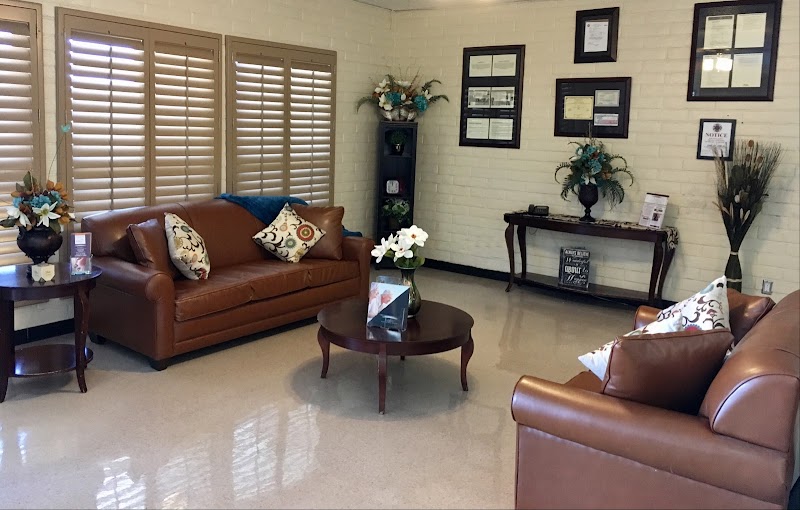
How is Vista Hills Health Staffed?

CMS rates VISTA HILLS HEALTH CARE CENTER's staffing level at 2 out of 5 stars, which is below average compared to other nursing homes. Staff turnover is 44%, compared to the Texas average of 46%. This relatively stable workforce can support continuity of care. RN turnover specifically is 67%, which is notably high. RNs provide skilled clinical oversight, so turnover in this role can affect medical care quality.

What Have Inspectors Found at Vista Hills Health?

State health inspectors documented 71 deficiencies at VISTA HILLS HEALTH CARE CENTER during 2022 to 2025. These included: 69 with potential for harm and 2 minor or isolated issues. While no single deficiency reached the most serious levels, the total volume warrants attention from prospective families.
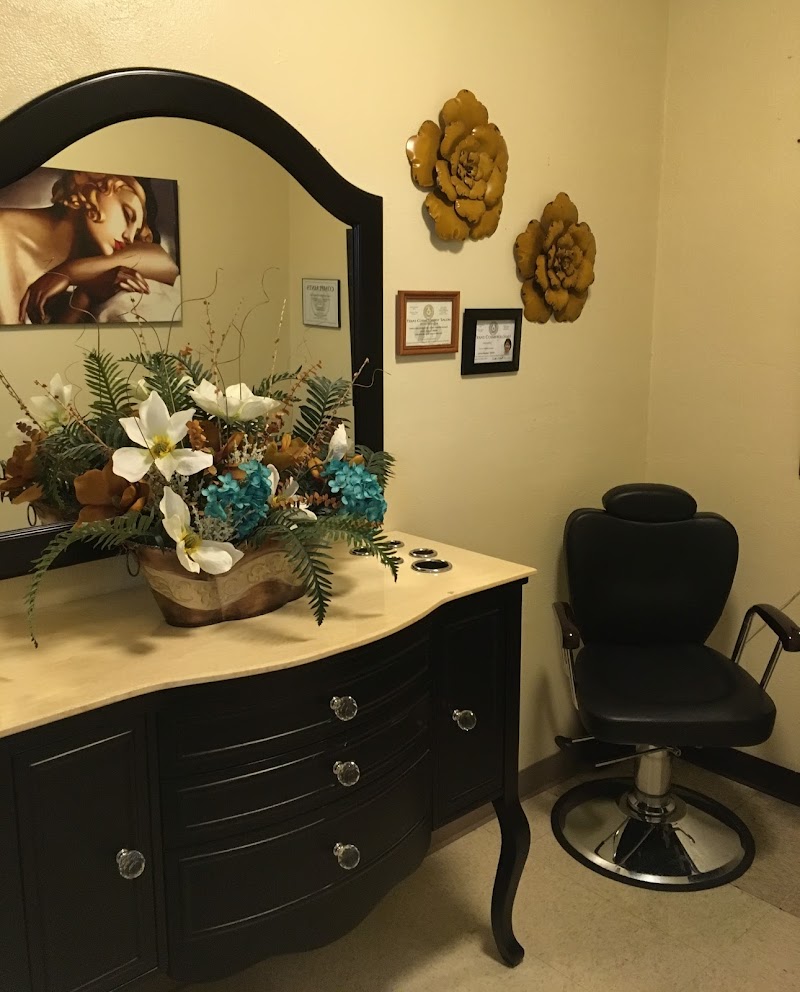
Who Owns and Operates Vista Hills Health?

VISTA HILLS HEALTH CARE CENTER is owned by a for-profit company. For-profit facilities operate as businesses with obligations to shareholders or private owners. The facility is operated by CREATIVE SOLUTIONS IN HEALTHCARE, a chain that manages multiple nursing homes. With 120 certified beds and approximately 82 residents (about 68% occupancy), it is a mid-sized facility located in EL PASO, Texas.
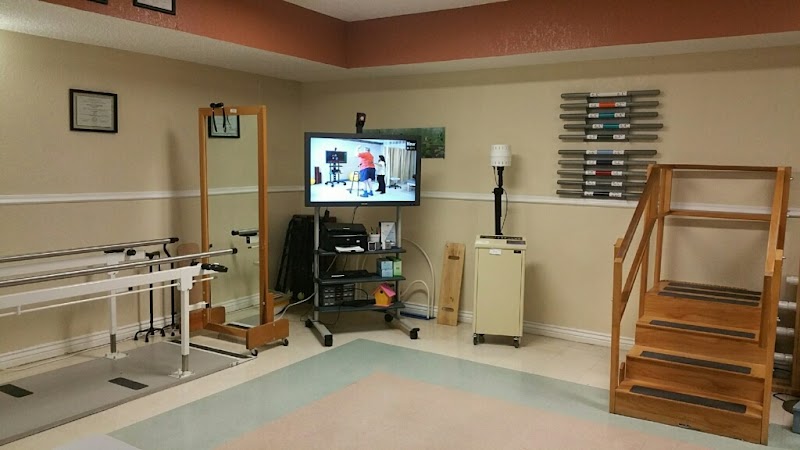
How Does Vista Hills Health Compare to Other Texas Nursing Homes?

Compared to the 100 nursing homes in Texas, VISTA HILLS HEALTH CARE CENTER's overall rating (2 stars) is below the state average of 2.8, staff turnover (44%) is near the state average of 46%, and health inspection rating (2 stars) is below the national benchmark.

What Should Families Ask When Visiting Vista Hills Health?

Based on this facility's data, families visiting should ask: "Can you walk me through typical staffing levels on day, evening, and night shifts?" "Can I visit during a mealtime to observe dining assistance and food quality?" "How do you handle medical emergencies, and what is your hospital transfer rate?" "Can I speak with family members of current residents about their experience?" These questions are particularly relevant given the below-average staffing rating.

Is Vista Hills Health Safe?

Based on CMS inspection data, VISTA HILLS HEALTH CARE CENTER has a clean safety record: no substantiated abuse findings (meaning no confirmed cases of resident harm), no Immediate Jeopardy citations (the most serious violation level indicating risk of serious injury or death), and is not on the Special Focus Facility watch list (a federal program monitoring the lowest-performing 1% of nursing homes). The facility has a 2-star overall rating and ranks #100 of 100 nursing homes in Texas. While no facility is perfect, families should still ask about staff-to-resident ratios and recent inspection results during their visit.

Do Nurses at Vista Hills Health Stick Around?

VISTA HILLS HEALTH CARE CENTER has a staff turnover rate of 44%, which is about average for Texas nursing homes (state average: 46%). Moderate turnover is common in nursing homes, but families should still ask about staff tenure and how the facility maintains care continuity when employees leave.

Was Vista Hills Health Ever Fined?

VISTA HILLS HEALTH CARE CENTER has been fined $39,787 across 1 penalty action. The Texas average is $33,477. While any fine indicates a compliance issue, fines under $50,000 are relatively common and typically reflect isolated problems that were subsequently corrected. Families should ask what specific issues led to these fines and confirm they've been resolved.

Is Vista Hills Health on Any Federal Watch List?

VISTA HILLS HEALTH CARE CENTER is not on any federal watch list. The most significant is the Special Focus Facility (SFF) program, which identifies the bottom 1% of nursing homes nationally based on persistent, serious quality problems. Not being on this list means the facility has avoided the pattern of deficiencies that triggers enhanced federal oversight. This is a positive indicator, though families should still review the facility's inspection history directly.