WHITE ACRES WELLNESS & REHABILITATION


7304 GOOD SAMARITAN COURT, EL PASO, TX 79912 (915) 581-4683
Non profit - Corporation 74 Beds OPCO SKILLED MANAGEMENT Data: November 2025
Trust Grade
43/100
#892 of 1168 in TX
Last Inspection: October 2024

Within standard 12-15 month inspection cycle. Federal law requires annual inspections.

Overview

White Acres Wellness & Rehabilitation has a Trust Grade of D, which indicates it is below average and has some concerning issues. It ranks #892 out of 1168 facilities in Texas, placing it in the bottom half, and #14 of 22 in El Paso County, meaning only one local facility is rated lower. The facility is currently improving, with the number of issues decreasing from 12 in 2024 to 5 in 2025. Staffing is a relative strength with a turnover rate of 0%, significantly below the Texas average of 50%, and there is good RN coverage, exceeding that of 89% of Texas facilities. However, $12,665 in fines is concerning, as it reflects ongoing compliance problems. Specific incidents noted by inspectors include a resident who required assistance for transfers not receiving it, which poses a fall risk, and multiple food safety violations that could lead to food-borne illnesses, highlighting both strengths and weaknesses in care and safety protocols.

Trust Score
D
43/100
In Texas
#892/1168
Bottom 24%
Safety Record
Moderate
Needs review
Inspections
Getting Better
12 → 5 violations
Staff Stability
○ Average
Turnover data not reported for this facility.
Penalties
✓ Good
$12,665 in fines. Lower than most Texas facilities. Relatively clean record.
Skilled Nurses
○ Average
Each resident gets 39 minutes of Registered Nurse (RN) attention daily — about average for Texas. RNs are the most trained staff who monitor for health changes.
Violations
⚠ Watch
28 deficiencies on record. Higher than average. Multiple issues found across inspections.
★★☆☆☆
2.0
Overall Rating
★☆☆☆☆
1.0
Staff Levels
★★☆☆☆
2.0
Care Quality
★★★☆☆
3.0
Inspection Score
Stable
2024: 12 issues
2025: 5 issues

The Good

  • Full Sprinkler Coverage · Fire safety systems throughout facility
  • No fines on record

Facility shows strength in fire safety.

The Bad

2-Star Overall Rating

Below Texas average (2.8)

Below average - review inspection findings carefully

Federal Fines: $12,665

Below median ($33,413)

Minor penalties assessed

Chain: OPCO SKILLED MANAGEMENT

Part of a multi-facility chain

Ask about local staffing decisions and management

The Ugly 28 deficiencies on record

1 actual harm
Aug 2025 3 deficiencies
CONCERN (D) 📢 Someone Reported This

A family member, employee, or ombudsman was alarmed enough to file a formal complaint

Potential for Harm - no one hurt, but risky conditions existed

Deficiency F0657 (Tag F0657)

Could have caused harm · This affected 1 resident

**NOTE- TERMS IN BRACKETS HAVE BEEN EDITED TO PROTECT CONFIDENTIALITY** Based on interview and record review the facility failed to ensure a comprehensive person-centered care plan were reviewed and r...

Read full inspector narrative →
**NOTE- TERMS IN BRACKETS HAVE BEEN EDITED TO PROTECT CONFIDENTIALITY** Based on interview and record review the facility failed to ensure a comprehensive person-centered care plan were reviewed and revised by the interdisciplinary team after each assessment, including both the comprehensive and quarterly review assessment for 1 of 6 residents (Resident #6) reviewed for care plans.The facility failed to invite hospice as part of the IDT team to help develop and implement a comprehensive person-centered care plan for Resident #6 who was on hospice.Findings include:Record review of Resident #6's face sheet dated 08/07/25, revealed, admission on [DATE] to the facility. Record review of Resident #6's hospital history and physical dated 03/31/25, revealed, a [AGE] year-old male diagnosed with Diabetes Mellitus and on hospice.Record review of Resident #6's quarterly MDS dated [DATE], revealed, a moderately impairment cognition BIMS of 12 to be able to recall or make daily decisions. Section O (Special Treatments, Procedures, and Programs) - was coded K1. Hospice Care. Record review of Resident #6's care plan dated 04/03/25, revealed, Resident #6 had a terminal prognosis and had elected to participate in hospice services. Consult with physicians and social services to have hospice care for resident in the facility.During an interview on 08/06/25 at 10:19 AM, with the family member, she stated the Hospice Team confirmed that the facility had not reached out to have the Hospice Team to be part of Resident #6's IDT team during his care plan meetings. The family member stated Hospice was finally invited for a care plan meeting that would be taking place sometime in September 2025, many months later after his admission [DATE]). During an interview on 08/06/25 at 10:22 AM, with the Ombudsman, he stated he was notified that by the family member Resident #6 had not had hospice be part of his care plan meeting(s). Ombudsman stated he was still looking into that situation to see what was going on.During an interview on 08/06/25 at 2:44 PM, with the Hospice Administrator, she stated hospice had to routinely ask the facility for information about Resident #6 so they could supply the facility with their hospice care plan for Resident #6 as they were not invited to the care plan meetings.During an interview on 08/06/25 at 4:37 PM, with Hospice Physician, he stated that it was very important that Hospice be at the care plan meetings as it was in the best interest for Resident #6 and the services that would be provided for care for him. The Hospice Physician stated that hospice always asks to sit with the facility to do the care plans but are never invited to the care plan meetings. The Hospice Physician stated hospice not being at the care plan meetings could have an affect the care of Resident #6 in which he might not receive the necessary care since he was on hospice.During an interview on 08/07/25 at 1:20 PM, with the Hospice SW, he stated hospice had not attended any actual care plan meetings for Resident #6. The Hospice SW stated the hospice was not part of the IDT nor were they invited to Resident #6's care plan meetings at the facility. The Hospice SW stated the family members wanted hospice to be part of the care plan meetings for Resident #6 and did not know why the facility was not having hospice as part of Resident #6's care plan. The Hospice SW stated it would be important for hospice to be present in the care plan meeting to discuss the services that would be provided to Resident #6. The Hospice SW stated not having hospice present could have services being missed for Resident #6.During an interview on 08/07/25 at 1:34 PM, with the Hospice Case Manager, he stated hospice had been invited to the care plan meeting in September 2025 but before that they had not been invited to any care plan meetings for Resident #6. The Hospice Case Manager stated they had been communicating with the DON and family regarding the review of the care plan and hospice does their own care plan for Resident #6. The Hospice Case Manager stated in the contract with the facility it stated in the delineation of duties that they have to be part of the IDT meetings which would be conducted by the physician, SW, RN, and spiritual care. The Hospice Case Manager stated the facility had a care plan for Resident #6 and it should have been correlating with the one that hospice had. The Hospice Case Manager stated any changes or deviations had to be reported to hospice so it would be updated in the hospice care plan.During an interview on 08/07/25 at 3:52 PM, with the Administrator, she stated the was SW was responsible and would be able to answer if residents who were on hospice had hospice invited to their care plan meetings. The Administrator stated as per facility policy hospice should have been invited to the care plan meeting(s). The Administrator stated the purpose of a care plan was to ensure that all the issues were addressed with all parts of care for the resident. The Administrator stated the care plan was a customized to meet the needs of each resident. The Administrator stated the negative outcome would be an area in care or services in the care plan being missed.During an interview on 08/18/25 at 1:13 PM, with the ADON, she stated the purpose of a care plan was to inform all departments and answer any questions someone may have regarding the resident. The ADON stated it was also the services being provided and what kind for the resident. The ADON stated the purpose of an IDT was also to inform of any changes or information related to the care of the resident. The ADON stated hospice should be invited as well so that all the IDT can be on the same page with care for the resident. The ADON stated hospice had not been present to any care plan meetings and did not know the reason why. The ADON stated the negative outcome of hospice not attending could be confusion on the general plan of care.During an interview on 08/18/25 at 2:35 PM, with the DON, she stated the purpose of a care plan was for family and everyone to know everything that was happening with the resident which addressed any concerns or issues and how to provide care for that resident. The DON stated the IDT was made up of the SW, dietary, nursing, therapy, activities, family members, and other pertinent parties. The DON stated the purpose of the IDT was to discuss everything and get a better understanding of the resident's needs. The DON stated hospice was not part of the care plan meetings and now they are. The DON stated as per facility policy hospice should have been invited to the care plan meetings for Resident #6. The DON stated there was no negative outcome as the facility always communicated with hospice about Resident #6.Record review of the facility Care Planning Policy dated 10/24/22, revealed, Purpose- To ensure that a comprehensive person-centered Care Plan was developed for each resident based on their individual assessed needs. Policy - The Care Plan serves as a course of action where the resident, resident's attending physician, and IDT work to help the resident move towards resident-specific goals that address the resident's medical, nursing, mental, and psychosocial needs. -Procedure- Services that are to be furnished to attain or maintain the resident's highest practicable physical, mental, and psychosocial well-being. -Any services that would be required. -The Comprehensive Care Plan must be prepared by the IDT team. The IDT team includes the following: Consultants (as Appropriate) and other individuals as appropriate or necessary.Record review of the facility Care and Services Policy dated 06/2020, revealed, Purpose- To ensure through an interdisciplinary team process, that all residents receive the necessary care and services based on an individualized comprehensive assessment process. Policy- Residents are provided with the necessary care and services to maintain the highest practicable physical, mental, and social well-being level of in an environment that enhances qualify of life in the scope of a long-term care facility. Care and services are provided in a manner that consistently enhances self-esteem and self-worth. -Procedure- The IDT receives and review initial assessment information to ensure that members of the IDT interact with the residents in a manner that enhances self-esteem and self-worth, such as activities related bathing, grooming, dining, recreational and social opportunities.Record review of the facility End of Life Care Policy dated 08/2020, revealed, Purpose- To provide a process to assist the resident in fulfilling their spiritual, physical, and emotional needs, and to provide emotional support to families of residents with terminal illness. Policy- The facility will help residents maintain their dignity and provide comfort and security to residents in a caring environment. Coordination with Hospice - If hospice care was involved, the resident's care plan will reflect hospice interventions. Social Services Staff will coordinate with Hospice staff to ensure that the residents needs are communicated to the hospice. Social Services staff may include the hospice team in the resident's IDT conference.
CONCERN (D) 📢 Someone Reported This

A family member, employee, or ombudsman was alarmed enough to file a formal complaint

Potential for Harm - no one hurt, but risky conditions existed

ADL Care (Tag F0677)

Could have caused harm · This affected 1 resident

**NOTE- TERMS IN BRACKETS HAVE BEEN EDITED TO PROTECT CONFIDENTIALITY** Based on observation, interview, and record review the facility failed to ensure a resident who is unable to carry out activitie...

Read full inspector narrative →
**NOTE- TERMS IN BRACKETS HAVE BEEN EDITED TO PROTECT CONFIDENTIALITY** Based on observation, interview, and record review the facility failed to ensure a resident who is unable to carry out activities of daily living receives the necessary services to maintain good nutrition, grooming, and personal and oral hygiene for 1 (Resident #7) of 4 residents reviewed for ADL care for dependent residents.The facility failed to ensure the Hospice CNA provided perineal care with professional standards to ensure Resident #7 was clean, free of contamination. This failure placed residents who were dependent on staff for ADL care at risk for inappropriate transmission-based precautions to be used.Findings include: Record review of Resident #7's face sheet dated 08/18/25, revealed, admission on [DATE] to the facility. Record review of Resident #7's facility history and physical dated 05/14/25, revealed, an [AGE] year-old female diagnosed with Alzheimer's dementia with aggression and failure to thrive (a syndrome characterized by weight loss, poor nutrition, decreased activity, and a decline in overall functional ability, often accompanied by symptoms like depression and cognitive impairment). Record review of Resident #7's quarterly MDS dated [DATE], revealed, severe cognition of impairment BIMS of 6 to be able to recall or make daily decisions. Functional abilities were supervision or touching assistance (staff provides verbal cues and or touching/steadying and or contact guard assistance) with toileting. Resident #7 was always incontinent was urinary continence. Record review of Resident #7's care plan dated 05/14/25, revealed, had bladder incontinence related to activity intolerance. Monitor and document intake and output as per facility policy. Monitor fluid intake to determine if natural diuretics such as coffee, tea, or cola was contributing to increased urination and incontinence. Had terminal prognosis and under hospice's services related to atrial fibrillation. Consult with physician and social services to have hospice care for resident in the facility. Resident #7's ADLs was incontinent of bowel and bladder and required staff assist for cleansing and clothing. Observation on 08/07/25 at 6:11 AM, with Hospice CNA, revealed, perineal care was going to be provided to Resident #7 in her room. Hospice CNA entered the room and put on gloves and prepared the supplies to change Resident #7. Hospice CNA pulled several wipes from the package and placed them on top of the bed. Hospice CNA removed the soiled brief and disposed of it in the trashcan. Hospice CNA did not change gloves and did not perform hand hygiene. Hospice CNA proceeded to clean the resident's genital area with wipes from rectum to perineum (the area between the anus and vulva) and perineum to rectum. Hospice CNA cleaned buttock from front to back, it was observed that the wipes smeared with fecal matter, and she placed them on top of the clean wipes that were on the bed. that were on the bed. Hospice CNA disposed of dirty wipes in the trashcan and did not change gloves and did not perform hand hygiene. Hospice CNA put on the clean brief and continued to dress Resident #7. Hospice CNA was observed going through the drawers and closet with the contaminated gloves. Hospice CNA then proceeded to dress Resident #7, got her out of bed and sat her in the reclining Geri-chair. Hospice CNA then brushed Resident #7's hair. Hospice CNA then pulled the divider curtain with the contaminated gloves, put mousse on Resident #7's hair with the contaminated gloves, cleaned Resident #7's face and handed the resident a container of face cream so she could put cream on her face. During an interview on 08/07/25 at 6:35 AM, with the Hospice CNA, she stated she had been trained to clean the genital area from the top to the back and not go up and down with the same wipes to prevent contamination of the genital area. Hospice CNA said that she had been trained to change gloves and use hand sanitizer when she removed the soiled brief and dispose of the brief in the trash can. Hospice CNA said that she needed to change her gloves and use hand sanitizer each time that she removed the soiled gloves to prevent contamination by touching everything with the soiled gloves. Hospice CNA stated she had removed her gloves, entered the bathroom to wash her hands in the hand sink, and stated that the soap dispenser was empty. Hospice CNA stated she walked out of the bathroom and used hand sanitizer.During an interview on 08/18/25 at 10:25 AM, with the ADON, she stated when providing perineal care staff are to be washing their hands and putting on gloves. The ADON stated you start by cleaning the resident from front to back and make sure nothing gets soiled. The ADON stated then you throw away the soiled wipe and remove the gloves and clean your hands and reapply gloves. The ADON stated it would not be okay to be having dirty wipes on top of clean ones. The ADON stated not washing your hands and changing out your gloves could be a risk of infection. During an interview on 08/18/25 at 1:40 PM, with the DON, she stated she was the infection control preventionist. The DON stated when conducting perineal care, the staff had to wash their hands and talk to the resident letting them know what was going to happen. The DON stated all staff have to make sure they have their perineal care supplies ready. The DON stated you wash your hands and put on your gloves and open the brief and clean from front to back for females and males from the tip and down. The DON stated if there was any stool it would have to be cleaned first. The DON stated it was not okay to place dirty wipes on top of clean ones. The DON stated anything contaminated should not be touching anything else nor the same contaminated gloves should be touching anything. The DON stated gloves are to be replaced, thrown, and hand washing performed, and reapply new clean gloves. The DON stated it would be a risk of contamination. Record review of the facility Perineal Care Policy dated 06/2020, revealed, Purpose- To maintain cleanliness of the genital area, to reduce odor, and to prevent infection or skin breakdown. Policy- Perineal care was provided as part of a resident's hygienic program, am minimum of once daily and per resident need. 1. Wash hands. 2. Explain procedure to resident. 3. Gather equipment. 4. Provide Privacy. 5. Put on gloves. 6. Wash the pubic area (the region on the lower abdomen, just above the genitals, where the pelvis meets at the front). - A. For a female resident(s): i. Separate the labia (the inner and outer folds of the vulva, at either side of the vagina). Wash the soapy washcloth/cleansing wipe, moving from front to back, on each side of the labia and in the center over the urethra (The tube through which urine leaves the body) and vaginal opening, using a clean washcloth/cleansing wipe for each stroke. ii. Rinse area, moving from front to back using a clean washcloth/cleansing wipe for each stroke. iii. Dry area moving from to back, using a blotting motion (gently dabbing or pressing an absorbent material onto a stain to soak up liquid without spreading it or damaging fibers) with towel. 7. Turn resident to side. 8. Wash, rinse and dry buttocks and peri-anal area without contaminating perineal area (the region of the body located between the anus and the external genital organs). 9. Remove wet linen. 10. Place dry linens or briefs or both underneath resident. 11. Reposition resident. 12. Remove gloves. Wash hands or use alcohol-based hand sanitizer. Note: Do not touch anything with soiled gloves after procedure (i.e. curtain, side rails, clean linen, call bell, etc.) 13. Put on clean gloves. 14. Clean and return all equipment to tis proper place. 15. Place soiled linen in proper container. 16. Remove gloves. 17. Wash hands. Record review of the facility Infection Prevention and Control Program Policy dated 10/24/22, revealed, Purpose-The ensure the facility established and maintained an infection control program designed to provide a safe, sanitary, and comfortable environment and to help prevent the development and transmission of disease and infection in accordance with Federal and State requirements.
CONCERN (D) 📢 Someone Reported This

A family member, employee, or ombudsman was alarmed enough to file a formal complaint

Potential for Harm - no one hurt, but risky conditions existed

Accident Prevention (Tag F0689)

Could have caused harm · This affected 1 resident

**NOTE- TERMS IN BRACKETS HAVE BEEN EDITED TO PROTECT CONFIDENTIALITY** Based on observation, interview, and record review the facility failed to ensure that each resident receives adequate supervisio...

Read full inspector narrative →
**NOTE- TERMS IN BRACKETS HAVE BEEN EDITED TO PROTECT CONFIDENTIALITY** Based on observation, interview, and record review the facility failed to ensure that each resident receives adequate supervision and assistance devices to prevent accidents for 1 (Resident #8) of 4 residents reviewed for accidents hazards.The facility failed to provide safe transfer assistance, using proper transfer techniques for Resident #8. CNA A and CNA B failed to secure the brakes on the mechanical lift prior to lifting Resident #8 off the wheelchair.This failure placed the resident at risk of injury from improper transfer techniques.The findings included:Record review of Resident #8's face sheet dated 08/18/25, revealed, admission on [DATE] and re-admission on [DATE] to the facility. Record review of Resident #8's facility history and physical dated 06/05/25, revealed, a [AGE] year-old male diagnosed with dementia, degenerative disease of the central nervous system (a group of disorders where nerve cells in the brain and spinal cord progressively lose function, leading to a decline in physical and cognitive abilities), and Complete trisomy 21 syndrome (a genetic disorder where a person has a complete extra copy of chromosome 21 in all their cells, resulting from an error during the formation of egg or sperm). Record review of Resident #8's quarterly MDS dated [DATE], revealed, a BIMS was not taken to see the severity of impairment in cognition to be able to recall or make daily decision for Resident #8. It was not coded for mechanical lift. Functional abilities were dependent for roll left/right, sit to lying, lying to sitting on side bed, sit to stand, and chair/bed to chair transfer. Record review of Resident #8's care plan dated 05/17/25, revealed, ADLs self-care performance deficit related to down syndrome (a genetic condition where a person is born with an extra chromosome) and CVA (stroke occurs when a blood vessel in the brain becomes blocked or ruptures, cutting off blood flow to the brain). Transfer - extent/type may fluctuate within a day to day, depending on level of strength, pain, mood, etc. May require more staff assist or less. Resident was normally bedfast. Chair to bed dependent using 2 staff. On 08/06/25 at 8:30 AM a Facility Transfer, and ADLs Policy was requested from the Administrator and DON via e-mail but did not provide one of each by the facility. During an observation and interview on 08/06/25 at 10:27 AM, with CNA A and CNA B, revealed, Resident #8 was going to be transferred from his wheelchair to his bed. CNA B was heard providing instructions to Resident #8 of what was going to happen. CNA A was positioning the mechanical lift in between Resident #8's wheelchair while CNA B was ensuring the sling was placed appropriately underneath Resident #8. Once the mechanical lift was in position CNA A and CNA B began to hook up the sling to the mechanical lift. CNA A, without locking the mechanical lift brakes, began to lift Resident #8 into the air. CNA B moved the wheelchair and CNA A began to move Resident #8 over the bed and then began to lower Resident #8 down onto the bed. After the demonstration CNA A stated she had not locked the mechanical lift brakes. CNA B stated the mechanical lift brakes had to be locked or applied for the safety of Resident #8. CNA A stated not locking or applying the lift brakes could have resulted in injury to Resident #8. During an interview on 08/18/25 at 10:30 AM, with the ADON, she stated the DON/ADONs provide training on transfers to the staff. The ADON stated the mechanical lift brakes had to be applied when lifting a resident into the air for safety. The ADON stated staff should be ensuring the mechanical lift brakes are on before lifting a resident into the air. The ADON stated the risk could be injuries to the resident. During an interview on 08/18/25 at 1:40 PM, with the DON, she stated anytime a resident was going to be lifted into the air while using a mechanical lift the staff had to apply the mechanical lift brakes. The DON stated the negative impact of not applying the mechanical lift brakes could be the mechanical lift moving and possible injury to the resident. The DON stated the DON/ADONs were responsible for training staff on mechanical lifts.
Mar 2025 1 deficiency
CONCERN (E) 📢 Someone Reported This

A family member, employee, or ombudsman was alarmed enough to file a formal complaint

Potential for Harm - no one hurt, but risky conditions existed

Assessment Accuracy (Tag F0641)

Could have caused harm · This affected multiple residents

**NOTE- TERMS IN BRACKETS HAVE BEEN EDITED TO PROTECT CONFIDENTIALITY** Based on interviews and record reviews, the facility failed to ensure that the assessment accurately reflected the resident's st...

Read full inspector narrative →
**NOTE- TERMS IN BRACKETS HAVE BEEN EDITED TO PROTECT CONFIDENTIALITY** Based on interviews and record reviews, the facility failed to ensure that the assessment accurately reflected the resident's status for 3 (Resident #7, #8, and #9) of 3 residents reviewed for accuracy of MDS assessment, in that: -The facility failed to ensure Residents #7's, #8's, and #9's MDS accurately reflected the residents' history of falls. This deficient practice could affect residents at the facility who had been assessed for risk of falls and could contribute to inadequate care. Findings included: Resident #7: Record review of Resident #7's admission Record dated 03/19/2025, revealed an [AGE] year-old female was originally admitted to the facility on [DATE] and readmitted on [DATE]. Diagnoses included dementia (impaired ability to remember, think, or make decisions that interferes with doing everyday activities), and unsteadiness on feet. Record review of Resident #7's MDS dated [DATE], revealed a BIMS of 06 indicating that the resident had severe cognitive impairment. Section I - Active Diagnoses revealed resident diagnosed with unsteadiness on feet. Section J - Health Conditions under fall history revealed that resident had not had any falls since admission or re-entry to the facility. Review of Resident #7's fall history revealed that Resident #7 had a fall on 01/27/2025. Record review of Resident #7's Care Plan dated 02/27/2025, reads in part on 1/27/25: Resident had an actual fall with injury related to dementia with behaviors, poor safety awareness, impulsive behaviors. Another part of the plan revealed that resident was at risk for falls related to gait/balance problems, dementia, history of falls, self-transferring, high risk medications, recurrent falls, and poor safety awareness. Resident #8: Record review of Resident #8's admission Record dated 03/19/2025, revealed a [AGE] year-old female with an admission date of 09/06/2023. Diagnoses included dementia (impaired ability to remember, think, or make decisions that interferes with doing everyday activities), unsteadiness on feet, and history of falling. Record review of Resident #8's quarterly MDS dated [DATE], revealed a BIMS of 04 indicating that the resident had severe cognitive impairment. Section I - Active Diagnoses revealed resident diagnosed with unsteadiness on feet. Section J - Health Conditions under fall history revealed that resident had not had any falls since admission or re-entry to the facility. Review of Resident #8's fall history revealed that Resident #7 had a fall on 01/12/2025. Record review of Resident #8's Care Plan dated 02/27/2025, reads in part resident was found on the floor mat with no injury related to confusion and stated she was looking for her children. Another care area reads resident was at risk for falls related to weakness, anxiety, poor safety awareness, prefers to lie at the edge of the bed, confusion, nightmares, and history of recurring falls. Resident #9: Record review of Resident #9's admission Record dated 03/19/2025, revealed an [AGE] year-old male with admission date of 11/30/2018. Diagnoses included dementia (impaired ability to remember, think, or make decisions that interferes with doing everyday activities), and unsteadiness on feet. Record review of Resident #9's quarterly MDS dated [DATE], revealed a BIMS of 12 indicating that the resident had moderate cognitive impairment. Section I - Active Diagnoses revealed resident diagnosed with unsteadiness on feet. Section J - Health Conditions under fall history revealed that resident had not had any falls since admission or re-entry to the facility. Review of Resident #9's fall history revealed that Resident #7 had a fall on 01/1/2025. Record review of Resident #9's Care Plan dated 02/27/2025, reads in part resident was at risk for falls related to CVA (cerebrovascular accident) weakness, left hemiparesis, history of falls, attempts to get out of bed. Another care area reads on 1/1/25 resident had an actual fall with minor injury of discoloration/abrasion/bruise to back of right hand. During an interview on 02/28/2025 at 1:04 p.m., the MDS Coordinator said an MDS covers everything about a resident's health conditions. The MDS Coordinator said it was very important for the MDS to be accurate as it was used to care plan. The MDS Coordinator said she was responsible to ensure that MDS was accurate and up to date. The MDS Coordinator reviewed Resident #7's, #8's, and #9's MDS's and said that the falls should have been captured on the assessments. The MDS Coordinator said the facility had undergone a change in ownership back in November 2024 and believes that she may not have had all the correct information when completing the MDS's for the residents. The MDS Coordinator said she should have followed up to ensure she had all the information she needed to complete the MDS . During an interview on 02/28/2025 at 3:15 p.m., the DON said the purpose of the MDS was assess resident in all care areas. The DON said it was very important for the MDS to be accurate as it may impact care planning for a resident. The DON said the MDS Coordinator was responsible for the MDS completion and accuracy. The DON said the MDS was done annually, quarterly, and when there was any change in condition including falls. The DON said the risk of falls not being captured accurately on the MDS may impact the interventions that were in place for the residents . Review of facility provided Fall Evaluation and Prevention policy dated 08/2020, reads in part The facility will evaluate residents for their fall risk and develop interventions for prevention. Review of RAI Version 3.0 manual dated October of 2019, reads in part regarding Section J fall assessment, the review period is from the day after the ARD of the last MDS assessment to the ARD of the current assessment; Review all available sources for any fall since the last assessment, no matter whether it occurred while out in the community, in an acute hospital, or in the nursing home. Include medical records generated in any health care setting since last assessment. All relevant records received from acute and post-acute facilities where the resident was admitted during the look-back period should be reviewed for evidence of one or more falls; Review nursing home incident reports and medical record (physician, nursing, therapy, and nursing assistant notes) for falls and level of injury; Ask the resident, staff, and family about falls during the look-back period. Resident and family reports of falls should be captured here, whether or not these incidents are documented in the medical record; Review any follow-up medical information received pertaining to the fall, even if this information is received after the ARD (e.g., emergency room x-ray, MRI, CT scan results), and ensure that this information is used to code the assessment .
Jan 2025 1 deficiency
CONCERN (D) 📢 Someone Reported This

A family member, employee, or ombudsman was alarmed enough to file a formal complaint

Potential for Harm - no one hurt, but risky conditions existed

Grievances (Tag F0585)

Could have caused harm · This affected 1 resident

**NOTE- TERMS IN BRACKETS HAVE BEEN EDITED TO PROTECT CONFIDENTIALITY** Based on interview, and record review the facility failed to ensure the prompt resolution of all grievances to include ensuring ...

Read full inspector narrative →
**NOTE- TERMS IN BRACKETS HAVE BEEN EDITED TO PROTECT CONFIDENTIALITY** Based on interview, and record review the facility failed to ensure the prompt resolution of all grievances to include ensuring that all written grievances decisions include the date the grievance was received, a summary statement of the resident's grievance, the steps taken to investigate the grievance, a summary of the pertinent finding or conclusions regarding the resident's concerns; a statement as to whether the grievance was confirmed, any corrective action or to be taken by the facility as a result of the grievance, and the date when the decision was issued for 1 of 4 (Resident #1) reviewed for resident rights. The facility failed to initiate and complete a grievance for Resident #1 who voiced a complaint of the facility response to cable service outage resulting in a delay to resolve the issue. This failure could place residents at risk for grievances not being addressed or resolved promptly. Findings included: Record review of Resident #1's face sheet dated 01/07/25 revealed a [AGE] year-old female who was admitted to the facility on [DATE] with diagnoses of major depressive disorder (mental health disorder characterized by persistently depressed mood or loss of interest in activities, causing significant impairment in daily life). Record review of Resident #1's initial MDS assessment dated [DATE] revealed a BIMS score of 14 indicating she was cognitively intact. During a private interview on 01/07/2025 at 10:43 a.m., Resident #1 said the cable television channels went out the day before Christmas (12/24/2024), and there was only one channel available which was CSPAN. She said that she was admitted to the facility for recovery from knee surgery and watching the television was her preferred source of entertainment. Resident #1 said she complained immediately about the issue to staff and that the Maintenance Director attempted to do something to get more available channels but was not successful. Resident #1 said the facility activities staff offered her several things to do but she did not want any of those items. Resident #1 said the issue was not resolved until 01/06/2025. Resident #1 said when she was admitted to the facility, she was not informed of any facility grievance policy. Resident #1 said four days later, on 12/30/2024, she just talked to some lady at the facility who she thought was a boss at the facility. Resident #1 said she told the lady about her complaint. (Lady that was mentioned by Resident #1 was identified as the Facility Administrator). Resident #1 said no one explained to her how to file a grievance at the facility. Resident #1 said she was not provided any policy regarding the grievance process. Resident #1 said she was fine and was only inconvenienced by the issue. Resident #1 said the issue may have been resolved faster had an immediate grievance been filed. Review of Resident #1's admission packet revealed a blank grievance form. The document of policy Resident Grievance/Complaint Procedures was not part of the packet. During an interview on 01/07/2025 at 11:07 a.m., LVN C said the cable went out around Christmas time. LVN C said activities were provided to the residents who did not have other channels available. LVN C said Resident #1 was the person who complained about the cable not working. LVN C said she did not complete a written grievance form as the Maintenance Director was already aware and working on the issue. LVN C said she thought a grievance had already been filed. LVN C said if a resident had a grievance, the Grievance report forms are always located on a door file at the DON office and available. LVN C said she did not know if a grievance was filed for the issue. LVN C said the issue was not resolved until 01/06/2025. During an interview on 01/07/2025 at 1:15 p.m., the Maintenance Director said on Christmas day, the cable went out throughout the facility. He said due to a transition of new ownership, there was an issue with payment of services for the cable. The Maintenance Director said about 80% of the televisions in the facility were able to receive more channels by connecting to the internet. The Maintenance Director said Resident #1's television was one of the televisions that was not able to receive any other channels. The Maintenance Director said he was aware of the issue and attempted to rig the television to get more channels. The Maintenance Director said he did not file a grievance and only knew of the issue by visiting residents. The Maintenance Director said he did not know when administration learned of the issue. The Maintenance Director said the issue was resolved on 01/06/2025. Record review of the grievances for November 2024 through January 2025 revealed no grievance found for Resident #1's concern regarding the cable issue. During an interview on 01/07/2025 at 2:53 p.m., the Facility Administrator (FA) said she heard about the cable being out during a morning meeting on 12/27/2024. The FA said no formal written grievance was done. The FA said all grievances are forwarded to the Administrator to follow-up and address the issue until resolved. The FA said she was informed that the Maintenance Director would fix the issue. The FA said the activities department offered residents affected by the cable outage activities. The FA said on 12/30/2024, she learned that the issue was not resolved. The FA said Resident #1 was complaining about the issue and she went and spoke with the resident. The FA said she did not know that Resident #1 was only able to see one channel and not getting enough channels. The FA said she was told by Maintenance that it was a quick fix which did not turn out to be true. The FA said she did not complete a grievance for the issue and that a written grievance should have been completed. The FA said the facility grievance process broke down and she would have to take the hit for that one because there was no documented grievance and she believe she was given misinformation regarding the cable issue. The FA said if the process was followed, the issue may have been resolved sooner. The FA said there was no negative outcome to Resident #1, or any other residents affected by the cable outage. Record review of the facility provided Resident Grievance/Complaint Procedures, undated, reflected in part, A resident, representative, family member, visitor or advocate may file a verbal or written grievance or complaint concerning treatment, abuse, neglect, harassment, medical care, behavior of other residents or staff members, theft of property, etc., without fear of threat or reprisal in any form. It is the policy of the facility to assist you in filing a grievance or complaint. Requested procedure to follow when filing a written grievance or complaint, obtain a Resident Grievance/Complaint Form from the nurse's station or from the Business Office; give the completed form to the Administrator or designee; after you have filed the grievance, you will receive a written summary of the results of the investigation within a reasonable time frame.
Oct 2024 5 deficiencies
CONCERN (D)

Potential for Harm - no one hurt, but risky conditions existed

Medical Records (Tag F0842)

Could have caused harm · This affected 1 resident

**NOTE- TERMS IN BRACKETS HAVE BEEN EDITED TO PROTECT CONFIDENTIALITY** Based on, interview and record review the facility failed to ensure, in accordance with accepted professional standards and prac...

Read full inspector narrative →
**NOTE- TERMS IN BRACKETS HAVE BEEN EDITED TO PROTECT CONFIDENTIALITY** Based on, interview and record review the facility failed to ensure, in accordance with accepted professional standards and practices, medical records were maintained on each resident that were accurately documented for 1 of 8 residents (Resident #22) reviewed for medical records. -The facility failed to ensure LVN A documented in the Nurse's Notes when he called the Nurse Practitioner changed the order for Lactobacillus for Resident #22. This failure could place residents at risk of medication errors. Findings include: Record review of Resident #22's admission Record, dated 10/16/24, reflected 62-year-male who was admitted to the facility on [DATE]. Record review of Resident #22's Hospital History & Physical, dated 06/10/24, reflected he had diagnoses which included constipation and irritable bowel syndrome with diarrhea (is a common digestive disorder that affects the large intestine and causes chronic abdominal pain, bloating and changes in bowel habits. Symptoms can include diarrhea, Constipation, or both can come and go over time.) Record review of Resident #22's Quarterly MDS, dated [DATE], did not document he had any Gastrointestinal diagnoses. Record review of Resident #22's Care Plan revised 10/19/21, reflected resident had constipation related to decreased mobility. Interventions: Observe/monitor for signs and symptoms of complications related to constipation. Record review of Resident #22's Physician's Order Summary, dated 10/16/24, reflected Lactobacillus Oral Capsule give 1 capsule by mouth four times a day for Osteomyelitis (a serious bone infection that causes inflammation and swelling in the bone). Start Date: 12/08/2023. Record review of Resident #22's Physician's Telephone Orders, dated 10/14/24 written by LVN A, reflected discontinue Lactobacillus Oral Capsule four times a day. Lactobacillus Oral tablet give 4 tablets to equal 0.8 mg by mouth four times a day for supplement. Start Date: 10/15/24. Record review of the Medication Administration Record, dated October 2024, for Resident #22 reflected, Lactobacillus Oral Capsule give 1 capsule by mouth four times a day at 4:00 PM. LVN A documented on 10/14/24 at 4:00 PM, Code 8 (means to see Nurses Notes). Lactobacillus is used to treat chronic constipation. Treating symptoms of irritable bowel syndrome. In an interview and record review on 10/15/24 at 4:00 PM, LVN A stated they did not have the Lactobacillus capsules on hand on 10/14/24 to administer at 4:00 PM, to Resident #22 according to physician's orders. He said he called the Nurse Practitioner on that day to change the Lactobacillus order to tablets. He said he documented a Code 8 (means to see Nurses Notes) on the Medication Administration Record on that day and had not documented in the Nurse's Notes he had called the Nurse Practitioner. He said licensed staff were trained to document in the resident's electronic record when the physician and/or Nurse Practitioner were called to request a change in physician's orders. LVN A stated, Lactobacillus tablets had not been administered on 10/14/24. In an interview on 10/15/24 at 3:00 PM, the DON revealed licensed staff were trained to administer medications correctly and in a timely manner and document in the resident's electronic record when the Physician and/or Nurse Practitioner were called to change physician's orders. Record review of the facility's policy & procedures on Nursing Documentation Guidelines, Timelines, revised 05/06/24, reflected, Purpose: To ensure appropriate documentation is completed in a timely manner.
CONCERN (E)

Potential for Harm - no one hurt, but risky conditions existed

Pharmacy Services (Tag F0755)

Could have caused harm · This affected multiple residents

**NOTE- TERMS IN BRACKETS HAVE BEEN EDITED TO PROTECT CONFIDENTIALITY** Based on observation, interview, and record review, the facility failed to provide pharmaceutical services (including procedures...

Read full inspector narrative →
**NOTE- TERMS IN BRACKETS HAVE BEEN EDITED TO PROTECT CONFIDENTIALITY** Based on observation, interview, and record review, the facility failed to provide pharmaceutical services (including procedures that assured the accurate acquiring, receiving, dispensing, and administering of all drugs and biologicals) to meet the needs of each resident for 2 of 8 (Resident #22, and Resident #35) residents reviewed for pharmacy services; for 3 of 3 licensed staff (LVN E, LVN C, an LVN D) and 1 of 2 Med Aides (Med Aide B). 1. The facility failed to administer Resident # 22 Lactobacillus on 10/14/24, according to physician's orders. 2. The facility failed to administer Resident # 35 Trelegy Ellipta Inhalation Aerosol Powder on 10/14/24, according to manufacturer's specification. 3. The facility failed to ensure LVN E, LVN C, Med Aide B and LVN D, signed off on the Controlled Drugs-Count Record after verifying all controlled substances in the medication cart were accounted for with the on-coming nurse/med aide at the change of shift. These failures could place residents at risk of harm or of not receiving desired outcomes from medications not administered according to physician orders and drug diversion of controlled substances. The findings include: 1. Record review of Resident #22's admission Record, dated 10/16/24, reflected 62-year-male who was admitted to the facility on [DATE]. Record review of Resident #22's Hospital History & Physical, dated 06/10/24, reflected he had diagnoses which included constipation and irritable bowel syndrome with diarrhea (is a common digestive disorder that affects the large intestine and causes chronic abdominal pain, bloating and changes in bowel habits. Symptoms can include diarrhea, Constipation, or both can come and go over time.) Record review of Resident #22's Quarterly MDS, dated [DATE], did not document he had any Gastrointestinal diagnoses. Record review of Resident #22's Care Plan revised 10/19/21, reflected resident had constipation related to decreased mobility. Interventions: Observe/monitor for signs and symptoms of complications related to constipation. Record review of Resident #22's Physician's Order Summary, dated 10/16/24, reflected Lactobacillus Oral Capsule give 1 capsule by mouth four times a day for Osteomyelitis (a serious bone infection that causes inflammation and swelling in the bone). Start Date: 12/08/2023. Record review of Resident #22's Physician's Telephone Orders, dated 10/14/24 written by LVN A, reflected discontinue Lactobacillus Oral Capsule four times a day. Lactobacillus Oral tablet give 4 tablets to equal 0.8 mg by mouth four times a day for supplement. Start Date: 10/15/24. Record review of the Medication Administration Record, dated October 2024, for Resident #22 reflected, Lactobacillus Oral Capsule give 1 capsule by mouth four times a day at 4:00 PM. LVN A documented on 10/14/24 at 4:00 PM, Code 8 (means to see Nurses Notes). Lactobacillus is used to treat chronic constipation. Treating symptoms of irritable bowel syndrome. Interview on 10/14/24 at 3:55 PM, during medication pass observation with Med Aide B said, Resident #22 had an order to administer Lactobacillus Oral Capsule at 4:00 PM, and she only had Lactobacillus tablets in the medication cart. She went to ask LVN A if they had Lactobacillus capsules in the medication prep room. She said they did not have Lactobacillus capsules on hand and was instructed by LVN A to hold the 4:00 PM dose, because he was going to call the doctor to change the Lactobacillus order to tablets. In an interview and record review on 10/15/24 at 4:00 PM, LVN A stated they did not have the Lactobacillus capsules on hand on 10/14/24 to administer at 4:00 PM, to Resident #22 according to physician's orders. He said he called the Nurse Practitioner on that day to change the Lactobacillus order to tablets. He said he documented a Code 8 (means to see Nurses Notes) on the Medication Administration Record on that day and had not documented in the Nurse's Notes he had called the Nurse Practitioner. He said licensed staff were trained to document in the resident's electronic record when the physician and/or Nurse Practitioner were called to request a change in physician's orders. LVN A stated, Lactobacillus tablets had not been administered on 10/14/24. In an interview on 10/15/24 at 3:00 PM, the DON revealed licensed staff were trained to administer medications correctly and in a timely manner and document in the resident's electronic record when the Physician and/or Nurse Practitioner were called to change physician's orders. Record review of the facility's policy & procedure, revised on 05/21/2024, on Medication Administration reflected Purpose: To administer medications correctly and in a timely manner. To provide direction regarding medication aide. 2. Record review of Resident #35's admission Record, dated 10/16/24, reflected [AGE] years old female who was admitted to the facility on [DATE]. Record review of Resident #35's Hospital History & Physical, dated 10/04/23, reflected she had diagnoses which included (COPD) (a common lung disease that causes breathing problems and restricted airflow) and Alzheimer's Dementia (a brain disorder that causes a gradual decline in memory, thinking, behavior, and social skills). Record review of Resident #35's Quarterly MDS, dated [DATE], reflected Active Diagnoses: Chronic obstructive pulmonary disease (COPD). Record review of Resident #35's Care Plan, revised 09/13/24, reflected, resident had oxygen therapy R/T COPD. Record review of Resident #35's Physician's Order, dated 10/16/24, reflected Trelegy Ellipta Inhalation Aerosol Powder 100 mcg/62.5 mcg/25 mcg give 1 puff inhaled orally in the morning for COPD. Record review of the Medication Administration Record dated October 2024, for Resident #35 Trelegy Ellipta Inhalation Aerosol Powder 100 mcg/62.5 mcg/25 mcg give 1 puff inhaled orally in the morning for COPD. Rinse mouth with water and spit after use. Observation on 10/14/24 at 3:55 PM, during medication pass revealed LVN E, administered 1 puff of the Trelegy Ellipta Inhalation Aerosol Powder 100 mcg/62.5 mcg/25 mcg by mouth to Resident #35. The pharmacy label documented rinse mouth with water and spit after taking inhaler. LVN E handed the resident a cup of water with a straw and did not instruct the resident to rinse her mouth and spit the water into the cup. The Resident only took a sip of the water and swallowed the water and handed the nurse the cup of water. When the State Surveyor asked the nurse if there were any special instructions on the pharmacy label, she said yes that was why she gave the resident a cup of water so she could rinse her mouth and spit the water into the cup. LVN E said, she saw the resident spit the water into the cup and made no other comment. Record review of the manufacturer's User Guide for Trelegy Ellipta Inhalation Aerosol Powder revised 6/2023 reflected rinse your mouth with water without swallowing after using TRELEGY to help reduce your chance of getting thrush. Observation and record review on 10/14/24 at 3:26 PM, LVN E revealed she had counted controlled substances at the change of shift and had forgot to sign the Controlled Drugs - Audit Record after the count was completed. LVN E said licensed staff were trained to count controlled substances at the change of shift with the on-coming nurse to verify counts were accurate and immediately sign the Controlled Drugs - Audit Record after the count was completed. LVN E signed off on the Controlled Drugs - Audit Record that she had counted the controlled substances at the change of shift after the surveyor had made a copy of the document. Interview and record review on 10/14/24 at 2:40 PM, LVN C revealed she counted controlled substances at the change of shift and forgot to sign the Controlled Drugs - Audit Record after the count was completed. LVN C said licensed staff were trained to count controlled substances at change of shift with the on-coming nurse to ensure counts were accurate and to immediately sign the Controlled Drugs - Audit Record after the count was completed. LVN C signed off on the Controlled Drugs - Audit Record that she had counted the controlled substances at the change of shift after the surveyor had made a copy of the document. Observation and record review on 10/14/24 at 3:57 PM, Med Aide B revealed she counted controlled substances at the change of shift and forgot to sign the Controlled Drugs - Audit Record after the count was completed. Med Aide said she was trained to count controlled substances at change of shift with the on-coming nurse to verify counts were accurate and to immediately sign the Controlled Drugs - Audit Record after the count had been completed. Med Aide B signed off on the Controlled Drugs - Audit Record that she had counted the controlled substances at the change of shift after the surveyor had made a copy of the document. Observation and record review on 10/16/24 at 7:25 AM, LVN D revealed she had counted controlled substances at the change of shift and had forgot to sign the Controlled Drugs - Audit Record after the count was completed. LVN D said licensed staff were trained to count controlled substances at change of shift with the on-coming nurse to verify counts were accurate and to immediately sign the Controlled Drugs - Audit Record after the count had been completed. LVN D signed off on the Controlled Drugs - Audit Record that she had counted the controlled substances at the change of shift after the surveyor had made a copy of the document. Interview and record review on 10/15/24 at 4:00 PM, with the DON revealed licensed staff were trained to count controlled substances at the change of shift with the on-coming nurse to verify counts were accurate, and to immediately sign the Controlled Drugs - Audit Record after the count had been completed. Record review of the facility's policy & procedure, revised on 05/06/2024, on Nursing Documentation reflected, Purpose: To ensure appropriate documentation is completed in a timely manner. Record review of the facility's policy & procedure, dated 07/2022, on Controlled Substance Administration & Accountability reflected, Purpose: To provide verification and reconciliation of all controlled medications. Procedure: Each time the keys that secure control medications change from one nurse/medication aide to another, the incoming and outgoing nurse/medication aide will work together to reconcile all controlled substances. For all schedule II-Controlled medications - The on-coming nurse will verify that the physical medication count matches the remaining amount listed on the Controlled Substance Bound Book for each medication. If the physical controlled medication count is in agreement, both nurses will sign the Controlled Drugs - Count Record for the appropriate date and shift.
CONCERN (E)

Potential for Harm - no one hurt, but risky conditions existed

Deficiency F0941 (Tag F0941)

Could have caused harm · This affected multiple residents

Based on interview and record review the facility failed to include effective communications as mandatory training for direct care staff for 4 of 9 staff (Administrator, Receptionist, LVN C, Dietary M...

Read full inspector narrative →
Based on interview and record review the facility failed to include effective communications as mandatory training for direct care staff for 4 of 9 staff (Administrator, Receptionist, LVN C, Dietary Manager) reviewed for trainings. The facility failed to ensure staff received training on effective communication for the Administrator, Receptionist, LVN C, and Dietary Manager. This failure could place residents at risk of not having a way to effectively communicate their wants or needs. Findings include: In an interview and record review of the facility employee listing, on 10/16/2024 , the Business Office Manager revealed the following employees had not completed training on effective communication: Administrator hire date 5/7/23, Dietary Manager 5/16/22, Receptionist hire date 12/2/13, LVN C hire date 9/29/23. She said it was important employees were trained to ensure the safety of the residents. She said the risk to residents was that they would be getting treatment from untrained personnel. In an interview on 10/16/24 4:34 PM, the Administrator said it was not acceptable for the facility not to have copies of the training records and employe files at the facility. The Administrator said the company kept all personal files and training records at corporate office . Record review of the facility's policy Competency and Mandatory Education Requirements, dated 09/17/2024, documented in part: Competency Achievements and mandatory education requirements are required to be documented and are reviewed as a part of the performance appraisal process. Every department/clinic is expected to ensure ongoing competencies and mandatory education requirements that apply to their employees are completed within the designated timeframe and documented.
CONCERN (E)

Potential for Harm - no one hurt, but risky conditions existed

Deficiency F0943 (Tag F0943)

Could have caused harm · This affected multiple residents

Based on interview and record review the facility failed to ensure training was provided regarding dementia management and resident abuse prevention for 4 of 9 employees (Administrator, Receptionist, ...

Read full inspector narrative →
Based on interview and record review the facility failed to ensure training was provided regarding dementia management and resident abuse prevention for 4 of 9 employees (Administrator, Receptionist, LVN C and dietary manager) reviewed for training. The facility failed to ensure the Administrator, Receptionist, LVN C and Dietary Manager received training on dementia management. This failure could place residents at risk of improper management of dementia-related issues. Findings include: In an interview and record review of the facility employee listing on 10/16/2024, the Business Office Manager, revealed the following employees had not completed training on dementia: Administrator hire date 5/7/23, dietary manager 5/16/22, Receptionist hire date 12/2/13, LVN C hire date 9/29/23. The Business Office Manager said it was important employees were trained to ensure the safety of the residents. She said the risk to residents was they would be getting treatment from untrained personnel. In an interview on 10/16/24 at 4:34 PM, the Administrator said that it was not acceptable for the facility not to have copies of the training records and employe files at the facility. The Administrator said the company kept all personal files and training records at corporate office . In an interview on 10/16/24 at 5:15 PM, the Administrator indicated the facility did not have any other documents they wished to provide to complete the review of personnel files. Record review of the facility's policy Competency and Mandatory Education Requirements, dated 09/17/2024, documented in part: Competency Achievements and mandatory education requirements are required to be documented and are reviewed as a part of the performance appraisal process. Every department/clinic is expected to ensure ongoing competencies and mandatory education requirements that apply to their employees are completed within the designated timeframe and documented.
CONCERN (F)

Potential for Harm - no one hurt, but risky conditions existed

Food Safety (Tag F0812)

Could have caused harm · This affected most or all residents

Based on observation, interview, and record review the facility failed to store, prepare, distribute, and serve food in accordance with professional standards for food service safety in 1 of 1 (#1) ki...

Read full inspector narrative →
Based on observation, interview, and record review the facility failed to store, prepare, distribute, and serve food in accordance with professional standards for food service safety in 1 of 1 (#1) kitchen reviewed for kitchen sanitation and food storage. 1. -The facility failed to keep the tile floors free of black grease build-up in the dry storage room. 2. -The facility failed to store foods in the dry storage room in sealed containers. 3. -The facility failed to keep food containers free of grease build up, and food particles in the dry storage room. 4. -The facility failed to keep the Sheet Pan Rack in the dry storage room free of stains, dust accumulation directly above the casters. 5. -The facility failed to store food cans separately from chemicals. 6. -The facility failed to keep one 5-gallon plastic water bottle off the floor. 7. -The facility failed to keep stainless steel sheet pans free food particles, black grease build-up and dried white stains. 8. -The facility failed to store food stored in the walk-in refrigerator in sealed containers. 9. -The facility failed to discard perishable foods stored in the walk-in refrigerator. Cucumbers were soft to touch, mushy, and had fuzzy white surfaces. 10. -The facility failed to keep food preparation tables and equipment free of rust, white stains, and food particles. 11. -The facility failed to keep foods stored in the refrigerator free of dried drippings. 12. -The facility failed to label and date foods stored in refrigerator. 13. -The facility failed to keep the metal shelving in the food preparation area free of dust. 14. -The facility failed to keep food containers and spice bottles completely sealed, free of dried drippings, residual on the sides of bottles, and grease build-up; and failed to ensure a scoop was not stored in a food container. 15. -The facility failed to keep the deep fryer free of rust and grease build-up. 16. -The facility failed to keep the food warmer free of dried white spots and control knobs free of dust, and grease build-up. 17. -The facility failed to keep the juice machine free of black substances. 18. -The facility failed to serve food at the appropriate temperatures. 19. -The facility failed to clean the food thermometer between foods when checking food temperatures. 20. -The facility failed to keep the kitchen walls free of dried water stains, black substances directly above the Food Warmer and, ceiling directly above by food preparation area. These failures could place residents at risk of food borne illnesses. Findings include: Observation and interview on 10/14/24 at 7:45 AM, with Dietary Manager during the initial tour in the kitchen, revealed the following: The Dry Storage Area revealed: An opened bag of Spaghetti wrapped in Saran wrap was not completely sealed; there were large ingredient storage bins that contained flour, rice, and thicker which had food particles and grease build up on the cover. The rice container had dried green vegetable leaves stuck on the left side of the cover. The Dietary Manager said staff were trained to place opened food packages in sealed Ziploc bags and to clean large ingredient storage bins daily. The Chemical Room revealed: dented food cans were stored on metal shelving in the chemical room next to a box of Bath Tissue Rolls and chemical bottles were stored on metal shelving. The Storage Area next to Serving line revealed: a 5-Gallon plastic water bottle was on the floor in front of the metal shelving where 5-Gallon plastic water bottles were stored. The Walk in Refrigerator revealed the following: -Stainless steel sheet pans where bags of food were stored had food particles, black grease build-up and dried white stains. -The sides of the stainless-steel mobile sheet pan rack had accumulation of food particles and dried white stains on the sides of the rack shelves that held the sheet pans. -Multiple metal storage pans stored in the refrigerator were covered with Saran wrap and were not fully sealed. -There was a large plastic container with cucumbers. Some to the cucumbers were soft, mushy and had fuzzy white surfaces. The plastic containers with red apples had dried white spots, food particles and vegetable leaves were on the cover. The Refrigerator revealed the following: -3-gallon container of classic sherbet stored on the bottom shelf was opened and was not date. The container had dried drippings on the side of the container and was placed on top of pieces of foil paper. The Dietary Manager demonstrated the container was leaking from the bottom and did not know why the container was not discarded. - A plastic container of sour cream had dried white stains on the cover. The Food Preparation Area by Stove revealed the following: -The Metal shelving was dusty. -There was one gallon of Worcestershire Sauce, 1 gallon of Vegetable/Olive oil, 1 gallon of Soy Sauce, 1 gallon of Less Sodium Soy Sauce, 1.32 gallon of Balsamic Vinegar, one 5 LB. plastic bottle of Honey, the bottles had dried stains and food residual on the covers and on the sides of the bottles. There was one 5 LB. plastic bottle of Ground Cinnamon, which had residual on the cover and sides of the bottle. -The Stainless steel table, where plastic food containers were stored, was rusted and had dried white stains. -The right side of the deep fryer was rusted and had grease build-up. -There was one 27 LB. plastic container that had powder residual and grease on the top and build-up on the sides of the container; one 20 LB. plastic container of Beef Base, cover was broken around the sides and had food particles and grease build-up; one 8 LB. plastic container of Chicken Flavored Base was opened and not covered. -The Food Warmer had grease build-up on the sides, food particles, the control knob was full of light gray lint, dust, and grease build-up. - The Large white countertop mixer had a dried white crusty white substance, dust, and grease build-up; and the countertop was full of dust and food particles. -A plastic container which contained kitchen tools had a cover full of dust and lint. -A one gallon plastic bottle of white pepper had grease build-up on the cover and residual on sides of the bottle; 3 gallon plastic bottles of Bay Leaves had grease build-up on the cover and residual on sides of the bottle; 1 gallon plastic bottle of Parley Flakes had grease build-up on the cover and residual on the sides of bottle; 1 gallon plastic bottle of Taco Mix had grease build-up on the cover and residual on the sides of the bottle; 1 gallon plastic bottle of onion powder, Thyme, Oregano, Chili Powder, Freeze Dried chopped chives, had grease build-up on the cover and residual on sides of the bottle; square plastic container with a green cover which contained Cilantro flakes, had food residual and grease build-up; a square plastic container with a green cover which contained thickener powder had a scoop in the container. Dietary Manager said staff should not store the scoop in the container. Two cans of cooking spray had grease build-up on the sides of the bottle. One 16-ounce box of Corn Starch was opened and was not sealed. The Dietary Manager said opened food containers should be stored in a sealed zip-lock bag and food containers should be cleaned by designated dietary staff once a month or as needed after each use. The Food Preparation Area by Food Warmer revealed: -44 plastic bottles of spices stored on metal shelves directly above the food preparation area had opened tops which were not sealed, there was residual on the tops and sides of bottles. The spice bottles were full of grease build-up. The wall directly above the Food Warmer, had multiple dark black substance. Observation and interview on 10/14/24 at 8:42 AM, of the serving line, with Dietary Manager revealed the Juice Machine had a black substance directly below the juice dispensers. Dietary Manager said the machine was cleaned weekly by designated dietary staff. Observation and interview on 10/14/24 at 8:43 AM, with Dietary Manager revealed a large, opened box of frozen biscuits was not sealed , in the walk-in freezer. Dietary Manager said dietary staff had been trained to store opened food containers in sealed containers or sealed plastic bags. In an interview on 10/14/24 at 1:00 PM, with Dietary Consultant revealed dietary staff had been trained to store foods in sealed and labeled containers; spice bottles should be kept sealed and cleaned after each use, dietary staff were all responsible for cleaning their designated areas daily and as needed. Environmental Check in Kitchen revealed: -there was extensive water damage to the ceiling, directly above the food preparation area by the stove and the ceiling in the Chemical room. The Dietary Manager said the ceiling in the kitchen and chemical room had been like that for several months, and they were trying to make the necessary repairs as soon as possible. There were dried light brown water stains on the wall and black substances on the walls directly above the Food Warmer. An Industrial Air Blower was directly above the exit door frame, had a screen cover full of dust and black grease build-up. The Dietary Manager said the maintenance staff were responsible for cleaning the Industrial Air Blower. Observation on 10/14/24 at 11:49 AM, the food temperature checks, with the Dietary Manager and [NAME] F revealed Spring rolls were 126 degrees Fahrenheit and were not re-heated prior to serving the lunch meal. The [NAME] did not clean the thermometer between foods when checking food temperatures . The Dietary Manager said the Cooks were trained to clean food thermometer with alcohol swab between foods to prevent food contamination. The [NAME] said she forgot to clean the thermometer between foods. Record review of the Food Code 2022 reflected the following: (C) Packaged Food shall be labeled as specified in law, including 21 CFR 101 Food Labeling, 9 CFR 317 Labeling, Marking Devices, and Containers, and 9 CFR 381 Subpart N Labeling and Containers, and as specified under § 3-202.18. 3-202.15 Package Integrity. Food packages shall be in good condition and protect the integrity of the contents so that the FOOD is not exposed to ADULTERATION or potential contaminants. Record Review of the facility's policy & procedure on General Sanitation - Food and Nutrition, revised 06/25/2024, reflected Purpose: To provide guidelines that limit the chance of foodborne illnesses at locations that prepare and/or serve food. Policy: The location stores, prepares, distributes, and serves food under sanitary conditions at all times. The location's food preparation, kitchen, serving areas and dry storage are cleaned and sanitized on a regular basis to limit contamination and prevent foodborne illnesses. Record review of the facility's policy & procedure on Food Supply Storage, revised 05/02/2024, reflected, Purpose: To ensure that food is stored properly. Policy: Food from approved food sources is stored in sanitary conditions and is not exposed to prolonged periods of excessive heat. Procedure: In the preparation and serving kitchen is obtained from approved food sources. Plastic bins may be used if preferred but must be in good repair and washed routinely. Stock items are individually dated with delivery date if removed from the original container. All food/supply items are stored 6 inches off the floor. Foods that have been opened or prepared are placed in an enclosed container, dated, labeled and stored properly. Chemicals are not stored near food items. Record review of the facility's policy & procedure on Food Temperature Monitoring, dated 12/21/2023, reflected, Purpose: To reinforce Hazard Analysis Critical Control Point (HACCP) guidelines and state and federal regulations regarding food temperature. Proper holding temperature - Temperature required for food safety (cold food <41 degrees Fahrenheit, hot food > 135 degrees Fahrenheit). Policy: Food is cooked, reheated or cooled to ensure proper holding temperature before each meal service. Food temperatures are taken and recorded before each meal service. Periodically, temperatures, are taken at other times during or at the end of meal service to ensure temperature are taken at other times during or at the end of meal service to ensure temperatures are held within acceptable ranges. Food is served at proper serving temperatures. Retake temperatures periodically throughout meal service to ensure TCS foods are held below 41 degrees Fahrenheit for cold foods or above 135 degrees Fahrenheit for hot foods. TCS hot foods should be served at 135 degrees Fahrenheit or higher. Hot foods are not heated in the steam table or temperature holding equipment. All foods are at appropriate temperatures prior to placing in serving equipment for hot holding. TCS cold foods will be held at or lower than 41 degrees Fahrenheit and served promptly after being removed from the refrigerator.
Sept 2024 2 deficiencies
CONCERN (D) 📢 Someone Reported This

A family member, employee, or ombudsman was alarmed enough to file a formal complaint

Potential for Harm - no one hurt, but risky conditions existed

Tube Feeding (Tag F0693)

Could have caused harm · This affected 1 resident

**NOTE- TERMS IN BRACKETS HAVE BEEN EDITED TO PROTECT CONFIDENTIALITY** Based on observation, interview, and record review the facility failed to ensure a resident, who was fed by enteral means, recei...

Read full inspector narrative →
**NOTE- TERMS IN BRACKETS HAVE BEEN EDITED TO PROTECT CONFIDENTIALITY** Based on observation, interview, and record review the facility failed to ensure a resident, who was fed by enteral means, received the appropriate treatment and services to restore, if possible, oral eating skills and to prevent complications of enteral feeding including but not limited to aspiration pneumonia, diarrhea, vomiting, dehydration, metabolic abnormalities, and nasal-pharyngeal ulcers for 1 of 7 residents (Resident #7) reviewed for enteral feeding. The facility failed to ensure Resident #7's head of bed was maintained at 30 degrees elevated while receiving continuous feeding. The failure could place residents at risk of aspiration (when food or liquid goes into the lungs or airway). Findings included: Record review of Resident #7's face sheet dated 09/27/24 revealed a [AGE] year old male who was admitted to the facility on [DATE] with diagnoses of anoxic brain damage (brain damage from a lack of oxygen to the brain), persistent vegetative state (condition in which a person is awake but has no awareness of their surroundings or themselves), Parkinson's disease (movement disorder of the nervous system that worsens over time), and contracture (shortening of muscles, tendons, skin, and nearby soft tissues that causes the joints to shorten and become very stiff, preventing normal movement). Record review of Resident #7's annual MDS assessment dated [DATE] revealed he was severely cognitive impaired, was dependent with bed mobility and had enteral feeding (intake of food via the gastrointestinal tract). Record review of Resident #7's care plan dated 01/28/24 revealed a focus area for requires tube feeding related to Dysphagia (difficulty swallowing) with a goal of will remain free of side effects or complications related to tube feeding through review date and interventions that included Elevate HOB (head of bed) i.e. 30-45 degrees during and i.e. 30-40 minutes after tube feeding is stopped. During an observation on 09/27/24 at 8:57 am, revealed Resident #7 was in bed with the continuous enteral feeding running at 65ml/hr. Resident #7's bed was elevated at approximately 30 degrees while Resident #7's head and torso were not elevated at 30 degrees and he was lying flat on his back. No signs of distress were noted. During an observation and interview on 09/27/24 at 09/27/24 at 9:00 am, revealed LVN A was in Resident #7's room at his bedside and stated his head of bed was elevated at 30 degrees but Resident #7 was not as he was lying on his back. LVN A stated CNAs and nurses were responsible of ensuring residents who received continuous enteral feeding like Resident #7 were repositioned with the head of bed elevated at least 30 degrees. LVN A stated CNAs and nurses conducted rounds at least every 2 hours to ensure proper positioning for residents on continuous enteral feeding. LVN A stated she had received training on proper positioning for residents who were on continuous feeding at least monthly. LVN A stated failure to positioned Resident #7 head of bed at 30 degrees placed him at risk of aspiration (occurs when contents such as food, drink, saliva, or vomit enters the lungs). During an interview on 09/27/24 at 9:06 am, CNA B stated she was the responsible for Resident #7 and had last seen him approximately 10 minutes ago and he had been re-positioned with his upper body at approximately 30 degrees. CNA B stated CNAs and nurses were responsible of ensuring residents on enteral feeding were positioned at 30 degrees by doing their rounds at least every 2 hours. CNA B stated she had received training on proper care for residents on enteral feeding at least monthly and included proper positioning at 30 degrees. CNA B stated risk included aspiration. During an interview on 09/27/24 at 11:43 am, the DON stated all CNAs and nurses were responsible for ensuring resident who received continuous feeding were positioned with the head of bed elevated at least 30 degrees. The DON stated CNAs and nurses received training on proper care for residents on continuous feeding upon hire, annually and monthly. The DON stated the charge nurses were responsible for ensuring proper position during their continuous rounds. The DON stated risk included reflux that could result in aspiration. Record review of Tube (enteral) Feeding General Information policy dated 02/02/24 reflected in part Suggested protocol for enteral tube feeding orders: elevated head of bed 30-45 degrees at all times during feeding.
CONCERN (D) 📢 Someone Reported This

A family member, employee, or ombudsman was alarmed enough to file a formal complaint

Potential for Harm - no one hurt, but risky conditions existed

Medical Records (Tag F0842)

Could have caused harm · This affected 1 resident

**NOTE- TERMS IN BRACKETS HAVE BEEN EDITED TO PROTECT CONFIDENTIALITY** Based on interview and record review the facility failed to ensure medical records, in accordance with accepted professional sta...

Read full inspector narrative →
**NOTE- TERMS IN BRACKETS HAVE BEEN EDITED TO PROTECT CONFIDENTIALITY** Based on interview and record review the facility failed to ensure medical records, in accordance with accepted professional standards and practices, were maintained on each resident that were accurately documented for 1 of 6 residents (Resident #2) reviewed for accuracy of clinical records. The facility failed to ensure Resident 2's treatment administration record accurately documented treatment for orders before 09/13/24, for the Resident #2's wander guard. This failure could place residents at risk of inaccurate medical records that could affect monitoring and medical services provided. Findings include: Record review of Resident #2's face sheet dated 09/25/24, revealed admission on [DATE] and re-admission on [DATE] to the facility . Record review of Resident #2's hospital history and physical dated 05/20/24, revealed a history of falls, failure to thrive, Type 2 Diabetes, muscle weakness, abnormalities of gait and mobility, lack of coordination, and Dementia. Record review of Resident #2's order recap dated 05/08/24 revealed a start date from 05/08/24-09/13/24 and was discontinued for, Wander Guard to back of wheelchair. Monitor closely due to elopement risk. Every shift for elopement risk. On hold from 05/16/24-05/18/24, on hold from 08/10/24-08/13/24, and on hold from 09/08/24-09/15/24. Record review of Resident #2 care plan dated 03/24, revealed, the resident had a behavior symptom related to Post-Traumatic Stress Disorder, anxiety, dementia, and was an elopement risk. Minimize potential of resident behavior problems by modifying environmental factors and daily routine by providing re-orientation, communicating with Primary Care Physician - using wander guard. Record review of Resident #2's Physical Device and or Restraint Evaluation and Review dated 05/03/24, revealed, other device was coded - Specify other device: Wander Guard. How will this device benefit and or allow the resident to reach their highest level of independence? Wander guard in place due to wandering and voicing wanting to leave. Record review of Resident #2's Physical Device and or Restraint Evaluation and Review dated 07/31/24, revealed, other device was coded - Specify other device: Wander Guard. How will this device benefit and or allow the resident to reach their highest level of independence? To keep resident safe and alert staff when he wants to go outside. During an interview on 09/25/24 at 3:34 PM, the DON stated Resident #2 had a wander guard device on his wheelchair. The DON stated anybody wearing a wander guard needed to have a physician's order. The DON stated there was no physician's order found for a wander guard order before 09/13/24 for Resident #2. The DON stated the facility was providing a service without a physician's order for Resident #2 having a wander guard on. During an interview on 09/26/24 at 3:05 PM, the DON stated Resident #2 no longer had the wander guard placed after coming back from the hospital in September 2024. During an interview via text message on 09/27/24 at 8:42 AM, the Physician stated it was required by the CMS to have an order for a resident using a wander guard. The Physician stated the facility could have standing orders to use for patients who have been diagnosed with Dementia or cognitive impairment who facility staff are concerned about them wandering to unsafe areas. During an observation and interview on 9/27/24 at 8:49 am, Resident #2 was alert and oriented to person and event stated he could not remember when he had tried leaving, where he was going or time of day he left. Resident #2 did not have a wander guard noted on him. Record review of the facility Nursing Documentation Guidelines policy dated 05/06/24, revealed, The Purpose was to ensure appropriate documentation was completed in a timely manner. Record review of the facility Documentation: Nursing Related Assessments, Focus Audit policy dated 05/06/24, revealed, policy did not relate to accuracy of documentation. No other policy was brought forth prior to exit. Record review of the facility admission Documentation dated 05/02/24, revealed, policy did not relate to accuracy of documentation. No other policy was brought forth prior to exit. Record review of the facility Physician/Practitioner Order dated 04/01/24, revealed, The purpose was to provide individualized care to each resident by obtaining appropriate, accurate and timely physician/practitioner orders .
Mar 2024 5 deficiencies
CONCERN (D) 📢 Someone Reported This

A family member, employee, or ombudsman was alarmed enough to file a formal complaint

Potential for Harm - no one hurt, but risky conditions existed

Resident Rights (Tag F0550)

Could have caused harm · This affected 1 resident

**NOTE- TERMS IN BRACKETS HAVE BEEN EDITED TO PROTECT CONFIDENTIALITY** Based on observation, interview and record review the facility failed to treat each resident with respect and dignity and care f...

Read full inspector narrative →
**NOTE- TERMS IN BRACKETS HAVE BEEN EDITED TO PROTECT CONFIDENTIALITY** Based on observation, interview and record review the facility failed to treat each resident with respect and dignity and care for each resident in a manner and in an environment that promotes maintenance or enhancement of his or her quality of life, recognizing each resident's individuality for 1 (Resident #7) of 9 residents reviewed for dignity. Resident #7's catheter bag did not have a privacy bag cover exposing the catheter bag. This failure could place residents at risk of diminished quality of life and compromise residents' dignity for those who require a urinary catheter care. Findings included: Record review of Resident #7's face sheet dated 03/06/24, revealed, admission on [DATE] to the facility. Record review of Resident #7's hospital history and physical dated 12/08/23, revealed, a [AGE] year-old male diagnosed with Neurogenic Bladder (the name given to a number of urinary conditions in people who lack bladder control due to a brain, spinal cord or nerve problem) and Long-Term Foley Catheter (catheterization for one month or longer). Record review of Resident #7's quarterly MDS dated [DATE], revealed, an intact cognition to be able to recall and make daily decisions BIMS (a quick snapshot of how well you are functioning cognitively at the moment) score of 15. Resident #7 has an indwelling catheter. Record review of Resident #7's care plan dated 08/15/23, revealed, a suprapubic catheter due to obstructive uropathy (a disorder of the urinary tract that occurs due to obstructed urinary flow. Document intake and or output. Monitor/record/report to health care provider. Catheter care by CNA every shift. Observation on 03/05/24 at 4:17 PM, revealed, Resident #7 was lying down in bed with his catheter bag hanging from the left side of the bed. The catheter bag was filled up to 400 mls (milliliters) of dark yellow urine. The catheter bag was not covered in a privacy bag exposing the catheter bag. Resident #7's room door was open and the catheter bag could be seen from the hallway. Observation and interview on 03/05/26 at 4:29 PM, with LVN A, he looked into Resident #7's room from the hall and stated Resident #7 had no privacy on his catheter bag. LVN A stated it was expected that nursing staff put on a privacy bag on the catheter bags. LVN A stated not having the privacy bag could be a risk of embarrassment, infection, and urinary tract infections for Resident #7. During an interview on 03/07/24 at 3:40 PM, with the Nurse Manager, she stated Resident #7's catheter bag need to be place into a privacy blue bag. The Nurse Manager stated it was for Resident #7 rights and infection control. The Nurse Manager stated it was both the nurses and CNAs responsibility to ensure they blue privacy bags are on the catheter bags. During an interview on 03/08/24 at 2:06 PM, with the DON, stated the catheter bags need to have a privacy cover, the blue bags. DON stated it was for privacy of the resident since it containers urine in which the resident might get embarrassed and also be an infection issue. During an interview on 03/14/24 at 2:40 PM, with CNA B, she stated residents with catheter bags need to have a privacy bag cover on. CNA B stated there could be a negative outcome for the resident. CNA B stated if it was the residents first time having the catheter bag then they might get embarrassed about it. Record review of facility Catheter: Care, Insertion & Removal, Drainage Bags, Irrigation, Specimen-Assisted Living, Rehab/skilled policy dated 02/10/23, revealed, Catheter tubing/drainage bags - Every effort was made to keep a resident's catheter covered or out sight. Catheter bags should be covered when up in a chair and out in public or visible from door/hall.
CONCERN (D) 📢 Someone Reported This

A family member, employee, or ombudsman was alarmed enough to file a formal complaint

Potential for Harm - no one hurt, but risky conditions existed

Deficiency F0558 (Tag F0558)

Could have caused harm · This affected 1 resident

**NOTE- TERMS IN BRACKETS HAVE BEEN EDITED TO PROTECT CONFIDENTIALITY** Based on observation, interviews and record review the facility failed to ensure residents the right to reside and receive servi...

Read full inspector narrative →
**NOTE- TERMS IN BRACKETS HAVE BEEN EDITED TO PROTECT CONFIDENTIALITY** Based on observation, interviews and record review the facility failed to ensure residents the right to reside and receive services in the facility with reasonable accommodation of resident needs and preferences for 1 (Residents #4) of 3 residents reviewed for wanting her room light on at all times in that: The facility failed to ensure that Residents #4 room lights remained on at all times as requested by Resident #4. This failure put residents at risk of their preferneces not being honored. Findings included: Resident #4 Record review of Resident #4's face sheet dated 03/06/24, revealed, admission on [DATE] and re-admission on [DATE] to the facility. Record review of Resident #4's hospital history and physical dated 03/03/23, revealed, a [AGE] year-old female diagnosed with Parkinson's Disease (a brain disorder that causes unintended or uncontrollable movements, such as shaking, stiffness, and difficulty with balance and coordination), anxiety disorder (persistent and excessive worry that interferes with daily activities), glaucoma (a group of eye diseases that can cause vision loss and blindness by damaging a nerve in the back of your eye called the optic nerve), artificial hip joint (a surgeon removes the damaged sections of the hip joint and replaces them with parts usually constructed of metal, ceramic and very hard plastic), and joint replacement surgery (a procedure in which a surgeon removes a damaged joint and replaces it with a new, artificial part). Record review of Resident #4's quarterly MDS dated [DATE], revealed a severe cognition to be able to recall and make daily decisions BIMS (a quick snapshot of how well you are functioning cognitively at the moment) score of 6. Resident #4 was marked zero (Adequate) for vision for ability to see in adequate light. Resident #4 does not use corrective lenses. Active diagnoses was Glaucoma (a group of eye diseases that can cause vision loss and blindness by damaging a nerve in the back of your eye called the optic nerve). Record review of Resident #4's care plan dated 03/06/24, revealed, there was no focus area for resident preference of having the room light on at all times. During an interview on 03/05/24 at 3:12 PM, with the family member, she stated there was an order for Resident #4 to have her room light on due to her having a diagnosis of glaucoma. The family member stated the DON would go into her room and turn it off after knowing this. The family member stated Resident #4 needed her room light on at all times and had already told facility staff to keep on. During an interview on 03/14/24 at 4:16 PM, with the MA, she stated Resident #4 preferred to have her room light on at all times as well as other facility staff. The MA stated the DON would turn it off and Resident #4 would ask her to turn I back on. The MA stated the DON knew Resident #4 liked having the room light on because he worked the night shift. The MA stated she did not know if it had to be care planned and did not indicate if there would be a risk not being care planned as it was out of her area. During an interview on 03/15/24 at 8:28 AM, with LVN D, she stated Resident #4 requested to have the room light on all the time. LVN D stated she did not see the room lights being on at all times care plan or a physician order for it for Resident #4. LVN D stated it should have been care planned and not having it care planned for Resident #4 could be a risk to her preferences and rights. During an interview on 03/15/24 at 9:20 AM, with LVN C, she stated Resident #4 preferred to have the room light on and demand it stayed on. LVN C stated she recalled the DON turning off Resident #6's room light off but did not remember the day. LVN C stated the DON did work night shift sometimes. LVN C stated everyone knew Resident #6 always wanted her room light on at all times. LVN C stated it should have been care planned because it would have been considered a behavior, it was her right, it was her preference, and she had roommates on and off. LVN C stated there was no negative outcome with not having it care planned because she would not turn off the lights so she would not know who she would get if she were to turn of the room lights. LVN C said if I were to say I wanted the room lights to be on at all times and it was turned off she would be angry for not respecting her. During an interview on 03/15/24 at 9:40 AM, with MDS Coordinator, she stated that she did not recall Resident #4 voicing out that she wanted the room lights on at all times in the morning meeting or care plan meeting. MDS Coordinator stated if Resident #4 wanted to have the room lights on at all times it would have had to be care planned. MDS Coordinator stated it would be placed on residents' preferences because it would be her right to have it on or off. MDS Coordinator stated there would be a risk of not care planning it in which the facility staff might turn off the light and also violating her rights. During an interview on 03/15/24 at 10:17 AM, DON, he stated he believed Resident #4's over head bed light was on at all times. The DON stated he did not turn off the overhead bed light. The DON stated Resident #4 also had the cord to the overhead light and would be able to turn it on or off. The DON stated he could not say for sure if it needed to be care plan as it was not his area but would say yes to it being care planned. The DON stated it was her preference and her right to have the room light on at all times. Record review of the facility Resident Rights - Nursing Facilities poster dated 04/2019, revealed, Resident of Texas nursing facilities have all the rights, benefits, responsibilities, and privileges granted by the Constitution and laws of this state and the United States. They have the right to be free of interference, coercion, discrimination, and reprisal in exercising these rights as citizens of the United States. Dignity and Respect - You have the right to: Live in safe, decent and clean conditions. Be treated with dignity, courtesy, consideration and respect. Record review of the facility Resident's Rights for Skilled Nursing Facilities booklet dated 10/04/16, revealed, Resident's Rights - (a) The resident has a right to a dignified existence, self-determination and communication with and access to persons and services inside and outside the facility. A facility must protect and promote the rights of each resident, including each of the following rights: (1) A facility must treat each resident with respect and dignity and care for each resident in a manner and in an environment that promotes maintenance or enhancement of his or her quality of life, recognizing each resident's individuality. The facility must protect and promote the rights of the resident. (b) The resident has the right to exercise his or her rights as a resident of the facility and as a citizen or resident of the United States. - (1) The facility must ensure that the resident can exercise his or her rights without interference, coercion, discrimination or reprisal from the facility. (e) The resident has a right to be treated with dignity.
CONCERN (D) 📢 Someone Reported This

A family member, employee, or ombudsman was alarmed enough to file a formal complaint

Potential for Harm - no one hurt, but risky conditions existed

PASARR Coordination (Tag F0644)

Could have caused harm · This affected 1 resident

**NOTE- TERMS IN BRACKETS HAVE BEEN EDITED TO PROTECT CONFIDENTIALITY** Based on interviews and record reviews the facility failed to coordinate assessments in ehich a PE was not conducted after the p...

Read full inspector narrative →
**NOTE- TERMS IN BRACKETS HAVE BEEN EDITED TO PROTECT CONFIDENTIALITY** Based on interviews and record reviews the facility failed to coordinate assessments in ehich a PE was not conducted after the pre-admission screening indacating a Yes for intellectual disability and resident review (PASARR) program under Medicaid for 1 (Resident #6) of 2 residents reviewed for PASRR Evaluation. The failed to conduct a PASRR Evaluation for Resident #6 after coming out positive on the PASRR Level 1. This failure can place residents who are PASRR positive at risk of not getting the PASARR services for a better quality of life and could lead to a decline in health. Findings include: Record review of Resident #6's face sheet dated 03/06/24, revealed admission on [DATE] to the facility. Record review of Resident #6's PASRR Level 1 Screening conducted by RN Case Manager dated 08/11/23, revealed, Resident #6 was positive for intellectual disability. Record review of Resident #6's PASRR Level 1 Screening conducted by admission Coordinator dated 08/17/23, revealed, Resident #6 was positive for intellectual disability and developmental disability. Record review of Resident #6's Physical Therapy Plan of Care dated 08/18/23, revealed, an [AGE] year old female diagnosed with Mental Retardation (significantly subaverage intellectual functioning), osteoporosis (a bone disease that develops when bone mineral density and bone mass decreases, or when the structure and strength of bone changes), and right hip open reduction and internal fixation (surgery used to stabilize and heal a broken bone) to tibia/fibula, head of hearing. Record review of Resident #6's PASRR Comprehensive Services Plan Form dated 09/13/23, revealed, Resident #6 was positive for PASRR. Record review of Resident #6's progress notes generated by the Social Worker dated 09/13/23, revealed, the care conference with for Resident #6 was held to discuss PASRR with the local mental health authority and facility staff (the interdisciplinary team). Record review of Resident #6 dated 03/06/24, revealed there was no PASRR Evaluation conducted for Resident #6 after determining on the PASRR Level 1 Screening that Resident #6 was positive for PASRR. Record review of Resident #6's baseline care plan dated 03/06/24, revealed, there was not care plan for PASRR services. During an interview on 03/08/24 at 3:36 PM, with the MDS Coordinator, she stated she does not handle and does not know much about PASRR services. MDS Coordinator stated the Director of Rehab and the Social Worker handle PASRR Services. MDS Coordinator stated a meeting was held with the local mental health authority. MDS Coordinator stated Resident #6 was receiving PASRR services out in the community according to her understanding. MDS Coordinator stated she did not know if a PASRR Evaluation was done or if the request for PASRR Services was submitted to state agency. During an interview on 03/14/24 at 9:15 AM, with the Social Worker, she stated Resident #6's meeting was held with the local health authority. The Social Worker stated Resident #6 was PASRR positive and the meeting was held on 09/13/24. The Social Worker stated the PASRR Evaluation was not done due to Resident #6 receiving PASRR services out in the community. The Social Worker stated that the request for PASRR services was not submitted to state agency after the meeting was held be due to the local mental health authority telling the facility that Resident #6 was already receiving PASRR services out in the community. The Social Worker stated Resident #6 was receiving skilled physical therapy and occupational therapy from the facility. The Social Worker stated there was not risk to Resident #6 because she was already receiving PT and OT services form the facility. During an interview on 03/15/24 at 10:05 AM, with the Director of Rehab, he stated there was no PASRR Evaluation done, and the therapy department was going to pick up Resident #6 but was getting ready to be discharged from the facility. The Director of Rehab stated a meeting was held with the local mental health authority regarding Resident #6 PASRR services. The Director of Rehab stated after the meeting submission to the state agency was not conducted since Resident #6 was going to leave the facility. The Director of Rehab stated Resident #6 was receiving therapy services form the facility so there was no risk to Resident #6 for no doing a PASRR evaluation and submitting the request for PASRR Services to state agency. During an interview on 03/15/24 at 10:39 AM, with Local Mental Health Authority E and Local Mental Health Authority F. Local Mental Health Authority E stated that Resident #6 was not receiving PASRR Services out in the community and they do not follow the resident out in the community. The Local Mental Health Authority F stated Resident #6 did require PASRR Services and should have been receiving them. The Local Mental Health Authority E stated the facility did not conduct a PASRR Evaluation nor did they submit approval for PASRR Services request to the state agency. Local Mental Health Authority F stated there could have been a risk to Resident #6 of not receiving PASRR Services with her declining. Record review of the facility Pre-admission Screening and Resident Review Rehab/Skilled policy dated 12/11/23, revealed, Purpose - To determine admission criteria for residents with mental illness and or mental retardation. To ensure that individuals with retardation, serious mental disorder or intellectual disability receive the care and services they need in the most appropriate setting. The PASRR process requires that all applicants to Medicaid-certified nursing facilities be screened for possible serious mental disorders, intellectual disabilities and related conditions. This initial screening was referred to as a Level 1 and was completed prior to admission to a nursing facility. The purpose of the Level 1 pre-admission screening was to identify individuals who have or may have MD/ID or a related condition, who would then require PASRR Level 2 Evaluation. The Level 2 PASRR screening was conducted by the agency designed by the state. This screening will determine whether the prospective resident requires the level of services provided by the location and whether the individual requires specialized services.
CONCERN (D) 📢 Someone Reported This

A family member, employee, or ombudsman was alarmed enough to file a formal complaint

Potential for Harm - no one hurt, but risky conditions existed

Comprehensive Care Plan (Tag F0656)

Could have caused harm · This affected 1 resident

**NOTE- TERMS IN BRACKETS HAVE BEEN EDITED TO PROTECT CONFIDENTIALITY** Based on observation, interview, and record review the facility failed to develop a comprehensive person-centered care plan that...

Read full inspector narrative →
**NOTE- TERMS IN BRACKETS HAVE BEEN EDITED TO PROTECT CONFIDENTIALITY** Based on observation, interview, and record review the facility failed to develop a comprehensive person-centered care plan that includes measurable objectives and time frames to meet a resident medical and nursing needs to be furnished to attain or maintain the residents highest practicable physical, mental, and psychosocial well-being for 2 (Resident #4 and Resident #6) of 9 residents reviewed for care plans in that: The facility failed to implement a comprehensive person-centered care plan for Resident #4's history of wanting her room light on all the time. The facility failed to implement a comprehensive person-centered care plan for Resident #6's PASRR positive for services. This deficient practice could place residents in the facility at risk of not receiving the necessary care or services and having personalized plans developed to address their needs. Findings include: Resident #4 Record review of Resident #4's face sheet dated 03/06/24, revealed, admission on [DATE] and re-admission on [DATE] to the facility. Record review of Resident #4's hospital history and physical dated 03/03/23, revealed, a [AGE] year-old female diagnosed with Parkinson's Disease (a brain disorder that causes unintended or uncontrollable movements, such as shaking, stiffness, and difficulty with balance and coordination), anxiety disorder (persistent and excessive worry that interferes with daily activities), glaucoma (a group of eye diseases that can cause vision loss and blindness by damaging a nerve in the back of your eye called the optic nerve), artificial hip joint (a surgeon removes the damaged sections of the hip joint and replaces them with parts usually constructed of metal, ceramic and very hard plastic), and joint replacement surgery (a procedure in which a surgeon removes a damaged joint and replaces it with a new, artificial part). Record review of Resident #4's quarterly MDS dated [DATE], revealed a severe cognition to be able to recall and make daily decisions BIMS (a quick snapshot of how well you are functioning cognitively at the moment) score of 6. Resident #4 was marked zero (Adequate) for vision for ability to see in adequate light. Resident #4 does not use corrective lenses. Active diagnoses was Glaucoma (a group of eye diseases that can cause vision loss and blindness by damaging a nerve in the back of your eye called the optic nerve). Record review of Resident #4's care plan dated 03/06/24, revealed, there was no focus area for resident preference of having the room light on at all times. During an interview on 03/05/24 at 3:12 PM, with the family member, she stated there was an order for Resident #4 to have her room light on due to her having a diagnosis of glaucoma. The family member stated the DON would go into her room and turn it off after knowing this. The family member stated Resident #4 needed her room light on at all times and had already told facility staff to keep on. During an interview on 03/14/24 at 4:16 PM, with the MA, she stated Resident #4 preferred to have her room light on at all times as well as other facility staff. The MA stated the DON would turn it off and Resident #4 would ask her to turn I back on. The MA stated the DON knew Resident #4 liked having the room light on because he worked the night shift. The MA stated she did not know if it had to be care planned and did not indicate if there would be a risk not being care planned as it was out of her area. During an interview on 03/15/24 at 8:28 AM, with LVN D, she stated Resident #4 requested to have the room light on all the time. LVN D stated she did not see the room lights being on at all times care plan or a physician order for it for Resident #4. LVN D stated it should have been care planned and not having it care planned for Resident #4 could be a risk to her preferences and rights. During an interview on 03/15/24 at 9:20 AM, with LVN C, she stated Resident #4 preferred to have the room light on and demand it stayed on. LVN C stated she recalled the DON turning off Resident #6's room light off but did not remember the day. LVN C stated the DON did work night shift sometimes. LVN C stated everyone knew Resident #6 always wanted her room light on at all times. LVN C stated it should have been care planned because it would have been considered a behavior, it was her right, it was her preference, and she had roommates on and off. LVN C stated there was no negative outcome with not having it care planned because she would not turn off the lights so she would not know who she would get if she were to turn of the room lights. LVN C said if I were to say I wanted the room lights to be on at all times and it was turned off she would be angry for not respecting her. During an interview on 03/15/24 at 9:40 AM, with MDS Coordinator, she stated that she did not recall Resident #4 voicing out that she wanted the room lights on at all times in the morning meeting or care plan meeting. MDS Coordinator stated if Resident #4 wanted to have the room lights on at all times it would have had to be care planned. MDS Coordinator stated it would be placed on residents' preferences because it would be her right to have it on or off. MDS Coordinator stated there would be a risk of not care planning it in which the facility staff might turn off the light and also violating her rights. During an interview on 03/15/24 at 10:17 AM, DON, he stated he believed Resident #4's over head bed light was on at all times. The DON stated he did not turn off the overhead bed light. The DON stated Resident #4 also had the cord to the overhead light and would be able to turn it on or off. The DON stated he could not say for sure if it needed to be care plan as it was not his area but would say yes to it being care planned. The DON stated it was her preference and her right to have the room light on at all times. Resident #6 Record review of Resident #6's face sheet dated 03/06/24, revealed admission on [DATE] to the facility. Record review of Resident #6's Physical Therapy Plan of Care dated 08/18/23, revealed, an [AGE] year old female diagnosed with Mental Retardation (significantly subaverage intellectual functioning), osteoporosis (a bone disease that develops when bone mineral density and bone mass decreases, or when the structure and strength of bone changes), and right hip open reduction and internal fixation (surgery used to stabilize and heal a broken bone) to tibia/fibula, head of hearing. Record review of Resident #6's PASRR Level 1 Screening conducted by RN Case Manager dated 08/11/23, revealed, Resident #6 was positive for intellectual disability. Record review of Resident #6's PASRR Level 1 Screening conducted by admission Coordinator dated 08/17/23, revealed, Resident #6 was positive for intellectual disability and developmental disability. Record review of Resident #6 dated 03/06/24, revealed there was no PASRR Evaluation conducted for Resident #6 after determining on the PASRR Level 1 Screening that Resident #6 was positive for PASRR. Record review of Resident #6's PASRR Comprehensive Services Plan Form dated 09/13/23, revealed, Resident #6 was positive for PASRR. Record review of Resident #6's progress notes generated by the Social Worker dated 09/13/23, revealed, the care conference with for Resident #6 was held to discuss PASRR with the local mental health authority and facility staff (the interdisciplinary team). Record review of Resident #6's baseline care plan dated 03/06/24, revealed, there was not care plan for PASRR services. During an interview on 03/14/24 at 2:18 PM, with MDS Coordinator, she stated that was Resident #6 was admitted to the facility on [DATE] and on 09/13/23, the facility held the care plan meeting with the local health authority revealing that Resident #6 required PASRR services. MDS Coordinator stated once the meeting was held with the local health authority for the PASRR services required for Resident #6, should have been care plan and were not care planed. MDS Coordinator stated PASRR Services for any PASRR positive resident would have had to be implemented in their care plan. MDS Coordinator stated she did not receive the PASRR Level 1 Screening on 08/11/23, that lets her know Resident #6 was PASRR positive. MDS Coordinator stated it was the responsibility of Admissions Coordinator, Social Worker, and MDS Coordinator to ensure she received the documentation for the PASRR positive resident. MDS Coordinator stated the risk to Resident #6 would be not getting the PASRR Services. MDS Coordinator stated the purpose of a care plan was to meet the needs of the resident with interventions on how to provide those services. Record review of the facility Comprehensive Care policy dated 12/04/23, revealed, Purpose - to develop a person-centered care plan for each resident that includes measurable objectives and timetables to meet his or her physical, mental, spiritual and psychosocial well-being. Care Plan - the resident care plan in the facility system includes the tab titled care plan, but was not limited to this tab. This may include other areas in the facility system such as: Orders, assessments and tasks tabs, in plan of care and medical administration record/treatment administration record that are used to plan and communicate services that are to be furnished to attain or maintain the resident's highest practicable physical, mental, and psychosocial well-being. The care plan may also include services not provided due to the residents right to refuse treatment. Person-centered care - to focus on the resident as the locus of control and support the resident in making their own choices and having control over their daily lives. Record review of the facility Pre-admission Screening and Resident Review Rehab/Skilled policy dated 12/11/23, revealed, Purpose - To determine admission criteria for residents with mental illness and or mental retardation. To ensure that individuals with retardation, serious mental disorder or intellectual disability receive the care and services they need in the most appropriate setting. During the Stay - [NAME] recommendations will be incorporated into the care plan.
CONCERN (D) 📢 Someone Reported This

A family member, employee, or ombudsman was alarmed enough to file a formal complaint

Potential for Harm - no one hurt, but risky conditions existed

Respiratory Care (Tag F0695)

Could have caused harm · This affected 1 resident

**NOTE- TERMS IN BRACKETS HAVE BEEN EDITED TO PROTECT CONFIDENTIALITY** Based on observation, interview, and record review the facility failed to ensure that a resident who needs respiratory care is p...

Read full inspector narrative →
**NOTE- TERMS IN BRACKETS HAVE BEEN EDITED TO PROTECT CONFIDENTIALITY** Based on observation, interview, and record review the facility failed to ensure that a resident who needs respiratory care is provided such care, consistent with professional standards of practice for 2 (Resident #2 and Resident #7) of 3 residents observed for oxygen management. Resident #2's nasal cannula was not bag while it was not in use. Resident #7's catheter bag did not have a privacy bag cover exposing the catheter bag which could cause infection. This failure could place residents on oxygen therapy at risk of receiving incorrect or inadequate oxygen support and decline in health. Findings include: Resident #2 Record review of Resident #2's face sheet dated 03/06/24, revealed, admission on [DATE] to the facility. Record review of Resident #2's facility history and physical dated 10/04/23, revealed, a [AGE] year-old female diagnosed with Chronic obstructive pulmonary disease (a common lung disease causing restricted airflow and breathing problems), and history of Covid-19 (an infectious disease caused by the SARS-CoV-2 virus),. Record review of Resident #2's annual MDS dated [DATE], revealed, a moderate cognition to be able recall and make daily decision BIMS (a quick snapshot of how well you are functioning cognitively at the moment) score of 12. Resident #2 was on oxygen therapy. Diagnosed with Chronic obstructive pulmonary disease (a common lung disease causing restricted airflow and breathing problems). Record review of Resident #2's orders dated 05/29/23, revealed, oxygen at 2 liter per minute per nasal cannula via oxygen concentrator and or tank while in bed every shift related to chronic obstructive pulmonary disease. Record review of Resident #2's care plan dated 05/04/23, revealed, oxygen therapy due to ineffective gas exchange. Monitor for sign and symptoms of respiratory distress and report to health care provider as needed. Respiration, pulse oximetry, increased heart rate, restlessness, diaphoresis, headaches, lethargy, confusion. Observation on 03/06/24 at 10:32 AM, revealed, Resident #2 was on her wheelchair near the front lobby area. Nasal cannula was placed on the right rear handled and was hanging off to the right side. Oxygen tank was full and nasal cannula unbagged. Resident #2 was not in respiratory distress, resident was not wheezing, o struggling to breath. Observation on 03/06/24 at 1:20 Pm, revealed, Resident #2 was in the front lobby area in her wheelchair. Resident #2's nasal cannula was placed on the oxygen tank behind her wheelchair unbagged. Observation and interview on 03/07/24 at 3:40 PM, The Nurse Manager observed Resident #2's nasal cannula not in use hanging of the back side of her wheelchair. The Nurse Manager stated the nasal cannula was to be placed in a plastic bag. The Nurse Manager stated it was everyone's responsibility to place the nasal cannula in the plastic bag when not in use. During an interview on 03/08/24 at 2:06 PM, with the DON, he stated residents with nasal cannula that were not in use had to be placed in a zip lock bag. The DON stated it was a risk of infection. The DON stated it was everyone's responsibility for ensuring the nasal cannulas were in a zip lock bag when not in use. Resident #7 Record review of Resident #7's face sheet dated 03/06/24, revealed, admission on [DATE] to the facility. Record review of Resident #7's hospital history and physical dated 12/08/23, revealed, a [AGE] year-old male diagnosed with Neurogenic Bladder (the name given to a number of urinary conditions in people who lack bladder control due to a brain, spinal cord or nerve problem) and Long-Term Foley Catheter (catheterization for one month or longer). Record review of Resident #7's quarterly MDS dated [DATE], revealed, an intact cognition to be able to recall and make daily decisions BIMS (a quick snapshot of how well you are functioning cognitively at the moment) score of 15. Resident #7 has an indwelling catheter. Record review of Resident #7's care plan dated 08/15/23, revealed, a suprapubic catheter due to obstructive uropathy (a disorder of the urinary tract that occurs due to obstructed urinary flow. Document intake and or output. Monitor/record/report to health care provider. Catheter care by CNA every shift. Observation on 03/05/24 at 4:17 PM, revealed, Resident #7 was lying down in bed with his catheter bag hanging from the left side of the bed. The catheter bag was filled up to 400 mls (milliliters) of dark yellow urine. The catheter bag was not covered in a privacy bag exposing the catheter bag. Resident #7's room door was open and the catheter bag could be seen from the hallway. Observation and interview on 03/05/26 at 4:29 PM, with LVN A, he looked into Resident #7's room from the hall and stated Resident #7 had no privacy on his catheter bag. LVN A stated it was expected that nursing staff put on a privacy bag on the catheter bags. LVN A stated not having the privacy bag could be a risk of infection and or urinary tract infections for Resident #7. During an interview on 03/07/24 at 3:40 PM, with the Nurse Manager, stated Resident #7's catheter bag needed to be place into a privacy blue bag. Nurse Manager stated it was for Resident #7 rights and infection control. The Nurse Manager stated it was both the nurses and CNAs responsibility to ensure they blue privacy bags are on the catheter bags. During an interview on 03/08/24 at 2:06 PM, with the DON stated the catheter bags need to have a privacy cover, the blue bags. The DON stated the risk could be infection issue. During an interview on 03/14/24 at 2:40 PM, with CNA B, she stated residents with catheter bags are to have privacy covers on for sanitation and bacterial purposes. Record review of facility Catheter: Care, Insertion & Removal, Drainage Bags, Irrigation, Specimen-Assisted Living, Rehab/skilled policy dated 02/10/23, revealed, Catheter tubing/drainage bags - Every effort was made to keep a resident's catheter covered or out sight. Catheter bags should be covered when up in a chair and out in public or visible from door/hall. Record review of the facility Infection Prevention and Control Programs, All service Lines dated 10/30/23, revealed, Purpose - to establish and maintain an infection prevention and control program designed to provide a safe, sanitary, and comfortable environment and to help prevent the development and transmission of communicable diseases and infection.
Aug 2023 9 deficiencies
CONCERN (D) 📢 Someone Reported This

A family member, employee, or ombudsman was alarmed enough to file a formal complaint

Potential for Harm - no one hurt, but risky conditions existed

Transfer Notice (Tag F0623)

Could have caused harm · This affected 1 resident

**NOTE- TERMS IN BRACKETS HAVE BEEN EDITED TO PROTECT CONFIDENTIALITY** Based on interviews and record reviews the facility failed to notify the resident and the resident ' s representative(s) of the ...

Read full inspector narrative →
**NOTE- TERMS IN BRACKETS HAVE BEEN EDITED TO PROTECT CONFIDENTIALITY** Based on interviews and record reviews the facility failed to notify the resident and the resident ' s representative(s) of the discharge and the reasons for the move in writing and in a language and manner they understand and also failed to send a copy of the notice to a representative of the Office of the State Long-Term Care Ombudsman for 2 residents (Resident #204 and Resident #30) of 3 reviewed for discharges. -Facility did not provide a 30-day written discharge notice to Resident #204 ' s or Resident #30 ' s family representative or to the State Ombudsman. This failure could place residents at risk of being wrongfully discharged if the process for discharge is not followed. Findings included: Resident #204 Closed record review of Resident #204 ' s Face Sheet dated 08/24/2023 documented a [AGE] year-old male with an admission date to the facility of 04/08/2022. Closed record review of Resident #204 ' s History and Physical dated 05/02/2023 documented a diagnosis of COPD with use of supplemental oxygen. Closed record review of Resident #204 ' s physician orders dated 07/02/2023 documented Patient to be discharged home with family on 7/2/23. Closed record review of Resident #204 ' s Discharge MDS assessment dated [DATE] documented he was to be discharged back to the community. Closed record review of Resident #204 ' s comprehensive care plan dated 04/17/2022 documented Resident #204 remained in facility under hospice services covered by the VA and documented that resident ' s family did not have a discharge plan. It was documented that resident's family did not wish to be asked about resident going back to the community at every care plan meeting. The care plan also documented that Resident #204 had a terminal prognosis and was receiving Hospice services with a goal of maintaining dignity and autonomy at the highest level. Interventions included consulting with health care provider and Social Services to have hospice care for resident in the facility. Closed record review of nursing progress notes dated 06/26/2023 documented hospice had informed Resident #204 ' s family that resident was no longer eligible for hospice services as of 07/02/2023 due to improved condition. Closed record review of Resident #204 ' s social worker progress notes dated 06/28/2023 documented SW had placed orders for medical equipment to be provided by residents ' insurance. On that same day, SW contacted Resident #204 ' s family member and informed her about the orders. Closed record review of social worker progress noted dated 07/02/2023 documented Resident #204 was discharged home with his family. Closed record review of hospice Discharge summary dated [DATE] documented Resident #204 had been admitted to hospice on 03/30/2022 and had been discharged on 07/02/2023 due to resident no longer needing hospice services. Closed record review of Resident #204 ' s medical record revealed a 5-Day Discharge Notice dated 06/26/2023 that documented Resident #204 would be discharged from hospice services. Closed record review of Resident #204 ' s medical record revealed a facility 30-day written discharge notice had not been given to the residents ' family representative. It also revealed a written notice had not been given to the ombudsman. An interview on 08/22/23 at 08:43 AM with Family Representative, revealed that on 06/14/2023, the facility had told her Resident #204 would no longer be needing hospice and would be discharged on 07/02/2023. She stated since the VA had been paying for the hospice and he no longer needed it, the family could not afford to pay for Resident #204 to stay longer. She stated she had asked the facility to send the family a formal letter notifying of the discharge, and the hospice sent her a 5-day discharge notice of hospice services. An interview on 08/23/23 at 08:47 AM with SW revealed the last time Resident #204 had been evaluated for hospice, he did not qualify for its services due to being stable and gaining weight. On 06/14/2023 hospice notified the family that he no longer qualified and would be discharged . She stated she had worked with Resident #204 ' s family to come up with a plan for him, but since he did not have insurance and could not pay for long-term care services, he was discharged on 07/02/2023. She said since he could not pay for services and did not qualify for hospice, he did not require a 30-day notice of discharge. She stated hospice had provided a 5-day notice but was unsure of what it was for. She said depending on the reason for discharge, then the facility would notify the ombudsman. She stated she did not think she had to notify the ombudsman of the discharge for Resident #204. She revealed she was not aware that the facility had to notify the ombudsman of every facility-initiated discharge. She could not state any risk to residents if the ombudsman was not notified, or if the family was not given a 30-day notice of discharge. An interview on 08/23/23 at 10:01 AM with Hospice DON revealed any resident who was receiving hospice services had to be evaluated to determine if hospice services were beneficial and determine if they were still needed. She stated that Resident #204 was doing better and had been gaining weight. She stated the family was given a verbal notification and was also given a 5-day notice on 06/26/2023 indicating Resident #204 would be discharged from hospice. She stated discharge planning was made with the family and medical equipment had been ordered. She revealed she was unaware of what a 30-day discharge notice was for. An interview on 08/23/23 at 1:52 PM with Ombudsman, revealed a discharge notice was required for all facility-initiated discharges regardless of the details with the discharge. He said it was in the state and federal regulations that there had to be a notice to the ombudsman when a resident was discharged . He said for Resident #204 there had to be a 30 day notice even though he was discharged from hospice. He said since he was still residing at the facility with hospice services, it was the facility's responsibility to provide a discharge notice, in order to give the resident an opportunity to appeal. He revealed a discharge notice had not been provided to him regarding Resident #204. An interview on 08/23/23 at 5:04 PM with DON revealed since Resident #204 had not been re-certified for hospice because he had been thriving and did not require the services. VA said if Resident #204 was not in hospice, the insurance would not pay for stay. He revealed Resident #204 ' s family was notified of discharge by SW. He revealed he did not think a 30-day notice had been given to Resident #204 ' s family because he had been discharged before the 30 day mark. He stated he did not know Ombudsman had to be notified of discharge, and that he had not been for Resident #204. Resident #30 Closed record review of Resident #30's face sheet dated 08/24/23 revealed an initial admission date of 12/10/2019 with a readmission of 07/20/23 to the facility. Closed record Review of Resident #30's history and physical dated 03/03/23 revealed an [AGE] year-old female diagnosed with dementia, anxiety, Parkinson's, glaucoma, visual disturbance, chronic embolism (blockage of the pulmonary arteries that occurs when prior clots in these vessels don ' t dissolve overtime despite treatment) and thrombosis of unspecified vein (occurs when a blood clot forms in one or more deep veins in the body), orthostatic hypertension(when your blood pressure suddenly drops when you stand up from a seated or laying position), osteoarthritis, and muscle weakness. Closed record review of Resident #30's readmission MDS assessment dated [DATE] revealed Resident # 30 required extensive assistance with ADLs for bed mobility, transfers, and personal hygiene. In section J, it stated Resident #30 had sustained 2 or more falls prior to readmission MDS with no injury. Closed record review of Resident #30 ' s discharge MDS assessment dated [DATE] revealed Resident #30 was a discharge with no return anticipated and was discharged to other. MDS documented Resident #30 had no behaviors, no depression, was total dependent for ADL care and history of falls with two or more falls with no injury and with major injury. Closed record review of Resident #30's care plan dated 02/05/23 documented the Resident #30 had multiple documented falls related to poor safety awareness, weakness, and Parkinson's. The goal was for the resident to resume usual activities without further incidents. Interventions included; monitor/document/report as needed for 72hrs to health care provider bruises, changes in mental status, confusion, agitation or inability to maintain posture, contact Physical therapy for consultation for strength and mobility, check for orthostatic hypotension and manage, educated resident not to pick up objects she drops and use call light for assistance, use appropriated footwear, observe for signs and symptoms of injury and check for range of motion at the time of fall, monitor resident between rounds, assist to bed after meals, and assist with toileting. Closed record review of Resident #30's falls tool assessment dated [DATE] indicated resident was a medium risk for falls since she had documented history of falls, due to her medication, psychological and cognitive status. Closed record review of Resident #30 ' s incident report indicated Resident #30 had 5 falls in March 2023, 4 falls in February 2023 and 3 falls in January 2023 documented. Closed record review of Resident #30 ' s progress notes dated 02/22/23 revealed social worker notified the hospital case worker that Resident #30 needed to be 72 hours without one-to-one supervision before the facility would accept her back in the facility. Closed record review of Resident #30 ' s progress notes dated 02/22/23, stated the social worker contacted Resident #30 family member to notify them that Resident #30 needed one to one since she was at a high risk for falls and endangering herself. The family member notified the social worker she was unable to provide one to one care for Resident #30. The social worker notified the family member they do not offer that service in the facility, family member stated she will start seeking alternatives. Closed record review of Resident #30 ' s progress notes dated 2/24/23, indicated residents' family member notified social worker that residents family all agreed Resident #30 could not go back to the community, and they were not able to take care of her at home, allowed referral to be sent to a facility out of town. Closed record review of Resident #30 ' s progress notes dated 2/24/23 stated that the social worker contacted local ombudsman, to notify him that Resident #30 required one to one and possible discharge due to resident needs. The social worker stated that the family wanted to take the resident home with family as per Resident #30 request to spend her last days at home. The local ombudsman stated that it was the residents right to be discharged if she did not want to return to the facility. Closed record review of Resident #30 ' s progress notes dated 3/2/23 stated Resident #30 family member contacted local ombudsman for resources for Resident #30 placement, since facility had notified the family, they could not provide services for Resident #30. Family member asked for referral to another local nursing home with a memory unit. Closed record review of Resident #30 ' s progress notes dated 3/10/23, stated Resident #30 was discharged to a foster home at the family's expense. Order for home health was submitted to an agency without confirmation of follow-up care, no medical equipment provided. No notification to local ombudsman noted. Closed record review of Resident #30 ' s progress notes dated 3/13/23 stated that social worker had received a voicemail confirming they had processed the order for home health and would forward the order to a local home health agency and required residents' history and physical to be provided. Interview on 08/24/23 with ombudsman at 05:35 PM revealed facility had not contacted him regarding Resident #30 discharge from the facility due to not being able to meet her needs or being aware she was discharged to a foster home prior to receiving assistance with the insurance to help cover the cost. Stated being aware of Resident #30 health status and family seeking assistance recall recommending local nursing home with memory unit and facility stating they were going to summit a referral. Interview on 08/24/23 at 05:01 PM with Social Worker revealed she did not issue a 30-day notice or notify local ombudsman of Resident #30 discharge. The social worker stated that they had met with the family to discuss Resident #30 discharge from the facility due to the resident requiring one to one care. The social worker stated that the facility did not provide one to one care since Resident #30 had repeated falls they were no longer able to meet her needs. The social worker denied having issued a 30-day notices since they did not have a set discharge date . The social worker verbalized working with the ombudsman for placement of Resident #30, stated that he was aware resident was going to be discharged . The social worker denied this was a facility-initiated discharge. The social worker stated working with the family to the best of her ability. The social worker stated being unclear of when the local ombudsman had to be notified, felt no negative outcome resulted even after becoming aware of Resident #30 being re-hospitalized 2 days after discharge. Interview on 08/23/23 at 05:10 PM with the DON validated Resident #30 had a history of repeated falls and fall preventions were in place. The DON stated that it was when Resident #30 required one to one care that they could no longer meet her needs due to staffing. The DON stated Resident #30 never ended up with major injuries with her falls, stated Resident #30 did have a large hematoma with her last fall in the facility. The DON stated they took every fall precaution possible such as floor mat, low bed, and encourage activities outside her room since however Resident #30 refused to participate since she preferred to stay in her room. The DON stated he did follow up with Resident #30 at the foster home since home health was not made available right away and with corporates permission. Stated he was sent to follow up to on Resident #30 safety and stable health condition. The DON stated that Resident #30 was re-hospitalized on [DATE], he verbalized being concern due to her high risk for injuries related to falls. The resident stated the discharge process was the responsibility of the social worker, to the best of his knowledge Resident #30 was not discharged prior to prevent allegations of patient dumping (abandoning resident at facility sent out to). Interview on 08/24/23 at 04:45 PM with the Administrator, revealed Resident #30 discharge was handled by the social worker and stated Resident #30 required one to one care that the facility could not provide. The Administrator verbalized being unsure if a 30-day notice was provided, stating he did not believe it was since the facility was working with Resident #30 family for them to find a safe discharge location for the Resident to go to. The Administrator stated they did not have a set date for the resident to be discharged since there were issues with family dynamics and who would provide care for the resident. The Administrator stated the social worker would be more aware of the notifications made. Review of facility policy titled Discharge and Transfer-Rehab/Skilled, Therapy and Rehab dated 12/27/2022 read in part .Before a location transfers or discharges a resident, the location must: Notify the resident and the resident ' s representative of the discharge and the reason for the move in writing and in a language and manner they understand. The notification of transfer or discharge, or other state-required form, will serve as the written notice to be given to the resident/and or representative .With a facility-initiated transfer or discharge, the location must send a copy of .state required form to a representative of the State Long-Term Care Ombudsman . Review of facility policy titled Resident ' s Rights for Skilled Nursing Facilities undated read in part .Before a facility transfers, or discharges a resident, the facility must: notify the resident and resident ' s representative of the transfer or discharge and the reasons for the move in writing and in a language and manner they understand. The facility must send a copy of the notice to a representative of the office of the state long-term care ombudsman .
CONCERN (D)

Potential for Harm - no one hurt, but risky conditions existed

Comprehensive Care Plan (Tag F0656)

Could have caused harm · This affected 1 resident

**NOTE- TERMS IN BRACKETS HAVE BEEN EDITED TO PROTECT CONFIDENTIALITY** Based on observation, interview, and record review the facility failed to develop and implement comprehensive person-centered ca...

Read full inspector narrative →
**NOTE- TERMS IN BRACKETS HAVE BEEN EDITED TO PROTECT CONFIDENTIALITY** Based on observation, interview, and record review the facility failed to develop and implement comprehensive person-centered care plan that includes measurable objectives and time frames to meet a resident medical and nursing needs to be furnished to attain or maintain the residents highest practicable physical, mental, and psychosocial well-being for 2 of 6 residents (Resident #7 and Resident #25) reviewed for care plans in that: The facility failed to develop a comprehensive person-centered care plan for Resident #7 to address the resident's need for oxygen and monitoring for signs and symptoms of hypoxia (low levels of oxygen in the body). The facility failed to implement Resident #25's comprehensive person-centered care plan for finger nail care. This deficient practice could place residents in the facility at risk of not receiving the necessary care or services and having personalized plans developed to address their needs. Findings include: Resident #7 Record review of Resident #7's face sheet dated 08/23/2023 reflected an [AGE] year-old male with an initial admission date of 05/18/2023, and a re-admission date of 08/18/23 to the facility. Review of Resident #7 's History and Physical dated 08/10/2023 documented a diagnosis of COPD and requiring use of oxygen. Resident #7 readmission diagnosis was respiratory failure with hypoxia (low levels of oxygen in the body) on 08/18/23 from the hospital. Record review of Resident #7's MDS assessment dated [DATE] reflected he had a BIMS of 08 (moderately impaired cognition). He was able to understand others and make his needs understood. In section I it documented Resident #7 had an active diagnosis of Chronic Obstructive Pulmonary diseases. Record review of Resident #7 's oxygen saturation summary reflected; 8/21/23 a value of 90% saturation with oxygen via nasal cannula indicating Resident #7 would have low saturation level at times even with oxygen administered. Record review of Resident #7's physician's orders dated 08/23/23 reflected Resident #7 had no active order for oxygen administration. Record review of Resident #7's Care Plan dated 08/18/2023 reflected no care plan for oxygen administration. Observation and interview on 08/21/23 at 02:30 PM with Resident #7, revealed he did not like wearing his oxygen when eating noted nasal cannula was not labeled connected to oxygen concentrator at 2 litters per minute. Interview on 08/23/23 at 02:04 PM with LVN B, verbalized Resident #7 uses oxygen continuously. LVN B, stated that Resident #7 had an order for oxygen to be administered at 2 Liters a min via nasal cannula. When LVN B looked for the oxygen order and care plan, stated she was not able to find an active order. LVN B, stated she was only able to find Resident #7 previous order for oxygen at night, but since it was change to continuous when Resident #7 return from the hospital she was unsure why it was not entered. LVN B said the resident ' s documentation and orders are ultimately the nursing staff ' s responsibility to ensure everything is entered correctly. Interview on 08/23/23 at 03:37 PM with the DON, revealed Resident #7 care plan did not include oxygen administration. Resident #7 had a diagnosis that required oxygen administration at all times, and intervention for oxygen monitoring was very important due to the Resident #7 history stated the DON. Resident #7 readmission diagnosis of respiratory failure with hypoxia made oxygen monitoring very important, the DON stated this was unacceptable. The DON stated it was the responsibility of all the nursing management team to review the admission to ensure they are done correctly, but ultimately it is the responsibility of the MDS nurse to ensure all care plans are done. If care plans are not accurate resident care may be affected and more importantly not reflect accurately the resident. The DON stated a new ordered was entered recently on 08/23/23 correcting the oxygen administration order, stated it read for Resident #7 to have 2 litters per minute of oxygen continuously. Resident #25 Review of Resident #25 face sheet dated 08/21/23 revealed admission on [DATE] to the facility. Review of Resident #25 history and physical dated 09//21/22 revealed a [AGE] year-old male diagnosed with dementia. Review of Resident #25 annual MDS assessment dated [DATE] revealed resident #25's cognitive score as a 6 with recall and understanding. Resident #25's ADLs indicated limited assistance with one person assist with personal hygiene. Resident #25's was diagnosed with non-Alzheimer's disease, and dementia. Review of Resident #25 care plan dated 07/28/18 revealed Resident #25's ADLs self-care performance due to weakness and inability to perform ADLs. (Does not specific anything regarding nail care) Review of Resident #25 care plan date 04/27/23, resident #25 had the potential for alteration in activity and accepts one to one activity in which resident will not have a decline in activity participation. Provide one to one (one to one; one staff to one resident) for nail care. The care plan does not specify as needed or when need fingernail care to be done. Observation and Interview on 08/21/23 at 9:37 AM with Resident #25 stated he could not remember the last time his fingernails were cut. Resident #25 stated he could not remember if he had told the nursing staff or if they had asked him if he wanted his fingernails cut. Resident #25 stated he wanted his nails to be cut and trimmed. Resident #25's fingernails were long and dirty. The nails had a black substance underneath the nails. Observation on 08/22/23 at 3:41PM revealed Resident #25 was in his room sitting down on his wheelchair. Resident #25 had his hands out in front of him. Resident #25's fingernails were long and had a black substance underneath the fingernails. Interview on 08/23/23 at 9:10 AM with LPN A revealed nurses and CNAs are to conduct rounds in which they check on the resident both visually and physically. LPN A stated the facility had brushes and nail equipment to clean the residents' nails. LPN A stated Resident #25's nail care only stated nail care but did not specific how often to clean, when to cut or when to clean and should have been stated in the care plan. Interview and Observation on 08/23/23 at 9:30 AM with LPN A revealed Resident #25 sitting down in his wheelchair with his hands out. Resident #25's fingernails were dirty with a black substance underneath the fingernails and were long. LPN A stated she had already observed Resident #25s fingernails and stated they were fine . LPN A stated to her the way they look was fine and there was no risk to the resident. Interview and Observation on 08/23/23 at 10:07 AM with the DON revealed that nurses and CNAs are to assess the residents to see if they need anything or see anything wrong. The DON stated the residents' nails need to be cleaned daily, trimmed by the nurses, and documented in the progress notes. At 10:10 AM the DON stated Resident #25's fingernails looked dirty, long, and had a black substance underneath his fingernails. The DON stated it was not acceptable to have his fingernails long and dirty. The DON stated the risk was infection control and scratches. The DON stated Resident #25's nail care and what it consists of should be in the care plan. Interview on 08/23/23 at 11:32 AM with the Activities Director revealed the activities department cuts the resident nails if they are not diabetic. The Activities Director stated nail care was placed into each resident's care plan. The Activities Director stated for nail care they do put as needed for each resident in case the resident needs to have their nails cut, trimmed, or cleaned. The Activities Director stated that Resident #25's care plan did not have as needed nail care and only stated nail care. The Activities Director stated her, and her assistant go around checking the residents if they need nail care done . The Activities Director stated residents that have long finger nails, have jagged edges, and are dirty would need as needed nail care. The Activities Director stated they also rely on the nurses to inform them if the residents need nail care done. The Activities Director stated they do check the nails every Friday. The Activities Director stated that Resident #25 needed to have as needed nail care in his care plan because if they get long or dirty it could be a risk of infection and the longer the nails the more, they collect dirt. Record review of the facility comprehensive care plan and care conferences policy dated 10/21/22 revealed the purpose was to develop a person-centered care plan for each resident that includes measurable objectives and timetables to meet his or her physical, mental, spiritual, and psychosocial wellbeing. Record review of the facility activities calendar for the month of August 2023 revealed at 11AM - Beauty Day with staff (Hair, Face, and nails). This means every Friday the Activities Department will go and check on every resident with nail care. Record review of Resident #25's POC (Plan of Care) dated 08/22/23 did not indicated anything regarding nail care. If it was done or not.
CONCERN (D)

Potential for Harm - no one hurt, but risky conditions existed

ADL Care (Tag F0677)

Could have caused harm · This affected 1 resident

**NOTE- TERMS IN BRACKETS HAVE BEEN EDITED TO PROTECT CONFIDENTIALITY** Based on observation, interview, and record review the facility failed to ensure residents who are unable to carry out activitie...

Read full inspector narrative →
**NOTE- TERMS IN BRACKETS HAVE BEEN EDITED TO PROTECT CONFIDENTIALITY** Based on observation, interview, and record review the facility failed to ensure residents who are unable to carry out activities of daily living receives the necessary services to maintain good nutrition, grooming, and personal and oral hygiene for 1 of 6 residents (Resident #25) reviewed for grooming, and personal and oral hygiene. 1. Resident #25 had long fingernails that were dirty and had a black substance underneath them. This deficient practice could place residents who required assistance with showering and maintaining good personal hygiene at risk for not receiving care and services to meet their needs and avoid ADL decline. Findings include: Review of Resident #25 face sheet dated 08/21/23 revealed admission on [DATE] to the facility. Review of Resident #25 history and physical dated 09//21/22 revealed a [AGE] year-old male diagnosed with dementia. Review of Resident #25 annual MDS assessment dated [DATE] revealed resident #25's cognitive score as a 6 with recall and understanding. Resident #25's ADLs indicated limited assistance with one person assist with personal hygiene. Resident #25's was diagnosed with non-Alzheimer's disease, and dementia. Review of Resident #25 care plan dated 07/28/18 revealed Resident #25's ADLs self-care performance due to weakness and inability to perform ADLs. (Does not specific anything regarding nail care) Review of Resident #25 care plan date 04/27/23, resident #25 had the potential for alteration in activity and accepts one to one activity in which resident will not have a decline in activity participation. Provide one to one (one to one; one staff to one resident) for nail care. The care plan does not specify as needed or when need fingernail care to be done. Observation and Interview on 08/21/23 at 9:37 AM with Resident #25 stated he could not remember the last time his fingernails were cut. Resident #25 stated he could not remember if he had told the nursing staff or if they had asked him if he wanted his fingernails cut. Resident #25 stated he wanted his nails to be cut and trimmed. Resident #25's fingernails were long and dirty. The nails had a black substance underneath the nails. Observation on 08/22/23 at 3:41PM revealed Resident #25 was in his room sitting down on his wheelchair. Resident #25 had his hands out in front of him. Resident #25's fingernails were long and had a black substance underneath the fingernails. Interview on 08/23/23 at 9:10 AM with LPN A revealed nurses and CNAs are to conduct rounds in which they check on the resident both visually and physically LPN A stated the facility had brushes and nail equipment to clean the residents' nails. Interview and Observation on 08/23/23 at 9:30 AM with LPN A revealed Resident #25 sitting down in his wheelchair with his hands out. Resident #25's fingernails were dirty with a black substance underneath the fingernails and were long. LPN A stated she had already observed Resident #25s fingernails and stated they were fine . LPN A stated to her the way they look was fine and there was no risk to the resident. Interview and Observation on 08/23/23 at 10:07 AM with the DON revealed that nurses and CNAs are to assess the residents to see if they need anything or see anything wrong. The DON stated the residents' nails need to be cleaned daily, trimmed by the nurses, and documented in the progress notes. At 10:10 AM the DON stated Resident #25's fingernails looked dirty, long, and had a black substance underneath his fingernails. The DON stated it was not acceptable to have his fingernails long and dirty. The DON stated the risk was infection control and scratches. Interview on 08/23/23 at 11:32 AM with the Activities Director revealed the activities department cuts the resident nails if they are not diabetic. The Activities Director stated nail care was placed into each resident's care plan. The Activities Director stated for nail care they do put as needed for each resident in case the resident needs to have their nails cut, trimmed, or cleaned. The Activities Director stated that Resident #25's care plan did not have as needed nail care and only stated nail care. The Activities Director stated her, and her assistant go around checking the residents if they need nail care done . The Activities Director stated residents that have long finger nails, have jagged edges, and are dirty would need as needed nail care. The Activities Director stated they also rely on the nurses to inform them if the residents need nail care done. The Activities Director stated they do check the nails every Friday. The Activities Director stated that Resident #25 needed to have as needed nail care in his care plan because if they get long or dirty it could be a risk of infection and the longer the nails the more, they collect dirt. Record review of the facility nail care policy dated 03/28/23 revealed the purpose of nail care was to keep nails clean and trimmed to promote well-being, to observe nail condition, and prevent nail discomfort. Record review of the facility activities calendar for the month of August 2023 revealed at 11AM - Beauty Day with staff (Hair, Face, and nails). This means every Friday the Activities Department will go and check on every resident with nail care. Record review of the facility activities director progress notes dated 07/13/23 at 3:25 PM for Resident #25 indicated staff visit with resident 3 times per week and offer nail care as needed. Record review of Resident #25's POC (Plan of Care) dated 08/22/23 did not indicated anything regarding nail care. If it was done or not. Record review of facility activities of daily living policy dated 11/29/22 revealed was to provide residents with appropriate treatment and services to maintain or improve abilities in activities of daily living for the well-being of mind, body, and soul. ADLs are those necessary tasks conducted in the normal course of a resident's daily life. General personal, daily hygiene/grooming: Care of hair, hands, face, shaving, applying makeup, skin, nails and oral care.
CONCERN (D)

Potential for Harm - no one hurt, but risky conditions existed

Deficiency F0694 (Tag F0694)

Could have caused harm · This affected 1 resident

**NOTE- TERMS IN BRACKETS HAVE BEEN EDITED TO PROTECT CONFIDENTIALITY** Based on observation, interviews, and record review the facility failed to ensure residents received parenteral fluids administe...

Read full inspector narrative →
**NOTE- TERMS IN BRACKETS HAVE BEEN EDITED TO PROTECT CONFIDENTIALITY** Based on observation, interviews, and record review the facility failed to ensure residents received parenteral fluids administered consistent with professional standards of practice and in accordance with physician orders for 1 (Resident #38) of 2 residents reviewed for peripheral intravenous care. 1. Resident #38 did not have his intravenous tube/dressing dated and orders did not indicate when to change the dressing. This failure placed residents at risk of developing an infection. Findings include: Resident #38 Review of Resident #38's face sheet dated 08/23/23 revealed admission on [DATE] to the facility. Review of Resident #38's history and physical dated 06/22/23 revealed an [AGE] year-old male diagnosed with UTI (urinary tract infection). Review of Resident #38's quarterly MDS assessment dated [DATE] revealed Resident #38's cognition to understand and recall at a score of 12 . Resident #38's IV medication was not indicated as this was administrated after this MDS assessment. Review of Resident #38's care plan reviewed on 08/21/23 reflected it did not indicate any new revision for IV focus, goals, and interventions. Review of Resident #38's orders dated 08/18/23 reflected IV - flush peripheral catheter: Use SAS (Saline/Administer medication/Saline/Heparin (SASH) method) Technique with each intermittent medication administration and change sterile end cap every 8 hrs. for IV patency for 7 days S: saline 5ml or 10ml before medication administration A: administer medication S: Saline 5ml or 10m after medication administration. This order has no indication when to change the tubing and labeling. Review of Resident #38's orders dated 08/23/23 reflected IV tubing/administration set change every 24 hours. Phone, intermittent (an infusion of a volume of fluid/medication over a set period of time at prescribed intervals and then stopped until the next dose is required) infusion . Change every 96 hours for continuous primary and/or secondary infusions. Change sterile end cap on administration set with each use, every 8 hours for infection control until 08/26/23. Label with: Date/Time/Initials . Observation and Interview on 08/21/23 at 9:54 AM of Resident #38 in his room. Resident #38 was sitting down in his wheelchair. Resident #38 had an IV line with a dressing on top of his left wrist. It had no date or labeling on either the tubing or dressing. Resident #38 stated last Saturday the 19th, he had it placed due to having a UTI . Interview on 08/23/23 at 9:40 AM with LPN A revealed residents with intravenous lines need to have their tubing and dressing labeled. LPN A stated the purpose of labeling was so the nursing staff know when to change the tubing/dressing. LPN A stated not changing the tubing/dressing as needed could result in infiltration, lead to redness, and infection. LPN A stated the nurses are responsible for labeling the tubing/dressing. LPN A stated when she was doing her rounds, she did not see that it was not labeled. LPN A stated Resident #38 did not have any orders on when to change the tubing/dressing. LPN A stated it would be important to have orders that indicate when to change the tubing/dressing to know the time frame. LPN A stated all nurses are responsible for ensuring doctors' orders have everything a resident needs for whatever the order was being given. LPN A stated there was a risk if the orders are not done correctly depending on whatever the resident had and was missing could affect them negatively. Interview on 08/23/23 at 10:07 AM with the DON revealed residents with intravenous lines should have a date and initials of who placed the intravenous line or changed it out. The DON stated that was what the nurses go by so they know when to change the tubing/dressing. The DON stated the risk of not changing the IV tubing/dressing could be infection or redness. The DON stated that nurses should know when to change the intravenous tubing/dressing every 96 hours as it was considered a standing order but still a risk if not indicated in the resident's order like Resident #38's. Record review of the facility intravenous therapy - enterprise policy dated 05/24/23 revealed administration set (IV tubing) changes - label tubing with expiration date (INS). Dressing change/site care - change gauze dressings for both central and peripheral sites every 2 days and if they are damp, loosened or visibly soiled.
CONCERN (D)

Potential for Harm - no one hurt, but risky conditions existed

Deficiency F0760 (Tag F0760)

Could have caused harm · This affected 1 resident

**NOTE- TERMS IN BRACKETS HAVE BEEN EDITED TO PROTECT CONFIDENTIALITY** Based on observation, interview and record review the facility failed to ensure residents were free of significant medication er...

Read full inspector narrative →
**NOTE- TERMS IN BRACKETS HAVE BEEN EDITED TO PROTECT CONFIDENTIALITY** Based on observation, interview and record review the facility failed to ensure residents were free of significant medication errors for 1 of 7 residents (Resident #39) reviewed for significant medication errors. LVN B failed to administer insulin to Resident #39 according to Manufacturer's Specifications. This deficient practice could place residents at risk of hypoglycemia. The findings include: Record Review of Resident #39's face sheet, dated 08/22/23, revealed an [AGE] year-old female with an admission date of 09/16/21. Record Review of Resident #39's History and Physical, dated 05/03/23, revealed a diagnosis of Diabetes type 2. Record Review of Resident #39's physician orders, dated 1/20/22, revealed order for Insulin Lispro Solution inject as per sliding scale, subcutaneously before meals and at bedtime related to type 2 diabetes. Resident #39 was ordered to receive 2 units according to blood glucose of 172 mg/dl. Record Review of Resident #39's quarterly MDS assessment, dated 06/14/2023, revealed Resident #39 had a BIMS score of 7, which indicated she had severe cognitive impairment. In section I of the MDS assessment Resident #39 had an active diagnosis of diabetes, malnutrition (lack of proper nutrition). Record Review Resident #39's comprehensive care plan, dated 09/16/2021, revealed Resident #39 had diabetes and used insulin, will remain free of signs of hyperglycemia (elevated blood sugar) or hypoglycemia (low blood sugar). Diabetes medication as ordered by the doctor, monitor and document side effects and effectiveness. Observation on 08/21/23 at 11:40AM revealed LVN B obtained Resident #39 blood glucose result was 172 mg/dl. LVN B administered Lispro 2 units as per sliding scale to the right upper quadrant at 11:40 AM using aseptic technique (a method used to prevent infection/contamination with microorganisms). Observation of Resident #39 on 08/21/23 at 12:15 PM in the dining area revealed the resident obtained a lunch meal, 35 minutes after the indicated manufacturer's specification for meal intake 15 minutes after insulin administration. An interview with LVN B on 08/24/23 at 02:09 PM revealed Resident #39 was sitting in the dining area and received a lunch tray 35 minutes after insulin administration not following manufacturer specifications. LVN B, stated medication order is scheduled for 11:00 am and residents usually receive lunch at 11:45 am. LVN B, stated she can give the medication 1 hour before or 1 hour after the scheduled time as trained. LVN B stated she was not aware a meal or snack had to be provided within 15 minutes after insulin administration as per the manufacturer's indication. LVN B, stated fast-acting insulins could cause a resident's blood glucose level to drop making them hypoglycemic. Interview with the DON on 08/24/23 at 4:25 PM, revealed fast-acting insulin had an onset of 10-15 minutes, and would require a meal or snack to be provided within 15 minutes, stated scheduled mealtime is 11:45 am was unsure why there was a delay. The DON stated, if food was not provided within 15 minutes the residents' glucose could decrease putting them at risk for hypoglycemia. The DON stated nurses received yearly training on insulin and as needed during the year. Record review of the Manufacturer's specifications, obtained on 8/21/2023 at https://www.humalog.com/u100#, documented to administer Lispro Injection within fifteen minutes before or right after you eat a meal. Record review of the facility policy Insulin Preparation and Administration revised date 06/19/2023 did not mention the half life of fast acting insulin.
CONCERN (E)

Potential for Harm - no one hurt, but risky conditions existed

Respiratory Care (Tag F0695)

Could have caused harm · This affected multiple residents

**NOTE- TERMS IN BRACKETS HAVE BEEN EDITED TO PROTECT CONFIDENTIALITY** Based on observation, interview, and record review the facility failed to ensure that a resident who needs respiratory care is p...

Read full inspector narrative →
**NOTE- TERMS IN BRACKETS HAVE BEEN EDITED TO PROTECT CONFIDENTIALITY** Based on observation, interview, and record review the facility failed to ensure that a resident who needs respiratory care is provided such care, consistent with professional standards of practice for 2 (Resident #7 and Resident #15) of 10 residents observed for oxygen management. -Resident #7 ' s oxygen tank was empty while being used. -Resident #7 did not have a physcian order for oxygen while receiving oxygen therapy. -Facility failed to follow oxygen policy stating disposable equipment had to be changed weekly and marked with date and initals for Resident #7 and Resident #15. This failure could place residents on oxygen therapy at risk of receiving incorrect or inadequate oxygen support and decline in health. Findings included: Resident #7 Review of Resident #7 ' s Face Sheet dated 08/24/2023 documented an [AGE] year-old male with an initial admission date to the facility on [DATE] and a re-admission date of 08/18/2023. Review of Resident #7 ' s History and Physical dated 08/10/2023 documented a diagnosis of COPD (a condition that causes difficulty breathing and a cough) and requiring use of oxygen. Review of Resident #7 ' s Comprehensive MDS assessment dated [DATE] documented a BIMS score of 6; indicating severe cognitive impairment. It also documented a diagnosis of COPD while being dependent on oxygen therapy. Record review of Resident #7's physician's orders dated 08/23/23 reflected Resident #7 had no active order for oxygen administration. Observations on 08/21/23 at 12:00 PM revealed Resident # 7 in dining room receiving oxygen through a nasal cannula. The oxygen tank ' s meter was reading as empty in the red zone. The nasal cannula tubing was not labeled. An interview on 08/21/23 at 12:03 PM with LPN A revealed Resident #7 ' s oxygen tank was empty and was not providing oxygen. At this time, she was asked to check oxygen saturation for Resident #7. The oxygen reading was 90%. She stated CNAs and nurses were responsible for checking the oxygen tanks and ensuring they were full. She stated if the oxygen tanks were empty, it could cause residents to become hypoxic and be low in oxygen. She also revealed the oxygen tubing (nasal cannulas) had to be labeled to ensure the dates were correct of when they had been changed. She stated if the residents ' oxygen tubing was not checked correctly, it could cause an infection to their lungs. Interview on 08/23/23 at 02:04 PM with LVN B, verbalized Resident #7 uses oxygen continuously. LVN B, stated that Resident #7 had an order for oxygen to be administered at 2Liters a min via nasal canula. When LVN B looked for the order and care plan stated all she was able to find was the previous order before his readmission. LVN B, stated she was not sure why the order was not entered since she was new to that shift and section. LVN B stated that the resident ' s documentation and orders are ultimately the nursing staff responsibility to ensure everything is entered correctly. LVN B, also stated that Resident #7 requires continuous monitoring due to non-compliance with maintaining oxygen nasal canula in place, more specifically during mealtimes. LVN B, verbalized nurses and CNA's can connect the residents to a portable oxygen tank when taking the residents to the dining area. LVN B, did affirm that any staff member connecting residents to portable oxygen tanks need to ensure the oxygen tanks have sufficient oxygen. LVN B, stated the nurse is responsible to oversee the CNA is doing her job correctly when connecting the residents to the oxygen tanks to prevent residents from being connected to oxygen tanks that don ' t have sufficient oxygen. LVN B, stated they have portable oxygen tanks that are refilled by the oxygen company, staff only connects them to the residents and removes them when empty. LVN B, stated if they are not careful when administering oxygen, it can lead to residents not getting sufficient oxygen. Interview on 08/23/23 at 03:40PM with the DON, revealed Resident #7 did not have an order for oxygen administration. Resident #7 had a diagnosis that required oxygen administration at all times, and intervention for oxygen monitoring was very important due to the Resident #7 history stated the DON. Resident #7 readmission diagnosis was respiratory failure with hypoxia (low levels of oxygen in the body) making oxygen monitoring very important, the DON stated this was unacceptable. The DON stated it was the responsibility of all the nursing management team to review the admissions to ensure they are done correctly, but ultimately it is the responsibility of the admitting nurse, since the admitting nurse does the reconciliation of the orders from the hospital with the physician from the facility. The DON confirmed there was no order for oxygen administration, stated not having the correct orders in the system can negatively affect the residents by exposing them to get inaccurate care if the nurse is not familiar with the resident. The DON confirmed order was not present in Resident #7 order summary. The DON stated if the nasal canula is not changed every 7 days or as needed when it becomes dirty it can be infection control issue due to cleanliness. Resident #15 Review of Resident #15 ' s Face Sheet dated 08/24/2023 documented a [AGE] year-old male with an admission date to the facility of 11/09/2018. Review of Resident #15 ' s History and Physical dated 04/07/2023 documented a diagnosis of COPD and requiring use of oxygen. Review of Resident #15 ' s Quarterly MDS assessment dated [DATE] documented a BIMS score of 13; indicating resident was cognitively intact. MDS documented Resident #15 had a diagnosis of COPD and was receiving oxygen therapy. Review of Resident #15 ' s comprehensive care plan dated 08/16/2023 documented Resident #15 used oxygen therapy related to COPD. Goal was for Resident #15 to have no signs and symptoms of poor oxygen absorption through interventions of providing assurance to relieve anxiety, monitoring for signs of distress (increased heart rate, confusion, cough) and reporting those signs to the health care provider. Review of physician orders dated 03/30/2020 documented O2 (oxygen) at 2LPM via NC continuous every shift related to COPD. Observation on 08/21/23 at 09:53 AM revealed Resident #15 was receiving oxygen through a nasal cannula. The nasal cannula tubing was not labeled with the date and time it was last changed. In an interview on 08/21/23 at 10:00 AM with Resident # 15, he said a staff member had changed the nasal cannula tubing, but he could not remember who it was or when it had been. Interview on 08/23/23 at 9:40 AM LPN A revealed that oxygen tubing needed to be labeled. LPN A stated the purpose of labeling the oxygen tubing was so that nursing staff knew when to change it. LPN A stated the risk of not changing it was mold growing in the oxygen tubing, so residents don't share oxygen tubing, and know when to change it. LPN A stated the nurses are responsible for ensuring the oxygen tubing is labeled. LPN A stated it was pretty much standard that nurses knew when to change the tubing. Interview on 08/23/23 at 10:07 AM with the DON. The DON stated oxygen tubing needed to be dated, labeled, and have initials. The DON stated the purpose of labeling was to ensure that nursing knew when to change out the oxygen tubing. The DON stated not changing out the oxygen tubing could a bacteria grow. The DON stated the risk of the not having the changing of oxygen tubing in the order could be infection control. Record review of facility policy titled Oxygen Administration, Safety, Mask Types, LTC, Therapy and Rehab dated 06/30/2023 read in part .All oxygen therapy equipment will be clean, safe and functional at all times .Disposable equipment should be changed weekly or according to manufacturer ' s instruction and marked with date and initials. Document when these items are changed.
CONCERN (E)

Potential for Harm - no one hurt, but risky conditions existed

Garbage Disposal (Tag F0814)

Could have caused harm · This affected multiple residents

Based on observations, interviews, and record reviews the facility failed to dispose of garbage and refuse properly for 1 of 1 trash bins located in the dining room and 2 of 3 dumpsters (Dumpster #2 a...

Read full inspector narrative →
Based on observations, interviews, and record reviews the facility failed to dispose of garbage and refuse properly for 1 of 1 trash bins located in the dining room and 2 of 3 dumpsters (Dumpster #2 and #3) located outside of the facility. -2 dumpsters located outside the facility were found without covers when not in use. -1 trash bin located in the dining room had trash coming out of the container. These failures could place residents at risk of decreased quality of life due to an exterior environment which could attract pests, rodents, and other animals. Findings included: Observation on 08/21/23 at 12:00 PM in dining room revealed trash bin next to handwashing sink located inside the dining room was overflowing with trash. Observation on 08/22/23 at 2:26 PM, 3 dumpsters were observed outside the facility on the back of the property. Dumpster #2 was covered with one lid with no trash exceeding its limit. Dumpster #3 was uncovered and had trash exceeding its limit. An interview on 08/21/23 at 12:32 PM with the Dietary Manager revealed he was responsible for overseeing the trash bin in the dining room and ensuring it did not overflow with trash. The Dietary Manager stated when the trash bin was full, it had to be thrown away because if the trash fell on the floor, residents could slip and because it did not look good. The Dietary Manager stated he would not have the trash bin overflowing with trash at his house. The Dietary Manager stated the risk to the residents was infection control, pest control, and residents could slip on it. An interview on 08/21/23 at 12:38 PM with Lead Assistant food Service revealed she was not responsible for throwing away the trash. Lead Assistant Food Service stated it was the previous night dietary staff that were responsible for throwing away the trash. She stated once the trash got full or to a certain height, the trash had to be thrown away. Lead Assistant food Service stated with the trash overflowing it could be a risk to the residents causing contamination. An interview on 08/21/23 at 1:20 PM with Dietary Supervisor revealed that housekeeping staff was responsible for throwing out the trash in the dining area. The Dietary Supervisor stated the housekeeping staff would throw out the trash in the morning, but it would get full during the lunch meal. The Dietary Supervisor stated he had seen the trash bin was full but did not think anything of it and should have thrown the trash away. The Dietary Supervisor stated if the staff saw the trash bins full or overflowing, they would have to throw the trash away. The Dietary Supervisor stated that having the trash overflowing did not look good, looked messy, attracted pests, and was infection control issue. An interview on 08/23/23 at 2:09 PM with Dietary Manager, revealed he would throw trash away as well as his staff, and it could occur after every meal. He stated the lids of the dumpster had to be closed in order to prevent pests and animals from having access to it. He also stated it could be an infection control issue. He revealed maintenance staff were responsible for overseeing the dumpsters, but anybody who would use them had a responsibility of ensuring it was used correctly. An interview on 08/24/23 at 9:31 AM with Maintenance Worker revealed he did not know if the dumpsters had to be closed. He stated there was no risk because all the trash that was thrown in was in garbage bags. He stated he did not know who was responsible for overseeing the dumpsters. Record review of facility policy titled Trash Collection and Waste Removal dated 03/29/2023 read in part .Waste containers should contain a plastic liner. When ¾ full, tie the liner shut and collect into the housekeeping cart .Keep all exterior waste containers properly shut and secured at all timed for rodent control and to prevent trash from escaping the container .
CONCERN (E)

Potential for Harm - no one hurt, but risky conditions existed

Infection Control (Tag F0880)

Could have caused harm · This affected multiple residents

**NOTE- TERMS IN BRACKETS HAVE BEEN EDITED TO PROTECT CONFIDENTIALITY** Based on observations, interviews, and record reviews the facility failed to establish and maintain an infection prevention and ...

Read full inspector narrative →
**NOTE- TERMS IN BRACKETS HAVE BEEN EDITED TO PROTECT CONFIDENTIALITY** Based on observations, interviews, and record reviews the facility failed to establish and maintain an infection prevention and control program designed to provide a safe, sanitary and comfortable environment and to help prevent the development and transmission of communicable diseases and infections for 2 residents (Resident #9 and Resident #142) reviewed for infection control. -CNA D failed to follow infection control practices when providing perineal care for Resident #9. - The facility failed to follow infection control practice when CNA C did not dispose of Resident# 142 soiled linen correctly. These failures could place residents at risk of infections. Findings included: Review of Resident #9 ' s Face Sheet dated 08/24/2023 documented a [AGE] year-old male with an admission date to the facility of 09/02/2020. Review of Resident #9 ' s History and Physical dated 03/17/2023 documented Resident #9 had a diagnosis of Parkinson ' s Disease; a neurological disease that causes stiffness and tremors. He also had a history of hemiplegia (paralysis) and hemiparesis (weakness) to the right side of the body after suffering a stroke with associated contractures. Review of Resident #9 ' s Quarterly MDS assessment dated [DATE] documented a BIMS score could not be complete due to resident not understanding. The assessment documented a diagnosis of Parkinson ' s Disease with contractures and also indicated Resident #9 required one person assistance with toileting activities. Review of Resident #9 ' s comprehensive care plan dated 07/05/2023 documented Resident #9 had ADL self-care performance deficit related to post CVA (stroke) and contractures. Goal was to maintain current level of function in bed mobility, transfers, eating, dressing, toilet use and personal hygiene with intervention of total assistance from staff. Observation on 08/21/23 at 11:38 AM revealed CNA D was performing perineal care on Resident #9. CNA D put on clean gloves and undid brief to expose genitals. She took wipes and cleaned him down the sides of his legs and his genital area. She turned Resident #9 to his right side, took another wipe and cleaned his bottom. With the dirty gloves, she took a clean new brief and placed it under Resident #9. CNA D then removed her dirty gloves and changed them into a clean pair. Resident #9 was turned on his back and the brief was adjusted and straps placed. Resident #9 ' s pants were pulled back on, and pillows were placed for residents ' comfort. An interview on 08/21/23 at 11:41 AM with CNA D revealed when she is changing a resident, she changes gloves when they are dirty and that is how she had been trained. CNA D stated she should have changed gloves before placing new brief but could not give a reason as to why she had not. She stated the risk to the resident could be cross contamination. An interview on 08/23/23 at 5:04 PM with DON revealed perineal care had not been done correctly because CNA D had not changed gloves when going from soiled to clean. CNAs have been taught to properly perform perineal care. He stated he monitored hand hygiene daily, and staff would complete training online. Risks to residents if perineal care was not done correctly could be infections and even sepsis (infection in the blood stream that causes fever and fast heart rate). An interview on 08/24/23 at 09:16 AM with CNA E revealed the procedure for performing perineal care was to wash hands and place clean gloves on. Then would clean the resident from front to back and remove soiled brief to throw away. Would then change gloves before taking a clean brief and place new brief on resident. She stated gloves had to be changed because the dirty gloves would contaminate the clean brief. She stated the resident could be at risk of contamination and infection. Resident #142 Record review of Resident #142 ' s face sheet dated 08/24/23 reflected an [AGE] year-old female with an admission dated of 08/17/23 to the facility. Record review of Resident #142 ' s History and Physical dated 08/11/23 reflected diagnoses of urinary tract infection, diabetes, and pressure ulcer stage IV being treated with antibiotics due to growth of Enterococcus, streptococcus, and E. Coli (bacterial infections which is difficult to treat and usually acquired in the hospital setting). Record review of Resident #142 ' s admitting MDS assessment dated [DATE] is still pending completion. Observation and interview on 08/23/23 at 11:59 AM in Resident #142 room there were some soiled linens in the corner of her room balled up on top of the resident's dresser. It was the resident's soiled linen from her bed, and the clothing she had on from the night before. The linen was soiled according to CNA C, she stated she had left the linen there earlier this morning unsure of the exact time. CNA C stated she left the soiled linen in the room due to not being able to find housekeeping for the linen containers. CNA C proceeded to get the resident soiled bed sheets and clothing making it into a ball and remove it without bagging the linen removed it from the room quickly. When CNA C returned stated she is trained to bag the soiled linen and dispose of it in the linen bin. CNA C indicated this is done due for hygiene purposes and for appearance since it did not look very sanitary to have soiled linen balled up in the resident's room. Interview on 08/24/23 at 01:50 PM with DON, revealed that CNA C did not follow infection control procedures by leaving the soiled linen in Resident #142 's room on 08/23/23 and utilizing improper technique when disposing of the soiled linen/laundry. The DON stated that all CNA ' s are trained to properly dispose of the soiled linen in the bins. The DON verbalized the CNA ' s need to place the soiled linen inside a bag trying to ensure least contact with themself when placing in the bag, and to ensure that soiled linen bin is sealed properly with lid. Stated the purpose of this is infection control to minimize the exposure of contamination, and if soiled linen is left in a room there is always the possibility another resident picking up the soiled linen with their bare hands causing a more severe infection control issue. Review of facility policy titled Perineal care dated 08/24/2022 read in part .Remove soiled pad Remove soiled gloves. Wash hands or use hand sanitizer before touching objects in the environment. Re-glove to resume perineal care .Put on clean gloves to put on a clean pad . Review of facility policy titled Infection Prevention and Control Program, All Service Lines-Enterprise dated 10/21/2022 read in part Each Society location will maintain an infection prevention and control program desgned to provide a safe, sanitary, and comfortable environment and to help prevent the development and transmission of communicable diseases and infections.
CONCERN (F)

Potential for Harm - no one hurt, but risky conditions existed

Food Safety (Tag F0812)

Could have caused harm · This affected most or all residents

Based on observation, interview, and record review the facility failed to store, prepare, distribute, and serve food in accordance with professional standards for food service safety in 1 of 1 kitchen...

Read full inspector narrative →
Based on observation, interview, and record review the facility failed to store, prepare, distribute, and serve food in accordance with professional standards for food service safety in 1 of 1 kitchen reviewed for professional standards for food service safety. The following were observed: -1 unlabeled package of sliced wheat bread observed on shelf under steam table. -1 unlabeled package of 4 hamburger buns observed on shelf in dry storage room. -1 bottle of vanilla icing dated 03/2023. These failures could place residents at risk of food-borne illness. Findings included: Observation on 08/21/23 at 8:57 AM of kitchen revealed a package of sliced wheat bread on a shelf under steam table. The package was unlabeled and missing the date of when it was opened and expiration date. Observation on 08/21/23 at 9:07 AM of kitchen revealed a package of hamburger bread on a shelf in the dry storage closet. The package was unlabeled and missing the date of when it was opened and expiration date. Observation on 08/21/23 at 9:12 AM of refrigerator revealed a bottle of vanilla icing used for decoration dated 03/2023. An interview on 08/21/23 at 9:13 AM with Dietary Manager revealed whoever opened the packages such as the bread, was responsible for labeling it with the date it had been opened. He stated he was responsible for monitoring the food in the fridge and freezer to make sure it was not expired. He stated it was important to ensure foods were labeled correctly to not exceed the expiration date. He stated if that was not done, the residents could get sick from expired or spoiled foods. An interview on 08/23/23 at 2:15 PM with Dietary Supervisor B, revealed dietary aides were in charge of monitoring the food and ensuring it was labeled with date it was opened and when it expired. She stated every food item was used, was checked for its expiration date. She stated every food item was also labeled and stated the importance of doing so was because it could create bacteria. She stated if labels were not checked for their expiration date, the residents could get sick. Review of facility in-service titled Labeling/Storage/Trash dated 08/21/23 read in part All items are to be labeled as opened and used by .Be sure to check all food dates already labeled and if shown to expire sooner than the dates mentioned above you put the labeled . Review of facility policy titled Date Marking-Food and Nutrition dated 04/12/2023 read in part .date-marked when received, when manufacturer package is opened .dates are monitored to ensure food safety and quality for all foods .
Dec 2022 1 deficiency 1 Harm
SERIOUS (G) 📢 Someone Reported This

A family member, employee, or ombudsman was alarmed enough to file a formal complaint

Actual Harm - a resident was hurt due to facility failures

Accident Prevention (Tag F0689)

A resident was harmed · This affected 1 resident

**NOTE- TERMS IN BRACKETS HAVE BEEN EDITED TO PROTECT CONFIDENTIALITY** Based on interview and record review the facility failed to ensure resident receives adequate supervision and assistance devices...

Read full inspector narrative →
**NOTE- TERMS IN BRACKETS HAVE BEEN EDITED TO PROTECT CONFIDENTIALITY** Based on interview and record review the facility failed to ensure resident receives adequate supervision and assistance devices to prevent accidents for 1 (Resident #4) of 5 reviewed for transfers. On 11/30/22 CNA B transferred Resident #4 improperly and Resident #4 sustained a fracture to her clavicle. This failure resulted in actual harm to Resident #4 on 11/30/22. It was determined to be past non-compliance due to the facility having implemented action that corrected the non-compliance prior to the beginning of the investigation. This failure could place residents at risk for an accident and potential harm. Findings include: Review of Resident #4's face sheet dated 12/13/22 revealed a [AGE] year-old female admitted on [DATE] and readmitted on [DATE]. Review of Resident #4's H&P dated 11/30/22 revealed diagnosis of unspecified macular degeneration, generalized muscle weakness, unspecified tremor, other abnormalities of gait and mobility. Review of Resident #4's care plan dated 11/28/22 revealed the resident has an ADL self-care performance deficit related to BLE muscle weakness; interventions SRHP - transfer between surfaces: total lift, large high back sling, X2 CNA assist. Review of Resident #4's MDS change in condition assessment was pending completion. Review of Resident #4's sit-stand-walk data collection admission assessment dated [DATE] revealed 4. Stand up- B. no, use total lift. Review of Resident #4's incident report dated 11/30/22 revealed incident report #2371; level of injury at time of investigation marked moderate; date of investigation 12/1/22; names of witnesses none; is this a repeat incident marked no; have there been previous injuries or circumstances of this type marked no; summarize factors that may have contributed to this incident- Resident #4 had recently returned from hospital and transfer status was changed total Hoyer lift, CNA used sit to stand machine for transfer; corrective actions taken to prevent recurrence of this incident- employee education/training, care plan amended, referral to orthopedic, other: self-report to state were marked; who will complete the above corrections: nursing staff; results of investigation- fracture to left clavicle, possible rotator cuff tear to right side, no bruising or swelling; narrative comments- resident lost leg strength during transfer leading to injuries, staff used wrong machine for transfer. Review of incident reports from August 2022- December 2022 revealed no other injuries related to transfer reported. Review of Resident #4's x-ray of left shoulder dated 11/30/22 revealed an acute and slightly displaced fracture of the distal clavicle. The acromioclavicular joint is not aligned at this point. Osteoporosis is seen. Sit up- 3. Can the resident move from a lying or reclining position to sitting on the edge of the bed was marked no, use of total lift when moving to a sitting position. Stand up- can the resident bear weight on at least one leg was marked no, use a total lift. Interview on 12/13/22 at 9:21 AM LVN A stated Resident #4 had returned from the hospital due to unrelated issues on 11/28/22; upon return she was downgraded to a total assist with Hoyer lift due to swelling to both legs. On 11/30/22, CNA B reported that while assisting Resident #4 on a sit to stand transfer, Resident #4 lost balance and dropped herself on to the wheelchair with all weight on her shoulder due to gait belt placement. LVN A stated she had administered Tylenol for pain at the time of the incident. Approximately 3-4 hours later, Resident #4 started complaining of more pain to her shoulder. LVN A stated she assessed Resident #4 and noticed swelling to her shoulder and Resident #4 had minimal movement, LVN A said she called the nurse practitioner, and received orders for Xray. LVN A stated Xray results revealed displacement of clavicle and Resident #4 was sent out for further evaluation. Interview on 12/13/22 at 9:51 AM CNA B stated Resident #4 had been out in the hospital for several days. CNA B stated she had worked with Resident #4 a few days after her return from the hospital but could not recall the date. CNA B stated the morning of the incident, she had tried to assist Resident #4 to use the restroom. CNA B stated she had used a sit to stand position transfer to assist Resident #4 off her wheelchair. CNA B stated when Resident #4 was at a standing position, she lost her balance and dropped back to a sitting position on her wheelchair. CNA B stated when Resident #4 dropped, she still had the gait belt under her arms and all her weight was placed on her shoulders. CNA B stated she assisted her to a sitting position and took off the gait belt. CNA B stated after the incident occurred, she was told by LVN A that Resident #4 was a Hoyer lift transfer. CNA B stated she failed to check the [NAME] (care plan available for CNA's) prior to providing transfer assistance to Resident #4. CNA B stated she did not check the [NAME] because she was familiar with Resident #4 in the past before the recent hospitalization. CNA B stated she had received training regarding transfers upon hire, annually and as needed. CNA B stated during those trainings she had been trained on the [NAME] to verify the type of care they need and require. Interview on 12/13/22 at 4:37 PM the DON stated all nursing staff were trained regarding transfers and checking care plan and/or [NAME] prior to providing care upon hire, annually and as needed. DON stated by not checking care plan/ [NAME] prior to providing care i.e., a transfer, could result in an accident or injury. DON stated he spoke to CNA B after the incident who then stated she had forgotten to check and assumed there had not been a change in Resident #4 transfer. DON stated CNA B received counseling, one-to-one in-service, and check off competency. Review of Safe Resident Handling Program Overview policy dated 1/25/22 revealed the safe resident handling program enables caregivers to safely support residents who require partial or total assistance to ambulate, transfer and reposition. This program includes mobility and bathing equipment, program elements to support the use of equipment, employee training and a culture of safety approach to safety in the work environment. Mechanical lifting equipment and/or other approved residents handling aids must be used to prevent the manual lifting and handling of residents. Any deviation from the policies and procedures within the safe resident handling program in company policies located in inside company may result in corrective action up to and including termination. The facility completed the following corrective actions to address the non-compliance after the incident occurred but prior to the surveyor entering: Review of in-service (12/1/22): safe resident handling program policy, check for [NAME] for any changes in transfers for new admissions, readmissions, or resident with a change in condition, care plan changes made to resident in room [Resident #4's room]. Review of safe resident handling equipment competency validation checklist for CNA B completed on 12/1/22. CNA B was the only employee who received competency training. Interview on 12/13/22 at 9:21 AM LVN A confirmed receiving training related to giving verbal report regarding any change in condition to CNA's, update care plans to reflect on [NAME] on any changes for residents, and transfer change for Resident #4. Interview on 12/13/22 at 9:51 AM CNA B stated she received a one-to-one training and competency test. CNA B was able to correctly identify the process for checking [NAME] prior to providing care and safety while providing transfer assistance. Interview on 12/13/22 at 2:41 PM CNA C confirmed receiving training related to giving verbal report regarding any change in condition to CNA's, update care plans to reflect on [NAME] on any changes for residents, and transfer change for Resident #4. Interview on 12/13/22 at 2:50 PM LVN D confirmed receiving training related to giving verbal report regarding any change in condition to CNA's, update care plans to reflect on [NAME] on any changes for residents, and transfer change for Resident #4. Interview on 12/13/22 at 3:12 PM LVN E confirmed receiving training related to giving verbal report regarding any change in condition to CNA's, update care plans to reflect on [NAME] on any changes for residents, and transfer change for Resident #4. Interview on 12/13/22 at 4:37 PM the DON stated all nursing staff received in-service on 12/1/22 related to checking [NAME] prior to providing care as well as changes in transfers techniques for Resident #4, prior to surveyor entering facility for investigation.
Jul 2022 1 deficiency
CONCERN (D)

Potential for Harm - no one hurt, but risky conditions existed

Deficiency F0810 (Tag F0810)

Could have caused harm · This affected 1 resident

**NOTE- TERMS IN BRACKETS HAVE BEEN EDITED TO PROTECT CONFIDENTIALITY** Based on observation, interview and record review, the facility failed to provide special eating equipment and utensils for resi...

Read full inspector narrative →
**NOTE- TERMS IN BRACKETS HAVE BEEN EDITED TO PROTECT CONFIDENTIALITY** Based on observation, interview and record review, the facility failed to provide special eating equipment and utensils for residents who need them for 1 (Resident # 201) of 4 residents reviewed for meal services. A. Facility failed to provide special utensils and plate for Resident # 201 during mealtime. This failure could place resident at risk for weight loss. Evidence includes: Record review of Face sheet dated 7/7/22 noted Resident # 201 was a [AGE] year-old male admitted on [DATE]. Record review of Resident # 201 History and Physical dated 7/5/22 noted diagnosis of spastic hemiplegia (the part of the brain controlling movement is damaged) and nystagmus (An involuntary eye movement which may cause the eye to rapidly move from side to side, up and down, or in a circle, and may slightly blur vision). Record review of Resident # 201 Nutritional Status progress noted dated 7/5/22 noted review/ dietary assessment: Resident served a level 7 Regular diet chopped meats as needed providing plate guard and build up utensils to assist with self-feeding. Record review of Resident # 201 Diet Card undated noted blue plate and build-up utensils. Observation on 07/06/22 at 12:20 PM revealed the lunch plate was served to Resident # 201. He received a regular plate with regular utensils. Resident # 201 was struggling to eat food, had a hard time grabbing the fork to get vegetables. Resident # 201 started using his hands to eat, dropped vegetables on himself and was struggling to get the club sandwich. Observation, interview and record review on 07/06/22 at 12:28 PM, revealed the LVN A approached Resident # 201 and LVN A asked him if he wanted a different set of utensils and he nodded yes. The LVN A brought Resident # 201 assistive utensils and assisted him with grabbing utensils. The LVN A stated Resident # 201 sometimes struggled to grab utensils. The Diet card was not placed next to Resident # 201 and asked the LVN A to show diet card for him. The LVN A got Resident # 201's diet card from a cook at the kitchen window and LVN A reported the card indicated Resident # 201 required assistive utensils and plate. The LVN A reported that when the cook handed off Resident # 201's plate, that should have been the first point of check to verify that proper equipment was distributed and checked again by CNA that delivered that plate. The LVN A did not have an answer to failure. Interview on 07/07/22 at 02:30 PM revealed the IP reported during mealtime, the cook serving and CNA/LVN obtaining plate to serve should be the first line of check to verify that food diet, consistency and proper eating equipment was provided to residents. The IP reported kitchen staff and nursing staff were trained regarding special eating equipment upon hire and as needed. Interview on 07/08/22 at 08:35 AM revealed [NAME] B reported he had received training regarding special equipment for meals upon hire. [NAME] B reported kitchen staff were provided with multiple daily lists with residents and special diet as well as equipment needed, for example disposable plates, blue plate and especial utensils. [NAME] B reported the list provided daily was placed in 3 locations: over the serving lane, by window where food was dispensed to staff, and a big copy was placed on the table where food was handed to staff to reference diet cards. [NAME] B reported special equipment were placed over the serving plate for easy access. [NAME] B reported, not providing proper equipment needed during mealtimes like blue plate or especial utensils, could potentially result in residents spilling food all over themselves and residents not eating a full meal. [NAME] B did not have answer for failure. Interview on 07/08/22 at 03:06 PM the Administrator reported kitchen staff and nursing staff were trained regarding special equipment during mealtimes upon hire and as needed. The Administrator reported the person delivering the plate to the resident was the person in charge of ensuring the appropriate dining equipment was provided to meet the resident's needs. The Administrator reported kitchen staff and CNA's had a diet card for each resident to reference for consistency and if any special equipment is needed. The Administrator reported by not providing special equipment to residents could result in residents struggling to eat and not eating a full meal as served. The Administrator did not have a reason for failure. Record review of Assistive Devices- Food and Nutrition Services policy dated 10/15/21 revealed Purpose: to provide assistive devices to maintain or improve the residents ability to eat independently. Procedure: 5. Use of these devices is noted on the tray/ diet card, care plan and pertinent reports/ list.
Understanding Severity Codes (click to expand)
Life-Threatening (Immediate Jeopardy)
J - Isolated K - Pattern L - Widespread
Actual Harm
G - Isolated H - Pattern I - Widespread
Potential for Harm
D - Isolated E - Pattern F - Widespread
No Harm (Minor)
A - Isolated B - Pattern C - Widespread

Questions to Ask on Your Visit

  • "Can I speak with families of current residents?"
  • "What's your RN coverage like on weekends and overnight?"

Our Honest Assessment

Strengths
  • • Licensed and certified facility. Meets minimum state requirements.
Concerns
  • • 28 deficiencies on record, including 1 serious (caused harm) violation. Ask about corrective actions taken.
  • • $12,665 in fines. Above average for Texas. Some compliance problems on record.
  • • Grade D (43/100). Below average facility with significant concerns.
Bottom line: Trust Score of 43/100 indicates significant concerns. Thoroughly evaluate alternatives.

About This Facility

What is White Acres Wellness & Rehabilitation's CMS Rating?

CMS assigns WHITE ACRES WELLNESS & REHABILITATION an overall rating of 2 out of 5 stars, which is considered below average nationally. Within Texas, this rating places the facility higher than 0% of the state's 100 nursing homes. A rating at this level reflects concerns identified through health inspections, staffing assessments, or quality measures that families should carefully consider.

How is White Acres Wellness & Rehabilitation Staffed?

CMS rates WHITE ACRES WELLNESS & REHABILITATION's staffing level at 1 out of 5 stars, which is much below average compared to other nursing homes.

What Have Inspectors Found at White Acres Wellness & Rehabilitation?

State health inspectors documented 28 deficiencies at WHITE ACRES WELLNESS & REHABILITATION during 2022 to 2025. These included: 1 that caused actual resident harm and 27 with potential for harm. Deficiencies causing actual harm indicate documented cases where residents experienced negative health consequences.

Who Owns and Operates White Acres Wellness & Rehabilitation?

WHITE ACRES WELLNESS & REHABILITATION is owned by a non-profit organization. Non-profit facilities reinvest revenue into operations rather than distributing to shareholders. The facility is operated by OPCO SKILLED MANAGEMENT, a chain that manages multiple nursing homes. With 74 certified beds and approximately 64 residents (about 86% occupancy), it is a smaller facility located in EL PASO, Texas.
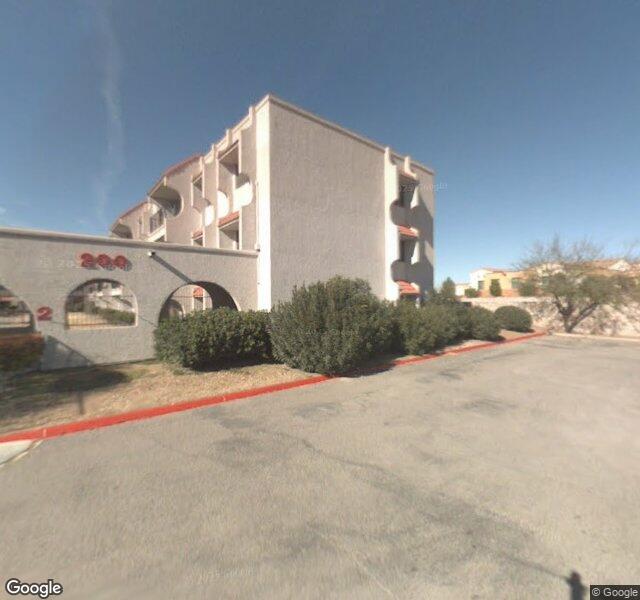
How Does White Acres Wellness & Rehabilitation Compare to Other Texas Nursing Homes?

Compared to the 100 nursing homes in Texas, WHITE ACRES WELLNESS & REHABILITATION's overall rating (2 stars) is below the state average of 2.8 and health inspection rating (3 stars) is at the national benchmark.

What Should Families Ask When Visiting White Acres Wellness & Rehabilitation?

Based on this facility's data, families visiting should ask: "Can you walk me through typical staffing levels on day, evening, and night shifts?" "Can I visit during a mealtime to observe dining assistance and food quality?" "How do you handle medical emergencies, and what is your hospital transfer rate?" "Can I speak with family members of current residents about their experience?" These questions are particularly relevant given the below-average staffing rating.

Is White Acres Wellness & Rehabilitation Safe?

Based on CMS inspection data, WHITE ACRES WELLNESS & REHABILITATION has a clean safety record: no substantiated abuse findings (meaning no confirmed cases of resident harm), no Immediate Jeopardy citations (the most serious violation level indicating risk of serious injury or death), and is not on the Special Focus Facility watch list (a federal program monitoring the lowest-performing 1% of nursing homes). The facility has a 2-star overall rating and ranks #100 of 100 nursing homes in Texas. While no facility is perfect, families should still ask about staff-to-resident ratios and recent inspection results during their visit.

Do Nurses at White Acres Wellness & Rehabilitation Stick Around?

WHITE ACRES WELLNESS & REHABILITATION has not reported staff turnover data to CMS. Staff turnover matters because consistent caregivers learn residents' individual needs, medications, and preferences. When staff frequently change, this institutional knowledge is lost. Families should ask the facility directly about their staff retention rates and average employee tenure.

Was White Acres Wellness & Rehabilitation Ever Fined?

WHITE ACRES WELLNESS & REHABILITATION has been fined $12,665 across 2 penalty actions. This is below the Texas average of $33,206. While any fine indicates a compliance issue, fines under $50,000 are relatively common and typically reflect isolated problems that were subsequently corrected. Families should ask what specific issues led to these fines and confirm they've been resolved.

Is White Acres Wellness & Rehabilitation on Any Federal Watch List?

WHITE ACRES WELLNESS & REHABILITATION is not on any federal watch list. The most significant is the Special Focus Facility (SFF) program, which identifies the bottom 1% of nursing homes nationally based on persistent, serious quality problems. Not being on this list means the facility has avoided the pattern of deficiencies that triggers enhanced federal oversight. This is a positive indicator, though families should still review the facility's inspection history directly.