LEGEND OAKS HEALTHCARE AND REHABILITATION - ENNIS
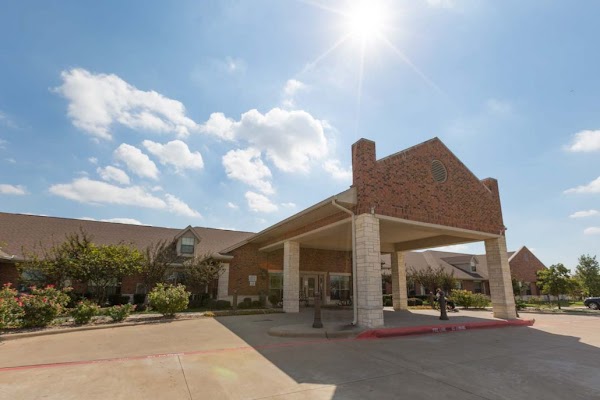
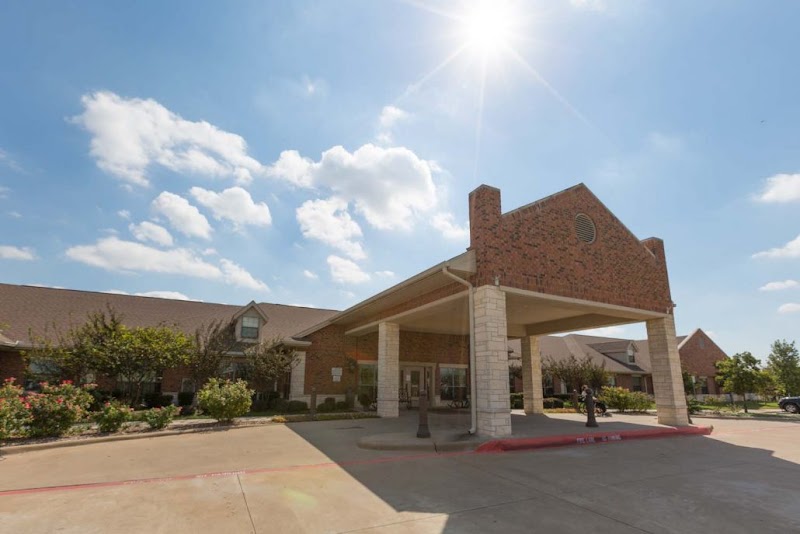
1400 MEDICAL CENTER DRIVE, ENNIS, TX 75119 (972) 875-4800
Government - Hospital district 124 Beds THE ENSIGN GROUP Data: November 2025 1 Immediate Jeopardy citation
Trust Grade
71/100
#85 of 1168 in TX
Last Inspection: February 2025

Within standard 12-15 month inspection cycle. Federal law requires annual inspections.

Overview

Legend Oaks Healthcare and Rehabilitation in Ennis, Texas, has a Trust Grade of B, which indicates a good overall quality of care and makes it a solid choice for families considering options. It ranks #85 out of 1,168 facilities in Texas, placing it in the top half, and it is the best option among the 10 nursing homes in Ellis County. The facility is improving, with reported issues decreasing from five in 2024 to just two in 2025. Staffing is average with a rating of 3 out of 5 stars and a turnover rate of 38%, which is better than the Texas average of 50%. However, there are concerns, including $13,275 in fines, which is typical, and critical incidents such as a resident suffering a serious fall that led to hospitalization and inadequate supervision for multiple residents, putting them at risk for accidents due to poorly maintained equipment. Overall, while there are notable strengths, families should weigh these alongside the identified weaknesses.

Trust Score
B
71/100
In Texas
#85/1168
Top 7%
Safety Record
High Risk
Review needed
Inspections
Getting Better
5 → 2 violations
Staff Stability
○ Average
38% turnover. Near Texas's 48% average. Typical for the industry.
Penalties
⚠ Watch
$13,275 in fines. Higher than 80% of Texas facilities, suggesting repeated compliance issues.
Skilled Nurses
⚠ Watch
Each resident gets only 21 minutes of Registered Nurse (RN) attention daily — below average for Texas. Fewer RN minutes means fewer trained eyes watching for problems.
Violations
⚠ Watch
13 deficiencies on record. Higher than average. Multiple issues found across inspections.
★★★★★
5.0
Overall Rating
★★★☆☆
3.0
Staff Levels
★★★☆☆
3.0
Care Quality
★★★★★
5.0
Inspection Score
Stable
2024: 5 issues
2025: 2 issues

The Good

  • Full Sprinkler Coverage · Fire safety systems throughout facility
  • No fines on record
  • Staff turnover below average (38%)

    10 points below Texas average of 48%

Facility shows strength in fire safety.

The Bad

Staff Turnover: 38%

Near Texas avg (46%)

Typical for the industry

Federal Fines: $13,275

Below median ($33,413)

Minor penalties assessed

Chain: THE ENSIGN GROUP

Part of a multi-facility chain

Ask about local staffing decisions and management

The Ugly 13 deficiencies on record

1 life-threatening
Feb 2025 2 deficiencies
CONCERN (D)

Potential for Harm - no one hurt, but risky conditions existed

Resident Rights (Tag F0550)

Could have caused harm · This affected 1 resident

**NOTE- TERMS IN BRACKETS HAVE BEEN EDITED TO PROTECT CONFIDENTIALITY** Based on observation, interview and record review the facility failed to treat each resident with respect and dignity and care f...

Read full inspector narrative →
**NOTE- TERMS IN BRACKETS HAVE BEEN EDITED TO PROTECT CONFIDENTIALITY** Based on observation, interview and record review the facility failed to treat each resident with respect and dignity and care for each resident in a manner and in an environment that promoted maintenance or enhancement of his or her quality of life, recognizing each resident's individuality for one of four residents (Resident #20) reviewed for resident rights. The facility failed to ensure CNA A did not stand over Resident #20 while assisting the resident with her meal in her room on 02/26/2025. This failure could place residents at risk of feeling rushed to eat or not interested in eating, which could result in weight loss and decreased psycho-social well-being of anguish or frustration. The findings included: Record review of Resident #20's MDS Assessment, dated 01/31/2025, revealed a [AGE] year-old female who was admitted to the facility on [DATE]. Resident #20 had a staff assessment BIMS score of 06, which indicated the resident was severely impaired. She had partial to moderate assist with eating and active diagnoses which included: Dementia (confusion), malnutrition (not nourished), anxiety disorder (nervous), and muscles weakness. She had a mechanically altered and therapeutic diet and no issues with swallowing food and drinks. Record review of Resident #20's Care Plan, dated 01/08/2025 and revised, revealed, The resident has potential nutritional problem r/t GERD (gastrointestinal reflux disease) , dementia, hypokalemia (high potassium): Goals - The resident will maintain adequate nutritional status as evidenced by maintaining weight with no S/Sx of malnutrition through review date: 01/08/2025 and intervention: Eating - The resident requires set up assist of (1) staff for eating. Observation on 02/26/2025 at 8:40 a.m. in Resident #20's room revealed CNA A was standing at the bedside next to Resident #20 who was lying in the bed . There was 90% of Resident #20's breakfast on her plate and CNA A had a spoon in her hand with food on it. CNA A lifted the food and was telling Resident #20 she needed to eat her food and to try and take just a few more bites. Resident #20 said she would try but was not really hungry. Observation and interview on 02/26/2025 at 12:30 p.m. in Resident #20's room revealed CNA A was standing at the bedside next to Resident #20 who was lying in the bed . There was 75% of Resident #20's lunch on her plate and CNA A stated to the State Surveyor she was going to try and get her to at least take a couple of more bites of her lunch. Interview on 02/26/2025 at 1:00 p.m., CNA A stated they were supposed to sit down to feed the residents. CNA A stated she knew she was supposed to have gotten a chair and she had just forgotten. CNA A said she was trained this was not correct and was against the resident rights to stand over her and assist her to eat. CNA A stated she was sorry. The CNA stated she had in-service training on resident rights and she knew this was a part of not dignifying their rights . In an interview on 02/26/2025 with CNA C revealed if a staff member was assisting a resident to eat, they were to sit next to them, whether they were sitting up or lying down . CNA C stated all staff were trained on resident rights in the past 6 months and that was a part of the residents right. Interview on 02/27/2025 at 8:30 a.m., the DON stated the staff should be feeding the residents sitting down at eye level with the residents. She stated sitting down while feeding the residents was good for the staff to see how the resident swallowed. She stated feeding the residents standing up was a dignity issue. Record review of the facility's policy and procedure titled Resident Rights, dated 11/28/2017, reflected Policy Statement Residents shall receive assistance with meals in a manner that meets the individual needs of each resident . 2. Facility staff will serve resident trays and will help residents who require assistance with eating. 3. Residents who cannot feed themselves will be fed with attention to safety, comfort, and dignity, for example: a. not standing over residents while assisting, them with meals
CONCERN (E)

Potential for Harm - no one hurt, but risky conditions existed

Accident Prevention (Tag F0689)

Could have caused harm · This affected multiple residents

**NOTE- TERMS IN BRACKETS HAVE BEEN EDITED TO PROTECT CONFIDENTIALITY** Based on observation, interview and record review the facility failed to ensure the resident environment remained as free of acc...

Read full inspector narrative →
**NOTE- TERMS IN BRACKETS HAVE BEEN EDITED TO PROTECT CONFIDENTIALITY** Based on observation, interview and record review the facility failed to ensure the resident environment remained as free of accident hazards as was possible and each resident received adequate supervision and assistive devices to prevent accidents for four of four residents (Residents #12, #19, #58, and #171) reviewed for accidents and hazards. The facility failed to properly maintain wheelchairs and anti-pressure cushions for Residents #12, #19, #58, and #171 . These failures could place residents at risk for equipment that is in unsafe operating condition, which could cause injury. Findings included: 1. Record review of Resident #12's quarterly MDS assessment, dated 02/10/2025, reflected a [AGE] year-old male who was admitted to the facility on [DATE]. Resident #12 had diagnoses which included CVA (Stroke), hemiplegia (partial weakness on right side of the body) and difficulty walking. Record review of Resident #12's plan of care, dated 01/10/2025, reflected goals and approaches to include wheelchair mobility for locomotion. Observation and interview on 02/25/2025 at 10:00 a.m. revealed Resident #12 was lying in the bed, waiting to get up, and had no skin problems. The wheelchair's left armrest was an open metal piece with sharp edges, a piece of foam that was loose and was folded backwards with duct tape around the foam piece. The right-side arm rest was missing. Resident #12 stated the arm rest did not work. Resident #8 said that was his wheelchair he used it the way it was. Resident #8 did not seem to be bothered by the condition of the wheelchair . In the seat of the wheelchair was blue anti-pressure cushion which was cracked and the foam was exposed on the front and top of the cushion. Resident #12 stated it made the wheelchair easier to sit in . 2. Record review of Resident #19's quarterly MDS assessment, dated 01/25/2025, reflected a [AGE] year-old female who was admitted to the facility on [DATE]. Resident #19 had diagnoses which included Cerebral Vascular Accident (stroke), difficulty walking, and generalized weakness. Record review of Resident #19's plan of care, dated 01/05/2025, reflected goals and approaches to include wheelchair mobility. Observation on 02/25/2025 at 12:23 p.m. revealed Resident #19 was in her wheelchair in the dining area, and the wheelchair's right armrest was cracked with exposed foam. Resident #19 stated, the armrest was rough. There were noted ecchymosis (bruise) to both of the resident's arms, no skin tears. 3, Record review of Resident #58's MDS assessment, dated 01/31/2025, reflected a [AGE] year-old female who was admitted to the facility on [DATE]. Resident #58 had diagnoses which included Hip fracture (broken hip), dementia (confusion), muscle weakness, and age-related osteoporosis (bone weakness). Record review of the Resident #58's, plan of care, dated 01/08/2025, reflected goals and approaches to include wheelchair mobility. Observation on 02/25/2025 at 10:00 a.m. revealed Resident #58 was in her wheelchair in the activities area, and the wheelchair's left armrest was cracked with the foam exposed. There were no skin tears on arms . 4. Record review of Resident #171's MDS assessment, dated 02/19/2025. Reflected the MDS was in progress and dated 02/21/2025, reflected an [AGE] year-old male who was admitted to the facility on [DATE]. Resident #171 had diagnoses which included fracture of left femur closed (closed left hip fracture) and left artificial hip joint. Record review of Resident #171's plan of care, dated 02/19/2025, reflected goals and approaches to include wheelchair mobility . Observation and interview on 02/25/2025 at 12:30 p.m. revealed Resident #171 was in his wheelchair, in the dining room and with no skin problems. The wheelchair's right armrest was cracked with the foam exposed. Resident #171 was asked about the wheelchair, and he shook his head and smiled . In an interview on 02/26/2025 at 12:30 p.m., CNA A stated when a resident's wheelchair needed repair the staff were to enter it into the electronic maintenance system in the computer. CNA A stated she never wrote anything in the computer though she usually told the maintenance supervisor . In an interview on 02/27/2025 at 10:30 a.m., LVN B stated when a resident's wheelchair needed repair the staff were to write it in the electronic maintenance system, tell the maintenance man, who would tell them to place the information in electronic maintenance system . In an interview on 02/27/2025 at 8:30 a.m., the DON revealed if the staff saw wheelchairs needed repair, the staff was to place a ticket in the electronic system. The Maintenance Supervisor would then know to repair the wheelchair. In an interview on 02/27/2025 at 11:02 a.m., the Maintenance Supervisor stated he repaired the wheelchairs when there was needed repairs. He stated staff were to place the needed repairs in the electronic maintenance system. The Maintenance Supervisor was informed about the residents' wheelchairs condition, and he stated if the wheelchairs' issues had not been placed in the electronic maintenance system for repair he would not know. The Maintenance Supervisor stated all staff could place information about needed repairs in the system. The Maintenance Supervisor reviewed in his phone for tickets, in the electronic maintenance system, concerning repairs, there were none found for wheelchair repairs. A record review of the facility's policy and procedure Maintenance, dated July 2018, reflected It is the policy of this community to maintain all equipment provided by the facility, in good working order to ensure the safety and wellbeing of all residents and staff . Equipment provided by the community will be: 1. Maintained in working order.
Jul 2024 2 deficiencies
CONCERN (D) 📢 Someone Reported This

A family member, employee, or ombudsman was alarmed enough to file a formal complaint

Potential for Harm - no one hurt, but risky conditions existed

Comprehensive Care Plan (Tag F0656)

Could have caused harm · This affected 1 resident

**NOTE- TERMS IN BRACKETS HAVE BEEN EDITED TO PROTECT CONFIDENTIALITY** Based on observation, interview, and record review, the facility failed to develop and implement a comprehensive person-centered...

Read full inspector narrative →
**NOTE- TERMS IN BRACKETS HAVE BEEN EDITED TO PROTECT CONFIDENTIALITY** Based on observation, interview, and record review, the facility failed to develop and implement a comprehensive person-centered care plan for each resident that included measurable objectives and timeframes to meet a resident's medical, nursing, mental, and psychosocial needs for 1 (Resident #1) of 5 resident reviewed for care plans in that: The comprehensive care plan did not reflect the facility's use of a Velcro stop sign door banner on Resident #1's bedroom and bathroom door. These failures could result in residents at risk of receiving inadequate interventions not individualized to their care needs. Findings include: Review of Resident #1's face sheet dated 06/30/24 revealed an [AGE] year-old male admitted to the facility on [DATE] with a diagnoses of unspecified atrial fibrillation (abnormal heart rhythm), cognitive communication deficit (a problem with one or more cognitive skills involved in communication, such as attention, memory, or reasoning), dysphagia-oropharyngeal phase (difficulty in swallowing food or liquid), schizophrenia-unspecified (a mental disorder characterized by delusions, hallucinations, disorganized thoughts, speech, and behavior), unsteadiness on feet, unspecified anxiety disorder (fear characterized by behavioral disturbances), and unspecified hyperlipidemia (high cholesterol). Review of Resident #1's quarterly MDS assessment dated [DATE] revealed a BIMS score of 08 indicating moderate cognitive impairment. The MDS assessment also revealed the resident was on hospice care. Review of Resident #1's clinical physicians orders revealed an order with a start date of 03/14/24 may have door guard stop sign strip (Velcro) across door as reminder not to go in room unattended. Review of Resident #1's care plan last updated 05/14/24 revealed no care plan for the Velcro door banner stop sign implemented after the order dated 03/14/24. Review of Resident #1's nursing progress note revealed a nurse note entered by ADON A, [RN B], RN with [hospice facility] notified of residents fall, no injuries noted. Order given for door guard stop sign strip (Velcro) across door as a reminder not to go in room unattended. The note which was entered by the ADON was created and effective 03/14/24. An observation and interview on 06/29/24 at 12:12 PM revealed a white banner with a red stop sign was observed outside of Resident #1's room secured via Velcro to each end of the door. Resident #1 was observed near the nurses' station located in the hall next to his room in his wheelchair. CNA D stated that she believed it was the family who requested the stop sign banner to prevent Resident #1 from going to his room as a fall precaution. She stated they would have the banner up to redirect him when there was nobody available to sit in his room with him to ensure he didn't get hurt. An interview on 06/29/24 at 01:09 PM with the ADM she stated the banner was requested by the family and hospice as a joint effort in developing interventions that would redirect Resident #1 from going into the room and having a fall. An interview on 06/29/24 at 04:53 PM with RN B she stated the banner was implemented 03/14/24 and it was developed by the IDT in response to the residents' frequent falls as an intervention to redirect him. RN B stated that Resident #1 had a habit of returning to his room after meal services and attempting to transfer himself which he was not able to do resulting in frequent falls. RN B stated Resident #1 was still able to knock down the sign with his hand, but they hoped it would delay him enough to get a staff members attention to assist him or just redirect him to an area where staff were present. RN B said that she understands the resident has a right to fall but they were doing everything they can to prevent those falls because some have led to abrasions and bumps on the head. RN B stated Resident #1 was confused at times and has what is called terminal restlessness (a set of symptoms that occurs at the end of a person's life such as agitation, confusion, and unusual behaviors) which causes him to try to get up and move around when he is unable to on his own. An interview on 07/01/24 at 02:28 PM with the DON she stated she did not see that the care plan was updated after the IDT meeting where it was implemented 03/14/24. She stated it would have been nursing (DON/ADON) to ensure it got updated. The DON stated she did not see a potential negative outcome of not having it in the care plan because staff have been trained on the proper way to use it. The DON stated the order entered into the system was vague and did not specify when to use it, it only said may have- she then stated it should have been in the care plan. An interview on 07/01/24 at 03:03 PM with RN C she stated care plans were used in everything she does on a daily basis. RN C said care plans were used to know the residents individualized care and goals. RN C said care plans were 100% important to giving the resident optimum care. She stated it was important to have updated information on the care plans so that they knew how to care for the residents' current needs. An interview on 07/01/24 at 03:08 PM with the ADM she stated it was her expectation that care plans were updated quarterly and as needed when assessments show there is change. The ADM stated care plans were important because care staff use it to know how to care for a resident. She stated if someone came in from the outside they would need to know how to care for the residents and the care plans are that guide. Review of the facility Care Planning policy last revised 07/2020 revealed: It is the policy of this facility that the interdisciplinary team (IDT) shall develop a comprehensive care plan for each resident. - The residents plan of care- focus, goals, and interventions- are communicated and implemented by the members of the health care continuum accordingly. - The residents plan of care is reviewed and revised on an ongoing basis, quarterly at minimum and/ or as needed with changes of condition.
CONCERN (D) 📢 Someone Reported This

A family member, employee, or ombudsman was alarmed enough to file a formal complaint

Potential for Harm - no one hurt, but risky conditions existed

Deficiency F0925 (Tag F0925)

Could have caused harm · This affected 1 resident

**NOTE- TERMS IN BRACKETS HAVE BEEN EDITED TO PROTECT CONFIDENTIALITY** Based on interview, and record review the facility failed to maintain an effective pest control program so that the facility is ...

Read full inspector narrative →
**NOTE- TERMS IN BRACKETS HAVE BEEN EDITED TO PROTECT CONFIDENTIALITY** Based on interview, and record review the facility failed to maintain an effective pest control program so that the facility is free of pests and rodents for residents for 1 of 5 (Resident #1) residents reviewed for environment. The facility failed to keep Resident #1's room clean and free of bed bugs. This was determined to be past non-compliance at potential for more than minimal harm due to the facility having implemented actions that corrected the non-compliance prior to the beginning of the inspection. This failure could place the residents at risk of unsanitary and uncomfortable conditions. Findings include: Review of Resident #1's face sheet dated 06/30/24 revealed an [AGE] year-old male admitted to the facility on [DATE] with diagnoses of unspecified atrial fibrillation (abnormal heart rhythm), cognitive communication deficit (a problem with one or more cognitive skills involved in communication, such as attention, memory, or reasoning), dysphagia-oropharyngeal phase (difficulty in swallowing food or liquid), schizophrenia-unspecified (a mental disorder characterized by delusions, hallucinations, disorganized thoughts, speech, and behavior), unsteadiness on feet, unspecified anxiety disorder (fear characterized by behavioral disturbances), and unspecified hyperlipidemia (high cholesterol). Review of Resident #1's quarterly MDS assessment dated [DATE] revealed a BIMS score of 08 indicating moderate cognitive impairment. The MDS assessment also revealed the resident was on hospice care. Review of Resident #1's nursing progress note dated 06/24/24 revealed, Insect reported in resident's room on end of bed. Resident in the hall in his wheelchair with sitter at side. This nurse went to room to assess. Insect at the foot of bed and appeared to be dead AEB no movement upon touching and disposing. Resident transitioned from 200 hall and placed in room [ROOM NUMBER] with new bedding. Body assessed with no signs of bites or skin alterations. Maintenance informed of insect in room and notified exterminator for assessment in the am. Maintenance provided resident with temporary air mattress in new room until hospice is able to replace air mattress in room tomorrow. Resident given pain medication and PRN anxiety medications to assist with back pain, change in mattress and anxiety with being in new environment. Bed is in lowest position, call light in reach, fall mats in place, and hydration provided. Sitter remains at bedside. Nursing to monitor frequently for comfort. Nursing to continue skin assessments throughout follow-up. Spoke with resident's [family member]to give update. [family member] reports that she has updated resident's [family member]. NP at facility and informed with no concerns at this time. Review of facility pest sighting services log dated 06/24/24 revealed bed bugs, [Resident #1's room]. Review of pest service inspection report dated 06/24/24 revealed tech comments: treated room [Resident #1's room] for bed bugs, live activity found. It also revealed 1 gallon of product was applied to treat the room for target pests: bed bugs. Review of Resident #1's skin assessment dated [DATE] revealed, no open skin areas. Review of Resident #1's skin assessment dated [DATE] revealed, resident noted skin warm, dry, and intact. Skin turgor appropriate for age. No signs of bites, redness or swelling noted. An interview on 06/29/24 at 12:21 PM with Resident #1's family member stated she was first made aware of the bed bugs in Resident #1's room by the hired agency sitter 06/24/24. The Family member stated that the agency sitter took a picture of the bed bug that was on the bed while she was getting Resident #1 ready for bed. She stated the facility removed him from the room and then relocated him back after treatment of the room. An interview on 06/29/24 at 12:45 PM with the agency sitter, she stated that she saw the bed bug on Resident #1's bed on 06/24/24 and she took a picture of it and sent it to the family member. The agency sitter stated she did not see any others and did not see any noticeable bites. An interview on 06/29/24 at 04:53 PM with RN B with the hospice agency, she stated she was notified by Resident #1's family member on 06/24/24 about bed bugs in Resident #1's room. RN B stated when she tried to question the ADM about the bed bug concerns the ADM would neither confirm or deny there was bed bugs. RN B stated a potential negative outcome to bed bug bites was uncomfortable itching, allergic reaction, or secondary skin infection. RN B did not note any bite marks on Resident #1. An interview on 06/30/24 at 12:50 PM with the pest services technician he stated aside from Resident #1, there was an inspection done in another room which was negative for activity, he stated he also inspected the nurse's station, the lobby, and common areas were residents congregate and there was no evidence of additional bed bugs in those areas. The Pest services technician stated he did find live activity in Resident #1's room and they treated the area and cleared the bugs and removed/ disposed of the mattress. He stated that protocol was followed, and they treated the room where live activity was found but are unable to apply additional treatment through other rooms/ halls without evidence that they have spread. He stated that to his knowledge it appeared to have been confined to Resident #1s room. He stated bed bugs were hitchhikers and were carried by people and their items. He stated an additional inspection was performed 06/29/24 in Resident #1's room and it was negative for bedbugs, so he believed treatment was effective. An interview on 06/30/24 at 01:30 PM with MD E, (Resident #1's physician and facility medical director) he stated that the facility was timely in notifying them of Resident #1s exposure to bed bugs. He stated it was his expectation that staff notify him or his proxy (NP) when things like this occur. He said on 06/24/24 the NP was in the building so the facility was able to make the report to her. He stated a potential negative outcome to bed bug bites would be the potential for discomfort and infection he said, skin integrity becomes the issue. MD E said he expects that the facility would have followed their pest control policy and did not believe there was a negative outcome to Resident #1 from this exposure. An interview on 06/30/24 at 02:43 PM with Hospice ADM, she stated that on skin assessments completed by the hospice LVN and notes in the hospice shower aides from 06/25/24 through 06/27/24 there were no abnormal findings on Resident #1's skin such as bite marks noted. An observation on 07/01/24 at 12:30 PM nurse surveyor, conducted observations of 5 resident rooms on Resident #1's hall that included Resident #1. The five rooms examined were negative for pest activity at the time of the investigation. Skin assessments completed by nurse surveyor did not reveal any healing spots to confirm bed bug bites. An interview on 07/01/24 at 02:28 PM with the DON she stated after the bed bug was found they completed a skin assessment on 06/25/24 which was negative for bite marks. The DON stated that in the last month and a half Resident #1 has had 7 different agency sitters which makes it difficult to determine how or who brought the bed bugs in. The DON said that they followed the policy and removed Resident #1 from the room in order to shower him and assess, and they called pest control to treat the room and inspect other areas of the facility. The DON said skin assessments were completed on all the other residents and no bite marks were observed or bugs noted in the rooms. An interview on 07/01/24 at 03:08 PM with the ADM she stated she did not know how many bed bugs were found in Resident #1's room she just knows there was one seen on the curtain and one on the bed. The ADM said she believes they followed their policy which was to remove the resident and assess him and other residents and treat the area where live activity was found. The ADM said the room was deep cleaned and linens and items were bagged separately and washed and dried separately. The ADM said they did attempt a root cause analysis to determine where this came from but were unsuccessful because Resident #1 has had 6 to 7 sitters and there had been a lot of traffic to his room. She stated the sitters that do come will sometimes bring bags with a blanket or other items while they are here caring for the resident. The ADM stated she has reached out to the agency and let them know she wants consistency with the sitters being sent over that way they can limit exposure to those items. The ADM stated assessments to Resident #1 and other residents revealed no bites or negative outcomes and she believes it was contained to Resident #1's room. Review of facility Pest Control policy last revised 05/2020 revealed: It is the policy of this facility to utilize pesticides and rodenticides in a safe an efficient manner to control pests with the least amount of contamination to the environment. Responsibilities: Facility staff will: l. Report any pest sightings to supervisor. 2. Advise staff on preventive measure and the steps needed to ensure safety. Differs case by case. This includes room changes, isolation, or any other preventative measures. 3. Secure services of a Pest Control company for routine and PRN services to control pests with the least amount of contamination to the environment. Pest Identification: The following guidelines for pest identification: 1. When pests are sighted, determine why the infestation is occurring and advise department on preventive measures 2. Use pesticides only after all other channels of control are exhausted 3. Use pesticides only as a preventive measure and in conjunction with proper mechanical controls 4. Report insect or pest sightings to the housekeeping/maintenance supervisor immediately. Include the following information: a. Type of problem b. Location Pest Prevention: The following are guidelines for pest prevention: 1. All storage and food preparation areas are to be kept clean. This includes walls, floors, shelving, cabinet tops, sinks, equipment, etc. 2. Keep grounds free of trash and brush. 3. Keep the dumpster area clean. 4. Food stored in resident rooms will be in covered containers. 5. Clean up food spills. 6. Screen foundation areas with mesh.
Jan 2024 3 deficiencies
CONCERN (E)

Potential for Harm - no one hurt, but risky conditions existed

Accident Prevention (Tag F0689)

Could have caused harm · This affected multiple residents

**NOTE- TERMS IN BRACKETS HAVE BEEN EDITED TO PROTECT CONFIDENTIALITY** Based on observation, interview and record review, the facility failed to ensure all assistive devices were maintained and free ...

Read full inspector narrative →
**NOTE- TERMS IN BRACKETS HAVE BEEN EDITED TO PROTECT CONFIDENTIALITY** Based on observation, interview and record review, the facility failed to ensure all assistive devices were maintained and free of hazards for five (Residents #8, #28, #33, #35, and #47) of 18 residents reviewed for essential equipment. The facility failed to properly maintain wheelchairs for Residents #8, #28, #33, #35, and #47. These failures could place residents at risk for equipment that is in unsafe operating condition, that could cause injury. Findings included: Review of Resident #8's quarterly MDS assessment, dated 10/18/23, reflected he was a [AGE] year-old male admitted to the facility on [DATE] with diagnoses of CVA (Stroke) and hemiplegia (partial weakness on same side of the body) and hemiparesis (partial weakness on one side of the body) effecting the nondominated side. Review of the Resident #8's plan of care dated 12/18/23 with updates reflected goals and approaches to include wheelchair mobility for locomotion. Observation and interview on 01/10/24 at 1:00 p.m. revealed Resident #8 was sitting in his wheelchair and had no skin problems. The wheelchair's left armrest was taped down with silk tape, that was frayed and dirty around the edges. Resident #8 stated the arm rest did not work. Resident #8 said that was the wheelchair he had been provided when he came to live at the facility and the staff just taped it down since he could not use that side of his body anyway. Resident #8 stated he did not know why they did not take arm rest off of the wheelchair. Review of Resident #28's quarterly MDS assessment, dated 12/14/23, reflected she was an [AGE] year-old female admitted to the facility on [DATE], with diagnoses Gastroenteritis (inflammation of the esophagus), Colitis (inflammation of the colon), and Parkinson (instability and neuromuscular disease) Review of the Resident #28's plan of care dated 12/09/23 with updates reflected goals and approaches to include wheelchair mobility. Observation on 01/09/24 at 1:16 p.m. revealed Resident #28 was in her wheelchair, and the wheelchair's left and right armrests were cracked with exposed foam. Resident #28 was asked about her wheelchair, and she stated, It was needing some work. There were no skin tears on arms. Review of Resident #33's quarterly MDS assessment, dated 12/18/23, reflected she was a [AGE] year-old female admitted to the facility on [DATE], with diagnoses of Cardiovascular disease (stroke) hemiplegia (partial weakness on same side of the body), Hemiparesis (partial weakness on one side of the body), difficulty in walking, and muscle weakness. Review of the Resident #33's updated plan of care dated 12/02/23 with updates reflected goals and approaches to include wheelchair mobility. Observation on 01/09/24 at 1:25 p.m. revealed Resident #33 was in her wheelchair, and the wheelchair's right and left armrests were cracked with the foam exposed. There were no skin tears on arms. Review of Resident #35's quarterly MDS assessment, dated 12/10/23, reflected he was a [AGE] year-old male admitted to the facility on [DATE], with diagnoses of Parkinson (instability neuromuscular disorder) and lack of coordination and weakness. Review of the Resident #35's updated plan of care dated 11/07/23 with updates reflected goals and approaches to include wheelchair mobility. Observation and interview on 01/09/24 at 1:30 p.m. revealed Resident #35 was in his wheelchair and with no skin problems. The wheelchair's right armrest and the left armrest were cracked with the foam exposed. Resident #35 was asked about the wheelchair, and he stated the handles were rough. Review of Resident #47's quarterly MDS assessment, dated 11/12/23, reflected he was a [AGE] year-old male admitted to the facility on [DATE], with diagnoses of epilepsy (seizures), abnormality of gait and mobility, and instability of left knee. Review of the Resident #47's updated plan of care dated 10/08/23 with updates reflected goals and approaches to include wheelchair mobility and skin not being in contact with hard surfaces since she has thin skin and a history of skin tears on her hands. Observation on 01/09/24 at 1:45 p.m. revealed Resident #47 was in her wheelchair and had no skin problems. The wheelchair's left and right armrests were cracked with the foam exposed. Resident #47 was unable to be interviewed. In an interview on 01/10/24 at 12:27 p.m. CNA E stated when a resident's wheelchair needed repair the staff were to enter it into electronic maintenance system in the computer. CNA E stated she had never written anything in the computer though she usually told the nurse in charge. In an interview on 01/10/24 at 12:30 p.m. LVN A stated when a resident's wheelchair needed repair the staff were to write it in electronic maintenance system, tell the maintenance man, who would tell them to place the information in electronic maintenance system and try to find a new wheelchair that was not being used. In an interview on 01/11/24 at 9:46 a.m. the Maintenance Supervisor stated he repaired the wheelchairs when there was needed repairs. He stated staff were to place the needed repairs in TELs. The Maintenance Supervisor was informed about the residents' wheelchairs condition, and he stated if the wheelchairs' issues had not been placed in TELs for repair he would not know. The Maintenance Supervisor stated that all staff could place information about needed repairs in TELs. A review of the electronic maintenance system with the Maintenance Supervisor on 01/11/23 reflected there were no entries that indicated residents' wheelchairs needed the armrest repaired for the October -December 2023. A review of the facility's policy and procedure Maintenance dated July 2018 reflected It is the policy of this community to maintain all equipment provided by the facility, in good working order to ensure the safety and wellbeing of all residents and staff Equipment provided by the community will be: 1. Maintained in working order. A review for the facility's policy and procedure Maintenance and subject maintenance services dated July 2018 reflected: It is the policy of the facility to maintain a clean and safe facility and grounds. A Maintenance problems or concerns must be reported to the office and work order will be generated. Procedure: 1. When a maintenance issue arises, the resident, staff member or family member must put in a work order 2. The maintenance department will complete the work order within 72 hours from the time it was reported .
CONCERN (E)

Potential for Harm - no one hurt, but risky conditions existed

Infection Control (Tag F0880)

Could have caused harm · This affected multiple residents

**NOTE- TERMS IN BRACKETS HAVE BEEN EDITED TO PROTECT CONFIDENTIALITY** Based on observation, interview and record review, the facility failed to maintain an infection prevention and control program ...

Read full inspector narrative →
**NOTE- TERMS IN BRACKETS HAVE BEEN EDITED TO PROTECT CONFIDENTIALITY** Based on observation, interview and record review, the facility failed to maintain an infection prevention and control program designated to provide a safe, sanitary, and comfortable environment and to help prevent the development and transmission of communicable disease and infection for five (Residents #6, #8, #9, #28 and #50) of 7 residents reviewed for infection control. MA C failed to disinfect the blood pressure cuff in between blood pressure checks for Residents #50, #9, and #28. MA D failed to disinfect the blood pressure cuff in between blood pressure checks for Residents #8, and #6. The failures could place residents at-risk of cross contamination which could result in infections or illness. Findings included: Review of Resident #8's EHR revealed the resident was a [AGE] year-old male that was admitted to the facility on [DATE] with diagnoses including Hypertension, with diagnoses of CVA (Stroke), hypertension (increased blood pressure), hemiplegia (partial weakness on same side of the body) and hemiparesis (partial weakness on one side of the body) effecting the nondominated side. Review of Resident #8's quarterly MDS assessment, dated 10/18/23, reflected a BIMs score of 14, indicating the resident was alert and oriented, capable of making decisions. His functional status indicate he needed one staff to complete his activities of daily living. Record review of Resident #8's physician orders dated 12/24/23 reflected, Amiodarone HCL tabs 200 mg one time a day for arrhythmia. Take Blood pressure every day. Review of Resident #6's EHR revealed the resident was a [AGE] year-old female that was admitted to the facility on [DATE] with diagnoses including Hypertension (increased blood pressure) and coronary artery disease (coronary arteries blocked). Review of Resident #6's quarterly MDS, dated [DATE] revealed a BIMs score of 14, indicating she was alert and oriented not impaired for decision making, her functional status indicated she needed assist of one staff with her activities of daily living. Record review of Resident #6's physician orders dated 01/03/24 reflected, Bumex oral tab 1mg every day, Doxazosin mesylate (blood pressure) tab 8 mg two times as day, and hydralazine 100 mg (blood pressure) three times a day. Review of Resident #9's EHR revealed the resident was a [AGE] year-old female that was admitted to the facility on [DATE], with diagnosis including essential Hypertension (elevated blood pressure). Review of Resident #9's quarterly MDS, dated [DATE] revealed a BIMs score of 11, indicating she was alert and oriented and not impaired for decision making, her functional status indicated she needed assist of two staff with her ADLs. Record review of Resident #9's physician orders dated 12/11/23 reflected, metoprolol ER (blood pressure) 25 mg every day and lisinopril (blood pressure med) 1-tab 5 mg every day. Checking blood pressure prior to administration. Review of Resident #28's EHR revealed the resident was an [AGE] year-old female that was admitted to the facility on [DATE] with diagnoses including elevated blood pressure without a diagnosis of hypertension and Parkinson. Review of Resident #28's quarterly MDS, dated [DATE] revealed a BIMs score of 15, indicating she was alert and oriented, not impaired for decision making, her functional status indicated she needed assist of one staff with her ADLs. Record review of Resident #28's physician orders dated 12/01/23 reflected, Amlodipine Besylate (blood pressure) 10 mg every day and hydralazine (blood pressure) 100 mg three times a day. Checking blood pressure prior to administration. Review of Resident 50's EHR revealed the resident was a [AGE] year-old female that was admitted to the facility on [DATE] with diagnoses including hypertension (elevated blood pressure). Review of Resident #50's quarterly MDS, dated [DATE] revealed a BIMs score of 9, indicating she was confused and impaired for decision making, her functional status indicated she needed assist of one staff with her ADLs. Record review of Resident #50's physician orders dated reflected, Cozaar (blood pressure) 100 mg every day and nifedipine ER (blood pressure) 60 mg every day. Checking blood pressure prior to administration. Observation on 01/10/24 at 8:17 a.m. revealed MA C performing morning medication pass, during which time she checked the blood pressure of Resident #50. MA C failed to sanitize the blood pressure cuff before or after using it on Resident #50. Observation on 01/10/24 at 8:20 a.m. MA C performing a medication pass, during which time she checked the blood pressure of Resident #9. MA C failed to sanitize the blood pressure cuff before or after using it on Resident #9. Observation on 01/10/24 at 8:36 a.m. revealed MA C performing a medication pass, during which time she checked the blood pressure of Resident #28. MA C failed to sanitize the blood pressure cuff before or after using it on Resident #28. Observation on 01/10/24 at 8:59 a.m. revealed MA D performing morning medication pass, during which time she checked the blood pressure of Resident #8. MA D failed to sanitize the blood pressure cuff before or after using it on Resident #8. Observation on 01/10/24 at 9:13 a.m. revealed MA D performing a morning medication pass, during which time she checked the blood pressure of Resident #6. MA D failed to sanitize the blood pressure cuff before or after using it on Resident # 6. Interview on 01/10/24 at 8:42 a.m., MA C stated she always cleaned the blood pressure cuff with the purple top before and after each use. MA C stated she had used the purple top wipes that were on her medication cart to clean the blood pressure cuff and stated, you must have missed that part. She stated there had been in-services on infection control and cleaning equipment, but she could not recall when that had occurred. MA C stated that if the cuff was not cleaned appropriately, it could spread germs. Interview on 01/10/24 at 9:15 a.m., MA D stated blood pressure cuffs should be sanitized with wipes between each resident use to prevent transmitting an infection from one resident to another. She stated she was supposed to cleanse the blood pressure cuff in-between each usage. MA D stated she had been nervous because she had never had to perform her medication pass in front of a state surveyor. MA D stated that if the equipment that was used on the residents was not cleaned correctly it could cross contaminate causing a spread of infection. Interview on 01/10/23 at 4:19 p.m. with the DON she stated that her expectation was that staff would sanitize all reusable equipment between each resident use. She stated that not doing so placed residents at risk of cross contamination of infections from one resident to another. She stated there was plenty of supplies for the nursing staff to have the sanitization wipes that were EPA-registered disinfectant, on all the medication carts. The DON stated there had recently been an in-service for the staff on infection control and cleaning equipment. Review of the in-service records dated 10/16/23 reflected in service training topic cleaning essential equipment: blood pressure cuffs, glucometers, treatment supplies disinfection MA C's and MA D's names were on the list and further review reflected follow-up activity with competencies review there was no presented follow-up competencies reports. Review of facility's Policies and Procedure titled: Infection control and Sanitation, revision date October 2022, reflected the following: The infection control prevention and control program is a facility -wide effort involving all disciplines and individuals and is an integral part of the quality assurance and performance improvement program . The program will be carried out by the facility infection control preventionist. It is the policy of this facility to provide the necessary supplies, education, and oversight to ensure healthcare workers based on acceptable standards . Goals: decrease the risk of infection to resident and personnel, recognize infection control practices while providing care, identify and correct problems relating to infection control, ensure compliance with state and federal regulations related to infection control 6. c. effective cleaning and disinfecting equipment as needed .
CONCERN (E)

Potential for Harm - no one hurt, but risky conditions existed

Safe Environment (Tag F0921)

Could have caused harm · This affected multiple residents

**NOTE- TERMS IN BRACKETS HAVE BEEN EDITED TO PROTECT CONFIDENTIALITY** Based on observation, interview, and record review, the facility failed to provide a safe, functional, sanitary, and comfortable...

Read full inspector narrative →
**NOTE- TERMS IN BRACKETS HAVE BEEN EDITED TO PROTECT CONFIDENTIALITY** Based on observation, interview, and record review, the facility failed to provide a safe, functional, sanitary, and comfortable environment for one (200, 300,400Hall) of two halls and 1 of 1 dining room reviewed for environment. The facility failed to ensure windows, floors, and ceilings were in good repair for halls 200, 300,400, dining room, and the 200-300 hall shower room. This failure could affect residents and the staff by placing them at risk for diminished quality of life due to the lack of a well-kept environment. Findings included: An observation on 01/10/24 at 9:00 AM revealed that the ceiling in the hallway near the entrance to room [ROOM NUMBER] had a 5-inch by 2-inch section of paint and ceiling material hanging down. An observation on 01/10/24 at 9:04 AM revealed that the faux wood flooring at the entrances to the 300 and 400 halls had a black gummy build up between the joints and along the edges of the faux wood tiles. An observation on 01/10/24 at 9:08 AM revealed that 8 panes in the windows on the left side of the dining area were cracked and the entire cabinet unit at the back of the dining room had pulled away from the wall revealing a 2-inch gap between the cabinetry and the wall. An observation on 01/10/24 at 9:14 AM revealed that the left-hand shower stall of the two shower stalls in the 200-300 hall shower room was missing a handle to activate and control the water temperature of the shower. An observation on 01/10/24 at 9:26 AM revealed spiderwebs and various small debris behind the fire doors of the 200, 300, and 400 halls. Interview on 01/10/24 at 12:45 PM, RN F revealed that any broken equipment or facility fixtures had to be logged into the TEL's system, electronic maintenance system, and that all personnel in the facility had access to and had been trained on using the TEL's system. Interview on 01/10/24 at 1:00 PM, LVN A revealed that the staff would tell the Maintenance Supervisor about when they found a problem and he always instructed them to log the problem into the TEL's system. LVN A further stated that she was unaware of the broken handle in the shower room, or the broken windowpanes in the dining room. Interview on 01/11/24 at 9:49 AM, the Maintenance Supervisor revealed that the facility mandated the use of the TEL's system to report maintenance problems in the facility. The Maintenance Supervisor stated that the nursing staff were required to put information about maintenance issues in the TEL's system all the CNAs and Med Aides had access to the TEL's system and that the staff may not be reporting all maintenance issues in the TEL's system. The Maintenance Supervisor further stated that he was aware of the windowpanes in the dining room but had no reports about the shower handle in the shower room or the gummy build up on the floors at the entrances to the 300 and 400 halls. The Maintenance Supervisor was aware of the ceiling issue near room [ROOM NUMBER] but just had not gotten to fix it. He did not indicate how long he was aware of these issues. Interview on 01/11/24 at 12:36 PM, the DON revealed that having outstanding maintenance issues in the facility could have an ill effect on the residents' sense of wellbeing and that the staff would be re-instructed to be better report maintenance issues in the TEL's system. Interview on 01/11/24 at 1:27 PM, the Administrator revealed that the facility had no policy and procedure for physical environment. He stated they used TELs for guidance on repairs and communication.
Aug 2023 1 deficiency 1 IJ
CRITICAL (J) 📢 Someone Reported This

A family member, employee, or ombudsman was alarmed enough to file a formal complaint

Immediate Jeopardy (IJ) - the most serious Medicare violation

Accident Prevention (Tag F0689)

Someone could have died · This affected 1 resident

**NOTE- TERMS IN BRACKETS HAVE BEEN EDITED TO PROTECT CONFIDENTIALITY** Based on observation, interview, and record review, the facility failed to ensure the residents environment remained as free of ...

Read full inspector narrative →
**NOTE- TERMS IN BRACKETS HAVE BEEN EDITED TO PROTECT CONFIDENTIALITY** Based on observation, interview, and record review, the facility failed to ensure the residents environment remained as free of accident hazards as was possible and ensure each resident received adequate supervision for one (Resident #1) of three residents reviewed for accidents and hazards, in that: The facility failed on [DATE] to ensure Resident #1 remained free of hazards and had adequate supervision in that she suffered a fall that resulted in a pool of blood around her head, a skin tear to her left elbow, and bruises on all extremities which lead to her subsequent hospitalization with 3 fractured ribs on the left (8th, 9th, and 10th rib). An immediate jeopardy existed from [DATE] - [DATE]. The IJ was determined to be at past noncompliance as the facility had implemented actions that corrected the noncompliance prior to the beginning of the investigation. This deficient practice placed residents at risk for falls, injuries, and hospitalization. Findings included: Review of Resident #1's undated face sheet reflected an [AGE] year-old female who was admitted to the facility on [DATE] with diagnoses including unspecified dementia, repeated falls, anxiety, and depression. Review of Resident #1's annual MDS assessment, dated [DATE], reflected a BIMS of 99, indicating the resident could not complete the assessment. Section E (Behavior) reflected she had not shown signs of wandering. Section P (Restraints and Alarms) reflected a wander/elopement alarm was used daily. Section G (Functional Status) reflected she could ambulate in her room with supervision, and she did not ambulate in the corridor. Section J (Health Conditions) reflected she had not had any falls with major injury since admission/reentry or prior assessment. Section N (Medications) reflected she took daily antianxiety medications, antidepressant medications, anticoagulants and opioids. Review of Resident #1's undated care plan reflected she was at risk for mood problems due to dementia that was last revised [DATE]. The care plan further reflected that Resident #1 was an elopement risk due to being disoriented to place and impaired safety awareness, so a wander guard was placed on the right ankle ([DATE]). The care plan further revealed that Resident #1 was dependent on staff for activities, cognitive stimulation, and social interaction due to cognitive deficit, immobility and physical limitations. The care plan also revealed that Resident #1 was at risk for falls due to weakness, history of falls, dementia, anxiety, and bowel/bladder incontinence, and the following dates and falls were documented: [DATE] - fall with left hip and low back pain [DATE] - fall with skin tear [DATE] - fall with no injuries [DATE] - fall with hematoma (swollen bruise) to forehead [DATE] - fall no injuries [DATE] - fall with skin tear to left lateral (outside) upper arm, bruise to left lateral (outside) antecubital (inside of elbow) area, abrasion (scratch) to left posterior (back) ribs/flank area [DATE] - fell, hit head, left rib area The care plan was updated for falls on the following dates: [DATE] PT working with resident on strength training [DATE] nursing staff will keep door open for better monitoring [DATE] floor mats at bedside Interventions included re-orient resident to call light ([DATE]), appropriate footwear ([DATE]), safe environment with clean floor, free of clutter, adequate light, bed in low position, side rails on bed, hand rails on walls, personal items in reach ([DATE]), physical therapy to strengthen resident ([DATE]), keep door open ([DATE]). Review of Resident #1's order history printed [DATE] revealed the following orders: 'Scoop mattress on bed due to frequent falls and impaired safety awareness, start date [DATE], no end date Monitor placement and functioning of wander guard every shift, start date [DATE], end date [DATE] BusPIRone HCl Tablet 15 MG Give 1 tablet by mouth three times a day for anxiety, start date [DATE], no end date Depakote Oral Tablet Delayed Release 125 MG (Divalproex Sodium) Give 1 tablet by mouth two times a day related to DEMENTIA IN OTHER DISEASES CLASSIFIED ELSEWHERE, SEVERE, WITH PSYCHOTIC DISTURBANCE, start date [DATE], no end date Cymbalta Capsule Delayed Release Particles 60 MG (DULoxetine HCl) Give 1 capsule by mouth one time a day related to OTHER RECURRENT DEPRESSIVE DISORDERS, start date [DATE], no end date Haloperidol Lactate Concentrate 2 MG/ML Give 0.5 ml by mouth every 6 hours as needed for agitation, start date [DATE], end date [DATE] LORazepam Oral Tablet 0.5 MG (Lorazepam) Give 1 tablet by mouth every 6 hours as needed for anxiety for 14 Days, start date [DATE], end date [DATE] LORazepam Oral Tablet 0.5 MG (Lorazepam) Give 1 tablet by mouth every 6 hours as needed for anxiety, start date [DATE], end date [DATE] LORazepam Oral Tablet 0.5 MG (Lorazepam) Give 1 tablet by mouth every 6 hours as needed for anxiety for 30 Days, start date [DATE], end date [DATE] tiZANidine HCl Tablet 2 MG Give 1 tablet by mouth at bedtime for muscle spasm, start date [DATE], no end date TraMADol HCl Tablet 50 MG Give 1 tablet by mouth two times a day related to OTHER MUSCLE SPASM, start date [DATE], no end date Vistaril Oral Capsule (Hydroxyzine Pamoate) Give 10 mg by mouth every 12 hours as needed for anxiety/agitation, start date [DATE], end date [DATE] Vistaril Oral Capsule 25 MG (Hydroxyzine Pamoate) Give 1 capsule by mouth every 24 hours as needed for anxiety related to ANXIETY DISORDER, UNSPECIFIED (F41.9) for 30 Days, start date [DATE], end date [DATE] Vistaril Oral Capsule 25 MG (Hydroxyzine Pamoate) Give 1 capsule by mouth two times a day related to ANXIETY DISORDER, UNSPECIFIED (F41.9), start date [DATE], end date [DATE]. Vistaril Oral Capsule 25 MG (Hydroxyzine Pamoate) Give 1 capsule by mouth two times a day related to ANXIETY DISORDER, UNSPECIFIED (F41.9); DEMENTIA IN OTHER DISEASES CLASSIFIED ELSEWHERE, SEVERE, WITH PSYCHOTIC DISTURBANCE, start date [DATE], no end date' 'Cipro Oral Tablet 500 MG Give 1 tablet by mouth every 12 hours related to urinary tract infection, for 7 Days, start date [DATE], end date [DATE] Ertapenem Sodium Injection Solution Inject 1 gram intramuscularly every 24 hours for infection related to urinary tract infection for 7 Days, start date [DATE], end date [DATE].' Review of the list of Resident #1's fall incidents for the last 12 months revealed 14 falls on the following dates: [DATE] [DATE] [DATE] [DATE] [DATE] [DATE] [DATE] [DATE] [DATE] [DATE] [DATE] [DATE] [DATE] [DATE] Record review of Resident #1's fall incident reports revealed: [DATE] Resident #1 was found prone at the foot of room mate's bed; Resident #1 stated she was exiting the restroom; no injuries noted [DATE] Resident #1 was found laying face down leaning on her right shoulder, unable to describe what occurred; had a hematoma to top of right forehead. [DATE] Resident #1 was sitting on buttocks on the floor between wheelchair and closet; no injuries found; unable to decribe incident [DATE] crshign noise heard, Resident #1 found on ground moaning and grimacing; no head injury, skin tear to upper arm; left side tender to touch; x-ray of spine and left pelvis done without injries; resident unable to verbalize incident [DATE] Sound was heard, Resident #1 was found lying on her right side with a pool of blood around her During an interview and observation on [DATE] beginning at 10:00 am with Resident #1, she was sitting in a wheelchair across from the nurses station and smiled and said hi. She did not appear in pain, but a healing cut to the right forehead was visible as were several bruises to both of her arms and a few small cuts/scratches were visible on both arms as well. The resident was not interviewable due to her dementia. During an interview on [DATE] at 4:28 pm RP, stated that in July Resident #1 was having an increase in her falls, so she asked the facility to discontinue the Vistaril because she thought it was causing the falls; the facility told RP that the doctor made the Vistaril PRN but did not want it discontinued. RP stated that Resident #1 went to the hospital because of a fall with a knot on her head on [DATE], and then Resident #1 was confused and had altered mental status on [DATE] and was diagnosed with a urinary tract infection. RP said that Resident #1 had a bad fall on [DATE] and was admitted to the hospital because the facility couldn't stop the bleeding and were concerned about head trauma; Resident #1 was diagnosed with 3 broken ribs on the left. During an interview on [DATE] at 12:30 pm ADM, stated that Resident #1 was having altered mental status, so psychiatry was consulted and started the resident on Depakote on [DATE]. She stated the resident was sent to the emergency room [DATE] and was diagnosed with a urinary tract infection and started on one antibiotic (cipro), and then it was switched to a stronger antibiotic when sensitivities returned (Ertapenem). She stated that psychiatry was aware of the falls that Resident #1 suffered and did not want to discontinue Vistaril. During an interview on [DATE] at 3:23 pm Psych MD, stated that Depakote could cause falls and dizziness, as could Vistaril. He stated he would discontinue any medication if the RP requested it because it was the withdrawal of consent for the medication. He denied knowledge of the request to discontinue Vistaril but did change it to PRN because the RP was concerned about the falls. He was informed the resident would not stay in the wheelchair and was having falls, so he added Depakote and resumed scheduled Vistaril. He stated that he was not aware that Resident #1 was diagnosed with a UTI on the same day as the Depakote was started and that Resident #1's confusion and agitation could have been caused by the UTI and not progression of disease and he would have discontinued the Depakote if he had known. He also stated he complied with recommendations from the pharmacist, for dose reductions. During an interview on [DATE] at 5:51 pm ADON stated that on [DATE] she and RP saw Resident #1 was agitated and looking for her deceased husband, so she saw Psych MD and got order for Vistaril 10 mg twice a day PRN and that RP gave verbal consent. She stated that Resident #1's diagnosis of UTI was discussed at the morning meeting, but that she did not use her clinical judgement to consider discontinuing the new psychotropic medications that were added due to the altered mental status of the resident. Record review of Resident #1's progress notes dated [DATE] revealed a note at 9:34 am that stated resident with increased anxiety and pressured speech; aggressive behaviors with staff redirected with difficulty, NP present and new order for Depakote 125 mg bid for psychosis and mood disorder, RP aware and gave verbal consent. Further review revealed a progress note dated [DATE] at 12:35 pm that stated that Resident #1 was sent to the emergency room due to altered mental status and agitation and returned with a diagnosis of UTI. Record review of the manufacturer's guidelines for Depakote, accessed on [DATE] at https://www.depakote.com/hcp/important-safety-information revealed: In a clinical trial, somnolence was associated with valproate in some elderly dementia patients along with reduced nutritional intake; weight loss; and a trend to have a lower baseline albumin concentration, higher BUN, and lower valproate clearance. Discontinuation occurred in some patients. It further revealed that the most common adverse reactions (reported >5%) included accidental injury, blurred vision, amnesia, anorexia, depression, dizziness, dyspepsia (indigestion), emotional lability (rapid mood changes), insomnia, nausea, nervousness, rash, somnolence (drowsiness), thinking abnormal, tremor, vomiting, and weight loss. Record review of the [DATE] Beers Criteria for Potentially Inappropriate Medication Use in Older Adults published by the American Geriatrics Society, accessed on [DATE] at https://www.guidelinecentral.com/guideline/340784/ , revealed that Cymbalta (duloxetine) should be used with caution, haloperidol should be avoided except in some situations (bipolar, schizophrenia, and short term chemotherapy), Vistaril (hydroxyzine) should be avoided for strong anticholinergic properties (impaired memory, reduced cognitive function, behavioral disturbances, anxiety, and insomnia), Lorazepam should be avoided, and tramadol should be used with caution. Record review of the admission Drug Regimen Review performed [DATE] for Resident #1's readmission from the hospital revealed: No use of medication(s) without evidence of adequate indication for use; No history of recent adverse reactions to any medication; No duplicate therapy and was signed by LVN A. Record review of the hospital records of Resident #1's (hospital) admission on [DATE] revealed a right forehead laceration; a CT of the abdomen and pelvis with contrast revealed acute minimally displaced nonsegmental fractures of the left 8th, 9th and 10th ribs. Record review of the Pharmacist recommendation for [DATE] to review Cymbalta (duloxetine) and buspirone for reduction in dose revealed the Psych NP declined GDR on [DATE] because a decrease would result in return of symptoms. Record review of the [DATE] Psych NP visit summary revealed no mention of diagnosis of urinary tract infection on [DATE], nor change of antibiotics on [DATE]. Record review of the facility's Falls Prevention Policy dated [DATE] revealed: . a review of all falls will be completed, with the purpose of . investigating the circumstances surrounding each resident fall and implement actions to reduce the incidence of additional falls and minimize potential for injury . discussions may include: .Recent medication changes . Lab studies . Medical status
Dec 2022 5 deficiencies
CONCERN (D)

Potential for Harm - no one hurt, but risky conditions existed

Comprehensive Care Plan (Tag F0656)

Could have caused harm · This affected 1 resident

**NOTE- TERMS IN BRACKETS HAVE BEEN EDITED TO PROTECT CONFIDENTIALITY** Based on observation, interview and record review the facility failed to develop a care plan for interventions for removal of fa...

Read full inspector narrative →
**NOTE- TERMS IN BRACKETS HAVE BEEN EDITED TO PROTECT CONFIDENTIALITY** Based on observation, interview and record review the facility failed to develop a care plan for interventions for removal of facial hair for one (Residents #23) of eight residents reviewed for comprehensive care plans. The facility failed to develop a care plan Resident #23's care plan for interventions for removal of facial hair. This failure could place residents at risk for possible decreased quality of life, isolation and embarrassment. Findings include: Record review of Resident #23's quarterly MDS dated [DATE], revealed an [AGE] year-old female admitted to the facility 10/02/2020, re-admitted on [DATE] with diagnosis of diabetes mellitus, cerebrovascular accident, and dementia with a BIMs of six severely confused. She requires total care with bathing and personal hygiene of one staff assistance. Review of Resident#23's care plan undated reflected resident had a self-care performance deficit. The care plan did not address Resident #23's ADL interventions for removal of facial hair. Observation on 11/29/22 at 10:27 a.m. revealed Resident #23 was sitting in her wheelchair neat and clean. She had long white and gray facial hair approximately 0.5 inches in length on her chin area, her upper lip and underneath her chin. When asked if she would like for the facial hair to be removed, she replied yes, its, embarrassing. Hospitality Aide stated she would get her care giver to took care of Resident #23's chin hair that she was a hospitality aid. Resident #23's facial hair was removed shortly after it was brought to the CNAs attention. In an interview with CNA D on 11/30/22 at 10:02 a.m. she revealed there was nothing on the bathing sheet to inform the CNAs when to shave the female residents. The CNAs just use their judgments when to shave a female's facial hair depending on how long it is because if it's too short it will cause skin irritations. Residents should be shaved at the same time of their showers. Review of the facility's undated Care Plans, Comprehensive Person-Centered policy: A comprehensive, person-centered care plan that includes measurable objective and timetables to meet the resident's physical, Psychosocial and functional needs is developed and implemented for each resident.
CONCERN (D)

Potential for Harm - no one hurt, but risky conditions existed

ADL Care (Tag F0677)

Could have caused harm · This affected 1 resident

**NOTE- TERMS IN BRACKETS HAVE BEEN EDITED TO PROTECT CONFIDENTIALITY** Based on observation, interview and record review, the facility failed to ensure a resident, who is unable to carry out activiti...

Read full inspector narrative →
**NOTE- TERMS IN BRACKETS HAVE BEEN EDITED TO PROTECT CONFIDENTIALITY** Based on observation, interview and record review, the facility failed to ensure a resident, who is unable to carry out activities of daily living, receives the necessary services to maintain grooming, and personal hygiene for two (Resident #6 and Resident #23) of eight residents reviewed for personal hygiene and bathing. The facility failed to ensure staff provided consistent showers/baths to Resident #6. The facility failed to ensure staff removed Resident #23's facial hair. These failures could affect the residents who require assistance with care from facility staff by placing them at risk for social isolation, loss of dignity and self-worth. Findings included: 1. Review of Resident #6's MDS re-admission assessment, dated 10/22/22, revealed an [AGE] year-old female, re-admitted to the facility on [DATE] with diagnoses of Chronic Obstructive Pulmonary Disease ( respiratory disease) . Further review revealed the resident was alert and oriented to person, place, and time and required total assistance with two-person assistance for bathing. Review of Resident #6's Comprehensive Care Plan, undated, revealed her shower days were three times a week on Tuesdays, Thursdays and Saturdays. She required assistance with personal hygiene. Observation and interview on 11/29/22 at 10:27 a.m. Resident #6 were setting in wheelchair well groom at bedside. When asked if he had received her showers. She stated, I have not had a shower since I've been here. Record review of Resident#6's Bathing record dated from 11/17/22 through 11/28/22. The record reflected no showers on were provided on the following days: 11/17/22, 19th, 22nd, 24th, 26th, and 28th. In an interview on 12/01/22 at 9:00 a.m. with LVN C, she revealed a shower list was made out each morning of residents receiving a shower that day. She stated hall 200 did not schedule showers/baths the same as the other halls. Showers were rotated by room numbers. They used to have several residents that were heavy care and required mechanical lift. It was likely that Resident#6 was not put on the shower list. She revealed the CNAs were to document on the residents bathing record if a resident received or refused a shower/bath. If a resident refuses a shower, they are supposed to report to the charge nurse. The charge nurse will talk with the resident and try to encourage him/her to take a shower, then the nurse is to chart in the resident's record. In an interview on 11/30/22 at 11:45 a.m. with CNA E revealed she was the shower aid that assisted with showers on the 6 am-2 PM and 2 PM-10 PM shifts. She stated she gets a list of the residents that are scheduled to receive a shower for that day, and she starts going down the list giving showers. She was not aware Resident #6 had not received a shower which meant she must not have been on her list to shower her. She stated she was supposed to chart the showers and if a resident refuses a shower that she will verbally report to the CNA on that hall. In an interview with the DON 11/30/22 1:27 p.m., he revealed the facility's expectation was all residents to be well groomed including facial hair. He stated if a resident refused a shower then the CNA should report to the charge nurse so she can talk and encourage the resident to take a shower and/ or document the refusal. He stated the risk of for not bathing a resident were body odor, skin breakdown, loss of dignity and isolation. 2. Record review of Resident #23's quarterly MDS dated [DATE], revealed an [AGE] year-old female admitted to the facility 10/02/2020, re-admitted on [DATE] with diagnoses of Diabetes mellitus, Cardiovascular accident and dementia. The resident had a BIMs of six which indicated the resident was severely impaired with decision making. She required total care with one person assistance with bathing and personal hygiene. Review of Resident#23's care Plan undated reflected resident had a self-care performance deficit. The care plan did not address Resident #59's ADL interventions for removal of facial hair. Observation on 11/29/22 at 10:27 a.m. revealed Resident #23 setting in her wheelchair neat and clean. She had long white and gray facial hair approximately 0.5 inches in length on her chin area, her upper lip and underneath her chin. When asked if she would like for the facial hair to be removed, she replied yes, its, embarrassing. The Hospitality Aide stated she would get her care giver to take care of Resident #59's chin hair. Residents' facial hair was removed shortly after it was brought to the CNAs attention. In an interview with CNA D on 11/30/22 at 10:02 a.m. she revealed there was nothing on the bathing sheet to inform the CNAs when to shave the female residents. The CNAs just used their judgment when to shave a female's facial hair depending on how long it was because if it's too short it will cause skin irritations. Residents should be shaved at the same time of their showers. Record review of the facility's policy for bath, tub/shower undated reflected, bathing by tub or shower is done to remove soil, dead epithelial cell and microorganism from the skin, and body to promote comfort, cleanliness, circulation and relaxation. The policy did not address shaving of residents.
CONCERN (D)

Potential for Harm - no one hurt, but risky conditions existed

Deficiency F0806 (Tag F0806)

Could have caused harm · This affected 1 resident

**NOTE- TERMS IN BRACKETS HAVE BEEN EDITED TO PROTECT CONFIDENTIALITY** Based on observation, interview and record review, the facility failed to ensure each resident received food that accommodates r...

Read full inspector narrative →
**NOTE- TERMS IN BRACKETS HAVE BEEN EDITED TO PROTECT CONFIDENTIALITY** Based on observation, interview and record review, the facility failed to ensure each resident received food that accommodates resident preferences for one resident (Resident #59) of eight residents reviewed for food preferences. The facility failed to ensure Resident#59's likes, and dislike food preferences were honored by combining her food together. This failure could cause residents who ate meals from the kitchen at risk of not having their choices and food preferences accommodated, possible weight loss, and a diminished quality of life. Findings included: Record Review of Resident #59's undated face sheet revealed she was a [AGE] year-old female admitted to the facility on [DATE] and readmitted to the facility on [DATE]. Her diagnoses included Type two Diabetes, protein-calorie malnutrition, and cognitive communication deficit. Record Review of Resident #59's Quarterly MDS assessment dated [DATE] revealed a BIMS score of 7 indicating severe cognitive impairment. Observation on 11/30/22 at 8:40 a.m. revealed breakfast was being served to Resident #59 in the dining room. CNA D set the residents breakfast tray on the table in front of her. She proceeded to set -up the resident's food by opening the jelly container and added the jelly to residents' cream of wheat. CNA D then she took the scrambled eggs and added them in with the jelly and cream of wheat. CNA D never asked Resident #59 if she would like for her jelly and eggs to be combined in the cream of wheat. Resident #59 stated she did not like the jelly in her cream of wheat. Review of the breakfast and lunch meal tickets dated 11/30/22 for Resident #59 revealed her likes and dislikes was blank and did not indicate to combine residents' foods at meals. In an interview on 12/01/22 at 10:20 a.m. with CNA D she combined Resident #59's breakfast food together because that was what the therapy staff were doing, and she just done what she had seen. She stated the purpose of the meal tickets were to give instruction on how and what type of food the resident was allowed to eat and their likes and dislike. In an interview on 12/01/22 at 10:02 a.m. with the Dietary Supervisor revealed she was not aware the CNAs were combining Resident #59's foods. She stated the meal tickets was to inform the staff of residents likes and dislikes preferences. His expectations were to follow the meal ticket instructions and to ensure residents eat and enjoy their meals to get the proper nutrition. The risk factors were that the resident could lose weight and not eat their meals. The facility did not provide a food preference policy at the time of exit.
CONCERN (E)

Potential for Harm - no one hurt, but risky conditions existed

Deficiency F0655 (Tag F0655)

Could have caused harm · This affected multiple residents

**NOTE- TERMS IN BRACKETS HAVE BEEN EDITED TO PROTECT CONFIDENTIALITY** Based on interview and record review, the facility failed to develop and implement a baseline care plan for each resident that i...

Read full inspector narrative →
**NOTE- TERMS IN BRACKETS HAVE BEEN EDITED TO PROTECT CONFIDENTIALITY** Based on interview and record review, the facility failed to develop and implement a baseline care plan for each resident that included instructions needed to provide effective and person-centered care of the resident that met professional standards of care within 48 hours of the resident's admission for three (Resident #10, Resident #62 and Resident #171) of three residents reviewed for base line care plans. The facility failed to complete Resident #10, Resident #62, and Resident #17 baseline care plan within 48 hours of admission that included the minimum required healthcare information of initial goals based on admission orders, physician orders, dietary orders, therapy services, and social services. This failure placed residents at risk of not receiving effective and person-centered care. 1. Review of Resident #10's undated Face Sheet, reflected she was an [AGE] year-old female admitted to the facility on [DATE]. Her diagnosis included fracture of the right femur, hypertension, retention of urine, type 2 diabetes, muscle weakness, neuromuscular dysfunction of bladder, unsteadiness on feet, hypothyroidism (underactive thyroid), hyperlipidemia (high cholesterol), depression, and sleep apnea. Review of Resident #10's Baseline Care Plan, dated 11/03/22 reflected it did not address physician orders, dietary orders, therapy services, and social services. 2. Review of Resident #62, undated Face Sheet, reflected he was a [AGE] year-old male admitted to the facility on [DATE]. His diagnosis included sepsis, moderate protein-calorie malnutrition, muscle weakness, difficulty in walking, dysphagia, dementia, hypertension, and need for assistance with personal care. Review of #62's Baseline Care Plan, dated 10/24/22 reflected did not address physician orders, dietary orders, therapy services, and social services. 3. Review of Resident #171's undated Face Sheet, reflected he was a [AGE] year-old male admitted to the facility on [DATE]. His diagnosis included fluid overload, congestive heart failure, type 2 diabetes, hyperlipidemia, chronic pain, hypertension, repeated falls, weakness, and reduced mobility. Review of Resident #171's Baseline Care Plan, dated 11/28/22 reflected it did not address physician orders, dietary orders, therapy services, and social services. In an interview on 12/01/22 at 10:00 am with the DON, he revealed he was solely responsible for the initiation and completion of all baseline care plans within 48 hours upon a resident's admission into the facility. The DON stated he was aware that Resident #10, Resident #62, and Resident #171 baseline care plans were not completed timely. He stated most new admission occur on a Friday and the baseline care plans would need to be completed over the weekend, which would require him to work seven days a week. The DON stated going forward he would have the weekend RN complete the baseline care plans that would be due over the weekend. The DON stated in his review of the baseline care plans for Resident #10, Resident #62, and Resident #171, the plans were not specific to each resident's need. He stated that he did not personalize the care plans, but instead the interventions were chosen from computer generated options. The DON stated not having a personalized care plan would not allow for the most appropriate care to be given to the resident which could lead to harm, injury, and death. Review of the facility's Comprehensive Person-Centered Care Planning policy dated 2017 reflected .within 48 hours of the resident's admission, the facility will develop and implement a baseline care plan that includes instructions to provide effective and person-centered care. The baseline care plan will include the minimum healthcare information necessary to properly care for a resident including, but not limited to initial goals based on admission orders, physician orders, dietary orders, therapy services, social services, and PASARR recommendations, if applicable .
CONCERN (E)

Potential for Harm - no one hurt, but risky conditions existed

Food Safety (Tag F0812)

Could have caused harm · This affected multiple residents

**NOTE- TERMS IN BRACKETS HAVE BEEN EDITED TO PROTECT CONFIDENTIALITY** Based on observation, interview, and record review, the facility failed to follow proper sanitation and food handling service by...

Read full inspector narrative →
**NOTE- TERMS IN BRACKETS HAVE BEEN EDITED TO PROTECT CONFIDENTIALITY** Based on observation, interview, and record review, the facility failed to follow proper sanitation and food handling service by failing to maintain essential equipment for two of two hand washing sinks in the kitchen area reviewed for safe and sanitary water temperatures. Hand Washing, Gloves, and Antimicrobial Gel - Employees should never use bare hand contact with any foods, ready to eat or otherwise. Since the skin carries microorganisms, it is critical that staff involved in food preparation, distribution and serving consistently utilize good hygienic practices and techniques. Staff should have access to proper hand washing facilities with available soap (regular or anti-microbial), hot water, and disposable towels and/or heat/air drying methods. The facility failed to regularly check the water temperature of the kitchen handwashing sinks and failed to document and report the water was not getting hot. This failure could affect residents at risk for illness due to unsafe hand washing practices. Findings included: Observation on initial tour of the kitchen on 11/29/22 at 9:31 AM revealed that water in hand washing sink #1 was cold to the touch when surveyor washed her hands. Surveyor proceeded to hand washing sink #2 and it was also cold to the touch. Interview on 11/29/22 at 9:36 AM the Dietary Manager stated that they have been having issues with the two sinks not getting hot for about a week. The dietary manager stated it was verbally reported to Maintenance Supervisor but was not formally documented in a work order. The dietary manager stated water in both sinks have been sporadically getting hot water over the past few days. Observation and interview on 11/29/2022 at 9:50 AM with Maintenance Supervisor check the water temperature in sink #1 and it was 59 degrees and sink #2 was also at 59 degrees. The Maintenance Supervisor revealed that he was aware that the water in the kitchen has not been producing hot water in the hand washing sinks. He stated that there was a problem with the tankless water heater, and he would have to call a plumber to fix it. He stated that it was working 11/28/2022 but he had not checked the temperature today. The Maintenance Supervisor stated a plumber had not been called about the hand washing sinks. Interview with Dietary Aide on 11/29/2022 at 10:23AM revealed that she did use sink #1 in the kitchen to wash her hands when she entered the kitchen. She stated she did not recall if the water was hot or cold but did know that it has been having issues. Interview with [NAME] B on 11/29/2022 at 10:27AM revealed that she did use sink #1 in the kitchen to wash her hands when she entered the kitchen. She stated she remembered the water being kind of chilly but she still used it. She stated that she did not report it to anyone because she did not know it was a problem and thought it could've been because it was cold outside. Interview with [NAME] A on 11/29/2022 at 11:00AM revealed that she was aware of the issue with the kitchen hand washing sinks and washed her hands in an alternative sink located in the dining room area. She was unsure how long the hand washing sinks in the kitchen have been malfunctioning. Record review of Facility Monthly Heater and Boiler Log revealed there were no accurate temperatures documented from January- November. The log revealed that only check marks were used which had no indication of date or actual temperature that was recorded. There was no other documentation to review including nothing being recorded in the Maintenance log addressing the water temperatures in the hand washing sinks. Interview with Maintenance Supervisor on 11/29/2022 at approximately 11:15AM revealed that a plumber has been called and was expected at the facility on 11/29/2022 between 2PM-2:30 PM. Observation and interview on 11/30/2022 at 9:40 AM revealed the water in both hand washing sinks in the kitchen are still producing water that was cold to the touch. The Maintenance Supervisor revealed that the plumber will return today to replace the tankless hot water system that produces hot water for the two hand washing kitchen sinks as it was deemed unfixable by the plumber yesterday. Observation and interview on 11/30/2022 at 3:05 PM revealed that Kitchen hand washing sink #1 temperature was at 111 degrees. Kitchen hand washing sink #2 was at 110 degrees. The Life Safety Facility Coordinator revealed that the tankless water heater had been replaced and the kitchen hand washing sinks had been fixed. Interview with the Administrator on 12/01/2022 at 1:30PM revealed that she was unaware of the issue in the kitchen until it was brought to her attention on 11/29/2022. She expected the Maintenance Supervisor to conduct temperature checks throughout the building including the kitchen sinks on a weekly basis and those temperatures should be clearly documented, dated and signed. She also stated that it was her expectation that any issues should be reported immediately so that they can be addressed timely. Going forward she revealed that her Life Safety Facility Coordinator will be setting up a QR code in the kitchen and other areas around the facility that can be scanned to report maintenance issues. She stated that the QR code will alert the Maintenance Supervisor and Life Safety Facility Coordinator of the issue and can be tracked in real time. She also was now requiring Maintenance Supervisor to turn in Temperature check logs into her on a weekly basis and she will sign and keep them in a logbook. Record Review of a facility in-service dated 11/30/2022 indicated that Life Safety Facility Coordinator trained the Maintenance Supervisor on water temperature expectations and how to properly document temperatures. All areas in the building were checked and verified for appropriate water temperatures. Record review of invoice from [NAME] Service LLC dated 12/01/2022 indicated that tankless water system was replaced with a new tankless water system. Review of the facility's Reporting Malfunction/Error Reporting Policy Number 2G dated 6/2017 stated: Policy: It is the policy of this facility to report all equipment malfunction to the maintenance supervisor so that they may ensure that all equipment is maintained in an operable state. Procedure: 1. When a piece of equipment is observed to be malfunctioning or operating incorrectly, advise the maintenance director of the situation. 2. If maintenance director is unavailable put item in maintenance log. 3. Maintenance director shall facilitate repair/replacement of equipment as soon as possible and notify the department head and administrator when repairs are complete. 4. If equipment must be replaced and will fall under CAPEX criteria, maintenance director shall coordinate with administrator to properly order equipment. Record review of the facility's Hot Water System Policy which was not dated: 1. The temperature will be recorded on the water temperature log daily and maintained by the Maintenance Supervisor weekly. 2. There will be random water temperature checks throughout the facility accessible to the residents. 3. Water temperature should be maintained at 100 degrees F at a minimum, and 110 degrees F at a maximum. 4. The laundry and kitchen areas should be maintained at a temperature of 140 degrees F. 5. Temperature readings will be recorded on the water temperatures log weekly. 6. The hot water tanks should be adjusted accordingly with the readings that are too high or too low. Adjustments will be noted on the water temperature log. 7. The facility will make provisions to repair the hot water problem as soon as possible. Use to the areas affected by the malfunctioning unit will be restricted until repairs are completed. FDA Food Code Chapter 5 [Plumbing, Water and Waste] Section 5-202.12, Handwashing Sink, Installation, paragraph (A), recommends that, A handwashing sink shall be equipped to provide water at a temperature of at least 43°C (110°F) through a mixing valve or combination faucet . A handwashing lavatory shall be equipped to provide water at a temperature of at least 43°C (110°F) through a mixing valve or combination faucet. A steam mixing valve may not be used at a handwashing lavatory. A self-closing, slow-closing, or metering faucet shall provide a flow of water for at least 15 seconds without the need to reactivate the faucet. https://www.fda.gov/food/fda-food-code/food-code-2017
Understanding Severity Codes (click to expand)
Life-Threatening (Immediate Jeopardy)
J - Isolated K - Pattern L - Widespread
Actual Harm
G - Isolated H - Pattern I - Widespread
Potential for Harm
D - Isolated E - Pattern F - Widespread
No Harm (Minor)
A - Isolated B - Pattern C - Widespread

Questions to Ask on Your Visit

  • "What changes have you made since the serious inspection findings?"
  • "Can I speak with families of current residents?"
  • "What's your RN coverage like on weekends and overnight?"

Our Honest Assessment

Strengths
  • • 38% turnover. Below Texas's 48% average. Good staff retention means consistent care.
Concerns
  • • Multiple safety concerns identified: 1 life-threatening violation(s). Review inspection reports carefully.
  • • 13 deficiencies on record, including 1 critical (life-threatening) violation. These warrant careful review before choosing this facility.
  • • $13,275 in fines. Above average for Texas. Some compliance problems on record.
Bottom line: Mixed indicators with Trust Score of 71/100. Visit in person and ask pointed questions.

About This Facility

What is Legend Oaks Healthcare And Rehabilitation - Ennis's CMS Rating?

CMS assigns LEGEND OAKS HEALTHCARE AND REHABILITATION - ENNIS an overall rating of 5 out of 5 stars, which is considered much above average nationally. Within Texas, this rating places the facility higher than 99% of the state's 100 nursing homes. This rating reflects solid performance across the metrics CMS uses to evaluate nursing home quality.
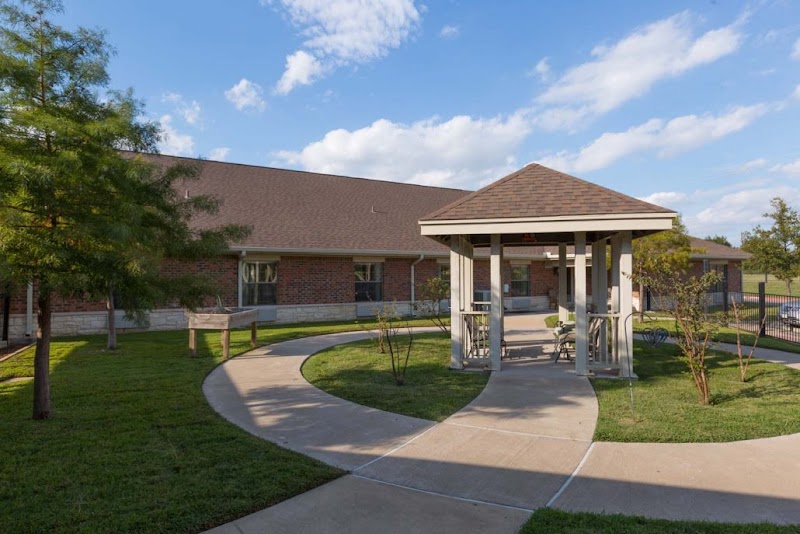
How is Legend Oaks Healthcare And Rehabilitation - Ennis Staffed?

CMS rates LEGEND OAKS HEALTHCARE AND REHABILITATION - ENNIS's staffing level at 3 out of 5 stars, which is average compared to other nursing homes. Staff turnover is 38%, compared to the Texas average of 46%. This relatively stable workforce can support continuity of care.

What Have Inspectors Found at Legend Oaks Healthcare And Rehabilitation - Ennis?

State health inspectors documented 13 deficiencies at LEGEND OAKS HEALTHCARE AND REHABILITATION - ENNIS during 2022 to 2025. These included: 1 Immediate Jeopardy (the most serious level, indicating potential for serious harm or death) and 12 with potential for harm. Immediate Jeopardy findings are rare and represent the most serious regulatory concerns. They require immediate corrective action.
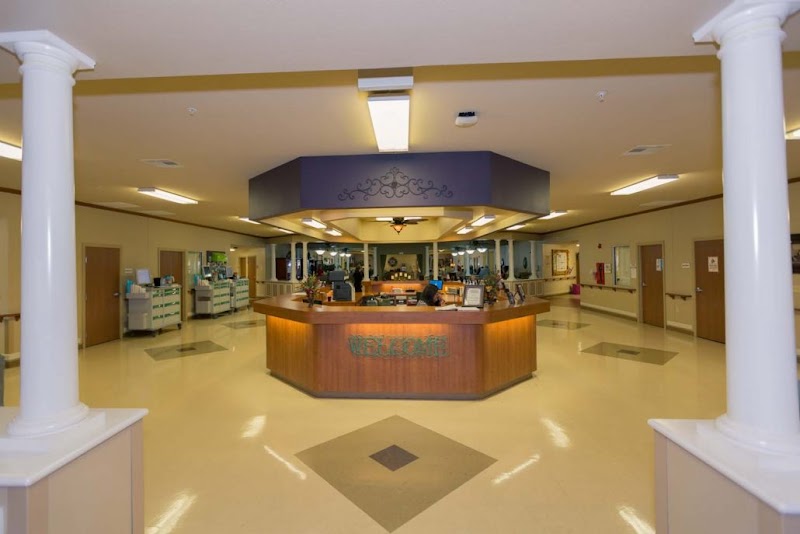
Who Owns and Operates Legend Oaks Healthcare And Rehabilitation - Ennis?

LEGEND OAKS HEALTHCARE AND REHABILITATION - ENNIS is owned by a government entity. Government-operated facilities are typically run by state, county, or municipal agencies. The facility is operated by THE ENSIGN GROUP, a chain that manages multiple nursing homes. With 124 certified beds and approximately 74 residents (about 60% occupancy), it is a mid-sized facility located in ENNIS, Texas.
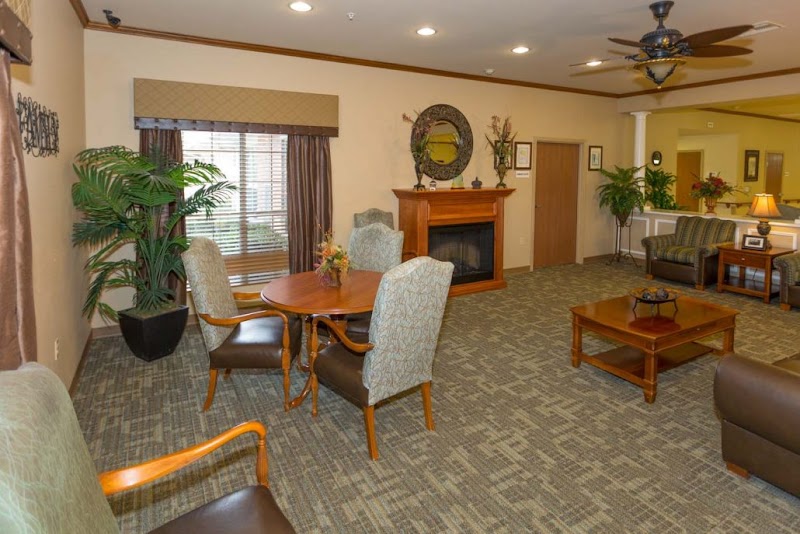
How Does Legend Oaks Healthcare And Rehabilitation - Ennis Compare to Other Texas Nursing Homes?

Compared to the 100 nursing homes in Texas, LEGEND OAKS HEALTHCARE AND REHABILITATION - ENNIS's overall rating (5 stars) is above the state average of 2.8, staff turnover (38%) is near the state average of 46%, and health inspection rating (5 stars) is much above the national benchmark.

What Should Families Ask When Visiting Legend Oaks Healthcare And Rehabilitation - Ennis?

Based on this facility's data, families visiting should ask: "What changes have been made since the serious inspection findings, and how are you preventing similar issues?" "Can I visit during a mealtime to observe dining assistance and food quality?" "How do you handle medical emergencies, and what is your hospital transfer rate?" "Can I speak with family members of current residents about their experience?" These questions are particularly relevant given the facility's Immediate Jeopardy citations.

Is Legend Oaks Healthcare And Rehabilitation - Ennis Safe?

Based on CMS inspection data, LEGEND OAKS HEALTHCARE AND REHABILITATION - ENNIS has documented safety concerns. Inspectors have issued 1 Immediate Jeopardy citation (the most serious violation level indicating risk of serious injury or death). The facility has a 5-star overall rating and ranks #1 of 100 nursing homes in Texas. Families considering this facility should ask detailed questions about what corrective actions have been taken since these incidents.

Do Nurses at Legend Oaks Healthcare And Rehabilitation - Ennis Stick Around?

LEGEND OAKS HEALTHCARE AND REHABILITATION - ENNIS has a staff turnover rate of 38%, which is about average for Texas nursing homes (state average: 46%). Moderate turnover is common in nursing homes, but families should still ask about staff tenure and how the facility maintains care continuity when employees leave.

Was Legend Oaks Healthcare And Rehabilitation - Ennis Ever Fined?

LEGEND OAKS HEALTHCARE AND REHABILITATION - ENNIS has been fined $13,275 across 1 penalty action. This is below the Texas average of $33,212. While any fine indicates a compliance issue, fines under $50,000 are relatively common and typically reflect isolated problems that were subsequently corrected. Families should ask what specific issues led to these fines and confirm they've been resolved.

Is Legend Oaks Healthcare And Rehabilitation - Ennis on Any Federal Watch List?

LEGEND OAKS HEALTHCARE AND REHABILITATION - ENNIS is not on any federal watch list. The most significant is the Special Focus Facility (SFF) program, which identifies the bottom 1% of nursing homes nationally based on persistent, serious quality problems. Not being on this list means the facility has avoided the pattern of deficiencies that triggers enhanced federal oversight. This is a positive indicator, though families should still review the facility's inspection history directly.