FARMERSVILLE HEALTH AND REHABILITATION
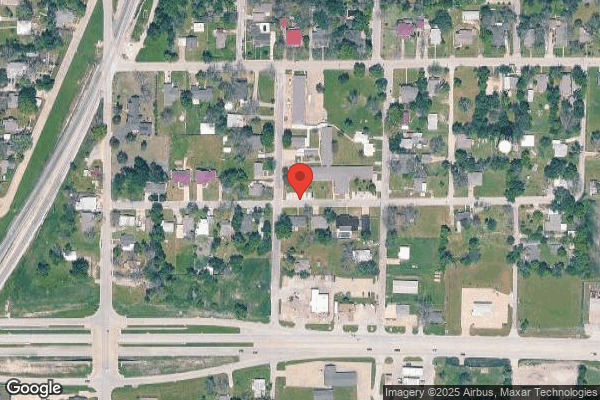
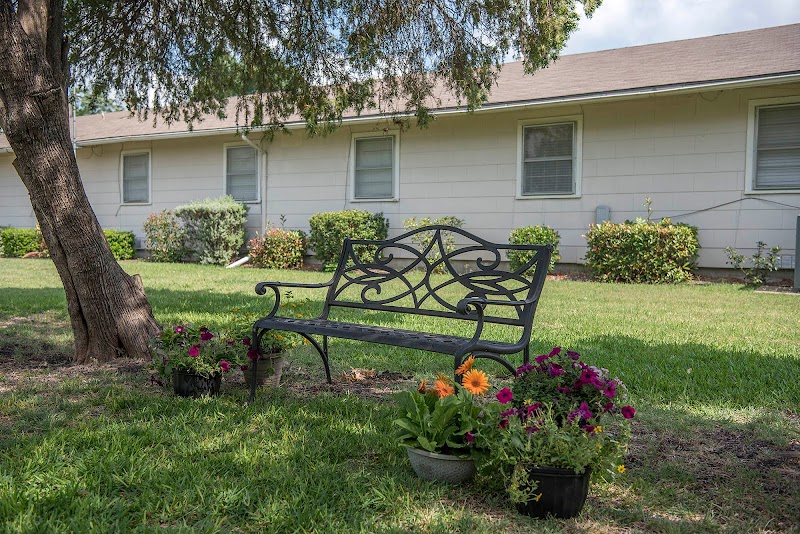
205 BEECH ST, FARMERSVILLE, TX 75442 (972) 784-6191
For profit - Corporation 74 Beds FOURSQUARE HEALTHCARE Data: November 2025
Trust Grade
85/100
#51 of 1168 in TX
Last Inspection: January 2025

Within standard 12-15 month inspection cycle. Federal law requires annual inspections.

Overview

Farmersville Health and Rehabilitation has a Trust Grade of B+, indicating it is above average and recommended for families considering care options. It ranks #51 out of 1,168 facilities in Texas, placing it in the top half, and #3 out of 22 in Collin County, meaning only two local facilities are rated higher. The facility is improving, with the number of issues decreasing from 9 in 2023 to 3 in 2025. Staffing is a concern, rated at 2 out of 5 stars with a turnover rate of 46%, which is better than the Texas average. Despite having no fines on record and good RN coverage, recent inspections revealed problems, such as failure to properly store residents' respiratory equipment, and cleanliness issues in resident rooms and the kitchen, which could pose health risks.

Trust Score
B+
85/100
In Texas
#51/1168
Top 4%
Safety Record
Low Risk
No red flags
Inspections
Getting Better
9 → 3 violations
Staff Stability
⚠ Watch
46% turnover. Above average. Higher turnover means staff may not know residents' routines.
Penalties
✓ Good
No fines on record. Clean compliance history, better than most Texas facilities.
Skilled Nurses
⚠ Watch
Each resident gets only 29 minutes of Registered Nurse (RN) attention daily — below average for Texas. Fewer RN minutes means fewer trained eyes watching for problems.
Violations
⚠ Watch
13 deficiencies on record. Higher than average. Multiple issues found across inspections.
★★★★★
5.0
Overall Rating
★★☆☆☆
2.0
Staff Levels
★★★☆☆
3.0
Care Quality
★★★★★
5.0
Inspection Score
Stable
2023: 9 issues
2025: 3 issues

The Good

  • Full Sprinkler Coverage · Fire safety systems throughout facility
  • No fines on record

Facility shows strength in fire safety.

The Bad

Staff Turnover: 46%

Near Texas avg (46%)

Higher turnover may affect care consistency

Chain: FOURSQUARE HEALTHCARE

Part of a multi-facility chain

Ask about local staffing decisions and management

The Ugly 13 deficiencies on record

Jan 2025 3 deficiencies
CONCERN (D)

Potential for Harm - no one hurt, but risky conditions existed

Infection Control (Tag F0880)

Could have caused harm · This affected 1 resident

**NOTE- TERMS IN BRACKETS HAVE BEEN EDITED TO PROTECT CONFIDENTIALITY** Based observation, interview, and record review the facility failed to establish and maintain an infection prevention and contro...

Read full inspector narrative →
**NOTE- TERMS IN BRACKETS HAVE BEEN EDITED TO PROTECT CONFIDENTIALITY** Based observation, interview, and record review the facility failed to establish and maintain an infection prevention and control program designed to provide a safe, sanitary, and comfortable environment and to help prevent the development and transmission of communicable diseases and infections for one (Resident #34) of eight residents reviewed for Infection Control. The facility failed to ensure CNA B changed her gloves and performed hand hygiene while providing incontinent care to Resident #34 on 01/05/2025. This failure could place residents at risk of cross-contamination and development of infections. Findings included: Record review of Resident #34's Face Sheet, dated 01/06/2025, reflected a [AGE] year-old female who was admitted to the facility on [DATE]. The resident was diagnosed with acute kidney failure (a condition in which one or both kidneys no longer work on their own). Record review of Resident #34's Comprehensive MDS Assessment, dated 11/19/2024, reflected the resident had a score of 99 on her BIMS summary score implying that the resident was not able to complete the interview to determine the BIMS score. The Comprehensive MDS Assessment indicated the resident was always incontinent for both bowel and bladder. Record review of Resident #34's Comprehensive Care Plan, dated 12/01/2024, reflected the resident had urinary incontinence and one of the interventions was to give perineal care. Observation and interview with CNA B on 01/05/2025 at 10:56 AM revealed CNA B entered Resident #34's room holding a plastic bag with a brief in it. She said she would change the resident's brief first and then she would transfer her to her wheelchair. CNA B put on a pair of gloves. She did not sanitize or wash her hands before putting on the pair of gloves and before starting incontinent care. CNA B then said the resident did not have any wipes. CNA B removed her gloves and said she would go out to get some wipes. After a few moments, CNA B returned with some wipes. CNA B put on a pair of gloves. CNA B, again, did not sanitize or wash her hands before putting on the gloves. She unfastened the brief on both sides and pushed the front part of the brief between the resident's thighs. CNA B pulled some wipes and cleaned the resident's perineal area (area between the thighs) using the front to back technique. After cleaning the perineal area, CNA B rolled the resident towards the wall and cleaned the resident's bottom. It was noted that the resident had some dry feces. CNA B pulled the soiled brief and threw it on the trash can. CNA B then opened the plastic bag, took the brief inside it, opened it, and put it under the resident. She did not change her gloves after cleaning the resident's bottom and before touching the new brief. She rolled back the resident, fixed the brief, and fastened it on both sides. CNA B stated hand hygiene should be done before doing incontinent care. She said she just put on a pair of gloves before doing incontinent care and did not even sanitize her hands. She said hands should be washed or sanitized to prevent infection. She said the gloves should be changed after she cleaned the resident's bottom and before touching the new brief because the gloves that she used to clean the resident's bottom were already soiled. She said she would be mindful the next time she does incontinent care to wash her hands and change her gloves during incontinent care. She said she had trainings for pericare but did not know why she forgot to wash her hands and change her gloves. In an interview with the DON on 01/06/2025 at 11:38 AM, The DON stated hand hygiene was the most effective way to prevent cross contamination and spread of infection. She said staff should do hand hygiene before and after any care. She said gloves should be changed after cleaning the resident's bottom because the gloves were already deemed dirty. She said the expectation was for the staff to wash their hands before and after any care and change their gloves when going from dirty to clean. She said she was made aware by CNA B about the issue, and she already did a one-on-one in-service with CNA B about hand hygiene and pericare. She said she will be doing an in-service for all the direct care staff about hand hygiene and pericare. She said she will personally monitor the staff. In an interview with the Administrator on 01/06/2025 at 12:27 PM, the Administrator stated not washing the hands before any care and not changing the gloves from soiled to clean could contribute to cross contamination and infection. She said the expectation was for the staff to follow the policy and procedures pertaining to infection control. She said the DON already in-serviced the staff about hand hygiene and pericare. Record review of the facility policy, Hand Washing undated, revealed Standard: Mechanical removal of pathogenic organisms from the skin is accomplished by hand washing . Policy: Hand washing is required before and after a procedure that involves direct or indirect contact with a resident, after contact with any wastes or contaminated materials, before handling any food or food receptacle, or at any time the hands are soiled. Record review of the facility policy for Perineal Care undated, revealed Purpose: To cleanse the genitalia (organs of the reproductive system) and rectum. Procedure is given after each incontinent episode . Procedure . 4. Wash hands and put on gloves . 11 . clean the rectum by wiping from the front to the back . dry resident and change gloves . 12. Place a dry, clean incontinent pad under resident . 15. Place the soiled items in a plastic bag . 17. Remove gloves and wash hands.
CONCERN (E)

Potential for Harm - no one hurt, but risky conditions existed

Respiratory Care (Tag F0695)

Could have caused harm · This affected multiple residents

**NOTE- TERMS IN BRACKETS HAVE BEEN EDITED TO PROTECT CONFIDENTIALITY** Based on observation, interview and record review the facility failed to ensure that residents, who needed respiratory care, wer...

Read full inspector narrative →
**NOTE- TERMS IN BRACKETS HAVE BEEN EDITED TO PROTECT CONFIDENTIALITY** Based on observation, interview and record review the facility failed to ensure that residents, who needed respiratory care, were provided such care consistent with professional standards of practice, the comprehensive person-centered care plan, and the residents' goals and preferences for 4 of twelve residents (Resident #20, Resident #27, Resident #36, and Resident #57) reviewed for Respiratory Care. 1. The facility failed to ensure Resident #20's nasal cannula (flexible tube used to deliver oxygen to the nose through two prongs) on her wheelchair was properly stored when not in use on 01/05/2025. 2. The facility failed to ensure Resident #27's nasal cannula at the back of the wheelchair was properly stored when not in use on 01/05/2025. 3. The facility failed to ensure Resident #36's nasal cannula at the back of the wheelchair was properly stored when not in use on 01/05/2025. 4. The facility failed to ensure Resident #57's nasal cannula attached to the oxygen concentrator was properly stored when not in use on 01/05/2025. This failure could place residents at risk for respiratory infection and not having their respiratory needs met. Findings included: 1. Record review of Resident #20's Face Sheet, dated 01/06/2025, reflected a [AGE] year-old female who was admitted to the facility on [DATE]. Resident #20 was diagnosed with upper and lower respiratory infection, emphysema (a lung disease that damages the air sacs in the lung causing shortness of breath), and chronic obstructive pulmonary disease (a chronic inflammatory lung disease that causes obstructed airflow from the lungs). Record review of Resident #20's Comprehensive MDS Assessment, dated 11/01/2024, reflected the resident had a moderate impairment in cognition with a BIMS score of 11. The Comprehensive MDS Assessment indicated the resident had oxygen therapy while a resident of the facility. Record review of Resident #20's Comprehensive Care Plan, dated 11/10/2024, reflected the resident used Oxygen Therapy via nasal cannula @ 2-4 lpm continuously r/t SOB d/t COPD and one of the interventions was apply oxygen. The resident's care plan did not indicate that the resident was the one taking off her nasal cannula. Record review of Resident #20's Physician Orders, dated 08/18/2020, reflected OXYGEN - CONTINUOUSLY = Oxygen at 2-4 L/PM via nasal cannula continuously. Check every shift. Check O2 sats Q shift and keep O2 at or greater than 92%. Record O2 sats every shift. Observation and interview with Resident #20 on 01/05/2025 at 9:13 AM revealed the resident was sitting at the side of her bed. The resident was on oxygen via nasal cannula that was connected to an oxygen concentrator. The resident said she had the oxygen for as long she could remember. She said she wore her oxygen day and night. She said she would also use her oxygen when she went outside her room. It was observed that the resident had a nasal cannula attached to a portable oxygen tank. The nasal cannula was sitting on the wheelchair seat and was not bagged. It was also noted that there was no bag behind the wheelchair. She said she did not know she was supposed to put the nasal cannula in a plastic bag. 2. Record review of Resident #27's Face Sheet, dated 01/06/2025, reflected a [AGE] year-old male who was admitted to the facility on [DATE]. The resident was diagnosed with chronic obstructive pulmonary disease. Record review of Resident #27's Comprehensive MDS Assessment, dated 11/10/2024, reflected the resident was cognitively intact with a BIMS score of 15. The Comprehensive MDS Assessment indicated the resident was on oxygen therapy while a resident of the facility. Record review of Resident #27's Comprehensive Care Plan, dated 12/24/2024, reflected the resident used oxygen continuously and one of the interventions was apply oxygen. Record review of Resident #27's Physician Order, dated 10/25/2023, reflected OXYGEN - CONTINUOUSLY = Oxygen at 2_L/PM via nasal cannula continuously. Check every shift. Check O2 sats Q shift and keep O2 at or greater than 92%. Record O2 sats every shift. Observation on 01/05/2025 at 9:39 AM revealed Resident #27 was still sleeping. It was observed that the resident's wheelchair was placed at the foot of his bed. A portable oxygen tank was observed at the back of the wheelchair with a nasal cannula connected to it. The nasal cannula was coiled on the seat of the wheelchair. The nasal cannula was not bagged. Observation and interview with Resident #27 on 01/05/2025 at 1:46 PM revealed the resident was in his wheelchair inside the room. The resident was on oxygen administration via nasal cannula that was connected to the portable oxygen behind his wheelchair. Resident #27 stated he had respiratory issues and that was why he was using oxygen continuously. He said staff would assist him with transfer to bed and wheelchair and wheelchair to bed. He said staff would also assist him with his nasal cannula. He said he was not aware where the staff would put it after they take it off. He said he did not see any plastic bag for his nasal cannula. 3. Record review of Resident #36's Face Sheet, dated 01/06/2025, reflected a [AGE] year-old female who was admitted to the facility on [DATE]. The resident was diagnosed with chronic obstructive pulmonary disease. Record review of Resident #36's Comprehensive MDS Assessment, dated 11/05/2024, reflected the resident had a severe impairment in cognition with a BIMS score of 5. The Comprehensive MDS Assessment indicated the resident was on oxygen therapy while a resident of the facility. Record review of Resident #36's Comprehensive Care Plan, dated 12/24/2024, reflected the resident had oxygen therapy continuously 2 L/min via nasal cannula and the goal was the resident will have no signs and symptoms of poor oxygen absorption. Record review of Resident #36's Physician Order, dated 07/03/2024, reflected OXYGEN - CONTINUOUSLY = Oxygen at 2 L/PM via nasal cannula continuously. Check every shift. Check O2 sats Q shift and keep O2 at or greater than 92%. Record O2 sats every shift. Observation and interview with Resident #36 on 01/05/2025 at 9:20 AM revealed the resident was in her bed, awake. It was observed that the resident had a nasal cannula attached to a portable oxygen tank. The tube of the nasal cannula was sitting on the wheelchair seat. The prongs of the nasal cannula were hanging and about to touch the right wheel of the wheelchair. The nasal cannula was not bagged. 4. Record review of Resident #57's Face Sheet, dated 01/06/2025, reflected a [AGE] year-old female who was admitted to the facility on [DATE]. The resident was diagnosed with Alzheimer's disease (brain disorder that destroys memory and thinking). Record review of Resident #57's Comprehensive MDS Assessment, dated 11/05/2024, reflected the resident had a score of 99 on her BIMS summary score suggesting that the resident was not able to complete the interview to determine the BIMS score. The Comprehensive MDS Assessment indicated the resident was on hospice care while a resident of the facility. Record review of Resident #57's Comprehensive Care Plan, dated 11/24/2024, reflected the resident received hospice care and one of the interventions was to coordinate with hospice team. Record review of Resident #57's Physician Order, dated 08/19/2024, reflected HOSPICE - ADMIT = Admit to . for DX: ALZHEIMER'S DISEASE. Record review of Resident #57's Physician Order, dated 08/09/2024 reflected OXYGEN PRN = Oxygen at 2-4 L/PM via nasal canula OR 5-8 L/PM via mask PRN for SOB [SHORTNESS OF BREATH]. Record review of resident #57's Physician Order from Hospice, dated 5/16/2024, reflected Administer 2 to 4 liters per minute via nasal cannula as needed for dyspnea (shortness of breath). Observation and interview with Resident #57 on 01/05/2025 at 9:27 AM revealed the resident was in her bed, awake. An oxygen concentrator was observed on the resident's bedside. A nasal cannula was attached to the oxygen concentrator and was hanging on top of the oxygen concentrator. The nasal cannula was not bagged, and no plastic bag was observed. When asked about her use of oxygen, the resident did not answer and just smiled. Observation and interview with RN A on 01/05/2025 at 9:55 AM, RN A stated the nasal cannulas should be in a plastic bag when the residents were not using them. She said they should be bagged to prevent cross contamination and respiratory infection. She said the residents using oxygen had respiratory issues and that was why they had orders for oxygen therapy. RN A entered Resident #20's room and saw the nasal cannula on the wheelchair that was not bagged. She disconnected the nasal cannula and said she would get a new nasal cannula for Resident #20. She said she would also get a plastic bag for the nasal cannula. While she was disconnecting the nasal cannula, Resident #20 asked her what she was doing. RN A told resident that she changed the nasal cannula because it was not bagged and was already deemed dirty. RN A also told the resident she should put her nasal cannula in a plastic bag every time she would remove it. RN A said the resident was the one taking it off, but staff should educate the resident or monitor if the resident put it in a bag. RN A went out of Resident #20's room and went to Residents' #57 and #36's room. RN A saw Resident #57's nasal cannula on top of the oxygen concentrator and Resident #36's nasal cannula on the resident's wheelchair. She disconnected both nasal cannulas and said she would also get the residents new nasal cannulas. RN A went out of Residents #57 and #36's room and went to Resident #27's room and saw the nasal cannula on the wheelchair that was not bagged. She disconnected Resident #27's nasal cannula and said she would do the same. RN A went to storage room and gathered some nasal cannulas and some plastic bags and went to the rooms of Residents #20, #27, #36, and #57, and changed their nasal cannulas and placed plastic bags behind the wheelchair and the oxygen concentrator. She said she did not notice the nasal cannulas were not bagged when she did her morning round. She said she would check the other residents with oxygen if their nasal cannulas were bagged if they were not using it. She also said that whoever transferred the resident to bed should put the residents' nasal cannulas in a bag. In an interview with the DON on 01/06/2025 at 11:38 AM, The DON stated the nasal cannulas should be bagged when the residents were not using them for infection control and prevention of cross contamination. She said whoever was caring for the resident should check if the nasal cannula was bagged when not in use or needed to be changed because it touched something dirty. She said the expectation was for the staff who transferred the residents to bed should have bagged the nasal cannulas that were in the wheelchairs. She said the staff should check during their rounds that the nasal cannula was bagged. She said she was made aware by RN A about the issue and already did an in-service about bagging the nasal cannula when not in use. She also said Resident #57 was on Hospice that was why she had an oxygen concentrator. She said Hospice provided it and had an order for it. In an interview with CNA C on 01/06/2025 at 11:56 AM, CNA C said the nasal cannulas should be bagged to prevent them from getting dirty. She said the staff that transferred the resident was responsible in bagging the nasal cannula. She said she did not notice the nasal cannulas were not bagged when she did her morning round. In an interview with the Administrator on 01/06/2025 at 12:27 PM, the Administrator stated the nasal cannulas should be properly stored to prevent respiratory infections or exacerbation of whatever respiratory issues the residents already had. She said the expectation was for the staff to be mindful during their rounds and make sure the nasal cannulas were bagged and kept clean. She said the DON already initiated the in-service about bagging the nasal cannulas. In an interview with RN A on 01/07/2025 at 9:21 AM, RN A stated Resident #57's oxygen was a standing order from hospice. She said the resident seldom used it. Policy for bagging the nasal cannula was requested on 01/06/2025 at 12:44 PM via email but was not provided prior to exit. In an interview with the Administrator on 01/07/2025 at 9:31 AM, the Administrator said they do not have a policy specific to bagging the nasal cannula.
MINOR (C) 📢 Someone Reported This

A family member, employee, or ombudsman was alarmed enough to file a formal complaint

Minor Issue - procedural, no safety impact

Deficiency F0912 (Tag F0912)

Minor procedural issue · This affected most or all residents

**NOTE- TERMS IN BRACKETS HAVE BEEN EDITED TO PROTECT CONFIDENTIALITY** Based on interview and record review, the facility failed to ensure 34 (Room numbers 2, 3, 4, 6, 7, 8, 10, 11, 12, 13, 14, 15, 1...

Read full inspector narrative →
**NOTE- TERMS IN BRACKETS HAVE BEEN EDITED TO PROTECT CONFIDENTIALITY** Based on interview and record review, the facility failed to ensure 34 (Room numbers 2, 3, 4, 6, 7, 8, 10, 11, 12, 13, 14, 15, 16, 17, 18, 19, 20, 22, 23, 24, 25, 26, 27, 28, 29, 30, 31, 32, 33, 34, 35, 36, 37 and 39) out of 34 multiple-resident bedrooms, measured at least 80 square feet per resident. The facility failed to ensure multiple resident Room numbers 2, 3, 4, 6, 7, 8, 10, 11, 12, 13, 14, 15, 16, 17, 18, 19, 20, 22, 23, 24, 25, 26, 27, 28, 29, 30, 31, 32, 33, 34, 35, 36, 37 and 39 met the required minimum of 80 square feet per resident. This failure could place residents at risk of not having sufficient space. Findings included: Review during the survey's Offsite Survey Preparation, conducted on 01/02/2025, prior to the start of the survey on 01/05/2025, and documented on ASE-Q offsite revealed the facility had a room size waiver. During this survey's entrance conference on 01/05/25 at 9:30 AM, the Administrator revealed the facility had a room size waiver in place for the bedrooms measuring less than the required square footage. She also advised nothing has changed in the past years regarding resident's room square footage. Review of Form DADS 3740 (Bed Classifications Form), completed by the facility on 01/05/2025, revealed all 37 bedrooms in the facility had two beds and were classified as Medicare and Medicaid. Review of the facility's license on 01/05/2025 at 10:57 AM revealed the facility was licensed for 74 beds. Review of the resident bedroom measurements listing, undated provided by the Administrator on 01/07/2025 revealed the following: 1) Resident Rooms 2, 3 and 4 measured 127 square feet. 2) Resident Rooms 6, 8 and 10 measured 132 square feet 3) Resident room [ROOM NUMBER] measured 146 square feet 4) Resident rooms [ROOM NUMBERS] measured 147 square feet 5) Resident Rooms 12, 14, 15, 16, 17 and 19 measured 156 square feet 6) Resident room [ROOM NUMBER] measured 159 square feet 7) Resident Rooms 20, 22, 24, 26 and 28 measured 151 square feet 8) Resident Rooms 23, 25, 27, 29, 30, 31, 32, 33, 34, 35, 36, 37 and 39 measured 153 square feet. No policy was provided prior to exit.
Oct 2023 8 deficiencies
CONCERN (D) 📢 Someone Reported This

A family member, employee, or ombudsman was alarmed enough to file a formal complaint

Potential for Harm - no one hurt, but risky conditions existed

Notification of Changes (Tag F0580)

Could have caused harm · This affected 1 resident

**NOTE- TERMS IN BRACKETS HAVE BEEN EDITED TO PROTECT CONFIDENTIALITY** Based on interview and record review, the facility failed to immediately consult with the resident's physician when there was a ...

Read full inspector narrative →
**NOTE- TERMS IN BRACKETS HAVE BEEN EDITED TO PROTECT CONFIDENTIALITY** Based on interview and record review, the facility failed to immediately consult with the resident's physician when there was a significant change in the resident's physical, mental, or psychosocial status for 1 of 3 residents (Resident #64) reviewed for abuse. The facility failed to notify the facility physician/FNP following an allegation of abuse reported for Resident #64 on 09/22/23. This failure could place residents at risk for not having their allegations of abuse reported to the physician/FNP. Findings included: Record review of Resident #64's quarterly MDS assessment, dated 08/31/23, reflected she was a [AGE] year-old female admitted to the facility on [DATE]. Her cognitive skills were severely impaired. She was frequently incontinent of bladder and bowel. Her diagnoses included non-Alzheimer's dementia and non-cancerous brain tumor. Record review of Resident #64's Comprehensive Care Plans, dated 09/26/23, reflected: 1. Resident 's FM A visiting on 9/22/23 and witnessed by 2 staff members touching resident inappropriately. Goal: Resident 's FM A will not act inappropriately when visiting the resident. She is not able to consent to the sexual behavior he is initiating, and FM A's behavior agitates the resident. Facility interventions: . FM A can visit resident, but only when supervised by a staff member. 2. The resident is at risk for bruises r/t use of aspirin, combativeness w/ care, hx of falls, and FM A visits w/ inappropriate touching. Goal: The resident will be free from injury or further bruises x 90days Facility interventions: Provide supervised visits in a common area w/ FM A for resident safety. Record review of the Facility Provider Investigation Report, dated 09/22/23, reflected: An email from the DON dated 09/22/23 at 9:37 PM : FM A of resident involved came in for a visit. He was observed by two CNA's sexually fondling this resident. His hand was seen under the resident's skirt, to her genitals. Statements were obtained from the CNA's . Future visits made by FM A will be supervised. Statement from the facility SW, dated 09/25/23, reflected: This social worker called .and reported .inappropriate touching incident of resident's vagina by her FM A . witnessed by two CNAs in this facility .resident is residing in skilled nursing facility and is unable to give verbal consent due to her poor cognition relating to her diagnosis of dementia and senile degeneration of the brain . Statement from CNA C, dated 09/22/23, reflected: On 09/22/23 at or around 4:25 PM, I witnessed FM A with his hand under the resident's gown in the vagina area. I did not physically see his hand inside of her vagina but I witnessed an in and out motion and the resident looked very uncomfortable and disturbed. FM A denied touching Resident #64 inappropriately and said he was agreeable to having all visits with Resident #64 supervised by staff. An observation on 09/26/23 at 1:39 PM with Resident #64 revealed she was lying in bed. She was awake and alert and turned her head when spoken to. CNA A entered the room. The resident was Spanish-speaking only. The resident spoke, but it was nothing understandable. CNA A translated and said the resident was not saying anything that made sense. An interview on 09/26/23 at 1:09 PM with CNA B revealed on 09/22/23 she was assigned to Resident #64's hall. She said she went to her room and saw FM A sitting in a chair next to the resident and her gown was raised up. CNA B said FM A's right hand was on her vagina, inside of her brief. CNA D said FM A told her the resident was wet and used his left hand to point to the brief. CNA B said the resident was not wet. The resident was lying in bed with her eyes closed and she was stiff in the bed. CNA B said after she started talking, the resident sat up in bed, got up, walked to CNA B and started patting her vagina area and saying eeee. CNA B could not understand what the resident was saying. CNA B said she reported what she saw to the nurse who entered the room. CNA B said the resident had a history of being very combative and agitated when FM A came to visit. CNA B said FM A needed to be counseled because he needed to understand that because of her mental capacity, that behavior was no longer acceptable. An interview was attempted on 09/28/23 at 11:32 AM with FM A, but he refused to speak to the Surveyor. An interview with 09/27/23 at 12:14 PM with LVN D revealed she did a head-to-toe exam on Resident #64 with no new findings. The resident already had a nickel-sized bruise at the top of her vagina at the panty line. She said she did not do a vaginal exam because it was outside of her scope of practice and the resident was not sent to the emergency room for an exam because FM A said not to. An interview on 09/27/23 at 2:53 PM with the FNP revealed she was not notified about the allegation of sexual abuse. She said she was on-call and should have been notified. She said it might have been the best thing to do to order a vaginal exam following the allegation, but she was not notified and so she could not say for sure. An interview on 09/28/23 at 9:15 AM with the DON revealed she did not know why the physician/FNP was not notified. A phone message was left for RN E on 09/28/23 at 1:14 PM to find out why she did not notify the FNP, but she did not return the call of the Surveyor. The Administrator was not available for interview during the survey. Review of the Facility Policy and Procedure, Change of Condition-Notification, not dated, reflected: . Procedure: 1. The charge nurse will notify the resident, his/her physician .when there is: a. A change in the resident's condition . c. A need to alter treatment significantly .
CONCERN (D) 📢 Someone Reported This

A family member, employee, or ombudsman was alarmed enough to file a formal complaint

Potential for Harm - no one hurt, but risky conditions existed

Abuse Prevention Policies (Tag F0607)

Could have caused harm · This affected 1 resident

**NOTE- TERMS IN BRACKETS HAVE BEEN EDITED TO PROTECT CONFIDENTIALITY** Based on interview and record review, the facility failed to develop and implement written policies and procedures that prohibit...

Read full inspector narrative →
**NOTE- TERMS IN BRACKETS HAVE BEEN EDITED TO PROTECT CONFIDENTIALITY** Based on interview and record review, the facility failed to develop and implement written policies and procedures that prohibit and prevent abuse, neglect, and exploitation of residents and misappropriation of resident property and that establish policies and procedures to investigate any such allegations for 1 of 3 residents (Resident #64) reviewed for abuse and neglect. The facility did not follow their policy for Abuse and Neglect and thoroughly investigate when Resident #64 had an allegation of sexual abuse reported on 09/22/23. This failure could place residents at risk for not having their allegations of abuse and neglect investigated. Findings included: Record review of Resident #64's quarterly MDS assessment, dated 08/31/23, reflected she was a [AGE] year-old female admitted to the facility on [DATE]. Her cognitive skills were severely impaired. She was frequently incontinent of bladder and bowel. Her diagnoses included non-Alzheimer's dementia and non-cancerous brain tumor. Record review of Resident #64's Comprehensive Care Plans, dated 09/26/23, reflected: 1. FM A visiting on 9/22/23 and witnessed by 2 staff members touching resident inappropriately. Goal: Resident's FM A will not act inappropriately when visiting the resident. She is not able to consent to the sexual behavior he is initiating, and FM A's behavior agitates the resident. Facility interventions: .FM A can visit resident, but only when supervised by a staff member. 2. The resident is at risk for bruises r/t use of aspirin, combativeness w/ care, hx of falls, and FM A visits w/ inappropriate touching. Goal: The resident will be free from injury or further bruises x 90days Facility interventions: Provide supervised visits in a common area w/FM A for resident safety. Record review of the Facility Provider Investigation Report, dated 09/22/23, reflected: An email from the DON : The FM A of resident involved came in for a visit. He was observed by two CNA's sexually fondling this resident. His hand was seen under the resident's skirt, to her genitals. Statements were obtained from the CNA's . Future visits made by FM A will be supervised. Statement from the facility SW, dated 09/25/23, reflected: This social worker called .and reported .inappropriate touching incident of resident's vagina by FM A . witnessed by two CNAs in this facility .resident is residing in skilled nursing facility and is unable to give verbal consent due to her poor cognition relating to her diagnosis of dementia and senile degeneration of the brain . Statement from CNA C, dated 09/22/23, reflected: On 09/22/23 at or around 4:25 PM, I witnessed FM A with his hand under the resident's gown in the vagina area. I did not physically see his hand inside of her vaginavagina, but I witnessed an in and out motion and the resident looked very uncomfortable and disturbed. FM A did report a bruise on the resident at the panty line that was about the size of a quarter to the facility on [DATE]. The bruise was reported to the physician. FM A denied touching Resident #64 inappropriately and said he was agreeable to having all visits with Resident #64 supervised by staff. An observation on 09/26/23 at 1:39 PM with Resident #64 revealed she was lying in bed. She was awake and alert and turned her head when spoken to. CNA A entered the room. The resident was Spanish-speaking only. The resident spoke, but it was nothing understandable. CNA A translated and said the resident was not saying anything that made sense. An interview on 09/26/23 at 1:09 PM with CNA B revealed on 09/22/23 she was assigned to Resident #64's hall. She said she went to her room and saw FM A sitting in a chair next to the resident and her gown was raised up. CNA B said FM A's right hand was on her vagina, inside of her brief. CNA D said FM A told her the resident was wet and used his left hand to point to the brief. CNA B said the resident was not wet. The resident was lying in bed with her eyes closed and she was stiff in the bed. CNA B said after she started talking, the resident sat up in bed, got up, walked to CNA B and started patting her vagina area and saying eeee. CNA B could not understand what the resident was saying. CNA B said she reported what she saw to the nurse who entered the room. CNA B said the resident had a history of being very combative and agitated when FM A came to visit. CNA B said FM A needed to be counseled because he needed to understand that because of her mental capacity, that behavior was no longer acceptable. An interview was attempted on 09/28/23 at 11:32 AM with FM A of Resident #64, but he refused to speak to the Surveyor. An interview on 09/26/23 at 1:46 PM with the DON revealed the treatment nurse did a skin assessment the next day (09/23/23), but the resident was not sent for a vaginal exam because FM A said not to send the resident to the hospital. The DON said the incident was abuse because the resident could not consent. She said FM A was talked to and said he was just checking to see if the resident was wet. The DON said they were doing supervised visits with him because he visited her every day. An interview on 09/26/23 at 1:58 PM with the SW revealed she thought FM A had abused the resident. She said she was told the resident was in bed and he was feeding her. He would give her a bite with one hand. Her dress was up, and his hand other hand was down in the brief. The CNA had just checked the brief and said it was dry. He said he was just checking the brief. The SW said the facility was trying to keep the resident safe. She said the resident was not sent for a vaginal exam because they asked FM A and he refused . An interview with 09/27/23 at 12:14 PM with LVN D revealed she did a head-to-toe exam on Resident #64 with no new findings. The resident already had a nickel-sized bruise at the top of her vagina at the panty line. She said she did not do a vaginal exam because it was outside of her scope of practice and the resident was not sent to the emergency room for an exam because FM A said not to. An interview on 09/27/23 at 12:50 PM with the Corporate Nurse for Resident #64 revealed she was asked what assessment should be completed when there was an allegation of inappropriate touching. The Corporate nurse did not answer the question but did say the facility offered to send the resident to the ER and FM A refused. The Corporate Nurse said the facility allowed FM A to make the determination of whether to send her to the ER because he was her representative party. She said to keep the resident safe going forward, the facility was allowing the resident to have supervised visits with FM A. She said the results of the investigation revealed the resident had a bruise found on the top area of her vagina on 09/21/23 and then FM A was seen touching the resident on 09/22/23. The Corporate Nurse said they thought FM A could have caused the bruise due to inappropriate touching. An interview on 09/27/23 at 2:53 PM with the FNP revealed she was not notified about the allegation of sexual abuse. She said she was on-call and should have been notified. She said it might have been the best thing to do to order a vaginal exam following the allegation, but she was not notified and so she could not say for sure. A phone message was left for RN E on 09/28/23 at 1:14 PM to find out why she did not notify the FNP, but she did not return the call of the Surveyor. An interview on 09/27/23 at 2:04 PM with the Medical Director revealed Resident #64 was on Hospice services and a pelvic exam would have been very traumatic for her. The Administrator was not available for interview during the survey. The Surveyor re-entered the facility following administrative review on 10/19/23 at 5:45 PM. An interview on 10/19/23 at 6:05 PM with the DON revealed Resident #64 passed away on 10/01/23. She said FM A visited the resident on 09/29/23 and was supervised by facility staff as agreed. FM A visited again on 09/30/23 and was supervised by facility staff. On 09/30/23, Resident #64 had a deterioration in condition and was actively dying. FM A stayed with the resident while being supervised by facility staff. Hospice was called and stayed with the resident. The resident passed away on 10/01/23. Review of the Facility Policy and Procedure, Abuse and Neglect, not dated, reflected: . Investigation: All staff in the nursing facility and all residents, responsible parties, and or legal representatives has been properly notified through facility policy that any abuse will not be tolerated at all. All allegations, no matter what types of incidents reported will be investigated fully .
CONCERN (D) 📢 Someone Reported This

A family member, employee, or ombudsman was alarmed enough to file a formal complaint

Potential for Harm - no one hurt, but risky conditions existed

Investigate Abuse (Tag F0610)

Could have caused harm · This affected 1 resident

**NOTE- TERMS IN BRACKETS HAVE BEEN EDITED TO PROTECT CONFIDENTIALITY** Based on interview and record review, the facility failed to ensure all alleged violations of abuse and neglect were thoroughly ...

Read full inspector narrative →
**NOTE- TERMS IN BRACKETS HAVE BEEN EDITED TO PROTECT CONFIDENTIALITY** Based on interview and record review, the facility failed to ensure all alleged violations of abuse and neglect were thoroughly investigated for 1 of 3 residents (Resident #64) reviewed for abuse and neglect. The facility did not thoroughly investigate when Resident #64 had an allegation of sexual abuse reported on 09/22/23. This failure could place residents at risk for not having their allegations of abuse and neglect investigated. Findings included: Record review of Resident #64's quarterly MDS assessment, dated 08/31/23, reflected she was a [AGE] year-old female admitted to the facility on [DATE]. Her cognitive skills were severely impaired. She was frequently incontinent of bladder and bowel. Her diagnoses included non-Alzheimer's dementia and non-cancerous brain tumor. Record review of Resident #64's Comprehensive Care Plans, dated 09/26/23, reflected: 1. FM A visiting on 9/22/23 and witnessed by 2 staff members touching resident inappropriately. Goal: FM A will not act inappropriately when visiting the resident. She is not able to consent to the sexual behavior he is initiating, and FM A's behavior agitates the resident. Facility interventions: . FM A can visit resident, but only when supervised by a staff member. 2. The resident is at risk for bruises r/t use of aspirin, combativeness w/ care, hx of falls, and FM A's visits w/ inappropriate touching. Goal: The resident will be free from injury or further bruises x 90days Facility interventions: Provide supervised visits in a common area w/ FM A for resident safety. Record review of the Facility Provider Investigation Report, dated 09/22/23, reflected: An email from the DON: FM A of resident involved came in for a visit. He was observed by two CNA's sexually fondling this resident. His hand was seen under the resident's skirt, to her genitals. Statements were obtained from the CNA's . Future visits made by FM A will be supervised. Statement from the facility SW, dated 09/25/23, reflected: This social worker called .and reported .inappropriate touching incident of resident's vagina by FM A . witnessed by two CNAs in this facility .resident is residing in skilled nursing facility and is unable to give verbal consent due to her poor cognition relating to her diagnosis of dementia and senile degeneration of the brain . FM A did report a bruise on the resident at the panty line that was about the size of a quarter to the facility on [DATE]. The bruise was reported to the physician. FM A denied touching Resident #64 inappropriately and said he was agreeable to having all visits with Resident #64 supervised by staff. Statement from CNA C, dated 09/22/23, reflected: On 09/22/23 at or around 4:25 PM, I witnessed FM A with his hand under the resident's gown in the vagina area. I did not physically see his hand inside of her vagina but I witnessed an in and out motion and the resident looked very uncomfortable and disturbed. An observation on 09/26/23 at 1:39 PM with Resident #64 revealed she was lying in bed. She was awake and alert and turned her head when spoken to. CNA A entered the room. The resident was Spanish-speaking only. The resident spoke, but it was nothing understandable. CNA A translated and said the resident was not saying anything that made sense. An interview on 09/26/23 at 1:09 PM with CNA B revealed on 09/22/23 she was assigned to Resident #64's hall. She said she went to her room and saw FM Asitting in a chair next to the resident and her gown was raised up. CNA B said FM A's right hand was on her vagina, inside of her brief. CNA D said FM A told her the resident was wet and used his left hand to point to the brief. CNA B said the resident was not wet. The resident was lying in bed with her eyes closed and she was stiff in the bed. CNA B said after she started talking, the resident sat up in bed, got up, walked to CNA B and started patting her vagina area and saying eeee. CNA B could not understand what the resident was saying. CNA B said she reported what she saw to the nurse who entered the room. CNA B said the resident had a history of being very combative and agitated when FM A came to visit. CNA B said FM A needed to be counseled because he needed to understand that because of her mental capacity, that behavior was no longer acceptable. An interview was attempted on 09/28/23 at 11:32 AM with FM A of Resident #64, but he refused to speak to the Surveyor. An interview on 09/26/23 at 1:46 PM with the DON revealed the treatment nurse did a skin assessment the next day (09/23/23), but the resident was not sent for a vaginal exam because FM A said not to send the resident to the hospital. The DON said the incident was abuse because the resident could not consent. She said FM A was talked to and said he was just checking to see if the resident was wet. The DON said they were doing supervised visits with him because he visited her every day. An interview on 09/26/23 at 1:58 PM with the SW revealed she thought FM A had abused the resident. She said she was told the resident was in bed and he was feeding her. He would give her a bite with one hand. Her dress was up, and his hand other hand was down in the brief. The CNA had just checked the brief and said it was dry. He said he was just checking the brief. The SW said the facility was trying to keep the resident safe. She said the resident was not sent for a vaginal exam because they asked FM A and he refused. An interview with 09/27/23 at 12:14 PM with LVN D revealed she did a head-to-toe exam on Resident #64 with no new findings. The resident already had a nickel-sized bruise at the top of her vagina at the panty line. She said she did not do a vaginal exam because it was outside of her scope of practice and the resident was not sent to the emergency room for an exam because FM A said not to. An interview on 09/27/23 at 12:50 PM with the Corporate Nurse for Resident #64 revealed she was asked what assessment should be completed when there was an allegation of inappropriate touching. The Corporate nurse did not answer the question but did say the facility offered to send the resident to the ER and FM A refused. The Corporate Nurse said the facility allowed FM A to make the determination of whether to send her to the ER because he was her representative party. She said to keep the resident safe going forward, the facility was allowing the resident to have supervised visits with FM A. She said the results of the investigation revealed the resident had a bruise found on the top area of her vagina on 09/21/23 and then FM A was seen touching the resident on 09/22/23. The Corporate Nurse said they thought FM A could have caused the bruise due to inappropriate touching. An interview on 09/27/23 at 2:53 PM with the FNP revealed she was not notified about the allegation of sexual abuse. She said she was on-call and should have been notified. She said it might have been the best thing to do to order a vaginal exam following the allegation, but she was not notified and so she could not say for sure. A phone message was left for RN E on 09/28/23 at 1:14 PM to find out why she did not notify the FNP, but she did not return the call of the Surveyor. An interview on 09/27/23 at 2:04 PM with the Medical Director revealed Resident #64 was on Hospice services and a pelvic exam would have been very traumatic for her. The Administrator was not available for interview during the survey. The Surveyor re-entered the facility following administrative review on 10/19/23 at 5:45 PM. An interview on 10/19/23 at 6:05 PM with the DON revealed Resident #64 passed away on 10/01/23. She said FM A visited the resident on 09/29/23 and was supervised by facility staff as agreed. FM A visited again on 09/30/23 and was supervised by facility staff. On 09/30/23, Resident #64 had a deterioration in condition and was actively dying. FM A stayed with the resident while being supervised by facility staff. Hospice was called and stayed with the resident. The resident passed away on 10/01/23. Review of the Facility Policy and Procedure, Abuse and Neglect, not dated, reflected: . Investigation: All staff in the nursing facility and all residents, responsible parties, and or legal representatives has been properly notified through facility policy that any abuse will not be tolerated at all. All allegations, no matter what types of incidents reported will be investigated fully .
CONCERN (D) 📢 Someone Reported This

A family member, employee, or ombudsman was alarmed enough to file a formal complaint

Potential for Harm - no one hurt, but risky conditions existed

PASARR Coordination (Tag F0644)

Could have caused harm · This affected 1 resident

**NOTE- TERMS IN BRACKETS HAVE BEEN EDITED TO PROTECT CONFIDENTIALITY** Based on interview and record review, the facility failed to refer all level II residents and all residents with newly evident o...

Read full inspector narrative →
**NOTE- TERMS IN BRACKETS HAVE BEEN EDITED TO PROTECT CONFIDENTIALITY** Based on interview and record review, the facility failed to refer all level II residents and all residents with newly evident or possible serious mental disorder, intellectual disability, or a related condition for level II resident review upon a significant change in status assessment for one (Resident #36) of three resident assessments reviewed for PASRR evaluations. 1. The facility did not complete a new PASRR Level 1 Screening for Resident #36 when he was diagnosed with PTSD on 06/21/23. These failures could affect residents with psychiatric diagnoses who may not be evaluated and receive needed PASRR services. Findings included: 1. Review of Resident #36's quarterly MDS Assessment, dated 07/18/23, revealed he had active diagnoses of PTSD, anxiety disorder, and depression. The resident's cognition was intact. Review of Resident #36's care plan, dated 06/21/23, reflected: The resident had ineffective coping skills related to diagnosis of PTSD. (Loss of wife and daughter one year apart) Resident can have verbal outbursts and be argumentative. Review of Resident #36's PASRR Level 1 screening, dated 06/01/22, reflected he did not have a mental illness. There was no PASRR Level 2 screening. An interview on 09/28/23 at 1:05 PM with Resident #36 revealed he did not receive PASRR services and did not know what PASRR services were. He said he was interested in receiving PASRR services. An interview on 09/27/23 at 1:30 PM with the MDS Coordinator revealed she said she added the new diagnosis of PTSD on 06/21/23 and should have completed a new PASRR Level 1 screening. An interview on 09/28/23 on 9:22 AM with the DON revealed the SW and MDS Coordinator were responsible for completing new PASRR Level 1 screenings as needed. An interview on 09/28/23 at 11:37 AM with Corporate MDS Coordinator [NAME] revealed the facility MDS Coordinator was responsible for completing a new PASRR Level 1 screening if a new qualifying diagnosis was added. She said if a resident did not receive the correct PASRR Level 1 screening the resident was at risk for not receiving the proper services. Review of the facility policy for, Pre-admission Screening for Individuals with Mental Illness and Intellectual of Development Disabilities, not dated, reflected: If during a resident's stay they receive a new diagnosis from their physician that could be considered a positive PASRR for MI, ID, DD, the facility will complete a form 1012 and follow through to see if a physical and mental evaluation is needed.
CONCERN (D) 📢 Someone Reported This

A family member, employee, or ombudsman was alarmed enough to file a formal complaint

Potential for Harm - no one hurt, but risky conditions existed

Infection Control (Tag F0880)

Could have caused harm · This affected 1 resident

Based on observation, interview and record review, the facility failed to maintain an Infection Prevention and Control Program designed to provide a safe, sanitary, and comfortable environment and to ...

Read full inspector narrative →
Based on observation, interview and record review, the facility failed to maintain an Infection Prevention and Control Program designed to provide a safe, sanitary, and comfortable environment and to help prevent the development and transmission of communicable diseases and infections for one (Resident #119) of three residents observed for infection control. CNA A failed to perform hand hygiene while providing incontinence care to Resident #119. This failure could place residents at risk for spread of infection through cross-contamination. Findings included: An observation and interview on 09/27/23 at 10:53 AM of Resident #119 revealed CNA A performed catheter care and incontinence care. She pulled down the soiled brief, changed her gloves, but did not perform hand hygiene. CNA A cleaned the Foley catheter and changed her gloves but did not perform hand hygiene. The resident was assisted to turn to his left side and CNA A cleansed the bowel movement off the resident. CNA A changed her gloves but did not perform hand hygiene before putting a clean brief on the resident. CNA A was asked why she did not perform hand hygiene. She said she was supposed to perform hand hygiene every time she changed gloves. She said she forgot to perform hand hygiene and that failure could lead to cross contamination. She said she had been trained to perform hand hygiene. An interview with the DON on 09/27/23 at 2:45 PM revealed staff were supposed to perform hand hygiene between glove changes and failure to do so could lead to infection. Review of the facility policy, Hand Washing, not dated, reflected: Hand washing is required before and after a procedure that involves direct or indirect contact with a resident .
CONCERN (E)

Potential for Harm - no one hurt, but risky conditions existed

Safe Environment (Tag F0584)

Could have caused harm · This affected multiple residents

**NOTE- TERMS IN BRACKETS HAVE BEEN EDITED TO PROTECT CONFIDENTIALITY** Based on observations, interviews, and record reviews the facility failed to provide a safe, clean, comfortable, and homelike en...

Read full inspector narrative →
**NOTE- TERMS IN BRACKETS HAVE BEEN EDITED TO PROTECT CONFIDENTIALITY** Based on observations, interviews, and record reviews the facility failed to provide a safe, clean, comfortable, and homelike environment including but not limited to receiving treatment and supports for daily living safely for areas in the facility for 8 of 20 rooms (Room # 2, 13, 14, 15, 17, 18, 19, 20) observed for a safe, clean, comfortable, and homelike environment. The facility failed to ensure that resident rooms were cleaned and serviced in accordance with the facility's policy on Housekeeping Services. This deficient practice could place residents at risk of infections and living in an uncomfortable environment leading to a decreased quality of life. Findings include: Observation of room [ROOM NUMBER] on 09/26/23 at 10:30 AM and on 09/28/23 at 10:00 AM revealed, the floor displayed light grayish and light brownish stains throughout the room. Observation of room [ROOM NUMBER] on 09/26/23 at 10:44 AM and on 09/28/23 at 10:05 AM revealed, the floor had a dark rust in color stain near the resident's nightstand. Observation of room [ROOM NUMBER] on 09/26/23 at 10:44 AM and on 09/28/23 at 10:06 AM revealed, the floor had a dark rust in color stain near the resident's nightstand. Observation of room [ROOM NUMBER] on 09/26/23 at 10:53 AM and on 09/28/23 at 10:10 AM revealed, the Floor had small clumps of black dirt stuck to the floor, near the entrance of the doorway. Observation of room [ROOM NUMBER] on 09/26/23 at 10:57 AM and on 09/28/23 at 10:13 AM revealed, the Floors displaying a yellowish stain near the resident's bed side table and the corners of floor near resident's bed had dirt particles Observation of room [ROOM NUMBER] on 09/26/23 at 11:04 AM and on 09/28/23 at 10:15 AM revealed, the walls near the resident's bed displayed black markings and brownish stains. Observation of room [ROOM NUMBER] on 09/26/23 at 11:09 AM revealed, the floor had cracks in the tiles. The tiles appeared very worn and broken throughout the room. Observation of room [ROOM NUMBER] on 09/26/23 at 11:13 AM revealed, the floor had cracks in the tiles and the surface underneath the tiles appeared uneven and loved wavy. Interview on 09/28/23 at 10:50 AM with Housekeeping Supervisor revealed the housekeeping staff uses a cleaning calendar to determine when rooms are to be deep cleaned. She stated that they are required to clean all rooms daily, which consisted of mopping the floor and emptying the trash. She stated that they deep clean all rooms at least once a week, and this involves scrubbing the floors, wiping down the walls, dusting, etc. She stated she checked the rooms to ensure that they are thoroughly cleaned. The Housekeeping Supervisor was shown pictures of concerns observed in the resident rooms and she stated that she will retrain her staff on how to thoroughly clean rooms. She stated she had taken over as Housekeeping Supervisor in July 2023 and she had just rolled out the cleaning schedule. She was asked about the cracked tiles on some of the room floors and she stated she had reported it to maintenance, and it was placed on his maintenance log. She stated the risk of rooms not being thoroughly cleaned, is an infection control concern. Interview on 09/28/23 at 11:00 AM with Maintenance Director revealed he was shown the pictures of the damaged tiles in resident rooms, and he stated that he was fully aware of the damages to tiles in resident rooms and he is trying to get to all of them. He stated that it was just him making all repairs at the facility and he had not gotten time to get to all of them. He stated that the impact to the resident was that they could have an accident and it was not good. Interview on 09/28/23 at 11:15 AM with Housekeeping Aide D, revealed she had been at the facility for 9 years. She stated that they utilize a cleaning calendar to determine which room was to be deep cleaned for the day. She stated that they are required to strip the floor, wipe down the bed and walls, dust, and clean whatever else needed to be cleaned. She stated they clean all rooms at least once a day and on non-deep cleaning days, they mop the floors and empty the trash. She was shown pictures of the concerns observed and she stated that she thoroughly cleaned her rooms and thinks her co-worker was responsible for cleaning the rooms observed. She stated she had pointed out the cracked tiles to the maintenance director and she writes it into the maintenance repair book. She was asked the risk to the residents of theses concerns not being addressed and she stated that it is not good. Interview on 09/28/23 at 10:30 AM with Director of Corporate Compliance and Assistant Director of Operations revealed, they were sitting in for the Administrator because she was hospitalized . They were shown the pictures of the concerns observed in resident rooms. They advised that the Housekeeping Supervisor was fairly new and they planned to have her shadow a more seasoned Housekeeping Supervisor to observe how she ensures the rooms and all other areas are thoroughly cleaned. They advised the risk of the concerns not being addressed impact the resident's right to a clean and sanitary environment. Review of the facility's Housekeeping Services (undated), revealed The Facility provides a safe, functional, sanitary, and comfortable environment for all residents, staff, and the public.
CONCERN (E)

Potential for Harm - no one hurt, but risky conditions existed

Food Safety (Tag F0812)

Could have caused harm · This affected multiple residents

Based on observation, interviews and record reviews the facility failed to ensure food was stored, prepared, distributed and served in accordance with professional standards for food service safety fo...

Read full inspector narrative →
Based on observation, interviews and record reviews the facility failed to ensure food was stored, prepared, distributed and served in accordance with professional standards for food service safety for the facility's only kitchen reviewed for kitchen sanitation. The facility failed to ensure kitchen equipment was clean and sanitary. This failure could place residents at risk for cross contamination and other illnesses. Findings include: Observation on 09/26/23 at 09:15 AM in the facility's only kitchen revealed: Sugar, rice, breadcrumbs, and flour Bins, located in the dry storage area were dirty on the outside and along the opening of the bins. The sugar bin had dirt particles along the walls of the inside of the bin and some unidentified particles were in the sugar. One cast iron griddle, used for cooking steaks had rust all over it. Interview and Observation with Dietary Manager on 09/26/23 at 09:15 AM revealed she had been employed at the facility for three years and the Dietary Manager for over three months. She observed the rusted Cast Iron Griddle and the dirty bins. She stated the kitchen equipment are cleaned thoroughly once a month but should also be observed for cleanliness daily. She stated the risk of these concerns not being addressed could result in food contamination and residents becoming ill. Interview on 09/28/23 at 10:30 AM with Director of Corporate Compliance and Assistant Director of Operations revealed, they were sitting in for the Administrator because she was hospitalized . They were shown the pictures of the concerns observed in the kitchen. They advised that their expectations are for the kitchen to follow state and federal guidelines and they will follow up with staff to ensure these concerns are addressed. They advised of these items not being cleaned could result in contamination. Record Review of the Facility's policy on Kitchen Sanitation dated 01/01/10, revealed Food bins will be cleaned when empty or a minimum of once a month All kitchen equipment must be cleaned and sanitized. Review of the U.S. Food and Drug Administration (FDA) Code (2022) revealed, All equipment and utensils must be cleaned and sanitized.
MINOR (C)

Minor Issue - procedural, no safety impact

Deficiency F0912 (Tag F0912)

Minor procedural issue · This affected most or all residents

**NOTE- TERMS IN BRACKETS HAVE BEEN EDITED TO PROTECT CONFIDENTIALITY** Based on interview and record review, the facility failed to ensure 34 (Room number's 2, 3, 4, 6, 7, 8, 10, 11, 12, 13, 14, 15, ...

Read full inspector narrative →
**NOTE- TERMS IN BRACKETS HAVE BEEN EDITED TO PROTECT CONFIDENTIALITY** Based on interview and record review, the facility failed to ensure 34 (Room number's 2, 3, 4, 6, 7, 8, 10, 11, 12, 13, 14, 15, 16, 17, 18, 19, 20, 22, 23, 24, 25, 26, 27, 28, 29, 30, 31, 32, 33, 34, 35, 36, 37 and 39) out of 34 multiple-resident bedrooms, measured at least 80 square feet per resident. The facility failed to ensure multiple resident Room number's 2, 3, 4, 6, 7, 8, 10, 11, 12, 13, 14, 15, 16, 17, 18, 19, 20, 22, 23, 24, 25, 26, 27, 28, 29, 30, 31, 32, 33, 34, 35, 36, 37 and 39 met the required minimum of 80 square feet per resident. This failure could place residents at risk of not having sufficient space. Findings included: Interview on 09/28/23 at 10:30 AM with Director of Corporate Compliance and Assistant Director of Operations revealed, they were sitting in for the Administrator because she was hospitalized . the facility had a room size waiver in place for the bedrooms measuring less than the required square footage. They also stated nothing has changed in the past years regarding resident's room square footage. They stated that the risk of residents not having the appropriate space could result in residents possibly having accidents because of the lack of space or they may not have the privacy they want. Review of Form DADS 3740 (Bed Classifications Form), completed by the facility on 08/28/2022, revealed all 34 bedrooms in the facility had two beds and were classified as Medicare and Medicaid. Review of the facility's license on 08/28/2022 at 2:30 PM revealed the facility was licensed for 74 beds. Review of the resident bedroom measurements listing, undated provided by the Administrator on 09/28/23 revealed the following: 1) Resident Rooms 2, 3 and 4 measured 127 square feet; 2) Resident Rooms 6, 8 and 10 measured 132 square feet 3) Resident room [ROOM NUMBER] measured 146 square feet 4) Resident rooms [ROOM NUMBERS] measured 147 square feet 5) Resident Rooms 12, 14, 15, 16, 17 and 19 measured 156 square feet 6) Resident room [ROOM NUMBER] measured 159 square feet 7) Resident Rooms 20, 22, 24, 26 and 28 measured 151 square feet 8) Resident Rooms 23, 25, 27, 29, 30, 31, 32, 33, 34, 35, 36, 37 and 39 measured 153 square feet. Waiver issued to the facility on [DATE] indicated that the following waiver was approved and would remain in effect unless conditions are found to exist that would cause reconsideration or rescission: F912, 483.90(e)(1)(ii), Measure at least 80 square feet per resident in multiple resident bedrooms, and at least 80 square feet in single resident rooms.
Apr 2023 1 deficiency
CONCERN (D) 📢 Someone Reported This

A family member, employee, or ombudsman was alarmed enough to file a formal complaint

Potential for Harm - no one hurt, but risky conditions existed

Accident Prevention (Tag F0689)

Could have caused harm · This affected 1 resident

**NOTE- TERMS IN BRACKETS HAVE BEEN EDITED TO PROTECT CONFIDENTIALITY** Based on observation, interview and record review the facility failed to ensure that each resident received adequate supervision...

Read full inspector narrative →
**NOTE- TERMS IN BRACKETS HAVE BEEN EDITED TO PROTECT CONFIDENTIALITY** Based on observation, interview and record review the facility failed to ensure that each resident received adequate supervision and assistance to prevent accidents for one of five residents (Resident #1) reviewed for accidents and supervision. The facility failed to ensure CNA A transferred Resident #1 with two persons assist when transferring from the wheelchair to the bed using a mechanical lift (Hoyer lift) on the afternoon of 04/05/23. This failure could place residents at risk for accidents and injury. Findings included: Record review of Resident #1's facility electronic face sheet, dated 04/06/23, reflected the resident was a [AGE] year-old female who was admitted to the facility on [DATE] with diagnoses which included: chronic obstructive pulmonary disease, pain due to internal orthopedic prosthetic devices, osteoarthritis, pain, morbid obesity, idiopathic peripheral autonomic neuropathy, carpal tunnel syndrome, and chronic pain syndrome. Record review of the Minimum Data Set (MDS) assessment, dated 02/28/23, revealed Resident #1 was cognitively intact with a Brief Interview for Mental Status score of 15 and required extensive assistance of two staff members for activities of daily living (ADL), which included transfers. Record review of the Care Plan, revised on 02/10/21, revealed Resident #1 had goals and approaches for ADL needs which required assist with ADLs which included Hoyer lift. Intervention was resident was transferred with Hoyer lift and 2-person assistance. Record review of the CNAs documentation in the facility's database Task tab, for the following dates 03/08/23 through 04/06/23, revealed CNAs checked that Resident #1 received transfer-Hoyer lift for all transfers-two person assist. Record review of progress note by LVN D for Resident #1, dated 04/05/23, revealed while moving resident with Hoyer lift, Hoyer lift hit a cord on the floor and stopped abruptly swinging resident into wall (or call box) beside bed. Care of minor pain to both sides of neck. Doctor notified. Neck series x-ray ordered. Resident called her son. Record review of the X-ray results for Resident #1, dated 04/05/23, reflected spine cervical x-ray 2-3 views findings were no acute fracture or subluxations. Interview on 04/06/23 at 9:00 AM with Resident #1 while in bed. Resident #1 stated CNA A transferred her from her wheelchair to bed on 04/05/23 by herself using a Hoyer lift. Resident #1 stated her neck area hit the wall. Resident #1 stated she thought she hit the call light box on the wall. Resident #1 stated it was just an accident. Resident #1 stated her baseline was pain. Resident #1 stated she had chronic pain due to having two hip surgeries and a neck surgery in the past. Resident #1 stated the incident did not cause her anymore pain. Resident #1 stated she did not need any additional pain medication, an ice pack, or heating pack because of the incident. Resident #1 stated she was able to rest last night, and the incident was not a big deal. Resident #1 stated she was fine and without additional pain this morning. Interview on 04/06/23 at 9:43 AM with CNA A revealed she went into Resident #1's room on 04/05/23 around 2:00 PM to transfer Resident #1 from her wheelchair to bed using a Hoyer lift without the assistance of another staff member. CNA A stated Resident #1 did say something about the sling placement on her neck area but Resident #1 did not hit her head or neck area nor did Resident #1 say anything about hitting her head or neck area. CNA A stated Resident #1 said everything was fine once she transferred her into the bed and the transfer was completed. CNA A stated she transferred Resident #1 before and it was normal for her to complain of neck discomfort, every transfer Resident #1 had something to say about her neck or hip comfort. CNA A said she did not get help to transfer Resident #1 using the mechanical lift because her coworker, CNA B was on break. CNA A said she worked at the facility for five years and had read Resident #1's Tasks in the CNA kiosk and did, document resident care she provided in the kiosk. CNA A stated she had training on Hoyer transfers and knew she was supposed to have another coworker with her during all Hoyer transfers. CNA A stated it was her mistake to transfer Resident #1 by herself on 04/05/23 she should have waited for CNA B to get off break to assist with the Hoyer transfer of Resident #1. CNA A stated it was the first time she Hoyer transferred Resident #1 by herself, on 04/05/23. CNA A stated the risk of not performing a Hoyer transfer with assistance could result in injury to the resident and not having a witness of the transfer. Interview and observation on 04/06/23 at 10:45 AM of Resident #1 with ADON C present revealed Resident #1 was up in her wheelchair with no visible injuries to the neck or head. Resident #1's neck and head area were free of redness, bruising and the skin was intact. Resident #1 stated there were no injuries to her neck or head, it was ok, and she had no additional pain in that area. Interview on 04/06/23 at 8:20 AM with the Administrator revealed she had spoken with Resident #1 on 04/05/23 and Resident #1 stated during her Hoyer transfer she hit her head on the call light box on the wall. Resident #1 stated CNA A performed the Hoyer transfer by herself. Resident #1 stated it was just an accident. The Administrator stated there were no visible injuries on 04/05/23, however x-rays were ordered. The Administrator stated Resident #1 had a diagnosis of chronic pain syndrome and had a history of drug seeking. The Administrator stated her expectation was for all Hoyer lifts to be conducted by two staff members. The Administrator stated the risk of doing a Hoyer lift with one person could result in accident or injury to the resident. Interview on 04/06/23 at 11:52 AM with ADON C revealed Resident #1 told her on 04/05/23 that while being Hoyer transferred back to bed by CNA A her right side hit the wall. ADON C stated Resident #1 changed her story during the interview on 04/05/23 when ADON C asked Resident #1 what exactly happened during the Hoyer transfer. Resident #1 then stated she was not sure if she hit the wall, call light box or the side rail. Resident #1 stated she did not see what she hit. ADON C asked Resident #1 if she was sure that it was not the sling and Resident #1 stated she was not sure. ADON C stated the resident had a diagnosis of chronic pain syndrome and had a history of seeking pain and muscle relaxer medications. ADON C stated her expectation was for Hoyer transfers to be conducted by two staff members to prevent incidents and accidents. Interview on 04/06/23 at 11:45 AM with RN E revealed Resident #1 was on her assignment on 04/05/23. RN E stated she was not aware of any incident that occurred on 04/05/23 with Resident #1 during her Hoyer lift transfer. RN E stated Resident #1's baseline was pain due to a chronic pain diagnosis. RN E stated Resident #1 had no complaints of pain on 04/06/23. RN E stated Resident #1 was a two person Hoyer lift transfer. RN E stated she observed Hoyer transfers being conducted by two staff members for Resident #1. Interview on 04/06/23 at 12:26 PM, via telephone, with LVN D regarding the Hoyer transfer incident that occurred on 04/05/23. LVN D stated she did not witness the incident, however, LVN D stated she did the assessment of Resident #1 after the incident. LVN D stated Resident #1's baseline was pain due to her diagnosis of chronic pain. LVN D stated she did not observe any visible injuries to Resident #1's head or neck area. LVN D stated x-rays were ordered. LVN D stated Resident #1 was offered pain/muscle cream and she declined, Resident #1 did not need her PRN Tylenol administrated nor did she accept an ice pack or heating pack on 04/05/23. Record review of Resident #1's physician orders, for April 2023, revealed the following: 04/05/23 x-ray: neck series (cervical spine) 10/20/22 give two tablets orally every six hours as needed for pain, Tylenol Tablet 325 MG, document level of pain (0-10). In progress note describe pain scale used and location of pain and any pain behaviors observed. Tylenol Tablet 325 10/20/22 Hoyer lift for all transfers with 2 persons assist. Record review of Resident #1's Medication Administration Record, for April 2023, revealed the following: No documentation of Tylenol Tablet 325 MG orally every six hours as needed for pain given on 04/05/23 or 04/06/23. Record review of Resident #1's Total Body Skin Assessment, dated 04/06/23, revealed no wounds. Record review of Resident #1's Care Plan, revision on 02/10/21, Resident #1's focus of assist with ADLs, Hoyer lift for transfers, intervention of resident was transferred with Hoyer lift and two persons assist. Focus pain/pain management, revision date on 12/14/22, interventions to administer pain medications as ordered. Teach resident relaxation techniques and diversion therapy as alternative methods of pain management. Use supportive devices to promote and sustain comfortable positions. Focus on risk for increased pain related to chronic pain syndrome, carpal tunnel and muscle spasms. Record review of Atlas Floor Lift Model Pan-PL5500DF, Pan-PL5500DP Owner's Manual, undated, provided by the facility revealed on page 5, Safety Warnings and Cautions, Lift Operation Warning more than one assistant is recommended for all resident lift activities. Record review of CNA A's Relias Training Transcript provided by the facility Administrator on 04/06/23 revealed Safe Transfers were completed on 12/25/22 with final exam score of 100. Record review of the facility's, undated, policy titled Transfer of Patient, revealed Two Person Hoyer (mechanical lift) Purpose: To safely get resident from on surface to another when the resident is unable/unwilling to bear weight on his or her lower extremities and cannot be safely transferred using the two-person total lift. Equipment: 4. Two staff members.
Aug 2022 1 deficiency
MINOR (C)

Minor Issue - procedural, no safety impact

Deficiency F0912 (Tag F0912)

Minor procedural issue · This affected most or all residents

**NOTE- TERMS IN BRACKETS HAVE BEEN EDITED TO PROTECT CONFIDENTIALITY** Based on interview and record review, the facility failed to ensure 34 (Room number's 2, 3, 4, 6, 7, 8, 10, 11, 12, 13, 14, 15, ...

Read full inspector narrative →
**NOTE- TERMS IN BRACKETS HAVE BEEN EDITED TO PROTECT CONFIDENTIALITY** Based on interview and record review, the facility failed to ensure 34 (Room number's 2, 3, 4, 6, 7, 8, 10, 11, 12, 13, 14, 15, 16, 17, 18, 19, 20, 22, 23, 24, 25, 26, 27, 28, 29, 30, 31, 32, 33, 34, 35, 36, 37 and 39) out of 34 multiple-resident bedrooms, measured at least 80 square feet per resident. The facility failed to ensure multiple resident Room number's 2, 3, 4, 6, 7, 8, 10, 11, 12, 13, 14, 15, 16, 17, 18, 19, 20, 22, 23, 24, 25, 26, 27, 28, 29, 30, 31, 32, 33, 34, 35, 36, 37 and 39 met the required minimum of 80 square feet per resident. This failure could place residents at risk of not having sufficient space. Findings included: In an interview on 08/29/2022 at 10:00 AM, the Administrator revealed the facility had a room size waiver in place for the bedrooms measuring less than the required square footage. The Administrator also stated nothing has changed in the past years regarding resident's room square footage. She stated that the risk of residents not having the appropriate space could result in residents possibly having accidents because of the lack of space or they may not have the privacy they want. Review of Form DADS 3740 (Bed Classifications Form), completed by the Administrator on 08/28/2022, revealed all 34 bedrooms in the facility had two beds and were classified as Medicare and Medicaid. Review of the facility's license on 08/28/2022 at 2:30 PM revealed the facility was licensed for 74 beds. Review of the resident bedroom measurements listing, undated provided by the Administrator on 08/29/2022 revealed the following: 1) Resident Rooms 2, 3 and 4 measured 127 square feet; 2) Resident Rooms 6, 8 and 10 measured 132 square feet 3) Resident room [ROOM NUMBER] measured 146 square feet 4) Resident rooms [ROOM NUMBERS] measured 147 square feet 5) Resident Rooms 12, 14, 15, 16, 17 and 19 measured 156 square feet 6) Resident room [ROOM NUMBER] measured 159 square feet 7) Resident Rooms 20, 22, 24, 26 and 28 measured 151 square feet 8) Resident Rooms 23, 25, 27, 29, 30, 31, 32, 33, 34, 35, 36, 37 and 39 measured 153 square feet. Review of the waiver issued to the facility on [DATE] indicated that the following waiver was approved and would remain in effect unless conditions are found to exist that would cause reconsideration or rescission: F912, 483.90(e)(1)(ii), Measure at least 80 square feet per resident in multiple resident bedrooms, and at least 80 square feet in single resident rooms.
Understanding Severity Codes (click to expand)
Life-Threatening (Immediate Jeopardy)
J - Isolated K - Pattern L - Widespread
Actual Harm
G - Isolated H - Pattern I - Widespread
Potential for Harm
D - Isolated E - Pattern F - Widespread
No Harm (Minor)
A - Isolated B - Pattern C - Widespread

Questions to Ask on Your Visit

  • "Can I speak with families of current residents?"
  • "What's your RN coverage like on weekends and overnight?"

Our Honest Assessment

Strengths
  • • Grade B+ (85/100). Above average facility, better than most options in Texas.
  • • No major safety red flags. No abuse findings, life-threatening violations, or SFF status.
  • • No fines on record. Clean compliance history, better than most Texas facilities.
Concerns
  • • 13 deficiencies on record. Higher than average. Multiple issues found across inspections.
Bottom line: Generally positive indicators. Standard due diligence and a personal visit recommended.

About This Facility

What is Farmersville's CMS Rating?

CMS assigns FARMERSVILLE HEALTH AND REHABILITATION an overall rating of 5 out of 5 stars, which is considered much above average nationally. Within Texas, this rating places the facility higher than 99% of the state's 100 nursing homes. This rating reflects solid performance across the metrics CMS uses to evaluate nursing home quality.
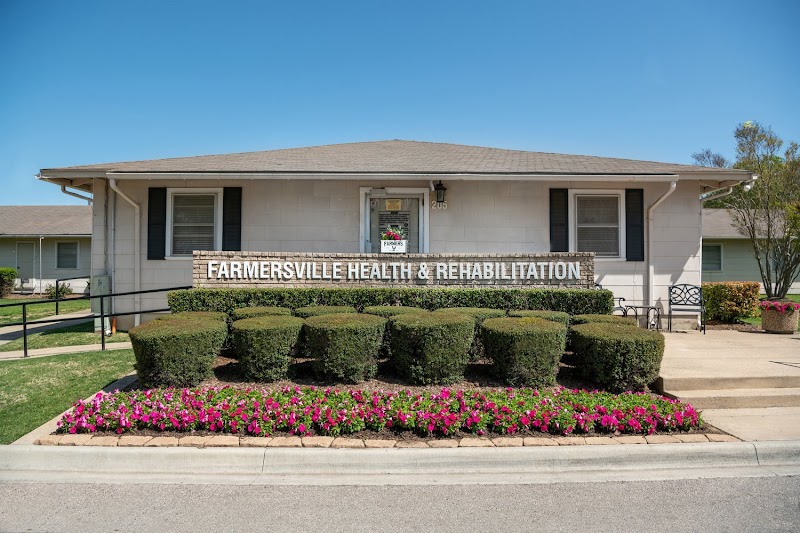
How is Farmersville Staffed?

CMS rates FARMERSVILLE HEALTH AND REHABILITATION's staffing level at 2 out of 5 stars, which is below average compared to other nursing homes. Staff turnover is 46%, compared to the Texas average of 46%. This relatively stable workforce can support continuity of care.

What Have Inspectors Found at Farmersville?

State health inspectors documented 13 deficiencies at FARMERSVILLE HEALTH AND REHABILITATION during 2022 to 2025. These included: 10 with potential for harm and 3 minor or isolated issues.
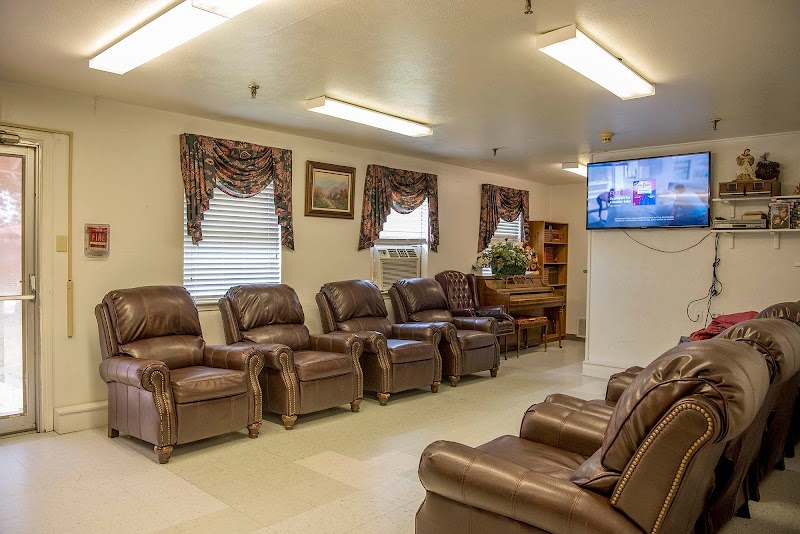
Who Owns and Operates Farmersville?

FARMERSVILLE HEALTH AND REHABILITATION is owned by a for-profit company. For-profit facilities operate as businesses with obligations to shareholders or private owners. The facility is operated by FOURSQUARE HEALTHCARE, a chain that manages multiple nursing homes. With 74 certified beds and approximately 67 residents (about 91% occupancy), it is a smaller facility located in FARMERSVILLE, Texas.

How Does Farmersville Compare to Other Texas Nursing Homes?

Compared to the 100 nursing homes in Texas, FARMERSVILLE HEALTH AND REHABILITATION's overall rating (5 stars) is above the state average of 2.8, staff turnover (46%) is near the state average of 46%, and health inspection rating (5 stars) is much above the national benchmark.

What Should Families Ask When Visiting Farmersville?

Based on this facility's data, families visiting should ask: "Can you walk me through typical staffing levels on day, evening, and night shifts?" "Can I visit during a mealtime to observe dining assistance and food quality?" "How do you handle medical emergencies, and what is your hospital transfer rate?" "Can I speak with family members of current residents about their experience?" These questions are particularly relevant given the below-average staffing rating.

Is Farmersville Safe?

Based on CMS inspection data, FARMERSVILLE HEALTH AND REHABILITATION has a clean safety record: no substantiated abuse findings (meaning no confirmed cases of resident harm), no Immediate Jeopardy citations (the most serious violation level indicating risk of serious injury or death), and is not on the Special Focus Facility watch list (a federal program monitoring the lowest-performing 1% of nursing homes). The facility has a 5-star overall rating and ranks #1 of 100 nursing homes in Texas. While no facility is perfect, families should still ask about staff-to-resident ratios and recent inspection results during their visit.

Do Nurses at Farmersville Stick Around?

FARMERSVILLE HEALTH AND REHABILITATION has a staff turnover rate of 46%, which is about average for Texas nursing homes (state average: 46%). Moderate turnover is common in nursing homes, but families should still ask about staff tenure and how the facility maintains care continuity when employees leave.

Was Farmersville Ever Fined?

FARMERSVILLE HEALTH AND REHABILITATION has no federal fines on record. CMS issues fines when nursing homes fail to meet care standards or don't correct problems found during inspections. The absence of fines suggests the facility has either maintained compliance or corrected any issues before penalties were assessed. This is a positive indicator, though families should still review recent inspection reports for the full picture.

Is Farmersville on Any Federal Watch List?

FARMERSVILLE HEALTH AND REHABILITATION is not on any federal watch list. The most significant is the Special Focus Facility (SFF) program, which identifies the bottom 1% of nursing homes nationally based on persistent, serious quality problems. Not being on this list means the facility has avoided the pattern of deficiencies that triggers enhanced federal oversight. This is a positive indicator, though families should still review the facility's inspection history directly.