LEXINGTON MEDICAL LODGE
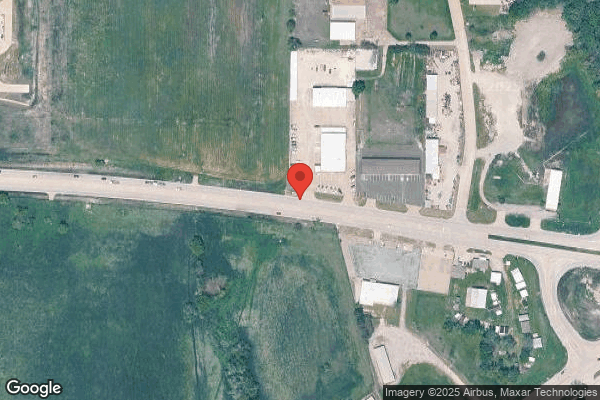
2000 WEST AUDIE MURPHY PKWAY, FARMERSVILLE, TX 75442 (972) 784-7770
Government - Hospital district 128 Beds FOURSQUARE HEALTHCARE Data: November 2025
Trust Grade
80/100
#278 of 1168 in TX
Last Inspection: April 2025

Within standard 12-15 month inspection cycle. Federal law requires annual inspections.

Overview

Lexington Medical Lodge has a Trust Grade of B+, which indicates it is above average and recommended for potential residents. It ranks #278 out of 1168 facilities in Texas, placing it in the top half of all state nursing homes, and #8 out of 22 in Collin County, meaning only seven local options are better. However, the facility's trend is worsening, with the number of reported issues increasing from 3 in 2024 to 5 in 2025. Staffing is a concern, receiving only 1 out of 5 stars, though the turnover rate at 32% is better than the state average of 50%, suggesting some staff remain long-term. While there have been no fines reported, the RN coverage is lower than 87% of Texas facilities, which may impact the quality of care. Specific incidents include failures to ensure that call lights were accessible for two residents, potentially leaving them unable to call for help in emergencies. Additionally, residents needing respiratory care did not have their equipment stored properly, posing a risk of respiratory infections. Lastly, there were lapses in personal hygiene care, as two residents did not receive necessary grooming services, which could affect their dignity and overall quality of life. Overall, while the facility has strengths such as a good health inspection rating and no fines, the concerning staffing levels and recent increase in compliance issues warrant careful consideration.

Trust Score
B+
80/100
In Texas
#278/1168
Top 23%
Safety Record
Low Risk
No red flags
Inspections
Getting Worse
3 → 5 violations
Staff Stability
○ Average
32% turnover. Near Texas's 48% average. Typical for the industry.
Penalties
✓ Good
No fines on record. Clean compliance history, better than most Texas facilities.
Skilled Nurses
⚠ Watch
Each resident gets only 11 minutes of Registered Nurse (RN) attention daily — below average for Texas. Fewer RN minutes means fewer trained eyes watching for problems.
Violations
○ Average
10 deficiencies on record. Average for a facility this size. Mostly minor or procedural issues.
★★★★☆
4.0
Overall Rating
★☆☆☆☆
1.0
Staff Levels
★★★★☆
4.0
Care Quality
★★★★★
5.0
Inspection Score
Stable
2024: 3 issues
2025: 5 issues

The Good

  • 4-Star Quality Measures · Strong clinical quality outcomes
  • Full Sprinkler Coverage · Fire safety systems throughout facility
  • No fines on record
  • Staff turnover below average (32%)

    16 points below Texas average of 48%

Facility shows strength in quality measures, fire safety.

The Bad

Staff Turnover: 32%

14pts below Texas avg (46%)

Typical for the industry

Chain: FOURSQUARE HEALTHCARE

Part of a multi-facility chain

Ask about local staffing decisions and management

The Ugly 10 deficiencies on record

Apr 2025 2 deficiencies
CONCERN (D)

Potential for Harm - no one hurt, but risky conditions existed

Deficiency F0558 (Tag F0558)

Could have caused harm · This affected 1 resident

**NOTE- TERMS IN BRACKETS HAVE BEEN EDITED TO PROTECT CONFIDENTIALITY** Based on observations, interviews, and record review the facility failed to ensure the right to reside and receive services in t...

Read full inspector narrative →
**NOTE- TERMS IN BRACKETS HAVE BEEN EDITED TO PROTECT CONFIDENTIALITY** Based on observations, interviews, and record review the facility failed to ensure the right to reside and receive services in the facility with reasonable accommodation of resident needs and preferences for 2 of 28 (Residents #85 and Resident #125) residents reviewed for reasonable accommodation of needs. The facility failed to ensure the call light system in Resident #85 and Resident #125's rooms were in a position that was accessible to the residents on 04/27/2025. This failure could place the residents at risk of being unable to obtain assistance when needed and help in the event of an emergency. Findings included: Resident #85 Record review of Resident #85's Face Sheet, dated 04/28/2025, reflected the resident was an [AGE] year-old female who admitted to the facility on [DATE]. Resident #85's diagnoses included neurocognitive disorder with Lewy bodies (progressive brain disorder affecting cognition, behavior, movement, and sleep) and muscle wasting and atrophy (loss of muscle mass). Record review of Resident #85's Quarterly MDS (assessment used to determine functional capabilities and health needs) Assessment, dated 02/25/2025, reflected intact cognition with a BIMS (screening tool to assess cognition) score of 13. Section GG (functional abilities) indicated Resident #85 required moderate assistance with self-care and mobility. Record review of Resident #85's Comprehensive Care Plan, dated 03/20/2025, reflected a history of falling or other identified risk factors that result in increased risk of falling. One intervention was Be sure the resident's call light is within reach and encourage resident to use it for assistance as needed. During an observation and interview on 04/27/25 at 9:34 AM, Resident #85 was lying in bed awake. Her call light was on the floor near the head of the bed. Resident #85 was unable to participate in an interview due to her cognitive status. During an interview on 04/27/25 at 9:44 AM, CNA C stated Resident #85 was on hospice care and declining. CNA C stated it was important to ensure Resident #85's call light was in reach so she could notify staff if she needed anything. CNA C went to Resident #85's room and placed the call light on the bed near her. Resident #125 Record review of Resident 125's Face Sheet, dated 04/28/2025, reflected the resident was an [AGE] year-old female who admitted to the facility on [DATE]. Resident #125 had diagnoses which included congestive heart failure (heart does not pump blood efficiently), COPD (chronic lung disease), and muscle weakness. Record review of Resident #125's Quarterly MDS Assessment, dated 04/22/2025, reflected severe cognitive impairment with a BIMS score of 06. Section I (active diagnoses) reflected muscle weakness and Section O (special treatments, procedures, and programs) indicated Resident #125 received physical therapy services. Record review of Resident #125's Comprehensive Care Plan, dated 04/17/2025, reflected a history of falling or other identified risk factors that result in increased risk of falling. One intervention was Be sure the resident's call light is within reach and encourage resident to use it for assistance as needed. During an observation and interview on 04/27/25 at 10:20 AM, Resident #125 was sitting in her wheelchair next to her bed. Resident #125's bedside table was in front of her. Resident #125's call light was on the bed rail on the opposite side of the bed. Resident #125 stated she could not reach her call light. During an observation and interview on 04/27/25 at 10:22 AM, CNA E stated she transferred Resident #125 to her wheelchair and forgot to move the call light where the resident could reach it. CNA E went to Resident #125's room and handed the call light to the resident. She stated Resident #125 was not able to get up and get the call light on her own. CNA E stated it was important for the resident to have the call light in case she needed assistance or had a change of condition. During an interview on 04/28/2025 at 9:16 AM, ADON B stated residents should have their call lights within reach at all times. She stated call light placement was to be checked during rounds. ADON B stated all staff members were responsible for ensuring residents could reach the call light before leaving their rooms. During an interview on 04/28/2025 at 12:12 PM, the DON stated her expectation was that call lights were always in reach for the residents' safety. The DON stated if residents needed help and tried to get up, they could fall and get hurt. She stated she was in-servicing staff. During an interview on 04/29/2025 at 11:55 AM, LVN F stated it was important for residents to have their call light or they would not have a way to reach staff for assistance. She stated sometimes residents needed a drink, their television remote, or assistance to get up and go to the restroom. She stated staff had to be there to meet whatever needs the resident had. During an interview on 04/29/25 at 2:10 PM, the Administrator stated all staff members were responsible for ensuring residents' call lights were in reach before leaving the room. He stated administrative personnel had assigned residents they rounded on each day to ensure residents' needs were being met and that included ensuring the call light was accessible. He stated it was important for residents to be able to notify staff if they needed assistance with anything. Record review of the facility's policy Call Lights reflected The call light must always be within resident's reach before you leave the room.
CONCERN (D)

Potential for Harm - no one hurt, but risky conditions existed

Respiratory Care (Tag F0695)

Could have caused harm · This affected 1 resident

**NOTE- TERMS IN BRACKETS HAVE BEEN EDITED TO PROTECT CONFIDENTIALITY** Based on observations, interviews, and record review, the facility failed to ensure that residents, who needed respiratory care,...

Read full inspector narrative →
**NOTE- TERMS IN BRACKETS HAVE BEEN EDITED TO PROTECT CONFIDENTIALITY** Based on observations, interviews, and record review, the facility failed to ensure that residents, who needed respiratory care, were provided such care consistent with professional standards of practice, the comprehensive person-centered care plan, and the residents' goals and preferences for 2 of 11 (Resident #10 and Resident #77) residents reviewed for Respiratory Care. The facility failed to ensure Resident #10's nasal cannula (flexible tube used to deliver oxygen to the nose through two prong) was stored in a bag when not in use on 04/27/2025. The facility failed to ensure Resident #77's nebulizer face mask was stored in a bag when not in use on 04/27/2025. These failures could place the residents at risk for respiratory infection and not having their respiratory needs met. Findings included: Resident # 10 Review of Resident #10's Face Sheet, dated 04/28/2025, reflected the resident was an [AGE] year-old female who admitted to the facility on [DATE]. Resident #10 was diagnosed with COPD (a chronic lung disease that limits airflow to the lungs). Review of Resident #10's Quarterly MDS Assessment, dated 04/09/2025, reflected moderate cognitive impairment with a BIMS score of 09. Section O (special treatments, procedures, and programs) indicated Resident #10 received intermittent oxygen therapy. Review of Resident #10's Comprehensive Care Plan, dated 04/08/2025, reflected the resident was administered oxygen therapy. Interventions included Apply oxygen as needed and Assess lung sounds PRN & document. Review of Resident #10's Physician's Orders, dated 04/03/2025, reflected an order to administer oxygen 2-4 LPM (oxygen flow rate) via nasal cannula as needed for shortness of breath. During an observation and interview on 04/27/25 at 9:25 AM, Resident #10 was sitting in a recliner in her room. Resident #10's oxygen tubing was connected to the oxygen concentrator next to the recliner. The oxygen tubing was on the floor between the recliner and the oxygen concentrator. Resident #10 stated someone would come and put the oxygen tubing in a bag. Resident #10 pulled the tubing from the floor and draped it over the oxygen concentrator. During an observation on 04/27/2025 at 9:45 AM, Resident #10's oxygen tubing was draped over the oxygen concentrator. It was not stored in a bag. During an interview on 04/27/25 at 9:49 AM, CNA C stated Resident #10's oxygen tubing should have been bagged so it did not get dirty. She stated if a resident used oxygen tubing that was dirty, it could cause them to get sick. She stated some residents already had a weakened immune system and it was important to ensure the oxygen tubing was stored in a bag. CNA C stated she would get new tubing and put it in a bag. Resident #77 Review of Resident #77's Face Sheet, dated 04/28/2025, reflected the resident was a [AGE] year-old female who admitted to the facility on [DATE]. Resident #77 was diagnosed with COPD and anxiety disorder (uncontrollable feelings of anxiety and fear). Review of Resident #77's Quarterly MDS Assessment, dated 02/06/2025, reflected moderate cognitive impairment with a BIMS score of 12. Section I (active diagnoses) indicated Resident #77 was treated for COPD. Review of Resident #77's Comprehensive Care Plan, dated 04/07/2025, reflected the resident had the potential for altered respiratory status and difficulty breathing related to COPD. One intervention was to administer medication as ordered and monitor for effectiveness and side effects. Review of Resident #77's Physician's Order, dated 06/08/2023, reflected administer Ipratropium-Albuterol Solution 0.5-2.5 (3) MG/3ML 1 dose inhale orally via nebulizer every 6 hours for SOB. During an observation and interview on 04/27/25 at 9:58 AM, Resident #77 was lying in bed watching television. Resident #77's nebulizer mask was on her nightstand and not bagged. Resident #77 stated it was not always stored in a bag. During an interview on 04/27/25 at 10:05 AM, CNA D stated Resident #77's nebulizer mask should have been bagged when she was not using it. CNA D stated dust could get on the mask and the resident had to put it on her face. She stated the resident could get sick if she got germs in her lungs. She stated it was really important for it to stay in a bag. She stated the nebulizer mask and tubing would be discarded and the new mask and tubing bagged. During an interview on 04/28/25 at 9:15 AM, ADON B stated it was important to keep all respiratory items bagged when the resident was not using them to help prevent infection. She stated it also prevented the residents from tripping on the tubing. During an interview on 04/28/25 at 9:22 AM, ADON A stated all respiratory items should be bagged when not in use. She stated she talked to the nurse to ensure this was done. She stated it was important to keep respiratory items as clean as possible to help prevent infection During an interview on 04/28/25 at 12:12 PM, the DON stated the nurses and aides were responsible for ensuring the respiratory items were bagged. She stated if a resident was cognitively aware, they can be told to place the item in the bag after use. She stated it was important to keep those items clean because the resident breathes through them. She stated all staff had been educated on following this infection control measure. During a telephone interview on 05/01/2025 at 2:12 PM, LVN G stated after completing a breathing treatment, it was important to assess the resident, remove the mask, sanitize it, and tie it up in a bag. He stated it was important to keep it sanitary and prevent infection. The facility did not provide a policy on how to store respiratory items when not in use.
Mar 2025 3 deficiencies
CONCERN (D) 📢 Someone Reported This

A family member, employee, or ombudsman was alarmed enough to file a formal complaint

Potential for Harm - no one hurt, but risky conditions existed

ADL Care (Tag F0677)

Could have caused harm · This affected 1 resident

**NOTE- TERMS IN BRACKETS HAVE BEEN EDITED TO PROTECT CONFIDENTIALITY** Based on observation, interview, and record review the facility failed to provide the necessary services for residents who are u...

Read full inspector narrative →
**NOTE- TERMS IN BRACKETS HAVE BEEN EDITED TO PROTECT CONFIDENTIALITY** Based on observation, interview, and record review the facility failed to provide the necessary services for residents who are unable to carry out activities of daily living to maintain good grooming and personal hygiene for 2 (Resident #1, Resident#3) of 3 residents reviewed for ADL's. The facility failed to ensure. 1-Resident #1 had her facial hair shaved. 2- Resident#3 had her fingernails trimmed and cleaned. These failures could place residents who were dependent on staff for ADL care at risk for loss of dignity, risk for infections and a decreased quality of life. Findings include: Record review of Resident #1's Quarterly MDS assessment dated [DATE] reflected Resident #1 was a [AGE] year-old female admitted to the facility on [DATE] with diagnoses including cerebrovascular accident (result of disrupted blood flow to the brain due to problems with blood vessels that supply it), dementia (diseases that affect memory, thinking, and the ability to perform daily activities), and hypertension (High blood pressure). She had a BIMS score of 06/15 indicating severe cognitive impairment. She was totally dependent with personal ADLs. Record review of Resident #1's Comprehensive Care Plan last revised 12/19/24 reflected the following Focus. Resident #1 requires assist with ADLs. Goal. The resident#1 is able to perform self-care to optimal level and maintains strength and endurance x90 days. Intervention. Provide level of support to complete dressing . personal hygiene and bathing needs Observation/interview on 03/12/25 at 09:38 AM revealed Resident#1 was lying in bed. Resident#1's chin had long scattered white hair, and there were white hairs on both sides of Resident#1 upper lips corners. Resident#1 stated she would like the hair in her face removed and she used to pull it out but could no longer do for herself. Interview on 03/12/25 at 11:23 AM with CNA A, she looked at Resident#1's face and stated she was in the process of preparing to give Resident#1 a bed bath. CNA A stated she will remove the resident facial hair, after the bed bath. CNA A stated it was the responsibility of the CNAs to make sure residents were groomed, and to remove the facial hair for female resident if the resident agreed. CNA A stated the risk to the resident was loss of dignity. Interview on 03/12/25 at 11:26 AM with LVN D, she stated the CNAs were supposed to remove female residents' facial hair. LVN D stated it was the responsibility of the charge nurse for the Hall to make sure the residents were cleaned and groomed. She stated the risk to the resident was that she could be embarrassed. LVN D further stated, she would be embarrassed if she was left with her face like that. 2-Record review of Resident #3's Quarterly MDS assessment dated [DATE] reflected Resident #3 was a [AGE] year-old female initially admitted to the facility on [DATE] and readmitted on [DATE] with diagnoses including cerebral palsy (a group of disorders that affect movement, muscle tone, and posture), seizure disorder (a neurological condition characterized by recurrent uncontrolled jerking, loss of consciousness, blank stares caused ny abnormal electrical activity in the brain), and anxiety. She had a BIMS score of 02/15 indicating severe cognitive impairment. She required substantial/maximal assistance with personal hygiene. Record review of Resident #3's Comprehensive Care Plan last revised 01/01/25 reflected the following Focus. Resident #3 requires assist with ADLs. Goal. The resident#3 is able to perform self-care to optimal level and maintains strength and endurance x90 days. Intervention. Provide level of support to complete dressing . personal hygiene Observation/Interview on 03/12/25 at 10:08 AM revealed Resident#3 was up in her wheelchair in the Hall 100 common area. Resident#3 had long fingernail approximately 0.7 cm on both hands, with clear brown matter underneath. Resident#3 was unable to answer questions. Interview on 03/12/25 at 10:10 AM with CNA B, she looked at Resident#3's fingernail and stated they were long and some of them were dirty underneath. CNA B stated Resident#3's fingernails needed to be cleaned and trimmed. She further stated the risk to the residents were that they could scratch them self and develop infection. Interview on 03/12/25 at 10:48 AM with RN C, she stated both CNAs and charge nurses in the Halls were responsible for residents' nail care. She stated if a resident had diabetes, only nurses were allowed to trim resident's nails. She stated the risk for not performing nailcare was increased risk of infection and skin break down. Interview on 03/12/25 at 2:25 PM with the DON, she stated her expectation was that nail care should be provided every shower day and as needed. She stated that both CNAs and charge nurses were responsible for doing nail care on all residents; except Nurses were responsible for nailcare if resident had diagnosis of diabetes. The DON stated residents who had dirty fingernails could be an infection control issue. Record Review of the facility undated policy titled Nail Care-Fingernails and Toenails reflected, Purpose: 1. To promote cleanliness 2. To prevent injury 3. To prevent infection The purposes of this procedure are to clean the nail bed, to keep nails trimmed, and to prevent infections. Record Review of the facility undated policy titled Bath, Shaving the Resident reflected, Purpose: 1. Personal Hygiene 2. Dignity.
CONCERN (D) 📢 Someone Reported This

A family member, employee, or ombudsman was alarmed enough to file a formal complaint

Potential for Harm - no one hurt, but risky conditions existed

Pharmacy Services (Tag F0755)

Could have caused harm · This affected 1 resident

Based on observation, interview, and record review the facility failed to provide pharmaceutical services, including procedures that assured the accurate acquiring, receiving, dispensing, administerin...

Read full inspector narrative →
Based on observation, interview, and record review the facility failed to provide pharmaceutical services, including procedures that assured the accurate acquiring, receiving, dispensing, administering of drugs and biologicals, to meet the needs of each resident for 1 of 1 medication carts (nurses cart Hall 100) reviewed for pharmacy services. The Nurses Cart Hall 100 contained a blister pack for Resident #4 that was broken. This failure could place residents at risk of not having the medication available due to possible drug diversion, diminished effectiveness, and not receiving the therapeutic benefits of the medications. Findings Include: Observation and record review on 03/12/25 at 10:14 AM of nurses' cart Hall 100, with RN C revealed: - the blister pack for Resident #4's Tramadol 50 mg Hcl (controlled medication used for pain) had 1 blister seal broken, the pill was still inside the broken blister. Interview on 03/12/25 at 10:23 AM, RN C stated the count was done at shift change and the count was correct. She stated she did not check the blister packs during the count. She stated she was unaware when the blister pack seal was broken, and she was not aware of who might have damaged the blisters. She stated the risk to the residents would be a potential for drug diversion. She stated the nurses were responsible to check the medication blister packs for broken seals during the count of narcotics during the change of the shift. She stated when a broken seal was observed, she would report it to the DON. Interview on 03/12/25 at 02:25 PM, the DON stated she expected if a blister pack medication seal was broken the pill should be discarded. The DON stated the risk would be potential for drug diversion and infection control issue. She stated nurses were responsible for checking the medication blister packs for broken seals during the count on the change of shifts. The DON further stated the pharmacist do monthly audit of the medication carts for monitoring. Record review of the facility undated policy titled Narcotic count, revealed: The oncoming licensed nurse or certified medication aid will prepare to count narcotic medications with the off-going nurse or certified medication aide .a. any discrepancy will immediately be reported to the charge nurse and/or ADON, who will attempt to reconcile the discrepancy. b. The ADON will notify the DON if any discrepancy cannot be reconciled .
CONCERN (D) 📢 Someone Reported This

A family member, employee, or ombudsman was alarmed enough to file a formal complaint

Potential for Harm - no one hurt, but risky conditions existed

Medical Records (Tag F0842)

Could have caused harm · This affected 1 resident

**NOTE- TERMS IN BRACKETS HAVE BEEN EDITED TO PROTECT CONFIDENTIALITY** Based on observation, interviews and record reviews the facility failed to maintain medical records in accordance with accepted ...

Read full inspector narrative →
**NOTE- TERMS IN BRACKETS HAVE BEEN EDITED TO PROTECT CONFIDENTIALITY** Based on observation, interviews and record reviews the facility failed to maintain medical records in accordance with accepted professional standards and practices for one (Resident #2) reviewed for documentation of wound care dressing changes. The facility failed to document wound care dressing changes on the Treatment Administration Record (TAR) for Resident # 2 on 02/09/25, 02/13/25, 03/01/25, 03/02/25 and 03/09/25. These failures placed residents at risk for missed treatments and care which could result in the wound deterioration, and development of infection. Findings included: Record review of Resident #2's quarterly MDS assessment, dated 02/26/25, reflected a [AGE] year-old female who was initially admitted to the facility on [DATE], and readmitted on [DATE]. She had a BIMS score of 06/15, which indicated her cognition was severely impaired. Resident #2 had diagnoses which included dementia (loss of intellectual functioning, especially with impairment of memory and abstract thinking, and often with personality change, resulting from organic disease of the brain), wound infection, cellulitis of right lower limb, and acquired absence of toe. Further review revealed skin and Ulcer/injury treatment, surgical wound care application of nonsurgical dressings. Record review of Resident #2's care plan, with an onset date of 03/06/25, reflected focus. I have an amputation of right 1st toe. Goal. The resident's wound will heal and progress without complications through the review date. Intervention. Check and document on wound daily for s/sx of infection, drainage, any breakdown of skin and impaired circulation (edema or pain). Record review of Resident#2's Doctor orders revealed: 1- Order started date: 01/10/25, end date 02/17/25: R foot-surgical site cleanse with betadine cover with dry dressing one time a day every other day. 2- Order started date: 02/22/25 end date 03/05/2025: R foot-surgical site cleanse with ns, apply silver alginate and cover with dry dressing one time a day. 3- Order started date: 03/05/25: R foot-surgical site cleanse with ns, apply Santyl ointment and cover with dry dressing one time a day. Review of Resident#2's TAR for the months of February 2025, and March 2025 revealed no documentation for wound dressing change on 02/09/25, 02/13/25, 03/01/25, 03/02/25 and 03/09/25. An observation on 03/12/25 at 10:37 AM, revealed Resident #2 was sitting in her wheelchair in her room. LVN E entered the resident's room to change the wound dressing on Resident#2's right foot. LVN E removed the resident's right shoe, and sock. Resident#2's wound dressing was not dated, timed, or initialed. In an interview on 03/12/25 at 11:22 AM, LVN E (The wound care nurse) stated the facility did not have a policy for wound dressing dating, timing, and initialing. LVN E stated for her or any other staff to know when the dressing was last been changed, they had to check the TAR. She further stated if the wound care dressing change was not documented in the TAR the staff will not know the last time it had been done. She stated the risk to the resident could be missed treatment, and development of infection. In an interview on 03/12/25 at 11:26 AM, LVN D stated for the wound dressing care, she would put the date and initial on the dressing. LVN D stated the purpose of the date on the wound dressing was to know when it was changed. In an interview on 03/12/25 at 1:35 PM, ADON E stated when the wound care dressing was changed, personally, she would date the wound dressing. In an interview on 03/12/25 at 2:25 PM, the DON stated the facility did not have a policy for wound care change dressing dating, timing, and initialing. The DON stated there was no regulation indicating to date the wound dressing. The DON stated she trusted the staff documentation on the resident TAR, and to know when the last time the resident's wound dressing had been changed was by checking the TAR documentation. The DON stated the risk to the resident missed treatments, and wound deterioration. Record Review of the facility undated policy titled Wound Care reflected, Purpose: 1. Treat wounds with the appropriate products .Documentations: 1. Assessment of the wound 2. Treatment 4. Effectiveness of the treatment.
Mar 2024 1 deficiency
CONCERN (D) 📢 Someone Reported This

A family member, employee, or ombudsman was alarmed enough to file a formal complaint

Potential for Harm - no one hurt, but risky conditions existed

Resident Rights (Tag F0550)

Could have caused harm · This affected 1 resident

**NOTE- TERMS IN BRACKETS HAVE BEEN EDITED TO PROTECT CONFIDENTIALITY** Based on observation, interview and record review the facility failed to treat residents with respect and dignity for 1 of three...

Read full inspector narrative →
**NOTE- TERMS IN BRACKETS HAVE BEEN EDITED TO PROTECT CONFIDENTIALITY** Based on observation, interview and record review the facility failed to treat residents with respect and dignity for 1 of three (Resident #1) residents reviewed for dignity in that: Facility staff stood over Resident #1 while assisting the resident with her meal in the dining area. This failure could affect residents who require assistance with activities of daily living and placed them at risk for psychosocial harm due to a diminished quality of life. The findings were: Review of Resident #1's electronic face Sheet printed 3/28/24 reflected a [AGE] year-old-female initially admitted on [DATE] with diagnoses including but not limited to the following: dysphagia (difficulty swallowing), dementia (impaired ability to remember, think, or make decisions that interferes with doing everyday activities). Review of Resident #1's Quarterly MDS, dated [DATE] reflected Resident #1 was rarely/never understood. Review of Section GG of Resident #1's MDs revealed partial/ moderate assistance eating. Review of Resident #1's Care Plan revised 11/17/2023 reflected the following problems: The resident has potential for altered nutritional status regarding Dementia. Regular diet 5/8/23- Change diet to Mechanical soft consistency ,11/16/23- Nectar consistency liquid, Date Initiated: 03/26/2021 Revision on: 11/17/2023. Review of the facility provided list on 03/28/2024 of residents who required full assistance with feeding revealed the list included Resident #1. Observation on 03/28/24 at 12:12 PM in the dining hall revealed Charge Nurse A was observed standing over Resident #1 and assisting her with feeding her the meal by placing food in her mouth with a utensil. There was a vacant chair observed next to the resident. In an interview on 03/28/24 at 12:20 PM Charge Nurse A revealed she was assisting Resident #1 with feeding temporarily until the other caregiver returned. Charge Nurse A stated staff typically sit down and assist the resident throughout their entire meal however she was only assisting until the other staff member returned. The Charge Nurse stated standing over the resident and feeding her could be a dignity issue however she was only helping out until the other caregiver returned. In an interview with the Director of Nursing on 03/28/24 at 3:36PM revealed if staff were assisting with feeding during meals then they should be sitting down and helping the resident until the meal is completed. The Director of Nursing stated Resident #1 did require full assistance with eating. The Director of Nursing stated if a staff is standing over a resident while assisting during meals then the resident rights could be violated. Record review of the policy Operational/resident care policies undated revealed The facility protects and promotes the rights of each resident admitted in order to provide a dignified existence, self-determination and communication with and access to persons and services inside and outside the facility. The facility will protect and promote the rights of each resident.
Feb 2024 2 deficiencies
CONCERN (D)

Potential for Harm - no one hurt, but risky conditions existed

Comprehensive Care Plan (Tag F0656)

Could have caused harm · This affected 1 resident

**NOTE- TERMS IN BRACKETS HAVE BEEN EDITED TO PROTECT CONFIDENTIALITY** Based on observation, interview, and record review, the facility failed to ensure the comprehensive care plan described the serv...

Read full inspector narrative →
**NOTE- TERMS IN BRACKETS HAVE BEEN EDITED TO PROTECT CONFIDENTIALITY** Based on observation, interview, and record review, the facility failed to ensure the comprehensive care plan described the services that are to be furnished to attain or maintain the resident's highest practicable physical, mental, and psychosocial well-being for one (Resident #74) of 8 residents reviewed for comprehensive care plans. The facility failed to create and implement a care plan that reflected the Resident's preference to speak Spanish. This failure could put the Resident at risk of not being able to communicate effectively with staff, which could result in isolation, reduced psychosocial well-being, and of not getting her needs met in a timely manner. Findings included: Review of Resident #74's face sheet undated reflected a [AGE] year-old female admitted to the facility on [DATE] and diagnosis of unspecified dementia (loss of cognitive functioning), unspecified severity, , insomnia (sleep disorder), unspecified anxiety disorder (a condition in which a person has excessive worry and feelings of fear or unease), hypertension (high blood pressure), muscle weakness (generalized), muscle wasting and atrophy, other abnormalities of gait (manner of walking) and mobility, history of falling. Record Review of Resident #74's admission document titled dated 05/23/23 revealed Resident #74 was Spanish speaking only. Record review of Resident #74's Admissions MDS assessment dated [DATE] and Quarterly MDS dated [DATE] and 11/14/23 revealed Resident #74 resident preferred speaking Spanish and needed an interpreter to communicate with doctors and staff. Record review of Resident #74's Quarterly MDS dated [DATE], 11/14/23, and 08/14/23 revealed Resident #74 preferred language was Spanish and she did not want or need an interpreter. Record Review of Resident #74's care plan dated 02/13/24 revealed there was no care plan for Resident's preferred language of Spanish. Record Review of Resident #74's progress note date 12/5/23 by Previous Activities Director: Every time I go in the room now she closes her eyes and pretends to be asleep. I'm not sure it is a good idea to continue one to one visits with her. The language barrier is an issue and she is not interested in having me visit. Record Review of Resident #74 progress note dated 1/11/24 by Previous Activities Director: there aren't adequate materials in the file for Spanish Resources. Everything in the file folder is in Spanish. I pointed this out to my supervisor and she told me to do my best and figure it out. Observation of Resident #74 on 02/20/24 at 11:08 AM revealed the resident was laying in bed watching television in Spanish with call light and water cup within reach. Resident #74's room had the lights on low and pictures were on nightstand next to the resident's bed with additional pictures on top of furniture underneath the television. Surveyor attempted an interview and resident raised her hand and indicated she only spoke Spanish. Interview on 02/21/24 at 11:54 AM with Resident #74 with translation by CNA D revealed resident laying in bed with television on a Spanish channel, with a blanket, call light within reach, and water cup on bed side tray. Resident #74 stated that she did not have concerns with abuse or neglect and staff were kind to her. Resident #74 stated that she did not know what a communication board was and did not remember anyone asking her about a communication board. Interview 02/21/24 at 11:57 AM with CNA D revealed a communication board that Resident #74 could point to show what she needed such as water or if she were in pain, would be helpful for Resident #74. CNA D stated that, if needed, staff could also get the Spanish-speaking housekeeping staff to translate for Resident #74. Interview on 02/21/24 at 2:00 PM with the Speech Therapist revealed she was aware that Resident #74 was Spanish-speaking only and there were no interventions to use for resident. The Speech Therapist stated she did not speak Spanish. Speech Therapist stated she did not do care plans. The Speech Therapist stated that if a resident had a communication deficient then it should be care planned. The Speech Therapist stated that when residents needed interventions, she was responsible for training staff on what resident needs. The Speech therapist stated she did not do care plans and would report to charge nurse if there was an issue or a resident needed an issue care planned. Interview with the MDS Coordinator on 02/21/24 at 2:16 PM revealed she was aware that Resident #74 spoke Spanish but thought she was able to make her needs known by saying yes or no and indicating with body language. The MDS Coordinator stated Resident #74's language limitation was not care planned. The MDS Coordinator stated he spoke with her everyday by asking her how she was and she always said she was good, and anytime he asked if he can check her fridge for expired food she tells him yes. The MDS Coordinator stated that communication deficits should be care planned. Interview on 02/21/24 at 2:20 PM with LVN B revealed she that had been at facility about 5 years PRN (as needed). LVN B stated she spoke Spanish and communicated in Spanish with Resident #74 because that was her preferred language. LVN stated that Resident #74 communicated in English a little with examples of: yes, no, a little bit. LVN B stated that residents with communication deficits should be care planned. LVN B stated that staff could also get housekeeping to assist if they needed translation assistance. LVN B stated that something like a communication board would be helpful for Resident #74. Interview on 02/21/24 at 2:30 PM with CNA E revealed she was responsible for scheduling staff. CNA E stated that she did not purposely schedule Spanish-speaking CNA's and nurses for Resident #74 hall and that they just happen to have Spanish speakers on every shift. CNA E provided a highlighted list of Spanish speaking staff. CNA E stated that she communicated with Resident #74 and resident would say yes and no and sometimes more than that. CNA E stated she probably could schedule Spanish speakers for that hall, and that housekeepers are usually available if staff needed someone to translate in Spanish for resident or staff. CNA E agreed that a communication board would probably be helpful for Resident #74. CNA E stated that resident arrived to facility able to communicate fairly well in English and perhaps she had a decline. Interview with the Personal Care Assistant (PCA) on 02/22/24 at 8:40 AM revealed Resident #74 mainly spoke Spanish and a little bit of English like Yes, No, or Wet to indicate she needed to be changed and that he can usually communicate with her. The PCA stated that if he needed a translator, he could get a housekeeper to translate. The PCA stated he had to get a housekeeper to translate, before, when she was refusing to shower. The PCA stated that Resident #74 had never spoken more English than she had today. The PCA stated that a communication board would be helpful to ensure Resident #74's needs were addressed and did not know why they did not have one for resident. Interview on 02/22/24 at 11:40 AM with the Current Activities Director (CAD) revealed that she had only worked at facility for 3 weeks and she was not aware they had any Spanish speaking residents. The CAD could not recall Resident #74. The CAD stated that she was aware they have Spanish resources and was able to produce a printed booklet in Spanish only. The CAD stated she couldn't read them because they were in Spanish and she did not speak Spanish so she did not know what kind of resources they were. The CAD also produced a communication board but when asked what the paper was, the CAD replied she did not know and said that the words on the document were in Spanish and the CAD could not read it. The CAD stated if resident preferred Spanish or only spoke Spanish it would be difficult to communicate with resident because the CAD doesn't speak Spanish. Interview on 02/22/24 at 11:53 AM with the DON revealed she did not think they had any residents that couldn't speak English. DON stated she did not speak Spanish. The DON stated that resident #74 does speak some English, and while she had not had full blown conversations with her, she could communicate her needs. The DON stated that they care planned for residents with communication deficits and coordinated with Speech to develop a communication board for things like pain or other issues. Interview with the Social Worker on 02/22/24 at 12:13 PM revealed she worked at facility for 3 months and wasn't sure who their Spanish-speaking residents were. The Social worker did not recall speaking with Resident #74. The Social worker stated that if a resident did not speak English it would be challenging to communicate and ensure basic needs. Interview with the Administrator on 02/22/24 at 12:15 PM revealed he was aware that Resident #74 spoke Spanish and a little English. The Administrator stated that he did not know if Spanish-speaking staff were scheduled purposefully for Resident #74's hall. The Administrator stated that residents with communication deficits should be care planned. The Administrator stated a communication board would be a good idea and would work on getting that for Resident #74. Record review of facility's Comprehensive Care Plan Policy, undated, revealed (i) the services that are to be furnished to attain and maintain the resident's highest practicable physical, mental, and psychosocial well-being.
CONCERN (D)

Potential for Harm - no one hurt, but risky conditions existed

Incontinence Care (Tag F0690)

Could have caused harm · This affected 1 resident

**NOTE- TERMS IN BRACKETS HAVE BEEN EDITED TO PROTECT CONFIDENTIALITY** Based on observation, interview, and record review, the facility failed to ensure a resident who was incontinent of bladder rece...

Read full inspector narrative →
**NOTE- TERMS IN BRACKETS HAVE BEEN EDITED TO PROTECT CONFIDENTIALITY** Based on observation, interview, and record review, the facility failed to ensure a resident who was incontinent of bladder received appropriate treatment and services to prevent urinary tract infections and to restore continence to the extent possible for one (Resident #55) of two residents reviewed for catheter care. 1. The Facility failed to ensure Resident #55's foley catheter was secured prior to transferring Resident #55 from the bed to his wheelchair. 2. The facility failed to ensure CNA B and CNA C maintained the foley catheter drainage bag below Resident #55's bladder during a mechanical lift transfer. This failure placed residents at risk for the development and/or worsening of urinary tract infections and dislodgement of the foley catheter. Findings included: Record review of Resident #55's face sheet dated 02/20/24, reflected a [AGE] year-old male admitted to the facility on [DATE]. Primary diagnoses included diabetes, and obstructive uropathy (disorder of the urinary tract due to obstructed urinary flow). Record review of Resident #55's Quarterly MDS assessment dated [DATE] reflected he had a BIMS of 15 which indicted he was cognitively intact, required extensive to total assistance with toileting and personal hygiene and was always incontinent of bowel and had a foley catheter. Record review of the Resident #55's care plan initiated on 07/10/23 reflected, The resident has an indwelling catheter related to obstructive uropathy. Interventions included .Position catheter bag and tubing below the level of the bladder .Goal .The resident will be/remain free from catheter-related trauma . Review of Resident #55's Order Summary report dated 02/20/24, reflected, Catheter Care-Catheter drainage bag to gravity. Secure catheter. Check every shift .Change catheter secure device every Wednesday With a start day of 07/07/23. Observation on 02/20/24 at 9:30 a.m. revealed CNA B and RN B entered Resident #55's room to get the resident up for the day. CNA B unhooked the catheter bag from the bed rail and passed it to CNA C, who then then hooked it to the top bar of the mechanical lift, above resident's bladder. The catheter tubing was not strapped to the resident's leg. The staff raised the resident from the bed with the Foley catheter bag hanging above the resident's head. Urine was observed flowing back toward the resident's bladder. The staff then positioned him over his wheelchair and lowered him into his chair and unhooked the catheter bag from the mechanical lift and onto the back of his wheelchair. In an interview with CNA B on 02/20/24 at 09:45 a.m., she stated she had worked at the facility for 3 years. She stated she was trained to make sure the catheter bag was always in a privacy bag, make sure the tubing was not kinked and make sure they emptied the drainage bag each shift. She stated the catheter tubing was supposed to be secured to the resident's leg and it was the nurse who secured it. She stated she was not sure why Resident #55's was not secured and would let the nurse know. When asked about keeping it below the bladder, the CNA was not sure where the catheter bag should have been positioned during the transfer. She stated having it above the bladder could possibility cause blockage and then she stated the urine could run backwards, which could cause an infection. In an interview with CNA C on 02/20/24 at 09:50 a.m. she stated Resident #55's catheter tubing was supposed to be taped to his leg, and stated she was not sure why it was not secured. She stated it was the nurse who took care of that. When asked about the positioning of the foley catheter bag, she stated they should have placed it in his lap, but then stated it would still be above his bladder and stated they should have held the drainage bag below the resident while they transferred him. She stated failing to do this could cause the urine to back up and might cause an infection. In an interview with Staff Development on 02/20/24 at 02:15 a.m., she stated the facility did skills checks on all the staff annually or as needed. She stated the staff were taught to make sure the catheter was secured unless the resident had requested it not to be, and then it should be care planned about their request. She stated the nurse was responsible for ensuring the catheter was secured, but the CNAs should let them know if it had come unsecured . She stated they were taught to keep the bag below the bladder to prevent urine flowing back into the bladder. She stated failing to do this could cause increased risk of urinary tract infections and failing to secure the catheter could lead to the catheter being pulled on or accidently dislodgement. In an interview with Resident #55 on 02/20/24 at 02:40 p.m., he stated he did not mind the catheter being taped to his leg. He stated he had oily skin which caused the tape to come off after about a day or two. He stated he just wanted to make sure it did not get pulled during care, because it was very uncomfortable when that happened. In an interview with LVN A on 02/20/24 at 02:45 a.m., she stated the nurse was responsible for securing the catheter, but stated she relied on the staff to let her know if it had become unsecured. She stated if a resident did not wish to have their catheter secured, it had to be care planned. She stated she would make sure Resident #55's catheter secured. In an interview with the DON on 02/20/24 at 03:00 p.m., she stated any resident with a foley catheter should have it secured, unless the resident requested otherwise, and then it should be care planned, to prevent it from pulling and causing pain or dislodgment. She stated not keeping the foley catheter bag below the resident's bladder, placed them at risk of a urinary tract infection and cross contamination. She stated she would have the Staff development to provide training on positioning of the drainage bag during transfers and the securing the foley catheter tubing. Record review of CNA B's proficiency check off for catheter care revealed she was proficient in care as of 10/11/23. Record review of CNA C's proficiency check off for catheter care revealed she was proficient in care as of 10/06/23. Review of the facility's undated policy titled, Catheter Care , reflected, Purpose: to prevent infection .To reduce irritation .Properly secure catheter .Procedure should be done at least daily .
Oct 2023 2 deficiencies
CONCERN (D) 📢 Someone Reported This

A family member, employee, or ombudsman was alarmed enough to file a formal complaint

Potential for Harm - no one hurt, but risky conditions existed

Accident Prevention (Tag F0689)

Could have caused harm · This affected 1 resident

**NOTE- TERMS IN BRACKETS HAVE BEEN EDITED TO PROTECT CONFIDENTIALITY** Based on observation, interview, and record review, the facility failed to ensure residents receive adequate supervision and ass...

Read full inspector narrative →
**NOTE- TERMS IN BRACKETS HAVE BEEN EDITED TO PROTECT CONFIDENTIALITY** Based on observation, interview, and record review, the facility failed to ensure residents receive adequate supervision and assistance devices to prevent accidents for one (Resident #1) of three residents observed during a transfer. CNA A failed to use a gait belt when transferring Resident #1 from wheelchair to toilet back to wheelchair. This failure could place residents at risk for discomfort, pain and or injury. Findings included: Record review of Resident #1's Quarterly MDS assessment, dated 08/07/23, reflected an [AGE] year-old-female admitted to the facility on [DATE]. Resident #1's diagnoses included Alzheimer's, high blood pressure, and dementia. Her BIMs score was 03 revealing the resident was not cognitively intact. Her functional status reflected substantial assistance for toileting hygiene, bed mobility, and transfers. Record review of Resident #1's comprehensive plan of care dated 06/10/22 reflected, Focus: Resident#1 requires assist with ADLs .provide level of support to complete dressing, toilet use, personal hygiene . Observation on 10/04/2023 at 11:05 AM, CNA A was observed as she assisted Resident#1 to the toilet. CNA A rolled Resident #1 in wheelchair into restroom next to the toilet. CNA A locked the wheelchair on both sides. CNA A lightly grabbed jean waist, Resident #1 used rail next to toilet to help pull herself up, CNA A used both her hands to guide Resident #1 to standing. No gait belt was used. CNA A helped to turn and sit Resident #1 on the toilet. After cleaning Resident #1, CNA A helped Resident #1 stand up, Resident #1 pulled on side rail while CNA A placed hand on Resident #1's buttock to help her stand. No gait belt used. CNA A stated, Oops I am sorry and stated she was supposed to use the gait belt anytime she transferred a resident. CNA A stated she has been trained by therapy regarding using gait belts during transfer. CNA A stated that she was not thinking and when she saw Resident #1 soaking wet, she instantly thought she needed to change her. Interview on 10/04/23 at 11:51 AM, the DON stated that nursing staff are to use a gait belt for any resident that require more than limited assistance. The DON stated that using gait belts helped prevent injury and promotes safety. A record review of In-Service Training Report - Topic: Gait belt and hoyer pads, dated 7/3/23, revealed, All aides must have a gait belt on them at all times .CNA A . A record review of the facility's policy Transfer of Patient, no date, reflected . to safely move resident from one place to another . staff will use gait belt to assist in getting resident to stand and guiding resident to pivot .
CONCERN (D) 📢 Someone Reported This

A family member, employee, or ombudsman was alarmed enough to file a formal complaint

Potential for Harm - no one hurt, but risky conditions existed

Incontinence Care (Tag F0690)

Could have caused harm · This affected 1 resident

**NOTE- TERMS IN BRACKETS HAVE BEEN EDITED TO PROTECT CONFIDENTIALITY** Based on observation, interview, and record review the facility failed to ensure a resident with or without an indwelling cathet...

Read full inspector narrative →
**NOTE- TERMS IN BRACKETS HAVE BEEN EDITED TO PROTECT CONFIDENTIALITY** Based on observation, interview, and record review the facility failed to ensure a resident with or without an indwelling catheter, receives the appropriate care and services to prevent urinary tract infection to the extent possible for one (Resident#1) of five residents reviewed for incontinent care. The facility failed to ensure Resident #1 was assisted with incontinence care and toileting in a timely manner. This failure could place residents at risk of a diminished quality of life by not receiving care and services to meet their toileting needs. Findings included: Record review of Resident #1's Quarterly MDS assessment, dated 08/07/23, reflected an [AGE] year-old-female admitted to the facility on [DATE]. Resident #1's diagnoses included Alzheimer's, high blood pressure, and dementia. Her BIMs score was 03 revealing that resident was not cognitively intact. Her functional status reflected extensive assistance for personal hygiene. She was frequently incontinent of bowel and bladder and requires extensive assistance for toilet use. Record review of Resident #1's comprehensive plan of care dated 06/10/22 reflected, Focus: Resident#1 requires assist with ADLs .has been identified at risk for pressure ulcer development or skin breakdown .check for incontinence frequently and PRN. Provide incontinent care after each episode . Observation on 10/04/2023 at 10:47 AM revealed Resident #1 in wheelchair. Resident #1's jeans were wet from her hips, down her left side to about the middle of her left thigh. Liquid appeared to fall down Resident #1's leg to the puddle. There was a puddle under her leg and foot. The puddle was approximately 2ft by 2ft. Surveyor attempted to interview Resident # 1, but she was unable to answer questions. Observation on 10/04/2023 at 11:05 AM, CNA A assisted Resident#1 to the toilet. CNA A stood the resident up, there was a puddle of liquid where Resident #1 was sitting, removed Resident #1's wet jeans and put into a trash bag. The resident was wearing an incontinent brief which was swollen large with yellow liquid. When asked if the resident had been changed, CNA A stated that hospice bathed her around 06:30 am this morning. CNA A stated that they are to check on residents and change if needed every two hours. The surveyor observed the resident's skin, and no breakdown or redness was noted . Interview on 10/04/23 at 11:51 AM, the DON stated nursing staff are to check residents every 2 hours and change them if they are wet. The DON stated the risk of incontinent care not being provided on time would be skin break down and infection. A record review of the facility's policy Operational/Resident Care Policies, undated, reflected . Incontinence .receives appropriate treatment and services to prevent urinary tract infections .
Understanding Severity Codes (click to expand)
Life-Threatening (Immediate Jeopardy)
J - Isolated K - Pattern L - Widespread
Actual Harm
G - Isolated H - Pattern I - Widespread
Potential for Harm
D - Isolated E - Pattern F - Widespread
No Harm (Minor)
A - Isolated B - Pattern C - Widespread

Questions to Ask on Your Visit

  • "Can I speak with families of current residents?"
  • "What's your RN coverage like on weekends and overnight?"

Our Honest Assessment

Strengths
  • • Grade B+ (80/100). Above average facility, better than most options in Texas.
  • • No major safety red flags. No abuse findings, life-threatening violations, or SFF status.
  • • No fines on record. Clean compliance history, better than most Texas facilities.
  • • 32% turnover. Below Texas's 48% average. Good staff retention means consistent care.
Concerns
  • • No significant concerns identified. This facility shows no red flags across CMS ratings, staff turnover, or federal penalties.
Bottom line: Generally positive indicators. Standard due diligence and a personal visit recommended.

About This Facility

What is Lexington Medical Lodge's CMS Rating?

CMS assigns LEXINGTON MEDICAL LODGE an overall rating of 4 out of 5 stars, which is considered above average nationally. Within Texas, this rating places the facility higher than 99% of the state's 100 nursing homes. This rating reflects solid performance across the metrics CMS uses to evaluate nursing home quality.

How is Lexington Medical Lodge Staffed?

CMS rates LEXINGTON MEDICAL LODGE's staffing level at 1 out of 5 stars, which is much below average compared to other nursing homes. Staff turnover is 32%, compared to the Texas average of 46%. This relatively stable workforce can support continuity of care.

What Have Inspectors Found at Lexington Medical Lodge?

State health inspectors documented 10 deficiencies at LEXINGTON MEDICAL LODGE during 2023 to 2025. These included: 10 with potential for harm.

Who Owns and Operates Lexington Medical Lodge?

LEXINGTON MEDICAL LODGE is owned by a government entity. Government-operated facilities are typically run by state, county, or municipal agencies. The facility is operated by FOURSQUARE HEALTHCARE, a chain that manages multiple nursing homes. With 128 certified beds and approximately 117 residents (about 91% occupancy), it is a mid-sized facility located in FARMERSVILLE, Texas.

How Does Lexington Medical Lodge Compare to Other Texas Nursing Homes?

Compared to the 100 nursing homes in Texas, LEXINGTON MEDICAL LODGE's overall rating (4 stars) is above the state average of 2.8, staff turnover (32%) is significantly lower than the state average of 46%, and health inspection rating (5 stars) is much above the national benchmark.

What Should Families Ask When Visiting Lexington Medical Lodge?

Based on this facility's data, families visiting should ask: "Can you walk me through typical staffing levels on day, evening, and night shifts?" "Can I visit during a mealtime to observe dining assistance and food quality?" "How do you handle medical emergencies, and what is your hospital transfer rate?" "Can I speak with family members of current residents about their experience?" These questions are particularly relevant given the below-average staffing rating.

Is Lexington Medical Lodge Safe?

Based on CMS inspection data, LEXINGTON MEDICAL LODGE has a clean safety record: no substantiated abuse findings (meaning no confirmed cases of resident harm), no Immediate Jeopardy citations (the most serious violation level indicating risk of serious injury or death), and is not on the Special Focus Facility watch list (a federal program monitoring the lowest-performing 1% of nursing homes). The facility has a 4-star overall rating and ranks #1 of 100 nursing homes in Texas. While no facility is perfect, families should still ask about staff-to-resident ratios and recent inspection results during their visit.

Do Nurses at Lexington Medical Lodge Stick Around?

LEXINGTON MEDICAL LODGE has a staff turnover rate of 32%, which is about average for Texas nursing homes (state average: 46%). Moderate turnover is common in nursing homes, but families should still ask about staff tenure and how the facility maintains care continuity when employees leave.

Was Lexington Medical Lodge Ever Fined?

LEXINGTON MEDICAL LODGE has no federal fines on record. CMS issues fines when nursing homes fail to meet care standards or don't correct problems found during inspections. The absence of fines suggests the facility has either maintained compliance or corrected any issues before penalties were assessed. This is a positive indicator, though families should still review recent inspection reports for the full picture.

Is Lexington Medical Lodge on Any Federal Watch List?

LEXINGTON MEDICAL LODGE is not on any federal watch list. The most significant is the Special Focus Facility (SFF) program, which identifies the bottom 1% of nursing homes nationally based on persistent, serious quality problems. Not being on this list means the facility has avoided the pattern of deficiencies that triggers enhanced federal oversight. This is a positive indicator, though families should still review the facility's inspection history directly.