Arbor Lake Nursing & Rehabilitation, LLC
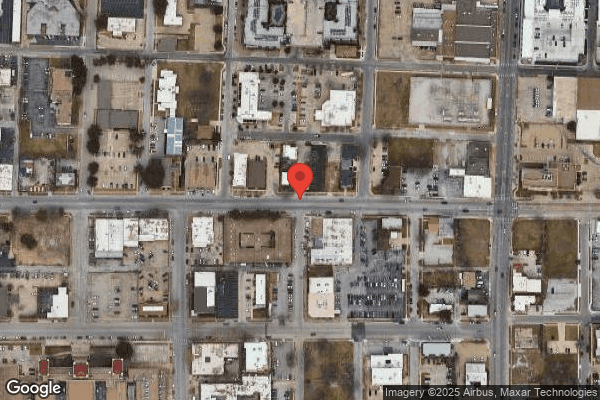
901 Pennsylvania Ave, Fort Worth, TX 76104 (817) 335-3030
For profit - Individual 123 Beds OPCO SKILLED MANAGEMENT Data: November 2025 1 Immediate Jeopardy citation
Trust Grade
18/100
#406 of 1168 in TX
Last Inspection: July 2025

Inspected within the last 6 months. Data reflects current conditions.

Overview

Arbor Lake Nursing & Rehabilitation in Fort Worth, Texas has a Trust Grade of F, which indicates significant concerns about the quality of care provided at this facility. Ranked #406 out of 1,168 nursing homes in Texas, they are in the top half, but this is overshadowed by their low trust score. The facility is improving, as the number of issues decreased from 15 in 2024 to 11 in 2025. Staffing is a concern here, with a 2 out of 5 stars rating and a turnover rate of 52%, which is average for the state. The facility has incurred $37,976 in fines, which is average but still indicates some compliance issues. While they provide more RN coverage than many facilities, there have been serious incidents, such as a resident suffering burns from an electrical shock due to poor environmental safety and another resident being pushed down by a fellow resident, leading to injuries. Overall, while Arbor Lake shows some strengths, such as a good quality measures rating, there are notable weaknesses that families should carefully consider.

Trust Score
F
18/100
In Texas
#406/1168
Top 34%
Safety Record
High Risk
Review needed
Inspections
Getting Better
15 → 11 violations
Staff Stability
⚠ Watch
52% turnover. Above average. Higher turnover means staff may not know residents' routines.
Penalties
✓ Good
$37,976 in fines. Lower than most Texas facilities. Relatively clean record.
Skilled Nurses
⚠ Watch
Each resident gets only 25 minutes of Registered Nurse (RN) attention daily — below average for Texas. Fewer RN minutes means fewer trained eyes watching for problems.
Violations
⚠ Watch
34 deficiencies on record. Higher than average. Multiple issues found across inspections.
★★★☆☆
3.0
Overall Rating
★★☆☆☆
2.0
Staff Levels
★★★★★
5.0
Care Quality
★★☆☆☆
2.0
Inspection Score
Stable
2024: 15 issues
2025: 11 issues

The Good

  • 5-Star Quality Measures · Strong clinical quality outcomes
  • Full Sprinkler Coverage · Fire safety systems throughout facility
  • No fines on record

Facility shows strength in quality measures, fire safety.

The Bad

3-Star Overall Rating

Near Texas average (2.8)

Meets federal standards, typical of most facilities

Staff Turnover: 52%

Near Texas avg (46%)

Higher turnover may affect care consistency

Federal Fines: $37,976

Above median ($33,413)

Moderate penalties - review what triggered them

Chain: OPCO SKILLED MANAGEMENT

Part of a multi-facility chain

Ask about local staffing decisions and management

The Ugly 34 deficiencies on record

1 life-threatening 2 actual harm
Sept 2025 1 deficiency
CONCERN (E) 📢 Someone Reported This

A family member, employee, or ombudsman was alarmed enough to file a formal complaint

Potential for Harm - no one hurt, but risky conditions existed

Deficiency F0567 (Tag F0567)

Could have caused harm · This affected multiple residents

**NOTE- TERMS IN BRACKETS HAVE BEEN EDITED TO PROTECT CONFIDENTIALITY** Based on observations, interviews and record reviews, the facility failed to act as a fiduciary of the residents' funds and hold...

Read full inspector narrative →
**NOTE- TERMS IN BRACKETS HAVE BEEN EDITED TO PROTECT CONFIDENTIALITY** Based on observations, interviews and record reviews, the facility failed to act as a fiduciary of the residents' funds and hold, safeguard, manage and account for the personal funds of the resident deposited with the facility for nine (Residents #1, #2, #3, #4, #5, #6, #7, #8 and #9) of nine residents reviewed for resident trust accounts. The facility did not monitor resident trust fund account balances to ensure funds did not exceed Medicaid resource limits. The facility allowed Residents #1, # 2, #3, #4, #5, #6, #7, #8 and #9 trust funds to remain over $3,000, which placed them at risk of losing their Medicaid eligibility. This deficient practice could affect all residents with a resident trust account by placing their Medicaid eligibility at risk and becoming ineligible for nursing facility care, financial hardship, and possible involuntary discharge for nonpayment. Findings included:1. Record review of Resident #1's Face Sheet dated 09/08/25 reflected he was a [AGE] year-old male who admitted to the facility on [DATE]. Resident #1's diagnoses included senile degeneration of brain (a progressive decline in cognitive function that occurs with aging), major depression disorder (persistent sadness), dementia (progressive cognitive impairments in memory, thinking, and reasoning that interfere with daily life) and reduced mobility. Resident #1 was listed as his own responsible party with a family member being an emergency contact. Record review of Resident #1's significant change MDS assessment dated [DATE] reflected he had no hearing, speech or vision issues, and his BIMS score was a 15, which indicated no cognitive impairment. Review of Resident #1's Trust Fund Statement dated 09/08/25 reflected his current balance was $9,717.03. On 08/15/25, Resident #1 received a payment from Social Security for $9,113. Aside from his monthly care costs paid to the facility ($1,398) and $50 allowance withdrawals, no other debits were made from his trust fund account to assist in spending down his excess finances. 2. Record review of Resident #2's Face Sheet dated 09/08/25 reflected he was an [AGE] year-old male who admitted to the facility on [DATE]. Resident #2's diagnoses included aphasia (difficulty expressing wants and needs), reduced mobility, deafness, dysphagia (difficulty swallowing) and dementia. Resident #2 did not have a medical or durable power of attorney listed nor any emergency contacts. Resident #2 was listed as his own responsible party. Record review of Resident #2's quarterly MDS assessment dated [DATE] reflected his hearing was highly impaired, he had unclear speech, was rarely understood by others, and he had moderately impaired vision. Resident #2 had short/long term memory impairment and moderately impaired cognitive skills for daily decision making.Record review of Resident #2's Trust Fund Statement dated 09/08/25 reflected his current balance was $7,383.40. His account had been over $7,000 for the past three months and there was no evidence the facility completed a spend down for him. Debits from Resident #2's account for the past three months included monthly care cost payment to the facility for $774 and $50 of allowance debits total. 3. Record review of Resident #3's Face Sheet dated 09/08/25 reflected she was a [AGE] year-old female who admitted to the facility on [DATE]. Resident #3's diagnoses included right eye blindness, multiple sclerosis (a chronic autoimmune disease that affects the central nervous system), cognitive communication deficit and dysphagia. Resident #3 did not have a medical or durable power of attorney listed and had a family member listed as an emergency contact. Resident #3 was listed as her own responsible party. Record review of Resident #3's quarterly MDS assessment dated [DATE] reflected no hearing or speech issues and was sometimes able to make herself understood. Her BIMS score was a 06, which indicated severe cognitive impairment. Record review of Resident #3's Trust Fund Statement dated 09/08/25 reflected her current balance was $5,536.98. On 08/01/25 her balance was $7,348.84, on 07/01/25 it was $5,366.84 and on 06/02/25 it was $3,976.82. There was no evidence the facility completed a spend down for her over the past quarter. Debits from Resident #3's account for the past three months included monthly care cost payment to the facility for $504.56 and two advanced cash payments of $75 and $60. There were no other debits from her trust fund account to assist in spending down her excess finances. 4. Record review of Resident #4's Face Sheet dated 09/08/25 reflected he was a [AGE] year-old male who admitted to the facility on [DATE]. Resident #1's active diagnoses included COPD (a long-term lung disease), abnormalities of gait and mobility and cirrhosis of liver (scar tissue on liver that interferes with functioning). Resident #4 did not have a MPOA/DPOA or any emergency contacts listed. Resident #4 was listed as his own responsible party. Record review of Resident #4's quarterly MDS assessment dated [DATE] reflected he had a BIMS score of 15, which indicated no cognitive impairment. Record review of Resident #4's Trust Fund Statement dated 09/08/25 reflected his current balance was $4,270.20. Resident #4's balance remained over $4,000 since 06/02/25 and was increasing each month. There were no care costs paid to the facility. The only debits from her account for the past three months were resident cash advances totaling $270. There was no evidence the facility completed a spend down for her over the past quarter for her excess funds. An interview with Resident #4 on 09/08/25 at 2:05 PM revealed he was aware that he was over-resourced and at risk for being ineligible for Medicaid. He stated that he did not know what he was supposed to spend his money on. He said most of the money came from a large back pay from Social Security. Resident #4 continued to state that he did not know what kinds of things he should buy or needed since he was living in a nursing facility. 5. Record review of Resident #5's Face Sheet dated 09/08/25 reflected she was an [AGE] year-old female who admitted to the facility on [DATE]. Resident #5's active diagnoses included metabolic encephalopathy (altered brain function), dementia, repeated falls, hemiplegia (complete paralysis on one side) and hemiparesis (muscle weakness on one side of the body), dysphagia and psychotic disorder with delusions (distorted perceptions, thoughts and behaviors). Resident #5 had a family member listed as her responsible party/emergency contact, but no MPOA/DPOA was listed. Review of Resident #5's 06/16/25 quarterly MDS assessment reflected she had a BIMS score of 04, which indicated severe cognitive impairment. Record review of Resident #5's Trust Fund Statement dated 09/08/25 reflected her current balance was $3,590.57 and had remained over $3,000 for the past three months and was increasing each month. There were no withdrawals or debits to assist her to spend down her excess funds for the past quarter. She received monthly payments from the state comptroller and Social Security totaling $75 a month as her income.6. Record review of Resident #6's Face Sheet dated 09/08/25 reflected she was a [AGE] year-old female who admitted to the facility on [DATE]. Resident #6's active diagnoses vascular dementia (problems with memory, thinking and behavior). Resident #6 had a family member listed as her legal guardian. Record review of Resident #6's quarterly MDS assessment dated [DATE] reflected she had unclear speech and was sometimes understood by others. Resident #6 had a BIMS score of 00, which indicated severe cognitive impairment. Record review of Resident #6's Trust Fund Statement dated 09/08/25 reflected her current balance was $3,208.80 and was increasing over the past quarter: 06/02/25=$2,979.56, 07/01/25=$3,055.98. There were no withdrawals or debits to assist her to spend down her excess funds for the past quarter. She received monthly payments from the state comptroller and Social Security totaling $75 a month as her income. An observation of Resident #6's room on 09/08/25 at 1:34 PM revealed she was not in her room. Her room smelled strong of urine and had an older electric recliner, one artificial plant and a mini fridge on the floor in the corner. She did not have any bedding other than what the facility provided. There were no pictures on the wall, no artwork and no decorations and minimal to no personal affects. 7. Record review of Resident #7's quarterly MDS assessment dated [DATE] reflected he had a BIMS score of 02, which indicated severe cognitive impairment. Record review of Resident #7's Trust Fund Statement dated 09/08/25 reflected his current balance was $3,129.61 and had been increasing over the past quarter: 06/02/25=$2,832.33, 07/01/25=$2,905.75. His care cost payments to the facility were $1,306 monthly. He had $15 of allowance withdrawals over the past three months, partly to include payment for a haircut. There were no other withdrawals or debits to assist him to spend down his excess funds for the past quarter.An observation of Resident #7's room on 09/08/25 at 1:52 PM revealed he was not present. His television was cracked across the whole screen, was not functionable and did not work per his roommate. There were no decorations, personal items, nothing to make the room look homelike. His dresser drawers did not have anything in them except a pack of markers and a page that was colored. He had no shoes in his closet. 8. Record review of Resident #8's Face Sheet dated 09/08/25 reflected he was an [AGE] year-old male who admitted to the facility on [DATE]. Resident #8's active diagnoses included Alzheimer's disease, reduced mobility, lack of coordination and cognitive communication deficit. Resident #8 had a family member listed as his financial and emergency contact. Record review of Resident #8's quarterly MDS assessment dated [DATE] reflected a BIMS score of 08, which indicated moderate cognitive impairment. An observation of Resident #8's room on 09/08/25 at 1:40 PM revealed he was not in his room. His side of the room had no visible decorations, was not home-like and had no personal belongings except for a small alarm clock and a water bottle. He had no television to watch on his side of the room. Record review of Resident #8's Trust Fund Statement dated 09/08/25 reflected his current balance was $3,276.41. He paid no care costs to the facility and there were multiple cash allowance withdrawals totaling $475 over the past quarter and an income from Social Security and State Comptroller for $75 each month. There were no other withdrawals or debits to assist him to spend down his excess funds this past quarter. 9. Record review of Resident #9's Face Sheet dated 09/08/25 reflected he was a [AGE] year-old male who admitted to the facility on [DATE]. His active diagnoses included alcohol-induced persisting dementia, mood disorder and dysphagia. Resident #9 had a family member listed as his MPOA/DPOA/Emergency Contact. Record review of Resident #9's annual MDS assessment dated [DATE] reflected moderate difficulty hearing and use of a hearing aid, sometimes was understood and had a BIMS score of 03, which indicated severe cognitive impairment. Record review of Resident #9's Trust Fund Statement dated 09/08/25 reflected his current balance was $3,116.46. His monthly balance stayed over $3,000 for the past three months: 06/02/25=$3,096.47, 07/01/25=$3,068.47, and 08/01/25=$3,092.33, . Even though he had multiple debits from his trust fund for tobacco products and allowance, there were no other withdrawals or debits to assist him to spend down his excess funds this past quarter. An observation of Resident #9's room on 09/08/25 at 1:55 PM revealed he was not in his room. His room was observed to have blank walls, no decor, no pictures, nothing to make it look homelike. He had no shoes in his closet. He had no observed personal affects other than 14 articles of clothing and a mini radio. 10. Record review the most recent Resident Fund Balance Notifications dated two months ago on 07/03/25, reflected Residents #1, #2, #3, #4, #7, #8 and #9 were notified of their balances being within $200 or exceeding what was allowed under the Medical Assistance. The notification letter stated, Please contact your Social Worker within the next 7 days to discuss ways to assure continuance of Medicaid benefits. There was no evidence the RPs or MPOA/DPOA were notified as the only signatures on the forms were of the residents' signature scribbles and facility's representative. Residents #5 and #6 did not have any documentation provided to show they were notified of the trust funds being over-resourced.11. An interview with the AD on 09/08/25 at 11:20 AM revealed she was not involved in any resident trust funds or the spend down process. She stated only once in the past three years she had spent resident's funds in that way. The AD stated if a resident wanted to make some purchases, she encouraged them to come out in the community to the local stores she took residents to and make purchases themselves, instead of having her buy them for the resident. She stated the only exception was that she would periodically purchase cigarettes for residents with their trust fund money. An interview with the BOM on 09/08/25 at 11:30 AM revealed she had been out on leave for the past six weeks and the admissions coordinator had been covering for her while out. She stated a resident's excess funds could be spent down by reimbursing a DPOA/RP if they purchased items for a resident and brought in the receipts. The BOM stated the activity director did not usually help with spending down a resident's excess funds unless it was under special circumstances and then they would have to get consent, sign the money out, and return with receipts. The BOM said being over-resourced meant having any funds in the residents' accounts over $2,000. She stated she knew Residents #1, # 2, #3, #4, #5, #6, #7, #8 and #9 were over-resourced and it was something she was working on. The BOM stated when a resident was over-resourced, she could talk to the family or the resident to assist in making purchasing decisions such as burial plans if needed. She also stated if there was no family involvement or the resident was not alert/oriented, she would then talk to the staff to see what items the resident may be needing that the facility could purchase on their behalf. She stated she had two magazines that were specific vendor approved items that could be purchased for the long-term care population, and she made purchases from it in the past when she needed to spend down resident funds. A follow up interview with the BOM on 09/08/25 at 2:20 PM revealed when a residents' trust fund balance was approaching being within $200 of the limit of $2,000, she could use the facility's online accounting system to track it and see who all was within that range. Then the system would generate a letter called a Resident Fund Balance Notification that would be mailed to the RP or given to the resident if they had no RP. Then the resident or RP had to return the notification letter signed. She stated the SW was listed as the only contact person on that letter, but he was not a part of buying any items for residents or part of the spend down process. The BOM stated, That is just me. I can help them. She said there were a lot of residents in the facility who did not request any allowance withdraws from their trust fund accounts, so their balance was increasing. The BOM stated Resident #1 just received a large back payment from Social Security a month prior while the BOM was out on leave. She said Resident #2 got money out as cash, and the facility did purchase him a television and clothes in the past. For Resident #3, she stated she needed to contact her family and see if they wanted to purchase a burial plot. She stated Resident #4, knows it is in there, but he spends what he wants to spend. The BOM stated Resident #5's family member usually brought receipts for purchases and would get reimbursed and the family was interested in a custom wheelchair. The BOM stated she left that issue with the previous social worker, but there had been a new one hired while she was on leave so she did not know if anything had been done about it. With Resident #6, the BOM stated she talked to the family member who lived out of state and had reimbursed the RP for online purchases, but the purchase amounts were not enough to bring the balance under $2,000. The BOM stated Resident #8's balance had been going down and he got money out as cash. For Resident #9, she stated she could purchase him some clothes and he had family that was not involved. The BOM stated that she could not release any more than $75 cash to an A/O resident monthly, so if they needed to spend down, then she would have to write them a check to cash, which came with its own issues if they had no identification or a way to cash the money. She stated that usually she would have the resident just take out $75 cash each month until they spend down. She stated, They get upset about it, but I can't just give them cash if over-resourced. She stated online purchases by the facility from a resident's trust fund was not allowed with the exception being two company-approved catalogs she had to purchase from online. The BOM stated Medicaid usually gave nursing facilities a six-month grace period after a large back pay was given to a resident to spend it down. She stated Medicaid renewals were annually, so the main goal would be to make sure the residents' balances were under $2,000 sixty days before the renewal date. An interview with the SW on 09/08/25 at 11:55 AM revealed he did not handle anything related to resident trust funds or the spend down process. He was unaware of the notification letter that was being sent to RPs that stated he was the contact for any spend down process related to Medicaid eligibility. The SW stated he was new to his position at the facility but would be happy to help with the spend down process if needed. He said he knew if a resident had over $2,000 in their account, they could lose their Medicaid coverage.An interview with the ADM on 09/08/25 at 2:30 PM revealed he was one week new to the facility and he was not aware of the nine residents who were over-resourced related to trust fund management. He stated the residents could lose their Medicaid eligibility if they had over $2,000 in their account. The ADM said he wanted to make sure going forward, that he sat down with the BOM each week to review trust fund accounts to see how they could spend down residents who had excessive funds. An interview with C-RN A on 09/08/25 at 2:32 PM revealed the BOM was responsible to help with the spend down process and there were certain things they were allowed to purchase. She stated the AD was great for shopping trips in the community and would let the family members know and get involved when a resident's funds needed to be spent down. C-RN A stated she knew there had been a couple of residents who received a large back pay of money from Social Security and knew the nine residents were at risk for losing their eligibility if they over $2,000. C-RN A stated she would speak with the Corporate BOM over trust funds to see what could be done. 12. Review of the facility's, Resident Trust Fund (not dated) reflected, To establish uniform guidelines in the protection of personal funds managed by our facilities on behalf of its residents and to maintain a complete and accurate accounting for patient monies.The Administrator is responsible for ensuring the establishment and accurate maintenance of the Resident Trust Fund and the related Resident trust Fund Petty Cash Account.
Jul 2025 5 deficiencies 2 Harm
SERIOUS (G)

Actual Harm - a resident was hurt due to facility failures

Free from Abuse/Neglect (Tag F0600)

A resident was harmed · This affected 1 resident

**NOTE- TERMS IN BRACKETS HAVE BEEN EDITED TO PROTECT CONFIDENTIALITY** Based on observation, interview, and record review, the facility failed to ensure residents had the right to be free from abuse ...

Read full inspector narrative →
**NOTE- TERMS IN BRACKETS HAVE BEEN EDITED TO PROTECT CONFIDENTIALITY** Based on observation, interview, and record review, the facility failed to ensure residents had the right to be free from abuse for 1 of 6 residents (Resident #33) reviewed for abuse. The facility failed to ensure residents were free resident-to-resident abuse when Resident #33 entered Resident #21's room, and Resident #21 pushed Resident #33 down. Resident #33 sustained abrasions on his nose and right knee. The failure placed residents at risk for abuse. Findings included:Record review of Resident #33's Quarterly MDS, dated [DATE], reflected Resident #33 was a [AGE] year-old male, who admitted to the facility on [DATE]. The resident's diagnoses of Alzheimer's disease (a progressive disease that destroys memory and other important mental functions), non-Alzheimer's dementia (encompasses a variety of progressive neurological disorders that cause cognitive decline, but are distinct from Alzheimer's disease), bipolar disorder (a disorder associated with episodes of mood swings ranging from depressive lows to manic highs), anxiety disorder (a disorder characterized by feelings of worry, anxiety, or fear that are strong enough to interfere with one's daily activities), and post-traumatic stress disorder (a disorder in which a person has difficulty recovering after experiencing or witnessing a terrifying event). The MDS reflected resident had severe cognitive impairment with a BIMS score of 3, and he was independent with transfers and mobility. The MDS further reflected Resident #33 did not have any behaviors.Record review of Resident #33's Care Plan, dated 07/24/25, reflected: Focus: Resident #33. wandered into another resident's room and was pushed causing him to fall back, abrasion to bridge of nose and right knee on 06/24/25 . Goal: Resident #33 will be free of falls through the review date. Interventions: When resident is wandering redirect as needed to prevent as much as possible him infringing on the rights of others.Further review of Resident #33's Care Plans reflected there were no documented care plans specifically addressing the resident's wandering behavior nor were there person-centered interventions care planned to address the resident's wandering behaviors. Record review of Resident #33's Progress Notes by LVN A, dated 06/24/25 at 8:30 PM, reflected, Resident was found in [Resident #21's room] sitting on the floor holding on his face, nose skin abrasion noted, swelling and pain = 5/10, PRN Tylenol 100mg was given, ice was applied to nose for swelling and was helpful abrasion noted on right knee, [Resident #21] was standing in front of him and denied any confrontation but later [Resident #21] claimed that Resident #33 fell down while being chased out [Resident #21's room], assessment done, neuros done and are in range, facial series called in as ordered by Doctor. Record review of Resident #33's facial series results, dated 06/25/25 at 1:50 AM, reflected, Findings: The visual skull and facial bones demonstrate no acute fracture. No joint dislocation. Unremarkable soft tissues. The nasal bone is not visualized due to overpenetration. Conclusion: 1. No obvious or acutely displaced fracture. 2. A CT is recommended for better sensitivity if symptoms persist or worsen. Record review of Resident #33's psychiatric assessment, dated 06/30/25, reflected, CN reports an incident between the resident and another male resident. CN reported the resident was hit on the face by another male resident. Pt is seen sitting in bed with his wife. Pt could not explain to the provider what happened but reported another resident hit him on the face. Some minor bruised noted on patient's face. Pt denies any pain or reoccurring thought trauma.The provider encouraged the nurse to ensure residents are separated from each other to prevent any reoccurrence of altercations. Record review of Resident #21's Quarterly MDS, dated [DATE], reflected Resident #21 was a [AGE] year-old male who was originally admitted on [DATE] and re-admitted on [DATE]. The resident's diagnoses included: cerebral infarction (a condition where blood flow to the brain is blocked, causing brain tissue damage due to lack of oxygen and nutrients), bipolar disorder (disorder associated with episodes of mood swings ranging from depressive lows to manic highs), anxiety disorder (a disorder characterized by feelings of worry, anxiety, or fear that are strong enough to interfere with one's daily activities), and antisocial personality disorder (a mental health disorder characterized by disorganized for other people). The MDS reflected the resident was cognitively intact, had no behaviors, had upper extremity impairment on one side, and he was independent with transfers and mobility.Record review of Resident #21's Care Plan Report, initiated on 03/01/23 and revised 01/04/24, reflected Resident #21 had impaired cognitive function/dementia or impaired thought processes. Record review of Resident #21's Care Plan Report, initiated on 08/02/23, reflected Resident #21 was an elopement risk related to his elopement risk evaluation score being high at 15.Record review of Resident #21's Care Plan Report, initiated on 11/12/23, reflected Resident #21 was a high risk for elopement, and he was admitted to the secure unit due to his diagnosis of schizoaffective disorder and having an elopement risk score of 15. Observation on 07/23/25 at 2:25 PM revealed Resident #33 wandering down Resident #21's hall in the secured unit. Staff re-directed after Resident #33 began to speak loudly to Resident #21. Resident #33 was redirected to his hall and then to his room. Interview on 07/23/25 at 2:19 PM with LVN A revealed Resident #33 often wandered after dinner. LVN A stated on 06/24/25 after dinner, she heard screaming and found Resident #33 sitting on the floor crying with this hand on his face with Resident #21 standing in the middle of the room laughing. She stated that Resident #21 said Resident #33 attempted to wake him and then Resident #21 shoved Resident #33 causing him to bump into the dresser and fall. LVN A said that she had sat down at the nurses' station and did not see Resident #33 wander into Resident #21's room. LVN A stated that she watched the mirrors on the hall to attempt to watch the residents that wander on the unit. LVN A said she was unsure where the aide was at the time of the incident. LVN A stated that dementia residents had to be watched to ensure that they did not wander into other residents' areas. LVN A stated that she reported the incident to the Administrator and the DON when the incident occurred. The LVN could not recall the last in-service on dementia related care that the facility provided. Interview on 07/23/25 at 6:03 PM with CNA B revealed Resident #33 went into residents' rooms in the secured unit. CNA B stated that he responded that evening to Resident #33 yelling in Resident #21' room. CNA B stated that he did not see Resident #33 go into Resident #21's room that evening. CNA B said that Resident #21 usually was not physically aggressive toward residents, but that he was usually verbally aggressive toward other residents only. CNA B revealed that he attempted to keep the two residents apart in the sitting area during his shifts. CNA B said that he understood that Resident #33 had dementia and did not understand whose room he was in that night. CNA B stated that he would notify his nurse if he observed an incident between residents on the secured unit because residents could be hurt if they got into an altercation. CNA B also said that he had recently been in-serviced on resident-to-resident abuse and handling residents with behaviors. Interview on 07/24/25 at 8:34 AM with the ADON revealed she had been employed at the facility about a month. The ADON stated her first day at the facility was the day after the incident. The ADON explained that she only knew the facility policy and was not aware of any details about the altercation between Resident #33 and Resident #21. The ADON said if dementia residents were seen wandering, they should be redirected to their room. The ADON revealed that staff attempt to keep all the residents seated around the nurses' station so that they can be watched for behaviors and wandering. The ADON stated that the staff keep the residents in line of site to prevent incidents. Interview on 07/24/25 at 3:22 PM with the DON revealed that she had been employed at the facility for two approximately two weeks. The DON stated that she was not aware of the altercation between Resident #33 and Resident #21. The DON said that increased supervision should have occurred since the altercation. The DON said it is the staff's responsibility on the secured unit to monitor all residents that wonder. The DON also stated that residents who wander could go into other residents' rooms and get into their belonging which could lead to conflicts between residents. Interview on 07/24/25 at 3:51 PM with the facility Psychiatric Provider revealed he had previously asked the staff to keep eyes on Resident #33 and to redirect the resident if he was seen wandering. The facility Psychiatric Provider also stated that he has seen the staff redirect residents when they were in the tv room. The facility Psychiatric Provider revealed that he has directed the staff in the unit to not allow confused residents to wander into other resident's room because an incident could occur. The facility Psychiatric Provider stated that all staff in the secured unit are responsible for watching the residents who wander. Record review of the facility's current, undated Secure Care Training policy reflected: . Residents are in the secure environment because they are exit seeking and are unable to make safe decisions or feel more secure in a more structured environment. In order to provide a safe environment, the staff should practice the following: o On coming shift will make rounds with the off going shift to ensure all residents are accounted for and safe.o The staff will make a safety round before going on a lunch break and will ensure that there is sufficient staff in the secure area to provide a safe environment while they are on break. o Upon returning to the secure area, staff will make a walking round to ensure all residents are accounted for and safe.
SERIOUS (G) 📢 Someone Reported This

A family member, employee, or ombudsman was alarmed enough to file a formal complaint

Actual Harm - a resident was hurt due to facility failures

Deficiency F0744 (Tag F0744)

A resident was harmed · This affected 1 resident

**NOTE- TERMS IN BRACKETS HAVE BEEN EDITED TO PROTECT CONFIDENTIALITY** Based on observation, interview, and record review, the facility failed to ensure that a resident who displays or was diagnosed ...

Read full inspector narrative →
**NOTE- TERMS IN BRACKETS HAVE BEEN EDITED TO PROTECT CONFIDENTIALITY** Based on observation, interview, and record review, the facility failed to ensure that a resident who displays or was diagnosed with dementia, receives the appropriate treatment and services to attain or maintain his or her highest practicable physical, mental, and psychosocial well-being for 1 of 4 residents (Resident #33) reviewed for dementia services. The facility failed to ensure Resident #33 was provided with treatment and services to address his wandering behaviors related to his diagnosis of dementia which resulted in the resident entering Resident #21's room and being pushed by Resident #1. Upon being pushed, Resident #33's face/head bumped Resident #21's dresser, and Resident #33 sustained abrasions on his nose and right knee. This failure puts residents with dementia at increased risk of not having their dementia-related needs met. Findings included: Record review of Resident #33's Quarterly MDS, dated [DATE], reflected Resident #33 was a [AGE] year-old male, who admitted to the facility on [DATE]. The resident's diagnoses of Alzheimer's disease (a progressive disease that destroys memory and other important mental functions), non-Alzheimer's dementia (encompasses a variety of progressive neurological disorders that cause cognitive decline, but are distinct from Alzheimer's disease), bipolar disorder (a disorder associated with episodes of mood swings ranging from depressive lows to manic highs), anxiety disorder (a disorder characterized by feelings of worry, anxiety, or fear that are strong enough to interfere with one's daily activities), and post-traumatic stress disorder (a disorder in which a person has difficulty recovering after experiencing or witnessing a terrifying event). The MDS reflected resident had severe cognitive impairment with a BIMS score of 3, and he was independent with transfers and mobility. The MDS further reflected Resident #33 did not have any behaviors.Record review of Resident #33's Care Plan Report, dated 07/24/25, reflected: Focus: Resident #33. wandered into another resident's room and was pushed causing him to fall back, abrasion to bridge of nose and right knee on 06/24/25 .Goal: Resident #33 will be free of falls through the review date.Interventions: When resident is wandering redirect as needed to prevent as much as possible him infringing on the rights of others. Further review of Resident #33's Care Plan Reports reflected there were no documented care plans specifically addressing the resident's wandering behavior nor were there person-centered interventions care planned to address the resident's wandering behaviors. Record review of Resident #33's Progress Notes by LVN A, dated 06/24/25 at 8:30 PM, reflected, Resident was found in [Resident #21's room] sitting on the floor holding on his face, nose skin abrasion noted, swelling and pain = 5/10, PRN Tylenol 100mg was given, ice was applied to nose for swelling and was helpful abrasion noted on right knee, [Resident #21] was standing in front of him and denied any confrontation but later [Resident #21] claimed that Resident #33 fell down while being chased out [Resident #21's room], assessment done, neuros done and are in range, facial series called in as ordered by Doctor. Record review of Resident #33's facial series results, dated 06/25/25 at 1:50 AM, reflected, Findings: The visual skull and facial bones demonstrate no acute fracture. No joint dislocation. Unremarkable soft tissues. The nasal bone is not visualized due to overpenetration. Conclusion: 1. No obvious or acutely displaced fracture. 2. A CT is recommended for better sensitivity if symptoms persist or worsen. Record review of Resident #33's psychiatric assessment, dated 06/30/25, reflected, CN reports an incident between the resident and another male resident. CN reported the resident was hit on the face by another male resident. Pt is seen sitting in bed with his wife. Pt could not explain to the provider what happened but reported another resident hit him on the face. Some minor bruised noted on patient's face. Pt denies any pain or reoccurring thought trauma.The provider encouraged the nurse to ensure residents are separated from each other to prevent any reoccurrence of altercations. Record review of Resident #21's Quarterly MDS, dated [DATE], reflected Resident #21 was a [AGE] year-old male who was originally admitted on [DATE] and re-admitted on [DATE]. The resident's diagnoses included: cerebral infarction (a condition where blood flow to the brain is blocked, causing brain tissue damage due to lack of oxygen and nutrients), bipolar disorder (disorder associated with episodes of mood swings ranging from depressive lows to manic highs), anxiety disorder (a disorder characterized by feelings of worry, anxiety, or fear that are strong enough to interfere with one's daily activities), and antisocial personality disorder (a mental health disorder characterized by disorganized for other people). The MDS reflected the resident was cognitively intact, had no behaviors, had upper extremity impairment on one side, and he was independent with transfers and mobility.Record review of Resident #21's Care Plan Report, initiated on 03/01/23 and revised 01/04/24, reflected Resident #21 had impaired cognitive function/dementia or impaired thought processes. Record review of Resident #21's Care Plan Report, initiated on 08/02/23, reflected Resident #21 was an elopement risk related to his elopement risk evaluation score being high at 15.Record review of Resident #21's Care Plan Report, initiated on 11/12/23, reflected Resident #21 was a high risk for elopement, and he was admitted to the secure unit due to his diagnosis of schizoaffective disorder and having an elopement risk score of 15. Observation on 07/23/25 at 2:25 PM revealed Resident #33 wandering down Resident #21's hall in the secured unit. Staff re-directed after Resident #33 began to speak loudly to Resident #21. Resident #33 was redirected to his hall and then to his room. Interview on 07/23/25 at 2:19 PM with LVN A revealed Resident #33 often wandered after dinner. LVN A stated on 06/24/25 after dinner, she heard screaming and found Resident #33 sitting on the floor crying with this hand on his face with Resident #21 standing in the middle of the room laughing. She stated that Resident #21 said Resident #33 attempted to wake him and then Resident #21 shoved Resident #33 causing him to bump into the dresser and fall. LVN A said that she had sat down at the nurses' station and did not see Resident #33 wander into Resident #21's room. LVN A stated that she watched the mirrors on the hall to attempt to watch the residents that wander on the unit. LVN A said she was unsure where the aide was at the time of the incident. LVN A stated that dementia residents had to be watched to ensure that they did not wander into other residents' areas. LVN A stated that she reported the incident to the Administrator and the DON when the incident occurred. The LVN could not recall the last in-service on dementia related care that the facility provided. Interview on 07/23/25 at 6:03 PM with CNA B revealed Resident #33 went into residents' rooms in the secured unit. CNA B stated that he responded that evening to Resident #33 yelling in Resident #21' room. CNA B stated that he did not see Resident #33 go into Resident #21's room that evening. CNA B said that Resident #21 usually was not physically aggressive toward residents, but that he was usually verbally aggressive toward other residents only. CNA B revealed that he attempted to keep the two residents apart in the sitting area during his shifts. CNA B said that he understood that Resident #33 had dementia and did not understand whose room he was in that night. CNA B stated that he would notify his nurse if he observed an incident between residents on the secured unit because residents could be hurt if they got into an altercation. CNA B also said that he had recently been in-serviced on resident-to-resident abuse and handling residents with behaviors. Interview on 07/24/25 at 8:34 AM with the ADON revealed she had been employed at the facility about a month. The ADON stated her first day at the facility was the day after the incident. The ADON explained that she only knew the facility policy and was not aware of any details about the altercation between Resident #33 and Resident #21. The ADON said if dementia residents were seen wandering, they should be redirected to their room. The ADON revealed that staff attempt to keep all the residents seated around the nurses' station so that they can be watched for behaviors and wandering. The ADON stated that the staff keep the residents in line of site to prevent incidents. Interview on 07/24/25 at 3:22 PM with the DON revealed that she had been employed at the facility for two approximately two weeks. The DON stated that she was not aware of the altercation between Resident #33 and Resident #21. The DON said that increased supervision should have occurred since the altercation. The DON said it is the staff's responsibility on the secured unit to monitor all residents that wonder. The DON also stated that residents who wander could go into other residents' rooms and get into their belonging which could lead to conflicts between residents. Interview on 07/24/25 at 3:51 PM with the facility Psychiatric Provider revealed he had previously asked the staff to keep eyes on Resident #33 and to redirect the resident if he was seen wandering. The facility Psychiatric Provider also stated that he has seen the staff redirect residents when they were in the tv room. The facility Psychiatric Provider revealed that he has directed the staff in the unit to not allow confused residents to wander into other resident's room because an incident could occur. The facility Psychiatric Provider stated that all staff in the secured unit are responsible for watching the residents who wander. Record review of the facility's current, undated Secure Care Training policy reflected: . Residents are in the secure environment because they are exit seeking and are unable to make safe decisions or feel more secure in a more structured environment. In order to provide a safe environment, the staff should practice the following: o On coming shift will make rounds with the off going shift to ensure all residents are accounted for and safe.o The staff will make a safety round before going on a lunch break and will ensure that there is sufficient staff in the secure area to provide a safe environment while they are on break. o Upon returning to the secure area, staff will make a walking round to ensure all residents are accounted for and safe.
CONCERN (E)

Potential for Harm - no one hurt, but risky conditions existed

Safe Environment (Tag F0584)

Could have caused harm · This affected multiple residents

**NOTE- TERMS IN BRACKETS HAVE BEEN EDITED TO PROTECT CONFIDENTIALITY** Based on observation, interview, and record review, the facility failed to provide housekeeping and maintenance services necessa...

Read full inspector narrative →
**NOTE- TERMS IN BRACKETS HAVE BEEN EDITED TO PROTECT CONFIDENTIALITY** Based on observation, interview, and record review, the facility failed to provide housekeeping and maintenance services necessary to maintain a sanitary and comfortable interior for 2 of 17 residents (Residents #3 and Resident #13) reviewed for environment. 1.The facility failed to maintain a comfortable or private homelike environment for Residents #3 and #13. These failures placed residents at risk of decreased feelings of self-worth, increased harm and an impersonalized homelike environment. Findings included:1. Observation on 07/22/2025 at 11:37 AM revealed Resident #3 had broken blinds. The blinds were missing the end pieces of approximately 4 blinds leaving an area of approximately 6 inches by 10 inches without blinds. Observation on 07/23/2025 at 9:20 AM revealed Resident #3 had broken blinds. The blinds were still missing the end pieces of approximately 4 blinds leaving an area of approximately 6 inches by 10 inches without blinds. Observation and interview on 07/23/2025 at 1:49 PM with CNA C revealed that she had not noticed the broken blinds, and that neither resident had complained to her about the broken blinds. CNA C stated that she had reported the blinds. CNA C said that she should have reported it to the Maintenance Director and her nurse. CNA C also revealed that it was all the staff's responsibility to report maintenance issues. CNA C said that blinds were important because it helped the residents maintain their dignity as well as providing privacy in their home. Observation and interview on 07/23/2025 at 2:03 PM with Resident #3 revealed that he had noticed the broken blinds. Resident #3 stated that the broken blinds were ugly, and he wanted them replaced. Observation and interview on 07/23/2025 at 2:10 PM with RN D revealed that she had not reported the broken blinds in Resident #3's room. RN D stated that it was her responsibility to report broken blinds to the maintenance supervisor. RN D revealed that it was important because broken blinds could injure a resident. RN D stated that if the Maintenance Director did not respond to her work order, she would report it to the ADON. Observation and interview on 07/23/2025 at 1:55 PM with the Maintenance Director revealed that it was his responsibility to ensure residents' blinds were in proper working order. The Maintenance Director stated that staff could put a maintenance request in the maintenance logbook or through the app on his phone. The Maintenance Director said that proper working blinds are important because they are a dignity issue. The Maintenance Director stated he would be purchasing new blinds for the residents' room. Interview on 07/25/2025 at 10:32 AM with the Administrator revealed that the facility uses a phone app for the maintenance requests. The Administrator stated that it was everyone's responsibility to report maintenance issues when they saw them. The Administrator stated that he had instructed the Maintenance Director, the previous day, to purchase blinds and replace the broken blinds in residents' rooms. The Administrator revealed the broken blinds were a privacy issue for residents. 2. Record Review of Resident #13's Quarterly MDS assessment, dated 06/05/25 reflected Resident #13 was a [AGE] year-old male admitted to the facility on [DATE]. Resident #13's MDS also reflected diagnoses of non-Alzheimer's dementia (a range of neurodegenerative and other disorders that cause cognitive decline, distinct from Alzheimer's disease), anxiety disorder, and depression. Resident #13's MDS also reflected a BIMS score of 4 (meaning severe cognitive impairment). Resident #13's MDS also reflected Resident #13 required assistance and supervision for ADLs. Record review of Resident #13's Care Plan dated 02/20/25 revealed Resident #13 was dependent on staff for activities, cognitive stimulation, social interaction. Goal included Resident #13 will maintain involvement in cognitive stimulation, social activities as desired. Interventions included Assure that the activities Resident #13 was attending are: Compatible with physical and mental capabilities; Compatible with known interests and preferences; Adapted as needed (such as large print, holders if resident lacks hand strength, task segmentation), compatible with individual needs and abilities and age appropriate. Resident #13 had adjustment issues to admission. Goal included to maintain the ability to seek social contact and stimulation. Interventions included encourage ongoing family involvement. Invite Resident #13's family to attend special events, activities, and meals. Encourage Resident #13 to participate in conversation with staff, other residents daily. Introduce Resident #13 to residents with similar background, interests, and encourage/facilitate interaction. Observation and interview on 07/22/25 at 11:53 AM with Resident #13 revealed he was in the small television room with other residents watching television. Resident #13 stated that he was doing ok, he liked to watch television, and that he felt safe to live in the facility. Resident #13 then got up and walked into another resident's room and shut the door.Interview on 07/22/25 at 1:16 PM with Resident #13's Responsible Party revealed that Resident #13 enjoyed watching television. The Responsible Party stated the family brought a television to the facility 5 months ago for Resident #13's room, however it was currently sitting behind the nursing station. The Responsible Party stated, Maintenance would not let me hang it up, but they have not either, they don't do anything that you ask. Observation on 07/22/25 at 1:30 PM revealed Resident #13 did not have a television in his room. Interview on 07/24/2025 11:23 AM with CNA F revealed she noted a television behind the nursing station. However, it had been there for so long, she did not recall who it belonged to or why it was back there. CNA F stated Resident #13 did wander but was easily redirected to the television room or with a snack. CNA F stated when there was a maintenance issue, she reported to the nurse, and the nurse would report to the maintenance department. CNA F reported that there was no risk to Resident #13 for not having his television in his room because there was a television in the living area. Observation and interview on 07/24/2025 11:33 AM with LVN G revealed she was aware of the television behind the nurse station. Observed a box pulled out from nursing station. LVN G indicated the box was the television. LVN G stated the box had been back there so long, she had forgotten it was there. LVN G stated the family brought in the television several months ago and asked the Maintenance Department to hang the television in Resident #13's room. LVN G stated she reminded the Maintenance Director several times and his response would be I got it, I will be back to do it, or No Problem but it was never done. LVN G stated the facility now had a new Maintenance Director, and she could not recall if she had requested with the new Maintenance Director to have the television hung. LVN G stated she was responsible for requesting for the television to be hung in Resident #13's room. LVN G stated she had not reported to anyone other than the previous the Maintenance Director. LVN G stated not having the television hung for Resident #13 placed him at risk of not being comfortable in his room, wandering, and his personal property being lost or stolen. Interview on 07/24/25 at 3:28 PM with the DON revealed if there was something the Maintenance Department needed to handle the nurse or aide should report that need to the Maintenance Department. The DON stated she had only worked in the facility for two weeks, and was not completely sure how the requests were done or tracked. The DON stated if a request was made to hang up a television, she would expect it to be hung within a reasonable amount of time, by the Maintenance Department. The DON stated not hanging up the television within a reasonable amount of time, or at all, placed Resident #13 at risk for lack of activity or entertainment in the comfort of his own room. Interview on 07/24/25 at 3:55 PM with the Maintenance Director revealed he was new on staff to the facility (2 months). The Maintenance Director stated the facility used a phone app to enter maintenance requests or they would verbally inform him of any maintenance concerns. The Maintenance Director stated he was not able to review any past requests, and when he was hired, he just started working on current request. The Maintenance Director stated he had not been informed about Resident #13's television, and hanging a television was an easy task and he could complete that quickly. The Maintenance Director stated not being able to use a television that had been brought in for Resident #13, five months ago, could place Resident #13 at risk of feeling not heard or respected, this could be upsetting for Resident #13. Interview on 07/25/2025 10:25 AM with the Administrator revealed he had only been in the facility for a week, however, he had been working with the Maintenance Director to complete some tasks. The Administrator stated the staff on the floor were responsible for reporting to the Maintenance Department when there was a need. The Administrator stated no one had reported to him that a television needed to be hung, and he was not able to review any past maintenance request. The Administrator stated his expectations were for the Maintenance Director to fulfill all maintenance requests in a timely manner. The Administrator stated not fulfilling maintenance requests, like hanging a television in a resident's room, could place residents at risk of not having a safe homelike environment.Record review of the facility's Resident Rooms and Environment policy, dated 08/2020, reflected: Purpose: To provide residents with a safe, clean, comfortable and homelike environment. Policy: The facility provides resident with safe, clean, comfortable, and homelike environment. Facility staff will provide residents with a pleasant environment and person-centered care that emphasizes the residents' comfort, independence, and personal needs and preferences. This shall include ensure that residents can receive care and services safely and that the physical layout of the facility maximizes resident independence and does not pose a safety risk. To this end, the facility encourages residents to use their personal belongings to the extent possible.
CONCERN (E)

Potential for Harm - no one hurt, but risky conditions existed

ADL Care (Tag F0677)

Could have caused harm · This affected multiple residents

**NOTE- TERMS IN BRACKETS HAVE BEEN EDITED TO PROTECT CONFIDENTIALITY** Based on observation, interview, and record review, the facility failed to ensure a resident who is unable to carry out activiti...

Read full inspector narrative →
**NOTE- TERMS IN BRACKETS HAVE BEEN EDITED TO PROTECT CONFIDENTIALITY** Based on observation, interview, and record review, the facility failed to ensure a resident who is unable to carry out activities of daily living receives the necessary services to maintain good nutrition, grooming, and personal and oral hygiene for 2 of 5 residents (Resident #19 and Resident #59) reviewed for ADL care.The facility failed to provide Resident #19 and Resident #59 assistance with grooming and nail care. Resident #19 and Resident #59's nails were observed to be about half inch long with black debris under nails on both hands. Both resident's appearance was disheveled with their clothing and uncleaned hair. This failure could place the residents at risk for decreased feelings of self-worth and infection. 1.Record review of Resident #19's face sheet, dated 07/25/25, revealed Resident #19 was a [AGE] year-old male originally admitted to the facility on [DATE], readmitted [DATE] and current admission date of 01/14/25.Record review of Resident #19's Quarterly MDS assessment, dated 04/14/25, revealed Resident #19 had cognition intact with a BIMS score of 9 (indicating cognitive impairment). Resident #19 required substantial/maximal assistance with shower/bathe self, and personal hygiene. Active diagnosis included Stroke, Dementia (memory loss), Heart Disease, anxiety disorder (uncontrollable feelings of fear), bipolar disorder (mood swings of emotional highs and lows), psychotic disorder (thought process leading to loss of touch with reality), Schizophrenia (having hallucinations and delusions) and lack of coordination and other abnormalities of gait and mobility. Review of Resident #19's care plan, undated, revealed Resident #19 had Self Care Deficit related to age and disease processes. Goal: Resident #19 will maintain current level of function in (.toilet use and personal hygiene). Interventions included Resident #19 required minimal to moderate assist of one staff member for bathing, transfer and had to reach areas and supervision for other areas. Resident #19 required set up and minimal assist and supervision of one staff member for personal hygiene/oral care. Observation on 07/22/2025 at 11:14 AM of Resident #19 in his room revealed he was sitting on the side of his bed. His hair was greasy and disheveled. His nails were at least half inch long with black debris underneath and around the nail bed. Resident #19 stated he was unsure of the last time staff assisted with showers, hair shampooing, or his nails cleaned. 2. Record review of Resident #59's face sheet, dated 07/25/25, revealed Resident #59 was an [AGE] year-old male originally admitted to the facility on [DATE].Record review of Resident #59's Quarterly MDS assessment, dated 05/14/25, revealed Resident #59 had cognition intact with a BIMS score of 99 (indicating Resident was not able to complete assessment). Resident #59 required partial/moderate assistance with shower/bathe self, and personal hygiene. Active diagnosis included Traumatic Brain Injury (external force that disrupts normal brain function), Dementia (memory loss), High Blood Pressure, anxiety disorder (uncontrollable feelings of fear), depression (persistent feeling of sadness) and lack of coordination and other abnormalities of gait and mobility.Review of Resident #59's care plan, undated, revealed Resident #59 had Self Care Deficit related to Dementia. Goal: Resident #59 will maintain current level of function in (.toilet use and personal hygiene). Interventions included Resident #59 required extensive assist of one staff member for bathing, and personal hygiene/oral care.Observation on 07/22/2025 at 11:57 AM with Resident #59 revealed Resident #59 had long nails at least half inch and longer on some with black debris underneath his nails. Resident #59 had on socks with holes in the toe area. Resident #59's hair was not combed and his clothing with colored stains. Interview on 07/23/25 at 2:02 PM with CNA F revealed Resident #19 was scheduled for showers on 2:00 PM - 10:00 PM shift on Monday, Wednesday, and Fridays. According to CNA F it was hard to say if he had a shower last night because he will mess with his hair, it does not look like he recently had a shower but would have one today on 07/23/25. Interview on 07/24/25 at 11:18 AM with CNA F revealed nail care, shaving and hair grooming should be completed on resident shower days. CNA F stated it did not appear that Resident #19 or Resident #59 completed a shower or any grooming on 07/23/25 . Shower sheet for Resident #19 revealed showers were done 7/22/25, 07/21/25, 07/17/25, 07/15/25, 07/14/25, 07/11/25, 07/10/25, sheet for Resident #59 revealed showers were completed on 07/22/25, 07/21/25, 07/20/25, 07/19/25, 07/18/25, 07/17/25. CNA F stated it was the responsibility of the aides to complete nail care and grooming for residents, not doing so placed residents at risk of infections, and becoming ill. Interview on 07/24/25 at 3:26 PM with LVN G revealed some residents were showered on Monday, Wednesday, and Fridays depending on which bed letter they had, (A, B or C beds). LVN G stated both Resident #19 and Resident #59 needed assistance with nail care and grooming and it should be completed on their shower days by the CNAs (Monday, Wednesday, and Fridays). LVN G stated if there was an issue with completing nail care or grooming, the CNA was responsible for notifying the nurse, so that further attempts could be made. LVN G stated not completing nail care with cleaning and cutting nails or grooming placed residents at risks of infections. Interview on 07/24/25 at 3:25 PM with the DON revealed CNAs were responsible for all grooming which included nails to be cleaned and cut, shampooing and combing hair, shaving, skin care, and clean clothing needed to be done on residents' shower days. The DON stated nurses were responsible for following up with resident observations to ensure residents were properly groomed. The DON stated not completing total body care and grooming with residents placed them at risk of infections. Review of the facility's undated Grooming Care of the Fingernails and Toenails policy reflected: Nail care is given to clean and keep the nails trimmed. Fingernails are trimmed by Certified Nursing Assistants except for residents with the following conditions: Diabetes or circulatory impairment of the hands. Ingrown infected, or painful nails. Nails that are too hard, thick, or difficult to cut easily. Review of the facility's undated Resident Rights-Quality of Life policy revealed the facility must ensure all residents are treated with the level of dignity they are entitled to while residing at the facility. Each resident shall be cared for in a manner that promotes and enhances the quality of life, dignity, respect, and individuality.
CONCERN (E)

Potential for Harm - no one hurt, but risky conditions existed

Infection Control (Tag F0880)

Could have caused harm · This affected multiple residents

**NOTE- TERMS IN BRACKETS HAVE BEEN EDITED TO PROTECT CONFIDENTIALITY** Based on observation, interview and record review, the facility failed to maintain an infection prevention and control program d...

Read full inspector narrative →
**NOTE- TERMS IN BRACKETS HAVE BEEN EDITED TO PROTECT CONFIDENTIALITY** Based on observation, interview and record review, the facility failed to maintain an infection prevention and control program designed to provide a safe, sanitary, and comfortable environment and to help prevent the development and transmission of communicable disease and infection for 2 (Resident #76 and #96) of 3 residents reviewed for infection control during medication administration.The facility failed to ensure MA E disinfected the blood pressure cuff in between blood pressure checks for Resident #98 and Resident #76. RN D failed to wear a gown while providing care for Resident #96, who was on enhanced barrier precautions for Gastronomy tube. These failures could place residents at-risk of cross contamination which could result in infections or illness.Findings included:1.Review of Resident #76's MDS assessment dated [DATE] revealed the resident was a [AGE] year-old male admitted to the facility on [DATE]. Resident #76 had diagnoses which included hypertension (high blood pressure) and heart failure (a serious condition but not the same as a heart attack, where blood flow to the heart is suddenly blocked). He had a BIMS score of 09 which indicated his cognition was moderately impaired. Observation on 07/23/25 at 07:29 AM revealed MA E did not disinfect the blood pressure cuff after she checked the blood pressure for Resident #98. She went directly from Resident #98's room to Resident #76's room and checked Resident #76's blood pressure without disinfecting the blood pressure cuff. Interview with MA E on 07/23/25 at 07:40 AM revealed she did not disinfect the blood pressure cuff between Residents #98 and #76. She stated she knew she should disinfect between 2 residents. She stated she had been told here in the facility she should disinfect between resident, and she forgot. She stated she was supposed to disinfect between residents to prevent cross contamination, but she had developed a habit of disinfecting after 2 residents. She stated she had done trainings on infection control two months ago. 2. Record review of Resident #96's Quarterly MDS assessment dated [DATE] reflected the resident was a [AGE] year-old male, who admitted to the facility on [DATE] and readmission on [DATE]. The resident had severe cognitive impairment with a BIMS score of 00, and his diagnoses included gastronomy status (presence of a gastrostomy tube, an artificial opening into the stomach used for feeding) and dysphagia (swallowing difficulties), and the MDS reflected he had a feeding tube for nutrition. Record review of Resident #96's care plan dated 06/01/25 reflected: Focus: [Resident #96] has infection of the G tube site. Goal: [Resident #96] will be free from complications related to infection through the review date. Interventions: Maintain universal precautions when providing resident care. Observation on 07/23/25 08:20AM revealed RN D prepared all the medications, and she entered to Resident #96's room. RN D washed her hands, put on gloves, and performed blood pressure check. She removed her gloves, washed her hands, and put on new gloves. She administered Resident #96's medications through his gastronomy tube without wearing a gown. The gloves were the only PPE that RN D wore while administering medication through gastronomy tube. Resident #96 was observed to have a gastronomy tube with a dressing dated 07/23/25. Interview on 07/23/25 at 08:41 AM with RN D revealed she knew she was supposed to wear gloves and a gown when caring for residents on enhanced barrier precautions, but she forgot to wear a gown before entering the room. She stated she had done in-services on infection control, but she could not recall the date. Interview on 07/24/25 at 01:00 PM with the ADON revealed, her expectation was for staff to disinfect blood pressure cuffs between each Resident. She stated she noticed MA E did not disinfect the blood pressure cuff after she left Resident #98 room and she used the same cuff on Resident #76. She also stated she expected for all residents on EBP, for staff to wear a gown and gloves when having direct contact with the resident. The ADON stated the EBP were in place to protect the resident from exposure to infectious agents and disinfecting blood pressure cuff between residents was to prevent cross contamination. She stated the facility had done training on enhanced barrier precautions, and disinfection of equipment, but she was not sure whether the staff were in attendance since some were new to the facility. Interview with the DON on 07/24/25 at 03:32PM revealed, her expectation was for staff to disinfect blood pressure cuffs between each resident due to risk of cross contamination. She stated when it came to contact, staff should use gown and gloves on residents who are on enhanced barrier precautions. She stated the facility had done in-services on infection control and enhanced barrier precautions. She stated the facility's management was supposed to be doing spot check on staff for equipment disinfection and the use of enhanced barrier precautions, but she had not done one since she was new to the facility. Record review of the facility's training records for EBP, dated 05/13/25, reflected RN D, was in attendance. Record review of the facility's training records for equipment cleaning, dated 04/13/25, reflected MA E and RN D, were in attendance. Record review of the facility's Enhanced Barrier Precautions policy, dated April 2024, reflected:Enhanced Barrier Precautions is an infection control intervention to reduce transmission of multi-drug-resistant organisms that employs targeted gown, and gloves use during high contact resident care activities.B. For resident whom EBP are indicated EBP should be used when performing the following high contact resident care activities should be used for any is indicated for residents with any of the following:vii. Device care or use: Central line, urinary catheter, feeding tube tracheostomy/ventilator. Review of the facility's policy for Cleaning & Disinfection of Environmental surface and Equipment, dated June 2020, reflected, The following categories are used to distinguish the level of sterilization/disinfection necessary for items used in the Resident environment. c. Noncritical items are those that come in contact with intact skin but not mucous membranes.ii. non-critical equipment items include bed pans, blood pressure cuffs, crutches, computers including those that are used for mobile charting, monitoring equipment.
May 2025 1 deficiency
CONCERN (D) 📢 Someone Reported This

A family member, employee, or ombudsman was alarmed enough to file a formal complaint

Potential for Harm - no one hurt, but risky conditions existed

Deficiency F0627 (Tag F0627)

Could have caused harm · This affected 1 resident

**NOTE- TERMS IN BRACKETS HAVE BEEN EDITED TO PROTECT CONFIDENTIALITY** The facility failed to provide a 30-day written notice of discharge as well as discharge planning for 1 of 14 residents reviewed...

Read full inspector narrative →
**NOTE- TERMS IN BRACKETS HAVE BEEN EDITED TO PROTECT CONFIDENTIALITY** The facility failed to provide a 30-day written notice of discharge as well as discharge planning for 1 of 14 residents reviewed for discharge planning. * The failure to provide a 30-day written discharge notice and discharge planning could result in residents experiencing psychosocial harm due to inappropriate discharges and placed residents at risk of being discharged without alternate placement and not having access to available advocacy services, discharge/transfer options, and denying them their rights in the appeal process. Findings included: Record review of Resident #1's face sheet dated 5/24/25, indicated a [AGE] year-old male who originally admitted to the facility on [DATE] and readmitted on [DATE]. Resident #1 had a diagnosis of type 2 Diabetes (when the body can't use insulin properly, causing sugar to build up in the blood), cognitive communication deficit (trouble thinking, understanding, or expressing themselves due to problems with the brain), and atherosclerotic heart disease (when the arteries that supply blood to the heart become narrowed or blocked by a buildup of plaque). Record review of Resident #1's annual Minimum Data Set assessment dated [DATE], indicated a discharge assessment of return not anticipated. The type of discharge indicated on the report specified as unplanned with a discharge date of 4/16/25. The discharge status indicated to home/community. The behavioral section indicated no physical or verbal behavioral symptoms directed to others. The behavioral section indicated no other behavioral symptoms not directed toward others. Record review of Resident #1's Electronic Medical Record on 05/24/25 did not reveal a 30-day discharge notice. Record review of Resident #1's Electronic Medical Record did not reveal discharge planning. Record review of Resident #1's Recapitulation of Stay Resident Discharge summary dated [DATE] indicated resident was discharged on 4/16/25. The discharge summary revealed Resident was in the skilled nursing facility for long term care and was discharged to home with family. Record review of Resident #1's Care plan dated 5/24/25 reflected a documented status of being a sex offender. Interventions included notifying physician/family/police/probation officer of any known inappropriate behavior and psych services as needed. Further interventions revealed the following for sexually inappropriate behaviors: evaluate the resident's ability to understand behavior and the consequences of that behavior, explain to the resident the acceptable expressions of sexuality based on the cognitive evaluation, listen/talk to the resident - see if they will tell you why they do the behavior, Psychiatric Services consult as needed, reinforce with staff that clear, firm limits are healthy and required when resident makes inappropriate gestures or statements, and report incidents of target behavior to charge nurse. Record review of Resident #1's Transfer/Discharge Report dated 5/24/25 did not indicate a reason for discharge. Record review of Incidents by Incident Type log with a date range of 02/23/2025 - 05/23/2025, dated 05/23/2025 revealed no incidents that involved Resident #1. Interview with Administrator on 5/24/25 at 12 p.m. revealed she discharged Resident #1 because he was a registered sex offender and was getting too friendly in the dining room. The Administrator reported the friendliness was not directed toward any certain resident. She reported she never received any reports by other residents regarding Resident #1 being inappropriate toward other residents. When asked to explain what too friendly meant, the Administrator stated Resident #1 would say he wanted a girlfriend and he wanted to sit by females in the dining room. The Administrator stated Resident #1 was not given a 30-day notice. The Administrator stated she discharged planned the day prior with the social worker and family member over the phone. An attempt to interview the Social Worker was made on 5/24/25 at 10:23 a.m. and was unsuccessful. Interview with Director of Nursing on 5/24/25 at 11:40 a.m. revealed Resident #1 was discharged due to making comments about wanting a girlfriend and because of his history of being a sex offender. When asked if there was discharge planning completed, the Director of Nursing stated the discharge was discussed with the social worker a couple of days prior to the discharge date between the Administrator and Social Worker. She spoke to the family member the day he was discharged and shared their concerns about Resident #1 and that another facility had accepted Resident #1. The Director of Nursing stated the family member told her that facility was too far and agreed to take him home. The Director of Nursing stated a 30-day notice was not provided to Resident #1 or his family member. Interview with Resident #1's family member on 5/24/25 at 10:34 a.m. revealed he was called on 4/16/25 by the facility and was told to come pick up Resident #1 or the cops would be called to remove him. The family member stated he was told the reason for discharge was inappropriate behavior but was not told what the behavior was. The family member stated that was the only time he spoke to anyone at the facility. The family member stated the facility offered another facility, but it was too far. He stated he brought Resident #1 home and then Resident #1 went to another facility. Interview with Weekend Supervisor on 5/24/25 at 11:29 a.m. revealed she was not aware of why Resident #1 was discharged . She reported that she completed Resident #1's Recapitulation of Stay. She stated you need to know why the resident went home when completing the form; she stated she documented that why the resident was discharged on the form. The Weekend Supervisor stated she never saw Resident #1 being inappropriate toward other residents. Interview with RN A on 5/24/25 at 10:39 a.m. revealed she did not know why Resident #1 was discharged . She reported she never had concerns about his behavior. She stated Resident #1 usually stayed to himself in his room. Interview with RN B on 5/24/25 at 11:18 a.m. revealed she did not know why Resident #1 was discharged . She reported she was not aware of any inappropriate behaviors by Resident #1. Interview with CNA A on 5/24/25 at 10:54 a.m. revealed she did not know why Resident #1 was discharged . She stated Resident #1 stayed mostly in his room and never saw him act inappropriately toward other residents. CNA A stated Resident #1 would sit at a table with all men at lunch. Interview with CNA B on 5/24/25 at 11:08 a.m. revealed she did not know why Resident #1 was discharged . She reported she never saw him being too friendly with other residents. She stated Resident #1 barely spoke. She stated she never saw him hanging out with other residents. Interview with Dietary Aide A on 5/24/25 at 10:59 a.m. revealed Resident #1 was a nice man and never saw him doing anything wrong to other residents. Interview with Dietary Aide B on 5/24/25 at 11:02 a.m. revealed he never saw Resident #1 being inappropriate toward other residents. Interview with Human Resources on 5/24/25 at 10:24 a.m. revealed she was familiar with Resident #1 and was not aware of any incidents of him being inappropriate toward other residents. She reported she was not aware of the reason for his discharge. Interview with 14 Residents selected for sample on 5/24/25 between 8:15 a.m. and 9:23 a.m. revealed no concerns for safety or inappropriate behaviors from other residents. Record review of the facility transfer and discharge policy on 5/24/25 was dated and revised on 6/2020. The policy stated To ensure that residents are transferred and discharged from the facility in compliance with state and federal laws and to provide complete, safe, and appropriate discharge planning and necessary information to the continuing provider. The Facility may transfer or discharge a resident for the following reasons. A. The transfer or discharge is necessary for the resident's welfare and the resident's needs cannot be met in the facility, B. The transfer or discharge is appropriate because the resident's health has improved sufficiently so that the resident no longer needs the services provided by the facility, C. The safety of individual in the facility is endangered by the resident's presence, D. The health of individuals in the facility would otherwise be endangered by the resident's presence, E. The resident has failed, after reasonable and appropriate notice, to pay for (or to have paid under Medicare or Medicaid) a stay at the facility. For a resident who becomes eligible for Medicaid after admission to a facility, the facility may charge a resident only allowable charges under Medicaid, or F. The facility ceases to operate. IV. Facility staff will provide the resident with reasonable advance notice of the transfer or discharge before it occurs. Unless exigent circumstances exist, the notice should be provided 30 days prior to the proposed date of transfer/discharge. Situations that may prevent 30 days' notice include: A. The resident poses a threat to the health or safety of other individuals at the facility, B. The resident's health improves sufficiently to allow for more immediate transfer/discharge, C. The resident is experiencing urgent medical needs, or D. The resident has not resided in the facility for 30 days. III. Prior to transfer/discharge, Social Services Staff or designee will provide the resident or responsible party with reasonable notice that the resident is going to be transferred or discharged .
Apr 2025 4 deficiencies 1 IJ
CRITICAL (J) 📢 Someone Reported This

A family member, employee, or ombudsman was alarmed enough to file a formal complaint

Immediate Jeopardy (IJ) - the most serious Medicare violation

Accident Prevention (Tag F0689)

Someone could have died · This affected 1 resident

**NOTE- TERMS IN BRACKETS HAVE BEEN EDITED TO PROTECT CONFIDENTIALITY** Based on observations, interviews, and record reviews the facility failed to ensure the resident environment remains as free of ...

Read full inspector narrative →
**NOTE- TERMS IN BRACKETS HAVE BEEN EDITED TO PROTECT CONFIDENTIALITY** Based on observations, interviews, and record reviews the facility failed to ensure the resident environment remains as free of accident hazards as is possible for 1 of 3 residents (Resident #1) reviewed for accidents. The facility failed to ensure Resident #1 was free from accidents/hazards on 03/16/25 when she was shocked after plugging in her phone charger to the wall socket, that resulted in burns to her fingers and hand. An IJ was identified on 04/14/25. The IJ template was provided to the facility on [DATE] at 4:03 PM. While the IJ was removed on 04/15/25, the facility remained out of compliance at a scope of isolated and a severity level of potential for more than minimal harm because the facility was continuing to monitor the implementation and effectiveness of their Plan of Removal. This failure could expose residents to risk of injury or death from electrical shock. Findings included: Record review of Resident #1's admission Record, dated 04/14/2025, reflected the resident was a [AGE] year-old female who admitted to the facility on [DATE] and discharged on 03/18/25. Record review of Resident #1's admission MDS Assessment, dated 03/04/25, reflected she had a BIMS score of 15, indicating no cognitive impairment. Her active diagnoses included cerebrovascular accident (CVA), transient ischemic attack (TIA), or stroke, seizure disorder or epilepsy (a chronic brain condition characterized by recurrent seizures caused by abnormal electrical activity in the brain), anxiety disorder (a group of mental health conditions characterized by fear), and depression (a mood disorder that causes a persistent feeling of sadness and loss of interest in activities once enjoyed). Record review of Resident #1's progress notes reflected: -On 03/16/25 at 3:50 AM, LVN A wrote: Resident reported to have had an electrical malfunction of her bed connection cable that plugs the bed to wall socket.Resident [sic] said she felt some spackling sounds from the cables as she placed her hand to plug the bed into the wall.This [sic] nurse and a cna in the facility noted that the socket plug on her bed was loose without any electrical power on bed to wall socket.Resident [sic] denied pain or discomfort at this time.Head [sic] to toe assessment on resident noted no skin tear or bruising at this time.vS [sic] 118/72,82,20,97.7.o2 sat 86% on room air.Resident [sic] prefered [sic] not to go for any evaluation at the hospital at this time.[Physician Z] [sic] call placed.Resident [sic] transferred to a different room on a different bed.Facility [sic] administrator and DON notified.Will [sic] continue to monitor. Record review of a picture provided by Resident #1, dated 03/16/25, and timed 3:45 AM reflected Resident #1's index finger with a black charred mark on the side of it. Record review of a picture provided by Resident #1, dated 03/16/25, and timed 3:33 AM reflected a bed frame against the wall, behind it was a plug on the wall that had a black cord plugged in to it and a metal cover was loose and hanging on the cord; there was a charred/burned mark to the top left of the cover and on the wall as well. Record review of a picture provided by Resident #1, dated 03/16/25, and timed 8:18 AM reflected Resident #1's hand; her thumb and finger were in view and had white blisters on them. Record review of a picture provided by Resident #1, dated 03/16/25, and timed 8:40 AM reflected a bed frame against the wall, behind it was a plug on the wall that was exposed and did not have a plate covering it; the top portion of the top plug was black and charred as well as the wall right above the top plug on the left side. Record review of the incident/accident log from 01/14/25 to 04/14/25 revealed no incidents had occurred related to a resident being burned or shocked during this timeframe. There was also not an incident report for Resident #1 on 03/16/25 listed. Record review of a Work Order , created 03/16/25 at 11:05 AM reflected the following: Plug in [Resident #1's room number] behind bed not working .Notes: Replaced plugs and breaker .Priority: Critical Category: Electrical .Comments: Resident removed plate cover when plugging phone in to receptacle it popped the breaker I have replaced the plug but still no power coming to any of the outlets or next room over. [sic]. Record review of an invoice from the Electrician, dated 03/17/25, reflected the following description: .Trouble Shoot Loss of Power To Three Resident Rooms. Found Severed Hot Wire At Outlet Box. Found Defective Circuit Breaker in Panel. Repaired Wire At Outlet Box. Replaced Defective Circuit Breaker With Spare Circuit Breaker Not Being Used. Replaced 20A Duplex Receptacles and Plates . Interview on the phone on 04/09/25 at 1:40 PM with LVN A revealed he was called to Resident #1's room because she had no power to her bed. LVN A said he checked the plug to see if the bed was plugged in and he noted part of it was burnt. LVN A said he asked Resident #1 if she had touched th e plug, and she told him she had. LVN A said he then checked Resident #1 for any injury. LVN A said Resident #1 did not have any injuries, had no complaints of pain, and she had declined to go to the hospital. Interview on the phone on 04/11/25 at 4:54 PM with Resident #1 revealed around 3:33 AM on 03/16/25, she was trying to get her charger into the plug on the wall when she was shocked. Resident #1 said she took pictures immediately after it happened. Resident #1 said she was scared and thought she was going to catch on fire, and it was painful when she was shocked. Resident #1 said she had a burn on her thumb and finger that blistered up and was white. Resident #1 said she showed the SW and the nurse who came to her room that night her hand. Resident #1 said the SW saw the black mark and blisters on her finger and thumb. Resident #1 said the nurse who came to her room was mostly concerned about getting her to a different room so that she would be safe. Resident #1 said she was very anxious and when the nurse asked her if she wanted to go to the hospital she said no, she wanted to stay there at the facility. Resident #1 said she tried to show her hand to the nurse, but he just wanted to take her out of the room. Resident #1 said she asked for an incident report and was told there was not one completed. Resident #1 said she did talk to the Administrator about replacing her phone charger. Resident #1 said when the shocks came out of the plug she screamed, and CNA F came to the room and tried to turn the lights on but they did not work so she left to get the nurse. Resident #1 said she immediately took pictures right after it happened of her fingers that showed they were black. Resident #1 said later that day she took pictures of her thumb and finger that showed the white blisters. Observations on 04/14/25 at 9:00 AM made on the 100 hallway of resident rooms, specifically looking at their plugs and sockets in their rooms revealed there were not any concerns noted. Record review of Resident #7's admission Record, dated 04/14/25, reflected she was a [AGE] year-old female who originally admitted to the facility on [DATE] and readmitted on [DATE]. Record review of Resident #7's Annual MDS Assessment, dated 01/13/25, reflected she had a BIMS score of 15, indicating no cognitive impairment. Interview on 04/14/25 at 9:51 AM with Resident #7 revealed she was in the dining room sitting at a table waiting to play dominoes. Resident #7 wanted to stay where she was to talk and explained that she was friends with Resident #1 while she was at the facility. Resident #7 said she knew about Resident #1's burns because she told her about it. Resident #7 said Resident #1 told her she was plugging in her phone charger, and it electrocuted her. Resident #7 said Resident #1 told her that there were sparks that came out of the plug and burned her hand. Resident #7 said she saw Resident #1's hand where there were blisters on the inside and outside of her hands, like on the top and bottom of it. Resident #7 said Resident #1's finger and thumb area looked raw, red, and pink which was strange because the resident had a darker skin complexion. Resident #7 said she also saw dots on her hand and thumb areas and one big dot on her thumb on Resident #1's hand. Resident #7 said Resident #1 told her she was also in a lot of pain. Resident #7 said she did not know she was supposed to talk to anyone about what happened but knew that Resident #1 had told staff but they did not want to do anything about it. Record review of Resident #6's admission Record, dated 04/14/25, reflected she was a [AGE] year-old female who admitted to the facility on [DATE]. Record review of Resident #6's Quarterly MDS Assessment, dated 03/23/25, 03/23/25, reflected she had a BIMS score of 15, indicating no cognitive impairment. Interview on 04/14/25 at 1:38 PM with Resident #6 she said she was roommates with Resident #1 before she left the facility. Resident #6 said one Sunday a few weeks ago at about 4:00 AM, she heard a big bang out in the hallway. Resident #6 said she had a TV in front of her and one to the side of her and both were still working but the light behind her had turned off. Resident #6 said the previous Maintenance Director was called that night to come and fix the issue. Resident #6 said she was partially blind so could not see anything in the room even if she wanted to if there were sparks or anything like that. Record review of Resident #2's admission Record, dated 04/14/25, reflected he was a [AGE] year-old male who originally admitted to the facility on [DATE] and readmitted on [DATE]. Record review of Resident #2's Annual MDS Assessment, dated 01/13/25, reflected he had a BIMS score of 14, indicating no cognitive impairment. Interview on 04/14/25 at 1:44 PM with Resident #2 he said he had plugs in his room that failed all the time because they were worn out. Resident #2 said he also saw a lot of sparks sometimes if a plug was loaded too much, for instance if he plugged in his refrigerator and TV to the same plug. Resident #2 said he saw the burns to Resident #1's hands and took pictures of her hand for her to have. Resident #2 said Resident #7 also saw the injuries to Resident #1's hands. Resident #2 said he saw a charred mark on the top of Resident #1's hand that was black. Resident #2 said he was not sure if Resident #1 had blisters or not but she told him that she plugged her phone charger in to the wall and got electrocuted. Attempted interview on the phone on 04/14/25 at 10:15 AM with CNA F was unsuccessful as there was no answer or call back prior to exit. Interview on 04/14/25 at 10:51 AM with the SW revealed he spoke with Resident #1 one day and she told him that there was a malfunction to the outlet on her wall. The SW said Resident #1 told him either her laptop or charger got messed up and she was shocked by the plug. The SW said Resident #1 showed her hand to him and said look what happened but he did not see anything. Interview on 04/14/25 at 11:00 AM with the Maintenance Director revealed he had only been in the building for three days now. The Maintenance Director said he was not aware of any issues with any electrical outlets in any of the rooms. Interview on 04/14/25 at 11:14 AM with the RN Supervisor revealed she heard about what happened to Resident #1. The RN Supervisor said she talked to Resident #1 who told her that when she plugged something into her wall the plug sparked or something like that. The RN Supervisor said the previous Maintenance Director had been called to come to the building to fix the issue. The RN Supervisor said she looked at Resident #1's hands and did not see anything but was not sure what day this was. The RN Supervisor said this happened a few weeks ago but could not give a specific date. Interview on 04/14/25 at 11:33 AM with the DON revealed she was told on Monday morning (03/17/25) that there was an electrical issue in Resident #1's room and her bed was not working because of it. The DON said Resident #1 was moved to a different room where the bed did work in the meantime. The DON said Resident #1 was allegedly sparked by the electricity in the plug but was not injured. The DON said the nurse on duty (LVN A) completed a head-to-toe assessment on Resident #1 which had no findings. The DON said that plugs spark sometimes if a person pulls a plug out or jerks a plug out sometimes it will spark. Interview on the phone on 04/14/25 at 11:55 AM with the Electrician revealed it was not impossible that a person could have been shocked by the plug in the facility. The Electrician said typically in nursing facilities, the outlet receptacles were really worn out and need to be replaced because overtime they get worn out so when a resident goes to plug something in to it, it's loose and not making a good connection. The Electrician said if the plug was loose and not making good contact, it's going to heat up and get hot. The Electrician said if someone were being careless when plugging something in and did not keep their fingers back and their fingers touched the prongs, they could get shocked in that circumstance. The Electrician said this could happen because there was a load being drawn to that plug from something else, meaning there was a current already there at the plug site. The Electrician said if the receptacle was worn out and the current was also there then the electricity would arch and if someone's fingers were too close to the metal prongs on the plug it could cause a spark or shock to that person. The Electrician compared it to unplugging a turned-on appliance, there will be a spark once it's trying to be removed from the plug in the wall. Interview on 04/14/25 at 12:28 PM with the Administrator revealed the previous Maintenance Director called her the day the incident happened with Resident #1 although she could not remember what day that was. The Administrator said the previous Maintenance Director told her that the plug was not working, and he was going to the facility, so she sent him the Electrician's number. The Administrator said Resident #1 was moved to a different room and nothing else was reported to her by the staff or the resident. The Administrator said she did not know that any sparks occurred, she found that information out last week when an HHSC surveyor asked her about that. The Administrator said LVN A told them there was only an electrical malfunction and that Resident #1 heard something coming from the plug and there was no power to the outlet. The Administrator said she never knew Resident #1 had alleged she was electrocuted or sparked, and the resident did not tell anyone about what happened to her hand. The Administrator said she also knew that Resident #1's phone charger stopped working and she wanted a new one but she discharged before the facility could replace it. The Administrator said the facility did not provide any in-services to the staff after the incident occurred because it was simply a maintenance issue. The Administrator said the facility was not monitoring the plugs in resident's rooms because there was not a reason to do so. The Administrator said the Maintenance Director just started a few days ago and was brand new so he did not know anything about Resident #1 or the incident. The Administrator said her expectation was that all residents were kept safe and free from any accident or hazard in the facility. Interview on 04/14/25 at 1:21 PM with the previous Maintenance Director revealed he was in Resident #1's room on Friday (03/14/25) fixing her overbed lightbulbs and he saw that her plug cover behind her bed was fine and did not have any burn marks or anything on it. The previous Maintenance Director said he got a call on either the Saturday or Sunday afterwards from staff saying that there was a loss of power to a few of the rooms. The previous Maintenance Director said he took the plugs out and tested the wires but found no electricity, so he put it all back together and called the Electrician. The previous Maintenance Director said the Electrician came out on Monday (03/17/25) and replaced the plugs in the room and fixed the circuit breaker in the breaker box. The previous Maintenance Director said when he arrived to the facility on Sunday (03/16/25), he saw the plug cover on the floor and he was not sure how it got there. The previous Maintenance Director said from what he assumed, the plug was messed with in between Friday and Sunday or somehow the plug cover was taken off. The previous Maintenance Director said if the cover was taken off and exposed the inside of the plugs a little buzz or spark could happen. The previous Maintenance Director said he did not talk to Resident #1 or her nurse to see if the resident was affected. The previous Maintenance Director said before everything could be fixed, Resident #1 was moved to a different room. Interview on 04/14/25 at 2:00 PM with the Administrator revealed the facility has not had any other electrical issues in the building since 03/01/25, except for what happened on 03/16/25. Interview on 04/14/25 at 3:20 PM with the Administrator revealed the facility did not have a policy that addressed incidents or accidents specifically. An IJ was identified on 04/14/25. The IJ template was provided to the the Administrator on 04/14/25 at 4:03 PM. The facility's Plan of Removal for the Immediate Jeopardy was accepted on 04/15/25 at 7:30 AM and reflected the following: Date: 04/14/2025 PLAN OF REMOVAL FOR IMMEDIATE JEOPARDY To Whom it may concern, Summary of Details which lead to outcomes. F689 On 4/14/2025 during a P1re- survey [sic] at [Facility Name] at [Facility Address], HHSC surveyor provided an IJ Template notification that the Survey Agency has determined that the conditions at the center constitute immediate jeopardy to resident health. The facility allegedly failed to ensure Resident #1 was free from accidents/ hazards. The notification of the alleged immediate jeopardy states as follows: The facility failed to keep all residents safe from accidents/hazards when resident # 1 [sic] was allegedly shocked after plugging in her phone charger to the wall outlet on 3/16/25 in her room. Resident #1 sustained a burn mark and blister from the incident. Identify residents who could be affected. All residents have the potential to be affected. Identify responsible staff/ what action taken. All Staff in serviced on the event of any electrical issue or any other hazard, they will immediately place the issue in the maintenance log and follow with phone call to administrator. With completion date of 4/14/25. All outlets in resident rooms checked by maintenance director to ensure that they are in working order and do not present a hazard. Completion date of 4/14/25. All staff in-service [sic] on prevention of accidents, incidents and hazards. Completion date of 4/14/2025. In-Service conducted. All Staff in serviced on the event of any electrical issue or any other hazard, they will immediately place the issue in the maintenance log and follow with phone call to administrator. With completion date of 4/14/25. All staff in-service [sic] on prevention of accidents, incidents and hazards. Completion date of 4/14/2025. Implementation of Changes All Staff in serviced on the event of any electrical issue or any other hazard, they will immediately place the issue in the maintenance log and follow with phone call to administrator. With completion date of 4/14/25. All outlets in resident rooms checked by maintenance director to ensure that they are in working order and do not present a hazard. Completion date of 4/14/25. All staff in-service [sic] on prevention of accidents, incidents and hazards. Completion date of 4/14/2025. 6 resident rooms per week x 4 weeks will be randomly audited to ensure electrical outlets are in working order. The changes were started by the Administrator. The changes were implemented effective on 4/142025 [sic] and training was completed on 4/142025. [sic] Staff will not be allowed to work until they have been fully re-educated. All new hires will be educated on completing maintenance log to report any electrical issues or any other hazard with follow up call to administrator. Prevention of accident and incidents and hazards. [sic] Monitoring The Administrator/Designee will be responsible for monitoring the implementation and effectiveness of in-service on 4/14/25. The Administrator/Regional director of Operations [sic]/Maintenance director/designee will check 6 rooms weekly to ensure outlets are in working order weekly x4 weeks, then monthly thereafter and report any adverse finding during QAPI. The Administrator/Maintenance director/designee will check maintenance log daily to check for any new risk/ electoral issues and report any adverse findings during QAPI. [sic] Involvement of Medical Director The Medical Director met with the Interdisciplinary team on 4/14/2025 and conducted an Ad HOC QAPI regarding ensuring all resident room outlets were checked to ensure working and not a hazard and all staff educated on accident/incident/hazard prevention, and all staff educated on reporting any electrical issues or other hazards. The Medical Director was notified about the immediate Jeopardy on 4/14/2025, the Plan of removal was reviewed and accepted by Medical Director. Involvement of QA An Ad Hoc QAPI meeting was held with the Medical Director, facility administrator, director of nursing, to review the plan of removal on 4/14/2025. Who is responsible for the implementation of the process? The Administrator will be responsible for the implementation of New Process. The New Process/ system was started on 4/14/2025. Please accept this letter as our plan of removal for the determination of Immediate Jeopardy verbally issued on 4/14/2025. Monitoring of the facility's Plan of Removal included the following: Interviews with the following staff from 04/15/25 at 9:00 AM to 3:01 PM, both in person and by phone, who worked all shifts and days of the week revealed they had been in-serviced to immediately report any electrical issues to the Administrator by phone, log the information into the Maintenance Logbook, and knew to report any accident/hazard/incident to the Administrator immediately: RN G, CNA H, CNA I, the Maintenance Director, LVN C, the ADON, RN J, CNA B, CNA D, CNA K, CNA L, the Dish Washer, LVN M, the Dietary Aide, the COTA, CNA N, LVN O, CNA P, MA Q, MA R, LVN S, CNA T, CNA U, CNA V, CNA W, CNA X, LVN Y, CNA BB, CNA CC, LVN AA, CNA DD, MA EE, the DON, and the Administrator. Record review of an in-service sign in sheet, dated 04/14/25, revealed 62 total staff had been in-serviced regarding Hazard/Electrical Issues. Record review of an in-service sign-in sheet, dated 04/14/25, revealed 63 total staff had been in-serviced regarding Prevention of Accidents and Incidents and Hazards. Record review of an in-service sign-in sheet, dated 04/14/25, revealed the ADON and DON had been in-serviced regarding Accident and Incident Follow-up and care x72 hrs. Record review of an AD Hoc Quality Assurance and Performance Improvement Plan was held on 04/14/25. Record review of a census sheet, dated 04/14/25, reflected the Maintenance Director's initials next to each room acknowledging that he had checked each room's electrical plugs to ensure they were working and there were no hazards to the residents. An IJ was identified on 04/14/25. The IJ template was provided to the facility on [DATE] at 4:03 PM. While the IJ was removed on 04/15/25, the facility remained out of compliance at a scope of isolated and a severity level of potential for more than minimal harm because the facility was continuing to monitor the implementation and effectiveness of their Plan of Removal.
CONCERN (D) 📢 Someone Reported This

A family member, employee, or ombudsman was alarmed enough to file a formal complaint

Potential for Harm - no one hurt, but risky conditions existed

Report Alleged Abuse (Tag F0609)

Could have caused harm · This affected 1 resident

**NOTE- TERMS IN BRACKETS HAVE BEEN EDITED TO PROTECT CONFIDENTIALITY** Based on interviews, and record reviews the facility failed to ensure that an alleged violation involving neglect, or injuries o...

Read full inspector narrative →
**NOTE- TERMS IN BRACKETS HAVE BEEN EDITED TO PROTECT CONFIDENTIALITY** Based on interviews, and record reviews the facility failed to ensure that an alleged violation involving neglect, or injuries of unknown source were reported immediately for 1 of 3 residents (Resident #1) reviewed for accidents. LVN A failed to immediately report an incident to the Administrator i nvolving Resident #1 on 03/16/25 when she alleged she was shocked after plugging in her phone charger to the wall. Resident #1 sustained a charred mark to her finger and blisters to her finger and thumb from the incident. This failure could have caused residents to suffer cardiac issues. Findings included: Record review of Resident #1's admission Record, dated 04/14/2025, reflected the resident was a [AGE] year-old female who admitted to the facility on [DATE] and discharged on 03/18/25. Record review of Resident #1's admission MDS Assessment, dated 03/04/25, reflected she had a BIMS score of 15, indicating no cognitive impairment. Her active diagnoses included cerebrovascular accident (CVA), transient ischemic attack (TIA), or stroke, seizure disorder or epilepsy (a chronic brain condition characterized by recurrent seizures caused by abnormal electrical activity in the brain), anxiety disorder (a group of mental health conditions characterized by fear), and depression (a mood disorder that causes a persistent feeling of sadness and loss of interest in activities once enjoyed). Record review of Resident #1's progress notes reflected: - On 03/16/25 at 3:50 AM, LVN A wrote: Resident reported to have had an electrical malfunction of her bed connection cable that plugs the bed to wall socket.Resident [sic] said she felt some spackling sounds from the cables as she placed her hand to plug the bed into the wall.This [sic] nurse and a cna in the facility noted that the socket plug on her bed was loose without any electrical power on bed to wall socket.Resident [sic] denied pain or discomfort at this time.Head [sic] to toe assessment on resident noted no skin tear or bruising at this time.vS [sic] 118/72,82,20,97.7.o2 sat 86% on room air.Resident [sic] prefered [sic] not to go for any evaluation at the hospital at this time.[Physician Z] [sic] call placed.Resident [sic] transferred to a different room on a different bed.Facility [sic] administrator and DON notified .Will [sic] continue to monitor. Interview on the phone on 04/11/25 at 4:54 PM with Resident #1 revealed around 3:33 AM on 03/16/25, she was trying to get her charger into the plug on the wall when she was shocked. Resident #1 said she took pictures immediately after it happened. Resident #1 said she was scared and thought she was going to catch on fire, and it was painful when she was shocked. Resident #1 said she had a burn on her thumb and finger that blistered up and was white. Resident #1 said she showed the SW and the nurse who came to her room that night her hand. Resident #1 said the SW saw the black mark and blisters on her finger and thumb. Resident #1 said the nurse who came to her room was mostly concerned about getting her to a different room so that she would be safe. Resident #1 said she was very anxious and when the nurse asked her if she wanted to go to the hospital she said no, she wanted to stay there at the facility. Resident #1 said she tried to show her hand to the nurse, but he just wanted to take her out of the room. Resident #1 said she asked for an incident report and was told there was not one completed. Resident #1 said she did talk to the Administrator about replacing her phone charger. Resident #1 said when the shocks came out of the plug she screamed, and CNA F came to the room and tried to turn the lights on but they did not work so she left to get the nurse. Resident #1 said she immediately took pictures right after it happened of her fingers that showed they were black. Resident #1 said later that day she took pictures of her thumb and finger that showed the white blisters. Interview on the phone on 04/09/25 at 1:40 PM with LVN A revealed he was called to Resident #1's room because she had no power to her bed. LVN A said he checked the plug to see if the bed was plugged in and he noted part of it was burnt. LVN A said he asked Resident #1 if she had touched the plug, and she told him she had. LVN A said he then checked Resident #1 for any injury. LVN A said Resident #1 did not have any injuries, had no complaints of pain, and she had declined to go to the hospital. Follow-up interview on the phone on 04/14/25 at 10:08 AM with LVN A revealed he only reported the electrical issue to the Administrator on 03/16/25. LVN A said since Resident #1 had no injuries, there was nothing else to report to the Administrator at that time. Interview on 04/14/25 at 1:21 PM with the previous Maintenance Director revealed he was in Resident #1's room on Friday (03/14/25) fixing her overbed lightbulbs and he saw that her plug cover behind her bed was fine and did not have any burn marks or anything on it. The previous Maintenance Director said he got a call on either the Saturday or Sunday afterwards from staff saying that there was a loss of power to a few of the rooms. The previous Maintenance Director said he took the plugs out and tested the wires but found no electricity, so he put it all back together and called the Electrician. The previous Maintenance Director said the Electrician came out on Monday (03/17/25) and replaced the plugs in the room and fixed the circuit breaker in the breaker box. The previous Maintenance Director said when he arrived to the facility on Sunday (03/16/25), he saw the plug cover on the floor and he was not sure how it got there. The previous Maintenance Director said from what he assumed, the plug was messed with in between Friday and Sunday or somehow the plug cover was taken off. The previous Maintenance Director said if the cover was taken off and exposed the inside of the plugs a little buzz or spark could happen. The previous Maintenance Director said he did not talk to Resident #1 or her nurse to see if the resident was affected. The previous Maintenance Director said before everything could be fixed, Resident #1 was moved to a different room. Interview on 04/14/25 at 12:28 PM with the Administrator revealed the previous Maintenance Director called her the day the incident happened with Resident #1 although she could not remember what day that was. The Administrator said the previous Maintenance Director told her that the plug was not working, and he was going to the facility, so she sent him the Electrician's number. The Administrator said Resident #1 was moved to a different room and nothing else was reported to her by the staff or the resident. The Administrator said she did not know that any sparks occurred, she found that information out last week when an HHSC surveyor asked her about that. The Administrator said LVN A told them there was only an electrical malfunction and that Resident #1 heard something coming from the plug and there was no power to the outlet. The Administrator said she never knew Resident #1 had alleged she was electrocuted or sparked, and the resident did not tell anyone about what happened to her hand. The Administrator said she would have to look at the Provider Letter first to determine if a resident coming in contact with an electrical current was considered reportable or not. The Administrator said even if a resident sustained burns/marks/blisters she was still unsure if that was a reportable incident or not. The Administrator said all injuries to a resident should be reported to her. The Administrator said she would be responsible for reporting and if Resident #1 had said she was shocked or electrocuted by a plug in the facility, that should have been reported to her. The Administrator said all staff have been trained on what and when to report things to her. The Administrator said she expected all staff to follow their abuse/neglect policy. The Administrator said the purpose of reporting any allegation of abuse/neglect was to ensure a resident's safety and keep them safe from harm. The Administrator said any staff who had knowledge of an allegation of abuse/neglect should report it. The Administrator said she monitored the building 24/7 to ensure all instances or allegations of abuse/neglect were reported to her. The Administrator did not want to answer how a resident could be affected by an allegation not being reported to her immediately. Record review of the facility's policy revised 10/24/22, and titled Abuse Prevention and Prohibition Program reflected: IX. Reporting/Response .A. Facility Staff are Mandatory Reporters .B. Administrator, or his/her designee, as Abuse Coordinator .ii. Facility Staff will report known or suspected instances of abuse to the Administrator or his/her designee .D. The Facility will report allegations of abuse, neglect, exploitation, mistreatment, injuries of unknown source, misappropriation of property, or other incidents that qualify as a crime .
CONCERN (D) 📢 Someone Reported This

A family member, employee, or ombudsman was alarmed enough to file a formal complaint

Potential for Harm - no one hurt, but risky conditions existed

Quality of Care (Tag F0684)

Could have caused harm · This affected 1 resident

**NOTE- TERMS IN BRACKETS HAVE BEEN EDITED TO PROTECT CONFIDENTIALITY** Based on observations, interviews, and record reviews, the facility failed to ensure a resident received treatment and care in a...

Read full inspector narrative →
**NOTE- TERMS IN BRACKETS HAVE BEEN EDITED TO PROTECT CONFIDENTIALITY** Based on observations, interviews, and record reviews, the facility failed to ensure a resident received treatment and care in accordance with professional standards of practice, the comprehensive person-centered care plan, and the resident's choices for 1 of 4 residents (Resident #1) reviewed for quality of care. The facility failed to ensure Resident #1 received treatment after she sustained blisters to her fingers on 03/16/25 after coming into contact with an electrical outlet in her room that sparked and caused scorching on the outlet and surrounding wall area. The failure placed residents at risk of delay treatment. Findings included: Record review of Resident #1's admission Record, dated 04/14/2025, reflected the resident was a [AGE] year-old female who admitted to the facility on [DATE] and discharged on 03/18/25. Record review of Resident #1's admission MDS Assessment, dated 03/04/25, reflected she had a BIMS score of 15, indicating no cognitive impairment. Her active diagnoses included cerebrovascular accident (CVA), transient ischemic attack (TIA), or stroke, seizure disorder or epilepsy (a chronic brain condition characterized by recurrent seizures caused by abnormal electrical activity in the brain), anxiety disorder (a group of mental health conditions characterized by fear), and depression (a mood disorder that causes a persistent feeling of sadness and loss of interest in activities once enjoyed). Record review of Resident #1's progress notes reflected: - On 03/16/25 at 3:50 AM, LVN A wrote: Resident reported to have had an electrical malfunction of her bed connection cable that plugs the bed to wall socket.Resident [sic] said she felt some spackling sounds from the cables as she placed her hand to plug the bed into the wall.This [sic] nurse and a cna in the facility noted that the socket plug on her bed was loose without any electrical power on bed to wall socket.Resident [sic] denied pain or discomfort at this time.Head [sic] to toe assessment on resident noted no skin tear or bruising at this time.vS [sic] 118/72,82,20,97.7.o2 sat 86% on room air.Resident [sic] prefered [sic] not to go for any evaluation at the hospital at this time.[Physician Z] [sic] call placed.Resident [sic] transferred to a different room on a different bed.Facility [sic] administrator and DON notified.Will [sic] continue to monitor. Record review of a picture provided by Resident #1, dated 03/16/25, and timed 3:45 AM reflected Resident #1's index finger with a black charred mark on the side of it. Record review of a picture provided by Resident #1, dated 03/16/25, and timed 3:33 AM reflected a bed frame against the wall, behind it was a plug on the wall that had a black cord plugged in to it and a metal cover was loose and hanging on the cord; there was a charred/burned mark to the top left of the cover and on the wall as well. Record review of a picture provided by Resident #1, dated 03/16/25, and timed 8:18 AM reflected Resident #1's hand; her thumb and finger were in view and had white blisters on them. Record review of a picture provided by Resident #1, dated 03/16/25, and timed 8:40 AM reflected a bed frame against the wall, behind it was a plug on the wall that was exposed and did not have a plate covering it; the top portion of the top plug was black and charred as well as the wall right above the top plug on the left side. Record review of the incident/accident log from 01/14/25 to 04/14/25 revealed no incidents had occurred related to a resident being burned or shocked during this timeframe. There was also not an incident report for Resident #1 on 03/16/25 listed. Interview on the phone on 04/09/25 at 1:40 PM with LVN A revealed he was called to Resident #1's room because she had no power to her bed. LVN A said he checked the plug to see if the bed was plugged in and he noted part of it was burnt. LVN A said he asked Resident #1 if she had touched the plug, and she told him she had. LVN A said he then checked Resident #1 for any injury. LVN A said Resident #1 did not have any injuries, had no complaints of pain, and she had declined to go to the hospital. Interview on the phone on 04/11/25 at 4:54 PM with Resident #1 revealed around 3:33 AM on 03/16/25, she was trying to get her charger into the plug on the wall when she was shocked. Resident #1 said she took pictures immediately after it happened. Resident #1 said she was scared and thought she was going to catch on fire and it was painful when she was shocked. Resident #1 said she had a burn on her thumb and finger that blistered up and was white and now her hand was numb. Resident #1 said she showed the SW and the nurse who came to her room that night her hand. Resident #1 said the SW saw the black mark and blisters on her finger and thumb. Resident #1 said the nurse who came to her room was mostly concerned about getting her to a different room so that she would be safe. Resident #1 said she was very anxious and when the nurse asked her if she wanted to go to the hospital she said not, she wanted to stay there at the facility. Resident #1 said she tried to show her hand to the nurse, but he just wanted to take her out of the room. Resident #1 said she asked for an incident report and was told there was not one completed. Resident #1 said she did talk to the Administrator about replacing her phone charger. Resident #1 said when the shocks came out of the plug she screamed, and CNA F came to the room and tried to turn the lights on but they did not work so she left to get the nurse. Resident #1 said she immediately took pictures right after it happened of her fingers that showed they were black. Resident #1 said later that day she took pictures of her thumb and finger that showed the white blisters. Observations on 04/14/25 at 9:00 AM made on the 100 hallway of resident rooms, specifically looking at their plugs and sockets in their rooms revealed there were not any concerns noted. Record review of Resident #7's admission Record, dated 04/14/25, reflected she was a [AGE] year-old female who originally admitted to the facility on [DATE] and readmitted on [DATE]. Record review of Resident #7's Annual MDS Assessment, dated 01/13/25, reflected she had a BIMS score of 15, indicating no cognitive impairment. Interview on 04/14/25 at 9:51 AM with Resident #7 revealed she was in the dining room sitting at a table waiting to play dominoes. Resident #7 wanted to stay where she was to talk and explained that she was friends with Resident #1 while she was at the facility. Resident #7 said she knew about Resident #1's burns because she told her about it. Resident #7 said Resident #1 told her she was plugging in her phone charger, and it electrocuted her. Resident #7 said Resident #1 told her that there were sparks that came out of the plug and burned her hand. Resident #7 said she saw Resident #1's hand where there were blisters on the inside and outside of her hands, like on the top and bottom of it. Resident #7 said Resident #1's finger and thumb area looked raw, red, and pink which was strange because the resident had a darker skin complexion. Resident #7 said she also saw dots on her hand and thumb areas and one big dot on her thumb on Resident #1's hand. Resident #7 said Resident #1 told her she was also in a lot of pain. Resident #7 said she did not know she was supposed to talk to anyone about what happened but knew that Resident #1 had told staff, but they did not want to do anything about it. Record review of Resident #6's admission Record, dated 04/14/25, reflected she was a [AGE] year-old female who admitted to the facility on [DATE]. Record review of Resident #6's Quarterly MDS Assessment, dated 03/23/25, 03/23/25, reflected she had a BIMS score of 15, indicating no cognitive impairment. Interview on 04/14/25 at 1:38 PM with Resident #6 revealed she was in her bed scrolling on her phone. Resident #6 said she was roommates with Resident #1 before she left the facility. Resident #6 said one Sunday a few weeks ago at about 4:00 AM, she heard a big bang out in the hallway. Resident #6 said she had a TV in front of her and one to the side of her and both were still working but the light behind her had turned off. Resident #6 said the previous Maintenance Director was called that night to come and fix the issue. Resident #6 said she was partially blind so could not see anything in the room even if she wanted to if there were sparks or anything like that. Record review of Resident #2's admission Record, dated 04/14/25, reflected he was a [AGE] year-old male who originally admitted to the facility on [DATE] and readmitted on [DATE]. Record review of Resident #2's Annual MDS Assessment, dated 01/13/25, reflected he had a BIMS score of 14, indicating no cognitive impairment. Interview on 04/14/25 at 1:44 PM with Resident #2 revealed he was in his room laying in his bed. Resident #2 said he had plugs in his room that failed all the time because they were worn out. Resident #2 said he also saw a lot of sparks sometimes if a plug was loaded too much, for instance if he plugged in his refrigerator and TV to the same plug. Resident #2 said he saw the burns to Resident #1's hands and took pictures of her hand for her to have. Resident #2 said Resident #7 also saw the injuries to Resident #1's hands. Resident #2 said he saw a charred mark on the top of Resident #1's hand that was black. Resident #2 said he was not sure if Resident #1 had blisters or not but she told him that she plugged her phone charger in to the wall and got electrocuted. Attempted interview on the phone on 04/14/25 at 10:15 AM with CNA F was unsuccessful as there was no answer or call back prior to exit. Interview on 04/14/25 at 10:51 AM with the SW revealed he spoke with Resident #1 one day and she told him that there was a malfunction to the outlet on her wall. The SW said Resident #1 told him either her laptop or charger got messed up and she was shocked by the plug. The SW said Resident #1 showed her hand to him and said look what happened but he did not see anything and was not sure what date this was. Interview on 04/14/25 at 11:14 AM with the RN Supervisor revealed she heard about what happened to Resident #1. The RN Supervisor said she talked to Resident #1 who told her that when she plugged something in to her wall the plug sparked or something like that. The RN Supervisor said the previous Maintenance Director had been called to come to the building to fix the issue. The RN Supervisor said she looked at Resident #1's hands and did not see anything but was not sure what day this was. Interview on 04/14/25 at 11:28 AM with the ADON revealed she heard that Resident #1 had something going on and she checked with the nurse to make sure a full body assessment was done . The ADON said Resident #1 did not have any injuries that she was told about so there was no follow-up required. Interview on 04/14/25 at 11:33 AM with the DON revealed she was told on Monday morning (03/17/25) that there was an electrical issue in Resident #1's room and her bed was not working because of it. The DON said Resident #1 was moved to a different room where the bed did work in the meantime. The DON said Resident #1 was allegedly sparked by the electricity in the plug but was not injured. The DON said the nurse on duty (LVN A) completed a head-to-toe assessment on Resident #1 which had no findings. The DON said that plugs spark sometimes if a person pulls a plug out or jerks a plug out sometimes it will spark. The DON said she did not follow-up on Resident #1 to see if there was a delayed injury after the nurse did the initial assessment. The DON said if Resident #1 had been shocked or burned it would have shown an injury immediately, not hours later. The DON said if LVN A did an appropriate assessment on Resident #1 immediately after it happened and saw nothing then there was no need to follow-up. The DON said if an incident occurs that results in an injury, the nursing staff usually follow-up for at least three days. The DON said even with the allegation that sparks came from the plug/outlet that was not enough for nursing staff to follow-up for delayed injury after the initial assessment. Interview on the phone on 04/14/25 at 11:55 AM with the Electrician revealed it was not impossible that a person could have been shocked by the plug in the facility. The Electrician said typically in nursing facilities, the outlet receptacles are really worn out and need to be replaced because overtime they get worn out so when a resident goes to plug something into it, it's loose and not making a good connection. The Electrician said if the plug is loose and not making good contact, it's going to heat up and get hot. The Electrician said if someone were being careless when plugging something in and did not keep their fingers back and their fingers touched the prongs, they could get shocked in that circumstance. The Electrician said this could happen because there is a load being drawn to that plug from something else, meaning there is a current already there at the plug site. The Electrician said if the receptacle was worn out and the current was also there then the electricity would arch and if someone's fingers were too close to the metal prongs on the plug it could cause a spark or shock to that person. The Electrician compared it to unplugging a turned-on appliance, there will be a spark once it's trying to be removed from the plug in the wall. Interview on 04/14/25 at 12:28 PM with the Administrator revealed the previous Maintenance Director called her the day the incident happened with Resident #1 although she could not remember what day that was. The Administrator said the previous Maintenance Director told her that the plug was not working, and he was going to the facility so she sent him the Electrician's number. The Administrator said Resident #1 was moved to a different room and nothing else was reported to her by the staff or the resident. The Administrator said she did not know that any sparks occurred, she found that information out last week when an HHSC surveyor asked her about that. The Administrator said LVN A told them there was only an electrical malfunction and that Resident #1 heard something coming from the plug and there was no power to the outlet. The Administrator said she never knew Resident #1 had alleged she was electrocuted or sparked, and the resident did not tell anyone about what happened to her hand. The Administrator said, when staff completed a head-to-toe assessment on Resident #1 and saw nothing on her, what are they to do at that point?. The Administrator said, if the nurse who completed the assessment reported there were no injuries, and that there were no injuries to her hands, the outlet was fixed, then there was no need for a follow-up and no reason to do anything else. Interview on 04/14/25 at 1:21 PM with the previous Maintenance Director revealed he was in Resident #1's room on Friday (03/14/25) fixing her overbed lightbulbs and he saw that her plug cover behind her bed was fine and did not have any burn marks or anything on it. The previous Maintenance Director said he got a call on either the Saturday or Sunday afterwards from staff saying that there was a loss of power to a few of the rooms. The previous Maintenance Director said he took the plugs out and tested the wires but found no electricity, so he put it all back together and called the Electrician. The previous Maintenance Director said the Electrician came out on Monday (03/17/25) and replaced the plugs in the room and fixed the circuit breaker in the breaker box. The previous Maintenance Director said when he arrived to the facility on Sunday (03/16/25), he saw the plug cover on the floor and he was not sure how it got there. The previous Maintenance Director said from what he assumed, the plug was messed with in between Friday and Sunday or somehow the plug cover was taken off. The previous Maintenance Director said if the cover was taken off and exposed the inside of the plugs a little buzz or spark could happen. The previous Maintenance Director said he did not talk to Resident #1 or her nurse to see if the resident was affected. The previous Maintenance Director said before everything could be fixed, Resident #1 was moved to a different room.
CONCERN (D) 📢 Someone Reported This

A family member, employee, or ombudsman was alarmed enough to file a formal complaint

Potential for Harm - no one hurt, but risky conditions existed

Deficiency F0925 (Tag F0925)

Could have caused harm · This affected 1 resident

**NOTE- TERMS IN BRACKETS HAVE BEEN EDITED TO PROTECT CONFIDENTIALITY** Based on observation, interview, and record review, the facility failed to maintain an effective pest control program to keep th...

Read full inspector narrative →
**NOTE- TERMS IN BRACKETS HAVE BEEN EDITED TO PROTECT CONFIDENTIALITY** Based on observation, interview, and record review, the facility failed to maintain an effective pest control program to keep the facility free of pests for 1 of 8 residents (Resident #1) reviewed for pest control. The facility failed to prevent pests from entering the facility. On 05/28/25, Resident #1 was found in bed with ants (breed/type unknown) on his body, and he had been bitten multiple times on his torso, arms, and legs. This failure placed residents at risk of physical harm from ant or other pest bites. Findings included: Record review of Resident #1's MDS dated [DATE] reflected the resident was a [AGE] year-old male admitted to the facility 04/09/25. His diagnoses included stroke, hemiplegia (paralysis of one side of the body), anoxic brain damage (when the brain is deprived of oxygen, leading to damage brain cells) and bell's palsy (a condition that causes temporary weakness or paralysis of the muscles on one side of the face). Resident #1 had a BIMS of 0 indicating his cognition was severely impaired. The MDS further reflected the resident required substantial/maximal assistance (helper does more than half of the effort) for all ADLs. Record review of Resident #1's care plan revised on 05/19/25 reflected the resident had an ADLs self-care performance deficit related to confusion, limited mobility, and anoxic brain damage. Interventions included the resident would require assistance with ADLs. Record review of Resident #1's progress notes dated 05/28/25 at 6:23 AM documented by RN A reflected the following: Summoned by the nurse aide that there's ants in the resident bed, arrived at the resident room noted ants on the bed and on resident's gown, resident denies being in pain at this time. Moved the resident to his recliner, head to toe assessment noted, no ant bites noted at this time, denies being in pain, no sign of discomfort noted, bath given and transferred temporarily to [Room], Management and RP notified, closely monitoring for any changes. Further progress notes reflected the following: - 05/28/25 at 8:18 AM - Resident noted to have ant bites to left shoulder and upper back, [Doctor] notified with order received to hydrocortisone cream each shift. - 05/29/25 - Redness remains on shoulder and upper back, denies any pain or itching, No signs or symptoms of infection noted . - 05/30/25 - Resident's area of possible bites from ants are fading, redness less, denies any itching at this time. Record review of Resident #1's physician orders for May 2025 reflected Hydrocortisone External Cream 2.5% was orders and instructed to apply to left shoulder topically every shift for ant bites for 7 days. Record review of the pest control log for the following dates reflected: - 05/28/25 - inspected and treated room [ROOM NUMBER] and 309 for ants - 06/02/25 - replaced and treated facility for roaches and ants on the exterior - 06/09/25 - treated for ants inside and out. Attempts to contact RN A, CNA D, and CNA E, who worked at the time of the incident, on 06/10/25 were unsuccessful. Observation and interview on 06/10/25 at 1:01 PM revealed Resident #1 was in bed awake. The resident denied pain and was unable to answer if he had been bitten by any ants. Resident #1's skin was observed with CNA F, and there were no signs of ant bites on the residents' shoulders and/or upper back. Observation on 06/10/25 from 12:56 PM through 1:27 PM of Resident #1's room and six other rooms on that hall revealed there was no evidence of ants in the rooms of the hallway. Interview on 06/10/25 at 2:12 PM, LVN B revealed she worked with Resident #1 on the 2:00 PM-10:00 PM shift the day of the incident (05/28/25). She stated she observed a few ants bites on the resident's shoulder only, and they were gone within a couple of days after that. LVN B said that during those two days, they were treating the ant bites with cream. Interview on 06/10/25 at 2:20 PM, LVN C revealed she worked with Resident #1 on the morning shift, a few hours after the incident (05/28/25) with the ant bite. She stated she had only noted a small rash on the resident's upper shoulder. LVN C said the resident was not complaining of any discomfort and once they started to treat the ant bites with cream, the ant bites quickly faded. Interview on 06/10/25 at 2:58 PM, the ADON revealed she was aware a resident had been bitten by ants, but she was not aware if had been Resident #1; therefore, she did not know the details of the incident. Interview on 06/10/25 at 3:22 PM, the DON revealed she had been told there were ants in Resident #1's room but was not told he had been bitten. The DON said the resident was moved to another room, bathed, and pest control had been called to treat the room/facility. Record review of the facility's Pest Control policy, revised on August 2020, reflected the following: Purpose To ensure the Facility if free of insects, rodents, and other pests that could compromise the health, safety, and comfort of residents, Facility Staff, and visitors. Policy The Facility maintains an ongoing pest control program to ensure the building and grounds are kept free of insects, rodents, and other pests
Aug 2024 2 deficiencies
CONCERN (D) 📢 Someone Reported This

A family member, employee, or ombudsman was alarmed enough to file a formal complaint

Potential for Harm - no one hurt, but risky conditions existed

Deficiency F0694 (Tag F0694)

Could have caused harm · This affected 1 resident

**NOTE- TERMS IN BRACKETS HAVE BEEN EDITED TO PROTECT CONFIDENTIALITY** Based on observation, interview and record review, the facility failed to ensure parenteral fluids were administered consistent ...

Read full inspector narrative →
**NOTE- TERMS IN BRACKETS HAVE BEEN EDITED TO PROTECT CONFIDENTIALITY** Based on observation, interview and record review, the facility failed to ensure parenteral fluids were administered consistent with professional standards of practice and in accordance with physician orders for one (Residents #1) of three residents reviewed for parenenteral fluids. The facility failed to ensure Resident #1 received routine PICC line dressing changes per physician orders. This failure placed the residents at risk for infections. Findings included: Review of Resident #1's MDS assessment dated [DATE] reflected the resident was a [AGE] year-old male admitted to the facility on [DATE]. The resident's diagnoses included hypertension, diabetes, encounter for other orthopedic aftercare, and infection reaction due to sepsis (a serious condition in which the body responds improperly to infection) to joint prosthetic. The MDS further reflected Resident #1's cognition was intact, and he was on IV medications. Review of Resident #1's care plan created on 07/21/24 reflected Resident #1 used a PICC line (a long, thin tube that's inserted through a vein in your arm and passed through to the larger veins near your heart) for administration of IV antibiotic. Interventions included to change PICC line dressing every Wednesday 6:00 AM-2:00 PM and as needed. Review of Resident #1's August 2024 monthly physician orders reflected: Change PICC line dressing every Wednesday on the 6-2 (6:00 AM-2:00 PM) shift and PRN. Review of Resident #1's MAR/TAR for August 2024 reflected the PICC line dressing should have been changed on Wednesday 08/14/24 and it was blank, indicating the dressing change had not marked as done. Observation and interview on 08/15/24 at 8:54 AM revealed Resident #1 was in bed watching television, and he was connected to an IV pump with medication infusing. The resident's PICC line was on his left arm and the dressing was coming off and was soiled and it was dated 08/06/24. Resident #1 stated the dressing had been coming off for 2 to 3 days now and he had told the nurses, but did not give any names, but the dressing had not been changed. The PICC site was intact and there was no redness, swelling, or any other signs of infection. Interview on 08/15/24 at 1:20 PM with RN A revealed she had changed Resident #1's PICC line dressing today, 08/15/24 , because she noted it was coming off, but she had not checked the order on when it needed to be changed. RN A further stated she had attempted to change the dressing the day prior, 08/14/24, but the resident had told her he was not ready. RN A also said risks of not changing the PICC line dressing as ordered increased the risk of infection. Interview on 08/15/24 at 2:01 PM with the ADON revealed PICC line dressings should be changed every 7 days, and that the facility they were set to be changed every Wednesday. The ADON further stated it was important to change PICC line dressing as ordered to ensure the site remained clean and to prevent infection. Interview on 08/15/24 at 2:14 PM with the DON revealed PICC line dressings were to be changed every 7 days and as needed and at the facility, most PICC line dressings were to be changed every Wednesday. The DON said Resident #1 would pick at his dressing at times stating it was itching, causing it to lift, so the resident's needed to be changed more frequently at times. The DON also stated risks of not changing the PICC line dressings as ordered to prevent bacteria from entering the site and getting infected. Review of the facility's undated policy titled Central Venous Catheter reflected the following: .Obtain physicians order for dressing change
CONCERN (D) 📢 Someone Reported This

A family member, employee, or ombudsman was alarmed enough to file a formal complaint

Potential for Harm - no one hurt, but risky conditions existed

Infection Control (Tag F0880)

Could have caused harm · This affected 1 resident

**NOTE- TERMS IN BRACKETS HAVE BEEN EDITED TO PROTECT CONFIDENTIALITY** Based on observation, interview, and record review the facility failed to establish and maintain an infection prevention and con...

Read full inspector narrative →
**NOTE- TERMS IN BRACKETS HAVE BEEN EDITED TO PROTECT CONFIDENTIALITY** Based on observation, interview, and record review the facility failed to establish and maintain an infection prevention and control program designed to provide a safe, sanitary and comfortable environment and to help prevent the development and transmission of communicable diseases and infections for 1 (Resident #2) of 8 residents reviewed for infection control. The facility failed to investigate and report to the County Health Department when Resident #2 was diagnosed with shigella. This failure placed residents at risk for infections. Findings included: Review of Resident #2's MDS dated [DATE] reflected the resident was a [AGE] year-old male admitted to the facility 07/18/23. His diagnoses included cancer, cerebrovascular accident (stoke), and seizure disorder and Resident #1's cognition was moderately impaired. The MDS further reflected the resident used a wheelchair for mobility. Review of Resident #2's progress notes dated 07/28/24 reflected the following: Received order and sent resident out to Hospital via EMS for medical evaluation and treatment of altered mental status, diarrhea, nausea and abdominal pain. Review of Resident #2's hospital records dated 07/28/24 reflected the following: .Assessment/Plan: Sepsis (a serious condition in which the body responds improperly to an infection) Patient found to have ESBL bacteremia with shigella (intestinal infection caused by a family if bacteria and the main sign is diarrhea, which often is bloody. Shigella can also be passed infected food or by drinking or swimming in unsafe water) Further review of Resident #2's hospital records dated 08/02/24 documented by the infectious disease doctor reflected the following: .Impression ESBL bacteremia with shigella - atypical; gastroenteritis .Plan: (shigella - intestinal infection caused by a family if bacteria and the main sign is diarrhea, which often is bloody. Shigella can also be passed infected food or by drinking or swimming in unsafe water) 1. Continue meropenem (antibiotic) ordered 10 day total 2. Organism may need to be reported to the [County] Observation and interview on 08/15/24 at 8:44 AM with Resident #2 revealed he was in bed watching television. The resident said he had been to the hospital not long ago, but did not specify the date, because he was running a fever and had diarrhea. While he was at the hospital he was told he had an infection in his stomach from something he ate and the infection that then gone into his blood stream. Resident #2 further stated the hospital staff said the infection could have been caused by eating eggs that were not fully cooked. Resident #2 said he ate all of his meals at the facility and would eat scrambled eggs in the morning for breakfast. Interview on 08/15/24 at 9:51 AM with the [NAME] revealed all of the eggs they served were pasteurized. and the scrambled eggs were delivered frozen in a bag. The bag of eggs were then put in boiling water until they formed a hard scramble, and then they were served. The [NAME] also said they were not allowed to make over easy eggs and if a resident ordered a fried egg, they had to ensure the yolk was fully cooked. The [NAME] further stated they had not had any concerns or reports of residents becoming sick after eating the meals. Observation on 08/15/24 at 11:20 AM of the facility's kitchen revealed all refrigerated dairy products were dated, and there were no expired items stored. Observation of the scrambled eggs revealed they were in single large bags, and there were no concerns regarding expiration dates. Interview on 08/15/24 at 11:27 AM with the Dietary Manager revealed all the eggs they served to the residents were pasteurized and if residents ordered a fried egg, they were not allowed to serve them over easy and made sure the yolk was fully cooked. She said the scrambled eggs came in a bag and they were precooked and had a fridge life of two years as long as they remained frozen. The Dietary Manager further stated they did not have any concerns or incidents of resident becoming sick after eating breakfast or any of the meals. Review of the facility's infection control log for July and August 2024 reflected there were no concerns of an gastrointestinal infection outbreak. Interview on 08/15/24 at 12:46 PM with the Physician revealed he had not been made aware Resident #2 had been diagnosed with shigella and had he known he would have placed the resident on contact isolation precautions. The Physician said he would have expected the facility staff to look into the origin of the infection and follow-up with other residents to see if they were also affected. Interview on 08/15/24 at 2:01 PM with the ADON revealed she had been told Resident #2 had been treated for Ecoli in the urine when he returned from the hospital so he had been put in isolation. The ADON said the DON was responsible for reading hospital records prior to residents admitting from the hospital or the hospital usually called in and gave report to the charge nurses. The ADON further stated she was not aware Resident #2 had been diagnosed with shigella but since the resident had been put in isolation, they would not have done anything different. Interview on 08/15/24 at 2:14 PM with the DON revealed there was a facility liaison group, but she did not know who they were, that reviewed resident hospital records before they were admitted to the facility. The DON said she then would get an email letting her know the resident had been approved to admit and Resident #2 had been approved and knew he required isolation. The DON further stated she was not aware Resident #2 had been diagnosed with shigella and was told he had ecoli and believed it was in the urine. She said if they would have been aware the resident had shigella, they would have continued the same precautions and kept the resident on contact isolation. Interview on 08/15/24 at 2:35 PM with the Administrator revealed when Resident #2 returned from the hospital, the resident said he wanted to warn her that the health department had been notified he had gotten an infection for eating eggs that had not been cooked all they way. The Administrator said at that time she spoke to the dietary staff and she was told all of their eggs were pasteurized and served fully cooked. She also said there were no other resident who were experiencing the same symptoms so there was no outbreak. The Administrator further stated she was not aware Resident #2 had been diagnosed with shigella and said they would not have done anything different because the resident had already been placed on isolation precautions when he returned. Interview on 08/15/24 at 2:53 PM with RN B revealed she had re-admitted Resident #2 from hospital and she did not recall who told her the resident has been diagnosed with ESBL in his bowels; therefore, he was immediately put in isolation. RN B further stated she did not read the resident's admitting paperwork; therefore, she was not aware Resident #2 had been diagnosed with shigella. Interview on 08/19/24 at 2:53 PM with the County Epidemiologist revealed shigella was a disease that should be reported to the County Health Department by the nursing facilities because it was easily spread from person-to-person. The County Epidemiologist said an infected resident would require contract isolation precautions during the remainder of the antibiotic regimen. Review of the facility's policy titled Infection Prevention and Control Program revised June 2020 reflected the following: Purpose The ensure the Facility establishes and maintains an Infection Control Program designed to provide a safe, sanitary and comfortable environment and to help prevent the development and transmission of disease an infection in accordance with Federal and State requirements. Policy .1. Identifies, investigates, controls, and prevents infections in the Facility
Jun 2024 1 deficiency
CONCERN (D) 📢 Someone Reported This

A family member, employee, or ombudsman was alarmed enough to file a formal complaint

Potential for Harm - no one hurt, but risky conditions existed

Medical Records (Tag F0842)

Could have caused harm · This affected 1 resident

**NOTE- TERMS IN BRACKETS HAVE BEEN EDITED TO PROTECT CONFIDENTIALITY** Based on observation, interview and record review, the facility failed to maintain medical records on each resident that were co...

Read full inspector narrative →
**NOTE- TERMS IN BRACKETS HAVE BEEN EDITED TO PROTECT CONFIDENTIALITY** Based on observation, interview and record review, the facility failed to maintain medical records on each resident that were complete and accurately documented, in accordance with accepted professional standards and practices for one of three residents (Resident #1) reviewed for wound records. The facility failed to accurately document Residents #1's wound care. This failure could place residents at risk of missed wound care and infection. Findings included: Record review of Resident #1's quarterly MDS, dated [DATE], reflected Resident#1 was a [AGE] year-old male who was admitted to the facility on [DATE] and a re-admission on [DATE]. Resident #1 had diagnoses which included paraplegia (paralysis of the legs and lower body). He had a BIMS score of 15, which indicated he was cognitively intact. In the section Skin Conditions reflected he was at risk of developing pressure ulcer injuries. Record review of Resident #1's, undated, care plan reflected multiple Non-Pressure and Pressure/ Injuries r/t Immobility, he is often not compliant with treatment. Does not want staff to provide treatment. Interventions: Administer Treatments as Ordered and Monitor for Effectiveness. Resident refuses treatment at times, doesn't like the ordered treatment -nurse will work with him to reach an acceptable treatment, she will educate him on the risks and hazards of non-compliance with treatment. Record review of Resident #1's physician orders reflected an order written on 06/11/24 for Cleansing Site with normal saline. Mix Nystatin Powder with zinc Oxide Ointment 2) apply to affected areas 2X's daily, as needed after each incontinent episode one time a day for (Promotion of Wound Healing) related to paraplegia. Record review of the Resident#1's June 2024 MAR reflected the nurses were documenting wound care was being provided. There were no days omitted. Observation of LVN A on 06/25/24 at 10:00 AM performing a skin assessment on Resident #1 revealed he had wounds on his right and left ischium. The wound was clean with no signs of infection noted. Interview on 06/25/24 at 11:00 AM, Resident #1 stated he was supposed to get wound care every day, but he did not. He stated he was aware the nurses were supposed to apply cream on his ischium, and they documented it was done when it was not. He stated he learned there was documentation in his record showing he had gotten wound care, and he knew there were days he would not get wound care. Interview on 06/25/24 at 1:42 PM with LVN B revealed she worked Monday through Friday morning shift. She said she had been providing wound care to Resident #1 but not every day. She stated some days the Wound Care Nurse would perform the resident's wound care, and she documented that the wound care was provided to Resident #1 even when she had not witnessed the wound care being done. She stated she would document that it was done even on the days she had not done the wound care, so her records would not show red reporting care was late or not done. LVN B stated she was aware she was not supposed to falsify records. She stated failure to follow the doctor's orders could lead to the resident developing an infection. She stated she had completed an in-service regarding documentation and wound care. Interview on 06/25/24 at 2:31 PM with RN C revealed she worked the Monday evening shift. She stated she knew Resident #1 had orders for wound care in the evening, but Resident #1 would not allow her to apply the cream when he got to bed. She stated she would assume the Wound Care Nurse performed wound care and instead of documenting the resident refused she was documenting that the wound care had been done. She stated she had no reason for doing that. She stated she knew she was supposed to notify management of his refusal, but she did not. She stated failure to follow physician orders could lead to wound infection and affect wound healing. RN C stated she was aware failure to administer, treat and document as administered was falsifying the records. She stated she had not done training on documentation. Interview on 06/25/24 at 3:24 PM with LVN A, who was the Wound Care Nurse, revealed she was responsible for all wounds in the facility. She stated she was in school now, so she went to the facility early to perform some wound care. She stated she would let the nurses know, which residents she had not provided wound care. She stated wound care for Resident #1 was on the nurses' MAR because of his timing. She stated Resident #1 sometimes refused care in the morning. She said she was not aware the nurses were documenting they provided care on the MAR when they had not. She revealed she was also not documenting on the nurses' MAR when she provided care. She revealed she did not have any reason why she was not documenting on the nurses' MAR or notifying them when she provided care. She stated failure to follow orders could lead to infection and affect wound healing. Interview on 06/25/24 at 5:05 PM with the DON revealed her expectation was for the nurse to document on the MAR only the care given. If Resident #1 refused care, they were supposed to document the refusal in the progress notes. The DON stated they care planned Resident #1's refusal of care and not being compliant with treatment. She stated she interviewed her nurses and LVN B told her she did not like seeing red on her computer that was why she signed off. The DON stated LVN C was written up due to not following the physician orders in another incident on 05/07/24. The DON stated the risk of documenting care as given when it was not could lead to infection and not following the physician orders the nurses were falsifying the administration records. Record review of the facility training records reflected they had done in-services on the documentation of medication administration on 05/09/24. Record review of the facility's current, undated Medication Administration policy reflected the following: .XVI. The Licensed Nurse will chart the drug; time administered and initial his/her name with each medication administration. Record review of the facility's Documentation - Nursing policy, revised June 2020, reflected the following: To provide documentation of resident status and care given by nursing staff. Nursing documentation will be concise, clear, pertinent, accurate and evidence based . Nursing staff will not falsify or improperly correct nursing documentation. .H. Medication administration records and treatment administration records are completed with each medication or treatment completed. J. Treatments completed and documented as per physician's order.
Jun 2024 1 deficiency
CONCERN (D) 📢 Someone Reported This

A family member, employee, or ombudsman was alarmed enough to file a formal complaint

Potential for Harm - no one hurt, but risky conditions existed

Deficiency F0624 (Tag F0624)

Could have caused harm · This affected 1 resident

**NOTE- TERMS IN BRACKETS HAVE BEEN EDITED TO PROTECT CONFIDENTIALITY** Based on interview, and record review, the facility failed to provide and document sufficient preparation to ensure safe and ord...

Read full inspector narrative →
**NOTE- TERMS IN BRACKETS HAVE BEEN EDITED TO PROTECT CONFIDENTIALITY** Based on interview, and record review, the facility failed to provide and document sufficient preparation to ensure safe and orderly discharge from the facility for one resident (Resident #1) of five residents reviewed for discharge. The facility failed to ensure Resident #1's home health and wound care services were confirmed and in place prior to discharge. These failures could place residents at risk of being discharged without preparation, causing a disruption in their care and place the residents at risk for their needs not being met. Findings included: Review of Resident #1's Face Sheet, dated 06/03/2024, revealed a [AGE] year-old male originally admitted on [DATE], re-admitted on [DATE], and discharged on 05/30/2024 with diagnoses that included: osteomyelitis of vertebra (the most common form of vertebral infection), sacral and sacrococcygeal region, Brown-Sequard syndrome (is a rare neurological condition characterized by a lesion in the spinal cord which results in weakness or paralysis on one side of the body and a loss of sensation on the opposite side), sepsis (a serious condition in which the body responds improperly to an infection), muscle weakness, lack of coordination, unsteadiness on feet, type two diabetes mellitus without complications, neuromuscular dysfunction of the bladder. Review of Resident #1's Care Plan, dated 05/31/2024, revealed Resident #1 has Sacral Stage 4 with slough and/or eschar present on admission, Resident #1 has a suprapubic catheter placed, Resident #1 has bowel incontinence immobility and paralysis Review of Resident #1's discharge MDS assessment, dated 05/30/2024, revealed resident #1's BIMS was noted as 15, which indicates the resident's cognition was intact. Resident #1 functional status documented on discharge MDS is not completed. During an interview on 06/02/2024 at 10:50 a.m. with SW revealed Resident #1's discharge was resident initiated and planned. Resident #1 was to the home on [DATE] and would transfer from home to another rehabilitation facility on 06/01/2024. SW stated once residents decide to discharge will ask resident and/or family if they require home health services and what equipment is at home, if residents require additional items for home will place referral. In this case resident refused home health, so no order or referral was provided for Resident #1 due to family member refusal of home health services. Social worker could not provide documentation of refusal. During an interview on 06/02/2024 at 1:08 p.m. with Resident #1's family member revealed that Resident #1 was discharged home on 5/30/2024. Resident #1's family member expressed concern on providing care for resident due to not able to be present all day. Resident #1s family member stated that the facility did not provide proper education was not shown how to perform wound care. Additionally, resident's #1 family member stated the facility did not provide and instructions on wound care. She stated that the facility did provide wound care supplies. During an interview on 06/02/2024 at 1:37 p.m. with LVN B revealed that Resident #1 had a stage four pressure wound on sacrum and was incontinent of the bowels. This required Resident #1 to be changed prior to treating the wound to prevent infection. Due to incontinence issues Resident #1 required frequent wound care during each shift. LVN B felt it was not safe to transfer home without home health care as Resident #1 required constant care and assistance times two to transfer from bed to chair. Wound care training was provided once to family when they came to visit at that time resident had wound vac (an alternative method of wound management, which uses the negative pressure to prepare the wound for spontaneous healing or by lesser reconstructive options) on. No other training was provided to family of Resident #1. During an interview on 06/02/2024 at 1:57 p.m. with the Wound Physician via phone revealed that Resident #1 wanted to return home but told Resident #1 if he transferred home someone would need to be at home 24 hours to assist with his wound care dressing changes. The Wound Physician suggested to Resident #1 home health would be best option for Resident #1 to discharge home. During an interview on 06/02/2024 at 3:48 p.m. with ADON revealed Resident #1 was ready to go home, but needed more care so agreed to go to another rehabilitation facility . Resident #1 and family were encouraged to remain at the facility, but family refused to pay the private pay for days that would not be covered. Resident #1 was educated, instructions for care were provided and wound care supplies provided prior to discharge. Additionally, the facility provided the resident his remaining medications. ADON was unable to provide discharge instructions or medications resident was sent home with. During an interview on 06/03/2024 at 2:00 p.m. with LVN E revealed Resident #1 had a stage four wound, muscle weakness in legs and was unsteady so would need transfer assistance from bed to chair. LVN E stated she felt it would be safe for resident to transfer home if he had home health as resident was incontinent of the stools, so whoever was caring for his wound would need to first clean him prior to any dressing changes. LVN E said if this did not occur it could lead to infection. During an interview on 06/03/2024 at 3:00 p.m. with Regional Nurse revealed Resident #1 was alert and oriented to person, place, time and situations , he was a Medicare patient with days were running out and decided to discharge with family support. Family did not want to pay the private pay days. Resident #1's family member was trained by treatment nurse and given supplies to care for resident until his transfer to another rehabilitation facility.
May 2024 8 deficiencies
CONCERN (D) 📢 Someone Reported This

A family member, employee, or ombudsman was alarmed enough to file a formal complaint

Potential for Harm - no one hurt, but risky conditions existed

Deficiency F0552 (Tag F0552)

Could have caused harm · This affected 1 resident

**NOTE- TERMS IN BRACKETS HAVE BEEN EDITED TO PROTECT CONFIDENTIALITY** Based on interview and record review, the facility failed to ensure the residents had the right to be informed of the risks, and...

Read full inspector narrative →
**NOTE- TERMS IN BRACKETS HAVE BEEN EDITED TO PROTECT CONFIDENTIALITY** Based on interview and record review, the facility failed to ensure the residents had the right to be informed of the risks, and participate in, his or her treatment which included the right to be informed in advance, by the physician or other practitioner or professional, of the risks and benefits of proposed care, of treatment and treatment alternatives or treatment options and to choose the alternative or option he or she preferred, for 1 of 30 residents (Resident #71) reviewed for resident rights. The facility failed to obtain a signed informed psychotropic consent based on information of the benefits, risks, and options available from Resident #71's responsible party/representative prior to administering Zoloft 50 mg, Buspirone Hcl 10 mg, Seroquel 25 mg, Valproic Acid Oral Solution 250 mg/5 ml (Valproate Sodium), and Seroquel 50 mg. These failures could place residents at risk of receiving medications without their prior knowledge or consent, or that of their responsible party. Findings included: Record review of Resident #71's face sheet dated 03/10/24 revealed Resident #71 was a [AGE] year-old male admitted on [DATE] with diagnoses including dementia, anxiety disorder, psychosis, and psychotic disorder with delusions (a serious mental illness that affects how a person thinks, feels, and behaves such as hallucinations involving sensing things such as visions, sounds, or smells that seem real but are not). The face sheet indicated Resident #71's responsible party and emergency contact was Family Member A. Record review of Resident #71's quarterly MDS assessment dated [DATE] revealed indicated Resident #71 had severe cognitive impairment with a BIMS score of 7. The MDS revealed the resident usually was understood when making his wants and needs known. Record review of Resident #71 baseline care plan dated 04/26/24 indicated Resident #71 was a new admission to the nursing facility for long term care. The care plan did not have interventions stating nursing staff will educate resident and/or responsible agent and have responsible agent sign consents related to antipsychotic, antidepressant, and anxiolytic medications ordered. Record review of Resident #71's care plan dated 04/26/24 indicated Resident #71 was at risk for adverse consequence related to receiving antipsychotic medication Seroquel, Valproic Acid, and Zoloft for treatment of psychosis, psychotic disorder, and adjustment disorder. Intervention/Tasks reflected: Monitor/record/report to MD prn side effects and adverse reactions of psychoactive medications: unsteady gait, tardive dyskinesia, EPS (shuffling gait, rigid muscles, shaking), frequent falls, refusal to eat, difficulty swallowing, dry mouth, depression, suicidal ideations, social isolation, blurred vision, diarrhea, fatigue, insomnia, loss of appetite, weight loss, muscle cramps nausea, vomiting, behavior symptoms not usual to the person. Intervention included assess/record effectiveness of drug treatment. Record review of Resident #71's care plan dated 04/26/24 indicated Resident #71 was at risk for adverse consequence and impaired decision making related to receiving antianxiety medication Buspirone, related to anxiety disorder. The care plan reflected: Intervention/Tasks reflected: Monitor/document side effects and effectiveness. ANTIANXIETY SIDE EFFECTS: Drowsiness, lack of energy, Clumsiness, slow reflexes, Slurred speech, Confusion and disorientation, Depression, Dizziness, lightheadedness, Impaired thinking and judgment, Memory loss, forgetfulness, Nausea, stomach upset, Blurred or double vision. PARADOXICAL SIDE EFFECTS: Mania, Hostility, and rage, Aggressive or impulsive behavior, Hallucinations. to make decision(s). Record review of Resident #71's care plan dated 04/26/24 indicated Resident #71 was risk for adverse consequence and impaired decision making related to receiving antidepressant medication, Quetiapine Fumarate, related to diagnosis of depression. The care plan reflected: Intervention/Tasks reflected: Give antidepressant medications ordered by physician. Monitor/document side effects and effectiveness. ANTIDEPRESSANT SIDE EFFECTS: dry mouth, dry eyes, constipation, urinary retention, suicidal ideations. Monitor/document/report to MD prn ongoing s/sx of depression unaltered by antidepressant meds: Sad, irritable, anger, never satisfied, crying, shame, worthlessness, guilt, suicidal ideations, neg. mood/comments, slowed movement, agitation, disrupted sleep, fatigue, lethargy, does not enjoy usual activities, changes in cognition, changes in weight/appetite, fear of being alone or with others, unrealistic fears, attention seeking, concern with body functions, anxiety, constant reassurance. Record review of Resident #71's Physician Order Report dated 04/26/24 revealed an order for Zoloft oral tablet 50 mg (Sertraline Hcl) Give 1 tablet by mouth at bedtime for behavior, DX: Depression, start date 04/27/24. Record review of Resident #71's Physician Order Report dated 04/26/24 indicated Valproic Acid Oral Solution 250 mg/5ml (Valproate Sodium) Give 10ml by mouth two times a day for psychosis, DX: Psychosis, psychotic disorder, and adjustment disorder, start date 04/27/24. Record review of Resident #71's Physician Order Report dated 04/26/24 indicated Seroquel oral tablet 25 mg (Quetiapine Fumarate) Give 1 tablet by mouth one time a day for unspecified psychosis start date 04/27/24. Record review of Resident #71's Physician Order Report dated 04/26/24 indicated Seroquel oral tablet 50 mg (Quetiapine Fumarate) Give 1 tablet by mouth one time a day in the evening for unspecified dementia start date 4/27/24. Interview on 05/09/24 at 12:49 PM with the ADON revealed it was the admitting nurse's responsibility to obtain consents from the responsible party or the resident when a resident is admitted to the facility with orders for antipsychotic, antidepressants, and anti-anxiolytic medications. She also stated that the consents were supposed to be obtained before these medications were administered. The ADON stated that consents were audited by the ADON's in the facility to ensure that they were completed and in residents' charts upon admission. The ADON revealed Resident #71's EHR had been missed during her chart audit which would have caught the missing consents. The ADON stated that when consents were not obtained from residents, they were not informed about the medications they were taking including the risks/benefits as well as the possible side-affects. She stated that consents were used to educate the resident on their medications. Interview on 05/09/24 at 4:05 PM with the DON revealed consents should be received before medications were given. The DON stated the resident or family may not want the resident to have the medication due to an allergy that staff was unaware of. The DON stated the representative or the resident also may not want to risk possible side effects related to the medication. The DON acknowledged missing consents for Zoloft 50 mg, Buspirone Hcl 10 mg, Seroquel 25 mg, Valproic Acid Oral Solution 250 mg/5 ml (Valproate Sodium), and Seroquel 50 mg. The consents were not provided prior to exit. Record review of the facility's Psychotherapeutic Drug Management policy revised 10/24/22 reflected the following: .The licensed nurse will not administer the psychotherapeutic medication until an informed consent form has been obtained and documented by the Attending Physician from the resident and/or surrogate decision maker, unless it is an emergency situation. Record review of the facility's Resident Rights policy revised August 2020 reflected the following: .federal and state laws guarantee certain basic rights to all residents of this facility .these rights include the resident's right to .be informed of, and participate in, his or her care planning and treatment .
CONCERN (D)

Potential for Harm - no one hurt, but risky conditions existed

Assessment Accuracy (Tag F0641)

Could have caused harm · This affected 1 resident

**NOTE- TERMS IN BRACKETS HAVE BEEN EDITED TO PROTECT CONFIDENTIALITY** Based on interview and record review, the facility failed to ensure assessments accurately reflected the resident status for 1 o...

Read full inspector narrative →
**NOTE- TERMS IN BRACKETS HAVE BEEN EDITED TO PROTECT CONFIDENTIALITY** Based on interview and record review, the facility failed to ensure assessments accurately reflected the resident status for 1 of 12 residents (Resident #56) reviewed for MDS assessment accuracy. The facility failed to ensure Resident #56's quarterly MDS assessment, dated 04/17/24, was coded correctly for gastrostomy tube status. This failure could place residents at risk of not receiving care and services to meet their needs. Findings included: Review of Resident #56's face sheet dated 05/09/24 revealed Resident #56 was a [AGE] year-old female admitted to the facility on [DATE] and readmitted on [DATE]. Resident #56 had diagnoses of unspecified sequelae of unspecified cerebrovascular disease (conditions that affect blood flow to your brain), hypokalemia (low potassium), encephalopathy (disturbance of brain function), dysphagia (difficulty swallowing foods or liquids), encounter for attention to gastrostomy (opening into the stomach). Review of Resident #56's quarterly MDS dated [DATE] revealed Resident #56 had a BIMS score of 15 which indicated cognition was intact. The MDS Assessment further revealed Section K - Swallowing/Nutritional Status indicated mechanically altered diet was checked. No indication of feeding tube was checked. Review of Resident #56's care plan, revised date 04/12/24, revealed Focus: Resident requires tube feeding r/t dysphagia, swallowing problem Has Puree diet during day hours 12-28-23 Had MBSS continue Puree diet resident may request Mechanical soft diet. Continuous feeding at night - Osmolyte 1.5 at 30 ml / HR x 12 hours 1-18 continued weight gain and eating oral diet, DC nightly feeding, Flush PEG with 150 ml water q shift. Review of Resident #56's physician orders dated 07/16/2023, revealed, Peg Tube: Cleanse with NS; Pat Dry; Apply Dry Dressing Q NIGHT every day shift for PEG TUBE CARE Review of Resident #56's physician orders dated 07/16/2023, revealed, Enteral Feed Order every day shift Cleanse G-Tube site Qday Review of Resident #56's physician orders dated 01/17/24, revealed, Enteral Feed Order every shift 150 ml water flush per PEG tube Interview and observation on 05/09/24 at 3:28 PM with Resident #56 revealed she was doing well. Resident #56 stated she had a feeding tube, which she had it for a while, and recently she had been able to eat by mouth. Resident #56 could not recall when her feedings were stopped. Resident #56 stated the nurses provided care daily and received water flushes via g-tube. Observed g-tube to be intact, and dressing was on. Resident #56 denied any pain or discomfort. Interview on 05/09/24 at 9:45 AM with LVN B revealed she was the nurse for Resident #56. She stated Resident #56 had a g-tube. She stated Resident #56 no longer received her feeding through her g-tube; however, resident received her flushes. LVN B stated resident was able to eat by mouth, she stated she could not recall when the g-tube feedings were discontinued. She stated Resident #56 received care/treatment for her g-tube. Interview on 05/09/24 at 9:58 AM with the MDS Coordinator revealed she was responsible for creating, completing, and transmitting all MDSs in the facility. She stated she gathers the MDS information from care plans, progress notes and documents. She stated Resident #56 had a g-tube but no longer received her feedings through the g-tube. The MDS Coordinator reviewed Resident #56's completed quarterly MDS assessment dated [DATE] and stated she coded the assessment incorrectly. She stated she was responsible for completing the assessments and corporate would review. The MDS Coordinator stated there was no risk to the resident if the MDS was not completed correctly because she was still getting treatment. Interview on 05/09/24 at 3:01 PM with the DON revealed Resident #56 had a g-tube; however, resident no longer received her feedings through the g-tube. She stated Resident #56's nutrition by mouth. She stated Resident #56 only received her flushes and treatment via g-tube. She stated her expectation was for residents' MDS' to be completed timely and accurately. She stated it was the MDS Coordinator's responsibility to complete the residents MDS assessments and corporate would review. The DON stated there was no risk for the residents. Review of the Long-Term Care Facility Resident Assessment Instrument 3.0 User's Manual Version 1.18.11, October 2023 reflected the following: an accurate assessment requires collecting information from multiple sources, some of which are mandated by regulations. Those sources must include the resident and direct care staff on all shifts, and should also include the resident's medical record, physician, and family, guardian and/or other legally authorized representative, or significant other as appropriate or acceptable. It is important to note here that information obtained should cover the same observation period as specified by the MDS items on the assessment and should be validated for accuracy (what the resident's actual status was during that observation period) by the IDT completing the assessment. As such, nursing homes are responsible for ensuring that all participants in the assessment process have the requisite knowledge to complete an accurate assessment.
CONCERN (D) 📢 Someone Reported This

A family member, employee, or ombudsman was alarmed enough to file a formal complaint

Potential for Harm - no one hurt, but risky conditions existed

ADL Care (Tag F0677)

Could have caused harm · This affected 1 resident

**NOTE- TERMS IN BRACKETS HAVE BEEN EDITED TO PROTECT CONFIDENTIALITY** Based on observation, interview, and record review, the facility failed to ensure residents unable to conduct activities of dail...

Read full inspector narrative →
**NOTE- TERMS IN BRACKETS HAVE BEEN EDITED TO PROTECT CONFIDENTIALITY** Based on observation, interview, and record review, the facility failed to ensure residents unable to conduct activities of daily living (ADLs) received the necessary services to maintain good grooming and personal hygiene for 2 of 8 residents (Resident #33) reviewed for quality of life. The facility failed to ensure Resident #33's fingernails were cleaned and cut. This failure could place residents at risk for poor hygiene, dignity issues, and decreased quality of life. Findings included: Review of Resident #33's Face Sheet, dated 05/09/24, reflected the resident was a [AGE] year-old female who admitted to the facility on [DATE]. Her diagnoses included heart failure, contracture of muscle, reduce mobility, rheumatoid arthritis (chronic inflammatory disorder effects joints), essential hypertension (high blood pressure). Review of Resident #33's MDS assessment, dated 03/21/24, reflected a BIMS score of 11 indicating moderate cognitive impairment. The MDS further revealed Section G: Activities of Daily Living Assistance revealed Resident #33 required extensive assistance for ADLs. Review of Resident #33's Care Plan, dated 04/05/24, reflected Focus: Resident has an ADL Self Care Performance Deficit r/t Impaired balance, Limited Mobility. Goal: Resident will demonstrate the appropriate use of adaptive device(s) to increase ability in ADLs such as Bed Mobility, Transfers, Eating, Dressing, Toilet Use and Personal Hygiene, ADL Score) through the review date. Interventions: Bed mobility the resident requires moderate assist of one staff member for mobility in bed. Bathing The resident requires moderate to maximum assist of one staff member for bathing/showering. Personal Hygiene/oral care the resident the moderate assist of one staff member for personal hygiene/oral care, she requires someone to set it up and clean it up. Observation and interview on 05/07/24 at 1:08 PM revealed Resident #33 lying in bed and eating lunch. Resident #33 stated she was doing well. Observed Resident #33's fingernails to be long on both hands. Resident stated she would like her fingernails to be short, she stated no one has ever cut her fingernails since being admitted . She stated she could not recall if she had asked the staff to cut her fingernails. Interview and observation on 05/09/24 at 1:06 PM with LVN B revealed residents' fingernails were cleaned and cut by the CNA's and if the resident was a diabetic it was the nurse's responsibility to cut them. LVN B stated she had not had any residents complain about fingernails not being cut and she had not noticed any that residents' fingernails that need to be cut. LVN B entered Resident #33's room and observed resident fingernails. LVN B stated Resident #33's fingernails needed to be cut. LVN B asked Resident #33 if she wanted her fingernails cut, Resident #33 responded, yes please. LVN B then cut Resident #33's fingernails. LVN B stated the risk of not keeping the nails cut was that it could lead to bacteria building up and infections. Interview on 05/09/24 at 1:24 PM with CNA E revealed she had been employed since February 2024. She stated fingernails were cut by the CNAs or nurses depending on the resident's diagnosis. She stated she had provided Resident #33 with ADLs. She stated she had noticed Resident #33's fingernails being long and they needed to be cut. She stated she had not cut them because she was unsure if Resident #33 was a diabetic. She stated she had notified the nurse on duty; however, she could not recall when she notified the nurse. CNA E stated the risk of not cutting residents' fingernails was that it could lead to residents cutting themselves or bacteria build-up. Interview on 05/09/24 at 3:01 PM with the DON revealed her expectation was for the CNAs and nurses to clean and trim residents' fingernails. She stated the risk of not cleaning or trimming residents' fingernails was that it could cause residents to scratch themselves. Interview on 05/09/24 at 3:17 PM with the ADON revealed CNAs were responsible for cleaning and file/cutting fingernails unless the resident was diabetic it would be the nurses responsibility. She stated fingernails should be cut when showers/bed baths were provided to residents. She stated her expectation was for the nurses to ensure residents fingernails were being clean and cut. The ADON stated the risk of not cutting fingernails was that it could lead residents to injuring themselves or infections. Review of the facility's current, undated Grooming Care of the Fingernails and Toenails policy reflected the following: Nail care is given to clean and keep the nails trimmed. Fingernails are trimmed by Certified Nursing Assistants except for residents with the following conditions: A. Diabetes or circulatory impairment of the hands B. Ingrown, infected, or painful nails C. Nails that are too hard, thick, or difficult to cut easily. (Note: a Licensed Nurse will trim those residents).
CONCERN (D) 📢 Someone Reported This

A family member, employee, or ombudsman was alarmed enough to file a formal complaint

Potential for Harm - no one hurt, but risky conditions existed

Deficiency F0694 (Tag F0694)

Could have caused harm · This affected 1 resident

**NOTE- TERMS IN BRACKETS HAVE BEEN EDITED TO PROTECT CONFIDENTIALITY** Based on observation, interview, and record review, the facility failed to ensure residents received parenteral fluids administe...

Read full inspector narrative →
**NOTE- TERMS IN BRACKETS HAVE BEEN EDITED TO PROTECT CONFIDENTIALITY** Based on observation, interview, and record review, the facility failed to ensure residents received parenteral fluids administered consistent with professional standards of practice and in accordance with physician orders for 1 of 2 residents (Resident #34) reviewed for peripheral intravenous care. The facility failed to ensure Residents #34's PICC line dressings were changed per the physician's order. This failure placed residents at risk of developing an infection. Findings included: Review of Resident #34's Face Sheet, dated 05/09/24, reflected the resident was a [AGE] year-old male who admitted to the facility on [DATE] and readmitted on [DATE]. His diagnoses included osteomyelitis of vertebra (spinal infection), paraplegia (leg paralysis), muscle weakness, chronic kidney disease, essential hypertension (high blood pressure) and urinary tract infection. Review of Resident #34's MDS assessment, dated 03/21/24, reflected a BIMS score of 13 indicating no cognitive impairment. The MDS further revealed Section O: Special Treatments, Procedures and Programs resident was receiving IV Medications. Review of Resident #34's Care Plan, dated 03/28/24, reflected Focus: Resident has an infection of the sacral wound with Osteomyelitis takes: ceftriaxone IV via PICC line x 36 days, metronidazole x 37 days. Goal: Resident will be free from complications related to infection through the review date. Interventions/Tasks: Administer antibiotic as per MD orders. Follow facility policy and procedures for line listing, summarizing, and reporting infections. Focus: Resident has a PICC line for IV administration of Antibiotics. Osteomyelitis. Goal: Resident will have no issues with PICC line use through the review period. Review of Resident #34's physician orders as of 04/10/24 reflected an order of Change dressing to PICC line every 7 days on Wednesday 6-2 shift every evening shift every Wed for PICC line usage Order start date was 04/10/24. Review of Resident #34's April 2024 MAR/TAR revealed the dressing was changed on 04/24/24 by RN C. Review of Resident #34's May 2024 MAR/TAR revealed the dressing was changed on 05/01/24 by RN C. Observation and interview on 05/07/24 at 1:27 PM with Resident #34 revealed he was lying in bed, and he stated he was doing well. Resident #34 had a PICC line in his right upper arm covered with a transparent dressing. The transparent dressing was dated 04/26/24. There was no redness, drainage, or swelling to the resident's right arm. Resident #34 stated his dressing had not been changed in the last week. He stated the date on the dressing was the last time it was changed, and he did not remember which staff had changed it. Resident #34 denied any pain or discomfort. Interview and observation on 05/07/24 at 1:54 PM with LVN B revealed she was the nurse assigned to Resident #34. LVN B stated Resident #34 was on antibiotics, she stated the nurse from 2-10 PM shift was responsible for changing Resident #34's PICC line dressing. However, all the nurses were responsible to ensure they were being completed. LVN B entered Resident #34 room and observed Resident #34's PICC line and stated the dressing date was 04/26/24. She stated PICC line dressing should be changed every 7 days. She stated she had not noticed Resident #34's PICC line dressing had not been changed. She stated the risk of not changing the dressing could lead to infection. Interview on 05/07/24 at 3:49 PM with RN C revealed she was the 2:00 PM-10:00 PM nurse for 100 Hall. She stated she was the nurse assigned to Resident #34. RN C stated she was the one who changed Resident #34's PICC line dressing on 04/26/24. RN C stated she changed Resident #34's dressing on 04/24/24 and 04/26/24. She stated Resident #34's dressing needed to be changed every 7 days. She stated Resident #34's PICC line dressing should had been changed on 05/03/24. RN C stated she made a mistake and documented on the resident's MAR that his PICC line dressing was changed on 05/01/24. She stated the nurses were responsible for changing the PICC line dressings. She stated the risk of not changing the PICC line dressing could lead to infection. Interview on 05/09/24 at 11:03 AM with the ADON revealed her expectations were for the nurses to follow physician orders regarding the PICC lines, nurses should evaluate the site, ensure no pain and no signs of infections. She stated PICC line dressing should be changed every 7 days. She stated every nurse who was assigned to Resident #34 was responsible for ensure medications were being provided and dressing were being changed. She stated it was the DON and herself responsible for overseeing PICC line dressing were being completed. The ADON revealed if the PICC line dressings were not being changed a resident was at risk of infection. Interview on 05/09/24 at 3:01 PM with the DON revealed her expectation was for nurses to be checking the PICC lines every shift, flush before and after medication and to change the dressing every 7 days and as needed if soiled. The DON stated the PICC line dressing should be dated. She stated the nurses were responsible for changing and dating the dressings. The DON stated it was the ADON and her responsibility to ensure PICC line dressings were being changed and dated. The DON stated the potential risk of not following physician orders was that it could lead to an infection. Review of the facility Central Venous Catheter policy, dated February 2009, reflected the following: .To provide a general procedure regarding central venous catheters. .15. Apply transparent occlusive dressing. .18. Label dressing with nurse and your initials.
CONCERN (E) 📢 Someone Reported This

A family member, employee, or ombudsman was alarmed enough to file a formal complaint

Potential for Harm - no one hurt, but risky conditions existed

Safe Environment (Tag F0584)

Could have caused harm · This affected multiple residents

Based on observation, interview, and record review, the facility failed to ensure the resident had the right to a safe, clean, comfortable, and homelike environment, which included but not limited to ...

Read full inspector narrative →
Based on observation, interview, and record review, the facility failed to ensure the resident had the right to a safe, clean, comfortable, and homelike environment, which included but not limited to receiving treatment and supports for daily living safely for 5 of 15 residents (confidential residents) reviewed for safe, clean, comfortable, and homelike environment. The facility failed to maintain resident's wheelchairs in a sanitary and safe operating condition according to 5 residents who attended the confidential group interview. These failures could affect residents and place them at risk for not having a safe and sanitary homelike environment. Findings included: During the confidential resident group interview and observation, 5 of the 10 residents revealed their wheelchairs were not being cleaned. Seven residents were sitting in their wheelchairs. The wheelchairs had dust build-up on the wheel spokes, footrest, breaks, and frame. The residents stated they had not seen anyone clean the wheelchair. The residents stated they did not like the wheelchairs being dirty. Interview on 05/09/24 at 1:06 PM with LVN B revealed residents' wheelchairs were cleaned during the 10:00 PM-6:00 AM shift. She stated she had noticed residents' wheelchairs were dirty. She stated when she noticed a wheelchair dirty, she would clean it. She stated she had not cleaned any wheelchairs lately. She stated she was not sure what system was in place. However, the nurses should notify the 10:00 PM-6:00 AM shift regarding which wheelchairs needed to be cleaned. She stated the potential risk of wheelchair being dirty could lead to infections. Interview on 05/09/24 at 1:24 PM with CNA E revealed resident's wheelchairs were cleaned during the 10:00 PM-6:00 AM shift. She stated she had noticed residents' wheelchairs were dirty. She stated she would notify the nurses on the hall. She stated night shift were responsible for cleaning the wheelchairs, but they don't. She stated she had not had any residents complain about the wheelchairs, but she had noticed them being dirty. She stated the risk of not cleaning the wheelchairs could lead to infections. Interview on 05/09/24 at 3:17 PM with the ADON revealed night shift staff were responsible for cleaning the wheelchairs. She stated she and central supply staff were supposed to ensure wheelchairs were being cleaned. She stated she had noticed night shift staff had been lacking on cleaning wheelchairs. She stated she had noticed some wheelchairs being dirty. She stated the dirt on the wheelchairs posed an infection control and sanitation concern. Interview on 05/09/24 at 3:26 PM with the DON revealed wheelchairs were cleaned by the 10:00 PM-6:00 AM staff. She stated it was the responsibility of the ADON to ensure that wheelchairs were being cleaned. She stated on occasions she had noticed residents' wheelchairs were dirty, and she would ask her staff to cleaned them. She stated the potential risk would be dignity issues. Interview on 05/09/24 at 4:04 PM with the Administrator revealed the 10:00 PM-6:00 AM shift were responsible for cleaning residents' wheelchairs. She stated nursing management was responsible for ensuring wheelchairs were being cleaned. She stated her expectation was for residents' wheelchairs to be cleaned. She stated the potential risk of wheelchairs being dirty would be a dignity concern. Review of facility Resident Rights policy, revised dated August 2020, reflected the following: To promote and protect the rights of all residents at the Facility. All residents have a right to a dignified existence, self-determination, and communication with and access to persons and services inside and outside the facility including those specified in this policy. The Facility must treat each resident with respect and dignity and care for each resident in a manner and in an environment, that promotes maintenance or enhancement of his or her quality of life, recognizing each resident's individuality.
CONCERN (E) 📢 Someone Reported This

A family member, employee, or ombudsman was alarmed enough to file a formal complaint

Potential for Harm - no one hurt, but risky conditions existed

Deficiency F0698 (Tag F0698)

Could have caused harm · This affected multiple residents

**NOTE- TERMS IN BRACKETS HAVE BEEN EDITED TO PROTECT CONFIDENTIALITY** Based on observation, interview, and record review, the facility failed to ensure that residents who required dialysis received ...

Read full inspector narrative →
**NOTE- TERMS IN BRACKETS HAVE BEEN EDITED TO PROTECT CONFIDENTIALITY** Based on observation, interview, and record review, the facility failed to ensure that residents who required dialysis received such services, consistent with professional standards of practice, for 1 of 1 resident (Resident #31) reviewed for dialysis. The facility failed to ensure post-dialysis assessments were completed for Resident #31 after return from dialysis treatment. This failure could place residents at risk of inadequate post dialysis care. Findings included: Record review of Resident #31's face sheet dated 05/09/24 revealed the resident was a [AGE] year-old male who was admitted to the facility on [DATE]. Resident #31 had diagnoses which included end stage renal failure (when kidneys suddenly become unable to filter waste products from blood), chronic kidney disease (longstanding disease of the kidneys), Type 2 diabetes (increased blood sugar), and essential hypertension (increased blood pressure). Record review of Resident #31's quarterly MDS assessment dated [DATE], revealed Resident #31 had a BIMS score of 12, reflecting the resident's cognition was mildly impaired. The MDS section O, related to special treatments, procedures, and programs, reflected Resident #31 received dialysis. Record review of Resident #31's care plan, revised date 01/24/24, revealed Focus: Resident #31 has Stage 3 Renal Failure relating to Kidneys. Goals: will have no signs/symptoms of complications relating to fluid deficit through the review date. Interventions included assist resident with ADL'S and ambulation as needed. Fluids as ordered. Restrict or give as ordered. Give medications as ordered by physician. Record review of Resident 31's physician's order, dated 04/11/24, reflected Hemodialysis treatments to be performed via AV shunt, . as indicated on the following days of the week: T-TH-S. Record review of Resident #31's dialysis communication forms on facility's EHR from 04/11/24-05/09/24 reflected either no pre-dialysis weight or post dialysis weight. There were no dialysis communication forms with completed vitals, pre-dialysis weights, and post-dialysis weights for the time reviewed. Observation and interview on 05/09/24 at 10:12 AM revealed Resident #31 sitting in his wheelchair. Resident #31 stated he was doing well. Resident denied any pain. Resident #31 stated he was a dialysis patient, and his dialysis days were Tuesdays, Thursdays, and Saturdays. Interview on 05/09/24 at 10:31 AM with RN A revealed dialysis residents were supposed to obtain pre and post dialysis weights and vitals on the communication form when they arrive to the dialysis center and before they leave the dialysis center. RN A stated the importance of viewing pre and post dialysis weights was to ensure the dialysis was working. RN A revealed if the dialysis does not pull enough water off the resident, then edema and shortness of breath can occur along with pain and confusion. RN A stated the responsibility of ensuring that pre- and post-dialysis weights were completed on the communication form and returned with the resident along with pre and post dialysis vitals is the receiving nurse. Interview on 05/09/24 at 10:50 AM with the ADON revealed the dialysis center was supposed to send back the completed pre and post dialysis weights and vitals on the communication form. The ADON also stated it was the responsibility of the charge nurse to receive the before and after weights of dialysis and vitals from the dialysis center. The ADON revealed that she recently in-serviced the nursing staff on 04/02/24 because her nursing staff were not obtaining pre and post vitals and weights from the dialysis center when residents returned. The ADON stated that pre and post dialysis weights were important because weight change can signal a change in condition. For example, large water retention can signal a decline in health and the resident would need to be seen by the doctor or be sent out to the emergency room. Interview on 05/09/24 at 4:03 PM with the DON about the missing information on the dialysis communication forms revealed that the protocol for dialysis patients was that the dialysis center was supposed to weigh the resident before and after dialysis to prevent using two different scales and therefore being a variance in weights. The DON was not aware of the missing information. The DON also stated that the receiving nurse should check to make sure that weights were completed on the communication sheet and returned with the resident upon return from dialysis. She also revealed the ADON audits charts and calls dialysis centers to follow up and obtain weights as needed. The DON revealed that the risk of not obtaining pre and post dialysis weights was that the facility does not know the amount of water pulled from the resident during dialysis. This can lead the resident to weakness, syncope, and other health condition without the facility having accurate information. Record Review of the facility's current Dialysis Care policy, dated June 2020, reflected the following: .The dialysis provider will communicate in writing to the facility: a. The resident's current vital signs. b. Pre and post dialysis weight. c. Any problems encountered while the resident was at the dialysis provider. iii. Nursing Staff will keep the Attending Physician, the resident and the resident's family informed of any change in .
CONCERN (E) 📢 Someone Reported This

A family member, employee, or ombudsman was alarmed enough to file a formal complaint

Potential for Harm - no one hurt, but risky conditions existed

Medical Records (Tag F0842)

Could have caused harm · This affected multiple residents

**NOTE- TERMS IN BRACKETS HAVE BEEN EDITED TO PROTECT CONFIDENTIALITY** Based on observation, interview and record review, the facility failed to maintain medical records that were complete and accura...

Read full inspector narrative →
**NOTE- TERMS IN BRACKETS HAVE BEEN EDITED TO PROTECT CONFIDENTIALITY** Based on observation, interview and record review, the facility failed to maintain medical records that were complete and accurately documented for 2 of 5 residents (Resident #45 and Resident #34) reviewed for resident records. 1. The facility failed to ensure Resident #45's Medication Administration Record accurately reflected the medications administered to the resident. 2. The facility failed to accurately document Residents #34's PICC line dressing change. This failure could place the resident at risk of missed or extra doses of her medications. Findings included: 1. Review of Resident #45's undated admission Record revealed the resident was a [AGE] year-old female admitted to the facility on [DATE] with diagnoses that included chronic respiratory failure, history of coronavirus disease, emphysema, and reduced mobility. Review of Resident #45's quarterly MDS, dated [DATE], revealed a BIMS score of 15 indicating she was cognitively intact. In the section Skin Conditions, there were no skin conditions documented for the resident. Review of Resident #45's care plan, dated [DATE], revealed she had a rash to her lower legs that was being treated with hydrocortisone cream. Review of Resident #45's physician orders revealed an order written [DATE] for hydrocortisone 1% cream to be applied to her legs every 4 hours as needed for itching times 14 days. Interview on [DATE] at 10:48 AM Resident #45 stated the hydrocortisone cream was the only thing that helped with the itching, but the order expired on [DATE] and staff had not renewed it. Resident #45 stated she was using the cream twice a day, every day. Resident #45 stated she had asked the nurses for a dermatology consult since her physician had no idea what the rash was. Observation on [DATE] at 10:48 AM revealed Resident #45 had red splotches to both lower legs from the knee to her ankle. Splotches appeared to have a scaly layer on top of them. Splotches were of various sizes, and randomly present. There were no white centers that would indicate a bug bite. Splotches were isolated to her lower legs, indicating it was not a systemic problem. Interview on [DATE] at 9:45 AM with RN A revealed staff had been applying the hydrocortisone cream to Resident #45's rash twice a day. RN A stated she was not aware the order for the cream had expired and would contact the physician. Review of Resident #45's [DATE] MAR revealed only two doses of hydrocortisone cream had been documented as being administered, [DATE] and [DATE]. Follow-up interview on [DATE] at 10:00 AM with Resident #45 revealed she confirmed she had used the hydrocortisone cream twice a day, morning and evening, every day because of the itching. Interview and record review on [DATE] at 10:10 AM with the DON revealed after reviewing the April MAR, she concluded the staff had not documented the hydrocortisone cream after each administration. The DON stated her expectation was for nursing staff to document all medications given. She stated failing to do so could result in missed or duplicate medication administration. Regarding the hydrocortisone cream, she stated the physician could conclude the resident did not use it and discontinue it. 2. Review of Resident #34's Face Sheet, dated [DATE], reflected the resident was a [AGE] year-old male who admitted to the facility on [DATE] and readmitted on [DATE]. His diagnoses included osteomyelitis of vertebra (spinal infection), paraplegia (leg paralysis), muscle weakness, chronic kidney disease, essential hypertension (high blood pressure) and urinary tract infection. Review of Resident #34's MDS assessment, dated [DATE], reflected a BIMS score of 13 indicating no cognitive impairment. The MDS further revealed Section O: Special Treatments, Procedures and Programs resident was receiving IV Medications. Review of Resident #34's Care Plan, dated [DATE], reflected Focus: Resident has an infection of the sacral wound with Osteomyelitis takes: ceftriaxone IV via PICC line x 36 days, metronidazole x 37 days. Goal: Resident will be free from complications related to infection through the review date. Interventions/Tasks: Administer antibiotic as per MD orders. Follow facility policy and procedures for line listing, summarizing, and reporting infections. Focus: Resident has a PICC line for IV administration of Antibiotics. Osteomyelitis. Goal: Resident will have no issues with PICC line use through the review period. Review of Resident #34's physician orders as of [DATE] reflected an order of Change dressing to PICC line every 7 days on Wednesday 6-2 [6:00 AM-2:00 PM] shift every evening shift every Wed for PICC line usage Order start date was [DATE]. Review of Resident #34's [DATE] MAR/TAR revealed the dressing was changed on [DATE] by RN C. Review of Resident #34's [DATE] MAR/TAR revealed the dressing was changed on [DATE] by RN C. Observation and interview on [DATE] at 1:27 PM with Resident #34 revealed he was lying in bed, and he stated he was doing well. Resident #34 had a PICC line in his right upper arm covered with a transparent dressing. The transparent dressing was dated [DATE]. There was no redness, drainage, or swelling to the resident's right arm. Resident #34 stated his dressing had not been changed in the last week. He stated the date on the dressing was the last time it was changed, and he did not remember which staff had changed it. Resident #34 denied any pain or discomfort. Interview on [DATE] at 1:54 PM with LVN B revealed she was the nurse assigned to Resident #34. LVN B stated Resident #34 was on antibiotics. She stated the 2:00 PM-10:00 PM shift nurse was responsible for changing Resident #34's PICC line dressing. However, all the nurses were responsible to ensure they were being completed. LVN B entered Resident #34 room and observed Resident #34's PICC line. She stated the dressing date was [DATE]. She stated PICC line dressing should be changed every 7 days. She stated she had not noticed Resident #34's PICC line dressing had not been changed. LVN B stated she reviewed Resident #34 documentation, and it stated Resident #34's PICC line dressing was last changed on [DATE]. LVN B stated by documenting incorrectly the risk was there could be a miscommunication between the nurses due to not knowing if something was done or not. Interview on [DATE] at 3:49 PM with RN C revealed she was the 2:00 PM-10:00 PM nurse for 100 Hall. She stated she was the nurse assigned to Resident #34. RN C stated she was the one who changed Resident #34's PICC line dressing on [DATE]. She stated Resident #34's dressing needed to be changed every 7 days. She stated Resident #34's PICC line dressing should had been changed on [DATE]. RN C stated she made a mistake and documented on the resident's MAR that his PICC line dressing was changed on [DATE]. RN C stated she documented something that was not done. She she stated she should have documented when the dressing was changed on [DATE]. RN C stated the potential risk of not documenting accurately was that it could cause a misunderstanding between the nurses and treatment not being provided accurately. Interview on [DATE] at 11:03 AM with the ADON revealed her expectation was for the nurses to chart: any abnormalities, PICC line measurements, and any treatment provided. She stated failure to document accurately could cause incoming staff to be unaware of any care or treatment that was completed. She stated it was the responsibility of both herself and the DON to ensure documentation was accurate. Interview on [DATE] at 3:01 PM with the DON revealed her expectation was for nurses to document accurately and to not document something that was not completed. She stated the risk of not documenting accurately was that it could lead to incoming staff not knowing what had and had not been completed. Review of the facility's current, undated Medication Administration policy reflected the following: .XVI. The Licensed Nurse will chart the drug; time administered and initial his/her name with each medication administration. Review of the facility's Documentation - Nursing policy, revised [DATE], reflected the following: To provide documentation of resident status and care given by nursing staff. Nursing documentation will be concise, clear, pertinent, accurate and evidence based . Nursing staff will not falsify or improperly correct nursing documentation. .H. Medication administration records and treatment administration records are completed with each medication or treatment completed. J. Treatments completed and documented as per physician's order. K. Documentation will be completed by the end of the assigned shift
CONCERN (E)

Potential for Harm - no one hurt, but risky conditions existed

Deficiency F0925 (Tag F0925)

Could have caused harm · This affected multiple residents

Based on observation, interview, and record review, the facility failed to maintain an effective pest control program to ensure the facility was free of pests for 1 of 3 Halls (100 Hall), dining room ...

Read full inspector narrative →
Based on observation, interview, and record review, the facility failed to maintain an effective pest control program to ensure the facility was free of pests for 1 of 3 Halls (100 Hall), dining room and 1 of 1 conference room reviewed for pests. The facility failed to ensure an effective pest control program was implemented to prevent the presence of gnats throughout the facility. This failure could place residents at risk for the potential spread of infection, cross-contamination, and decreased quality of life. Findings included: Observations between 05/07/24 at 9:15 AM through 05/09/24 at 5:00 PM revealed 2-3 gnats in the facility's conference room. Observations between 05/07/24 at 10:05 AM through 05/09/24 at 3:30 PM revealed gnats flying in 100 Hall and in the dining room. Observation and interview on 05/07/24 at 10:13 AM revealed Resident #11 sitting on his bed. Resident #11's room was in the 100 Hall. Resident #11 stated he was doing well. He stated his room was cleaned every day; however, he had been having issues with gnats in his room. Two to three gnats were observed in Resident #11's room. The gnats were around Resident #11's bedside table, wall, and privacy curtain. He stated staff were aware. He stated he made his own house remedies to get rid of them. Observation and interview on 05/07/24 at 12:05 PM revealed Resident #70 lying in his bed, and his roommate Resident #57 was seated in his wheelchair. Their room was in the 100 Hall. Three to four gnats were observed in Resident #70's room. The gnats were on the privacy curtain and wall. Resident #70 shared the room with Resident #57. Three to four gnats were observed on Resident #57's side of the room. The gnats were on the privacy curtain and wall. Resident #57 stated he had not seen pest control company in the building. Resident #57 stated he made his own home remedies to get rid of them. He stated nursing staff and maintenance staff were aware of the issue. He stated he did not like the gnats, and pests had been a big issue in the building. Observation and interview on 05/07/24 at 12:15 PM revealed Resident #23 lying in her bed. Resident #23's room was in the 100 Hall. Three to four gnats were observed in Resident #23's room. The gnats were observed on the wall next to Resident #23's bedside table and privacy curtain. Resident #23 stated from time-to-time gnats would appear. She stated they had less gnats than before. Observation and interview on 05/07/24 at 1:09 PM revealed Resident #33 lying in her bed. Resident #33's room was in the 100 Hall. Three to four gnats were observed in Resident #33's room. The gnats were observed on the wall and privacy curtains. Observation and interview on 05/07/24 at 3:31 PM revealed Resident #63 sitting in his wheelchair, and his roommate Resident #77 ws lying in bed. Their room was on the 100 Hall. Four to five gnats were observed in Resident #63's room. The gnats were around the resident's wheelchair, privacy curtain, and walls. Resident #63 stated it had been a lot worse that it was now, and he did not like the gnats. He stated he had not observed staff spray anything in a while. Three to four gnats were observed on Resident #77's side of the room. The gnats were around the resident's privacy curtain and bedside table. Resident #77 stated gnats had been an issue, but it had gotten better. During the confidential resident group interview, 8 out of the 10 residents revealed gnats and flies had been a big problem. Residents stated 100 Hall was the worst. Five residents stated they had seen pest control company in the building. Residents stated staff were aware of the issue. Interview on 05/09/24 at 1:00 PM with CNA D revealed gnats had been an issue, but she had not seen them as much. CNA D stated she reported seeing the gnats to the nurse, and the nurse would notify the maintenance staff. She stated she could not recall when pest control had been in the building. Interview on 05/09/24 at 1:06 PM with LVN B revealed she was the nurse assigned to 100 Hall. She stated gnats had been an issue, but she could not recall when pest control had last been in the building. She stated gnats kept appearing due to residents keeping food in their rooms. She stated they had a maintenance logbook where they documented any building concerns. She stated she had reported the issue to the maintenance staff. Interview on 05/09/24 at 1:24 PM with CNA E revealed she has had residents complain about gnats. She stated she reported the complaints to the nurse on the hall. She stated it was maintenance staffs' responsibility to ensure there were no pests in the building. She stated she had not seen pest control in the building to treat the gnats. Interview on 05/09/24 at 2:52 PM with the Housekeeper Supervisor revealed he had been notified of the gnats in the 100 Hall. He stated he reported to the Maintenance Supervisor, and he would treat the area. He stated Pest Control had been to the facility more frequently to treat the gnats. Interview on 05/09/24 at 3:17 PM with the ADON revealed she had not witnessed any gnats in the building. She stated today (05/09/24) Resident #63 complained about gnats in his room. She stated she had observed the pest control company in the building in the past 30 days. She stated if they had any concerns, they would report it to the Administrator and Maintenance Supervisor. Interview on 05/09/24 at 3:56 PM with the Maintenance Supervisor revealed he had been employed at the faciltiy since April 2024. He stated pest control visited once a month and upon request. He stated pest control had been in the building today (05/09/24) and a couple of days ago. He stated he had observed gnats in the building but not an infestation. He stated he had not had any residents or staff complained about gnats. Interview on 05/09/24 at 4:06 PM with the Administrator revealed no one had brought the concerns to her regarding gnats in the building. She stated she had not had any recent complaints regarding pest control from residents. She stated when they had concerns regarding pest the Maintenance Supervisor was notified. Review of the 100 Hall Maintenance Logbook from January 2024 through May 2024 revealed no pest control concerns had been reported. Review of the facility's Pest Control binder for the months of March 2024 through May 2024 revealed pest control visited on 03/11/24 for bed bugs, 03/22/24 for gnats, 04/23/24 for flies, and 05/08/24 for gnats. Record review of facility's Pest Control policy, dated August 2020, reflected the following: To ensure the Facility is free of insects, rodents, and other pests that could compromise the health, safety, and comfort of residents, Facility Staff, and visitors. The Facility maintains an ongoing pest control program to ensure the building and grounds are kept free of insects, rodents, and other pests.
Jan 2024 3 deficiencies
CONCERN (D) 📢 Someone Reported This

A family member, employee, or ombudsman was alarmed enough to file a formal complaint

Potential for Harm - no one hurt, but risky conditions existed

Deficiency F0777 (Tag F0777)

Could have caused harm · This affected 1 resident

**NOTE- TERMS IN BRACKETS HAVE BEEN EDITED TO PROTECT CONFIDENTIALITY** Based on observation, interview and record review, the facility failed to promptly notify the physician, physician assistant, nu...

Read full inspector narrative →
**NOTE- TERMS IN BRACKETS HAVE BEEN EDITED TO PROTECT CONFIDENTIALITY** Based on observation, interview and record review, the facility failed to promptly notify the physician, physician assistant, nurse practitioner, or clinical specialist of the results that fall outside of clinical reference ranges in accordance with facility policies and procedures for notification or a practitioner or per the ordering physician's orders for one (Resident #2) of four residents reviews for laboratory services. The facility failed to notify the physician [MD H] of Resident #2's stat x-ray results when she had a change in condition. The x-ray results indicated there were findings. The failure could place residents at risk for not receiving timely medical intervention as needed and ordered by the physician and a potential for decreased health status and discomfort. Findings included: Record review of Resident #2's Face Sheet dated 01/03/24 reflected she was a [AGE] year-old female who admitted to the facility on [DATE] with the primary diagnosis of heart failure (a condition that develops when your heart doesn't pump enough blood for your body's needs) as well as secondary diagnoses of vascular dementia (dementia caused when decreased blood flow damages brain tissue), mild intellectual disabilities (a term used when there are limits to a person's ability to learn at an expected level and function in daily life), essential hypertension (occurs when you have abnormally high blood pressure that's not the result of a medical condition) and atrial fibrillation (when the heart's upper chambers called the atria, beat chaotically and irregularly). Review of Resident #2 quarterly MDS assessment dated [DATE], reflected she had no hearing issues, but did have unclear speech, sometimes understood others, had impaired vision, long and short term memory problems and was severely impaired in her cognitive skills for daily decision making. Resident #2 had no delirium, mood issues or behaviors, including rejection of care. Resident #2 had no assessed health conditions related to shortness of breath. Resident #2's height was five foot five and she was 391 pounds. She was not on any oxygen therapy at the time of the MDS assessment. Review of Resident #2's care plan (undated) reflected she had congestive heart failure and was at risk for shortness of breath related to her congestive heart failure. Interventions included to check breath sounds for labored breathing and monitor/document/report to MD PRN any s/sx of Congestive Heart Failure .shortness of breath upon exertion and monitor lab work and ex-rays as needed. Record review of the following pertinent nursing notes for Resident #2 revealed: -12/18/2023 at 2:11 PM- Resident noted with cough and SOB, [MD H] notified with chest x-ray ordered/[POA] notified )O2 sats at 94%. -12/18/23 at 5:30 PM- (Late Entry) Chest x-ray performed by [company name], resident tolerated well was sitting upright, awaiting for the results. -12/19/23 7:42 AM- Nurse perform COVID test with negative results. -12/19/23 9:30 AM-Ambulance service here, transported to [hospital], [POA] here, [MD] aware, chest x-ray modest cardiomegaly (enlarged heart)with modest congestive heart failure. Oxygen in use for respiration distress. 120/82 (blood pressure) 98.9 (temperature) 93% (oxygen saturation level) P=113 (pulse) R=22 (respirations). Record review of nursing progress notes for 12/18/23 and 12/19/23 reflected no indication the physician was notified of Resident #1's chest x-ray results. A late entry nursing progress note was entered after investigator intervention on 12/20/23 at 11:46 AM by ADON A which stated, CXR ordered, [MD H] notified, [POA] notified of new orders. V/S within normal limits. O2 sat @94%. [Radiology company] arrived to perform CXR. Resident tolerated CXR well. No s/sx of any respiratory distress at that time. Chest x-ray resulted in moderate cardiomegaly and moderate CHF. Record review of Resident #2's physician order dated 12/18/23 reflected, X-ray 2 views d/t cough and sob. Record review of Resident #2's x-ray-Chest 1 view dated 12/18/23 reflected the imaging was taken at 8:00 PM nd the results were ready at 8:58 PM. The findings reflected the heart was modestly enlarged, there was modest pulmonary venous congestion, and the lung fields were without mass or infiltrate and the osseous structure [bone tissue] was unremarkable. The conclusion reflected, Modest cardiomegaly (when the heart is abnormally thick or overly stretched, becoming larger than usual, with difficulty pumping blood), with modest congestive heart failure. An interview with Resident #2's POA on 12/20/23 at 12:18 PM reflected on 12/18/23, the speech therapist had notified one of the nurses that Resident #2 was not looking well and was slumped over and seemed to be breathing harder. Then LVN C called the POA and notified her and said she was going to order an x-ray and someone would contact the POA later that night with the results. The POA did not hear back from anyone, so the next morning [12/19/23], she went to the facility and when she saw Resident #2, she was in bed on her stomach, which was unusual for her because she was very overweight. The POA stated she asked the staff if they had seen the change in her and why they did not call the POA because she wanted her sent out. The POA stated the staff told her Resident #2 was refusing to put on oxygen before the POA arrived. The POA told them why did they not call her when Resident #2 refused, they knew she would come up there to help. The POA stated when Resident #2 got to the hospital, she had a fever and the medical staff thought she had a UTI. The POA was upset the facility did not act faster and said Resident #2 had the mindset of a six year old and could not advocate for herself, talk and tell people how she felt. The POA stated she was told the facility's x-ray reflected Resident #2 had cardiomegaly, which was an enlarged heart, but nothing about her having fluid on her lungs of which she was incredulous. She stated Resident #2 had been placed on Lasix at the hospital to decrease the fluid on her lungs and she was currently on 4 lpm of oxygen. An interview with the DON on 12/20/23 at 10:00 AM revealed on the evening of 12/18/23, the charge nurse [LVN D] noticed that Resident #2 was having a change of condition as she did not seem to be breathing as well as she normally did. The charge nurse notified the POA that the doctor ordered a chest x-ray. Results came back around 9pm that same night and there were some findings, mild, not critical. The DON stated, But the error was that the nurse [LVN D] did not contact the doctor to notify him of findings and she did not notify the [family member] of the test results, which she should have done both. The DON stated, Even if the chest results were normal, or mild, the doctor still needed to be notified because that is his patient and a test he ordered. He would need to know what the findings were to see if there were any other course of action to take. The DON said when ADON A counseled LVN D on 12/20/23, she did not have an excuse, and just said she forgot. The DON stated when Resident #2's POA came to see her the next morning on 12/19/23 around 8:30 AM, the POA felt she was not responsive and was acting different. The DON stated Resident #2's vitals had been taken per clinical documentation about 15 minutes prior to her POA making that comment and were all within normal limits; her oxygen saturation was 92 on room air, but we went ahead and put oxygen at 3 lpm on the resident and the RP wanted her sent out to the hospital. An interview with LVN C on 12/20/23 at 11:07 AM revealed she was the 6AM-2PM charge nurse for Resident #2's hall. LVN C stated when she got to work around 6:00 AM on 12/18/23, the overnight nurse [LVN D] had been trying to place PRN oxygen on Resident #2 for shortness of breath. LVN C stated she did observe Resident #2 to have some respiratory issues, but it must have been suddenly because she did not present like that the day before. LVN C stated, She was breathing normally, but just harder. LVN C stated Resident #2 was not letting the overnight nurse [LVN D] give her a breathing treatment or keep the oxygen on her face. LVN C stated after that, she contacted MD H and obtained a stat chest x-ray order but the radiology company did not come out to take images on her shift and she completed a COVID test which was negative. Around 6:45 PM, she texted LVN D about Resident #2 and asked if she had received the results, with no response. Later that evening, on 12/18/23, LVN C stated she called up to the facility and asked LVN D if Resident #2's chest x-ray had been taken and LVN D told her the company had come around 8:30 PM on that evening to take the images with no results yet. LVN C stated the next morning (12/19/23) when she came to work, Resident #2 was still having shortness of breath and she asked the overnight nurse [LVN D] about the x-ray results but LVN D told her she had not received them and was waiting for them to be sent over. LVN C stated she then went into the computer lab database and was able to locate it. She stated the x-ray report showed Resident #2 had modest cardiomegaly, meaning she had heart issues anyway. LVN C stated when she read a resident's chest x-ray, she was looking to see if the report told her something was going on. For Resident #2, she could not remember what it said, but something was going on. LVN C stated she wanted to send Resident #2 to the hospital based on the x-ray results and told MD H that was what she wanted because Resident #2 was having difficulty breathing and let him know what the x-ray results were at that time and he agreed. LVN C stated she and ADON A tried to put oxygen on Resident #2, but she would not cooperate and would pull the nasal cannula out. Then she said ADON A put a rebreather (a breathing hose) on Resident #2 and the resident allowed that to stay in place. LVN C stated the POA arrived at the facility during the time breakfast trays were being served. because the POA was concerned that no one had called her back to let her know what the chest x-ray results were from the day before and she was concerned about Resident #2. At that point, EMS arrived and Resident #2 was taken to the hospital. LVN C stated that she had talked to Resident #2's POA the morning of 12/20/23 and the POA informed her the resident was still in the hospital and had fluid on her lungs and was on an IV for a UTI. LVN C stated while Resident #2 was at the facility prior to being sent out on 12/19/23, she did not have a fever and her vitals were not abnormal. LVN C stated when a resident's x-ray results came in, the doctor was supposed to be notified immediately, even if the results were normal, the charge nurse would still notify the doctor by the end of the shift. The x-ray results were online so the charge nurse was able to check them. If it could have been differently, LVN C stated it would have been nice if when the x-ray was completed, the facility nurse would have gotten the report a little sooner. However, LVN C stated if she thought Resident #2 was in imminent distress, she would have sent her out earlier, but her vitals were normal and her COVID test was negative. An interview with ADON A on 12/20/23 at 11:40 AM revealed the overnight nurse [LVN D] was new to the facility and she had already done correction counseling with her about the chest-x-ray results not being checked timely and MD H not being notified sooner. ADON A stated LVN D should have checked the results of the chest x-ray and seen that the results had come in the night before and notified the doctor, this is protocol. The doctor needs to be notified to see if there is any additional tests or treatment decisions that need to be made. ADON A read the chest x-ray results at the time of the interview and the conclusion was that Resident #2 had congestive heart failure, which the facility already knew, her vitals were within normal limits and she did not present with anything other than labored breathing, but her oxygen saturation was in the 90's. An interview with MD H on 12/20/23 at 12:34 PM revealed the only involvement he had with Resident #2 was the attending nurse (name unknown) called and said Resident #2 had a change in vitals on 12/19/23 and while he did think the changes were significant enough to send her out, the family wanted to be sent her out so that was what he did. He stated the reason he had ordered a chest x-ray was to rule out pneumonia. MD H stated, If I am recalling right, there were some slight changes [in the chest x-ray] and I wanted to treat in-house with breathing treatments because it wasn't confirming pneumonia or infection, so I wanted to see if it would clear up with breathing treatments. MD H stated Resident #2's oxygen saturation levels were not that significant so he wanted to see if her symptoms would improve and the repeat chest x-ray and evaluate ongoing. MD H stated Resident #2's chest x-ray had come in the evening of 12/18/23 and usually a nursing home would call him with the results immediately, even if they were normal. MD H stated if he had received Resident #2's chest x-ray results that same evening, his decision making would have probably included, even if her chest x-ray was clear and her O2 sats were good, I go ahead and treat with breathing treatment to give some relief and feel less hypoxic (an absence of enough oxygen in the tissues to sustain bodily functions) which could have been started the night before possibly, if I would have known. In my opinion, I think if the patient's vitals are good and no change in O2 sats, that is a big deal, then that is a non-emergency type of thing, just to follow up kind of thing. MD H stated he did not know if fluid on the lungs would have shown up in a chest-x-ray, but he did not see the actual results, he said he had to rely on what the nurses told him at the facility because he did not have access to the e-database they used for x-rays. An interview with the DON on 01/03/24 at 12:21 PM revealed Resident #2 was back from the hospital and was doing fine. Observation and attempted interview of Resident #2 occurred on 01/03/24 at 1:38 PM. Resident #2 was observed in her room sitting in a chair next to her bed watching television. She was not responsive to the investigator's questions and would not make eye contact. As a result, Resident #2 was unable to be interviewed. She was observed to be dressed appropriate, her disposition suggested no breathing issues and she appeared engrossed in her television show. An interview with ADON A on 01/03/24 at 1:46 PM revealed when a resident had an x-ray ordered, if it had to do with an acute change of condition, the nurse should fill out an E-Interact Change of Condition Form and call the RP to let them know what was happening, do a progress note and document when the radiology company came to the facility and did the x-ray. After that, the nurse should call the physician and RP when the results come in and document any new orders. ADON A stated since the incident, the facility had implemented a new monitoring process for x-rays and felt it had worked well. ADON A stated it was important for x-ray results to be communicated to the physician because, I am the eyes for the doctor because he can't be here. Can I interpret a lab or diagnostic? Yes. Can I give myself orders for it? No, which is why we notify the doctor after we receive the results. ADON A stated the physician should be notified by nursing judgement, meaning if a lab came in around 9 PM at night and it was normal based off the resident's baseline, then no, she would not call the physician that late. However, if she was following up on an order received prior to her shift, then she would have to take responsibility and notify the physician immediately. An interview with the DON on 01/03/24 at 2:10 PM revealed when an x-ray result came in, she expected the report to be in within the next two to three hours because it had to be read. The results came through the e-charting system database and the nurses could see them. The DON stated the charge nurse should know there was an x-ray report waiting to be read because of receiving report from the off going nurse at change of shift. If the x-ray results were normal, the charge nurse should call the physician and let them know and see if they want any further orders. With Resident #2 specifically, the DON stated she was a person with a history of congestive heart failure, so most of the time her chest x-rays would come back showing moderate cardiomegaly. If the results had reflected a severe or high amount of heart failure or fluid, the DON said that would be extremely abnormal, however, the doctor should have been notified anyway. She said he may have wanted to increase Resident #2's breathing treatments, maybe provide some PRN oxygen, You [charge nurse] are pushing it off to the doctor to let him make that decision. The DON stated once she talked to MD H, he said he would not have done anything different. The DON stated LVN resigned after the incident. An interview was attempted with LVN D via phone on 01/03/24 at 2:20 PM with no answer. A voice mail was left with no response. Review of the facility's policy titled, Laboratory, Diagnostic and Radiology Services, revised June 2020, reflected, Procedure: .III. The ordering physician will be notified of the results that fall outside of clinical reference or expected normal ranges per the ordering practitioner's order.; .C. The Licensed Nurse will document the time when the results were reported to the ordering practitioner and the ordering practitioner's response or additional orders, if any.
CONCERN (D) 📢 Someone Reported This

A family member, employee, or ombudsman was alarmed enough to file a formal complaint

Potential for Harm - no one hurt, but risky conditions existed

Medical Records (Tag F0842)

Could have caused harm · This affected 1 resident

**NOTE- TERMS IN BRACKETS HAVE BEEN EDITED TO PROTECT CONFIDENTIALITY** Based on observation, interview and record review, the facility failed to ensure that in accordance with accepted professional s...

Read full inspector narrative →
**NOTE- TERMS IN BRACKETS HAVE BEEN EDITED TO PROTECT CONFIDENTIALITY** Based on observation, interview and record review, the facility failed to ensure that in accordance with accepted professional standard and practices, medical records were complete and accurately documented for two (Residents #2 and #3) of three residents reviewed for clinical records accuracy. The facility failed to document Resident #2 and Resident #3 received their medications during the 6:00 AM-2:00 PM shift on Sunday, 12/17/23. The facility failure could place residents at risk of inaccurate medication administration and inaccurate clinical records that could lead to medication errors and poor health management control. Findings included: 1. Record review of Resident #2's Face Sheet dated 01/03/24 reflected she was a [AGE] year old female who admitted to the facility on [DATE] with the primary diagnosis of heart failure (a condition that develops when your heart doesn't pump enough blood for your body's needs) as well as secondary diagnoses of vascular dementia (dementia caused when decreased blood flow damages brain tissue), mild intellectual disabilities (a term used when there are limits to a person's ability to learn at an expected level and function in daily life), essential hypertension (occurs when you have abnormally high blood pressure that's not the result of a medical condition), atrial fibrillation (when the heart's upper chambers called the atria, beat chaotically and irregularly), bipolar disorder (a mental illness that causes unusual shifts in a person's mood, energy, activity levels, and concentration), schizophrenia (a disorder that affects a person's ability to think, feel, and behave clearly), hyperlipidemia (an elevated level of lipids like cholesterol and triglycerides in the blood), anemia (a condition that develops when the blood produces a lower-than-normal amount of healthy red blood cells), hypothyroidism (when the thyroid gland doesn't make enough thyroid hormones to meet your body's needs), chronic embolism and thrombosis of deep veins (a clot that over one to town months old), diabetes (a chronic disease that occurs either when the pancreas does not produce enough insulin or when the body cannot effectively use the insulin it produces) and edema (swelling caused by too much fluid trapped in the body's tissues). Review of Resident #2 quarterly MDS assessment dated [DATE], reflected she had no hearing issues, but did have unclear speech, sometimes understood others, had impaired vision, long and short term memory problems and was severely impaired in her cognitive skills for daily decision making. Resident #2 had no delirium, mood issues or behaviors, including rejection of care. Resident #2 was prescribed and received antipsychotic medication, an antidepressant, anticoagulant, diuretic (substance that increases production of urine)and hypoglycemic (low blood sugar) medication during the MDS assessment period. Review of Resident #2's December 2023 physician's orders reflected she was prescribed the following medications: -CoQ10 Oral Capsule 100 MG one tablet by mouth one time a day for supplement (start date 03/31/23) -Digoxin Tablet 0.25 MG by mouth one time a day for atrial fibrillation (HOLD HR LESS THAN 60) (start date 07/13/18) -Ferrous Sulfate Tablet 325 MG one tablet by mouth one time a day for supplement (Start date 03/28/19) -Imdur Tablet Extended Release 24 Hour 30 MG one tablet by mouth one time a day related to essential primary hypertension (HOLD FOR SYSTOLIC BLOOD PRESSURE <120 OR DIASTOLIC BLOOD PRESSURE <60 OR PULSE <60) (start date 11/01/17) -Lisinopril Tablet 5 MG one tablet by mouth one time a day related to essential hypertension (HOLD FOR SBP LESS THAN 120 OR DBP LESS THAN 60 OR PULSE LESS THAN 60) (start date 06/29/17) -Multivitamin with Iron one tablet by mouth one time a day for supplement (start date 07/18/18) -Olanzapine Tablet 7.5 MG one tablet by mouth one time a day related to bipolar disorder, amnic, severe with psychotic features (start date 05/11/22) -Synthroid Tablet 100 MCG one tablet by mouth one time a day related to hypothyroidism (start date 07/01/23) -Wellbutrin XL Tablet Extended Release 24 Hour 150 MG one tablet by mouth one time a day for major depression (start date 01/03/23) -Carvedilol Tablet 25 MG give 1.5 tablet by mouth two times a day related to unspecified atrial fibrillation- Hold for Systolic Blood Pressure less than 120 or Diastolic Blood Pressure less than 60 or Pulse less than 60. Give 1&1/2 tabs of 25mg to equal 37.5mg twice a day (start date 10/13/20) -Diamox Sequels Capsule Extended Release 12 Hour 500 MG give one capsule by mouth two times a day related to papilledema associated with increased intracranial pressure (start date 08/17/20) -Docusate Sodium Capsule 100 MG give one capsule by mouth two times a day for constipation (start date 01/27/17) -Eliquis Tablet 5 MG give one tablet by mouth two times a day related to chronic atrial fibrillation (start date 01/27/17) -Metformin Extended Release 24 Hour 500 MG give one tablet by mouth two times a day for diabetes (start date 11/07/22) -Potassium Chloride Extended Release 20 MEQ give one tablet by mouth two times a day for Supplement (start date 11/03/21) -Torsemide Tablet 20 MG give two tablets by mouth two times a day related to heart failure (start date 10/25/18) Record review of Resident #2's December 2023 MAR revealed the morning administration doses of 7AM, 8AM and 9AM for her medications were blank and did not reflect they were given. The medications were CoQ10, Digoxin, Ferrous Sulfate, Imdur, Lisinopril, Multivitamin with Iron, Olanzapine, Synthroid, Wellbutrin, Carvedilol, Diamox Sequels, Docusate Sodium, Eliquis, Metformin, Potassium Chloride, Torsemide. Review of Resident #2's nursing progress notes and e-MAR administration notes for 12/17/23 did not reflect the medications were given and there was no note to indicate why they were not administered as ordered. Observation and attempted interview of Resident #2 occurred on 01/03/24 at 1:38 PM. Resident #2 was observed in her room sitting in a chair next to her bed watching television. She was not responsive to the investigator's questions and would not make eye contact. As a result, Resident #2 was unable to be interviewed. 2. Record review of Resident #3's Face Sheet 01/03/24 reflected he was a [AGE] year old male admitted to the facility on [DATE] with active diagnosis of cerebral infarction (occurs as a result of disrupted blood flow to the brain due to problems with the blood vessels that supply it). Secondary diagnoses included muscle contracture, hemiplegia and hemiparesis (hemiplegia refers to complete paralysis, while hemiparesis refers to partial weakness), cerebrovascular accident affecting right dominant side and left non-dominant side (a stroke -an interruption in the flow of blood to cells in the brain), dementia (impaired ability to remember, think, or make decisions that interferes with doing everyday activities), psychotic disturbance (a collection of symptoms that affect the mind, where there has been some loss of contact with reality), anxiety (a feeling of fear, dread, and uneasiness), presence of coronary angioplasty implant and graft (a procedure used to widen blocked or narrowed coronary arteries), malnutrition (lack of sufficient nutrients in the body), seizures (a burst of uncontrolled electrical activity between brain cells that causes temporary abnormalities in muscle tone or movements (stiffness, twitching or limpness), behaviors, sensations or states of awareness), emphysema (a type of lung disease that causes breathlessness), respiratory failure (a serious condition that makes it difficult to breathe on your own), alcohol-induced pancreatitis (the redness and swelling (inflammation) of the pancreas), hypercapnia (when you have high levels of carbon dioxide in your blood), and absence of right leg above knee. Record review of Resident #3's quarterly MDS assessment dated [DATE] reflected a BIMS score of 14, with indicated no cognitive impairment. Resident #3 has no hearing or vision issues, no delirium or psychosis, no wandering or rejection of care. Resident #3's MDS reflected he was not prescribed and did not take any high-risk medications. Record review of Resident #3's December 2023 physician's orders reflected he was prescribed the following medications - Aspirin 81 Oral Tablet Chewable one tablet by mouth one time a day related to presence of coronary angioplasty implant and graft (start date 03/23/23) -Atorvastatin Calcium Tablet 40 MG one tablet by mouth one time a day for Hyperlipidemia (start date 07/02/22) -Magnesium Oxide Tablet 400 mg by mouth one time a day for supplement (start date 07/02/22) -Namenda Tablet 10 MG one tablet by mouth one time a day related to dementia (start date 09/30/22) -Potassium Chloride Extended Release 10 MEQ one tablet by mouth one time a day for supplement (start date 07/02/22) -2.0 Supplement three times a day related to cerebral infarction give 120ml after meals (start date 08/19/22) -Midodrine HCl Tablet 5 MG one tablet by mouth three times a day for low blood pressure- Hold if systolic >110 or diastolic >60 (start date 11/29/22). Record review of Resident #3's December 2023 MAR revealed the morning administration doses of 7AM, 8AM and 9AM for his medications were blank and did not reflect they were given. The medications were Aspirin, Atorvastatin, Magnesium Oxide, Namenda, Potassium Chloride, 2.0 Supplement and Midodrine. Record review of Resident #3's nursing progress notes and e-MAR administration notes for 12/17/23 did not reflect the medications were given and there was no note to indicate why they were not administered as ordered. 3. An interview with ADON A on 12/20/23 at 1:30 PM revealed she had already noticed that the nurse who worked the morning on 12/17/23 was LVN F and she did not document she administered medications on the hall she was working-100 hall. ADON A stated there was usually a medication aide who passed medication but she was out sick that morning and could not work. ADON A stated all the nurses knew they had to document when they passed resident medications or the e-charting system would think it did not happen. ADON A stated, I think she probably was busy and just did not document, but that is not an excuse. They have to document when medications administered. An interview with LVN F on 12/20/23 at 3:23 PM revealed she was the charge nurse working on Resident #2 and Resident #3's hall on the 6AM-2PM shift on 12/17/23. She stated as a nurse, that morning she had about 12 to 14 residents who required blood sugar checks and insulin which she was responsible for, one resident with a g-tube whom she had to administer medications to, and one resident on an IV antibiotic she had to take care of. LVN F stated she started her day in the dining room from 7:30 AM to 8:30 AM to make sure none of the residents choked, then she went to disconnect a resident's g-tube and gave medications to that resident, then take care of a wound treatment for another resident, then gave PRN pain medications including pain assessments. LVN F did not know who was assigned to be her medication aide that day but no one showed up for the morning shift. LVN F stated the wound care nurse was working and passed medications on her hall, but the wound care nurse was also training another nurse on the medication cart (there was only one for the facility aside from the secured unit's cart), so they had to share the med cart. LVN F stated the wound care nurse did not pass medications on LVN F's hall 100. LVN F stated she usually had 26-32 residents to take care of on a Sunday weekend double shift (6AM-6PM). LVN F stated she did pass medications on 12/17/23, but it was not in the morning because the wound care nurse took the medication cart (med aide cart) so she could pass her medications on her halls first and she was training another nurse. LVN F stated, I did give some their meds, I pulled them that needed them .based on high acuity. I didn't miss any of my residents. I may not have given them on time but I didn't miss them. I didn't document because the techs come and get the computer off the cart so they can chart. LVN F said because the wound care nurse was using the only medication cart, she had to wait until the wound care nurse passed her meds, so LVN F could administer to her residents. LVN F stated when she administered the resident medications on Hall 100, she did not have a computer to use, so I thought I documented when I came to sit back down. LVN F stated the facility called for a medication aide who was able to come around 4:00 PM to help pass medications on 12/17/23. An interview with ADON A on 01/03/24 at 1:46 PM revealed she had spoken with LVN F about the blank MARs on 12/17/23 and LVN F thought she had completed the MAR documentation and said she administered all the residents' medications. ADON A said she went over with her if it was not documented, it didn't happen. ADON A stated before the investigator intervention, as the newer ADON to the facility, her process to monitor MAR was to only look at the MARs every morning on the online clinical dashboard at the facility because she did not have remote access to view anything until the past weekend (12/30/23). Now that she had remote access, ADON A stated she and the DON would take their computers home every day and check at the end of the shifts to ensure resident medications were given. If they did not show as administered, then she would call the facility nurse/medication aide to see what happened and follow up in order to get a better hold of MAR documentation. An interview with the DON on 01/03/24 at 2:10 PM revealed LVN F had been counseled and they talked to her about medications and they had to be given and she should have known from the beginning of her shift that the medication aide was not going to be there and she should have prioritized her tasks. The DON stated, That is what a prudent nurse should do and in the future when a med aide doesn't show up, we try to replace anyone that calls in and the ADON was already here working, so that was the person on call who was at the facility helping and what she [LVN F] could have done was ask for help versus the poor pitiful me, I am doing the best I can. The DON stated the e-charting system did not alert nursing management when a medication was missed, but nursing management was able to run an audit to see what medications were not administered but it was not a routine practice for oversight. The DON stated she was new to the facility and putting practices in place and going forward, the nursing management was going to review any missed medications on Monday for the weekend prior, and on Fridays, for the week prior. 4. Review of the facility's policy titled, Medication Administration (not dated), reflected, Purpose: To provide practice standards for safe administration of medications for residents in the Facility .Policy: .VII. When administration of the drug is dependent upon vital signs or testing, the vital signs/testing will be completed prior to administration of the medication and recorded in the medication record; .Procedure: VII. The resident's MAR will be reviewed for allergies and/or special considerations for administration including .C. Vital sign parameters and lab results as appropriate .XVI. The Licensed Nurse will chart the drug, time administered and initials his/her name with each medication administration and sing full name and title on each page of the MAR.
CONCERN (E) 📢 Someone Reported This

A family member, employee, or ombudsman was alarmed enough to file a formal complaint

Potential for Harm - no one hurt, but risky conditions existed

Pharmacy Services (Tag F0755)

Could have caused harm · This affected multiple residents

**NOTE- TERMS IN BRACKETS HAVE BEEN EDITED TO PROTECT CONFIDENTIALITY** Based on interview, and record review, the facility failed to provide pharmaceutical services (including procedures that assure ...

Read full inspector narrative →
**NOTE- TERMS IN BRACKETS HAVE BEEN EDITED TO PROTECT CONFIDENTIALITY** Based on interview, and record review, the facility failed to provide pharmaceutical services (including procedures that assure the accurate acquiring, receiving, dispensing, and administering of all drugs and biologicals) to meet the needs of each resident for one (Resident #1) of four residents reviewed for medications and pharmacy services. The facility failed to administer Resident #1's blood pressure medications-Midodrine in accordance with the physician orders. Resident #1 was administered Midodrine when his blood pressure was out of parameters and the medication was ordered to be held 17 times in November 2023. Additionally, Resident #1's Midodrine was held 13 times in November 2023, but there were no blood pressure readings documented to indicate what his parameters were and if the medication should have been administered. The failure could place residents at risk for not receiving therapeutic dosages of their medications as ordered by the physician and a potential for decreased health status, including low blood pressure, falls, disorientation and physical discomfort. Findings included: Review of Resident #1's Face Sheet dated 12/20/23 reflected he was a [AGE] year old male admitted to the facility on [DATE] with active diagnoses including end-stage renal disease (the final, permanent stage of chronic kidney disease, where kidney function has declined to the point that the kidneys can no longer function on their own), diabetes (a chronic disease that occurs either when the pancreas does not produce enough insulin or when the body cannot effectively use the insulin it produces) and orthostatic hypotension (a form of low blood pressure that happens when standing after sitting or lying down). Review of Resident #1's quarterly MDS assessment dated [DATE] revealed he had no hearing, speech or vision issues, his BIMS score was 10 which indicated moderate cognitive impairment and he had mood issues related to concentration, fatigue, depression and moving/speaking slowly. Resident #1 had no behaviors, rejection of care, delirium or psychosis. Resident #1 required extensive physical assistance of one staff for all ADLs, he had range of motion impairment on both sides of his lower extremities and used a wheelchair for ambulation. Resident #1 was prescribed and administered during the assessment period insulin, antipsychotic, antidepressant, IV medication and he was a dialysis patient. Review of Resident #1's care plan initiated on 03/17/21 and last revised 10/20/23 reflected, [Resident #1] is at risk for Hyper/hypotensive episodes Hypertension, Orthostatic hypotension. Has orders for midodrine (Date Initiated: 03/17/2021) .Goals: Check blood pressure as ordered and notify MD of results, Midodrine parameters: Administer if SBP greater than 160 or DBP greater than 90, Observe for S/S of hypotensive episodes, provide medications as ordered. Record review of Resident #1's November 2023 Physician Orders indicated he was prescribed Midodrine 5 mg three times a day for hypotension; Hold for SBP more than 110, no dose in the evening after dinner. Review of Resident #1's November 2023 MAR reflected the following: 1) On the following dates, Midodrine was documented as held and not given due to being out of parameters with no actual blood pressure reading listed on the MAR or in the clinical chart: -8:00 AM on 11/03/23, 11/07/23, 11/09/23, 11/11/23, 11/12/23, 11/15/23, 11/16/23, 11/17/23 and 11/22/23. -Noon on 11/09/23, 11/11/23 and 11/12/23 -4:00 PM on 11/20/23 2) On the following dates, Midodrine was documented as being given when Resident #1's blood pressure reading was over 110 and the medication should have been held per physician's orders: -8:00 AM on 11/04/23 (BP 121/62), 11/05/23 (BP 126/67), 11/20/23 (BP 115/49), 11/24/23 (BP 125/53), 11/25/23 (BP 134/67) and 11/26/23 (BP 122/63) -Noon on 11/04/23 (BP 121/62), 11/05/23 (BP 126/67) -4:00 PM on 11/01/23 (BP 128/59), 11/03/23 (BP 125/61), 11/04/23 (BP 128/71), 11/5/23 (BP 126/67), 11/07/23 (BP 135/88), 11/09/23 (BP 126/66), 11/14/23 (BP 117/51) and 11/25/23 (BP 131/64) Record review of Resident #1's nursing progress notes and e-MAR medications administration notes during November 2023 reflected no reason as to why the Midodrine was held with no blood pressure readings to verify if it was needed, nor why it was given on dates when it should have been held due to being out of parameters. There was no indication through the clinical chart that Resident #1 experienced any falls, passed out or had hypotensive related issues during the month of November 2023. An interview with the ADM, DON, ADON and corporate RN on 12/20/23 at 2:30 PM occurred where they were told about the concerns that medications aides and/or nurses were administering Resident #1's Midodrine when it was out of parameters and holding it when there was no blood pressure recorded and he may have needed it. The facility management did not have any answers as to why this occurred but stated they would look into it. After investigator intervention, an interview with ADON A on 01/03/24 at 1:46 PM revealed the medication aide who was most at fault for failing to administer Resident #1's Midodrine correctly was MA B. ADON A stated MA B was counseled and in-serviced on medication administration on 12/20/23. ADON A stated MA B did not have an explanation as most people don't but she did get [surprised look] when I showed her our hold orders versus when we administer. I told her it was for hypotension, not hypertension. We went over documentation with everyone including vitals for med aides. ADON A stated the charge nurses were responsible to ensure the medications were being administered on their shifts correctly. ADON A stated it was important to administer medications according to parameters because certain medications had peak times and there was a time limit in which the body broke down medications to get the full effect. Therefore, when the medications were being administered outside of the ordered parameters, the facility was putting the resident at risk to have adverse reactions. ADON A stated, So with Midodrine, giving it when it is supposed to be held could result in hypertension, which is not what we want. An interview with the DON on 01/03/24 at 2:10 PM revealed it was important to administer medications according to physician-ordered parameters because it was the physician's order and he/she had written the order for a particular purpose so the blood pressure would not bottom out. The DON stated the parameters were to prevent an issue, like Resident #1's blood pressure going too low which could cause him to be prone to a fall, or like standing up too fast where his blood pressure bottomed out and could cause him to pass out. The DON stated ADON A talked to MA B, and it was basically human error, not paying close enough attention is my gut feeling. The DON stated she and ADON A had the capability of running spot audits through their e-charting system of specific blood pressure medications with parameters and then pulling the MAR for those residents and checking to see if the medication was given correctly but since they were both newer to the facility (DON started in October 2023), it had not been on her radar yet. The DON stated, When you come into a new place, there is so much to look at. An interview with MA B on 01/03/24 at 2:38 PM revealed the facility had not yet talked to her about the discrepancies found with Midodrine being administered to Resident #1 when the medication was out of parameters or being held when it should have been given. MA B stated when she worked with Resident #1, his blood pressure would usually be low, especially when he came back from his dialysis visits. She stated the orders reflected Midodrine could not be given after dinner so if he was at dialysis and did not get back in time, it would have to be held, but if it was a non-dialysis day, then it could be given. MA B stated Resident #1 was more at risk for low blood pressure and the top number (systolic) was the important one to watch; if it was over 100, we should not give it. MA B stated if she gave a medication in error when it should have been held, she would let one of the head ladies know, to include the charge nurse and directors and complete any paperwork they gave her. MA B did not remember giving Resident #1's Midodrine when his blood pressure was out of parameters. Review of the facility's policy titled, Medication Administration (not dated), reflected, Purpose: To provide practice standards for safe administration of medications for residents in the Facility .Policy: .VII. When administration of the drug is dependent upon vital signs or testing, the vital signs/testing will be completed prior to administration of the medication and recorded in the medication record; .Procedure: VII. The resident's MAR will be reviewed for allergies and/or special considerations for administration including .C. Vital sign parameters and lab results as appropriate .XVI. The Licensed Nurse will chart the drug, time administered and initials his/her name with each medication administration and sing full name and title on each page of the MAR .XVII. Holding Medications-A. Whenever a medication is held for any reason, the Licensed Nurse will initial the appropriate area on the MAR and circle his/her initials. The licensed Nurse will document the reason the medication was held on the back of the MAR.
Nov 2023 1 deficiency
CONCERN (D) 📢 Someone Reported This

A family member, employee, or ombudsman was alarmed enough to file a formal complaint

Potential for Harm - no one hurt, but risky conditions existed

Transfer Notice (Tag F0623)

Could have caused harm · This affected 1 resident

**NOTE- TERMS IN BRACKETS HAVE BEEN EDITED TO PROTECT CONFIDENTIALITY** Based on interview and record review, the facility failed to notify the resident, resident's representative, and ombudsman of th...

Read full inspector narrative →
**NOTE- TERMS IN BRACKETS HAVE BEEN EDITED TO PROTECT CONFIDENTIALITY** Based on interview and record review, the facility failed to notify the resident, resident's representative, and ombudsman of the transfer or discharge and the reasons for the move in writing and in a language and manner they understood, and record specified contents of notice in the resident's medical record for 1 resident (Resident #1) of 3 residents reviewed for discharge and transfer rights. 1. The facility failed to give written or verbal notice to Resident #1's RP regarding the effective date and location of transfer prior to transferring the resident. Resident #1 was transferred to a different nursing facility without consent from his RP. 2. The facility failed to document in Resident #1's medical record all specified contents of transfer notice and evidence of RP's verbal or written notice of acknowledgment to leave the facility . The failure could affect all residents by placing them at risk of not having access to available advocacy services, discharge/transfer options, appeal processes, and not exercising their rights. Findings included: Record review of Resident #1's face sheet, dated 11/08/23, revealed he was an [AGE] year-old male admitted to the facility on [DATE] with diagnoses that included: Alzheimer's disease (memory and thinking disorder), heart disease, chronic obstructive pulmonary disease (lung disease), muscle weakness and reduced mobility. Record review of Resident #1's Significant Change MDS Assessment, revised 10/11/23, reflected Resident #1: - usually understood others and could usually make himself understood, -had severe cognitive impairment with a BIMS of 0, -exhibited wandering behavior 4-6 days, but less than daily -required a mobility device (wheelchair). Record review of discharge notice dated 10/06/23 and addressed to [RP], revealed Resident #1 was to be discharged from the facility 30-days from the date of the letter (11/04/23) due to not paying applied income. Record review of Resident #1's care plan, dated 9/28/23, revealed the resident had impaired thought processes related to dementia with interventions that included administering medications as ordered, communicating with the family regarding the resident's capabilities and needs, and use effective communication. The care plan also revealed Resident #1 was at high risk for falls related to gait and balance problems and an actual fall, with interventions that included anticipating needs, encouraging the use of call light, encouraging use of arm sling as tolerated and staff making frequent rounds. Further review revealed Resident #1 was noted to have a hematoma (collection of blood/bruise) to the right side of his head above the eyebrow on 10/26/23 due to unknown origin with interventions that included notifying the physician and following orders, observing the hematoma until resolved and notifying the physician of any changes in condition or mental status, and placing an ice pack to the area. Record review of Resident #1's EHR for evidence of transfer, revealed the resident was transferred to a local nursing facility in stable condition on 11/02/23. There was no evidence documented that Resident #1's RP had been notified of date or location prior to Resident #1 being transferred or evidence that a 30-day transfer notice had been received by the RP. Review of a Word document titled [Resident #1] 30 Day Discharge with a timeline from 10/9/23-11/2/23 revealed in part the following: 10/9/23-SW called [RP]in order to discuss 30-day discharge and DC planning . No answer. [BOM] to follow up later this week with their own call regarding DC. 10/16/23- SW called [RP] in order to discuss 30-day discharge and DC planning. No answer. [BOM] to follow up later this week with their own call regarding DC. 10/23/23- SW called [RP]in order to discuss 30-day discharge and DC planning. No answer. [BOM] to follow up later this week with their own call regarding DC. 10/27/23-SW received call from resident's [RP]. [RP] stated that she knows his 30 day discharge is coming up soon. SW stated that they had been trying to contact them but could not reach them as well as our BOM. [RP] gave SW new numbers to which they can reach her in her classroom. SW stated that the facility can rescind the 30 day notice if they pay the facility something. [RP] stated that she cannot pay .SW stated that they will send out some referrals and get some recommendations. [RP] gave SW permission to send out the referrals anywhere they can find a place to accept [Resident #1]. SW asked [RP] if she has a location preference and she stated that she would prefer somewhere close to work. 10/27/23-SW sent referrals out to [local nursing facility] and [local nursing facility]. Both denied due to fall risk. 10/31/23-SW called [local nursing facility] to see if they could take [Resident #1]. [Local nursing facility's] SW stated that they can walk over and pick up clinicals. Clinicals picked up on 10/31/23. 11/1/23-[Local nursing facility] called SW and stated that they will be able to take [Resident #1] and will be able to pick them up tomorrow about 1:00 AM. SW stated that they need to speak with [Resident #1's] [RP]. [Local nursing facility's] SW called and stated that they already spoke with {Resident #1's] [RP] and she approved transfer. 11/2/23-Transfer completed to [local nursing facility]. In an interview on 11/07/23 at 04:15 PM, Resident #1's RP stated she was aware that Resident #1 needed to be discharged due to non-payment; however, she stated the facility did not to tell her which day he would be discharged and where he would be discharged to. The RP stated she had informed the SW that due to her job she could not take Resident #1 home with her, and they agreed for the SW to find a facility willing to accept him. The RP stated she informed the facility of her work schedule and provided a good time to contact her due to the limitations of when she had access to her personal phone. She stated she also provided the facility with multiple phone numbers to make it easier for them to reach her; however, the facility never made attempts to reach her during her availability. The RP stated although she knew Resident #1 had to be transferred, the facility never gave her a date or the name of the facility he would be going to. The RP stated she was waiting to receive that information so she could research the facility before transferring Resident #1. She also stated that Resident #1 was on parole, and she needed to notify his parole officer before he was transferred. The RP stated she had spoken with a representative from a local facility about a possible transfer but had not yet given any consent. She stated she then received a text message on 11/2/23 from a local facility informing that Resident #1 was at the facility being assessed. The RP stated she had not been informed that Resident #1 was being transferred on that day nor had she given permission for him to be transferred to that facility. The RP stated she went to the local facility and took Resident #1 home with her. In an interview on 11/08/23 at 10:19 AM, the SW stated Resident #1 was issued a 30-day notice to discharge on [DATE] due to RP not paying the resident's applied income. The SW stated the facility attempted to work with the RP, but she stated she was unable to make any payments and agreed to Resident #1 being discharged . The SW stated the BOM was responsible for sending Resident #1's RP the 30-day discharge notice through certified mail. When asked how the facility would know the notice was received, the SW stated the BOM would have received a receipt from the certified letter, but he was not sure if it had been received. The SW stated an email was also sent to the RP with the 30-day notice attached. The SW provided a copy of the email but was unable to provide a reply from the RP as evidence that she had received the email. The SW stated after several failed attempts to contact the RP, he was finally able to speak with her and she acknowledged that she was aware of the 30-day notice. The SW stated Resident #1's RP agreed for him to send out referrals to nursing facilities that would accept him because she could not take him home with her. The SW stated he sent out referrals and was able to find a local nursing facility to accept Resident #1. The SW stated during a transfer, it was his responsibility to make sure the receiving facility had all clinical information and that the nurse had the receiving facility's phone number to do a nurse-to-nurse report. The SW stated he would normally have a discharge meeting with the RP to ensure they knew exactly when and where the resident was going; however, Resident #1's RP was not responding to his calls to set up the meeting. He stated the receiving facility informed him that they had spoken with the RP, and she approved the transfer with them. The SW stated he attempted to notify the RP himself and did not get a response. He stated Resident#1's days were running out and he was not sure what the expectation for how to handle the transfer at that point would have been. The SW stated he did not document any communication with the RP in Resident #1's EHR. He also stated he did not document any details of the discharge/transfer planning in Resident #1's EHR. The SW stated he was keeping a soft file of the transfer at his desk and could provide notes he had typed up. The SW provided a word document (reviewed above) approximately 45 minutes after the request. The SW stated the importance of notifying the RP of transfers was to ensure they knew the safety, condition, and whereabouts of the resident. In an interview on 11/08/23 at 10:30 AM, the Ombudsman stated she received an email informing that Resident #1 had received a 30-day discharge notice. She stated she could not recall details of the notice because she was not normally involved with the transfer or discharge unless the resident and/or RP wanted to appeal the decision. The Ombudsman stated she had not been notified by the RP to request an appeal. In an interview on 11/08/23 at 12:05 PM, the DON stated she had only been employed at the facility for about 2 weeks. She stated all she knew was that Resident #1 was issued a 30-day discharge notice for non-payment. The DON stated the expectation was for the SW to ensure the RP received the 30-day discharge notice and was aware of when and where Resident #1 was being transferred to. In an interview on 11/08/23 at 12:23 PM, the BOM stated she sent out a 30-day notice to Resident #1's RP on 10/4/23 through certified mail but she did not receive a receipt of delivery back. The BOM stated it was her responsibility to send out 30-day notices and if they were sent by mail, it was always through certified mail, and she would receive a receipt as evidence that it was received. The BOM stated she spoke with Resident #1's RP on 10/26/23 and informed her that Resident #1's 30 days would be up on 11/4/23 and advised her to schedule a discharge meeting with the SW. The BOM stated she did not have any further involvement with Resident #1's transfer. In an interview on 11/09/23 at 11:22 AM, The Social Services Director from the receiving [local nursing facility] stated it was her responsibility to greet, explain rules and consult with residents after they were admitted to the facility. She stated she did not confirm the transfers with families, that was done by the discharging facility. She stated she saw Resident #1 when he admitted to their facility, and she attempted to initiate the intake process but was unable to do so because of the resident's cognition. The Social Services Director stated she texted the RP to inform her that Resident #1 was at the facility, and she needed help with obtaining information on him. She stated the RP called back and was confused about how Resident #1 ended up at their facility without her consent. The Social Services Director stated she informed the RP that the Marketer would have more information about the transfer. The Social Services Director stated when she arrived to work the following day, she found that the RP had removed Resident #1 from the facility. In an interview on 11/09/23 at 11:25 AM, the Marketer from the receiving [local nursing facility] stated he had spoken to the RP on 11/1/23 to go over payments plans and expectations. He stated he only informed the RP that they were willing to accept Resident #1 and did not confirm that the transfer would happen because that was between her and the discharging facility. The Marketer stated he contacted the SW and informed him that he had spoken to the RP and the SW stated he would follow up with the RP about the transfer. In an interview on 11/09/23 at 12:00 PM, the Regional Manager stated a training had been provided to the SW and the expectation was for him to document all details of Resident #1's transfer in the EHR and to notify the RP of the date and location of the transfer prior to him being transferred. Review of the facility's policy titled Transfer and Discharge, revised 10/24/22, revealed in part the following: Purpose: To ensure that residents are transferred and discharged from the facility in compliance with state and federal laws and to provide complete, safe, and appropriate discharge planning and necessary information to the continuing care provider. Policy: .IV. The facility will provide the resident with reasonable advance notice of the transfer or discharge before it occurs. Unless exigent circumstances exist, the notice should be provided 30 days prior to the proposed date of transfer/discharge. VII. Documentation relating to resident's transfer/discharge will be maintained in the resident's medical record. Procedure: .III. Prior to transfer/discharge, Social Services Staff or designee will provide the resident or responsible party with reasonable notice that the resident is going to be transferred or discharged . IV.The notice will include the following information: A. The reason the resident is being transferred/discharged ; B. The effective date of the transfer/discharge; C. The name, complete address and telephone number to which the resident is being transferred .
Apr 2023 5 deficiencies
CONCERN (D)

Potential for Harm - no one hurt, but risky conditions existed

Deficiency F0655 (Tag F0655)

Could have caused harm · This affected 1 resident

**NOTE- TERMS IN BRACKETS HAVE BEEN EDITED TO PROTECT CONFIDENTIALITY** Based on interview and record review, the facility failed to develop a baseline care plan within 48 hours of resident's admissio...

Read full inspector narrative →
**NOTE- TERMS IN BRACKETS HAVE BEEN EDITED TO PROTECT CONFIDENTIALITY** Based on interview and record review, the facility failed to develop a baseline care plan within 48 hours of resident's admission for one (Resident #191) of 18 residents reviewed for baseline care plan completion. The facility failed to complete a baseline care plan within the required 48-hour timeframe for Resident #191. This failure could place residents at risk for not receiving necessary care and services or not having important care needs identified. Findings included: Review of Resident #191's face sheet dated 04/06/23 revealed the resident was a [AGE] year-old male admitted to the facility on [DATE]. Review of Resident #191's monthly physician orders for March 2023 revealed diagnoses including chronic mastoiditis of the right ear (infection affecting the mastoid bone located behind the ear), diabetes, anxiety disorder, and major depressive disorder. Review of Resident #191's baseline care plan revealed it was blank and had not been completed. Review of Resident #191's clinical record revealed no documented evidence that a care plan had been developed within 48-hours of the resident's admission to the facility. Records reflected: baseline Plan of Care - V 2: 6 days overdue - 3/31/2023 Interview with MDS Nurse on 04/06/23 at 1:28 PM revealed she had not realized the baseline care plan was not completed because she was yet to do her assessment on the resident and complete the care plan. She stated it was not her responsibility to develop the baseline care plan as the nursing team was supposed to complete it upon admission. Interview with the Regional DON on 04/06/23 at 2:47 PM revealed there was no baseline care plan for Resident #191. She stated nurses were responsible for developing and completing the baseline care plan on admission or one of the nurse managers. The Regional DON did not provide any explanation as to why the baseline care plans had not been developed. She stated she realized the baseline care plan was not completed when it was brought to her attention. The Regional DON stated maybe it was missed because after admission the resident transferred back to the hospital and came back afterwards. She stated it was the facility's DON responsibility to follow-up after admission to ensure it was done. The facility's DON was not available for interview. Review of the facility's undated Care Plans policy reflected the facility's IDT would develop a baseline care plan for each resident in accordance with OBRA and MDS guidelines. The policy reflected the facility would develop a person-centered baseline care plan for each resident within 48 hours of admission. The baseline care plan would include at least the following information: .A. Initial goals based on admission orders. B. Physician orders. C. Dietary orders D. Therapy services. E. Social services. F. PASARR recommendations, if applicable .
CONCERN (D)

Potential for Harm - no one hurt, but risky conditions existed

Comprehensive Care Plan (Tag F0656)

Could have caused harm · This affected 1 resident

**NOTE- TERMS IN BRACKETS HAVE BEEN EDITED TO PROTECT CONFIDENTIALITY** Based on interview and record review, the facility failed to implement a comprehensive person-centered care plan for each reside...

Read full inspector narrative →
**NOTE- TERMS IN BRACKETS HAVE BEEN EDITED TO PROTECT CONFIDENTIALITY** Based on interview and record review, the facility failed to implement a comprehensive person-centered care plan for each resident to meet a resident's medical, nursing, and mental and psychosocial needs that are identified in the comprehensive assessment and described the services that are to be furnished to attain or maintain the resident's highest practicable physical, mental, and psychosocial well-being for one (Resident #5) of 18 residents reviewed for care plans. The facility failed to develop a care plan to address Resident #5's non-compliance with adhering to a diabetic diet. This failure could place residents at risk of receiving inadequate interventions not individualized to their care needs. Findings included: Review of Resident #5's MDS, dated [DATE], revealed the resident was a [AGE] year-old male admitted to the facility on [DATE]. His diagnoses included diabetes mellitus, thyroid disorder, non-Alzheimer's dementia, traumatic brain injury, malnutrition, psychotic disorder, and schizophrenia. Resident #5's cognition was moderately impaired with a BIMS score of 12, and he received insulin seven days a week. Review of Resident #5's care plan revealed there was no care plan addressing his non-compliance with a diabetic diet. Interview on 04/06/23 at 1:49 PM with the MDS Nurse revealed she was aware Resident #5 was non-compliant with the diabetic diet, and he would get snacks and sodas from the vending machines The MDS Nurse stated she received her information for care plans from the nurses but was not able to say why there was not a non-compliance care plan for Resident #5. Interview on 04/06/23 at 2:27 PM with the Regional MDS Nurse revealed normally the nurses were responsible for updating an acute care plan if they noticed non-compliance from Resident #5 then the MDS Nurse would complete a comprehensive care plan. She further stated risks of residents not having a care plan involved not everyone being aware what was going on with the resident regarding care. Interview on 04/06/23 at 2:55 PM with the Regional Nurse Consultant revealed she would have expected for Resident #5's non-compliance to be care planned so staff could communicate, and they could better plan his care. Review of the facility's Care Planning policy, revised 10/24/22, reflected the following: Purpose To ensure that a comprehensive person-centered care plan is developed for each resident based on their individual assessed needs
CONCERN (D)

Potential for Harm - no one hurt, but risky conditions existed

Deficiency F0761 (Tag F0761)

Could have caused harm · This affected 1 resident

Based on observation, record review, and interview, the facility failed to store all drugs and biologicals under proper temperature controls for two (100 and 200 Halls refrigerator) of three medicatio...

Read full inspector narrative →
Based on observation, record review, and interview, the facility failed to store all drugs and biologicals under proper temperature controls for two (100 and 200 Halls refrigerator) of three medications storage refrigerators reviewed for compliance. The facility failed to ensure the temperatures for the medication refrigerators for 100 and 200 halls were being checked and documented properly to ensure drugs and biologicals stored in the refrigerators were at the proper temperatures. The failure placed residents at risk of receiving medications that were ineffective due to improper temperature control checking and documenting. Findings included: Observation on 04/05/23 at 1:53 PM of the 100 Hall refrigerator revealed Lantus and NovoLog insulin pens were labeled and dated, and the refrigerator thermometer reading was 40 degrees Fahrenheit. The refrigerator temperature log sheet revealed the temperatures for April 2023 were documented as follows: 04/1/23 - 30 degrees Fahrenheit - 7:00 AM 04/2/23 - 30 degrees Fahrenheit - 8:00 AM 04/3/23 - 30 degrees Fahrenheit - 8:00 AM 04/4/23 - 30 degrees Fahrenheit - 8:00 AM 04/5/23 - 30 degrees Fahrenheit - 8:00 AM Recommended temperature guides for refrigerated storage are 36-40 degrees Fahrenheit. Interview on 04/05/23 at 2:03 PM with LVN A revealed the refrigerators and logs were supposed to be checked and documented by the night shift nurses, but it was all nurses' responsibility to check the temperatures logs are in place. Observation and interview with LVN B on 04/05/23 at 2:03 PM of the 200 Hall refrigerator revealed Lantus insulin pens, NovoLog insulin pens, and Bisacodyl suppositories were labeled and dated, and the refrigerator thermometer reading was 40 degrees Fahrenheit. The temperature log was documented at 30 degrees Fahrenheit for the following dates: 04/01/23, 04/02/23, 04/03/23, 04/04/23 and 04/05/23. LVN B stated it was her responsibility, as well as the other nurses, to ensure the log was being documented with the right temperatures. She stated she had done training on refrigerator checking and documentation. Review of the 200 Hall refrigerator temperature log revealed the temperatures for April 2023 was being documented as follows: 04/01/23 - 30 degrees Fahrenheit - 8:00 AM 04/02/23 - 30 degrees Fahrenheit - 8:00 AM 04/03/23 - 30 degrees Fahrenheit - 8:00 AM 04/04/23 - 30 degrees Fahrenheit - 8:00 AM 04/05/23 - 30 degrees Fahrenheit - 8:00 AM Interview on 04/05/23 at 2:59 PM with the DON revealed her expectation was that nurses would check the refrigerator temperatures and document them on the log. If the temperatures were not accurate, they would notify her, the ADON, and Maintenance for thermometer replacement. The DON stated the ADONs were assigned to monitor the refrigerators in the medication rooms. She stated she did not understand why the temperature documentation was not on the right temperature logs. She stated all nurses were responsible for checking whether the temperatures were being checked and documented correctly. She stated she had done training on checking of the refrigerator and documenting. The DON stated the person, who had been checking and documenting, was trained; however, she has now determined this staff member did not understand what she was doing. The DON stated the staff member had not reported to her earlier that she did not understand the training. The DON did not want to respond when asked about what the effects of the temperatures being low would be, and she responded that today's the temperatures were within normal ranges. Interview on 04/05/23 at 3:26 PM with ADON C, who responsible for monitoring the refrigerator on 200 Hall, revealed it was her responsibility to go behind the nurses to check whether the temperatures were within normal ranges and were being documented correctly on the temperature log. She stated she was supposed to have caught the mistakes. She stated the right temperature were documented on the log for guidance, and they ranged between 36 degrees and 40 degrees Fahrenheit. ADON C stated a week ago was the last time she checked the temperatures and documentation on 200 Hall refrigerators. She stated failure to check and document the right temperature was that the staff would not know whether the medications were still potent for resident-use. ADON C stated she had done training with staff on refrigerator logs. Interview on 04/05/23 at 4:04 PM with ADON D, who responsible for monitoring the medication refrigerator on 100 Hall revealed it was her responsibility to go behind the nurses and check whether the temperatures were within normal ranges and were being documented correctly on the temperature log. She stated the normal temperatures should be between 36 degrees and 40 degrees Fahrenheit. ADON D stated the last time she checked on temperatures and documentation on 100 Hall medication refrigerators had been in the month of March. She stated failure could result in the medications being ineffective. ADON D stated she had done training with staff on refrigerator logs. Interview on 04/05/23 at 4:25 PM with CNA E revealed it was not her responsibility to check the thermometer readings and document them on temperatures logs. CNA E stated it was the responsibility of staff in management to check and document if they noticed the nurses had not done so. CNA E stated since she worked in Central Supply, she went to the medication rooms every morning. She stated when she noticed the logs were not updated, she did update them. She stated when she first started working with the management team, she was trained that she should report if the temperatures read more than 42 degrees. CNA E stated she was not told about the temperature ranges or what not to document. She stated every morning the temperatures were 30 degrees, and she documented what she read on the thermometer. She stated she was not paying attention to what she was doing. She stated she had been trained on charting on the logs and on overseeing that the nurses were checking temperatures and documenting on logs before she started. The facility failed to provide a policy regarding medication refrigerator temperatures. Review of the manufacturer's prescription information for Lantus, revised December 2020, reflected the following: .How should I store Lantus? - Store unused Lantus vials in the refrigerator between 36 [degrees] F to 46 [degrees] F . .Do not freeze Lantus . Review of the manufacturer's prescription information for NovoLog, dated February 2023, reflected the following: .How should I store my NovoLog PenFill cartridge? - Do not freeze NovoLog. Do not use NovoLog if it has been frozen. .Before use: - Store unused NovoLog PenFill cartridges in the refrigerator at 36 [degrees] F to 46 [degrees] F .
CONCERN (E)

Potential for Harm - no one hurt, but risky conditions existed

Deficiency F0658 (Tag F0658)

Could have caused harm · This affected multiple residents

**NOTE- TERMS IN BRACKETS HAVE BEEN EDITED TO PROTECT CONFIDENTIALITY** Based on observation, interview and record review, the facility failed to immediately consult with the resident's physician when...

Read full inspector narrative →
**NOTE- TERMS IN BRACKETS HAVE BEEN EDITED TO PROTECT CONFIDENTIALITY** Based on observation, interview and record review, the facility failed to immediately consult with the resident's physician when there was a significant change in the resident's condition or a need to alter treatment significantly for one (Resident #5) of 18 residents reviewed for physician consultation. RN F and LVN G failed to consult with Resident #5's physician when his blood sugars were above 300 for 23 days in March/April 2023. The failure placed residents, who required finger-sticks for blood sugar, at risk for diabetic complications due to delayed physician intervention. Findings included: Review of Resident #5's MDS dated [DATE] revealed the resident was a [AGE] year-old male admitted to the facility on [DATE]. His diagnoses included diabetes mellitus, thyroid disorder, non-Alzheimer's dementia, traumatic brain injury, malnutrition, psychotic disorder, and schizophrenia. Resident #5 had a BIMS of 12 (cognition moderately impaired) and he also received insulin 7 days a week. Review of Resident #5's care plan revised on 06/08/22 revealed the following: Resident #5 has a DX (diagnosis) of diabetes. He receives insulin to help manage his diabetes. He is at increased risk for complications r/t (related to) the disease process. Approaches included to assess reports of hypo/hyperglycemia and implement ordered intervention within code status an notify MD if not effective. Review of Resident #5's order summary report for April 2023 revealed the following: Monitor FSBS TID before meals. Nurse to notify Dr. for blood sugar above 300 or below 60 . Follow physician's orders for hypoglycemia or hyperglycemia Review of Resident #5's April 2023 monthly physician orders revealed: Levemir Solution 100 unit/ML Inject 30 units subcutaneously at bedtime for hyperglycemia related to type 2 diabetes if FSBS is < 60 or > 300 follow physician's order for hypoglycemia or hyperglycemia and immediately notify physician .Levemir Solution 100 units/ML Inject 48 units subcutaneously one time a day related to type 2 diabetes mellitus with if FSBS < 60 or > 300 follow physician's order for hypoglycemia or hyperglycemia and immediately notify physician .Vibegron Tablet 75 MG give 1 tablet by mouth one time a day related to type 2 diabetes mellitus Resident #5's February and March 2023 MAR reflected the resident's blood sugar reading was above 300 on : 03/01/23 - 5:00 PM - 500 03/02/23 - 8:00 AM - 333; 5:00 PM - 375 03/03/23 - 5:00 PM - 489 03/06/23 - 5:00 PM - 325 03/07/23 - 5:00 PM - 402 03/08/23 - 5:00 PM - 443 03/09/23 - 5:00 PM - 354 03/10/23 - 12:00 PM - 398 03/13/23 - 5:00 PM - 412 03/14/23 - 5:00 PM - 500 03/15/23 - 5:00 PM - 422 03/16/23 - 5:00 PM - 369 03/17/23 - 5:00 PM - 500 03/22/23 - 5:00 PM - 500 03/24/23 - 5:00 PM - 306 03/25/23 - 8:00 AM - 323; 12:00 PM - 354 03/27/23 - 5:00 PM - 400 03/29/23 - 5:00 PM - 443 03/30/23 - 5:00 PM - 425 03/31/23 - 5:00 PM - 441 04/01/23 - 8:00 AM - 440; 12:00 PM - 422; 5:00 PM - 350 04/03/23 - 5:00 PM - 461 04/05/23 - 5:00 PM - 416 Observation and interview on 04/04/23 at 1:18 PM with Resident #5 revealed he was lying in bed, alert and oriented and able to answer simple care questions. He was asked if he was getting his blood sugar checked and he said yes but could not remember if he was on daily insulin. Resident #5 said he felt fine and had not had any health changes or declines recently. Interview on 04/05/23 at 4:21 PM with LVN G revealed she worked with Resident #5 on 04/01/23 and she did not recall calling the physician due to elevated blood sugar, but also did not remember why she did not call. LVN G said Resident #5 was non-compliant with his diet and would eat snacks and drink sodas from the vending machine throughout the day even after encouragement not to. Interview on 04/06/23 at 11:00 AM with RN H revealed Resident #5 was non-compliant with his diabetic diet and would eat snacks and sodas from the vending machine in between his meals. She said the resident was educated on his diet and he appeared to listen, but he would later be seen eating more snacks. Interview on 04/05/23 at 3:50 PM with RN F revealed she administered daily insulin to Resident #5 in the evenings. She stated she had not contacted the physician for blood sugars over 300 because she was not aware there was an order. RN F said Resident #5 had not experienced signs or symptoms of hyperglycemia during her shifts. RN F further stated it was important to call the physician when blood sugar checks were elevated because risk included kidney issues or possibly a stroke. Interview on 04/06/23 at 2:55 PM with the Regional Nurse Consultant revealed Resident #5's physician should have been contacted when his blood sugar was over 300 per the order. She stated she was not aware of the blood sugar concern because she was not at the facility on a daily basis. The Regional Nurse Consultant further stated risks of hyperglycemia included being admitted to the hospital for health issues. Interview on 04/06/23 at 9:22 AM with the Physician revealed he would have expected to be contacted anytime Resident #5's blood sugar checks were over 300. He stated it was difficult to get the resident's baseline blood sugar because he was very non-compliant with his diabetic diet. The Physician further stated he was not concerned about the resident's high blood sugar because they can be tolerated better than a low blood sugar and Resident #5 was not showing signs of hyperglycemia. He also said it appeared the insulin he was getting before bedtime appeared to be effective and was lowering his blood sugar at night, but he would look into possibly changing Resident #5's insulin. Review of the facility's Blood Glucose Monitoring policye, revised June 2020, reflected the following: Purpose .V. The attending physician will be notified of BSL lower than 60 or higher than 400, unless otherwise indicated in the plan of care.
CONCERN (E)

Potential for Harm - no one hurt, but risky conditions existed

Food Safety (Tag F0812)

Could have caused harm · This affected multiple residents

Based on observation, interview and record review, the facility failed to store, prepare, distribute, and serve food in accordance with professional standards for food service safety for 1 of 1 kitche...

Read full inspector narrative →
Based on observation, interview and record review, the facility failed to store, prepare, distribute, and serve food in accordance with professional standards for food service safety for 1 of 1 kitchen. The facility failed to use proper sanitization procedures with thermometer when taking temperature of food items prepared on the holding table. This failure could place all residents who receive food prepared in the facility's only kitchen at an increased risk of exposure to food-borne illnesses. Findings included: Observation on 04/05/23 at 11:45 AM revealed Dietary Aide F did not sanitize the thermometer between each food item while testing food temperatures before serving. Dietary Aide F took temperature on nine pans of food and only sanitized the thermometer five times. Cross-contamination occurred in at least four pans of food due to residual food particles being left on the thermometer when Dietary Aide F failed to sanitize and properly clean the thermometer between pans. Interview on 04/05/23 at 12:05 PM with Dietary Aide F revealed she had worked at the facility for approximately two years. She stated she had been trained on how to properly sanitize the thermometer when testing the temperature of food, but she was nervous due to the surveyor watching her and forgot to sanitize between each food item. Interview on 04/05/23 at 12:15 PM with the Dietary Manager revealed her expectation was for the dietary staff to use alcohol wipes to sanitize the probe of the thermometer between testing (taking temperature) each food item to prevent cross-contamination. She stated all dietary staff had been trained on equipment sanitation and how to properly test the temperatures on food items at the holding table. She stated it was her responsibility to monitor and ensure all dietary staff were using the proper procedures to maintain a sanitary kitchen. The Dietary Manager stated the risk of not properly sanitizing the thermometer between each food item could be food-borne illnesses due to cross-contamination. She stated a resident could become very ill if they had an allergy to a certain food item that was mixed in through cross-contamination. Review of the facility's Sanitation and Infection Control policy, dated July 2017, revealed in part the following: Policy: Kitchen equipment will be cleaned and sanitized between use to prevent cross-contamination and food borne illness. Procedure: .2. Thermometers used for testing food temperatures will be sanitized before use and between foods tested. The use of alcohol swabs to thoroughly wipe the stem of the thermometer is acceptable A record review on 04/06/2023 at 11:30 AM of Federal Drug Administration Food Code dated 2017 section 4-601.11 Equipment, Food-Contact Surfaces, Nonfood-Contact Surfaces, and Utensils reflected: .(A) EQUIPMENT FOOD-CONTACT SURFACES and UTENSILS shall be clean to sight and touch. (B) The FOOD-CONTACT SURFACES of cooking EQUIPMENT and pans shall be kept free of encrusted grease deposits and other soil accumulations
Jan 2023 2 deficiencies
CONCERN (D)

Potential for Harm - no one hurt, but risky conditions existed

Resident Rights (Tag F0550)

Could have caused harm · This affected 1 resident

**NOTE- TERMS IN BRACKETS HAVE BEEN EDITED TO PROTECT CONFIDENTIALITY** Based on observation, interview, and record review the facility failed to ensure each resident was treated with respect and dign...

Read full inspector narrative →
**NOTE- TERMS IN BRACKETS HAVE BEEN EDITED TO PROTECT CONFIDENTIALITY** Based on observation, interview, and record review the facility failed to ensure each resident was treated with respect and dignity in a manner and in an environment which promotes maintenance of enhancement of his or her quality of life and recognizing each resident individually for 1 of 7 residents (Resident #2) reviewed for resident rights. The facility failed to promote Resident #2's dignity by providing appropriate clothing attire. This failure placed residents at risk for diminished quality of life, loss of dignity and self-worth. Findings included: Record review of Resident #2's face sheet, dated 01/25/23, revealed the resident was a [AGE] year-old female who admitted to the facility on [DATE] with a readmission date of 08/08/22. The resident's diagnoses included: hypersmolality (loss of fluid causing blood to be more concentrated than normal), hypernatremia (increased sodium concentration in the blood), hypertension (high blood pressure), and lack of coordination. Record review of Resident #2's Quarterly MDS, dated [DATE], revealed Resident #2 had a BIMS score of 00, indicating her cognitive was severely impaired. Her functional status in toileting, personal hygiene and dressing indicated extensive assistance with one person. Review of Resident #2's care plan revised 08/25/22 reflected: Focus: Resident had occasional episodes of bowel and bladder incontinence. She is at increased risk of skin integrity. Goal: Resident will remain free from skin breakdown due to incontinence and brief use. Intervention: Assist with toileting/incontinent care as needed. Monitor skin routinely with Activity of Daily Living care. Report abnormalities. Resident has an Activities of daily living self-care performance deficit related to Dementia, encephalopathy (brain disease), visual impairment. Goal: Resident will improve current level of function in Bed Mobility, Transfers, Eating, Dressing, toilet use and Personal hygiene. Interventions: Resident requires (1) staff participation to use toilet, personal hygiene and for dressing. Observation on 01/25/23 at 12:20 PM revealed Resident #2 walking to the restroom with just a pull-up on, without any pants or bottom covering. While Resident #2 was in the restroom, RA B entered the room with a lunch tray. RA B noticed Resident #2 in the restroom and asked her if she needed help. After assisting Resident #2 in the restroom and to sit for lunch, RA B left the room. She left the door open, and Resident #2 without any clothing on her bottom half. Observation on 01/25/23 at 1:20 PM revealed Resident #2 sitting in a chair, in her room, near the door. Resident #2 was observed wearing a sweater and a brief, bent forward with her sweater pulled down over her knees. Resident #2 was rocking back and forth, as if she was cold. Resident #2 was observed without any clothing or covering for the bottom half of her body. During interview on 01/25/23 at 2:06 PM with RA B, she revealed she had assisted Resident #2 out of the restroom. RA B stated she wanted to make sure Resident #2 was alright and settled for lunch, and she did not want to leave Resident #2 in the restroom without assistance. She stated she did not think about the resident not having on any pants. Observation and interview on 01/25/23 at 3:50 PM with the DON revealed Resident #2 was observed with her door open, in a pull-up, without any pants or covering while sitting in a chair in her room. The DON stepped out of the room to request CNA C to assist Resident #2 with getting some pants on. The DON stated it was cold in the room. The DON stated when RA B finished assisting Resident #2 in the restroom the proper thing to do would have been to get her dressed in proper clothing. During an interview on 01/25/23 at 4:18 PM with CNA C, she revealed Resident #2 did require assistance with toileting and did wear a brief at all times. CNA C stated Resident #2 was not wearing pants yesterday or today when she arrived on her shift. CNA C stated it was not normal for Resident #2 to be without pants. CNA C stated when she arrived on the afternoon shift, she entered Resident #2's room to assist her with toileting, but the Resident #2 stated she did not have to toilet. CNA C stated she did look in the closet for some pants; however, she did not see any. CNA C stated after she was advised by the DON to find clothing for Resident #2, she found a long gown. She stated she dressed Resident #2 in the gown and covered her with a throw blanket. CNA C stated Resident #2 was seated back in the chair in her room. CNA C stated not having Resident #2 properly dressed could result in a dignity issue because she would leave her room and walk the halls looking for a restroom. CNA C stated it was the responsibility of the aides on the hall to ensure Resident #2 was properly dressed. Review of the facility's Resident Rights policy, revised August 2020, revealed in part, .Residents have a right to a dignified existence, self-determination The Facility must treat each resident with respect and dignity and care for each resident in a manner that promotes enhancement of his or her quality of life
CONCERN (E)

Potential for Harm - no one hurt, but risky conditions existed

Infection Control (Tag F0880)

Could have caused harm · This affected multiple residents

**NOTE- TERMS IN BRACKETS HAVE BEEN EDITED TO PROTECT CONFIDENTIALITY** Based on observation, interview, and record review, the facility failed to maintain an infection prevention and control program ...

Read full inspector narrative →
**NOTE- TERMS IN BRACKETS HAVE BEEN EDITED TO PROTECT CONFIDENTIALITY** Based on observation, interview, and record review, the facility failed to maintain an infection prevention and control program designed to provide a safe, sanitary, and comfortable environment and to help prevent the development and transmission of communicable disease and infection for 2 of 6 staff (RN A and RA B) reviewed for infection control, in that: 1. During lunch service RN A failed to wash or sanitize her hands between residents while assisting with serving lunch trays in the dining hall, after she provided direct care with Resident #1. 2. During lunch service RA B failed to wash or sanitize her hands after assisting Resident #2 from the restroom to prepare for lunch. These deficient practices could place residents at-risk for spread of infection through cross-contamination of pathogens and illness. Findings included: Record review of Resident #1's face sheet, dated 01/25/23, revealed the resident was a [AGE] year-old female with an admission date of 02/15/18 and a readmission date of 12/17/22. The resident's diagnoses included: multiple sclerosis (disabling disease of the brain and spinal cord), blindness in the right eye, normal vision in the left eye, Type 2 diabetes, hypertension (high blood pressure), bipolar disorder, and need for assistance with personal care. Record review of Resident #1's Quarterly MDS, dated [DATE], revealed Resident #1 had a BIMS score of 7, indicating her cognition was severely impaired. Resident #1 was indicated to always be incontinent of bladder and bowel and needed extensive assistance with her activities of daily living. Review of Resident #1's care plan, revised 01/19/23, reflected: Focus: Resident is on regular diet diagnosis of dysphagia (difficulty swallowing food or liquid). Goal includes to continue to tolerate diet through next review date, Interventions include to assess for signs and symptoms of aspiration, difficulty of swallowing, Encourage resident to sit in chair during meals. Focus: Resident requires assistance with activities of daily living related to multiple sclerosis. Goal: Resident will have no injury related to use of mechanical lift, Intervention with eating: supervision, set up to 1 assist. Focus: Resident has diagnosis of Bipolar Disorder, can be agitated, uses profanity, yelling, delusional. Goal: Resident will have no report of injury to self or others due to behaviors. Interventions include approach in calm manner, introduce self, explain procedure/care to be provided. Try 1:1, diversion, or re-direction. Observation on 01/25/23 at 12:00 PM revealed while passing lunch trays RN A was in the dining hall assisting staff with passing lunch trays. Resident #1 was yelling. Without performing hand hygiene, after passing trays and assisting residents, RN A approached Resident #1 placed her hand on her left shoulder and then proceeded to cut up Resident #1's food, with a knife and fork, and fed Resident #1. After Resident #1 took four bites of food, RN A walked away to assist other residents in the dining hall by passing their lunch trays and drinks without first completing hand hygiene. During interview on 01/25/23 at 12:57 PM with RN A, she revealed this was her first job as a registered nurse. RN A stated she had not had any formal training to work in the dining hall or training on infection control. RN A stated she did perform hand hygiene before and after touching a resident at any time, after touching objects, and touching and opening doors. RN A stated she was aware that wearing gloves and using hand sanitizer would be acceptable hand hygiene along with washing her hands with soap and water. RN A stated she did practice hand hygiene prior to entering the dining room to assist with serving lunch. RN A stated she recalled touching and assisting Resident #1 and then touching another resident without using hand hygiene in between. RN A stated, I didn't sanitize at any time throughout the dining room because I forgot, and I was moving all over the place helping. RN A stated she was helping Resident #1 because she had begun having episodes of hallucinations, which was making her yell. RN A stated she was trying to redirect Resident #1 and keep her calm. RN A stated not performing hand hygiene while assisting in the dining hall put residents at risk of infection and passing the infection between residents. Record review of Resident #2's face sheet, dated 01/25/23 , revealed the resident was a [AGE] year-old female with an admission date of 06/14/22 and a readmission date of 08/08/22. The resident's diagnoses included: hypersmolality (loss of fluid causing blood to be more concentrated than normal), hypernatremia (increased sodium concentration in the blood), hypertension (high blood pressure), and lack of coordination. Record review of Resident #2's Quarterly MDS, dated [DATE], revealed Resident #2 had a BIMS score of 00, indicating her cognitive was severely impaired. Functional status in toileting, personal hygiene and dressing indicates extensive assistance with one person. Review of Resident #2's care plan revised 08/25/22 reflected: Focus: Resident has occasional episodes of bowel and bladder incontinence. She is at increased risk of skin integrity. Goal: Resident will remain free from skin breakdown due to incontinence and brief use. Intervention: Assist with toileting/incontinent care as needed. Monitor skin routinely with Activity of Daily Living care. Report abnormalities. Resident has an Activities of daily living self-care performance deficit related to Dementia, encephalopathy, visual impairment. Goal: Resident will improve current level of function in Bed Mobility, Transfers, Eating, Dressing, toilet use and Personal hygiene. Interventions: Resident requires (1) staff participation to use toilet, personal hygiene and for dressing. Observation on 01/25/23 at 12:22 PM revealed RA B in the 100 hall passing lunch trays when she stopped to assist Resident #2. Resident #2 was in the restroom and Restorative Aide B was asking Resident #2 if she needed assistance. RA B then assisted Resident #2 in the restroom, helped her to a chair in the room and opened her lunch tray. RA B then left Resident #2's room without performing hand hygiene and touched a tray on the food cart in the hallway. During an interview on 01/25/23 at 2:06 PM with RA B, she revealed she had completed in-services regarding proper hand hygiene. RA B stated she was supposed to perform hand hygiene before and after direct care with a resident, while passing food trays, between task with residents when helping with toileting, feeding, transporting and when moving from one resident to the next. RA B stated, Yes, I did assist [Resident #2] and forgot to sanitize [her hands] after assisting her. RA B stated, I was busy and didn't want to leave her in the restroom. I was just trying to get her to the chair so she could eat. RA B stated not using proper hand hygiene could place residents at risk of infection throughout the facility. During an interview on 01/25/23 at 3:50 PM with the DON, she revealed staff recently completed an in-service pertaining to hand hygiene and infection control. The DON stated all staff should have been educated and were aware of how and when to use proper hand hygiene. The DON stated this was RN A's first job in long term care. The DON stated RN A and RA B had been working at the facility long enough to follow the policy on hand hygiene. The DON stated she was responsible for ensuring staff were practicing safe infection control procedures. The DON stated not following the policy on infection control could place the facility at risk of having COVID-19 positive residents or widespread infections. Record review of In-Service Training Report: Hand Washing and Infection Control and Control Program completed date 01/09/23, revealed: RA B's name was on 2 of 3 in-service lists. RN A's name did not appear on either list. Review of the facility's Hand Hygiene policy, dated June 2020, revealed the following: The Facility considers hand hygiene the primary means to prevent the spread of infections. Wash hands with soap, water and alcohol-based hand hygiene products immediately upon entering a resident occupied area, immediately upon exiting a resident occupied area, before moving from one resident to another. Use before eating, after using bathroom, when soiled, before and after food preparation.
Understanding Severity Codes (click to expand)
Life-Threatening (Immediate Jeopardy)
J - Isolated K - Pattern L - Widespread
Actual Harm
G - Isolated H - Pattern I - Widespread
Potential for Harm
D - Isolated E - Pattern F - Widespread
No Harm (Minor)
A - Isolated B - Pattern C - Widespread

Questions to Ask on Your Visit

  • "What changes have you made since the serious inspection findings?"
  • "What safeguards are in place to prevent abuse and neglect?"
  • "Can I speak with families of current residents?"
  • "What's your RN coverage like on weekends and overnight?"

Our Honest Assessment

Strengths
  • • Licensed and certified facility. Meets minimum state requirements.
Concerns
  • • Multiple safety concerns identified: Federal abuse finding, 1 life-threatening violation(s), 2 harm violation(s), $37,976 in fines, Payment denial on record. Review inspection reports carefully.
  • • 34 deficiencies on record, including 1 critical (life-threatening) violation. These warrant careful review before choosing this facility.
  • • $37,976 in fines. Higher than 94% of Texas facilities, suggesting repeated compliance issues.
  • • Grade F (18/100). Below average facility with significant concerns.
Bottom line: This facility has a substantiated abuse finding. Extreme caution advised. Explore alternatives.

About This Facility

What is Arbor Lake Nursing & Rehabilitation, Llc's CMS Rating?

CMS assigns Arbor Lake Nursing & Rehabilitation, LLC an overall rating of 3 out of 5 stars, which is considered average nationally. Within Texas, this rating places the facility higher than 99% of the state's 100 nursing homes. This mid-range rating indicates the facility meets federal standards but may have areas for improvement.

How is Arbor Lake Nursing & Rehabilitation, Llc Staffed?

CMS rates Arbor Lake Nursing & Rehabilitation, LLC's staffing level at 2 out of 5 stars, which is below average compared to other nursing homes. Staff turnover is 52%, compared to the Texas average of 46%.

What Have Inspectors Found at Arbor Lake Nursing & Rehabilitation, Llc?

State health inspectors documented 34 deficiencies at Arbor Lake Nursing & Rehabilitation, LLC during 2023 to 2025. These included: 1 Immediate Jeopardy (the most serious level, indicating potential for serious harm or death), 2 that caused actual resident harm, and 31 with potential for harm. Immediate Jeopardy findings are rare and represent the most serious regulatory concerns. They require immediate corrective action.

Who Owns and Operates Arbor Lake Nursing & Rehabilitation, Llc?

Arbor Lake Nursing & Rehabilitation, LLC is owned by a for-profit company. For-profit facilities operate as businesses with obligations to shareholders or private owners. The facility is operated by OPCO SKILLED MANAGEMENT, a chain that manages multiple nursing homes. With 123 certified beds and approximately 87 residents (about 71% occupancy), it is a mid-sized facility located in Fort Worth, Texas.

How Does Arbor Lake Nursing & Rehabilitation, Llc Compare to Other Texas Nursing Homes?

Compared to the 100 nursing homes in Texas, Arbor Lake Nursing & Rehabilitation, LLC's overall rating (3 stars) is above the state average of 2.8, staff turnover (52%) is near the state average of 46%, and health inspection rating (2 stars) is below the national benchmark.

What Should Families Ask When Visiting Arbor Lake Nursing & Rehabilitation, Llc?

Based on this facility's data, families visiting should ask: "What changes have been made since the serious inspection findings, and how are you preventing similar issues?" "What safeguards and monitoring systems are in place to protect residents from abuse or neglect?" "Can you walk me through typical staffing levels on day, evening, and night shifts?" "Can I visit during a mealtime to observe dining assistance and food quality?" These questions are particularly relevant given the facility's Immediate Jeopardy citations, the substantiated abuse finding on record, and the below-average staffing rating.

Is Arbor Lake Nursing & Rehabilitation, Llc Safe?

Based on CMS inspection data, Arbor Lake Nursing & Rehabilitation, LLC has documented safety concerns. The facility has 1 substantiated abuse finding (meaning confirmed case of resident harm by staff or other residents). Inspectors have issued 1 Immediate Jeopardy citation (the most serious violation level indicating risk of serious injury or death). The facility has a 3-star overall rating and ranks #1 of 100 nursing homes in Texas. Families considering this facility should ask detailed questions about what corrective actions have been taken since these incidents.

Do Nurses at Arbor Lake Nursing & Rehabilitation, Llc Stick Around?

Arbor Lake Nursing & Rehabilitation, LLC has a staff turnover rate of 52%, which is 6 percentage points above the Texas average of 46%. Moderate turnover is common in nursing homes, but families should still ask about staff tenure and how the facility maintains care continuity when employees leave.

Was Arbor Lake Nursing & Rehabilitation, Llc Ever Fined?

Arbor Lake Nursing & Rehabilitation, LLC has been fined $37,976 across 3 penalty actions. The Texas average is $33,459. While any fine indicates a compliance issue, fines under $50,000 are relatively common and typically reflect isolated problems that were subsequently corrected. Families should ask what specific issues led to these fines and confirm they've been resolved.

Is Arbor Lake Nursing & Rehabilitation, Llc on Any Federal Watch List?

Arbor Lake Nursing & Rehabilitation, LLC is not on any federal watch list. The most significant is the Special Focus Facility (SFF) program, which identifies the bottom 1% of nursing homes nationally based on persistent, serious quality problems. Not being on this list means the facility has avoided the pattern of deficiencies that triggers enhanced federal oversight. This is a positive indicator, though families should still review the facility's inspection history directly.