ARLINGTON HEIGHTS HEALTH AND REHABILITATION CENTER
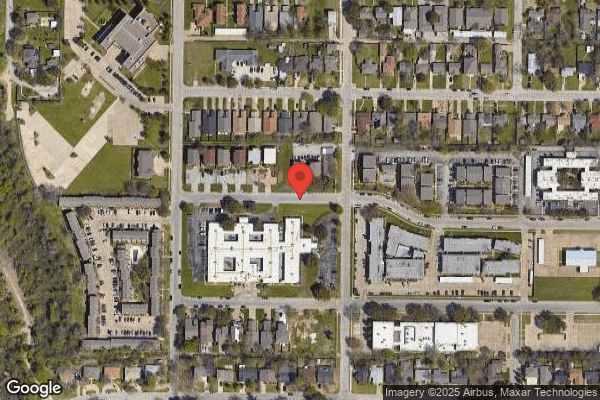
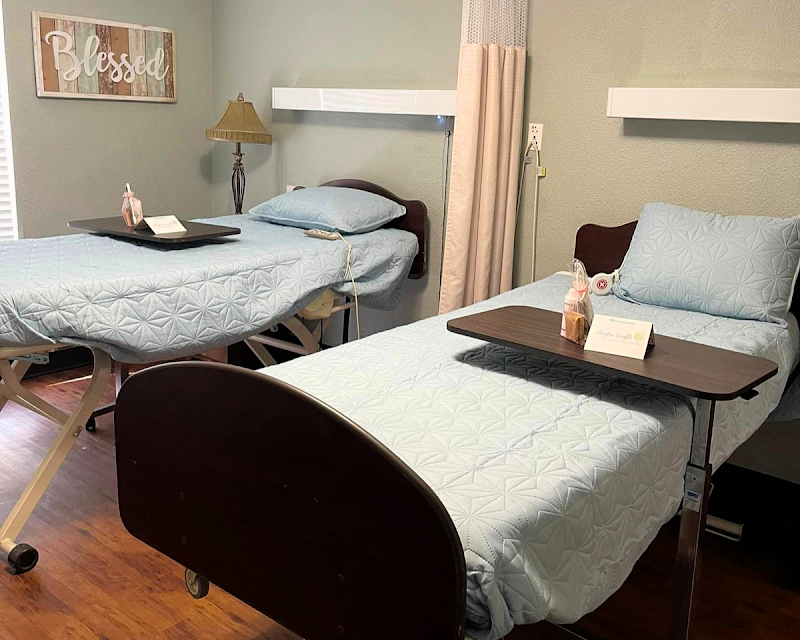
4825 WELLESLEY ST, FORT WORTH, TX 76107 (817) 732-6608
For profit - Individual 180 Beds CREATIVE SOLUTIONS IN HEALTHCARE Data: November 2025 3 Immediate Jeopardy citations
Trust Grade
0/100
#629 of 1168 in TX
Last Inspection: September 2024

Within standard 12-15 month inspection cycle. Federal law requires annual inspections.

Overview

Arlington Heights Health and Rehabilitation Center received a Trust Grade of F, indicating significant concerns about the facility's care and management. It ranks #629 out of 1168 nursing homes in Texas, placing it in the bottom half, and #32 out of 69 in Tarrant County, meaning there are only a few local options that perform better. The facility is showing signs of improvement, with the number of reported issues decreasing from 16 in 2024 to 8 in 2025. Staffing is rated average with a turnover rate of 52%, which is comparable to the state average, while RN coverage is also average, suggesting some consistency in staff. However, there have been serious incidents, including three cases of residents being abused by another resident and a resident with dementia eloping from the facility, highlighting ongoing safety concerns despite the facility's efforts to improve.

Trust Score
F
0/100
In Texas
#629/1168
Bottom 47%
Safety Record
High Risk
Review needed
Inspections
Getting Better
16 → 8 violations
Staff Stability
⚠ Watch
52% turnover. Above average. Higher turnover means staff may not know residents' routines.
Penalties
✓ Good
$23,258 in fines. Lower than most Texas facilities. Relatively clean record.
Skilled Nurses
⚠ Watch
Each resident gets only 26 minutes of Registered Nurse (RN) attention daily — below average for Texas. Fewer RN minutes means fewer trained eyes watching for problems.
Violations
⚠ Watch
38 deficiencies on record. Higher than average. Multiple issues found across inspections.
★★☆☆☆
2.0
Overall Rating
★★★☆☆
3.0
Staff Levels
★★★★★
5.0
Care Quality
★☆☆☆☆
1.0
Inspection Score
Stable
2024: 16 issues
2025: 8 issues

The Good

  • 5-Star Quality Measures · Strong clinical quality outcomes
  • Full Sprinkler Coverage · Fire safety systems throughout facility
  • No fines on record

Facility shows strength in quality measures, fire safety.

The Bad

2-Star Overall Rating

Below Texas average (2.8)

Below average - review inspection findings carefully

Staff Turnover: 52%

Near Texas avg (46%)

Higher turnover may affect care consistency

Federal Fines: $23,258

Below median ($33,413)

Minor penalties assessed

Chain: CREATIVE SOLUTIONS IN HEALTHCARE

Part of a multi-facility chain

Ask about local staffing decisions and management

The Ugly 38 deficiencies on record

3 life-threatening
Sept 2025 2 deficiencies 1 IJ
CRITICAL (J) 📢 Someone Reported This

A family member, employee, or ombudsman was alarmed enough to file a formal complaint

Immediate Jeopardy (IJ) - the most serious Medicare violation

Accident Prevention (Tag F0689)

Someone could have died · This affected 1 resident

**NOTE- TERMS IN BRACKETS HAVE BEEN EDITED TO PROTECT CONFIDENTIALITY** Based on observation, interview, and record review, the facility failed to ensure each resident received adequate supervision an...

Read full inspector narrative →
**NOTE- TERMS IN BRACKETS HAVE BEEN EDITED TO PROTECT CONFIDENTIALITY** Based on observation, interview, and record review, the facility failed to ensure each resident received adequate supervision and assistive devices to prevent accidents for 1 of 5 residents (Resident #1) reviewed for accidents. The facility failed to ensure Resident #1, who had dementia, was provided with adequate supervision to prevent her from eloping from the facility on 08/08/25. The resident was found half a block away from the facility. The noncompliance was identified as past noncompliance. The Immediate Jeopardy began on 08/08/25 and ended on 08/08/25. The facility had corrected the noncompliance before the investigation began. This failure could place residents who require supervision at risk of harm, severe injury, and possible death. Findings included:Record review of Resident #1's admission Record, dated 09/04/25, reflected the resident was a [AGE] year-old female who admitted to the facility on [DATE]. Her diagnoses included cerebral infarction unspecified (when the blood supply to part of the brain is blocked or reduced which prevents brain tissue from getting oxygen and nutrients and brain tissue begins to die), unspecified dementia (a group of symptoms affecting memory, thinking and social abilities), with unspecified severity and without behavioral disturbance; psychotic disturbance (a severe mental health condition characterized by a disconnection from reality); mood disturbance (mental health conditions that primarily affect a person's emotional state); and anxiety (an abnormal and overwhelming sense of apprehension and fear often marked by physical signs). Record review of Resident #1's Optional State Assessment MDS Assessment, dated 07/13/25, reflected the resident was a [AGE] year-old female who was admitted to the facility on [DATE]. The resident had severe cognitive impairment with a BIMS (cognitive screening tool) score of 6. The MDS reflected the resident did not have wandering behaviors. Record review of Resident #1's Elopement Risk Evaluation, dated 07/17/25, which is used to assess the likelihood of a resident leaving a facility without the facility's knowledge and supervision, reflected the resident was at a moderate risk of elopement with a score of 6. Record review of Resident #1's Consent for Secured Unit, dated 08/08/25 reflected Resident #1 gave consent to be placed on the Secured Unit. Record review of Resident #1's Progress Notes from 07/10/25-08/07/25 reflected no documented evidence that she was exit-seeking or had made any elopement attempts. Record review of Resident #1's Progress Notes written by LVN K on 08/08/25 at 6:34 PM reflected: Today around 1500 [3:00 PM] [Resident #1] was found outside down the street by staff members after she escaped our facility by following an unknown someone who was exiting the building after they used the passcode that only staff knows. She was found with her walker outside and was brought back to the facility. We looked through the sign-out binder to see if anyone signed her out today and no one had signed her out. When I asked her roommate if she had any knowledge or warning from [Resident #1] that she was going to try and escape her roommate said ‘Yes. [Resident #1] said she was getting out of here.' When I asked [Resident #1] why and how she escaped outside today she said, ‘I don't want to be here anymore people are mean to me and call me names.' And when describing how she got out she said, ‘Someone got out of a car, went to open the door, as that person was entering, another person exiting, and I followed that person out the door.' I called her Responsible Party to alert her to this elopement, she didn't answer my call, I left a voicemail. Record review of Resident #1's Care Plan, dated 09/05/25, reflected: Focus: [Resident #1] resides in secure unit related to High Risk for Elopement-8/8/25: Actual Elopement.Goal: Resident will not have feelings of isolation and will feel safe and secure in the care received while on the secured unit.Interventions: Admit to secure unit per DR orders. Assist and monitor resident for off unit activities if able.Involve resident in daily activities designed for secured unit. Monitor for s/s of depression, withdrawal from usual activities.Notify MD and family of any changes.Psych services per DR orders. Record review of the facility's Provider Investigation Report, completed by the Administrator on 08/15/25, reflected the following under the Investigation Summary section: On 8/8/2025 at 2:55pm.housekeeper saw what she thought was a resident outside the facility. She came to the administrator's office and wanted to report what looked like a resident outside. Admin started running down towards the exit door. Housekeeper used her car to go down the road. [Housekeeper M] located the resident halfway down the block. [Housekeeper M] placed resident in her car and picked up the admin as well. Admin asked resident, why she left the facility, and she stated she got kicked out. She would not elaborate on anything else. Resident was brought back to the facility around 2:59pm. Resident was placed on the secure unit after being interviewed by the DON. Admin reviewed cameras and resident left from the 300-hall main exit. Video shows the resident walking to the door, an outside transport company was delivering a new resident, opened the door, and let the resident out without asking the resident any questions or stopping the resident. The transport staff did not let anyone know of the resident walking out. Admin called transport company to inform them of the incident. We are still waiting for staff in servicing information. Codes to exit doors were changed. All doors were checked for proper functioning with no issues. Elopement drill was conducted. Elopement assessment on all residents conducted. Verified signage is still placed on exit doors. Sent a message to all employees on change of code to the door. Sent a message to all families about not letting any resident out of the facility and to make sure the door closes behind them. Further record review of the facility's Provider Investigation Report reflected the following: Provider Action Taken Post-Investigation: In service on Elopement response.In service on Elopement prevention.In service on Abuse/Neglect.In service on door alarms. Interview on 09/04/24 at 10:22 AM, with LVN K revealed that Resident #1 had not eloped previously or attempted eloping previously. LVN K stated that she was unaware that Resident #1 had eloped until she was notified by the ADON that she had gone. LVN K stated that she had not previously noticed Resident #1 watching the front door or exit seeking. Interview on 09/04/25 at 11:47 AM, 12:18 PM, and on 09/05/25 at 9:38 AM with Resident #1 was attempted, but the resident did not awaken from her sleep. Interview on 09/04/25 at 10:43 AM with Housekeeper M revealed at about 2:50 PM on 08/08/25 she had clocked out and exited the facility. Housekeeper M stated immediately after she left, she saw an elder with a walker walking in the middle of the street. Housekeeper M said the resident said she had been kicked out of where she lived, and so the Pope told her to leave. Housekeeper M asked the resident her name, but she was not familiar with the individual's name. Housekeeper M returned to the facility and went directly to the Administrator. Housekeeper M stated she told the Administrator the name given, but he did not recognize the name (he later learned that was not her first name). However, the Administrator immediately began walking down the street toward the resident while Housekeeper M drove her car to the resident. Housekeeper M asked the resident to get in the car, and she did. The Administrator arrived to them and recognized the resident and got into the car as well. They brought Resident #1 back to the facility where she was placed on the secured unit and notified the nurse. Housekeeper M stated she received messages on her phone regarding the elopement and was in-serviced on elopement response and elopement prevention. Housekeeper M also said that the facility codes were changed on the doors. Interview on 09/04/25 at 4:03 PM with the Administrator revealed he was in his office when a housekeeper came to him and said it looked like someone who may be a resident is on the corner outside. The Administrator stated he walked to the resident, and Housekeeper M took her car and together they found Resident #1 halfway down the block from the facility. The Administrator explained that a transportation driver did not ask questions, and he let her out the door when he entered the building. The alarm did not sound because the transportation driver used the code when entering the building. The Administrator stated he discovered Resident #1 was gone about five minutes after reviewing facility video footage. The Administrator also stated he did not have a copy of the video footage because the camera footage only saved nine days at any given time. The Administrator revealed when she was brought back to the facility, a nurse completed a skin assessment and pain assessment with no injuries found. The Administrator stated they completed an elopement assessment on Resident #1 and then placed her on the secured unit. The Administrator also said elopement assessments were completed on all residents with no residents triggering for elopement. The Administrator stated when a resident eloped, they could be injured by falling. The Administrator also revealed it was all staff's responsibility to monitor the facility's exit doors. The Administrator revealed that staff were in-serviced on Door Alarms, Elopement Prevention, Elopement Response, and Abuse/Neglect. The Administrator stated the facility sent a cover message to all staff on elopement prevention as well as a change in the code to the door alarms. The Administrator said the Maintenance Director checked all doors to ensure they were working. The Administrator stated all the door alarms were working correctly. The Administrator then revealed he started elopement drills which he continued five times per week for four weeks. The Administrator stated a QAPI was completed which revealed that the facility medical director was notified of the resident elopement. A review of the witness statements for the facility revealed no other staff had knowledge of Resident #1's elopement. Interview on 09/04/25 at 3:01 PM with the ADON revealed she was told by the Administrator that Resident #1 eloped through an exit door. The ADON said she collected the witness statements and gave them to the Administrator. The ADON also revealed the staff were in-serviced on listening for the door alarms, elopement prevention, elopement response, and abuse and neglect as well. The ADON stated everyone was supposed to be listening for the door alarms, and respond, and re-direct residents if needed to prevent residents from eloping from the facility. Then staff should notify the Administrator and the DON immediately, so the resident could be assisted back into the facility. Interview on 09/04/25 at 12:14 PM with CNA L revealed she had been trained on the door alarms (new code is not to be given out to visitors or family and to immediately go to the doors to check for residents who have possibly eloped if the alarm sounds), Elopement Prevention (observe residents for agitation, exit seeking, anxious behavior), Elopement Response ( call a code orange, get the census, and staff take their individual assignments and look for the missing residents including inside the building and outside the building until the resident is found), and Abuse/Neglect (physical, verbal, mental with signs such as bruising and change in behavior and should notify the Administrator). Interview on 09/04/25 at 1:05 PM with CNA N revealed she had been trained on the door alarms (new code is not to be given out to visitors or family and to immediately go to the doors to check for residents who have possibly eloped if the alarm sounds), Elopement Prevention (observe residents for agitation, exit seeking, anxious behavior)Elopement Response (get the census and staff take their individual assignments and look for the missing residents including inside the building and outside the building until the resident is found ), and Abuse/Neglect (physical, verbal, mental with signs such as bruising and change in behavior and should notify the Administrator). Interview on 09/04/25 at 1:32 PM with CNA O revealed he had been trained on the door alarms (new code is not to be given out to visitors or family and to immediately go to the doors to check for residents who have possibly eloped if the alarm sounds), Elopement Prevention (observe residents for agitation, exit seeking, anxious behavior), Elopement Response ( call a code orange, get the census, and staff take their individual assignments and look for the missing residents including inside the building and outside the building until the resident is found), and Abuse/Neglect (physical, verbal, mental with signs such as bruising and change in behavior and should notify the Administrator). Interview on 09/04/25 at 1:44 PM with CNA P revealed she had been trained on the door alarms (new code is not to be given out to visitors or family and to immediately go to the doors to check for residents who have possibly eloped if the alarm sounds), Elopement Prevention (observe residents for agitation, exit seeking, anxious behavior), Elopement Response (call a code orange, get the census, and staff take their individual assignments and look for the missing residents including inside the building and outside the building until the resident is found), and Abuse/Neglect (physical, verbal, mental with signs such as bruising and change in behavior and should notify the Administrator). Interview on 09/04/25 at 2:05 PM with CNA Q revealed she had been trained on the door alarms (new code is not to be given out to visitors or family and to immediately go to the doors to check for residents who have possibly eloped if the alarm sounds), Elopement Prevention (observe residents for agitation, exit seeking, anxious behavior), Elopement Response (call a code orange, get the census, and staff take their individual assignments and look for the missing residents including inside the building and outside the building until the resident is found), and Abuse/Neglect (physical, verbal, mental with signs such as bruising and change in behavior and should notify the Administrator). Interview on 09/04/25 at 2:28 PM with LVN R revealed she had been trained on the door alarms (new code is not to be given out to visitors or family and to immediately go to the doors to check for residents who have possibly eloped if the alarm sounds), Elopement Prevention (observe residents for agitation, exit seeking, anxious behavior), Elopement Response (call a code orange, get the census, and staff take their individual assignments and look for the missing residents including inside the building and outside the building until the resident is found), and Abuse/Neglect (physical, verbal, mental with signs such as bruising and change in behavior and should notify the Administrator). Interview on 09/05/25 at 9:49 AM with MA S revealed he had been trained on the door alarms (new code is not to be given out to visitors or family and to immediately go to the doors to check for residents who have possibly eloped if the alarm sounds), Elopement Prevention (observe residents for agitation, exit seeking, anxious behavior), Elopement Response (call a code orange, get the census, and staff take their individual assignments and look for the missing residents including inside the building and outside the building until the resident is found), and Abuse/Neglect (physical, verbal, mental with signs such as bruising and change in behavior and should notify the Administrator). Interview on 09/05/25 at 9:59 AM with CNA T revealed she had been trained on the door alarms (new code is not to be given out to visitors or family and to immediately go to the doors to check for residents who have possibly eloped if the alarm sounds), Elopement Prevention (observe residents for agitation, exit seeking, anxious behavior), Elopement Response ( call a code orange, get the census, and staff take their individual assignments and look for the missing residents including inside the building and outside the building until the resident is found), and Abuse/Neglect (physical, verbal, mental with signs such as bruising and change in behavior and should notify the Administrator). Interview on 09/05/25 at 10:10 AM with CNA U revealed she had been trained on the door alarms (new code is not to be given out to visitors or family and to immediately go to the doors to check for residents who have possibly eloped if the alarm sounds), Elopement Prevention(observe residents for agitation, exit seeking, anxious behavior), Elopement Response ( call a code orange, get the census, and staff take their individual assignments and look for the missing residents including inside the building and outside the building until the resident is found), and Abuse/Neglect (physical, verbal, mental with signs such as bruising and change in behavior and should notify the Administrator). Interview on 09/05/25 at 10:26 AM with LVN V revealed she had been trained on the door alarms (new code is not to be given out to visitors or family and to immediately go to the doors to check for residents who have possibly eloped if the alarm sounds), Elopement Prevention (observe residents for agitation, exit seeking, anxious behavior), Elopement Response ( call a code orange, get the census, and staff take their individual assignments and look for the missing residents including inside the building and outside the building until the resident is found), and Abuse/Neglect (physical, verbal, mental with signs such as bruising and change in behavior and should notify the Administrator). Interview on 09/05/25 at 10:33 AM with CNA W revealed she had been trained on the door alarms (new code is not to be given out to visitors or family and to immediately go to the doors to check for residents who have possibly eloped if the alarm sounds), Elopement Prevention(observe residents for agitation, exit seeking, anxious behavior), Elopement Response ( call a code orange, get the census, and staff take their individual assignments and look for the missing residents including inside the building and outside the building until the resident is found), and Abuse/Neglect (physical, verbal, mental with signs such as bruising and change in behavior and should notify the Administrator). Interview on 09/05/25 at 10:53 AM with Social Services revealed she had been trained on the door alarms (new code is not to be given out to visitors or family and to immediately go to the doors to check for residents who have possibly eloped if the alarm sounds), Elopement Prevention(observe residents for agitation, exit seeking, anxious behavior), Elopement Response ( call a code orange, get the census, and staff take their individual assignments and look for the missing residents including inside the building and outside the building until the resident is found), and Abuse/Neglect(physical, verbal, mental with signs such as bruising and change in behavior and should notify the Administrator). The Administrator was notified on 09/05/25 at 12:35 PM, that a past non-compliance IJ had been identified related to the facility's failure to provide adequate supervision to prevent an elopement. It was determined this failure placed Resident #1 in an IJ situation on 08/08/25. Observation on 09/05/25 at 12:40 PM of the facility's exit doors and secured unit doors revealed they were locked and the keypads next to them had their green lights on indicating they were working properly. An attempt to push on the doors to open were unsuccessful. The doors stayed closed and never opened. There were signs posted on the doors which reflected the following: Reminder/Families If Resident is leaving the facility.Did you notify the Nurse? You must sign out in the Sign out book at the nurses' station prior to leaving the facility. Thank you, Management Attention!!! Staff and Visitors When Entering/Leaving Please Ensure the Door Fully Closes Behind You.Do Not Let Residents Out of the Door Without First Checking with the Nurse Thank you, Management . The facility implemented the following interventions: Record review of an Elopement Drill/Actual Event Participation Log reflected a date of 08/08/25. Record review of an Elopement Drill/Actual Event Participation Log reflected a date of 08/13/25. Record review of an Elopement Drill/Actual Event Participation Log reflected a date of 08/21/25. Record review of an Elopement Drill/Actual Event Participation Log reflected a date of 08/25/25. Record review of the facility's Elopement Prevention QA Check List reflected a date of 08/08/25 and the following items reviewed/monitored:1. Doors 1-10 maglocks were secured and armed2. Doors with keypads codes have codes that are changed monthly3. All exit doors have alarms that are loud enough to be heard when opened4. All Door lock/alarm functions validated weekly in maintenance care5. Elopement policy in place6. Elopement policy reviewed in facility general orientation7. Elopement policy in-service at least annually8. Elopement risk assessments are completed upon admission/significant change/new behavior or elopement attempt9. Care plans with elopement risk interventions in place10. Secure Unit Windows have a device that allow them to open only six inches11. Secure unit present, exit doors must not have a delayed egress function. Instead do they release when any of the following occur:a. The fire alarm or sprinkler system activatesb. The facility loses powerc. A switch or button at the main nurses' station and at the monitoring station is activated. 12. Secure unit, courtyard doors have alarm/lock for going outside and NO alarm for coming inside13. Secure unit present, is there a manual fire alarm pull station located within five feet of each exit door with a sign indicating Pull to release door in emergency. Record review of the facility's Post Elopement Drill or Actual Elopement QAPI Evaluation Checklist reflected a date of 08/08/25. The QAPI evaluation checklist reflected that the facility followed its elopement response protocol, notified the family, notified the physician, notified the Administrator, and followed the procedure correctly. Record review of the facility's Elopement Risk Assessment Completed reflected a date of 08/11/25 and that Resident #1 had attempted to elope one or more times in the last week, was restless, ambulated independently, and lived on the secured unit Record review of facility's Monitoring Tool reflected staff were signing off that they had monitored all doors functioning, including the dining room door and alarms 5 times per week beginning 08/11/25 through 09/05/25. Record review of an in-service titled Elopement Response dated 08/08/25 reflected staff had been trained on the facility's policy and procedures by being provided the policy and procedure as well as being explained the policy and procedure. The policy stated that the nurses were to use the census and divide the staff on the halls into assignments. The facility will call a code orange. The facility will look for the resident both inside and outside until the resident is found. Administration is to be notified immediately. Record review of an in-service titled Elopement Prevention dated 08/08/25 reflected staff had been trained on the facility's policy and procedures by being provided the policy and procedure as well as being explained the policy and procedure. Staff are to monitor for anxiousness or exit seeking behaviors and alert their nurse to the behavior. The resident is to be re-directed until the behaviors change. Notify administration. Record review of an in-service titled Abuse and neglect dated 08/08/25 reflected staff had been trained on the facility's policy and procedures by being provided the policy and procedure as well as being explained the policy and procedure. Staff is to monitor for the types of abuse/neglect and notify the abuse coordinator immediately if signs or symptoms are observed. Record review of an in-service titled Door exits/alarms ringing dated 08/08/25 reflected staff had been trained on the facility's policy and procedures by being provided the policy and procedure as well as being explained the policy and procedure. If a door alarm sounds, staff are to check the exits for residents that may have eloped. Staff are not to ignore the alarms. The door codes are not to be given out to visitors or family members. Record review of the facility's Elopement Response policy, revised January 2023, reflected: .1. It is the responsibility of all personnel to report any resident attempting to leave the premises, or suspected of being missing, to the charge nurse as soon as practical. 2. Determination of missing resident either by routine nursing rounds or door alarms: A. Note: A resident is determined to be missing when he/she leaves the facility without the staff's knowledge.3. Should an employee observe a resident leaving the premises, he/she should A. Attempt to prevent the departure: B. Obtain assistance from other staff members in the immediate vicinity, but do not leave the resident alone, if necessary: C. Instruct another staff member to inform the charge nurse or Director of Nursing that a resident has left the premises; and D. Be courteous in preventing the departure and in returning the resident to the facility. 4. Should an employee discover the resident is missing from the facility (Code Orange) he/she should: A. Report to the charge nurse B. Determine if the resident is out on an authorized leave or pass. If not; C. Make a thorough search of the building(s) and premises. If not located; D. Notify the Administrator and the Director of Nursing; E. Notify the resident's responsible party. J. Make an extensive search of the surrounding area.Every effort will be made to prevent elopement episodes while maintaining the least restrictive environment for residents who are at risk for elopement. 1. The Elopement Risk Assessment will be completed upon admission. The Elopement Risk Assessment is to be completed at least quarterly, after an elopement attempt, upon new exit seeking behavior, and upon change of condition. 2. All residents who are at risk for harm because of wandering (elopement) will be assessed by the interdisciplinary care planning team. 6. Should an elopement episode occur, the contributing factors, as well as the interventions tried, will be documented in the nurses' notes. Director of Nursing Services should be notified of elopement. 7. If a resident is discovered to be missing, a search shall begin immediately. Record review of the facility's Abuse/Neglect policy, revised 03/29/18, reflected: The resident has the right to be free from abuse, neglect, misappropriation of resident property, and exploitation as defined in this subpart.Neglect: is the failure of the facility, its employees or service providers to provide goods and services to a resident that are necessary to avoid physical harm, pain, mental anguish, or emotional distress.
CONCERN (D) 📢 Someone Reported This

A family member, employee, or ombudsman was alarmed enough to file a formal complaint

Potential for Harm - no one hurt, but risky conditions existed

Free from Abuse/Neglect (Tag F0600)

Could have caused harm · This affected 1 resident

**NOTE- TERMS IN BRACKETS HAVE BEEN EDITED TO PROTECT CONFIDENTIALITY** Based on observation, interview, and record review, the facility failed to ensure residents were free from abuse for 1 of 6 resi...

Read full inspector narrative →
**NOTE- TERMS IN BRACKETS HAVE BEEN EDITED TO PROTECT CONFIDENTIALITY** Based on observation, interview, and record review, the facility failed to ensure residents were free from abuse for 1 of 6 residents (Resident #2) reviewed for abuse. The facility failed to ensure Resident #3 did not physically abuse Resident #2. On 07/17/25, Residents #2 and #3 physically attacked each other and Resident #2 suffered scratches to her left cheek and lip. The noncompliance was identified as PNC. The noncompliance began on 07/17/25 and ended on 07/17/25. The facility had corrected the noncompliance before the survey began. This failure placed residents at risk for abuse. Findings included: Record review of Resident #2's Quarterly MDS Assessment, dated 07/23/25, reflected she was a [AGE] year-old female who was originally admitted to the facility on [DATE]. The resident had severe cognitive impairment with a BIMS (cognitive screening tool) score of 2. She was noted to have had physical behaviors directed towards others for 4 to 6 days. Her active diagnoses included non-Alzheimer's disease (a general term for any form of dementia that is not classified as Alzheimer's disease) and unspecified dementia (the specific type of dementia cannot be clearly identified). Record review of Resident #2's Care Plan, revised 07/17/25, reflected the following: Focus: The resident has a potential for psychosocial well-being problem r/t altercation with another resident.Interventions: Empty room at the end of the hall has been locked to prevent residents wandering in and out of the room.The resident needs assistance/supervision/support to identify causative and contributing factors.Focus: [Resident #2] has potential to demonstrate physical behaviors Dementia, Poor Impulse Control.Interventions: If [Resident #2] has physical behaviors towards another resident, immediately intervene to protect the residents involved and call for assistance. If intervening would be unsafe, call out for staff assistance immediately. Record review of Resident #2's Progress Notes reflected the following two entries:- LVN D wrote on 07/17/25 at 10:10 AM: Location of event: Hallway.Injury: Yes.Describe any injuries: scratches to cheek and lip.4 residents were walking the hallways peacefully, per CNA [Resident #2] and another resident went into an empty room at the end of the hall and closed the door in the other resident's face, other resident became agitated and pushed hard on the door. [Resident #2] opened the door and other resident grabbed her hair and pulled her out of the room. [Resident #2] started screaming and punching other resident while other resident pushed and pulled on other [Resident #2's] [sic] hair.Initial Treatment/New Orders: cleansed scratches no new orders from md.Resident Statement: ‘I went into the room with my [family member] and shut the door, that's when she pushed the door a few times to get in, I opened the door and she hit me in the face and started fighting me'.Interventions: separation of residents. - LVN D wrote on 07/17/25 at 10:22 AM: Injury Follow-Up.Location of abrasion: left cheek and lip, Size of abrasion in cm: 5cm x2 and 1cm to lip. Record review of Resident #2's Weekly Skin Assessment, dated 07/17/25, reflected the following: .a. Bruise b. Yes. Aa. Note location, measurements of any bruise: under left eye non measurable still developing.c. Abrasion b. Yes. Cc. Note location, measurements of any abrasion: 5cm 2x to left cheek and 1cm to bottom lip. Observation on 09/04/25 at 11:30 AM of Resident #2 revealed she was walking up and down the hallway alone. Resident #2 was not able to answer any questions and just kept walking past the surveyor. Record review of Resident #3's Quarterly MDS Assessment, dated 07/10/25, reflected the resident was a [AGE] year-old female who was admitted to the facility on [DATE]. She had a BIMS score of 01, indicating severe cognitive impairment. Her noted behaviors indicated she had physical behaviors towards other that occurred for 1 to 3 days. Her active diagnoses included non-Alzheimer's disease (a general term for any form of dementia that is not classified as Alzheimer's disease), anxiety disorder (a range of conditions that cause significant and uncontrollable feelings of anxiety and fear), depression (a mood disorder that causes persistent feelings of sadness and loss of interest), and psychotic disorder (a severe mental health condition characterized by a loss of contact with reality, often manifesting as delusions and hallucinations). Record review of Resident #3's Care Plan, revised on 07/17/25, reflected the following: Focus: [Resident #3] has potential to demonstrate physical behaviors.Interventions: When the resident becomes agitated: Intervene before agitation escalates; Guide away from source of distress; Engage calmly in conversation; If response is aggressive, staff to walk calmly away, and approach later.Empty room at the end of the hall has been locked to prevent residents wandering in and out of the room. Record review of Resident #3's Progress Notes reflected the following entry: LVN D wrote on 07/17/25 at 9:21 AM: Event- Other.4 residents were walking the hallways peacefully, per CNA two residents went into an empty room at the end of the hall and closed the door in [Resident #3's] face, [Resident #3] became agitated and pushed hard on the door, one resident opened the door and [Resident #3] grabbed her hair and pulled her out of the room. other [sic] resident started screaming and punching [Resident #3] while [Resident #3] pushed and pulled on other residents [sic] hair. nurse [sic] and CNAs ran to other end of the hall to separate residents and deescalate.Resident Statement: [Resident #3] is mostly nonverbal but was able to say ‘i [sic] was just trying'. Observation and attempted interview on 09/04/25 at 12:31 PM with Resident #3 revealed she had just come back from being out on pass with her family and had a fast-food bag of food in her hands. Resident #3 was being guided to sit down in the dining room at a table to eat her food. Resident #3 was not able to answer any questions and instead just smiled at the surveyor. Record review of the facility's Provider Investigation Report, dated 07/23/25, reflected the following: Investigative Summary: [Resident #2] and [Resident #4] entered room [ROOM NUMBER], closed the door, and [Resident #3] was walking toward the room as well. [Resident #3] pushed the door twice, met resistance, and forced the door open. [Resident #2] was behind the door, [Resident #3] grabbed [Resident #2] by the hair and started hitting each other. Staff saw the altercation and ran to separate the residents. Both residents were assessed for pain, skin, and trauma informed assessment. [Resident #2] sustained a scratch in the lower left eye. [Resident #3] was placed 1:1.Staff were interviewed. Social/psych consult for both residents. Secure care consult for [Resident #3]. No resident shows signs of anxiousness or being scared.Facility investigation Findings: Confirmed. Record review of a Witness Statement, dated 07/17/25, completed by CNA W reflected the following: [Residents #2, #4, #3, and #5] was [sic] walking towards the end of the hall; [Residents #4 and #2] went inside room [ROOM NUMBER] and closed the door. [Resident #3] walked up to the door and pushed it twice and grabbed [Resident #2] by her hair. I yelled ‘They fighting' [sic] [LVN D, CNA G], & myself ran down the hall; while [Resident #3] was punching [Resident #2] in the face, they were leaning against the wall in the corner still fighting. We broke the fight up and called [the Administrator], took [Resident #3] down the hall & sat inside an empty room and [Resident #2] at the nurse's desk. Interview on 09/04/25 at 11:53 AM with CNA E revealed he was not here when Residents #2 and #3 had an altercation on 07/17/25. CNA E said he was aware of both residents' triggers and signs they were beginning to get agitated. CNA E said Resident #2 walked up and down the hallway all day long and Resident #3 liked to walk around as well and would try to help others since she used to be a CNA herself. CNA E said staff assured Resident #3 that she did not need to help them with the other residents and distracted her with music. CNA E said he had never known or seen either Resident #2 or #3 have any physical behaviors towards another resident. CNA E said he knew to immediately intervene when two residents had an altercation with each other. CNA E said he was in-serviced after the incident to ensure he knew the facility's abuse policy and procedures as well. Interview on 09/04/25 at 12:20 PM with CNA F revealed she was not here when Residents #2 and #3 had an altercation on 07/17/25. CNA F said she had never seen or known Residents #2 or #3 to have any physical behaviors towards other residents. CNA F said Resident #3 was very caring and loving towards other residents and since she was a CNA in her past life she liked to try to help other residents. CNA F said Resident #2 was known to get upset at times but was easily calmed down through redirection and talking to her. CNA F said she was aware of both Residents #2 and #3 signs of agitation and knew how to calm them down. CNA F said she was in-serviced after the incident to ensure she knew the facility's abuse policy and procedures as well. Interview on 09/04/25 at 12:26 PM with LVN D revealed she saw Residents #2 and #3 trying to get into the last room at the end of the hallway. LVN D said Resident #2 went into the room first and when Resident #3 tried to go in it upset Resident #2. LVN D said she saw Resident #2 close the door to the room in Resident #3's face which made her upset. LVN D said Resident #3 went to push the door open again and Resident #2 slammed it shut on her. LVN D said Resident #3 opened the door again and grabbed Resident #2's hair and Resident #2 started punching Resident #3. LVN D said she saw Resident #3 stumble back into the wall behind them in the hall and by then staff were there separating the two residents. LVN D said Resident #2 ended up having scratches to her face and lip. LVN D said Resident #2 was hysterically crying and upset initially but afterwards she calmed down. LVN D said after about 15 minutes, neither resident remembered what had happened. LVN D said Resident #3 was placed on 1:1 monitoring and Resident #2 was on every 15 minute checks. LVN D said she had never seen either resident have physically aggressive behaviors towards any other resident before this incident occurred. LVN D said she was aware of both Residents #2 and #3 signs of agitation and knew how to calm them down. LVN D said she was in-serviced after the incident to ensure she knew the facility's abuse policy and procedures as well. Attempted phone interview on 09/04/25 at 1:05 PM with CNA G, who worked with Residents #2 and #3 on 07/17/25, was unsuccessful as she did not answer or call back prior to exit. Record review of a witness statement, dated 07/17/25, completed by CNA G reflected the following: I didn't see the beginning of what happened was [sic] at the nurses station when I heard someone say [Resident #2] and [Resident #3] were fighting ran [sic] down the hall to pull them apart. Phone interview on 09/04/25 at 1:11 PM with CNA H. who worked with Residents #2 and #3, revealed she had never seen either resident have physically aggressive behaviors towards any other resident before this incident occurred. CNA H said she was aware of both Residents #2 and #3 signs of agitation and knew how to calm them down. CNA H said she was in-serviced after the incident to ensure she knew the facility's abuse policy and procedures as well. Interview on 09/04/25 at 2:34 PM with Housekeeper I revealed she did not see how the situation started between Residents #2 and #3 on 07/17/25. Housekeeper I said she did see Resident #3 pulling Resident #2 by her hair out of a room, which was odd because they were just seen holding hands in the hallway. Housekeeper I said she saw staff intervening and separating the residents immediately but that was all she knew or saw. Interview on 09/04/25 at 3:50 PM with the Administrator revealed both Residents #2 and #3 had a habit of walking up and down the hallway. The Administrator said that Resident #2 liked to go into the last room on the right side of the hallway. The Administrator said Resident #2 walked into the room and Resident #3 walked in behind her. The Administrator said when Resident #3 walked in, Resident #2 closed the door on her and then Resident #3 pushed on the door harder. The Administrator said when the door opened, Resident #3 grabbed Resident #2 and they both started hitting each other. The Administrator said Resident #2 had a scratch under her eye that was superficial and did not require any further treatment. The Administrator said Resident #3 was placed on 1:1 monitoring since she initiated the first contact with Resident #2. The Administrator said staff were in-serviced on abuse, resident-to-resident altercations, and behaviors. The Administrator said the door to the room they tried going into was also now locked so that they could not go in there anymore. The Administrator said all residents had the right to be free from abuse, even from each other. The Administrator said all staff were responsible for ensuring that any resident in the facility was free from abuse. The Administrator said the incident that occurred between Residents #2 and #3 was considered physical abuse. The Administrator said if residents were not free from abuse they could suffer physical or mental anguish from the situation. The Administrator said he expected all staff to ensure residents were free from abuse. Record review of an in-service dated 07/17/25 and titled Approaching and calming residents with Dementia, revealed 90 staff had been in-serviced. Record review of an in-service dated 07/17/25 and titled Resident to Resident Abuse, revealed 90 staff had been in-serviced. Record review of the facility's Abuse/Neglect policy, dated 03/29/18, reflected: The resident has the right to be free from abuse, neglect, misappropriation of resident property, and exploitation as defined in the subpart.Residents should not be subjected to abuse by anyone, including, but not limited to, facility staff, other residents, consultants or volunteers, staff of other agencies serving the resident, family members or legal guardians, friends, or other individuals. The facility will provide and ensure the promotion and protection of resident rights.
Jul 2025 2 deficiencies
CONCERN (D) 📢 Someone Reported This

A family member, employee, or ombudsman was alarmed enough to file a formal complaint

Potential for Harm - no one hurt, but risky conditions existed

Comprehensive Care Plan (Tag F0656)

Could have caused harm · This affected 1 resident

**NOTE- TERMS IN BRACKETS HAVE BEEN EDITED TO PROTECT CONFIDENTIALITY** Based on interview and record review, the facility failed to develop and implement comprehensive person-centered care plans for ...

Read full inspector narrative →
**NOTE- TERMS IN BRACKETS HAVE BEEN EDITED TO PROTECT CONFIDENTIALITY** Based on interview and record review, the facility failed to develop and implement comprehensive person-centered care plans for each resident that included measurable objectives and timeframes to meet a resident's medical, nursing, and mental and psychosocial needs that were identified in the comprehensive assessment for 1 of 3 residents (Resident #1) reviewed for comprehensive care plans. The facility failed to develop a care plan for Resident #1's Foley catheter. This failure placed resident at risk of not receiving appropriate care. Findings included:Record review of Resident #1's MDS dated [DATE] reflected the resident was [AGE] year-old male admitted to the facility on [DATE] and discharged [DATE]. The MDS reflected Resident #1's cognition was intact with a BIMS score of 15, and his diagnoses included quadriplegia (a condition characterized by the loss of function or paralysis in all four limbs and sometimes the torso), neurogenic bladder (a dysfunction that results from interference with the normal nerve pathways associated with urination), and Stage 2 pressure ulcer of the right buttock (a shallow open wound, where the skin has broken down, revealing the dermis (the second layer of skin). The MDS reflected the resident was dependent upon staff for toileting hygiene, and he had a catheter for the entire 7 days of the assessment. Record review of Resident #1's care plan, dated 05/16/25, reflected it did not address the resident's Foley catheter.Record review of Resident #1's physician orders, dated 05/09/25, reflected there were no physician orders addressing the resident's Foley catheter.Record review on 07/15/25 at 11:07 AM of the Nurse Practitioner Notes, dated 05/21/25, reflected: ensure catheter securement device is in place to prevent pressure.Interview on 07/15/25 at 1:40 PM, LVN A revealed Resident #1 had been a resident at the facility for over a month. She stated she was aware the resident had a Foley catheter, but she was not sure of the orders to change the Foley catheter. She stated she knew he had once gone to be seen by the urologist, but she did not document any notes. She stated she remembered Resident #1 telling her his Foley catheter was changed at the doctor's office. LVN A further stated staff was aware of Foley catheter care, which consisted of emptying the catheter bag each shift and cleansing the catheter even if it had not been cared planned. She stated it was the responsibility of the ADON and DON to care plan the Foley catheter for Resident #1. Interview attempted via telephone on 07/15/25 at 3:24 PM with Resident #1; however, the attempt was not successful. Interview on 07/15/25 at 4:36 PM, the Regional Compliance Nurse revealed it was the nurse's responsibility to initiate a baseline care plan upon a resident's admission. She stated she and the interdisciplinary team were responsible for updating care plans, since the facility did not have a Director of Nursing. She stated the interdisciplinary team was responsible for initiating care plans according to their disciplines. She stated to have a Foley catheter care planned there were supposed to be orders and assessments in the resident's record, and they were missed from admission. She stated she was supposed to have followed up to ensure the care plans were updated, but the care plan was missed. She stated the purpose of the care plan to ensure continuity of care.Record review of the facility's current, undated Comprehensive Care Planning policy, reflected:Each resident will have a person-centered comprehensive care plan developed and implemented to meet his other preferences and goal, and address the resident's medical, physical, mental and psychosocial needs. Comprehensive care Plans will be: -Developed within 7 days after completion of the comprehensive assessment.Prepared and /or contributed to by an interdisciplinary that includes, but is not limited to: -a. The Attending Physician.b. A Registered Nurse who has responsibility for the resident.c. A member of food and nutrition services staff.d. The Social Services Worker responsible for the resident.e. To the extent practicable, the participation of the resident and the resident's representative.f. Nursing assistants responsible for the resident's care.k. Other appropriate staff or professional or professional in discipline as determined by the resident's needs or as requested by the resident .
CONCERN (D) 📢 Someone Reported This

A family member, employee, or ombudsman was alarmed enough to file a formal complaint

Potential for Harm - no one hurt, but risky conditions existed

Incontinence Care (Tag F0690)

Could have caused harm · This affected 1 resident

**NOTE- TERMS IN BRACKETS HAVE BEEN EDITED TO PROTECT CONFIDENTIALITY** Based on interview and record review, the facility failed to ensure a resident who enters the facility with an indwelling cathet...

Read full inspector narrative →
**NOTE- TERMS IN BRACKETS HAVE BEEN EDITED TO PROTECT CONFIDENTIALITY** Based on interview and record review, the facility failed to ensure a resident who enters the facility with an indwelling catheter receives appropriate treatment and services for 1 of 3 (Resident #1) reviewed for catheters.The facility failed to obtain physician orders to address the treatment and services that were to be provided to care for Resident #1's Foley catheter.The failure placed residents at risk for catheter complications and infection. Findings included: Record review of Resident #1's MDS dated [DATE] reflected the resident was [AGE] year-old male admitted to the facility on [DATE] and discharged [DATE]. The MDS reflected Resident #1's cognition was intact with a BIMS score of 15, and his diagnoses included quadriplegia (a condition characterized by the loss of function or paralysis in all four limbs and sometimes the torso), neurogenic bladder (a dysfunction that results from interference with the normal nerve pathways associated with urination), and Stage 2 pressure ulcer of the right buttock (a shallow open wound, where the skin has broken down, revealing the dermis (the second layer of skin). The MDS reflected the resident was dependent upon staff for toileting hygiene, and he had a catheter for the entire 7 days of the assessment. Record review of Resident #1's care plan, dated 05/16/25, reflected it did not address the resident's Foley catheter.Record review of Resident #1's physician orders, dated 05/09/25, reflected there were no physician orders addressing the resident's Foley catheter.Record review on 07/15/25 at 11:07 AM of the Nurse Practitioner Notes, dated 05/21/25, reflected: ensure catheter securement device is in place to prevent pressure.Interview on 07/15/25 at 1:40 PM with LVN A revealed Resident #1 had been a resident at the facility for over a month. She stated she was aware he had a Foley catheter, but she was not sure of the orders to change the Foley catheter. She stated it was the admitting nurse's responsibility to put orders in and other nurses to notify the doctor if the orders were missing. She stated she had not noticed the Foley catheter orders were missing. She stated failure to have orders could result in the resident missing care and could cause infection. She stated she had done in-service training on documentation of orders, but she could not remember when.Interview on 07/15/25 at 3:18 PM with the Regional Compliance Nurse revealed her expectation was that the admitting nurse would ensure the orders were put in the electronic records system. She stated it was her responsibility and the ADON to follow-up the next morning and ensure all orders were correct, accurate, and entered on the MAR and TAR. She confirmed the orders were missed. She stated the facility failed to follow-up with the primary physician to get the Foley catheter orders from admission, since he did not come with Foley orders on his discharge orders. She stated failure to have orders could lead to the resident missing care like having his Foley catheter changed. She stated Foley catheters were only changed as needed or as instructed by the physician. She stated the facility had done training regarding the documentation of orders, but she did not provide evidence of the training. Interview with the ADON on 07/15/25 at 4:22 PM revealed it was her responsibility to follow-up on admissions and ensure the orders were correct. She stated she was also supposed to follow-up when there was a new order. She stated the orders for the resident's Foley catheter were missed. The risk of not having a physician order for the Foley catheter care was that it could lead to infection.Record review of the facility's Physician's Orders policy, dated 2015, reflected: Nurse will review the order and if needed contact the prescriber for any clarification.
Jun 2025 1 deficiency
CONCERN (D) 📢 Someone Reported This

A family member, employee, or ombudsman was alarmed enough to file a formal complaint

Potential for Harm - no one hurt, but risky conditions existed

Report Alleged Abuse (Tag F0609)

Could have caused harm · This affected 1 resident

**NOTE- TERMS IN BRACKETS HAVE BEEN EDITED TO PROTECT CONFIDENTIALITY** Based on observation, interview, and record review, the facility failed to ensure that an alleged violation involving abuse was ...

Read full inspector narrative →
**NOTE- TERMS IN BRACKETS HAVE BEEN EDITED TO PROTECT CONFIDENTIALITY** Based on observation, interview, and record review, the facility failed to ensure that an alleged violation involving abuse was reported immediately but not later than 2 hours after the allegation was made to the Administrator of the facility for 1 of 3 residents (Resident #1) reviewed for abuse. LVN A failed to immediately report an abuse allegation to the Administrator, who was the facility's abuse coordinator, when she overheard CNA B verbally abusing Resident #1 in early May 2025. This failure could have caused residents to experience abuse by staff. Findings included: Record review of Resident #1's admission Record, dated 06/04/25, reflected she was a [AGE] year-old female who originally admitted to the facility on [DATE] and readmitted on [DATE]. Record review of Resident #1's Quarterly MDS Assessment, dated 04/01/25, reflected she had a BIMS score of 06, which indicated severe cognitive impairment. Her active diagnoses included Non-Alzheimer's Dementia (a general decline in cognitive abilities that affects a person's ability to perform everyday activities), Schizophrenia (a chronic mental disorder characterized by symptoms such as hallucinations, delusions, and cognitive challenges), and Borderline Personality Disorder (a mental health condition that affects the way people feel about themselves and others). Observation and attempted interview on 06/04/25 at 10:00 AM with Resident #1 revealed she was lying in bed in her room. Resident #1 did not answer any questions the surveyor asked, instead she just stared at the surveyor. Interview on 06/04/25 at 9:31 AM with LVN A revealed she worked with Resident #1 on the secured unit. LVN A said she saw CNA B go in to provide care to Resident #1 one day in early May 2025 and overheard the aide tell the resident, You need to get your pissy ass back in bed. LVN A said she wrote out a witness statement and turned it into the Administrator who was the Abuse Coordinator for the facility since this was an instance of verbal abuse. Interview on 06/04/25 at 10:15 AM with the Administrator revealed he had not received any witness statements regarding an abuse allegation and CNA B or Resident #1. Interview on 06/04/25 at 10:52 AM with CNA B revealed she cared for Resident #1 but had never abused her. CNA B said she never said anything verbally abusive towards Resident #1 or any other resident. CNA B said she felt like LVN A was trying to get her in trouble or fired because they did not get along as co-workers. CNA B said she no longer worked with Resident #1. Follow-up interview on 06/04/25 at 11:30 AM with LVN A revealed she wrote a witness statement informing the Administrator about the verbal abuse she witnessed by CNA B towards Resident #1. LVN A said the Administrator's door was closed at the time, but she put it under his door. LVN A said she never received any follow-up from the witness statement but did not bring it up again to the Administrator. LVN A said she thought she followed the procedure by filling out the witness statement and giving it to the Administrator. Interview on 06/04/25 at 12:57 PM with the Interim DON revealed when she interviewed LVN A about the abuse allegation regarding CNA B and Resident #1, LVN A said she wrote a witness statement and left it under the Administrator's door. The Interim DON said LVN A should have called the Administrator instead of just writing a witness statement, so she was immediately in-serviced on the facility's abuse policy. Interview on 06/04/25 at 2:26 PM with the Administrator revealed he interviewed LVN A about the abuse allegation regarding CNA B and Resident #1. The Administrator said LVN A told him she wrote a witness statement and then slipped it under his door while he was out on PTO. The Administrator said when he returned from PTO, there was nothing under his door. The Administrator said all staff knew to report all abuse to him immediately, which usually meant they would call or text him; even if he was out on leave or out of the building. The Administrator said the purpose of staff immediately reporting abuse allegations to him was to protect the residents from further abuse. The Administrator said if staff did not immediately report an abuse allegation to him then the same situation could happen with another resident. The Administrator said all staff were responsible for ensuring they reported any allegation of abuse to him immediately. The Administrator expected that all staff immediately report any abuse allegation to him. Record review of the facility's Abuse/Neglect policy, revised 03/29/18, reflected: .E. Reporting .1. Any person having reasonable cause to believe an elderly or incapacitated adult is suffering from abuse, neglect or exploitation must report this to the DON, administrator [sic], state and/or adult protective services .2. When a suspected abused, neglected, exploited, mistreated or potential victim of misappropriation of property comes to the attention of any employee, that employee will make an immediate verbal report to the Abuse Preventionist or designee. If the discovery occurs outside of normal business hours, the Abuse Preventionist and/or designee will be called .
Feb 2025 3 deficiencies 1 IJ (1 affecting multiple)
CRITICAL (K) 📢 Someone Reported This

A family member, employee, or ombudsman was alarmed enough to file a formal complaint

Immediate Jeopardy (IJ) - the most serious Medicare violation

Free from Abuse/Neglect (Tag F0600)

Someone could have died · This affected multiple residents

**NOTE- TERMS IN BRACKETS HAVE BEEN EDITED TO PROTECT CONFIDENTIALITY** Based on observation, interview, and record review, the facility failed to ensure residents were free from abuse for 3 of 10 res...

Read full inspector narrative →
**NOTE- TERMS IN BRACKETS HAVE BEEN EDITED TO PROTECT CONFIDENTIALITY** Based on observation, interview, and record review, the facility failed to ensure residents were free from abuse for 3 of 10 residents (Residents #2, #3, and #4) reviewed for abuse, neglect, and exploitation. The facility failed to ensure Resident #2, #3, and #4 were free of abuse from Resident #1. Resident #1 hit Resident #2 and #3 with her doll in the face and head when she was upset and punched Resident #4 in the stomach after she approached her boyfriend. An Immediate Jeopardy (IJ) was identified on 02/11/25 at 3:47 PM. The IJ template was provided to the facility on 2/11/25 at 4:00 PM. While the IJ was removed on 02/13/25, the facility remained out of compliance at a scope of pattern and a severity level of potential for more than minimal harm due to the facility continuing to monitor the implementation and effectiveness of their Plan of Removal. This failure could place residents at risk of physical abuse from other residents. Findings included: Record review of Resident #1's Quarterly MDS dated [DATE] reflected the resident was a [AGE] year-old female admitted to the facility on [DATE]. Her diagnoses included hypertension (high blood pressure), stroke, seizure disorder, and profound intellectual disabilities. Resident #1 was not able to complete a BIMS due to her impaired cognition and she was rarely understood by others and rarely/never understood others. The MDS further reflected Resident #1 was independent with walking and did not have any impairment to upper and lower extremities. Record review of Resident #1's care plan initiated on 06/16/23 reflected she had the potential to demonstrate physical behaviors related to poor impulse control. Resident #1 had poor impulse control and would utilize her baby doll to make contact with other residents in an aggressive way and would also get upset and physical when felt that others were talking to her boyfriend. Intervention included to analyze key times, places, circumstances, triggers, and what de-escalates the behaviors and document. Other interventions included to intervene before agitation escalated and guide away from source of distress and immediately intervene to protect the residents involved and call for assistance. Record review of Resident #2's Annual MDS dated [DATE] reflected the resident was a [AGE] year-old male admitted to the facility on [DATE]. His diagnoses included hypertension (high blood pressure), stroke, hemiplegia (medical condition that causes paralysis or weakness on one side of the body), reduced mobility, and difficulty in walking. Resident #2 had a BIMS of 13 which indicated his cognition was intact. The MDS also reflected the resident had impairment on one side to his upper extremity and impairment on both sides to his lower extremity and used a wheelchair for mobility. Record review of Resident #3's Quarterly MDS dated [DATE] reflected the resident was a [AGE] year-old male admitted to the facility on [DATE]. His diagnoses included coronary artery disease (condition in which the arteries that supply blood to the heart muscle become narrowed or blocked), stroke, difficulty in walking, and muscle weakness. Resident #3 had a BIMS of 8 which indicated his cognition was moderately impaired. The MDS further reflected the resident had impairment on one side to upper and lower extremities. Record review of Resident #4's annual MDS dated [DATE] reflected the resident was a [AGE] year-old female admitted to the facility on [DATE]. Her diagnoses included heart failure, stroke, difficulty in walking, weakness and history of falling. Resident #4 had a BIMS of 7 indicating her cognition was severely impaired. The MDS further reflected the resident was independent with walking and most all ADL's. Record review of the facility's Provider Investigation Reports reflected the following: 12/05/24 On 11/25/24, [Resident #2] was sitting one table down from [Resident #1] in the main dining room. According to [Resident #2], [Resident #1] threw her doll at him. He in turn grabbed the doll and threw it on the floor. [Resident #1] got up and picked her doll up and started crying. [Housekeeper D] saw the altercation and intervened. According to her statement, [Resident #1] hit [Resident #2] several times but after interviewing [Resident #2], he was only struck by the doll when it was thrown at him ] 01/23/25 [Resident #3] was sitting one table down to [Resident #1] in the dining room during breakfast. After breakfast was complete, [Resident #1] was tapping her foot on the floor and [Resident #3] asked her to stop tapping so loud because he could not hear the TV. [Resident #3] turned back around to look at the TV and [Resident #1] took her doll and hit [Resident #3] in the forehead. Another resident saw the altercation and went to tell the nurse 01/26/25 [Resident #1] was sitting in her usual spot in the dining room. [Resident #4] went up to [Resident #1] to ask her a question. [Resident #1] responded by saying that is my boyfriend don't talk to my man and punched her with a closed hand. [Resident #4] retaliated by hitting [Resident #1]. Residents were pulling hair. Staff intervened and separated both residents Skin assessments were conducted with [Resident #4] showing a quarter size bruise to inner upper left arm. No injuries to [Resident #1] Record review of Resident #1's progress notes on the following dates reflected: 10/21/24 - documented by the Social Worker Visit with [Resident #1] regarding the incident where she threw her baby doll at another resident. She did not act like she knew what this SW was talking about. SW discussed with her that her baby is little and can get hurt. She needs to be a good Mom and not throw her baby. She said she knew not to hurt baby 11/15/24 - documented by LVN CC Resident continues with loud laughing, taunting other residents in dining room, yelling and crying @ random intervals. Was recently started on Klonopin in afternoon by psych 11/16/24 - documented by LVN E Res in dining room yelling and laughing at other residents, CNA approached and told her to go to her room, res then ran up to cna and grabbed her by her hair, and started hitting her in the face. Another staff member intervene and separates Res from staff 11/25/24 - documented by LVN CC Noted resident sitting in dining room, sticking her tongue out at several male residents and yelling at them get out of here, I don't like you and flipping them off with the middle finger of her left hand. Resident's chair was moved so that her back was turned toward the male residents and toward the TV so she can continue watching the program that was on. She was instructed that this behaviour is not acceptable and she can't remain in the dining room if she continues to act out toward other residents in this way. Resident stated I won't do it and was holding her baby doll and smiling as writer left at table Observation and interview on 02/11/25 at 9:58 AM of Resident #1 revealed she was sitting at a dining room table next to another male resident. The resident had 7 stuffed animals and two dolls in a chair next to her. The two dolls had a soft, cloth stuffing and the hands, feet, and head were a firm plastic/rubber material. Attempted to interview Resident #1 but she was only able to give simple 2 to 3 word sentences and did not recall any incident or altercations with other residents. Observation and interview on 02/11/25 at 10:05 AM with Resident #2 revealed he was in his room. He was slowly self-transferring from his wheelchair to the bed and appeared to have paralysis to the left side of body. Resident #2 was asked about the incident with Resident #1 and he said he was in his room and Resident #1 approached his door and took a few steps inside and threw her doll at him. Resident #2 said the doll hit his face so he then threw the doll back at Resident #1 and she then began to yell and curse. Resident #2 also said there was an incident where Resident #1 pushed his wheelchair with him in it against the wall but he was not hurt and there was no one around at that time nor did he tell anyone. Resident #2 further stated he was not afraid of Resident #1 just rather he was irritated at the things she did. He described Resident #1 as a rude person who cursed and yelled at others so he now preferred to keep his distance and did not go out to the dining room much to avoid Resident #1. Observation and interview on 02/11/25 at 10:52 AM with Resident #4 revealed she was in her room sitting on the side of her bed. She was asked about the incident with Resident #1 and she said she had approached Resident #1's male friend that was sitting with her at the dining room table and asked him for a quarter. At that time Resident #1 told Resident #4 to get away from her man and then stood up and punched her in the stomach so she then in return pulled Resident #1's hair and hit her back. Resident #4 stated she was not afraid but if Resident #1 was going to hit her, she was going to hit her back. Observation and interview on 02/11/25 at 10:22 AM with Resident #3 revealed he was sitting in the dining room listening to bible study and eating a snack. The resident was observed using a wheelchair and getting up to walk short distances. Resident #3 said Resident #1 has history of acting out in the mornings and said the day of the incident, 01/23/25, Resident #1 was hitting the bottom of the dining room table and he asked her to stop and that is when Resident #1 came around and hit him in the head with her doll. Resident #3 said the doll hurt his head when it made contact with his forehead because the doll contained some hard parts. Resident #3 further stated Resident #1 would get upset with different people when they would talk to her boyfriend who sat at her table and Resident #1 always started the fights. Resident #3 said he was not afraid of Resident #1 but the residents were annoyed with her behaviors. Interview on 02/11/25 at 12:08 PM with Housekeeper D revealed during the incident with Resident #2 she was across the hall and heard yelling but could not make out what was being said. As she turned she saw Resident #1 hitting Resident #2 on the head with her baby doll. This incident occurred outside of the rooms, as they used to be neighbors. Housekeeper D said she separated the residents and went to report the incident to the Administrator. The Housekeeper said had heard Resident #1 yell at other residents but that was the first time she had seen her become physical with them. Interview on 02/11/25 at 12:13 PM with LVN D revealed she was told by CNA F that Resident #1 was in the dining room, on 11/16/24, and she believed Resident #1 might have been trying to hit someone with her baby doll when CNA F tried to intervene. CNA F told her Resident #1 then grabbed CNA F's hair and began to hit her in the face with her other hand. LVN D further stated Resident #1 had a history of becoming verbal with others especially when other residents tried to talk to her male friend that sat with her at the dining room table. Interview on 02/11/25 at 12:29 PM with CNA F revealed she approached Resident #1 and told her to go to her room so she could change her. Resident #1's male friend told Resident #1 she needed to go with CNA F and CNA F touched her male friend on his shoulder and Resident #1 jumped up out of her chair and grabbed CNA F by the hair and began to punch her. CNA F said that had been the first time Resident #1 had hit her and it all happened because Resident #1 would become defensive if anyone was around her male friend. CNA F further stated Resident #1 had a history of hitting others with her baby dolls and cursing at staff and residents all day long. CNA F said it was difficult to prevent Resident #1 from hitting and yelling at others because she would not stay in her room and stayed in the dining room all day long. If and when they tried to redirect Resident #1 she would begin to yell and curse. CNA F also said Resident #2 now preferred to stay in his room to avoid Resident #1 and others resident would also get frustrated and leave the dining room so they did not have to hear Resident #1 yell out. Interview on 02/11/25 at 12:39 PM with the Weekend Supervisor revealed during the incident between Resident #1 and Resident #4, she was in the wound care office next to the dining room when she heard Resident #1 screaming. When they heard Resident #1, they usually knew something was going on because the resident had a history of swinging at people. When the Weekend Supervisor entered the dining room Resident #4 had Resident #1 by her hair and they were immediately separated and Resident #1 was put on 1:1 safety checks. The Weekend Supervisor said she had not worked at the facility long but had been told Resident #1 had a history of hitting but she had never witnessed it prior to that incident. Resident #1 would sit in the dining room all day and yell and scream random things at others and they would try to redirect the resident to her room but she always refused to go. The Weekend Supervisor further stated everyone just had to work around Resident #1. Interview on 02/11/25 at 12:50 PM with the Social Worker revealed they were seeing some regression with Resident #1's developmental disability and the resident had begun to throw her baby dolls at others and there were not patterns to her behaviors. The Social Worker described Resident to be very territorial of her space and of her male friend that sat with her and they tried to redirect her behavior if they saw it coming. She said Resident #1 has previously been treated for a UTI and they had discussed her behaviors with the PASSR representative. The Social Worker further stated she had spoken to Resident #1 after her physical incidents but due to her cognition the resident did not really seem to recall the incidents and forgot as soon as they occurred. Interview on 02/11/25 at 1:32 PM with the DON revealed he had only been working at the facility for less than 2 months and he had been made aware of the incidents between Resident #1 and Residents #3 and #4. The DON said they had inserviced staff in the past about techniques to deescalate physical altercations between the residents. Staff were also to frequently monitor Resident #1 and they had just adjusted the resident's medications. The DON said they had not tried to take Resident #1's dolls because that would infringe on her rights but they had encouraged her to not have so many baby dolls in the dining room. Interview on 02/11/25 at 1:42 PM with the Administrator revealed they had met and discussed to limit how many dolls Resident #1 kept and to make sure staff frequently monitored to prevent altercations with other residents. The Administrator said there had not been any injuries as a result of the incidents and also said Resident #1 would not let go of her baby dolls because she was really attached to them. Record review of the facility's policy titled Abuse/Neglect revised 03/2018 reflected the following: The resident has the right to be free of abuse, neglect, misappropriation of resident property, and exploitation as defined in the subpart. This includes but is not limited to freedom from corporal punishment, involuntary seclusion, and any physical or chemical restraint not required to treat the resident's medical symptoms. Resident should not be subjected to abuse by anyone, including, but not limited to, facility staff, other residents, consultants, or volunteers, staff of other agencies serving the resident, family members or legal guardians, friends, or other individuals An Immediate Jeopardy/Immediate Threat was identified on 02/11/25. The Administrator, DON and the Regional Nurse Consultant were notified of the Immediate Jeopardy on 02/11/25 at 3:43 PM. The IJ template was provided to the facility on [DATE] at 4:00 PM. The facility was asked to provide a Plan of Removal to address the Immediate Jeopardy. The facility's Plan of Removal for the Immediate Jeopardy was accepted on 02/12/25 at 9:44 AM and reflected the following: Plan for Removal: F600 Failure to Prevent Abuse and Neglect Interventions: Resident #1 was immediately placed on 1:1 supervision on 2.11.25 with facility staff. Resident #1 discharged to alternate facility with guardians' approval 2.11.25. Resident #1's baby doll with the plastic heads were immediately removed from Resident #1's possession and from resident #1's room on 2.11.25 by regional compliance nurse. Resident's #1's care plan was reviewed by Regional Compliance Nurse for appropriate interventions to prevent resident and staff altercations on 2.11.25. Resident #1's care plan was updated by the Regional Compliance Nurse to reflect additional interventions of 1:1 supervision and removal of baby dolls with hard plastic pieces on 2.11.25. IDT team will schedule a care plan meeting with Responsible Party, Physician, and Resident to review and evaluate interventions to prevent repeated altercations with staff and residents starting 2.11.25. The Administrator and DON were in-serviced 1:1 by the Regional Compliance Nurse on the following topics. Completed 2.11.25 o Abuse and Neglect- Prevention of abuse/neglect and ensuring interventions listed on the care plan are implemented to prevent abuse. o Behavior Management Policy- Managing behaviors and intervening appropriately. The Medical Director was notified on 2.11.25 of the immediate jeopardy. An ADHOC QAPI was held with the IDT Team on 2.11.25 to discuss the immediate jeopardy and plan of removal. In-services All staff will be in-serviced on the following topics below by the Administrator, Regional Compliance Nurse, DON, and ADON to prevent resident to resident abuse and ensure appropriate response to aggressive behaviors. In-servicing initiated on 2.11.25 and will be completed by 2.12.25. All staff who are not present will not be allowed to assume their duties until in-serviced. All PRN staff will be in-serviced prior to their next assignments. All new hires will be in-serviced on their date of hire, during facility orientation. All agency staff will be in-serviced prior to starting their shift. o Abuse and Neglect- Prevention of abuse/neglect and ensuring interventions listed on the care plan are implemented. o Behavior Management Policy- Managing behaviors and intervening appropriately. Monitoring of the facility's Plan of Removal included the following: Observation on 02/12/25 at 10:04 AM revealed Resident #1 was no longer at the facility and had been discharged to another nursing facility. Record review of Resident #1's progress notes dated 02/11/25 documented by LVN C reflected the following Resident transferred to sister [facility] due to behaviors. Vitals within normal limits, medication and belongings sent with her. Guardian notified of transfer Record review of the facility's inservices titled Abuse/Neglect dated 02/11/25 reflected all facility staff were educated on the different types of abuse, abuse prevention and ensuring interventions were implemented to prevent abuse, and managing behaviors and intervening appropriately. If staff are to witness resident to resident abuse, they are to immediately intervene, ensure the residents are safe and report the incident to the Administrator. To prevent abuse, staff are to redirect residents away from aggressive or agitated behaviors and watch for signs of aggression. Interviews on 02/12/25 at 1:02 PM to 02/13/25 at 2:35 PM from staff from various shifts were the Administrator, DON ADON P, Weekend Supervisor, Social Worker, Transportation, BOM , Medical Records, Dietary Manager, PTA, OT, LVN A, LVN C, Housekeeper D, LVN E, CNA F, LVN G, MA I, MDS Nurse K, MDS Nurse L, CNA N, CNA O, MA Q, CNA R, Housekeeper T, Housekeeper U, CNA V, [NAME] W, [NAME] X, MA, Z, CNA AA, and CNA BB. All staff were able to identify the following: - The different types of abuse. - What to do if they witness resident to resident abuse. - What signs to watch for in residents to prevent resident to resident abuse/behaviors - Who to report any incidents of abuse - All staff stated there were no other residents they were aware of that were having consistent physical altercations in the facility. The Administrator was notified on 02/13/25 at 3:30 PM, the Immediate Jeopardy was removed. While the IJ was removed on 02/13/25, the facility remained out of compliance at a scope of pattern and a severity level of potential for more than minimal harm due to the facility continuing to monitor the implementation and effectiveness of their Plan of Removal.
CONCERN (D) 📢 Someone Reported This

A family member, employee, or ombudsman was alarmed enough to file a formal complaint

Potential for Harm - no one hurt, but risky conditions existed

Resident Rights (Tag F0550)

Could have caused harm · This affected 1 resident

**NOTE- TERMS IN BRACKETS HAVE BEEN EDITED TO PROTECT CONFIDENTIALITY** Based on interview and record review, the facility failed to ensure residents were treated with respect, dignity, and care in a ...

Read full inspector narrative →
**NOTE- TERMS IN BRACKETS HAVE BEEN EDITED TO PROTECT CONFIDENTIALITY** Based on interview and record review, the facility failed to ensure residents were treated with respect, dignity, and care in a manner and in an environment that promotes maintenance or enhancement of his or her quality of life for 1 of 8 residents (Resident #5) reviewed for resident rights. The facility failed to treat Resident #5 with dignity when staff failed to assist the resident with colostomy care, resulting in it leaking and causing her to feel embarrassed in front of her roommate. This failure could cause the resident embarrassment and a decreased sense of self-worth. Findings included: Record review of Resident #5's undated admission Record reflected the resident was a [AGE] year-old female admitted to the facility on [DATE] with diagnoses which included stroke affecting the rights side of her body, legal blindness, and rectal cancer requiring the creation of a colostomy (opening in the intestine to drain feces into a bag). Record review of Resident #5's quarterly MDS, dated [DATE] reflected a BIMS score of 10 indicating she was moderately cognitively impaired. Her Functional Status reflected she required set-up and clean up assistance with her toileting hygiene. Her Bowel and Bladder assessment indicated she had an ostomy. Record review of Resident #5's care plan, dated 12/22/24, reflected she had a visual impairment related to being legally blind, and ADL self-care deficit related to paralysis, and had an ostomy. Interview on 02/11/25 at 9:50 AM with Resident #5 revealed she often had to change her briefs because the staff took too long to respond to her call light. Resident #5 stated she thought staff knew if they waited, she would do it herself. She stated she did need staff assistance to make sure she was completely clean, and she needed assistance with applying her colostomy bag to make sure it was on properly to prevent it from leaking. Resident #5 stated in the evening on 02/07/25 her colostomy bag was leaking, and she had tried to clean up with her wipes. She stated CNA B answered her call light and told her he would have to get the nurse to help her. She stated LVN A came to her room and told her she could not help because she was the only nurse monitoring the evening meal in the dining area. She stated LVN A put a new colostomy bag on the resident's overbed table and left. Resident #5 stated she waited for about 20 minutes and no one came to help her, so she applied the bag herself and cleaned herself up. She stated she must not have applied it correctly because later that evening the bag began to leak again. Resident #5 stated her colostomy was very smelly when being changed. She stated she was embarrassed by it leaking because she had a roommate, and the door to the hall was open. Resident #5 stated she usually changed it every other day when she was taking her shower to limit the smell affecting others. She stated a nurse from the night shift helped her secure the bag properly. Interview on 02/11/25 at 3:00 PM with CNA B revealed he responded to Resident #5's call light on 02/07/25. He stated the resident's colostomy bag was leaking and needed to be changed. He stated he told Resident #5 he would have to get the nurse as that was beyond his scope of practice. He notified LVN A, who was monitoring residents in the dining area, and she went to check on the resident. Interview on 02/11/25 at 3:25 PM with LVN A revealed she was called to Resident #5's room by CNA B from the dining area where she was monitoring the evening meal. LVN A stated Resident #5 told her she needed a new colostomy bag, so she put one on the resident's table. LVN A told her she could not help because she had to get back to the dining area. LVN A stated there was a second nurse on the hall, who was supposed to care for the residents, while she was in the dining area. LVN A stated she did not notify the other nurse that Resident #5 needed help. LVN A stated she did not follow-up with Resident #5 when she returned from the dining area. Interview on 02/11/25 at 3:28 PM with LVN C reveale she had not been made aware of Resident #5 needing assistance with her colostomy. She stated LVN A never had a conversation with her on 02/07/25, and the interview with the surveyor was the first she time she had been made aware of the situation. Interview on 02/12/25 at 10:35 AM with the DON revealed his expectation of the nurses would be if they could not assist a resident right away, they should have a conversation with their teammate and ask them to assist the resident. The DON stated that was why they had two nurses on the hall. He stated all residents deserved to be treated with respect and dignity. He stated LVN A did not treat Resident #5 with respect and dignity.
CONCERN (D) 📢 Someone Reported This

A family member, employee, or ombudsman was alarmed enough to file a formal complaint

Potential for Harm - no one hurt, but risky conditions existed

Deficiency F0691 (Tag F0691)

Could have caused harm · This affected 1 resident

**NOTE- TERMS IN BRACKETS HAVE BEEN EDITED TO PROTECT CONFIDENTIALITY** Based on interview and record review, the facility failed to ensure residents who require colostomy, urostomy, or ileostomy serv...

Read full inspector narrative →
**NOTE- TERMS IN BRACKETS HAVE BEEN EDITED TO PROTECT CONFIDENTIALITY** Based on interview and record review, the facility failed to ensure residents who require colostomy, urostomy, or ileostomy services, receive such care consistent with professional standards of practice, the comprehensive person-centered care plan, and the resident's goals and preferences for 1 of 1 resident (Resident #5) reviewed for ostomy care. The facility failed to assist Resident #5 with colostomy care resulting in her colostomy leaking. This failure could place the resident at risk of skin irritation and breakdown from exposure to fecal matter. Findings included: Record review of Resident #5's undated admission Record reflected the resident was a [AGE] year-old female admitted to the facility on [DATE] with diagnoses which included stroke affecting the rights side of her body, legal blindness, and rectal cancer requiring the creation of a colostomy (opeing in the intestines to allow feces to drain into a bag). Record review of Resident #5's quarterly MDS, dated [DATE] reflected a BIMS score of 10 indicating she was moderately cognitively impaired. Her Functional Status reflected she required set-up and clean up assistance with her toileting hygiene. Her Bowel and Bladder assessment indicated she had an ostomy. Record review of Resident #5's care plan, dated 12/22/24, reflected she had a visual impairment related to being legally blind, and ADL self-care deficit related to paralysis, and had an ostomy. Interview on 02/11/25 at 9:50 AM with Resident #5 revealed she often had to change her briefs because the staff took too long to respond to her call light. Resident #5 stated she thought staff knew if they waited, she would do it herself. She stated she did need staff assistance to make sure she was completely clean, and she needed assistance with applying her colostomy bag to make sure it was on properly to prevent it leaking. Resident #5 stated in the evening on 02/07/25 her colostomy bag was leaking, and she was trying to clean up with her wipes. She stated CNA B answered her call light and told her he would have to get the nurse to help her. She stated LVN A came to the resident's room and told her she could not help the resident because she was the only nurse monitoring the evening meal in the dining area. She stated LVN A put a new colostomy bag on the resident's overbed table and left. Resident #5 stated she waited for about 20 minutes, and no one came to help her, so she applied the bag herself and cleaned herself up. She stated she must not have applied it correctly because later that evening the bag began to leak again. She stated a nurse from the night shift helped her secure the bag properly. Interview on 02/11/25 at 3:25 PM with LVN A revealed she was called to Resident #5's room by CNA B from the dining area where she was monitoring the evening meal. LVN A stated Resident #5 told her she needed a new colostomy bag, so she put one on the resident's table. LVN A told her she could not help because she had to get back to the dining area. LVN A stated there was a second nurse on the hall, who was supposed to care for the residents, while she was in the dining area. LVN A stated she did not notify the other nurse that Resident #5 needed help. LVN A stated she did not follow-up with Resident #5 when she returned from the dining area. Interview on 02/11/25 at 3:28 PM with LVN C revealed she had not been made aware of Resident #5 needing assistance with her colostomy. She stated LVN A never had a conversation with her on 02/07/25, and the interview with the surveyor was the first she time she had been made aware of the situation. Interview on 02/12/25 at 10:35 AM with the DON revealed his expectation of the nurses would be if they could not assist a resident right away, they should have a conversation with their teammate and ask them to assist the resident. He stated that was why they had two nurses on the hall. The DON stated skin exposure to fecal matter could quickly lead to skin irritation and skin breakdown. Record review of the facility's Ostomy Care policy, dated 2003, reflected: .Goals 1. The resident will maintain continuous or intermittent drainage via bowel diversion without complications. 2. The resident will complete/receive correct and proper care of stoma, skin, and collection procedures. 3. The resident will be maintaining optimal skin integrity at stoma site. .18. Persistent leakage or poorly fitted appliances can cause injury to the stoma and skin breakdown
Sept 2024 5 deficiencies
CONCERN (D)

Potential for Harm - no one hurt, but risky conditions existed

Comprehensive Care Plan (Tag F0656)

Could have caused harm · This affected 1 resident

**NOTE- TERMS IN BRACKETS HAVE BEEN EDITED TO PROTECT CONFIDENTIALITY** Based on observation, interview, record review, the facility failed to develop and implement a comprehensive person-centered car...

Read full inspector narrative →
**NOTE- TERMS IN BRACKETS HAVE BEEN EDITED TO PROTECT CONFIDENTIALITY** Based on observation, interview, record review, the facility failed to develop and implement a comprehensive person-centered care plan for each resident, consistent with the resident rights, that includes measurable objectives and timeframes to meet a resident's medical, nursing, and mental and psychosocial needs that are identified in the comprehensive assessment for 2 of 6 residents (Residents #13 and Resident #63) reviewed for comprehensive care plans. 1. The facility failed to ensure Resident #13's care plan was revised to include her pleasure feedings. 2. The facility failed to ensure Resident #63's care plan was revised to include his dialysis treatment. This failure could place residents at risk of not having their individual needs met, not receiving necessary care and services, and a decreased quality of life. Findings included: 1. Record review of Resident #13's Face Sheet, dated 09/26/24, reflected the resident was a [AGE] year-old female who admitted to the facility on [DATE] and readmitted on [DATE]. Record review of Resident #13's quarterly MDS assessment, dated 09/24/24, reflected her diagnoses included metabolic encephalopathy (brain dysfunction), hypertension (high blood pressure), Alzheimer's disease (brain disorder), seizure disorder, paroxysmal atrial fibrillation (irregular heartbeat), reduced mobility. Resident #13's BIMS score was not completed due to resident being rarely/never understood. The MDS further revealed Section K - Nutritional Approaches were feeding tube. Record review of Resident #13's physician order dated 02/02/24, reflected Regular diet, Pureed texture, Nectar consistency, pleasure feeds. Record review of Resident #13's care plan, revised date 07/13/24, reflected Focus: [Resident #13] requires tube feeding r/t Dysphagia, Swallowing problem. Goal: The resident will remain free of side effects or complications related to tube feeding through review date. Interventions: The resident is dependent with tube feeding and water flushes. See MD orders for current feeding orders. The care plan does not address pleasure feedings. Observation on 09/24/24 at 11:06 AM revealed Resident #13 lying in bed sleeping. Observed a feeding pump next to Resident #13's bed, infusing. A bag of enteral feeding was hanging from the pole of the feeding pump with a date of 09/23/24, time 9:00 PM, rate of 60 ml/hr. Observation on 09/25/24 at 12:15 PM revealed Resident #13 was being fed by CNA E. Resident #13 was observed eating her lunch which consisted of puree texture. Interview on 09/26/24 at 12:37 PM with LVN F revealed Resident #13 had a g-tube and was on continues feedings. She stated Resident #13 also received pleasure feedings. She stated they had an order for pleasure feedings. LVN F stated she was unaware if Resident #13's pleasure feedings were care planned. LVN F reviewed Resident #13's care plan and stated the pleasure feeding was not care planned. She stated pleasure feedings should be cared plan so that staff knew what interventions were in place. She stated it was the responsibility of the DON to update care plans. Interview on 09/26/24 at 1:03 PM with the MDS Coordinator D revealed the MDS Coordinators were responsible for updating care plans. She stated anything that was triggered in the resident's MDS should be care planned and care plans were updated quarterly or as needed. The MDS Coordinator D stated if a resident had an order for pleasure feedings the resident's care plan should be updated. She stated she was unaware Resident #13 was not care planned for pleasure feedings. She stated the risk of not care planning pleasure feedings would be staff not knowing the interventions. 2. Record review of Resident #63's admission record, dated 09/26/24, revealed he was originally admitted to the facility on [DATE] and readmitted on [DATE]. His diagnoses included end stage renal disease, type two diabetes mellitus with diabetic chronic kidney disease, metabolic encephalopathy, dependence on renal dialysis, and congestive heart failure. Record review of Resident #63's undated orders revealed, May go to Dialysis on MWF Chair time 3pm . and Dialysis Every Mon-Wed-Fri. Record review of Resident #63's most recent quarterly MDS assessment, dated 09/18/24, revealed he had a BIMS score of thirteen, which indicated the resident was cognitively intact. Record review of Resident #63's care plan on 09/26/24 revealed no indication that the resident received dialysis. Observation and interview on 09/26/24 at 10:35 AM with Resident #63 revealed that the resident went to dialysis three times per week on Monday, Wednesday, and Friday. Interview with CNA A on 09/26/24 at 10:42 AM revealed she read the part of the electronic health record accessible to the direct care staff that mirrors the resident's care plan. CNA A stated that it was important to read this part of the EHR because it told her how to provide specific care to each resident. CNA A said that if she didn't read this, then she would not know how to handle the resident, and the resident could get hurt. Interview on 09/26/24 at 11:53 AM with the MDS Coordinator D revealed the importance of an updated, correct care plan was continuity of care for the resident. The MDS Coordinator D also stated Resident #63's dialysis was not in his care plan as it should have been. The MDS Coordinator D did not recall if Resident # 63 was admitted on dialysis. The MDS Coordinator D continued and said that the resident was at risk for fluid volume deficit if direct care does not monitor and document the resident's urine output. The MDS Coordinator D also revealed that it was her responsibility to update Resident #63's care plan with any changes and that they should been updated quarterly. The MDS Coordinator D also stated that she was last in-serviced about two months ago from her corporate supervisor about the MDS Coordinator's responsibility. Interview on 09/26/24 at 1:32 PM with the DON revealed everybody was responsible for care plans. The DON stated that everything should be care planned to include pleasure feedings, and dialysis. The DON stated it was not just the responsibility of the MDS Coordinator to complete care plans but everyone. She stated everyone was responsible for overseeing care plans and updating them. The DON stated that if the residents had incorrect or incomplete care plans, the staff would not know how to provide needed care to the residents. Record review of the facility's current, undated Comprehensive Care Planning policy reflected the following: The facility will develop and implement a comprehensive person-centered care plan for each resident, consistent with the resident rights that includes measurable objectives and timeframes to meet a resident's medical, nursing, and mental and psychosocial needs that are identified in the comprehensive assessment. The comprehensive care plan will describe the following - -The services that are to be furnished to attain or maintain the resident's highest practicable physical, mental, and psychosocial well-being. The comprehensive care plan will reflect interventions to enable each resident to meet his/her objectives. Interventions are the specific care and services that will be implemented.
CONCERN (D) 📢 Someone Reported This

A family member, employee, or ombudsman was alarmed enough to file a formal complaint

Potential for Harm - no one hurt, but risky conditions existed

ADL Care (Tag F0677)

Could have caused harm · This affected 1 resident

**NOTE- TERMS IN BRACKETS HAVE BEEN EDITED TO PROTECT CONFIDENTIALITY** Based on observations, interviews, and record reviews, the facility failed to ensure a resident who is unable to carry out activ...

Read full inspector narrative →
**NOTE- TERMS IN BRACKETS HAVE BEEN EDITED TO PROTECT CONFIDENTIALITY** Based on observations, interviews, and record reviews, the facility failed to ensure a resident who is unable to carry out activities of daily living receives the necessary services to maintain good nutrition, grooming, and personal and oral hygiene for 1 (Residents #25) of five residents reviewed for ADL care. The facility failed to provide Resident #25 assistance with timely incontinence care. The failure could place the residents at risk for decreased feelings of self-worth, skin breakdown, and infection. Findings included: 1. Record review of Resident #25's face sheet, dated 09/26/24, indicated Resident #25 was a [AGE] year-old male, admitted to the facility on [DATE], and readmitted on [DATE]. Record review of Resident #25's admission MDS assessment, dated 09/05/24, revealed Resident #25's BIMS score was 11 indicating his cognition was moderately impaired. Resident #25 required substantial/maximal assistance with toileting. Resident #25 was dependent on staff for shower/bathing and personal hygiene. Resident #25 was at risk of pressure ulcer/injuries. Diagnoses included Cerebrovascular Accident (Stroke), Hemiplegia (weakness of one entire side of the body) following stroke to right dominate side, muscle weakness. Record review of Resident #25's care plan, undated, indicated Resident #25 had ADL self-care performance deficit related to right side weakness and immobility. Goal: Resident will remain maintain current level of function. Interventions included: Resident #25 required extensive assistance by 2 staff for incontinent care. Resident #25 has bowel incontinence related to right side weakness and immobility. Goal: Resident will have less than 2 episodes of incontinence per day. Interventions included: Check resident every 2 hours and assist with toileting as needed. Provide pericare after each incontinent episode. Resident had functional bladder incontinence related to stroke and immobility. Goal: Resident will remain free from skin breakdown due to incontinence and brief use. Interventions: Incontinent - check every 2 hours and as needed for incontinence. Wash, rinse, and dry perineum. Change clothing as needed after incontinence episode. Have call light within easy reach. Interview and observation on 09/24/24 at 12:13 PM with Resident #25 revealed he was in bed, and the room was free of odors. Resident #25 stated he had concerns with his care. Resident #25 stated he had been up since 6:00 AM this morning, with a brief change at 4 AM. Resident #25 stated I haven't had another change since then and it is now 12:15 PM. Resident #25 stated staff had not come in to provide incontinent care. When asked if he was wet and needed to be changed, Resident #25 looked at surveyor and responded Yes, of course I'm wet. Resident #25 activated his call light, and LVN F answered the call light. Interview on 09/26/24 at 9:25 AM Resident #25 stated his last brief change was at 4:00 AM this morning, and staff had not been in to check on him during 6:00 AM-2:00 PM shift. Resident #25 stated he was checked on at 1:00 AM or 2:00 AM and the last change was 4:00 AM this morning. Resident #25 stated that he was currently wet and needed to be changed. Observation on09/26/24 at 9:43 AM of incontinent care for Resident #25 with CNA H and LVN I revealed staff to remove soaked, wet blankets, a gown, a bed pad and a bottom sheet which left the mattress wet and prompted a smell of heavy urine. Interview on 09/26/24 at 10:11 AM with CNA H, she stated she worked 6:00 AM-2:00 PM shift Monday-Friday. CNA H stated Resident #25 was total care assisted by 2 staff with incontinent care. CNA H stated she checked Resident #25 during morning rounds about 7:40 AM and he was not wet. CNA H stated she rounded on him every 2-3 hours on Tuesdays and Thursdays, and that on her busier days which were Mondays, Wednesdays, and Fridays she rounded less frequently. CNA H stated she was responsible for completing incontinent care for Resident #25, to ensure he was dry to prevent skin irritation. According to CNA H she knew to provide incontinent care every 2 hours and as needed. When asked about her morning routine and why Resident #25 was not getting changed during morning rounds, CNA H stated when she checked with him, he was dry. CNA H stated she was alerted by the nurse on 09/24/24 that Resident #25 wanted to be changed. CNA H stated during both brief changes, on 09/24/24 and 09/26/24 that Resident #25 was soaked down to his mattress. Interview on 09/26/24 at 10:22 AM with LVN I revealed her expectation was for CNAs to do proper care, to check and change residents to ensure residents were clean and dry. LVN I stated CNAs were responsible to check on residents every 2 hours and to alert her if they need help or were not able to complete rounds. LVN I stated she observed Resident #25 was soaked down to his mattress, and this was not ok, LVN I stated this placed Resident #25 at risk for skin breakdown, pressure ulcer, and skin damage. LVN I stated when CNAs arrive for their 6am shift they should be rounding residents to ensure they are clean and dry prior to breakfast and every 2 hours after that. Interview on 09/26/24 at 1:39 PM LVN F stated when she answered Resident #25's call light Resident #25 expressed to her that he was wet and needed to be changed, and that staff had not changed him since 4:00 AM. LVN F stated she was not working the hall, however she stopped to answer the light. LVN F stated she alerted aide CNA H to come and change Resident #25. LVN F stated she did not return to see if Resident #25 had been changed. LVN F stated she expected CNAs to check and change residents at least every two hours, not doing so placed residents at risk of bedsores and skin break down. Interview on 09/26/24 at 1:20 PM with the DON revealed she was not alerted to Resident #25 being soaked during incontinent care observation. The DON stated CNAs were responsible for doing rounds on residents to ensure they were clean and dry and that nurses were responsible to ensure CNAs were completing their tasks. According to the DON not changing Resident #25 placed him at risk of skin breakdown, infection, and pressure sores. Review of facility policy provided titled Perineal Care Male last revised on 12/08/09 reflected: Purpose: To clean the male perineum without contaminating the urethral area with germs from the rectal area. The policy revealed an outlined procedure for cleaning the perineum and buttocks after an incontinence episode. The policy included equipment and procedure to be used during incontinence care.
CONCERN (D)

Potential for Harm - no one hurt, but risky conditions existed

Deficiency F0694 (Tag F0694)

Could have caused harm · This affected 1 resident

**NOTE- TERMS IN BRACKETS HAVE BEEN EDITED TO PROTECT CONFIDENTIALITY** Based on observation, interview, and record review, the facility failed to ensure parenteral fluids were administered consistent...

Read full inspector narrative →
**NOTE- TERMS IN BRACKETS HAVE BEEN EDITED TO PROTECT CONFIDENTIALITY** Based on observation, interview, and record review, the facility failed to ensure parenteral fluids were administered consistent with professional standards for 1 (Resident #81) of 2 residents reviewed for intravenous fluids. The facility failed to ensure Resident #81's intravenous medication bag and tubing were labeled with the date, time, and initials. The facility failed to ensure Resident #81 received timely PICC line (used to deliver medications and other treatments directly to the large central veins near heart) dressing change. Resident #81 went without a dressing change for 8 days. The failures could affect residents by placing them at risk for infections and cross-contamination and at risk for medication error, and delay in medication administration. Findings included: Review of Resident #81's entry MDS assessment, dated 09/24/24, reflected the resident was a [AGE] year-old female who admitted to the facility on [DATE]. The resident had diagnoses including which included: Pneumonia, (lung infection that causes the air sacs in the lungs to fill with fluid or pus, making it difficult to breathe). Resident #81 had intact cognition with a BIMS score of 14. She had intravenous access. Review of Resident #81's physician's orders dated 09/18/24 reflected: (Cubicin solution reconstituted 500mg (Daptomycin)use 600 milligrams intravenously every 48hours for infection until 10/02/2024). There were no orders for PICC line dressing changes and flushes. Review of Resident #81's Treatment Administration Records dated for September 2024 revealed there was no documentation of any PICC line dressing changes or in the progress notes. Review of Resident #81's current care plan initiated 09/23/24 revealed IV medication was addressed with a goal of not having any complications. Interventions included monitoring for signs and symptoms of infection at the insertion site. The care plan addressed PICC line dressing changes every 7 days and as needed. The care plan was completed before the entrance date. Observation and interview on 09/24/24 at 11:00 AM revealed Resident #81 was in her room, lying in bed. She was observed to have a PICC line dressing dated 09/16/24, intact but looked dirty on the surface. The intravenous medication bottle was hanging on the pole. The IV bag and the tubing were not labeled with the date, time, and initials to indicate when it was hung. Resident #81 stated the peripherally inserted central catheter dressing was put on at the hospital the facility had not changed it. Observation of Resident #81 on 09/24/24 at 12:47PM with LVN B revealed the resident had a PICC line in the right upper arm covered with a transparent dressing dated 09/16/24 and the bag and the tubing were not dated. The dressing was dated 09/16/24. Interview on 09/24/24 at 12:47 PM with LVN B revealed she hung the bag that was currently infusing. LVN B said the IV bag was supposed to have the correct resident's name, date, time and initials of the nurse administering the medications. She stated she was aware she was supposed to label the bag and the tubing, so other staff were aware when the bag was hung, to prevent omission of a dose or overdose but she did not. She stated she was new in the facility, and it was her first time working in a nursing facility. She stated failure to label the bag, the tubing and change the dressing could lead to overdose, omission of a dose and infection control. LVN B stated she was aware the dressing was supposed to be changed 7-10 days and she was not sure of the facility policy, and she did not have no orders for changing the dressing. She said she had not done training on intravenous medication administration. Observation/Interview on 09/25/24 at 12:05PM with LVN C revealed the PICC line remained in the resident's right upper arm and the dressing was dated 09/16/24. LVN C revealed she had flushed the PICC line in the morning of 09/25/24. She said she had checked the site for infection and bleeding and the site was okay. She stated she saw it was dated 09/16/24 and it was past changing time because they were supposed to change every seven days. She stated the dressing was dirty and she was supposed to have changed it when she noticed but she did not. LVN C stated failure to change the dressing on time or when it is dirty could lead to infection. She stated she was the one that admitted Resident #81 and she was supposed to put orders for dressing changes and PICC line flushes, but she forgot. She stated management was supposed to check the orders after the nurses and ensure none were missing but they did not because Resident #81 did not have orders for a dressing change. She stated she had done training on IV administration and skills checks. Interview on 09/25/24 at 12:15 PM with the DON revealed she expected staff to date and initial intravenous bags and tubing when administering intravenous medications and to change the dressing every seven days to prevent infection and medication error. She stated the admitting nurse was supposed to put the orders on the medication administration record, but she did not, and she was not aware. She stated it was the responsibility of the DON and the ADON to check after the nurses and ensure all orders were in place. She stated the facility had standard orders for dressing changes and flushes. She stated she had checked with the ADON whose last day was 09/20/24 and he had assured the DON he had checked all the orders for new admissions, and they were up to date. She stated she had done training with staff on labeling and putting initials on bags and tubing and on dressings. Review of the facility training record reflected skill checks and certifications regarding IV therapy competency on 03/15/24.The training reflected: remember to date, initial and time all tubing's and medication and LVN C attended the training. Review of the facility's current, undated Medication, intravenous infusion undated policy, reflected the following: Dressing changes will be completed to maintain sterility of the insertion site and allow for inspection of insertion site as follows: 1. Clear dressing should be changed every week with physician orders. .7. Record the drug name, dose, rate, date, and time the drug was added on the container label .
CONCERN (D)

Potential for Harm - no one hurt, but risky conditions existed

Pharmacy Services (Tag F0755)

Could have caused harm · This affected 1 resident

**NOTE- TERMS IN BRACKETS HAVE BEEN EDITED TO PROTECT CONFIDENTIALITY** Based on observation, interview, and record review, the facility failed to provide pharmaceutical services (including procedures...

Read full inspector narrative →
**NOTE- TERMS IN BRACKETS HAVE BEEN EDITED TO PROTECT CONFIDENTIALITY** Based on observation, interview, and record review, the facility failed to provide pharmaceutical services (including procedures that assure the accurate acquiring, receiving, dispensing, and administering of all drugs and biologicals) to meet the needs of each resident on 1 of 4 medication carts (100 Hall medication aide cart) and 2 of 2 residents (Residents#36 and #57) reviewed for pharmacy services. The facility failed to ensure the 100 Hall medication aide medication cart contained accurate narcotic logs for Residents #36 and #57. These failures could place residents at risk for medication error, drug diversion, and delay in medication administration. Findings included: 1. Review of Resident# 36's Quarterly MDS Assessment, dated 08/08/24, reflected the resident was [AGE] year-old female admitted to the facility on [DATE], with diagnoses that included encounter for palliative care. The resident had severe impaired cognition with a BIMS score of 3. She received scheduled pain medication regimen. Review of Resident #36's physician's orders dated 7/13/24 reflected an order for the resident to receive one tablet of Hydrocodone 10 mg/acetaminophen 325 mg (pain medication) by mouth every six hours. 2. Review of Resident# 57's Quarterly MDS assessment, dated 07/23/24, reflected the resident was [AGE] year-old male admitted to the facility on [DATE], with diagnoses that included pain. The resident had severe cognitive impairment with a BIMS score of 0. Review of Resident #57's physician's orders dated 07/31/24 reflected an order for the resident to received Tylenol with codeine #3 tablet 300-30mg (acetaminophen-codeine 1 tablet by mouth three times a day for Pain. Observation and record review on 09/25/24 at 12:58 PM, of 100 hall MA's medication cart and the narcotic administration record, with MA G, revealed the following: Resident #36's Narcotic Administration Record sheet for hydrocodone-acetaminophen 10-325 mg was last signed off on 09/24/24 for one-tablet dose given at 8:00 PM, for a total of 13 pills remaining, while the blister pack count was 11 pills. Resident #57's Narcotic Administration Record sheet for Tylenol with codeine #3 tablet 300-30mg was last signed off on 09/24/24 for a one-tablet dose given at 7:00 PM for a total of 102 pills remaining while the blister pack count was 101 pills. Interview with MA G on 09/25/24 at 1:06 PM revealed she administered oxycodone 10-235 mg 1 tablet to Resident #36 two times at 7:00 AM and 12:00 PM and Tylenol with codeine #3 tablet 300-30mg 1 tablet to Resident #57 at 7:00 AM and she had not signed off on the narcotic administration record log. She stated she gave the residents the medication, but she forgot to sign off on the narcotic administration log. She stated she knew she was supposed to sign-out on the narcotic count sheet after administration and on the Medication Administration Record, but she did not. She stated failure to log off would cause the narcotic count to show less on the next count, and it could lead to medication error. She stated she had done an in-service on medication administration. Interview on 09/26/24 at 2:27 PM, the DON revealed her expectation was for staff administering narcotic medications to document the medications when they were given to the resident on the medication administration record and to sign on the narcotic log to prevent discrepancies and to have proof the medications were administered. The DON stated failure to document could lead to discrepancy and adverse effects. She stated it was her responsibility to perform random checks on the medication carts, and she stated she had checked two weeks ago. She stated she had done training of staffs on narcotic logs documentation. Review of the facility trainings reflected in-services on all narcotics needed to be signed as staff gave them on 03/31/24. MA G attended the training. Review of the facility's current Medication Administration procedures policy, dated October 2017, reflected: .5. After the resident has been identified, administer the medications and immediately chart doses administered on the medication administration record. It is recommended that medication be charted immediately after administration, but if facility policy permits, medication may be charted immediately before administration.
CONCERN (E) 📢 Someone Reported This

A family member, employee, or ombudsman was alarmed enough to file a formal complaint

Potential for Harm - no one hurt, but risky conditions existed

PASARR Coordination (Tag F0644)

Could have caused harm · This affected multiple residents

**NOTE- TERMS IN BRACKETS HAVE BEEN EDITED TO PROTECT CONFIDENTIALITY** Based on interview and record review the facility failed to incorporate the recommendations from the Preadmission Screening and ...

Read full inspector narrative →
**NOTE- TERMS IN BRACKETS HAVE BEEN EDITED TO PROTECT CONFIDENTIALITY** Based on interview and record review the facility failed to incorporate the recommendations from the Preadmission Screening and Resident Review (PASARR) Level II determination and the PASARR evaluation report for 8 (Residents #2, #3, #15, #23, #29, #39, #62, #71) of 10 residents reviewed for PASARR assessments. The facility failed to submit a Nursing Facility Specialized Services (NFSS) form request by the specific deadline for Residents #2, #3, #15, #23, #29, #39, #62, and #71. This failure could place residents at risk of not receiving or benefiting from specialized therapy and equipment services they may require. Findings included: Review of Resident #2's face sheet, dated [DATE], reflected a [AGE] year-old female initially admitted to the facility on [DATE] and readmitted on [DATE]. Review of Resident #2's most recent Quarterly MDS (Minimum Data Set) Assessment, dated [DATE], reflected a BIMS of 06 indicating severe cognitive impairment. Resident #2 had diagnoses of anxiety disorder (significant and uncontrollable feelings), Depression (mental state of low mood), and Schizophrenia (mental disorders of hallucinations, delusions, disorganized thinking, and behavior). Review of Resident #2's care plan revealed she has a Mental Illness & Intellectual Disability Diagnosis and was PASRR positive. Diagnoses of Schizophrenia, Schizoaffective Disorder, Major Depressive Disorder, Developmental Disorder of Scholastic Skills. Goal included resident will have specialized services recommended by local authority per PASRR. Specialized Services program as needed. Interventions included Specialized Services of Habilitation Coordinator, Physical Therapy and Occupational Therapy will be provided per Local Authority recommendations. [DATE] Local Authority Representative here in the facility will add Customized Manual Wheelchair and also Pressure Reducing Mattress (seat cushion and back support). Will continue with Physical Therapy & Occupational Therapy. Local Authority will be invited annually to the care plan meeting for review of Specialized Services. Review of Resident #3's face sheet, dated [DATE], reflected a [AGE] year-old male initially admitted to the facility on [DATE] and readmitted on [DATE]. Review of Resident #3's most recent Quarterly MDS (Minimum Data Set) Assessment, dated [DATE], reflected a BIMS of 11 indicating moderate cognitive impairment. Resident #3 had a diagnoses of anxiety disorder (significant and uncontrollable feelings), Psychotic Disorder (severe mental disorders that cause abnormal thinking and perceptions), and Schizophrenia (mental disorders of hallucinations, delusions, disorganized thinking, and behavior), Intellectual Disabilities (learning disability formally known as mental retardation). Review of Resident #3's care plan revealed he has a diagnosis of Intellectual Disability and was PASRR positive. Goal included resident will have specialized services recommended by local authority per PASRR. Specialized Services program as needed. Interventions included Quarterly PASRR meeting held. Will continue with Habilitation Coordinator and Resident to be placed on Physical Therapy services. Specialized Services, Habilitative Services, will be provided per Local Authority recommendations. Local Authority will be invited annually to the care plan meeting for review of Specialized Services. Review of Resident #15's face sheet, dated [DATE], reflected a [AGE] year-old female initially admitted to the facility on [DATE] and readmitted on [DATE]. Review of Resident #15's most recent Comprehensive MDS (Minimum Data Set) Assessment, dated [DATE], reflected she had a BIMS of 04 indicating severe cognitive impairment. Resident #15 had diagnoses of Non-Traumatic Brain Dysfunction (injuries caused by internal factors), anxiety disorder (significant and uncontrollable feelings), Major Depressive Disorder (clinical depression), Pseudobulbar Affect (uncontrollable episodes of crying or laughing). Review of Resident #15's care plan revealed she has a Diagnosis of Intellectual Disability and was PASRR positive. Goal included resident will have specialized services recommended by local authority per PASRR. Specialized Services program as needed. Interventions included [DATE] PASRR here for Resident's Quarterly meeting/review. Specialized Services of Occupational Therapy with a specialized wheelchair will be provided per Local Authority recommendations. Local Authority will be invited annually to the care plan meeting for review of Specialized Services. Review of Resident #23's face sheet, dated [DATE], reflected a [AGE] year-old female initially admitted to the facility on [DATE] and readmitted on [DATE]. Review of Resident #23's most recent Quarterly MDS (Minimum Data Set) Assessment, dated [DATE], reflected she had a diagnoses of Anxiety Disorder (significant and uncontrollable feelings), Depression (mental state of low mood), Bipolar Disorder (mental disorder by periods of depression and periods of abnormally elevated mood), Psychotic Disorder (mental illness that cause a person to lose touch with reality), Schizophrenia (mental disorder by hallucinations, delusions, disorganized thinking and behavior), Mental Disorder (mental illness or psychiatric disability). Review of Resident #23's care plan revealed she has diagnoses of Mental Illness, Intellectual Disability and was PASRR positive. Diagnoses of Schizoaffective Disorder, Bipolar II Disorder, Psychosis, Developmental Disorder of Scholastic Skills, Goal included resident will have specialized services recommended by local authority per PASRR. Specialized Services program as needed. Interventions included Specialized Services Habilitation Coordinator and Therapy Services will be provided per Local Authority recommendations. [DATE] Local Authority Representative here in the facility discussed that will continue with Habilitation Coordinator and Physical Therapy. Local Authority will be invited annually to the care plan meeting for review of Specialized Services. Review of Resident #29's face sheet, dated [DATE], reflected a [AGE] year-old female initially admitted to the facility on [DATE]. Review of Resident #29's most recent Quarterly MDS (Minimum Data Set) Assessment, dated [DATE], reflected she had a BIMS of 08 indicating moderate cognitive impairment. Resident #29 had diagnoses of Schizophrenia (mental disorder by hallucinations, delusions, disorganized thinking, and behavior), borderline personality disorder (emotionally unstable personality disorder), Mild Intellectual Disabilities (learning disability formerly mental retardation). Review of Resident #29's care plan revealed she has diagnoses of Mental Illness, Intellectual Disability and was PASRR positive. Diagnoses of Schizoaffective Disorder, Borderline Personality Disorder, Mild Intellectual Disabilities, Goal included resident will have specialized services recommended by local authority per PASRR. Specialized Services program as needed. Interventions included PASRR here for Resident's Quarterly meeting. Resident to continue Physical Therapy, Occupational Therapy, Habilitation Coordinator, and Independent Living Services. Resident will be receiving therapy and Habilitation Coordinator services. Specialized Services, and Resident is on ILS and Habilitative Services which will be provided per Local Authority recommendations. Review of Resident #39's face sheet, dated [DATE], reflected a [AGE] year-old female initially admitted to the facility on [DATE] and readmitted on [DATE]. Review of Resident #39's most recent Quarterly MDS (Minimum Data Set) Assessment, dated [DATE], reflected she had a diagnosis of Moderate Intellectual Disabilities. Review of Resident #39's care plan revealed she has diagnoses of Mental Illness, Intellectual Disability and Developmental Disability and was PASRR positive. Diagnoses of Scholastic Skills, Mental Disorder, Schizoaffective Disorder, Moderate Intellectual Disability, Personality Disorder, Psychosis, Major Depressive Disorder. Goal included resident will have specialized services recommended by local authority per PASRR. Specialized Services program as needed. Interventions included [DATE] PASRR here for Resident's Quarterly review. Resident to remain on Physical Therapy, Occupational Therapy and Habilitation Coordinator services. Specialized Services Habilitation Coordinator and Physical Therapy will be provided per Local Authority recommendations. [DATE] Local Authority Representative here in the facility Discussed that will continue with Habilitation Coordinator and Physical Therapy. Local Authority will be invited annually to the care plan meeting for review of Specialized Services Review of Resident #62's face sheet, dated [DATE], reflected a [AGE] year-old female initially admitted to the facility on [DATE] and readmitted on [DATE]. Review of Resident #62's most recent Quarterly MDS (Minimum Data Set) Assessment, dated [DATE], reflected she had a BIMS of 02 indicating severe cognitive impairment. Resident #62 had diagnosis of Intellectual Disabilities (learning disability formerly mental retardation). Review of Resident #62's care plan revealed she has diagnosis of Intellectual Disability and was PASRR positive. Goal included resident will have specialized services recommended by local authority per PASRR Specialized Services program as needed. Interventions included Specialized Services will be provided per Local Authority recommendations. Local Authority will be invited annually to the care plan meeting for review of Specialized Services Review of Resident #71's face sheet, dated [DATE], reflected a [AGE] year-old male initially admitted to the facility on [DATE] and readmitted on [DATE]. Review of Resident #71's most recent Quarterly MDS (Minimum Data Set) Assessment, dated [DATE], reflected he had a BIMS of 08 indicating moderate cognitive impairment. Resident #71 had diagnosis of Intellectual Disabilities (learning disability formerly mental retardation). Review of Resident #71's care plan revealed he has diagnosis of Intellectual Disability and was PASRR positive. Goal included resident will have specialized services recommended by local authority per PASRR Specialized Services program as needed. Interventions included [DATE] PASRR here for Resident's Quarterly review. Resident to remain on Physical Therapy, Occupational Therapy, Habilitative Coordinator, and Independent Living Services. Specialized Services Occupational Therapy and Physical Therapy will be provided per Local Authority recommendations. Local Authority will be invited annually to the care plan meeting for review of Specialized Services Request for Residents #2, #3, #15, #23, #29, #39, #62, #71's NFSS forms revealed forms were not available. In an interview on [DATE] at 3:55 PM the Director of Rehabilitation stated she was hired mid [DATE]. The Director of Rehabilitation stated she had not been formally trained on the PASRR process however, she was responsible for filling out the NFSS forms, placing them in a box for the physician to sign, and after she got them back with the physician's signature she would then give the forms to the Administrator. The Director of Rehabilitation stated after the Administrator signed and reviewed the forms she would contact her supervisor, the Regional Operations Director, to let her know the forms were ready to upload along with the evaluations. The Director of Rehabilitation stated she was not sure how to upload the documents in the portal and that she had not been trained to do so, therefore her supervisor (Regional Operations Director) would ensure the forms were uploaded to the portal in a timely manner. The Director of Rehabilitation stated once the documents were uploaded, she would get an email from her supervisor to reflect which forms had been uploaded. According to the Director of Rehabilitation not getting the forms uploaded in a timely manner would place resident at risk of not getting the desired PASRR services. Record review of an email dated [DATE] reflected the Regional Operations Director emailed the Local Authority. The email revealed I am trying to help staff get PASSR up and going at the facility. I had some submitted prior and the Medicaid number failed. I also had some that were submitted as restart and should have been recertification. We have a new director at this site, and we are trying to get them completed. The original email was sent to the wrong person, and I was notified of the meeting today. I will be working on getting these corrected and up to date. Record review of an email dated [DATE] reflected the Local Authority responded to the Regional Operations Director. The email revealed, Since the authorizations have mostly been expired, you will need to do all the NFSS forms as NEW and start from the very beginning. It is recommended to do the recertifications about a month to two weeks BEFORE the expiration of the authorizations to ensure there is no lapses in the coverage dates. Since we are having PASRR meeting tomorrow, [DATE] you will have 20 business days to submit the services (NEW NFSS forms)- so that would make it a [DATE]th, 2024, deadline. 1. Resident #3 - Habilitation Coordinator and Physical Therapy 2. Resident #39 - Physical Therapy 3. Resident 71 - Physcial Threapy and Occupational Therapy 4. Resident #29 - needed services of Physical Therapy, Occupational Therapy and Speech Therapy 5. Resident #15 - Physical Therapy, Occupational Therapy, and Speech Therapy 6. Resident #62 - Physical Therapy and Occupational Therapy 7. Resident #2 - needs a customized manual wheelchair, Physical Therapy, Occupational Therapy 8. Resident #23 - Physical Therapy and Occupational Therapy. In an interview on [DATE] at 4:16 PM with the Regional Operations Director, she stated the Director of Rehabilitation was fairly new to the position, so she was responsible for ensuring NFSS documents were uploaded to the portal after they were filled out and signed by the physician and Administrator. The Regional Operations Director stated for some time there was an Interim Director of Rehabilitation at the facility and thought the documents from the [DATE] meeting may have gotten lost. The Regional Operations Director stated by the time she received the notice that they missed the deadline to upload the documents it was too late, and the forms were past due. She stated she did upload the documents to the portal once she found out, however, several documents were with errors, so they were kicked back. The Regional Operations Director stated she was currently working with the Local Authority to correct the errors and get the documents uploaded as quickly as possible. Regional Operations Director stated she did not see a risk to the residents as their services were going and they did not have a lapse in services. The Regional Director of Operations stated the Director of Rehabilitation was responsible for ensuring the NFSS documents were uploaded to the portal. Interview and record review on [DATE] at 4:30 PM with the Regional DON revealed she was not aware the PASARR forms for Residents #2, #3, #15, #23, #29, #39, #62, and #71 were late. Record review of the portal revealed the NFSS forms were not uploaded, and she could not clearly identify the last time they had been uploaded to the portal. The Regional DON said the purpose of submitting the forms on time was so that the resident had access to the agreed upon services. The Regional DON said she was not sure why the forms were late however she would speak with the Director of Rehabilitation who was responsible for uploading the NFSS forms to make sure they were submitted as soon as possible. In an interview on [DATE] at 4:45 PM with the DON revealed the facility did not have a PASARR policy that covered PASRR positive policy and procedures.
Aug 2024 1 deficiency 1 IJ
CRITICAL (J) 📢 Someone Reported This

A family member, employee, or ombudsman was alarmed enough to file a formal complaint

Immediate Jeopardy (IJ) - the most serious Medicare violation

Accident Prevention (Tag F0689)

Someone could have died · This affected 1 resident

**NOTE- TERMS IN BRACKETS HAVE BEEN EDITED TO PROTECT CONFIDENTIALITY** Based on observations, interviews, and record review, the facility failed to ensure an environment that was free of accident haz...

Read full inspector narrative →
**NOTE- TERMS IN BRACKETS HAVE BEEN EDITED TO PROTECT CONFIDENTIALITY** Based on observations, interviews, and record review, the facility failed to ensure an environment that was free of accident hazards and that each resident received adequate supervision to prevent elopement for 1 (Resident #1) of 5 residents reviewed for quality of care. The facility failed to ensure Resident #1 was provided with adequate supervision and free of potential harm when he eloped from the facility on 07/30/2024 without staff knowledge. The facility was informed of the elopement by a family member who reported the resident was found 8 miles from the facility. The facility failed to ensure staff rounded often to ensure all Resident #1 was in the facility prior to leaving at the end of their shift or upon starting their shift on 07/30/2024. A past non-compliance Immediate Jeopardy (IJ) situation was identified on 08/02/2024 at 1:40 PM. The Immediate Jeopardy began on 07/30/2024 and ended on 07/31/2024. The facility had corrected the non-compliance before the surveyor began. These failures placed residents at risk of harm and, serious injury, or death. Findings included: Record review of Resident #1's Face Sheet dated 08/02/2024 reflected a [AGE] year-old male admitted to the facility on [DATE]. Resident #1 had diagnoses which included alcohol abuse with alcohol-induced psychotic disorder (psychosis after the intake of alcohol), cognitive communication deficit (trouble reasoning and making decisions), cerebral infarction (disrupted blood flow to the brain), dysphasia (the ability to produce and understand language), vascular dementia, moderate (fourth stage of dementia - symptoms are more prominent), anxiety disorder (sudden feelings of anxiety or panic), major depressive disorder (persistent feelings of sadness and lack of interest), and gastrostomy status (surgical opening in the stomach for nutritional support). Record review of Resident #1's MDS assessment dated [DATE] reflected he had no BIMS score, which indicated severe cognitive delay. Staff assessment for mental status indicated short-term memory problems and difficulty in new situations for daily decision-making skills. Resident #1 had a feeding tube and was totally dependent for feeding. He was independent for transfers, walking, and dressing. Wandering behaviors were not exhibited. Record review of Resident #1's Care Plan dated 04/30/2023 and updated 07/30/2024, reflected, Focus: [Resident #1] has impaired cognitive function/dementia or impaired thought processes r/t cognitive deficit, cluster of septic arterial embolisms, substance abuse. [resident #1] does not typically verbally respond to BIMS and PHQ-9 questions. [Resident #1] has a communication problem r/t cognitive deficit, cluster of septic arterial embolisms, substance abuse. [Resident #1] speaks minimally and only to certain individuals. Interventions: Alternative interventions: promote use of non-verbal communication, ask yes or no questions when inquiring about wants/needs, provide sense of security, reduction of noise, approach with calming voice, validate non-verbal expressions of emotion, provide sensitivity to personal space. Communicate with the resident/family/caregivers regarding resident's capabilities and needs. [Resident #1] needs assistance with all decision making. Refuses to use communication board. Focus: At risk for elopement as evidenced by: History of attempts to leave facility unattended, 4/30/24-went outside through front door, 7/30/24-went out through his window. Interventions: 15-minute checks. May need to go to a private room on secured unit temporarily until family is able to visit and calm [Resident #1's] frustration. Moved to secured unit. SW to try to move resident to another facility that has secured doors. UA collected, Assess/record/report to MD risk factors for potential elopement such as: Wandering, Repeated requests to leave facility, statements such as I'm leaving I'm going home, attempts to leave facility, elopement attempts from previous facility, home, or hospital. Supervise closely and make regular compliance rounds whenever resident is in room. Determine the reason the resident is attempting to elope. Is the resident looking for something or someone? Does it indicate the need for more exercise? Intervene as appropriate. Distract resident from elopement attempts by offering pleasant diversions, structured activities, food, conversation, television, books. If the resident is exit seeking, stay with the resident and notify the charge nurse by calling out, sending another staff member, call system, etc. Record review of the Elopement Risk assessment dated [DATE] and signed by LVN H, reflected, a score of 18, Elopement risk. Record review of the facility's incident report, dated 07/30/2024 at 7:15 AM and signed by the DON, reflected, The Director of Nurses received a call from resident's [family member] at 7:15am, [family member] stated that an employee at [a restaurant 8 miles away] had called her and told her [Resident #1] was there. DON immediately got van driver to go to [restaurant] to pick up resident When DON went to resident's room to talk with roommate, DON found [Resident #1's] window open and screen not in place. It appears resident went out his window. [Resident #1's] roommate stated [Resident #1] was in the room when he went to sleep, and he just found out resident was gone. Charge nurse stated the last time he seen [Resident #1] was between 4 and 4:30am. Van driver and [Resident #1] returned to the facility at approximately 8:15am. [Resident #1] returned Resident was immediately taken to the secured unit. [Resident #1] was able to ambulate into the facility into his new room. [Resident #1] appeared tired but otherwise appeared to be in good health. Intervention: Resident moved to secured unit into a room where the window opens up into a secured patio. In an interview on 08/02/2024 at 8:55 AM with the Administrator and DON, the DON stated Resident #1 eloped from the facility on 07/30/2024. She stated Resident #1 did not speak and did not have a BIMS because of his limited ability to communicate. She said and was discovered at a restaurant 8 miles from the facility by a worker who called Resident's family. She said Resident #1 carried a paper with family phone numbers on it. The DON said she received a call from Resident #1's family member at about 7:15 AM and immediately sent the van driver to pick up Resident #1. She stated RN E did not check on Resident #1 after an ordered treatment was provided at 4:15 AM. CNA C did not do walking rounds to check on residents at the end of his shift at 6:00 AM. She said LVN G and CNA A and CNA B came on shift at 6:00 AM and did not check on Resident #1 either. She stated she notified the MD who wanted a follow up when Resident #1 returned. She stated Resident #1 did have a decrease in Depakote recently due to recent labs that reflected abnormal liver function. She said that may have cause a change in Resident #1's behavior. She said Resident #1 had a follow up appointment with Psychiatry to reevaluate medications on 08/05/2024. The DON said staff were not aware Resident #1 was gone from the facility until she informed them after 7:15 AM. She said when she went into Resident #1's room, the curtains were in front of the window, but the window was open, and the screen pulled back. She said Resident #1's roommate said he did not hear anything as he was sleeping. The DON said Resident #1 first came to the facility in 2020 and was in the secured unit. She said during Covid-19, he was placed off the unit in a Hot Zone, for isolation. She said Resident #1 eloped through a window at that time as well. She said Resident #1 went to another facility then a group home, but the family wanted him to return to the facility outside the secured unit. The DON said when Resident #1 returned to the facility he was an elopement risk but did not show any elopement behaviors. She said the elopement assessment completed on 07/30/2024 was 20 which indicated elopement risk. She said the family has agreed to leave Resident #1 in the secured unit while they secure alternate placement and arrangements for him. The Administrator said staff did not complete rounds to ensure residents were in the facility and did not know Resident #1 had eloped. The DON stated RN E administered a water bolus at 4:00 AM on 07/30/2024 and did not see the resident after that. She said when she found out of the elopement at 7:15 AM, she called a Code Orange which meant elopement. The Administrator said he was informed at about 7:15 AM and directed a discussion with family to have Resident #1 placed in the secured unit, start in-services on walking rounds, abuse and neglect, and elopement procedures, and completed elopement assessments on all residents. An observation and interview on 08/02/2024 at 10:25 AM reveled Resident #1 in his room, in the secured unit, sat on his bed. Resident #1 only responded by nods to yes/no questions. There was a communication board in the corner of the room, Resident #1 nodded no when asked if he used it. The window in the room was open and screen was bent back on the left corner. Resident #1 laughed and nodded yes when asked if he did that. He nodded yes when asked if he opened the window and screen in his last room when he eloped. He nodded yes when asked if he walked 8 miles and a restaurant worker called his [family member]. He nodded yes when asked if he was tired, if it was dark, if he had shoes on. He nodded yes when asked if he liked the facility and no when asked if he wanted to leave again. He did not answer when asked if he knew where he was going or why he eloped. In an interview on 08/02/2024 at 10:37 AM, the Corporate Compliance Nurse stated the facility did fail to ensure Resident #1 was safe from the hazards of elopement, but the Administrator and DON have implemented all actions needed to correct the failure on 07/30/2024 and 07/31/2024. In an interview on 08/02/2024 at 10:55 AM, the SW stated she was unable to get a BIMS for Resident #1. She said she used pictures but his limited ability to communicate contributes to his sever cognitive ability. She said she was looking for a group home that met Resident #1's tube-feed needs. She said the DON already implemented in-services for all staff to address elopement and abuse and neglect on 07/30/2024. She said there was an elopement drill and all residents' elopement assessments were updated also on 07/30/2024. In an interview on 08/02/2024 at 11:03 AM, CNA A stated she came on shift on 07/30/2024 at 6:00 AM and did not do rounds to check on residents. She said she should have because she would have seen that Resident #1 was gone. She said she did not know Resident #1 was gone until the DON called an elopement drill. She stated she received in-servicing on elopement protocol and walking rounds throughout the shift and at the end of shifts to ensure all residents were okay. In an interview on 08/02/2024 at 11:10 AM, CNA B said she came on shift at 6:45 AM on 07/30/2024. She said she was called in to cover so she had been a little late. She said she did not check on the residents when she arrived and then the DON called an elopement drill. She said we all started checking rooms and were told that Resident #1 had eloped. She said Resident #1 would get frustrated and want to leave the facility sometimes. She said that would occur when people did not understand him. She said he had a communication board and computer but rarely used them for communication. She said she should check on residents regularly and when she came on shift to ensure residents were safe. She said she was in-serviced on doing rounds and elopement procedures. She said the DON completed the in-services on 07/30/2024. A telephone interview on 08/02/2024 at 11:33 AM with Resident #1's family member revealed a community member called her to say Resident #1 was in a restaurant near the city center. She said called the facility and informed the DON the Resident #1 was 8 miles from the facility at a restaurant. She said the DON sent staff to get Resident #1. The family member said Resident #1 returned to the facility outside the secured unit at her request. She said she wanted him to have the best quality of life possible. She said she knew he could get frustrated and want to leave the facility at times, but the staff were good at redirecting him. She said she did not know where else Resident #1 could live but did agree to place him in the facility's secured unit while the facility worked with her to find an alternate placement. She said the DON told her that staff had not checked Resident #1's room after about 4:00 AM and then they found the window open, and screen pulled back. In an interview on 08/02/2024 at 1:21 PM, the Maintenance Director stated he checked the door alarms weekly and checked them again on 07/30/2024. He said he repaired the screen in the room where Resident #1 eloped on 07/31/2024. He said the DON in-serviced all the staff on elopement procedures and checking on residents regularly. He said Resident #1 could have been hurt when he eloped and walked 8 miles before being found. He said all staff were responsible to ensure residents were safe. In an interview on 08/02/2024 at 2:45 PM, LVN I stated she worked on the secured unit. She said Resident #1 was on 15-minute checks until further notice from the DON. She stated the DON in-serviced all the staff on elopement protocol, walking rounds, and abuse and neglect. She said Resident #1's care plan had been updated on 07/30/2024 and all residents had an updated elopement risk assessment completed. She said she expected CNAs to tell her where they are at all times and ensure residents were supervised. She said it was all staff's responsibility to ensure residents were safe from accidents or hazards. In an interview on 08/02/2024 at 3:05 PM, Resident #1's roommate stated he had been sleeping when Resident #1 eloped. He stated he did not hear or see anything until the morning when the DON came to ask him about it. In an interview on 08/022024 at 3:10 PM, LVN G said she came on shift on 07/30/2024 at 6:00 AM. She said she had not rounded and did not check on all her residents that morning. She said she did not know Resident #1 was missing when she came to work but would have noticed had she checked on her residents that morning. She said the DON called an elopement drill at about 7:30 AM and that was when she found out Resident #1 had eloped. She said she expected the CNAs to check on residents too, but it was all staff's responsibility to ensure residents were safe and accounted for when they come on shift. She said the DON provided in-services to all staff on elopement procedures, abuse, and neglect, and rounding frequently. A telephone call on 08/02/2024 at 3:18 PM to LVN L revealed no response. In an interview on 08/02/2024 at 3:24 PM, the DON stated she did not give LVN G or RN I counseling because rounding had not been an issue in the past. She stated she planned on monitoring by taking turns with the ADONs and unit managers to do walking rounds. She said she will continue this until rounding becomes a habit for all staff. In an interview on 08/02/2024 at 3:45 PM, the Corporate Nursing Consultant stated she will conduct random checks in the halls and by reviewing documentation to ensure staff are following the facility's rounding expectations. She stated she will monitor resident's elopement risk assessment when there are change in condition or new admission / readmissions. She said monitoring will also be addressed in the facility's QAPI meetings. In a telephone interview on 08/02/2024 at 3:53 PM, CNA C stated Resident #1 was standing by the bed, watching television on 07/30/2024 at about 12:15 AM. He said when he looked into the room again at 3:15 AM, the lights were off, and he assumed Resident #1 was sleeping. He said she did not physically touch or see Resident #1. He said he should go into the room and check on all residents. He said he did not because he did not want to wake them up. CNA C said he completed his shift at 6:00 AM and did not know Resident #1 had eloped. He said he was in-serviced on elopement protocol, rounding and ensuring residents are safe, and abuse and neglect policy, on 07/31/2024. He said he understood that not checking on Resident #1 placed him at risk of harm because he was able to elope and walk 8 miles before being found. In a telephone interview on 08/03/2024 at 8:15 AM, RN E stated he last saw Resident #1 about 4:00 AM on 07/30/2024 when he gave the water bolus. He said he did not check on Resident #1 after that and left the facility at 6:00 AM when his shift ended. He said he did not know Resident #1 eloped and realized there was no excuse to ensure all residents were safe and accounted for at the end of his shift. He said he was in-serviced on rounding, elopement policy, and abuse and neglect. Record review of Resident #1's MAR dated 07/30/2024 and signed by RN E at 4:00 AM, reflected, Enteral Feed Order every 4 hours related to GASTROSTOMY STATUS Bolus with 200ml of water every 4 hours for hydration and tube patency. Record review of the facility's Provider Investigation Report, dated 07/30/2024, reflected the following: On 7/30/2024 at 7:15am, the [DON] answered the phone and [Family Member] let her know that she received a call from [restaurant employee] that [Resident #1] was lost. The DON immediately sent the van driver to pick [Resident #1] up. Once van driver arrived, he saw [Resident #1] sitting with police, van driver loaded [Resident #1] and brought him back to the facility. DON placed [Resident #1] in the secure unit; pain and skin assessment performed. No injuries and no distress when he returned. The last staff to see [Resident #1] was a nurse that documented a treatment at 4:30am. As soon as the DON was informed, she went to the [Resident #1's] room and noticed the window open and the screen push away from the room. The roommate was interviewed, and he did not see or hear anything since he was asleep. Elopement risk assessment completed for all other residents completed. Doctor was notified and in servicing initiated. The investigation was confirmed, and the following provider actions taken: In service on Elopement, Elopement Prevention QA checklist, Check the locking mechanisms or alarm is functioning properly, [Resident #1] was placed in our secure unit in a room that face an inner courtyard. On 08/02/24 at 12:30 PM, a search via AccuWeather, https://www.accuweather.com revealed the temperature on 07/30/2024 at 8:00 AM in [county], was 84 degrees F. Record review of the facility's policy titled, Elopement prevention, revised January 2023, reflected, Every effort will be made to prevent elopement episodes while maintaining the least restrictive environment for residents who are at risk for elopement. 1.The Elopement Risk Assessment will be completed upon admission. The assessment should be completed by reviewing the resident's medical history and social history. Information may be obtained by reviewing current medical records, if available, interview with resident/family, or conference with the interdisciplinary team member. The assessment tool should be completed, and interventions implemented as indicated. The Elopement Risk Assessment is to be completed at least quarterly, after an elopement attempt, upon new exit seeking behavior, and upon change of condition. 2. All residents who are at risk for harm because of wandering (elopement) will be assessed by the interdisciplinary care planning team. 3. The resident's current chart and assessments will be reviewed to determine what changes have occurred that would trigger elopement episodes. 4. The resident's care plan will be modified to indicate the resident is at risk for elopement episodes. 5.Interventions into elopement episodes will be entered onto the resident's care plan and medical record. 6. Should an elopement episode occur, the contributing factors, as well as the interventions tried, will be documented in the nurses' notes. Director of Risk Management and\or Director of Nursing Services should be notified of elopement. 7. If a resident is discovered to be missing, a search shall begin immediately. (See policy entitled Elopement Response). Record review of the facility's policy titled, Elopement response, revised 10/27/2010, reflected, Nursing personnel must report and investigate all reports of missing residents. When an elopement has occurred or is suspected, our elopement response plan will be immediately implemented . 1. It is the responsibility of all personnel to report any resident attempting to leave the premises, or suspected of being missing, to the charge nurse as soon as practical. 2. Determination of missing resident either by routine nursing rounds or door alarms .7. Post return resident evaluation and care: C. The facility will evaluate its elopement prevention program and all residents will be reassessed for elopement risk. 8. Documentation: An event note is to be made out on all residents who, without knowledge of the staff, leave the facility. Including the following: Date, Time resident was first determined missing, Responsible party notified and time, attending physician notified and time, Emergency Personnel, Condition of resident when located, where located and time located. Record review of the facility's policy titled, Abuse/neglect, revised, 03/29/2018, reflected, The resident has the right to be free from abuse, neglect, misappropriation of resident property, and exploitation as defined in this subpart .The facility will provide and ensure the promotion and protection of resident rights . Adverse event. An adverse event is an untoward, undesirable, and usually unanticipated event that causes death or serious injury, or the risk thereof. A past non-compliance Immediate Jeopardy (IJ) situation was identified on 08/02/2024 at 1:40 PM. The Immediate Jeopardy began on 07/30/2024 and ended on 07/31/2024. The facility had corrected the non-compliance before the surveyor began. The facility took the following actions to correct the non-compliance prior to the investigation: Record review of the Elopement Risk assessment dated [DATE] and signed by the DON, reflected, a score of 20, Elopement risk. Record review of the facility's completed door alarms checks, dated 07/30/2024 and signed by the Maintenance Director, reflected all alarmed doors were checked and in working order. Record review of the facility's elopement risk assessment list dated 07/30/2024 and 07/31/2024, reflected updated elopement risk assessment were completed for each resident. Record review of the facility's, Elopement drill record, dated 07/30/2024, reflected, start: 7:15 AM and end: 7:30 AM. Notifications made and evaluated by the DON. Post Event Documentation Review: E1opement Risk Management Event Nurse's Note, Elopement Risk Assessment, Follow-up elopement nurse's notes. Care plan updated with actual elopement and at risk for elopement care plans. Record review of the facility's, Resident 15 min visual check sheet, dated 07/30/2024 at 8:00 AM - through 08/02/2024 at 2:15 PM, reflected Resident #1 was monitored for location and activity every 15 minutes for the time period and continues. Record review of the facility's in-service record, titled, Elopement, Abuse/Neglect, dated 07/30/2024 and administered by the DON to all staff, covered the elopement and Abuse/Neglect policies and, Walking rounds are to be conducted. At the beginning of your shift, At the end of your shift, as frequently as you can (but at least every 2 hours), Every resident must be a counted for every time you do a walking round, you must know where your residents are to keep them safe, you must have relief before you leave your shift. Interviews on 08/02/2024 from 10:00 AM to 4:00 PM with the Social Worker, Maintenance Director, HR Director, Dietary Manager, Housekeeping and Laundry Supervisor, Physical Therapist, CNAs A, B, C and D; RNs E and F; LVNs G, H, and I; and COTAs J and K, revealed they had received in-service training between 07/30/2024 and 07/31/2024. They stated the training had included how to properly secure the exit doors and reset the alarms. They were able to convey knowledge of the facility's policy on abuse/neglect and elopement policy and procedures.
Jul 2024 1 deficiency
CONCERN (D) 📢 Someone Reported This

A family member, employee, or ombudsman was alarmed enough to file a formal complaint

Potential for Harm - no one hurt, but risky conditions existed

Accident Prevention (Tag F0689)

Could have caused harm · This affected 1 resident

Based on observations, interviews, and record review the facility failed to ensure the resident environment remained free of accident hazards as was possible for 1 of 1 doorway in the south hallway of...

Read full inspector narrative →
Based on observations, interviews, and record review the facility failed to ensure the resident environment remained free of accident hazards as was possible for 1 of 1 doorway in the south hallway of Zone 3 in between the vending machines and the doorway to the smoking courtyard reviewed for accidents and hazards. The facility failed to ensure residents who accessed the south hallway of Zone 3 in between the vending machines and the doorway to the smoking courtyard was free of hazards, when a large puddle of water was observed on July 5, 2024. The facility failed to ensure the south hallway of Zone 3 in between the vending machines and the doorway to the smoking courtyard was free of slip/fall hazards. Findings included: Observation on 07/05/2024 at 12:07 PM of the south hallway of Zone 3 between the vending machines and the door to the smoking courtyard revealed a large puddle of water that had entered from the gaps in the doorway and missing threshold during a brief rain shower approximately 20 minutes prior. Four residents had to be cautioned about the water on the floor while waiting for a staff member to come into the area to request the water to be cleaned up. The four residents had not noticed the water on the floor until having been alerted. Laundry Staff A had come into the hallway and was asked to get housekeeping or a staff member to clean up the water. Laundry Staff A went and got the needed supplies to clean up the water. Interview on 07/05/2024 at 12:19 PM with Laundry Staff A revealed that when it rains or when they water the plants outside, the area in the hallway between the vending machines and the door to the courtyard was known to have water and has been this way for a while. Laundry Staff A stated that housekeeping normally cleans up spills and water on the floor however they were all currently on break and unavailable. In an interview on 07/05/2024 at 1:59 PM LVN B stated that staff should not leave a liquid spill on floor. The person who finds a spill should have wiped it up or alerted housekeeping to make sure no resident had access to the area until it was cleaned. Not having a sign or person at the location would have been a safety hazard to others. Interview on 07/05/2024 at 2:06 PM with RN E revealed that it was everyone's responsibility to clean up any spills right away. RN E stated that if water or a spill was left on the floor a resident might slip and get hurt. Interview on 07/05/2024 at 3:10 PM with the ADM revealed he was not aware that the facility had a doorway that leaked when it rained. The ADM stated that any staff member who found a spill or water on the floor should have put a caution sign up right away and let a housekeeper know to clean the area. The risk to the facility and residents was a slip/fall hazard when a spill or water on the floor was not cleaned up timely. Record review of the facility's policy titled Preventive Strategies to Reduce Fall Risk, from the Fall Risk Mini Manual 2003 section MM FR 03-1.0, reflected in the Procedures section 13. Environment: Maintain nonslip floor surface. Keep hallway clear. Record review of the facility's policy titled Falls/Ambulation Difficulty, from the Fall Risk Mini Manual 2003 section MM FR 03-2.0, reflected in the Reducing Environmental Hazards section 2. Look for uneven surfaces, slippery floors, obstacles in the walkway, or absence of handrails. Repair uneven surfaces as soon as possible. Post signs and clean spills on surfaces immediately. Floors that are waxed should be tested for slip-free surfaces. Damaged handrails will be replaced immediately.
Jun 2024 1 deficiency
CONCERN (D) 📢 Someone Reported This

A family member, employee, or ombudsman was alarmed enough to file a formal complaint

Potential for Harm - no one hurt, but risky conditions existed

Infection Control (Tag F0880)

Could have caused harm · This affected 1 resident

**NOTE- TERMS IN BRACKETS HAVE BEEN EDITED TO PROTECT CONFIDENTIALITY** Based on observation, interview, and record review, the facility failed to maintain an Infection Prevention and Control Program ...

Read full inspector narrative →
**NOTE- TERMS IN BRACKETS HAVE BEEN EDITED TO PROTECT CONFIDENTIALITY** Based on observation, interview, and record review, the facility failed to maintain an Infection Prevention and Control Program designed to provide a safe, sanitary, and comfortable environment and to help prevent the development and transmission of communicable diseases and infections for one (Resident #1) of four residents observed for infection control. The facility failed to prevent Resident #1's indwelling urinary Foley catheter device from contact with the floor. This failure could place the residents at risk of cross-contamination and development of infection. Findings included: Review of Resident #1's Face Sheet, dated 06/07/2024, reflected the resident was a [AGE] year-old male admitted on [DATE]. One of his diagnoses was obstructive and reflux uropathy (a condition where urine cannot flow because of blockage in the urinary tract). Review of Resident #1's Quarterly MDS Assessment, dated 05/04/2024, reflected Resident #1 had a moderate impairment in cognition with a BIMS score of 08. The Quarterly MDS Assessment also indicated the resident had an indwelling catheter. Review of Resident #1's Comprehensive Care Plan, dated 05/11/2024, reflected Resident #1 had an indwelling catheter due to obstructive uropathy and one of the interventions was to the anchor catheter to prevent tension. Review of Resident #1's Physician Order, dated 10/04/2023, indicated, Monitor F/C q shift for leakage, blockage, sediment buildup, or low output. Every shift. Observation and interview with Resident #1 on 05/25/2023 at 10:12 AM revealed Resident #1 was in his bed, resting. Resident #1 had a Foley catheter tubing hanging at the side of the bed. At the end of the Foley catheter tubing, a catheter bag was attached. The catheter bag was observed flat on the floor. Resident #1 stated he had a catheter even before he was admitted to the facility. He said he was not aware if the staff would hang the catheter or not. Observation and interview with LVN A on 05/25/2024 at 2:42 PM, LVN A stated the catheter bag should have been off the floor because it could cause infection. LVN A went inside the resident's room and acknowledged that Resident #1's catheter bag was on the floor. LVN A put on a pair of gloves, picked up the catheter bag, hung it on the railing below the bed, and put the catheter bag in a privacy bag that was also on the floor beside the catheter bag. She said she would also empty the catheter bag. In an interview with CNA B on 05/25/2024 at 3:10 PM, CNA B said she did not notice that the catheter bag was on the floor when she checked on the resident. She said she should have noticed it and hung it on the railing below the bed. CNA B said the catheter bag should be off the floor for infection control and to make sure it would not be pulled from his bladder. Interview with the DON on 05/25/2024 at 3:26 PM, the DON stated the catheter bag should be off the floor to prevent cross contamination and infection. The DON said the best practice still was to keep the catheter bag below the bladder and hanging below the bed when the resident was in his bed. The DON said all the staff, including her, were responsible in making sure the catheter was not touching the floor. She said it should be checked everytime a staff entered the room to check on the resident. The DON said the expectation was for the staff to make sure the catheter bag was off the floor when the resident was in the bed or in the wheelchair. She concluded that she continually reminded the staff the importance of catheter care through an in-service. Interview with the Administrator on 06/07/2024 at 3:30 PM, the Administrator stated the catheter bag was not touching the floor to prevent possible infection. He said the expectation was for the staff to do the best practice to prevent infection of any kind. He said they already did an in-service about making sure the catheter bag was off the floor. Review of facility policy, Catheter Care Nursing Policy & Procedure Manual 2003 revealed, General Guidelines . 10. Be sure the catheter tubing and drainage bag are kept off the floor.
Apr 2024 2 deficiencies
CONCERN (D) 📢 Someone Reported This

A family member, employee, or ombudsman was alarmed enough to file a formal complaint

Potential for Harm - no one hurt, but risky conditions existed

ADL Care (Tag F0677)

Could have caused harm · This affected 1 resident

**NOTE- TERMS IN BRACKETS HAVE BEEN EDITED TO PROTECT CONFIDENTIALITY** Based on observation, interview, and record review, the facility failed to ensure a resident who is unable to carry out activiti...

Read full inspector narrative →
**NOTE- TERMS IN BRACKETS HAVE BEEN EDITED TO PROTECT CONFIDENTIALITY** Based on observation, interview, and record review, the facility failed to ensure a resident who is unable to carry out activities of daily living, receives the necessary services to maintain good nutrition, grooming, and personal and oral hygiene for 1 (Resident #1) of 3 residents reviewed for ADLs. The facility failed to ensure Resident #1 was not left in a soiled brief for an extended period of time on 04/04/24. This failure could place the resident at risk for skin breakdown. Findings included: Review of Resident #1's undated admission Record revealed the resident was a [AGE] year-old female admitted to the facility on [DATE] with diagnoses that included fracture of right lower leg, morbid obesity, heart failure, and asthma. Review of Resident #1's admission MDS assessment, dated 01/04/24, revealed a BIMS score of 10 indicating she was mildly cognitively impaired. Her Functional Status indicated she required assistance with most of her ADLs, and assistance of 1-2 people for toileting. Her Bowel and Bladder Assessment indicated she was always incontinent of bowel. Review of Resident #1's care plan, dated 01/01/24 revealed her care plan had not been individualized. Resident #1 was a risk for pressure ulcer development, the resident had a skin tear, laceration or abrasions to. The resident has a surgical site to:The resident has an ADL Self Care Performance Deficit. Resident #1 was not care planned for bowel and bladder incontinence. Observation and interview on 04/04/24 at 9:05 AM Resident #1 stated she was currently soiled, and she had called for help at 8:40 AM. The resident had times and dates documented on her cell phone and showed them to the surveyor. Resident #1 stated CNA A had answered the call light within a few minutes and stated she was going to find help. CNA A was observed to have returned with the Staffing Coordinator at 9:26 AM to perform incontinence care. Resident #1 stated it was the second time that morning she had to wait and extended period of time to be changed. She stated she pushed the call light at 6:18 AM and CNA B answered at 6:59 AM, CNA B went for help, and she was finally changed at 7:18 AM. Resident #1 stated she has had to call her family at home to come help her get changed because staff had not responded or there was not enough help for two people to come in and help. Resident #1 stated she felt like she had developed skin breakdown because of lying in her waste for long periods of time. Interview on 04/04/24 at 9:20 AM with Resident #1's family member revealed they had been called at home multiple times by the resident when she was not getting the help she needed. They stated often they would come in to help with incontinence care only to observe the nurse sitting at the nurse station not doing anything. and the CNA and he would change the resident. The family member stated they stay at the facility most of the day every day to assist with care because there is never enough staff to give prompt care. The CNAs always had to look for someone to help them, so he ended up assisting the CNA. The family member stated they knew they would be helping the resident when she went home, but he did not think he should have to be so involved while she was still at the facility. Observation on 04/04/24 at 1:07 PM of incontinence care provided by CNA B and the family member revealed the resident had soft stool. CNA B provided the resident with perineal care, while the family member held the resident up. The resident had reddened areas in the skin folds on both sides of her perineal area, and barrier cream was applied, The resident had reddened areas to both buttocks, also treated with barrier cream. No skin breakdown was observed. Interview on 04/04/24 at 1:35 PM with the ADON revealed stated his expectation for call light response was for it to be answered within 5-15 minutes. He stated anything longer than that would be unacceptable depending on what else was going on in the unit. The ADON stated a 45-minute response time was definitely excessive. The staff should answer the call light. If help was needed,they should be able to find someone to help within 5-10 minutes. If it was taking longer than that they needed to update the resident to let them know they had not been forgotten. Interview on 04/04/24 at 1:40 PM with the DON revealed she expected call lights to be answered within 5-10 minutes depending on what was going on in the hall. The DON stated if a CNA needed help with a resident, they should be able to find someone within 10-20 minutes. She stated they had no staffing shortages, all open positions were covered by staff. The DON stated she was unaware that Resident #1's family was being called at home to come help with the resident. She stated the family needed to learn to care for the resident as she was due to be discharged in a few days, so it was good training. Interview on 04/04/24 at 2:00 PM with CNA A revealed the incontinence care for Resident #1 at 9:30 AM was delayed because she could not find any help. CNA A stated the other CNA was out monitoring the smoking residents, she could not find the nurse, she asked for help on the 200 hall, and finally asked the Staffing Coordinator to help her. CNA A stated leaving the resident in soiled briefs for extended periods could cause skin breakdown. Interview on 04/04/24 at 2:10 PM with CNA B revealed she had been out with the smokers from 9:00 AM-9:30 AM. CNA B stated they often used the help of Resident #1's family because they could not find the other CNA, and the nurses usually would not help because they had something else to do. CNA B stated the risk of leaving a resident in soiled briefs was that it could cause skin breakdown or urinary tract infections. Interview on 04/04/24 at 2:15 PM with the Staffing Coordinator revealed CNA A came to her for help because she could not find any help for Resident #1. The Staffing Coordinator stated it was rare for the CNAs to have to come to her for help. Review of the facility's current Perineal Care Female policy, dated 12/08/09, reflected the steps of providing care, but did not reference time frames for care or define what would be considered prolonged wait times.
CONCERN (E) 📢 Someone Reported This

A family member, employee, or ombudsman was alarmed enough to file a formal complaint

Potential for Harm - no one hurt, but risky conditions existed

Comprehensive Care Plan (Tag F0656)

Could have caused harm · This affected multiple residents

**NOTE- TERMS IN BRACKETS HAVE BEEN EDITED TO PROTECT CONFIDENTIALITY** Based on interview and record review, the facility failed to develop and implement a comprehensive person-centered care plans fo...

Read full inspector narrative →
**NOTE- TERMS IN BRACKETS HAVE BEEN EDITED TO PROTECT CONFIDENTIALITY** Based on interview and record review, the facility failed to develop and implement a comprehensive person-centered care plans for 3 (Residents #1, #2, and #3) of 5 residents reviewed for comprehensive care plans in that: The MDS Coordinators failed to individualize the care plans, to include interventions, for Residents #1, #2, and #3. This failure could place the residents at risk of receiving the individualized care they required. Findings included: Review of Resident #1's undated admission Record revealed the resident was a [AGE] year-old female admitted to the facility on [DATE] with diagnoses that included fracture of right lower leg. morbid obesity, heart failure, and asthma. Review of Resident #1's admission MDS assessment, dated 01/04/24, revealed a BIMS score of 10 indicating she had mild cognitive impairment. Her Functional Status indicated she required assistance with most of her ADLs. Review of Resident #1's care plan, dated 01/01/24 revealed her care plan had not been individualized. Resident #1 has a rash (specify location, type, and extent) r/t; The resident is risk for falls r/t; and The resident has potential fluid deficit r/t. The majority of Resident #1's Focuses as well as Interventions had not been individualized. Review of Resident #2's undated admission Record revealed the resident was a [AGE] year-old male admitted to the facility on [DATE] with diagnoses that included open wound to scalp post cancer surgery, heart disease, and high blood pressure. Review of Resident #2's admission MDS assessment, dated 02/18/24, revealed a BIMS score of 13, indicating he was cognitively intact. His Functional Status indicated he was independent in most of his ADLs except eating and hygiene. Review of Resident #2's care plan, dated 02/16/24, revealed his care plan had not been individualized. Resident #2 has a pacemaker (specify type) r/t; The resident is at risk for falls r/t; and The resident has hypertension r/t. The majority of Resident #2's Focuses and Interventions had not been individualized. Review of Resident #3's undated admission Record revealed the resident was a [AGE] year-old male admitted to the facility on [DATE] with diagnoses that included dementia, diabetes, and alcoholic liver disease. Review of Resident #3's admission MDS assessment, dated 02/15/24, revealed a BIMS score of 9 indicating he had moderate cognitive impairment. His Functional Status indicated he required minimal assistance with his ADLs. Review of Resident #3's care plan, dated 02/09/24, revealed his care plan had not been individualized. Resident #3 is at risk for falls r/t; The resident has a communication problem r/t; and The resident has potential fluid deficit r/t. The rest of Resident #3's Focuses and Interventions had not been individualized. Interview on 04/04/24 at 3:00 PM with the MDS Coordinator revealed she had been in her position since August 2023. She stated when she and the other Coordinator took over the roles the MDSs, care plans, and PASRR were all a mess. She stated the two of them had been trying to catch things up. The MDS Coordinator stated care plans should all be individualized to each resident. She stated the DON or the ADON enter the baseline care plan which triggers alerts in the comprehensive care plan. The MDS Coordinators were then responsible for completing the comprehensive care plan after they completed the MDS. The MDS Coordinators stated Residents #1, #2, and #3 were all being worked on, but had not been completed. Interview on 04/04/24 at 3:11 PM with the DON revealed each department (Dietary, Rehabilitation, etc .) add their part of the care plan, and the MDS Coordinators were responsible for keeping them updated with information provided during the morning meetings. The DON stated the risk to residents to not have individualized care plans, staff might not know what care the resident needed. The DON stated she was ultimately responsible for everything in the facility including MDS and care plans, but she relied on everyone doing their job properly. There was no true oversight of each department. Review of the facility's current, undated Comprehensive Care Planning policy reflected: Each resident will have a person-centered comprehensive care plan developed and implemented to meet his preferences and goals.
Jan 2024 3 deficiencies
CONCERN (D) 📢 Someone Reported This

A family member, employee, or ombudsman was alarmed enough to file a formal complaint

Potential for Harm - no one hurt, but risky conditions existed

Accident Prevention (Tag F0689)

Could have caused harm · This affected 1 resident

**NOTE- TERMS IN BRACKETS HAVE BEEN EDITED TO PROTECT CONFIDENTIALITY** Based on observation, interview, and record review, the facility failed to maintain an environment as free of accident hazards a...

Read full inspector narrative →
**NOTE- TERMS IN BRACKETS HAVE BEEN EDITED TO PROTECT CONFIDENTIALITY** Based on observation, interview, and record review, the facility failed to maintain an environment as free of accident hazards as is possible for one (Resident #3) of five resident rooms reviewed for accidents and hazards. The facility failed to ensure the closet doors in Resident #3's room were maintained in a safe and functional manner. This failure could place residents at risk of accidents or injury. Findings included: Record review of Resident #3's face sheet dated 01/17/24 indicated the resident was a [AGE] year-old male, initially admitted on [DATE], and readmitted on [DATE] with diagnoses that included weakness, reduced mobility, contracture (shortening of muscles) unspecified joint, contracture unspecified knee, muscle weakness, history of falling, age related nuclear cataract, bilateral (major cause of blindness), epilepsy (nerve cell activity in the brain is disturbed causing seizures). Record review of Resident #3's MDS assessment dated [DATE] indicated Resident #3 had moderately impaired cognition with a BIMS score of 9. The resident's active diagnoses included cataracts, epilepsy, and anxiety disorder. Resident #3 had vision impairment and had behaviors with difficulty focusing attention and disorganized thinking. Resident #3 required extensive assistance with two people for toileting, bed mobility and transfers. He required set up assistance for eating, and limited assistance with one person for hygiene, and he used a wheelchair for mobility. Record review of Resident #3's current, undated care plan revealed Resident #3 was at risk for frequent falls related to weakness and unsteady gait. The care plan reflected: Goal: Resident #3 will minimize risk and injury potential. Intervention: Resident #3 will receive assistance out of bed, educate and redirect resident about slouching in wheelchair, anticipate resident needs and wants, encourage resident not to transfer himself without assistance, and keep bed in low position during transfers. Observation and interview on 01/17/24 at 10:17 AM revealed Resident #3 in his room, in his wheelchair. Resident #3 communicated that he recently had a fall out of bed and injured himself. Resident #3 stated he was blind and had a hard time seeing out of both eyes. During the interview, Resident #3 was observed attempting to wheel himself out of his room. Resident #3 was observed bumping his chair first into the wall and then heading towards his closet. Observation of the closet revealed one closet door leaning up against the back wall and another door hanging off the closet hinge. Interview on 01/17/24 at 1:07 PM with Medication Aide F revealed she worked with Resident #3. She stated the resident would yell and scream when he wanted something, so she would hear him and assist him with his needs. Most of the time he was screaming because he wanted to get out of his room or wanted a snack or water. Medication Aide F stated she did not know if Resident #3 was blind, but she knew the resident's vision was impaired. She stated the resident continually repeated that he was. Since the resident was having a hard time with his vision, his door was always left open. She stated she was aware of the closet doors being damaged. Medication Aide F stated the doors often were damaged due to Resident #3's impaired vision. She stated Resident #3 became anxious when he attempted to leave his room and thought the closet doors were an exit. She stated Resident #3 would try to exit through the closet causing the doors to become damaged or come off the hinge. She stated once the closet doors were damaged, she would inform the nurse. According to Medication Aide F, having damaged closet doors or the doors hanging off the hinges could cause a risk to Resident #3 becoming injured if the door fell off the hinge and hit Resident #3 in the head or caused other injury. Interview on 01/17/24 at 1:48 PM with ADON C revealed he began working at the facility in March 2023. He stated Resident #3 at that time was able to self-propel in his wheelchair without any issues. However, recently Resident #3 had become confused and stated he was having issues with his vision. ADON C stated within the last couple of weeks Resident #3 had been running into doors and walls while in the facility. ADON C stated Resident #3 had been stating he was blind. According to ADON C, Resident #3 had been running into his closet door thinking he was exiting his room, causing the doors to be torn down. ADON C stated he thought maintenance replaced the doors back on the hinges. According to ADON C, having the closet doors hanging off the hinges or leaning up against the wall in the resident room would cause a hazard to Resident #3 causing possible injuries. ADON C stated Resident #3's current condition of having impaired vision could cause Resident #3 to run into the closet door causing the doors to fall on him causing him to have head or bodily injury. Interview and observation on 01/17/24 at 1:57 PM with the Maintenance Supervisor revealed one closet door leaning up against the back wall in Resident #3's room and a second door hanging off the closet hinges at the top of the closet entry way. According to the Maintenance Supervisor, he had replaced the closet doors in Resident #3's room on several occasions. The Maintenance Supervisor stated he was not sure how to secure the doors on the closet to prevent Resident #3 from bumping into the doors and tearing them down. He stated he thought about removing the doors; but he did not want to be out of compliance. According to the Maintenance Supervisor, not having the doors secured on the hinges would place Resident #3 at risk of injury, due to him having impaired vision. Interview on 01/17/24 at 1:59 PM with ADON D revealed Resident #3 had recently become physically weaker and his vision had become impaired causing him to need more assistance from staff. ADON D stated Resident #3 had an eye appointment last week resulting with him not being a candidate for surgery. Interview on 01/17/24 at 2:12 PM with CNA E revealed Resident #3 made his needs known by yelling help or screaming out. CNA E stated Resident #3 rarely used the call light for assistance because he was not able to see that well. According to CNA E, Resident #3's closet doors were broken for a while, but she was not sure how long. CNA E stated she had not seen Resident #3 run into the doors while in his wheelchair. According to CNA E, she was alerted that Resident #3 had a recent fall, crawled to the wall or the closet door causing injury to his eye. CNA E stated she had reported the doors off the hinge in Resident #3's room by alerting the nurse. CNA E stated not having the doors replaced could cause Resident #3 to injure himself. Interview on 01/17/24 at 5:37 PM with the DON revealed Resident #3 did have a fall that resulted in an injury last week. Resident #3 had impaired vision which caused him to keep his eyes closed most of the time. The DON stated Resident #3 did have a history of scooting around on the floor until someone heard him yelling out for help. According to the DON, she was aware Resident #3's doors were off the closet and in a safe area. She was not aware they were in his room. The DON stated maintenance had placed the doors back on the door at this time and requested they be replaced in a manner they could not be easily removed by Resident #3. The DON stated she did not know how often the closet doors were checked by maintenance. The DON stated due to the closet door continually being damaged hanging off the hinges perhaps Resident #3's care plan should be updated, and the closet doors removed. The DON stated not having the closet doors secured could cause the doors to fall on his head. On 01/17/24 at 5:00 PM, the Administrator was asked to provide the facility's policy; however, the policy was not provided prior to exit.
CONCERN (D) 📢 Someone Reported This

A family member, employee, or ombudsman was alarmed enough to file a formal complaint

Potential for Harm - no one hurt, but risky conditions existed

Medical Records (Tag F0842)

Could have caused harm · This affected 1 resident

**NOTE- TERMS IN BRACKETS HAVE BEEN EDITED TO PROTECT CONFIDENTIALITY** Based on interview and record review, the facility failed to maintain medical records on each resident that are accurately docum...

Read full inspector narrative →
**NOTE- TERMS IN BRACKETS HAVE BEEN EDITED TO PROTECT CONFIDENTIALITY** Based on interview and record review, the facility failed to maintain medical records on each resident that are accurately documented for 1 (Resident #1) of 3 residents reviewed for accurate medical records in that: LVN A failed to complete the initial admission assessment documentation on Resident #1 when she admitted to the facility on [DATE]. LVN A failed to document on the MAR/TAR indicating what medication Resident #1 admitted with and whether any of the medications were administered during Resident #1's short stay in the facility. This deficient practice could result in misinformation about professional care provided. Findings included: Record review of Resident #1's electronic face sheet dated 10/21/23 reflected the resident was admitted to the facility on [DATE]. Her diagnoses included: unspecified fracture of shaft of humerus (the bone of the upper arm) and arm, diabetes (group of diseases that affect how the body uses blood sugar) and fracture of the nasal bone. Record review of Resident #1's chart reflected there was no care plan/baseline care plan documentation. Record review of Resident #1's admission MDS assessment reflected it was not started. Record review of nurse's progress notes reflected there was no documentation indicating any assessment done, the time of admission and pain assessments on Resident #1. Telephone interview on 01/16/24 at 5:02 PM with Resident #1 revealed she arrived at the facility in the afternoon, and she was at the facility for approximately three to four hours. She stated during that time she did not receive her pain pills . She stated she did not ask the nurse on duty because the call light fell before she could call the nurse. She stated she was able to reach the phone, and she dialed 911 and was taken back to the hospital then later discharged home. She stated she was on oxycodone at the hospital which she was getting every four hours. Record review of Resident #1's physician orders dated 10/21/23 reflected oxycodone capsule 5 mg give 2 capsules by mouth every 4 hours as needed for severe pain, related to pain and Lidocaine External Patch 5% (Lidocaine) apply to affected area topically in the morning related to pain. Record review of Resident #1's October 2023 MAR revealed no documentation of pain was identified on 10/21/23 and no oxycodone administered on 10/21/23. The MAR was blank, and no medications that Resident #1 came with from hospital were documented. Interview on 01/17/24 at 1:19 PM with LVN A revealed she had not administered Resident #1's pain pill because the resident was calm with no indication for pain. LVN A stated she had requested that the hospital administer all the resident's pain medications that were due before Resident #1 left the hospital. She stated she did not document on the progress notes, but the hospital gave report that they had given Resident #1 pain medication. She said Resident #1 had not complained of pain during her shift. LVN A could not tell why she did not document when the resident arrived in the facility and care was given because she did not want to continue with the interview as she was at work in another facility. Interview on 01/17/2024 at 2:45 PM with the DON revealed her expectation was that when new residents were admitted to the facility, staff should put as much documentation as possible. She stated Resident #1 was admitted on a weekend, so when she came on Monday and went through all the new admissions, she noticed there was no documentation for Resident #1. She stated she addressed the issue with LVN A who worked with the resident, and she did in-service but on record the staff that worked on 10/21/23 were not listed as those that she trained on admission and documentation. She stated she expected the staff to document the status for the resident on admission and care given but she noticed the staff did not finish the initial assessment or putting the medications on the MAR. She also stated she could not trace the hospital report documentation that the nurse wrote after receiving eport from the hospital. She stated she tried to reach Resident #1 in [NAME]. Review of the facility Documentation-Nursing policy and procedure, dated 2003, reflected: .1.The facility will maintain complete and accurate documentation for each resident on all appropriate clinical record sheets. 2. The facility will ensure that information is comprehensive and timely and properly signed. .5. Document identifying and statistical information on the proper form or utilizing point click care. 6. Document completed assessments in a timely manner and per policy. 7. Complete documentation in the electronic health record in a timely manner. Each entry will be dated and timed. Each entry will be signed with proper signature and title. If PCC is used for the assessment the signature and title of the person entering the information will be signed by entering their password
CONCERN (E) 📢 Someone Reported This

A family member, employee, or ombudsman was alarmed enough to file a formal complaint

Potential for Harm - no one hurt, but risky conditions existed

Deficiency F0761 (Tag F0761)

Could have caused harm · This affected multiple residents

**NOTE- TERMS IN BRACKETS HAVE BEEN EDITED TO PROTECT CONFIDENTIALITY** Based on observation, interview, and record review the facility failed to store all drugs and biologicals in locked compartments...

Read full inspector narrative →
**NOTE- TERMS IN BRACKETS HAVE BEEN EDITED TO PROTECT CONFIDENTIALITY** Based on observation, interview, and record review the facility failed to store all drugs and biologicals in locked compartments and assure only authorized personnel had access to the keys for 1 (Resident #2) of 1 resident reviewed for pharmacy services, in that: The facility failed to ensure that Resident #2's albuterol inhaler, one bottle of levocetirizine (allergy medication) 5 mg, eleven pills Slow Fe (iron) tablets, and two yeast plus tablets were stored in a secured place. This failure could place all residents on the 300 Hall North at risk of drug diversion or misuse of medications. Findings included: Record review of Resident #2's face sheet, dated 01/17/24, revealed the resident was admitted to the facility on [DATE] with diagnoses that included: allergic rhinitis (inflammation of the inside of the nose caused by an allergen, such as pollen, dust, mold, or flakes of skin from certain animals), acute respiratory failure (serious condition that makes it difficult to breathe), and asthma (narrow and inflamed airways). Record review of Resident #2's care plan, revised 01/01/24, revealed the resident was allergic. Interventions included do not administer or come into contact with allergen. Inform MD if allergen is ordered, make note on chart of all allergies. Record review of Resident #2's admission MDS assessment, dated 01/04/23, revealed Resident #2 had moderate cognitive impairment with a BIMS score of 10. Section G revealed Resident #2 needed assistance with planning regular task, such as remembering to take medication prior to the current illness, exacerbation, or injury. Record review of Resident #1's clinical record revealed she did not have a self-administration of medication assessment done. Record review of Resident #2's January 2024 physician orders revealed there was an order for levocetirizine 5 mg and no orders for albuterol inhaler, Slow Fe (iron) tablets, and yeast plus pills. Record review of Resident #2's January 2024 MAR revealed the Resident #2 was being administered levocetirizine 5 mg one tablet by mouth daily, other medications were not documented on her MAR. Observation and interview on 01/17/24 at 12:08 PM with Resident #2 revealed she was on her bed watching television and on the side of her bed were personal items and one bottle of levocetirizine 5 mg tablets (used to relieve the symptoms of hay fever and hives of the skin), Slow Fe 11 tablets (used to treat or prevent low blood levels of iron), 2 tablets of yeast plus, and an albuterol inhaler (used to prevent and treat wheezing) in a Ziploc bag. Resident #2 stated she had not been told by staff that her medication had to be locked or put in a secure place. Resident #2 stated she had been using the albuterol and levocetirizine as needed and mostly at night. She stated she took the iron tablets every other day and the yeast tablet when she suspected she had a yeast infection. Interview on 01/17/24 at 12:15 PM with LVN B revealed she was not aware Resident #2 had possession of her albuterol inhaler, slow Fe, yeast plus and levocetirizine. She stated she knew a staff member had seen the levocetirizine, so the doctor was called, and they got an order for it. LVN B stated she did not know Resident #2 was still in possession of the levocetirizine and other medications. She stated she knew the risk was overdose and other residents getting the medications. She stated Resident #2 was not assessed for self-administration of medication. Interview on 01/17/24 at 2:41 PM with the DON revealed she was unaware Resident #2 had possession of an albuterol inhaler and other medications. The DON stated Resident #2 was supposed to be assessed for self-administration and educated on how to use and when to administer her medications. The DON stated the risk of a resident having possession of medication and self-administering without being assessed could be inappropriate consumption, interaction with other medications, and the wrong resident getting ahold of the medication. The facility's Self-Administration of Medication policy was requested on 01/17/24 at 2:45 PM, but it was not provided. Review of the facility's Recommended Medication Storage policy, dated July 2012, revealed it did not address medication storage/security.
Jan 2024 3 deficiencies
CONCERN (D) 📢 Someone Reported This

A family member, employee, or ombudsman was alarmed enough to file a formal complaint

Potential for Harm - no one hurt, but risky conditions existed

Deficiency F0698 (Tag F0698)

Could have caused harm · This affected 1 resident

**NOTE- TERMS IN BRACKETS HAVE BEEN EDITED TO PROTECT CONFIDENTIALITY** Based on observation, interview and record review, the facility failed to ensure that residents who required dialysis received s...

Read full inspector narrative →
**NOTE- TERMS IN BRACKETS HAVE BEEN EDITED TO PROTECT CONFIDENTIALITY** Based on observation, interview and record review, the facility failed to ensure that residents who required dialysis received such services, consistent with professional standards of practice for one (Resident #1) of three reviewed for quality of care. The facility failed to maintain ongoing communication and collaboration with the dialysis facility regarding dialysis care and services for Residents #1. The failure could place residents who received dialysis at risk for complications and not receiving proper care and treatment to meet their needs. Findings included: Record review of Resident #1's Face Sheet dated 12/27/23 reflected she was a [AGE] year old female who admitted to the facility on [DATE] with diagnoses which included atherosclerosis (thickening and hardening of the arteries) of native arteries of left leg with ulceration (a long-lasting (chronic) sore that takes more than 2 weeks to heal) of other part of foot, paroxysmal atrial fibrillation (occurs when a rapid, erratic heart rate begins suddenly and then stops on its own within 7 days), acute kidney failure (a sudden episode of kidney failure or kidney damage that happens within a few hours or a few days), dysphagia (difficulty swallowing), dependence on renal dialysis (a treatment for people whose kidneys are failing), hyperlipidemia (an elevated level of lipids like cholesterol and triglycerides in the blood), essential hypertension (occurs when you have abnormally high blood pressure that's not the result of a medical condition), chronic obstructive pulmonary disease (a group of diseases that cause airflow blockage and breathing-related problem), acute respiratory failure with hypoxia (loss of breath) and acquired absence of left leg below knee (amputation). Record review of Resident #1's admission MDS assessment dated [DATE] reflected she had no hearing, vision or speech issues and her BIMS score was 13, which indicated her cognition was intact. Resident #1 had no signs or symptoms of delirium, no negative mood issues and no behavioral symptoms which included no rejection of care. Resident #1 required limited assistance of staff for her ADLs and had range of motion limitation in her lower extremity on one side and used a wheelchair for mobility Resident #1 received a high risk medication called antiplatelet therapy (medication to help prevent blood clots), and she also received oxygen therapy and dialysis. Record review of Resident #1's care plan dated 12/22/23 did not reflect any discussion of her dialysis care, goals and interventions. Record review of Resident #1's physician order dated 12/28/23 reflected, Dialysis Every Mon-Wed-Fri at [company]-Chair time is 12pm; Weight from Dialysis center every evening shift every Mon, Wed, Fri. Record review of Resident #1's e-chart reflected no Dialysis Communication Forms available since her admission. An interview with the DON on 01/05/23 at 1:31 PM occurred where she was asked to provide the pre/post dialysis communication forms for Resident #1 since her admission. The DON stated they were in a binder at the nurses' station and would provide them. Review of the dialysis communication binder from Resident #1's nurses' station provided by the DON on 01/05/24 reflected there were no communication forms in the binder for her. Record review of a blank Dialysis Communication Form reflected the following information needed to be completed: 1. Pre-Dialysis (responsibility of the nursing facility): date, name, temperature heart rate, respirations, blood pressure, CBG [capillary blood glucose], access site, any medications changes, presence of thrill/bruit shunt site condition, and the licensed nurse's signature verifying the information, 2. During the dialysis visit (responsibility of the center): weight before, weight after, temperature, heart rate, respirations, blood pressure, seen by the doctor, new orders, any medications given at Center, route of administration if yes, dressing change needed, labs drawn, and the nurse from the dialysis center's signature verifying the information. 3. Post-Dialysis (responsibility of the nursing facility): temperature, heart rate, respirations, blood pressure, CBG, access site, thrill and bruit, dressing, and the facility charge nurse's signature verifying the information. An interview with LVN C on 01/05/24 at 1:50 PM reflected she did complete the pre-dialysis forms and sometimes the dialysis center did not send them back, or the resident did not have them, or the nurses would forget to ask the resident and/or van driver for them. LVN C stated she did not know if medical records had any of the dialysis communication forms, but she did not know where they were and thought they may have been misplaced for Resident #1. LVN C stated the importance of completed dialysis communication forms was so the charge nurse knew what the resident's vitals were before he/she left for dialysis; they needed to see the vitals were good before that resident left the facility. LVN C stated the middle part of the form was to be completed by the dialysis center and was important information for the facility to know if the resident was stable coming back from their dialyzing. LVN C stated the post-dialysis section of the form was the third part to be completed and was done by the charge nurse when the resident returned from their dialysis visit and it was done to double check the resident's vitals. LVN C reviewed a blank dialysis communication form and stated there was also a section on the form for the dialysis center to indicate if they ran any labs for the resident while they were there and there was also a section for the facility charge nurse to assess the access site to make sure it was working and had a thrill and bruit. LVN C stated she usually asked the dialysis resident for the form that was sent back with them when they returned from their appointment. When the form was completed in its entirety, it was placed in the binder at the nurses' station and the ADON/Unit Manager oversaw that those forms were completed. LVN C stated her supervisor (ADON B) was out sick presently but there was another supervisor (ADON A) who worked the other halls but knew the process as well. An interview with ADON A on 01/05/24 at 2:13 PM revealed the dialysis communication forms were important because the dialysis center needed to know what Resident #1's vitals were prior to coming to their chair time to know if she was stable enough to dialyze. ADON A stated the post-dialysis section of the form needed to be completed by the facility charge nurse after dialysis to assess if Resident #1 had a change in vitals due to the fact she just depleted a lot of fluid out of her system. ADON A stated the charge nurses did not always document on the dialysis communication form and would document the information instead in the e-charting system, It specifically says post dialysis vital signs for 24 hours. ADON A stated if the charge nurse did not get the dialysis communication form, then the charge nurse needed to contact the center and ask them to fax it to the facility. ADON A stated she did not know if there was a specific person in management designated to oversee the dialysis residents and the dialysis communication forms. She stated, We spot check it because when they come back from dialysis, we put the communication forms in the medical records box so that [MR E] can scan them into the chart. Review of Resident #1's December 2023 and January 2024 TAR reflected no entry for post-dialysis vital signs. The MAR/TAR only reflected the following dialysis related orders, Weight from Dialysis center every evening shift every Mon-Wed-Fri. However, no weights were recorded on the MAR/TAR post-dialysis on 12/22/23, 12/25/23, 12/27/23, and 01/01/24. An interview with MR E on 01/05/24 at 2:44 PM reflected she was in charge of medical records and she did not have any pre-post dialysis communication forms for Resident #1 and had not seen any turned in recently. MR E stated she only uploaded what dialysis communication sheets the staff put in her box to upload and she did not have any records outstanding. An interview with the ADM on 01/05/24 at 4:32 PM revealed the facility could contact Resident #1's dialysis center to get the communication forms but it would not serve its purpose since the information was supposed to be reviewed by the charge nurse in real time on Resident #1's dialysis days. An interview with Transportation Aide F on 01/05/24 at 4:45 PM revealed he had just returned with Resident #1 from dialysis. He stated the dialysis nurse typically gave the dialysis residents the communication forms when they were finished with their chair time and he usually put them in the pack of their wheelchair when he picked them up. An observation and interview with Resident #1 on 01/05/24 at 5:15 PM revealed she discussed the incident where she was sent to dialysis the week prior [no date given] where they did not provide her portable oxygen tank. Resident #1 did not know if the dialysis center gave her any paperwork and stated no one from the facility had come and asked her about it for the appointment she just got back from. An interview with LVN G on 01/05/24 at 5:32 PM revealed Resident #1 did not return from dialysis that afternoon with any dialysis communication forms. She said the transportation aide did not give her anything. A follow up observation of Resident #1 occurred on 01/05/24 at 5:35 PM and the back of her wheelchair bag was looked at with her consent. Observed in the bag hanging on the back of her wheelchair were two dialysis communication forms, one from 01/03/24 that did not have the post-dialysis information completed (which was to be done by the facility), and one for 01/05/24 that was completed, including the post-dialysis section by the dialysis center. A follow up interview with LVN G on 01/05/24 at 5:38 PM revealed she was given the two missing dialysis communication forms by the investigator. She stated she did not check for them when Resident #1 came back from dialysis and did not know they were in her wheelchair bag. LVN G accepted the communication forms and did not appear to review the information and put the forms to the side. She stated one of the ADONs was going to make a binder for the nurses to keep the forms in. An interview with ADON B on 01/08/23 at 11:21 AM revealed the dialysis communication forms were done by the charge nurse because the charge nurse was seeing the resident out to dialysis and in from dialysis and they should have done the assessments before the visit and they should be expecting the form back to do the follow up. ADON B stated, For one, we are looking at their condition pre-dialysis because it is a pretty extensive thing, they weigh them before and after at dialysis. We are supposed to weigh them too. Honestly, they [dialysis center] do post dialysis vitals sometimes. If it comes back incomplete, I expect the charge nurse to do it, even if dialysis has done it, we still do it. ADON B stated if the charge nurse did not get the dialysis communication form, they were supposed to call the center and ask for a copy to be faxed to the facility. ADON B stated on the communication form, there were three opportunities to monitor the resident and those times were important because the facility and dialysis center were looking for changes in the resident's blood pressure, vitals, decrease in oxygen saturation levels and also to check the shunt and access site to make sure everything was working. An interview with the DON on 01/08/24 at 12:35 PM revealed the purpose of the dialysis communication forms were for the facility to know what was going on with the resident. The DON stated, First the dialysis center needs to know what happened in the morning prior to the resident's chair time, then the dialysis center tells us what is going on while the resident is at dialysis and we need to do the post [section]now they are finished with dialysis so there are no complications and if there are, we may need to address meds. The DON stated LVN G just moved over to station 3 where Resident #1 resides and last week was her first week over there so she was still learning how to obtain and complete the dialysis forms. The facility's policy titled, Dialysis, revised November 2013 reflected, .Procedure: .2. The facility will establish baseline information from the dialysis center with [sic] will monitor changes from the baseline .7. The site will be assessed for bleeding, bruising, lack of pulsation, and aneurysm as ordered by the physician .Conduct this procedure every shift. Record the results of the examination. Report nonfunctioning access to the dialysis center immediately .14. Strict intake and output will be maintained on the resident according to physician order. Daily weights will be maintained unless otherwise specified by physician order .All documentation will be maintained in the resident's clinical record .19. The facility will monitor departures and returns from the dialysis center. The facility will document the resident's vital signs, general appearance, orientation, and additional baseline data as needed. The resident's clinical record will be documented with this information .
CONCERN (D) 📢 Someone Reported This

A family member, employee, or ombudsman was alarmed enough to file a formal complaint

Potential for Harm - no one hurt, but risky conditions existed

Medical Records (Tag F0842)

Could have caused harm · This affected 1 resident

**NOTE- TERMS IN BRACKETS HAVE BEEN EDITED TO PROTECT CONFIDENTIALITY** Based on observation, interview, and record review, the facility failed to ensure, in accordance with accepted professional stan...

Read full inspector narrative →
**NOTE- TERMS IN BRACKETS HAVE BEEN EDITED TO PROTECT CONFIDENTIALITY** Based on observation, interview, and record review, the facility failed to ensure, in accordance with accepted professional standards and practices, maintained medical records on each resident that were complate and accurately documented for one (Resident #1) of four residents reviewed for quality of care. The facility failed to provide wound care to Resident #1's coccyx on 12/25/23, 12/26/23, 12/27/23, 12/30/23 and 01/01/24 through 01/04/24 and document when it was provided. The facility failure placed residents at risk of continued pain, discomfort, infection and a worsening of their wounds. Findings included: Record review of Resident #1's Face Sheet dated 12/27/23 reflected she was a [AGE] year old female who admitted to the facility on [DATE] with diagnoses which included atherosclerosis (thickening and hardening of the arteries) of native arteries of left leg with ulceration (a long-lasting (chronic) sore that takes more than 2 weeks to heal) of other part of foot, paroxysmal atrial fibrillation (occurs when a rapid, erratic heart rate begins suddenly and then stops on its own within 7 days), acute kidney failure (a sudden episode of kidney failure or kidney damage that happens within a few hours or a few days), dysphagia (difficulty swallowing), dependence on renal dialysis (a treatment for people whose kidneys are failing), hyperlipidemia (an elevated level of lipids like cholesterol and triglycerides in the blood), essential hypertension (occurs when you have abnormally high blood pressure that's not the result of a medical condition), chronic obstructive pulmonary disease (a group of diseases that cause airflow blockage and breathing-related problem), acute respiratory failure with hypoxia (loss of breath) and acquired absence of left leg below knee (amputation). Record review of Resident #1's admission MDS assessment dated [DATE] reflected she had no hearing, vision or speech issues and her BIMS score was 13, which indicated her cognition was intact. Resident #1 had no signs or symptoms of delirium, no negative mood issues and no behavioral symptoms which included rejection of care. Resident #1 required limited assistance of staff for her ADLs and had range of motions limitation in her lower extremity on one side and used a wheelchair for mobility. Resident #1 was frequently incontinent of bowel. Resident #1 had a recent major surgery of a below knee amputation prior to admission which required active SNF care. Resident #1 was five foot four and weighed 115 pounds and was at risk of developing pressure ulcers. Resident #1 had one unhealed pressure ulcer that was unstageable and present upon admission and she required pressure ulcer care. Resident #1 received a high risk medication called antiplatelet therapy (medication that helps prevent blood clots), and she also received oxygen therapy and dialysis. Record review of Resident #1's care plan dated 12/22/23 reflected, The resident has a pressure ulcer or potential for pressure ulcer development: Date Initiated: 12/22/2023; The resident requires a cushion to their wheel or Geri chair . Resident #1's care plan did not address her need for wound care treatment or that she admitted to the facility with an unstageable pressure ulcer. Record review of Resident #1's physician order dated 12/23/23 reflected, Unstageable sacrum wound, cleanse with NS, pat dry, apply Santyl and Calcium Alginate, cover with adhesive foam dressing QD and PRN as needed. Record review of Resident #1's wound treatment record [TAR] reflected she did not receive daily wound care treatment to her pressure ulcer on 12/25/23, 12/26/23, 12/27/23, 12/30/23 and 01/01/24 through 01/04/24. Record review of nursing progress notes on the dates Resident #1 did not have documented pressure ulcer wound care provided [12/25/23, 12/26/23, 12/27/23, 12/30/23 and 01/01/24 through 01/04/24] did not indicate wound care was provided as ordered daily or PRN. Record review of Resident #1's Weekly Ulcer assessment dated [DATE] reflected she had an unstageable pressure wound to her sacrum and measured 5.5cm x 2.5 cm with no infection. Record review of Resident #1's weekly Ulcer assessment dated [DATE] reflected she continued to have an unstageable pressure wound to her sacrum and measured 3.8 x 2.8 and had decreased in size with no infection. An interview with LVN C on 01/05/24 at 1:15 PM revealed she was the morning charge nurse for Resident #1. LVN C stated Resident #1's family was concerned about her wound care and repositioning herself on her own. LVN C stated Resident #1 was alert and oriented x3 and knew to keep the weight off her coccyx. LVN C stated the family stated Resident #1 obtained the pressure ulcer to her coccyx while in the hospital prior to admission, but LVN C did not know if it had gotten bigger since admission. She stated the wound care nurse [LVN D] did the wound care for Resident #1. An interview with ADON A on 01/05/24 at 3:50 PM revealed she looked at the wound care TAR for Resident #1 and identified that she did not receive wound care for 12/25/23, 12/26/23, 12/27/23, 12/30/23 and 01/01/24 through 01/04/24. She stated that she remembered doing it on 01/01/24 because the wound care nurse [LVN D] was not at the facility. ADON A stated she remembered doing the dressing change and wound care because a CNA came to her and said they had showered Resident #1 and her dressing was wet, so ADON A did a PRN dressing change on it. ADON A stated she did not document that she changed the dressing or provided wound treatment on the TAR. ADON A could not locate any recent notes post-admission from the wound care doctor. ADON A stated when a resident admitted with a wound/pressure ulcer, the first thing that needed to occur was the wound needed to be assessed with initial measurements. If the wound was unstageable, that would be documented and then the admitting nurse would look for wound care in the admission orders from the hospital. If the orders were present, the admitting nurse would then enter them into the e-chart and initiate them. If the wound care orders were not present upon admission, then the admitting nurse would need to do a basic dry dressing until the resident could be seen by the wound care nurse who knew what all of the facility's standing orders were for pressure ulcers and had a protocol she went by. ADON A stated measurements on wound should be done every week and documented as an assessment and when she last saw the wound on 01/01/24, the wound did have dome slough but was not infected and looked good and the edges were clear. An observation and interview with Resident #1 occurred on 01/05/23 at 5:15 PM. Resident #1 stated the facility was not consistent in treating the wound on her sacrum every day and when she went to dialysis, she had to sit on her bottom for four hours which hurt, no matter what position she tried to get into. She was frustrated at their slow response time to answer the call light and did not feel like her pain medication was sufficient at times to treat the discomfort she had on her bottom and newly amputated stump that had healing stitches. An interview with LVN D on 01/08/23 at 10:50 AM revealed she was the wound care nurse for the facility. LVN D stated Resident #1's pressure ulcer was being debrided with Santyl every day and if LVN D was not working at the facility on a certain day, the charge nurses or weekend supervisor could do the wound. LVN D stated she usually would tell the 6 AM-2 PM charge nurses if she was going to be on leave ahead of time so they knew they would need to complete the residents' wound care that day. LVN D stated she remembered she worked on Christmas day (12/25/23) from 2pm-10pm as a charge nurse on the floor, so she would not have done any wound care that shift except for any residents assigned to her hall. Then on 12/26/23, LVN D stated she got sick and called in and came back on 12/27/23 through 12/29/23. Then Monday, 01/01/24 was New Year's Day and LVN D said she did not work that day but did work 01/02/24 through 01/04/23 as the wound care nurse. LVN D stated, What I can tell you, when I am here, they [wound care] are done, I may have forgotten to sign out [on the TAR] that week, so be it. But I did do it and if I didn't, there would be a documented reason. LVN D stated when she was unable to do wound care for residents and it fell on the charge nurses, she always made sure to stock her treatment cart with everything she used so the charge nurses had access to it and would not have to run around to find anything. LVN D stated, Sounds like we need a better communication system. LVN D stated there was a day she would not complete Resident #1's wound care because his dialysis chair time changed and she left at noon instead of at 2pm. LVN D stated she got to work around 5-5:30 AM to do wound care but Resident #1 was often sleeping, eating or in rehab therapy. LVN D stated Resident #1's wound on Friday 01/05/24 was looking better, thinner slough and We are making headway. LVN D stated Resident #1 had not been seen by the wound care doctor yet but LVN D had spoken with him and he gave her the new treatment orders post-admission and said the wound was not going to heal until the slough was off. LVN D stated slough is like a biofilm, a natural response and usually happened when air hits the wound and if it had been there for a bit, like Resident #1's, it was like rubber and was adherent to the granulating tissue. So as long as that was there, the wound could not close and there was a higher risk of bacteria getting into the slough and getting infected. An interview with ADON B on 01/08/23 at 11:21 AM revealed when the wound care nurse was not available, ideally the charge nurse for Resident #1 would complete the wound care to her pressure ulcer, but if the charge nurse was busy, then either of the two ADONs could complete it. ADON B stated she remembered doing wound care to Resident #1 for a couple of days when wound care LVN D was out sick, But whether or not I did it in the TAR I can't say, that is a part of the chart I do not access that much. ADON B stated she remembered the orders were listed on Resident #1's wound care administration record, so she remembered Resident #1's was to clean with normal saline and apply Santyl and calcium alginate and cover. ADON B stated, Documentation I did not do. Bottom line is if it is not documented, it didn't get done. Her wound has gotten better though. A follow up interview on 01/08/24 at 12:00 PM with wound care LVN D occurred where she stated, I am going to confess something, some [blanks on TAR for wound care] were mine that I forgot to document because I was looking at others [residents wounds] those days and I didn't document them either, so some of those days are my error. So I just went back in and clicked on the MAR/TAR today that I did it. An interview with the DON on 01/08/24 at 12:35 PM revealed she had just learned that day (01/08/24) that Resident #1's wound care treatment was not being documented as completed. The DON stated an in-service would be started immediately and I want the nurses to understand the wound care gets done and it is documented and if it doesn't get done, then document why. The DON stated in the morning meeting, she was going to start pulling up wound care logs and treatment records and address any missing treatments daily in the morning meetings. The DON stated prior to investigator intervention, the facility nursing management ran audits once a week for nursing MAR and medication aide MAR, but not for the wound care TAR. The DON stated a potential negative outcome of was there was no proof that wound care was being provided, if it is not documented, it didn't get done and it is an education they know because we have had that education before. Record review of the facility's policy titled, Pressure Injury: Prevention, Assessment and Treatment revised 08/12/16, reflected, Procedure: 1. Nursing personnel will continually aim to maintain the skin integrity, tone, turgor and circulation to prevent breakdown, injury and infection .10. Treatment Nurse/Designee or Director of Nursing will assess site and evaluate for appropriate stage as listed in this procedure. Notify physician; obtain an order and monitor site daily. Sign off on treatment sheet any treatment completed.
CONCERN (E) 📢 Someone Reported This

A family member, employee, or ombudsman was alarmed enough to file a formal complaint

Potential for Harm - no one hurt, but risky conditions existed

Pharmacy Services (Tag F0755)

Could have caused harm · This affected multiple residents

**NOTE- TERMS IN BRACKETS HAVE BEEN EDITED TO PROTECT CONFIDENTIALITY** Based on observation, interview and record review, the facility failed to provide pharmaceutical services (including procedures ...

Read full inspector narrative →
**NOTE- TERMS IN BRACKETS HAVE BEEN EDITED TO PROTECT CONFIDENTIALITY** Based on observation, interview and record review, the facility failed to provide pharmaceutical services (including procedures that assure the accurate acquiring, receiving, dispensing, and administering of all drugs and biologicals) to meet the needs of each resident for two (Resident #1 and Resident #2) of four residents reviewed for and pharmacy services. 1. The facility failed to follow physician orders and provide Resident #1's treatment to her newly amputated leg sutures and incision site on 12/25/23, 12/27/23, 01/01/24 and 01/03/24. 2. The facility failed to follow physician orders and provide Resident #2 her analgesic topical pain medications of Diclofenac Sodium External Gel on 01/05/23 and a Lidocaine Patch on 01/02/24, 01/03/24 and 01/05/23. The failure could place residents at risk for increased pain, infection and physical discomfort. Findings included: 1. Record review of Resident #1's Face Sheet dated 12/27/23 reflected she was a [AGE] year old female who admitted to the facility on [DATE] with diagnoses which included atherosclerosis (thickening and hardening of the arteries) of native arteries of left leg with ulceration (a long-lasting (chronic) sore that takes more than 2 weeks to heal) of other part of foot, paroxysmal atrial fibrillation (occurs when a rapid, erratic heart rate begins suddenly and then stops on its own within 7 days), acute kidney failure (a sudden episode of kidney failure or kidney damage that happens within a few hours or a few days), dysphagia (difficulty swallowing), dependence on renal dialysis (a treatment for people whose kidneys are failing), hyperlipidemia (an elevated level of lipids like cholesterol and triglycerides in the blood), essential hypertension (occurs when you have abnormally high blood pressure that's not the result of a medical condition), chronic obstructive pulmonary disease (a group of diseases that cause airflow blockage and breathing-related problem), acute respiratory failure with hypoxia (loss of breath) and acquired absence of left leg below knee (amputation). Record review of Resident #1's admission MDS assessment dated [DATE] reflected she had no hearing, vision or speech issues and her BIMS score was 13, which indicated her cognition was intact. Resident #1 had no signs or symptoms of delirium, no negative mood issues and no behavioral symptoms which included rejection of care. Resident #1 required limited assistance of staff for her ADLs and had range of motions limitation in her lower extremity on one side and used a wheelchair for mobility. Resident #1 was frequently incontinent of bowel. Resident #1 had a recent major surgery of a below knee amputation prior to admission which required active SNF care. Resident #1 was five foot four and weighed 115 pounds and was at risk of developing pressure ulcers. Resident #1 had one unhealed pressure ulcer that was unstageable and present upon admission and she required pressure ulcer care. Resident #1 received a high risk medication called antiplatelet therapy, and she also received oxygen therapy and dialysis. Record review of Resident #1's care plan dated 12/22/23 did not address her amputation or need for amputation care. Record review of Resident #1's physician order dated 12/23/23 reflected, LBKA incision cleanse with NS, pat dry, apply Bacitracin ointment, cover with island dressing Q MWF and PRN as needed every Mon, Wed, Fri. Record review of Resident #1's December 2023 TAR reflected no documentation the incision was treated per physician's orders on 12/25/23, 12/27/23, 01/01/24 and 01/03/24. Record review of nursing progress notes on the dates Resident #1 did not have documented wound care to her incision site for 12/25/23, 12/27/23, 01/01/24 and 01/03/24 ordered. An interview with ADON A on 01/05/23 at 3:50 PM revealed she remembered doing treatment to Resident #1's pressure ulcer on her sacrum on 01/01/24 when the wound care nurse was not working, but she did not treat her amputation suture site. ADON A stated when a resident admits with a new amputation, they generally came into the facility with orders for wound care and wound care nurse [LVN D] did the stump incision treatment orders and they were usually communicated to management in the morning meetings. ADON A stated the facility usually knew ahead of time that there was a new admission coming with recent amputation and talk about the pending admission before that resident arrived. ADON A stated if LVN D was not working, on leave or sick, then the treatments were the responsibility for the unit managers/ADONs. An observation and interview with Resident #1 occurred on 01/05/23 at 5:15 PM. Resident #1 was interviewable and had just arrived back to the facility from dialysis. She was sitting upright in her wheelchair eating a hamburger. Resident #1 stated the facility was not consistent in treating the incision site/sutures on her newly amputated leg/stump. She was frustrated at their slow response time to answer the call light and did not feel like her pain medication was sufficient at times to treat the discomfort she had on her bottom and newly amputated stump that had healing stitches. An interview with LVN D on 01/08/23 at 10:50 AM revealed Resident #1 had incisions where her fresh amputation was and LVN D did treatment to that site to make sure the sutures did not get pulled out. LVN D stated if she was not at the facility, the charge nurses or weekend supervisors were supposed to continue the treatment orders and she always stocked her treatment cart with all the necessary supplies. LVN D stated the main thing with Resident #1's stump was to clean it with normal saline and put a dry dressing on it to protect the sutures. LVN D stated if the treatment to the stump did not occur there would be no negative outcome. She stated the hospital did not order any type of treatment at discharge, But they don't understand this environment, she is getting up and down. I don't think anything would happen but I am scared that with her moving around in the bed that the sutures don't get hung, that's all I am doing, is protecting those sutures. An interview with ADON B on 01/08/23 at 11:21 AM revealed when the wound care nurse was not available, ideally the charge nurse would complete treatment orders for Resident #1, unless the charge nurse was busy, then it would be the ADON/Unit managers. ADON B remembered doing wound care for a couple of days in December 2023 and January 2024 when LVN D was not at work, but whether or not I did in the TAR I can't day, that is a part of the chart I do not access that much. ADON B stated Resident #1 needed to have her stump clean with normal saline and to put some type of ointment on it and keep it dry. ADON B stated, Documentation, I did not do. Bottom line is if it is not documented, it didn't get done. 2. Record review of Resident #2's Face Sheet dated 01/05/24 reflected she was a [AGE] year old female admitted to the facility on [DATE] with diagnoses which included hemiplegia and hemiparesis (hemiplegia refers to complete paralysis, while hemiparesis refers to partial weakness), cerebrovascular disease (a group of conditions that affect blood flow and the blood vessels in the brain) affecting right dominant side, idiopathic peripheral autonomic neuropathy (damage to the nerves that control automatic body functions) and unspecified osteoarthritis (a degenerative joint disease, in which the tissues in the joint break down over time). Record review of Resident #2's admission MDS dated [DATE] reflected she had unclear speech and was sometimes understood and sometimes understood by others. Resident #2's BIMS score was a 12, which indicated moderate cognitive impairment. Resident #2 had fluctuating signs and symptoms of delirium to include inattention and disorganized thinking and she had a high mood score of 15, which showed issues with depression and fatigue. Resident #2 had no rejection of care issues. She had range of motion impairments on both sides of her upper and lower extremities and used a wheelchair for mobility. Resident #2 was on pain management and indicated she had no pain presence during the admission MDS. Record review of Resident #2's care plan dated 11/24/23 reflected the was at risk for alteration in level of comfort related to osteoarthritis and was prescribed routine diclofenac PRN, tizanidine and ibuprofen. Goals included to anticipate Resident #2's need for pain relief and respond immediately to any complaint of pain, evaluate the effectiveness of pain interventions. Record review of Resident #2's physician order dated 09/29/23 reflected, Diclofenac Sodium External Gel 1 % Sodium (Topical)- Apply to Effected areas topically four times a day for Arthritis and an order dated 01/03/24, Lidocaine External Patch 4 % Apply to right shoulder topically one time a day for pain right arm 12 hours on, 12 hours off and remove per schedule. Record review of Resident #2's January 2024 MAR reflected Lidocaine External Patch 4 % Apply to right shoulder topically one time a day for pain right arm 12 hours on, 12 hours off and remove per schedule-Apply 0800/Remove 1959. (8:00 AM/5:59PM) The MAR reflected MA I administer the patch on the morning of 01/05/23. Record review of Resident #2's January 2024 nursing MAR reflected Diclofenac Sodium External Gel was not provided on 01/02/24, 01/03/24 and 01/05/23 during the morning shifts. Review of Resident #2's eMAR-Administration Notes reflected the following: -01/02/2024 11:50 Note Text : Diclofenac Sodium External Gel 1 % Apply to Effected areas topically four times a day for Arthritis--waiting on medication [documented by LVN K] -01/03/2024 09:33 Note Text : Diclofenac Sodium External Gel 1 % Apply to Effected areas topically four times a day for Arthritis--waiting for medication [documented by LVN K] -01/05/2024 09:03 Note Text : Diclofenac Sodium External Gel 1 % Apply to Effected areas topically four times a day for Arthritis--waiting on medication [documented by LVN K] -01/05/2024 11:31 Note Text : Diclofenac Sodium External Gel 1 % Apply to Effected areas topically four times a day for Arthritis--waiting on medication [documented by LVN K] An interview with Resident #2 on 01/05/24 at 3:15 PM revealed she had not been provided topical medication, a gel and a patch, for her arthritis consistently and had not received it so far that day (01/05/23). Resident #1 stated the nurse/medication aide on applied the medication in the evening and they were supposed to put it on her right shoulder and both knees four times a day but they were doing it. Resident #1 also stated she had not been provided a lidocaine patch either and did not have one placed on her body. She stated at night, a female staff (name unknown) took off her lidocaine patch and put a new one on and it was supposed to stay on for 12 hours. She stated someone came into her room that morning (name unknown) and took the lidocaine patch off but did not put a new one on. Resident #2 stated the charge nurse had not come to her room that day (01/05/23), only the medication aide [MA I], but he did not apply the patch or gel. Resident #2 stated the lidocaine patch had been ordered and started the day prior (01/04/24) and was supposed to help with pain and the gel medication stopped the arthritis from hurting. An interview with ADON A on 01/05/24 at 3:50 PM revealed she thought the topical pain gel was not on the nurses' cart so the morning charge nurse [LVN K] did not have it to apply, but the facility had gotten in a supply of items that were now stocked in central supply, so it should have been available at that time. An observation of ADON A and Resident #2 occurred on 01/05/24 at 3:55 PM where ADON A looked at Resident #2's skin under her clothing and verified she did not have a lidocaine patch on her body. ADON A stated the lidocaine patch had been ordered the day prior (01/04/24) by the physician because Resident #2 had chronic pain and muscle spasms. ADON A stated she would talk to the morning charge nurse [LVN K] because she should have asked ADON A where the medication was if she could not locate it. ADON A stated LVN K was fairly new licensed nurse of six months but she still knew to come and ask the unit managers/ADONs when they have any questions. An interview with LVN J on 01/05/24 at 3:50 PM revealed she applied the gel to both of Resident #2's shoulders and both knees twice a day on the 2pm-10pm shift. LVN J stated the lidocaine patch would have been applied by MA I. LVN J stated the gel- Diclofenac Sodium External Gel was always available, it was that the morning charge nurse [LVN K] did not recognize the medication was in a new tubing and she probably did not know what it was. LVN J stated there were two tubes of Diclofenac Sodium External Gel on the nursing cart. LVN J stated if the gel was ordered four times a day by the physician, it needed to be applied four times a day and the nurse could not change the order. An interview with ADON B on 01/08/23 at 11:21 AM revealed she looked at Resident #1's MAR/TAR and confirmed MA I documented that he applied Resident #1's lidocaine patch on 01/05/23 but it was not on her body. ADON B stated as unit managers, she was responsible to check the e-charting system to see if medications/treatments were administered to the residents and the nurses and medication aides knew they had to document when they provided a medication or treatment. ADON B stated, If it was Christmas Day, god knows what happened, it can be awful with the holidays. ADON B stated if no medication/treatment was given to Resident #2 for pain, the possible negative outcome would be that she would be in pain and discomfort. ADON B stated documentation was the proof that a medication/treatment administration was done. If the nurse or medication aide forgot to document the administration for whatever reason but they knew they gave it, that nurse/medication aide was supposed to document a late entry in the progress notes to explain why. An interview with MA I on 01/08/24 at 12:05 PM revealed it was an accident that he documented he provided Resident #2 with her lidocaine patch on 01/05/23 in the morning, when he in fact, did not apply it. MA I stated Resident #2 was still sleeping and he let the CNA do her morning routine with the resident and gave her some time to wake up, but when he went back to apply the patch, she did not want it. He stated he did not know why she refused the lidocaine patch and he stated he did not know why she needed it because he had never heard her complain of pain. MA I stated when he went to complete his charting, he did not know what happened, but he documented he placed the lidocaine patch on the resident but he did not actually do it. MA I stated if a resident refused a medication/treatment, the medication aide was supposed to notify the charge nurse because they may have better rapport with the resident. MA I stated he had never had Resident #2 refuse a medication/treatment before. MA I stated on 01/08/24, Resident #2 was provided her lidocaine patch and was able to indicate to him where she wanted it to be placed on her right shoulder. An interview with the DON on 01/08/24 at 12:35 PM revealed she contacted MA I on 01/05/24 and asked him why he documented he provided a topical medication to Resident #2 when he did not actually do it. The DON stated there was no lidocaine patch applied to Resident #2 on 01/05/24 and the resident had made a previous complaint a few weeks ago that she was not receiving all of her medications and the DON told MA I to start taking a witness with him when he did the med pass. MA I told her that he did but after a few days there were no issues so he did not take a witness in anymore. The DON stated with LVN K, she was going to have to figure out how she missed applying the gel and she had not answered the DON's calls over the past few days to follow up. The DON stated the pharmacy was getting to where nursing facilities could purchase the same gel over the counter and it was called Voltran and there was some in central supply, but it was not the generic name that was on the physician's order/MAR/TAR. The DON stated she would have to talk with LVN K to make sure she knew what the medication looked like and would in-service and educate her on her next working day. The DON stated the gel was for arthritic pain. Review of the facility's policy titled, Medication Administration Procedures revised 10/25/17, reflected, .20. The 10 rights of medication should always be adhered to: 1. Right patient, 2. Right medication, 3. Right dose, 4. Right route, 5. Right time, 6. Right patient edification, 7. Right documentation, 8. Right to refuse, 9. Right assessment, 10. Right evaluation .
Oct 2023 2 deficiencies
CONCERN (D) 📢 Someone Reported This

A family member, employee, or ombudsman was alarmed enough to file a formal complaint

Potential for Harm - no one hurt, but risky conditions existed

Deficiency F0646 (Tag F0646)

Could have caused harm · This affected 1 resident

**NOTE- TERMS IN BRACKETS HAVE BEEN EDITED TO PROTECT CONFIDENTIALITY** Based on interview and record review, it was determined the facility failed to inform the state mental health authority or state...

Read full inspector narrative →
**NOTE- TERMS IN BRACKETS HAVE BEEN EDITED TO PROTECT CONFIDENTIALITY** Based on interview and record review, it was determined the facility failed to inform the state mental health authority or state intellectual disability authority, as applicable, promptly after a significant change in mental or physical condition of a resident who has mental illness or intellectual disability for one (Resident #1) of one resident reviewed. The facility failed to notify Resident #1's state mental health agency or intellectual disability agency of a significant change for Resident #1 when he expired on [DATE]. This failure could affect residents in the facility that are PASRR positive for their mental health agency or state intellectual disability agency not being notified of a significant change for residents. Findings included: Review of Residents #1's discharged face sheet, dated [DATE], reflected the resident admitted to the facility on [DATE] and discharged from the facility on [DATE]. His diagnoses included acute respiratory failure with hypoxia (below normal level of oxygen in the blood), Dementia, Huntington's Disease, Review of Resident #1's discharge MDS Assessment, dated [DATE], reflected the resident discharged on [DATE], and the resident was deceased . Review of Resident #1's care plan, closed date [DATE], did reflect a positive PASRR status. Review of Resident #1's PASRR Level One Screening, dated [DATE] reflected he had both an intellectual disability and developmental disability. Review of Resident #1's progress notes dated [DATE] at 10:37 AM reflected the following: LATE ENTRY Note Text : Hospice nurse in the facility at this time. Per family request (POA care, feedings to be stopped at this time and comfort measures initiated. Resident moved to room [ROOM NUMBER] to allow family to spend time with resident. Interview on [DATE] at 2:54 PM with MDS Coordinator C revealed she was new to the facility and recently took certification for PASRR, prior to and the other new MDS Coordinator C the facility had travelers come in for MDS responsibilities. MDS Coordinator C stated Resident #1 had expired [DATE], and was PASRR positive. MDS Coordinator C stated Habilitation Coordinator was in the facility today and Resident #1 was not discussed. MDS Coordinator C stated she had not alerted anyone of his death. MDS Coordinator C stated she was not involved with Resident #1's PASSAR due to him being a long-term care Resident, her being new to the facility and recently talking the training. Interview on [DATE] at 3:13 PM with MDS Coordinator D revealed she was new to the facility and also recently took certification for PASRR. MDS Coordinator D revealed Resident #1 was PASRR positive, she was present during a meeting at the end of [DATE], however, did not get to work much with him due to his death in [DATE]. MDS Coordinator D stated she was not aware who's responsibility it was to notify Habilitation Coordinator of Resident #1's death, and that she had not. MDS Coordinator D stated she was still in training with her corporate office on how some of her responsibilities are done at this facility. MDS Coordinator D stated Habilitation Coordinator was in the facility today, however Resident #1 was not discussed. Interview on [DATE] at 3:26 PM with the Social Worker revealed she was not sure who would be responsible for notifying the Habilitation Coordinator of a resident's change in condition or expiration. The Social Worker said she had never had the responsibility of notifying Habilitation Coordinator at this facility. Social Worker stated she assumed it the MDS Coordinators who should make the notification. The Social Worker said she was aware Resident #1 had expired in [DATE]. Interview on [DATE] at 3:42 PM with The Administrator revealed Resident #1 was on Hospice and PASRR positive with services. Resident #1 had his quarterly meeting [DATE], Resident #1 passed away [DATE]. The Administrator stated both MDS Coordinators are new to the facility and new to working with PASRR. The Administrator stated in dealing with Resident #1's death, she was not sure if notifications of his death were sent out to the Habilitation Coordinator or uploaded to the portal. According to the Administrator there was meeting on [DATE]th, 2023, to alert Habilitation Coordinator of his decline and to remove him from services. Administrator later stated when Resident #1 passed away the facility did not send what they should have to notify Habilitation Coordinator of his death, and they just sent the notification today. The Administrator stated it was the responsibility of the MDS Coordinators to notify all parties of significant changes or deaths, not doing so would place residents at risk of not receiving proper services. Interview by phone on [DATE] at 4:18 PM with the Habilitation Coordinator revealed she was in the facility working with both MDS Coordinators, however, did not speak about Resident #1. Habilitation Coordinator stated she was returning the next day ([DATE]) to visit with Resident #1 to prepare for his [DATE], meeting. Habilitation Coordinator stated she received a call from the facility informing her Resident #1 was not tolerating treatment, so a meeting was completed on [DATE], to remove services. Habilitation Coordinator stated she was not aware Resident #1 had passed away on [DATE]. According to Habilitation Coordinator the facility should have notified her of his death promptly and so that his case could be closed out. Request on [DATE] at 3:42 PM to the Administrator of the facility's Coordination - Pre-admission Screening and Resident Review (PASRR) Program policy addressing significant changes and notification of death was requested however was not provided prior to exit.
CONCERN (E) 📢 Someone Reported This

A family member, employee, or ombudsman was alarmed enough to file a formal complaint

Potential for Harm - no one hurt, but risky conditions existed

Infection Control (Tag F0880)

Could have caused harm · This affected multiple residents

**NOTE- TERMS IN BRACKETS HAVE BEEN EDITED TO PROTECT CONFIDENTIALITY** Based on observation, interview and record review, the facility failed to maintain an infection prevention and control program d...

Read full inspector narrative →
**NOTE- TERMS IN BRACKETS HAVE BEEN EDITED TO PROTECT CONFIDENTIALITY** Based on observation, interview and record review, the facility failed to maintain an infection prevention and control program designated to provide a safe, sanitary, and comfortable environment and to help prevent the development and transmission of communicable disease and infection for eight (Rooms #302, #303, #305, #306, #307, #308, #309) of ten rooms reviewed for infection control. CNA A failed to use hand hygiene while passing lunch trays on the 300 hall Rooms #302, #303, #305, #306, #307, #308, #309. These failures could place residents at-risk of cross contamination which could result in infections or illness. Findings included: Observation on 10/20/23 at 11:45 AM-12:08 PM of CNA A on hall 300, was observation of the food cart that was pushed to the floor (hall), and CNA A approached the food cart and proceeded down the hall (300). CNA A did not use hand hygiene prior to touching the food cart, prior to touching food trays, or while passing out lunch trays to residents on 300 hall. CNA A approached the food cart on the hall and proceeded remove food tray for Rooms #309, #307, #306, #308 twice, helping to set up trays for eating and assisting residents to sit up in bed. CNA A then exit room [ROOM NUMBER] and used sanitizer, and entered Rooms #303, #305, #302 and room [ROOM NUMBER] again without sanitizing in between each room after setting up food trays at the bedside table and helping residents by raising the bed, pulling blankets down and touching personal items in the rooms. Interview on 10/30/23 at 12:04 PM with LVN B revealed Residents on the 300 hall were recently relocated back to their rooms on hall 300 North after previously tested positive for COVID. According to LVN B, CNA A was the only aide working the entire 300 hall which housed two COVID positive residents behind the double doors (south end of the hall). LVN B stated she recently had in-service on hand hygiene, properly wearing personal protective equipment, and infection control. LVN B stated when there were positive cases of COVID in the building staff were to wear a mask at all times. LVN B stated staff were to always use proper hand hygiene before and after going in and out of resident rooms and in-between task while in resident rooms, which included passing lunch trays. LVN B stated she expected CNA A to follow facility protocol and use hand hygiene while passing resident lunch trays. LVN B stated not following protocol could place residents in risk of contamination of infections, illness, and COVID. LVN B stated it was the responsibility of the nursing staff to ensure proper hygiene was used when providing services to residents. Interview on 10/30/23 at 1:30 PM with the Administrator revealed staff should practice hand hygiene at all times before and after assisting residents, before and after entering resident rooms and in-between resident care. Interview on 10/30/23 at 1:35 PM with CNA A revealed she had infection control and hand hygiene in-services within the last month. CNA stated you should use proper hand hygiene anytime you enter in and out of each resident's room, anytime you are touching things in resident room, and anytime you are providing care. CNA stated using soap and water and sanitizing are ways to use proper hand hygiene. According to CNA A she should have used proper hand hygiene between each resident room while passing lunch trays. CNA A stated not using proper hand hygiene placed residents at big risk of being contaminated. CNA A stated she was responsible to make sure she was following protocol and protecting herself and residents from contamination. Review of facility's Cleaning and Disinfection of Resident-Care Items and Equipment policy, dated October 2018, revealed reusable items were cleaned and disinfected or sterilized between residents. The facility failed to provide a policy regarding Infection Control and Hand Hygiene upon request on 10/30/23 at 3:42 PM.
Aug 2023 6 deficiencies
CONCERN (D)

Potential for Harm - no one hurt, but risky conditions existed

ADL Care (Tag F0677)

Could have caused harm · This affected 1 resident

**NOTE- TERMS IN BRACKETS HAVE BEEN EDITED TO PROTECT CONFIDENTIALITY** Based on observation, interview and record review, the facility failed to ensure residents who were unable to carry out activiti...

Read full inspector narrative →
**NOTE- TERMS IN BRACKETS HAVE BEEN EDITED TO PROTECT CONFIDENTIALITY** Based on observation, interview and record review, the facility failed to ensure residents who were unable to carry out activities of daily living received necessary services to maintain good nutrition for 2 (Residents #37 and #81) of 18 residents reviewed for ADL's. 1. The facility failed to ensure Resident #37 was getting assistance with feeding. 2. The facility failed to ensure Resident #81 was bathed as scheduled. This failure had the potential to affect residents by placing them at risk for poor nutrition and a decline in their quality of life. Findings included: Review of Resident #37's MDS dated [DATE] revealed the resident was an [AGE] year-old female admitted to the facility on [DATE]. Her diagnoses included end stage renal disease, Alzheimer's disease, glaucoma, and dysphagia. Resident #37 had severely impaired cognition rarely/never understood others and never/rarely made self-understood. The MDS further revealed Resident #37 required extensive assistance of one person for eating. Review of Resident #37's care plan revised on 02/22/21 revealed she had impaired visual function related to glaucoma. The care plan further reflected the resident had an ADL self-care performance deficit related to encephalopathy and Alzheimer's. Approaches included the resident required supervision-limited assist of one person for eating. Review of Resident #37's physicians order summary report for August 2023 revealed she was on a regular diet, puree texture with a start date of 05/15/23. Review of Resident #37's hospital records dated 05/12/23 revealed the following: Speech-Language Pathology Progress Notes Recommend: 1. Pureed textures with thin/normal liquids. Careful hand feeding w/ focus on comfort/pleasure . Observation on 08/20/23 at 12:29 PM of Resident #37 revealed she was eating lunch in bed in her room. The resident was eating her puree lunch with her left hand and there was puree smeared on each finger and on the back of her hand. There was silverware on the resident's tray and there were no staff in the room assisting at the time. Observation on 08/21/23 at 12:16 PM revealed Resident #37 was in her room and was given her lunch tray with the puree meal and was handed a spoon by a staff member and then left the room. At 12:48 PM, two staff members were observed entering Resident #37's room checking on her but did not assist the resident with feeding nor did they attempt to give her the spoon. Observation 08/22/23 at 8:33 AM of Resident #37 revealed she was up in her wheelchair in the dining room. The resident was given her puree breakfast tray and was given a spoon. The resident began to slowly eat with her spoon and after a short while, the resident did not appear to have any depth/distance perception because she kept attempting to put her spoon in her plate but was missing it. At that time a staff member began to feed Resident #37 and she was not refusing and was eating slowly. Interview on 08/21/23 at 1:26 PM with CNA A revealed she thought Resident #37 ate with her fingers because it was easier for the resident. CNA A further stated the resident would start out eating with a spoon and end up using her fingers. CNA A said they had tried to feed Resident #37, but the resident would not allow them to and push the staff away. Interview on 08/22/23 at 10:51 AM with LVN B revealed many times Resident #37 preferred to eat with her fingers and ate better if she fed herself with a spoon or her fingers. Interview on 08/22/23 at 11:03 AM with the Unit Manager revealed Resident #37 was more efficient eating with her fingers and would get more food down that way. The Unit Manager stated the resident would refuse to allow staff to feed her. Interview on 08/22/23 at 12:23 PM with Resident #37's family revealed each time she visited the resident, she made sure Resident #37 used her spoon to eat her puree food. The family stated Resident #37 had never refused to use her spoon and she thought the resident needed to have staff present to remind her to use the utensils and encourage her to eat. Interview on 08/22/23 at 1:12 PM with the DON revealed Resident #37 did not like to be assisted with feeding, and she had just realized there was no documentation showing the resident's refusals. Review of the facility's Feeding, Assistive/Complete policy, revised February 2007, reflected the following: .Assistive or complete feeding of meals is provided to residents who have decreased appetites or are unable to eat independently because of disabilities, confusion, weakness, or neuromuscular disorders. The process of eating fulfills the basic nutritional need and is a major factor in preventing illness and promoting wellness Goals .2. The resident will receive optimal nutritional intake with partial or complete assistance . .15. Constant supervision will be provided throughout the meal for complete feeders. Close supervision will be provided throughout the meal for assistive feeders. 2. Review of Resident #81's admission Record revealed she was a [AGE] year-old female admitted to the facility on [DATE] with diagnoses that included stroke, heart failure, and diabetes. Review of Resident #81's quarterly MDS, dated [DATE], revealed a BIMS score of 9 indicating moderate cognitive impairment. Her Functional Status indicated she required extensive assistance with personal hygiene. Review of Resident #81's care plan revealed she had an ADL self-care deficit related to her stroke with an intervention of total assist with 1-2 staff members. Interview and observation on 8/20/23 at 10:40 AM, Resident #81 stated she had not had a shower or bath since last week sometime. Her schedule was Monday, Wednesday, and Friday on day shift. Resident stated she liked to be clean shaven as well, she indicated her chin which had numerous hairs growing. Interview on 8/21/23 at 12:22 PM, Resident #81 stated she had not been bathed the previous day, but today was her scheduled day. Interview on 8/22/23 at 9:33 AM, Resident #81 stated she did not get bathed the previous day as scheduled, the CNA told her it would be tomorrow before she could get to her. Review of Resident # 81's shower log in her EHR revealed CNAC had documented Resident #81 had been bathed on 8/21/23 at 1:35 PM. Interview on 8/22/23 at 11:55 AM, CNAC stated she had not bathed Resident #81, CNAD had bathed her but used CNAC's log in to document because her own log in was not activated yet. Phone interview on 8/22/23 at 12:05 PM, CNAD stated she had not bathed Resident #81 and she did not know how it had been documented that she had been bathed. She stated she had only been at the facility a few days and was still learning their processes. CNAD stated she had told Resident #81 she would bathe her on Tuesday instead of Monday because she was behind schedule in getting baths done. Interview on 8/22/23 at 12:30 PM, the DON stated she would look into the documentation, and she assured Resident #81 that she would be bathed today. Interview on 8/22/23 at 3:15 PM, Resident #81 stated she had been bathed and her chin hairs were shaved as well. Resident #81 was very grateful to have it done before family visited. Review of the facility's undated policy Bath, Tub/Shower stated: Bathing by tub bath or shower is done to remove soil, dead epithelial cells, microorganisms from the skin, and body odor to promote comfort, cleanliness, circulation, and relaxation. A medicated tub bath can also be provided to treat skin conditions. The aging skin becomes dry, wrinkled, thinner and blemished with various aging spots over time and is easily affected by environmental temperature and humidity, sun exposure, soaps, and clothing fabrics. The frequency and type of bathing depends on resident preference, skin condition, tolerance and energy level. Although a daily bath or shower is preferred and necessary for some, the aging skin can be maintained by bathing every two days or with partial bathing as needed. Goals 1. The resident will experience improved comfort and cleanliness by bathing. 2. The resident will maintain intact skin integrity. 3. The resident will be free from soil, odor, dryness, and pruritus following bathing.
CONCERN (D)

Potential for Harm - no one hurt, but risky conditions existed

Deficiency F0694 (Tag F0694)

Could have caused harm · This affected 1 resident

**NOTE- TERMS IN BRACKETS HAVE BEEN EDITED TO PROTECT CONFIDENTIALITY** Based on observation, interview, and record review, the facility failed to ensure parenteral fluids were administered consistent...

Read full inspector narrative →
**NOTE- TERMS IN BRACKETS HAVE BEEN EDITED TO PROTECT CONFIDENTIALITY** Based on observation, interview, and record review, the facility failed to ensure parenteral fluids were administered consistent with professional standards of practice and in accordance with physician orders and the comprehenxive person-centered care plan for 1 (Resident #97) of 1 resident reviewed for parenteral fluids. The facility failed to ensure Resident #97's PICC line dressing remained intact. This failure placed the resident at risk of infection. Findings included: Review of Resident #97's admission Record revealed he was a [AGE] year-old male admitted to the facility on [DATE] with a diagnosis of bone infection of the right foot and ankle with right 4th toe amputation. Review of Resident #97's admission MDS, dated [DATE], revealed a BIMS score of 12 indicating moderate cognitive impairment. His Functional Status indicated he required limited assistance with his ADLs. Review of Resident #97's care plan revealed he had a surgical site to his right foot requiring wound care and dressing changes; IV access required daily monitoring for signs of infection and dressing change every 7 days or as needed. Review of Resident #97's physician orders revealed an order to change the dressing to PICC line every 7 days on Mondays and as needed. Interview and observation on 08/20/23 at 11:34 AM, Resident #97 stated he had been admitted after having the wound on his right foot repaired surgically after it became infected and re-opened. He stated he was at the facility for antibiotic therapy and some physical therapy to regain his strength. Resident stated he was worried his IV access would get infected because the dressing was coming off and had not been changed since it was inserted on 08/17/23. Observation of Resident #97 revealed his dressing to his right foot was clean, dry, and intact. Resident #97 had a PICC line to his right upper arm that was barely hanging on, the dressing was peeling off on three sides and was being held in place by a wrap around his arm. Interview and observation on 08/21/23 at 11:05 AM, Resident #97 stated his dressing to his foot had been changed by the wound care nurse. Dressing to his PICC line had not been changed and was still peeling off. Interview and observation on 08/22/23 at 10:00 AM, the Wound Care Nurse stated PICC line dressings were done by the nurses, but she would change Resident #97's dressing when she did his dressing change for his foot. Review of the facility's currente, undated Central Venous Catheters policy reflected: Peripherally inserted central catheters (PICC's) are generally indicated when therapy is expected to last for weeks to a few months. The policy reflected PICC line maintenance procedures included changing the transparent dressing every 7 days and as needed and monitoring for infection.
CONCERN (D)

Potential for Harm - no one hurt, but risky conditions existed

Deficiency F0805 (Tag F0805)

Could have caused harm · This affected 1 resident

**NOTE- TERMS IN BRACKETS HAVE BEEN EDITED TO PROTECT CONFIDENTIALITY** Based on observation, interview and record review, the facility failed to ensure each resident received and the facility provide...

Read full inspector narrative →
**NOTE- TERMS IN BRACKETS HAVE BEEN EDITED TO PROTECT CONFIDENTIALITY** Based on observation, interview and record review, the facility failed to ensure each resident received and the facility provided food prepared in a form designed to meet individual needs for one (Resident #37) of five residents reviewed for therapeutic diets. The facility failed to provide Resident #37 a pureed diet as prescribed by the physician. The failure placed residents at risk for aspiration and weight loss. Findings included: Review of Resident #37's MDS dated [DATE] revealed she was an [AGE] year-old female admitted to the facility on [DATE]. Her diagnoses included end stage renal disease, Alzheimer's disease, glaucoma, and dysphagia. Resident #37 had severely impaired cognition rarely/never understood others and never/rarely made self-understood. Review of Resident #37's physicians order summary report for August 2023 revealed she was on a regular diet, puree texture with a start date of 05/15/23. Review of Resident #37's hospital records dated 05/12/23 revealed the following: Speech-Language Pathology Progress Notes .Recommend: .1. Pureed textures with thin/normal liquids. Careful hand feeding w/ focus on comfort/pleasure . Observation and interview on 08/21/23 at 9:04 AM, of Resident #37 revealed she was in bed eating breakfast with her fingers. The resident was picking up what appeared to be pieces of cut up sausage and scrambled eggs. The resident was eating with her hands and had eaten about 75% of her breakfast. The resident had a bowl of uneaten oatmeal and the oats were whole and it was not in a puree form. CNA E was asked what type of diet Resident #37 was on and when she (CNA E) looked at the meal tray she said it was mechanical soft. The meal ticket was lying drawer next to the resident's bed and it read Regular/Puree. CNA E at that time took the tray from Resident #37 and stated she could not have it because it was not in puree form. Interview on 08/22/23 at 10:51 AM, with LVN B revealed she had checked the resident meal trays before they were passed out and stated she did not think Resident #37 had been given a mechanical soft diet the day prior (08/21/23) for breakfast. LVN B said the meal appeared to be puree to her and when asked about the oatmeal she said, that (oatmeal) has always looked like that (whole oats) for residents that were on a puree diet. LVN B further stated the resident had never had any swallowing issues as a result. Interview on 08/22/23 at 11:03 AM, with the Unit Manager revealed charge nurses were responsible for checking each meal ticket and comparing it to the meal to ensure each resident was getting the correct diet. The Unit Manager stated it was important to make sure each resident got the correct diet for safety reasons such as choking and swallowing issues. Review of Resident #37's clinical record revealed the resident had not had any choking or difficulty swallowing issues after the resident had been put on a pureed diet. Interview on 08/22/23 at 9:03 AM, with the [NAME] revealed the dietary aides were responsible to matching the meal ticket to the correct tray prior to send them out for delivery. The [NAME] said she ran the oatmeal through the food processor but it was not able to puree the oats to a puree form so she would make sure it was cooked until the oats were soft and easy to swallow. She stated she would be putting the oatmeal in the blender instead of the food processor to see if she could get it to a puree consistency. Observation on 08/22/23 at 9:10 AM, of a bowl oatmeal brought by the [NAME] revealed she had put it in the blender, and it had been turned into a puree, pudding like consistency. The [NAME] stated she would begin to use the blender to make the oatmeal was at a puree consistency. Interview on 08/22/23 at 11:22 AM, with the Dietary Manager revealed he was responsible for overlooking at special diets such as the purees and mechanical soft. The Dietary Manager would make sure the puree form was a smooth pudding like consistency. He stated prior to serving the oatmeal they would make sure oats were cooked long enough to ensure they were soggy enough to swallow. The Dietary Manager admitted the way they were serving the oatmeal was not technically in puree form because the oats were not broken down to a puree consistency. He further stated risks of not having a fully puree meal included choking or difficulty swallowing. The Dietary Manager said the dietary aides were responsible for matching each meal ticket with the appropriate tray before being sent out for delivery. The tray carts are then checked again by the charge nurses to make sure the residents have the correct diet. Interview on 08/22/23 at 11:50 AM, with the Dietitian revealed oatmeal should be served in smooth pudding like consistency so resident with swallowing issues did not choke. Review of the policy titled Pureed Diet dated 2019 reflected the following: The Pureed Diet is texture modification of Regular or therapeutic diets, designed to provide adequate nutrition for those persons with choking tendencies or difficulty with swallowing due to facial paralysis or other illness . Review of the recipe for Hot Cereal dated 08/22/23 reflected the following: .Desired thickness should be mashed potato, pudding, or applesauce texture. There should be no large lumps or particles
CONCERN (E)

Potential for Harm - no one hurt, but risky conditions existed

Deficiency F0645 (Tag F0645)

Could have caused harm · This affected multiple residents

**NOTE- TERMS IN BRACKETS HAVE BEEN EDITED TO PROTECT CONFIDENTIALITY** Based on interview and record review, the facility failed to ensure each resident in a nursing facility is screened for a mental...

Read full inspector narrative →
**NOTE- TERMS IN BRACKETS HAVE BEEN EDITED TO PROTECT CONFIDENTIALITY** Based on interview and record review, the facility failed to ensure each resident in a nursing facility is screened for a mental disorder (MD) or intellectual disability (ID) prior to admission and that individuals identified with MD or ID are evaluated and receive care and services in the most integrated setting appropriate to their needs for 6 (Residents #8, #10, #34, #38, #40, and #76) of 8 residents reviewed for PASARR compliance. The facility failed to follow up on Residents #8, #10, #34, #38, #40, and #76, who were PASARR Level I positive and refer them to the local authority for further evaluation to determine their need for specialized services. This failure placed the residents at risk of not receiving the full extent of services available to them and/or alternative living accommodations. Findings included: Record review of residents triggered for PASARR review revealed six residents had not been referred to the local authority for PASARR II screening or had form 1012 filed verifying they had dementia and did not require PASARR II screening. Review of Resident #8's admission Record revealed the resident was [AGE] year-old male admitted to the facility on [DATE] with diagnoses that included depression and paranoid schizophrenia. A diagnosis of schizoaffective disorder was added on 9/10/20. Review of Resident #8's quarterly MDS, dated [DATE], revealed a BIMS score of 12 indicating moderate cognitive impairment. Review of Resident #8's care plan, dated 04/19/23, indicated he required the use of an anti-psychotic for his mental illness. Review of Resident #8's PASRR Level I completed on 04/18/23 indicated he had no mental illness. Review of Resident #8's physician orders revealed he had no orders for an anti-psychotic. Review of Resident #10's admission Record revealed the resident was a [AGE] year-old male admitted to the facility on [DATE] with diagnoses that included stroke, difficulty swallowing due to stroke, and bipolar disorder. A diagnosis of schizoaffective disorder was added on 8/31/20. Review of Resident #10's quarterly MDS, dated [DATE], revealed a BIMS score of 10 indicating moderate cognitive impairment. Review of Resident #10's care plan, dated 06/28/23, revealed he required the use of an anti-psychotic for his schizoaffective disorder. Review of Resident #10's physician orders revealed he was prescribed Seroquel 200 mg once a day for schizoaffective disorder. Review of Resident #10's PASRR Level I completed on 03/24/20 indicated he had no mental health issues. Review of Resident #34's admission Record revealed the resident was a [AGE] year-old male admitted to the facility on [DATE] with diagnoses that included skin infection, depression, and bipolar disorder. Review of Resident # 34's admission MDS, dated [DATE], revealed a BIMS score of 13 indicating he was cognitively intact. Review of Resident #34's care plan, dated 07/17/23, revealed he required the use of an anti-psychotic for his bipolar disorder. Review of Resident #34's physician orders revealed he was prescribed Quetiapine 50 mg twice a day for bipolar disorder. Review of Resident #34's PASRR Level I completed on 07/13/23 indicated he had no mental illness. Review of Resident #38's admission Record revealed the resident was a [AGE] year-old female admitted to the facility on [DATE] with diagnoses that included bipolar disorder, depression, and anxiety. Review of Resident #38's annual MDS, dated [DATE], revealed a BIMS score of 8, indicating moderate cognitive impairment. Review of Resident #38's care plan, dated 03/29/23, revealed she required the use of an antidepressant. Review of Resident #38's PASRR Level I, completed on 05/11/22 indicated she had no mental illness. A second PASRR Level I was not completed after she was admitted to the facility. Review of Resident #38's physician orders revealed she had no orders for treatment of her bipolar disorder. Review of Resident #40's admission Record revealed the resident was a [AGE] year-old male admitted to the facility on [DATE] with diagnoses that included kidney disease, paralysis, depression. A diagnosis of bipolar disorder was added on 09/21/20. Review of Resident #40's quarterly MDS, dated [DATE], revealed a BIMS score of 15 indicating he was cognitively intact. Review of Resident #40's care plan, dated 03/05/23, revealed no mental health issues except depression for which he took an antidepressant. Review of Resident #40's physician orders revealed he was prescribed Sertraline 100 mg once a day for depression. Review of Resident #40's His PASRR Level I, completed on 07/17/20 indicated he had no mental illness. A second PASRR Level I was not completed after the new diagnosis was added on 09/21/20. Review of Resident #76's admission Record revealed the residen twas a [AGE] year-old female admitted to the facility on [DATE] with diagnoses that included morbid obesity, muscle wasting, unsteadiness on her feet. A diagnosis of bipolar disorder was added on 03/31/22. Review of Resident #76's quarterly MDS, dated [DATE], revealed a BIMS score of 15 indicating she was cognitively intact. Review of Resident #76's care plan, dated 07/29/23, revealed she was at risk for depression and required an antidepressant. Review of Resident #76's PASRR Level I, dated 04/19/23, indicated she had no mental illness. Review of Resident #76's physician orders revealed she was prescribed Aripiprazole 5 mg once a day for bipolar disorder. Interview on 08/21//23 at 2:25 PM with the Administrator revealed she had been without an MDS nurse for over a month but had hired one on 08/20/23 and a second one was due to start in a week. MDS Coordinators from sister facilities had been filling in while she was going through the hiring process. She stated she did not know why the resident's PASARR Level II was not completed. Review of 1012 forms, Mental Illness/Dementia Review, provided by the Administrator on 08/22/23 for Residents #8, #10, #34, #38, #40, and #76 indicated Residents #10 and #38 had a diagnosis of dementia and did not require a new PASARR 1 to be submitted. Review of Resident #38's admission Record revealed no diagnosis of dementia is listed. Residents #8, #34, #40, and #76 did require a new PASARR 1 to be submitted, which were submitted on 08/21/23. The was asked to provide a policy regarding PASSAR; however, a policy was not provided.
CONCERN (E)

Potential for Harm - no one hurt, but risky conditions existed

Quality of Care (Tag F0684)

Could have caused harm · This affected multiple residents

**NOTE- TERMS IN BRACKETS HAVE BEEN EDITED TO PROTECT CONFIDENTIALITY** Based on observations, interviews, and record review the facility failed to ensure that residents receive treatment and care in ...

Read full inspector narrative →
**NOTE- TERMS IN BRACKETS HAVE BEEN EDITED TO PROTECT CONFIDENTIALITY** Based on observations, interviews, and record review the facility failed to ensure that residents receive treatment and care in accordance with professional standards of practice for 1 (Resident #82) of 18 residents reviewed for quality of care. The facility failed to ensure Resident #82 received dressing changes to his lower legs as scheduled. This failure placed the resident at risk of infection and decreased feelings of self-worth. Findings included: Review of Resident #82's admission Record revealed the resident was a [AGE] year-old male admitted to the facility on [DATE] with diagnoses that included skin infection to both lower legs, heart failure, and reduced mobility. Review of Resident # 82's admission MDS, dated [DATE], revealed a BIMS score of 13 indicating he was cognitively intact. His Functional Status indicated he required limited assistance with his ADLs. Review of Resident #82's care plan, dated 07/17/23, revealed he had edema, putting him at risk for fluid imbalance; venous ulcers to both lower legs related to lymphedema (swelling caused by blockage in the lymphatic system), with interventions of wound care, and elevation of legs when in bed. Review of Resident # 82's physician orders revealed an order to cleanse both lower legs with saline, pat dry, apply betadine, cover with abdominal pads, secure with kling wrap and ace bandages twice a day and as needed. Interview and observation on 08/20/23 at 11:28 AM, Resident #82 stated he had been admitted to help reduce the swelling in his lower legs, and to receive proper wound care. Resident stated he lived alone on a fixed income and could not afford the proper wound care supplies. He would scrub his legs with half-strength peroxide and then wrap them with paper towels. This led to him being admitted to the hospital with pseudomonas (bacterial) sepsis. Resident #82 stated his wound care was scheduled daily, but it did not always happen on the weekends. Resident #82 stated his dressings had not been changed since 08/18/23 when the wound care nurse did them. Observation of Resident #82's dressings revealed they were saturated with serosanguinous (mixture of blood and body fluid) drainage. Resident was in his wheelchair with his feet resting on a towel that was very wet with the drainage that was dripping off the resident's heels. There was a strong earthy, yeast like odor in the room indicative of pseudomonas. Interview and observation on 08/21/23 at 11:00 AM, Resident #82 stated the wound care nurse had changed his dressing that morning. Resident's dressings were clean, but there was serosanguinous fluid dripping from his heels onto a pad on the floor. Interview and observation on 08/22/23 at 10:00 AM, the Wound Care Nurse changed Resident #82's dressing to his lower legs. The resident's right lower leg was larger than the left. The skin on the back of the resident's calf had split open in multiple places and had copious serosanguinous fluid dripping onto the floor. The resident's left lower leg had one open area to the back of the calf with moderate serosanguinous fluid draining. The Wound Care Nurse stated it required a minimum of two staff to perform the dressing change due to the location, the weight of the resident's legs, and the complicated dressings that were applied. She stated she performed wound care Monday through Friday, and the weekend care was to be done by the nurses. The Wound Care Nurse agreed that Resident #82's dressing on 08/21/23 did not appear to have been changed on 08/20/23 due to the condition of the dressing when she changed it on 08/21/23. She stated regular dressing changes were required to prevent infection. The Wound Care Nurse also stated the order for Resident #82's dressing to be changed twice a day had been an error on her part when she entered it, he only needed it changed once a day and she would amend the order. The Wound Care Nurse stated the resident's wounds did not appear to have deteriorated over the weekend, they appeared the same as when she last saw them. Interview on 08/22/23 at 11:00 AM, the ADON stated he was unaware Resident #82's dressing had not been changed as scheduled. He stated the facility used to have a Weekend Supervisor, who would perform wound care on the weekends, but Weekend Supervisor had quit and had not been replaced yet. Wound care on the weekends was the responsibility of the floor nurse. Interview on 08/22/23 at 1:49 PM with the Wound Care Nurse revealed when a new resident admits to the facility, the nurses are responsible to complete a head-to-toe assessment, skin assessment, take vitals, call physician, and review medications. Interview on 08/22/23 at 3:11 PM with the Unit Manager revealed the process of any new admission the nurse who admits the resident is responsible to obtain and complete residents' vitals (blood pressure, pulse, respirator), head-to-toe assessment, skin assessment, and check if resident is alert and oriented. Interview on 08/22/23 at 3:18 PM with LVN H revealed the process for a new admission, the nurses should obtain vitals, complete head to toe assessment, skin assessment, review medications and contact physician. The facility did not have a policy regarding wound care specifically.
CONCERN (E)

Potential for Harm - no one hurt, but risky conditions existed

Deficiency F0692 (Tag F0692)

Could have caused harm · This affected multiple residents

**NOTE- TERMS IN BRACKETS HAVE BEEN EDITED TO PROTECT CONFIDENTIALITY** Based on observation, interview, and record review, the facility failed to ensure residents maintained acceptable parameters of ...

Read full inspector narrative →
**NOTE- TERMS IN BRACKETS HAVE BEEN EDITED TO PROTECT CONFIDENTIALITY** Based on observation, interview, and record review, the facility failed to ensure residents maintained acceptable parameters of nutritional status based on the residents' comprehensive assessments for 4 (Residents #90, #91, #204, and #206) of 18 residents reviewed for nutrition. The facility failed to obtain Resident #90, #91, #204, #206 weights at admission per facility policy. This failure placed the resident at risk of infection and decreased feelings of self-worth. Findings included: Review of Resident #90's admission Record, dated 08/22/23, revealed the resident was a [AGE] year-old male, admitted to the facility on [DATE] with diagnoses that included end stage renal disease (kidney disease), and high blood pressure Review of Resident # 90's quarterly MDS, dated [DATE], revealed a BIMS score of 14 indicating the resident was cognitively intact. Review of Resident #90's care plan, dated 04/09/023, revealed Resident #90 had a potential risk of malnutrition, had an altered diet, renal regular diet. The care plan reflected the resident would maintain stable weights and nutritional paraments. The care plan interventions included monitoring the resident's weight. Review of Resident #90's Nursing admission assessment, dated 03/28/23, revealed there was no weight documented, and the assessment was signed and completed on 03/29/23 by the Wound Care Nurse Review of Resident #90 electronic weight revealed weight was completed on 04/05/23. Review of Resident #91's admission Record, dated 08/22/23, revealed the resident was a [AGE] year-old male admitted to the facility on [DATE] with diagnoses that included acute respiratory failure, Type 2 Diabetes, high blood pressure, and unspecified protein-calorie malnutrition. Review of Resident # 91's quarterly MDS, dated [DATE], revealed a BIMS score of 08 indicating the resident's cognition was moderately impaired. Review of Resident #91's care plan, dated 05/02/23, revealed Resident #91 had an ADL self-care performance deficit. The care plan reflected the resident would maintain or improve current levels of function in bed mobility, transfers, eating, dressing, toilet use and personal hygiene; ADL Score) through the review date. Review of Resident #91's Nursing admission Assessment, dated 05/01/23, revealed there was no weight documented, and the assessment was signed and completed on 05/01/23 by RN F. Review of Resident #91's electronic weight revealed weight was completed on 05/03/23. Review of Resident #204's admission Record, dated 08/22/23, revealed the resident was a [AGE] year-old male admitted to the facility on [DATE] with diagnoses that included surgical amputation, Type 2 diabetes, high blood pressure and anemia. Review of Resident #204's admission MDS, dated [DATE], revealed a BIMS score of 14 indicating the resident was cognitively intact. Review of Resident #204's care plan, dated 08/04/23, revealed Resident #204 had hypertension. The care plan reflected the resident would remain free of complications related to hypertension through review date. The care plan reflected the resident, family, caregiver would be educated about: the importance of maintaining a normal weight for height, the value of regular, exercise, limiting salt intake, the adverse effects of tobacco and alcohol, the importance of medication and diet compliance. Review of Resident #204's Nursing admission assessment, dated 08/03/23, revealed no weight documented. Signed and completed on 08/04/23 by RN G. Review of Resident #204's electronic weight revealed weight was completed on 08/07/23. Review of Resident #206's admission Record, dated 08/22/23, revealed the resident was a [AGE] year-old female admitted to the facility on [DATE] with diagnoses that included encounter for surgical aftercare following surgery, high blood pressure, gastro-esophageal reflux disease and unspecified severe protein-calorie malnutrition. Review of Resident #206's MDS, dated [DATE], revealed a BIMS score of 15 indicating she was cognitively intact. Review of Resident #206's care plan, dated 08/18/23, revealed Resident #206 had a diet order other than regular diet and was at risk for unplanned weight loss or gain. The care plan reflected the resident would maintain an ideal weight and receive proper nutrition daily for 90 days. The care plan also reflected the resident's weight would be monitored per facility protocol. Review of Resident #206's Nursing admission Assessment, dated 08/15/23, revealed weight was completed on 08/17/23, and it was signed and completed on 08/18/23 by the Unit Manager. Review of Resident #90, #91, #204 and #206 weights revealed no concerns regarding weight loss. Interview on 08/22/23 at 1:49 PM with the Wound Care Nurse revealed they took residents weight upon admission. The Wound Case Nurse stated she is not sure if she admitted Resident #90, she stated she recalls only assisting with his admission process. Interview on 08/22/23 at 2:07 PM with the Wound Care Nurse revealed she had reviewed Resident #90 clinical records, and the records reflected she was the one who admitted Resident #90. She stated she was not sure why Resident #90's weight was not completed upon admission; however, it should had been completed within 24 hours. She stated initial weighs are important because it establish a baseline. Interview on 08/22/23 at 3:11 PM with Unit Manager revealed the process of any new admission the nurse who admits the resident is responsible to obtain and complete residents' vitals (blood pressure, pulse, respirator), head-to-toe assessment, skin assessment, and check if resident is alert and oriented. The Unit Manager stated weights should be completed upon admission. She stated she does not recall admitting Resident #206; however, last week she noticed that Resident #206 initial assessments was not documented in PCC upon admission. She stated her weights were not obtained and is unsure why. She stated admission weights are needed to establish a baseline care and to determine if there is any weight loss or weight gain. Interview on 08/22/23 at 3:18 PM with LVN H revealed weights should be completed upon admission. LVN H stated she admitted Resident #204, she stated she was unaware why his weights were not completed. She stated she believes she asked the upcoming nurse to complete Resident #204 assessments. LVN H stated initial weighs are important because it establish a baseline helps determine the services they would provide to the resident. Interview on 08/22/23 at 3:56 PM with the DON revealed her expectations are for new admits weights to be completed within 48 hours of admission. She stated she was unaware until recently that weights were not being completed upon admission. She stated she reviewed Resident #206 and noticed her assessments were not completed/documented. She stated it is the unit manager and herself responsibility to ensure weights are being obtained. The DON stated weight are needed upon admission for staff to monitor any weight loss or weight gain. Review of facility's current Resident Weight, policy and procedure, revised 02/13/07, reflected in part the following: .1. Weights shall be obtained and documented at admission, readmission, and monthly unless ordered otherwise by the physician, or unless dictated more frequently by the resident's condition 3. All new admissions and readmissions will have a height and weight obtained within 24 hours of admission then weighed at least weekly x4. This information shall be recorded on the nursing admission assessment and in PCC .
Aug 2023 1 deficiency
CONCERN (E) 📢 Someone Reported This

A family member, employee, or ombudsman was alarmed enough to file a formal complaint

Potential for Harm - no one hurt, but risky conditions existed

Safe Environment (Tag F0921)

Could have caused harm · This affected multiple residents

**NOTE- TERMS IN BRACKETS HAVE BEEN EDITED TO PROTECT CONFIDENTIALITY** Based on observation, interview, and record review, the facility failed to maintain a safe, functional, sanitary, and comfortabl...

Read full inspector narrative →
**NOTE- TERMS IN BRACKETS HAVE BEEN EDITED TO PROTECT CONFIDENTIALITY** Based on observation, interview, and record review, the facility failed to maintain a safe, functional, sanitary, and comfortable environment for 3 (rooms [ROOM NUMBER]) of 10 rooms observed. The facility failed to maintain rooms [ROOM NUMBER] in a safe and sanitary condition. This failure could place residents at risk for decreased quality of life. Findings included: Observation on 08/03/23 during the following hours revealed: 9:45 AM - room [ROOM NUMBER] - The window screen was bent at the bottom and detached from the window leaving a gap between the window and the screen. 10:01 AM - room [ROOM NUMBER] - There were three ceiling tiles that were slightly bulging out and had water stains on them right above the window. The window screen was bent at the bottom leaving a gap between the screen and the window. 10:01 AM - room [ROOM NUMBER] - The bottom half of the window screen was ripped. Interview on 08/03/23 at 12:04 PM with the Maintenance Director revealed he was aware of the ripped and dented screens. He stated they were working on getting proposals to find a good price. The Maintenance Director said he did not recall seeing the bulging and stained ceiling tiles in room [ROOM NUMBER] but stated that would be an easy fix, and he would replace them as soon as possible. He further stated there were no risks associated with the bent/ripped screens, and they were just an eye sore. Interview on 08/03/23 at 1:45 PM with the Administrator revealed they were aware of the bent/ripped screens, and they had been calling places to get quotes but none of the quotes had been approved yet. The Administrator stated she was not aware of the ceiling tiles being in disrepair but said environmental risks included ants and bugs getting into the building. Interview on 08/03/23 at 3:08 PM with the Administrator revealed they did have not a policy on ceiling tiles and window screens, but they followed the Texas Administrative Code.
Mar 2023 1 deficiency
CONCERN (D) 📢 Someone Reported This

A family member, employee, or ombudsman was alarmed enough to file a formal complaint

Potential for Harm - no one hurt, but risky conditions existed

Infection Control (Tag F0880)

Could have caused harm · This affected 1 resident

Based on observation, interview and record review, the facility failed to maintain an infection and prevention control program system for preventing and controlling infections for three (CNA A, CNA B,...

Read full inspector narrative →
Based on observation, interview and record review, the facility failed to maintain an infection and prevention control program system for preventing and controlling infections for three (CNA A, CNA B, and CNA C) of three staff reviewed for hand hygiene. 1. CNA A and CNA B failed to perform hand hygiene and change gloves during incontinence care for Resident #1. 2. CNA C failed to perform hand hygiene before donning and after doffing gloves during the incontinence care of Resident #2. These failures placed residents at risk for infections and cross-contamination. Findings included: Observation on 03/01/23 at 11:30 AM revealed CNA A and CNA B did not perform hand hygiene before entering Resident #1's room and before donning gloves to provide incontinence care for Resident #1, who had had a bowel movement. They were observed each donning two pairs of gloves. While wearing soiled gloves, CNA A was observed getting wipes from the wipes packet. After providing Resident #1 with incontinence care, CNA A removed one pair of gloves. Without performing hand hygiene, she touched the clean brief, the bedding, bed control and Resident#1. CNA A and CNA B then turned the resident, and CNA B cleansed Resident #1 on the right side. She doffed one pair of gloves. Without performing hand hygiene, CNA B then touched the clean brief and the draw sheet. CNA A was observed leaving Resident #1's room, carrying the clean linen in a plastic bag from Resident #1's room to the shower room, which was considered a clean area, without performing hand hygiene after doffing the second pair of gloves she had been wearing. CNA B was observed leaving Resident #1's room and going to the soiled linen closet without performing hand hygiene after doffing the second pair of gloves she had been wearing. CNA B then later walked to the nurses' station. . Interview with CNA B on 03/01/23 at 12:44 PM revealed she knew she was supposed to perform hand hygiene before entering the resident's room. She stated she thought she sanitized outside before she entered the room. She also stated she knew she was not supposed to wear two pairs of gloves. She stated if she did, she was supposed to change both pair of gloves and perform hand hygiene when they were soiled and when moving from dirty to clean. She stated she knew she was supposed to perform hand hygiene after incontinence care and before leaving Resident #1's room. CNA B stated she forgot because she was nervous. She also stated she had been trained on incontinence care, handwashing, and infection control. She stated she knew the failure to perform hand hygiene and not changing her gloves could cause cross-contamination and the spread of infection. Interview with CNA A on 03/01/23 at 1:03 PM revealed she knew she was supposed to perform hand hygiene before entering the resident's room. She also stated she knew she was not supposed to wear two pairs of gloves. She revealed she was supposed to wear one pair of gloves and perform hand hygiene before putting on and after removing her gloves. She stated she was supposed to change her gloves and perform hand hygiene when they were soiled and when moving from dirty to clean. She stated she knew she was not supposed to remove supplies from the resident room to another room. If they were clean, they should remain in Resident #1's room. She stated she forgot because she was nervous. She also stated she had been trained on incontinence care, handwashing, and infection control. She stated she knew the failure to perform hand hygiene and not changing her gloves and moving supplies from one room to another would spread infection and contamination. Interview with the DON on 03/01/23 at 3:36 PM revealed the facility expected staff to perform hand hygiene as per the books as per the skill checks done with staff by her. When performing incontinence care, the DON stated staff were supposed to change gloves and perform hand hygiene when moving from dirty to clean. She stated she expected the staff who were wearing two pairs of gloves to doff both pairs of gloves and perform hand hygiene given that the resident had a bowel movement. She stated her expectation was the staff should use the non-contaminated hand to grab the wipes, and they should not leave the room without performing hand hygiene given that each room had a sink, water, and soap to prevent cross-contamination and the spread of infection. She stated she expected the staff to leave the remaining supplies in Resident #1's room and not to move them to a clean area. She stated she had done training with staff on hand washing infection control and peri care. Observation on 03/01/23 at 4:30 PM revealed CNA C failed to perform hand hygiene before putting on gloves and after removing her gloves while she provided incontinence care for Resident #2. She was observed removing the gloves and putting on clean gloves without performing hand hygiene throughout the procedure. Interview with CNA C on 03/01/23 at 5:37 PM revealed she knew she was supposed to perform hand hygiene before donning and after doffing her gloves. She stated she was supposed to change her gloves and perform hand hygiene when they were soiled and when moving from dirty to clean. She stated she did not know whether she was supposed to sanitize or wash hands during the care, and she was nervous. She stated she had been trained on incontinence care, handwashing, and infection control. She stated she knew the failure to perform hand hygiene could spread infection and contamination. Interview with the DON on 03/01/23 at 5:45 PM revealed the facility expectation was staff were supposed to perform hand hygiene when changing their gloves and perform hand hygiene when moving from dirty to clean when performing incontinence care. She stated she expected the CNA to perform better since she had taken her through the process, and she was disappointed she forgot to perform hand hygiene. Review of the facility's current policy for hand washing/hand hygiene, dated August 2019, reflected: .2. All personnel shall follow the handwashing/hand hygiene procedures to help prevent the spread the spread of infections to other personnel, residents, and visitors. .7. Use an alcohol-based hand rub containing at least 62% alcohol, or alternatively, soap (antimicrobial or non-antimicrobial) and water for the following:- .b. Before and after contact with residents. .f. Before donning sterile gloves. .m. After removing glove. Review of the facility's current policy for peri-care, dated 05/11/22, reflected: .staff should perform hand hygiene and put on gloves and all other PPE per standard precautions. .Doffing and discarding of gloves are required if visibly soiled. .Always perform hand hygiene before and after glove use. If heavy soiled use wipes to remove heavy soiling from front to back, prior to performing perineal care. Do not wipe more than once with the same surface of the tissue or wipes.
Jul 2022 4 deficiencies
CONCERN (D)

Potential for Harm - no one hurt, but risky conditions existed

Deficiency F0603 (Tag F0603)

Could have caused harm · This affected 1 resident

**NOTE- TERMS IN BRACKETS HAVE BEEN EDITED TO PROTECT CONFIDENTIALITY** Based on observation, interview and record review the facility failed to ensure each resident had the right to be free from invo...

Read full inspector narrative →
**NOTE- TERMS IN BRACKETS HAVE BEEN EDITED TO PROTECT CONFIDENTIALITY** Based on observation, interview and record review the facility failed to ensure each resident had the right to be free from involuntary seclusion not required to treat the resident's medical symptoms for one (Resident #86) of 30 residents reviewed for involuntary seclusion. The facility failed to ensure Resident #86 was not placed in the facility's secured unit without justification for placement. This failure could place residents at risk of feeling isolated, fearful, hopeless, decreased self-esteem, and diminished quality of life. Findings included: Record review of Resident #86's face sheet, dated 07/08/2022, revealed the resident was a [AGE] year-old male admitted to the facility on [DATE] with diagnoses which included essential hypertension, anxiety disorder, schizophrenia, cognitive communication deficit, unspecified psychosis not due to a substance or known physiological condition, restlessness and agitation. Record review of Resident #86's MDS assessment, dated 06/09/2022, revealed the resident's cognition was moderately impaired with a BIMS score of 9. The MDS revealed the resident had no potential indicators of psychosis to include hallucinations or delusions, and he did not have behavioral symptoms directed toward others. Record review of Resident #86 's care plan, dated 05/12/2022, reflected: Focus: [Resident #86] was an elopement risk/wanderer r/t dementia and encephalopathy (brain disease that alters brain function or structure). Interventions: Requires secure unit environment due to impaired safety awareness. Record review of Resident #86 Elopement Risk Assessment, dated 04/14/2022, revealed there was no risk identified, and the resident had no verbal expressions to leave the facility. The Mental Status section of the assessment reflected the resident was alert and oriented, and he had no history of elopement within the past six months. Record review of Resident #86 electronic physician's order, dated 11/04/2020, revealed Order Summary: Device: Secure Unit Observation on 07/06/22 at 11:51 AM revealed Resident #86 was observed sleeping on his bed. Resident #86 resided in the locked unit. Interview by phone on 07/07/22 at 9:24 AM with Resident #86's POA revealed the resident had been at the facility since 2020. The POA stated the Resident #86 had always been in the locked unit, and she thought the resident was in the locked unit due to a history of elopement at previous facilities. The POA stated at a previous facility the resident would try to elope, but it was due to his medications not being adjusted. She stated at this facility they were able to adjust the resident's medications, and the resident had improved in his health and behaviors. The POA stated the resident had never tried to elope or had had any behavioral problems since he admitted to the facility. The POA stated she did not recall ever giving the approval for Resident #86 to be in the locked unit and she was just informed that he was going to be admitted to the locked unit, she stated this happened back when he admitted in 2020. The POA stated she was never given an option to decide whether she wanted him to be in the locked unit or not. She stated she had never been provided with the opportunity to remove Resident #86 from the locked unit. She stated at first when the resident was admitted to the facility, she thought it was appropriate but now that he had improved, she would like for him to be moved or for them to reevaluate him. The POA stated she had not spoken to anyone regarding Resident #86 being in the locked unit because she did not think it was an option. Observation and interview on 07/07/22 at 2:01 PM of Resident #86 revealed he was using the phone in the secure unit, and he was observed to be ambulating without assistance. Resident #86 stated he was doing well, and he had been in the locked unit since admission. Resident #86 could not recall an exact date. He stated he was not sure why he was in the locked unit, but he thought the facility was taking away my rights. Resident #86 stated he felt like a chicken in a chicken [NAME]. Resident #86 stated he could do things on his own, like walk and eat. Resident #86 stated he did not want to be in the locked unit. Interview on 07/07/22 at 2:09 PM with CNA C revealed she mostly worked in the secure unit. She stated she had never seen Resident #86 have any behavioral problems. She stated the resident did walk around, but he had never tried to elope. She stated she had not seen any signs of depression. She stated Resident #86 stayed in his room most of the time. She stated she was not sure why Resident #86 was in the locked unit. Interview on 07/07/22 at 2:11 PM with LVN A revealed a resident was admitted to the locked unit based on behaviors and elopement risk. She stated the decision was made by the Administrator, DON, and family. LVN A stated she had not witnessed Resident #86 have any behavioral problems, and the resident mostly stayed in his room. She stated she was not aware of any elopement attempts. LVN A stated she was not sure why he was in the locked unit. Interview on 07/07/22 at 2:18 PM with LVN B revealed she mostly worked in the locked unit. She stated a resident was admitted to the locked unit based on behaviors and elopement risk. She stated the decision was made by the Administrator, DON, and family. She stated they should have a physician's order as well. LVN B stated she had not witnessed any behavioral concerns or elopement risk for Resident #86. She stated she was not sure why Resident #86 was admitted to the locked unit and stated the resident did not bother anyone. LVN B stated Resident #86 was not appropriate to be in the locked unit. Interview on 07/07/22 at 2:34 PM with the DON revealed a resident was evaluated and admitted to the locked unit due to behaviors or being an elopement risk. She stated they conducted an IDT meeting with the resident's POA or guardian and they made the decision on what was best for the resident. The DON stated Resident #86 was admitted to the locked unit due to stimulation issues as he liked smaller type places. She stated Resident #86 had not had any behavioral episodes since being in the locked unit. She stated when he was admitted , Resident #86 did have behavioral incidents which made him appropriate for the locked unit. The DON stated the resident's behaviors were pacing up and down the hall, staying awake all night, and going into other residents' rooms. The DON stated they would remove a resident from the locked unit upon the resident's POA request, and they would evaluate the resident. Interview on 07/08/22 at 12:30 PM with Physician F, who was Resident #86's physician, revealed Resident #86 had always been in the locked unit since admission. She stated it was up to the facility on whether a resident was admitted to the locked unit. She stated they did not have to have a physician's order. She stated Resident #86 had a diagnosis of schizophrenia; however, she did not know how he would behave outside the locked unit. She stated she had not been made aware of any elopement attempts or behavior problems. Physician F stated there was no harm having Resident #86 in the locked unit, but she was not sure why he was in the locked unit. Interview on 07/08/22 at 4:28 PM with the Administrator revealed a resident was admitted to the locked unit after they conduct an IDT meeting with the resident's family. She stated Resident #86 was admitted to the facility from the hospital with a plan of being admitted to the locked unit. She stated Resident #86 had stimulation behaviors, he would go into other residents' rooms, pacing around the room and would be up all night . The Administrator stated she did not recall the resident having any elopement attempts. She stated the family was aware and the POA provided them with a verbal consent for Resident #86 to be in the locked unit. The Administrator stated she had not noticed any decline effects on Resident #86 for being in the locked unit. The Administrator stated she did not recall any conversation with the family regarding any attempts of removing the resident from the locked unit. The Administrator stated they need better communication with the family regarding what was best for the resident. A policy regarding the locked unit was requested; however, the Administrator stated they did not have one.
CONCERN (D)

Potential for Harm - no one hurt, but risky conditions existed

Comprehensive Care Plan (Tag F0656)

Could have caused harm · This affected 1 resident

**NOTE- TERMS IN BRACKETS HAVE BEEN EDITED TO PROTECT CONFIDENTIALITY** Based on observation, interview and record review, the facility failed to develop and implement a comprehensive person-centered ...

Read full inspector narrative →
**NOTE- TERMS IN BRACKETS HAVE BEEN EDITED TO PROTECT CONFIDENTIALITY** Based on observation, interview and record review, the facility failed to develop and implement a comprehensive person-centered care plan for each resident that includes measurable objectives and timeframes to meet a resident's medical, nursing, and mental and psychosocial needs for one (Residents #35) of 22 residents reviewed for comprehensive care plans. The facility failed to update Resident #35's care plan to reflect change in orders for diet. This failure placed residents at risk of not having their individual care needs met, which could cause a decline in physical health, psychosocial health, and quality of care. Findings included: Record review of Resident #35's face sheet, dated 07/08/2022, revealed the resident was a [AGE] year-old female initially admitted to the facility on [DATE] with diagnoses which included chronic obstruction pulmonary disease (lung disease), end-stage renal disease (kidney disease), peripheral vascular disease (circulation disorder) and hypertension (high blood pressure). Record review of Resident #35's admission MDS assessment, dated 05/18/2022, revealed the resident had moderate cognitive impairment with a BIMS score of 8. She was able to eat with set-up help only, with a mechanically altered and therapeutic diet. Record review of Resident #35's Care Plan, dated 06/09/2022, revealed the resident had a nutritional problem or potential nutritional problem related to diet restrictions and was on a carbohydrate controlled and mechanical soft diet. The interventions included to screen and provide adaptive equipment for feeding as needed, provide and serve diet as ordered, provide and serve diet as ordered, observe intake and record every meal, and registered dietitian to evaluate and make diet change recommendations as needed. Observation and interview on 07/06/2022 at 11:56 AM with Resident #35 revealed the resident sitting on the bed in her room eating lunch. Resident #35 was observed with a lunch tray that contained a hamburger, mashed potatoes, salad, fruit and a side of tater tots. Resident #35 stated she was upset because her meals were always inconsistent. She stated the texture of her food items kept changing, one day she was told she had to have soft consistency food items and other days she was told she could eat regular food items. Resident #35 was upset because the kitchen had given her mashed potatoes instead of tater tots. She stated staff later brought her a side bowl of tater tots. She denied having any other concerns. Resident #35 appeared clean with no visible marks or bruises. Record review of Resident #35's orders on 07/06/2022 revealed the physician discontinued her order for a renal, mechanical soft diet on 05/23/2022 and an order for a renal, regular texture diet was started on 06/01/2022. Observation of on 07/07/2022 at 12:15 PM of Resident #35 revealed she was in her room having lunch. Resident #35 was observed with a lunch tray that contained cheese enchiladas, regular consistency, with mixed vegetables and fruit. Interview on 07/08/2022 at 01:15 PM with the MDS Nurse revealed it was her responsibility to update resident care plans to reflect all current orders and care needs. The MDS Nurse stated the interdisciplinary team met every morning to discuss any concerns and changes with the residents; however, she stated that not all changes to orders were communicated to her as they happened. She admitted that she did not catch most changes until it was time to update the MDS Assessment either during the quarterly review or for a significant change in a resident's condition. THe MDS Nurse also revealed she was behind on updating care plans and that she needed help getting caught up. She stated the Administrator was aware that she was behind on updating care plans and was working on getting her some help. The MDS Nurse stated the risk of having outdated care plans was not having the most current care needs for the residents documented as a guide for the caregivers. Interview on 07/08/2022 at 4:45 PM with the DON revealed it was the responsibility of all interdisciplinary team members to communicate changes to any orders to the MDS Nurse so that care plans could be updated to reflect any new orders. The DON stated her expectation was for care plans to be updated immediately after an order had been changed. She stated the importance of care plans were to provide guidance on how to properly care for a resident. The DON stated all staff were trained to look at the orders and care plans and follow the most current document; however, she could not guarantee that, that policy was always followed. The DON stated the risk of not updating all clinical records was not having the most current information on all documents and staff missing a change in residents' care. Review of facility's policy titled Changes in Resident Condition, revised December 2021, reflected in part the following: The nursing staff, the resident, the attending physician and the resident's legal representative are notified when changes in the resident's condition occur. Communication with the Interdisciplinary Team and caregivers is also important to ensure that consistency and continuity are maintained for the resident's benefit. Guidelines: -The SBAR Communication Form and Progress Notes are used to: a. Assess and document changes in condition in an efficient and effective manner, b. Provide assessment information to the physician, and c. Provide clear comprehensive documentation. -Changes in condition are communicated from shift to shift through the 24-hour report -Changes in the resident status that affect problems, goals or approaches on his/her care plan are documented as revisions and communicated to the interdisciplinary caregivers . Review of facility's policy titled Comprehensive Care Plans, revised May 2021, reflected in part the following: Policy- The center will develop a comprehensive person-centered care plan that identifies each resident's medical, nursing, mental and psychosocial needs within 7 days after completion of the comprehensive assessment. The care plan is developed with the resident or the resident's representative and reflects the resident's goals, wishes, and preferences. The plan includes measurable objectives and timetables agreed to by the resident to meet such objectives. Procedure- .The care plan is reviewed on an ongoing basis and revised as indicated by the resident's needs, wishes or a change in condition, At a minimum, the care plan is updated with each comprehensive and quarterly assessment in accordance with Resident Assessment Instrument (RAI) requirements. . -Care plan entries are signed and dated as they occur. -Care Plan changes are communicated on an ongoing basis to all members of the interdisciplinary team. -The care plan must be maintained in the resident's current medical record.
CONCERN (D)

Potential for Harm - no one hurt, but risky conditions existed

Deficiency F0700 (Tag F0700)

Could have caused harm · This affected 1 resident

**NOTE- TERMS IN BRACKETS HAVE BEEN EDITED TO PROTECT CONFIDENTIALITY** Based on observation, interview and record review the facility failed to review the risks and benefits of bed rails with the res...

Read full inspector narrative →
**NOTE- TERMS IN BRACKETS HAVE BEEN EDITED TO PROTECT CONFIDENTIALITY** Based on observation, interview and record review the facility failed to review the risks and benefits of bed rails with the resident or resident representative and obtain informed consent prior to installation for three (Residents #20, #79, and #150) of four residents reviewed for bed rails. The facility failed to obtain informed consent for bed rails for Residents #20, #79, and #150. This deficient practice could place all residents at risk for unintended entrapment of the head, neck or limb, physical restraint, and injuries. Findings included: Review on 07/06/2022 of Resident #150's EHR revealed she was a [AGE] year-old female admitted to the facility on [DATE] with diagnoses that included persistent vegetative state, respiratory failure requiring placement of tracheotomy (breathing tube in the neck), diabetes, and feeding tube placement. Review of Resident #150's Bed Rail Safety Review, dated 06/01/2022, reflected: Continued current alternative measures. Further review of Resident #150's EHR and hard copy clinical records revealed no documented evidence of consent by the resident and/or the resident's responsible party for the use of bed rails. Review of Resident #150's physician orders revealed no order for bed rail use. Review of Resident #150's MDS, dated [DATE], revealed her BIMS score was not calculated related to her medical condition. Her functional status indicated she required total care for all ADLs. Review of Resident #150's care plan, dated 06/16/2022, revealed she was not care planned for bed rails. Observation on 07/06/2022 at 11:25 AM of Resident #150 revealed she was in bed, bed rails up on both sides. The bed rails were 1/2 bed rails. Interview on 07/06/2022 at 11:25 AM with Resident #150 was unsuccessful. The resident was in a vegetative state and non-responsive. Interview on 07/07/2022 1:45 PM with LVN D, she stated Resident #150 was a total care resident, meaning she was unable to do anything for herself. She was turned every two hours by the staff, and needed total assistance with her cares. She sated she was unaware the resident's bed rails were up. LVN D stated the resident had not had any falls from bed that she was aware of. She was unable to locate an order for bed rails, nor the consent for bed rails. She went to the bedside immediately to lower the bed rails. Interview on 07/07/2022 at 1:50 PM with CNA E, she stated Resident #150 did not reposition herself, she had only seen the resident perform minor spastic movements of her arms. She stated that the bed rails had been up for as long as she could remember. Review on 07/06/2022 of Resident #79's EHR revealed she was a [AGE] year-old female admitted to the facility on [DATE] with diagnoses that included anemia, osteoarthritis, asthma, and reflux. She had a Bed Rail Safety Review, dated 06/03/2022 indicating 1/4 bedrail for mobility. Consent for bed rails was not found in EHR or paper chart. Review of Resident #79's physician orders revealed an order dated 04/07/2022 for 1/2 side rail to promote mobility. Review of Resident #79's MDS, dated [DATE], revealed a BIMS score of 14 indicating she was cognitively intact. Her functional status indicated extensive assistance needed for bed mobility. No Restraints or alarms were in use. Review of Resident #79's care plan, dated 06/20/2022, revealed she was care planned for independence for meeting physical needs, but ADL self-care deficit related to activity intolerance. She was not care planned for bed rails. Observation on 07/06/2022 at 11:45 AM of Resident #79 revealed she was in bed, bed rails up on both sides, and were 1/2 bed rails. Interview on 07/06/2022 at 11:45 AM of Resident #79 she stated she did not use the bed rails to reposition herself. She stated she required the assistance of two people to turn and reposition her. She stated the bed rails were on the bed when she arrived and she assumed they were part of the bed. Review on 07/06/2022 of Resident #20's EHR revealed she was a [AGE] year-old female admitted to the facility on [DATE] with diagnoses that included quadriplegia, above the knee amputation of right leg, and infection of unknown origin. She had Bed Rail Safety Review dated 04/20/2022 recommending 1/4 bed rail for mobility. Consent for bed rails was not present in EHR or paper chart. Review of Resident #20's physician orders revealed no order for bed rails. Review of Resident #20's MDS, dated [DATE], revealed a BIMS score of 15 indicating she was cognitively intact. Her functional status indicated she required total assistance with her ADLs, including bed mobility. No restraints or alarms were in use. Review of Resident #20's care plan, dated 04/29/2022, she was care planned for ADL self-care deficit, active range of motion therapy, low risk for falls, and multiple pressure ulcers related to quadriplegia. She was not care planned for bed rails. Observation on 07/06/2022 at 11:34 AM of Resident #20 revealed she was in bed, and the bed rails were up on both sides, and were 1/2 bed rails Interview on 07/06/2022 at 11:34 AM of Resident #20 she stated she had gross movement of her arms and she used the bed rails to help reposition herself some, but required assistance to turn for cares. She is unable to raise or lower the bed rails by herself. Interview on 07/08/2022 at 3:20 PM with the DON, she stated that before bed rails could be used there needed to be an assessment for them, then a physician's order, and then a consent signed by the resident or their representative. She stated she did not know why residents had bed rails in use without all the above. She stated failing to follow the protocol could place residents at risk of entrapment or misuse of the bed rails. The DON stated each unit manager was responsible for keeping track of bed rail use, but they had been without unit managers for a couple of months now, so she was ultimately responsible but was overloaded with having to perform their duties as well as her own. She stated some of the resident might have a consent in their paper charts that had not been scanned into their EHR, and she would try to produce them. She was unable to produce the needed consents by the time of exit from the facility. Review of facility's policy Bed Rail Management System, dated September 2021, reflected: The center ensures that the resident was provided with a bed that was appropriate for their height and weight, prior to the installation of bed rails, attempts to provide the resident with alternative measures to meet their need for positioning, mobility, or transfer ability while in bed. When alternatives are deemed ineffective or not adequate to meet the resident's needs, the resident will be assessed for the use of bed rails, including the risk of entrapment, and informed consent was obtained from the resident or resident's representative.
CONCERN (D)

Potential for Harm - no one hurt, but risky conditions existed

Drug Regimen Review (Tag F0756)

Could have caused harm · This affected 1 resident

**NOTE- TERMS IN BRACKETS HAVE BEEN EDITED TO PROTECT CONFIDENTIALITY** Based on record review and interview, the facility failed to ensure any drug regimen irregularities reported by the Pharmacist C...

Read full inspector narrative →
**NOTE- TERMS IN BRACKETS HAVE BEEN EDITED TO PROTECT CONFIDENTIALITY** Based on record review and interview, the facility failed to ensure any drug regimen irregularities reported by the Pharmacist Consultant were acted upon, for one (Residents #10) of five residents reviewed for medication regimen. The facility failed to communicate the Pharmacist Consultant's recommendations to the physician for Residents #10 for April, May, and June 2022. These failures could place all residents receiving medication, who required monthly MRR at risk for medication errors, unnecessary medications, and incorrect medication administration. Findings included: Record review of Resident #10's face sheet, dated 07/08/2022, revealed the resident was a [AGE] year-old female admitted to the facility on [DATE] with diagnoses which included acute intermittent (hepatic) porphyria (metabolic disorder), essential hypertension (high blood pressure), restlessness and agitation, dementia in other diseases classified elsewhere with behavioral disturbance. Record review of Resident #10's MDS assessment, dated 03/31/2022, reflected the resident's BIMS score was not completed due to resident was rarely/never understood. Record review of Resident #10's electronic physician's order, dated 02/23/2022, revealed Order Summary: Ativan Tablet 0.5 MG (Lorazepam) 'Controlled Drug' Give 1 tablet by mouth every 6 hours PRN for Agitation. Record review of the Pharmacist Consultation Report dated 04/11/2022 through 04/13/2022 revealed a comment: Resident #10 has a PRN order for an anxiolytic, without a stop date: Lorazepam. Recommendation: Please discontinue PRN Lorazepam, tapering as necessary (e.g., decreasing the dose by no more than 25%, or 10-12% in high-risk resident, every 2 weeks). If the medication cannot be discontinued at this time, current regulation requires that the prescriber document the indication for use, the intended duration of therapy, and the rationale for the extended time period. Record review of Pharmacist Consultation Report dated 05/09/2022 through 05/10/2022 revealed a comment: Please follow up on last month's recommendation regarding stop date for Ativan PRN. Recommendation: Thank you! Record review of Pharmacist Consultation Report dated 06/08/2022 through 06/09/2022 revealed a comment: Resident #10 has a PRN order for an anxiolytic, without a stop date: Lorazepam. Recommendation: Please discontinue PRN Lorazepam, tapering as necessary (e.g., decreasing the dose by no more than 25%, or 10-12% in high-risk resident, every 2 weeks). If the medication cannot be discontinued at this time, current regulation requires that the prescriber document the indication for use, the intended duration of therapy, and the rationale for the extended time period. Physician's Response: No response was noted on the form and the physician's signature was blank. Record review of Resident #10's Psychiatric Follow up notes, dated 03/2/2022, 0204/25/22 and 05/30/2022, revealed psychiatric medication noted: Ativan 0.5 mg every six hours as needed, PRN. Interview on 07/08/22 at 1:26 PM with Physician F revealed the ADON passed the Consultant Pharmacist's recommendations to them, and they reviewed them. She stated she did not recall seeing the pharmacist's recommendation for the past month. She stated she might had missed it or did not receive them. Physician F stated they did not have to follow pharmacist's recommendations. She stated Resident #10 was frequently agitated and needed her medication. Physician F stated the medication was appropriate for the resident due to her behaviors. Interview on 07/08/22 at 2:43 PM with the ADON revealed she was responsible for following up with the pharmacist's recommendations. She stated once she receiveds the consultation report she will fax over the recommendations to the physician. The ADON stated she was not able to locate the faxed consultation reports for the month of April, May or June for Resident #10. The ADON stated she cannot confirm or deny if they were ever sent to the physician. She stated she could have missed it. The ADON stated Resident #10's sees a psychiatrist who recommembed resident to be on Avitan; however, she is not sure if she followed up with the pharmasict regarding the recommendations. Interview on 07/08/22 at 4:10 PM with the DON revealed the ADON was responsible to follow up with the pharmacist recommendations and faxing over the consultation reports to the physician. The DON stated she contacted the pharmacist and stated she only made one recommendation however she was not sure if they followed up with the recommendation. The DON stated the resident has been receiving psych services and their recommendation was for resident to continue to be on the medication. Interview on 07/08/22 at 4:45 PM with the DON revealed her expectation was for all pharmacy recommendations to be immediately communicated to the appropriate discipline/MD for review. The DON stated it was the responsibility of the entire clinical team to check pharmacy recommendations monthly. She stated the risk of not immediately communicating pharmacy recommendations was that the resident could continue receiving unnecessary medications/treatments. Attempted to interview by phone on 07/08/22 at 4:50 PM with Resident #10's Psychiatrist; however, there was no answer. Record review of the facility policy titled: 9.1 Medication Regimen Review, revision date 03/03/20, revealed the following: Applicability: This policy 9.1 sets forth procedures relating to the medication regimen review (MRR). Procedure: 6. The pharmacist will address copies of the residents' MRRs to the director of nursing and/or the attending physician and to the medical director. Facility staff should ensure that the attending physician, medical director, and director of nursing are provided with copies of the MRRs. 7. Facility Should encourage physicians/prescriber or other responsible parties receiving the MRR and the director of nursing to act upon the recommendations contained in the MRR. 7.1 For those issues that require physician/prescriber intervention, facility should encourage physician/prescribers to either accept or act upon the recommendations contained within the MRR or reject all or some of the recommendations contained in the MRR and provide an explanation as to why the recommendation was rejected. 7.2 The attending physician should document in the residents' health record that the identified irregularity has been reviewed and what, if any, action has been taken to address it. 7.2.1 If the attending physician has decided to make no change in the medication, the attending physician should document the rationale in the residence health record. 8. Facility should alert the medical director where MMRs are not addressed by the attending physician in a timely manner.
Understanding Severity Codes (click to expand)
Life-Threatening (Immediate Jeopardy)
J - Isolated K - Pattern L - Widespread
Actual Harm
G - Isolated H - Pattern I - Widespread
Potential for Harm
D - Isolated E - Pattern F - Widespread
No Harm (Minor)
A - Isolated B - Pattern C - Widespread

Questions to Ask on Your Visit

  • "What changes have you made since the serious inspection findings?"
  • "What safeguards are in place to prevent abuse and neglect?"
  • "Can I speak with families of current residents?"
  • "What's your RN coverage like on weekends and overnight?"

Our Honest Assessment

Strengths
  • • Licensed and certified facility. Meets minimum state requirements.
Concerns
  • • Multiple safety concerns identified: Federal abuse finding, 3 life-threatening violation(s). Review inspection reports carefully.
  • • 38 deficiencies on record, including 3 critical (life-threatening) violations. These warrant careful review before choosing this facility.
  • • $23,258 in fines. Higher than 94% of Texas facilities, suggesting repeated compliance issues.
  • • Grade F (0/100). Below average facility with significant concerns.
Bottom line: This facility has a substantiated abuse finding. Extreme caution advised. Explore alternatives.

About This Facility

What is Arlington Heights Center's CMS Rating?

CMS assigns ARLINGTON HEIGHTS HEALTH AND REHABILITATION CENTER an overall rating of 2 out of 5 stars, which is considered below average nationally. Within Texas, this rating places the facility higher than 0% of the state's 100 nursing homes. A rating at this level reflects concerns identified through health inspections, staffing assessments, or quality measures that families should carefully consider.
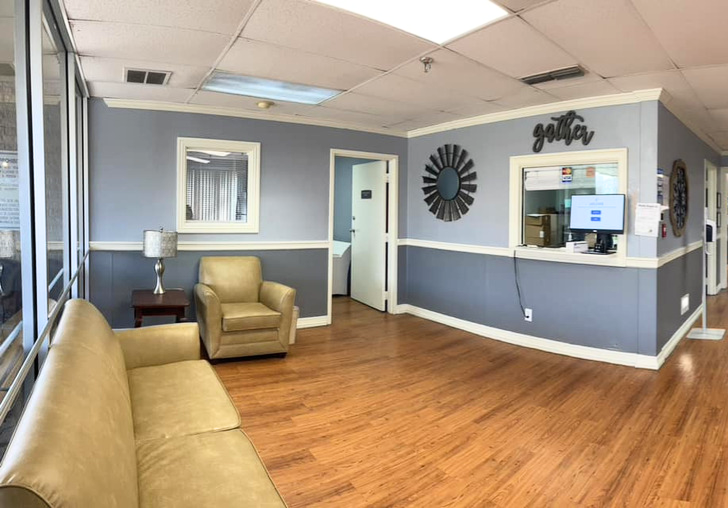
How is Arlington Heights Center Staffed?

CMS rates ARLINGTON HEIGHTS HEALTH AND REHABILITATION CENTER's staffing level at 3 out of 5 stars, which is average compared to other nursing homes. Staff turnover is 52%, compared to the Texas average of 46%.

What Have Inspectors Found at Arlington Heights Center?

State health inspectors documented 38 deficiencies at ARLINGTON HEIGHTS HEALTH AND REHABILITATION CENTER during 2022 to 2025. These included: 3 Immediate Jeopardy (the most serious level, indicating potential for serious harm or death) and 35 with potential for harm. Immediate Jeopardy findings are rare and represent the most serious regulatory concerns. They require immediate corrective action.
Who Owns and Operates Arlington Heights Center?

ARLINGTON HEIGHTS HEALTH AND REHABILITATION CENTER is owned by a for-profit company. For-profit facilities operate as businesses with obligations to shareholders or private owners. The facility is operated by CREATIVE SOLUTIONS IN HEALTHCARE, a chain that manages multiple nursing homes. With 180 certified beds and approximately 108 residents (about 60% occupancy), it is a mid-sized facility located in FORT WORTH, Texas.
How Does Arlington Heights Center Compare to Other Texas Nursing Homes?

Compared to the 100 nursing homes in Texas, ARLINGTON HEIGHTS HEALTH AND REHABILITATION CENTER's overall rating (2 stars) is below the state average of 2.8, staff turnover (52%) is near the state average of 46%, and health inspection rating (1 stars) is much below the national benchmark.

What Should Families Ask When Visiting Arlington Heights Center?

Based on this facility's data, families visiting should ask: "What changes have been made since the serious inspection findings, and how are you preventing similar issues?" "What safeguards and monitoring systems are in place to protect residents from abuse or neglect?" "Can I visit during a mealtime to observe dining assistance and food quality?" "How do you handle medical emergencies, and what is your hospital transfer rate?" These questions are particularly relevant given the facility's Immediate Jeopardy citations and the substantiated abuse finding on record.

Is Arlington Heights Center Safe?

Based on CMS inspection data, ARLINGTON HEIGHTS HEALTH AND REHABILITATION CENTER has documented safety concerns. The facility has 1 substantiated abuse finding (meaning confirmed case of resident harm by staff or other residents). Inspectors have issued 3 Immediate Jeopardy citations (the most serious violation level indicating risk of serious injury or death). The facility has a 2-star overall rating and ranks #100 of 100 nursing homes in Texas. Families considering this facility should ask detailed questions about what corrective actions have been taken since these incidents.

Do Nurses at Arlington Heights Center Stick Around?

ARLINGTON HEIGHTS HEALTH AND REHABILITATION CENTER has a staff turnover rate of 52%, which is 6 percentage points above the Texas average of 46%. Moderate turnover is common in nursing homes, but families should still ask about staff tenure and how the facility maintains care continuity when employees leave.

Was Arlington Heights Center Ever Fined?

ARLINGTON HEIGHTS HEALTH AND REHABILITATION CENTER has been fined $23,258 across 2 penalty actions. This is below the Texas average of $33,311. While any fine indicates a compliance issue, fines under $50,000 are relatively common and typically reflect isolated problems that were subsequently corrected. Families should ask what specific issues led to these fines and confirm they've been resolved.

Is Arlington Heights Center on Any Federal Watch List?

ARLINGTON HEIGHTS HEALTH AND REHABILITATION CENTER is not on any federal watch list. The most significant is the Special Focus Facility (SFF) program, which identifies the bottom 1% of nursing homes nationally based on persistent, serious quality problems. Not being on this list means the facility has avoided the pattern of deficiencies that triggers enhanced federal oversight. This is a positive indicator, though families should still review the facility's inspection history directly.