Caraday of Ft. Worth
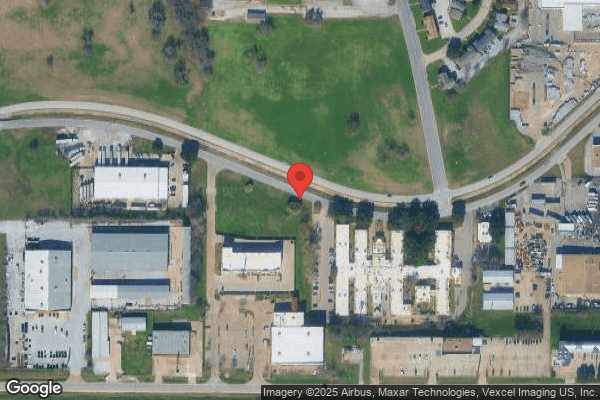
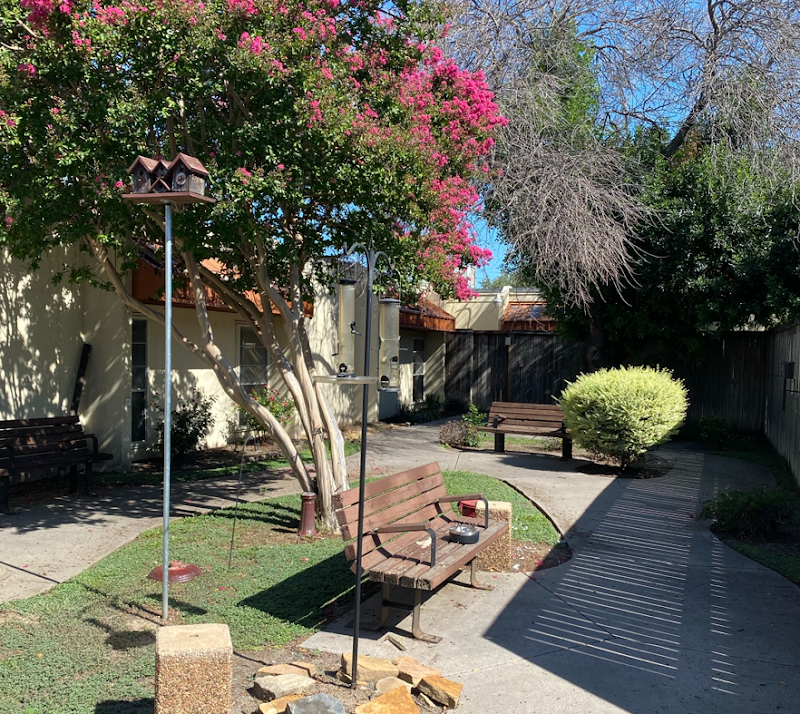
8001 Western Hills Blvd, Fort Worth, TX 76108 (817) 246-4953
For profit - Limited Liability company 265 Beds CARADAY HEALTHCARE Data: November 2025 12 Immediate Jeopardy citations
Trust Grade
0/100
#684 of 1168 in TX
Last Inspection: July 2025

Inspected within the last 6 months. Data reflects current conditions.

Overview

Caraday of Ft. Worth has a Trust Grade of F, which indicates significant concerns and a poor overall performance. Ranking #684 out of 1168 facilities in Texas places it in the bottom half, and at #36 out of 69 in Tarrant County, it suggests that there are many better options nearby. The trend is worsening, with the number of issues increasing from 13 in 2024 to 14 in 2025. While staffing is a strength with a 4/5 rating and only 40% turnover, which is better than the state average, the facility has alarming fines of $407,880, higher than 90% of Texas facilities, indicating serious compliance problems. Specific incidents of concern include a resident who suffered a severe wound because medical professionals were not consulted properly, as well as another resident who was injured due to inadequate supervision, highlighting critical safety issues despite better staffing metrics.

Trust Score
F
0/100
In Texas
#684/1168
Bottom 42%
Safety Record
High Risk
Review needed
Inspections
Getting Worse
13 → 14 violations
Staff Stability
○ Average
40% turnover. Near Texas's 48% average. Typical for the industry.
Penalties
✓ Good
$407,880 in fines. Lower than most Texas facilities. Relatively clean record.
Skilled Nurses
○ Average
Each resident gets 37 minutes of Registered Nurse (RN) attention daily — about average for Texas. RNs are the most trained staff who monitor for health changes.
Violations
⚠ Watch
45 deficiencies on record. Higher than average. Multiple issues found across inspections.
★★☆☆☆
2.0
Overall Rating
★★★★☆
4.0
Staff Levels
★★★★★
5.0
Care Quality
★☆☆☆☆
1.0
Inspection Score
Stable
2024: 13 issues
2025: 14 issues

The Good

  • 4-Star Staffing Rating · Above-average nurse staffing levels
  • 5-Star Quality Measures · Strong clinical quality outcomes
  • Full Sprinkler Coverage · Fire safety systems throughout facility
  • No fines on record
  • Staff turnover below average (40%)

    8 points below Texas average of 48%

Facility shows strength in staffing levels, quality measures, fire safety.

The Bad

2-Star Overall Rating

Below Texas average (2.8)

Below average - review inspection findings carefully

Staff Turnover: 40%

Near Texas avg (46%)

Typical for the industry

Federal Fines: $407,880

Well above median ($33,413)

Significant penalties indicating serious issues

Chain: CARADAY HEALTHCARE

Part of a multi-facility chain

Ask about local staffing decisions and management

The Ugly 45 deficiencies on record

12 life-threatening 3 actual harm
Aug 2025 1 deficiency 1 IJ
CRITICAL (J) 📢 Someone Reported This

A family member, employee, or ombudsman was alarmed enough to file a formal complaint

Immediate Jeopardy (IJ) - the most serious Medicare violation

Accident Prevention (Tag F0689)

Someone could have died · This affected 1 resident

**NOTE- TERMS IN BRACKETS HAVE BEEN EDITED TO PROTECT CONFIDENTIALITY** Based on interview and record review, the facility failed to ensure that each resident received adequate supervision to provide ...

Read full inspector narrative →
**NOTE- TERMS IN BRACKETS HAVE BEEN EDITED TO PROTECT CONFIDENTIALITY** Based on interview and record review, the facility failed to ensure that each resident received adequate supervision to provide an environment that was free of accident hazards for one (Resident #1) of five residents reviewed for accidents. -The facility failed to ensure the resident environment remained as free of accident hazards as possible and each resident received adequate supervision to prevent accidents when Resident #1 cut his wrist with a sharp object, had to be hospitalized with a 4cm laceration to his wrist and was admitted for a psychiatric evaluation. Resident #1 had diagnoses of mental illness and IDD, a history of having razors in his possession, and a history of aggressive behaviors. The non-compliance was identified as past non-compliance (PNC). The Immediate Jeopardy began on 8/12/25 and ended on 8/14/25. The facility had corrected the non-compliance before the state's investigation began. This failure could place residents at risk for accidents that could lead to serious injury, harm, or death. Findings included: Record review of Resident #1's face sheet, dated 8/15/25, reflected a [AGE] year-old male who was admitted to the facility on [DATE] and discharged on 8/12/25. Resident #1 had diagnoses that included: vascular dementia (brain disorder that affects thinking, memory, and behavior caused by a stroke), type 2 diabetes (body's inability to control blood sugar), schizophrenia (mental disorder that affects thinking, mood, and behavior), and moderate IDD (significant limitations in intellectual and adaptive behaviors). Record review of Resident 1's quarterly MDS assessment, dated 6/18/25, reflected the resident's BIMS score was 12, which indicated moderate cognitive impairment. The MDS Assessment under Section D-Mood, reflected Resident #1 had not shown any mood problems within the last two weeks and rarely isolated. The MDS Assessment under Section E-Behavior, reflected Resident #1 had not exhibited any behaviors. The MDS Assessment under Section GG-Functional Abilities reflected Resident #1 required supervision with all ADL's. Record review of Resident #1's care plan, revised 8/12/25, reflected the resident had a potential for mood problem r/t dx of schizophrenia with interventions that included: administering medications as ordered, providing a program of activities, behavioral health consult as needed, monitoring and recording change in mood or possession of weapons and reporting to MD as needed. Further review of the document reflected Resident #1 had a behavior problem AEB physical aggression with interventions that included: anticipating the resident's needs, providing positive interaction and attention, administering medication as ordered, assessing contributing sensory deficits, providing physical and verbal cues to alleviate anxiety, intervening as necessary to protect the rights and safety of others and self, modifying environment, and monitoring, documenting and reporting PRN any s/sx of resident posing danger to self and others. Record review of Resident #1's psychiatric progress note, dated 7/28/25, reflected in part the following: Reason for Referral:[Resident #1] was referred to [Behavioral Health Provider] due to: vascular dementia, schizophrenia, agitation, aggressive behavior.Chief Complaint/HPI:[Resident #1] is being seen today for the management of psychotropic medications and side effects, and to monitor the effect of medication and for dosage adjustment. [Resident #1's] psychotropic medication is beneficial in this case to control their psychiatric symptoms and to manage the [Resident #1's] condition and to prevent relapse or hospitalization. [Resident #1] reports to I'm okay. Staff report [Resident #1's] behavior has improved.[Resident #1] is seen in the secure memory care unit. [Resident #1] does not appear to be feeling sad, nervous, angry, or elated today. [Resident #1] presents no delusions and does not appear to be responding to internal stimuli. [Resident #1] has been sleeping well, with adequate daytime energy. [Resident #1] has a good appetite. [Resident #1] participates in some of the available activities.Current Medication:Other MD:1 Benztropine Mes 0.5 Mg Tab SIG: Take 1 twice daily (used to treat Parkinson's Disease)2 Melatonin 3 Mg Odt SIG: 1 po q 24h (a natural hormone that regulates sleep)3 Oxcarbazepine 150 Mg Tablet SIG: Take 1 twice daily (used to treat seizure and mood disorder)4 Risperdal 1 Mg Tablet SIG: 1 at night (anti-psychotic medication)5 Sertraline Hcl 100 Mg Tablet SIG: 2 po qd (used to treat mood disorder)6 Trazodone 50 Mg Tablet SIG: 1 po qhs (used to regulate sleep and stabilize mood) Assessment/Plan:Schizophrenia: Sertraline, RisperidoneSleep: Trazodone, MelatoninSz and mood stabilization: Oxcarbazepine. Record review of Resident #1's progress notes, dated 7/1/25 at 7:08 AM by LVN Q, reflected the following: CNA removed razors from [Resident #1's] room and [Resident #1] became upset, knocking carts over in hallway and attempting to grab and hit CNA. CNA went into nursing station and [Resident #1] sttempted [sic] to reach over door to hit and grab CNA. [Resident #1] made threats that he was going to come after CNA and ‘get him.' [LVN Q] explained that razors are not allowed to be left in the room and that staff has to follow the regulations. [Resident #1] yelled at [LVN Q] that he can have them and that he had a lot of razors in his room. Record review of Resident #1's progress notes, dated 8/12/25 at 1:28 PM by LVN A, reflected the following: [Resident #1] was informed that the money is available but [Resident #1] continued to want the money immediately, the business lady informed resident that she will bring [Resident #1] his money as soon as she cashes [Resident #1's] check but [Resident #1] did not want to wait., [Resident #1] continued to kick the door and asking for his money. Record review of Resident #1's progress notes, dated 8/12/25 at 1:33 PM by LVN A, reflected the following:[LVN A] was called to come to the entrance door of the unit by [Activity Director], on arrival [LVN A] noticed [Resident #1] bleeding from his wrist and that [Resident #1] had cut his wrist with a razor and was bleeding heavily. [LVN A] collected towel and applied pressure to stop the bleeding. [LVN A] asked for other employees to come help stop the bleeding by applying pressure. [LVN A] called 911 and asked for paramedics and police to come and transport [Resident #1] to [local hospital] for eval and treatment. Record review of Resident #1's progress notes, dated 8/12/25 at 1:43 PM by LVN A, reflected the following: [NP] notified of [Resident #1] cutting his wrist and [Resident #1] was being sent to [local hospital] for treatment and eval. Paramedics arrived and transported [Resident #1] to ER. Record review of Resident #1's hospital records, dated 8/12/25, reflected in part the following: HPI: [Resident #1] is a 70 y.o male who presents with 4cm left wrist laceration after [Resident #1] became angry at his group home for not giving him the cash from his social security checks fast enough. [Resident #1] States he was not trying to kill himself, he was just trying to make a point. [Resident #1] denies any decreased sensation distal (farther from) to the laceration. [Resident #1] with difficulty of wrist flexion (action of bending). [Resident #1] has no issue with MCP (knuckle), PIP (middle joint of each finger), or DIP (fingertips) flexion.Physical Exam:Laceration: Volar laceration (involves multiple structures) of the proximal forearm. Exposed tendon within the laceration most likely FCR (tendons that help bend wrist). Tendon appears partially intact. FDS and FDP (tendons that help bend fingers) intact. [Resident #1] with severe difficulty in wrist flexion. FPL (tendons that help bend thumb) intact. [Resident #1] denies decreased sensation distal to the laceration. Strong ulnar artery (major blood vessel in forearm) pulse using Doppler. Weak radial pulse (pulse in wrist) using Doppler.Flexlon Cascade (natural resting posture of hand): No scissoringTendons: FDS and FDP intact in the index, middle, ring, small finger. FPL intact in thumb. No extensor lag (inability to extend) present. Able to fully extend all digits.Sensation: Sensation intact to light touch on the radial and ulnar border aspect of all digits. Sensation intact to light touch in the radial, ulnar and median nerve (major nerve that runs from arm to hand) distribution.Vascular: Less than 2 sec capillary refill present in all digits.Motor: Positive [NAME], PIN (nerves responsible for motor function), ulnar nerve function.Imaging: XR left hand: There is a soft tissue laceration but no acute fracture.Assessment:-Left wrist laceration-Suicidal ideation-Admit [Resident #1] to intermediate care-Bedside sitter-Psychiatric consultation-Bedside repair (closed laceration). Record review of Resident #1's EHR reflected the resident was discharged from the facility and at a local hospital; therefore, Resident #1 was unable to be interviewed. In an interview on 8/15/25 at 9:25 AM with the Administrator and DON, the Administrator stated Residen#1 resided on the secured unit due to diagnosis of dementia and was receiving psychiatric services for management of medication and behaviors. She stated on 8/12/25 it was reported that Resident #1 became frustrated about not receiving his money and pulled out a sharp object and cut his wrist. The Administrator stated the Activity Director was on the unit and attempted to stop Resident #1 however, it happened so fast he was unable to. The DON stated she was called onto the unit and assisted with stopping the bleeding until EMS arrived. She stated she was occupied with tending to the wound and never saw the sharp object that Resident #1 used. The Administrator also denied seeing the sharp object and stated she did not know how Resident #1 could have obtained a sharp object to cut himself as all sharp objects were locked up. The DON stated it had not been reported that Resident #1 expressed any thoughts of suicide or behaviors just prior to the incident; however, he was diagnosed with schizophrenia and had a history of aggression when things did not happen right when he wanted them to. The Administrator stated staff did a full sweep of the entire facility immediately after the incident to check for and remove any unsafe objects. The DON stated Resident #1 had a parole officer; however, the facility did not have any information about why he was on parole and the resident's parole officer had not visited the facility. The DON stated Resident #1 was his own responsible party and did not have any family involvement. In an interview on 8/15/25 at 9:42 AM, the Activity Director stated he was on the unit preparing to take residents out for a smoke break when he heard Resident #1 upset and kicking on the door. The Activity Director stated he went to talk to Resident #1 to calm him down and the resident stated he was upset because he did not have his money. The Activity Director stated Resident #1 said he was going to cut his wrist, then pulled out a sharp object and proceeded to do cut himself. The Activity Director stated he tried to stop Resident #1 but was unable to. The AD stated he did not know what object Resident #1 used to cut himself and he never saw the object afterwards. He stated he walked away and let the nurse take over. He stated he immediately called for LVN A and CNA B to help, and they came to take over. The Activity Director stated he interacted with Resident #1 all the time because the resident was a smoker, and he often supervised the smoke breaks. The Activity Director stated Resident #1 was normally calm especially if he could smoke, and he had never seen him agitated or aggressive. The Activity Director stated he always made sure the residents who smoked had cigarettes and went to break on time because that made them happy. He denied having concerns for any residents being abused or neglected at the facility. The Activity Director stated staff were often trained on abuse and neglect and had in-services regarding resident safety, rights, and suicidal behaviors after the incident this week. In an interview on 8/15/25 at 10:17 AM, the BOM stated Resident #1's funds were in the facility's trust fund, and he would get $45 a month. The BOM stated initially there were some issues with the facility becoming payee over Resident #1's money, but she was finally able to get it worked out and the resident had 2 checks for $45 available. The BOM stated she was just waiting for the Administrator to go to the bank and cash the checks. The BOM stated Resident #1 became a little agitated after she explained that the checks were available but needed to be cashed. In an interview on 8/15/25 at 10:44 AM, LVN A stated he worked at the facility for 10 years and worked with Resident #1 on the male secured unit. LVN A stated he worked on 8/12/25 when the incident occurred. LVN A stated he was assisting other residents in the dining area on the unit when the Activity Director called for his assistance because Resident #1 was agitated. LVN A stated by the time he made it down the hallway, Resident #1 had cut himself and he saw a lot of blood. LVN A stated he grabbed towels and wrapped them on Resident #1's arm to stop the bleeding while calling 911. LVN A stated he did not see the object that Resident #1 used and could not state what happened to it after the incident. LVN A stated Resident #1 had a history of being aggressive towards other residents but was normally calm until something triggered him. LVN A stated Resident #1 had been involved in physical altercations with other residents for them getting in his space. He stated Resident #1 never showed any signs of being suicidal. LVN A stated Resident #1 was independent with most ADL's; however, the CNAs were still expected to monitor him while shaving and to immediately dispose of the razors in a sharps container. LVN A stated the residents were not allowed to keep disposable razors in their rooms, and he denied ever seeing any razors left in resident rooms. He stated new razors were always locked in a supply closet that was on the unit. In an interview on 8/15/25 at 10:58 AM, Resident #4 stated he felt safe at the facility. He stated staff assisted him with ADL's as needed; however, he was able to do some things on his own and it made him feel good about himself. Resident #4 stated he used to keep a disposable razor in his room because he liked to shave himself daily without bothering staff, but all razors were removed a couple of days ago after an incident happened at the facility. Resident #4 stated he understood it was for safety, but it also felt like they were taking some of his independence. Resident #4 stated staff told him that he could still shave himself every day, they just had to bring in the razor and monitor him. In an interview on 8/15/25 at 11:08 AM, the Floor Technician stated he cleaned the floors at the facility, including in resident rooms. He stated when cleaning in the resident rooms, there were times he saw disposable razors in the bathrooms prior to the incident. The Floor Technician stated he did not remove the razors because he had not been told to do so and he did not report it to nursing because he thought the residents were allowed to have the disposable razors to shave. In an interview on 8/15/25 at 11:15 AM, CNA B stated she worked at the facility since 1988. She stated she worked on the male secured unit with Resident #1 and worked on 8/12/25 when the incident occurred. CNA B stated Resident #1 had been asking about his money all morning but did not seem agitated at first. CNA B stated the BOM came to the unit to speak to Resident #1 about his money around lunch time and shortly after, the resident started kicking the door and repeating that he wanted his money. CNA B stated she began directing all other residents to the dining area for safety and the Activity Director was with Resident #1 trying to calm him down. CNA B stated she suddenly heard more yelling and when she turned around, she saw blood coming from Resident #1. She stated LVN A went to help Resident #1 while she remained with the other residents. She stated she was not sure how Resident #1 was able to get anything sharp to cut himself with. CNA B stated they kept razors for shaving locked in the closet. CNA B stated when she showered residents, she would assist them with shaving if needed then immediately put the razors in a sharps container. She denied ever leaving a razor out and in a resident's possession, not even the residents who were able to shave themselves. The CNA stated she could not speak for all staff and there were times they would come on shift and find razors left out prior to the incident. CNA B stated she would always remove any razors she found. In an interview on 8/15/25 at 12:01 PM, CNA C stated she worked on the male secured unit and was familiar with Resident #1; however, she did not work on 8/12/25 when the incident occurred. CNA C described Resident #1 as pleasant and denied ever seeing him agitated or exhibiting signs of being suicidal. CNA C stated the aides were responsible for assisting and monitoring residents with shaving and had to remove the razors immediately. She stated she would always place the razors in a sharps container outside of the resident rooms. CNA C stated staff were expected to check drawers, sinks, and bathrooms in resident rooms daily for things like silverware, razors, electric shavers, or other items that could be unsafe before and after the incident. CNA C stated sometimes during her checks she would find disposable razors left in the bathrooms and she would remove them and report it to the nurse. She denied seeing any razors since the incident occurred. CNA C stated the disposable razors were locked in the supply closet; however, the residents were smart and would sometimes figure out the code by watching staff. CNA C stated she found Resident #1 inside of the supply closet one day and after she reported it the code was changed. CNA C stated although she was off on 8/12/25, the DON called and in-serviced her by phone regarding resident safety, rights, behaviors and abuse and neglect. She stated prior to the incident, staff received those trainings periodically. Further interview on 8/15/25 at 5:31 PM, the Administrator stated the expectation was for staff to check resident rooms with a fine-tooth comb for unsafe items and monitor residents closely for any changes in mood or behavior. She stated management would also complete ambassador rounds to check rooms and visit with residents. The Administrator stated reports would be shared every morning during stand-up to discuss any incidents or changes in residents. The Administrator stated they would continue to educate residents and RPs on what items are allowed in rooms. She stated staff would also continue to be educated on maintaining a safe environment, which would include being aware of packages received at the facility. The Administrator stated staff were aware of resident rights and that permission was needed to check personal belongings; however, safety was first. The Administrator stated not adequately supervising residents and ensuring a safe environment could place the residents at risk of harm. Review of the facility's policy titled Safety of Residents, revised August 2020, revealed in part the following:Purpose: To provide a safe environment for residents and Facility Staff. Policy: Residents who display combative behaviors receive prompt and appropriate intervention. Procedure:I. ScreeningA. Prior to admission, all inquiries are evaluated by the Director of Nursing (DON) for potential combative behavior based on historical data, diagnoses, and medication regimen. II. PreventionA. Upon admission, residents will be monitored for behavioral triggers including, but not limited to:i. Tension in body language or facial expression;ii. Increased pacing or wandering;iii. Elevated voice volume;iv. Rapid mood changes; andv. Increased anger or frustration. III. Response to Unsafe BehaviorA. If a resident's behavior becomes abusive, hostile, or unmanageable in a way that compromises his or her safety or the safety of others, the Charge Nurse and the DON are notified immediately.B. B. The Charge Nurse will:i. Identify and remove the source of the problem, if known;ii. Calmly reassure the resident and direct him/her to a more relaxing area; andiii. Maintain one-on-one supervision of the resident until the behavior has subsided or other arrangements have been secured. C. The DON will:i. Notify the resident's Attending Physician and obtain orders, if necessary;ii. Notify the resident's representative;iii. Notify the Administrator; andiv. Task an available CNA to ensure all other residents are safe and provide calm reassurance on the unit. Record review of a document provided by the Administrator, untitled and undated, revealed in part the following: .Safety ConcernsThe following is a list of items that are not allowed in resident rooms due to potential for harm/fire/or other dangerous situations:. Sharp objects, scissors, knives, razors, unsecured glass objects, crochet needles. The non-compliance was identified as past non-compliance (PNC). The facility had corrected the non-compliance before the state's investigation began. The facility took the following actions to correct the non-compliance prior to the survey: Record review on 8/15/25 of a document provided by the Administrator titled AD HOC Quality Assurance and Performance Improvement Plan, dated 8/13/25, reflected a QAPI meeting was held to discuss the incident and interventions put in place, which included: Resident #1 being sent to an acute care hospital for evaluation and/or treatment, daily ambassador rounding to check for unsafe items in resident rooms, the facility providing extra cigarettes as needed to prevent related agitation/behaviors, inventory sheets completed at admission and updated for all current residents, staff educated on unsafe items not allowed in resident rooms, behavior identification and suicidal thoughts and de-escalation, notification and documentation of incidents, off-cycle resident council meeting to review items not allowed in rooms and inventory sheets with residents. Record review on 8/15/25 of Resident #1's EHR reflected the resident was discharged from the facility to the local hospital on 8/12/25. Record review on 8/15/25 of documents provided by the DON titled Inventory of Personal Belongings,, dated 8/12/25, reflected all current residents' personal inventory was updated. Record review on 8/15/25 of an in-service document, dated 8/12/25, reflected all staff received education regarding checking for unsafe items in resident rooms during rounds, updating resident inventory sheets, and policy and procedures for abuse and neglect and resident rights. Record review on 8/15/25 of an in-service document, dated 8/12/25, reflected all staff received education regarding identifying behaviors and suicidal prevention. Record review on 8/15/25 of a check-off resident census provided by the Administrator, dated 8/12/25-8/15/25, reflected safety checks of all resident rooms began and was on-going to ensure a safe environment. Observations on 8/15/25 from 9:45 AM-11:00 AM, of the facility's environment including resident rooms and bathrooms, shower rooms, and supply closets reflected the environment was free of potential hazardous and unsafe items. All razors were locked in the supply closet and requires a code to enter. Record review on 8/15/25 of Residents #1, #2, #3, #4, and #5 EHRs, who were all at risk for accidents, revealed their care plans included interventions to address ADL and behavioral needs as appropriate to ensure adequate supervision/assistance and safety. Resident #1's care plan was revised on 8/12/25 to reflect his behavior and harm to self with appropriate interventions. Interviews on 8/15/25 from 10:15 AM-11:00 AM with Resident #4's RP and Residents #1, #2, #3, #4, and #5, who were all at risk of accidents, revealed no concerns for inadequate supervision or safety. Interview on 8/15/25 at 4:43 PM with the MD revealed she was made aware of Resident #1's incident on 8/12/25. The MD stated she was also a part of the QAPI meeting on 8/13/25 and agreed with interventions put in place to ensure the safety of all residents. The MD stated the IDT would have to review the final evaluation from the hospital to determine if Resident #1 would be a good fit for the facility and appropriate protocol would be followed. Interviews on 8/15/25 from 9:25 AM-5:31 PM conducted with the Administrator, DON, nurses and CNAs: LVN A (1st shift/weekdays), CNA B (1st shift/rotating days), CNA C (1st shift/rotating days), RN D (1st shift/rotating days), CNA E (1st shift/rotating days), RN F (1st shift/weekdays), CNA G (1st shift/rotating days), CNA H (2nd shift/ rotating days), CNA I (2nd shift/ rotating days), RN J (2nd shift//weekdays), RN K (1st/2nd shift/double weekends), CNA L (2nd shift/rotating days), RN M (PRN), LVN N (3rd shift/weekdays), CNA O (3rd shift/ rotating days), CNA P (3rd shift/ rotating days), indicated they all participated in in-services 8/12/25-8/14/25, and prior to the start their shifts. All staff were able to state that they were responsible for ensuring the safety of all residents by checking all resident rooms and common areas for unsafe items, removing the items and reporting it to the Administrator. All staff were able to state how to identify s/sx of suicidal ideations and changes in residents' mental and physical conditions, who to report it to, and to documents all incidents. The Administrator stated it was management's responsibility to ensure that staff were educated on identifying and reporting changes in residents' mental and physical conditions, behaviors, and ensuring the safety of residents, and ongoing trainings to ensure retention of education. The Administrator stated management would be updated on any changes or updates daily during stand-up meetings. The DON stated resident behaviors were monitored, the medical director involved, and psychiatric services were put in place as needed. All staff were able to state in their own words the facility's policy and procedures regarding resident rights and abuse and neglect. All staff were able to describe abuse, neglect, and exploitation, when to report it, and who to report it to. All staff were able to state that residents have the right to have personal items and must give permission for staff to go through their personal items; however, any unsafe items observed would be removed and reported to the Administrator.
Jul 2025 5 deficiencies
CONCERN (D)

Potential for Harm - no one hurt, but risky conditions existed

Resident Rights (Tag F0550)

Could have caused harm · This affected 1 resident

Based on observations, interview, and record review, the facility failed to ensure residents have a right to a dignified existence for one resident (unidentified resident) of one resident reviewed for...

Read full inspector narrative →
Based on observations, interview, and record review, the facility failed to ensure residents have a right to a dignified existence for one resident (unidentified resident) of one resident reviewed for resident rights. The facility failed to ensure one staff member was not on the phone while assisting one resident with their meal. This failure could cause residents to have a negative psychosocial outcome.Findings included: Observation on 07/23/2025 at 12:23PM revealed LVN F was on the phone while assisting a resident (unidentified) during lunch. During an interview on 07/24/2025 at 12:29PM LVN F revealed he was on the phone with the doctor while assisting a resident with their meal. He stated it was not okay to be on the phone while assisting residents with their meals. He explained it drew attention away from the resident, they could pick up something they should not put in their mouth, and its disrespectful. He stated he would not have liked it (if he was in the resident's position) and would want the utmost respect. During an interview on 07/24/2025 at 02:03PM with DON revealed while staff assist residents with their meals, she expected staff to sit next to the resident, assist one resident at a time, to make sure they clean and sanitize their hands before assisting each resident. She stated it was not acceptable for staff to be on the phone while assisting a resident. She further stated an in-service was done the month prior regarding the topic. She explained it was not okay for staff to be on the phone because staff would not be giving the resident their full attention, it can be a HIPAA issue, and its not professional; staff should try to find someone else to assist the resident so they can talk to the doctor. She stated the policy was a to not be on the phone in the patient care area. Record review of the facility's policy Resident Rights revised December 2016 reflected: Policy StatementTeam members shall treat all residents with kindness, respect, and dignity.Policy Interpretation and ImplementationFederal and state laws guarantee certain basic rights to all residents of this facility. These rights include the resident's right to:a dignified existencebe treated with respect, kindness, and dignity
CONCERN (D)

Potential for Harm - no one hurt, but risky conditions existed

Comprehensive Care Plan (Tag F0656)

Could have caused harm · This affected 1 resident

**NOTE- TERMS IN BRACKETS HAVE BEEN EDITED TO PROTECT CONFIDENTIALITY** Based on observation, interview and record review, the facility failed to implement a comprehensive person-centered care plan fo...

Read full inspector narrative →
**NOTE- TERMS IN BRACKETS HAVE BEEN EDITED TO PROTECT CONFIDENTIALITY** Based on observation, interview and record review, the facility failed to implement a comprehensive person-centered care plan for each resident to meet a resident's medical, nursing, and mental and psychosocial needs in order attain or maintain the resident's highest practicable well-being for one resident (Resident #54) of seven residents reviewed for care plans. The facility failed to complete care plans addressing Resident #54's behavior of picking and scratching at wounds on her arm, or her skin condition. This failure could affect residents by placing them at risk for not receiving care and services to meet their needs.Findings included: Review of Resident #54's face sheet, dated 07/22/25, reflected she was an [AGE] year-old female, admitted on [DATE], with diagnoses which atopic neurodermatitis (a type of eczema which causes intense itching, leading to thick, leathery patches of skin), stroke affecting her left side, and anxiety disorder. Review of Resident #54's admission MDS assessment, dated 06/17/25, reflected she was usually able to understand others, and was usually able to be understood. She had a BIMS score of 13, indicating intact cognition. The document reflected no concerns regarding her mood, mental status, or behavior. Resident #54 used a wheelchair, and had one-sided impairment. While Resident #54 was noted to be at risk for skin breakdown, no skin issues were noted in the document. Review of Resident #54's Medication Administration Records and Treatment Administration Record from her admission on [DATE] through 06/22/25 reflected no orders having to do with the care of the resident's skin problem on her arms, or her behavior of picking and scratching. Review of Resident #54's order summary, dated 07/24/25, reflected an order for Triple Antibiotic External Ointment (Neomycin- Bacitracin-Polymyxin) Apply to Left outer elbow topically two times a day for Skin tear, started on 07/23/25. Review of Resident #54's care plans reflected the following:- The resident has an ADL self-care performance deficit r/t Date Initiated: 06/04/2025 The resident will maintain current level of function in [sic] through the review date. Date Initiated: 06/04/2025 Revision on: 07/22/2025 Target Date: 09/18/2025 BATHING/SHOWERING: Check nail length and trim and clean on bath day and as necessary. Report any changes to the nurse. Date Initiated: 06/04/2025 (.) PERSONAL HYGIENE: The resident requires (SPECIFY assistance) by (X) staff with personal hygiene and oral care. Date Initiated: 06/04/2025- The resident has potential/actual impairment to skin integrity of the (SPECIFY location) r/t Date Initiated: 06/04/2025- The resident will maintain or develop clean and intact skin by the review date. Date Initiated: 06/04/2025 Revision on: 07/22/2025 Target Date: 09/18/2025 Educate resident/family/caregivers of causative factors and measures to prevent skin injury. Date Initiated: 06/04/2025 Identify/document potential causative factors and eliminate/resolve where possible. Date Initiated: 06/04/2025 Pad bed rails, wheelchair arms or any other source of potential injury if possible. Date Initiated: 06/04/2025 An interview and observation on 07/22/25 at 10:51 AM with Resident #54 revealed her to be alert, and sitting in her wheelchair in her room. Resident #54 had two round scabbed areas, surrounded by flaky skin (approximately the size of a dime, including the flaky areas), and a vaguely rectangular spot of open skin approximately a centimeter and a half wide, and three centimeters long, appearing like the skin had been scraped off. When asked about the sores on her arm, the resident started to scratch and pick at one of the round areas, and explained she was a picker and that she fell at home, before she came to the facility, and scraped a bunch of skin off. She said it never healed all the way, because she constantly scratched and picked at them. Resident #54 said they would get better, then get bad again, because she could not leave them alone. She said the facility had wrapped her arm, to help her remember to leave the wounds alone, but it itched so she took it off. She did not remember if they had tried anything else. She said she was not upset by the sores, and she had always been a picker. An interview on 07/23/25 at 2:59 PM with RN A revealed she thought Resident #54 had problems with her skin on her arm when she was admitted . She said it would heal, then she would pick and scratch at it, and it would open up again. She said they wrapped her arm sometimes to discourage her from picking it, but she took the wrap off. An interview on 07/23/25 at 3:18 PM with CNA B revealed he was not sure how long Resident #54 had the problem with her skin on her arm, but he remembered that it was an on-going issue with her, and it got better, then it got worse again. An interview and observation on 07/24/25 at 10:14 AM with Resident #54 revealed the open wound on her arm appeared to be missing more skin than on previous observation, and she was actively scratching her arm when the surveyor entered the room. Her arm, in the area of the wound, had developed some redness (a possible sign of infection.) She was wearing a fabric sling on her left arm. She said she thought it was to keep her from scratching, but she did not like it, because it hurt her neck, and gave her a headache. She said the nurse said it looked like the open sore might be getting infected, so she called the doctor about it. An interview on 07/24/25 at 10:16 AM with the DON revealed she knew they had been addressing Resident #54's arm, and she thought they tried a sleeve before, but the resident did not like it because she felt like it was squeezing the top of her arm, and took it off, just like she took off the wraps. She felt the resident also simply did not like being unable to pick at her sore. She said they had called the Nurse Practitioner about the issue and would continue to try different things. She said the resident was able to communicate well with them, and she thought they would be able to find something that worked. An interview on 07/25/25 at 10:20 AM with ADON C revealed she was the person who had been working with Resident #54 about her arm. She said the sling was not to keep her from scratching, but because she could not hold that arm up, and she would let it hang outside her power wheelchair, and run into doorways and walls with it, re-opening the wound on her arm. They hoped the sling would help her keep her arm pulled up. She did say the resident complained about it putting pressure on her neck, so she moved the strap to the edge of her shoulder, and asked if they could try it there, so it would not push on her neck. The ADON said she noticed that morning that it looked like it might be getting infected, so she called the Nurse Practitioner. An interview on 07/24/25 at 1:42 PM with MDS revealed she wrote the care plans under the direction of the DON, since she was an LVN. She said she updated them upon completion of the MDS assessments, but the acute care plans were mostly done by the DON or ADON, and if something came up between the MDS assessments, they usually took care of those care plans. She said the behavior of picking at skin and causing open wounds should be care planned. MDS said the point of the care plans was for everyone to be on the same page about resident care. An interview on 07/24/25 at 1:55 PM with ADON C revealed the ADON role was new to her, and she had only been doing it for about six weeks, so she was still learning the job duties. She said she had not, at the time of the interview, been informed that writing care plans was one of her duties, and she had not reviewed them. She said the reason individualized care plans were important was to make sure the residents were getting care that was specialized for them. An interview on 07/24/25 at 2:02 PM with the DON revealed Resident #54 had not had the problem with her skin the entire time, but she did have a behavior of scratching and picking, and that should have been care-planned. She was not aware that Resident #54's care plan was not individualized. She said MDS was overall responsible for making sure care plans were accurate and updated, and was the one who reviewed them before the DON signed them. She said she signed them for completion, but not accuracy. An interview on 07/25/25 at 2:51 PM with the Administrator revealed the IDT was responsible for keeping the care plans updated and individualized. She said the risk of them not being kept up to date and not being individualized was that the residents might not get the services they needed. Review of the facility policy Care Plans, Comprehensive Person-Centered, revised December 2016, reflected Policy Statement: A comprehensive, person-centered care plan that includes measurable objectives and timetables to meet the resident's physical, psychosocial and functional needs is developed and implemented for each resident. Policy Interpretation and Implementation: l. The Interdisciplinary Team (IDT), in conjunction with the resident and his/her family or legal representative, develops and implements a comprehensive, person-centered care plan for each resident. 2. The care plan interventions are derived from a thorough analysis of the information gathered as part of the comprehensive assessment. (.) 7. The care planning process will: (.) b. Include an assessment of the resident's strengths and needs; (.) 8. The comprehensive, person-centered care plan will:a. Include measurable objectives and timeframes; b. Describe the services that are to be furnished to attain or maintain the resident 's highest practicable physical, mental, and psychosocial well-being; c. Describe services that would otherwise be provided for the above, but are not provided due to the resident exercising his or her rights, including the right to refuse treatment; (.) g. Incorporate identified problem areas; (.) h. Incorporate risk factors associated with identified problems; 1. Build on the resident's strengths; J. Reflect the resident's expressed wishes regarding care and treatment goals; k. Reflect treatment goals, timetables and objectives in measurable outcomes; I. Identify the professional services that arc responsible for each element of care; m. Aid in preventing or reducing decline in the resident's functional status and/or functional levels; (.) o. Reflect currently recognized standards of practice for problem areas and conditions. (.) 10. Identifying problem areas and their causes, and developing interventions that are targeted and meaningful to the resident, are the endpoint of an interdisciplinary process. (.) 11. Care plan interventions are chosen only after careful data gathering, proper sequencing of events, careful consideration of the relationship between the resident's problem areas and their causes, and relevant clinical decision making. a. When possible, interventions address the underlying source(s) of the problem area(s), not just addressing only symptoms or triggers. (.) 12. The comprehensive, person-centered care plan is developed within seven (7) days of the completion of the required comprehensive assessment (.). 13. Assessments of residents are ongoing and care plans are revised as information about the residents and the residents' conditions change
CONCERN (D)

Potential for Harm - no one hurt, but risky conditions existed

Accident Prevention (Tag F0689)

Could have caused harm · This affected 1 resident

**NOTE- TERMS IN BRACKETS HAVE BEEN EDITED TO PROTECT CONFIDENTIALITY** Based on observation, interview, and record review, the facility failed to ensure that the resident environment remained free of...

Read full inspector narrative →
**NOTE- TERMS IN BRACKETS HAVE BEEN EDITED TO PROTECT CONFIDENTIALITY** Based on observation, interview, and record review, the facility failed to ensure that the resident environment remained free of accident hazards as is possible for 1 (Resident #42) of 15 residents and 6 residents on the south suits hall reviewed for accidents and hazards in that; 1. Resident #42 had an electrical extension cord and a multiple receptacle plug-in adaptor in his room.2. The facility failed to secure the exit door at the end of south suites hall. This failure could place residents at risk of harm due to wondering or elopement.1. Record review of Resident #42's face sheet, dated 07/22/25, reflected he was a [AGE] year-old man, admitted to the facility on [DATE], with diagnoses of stroke, depression, uncontrolled blood sugar, hemiplegia and hemiparesis following cerebral infraction affecting the left non-dominant side (this is the paralysis and numbness after a stroke on the left side), limited mobility, and age related nuclear cataract in both eyes ( this is the clouding and yellowing of the lens in the eyes causing blurred vision). Record review of Resident #42's quarterly MDS assessment, dated 06/05/25, reflected Resident #42 had a BIMS score of 15, indicating that he was cognitively intact. Resident #42 had a clear speech and was able to understand others and was understood by others. Resident #42. Resident #42's range of motion was impaired on one side of his upper body and lower body. He was able to feed herself with only moderate assistance from staff (helper does less than half the effort.) He was always continent of bowel and bladder. Review of Resident #42's care plan, 06/26/25, reflected the following:Problem: Resident #42 barricaded himself in the room to keep staff out, he was agitated with having a roommate and smashing into front sliding doors causing damage.Goal: Resident #42 would have fewer episodes of behaviors through the next review date. Interventions: -Intervene as necessary to protect the rights and safety of others. Approach/Speak in a calm manner. Divert attention. Remove from situation and take to alternate location as needed.-Monitor behavior episodes and attempt to determine underlying cause. Consider location, time of day, persons involved, and situations. Document behavior and potential causes. In an observation and interview on 07/22/23 at 10:40 AM, it was revealed that Resident #42 was in his room seated in a motorized wheelchair, he had a laptop and multiple cords under his bed. There was a standard wall dual outlet plate on the wall by his headboard and plugged into the wall outlet was a four-outlet adapter extender plugged into the wall and the adapter had four long cables plugged into it including a white extension cord with a flexible cable that had a plug on one end and a two-pong outlet on the other end. Resident #42 said all the staff were aware he had the adaptor and extension cords. He said the facility had talked to him a few months ago that the cords were a tripping hazard, but he did not agree the cords were a tripping hazard because he got assistance from staff to get up from his bed to the wheelchair and back. Interview with the housekeeper on 07/24/25 at 10:55 AM, revealed that she cleaned Resident #42's room and she said he had too many cords in his room which made it difficult to clean his floors. She said she did not report the extension cord because she thought he was allowed. She said she had not received any in-service on extension cords and power strips but that she was aware they were a fire hazard. In an interview with maintenance personnel on 07/24/25 at 11:02 AM, revealed different management personnel were assigned and designated to monitor different areas of the facility and during a rounding a few weeks ago it had come to his attention that Resident #42 had an extension card in his room. He said he had notified the nursing department including ADM about Resident #42 having an extension cord. He said Resident #42 did not like him, so he did not go into his room unless it was to fix something. He said nursing was responsible for monitoring residents' rooms and if something needed to be fixed, they would notify maintenance, but he was not allowed to remove or search residents' belongings. He said space heaters, electric blankets, power cords, and extension cords were not allowed in the facility. He said these items were a fire hazard and could start a fire. In an interview with DON on 07/24/25 at 2:02 PM, it was revealed the ADON's were responsible for room rounds on different hallways however the two ADON's were new and had not yet been assigned the responsibilities of room rounds. She said the nursing staff was responsible for monitoring the residents' rooms and reporting issues to the necessary departments. She said the staff were having a difficult time with Resident #42 because he did not allow them to touch anything in his room. She said he usually refused to have his room cleaned as well. She said the risk of using an extension cord was it could start a fire. In an interview with ADM on 07/24/25 at 3:00 PM, it was revealed she was not aware that Resident #42 had an extension cord prior to today. She said she had removed and stored the extension cord in her safe after discovering it today. She said she filed a grievance for Resident #42 regarding the power cord because he was very upset when it was taken from him. She said the issue will be addressed in Resident #42's care conference next week and the ombudsman had been informed of the incident. She said the expectation was that when something was discovered during room rounds it was discussed between the department heads to come up with a solution. She said the risk of using an extension cord in the room was that it was a safety issue. Record review of facility policy titled Items Prohibited in Resident Rooms undated reflected. No electrical appliances or extension cords. No cooking or ironing equipment, electric blankets, heaters, etc. 2. In an observation on 07/23/2025 at 2:49 PM reflected, the exit door at the Suites south hall was ajar and the door alarm was turned off with no staff present in the hallway. In an interview with ADON on 07/23/2025 at 2:51 PM stated she did not know why the door was left ajar or who left the door open but she would call maintenance. In an observation and interview with Maintenance Director on 07/23/2025 at 2:55 PM reflected, he drove up to the south side of the building entered through the unlocked door, subsequently, secured the door and resent the alarm. He stated the door was unlocked to allow the plumber access to the hall to repair a resident's toilet. In an interview with DON on 07/23/2025 at 3:00 PM reflected, all residents were accounted for in the building. In an interview with Maintenance Director on 07/24/2025 at 1:04 PM, he stated the plumber came in and the maintenance assistant unlocked the door to allow the plumber easy access to the room on that hall. He stated the maintenance assistant was called away to the secure unit and he left the door unlocked. He stated the door led to a back street and the risk of not watching the door there was a chance a resident could go into the street. In an interview with maintenance assistant on 07/24/2025 at 1:40 PM reflected he was called away to help with an issue in the secure unit. He stated he propped the door open (not fully open but ajar) and he told one of the nurses to watch the door (he was unable to tell or point out the nurse he asked to watch the door). He stated the risk was the residents could get out and walk away. In an interview with DON on 07/24/2025 at 2:22 PM reflected we are not supposed to have the door open, when we have issues with securing the doors we have someone stand guard for the safety of the residents. In an interview with ADMIN on 07/24/2025 at 3:04 PM reflected her expectation was for maintenance to remain at the door to make sure the door was secure for resident safety. She stated she did not have a policy regarding unsecure doors.
CONCERN (E)

Potential for Harm - no one hurt, but risky conditions existed

Safe Environment (Tag F0584)

Could have caused harm · This affected multiple residents

Based on observations, interviews, and record review, the facility failed to provide a clean and homelike environment for three of five residential halls (Hall 200, Hall 300, and Hall 400) reviewed fo...

Read full inspector narrative →
Based on observations, interviews, and record review, the facility failed to provide a clean and homelike environment for three of five residential halls (Hall 200, Hall 300, and Hall 400) reviewed for a safe, clean, comfortable, and homelike environment. The facility failed to ensure six air duct registers were free of small black spots, rust, paint chipping and securely fit into ceiling tiles. These failures could place residents at risk for decline in health and decreased quality of life due to living in unclean and non-homelike environment.Findings included: Observation on 07/22/2025 at 10:26AM in Hall 200 revealed: S One ceiling air duct register covered with small black spots. S One ceiling air duct register, with rust and peeled paint chips. Observation on 07/24/2025 at 11:59AM in Hall 300 revealed: S Two ceiling air duct registers covered with small black spots and rust S One ceiling air duct register covered with small black spots Observation on 07/24/2025 at 12:07PM in Hall 400 revealed: S One ceiling air duct register with small black spots in a white ceiling tile with small black spots lining the air duct register. The ceiling air duct register did not securely fit in the ceiling tile. An interview on 07/24/2025 at 01:11PM with the maintenance manager revealed housekeeping was responsible for cleaning the air ducts and maintenance replaces air duct registers. The maintenance manager explained he will talk with staff about maintenance requests, but staff must put in a work order. This surveyor showed the maintenance manager an image of the condition of one air duct register located in Hall 200; he stated that housekeeping would clean the air duct register, but maintenance would replace the air duct register based on its dirty appearance. The maintenance manager stated the substance on the air duct was not black mold, but it may be mold or dirt. The maintenance manager discussed that to resolve the problem with the air duct registers, he would replace them. An interview on 07/24/2025 at 01:45PM with the housekeeping manager revealed housekeeping staff was responsible for maintaining cleanliness of the air duct registers and maintenance replaces air duct registers. The housekeeping manager stated housekeeping staff cleaned resident rooms every day. She expected the air duct registers to be checked daily; if housekeepers see an issue, they inform her or nurses so a maintenance work order can be placed. The housekeeping manager stated housekeeping staff will check all air duct registers and make a list of the ones that need replaced. During an interview on 07/24/2025 at 02:03PM with the DON revealed room rounds are done to check the condition each room. The DON stated that she had not checked air duct registers. This surveyor showed the DON an image of the condition of one air duct register located in Hall 200, and she stated she will now check the air duct registers closely. She stated she would report the condition of the air duct register to housekeeping to have it cleaned. The DON stated clean air duct registers are important because resident rooms should be homelike, and so that the residents stay healthy and don't have issues because of a dirty air duct register. Record review of the facility policy Homelike Environment revised February 2021 reflected: Policy Statement Residents are provided with a safe, clean, comfortable and homelike environment and encouraged to use their personal belongings to the extent possible. Policy Interpretation and Implementation. The community team members and management maximize, to the extent possible, the characteristics of the community that reflect a personalized, homelike setting. These characteristics include: a. clean, sanitary and orderly environment.
CONCERN (F)

Potential for Harm - no one hurt, but risky conditions existed

Food Safety (Tag F0812)

Could have caused harm · This affected most or all residents

Based on observations, interviews, and record review, the facility failed to store, prepare, distribute, and serve food in accordance with professional standards for food safety in the facility's only...

Read full inspector narrative →
Based on observations, interviews, and record review, the facility failed to store, prepare, distribute, and serve food in accordance with professional standards for food safety in the facility's only kitchen observed for food safety. The facility failed to ensure the stand-by refrigerator free of personal food itemsThe facility failed to ensure the walk-in refrigerator food items were dated, labeled and securely stored.The facility failed to ensure the walk-in freezer food items were dated, labeled and securely stored.The facility failed to ensure the dry storage food items were dated, labeled and securely stored.The facility failed to ensure that canned good food items were free of dents.The facility failed to ensure that dishwashing protocol was followed.The facility failed to ensure that prepared foods were held correctly and maintained safe temperatures. These failures could place residents at risk for foodborne illnesses.Findings included: Observation on 07/22/2025 at 09:03AM of the walk-in refrigerator revealed the following:Deli sandwiches dated 7/21/25 in an unsealed plastic bag and no use by date.Unsealed plastic bag of lettuce in a box dated 7/14 and no use by date.Unsealed plastic bag of sausage patties, with no label and no use by date.Open package of turkey deli meat, with no use by date.A saran wrapped piece of unsliced deli meat, with no label of the type of deli meat and no use by date.A saran wrapped block of slice cheese dated 7/20/25, with no label of the type of cheese and no use by date.Brown gravy in a metal pan with a lid, dated 7/20/25 and shelf life 7/27/2025. The lid loosely covered the pan and did not securely seal the gravy. An interview on 07/22/2025 at 09:07AM the DM stated guess not when asked if the gravy was properly sealed and proceeded to discard the gravy. Observation on 07/22/2025 at 09:09AM of the walk-in freezer revealed an unsealed bag of frozen lima beans. Observation on 07/22/2025 at 09:12AM of the dry storage closet revealed the following:A can of peach slices with a hole puncture and yellow-orange liquid on the bottom of the can.An open bag of grits dated 7-.3-2.A large container labeled Yellow Corn, with no date.A large container labeled Bread Crumbs dated 2/6/25, with no use by date.A large container labeled Dry Cereal, with no opened on or use by date and label the cereal type.A large container labeled Honey Nut Rings, with no opened on or use by date. An interview on 07/22/2025 at 09:18 AM with the DM revealed she was not aware of the puncture on the canned good of peaches. She explained that punctured and dented canned goods can lead to the risk of rust and contamination and the residents can get sick as a result of eating the foods. The DM stated she expected every food item to be dated and labeled when received. She further stated opened food items were supposed to be in Ziploc bags, with the date the food item was opened, and a use by date. She explained the importance of dating, labeling, and sealing foods was so the staff know if foods were safe to use after opening and to avoid contamination because residents can get sick. Observation on 07/23/2025 at 11:21AM upon reentry to the kitchen revealed the following:An uncovered tray of breadsticks on the steam table.Peanut butter pie sitting on meal trays. Observation on 07/23/2025 at 11:40AM of lunch food temperature check revealed the following:The temperature of the peanut butter pie was 64 F.Cook A was observed washing a strainer using the 3-compartment sink. [NAME] A proceed to wash the strainer in the 1st compartment. In the 2nd compartment, [NAME] A turned on the faucet and rinsed the strainer with running water. The cook then sat the strainer out to air-dry. An interview on 07/23/2025 at 11:45 AM with the DM revealed that the temperature for cold foods should be 41 F. She proceeded to substitute the dessert with ice cream because the holding temperature was above 41 F. She stated cold foods can be held on ice to maintain appropriate temperatures before being placed on trays. The DM stated food not covered exposes them to contamination. An interview on 07/23/2025 at 11:54 AM with [NAME] A revealed the cook does utilize the 3-compartment sink to clean dishes. [NAME] A stated dishes are to be washed, rinsed, and then sanitized the dishes in the 3-compartment sink. She explained the 3rd compartment was to be used for sanitizing dishes; the sink was filled with the sanitizing solution and the solution was tested using a chemical test strip. [NAME] A stated she did wash the strainer and it was clean. At this time the DM intervened and stated the strainer was not cleaned based on the policy for 3-compartment sink use for sanitizing dishes in quaternary ammonia. Record review of the facility's Food Storage policy, dated 2018 reflected: Policy: To ensure that all food served by the facility is of good quality and safe for consumption, all food will be stored according to the state, federal and US Food Codes and HACCP guidelines. Procedure:1. Dry storage rooms.d. To ensure freshness, store opened and bilk items in tightly covered containers. All containers must be labeled and dated.2. Refrigerators.d. Date, label and tightly seal all refrigerated foods using clean, nonabsorbent, covered containers that are approved for food storage.3. Freezers.e. Store frozen foods in moisture-proof wrap or containers that are labeled and dated. Record review of the facility's Kitchen Sanitation to Prevent the Spread of Viral Illness policy, dated revised 8/17/20 reflected: Policy: The Nutrition and Foodservice employees of the facility will practice good sanitation practices in accordance with the state and US Food Codes in order to minimize the risk of cross contamination and potential illness such as influenza and COVID 19.Procedure:3. Employees should follow general sanitation guidelines from the CDC and food code when working in the NFS department.g. Ware Washinga. In order to ensure that all dishware is appropriately cleaned and sainted, the dish machine and 3 compartment sink must be operated at the appropriate temperature and temperature level. This should be monitored by staff and the dietary manager as per the facility policy. If the machine is not operating at the appropriate levels, dishware may be contaminated and could spread illness throughout the facility. Record review of the facility's Manual Cleaning and Sanitizing of Utensils and Portable Equipment policy, dated approved October 1 2018 reflected: Policy: The facility will follow the cleaning and sanitizing requirements of the state and US Food codes for manual cleaning in order to ensure that all utensils and equipment are thoroughly cleaned and sanitized to minimize risk of food hazards.Procedure: .6. In the first sink, immerse the equipment or utensils in a hot, clean detergent solution at a temperature of no less than 120 F.7. Rinse in the second sink using clear, clean water between 120 F and 140 F to remove all traces of food, debris, and detergent.8. Sanitize all multi-use eating and drinking utensils and the food-contact surfaces of other equipment in the third compartment by .:b. Immerse for at least 60 seconds in a clean sanitizing solution containing: .iii. The concentration and contact time for quaternary ammonium impounds shall be in accordance with the manufacturer's label and direction. Record review of the U.S. FDA Food Code 2022 reflected: 3-501.16 Time/Temperature Control for Safety Food, Hot and Cold Holding. (A) Except during preparation, cooking, or cooling, or when time is used as the public health control as specified under S3-501.19, and except as specified under (B) and in (C) of this section, TIME/TEMPERATURE CONTROL FOR SAFETY FOOD shall be maintained: (1) At 57 C (135 F) or above. (2) At 5 C (41 F) or less. 3-602.11 Food Labels. (A) FOOD PACKAGED in a FOOD ESTABLISHMENT, shall be labeled as specified in LAW, including 21 CFR 101 - Food labeling, and 9 CFR 317 Labeling, marking devices, and containers.3-302.12 Food Storage Containers, Identified with Common Name of Food: Except for containers holding FOOD that can be readily and unmistakably recognized such as dry pasta, working containers holding food or food ingredients that are removed from their original packages for use in the food establishment, such as cooking oils, flour, herbs, potato flakes, salt, spices, and sugar shall be identified with the common name of the food. Section 3-501.17 . Commercial processed food: Open and hold cold . B . 1. The day the original container is opened in the food establishment shall be counted as Day 1. 2. The day or date marked by the food establishment may not exceed a manufacturer's use-by date if the manufacturer determined the use-by date based on food safety . C. 2. Marking the date or day of preparation, with a procedure to discard the food on or before the last date or day by which the food must be consumed on the premises, sold, or discarded as specified under (A) of this section. 3. Marking the date or day the original container is opened in a food establishment, with a procedure to discard the food on or before the last date or day by which the food must be consumed on the premises, sold, or discarded as specified under (B) of this section. Definitions 3 . Food Receiving and Storage - When food, food products or beverages are delivered to the nursing home, facility staff must inspect these items for safe transport and quality upon receipt and ensure their proper storage, keeping track of when to discard perishable foods and covering, labeling, and dating all PHF/TCS foods stored in the refrigerator or freezer as indicated.4-501.114 Manual and Mechanical Warewashing Equipment, Chemical Sanitization - Temperature, pH, Concentration, and Hardness .A chemical SANITIZER used in a SANITIZING solution for a manual or mechanical operation at contact times specified under 4-703.11(C) shall meet the criteria specified under 7-204.11 Sanitizers, Criteria, shall be used in accordance with the EPA-registered label use instructions, P and shall be used as follows:. (C) A quaternary ammonium compound solution shall: (1) Have a minimum temperature of 24oC (75oF), P (2) Have a concentration as specified under S 7-204.11 and as indicated by the manufacturer's use directions included in the labeling.
Jun 2025 1 deficiency
CONCERN (D) 📢 Someone Reported This

A family member, employee, or ombudsman was alarmed enough to file a formal complaint

Potential for Harm - no one hurt, but risky conditions existed

Medical Records (Tag F0842)

Could have caused harm · This affected 1 resident

**NOTE- TERMS IN BRACKETS HAVE BEEN EDITED TO PROTECT CONFIDENTIALITY** Based on observations and interviewsm the facility failed to maintain medical records on each resident that are accurate for 1 o...

Read full inspector narrative →
**NOTE- TERMS IN BRACKETS HAVE BEEN EDITED TO PROTECT CONFIDENTIALITY** Based on observations and interviewsm the facility failed to maintain medical records on each resident that are accurate for 1 of 5 residents (Resident #1) reviewed for resident records. CNA A failed to accurately document in Resident #1's EHR on 06/06/25 when she documented her care using CNA B's log-in credentials. This failure could lead to incorrect documentation of resident care. Findings included: Record review of Resident #1's undated admission Record reflected the resident was an [AGE] year-old male admitted to the facility on [DATE] with diagnoses which included Alzheimer's, dementia, and high blood pressure. Record review of Resident #1's quarterly MDS, dated [DATE], revealed a BIMS score of 3 indicating he had severe cognitive impairment. His Functional Status assessment indicated he was dependent on staff for all of his ADLs. Record review of Resident #1's care plan, dated 05/30/25, reflected he had an ADL self-care deficit, and impaired cognition being non-verbal. Record review of Resident #1's Tasks in her EHR reflected on 06/06/25 CNA B had documented all of the resident's cares as being completed. In an interview on 06/08/25 at 2:20 PM, CNA B stated she had not worked with Resident #1 on 06/06/25 because she had been assigned to another unit. She stated CNA A had been assigned to work with Resident #1 on that date. In a phone interview on 06/08/25 at 2:47 PM, CNA A stated she had provided Resident #1 with care on 06/06/25. She stated she had documented under CNA B's log-in credentials. She stated her log-in kicked her out all the time, so she used CNA B's log-in. She stated CNA-B was logged into the EHR when she tried to log-in, so she just used CNA B's log-in. She stated she had told people about the issue but nothing had been done. She stated she knew she was not supposed to use someone else's log-in. In a follow up interview on 06/08/25 at 3:06 PM, CNA B stated she must not have signed off the computer at the end of her shift, which was how CNA A was able to chart under her name. She stated she knew not to share her log-in credentials with anyone. She stated the DON was responsible for re-setting credentials when needed. In an interview on 06/09/25 at 3:08 PM, CNA C stated it was not allowed to use someone else's log-in to chart and it was also not allowed to share your log-in with anyone else. In an interview on 06/09/25 at 3:10 PM, RN D stated it was not allowed to use someone else's log-in to chart, or to share your log-in with anyone else. She stated the risk to the resident was another discipline, such as a CNA, charting as a nurse or incorrect information being documented. In an interview on 06/09/25 at 3:13 PM, RN E stated they were not allowed to document using someone else's log-in. She stated there was a risk of incorrect documentation being done and difficulty identifying who had documented something. In an interview on 06/09/25 at 3:18 PM, RN F stated staff were not allowed to share log-ins or document using someone else's log-in. She stated the risk was someone documenting as a nurse when they were not. In an interview on 06/09/25 at 3:20 PM, the ADON stated it was absolutely not allowed to share log-ins or document as someone other than oneself. She stated it would be considered false documentation and there were multiple risks with that. In an interview on 06/09/25 at 3:35 PM, the DON stated it was not allowed to share log-ins with anyone else. She stated if a staff member had an issue with their log-in, she could reset it in a few minutes. She stated anyone documenting using another person's log-in was creating a false document. In an interview on 06/09/25 at 3:30 PM, the Administrator stated she did not have a policy addressing not using other staff member's log-in credentials. She stated it was common sense not to do that.
May 2025 2 deficiencies 2 IJ
CRITICAL (J) 📢 Someone Reported This

A family member, employee, or ombudsman was alarmed enough to file a formal complaint

Immediate Jeopardy (IJ) - the most serious Medicare violation

Free from Abuse/Neglect (Tag F0600)

Someone could have died · This affected 1 resident

**NOTE- TERMS IN BRACKETS HAVE BEEN EDITED TO PROTECT CONFIDENTIALITY** Based on observations, interviews and record reviews, the facility failed to ensure that residents were free from abuse for two ...

Read full inspector narrative →
**NOTE- TERMS IN BRACKETS HAVE BEEN EDITED TO PROTECT CONFIDENTIALITY** Based on observations, interviews and record reviews, the facility failed to ensure that residents were free from abuse for two (Resident #1 and #2) of six residents reviewed for abuse and neglect. The facility failed to protect Resident #1 and #2 from abuse on 05/22/25 when both residents got into a physical altercation and fell to the ground. As a result, Resident #1 sustained a superior endplate fracture suspected at T4 vertebral body (top part of the T4 spinal bone is cracked/broken) and right periorbital hematoma (black right eye). An IJ was identified on 05/28/25. The IJ template was provided to the facility on [DATE] at 1:30 PM. While the IJ was removed on 05/29/25, the facility remained out of compliance at a scope of isolated and a severity level of potential for more than minimal harm because the facility was continuing to monitor the implementation and effectiveness of their Plan of Removal. The failure placed residents at risk for abuse, neglect, and emotional and psychological harm. Findings included: On 05/28/2025 at 1:11 PM Video footage identified by the DON as having occurred during the incident was reviewed on the DON's cell phone. The residents observed in the video were identified by the DON. The video revealed: 0:10 Resident#2 walking on hallway and enters Resident#1 room. No other staff or residents were observed in view. Min 1:06 Resident#1 appeared to be holding Resident#2 by her neck/head and pushing her out of Residents#1's room, Resident#2 had her hands grabbing Resident#1. The residents hit the wall across the hall from Resident#1's room. Resident#2 fell onto her buttocks, then Resident#1 appeared to hit her head on the wall and fell on top of Resident #2 then rolled to the side. min1:45 CNA F walks into frame. Both residents were observed sitting up. Resident #1 appeared to be holding Resident#2's hands then Resident#2 punched Resident #1 on the face. Resident #1 grabbed Resident#2's hand then the video clip ends. Record review of Resident #1's face sheet, dated 05/28/25, reflected the resident was a [AGE] year-old female who originally admitted to the facility on [DATE]. Record review of Resident #1's MDS Assessment, dated 03/31/25, reflected she had a BIMS score of 05, indicating severe cognitive impairment. Her MDS indicated she had signs and symptoms of delirium and wandering. Her diagnoses included Non-Alzheimer's Dementia, Orthostatic Hypotension(a sudden drop in blood pressure when a person stands up after sitting or lying down), Traumatic Brain Injury(,damage to the brain caused by an external physical force, often a blow or impact to the head) Depression, Bipolar Disorder(a mental health condition characterized by extreme mood swings, ranging from periods of elevated mood to periods of depression), Psychotic Disorder, Insomnia due to mental disorder'. Record review of Resident #1's care plan, initiated 1/30/2025, reflected the following: Focus: 1/30/25- [Resident #1] had a Behavior problem as evidenced by physical aggression towards other resident/ staff, verbally aggressive towards staff and other residents, coming out of the room without clothes on. Intervene as necessary to protect the rights and safety of others. Approach/Speak in a calm manner. Divert attention. Remove from situation and take to alternate location as needed. Record review of Resident #1's Progress Notes reflected the following: 05/22/25 at 9:30PM - The writer heard a loud scuffle, and when the writer looked on the camera the writer observed both residents sitting on the doorway on the floor across from each other. The residents [sic] were immediately separated, and the resident was assisted back into bed. The MD was contacted but has not responded. The DON and administrator were made aware of the incident. The resident daughter (daughters name) was called but did not answer. Writer left a voicemail. This entry was written by LVN B 05/22/2025 10:10PM The writer rounded on the resident and rechecked blood pressure. The resident blood pressure is substantially lower than when the incident happened, and the resident c/o's of a headache, so the resident was sent to the ER for evaluation and treatment. DON and the administrator were notified. This entry was written by LVN B. Record review of Resident #1's hospital records, dated 05/22/25, reflected the following: Patient was a [AGE] year-old female who presents to the Emergency department via EMS due to an assault at 7:00 PM by another pt at her rehab facility. EMS was called a few hours after the assault a night nurse check. She is c/o neck pain and a headache. She is only oriented to self. She was given 1 push dose epi (drug used to treat low blood pressure or heart rate), 4L fluid, 4L of O2 and 5 levophed (drug used to treat severe low blood pressure). She denies smoking and drug usage. Per EMS pt had a blood pressure of systolic 56. Record review of Radiology Results Report, CT spine cervical without contrast dated 05/22/2025 reflected: Right periorbital hematoma (bruising around the eye), Superior endplate fracture suspected at T4(fourth thoracic vertebral body). Record review of Resident #1's History and physical assessment dated [DATE] of the skin reflected small laceration with hematoma on the left orbit. Record review of Resident #2's face sheet, dated 05/28/25, reflected the resident was a [AGE] year-old female who originally admitted to the facility on [DATE] then readmitted [DATE]. Record review of Resident #2's MDS Assessment, dated 02/15/25, reflected she had a BIMS score of 01, indicating severe cognitive impairment. Her MDS indicated she had signs and symptoms of delirium and wandering. Her diagnoses included Non-Alzheimer's Dementia, Depression, anxiety, Altered Mental Status unspecified. Record review of Resident #2's care plan, initiated 11/17/2022, and revised on 05/24/2025 reflected the following: Focus: [Resident #2] Behaviors: has behavior problem OF Wandering, Physical Aggression toward residents, Verbal aggression towards other residents and staff. Interventions include to Intervene as necessary to protect the rights and safety of others. Approach/Speak in a calm manner. Divert attention. Remove from situation and take to alternate location as needed. Record review of Resident #2's Progress Notes reflected the following: 05/22/2025 10:09PM Note Text: The resident was observed on the floor with another in the hallway. She was assessed for apparent injury; none was noted. The resident was redirected back to the dining area. She does not complain of pain or discomfort and is moving all four extremities at her normal baseline. The provider, DON, administrator, and Resident#2 FM (family members name) were notified. Resident#2s (family members name) not answer, and a voicemail was left to call the facility regarding fall. This entry was written LVN B 05/24/2025 12:50pm Late entry Note Text: Spoke with [NAME], NP, with] COMPANY NAME] regarding resident#2 incident with another resident. No new orders his time. This entry was written by DON. 05/26/2025 8:30PM Resident#2 continues ABT. She was given fluids multiple times this shift. Bruising still visible on forehead and hands. Resident was closely monitored to prevent falls. This entry was entered by LVN G 05/27/2025 03:43 am Note Text: Resident#2 continues ABT TX for UTI. Resident resting in bed with eyes closed. Respirations are even and unlabored at 18. No sis of pain or distress noted at this time. Bruising remains visible on forehead and hands. Resident was closely monitored to prevent falls. This entry was entered by LVN H 05/28/2025 04:31 am Note Text: Resident#2 continues PABT TX for UTI day 1/3. Resident resting in bed with eyes closed. Respirations are even and unlabored at 18. No s/s of distress noted at this time. Bruising remains visible on forehead and hands. Resident was closely monitored to prevent falls. Medicated 1 for generalized pain. Nursing will continue to monitor. This entry was entered by LVN H In a phone interview on 05/27/2025at 9:50am with Hospital Social Worker revealed that Residents#1's FM stated that she was confused. When she admitted at the hospital Resident#1 stated that she was assaulted by her boyfriend. Hospital Social Worker stated that Resident #1 also told the nurse that she was assaulted by her baby's father. The Hospital Social Worker stated that Residents# 1 FM stated that after she had the brain injury Resident#1 would make up stories. Hospital Social Worker stated that Resident #1's FM told her that that FM received a call from the nursing home that Resident #1 was in an altercation, and she had black eye. When the Hospital Social Worker met with Resident#1 on 05/23/2025, the resident was talking and answering questions but then she would change her answers. The Hospital Social Worker stated that Resident #1 had a compression fracture of her thoracic spine and that the resident remained admitted at the hospital. In a phone interview on 05/27/2025 at 11:49 AM with Resident #1's FM revealed that the facility left a voicemail on Thursday 5/22/2025 that Resident#1 had gotten in a scuffle with another resident, and she had a black eye. Resident #1's FM stated the next day Friday 05/23/2025 the hospital called the FM and told her that Resident#1 was admitted at the hospital. Resident #1's FM stated that Resident#1 was initially admitted to ICU, but she had been transferred to a regular room. Resident #1's FM stated that Resident#1 right eye was swollen and bruised, and that Resident #1 also had bruises on her arms. Resident #1's FM stated that Resident #1 had been at the facility for over a year. Resident #1's FM stated Resident #1 had gotten into altercations before, but no one was injured. Resident #1's FM stated that when she was at the facility in the past there was no staff watching the residents. Resident #1's FM stated that Resident#1 had a history of a brain injury, and she remembered her name only. Resident #1's FM stated that she called the nursing facility but they never responded to her calls, they called her on Saturday (05/25/25) and the administrator told her that Resident#1 fell and said she was going to do an investigation. Resident #1's FM stated that she told the administrator that the injuries did not look like she fell. Resident #1's FM told the administrator that it was unacceptable they put her daughter's life in jeopardy, and she was not happy at all. In an interview on 05/27/2025 at 10:49AM with LVN A revealed that she has been employed for about 8 month and worked 6am-2 pm Monday through Friday in the Locked unit. LVN A stated that the altercation between Resident #1 and #2 had happened on the evening shift when she was not there. She stated that Resident #1 had a diagnosis of dementia and traumatic brain injury from car accident. LVN A stated that Resident#1 was physically aggressive to residents, staff or to anyone who did not understand what she wanted. LVN A stated that before Resident #1's behavior was controlled, she would agitate other residents like move their food and push other residents. LVN A stated that she spoke to the nurse practitioner who reviewed and adjusted Resident#1's medication and she has had less behaviors. . LVN A stated that there was one CNA and one nurse on the locked unit. LVN A did not feel like the staffing was sufficient based on the needs and supervision of the residents. In an interview on 05/27/2025 at 11:20am with CTA C she said she had been employed for a year and worked in transportation and when she was not taking residents to appointments, she helped in the locked unit. CTA C stated that she was not at the facility when the altercation happened. CTA C stated that sometimes there had been altercations in memory care. In a phone interview on 05/27/2025 at 12:23pm with CNA F revealed that she had been employed for a year and she worked the evening shift from 2-10 pm. CNA F stated that around 7: 30PM she was documenting on the computer at the nurses' station when she heard a scuffle. She noted that Resident#2 who was not on the couch where she had been sleeping. CNA F glanced at the camera, and she saw Resident#1 and Resident#2 on the floor. CNA F stated she separated the two residents while they were still on the floor. CNA F stated that she was the only staff on the unit at the time of the altercation. CNA F stated that nurse (LVN B) told her she had gone to get medication, she was gone for about 15 min to 30 mins. CNA F stated that she wanted the residents to be safe and not fight again. CNA F stated she walked Resident#1 to her room, assisted to her to bed then told Resident#2 to go towards the dining area. CNA F then called the nurse (LVN B) via telephone and reported that she had found the residents on the floor. CNA F stated that at 8pm while doing her rounds she saw the bump on Resident #1's head and the black eye and reported immediately to LVN B. LVN B assessed Resident#1 and made some phone calls then the nurse mentioned that she was going to send Resident#1 to the hospital. CNA F stated that the bump on Resident#1 did not show when she initially separated the residents. CNA F stated that Resident #2 would walk on the hall; she was a high fall risk and could be combative. Resident#1 and Resident#2 had a history of aggression towards each other, and they needed to be separated. CNA F stated that there had been previous altercations between Resident#1 and Resident#2 and the staff separated them to make sure they were safe. CNA F stated that she had been documenting on Residents#2's aggression and refusing care. CNA F stated that Resident#1 showed aggression towards Resident#2 sometimes. CNA F felt that she could manage the unit but with dementia units it would be better to have additional staff because the midst of dealing with the altercation she had another resident who was trying to get up. CNA F stated that the unit was staffed with one CNA and one nurse per shift. CNA F stated sometimes there was only one staff member on the unit, when the other one steps out for lunch. CNA F stated the residents were not one on one care supervision. An attempt on 05/27/2025 at 12:12pm to interview LVN B via telephone was unsuccessful. Second attempt on 05/27/2025 at 12:52PM to interview LVN B via telephone was unsuccessful. A third attempt on 5/27/2025 2:37 PM was made to LVN B via telephone and was unsuccessful. In an interview on 5/27/2025 at 2:13pm with the DON revealed that on 05.22.2025 at around 9 pm she was notified by LVN B, that Resident#1 wandered to Resident#2's room and there was an altercation. The DON stated that she instructed the nurse to document, complete an incident report, notify MD, the resident's family, and administrator. The DON stated that Resident#1 had had aggressive cycles, and they were worse when she was on her monthly periods. The DON stated that Resident#2 had a tendency to agitate other residents but neither Resident #1 nor Resident #2 sought to be aggressive toward each other. The DON stated that Resident#2 wandered and tried to take other residents' belongings which irritated other residents. The DON stated that following the incident LVN B and CNA F had been suspended pending investigation and the other staff had in-serviced on Abuse and neglect, managing resident behavior, and fall precaution. The DON stated that on the locked unit the nurse was to be at the nurse station to monitor the residents in the dining room, and the CNA was to sit on the hallways to watch any resident on the hallway. The DON stated that if the nurse left the unit another nurse was to come and monitor the residents until the nurse returned. She stated the risk to the residents if the unit was left unsupervised was there can be accidents and the residents can be hurt. In a phone interview on 05/27/2025 at 2:43PM with Resident #2's FM revealed that Resident #2 had dementia, she wanders a lot and goes into other residents' rooms. Resident #2's FM stated that she used to get into altercations, but he was not aware of any altercation lately. Resident #2's FM stated that he was at the facility every other day to help feed Resident#2 lunch. Resident #2's FM stated that there was not enough staff to supervise when he was there. In an interview on 05/27/2025 at 4:34 pm with the Administrator revealed that she initially reported the incident as an unwitnessed fall. Administrator stated that LVN B called and said there was a scuffle between Resident #1 and #2, and residents were observed on the floor. Administrator stated when the nurse interviewed Resident#1, the resident said she was hit. Administrator stated the nurse told her there were no injuries. Administrator stated that the nurse called her later and said she was sending Resident#1 to the hospital because her blood pressure had dropped. Administrator stated that the diagnostic report from the hospital showed that there was a T4 fracture, but it wasn't clear if it was new or old. Administrator stated that the hospital admitting diagnosis was hypotension (low blood pressure), but it also mentioned assault, and the resident told the hospital that the family did it. Administrator stated that CNA F said she heard a scuffle and when she looked at the video and she saw Resident#1 and Resident#2 on the floor. The Administrator stated that Resident#2 wanders and had behaviors that could provoke other residents. The Administrator stated that there were always two staff on the locked unit. The Administrator stated she felt that they had sufficient staffing with 10 residents on the locked unit. The Administrator stated that it was okay to have one staff on the unit if the other staff was to leave for a short break as long as there was one staff left in the unit. In an observation and interview on 05/27/2025 at 5:30 PM of Resident#1 at the hospital, revealed she was alert and awake and responded to her name. Resident#1 was observed with large bruising to right eye, bruising to both arms and bruising to her left leg. When asked what happened Resident #1 pointed at her FM and said, she did it. FM was at bedside stated that the resident would not be returning to the facility because the family did not feel like she was going to be safe. In an interview on 05/28/2025 at 8:09 AM with Hospital Case Manager revealed that Resident#1 was admitted with injuries including Right periorbital hematoma, suspected T4 fracture that was undetermined, and it was not being treated, but the resident had orders to follow up with x-rays after discharge. Hospital Case Manager mentioned that the FM did not want the resident to return to the facility. Hospital records requested and provided by staff. Record review of the facility's incidents/accidents report from 03/27/25 to 05/27/25 reflected there were no other situations that involved Resident #1 or Resident #2. Record review of the facility's policy, revised September 2022, and titled Resident to Resident Altercations Reflected: All altercations, including those that may represent resident-to-resident abuse, are investigated, and reported to the nursing supervisor, the director of nursing services and to the administrator. Intervention includes: 1.Facility staff monitor residents for aggressive/inappropriate behaviors towards other residents, family members, visitors, or to the staff 2.Behaviors that may provoke a reaction by residents or others include: a. Verbally aggressive behavior, such as screaming, cursing, bossing around/demanding, insulting race or ethnic group, intimidating. b. Physically aggressive behavior, such as hitting, kicking, grabbing, scratching, pushing/shoving, biting, spitting, threatening gestures, throwing objects. c. Sexually aggressive behavior such as making sexual comments, inappropriate touching/grabbing. d. Taking, touching, or rummaging through other's property; and e. Wandering into others' rooms/space. 3.Occurrences of such incidents arc promptly reported to the nurse supervisor, director of nursing services, and to the administrator. The administrator will report the incident in accordance with the criteria established under Abuse, Neglect, Exploitation or Misappropriation -Reporting and Investigating. 4.If two residents are involved in an altercation, staff: a. Separate the residents, and institute measures to calm the situation. b. Identify what happened, including what might have led to aggressive conduct on the part of one or more of the individuals involved in the altercation. c. Notify each resident's representative and attending physician of the incident. d. Review the events with the nursing supervisor and director of nursing services and evaluate the effectiveness of interventions meant to address distressed behavior for one or both residents. e. Consult with the attending physician to identify treatable conditions such as acute psychosis that may have caused or contributed to the problem. f. Make any necessary changes in the care plan approaches to any or all of the involved individuals. g. Document in the resident's clinical record all interventions and their effectiveness. h. Consult psychiatric services as needed for assistance in assessing the resident, identifying causes, and developing a care plan for intervention and management as necessary or as may be recommended by the attending physician or interdisciplinary care planning team. Record review of the facility's policy, revised April 2022, Titled Falls and Fall Risk, Managing Reflected: Resident-Centered Approaches to Managing Falls and Fall Risk I. Upon admission, Fall Risk Evaluation will be completed to determine risk for falls. 2.The interdisciplinary team will implement a resident-centered fall prevention plan to reduce the specific risk factor(s) of falls for each resident at risk or with a history of falls. 3.If a systematic evaluation of a resident's fall risk identifies several possible interventions, the staff may choose to prioritize interventions (i.e., to try one or a few at a time, rather than many at once). 4.Examples of initial approaches might include exercise and balance training, a rearrangement of room furniture, improving footwear, changing the lighting, etc. 5.In conjunction with the consultant pharmacist and nursing staff, the attending physician will identify and adjust medications that may be associated with an increased risk of falling or indicate why those medications could not be tapered or stopped, even for a trial period. 6.If falling recurs despite initial interventions, staff will implement additional or different interventions, or indicate why the current approach remains relevant. 7.If underlying causes cannot be readily identified or corrected, staff will try various interventions, based on assessment of the nature or category of falling, until falling is reduced or stopped, or until the reason for the continuation of the falling is identified as unavoidable. 8.ln conjunction with the attending physician, staff will identify and implement relevant interventions (e.g., hip padding or treatment of osteoporosis, as applicable) to try to minimize serious consequences of falling. The Administrator and DON were notified of an Immediate Jeopardy (IJ) on 6/12/2025 at 1:30 PM, due to the above failures. In an interview on 5/29/20205 at 11:30 AM with Regional Nurse Consultant revealed that she had worked for the company for almost three years. Regional Nurse Consultant stated when she came on Saturday 05/24/2025 she did all skin assessments, all safe surveys, and in-serviced the Staff. She stated that she did an assessment on Resident#2 that revealed a small laceration, bruise left eye hematoma on the eyebrow. All bruising's on her forehead were from previous falls. She stated that saw the video footage of the altercation on 05/29/2025. She stated that she wished the altercation did not happen. She stated that the CNA F said the nurse had gone on break and the CNA F was the one that heard the scuffle and intervened and then she told the nurse. She stated that the staffing patterns are always a nurse and one CNA on the memory unit. When the staff left for lunch, there should always be one person on the unit. She stated that she did not feel there was a risk when the incident occurred because the residents were in bed, but dementia residents have a tendency to wander. She stated that the facility was aware that Residnet#1 and Resident#2 had behaviors. Resident#2 was the typical dementia patient, she would wander and get into stuff, she doesn't purposely seek to attack a person. Resident#1 was more alert than Resident#2 she was able to respond to questions and communicate. She stated that things are going to happen on the dementia units. She did not think there was an immediacy because interventions have been put in place to show that the facility was going to mitigate any further incidents. Resident#2 was put on one-on-one monitoring to prevent her from wandering and going into other residents' rooms. She stated that the facility added 12 hours for supervision in the memory unit during peak hours, from 7am to 7pm, because most of the residents go to bed early and staff were to take lunch and breaks while that additional staff was present. On 5/29/2025 at 1:15PM an interview with DON revealed that the one nurse and one CNA was sufficient because they had 10 residents in the locked unit. She stated that they try to have additional staff on the day shift, the transportation person, when she is not doing transportation, is back there. She stated that on the evening shift the nurses from upfront go back there to help. The charge nurses were responsible to ensure the unit was covered. If there is an issue getting someone back there, they let me know. It was always one nurse and one CNA. On the male unit there was one nurse and two CNAs because there were 20 residents. The DON stated that she had not been able to contact LVN B. The DON stated that LVN B had no disciplinary action Interview on 05/29/2025 at 1:10PM with the Administrator revealed that she did not know how long LVN B was gone from the unit when the altercation happened. She stated that peak hours will be from 7am to 7 pm because those are the most active hours. She stated that when the altercation happened the one staff was sufficient to intervene because the unit was calm and most residents were in bed. The facility POR for immediate jeopardy was accepted and on 05/29/25 at 9:49AM and reflected the following: Identify residents who could be affected. All Residents on the unit have the potential to be affected. The Facility census on 05/28/25 on the memory care unit was 11. Resident #1 was sent to the hospital for evaluation on 5/22/25 by Physician and remains in the hospital. Identify what action was taken to prevent further abuse: Resident #2 was placed on one-to-one monitoring on 5/24/25 on the 6/2 shift. Resident #2 was evaluated by psychiatry services on 05/26/25 with no new recommendations issued. Upon readmission, Resident #1 will be evaluated by psychiatry, and any new recommendations will be initiated. Nurse Consultant conducted 100% resident rounds on the unit to determine if further allegations of abuse were made. This was completed on 05/28/25. Safe surveys were conducted on the unit on 5/24/25 by Nurse Consultant. A skin sweep was completed by the Nurse Consultant on 05/24/25 with no additional findings. The Administrator reviewed the results of the completed safe surveys and skin sweep with no additional findings on 05/28/25. An additional 12 hours of staff will be added to the staffing pattern to allow for additional supervision of the residents during peak hours. This will be initiated on 5/29/25. The DON/Designee will be responsible for monitoring the new staffing pattern. The Nurse and Aide who worked the unit on 5/22/25 were suspended on 5/23/25 pending further investigation. In-Service conducted. The Abuse Coordinator and DON were educated on 05/28/25 by the Nurse Consultant on how to investigate suspicions of abuse and the importance of thorough investigation and interventions to prevent Abuse/Neglect and supervision to prevent resident-to-resident altercations. In-service was conducted by the Administrator/ADON on Managing Aggressive Behavior. Beginning on 5/23/25, [psychology services company name] provided additional training on de-escalation techniques, which was completed on 5/28/25. In-servicing was initiated by Administrator/DON on Abuse investigation, interventions, and completion of Incident Reports beginning 05/25/25 and completed on 5/28/25. In-service will be provided to all staff on Immediate Notification of Allegations to the Facility Abuse Coordinator or designee when not in a facility or available, Investigating Allegations of Abuse and Neglect, Reporting of Abuse, Neglect, and Misappropriation, and notification of proper local and state entities by DON and ADON. Agency staff who work in the facility or staff on PTO or LOA will have in-service training completed prior to working the floor by the DON/Designee. The DON/Designee will in-service the staffing coordinator and unit nurses regarding the new staffing pattern. Abuse and Neglect training will be a part of the new hire orientation, effective immediately, and no staff will be allowed to work until the Administrator has verified that training has occurred. This training will include all aspects of Reporting Abuse, Investigating Abuse, and resident protection from abuse/neglect. This will be completed at the time of hire by HR/DON and verified by the Administrator. Any resident who is deemed an imminent threat to others will be placed on one-to-one monitoring until alternate placement can be arranged or the threat is no longer viable. Monitoring of the facility's Plan of Removal included the following: Interviews with the following staff from 05/29/25 at 10:46 AM to 4:04 PM who worked all shifts and all days of the week revealed they had been in-serviced on de-escalation techniques for when a resident has aggressive behaviors towards another resident, abuse and neglect, and resident-to-resident altercations: LVN A, LVN G, LVN N , CTA C, CNA D, CNA E, CNA F, CNA L, CNA M, CNA K, RN I, RN J, Receptionist, housekeeping, DON, and the Administrator. Record review of a QAPI Agenda, dated 05/28/25, reflected Administrator and DON were in attendance. Record review of in-service sign in sheets, dated 05/24/25, and titled Accidents and Incident and Resident to Resident altercation reflected both the DON and Administrator had signed. Record review of Accident and Incidents - Investigating and Reporting in-service dated 05/24/25-05/28/2025, reflected 95 staff had been in-serviced. Record review of Resident-to-Resident Altercations in-service, dated 05/24/25-05/28/2025, reflected 95 staff had been in-serviced. Record review of a Falls and Fall Risk Managing in-service, dated 05/23/25 - 05/28/2025 reflected 95 staff had been in-serviced. Record review of an in-service sign in sheets, dated 05/28/25, and titled Reporting and Investigation of Abuse and Neglect Managing Difficult behavior Supervision and Preventing Abuse reflected both the DON and Administrator had signed. 5/29/2025 12:13 PM Observed Resident#2's FM assisting Resident #2 with lunch tray. Resident#2 appeared well groomed, calm, and followed direction. Resident#2's FM stated that the bruises on her face were from previous falls and that psychiatrist had discontinued some of Resident#2's medication after her last hospitalization. 5/29/2025 12:08 PM interview with LVN A revealed that there were 11 residents in the unit. The unit was staffed with one nurse and two CNAs. She stated that is she had requested to have additional staff on the unit. She stated that when she left the unit to clock out, she notified CNA. She stated that Resident#1 and Resident#2 did not get along and she kept them separated in the daytime because they used to fight over the couch, so LVN A moved the couch and got two separated chairs. 5/29/2025 4:20pm Interview with on-call physician cove[TRUNCATED]
CRITICAL (J) 📢 Someone Reported This

A family member, employee, or ombudsman was alarmed enough to file a formal complaint

Immediate Jeopardy (IJ) - the most serious Medicare violation

Accident Prevention (Tag F0689)

Someone could have died · This affected 1 resident

**NOTE- TERMS IN BRACKETS HAVE BEEN EDITED TO PROTECT CONFIDENTIALITY** Based on observations, interviews, and record review, the facility failed ensure each resident received adequate supervision and...

Read full inspector narrative →
**NOTE- TERMS IN BRACKETS HAVE BEEN EDITED TO PROTECT CONFIDENTIALITY** Based on observations, interviews, and record review, the facility failed ensure each resident received adequate supervision and assistance devices to prevent accidents for 2 residents (Resident #1 and #2) of 6 residents reviewed for adequate supervision. The facility failed to provide adequate supervision to Resident #1 and Resident #2 when both residents got into a physical altercation and fell to the ground. As a result, Resident #1 sustained a superior endplate fracture suspected at T4 vertebral body (top part of the T4 spinal bone is cracked/broken) and right periorbital hematoma (black right eye). An IJ was identified on 05/28/25. The IJ template was provided to the facility on [DATE] at 5:05pm. While the IJ was removed on 05/29/25, the facility remained out of compliance at a scope of isolated and a severity level of potential for more than minimal harm because the facility was continuing to monitor the implementation and effectiveness of their Plan of Removal. This failure could place residents at risk of severe injury, hospitalization, and decline in quality of life. Findings included: On 05/28/2025 at 1:11 PM Video footage identified by the DON as having occurred during the incident was reviewed on the DON's cell phone. The residents observed in the video were identified by the DON. The video revealed: 0:10 Resident#2 walking on hallway and enters Resident#1 room. No other staff or residents were observed in view. Min 1:06 Resident#1 appeared to be holding Resident#2 by her neck/head and pushing her out of Residents#1's room, Resident#2 had her hands grabbing Resident#1. The residents hit the wall across the hall from Resident#1's room. Resident#2 fell onto her buttocks, then Resident#1 appeared to hit her head on the wall and fell on top of Resident #2 then rolled to the side. min1:45 CNA F walks into frame. Both residents were observed sitting up. Resident #1 appeared to be holding Resident#2's hands then Resident#2 punched Resident #1 on the face. Resident #1 grabbed Resident#2's hand then the video clip ends. Record review of Resident #1's face sheet, dated 05/28/25, reflected the resident was a [AGE] year-old female who originally admitted to the facility on [DATE]. Record review of Resident #1's MDS Assessment, dated 03/31/25, reflected she had a BIMS score of 05, indicating severe cognitive impairment. Her MDS indicated she had signs and symptoms of delirium and wandering. Her diagnoses included Non-Alzheimer's Dementia, Orthostatic Hypotension(a sudden drop in blood pressure when a person stands up after sitting or lying down), Traumatic Brain Injury(,damage to the brain caused by an external physical force, often a blow or impact to the head) Depression, Bipolar Disorder(a mental health condition characterized by extreme mood swings, ranging from periods of elevated mood to periods of depression), Psychotic Disorder, Insomnia due to mental disorder'. Record review of Resident #1's care plan, initiated 1/30/2025, reflected the following: Focus: 1/30/25- [Resident #1] had a Behavior problem as evidenced by physical aggression towards other resident/ staff, verbally aggressive towards staff and other residents, coming out of the room without clothes on. Intervene as necessary to protect the rights and safety of others. Approach/Speak in a calm manner. Divert attention. Remove from situation and take to alternate location as needed. Record review of Resident #1's Progress Notes reflected the following: 05/22/25 at 9:30PM - The writer heard a loud scuffle, and when the writer looked on the camera the writer observed both residents sitting on the doorway on the floor across from each other. The residents [sic] were immediately separated, and the resident was assisted back into bed. The MD was contacted but has not responded. The DON and administrator were made aware of the incident. The resident daughter (daughters name) was called but did not answer. Writer left a voicemail. This entry was written by LVN B 05/22/2025 10:10PM The writer rounded on the resident and rechecked blood pressure. The resident blood pressure is substantially lower than when the incident happened, and the resident c/o's of a headache, so the resident was sent to the ER for evaluation and treatment. DON and the administrator were notified. This entry was written by LVN B. Record review of Resident #1's hospital records, dated 05/22/25, reflected the following: Patient was a [AGE] year-old female who presents to the Emergency department via EMS due to an assault at 7:00 PM by another pt at her rehab facility. EMS was called a few hours after the assault a night nurse check. She is c/o neck pain and a headache. She is only oriented to self. She was given 1 push dose epi (drug used to treat low blood pressure or heart rate), 4L fluid, 4L of O2 and 5 levophed (drug used to treat severe low blood pressure). She denies smoking and drug usage. Per EMS pt had a blood pressure of systolic 56. Record review of Radiology Results Report, CT spine cervical without contrast dated 05/22/2025 reflected: Right periorbital hematoma (bruising around the eye), Superior endplate fracture suspected at T4(fourth thoracic vertebral body). Record review of Resident #1's History and physical assessment dated [DATE] of the skin reflected small laceration with hematoma on the left orbit. Record review of Resident #2's face sheet, dated 05/28/25, reflected the resident was a [AGE] year-old female who originally admitted to the facility on [DATE] then readmitted [DATE]. Record review of Resident #2's MDS Assessment, dated 02/15/25, reflected she had a BIMS score of 01, indicating severe cognitive impairment. Her MDS indicated she had signs and symptoms of delirium and wandering. Her diagnoses included Non-Alzheimer's Dementia, Depression, anxiety, Altered Mental Status unspecified. Record review of Resident #2's care plan, initiated 11/17/2022, and revised on 05/24/2025 reflected the following: Focus: [Resident #2] Behaviors: has behavior problem OF Wandering, Physical Aggression toward residents, Verbal aggression towards other residents and staff. Interventions include to Intervene as necessary to protect the rights and safety of others. Approach/Speak in a calm manner. Divert attention. Remove from situation and take to alternate location as needed. Record review of Resident #2's Progress Notes reflected the following: 05/22/2025 10:09PM Note Text: The resident was observed on the floor with another in the hallway. She was assessed for apparent injury; none was noted. The resident was redirected back to the dining area. She does not complain of pain or discomfort and is moving all four extremities at her normal baseline. The provider, DON, administrator, and Resident#2 FM (family members name) were notified. Resident#2s (family members name) not answer, and a voicemail was left to call the facility regarding fall. This entry was written LVN B 05/24/2025 12:50pm Late entry Note Text: Spoke with [NAME], NP, with] COMPANY NAME] regarding resident#2 incident with another resident. No new orders his time. This entry was written by DON. 05/26/2025 8:30PM Resident#2 continues ABT. She was given fluids multiple times this shift. Bruising still visible on forehead and hands. Resident was closely monitored to prevent falls. This entry was entered by LVN G 05/27/2025 03:43 am Note Text: Resident#2 continues ABT TX for UTI. Resident resting in bed with eyes closed. Respirations are even and unlabored at 18. No sis of pain or distress noted at this time. Bruising remains visible on forehead and hands. Resident was closely monitored to prevent falls. This entry was entered by LVN H 05/28/2025 04:31 am Note Text: Resident#2 continues PABT TX for UTI day 1/3. Resident resting in bed with eyes closed. Respirations are even and unlabored at 18. No s/s of distress noted at this time. Bruising remains visible on forehead and hands. Resident was closely monitored to prevent falls. Medicated 1 for generalized pain. Nursing will continue to monitor. This entry was entered by LVN H In a phone interview on 05/27/2025at 9:50am with Hospital Social Worker revealed that Residents#1's FM stated that she was confused. When she admitted at the hospital Resident#1 stated that she was assaulted by her boyfriend. Hospital Social Worker stated that Resident #1 also told the nurse that she was assaulted by her baby's father. The Hospital Social Worker stated that Residents# 1 FM stated that after she had the brain injury Resident#1 would make up stories. Hospital Social Worker stated that Resident #1's FM told her that that FM received a call from the nursing home that Resident #1 was in an altercation, and she had black eye. When the Hospital Social Worker met with Resident#1 on 05/23/2025, the resident was talking and answering questions but then she would change her answers. The Hospital Social Worker stated that Resident #1 had a compression fracture of her thoracic spine and that the resident remained admitted at the hospital. In a phone interview on 05/27/2025 at 11:49 AM with Resident #1's FM revealed that the facility left a voicemail on Thursday 5/22/2025 that Resident#1 had gotten in a scuffle with another resident, and she had a black eye. Resident #1's FM stated the next day Friday 05/23/2025 the hospital called the FM and told her that Resident#1 was admitted at the hospital. Resident #1's FM stated that Resident#1 was initially admitted to ICU, but she had been transferred to a regular room. Resident #1's FM stated that Resident#1 right eye was swollen and bruised, and that Resident #1 also had bruises on her arms. Resident #1's FM stated that Resident #1 had been at the facility for over a year. Resident #1's FM stated Resident #1 had gotten into altercations before, but no one was injured. Resident #1's FM stated that when she was at the facility in the past there was no staff watching the residents. Resident #1's FM stated that Resident#1 had a history of a brain injury, and she remembered her name only. Resident #1's FM stated that she called the nursing facility but they never responded to her calls, they called her on Saturday (05/25/25) and the administrator told her that Resident#1 fell and said she was going to do an investigation. Resident #1's FM stated that she told the administrator that the injuries did not look like she fell. Resident #1's FM told the administrator that it was unacceptable they put her daughter's life in jeopardy, and she was not happy at all. In an interview on 05/27/2025 at 10:49AM with LVN A revealed that she has been employed for about 8 month and worked 6am-2 pm Monday through Friday in the Locked unit. LVN A stated that the altercation between Resident #1 and #2 had happened on the evening shift when she was not there. She stated that Resident #1 had a diagnosis of dementia and traumatic brain injury from car accident. LVN A stated that Resident#1 was physically aggressive to residents, staff or to anyone who did not understand what she wanted. LVN A stated that before Resident #1's behavior was controlled, she would agitate other residents like move their food and push other residents. LVN A stated that she spoke to the nurse practitioner who reviewed and adjusted Resident#1's medication and she has had less behaviors. . LVN A stated that there was one CNA and one nurse on the locked unit. LVN A did not feel like the staffing was sufficient based on the needs and supervision of the residents. In an interview on 05/27/2025 at 11:20am with CTA C she said she had been employed for a year and worked in transportation and when she was not taking residents to appointments, she helped in the locked unit. CTA C stated that she was not at the facility when the altercation happened. CTA C stated that sometimes there had been altercations in memory care. In a phone interview on 05/27/2025 at 12:23pm with CNA F revealed that she had been employed for a year and she worked the evening shift from 2-10 pm. CNA F stated that around 7: 30PM she was documenting on the computer at the nurses' station when she heard a scuffle. She noted that Resident#2 who was not on the couch where she had been sleeping. CNA F glanced at the camera, and she saw Resident#1 and Resident#2 on the floor. CNA F stated she separated the two residents while they were still on the floor. CNA F stated that she was the only staff on the unit at the time of the altercation. CNA F stated that nurse (LVN B) told her she had gone to get medication, she was gone for about 15 min to 30 mins. CNA F stated that she wanted the residents to be safe and not fight again. CNA F stated she walked Resident#1 to her room, assisted to her to bed then told Resident#2 to go towards the dining area. CNA F then called the nurse (LVN B) via telephone and reported that she had found the residents on the floor. CNA F stated that at 8pm while doing her rounds she saw the bump on Resident #1's head and the black eye and reported immediately to LVN B. LVN B assessed Resident#1 and made some phone calls then the nurse mentioned that she was going to send Resident#1 to the hospital. CNA F stated that the bump on Resident#1 did not show when she initially separated the residents. CNA F stated that Resident #2 would walk on the hall; she was a high fall risk and could be combative. Resident#1 and Resident#2 had a history of aggression towards each other, and they needed to be separated. CNA F stated that there had been previous altercations between Resident#1 and Resident#2 and the staff separated them to make sure they were safe. CNA F stated that she had been documenting on Residents#2's aggression and refusing care. CNA F stated that Resident#1 showed aggression towards Resident#2 sometimes. CNA F felt that she could manage the unit but with dementia units it would be better to have additional staff because the midst of dealing with the altercation she had another resident who was trying to get up. CNA F stated that the unit was staffed with one CNA and one nurse per shift. CNA F stated sometimes there was only one staff member on the unit, when the other one steps out for lunch. CNA F stated the residents were not one on one care supervision. An attempt on 05/27/2025 at 12:12pm to interview LVN B via telephone was unsuccessful. Second attempt on 05/27/2025 at 12:52PM to interview LVN B via telephone was unsuccessful. A third attempt on 5/27/2025 2:37 PM was made to LVN B via telephone and was unsuccessful. In an interview on 5/27/2025 at 2:13pm with the DON revealed that on 05.22.2025 at around 9 pm she was notified by LVN B, that Resident#1 wandered to Resident#2's room and there was an altercation. The DON stated that she instructed the nurse to document, complete an incident report, notify MD, the resident's family, and administrator. The DON stated that Resident#1 had had aggressive cycles, and they were worse when she was on her monthly periods. The DON stated that Resident#2 had a tendency to agitate other residents but neither Resident #1 nor Resident #2 sought to be aggressive toward each other. The DON stated that Resident#2 wandered and tried to take other residents' belongings which irritated other residents. The DON stated that following the incident LVN B and CNA F had been suspended pending investigation and the other staff had in-serviced on Abuse and neglect, managing resident behavior, and fall precaution. The DON stated that on the locked unit the nurse was to be at the nurse station to monitor the residents in the dining room, and the CNA was to sit on the hallways to watch any resident on the hallway. The DON stated that if the nurse left the unit another nurse was to come and monitor the residents until the nurse returned. She stated the risk to the residents if the unit was left unsupervised was there can be accidents and the residents can be hurt. In a phone interview on 05/27/2025 at 2:43PM with Resident #2's FM revealed that Resident #2 had dementia, she wanders a lot and goes into other residents' rooms. Resident #2's FM stated that she used to get into altercations, but he was not aware of any altercation lately. Resident #2's FM stated that he was at the facility every other day to help feed Resident#2 lunch. Resident #2's FM stated that there was not enough staff to supervise when he was there. In an interview on 05/27/2025 at 4:34 pm with the Administrator revealed that she initially reported the incident as an unwitnessed fall. Administrator stated that LVN B called and said there was a scuffle between Resident #1 and #2, and residents were observed on the floor. Administrator stated when the nurse interviewed Resident#1, the resident said she was hit. Administrator stated the nurse told her there were no injuries. Administrator stated that the nurse called her later and said she was sending Resident#1 to the hospital because her blood pressure had dropped. Administrator stated that the diagnostic report from the hospital showed that there was a T4 fracture, but it wasn't clear if it was new or old. Administrator stated that the hospital admitting diagnosis was hypotension (low blood pressure), but it also mentioned assault, and the resident told the hospital that the family did it. Administrator stated that CNA F said she heard a scuffle and when she looked at the video and she saw Resident#1 and Resident#2 on the floor. The Administrator stated that Resident#2 wanders and had behaviors that could provoke other residents. The Administrator stated that there were always two staff on the locked unit. The Administrator stated she felt that they had sufficient staffing with 10 residents on the locked unit. The Administrator stated that it was okay to have one staff on the unit if the other staff was to leave for a short break as long as there was one staff left in the unit. In an observation and interview on 05/27/2025 at 5:30 PM of Resident#1 at the hospital, revealed she was alert and awake and responded to her name. Resident#1 was observed with large bruising to right eye, bruising to both arms and bruising to her left leg. When asked what happened Resident #1 pointed at her FM and said, she did it. FM was at bedside stated that the resident would not be returning to the facility because the family did not feel like she was going to be safe. In an interview on 05/28/2025 at 8:09 AM with Hospital Case Manager revealed that Resident#1 was admitted with injuries including Right periorbital hematoma, suspected T4 fracture that was undetermined, and it was not being treated, but the resident had orders to follow up with x-rays after discharge. Hospital Case Manager mentioned that the FM did not want the resident to return to the facility. Hospital records requested and provided by staff. Record review of the facility's incidents/accidents report from 03/27/25 to 05/27/25 reflected there were no other situations that involved Resident #1 or Resident #2. Record review of the facility's policy, revised September 2022, and titled Resident to Resident Altercations Reflected: All altercations, including those that may represent resident-to-resident abuse, are investigated, and reported to the nursing supervisor, the director of nursing services and to the administrator. Intervention includes: 1.Facility staff monitor residents for aggressive/inappropriate behaviors towards other residents, family members, visitors, or to the staff 2.Behaviors that may provoke a reaction by residents or others include: a. Verbally aggressive behavior, such as screaming, cursing, bossing around/demanding, insulting race or ethnic group, intimidating. b. Physically aggressive behavior, such as hitting, kicking, grabbing, scratching, pushing/shoving, biting, spitting, threatening gestures, throwing objects. c. Sexually aggressive behavior such as making sexual comments, inappropriate touching/grabbing. d. Taking, touching, or rummaging through other's property; and e. Wandering into others' rooms/space. 3.Occurrences of such incidents arc promptly reported to the nurse supervisor, director of nursing services, and to the administrator. The administrator will report the incident in accordance with the criteria established under Abuse, Neglect, Exploitation or Misappropriation -Reporting and Investigating. 4.If two residents are involved in an altercation, staff: a. Separate the residents, and institute measures to calm the situation. b. Identify what happened, including what might have led to aggressive conduct on the part of one or more of the individuals involved in the altercation. c. Notify each resident's representative and attending physician of the incident. d. Review the events with the nursing supervisor and director of nursing services and evaluate the effectiveness of interventions meant to address distressed behavior for one or both residents. e. Consult with the attending physician to identify treatable conditions such as acute psychosis that may have caused or contributed to the problem. f. Make any necessary changes in the care plan approaches to any or all of the involved individuals. g. Document in the resident's clinical record all interventions and their effectiveness. h. Consult psychiatric services as needed for assistance in assessing the resident, identifying causes, and developing a care plan for intervention and management as necessary or as may be recommended by the attending physician or interdisciplinary care planning team. Record review of the facility's policy, revised April 2022, Titled Falls and Fall Risk, Managing Reflected: Resident-Centered Approaches to Managing Falls and Fall Risk I. Upon admission, Fall Risk Evaluation will be completed to determine risk for falls. 2.The interdisciplinary team will implement a resident-centered fall prevention plan to reduce the specific risk factor(s) of falls for each resident at risk or with a history of falls. 3.If a systematic evaluation of a resident's fall risk identifies several possible interventions, the staff may choose to prioritize interventions (i.e., to try one or a few at a time, rather than many at once). 4.Examples of initial approaches might include exercise and balance training, a rearrangement of room fur-niture, improving footwear, changing the lighting, etc. 5.In conjunction with the consultant pharmacist and nursing staff, the attending physician will identify and adjust medications that may be associated with an increased risk of falling or indicate why those medications could not be tapered or stopped, even for a trial period. 6.If falling recurs despite initial interventions, staff will implement additional or different interventions, or indicate why the current approach remains relevant. 7.If underlying causes cannot be readily identified or corrected, staff will try various interventions, based on assessment of the nature or category of falling, until falling is reduced or stopped, or until the reason for the continuation of the falling is identified as unavoidable. 8.ln conjunction with the attending physician, staff will identify and implement relevant interventions (e.g., hip padding or treatment of osteoporosis, as applicable) to try to minimize serious consequences of falling. The Administrator and DON were notified of an Immediate Jeopardy (IJ) on 5/28/2025 at 4:48PM, due to the above failures and the IJ Templated was provided at 5:00PM. In an interview on 5/29/20205 at 11:30 AM with Regional Nurse Consultant revealed that she had worked for the company for almost three years. Regional Nurse Consultant stated when she came on Saturday 05/24/2025 she did all skin assessments, all safe surveys, and in-serviced the Staff. She stated that she did an assessment on Resident#2 that revealed a small laceration, bruise left eye hematoma on the eyebrow. All bruising's on her forehead were from previous falls. She stated that saw the video footage of the altercation on 05/29/2025. She stated that she wished the altercation did not happen. She stated that the CNA F said the nurse had gone on break and the CNA F was the one that heard the scuffle and intervened and then she told the nurse. She stated that the staffing patterns are always a nurse and one CNA on the memory unit. When the staff left for lunch, there should always be one person on the unit. She stated that she did not feel there was a risk when the incident occurred because the residents were in bed, but dementia residents have a tendency to wander. She stated that the facility was aware that Residnet#1 and Resident#2 had behaviors. Resident#2 was the typical dementia patient, she would wander and get into stuff, she doesn't purposely seek to attack a person. Resident#1 was more alert than Resident#2 she was able to respond to questions and communicate. She stated that things are going to happen on the dementia units. She did not think there was an immediacy because interventions have been put in place to show that the facility was going to mitigate any further incidents. Resident#2 was put on one-on-one monitoring to prevent her from wandering and going into other residents' rooms. She stated that the facility added 12 hours for supervision in the memory unit during peak hours, from 7am to 7pm, because most of the residents go to bed early and staff were to take lunch and breaks while that additional staff was present. On 5/29/2025 at 1:15PM an interview with DON revealed that the one nurse and one CNA was sufficient because they had 10 residents in the locked unit. She stated that they try to have additional staff on the day shift, the transportation person, when she is not doing transportation, is back there. She stated that on the evening shift the nurses from upfront go back there to help. The charge nurses were responsible to ensure the unit was covered. If there is an issue getting someone back there, they let me know. It was always one nurse and one CNA. On the male unit there was one nurse and two CNAs because there were 20 residents. The DON stated that she had not been able to contact LVN B. The DON stated that LVN B had no disciplinary action Interview on 05/29/2025 at 1:10PM with the Administrator revealed that she did not know how long LVN B was gone from the unit when the altercation happened. She stated that peak hours will be from 7am to 7 pm because those are the most active hours. She stated that when the altercation happened the one staff was sufficient to intervene because the unit was calm and most residents were in bed. The facility POR for immediate jeopardy was accepted and on 05/29/25 at 9:49AM and reflected the following: Identify residents who could be affected. All Residents on the unit have the potential to be affected. The Facility census on 05/28/25 on the memory care unit was 11. Resident #1 was sent to the hospital for evaluation on 5/22/25 by Physician and remains in the hospital. Identify what action was taken to prevent further abuse: Resident #2 was placed on one-to-one monitoring on 5/24/25 on the 6/2 shift. Resident #2 was evaluated by psychiatry services on 05/26/25 with no new recommendations issued. Upon readmission, Resident #1 will be evaluated by psychiatry, and any new recommendations will be initiated. Nurse Consultant conducted 100% resident rounds on the unit to determine if further allegations of abuse were made. This was completed on 05/28/25. Safe surveys were conducted on the unit on 5/24/25 by Nurse Consultant. A skin sweep was completed by the Nurse Consultant on 05/24/25 with no additional findings. The Administrator reviewed the results of the completed safe surveys and skin sweep with no additional findings on 05/28/25. An additional 12 hours of staff will be added to the staffing pattern to allow for additional supervision of the residents during peak hours. This will be initiated on 5/29/25. The DON/Designee will be responsible for monitoring the new staffing pattern. The Nurse and Aide who worked the unit on 5/22/25 were suspended on 5/23/25 pending further investigation. In-Service conducted. The Abuse Coordinator and DON were educated on 05/28/25 by the Nurse Consultant on how to investigate suspicions of abuse and the importance of thorough investigation and interventions to prevent Abuse/Neglect and supervision to prevent resident-to-resident altercations. In-service was conducted by the Administrator/ADON on Managing Aggressive Behavior. Beginning on 5/23/25, [psychology services company name] provided additional training on de-escalation techniques, which was completed on 5/28/25. In-servicing was initiated by Administrator/DON on Abuse investigation, interventions, and completion of Incident Reports beginning 05/25/25 and completed on 5/28/25. In-service will be provided to all staff on Immediate Notification of Allegations to the Facility Abuse Coordinator or designee when not in a facility or available, Investigating Allegations of Abuse and Neglect, Reporting of Abuse, Neglect, and Misappropriation, and notification of proper local and state entities by DON and ADON. Agency staff who work in the facility or staff on PTO or LOA will have in-service training completed prior to working the floor by the DON/Designee. The DON/Designee will in-service the staffing coordinator and unit nurses regarding the new staffing pattern. Abuse and Neglect training will be a part of the new hire orientation, effective immediately, and no staff will be allowed to work until the Administrator has verified that training has occurred. This training will include all aspects of Reporting Abuse, Investigating Abuse, and resident protection from abuse/neglect. This will be completed at the time of hire by HR/DON and verified by the Administrator. Any resident who is deemed an imminent threat to others will be placed on one-to-one monitoring until alternate placement can be arranged or the threat is no longer viable. Monitoring of the facility's Plan of Removal included the following: Interviews with the following staff from 05/29/25 at 10:46 AM to 4:04 PM who worked all shifts and all days of the week revealed they had been in-serviced on de-escalation techniques for when a resident has aggressive behaviors towards another resident, abuse and neglect, and resident-to-resident altercations: LVN A, LVN G, LVN N , CTA C, CNA D, CNA E, CNA F, CNA L, CNA M, CNA K, RN I, RN J, Receptionist, housekeeping, DON, and the Administrator. Record review of a QAPI Agenda, dated 05/28/25, reflected Administrator and DON were in attendance. Record review of in-service sign in sheets, dated 05/24/25, and titled Accidents and Incident and Resident to Resident altercation reflected both the DON and Administrator had signed. Record review of Accident and Incidents - Investigating and Reporting in-service dated 05/24/25-05/28/2025, reflected 95 staff had been in-serviced. Record review of Resident-to-Resident Altercations in-service, dated 05/24/25-05/28/2025, reflected 95 staff had been in-serviced. Record review of a Falls and Fall Risk Managing in-service, dated 05/23/25 - 05/28/2025 reflected 95 staff had been in-serviced. Record review of an in-service sign in sheets, dated 05/28/25, and titled Reporting and Investigation of Abuse and Neglect Managing Difficult behavior Supervision and Preventing Abuse reflected both the DON and Administrator had signed. 5/29/2025 12:13 PM Observed Resident#2's FM assisting Resident #2 with lunch tray. Resident#2 appeared well groomed, calm, and followed direction. Resident#2's FM stated that the bruises on her face were from previous falls and that psychiatrist had discontinued some of Resident#2's medication after her last hospitalization. 5/29/2025 12:08 PM interview with LVN A revealed that there were 11 residents in the unit. The unit was staffed with one nurse and two CNAs. She stated that is she had requested to have additional staff on the unit. She stated that when she left the unit to clock out, she notified CNA. She stated that Resident#1 and Resident#2 did not get along and she kept them separated in the daytime because they used to fight over t[TRUNCATED]
May 2025 2 deficiencies 2 Harm
SERIOUS (G) 📢 Someone Reported This

A family member, employee, or ombudsman was alarmed enough to file a formal complaint

Actual Harm - a resident was hurt due to facility failures

Free from Abuse/Neglect (Tag F0600)

A resident was harmed · This affected 1 resident

**NOTE- TERMS IN BRACKETS HAVE BEEN EDITED TO PROTECT CONFIDENTIALITY** Based on interview, and record review, the facility failed to ensure residents were free from abuse for one of five residents (R...

Read full inspector narrative →
**NOTE- TERMS IN BRACKETS HAVE BEEN EDITED TO PROTECT CONFIDENTIALITY** Based on interview, and record review, the facility failed to ensure residents were free from abuse for one of five residents (Resident #2) reviewed for abuse, neglect, and exploitation. The facility failed to ensure Resident #2 was free from staff to resident abuse when CMA A slapped a glass of water out of Resident #2's hand on 4-23-2025, causing her to cry experiencing psychosocial harm. This noncompliance was identified as a PNC. The noncompliance began on 4-23-2024 and ended on 4-30-2025. This failure could place residents at risk for decreased quality of life, decreased self-esteem, and mental anguish. Findings Included: Record review of Resident #2's Face Sheet dated 5-8-2025 revealed a [AGE] year-old female who admitted to the facility on [DATE] with a primary diagnosis of Dementia with other behavioral disturbance (a decline in mental ability severe enough to interfere with daily life) and secondary diagnoses of Parkinsonism (a broad term encompassing various conditions that share similar movement symptoms with Parkinson's disease, such as slowness, stiffness, and tremors), Epilepsy without Epilepticus (a neurological disorder characterized by recurrent, unprovoked seizures), and Bipolar Disorder (a mental health condition characterized by extreme mood swings, including periods of intense elation or irritability (mania or hypomania) and periods of deep sadness or hopelessness). Record review of Resident #2's Comprehensive MDS assessment dated [DATE], indicated Resident #2 had a BIMS Score of 13 which indicated she was cognitively intact. Behavioral Symptoms reflected: Physical and Verbal behavioral symptoms directed toward others 0 meaning behavior not exhibited. Record review of Resident #2's Care Plan dated 2-10-2025 revealed Resident #2 was identified as PASRR (Preadmission screening and resident review) positive for having an intellectual disability and epilepsy and was care planned for using anti-anxiety medications. Record review on 5-8-2025 at 10:00 AM, of the facility's Provider Investigation Report (PIR) #1005912 dated 4-30-2025, revealed CMA A was witnessed slapping a glass of water out of Resident #2's hand on 4-23-2025. The facility's self-report failed to name a time of the incident. The PIR stated FNP G sent an email of the incident to the Administrator on 4-23-2025 at 6:06 PM. The email stated FNP G was sitting across from the DON's Office, in a conference room, on 4-23-2025 at approximately 5:00 PM, when she heard Resident #2 speaking with CMA A. FNP G stated in the email the conversation between Resident #2 and CNA A started to get louder when FNP G heard Resident #2 call CMA A a bitch. CMA A responded to Resident #2 saying who are you speaking to. Resident #2 responded back to CMA A I'm speaking to myself. CMA A then responded back to Resident #2 saying You better be glad you are talking to yourself, or I will pour the cold water you are holding, on your head. FNP G stated right after that statement she heard a slapping sound and Resident #2 started crying. FNP G went to see what occurred and CMA A was picking the water cup up off the floor. CMA A then proceeded to get in Resident #2's face telling her to apologize. Resident #2 continued to cry and ask for staff to call the cops. Resident #2 then said she would throw herself on the floor. FNP G then stated staff then escorted Resident #2 to her room away from the situation. FNP G stated she asked RN E, who witnessed the incident, what occurred, and RN E said CMA A slapped the water out of Resident #2's hand. The facility's PIR stated the Administrator interviewed CMA A on 4-23-2025 at 5:30 PM and revealed CMA A said that Resident #2 had called her a bitch. CMA A then said she told Resident #2 you better not be talking to me and apologize. CMA A then said Resident #2 did not apologize to her, so I slapped the glass of water on her. She shouldn't have called me a bitch. The PIR further indicated the Administrator interviewed Resident #2 and asked Resident #2 what happened today with CMA A. Resident #2 stated I called her a bitch, and she poured the glass of water on me. It went on my shirt and on my face. I told her I was sorry. The PIR indicated the allegation of CMA A abusing Resident #2 was confirmed and CMA A was terminated. The PIR revealed abuse and neglect in-services were completed for staff on 4-30-2025 and safe surveys were completed with cognitive residents showing no additional findings of abuse. On 5-8-2025 at 10:45 AM, record review of CMA A's background check was performed on CMA A showing a clear status. On 5-11-2025 at 10:19 PM, an email was sent to FNP G asking FNP G to call me to speak with me about the event on 4-23-2025 between CNA A and Resident #2. No email or phone called was received from FNP G. In an interview with CMA B on 5-8-2025 at 11:55 AM, it was conveyed that CMA B trained CMA A to be a medication aide. CMA B stated CMA A never exhibited aggressive behavior toward residents when she was training her but was a good aide. CMA B said she was told what CMA A did when she came back from vacation. CMA B said the facility did in-services on abuse and neglect covering different types of abuse (physical, verbal, punching, and mental) and neglect. Staff are supposed to redirect residents who are cussing, calling people names, or getting agitated. In an interview and observation on 5-8-2025 at 12:00 PM, revealed Resident #2 was sitting in a wheelchair holding a cup and drinking its contents. Resident #2 was not able to recall the event with CMA A that occurred on 4-23-2025 except she said CMA A called her a bitch. Resident #2 got confused when asked further questions about the event with CMA A. On 4-23-2025 at 3:45 PM, a phone call was made to CMA A and a voice message was left asking CMA A to return the call. A return call was never received. In an interview with RN E on 5-8-2025 at 4:45 PM, revealed RN E witnessed the incident between Resident #2 and CMA A on 4-23-2025. RN E said Resident #2 was trying to use the land line phone at the nurse's station located in the Suites section of the facility when Resident #2 called CMA A a bitch. RN E said Resident #2 was holding a glass of water in her hand at the time when CMA A slapped the glass of water out of Resident #2's hand causing the water to go all over Resident #2 and on the floor. RN E said Resident #2 began to cry after CMA A slapped the glass of water out of her hand. RN E said she then told CMA A to leave the area and CMA A did. RN E then said Resident #2 was assessed showing no physical injuries but was emotionally upset. RN E said the facility in-serviced staff on abuse and neglect on 4-23-2025 after this incident occurred. RN E said staff are never to use physical aggression and retaliate against residents because of what they say or do. In an interview with the DON on 5-8-2025 at 7:41 PM, it was conveyed that she expects facility staff to redirect residents when they are calling them names and not to react physically by slapping items out of resident's hands. The DON said the nurses are responsible to monitor the behaviors of the CNA/CMAs. The DON stated the risk to a resident, who got a glass of water slapped out of their hand, was that it could have caused emotional trauma, and they could have gotten physically hurt. In an interview with the Administrator on 5-8-2025 at 7:55 PM, it was revealed she was in the building when the incident occurred between Resident #2 and CMA A. The Administrator said she interviewed CMA A immediately after the incident occurred. The Administrator said CMA A admitted to slapping the glass of water out of Resident #2's hand, and then she suspended and escorted CMA A off the facility property right after the interview. The Administrator said the nurses on duty are responsible for monitoring the behavior and interactions of the CNAs/CMAs on duty. The Administrator said the nursing staff ultimately answers to the DON. The Administrator said the potential risk to residents who get treated the way CMA A treated Resident #2 on 4-23-2025 was that it could depress residents and they could be scared. The Administrator's expectation was for staff to remain professional and not slap water out of a resident's hand when they are called names. Record review of the facility's abuse policy titled Identifying Types of Abuse dated 2001 revised on September 2022 stated: As part of the abuse prevention strategy, volunteers, employees, and contractors hired by this facility are expected to be able to identify the different types of abuse that may occur against residents . 1. Abuse of any kind against residents is strictly prohibited . 4. Abuse is defined as the willful infliction of injury, unreasonable confinement, intimidation, or punishment with resulting physical harm, pain, or mental anguish. a. Abuse includes .mental, and psychosocial well-being . b. Instances of abuse of all residents, irrespective of any mental or physical condition, cause physical harm, pain or mental anguish . c. Abuse includes verbal abuse .and mental abuse . Mental and Verbal Abuse 1. Mental abuse is the use of verbal or non-verbal conduct which causes (or has the potential to cause) the resident to experience humiliation, intimidation, fear, shame, agitation, or degradation .
SERIOUS (H) 📢 Someone Reported This

A family member, employee, or ombudsman was alarmed enough to file a formal complaint

Actual Harm - a resident was hurt due to facility failures

Deficiency F0602 (Tag F0602)

A resident was harmed · This affected multiple residents

**NOTE- TERMS IN BRACKETS HAVE BEEN EDITED TO PROTECT CONFIDENTIALITY** Based on interview and record review, the facility failed to ensure the right to be free from Misappropriation of Resident Prope...

Read full inspector narrative →
**NOTE- TERMS IN BRACKETS HAVE BEEN EDITED TO PROTECT CONFIDENTIALITY** Based on interview and record review, the facility failed to ensure the right to be free from Misappropriation of Resident Property for 1 of 5 residents (Resident #1), reviewed for drug diversion. The facility failed to prevent the misappropriation of over 150 tablets of Norco (hydrocodone and acetaminophen an opioid which is a Schedule II controlled Substance), and 1 bottle of morphine (30 mL), by allowing the ADON (AP) to remove the medication from the nurses' cart, without authorization, for personal gain and never recovering the medication. Resident #1 experienced pain for two-three days at a level of 7-8, after his toe amputation, when his pain would have been relieved with Norco. This noncompliance was identified as a PNC. The noncompliance began on 4-14-2024 and ended on 4-28-2025. This failure could place residents at risk of misappropriation if medication resulting in unrelieved pain and substandard quality of life. Findings Included: Record review of Resident #1's Face Sheet dated 5-8-2024 revealed a 63-yer-old male who admitted to the facility on [DATE] with a primary diagnosis of Unspecified Dementia without behavioral disturbance (when someone experiences memory loss, thinking difficulties, and changes in social abilities that significantly impact their daily life, but the specific cause of the dementia is not determined), and secondary diagnoses of Type 2 Diabetes Mellitus (a chronic metabolic disorder characterized by elevated blood glucose levels due to the body's inability to effectively use insulin, or insulin resistance, and insufficient insulin production by the pancreas), End Stage Renal Disease (a severe condition where the kidneys have lost the ability to filter waste and excess fluid from the blood), Pain in Unspecified Joint (pain experienced in a joint, without a specific joint being identified), and Acquired Absence of Right Leg Below Knee (loss of the right leg distal to the knee joint, typically due to surgical amputation or a similar medical intervention). Record review of Resident # 1's Quarterly MDS assessment dated [DATE], revealed a BIMS Score of 15 indicating Resident #1 was cognitively intact. The Pain Assessment Section of the MDS conveyed Resident #1 experienced pain at a level 5 occasionally. Record review of Resident #1's Care Plan dated 1-9-2024 indicated Resident #1 had chronic pain related to Neuropathy (damage or dysfunction of the peripheral nervous system) of his below the knee amputation. Resident #1's Care Plan stated anticipate the resident's need for pain relief and respond immediately to any complaint of pain and evaluate the effectiveness of pain interventions. Review for compliance, alleviating of symptoms, dosing schedules and resident satisfaction with results, impact on functional ability and impact on cognition. Record review of Resident #1's electronic physician orders with a start date of 7-4-2024 and no end date, revealed an active order for Norco 10-325 MG to give 1 tablet by mouth every 6 hours as needed for pain. Record review of Resident #1's Physician Orders dated 5-8-2025 revealed Tylenol with Codeine #3 30-300 MG and Acetaminophen 325 MG 2 tablets was ordered with a start date of 4-24-2025 at 6:30 AM. Record review of Resident #1's MAR dated 5-8-2025 indicated Resident #1 was routinely given Tylenol with Codeine #3 30-300 MG and Acetaminophen 325 MG 2 tablets totaling 650 MG, when he returned from the hospital, from 4-18-2025 until 4-28-2025. The MAR indicated the Norco Drug was restored on 4-28-2025. Resident #1's MAR indicated his pain levels were at a zero for 4-19-2025 & 4-20-2025, a 7 on 4-21-2025, no entry for 4-22-2025, 5 on 4-23-2025, a 5 on 4-24-2025, a 8 on 4-25-2025, a 5 on 4-26-2025, a 0 on 4-27-2025, and a level 7 on 4-28-2025 when Norco was restored. Record review of the facility's PIR (Provider Investigation Report) dated 4-29-2025 revealed it was discovered Resident #1 was missing 4 cards of Norco medication and another resident (not named) was missing 2 cards of Norco on 4-22-2025. LVN H said on 4-10-2025 ADON (AP) came to the Nursing cart and told her she was doing a Narcotics audit and was pulling out any Narcotics that were 90 days, not being used, or that were discontinued. LVN H said the ADON (AP) took some Narcotic cards but was not sure of everything she took. LVN H said she did not think anything wrong at the time because the ADON (AP) was part of the management team. On 4-18-2025, a Friday night, when Resident #1 came back from the hospital, after having a toe amputated, LVN H noticed Resident #1 did not have any Norco medication on the nurses' cart. LVN H then texted the DON to ask what the procedure was for pulling Narcotic cards from the nurse cart. The DON was busy at an event that night, so LVN H said she would talk with her about the procedure on Monday 4-21-2025. On Monday 4-21-2025 LVN H followed up with the DON. The DON explained to LVN H the procedure for pulling Narcotics off the nurses' cart was for the medication to be discontinued or not used for 90 days. On Tuesday morning 4-22-2025, LVN H asked the ADON (AP) about Resident #1's Norco cards and the ADON (AP) said the Norco cards for Resident #1 were destroyed because she was told Resident #1 was not coming back to the facility. LVN H then went to the DON on 4-22-2025 and asked if Resident #1's Norco Medication had been discontinued. The DON said no it had not been discontinued. LVN H then told the DON the ADON (AP) had pulled Resident #1's Norco cards and he does not have any left. The DON told LVN H no drugs had been destroyed for the facility this month. It was determined that the ADON (AP) mishandled or misplaced over 4 Norco Medication Cards that were never recovered and the ADON (AP) was terminated. The PIR indicated that on 4-24-2025 at 8:02 AM a drug test was performed on ADON (AP) showing negative results. The PIR indicated on 4-22-2025 the facility conducted in-services with all nursing staff concerning Narcotics. The facility changed its policy to reflect that moving forward only the DON may remove Narcotic cards whether empty or full. Under no circumstances will anyone, other than the DON, be allowed to remove any Narcotic medications from any cart. The PIR also indicated, in a voluntary statement dated 4-22-2025, by the Administrator given to the [Local Police Department], that one bottle of morphine (30 mL) for Resident #1 was missing. On 5-8-2025 at 10:45 AM a record review of ADON (AP)'s background check was performed with negative results. In an interview on 5-8-2025 at 11:15 AM, Resident #1 said he returned from the hospital in mid-April because he had his big toe amputated and needed pain medication. Resident #1 said he had a prescription for Norco, on file with the facility, before he went into the hospital. Resident #1 said he returned from the hospital, in about 10 days, and asked a nurse for his pain medication and the nurse told him he did not have any left because the ADON (AP) pulled them off the medication cart. Resident #1 stated he was provided Tylenol #3 with codeine, but they did not relieve his pain like the Norco. Resident #1 said his pain level was at a 7 or 8 for about 2-3 days then it subsided. Resident #1 said it was about a week until he started receiving Norco again. In an interview with CMA B on 5-8-2025 at 11:55 AM, it was learned that she was told that the ADON (AP) had illegally taken Norco pills from the medication cart and was fired. CMA B said she was in-serviced on abuse, neglect, and misappropriation to include resident Narcotics. CMA B said the new policy stated that only the DON will remove any narcotics from the med carts even if the cards are empty. CMA B said the Narcotics are kept double locked inside the medication carts. On 5-8-2025 at 2:45 PM, an attempted interview was made with the ADON (AP); however, the phone immediately went to a recording stating the phone cannot receive messages. In an interview with RN E on 5-8-2025 at 4:45 PM, it was revealed that RN E worked the 2:00 PM-10PM shift. RN E said on 4-14-2025 ADON (AP) approached her, while she was working the medication cart, and told her Resident #1 was hospitalized more than 72 hours and staff are not supposed to keep Norco medication on the Med Cart when this occurs. RN E said she did not question if this was correct as ADON (AP) was part of the management team. RN E said she found out later it was not the protocol, of the facility, to not keep Norco in the medication cart if a resident was hospitalized over 72 hours. RN E said on 4-14-2025 ADON (AP) took 4 Norco cards over 100 pills from the nurse's cart that evening. RN E said she was in-serviced later, after the facility determined that Norco was missing, that the facility implemented a new policy that only the DON can remove any narcotic cards from the medication carts. RN E said the Narcotics will stay double locked in the medication carts unless the DON removes them. In an interview with RN F on 5-8-2025 at 6:42 PM, it was stated the ADON (AP) came to her one evening, in the month of April 2025, and told her she cannot keep Norco over 3 months in the nurse's cart. RN F said the ADON (AP) told her it was a new policy of the facility to remove the Norco. RN F said the ADON (AP) took cards of Norco from the nurse cart she was using but she did not know how many cards of Norco she took. RN F said she was in-serviced a few weeks ago regarding removing Narcotics from the carts. The facility now has a new policy when a Narcotic medication card is empty, they contact the DON and the DON will sign for it along with another nurse. RN F said only the DON can take the Narcotics from the carts. In an interview with CMA C on 5-8-2025 at 7:23 PM, it was revealed that she was in-serviced on narcotic medications a few weeks ago. CMA C said now only the DON can discard empty Narcotic cards. CMA C said only the DON can sign for full narcotic cards so only one person is responsible for disseminating and destroying them. CMA C said the Narcotics are kept in a lockbox within the medication carts. CMA C said this new policy keeps better control of these substances, so they don't come up missing. CMA C said the risk to residents not having their Norco was it could allow their pain levels to not be controlled. In an interview with the DON on 5-8-2025 at 7:41 PM, it was revealed that before Norco medication became missing last month, when the narcotic cards were empty, the nurses would discard the cards themselves. If there were still pills left in the cards, for discarded Narcotics, they would bring the leftover pills to her, count the pills with her, and put them in a locked box attached to the wall in her office. The DON said now the policy for removing narcotic cards was only the DON can remove the cards. If there are any medications left in the cards, the policy was still to have 2 people verify it but only the DON removes them. The DON said she is responsible for the safe keeping and monitoring of Narcotics at the facility. The DON said her expectations were for all nurses and CMAs to follow the new procedures. The DON said the risk to the residents having medications missing was that they may not get the medication they need, be in pain, and could have withdrawal side effects. In an interview with the Administrator on 5-8-2025 at 7:55 PM it was conveyed, that prior to the Norco missing at the facility, the DON was responsible for monitoring the disposal and the security of Narcotics at the facility. The Administrator said now the DON is the only one who can remove the Narcotics from the medication carts for disposal. The Administrator believed this would prevent Narcotics from missing at the facility. The Administrator said the risk to residents by having narcotic medication missing was there would be delayed pain treatment. Record review of the facility's Proper Storage of Controlled Medications dated 4-25-2025 stated: The facility complies with all laws, regulations, and other requirements related to handling, storage, disposal, and documentation of controlled medications (listed as Schedule II-V of the Comprehensive Drug Abuse Prevention and Control Act of 1976) . The charge nurse on duty maintains the keys to controlled substance containers. The [DON] maintains a set of back-up keys for all medication storage areas . The Director of Nursing (DON) identifies staff members who are authorized to handle controlled substances . Controlled substances remaining in the facility after the order has been discontinued or the resident has been discharged are securely locked in an area with restricted access until destroyed .The director of nursing services maintains and disseminates to appropriate individuals a list of staff who have access to medication storage areas and controlled substance containers.
Feb 2025 3 deficiencies 1 Harm
SERIOUS (G) 📢 Someone Reported This

A family member, employee, or ombudsman was alarmed enough to file a formal complaint

Actual Harm - a resident was hurt due to facility failures

Pressure Ulcer Prevention (Tag F0686)

A resident was harmed · This affected 1 resident

**NOTE- TERMS IN BRACKETS HAVE BEEN EDITED TO PROTECT CONFIDENTIALITY** Based on observation, record review, and interviews, the facility failed to ensure residents received necessary treatment and se...

Read full inspector narrative →
**NOTE- TERMS IN BRACKETS HAVE BEEN EDITED TO PROTECT CONFIDENTIALITY** Based on observation, record review, and interviews, the facility failed to ensure residents received necessary treatment and services, consistent with professional standards of practice, to promote wound healing, prevent infection, and prevent new ulcers from developing for 1 of 2 residents (Resident #1) reviewed for wound care services. The facility failed to enter the wound care physician's orders given on 2-10-2025 until 2-13-2025, did not put the physician's orders that were given on 2-17-2025 until 2-20-2025, according to the TAR. Treatment for the wound did not start until the dates the orders entered, according to the TAR. The facility failed to obtain orders for wound care when Resident #1 admitted to the facility on [DATE], from the hospital, with a stage II pressure injury to his buttocks. Wound care orders were not obtained until 2-10-2025 and not entered into the EHR System until 2-13-2025. Wound care orders were changed on 2-17-2025 and not entered into the EHR System until 2-20-2025. According to the TAR, treatment for Resident #1's wound did not start until the dates the orders were entered into the EHR System. Between 2-10-2025 and 2-17-2025, Resident #1's prognosis had changed from fair prognosis to poor prognosis. The wound was noted as a stage II pressure injury on 2-10-2025 and progressed to an unstageable pressure injury on 2-17-2025. Findings included: Review of Resident #1's Face Sheet dated 02/05/25 reflected Resident #1 was a [AGE] year-old male admitted to the facility on [DATE]. Resident #1's diagnoses in part included hypertension (elevated blood pressure), neurogenic bladder (lack of bladder control due to brain, spinal cord, or never problem), quadriplegia (paralysis affecting all limbs and body from the neck down), diabetes (disease affecting the body's use of sugar), obesity (complex disease involving having too much body fat), and ulcer of the right buttocks, stage II (shallow, open wound that has broken through the top layer of skin and part of the layer below). Record review of Resident #1's Care Plan Report dated 1-29-2025 and revised on 2-17-2025 revealed actual impairment to skin integrity pressure injury to the sacrum r/t immobility, disease process upon admission. Record review of Resident #1's Hospital Records dated 1-29-2025 at 10:33 AM revealed an admission date of 8-26-2024 and a discharge date of 1-29-2025. The record indicated Resident #1 had a stage 2 pressure injury to his right buttock upon discharge. Record review of Resident #1's Nurse Note dated 1-29-2025 at 5:21 PM revealed a skin assessment was performed indicating bilateral buttocks redness observed upon admission into the facility. Record review of Resident #1's Weekly Skin Observation Tool dated 2-7-2025 indicated Resident #1 had a pressure ulcer on his sacrum area. In a review of Resident #1's wound care notes on 2-25-2025, dated 2/10/25, Physician A noted that Resident #1's coccyx wound was a Stage II wound with fair prognosis and that resident was receiving a dressing including calcium alginate. Review of Resident #'1s TAR reflected that the resident did not begin receiving this treatment until 2/13/25. In a review of Resident #1's wound care notes on 2-25-2025, dated 02/17/25, Physician A noted that Resident #1's coccyx wound had increased in size, was unstageable, and the wound dressing would now include applying a generous amount of honey to the calcium alginate. Physician A's prognosis was poor. Review of Resident #1s TAR reflected that the resident did not begin receiving this treatment until 2/21/25. In an interview on 2-25-2025 at 3:50 PM, RN B (ADON) stated she conducted the Weekly Skin Observation Tool dated 2-7-2025 on Resident #1. RN B said she noted seeing a pressure injury on Resident #1's sacrum but did not indicate what stage it was on the form. RN B said the facility had a standing order when a pressure wound is first observed, nurses can use a barrier cream on the wound area and did so on Resident #1. RN B stated however, the facility does not document using barrier cream. RN B stated the wound care doctor saw and assessed Resident #1's pressure injury on his sacrum on 2-10-2025. RN B said the facility's wound care nurse resigned, at the beginning of February, and the ADON's were making rounds with Physician A when he came to the facility. RN B said she believed Resident #1's pressure wound was worsening due to other disease processes, he was not able to move on his own, and did not like to be repositioned at times. RN B stated Resident #1 was receiving wound care treatment once a day. RN B stated the last time she saw Resident #1's pressure wound, to his sacrum, was on 2-10-2025 and it looked yellowish with redness. In an observation on 02/28/25 at 11:15 AM, RN B provided wound care treatment to Resident #1. She was noted using appropriate PPE, infection control practices, wound care techniques, and following physician orders. The coccyx wound based appeared moist, the wound crossed the gluteal cleft (both right and left buttocks) and was unstageable (the presence of eschar [a piece of dead tissue, usually appearing as a dry, crusty, and often dark-colored scab] was noted). The resident tolerated well. In an interview on 02/28/25 at 2:24 PM, RN B reported that she would put in PCC, the wound care orders when she was the one who did the rounds with Physician A. RN B reported that Physician A would tell her the changes he was making during the rounds, and then email the orders to her later the same day. RN B reported the nurse who attended the wound care rounds with Physician A, would then put the orders into PCC that day or the following morning if they had already left the facility for the day. RN B reported that when Physician A came to the facility on 2/10/25, the orders were not put in because she had been running late with everything and had left the facility without putting them in. RN B reported she had expected that the facility wound care nurse would enter them the next morning. However, RN B reported that the Wound Care Nurse had not put the orders into PCC on the next day, as she typically did, and quit working at the facility that day (02/11/25). RN B stated she put the wound care orders from 02/10/25 in the EHR on 02/12/25 when she realized they were not put in. RN B reported that on 02/17/25 she did wound care rounds with Physician A and received his orders on 02/18/25. RN B stated she should have placed these orders in the EHR on 02/18/25 and thought she did. RN B reported she was not sure why those orders were not placed in the EHR until 02/20/25. RN B reported that not having new wound care orders put in place could put the resident at risk for delayed wound healing. In an interview on 02/28/25 at 3:30 PM, the DON reported that she expected staff would enter and implement wound care orders when they were received by the physician, and that a delay could result in a delay in a wound healing. In an interview on 02/28/25 at 2:26 PM, Physician A reported that Resident #1's wound prognosis had changed from when he assessed him on 02/10/25 (fair prognosis) to the 02/17/25 (poor prognosis). Physician A reported that Resident #1's wound had changed from a Stage II to an unstageable wound during that time and that he considered an unstageable wound to be more severe than a wound that is a Stage II. Physician A reported that in the case of Resident #1, when he saw him on 02/17/25 the wound was unstageable due to eschar (a layer of dead, dried tissue that forms over a wound or burn) that limited assessment. Physician A stated this decline may have been related to the resident's size (obesity) and his near complete dependence in care. Physician A reported that when he made rounds with a nurse each week, he told them what he ordered, what he was changing, and later that day gave them written orders. Physician A stated his expectation was that the order would be entered into PCC right away so that any new wound care orders would begin the next day. Physician A reported he had no knowledge of any orders being entered days after he had written them. Physician A stated it was not ideal if it took several days for an order to be entered and implemented. Physician A reported that while he couldn't say for sure what caused Resident #1's wound deterioration, he stated this delay could be one of the contributing factors. In an interview on 2-28-2025 at 6:40 PM, the DON stated when a resident admitted into the facility with a wound, the process was the admitting nurse would do an assessment, fill out the assessment form in detail, notify the wound care nurse, DON, and the wound care doctor. After that, the facility would get an order from the doctor. The DON stated when the admitting nurse sees a wound on a new resident her expectation was for the doctor to be contacted immediately and get orders from the doctor. The DON said the admitting nurse was responsible to see that this happened. The DON stated her expectation was that nurses make notes and put in the Resident's Care Plan when they have wounds. Record review of the facility's policy dated 2001 (Revised April 2018) and titled, Pressure Ulcers/Skin Breakdown-Clinical Protocol reflected, The nursing team member and practitioner will assess and document and individual's significant risk factors for developing pressure ulcers; and shall describe and document/report the following .a. Full assessment of pressure sore including location, stage, length, width, and depth, presence of exudates or necrotic tissue . The policy also stated that, the team member and practitioner will examine the skin of newly admitted residents for evidence of existing pressure ulcers or other skin conditions and the physician will order pertinent wound treatments.
CONCERN (D) 📢 Someone Reported This

A family member, employee, or ombudsman was alarmed enough to file a formal complaint

Potential for Harm - no one hurt, but risky conditions existed

Notification of Changes (Tag F0580)

Could have caused harm · This affected 1 resident

**NOTE- TERMS IN BRACKETS HAVE BEEN EDITED TO PROTECT CONFIDENTIALITY** Based on interview and record review, the facility failed to immediately notify, consistent with his or her authority, the resid...

Read full inspector narrative →
**NOTE- TERMS IN BRACKETS HAVE BEEN EDITED TO PROTECT CONFIDENTIALITY** Based on interview and record review, the facility failed to immediately notify, consistent with his or her authority, the resident representative(s) when there was a significant change in the resident's physical, mental, or psychosocial status and/or a need to alter treatment significantly for 1 of 2 residents (Resident #2) reviewed for resident rights. The facility failed to notify Resident #2's representative and/or family, on 5-3-2025, as appropriate of a significant change in Resident #2's mental status. This failure could prevent their representative's authority from being notified or exercised preventing them from receiving competent choices. Findings included: Record review of Resident #2's Face Sheet dated 2-28-2025 revealed an [AGE] year-old female with an initial admittance date of 5-14-2019. Resident #2's primary diagnosis was dementia without psychotic disturbance (cognitive decline characteristic of the condition, but does not exhibit symptoms of psychosis, such as hallucinations or delusions) with secondary diagnoses in part of diabetes mellitus (a chronic metabolic disease characterized by high blood sugar levels), auditory hallucinations (hearing sounds or voices that are not present in the real world), cerebral infarction (stroke where blood flow to the brain is interrupted, leading to the death of brain cells), and schizoaffective disorder (a mental health disorder causing hallucinations, delusions, disorganized thinking and speech) having an onset date of 5-3-2023. Record review of Resident #2's Quarterly MDS dated [DATE] revealed a BIMS score of 15 indicating being cognitively intact. Record Review of Resident #2's Care Plan dated 2-17-2022 revealed Resident #2 was care planned to use psychotropic medications on 2-17-2022 for hallucinations and explosive disorders. Record review of Resident #2's Psychotropic Drug Regimen Review dated 12-31-2024 revealed Prozac, Risperdal, and Trileptal were ordered on 2-15-2023. Record review of a Medical Power of Attorney/Living Will dated 5-5-2014, revealed Family Member A had a medical power of attorney for Resident #2. In an interview on 2-28-2025 at 11:00 AM it was revealed Family Member A was Resident #2's Medical Power of Attorney. Family Member A stated she was never informed or consulted that Resident #2 had been diagnosed with any type of Schizophrenia and was not told she was put on the drug Risperidone. Family Member A said the last 1.5 years of Resident #2's life, dementia was so bad she could not turn off her phone nor be competent enough to sign for new drug treatments. Record review of Resident #2's Psychiatric Care Notes dated 4-26-2023 indicated Resident #2 was assessed with having Bipolar Disorder. Record review of Resident #2's Psychiatric Care Notes dated 5-2-2023 indicated Resident #2 was assessed with having Bipolar Disorder with episode manic severe with psychotic features. Record review of Resident #2's Psychiatric Care Notes dated 5-3-2023 indicated Resident #2 was assessed with having Bipolar Disorder, Schizoaffective Disorder, and Dementia. 5-3-2023 Psychiatric Care Notes failed to indicate the facility notified Resident #2's representative(s) and/or family when there was a significant change in the resident's physical, mental, or psychosocial status. Record review of Resident #2's Progress Notes in 5-2023 failed to indicate Resident #2's representative(s) and/or family about the diagnosis of Schizoaffective Disorder. Record Review of Resident #2's Consent for Antipsychotic Medication Treatment HHS Form 3713 dated 6-1-2023, revealed Resident #2 signed the form for the treatment of Schizoaffective Disorder, Auditory Hallucinations, and to take the drug Risperidone. The form failed to state notification to Resident #2's representative(s) and/or family of this change in the treatment or diagnosis of Resident #2 Record review of Resident #2's Progress Notes dated 6-7-2023 indicated that Resident #2 had a Medical Power of Attorney and Living Will on file with the facility. Record review of Resident #2's Progress Notes dated 6-15-2025 titled Care Conference failed to include notice to Family Member A or any POA for Resident #2 Record review of Resident #2's Doctor's Orders revealed Resident #2 was put on hospice care on 2-13-2025. Record review of Resident #2's Nursing Home and Swing Bed Tracking MDS dated [DATE] revealed Resident #2 died at the facility on 2-16-2025. In an interview with the DON on 2-28-2025 at 6:40 PM, it was revealed that the DON expected the facility to notify a resident's representative or family whenever there was a change in a diagnoses or treatment. The DON stated she remembered Resident #2 had a lot of behavior problems. The DON stated the facility took over the current building in 2021 and it seemed at though the family of Resident #2 stopped signing forms for Resident #2 at that point in time. The DON stated the facility had the resident sign for consent for changes in diagnoses and treatment because she was her own responsible party. The DON said the potential harm that can come to a resident for not notifying her representatives or family could be the resident might decline where she may not be competent to sign for medications for herself. Record review of the facility's Resident Rights Policy dated 2001 and revised in 2016 stated: Policy Interpretation and Implementation 1. Federal and state laws guarantee certain basic rights to all residents of this facility. These rights include the resident's right to: c. be free from abuse, neglect, misappropriation of property, and exploitation . f. communication with and access to people and services, both inside and outside the facility; g. exercise his or her rights as a resident of the facility and as a resident or citizen of the United States . k. appoint a legal representative of his or her choice, in accordance with state law .
CONCERN (D) 📢 Someone Reported This

A family member, employee, or ombudsman was alarmed enough to file a formal complaint

Potential for Harm - no one hurt, but risky conditions existed

Deficiency F0635 (Tag F0635)

Could have caused harm · This affected 1 resident

**NOTE- TERMS IN BRACKETS HAVE BEEN EDITED TO PROTECT CONFIDENTIALITY** Based on interview and record review, the facility failed to have physician orders for the resident's immediate care at the time...

Read full inspector narrative →
**NOTE- TERMS IN BRACKETS HAVE BEEN EDITED TO PROTECT CONFIDENTIALITY** Based on interview and record review, the facility failed to have physician orders for the resident's immediate care at the time a resident was admitted for 1 of 1 (Resident #1) resident reviewed for physician orders. The facility failed to obtain physician orders for immediate care when Resident #1 admitted to the facility on [DATE] with a pressure wound to receive orders for treatment. This failure could place residents at risk for delayed treatment causing a decline in health by not receiving treatment until two weeks later. Findings included: Review of Resident #1's Face Sheet dated 02/05/25 reflected Resident #1 was a [AGE] year-old male admitted to the facility on [DATE]. Resident #1's diagnoses in part included hypertension (elevated blood pressure), neurogenic bladder (lack of bladder control due to brain, spinal cord, or never problem), quadriplegia (paralysis affecting all limbs and body from the neck down), diabetes (disease affecting the body's use of sugar), obesity (complex disease involving having too much body fat), and ulcer of the right buttocks, stage II (shallow, open wound that has broken through the top layer of skin and part of the layer below). Record review of Resident #1's Care Plan Report dated 1-29-2025 and revised on 2-17-2025 revealed actual impairment to skin integrity pressure injury to the sacrum r/t immobility, disease process. Record review of Resident #1's Hospital Records dated 1-29-2025 at 10:33 AM revealed an admission date of 8-26-2024 and a discharge date of 1-29-2025. The record indicated Resident #1 had a stage 2 pressure injury to his right buttock upon discharge. Record review of Resident #1's Nurse Note dated 1-29-2025 at 5:21 PM revealed a skin assessment was performed indicating bilateral buttocks redness observed. Record review of Resident #1's Nurse Notes dated from 1-29-2025 to 2-10-2025 failed to indicate the facility notified a physician about the pressure wound on Resident #1. Record review of Resident #1's Weekly Skin Observation Tool dated 2-7-2025 indicated Resident #1 had a pressure ulcer on his sacrum area. In an interview on 2-25-2025 at 3:50 PM, RN B (ADON) stated she conducted the Weekly Skin Observation Tool dated 2-7-2025 on Resident #1 but did not document that she contacted the doctor about seeing the wound on Resident #1's sacrum. RN B did not remember if she contacted a doctor about seeing the pressure wound. However, RN B was sure she told Physician A about Resident #1's pressure wound, when he came to the facility on 2-10-2025. RN B stated not notifying the doctor timely could allow the wound to get worse. RN B stated she did not see Resident #1's wound until 2-7-2025. In an interview on 02/28/25 at 2:26 PM, Physician A reported that Resident #1's wound prognosis had changed from when he assessed him on 02/10/25 (fair prognosis) to the 02/17/25 (poor prognosis). Physician A stated the first time he was aware of Resident #1's wounds were on 2-10-2025. Physician A stated a delay in treatment could be a contributing factor in the decline of health concerning Resident #1's pressure wounds. In an interview on 2-28-2025 at 6:40 PM it was disclosed that the DON expected the admitting nurse to call the doctor immediately when it was discovered that a new resident entered the facility with a wound to get orders from the doctor. The DON said it was the Admitting Nurse's responsibility to contact the doctor immediately. The DON stated the risk to the resident by not notifying the doctor of a wound in a timely manner was the wound could get worse. Record review of the facility's policy dated 2001 (Revised April 2018) and titled, Pressure Ulcers/Skin Breakdown-Clinical Protocol reflected, The nursing team member and practitioner will assess and document and individual's significant risk factors for developing pressure ulcers; and shall describe and document/report the following .a. Full assessment of pressure sore including location, stage, length, width, and depth, presence of exudates or necrotic tissue . The policy also stated that, the team member and practitioner will examine the skin of newly admitted residents for evidence of existing pressure ulcers or other skin conditions and the physician will order pertinent wound treatments.
Jun 2024 9 deficiencies
CONCERN (D)

Potential for Harm - no one hurt, but risky conditions existed

Resident Rights (Tag F0550)

Could have caused harm · This affected 1 resident

**NOTE- TERMS IN BRACKETS HAVE BEEN EDITED TO PROTECT CONFIDENTIALITY** Based on observation, interview, and record review, the facility failed to ensure each resident was treated with respect, dignit...

Read full inspector narrative →
**NOTE- TERMS IN BRACKETS HAVE BEEN EDITED TO PROTECT CONFIDENTIALITY** Based on observation, interview, and record review, the facility failed to ensure each resident was treated with respect, dignity, and care in a manner and in an environment that promoted maintenance or enhancement of his or her quality of life for one (Resident #67) of three residents reviewed for resident rights and dignity. Facility failed to ensure Resident #67 had a privacy cover for his indwelling catheter while he was in therapy room at 09:58 AM and while he sat by the entrance area into the facility at 3:00 PM on 06/12/24. This failure could place resident at risk for a loss of dignity, decreased self- worth, and decreased self-esteem. Finding included Review of Resident #67's face sheet, dated 06/13/24, reflected a [AGE] year-old male who admitted to the facility on [DATE]. His diagnoses included paralysis that affects limbs and body from the neck down (Quadriplegia), a bedsore on scrum (pressure ulcer), uncontrolled blood sugars (diabetes mellitus), major depression, anxiety, post-traumatic stress, spinal cord disorder (cervical stenosis) and below the right knee amputee (Right BKA). Review of Resident #67's order summary, dated 06/13/24, reflected urinary catheter 16 FR, with 10 cc for pressure injury (aka pressure ulcer/bed sore). Monitor urinary output each shift. Start date 03/27/24. Review of Resident #67's quarterly MDS dated [DATE], reflected BIMS summary score of 15, indicating cognitively intact. Resident #67 could understand others and others could understand him. Review of Resident #67's care plan on 06/13/24 reveled Resident #67 had ADL's self -care performance deficit related to quadriplegia, cervical stenosis, and Right BKA. The goal was to anticipate and meet needs, dignity would be maintained, he would be kept clean, dry and odor free. Resident #67's interventions included: Ensure boot was applied to left foot as ordered, bathing/showering check nail length and trim on bath days as necessary, dressing- assist resident to choose simple comfortable clothing that enhanced resident's ability to dress himself. Initiated 7/12/23 with target date 5/21/24. Observation and interview with Resident #67 on 06/12/24 at 09:58 AM, revealed Resident #67 in physical therapy room in his wheelchair, his catheter bag exposed without a privacy cover. Urine was clear yellow and 200-300 cc of urine could be seen walking by physical therapy room window. Resident #67 stated that he had not even noticed his catheter bag. He did not state how it made him feel. Resident #67 observed again at 3:00 pm and 3:15 pm seated in his wheelchair by the front entrance area watching TV . Catheter bag exposed without a privacy cover. Urine was half full in catheter bag. DON alerted by surveyor at 03:13 PM. In an interview with LVN D on 06/12/24 at 03:14 PM, she stated that she had Resident #67 assigned to her on her shift. She said that Resident #67 had a privacy cover earlier in her shift. LVN D did not state the risk to the resident for not having a privacy cover on his catheter bag with urine in it. In an interview with DON on 06/12/24 at 03:13PM, she stated, after looking at Resident #67's urine catheter bag, that the catheter bag should be covered with a dark privacy cover. She said the privacy cover promotes dignity and not having one risked dignity issues for Resident #67. In an interview with the ADM on 06/13/24 at 05:266 PM, she stated that she expected all nursing staff to promote privacy and dignity for all residents. She said that all catheter bags should have a privacy cover or in a dark privacy bag used in the facility. She said the risk to resident was their privacy and dignity. Record Review of the facility's policy titled Resident Rights, revision 12/2016, reflected, . To ensure that care and services provided by the facility promote and/or enhance privacy, dignity, and overall quality of life .A. dignified existence .H. To be supported by the facility in exercising his or her rights
CONCERN (D)

Potential for Harm - no one hurt, but risky conditions existed

Deficiency F0657 (Tag F0657)

Could have caused harm · This affected 1 resident

**NOTE- TERMS IN BRACKETS HAVE BEEN EDITED TO PROTECT CONFIDENTIALITY** Based on observation, interview, and record review, the facility failed to ensure the comprehensive care plan was reviewed and r...

Read full inspector narrative →
**NOTE- TERMS IN BRACKETS HAVE BEEN EDITED TO PROTECT CONFIDENTIALITY** Based on observation, interview, and record review, the facility failed to ensure the comprehensive care plan was reviewed and revised by an interdisciplinary team after each assessment, including both the comprehensive and quarterly review assessments for 1 of 8 residents (Resident #13) reviewed for care plans. The facility failed to ensure Resident #13's care plan was revised to reflect the prescribed diet of regular texture, regular consistency, and double protein portions. These failures could place residents at risk of current needs not being met. The findings included: Review of Resident #13's Face Sheet, accessed on 6/12/24, reflected he was a [AGE] year-old male admitted to the facility on [DATE]. Relevant diagnosis included Unspecified Dementia (a condition in which a person loses the ability to think, remember, learn, make decisions, and solve problems), Parkinsonism, unspecified (term used to describe a collection of movement symptoms associated with several conditions-including Parkinson's disease which is a disorder of the central nervous system that affects movement), Type 2 Diabetes Mellitus (a long-term condition in which the body has trouble controlling blood sugar and using it for energy), End Stage Renal Disease (terminal illness that occurs when the kidneys can no longer function properly and support the body's needs), Dependence on Renal Dialysis (complex and evolving process that involves the use of renal dialysis (renal replacement therapy) to sustain life when the kidneys are no longer able to function properly), Anxiety Disorder (mental health disorder characterized by feeling of worry, anxiety, or fear that are strong enough to interfere with one's daily activities), and age-related Nuclear Cataract, Left eye (major cause of blindness that occurs when the proteins in the eye's lens break down and clump together, causing cloudy spots in the center of the lens). Review of Resident #13's Nutritional Risk Assessment, dated 2/26/24, indicated the RD recommended adding double protein portions with meals and nepro/novosource supplement once/day. Review of Resident #13's Nutritional Risk Assessment, dated 4/19/24, indicated the resident does not like puree/NTL diet .Recommend prostat supplement once/day to provide addition 100kcal , (kilocalorie)15g protein. Continue large protein portions at meals. Review of Resident #13's Nutritional Risk Assessment, dated 5/28/24, indicated the resident reported difficulty chewing but refused diet change, hated puree diet in the past. Dislikes tea, wants juice .Recommend Nepro/Novosource supplement BID (twice a day), double protein portions, and d/c [discontinue] prostat supplement. Recommend apple juice, lowest in K+. Review of Resident #13's Progress Notes, dated 4/25/24 at 11:55 AM, indicated care plan meeting today. Staff present were the LMSW, MDS, AD, ADON, and therapy. The resident was present for the meeting; his family was present via phone. Review of Resident #13's MDS, dated [DATE], did not indicate a BIMS score. Review of Resident #13's MAR, accessed on 6/12/24, indicated he was on a Renal diet, regular texture, regular consistency, double protein portions. Review of Resident #13's Care Plan, initiated on 2/16/24, indicated he had a Nutritional Status problem. The care plan stated the resident had a potential for nutritional problems r/t dislikes of mechanically altered diet/fluids, risk for aspiration r/t non-compliance with diet d/t spouse/family bringing regular diet foods for consumption while at dialysis. The care plan indicated his diet was: Pureed, Renal, Nectar Thick Liquids. Related interventions, revised on 4/19/24, included explain and reinforce to the resident the importance of maintaining the diet ordered. Encourage the resident to comply. Further interventions, initiated on 2/16/24, stated RD (Registered Dietitian) to evaluate and make diet change recommendations PRN. Observation on 6/12/24 8:10 AM revealed Resident #13 was sitting on the side of his bed in his room. Food tray was on his bedside table. Food on his plate consisted of scrambled eggs, bacon, and toast. CNA A entered the resident's room with coffee and assisted the resident with adding sugar and powdered creamer to his coffee and eating his food. During an interview on 6/13/24 at 10:45 AM with the RD , she stated she has been employed with the facility for one month. She stated she was not yet familiar with all the residents and was currently screening priority residents which will then be seen monthly. She stated any concerns or changes to residents' diets were typically discussed during monthly meetings. She stated Resident #13's current diet was Renal, regular texture, regular consistency, and double protein. She stated that when she ordered a change of diet for a resident, she would email the team (administrator, DON, ADON, dietary manager) to update them on the change. She stated if a diet order changed from a pureed to regular diet was not updated and followed, it would not affect the nutritional status but would affect the resident's preferences. She stated she did not update care plans; nurses update resident care plans. During an interview on 6/13/24 at 10:55 AM with the MDS nurse, she stated changes to care plans were the responsibility of herself and nursing. She stated she bases her changes to the care plan on the MDS or change of condition. MDS nurse stated changes to care plans were discussed in morning meetings after an order is given, or they wait on MDS. She stated Resident #13 was on a regular diet. She stated his care plan reflected a pureed diet with NTLs (National Dysphagia Diet Level 1). She stated if the resident was given a pureed diet, it would not affect the resident because nutritional value was the same. She stated if a care plan differed from actual orders, there would be conflicting information which could affect the residents' preferences and likes/dislikes. She stated that ultimately the resident would not be affected because the meal ticket was based on the orders and that is what is used to guide the food the resident was served. She stated anyone in nursing has the responsibility to change the care plan including the person who put the order in and nurses on the floor. She stated we care meetings were conducted weekly to discuss the residents' body systems (skin, weight, etc.) and any concerns. She stated IDT meetings were conducted quarterly to discuss the residents' plan of care, any concerns with the plan of care, and any concerns the resident may have. The MDS nurse stated she was updating the care plan during the interview to reflect orders for a regular consistency diet for Resident #13. During an interview on 6/13/24 at 1:19 PM with the DON, she stated care plans were changed and updated when an order was given. She stated if care plans were not updated immediately, they were updated quarterly during care plan meetings with the residents and their families. She stated anyone can update care plans when new orders were given. She stated Resident #13 was currently on a renal, regular consistency diet. She stated that he refused pureed food. She stated if the care plan was not updated from pureed to a regular diet, it would not harm the resident, but it would not reflect his preferences . During an interview on 6/13/24 at 5:26 PM with the Administrator, she stated care plans were updated when new orders were received. She stated nurses were responsible for updating care plans. She stated care plan meetings were conducted quarterly. Review of the Facility's Care Plans, Comprehensive Person-Centered policy, revised March 2022, revealed the policy statement: A comprehensive, person-centered care plan that includes measurable objectives and timetables to meet the resident's physical, psychosocial and functional needs is developed and implemented for each resident. It further revealed the policy interpretations and implementation with the following relevant information: 1. The comprehensive, person-centered care plan: a. Includes measurable objectives and timeframes; b. Describes the services that are to be furnished to attain or maintain the resident's highest practicable physical, mental, and psychosocial well-being . c. Includes the resident's stated goals upon admission and desired outcomes; d. Builds on the resident's strengths; and e. Reflects currently recognized standards of practice for problem areas and conditions. 2. Assessment of residents are ongoing and care plans are revised as information about the residents and the residents' conditions change. 3. The interdisciplinary team reviews and updates the care plan: a. When there has been a significant change in the resident's condition; b. When the desired outcome is not met; c. When the resident had been readmitted to the facility from a hospital stay; and d. At least quarterly, in conjunction with the required quarterly MDS assessment.
CONCERN (D)

Potential for Harm - no one hurt, but risky conditions existed

Accident Prevention (Tag F0689)

Could have caused harm · This affected 1 resident

**NOTE- TERMS IN BRACKETS HAVE BEEN EDITED TO PROTECT CONFIDENTIALITY** Based on interview and record review, the facility failed to ensure the resident environment remains as free of accident hazards...

Read full inspector narrative →
**NOTE- TERMS IN BRACKETS HAVE BEEN EDITED TO PROTECT CONFIDENTIALITY** Based on interview and record review, the facility failed to ensure the resident environment remains as free of accident hazards as is possible and each resident receives adequate supervision and assistance devices to prevent accidents for 1 of 8 resident (Resident #13) reviewed for accidents. CNA A and CNA C failed to keep Resident #13 free from accidents and were seen on camera performing a transfer from wheelchair to bed without the use of a gait belt or mechanical lift. The transfer resulted in Resident #13 falling to the floor on 06/13/24. This failure could place residents at risk of injury, mental anguish, and emotional distress. Findings included: Review of Resident #13's Face Sheet, accessed on 6/12/24, reflected he was a [AGE] year-old male admitted to the facility on [DATE]. Relevant diagnosis included Unspecified Dementia (a condition in which a person loses the ability to think, remember, learn, make decisions, and solve problems), Parkinsonism, unspecified (term used to describe a collection of movement symptoms associated with several conditions-including Parkinson's disease which is a disorder of the central nervous system that affects movement), Type 2 Diabetes Mellitus (a long-term condition in which the body has trouble controlling blood sugar and using it for energy), ERSD (terminal illness that occurs when the kidneys can no longer function properly and support the body's needs), Dependence on Renal Dialysis (complex and evolving process that involves the use of renal dialysis (renal replacement therapy) to sustain life when the kidneys are no longer able to function properly), Anxiety Disorder (mental health disorder characterized by feeling of worry, anxiety, or fear that are strong enough to interfere with one's daily activities), age-related Nuclear Cataract, Left eye (major cause of blindness that occurs when the proteins in the eye's lens break down and clump together, causing cloudy spots in the center of the lens), Malaise, presence of Cardiac Pacemaker (small, battery-powered device that prevents the heart from beating too slowly), and acute Osteomyelitis (inflammation of bone caused by infection). Review of Resident #13's MDS, dated [DATE], did not indicate a BIMS score. His MDS indicated the resident's functional abilities in chair/bed-to-chair transfer were Dependent (Helper does ALL the effort. Resident does none of the effort to complete the activity. Or the assistance of 2 or more helpers was required for the resident to complete the activity). It further reflected toilet transfer was not attempted due to medical condition or safety concerns. Review of Resident #13's Care Plan, initiated on 2/16/24 and revised on 4/19/24, indicated he had an ADL self-care performance deficit r/t ESRD, Dementia, Parkinson's. Related interventions indicated: Transfers: Extensive to total x 1-2 Wheelchair: Extensive x 1 Toileting: Extensive to total x 2 TRANSFER: The resident requires Mechanical Lift with 2 staff assistance for transfers on dialysis days or when he feels weak. Record review on 6/13/24 at 1:10 PM of Resident #13's camera recording, stamp dated 6/05/24 at 9:31 AM. The video revealed CNA A and CNA C were in the resident's room; the resident was in his wheelchair which was positioned parallel to his bed facing the HOB (head of bed). CNA A was positioned in front of the wheelchair and CNA C was behind and to the right of the wheelchair. At 9:32 AM, CNA A and CNA C assisted him to his feet without a gait belt or Hoyer lift. The resident appeared unsteady as he stood. As the resident rotated to sit on his bed, he fell onto his knees next to the bed. CNA C walked out of view as CNA A stood next to the resident. Resident #13 was seen on his knees, resting his upper body on the bed. The resident was not wearing underwear or an incontinence brief during this time. At 9:36 AM, the ADON came into view and was seen speaking with the resident and CNA A. CNA C was partially seen as she handed CNA A an incontinence brief which she then handed to the ADON. At 9:38 AM, the ADON was seen putting the brief on the resident as he remained on his knees on the floor. At 9:39 AM, the ADON and CNA A were seen assisting and lifting the resident onto the bed without a gait belt or Hoyer lift. During an interview on 6/11/24 at 10:22 AM with Resident #13, he stated he needed 2 people and a Hoyer lift to assist him with transfers. He stated the staff did not always use a lift and sometimes there was only 1 person to assist him. He stated staff only used the mechanical lift when the resident went to dialysis. He stated Resident #13 fell recently but did not sustain any injuries. He stated 2 aides were assisting him from his wheelchair to the bed and he could not hold his own weight. He stated his knees buckled and he fell on his knees onto the floor. Resident #13 became agitated and stated speak to my wife. She can tell you what happened. During an interview on 6/12/24 at 9:57 AM with Resident #13's family member, she stated she did not have any more information to add but she had a video from the camera in the resident's room that showed what happened that day. She requested a meeting away from the facility for later that day so the video could be reviewed. During an interview and meeting on 6/12/24 at 1:05 PM with Resident #13's representative, she stated she had video of the fall and shared the recording of the incident. During an interview on 6/13/24 at 10:36 AM with the ADON, she stated the aides were with Resident #13 and she was called in to assess Resident #13who fell when being transferred from his wheelchair to his bed. She stated when she walked in, the resident was kneeling in front of the bed resting on the bed. She stated she raised his legs up onto the bed to transfer him safely onto the bed and assessed him for injuries and checked his vitals. She stated the resident had no complaint of pain r/t the fall. She stated if a resident fell, a nurse must be present to assess them, so aides were required to call a nurse. She stated the aides called for LVN D who was the charge nurse for the floor, but LVN D was in a meeting, so the ADON went to assess Resident #13. She stated a Hoyer lift was always used when Resident #13 went to dialysis . Otherwise, the resident assisted with transfers. She stated she had never used a gait belt for the resident. The ADON stated the resident has helped in the past and varies on the amount of assistance he needs for transfers. She stated she does not know what the resident's care plan says r/t transfers and assistance. She stated the MDS nurse conducted an in-service on transfers after the incident. She stated that transferring residents without a gait belt or Hoyer lift when it was required could cause the resident to fall. During an interview on 6/13/24 at 12:00 PM with CNA A, she stated Resident #13 went to the bathroom on the day of the fall. She stated that he pressed the call light for help to transfer from the toilet to his wheelchair. She stated she was in front of him, and CNA C was behind the wheelchair and he just let his weight go. She stated she asked him if he was hurt, and he denied pain. She stated he would not allow the staff to use the gait belt. She stated the staff usually use a gait belt or Hoyer lift to transfer him but sometimes he gets angry. She stated he required 1 or 2 people to transfer him. CNA A stated she told CNA C to get the nurse while she stayed with the resident until the nurse arrived. She stated if a resident falls, she would ensure their safety first. She stated she would never move them but call for the nurse to assess them. She stated they got in-serviced on transfers every 1-2 months. She stated if a resident needs assistance transferring and it was not done correctly, the resident could fall and get hurt. She stated she was taught not to move or assist the resident up if they fall because they can cause further injury. During an interview on 6/13/24 at 12:16 PM with CNA B, she stated if a resident fell, they were to ensure the resident were safe and would go find the nurse. She stated Resident #13 sometimes needed staff assistance with transfers but sometimes he needed a Hoyer lift . She stated staff would use a gait belt when he needs assistance. She stated he requires assistance of 1-2 people depending on how much he can help. During an interview on 6/13/24 at 12:19 PM with LVN E, he stated the staff had frequent in-services on transfers. He stated the last one was one week ago. He stated Resident #13 sometimes needed assistance but depends how the resident was feeling. He stated there were days that he required assistance and other days he was more independent . He stated if a resident falls, he would assess the resident, fill out an incident report, notify the DON, ADON, resident representative, and the doctor as soon as possible. During an interview on 6/13/24 at 12:32 PM with CNA C, she stated she attended an in-service for transfers when she was hired three months prior. She stated she did 2 person transfers for Resident #13 and used a gait belt and Hoyer lift. She stated that on the day of the fall, he went to the bathroom in his wheelchair and transferred himself to the toilet but needed help back onto his wheelchair. She stated he used the call light in the bathroom to call for assistance. She stated she and CNA A helped him transfer from the toilet to his wheelchair. They were also going to help him transfer from his wheelchair to his bed. She stated they positioned the wheelchair next to the bed. She stated she was behind the wheelchair. CNA C stated his knees gave out and fell to his knees. She stated the resident did not have a gait belt on. She stated that after he fell, she called for LVN D to assist and assess the resident, but she was unavailable. She stated the ADON assessed the resident and helped him off the floor. She stated if a resident falls, she would ensure their safety and call for help. During an interview on 6/13/24 at 1:19 PM with the DON, she stated she was informed of the fall involving Resident #13. She stated an in-service had been conducted after the incident to review the process of resident transfers . During an interview on 6/13/24 at 5:26 PM with the Administrator, she stated using a gait belt was necessary for dependent residents, but it was also their preference. She stated a care conference was conducted on 6/07/24 with the Ombudsman, Resident #13, and the resident's representative to discuss his concerns and a fall he had recently. She stated an in-service was conducted afterwards to educate the staff on the proper training of using a gait belt. Review of the facility's Abuse, Neglect, Exploitation and Misappropriation Prevention Program policy, revised April 2021, revealed the Policy Statement: Residents have the right to be free from abuse, neglect, misappropriation of resident property and exploitation . It further revealed the policy interpretations and implementation with the following relevant information: 1. Protect resident from abuse, neglect, exploitation or misappropriation of property by anyone including, but not necessarily limited to: .Facility staff 2. Develop and implement policies and protocols to prevent and identify: .Neglect of residents 5. Establish and maintain a culture of compassion and caring for all residents and particularly those with behavioral, cognitive or emotional problems. Review of the facility's Safe Lifting and Movement of Residents policy, revised July 2017, revealed the Policy Statement: In order to protect the safety and well-being of staff and resident, and to promote quality care, this facility uses appropriate techniques and devices to lift and move residents. It further revealed the policy interpretations and implementation with the following relevant information: 1. Resident safety, dignity, comfort and medical condition will be incorporated into goals and decisions regarding the safe lifting and moving of residents. 2. Manual lifting of resident shall be eliminated when feasible. 3. Staff responsible for direct resident care will be trained in the uses of manual (gait/transfer belts, lateral boards) and mechanical lifting devices. 4. Mechanical lifting devices shall be used for heavy lifting, including lifting and moving residents when necessary .
CONCERN (D)

Potential for Harm - no one hurt, but risky conditions existed

Deficiency F0761 (Tag F0761)

Could have caused harm · This affected 1 resident

Based on observation, interview, and record review, the facility failed to, in accordance with State and Federal laws, store all drugs and biologicals in locked compartments under proper temperature c...

Read full inspector narrative →
Based on observation, interview, and record review, the facility failed to, in accordance with State and Federal laws, store all drugs and biologicals in locked compartments under proper temperature controls, and permit only authorized personnel to have access to the keys for one (South Suites Medication Cart) of 5 Medication Carts reviewed for security. LVN D failed to ensure Medication Cart was locked when unattended in South Suites hallway on 06/12/24 at 7:55 AM. This failure could cause accidental ingestion of medication by a resident not prescribed the medication and could cause access, loss, and diversion of medications. Finding included: Observation and interview with LVN D on 06/12/24 at 07:55 AM, revealed LVN D on Suites South of the hallway. The hallway started from room seventeen to room thirty. Nurse Medication Cart was against the wall by room twenty-five facing the hallway. The Medication Cart's lock was open and in the unlocked position. The hallway was busy with staff passing breakfast trays. LVN D observed walking away from her Medication Cart unlocked and unattended to room nineteen. LVN D then walked back to the Med Cart after five minutes and resumed working. LVN D said that she forgot to lock the Medication Cart before walking away. She stated leaving a Medication Cart unlocked could allow medication to go missing and cause harm to the residents. In an interview with DON on 06/12/24 at 03:13PM, She stated she expected that medications to be locked in the medication carts and the carts be always locked when not in use. She said residents could get into medications left unsecured. She said they could have an adverse reaction to unprescribed medication. In an interview on ADM on 06/13/24 at 05:26 PM, she stated she expected staff to follow the facility's medication security policy. ADM stated that it was good nursing practice that nurses lock the medication cart when not in use. She said leaving medications unsecured placed residents at risk of harm because they could consume medications not prescribed to them and have an adverse reaction. Record review of facility policy titled Medication Labeling and Storage revised in February 2016, reflected . compartment (including but not limited to drawers, cabinets, rooms, refrigerators, carts, and boxes) containing medications and biologicals are locked when not in use, and trays or carts used to transport such items are not left unattended if open or otherwise potentially available to others .
CONCERN (E)

Potential for Harm - no one hurt, but risky conditions existed

Deficiency F0558 (Tag F0558)

Could have caused harm · This affected multiple residents

**NOTE- TERMS IN BRACKETS HAVE BEEN EDITED TO PROTECT CONFIDENTIALITY** Based on observation, interview, and record review, the facility failed to ensure the resident had the right to reside and recei...

Read full inspector narrative →
**NOTE- TERMS IN BRACKETS HAVE BEEN EDITED TO PROTECT CONFIDENTIALITY** Based on observation, interview, and record review, the facility failed to ensure the resident had the right to reside and receive services in the facility with reasonable accommodation of resident needs and preferences for three (Resident #1, #12, and #47) of nineteen residents reviewed for call lights. The facility failed to ensure Residents #1, #12, and #47 had cords attached to their call lights so that they could pull the call light switch to activate it when they needed assistance. This failure could place the residents at risk of falling, injury, and feelings of low self-worth due to not being able to call for help. Findings included: A Review of Resident #1's face sheet, dated 06/13/24, reflected a [AGE] year-old male admitted to the facility on [DATE]. His diagnoses included syndrome of inappropriate antidiuretic hormone secretion a condition in which high levels of hormones cause the body to retain water, glaucoma in both eyes is an eye disease that causes vision loss, seizures, high blood pressure, cataract in both eyes and paranoid schizophrenia is a disease in which the mind does not agree with reality. Resident #1 was a full code, code status. Review of Resident #1 care plan on 06/12/24 reflected Resident #1 had communication impaired r/t dementia. The goal was for Resident #1 to make basic need known by signs and gestures. The intervention included to anticipate his needs and meet them and to ensure/provide a safe environment. Call light in reach. Resident #1 was also care planned for falls r/t walking and balance and poly medications. Goal was Resident #1 would be free of falls. Interventions were be sure the resident's call light is within reach and encourage the resident to use it for assistance as needed. Care plan initiated 08/22/22, revision 01/29/24. B. Review of Resident #12's face sheet, dated 06/13/24, reflected a [AGE] year-old male that admitted to the facility on [DATE]. His diagnoses included cerebral infarction (stroke), muscle weakness, seizures (epilepsy), reflux, paranoid schizophrenia is a disease in which the mind does not agree with reality, high blood pressure (HTN) and heart disease without chest pain. Resident #12 had a code status of Full Code. Review of Resident #12 quarterly MDS dated [DATE], reflected a BIMS sore of three indicating severe cognitive impairment. Review of Resident #12 care plan on 06/12/24, reflected Resident #12 was a High risk for falls related to medications, high blood pressure, confusion, and Alzheimer. Goals included Resident #12 would be free from falls and he would be free of minor injury. The Intervention was Be sure the resident's call light is within reach and encourage the resident to use it for assistance as needed. The resident needs prompt response to all requests for assistance. Care plan initiated on 03/29/22, revision on 02/28/24 with a target date 03/09/24. C. Review of Resident #47's face sheet, dated 06/13/24, reflected a [AGE] year-old male that admitted to the facility on [DATE]. His diagnoses included dementia a condition of cognitive decline, high blood pressure, uncontrolled blood sugars (diabetes mellitus), eye problem due to diabetes, left arm fracture, and age related macular degenerative in both eye is an eye disease that causes vision loss in both eyes. Resident R47 was his own responsible party and had a code status of Full Code. Review of Resident #47 quarterly MDS dated [DATE], reflected a BIMS sore of three indicating severe cognitive impairment. Review of Resident #47 care plan on 06/12/24, reflected Resident #47 had ADL self-care performance deficit r/t weakness and impaired cognition. The goal was to maintain current level of function in through the review date. Interventions included encourage the resident to use bell to call for assistance. Care plan initiated 09/21/22 and target date 06/11/24. Resident #47 had fall care plan r/t impaired mobility and impaired cognition. Goal was not to sustain significant injury through the review date. Interventions were Be sure the resident's call light is within reach and encourage the resident to use it or assistance as needed. The resident needs prompt response to all requests for assistance. Resident #47 also care planned for musculoskeletal impaired r/t left shoulder fracture. The goal was to remain free of complications related to left shoulder fracture (blood clot, contracture, immobility). Interventions included Anticipate and meet needs. Be sure call light is within reach and respond promptly to all requests for assistance. Care plan initiated 09/21/22, revision 06/26/23, target date 06/11/24. Observation on 06/11/24 at 10:29 AM revealed Resident #1, #12 and #47's rooms had no call lights in the room. A brown switch box approximately five by three inches that looked like a light switch observed between bed A and bed B. The switch box was approximately five feet high from the floor. The call light switch box was placed in between bed A and bed B with an on and off button on it. There was no string attached to the switch call box to activate the call light. In an interview with CNA H on 06/11/24 at 10:37 AM, she demonstrated how the call lights were activated she pulling a yellow string made of yarn that was tied to a hook on the switch box to activate the call light she then reset the call light to turn it off. She stated that call light system worked and a light outside room would light up when activated. CNA H stated that most of the residents did not need the call light. She stated that most of the residents did things by themselves. She stated that they went to the bathroom by themselves and dressed themselves. CNA H did not state the risk to residents not having call lights in their rooms because she said they did not use it. She stated that she made rounds very frequently. In an interview with LVN G on 06/11/24 at 12:52 PM, he stated that call lights system had were reported to management and he was informed by the maintenance department that it was a hazard for the residents on the unit to have call lights cords because residents could tie it around themselves or chock on it on the call light cords. He stated that he believed a resident went around and removed the yellow strings attached to the call light switch boxes in the rooms. He said that he had not seen any residents use their call lights however he believed that any resident had a right to a call light. He stated the risk to the resident not having a call light was that in a moment of clarity a resident may use a call light to get help if needed. In an interview with maintenance supervisor on 06/13/24 at 11:15 AM, he stated that he was aware of the missing strings from the call lights. He stated that the ADM had placed a work order on 06/11/24 and he had completed it. He stated that some residents went around the unit and removed the yellow strings tied to the call light switch box. He said that the call system was old and had a switch to activate and not a normal pug in with a cord call light. He stated that he had never seen a resident on that unit use a call light. He stated that a string longer than twelve feet was a hazard, and he used the facility policy when he replaced the missing strings. He did not state the risk to the residents not having call lights. He stated, the gentlemen do not use the call lights. In an interview with ADM on 06/13/24 at 05:26 PM, she stated it was the responsibility of all staff to report to maintenance anything broken. She stated that the maintenance team was always in servicing staff on the electronic work order submission by using an external link on point care click a system used by all nursing staff. She stated that she expected to report anything broken. She stated the risk to the resident was not getting care when they needed it. She stated that residents may have periods of clarity and could operate the call light if they needed help. She also stated that it was part of regulation for residents to have call lights. Record review of facility QAPIP reflected . call light in reach of resident (check function) .bathroom call lights function . Record review of the facility's policy dated 12/2016, titled, Resident Rights, reflected, The resident has a right to a dignified existence, self-determination, and communication with and access to persons and services inside and outside the facility, including those specified in this policy. Respect and Dignity: . The right to reside and receive services in the facility with reasonable accommodation of resident needs and preferences except when to do so would endanger the health or safety of the resident or other residents .
CONCERN (E)

Potential for Harm - no one hurt, but risky conditions existed

Food Safety (Tag F0812)

Could have caused harm · This affected multiple residents

Based on observations, interviews and record reviews, the facility failed to store, prepare, distribute and serve food in accordance with professional standards for food service safety in the facility...

Read full inspector narrative →
Based on observations, interviews and record reviews, the facility failed to store, prepare, distribute and serve food in accordance with professional standards for food service safety in the facility's only kitchen. The facility failed on 06/11/2024 to ensure items found in the walk-in refrigerator, were labeled with the use by date. These failures could place resident at risk for food-borne illness and food contamination. Findings included: Observation on 06/11/2024 at 9:11 am revealed in the facilities only walk-in refrigerator the following items not labeled or dated: - Large Ziplock bag containing cheese. - Large Ziplock back containing a sandwich, chips, packaged crackers, personal packet of mayonnaise. - Large Ziplock bag containing cooked bacon. Observation on 06/11/2024 at 9:11 am revealed in the facilities only walk-in refrigerator the following items in open packaging: - Box of lunch meat on the shelf uncovered. - Box of 24 count eggs with 18 eggs remaining in the open box. Interview on 06/12/2024 at 2:20 PM with admission Director; revealed he has been helping in the kitchen during preparation time because the dietary manager quit about three weeks ago. He stated he assist with ordering food and food preparation. He has a position within the facility that limited his time in the kitchen. He stated that he did remind dietary staff to maintain safe store practices. Interview on 06/13/2024 at 3:06 PM with DON; she stated that food should be closed and sealed. The risk to the residents was cross contamination. Interview on 06/13/2024 at 05:22 PM with Administrator; she stated food should be labeled for us to know that the food was not expired and safe for human consumption. Review of the policy titled Food Storage, dated 2018 reflected; d. Date, label and tightly seal all refrigerated foods using clean, nonabsorbent, covered containers that are approved for food storage.
CONCERN (E)

Potential for Harm - no one hurt, but risky conditions existed

Deficiency F0813 (Tag F0813)

Could have caused harm · This affected multiple residents

**NOTE- TERMS IN BRACKETS HAVE BEEN EDITED TO PROTECT CONFIDENTIALITY** Based on observation, interview and record review, the facility failed to ensure storage of foods brought to residents by family...

Read full inspector narrative →
**NOTE- TERMS IN BRACKETS HAVE BEEN EDITED TO PROTECT CONFIDENTIALITY** Based on observation, interview and record review, the facility failed to ensure storage of foods brought to residents by family and other visitors to ensure safe and sanitary storage, handling, and consumption for one (Suites Medication Room) of two medication rooms reviewed for storage and biologicals. The facility failed to store food brought in by family or visitors with labels of resident's names, expiration date, and stored in a way that was separated and distinguishable from residents, facilities, and staff's foods in the Suites Medication Room refrigerator on 06/12/24. This failure could affect residents by placing them at risk for food-borne illness. Finding included: Observation and interview with ADON on 06/12/24 at 03:06 PM, revealed Suites Medication Room had a tall white refrigerator with 3 shelves. Temperature reading 40 degrees Fahrenheit. No medications in the refrigerator. On the top shelf- were a box of thickened water, a 2-liter coke bottle in a shopping bag, a brown box opened at top, a gallon pitcher with red drink undated with a loose fitted plastic wrap, half a sandwich undated in an open sandwich bag, an ensure bottle and unidentified yellow/orange container open to one side in the back of refrigerator. On the second shelf- were a white empty grocery bag, a half bag of mixed shredded cheese, a Mrs. Freshley's honey bun (name of product) that was undated and a box of cinnamon Chex. On the last shelf- was an open twenty can Coca-Cola box with resident name on it, a large pizza box and 2 smaller pizza boxes stacked together from pizza [NAME] dated 06/07/24. A grey bag tied at top of unknown contents with no date or name. On the very bottom of refrigerator was a slightly open drawer, yellow and brown sticky substance on bottom of refrigerator and inside door shelves. ADON said that she was unsure of the food in the refrigerator belonged to the staff or residents. She said the pizzas and the 2-liter drink belonged to a resident that liked to order uber eats (an outside food delivery service). She said the nursing staff were responsible for cleaning out the refrigerator and making sure food was up to date and labelled with resident's name as applicable. She said only nursing staff had access to medication rooms refrigerators. She said the risk to the residents was eating something that could make them sick because it had expired. In an interview with DON on 06/12/24 at 03:13PM, she stated that she was unaware of the status of the refrigerator in Suites Medication Room. She said that she would get it cleaned and start an in service with the nursing staff about labeling and dating the items in the fridge. She said the risk to the residents was eating something contaminated that could make them ill. In an interview with the ADM on 06/13/24 at 05:266 PM, she stated that she expected all nursing staff to follow facility policy and make sure that all foods labelled with resident's name and dated. She said she expected all staff to monitor that the food was safe for human consumption. She said the risk to resident was not knowing if food was safe to eat. Review of facility policy titled Food safety for Residents revised 12/2016 reflected . 2. Cover, label with name, date stored and the date it must be used or discard. We recommend a use by date of 3 days after the food was prepared or purchased .plastic containers with tight fitting lids are recommended . Review of facility policy titled Cleaning & Sanitation of Refrigerators & Freezers on Units revised 12/2016 reflected . Only residents' food will be stored in the pantry refrigerators. All food will be labeled, dated, and covered. Refrigerators Will be checked each day for any food or supplement over 72 hours old and any outdated food will be discarded .
CONCERN (E)

Potential for Harm - no one hurt, but risky conditions existed

Infection Control (Tag F0880)

Could have caused harm · This affected multiple residents

**NOTE- TERMS IN BRACKETS HAVE BEEN EDITED TO PROTECT CONFIDENTIALITY** Based on observation, interview, and record review, the facility failed to maintain an infection prevention and control program ...

Read full inspector narrative →
**NOTE- TERMS IN BRACKETS HAVE BEEN EDITED TO PROTECT CONFIDENTIALITY** Based on observation, interview, and record review, the facility failed to maintain an infection prevention and control program designed to provide a safe, sanitary, and comfortable environment and to help prevent the development and transmission of communicable disease and infection for 2 of 5 staff members (CNA A and RN F) reviewed for infection control. 1. The facility failed to ensure that the designated handwashing sink located in the facility kitchen had a functional soap dispenser. Dietary Aide A used the hand soap from a bag of soap located in the sink to wash her hands instead of using the soap dispenser. 2. While assisting Resident #13 with his breakfast, CNA A failed to wash her hands before assisting him with eating. CNA picked up 2 strips of bacon with her bare hands and handed them to the resident. 3. While serving meals in the dining room, RN F failed to perform hand hygiene in between direct contact with 13 residents. These deficient practices have the potential to affect all residents in the facility by placing them at risk for cross contamination and infections. The findings included: Observation on 06/11/2024 at 9:10 am revealed designated kitchen hand washing sink had a full bag of antibacterial hand soap laying in the sink with a steel scrub pad sitting on top of it. In the bottom of the sink was food residue. Located on the ledge of the sink was a 7.5 FL OZ (ounces) empty bottle of hand soap with the top off. The wall soap dispenser did not produce soap when operated. Interview with Dietary Aide A on 06/11/2024 at 9:10 am revealed the kitchen hand washing sink was the hand washing sink that staff used to wash their hands. Observation on 06/12/2024 at 11:02 am revealed designated kitchen hand washing sink had a bag of antibacterial hand soap laying in the sink. Wall hand soap dispenser was open with no hand soap installed. During meal prep Dietary Aide A was observed going to the hand washing sink, picking up the soap in the disposable bag, squeezing the bag to dispense soap into their hands, placing the soap bag back into the sink, and finally washing their hands with soap and water. Interview with Admissions Director on 6/12/2024 at 11:02 am revealed the bag of soap located in the sink was the soap used by staff to wash their hands. Interview with Admissions Director on 06/12/2024 at 2:20 pm revealed the soap dispenser on the wall above the hand washing sink was functional and stated the reason the bag of soap was not in the dispenser was because when staff change out the bags, they throw away the spout. He stated that he did not think that squeezing the hand soap out of the bag was an infection control issue if staff did not touch the bag after they washed their hands. Interview with DON on 06/13/2024 at 3:16 pm revealed the expectation was that the soap be placed and the soap dispenser and the sink clean of all debris. The risk to the residents was cross-contamination. Review of the Policy titled Handwashing/Hand Hygiene reflected 3. Hand hygiene products and supplies (sinks, soap, towels, alcohol-based hand rub, etc.) shall be readily accessible and convenient for staff use to encourage compliance with hand hygiene policies. 2. Review of Resident #13's Face Sheet, accessed on 6/12/24, reflected he was a [AGE] year-old male admitted to the facility on [DATE]. Relevant diagnosis included Unspecified Dementia (a condition in which a person loses the ability to think, remember, learn, make decisions, and solve problems), Parkinsonism, unspecified (term used to describe a collection of movement symptoms associated with several conditions-including Parkinson's disease which is a disorder of the central nervous system that affects movement), Type 2 Diabetes Mellitus (a long-term condition in which the body has trouble controlling blood sugar and using it for energy), End Stage Renal Disease (terminal illness that occurs when the kidneys can no longer function properly and support the body's needs), Dependence on Renal Dialysis (complex and evolving process that involves the use of renal dialysis (renal replacement therapy) to sustain life when the kidneys are no longer able to function properly), Anxiety Disorder (mental health disorder characterized by feeling of worry, anxiety, or fear that are strong enough to interfere with one's daily activities), age-related Nuclear Cataract, Left eye (major cause of blindness that occurs when the proteins in the eye's lens break down and clump together, causing cloudy spots in the center of the lens), and acute Osteomyelitis (inflammation of bone caused by infection). Review of Resident #13's MDS, dated [DATE], did not indicate a BIMS score. His MDS indicated the resident's functional ability in eating required substantial/maximal assistance. It further indicated the resident had an unhealed stage 4 pressure ulcer present upon admission/entry or reentry. Review of Resident #13's Care Plan, initiated on 2/16/24 and revised on 4/19/24, indicated he had an ADL self-care performance deficit r/t ESRD, Dementia, Parkinson's. Related interventions indicated the resident required extensive x 1 assistance with eating. During an observation on 6/12/24 at 8:10 AM, Resident #13 was observed sitting on the side of his bed in his room. Food tray was on his bedside table. Food on his plate consisted of scrambled eggs, bacon, and toast. CNA A entered the resident's room with coffee and assisted the resident with adding sugar and powdered creamer to his coffee and assisted him with eating. CNA A failed to sanitize her hands upon entering the room or before assisting the resident. While assisting him with eating, CNA A picked up 2 strips of bacon with her bare hands and handed them to the resident. 3. During an observation on 6/12/24 at 12:17 PM, RN F was observed passing lunch trays in the main dining room. She was observed handling resident wheelchairs and other items in the dining room and did not wash or sanitize her hands between residents when serving meal trays. During an interview on 6/13/24 at 12:00 PM with CNA A, she stated she always washed her hands prior to assisting residents with their food. She stated she would never pick up a resident's food with her bare hands. She stated she would use utensils or put gloves on. She stated that failure to sanitize hands when assisting residents or touching their food with bare hands could spread germs and could potentially cause the residents to become ill. She stated it was policy to perform hand hygiene before and after resident interactions. She stated the facility provided in-service about once a month on infection control. During an interview on 6/13/24 at 12:16 PM with CNA B, she stated she has been employed with the facility since December 2023. She stated she washes her hands before assisting residents with eating. She stated hand hygiene was important when assisting them to eat to help prevent the spread of germs. She stated that failure to wash hands could cause a resident to become sick. She stated she never touches a resident's food with her bare hands because the food can get contaminated with germs. She stated the facility provided in-service on infection control recently but could not remember when she last attended. During an interview on 6/13/24 at 12:27 PM with CNA C, she stated it was policy for staff to wash their hands before, after, and in-between resident care. She stated she helped residents with eating and always washed her hands before and after. She stated if she had to pick up a resident's food, she would put on gloves. CNA C stated sanitizing hands when caring and assisting residents was important because it stopped the spread of germs that could cause infection. She stated the staff regularly attend in-service on infection control. During an interview on 6/13/24 at 12:44 PM with the corporate nurse, she stated hand sanitizing was applicable when actually coming in contact with residents or their food. She stated hands should also be sanitized in between every few residents to prevent the spread of germs to the residents. During an interview on 6/13/24 at 1:13 PM with the RD, she stated she has been employed with the facility for one month. She stated hand hygiene was to be conducted anytime there was interaction between 2 residents to prevent the spread of germs. She stated staff should not be touching the residents' food with their bare hands for safety of the residents. During an interview on 6/13/24 at 1:19 with the DON, she stated the staff were to sanitize their hands in between residents and before assisting residents with eating. She stated staff should never touch the residents' food with their bare hands. She stated staff can have contamination on their hands and spread gems causing harm to the residents. She stated the facility had an infection control in-service on 5/31/24. During an interview on 6/13/24 at 4:13 PM with the Infection Preventionist, she stated aides were required to conduct hand hygiene prior to feeding or assisting the residents with their food. She stated aides should not use their bare hands to feed the residents. She stated they were to use utensils so there would not be contamination of the food. She stated that failure to do so could cause germs to be passed to residents and could potentially cause them harm. She stated she recently conducted an in-service on infection control. During an interview on 6/13/24 at 5:26 PM with the Administrator, she stated her expectation was for staff to use hand sanitizer to clean hands prior to feeding residents and never touch the residents' food with their bare hands. She stated their hands could have germs and the residents could get ill. She stated the staff were regularly in-serviced on infection control. Review of the facility's policy on Handwashing/ Hand Hygiene, revised August 2019, identified the policy statement as This facility considers hand hygiene the primary means to prevent the spread of infections. Policy interpretation and implementation included: 1. All personnel shall follow the handwashing/hand hygiene procedure to help prevent the spread of infections to other personnel, resident, and visitors. 2. Use an alcohol-based hand rub containing at least 62% alcohol; or, alternatively, soap (antimicrobial or non-antimicrobial) and water for the following situations: .o. Before and after assisting a resident with meals. Review of the facility's policy on Infection Control, revised October 2018, identified the policy statement as This facility's infection control policies and practices are intended to facilitate maintaining a safe, sanitary, and comfortable environment and to help prevent and manage transmission of diseases and infections. Policy interpretation and implementation included: 1. This facility's infection control policies and practices apply equally to all personnel, consultants, contractors, residents, visitors, volunteer worker, and the general public alike, regardless of race, color, creed, national origin, religion, age, sex, handicap, marital or veteran status, or payor source. 2. The objectives of our infection control policies and practices are to: a. Prevent, detect, investigate, and control infections in the facility; b. Maintain safe, sanitary, and comfortable environment for personnel, residents, visitors, and the general public;
CONCERN (E)

Potential for Harm - no one hurt, but risky conditions existed

Deficiency F0925 (Tag F0925)

Could have caused harm · This affected multiple residents

Based on observation, interview, and record review, the facility failed to maintain and effective pest control program to ensure the facility was free of pests for kitchen area. The facility failed to...

Read full inspector narrative →
Based on observation, interview, and record review, the facility failed to maintain and effective pest control program to ensure the facility was free of pests for kitchen area. The facility failed to ensure an effective pest control program was implemented to prevent the presence of gnats and files in the kitchen area. This failure could place residents at risk for the potential spread of infection, cross-contamination, and decreased quality of life. Findings included: Observation on 06/11/2024 at 9:10 am revealed 4-5 gnats fly from the trash can located next to the handwashing sink in the kitchen area. Observation of 4-5 flies around the stove, three compartment sink and juice dispenser. Observation of the kitchen backdoor used for taking out the trash and receiving delivers was partially open. Observation on 06/12/2024 11:27 am revealed 4-5 flies around the steam table. Staff members were observed waving their arms at flies to prevent them from landing on food. Fly was observed landing on meal tray. Interview with Dietary Aide on 06/12/2024 at 1:15 pm revealed there were several flies because during delivery the backdoor was left opened and this allows the files to come into the building. He stated that pest control will come and treat the kitchen area when there were a lot of flies and gnats. He stated that the gnats were usually around the dish machines and drains. The risk to the residents was they can lay eggs that become maggots and the residents can get sick. Interview with the Admissions Director on 06/12/2024 at 2:20 pm revealed there is an issue with files in the kitchen area. He stated that the flies enter the building when food is delivered through the backdoor because it is held open during the delivery. He stated that it was not sanitary to have files around food when it was being prepared or served. Interview with Maintenance director on 06/13/2024 at 4:23 PM revealed he stated that he was not aware of the flies and gnats until 06/13/2024. He stated that when he was told of the issue, he would contact pest control and they would come out and treat the affected areas. He stated the files were coming in through the backdoor and the gnats were coming through the drains because staff was not mopping the floors. Record review of pest control services dated 06/12/2024 at 5:00 pm reflected facility requested additional pest service. Pest control on site for emergency service regarding flies. Upon arrival administrator requested full facility fly wipe down to treat for flies. Few flies were observed in hallways (2-3), then made it to the kitchen where the highest concentrations of flies and some gnats. Once all food items were put away and aerosol fly bait was applied to strategic corners of the kitchen to reduce fly and gnat's pressure. Review of Pest Control policy reflected a request for facility policy was not received prior to exit
Apr 2024 2 deficiencies 2 IJ (2 affecting multiple)
CRITICAL (K) 📢 Someone Reported This

A family member, employee, or ombudsman was alarmed enough to file a formal complaint

Immediate Jeopardy (IJ) - the most serious Medicare violation

Notification of Changes (Tag F0580)

Someone could have died · This affected multiple residents

**NOTE- TERMS IN BRACKETS HAVE BEEN EDITED TO PROTECT CONFIDENTIALITY** Based on observation, interview and record review the facility failed to immediately inform the resident, consult with the resid...

Read full inspector narrative →
**NOTE- TERMS IN BRACKETS HAVE BEEN EDITED TO PROTECT CONFIDENTIALITY** Based on observation, interview and record review the facility failed to immediately inform the resident, consult with the resident's physician and notify consistent with his or her authority, the resident representative when there was a change in the resident's physical, mental, or psychosocial status for 1 resident (Resident #1) of 9 residents reviewed for notification of change of condition. The facility failed to ensure the MD and/or the Wound Care Doctor were consulted for direction on wound care orders for Resident #1 upon readmission to the facility on [DATE] with two small open wounds on the right and left buttock. The facility failed to ensure the MD and/or the Wound Care Doctor were consulted for direction on wound care orders on 04/11/2024 when a new wound developed on Resident #1's coccyx. Resident #1 was not seen by the Wound Care Doctor until 04/22/24 and was sent out to hospital with an unstageable wound on her sacrum, resulting in surgery to debride the wound. An Immediate Jeopardy (IJ) was identified on 04/26/2024. While the IJ was removed on 04/27/2024 at 12:30 PM, the facility remained out of compliance at a scope of pattern and a severity level of no actual harm with potential for more than minimal harm that is not immediate jeopardy due to the facility continuing to monitor the implementation and effectiveness of their plan of removal. These failures placed residents at risk of increased pain, infections, development of new pressure ulcers, and decline in quality of life and serious harm for residents. Findings included: Record review of Resident #1's face sheet dated 04/23/2024 indicated an [AGE] year-old female initially admitted on [DATE] and readmitted to the facility on [DATE] with diagnoses of Unspecified Dementia (mile cognitive impairment), congestive heart failure (heart does not bump blood enough to meet the body's needs), hypertension (pressure in blood vessels is too high), and Type 2 diabetes (problems in the way the body regulates and uses sugar as fuel). Record review of Resident #1's quarterly MDS assessment dated [DATE] reflected she had a BIMS score of 4, indicating severe cognitive impairment. Resident #1 required supervision for eating, substantial/maximal assistance with toileting and personal hygiene, and dependent for transfer. She was always incontinent of bowel and bladder. Resident #1 was at risk of developing pressure ulcers/injuries, she did not have any unhealed pressure ulcers/injuries but had moisture associated skin damage - treatments include applications of ointments/medications. Record review of Resident #1's Comprehensive Care Plan dated 03/14/2024 reflected, [Resident #1] has an ADL self-care performance deficit r/t impaired gait2/balance, poor comprehension r/t Dementia/Alzheimer's, revised on 03/25/2024. Interventions included extensive to total x 2 for bed mobility, transfers, dressing, and toileting. [Resident #1] has actual impairment to skin integrity of the peri area r/t incontinence. Interventions: Triad cream per family request, initiated 04/04/2024. Record review of Resident #1's March 2024 Nursing MAR reflected Preventative Skin Care: Apply Moisture Barrier every shift and PRN. Start Date - 03/29/2024. D/C Date - 03/28/2024. Record review of Resident #1's March 2024 TAR did not reflect treatment orders. Record review of Resident #1's April 2024 Nursing MAR and TAR did not reflect treatment orders. Record review of the Weekly Nursing Skin assessment dated [DATE] completed by LVN A reflected, Resident #1 had observed skin issues. The site(s), type, measurements, or stage were not identified. The Notes section revealed Has wound tx to her buttocks, sacrum daily and prn. Record review of the Weekly Nursing Skin assessment dated [DATE] completed by LVN A reflected, Resident #1 had observed skin issues. An unmeasured pressure wound was identified to the left and right buttocks. An unmeasured open area was identified to the Coccyx. The Notes section revealed Has wound tx to her buttocks, sacrum daily and prn. Record review of the Weekly Wound Progress note 04/21/24 completed by the WCN reflected, Resident #1 had 1 wound; pain management program was in place Routine and PRN; the notified RP and date were blank. The physician was notified 04/21/24. The wound type was other and the location reflected wound has deteriorated rapidly in the past 2 days; Heavy exudate (drainage that seeps out of wounds); an undescribed exudate color or appearance; and the wound bed appearance other. The wound was measured (LxWxD): 9 cm x 10 cm x 0.5 cm. Additional Comments: WOUND HAS DETERIORATED LOOKS LIKE ABSCESS. Doctor notified with orders for wound care ASAP. In an interview on 04/23/2024 at 11:25 AM, ADON B stated she was the Wound Care Nurse. She said when Resident #1 admitted to the facility on [DATE], she did not have any wounds. She said Resident #1 was sent to the hospital for a UTI and returned to the facility on [DATE] with two small open wounds on her right and left buttocks. She said the family wanted them treated with cream they brought in because that seemed to help in the past. She said she did not consult the MD or Wound Care Doctor about the wounds because she attributed them to moisture related and only warranted barrier cream. She stated she completed Resident #1's wound care daily and the wound did not get better or worse. She said on 04/04/2024 she started pursuit of having the family sign a consent form to see the Wound Care Doctor because Resident #1 did not get out of bed and the wounds were not getting better. She said she did not consult with the Wound care Doctor because they would not see Resident #1 without a consent. She said she was able to have the family complete the consent on 04/08/2024 but the Wound care Doctor had already rounded for the day and did not see Resident #1. She said she had not discussed Resident #1 with the Wound Care Doctor on 04/08/2024 because she did not have the consent signed until after the Doctor left the facility. She said she was not aware that LVN A had documented the development of another wound on Resident #1's sacrum, during a skin assessment on 04/11/2024. She said the Wound care Doctor was next in the facility on 04/15/2024 but she was late on that day and was not able to provide the consent to the Doctor, therefore the Doctor, did not see Resident #1's wounds again. She stated she last saw Resident #1's wounds on 04/18/2024 and they looked normal to her. She said she worked on 04/21/2024 and LVN E called her to look at Resident #1's wound. She said it deteriorated a lot and seemed to have an abscess and measured 9 cm x 10 cm x 0.5 cm. She stated the MD was notified by LVN E and the MD told them to clean and dress the wound and referred to the WCD on 04/22/2024. She said she had not consulted with the MD or the WCD about Resident #1's wounds until 04/22/2024 when the Wound Care Doctor sent Resident #1 to the hospital for possible debridement. ADON A stated she did wound care daily, which included applying cream to the wound and dressing it, Monday through Friday and the nurses followed up with wound care on the weekends. She said it was important to follow doctor's orders for wound care, but the family only wanted triad cream applied to the wound. She said she should have consulted the WCD on 04/04/2024 when she initially felt Resident #1 should be seen by the WCD. In an interview on 04/23/2024 at 12:33 PM, the DON stated, Resident #1 returned to the facility on [DATE] from the hospital with an opening (sheer) on the sacrum. She stated the family only wanted the wound to be treated with cream. She said the family was to sign a consent for Resident #1 to see the WCD and did on 04/08/2024 after the WCD had already left the facility. She said the facility needed a consent for residents to see the WCD but not to consult with them. She said the next time the WCD was in the facility on 04/15/24, the WCN was late, and they missed each other. Resident #1 was not seen by the WCD. She said the WCN should have discussed the wound with the WCD or MD to get treatment orders in place. She said she needed to put a system in place for someone else to round with the WCD in the WCN's absence. She said on 04/22/2024, RN G called her to tell her about Resident #1's wound. She said LVN E called the MD and was instructed to clean and dress the wound and refer to the WCD the next day, 04/22/2024. She said Resident #1 was sent to the hospital on by the WCD on 04/22/24. She said she expected nursing staff to follow the facility's policy and ensure they consulted the physician when changes in skin are noted. She said she expected staff to obtain and follow treatment order for all wounds. In a telephone interview on 04/23/2024 at 1:38 PM, the WCD stated she did not see residents unless there was a referral and consent completed. She said she knew the WCN was getting a consent from the facility but had not discussed the wounds with her. She said she came to the facility every Monday and on 04/15/2024 Resident #1 was not on her list of residents to see. She said the WCN was not there that day. She said the WCN provided the consents and list of residents to see. She said she would like to be notified and consulted of wound changes for all residents because wounds can deteriorate quickly. She said all wounds should have treatment orders in place if not from the WCD then from the MD. In an interview on 04/23/2024 at 1:46 PM, CNA D stated when Resident #1 returned to the facility from the hospital on [DATE], she had a small opening on her bottom and the family wanted them to use cream to treat it. She said they placed signage on the walls directing this. She said she worked with Resident #1 on 04/10/2024 and again on 04/17/2024 and 04/18/2024 the wound looked the same. She said she worked with Resident #1 on 04/22/2024 and the wound looked like it burst and was huge. In an interview on 04/23/2024 at 1:53 PM, LVN C stated she sent Resident #1 to the hospital on [DATE] by the WCD. She said the wound had grown, was very deep and the skin was all gone. She said it had not been like that last week. She said she had not been notified that it had worsened. An observation on 04/23/2024 at 4:15 PM at the hospital, of Resident #1 revealed her sleeping. She was propped on her side with wedges. In an interview on 04/23/2024 at 4:20 PM, Family Member O stated Resident #1 returned to the facility from the hospital on [DATE]. She said Resident #1's wound was about the size of a quarter and not deep or oozing but it was a little red. She said she brought cream to the facility for them to use on the wound because that seemed to help in the past. She said the WCN did not ask her to sign a consent for Resident #1 to see the WCD until 04/08/2024 and it was provided immediately. She said on 04/21/2024 the facility called her and said the wound had gotten larger and started oozing. She said the WCD saw Resident #1 on 04/22/2024 and sent her to the hospital. She said Resident #1 had surgery to remove infection. In an interview on 04/23/2024 at 4:30 PM, Hospital RN P said Resident #1 had debridement surgery this morning. She said there was an ulcer under the wound which burst and revealed deep tissue damage. She said they used wedges to position Resident #1 on her side and they alternate every 2 hours. In an interview on 04/26/2024 at 2:10 PM, LVN A stated she did the readmission assessment for Resident #1 when she returned to the facility on [DATE]. She said Resident #1 did have open areas on her buttocks. She said the top layer of skin was off. She said the family wanted to use cream on the wound and she entered that into the orders. She said she had not consulted with the MD about the cream treatment. She said when she did the skin assessment on 04/11/2024, an additional wound was on the coccyx. She said the MD should be informed of all wound changes and treatment orders requested. In an interview on 04/26/2024 at 2:49 PM, ADON B stated - she did not open the weekly skin assessments but used the report to identify new wounds and follow up, she said she would let the MD know about new wounds and request treatment orders then enter them into the clinical record. She said she did not do that for Resident #1 because the family only wanted the use of cream. She said she followed up with wounds as best she could but often had to work as a floor nurse. She said the risk to residents of not consulting the MD or WCD could result in new or worsening wounds. In a telephone interview on 04/26/2024 at 3:28 PM, LVN E stated, she called RN G on 04/20/2024 about Resident #1's deteriorating wound and informed her there were no wound treatment orders in the clinical record. She said RN G contacted the DON and they told her the family was aware of the wound and only wanted cream as treatments. She said the wound on Resident #1's right buttock was open and not as deep as the wound on the left buttocks and there was not drainage. LVN E said on 04/21/2024, Resident #1's wound was worse and developed some odor and drainage. LVN E said she notified the MD who instructed her to clean and dress the wound then refer to the WCD on 04/22/2024. In an interview on 04/26/2024 at 3:28 PM, ADON F stated when the WCN was not available nursing staff typically called her to round with the WCD. She said all treatments needed to be order and nurses needed to follow doctor's order. She said she expected skin assessments to be completed weekly and documented in the clinical record. She said if there were changes they needed to be noted in the 24-hour report for follow up. In an interview on 04/26/2024 at 3:28 PM, RN G stated, LVN E called her on 04/20/2024 to inform her that Resident #1 did not have wound treatment orders in place. She said she asked the WCN who told her the family only wanted the wound treated with cream they brought from home. She said it did not make sense to her and called the DON who told her the same thing. She said the WCD should have seen Resident #1 on their next visit to the facility on [DATE]. She said there was not documentation that the MD or WCD had seen the wound or that treatment orders were requested. She said not consulting the MD or requesting treatment orders placed Residents at risk of worsening wounds and harm. In a telephone interview on 05/01/2024 at 8:45 AM, the MD stated he was not aware of Resident #1's wound until the facility called him on 04/21/2024 informing him of the worsening wound. He said he instructed them to clean and dress the wound and refer to the WCD on 04/22/2024. He said he had seen Resident #1 since her return to the facility on [DATE] but did not know she had a wound. He said he would expect to be informed of any wounds and would put treatment orders in place until the resident could be seen by the WCD. He said everyone who had a wound needed to be seen by the WCD to prevent new or worsening wounds. He said it seemed the delay in obtaining consent and coordination to see the wound care doctor delayed Resident #1's appropriate wound care and caused it to worsen. Record review of LVN A's nurse note dated 03/28/2024 at 4:15 PM, reflected, [Resident #1] readmitted to facility . observed having 2 small openings on each buttock, 3 cm x 2 cm on left and 2 cm x 2 cm on right, cleaned area and applied house cream . Record review of LVN E's nurse note dated 04/20/2024 at 12:00 PM, reflected, [Resident #1] was assessed after night nurse asked to follow up on findings of a open area, When assessed resident was noted to have 2 deep wounds to sacrum area, with moderate drainage. [RN G] made aware of findings. [RN G] called DON to make aware, DON stated that the family is aware of findings, family wanted only Coloplast cream to be put on wound. When relieved by evening nurse [ADON B] was made aware of findings, nurse stated she was aware of wound, and that family denied wanting any other treatment but a thick layer of the Coloplast to be put on her wound. Record review of the Weekly Wound Progress note dated 04/22/24 completed by the WCN reflected, Resident #1 had 1 wound; pain management program was in place Routine and PRN; the RP and Physician were notified 04/22/24. The wound was described as an unstageable pressure ulcer to the sacrum; Heavy exudate; an undescribed exudate color or appearance; and the wound bed appearance other. The wound was measured (LxWxD): 10 cm x 12 cm x 0.1 cm. Additional Comments: Wound MD Recommend to send to the hospital for surgical debridement. Record review of the Hospital CT findings on admission reflected, Large collection of gas and debris in the posterior midline and right of midline overlying the coccyx and inferior sacrum. Overall size of this is about 4 cm AP by a maximum of 4.3 cm transverse. Craniocaudal dimensions are about 14 cm but it should be noted that this is not 1 uniform collection. Pockets of mottled collection of gas with some areas containing debris. No definite drainable fluid collection is present. Portions of this inflammatory process about the coccyx, axial image 60 series 3, sagittal image 18 series 6 but no definite periosteal reaction at this time though early osteomyelitis would be difficult to fully exclude. The Administrator, DON and Regional Clinical Services Director were notified of an Immediate Jeopardy (IJ) and Substandard Quality of Care (SQC) on 04/26/2024 at 5:15 PM, due to the above failures and the IJ template was provided. The facility's Plan of Removal was accepted on 04/27/2024 at 12:30 PM and included: In-Service conducted. DON, ADON, Wound Care Nurse and Administrator were re-educated by the Regional Clinical Services Director on policy for completing weekly skin assessments, Notification of Physician for Orders/Change of Condition and Prevention and Treatment of Pressure Ulcers. This was completed on 04/26/24. DON started re-education of nurses on 04/24/24 on completing weekly skin assessments, Notification of Physician for Orders and notifying DON/Wound Care Nurse of any new areas identified. This was completed on 4/26/24. All facility licensed nurses received education on timely notification of Physician, Pressure Ulcer Prevention and Identification and Documentation of Pressure Ulcers/Skin Conditions from Clinical Specialists in Wound Care and DON this was initiated and completed 04/26/24. Nurses who are off, on vacation or leave of absence will be provided education prior returning to work. An in-service template will be developed for all agency nurses to review and sign off on prior to working their shifts and will be verified by off going nurse. DON/Designee will monitor daily for compliance. Implementation: IDT will review all Pressure Ulcers, Arterial/Stasis Ulcers or any other significant wound weekly during clinical WE CARE Meeting. All newly identified skin issues will be assessed by Wound Nurse and DON upon identification. Physician will be notified by charge nurse upon discovery of any new wound. DON/Admin will monitor corrective measures daily during Morning Meeting and Afternoon Stand Down Meeting. RDCS/RDO will monitor compliance weekly. Implementation Date of Changes In-servicing was initiated on 04/24/24 and was completed on 04/26/24 Agency staff and on leave or PRN nurses that work in the facility will have in-servicing completed prior to working the floor by the DON/Designee. Agency in-serve template was placed in the agency orientation binder on 04/26/24. At this time the facility is not utilizing agency staff. Involvement of Medical Director The Medical Director, was notified about the immediate Jeopardy on 04/26/24. Monitoring of the POR DON/Designee will monitor for compliance daily during clinical round and weekly during weekly skin rounds for 4 weeks. Involvement of QA QAPI reviewed and approved the Plan of Removal on 04/26/24. QAPI will review plan for compliance monthly for 3 months. Who is responsible for implementation of process? Administrator and DON (Director of Nursing). On 04/27/2024 at 2:00 PM the surveyor began monitoring the facility's Plan of Removal. Interviews on 04/27/2024 between 2:15 PM and 4:00 PM with RN G, LVN H, CNA I, CNA J, CNA K, LVN L, LVN M, and LVN N. Interviews with staff represented 1st, 2nd, and 3rd shifts and all days of the week. Staff were able to convey appropriate knowledge of the POR Inservice including the identification of changes in wound condition, prevention strategies for pressure ulcers, reporting changes to the DON and physician, requesting physician orders when a change in wound condition is noted, and documenting wound status. All staff stated the DON would monitor these actions. In an interview on 04/27/2024 at 4:45 PM, the DON stated, she understood that the facility failed to ensure all wounds were seen by the physician promptly and ensure treatment orders were in place. She said she had been in serviced by the Regional Director of Clinical Services on the following: new and worsening skin, consulting with the MD, referring to the Wound Care Physician, documenting changes in condition in the 24-hour report, and entering MD orders She said they have initiated in services with staff on these topics and will continue until all staff have been in serviced. She said she would monitor this though chart reviews. In an interview on 04/27/2024 at 4:57 PM, the Administrator stated the DON, both ADONs (including ADON A - Wound Care Nurse) were in serviced by the Regional Director of Clinical Services. She stated all nursing staff were educated on notification of Physician, pressure ulcer prevention and identification and documentation of pressure ulcers/skin conditions from by an outside company specializing in wound care. She said these will be monitored by the DON through assessment reports and nursing communication records. She said she would monitor this through the IDT and QUPI process. Record review of the facility's in-service record dated 04/26/2024, and titled, Prevention, identification and notification for pressure ulcers, timely treatment, orders, and POR, reflected the in-services as conducted by the Regional Director of Clinical Services and included signatures of the Administrator, DON, and both ADONs. She stated in-servicing will be on-going to ensure all staff understand the facility's expectations. Record review of the facility's in-service record addressed to CNAs, dated 04/26/2024, and titled, You must notify charge nurse of any issue with skin. All incontinent residents must have [NAME] cream applied after every peri-care. Residents who require total care must be repositioned Q 2-hours. All residents will receive showers per schedule and notify nurse if they refuse. Record review of the facility's in-service record addressed to Nurses, dated 04/26/2024, and titled, Weekly skin assessments: All skin assessment must be completed per schedule. In new skin issues are identified, charge nurse will notify the PCP and DON. Wound nurse will initiate treatment per orders. Notification of the Wound Care Doctor as well. An Immediate Jeopardy (IJ) was identified on 04/26/2024. While the IJ was removed on 04/27/2024 at 12:30 PM, the facility remained out of compliance at a scope of pattern and a severity level of no actual harm with potential for more than minimal harm that is not immediate jeopardy due to the facility continuing to monitor the implementation and effectiveness of their plan of removal.
CRITICAL (K) 📢 Someone Reported This

A family member, employee, or ombudsman was alarmed enough to file a formal complaint

Immediate Jeopardy (IJ) - the most serious Medicare violation

Pressure Ulcer Prevention (Tag F0686)

Someone could have died · This affected multiple residents

**NOTE- TERMS IN BRACKETS HAVE BEEN EDITED TO PROTECT CONFIDENTIALITY** Based on observation, interview, and record review, the facility failed to ensure that residents receive care, consistent with p...

Read full inspector narrative →
**NOTE- TERMS IN BRACKETS HAVE BEEN EDITED TO PROTECT CONFIDENTIALITY** Based on observation, interview, and record review, the facility failed to ensure that residents receive care, consistent with professional standards of practice, to promote healing, prevent infection, and prevent new ulcers from developing for 1 (Resident #1) of 9 residents reviewed for pressure ulcers. The facility failed to ensure the MD and/or the Wound Care Doctor were consulted for direction on wound care orders for Resident #1 upon readmission to the facility on [DATE] with two small open wounds on the right and left buttock. The facility failed to ensure the MD and/or the Wound Care Doctor were consulted for direction on wound care orders on 04/11/2024 when a new wound developed on Resident #1's coccyx. Resident #1 was not seen by the Wound Care Doctor until 04/22/24 and was sent out to hospital with an unstageable wound on her sacrum, resulting in surgery to debride the wound. An Immediate Jeopardy (IJ) was identified on 04/26/2024. While the IJ was removed on 04/27/2024 at 12:30 PM, the facility remained out of compliance at a scope of pattern and a severity level of no actual harm with potential for more than minimal harm that is not immediate jeopardy due to the facility continuing to monitor the implementation and effectiveness of their plan of removal. These failures placed residents at a risk of increased pain, infections, development of new pressure ulcers, and decline in quality of life and serious harm for residents. Findings included: Record review of Resident #1's face sheet dated 04/23/2024 indicated an [AGE] year-old female initially admitted on [DATE] and readmitted to the facility on [DATE] with diagnoses of Unspecified Dementia (mile cognitive impairment), congestive heart failure (heart does not bump blood enough to meet the body's needs), hypertension (pressure in blood vessels is too high), and Type 2 diabetes (problems in the way the body regulates and uses sugar as fuel). Record review of Resident #1's quarterly MDS assessment dated [DATE] reflected she had a BIMS score of 4, indicating severe cognitive impairment. Resident #1 required supervision for eating, substantial/maximal assistance with toileting and personal hygiene, and dependent for transfer. She was always incontinent of bowel and bladder. Resident #1 was at risk of developing pressure ulcers/injuries, she did not have any unhealed pressure ulcers/injuries but had moisture associated skin damage - treatments include applications of ointments/medications. Record review of Resident #1's Comprehensive Care Plan dated 03/14/2024 reflected, [Resident #1] has an ADL self-care performance deficit r/t impaired gait2/balance, poor comprehension r/t Dementia/Alzheimer's, revised on 03/25/2024. Interventions included extensive to total x 2 for bed mobility, transfers, dressing, and toileting. [Resident #1] has actual impairment to skin integrity of the peri area r/t incontinence. Interventions: Triad cream per family request, initiated 04/04/2024. Record review of Resident #1's March 2024 Nursing MAR reflected Preventative Skin Care: Apply Moisture Barrier every shift and PRN. Start Date - 03/29/2024. D/C Date - 03/28/2024. Record review of Resident #1's March 2024 TAR did not reflect treatment orders. Record review of Resident #1's April 2024 Nursing MAR and TAR did not reflect treatment orders. Record review of the Weekly Nursing Skin assessment dated [DATE] completed by LVN A reflected, Resident #1 had observed skin issues. The site(s), type, measurements, or stage were not identified. The Notes section revealed Has wound tx to her buttocks, sacrum daily and prn. Record review of the Weekly Nursing Skin assessment dated [DATE] completed by LVN A reflected, Resident #1 had observed skin issues. An unmeasured pressure wound was identified to the left and right buttocks. An unmeasured open area was identified to the Coccyx. The Notes section revealed Has wound tx to her buttocks, sacrum daily and prn. Record review of the Weekly Wound Progress note 04/21/24 completed by the WCN reflected, Resident #1 had 1 wound; pain management program was in place Routine and PRN; the notified RP and date were blank. The physician was notified 04/21/24. The wound type was other and the location reflected wound has deteriorated rapidly in the past 2 days; Heavy exudate (drainage that seeps out of wounds); an undescribed exudate color or appearance; and the wound bed appearance other. The wound was measured (LxWxD): 9 cm x 10 cm x 0.5 cm. Additional Comments: WOUND HAS DETERIORATED LOOKS LIKE ABSCESS. Doctor notified with orders for wound care ASAP. In an interview on 04/23/2024 at 11:25 AM, ADON B stated she was the Wound Care Nurse. She said when Resident #1 admitted to the facility on [DATE], she did not have any wounds. She said Resident #1 was sent to the hospital for a UTI and returned to the facility on [DATE] with two small open wounds on her right and left buttocks. She said the family wanted them treated with cream they brought in because that seemed to help in the past. She said she did not consult the MD or Wound Care Doctor about the wounds because she attributed them to moisture related and only warranted barrier cream. She stated she completed Resident #1's wound care daily and the wound did not get better or worse. She said on 04/04/2024 she started pursuit of having the family sign a consent form to see the Wound Care Doctor because Resident #1 did not get out of bed and the wounds were not getting better. She said she did not consult with the Wound care Doctor because they would not see Resident #1 without a consent. She said she was able to have the family complete the consent on 04/08/2024 but the Wound care Doctor had already rounded for the day and did not see Resident #1. She said she had not discussed Resident #1 with the Wound Care Doctor on 04/08/2024 because she did not have the consent signed until after the Doctor left the facility. She said she was not aware that LVN A had documented the development of another wound on Resident #1's sacrum, during a skin assessment on 04/11/2024. She said the Wound care Doctor was next in the facility on 04/15/2024 but she was late on that day and was not able to provide the consent to the Doctor, therefore the Doctor, did not see Resident #1's wounds again. She stated she last saw Resident #1's wounds on 04/18/2024 and they looked normal to her. She said she worked on 04/21/2024 and LVN E called her to look at Resident #1's wound. She said it deteriorated a lot and seemed to have an abscess and measured 9 cm x 10 cm x 0.5 cm. She stated the MD was notified by LVN E and the MD told them to clean and dress the wound and referred to the WCD on 04/22/2024. She said she had not consulted with the MD or the WCD about Resident #1's wounds until 04/22/2024 when the Wound Care Doctor sent Resident #1 to the hospital for possible debridement. ADON A stated she did wound care daily, which included applying cream to the wound and dressing it, Monday through Friday and the nurses followed up with wound care on the weekends. She said it was important to follow doctor's orders for wound care, but the family only wanted triad cream applied to the wound. She said she should have consulted the WCD on 04/04/2024 when she initially felt Resident #1 should be seen by the WCD. In an interview on 04/23/2024 at 12:33 PM, the DON stated, Resident #1 returned to the facility on [DATE] from the hospital with an opening (sheer) on the sacrum. She stated the family only wanted the wound to be treated with cream. She said the family was to sign a consent for Resident #1 to see the WCD and did on 04/08/2024 after the WCD had already left the facility. She said the facility needed a consent for residents to see the WCD but not to consult with them. She said the next time the WCD was in the facility on 04/15/24, the WCN was late, and they missed each other. Resident #1 was not seen by the WCD. She said the WCN should have discussed the wound with the WCD or MD to get treatment orders in place. She said she needed to put a system in place for someone else to round with the WCD in the WCN's absence. She said on 04/22/2024, RN G called her to tell her about Resident #1's wound. She said LVN E called the MD and was instructed to clean and dress the wound and refer to the WCD the next day, 04/22/2024. She said Resident #1 was sent to the hospital by the WCD on 04/22/24. She said she expected nursing staff to follow the facility's policy and ensure they consulted the physician when changes in skin are noted. She said she expected staff to obtain and follow treatment order for all wounds. In a telephone interview on 04/23/2024 at 1:38 PM, the WCD stated she did not see residents unless there was a referral and consent completed. She said she knew the WCN was getting a consent from the facility but had not discussed the wounds with her. She said she came to the facility every Monday and on 04/15/2024 Resident #1 was not on her list of residents to see. She said the WCN was not there that day. She said the WCN provided the consents and list of residents to see. She said she would like to be notified and consulted of wound changes for all residents because wounds can deteriorate quickly. She said all wounds should have treatment orders in place if not from the WCD then from the MD. In an interview on 04/23/2024 at 1:46 PM, CNA D stated when Resident #1 returned to the facility from the hospital on [DATE], she had a small opening on her bottom and the family wanted them to use cream to treat it. She said they placed signage on the walls directing this. She said she worked with Resident #1 on 04/10/2024 and again on 04/17/2024 and 04/18/2024 the wound looked the same. She said she worked with Resident #1 on 04/22/2024 and the wound looked like it burst and was huge. In an interview on 04/23/2024 at 1:53 PM, LVN C stated she sent Resident #1 to the hospital on [DATE] by the WCD. She said the wound had grown, was very deep and the skin was all gone. She said it had not been like that last week. She said she had not been notified that it had worsened. An observation on 04/23/2024 at 4:15 PM at the hospital, of Resident #1 revealed her sleeping. She was propped on her side with wedges. In an interview on 04/23/2024 at 4:20 PM, Family Member O stated Resident #1 returned to the facility from the hospital on [DATE]. She said Resident #1's wound was about the size of a quarter and not deep or oozing but it was a little red. She said she brought cream to the facility for them to use on the wound because that seemed to help in the past. She said the WCN did not ask her to sign a consent for Resident #1 to see the WCD until 04/08/2024 and it was provided immediately. She said on 04/21/2024 the facility called her and said the wound had gotten larger and started oozing. She said the WCD saw Resident #1 on 04/22/2024 and sent her to the hospital. She said Resident #1 had surgery to remove infection. In an interview on 04/23/2024 at 4:30 PM, Hospital RN P said Resident #1 had debridement surgery this morning. She said there was an ulcer under the wound which burst and revealed deep tissue damage. She said they used wedges to position Resident #1 on her side and they alternate every 2 hours. In an interview on 04/26/2024 at 2:10 PM, LVN A stated she did the readmission assessment for Resident #1 when she returned to the facility on [DATE]. She said Resident #1 did have open areas on her buttocks. She said the top layer of skin was off. She said the family wanted to use cream on the wound and she entered that into the orders. She said she had not consulted with the MD about the cream treatment. She said when she did the skin assessment on 04/11/2024, an additional wound was on the coccyx. She said the MD should be informed of all wound changes and treatment orders requested. In an interview on 04/26/2024 at 2:49 PM, ADON B stated - she did not open the weekly skin assessments but used the report to identify new wounds and follow up, she said she would let the MD know about new wounds and request treatment orders then enter them into the clinical record. She said she did not do that for Resident #1 because the family only wanted the use of cream. She said she followed up with wounds as best she could but often had to work as a floor nurse. She said the risk to residents of not consulting the MD or WCD could result in new or worsening wounds. In a telephone interview on 04/26/2024 at 3:28 PM, LVN E stated, she called RN G on 04/20/2024 about Resident #1's deteriorating wound and informed her there were no wound treatment orders in the clinical record. She said RN G contacted the DON and they told her the family was aware of the wound and only wanted cream as treatments. She said the wound on Resident #1's right buttock was open and not as deep as the wound on the left buttocks and there was not drainage. LVN E said on 04/21/2024, Resident #1's wound was worse and developed some odor and drainage. LVN E said she notified the MD who instructed her to clean and dress the wound then refer to the WCD on 04/22/2024. In an interview on 04/26/2024 at 3:28 PM, ADON F stated when the WCN was not available nursing staff typically called her to round with the WCD. She said all treatments needed to be order and nurses needed to follow doctor's orders. She said she expected skin assessments to be completed weekly and documented in the clinical record. She said if there were changes they needed to be noted in the 24-hour report for follow up. In an interview on 04/26/2024 at 3:28 PM, RN G stated, LVN E called her on 04/20/2024 to inform her that Resident #1 did not have wound treatment orders in place. She said she asked the WCN who told her the family only wanted the wound treated with cream they brought from home. She said it did not make sense to her and called the DON who told her the same thing. She said the WCD should have seen Resident #1 on their next visit to the facility on [DATE]. She said there was not documentation that the MD or WCD had seen the wound or that treatment orders were requested. She said not consulting the MD or requesting treatment orders placed Residents at risk of worsening wounds and harm. In a telephone interview on 05/01/2024 at 8:45 AM, the MD stated he was not aware of Resident #1's wound until the facility called him on 04/21/2024 informing him of the worsening wound. He said he instructed them to clean and dress the wound and refer to the WCD on 04/22/2024. He said he had seen Resident #1 since her return to the facility on [DATE] but did not know she had a wound. He said he would expect to be informed of any wounds and would put treatment orders in place until the resident could be seen by the WCD. He said everyone who had a wound needed to be seen by the WCD to prevent new or worsening wounds. He said it seemed the delay in obtaining consent and coordination to see the wound care doctor delayed Resident #1's appropriate wound care and caused it to worsen. Record review of LVN A's nurse note dated 03/28/2024 at 4:15 PM, reflected, [Resident #1] readmitted to facility . observed having 2 small openings on each buttock, 3 cm x 2 cm on left and 2 cm x 2 cm on right, cleaned area and applied house cream . Record review of LVN E's nurse note dated 04/20/2024 at 12:00 PM, reflected, [Resident #1] was assessed after night nurse asked to follow up on findings of a open area, When assessed resident was noted to have 2 deep wounds to sacrum area, with moderate drainage. [RN G] made aware of findings. [RN G] called DON to make aware, DON stated that the family is aware of findings, family wanted only Coloplast cream to be put on wound. When relieved by evening nurse [ADON B] was made aware of findings, nurse stated she was aware of wound, and that family denied wanting any other treatment but a thick layer of the Coloplast to be put on her wound. Record review of the Weekly Wound Progress note dated 04/22/24 completed by the WCN reflected, Resident #1 had 1 wound; pain management program was in place Routine and PRN; the RP and Physician were notified 04/22/24. The wound was described as an unstageable pressure ulcer to the sacrum; Heavy exudate; an undescribed exudate color or appearance; and the wound bed appearance other. The wound was measured (LxWxD): 10 cm x 12 cm x 0.1 cm. Additional Comments: Wound MD Recommend to send to the hospital for surgical debridement. Record review of the Hospital CT findings on admission reflected, Large collection of gas and debris in the posterior midline and right of midline overlying the coccyx and inferior sacrum. Overall size of this is about 4 cm AP by a maximum of 4.3 cm transverse. Craniocaudal dimensions are about 14 cm but it should be noted that this is not 1 uniform collection. Pockets of mottled collection of gas with some areas containing debris. No definite drainable fluid collection is present. Portions of this inflammatory process about the coccyx, axial image 60 series 3, sagittal image 18 series 6 but no definite periosteal reaction at this time though early osteomyelitis would be difficult to fully exclude. The Administrator, DON and Regional Clinical Services Director were notified of an Immediate Jeopardy (IJ) and Substandard Quality of Care (SQC) on 04/26/2024 at 5:15 PM, due to the above failures and the IJ template were provided. The facility's Plan of Removal was accepted on 04/27/2024 at 12:30 PM and included: In-Service conducted. DON, ADON, Wound Care Nurse and Administrator were re-educated by the Regional Clinical Services Director on policy for completing weekly skin assessments, Notification of Physician for Orders/Change of Condition and Prevention and Treatment of Pressure Ulcers. This was completed on 04/26/24. DON started re-education of nurses on 04/24/24 on completing weekly skin assessments, Notification of Physician for Orders and notifying DON/Wound Care Nurse of any new areas identified. This was completed on 4/26/24. All facility licensed nurses received education on timely notification of Physician, Pressure Ulcer Prevention and Identification and Documentation of Pressure Ulcers/Skin Conditions from Clinical Specialists in Wound Care and DON, this was initiated and completed 04/26/24. Nurses who are off, on vacation or leave of absence will be provided education prior returning to work. An in-service template will be developed for all agency nurses to review and sign off on prior to working their shifts and will be verified by off going nurse. DON/Designee will monitor daily for compliance. Implementation: IDT will review all Pressure Ulcers, Arterial/Stasis Ulcers or any other significant wound weekly during clinical WE CARE Meeting. All newly identified skin issues will be assessed by Wound Nurse and DON upon identification. Physician will be notified by charge nurse upon discovery of any new wound. DON/Admin will monitor corrective measures daily during Morning Meeting and Afternoon Stand Down Meeting. RDCS/RDO will monitor compliance weekly. Implementation Date of Changes In-servicing was initiated on 04/24/24 and was completed on 04/26/24 Agency staff and on leave or PRN nurses that work in the facility will have in-servicing completed prior to working the floor by the DON/Designee. Agency in-serve template was placed in the agency orientation binder on 04/26/24. At this time the facility is not utilizing agency staff. Involvement of Medical Director The Medical Director was notified about the immediate Jeopardy on 04/26/24. Monitoring of the POR DON/Designee will monitor for compliance daily during clinical round and weekly during weekly skin rounds for 4 weeks. Involvement of QA QAPI reviewed and approved the Plan of Removal on 04/26/24. QAPI will review plan for compliance monthly for 3 months. Who is responsible for implementation of process? Administrator and DON (Director of Nursing). On 04/27/2024 at 2:00 PM the surveyor began monitoring the facility's Plan of Removal. Interviews on 04/27/2024 between 2:15 PM and 4:00 PM with RN G, LVN H, CNA I, CNA J, CNA K, LVN L, LVN M, and LVN N. Interviews with staff represented 1st, 2nd, and 3rd shifts and all days of the week. Staff were able to convey appropriate knowledge of the POR Inservice including the identification of changes in wound condition, prevention strategies for pressure ulcers, reporting changes to the DON and physician, requesting physician orders when a change in wound condition is noted, and documenting wound status. All staff stated the DON would monitor these actions. In an interview on 04/27/2024 at 4:45 PM, the DON stated, she understood that the facility failed to ensure all wounds were seen by the physician promptly and ensure treatment orders were in place. She said she had been in serviced by the Regional Director of Clinical Services on the following: new and worsening skin, consulting with the MD, referring to the Wound Care Physician, documenting changes in condition in the 24-hour report, and entering MD orders She said they have initiated in services with staff on these topics and will continue until all staff have been in serviced. She said she would monitor this though chart reviews. In an interview on 04/27/2024 at 4:57 PM, the Administrator stated the DON, both ADONs (including ADON A - Wound Care Nurse) were in serviced by the Regional Director of Clinical Services. She stated all nursing staff were educated on notification of Physician, pressure ulcer prevention and identification and documentation of pressure ulcers/skin conditions from by an outside company specializing in wound care. She said these will be monitored by the DON through assessment reports and nursing communication records. She said she would monitor this through the IDT and QUPI process. Record review of the facility's in-service record dated 04/26/2024, and titled, Prevention, identification and notification for pressure ulcers, timely treatment, orders, and POR, reflected the in-services as conducted by the Regional Director of Clinical Services and included signatures of the Administrator, DON, and both ADONs. She stated in-servicing will be on-going to ensure all staff understand the facility's expectations. Record review of the facility's in-service record addressed to CNAs, dated 04/26/2024, and titled, You must notify charge nurse of any issue with skin. All incontinent residents must have [NAME] cream applied after every peri-care. Residents who require total care must be repositioned Q 2-hours. All residents will receive showers per schedule and notify nurse if they refuse. Record review of the facility's in-service record addressed to Nurses, dated 04/26/2024, and titled, Weekly skin assessments: All skin assessment must be completed per schedule. In new skin issues are identified, charge nurse will notify the PCP and DON. Wound nurse will initiate treatment per orders. Notification of the Wound Care Doctor as well. An Immediate Jeopardy (IJ) was identified on 04/26/2024. While the IJ was removed on 04/27/2024 at 12:30 PM, the facility remained out of compliance at a scope of pattern and a severity level of no actual harm with potential for more than minimal harm that is not immediate jeopardy due to the facility continuing to monitor the implementation and effectiveness of their plan of removal.
Jan 2024 1 deficiency
CONCERN (D) 📢 Someone Reported This

A family member, employee, or ombudsman was alarmed enough to file a formal complaint

Potential for Harm - no one hurt, but risky conditions existed

Pharmacy Services (Tag F0755)

Could have caused harm · This affected 1 resident

Based on interview, and record review, the facility failed to provide pharmaceutical services, including procedures that assured the accurate accountability of controlled drugs for one (Suites Hall me...

Read full inspector narrative →
Based on interview, and record review, the facility failed to provide pharmaceutical services, including procedures that assured the accurate accountability of controlled drugs for one (Suites Hall medication cart) of two medication carts reviewed for narcotic count documentation. The facility did not obtain nursing staff signatures for the Controlled Drugs-Count Record for the Suites Hall medication cart for 01/02/23 on the 3:00 PM - 11:00 PM shift. This failure could place residents receiving medications at risk for inadequate supply of medication, ineffective therapeutic outcomes, and drug diversion. Findings included: Review of The Controlled Drugs-Count Record for the Suites Hall medication cart dated January 2024 indicated the log was missing nursing staff signatures as follows: 01/02/24 - 3:00 PM - 11:00 PM shift. There were no on-coming nurse and off-going nurse signatures. Interview and record review on 01/10/24 at 11:52 AM with LVN A revealed she was working the 3:00 PM - 11:00 PM shift on 01/02/24. LVN A revealed the Suites Hall medication cart Controlled Drugs-Count Record was missing required signatures on 01/02/24 for the on-coming nurse and off-going nurse for the 3:00 PM - 11:00 PM shift. LVN A said she counted the controlled medications on 01/02/23 as required but did not sign the record as required. LVN A stated she did not know why she did not sign the record. Interview on 01/10/24 at 2:23 PM with the ADM revealed the nursing staff are expected to count narcotics and sign the Controlled Drugs-Count Record upon starting their shifts and as they complete their shift to ensure there were no discrepancies. The ADM stated the risk of not signing the Controlled Drugs-Count Record could result in inconsistencies in documentation. Interview with the DON was not available on 01/10/24, the DON was not scheduled to be working. Facility policy titled Controlled Substances revised November 2022 indicated the following . 3 .individual sign the designed controlled substance record.
Jan 2024 1 deficiency
CONCERN (D) 📢 Someone Reported This

A family member, employee, or ombudsman was alarmed enough to file a formal complaint

Potential for Harm - no one hurt, but risky conditions existed

Deficiency F0825 (Tag F0825)

Could have caused harm · This affected 1 resident

**NOTE- TERMS IN BRACKETS HAVE BEEN EDITED TO PROTECT CONFIDENTIALITY** Based on observation, interview, and record review the facility failed to provide specialized rehabilitative services such as bu...

Read full inspector narrative →
**NOTE- TERMS IN BRACKETS HAVE BEEN EDITED TO PROTECT CONFIDENTIALITY** Based on observation, interview, and record review the facility failed to provide specialized rehabilitative services such as but not limited to physical therapy, speech-language pathology, occupational therapy, respiratory therapy, and rehabilitative services for mental illness and intellectual disability, or services of a lesser intensity for 1 of 3 residents (Resident #1) for residents reviewed for specialized rehabilitative services. The facility failed to ensure Resident #1 received a physical therapy evaluation and physical therapy services after a fall. This failure could place residents at risk of having a decline in activities for daily living. Findings include: Record review of Resident #1's Face Sheet, dated 1/3/2024, reflected a [AGE] year-old female who was re-admitted to the facility on [DATE]. Resident #1 had relevant diagnosis which included unspecified Dementia, Unspecified Severity without Behavioral Disturbance, Right Bundle Branch-Block, Cerebral infarction (stroke), and Pain in Right Knee. Record Review of Resident #1's Progress Notes, dated 12/12/2023, revealed a BIMS Score of 5 out of 15 which indicated severe cognitive impairment. Record Review of Resident #1's Care Plan dated 5/6/2023 and revised on 8/2/2023 revealed the Resident had an ADL Self-Care Performance Deficit Right Impaired Gait/Balance. The Resident's Care Plan also revealed she was a High Risk for falls with a history of falls and unsteady balance. Record review of Resident #1's Nursing Notes, dated 12/7/2023, at 12:40PM, revealed the Resident was found on the floor by a CNA with one sock on one foot without shoes. When the Resident was asked by the CNA what happened, the Resident responded, I wanted to go into the wheelchair. The nursing notes revealed the resident was assessed by a nurse but not referred to the therapy department for assessment or treatment. The assessment reflected Resident #1 was able to move all extremities well, was alert and oriented to self, and surroundings per her baseline. Resident #1 was assisted to lay back down in bed. In an interview with Resident #1's Family Member, on 1/3/2024, at 10:20AM, revealed that Resident #1 had a history of strokes and falls. The Family Member stated when Resident #1 had a fall or medical need, the facility didn't refer Resident #1 to a hospital for help, the family had to refer Resident #1. The Family Member stated that the facility did not inform the family when Resident #1 falls. The family learned about Resident #1 falling from Resident #1. In an interview with Resident #1 on 1/3/2024, at 11:55 AM, revealed she hurt her left knee when she had her last fall. Resident #1 revealed she could not remember the date of the fall but had more challenges in using her left knee since the fall. Resident #1 was observed in her bedroom sitting in a wheelchair. Resident #1 stated she uses a cane and walker to ambulate. Resident #1's bed appeared to be at normal height with no fall mat. In an interview with PTA A, on 1/3/2024, at 1:40 PM, revealed she worked at the facility for 7 months. PTA A stated Resident #1 was not currently receiving any physical therapy. PTA A revealed she was not aware that Resident #1 had fallen on 12/07/2023. PTA A stated that the facility therapist was notified by the Department Heads regarding who would get assessed by the therapist and who received therapy. PTA A revealed the Department Heads meet Monday thru Friday in the morning hours. PTA A stated the facility's Regular Director of Rehabilitation was out on family leave. PTA A revealed that a Virtual Temporary Director of Rehabilitation took her place. PTA A stated that the VTDR virtually attended the morning meetings to determine which residents were assessed by the therapy department and which residents received therapy. PTA A stated 98% of the time, when a resident fell, they were referred to the therapy department to be assessed for therapy. In an interview with the VTDR, on 1/3/2024, at 2:10PM, revealed she took over duties as Director of Rehabilitation Services, at the facility, since 11/22/2023. The VTDR stated she was notified through the PCC (Point Care Click) System for referrals. The VTDR stated that the DON was responsible for referring residents to the therapy department. The VTDR stated anyone at the facility could enter the information into the PCC System, for a resident to get referred to the therapy department. The VTDR stated if a resident fell, they should be referred to the therapy department to be assessed. The VTDR revealed it was an industry standard that a Nursing Facility referred a resident to the therapy department when they had a fall. The VTDR stated if a resident fell at the facility, and she did not know about it, someone did not contact her about it, and they should have. The VTDR stated now that she was aware that Resident #1 had a fall on 12/07/2023, she will have Resident #1 assessed by the therapy department. In an interview with the DON, on 1/3/2024, at 3:45 PM, it was revealed the facility's process for responding to finding a resident on the floor was to have the charge nurse do an assessment - then notify the physician. Then the facility notifies the family. The facility then completes an incident report. The DON stated in nursing homes, the risk for falls was always high. The DON stated if someone was found on the floor, they should be referred to physical therapy or OT Therapy depending on the resident needs. In an interview with the DON on 1/3/2024, at 4:00 PM, the DON revealed Resident #1 was not referred to therapy because Resident #1 had a UTI. The DON then stated she didn't always refer a resident to therapy when they fell. Record Review of Resident #1's Nursing Notes dated ,12/20/2023, indicated Resident #1 completed her antibiotics for the UTI. In an interview with PTA A, on 1/3/2024, at 4:20PM, revealed that Resident #1 was discharged from physical therapy on 12/6/2023. PTA A revealed the physical therapy notes form Resident #1's therapy which ended on 12/6/2023. Record Review of Resident #1's Progress Note, dated 7/2/2023, at 10:29PM, revealed Resident #1 had an arthroplasty in her right knee with a prosthesis in anatomic alignment. Record Review of the physical therapy notes, revealed the diagnosis of Resident #1, was for UTI, muscle weakness, and unspecified abnormalities of gait and mobility. Record Review of the Facility's, undated, Managing Fall and Fall Risk Policy, reflected- An episode where a resident lost his/her balance and would have fallen, if not for another person or if he or she had not caught hm/herself, is considered a fall. A fall without injury is still a fall. Unless there is evidence suggesting otherwise, when a resident is found on the floor, a fall is considered to have occurred.
Oct 2023 4 deficiencies 4 IJ
CRITICAL (J) 📢 Someone Reported This

A family member, employee, or ombudsman was alarmed enough to file a formal complaint

Immediate Jeopardy (IJ) - the most serious Medicare violation

Notification of Changes (Tag F0580)

Someone could have died · This affected 1 resident

**NOTE- TERMS IN BRACKETS HAVE BEEN EDITED TO PROTECT CONFIDENTIALITY** Based on observation, interview, and record review, the facility failed to consult with the physician when the resident experien...

Read full inspector narrative →
**NOTE- TERMS IN BRACKETS HAVE BEEN EDITED TO PROTECT CONFIDENTIALITY** Based on observation, interview, and record review, the facility failed to consult with the physician when the resident experienced a change in condition for one (Resident #1) of nine residents reviewed for a change of condition: -The facility failed to notify the physician of a change in condition for Resident #1 after he exhibited unusual behaviors, became combative, and refused administration of insulin, which resulted in the resident having a fall and sustaining critical injuries. An Immediate Jeopardy was identified on 10/13/23. While the Immediate Jeopardy was removed on 10/14/23, the facility remained out of compliance at a scope of isolated and a severity level of actual harm that is not Immediate Jeopardy, due to the facility's continuation of in-servicing and monitoring the Plan of Removal. This failure could affect residents by placing them at risk for a delay in medical treatment and worsening in condition. Findings included: Record review of Resident #1's face sheet, dated 10/12/23, reflected the resident was a [AGE] year-old male admitted to the facility on [DATE]. admitted on [DATE] and readmitted on [DATE] with diagnosed that included: Alzheimer's disease (decline in memory, thinking, and behavior), Parkinson's disease (disorder of the central nervous system), type I diabetes (insulin-dependent), anxiety disorder, cardiac pacemaker, and history of traumatic brain injury. Record review of Resident #1's quarterly MDS, dated [DATE], reflected the resident had severe cognitive impairment with a BIMS score of 1. The MDS reflected the resident was usually understood by others and sometimes understood others. The MDS reflected the resident required supervision and/or extensive assistance with all activities of daily living. Further review reflected Resident #1 exhibited physical, verbal, and other behavioral symptoms towards others. Review of Resident #1's care plan, initiated on 07/11/23, reflected he had delirium and confusion related to inattention, disorganized thinking, traumatic brain injury, Alzheimer's disease, and Parkinson's disease. Interventions included direct communication with the resident, consulting with the family and interdisciplinary team to establish baseline, monitoring resident's safety, monitor/record/report new onset signs and symptoms of delirium, and provide medications to relieve agitation. Further review revealed Resident #1 was diagnosed with diabetes mellitus with interventions that included administering diabetic medication as ordered and monitoring/documenting for side effects and effectiveness, checking blood sugar as ordered, and monitor/document/report signs and symptoms of hyperglycemia and hypoglycemia. In an interview on 10/12/23 at 8:45 AM the DON stated Resident #1 was currently admitted to a local hospital after having an unwitnessed fall at the facility that resulted in a laceration above his left eyebrow. The DON stated Resident #1 had just returned to the facility on [DATE] after spending three days at a psychiatric hospital. She stated Resident #1 did not exhibit any behaviors upon returning to the facility, likely due to having medications in his system from the psychiatric hospital. The DON stated the resident was later found to have pulled his mattress to the floor and was sleeping there. She stated the resident would not allow staff to assist him back to bed and because he was well, they left him there. The DON stated at approximately 12:00 AM, Resident #1 was found still lying on the floor but with blood on his head, finger, and there was blood on the windowsill. She stated the incident was reported to her at approximately 5:00 AM; however, the MD had already been notified and Resident #1 was sent out to the local hospital at approximately 1:00 AM. Observation on 10/12/23 at 9:55 AM of Resident #1, at the local hospital, revealed he was unresponsive to verbal cues and had his eyes closed. Resident #1's body was making jerking motions and the entire left side of face, including the eye, was swollen and bruised. In an interview on 10/12/23 at 10:25 AM, NP A revealed she was the attending NP at the local hospital making rounds for the physician assigned to Resident #1. NP A stated the resident was admitted to the SCU after being found on the floor at a nursing facility from a fall with a head injury. NP A stated Resident #1 had injuries that included left side facial fractures, sinus cavity fracture, hemorrhage in the white part of his left eyeball, bleed in ventricle and subdural (brain bleed), chronic T9 fracture (mid-back), type II cervical spine fracture (neck fracture), and multiple rib fractures on left side. NP A stated Resident #1 also arrived at the hospital vomiting and severely hyperglycemic, which was also concerning. NP A stated hyperglycemia could cause disorientation and dizziness, especially at levels Resident #1 was when he arrived. She stated Resident #1 was considered stable but due to age and comorbidities his prognosis was poor. NP A stated it would be difficult for Resident #1 to recover from his injuries and his family had decided to change his code status to DNR. NP A stated Resident #1's injuries were consistent with a fall and hitting a hard surface. Record review of EMS report, dated 10/11/23, revealed in part the following: Date/Time symptom onset: not recorded: Medstar was dispatched to a [AGE] year-old male for a fall in a locked down dementia unit. Staff indicate patient came back today from [local hospital]. Staff indicate he had checked patient and come back within the hour and found him down. Staff indicate patient's normal GCS 13 combative. There is feces and urine on the ground around patient. Patient has laceration above left eye and swelling around left eye and left side of face above mouth towards ear to above eyebrow. Vitals and status assessed. BGL reads high. Patient is GCS 12 at this time. Attempted to place c-collar [neck brace] . EMS request DNR .facility unable to produce copy of DNR. Patient was lifted from ground double provider full assist lift to the stretcher, secured and taken to ambulance . Patient Care Timeline: 10/11/23 at 12:21 AM-Unit notified by dispatch 10/11/23 at 12:21 AM-PSAP call 10/11/23 at 12:21 AM-Dispatch notified 10/11/23 at 12:21 AM-Unit en route 10/11/23 at 12:29 AM-Unit arrived on scene 10/11/23 at 12: 37 AM-Med device 10/11/23 at 12:37 AM- Arrived at patient . Review of Resident #1's medical records from the local hospital, dated 10/11/23, revealed in part the following: Patient male 72 presenting to ED today for evaluation of fall. Patient has a history of dementia baseline GCS of 13/ EMS reports likely head strike and blood on nearby windowsill. Patient has obvious ecchymosis and swelling to the left eye. No other obvious trauma. Patient nonverbal keeping eyes closed, responsive to pain. Unable to follow commands or answer questions. Covered in vomitus on arrival . -Vital taken on 10/11/23 at 1:32 AM revealed Resident #1 was tachycardic (rapid heartbeat) with blood pressure systolic in high 90s. -Labs collected in 10/11/23 at 1:49 AM revealed glucose level was high at 586 mg/dL. -Imaging results completed on 10/11/23 at 6:16 AM revealed the following injuries: subdural hematoma (pooled blood in brain), acute intraventricular hemorrhage in third ventricle (brain bleed), type II closed odontoid fracture (neck fracture), closed fracture of multiple left ribs, compression fracture of T9 (mid spine fracture) that could be chronic, acute fracture through left orbital roof (bone under eye), acute fracture of the left zygomatic arch (bone on side of head/eye), and acute fracture of the anterior and posterior walls of left maxillary sinus (sinus/nasal cavity). Review of Resident #1's progress notes dated at 10/11/23 revealed the following entries: 10/10/23 4:15 PM by RN E Resident returned with no new orders from Hospital, no changes noted, Hospital to fax paperwork over to facility d/t their printers were down. This nurse provided fax number and e-fax number. Left message for Nurse Practitioner. Assessed skin as resident would allow with no new skin changes or concerns noted at this time. 10/10/23 8:13 PM by RN E: Called and left message for physician that resident returned to facility with no new orders or changes. 10/10/23 8:25 PM by RN E: Called and left message for RP that resident had returned to facility and to return call if any concerns or questions. Staff will continue to monitor. 10/11/23 2:25 AM by LVN C: At the unset of this shift around 10pm, it was noted that resident was lying on his mattress on the floor. The outgoing team said he pulled the mattress to the floor by himself and efforts to take back to bed failed. We tried and failed, and he was allowed to have his way. This nurse checked back on him around 11:30pm and was OK on the mattress. However, at 12midnight that this nurse went back, it was noted that the lower part of his body on the floor but also noted that he was bleeding at the left eyebrow and laceration was noted on the left eyebrow. Also noted was a small blood noted by the window. It was assumed that he was trying to get up. 911 was called and was taken to ER . He even forced paramedics to remove his neck bracelet. [RP] notified. On-call [MD] notified, and DON notified. Record review of Resident #1's orders, dated October 2023, revealed in part the following: -Insulin Glargine Subcutaneous Solution pen-injector 100 unit/ML. Inject 20 units subcutaneously twice daily (7AM and bedtime) for type II diabetes. Start date: 7/30/23; End date: indefinite. -HumaLOG KwikPen 100 unit/ML Solution pen-injector. Inject per sliding scale 0-12 units subcutaneously before meals and at bedtime. Start date: 7/20/23; End date: indefinite. Record review of Resident #1's MAR for October 2023 revealed the following: -Insulin Glargine Subcutaneous Solution pen-injector 100 unit/ML on 10/10/23 at 7:00 AM was initialed and coded as not given due to resident being hospitalized . - Insulin Glargine Subcutaneous Solution pen-injector 100 unit/ML on 10/10/23 at 8:00 PM was not initialed or coded, indicating it was not administered. - HumaLOG KwikPen 100 unit/ML Solution pen was last administered to Resident #1 on 10/10/23 at 4:30 PM by RN E. The resident's BGL was 330 and he required 8 units of insulin. - HumaLOG KwikPen 100 unit/ML Solution pen on 10/10/23 at 8:00 PM was not initialed or coded, indicating blood glucose level was not checked and insulin was not administered. -Resident #1 historically had high blood glucose levels and required administration of HumaLOG sliding scale insulin, ranging from 2-12 units. From 10/01/23-10/10/10/23, Resident#1's BGL was checked 27 times and was under 150 mg/dL 8 times where he did not require a dose of the HumaLOG. In an interview on 10/12/23 at 12:03 PM, LVN C stated he had worked at the facility for 4 years and currently worked overnight, 10:00 PM-6:00 AM. LVN C stated he worked overnight on 10/10/23-10/11/23. He stated it was routine for him to do rounds as soon as he entered the unit as he made his way down to the nurses' station to receive report. LVN C stated when he entered Resident #1's room he noticed him sleeping on his mattress on the floor and this was unusual. LVN C stated he received report from RN E who revealed that Resident #1 had returned to the facility from the psychiatric hospital earlier that day. LVN C stated RN E did not report any behaviors or issues with Resident #1 other then her finding him sleeping on the floor and refusing to get up. He stated RN E reported the resident was fine and was left sleeping on the floor. LVN C stated RN E basically told him Good luck. LVN C stated RN E did not report any discrepancies regarding Resident #1's BGLs or insulin administration and this was not something that was done during his shift. LVN C stated something told him to check on Resident #1 more frequently because it was unusual for him to sleep on the floor. He stated he rounded on Resident #1 at 11:30 PM and he was still asleep on the floor but fine. LVN C stated he checked on Resident #1 again at 12:00 AM and he was still asleep on the floor, but he was repositioned with his lower body on the bare floor and his head on the mattress. LVN C stated he also observed blood on Resident #1's face, shirt, and hand that was coming from a laceration on the left eyebrow. He stated he looked around the room to see if the resident had moved around and he saw blood on the corner of the windowsill. LVN C stated he assumed Resident #1 had fallen and hit his head, so he did not move him. He stated Resident #1 was not responsive but was making a snoring sound like he was sleeping. LVN C stated Resident #1's room was at the end of the hall, furthest away from the nurses' station. LVN C stated he and CNA D were sitting at the nurses' station watching the monitors and had not heard any noises or seen any movement in the hallway. LVN C stated 911 was immediately called and it took EMS approximately 15 minutes to arrive. LVN C stated Resident #1 was more alert by the time EMS arrived and he had become combative. LVN C stated he would not allow EMS to place a c-collar on him. He stated EMS was able to get Resident #1 safely onto the stretcher and transported him to the hospital. In an interview on 10/12/23 at 12:03 PM, CNA D stated she had worked at the facility for 6 months, and currently worked overnight, 10:00 PM-6:00 AM. CNA D stated she worked overnight on 10/10/23-10/11/23. She stated she received report that Resident #1 had returned to the facility from the psychiatric hospital. CNA D stated the only report about a behavior was that Resident #1 had pulled his mattress to the floor and was sleeping on it. She stated the outgoing staff were unable to get him back in bed. CNA D stated LVN C had been doing rounds on Resident #1 about every 30 mins and around 12:00 AM he was found bleeding on the floor. CNA D stated LVN C called her down to the room and she saw blood on Resident #1's face and a gash above his eyebrow. She could not recall which eyebrow it was. CNA D stated there was also blood on the floor by the closet and on the window. She stated it appeared that Resident #1 had fallen and was smearing blood as he tried to get up. She stated LVN C had called 911 and gone to another hall to get help while she remained with Resident #1. She stated Resident #1 was becoming more alert and making moaning sounds. She stated he was fully alert and grabbing at them by the time EMS arrived. CNA D stated she could normally hear commotion and noises coming from down the hallway but that night they did not hear anything. She could not recall if Resident#1's room door was closed that night, but she stated it was usually cracked open. She stated Resident #1's room was one of the furthest ones from the nurses' station. CNA D stated she worked well with LVN C and stated she had never seen him upset or aggressive towards any residents. She denied having concerns for abuse of Resident #1 by any staff or other residents. She stated Resident #1's injuries had to be from an unwitnessed fall. In an interview on 10/12/23 at 2:32 PM, RN E stated she worked the 2:00 PM-10:00PM shift and worked on 10/10/23 with Resident #1. She stated Resident #1 returned to the facility from the psychiatric hospital at approximately 4:00 PM. She stated Resident #1 exhibited his usual combative behaviors when he arrived and the transport company who brought him back to the facility also reported that he had been aggressive during the ride. RN E stated she was able to check Resident #1's BGL at 4:30 PM and administer his insulin as ordered. She stated Resident #1 was scheduled to receive his routine insulin and have BGL checked for sliding scale insulin at 8:00 PM; however, she was unable to check his BGL or administer any insulin because Resident #1 was being combative and refusing. RN E stated she left him alone to complete BGL checks for other residents then went back to attempt to check Resident #1's BGL, but he was still combative and screaming No. She stated Resident #1's BGLs usually ran high, and she could keep him calm enough to take his insulin, but she could not that time. RN E stated she thought she had documented Resident #1's behaviors and refusal of insulin as she had been trained to do; however, it was not documented. She stated she did not notify the MD or DON about the missed insulin but knew that she should have. She could not state why she did not notify them. RN E stated she informed LVN C of Resident #1's behaviors and that he had refused to take his insulin. In an interview on 10/12/23 at 5:00 PM, CNA F stated he worked the 2:00 PM-10:00PM shift and worked on 10/10/23 with Resident #1. He stated Resident #1 had returned to the facility from the psychiatric hospital on [DATE] during his shift. He could not recall what time Resident #1 returned. CNA F stated Resident #1 was unusually calm and sleepy when he returned to the facility. He stated Resident #1 went straight to sleep and slept through most of his shift. He stated Resident #1 woke up once around 8:00 PM. CNA F stated Resident #1 was soiled and needed to be cleaned up. He stated Resident #1 was not resistive and allowed him to clean him up. CNA F stated he also gave Resident #1 his dinner at that time because he had slept through regular dinnertime. CNA F stated Resident #1 was normally restless, agitated, and aggressive so staff would let him sleep as long as he wanted and not bother him unless necessary. CNA F stated Resident #1 would be woken up for medication and if he was aggressive towards the nurse, they would call the CNAs to assist. CNA F stated RN E often called him to help keep Resident #1 calm when he became combative with her, but she did not call for his help on 10/10/23. He stated he was unaware that Resident #1 had become combative with her and refused his medication. CNA F also stated he was not aware that Resident #1 had pulled his mattress to the floor. He stated he did his last rounds at approximately 9:00 PM and did not see Resident #1 on the floor. He stated he would have placed him back in bed if he had found him on the floor. CNA F stated he was working with CNA G, and RN E had not told either of them that she had found Resident #1 on the floor either. Record review of in-service, dated 10/12/23, conducted by the DON revealed RN E received one-on-one training in topics that included the following: medication administration and documentation. The in-service stated Anytime a nurse failed to administer routine medication or treatment, must document reasons why and notify physician. Must also be notified on 24-report for follow-up. Also notify DON of omission and reasons. In an interview on 10/13/23 at 9:21 AM, NP B stated she worked under the facility's MD overseeing care for the residents. She stated RN E was good at keeping her informed about all residents, including Resident #1. NP B stated RN E had informed her on 10/10/23 that Resident #1 returned to the facility from the psychiatric hospital. NP B did not have any documentation and could not recall RN E reporting any behaviors or refusal of medications from Resident #1 on 10/10/23. She stated her expectation was for staff to notify her or the MD of any discrepancies with medication administration. NP B stated dizziness or delirium were typically signs of hypoglycemia but could also be a symptom of severe hyperglycemia. When informed that Resident #1's BGL was 586 mg/dL, NP B stated that level could have caused dizziness and disorientation and led to Resident #1 falling. In an interview on 10/13/23 at 12:40 PM, the DON stated nurses had been trained and in-serviced on documenting and notifying her and the MD of refusal of medications. She stated RN E should have initialed and coded Resident #1's MAR to indicate he refused his insulin and BGL check on 10/10/23 at 8:00 PM. The DON stated RN E should have also notified her and the MD of Resident #1's behaviors and refusal of insulin, then documented everything in the progress notes. The DON stated hyperglycemia could have caused Resident #1 to become dizzy and fall; however, the fall itself could have caused the hyperglycemia and there was no way to know which came first. She stated Resident #1 had a history of falls and wandering and could have fallen while trying to get up from floor, where he had been sleeping. She stated Resident #1 had also been drowsy after returning to the facility from the psychiatric hospital, which could have contributed to the fall. She stated there were many variables and no way to state the cause. In an interview on 10/13/23 at 2:58 PM, the Administrator stated it was her expectation for the nurses to notify the MD and DON of resident behaviors and refusal of medications, and to document appropriately in the MAR and progress notes. The Administrator stated RN E was written up previously for not notifying the DON that a resident had a fall; therefore, would be terminated. In an interview on 10/13/23 at 5:15 PM, CNA G stated she had worked at the facility for 37 years and currently worked 2:00 PM-10:00 PM on rotating days. She stated she worked on 10/10/23 with Resident #1. CNA G stated Resident #1 had returned to the facility from a psychiatric hospital. She stated although the transport company reported Resident #1 was aggressive during the ride, he was calm when he made it on the unit and allowed her to change his clothing. She stated Resident #1 was asleep most of her shift and only woke up once for incontinent care and to eat dinner at approximately 8:00 PM. CNA G stated RN E told her Resident #1 had refused his insulin. She stated RN E did not stated that Resident #1 was being combative, just that he refused his medication. CNA G stated her coworker, CNA F, was caring for Resident #1 but she assisted as needed. She stated she was not informed by RN E of CNA F that Resident #1 was sleeping on the floor. Review of the facility's policy titled Abuse, Neglect, Exploitation and Misappropriation Prevention Program, revised April 2021, reflected in part the following: Policy Statement: Residents have the right to be free from abuse, neglect, misappropriation of resident property and exploitation. This includes but is not limited to freedom from corporal punishment, involuntary seclusion, verbal, mental, sexual, or physical abuse. And physical and chemical restraint not required to treat the resident's symptoms. Policy Interpretation and Implementation: The resident abuse, neglect, and exploitation prevention program consists of a facility-wide commitment and resource allocation to support the following objectives: 1. Protects residents from abuse, neglect, exploitation or misappropriation of property by anyone including, but not necessarily limited to: a. facility staff . 5. Establish and maintain a culture of compassion and caring for all residents and particularly those with behavioral, cognitive, or emotional problems. Review of the facility's policy titled Insulin Administration, revised September 2014, reflected in part the following: Purpose: To provide guidelines for the safe administration of insulin to residents with diabetes. . Documentation: . 5. How well the resident tolerated the procedure. Reporting: 1. Notify your supervisor if the resident refuses the insulin injection. . Review of the facility's policy titled Change in a Resident's Condition or Status, revised February 2021, reflected in part the following: Policy Statement: Our community promptly notifies the resident, his or her attending physician, and the resident representative of changes in the resident's medical/mental condition and/or status (e.g., changes in level of care, billing/payments, resident rights, etc.). Policy Interpretation and Implementation: 1. The nurse will notify the resident's attending physician or physician on-call when there has been a (an): . d. significant change in the resident's physical, emotional/mental condition; . e. refusal of treatment or medications two (2) or more consecutive times; . An Immediate Jeopardy was identified on 10/13/23. The Administrator and the DON were notified of the Immediate Jeopardy on 10/13/23 at 1:05 PM and were provided with the Immediate Jeopardy Template. The facility was asked to provide a Plan of Removal to address the Immediate Jeopardy. The Plan of Removal was accepted on 10/14/23 at 10:02 AM and reflected the following: Summary of Details On 10/12/2023, an Incident Investigation Survey was initiated at [nursing facility]. On 10/13/2023, a surveyor provided an Immediate Jeopardy Template notification that the Survey Agency determined that the conditions existed that constituted Immediate Jeopardy to resident health and well-being. Allegation F580 Notification of Physician - The facility failed to notify the physician when there was a change in the resident's mental and psychological status, which led to a serious injury. The facility's failure to provide services who required insulin resulted in the resident falling and sustaining serious injuries. Identify residents who could be affected, Resident [Resident #1] was assessed by the Charge Nurse prior to discharge. Three sets of neuro checks, and vital signs were obtained, first aid was provided, and MD was notified. Prior to the incident, resident was placed on frequent monitoring and staff was in the resident room checking on his needs a total of 10 times in a 6 hour period. Resident continued to resist care throughout the shift. It was also noted in the EMT report that the resident was resistant to care provided by the EMT. All Residents have the potential to be affected. The Facility census on 10/13/23 is 75. An audit will be completed on 10/13/23 for 100% of the residents to assess for any change of condition by [DON] In-Service conducted: All nurses will receive education on proper notification Change of Condition, documentation in clinical record and Notification of Physician. Education will include use of the INTERACT tools. Implementation Date of Changes In-servicing was initiated on 10/13/23 by the DON and will continue until it is completed by the DON/Designee on 10/14/23. DON and ADON will receive the same education from the Regional Director of Clinical Services. Agency staff and/or staff on leave that work in the facility will have in-servicing completed prior to working the floor by the DON/Designee. Monitoring Administrator/DON/Designee will monitor change of resident status and appropriate notification, interventions, and outcomes Administrator/DON will notify Physician, Regional Nurse, and QAPI Committee of any noncompliance to plan. Involvement of Medical Director The Medical Director [MD] as notified about the immediate Jeopardy on 10/13/23. Involvement of QA QAPI will review and approve Plan of Removal on 10/13/23. Who is responsible for implementation of process? Administrator and DON. Monitoring record review of Residents #2, #3, #4, #5, and #6's MARs from October 2023 revealed no missed doses or discrepancies with insulin administration. Monitoring interviews were conducted on 10/14/23 starting at 10:06 AM and continued through 12:09 PM with the following staff from various shifts: DON, ADON, CNA H, CNA I, RN J, CNA K, LVN L, LVN M, LVN N, LVN O, LVN P, RN Q, LVN R, CNA S, CNA T, CNA U. All nurses were able to provide competency regarding in-services over Diabetic Clinical Protocol, documentation in clinical record, notification to physician, use of SBAR/INTERACT Tool to assess a significant change of condition and identifying and gathering relevant and pertinent information. All staff were able to provide competency regarding neglect. Monitoring observations and interviews on 10/14/23 from 12:14 PM- 12:38 PM with Residents #2, #3, #4, #5, #6, and #7 revealed no concerns for neglect or signs of hypo/hyperglycemia. Residents #2, #3, and #4 stated they received their insulin as ordered and had not experienced any symptoms such as fatigue, dizziness, sweating, excessive thirst/hunger, or confusion. Residents #6 and #7 were unable to be interviewed due to cognition. The Administrator and the DON were notified on 10/13/23 at 1:46 PM, the Immediate Jeopardy and Immediate Threat was removed. While the immediacy was removed on 10/14/23, the facility remained out of compliance at a scope of isolated and a severity level of actual harm that is not Immediate Jeopardy, due to the facility continuing in-servicing and monitoring the Plan of Removal.
CRITICAL (J) 📢 Someone Reported This

A family member, employee, or ombudsman was alarmed enough to file a formal complaint

Immediate Jeopardy (IJ) - the most serious Medicare violation

Free from Abuse/Neglect (Tag F0600)

Someone could have died · This affected 1 resident

**NOTE- TERMS IN BRACKETS HAVE BEEN EDITED TO PROTECT CONFIDENTIALITY** Based on observation, interview and record review, the facility failed to ensure the resident's right to be free from neglect fo...

Read full inspector narrative →
**NOTE- TERMS IN BRACKETS HAVE BEEN EDITED TO PROTECT CONFIDENTIALITY** Based on observation, interview and record review, the facility failed to ensure the resident's right to be free from neglect for one (Resident #1) of nine residents reviewed for neglect. -The facility staff were aware of the goods and services Resident #1 required per his care plan and orders, and failed to provide them (insulin), without additional intervention by notifying the physician, and as a result the resident fell and sustained critical injuries. An Immediate Jeopardy was identified on 10/13/23. While the Immediate Jeopardy was removed on 10/14/23, the facility remained out of compliance at a scope of isolated and a severity level of actual harm that is not Immediate Jeopardy, due to the facility's continuation of in-servicing and monitoring the Plan of Removal. This failure could affect residents by placing them at risk for a delay in medical treatment and worsening in condition. Findings included: Review of the facility's policy titled Abuse, Neglect, Exploitation and Misappropriation Prevention Program, revised April 2021, reflected in part the following: Policy Statement: Residents have the right to be free from abuse, neglect, misappropriation of resident property and exploitation. This includes but is not limited to freedom from corporal punishment, involuntary seclusion, verbal, mental, sexual, or physical abuse. And physical and chemical restraint not required to treat the resident's symptoms. Policy Interpretation and Implementation: The resident abuse, neglect, and exploitation prevention program consists of a facility-wide commitment and resource allocation to support the following objectives: 1. Protects residents from abuse, neglect, exploitation or misappropriation of property by anyone including, but not necessarily limited to: a. facility staff . 2.Develop and implement policies and protocols to prevent and identify: a. abuse or mistreatment of residents; b. neglect of residents; . 5. Establish and maintain a culture of compassion and caring for all residents and particularly those with behavioral, cognitive, or emotional problems. Record review of Resident #1's face sheet, dated 10/12/23, reflected the resident was a [AGE] year-old male admitted to the facility on [DATE]. admitted on [DATE] and readmitted on [DATE] with diagnosed that included: Alzheimer's disease (decline in memory, thinking, and behavior), Parkinson's disease (disorder of the central nervous system), type I diabetes (insulin-dependent), anxiety disorder, cardiac pacemaker, and history of traumatic brain injury. Record review of Resident #1's quarterly MDS, dated [DATE], reflected the resident had severe cognitive impairment with a BIMS score of 1. The MDS reflected the resident was usually understood by other and sometimes understood others. The MDS reflected the resident required supervision and/or extensive assistance with all activities of daily living. Further review reflect Resident #1 exhibited physical, verbal, and other behavioral symptoms towards others. Review of Resident #1's care plan, initiated on 07/11/23, reflected he had delirium and confusion related to inattention, disorganized thinking, traumatic brain injury, Alzheimer's disease, and Parkinson's disease. Interventions included direct communication with the resident, consulting with the family and interdisciplinary team to establish baseline, monitoring resident's safety, monitor/record/report new onset signs and symptoms of delirium, and provide medications to relieve agitation. Further review revealed Resident #1 was diagnosed with diabetes mellitus with interventions that included administering diabetic medication as ordered and monitoring/documenting for side effects and effectiveness, checking blood sugar as ordered, and monitor/document/report signs and symptoms of hyperglycemia and hypoglycemia. In an interview on 10/12/23 at 8:45 AM the DON stated Resident #1 was currently admitted to a local hospital after having an unwitnessed fall at the facility that resulted in a laceration above his left eyebrow. The DON stated Resident #1 had just returned to the facility on [DATE] after spending three days at a psychiatric hospital. She stated Resident #1 did not exhibit any behaviors upon returning to the facility, likely due to having medications in his system from the psychiatric hospital. The DON stated the resident was later found to have pulled his mattress to the floor and was sleeping there. She stated the resident would not allow staff to assist him back to bed and because he was well, they left him there. The DON stated at approximately 12:00 AM, Resident #1 was found still lying on the floor but with blood on his head, finger, and there was blood on the windowsill. She stated the incident was reported to her at approximately 5:00 AM; however, the MD had already been notified and Resident #1 was sent out to the local hospital at approximately 1:00 AM. Observation on 10/12/23 at 9:55 AM of Resident #1, at the local hospital, revealed he was unresponsive to verbal cues and had his eyes closed. Resident #1's body was making jerking motions and the entire left side of face, including the eye, was swollen and bruised. In an interview on 10/12/23 at 10:25 AM, NP A revealed she was the attending NP at the local hospital making rounds for the physician assigned to Resident #1. NP A stated the resident was admitted to the SCU after being found on the floor at a nursing facility from a fall with a head injury. NP A stated Resident #1 had injuries that included left side facial fractures, sinus cavity fracture, hemorrhage in the white part of his left eyeball, bleed in ventricle and subdural (brain bleed), chronic T9 fracture (mid-back), type II cervical spine fracture (neck fracture), and multiple rib fractures on left side. NP A stated Resident #1 also arrived at the hospital vomiting and severely hyperglycemic, which was also concerning. NP A stated hyperglycemia could cause disorientation and dizziness, especially at levels Resident #1 was when he arrived. She stated Resident #1 was considered stable but due to age and comorbidities his prognosis was poor. NP A stated it would be difficult for Resident #1 to recover from his injuries and his family had decided to change his code status to DNR. NP A stated Resident #1's injuries were consistent with a fall and hitting a hard surface. Record review of EMS report, dated 10/11/23, revealed in part the following: Date/Time symptom onset: not recorded: Medstar was dispatched to a [AGE] year-old male for a fall in a locked down dementia unit. Staff indicate patient came back today from [local hospital]. Staff indicate he had checked patient and come back within the hour and found him down. Staff indicate patient's normal GCS 13 combative. There is feces and urine on the ground around patient. Patient has laceration above left eye and swelling around left eye and left side of face above mouth towards ear to above eyebrow. Vitals and status assessed. BGL reads high. Patient is GCS 12 at this time. Attempted to place cervical collar. EMS request DNR .facility unable to produce copy of DNR. Patient was lifted from ground double provider full assist lift to the stretcher, secured and taken to ambulance . Patient Care Timeline: 10/11/23 at 12:21 AM-Unit notified by dispatch 10/11/23 at 12:21 AM-PSAP call 10/11/23 at 12:21 AM-Dispatch notified 10/11/23 at 12:21 AM-Unit en route 10/11/23 at 12:29 AM-Unit arrived on scene 10/11/23 at 12: 37 AM-Med device 10/11/23 at 12:37 AM- Arrived at patient . Review of Resident #1's medical records, dated 10/11/23, from the local hospital revealed in part the following: Patient male 72 presenting to ED today for evaluation of fall. Patient has a history of dementia baseline GCS of 13/ EMS reports likely head strike and blood on nearby windowsill. Patient has obvious ecchymosis and swelling to the left eye. No other obvious trauma. Patient nonverbal keeping eyes closed, responsive to pain. Unable to follow commands or answer questions. Covered in vomitus on arrival . -Vital taken on 10/11/23 at 1:32 AM revealed Resident #1 was tachycardic (rapid heartbeat) with blood pressure systolic in high 90s. -Labs collected in 10/11/23 at 1:49 AM revealed glucose level was high at 586 mg/dL. -Imaging results completed on 10/11/23 at 6:16 AM revealed the following injuries: subdural hematoma (pooled blood in brain), acute intraventricular hemorrhage in third ventricle (brain bleed), type II closed odontoid fracture (neck fracture), closed fracture of multiple left ribs, compression fracture of T9 (mid spine fracture) that could be chronic, acute fracture through left orbital roof (bone under eye), acute fracture of the left zygomatic arch (bone on side of head/eye), and acute fracture of the anterior and posterior walls of left maxillary sinus (sinus/nasal cavity). Review of Resident #1's progress notes dated at 10/11/23 revealed the following entries: 10/10/23 4:15 PM by RN E: Resident returned with no new orders from Hospital, no changes noted, Hospital to fax paperwork over to facility d/t their printers were down. This nurse provided fax number and e-fax number. Left message for Nurse Practitioner. Assessed skin as resident would allow with no new skin changes or concerns noted at this time. 10/10/23 8:13 PM by RN E: Called and left message for physician that resident returned to facility with no new orders or changes. 10/10/23 8:25 PM by RN E: Called and left message for RP that resident had returned to facility and to return call if any concerns or questions. Staff will continue to monitor. 10/11/23 2:25 AM by LVN C: At the unset of this shift around 10pm, it was noted that resident was lying on his mattress on the floor. The outgoing team said he pulled the mattress to the floor by himself and efforts to take back to bed failed. We tried and failed, and he was allowed to have his way. This nurse checked back on him around 11:30pm and was OK on the mattress. However, at 12midnight that this nurse went back, it was noted that the lower part of his body on the floor but also noted that he was bleeding at the left eyebrow and laceration was noted on the left eyebrow. Also noted was a small blood noted by the window. It was assumed that he was trying to get up. 911 was called and was taken to ER . He even forced paramedics to remove his neck bracelet. [RP] notified. On-call [MD] notified, and DON notified. Record review of Resident #1's orders, dated October 2023, revealed in part the following: -Insulin Glargine Subcutaneous Solution pen-injector 100 unit/ML. Inject 20 units subcutaneously twice daily (7AM and bedtime) for type II diabetes. Start date: 7/30/23; End date: indefinite. -HumaLOG KwikPen 100 unit/ML Solution pen-injector. Inject per sliding scale 0-12 units subcutaneously before meals and at bedtime. Start date: 7/20/23; End date: indefinite. Record review of Resident #1's MAR for October 2023 revealed the following: -Insulin Glargine Subcutaneous Solution pen-injector 100 unit/ML on 10/10/23 at 7:00 AM was initialed and coded as not given due to resident being hospitalized . - Insulin Glargine Subcutaneous Solution pen-injector 100 unit/ML on 10/10/23 at 8:00 PM was not initialed or coded, indicating it was not administered. - HumaLOG KwikPen 100 unit/ML Solution pen was last administered to Resident #1 on 10/10/23 at 4:30 PM by RN E. The resident's BGL was 330 and he required 8 units of insulin. - HumaLOG KwikPen 100 unit/ML Solution pen on 10/10/23 at 8:00 PM was not initialed or coded, indicating blood glucose level was not checked and insulin was not administered. -Resident #1 historically had high blood glucose levels and required administration of HumaLOG sliding scale insulin, ranging from 2-12 units. From 10/01/23-10/10/10/23, Resident#1's BGL was checked 27 times and was under 150 mg/dL 8 times where he did not require a dose of the HumaLOG. In an interview on 10/12/23 at 12:03 PM, LVN C stated he had worked at the facility for 4 years and currently worked overnight, 10:00 PM-6:00 AM. LVN C stated he worked overnight on 10/10/23-10/11/23. He stated it was routine for him to do rounds as soon as he entered the unit as he made his way down to the nurses' station to receive report. LVN C stated when he entered Resident #1's room he noticed him sleeping on his mattress on the floor and this was unusual. LVN C stated he received report from RN E who revealed that Resident #1 had returned to the facility from the psychiatric hospital earlier that day. LVN C stated RN E did not report any behaviors or issues with Resident #1 other then her finding him sleeping on the floor and refusing to get up. He stated RN E reported the resident was fine and was left sleeping on the floor. LVN C stated RN E basically told him Good luck. LVN C stated RN E did not report any discrepancies regarding Resident #1's BGLs or insulin administration and this was not something that was done during his shift. LVN C stated something told him to check on Resident #1 more frequently because it was unusual for him to sleep on the floor. He stated he rounded on Resident #1 at 11:30 PM and he was still asleep on the floor but fine. LVN C stated he checked on Resident #1 again at 12:00 AM and he was still asleep on the floor, but he was repositioned with his lower body on the bare floor and his head on the mattress. LVN C stated he also observed blood on Resident #1's face, shirt, and hand that was coming from a laceration on the left eyebrow. He stated he looked around the room to see if the resident had moved around and he saw blood on the corner of the windowsill. LVN C stated he assumed Resident #1 had fallen and hit his head, so he did not move him. He stated Resident #1 was not responsive but was making a snoring sound like he was sleeping. LVN C stated Resident #1's room was at the end of the hall, furthest away from the nurses' station. LVN C stated he and CNA D were sitting at the nurses' station watching the monitors and had not heard any noises or seen any movement in the hallway. LVN C stated 911 was immediately called and it took EMS approximately 15 minutes to arrive. LVN C stated Resident #1 was more alert by the time EMS arrived and he had become combative. LVN C stated he would not allow EMS to place a c-collar on him. He stated EMS was able to get Resident #1 safely onto the stretcher and transported him to the hospital. In an interview on 10/12/23 at 12:03 PM, CNA D stated she had worked at the facility for 6 months, and currently worked overnight, 10:00 PM-6:00 AM. CNA D stated she worked overnight on 10/10/23-10/11/23. She stated she received report that Resident #1 had returned to the facility from the psychiatric hospital. CNA D stated the only report about a behavior was that Resident #1 had pulled his mattress to the floor and was sleeping on it. She stated the outgoing staff were unable to get him back in bed. CNA D stated LVN C had been doing rounds on Resident #1 about every 30 mins and around 12:00 AM he was found bleeding on the floor. CNA D stated LVN C called her down to the room and she saw blood on Resident #1's face and a gash above his eyebrow. She could not recall which eyebrow it was. CNA D stated there was also blood on the floor by the closet and on the window. She stated it appeared that Resident #1 had fallen and was smearing blood as he tried to get up. She stated LVN C had called 911 and gone to another hall to get help while she remained with Resident #1. She stated Resident #1 was becoming more alert and making moaning sounds. She stated he was fully alert and grabbing at them by the time EMS arrived. CNA D stated she could normally hear commotion and noises coming from down the hallway but that night they did not hear anything. She could not recall if Resident#1's room door was closed that night, but she stated it was usually cracked open. She stated Resident #1's room was one of the furthest ones from the nurses' station. CNA D stated she worked well with LVN C and stated she had never seen him upset or aggressive towards any residents. She denied having concerns for abuse of Resident #1 by any staff or other residents. She stated Resident #1's injuries had to be from an unwitnessed fall. In an interview on 10/12/23 at 2:32 PM, RN E stated she worked the 2:00 PM-10:00PM shift and worked on 10/10/23 with Resident #1. She stated Resident #1 returned to the facility from the psychiatric hospital at approximately 4:00 PM. She stated Resident #1 exhibited his usual combative behaviors when he arrived and the transport company who brought him back to the facility also reported that he had been aggressive during the ride. RN E stated she was able to check Resident #1's BGL at 4:30 PM and administer his insulin as ordered. She stated Resident #1 was scheduled to receive his routine insulin and have BGL checked for sliding scale insulin at 8:00 PM; however, she was unable to check his BGL or administer any insulin because Resident #1 was being combative and refusing. RN E stated she left him alone to complete BGL checks for other residents then went back to attempt to check Resident #1's BGL, but he was still combative and screaming No. She stated Resident #1's BGLs usually ran high, and she could keep him calm enough to take his insulin, but she could not that time. RN E stated she thought she had documented Resident #1's behaviors and refusal of insulin as she had been trained to do; however, it was not documented. She stated she did not notify the MD or DON about the missed insulin but knew that she should have. She could not state why she did not notify them. RN E stated she informed LVN C of Resident #1's behaviors and that he had refused to take his insulin. In an interview on 10/12/23 at 5:00 PM, CNA F stated he worked the 2:00 PM-10:00PM shift and worked on 10/10/23 with Resident #1. He stated Resident #1 had returned to the facility from the psychiatric hospital on [DATE] during his shift. He could not recall what time Resident #1 returned. CNA F stated Resident #1 was unusually calm and sleepy when he returned to the facility. He stated Resident #1 went straight to sleep and slept through most of his shift. He stated Resident #1 woke up once around 8:00 PM. CNA F stated Resident #1 was soiled and needed to be cleaned up. He stated Resident #1 was not resistive and allowed him to clean him up. CNA F stated he also gave Resident #1 his dinner at that time because he had slept through regular dinnertime. CNA F stated Resident #1 was normally restless, agitated, and aggressive so staff would let him sleep as long as he wanted and not bother him unless necessary. CNA F stated Resident #1 would be woken up for medication and if he was aggressive towards the nurse, they would call the CNAs to assist. CNA F stated RN E often called him to help keep Resident #1 calm when he became combative with her, but she did not call for his help on 10/10/23. He stated he was unaware that Resident #1 had become combative with her and refused his medication. CNA F also stated he was not aware that Resident #1 had pulled his mattress to the floor. He stated he did his last rounds at approximately 9:00 PM and did not see Resident #1 on the floor. He stated he would have placed him back in bed if he had found him on the floor. CNA F stated he was working with CNA G, and RN E had not told either of them that she had found Resident #1 on the floor either. Record review of in-service, dated 10/12/23, conducted by the DON revealed RN E received one-on-one training in topics that included the following: medication administration and documentation. The in-service stated Anytime a nurse failed to administer routine medication or treatment, must document reasons why and notify physician. Must also be notified on 24 report for follow-up. Also notify DON of omission and reasons. In an interview on 10/13/23 at 9:21 AM, NP B stated she worked under the facility's MD overseeing care for the residents. She stated RN E was good at keeping her informed about all residents, including Resident #1. NP B stated RN E had informed her on 10/10/23 that Resident #1 returned to the facility from the psychiatric hospital. NP B did not have any documentation and could not recall RN E reporting any behaviors or refusal of medications from Resident #1 on 10/10/23. She stated her expectation was for staff to notify her or the MD of any discrepancies with medication administration. NP B stated dizziness or delirium were typically signs of hypoglycemia but could also be a symptom of severe hyperglycemia. When informed that Resident #1's BGL was 586 mg/dL, NP B stated that level could have caused dizziness and disorientation and led to Resident #1 falling. In an interview on 10/13/23 at 12:40 PM, the DON stated nurses had been trained and in-serviced on documenting and notifying her and the MD of refusal of medications. She stated RN E should have initialed and coded Resident #1's MAR to indicate he refused his insulin and BGL check on 10/10/23 at 8:00 PM. The DON stated RN E should have also notified her and the MD of Resident #1's behaviors and refusal of insulin, then documented everything in the progress notes. The DON stated hyperglycemia could have caused Resident #1 to become dizzy and fall; however, the fall itself could have caused the hyperglycemia and there was no way to know which came first. She stated Resident #1 had a history of falls and wandering and could have fallen while trying to get up from floor, where he had been sleeping. She stated Resident #1 had also been drowsy after returning to the facility from the psychiatric hospital, which could have contributed to the fall. She stated there were many variables and no way to state the cause. In an interview on 10/13/23 at 2:58 PM, the Administrator stated it was her expectation for the nurses to notify the MD and DON of resident behaviors and refusal of medications, and to document appropriately in the MAR and progress notes. The Administrator stated RN E was written up previously for not notifying the DON that a resident had a fall; therefore, would be terminated. In an interview on 10/13/23 at 5:15 PM, CNA G stated she had worked at the facility for 37 years and currently worked 2:00 PM-10:00 PM on rotating days. She stated she worked on 10/10/23 with Resident #1. CNA G stated Resident #1 had returned to the facility from a psychiatric hospital. She stated although the transport company reported Resident #1 was aggressive during the ride, he was calm when he made it on the unit and allowed her to change his clothing. She stated Resident #1 was asleep most of her shift and only woke up once for incontinent care and to eat dinner at approximately 8:00 PM. CNA G stated RN E told her Resident #1 had refused his insulin. She stated RN E did not stated that Resident #1 was being combative, just that he refused his medication. CNA G stated her coworker, CNA F, was caring for Resident #1 but she assisted as needed. She stated she was not informed by RN E of CNA F that Resident #1 was sleeping on the floor. Review of the facility's policy titled Insulin Administration, revised September 2014, reflected in part the following: Purpose: To provide guidelines for the safe administration of insulin to residents with diabetes. . Documentation: . 5. How well the resident tolerated the procedure. Reporting: 1. Notify your supervisor if the resident refuses the insulin injection. . Review of the facility's policy titled Change in a Resident's Condition or Status, revised February 2021, reflected in part the following: Policy Statement: Our community promptly notifies the resident, his or her attending physician, and the resident representative of changes in the resident's medical/mental condition and/or status (e.g., changes in level of care, billing/payments, resident rights, etc.). Policy Interpretation and Implementation: 1. The nurse will notify the resident's attending physician or physician on-call when there has been a (an): . d. significant change in the resident's physical, emotional/mental condition; . e. refusal of treatment or medications two (2) or more consecutive times; . An Immediate Jeopardy was identified on 10/13/23. The Administrator and the DON were notified of the Immediate Jeopardy on 10/13/23 at 1:05 PM and were provided with the Immediate Jeopardy Template. The facility was asked to provide a Plan of Removal to address the Immediate Jeopardy. The Plan of Removal was accepted on 10/14/23 at 10:02 AM and reflected the following: Summary of Details which lead to outcomes. On 10/13/23, a surveyor provided an IJ Template notification that the Survey Agency has determined that conditions at the center constitute immediate jeopardy to resident health. The notification of the alleged immediate jeopardy states as follows: F600 Neglect - The facility failed to ensure a resident was free from neglect by failing to provide services to a resident with Diabetes who required insulin which led to physical harm. The failure resulted in the resident falling and sustaining a serious injury. The facility failed to provide treatment and care in accordance with professional standards of practice for a resident with Diabetes who required insulin, the led to actual physical harm. The facility's failure to provide services to a resident with diabetes who required insulin resulted in the resident falling and sustaining a serious injury. Identify residents who could be affected: Resident [Resident #1] was resistant to care on admission on [DATE]. Resident missed one finger stick blood sugar test and one dose of insulin due to resistance to care on 10/10/23. MD was contacted on 10/14/23 to inquire about what next steps we should have taken to intervene with a resident who is resistant to care. MD stated she would have told staff to recheck the blood sugar the next morning if the resident remained combative. All Residents receiving insulin have the potential to be affected. The number of residents at the facility receiving insulin on 10/13/23 is 13. An audit was initiated on 10/13/23 of all residents receiving insulin were receiving it appropriately. The audit was completed on the same day. In-Service Conducted Nurse that was involved in resident's [Resident #1] care and who failed to document the resident's resistance to finger stick and insulin administration was previously counseled for failure to document. Subsequently, on 10/13/12, termination of employment was issued for the same failure to document properly. All staff will receive re-education on Abuse, Mistreatment, and Neglect. Specifically, what constitutes potential neglect. Any staff who are on Leave of Absence or are PRN who have not been able to be contacted will not be allowed to work until such in-services have been completed. An in-service template will be developed for all agency nurses to review and sign off prior to working their shifts. The DON and ADON will be provided with the same In-service education by the Regional Clinical Director on 10/13/23. Implementation Date of Changes In-servicing was initiated on 10/13/23 and will be completed by 10/14/23. Agency staff and on leave or PRN nurses that work in the facility will have in-servicing completed prior to working the floor by the DON/Designee. Involvement of Medical Director The Medical Director, was notified about the Immediate Jeopardy on 10/13/23. Involvement of QAPI QAPI will review and approve Plan of Removal on 10/13/23. Who is responsible for the implementation of process? Administrator and DON (Director of Nursing). Monitoring record review of Residents #2, #3, #4, #5, and #6's MARs from October 2023 revealed no missed doses or discrepancies with insulin administration. Monitoring interviews were conducted on 10/14/23 starting at 10:06 AM and continued through 12:09 PM with the following staff from various shifts: DON, ADON, CNA H, CNA I, RN J, CNA K, LVN L, LVN M, LVN N, LVN O, LVN P, RN Q, LVN R, CNA S, CNA T, CNA U. All nurses were able to provide competency regarding in-services over Diabetic Clinical Protocol, documentation in clinical record, notification to physician, use of SBAR/INTERACT Tool to assess a significant change of condition and identifying and gathering relevant and pertinent information. All staff were able to provide competency regarding neglect. Monitoring observations and interviews on 10/14/23 from 12:14 PM- 12:38 PM with Residents #2, #3, #4, #5, #6, and #7 revealed no concerns for neglect or signs of hypo/hyperglycemia. Residents #2, #3, and #4 stated they received their insulin as ordered and had not experienced any symptoms such as fatigue, dizziness, sweating, excessive thirst/hunger, or confusion. Residents #6 and #7 were unable to be interviewed due to cognition. The Administrator and the DON were notified on 10/13/23 at 1:46 PM, the Immediate Jeopardy and Immediate Threat was removed. While the immediacy was removed on 10/14/23, the facility remained out of compliance at a scope of isolated and a severity level of actual harm that is not Immediate Jeopardy, due to the facility continuing in-servicing and monitoring the Plan of Removal.
CRITICAL (J) 📢 Someone Reported This

A family member, employee, or ombudsman was alarmed enough to file a formal complaint

Immediate Jeopardy (IJ) - the most serious Medicare violation

Abuse Prevention Policies (Tag F0607)

Someone could have died · This affected 1 resident

**NOTE- TERMS IN BRACKETS HAVE BEEN EDITED TO PROTECT CONFIDENTIALITY** Based on observation, interview and record review, the facility failed to develop and implement written policies and procedures ...

Read full inspector narrative →
**NOTE- TERMS IN BRACKETS HAVE BEEN EDITED TO PROTECT CONFIDENTIALITY** Based on observation, interview and record review, the facility failed to develop and implement written policies and procedures that prohibit and prevent the neglect of residents for one resident (Resident #1) of nine residents reviewed for neglect. -The facility failed to implement the facility's written policies and procedures to prohibit and prevent neglect of Resident #1 by not providing him goods and services (insulin), without additional intervention by notifying the physician, and as a result the resident fell and sustained critical injuries. An Immediate Jeopardy was identified on 10/13/23. While the Immediate Jeopardy was removed on 10/14/23, the facility remained out of compliance at a scope of isolated and a severity level of actual harm that is not Immediate Jeopardy, due to the facility's continuation of in-servicing and monitoring the Plan of Removal. This failure could affect residents by placing them at risk for a delay in medical treatment and worsening in condition. Findings included: Review of the facility's policy titled Abuse, Neglect, Exploitation and Misappropriation Prevention Program, revised April 2021, reflected in part the following: Policy Statement: Residents have the right to be free from abuse, neglect, misappropriation of resident property and exploitation. This includes but is not limited to freedom from corporal punishment, involuntary seclusion, verbal, mental, sexual, or physical abuse. And physical and chemical restraint not required to treat the resident's symptoms. Policy Interpretation and Implementation: The resident abuse, neglect, and exploitation prevention program consists of a facility-wide commitment and resource allocation to support the following objectives: 1. Protects residents from abuse, neglect, exploitation or misappropriation of property by anyone including, but not necessarily limited to: a. facility staff . 5. Establish and maintain a culture of compassion and caring for all residents and particularly those with behavioral, cognitive, or emotional problems. Record review of Resident #1's face sheet, dated 10/12/23, reflected the resident was a [AGE] year-old male admitted to the facility on [DATE]. admitted on [DATE] and readmitted on [DATE] with diagnosed that included: Alzheimer's disease (decline in memory, thinking, and behavior), Parkinson's disease (disorder of the central nervous system), type I diabetes (insulin-dependent), anxiety disorder, cardiac pacemaker, and history of traumatic brain injury. Record review of Resident #1's quarterly MDS, dated [DATE], reflected the resident had severe cognitive impairment with a BIMS score of 1. The MDS reflected the resident was usually understood by other and sometimes understood others. The MDS reflected the resident required supervision and/or extensive assistance with all activities of daily living. Further review reflect Resident #1 exhibited physical, verbal, and other behavioral symptoms towards others. Review of Resident #1's care plan, initiated on 07/11/23, reflected he had delirium and confusion related to inattention, disorganized thinking, traumatic brain injury, Alzheimer's disease, and Parkinson's disease. Interventions included direct communication with the resident, consulting with the family and interdisciplinary team to establish baseline, monitoring resident's safety, monitor/record/report new onset signs and symptoms of delirium, and provide medications to relieve agitation. Further review revealed Resident #1 was diagnosed with diabetes mellitus with interventions that included administering diabetic medication as ordered and monitoring/documenting for side effects and effectiveness, checking blood sugar as ordered, and monitor/document/report signs and symptoms of hyperglycemia and hypoglycemia. In an interview on 10/12/23 at 8:45 AM the DON stated Resident #1 was currently admitted to a local hospital after having an unwitnessed fall at the facility that resulted in a laceration above his left eyebrow. The DON stated Resident #1 had just returned to the facility on [DATE] after spending three days at a psychiatric hospital. She stated Resident #1 did not exhibit any behaviors upon returning to the facility, likely due to having medications in his system from the psychiatric hospital. The DON stated the resident was later found to have pulled his mattress to the floor and was sleeping there. She stated the resident would not allow staff to assist him back to bed and because he was well, they left him there. The DON stated at approximately 12:00 AM, Resident #1 was found still lying on the floor but with blood on his head, finger, and there was blood on the windowsill. She stated the incident was reported to her at approximately 5:00 AM; however, the MD had already been notified and Resident #1 was sent out to the local hospital at approximately 1:00 AM. Observation on 10/12/23 at 9:55 AM of Resident #1, at the local hospital, revealed he was unresponsive to verbal cues and had his eyes closed. Resident #1's body was making jerking motions and the entire left side of face, including the eye, was swollen and bruised. In an interview on 10/12/23 at 10:25 AM, NP A revealed she was the attending NP at the local hospital making rounds for the physician assigned to Resident #1. NP A stated the resident was admitted to the SCU after being found on the floor at a nursing facility from a fall with a head injury. NP A stated Resident #1 had injuries that included left side facial fractures, sinus cavity fracture, hemorrhage in the white part of his left eyeball, bleed in ventricle and subdural (brain bleed), chronic T9 fracture (mid-back), type II cervical spine fracture (neck fracture), and multiple rib fractures on left side. NP A stated Resident #1 also arrived at the hospital vomiting and severely hyperglycemic, which was also concerning. NP A stated hyperglycemia could cause disorientation and dizziness, especially at levels Resident #1 was when he arrived. She stated Resident #1 was considered stable but due to age and comorbidities his prognosis was poor. NP A stated it would be difficult for Resident #1 to recover from his injuries and his family had decided to change his code status to DNR. NP A stated Resident #1's injuries were consistent with a fall and hitting a hard surface. Record review of EMS report, dated 10/11/23, revealed in part the following: Date/Time symptom onset: not recorded: Medstar was dispatched to a [AGE] year-old male for a fall in a locked down dementia unit. Staff indicate patient came back today from [local hospital]. Staff indicate he had checked patient and come back within the hour and found him down. Staff indicate patient's normal GCS 13 combative. There is feces and urine on the ground around patient. Patient has laceration above left eye and swelling around left eye and left side of face above mouth towards ear to above eyebrow. Vitals and status assessed. BGL reads high. Patient is GCS 12 at this time. Attempted to place cervical collar. EMS request DNR .facility unable to produce copy of DNR. Patient was lifted from ground double provider full assist lift to the stretcher, secured and taken to ambulance . Patient Care Timeline: 10/11/23 at 12:21 AM-Unit notified by dispatch 10/11/23 at 12:21 AM-PSAP call 10/11/23 at 12:21 AM-Dispatch notified 10/11/23 at 12:21 AM-Unit en route 10/11/23 at 12:29 AM-Unit arrived on scene 10/11/23 at 12: 37 AM-Med device 10/11/23 at 12:37 AM- Arrived at patient . Review of Resident #1's medical records, dated 10/11/23, from the local hospital revealed in part the following: Patient male 72 presenting to ED today for evaluation of fall. Patient has a history of dementia baseline GCS of 13/ EMS reports likely head strike and blood on nearby windowsill. Patient has obvious ecchymosis and swelling to the left eye. No other obvious trauma. Patient nonverbal keeping eyes closed, responsive to pain. Unable to follow commands or answer questions. Covered in vomitus on arrival . -Vital taken on 10/11/23 at 1:32 AM revealed Resident #1 was tachycardic (rapid heartbeat) with blood pressure systolic in high 90s. -Labs collected in 10/11/23 at 1:49 AM revealed glucose level was high at 586 mg/dL. -Imaging results completed on 10/11/23 at 6:16 AM revealed the following injuries: subdural hematoma (pooled blood in brain), acute intraventricular hemorrhage in third ventricle (brain bleed), type II closed odontoid fracture (neck fracture), closed fracture of multiple left ribs, compression fracture of T9 (mid spine fracture) that could be chronic, acute fracture through left orbital roof (bone under eye), acute fracture of the left zygomatic arch (bone on side of head/eye), and acute fracture of the anterior and posterior walls of left maxillary sinus (sinus/nasal cavity). Review of Resident #1's progress notes dated at 10/11/23 revealed the following entries: 10/10/23 4:15 PM by RN E: Resident returned with no new orders from Hospital, no changes noted, Hospital to fax paperwork over to facility d/t their printers were down. This nurse provided fax number and e-fax number. Left message for Nurse Practitioner. Assessed skin as resident would allow with no new skin changes or concerns noted at this time. 10/10/23 8:13 PM by RN E: Called and left message for physician that resident returned to facility with no new orders or changes. 10/10/23 8:25 PM by RN E: Called and left message for RP that resident had returned to facility and to return call if any concerns or questions. Staff will continue to monitor. 10/11/23 2:25 AM by LVN C: At the unset of this shift around 10pm, it was noted that resident was lying on his mattress on the floor. The outgoing team said he pulled the mattress to the floor by himself and efforts to take back to bed failed. We tried and failed, and he was allowed to have his way. This nurse checked back on him around 11:30pm and was OK on the mattress. However, at 12midnight that this nurse went back, it was noted that the lower part of his body on the floor but also noted that he was bleeding at the left eyebrow and laceration was noted on the left eyebrow. Also noted was a small blood noted by the window. It was assumed that he was trying to get up. 911 was called and was taken to ER . He even forced paramedics to remove his neck bracelet. [RP] notified. On-call [MD] notified, and DON notified. Record review of Resident #1's orders, dated October 2023, revealed in part the following: -Insulin Glargine Subcutaneous Solution pen-injector 100 unit/ML. Inject 20 units subcutaneously twice daily (7AM and bedtime) for type II diabetes. Start date: 7/30/23; End date: indefinite. -HumaLOG KwikPen 100 unit/ML Solution pen-injector. Inject per sliding scale 0-12 units subcutaneously before meals and at bedtime. Start date: 7/20/23; End date: indefinite. Record review of Resident #1's MAR for October 2023 revealed the following: -Insulin Glargine Subcutaneous Solution pen-injector 100 unit/ML on 10/10/23 at 7:00 AM was initialed and coded as not given due to resident being hospitalized . - Insulin Glargine Subcutaneous Solution pen-injector 100 unit/ML on 10/10/23 at 8:00 PM was not initialed or coded, indicating it was not administered. - HumaLOG KwikPen 100 unit/ML Solution pen was last administered to Resident #1 on 10/10/23 at 4:30 PM by RN E. The resident's BGL was 330 and he required 8 units of insulin. - HumaLOG KwikPen 100 unit/ML Solution pen on 10/10/23 at 8:00 PM was not initialed or coded, indicating blood glucose level was not checked and insulin was not administered. -Resident #1 historically had high blood glucose levels and required administration of HumaLOG sliding scale insulin, ranging from 2-12 units. From 10/01/23-10/10/10/23, Resident#1's BGL was checked 27 times and was under 150 mg/dL 8 times where he did not require a dose of the HumaLOG. In an interview on 10/12/23 at 12:03 PM, LVN C stated he had worked at the facility for 4 years and currently worked overnight, 10:00 PM-6:00 AM. LVN C stated he worked overnight on 10/10/23-10/11/23. He stated it was routine for him to do rounds as soon as he entered the unit as he made his way down to the nurses' station to receive report. LVN C stated when he entered Resident #1's room he noticed him sleeping on his mattress on the floor and this was unusual. LVN C stated he received report from RN E who revealed that Resident #1 had returned to the facility from the psychiatric hospital earlier that day. LVN C stated RN E did not report any behaviors or issues with Resident #1 other then her finding him sleeping on the floor and refusing to get up. He stated RN E reported the resident was fine and was left sleeping on the floor. LVN C stated RN E basically told him Good luck. LVN C stated RN E did not report any discrepancies regarding Resident #1's BGLs or insulin administration and this was not something that was done during his shift. LVN C stated something told him to check on Resident #1 more frequently because it was unusual for him to sleep on the floor. He stated he rounded on Resident #1 at 11:30 PM and he was still asleep on the floor but fine. LVN C stated he checked on Resident #1 again at 12:00 AM and he was still asleep on the floor, but he was repositioned with his lower body on the bare floor and his head on the mattress. LVN C stated he also observed blood on Resident #1's face, shirt, and hand that was coming from a laceration on the left eyebrow. He stated he looked around the room to see if the resident had moved around and he saw blood on the corner of the windowsill. LVN C stated he assumed Resident #1 had fallen and hit his head, so he did not move him. He stated Resident #1 was not responsive but was making a snoring sound like he was sleeping. LVN C stated Resident #1's room was at the end of the hall, furthest away from the nurses' station. LVN C stated he and CNA D were sitting at the nurses' station watching the monitors and had not heard any noises or seen any movement in the hallway. LVN C stated 911 was immediately called and it took EMS approximately 15 minutes to arrive. LVN C stated Resident #1 was more alert by the time EMS arrived and he had become combative. LVN C stated he would not allow EMS to place a c-collar on him. He stated EMS was able to get Resident #1 safely onto the stretcher and transported him to the hospital. In an interview on 10/12/23 at 12:03 PM, CNA D stated she had worked at the facility for 6 months, and currently worked overnight, 10:00 PM-6:00 AM. CNA D stated she worked overnight on 10/10/23-10/11/23. She stated she received report that Resident #1 had returned to the facility from the psychiatric hospital. CNA D stated the only report about a behavior was that Resident #1 had pulled his mattress to the floor and was sleeping on it. She stated the outgoing staff were unable to get him back in bed. CNA D stated LVN C had been doing rounds on Resident #1 about every 30 mins and around 12:00 AM he was found bleeding on the floor. CNA D stated LVN C called her down to the room and she saw blood on Resident #1's face and a gash above his eyebrow. She could not recall which eyebrow it was. CNA D stated there was also blood on the floor by the closet and on the window. She stated it appeared that Resident #1 had fallen and was smearing blood as he tried to get up. She stated LVN C had called 911 and gone to another hall to get help while she remained with Resident #1. She stated Resident #1 was becoming more alert and making moaning sounds. She stated he was fully alert and grabbing at them by the time EMS arrived. CNA D stated she could normally hear commotion and noises coming from down the hallway but that night they did not hear anything. She could not recall if Resident#1's room door was closed that night, but she stated it was usually cracked open. She stated Resident #1's room was one of the furthest ones from the nurses' station. CNA D stated she worked well with LVN C and stated she had never seen him upset or aggressive towards any residents. She denied having concerns for abuse of Resident #1 by any staff or other residents. She stated Resident #1's injuries had to be from an unwitnessed fall. In an interview on 10/12/23 at 2:32 PM, RN E stated she worked the 2:00 PM-10:00PM shift and worked on 10/10/23 with Resident #1. She stated Resident #1 returned to the facility from the psychiatric hospital at approximately 4:00 PM. She stated Resident #1 exhibited his usual combative behaviors when he arrived and the transport company who brought him back to the facility also reported that he had been aggressive during the ride. RN E stated she was able to check Resident #1's BGL at 4:30 PM and administer his insulin as ordered. She stated Resident #1 was scheduled to receive his routine insulin and have BGL checked for sliding scale insulin at 8:00 PM; however, she was unable to check his BGL or administer any insulin because Resident #1 was being combative and refusing. RN E stated she left him alone to complete BGL checks for other residents then went back to attempt to check Resident #1's BGL, but he was still combative and screaming No. She stated Resident #1's BGLs usually ran high, and she could keep him calm enough to take his insulin, but she could not that time. RN E stated she thought she had documented Resident #1's behaviors and refusal of insulin as she had been trained to do; however, it was not documented. She stated she did not notify the MD or DON about the missed insulin but knew that she should have. She could not state why she did not notify them. RN E stated she informed LVN C of Resident #1's behaviors and that he had refused to take his insulin. In an interview on 10/12/23 at 5:00 PM, CNA F stated he worked the 2:00 PM-10:00PM shift and worked on 10/10/23 with Resident #1. He stated Resident #1 had returned to the facility from the psychiatric hospital on [DATE] during his shift. He could not recall what time Resident #1 returned. CNA F stated Resident #1 was unusually calm and sleepy when he returned to the facility. He stated Resident #1 went straight to sleep and slept through most of his shift. He stated Resident #1 woke up once around 8:00 PM. CNA F stated Resident #1 was soiled and needed to be cleaned up. He stated Resident #1 was not resistive and allowed him to clean him up. CNA F stated he also gave Resident #1 his dinner at that time because he had slept through regular dinnertime. CNA F stated Resident #1 was normally restless, agitated, and aggressive so staff would let him sleep as long as he wanted and not bother him unless necessary. CNA F stated Resident #1 would be woken up for medication and if he was aggressive towards the nurse, they would call the CNAs to assist. CNA F stated RN E often called him to help keep Resident #1 calm when he became combative with her, but she did not call for his help on 10/10/23. He stated he was unaware that Resident #1 had become combative with her and refused his medication. CNA F also stated he was not aware that Resident #1 had pulled his mattress to the floor. He stated he did his last rounds at approximately 9:00 PM and did not see Resident #1 on the floor. He stated he would have placed him back in bed if he had found him on the floor. CNA F stated he was working with CNA G, and RN E had not told either of them that she had found Resident #1 on the floor either. Record review of in-service, dated 10/12/23, conducted by the DON revealed RN E received one-on-one training in topics that included the following: medication administration and documentation. The in-service stated Anytime a nurse failed to administer routine medication or treatment, must document reasons why and notify physician. Must also be notified on 24 report for follow-up. Also notify DON of omission and reasons. In an interview on 10/13/23 at 9:21 AM, NP B stated she worked under the facility's MD overseeing care for the residents. She stated RN E was good at keeping her informed about all residents, including Resident #1. NP B stated RN E had informed her on 10/10/23 that Resident #1 returned to the facility from the psychiatric hospital. NP B did not have any documentation and could not recall RN E reporting any behaviors or refusal of medications from Resident #1 on 10/10/23. She stated her expectation was for staff to notify her or the MD of any discrepancies with medication administration. NP B stated dizziness or delirium were typically signs of hypoglycemia but could also be a symptom of severe hyperglycemia. When informed that Resident #1's BGL was 586 mg/dL, NP B stated that level could have caused dizziness and disorientation and led to Resident #1 falling. In an interview on 10/13/23 at 12:40 PM, the DON stated nurses had been trained and in-serviced on documenting and notifying her and the MD of refusal of medications. She stated RN E should have initialed and coded Resident #1's MAR to indicate he refused his insulin and BGL check on 10/10/23 at 8:00 PM. The DON stated RN E should have also notified her and the MD of Resident #1's behaviors and refusal of insulin, then documented everything in the progress notes. The DON stated hyperglycemia could have caused Resident #1 to become dizzy and fall; however, the fall itself could have caused the hyperglycemia and there was no way to know which came first. She stated Resident #1 had a history of falls and wandering and could have fallen while trying to get up from floor, where he had been sleeping. She stated Resident #1 had also been drowsy after returning to the facility from the psychiatric hospital, which could have contributed to the fall. She stated there were many variables and no way to state the cause. In an interview on 10/13/23 at 2:58 PM, the Administrator stated it was her expectation for the nurses to notify the MD and DON of resident behaviors and refusal of medications, and to document appropriately in the MAR and progress notes. The Administrator stated RN E was written up previously for not notifying the DON that a resident had a fall; therefore, would be terminated. In an interview on 10/13/23 at 5:15 PM, CNA G stated she had worked at the facility for 37 years and currently worked 2:00 PM-10:00 PM on rotating days. She stated she worked on 10/10/23 with Resident #1. CNA G stated Resident #1 had returned to the facility from a psychiatric hospital. She stated although the transport company reported Resident #1 was aggressive during the ride, he was calm when he made it on the unit and allowed her to change his clothing. She stated Resident #1 was asleep most of her shift and only woke up once for incontinent care and to eat dinner at approximately 8:00 PM. CNA G stated RN E told her Resident #1 had refused his insulin. She stated RN E did not stated that Resident #1 was being combative, just that he refused his medication. CNA G stated her coworker, CNA F, was caring for Resident #1 but she assisted as needed. She stated she was not informed by RN E of CNA F that Resident #1 was sleeping on the floor. Review of the facility's policy titled Insulin Administration, revised September 2014, reflected in part the following: Purpose: To provide guidelines for the safe administration of insulin to residents with diabetes. . Documentation: . 5. How well the resident tolerated the procedure. Reporting: 1. Notify your supervisor if the resident refuses the insulin injection. . Review of the facility's policy titled Change in a Resident's Condition or Status, revised February 2021, reflected in part the following: Policy Statement: Our community promptly notifies the resident, his or her attending physician, and the resident representative of changes in the resident's medical/mental condition and/or status (e.g., changes in level of care, billing/payments, resident rights, etc.). Policy Interpretation and Implementation: 1. The nurse will notify the resident's attending physician or physician on-call when there has been a (an): . d. significant change in the resident's physical, emotional/mental condition; . e. refusal of treatment or medications two (2) or more consecutive times; . An Immediate Jeopardy was identified on 10/13/23. The Administrator and the DON were notified of the Immediate Jeopardy on 10/13/23 at 1:05 PM and were provided with the Immediate Jeopardy Template. The facility was asked to provide a Plan of Removal to address the Immediate Jeopardy. The Plan of Removal was accepted on 10/14/23 at 10:02 AM and reflected the following: Summary of Details which lead to outcomes. On 10/13/23, a surveyor provided an IJ Template notification that the Survey Agency has determined that conditions at the center constitute immediate jeopardy to resident health. The notification of the alleged immediate jeopardy states as follows: F600 Neglect - The facility failed to ensure a resident was free from neglect by failing to provide services to a resident with Diabetes who required insulin which led to physical harm. The failure resulted in the resident falling and sustaining a serious injury. The facility failed to provide treatment and care in accordance with professional standards of practice for a resident with Diabetes who required insulin, the led to actual physical harm. The facility's failure to provide services to a resident with diabetes who required insulin resulted in the resident falling and sustaining a serious injury. Identify residents who could be affected: Resident [Resident #1] was resistant to care on admission on [DATE]. Resident missed one finger stick blood sugar test and one dose of insulin due to resistance to care on 10/10/23. MD was contacted on 10/14/23 to inquire about what next steps we should have taken to intervene with a resident who is resistant to care. MD stated she would have told staff to recheck the blood sugar the next morning if the resident remained combative. All Residents receiving insulin have the potential to be affected. The number of residents at the facility receiving insulin on 10/13/23 is 13. An audit was initiated on 10/13/23 of all residents receiving insulin were receiving it appropriately. The audit was completed on the same day. In-Service Conducted Nurse that was involved in resident's [Resident #1] care and who failed to document the resident's resistance to finger stick and insulin administration was previously counseled for failure to document. Subsequently, on 10/13/12, termination of employment was issued for the same failure to document properly. All staff will receive re-education on Abuse, Mistreatment, and Neglect. Specifically, what constitutes potential neglect. Any staff who are on Leave of Absence or are PRN who have not been able to be contacted will not be allowed to work until such in-services have been completed. An in-service template will be developed for all agency nurses to review and sign off prior to working their shifts. The DON and ADON will be provided with the same In-service education by the Regional Clinical Director on 10/13/23. Implementation Date of Changes In-servicing was initiated on 10/13/23 and will be completed by 10/14/23. Agency staff and on leave or PRN nurses that work in the facility will have in-servicing completed prior to working the floor by the DON/Designee. Involvement of Medical Director The Medical Director, was notified about the Immediate Jeopardy on 10/13/23. Involvement of QAPI QAPI will review and approve Plan of Removal on 10/13/23. Who is responsible for the implementation of process? Administrator and DON (Director of Nursing). Monitoring record review of Residents #2, #3, #4, #5, and #6's MARs from October 2023 revealed no missed doses or discrepancies with insulin administration. Monitoring interviews were conducted on 10/14/23 starting at 10:06 AM and continued through 12:09 PM with the following staff from various shifts: DON, ADON, CNA H, CNA I, RN J, CNA K, LVN L, LVN M, LVN N, LVN O, LVN P, RN Q, LVN R, CNA S, CNA T, CNA U. All nurses were able to provide competency regarding in-services over Diabetic Clinical Protocol, documentation in clinical record, notification to physician, use of SBAR/INTERACT Tool to assess a significant change of condition and identifying and gathering relevant and pertinent information. All staff were able to provide competency regarding neglect. Monitoring observations and interviews on 10/14/23 from 12:14 PM- 12:38 PM with Residents #2, #3, #4, #5, #6, and #7 revealed no concerns for neglect or signs of hypo/hyperglycemia. Residents #2, #3, and #4 stated they received their insulin as ordered and had not experienced any symptoms such as fatigue, dizziness, sweating, excessive thirst/hunger, or confusion. Residents #6 and #7 were unable to be interviewed due to cognition. The Administrator and the DON were notified on 10/13/23 at 1:46 PM, the Immediate Jeopardy and Immediate Threat was removed. While the immediacy was removed on 10/14/23, the facility remained out of compliance at a scope of isolated and a severity level of actual harm that is not Immediate Jeopardy, due to the facility continuing in-servicing and monitoring the Plan of Removal.
CRITICAL (J) 📢 Someone Reported This

A family member, employee, or ombudsman was alarmed enough to file a formal complaint

Immediate Jeopardy (IJ) - the most serious Medicare violation

Quality of Care (Tag F0684)

Someone could have died · This affected 1 resident

**NOTE- TERMS IN BRACKETS HAVE BEEN EDITED TO PROTECT CONFIDENTIALITY** Based on observation, interview, and record review, the facility failed to provide treatment and care in accordance with profess...

Read full inspector narrative →
**NOTE- TERMS IN BRACKETS HAVE BEEN EDITED TO PROTECT CONFIDENTIALITY** Based on observation, interview, and record review, the facility failed to provide treatment and care in accordance with professional standards of practice, the comprehensive person-centered care plan, and the resident's choices for one resident (Resident #1) of nine residents reviewed for change in physical, mental, or psychosocial status. -The facility failed to notify the physician of a change in condition for Resident #1 after he exhibited unusual behaviors, became combative, and refused administration of insulin, which resulted in the resident having a fall and sustaining critical injuries. An Immediate Jeopardy was identified on 10/13/23. While the Immediate Jeopardy was removed on 10/14/23, the facility remained out of compliance at a scope of isolated and a severity level of actual harm that was not Immediate Jeopardy, due to the facility's continuation of in-servicing and monitoring the Plan of Removal. This failure could affect residents by placing them at risk for a delay in medical treatment and worsening in condition. Findings included: Record review of Resident #1's face sheet, dated 10/12/23, reflected the resident was a [AGE] year-old male admitted to the facility on [DATE]. admitted on [DATE] and readmitted on [DATE] with diagnosed that included: Alzheimer's disease (decline in memory, thinking, and behavior), Parkinson's disease (disorder of the central nervous system), type I diabetes (insulin-dependent), anxiety disorder, cardiac pacemaker, and history of traumatic brain injury. Record review of Resident #1's quarterly MDS, dated [DATE], reflected the resident had severe cognitive impairment with a BIMS score of 1. The MDS reflected the resident was usually understood by other and sometimes understood others. The MDS reflected the resident required supervision and/or extensive assistance with all activities of daily living. Further review reflect Resident #1 exhibited physical, verbal, and other behavioral symptoms towards others. Review of Resident #1's care plan, initiated on 07/11/23, reflected he had delirium and confusion related to inattention, disorganized thinking, traumatic brain injury, Alzheimer's disease, and Parkinson's disease. Interventions included direct communication with the resident, consulting with the family and interdisciplinary team to establish baseline, monitoring resident's safety, monitor/record/report new onset signs and symptoms of delirium, and provide medications to relieve agitation. Further review revealed Resident #1 was diagnosed with diabetes mellitus with interventions that included administering diabetic medication as ordered and monitoring/documenting for side effects and effectiveness, checking blood sugar as ordered, and monitor/document/report signs and symptoms of hyperglycemia and hypoglycemia. In an interview on 10/12/23 at 8:45 AM the DON stated Resident #1 was currently admitted to a local hospital after having an unwitnessed fall at the facility that resulted in a laceration above his left eyebrow. The DON stated Resident #1 had just returned to the facility on [DATE] after spending three days at a psychiatric hospital. She stated Resident #1 did not exhibit any behaviors upon returning to the facility, likely due to having medications in his system from the psychiatric hospital. The DON stated the resident was later found to have pulled his mattress to the floor and was sleeping there. She stated the resident would not allow staff to assist him back to bed and because he was well, they left him there. The DON stated at approximately 12:00 AM, Resident #1 was found still lying on the floor but with blood on his head, finger, and there was blood on the windowsill. She stated the incident was reported to her at approximately 5:00 AM; however, the MD had already been notified and Resident #1 was sent out to the local hospital at approximately 1:00 AM. Observation on 10/12/23 at 9:55 AM of Resident #1, at the local hospital, revealed he was unresponsive to verbal cues and had his eyes closed. Resident #1's body was making jerking motions and the entire left side of face, including the eye, was swollen and bruised. In an interview on 10/12/23 at 10:25 AM, NP A revealed she was the attending NP at the local hospital making rounds for the physician assigned to Resident #1. NP A stated the resident was admitted to the SCU after being found on the floor at a nursing facility from a fall with a head injury. NP A stated Resident #1 had injuries that included left side facial fractures, sinus cavity fracture, hemorrhage in the white part of his left eyeball, bleed in ventricle and subdural (brain bleed), chronic T9 fracture (mid-back), type II cervical spine fracture (neck fracture), and multiple rib fractures on left side. NP A stated Resident #1 also arrived at the hospital vomiting and severely hyperglycemic, which was also concerning. NP A stated hyperglycemia could cause disorientation and dizziness, especially at levels Resident #1 was when he arrived. She stated Resident #1 was considered stable but due to age and comorbidities his prognosis was poor. NP A stated it would be difficult for Resident #1 to recover from his injuries and his family had decided to change his code status to DNR. NP A stated Resident #1's injuries were consistent with a fall and hitting a hard surface. Record review of EMS report, dated 10/11/23, revealed in part the following: Date/Time symptom onset: not recorded: Medstar was dispatched to a [AGE] year-old male for a fall in a locked down dementia unit. Staff indicate patient came back today from [local hospital]. Staff indicate he had checked patient and come back within the hour and found him down. Staff indicate patient's normal GCS 13 combative. There is feces and urine on the ground around patient. Patient has laceration above left eye and swelling around left eye and left side of face above mouth towards ear to above eyebrow. Vitals and status assessed. BGL reads high. Patient is GCS 12 at this time. Attempted to place cervical collar. EMS request DNR .facility unable to produce copy of DNR. Patient was lifted from ground double provider full assist lift to the stretcher, secured and taken to ambulance . Patient Care Timeline: 10/11/23 at 12:21 AM-Unit notified by dispatch 10/11/23 at 12:21 AM-PSAP call 10/11/23 at 12:21 AM-Dispatch notified 10/11/23 at 12:21 AM-Unit en route 10/11/23 at 12:29 AM-Unit arrived on scene 10/11/23 at 12: 37 AM-Med device 10/11/23 at 12:37 AM- Arrived at patient . Review of Resident #1's medical records from the local hospital, dated 10/11/23, revealed in part the following: Patient male 72 presenting to ED today for evaluation of fall. Patient has a history of dementia baseline GCS of 13/ EMS reports likely head strike and blood on nearby windowsill. Patient has obvious ecchymosis and swelling to the left eye. No other obvious trauma. Patient nonverbal keeping eyes closed, responsive to pain. Unable to follow commands or answer questions. Covered in vomitus on arrival . -Vital taken on 10/11/23 at 1:32 AM revealed Resident #1 was tachycardic (rapid heartbeat) with blood pressure systolic in high 90s. -Labs collected in 10/11/23 at 1:49 AM revealed glucose level was high at 586. -Imaging results completed on 10/11/23 at 6:16 AM revealed the following injuries: subdural hematoma (pooled blood in brain), acute intraventricular hemorrhage in third ventricle (brain bleed), type II closed odontoid fracture (neck fracture), closed fracture of multiple left ribs, compression fracture of T9 (mid spine fracture) that could be chronic, acute fracture through left orbital roof (bone under eye), acute fracture of the left zygomatic arch (bone on side of head/eye), and acute fracture of the anterior and posterior walls of left maxillary sinus (sinus/nasal cavity). Review of Resident #1's progress notes dated at 10/11/23 revealed the following entries: 10/10/23 4:15 PM by RN E: Resident returned with no new orders from Hospital, no changes noted, Hospital to fax paperwork over to facility d/t their printers were down. This nurse provided fax number and e-fax number. Left message for Nurse Practitioner. Assessed skin as resident would allow with no new skin changes or concerns noted at this time. 10/10/23 8:13 PM by RN E: Called and left message for physician that resident returned to facility with no new orders or changes. 10/10/23 8:25 PM by RN E: Called and left message for RP that resident had returned to facility and to return call if any concerns or questions. Staff will continue to monitor. 10/11/23 2:25 AM by LVN C: At the unset of this shift around 10pm, it was noted that resident was lying on his mattress on the floor. The outgoing team said he pulled the mattress to the floor by himself and efforts to take back to bed failed. We tried and failed, and he was allowed to have his way. This nurse checked back on him around 11:30pm and was OK on the mattress. However, at 12midnight that this nurse went back, it was noted that the lower part of his body on the floor but also noted that he was bleeding at the left eyebrow and laceration was noted on the left eyebrow. Also noted was a small blood noted by the window. It was assumed that he was trying to get up. 911 was called and was taken to ER . He even forced paramedics to remove his neck bracelet. [RP] notified. On-call [MD] notified, and DON notified. Record review of Resident #1's orders, dated October 2023, revealed in part the following: -Insulin Glargine Subcutaneous Solution pen-injector 100 unit/ML. Inject 20 units subcutaneously twice daily (7AM and bedtime) for type II diabetes. Start date: 7/30/23; End date: indefinite. -HumaLOG KwikPen 100 unit/ML Solution pen-injector. Inject per sliding scale 0-12 units subcutaneously before meals and at bedtime. Start date: 7/20/23; End date: indefinite. Record review of Resident #1's MAR for October 2023 revealed the following: -Insulin Glargine Subcutaneous Solution pen-injector 100 unit/ML on 10/10/23 at 7:00 AM was initialed and coded as not given due to resident being hospitalized . - Insulin Glargine Subcutaneous Solution pen-injector 100 unit/ML on 10/10/23 at 8:00 PM was not initialed or coded, indicating it was not administered. - HumaLOG KwikPen 100 unit/ML Solution pen was last administered to Resident #1 on 10/10/23 at 4:30 PM by RN E. The resident's BGL was 330 and he required 8 units of insulin. - HumaLOG KwikPen 100 unit/ML Solution pen on 10/10/23 at 8:00 PM was not initialed or coded, indicating blood glucose level was not checked and insulin was not administered. -Resident #1 historically had high blood glucose levels and required administration of HumaLOG sliding scale insulin, ranging from 2-12 units. From 10/01/23-10/10/10/23, Resident#1's BGL was checked 27 times and was under 150 mg/dL 8 times where he did not require a dose of the HumaLOG. In an interview on 10/12/23 at 12:03 PM, LVN C stated he had worked at the facility for 4 years and currently worked overnight, 10:00 PM-6:00 AM. LVN C stated he worked overnight on 10/10/23-10/11/23. He stated it was routine for him to do rounds as soon as he entered the unit as he made his way down to the nurses' station to receive report. LVN C stated when he entered Resident #1's room he noticed him sleeping on his mattress on the floor and this was unusual. LVN C stated he received report from RN E who revealed that Resident #1 had returned to the facility from the psychiatric hospital earlier that day. LVN C stated RN E did not report any behaviors or issues with Resident #1 other then her finding him sleeping on the floor and refusing to get up. He stated RN E reported the resident was fine and was left sleeping on the floor. LVN C stated RN E basically told him Good luck. LVN C stated RN E did not report any discrepancies regarding Resident #1's BGLs or insulin administration and this was not something that was done during his shift. LVN C stated something told him to check on Resident #1 more frequently because it was unusual for him to sleep on the floor. He stated he rounded on Resident #1 at 11:30 PM and he was still asleep on the floor but fine. LVN C stated he checked on Resident #1 again at 12:00 AM and he was still asleep on the floor, but he was repositioned with his lower body on the bare floor and his head on the mattress. LVN C stated he also observed blood on Resident #1's face, shirt, and hand that was coming from a laceration on the left eyebrow. He stated he looked around the room to see if the resident had moved around and he saw blood on the corner of the windowsill. LVN C stated he assumed Resident #1 had fallen and hit his head, so he did not move him. He stated Resident #1 was not responsive but was making a snoring sound like he was sleeping. LVN C stated Resident #1's room was at the end of the hall, furthest away from the nurses' station. LVN C stated he and CNA D were sitting at the nurses' station watching the monitors and had not heard any noises or seen any movement in the hallway. LVN C stated 911 was immediately called and it took EMS approximately 15 minutes to arrive. LVN C stated Resident #1 was more alert by the time EMS arrived and he had become combative. LVN C stated he would not allow EMS to place a c-collar on him. He stated EMS was able to get Resident #1 safely onto the stretcher and transported him to the hospital. In an interview on 10/12/23 at 12:03 PM, CNA D stated she had worked at the facility for 6 months, and currently worked overnight, 10:00 PM-6:00 AM. CNA D stated she worked overnight on 10/10/23-10/11/23. She stated she received report that Resident #1 had returned to the facility from the psychiatric hospital. CNA D stated the only report about a behavior was that Resident #1 had pulled his mattress to the floor and was sleeping on it. She stated the outgoing staff were unable to get him back in bed. CNA D stated LVN C had been doing rounds on Resident #1 about every 30 mins and around 12:00 AM he was found bleeding on the floor. CNA D stated LVN C called her down to the room and she saw blood on Resident #1's face and a gash above his eyebrow. She could not recall which eyebrow it was. CNA D stated there was also blood on the floor by the closet and on the window. She stated it appeared that Resident #1 had fallen and was smearing blood as he tried to get up. She stated LVN C had called 911 and gone to another hall to get help while she remained with Resident #1. She stated Resident #1 was becoming more alert and making moaning sounds. She stated he was fully alert and grabbing at them by the time EMS arrived. CNA D stated she could normally hear commotion and noises coming from down the hallway but that night they did not hear anything. She could not recall if Resident#1's room door was closed that night, but she stated it was usually cracked open. She stated Resident #1's room was one of the furthest ones from the nurses' station. CNA D stated she worked well with LVN C and stated she had never seen him upset or aggressive towards any residents. She denied having concerns for abuse of Resident #1 by any staff or other residents. She stated Resident #1's injuries had to be from an unwitnessed fall. In an interview on 10/12/23 at 2:32 PM, RN E stated she worked the 2:00 PM-10:00PM shift and worked on 10/10/23 with Resident #1. She stated Resident #1 returned to the facility from the psychiatric hospital at approximately 4:00 PM. She stated Resident #1 exhibited his usual combative behaviors when he arrived and the transport company who brought him back to the facility also reported that he had been aggressive during the ride. RN E stated she was able to check Resident #1's BGL at 4:30 PM and administer his insulin as ordered. She stated Resident #1 was scheduled to receive his routine insulin and have BGL checked for sliding scale insulin at 8:00 PM; however, she was unable to check his BGL or administer any insulin because Resident #1 was being combative and refusing. RN E stated she left him alone to complete BGL checks for other residents then went back to attempt to check Resident #1's BGL, but he was still combative and screaming No. She stated Resident #1's BGLs usually ran high, and she could keep him calm enough to take his insulin, but she could not that time. RN E stated she thought she had documented Resident #1's behaviors and refusal of insulin as she had been trained to do; however, it was not documented. She stated she did not notify the MD or DON about the missed insulin but knew that she should have. She could not state why she did not notify them. RN E stated she informed LVN C of Resident #1's behaviors and that he had refused to take his insulin. In an interview on 10/12/23 at 5:00 PM, CNA F stated he worked the 2:00 PM-10:00PM shift and worked on 10/10/23 with Resident #1. He stated Resident #1 had returned to the facility from the psychiatric hospital on [DATE] during his shift. He could not recall what time Resident #1 returned. CNA F stated Resident #1 was unusually calm and sleepy when he returned to the facility. He stated Resident #1 went straight to sleep and slept through most of his shift. He stated Resident #1 woke up once around 8:00 PM. CNA F stated Resident #1 was soiled and needed to be cleaned up. He stated Resident #1 was not resistive and allowed him to clean him up. CNA F stated he also gave Resident #1 his dinner at that time because he had slept through regular dinnertime. CNA F stated Resident #1 was normally restless, agitated, and aggressive so staff would let him sleep as long as he wanted and not bother him unless necessary. CNA F stated Resident #1 would be woken up for medication and if he was aggressive towards the nurse, they would call the CNAs to assist. CNA F stated RN E often called him to help keep Resident #1 calm when he became combative with her, but she did not call for his help on 10/10/23. He stated he was unaware that Resident #1 had become combative with her and refused his medication. CNA F also stated he was not aware that Resident #1 had pulled his mattress to the floor. He stated he did his last rounds at approximately 9:00 PM and did not see Resident #1 on the floor. He stated he would have placed him back in bed if he had found him on the floor. CNA F stated he was working with CNA G, and RN E had not told either of them that she had found Resident #1 on the floor either. Record review of in-service, dated 10/12/23, conducted by the DON revealed RN E received one-on-one training in topics that included the following: medication administration and documentation. The in-service stated Anytime a nurse failed to administer routine medication or treatment, must document reasons why and notify physician. Must also be notified on 24 report for follow-up. Also notify DON of omission and reasons. In an interview on 10/13/23 at 9:21 AM, NP B stated she worked under the facility's MD overseeing care for the residents. She stated RN E was good at keeping her informed about all residents, including Resident #1. NP B stated RN E had informed her on 10/10/23 that Resident #1 returned to the facility from the psychiatric hospital. NP B did not have any documentation and could not recall RN E reporting any behaviors or refusal of medications from Resident #1 on 10/10/23. She stated her expectation was for staff to notify her or the MD of any discrepancies with medication administration. NP B stated dizziness or delirium were typically signs of hypoglycemia but could also be a symptom of severe hyperglycemia. When informed that Resident #1's BGL was 586 mg/dL, NP B stated that level could have caused dizziness and disorientation and led to Resident #1 falling. In an interview on 10/13/23 at 12:40 PM, the DON stated nurses had been trained and in-serviced on documenting and notifying her and the MD of refusal of medications. She stated RN E should have initialed and coded Resident #1's MAR to indicate he refused his insulin and BGL check on 10/10/23 at 8:00 PM. The DON stated RN E should have also notified her and the MD of Resident #1's behaviors and refusal of insulin, then documented everything in the progress notes. The DON stated hyperglycemia could have caused Resident #1 to become dizzy and fall; however, the fall itself could have caused the hyperglycemia and there was no way to know which came first. She stated Resident #1 had a history of falls and wandering and could have fallen while trying to get up from floor, where he had been sleeping. She stated Resident #1 had also been drowsy after returning to the facility from the psychiatric hospital, which could have contributed to the fall. She stated there were many variables and no way to state the cause. In an interview on 10/13/23 at 2:58 PM, the Administrator stated it was her expectation for the nurses to notify the MD and DON of resident behaviors and refusal of medications, and to document appropriately in the MAR and progress notes. The Administrator stated RN E was written up previously for not notifying the DON that a resident had a fall; therefore, would be terminated. In an interview on 10/13/23 at 5:15 PM, CNA G stated she had worked at the facility for 37 years and currently worked 2:00 PM-10:00 PM on rotating days. She stated she worked on 10/10/23 with Resident #1. CNA G stated Resident #1 had returned to the facility from a psychiatric hospital. She stated although the transport company reported Resident #1 was aggressive during the ride, he was calm when he made it on the unit and allowed her to change his clothing. She stated Resident #1 was asleep most of her shift and only woke up once for incontinent care and to eat dinner at approximately 8:00 PM. CNA G stated RN E told her Resident #1 had refused his insulin. She stated RN E did not stated that Resident #1 was being combative, just that he refused his medication. CNA G stated her coworker, CNA F, was caring for Resident #1 but she assisted as needed. She stated she was not informed by RN E of CNA F that Resident #1 was sleeping on the floor. Review of the facility's policy titled Insulin Administration, revised September 2014, reflected in part the following: Purpose: To provide guidelines for the safe administration of insulin to residents with diabetes. . Documentation: . 5. How well the resident tolerated the procedure. Reporting: 1. Notify your supervisor if the resident refuses the insulin injection. . Review of the facility's policy titled Change in a Resident's Condition or Status, revised February 2021, reflected in part the following: Policy Statement: Our community promptly notifies the resident, his or her attending physician, and the resident representative of changes in the resident's medical/mental condition and/or status (e.g., changes in level of care, billing/payments, resident rights, etc.). Policy Interpretation and Implementation: 1. The nurse will notify the resident's attending physician or physician on-call when there has been a (an): . d. significant change in the resident's physical, emotional/mental condition; . e. refusal of treatment or medications two (2) or more consecutive times; . An Immediate Jeopardy was identified on 10/13/23. The Administrator and the DON were notified of the Immediate Jeopardy on 10/13/23 at 1:05 PM and were provided with the Immediate Jeopardy Template. The facility was asked to provide a Plan of Removal to address the Immediate Jeopardy. The Plan of Removal was accepted on 10/14/23 at 10:02 AM and reflected the following: Summary of Details which lead to outcomes On 10/13/23, a surveyor provided an IJ Template notification that the Survey Agency has determined that conditions at the center constitute immediate jeopardy to resident health. The notification of the alleged immediate jeopardy states as follows: F 684 Quality of Care The facility failed to provide treatment and care in accordance with professional standards of practice for a resident with Diabetes who required insulin, the led to actual physical harm. The facility's failure to provide services to a resident with diabetes who required insulin resulted in the resident falling and sustaining a serious injury. Identify residents who could be affected. Resident [Resident #1] was assessed by the Charge Nurse prior to discharge. Three sets of neuro checks, and vital signs were obtained, first aid was provided, and MD was notified. Prior to the incident, resident was placed on frequent monitoring and staff was in the resident room checking on his needs a total of 10 times in a 6-hour period. Resident continued to resist care throughout the shift. It was also noted in the EMT report that resident was resistant to care provided by the EMT. All Residents receiving insulin have the potential to be affected. The number of residents at the facility receiving insulin on 10/13/23 is 13. An audit was initiated on 10/13/23 of all residents receiving insulin were receiving it appropriately. The audit was completed on the same day by [MDS Coordinator]. In-Services Conducted All nurses will receive education on Diabetes Clinical Protocol, documentation in the clinical record (including notification to physician), and use of the SBAR/INTERACT Tool to assess a significant change of condition. Nurses were also provided with education on the process for identifying a residents change of condition or status, including the Nurse making detailed observations and gathering relevant and pertinent information. An in-service template will be developed for all agency nurses to review and sign off prior to working their shifts. The DON and ADON will be provided with the same in-service education by the Regional Clinical Director on 10/13/23. Implementation Date of Changes In-servicing was initiated on 10/13/23 and will be completed by 10/14/23. Agency staff and on leave or PRN nurses that work in the facility will have in-servicing completed prior to working the floor by the DON/Designee. . Involvement of Medical Director The Medical Director, [Medical Director] was notified about the immediate Jeopardy on 10/13/23. Involvement of QA QAPI will review and approve Plan of Removal on 10/13/23. Who is responsible for the implementation of process? Administrator and DON (Director of Nursing). Monitoring record review of Residents #2, #3, #4, #5, and #6's MARs from October 2023 revealed no missed doses or discrepancies with insulin administration. Monitoring interviews were conducted on 10/14/23 starting at 10:06 AM and continued through 12:09 PM with the following staff from various shifts: DON, ADON, CNA H, CNA I, RN J, CNA K, LVN L, LVN M, LVN N, LVN O, LVN P, RN Q, LVN R, CNA S, CNA T, CNA U. All nurses were able to provide competency regarding in-services over Diabetic Clinical Protocol, documentation in clinical record, notification to physician, use of SBAR/INTERACT Tool to assess a significant change of condition and identifying and gathering relevant and pertinent information. All staff were able to provide competency regarding neglect. Monitoring observations and interviews on 10/14/23 from 12:14 PM- 12:38 PM with Residents #2, #3, #4, #5, #6, and #7 revealed no concerns for neglect or signs of hypo/hyperglycemia. Residents #2, #3, and #4 stated they received their insulin as ordered and had not experienced any symptoms such as fatigue, dizziness, sweating, excessive thirst/hunger, or confusion. Residents #6 and #7 were unable to be interviewed due to cognition. The Administrator and the DON were notified on 10/13/23 at 1:46 PM, the Immediate Jeopardy and Immediate Threat was removed. While the immediacy was removed on 10/14/23, the facility remained out of compliance at a scope of isolated and a severity level of actual harm that is not Immediate Jeopardy, due to the facility continuing in-servicing and monitoring the Plan of Removal.
Jul 2023 1 deficiency
CONCERN (D) 📢 Someone Reported This

A family member, employee, or ombudsman was alarmed enough to file a formal complaint

Potential for Harm - no one hurt, but risky conditions existed

Medical Records (Tag F0842)

Could have caused harm · This affected 1 resident

**NOTE- TERMS IN BRACKETS HAVE BEEN EDITED TO PROTECT CONFIDENTIALITY** Based on observation, interview, and record review, the facility failed to maintain medical records on each resident that are ac...

Read full inspector narrative →
**NOTE- TERMS IN BRACKETS HAVE BEEN EDITED TO PROTECT CONFIDENTIALITY** Based on observation, interview, and record review, the facility failed to maintain medical records on each resident that are accurately documented for 1 out of 4 residents reviewed for clinical records (Resident #3). The facility failed to accurately document Resident #3's medical records of an elopement from the facility after she was located approximately 30 yards outside of the female secure unit. This failure could place residents at risk of inaccurate needs or services based on comprehensive assessment. Findings included: Record review of Resident #'3's electronic face sheet revealed she was a [AGE] year-old female. She was admitted to the facility on [DATE]. Resident #3's diagnosis included Dementia (impaired ability to remember, think, or make decisions that interfere with doing everyday activities), Type 2 diabetes (a condition that happens because of a problem in the way the body regulates and uses sugar as a fuel. That sugar also is called glucose) and anxiety disorder (persistent and excessive worry that interferes with daily activities). Record review of Resident #3's MDS completed 05/23/23 reflected behaviors that included wandering. The resident had wandered for 4 to 6 days. Review of Resident #3 Medication Administration record review for June 2023 reflected several days in which 10 was documented as behavior. 10 represented wandering for Resident #3. Review of Resident #3 care plan last revised on 06/29/23 reflected the resident attempted to elope intervention would include provide structured activities, toileting, walking inside and outside reorientation strategies, including signs, pictures and memory/sensory/distraction boxes initiated on 06/27/23. Review of an incident report for Resident #3 dated 06/27/23 revealed: [Resident #3] attempted to leave the secured unit but was redirected back to the unit by a staff member. Nurse performed head-to-toe assessment, skin intact, no bruises noted, vital signs obtained. Water and other fluids are offered adequately and well-consumed. The attending physician, family, Administrator and DON notified. Review of Resident #3's progress note dated 06/27/23 reflected Resident attempted to leave the secure unit but was redirected back to the unit by a staff member. Nurse performed head to toe assessment, skin intact, no bruises. The resident's vital signs were obtained. Water and other fluids are offered adequately and well-consumed. The attending physician, family, Administrator and DON were notified. Notified head of maintenance and doors secured well. No new orders were completed by LVN E. An interview with Resident #3's family member on 07/21/23 at 12:09 PM revealed that he had been informed on 06/27/23 that Resident #3 had gotten out of the secure unit and was in the back alley. The facility informed him they would complete an investigation. However, he was unaware of how Resident #3 had gotten off the secure unit. Observation on 07/24/23 at 8:41 AM of the alley behind the facility revealed from the women's secure emergency unit exit door to the sightline of the staff smoking area was 90 feet (30 yards). An interview with CNA B on 07/21/23 at 2:39 PM was revealed on 06/27/23 while she was outside in the staff smoking area. She observed Resident #3 walking down the back alley/fire lane away from the secure unit. She was not assigned to the secure unit however, she recognized the resident and directed her back inside the facility. She handed the resident over to the MDS nurse and the resident was taken back to the secure unit. Resident #3 had a cup of water, her blanket, and her purse when she was located. An interview with LVN E on 07/21/23 at 2:57 PM revealed on 06/27/23 she came on to the shift and saw Resident #3 sitting in the common area at one of the tables last. Several minutes later Resident #3 was brought back into the secure unit by the MDS nurse. LVN E was able to determine the emergency door was not able to latch, though the door was closed. She contacted the maintenance director, and the door was able to latch. LVN E stated she didn't write that Resident #3 had eloped from the facility because she wrote the notes and report the way the DON instructed her to do so. Resident #3 was not being supervised while outside the alley. Resident #3 because of her Dementia should not have been in the alley without a staff member. An interview with the DON on 07/24/23 at 9:09 AM revealed Resident #3 had gone out of the emergency door in the secure unit after an aide from a previous shift had used the door and had not ensured the door was latched. Resident #3 was found in the back alley of the facility by an aide. The DON stated there was no information documented in the resident records that the resident eloped and was located approximately 90 feet from the secure unit exit door (30 yards), only she attempted to elope. Resident #3 was found on the facility property and was found by a facility staff soon after, there was no elopement, only an attempt. The DON stated Resident #3 did not have permission to leave out the door, Resident # 3 was not being supervised while outside in the alley. An interview with the ADM on 07/24/23 at 9:47 AM revealed Resident #3 was located in the alley by an unassigned staff member, that was out smoking on 06/27/23. The facility had completed an investigation and revealed that Resident #3 had exited out of the emergency exit door after a staff member had closed the door but did not ensure the door was latched. The investigation revealed Resident #3 had exited the door at 3:50 PM and was brought back into the facility at 3:55 PM by the MDS nurse. Because Resident #3 was brought back into the facility after leaving out of the door and Resident #3 not leaving the property of the facility, it was not an elopement. The staff was instructed to document an attempted elopement for those same reasons. The ADM revealed an investigation was completed staff received disciplinary actions. All staff of the facility staff were re-educated on elopement drills and ensuring the exit doors were secure. Review of the facility's Emergency Procedure-Missing Resident policy revised July 2023 revealed 13. Document the incident and events objectively in the resident record, including a. circumstances and precipitating factors. 12. Complete an incident report and follow the facility's incident reporting process. Review of the facility's Wandering and Elopements policy revised March 2022 reflected 4e. Complete and file an incident report and f. document relevant information in the resident's medical record.
Jun 2023 2 deficiencies
CONCERN (D) 📢 Someone Reported This

A family member, employee, or ombudsman was alarmed enough to file a formal complaint

Potential for Harm - no one hurt, but risky conditions existed

Grievances (Tag F0585)

Could have caused harm · This affected 1 resident

**NOTE- TERMS IN BRACKETS HAVE BEEN EDITED TO PROTECT CONFIDENTIALITY** Based on interview and record review, the facility failed to ensure prompt efforts were made to resolve grievances for 1 of 2 re...

Read full inspector narrative →
**NOTE- TERMS IN BRACKETS HAVE BEEN EDITED TO PROTECT CONFIDENTIALITY** Based on interview and record review, the facility failed to ensure prompt efforts were made to resolve grievances for 1 of 2 residents (Resident #1) reviewed for grievances. The facility did not ensure a grievance was resolved promptly when Resident #1's blanket was reported missing on 05/11/23. These failures could place residents at risk for grievances not being addressed or resolved promptly leading to residents lost properties not being replaced . Findings included: Review of Resident #1's admission MDS dated [DATE] revealed the resident was [AGE] year-old female admitted to the facility on [DATE]. Her diagnoses included Alzheimer's disease, asthma and essential hypertension. The MDS further reflected the resident was cognitively Moderate impaired with a BIMS score of 10 out of 15. Record review of the facility's grievances did not reveal a grievance for Resident #1's missing blue blanket being resolved. Resident #1's grievance report dated 05/11/23 completed by the Social Worker on 05/14/23 reflected the following: .blanket still missing; look everywhere for blanket, blanket has not been found Interview with Resident #1's family member on 06/27/23 at 9:15 AM revealed the resident's blue baby blanket went missing a month ago. The family member for Resident #1 stated she reported the missing blanket to Social Worker through an email and a grievance was filled out, but the family member was not given a resolution. The family member stated she had been trying to address the lost blanket even during care plan meetings, and she felt her grievance was not addressed timely. Interview on 06/27/23 at 11:21 AM with the Social Worker revealed she was made aware Resident #1's blanket being missing on 05/11/23 by Resident #1's family member, and she completed the grievance report on 05/14/23. She stated they searched the residents' rooms and laundry, but the blanket had not been found . The Social Worker revealed she had not communicated the findings to Resident #1's family member because they were still looking for the blanket. The Social Worker stated it was her responsibility to follow-up with the person making tje grievance and update them on the findings. The Social Worker stated the Administrator asked her to reach out to Resident #1's family member to inquire about where she had bought the blanket. The Social Worker reported she had yet to write an email so that they could resolve the grievance. Interview with the Administrator on 06/27/23 at 12:38 PM revealed Resident #1's family member reported a lost blanket, and they had been looking for it but had not found it. When an item was reported missing, she stated they would write a grievance and begin a search for the item. She stated grievances were addressed by the Social Worker. The Administrator stated residents signed admission paperwork which reflected the facility was not responsible for missing or stolen items, and they only tried to collect their wrongs when they replaced a lost item. The Administrator stated the facility's admission policy stated clearly that items retained in resident possession shall be entirely the responsibility and liability of the resident/responsible party. The Administrator stated she could not find the inventory list for Resident #1. She stated she discussed with the Social Worker talking with Resident #1's family to try and resolve the issue of the lost blanket by getting information about where it was bought. Interview on 06/27/23 at 3:44 PM with the Laundry Manager revealed she was made aware Resident #1's blanket was missing by the Social Worker. She stated she mobilized her staff to look for the blanket in all resident rooms and the laundry, but the blanked was not found. The Laundry Manager revealed she communicated the findings with Social Worker.
CONCERN (D) 📢 Someone Reported This

A family member, employee, or ombudsman was alarmed enough to file a formal complaint

Potential for Harm - no one hurt, but risky conditions existed

Deficiency F0620 (Tag F0620)

Could have caused harm · This affected 1 resident

**NOTE- TERMS IN BRACKETS HAVE BEEN EDITED TO PROTECT CONFIDENTIALITY** Based on interview and record review, the facility failed to implement an admissions policy that did not request or require resi...

Read full inspector narrative →
**NOTE- TERMS IN BRACKETS HAVE BEEN EDITED TO PROTECT CONFIDENTIALITY** Based on interview and record review, the facility failed to implement an admissions policy that did not request or require residents to waive potential facility liability for loss of personal property. The facility failed to ensure the admission policy did not have a Resident Personal Property Waiver reflecting all articles retained by the resident shall be the responsibility of the resident. This failure could result in harm to residents' well-being by fearing that their personal property is not protected from theft or loss. Findings included: Review of Resident #1's quarterly MDS dated [DATE] revealed the resident was [AGE] year-old female admitted to the facility on [DATE]. Resident #1 diagnoses included Alzheimer's disease (degenerative brain disorder), asthma (lung disorder), and essential hypertension (high blood pressure).The MDS further reflected Resident #1 was cognition was moderately impaired with a BIMS score of 10 out of 15. Review of Resident #1's grievance report dated 05/11/23 completed by the Social Worker on 05/14/23 reflected the following: .blanket still missing; look everywhere for blanket, blanket has not been found Interview with Resident #1's family member on 06/27/23 at 9:15 AM revealed the resident's blue baby blanket went missing a month ago. The family member stated she reported the resident's missing blanket to the Social Worker through an email and a grievance was filled out, but the family member was not given a resolution. The family member stated the facility needed to replace the blanket. Interview with Resident #1 on 06/27/23 at 10:42 AM revealed she had a missing blue blanket, but she did not know how it got lost. Resident #1 stated the facility staff had been looking for the blanket, and it had not been found. Interview on 06/27/23 at 11:21 AM with the Social Worker revealed she was made aware Resident #1's blanket was missing on 05/11/23 by Resident #1's family member. She stated they searched the resident's room and laundry, but the blanket had not been found. She revealed she had not communicated the findings with Resident #1's family member. The Social Worker stated she was asked by the Administrator to write an email to the family member of Resident #1 to inquire about where she had bought the blanket. She stated she had yet to write the email to Resident #1's family member. Interview with the Administrator on 06/27/23 at 12:38 PM revealed Resident #1's family member reported a lost blanket, and they had been looking for it but had not found it. When an item was reported missing, the Social Worker completed a grievance report, and they searched for the item. The Administrator stated the residents signed admission paperwork which reflected the facility was not responsible for missing or stolen items, and they only tried to collect their wrongs when they replaced a lost item. The Administrator stated the facility admission policy reflected clearly that items retained in a resident's possession shall be entirely the responsibility and liability of the resident/responsible party. Review of the facility's undated admission policy reflected the following: .6. Personal Belongings: All articles retained by Resident shall be entirely the responsibility and liability of Resident/Responsible party.
May 2023 5 deficiencies 2 IJ
CRITICAL (J)

Immediate Jeopardy (IJ) - the most serious Medicare violation

Quality of Care (Tag F0684)

Someone could have died · This affected 1 resident

**NOTE- TERMS IN BRACKETS HAVE BEEN EDITED TO PROTECT CONFIDENTIALITY** Based on observation, interview, and record review, the facility failed to provide treatment and care in accordance with profess...

Read full inspector narrative →
**NOTE- TERMS IN BRACKETS HAVE BEEN EDITED TO PROTECT CONFIDENTIALITY** Based on observation, interview, and record review, the facility failed to provide treatment and care in accordance with professional standards of practice, the comprehensive person-centered care plan, and the resident's choices for one (Resident #38) of 17 residents reviewed for labs and diagnostics. The facility failed to retrieve results of an x-ray order of Resident #38's right arm in a timely manner after he was noted to be grimacing in pain and unable to move his right arm, which resulted in delayed treatment of a fractured clavicle for approximately 24 hours. An Immediate Jeopardy was identified on 05/11/23. While the Immediate Jeopardy was removed on 05/12/23, the facility remained out of compliance at a scope of isolated and a severity level of actual harm that is not Immediate Jeopardy, due to the facility's continuation of in-servicing and monitoring the Plan or Removal. These failures could affect residents by placing them at risk for untreated illnesses, and delays in necessary care and deterioration in condition. Findings included: Review of Resident #38's MDS dated [DATE] reflected the resident was a [AGE] year-old male admitted to the facility on [DATE]. His diagnoses included non-Alzheimer's dementia, encephalopathy, cognitive communication deficit, and muscle weakness. Resident #38 had severe cognitive impairment with a BIMS score of 1. The MDS reflected the resident was usually understood by other and usually understood others. Review of Resident #38's care plan initiated on 09/21/22 reflected he was at risk for falls related to impaired mobility and impaired cognition. Approaches included anticipating and meeting the resident's needs. The care plan further reflected the resident was at risk for pain related to general discomforts and right should fracture. Review of Resident #38's progress notes dated at 05/08/23 revealed the following entries: 05/08/23 7:53 AM This nurse was called to resident room by CNA, on arrival, resident noted having facial expression of pain but resident unable to identify or point where the pain is, resident is usually able to stand on his own and assist with dressing, but his morning resident is unable to do it, resident expressed pain with movement Tylenol 325mg 2 tablets given for generalized pain 05/08/23 8:12 AM Post pain assessment: Resident is expressing pain when he moves his right arm, bruising noted 05/08/23 9:38 AM Spoke to [NP], new order given stat xray to right shoulder and right scapulars. CBC, BMP and A1C to be done tomorrow morning. Xray order call in to [mobile xray] stat. pending to be done. 05/08/23 1:06 PM .I observed resident sitting up in W/C in obvious distress asked resident to move his arms he was unable to lift his R[ight] arm without using his L arm and grimaces with movement 05/08/23 1:20 PM Call made to [mobile xray] to check for xray tech, this nurse was informed that xray tech is in route to come do stat x-rays as ordered. 05/08/23 6:40 PM Xray tech arrived and completed xray to R shoulder R hip. Will wait for results 05/09/23 5:56 AM Nurse aide notified charge nurse about 0550am that resident was having trouble moving his right arm while trying to change the resident. charge nurse did an assessment and observed resident could not lift up his arm, resident was able to squeeze nurses hand, resident was able to push and pull against nurses' hand with right foot resident could follow directions, asked if he fell resident stated no fall, resident was observed sleeping through the night in his bed, notified the next shift nurse. as at this time the next shift nurse was receiving report. 05/09/23 8:00 AM When I arrived at 6:00AM this morning, I checked xray results. Xray results show, the comminuted humeral head fracture is visualized, likely acute fracture with displacement. [NP] notified; new order given to send resident to ER. [Nursing supervisor] notified, resident [family] called and notified. Medstar non-emergency transported resident sent to [hospital] ER for evaluation and treatment 05/09/23 12:04 PM Resident returned from [hospital], Right shoulder fracture is non operative and is needed to be in a sling Review of Resident #38's mobile xray results dated 05/08/23 and sent to the facility via fax at 8:06 PM reflected the following: Right Shoulder X-Ray . Impression: The bones are osteoporotic. The comminuted humeral head fracture is visualized, likely acute fracture with displacement . Review of Resident #38's hospital records dated 05/09/23 reflected the following: .Diagnosis Closed fracture of proximal end or right humerus, unspecified fracture morphology, initial encounter Review of Resident #38's MAR/TAR for May 2023 revealed he was given two Acetaminophen Tablet 325 mg at 7:24 AM on 05/08/23, and the resident's pain level was documented as an 8 (pain scale of 1 to 10). There was no other documentation of pain medications given to Resident #38 until the following morning, 05/09/23 at 7:49 AM. Observation on 05/10/23 at 12:14 PM of Resident #38 revealed he was sitting in a wheelchair at the dining room table of the secure unit with a black sling to his right arm/shoulder. The resident was asked why he was wearing a sling but he stated he did not know why and denied being pain. Interview on 05/11/23 at 1:00 PM with CNA A revealed on Monday morning, 05/08/23, around 7:00 AM, she noticed Resident #38 was not up yet so she went to his room, and he was lying in bed. CNA A said that was not usual for the resident as he was always up ambulating or making his own bed. She tried sitting Resident #38 up and he began grunting like he was in pain so the CNA went and told LVN B. Because of Resident #38's dementia, he was not able to let them know where he was hurting. During the assessment, Resident #38 grunted and grimaced when his shoulder was touched so he was assisted to a wheelchair to attempt to make him more comfortable but throughout the day the resident was guarding his right arm and was having a hard time trying to eat on his own but refused assistance. CNA A further stated as long as the resident was lying down, he appeared to be more comfortable. Interview on 05/10/23 at 12:31 PM with LVN B revealed CNA A was getting Resident #38 up on Monday morning, 05/08/23, and he was told the resident appeared to be in pain. LVN B assessed the resident and while the resident was trying to move his arm, he began to complain of pain and grimaced. LVN B stated he notified the Regional RN called in an order for an xray per physician orders. LVN B said he shift ended at 2:00 PM and the mobile xray company still had not arrived for Resident #38's xrays. LVN B let the Regional RN know and she called the mobile xray company back to get an ETA. LVN B further stated he returned to work the following morning, 05/09/23, and asked the night nurse, RN C, what the results of Resident #38's xrays were and she was not aware there were pending xrays for the resident so LVN B printed the results from the computer system and called the doctor for orders and he was told to send Resident #38 to the ER for evaluation and treatment. Interview on 05/11/23 at 9:34 AM with CNA F revealed she worked with the resident #38 the morning and afternoon of 05/08/23 and the resident was guarding his arm while he was up in the wheelchair and would grimace when the resident's right shoulder was touched. She said Resident #38 was having to his left hand to eat because he was not able to use his right and he would not let staff assist him with feeding. Interview on 05/10/23 at 3:57 PM with RN C she worked the Resident #38 the night Monday night through Tuesday morning, 05/08/23-05/09/23, 10:00 PM to 6:00 AM shift. RN C said she was doing round around 5:50 AM Tuesday morning, 05/09/23, and noticed his right arm was hurting, when the staff were trying to get him up in the morning. Resident #38 was not able to explain what happened but he continued to grimace like he was in pain. When she took report from LVN C the day prior, 05/08/23, at change of shift, RN D said LVN C mentioned Resident #38 was scheduled for an x-ray and blood work in the morning, 05/09/23 but there were no other details given to her. RN C was not aware the x-ray had already been done, and they were waiting on the results nor had LVN D told her about it during their shift change. On 05/09/23 when LVN B asked RN C for results of Resident #38's x-ray taken the day prior, and RN C told LVN B she was not aware of any pending results. It was at that time when LVN B went on to the computer and pulled up the x-ray results and at that time taught her how to use the computer system. RN C further stated she had been employed at the facility since 03/02/23, and she had not been trained to look up lab/x-ray results on the computer system. Interview on 05/10/23 at 2:20 PM with LVN D revealed she worked for an agency, and she worked with Resident #38 on Monday, 05/08/23. She said the mobile x-ray company had arrived around 6:30 PM that evening to do Resident #38's x-ray, but she was not able to look in the computer system for the results because no one had taught her how. LVN D said she the only phone number she had was for management was the current DON, but she could not be reached because the DON was out of the country, so she had gone to ask LVN E, another agency nurse that was working at that time. She also said LVN E told her she did not know how to use the computer system to obtain x-ray results either so she gave report to RN C about the pending x-ray results at 10:00 PM during shift change and had also written it in the nursing 24 hour report. Review of the 24-hour report dated 05/08/23 reflected the following: .[Resident #38] REMARKS(DAY) - pain R shoulder/scapular R hip/pelvis. Pending to be done BMP, CBC, and A1C tomorrow. REMARKS(EVENING) - Results pending Interview on 05/11/23 at 12:15 PM with LVN E revealed she was working the evening of 05/08/23 on another unit and she saw the mobile xray company arrive and she directed them to the men's secure unit. Later that same evening around 8:30 PM or 9:00 PM LVN D, went to her unit to look at schedule and LVN E asked LVN D about the xray results. LVN D asked LVN E if the xray results arrived via fax and LVN E told LVN D they usually did but she(LVN D) could check on the computer. LVN E also said she offered to help LVN D check the computer system and LVN E told her she would back to the unit and check herself. Further interview on 05/10/23 at 3:57 with RN C revealed there was nothing written in the 24 hour report for Resident #38 by LVN D, for the evening shift when she worked on 05/08/23. RN C said when she returned to work the night of 05/09/23, all of a sudden there was an entry on the 24 hour report for the evening shift of 05/08/23 that read results pending. RN C remained adamant there had not been an entry for the evening shift on 05/08/23 on the 24 hour report and someone must have written it in after her shift ended on 05/09/23 at 6:00 AM. Further interview on 05/11/23 at 9:25 AM with LVN B revealed when he arrived at work at 6:00 AM on 05/09/23, he asked RN C for the results of Resident #38's xrays. RN C told LVN B she was not aware there were pending xray results for the resident and RN C let him know she did not know how check the computer system for the results. At that time LVN B showed RN C how to check for xray results on the computer system and LVN B realized Resident #38's xrays had been put into the system the evening prior, 05/08/23, around 8:00 PM. LVN B called the physician with the xray results and LVN B was told to send the resident to the ER for evaluation and treatment. Interview on 05/11/23 at 8:45 AM with the mobile xray company revealed Resident #38's xray results had been sent via fax to the facility and also emailed to four different staff members at 6:56 PM. Review of the four emails revealed three of them belonged to prior management staff that no longer worked at the facility and one email belonged to the ADON who was on vacation at the time it was sent. Interview on 05/10/23 at 4:34 PM with the ADON revealed she had been on vacation and first day back to work was on Tuesday, 05/09/23, and she was told about Resident #38's xray results but the resident had already been sent out to the hospital. The ADON said she was not aware RN C did not know how to pull xray results on the computer system and she should have been taught by the charge nurse that she did orientation with, but did not recall who that was. Interview on 05/11/23 at 9:49 AM with the Regional RN revealed the morning of 05/08/23, LVN B told her Resident #38 was grimacing when the staff were trying to get him up for the day. At that time they called the doctor for xray orders and the resident had already been medicated for pain by LVN B. The Regional RN stated when she assessed Resident #38, he was sitting in the wheelchair and she asked him if he was hurting he told her no but when the resident tried to lift his arm he began to grimace. The Regional RN said by 2:00 PM, on 05/08/23, the mobile xray company had not yet arrived so she called the supervisor of the company who told her the xrays had not been put in STAT on their end, therefore they had not been there within the four hours. The Regional RN told the xray company they needed the original xray order STAT and the company eventually showed up later that evening. The Regional RN was not made aware the staff had not been able to access Resident #38's xray results until the following morning, 05/09/23, when LVN B arrived to his shift and followed up on the results. There was a fax for Resident #38's xray results found on the fax machine the following day, 05/09/23, but the resident had already been sent to the hospital. The Regional RN stated the evening nurse, LVN D should have check the computer system during her shift to see if the xray results had been posted. She said LVN D should have known how to access the results on the computer and if she did not remember, there should have been some instructions posted at the nurse's station. The Regional Nurse stated she did not contact the physician or send Resident #38 out to the hospital because at the time of her assessment, the resident was not in any distress or grimacing and denied being pain, therefore she did not believe it was an urgent matter. Observation on 05/12/23 at 11:56 AM revealed Resident #38 was in his room in bed watching TV. He right arm remained in a black sling and when he was asked if his arm was hurting, the resident tried to raise it and began to grimace and grunt and replied yes. Observation on 05/10/23at 2:37 PM revealed there were no instructions at the nurse's station of the men's secure unit, informing staff how to retrieve xrays from the online portal. Review of the facility's policy titled Lab and Diagnostic Test Results - Clinical Protocol revised on November 2018 reflected the following: .1. When test results are reported to the facility, a nurse will first review the results. a. If team member who first receive or review lab and diagnostic test results cannot follow the remainder of this procedure of reporting and documenting the results and their implications, another nurse in the facility(supervisor, charge nurse, etc.) should follow or coordinate the procedure Identifying Situations that Warrant Immediate Notification 1. Nursing team will consider the following factors to help identify situations requiring prompt physician notification concerning lab or diagnostic test results: Whether the resident/patient's clinical status is unclear or he/she has signs and symptoms of acute illness or condition change and is not stable or improving, or there are no previous results for comparison An Immediate Jeopardy was identified on 05/11/23. The Administrator, Regional RN, and the Regional Director were notified of the Immediate Jeopardy on 05/11/23 at 2:38 PM and were provided with the Immediate Jeopardy Template. The facility was asked to provide a Plan of Removal to address the Immediate Jeopardy. The Facility's Plan of Removal for Immediate Jeopardy was accepted on 05/12/23 at 12:00 PM and reflected the following: The facility failed to provide timely treatment and hospitalization for Resident #38 after x-rays revealed the resident had sustained a right shoulder fracture on 05/08/23. Identify residents who could be affected All Residents have the potential to be affected. The Facility census on 5/11/23 was 68. An audit was initiated on 5/11/23 and will be completed on 5/11/23 to ensure there are no further x-rays that were not completed or reported. DON/Designee initiated and completed a round on all current residents on 5/11/23 to determine if there are any changes in residents' condition. No SCOC were identified. All findings were reported to Physician and orders obtained and carried out as required. In-Service conducted RDCS completed in-service with DON/ADON on all education to be provided and the POR. All facility licensed nurses and agency nurses who were working received education on timely follow up of all radiology orders, education on how to log in and check for radiology results and timely notification of Physicians. In-servicing will be completed by DON/Designee. An in-service template will be developed for all agency nurses to review and sign off on prior to working their shifts and will be verified by off going nurse. DON/Designee will monitor daily for compliance. Implementation DON/Designee will review all change of condition documentation during daily clinical meeting for appropriate follow up and notification corrective measures. All patients have orders on the MAR to assess for pain every shift. Dementia patients have the PAIN/AD used for assessment of pain and will receive pain medication on identification of pain. DON/Designee will monitor during daily clinical meeting. All PRN pain medications given flow to the 24 hour report and will be reviewed at change of shift with oncoming nurse DON/Designee will monitor during morning clinical meeting. DON/Admin will monitor corrective measures daily during Morning Meeting and Afternoon Stand Down Meeting. RDCS/RDO are monitoring implementation of Implementation Date of Changes In-servicing was initiated on 5/11/23 and will be completed by 5/11/23 Agency staff and on leave or PRN nurses that work in the facility will have in-servicing completed prior to working the floor by the DON/Designee. Involvement of Medical Director The [Medical Director], was notified about the immediate Jeopardy on 5/11/23. Involvement of QA QAPI will review and approve Plan of Removal on 5/11/23 Who is responsible for implementation of process? Administrator and DON (Director of Nursing). Monitoring of the facility's implementation of the Plan of Removal revealed the following Review of the in-services dated 05/11/23 revealed facility charge nurses from various shifts were in-serviced xray/laboratory portal access, documentation, and communication with the on-coming nurse. Observation on 05/12/23 from 3:11 PM to 3:20 PM of the facility's three nurse's station revealed each computer has the xray portal icon was easily visible on the desktop and there were instructions posted at the nurse's station. Interviews were conducted on 05/12/23 starting at 12:37 PM and continued through 3:34 PM with nine staff members from various shifts regarding in-services which included process for accessing radiology portal, documenting orders and pending orders, and reviewing documentation with the on-coming nurse, and STAT xray/laboratory follow-up. The staff interviewed from various shifts were as follows: ADON, LVN B, RN C, LVN E, LVN I, LVN J, RN K, LVN L, LVN M, and LVN N. The Administrator was notified on 05/12/23 at 4:00 PM, the Immediate Jeopardy was removed. While the immediacy was removed on 05/12/23, the facility remained out of compliance at a scope of isolated and a severity level of actual harm that is not Immediate Jeopardy, due to the facility continuing in-servicing and monitoring the Plan of Removal.
CRITICAL (J)

Immediate Jeopardy (IJ) - the most serious Medicare violation

Deficiency F0777 (Tag F0777)

Someone could have died · This affected 1 resident

**NOTE- TERMS IN BRACKETS HAVE BEEN EDITED TO PROTECT CONFIDENTIALITY** Based on observation, interview, and record review the facility failed to promptly notify the ordering physician of results that...

Read full inspector narrative →
**NOTE- TERMS IN BRACKETS HAVE BEEN EDITED TO PROTECT CONFIDENTIALITY** Based on observation, interview, and record review the facility failed to promptly notify the ordering physician of results that fell outside of clinical reference ranges in accordance with facility policies and procedures for one (Resident #38) of four residents reviewed diagnostic services. The facility failed to retrieve results of an x-ray order of Resident #38's right arm in a timely manner after he was noted to be grimacing in pain and unable to move his right arm, which resulted in delayed treatment of a fractured clavicle for approximately 24 hours. An Immediate Jeopardy was identified on 05/11/23. While the Immediate Jeopardy was removed on 05/12/23, the facility remained out of compliance at a scope of isolated and a severity level of actual harm that is not Immediate Jeopardy, due to the facility's continuation of in-servicing and monitoring the Plan or Removal. These failures could affect residents by placing them at risk for untreated illnesses, and delays in necessary care and deterioration in condition. Findings included: Review of Resident #38's MDS dated [DATE] reflected the resident was a [AGE] year-old male admitted to the facility on [DATE]. His diagnoses included non-Alzheimer's dementia, encephalopathy, cognitive communication deficit, and muscle weakness. Resident #38 had severe cognitive impairment with a BIMS score of 1. The MDS reflected the resident was usually understood by other and usually understood others. Review of Resident #38's care plan initiated on 09/21/22 reflected he was at risk for falls related to impaired mobility and impaired cognition. Approaches included anticipating and meeting the resident's needs. The care plan further reflected the resident was at risk for pain related to general discomforts and right should fracture. Review of Resident #38's progress notes dated at 05/08/23 revealed the following entries: 05/08/23 7:53 AM This nurse was called to resident room by CNA, on arrival, resident noted having facial expression of pain but resident unable to identify or point where the pain is, resident is usually able to stand on his own and assist with dressing, but his morning resident is unable to do it, resident expressed pain with movement Tylenol 325mg 2 tablets given for generalized pain 05/08/23 8:12 AM Post pain assessment: Resident is expressing pain when he moves his right arm, bruising noted 05/08/23 9:38 AM Spoke to [NP], new order given stat xray to right shoulder and right scapulars. CBC, BMP and A1C to be done tomorrow morning. Xray order call in to [mobile xray] stat. pending to be done. 05/08/23 1:06 PM .I observed resident sitting up in W/C in obvious distress asked resident to move his arms he was unable to lift his R[ight] arm without using his L arm and grimaces with movement 05/08/23 1:20 PM Call made to [mobile xray] to check for xray tech, this nurse was informed that xray tech is in route to come do stat x-rays as ordered. 05/08/23 6:40 PM Xray tech arrived and completed xray to R shoulder R hip. Will wait for results 05/09/23 5:56 AM Nurse aide notified charge nurse about 0550am that resident was having trouble moving his right arm while trying to change the resident. charge nurse did an assessment and observed resident could not lift up his arm, resident was able to squeeze nurses hand, resident was able to push and pull against nurses' hand with right foot resident could follow directions, asked if he fell resident stated no fall, resident was observed sleeping through the night in his bed, notified the next shift nurse. as at this time the next shift nurse was receiving report. 05/09/23 8:00 AM When I arrived at 6:00AM this morning, I checked xray results. Xray results show, the comminuted humeral head fracture is visualized, likely acute fracture with displacement. [NP] notified; new order given to send resident to ER. [Nursing supervisor] notified, resident [family] called and notified. Medstar non-emergency transported resident sent to [hospital] ER for evaluation and treatment 05/09/23 12:04 PM Resident returned from [hospital], Right shoulder fracture is non operative and is needed to be in a sling Review of Resident #38's mobile xray results dated 05/08/23 and sent to the facility via fax at 8:06 PM reflected the following: Right Shoulder X-Ray . Impression: The bones are osteoporotic. The comminuted humeral head fracture is visualized, likely acute fracture with displacement . Review of Resident #38's hospital records dated 05/09/23 reflected the following: .Diagnosis Closed fracture of proximal end or right humerus, unspecified fracture morphology, initial encounter Review of Resident #38's MAR/TAR for May 2023 revealed he was given two Acetaminophen Tablet 325 mg at 7:24 AM on 05/08/23, and the resident's pain level was documented as an 8 (pain scale of 1 to 10). There was no other documentation of pain medications given to Resident #38 until the following morning, 05/09/23 at 7:49 AM. Observation on 05/10/23 at 12:14 PM of Resident #38 revealed he was sitting in a wheelchair at the dining room table of the secure unit with a black sling to his right arm/shoulder. The resident was asked why he was wearing a sling but he stated he did not know why and denied being pain. Interview on 05/11/23 at 1:00 PM with CNA A revealed on Monday morning, 05/08/23, around 7:00 AM, she noticed Resident #38 was not up yet so she went to his room, and he was lying in bed. CNA A said that was not usual for the resident as he was always up ambulating or making his own bed. She tried sitting Resident #38 up and he began grunting like he was in pain so the CNA went and told LVN B. Because of Resident #38's dementia, he was not able to let them know where he was hurting. During the assessment, Resident #38 grunted and grimaced when his shoulder was touched so he was assisted to a wheelchair to attempt to make him more comfortable but throughout the day the resident was guarding his right arm and was having a hard time trying to eat on his own but refused assistance. CNA A further stated as long as the resident was lying down, he appeared to be more comfortable. Interview on 05/10/23 at 12:31 PM with LVN B revealed CNA A was getting Resident #38 up on Monday morning, 05/08/23, and he was told the resident appeared to be in pain. LVN B assessed the resident and while the resident was trying to move his arm, he began to complain of pain and grimaced. LVN B stated he notified the Regional RN called in an order for an xray per physician orders. LVN B said he shift ended at 2:00 PM and the mobile xray company still had not arrived for Resident #38's xrays. LVN B let the Regional RN know and she called the mobile xray company back to get an ETA. LVN B further stated he returned to work the following morning, 05/09/23, and asked the night nurse, RN C, what the results of Resident #38's xrays were and she was not aware there were pending xrays for the resident so LVN B printed the results from the computer system and called the doctor for orders and he was told to send Resident #38 to the ER for evaluation and treatment. Interview on 05/11/23 at 9:34 AM with CNA F revealed she worked with the resident #38 the morning and afternoon of 05/08/23 and the resident was guarding his arm while he was up in the wheelchair and would grimace when the resident's right shoulder was touched. She said Resident #38 was having to his left hand to eat because he was not able to use his right and he would not let staff assist him with feeding. Interview on 05/10/23 at 3:57 PM with RN C she worked the Resident #38 the night Monday night through Tuesday morning, 05/08/23-05/09/23, 10:00 PM to 6:00 AM shift. RN C said she was doing round around 5:50 AM Tuesday morning, 05/09/23, and noticed his right arm was hurting, when the staff were trying to get him up in the morning. Resident #38 was not able to explain what happened but he continued to grimace like he was in pain. When she took report from LVN C the day prior, 05/08/23, at change of shift, RN D said LVN C mentioned Resident #38 was scheduled for an x-ray and blood work in the morning, 05/09/23 but there were no other details given to her. RN C was not aware the x-ray had already been done, and they were waiting on the results nor had LVN D told her about it during their shift change. On 05/09/23 when LVN B asked RN C for results of Resident #38's x-ray taken the day prior, and RN C told LVN B she was not aware of any pending results. It was at that time when LVN B went on to the computer and pulled up the x-ray results and at that time taught her how to use the computer system. RN C further stated she had been employed at the facility since 03/02/23, and she had not been trained to look up lab/x-ray results on the computer system. Interview on 05/10/23 at 2:20 PM with LVN D revealed she worked for an agency, and she worked with Resident #38 on Monday, 05/08/23. She said the mobile x-ray company had arrived around 6:30 PM that evening to do Resident #38's x-ray, but she was not able to look in the computer system for the results because no one had taught her how. LVN D said she the only phone number she had was for management was the current DON, but she could not be reached because the DON was out of the country, so she had gone to ask LVN E, another agency nurse that was working at that time. She also said LVN E told her she did not know how to use the computer system to obtain x-ray results either so she gave report to RN C about the pending x-ray results at 10:00 PM during shift change and had also written it in the nursing 24 hour report. Review of the 24-hour report dated 05/08/23 reflected the following: .[Resident #38] REMARKS(DAY) - pain R shoulder/scapular R hip/pelvis. Pending to be done BMP, CBC, and A1C tomorrow. REMARKS(EVENING) - Results pending Interview on 05/11/23 at 12:15 PM with LVN E revealed she was working the evening of 05/08/23 on another unit and she saw the mobile xray company arrive and she directed them to the men's secure unit. Later that same evening around 8:30 PM or 9:00 PM LVN D, went to her unit to look at schedule and LVN E asked LVN D about the xray results. LVN D asked LVN E if the xray results arrived via fax and LVN E told LVN D they usually did but she(LVN D) could check on the computer. LVN E also said she offered to help LVN D check the computer system and LVN E told her she would back to the unit and check herself. Further interview on 05/10/23 at 3:57 with RN C revealed there was nothing written in the 24 hour report for Resident #38 by LVN D, for the evening shift when she worked on 05/08/23. RN C said when she returned to work the night of 05/09/23, all of a sudden there was an entry on the 24 hour report for the evening shift of 05/08/23 that read results pending. RN C remained adamant there had not been an entry for the evening shift on 05/08/23 on the 24 hour report and someone must have written it in after her shift ended on 05/09/23 at 6:00 AM. Further interview on 05/11/23 at 9:25 AM with LVN B revealed when he arrived at work at 6:00 AM on 05/09/23, he asked RN C for the results of Resident #38's xrays. RN C told LVN B she was not aware there were pending xray results for the resident and RN C let him know she did not know how check the computer system for the results. At that time LVN B showed RN C how to check for xray results on the computer system and LVN B realized Resident #38's xrays had been put into the system the evening prior, 05/08/23, around 8:00 PM. LVN B called the physician with the xray results and LVN B was told to send the resident to the ER for evaluation and treatment. Interview on 05/11/23 at 8:45 AM with the mobile xray company revealed Resident #38's xray results had been sent via fax to the facility and also emailed to four different staff members at 6:56 PM. Review of the four emails revealed three of them belonged to prior management staff that no longer worked at the facility and one email belonged to the ADON who was on vacation at the time it was sent. Interview on 05/10/23 at 4:34 PM with the ADON revealed she had been on vacation and first day back to work was on Tuesday, 05/09/23, and she was told about Resident #38's xray results but the resident had already been sent out to the hospital. The ADON said she was not aware RN C did not know how to pull xray results on the computer system and she should have been taught by the charge nurse that she did orientation with, but did not recall who that was. Interview on 05/11/23 at 9:49 AM with the Regional RN revealed the morning of 05/08/23, LVN B told her Resident #38 was grimacing when the staff were trying to get him up for the day. At that time they called the doctor for xray orders and the resident had already been medicated for pain by LVN B. The Regional RN stated when she assessed Resident #38, he was sitting in the wheelchair and she asked him if he was hurting he told her no but when the resident tried to lift his arm he began to grimace. The Regional RN said by 2:00 PM, on 05/08/23, the mobile xray company had not yet arrived so she called the supervisor of the company who told her the xrays had not been put in STAT on their end, therefore they had not been there within the four hours. The Regional RN told the xray company they needed the original xray order STAT and the company eventually showed up later that evening. The Regional RN was not made aware the staff had not been able to access Resident #38's xray results until the following morning, 05/09/23, when LVN B arrived to his shift and followed up on the results. There was a fax for Resident #38's xray results found on the fax machine the following day, 05/09/23, but the resident had already been sent to the hospital. The Regional RN stated the evening nurse, LVN D should have check the computer system during her shift to see if the xray results had been posted. She said LVN D should have known how to access the results on the computer and if she did not remember, there should have been some instructions posted at the nurse's station. The Regional Nurse stated she did not contact the physician or send Resident #38 out to the hospital because at the time of her assessment, the resident was not in any distress or grimacing and denied being pain, therefore she did not believe it was an urgent matter. Observation on 05/12/23 at 11:56 AM revealed Resident #38 was in his room in bed watching TV. He right arm remained in a black sling and when he was asked if his arm was hurting, the resident tried to raise it and began to grimace and grunt and replied yes. Observation on 05/10/23at 2:37 PM revealed there were no instructions at the nurse's station of the men's secure unit, informing staff how to retrieve xrays from the online portal. Review of the facility's policy titled Lab and Diagnostic Test Results - Clinical Protocol revised on November 2018 reflected the following: .1. When test results are reported to the facility, a nurse will first review the results. a. If team member who first receive or review lab and diagnostic test results cannot follow the remainder of this procedure of reporting and documenting the results and their implications, another nurse in the facility(supervisor, charge nurse, etc.) should follow or coordinate the procedure Identifying Situations that Warrant Immediate Notification 1. Nursing team will consider the following factors to help identify situations requiring prompt physician notification concerning lab or diagnostic test results: Whether the resident/patient's clinical status is unclear or he/she has signs and symptoms of acute illness or condition change and is not stable or improving, or there are no previous results for comparison An Immediate Jeopardy was identified on 05/11/23. The Administrator, Regional RN, and the Regional Director were notified of the Immediate Jeopardy on 05/11/23 at 2:38 PM and were provided with the Immediate Jeopardy Template. The facility was asked to provide a Plan of Removal to address the Immediate Jeopardy. The Facility's Plan of Removal for Immediate Jeopardy was accepted on 05/12/23 at 12:00 PM and reflected the following: The facility failed to provide timely treatment and hospitalization for Resident #38 after x-rays revealed the resident had sustained a right shoulder fracture on 05/08/23. Identify residents who could be affected All Residents have the potential to be affected. The Facility census on 5/11/23 was 68. An audit was initiated on 5/11/23 and will be completed on 5/11/23 to ensure there are no further x-rays that were not completed or reported. DON/Designee initiated and completed a round on all current residents on 5/11/23 to determine if there are any changes in residents' condition. No SCOC were identified. All findings were reported to Physician and orders obtained and carried out as required. In-Service conducted RDCS completed in-service with DON/ADON on all education to be provided and the POR. All facility licensed nurses and agency nurses who were working received education on timely follow up of all radiology orders, education on how to log in and check for radiology results and timely notification of Physicians. In-servicing will be completed by DON/Designee. An in-service template will be developed for all agency nurses to review and sign off on prior to working their shifts and will be verified by off going nurse. DON/Designee will monitor daily for compliance. Implementation DON/Designee will review all change of condition documentation during daily clinical meeting for appropriate follow up and notification corrective measures. All patients have orders on the MAR to assess for pain every shift. Dementia patients have the PAIN/AD used for assessment of pain and will receive pain medication on identification of pain. DON/Designee will monitor during daily clinical meeting. All PRN pain medications given flow to the 24 hour report and will be reviewed at change of shift with oncoming nurse DON/Designee will monitor during morning clinical meeting. DON/Admin will monitor corrective measures daily during Morning Meeting and Afternoon Stand Down Meeting. RDCS/RDO are monitoring implementation of Implementation Date of Changes In-servicing was initiated on 5/11/23 and will be completed by 5/11/23 Agency staff and on leave or PRN nurses that work in the facility will have in-servicing completed prior to working the floor by the DON/Designee. Involvement of Medical Director The [Medical Director], was notified about the immediate Jeopardy on 5/11/23. Involvement of QA QAPI will review and approve Plan of Removal on 5/11/23 Who is responsible for implementation of process? Administrator and DON (Director of Nursing). Monitoring of the facility's implementation of the Plan of Removal revealed the following Review of the in-services dated 05/11/23 revealed facility charge nurses from various shifts were in-serviced xray/laboratory portal access, documentation, and communication with the on-coming nurse. Observation on 05/12/23 from 3:11 PM to 3:20 PM of the facility's three nurse's station revealed each computer has the xray portal icon was easily visible on the desktop and there were instructions posted at the nurse's station. Interviews were conducted on 05/12/23 starting at 12:37 PM and continued through 3:34 PM with nine staff members from various shifts regarding in-services which included process for accessing radiology portal, documenting orders and pending orders, and reviewing documentation with the on-coming nurse, and STAT xray/laboratory follow-up. The staff interviewed from various shifts were as follows: ADON, LVN B, RN C, LVN E, LVN I, LVN J, RN K, LVN L, LVN M, and LVN N. The Administrator was notified on 05/12/23 at 4:00 PM, the Immediate Jeopardy was removed. While the immediacy was removed on 05/12/23, the facility remained out of compliance at a scope of isolated and a severity level of actual harm that is not Immediate Jeopardy, due to the facility continuing in-servicing and monitoring the Plan of Removal.
CONCERN (E)

Potential for Harm - no one hurt, but risky conditions existed

ADL Care (Tag F0677)

Could have caused harm · This affected multiple residents

**NOTE- TERMS IN BRACKETS HAVE BEEN EDITED TO PROTECT CONFIDENTIALITY** Based on observation, interview, and record review, the facility failed to ensure residents, who were unable to carry out activi...

Read full inspector narrative →
**NOTE- TERMS IN BRACKETS HAVE BEEN EDITED TO PROTECT CONFIDENTIALITY** Based on observation, interview, and record review, the facility failed to ensure residents, who were unable to carry out activities of daily living, received the necessary services for three (Residents #15, #48, and # 52) of eighteen residents reviewed for maintenance of grooming and personal hygiene. The facility failed to maintain the fingernails, toenails, and hair of Residents #15, #48, and #52. This failure placed residents at risk of injury, decreased self esteem, and risk of infection. Findings included: Review of Resident #15's admission Record revealed the resident was a [AGE] year-old male admitted to the facility on [DATE] with diagnoses that included traumatic brain injury, muscle weakness, contractures, and muscle wasting. Review of Resident #15's quarterly MDS, dated [DATE], revealed a BIMS score of 15 indicating he was cognitively intact. His Functional Status revealed he was totally dependent on staff for all of his ADLs. Review of Resident #15's care plan, dated 01/17/23, revealed he had an ADL self-care deficit related to muscoskeletal impairment and contractures, and limited physical mobility related to contractures and paraplegia. Review of Resident #48's admission Record revealed the resident was a [AGE] year-old female admitted to the facility on [DATE], with diagnoses that included stroke, respiratory failure requiring a tracheostomy, and Alzheimer's disease. Review of Resident #48's admission MDS, dated [DATE], revealed a BIMS score not calculable due to her medical conditions. Her Functional Status revealed she was totally dependent on staff for all of her ADLs. Review of Resident #48's care plan, dated 02/22/23, revealed she had an ADL self-care deficit related to impaired mobility, and impaired cognitive function related to Alzheimer's disease. Review of Resident #52's admission Record revealed the resident was a [AGE] year-old female admitted to the facility on [DATE] with diagnoses that included traumatic brain injury, inability to speak and swallow, and persistent vegetative state. Review of Resident #52's quarterly MDS, dated [DATE], revealed a BIMS score not calculable due to her medical conditions. Her Functional Status revealed she was totally dependent on staff for all of her ADLs. Review of Resident #52's care plan, dated 07/20/22, revealed she had an ADL self-care deficit related to limited range of motion, altered musculoskeletal status related to hand contractures, and altered neurological status related to traumatic brain injury. Observation and interview on 05/09/23 beginning at 10:44 AM revealed Resident #15's toenails on both feet were overgrown, both feet had scratches to the tops of them. Resident #15 stated he did not recall the last time he had seen a Podiatrist, and he scratched himself with his toenails when his feet rubbed together. Observation on 05/09/23 at 10:46 AM revealed Resident #52's hair was greasy with white flakes throughout. Her toenails were overgrown. Observation on 05/09/23 at 10:55 AM revealed Resident #48's toenails were overgrown. Observation on 05/10/23 at 12:20 PM revealed Resident #15's toenails remained untrimmed. Observation on 05/10/23 at 12:18 PM revealed Resident #52's hair remained unwashed, and her toenails remained untrimmed. Observation on 05/10/23 at 1:05 PM revealed Resident #48's toenails remained unchanged from previous observations. Observation on 05/11/23 at 9:20 AM revealed Resident #48's hair appeared to have been recently washed, but her toenails remain unchanged from previous observations. Observation on 05/11/23 at 9:28 AM revealed Resident #52's hair remained unwashed and her toenails remained unchanged from previous observations. Observation and interview on 05/11/23 at 9:30 AM revealed Resident #15's face was unshaven, and he stated he did not recall his last bath. His toenails remained overgrown. Interview on 05/11/23 at 9:32 AM with CNA G revealed the bathing schedule for Resident #15 was Monday, Wednesday, and Friday. She did not know when Resident #15 had been bathed last. She stated she had not had time to bathe him on 05/10/23. CNA G stated Resident #52's bathing schedule was Tuesday, Thursday, and Saturday, and she would get a bath on the 2:00 PM-10:00 PM shift. Interview on 05/11/23 at 9:38 AM with CNA H revealed all bathing and showering activities were documented on the computer under the Tasks tab, under ADLs. She stated they are required to document all of their tasks by the end of their shifts. Interview on 05/11//23 at 9:42 AM with LVN I revealed resident fingernails were trimmed by the nurses and toenails were trimmed by the Podiatrist. He stated both fingernails and toenails status should be documented during the nurse's weekly skin assessment, which was usually done on Sundays. He did not know why the residents with long nails had not been reported to the nurse or the Social Worker. Interview on 05/11/23 at 9:50 AM with the Social Worker revealed the Podiatrist came to the facility every 60 days and saw all the residents. The residents did not have to be placed on a list to be seen. The Podiatrist was next scheduled to visit on 05/16/23. The Social Worker stated the Podiatrist may not see each resident on a visit but would see them on the next visit if not seen on this one. Review of podiatry notes provided by the Social Worker revealed the Podiatrist's first visit for 2023 was on 04/13/23. Residents #15, #48, and #52 had not seen the Podiatrist in 2023.
CONCERN (E)

Potential for Harm - no one hurt, but risky conditions existed

Deficiency F0761 (Tag F0761)

Could have caused harm · This affected multiple residents

Based on observations and interviews the facility failed to ensure medications on two of six carts and one medication room reviewed for medication storage were not expired in accordance with currently...

Read full inspector narrative →
Based on observations and interviews the facility failed to ensure medications on two of six carts and one medication room reviewed for medication storage were not expired in accordance with currently accepted professional principles, and in accordance with State and Federal laws The facility failed to ensure medications stocked on the Nurse's and Medication Aide carts for the Suites unit, Nurse medication cart and the Medication room for the Terrace unit were not expired. These failures placed the residents at risk of receiving medications that might not have their full effectiveness, or may have become toxic. Findings included: Observation on 05/10/23 at 10:10 AM the Medication Aide cart for the Suites unit revealed one bottle of Oyster shell with Calcium had expired in April of 2023, and one bottle of Zinc had expired in March of 2023. Interview on 05/11/23 at 10:10 AM MA-O stated she was responsible for stocking the medications on her cart and checking for expired medications. She stated none of the residents received the expired medications, so that is why she didn't notice the medications had expired. Observation on 05/10/23 at 10:23 AM the medication room for the Terrace unit revealed two bottles of Oyster shell with Calcium were stocked on the shelf that had expired in April 2023. Observation on 05/10/23 at 10:25 AM the Nurse medication cart for the Terrace unit had one bottle of Oyster Shell with Calcium that had expired in April 2023. Interview on 05/10/23 at 10:28 AM LVN-B stated the nurses stock the medication carts from the medication room. He stated somebody from Central Supply re-stocked the medication room. He stated the risk of giving expired medications could be an allergic reaction or a non-therapeutic dosage. Interview on 05/11//23 at 12:29 PM the ADON stated she expected the nurses to check their carts weekly for expired medications and replace them as needed. She stated the risk of giving an expired medication was that it would not have the therapeutic effects intended.
CONCERN (E)

Potential for Harm - no one hurt, but risky conditions existed

Infection Control (Tag F0880)

Could have caused harm · This affected multiple residents

Based on observations and interviews the facility failed to maintain an infection prevention and control program designed to provide a safe, sanitary and comfortable environment and to help prevent th...

Read full inspector narrative →
Based on observations and interviews the facility failed to maintain an infection prevention and control program designed to provide a safe, sanitary and comfortable environment and to help prevent the development and transmission of communicable diseases and infections for four (Residents #8, #34, #46, and #64) of six residents reviewed for infection control. MA-O failed to sanitized the re-useable blood pressure cuff between uses on Residents #8, #34, #46, and #64. This failure placed residents at risk of contracting an infecction from another resident. Findings included: Observation on 05/10/23 from 7:45 AM to 8:30 AM MA-O checked the blood pressures of Residents #8, #34, #46, and #64 during her medication administration. MA-O failed to diisinfect the blood pressure cuff beween each resident use. Interviw on 05/10/223 at 10:10 AM MA-O stated she stated she should have sanitized the blood pressure cuff between each resident use, she had sanitizing wipes on her cart for that purpose. She stated failing to sanitize the cuff between residents could spread germs from one resident to another. Interview on 05/11/23 at 12:16 PM the ADON stated she expected the blood pressure cuff to be cleaned between each resident use. She stated failing to sanitize the cuff could spread bacteria and illness from one resident to another. Review of the facility's current, undated Infection Control Policy/Procedure for Cleaning and Disinfection policy and procedure reflected the following: Policy: It is the policy of this facility to provide supplies and equipment that are adequately cleaned and/or disinfected. Procedures: Cleaning 1. Supplies and equipment will be cleaned as required. Disinfection 1. Resident care equipment that touches the resident is to be cleaned between each resident.
Apr 2023 1 deficiency 1 IJ
CRITICAL (J) 📢 Someone Reported This

A family member, employee, or ombudsman was alarmed enough to file a formal complaint

Immediate Jeopardy (IJ) - the most serious Medicare violation

Accident Prevention (Tag F0689)

Someone could have died · This affected 1 resident

**NOTE- TERMS IN BRACKETS HAVE BEEN EDITED TO PROTECT CONFIDENTIALITY** Based on observation, interview, and record review, the facility failed to ensure the resident environment remained as free of a...

Read full inspector narrative →
**NOTE- TERMS IN BRACKETS HAVE BEEN EDITED TO PROTECT CONFIDENTIALITY** Based on observation, interview, and record review, the facility failed to ensure the resident environment remained as free of accident hazards as is possible and each resident received adequate supervision to prevent accidents for one (Resident #1) of three residents reviewed for elopement. The facility failed to ensure Resident #1, who resided in the secure unit, was provided with adequate supervision to prevent elopement and as a result the resident sustained a laceration to his forehead after falling from his wheelchair and was sent to the hospital for treatment. An Immediate Jeopardy (IJ) was identified to have existed from 02/18/23 through 02/23/23. The IJ was determined to be at past noncompliance as the facility had implemented actions that corrected the noncompliance prior to the beginning of the survey. This failure could place residents at risk of harm and/or serious injury. Findings included: Review of Resident #1's MDS assessment dated [DATE] revealed the resident was a [AGE] year-old-male admitted to the facility on [DATE]. His diagnoses included aphasia, non-Alzheimer's dementia, cerebrovascular accident, and hemiparesis. The MDS reflected the resident's cognition was severely impaired with a BIMS of 0, the resident sometimes understood others, and he sometimes was understood by others with clear speech. Review of Resident #1's care plan initiated on 11/09/21 and revised on 03/31/23 revealed Resident #1 was at risk for self-harm and injury related to wandering and attempted elopement related to cognitive impairment and lack of safety awareness. The care plan goals for Resident #1 included wandering within the locked unit and maintaining his safety through the next review date. Review of Resident #1's Wandering Risk Scale assessment dated [DATE] revealed he was a high risk to wander. Review of Resident #1's Memory Care Unit Continued Stay Review dated 01/23/23 revealed the following: Resident habitually wanders or would wander out of the building, and would not be able to find way back Resident continues to meet criteria for placement on the Memory Care Unit Review of the facility's Provider Investigation Report dated 02/24/23 reflected the following: Resident was last observed by staff member at approximately 2:30-2:40pm per staff interview and was returned to the facility at approximately 2:53pm. Resident was noted to be in his wheelchair sitting next to the exit door just prior to his exit. Nurse was at station charting and did not observe resident exit the facility. He was informed by an employee on her way home that resident was outside the facility in the far end of the parking lot at the entrance of the neighboring property. Employee brought the resident back to the facility and informed the charge nurse .He was noted to have a laceration approximately 2cm and was treated at [the hospital ER] with dissolvable stitches Review of Resident #1's progress notes dated 02/18/23 documented by LVN A revealed the following: Resident went out of the building, found by a staff member and brought back to the unit with lacerations to the left side of the head. This nurse cleaned the lacerations with wound cleanser, stopped the bleeding and applied dry dressing Called 911 an sent resident to [hospital] Resident returned to unit from the ER at 10:11 pm. Stitches and derma bond put on lacerations Observation on 04/20/23 at 10:45 AM of the secure unit revealed it consisted of one long hall with a dining room/activity room and a nurses' station coming off the hall. The unit had a main entrance, and exit door to the back of the facility, and a third exit to the patio, that also had an exit door to the outside of the facility. All three doors were equipped with a keypad which required a code to exit. Observation and interview on 04/20/23 at 10:51 AM revealed Resident #1 was in the hallway sitting in a wheelchair at the end of the secure unit hall about 10 feet from the back exit door. The resident was primarily Spanish speaking and was asked if he had left the facility. He said he left about one to three months prior, but he was found and brought back to the facility by a woman after he fell from his wheelchair and was bleeding from his face. Resident #1 said he had put in the code to the door that led into the patio and entered the code again to the outside gate. Resident #1 wheeled himself on the sidewalk and did not notice there was loose gravel and fell over on the floor in his wheelchair. Resident #1 further stated there was a man that was going to give him a ride over there to pay traffic tickets to renew his driver's license so he could get back to work. The resident said after his fall he was taken to the hospital. Further observations of the secure unit revealed many of the resident were ambulatory or were able to self-propel in their wheelchairs. There were some residents that were wandering in the dining room, but none were observed to be exit-seeking or pushing on any of the doors. Review of Resident #1's hospital records dated 02/18/23 reflected the following: Reason for visit: Fall Diagnosis: facial laceration Further review of Resident #1's hospital records revealed there were no other details about of the extent of his lacerations or treatments. Interview on 04/20/23 at 2:13 PM with the PTA revealed she was leaving the facility (02/18/23) after work around 2:30 PM and was driving down the road in front of the facility when she saw a man who appeared to be standing from his wheelchair at the bottom of one of the facility's entrances, near an adjacent business. The resident looked familiar, so she turned around and realized it was Resident #1 who was already sitting in his wheelchair bleeding from his face from a big face gash. The PTA asked Resident #1 what happened but because he was not able to speak English well, he just kept pointing to the corner of the street. She then pushed the resident back to the facility, and the staff told her they did not know how the resident got out of the secure unit, but they were going to call 911 and have him sent out for treatment. Interview on 04/20/23 at 1:27 PM with LVN A revealed he was in the dining room with other residents in the secure unit when the PTA brought Resident #1 back, bleeding from his face. LVN A did not realize the resident had left the unit, and he did not know how the resident had gotten out. LVN A asked the resident about the incident, and Resident #1 would only smile. He said they thought Resident #1 had exited through the back exit door because at that time of the elopement, the back door was being used as an exit only door due to COVID-19 precautions. LVN A also thought someone might have gone out the back door and not verified the door had securely closed when the resident exited the facility. Prior to the COVID-19 outbreak, the back door was never used by staff per LVN A. He said after Resident #1's elopement, all the codes to the unit's doors were changed, there was a door alarm installed on the back exit door, and all residents were to be monitored more closely if they were by an exit door. Interview on 04/20/23 at 3:28 PM with CNA C revealed she was working the day Resident #1 eloped from the secure unit. She said she was caring for another resident but remembered seeing Resident #1 not long before he was brought back by the PTA. She said normally Resident #1 sat by the back exit door or the dining room. CNA C said she saw LVN trying to clean Resident #1 face because he was bleeding before he was sent to the hospital. The CNA was not aware how the resident got out of the unit, but she was told Resident #1 had left out the back exit door. She said the back door was being used as COVID-19 exit only door during one of their outbreaks. CNA C further stated all the codes had been changed to the exit doors, an alarm was installed on the back exit door, they were educated to monitor the residents more closely, especially Resident #1. Interview on 04/20/23 at 1:27 PM with LVN B revealed Resident #1 had a history of going to the exit doors; however, once the resident realized a door would not open, the resident would leave the door alone. LVN B stated Resident #1 had never eloped in the past that he was aware of. LVN B further stated after Resident #1 eloped, all codes to the doors were changed, an alarm was added to the back exit door and all residents were to be monitored more closely, especially Resident #1. Interview on 04/20/23 at 2:50 PM with the ADON revealed she was told Resident #1 had eloped from the secure unit and fallen off a step outside and sustained a laceration. She was unaware of the resident having an elopement history but to prevent further incidents, all codes to the doors were changed, and alarm was installed on the back exit door to sound any time it was opened, and increased resident checks and activities to keep them busy. Interview on 04/20/23 at 1:01 PM with the Administrator revealed once she was told about Resident #1's elopement, she went and spoke with the resident as she was Spanish speaking also. The resident told the Administrator he had gotten out of the unit by pushing on the door but did not elaborate after that. The Administrator said the back exit door had a 15 second release lock and they thought he held the handle until the lock released, allowing him to exit the facility. She also said staff told her Resident #1 often sat by the back exit door, so they assumed that was where he had gotten out of. After the elopement, all the codes to the unit doors were changed, an alarm to the back exit door was added to sound anytime it was opened, and all staff were in-serviced to closely monitor the residents especially Resident #1. Review of the facility's policy titled Wandering and Elopements revised March 2019 reflected the following: The facility will identify residents who are at risk of unsafe wandering and strive to prevent harm while maintaining the least restrictive environments for residents. An Immediate Jeopardy (IJ) was identified to have existed from 02/18/23 through 02/23/23. The IJ was determined to be at past noncompliance as the facility had implemented actions that corrected the noncompliance prior to the beginning of the survey. The facility took the following actions to correct the non-compliance prior to the investigation: Review of in-service records dated 02/18/23 through 02/23/23 revealed all nursing staff were educated on missing persons, wandering, elopement, abuse/neglect, and resident rights. Those in-services consisted of ensuring doors are closed and locked, new alarm on back door, and closely monitoring the residents especially residents with increased wandering. All staff working the secure unit were given the new codes to the exit doors. Interviews were conducted with six CNAs, four LVNs, one PTA, and an ADON on 04/21/23 from 9:00 AM to 4:00 PM from various shifts. The staff were able to identify and monitor wandering/exit seeking residents, new codes to the exit doors, and made aware of the new back door alarm to sound when opened. Observation on 04/20/23 at 9:30 AM revealed the back exit door had an alarm installed to sound if and when it was opened, and new door codes were verified to make sure they were not the same ones at that time of the elopement on 02/18/23. Interview on 04/21/23 at 10:00 AM with Resident #1 revealed he did not recall the codes to the doors because the number he gave did not match the current codes to any of the doors. The records revealed a plan of action had been initiated to include supervision prior to entry on 04/18/23. Review of the following reflected the facility was in compliance on 02/23/23.
Feb 2023 1 deficiency
CONCERN (D) 📢 Someone Reported This

A family member, employee, or ombudsman was alarmed enough to file a formal complaint

Potential for Harm - no one hurt, but risky conditions existed

Deficiency F0825 (Tag F0825)

Could have caused harm · This affected 1 resident

**NOTE- TERMS IN BRACKETS HAVE BEEN EDITED TO PROTECT CONFIDENTIALITY** Bases upon interview, and record review it was determined the facility failed to provide the required specialized rehabilitative...

Read full inspector narrative →
**NOTE- TERMS IN BRACKETS HAVE BEEN EDITED TO PROTECT CONFIDENTIALITY** Bases upon interview, and record review it was determined the facility failed to provide the required specialized rehabilitative services such as but not limited to physical therapy and occupational therapy for mental illness and intellectual disability as required in the resident's comprehensive plan of care for 1 of 5 resident (Resident #1) reviewed for PASRR coordination and rehabilitation services. The facility failed to submit a NFSS (Nursing Facility Specialized Services) request within 20 days for Resident #1 which prevented the resident from receiving physical and occupational therapy. This failure could place the residents with intellectual and developmental disabilities at risk for not receiving specialized services that would enhance their highest level of functioning. Findings included: Record review of Resident #1's face sheet dated 02/22/23 revealed the resident was a [AGE] year-old male admitted to the facility on [DATE] and re-admitted on [DATE]. Diagnoses included acute respiratory failure with hypoxia (not having enough oxygen in blood), muscular dystrophy (progressive weakness and loss of muscle mass), pulmonary embolism (blood clot that blocks and stops blood flow to an artery in the lung), tracheostomy (air passage to help you breathe) and gastrostomy (artificial opening to stomach), dependence on respirator (ventilator) status, cervicalgia (neck injury that cause pain), precordial pain (in front of the heart pain), elevated white blood cell count, gastro-esophageal reflux disease without esophagitis, constipation, hydronephrosis with renal and ureteral calculous obstruction (excess accumulation of urine in the kidneys), major depressive disorder, and neuromuscular dysfunction of bladder (lack of bladder control). Record review of Resident #1's Quarterly MDS dated [DATE] revealed the BIMS score to assess for cognitive status was blank. The MDS reflected Resident #1 was totally dependent upon staff for 1-person physical assist with eating, dressing, personal hygiene, and 2-person physical assist with bed mobility, transfers, and toilet use. The MDS reflected the resident received nutrition via a feeding tube, and he required respiratory treatments to include suctioning, tracheostomy care and invasive mechanical ventilator. Record review of Resident #1's care plan revealed the care planned areas: Focus: an activity of daily living self-care performance deficit related to impaired mobility related to Muscular Dystrophy , Cervicalgia, Respiratory Failure, Tracheostomy, Vent Status. Goal: Resident will be maintained, and he will have his needs anticipated and met and will be kept clean, dry, and odor free through the next review date. Interventions: Bed Mobility, Dressing, Toileting, Bathing x 2 staff, Eating, and Personal Hygiene x 1 staff. Physical Therapy/Occupational Therapy evaluation and treatment as per doctor orders. Focus: Resident#1 has been identified has having PASRR positive status related to Muscular Dystrophy. Goal: Resident will maintain the highest level of practicable well-being through the review date. Intervention: Coordinate Habilitation Coordination with PASRR, Coordinate with Local Authority for quarterly and annual PCSP meetings. Record review of the IDT meeting record dated 01/10/23 summarized the discussion summary as rehabilitation coordination of occupational therapy and physical therapy. Record review of Resident #1's Occupational Evaluation & Plan of Treatment dated 11/01/22 reflected: .high complexity Patient referred to Occupational Therapy due to new onset of reduced ADL patricipation, increased need for assistance from others, reduced functional activity tolerance, reduced static and dynamic balance and decreased coordination indicating the need for Occupational to increase safety awareness, provision of modalities and strengthening, assess safety and independence with self care and functional tasks of choice and increase functional activity tolerance. Record review of Resident #1's Physical Therapy Evaluation & Plan of Treatment dated 11/05/22 reflected: .moderate complexity resident is referred to skilled Physical Therapy services for Lower Extremity Passive Range Of Motion and positioning program. Patient recently approved for PASRR and requires Physical Therapy services to maintain current functional level and prevent decline. Physical Therapy requires skilled Physical Therapy services to maintain Lower Extremity Passive Range Of Motion and and for positioning in bed to prevent further skin breakdown. In an interview with the Social Worker on 02/22/23 at 12:55 PM, she revealed she reviewed the PASRR Level 1 screening upon admission dated 09/10/22 with negative findings. The Social Worker stated she redid the PASRR Level 1 on 09/14/22 after there was evidence or an indicator of mental illness and developmental disability. In an interview with the Rehabilitation Director on 02/22/23 at 1:10 PM, she revealed Resident #1's interdisciplinary team meeting was 10/18/22, which initiated therapy. The Rehabilitation Director stated she had 20 days to complete the NFSS document and upload with evaluations. The Rehabilitation Director stated she completed the evaluation for occupational therapy on 11/01/22 and for physical therapy on 11/05/22. The Rehabilitation Director stated after doing the evaluations and waiting on the doctor signature she submitted the documents on 11/18/23, services were denied on 11/30/23 due to documents not being submitted within the required timeframe. The Rehabilitation Director stated she was responsible for submitting the NFSS and evaluations for therapy services. The Rehabilitation Director stated she wondered if her assessments were still good due to Resident #1 being in and out of the hospital on several occasions. The Rehabilitation Director stated she completed another evaluation for occupational therapy on 12/01/23 but decided to wait until the next interdisciplinary team meeting to enter new request. The meeting was completed on 01/10/23, physical therapy evaluation was completed on 01/11/23 and occupational therapy evaluation was completed on 01/17/23. The documents were submitted on 02/09/23, physical therapy was kicked back due to needing a new evaluation because it was not submitted within the required deadline. According to the Rehabilitation Director a new physical therapy evaluation was completed on 02/17/23 and waiting on doctor signature to be submitted. The Rehabilitation Director stated occupational therapy was approved on 02/14/23; however, services had not been started as of today (02/22/23), she explained that she does not get any alerts from the portal therefore she was not aware of any denial or approval notifications. The Rehabilitation Director stated she did not submit the NFSS within the required time frames. The Rehabilitation Director revealed Resident #1 should have began services in November of 2022, leaving him without services for more than 90 days (11/07/22 - 02/22/23). She further stated, not submitting the correct documents on time puts residents at risk of declining and not receiving needed therapy services. In an interview with the Administrator on 02/22/23 at 3:42 PM, she revealed she was not aware that Resident #1 had not been receiving therapy services. The Administrator stated she was not aware of the delays that were preventing Resident #1 from gaining therapy services. The Administrator stated the Rehabilitation Director was responsible for submitting paperwork for PASRR. The Administrator stated she spoke with The Rehabilitation Director and was under the impression Resident #1 was approved for both Physical and Occupational therapy, but just learned that he was only approved for occupational therapy at this time. The Administrator stated she informed The Rehabilitation Director that occupational therapy should be started today . The Administrator learned that the doctor signature was required for the physical therapy documents to be uploaded. The Administrator stated not uploading the right documents at the right time can affect residents from receiving their therapy services, there should not be any reason to delay residents from getting the services needed. Pre-admission Screening & Resident Review (PASRR) dated 05/10/21 reflected: .The facility will initiate the request for specialized services within 20 business days of the IDT meeting, implement Specialized Services therapy within 3 business days after receiving approval from HHSC in the online portal .the facility is responsible for the coordination of Physical, Speech or Occupational Therapy The facility requests prior authorization for specialized services for individuals with ID/IDD by submitting the NFSS Request form in the online portal. The team will adhere to the allowable timeframes and document the reason for any inconsistencies that may occur.
Jan 2023 3 deficiencies
CONCERN (E) 📢 Someone Reported This

A family member, employee, or ombudsman was alarmed enough to file a formal complaint

Potential for Harm - no one hurt, but risky conditions existed

Respiratory Care (Tag F0695)

Could have caused harm · This affected multiple residents

**NOTE- TERMS IN BRACKETS HAVE BEEN EDITED TO PROTECT CONFIDENTIALITY** Based on observation, interview and record review the facility failed to ensure residents who needed respiratory care were provi...

Read full inspector narrative →
**NOTE- TERMS IN BRACKETS HAVE BEEN EDITED TO PROTECT CONFIDENTIALITY** Based on observation, interview and record review the facility failed to ensure residents who needed respiratory care were provided such care, consistent with professional standards of practice, for 3 (Residents #1, #2, and #3) of 15 resident reviewed for tracheostomy care. The facility failed to ensure Residents #1, #2, and #3 had an emergency tracheostomy kit at the bedside. This failure placed the resident at risk of delayed life saving interventions. Findings included: Review of Resident #1's EHR revealed the resident was a [AGE] year-old male admitted to the facility on [DATE] with diagnoses that included respiratory failure requiring tracheostomy and ventilator support (inability to breathe requiring a hole in her neck to help her breathe via a machine) , emphysema, and diabetes. Review of Resident #1's quarterly MDS assessment, dated 10/18/22, revealed a BIMS score of 15 indicating the resident was cognitively intact. The resident's functional status indicated he was totally dependent upon staff for his ADLs. Review of Resident #1's care plan, dated 08/31/22, revealed he was at risk for respiratory impairment related to respiratory failure and requires a ventilator to support his breathing. Review of Resident #2's EHR revealed the resident was an [AGE] year-old female admitted to the facility on [DATE], with diagnoses that included emphysema, acute respiratory failure, and stroke. Review of Resident #2's admission MDS assessment, dated 01/07/23, revealed a BIMS score not calculable related to her diagnoses. Her functional status indicated she was totally dependent on staff for all care. Review of Resident #2' care plan, dated 12/07/22, revealed she was at risk for respiratory impairment related to respiratory failure and is completely dependent on the ventilator for her breathing. Review of Resident #3's EHR revealed the resident was a [AGE] year-old female admitted to the facility on [DATE] with diagnoses that included acute respiratory failure, morbid obesity, diabetes, and high blood pressure. Review of Resident #3's admission MDS, dated [DATE], revealed a BIMS score not calculable related to her diagnoses. Her functional status indicated she is totally dependent upon staff for all of her ADLs. Review of Resident #3's care plan, dated 12/26/22, revealed she was at risk for respiratory impairment related to respiratory failure and is totally reliant on the ventilator to assist her breathing. Observation on 01/24/23 at 9:45 AM revealed Resident #1 had no emergency trach kit at his bedside. Observation on 01/24/23 at 9:47 AM revealed Resident #2 had no emergency trach kit at her bedside. Observation on 01/24/23 at 9:50 AM revealed Resident #3 had no emergency trach kit at her bedside. Interview on 01/24/23 at 10:00 AM, RRT D stated it was a standard of care to have an emergency trach kit at the bedside of any resident who had a tracheostomy. The emergency kit contained everything needed to re-establish the resident's airway in the event their trach became dislodged or plugged. RRT D stated there were emergency supplies located in her office at the end of he hall if needed. RRT D was unaware the three residents had no kits, but the other 12 residents had emergency trach kits at their bedside. She admitted there was a failure because it was their practice to keep the kits at the bedside, and she did not know what had happened to the kits over the weekend. The nurses and respiraotory therapists were responsible for keeping them stocked. RRT D stated the respiratory office was not locked, and the facility had a respiratory therapist on staff around the clock. RRT D stated the nurses were also trained on trach care, which included changing out trach tubes using the emergency kits. Observation on 01/24/23 at 10:20 AM, RRT D had replaced emergency trach kits for Residents #1, #2, and #3. The facility did not have a policy about emergency trach kits specifically per the Respiratory Therapist
CONCERN (E) 📢 Someone Reported This

A family member, employee, or ombudsman was alarmed enough to file a formal complaint

Potential for Harm - no one hurt, but risky conditions existed

Infection Control (Tag F0880)

Could have caused harm · This affected multiple residents

Based on observation and interview the facility failed to maintain an infection prevention and control program designated to provide a safe, sanitary, and comfortable environment and to help prevent t...

Read full inspector narrative →
Based on observation and interview the facility failed to maintain an infection prevention and control program designated to provide a safe, sanitary, and comfortable environment and to help prevent the development and transmission of communicable disease and infection for three nurse medication carts of five carts reviewed for infection control. The facility failed to monitor the sharps containers for three medication carts to prevent them from being overfilled. This failure placed residents at risk of exposure to bloodborne pathogens present on used sharps. Findings included: Observation on 01/24/23 at 10:23 AM revealed the sharps container (used to dispose of used syringes) for the nurse medication cart for the Terrace Unit was overfilled. The control flap was stuck in the open position with the inability to deposit any more sharps. Interview on 01/24/23 at 10:25 AM, LVN A stated the nurses were responsible for changing out sharps containers when they were full. LVN A stated the overfilling the containers posed a risk for anyone, who might stick their hand near the opening, of being exposed to a used sharps. Observation on 01/24/23 at 10:48 AM revealed the sharps container for the nurse medication cart for Pulmonary Unit was passed the fill line. Interview on 01/24/23 at 10:50 AM LVN B stated nurses were responsible for changing out the sharps box when it hit the fill line to prevent exposure to the sharps it contained. Observation on 01/24/23 at 10:54 AM the sharps container for the nurse medication cart for Suites Unit was overfilled with three syringes poking out the top of the box, needles facing downward. Interview on 01/24/23 at 10:55 AM LVN C stated the nurses were responsible for monitoring the sharps boxes. He stated he did not know how the box got so full that syringes were sticking out the top of it. LVN C stated the exposed syringes could stick someone if they were not paying attention when trying to put another sharp into the box. Interview on 01/24/23 at 1:24 PM, the DON stated the nurses were primarily responsible for monitoring their sharps boxes and changing them out when needed, but anyone walking by should check them as well and change them out. The facility had no policy addressing sharps containers specifically per the DON. Review of OSHA standards on sharps, as described on their website osha.gov, reflected the following: .1910.1030(c)(1)(i) Each employer having employees with occupational exposure to bloodborne pathogens shall establish an Exposure Control Plan designed to eliminate or minimize employee exposure. .1910.1030(d)(2)(viii) Immediately, or as soon as possible after use, contaminated sharps shall be placed in appropriate containers. These containers shall be: . Puncture resistant . Labeled or color-coded . Leakproof .1910.1030(d)(4)(iii)(A)(2) During use containers for sharps shall be: . Easily accessible to personnel . Maintained upright throughout use . Replaced routinely and not be allowed to overfill . Containers should be closed immediately to prevent spillage or protrusions of contents during handling, storage, transport, or shipping
CONCERN (E) 📢 Someone Reported This

A family member, employee, or ombudsman was alarmed enough to file a formal complaint

Potential for Harm - no one hurt, but risky conditions existed

Deficiency F0919 (Tag F0919)

Could have caused harm · This affected multiple residents

Based on observations and interviews the facility failed to allow residents to call for staff assistance through a communication system which relays the call directly to a staff member or to a central...

Read full inspector narrative →
Based on observations and interviews the facility failed to allow residents to call for staff assistance through a communication system which relays the call directly to a staff member or to a centralized staff work area from each resident's bedside and toilet for one Hall (Terrace Unit) of 5 Halls reviewed for call lights. The facility failed to ensure residents, who resided on the Terrace Unit, had call lights available to them. This failure placed the residents at risk of falling, further injury, and unnecessary pain from not being able to call for help. Findings included: Observation on 01/24/23 at 10:25 AM of the Terrace Unit revealed it housed 17 male residents with memory issues. Observation of the rooms on the Terrace Unit revealed call light units were on the walls, but there were no pull cords available for the residents to use. Three residents were in their rooms with the doors closed. Observation on 01/24/23 at 10:28 AM, the majority of the residents were in the common area and around the nurses' station. LVN A was assisting residents. Interview on 01/24/23 at 10:30 AM, LVN A stated there was no reason the residents would not have call light cords, unless it had been determined to be a hazard at some point in the past. He was not aware of any resident being harmed by a call light pull cord. He stated most of the residents stayed in the common area during the day. A few residents stayed in their rooms and they yelled out for help as needed. He was not able to answer when asked about the residents with closed doors and if they could be heard if they called for help. Interview on 01/24/23 at 10:34 AM, the DON stated she did not have a reason the residents could not have call light pull cords. She stated some might be missing because the residents pulled them off. She stated it might be a safety issue to have them, but she would have to check. Attempts on 01/24/23 at 10:40 AM to interview the residents on the Terrace Unit were unsuccessful due to the residents having severe cognitive impairment. Interview on 01/24/23 at 1:45 PM, the DON stated she made phone calls and discovered the Terrace Unit, under previous ownership, had once been a mental health unit. The call light pull cords had been removed after a resident tried to hang himself with one. She stated none of the current residents were at risk of suicide. The DON stated it put the residents at risk of not being able to call for help if needed. The DON stated the pull cords had been missing since the CHOW in 2019. The facility did not have a policy on call lights specifically per the DON.
Nov 2022 1 deficiency
CONCERN (F) 📢 Someone Reported This

A family member, employee, or ombudsman was alarmed enough to file a formal complaint

Potential for Harm - no one hurt, but risky conditions existed

Food Safety (Tag F0812)

Could have caused harm · This affected most or all residents

Based on observation, record review and interview the facility failed to store, prepare, distribute, and serve food in accordance with professional standards for food service safety in 1 of 1 kitchen;...

Read full inspector narrative →
Based on observation, record review and interview the facility failed to store, prepare, distribute, and serve food in accordance with professional standards for food service safety in 1 of 1 kitchen; specifically, the facility failed to ensure dishware were appropriately sanitized. 1. The facility failed to ensure the dishwasher reached minimum wash and rinse temperatures of 140 degrees to wash and 120 degrees or final rinse. 2. The facility failed to ensure the dishwasher had an appropriate level of sanitizer. This failure could place 78 residents at risk for food contamination and food borne illness. Findings included: Observation, interview, and record review on 11/17/22 beginning at 9:40 AM revealed Dietary Aide A ran the dishwasher and used test strips to measure the use of sanitizer. Dietary Aide A was not able to show the low temp dishwasher reached the minimum wash and rinse temperatures. Dietary Aide A stated it took the machine a while to reach max temperatures. Dietary Aide A stated he was told by the provider the dishwasher was a low temp machine and could run at 130 degrees for wash and 120 degrees for rinse. Dietary Aide A also was not able to show appropriate levels of sanitizer flowing through the dishwasher machine when placing the test strip in the overflow water. Observation of the test trip revealed a sanitizer level of 10% or less revealing a white wet strip. Review of the Dish Machine Temperature Log indicated for the month of November 2022 wash cycle ran at 150 degrees, the rinse cycle ran at 130 degrees, the level of sanitizer was at 50 ppm. After 20 minutes and at least 7 test strips, the dishwasher temperatures reached no more than 130 degrees for wash, 117 degrees for rinse, and no sanitizer. Dietary Aide A stated there had been issues with the machine and water temperatures over the past week. Dietary Aide A stated he was trained to inform the Dietary Manager if there was a problem so the machine could be serviced, which is what he did. Dietary Aide A stated the dishwasher was serviced last week to identify the issue with the sanitizer, and new lines were installed. Dietary Aide A stated the water would be off starting at 11:30 AM for 3-4 hours to address the water temperature. Dietary Aide A stated there had not been any consistency with the machine for over a week. Dietary Aide A stated he was aware that he could not use the dishwasher in its current condition and that he would have to hand wash dishes if the temperatures were not adequate if the machine was not sanitizing. Dietary Aide A stated not having the dishwasher meet water temperatures and sanitation would mean residents were at risk of cross-contamination and becoming sick by eating off dirty dishes. Observation and interview on 11/17/22 beginning at 10:05 AM, the Dietary Manager was asked to run the dishwasher machine again and retest with a new strip. After using at least 5 new test strips, the result remained with no color indicated on the test strip. According to the test strip color indicator, the sanitizer level was 10% or less. The Dietary Manager stated she came in at 5:00 AM this morning to start the dishwasher to have it reach max temperatures by the time the kitchen staff arrived. The Dietary Manager stated she was not aware the sanitation level was showing less than 10%. The Dietary Manager stated it was the responsibility of the Dietary staff responsible for dishwashing to complete daily checks of the sanitizer levels and record the readings on the daily log. The Dietary Manager stated she expected the dishwashers to inform her of any issues they were having with the dishwasher machines. She further stated due to the ongoing issues with the dishwasher machine she had spoken with the Administrator and would be looking to have the machine replaced in December 2022. The Dietary Manager stated if the dishwasher machine did not reach minimum standards, the staff would move forward with using the three-compartment sinks until the issues were corrected. The Dietary Manager stated if they kept using the machine without adequate water temperatures and sanitation it put the residents at risk of becoming ill and having sickness spread in the facility. The Dietary Manager stated the water was due to be turned off at 11:30 AM today, but in the morning the machine did reach adequate temperatures and worked just fine until staff arrived on the floor and start working with residents. Interview and observation on 11/17/22 beginning at 10:21 AM with the Maintenance Director revealed on yesterday, during his rounds of checking temperatures in the kitchen and on the pulmonary hall he had water temperature issues. The Maintenance Director stated he went to check the hot water heater and it revealed not all the burners were lit or working. The Maintenance Director stated he cleaned the burners and it appeared to begin working but was a temporary fix. The Maintenance Director stated he then called a plumber to come out to look at the hot water heater and he was told he would need to have the mixing valve replaced. The Maintenance Director stated the plumber would return today to make those repairs so that it would be maximum temperature levels for both the kitchen and the pulmonary hall. The Maintenance Director stated he had the hot water turned up as much as possible without putting the resident rooms in danger of scalding water. Interview on 11/17/22 at 11:10 AM with the Administrator revealed she was told by the Maintenance Director yesterday there were concerns with the water temperatures in the kitchen. The Administrator stated there has had been issues with the dishwasher machine not working at full capacity and has led her to change providers and have the dishwasher changed out. The Administrator stated she was not aware there was issues with the dishwasher not sanitizing and stated this concerns her that residents could be at risk of food borne illnesses and not eating with cleaned utensils. The Administrator stated the dishwasher was serviced last week so it should be working. The Administrator stated the chemicals that were used with the dishwasher could be used at temperatures between 120-150 degrees. Interview, observation, and record review on 11/17/22 at 1:38 PM with the Dietary Manager revealed the dishwasher was only reaching 135 degrees for wash cycle and 117 degrees for rinse. The Dietary Manager stated staff would handwash the dishes in the three-compartment sink until the water issues are completed. The Dietary Manager stated she should be fine to continue using the machine due to the chemical solution provided by the dishwasher provider. Review of the manufacturer's label revealed the minimum wash tank temperature for hot water sanitizing was 160 degrees and the chemical sanitizing was 140 degrees. The label reflected the minimum final rinse temperature for hot water sanitizing was 180 degrees and for chemical sanitizing 120 degrees. There were stickers on the wash dial indicating the wash cycle was to be at 140 degrees (minimum) and on the rinse dial showing rinse 120 degrees (minimum). When asked if the machine reached these temperatures, the Dietary Manager stated, I am not sure why the temps are not getting up to the requirements. This machine never works when State comes to the facility. The Dietary Manager stated she would begin using Styrofoam containers to serve residents until the dishwasher was able to properly sanitize. Record review of the EcoLab Energy Star Certified Conveyor Dish Machine specifications provided by the facility reflected the following: Specifications: Operating Temperatures for: Wash (min) low temp 140 degrees Sanitizing Rinse (min) 120 degrees The facility was asked to provide the policy regarding the dishwasher, sanitizing of utensils and equipment on 11/17/22; however, the facility did not provide a policy by exit.
Understanding Severity Codes (click to expand)
Life-Threatening (Immediate Jeopardy)
J - Isolated K - Pattern L - Widespread
Actual Harm
G - Isolated H - Pattern I - Widespread
Potential for Harm
D - Isolated E - Pattern F - Widespread
No Harm (Minor)
A - Isolated B - Pattern C - Widespread

Questions to Ask on Your Visit

  • "What changes have you made since the serious inspection findings?"
  • "What safeguards are in place to prevent abuse and neglect?"
  • "Can I speak with families of current residents?"
  • "What's your RN coverage like on weekends and overnight?"

Our Honest Assessment

Strengths
  • • 40% turnover. Below Texas's 48% average. Good staff retention means consistent care.
Concerns
  • • Multiple safety concerns identified: Federal abuse finding, 12 life-threatening violation(s), Special Focus Facility, 3 harm violation(s), $407,880 in fines. Review inspection reports carefully.
  • • 45 deficiencies on record, including 12 critical (life-threatening) violations. These warrant careful review before choosing this facility.
  • • $407,880 in fines. Extremely high, among the most fined facilities in Texas. Major compliance failures.
  • • Grade F (0/100). Below average facility with significant concerns.
Bottom line: This facility has a substantiated abuse finding. Extreme caution advised. Explore alternatives.

About This Facility

What is Caraday Of Ft. Worth's CMS Rating?

CMS assigns Caraday of Ft. Worth an overall rating of 2 out of 5 stars, which is considered below average nationally. Within Texas, this rating places the facility higher than 0% of the state's 100 nursing homes. A rating at this level reflects concerns identified through health inspections, staffing assessments, or quality measures that families should carefully consider.

How is Caraday Of Ft. Worth Staffed?

CMS rates Caraday of Ft. Worth's staffing level at 4 out of 5 stars, which is above average compared to other nursing homes. Staff turnover is 40%, compared to the Texas average of 46%. This relatively stable workforce can support continuity of care.

What Have Inspectors Found at Caraday Of Ft. Worth?

State health inspectors documented 45 deficiencies at Caraday of Ft. Worth during 2022 to 2025. These included: 12 Immediate Jeopardy (the most serious level, indicating potential for serious harm or death), 3 that caused actual resident harm, and 30 with potential for harm. Immediate Jeopardy findings are rare and represent the most serious regulatory concerns. They require immediate corrective action.

Who Owns and Operates Caraday Of Ft. Worth?

Caraday of Ft. Worth is owned by a for-profit company. For-profit facilities operate as businesses with obligations to shareholders or private owners. The facility is operated by CARADAY HEALTHCARE, a chain that manages multiple nursing homes. With 265 certified beds and approximately 77 residents (about 29% occupancy), it is a large facility located in Fort Worth, Texas.

How Does Caraday Of Ft. Worth Compare to Other Texas Nursing Homes?

Compared to the 100 nursing homes in Texas, Caraday of Ft. Worth's overall rating (2 stars) is below the state average of 2.8, staff turnover (40%) is near the state average of 46%, and health inspection rating (1 stars) is much below the national benchmark.

What Should Families Ask When Visiting Caraday Of Ft. Worth?

Based on this facility's data, families visiting should ask: "What changes have been made since the serious inspection findings, and how are you preventing similar issues?" "What safeguards and monitoring systems are in place to protect residents from abuse or neglect?" "Can I visit during a mealtime to observe dining assistance and food quality?" "How do you handle medical emergencies, and what is your hospital transfer rate?" These questions are particularly relevant given the facility's Immediate Jeopardy citations and the substantiated abuse finding on record.

Is Caraday Of Ft. Worth Safe?

Based on CMS inspection data, Caraday of Ft. Worth has documented safety concerns. The facility has 1 substantiated abuse finding (meaning confirmed case of resident harm by staff or other residents). Inspectors have issued 12 Immediate Jeopardy citations (the most serious violation level indicating risk of serious injury or death). The facility is currently on the Special Focus Facility watch list (a federal program monitoring the lowest-performing 1% of nursing homes nationwide). The facility has a 2-star overall rating and ranks #100 of 100 nursing homes in Texas. Families considering this facility should ask detailed questions about what corrective actions have been taken since these incidents.

Do Nurses at Caraday Of Ft. Worth Stick Around?

Caraday of Ft. Worth has a staff turnover rate of 40%, which is about average for Texas nursing homes (state average: 46%). Moderate turnover is common in nursing homes, but families should still ask about staff tenure and how the facility maintains care continuity when employees leave.

Was Caraday Of Ft. Worth Ever Fined?

Caraday of Ft. Worth has been fined $407,880 across 10 penalty actions. This is 11.0x the Texas average of $37,158. Fines at this level are uncommon and typically indicate a pattern of serious deficiencies, repeated violations, or failure to correct problems promptly. CMS reserves penalties of this magnitude for facilities that pose significant, documented risk to resident health or safety. Families should request specific documentation of what issues led to these fines and what systemic changes have been implemented.

Is Caraday Of Ft. Worth on Any Federal Watch List?

Caraday of Ft. Worth is currently an SFF Candidate, meaning CMS has identified it as potentially qualifying for the Special Focus Facility watch list. SFF Candidates have a history of serious deficiencies but haven't yet reached the threshold for full SFF designation. The facility is being monitored more closely — if problems continue, it may be added to the official watch list. Families should ask what the facility is doing to address the issues that led to this status.