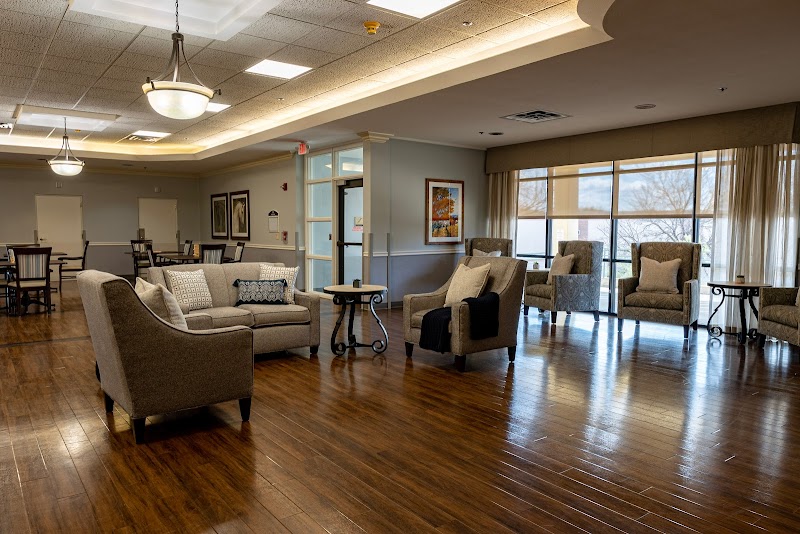
Cityview Nursing and Rehabilitation Center

5801 Bryant Irvin Rd, Fort Worth, TX 76132 (817) 346-3030
Government - Hospital district 210 Beds WELLSENTIAL HEALTH Data: November 2025 4 Immediate Jeopardy citations
Trust Grade
0/100
#689 of 1168 in TX
Last Inspection: July 2024

Within standard 12-15 month inspection cycle. Federal law requires annual inspections.

Overview

Cityview Nursing and Rehabilitation Center has a Trust Grade of F, indicating significant concerns and poor performance overall. They rank #689 out of 1168 facilities in Texas, placing them in the bottom half, and #37 out of 69 in Tarrant County, meaning there are better local options available. The facility is reportedly improving, with issues decreasing from 25 in 2024 to 5 in 2025, but they still face serious challenges. Staffing is rated as average, with a turnover rate of 52%, which is comparable to the state average, but they do have some RN coverage. However, the facility has incurred $327,551 in fines, which is concerning and suggests ongoing compliance problems. There have been critical incidents that raise alarms, including a failure to ensure residents were free from abuse, where one resident physically harmed others. Additionally, staff did not use proper techniques when assisting residents, leading to a serious injury for one individual. Moreover, a resident did not receive adequate pain management as required, indicating lapses in care. While there are strengths in improving quality measures, the weaknesses and specific incidents highlight significant areas of concern for potential residents and their families.

Trust Score
F
0/100
In Texas
#689/1168
Bottom 42%
Safety Record
High Risk
Review needed
Inspections
Getting Better
25 → 5 violations
Staff Stability
⚠ Watch
52% turnover. Above average. Higher turnover means staff may not know residents' routines.
Penalties
✓ Good
$327,551 in fines. Lower than most Texas facilities. Relatively clean record.
Skilled Nurses
⚠ Watch
Each resident gets only 25 minutes of Registered Nurse (RN) attention daily — below average for Texas. Fewer RN minutes means fewer trained eyes watching for problems.
Violations
⚠ Watch
39 deficiencies on record. Higher than average. Multiple issues found across inspections.
★★☆☆☆
2.0
Overall Rating
★★☆☆☆
2.0
Staff Levels
★★★★★
5.0
Care Quality
★☆☆☆☆
1.0
Inspection Score
Stable
2024: 25 issues
2025: 5 issues

The Good

  • 5-Star Quality Measures · Strong clinical quality outcomes
  • Full Sprinkler Coverage · Fire safety systems throughout facility
  • No fines on record

Facility shows strength in quality measures, fire safety.

The Bad

2-Star Overall Rating

Below Texas average (2.8)

Below average - review inspection findings carefully

Staff Turnover: 52%

Near Texas avg (46%)

Higher turnover may affect care consistency

Federal Fines: $327,551

Well above median ($33,413)

Significant penalties indicating serious issues

Chain: WELLSENTIAL HEALTH

Part of a multi-facility chain

Ask about local staffing decisions and management

The Ugly 39 deficiencies on record

4 life-threatening
Jul 2025 2 deficiencies 1 IJ (1 affecting multiple)
CRITICAL (K) 📢 Someone Reported This

A family member, employee, or ombudsman was alarmed enough to file a formal complaint

Immediate Jeopardy (IJ) - the most serious Medicare violation

Free from Abuse/Neglect (Tag F0600)

Someone could have died · This affected multiple residents

**NOTE- TERMS IN BRACKETS HAVE BEEN EDITED TO PROTECT CONFIDENTIALITY** Based on observation, interview, and record review, the facility failed to ensure the residents had the right to be free of abus...

Read full inspector narrative →
**NOTE- TERMS IN BRACKETS HAVE BEEN EDITED TO PROTECT CONFIDENTIALITY** Based on observation, interview, and record review, the facility failed to ensure the residents had the right to be free of abuse for 3 of 5 residents (Residents #6, #7 and #8) reviewed for abuse. The facility failed to ensure Residents #7 and #8 had the right to be free from abuse when Resident #6 hit Resident #7 in the face on 06/26/25 and put his hands around Resident #8's neck on 07/02/25. An IJ was identified on 07/10/25. The IJ began on 06/26/25 and was removed on 07/06/25. The facility took action to remove the IJ before the abbreviated survey began. While the IJ was removed on 07/06/25, the facility remained out of compliance with a scope of pattern and severity level of no actual harm with potential for more than minimal harm . The failure placed residents at risk for abuse. Findings included:Record review of Resident #6's admission MDS, dated [DATE] and signed as complete by the DON on 06/25/25, reflected the resident was a [AGE] year-old male. The resident admitted from home to the facility on [DATE], and his diagnoses included Alzheimer's disease, non-Alzheimer's dementia, anxiety disorder, and depression. The resident had severe cognitive impairment with a BIMS score of zero, and he displayed disorganized thinking and intention continuously. The resident was assessed to have physical behavioral symptoms directed toward others (e.g., hitting, kicking, pushing, scratching, grabbing, abusing others sexually), behavioral symptoms not directed towards others (e.g., physical symptoms such as hitting or scratching self, pacing, disruptive sounds), and wandering, which all occurred 1 to 3 days during the assessment period. These behaviors were assessed to significantly intrude on the privacy or activity of others. The MDS also reflected the resident rejected evaluation or care that was necessary to achieve the resident's goals for health and well-being, which occurred 1 to 3 days during the assessment period. The MDS further reflected the resident was able to transfer and walk independently. Record review of Resident #6's Care Plan, initiated on 06/13/25, reflected Resident #6 had the potential to be verbally and physically aggressive related to poor impulse control. The Care Plan included the following: Problem: 6/12/25 angry look in his face, threw coloring book across the table Problem: 6/14/25 climbed into bed with peer combative, hitting/swinging at staff during redirection. Intervention: 6/14/25 attempted to remove from peer's bed, left alone [due to] agitation Date Initiated: 06/16/2025 Problem: 6/21/25 entered female peer's room and began hitting and grabbing at the CNA's clothes when she attempted to redirect him out of room, attempted to hit female peer Intervention: 6/21/25 attempted to redirect from room, CNA used her body to shield female resident from both men, [Resident #6] left room [status post] incident with male peer, refused skin assessment and VS, NP notified with N.O. anxiolytic topically Q 6hrs, RP/DON/ADON/weekend supervisor notified, placed on 1:1 supervision; 6/22/25.NP N.O. anxiolytic PO Q6hrs PRN, RP notified - Date Initiated: 06/23/2025. Problem: 6/24/25 agitated, striking out at staff. Intervention: 6/24/25 PRN anxiolytic administered - Date Initiated: 06/25/2025. Problem: 6/26/25 hit peer in the face with closed fist. Intervention: 6/26/25 separated from peer and escorted to room, encouraged to sit on bed and provided with books to color, MD/NP/RP/DON/ADON/Administrator notified, unable to obtain VS d/t agitation, SW completed updated BIMS assessment with BIMS 1. Date Initiated: 06/27/2025 Problem: 6/27/25 combative with sitter and peers. Intervention: 6/27/25 staff attempted to redirect, once calmed down he walked to his room, PRN medication administered, DON notified, taken out on patio x approximately 15 minutes. Date Initiated: 06/30/2025. Problem: 6/30/25 verbal/physical aggression towards staff: swinging/kicking/hitting, throwing items in room, swinging pencil. Intervention: 6/29/25 verbally redirected, assisted to bed, covered with blanket, assessed as able without waking [Resident #6] up, continued monitoring. Date Initiated: 06/30/2025. Intervention: 6/30/25 topical anxiolytic applied with assistance, pencils removed and placed in med room, NP witnessed episode, continues 1:1 monitoring. Date Initiated: 07/01/2025 Problem: 7/1/25 threw chair at sitter, then charged sitter and fell, stood up and charged at sitter again, pacing. Intervention: 7/1/25 assessed, area treated, DON/ADON/MD/RP notified with N.O. transfer to hospital r/t injury, unable to obtain VS, patio door opened, and [Resident #1] came in facility, RP arrived at facility, transferred to.hospital Problem: 7/2/25 kicked the table, entered peer's room and placed his hands around peer's neck. Intervention: 7/2/25 kicked table: assessed with trauma noted to R great toe, area cleansed and treated. 7/2/25 placed hands around peer's neck: separated from peer immediately, [head-to-toe assessment] completed, VS obtained, redirected, MD/RP notified; SWA sending clinicals to [Behavioral Health Hospitals]. Date Initiated:07/02/2025. The Care Plan also reflected the following additional interventions to address Resident #6's verbal and physical behavioral symptoms: Administer medications as ordered. Monitor/document for side effects and effectiveness. Date Initiated: 06/13/2025Analyze times of day, places, circumstances, triggers, and what de-escalatesbehavior and document. Date Initiated: 06/13/2025Assess and address for contributing sensory deficits. Date Initiated: 06/13/2025. Assess [Resident #6's] needs: food, thirst, toileting needs, comfort level, body positioning, pain, etc. Date Initiated: 06/13/2025COMMUNICATION: provide physical and verbal cues to alleviate anxiety; give positive feedback, assist verbalization of source of agitation, assist to set goals for more pleasant behavior, encourage seeking out of staff member when agitated. Date Initiated: 06/13/2025 Give [Resident #6] as many choices as possible about care and activities. Date Initiated: 06/13/2025 Modify environment adjust room temperature to comfortable level, reduce noise, dim lights, place familiar objects in room, keep door closed, etc. Record review of Resident #6's progress notes, dated 06/26/25, documented by LVN E reflected the following: This resident was observed standing in dining area talking with another resident who was sitting in a wheelchair. This resident hit the other resident in his face/cheek with his fist causing a reddened area to the other resident's cheek. The residents were separated and this resident was escorted to his room by the nurse and encouraged to sit on his bed and was given his crayon box and coloring book which he pushed away and then laid down on the bed.Review of Resident #6's progress notes dated 07/01/25, reflected the following: Resident on patio with 1/1 pacing and suddenly he picked up a chair and threw it and started running at Sitter and he fell on rt shoulder. Resident quickly got off ground charging at sitter. This nurse was passing window and saw resident chasing sitter. Resident pacing and holding rt arm, small skin tear noted to rt wrist Orders to transfer resident to hospital for injury Record review of Resident #6's progress notes, dated 07/02/25, documented by LVN F reflected the following: Resident observed going into another resident's room and placed his hands around his neck. Staff immediately separated [Resident #6] and was re-directed. Record review of the facility's Provider Investigation Report, completed by the DON on 07/03/25, reflected the following: The facility initiated an investigation on 06/26/2025 after two residents were involved in an altercation. [Resident #6] is a [AGE] year-old male who resides on the dementia unit. He was admitted on [DATE] with the diagnosis of Alzheimer's, HLD, depression, anxiety, hearing loss, HTN, and TIA's. He can walk ad lib and is dependent on staff for assistance with ADL's. He has a BIMS score of 0.[Resident #7] is a [AGE] year-old male who resides on the dementia unit. He admitted on [DATE] with the diagnosis of dementia, dysphagia, hypothyroidism, HLD, depression, HTN, DM, AFIB, CHF, COPD, cellulitis and anxiety. He uses a wheelchair for mobility and is dependent on staff for ADL's. He has a BIMS score of 1.On 06/26/2025 both residents were in the common area in front of the nurse's station. Both residents were calm and suddenly [Resident #6] struck [Resident #7] on the left cheek. The residents were separated immediately and assessed by the nurse. [Resident #7] had a reddened area to the cheek, v/s 106/64,76,97.8,18. The reddened area dissipated without bruising although there is discoloration to both cheeks that is permanent. [Resident #6] refused vital signs at the time due to his agitation. There have been no further incidents between these two residents. Neither resident could recall the incident when interviewed by the DON. There was no root cause identified as the event was unprovoked.Both families were notified. [Psychological Services], MD, Regional support team and HHSC were all notified. Both residents were seen by the Social [NAME] and [Psychiatric] N.P. [Resident #6] continues to have behaviors during one-on-one observation and remains on one-on-one with the facility seeking alternate placement. His medications were reviewed and adjusted without being effective in modifying his behaviors. Incident reports were completed, skin assessments and pain assessments were completed. Care plans were updated. Education was initiated on Abuse and Neglect and managing difficult behaviors. After through [sic] investigation, the incident did occur but due to the residents' lack of cognition, it was not an intentional act of abuse. Both residents have be monitored by administrative staff frequently. [Resident #7] remains in the facility with no distress or concerns noted. We are seeking a more appropriate placement for [Resident #6]. Record review of the facility's Provider Investigation Report, completed by the DON on 07/09/25, reflected the following: The facility initiated an investigation on 07/02/2025 after two residents were involved in an incident.[Resident #6] is a [AGE] year-old male who resides on the dementia unit. He was admitted on [DATE] with the diagnosis of Alzheimer's, HLD, depression, anxiety, hearing loss, HTN, and TIA's. He can walk ad lib and is dependent on staff for assistance with ADL's. He has a BIMS score of o.[Resident #8] is an [AGE] year-old male who resides on the dementia unit. He admitted on [DATE] with the diagnosis of dementia, dysphagia, CKD, COPD, DM, dysphagia, depression, HTN, and behavior disturbance with dementia. He uses a wheelchair for mobility and is dependent on staff for ADL's. He has a BIMS score of 01.On 07/02/2025 [Resident #6] entered [Resident #8['s room and placed his hands around his neck. The CNA was directly behind him and redirected him away from the resident immediately. [Resident #8[ was assessed and there was no redness, irritation, or bruising noted. He denied feeling anything. There was no injury.[Resident #8] was interviewed by Social Services and could not recall the incident. Neither resident could recall the incident when interviewed by the DON.Both families were notified. The police, [Psychological Services], MD, Regional support team and HHSC were all notified.Both residents were seen by the Social Services and [Resident #6] continues to be seen by the [Psychiatric] N.P. [Resident #6] continued to have behaviors during one-on-one observation and remained on one-on-one with the facility seeking alternate placement. His medications were reviewed and adjusted without being effective in modifying his behaviors. He was sent to [Hospital] on 07/06/2025 due to his agitation and aggression. He remains there currently.Incident reports were completed, skin assessments and pain assessments were completed. Care plans were updated. Education was initiated on Abuse and Neglect and managing difficult behaviors.Based on the investigation, there is no evidence of abuse.Both residents have be monitored by administrative staff frequently. [Resident #8[ remains in the facility with no distress or concerns noted. [Resident #6] is still at [Hospital], but we continue to look for a more appropriate placement for him. 2. Record review of Resident #7's quarterly MDS, dated [DATE], reflected the a [AGE] year-old male who was admitted to the facility on [DATE]. His diagnoses included stroke, non-Alzheimer's dementia and depression. Resident #7's BIM's was a 1, which indicated his cognition was severely impaired. The MDS further reflected Resident #7 used a wheelchair for mobility. 3. Record review of Resident #8's significant change MDS, dated [DATE], reflected an [AGE] year-old male who was admitted to the facility on [DATE]. His diagnoses included non-Alzheimer's dementia, depression and vascular dementia, mild with other behavioral disturbance. The resident had a BIM's of 1, which indicated his cognition was severely impaired. The MDS further reflected Resident #8 used a wheelchair for mobility. Observation and interview on 07/10/25 at 9:39 AM revealed Resident #7 was in the secure unit television/dining room area across from the nurses' station sitting in his wheelchair pleasantly talking to other residents. He was alert and oriented and able to answer simple/basic questions. The resident was asked about the incident where he was struck by Resident #6, but he was not able to recall the incident. Observation on 07/10/25 at 9:44 AM revealed Resident #8 was in a high back wheelchair in the television/dining area. The resident was able to answer simple basic questions but was not able to recall the incident between him and Resident #6. Interview on 07/10/25 at 10:26 AM with LVN E revealed she was at the nurse's station getting a weight on another resident and Resident #7 was sitting at the doorway of where the other resident's weight was being obtained. At that time Resident #6 approached Resident #7 and both residents began to have a normal conversation and there was not aggression when all of sudden Resident #6 struck Resident #7 on the cheek with a closed fist and Resident #7 yelled out he hit me. Both residents were separated immediately, and Resident #7 was assessed, and he denied any pain but his check was slightly reddened from where he had been struck and the following day the redness was gone. LVN F said Resident #6 was admitted with extreme behaviors and wandered in and out of other resident rooms and would become very physical throwing things and trying to hit at staff as they redirected. LVN F stated Resident #6 was unpredictable and at first the resident was easily redirected to his coloring books. LVN F further stated Resident #6 was put on 1:1 supervision due to his unpredictable physical behaviors but did not recall date. Interview on 07/10/25 at 10:37 AM with CNA G revealed she had just taken Resident #7 to the bathroom and pushed him into the TV area and Resident #6 was standing in front of the nurse's station and both residents began to talk to each other in a normal tone and then, suddenly, Resident #6 struck Resident #7 in the face with a closed fist. CNA G said she immediately removed Resident #7 from the area and LVN F assisted in separating the residents. CNA G said Resident #7 had some redness to his check where he was struck but said it had not lasted very long. CNA G stated she believed Resident #6 was put on 1:1 after the incident and she described Resident #6 as very unpredictable with his mood swings. They were told if they noticed Resident #6 becoming upset, they were to remove the other residents away from him and let him calm down because Resident #6 would become very physical when he was redirected. Interview on 07/10/25 with CNA H revealed Resident #6 was very quiet but they had to pay very close attention to him because the resident would quickly strike out at anyone that was around him including the staff who were watching him 1:1. CNA H said Resident #6 would become very physical when they tried to redirect him, and the behavior would come out of nowhere and described him as very unpredictable. Interview on 07/10/25 at 11:12 AM with CNA I revealed Resident #6 appeared to be relaxed and then, all of a sudden, he would throw things around his room and became physical with others. CNA I said the staff were instructed to keep other residents away from Resident #6 and kept their distance until the resident calmed down. Interview on 07/10/25 at 1:40 PM with CNA J revealed the night of the incident with Resident #8, 07/02/25, Resident #6 had been out to the hospital and his family had taken him out AMA and took him back to the facility around 2:00 AM or 3:00 AM. She said Resident #6 was already on 1:1 supervision and when he arrived, he appeared agitated and soon after the resident's family left. CNA J said Resident #6 left his room and he was trying to go into other resident's rooms and she kept redirecting him out. During one of times, she was redirecting the resident out of a room, as she was shutting the other resident's door, Resident #6 immediately ran into the room across the hall (Resident #8's room) and CNA J said she followed him and before she could redirect him, Resident #6 was seen bending over Resident #8 and put his hands around his neck. CNA J said she immediately got to Resident #6 before he could squeeze his neck and yelled for LVN F to assist. CNA J stated Resident #8 woke up at that time and yelled at the staff to get Resident #6 out of his room. She said as they were trying to redirect Resident #6, he kept trying to swing at them and they finally got the resident back to his room where he finally laid down. CNA J further stated that was the first time she experienced Resident #6's aggression during the night shift and the incident was all unprovoked. Attempts to interview LVN F on 07/10/25 were unsuccessful. Interview on 07/16/25 at 10:53 AM with the ADON revealed she was told about the incidents with Residents #6, #7, and #8. The ADON said Resident #6 was transferred from another facility and there was no documentation of his aggressive behaviors but once he got to their facility, the resident was very unpredictable with his physical behaviors. The ADON stated Resident #6 was put on 1:1 supervision after the first incident with Resident #7 and never came off that supervision. Interview on 07/10/25 at 2:13 PM with the DON revealed Resident #6 was admitted from another facility and they were not aware of any of his physical behaviors, or he would never have been accepted. The DON said as soon as Resident #6 was admitted he began to have aggressive behaviors, and they tried to adjust his medications and also tried diversional activities, but nothing seemed to work. The resident was immediately put on 1:1 when he began to show aggression towards staff. Resident #6 was on 1:1 supervision from 06/21/25 to 06/24/25 and had been taken off for a while due to some decreasing behaviors and was put back on 1:1 after the incident with Resident #7 on 06/26/25 and was on it until the remainder of his stay. The DON stated there was nothing that triggered his behavior and it was difficult to tell when he was about to escalate and that was why they decided to keep him on 1:1 until they could find alternate placement. The DON said the resident had been sent to the hospital (07/01/25) after he became physically aggressive with the 1:1 sitter and he had fallen back. The resident was sent to the hospital for an evaluation because he had fallen on his arm from his physical behaviors and the Resident's Family had taken him out of the hospital AMA stating she had gotten tired of waiting for Resident #6 to be seen. Finally Resident #6 was sent to the hospital again (07/06/25) because she wanted them to do a psychological evaluation where he remained as they had Resident #6 on a 4- point restraint due to his aggressive behaviors and would not be accepted back due to his aggressive behaviors. Monitoring for compliance included the following: Observation on 07/10/25 of Resident #9, who was on 1:1 supervision, revealed staff were providing the resident with 1:1 supervision. The resident was on 1:1 supervision due to behaviors exhibited towards staff and for exit-seeking. Record review of the incident/accident log reflected there were no resident-to-resident incidents/altercations in the facility following Resident #6's last incident on 07/02/25. Record review of in-services, dated 06/26/25 and 07/02/25, reflected staff were in-serviced on the types of abuse/neglect prior to the HHSC investigation. The staff were also in-serviced on what to do when resident behaviors escalated, notify the abuse prevention coordinator of the behaviors, and who to notify of any behavior/incidents. The staff were also in-serviced on tips of dealing with aggressive behaviors in residents with dementia,. 81 staff members participated in the in-service on 06/26/25 and 74 staff participated in the in-service on 07/02/25. The staff were from various titles and shifts. Interview with staff on 07/10/25 from 10:26 AM to 3:52 PM from various shifts (6:00 AM-2:00 PM; 2:00 PM-10:00 PM; and 10:00 PM-6:00 AM) included LVN E, LVN F, CNA G, CNA H, CNA I, CNA J, CNA K, LVN L, CNA M, CNA N, LVN O, CNA P and the ADON. All the staff were able identify the different types of abuse, identify when a resident was escalating, try to identify a trigger, use gently tone or try to calm the resident, move them to a calm environment, shift their attention to a different activity, remove themselves from the room or leave the resident for a while until they calm down and make sure other residents were safe from aggressive residents , and notify upper management if a resident behavior escalated for further instruction. Observation of the residents on the secured unit on 07/10/25 from 9:39 AM to 11:24 PM revealed none displayed verbal or physical aggression towards other residents. Facility staff on the secured unit were observed to provide adequate supervision, assistance, and redirection as needed to meet the residents' needs. Interview on 07/10/25 at 2:13 PM with the DON revealed they screened residents prior to admission, and they did not accept any residents with aggressive behaviors. Record review of the facility's Abuse, Neglect, and Exploitation policy, implemented on 08/15/22, reflected the following: PolicyIt is the policy of this facility to provide protections for the health, welfare and rights of each resident by developing and implementing written policies and procedures and prohibit and prevent abuse, neglect, exploitation and misappropriation of resident property. An IJ was identified on 07/10/25. The IJ began on 06/26/25 and was removed on 07/06/25. The facility took action to remove the IJ before the abbreviated survey began. While the IJ was removed on 07/06/25, the facility remained out of compliance with a scope of pattern and severity level of no actual harm with potential for more than minimal harm.
CONCERN (E) 📢 Someone Reported This

A family member, employee, or ombudsman was alarmed enough to file a formal complaint

Potential for Harm - no one hurt, but risky conditions existed

Deficiency F0558 (Tag F0558)

Could have caused harm · This affected multiple residents

Based on observations, record reviews, and interviews the facility failed to ensure residents had the right to reside and receive services in the facility with reasonable accommodation of resident nee...

Read full inspector narrative →
Based on observations, record reviews, and interviews the facility failed to ensure residents had the right to reside and receive services in the facility with reasonable accommodation of resident needs and preferences except when to do so would endanger the health or safety of the resident or other residents for 5 residents (Residents #1, #2, #3, #4, and #5) of 20 residents reviewed for accommodation of needs. The facility failed to ensure call lights were placed within reach of Residents #1, #2, #3, #4, and #5. This failures could place residents at risk of harm or inability to call for help.Observations on 7/10/25 from 11:03 AM-11:54 AM of the 300 and 400 Halls revealed call light cords were not within reach of Residents #1, #2, #3, #4, and #5. Resident #1's cord was stored in her bedside dresser. Resident #2's cord was under her mattress. Residents #3, #4, and #5's cords were hanging from the light above the head of the bed. All of the residents were in their beds, and their call lights were not within their reach. Follow up observations on 07/10/25 from 1:06 PM-1:24 PM of the 300 and 400 Halls revealed the call light cords remained in the same locations. Resident #1's cord was stored in her bedside dresser. Resident #2's cord was under her mattress. Residents #3, #4, and #5's cords were hanging from the light above the head of the bed. All of these call lights were not within reach of the residents. An interview was attempted on 07/10/25 at 11:03 AM with Resident #1; however, she did not respond when asked about her call light. In an interview on 07/10/25 at 11:06 AM, Resident #2 stated she was unable to locate her call light cord. The resident stated she was able to use her call light when needed, and it was not out of reach very often. An interview was attempted on 07/10/25 at 11:40 AM with Resident #3; however, the resident was non-responsive to questions. In an interview on 07/10/25 at 11:43 AM, Resident #4 stated she was unable to locate her call light cord. The resident stated she was able to use her call light when needed, and it was not out of reach very often. In an interview on 07/10/25 at 11:54 AM, Resident #5 stated she was unable to locate her call light cord. The resident stated she was able to use her call light when needed, and it was not out of reach very often. In an interview on 07/10/25 at 2:20 PM, RN A stated the call light cord needed to be within reach of the residents, so they could call for help if needed. He stated the risk of not having the call light within reach of the resident was the resident falling when trying to get up without assistance. In an interview on 07/10/25 at 2:23 PM, CNA B stated the residents' call lights had to be within reach of the residents, so they could call for help if needed. She stated she did not know why the call lights were not within reach of the residents. In an interview on 07/10/25 at 2:28 PM, LVN C stated call light cords had to be secured to the resident's bedding or the bed rail if they had one. She stated the call light needed to be within reach and easily located to prevent the resident from hurting themselves when trying to get out of bed and help themselves. She stated all staff were responsible for ensuring resident call lights were withing reach of the residents. In an interview on 07/10/25 at 2:32 PM, LVN D stated resident call light cords had to be within reach of the resident. She stated if the call light was not where they could reach it, the resident would not be able to call for assistance and could fall or have an accident. In an interview on 07/10/25 at 2:35 PM, the DON stated call light cords should always be left within reach of the resident. She preferred the cord was secured to the bedding or the bed rail so it would not slide off. She stated the biggest risk to the residents was not being able to call for assistance. She stated it could cause the resident to try to get up and help themselves and fall in the process. Record review of the facility's Call Lights: Accessibility and Timely Response policy, dated 10/13/22, reflected: The purpose of this policy is to assure the facility is adequately equipped with a call light at each resident's bedside, toilet, and bathing facility to allow residents to call for assistance 5. Staff will ensure the call light is within reach of resident and secured as needed
Jun 2025 1 deficiency
CONCERN (D) 📢 Someone Reported This

A family member, employee, or ombudsman was alarmed enough to file a formal complaint

Potential for Harm - no one hurt, but risky conditions existed

Accident Prevention (Tag F0689)

Could have caused harm · This affected 1 resident

**NOTE- TERMS IN BRACKETS HAVE BEEN EDITED TO PROTECT CONFIDENTIALITY** Based on observation, interview and record review the facility failed to ensure that each resident received adequate supervision...

Read full inspector narrative →
**NOTE- TERMS IN BRACKETS HAVE BEEN EDITED TO PROTECT CONFIDENTIALITY** Based on observation, interview and record review the facility failed to ensure that each resident received adequate supervision and assistance devices to prevent accidents for 2 of 5 resident (Residents #1 and #2) reviewed for supervision. The facility failed to provide adequate supervision to Residents #1 and #2, who both had severe cognitive impairment and resided on the facility's memory care unit. On 02/02/25, Resident #1 was found fully clothed in Resident #2's bed, and Resident #2 had no clothing on below the waist. The noncompliance was identified as PNC. The noncompliance began on 02/02/25 and ended on 02/03/25. The facility had corrected the noncompliance before the survey began. The failure could place residents at risk for abuse. Findings include: Record review of Resident #1's face sheet, dated 06/17/25, reflected an [AGE] year-old female who was admitted to the facility on [DATE]. Record review of Resident #1's quarterly MDS assessment, dated 06/11/25, reflected her diagnoses included Alzheimer's disease with late onset (brain disorder), unspecified dementia with mood disturbance and depression (loss of cognitive functioning). Resident #1's BIMS score was 00, which indicated severe cognitive impairment. Section E - Behaviors reflected Resident #1 exhibited wandering behaviors . Record review of Resident #1's care plan, dated 02/03/25, reflected Problem: [Resident #1] has sexually inappropriate behaviors. 2/2/25 in male peer's room fully dressed, male peer was undressed below hips attempting to engage with [Resident #1]. Goal: [Resident #1] will have no evidence of sexually inappropriate behaviors by review date. Interventions: 2/2/25 staff immediately intervened and separated [Resident #1] from peer, skin assessed, Administrator/DON/RP notified, [psychological/psychiatric services] referral, peer was placed on 1:1 supervision. Caregivers to provided opportunity for positive interaction, attention. Stop and talk with her as passing by. If reasonable, discuss [Resident #1] behavior. Explain/reinforce why behavior is inappropriate and/or unacceptable to her. Intervene as necessary to protect the rights and safety of others. Approach/Speak in a calm manner. Divert attention. Remove from situation and take to alternate location as needed. Minimize potential for [Resident #1] disruptive behaviors by offering tasks which divert attention. Monitor behavior episodes and attempt to determine underlying cause. Consider location, time of day, persons involved, and situations. Document behavior and potential causes. Provide a program of activities that is of interest and accommodates [Resident #1] status . Record review of Resident #1's progress note, dated 02/02/25 at 22:43 [10:43 PM] by LVN B, reflected: Resident observed in male pt room, pt (fully dressed) male resident undressed below the hips. Male pt attempting to engage with female pt. nursing staff immediately intervened and separated the two. Both with Positive/affect. No s/s of pain/distress. Interventions: Skin assessment completed no acute skin concerns at time of assessment. Currently seated at nurses' station. On coming shift notified. reviewed residents' disposition after event, notified male resident is now 1:1. Family requested male pt name / denied HIPPA . Reviewed current intervention provided by nursing staff, family states their understanding, will continue with current Plan of care. Observation on 06/17/25 at 12:01 PM, revealed Resident #1 was observed in the memory care unit, sitting in the dining area. Resident #1 did not respond to any questions. 2. Record review of Resident #2's face sheet, dated 06/17/25, reflected a [AGE] year-old male who was admitted to the facility on [DATE]. Record review of Resident #2's quarterly MDS assessment, dated 03/11/25, reflected his diagnoses included unspecified dementia with agitation (loss of cognitive functioning), schizophrenia (chronic mental disorder that significantly impacts a person's thinking, feeling, and behavior), and high blood pressure. Resident #2's BIMS score was 14, which indicated his cognition was intact. Section E - Behaviors indicated Resident #2 did not exhibit any wandering behaviors . Record review of Resident #2's care plan, dated 02/03/25, reflected Problem: [Resident #2] has sexually inappropriate behaviors. 2/2/25 in his room with female peer undressed below his hips attempting to engage with female peer who was fully dressed. Goal: [Resident #2] will have no evidence of sexually inappropriate behavior problems by review date. Interventions: 2/2/25 staff immediately intervened and separated [Resident #2] from peer, skin assessed, DON notified, placed on 1:1 supervision, oncoming shift/Administrator/RP notified, [psychological/psychiatric services] referral. If reasonable, discuss [Resident #2] behavior. Explain/reinforce why behavior is inappropriate and/or unacceptable to him. Intervene as necessary to protect the rights and safety of others. Approach/Speak in a calm manner. Divert attention. Remove from situation and take to alternate location as needed. Minimize potential for [Resident #2] disruptive behaviors by offering tasks which divert attention. Monitor behavior episodes and attempt to determine underlying cause. Consider location, time of day, persons involved, and situations. Document behavior and potential causes. No prior sexual inappropriate behaviors documented in Resident #2's care plan. Record review of Resident #2's progress note, dated 02/02/25 at 10:20 PM by LVN B, reflected: Resident observed with female pt in room, resident undressed below the hips. Attempting to engage with female pt (fully dressed). Nursing staff immediately intervened and separated the two. Both with Positive/affect. No s/s of pain/distress. Resident denies situation/observed by staff. Interventions: Skin assessment completed no acute skin concerns at time of assessment. DON pt to be 1:1 until further notice, awaiting aid. On coming shift notified. Record review of Resident #2's progress note, dated 02/03/25 at 11:39 AM by Social Worker, reflected: SWA visited with resident and asked him if he was aware of an incident that took place in his room. Resident stated that a female resident came and got in his bed. He stated he was accused of being in bed with her with his pants off, but that it was not true. When asked how he feels about the situation, he said he just don't want people saying things about him that was not true. His countenance was calm and did not appear upset or distraught. Record review of the facility's Provider Investigation Report, completed by the Administrator on 02/07/25, reflected the following: 02/02/2025 The facility initiated an investigation on 02/02/2025, after two residents were involved in an alleged sexual interaction. [Resident #2] is a [AGE] year-old male that was residing on the dementia unit with a BIMS score of 1. His diagnosis includes unspecified dementia (loss of cognitive functioning), need for assistance with personal care, primary hypertension (high blood pressure), schizoaffective disorder-bipolar type ((chronic mental disorder that significantly impacts a person's thinking, feeling, and behavior), altered mental status (change in mental function), chronic glaucoma (eye condition that damages the optic nerve). He admitted on [DATE], he self ambulates. He is dependent upon staff for ADL's , can feed self. He has no history of sexual interactions and is seen by [psychological/psychiatric services]. [Resident #1] is a [AGE] year-old female resident who admitted on [DATE] and resides on the dementia unit with a BIMS score of a 2. Diagnosis's [sic] include Alzheimer's disease (brain disorder), Dementia (loss of cognitive functioning), Raynaud's Syndrome without gangrene (causes spasms in small blood vessels in your fingers and toes). She self ambulates. She is dependent upon staff for ADL's and can feed self. She has been referred to [psychological/psychiatric services]. On 02/02/2025 [Resident #2 and Resident #1] were observed in .[Resident #2's room] in the bed together, [Resident #1] was fully clothed while [Resident #2] was undressed from the waist down. There was no other resident in the room. [CNA A] walked into the room and intervened immediately. [Resident #2] was placed on a one-on-one until reviewed by psych . No further interactions or behaviors were noted the evening. Both residents were assessed with no signs of distress noted for either. Full skin assessment on [Resident #1] with no concerns. Families were notified. [Psychological/psychiatric services], MD , regional support team and HHSC were all notified. Both residents were seen by Social Services and [psychological/psychiatric services]. No distress was noted. Incident reports were completed, skin assessments were completed, care-plans were updated. Education was initiated on Abuse and Neglect and managing difficult behaviors. Both residents were visited by administrative staff daily and no distress or mood changes were noted. Record review of Employee Witness Statement by CNA A, dated 2/2/25, reflected: [CNA A] was covering rooms 101 to 109 on the locked unit and on her rounds, she entered room [ROOM NUMBER]. [CNA A] witnessed male resident [Resident #2] in the bed with no bottoms on, over a fully clothed, female resident. [CNA A] intervene immediately and asked the male resident to get dressed and asked for help. [LVN B] came immediately and they assisted the female resident out of the room. Interview on 06/17/25 at 11:42 AM, with Resident #2 revealed he used to reside in the memory care unit. He stated he recalled the incident where a lady entered his room and got into his bed. He stated he was sitting by the door when the lady entered his room. He stated he told the aide a lady was in his bed. He stated he could not recall the aide's name. He stated he did not know why the aide lied on him and said he had his pants down and was in bed with the lady. Resident #2 stated he never got in the bed or was naked. He stated he had clothes on. He stated nothing happened and never would. Resident #2 stated he did not want people to think he did something to that lady. Interview on 06/17/25 at 1:54 PM, CNA A revealed she was the CNA who found Resident #1 in Resident #2's bed. She stated at around 2:00 PM-2:30 PM, she was doing her rounds and she entered Resident #2's room. She stated she observed Resident #1 fully clothed in Resident #2's bed and Resident #2 was leaning towards Resident #1, one hand on the bed by Resident #1 head and the other hand on the bed by the hip area and appeared like he was putting on her pants. She stated the residents' bodies were not touching each other. She stated Resident #2 only had a shirt on, no pants or brief on. She stated she immediately intervened and asked Resident #2 what was he doing and to put some clothes on. She stated Resident #2 did not respond to any questions. She stated she redirected Resident #1 to get out of the bed and called LVN B to come assist. She stated by the time LVN B entered the room Resident #2 was changed and sitting by the door. She stated this was the first incident, Resident #2 did not have any known sexual behaviors. Interview on 06/17/25 at 2:03 PM, LVN B revealed she was the nurse assigned to the memory care unit when Resident #1 was found in Resident #2's bed. She stated she had worked a double shift, she stated prior to Resident #1 wandering into Resident #2's room, they were both observed in the dining area, she had finished doing activities with the residents. She stated the residents were not next to each other. She stated she could not recall much but she had gone to break and when she returned, she was at the nurse's station and heard one CNA call another CNA to Resident #2's room. She stated she went to go check what was going on, she observed Resident #1 sitting on the bed and Resident #2 sitting on a chair by the door. She stated both residents were dressed, she did not witness anything. She stated she was told by CNA A; Resident #2 was undressed while Resident #1 was in bed fully clothed. She stated it was unknown of the intent between Resident #1 and Resident #2. She stated she assessed both residents and Resident #2 was placed on 1:1 supervision for the rest of the night. She stated nothing happened between Resident #1 and Resident #2. She stated Resident #2 had no known sexual behaviors, she stated this was the first incident during her shift. Interview on 06/17/25 at 2:47 PM, ADON C revealed Resident #2 admitted to the facility memory care unit in November 2024. She stated when Resident #2 admitted to the memory care unit, the resident would not communicate and was an elopement risk. She stated Resident #2 was not known to wander into other residents' room or female rooms and did not have any sexual behaviors. She stated she was not working the day of the incident; but she was called and was told about the incident. She stated it was reported to her the newly admitted Resident #1 had wander into Resident #2's room and Resident #1 and Resident #2 were found together. She stated she could not recall but she was told Resident #2 was coming out of the restroom when he noticed Resident #1 in the bed. She stated she was told Resident #1 was fully clothed and Resident #2 was not wearing any pants and what appeared Resident #2 was trying to remove Resident #1's clothes. She stated she could not recall how they were found but nothing happened between them. She stated when she talked to Resident #2, he denied the incident and stated, a female resident entered his room and got in his bed. She stated Resident #2 told her he was in the service and would ever hurt anyone. Interview on 06/17/25 at 3:18 PM, the DON revealed she was notified a CNA was doing rounds and entered Resident #2's room and noticed Resident #1 in Resident #2's bed together. She stated Resident #2 was naked from the waist down. She stated the CNA intervened, separated them, and called the nurse. She stated nothing happened between Resident #1 and Resident #2. She stated Resident #1 was fully clothed when she was found in the bed. She stated nothing else was told to her about the incident and the intent was unknown. The DON stated she could not recall when the last time both residents were last seen. She stated it was Resident #1's second day in the memory care unit. She stated Resident #2 had never had any known sexual behaviors. The DON stated when she notified Resident #1's family about the incident, the family was not surprised and informed her Resident #1 had a history of those interactions , which the facility was not aware of. She stated as an intervention they placed Resident #2 on 1:1 supervision until the doctor said he was appropriate to be off, both residents were assessed, and psych services provided . She stated no further interactions or behaviors were noted. Interview on 06/17/25 at 5:12 PM, the Administrator revealed Resident #1 was newly admitted to the memory care unit and was confused. He stated Resident #1 was acclimating to the unit; however, wandered into Resident #2's room. He stated it was informed to him that the CNA entered Resident #2's room and found Resident #1 in Resident #2's bed. He stated he could not recall much but Resident #2 was in the room, coming out of the restroom when Resident #1 got in his bed and then Resident #2 got in the bed. The Administrator stated nothing sexual happened between the residents. He stated the CNA intervened immediately and removed Resident #1. He stated Resident #2 had not had any previous behaviors. He stated his expectations were for staff to monitor residents, keep a close eye on them, keep residents in the common area and frequent rounding. He stated the potential risk would be resident to resident interactions. Record review of the facility's Abuse and Neglect policy, dated 08/15/22, reflected the following: . VI. Protection of Resident - The facility will make efforts to ensure all residents are protected from physical and psychosocial harm, as well as additional abuse, during and after the investigation . The facility took the following actions to correct the noncompliance: Observations completed on 06/17/25 from 11:00 AM through-4:45 PM in the memory care unit revealed 2 halls, one for male residents and the other one for female residents. Observed residents in the common area, staff monitored residents, redirected residents and frequent rounding in the halls. Activities were provided to residents . Observed 2 nurses, 3 CNA's and 1 Activity staff in the memory care unit. Interviews on 06/17/25 from 12:45 PM through 5:20 PM with CNA A, LVN B, ADON C, ADON D, LVN E, RN F, LVN G, CNA H, LVN I, CNA J, LVN K, Activities, LVN L, CNA M, CNA N, CNA O, LVN Q, and LVN R who work the shifts of 6:00 AM-2:00 PM, and 2PM-10PM. Facility staff were able to verify education was provided to them. The nursing staff stated they were educated on different types of abuse/neglect and behaviors. Staff monitoring behaviors through-out the shift, if a resident exhibits behavior resident placed on 1:1 supervision or every 15 minutes check, they document and notify the incoming staff. Redirecting residents when they start wandering into the opposite side of the unit, they provide activities through-out the day and round checking on residents every 1 or 2 hours. Redirecting residents when they start wandering into the opposite side of the unit, they provide activities through-out the day and round checking on residents every 1 or 2 hours. Staff stated they completed rounds during shift change with the incoming staff. Staff provided the types of abuse were physical, mental, financial, and verbal. Staff stated they would intervene if they witnessed any inappropriate behaviors, separate, redirect, ensure safety, and assess residents. Staff revealed they would report to the Abuse Coordinator, the Administrator, immediately if they witnessed or observed any of these behaviors. Record review of Resident #1 and Resident #2's Skin assessment, Pain assessment and change in condition Assessment completed on 02/02/25 and 02/03/25, documented no concerns. Record review of Resident #1 psych services reflected Resident #1 was seen on 02/03/25 and received an order for Depakote 1 capsule by mouth three times a day for mood/behaviors. Record review of Resident #2 psych services reflected Resident #2 was seen on 02/03/25. Visit note reflected Pt is 1:1 after a female pt was found in his room sleeping in the empty bed. Pt was unable to explain what was happening. The other pt is new and very confused. He presents no problems with his mood. Pt does not appear to be responding to internal stimuli. while pt can be irritable at times. he has not been known to pursue other pts. No medication changes were made for Resident #2. Record review of Resident #1 and Resident #2 clinical records reflected both residents were seen by Psych services on 02/03/25 and medications were reviewed. Record review of Safe surveys were completed with five residents with no issues noted. Record review of Resident #1 and Resident #2 Behavior Monitoring Symptoms tasks were being completed. Record review of Resident #2's clinical records reflected Resident #2 no longer resided in the memory care unit . Resident #2 was moved to another part of the facility when BIMS Score was reviewed on 03/27/25 and room was available on 04/02/25. Record review of the facility's In Service Training, dated 02/02/25, provided by the DON, reflected all facility staff were In Serviced on Resident to Resident education - Make sure that we are responding quickly and documenting any behavior escalations. Make sure the abuse prevention [coordinator] is notified or the back up and that all details of event are effectively communicated. MD and family to be notified of behaviors and an evaluation requested. 4. Notify provider if a resident is refusing medications/care. All behaviors must be care planned. Behaviors must be documented in the behavior monitoring forms .Abuse and Neglect - Please review the attached policy on abuse and neglect. You should be able to name the types of abuse and know what constitutes neglect. Types of abuse: verbal; physical; mental; sexual; involuntary seclusion; misappropriation of funds. Neglect: failure to provide goods and services necessary to avoid physical harm, mental anguish, or mental illness. Abuse prevention Coordinator: [Administrator], Admin. Back up: [DON], RN .Please monitor your residents for sexual behaviors. If any behaviors are noted, please respond in a calm and respectful manner and separate the residents. Notify the nurse immediately. If you see a resident that is attempting to make sexual advances or comments, redirect them and notify the nurse. As the nurse you are to inform the family, physician and abuse prevention coordinator. Please review attached for managing sexual behaviors with dementia patients. The noncompliance was identified as PNC. The noncompliance began on 02/02/25 and ended on 02/03/25. The facility had corrected the noncompliance before the survey began.
Jan 2025 2 deficiencies 1 IJ (1 affecting multiple)
CRITICAL (K) 📢 Someone Reported This

A family member, employee, or ombudsman was alarmed enough to file a formal complaint

Immediate Jeopardy (IJ) - the most serious Medicare violation

Accident Prevention (Tag F0689)

Someone could have died · This affected multiple residents

**NOTE- TERMS IN BRACKETS HAVE BEEN EDITED TO PROTECT CONFIDENTIALITY** Based on observation, interview, and record review, the facility failed to ensure each resident received adequate supervision an...

Read full inspector narrative →
**NOTE- TERMS IN BRACKETS HAVE BEEN EDITED TO PROTECT CONFIDENTIALITY** Based on observation, interview, and record review, the facility failed to ensure each resident received adequate supervision and assistance devices to prevent accidents for 3 of 6 (Resident #3, #4, and #5) residents reviewed for use of assistance devices for positioning and transfers. 1. On 01/13/25 Hospice Aide K failed to use a drawsheet when repositioning Resident #3 in bed and instead raised her up underneath her armpits hard to pull her up in bed and heard a loud crack or pop. The facility ordered x-rays, and it was determined the resident had sustained a displaced humeral neck fracture (shoulder/upper arm fracture) due to the improper transfer and failure to use a drawsheet to position her in bed. 2. The facility failed to ensure Hospice LVN BB and Hospice Aide CC used a transfer belt when transferring Resident #4 and Resident #5. An IJ was identified on 01/29/25. The IJ template was provided to the facility on [DATE] at 4:03 PM. While the IJ was removed on 01/31/25, the facility remained out of compliance at a scope of pattern and a severity level of no actual harm with potential for more than minimal harm that was not immediate jeopardy due to the facility's continuation of in-servicing and monitoring the plan of removal. These failures placed residents at risk of serious harm. Findings included: Record review of Resident #3's face sheet, dated 01/16/25, reflected the resident was an [AGE] year-old female who was admitted to the facility on [DATE]. Record review of Resident #3's MDS Quarterly Assessment, dated 10/28/24, reflected Resident #3 had a BIMs score of 02, indicating severe cognitive impairment. Resident #3 was dependent on staff for toileting and showering, toilet transfers, tub/shower transfers, chair bed to chair transfers, lying to sitting on side of the bed, and sit to lying. Resident #3 required substantial/maximum assistance with upper and lower body dressing, rolling left and right. Her diagnosis included High Blood Pressure, Alzheimer's Disease, Anxiety, Depression, and bipolar disorder and Dysphagia (difficulty swallowing). Resident #3 received hospice care. Record review of Resident #3's Care Plan, reviewed on 01/17/25, reflected: Focus: [Resident #3] has an Activity of Daily Living self-care performance deficit related to muscle wasting, lack of coordination and impaired mobility. Goal: Resident will maintain current level of function Intervention: [Resident #3] was dependent on staff for toileting and showering, toilet transfers, tub/shower transfers, chair bed to chair transfers, lying to sitting on side of the bed, and sit to lying. [Resident #3] required substantial/maximum assistance with upper and lower body dressing, rolling left and right. Bath/Showering: Provide sponge bath when showering was not tolerated, with assistance by 1 staff, Bed Mobility: Resident required extensive assistance by 1 staff to turn and reposition in bed, Dressing: Extensive assistance by 1 staff. Transfers: Limited to extensive assistance by 1 staff to move between surfaces. [Resident #3] has an alteration in musculoskeletal status related to acute Left humeral neck fracture, moderate to severe glenohumeral osteoarthritis. 1/13/25 complaint of pain L shoulder during shower with hospice CNA. Goal: [Resident #3] will remain free from pain or at a level of discomfort acceptable to her. Interventions:1/13/25 assessed, Nurse Practitioner notified with new order STAT X-Ray Left shoulder, Representative notified. X-Ray results: Acute humeral neck fracture. Moderate to severe glenohumeral osteoarthritis. Nurse Practitioner /Responsible Party/hospice/DON notified; routine pain medication administered. Record review of the facility's Provider Investigation Report, dated 01/21/25, reflected: Incident date: 01/13/25, Time of Incident 7:15 AM. Person(s) or Resident (s) involved: [Resident #3] Alleged Perpetrator(s)(AP): [Hospice Aide K] Description of the Allegation: [Resident #3] complained of pain in her left shoulder after having a bath with the hospice aide, [Hospice Aide K]. Assessment: Date 1/13/25 Time: 8:43AM by [RN I] -Resident c/o pain to the left shoulder when she was given her a shower. Assessment performed ablet to squeeze my fingers c/o pain when lifting the arm. NP in the facility notified and ordered x-ray. Facility Investigation Findings: Confirmed. Provider Action taken post-investigation: [Resident #3] [is] being monitored for pain and medicated as indicated. Education continues with staff on abuse and neglect and turning and repositioning. Hospice aides are being re-educated also. Facility initiated an investigation on 01/14/2025 after [Resident #3] made a complaint of pain in her shoulder and an x-ray that was ordered, returned with an Internal and external rotation views of the shoulder were obtained. There [is] a minimally displaced humeral neck fracture (a fracture in the neck of the upper arm bone where the broken bone pieces are only slightly out of alignment). Gleno-humeral joint space loss and spurring are noted (a space withing the shoulder joint is narrowed, and there are visible bone growths present, indicating the development of degeneration of joint cartilage and the underlying bone in the shoulder). There is no shoulder separation. There is no calcific tendinopathy (the formation of calcium deposits in tendons, leading to inflammation and pain). Diffuse osteopenia (generalized decrease in bone mineral density) is demonstrated. IMPRESSION: Acute humeral neck fracture. Moderate to severe gleno-humeral osteoarthritis. .[Hospice Aide K] came in for the interview and stated that he was repositioning [Resident #3] in the bed and did not use the draw sheet. He was informed of the injury and Hospice [Name] nurse was informed that he would need to removed from our building pending the investigation. Other residents who were under Hospice [Name] care were evaluated for pain, distress or injury with none noted. Staff were re-educated on our abuse-neglect policy and turning and repositioning when in bed and bathing. Hospice Aide K statement dated 01/14/25: On 01/13/20[24] I came to provide care for [Resident #3], [I] have been her aide since 12/21/2023. [I] usually give her bed bath but yesterday she had stool on her, so I took her to the shower. After showering her [I] dried her off and dressed her and assisted her back to the bed. She [is] a one-person transfer. After [I] put her back in bed, [I] adjusted her legs, but [I] noticed that she was still too far down in the bed. [I] went behind the headboard and lifted her under her arms to pull her up. [I] usually use the draw sheet but this time I just grabbed her under her arms. [I] did hear a pop at this time, and she said that her arm hurt. [I] reported to the nurse that she was complaining of pain, and he went to assess her. [I] reported it to my supervisor at Hospice [Name]. [Today], [I] was informed that there is a fracture. It was a complete accident. [I] didn't use the draw sheet like [I] was supposed to and was trained to do so by my company. [I] take pride in the work [I] do and always try to always ensure safety. [I] care so much for my patients and made a mistake that will never happen again. 1/14/25 hospice nurse in and assessed with pain medication adjustments, increase anxiolytic (medications to treat anxiety disorders), hold anticoagulant x 3-day, Blood Pressure medication, as needed anticholinergic (drugs that block the action of the neurotransmitter) related to secretions, Representative notified, 2 Person Assist provided with turning and repositioning, call light in reach. 1/15/25 hospice new order antibiotic therapy twice a day x 7day prophylactically (actions taken to prevent or guard against a disease or infection). 1/16/25 Left arm elevated on pillow for comfort, assisted with repositioning. Assist Resident #3 to change positions. Alternate periods of rest with activity out of bed as tolerated/allowed in order to prevent respiratory complications, dependent edema (swelling that occurs in the lower extremities), flexion deformity (joint is permanently bent in a flexed position) and skin pressure areas. Be sure call light is within reach and respond promptly to all requests for assistance. Educate resident /family/caregivers on joint conservation techniques. Give analgesics (pain reliever) as ordered by the physician. Monitor and document for side effects and effectiveness. Monitor for any side effects to NSAIDS such as GI bleeding or renal impairment. Monitor/document for risk of falls. Educate resident/family/caregivers on safety measures that need to be taken in order to reduce risk of falls. Monitor/document/report as needed signs and symptoms or complications related to arthritis: Joint pain. Joint stiffness, usually worse on wakening; Swelling; Decline in mobility; Decline in self-care ability; Contracture formation/joint shape changes; Crepitus (creaking or clicking with joint movement); pain after exercise or weight bearing. Record review of Resident #3's x-ray results dated 01/13/25 reflected x-rays of the resident's left shoulder showed the following findings: .Findings: Internal and external rotation views of the should were obtained. There is a minimally displaced humeral neck fracture. Gleno-humeral joint space loss and spurring (bony growths that form in your joints) are noted. There is no shoulder separation. There is no calcific tendinopathy. Diffuse osteopenia is demonstrated. Impression: Acute humeral neck fracture. Moderate to severe gleno-humeral osteoarthritis. Record review of Resident #3's progress notes reflected the following entries: - 01/13/25 10:32 AM written by RN L: Hospice aide reported to the RN L that resident complained of pain to the left shoulder when he was giving her a shower. Assessment performed able to squeeze my fingers complained of pain when lifting the arm. Nurse Practitioner in the facility notified and ordered x-ray. Called .mobile x-ray and an order was placed family notified and will continue to monitor. - 01/13/25 11:34 AM written by RN L : left shoulder pain, started 01/13/25, since started it has gotten worse. Things that make the condition worse: movement. Things that make the condition better: calm. - 01/13/25 6:30 PM: Left shoulder X-ray results received with the following findings: Acute humeral neck fracture and moderate to severe gleno-humeral osteoarthritis. Nurse Practitioner notified pending new orders, call placed to family and Hospice awaiting call back from Hospice. DON notified. Routine pain medications administered as per orders. - 01/14/25 8:42 AM written ADON B: Resident complained of left arm pain 1/13/25. Nurse Practitioner was in the building and notified. X-ray positive for fracture. Pain controlled by Tylenol #3. - 01/14/25 2:13 PM written by ADON B: Hospice nurse in the facility to examine resident. She gave the following orders: 1. Discontinue Routine Tylenol #3 2. Start Tylenol #3 2 tabs every 6 hours as needed for pain. 3. Start Hydrocodone 10/325 1 by mouth every 6 hours routine. 4. Discontinue Tylenol #3 when hydrocodone arrives. 5. Morphine 20 mg/ml give 0.25 - 0.5 ml under the tongue every hour as needed for severe pain/short of breath. 6. Tylenol 650 mg suppository give one recetally every 4 hours as needed for fever greater than 100.5 Do not exceed 3gm Tylenol in 24 hours. 7. Give Tylenol #3 2 tabs now for severe pain. - 01/14/25 2:30 PM written by ADON B: Resident's family member was contacted via phone regarding change of condition/arm fracture. Explained to her how resident obtained injury and the plan moving forward to provide comfort care. New orders from hospice reviewed with family member. Family member in agreement with not pursuing aggressive measure and is ok with comfort measures. - 01/14/25 10:02 PM: Resident was stared on Norco 10/325 mg routine, medication administered this as per orders for left shoulder pain. Resident stable and able to voice needs. Incontinent care provided by staff. Call light in reach. Observation of Resident #3 on 01/15/25 at 2:00 PM revealed the resident was in bed resting. The resident responded that she felt okay and closed her eyes. Observation and interview on 01/16/25 at 2:00 PM with Resident #3 revealed her in bed. Resident #3 revealed she did not have any pain and did not display any signs or symptoms of distress. Resident #3 was not able to effectively communicate about her arm injury. Interview on 01/16/25 at 2:05 PM with CNA J revealed Resident #3 was currently on hospice, she was informed there had been an injury with Resident #3's left arm. CNA J stated Resident #3 allowed incontinent care however was very protective of her left arm. CNA J stated Resident #3 had a great relationship with Hospice Aide K and looked forward to his visits. According CNA J stated she was aware to use a draw sheet to reposition residents and never to pull on their body parts. CNA J stated Resident #3 had been asking for Hospice Aide K because it had been a couple of days since he had returned. Interview on 01/16/25 at 3:12 PM with RN L revealed Resident #3 received bed baths and showers from hospice, RN L stated on 1/13/25 Resident #3 received a shower from Hospice Aide K after placing her back in bed, Hospice Aide K alerted me that Resident #3 complained of pain to the right shoulder. RN L stated he went in room to complete assessment and Resident #3 stated that when Hospice Aide K pulled her up in bed, she heard a pop and had pain soon after. RN L stated the Nurse Practitioner was in the building and after alerting her she ordered x-ray. RN L stated Hospice Aide K revealed that he showered Resident #3 and placed her back in bed, she was low in bed, so he stepped behind the bed lifting her placing his arms underneath her shoulders and lifted her up in bed, heard a pop, then she complained of pain. Interview on 01/16/25 at 3:25 PM with Hospice Aide K revealed he has been working with Resident #3 for over a year coming to the facility Monday, Wednesday and Friday to provide mostly bed baths. He stated on 01/13/25 Resident #3 was heavily soiled and required a shower. Hospice Aide K stated after transferring Resident #3 to her bed she was still too low in bed. Hospice Aide K stated In order to get her pulled up I always raise the bed and feet up with the controller to allow gravity to assist me. I put my arms under her arm pits. I usually grab the sheet. This time I did not grab the sheet. I put my weight against the headboard. This time when I lifted her, I did so hard there was this loud cracking sound. I can not say why I repositioned her this way, without the use of a draw sheet He stated when he pulled her up there was a loud cracking, popping noise from the left shoulder. Hospice Aide K stated, When I heard that, I ran to alert the nurse. During the assessment Resident #3 reported her left shoulder was hurting, an x-ray was ordered, and the following day it was reported Resident #3 had a fracture. Interview on 01/16/25 at 4:10 PM with DON revealed she was informed Resident #3 complained of pain of the left shoulder. The DON stated the Nurse Practitioner had ordered an x-ray that revealed findings of a fracture. The DON stated she went to speak with Resident #3 when she expressed Hospice Aide K was bathing her and she heard a loud pop. The DON stated she called Hospice Aide K; he confirmed the there was a loud pop to the shoulder which resulted in Resident #3 having pain. Interview on 01/16/25 at 4:27 PM with ADON B revealed he had been informed by RN L that Resident #3 had received a shower from Hospice Aide K, he attempted repositioning her in bed by pulling Resident #3 up by placing his arms underneath her shoulders and not using the draw sheet. ADON B stated x-ray results came revealing a fracture leading us to make all the notifications to the DON, physician, hospice and Family Member. ADON B stated Resident #3 was kept comfortable and orders for Tylenol 3, Norco and Morphine was administered. ADON B stated inservices were started to train staff to always have help with repositioning, use draw sheet, do not pull-on resident body parts. ADON B stated all aides including hospice staff were responsible for asking for assistance from other aides, charge nurses or ADONs to reposition residents, not doing so placed residents at risk of injury or fall. Interview on 01/16/25 at 4:45 PM with the DON revealed she was currently completing the investigation and inservices for Resident #3. The DON stated staff were being inserviced on repositing residents, using draw sheet, asking for assistance when repositioning residents. Record review of Inservice Training Report dated 01/14/25 Abuse and Neglect; also 01/14/25 Turning and Repositioning/lift extremities/monitor for discomfort reflected the following: Each resident should have a draw sheet placed under them when in bed. When turning and repositions a resident in bed, [you] should never pull them by their arms or legs. Use the draw sheet for all turning, repositioning, and pulling them in the bed. GENTLY, lift the arm and legs when off loading or moving for comfort. If a patient shows signs of discomfort during any aspect of care, STOP what [you[ are doing and get your nurse. (Make sure the resident is safe). Remember, pain is not always expressed verbally. Monitor facial expressions. At no time should we refer to a resident as being dead weight. 2. Record review of Resident #4's face sheet, dated 01/29/25, reflected the resident was a [AGE] year-old female who was admitted to the facility on [DATE]. Record review of Resident #4's quarterly MDS assessment, dated 01/08/25, reflected a BIMS score of 06, which indicated severe cognitive impairment. Her diagnoses included unspecified dementia, dysphagia, hypertension (high blood pressure). The MDS further revealed Section GG - Functional Abilities indicated Resident #4 needed substantial/maximal assistance (helper does more than half the effort lifts or holds trunk or limbs and provides more than half the effort) for chair/bed-to- chair transfer. Record review of Resident #4's care plan revised date 01/13/25 reflected: Problem: [Resident #4] has an ADL self-care performance deficit r/t impaired mobility. Goal: [Resident #4] will maintain current level of function in ADLs through the review date. Interventions: FUNCTIONAL PERFORMANCE: CHAIR/BED-TO-CHAIR TRANSFER: [Resident #4] requires substantial/maximal assistance to transfer to and from a bed to a chair (or wheelchair). BATHING/SHOWERING: [Resident #4] requires total assistance by 1 staff with bathing/showering. Observation on 01/29/25 at 10:23 AM revealed Hospice LVN BB performed a transfer for Resident #4 from the wheelchair to the bed to provide the resident a bed bath. Hospice LVN BB explained the procedure to Resident #4. Hospice LVN BB then locked the resident's wheelchair and told Resident #4 to hug her. Hospice LVN BB was observed to put her arms around Resident #4 underneath the resident's arms and lifted the resident up. She then turned the resident and sat her on the bed. Resident #4 was not able to stand her own and depended on the hospice nurse to do the transfer. Hospice LVN BB did not use a transfer belt when performimg the transfer. Record review of Resident #5's face sheet, dated 01/29/25, reflected the resident was an [AGE] year-old female who was admitted to the facility on [DATE]. Record review of Resident #5's significant change in status MDS assessment, dated 12/27/24, reflected a BIMS score of 11, which indicated moderate cognitive impairment. Her diagnoses included old myocardial infarctio n (previous heart attack that's no longer active), malnutrition, dysphagia, hypertension (high blood pressure). The MDS further revealed Section GG - Functional Abilities indicated Resident #5 needed substantial/maximal assistance (helper does more than half the effort lifts or holds trunk or limbs and provides more than half the effort) for chair/bed-to- chair transfer. Record review of Resident #5's care plan revised date 01/16/25 reflected: Problem: [Resident #5] has an ADL self-care performance deficit r/t impaired mobility, declining health. Goal: [Resident #5] will maintain current level of function in ADLs through the review date. Interventions: FUNCTIONAL PERFORMANCE: CHAIR/BED-TO-CHAIR TRANSFER: [Resident #5] requires substantial/maximal assistance to transfer to and from a bed to a chair (or wheelchair). BATHING/SHOWERING: [Resident #5] requires total assistance by 1 staff with bathing/showering. Observation on 01/29/25 at 10:30 AM revealed Hospice Aide CC performed a transfer for Resident #5 from the bed to the wheelchair, so she could take the resident to the shower room. Hospice Aide CC explained the procedure to Resident #5. Hospice Aide CC then helped Resident #5 sit on the side of the bed. Hospice Aide CC lifted the resident by holding onto the resident's waistband, and the resident stood up. Hospice Aide CC next told the resident to hold onto her like she was hugging her. Hospice Aide CC held the Resident #5 by the waist with both hands, lifted her, and placed the resident to the wheelchair. Hospice Aide CC did not use a transfer belt, and Resident #5 was not able to stand her own and depended on the hospice Aide to do the transfer. Interview on 01/29/25 at 11:03 AM with Hospice LVN BB revealed she was the aide and the nurse assigned to Resident #4. She stated today 01/29/25 was the first-time meeting Resident #4. She stated she was covering for another hospice staff. She stated when she came in, she told the facility who she was visiting and obtained report from the charge nurse. She stated she was told about Resident #4's transfer. She stated Resident #4 was a one person assist. She stated she also got report last week from the resident's Case Manager, and she was told the resident was a one-person transfer. She stated she had access to Resident #4's hospice care plan, and the care plan only stated Resident #4 could transfer to the bed and the chair with assist, but she could not see by how many people and with what device. She stated she could get more information from her office. Hospice LVN BB stated when she was told Resident #4 was a one person transfer it was not specified whether to use a gait belt or not. She stated she only followed what the resident's care plan stated which was one person transfer. Hospice LVN BB stated if more information was required, the hospice company needed to be contacted to obtain the information. Interview on 01/29/25 at 11:51 AM with Hospice Aide CC revealed she was the hospice aide for Resident #5. She stated she visited Resident #5 five days a week. She stated when transferring Resident #5 from the bed to the wheelchair or the wheelchair to the bed, Resident #5 was able to hold onto her and able to stand. She stated Resident #5 was a one person assist for transfer. She stated it was unknown if any devices were needed to complete the transfer. Hospice Aide CC stated the charting system provided a summary of the patient's care. She stated for a transfer it did not specify if a gait belt was needed. She stated the facility had not provided any information if a gait belt was needed to transfer Resident #5. She stated any transfer training she had received was from her hospice company. Interview on 01/29/25 at 12:03 PM with RN I revealed when hospice came in to visit residents, the Hospice staff sometimes communicated with the nurse on duty; however, sometimes they did not because Hospice staff already knew the resident care. He stated he did not provide hospice staff any oversight on care or transfers. He stated the hospice aides should get the details of the care plan and any information regarding transfers and positioning from their hospice nurse. Interview on 01/29/25 at 12:20 PN with the Nurse Practitioner revealed Resident #3 was on hospice services and her orders and care were managed by hospice. She stated the day of the incident she was in the facility, and she gave orders for x-rays since Resident #3 needed one urgently but when results were back, she told staff to report to the hospice nurse. Interview on 01/29/25 at 12:24 PM with LVN Z revealed she had residents on her hall who were seen by hospice. LVN Z stated when the hospice staff visited, she provided them with report and gave them any updated information on the resident. She stated if the resident was two person assist, she would notify the hospice staff and would let them know to come get her when they were ready to transfer. She stated the only information she would provide the hospice staff would be any change of condition updates and if the resident was a one person or two persons assist. She stated she could not recall if they used any devices when transferring but they should use a draw sheet when repositioning or turning the resident. Interview on 01/29/25 at 1:33 PM with ADON B revealed when a hospice staff came to the facility, the charge nurse was responsible to provide report or any change of condition to the hospice staff. ADON B stated he was not sure if the facility staff provided any information regarding transfers or if they required the use of a gait belt when transferring a resident. He stated it was the responsibility of the hospice staff to ensure they knew the resident's care plan and if the resident was a one person or two person assist. ADON B stated it was the responsibility of the hospice company to in-service all hospice staff. He stated facility staff were in-serviced on repositioning and transfers after Resident #3's incident. He stated today (01/29/25) he contacted all hospice companies to let them know of the incident regarding repositioning and they expected for all hospice staff to be trained. ADON B stated he could not answer the question of who was responsible or who provided hospice staff of any oversight on care or transfer. Interview on 01/29/25 at 1:46 PM with ADON A revealed she had 9 residents on the secure unit. She stated when a hospice staff came in, they provided the hospice staff with any information regarding the resident. She stated the hospice staff reviewed the care plan on their own system and they knew if the resident was a one person, or two persons assist. ADON A stated if the hospice staff needed assistance with transfer they would assist. She stated it was unknown who provided training to the hospice staff. Interview on 01/29/25 at 2:05 PM with the DON revealed after Resident #3's incident, the facility had implemented education of facility staff regarding turning and repositioning/lifting extremities, monitoring for discomfort, abuse and neglect, and use of a draw sheet. She stated Hospice Aide K was removed from the facility. She stated Resident #3 was assessed, pain medication provided, a conference with the family and skin assessments were completed on all other hospice residents. She stated they also completed a QAPI meeting on 01/14/25. The DON stated the hospice companies were responsible for their own staff and checked for competencies and training. She stated she had not in-serviced any hospice staff and only completed a 1:1 with Hospice Aide K after the incident. She stated her expectations were for hospice companies to train their own staff, and when hospice staff visited, they must check in with the charge nurse to make sure the resident did not have any changes in their care plans. She stated prior to signing any contract with a hospice company the facility provided them with the facility expectations and their responsibilities. She stated one of the responsibilities was for them to train their staff. The DON stated her expectations were for staff to use a draw sheet when turning and repositioning a resident. She stated if a resident was not able to 100 percent transfer own their own, staff were expected to use a gait belt. She stated staff should know how to transfer a resident with the use of a [NAME] belt, it was part of their competencies. She stated the resident Kardex (a medical-patient information system) stated whether the resident was a one- or two-person transfer. She stated staff and residents should not be bear hugging each other when transferring. She stated hospice staff should follow their care plans and gait belts were part of their uniforms. She stated when a resident was a one-person transfer staff should use a gait belt for safety. The potential risk would be the resident falling or staff falling on top of the resident. A policy regarding Positioning and Transfers was requested; however, the DON stated the facility did not have a policy regarding Positioning and Transfers. Interview on 01/30/25 at 10:16 AM with the Assistant Rehabilitation Director revealed for a resident who needed assistance with transferring from a wheelchair to the bed or the bed to a wheelchair staff were recommended to use a gait belt. She stated when transferring a resident, if the staff must touch the resident to complete the transfer, they should use a gait belt. She stated the potential risk would be injury, or the resident falling. She stated if a resident needed to be repositioned on the bed staff should use a draw sheet. She stated it was not okay to use their arms to pull on them as it could cause injuries. She stated Resident #4 and Resident #5 were able to transfer but with the assistance of staff they could not transfer own their own. She stated it was recommended for staff to use a gait belt when transferring Resident #4 and Resident #5. This was determined to be an Immediate Jeopardy (IJ) on 01/29/24 at 3:40 PM. The Administrator and DON were notified. The Administrator was provided with the IJ template on 01/29/25 at 4:03 PM. The Facility's Plan of Removal for Immediate Jeopardy was accepted on 01/30/25 at 12:13 PM and reflected the following: Actions Taken: For those Identified: Skin and pain evaluations were completed for Resident # 1 [4] & 2 [5] by the Licensed Nurse on 1/29/25. No skin alterations or pain was observed. To Identify Other Residents: Eighteen (18) residents were identified as being in Hospice Services in the center on 1/29/25. All were evaluated for skin alterations and pain by the licensed nurse on 1/29/25. All were evaluated for assistive devices to prevent accidents and harm to residents by the Licensed Nurse on 1/29/25. Education/ System Change: The center will ensure the necessary devices are available for positioning and transferring for Hospice Staff. On 1/29/25, the Director of Nursing/designee educated the Director of Nursing at the eight (8) Hospice Companies that are contracted to provide hospice services at the center that the Hospice Company will: o Have current clinical positioning and transferring competencies for their staff providing services in the center will be provided to the facility on 1/30/25. o That their staff are to meet with the center's Licensed Nurse prior to providing care to discuss coordination of care per the resident's care plan including having and using the necessary assistive devices for positioning and transferring residents. All Hospice Staff will be educated by the Director of Nursing and/ or designee prior to working with the Hospice resident. Education will continue until all Hospice Staff have completed the required education. Beginning 1/29/25, and ongoing, new Hospice Staff will receive this training prior to providing care to the Hospice residents and transfer from bed to wheelchair competency will be completed. Education topics include: o Incidents[TRUNCATED]
CONCERN (D) 📢 Someone Reported This

A family member, employee, or ombudsman was alarmed enough to file a formal complaint

Potential for Harm - no one hurt, but risky conditions existed

Free from Abuse/Neglect (Tag F0600)

Could have caused harm · This affected 1 resident

**NOTE- TERMS IN BRACKETS HAVE BEEN EDITED TO PROTECT CONFIDENTIALITY** Based on interview and record review, the facility failed to ensure the right to be free from abuse for 1 of 10 residents (Resid...

Read full inspector narrative →
**NOTE- TERMS IN BRACKETS HAVE BEEN EDITED TO PROTECT CONFIDENTIALITY** Based on interview and record review, the facility failed to ensure the right to be free from abuse for 1 of 10 residents (Resident #2) reviewed for abuse. The facility failed to ensure Resident #2 was free from abuse when Resident #1 hit Resident #2 on both arms, causing a 9.0 cm x 6.0 cm bruise to the right forearm and a 11.0 cm x 7.0 cm bruise to the left forearm and a skin tear on the resident's middle finger, on 08/03/24 with a closed fist during a verbal altercation on the secured unit. The noncompliance was identified as past noncompliance (PNC). The noncompliance began on 08/03/24 and ended on 08/03/24. The facility had corrected the noncompliance before the investigation began. This failure could place residents at risk for abuse and psychological harm. Findings included: Record review of Resident #1's Quarterly MDS Assessment, dated 05/15/24, reflected the resident was a [AGE] year-old male who admitted on [DATE]. Resident #1 had diagnoses of dementia (disease that results in loss of memory, language problem, problem-solving and other thinking abilities that are severe enough to interfere with daily life), diabetes mellitus (disease that results in too much blood sugar in the blood), and bipolar disorder (a disorder associated with episodes of mood swings ranging from depressive lows to manic highs). Resident #1 also had a BIMS score of nine meaning the resident had moderate cognitive impairment. Resident #1's Quarterly MDS reflected the resident had physical and behavioral symptoms directed toward others one to three days per week. Record review of Resident #1's EHR reflected Resident #1 was transferred to hospital on [DATE] for respiratory issues and did not return to the facility. Record review of Resident #1's Care Plan, dated 09/05/24, reflected Resident #1 was an elopement risk/wanderer relating to impaired safety awareness, wanders. Resident #1's care plan reflected Resident #1 had the potential to be physically aggressive towards others. The care plan reflected on 05/11/24 peer backed into Resident #1's wheelchair and Resident #1 kicked his peer causing his peer to fall. Resident #1 stated he would do it again, and next time hit his peer with his fist. Resident #1's goal was not to harm self or others through the review date. The care plan reflected interventions for Resident #1 included: educated on inappropriate behavior initiated on 05/13/24, administer medications as ordered, analyze times of day, places, circumstances, triggers, and what de-escalates behavior and document, assess and address for contributing sensory deficits, assess Resident #1's needs including pain, food, give resident choices about care and activities, provide physical and verbal cues to alleviate anxiety, give positive feedback, assist verbalization of source of agitation, assist to set goals for more pleasant behavior, encourage seeking out of staff member when agitated, modify environment, psychiatric consult as indicated, and intervene before agitation escalates including guide away from source of distress and engage calmly in conversation (if aggressive walk away calmly). The care plan did not reflect any physical aggressive incidents in August and therefore did have any new interventions following the incident Resident #2. Resident #1 refused to be assessed. Record review of Resident #2's Quarterly MDS Assessment, dated 11/14/24, reflected Resident #2 was a [AGE] year-old male at the time of the incident. Resident #2 was admitted on [DATE] with diagnoses of Alzheimer's disease (disease that results in loss of memory, language problem, problem-solving and other thinking abilities that are severe enough to interfere with daily life), non-Alzheimer's disease (disease that results in loss of memory, language problem, problem-solving and other thinking abilities that are severe enough to interfere with daily life), cerebrovascular accident (damage to the brain from interruption of its blood supply), and hemiplegia (muscle weakness or partial paralysis on one side of the body that can affect the arms, legs, and facial muscles). The MDS reflected physical behavior symptoms and other behavior symptoms toward others one to three days per week. Record review of Resident #2's Care Plan dated, 12/20/24, reflected Resident #2 was dependent on staff for meeting his cognitive deficits and physical limitations. Resident #2's care plan also reflected that Resident #2 had an ADL self-care performance deficit relating to Alzheimer's, impaired mobility. Resident #2's care plan also reflected that Resident #2 had an impaired cognitive function/dementia or impaired thought processes relating to Alzheimer's, with disorganized thinking and episodes of inattention. Interventions included partial to maximal assist by staff. Record review of Resident #2's EHR reflected Resident #2 expired on 12/20/24. Record review of the Provider Investigation Report dated 08/12/24 revealed on 08/03/24 that LVN D heard Resident #1 and Resident #2 yelling at each other and slapping at each other. The report reflected LVN D witnessed Resident #1 strike Resident #2 with a closed fist to his forearms. Both residents were immediately separated and monitored for behaviors or agitation. The report also reflected supervision was increased with both residents becomnig calm. Resident #2 had a small skin tear to left middle finger and bruising to bilateral forearms. Resident #2 had a 9 x 6 cm bruise to the right forearm and 11 x 7 cm bruise to left forearm. The report further reflected following the incident Resident #1 was assisted by the Social Worker in finding alternate placement, and the facility provided education to staff regarding managing behaviors and abuse/neglect. Record review of witness statement dated 08/05/24 reflected LVN D heard Resident #1 and Resident #2 yelling at each other and slapping at each other. Provider Investigation Report also revealed LVN D witnessed Resident #1 then begin striking Resident #2 with a closed fist to his forearms. Both residents were immediately separated. Both men were calmed down and stayed in respective areas of separation. No further altercations were noted. Interview on 01/15/25 at 2:30 PM revealed CNA C saw Resident #1 and Resident #2 in their wheelchairs. CNA C said he heard the noise and turned around and separated the residents. CNA C stated he did not recall any specific details of the incident because it was five months ago. Interview via telephone on 01/16/25 at 10:45 AM with LVN D revealed she observed Residents #1 and #2 in front of her in the dining room. LVN D stated Resident #1 said, If you don't stop talking, I am going to hit you to Resident #2. LVN D said Resident #2 did not stop talking, and Resident #1 hit Resident #2. LVN D stated she notified the ADON and the family. LVN D revealed she could not recall the exact date of her last in-service on resident-to-resident altercations and abuse and neglect, but she knew it was recently and immediately following this incident. LVN D stated when the altercation began, she attempted to get to the residents as fast as she could. LVN D separated the residents and completed the assessment on Resident #2. Resident #1 was non-compliant and refused to be assessed. LVN D did not say if she knew what to do with Resident #1 if he became aggressive prior to the incident. Interview on 01/16/25 at 1:57 PM with ADON A revealed she was notified about the incident after it had occurred. ADON A stated as best as she could remember that Resident #2's wheelchair hit Resident #1's wheelchair. ADON A said Resident #1 then hit Resident #2. Interview on 01/16/25 at 4:14 PM with DON revealed the DON retrieved the Provider Investigation Report and read it. She revealed she did not recall any other information. Record review of the facility's Abuse, Neglect, and Exploitation policy, revised on implemented on 08/15/22, reflected: Policy: It is the policy of this facility to provide protections for the health, welfare and rights of each resident by developing and implementing written policies and procedures that prohibit and prevent abuse, neglect, exploitation and misappropriation of resident property. Prior to the HHSC investigation, the facility took the following actions to correct the noncompliance: Incident/Accident log was reviewed with no issues noted. Grievances were reviewed with no issues noted. The facility did not complete a safe survey following the incident on the secured unit. Both residents were discharged prior to the investigation, so they could not be interviewed regarding the incident. In-Service with staff on Abuse and Neglect and Managing Behaviors with Dementia on 08/05/24 initiated from DON to all facility staff and completed. Interview on 01/16/25 at 11:31 AM with CNA E revealed she would first separate the residents. Then she would report the incident to her charge nurse. CNA E stated they attempt to keep residents who do not get along from sitting together to prevent altercations. CNA E stated she was last in-serviced on last Monday on abuse and neglect and resident to resident abuse. CNA stated the types of abuse are physical, mental, sexual, emotional, and verbal. CNA stated she would report abuse to the administrator who was the Abuse Coordinator. Interview on 01/16/25 at 11:45 AM with CNA F revealed she would first separate residents who were in an altercation. CNA F stated the three types of abuse are physical, mental, and emotional. CNA F said signs of abuse could be residents isolating themselves, changes in behaviors, crying, and outbursts. CNA F stated she would report these changes in behavior to her charge nurse, her ADON, and her Abuse Coordinator (Administrator). Interview on 01/15/25 at 6:08 PM with LVN G revealed when residents had behaviors, they should be separated first. LVN G stated an incident report was completed after the residents were assessed. LVN G revealed after an altercation, the residents' family members were notified as well as management. LVN G stated she was last in-serviced last week on abuse and neglect and resident -to-resident behaviors. Interview on 01/15/25 at 6:49 PM with CNA H revealed staff tried to keep residents apart when they did not get along. CNA H stated when resident had an altercation, she would report it to her charge nurse. CNA H could not recall the last in-service on resident-to-resident altercations and abuse and neglect in-services. Interview on 01/15/25 at 1:48 PM with RN I revealed residents should be separated if they had an altercation. RN I stated the residents should then be assessed for injuries, and the incident report should be completed. RN I said the families should be notified of the incident. RN I stated he was last in-serviced about a week ago on resident-to-resident abuse.
Sept 2024 2 deficiencies 2 IJ (2 affecting multiple)
CRITICAL (K) 📢 Someone Reported This

A family member, employee, or ombudsman was alarmed enough to file a formal complaint

Immediate Jeopardy (IJ) - the most serious Medicare violation

Deficiency F0697 (Tag F0697)

Someone could have died · This affected multiple residents

**NOTE- TERMS IN BRACKETS HAVE BEEN EDITED TO PROTECT CONFIDENTIALITY** Based on observation, interview, and records review, the facility failed to ensure that pain management was provided to resident...

Read full inspector narrative →
**NOTE- TERMS IN BRACKETS HAVE BEEN EDITED TO PROTECT CONFIDENTIALITY** Based on observation, interview, and records review, the facility failed to ensure that pain management was provided to residents who required such services, consistent with professional standards of practice, the comprehensive person-centered care plan and the residents' goals and preferences for 1 of 4 residents (Resident #1) reviewed for pain management. The facility failed to obtain physician orders for the intrathecal pain pump from the Pain Physician for Resident #1 upon admission on [DATE] for immediate care and needs. After the orders were obtained, the facility failed to assist Resident #1 with a patient controlled bolus as needed for breakthrough pain via a surgically implanted pain pump per the Pain Medicine Physician Orders dated 09/10/24 at 2:25 PM. The facility failed to assist Resident #1 with a patient controlled bolus (a single dose of a drug or other medicinal preparation given all at once) of a combination pain medication infusion (Baclofen 15.0 mcg [skeletal muscle relaxant]; Hydromorphone 2.73 mcg [treats moderate to severe pain]; Clonidine 0.511 mcg [for post-spinal cord injury related pain]; and Droperidol 0.273 mcg [to prevent nausea and vomiting]), every 6 hours as needed for breakthrough pain via an intrathecal pain pump (a surgically implanted device that delivers medication directly to the fluid surrounding the spinal cord) on 09/07/24 - 09/13/24. Resident #1 could self-administer the bolus dose by pressing the button on a personal therapy manager device but the device was kept out of the resident's reach . The facility failed to assess and evaluate Resident #1 for pain. Upon admission on [DATE], Resident #1 verbalized pain and requested assistance with the patient controlled bolus via the pain pump. Resident #1 verbalized pain and requested assistance with the pain medication for 7 days (09/07/24 - 09/13/24). Resident #1 received her first patient controlled dose of pain medication for breakthrough pain on 09/14/24 at 9:27 PM. Resident #1's pain level ranged between a 6 to an 8 out of 10 from 09/07/24 to 09/14/24. An IJ was identified on 09/15/24. The IJ template was provided to the facility on [DATE] at 5:00 PM. While the IJ was removed on 09/17/24, the facility remained out of compliance at a scope of isolated and severity level of no actual harm with potential for more than minimal harm that is not immediate jeopardy due to the facility's need to complete in-service training and evaluate the effectiveness of the corrective systems. These failures could cause residents on pain medications to experience unnecessary pain, an abnormal response to pain, or serious harm. Findings included: Record review of Resident #1's admission MDS assessment, dated 09/11/24, reflected a [AGE] year-old female who admitted from an inpatient rehabilitation hospital to the facility on [DATE] with diagnoses: Neuromuscular Dysfunction of Bladder (urinary conditions in people who lack bladder control due to a brain, spinal cord or nerve problem); Osteoporosis (a bone disease that causes bones to become brittle and break easily); Quadriplegia, incomplete (weakness or paralysis of all four limbs); Pressure ulcer of sacral region, stage 4; Pressure ulcer of unspecified buttock, stage 4; and Anxiety. A BIMS score of 15 suggested Resident #1 was cognitively intact. Resident #1 required maximum assistance to total dependence for ADLs. Section J - Health Conditions of the admission MDS assessment reflected Resident #1 received scheduled pain medication. Response(s) in the pain assessment interview revealed No to pain presence. All other questions related to pain were skipped based on the answer No if [Resident #1] had pain or hurting at any time in the last 5 days? A response was not selected if the Staff Assessment for Pain be Conducted? Record review of Resident #1's Order Summary Report, dated 09/14/24 at 2:06 PM, reflected: - Order date 09/07/24: Vital signs every shift. [BP, Temp, Pulse, Resp, O2 Sats, Pain Level] - Order date 09/07/24: Monitor for pain every shift. Use 0 - 10 scale for alert residents. - Order date 09/07/24: Gabapentin Capsule 300 mg. Give 2 capsules by mouth two times a day for Neuropathy (nerve damage condition). - Order date 09/07/24: Gabapentin Capsule 300 mg. Give 4 capsules by mouth at bedtime for Neuropathy. - Order date 09/07/24: Myrbetriq extended release 24-hour tablet [NO DOSE]. Give 1 tablet by mouth two times a day for Bladder Spasms. - Order date 09/07/24: Pyridium 100 mg tablet. Give 2 tablets by mouth as needed for urinary discomfort TID. - Order date 09/10/24 (The DON discontinued this order after surveyor intercession on 09/14/24): DO NOT give bolus on resident's Pain Pump. - Order date: 09/14/24 (The DON discontinued this order after surveyor intercession on 09/14/24): Resident has pain pump RLQ that delivers: Baclofen, hydromorphone, clonidine and Droperidol. Staff is not to access pump. Pump is to be refilled prior to 12/07/24. Must contact pain management if dislodged or malfunctioning. - Order date: 09/14/24 (The DON entered this order after surveyor intercession on 09/14/24): Resident has pain pump RLQ that delivers: Baclofen 285.1 mcg, hydromorphone 51.83 mcg, clonidine 9.719 mcg and Droperidol 5.183 mcg/24 hours. Pump is to be refilled prior to 12/07/24. Must contact pain management if dislodged or malfunctioning. - Order date: 09/14/24 (The DON entered this order after surveyor intercession on 09/14/24): Baclofen Solution 15 mcg via implant every 6 hours as needed for Pain related to Quadriplegia. Supervised self-administration bolus includes Hydromorphone 2.73 mcg, clonidine 0.511 mcg and Droperidol 0.273 mcg. Place personal therapy manager device on implanted device to RLQ so she [Resident #1] can self-administer medication bolus. Record review of the Pain Medicine Physician Orders faxed to the facility on [DATE] at 2:24 PM, effective 04/15/24, reflected: - A simple continuous 24-hour pain medication infusion (Baclofen 2,200.0 mcg/mL; Hydromorphone 400.0 mcg/mL; Clonidine 75.0 mcg/mL; and Droperidol 40.0 mcg/mL) in a 39.0 mL reservoir. - The 24 hour dose infused Baclofen 10.8 mcg/hr (259.8 mcg/day); Hydromorphone 1.97 mcg/hr (47.25 mcg/day); Clonidine 0.369 mcg/hr (8.859 mcg/day); and Droperidol 0.197 mcg/hr (4.725 mcg/day). - The bolus dose infused Baclofen 15.0 mcg; Hydromorphone 2.73 mcg; Clonidine 0.511 mcg; and Droperidol 0.273 mcg, 1 bolus every 6 hours as needed for breakthrough pain. The bolus duration was for 1 minute. There was a 6-hour bolus restriction window (lockout duration 6 hours). Record review of Resident #1's Baseline care plan, printed 09/14/24 at 3:24 PM, reflected: - [Resident #1] was on pain medication therapy (Date initiated: 09/07/24; Revised on 09/14/24). Interventions initiated on 09/07/24 included, Ask physician to review medication if side effects persist; For respiratory depression: Monitor respiratory rate, depth, and effort after administration of pain medications; Monitor/document/report PRN adverse reactions to analgesic therapy .; and Review for pain medication efficacy . The goal reflected [Resident #1] will be free of any discomfort or adverse side effects from pain medication through the review date. - Interventions added (revised) by the DON on 09/14/24 after surveyor intercession: Administer po Analgesic medications as ordered by physician. Monitor/document side effects and effectiveness every shift; Facility Dr. offered to switch to PO medications; Resident has pain pump. Staff is not to access must go see pain mgmt. doctor when needed if pump not functioning or dislodged contact MD and pain management doctor. Pump delivers: Baclofen, hydromorphone, clonidine and Droperidol. Needs refill prior to 12/07/24. Record review of Resident #1's September 2024 MAR reflected nurse initials that attested to medication/treatment administration as ordered on 09/07/24 - 09/14/24. The Baclofen Solution bolus was initiated on 09/14/24 at 9:27 PM. Pain monitoring every shift revealed zeros each shift (2:00 PM-10:00 PM and 10:00 PM-6:00 AM) on 09/07/24; three times a day (6:00 AM-2:00 PM, 2:00 PM-10:00 PM, 10:00 PM-6:00 AM) on 09/08/24 - 09/14/24. The pain level entered 09/14/24 10:00 PM-6:00 AM shift revealed 5 out of 10. The vital signs reflected zeros for the pain level on 09/07/24 - 09/13/24. Vital signs were not entered on 09/14/24 (6:00 AM-2:00 PM). The pain level was a 4 out of 10 on 09/14/24 (2:00 PM-10:00 PM). Record review of the Medication Reconciliation Report for discharge date d 09/03/24 at 4:49 PM, sent from the rehabilitation hospital, reflected an incomplete order for a Baclofen Pump. The order did not list the medications infused via the Baclofen pump, doses, or frequency. Record review of the Discharge Orders dated 09/07/24 did not reflect the Baclofen Pump. During an interview on 09/14/24 at 2:14 PM, LVN A said that she worked weekend doubles (6:00 AM-2:00 PM and 2:00 PM-10:00 PM) and was the admission nurse for Resident #1 on 09/07/24. LVN A said that she did not know about the pain pump until she performed the head-to-toe skin assessment. LVN A said the pain pump was located at the right lower quadrant of [Resident #1] abdomen. LVN A said that she brought it to the other nurse (RN B) she worked alongside. LVN A said that she had heard of a pain pump but did not have experience with hands-on medication administration via the pump. LVN A said that Resident #1 indicated she needed the bolus dose via the pain pump for pain. LVN A said she did not recall the pain level. LVN A could not explain why the admission pain assessment reflected Resident #1 did not have pain. During an interview on 09/14/24 at 4:28 PM, ADON C stated on 09/09/24, the 6:00 AM-2:00 PM nurse (LVN D) reported that Resident #1 asked for assistance with a bolus dose from the pain pump. ADON C said that he was unaware of the pain pump. ADON C said during the morning clinical meeting, the Medical Director (the facility PCP) stated that the nurses should not access the pain pump to administer a bolus dose. ADON C indicated that the facility was concerned about the amount of pain medication Resident #1 received and if the bolus was administered, Resident #1 could overdose. ADON C said that he completed the pain assessment on 09/09/24 and entered no pain because [Resident #1] had a pain pump and received medicine for pain. ADON C said that he did not ask Resident #1 her pain level. During an observation and interview on 09/14/24 at 4:59 PM, Resident #1 was observed in bed lying on her back, head of bed raised approximately 30 degrees, head propped on pillows. Resident #1 right hip off loaded and heel protectors on both feet. Resident #1 had partial movement of right hand and arm, limited movement of left hand, and paralyzed below the waist. Resident #1 was alert and oriented x 4 (to self, place, time, and situation). Resident #1 had a flat affect. Resident #1 verbalized a current pain level of 6 out of 10. Resident #1 described the pain as a constant dull ache, throbbing, burning, shooting, and stinging pain. Resident #1 said the pain was generalized and fluctuated between a 6-8 out of 10 during various times on 06/07/24 - 06/14/24. Resident #1 said her pain level was a 3-4 out of 10 when her pain was managed. Resident #1 said when the pain level increased it could be persistent if not controlled by the bolus dose of medicine from her pain pump. Resident #1 said that she could activate the bolus dose by pressing the button on a personal therapy manager device if it was within reach, or if necessary, could teach the staff what to do. Resident #1 said that she asked the nurse (LVN A) to assist her with the bolus dose for pain on the day she admitted (09/07/24). Resident #1 said that LVN A told her that she [LVN A] needed to check with another nurse because she was not familiar with the pain pump. Resident #1 said that she asked the next shift (09/07/24 at 10:00 PM-6:00 AM) to assist with the bolus dose for pain but the nurse told [Resident #1] she could not assist with the bolus administration. Resident #1 said the facility PCP visited on 09/08/24 and said that it was unusual for nurses to administer extra doses from the pump because the pump infused pain medication for 24 hours and an extra dose was not possible. Resident #1 said that the facility PCP said that he could order her something to take as needed by mouth for pain. Resident #1 said she told the facility PCP she could show the facility staff how to activate the bolus dose if she [Resident #1] was not allowed to self-administer. Resident #1 said she asked the nurse on the evening shift (09/08/24 on 10:00 PM-6:00 AM) to assist with the bolus dose for pain and the nurse said she would check with the facility PCP. Resident #1 said that she asked the charge nurse on Monday, 09/09/24 (6:00 AM-2:00 PM) to assist with the bolus dose for pain and the nurse (LVN D) said he would have to ask someone what he should do. Resident #1 said (LVN D) did not come back for 1 and ½ hours and told her that he forgot. Resident #1 said (LVN D) never acknowledged her request or offered alternative pain measures during his shift. Resident #1 said that the facility PCP visited on 09/09/24 and offered Dilaudid to take by mouth as needed for pain. Resident #1 said she declined because it was against her pain medication doctors advise and did not feel comfortable with taking other medications in addition to the pain pump for fear she could overdose. Resident #1 said that if her pain was not managed, she could experience AD (Autonomic Dysreflexia a life-threatening condition that can occur in people who have had a spinal cord injury. It is an abnormal response to pain or discomfort). Resident #1 said that she had not received the bolus dose from 09/07/24 - 09/14/24. Resident #1 said that the personal therapy device was in the top drawer of the nightstand. The personal therapy device was packed inside a travel case. Resident #1 said no one asked how to administer the bolus dose or asked about the personal therapy device. During an interview on 09/14/24 at 5:35 PM, the facility PCP said that he was Board Certified for Pain Management, and he did not know of a pain pump that allowed the patient to self-administer a bolus dose of medicine. The facility PCP said that he talked with Resident #1 about alternative pain measures and was willing to write a prescription for Dilaudid that Resident #1 could take by mouth as needed every 6 hours for pain. The facility PCP said that Resident #1 refused, and he told her he could write an order for whatever she wanted to take for breakthrough pain. The facility PCP offered to write a prescription for Dilaudid (the brand name for hydromorphone) that belonged to a class of drugs called opioids for breakthrough pain as needed. The facility PCP said that he told Resident #1 that he would also order Narcan in case she had an overdose from the medications. The facility PCP said that he asked the charge nurse (LVN D) on Monday (09/09/24) to contact the pain doctor and get a list of medications that were infused via the pain pump so he could write an order for pain medication that would not interact. The facility PCP did not ask Resident #1 how the bolus dose was administered. Record review of Hydromorphone (2023) revealed hydromorphone (Brand name: Dilaudid) is utilized to effectively manage and treat moderate-to-severe pain and severe chronic pain in patients. Hydromorphone also exerts its effects centrally, leading to respiratory depression, interactions, and potential toxicity. Objectives included to screen patients for contraindications, potential risks, and drug interactions before prescribing; and collaborate with interprofessional healthcare team members to monitor for adverse effects and to ensure comprehensive patient care. Abi-Aad KR, [NAME] A. Hydromorphone. [Updated 2023 [DATE]]. In: StatPearls [Internet]. Treasure Island (FL): StatPearls Publishing; 2024 Jan-. Available from: https://www.ncbi.nlm.nih.gov/books/NBK470393/ During an interview on 09/14/24 at 6:30 PM, the DON said she did not know that Resident #1 had a pain pump prior to admission. The DON said the facility did not typically accept residents with pain pumps. The DON said the Clinical Liaison/Marketer made the decision about residents who could admit to the facility. The DON denied that she reviewed the clinicals (pre-admission paperwork) to make an informed decision about potential residents for admission. The DON said that she did not learn about the pain pump until Tuesday (09/10/24) and that was when she entered the order to Do Not access resident pain pump. The DON said that she had not assessed or evaluated Resident #1's pain level. The DON said that she did not speak with Resident #1 to obtain more information about the pain pump or how to administer the bolus dose. During an interview on 09/15/24 at 10:30 AM, the DON said that she conducted a self-administration medications assessment with Resident #1. The DON said that the staff should have inquired more about the bolus dose and how Resident #1 would administer the dose. The DON said that the staff should have conducted a self-administration medication assessment once it was determined Resident #1 had a patient-controlled option with the pain pump. The DON said that Resident #1 demonstrated the ability to administer the bolus dose with the assistance by nurses to place the device within reach. The DON said that she updated the orders to reflect the medication, dose, and frequency on the administration record and the PRN dose every six hours. During an interview on 09/15/24 at 1:57 PM, RN B said that she was not assigned to and did not provide direct care to Resident #1. RN B said that she assisted LVN A with Resident #1's admission (on 09/07/24). RN B said that she entered the orders from the Discharge Medication Orders and the orders did not reflect the pain pump or the medications infused via the pain pump. RN B said that it was important to know the medications, even if the nurses did not physically administer, to reflect the medications on the medication profile for the Pharmacy to review for interactions, and to have a full clinical picture of a resident. RN B said that best practice would be to contact the pain management physician for orders related to the pain pump. Record review of the facility's Physician Visits and Physician Delegation policy, implemented 10/24/22, reflected the Physician must provide orders for the resident's immediate care and needs. Record review of the facility's Self-Administration of Medications policy, revised 10/01/19, reflected the facility's overall goal to maintain the residents' high level of independence, residents who desire to self-administer medications are permitted to do so if the facility's interdisciplinary team determined that the practice would be safe. Procedure: An assessment is conducted by the interdisciplinary team of the resident's cognitive, physical, and visual ability to carry out this responsibility. For residents who self-administer, the interdisciplinary team verifies the resident's ability to self-administer medications by means of a skill assessment conducted on a quarterly basis or significant change in condition. Review of the facility's Pain Management Program Policy revised January 2023, indicated the facility will ensure that residents receive the treatment and care in accordance with professional management. The Nurse will assess the resident q shift for pain, depending on the type of resident being assessed, using the PAINAD or [NAME] Pain Evaluation Scale as indicated on the MAR. If a resident is assessed as experiencing pain during that shift, then pain medication and or alternative therapies should be administered as ordered. Effectiveness of the intervention should be documented to determine if pain is reduced or alleviated appropriately. The DON and the RCS were notified of an Immediate Jeopardy (IJ) on 09/15/24 at 5:00 PM, due to the above failures and the IJ template was provided. The facility's Plan of Removal (POR) was accepted on 09/16/24 at 6:27 PM and included: September 15, 2024 [Name of Facility] LETTER OF CREDIBLE ALLEGATION FOR REMOVAL OF IMMEDIATE JEOPARDY Attention Sir or Madam: On September 15, 2024, the Facility was notified by the surveyor that immediate jeopardy had been called and the Facility needed to submit a letter of removal. The Facility respectfully submits this Letter for a Plan of Removal pursuant to Federal and State regulatory requirements. The immediate jeopardy is as follows: Issue: F697 Pain Management 1.The facility failed to obtain admission medication orders for a surgically implanted device that delivers medication directly to the spinal cord to help control chronic pain. The surgically implanted device delivers pain medication solution at a continuous rate and an on-demand dose as needed for breakthrough pain. The on-demand dose must be manually administered by pushing a button to tell the surgically implanted device to administer an as needed dose. 2. The facility failed to assist the resident with the on-demand dose by placing the on-demand button out of the reach of the resident. 3. The facility ordered do not give bolus (on demand) on resident's pain pump. 4. The facility physician recommended Dilaudid pain medication by mouth for breakthrough pain instead of allowing the resident to self-administer pain medication from the surgically implanted device. (Taking Dilaudid and the medication ([Baclofen (muscle relaxer) /Hydromorphone (opioid medication to treat moderate to severe pain) /Clonidine (alternative use for chronic pain) /Droperidol (prevents nausea and vomiting)] can lead to serious side effects such as profound sedation, respiratory distress, coma, and death). 5. The facility failed to conduct a self-administration medication assessment to determine if the resident was capable of self-administering the on-demand dose of pain medication via the surgically implanted device. 6. The facility failed to provide pain management to a resident experiencing pain that was in accordance with the care plan and resident's goals for care and preferences. Actions Taken: For those Identified: Resident # 1 was assessed for signs and symptoms of pain by the Licensed Nurse on 9/15/24 - her pain level was a 6. After medication administration, pain level assessed as effective. Order for prn bolus is every 6 hours was entered in the PCC orders 9/15/24. Self-Administration of meds was completed 9/14/24 for resident involved. Pain care plan was updated by DON/ designee 9/14/24. Included signs and symptoms of medication side effects, pain medication therapy, chronic pain, pain pump management. To Identify Other Residents: No other residents in the center have a pain pump. All residents have been evaluated for pain beginning 9/15/24. All residents' pain needs are being met. No other residents were identified as affected by failure to manage residents' pain. Education/ System Change: Director of Nursing or designee educated the licensed nurses on the following educational components beginning 9/15/24: o Medication orders need to include; name of medication, dosage, frequency of administration and route o Pain Management includes evaluation of pain and administering medication as ordered by the attending physician. o If a medication is unavailable and you can obtain from E-Kit. o Nursing staff training on use of implanted pain pump use o Completion of the self-administration of medication evaluation All Licensed Nurses will be educated by the Director of Nursing and/ or designee prior to working their next shift. Education will continue until all Licensed Nurses have completed the required education. The Licensed Nurses that are PRN (as needed) and/or out on FMLA/LOA will have the education completed prior to working their next scheduled shift before providing care to residents. Beginning 9/15/24, and ongoing, newly hired Licensed Nurses will receive this training during orientation prior to providing care to the residents. Director of Nursing educated by the regional clinical specialist on 9/15/24. Administrator educated by the regional clinical specialist on 9/16/24. The training will include the above-stated educational components. The Director of Nursing and/ or designee will review new admissions in the morning clinical meeting to review new admission and reconcile new admission orders. Education provided by the regional clinical specialist on 9/15/24. On 9/15/24, an Ad Hoc QAPI meeting was held with the Medical Director, facility Administrator, Director of Nursing, and Regional Clinical Specialist to review the IJ Template and the Plan for Removal. Monitoring: Beginning 9/15/24 and going forward, The Director of Nursing/ designee will review new admissions for residents that may have implanted pain pumps to ensure necessary assessment, orders, notifications, and care plans are implemented. The Director of Nursing will monitor to ensure the process is in place daily (Monday-Friday) for three months, and the weekend supervisor on Saturday and Sunday. Education provided by regional clinical specialist on 9/15/24. Trends will be presented and discussed in the monthly QAPI meeting for three months. On 09/16/24 the investigator began monitoring if the facility implemented their plan of removal sufficiently to remove the IJ by: Record review of Resident #1's self-administration of medication assessment performed on 09/14/24 at 8:27 PM revealed Resident #1's ability to self-administer the bolus dose via pain pump, knowledge of medications and side effects, understanding that there is a 6-hour lock out, and was cognitively intact to self-administer the bolus dose via the pain pump. Record review of Resident #1's Active Order History reflected the medications infused via the pain pump, dose, frequency, and the PRN bolus dose every 6 hours. The staff are to assist by placing the device within Resident #1's reach and provide standby assistance as needed. Record review of Resident #1's September 2024 MAR reflected a PRN bolus dose (Baclofen 15.0 mcg; Hydromorphone 2.73 mcg; Clonidine 0.511 mcg; and Droperidol 0.273 mcg) was administered on 09/14/24 at 9:27 PM. Record review of Resident #1's care plan printed 09/17/24, reflected updated interventions for pain management on 09/14/24. The interventions reflected pain pump management, pain medication therapy, and signs of medication side effects. On 09/17/24 (10:30 AM-11:00 AM), interviews with random residents revealed staff provided as needed pain medications or other pain relief alternatives in a timely manner. The residents denied unmanaged pain relief during their stay at the facility. During an observation and interview on 09/17/24 at 11:02 AM, Resident #1 was observed lying in a left lateral position in bed. With the assistance of (RN B), Resident #1 demonstrated how to self-administer the bolus medication via the pain pump when the nurse placed the device within reach. The screen of the device revealed it was too soon to administer a bolus. Resident #1 said that her current pain level was a 4 out of 10 and it was getting better. Resident #1 said that the goal was to maintain her pain level at a 2 or 3 out of 10 with the continuous infusion of medication via the pain pump. Record review of an in-service conducted by the RCS dated 09/15/24 with the NFA and DON reviewed care of residents with pain pumps and the management of pain pumps. Objectives of the in-service included necessary assessment(s), orders, notifications, and care plans. Record review of in-services conducted by the DON dated 09/15/24 with all nursing staff were on-going. Topics of the in-services included Policy on pain management, Intrathecal Pump, and Pain Assessments. Handouts that covered related policies and [Resident #1's specific] pain pump overview were provided to staff. The nursing staff were required to demonstrate how to assist Resident #1 with the personal therapy manager device and verbalized reportable signs and symptoms to ensure understanding of the information provided and steps of procedure. Interviews conducted with nurses scheduled (09/16/24 and 09/17/24) on the 6:00 AM-2:00 PM shift [LVN D and RN B], on the 2:00 PM-10:00 PM shift [RN E and RN C], 10:00 PM-6:00 AM shift [LVN G], and Weekend Doubles - 6:00 AM-2:00 PM and 2:00 PM-10:00 PM shift [LVN A] indicated they participated in the in-service trainings. The staff stated topics of discussion included pain management and how to care for a resident with a pain pump. Each nurse stated in their own words reportable concerns regarding the pain pump, signs and symptoms of pain, and pain assessment. During an interview on 09/17/24 at 11:38 AM, LVN D said he worked Monday - Friday 6:00 AM-2:00 PM shift. LVN D said Resident #1 was a new admission from over the weekend and on Monday, 09/09/24, while he conducted rounds, Resident #1 told [LVN D] that she needed something for pain and asked if [LVN D] would assist with the bolus dose from her pain pump. LVN D said he asked how to (administer the bolus dose via the pain pump) and Resident #1 replied that the device was in her nightstand drawer and needed somebody to give it to her. LVN D said that he never provided care to a resident with a pain pump in 18 years and was not familiar with a resident self-administering medication via a pain pump. LVN D said he told Resident #1 that he needed to speak with the doctor. LVN D said that Resident #1 stated she could demonstrate to the staff how to administer the bolus dose if needed. LVN D said on Tuesday (09/10/24) staff were informed not to administer the bolus dose via [Resident #1] pain pump. LVN D said that he did not know the reason why. LVN D said he requested the orders from the pain management physician (on 09/10/24) per the facility PCP request. LVN D said that he gave the (pain management physician) orders to the DON when they arrive via fax on 09/10/24. The DON and RCS were informed the Immediate Jeopardy was removed on 09/17/24 at 4:00 PM. The facility remained out of compliance at a scope of isolated and severity level of no actual harm with potential for more than minimal harm that is not immediate jeopardy due to the facility's need to complete in-service training and evaluate the effectiveness of the corrective systems that were put into place.
CRITICAL (K) 📢 Someone Reported This

A family member, employee, or ombudsman was alarmed enough to file a formal complaint

Immediate Jeopardy (IJ) - the most serious Medicare violation

Deficiency F0726 (Tag F0726)

Someone could have died · This affected multiple residents

**NOTE- TERMS IN BRACKETS HAVE BEEN EDITED TO PROTECT CONFIDENTIALITY** Based on observation, interview, and records review, the facility failed to ensure that licensed nurses have the knowledge, comp...

Read full inspector narrative →
**NOTE- TERMS IN BRACKETS HAVE BEEN EDITED TO PROTECT CONFIDENTIALITY** Based on observation, interview, and records review, the facility failed to ensure that licensed nurses have the knowledge, competencies and skill sets to provide care and respond to each resident's individualized needs as identified in his/her assessment and care plan for one (Resident #1) of one resident reviewed for nursing care/services, in that: Prior to admission, the facility failed to determine the knowledge, competencies, or skill sets of nursing staff to meet the needs of Resident #1 with an intrathecal pain pump (a surgically implanted device that delivers medication directly to the fluid surrounding the spinal cord). The facility failed to educate, train, and assess nursing staff performance for the effective application of knowledge and skill provide competencies and skills sets necessary to provide care to Resident #1 who is a quadriplegic with chronic pain, a surgically implanted pain pump, and the risk of Autonomic Dysreflexia a life-threatening condition that can occur in people who have had a spinal cord injury, when there is unmanaged pain or discomfort. An IJ was identified on 09/15/24. The IJ template was provided to the facility on [DATE] at 5:00 PM. While the IJ was removed on 09/17/24, the facility remained out of compliance at a scope of isolated and severity level of no actual harm with potential for more than minimal harm that is not immediate jeopardy due to the facility's need to complete in-service training and evaluate the effectiveness of the corrective systems. These failures could cause residents on pain medications to experience unnecessary pain, an abnormal response to pain, or serious harm. Findings included: Record review of Resident #1's admission MDS assessment, dated 09/11/24, reflected a [AGE] year-old female who admitted from an inpatient rehabilitation hospital to the facility on [DATE] with Neuromuscular Dysfunction of Bladder (urinary conditions in people who lack bladder control due to a brain, spinal cord or nerve problem); Osteoporosis (a bone disease that causes bones to become brittle and break easily); Quadriplegia, incomplete (weakness or paralysis of all four limbs); Pressure ulcer of sacral region, stage 4; Pressure ulcer of unspecified buttock, stage 4; and Anxiety. A BIMS score of 15 suggested Resident #1 was cognitively intact. Resident #1 required maximum assistance to total dependence for ADLs. Section J - Health Conditions of the admission MDS assessment reflected Resident #1 received scheduled pain medication. Response(s) in the pain assessment interview revealed No to pain presence. All other questions related to pain were skipped based on the answer No if [Resident #1] had pain or hurting at any time in the last 5 days? A response was not selected if the Staff Assessment for Pain be Conducted? Resident #1's Order Summary Report, dated 09/14/24 at 2:06 PM, reflected: - Order date 09/07/24: Vital signs every shift. [BP, Temp, Pulse, Resp, O2 Sats, Pain Level] - Order date 09/07/24: Monitor for pain every shift. Use 0 - 10 scale for alert residents. - Order date 09/07/24: Gabapentin Capsule 300 mg. Give 2 capsules by mouth two times a day for Neuropathy (nerve damage condition). - Order date 09/07/24: Gabapentin Capsule 300 mg. Give 4 capsules by mouth at bedtime for Neuropathy. - Order date 09/07/24: Myrbetriq extended release 24-hour tablet [NO DOSE]. Give 1 tablet by mouth two times a day for Bladder Spasms. - Order date 09/07/24: Pyridium 100 mg tablet. Give 2 tablets by mouth as needed for urinary discomfort TID. - Order date 09/10/24 (The DON discontinued this order after surveyor intercession on 09/14/24): DO NOT give bolus on resident's Pain Pump. - Order date: 09/14/24 (The DON discontinued this order after surveyor intercession on 09/14/24): Resident has pain pump RLQ that delivers: Baclofen, hydromorphone, clonidine and Droperidol. Staff is not to access pump. Pump is to be refilled prior to 12/07/24. Must contact pain management if dislodged or malfunctioning. - Order date: 09/14/24 (The DON entered this order after surveyor intercession on 09/14/24): Resident has pain pump RLQ that delivers: Baclofen 285.1 mcg, hydromorphone 51.83 mcg, clonidine 9.719 mcg and Droperidol 5.183 mcg/24 hours. Pump is to be refilled prior to 12/07/24. Must contact pain management if dislodged or malfunctioning. - Order date: 09/14/24 (The DON entered this order after surveyor intercession on 09/14/24): Baclofen Solution 15 mcg via implant every 6 hours as needed for Pain related to Quadriplegia. Supervised self-administration bolus includes Hydromorphone 2.73 mcg, clonidine 0.511 mcg and Droperidol 0.273 mcg. Place personal therapy manager device on implanted device to RLQ so she [Resident #1] can self-administer medication bolus. Record review of the Pain Medicine Physician Orders faxed to the facility on [DATE] at 2:24 PM, effective 04/15/24, reflected: - A simple continuous 24-hour pain medication infusion (Baclofen 2,200.0 mcg/mL; Hydromorphone 400.0 mcg/mL; Clonidine 75.0 mcg/mL; and Droperidol 40.0 mcg/mL) in a 39.0 mL reservoir. - The 24 hour dose infused Baclofen 10.8 mcg/hr (259.8 mcg/day); Hydromorphone 1.97 mcg/hr (47.25 mcg/day); Clonidine 0.369 mcg/hr (8.859 mcg/day); and Droperidol 0.197 mcg/hr (4.725 mcg/day). - The bolus dose infused Baclofen 15.0 mcg; Hydromorphone 2.73 mcg; Clonidine 0.511 mcg; and Droperidol 0.273 mcg, 1 bolus every 6 hours as needed for breakthrough pain. The bolus duration was for 1 minute. There was a 6-hour bolus restriction window (lockout duration 6 hours). Record review of Resident #1's Baseline care plan, printed 09/14/24 at 3:24 PM, reflected: - [Resident #1] was on pain medication therapy (Date initiated: 09/07/24; Revised on 09/14/24). Interventions initiated on 09/07/24 included, Ask physician to review medication if side effects persist; For respiratory depression: Monitor respiratory rate, depth, and effort after administration of pain medications; Monitor/document/report PRN adverse reactions to analgesic therapy .; and Review for pain medication efficacy . The goal reflected [Resident #1] will be free of any discomfort or adverse side effects from pain medication through the review date. - Interventions added (revised) by the DON on 09/14/24 after surveyor intercession: Administer po Analgesic medications as ordered by physician. Monitor/document side effects and effectiveness every shift; Facility Dr. offered to switch to PO medications; Resident has pain pump. Staff is not to access must go see pain mgmt. doctor when needed if pump not functioning or dislodged contact MD and pain management doctor. Pump delivers: Baclofen, hydromorphone, clonidine and Droperidol. Needs refill prior to 12/07/24. Record review of Resident #1's September 2024 MAR reflected nurse initials that attested to medication/treatment administration as ordered on 09/07/24 - 09/14/24. Pain monitoring every shift revealed zeros each shift (2:00 PM-10:00 PM and 10:00 PM-6:00 AM) on 09/07/24; three times a day (6:00 AM-2:00 PM, 2:00 PM-10:00 PM, 10:00 PM-6:00 AM) on 09/08/24 - 09/14/24. The vital signs reflected zeros for the pain level on 09/07/24 - 09/13/24. Record review of the Medication Reconciliation Report for discharge date d 09/03/24 at 4:49 PM, sent from the rehabilitation hospital, reflected an incomplete order for a Baclofen Pump. The order did not list the medications infused via the Baclofen pump, doses, or frequency. Record review of the Discharge Orders dated 09/07/24 did not reflect the Baclofen Pump. During an interview on 09/14/24 at 2:14 PM, LVN A said that she worked weekend doubles (6:00 AM-2:000 PM and 2:00 PM-10:00 PM) and was the admission nurse for Resident #1 on 09/07/24. LVN A said that she was responsible for up to 17 residents on a regular basis during her shift(s). LVN A said she had enough time to complete required assignments each day. LVN A said that she did not know about the pain pump until she performed the head-to-toe skin assessment. LVN A said the pain pump was located at the right lower quadrant of [Resident #1] abdomen. LVN A said that she worked alongside with (RN B) who was a reliable resource to her. LVN A said that she asked RN B was she familiar with care of a resident with a pain pump. LVN A could not explain why the admission pain assessment reflected Resident #1 did not have pain. LVN A said that she had heard of a pain pump but did not have experience with hands-on medication administration via the pump. LVN A said that she did not receive training or in-services about pain pumps in her on-hire orientation. LVN A said she received report from the off-going nurse during change of shift. LVN A said the care plan would outline a resident care need(s). During an interview on 09/14/24 at 4:28 PM, ADON C stated on 09/09/24, the 6:00 AM-2:00 PM nurse (LVN D) reported that Resident #1 asked for assistance with a bolus dose from the pain pump. ADON C said that he was unaware that Resident #1 had a pain pump and was not experienced with providing care to a resident with a pain pump. ADON C said during the morning clinical meeting, the Medical Director (the facility PCP) stated that the nurses should not access the pain pump to administer a bolus dose. ADON C indicated that the facility was concerned about the amount of pain medication Resident #1 received and if the bolus was administered, Resident #1 could overdose. ADON C said that he completed the pain assessment on 09/09/24 and entered no pain because [Resident #1] had a pain pump and received medicine for pain. ADON C said that he did not ask Resident #1 her pain level. ADON C said that he did not receive training or in-services about pain pumps in his on-hire orientation or annual training(s). ADON C said that he reviewed the care plan to know if a resident required specific care need(s). During an observation and interview on 09/14/24 at 4:59 PM, Resident #1 observed in bed lying on her back, head of bed raised approximately 30 degrees, head propped on pillows. Resident #1 right hip off loaded and heel protectors on both feet. Resident #1 had partial movement of right hand and arm, limited movement of left hand, and paralyzed below the waist. Resident #1 was alert and oriented x 4 (to self, place, time, and situation). Resident #1 had a flat affect. Resident #1 verbalized a pain level of 6 out of 10. Resident #1 described the pain as a constant dull ache, throbbing, burning, shooting, and stinging pain. Resident #1 said the pain was generalized. Resident #1 said her pain level was a 3 - 4 out of 10 when her pain was managed. Resident #1 said when the pain level increased it could be persistent if not controlled by the bolus dose of medicine from her pain pump. Resident #1 said that she could activate the bolus dose by pressing the button on a personal therapy manager device if it was within reach, or if necessary, could teach the staff what to do. The Resident #1 said that she asked the nurse (LVN A) to assist her with the bolus dose on the day she admitted (09/07/24). Resident #1 said that LVN A told her that she [LVN A] needed to check with another nurse because she was not familiar with the pain pump. Resident #1 said that she asked the next shift (09/07/24 at 10P - 6A) to assist with the bolus dose but the nurse told [Resident #1] she could not assist with the bolus administration. Resident #1 said the facility PCP visited on 09/08/24 and said that it was unusual for nurses to administer extra doses from the pump because the pump infused medication for 24 hours and an extra dose was not possible. Resident #1 said that the facility PCP said that he could order her something to take as needed by mouth for pain. Resident #1 said she told the facility PCP she could show the facility staff how to activate the bolus dose if she [Resident #1] was not allowed to self-administer. Resident #1 said she asked the nurse on the evening shift (09/08/24 on 10:00 PM-6:00 AM) and the nurse said she would check with the facility PCP. Resident #1 said that she asked the charge nurse on Monday, 09/09/24 (6:00 AM-2:00 PM) to assist with the bolus dose and the nurse (LVN D) said he would have to ask someone what he should do. Resident #1 said (LVN D) did not come back for 1 and ½ hours and told her that he forgot. Resident #1 said (LVN D) never acknowledged her request or offered alternative pain measures during his shift. Resident #1 said that the facility PCP visited on 09/09/24 and offered Dilaudid to take by mouth as needed for pain. Resident #1 said she declined because it was against her pain medication doctors advise and did not feel comfortable with taking other medications in addition to the pain pump for fear she could overdose. Resident #1 said that if her pain was not managed, she could experience AD (Autonomic Dysreflexia a life-threatening condition that can occur in people who have had a spinal cord injury. It is an abnormal response to pain or discomfort). Resident #1 said that she had not received the bolus dose from 09/07/24-09/14/24. Resident #1 said that the personal therapy device was in the top drawer of the nightstand. The personal therapy device was packed inside a travel case. Resident #1 said no one asked how to administer the bolus dose or asked about the personal therapy device. During an interview on 09/14/24 at 5:35 PM, the facility PCP said that he was Board Certified for Pain Management, and he did not know of a pain pump that allowed the patient to self-administer a bolus dose of medicine. The facility PCP said that he talked with Resident #1 about alternative pain measures and was willing to write a prescription for Dilaudid that Resident #1 could take by mouth as needed every 6 hours for pain. The facility PCP said that Resident #1 refused, and he told her he could write an order for whatever she wanted to take for breakthrough pain. The facility PCP offered to write a prescription for Dilaudid (the brand name for hydromorphone) that belonged to a class of drugs called opioids for breakthrough pain as needed. The facility PCP said that he told Resident #1 that he would also order Narcan in case she had an overdose from the medications. The facility PCP said that he asked the charge nurse (LVN D) on Monday (09/09/24) to contact the pain doctor and get a list of medications that were infused via the pain pump so he could write an order for pain medication that would not interact. The facility PCP did not ask Resident #1 how the bolus dose was administered. Record review of Hydromorphone (2023) revealed hydromorphone (Brand name: Dilaudid) is utilized to effectively manage and treat moderate-to-severe pain and severe chronic pain in patients. Hydromorphone also exerts its effects centrally, leading to respiratory depression, interactions, and potential toxicity. Objectives included to screen patients for contraindications, potential risks, and drug interactions before prescribing; and collaborate with interprofessional healthcare team members to monitor for adverse effects and to ensure comprehensive patient care. Abi-Aad KR, [NAME] A. Hydromorphone. [Updated 2023 [DATE]]. In: StatPearls [Internet]. Treasure Island (FL): StatPearls Publishing; 2024 Jan-. Available from: https://www.ncbi.nlm.nih.gov/books/NBK470393/ During an interview on 09/14/24 at 6:30 PM, the DON said that she did not know that Resident #1 had a pain pump prior to admission. The DON said that the facility did not typically accept residents with pain pumps. The DON said that the Clinical Liaison/Marketer made the decision about residents who could admit to the facility. The DON denied that she reviewed the clinicals (pre-admission paperwork) to make an informed decision about potential residents for admission. The DON could not give a direct answer to how she determined the competency needed to meet each resident's needs each day and during emergencies. The DON could not give a direct answer to how she assured that staff were appropriately assigned to meet the needs of residents and implemented care-planned approaches for each resident on each shift and unit. The DON said that resident status and care plan appropriateness was discussed each morning during a clinical meeting. The DON said that nurses were assigned a preceptor during their on-board orientation and training. The DON said that the preceptor was responsible for assessment and observation of the new-hire nurse's skill sets and competencies. The DON said that nurses were assessed for different types of clinical skill sets such as, IV therapy, wound care, and catheter care. The DON could not state for sure if nurses were checked off for pain pump competency. The DON said that she was initially checked off for her competencies when she was hired. The DON did not recall if she was checked off for knowledge and understanding of pain pumps. The DON denied that staff, residents, or family members have brought about concerns related to staff competency. The DON said that the facility did not utilize temporary/contract staff. The DON said that PRN staff participated in the same training and in-services as full-time staff. During an interview on 09/15/24 at 1:57 PM, RN B said that she was not assigned to and did not provide direct care to Resident #1. RN B said that she assisted LVN A with Resident #1's admission (on 09/07/24). RN B said that she entered the orders from the Discharge Medication Orders and the orders did not reflect the pain pump or the medications infused via the pain pump. RN B said that it was important to know the medications, even if the nurses did not physically administer, to reflect the medications on the medication profile for the Pharmacy to review for interactions, and to have a full clinical picture of a resident. RN B said that best practice would be to contact the pain management physician for orders related to the pain pump. RN B said that she provided care to residents with a pain pump before, however, never experienced a resident with a pain pump that had patient-controlled bolus doses. RN B said that she did not receive training or in-services about pain pumps during her on-hire orientation or annual training(s). RN B said that she familiarized herself with a resident care need(s) by reviewing the care plan and orders. RN B said that if it was a resident was a new admission, she reviewed the discharge paperwork from the transferring facility to learn more about the resident. Review of the Facility Assessment Tool dated 08/22/24 reflected services provided included Pharmacy ancillary services (medical services that are not provided by acute care hospitals, doctors, or health care professionals). General care for pain management included assessment of pain, pharmacological and nonpharmacological pain management. General care for medication administration included administration of medications that residents need by intravenous route. The Facility Assessment Tool revealed residents present in the facility included special care needs -quadriplegia and clinical needs - IV therapy and transfusions. The clinical profile reflected residents with intravenous therapy, on pain management program, and on opioids. Record review of RN/LVN Orientation Skills Checklists (signed and dated when completed) for licensed nurses did not reflect competency skills/duties for medication administration via intrathecal administration (A parenteral route, intravenous administration of nutrition and medications by bypassing the gastrointestinal system) pain pump, demonstrated proficiency or understanding. Review of the facility's Nursing Services and Sufficient Staff policy implemented 10/24/22, reflected the facility must ensure that licensed nurses have the specific competencies and skill sets necessary to care for resident's needs as identified through resident assessments and described in the plan of care. Providing care includes, but is not limited to, assessing, evaluating, planning, and implementing resident care plans and responding to resident's needs. The DON and the RCS were notified of an Immediate Jeopardy (IJ) on 09/15/24 at 5:00 PM, due to the above failures and the IJ template was provided. The facility's Plan of Removal (POR) was accepted on 09/16/24 at 6:27 PM and included: September 15, 2024 [Name of Facility] LETTER OF CREDIBLE ALLEGATION FOR REMOVAL OF IMMEDIATE JEOPARDY Attention Sir or Madam: On September 15, 2024, the Facility was notified by the surveyor that immediate jeopardy had been called and the Facility needed to submit a letter of removal. The Facility respectfully submits this Letter for a Plan of Removal pursuant to Federal and State regulatory requirements. The immediate jeopardy is as follows: Issue: F726 Competent Nursing Staff Prior to admission, the facility failed to determine if they could meet the needs of a resident with a surgically implanted device that delivers pain medication directly to the spinal cord. The facility failed to provide competencies and skill sets necessary to provide nursing services related to admission orders for a resident receiving pain medication via a surgically implanted device. The facility failed to provide competencies and skill sets necessary to ensure each resident has an accurate medication profile. The facility failed to provide competencies and skill sets necessary to provide nursing services related to care of a resident with a surgically implanted device that administers pain medication. The facility failed to provide competencies and skill sets necessary to provide nursing services for pain assessment and pain management. The facility failed to provide competencies and skills sets necessary to ensure the resident has the right to be pain free. The facility failed to provide competencies and skill sets necessary to have a resident participate in care. The facility failed to provide competencies and skills sets necessary to assess if a resident is able to self-administer medications. Actions Taken: For those Identified: Resident # 1 was assessed for signs and symptoms of pain by the Licensed Nurse on 9/15/24 - her pain level was a 6. After medication administration, pain level assessed as effective. Order for prn bolus is every 6 hours was entered in the PCC orders 9/15/24. Self-Administration of meds was completed 9/14/24 for resident involved. Pain care plan was updated by DON/ designee 9/14/24. Included signs and symptoms of medication side effects, pain medication therapy, chronic pain, pain pump management. To Identify Other Residents: No other residents in the center have a pain pump. All residents have been evaluated for pain beginning 9/15/24. All residents' pain needs are being met. No other residents were identified as affected by failure to manage residents' pain. Education/ System Change: Director of Nursing or designee educated the licensed nurses on the following educational components beginning 9/15/24: o Pain Management includes evaluation of pain and administering medication as ordered by the attending physician. o If a medication is unavailable and you can obtain from E-Kit. o Nursing staff training on use of implanted pain pump use o Completion of the self-administration of medication evaluation o The regional clinical specialist educated the director of nursing and admissions director on 7/15/24 for reviewing preadmission screening and admission documents as much as they are available prior to admission. All Licensed Nurses will be educated by the Director of Nursing and/ or designee prior to working their next shift. Education will continue until all Licensed Nurses have completed the required education. The Licensed Nurses that are PRN (as needed) and/or out on FMLA/LOA will have the education completed prior to working their next scheduled shift before providing care to residents. Beginning 9/15/24, and ongoing, newly hired Licensed Nurses will receive this training during orientation prior to providing care to the residents. Director of Nursing educated by the regional clinical specialist on 9/15/24. Administrator educated by the regional clinical specialist on 9/16/24. The training will include the above-stated educational components. The Director of Nursing and/ or designee will review new admissions in the morning clinical meeting to review new admission and reconcile new admission orders. Education provided by the regional clinical specialist on 9/15/24. On 9/15/24, an Ad Hoc QAPI meeting was held with the Medical Director, facility Administrator, Director of Nursing, and Regional Clinical Specialist to review the IJ Template and the Plan for Removal. Monitoring: Beginning 9/15/24 and going forward, The Director of Nursing/ designee will review new admissions for residents that may have implanted pain pumps to ensure necessary assessment, orders, notifications, and care plans are implemented. The Director of Nursing will monitor to ensure the process is in place daily (Monday-Friday) for three months, and the weekend supervisor on Saturday and Sunday. Education provided by regional clinical specialist on 9/15/24. Trends will be presented and discussed in the monthly QAPI meeting for three months. Beginning 9/16/24, the administrator will ensure that the director of nursing and the admissions coordinator are reviewing preadmission screening and admission documents prior to admission to ensure that medication orders / equipment / DME are available upon admission for resident condition. On 09/16/24 the investigator began monitoring if the facility implemented their plan of removal sufficiently to remove the IJ by: Record review of an in-service conducted by the RCS dated 09/15/24 with the NFA and DON discussion overview included preadmission screening and admission documents reviewed prior to resident admission. Objectives of the in-service included necessary assessment(s), orders, notifications, and care plans for residents with pain pumps. Record review of in-services conducted by the DON dated 09/15/24 with all nursing staff were on-going. Topics of the in-services included Policy on pain management, Intrathecal Pump, and Pain Assessments. Handouts that covered related policies and [Resident #1's specific] pain pump overview were provided to staff. The nursing staff were required to demonstrate how to assist Resident #1 with the personal therapy manager device and verbalized reportable signs and symptoms to ensure understanding of the information provided and steps of procedure. During an observation and interview on 09/17/24 at 11:02 AM, Resident #1 was observed lying in a left lateral position in bed. With the assistance of the nurse, Resident #1 demonstrated how to self-administer the bolus medication via the pain pump when the nurse placed the device within reach. The screen of the device revealed it was too soon to administer a bolus. Resident #1 said that her current pain level was a 4 out of 10 and it was getting better. Resident #1 said that the goal was to maintain her pain level at a 2 or 3 out of 10 with the continuous infusion of medication via the pain pump. During an interview on 09/17/24 at 11:38 AM, LVN D said he worked Monday-Friday 6:00 AM-2:00 PM shift. LVN D said Resident #1 was a new admission from over the weekend and on Monday, 09/09/24, while conducted rounds, Resident #1 told [LVN D] that she needed something for pain and asked if [LVN D] would assist with the bolus dose from her pain pump. LVN D said he asked how to (administer the bolus dose via the pain pump) and Resident #1 replied that the device was in her nightstand drawer and needed somebody to give it to her. LVN D said that he never provided care to a resident with a pain pump in 18 years and was not familiar with a resident self-administering medication via a pain pump. LVN D said he told Resident #1 that he needed to speak with the doctor. LVN D said that Resident #1 stated she could demonstrate to the staff how to administer the bolus dose if needed. LVN D said on Tuesday (09/10/24) staff were informed not to administer the bolus dose via [Resident #1] pain pump. LVN D said that he did not know the reason why. LVN D said he requested the orders from the pain management physician (on 09/10/24) per the facility PCP request. LVN D said that he gave the (pain management physician) orders to the DON when they arrive via fax on 09/10/24. LVN D said that he did not receive training or in-services about pain pumps during her on-hire orientation or annual training(s). Interviews conducted with nurses scheduled (09/16/24 and 09/17/24) on the 6:00 AM-2:00 PM shift [LVN D and RN B], on the 2:00 PM-10:00 PM shift [RN E and RN C], 10:00 PM-6:00 AM shift [LVN G], and Weekend Doubles - 6:00 AM-2:00 PM and 2:00 PM-10:00 PM shift [LVN A] indicated they participated in the in-service trainings. The staff stated topics of discussion included pain management and how to care for a resident with a pain pump. Each nurse stated in their own words reportable concerns regarding the pain pump, signs and symptoms of pain, and pain assessment. The DON and RCS were informed the Immediate Jeopardy was removed on 09/17/24 at 4:00 PM. The facility remained out of compliance at a scope of isolated and severity level of no actual harm with potential for more than minimal harm that is not immediate jeopardy due to the facility's need to complete in-service training and evaluate the effectiveness of the corrective systems that were put into place.
Jul 2024 19 deficiencies
CONCERN (D) 📢 Someone Reported This

A family member, employee, or ombudsman was alarmed enough to file a formal complaint

Potential for Harm - no one hurt, but risky conditions existed

Deficiency F0582 (Tag F0582)

Could have caused harm · This affected 1 resident

**NOTE- TERMS IN BRACKETS HAVE BEEN EDITED TO PROTECT CONFIDENTIALITY** Based on interview and record review, the facility failed to ensure each resident was informed before, or at the time of admissi...

Read full inspector narrative →
**NOTE- TERMS IN BRACKETS HAVE BEEN EDITED TO PROTECT CONFIDENTIALITY** Based on interview and record review, the facility failed to ensure each resident was informed before, or at the time of admission, and periodically during the residents stay, of services available in the facility and of changes for those services, which included changes for services not covered under Medicare/Medicaid or by the facility's per diem rate for 1 of 3 residents (Resident #89) reviewed for Medicare/Medicaid coverage. The facility failed to ensure Resident #89 was given a SNFABN (SNFABN document that informs a Medicare beneficiary that Medicare will no longer pay for skilled services) when discharged from skilled services at the facility prior to covered days being exhausted. This failure could place residents at risk for not being aware of changes to provided services. Findings included: Record review of Resident #89's face sheet dated 07/25/2024, indicated a [AGE] year-old male, originally admitted to the facility on [DATE] and readmitted on [DATE] with diagnoses which included displaced fracture of olecranon process without intraarticular extension of left ulna (a break in the bony prominence at the back of the elbow joint), Fracture of unspecified part of neck of right femur (thigh bone is the only bone in the thigh, lower limb between the hip and the knee), fusion of spine, lumbar region (surgery that joins two or more vertebrae), general muscle weakness. Record review of admission MDS assessment dated [DATE], indicated Resident #89 had the ability to make himself understood and understood others. The assessment indicated Resident #89's BIMS score was 10, which indicated his cognition was moderately impaired. The assessment indicated Resident #89 was receiving occupational and physical therapy. Record review of the SNF Beneficiary Protection Notification Review indicated Resident #89 was receiving Medicare Part A services starting on 03/15/2024 and the last covered day of Part A services was 05/22/2024, however a SNF ABN was not completed which would have informed Resident #89 of the option to continue services at the risk of out of pocket cost. During an interview on 07/25/24 at 3:05 PM, MDS Coordinator A stated she was responsible for ensuring Resident #89 was issued a SNF ABN. MDS Coordinator A stated the form should have been issued if the resident had skilled benefit days remaining and was being discharged from Part A services and continued living in the facility. When asked why the form was not given, MDS Coordinator A stated, she was not trained to provide the letter by the previous MDS Coordinator, however, was fully aware of the process at this time. MDS Coordinator A stated it was important to ensure residents received the form because it notified the family and resident that there was a possibility that they could be responsible for extra charges that the insurance would not cover. MDS Coordinator A stated risk included residents would not get additional services as they wished. During an interview on 07/25/24 at 7:26 PM, the Administrator stated the MDS Coordinators were responsible for ensuring the SNF ABN was completed. The Administrator stated the regional coordinator was responsible for monitoring and overseeing. The Administrator stated it was important for residents to receive the SNF ABN so they are aware of how many days they have left that the insurance will pay when receiving services. Record review of the facility's' undated policy, titled Regency Integrated Health Services, LLC, indicated, A SNF must advise the beneficiary, orally and in writing, before the extended care item or service is initiated or continued that, in the SNF's opinion, the beneficiary will be fully and personally responsible for payment for the specified extended care item or service that it furnishes. Record review of an undated document titled The Skilled Nursing Facility Advance Beneficiary Notice (SNFABN) - Form CMS-10055, a CMS approved written notice that the Skilled Nursing Facility (SNF) gives to a Medicare beneficiary, or to his authorized representative, before extended care services or items are furnished, reduced, or terminated.
CONCERN (D)

Potential for Harm - no one hurt, but risky conditions existed

Assessment Accuracy (Tag F0641)

Could have caused harm · This affected 1 resident

**NOTE- TERMS IN BRACKETS HAVE BEEN EDITED TO PROTECT CONFIDENTIALITY** Based on interview, and record review, the facility failed to ensure assessments accurately reflected the resident status for 1 ...

Read full inspector narrative →
**NOTE- TERMS IN BRACKETS HAVE BEEN EDITED TO PROTECT CONFIDENTIALITY** Based on interview, and record review, the facility failed to ensure assessments accurately reflected the resident status for 1 of 5 residents (Resident #9) reviewed for MDS assessment accuracy. The facility inaccurately coded Resident # 9's quarterly MDS assessment dated [DATE] for dialysis treatment when she was not receiving dialysis treatment. This failure could place residents at risk of not receiving care and services to meet their needs. Findings included: Review of Resident #9's face sheet dated [DATE] indicated Resident #9 was a [AGE] year-old female admitted to the facility on [DATE]. Resident #9 had a diagnosis of chronic kidney disease, stage 4 (severe loss of kidney function), and kidney transplant status (surgery to place a healthy kidney from a living or deceased donor into a person whose kidneys no longer function properly). Review of Resident #9's admission MDS dated [DATE] revealed Resident # 9 had a BIMS score of 10 which indicated moderate cognitive impairment. The MDS Assessment for Resident # 9 section O revealed Special Treatment for Dialysis. Review of Resident #9's care plan, dated [DATE], did not reflect any dialysis treatments. Review of Resident #9's physician orders revealed no orders for dialysis treatments. Interview on [DATE] at 11:10AM, Resident #9 revealed she was not a dialysis patient. Resident #9 stated she stopped receiving dialysis 3 years ago after she got a kidney transplant. Interview on [DATE] at 10:07 AM, the MDS Coordinator revealed she had been employed for one year. She stated it was the MDS Coordinator's responsibility to complete the MDS assessments. The MDS Coordinator stated she was not responsible of Resident #9 MDS assessment, but another MDS nurse was but she does not work anymore for the facility. She stated she had not realized there was an error on her MDS, but since she had been noted she will rectify. She stated on the resident's MDS they trigger any special treatment the resident was receiving. The MDS Coordinator reviewed Resident #9's clinical records and stated she was not a dialysis patient. The MDS Coordinator stated it was the MDS Coordinator's responsibility to complete the assessments correctly and indicate whether she was receiving dialysis or not. She stated the risk of not completing MDS assessments correctly could cause residents to receive the wrong care. Interview on [DATE] at 06:50 PM, the acting DON revealed the MDS Coordinator was responsible for completing MDS assessments. The DON stated she was the acting DON only, and she does not know the resident. Review of facility policy Assessment Frequency/Timeliness dated [DATE], reflected the following: The purpose of this policy is to provide a system to complete standardized assessments in a timely manner, according to the current RAI Manual. 2. The comprehensive admission assessment will be completed within 14 days after admission, excluding readmissions in which there is no significant change, an admission assessment was completed during the prior stay, the resident was discharged return anticipated and the resident returned within 30 days as described per the RAI Manual instructions.
CONCERN (D)

Potential for Harm - no one hurt, but risky conditions existed

Comprehensive Care Plan (Tag F0656)

Could have caused harm · This affected 1 resident

**NOTE- TERMS IN BRACKETS HAVE BEEN EDITED TO PROTECT CONFIDENTIALITY** Based on observations, interviews, and record reviews the facility failed to develop and implement a comprehensive person-center...

Read full inspector narrative →
**NOTE- TERMS IN BRACKETS HAVE BEEN EDITED TO PROTECT CONFIDENTIALITY** Based on observations, interviews, and record reviews the facility failed to develop and implement a comprehensive person-centered care plan for each resident, consistent with the resident rights, that includes measurable objectives and timeframes to meet a resident's medical, nursing, and mental and psychosocial needs that are identified in the comprehensive assessment for 2 (Resident #136 and Resident #103) of 7 residents reviewed for comprehensive care plans. The facility failed to update Resident #136's care plan to address dialysis. The facility failed to update Resident #103's care plan to address fecal impaction (constipation). This failure could place residents at risk of not having their individual needs met, not receiving necessary care and services, and a decreased quality of life. Findings included: 1. Record review of Resident #136's Face sheet, dated 07/25/24, reflected the resident was a [AGE] year-old female who was admitted to the facility on [DATE] and readmitted on [DATE]. Record review of Resident #136's admission MDS assessment, dated 07/09/24, reflected a BIMS score of 06, which indicated severe cognitive impairment. Her diagnoses included chronic kidney disease, stage 3, dependence on renal dialysis. The MDS further revealed Section O - Special Treatments, Procedures, and Programs indicated resident was receiving dialysis. Record review of Resident #136's care plan revised date 04/22/24 indicated dialysis was not cared plan. Record review of Resident #136's physician order dated 03/30/24 revealed Dialysis provided by [Dialysis Name] locate at [address] Dialysis days are Tuesday-Thursday-Saturday at 7:15 am Days may vary based on holidays and dialysis center schedule. Record review of Resident #136's physician order dated 03/30/24, revealed Permcath right chest: Monitor for signs and symptoms of infection or bleeding. Notify MD. every shift. Interview on 07/23/24 at 4:16 PM, Resident #136 revealed she was doing well. Resident #136 stated she was a dialysis patient. Resident #136 stated she goes to dialysis Tuesdays, Thursdays, and Saturday. Resident #136 stated she could not recall if she was given any communication forms to take to dialysis. Resident #136 denied any discomfort or pain to her port site. 2. Record review of Resident #103's Face sheet, dated 07/25/24, reflected the resident was a [AGE] year-old male who was admitted to the facility on [DATE] and readmitted on [DATE]. Record review of Resident #103's quarterly MDS assessment, dated 07/15/24, reflected his diagnoses included unspecified sequelae of cerebral infarction (stroke), hypertension and dysphagia (difficulty swallowing). Resident #103 BIMS score was not completed due to resident being rarely/never understood. MDS further revealed Section GG - Functional Abilities and Goals indicated resident was totally depended on staff for toileting. Section H - Bladder and Bowel indicated Resident #103 was always incontinent for urinary and [NAME] continence. Record review of Resident #103's care plan, revised on 12/06/23, reflected: Focus: [Resident #103] has bladder and bowel incontinence. Goal: [Resident #103] will remain free from skin breakdown due to incontinence and brief use through the review date. [Interventions: [Resident #103] Monitor and document intake and output. Monitor/document/report PRN any possible causes of incontinence: bladder infection, constipation, loss of bladder tone, weakening of control muscles, decreased bladder capacity, diabetes, Stroke, medication side effects. Care plan does not address fecal impaction after hospital visit on 07/14/24. Record review of Resident #103's Hospital Discharge summary, dated [DATE], reflected Massive amount of stool in the rectum consistent with fecal impaction. No bowel obstruction. Observation on 07/23/24 at 4:32 PM, Resident #103 was in bed watching television. Resident #103 was unable to carry out a conversation. No signs of discomfort or pain noted. Interview on 07/25/24 at 1:22 PM, ADON C revealed she was the ADON assigned to Resident #136 and Resident #103. She stated Resident #136 was a dialysis patient and it should be care planned. ADON C reviewed Resident #136's care planned and stated it was not care planned. ADON C stated Resident #103's fecal impaction should had been care planned. She stated it was the responsibility of the MDS Coordinator to create and update care plans. She stated it was probably missed. Interview on 07/25/24 at 3:10 PM, the MDS Coordinator revealed the MDS Coordinators was responsible for creating and updating care plans. She stated long-term, short-term, and skilled have their own MDS Coordinators. MDS Coordinator reviewed Residents #136's care plan and stated resident was not cared planned for dialysis. She stated she should had been care planned for dialysis. MDS Coordinator stated Resident #103's fecal impaction should have been care planned. She stated it should have its own concern areas to address the fecal impaction. She stated the MDS Coordinator who was assigned to Resident #136 and Resident #103 was currently on leave. The MDS Coordinator stated MDS are reviewed quarterly, and the DON was responsible for reviewing them. Potential risk of care plans not being updated could lead into care areas being missed like dialysis or reoccurring constipation. Interview on 07/25/24 at 6:04 PM, the Acting DON revealed her expectations are for care plans to be updated. She stated the MDS Coordinators were responsible for completing the comprehensive care plans and to be reviewed quarterly. She stated it was the DON responsibility to ensure care plans are completed and updated. Record review of the facility's policy titled Comprehensive Care Plans dated 10/24/22, reflected the following: It is the policy of this facility to develop and implement a comprehensive person-centered care plan for each resident, consistent with resident rights, that includes measurable objectives and timeframes to meet a resident's medical, nursing, and mental and psychosocial needs that are identified in the resident's comprehensive assessment. 3. The comprehensive care plan will describe, at a minimum, the following: a. The services that are to be furnished to attain or d. The resident's goals for admission, desired outcomes, and preferences for future discharge. 5. The comprehensive care plan will be reviewed and revised by the interdisciplinary team after each comprehensive and quarterly MDS assessment. 6. The comprehensive care plan will include measurable objectives and timeframes to meet the resident's needs as identified in the resident's comprehensive assessment. The objectives will be utilized to monitor the resident's progress. Alternative interventions will be documented, as needed.
CONCERN (D) 📢 Someone Reported This

A family member, employee, or ombudsman was alarmed enough to file a formal complaint

Potential for Harm - no one hurt, but risky conditions existed

Incontinence Care (Tag F0690)

Could have caused harm · This affected 1 resident

**NOTE- TERMS IN BRACKETS HAVE BEEN EDITED TO PROTECT CONFIDENTIALITY** Based on observation, interview and record review, the facility failed to ensure a resident who is incontinent of bladder receiv...

Read full inspector narrative →
**NOTE- TERMS IN BRACKETS HAVE BEEN EDITED TO PROTECT CONFIDENTIALITY** Based on observation, interview and record review, the facility failed to ensure a resident who is incontinent of bladder received appropriate treatment and services to prevent urinary tract infections based on the resident's comprehensive assessment for 1 of 3 residents (Residents #71) reviewed for urine incontinence/catheters. The facility failed to ensure Resident #71' catheter urine collection bag was kept off the floor and had a privacy cover. This failure could place residents with catheters at risk for a loss of dignity, decreased self-worth and decreased self-esteem. Findings included: Review of Resident #71's admission Record dated 07/24/24 reflected Resident was a [AGE] year-old male, admitted to the facility on [DATE]. Review of Resident #71's MDS assessment, dated 06/28/24, reflected the resident had severe cognitive impairment with a BIMS score was 8, and he required partial/moderate assistance with toileting. Resident #71's diagnoses included Urinary Tract Infections, Hypertension (high blood pressure), Heart Failure (impairment in the heart's ability to fill with and pump blood), coronary artery disease (reduction of blood flow to the cardiac muscle due to build up of plaque). Review of Resident #71's current, undated care plan reflected the resident had an indwelling catheter. Goal: resident will show no signs or symptoms of Urinary infection. Interventions included: Catheter: resident has 16F with 10ml bulb Foley catheter. Position catheter bag and tubing below the level of the bladder and away from entrance room door. Check for kinks as indicated and as necessary each shift. Monitor for signs and symptoms of discomfort on urination and frequency. Monitor/document for pain/discomfort due to catheter. Monitor/record/report to doctor for any signs of Urinary Tract Infections. Review of Resident #71's order summary report reflected the following catheter orders: 03/25/24 - Change 16 Foley with 10 ml bulb as needed for Foley catheter. Observation and interview on 07/23/24 at 11:04 AM, Resident #71's catheter bag was laying on the floor on the side of the bed without a privacy bag. Resident #71 revealed at times he can feel the catheter pulling but could not tell if the bag was ever on the floor. Resident #71 stated he did not know his catheter bag did not have a privacy bag, however he would constantly request for staff to have his privacy curtain pulled as much as possible so he would have privacy from his roommate and the door being opened. Resident #71 stated he felt uncomfortable with his catheter revealing the contents of his urine. Observation on 07/24/24 at 5:05 PM, revealed CNA G entered Resident #71's room to observe catheter bag. CNA G stated she did not work with Resident #71 on 07/23/24, however when she arrived on 07/24/24 she observed him without a privacy bag on his catheter. CNA G stated she then retrieved a privacy bag at that time to provide him with privacy and dignity. CNA G stated she was aware catheter bags should hang at appropriate levels not to touch the floor to prevent infections. CNA G stated aides were responsible to ensure bags were not on the floor and had a privacy bag, however all nursing staff could complete the task. Interview on 07/25/24 at 10:46 AM, LVN H revealed he was not aware of Resident #71's catheter bag on the floor, and it did not have a privacy bag. LVN H stated he usually worked weekends, however, LVN H stated Resident #71 should have had a privacy bag not doing so exposed him to dignity issues. LVN H stated aides were responsible to ensure privacy bags were administered. LVN H stated having catheter bag touching the floor placed Resident #71 at risk of infections. LVN H stated aides usually work with residents to empty the urine from the bags so they would best know where to hang the bag so that it was not pulling, kinked, or touching the floor. LVN H stated all nursing staff would be responsible to ensure catheters were off the floor and covered with privacy bag. Interview on 07/25/24 at 4:55 PM with ADON C revealed she was not aware Resident #71 was without a privacy bag and that his bag was touching the floor. ADON C stated resident catheter bags should not be on the floor but hung low to allow for gravity to work, not doing so placed residents at risk of infection and bacteria. ADON C stated catheter bags should be covered at all times for privacy. ADON C stated aides and nursing staff were responsible to ensure bags were covered and not on the floor at all times. Interview on 07/25/24 at 6:00 PM with DON revealed she was notified by the ADON C that Resident #71's catheter was found without a privacy bag and was on the floor. The DON stated all catheter bags were to be covered with a privacy bag to protect resident privacy and dignity. The DON stated her expectation was for all nursing staff to ensure catheter bags were covered and hanging properly to allow the fluid to drain properly and prevent possible infection and leaking. The facility was asked to provide a policy regarding indwelling Foley catheter care, resident rights and the DON stated they did not have requested policies.
CONCERN (D) 📢 Someone Reported This

A family member, employee, or ombudsman was alarmed enough to file a formal complaint

Potential for Harm - no one hurt, but risky conditions existed

Tube Feeding (Tag F0693)

Could have caused harm · This affected 1 resident

**NOTE- TERMS IN BRACKETS HAVE BEEN EDITED TO PROTECT CONFIDENTIALITY** Based on observation, interview, and record review, the facility failed to ensure a resident who was fed by enteral means receiv...

Read full inspector narrative →
**NOTE- TERMS IN BRACKETS HAVE BEEN EDITED TO PROTECT CONFIDENTIALITY** Based on observation, interview, and record review, the facility failed to ensure a resident who was fed by enteral means received appropriate treatment and services to prevent complications for one (Resident #103) of three residents reviewed for gastrostomy tubes. LVN L failed to flush Resident #103's g-tube with 30ml of water before and after medication administration and provide 100 ml before and after his bolus feeding (feeding method using a syringe to deliver formula through feeding tube) as ordered by the physician. This failure could place residents at risk for a decline in health or adverse effects due to inappropriate management of G-tube care. Findings included: Record review of Resident #103's Face sheet, dated 07/25/24, reflected the resident was a [AGE] year-old male who was admitted to the facility on [DATE] and readmitted on [DATE]. Record review of Resident #103's quarterly MDS assessment, dated 07/15/24, reflected his diagnoses included unspecified sequelae of cerebral infarction (stroke), hypertension and dysphagia (difficulty swallowing). Resident #103 BIMS score was not completed due to resident being rarely/never understood. The MDS further revealed Section K - Nutritional Approaches was a feeding tube. Record review of Resident #103's care plan, revised on 04/12/24, reflected: Focus: [Resident #103] requires tube feeding r/t dysphagia. Goal: [Resident #103] will remain free of side effects or complications related to tube feeding through review date. [Resident #103] will maintain adequate nutritional and hydration status aeb weight stable, no s/sx of malnutrition or dehydration through review date. Interventions: [Resident #103] is dependent with tube feeding and water flushes. See MD orders for current feeding orders. Record review of Resident #103's physician order, dated 07/15/24, reflected Enteral Feed Order every shift Flush feeding tube with (30ml) of water before and after medication administration. Record review of Resident #103's physician order, dated 07/24/24, reflected Enteral Feed order six times a day free water 100 ml before and after each bolus. Observation on 07/25/24 at 8:24 AM, revealed LVN L preparing to provide Resident #103 medications and bolus feeding. LVN L checked Resident #103's g-tube placement and then checked for residual. LVN L flushed the g-tube with 30ml of water then proceeded to provide Resident #103 liquid medication of Lactulose, Levetiracetam and then Senna. LVN L did not flush between the liquid medications. LVN L then proceeded to provide Resident #103's bolus feeding and then flushed with 30ml of water. LVN L did not provide Resident #103 with 100ml of free water before or after bolus feeding. Interview on 07/25/24 at 9:53 AM, LVN L stated she was the nurse assigned to Resident #103. LVN L stated the procedure before providing a resident with medication and bolus feeding, they need to check for placement, and residual. She stated they flush 30ml before and after each medication and before and after bolus feeding depending on the physician order. LVN L reviewed Resident #103's physician orders and stated she did not provide Resident #103 with 30ml of water before and after his liquid medications. She stated since the medication was liquid, she thought she did not need to provide the 30ml of water. She stated she also forgot to provide resident with his 100ml of water before and after his bolus feeding. She stated since the stool softer was diluted with water she did not need to provide more water. LVN L stated she was in serviced on g-tube feeding yesterday 07/24/24. She stated the risk for not following physician orders could cause dehydration. Interview on 07/25/24 at 5:02 PM, ADON C revealed her expectations are for staff to follow physician orders. ADON C stated nurses should flush with 30ml of water before and after each medication. She stated depending on the physician order nurses should provide free water before and after each bolus feeding. ADON C stated all nursing staff was in serviced on g-tubes yesterday 07/24/24. She stated the risk of not following physician orders could cause dehydration. Interview on 07/25/24 at 6:13 PM, the Acting DON revealed her expectations are for nursing staff to follow physician orders when it comes to flushing. She said nurses should flush before and after each medication and before and after each bolus feeding. She stated the risk of not following physician orders could cause tubes to clog and dehydration. Record review of the facility's policy titled Enteral Tube Medication Administration dated 10/01/19, reflected the following: The facility assures the safe and effective administration of enteral formulas and medications via enteral tubes. Selection of enteral formulas, routes and methods of administration, and the decision to administer medications via enteral tubes are based on nursing assessment of the resident's condition, in consultation with the physician, dietitian, and consultant pharmacist . 6. Check the medication administration record (MAR) to confirm the order: note the medication, dose, route (tube), and volume of water for flushing. 7. Prepare medications for administration A. NOTE: Medication administration via tube requires flushing with water at several steps in the procedure. The total volume of water used for flushing should be included in the total amount allowed per day for fluid-restricted residents . D. Dilute liquid medications with 10-30mL (30mL may be needed if liquid is viscous) of warm water or enteral formula (if the liquid medication is hyperosmolar and compatible with enteral formulas) . O. Flush tubing with 15-30mL of water, or prescribed amount. If administering more than one medication, flush with 5mL of water, or prescribed amount, between each medication, or per physician's orders. Allow water to remain in tubing.
CONCERN (D) 📢 Someone Reported This

A family member, employee, or ombudsman was alarmed enough to file a formal complaint

Potential for Harm - no one hurt, but risky conditions existed

Deficiency F0838 (Tag F0838)

Could have caused harm · This affected 1 resident

**NOTE- TERMS IN BRACKETS HAVE BEEN EDITED TO PROTECT CONFIDENTIALITY** Based on record review and interview, the facility failed to conduct and document a facility wide assessment that addressed the ...

Read full inspector narrative →
**NOTE- TERMS IN BRACKETS HAVE BEEN EDITED TO PROTECT CONFIDENTIALITY** Based on record review and interview, the facility failed to conduct and document a facility wide assessment that addressed the care required by the resident population and the facility's resources for 1 of 1 facility assessment, in that: -The facility assessment inaccurately reflected that there were no dialysis patients in the facility. -The facility assessment did not include contracts, memorandums of understanding, or other agreements with third parties to provide services for dialysis. This deficient practice could place residents at-risk for inadequate care or treatments due to an inaccurate assessment. The findings included: Record Review of Resident #18's face sheet, dated 08/01/24, reflected the resident was a [AGE] year-old male who originally admitted to the facility on [DATE]. His diagnoses included end stage renal disease, dependance on renal dialysis, and unspecified dementia (memory loss). Record Review of Resident #18's annual MDS Assessment, dated 05/16/24, reflected that the resident had a BIMS score of 9 suggesting the resident was moderately impaired. Record Review of Resident #18's care plan, dated 07/25/24, revealed he was initially evaluated and began dialysis on 06/05/23. Record Review of Resident #18's orders reflected the resident's dialysis order was dated 8/17/23. Record review of dialysis contract revealed that the facility did not have a contract with the dialysis provider on 7/25/24 at 6:27 PM. Record review of the Facility Assessment Tool dated 5/10/24 (date of assessments or update) read in part: . Pg. 3 . Special Care Needs . dialysis. Present in Facility . y/n . n. . Pg. 8 . Healthcare Related Contracts . Dialysis . no contract . Record review of email from the DON on 7/23/24 at 6:46 PM revealed that the facility had seven dialysis patients in the facility at the time of the survey. Interview on 07/25/24 at 7:10 PM with DON revealed that she was unaware that the facility assessment was inaccurately completed. She stated that the facility assessment is not a nursing task, and that the facility assessment is an administrator responsibility. DON also stated that if the facility assessment reflects that there are no dialysis patients in the facility, then the facility assessment is incorrect. DON also stated that there should be dialysis contracts and was not aware that the facility did not have contracts with the residents' dialysis centers and that the administrators are responsible for contracts with outside resources. DON continued by revealing if there is no contract with a dialysis facility, there is a potential risk in break of treatment which could cause harm to the resident. Interview on 07/25/24 at 7:16 PM with Administrator revealed that he did not complete the facility assessment. The Administrator stated that he assigned the facility assessment to the maintenance director because his role as the administrator is to delegate his responsibilities to staff. The Administrator also said his maintenance director did not know the residents' medical conditions. Administrator revealed that he knew that there were residents in the facility that required dialysis. The administrator also stated that the facility did not have dialysis contracts and did not need dialysis contracts. Administrator stated that the residents' doctors choose the dialysis centers, so the nursing home facility does not need to get a contract with the dialysis center since it is an arrangement that doctors order. A record review of the facility's policy dated 10/24/22 reflected and titled Facility Assessment, Policy Statement: This facility conducts and documents a facility-wide assessment to determine what resources are necessary to care for our residents competently during both day-to-day operation and emergencies. 1. a. ii. The care required by the resident population considering the types of diseases, conditions, physical and cognitive disabilities, overall acuity, and other pertinent facts that are present within that population. b. v. Contracts, memorandum of understanding, or other agreements with third parties to provide services or equipment to the facility during both normal operations and emergencies. .
CONCERN (D) 📢 Someone Reported This

A family member, employee, or ombudsman was alarmed enough to file a formal complaint

Potential for Harm - no one hurt, but risky conditions existed

Deficiency F0840 (Tag F0840)

Could have caused harm · This affected 1 resident

**NOTE- TERMS IN BRACKETS HAVE BEEN EDITED TO PROTECT CONFIDENTIALITY** Based on interview and record review, the facility failed to ensure agreements pertaining to services furnished by outside resou...

Read full inspector narrative →
**NOTE- TERMS IN BRACKETS HAVE BEEN EDITED TO PROTECT CONFIDENTIALITY** Based on interview and record review, the facility failed to ensure agreements pertaining to services furnished by outside resources specified in writing that the facility assumes responsibility for obtaining services that meet professional standards and principles that apply to professionals providing services in such a facility for 1 of 1 dialysis facilities reviewed for dialysis services. -The facility did not have a written agreement with the dialysis center for Resident #18. This failure could place residents requiring dialysis at risk for failure to receive dialysis services due to lack of coordination of care with a dialysis center and therefore potential physical harm and psychosocial harm. Findings include: Record Review of Resident #18's face sheet, dated 08/01/24, reflected the resident was a [AGE] year-old male who originally admitted to the facility on [DATE]. His diagnoses included end stage renal disease, dependance on renal dialysis, and unspecified dementia (memory loss). Record Review of Resident #18's annual MDS Assessment, dated 05/16/24, reflected that the resident had a BIMS score of 9 suggesting the resident was moderately cognitively impaired. Record Review of Resident #18's care plan, dated 07/25/24, revealed he was initially evaluated and began dialysis on 06/05/23. Record Review of Resident #18's orders reflected the resident's dialysis order was dated 8/17/23. Record review of dialysis contract revealed that the facility did not have a contract with the dialysis provider on 7/25/24 at 6:27 PM. Interview with DON on 07/25/24 at 7:10 PM revealed that the DON was not aware that the facility did not have contracts with dialysis facilities and was aware that the facility currently had dialysis patients. DON stated that the administrator is responsible for obtaining facility contracts with outside resources. DON also stated that if there is no contract with a dialysis facility, there is a potential risk of break in treatment which could cause harm to the resident. Interview with the Administrator on 07/25/24 at 7:16 PM revealed the facility did not have dialysis contracts. Interview also revealed the administrator was aware the facility had residents currently on dialysis. The administrator stated that the facility did not have dialysis contracts and did not need dialysis contracts. Administrator also said that the residents' doctors choose the dialysis centers, so the nursing home facility does not need to get a contract with dialysis centers since it is an arrangement that doctors order. Record review of outside policies on 07/25/24 at 7:20 PM revealed the facility did not have a dialysis policy and no facility policy for working with outside resources.
CONCERN (D)

Potential for Harm - no one hurt, but risky conditions existed

Deficiency F0849 (Tag F0849)

Could have caused harm · This affected 1 resident

**NOTE- TERMS IN BRACKETS HAVE BEEN EDITED TO PROTECT CONFIDENTIALITY** Based on interview and record review, the facility failed to designate a member of the facility's interdisciplinary team to coll...

Read full inspector narrative →
**NOTE- TERMS IN BRACKETS HAVE BEEN EDITED TO PROTECT CONFIDENTIALITY** Based on interview and record review, the facility failed to designate a member of the facility's interdisciplinary team to collaborate with hospice representatives and coordinate the hospice care planning process for each resident receiving hospice services, to ensure quality of care for the resident, ensuring communication with the hospice medical director, the resident's attending physician, and others participating in the provision of care for 2 of 2 residents (Residents #109 and #119) reviewed for hospice services. The facility failed: 1. To obtain Resident #119's physician's order for hospice services. 2. To obtain Resident #109's physician's order to discharge from hospice services. This deficient practice could place residents who receive hospice services at-risk of receiving inadequate end-of-life care due to a lack of documentation, coordination of care and communication of resident needs. Findings included: Record Review of Resident #119's face sheet, dated 07/25/24, reflected the resident was a [AGE] year-old female who originally admitted to the facility on [DATE] and readmitted on [DATE]. Her diagnoses included acute myeloblastic leukemia, not have achieved remission (a type of cancer), dementia (memory loss), a fractured clavicle (collarbone) , and anxiety. Record Review of Resident #119's annual MDS Assessment, dated 07/08/24, reflected that the resident did not have a BIMS score because the resident is rarely/never understood. Record Review of Resident #119's care plan, dated 05/02/24, revealed she was initially evaluated and admitted to Hospice Service Company on 11/03/21. Record Review of Resident #119's orders reflected the resident did not have a physician's order for hospice services. Interview on 07/25/24 at 12:31 PM with CNA E revealed Hospice Service Company sends their CNAs to give Resident#119 her shower. Interview on 07/25/24 at 12:46 PM with LVN F revealed that there should be an order to admit to hospice in place. LVN F stated after looking through Resident #119's EHR that there was not an order to admit to hospice services. LVN F stated that it is important to have an order in place so that everyone involved in the resident's care knows that the resident is on hospice. LVN F also said that Resident #119 transferred from another wing in the facility. And LVN F verified an order for hospice care should have been in Resident #119's EHR before being assigned to her wing. LVN F stated that there is a risk to the resident if there is no order to admit to hospice because the resident can have a change in condition and a nurse would not know to contact hospice. For example, if the resident needed medication, hospice would need to be informed for both financial and health reasons so that hospice could order the medication. Interview on 07/25/24 at 12:51 PM with ADON A revealed that Resident #119 is supposed to have an order to admit to hospice. ADON A stated that it is important to have an order because the payor source is hospice for some medications, and a medication may be denied for payment sources. ADON A also stated that there is a communication that should occur between hospice nurses and the facility nurses. If this does not occur, the risk to the resident is that the patient can continue to decline, and the effectiveness of the patient's care is at risk. ADON A also stated that the care plan is an example where if communication does not occur, a correct care plan is not put into place and effective care cannot occur. Interview on 07/25/24 at 7:05 PM with DON revealed that there should be an order to admit to hospice as well as a care plan. DON stated that this is important for continuity of care and assists in providing care to the resident. DON also revealed that there would be a risk to the resident if there is no order to admit to hospice because if a change in condition occurs, the resident's rights could possibly be violated if the resident is sent out to an emergency room. Record Review of Resident #109's face sheet dated 07/25/24 reflected an [AGE] year-old female initially admitted to the facility on [DATE] and re-admitted on [DATE]. Resident #109 had diagnoses which included senile degeneration of the brain, unspecified dementia, need for assistance for with personal care, and adjustment disorder with depressed mood. Record review of Resident #109's Comprehensive MDS assessment, dated 06/19/24 reflected Resident #109 had a BIMS score of 4, which indicated her cognition was severely impaired. The MDS assessment reflected she was not receiving hospice services. Record Review of Resident #109's orders dated 12/22/22 reflected hospice to evaluate and admit to services. Record Review of Resident #109's care plan dated 07/02/24 reflected no hospice care plan or hospice services. Interview on 07/25/24 at 2:50 PM with LVN F revealed that Resident #109 was on hospice services but is no longer on hospice services. LVN F stated that if someone comes off hospice, an order to discharge off hospice services is supposed to be written by a physician. LVN F said that she remembers the hospice nurse telling her that she mailed the family member a letter that they were stopping hospice services. LVN F stated that hospice stopped providing services. LVN F also said that there is possible risk to the resident if a resident stops receiving hospice services and staff are not aware like facility aides not providing showers. Interview on 07/25/24 at 3:10 PM with ADON A revealed that Resident #109 is not on hospice. ADON A stated the hospice company was not able to re-certify her for services. She also stated that there should be a discharge order to stop hospice. ADON A said that there would be a communication barrier with no stop order and services would be interrupted for a small amount of time. ADON-A stated that she would write the order to discharge the resident off hospice. Interview on 07/25/24 at 7:05 PM with DON revealed that there should be an order to admit to hospice as well as a discharge to hospice if per physician's orders and care plans should reflect the orders. DON stated that this is important for continuity of care and assists in providing care to the resident. DON also revealed that there would be a risk to the resident if there is no order to admit or discharge to hospice and if a change in condition occurs, the resident's rights could possibly be violated if the resident is sent out to an emergency room. Record review on 07/25/24 at 7:20 PM revealed the facility did not have a hospice policy. The DON stated she would be conducting hospice education.
CONCERN (E) 📢 Someone Reported This

A family member, employee, or ombudsman was alarmed enough to file a formal complaint

Potential for Harm - no one hurt, but risky conditions existed

Deficiency F0565 (Tag F0565)

Could have caused harm · This affected multiple residents

Based on observation, interview, and record review the facility failed to provide a private meeting space for the residents' monthly group meetings for 10 of 10 confidential residents reviewed for res...

Read full inspector narrative →
Based on observation, interview, and record review the facility failed to provide a private meeting space for the residents' monthly group meetings for 10 of 10 confidential residents reviewed for resident council. The facility failed to provide a private space for resident group meetings. This failure could place residents, who attended resident group meetings, at risk of not being able to voice concerns due to a lack of privacy. Findings included: Interview on 07/23/24 at 9:21 AM with the Activity Director revealed the resident group meetings were being held up stairs in the open middle area. Activity Director stated the only other space would be the conference room which was where the survey team was working. Observation and interview on 07/24/24 beginning at 10:30 AM, during a confidential resident group meeting with 10 residents, revealed the meeting was held in the activity/dining room. There were doors that closed off the space from one hall to another hall; however, in between the hall there was several offices to include the DON's office, the Social Worker's office, the HR office, and the Staffing Coordinator's office and several more along with the elevator and a large open area to the bottom floor. There were no signs posted to indicate that a confidential meeting was being held; however, multiple staff walked through the space to get from one hall to the next hall. The residents who were attending the resident council meeting stated they felt intimidated and uncomfortable having real discussions in the open area because staff might retaliate. Residents Interview on 07/25/24 at 4:24 PM with the Activity Director revealed she had been employed at the facility for 11 years. He stated he was responsible for organizing the resident council meetings. She stated resident group meetings were held on the last Tuesday of every month. The Activity Director stated the resident group meetings were always held in the open middle dining area. She stated she knew the meetings were confidential and had to be held in a private space. The Activity Director stated they started having the resident group meetings in the open space upstairs because it was difficult for the last Resident meeting President to fit through the doors of the conference room. The Activity Staff stated the risk of not holding resident group meetings in a private space was the residents not feeling comfortable talking about their concerns and fearing that staff would hear them. Interview on 07/25/24 at 6:58 PM with the Administrator revealed the resident group meetings were held in the conference room. He stated normally 10 to 12 residents would usually attend resident group meetings. He stated they had limited spaces in the facility, that the meetings being held in the middle space upstairs was temporary to accommodate all residents and their mobility devices. He stated he had not had any residents complain to him about resident group meetings not being in a private area. The Administrator stated his expectation was for the meetings to be held in a private space for the residents to voice their concerns openly. Record review of the resident council minutes revealed no requests for a private area. The facility was asked to provide policies regarding resident rights, privacy, resident council however the policy was not provided by exit.
CONCERN (E) 📢 Someone Reported This

A family member, employee, or ombudsman was alarmed enough to file a formal complaint

Potential for Harm - no one hurt, but risky conditions existed

ADL Care (Tag F0677)

Could have caused harm · This affected multiple residents

**NOTE- TERMS IN BRACKETS HAVE BEEN EDITED TO PROTECT CONFIDENTIALITY** Based on observation, interview, and record review, the facility failed to ensure a resident who was unable to carry out activit...

Read full inspector narrative →
**NOTE- TERMS IN BRACKETS HAVE BEEN EDITED TO PROTECT CONFIDENTIALITY** Based on observation, interview, and record review, the facility failed to ensure a resident who was unable to carry out activities of daily living received the necessary services to maintain good nutrition, grooming and personal and oral hygiene for 4 of 6 residents (Residents #334, #386, #88 and #109) reviewed for ADLs. 1.The facility failed to ensure Resident #334 received showers as scheduled. 2. The facility failed to ensure Resident #386 received showers as scheduled. 3. The facility failed to provide Resident #88 assistance with daily oral care. 4. The facility failed to provide Resident #109 assistance with daily oral care. These failures could place residents at risk of not receiving services or care, decreased quality of life, and decreased self-esteem. The findings include: 1.Review of Resident #334's face sheet, dated 07/25/24, reflected a [AGE] year-old male who was admitted to the facility on [DATE]. Review of Resident #334's admission MDS Assessment, dated 07/19/24, reflected a BIMS score of 14, which indicated his cognition was intact. His diagnosis included unspecified osteoarthritis, other osteoporosis without current pathological fracture, unsteadiness on feet acute pain due to trauma and muscle wasting and atrophy. MDS further review reflected Resident #334 was dependent on staff regarding bathing. Review of Resident #334's Initial Baseline/Advance Care Plan, dated 07/15/24, reflected Resident required assistance with ADLs. Problem: The resident has an ADL self-care performance deficit r/t. Interventions: Bathing/Showering. Review of Resident #334's POC Response History for July 2024 reflected the following under Task - ADL- Bathing revealed no showers or bed baths provided since being admitted on [DATE]. No indications of refusals. Observation and interview on 07/23/24 at 3:03 PM, Resident #334 was lying in bed watching television. Resident #334 appeared clean and well-groomed. Resident #334 stated he admitted to the facility 07/15/24 and he had not received a shower. Resident #334 revealed his shower days were Tuesday, Thursdays, and Saturdays. Resident #334 stated he had not been offered a shower and he had requested to get a shower; however, he had not received it. Resident #334 could not recall the name of the staff who he had told. Resident #334 stated he felt dirty and would like to feel clean. Resident #334 denied any skin breakdowns. Interview on 07/24/24 at 5:08 PM, Nurse Aide N revealed she was the staff assigned to Resident #334. Nurse Aide stated Resident #334 should had received a shower yesterday 07/23/24 and his next shower would be Thursday 07/25/24. She stated even room number showers were provided Monday, Wednesdays, and Fridays for A bed during 6AM-2PM and B bed during 2PM-10PM, and odd room number showers were provided Tuesday, Thursdays and Fridays for A bed during 6AM-2PM and B bed during 2PM-10PM. Nurse Aide N stated she was not sure if Resident #334 received a shower yesterday (7/23/24). Nurse Aide N reviewed Resident #334 POC and stated based on the documentation it showed resident was not provided with a shower and there was no documentation of refusal. Interview on 07/24/24 at 5:43 PM, RN M revealed she was the nurse assigned to Resident #334. She stated CNAs were responsible for providing showers to residents on their shower days. She stated she observed Resident #334 receive a bed bath but could not recall the day. She stated Resident #334 refuses his showers because of his hip fracture resident does not want to get up from his bed. RN M stated based on the documentation it shows that Resident #334 had not received a shower. RN M stated if residents did not receive their showers or baths like they were supposed to, it could lead to them developing skin breakdowns. Follow up interview on 07/24/24 at 5:50 PM, Resident #334 stated he had not received a bed bath. Resident #334 stated staff came in his room and told him that he had received a bed bath but he was sure he did not. Resident #334 then stated [I] might not remember what happened a year ago but [I] do remember what happened in the last week. Resident #334 stated he was told he would receive a shower today (07/24/24). Interview on 07/25/24 at 2:00 PM, the ADON revealed her expectations are for residents to be given their showers and for staff to document in the POC. She stated if a resident refuses a shower, it was the CNAs responsibility to document and report to the nurse and it was the nurse responsibility to follow up with the resident. She stated if residents did not receive their showers or bed baths like they were supposed to, it could lead to them developing skin breakdowns and infections. Interview on 07/25/24 at 6:10 PM, the Acting DON revealed her expectations are for staff to provide residents with showers on their shower days and to document if showers were provided or refused. She stated CNAs should offer showers and if the resident refuses after the third attempt the nurses should follow up and then document. She stated the potential risk of showers not being provided would be skin integrity and resident rights. 2. Record review of Resident #386's face sheet, dated 07/25/2024, indicated Resident #386 was a [AGE] year-old male, admitted to the facility on [DATE] and readmitted on [DATE]. Record review of Resident #386's admission MDS assessment, dated 06/22/2024, indicated Resident #386 had the ability to make himself understood and understood others. The assessment indicated Resident #386's BIMS score was 12, which indicated his cognition was intact. Resident assessment also indicated partial/moderate assistance with eating and oral hygiene, substantial/maximum assistance with shower/bathing, personal hygiene, and upper body dressing. Resident #386 was dependent on staff with toileting, lower body dressing, and footwear. Record review of Resident #386 care plan, undated, indicated Resident #386 had an ADL self-care performance deficit related to impaired mobility. Goal: Resident #386 will maintain current level of function in ADLs. Interventions included: Functional Performance: Resident #386 required partial/moderate assistance with Oral Hygiene, substantial/maximum assistance with one staff to Shower/Bathe Self and Personal Hygiene, dependent on staff with Toilet Hygiene and Tub/Shower transfer. When bathing/showering: check nail length and trim and clean on bath day and as necessary. Record review of Resident #386's task for ADL care revealed from 07/19/24 - 07/25/24 Resident #386 had indicated last bath/shower was 07/20/24. Observation and interview on 07/23/24 at 11:29 AM, with Resident #386 revealed him in bed, hair oily and in disarray, facial hair grown out, nails were long with dark substance underneath nails. According to Resident #386 he was waiting to receive a shower. Resident #386 stated he was looking forward to a shower to have a shave, he stated his facial hair was longer than he preferred and was growing underneath his neck area. Resident #386 stated he did not know what the substance was underneath his nails but would like to have them trimmed. Observation and interview on 07/24/24 at 5:25 PM, ADON C revealed Resident #386 had not received a bath, shower shave or nail care. ADON C spoke with Resident #386 and ensured he would receive a shower today and apologized for the delay. According to ADON C aides were responsible for ensuring Resident #386 received a shower or bath along with nail care and a shave if he wanted. According to ADON C not providing ADL care to residents placed them at risk of infections and having dignity issues. ADON C stated she expected aides and nursing staff to ensure residents were having their showers/baths on their scheduled days, if not report any refusals or missed opportunities. ADON C stated charge nurses and herself were responsible to ensure aides were providing adequate ADL care. Observation of Resident #386 on 07/25/24 at 8:18 AM, revealed Resident #386 was in bed with same bedding and clothing as the previous days indicating he had not had a shower or bath. Resident #386 had a partial shave leaving patches of missed hair on his face, Resident #386 still had grown hair under his neck about an inch long. Resident's nails were still long with substance underneath. 3. Record review of Resident #88's face sheet, dated 07/25/2024, indicated Resident #88 was a [AGE] year-old female, admitted to the facility on [DATE]. Record review of Resident #88's admission MDS assessment, dated 06/29/2024, indicated Resident #88 had the ability to make herself understood and understood others. The assessment indicated Resident #88's BIMS score was 15, which indicated her cognition was intact. Resident assessment also indicated extensive assistance with two or more persons with bed mobility and toileting, Supervision with eating by one person. Resident #88's diagnosis included chronic obstructive pulmonary disease, chronic respiratory failure, morbid (severe) obesity, essential hypertension (high blood pressure), heart failure. Record review of Resident #88's care plan, undated, indicated Resident #88 has an ADL self-care performance deficit related to impaired mobility, obesity. Goal: Resident #88 will maintain current level of function in ADLs. Interventions included: Functional Performance: Resident #88 required dependent assistance by one staff for Oral Hygiene, Personal Hygiene, Toilet Hygiene, Tub/Shower transfer, Shower/Bathe Self. When bathing/showering: check nail length and trim and clean on bath day and as necessary. Record review of Resident #88's task for ADL care revealed from 07/11/24 - 07/24/24 Resident #88 had taken a bed bath on 07/15/24 and 07/19/24, all other dates were indicated as not applicable. Observation and interview on 07/23/24 at 3:35 PM, revealed Resident #88 had long nails with brown, red, and white substance underneath nails on both hands, hair was greasy/oily with appearance that it had not been combed over days. Resident #88 had facial hair growing around her upper lip and chin area. According to Resident #88 her nails were longer than she particularly liked, Resident stated she did not know what the substance was underneath her nails. Resident stated staff had never cut or trimmed her nails and had not ever asked her about the length. Resident #88 stated she went to dialysis three days a week and sometimes would get a wipe down before leaving but could not say when the last time she had a shower or bed bath. Resident #88 stated she did not know she had facial hair, no one had mentioned it and stated she rather not have facial hair. Resident #88 stated she hardly had her washed or combed. Observation and interview on 07/25/24 at 8:51 AM, LVN H revealed Resident #386, LVN H stated it appeared resident had not had a shower, LVN H stated it appeared someone attempted to shave him however it was hit and miss with the shave. Observation of Resident #88 revealed she had dirty long nails and hospital gown with stains, when asked about a shower, Resident #88 stated staff had not attempted to provide a shower or bath for her. LVN H stated aides were responsible for ensuring showers were completed on shower days which included hair, nails, and a shave. LVN H stated not providing proper hygiene placed residents at risk for infection, disease, and skin damage. 4. Record review of Resident #109's electronic face sheet, dated 07/25/24, revealed an [AGE] year-old female initially admitted to the facility on [DATE] and re-admitted on [DATE]. Resident #109 had diagnoses which included senile degeneration of the brain, unspecified dementia, need for assistance for with personal care, and adjustment disorder with depressed mood. Record review of Resident #109's Comprehensive MDS assessment, dated 06/19/24, revealed Resident #109 had a BIMS score of 4, which indicated her cognition was severely impaired. Further review revealed section GG 5. B. Oral Hygiene indicated code 2 (substantial/maximal assistance), which meant Helper does more than half the effort; Helper lifts or hold the trunk or limbs and provides more than half the effort. Record review of Resident #109's care plan, dated 07/25/24, revealed Resident #109 required substantial/maximal assistance from staff for oral hygiene from staff. Resident #109 is encouraged to participate to the fullest extent possible with each interaction. Record review of Resident #109's orders, dated 07/25/2024, revealed no dental consult order for Resident #109 since admission date. Observation on 07/23/24 at 12:11 PM, revealed that Resident #109 had extremely bad breath and it did not appear that her teeth had been brushed. Her teeth had white buildup that was along the top of her top teeth and the bottom of her bottom teeth. Observation on 07/25/24 at 12:26 PM, revealed Resident #109 had extremely bad breath and it did not appear that her teeth had been brushed. Her teeth had white buildup that was along the top of her top teeth and the bottom of her bottom teeth on them and food throughout the teeth. Resident #109 did not appear to wear dentures. Resident #109 also appeared to be missing several teeth including one on the bottom and one on the top in the front. Interview on 07/23/24 at 12:15 PM, with Resident #109 revealed that she was unsure if her teeth had been brushed. Interview on 07/23/24 at 2:41 PM, CNA E stated that brushing the resident's teeth is part of the daily skills for the resident. CNA E also stated that Resident #109 had two loose teeth and will not allow her to come close to the two teeth and therefore can't brush her teeth. CNA E confirmed that it is important to brush the residents' teeth as part of their morning grooming because it affects their health. CNA E also stated that the resident can be at risk for gingivitis. Interview on 07/25/24 at 02:41 PM, LVN F revealed that CNAs are supposed to brush the residents' teeth in the morning and the evening. However, LVN F stated that she is not in the room when it occurs. LVN F also revealed that a resident has the right to refuse oral care. LVN F said Resident #109 overall predominantly accepts oral care most of the time. LVN F continued by stating that she was unaware if the white build-up comes off Resident #109's teeth. And, LVN F said that the risk to oral care is infection, gum disease, rotten teeth, appetite changing, and physical decline. Interview on 07/25/24 at 02:58 PM, ADON A revealed that CNAs are supposed to perform oral care in the morning. ADON A also revealed that the resident is at risk for bad breath, infection, dental cavities, and a decline in health. Interview on 07/25/24 at 05:06 PM, the SS Director revealed that nurses do not automatically put a resident on the list for dental services. The SS Director stated that residents are asked quarterly if they want to receive services. The SS Director also added that she would call Resident #109's family to get permission to send the referral to the dental company so that the resident can be placed on the list to be seen by a dentist. She also revealed that the importance of being seen by a dentist is so that the resident will maintain good oral hygiene. The SS Director stated that if the resident does not have good oral hygiene, it can lead the resident to not eating, bacteria, etc. Interview on 07/25/24 at 06:56 PM, the Acting DON revealed that CNAs are supposed to offer oral care. The Acting DON stated that if the resident does not receive proper oral care both by a dentist and daily brushing, there is a risk for infection and a risk for nutritional decline. This will result in an overall health decline for the resident. Review of the facility policy Activities of Daily Living (ADLs) dated 05/26/23, reflected the following: The facility will, based on the resident's comprehensive assessment and consistent with the resident's needs and choices, ensure a resident's abilities in ADLs do not deteriorate unless deterioration is unavoidable. Care and services will be provided for the following activities of daily living: 1. Bathing, dressing, grooming and oral care. 2. The facility may provide a maintenance and restorative program to assist the resident in achieving and maintaining the highest practicable outcome based on the comprehensive assessment. 3. A resident who is unable to carry out activities of daily living will receive the necessary services to maintain good nutrition, grooming, and personal and oral hygiene.
CONCERN (E) 📢 Someone Reported This

A family member, employee, or ombudsman was alarmed enough to file a formal complaint

Potential for Harm - no one hurt, but risky conditions existed

Respiratory Care (Tag F0695)

Could have caused harm · This affected multiple residents

**NOTE- TERMS IN BRACKETS HAVE BEEN EDITED TO PROTECT CONFIDENTIALITY** Based on observation, interview, and record review, the facility failed to ensure that respiratory care was provided consistent ...

Read full inspector narrative →
**NOTE- TERMS IN BRACKETS HAVE BEEN EDITED TO PROTECT CONFIDENTIALITY** Based on observation, interview, and record review, the facility failed to ensure that respiratory care was provided consistent with professional standards of practice for 2 (Resident #32 and Resident #88) of 6 residents reviewed for respiratory care, in that: The facility failed to obtain physician orders for Resident #32 and Resident #88 to receive oxygen. The facility failed to replace Resident #32's oxygen humidifier bottle when empty. The facility failed to replace Resident #88's nasal cannula when it was discolored and it was not dated. This deficient practice could affect resident who received oxygen therapy continuously placed him at-risk for respiratory infection, and ineffective treatment. Findings included: 1. Record review of Resident #32's Face sheet, dated 07/25/24, reflected the resident was a [AGE] year-old female who was admitted to the facility on [DATE] and readmitted on [DATE]. Record review of Resident #32's quarterly MDS assessment, dated 05/02/24, reflected her had a BIMS score of 02 which indicated cognition was severely impairment. Her diagnoses included obstructive uropathy, unspecified severe protein-calorie malnutrition, unspecified dementia, and essential hypertension (high blood pressure). MDS further revealed Section O - Special Treatments, Procedures, and Programs indicated resident received oxygen therapy. Record review of Resident #32's care plan, revised on 05/16/24, reflected: Problem: [Resident #32] has altered respiratory status/difficulty breathing r/t SOB. Goal: [Resident #32] will have no s/sx of poor oxygen absorption through the review date. Interventions: OXYGEN SETTINGS: O2 via NC PRN. Record review of Resident #32's physician orders dated 01/27/24 revealed Check O2 saturation every shift. Resident #32 did not have any orders for oxygen. Record review of Resident #32's July 2024 MAR revealed Resident #32's O2 sats are within normal limits. Observation on 07/23/24 at 12:43 PM, revealed Resident #32 laying in her bed, she stated she was doing well. Resident #32 was observed to have her oxygen on via nasal cannula . The oxygen concentrator was set at 2 liters, the oxygen concentrator humidifier bottle was dated 06/18/24 and was empty. Resident #32 stated she had always received oxygen. Resident #32 could not recall when the last time the tubing or water bottle was last changed. Resident #32 denied any discomfort or pain. Observation and interview on 07/24/24 at 3:29 PM, revealed Resident #32 lying in bed and had her oxygen nasal cannula on. Resident #32 her oxygen water had not been changed or tubing. She denied any discomfort. Interview on 07/24/24 at 3:34 PM, with LVN L revealed she was the nurse assigned to Resident #32. She stated Resident #32 had PRN oxygen orders. She stated she checked Resident #32's concentrator this morning (07/24/24) and noticed the water bottle was empty. She stated she was going to change the water bottle but not had the opportunity to do it. LVN L reviewed Resident #32's physician order and stated resident did not have orders for oxygen, and she was not aware she did not have orders. LVN L stated the nasal cannula should be changed every 7 days and oxygen concentrator as needed. LVN L then stated Resident #32 oxygen had been good within normal limits and she removed the nasal cannula from resident this morning (07/24/24); however Resident #32 puts it back on. While interviewing LVN L, the ADON C stated Resident #32 had standing orders for oxygen; however, when she reviewed the standing orders, she stated they did not have any for Resident #32 and needed to update the standing orders. LVN L stated Resident #32 should have orders for oxygen. LVN L stated they needed physician orders for anything they provide the resident with. 2. Record review of Resident #88's face sheet, dated 07/25/2024, indicated Resident #88 was a [AGE] year-old female, admitted to the facility on [DATE] Record review of admission MDS assessment, dated 06/29/2024, indicated Resident #88 had the ability to make herself understood and understood others. The assessment indicated Resident #88's BIMS score was 15, which indicated her cognition was intact. The assessment indicated Resident #88 had shortness of breath or trouble breathing while lying flat and required oxygen use before and during her stay. Resident assessment also indicated extensive assistance with two or more persons with bed mobility and toileting, Supervision with eating by one person. Resident #88's diagnosis included chronic obstructive pulmonary disease, chronic respiratory failure, morbid (severe) obesity, essential hypertension (high blood pressure), heart failure. Record review of Resident #88's care plan, undated, indicated resident has altered cardiovascular status related to hypertensive CKD, HTN , chronic systolic and diastolic congestive heart failure chronic A-Fib. Goal: Resident will be free from complication of cardiac problems. Interventions included assess for shortness of breath, oxygen via nasal canula settings 2 liters per minute. Resident has altered respiratory status/difficulty breathing related to chronic obstructive pulmonary disease, chronic respiratory failure, congested heart failure, oxygen dependence. Goal: Resident will have no signs or symptoms of poor oxygen absorption. Interventions: Elevate head of bed to promote optimal lung expansion, monitor/document changes in orientation, increased restlessness, anxiety, and air hunger, monitor for signs of respiratory distress and report to doctor, monitor abnormal breathing patterns and report to doctor, oxygen settings: oxygen via nasal canula at 2 liters per minute. Record review of Resident #88's physician order summary report, dated 07/25/24, did not indicate an active physician's order for oxygen use. Observation and interview on 07/23/24 at 12:13 PM, revealed Resident #88 with a nasal canula that was discolored and was not dated. Observation of the humidifier bottle revealed a date of 07/20/24. Oxygen level indicated Resident #88 was provided with 3 liters per minute. Resident #88 revealed she had been on oxygen use for some time and had the use of oxygen when she entered the facility. Resident #88 stated staff entered often to check her water level however it had been over a month since her nasal canula had been changed. Interview and observation on 07/25/24 at 11:13 AM, LVN H revealed him stating he did not see an order for Resident #88's oxygen use. LVN H stated, there should be an order for oxygen, and Resident #88 should not be given oxygen without one. LVN H stated nurses were responsible for ensuring resident orders reflect the care doctors have in place. LVN H stated not having an order for oxygen placed Resident #88 at risk of further respiratory concerns. Observation of Resident #88 in her bed with nasal canula in place, administering 3 liters per minute LVN H stated he did not see a date provided on the canula to indicate when it was provided to Resident #88. LVN H stated without the date, you would not be able to tell when it was last changed. LVN H stated not changing out the nasal canula would place Resident #88 at risk of bacteria, dust, and mold build up. LVN H stated both the nasal canula and the humidifier should be changed out and dated every Sunday night, by the nurse working the overnight shift. Interview on 07/25/24 at 5:47 PM, ADON C revealed she was notified about Resident #88 not having orders for oxygen by nursing staff. ADON C stated nursing staff were responsible for ensuring Resident #88 had an order for oxygen. ADON C stated she was responsible for review resident orders, ADON C stated she was not aware there were no current orders for Resident #88 and Resident #32. Interview on 07/25/24 at 6:20 PM, the Acting DON revealed residents who received oxygen should have oxygen orders. She stated they needed physician orders on anything that was given to a resident. She stated potential risk would not knowing when the tubing or water bottle needing to be changed. The Acting DON stated they was no negative affect on the resident concentrator not having water unless it was above 5 liters. She stated it was the responsibility of the charge nurse and ADONs or whoever applied the oxygen to ensure physician orders are obtained and tubing and concentrator water bottle are changed. Record review of the facility's policy titled Oxygen Safety dated 01/26/24, reflected the following: It is the policy of this facility to provide a safe environment for residents, staff, and the public. This policy addresses the use and storage of oxygen and oxygen equipment. The policy does not address the use of oxygen.
CONCERN (E) 📢 Someone Reported This

A family member, employee, or ombudsman was alarmed enough to file a formal complaint

Potential for Harm - no one hurt, but risky conditions existed

Deficiency F0698 (Tag F0698)

Could have caused harm · This affected multiple residents

**NOTE- TERMS IN BRACKETS HAVE BEEN EDITED TO PROTECT CONFIDENTIALITY** Based on observations, interviews, and record review, the facility failed to ensure that residents who required dialysis receive...

Read full inspector narrative →
**NOTE- TERMS IN BRACKETS HAVE BEEN EDITED TO PROTECT CONFIDENTIALITY** Based on observations, interviews, and record review, the facility failed to ensure that residents who required dialysis received such services, consistent with professional standards of practice, for 4 (Resident #30, #75, #127 and #136) of 6 residents reviewed for dialysis. 1.The facility failed to maintain dialysis communication sheets for Residents #30, #75, #88, #127, and #136. This failure could place residents at risk of inadequate post dialysis care. Findings included: 1.Record review of Resident #30's undated admission Record reflected she was a [AGE] year-old female who was admitted to the facility on [DATE] with diagnoses which included kidney failure requiring dialysis, dementia, and diabetes. Record review of Resident #30's quarterly MDS, dated [DATE], reflected a BIMS score of 9, indicating she was mildly cognitively impaired. Her Special Treatments indicated she required dialysis. Record review of Resident #30's care plan, date 5/17/24, reflected she received hemodialysis every Monday, Wednesday, and Friday. Record review of Resident #30's dialysis binder for July 2024 reflected no communication sheets for July 3, 5, 8, 15, 17, 19, 22, and 24. Interview on 7/25/24 at 11:30 AM RN-D stated all dialysis communication sheets are turned in to Medical Records to be scanned into the resident's EHR. Interview on 7/25/24 at 11:40 AM the Director of Medical Records stated she did not scan the communication sheets into the EHR, they were to be left at the nurse's station in the dialysis binder. 2.Record review of Resident #75's Face sheet, dated 07/25/24, reflected the resident was a [AGE] year-old male who was admitted to the facility on [DATE] and readmitted on [DATE]. Record review of Resident #75's admission MDS assessment, dated 07/12/24, reflected a BIMS score of 14, which indicated his cognition was intact. His diagnoses included unspecified atrial fibrillation, muscle wasting and atrophy, hypothyroidism, and end stage renal disease. The MDS further revealed Section O - Special Treatments, Procedures, and Programs indicated resident was receiving dialysis. Record review of Resident #75's care plan, revised on 05/16/24, reflected: Focus: [Resident #75] needs hemodialysis r/t chronic kidney disease. Goal: Will have immediate intervention should any s/sx of complications from dialysis occur through the review date. Will have no s/sx of complications from dialysis through the review date. Interventions: Encourage resident to go for the scheduled dialysis appointments. Resident receives Dialysis provided by [Dialysis Center] Dialysis days are (MWF)at (2:30) Days may vary based on holidays and dialysis center schedule. Check and change dressing daily at access site. Document. Monitor VITAL SIGNS as indicated and as necessary. Notify MD of significant abnormalities. Monitor/document/report PRN any s/sx of infection to access site: Redness, Swelling, warmth or drainage. Record review of Resident #75's physician orders revealed no orders for dialysis, no orders to monitor port site or pre and post dialysis vitals. Record review of Resident #75's dialysis communication forms reflected only one communication form were able to be located dated 07/22/24. Post dialysis assessment and observation not completed. Observation and interview on 07/23/24 at 3:13 PM Resident #75 was sitting in his wheelchair. Resident #75 stated he was a dialysis patient and his char times were Mondays, Wednesdays, and Fridays. Resident #75 stated he was provided with a folder that he takes with him to dialysis and brings it back to the facility. Resident #75 denied any pain or discomfort to his port site. 3.Record review of Resident #88's face sheet, dated 07/25/2024, indicated Resident #88 was a [AGE] year-old female, admitted to the facility on [DATE]. Record review of admission MDS assessment, dated 06/29/2024, indicated Resident #88 had the ability to make herself understood and understood others. The assessment indicated Resident #88's BIMS score was 15, which indicated her cognition was intact. The assessment indicated Resident #88's diagnosis included had Chronic Kidney Disease, Stage 3, End Stage Renal Disease, and Dependence on Renal Dialysis. The MDS assessment further included Resident #88 was receiving dialysis. Record review of Resident #88's care plan, undated revealed resident had potential for fluid volume overload related to ESRD on hemodialysis, often refused dialysis requiring hospitalization due to renal complications/refusals. Goal: Resident #88 will remain free of signs and symptoms of fluid overload through review date as evidenced by decrease in or absence of edema, anxiety, agitation, restlessness, confusion, changes in mood or behavior, nausea/vomiting, dyspnea, congestion, orthopnea, easily fatigued, jugular vein distension. Interventions included Administer medications as ordered, monitor and document input and output, monitor/document/report any signs and symptoms of fluid overload, obtain and monitor lab/diagnostic work as ordered and report result to doctor, weights as ordered. Resident needs hemodialysis related to ESRD often refuses dialysis requiring hospitalizations due to renal complications/refusals. Goals: Resident #88 will have immediate intervention should any signs and symptoms of complications from dialysis occur. Resident #88 will have no signs and symptoms of complications from dialysis. Interventions included Check and change dressing daily at access site. Document. Encourage resident to go for the scheduled dialysis appointments. Fresenius Dialysis 200 [NAME] Blvd, (817-551-6623), Dialysis days: Tuesday-Thursday-Saturday, Chair Time: 11:30A, Days may vary based on holidays and dialysis center schedule. Monitor labs and report to doctor as needed. Monitor vital signs, notify doctor of significant abnormalities. Monitor/document signs of infection to access site: redness or swelling, warmth, drainage. Monitor/document/report signs of renal insufficiency. Monitor/document bleeding, hemorrhage, bacteremia septic shock, worsening peripheral edema. Record review of Resident #88's physician orders revealed no orders for dialysis, no orders to monitor port site or pre and post dialysis vitals. Record review of Resident #88's dialysis communication forms reflected only one communication form were able to be located dated 07/22/24. Post dialysis assessment and observation not completed. Observation and interview on 07/23/24 at 12:13 PM Resident #88 was laying in bed. Resident #88 stated she attended dialysis and her char times were Mondays, Wednesdays, and Fridays. Resident #88 stated she was provided with a folder that she took with her to dialysis and brings it back to the facility. Resident #88 denied any pain or discomfort to her port site. Observation of the port cite was clean and clear of signs of infection. Resident #88 stated the facility monitored it when she returned from dialysis. 4. Record review of Resident #136's Face sheet, dated 07/25/24, reflected the resident was a [AGE] year-old female who was admitted to the facility on [DATE] and readmitted on [DATE]. Record review of Resident #136's admission MDS assessment, dated 07/09/24, reflected a BIMS score of 06, which indicated severe cognitive impairment. Her diagnoses included chronic kidney disease, stage 3, dependence on renal dialysis. MDS further revealed Section O - Special Treatments, Procedures, and Programs indicated resident was receiving dialysis. Record review of Resident #136's care plan revised date 04/22/24 indicated dialysis was not cared plan. Record review of Resident #136's physician order dated 03/30/24 revealed Dialysis provided by [Dialysis Name] locate at [address] Dialysis days are Tuesday-Thursday-Saturday at 7:15 am Days may vary based on holidays and dialysis center schedule. Record review of Resident #136's physician order dated 03/30/24, revealed Permcath right chest: Monitor for signs and symptoms of infection or bleeding. Notify MD. every shift. Record review of Resident #136's dialysis communication forms reflected only communication form were able to be located dated 04/25/24, 05/07/24, 05/09/24, 06/27/24, 07/04/24, 07/06/24, 07/09/24, 07/11/24, and 07/13/24. Post dialysis assessment and observation not completed. Interview on 07/23/24 at 4:16 PM Resident #136 revealed she as doing well. Resident #136 stated she was a dialysis patient. Resident #136 stated she goes to dialysis Tuesdays, Thursdays, and Saturday. Resident #136 stated she could not recall if she was given any communication forms to take to dialysis. Resident #136 denied any discomfort or pain to her port site. Interview on 07/25/24 at 1:22 PM the ADON C revealed she was the ADON assigned to Resident #75, Resident #88 and Resident #136. She stated residents were dialysis patients. The ADON C stated when the residents go to dialysis, they provide the resident with a communication form to take to the dialysis. She stated nursing staff complete the pre and post dialysis communication forms. The ADON C reviewed Resident #75, Resident #88 and Resident #136 dialysis communication forms and stated they had several forms missing. She stated when a resident returns form dialysis the forms are placed in a bin and then the medical records upload them in the resident clinical chart. The ADON C stated she was unaware they needed to keep the forms in the resident chart and was not aware her nurses were not monitoring post dialysis vitals. She stated nurses were expected to check vitals, monitor, and document. She stated the risk of not monitoring or documenting would lead to infections and vital signs going up. Interview on 07/25/24 at 6:04 PM the Acting DON revealed her expectations were for the nurses to complete the dialysis communication forms pre and post dialysis vitals. Once the forms were completed the forms should be kept in the resident communication binder and to be upload into the resident's charts. She stated the potential risk would of not monitoring vitals could lead to fluctuation of vitals.
CONCERN (E) 📢 Someone Reported This

A family member, employee, or ombudsman was alarmed enough to file a formal complaint

Potential for Harm - no one hurt, but risky conditions existed

Pharmacy Services (Tag F0755)

Could have caused harm · This affected multiple residents

**NOTE- TERMS IN BRACKETS HAVE BEEN EDITED TO PROTECT CONFIDENTIALITY** Based on observation, interview, and record review, the facility failed to provide pharmaceutical services including procedures ...

Read full inspector narrative →
**NOTE- TERMS IN BRACKETS HAVE BEEN EDITED TO PROTECT CONFIDENTIALITY** Based on observation, interview, and record review, the facility failed to provide pharmaceutical services including procedures that assure the accurate dispensing and administering of all drugs and biologicals to meet the needs of each resident for 2 (Residents #35 and #246) of 6 residents reviewed for pharmaceutical services. 1.LVN F failed to follow physician orders for administering Exelon transdermal patch to Residents #35. 2.LVN K failed to follow the physician orders for administering medication to Resident # 246s, when he administered Nafcillin Sodium Injection Solution (Nafcillin Sodium) (antibiotic) 12g/1000mls intravenous to Resident #246. These failures could put residents at risk of not receiving their medications as ordered. Findings included: Review of Resident #35 's quarterly MDS assessment, dated 07/15/24, revealed the resident was a [AGE] year-old female admitted to the facility on [DATE], with diagnoses that included Parkinson's(is a progressive disorder that affects the nervous system and the parts of the body controlled by the nerves) and Vascular Dementia (changes to memory, thinking, and behavior resulting from conditions that affect the blood vessels in the brain). The MDS assessment reflected the resident's BIMS was 2 indicating severely impaired cognition. Review of Resident #35's July 2024 Physician Orders reflected the following: Exelon Transdermal Patch 24 Hour 13.3MG/24HR(Rivastigmine). Apply 1 patch transdermal every 24 hours. Observation on 07/24/24 at 07:50 AM, revealed LVN F administering Exelon (Rivastigmine) Transdermal system patch 13.3/24 hrs (for the treatment of mild-to-moderate dementia associated with Parkinson's Disease), to Resident #35. She explained the procedure to Resident #35. She took the patch and put the date on it. She washed hands and put on gloves. She was observed removing the old patch dated 7/23/24 and another patch dated 7/19 was observed on the resident left upper back. LVN F removed both patches and she administered the one dated 7/24/24 on the right upper back. She removed the gloves and washed hands. Interview with LVN F on 07/24/24 at 08:15 AM, revealed she was the one that applied the patch dated 7/23/24 on Resident #35, she stated she did not see the patch dated 7/19/24. LVN F stated she was aware she was supposed to remove the old patch before administering the new one. She stated she had applied patch on 7/22/24 and 7/23/23 but she was not lifting the blouse she would put her arm inside the blouse remove the old and apply the new one but today she decided to lift the blouse up. She stated the risk of not removing the old patch was over medication and skin irritation. LVN F stated she had done in services on medication administration. 2.Review of Resident #246 's entry MDS assessment, dated 07/24/24, revealed the resident was a [AGE] year-old female admitted to the facility on [DATE], with diagnoses that included sepsis (a serious condition in which the body responds improperly to an infection). Resident#246 MDS not completed she was newly admitted . Review of Resident #246's July 2024 Physician Orders reflected the following: Nafcillin Sodium Injection Solution Reconstituted 2 GM (Nafcillin Sodium) Use 12000 mg intravenously every 24 hours for Sepsis for 25 Days continuous IV infusion at 41c/hr. 12 mgs /1000mls. Observation on 07/24/24 at 09:45 AM, revealed LVN K administered Nafcillin sodium injection to Resident #246. He washed hands and put on the gown and mask. He took the bag of Nafcillin 12grams in 1000mls, tubing, alcohol swabs and intravenous flushes. He explained the procedure to Resident #246. He washed hands and put on gloves. He was observed removing a bag dated 7/23 at 09:30 and he placed in the trash can. The bag was observed to have 400mls of Nafcillin 400mls remaining. He hung another bag on the pole dated 7/24/24. He cleansed the picc line (peripherally inserted central catheter) with alcohol, flushed the picc line with 5mls of normal saline and connected the tubing administering at 41 mls every hour. He left resident comfortable removed the gloves cleared the table and washed hands. Interview with LVN K on 07/24/24 at 12:10 PM, revealed he was aware of the order to administer medication continuous for 24 hours for Resident #246, but he stated every morning when he changes the bag there is some residual left from 100mls. LVN K stated he understood every morning he had to hang a new bag regardless of whether the resident had gotten the whole amount or not .LVN K stated he was aware Resident #246 was supposed to get the whole dose of 12g of Nafcillin in 1000 mls in 24 hours, and he stated he had noticed the resident was not receiving the prescribed dose and he had not notified the doctor or the DON, but he did not have reason as to why he did not . He stated the risk of not administering the whole dose to Resident #246 was that the treatment was not effective, and it was slowing the healing. He stated he was aware the resident was missing some doses and that was leading to medication error. Interview with ADON B on 07/24/23 at 12:31 PM, revealed his expectation was for the nurses to administer the whole dose as per the doctor's orders and follow the facility policy. He stated he expected the nurses to monitor the flow and he stated he was not aware the resident was not getting the 1000mls. He stated the failure when the nurse threw the bag with medication Resident #246 was not receiving the correct dose and that would affect the effectiveness of the administered medication, slowing the healing. He stated he had trained the nurses on medication administration. Interview with the acting DON on 07/25/24 at 06:32 PM, revealed her expectation was for the nurses to monitor the flow and follow the doctor orders to administer a full dose. She stated she expected the bag to be empty by the time nurses were preparing to hang a new bag. She stated failure to administer the full dose could lead to Resident #246 not meeting the therapeutic level that is needed. She stated facility had trained the nurses on medications administration via intravenous. Interview with the acting DON on 07/25/24 at 06:47 PM, revealed her expectation was that nurses should remove the old patch before applying the new patch. She stated failure to remove the old patch would lead to overdose and skin irritation. She stated facility had done in-service on medication administration. Review of the facility's current policy dated October 2019, Administering Medication Parenteral Administration policy and procedure, reflected the following: . 1. Read medication package literature, medication label, or other appropriate reference to determine the correct diluent and quantity of diluent to be used. . 9. Administer medication or add to intravenous (IV) solution as directed and complete. documentation. .11. Refer to facility approved IV Policy and Procedure Manual for further reference. 14. Administer medication as ordered in accordance with manufacturer specifications. Review of the facility's current policy dated October 2019, Administering Medication Transdermal (Patch) Application policy and procedure, reflected the following: 2. Identify the location on the body for patch placement. Always rotate application sites to prevent. irritation. C. Exelon patches should not be reapplied to the same site for more than 14 days. 3. Remove old patch from body. Fold in half with adhesive sides together. Discard according to facility policy 4. Cleanse area of old patch with a clean water wet gauze pad and pat dry with another gauze pad. 5. Cleanse area where new patch will be placed using clean water wet gauze pad and pat dry with another gauze pad. 6. Using gloves, remove new patch from package and envelope. Avoid touching the side of the patch that touches the resident's skin. 7. Label patch with date and nurse's initials. Do not write on patch after application to resident's skin. 8. Apply new patch firmly against skin.
CONCERN (E) 📢 Someone Reported This

A family member, employee, or ombudsman was alarmed enough to file a formal complaint

Potential for Harm - no one hurt, but risky conditions existed

Unnecessary Medications (Tag F0759)

Could have caused harm · This affected multiple residents

**NOTE- TERMS IN BRACKETS HAVE BEEN EDITED TO PROTECT CONFIDENTIALITY** Based on observation, interview and record review, the facility failed to ensure it was free of a medication error rate of five ...

Read full inspector narrative →
**NOTE- TERMS IN BRACKETS HAVE BEEN EDITED TO PROTECT CONFIDENTIALITY** Based on observation, interview and record review, the facility failed to ensure it was free of a medication error rate of five percent (5%) or greater on 2 errors of 27 opportunities for errors leading to 7.41% medication error rates for two (LVN F and LVN K) of four staff observed for medication pass. 1. The facility failed to ensure LVN F administered medications as ordered to Resident #35 by administering Exelon patch (a treatment for Parkinson and dementia) without removing the old patch on 7/23/24. 2. The facility failed to ensure LVN K properly administered medications as ordered to Resident #246 when administering Nafcillin 12gm/1000mls every 24 hours, LVN K did not ensure the bag was completely empty (discarded 400mls) before administered a new bag. These failures resulted in a 7.41% medication error rate and could put residents at risk who received medications for not receiving the correct dose of medication and getting intended therapy. Findings include: 1.Review of Resident #35 's quarterly MDS assessment, dated 07/15/24, revealed the resident was a [AGE] year-old female admitted to the facility on [DATE], with diagnoses that included Parkinson's disease (is a progressive disorder that affects the nervous system and the parts of the body controlled by the nerves) and Vascular Dementia (changes to memory, thinking, and behavior resulting from conditions that affect the blood vessels in the brain). The MDS assessment reflected the resident's BIMS score was 2 indicating severely impaired cognition. Review of Resident #35's July 2024 Physician Orders reflected the following: Exelon Transdermal Patch 24 Hour 13.3MG/24Hour (Rivastigmine). Apply 1 patch transdermal every 24 hours. Observation on 07/24/24 at 07:50 AM revealed LVN F administering Exelon (Rivastigmine) Transdermal system patch 13.3/24 hrs. (for the treatment of mild-to-moderate dementia associated with Parkinson's Disease), to Resident #35. She explained the procedure to Resident #35. She took the patch and put the date on it. She washed her hands and put on gloves. She was observed removing the old patch dated 7/23/24 and another patch dated 7/19/24 was observed on the resident's left upper back. LVN F removed both patches and she administered the one dated 7/24/24 on the right upper back. She removed the gloves and washed her hands. Interview with LVN F on 07/24/24 at 08:15 AM revealed she was the one that had applied the patch dated 7/23/24 on Resident #35. She stated she did not see the patch dated 7/19/24. LVN F stated she was aware she was supposed to remove the old patch before administering the new one. She stated she had applied the patch on 7/22/24 and 7/23/24 but she was not lifting the blouse. LVN F said she would put her arm inside the blouse, remove the old patch, and apply the new one but today she decided to lift the blouse up. She stated the risk of not removing the old patch was over medication and skin irritation. LVN F stated she had done in services on medication administration. 2. Review of Resident #246 's entry MDS assessment, dated 07/24/24, revealed the resident was a [AGE] year-old female admitted to the facility on [DATE], with diagnoses that included sepsis (a serious condition in which the body responds improperly to an infection). Resident #246's MDS was not completed as she was newly admitted . Review of Resident #246's July 2024 Physician Orders reflected the following: Nafcillin Sodium Injection Solution Reconstituted 2 GM (Nafcillin Sodium) Use 12000 mg intravenously every 24 hours for Sepsis for 25 Days continuous IV infusion at 41c/hr . 12 mgs /1000mls. Observation on 07/24/24 at 09:45 AM revealed LVN K administered Nafcillin sodium injection to Resident #246. He washed his hands and put on the gown and mask. He took the bag of Nafcillin 12grams in 1000mls, tubing, alcohol swabs and intravenous flushes. He explained the procedure to Resident #246. He washed his hands and put on gloves. He was observed removing a bag dated 7/23/24 at 09:30 AM and he placed in trash can. The bag was observed to have 400mls of Nafcillin remaining. He hanged another bag on the pole dated 7/24/24. He cleansed the PICC line with alcohol, flushed the PICC line with 5mls and connected the tubing administering at 41 mls every hour. He left Resident #246 comfortable, removed the gloves, cleared the table, and washed his hands. Interview with LVN K on 07/24/24 at 12:10 PM revealed he was aware of the order to administer medication continuous for 24 hours for Resident #246, but he stated every morning when he changes the bag there is some residual left from 400mls . LVN K stated he understood every morning he had to hang a new bag regardless of whether the resident had gotten the whole amount or not. LVN K stated he was aware Resident #246 was supposed to get the whole dose of 12g of Nafcillin in 1000 mls in 24 hours, and he stated he had noticed the resident was not receiving the prescribed dose and he had not notified the doctor or the DON, but he did not have reason as to why he did not . He stated the risk of not administering the whole dose to Resident #246 was that the treatment was not effective, and it was slowing the healing. He stated he was aware the resident was missing some doses and that was leading to medication error. Interview with ADON B on 07/24/24 at 12:31 PM revealed his expectation was for the nurses to administer the whole dose as per the doctor's orders and follow the facility policy. He stated he expected the nurses to monitor the flow and he stated he was not aware the resident was not getting the 1000mls. He stated the failure when the nurse threw away the bag with medication remaining, ADON B stated LVN K should have contacted the doctor if Resident #246 was not receiving the full dose. ADON B stated when residents were not getting their full dose of medications it would affect the effectiveness of the administered medication, slowing the healing. He stated he had trained the nurses on medications administration. There was residual because LVN K replaced the bag prior to its completion. Interview with the acting DON on 07/25/24 at 06:32 PM revealed her expectation was for LVN K and all Resident #246's nurses to monitor the flow and follow the doctor orders to administer a full dose. She stated she expected the bag to be empty by the time nurses were preparing to hang a new bag. DON stated she was not aware Resident #246 was not getting his full dose. She stated failure to administer the full dose could lead to Resident #246 not meeting the therapeutic level that is needed. She stated facility had trained the nurses on medications administration via intravenous route. Interview with the acting DON on 07/25/24 at 06:47 PM revealed her expectation was that nurses should remove the old patch before applying the new patch. She stated failure to remove the old patch would lead to overdose and skin irritation. She stated facility had done in-service on medication administration. Review of the facility's current policy dated October 2019, Administering Medication Parenteral Administration policy and procedure, reflected the following: . 1. Read medication package literature, medication label, or other appropriate reference to determine the correct diluent and quantity of diluent to be used. . 9. Administer medication or add to intravenous (IV) solution as directed and complete. documentation. .11. Refer to facility approved IV Policy and Procedure Manual for further reference . 14. Administer medication as ordered in accordance with manufacturer specifications. Review of the facility's current policy dated October 2019, Administering Medication Transdermal (Patch) Application policy and procedure, reflected the following: 2. Identify the location on the body for patch placement. Always rotate application sites to prevent. irritation. C. Exelon patches should not be reapplied to the same site for more than 14 days. 3. Remove old patch from body. Fold in half with adhesive sides together. Discard according to facility policy 4. Cleanse area of old patch with a clean water wet gauze pad and pat dry with another gauze pad. 5. Cleanse area where new patch will be placed using clean water wet gauze pad and pat dry with another gauze pad. 6. Using gloves, remove new patch from package and envelope. Avoid touching the side of the patch that touches the resident's skin. 7. Label patch with date and nurse's initials. Do not write on patch after application to resident's skin. 8. Apply new patch firmly against skin.
CONCERN (E) 📢 Someone Reported This

A family member, employee, or ombudsman was alarmed enough to file a formal complaint

Potential for Harm - no one hurt, but risky conditions existed

Medical Records (Tag F0842)

Could have caused harm · This affected multiple residents

**NOTE- TERMS IN BRACKETS HAVE BEEN EDITED TO PROTECT CONFIDENTIALITY** Based on observation, interview and record review, the facility failed to maintain clinical records that were complete and accur...

Read full inspector narrative →
**NOTE- TERMS IN BRACKETS HAVE BEEN EDITED TO PROTECT CONFIDENTIALITY** Based on observation, interview and record review, the facility failed to maintain clinical records that were complete and accurate for five (Resident #30, #18, #88, #75, and #127) of six residents reviewed for clinical records. 1. The facility failed to obtain a physician order for Dialysis for Resident #30. 2. The facility failed to obtain a physician order for Dialysis for Resident #18. 3. The facility failed to obtain a complete physician order for Dialysis for Resident #127. 4. The facility failed to obtain a physician order for Dialysis for Resident #88. 5. The facility failed to obtain a physician order for Dialysis for Resident #75. This failure could place residents at risk for incomplete and inaccurately documented medical record that included their progress treatment, services, and interventions. Findings include: 1. Record review of Resident #30's undated admission Record reflected she was a [AGE] year-old female who was admitted to the facility on [DATE] with diagnoses which included kidney failure requiring dialysis, dementia, and diabetes. Record review of Resident #30's quarterly MDS assessment, dated 5/13/24, reflected a BIMS score of 9, indicating she was moderately cognitively impaired. Her Special Treatments indicated she required dialysis. Record review of Resident #30's care plan, date 5/17/24, reflected she received hemodialysis every Monday, Wednesday, and Friday. Record review of Resident #30's physician orders reflected no physician order for the resident to receive dialysis. Interview on 7/23/24 at 9:42 AM Resident #30 stated she had been leaving the facility three times a week for her dialysis, every Monday, Wednesday, and Friday. She stated the facility always got her to her appointment on time, 2. Record review of Resident #18's undated admission Record reflected he was a [AGE] year-old male admitted to the facility on [DATE] with diagnoses which included kidney failure requiring dialysis, dementia, diabetes, and traumatic brain injury. Record review of Resident #18's quarterly MDS assessment, dated 5/16/24, reflected a BIMS score of 9 indicating he had moderate cognitive impairment. His Special Treatments assessment reflected he required hemodialysis. Record review of Resident #18's care plan, dated 5/20/24, indicated he received dialysis every Tuesday, Thursday, and Saturday. Record review of Resident #18's physician orders reflected he had no order for dialysis. 3. Record review of Resident #127's undated admission Record reflected he was a [AGE] year-old male admitted to the facility on [DATE] with diagnosis which included kidney failure requiring dialysis, dementia, and high blood pressure. Record review of Resident #127's quarterly MDS, dated [DATE], reflected a BIMS score of 14, indicating he was cognitively intact. His Special Treatments assessment reflected he required hemodialysis. Record review of Resident #127's care plan, dated 7/17/24, reflected he received dialysis every Monday, Wednesday, and Friday. Record review of Resident #127's physician orders reflected an incomplete order for dialysis written on 1/10/24: Dialysis provided by (name of dialysis center) located at (dialysis center address) (phone number). Dialysis days are (specify days) at (specify chair time) Days may vary based on holidays and dialysis center schedule. 4. Record review of Resident #88's face sheet, dated 07/25/2024, indicated Resident #88 was a [AGE] year-old female, admitted to the facility on [DATE]. Record review of admission MDS assessment, dated 06/29/2024, indicated Resident #88 had the ability to make herself understood and understood others. The assessment indicated Resident #88's BIMS score was 15, which indicated her cognition was intact. The assessment indicated Resident #88's diagnosis included had Chronic Kidney Disease, Stage 3, End Stage Renal Disease, and Dependence on Renal Dialysis. The MDS assessment further included Resident #88 was receiving dialysis. Record review of Resident #88's care plan, undated revealed Resident had potential for fluid volume overload related to End Stage Renal Disease on hemodialysis, often refused dialysis requiring hospitalization due to renal complications/refusals. Goal: Resident #88 will remain free of signs and symptoms of fluid overload through review date as evidenced by decrease in or absence of edema (fluid retention/swelling), anxiety, agitation, restlessness, confusion, changes in mood or behavior, nausea/vomiting, dyspnea (feeling of having shortness of breath), congestion, orthopnea (shortness of breath while laying flat), easily fatigued, jugular vein distension (veins that take blood from the head back to the heart). Interventions included Administer medications as ordered, monitor and document input and output, monitor/document/report any signs and symptoms of fluid overload, obtain and monitor lab/diagnostic work as ordered and report result to doctor, weights as ordered. Resident needs hemodialysis related to ESRD often refuses dialysis requiring hospitalizations due to renal complications/refusals. Goals: Resident #88 will have immediate intervention should any signs and symptoms of complications from dialysis occur. Resident #88 will have no signs and symptoms of complications from dialysis. Interventions included Check and change dressing daily at access site. Document. Encourage resident to go for the scheduled dialysis appointments. [Dialysis Center name and address] Dialysis days: Tuesday-Thursday-Saturday, Chair Time: 11:30A, Days may vary based on holidays and dialysis center schedule. Monitor labs and report to doctor as needed. Monitor vital signs, notify doctor of significant abnormalities. Monitor/document signs of infection to access site: redness or swelling, warmth, drainage. Monitor/document/report signs of renal insufficiency. Monitor/document bleeding, hemorrhage, bacteremia septic shock, worsening peripheral edema. Record review of Resident #88's physician orders revealed no orders for dialysis, no orders to monitor port site or pre and post dialysis vitals. Record review of Resident #88's dialysis communication forms reflected only one communication form were able to be located dated 07/22/24. Post dialysis assessment and observation not completed. Observation and interview on 07/23/24 at 12:13 PM of Resident #88 revealed resident was laying in bed. Resident #88 stated she attended dialysis and her chair times were Mondays, Wednesdays, and Fridays. Resident #88 stated she was provided with a folder that she took with her to dialysis and brings it back to the facility. Resident #88 denied any pain or discomfort to her port site. Observation of the port site revealed it was clean and clear of signs of infection. Resident #88 stated the facility monitored it when she returned from dialysis. 5. Record review of Resident #75's Face sheet, dated 07/25/24, reflected the resident was a [AGE] year-old male who was admitted to the facility on [DATE] and readmitted on [DATE]. Record review of Resident #75's admission MDS assessment, dated 07/12/24, reflected a BIMS score of 14, which indicated his cognition was intact. His diagnoses included unspecified atrial fibrillation (an abnormal heart rhythm), muscle wasting and atrophy, hypothyroidism, and end stage of renal disease. MDS further revealed Section O - Special Treatments, Procedures, and Programs indicated resident was receiving dialysis. Record review of Resident #75's care plan, revised on 05/16/24, reflected: Focus: [Resident #75] needs hemodialysis r/t chronic kidney disease. Goal: Will have immediate intervention should any s/sx of complications from dialysis occur through the review date. Will have no s/sx of complications from dialysis through the review date. Interventions: Encourage resident to go for the scheduled dialysis appointments. Resident receives Dialysis provided by [Dialysis Center] Dialysis days are (MWF)at (2:30) Days may vary based on holidays and dialysis center schedule. Check and change dressing daily at access site. Document. Monitor VITAL SIGNS as indicated and as necessary. Notify MD of significant abnormalities. Monitor/document/report PRN any s/sx of infection to access site: Redness, Swelling, warmth or drainage. Record review of Resident #75's physician orders revealed no orders for dialysis, no orders to monitor port site or pre and post dialysis vitals. Observation and interview on 07/23/24 at 3:13 PM of Resident #75 revealed resident was sitting in his wheelchair. Resident #75 stated he was a dialysis patient and his char times were Mondays, Wednesdays, and Fridays. Resident #75 stated he was provided with a folder that he takes with him to dialysis and brings it back to the facility. Resident #75 denied any pain or discomfort to his port site. Interview on 07/25/24 at 1:22 PM with ADON C revealed she was the nurse assigned to Resident #75. She stated Resident #75 was a dialysis patient. She stated Resident #75 should have a physician order for dialysis. The ADON C reviewed Resident #75 physician order and stated that resident did not have an order for dialysis. She stated Resident #88 should have physician orders for dialysis. She stated she does not know how that was missed. She stated it was her responsibility to review orders when a resident was admitted . She stated the physician order was missed. The ADON C stated the risk of not having physician orders could lead to new staff or PRN staff not knowing resident was a dialysis patient. Interview on 07/25/24 at 6:07 PM with the Acting DON revealed she was not aware these residents did not have orders for dialysis, however, her expectations are for residents to have physician orders for dialysis. She stated it was the responsibility of the nurse admitting the resident to put in the orders and the responsibility of the ADON and DON to review them. She stated there should be an order for port monitor and pre and post vital check. She stated the potential risk of not having physician order could lead to resident missing dialysis and risk of infection if dialysis port were not being monitor. Record review of the facility's policy titled Documentation in Medical Record dated 10/24/22, reflected the following: Each resident's medical record shall contain an accurate representation of the actual experiences of the resident and include enough information to provide a picture of the resident's progress through complete, accurate, and timely documentation. 1. Licensed staff and interdisciplinary team members shall document all assessments, observations, and services provided in the resident's medical record in accordance with state law and facility policy. 2. Documentation shall be completed at the time of service, but no later than the shift in which the assessment, observation, or care service occurred. 3. Principles of documentation include, but are not limited to: a. Documentation shall be factual, objective, and resident centered. iii. Subjective information shall be recorded only as relevant, such as the resident's verbalizations, in quotation marks. b. Documentation shall be accurate, relevant, and complete, containing sufficient details about the resident's care and/or responses to care.
CONCERN (E)

Potential for Harm - no one hurt, but risky conditions existed

Infection Control (Tag F0880)

Could have caused harm · This affected multiple residents

**NOTE- TERMS IN BRACKETS HAVE BEEN EDITED TO PROTECT CONFIDENTIALITY** Based on observations, record reviews, and interviews the facility failed to establish and maintain an infection prevention and ...

Read full inspector narrative →
**NOTE- TERMS IN BRACKETS HAVE BEEN EDITED TO PROTECT CONFIDENTIALITY** Based on observations, record reviews, and interviews the facility failed to establish and maintain an infection prevention and control program designed to provide a safe, sanitary and comfortable environment and to help prevent the development and transmission of communicable diseases and infections for 5 (Residents #25, #71, #103 and #244) of 10 residents reviewed for infection control. 1. The facility failed to provide signage and PPE for Resident #71, who was on Enhanced Barrier Precautions (EBP). 2. LVN L failed to don appropriate PPE (gowns) before providing bolus feeding to Resident #103, who was on Enhanced Barrier Precautions. 3. LVN K failed to perform hand hygiene, disinfect the blood pressure cuff between residents while monitoring blood pressure to Resident #25,and #244 and while administering medication to Residnet#25. This failure could place residents at risk of contracting an infection from residents on Enhanced Barrier Precautions. and cross contamination, which could result in infections or illness. Findings included: 1.Record review of Resident #71's undated admission Record reflected he was a [AGE] year-old male admitted to the facility on [DATE] with diagnoses which included heart attack, urinary tract infection, heart failure, and high blood pressure. Record review of Resident #71's quarterly MDS assessment, dated 6/28/24, reflected a BIMS score of 8, indicating moderate cognitive impairment. His Functional Status assessment indicated he required partial assistance with all of his ADLs. His Bladder and Bowel Assessment indicated he required the use of an indwelling catheter. Record review of Resident #71's care plan, dated 7/03/24, reflected he had an indwelling catheter that was initiated on 4/24/24. The care plan does not indicate he required EBP. Observation on 7/25/24 at 9:22 AM reflected Resident #71 had a urinary catheter in place. There was no signage outside the resident's room to indicate the resident was on EBP. There was no PPE available outside Resident #71's room, as there was for other residents on EBP. CNA-A entered the resident's room to empty the resident's catheter collection bag, wearing only gloves. Interview on 7/25/24 at 10:00 AM CNA-G stated she was unaware Resident #71 was on EBP or that she was required to wear a gown and gloves when performing all cares. Interview on 7/25/24 at 2:20 PM LVN-H stated he was not aware Resident #71 required EBP. LVN-B was unable to verbalize which type of residents required EBP, he had to consult with another nurse. Interview on 7/25/24 at 2:35 PM LVN-I stated any resident with a urinary catheter or infections required EBP when providing care. Interview on 7/25/24 at 3:00 PM RN-J identified residents with IV access and urinary catheters required EBP. Interview on 7/25/24 at 3:10 PM the Acting DON stated all residents with any invasive devise were required to be placed on EBP. She stated it included urinary catheters, feeding tubes, IV access, and open wounds among other things. She stated the purpose of EBP was to prevent staff from infecting the resident. 2. Record review of Resident #103's Face sheet, dated 07/25/24, reflected the resident was a [AGE] year-old male who was admitted to the facility on [DATE] and readmitted on [DATE]. Record review of Resident #103's quarterly MDS assessment, dated 07/15/24, reflected his diagnoses included unspecified sequelae of cerebral infarction (stroke), hypertension and dysphagia (difficulty swallowing). Resident #103's BIMS score was not completed due to resident being rarely/never understood. MDS further revealed Section K - Nutritional Approaches were feeding tube. Record review of Resident #103's care plan, revised on 04/12/24, reflected: Focus: [Resident #103] requires tube feeding r/t dysphagia. Goal: [Resident #103] will remain free of side effects or complications related to tube feeding through review date. [Resident #103] will maintain adequate nutritional and hydration status aeb weight stable, no s/sx of malnutrition or dehydration through review date. Interventions: [Resident #103] is dependent with tube feeding and water flushes. See MD orders for current feeding orders. Care plan did not indicate he required EBP. Record review of Resident #103's physician order, dated 07/15/24, reflected Enteral Feed Order every shift Flush feeding tube with (30ml) of water before and after medication administration. Record review of Resident #103's physician order, dated 07/24/24, reflected Enteral Feed order six times a day free water 100 ml before and after each bolus. Observation on 07/25/24 at 8:24 AM revealed LVN L preparing to provide Resident #103 medications and bolus feeding. Observed Resident #103 to have a sign on the door stating Stop, Full PPE Required - Gown and Gloves. Do not enter without them!!. There was no observation of PPE outside the room. Observed LVN L conduct appropriate hand hygiene and then proceed to don gloves. LVN L failed to don gown. LVN L then was observed to provide Resident #103 medications and bolus feeding. Interview on 07/25/24 at 9:53 AM with LVN L stated she was the nurse assigned to Resident #103. LVN L stated any resident who had a catheter, g-tube, or wound was on Enhanced barrier precautions. She stated Resident #103 was on Enhanced barrier precautions due to the g-tube. She stated she should have donned a gown but forgot to do it. She stated the risk would be spread of infection. Interview on 07/25/24 at 5:02 PM with the ADON C revealed her expectations are for staff to don PPE when providing care to a resident who had a wound, catheter, or a g-tube. She stated residents who were on Enhanced Barrier Precautions had signs on doors to indicate the resident was on Enhanced Barrier Precautions. The ADON C stated Resident #103 was on Enhanced Barrier Precautions due to the g-tube and staff should don PPE (gown, gloves and mask) before providing any type of care. She stated the potential risk of not donning PPE would be spread of infection. Interview on 07/25/24 at 6:13 PM with Acting DON revealed her expectations are for nursing staff to observe the signs on the doors which indicated if the resident was on isolation or EBP. She stated when providing care to any resident who had a PICC-line, foley catheter, g-tube, infection, or any chronic wound longer than 30 days, nursing staff should don PPE. The potential risk would be spread of infection. 3. Review of Resident #25's entry MDS assessment, dated 07/04/24, revealed the resident was an [AGE] year-old female admitted to the facility on [DATE], with diagnoses that included elevated blood pressure, and fracture of shaft right ulna. Resident#25 had intact cognition with a BIMS score of 14. Review of Resident #244's entry MDS assessment, dated 07/09/24, reflected the resident was a [AGE] year-old female who admitted to the facility on [DATE]. The resident had diagnoses including elevated blood pressure. Resident#244 had intact cognition with a BIMS score of 15. Observation on 07/24/24 at 06:59 AM revealed LVN K, performing morning medication pass. LVN K failed to perform hand hygiene while he checked Resident #244's blood pressure. LVN K did not disinfect the blood pressure cuff after using it on Resident #244. LVN K put the blood pressure cuff on top of the medication cart after use. He failed to perform hand hygiene before he prepared the medications for Resident#244. Observation on 07/24/24 at 07:01 AM revealed LVN K performing morning medication pass. LVN K failed to perform hand hygiene disinfect the blood pressure cuff before he checked Resident #25's blood pressure with the cuff that he had used on Resident#244. LVN K did not disinfect the blood pressure cuff after using it on Resident #244. He was also observed preparing medications for Residnet#25 without performing hand hygiene. He went to the room and Resident #25 requested her pills to be separated. LVN K was observed using his bare hands to touch the pills as he put them in a different cup. Interview on 07/24/24 at 07:07 AM, LVN K revealed he was supposed to disinfect the blood pressure cuff between the resident and perform hand hygiene before and after contact, but it skipped his mind. He stated he got nervous. LVN K stated he was aware he was supposed to either perform hand hygiene between residents and use a spoon or put on gloves to separate Resident #25's pills, but he forgot as he was focused on passing the medication to all residents. LVN K stated he was aware he was supposed to disinfect the blood pressure cuff, perform hand hygiene to prevent contamination and spread of infection. LVN K stated he had done training on infection control. Interview on 07/24/24 at 12:31 PM, ADON B revealed his expectation was that staff should disinfect items shared by residents between each resident to prevent contamination and spread of infection. He stated he also expected staffs to perform hand hygiene before and after contact with residents and use spoons in case they need to separate residents' medication. ADON B stated they should not use bare hands. He was responsible of monitoring the staff. The ADON B stated staff had done training on infection control, hand washing and disinfection of reusable items. Interview on 07/25/24 at 06:40 PM, the Acting DON revealed her expectation was that staff should disinfect items shared by residents between each resident to prevent contamination and spread of infection. The DON also stated her expectation was LVN K should have used a spoon or washed his hands and put on gloves to separate the medications .She stated the DON was responsible of monitoring the staff. The acting DON stated the facility had done training with staff on infection control. Record review of facility trainings revealed training on hand washing and blood pressure cuff disinfection dated 07/14/24 and 7/25/24 dated 4/12/24, LVN K was in attendance. Record review of the facility's policy Enhanced Barrier Precautions, dated 4/5/24, reflected: Enhanced barrier precautions (EBP) refers to an infection control intervention designed to reduce transmission of multidrug-resistant organisms that employs targeted gown and gloves use during high contact resident care activities. 1. Prompt recognition of need: a. All staff receive training on enhanced barrier precautions upon hire and at least annually and are expected to comply with all designated precautions. b. All staff receive training on high-risk activities and common organisms that require enhanced barrier precautions. 2. Initiation of Enhanced Barrier Precautions: a. The facility will have the discretion in using EBP for residents who do not have a chronic wound or indwelling medical device and are infected or colonized with an MDRO that is not currently targeted by CDC. b. An order for enhanced barrier precautions will be obtained for residents with any of the following: i. Wounds (e.g., chronic wounds such as pressure ulcers, diabetic foot ulcers, unhealed surgical wounds, and chronic venous stasis ulcers) and/or indwelling medical devices (e.g., central lines, urinary catheters, feeding tubes, tracheostomy/ventilator tubes) even if the resident is not known to be infected or colonized with a MDRO. Record review of facility's infection prevention and control program policy, dated May 13th, 2023, reflected: 4. Standard Precautions: a. All staff shall assume that all residents are potentially infected or colonized with an organism that could be transmitted during the course of providing resident care services. b. Hand hygiene shall be performed in accordance with our facility's established hand hygiene procedures. c. All staff shall use personal protective equipment (PPE) according to established facility policy governing the use of PPE. 10. Equipment Protocol: a. All reusable items and equipment requiring special cleaning, disinfection, or sterilization shall be cleaned in accordance with our current procedures governing the cleaning and sterilization of soiled or contaminated equipment. Record review of facility's Medication Administration policy, dated October 24 th 2022 reflected. 13. Remove medication from source, taking care not to touch medication with bare hand.
CONCERN (E) 📢 Someone Reported This

A family member, employee, or ombudsman was alarmed enough to file a formal complaint

Potential for Harm - no one hurt, but risky conditions existed

Deficiency F0914 (Tag F0914)

Could have caused harm · This affected multiple residents

**NOTE- TERMS IN BRACKETS HAVE BEEN EDITED TO PROTECT CONFIDENTIALITY** Based on observations, record reviews, and interviews the facility failed to ensure resident rooms were equipped to assure full ...

Read full inspector narrative →
**NOTE- TERMS IN BRACKETS HAVE BEEN EDITED TO PROTECT CONFIDENTIALITY** Based on observations, record reviews, and interviews the facility failed to ensure resident rooms were equipped to assure full visual privacy for each resident for 6 (Rooms 321. 322, 323, 324, 325, 327) of 6 rooms reviewed for full visual privacy. The facility failed to ensure privacy curtains in rooms Rooms 321. 322, 323, 324, 325, 327 could provide full visual privacy for both residents. This failure could cause a decrease in feelings of self-worth by being exposed during cares. Findings included: Record review of Resident #71's undated admission Record reflected he was a [AGE] year-old male admitted to the facility on [DATE] with diagnoses which included heart attack, urinary tract infection, heart failure, and high blood pressure. Record review of Resident #71's quarterly MDS assessment, dated 6/28/24, reflected a BIMS score of 8, indicating moderate cognitive impairment. His Functional Status assessment indicated he required partial assistance with all of his ADLs. His Bladder and Bowel Assessment indicated he required the use of an indwelling catheter. Record review of Resident #71's care plan, dated 7/03/24, reflected he had an indwelling catheter that was initiated on 4/24/24. The resident also had trauma to his penile shaft from the catheter requiring dressing changes daily. Observation on 7/25/24 at 10:00 AM revealed Resident #71's privacy curtain at the foot of his bed did not provide full visual privacy. Prior to wound care, Resident #71 asked to have the curtain pulled so that he was not visible from the doorway. Observation revealed the curtain, when pulled fully, left a gap at one end or the other of about 18-24 inches. Interview on 7/25/24 at 10:15 AM Resident #71 stated he did not like his curtain not covering the full length of his bed, but he always told staff to make sure the curtain was pulled to the door side at least. Resident #71 stated it had been that way since he moved in. Observations on 7/25/24 from 10:15 AM to 10:25 AM revealed the privacy curtains for five other rooms (rooms 322, 323, 324, 325, 327) on 300 Hall also failed to provide full visual privacy for both residents. The privacy curtain at the foot of the beds would only cover one resident. Interview on 7/25/24 at 3:10 PM The Administrator stated the facility had no policy to cover privacy curtains.
CONCERN (E) 📢 Someone Reported This

A family member, employee, or ombudsman was alarmed enough to file a formal complaint

Potential for Harm - no one hurt, but risky conditions existed

Deficiency F0925 (Tag F0925)

Could have caused harm · This affected multiple residents

Based on observations, record reviews, and interviews the facility failed to maintain an effective pest control program so that the facility is free of pests and rodents for 4 (Residents # 93, #236, #...

Read full inspector narrative →
Based on observations, record reviews, and interviews the facility failed to maintain an effective pest control program so that the facility is free of pests and rodents for 4 (Residents # 93, #236, #243, and #435) of 8 residents reviewed for pest control. The facility failed to ensure Residents # 93, #236, #243, and #435 were free from risk of mosquito bites. This failure could place residents at risk of exposure to viruses spread by mosquitos. Findings included: Phone interview/ Observation on 7/22/24 at 12:10 PM Resident #435 stated on 7/7/24 she suffered multiple mosquito bites to her hands, arms, neck and face during the night while sleeping. She notified the staff on the morning of 7/8/24 and they applied ointment to her bites. Observation of photos submitted by Resident #435 to the surveyor which appeared to show 11 bites to her right hand, and two blisters; 8 bites to her right forearm; 15 bites to her left forearm; 2 bites to her right neck; and 6 bites to her right face. Interview and observation on 7/23/24 at 3:00 PM Resident # 236 stated he was bitten several times by mosquitos about two weeks prior. Resident revealed 2 bites to his right elbow, 1 bite to the thumb web of his left hand, and one bite to the back of his left upper arm. Resident #236 stated staff sprayed him with something and he did not have any problems after that. No insects were observed in his room. Interview on 7/23/24 at 3:05 PM Resident # 243 stated he had several bites to the top of his bald head two weeks ago but they had resolved now. The resident stated he had observed mosquitos in his room. Resident stated he had been sprayed with something and there had been no problems since then. Interview on 7/23/24 at 3:10 PM Resident #93 stated he had been bitten by mosquitos several times on his arms about two weeks prior, but they had resolved now. He had observed mosquitos in his room earlier. Record review of nursing notes for Resident #435 revealed LVN-K documented on 7/9/24 Resident reported on Sunday to have irritation to the mosquito bites that have resulted in some blisters to her right wrist. Wound care aware. Wound care MD notified via wound care. Record review of Resident #435s physician orders reflected an order dated 7/8/24 Cleanse with NS & pat dry with gauze, then apply Betadine & LOTA. For both arms for dermatitis. Record review of pest control logs for the last three months revealed the facility was treated externally for mosquitos on 7/02/24 and would continue to be treated twice a month until October. No internal treatment was done. Interview attempt on 7/25/24 at 2:21 PM with LVN-K was unsuccessful, phone call was not returned. Interview on 7/25/24 at 3:10 PM the Acting DON was not familiar with the mosquito situation (the DON was off on emergency leave). Interview on 7/25/24 at 3:40 PM the Administrator was not familiar with the mosquito situation, The Administrator stated he heard some residents might have been bitten but the DON addressed it. Interview on 7/25/24 at 4:00 PM the Maintenance Director stated he had been advised of mosquitos biting residents at night and the facility had been treated for mosquitos on 7/02/24. He stated the treatment was for the exterior as there were no chemicals that could be used inside the facility. He had observed the facility for mosquitos, especially the 200 Hall as it was where all the bitten residents were located, and he could not see any mosquitos currently. He would monitor, but it seemed like the issue was resolved. Interview on 7/25/24 at 3:10 PM The Administrator stated the facility had no policy covering pest control. This failure was identified as PNC deficient practice however, was corrected prior to the survey entry as of 07/02/24 per resident interviews.
CONCERN (F)

Potential for Harm - no one hurt, but risky conditions existed

Food Safety (Tag F0812)

Could have caused harm · This affected most or all residents

Based on observation, interview and record review, the facility failed to store, prepare, distribute, and serve food in accordance with professional standards for food service safety for 1 of 1 kitche...

Read full inspector narrative →
Based on observation, interview and record review, the facility failed to store, prepare, distribute, and serve food in accordance with professional standards for food service safety for 1 of 1 kitchen reviewed for kitchen sanitation. The facility failed to ensure food items were kept away from potential airborne contaminants (dust and fuzz) on the ceiling vents. This failure could place residents at risk for food contamination and food-borne illness. Findings included: Observation on 07/23/24 at 8:55 AM revealed a total of ten air conditioning vents in the kitchen area were observed to have built-up fuzz and dust stuck to them. Interview on 07/24/24 at 11:55 AM with Dietary Aide revealed all kitchen staff were responsible for cleaning kitchen equipment. She stated all kitchen staff had daily assignments. Dietary Aide stated maintenance staff were responsible for cleaning the air vents. She stated she could not recall when was the last time air vents were cleaned. She stated the air vents needed to be clean because of all the build-up. She stated kitchen staff would report to the Food Service Supervisor and the Food Service Supervisor would notify the maintenance staff. Dietary Aide stated the risk of air vents not being cleaned could lead to build-up falling in the food. Interview on 07/24/24 at 11:59 AM with [NAME] revealed kitchen staff had daily scheduled assignments to clean the kitchen. He stated he could not recall if the air vents were cleaned by an outside vendor or by maintenance staff. He stated he could not recall when was the last time air vents were cleaned. [NAME] stated the risk of air vents not being cleaned could lead into dust falling in the food. Interview on 07/24/24 at 12:02 PM with Food Service Supervisor revealed the kitchen staff had a daily, weekly, and monthly cleaning schedule to clean the kitchen. She stated the maintenance staff were responsible for cleaning the air vents. She stated the last time the air vents were last cleaned was about 6 months ago. The Food Service Supervisor stated last month in June 2024 they had a Quality Assurance Monitor (QA) audit and the ceiling vents was one of the requirements that were not met. She stated she had reported to maintenance staff the air vents needed to be cleaned. She stated the risk of air vents not being cleaned could lead to build-up falling in the food. Interview on 07/25/24 at 4:20 PM with Maintenance Director revealed the kitchen air vents were cleaned by kitchen staff and maintenance staff. He stated a couple of weeks ago it was reported to him that the kitchen air vents needed to be cleaned. He stated he could not recall the exact date; however, they had a system where requests are put in and the maintenance staff had 30 days to complete the request. He stated it was his responsibility to ensure task were completed. Maintenance Supervisor stated he had not had the opportunity to get it done. Record review of facility Quality Assurance Monitor l Kitchen/Food Service Observation dated 06/04/24 reflected Section 2: General Sanitation and Cleanliness - General appearance of kitchen clean: floors, walls, ceilings, vents ., was marked No. Record review of the facility's policy titled Sanitization dated January 2013, reflected the following: The food service area shall be maintained in a clean and sanitary manner. All kitchen, kitchen areas and dining areas shall be kept clean . Record review of the Federal Food Code 2022 reflected the following: 4-601.11 Equipment, Food-Contact Surfaces, Nonfood-Contact Surfaces, and Utensils. (A) EQUIPMENT FOOD-CONTACT SURFACES and UTENSILS shall be clean to sight and touch. (B) The FOOD-CONTACT SURFACES of cooking EQUIPMENT and pans shall be kept free of encrusted grease deposits and other soil accumulations. (C) NonFOOD-CONTACT SURFACES of EQUIPMENT shall be kept free of an accumulation of dust, dirt, FOOD residue, and other debris.
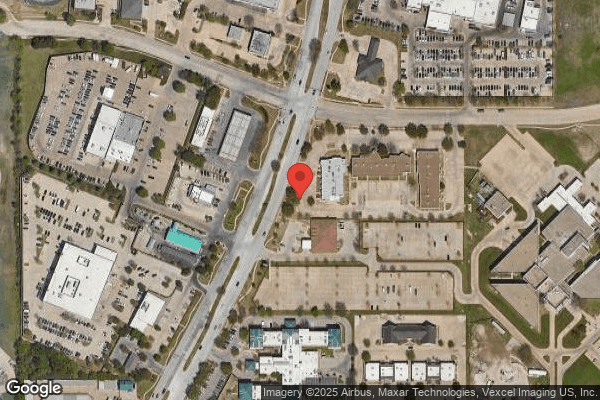
Jun 2024 2 deficiencies
CONCERN (D) 📢 Someone Reported This

A family member, employee, or ombudsman was alarmed enough to file a formal complaint

Potential for Harm - no one hurt, but risky conditions existed

Medical Records (Tag F0842)

Could have caused harm · This affected 1 resident

**NOTE- TERMS IN BRACKETS HAVE BEEN EDITED TO PROTECT CONFIDENTIALITY** Based on interview and record review, the facility failed to prevent the release of resident-identifiable information to the pub...

Read full inspector narrative →
**NOTE- TERMS IN BRACKETS HAVE BEEN EDITED TO PROTECT CONFIDENTIALITY** Based on interview and record review, the facility failed to prevent the release of resident-identifiable information to the public, and also failed to maintain medical records that were complete and accurate for 1 Resident #1) of 4 residents reviewed for clinical records. 1. On 11/23/23 LVN A discussed Resident #1's medical conditions with a family member not authorized to receive the information. 2. On 11/23/23 LVN A failed to accurately document Resident #1's disposition after she left AMA, as well as events leading up to Resident #1 leaving AMA. These failures could place residents at risk of incorrect or incomplete documentation of their conditions as well as the release of personal information that could be used for illicit purposes. Findings included: Review of Resident #1's undated admission Record revealed the resident was a [AGE] year-old female admitted to the facility on [DATE] with diagnoses of sternum (breast bone) fracture, history of multiple falls, heart attack, heart disease, and diabetes. Resident #1 discharged AMA on 11/23/23. Review of Resident #1's baseline care plan, dated 11/19/23, she was at risk for falls, pain from her fracture, and constipation. Review of nursing progress notes from 11/19/23 to 11/23/23 revealed limited documentation on Resident #1. The admitting nurse, RN-B, documented: Resident admitted to the facility to room .via gurney for services of Dr .resident alert and oriented to person, place and time, respiration rate even and non-labored, no SOB, abdomen soft and non-tender, bowels active in all quadrants, visible skins warm and dry, call light and fluids within reach, will continue to monitor. LVN A documented on 11/22/23 Resident seen .hurrying from room .claims she was looking for her [family member] to bring her some food and clothes. Asked resident not to enter other resident's rooms. Also claims her family member was coming in through the back passcode locked patio. Continue to observe behavior. 11/23/23: Resident exibits increased confusion on 11/22 seen wandering into residents' rooms and ambulating toward passcode locked back patio. Refused FBS and argumentative with staff stating she was not diabetic and did not have HTN. Redirected. 11/23 resident c/o constipation even though currently having bm, continued to request laxatives. Refuses to drink water. Resident confusion increased, refuses to allow nurse to assess for possible constipation or UTI. Noted poor short-term memory. Verbally abusive to staff, stands at nurses station holding stool in her waving it staff yelling loudly I havent s*it in 4 weeks and you won't give me anything! I'm calling the police! notified management and np of residents behavior and left message for [Family Member #3]. Review of Resident #1's hospital discharge note revealed documentation of no bowel movement from 11/15/23 to 11/19/23 when the resident was discharged . Resident #1 is described as alert and oriented to person place and time. Review of EMS report from 11/23/23 revealed Resident #1 was yelling at the crew to get out and refusing all care. EMS crew verified the resident was competent to make her own adhesions and left the facility without the resident. EMS report indicated the call was initiated by LVN A. Interview via telephone on 06/04/24 at 11:43 AM with Resident #1 revealed LVN A made a lot of false accusations about her to other staff. Resident #1 stated she felt that LVN A was trying to make her look demented or crazy. She stated she never denied being diabetic, and she had been diabetic since she was [AGE] years old. She refused finger sticks because they were doing them too often, and LVN A was always too rough when she did them. Resident #1 stated her family member (Family Member #3) was supposed to bring her clothes, and she went to the door at the end of the hall to see if the family member could come in from there. On the way back to her room, she stopped at the door of another resident that was yelling for help to ask if he was ok. LVN A yelled at her to get away from his door and to mind her business. Resident #1 stated she had not had a bowel movement while in the hospital, and she was getting uncomfortable. She asked LVN A for a laxative and was told it had not been delivered from the pharmacy yet. Resident #1 stated she did get upset about that because the facility should have something on hand. On 11/23/23, Resident #1 said she was frustrated because the facility did not seem to be doing anything to help her out and said she was going to leave with her boyfriend. Resident #1 stated she finally had a large bowel movement and while she was on the toilet, EMS came in and started asking her questions. Resident #1 yelled at them and LVN A to get out. When she was done she was upset at LVN A because EMS had been called, and did not want to go with them. Resident #1 stated LVN A was telling the EMS crew she was wanting to leave AMA with her hair dresser that had just got out of prison and she did not feel it was safe for her to do so. EMS did not transport the resident. Resident #1 stated she called her boyfriend, who had never been to prison, to come get her and she left the facility. Resident #1 stated she was a retired math teacher and she still tutors kids, she was not demented or crazy like LVN A was making her out to be. Interview on 06/4/24 at 2:30 PM LVN A reviewed her documentation to recall the resident, she agreed her lost progress note did not describe what the nurse practitioner told her to do, who called 911, or that the resident left AMA and with whom. LVN A stated she had become concerned about the resident possibly having some dementia based on behaviors of going into other resident rooms, denying she had diabetes, and refusing finger sticks. When the resident told her she was calling her hair dresser, who had just got out of prison, to come take her home she was concerned that it was not a safe discharge plan. LVN A called the resident's son and left a message for him. LVN A did not recall if she had called 911 or if the resident had called 911. She did recall the nurse practitioner had ordered lab work that was not done. LVN A reviewed a video submitted by the complainant where LVN A was recorded discussing Resident #1's private health information with a person who identified herself as the resident's family member [Family Member #4]. The recording was just over 30 minutes of LVN A discussing in detail her concerns about the resident, medical diagnoses, treatments done, and her discharge. LVN A agreed that she had not checked to see if the Family Member #4 was authorized to receive medical information about the resident, as Family Member #3 was the only person authorized. Interview and record review on 06/04/24 at 3:00 PM revealed the DON reviewed LVN A's documentation on Resident #1. The DON revealed she was unable to determine who had called 911, what the nurse practitioner had ordered, if the resident had been transported by EMS, if the resident left AMA and if so who she had left with. The DON stated the record definitely did not create a complete picture of the events of 11/23/23. The DON reviewed the video submitted and stated LVN A did not seem to have pause to check if the Family Member #4 was authorized to receive information before she began to discuss the resident's private information. The DON stated the risk of not checking was the resident's HIPPA information falling into the wrong hands. Review of the facility's policy Documentation in Medical Record, dated 10/24/22, reflected: Each resident's medical record shall contain an accurate representation of the actual experiences of the resident and include enough information to provide a picture of the resident's progress through complete, accurate, and timely documentation
CONCERN (E) 📢 Someone Reported This

A family member, employee, or ombudsman was alarmed enough to file a formal complaint

Potential for Harm - no one hurt, but risky conditions existed

Deficiency F0563 (Tag F0563)

Could have caused harm · This affected multiple residents

**NOTE- TERMS IN BRACKETS HAVE BEEN EDITED TO PROTECT CONFIDENTIALITY** Based on interview and record review, it was determined the facility failed to ensure residents have the right to receive visito...

Read full inspector narrative →
**NOTE- TERMS IN BRACKETS HAVE BEEN EDITED TO PROTECT CONFIDENTIALITY** Based on interview and record review, it was determined the facility failed to ensure residents have the right to receive visitors of his or her choosing on day and time of his or her choosing for 1 of 2 (Resident #2) residents reviewed for resident rights. The facility failed to ensure Resident #2 had the right to receive visits from Family Member #1 since 11/27/23 inside the facility. This failure placed residents at risk of isolation, decreased emotional wellbeing and diminished quality of life. Findings included: Record review of Resident #2's face sheet, dated 06/04/24 revealed the resident was an [AGE] year-old male admitted to the facility on [DATE] and re-admitted on [DATE] with diagnoses that included Type 2 diabetes (a chronic, long-lasting health condition that affects how your body turns food into energy), vascular dementia (decline in cognitive function due to reduced blood flow to the brain) hypertension (high blood pressure), chronic kidney disease and (long standing kidney disease that results in renal failure) and depression. Record review of Resident #2's most recent quarterly MDS assessment, dated 01/09/24 revealed the resident was severely cognitively impaired for daily decision-making skills. Record review of Resident #2's comprehensive care plan, revision date 01/11/24 revealed the resident .had a potential psychosocial wellbeing problem relating to indicating little interest or pleasure in doing things and sometimes having feelings of social isolation. Interventions included: provide opportunities for resident and family to participate in care. Interview with Family Member #1 on 06/03/24 at 3:33 PM revealed Resident #2 was visited regularly and cared for, including buying the resident clothes. Family Member #1 stated she was told one day by staff she was no longer allowed to visit, and the resident passed away two months later. The Ombudsman attempted to assist Family Member #1 by scheduling and attending a care plan meeting. Family Member #1 stated she was devastated she could not be with Resident #2 when he passed away. Interview on 06/04/24 at 9:01 AM with Ombudsman revealed Family Member #1 was asked to leave the facility because she was disruptive to staff, not to the residents. The Ombudsman stated she advocated for Family Member #1 at the facility with the Administrator, but he said no. Interview on 06/04/24 at 2:18 PM with LVN B revealed Family Member #1 came to the facility on many occasions to visit the Resident #2. However, there was an incident in which clothing was removed by the POA that Family Member #1 bought for the resident. LVN B was told by the Administrator after that event that Family Member #1 was banned from the facility. LVN B stated that after the ban, Family Member #1 did not return to the facility. LVN B also revealed she never saw Family Member #1 attempt harm to the resident or threaten harm to the resident or any other resident. Interview on 06/04/24 at 3:24 PM with the ADON revealed the family member became upset over missing clothing and filed a grievance over the missing clothing that the POA removed from Resident #2's closet that was bought by them. The ADON revealed a meeting was held with the Ombudsman and the Administrator that resulted in the Administrator not allowing Family Member #1 back into the facility because the Administrator stated Family Member #1 was loud and obtrusive. The ADON revealed the Ombudsman asked if the Administrator would reconsider at a later time allowing Family Member #1 back in the building for visitation. The ADON revealed the Administrator said he would reconsider it at a later time. The ADON also stated the Ombudsman came back and attempted to assist the Family Member #1 in being provided with visitation to see the resident. However, the Administrator would not allow Family Member #1 to visit Resident #2 again. Interview on 06/04/24 at 9:45 PM with Family Member #2 revealed he and his wife were called into the Administrator's office to a care plan meeting including the ADON and were told that family members could not talk rudely to staff. The Administrator stated he was going to ban Family Member #1 from his facility if the POA and Family Member #2 agreed to the ban. The family agreed to the ban. Interview on 06/04/24 at 3:30 PM with the DON revealed unless there was a criminal trespass or protective order in place, the facility could not limit someone from visiting a resident that wanted to see them. The DON stated she did not attend the care plan meeting that involved the family, the ADON, and the Administrator. Record review of facility's policy titled, Resident Right to Access and Visitation date implemented 10/24/22 reflected the following: .The facility will provide immediate access to a resident by immediate family and other relatives of the resident, subject to the resident's right to deny or withdraw consent at the time. Resident's family members are not subject to visiting hour limitations or other restrictions not imposed by the resident .
May 2024 1 deficiency
CONCERN (D) 📢 Someone Reported This

A family member, employee, or ombudsman was alarmed enough to file a formal complaint

Potential for Harm - no one hurt, but risky conditions existed

Accident Prevention (Tag F0689)

Could have caused harm · This affected 1 resident

Based on observation, interview, and record review, the facility failed to ensure the resident environment remained as free of accident hazards as is possible for contaminated sharps disposal bins, at...

Read full inspector narrative →
Based on observation, interview, and record review, the facility failed to ensure the resident environment remained as free of accident hazards as is possible for contaminated sharps disposal bins, attached to 1 (LVN A) of 2 nurse medication carts and 1 of 1 Wound Care Carts, on Station Two Wing, reviewed for hazards in that: LVN A failed to ensure contaminated sharps in the sharps bin attached to the Nurse Medication Cart she was responsible for, on Station Two Wing, were below the full line. LVN B failed to ensure contaminated sharps in the sharps bin attached to the Wound Care Cart, on Station Two Wing, were below the full line. These failures placed residents at risk of being exposed to contaminated sharps and possible blood borne pathogens. Findings included: An observation on 05/10/24 at 12:59 PM revealed the treatment cart parked against the wall, in a common area by Station 2 Nurses Station. The lid on the plastic insert inside the sharps bin attached to the cart was half open. Sharps were filled to the top of the bin approximately two inches past the marked fill line. Residents and family member were across from the cart. An observation and interview on 05/10/24 at 1:07 PM revealed a Nurse Medication cart parked against the Nurses Station, in the hall leading to the Therapy Room. The used sharps in the sharps bin attached to the cart were filled past the fill line. LVN A stated the cart was hers and it was one of two Nurse Medication Carts in the Station Two Wing of the facility. She said the sharps bins should not be filled past the fill line because the lid would not close properly if it were. She said she realized the sharps bin was past the fill line and said it posed a hazard to both staff and residents because they could get stuck by sharps. She said the hall where her cart was parked was very busy with people going to and from therapy. She stated the nurses were responsible to ensure the sharps bins were changed as needed. She said she had been in-serviced on sharps safety but did not recall when. In an interview on 05/10/24 at 1:10 PM, ADON C stated the contaminated sharps bins should never be filled past the fill line to ensure safety of staff and residents. He said the lids did not close properly when the sharps bins were filled past the fill line and residents, or staff could get stuck with a contaminated needle. He stated there were two Nurse Medication Carts and on Treatment cart on Station Two Wing. He said LVN B was responsible for the Treatment Cart and LVN A was responsible for the cart in the hall on the way to the Therapy Gym. In an interview on 05/10/24 at 2:28 PM, LVN B stated he was responsible for the Treatment cart and should have replaced the full sharps bin. He said when sharps bins were too full, the lids did not close properly, and residents could get stuck by a contaminated needle. He said nurses were responsible for changing the bins when they were full. In an interview on 05/10/24 at 3:22 PM, the DON stated the nurses should know to change the sharps bins when they were full. She said she had provided in-services on sharps safety but did not recall when the last one was. She said when the bins got full, the lids may not close properly and may pose a risk of hazard to both residents and staff. She said the facility was responsible for ensuring the safety of residents and staff. In an interview on 05/10/24 at 3:50 PM, the Administrator stated he expected staff to follow the facility policy and ensure resident safety. He said nurses were responsible for ensuring they kept their carts safe, and this included changing out full sharps bins. Record review of the facility's policy titled, Sharps Safety, dated 11/01/23, reflected, . To keep everyone knowledgeable, provide training not only for new staff, but also for existing staff. New or used sharps should be disposed of in a designated sharpsonly container. Designated staff should monitor the sharps container's fill level to ensure it does not get overfilled beyond ¾ full as that can contribute to workplace injuries .
Feb 2024 1 deficiency
CONCERN (E) 📢 Someone Reported This

A family member, employee, or ombudsman was alarmed enough to file a formal complaint

Potential for Harm - no one hurt, but risky conditions existed

Deficiency F0761 (Tag F0761)

Could have caused harm · This affected multiple residents

**NOTE- TERMS IN BRACKETS HAVE BEEN EDITED TO PROTECT CONFIDENTIALITY** Based on observation, interview and record review the facility failed to, in accordance with State and Federal laws, ensure all ...

Read full inspector narrative →
**NOTE- TERMS IN BRACKETS HAVE BEEN EDITED TO PROTECT CONFIDENTIALITY** Based on observation, interview and record review the facility failed to, in accordance with State and Federal laws, ensure all drugs and biological's were stored in locked compartments under proper temperature controls, and permitted only authorized personnel to have access to the keys for two of four (Medication Cart #1 and Medication Cart #2) medication carts reviewed for pharmacy services. The facility failed to ensure Medication Cart #1 was locked when unattended, and medication cart #2's keys were secured by assigned RN. Both carts contained controlled medication lock box. This failure could place residents at risk of having access to unauthorized medications and/or lead to possible harm or drug diversion. Findings include: In an observation and interview on 02/16/24 at 2:00 PM revealed Medication Cart #1 was in the 200 halls in front of the nursing station facing out ( the back of the med cart was pushed up to the nursing station counter, and unlocked medication storage was facing the walkway where visitors, other staff and resident access) the cart was unlocked . RN E was reviewing documents behind the nursing station approximately 4 feet away. There were 2 residents observed 2 feet away from the cart. RN E stated he was unaware he left the medication cart unlocked, and the cart should be locked when unattended to prevent residents and others uncertified individuals' access. RN E stated the risk of leaving the medication cart unlocked was someone could take the medications off the medication cart. RN E said he was responsible for keeping the medication cart locked when unattended. Medication cart contained medication and controlled substance that were locked in separate drawer. In an observation on 02/16/24 at 2:08 PM, Medication Cart #2 was observed in the 200-hall main television room area near the window facing out with medication cart keys placed on the cart while unattended for 2 minutes . ADON R was located inside of a room [ROOM NUMBER] foot from the cart with other nursing personnel reviewing documents. ADON R stated it was his expectation for the medication carts to be locked at all times when unattended and medication cart keys should be with the assigned mediation staff. ADON R said failing to lock the medication cart and keeping the keys on the designated assigned person could result in anyone walking by and could take the medications from the medication cart. ADON R was responsible for the medication cart and keys that were observed unattended. He did not state why the keys were left on the cart unattended when asked. Medication cart contained medication and controlled substance that were locked in separate drawer. In an interview on 02/16/24 at 3:59 PM, the DON stated it was her expectation for medication carts to be locked at all times when unattended and medication cart keys should be with the assigned mediation staff. The DON said the risk of leaving the medication cart unlocked was anyone could walk by and take the medications from the medication cart. Record review of the facility's policy titled, Medications Administration, subject Medication Carts and Supplies for Administering Meds, with a revised date of 10/01/2019, reflected: Med Carts: Only a Licensed Nurse or Certified Medical Aide may carry keys to the medication cart. The medication cart is locked at all times when not in use .Do not leave the medication cart unlocked or unattended in the resident care areas. Keys to the controlled drug section are assigned to the nurse dispensing controlled substances.
Sept 2023 1 deficiency
CONCERN (F) 📢 Someone Reported This

A family member, employee, or ombudsman was alarmed enough to file a formal complaint

Potential for Harm - no one hurt, but risky conditions existed

Deficiency F0925 (Tag F0925)

Could have caused harm · This affected most or all residents

Based on observation, interview and record review the facility failed to maintain an effective pest control program so that the facility was free of pests and rodents for the facility's only kitchen. ...

Read full inspector narrative →
Based on observation, interview and record review the facility failed to maintain an effective pest control program so that the facility was free of pests and rodents for the facility's only kitchen. The facility did not maintain an effective pest control program to ensure the facility was free from rodents in the kitchen and the kitchen's dry storage room. This failure could place residents at risk for an unsanitary environment and a decreased quality of life. Findings included: A record review of the facility's grievances, dated 09/12/23, reflected: .there were rats in the kitchen. The grievance report reflected the facility's resolution of concern, dated 09/13/23, revealed On 9/13/2023, there was a rodent observed scurrying by the directors office, she immediately notified main department and sticky traps were placed. The rodent was captured and disposed of the next morning. The kitchen was thoroughly cleaned and power washed with no other evidence of pests noted. [Pest Control Company] will increase their monitoring and additional sticky traps were placed with no other captures noted. A record review of the facility's Pest Sighting Log, dated April 2023 to September 2023, revealed on 09/13/23 mouse seen in kitchen placed traps out. There were no other sightings of rodents or droppings. A record review of the facility's Pest Control Binder revealed the pest control company's last visit to the facility was 09/08/23. The pest control company's Service Report, dated 09/08/23, revealed Tech Comment: Inspected and treated the kitchen, dishwasher area, entryways, bathroom, break room, upstairs tv room, upstairs dining area, upstairs breakroom, office areas, laundry room, lobby areas, hallways and dining area for general pests. No activity current during service. Inspected the MCT's and changed glue boards as needed. Changed ILT glue board during service - addressed rooms listed on sightings log. In an interview on 09/15/23 at 10:23 AM, the Maintenance Director stated the pest control company went to the facility twice per month and as needed. He stated during the monthly visits the pest control company did routine services such as sprayed pest repellent in high traffic areas such as the kitchen, break room and hallways, sprayed repellent outside the building, checked the rodent traps located inside and outside the building, and addressed the issues on the pest sighting log. The Maintenance Director stated on 09/13/23 the DM reported seeing a rat in the kitchen. He stated he contacted the pest control company, and they were scheduled to come out on 09/22/23. He stated he put down sticky traps throughout the kitchen. The Maintenance Director stated the next morning, the DM called him and stated the rat was caught on a sticky trap. He stated he believed there was only one rat because there were no other rats caught on the traps and the dietary staff had not been reporting rat sightings or rat droppings. The DM stated if there were other rat sightings or droppings it would be an indication of a rat infestation, and he would have called pest control for an emergency appointment. He stated in an emergency the pest control company would come within 24hrs . The DM stated he documented the rat sighting on the Pest Sighting Log. In an interview on 09/15/23 at 10:44 AM, Dietary Aide A stated she saw a rat in the kitchen on 09/05/23 and 09/06/23. She stated she believed there was more than one rat because there was a lot of rat droppings in the dry storage room . Dietary Aide A stated she did not report the rat sighting because the DM already knew there were rats in the kitchen. Dietary Aide A stated the DM knew about the rats because when she first started about 4 months ago, she told [NAME] B she saw rat droppings in the dry storage room and [NAME] B told her the DM already knew about it and put out rat traps. Dietary Aide A stated when she first started, she saw traps in the dry storage room, but after about a month, she no longer saw the traps. In an interview and observation on 09/15/23 at 12:26 PM the DM stated a few days ago (did not know exact date) she saw a rat run past her office door. The DM stated that was the first time she saw a rat in the kitchen in a long time . She stated she notified the Maintenance Director immediately after she saw the rat. The DM stated the Maintenance Director put sticky traps down and they did a deep clean. She stated the next morning when she arrived to work there was a rat on the sticky trap. The DM stated about a year ago there were issues with rats in the kitchen, but they had pest control come out, who put traps down, and the Maintenance Director closed the holes in the walls, so she stopped seeing them. She stated none of the staff had ever reported to her they saw rats or rat droppings in the kitchen. The Investigator and the DM went into the dry storage room and there were massive amounts of small black pellets, which appeared to be rat droppings, observed in the corner and along the floor on the right side of the dry storage room under the storage shelf. The DM stated the black pellets appeared to be rat droppings. She stated she would report this to the Maintenance Director , so they could get pest control to the facility. The DM stated dietary staff were supposed to clean and mop the dry storage daily, so they should have noticed the rat droppings. She stated staff reported they were cleaning, sweeping, and mopping daily. The DM stated it was her responsibility to monitor the kitchen was being cleaned appropriately. She stated she would check the dry storage and would not see debris on the floor, but she never looked under the shelf or in the corners. The DM stated she would in-service and start monitoring these areas. In a follow up interview on 09/15/23 at 1:47 PM, the Maintenance Director stated he was notified of the rat droppings found in the kitchen, and he contacted the pest control company. He stated they said they would be there Monday (09/18/23) to address the issues in the kitchen. In an interview on 09/15/23 at 3:31 PM, [NAME] B stated she never saw any rats in the kitchen. She stated she would have reported it to the DM. [NAME] B stated Dietary Aide A did not tell her she saw a rat on 09/05/23 or 09/06/23. [NAME] B stated when Dietary Aide A first started, she reported she saw rat droppings in the dry storage room. She stated she did not report it to the DM because she thought she already knew because there were already rat traps in the dry storage room. She stated she never saw rat droppings in the dry storage room. She said she only went in there to get canned goods and the dietary aides usually cleaned the dry storage room . Record review of the facility policy titled General Kitchen Sanitation, dated October 1, 2018, reflected Policy: . All Nutrition & Foodservice employees will maintain clean, sanitary kitchen facilities in accordance with the state and US Food Codes in order to minimize the risk of infection and food borne illness. Procedure: . 13. Have a professional pest-control program in place.
Jun 2023 3 deficiencies
CONCERN (D)

Potential for Harm - no one hurt, but risky conditions existed

Deficiency F0558 (Tag F0558)

Could have caused harm · This affected 1 resident

**NOTE- TERMS IN BRACKETS HAVE BEEN EDITED TO PROTECT CONFIDENTIALITY** Based on observation, interview, and record review the facility failed to ensure residents the right to reside and receive servi...

Read full inspector narrative →
**NOTE- TERMS IN BRACKETS HAVE BEEN EDITED TO PROTECT CONFIDENTIALITY** Based on observation, interview, and record review the facility failed to ensure residents the right to reside and receive services in the facility with reasonable accommodation of resident needs and preferences except when to do so would endanger the health or safety of the resident or other residents for 2 of 11 residents (Resident #121 and Resident #36) reviewed for reasonable accommodation of needs. 1. The facility staff did not answer Resident #121's call light timely. 2. The facility staff did not place Resident #36's call light within reach. This failure could affect all residents who needed assistance with activities of daily living and could result in needs not being met. Findings included: 1. Review of Resident #121's face sheet, dated 06/08/2023, reflected a [AGE] year-old male admitted to the facility on [DATE] with diagnoses that included cervical disc degeneration (neck pain with difficulty moving arms and legs), muscle wasting with atrophy, and type 2 diabetes. Review of Resident #121s Annual MDS, dated [DATE] reflected a BIMS of 13 indicating cognitively intact. The MDS further reflected Resident #121 required extensive two person assist for transfers, bed mobility and personal hygiene. Interview on 06/06/23 at 10:24 AM, Resident #121 stated when he pushes his call light most days it takes 30 minutes to an hour to get help. He stated he can hear the aids in the hallway talking but it will still take a long time for them to answer his call light. Resident #121 stated he has fallen a few times because he got tired of waiting for assistance and he tried to transfer by himself to his bed. Observation on 06/06/23 at 11:00 AM revealed Resident #121 pushed his call light for assistance, housekeeper in hallway pointed to the flashing call light outside of the room and informed Surveyor Resident #121's call light was on. Housekeeper did not enter Resident #121's room to answer call light. Two more staff members walked past room and did not answer the residents call light. At 11:24 AM the resident's call light was answered by a staff member. 2. Review of Resident #36's face sheet, dated 06/08/2023, reflected a [AGE] year-old female admitted to the facility on [DATE] with diagnoses that included hemiplegia (paralysis of one side of body) and hemiparesis (one sided weakness) following cerebral infarction left non-dominant side. Review of Resident #36's Annual MDS, dated [DATE] reflected a BIMS of 9 indicating moderate cognitive impairment. The MDS further reflected Resident #36 required extensive two person assist for transfers, bed mobility and personal hygiene. Observation and interview on 06/06/23 at 11:15 AM, Resident #36's call light was wrapped around the bedrail on the resident's left side, she could not reach the call light. She said that was another issue, she used to have a hook to grab the call light, and she was not able to lift her left arm. When asked what do you do if you needed help? Resident #36 stated she struggles to get it and said she uses a back scratcher to reach. Resident #36 stated she had asked staff to put the light on the right side especially after a bath or shower. Observation on 06/07/2023 at 3:05 PM, revealed Resident #36's call light in the same place as yesterday. Observation and interview on 06/08/23 at 01:32 PM, revealed Resident #36's call light in the same place and the ADON moved the call light to resident #36's right side. The ADON said the call light should be on the side they can use. He stated everybody is responsible to place the light in reach, even housekeeping can check that. The ADON said if they could not reach, they would not get if help if they needed and it could lead them to getting up unassisted. Interview on 06/08/2023 at 4:53 PM, the DON revealed call lights should be answered as soon as possible and they should be within reach. The DON stated any staff member can answer the light and any staff who has contact with the patient can place the light in reach. She said the risk if not answered timely or not where they can reach would be that the resident's needs might not be met. Review of facility policy titled Call Lights: Accessibility and Timely Response dated 10/13/2022, reflected .5. Staff will ensure the call light is within reach of resident and secured, as needed .10. All staff members who see or hear an activated call light are responsible for responding. If the staff member cannot provide what the resident desires, the appropriate personnel should be notified.
CONCERN (E)

Potential for Harm - no one hurt, but risky conditions existed

MDS Data Transmission (Tag F0640)

Could have caused harm · This affected multiple residents

**NOTE- TERMS IN BRACKETS HAVE BEEN EDITED TO PROTECT CONFIDENTIALITY** Based on record review and interview, the facility failed to submit a discharge MDS assessment and transmitting to the CMS Syste...

Read full inspector narrative →
**NOTE- TERMS IN BRACKETS HAVE BEEN EDITED TO PROTECT CONFIDENTIALITY** Based on record review and interview, the facility failed to submit a discharge MDS assessment and transmitting to the CMS System information for each resident contained in the MDS in a format that conforms to standard record layouts and data dictionaries, and that passes standardized edits defined by CMS and the State for four (Residents #2, #18, #129, and #140) of four residents reviewed for timely discharge MDS submission. The facility failed to successfully submit discharge MDS assessments for Residents #2, #18, #129, and #140 when they discharged from the facility. This failure could prevent communication about a resident's status from being transmitted to CMS and could interfere with residents receiving needed services after discharge. Findings: Review of Resident #2's face sheet, dated 06/07/23, reflected she was a [AGE] year-old woman, admitted on [DATE], with diagnoses of lupus and dementia. Review of Resident #2's Discharge summary, dated [DATE], reflected she was discharged to her home. Review of a nursing progress note for Resident #2, dated 01/09/23, reflected Resident #2 was discharged to her home. Review of Resident #2's EMR on 06/07/23 reflected admission and 5-day MDS assessments dated 12/28/22 marked accepted, but no discharge MDS listed. Review of Resident #18's face sheet, dated 06/07/23, reflected she was a [AGE] year-old woman, admitted on [DATE], with diagnoses of lupus and chronic kidney disease. Review of Resident #18's Discharge summary, dated [DATE], reflected she was discharged to a different skilled nursing facility. Review of a nursing progress note for Resident #18, dated 01/18/23, reflected Resident #18 was discharged on that date. Review of Resident #18's EMR on 06/07/23 reflected admission and 5-day MDS assessments dated 01/06/23 marked accepted, but no discharge MDS listed. Review of Resident #129's face sheet, dated 06/07/23, reflected she was an [AGE] year-old woman, admitted on [DATE], for aftercare for a broken hip. Review of Resident #129's Discharge summary, dated [DATE], reflected she was discharged home with her spouse. Review of a nursing progress note for Resident #129, dated 03/02/23, reflected Resident #129 was discharged on that date. Review of Resident #129's EMR on 06/07/23 reflected admission and 5-day MDS assessments dated 01/17/23 marked accepted, but no discharge MDS listed. Review of Resident #140's face sheet, dated 06/07/23, reflected he was a [AGE] year-old man, admitted on [DATE], for aftercare for a broken hip. Review of Resident #140's Discharge summary, dated [DATE], reflected he was discharged to his home with his significant other. Review of a nursing progress note for Resident #140, dated 01/30/23, reflected Resident #140 was discharged on that date. Review of Resident #140's EMR on 06/07/23 reflected admission and 5-day MDS assessments dated 01/06/23 marked accepted, but no discharge MDS listed. An interview on 06/08/23 at 9:19 AM with the MDS Coordinator revealed she was responsible for short term and skilled MDS and had been in the position for 4 ½ years. She looked at the EMRs for the residents in question on her laptop and confirmed that the MDS discharge assessments had not been done. She said they had been so bombarded with admissions, and the census had been the highest it had been in years, and sometimes she could not keep up. She said normally the corporate MDS nurse ran a report quarterly, so if she did not catch them, the corporate person did, and she fixed it right away, and she was surprised these got missed. She said the company was working on getting another MDS Coordinator, to accommodate the increased census and admissions, but they did not have anyone in place yet. She said the purpose of the MDS to let CMS know who was being discharged , so they could keep track of residents, and is so the facility could keep track of their residents for the payment system. She was not aware of any effect it had on the residents if they were not done. Review of the policy for Assessment Frequency/ Timeliness, implemented 10/24/22, reflected Policy: The purpose of this policy is to provide a system to complete standardized assessments in a timely manner, according to the current RAI manual. Policy Explanation and Compliance Guidelines: 1. The MDS/RAI Coordinator will be responsible for tracking due dates for all MDS assessments ( .) 6. An OBRA discharge assessment will be completed within 14 days of the discharge date . Review of the Chapter 2: The Assessment Schedule for the RAI, Revised 12/02, and accessed on 06/12/23 at 12:43 PM, at https://www.cms.gov/Research-Statistics-Data-and-Systems/Computer-Data-and-Systems/MinimumDataSets20/Downloads/RAI-Manual-Chapter-2.pdf reflected A Discharge-return not anticipated ( .) is completed when it is determined that the resident is being discharged with no expectation of return after a comprehensive admission assessment has been completed. A discharge with return not anticipated can be a formal discharge to home, to another facility ( .)
CONCERN (E)

Potential for Harm - no one hurt, but risky conditions existed

Deficiency F0804 (Tag F0804)

Could have caused harm · This affected multiple residents

Based on observation, interview and record review, the facility failed to prepare puree and regular food by methods that conserve nutritive value, flavor, texture and appearance that is palatable, att...

Read full inspector narrative →
Based on observation, interview and record review, the facility failed to prepare puree and regular food by methods that conserve nutritive value, flavor, texture and appearance that is palatable, attractive, and at a safe and appetizing temperature for 8 of 11 residents (Resident #36, #46, #10, #125, #91, #121, #73, and a confidential resident) reviewed for regular diets. The facility failed to ensure that regular diets served were prepared by methods that conserve nutritive value, flavor, texture, and appearance. This could place residents on regular diets at risk for a decrease in quality of life and possible weight loss. Findings included: Interview on 06/06/2023 at 9:56 AM, Resident #10 stated she does not like the type of food they serve. Interview on 06/06/2023 at 10:03 AM, Resident # 125 stated the food is garbage, has minifridge with own food, and sometimes will choose alternative from menu but generally the food served was not his taste. Interview on 06/06/2023 at 10:23 AM, Resident #91 stated he would like to have more variety in his meals. He stated he does not look forward to the meals anymore because it is always the same and it is just not good food. He stated he doesn't say anything to the staff because his family brings him food and snacks to keep in his room for when he wants to eat somethings other than what is being served. Interview on 06/06/2023 at 10:24 AM, Resident # 121 stated the food is terrible, not good at all. He stated he keeps snacks in his room for when he gets hungry. He stated sometimes he asks for an alternative but most of the time the alternative is not good either. Interview on 06/06/2023 at 11:15 AM, Resident #36 stated the food was terrible because there was too much or too little seasoning. Interview on 06/06/2023 at 12:00 PM, Resident #73 stated she wishes the food was better. She stated they don't cook the food well. She stated some days there is not enough flavor in the food or the combination is not good. She stated she just doesn't like the food at all. She stated there used to be someone that would come to the room to ask what they want her to give the alternative options to them but now no one has come to the room at all. So, she does not know what the alternatives are anymore. Interview on 06/07/2023 at 10:44 AM, a confidential resident stated the food was bad. They have instant mashed potatoes instead of real mashed potatoes. Observation on 06/07/2023 at 01:00 PM, Five surveyors tested a regular, alternate and puree plate. The regular plate consisted of chopped steak with peppers, buttered noodles, and cauliflower. The buttered noodles tasted bland, like raw flour paste. The alternate plate was cheese enchiladas and Spanish rice. The Spanish rice was overly salted, and the texture was mushy. The enchiladas tasted salty, and cheese inside of the enchilada was congealed. The puree protein tasted salty like the enchiladas and rice. The puree noodles tasted like the regular texture noodles and were bland. Observation and interview on 06/07/2023 at 01:36 PM, the DM tested the buttered noodles and said it needs more taste, and she could add more salt or Mrs. Dash. She said the same for the pureed noodles. She thought the pureed meat, cauliflower and bread were ok. The DM tested the alternate meal and said she tasted the rice when they were cooking and it was ok and the enchiladas were premade. The DM said the cheese was hard and when they make homemade ones the cheese was melted and soft. She said they could make homemade cheese enchilada which was easy for them. She said the rice was kinda salty. The DM said she did not know why the cook had put so much salt today, we follow the recipes that tells the right amount of salt, but the DM guessed the cook was nervous. The DM stated some residents eat and some do not, and when in the dish room notes when people do not eat much of something. The DM stated she does not get many complaints from hall 100, but does get complaints from 200, 300 and 400 halls and will meet with those residents who have asked to have hamburgers, hot dogs, and sandwiches more often as the alternate. Interview on 06/07/2023 at 02:26 PM, [NAME] A stated she was not used to the seasoning used for the rice, a Spanish one, and she was nervous. She said she normally tastes the food, but she had another staff member taste it, and it was too late to start more. She felt like it was a little salty. [NAME] A said she used a recipe for the rice, from scratch and the DM told her to use the seasoning because she was trying to make it like Spanish rice. [NAME] A stated she did not taste the noodles. She stated she recently had a stroke, had a dietary aide working with her and was nervous with the state here. She had not heard a lot of resident food complaints. [NAME] A said she sprinkled the spice on with a measuring spoon. [NAME] A stated she normally tastes the food, or the diet aide tastes it for her. She said she tried to put some water in to tone the salt down. [NAME] A stated hospitals do not use seasoning and put seasoning packets out, so she could do that to keep it from being too salty. Interview on 06/07/2023 at 2:58 PM, Resident #10 said she did not remember the meat but had the noodles and they were plain. She said it is normally plain and they do not salt it. Interview on 06/07/2023 at 3:01 PM, Resident #121 stated he ate the meatloaf with noodles, but the meatloaf and noodles were plain, and they are always like that, so he later asked for alternative option which was enchiladas and Spanish rice. He stated the enchiladas had a thick cheese stick in the middle, he stated the rice was ok, but he does not like the cheese inside of the enchiladas. He stated sometimes the food is too salty or no salt at all it just depends on what you get that day. He stated they also make square potatoes, and they are hard on the inside with no flavor. He stated the facility does not use spices at all, he stated its just salt and pepper. Interview on 06/07/2023 at 3:22 PM, Resident #46 said the food is terrible. He said today the meatloaf was terrible and no flavor or taste, they do not season the meat before cooking, they just cook it and put a few onions and a few bell peppers on top. Resident #46 stated he has told the kitchen, DON and Admin. When asked if the facility does anything about it, he replied they ask what he wants instead. Interview on 06/07/2023 at 3:54 PM, Resident #73 stated she had Meatloaf with cauliflower, noodles, and potatoes. She stated her noodles were cold and plain so she could not eat them. She stated there are somedays when the salt on the food makes your eyes roll to back of your head and then there are days when you can taste anything. She stated she does a taste test to see if she can eat the food especially when it is a starchy food. She stated she has type II diabetes, so she must be very careful with what she is eating. She stated she keeps snacks around to help her in between meals. She stated she ate her snack early this morning because she wasn't confident that food would be good for lunch. Interview on 06/08/2023 at 4:53 PM, with the DON and Admin, the DON stated there have not been a lot of food complaints lately. The Administrator stated the biggest complaint was about food being cold, so we bought those warmers. He said anytime they have complaints they try to address them right away. Record review of facility policy titled; Menu Planning revised 06/01/2019 reflected Policy: The facility believes that nutrition is an important part of maintaining the wellbeing and health of its residents and is committed to providing a menu that is well-balanced, nutritious and meets the preferences of the resident population. A standardized menu which meets the nutritional recommendations of the residents in accordance with the recommended dietary allowances of the Food and Nutrition Board of the National Research Council, National Academy of Sciences will be used. Modifications for resident population and preferences may be made as appropriate.
Apr 2022 5 deficiencies
CONCERN (D)

Potential for Harm - no one hurt, but risky conditions existed

Deficiency F0583 (Tag F0583)

Could have caused harm · This affected 1 resident

**NOTE- TERMS IN BRACKETS HAVE BEEN EDITED TO PROTECT CONFIDENTIALITY** Based on observation interview and record review, the facility failed to ensure that each resident has a right to secure and con...

Read full inspector narrative →
**NOTE- TERMS IN BRACKETS HAVE BEEN EDITED TO PROTECT CONFIDENTIALITY** Based on observation interview and record review, the facility failed to ensure that each resident has a right to secure and confidential personal and medical records for one (Resident #328, Resident #101) of 3 residents reviewed for privacy. 1. The facility failed to ensure confidential and medical information were kept private for Resident #328 and Resident #101. 2. The facility failed to ensure medical records were kept out of view of family members and other staff members. This placed residents at risk of loss of privacy and dignity and decreased quality of life. Findings include: Review of Resident #328 face sheet a [AGE] year-old male admitted to the facility 3/19/22 and discharged [DATE] with diagnosis of type 2 diabetes Mellitus with diabetic neuropathy unspecified, acute systolic congestive heart failure, hypertensive urgency. Review of MDS revealed a BIMS of 15. (BIMS score Interpretation 0 - 7-Severe cognitive impact, 8 - 12-Moderate impairment 13 - 15 Intact cognitive response). Review of order review report dated 04/07/22 revealed new order for sodium chloride tablet 1gm (gram) by mouth every day for hyponatremia (low salt in blood), Furosemide (Lasix, Diuretic) tablet 20mg (milligram) by mouth daily for hypertension (on hold 3/29/22). Review of Resident #101 face sheet revealed a [AGE] year-old female, admitted to the facility 02/25/22 and discharged [DATE] with diagnosis of type 2 diabetes Mellitus without complication, Necrotizing fasciitis, Methicillin Resistant staphylococcus Aureus infection as the cause of disease. Review of MDS revealed BIMS of 14. 1. On 03/29/22 11:10 AM Observed Nurse Practitioner (NP EE) in 200 hall way stopped Physical therapist ( PT FF) who was walking Resident #328 back to his room and started discussing Resident #328's blood sugar, medication changes in the presence of the PT FF and to the hearing of surveyor who was within 50 feet from them. Surveyor overhead NP EE tell Resident #328 that he needed to adjust his diet because his A1C was high. Surveyor could hear NP EE tell Resident #328 to watch his diet, that she was going to hold Lasix (Diuretic) and order low dose sodium chloride tablets because his sodium was low. This information could be heard by other residents and staff members who had walked that hallway at that time. On 03/29/22 11:19 AM, Observed NP EE talking to Resident #101 in lobby in 200 halls, informing resident that she could not see resident because resident was waiting to be transported to a doctor's appointment. Interview with NP EE on 03/29/22 11:22 AM revealed she was at the facility to see some residents of Dr GG. Stated she comes to the facility two times a week to see Dr GG's residents. NP EE stated she has been working for four months under Dr GG. NP EE stated she meets with residents when she can catch. Stated sometimes she catches them in physical therapy room or in their rooms. Stated she had to Resident #101 but she was waiting to be picked for her doctor's appointment. Stated she spoke to Resident #328 in the hallway and proceeded to talk to him and his wife in his room. NP EE stated she explained to resident's responsible party (RP) all medication changes his physical therapy progress. NP EE stated she talked to his RP about his blood sugar. Surveyor stated she could overhear all her conversation with the Resident #88 in the hallway about resident A1C, his sodium level, and how he was being placed on low dose sodium, changes to his Lasix, diet recommendation she was making. NP EE stated talking resident's medical information in hallway to hearing of others is Health Insurance Portability and Accountability Act of 1996 (HIPPA) violation. Stated resident would not be happy if he knows that others heard his medical information. Stated she should have visited with the resident privately in his room. Interview with Resident #328 on 03/30/22: 12:12PM revealed the NP EE should have been more discreet in her conversation with me. Resident #328 stated she should not have been talking about my medical condition in the hallway to the hearing of others. Resident #328 stated the NP EE had done that before. Resident stated, she should have brought me to my room. Resident #328 stated he feels his privacy was violated. Resident stated she also came in my room and spoke to my RP as if I was third party. Interview with RN HH on 03/03/22 at 12:35PM revealed she has been working at the facility for 8 years. She stated normally she would do rounds with doctors and the NPs would do their own thing. RN HH stated that the resident's medical condition is not to be discussed or talked about in the hallway to the hearing of others. She stated if she saw that doctor or NP discussing any resident's information in the hallway or to the hearing of others not involved in resident care, she would pull them to the side and politely ask them to respect the resident privacy because that is HIPPA violation. Stated she would not be happy hearing her residents or her personal medical history being discussed to the hearing of other residents or passersby. Interview with DON on 03/30/22 09:41 AM revealed when doctors are doing rounds, they are to see their patients in the rooms. Stated that is where they can discuss medical changes or medical condition. Stated if she observed a Dr talking to a resident in the hall and discussing medical issues, she would tell them to take the resident to the room. Stated the risk of discussing medical issues to hearing of others is HIPPA violation. Stated the facility does not have policy on Privacy. Interview with Administrator on 03/30/22 10:10 AM revealed Drs and NPs are to see their patients in their rooms. Stated discussion regarding medical issues or medical information should take place in the resident's room. Stated if he observed NP or Dr discussing resident medical information to hearing of others he would address and them know it is HIPPA violation and that of resident's privacy. Stated they should not be discussing resident information to the hearing of others that are not providing care to the resident. Interview with PT FF on 03/30/22 01:45 PM revealed she had completed physical therapy with Resident #328 and was taking him back to his room when the NP EE stopped the resident and stated talking about resident's medical condition in the hall. PT FF stated NP EE could be heard by other residents and passersby who had nothing to do with resident's care. PT FF stated the NP EE should have taken the Resident #328 to the room and talk to him about his medical condition. Stated discussing resident medical condition to the hearing of others is HIPPA and privacy violation. 2. On 03/30/21 at 5:58PM Observed staff left computer unlocked in 400 hallway of the medication cart, 2 surveyors, family member and other staff and resident were able to view resident's information and medical information as they walk pass the medication cart. At 6:00PM no staff member by the cart in ADON Z (Assistant Director of Nursing) passing by and immediately turn the computer of surveyor [NAME] to his attention that computer was unlocked. 03/30/22 at 6:01PM Observed ADON Z walked by medication cart with computer on it and screen unlocked and resident information exposed. Surveyor brought to ADON Z's attention if that was the proper way to secure resident's medical information ADON Z immediately turn off the computer. Interview with ADON Z revealed the computer was not locked. Stated risk was that all resident's PHI (Protected Health Information) is out there and that, that was HIPPA violation, and anybody could just get any information. Observed on 03/30/22 at 6:02PM LVN II returned to cart. Interview with her revealed her mouse stopped working. Stated she went to try to fix it. Stated risk of leaving computer unlock is exposing resident information to other and is HIPPA violation. Stated she should have taken the cart with her or turn off the computer. Review of HIPPA Privacy Policy: Uses and Disclosures of Protected Health Information dated 02/22/2016 revealed in 2-1-2 Minimum Necessary: When implementing the procedures noted in the policy, company staff shall make reasonable effort that only the minimum amount of information necessary to satisfy the particular purpose of the use for disclosure . In all other cases, disclosure shall be limited the minimum necessary amount of information to satisfy the request. In addition, a user should access only the specific information that necessary for the person to perform a particular function in the exercise of his or her appointed duties. 2-2-2 Disclosure to outside entities: Treatment: Company may share patient information with others healthcare personnel who are involved in providing health care. Those persons outside company who perform services related to treatment or to provide follow up. Review of in-service dated 03/31/22 titled HIPPA: Reads please make certain to discuss resident care in a private area to ensure privacy. Review of Resident's admission Agreement not dated revealed .Resident has Rights under Health Insurance Portability and Accountability Act of 1996 (HIPPA) Review of Statement of Resident Rights not dated revealed you have the right to privacy including privacy during visits and telephone calls, have facility information about you maintained as confidential. Review of email from DON date 03/31/22 at 8:21AM States We do not have a policy specific to privacy. The facility did not provide a policy regarding privacy prior to exit.
CONCERN (D)

Potential for Harm - no one hurt, but risky conditions existed

Incontinence Care (Tag F0690)

Could have caused harm · This affected 1 resident

**NOTE- TERMS IN BRACKETS HAVE BEEN EDITED TO PROTECT CONFIDENTIALITY** Based on observation, interviews and record review the facility failed to ensure that one (Resident #62) of five residents recei...

Read full inspector narrative →
**NOTE- TERMS IN BRACKETS HAVE BEEN EDITED TO PROTECT CONFIDENTIALITY** Based on observation, interviews and record review the facility failed to ensure that one (Resident #62) of five residents received the appropriate treatment and services to prevent UTI's in that: Resident #62's physician was not notified when there were changes related to the resident's catheter tubing, catheter bag, and urine color. Resident #62's indwelling urinary catheter was found without a leg strap, with heavy sediment in the tube, a change in urine color (brown instead of yellow), and the urinary drainage bag was discolored purple (giving urine the appearance of being purple while in bag.) This deficient practice could affect residents in the facility with indwelling urinary catheters and place them at risk for infection and not receiving services as needed. The findings were: Review of Resident #62's face sheet dated 04/01/22 Reflected she was a [AGE] year-old female, admitted originally on 12/02/20, and re-admitted on [DATE]. Resident# 62's diagnosis included a muscle strain on her left thigh, muscle strain in her pelvis, a stage four pressure ulcer on her left hip, a sacral pressure ulcer stage 4, Crohn's disease, osteomyelitis of vertebra sacral and sacrococcygeal region, bed confinement status, muscle wasting and atrophy , urinary tract infection site not specified, unspecified injury of unspecified kidney, resistance to multiple antibiotics, diabetes, metabolic encephalopathy, and necrotizing fasciitis . Review of Resident #62's significant change MDS with an ARD of 03/15/22 revealed a BIMS of 10 Indicating moderately impaired cognition. She was able understand others and be understood. The document indicated she required extensive one person assistance for toilet use, personal hygiene, bed mobility, and dressing. She was totally dependent on staff for bathing, and was not able to transfer herself, or walk. Resident #62 required a wheelchair, and usually required staff to move her in it. Resident #62 was incontinent of bowel, and not rated for bladder continence, due to the presence of an indwelling catheter. Review of Resident #62's care plan dated 9/28/21 reflected she had an 18F 3mL bulb indwelling Foley catheter related to multiple wounds at risk for infections. This care plan had a goal that the resident would show no signs or symptoms of urinary infection through the review date, with a target date of 03/31/22. Interventions included positioning of catheter bag, change cath per facility protocol, empty Foley bag and monitor output every shift, change drainage bag as needed for leaking, and irrigate Foley catheter with (60 mls) of NS or sterile water as needed for leaking or hematuria, monitor and document intake and output as per facility policy, monitor for s/x (signs symptoms) of discomfort on urination and frequency, monitor/record/report to MD for signs or symptoms of UTI: pain, burning, blood tinged urine, cloudiness, no output, deepening of urine color, increased pulse, increased temp, urinary frequency, foul smelling urine, fever, chills, altered mental status, change in behavior, change in eating patterns. Review of Resident #62's care plan dated 2/9/21, revised on 3/25/22 reflected she had two stage four pressure ulcers (sacrum and left ischium ), at risk for infection and or complications related to decreased mobility, diagnosis, and medications. Review of Resident #62's careplan dated 2/10/21 and revised on 12/2/21 revealed she had a history of sepsis (infection in blood) secondary to UTI. Necrotizing fasciitis and was at risk for recurring infection. Review of Resident #62's care plan dated 5/5/21 and revised on 3/25/22 reflected she had potential for pain related to catheter, aging process, and wounds. Review of Resident #62's comprehensive plan of care dated 06/17/21 revealed she had a potential for fluid deficit related to her Crohn's disease. Review of Resident #62's careplan dated 06/17/21 reflected she had potential for anemia related to acute post hemorrhagic anemia (related to internal bleeding), and a note under the care plan indicated that during her most recent hospitalization on 03/05/22, she had received a blood transfusion related to chronic anemia. Review of resident #62's care plan dated 06/17/21 reflected she had potential for renal insufficiency related to kidney injury. An interview and observation on 03/29/22 at 11:56 AM with Resident #62 revealed she had been in the hospital not very long ago, she thought two or three weeks. She mentioned that her urine had turned purple from something she was taking, but she did not know what. She said it happened shortly after she got back from the hospital. She said she used to take a medication that made it turn orange, and she was curious, because she was not aware of having any medication changes. She said the staff would note that it was purple, and assume it was her medications. She was having some pain, but it was from a wound on her leg, and from a torn muscle in her leg, she said, not a UTI. She stated that she did have a UTI when she was in the hospital. The surveyor did not observe her catheter bag at this time, due the resident's sheet hanging down in a way that covered it, the resident's hand not being free to move it, and due to a staff member entering the room to provide wound care Resident #62 had been waiting for. An interview and observation on 03/29/22 at 03:53 PM revealed Resident #62 was able to pull her sheet up, so the surveyor could observe her catheter tubing and bag. Her catheter tubing appeared to have a whitish, cloudy substance (sediment), which appeared thick, and was covering a significant portion of the inside of her tubing. The catheter bag, hanging on the side of the bed, appeared to be approximately 3/4 full of urine, which appeared purple. The surveyor immediately went to the hall and brought LVN L back into the room with her. LVN L preceded to empty the resident's catheter bag into a plastic urinal, and the urine appeared to be brown, similar in color to iced tea. The catheter bag, when the urine was emptied from it, retained a vibrant purple coloration, on the inside of the bag, from the bottom, to the approximate level the resident's urine had been, with the top of the purple coloration being a gradient (lighter at top, and darker toward the bottom). LVN L stated the discoloration could be something from Resident #62's medications, or it could be blood. She said she would have to review her medications. She said Resident #62 was not her normal assignment, so she was not very familiar with her. While LVN L emptied the catheter bag, Resident #62 said it had been that way for a couple of weeks, and nobody had told her what it was, so she figured it was her medication. LVN L said it definitely looked purple, and it did not look like blood, but she did not know what it was. She stated she was going to go investigate the possible cause and left the room. An interview and observation on 03/29/22 at 4:16 PM revealed a second surveyor observing the catheter bag, and confirming the tubing had a lot of sediment, and the bag was discolored purple. At this time, Resident #62 said her catheter bag had not been changed for over 30 days. At this time, it was also observed that the resident did not have a leg strap on to secure the tubing, and she said that it hurt sometimes when people bumped the tubing . An observation on 03/29/22 at 4:51 PM revealed Resident #62 in her bed, with new catheter and clean bag, yellow urine just starting to flow. She said the nurse just came in and changed it. An interview on 03/29/22 at 04:53 PM with ADON Z revealed he knew which nurse had changed the catheter for Resident #62, but he did not know her name, because he just started the day before. He said catheters were checked every day and if there were issues, like color changes, drainage issues, or sediment, he would not jump to conclusions. He said the medication sometimes could make things turn different colors, and a small amount of blood could do the same. He said he would talk to the resident, assess, review the medications, and notify the physician. An interview on 03/29 at 5:57 PM with LVN N revealed her shift had ended at 2, but she had stayed over too finish some things, and had changed Resident #62's catheter. She said when she changed it, she saw discoloration in the bag, and sediment in the tubing. She said the facility did not do orders for changing the bag every 30 days anymore, because they would risk introducing new infectious bacteria, and this resident already had a wound, so they minimized how much they changed the bags. She said discoloration and tubing sediment wasn't necessarily a cause for concern. An interview on 03/30/22 at 9:22 AM with LVN N revealed they check them (catheters) all the time, but with them running all the time, and changes in staff she guessed it just did not hit my mind to change it (the catheter.) She said for years she had seen the type of purple discoloration like in Resident #62's catheter bag and had asked the doctors. LVN and said the physicians explanations were that there was a chemical that was in the bags, and different medications, and urine acidity could cause the discoloration. She said Resident #62's urine was not purple and she had no pain, or any blockage, or anything of that nature. She said Resident #62's catheter tubing did have sediment, but it was not stopped up. She said they had previously had a resident who required irrigation, because the sediment would block the tubing, but that wasn't the case with Resident #62. LVN N said that in her mind, a good rule for changing catheters was on the 30th day. She said she was switched 2 her current role about a month ago, from a different hall, and was still trying to get herself together there, and get her routine. She said she had not been aware of the purple color and sediment, and that it was everybody's responsibility to notice those things. LVN N said that aside from the color, there was nothing else of concern going on with Resident #62's catheter. There was no leakage, and the aides had not informed her of the resident not having output. She said there was no danger or disadvantage to it getting to that point, and if someone had been a nurse for very long, they would have seen catheter bags that looked like that. She said resident #62 had a good urine output, and it had needed to be emptied, but there was nothing to endanger her or cause a problem about the situation. She said this was her first time to work with her this week, so she did not know if it was like this before this day. An interview on 03/30/22 at 09:34 AM with LVN NN revealed the nurses were supposed to check catheters every shift. She said she would do a full catheter change every 30 days, or as needed if there were problems with the flow, or if it looked cruddy like it had dried up discharge from the genitals, or mucus, or had gotten soiled if the resident was incontinent of BM. She said discoloration in the bag was something they could change it for, but it would depend on the reason for it. She said if the patient was prone to sediment, that would not be a reason to change the bag as long as the urine was flowing. LVN NN believed there was a 30-day order for changing catheters. An interview on 03/30/22 at 9:44 AM with the DON revealed her expectation was that the nurses check catheters every shift and change them out as needed. A nurse would be prompted to change the catheter if there was a problem with the irrigation or flow. Before they did that, they would have been monitoring output. Sediment in the tubing would not necessarily prompt them to change it. With discoloration in the bag, it would be good to change the bag. She said there was no standing order to change the catheters. Best practice with their company was that it was better not to break the system, so they should only be changed as needed. If a nurse emptied the bag, and there was sediment in the urine and tubing, they would ask the resident to drink more, encourage that, and monitor them for a few hours to see if it cleared up. When a surveyor described the appearance of the heavy sediment observed earlier in Resident #62'scatheter tubing, the DON said she would personally have changed that, but she did not see the one they removed from Resident #62 . An interview on 03/30/22 at 12:10 PM with RN HH revealed an indwelling catheter should be changed every 30 days. She stated that was the recommendation, but the physicians we're reluctant to give orders for them to change them that frequently. RNFF stated if she saw any changes in urine color or sediment in the tube or bag, she would use her nursing judgment to change it. She said if there were any associated symptoms, she would go ahead and change it. RN HH said she would let the physician know if there was any discoloration in the bag so that he could look into the cause. She said sediments in urine could be due to disease process, or mucous membrane of the bladder, or it could be the beginning stage of an inflammation. An interview on 03/30/22 at 1:49 PM with the Administrator revealed that their company did not have policies for a lot of things. He said the DON would be responsible for training and making sure the nurses knew how to do it (change catheters and bags). He said the regional person in charge of nursing would be the person overall of the policies. An interview on 03/30/22 at 05:25 PM with Resident #62's physician, MD OO, revealed Resident #62 had recently been in the hospital, and had a stage 4 wound on her coccyx. The resident had a catheter for a very long time, because of wounds she had for a long time. She had to have a catheter. He said the resident had shown no signs of infection, and nobody had notified him about any changes in resident #62's urine or catheter. He said he had recently spoken with her about something unrelated to the urine, about two weeks ago, and he did not see purple urine. MD OO said she might be on a blood thinner, but he did not have his charts with him at the time. He indicated that could cause urine to have a little blood in it, even from a small tug of the catheter. The Doctor stated that a lot of times there might be sediment in the catheter tubing and it did not mean the resident had an infection. He stated if the staff informed him, he would tell them to flush the catheter. He had not been told anything and was hearing about it for the first time from the surveyor. He said he had never seen a purplish bag, and indicated it was likely the same bag Resident #62 came back from the hospital with. MD OO said each time he would see a patient with a catheter, he would check to see if it was leaking. If the bag was discolored he would expect the staff to find out why, and he would expect them to change it. He said the staff would need to tell him, and he was in the facility at least two times a week. When asked how often nursing staff should change a catheter bag, he said most facilities had their own policies, which would be a nursing policy, and which they should follow. He said they should have a standard policy regarding the removal of catheters, and most changed them every 8 to 12 weeks. If there was a problem, he would expect them to notify him. If he was notified of sediment in the tube, he would want to look, get a urine culture, and maybe have them change it out. He said he had never heard of urine reacting to a bag, and normally in a situation like this discolored bag, and sediment in the tubing, he would get a urine culture. An interview on 04/01/22 at 02:21 PM with CNA I revealed he worked sometimes with Resident #62 and emptied her catheter. He did not remember it looking unusual in any way. If he did see anything different, he would inform the nurse, for example if there was color change in the urine, or any other change. He had reported changes to the nurses before when he saw them. Some things that would make him go to the nurse was the catheter leaking, if it was loose or did not have a good connection, if the color was changed, or dark. He had never seen anything like that with Resident #62. He has seen a purple bag before, but not with her, and the nurse came to change it. That was not that recent. If a leg strap was missing, he informed the nurse. He had not seen Resident #62's strap missing when he worked with her. He informed the nurse of how much output a resident had in their catheter bag, if it looks at all low. He does not know an exact amount, but if it was at all questionable to him, he reported it. He has never seen cloudy urine, or sediment in the tubing before but he would tell the nurse, because it was not normal. When he was hired, they took him into the rooms of people with catheters and instructed him on how to empty them and what to look for, for both male and female residents. An interview on 04/01/22 at 10:57AM with MD OO revealed he had been talking to Resident #62 on the same date and explained that sometimes sediment from the urine would settle in the catheter bag. He said that was not unusual and did not mean infection. He said he was concerned about the coloring that the surveyor had just told him. He thought maybe it had to do with the color of the bag, or something at the bottom of the bag from the hospital. He reiterated he had been a physician for a long time, and sediments did not mean infection. He said Resident #62 did not show any signs of infection, like a fever, and she had a stage 4 wound which was the reason for the catheter. He said normally he did not like catheters, and they would only use them in a situation in which they had to. He did not feel the indications shared with him by the surveyors were reflective of an infection, because she was not showing other signs, like pain or a fever. He said the resident was not complaining of anything, but he went ahead and ordered a urinalysis, to be on the safe side. MD OO said there was another resident in the facility who had their catheter changed every six to eight weeks, but he was not sure of what the facilities policy was. He said they tried to not keep catheters in for too long, and they were there for a purpose, and when the purpose had been fulfilled, they discontinued their use. An interview on 04/01/22 at 5:38 PM with the DON revealed Resident #62 was pretty alert and oriented, and she had rounded on that hall in the last two weeks and taken in what she had seen on her rounds. She did not see anything purple but she did not look closely, either. She said the staff reported everything to her, so that would be something they would tell her. She said when LVN N told her about Resident #62's purple bag on the previous day, she had never heard of it, and looked it up. She saw that it could be an indication of a UTI or something from the nitrates, or an interaction from something, so she called the physician to have him order a urinalysis . She said the urinalysis came back with no sensitivity to it. The DON said there were some elevations, she didn't remember exactly at this time, but there was some blood, which was normal for blood thinner, some elevated white blood cells, and nitrates. she said the nurses checked the catheters every shift, which was why she was surprised. The CNA's emptied them, and she felt like if someone saw something purple, they might have flipped out a little. She said the urine of people who have a catheter for a long time often have a UTI all the time, but if you do the McGreers, it might not meet the criteria for an infection. (McGreer Criteria are an infection surveillance tool for long term care patients) She said what Resident #62 had didn't necessarily mean she met the criteria for a true infection. She said Resident #62 had no pain, no fever or discomfort. When the surveyor noted that on the 8th of this month, the residents urine was noted to be yellow and clear, and there were no observations of any change from yellow to tea colored she explained that if she were the nurse, and the urine looked darker, she would ask the resident to drink more fluid, she would empty the bag to see the true output, and if it stayed a darker color, she would notify the physician. She said with the resident having no pain or other indications, she did not want to speculate. Review of Lab results for Resident #62's Urinalysis with reflex to C/S collected on 03/30/22, and reported on 03/31/22 reflected no critical results, but the following abnormal results, which could be indicative of an infection: -Blood U (3+) -Leuko Esterase (3+) -Nitrite (positive) -Protein U (+2) -WBC U (11-20) -RBC U (5-8) The bacteria was not listed as abnormal, but was many. An interview on 04/01/22 at 4:17 PM with LVN BB revealed she listed clinical indications for a urinary tract infections being sediment, cloudiness in the urine, and foul odor. She said sometimes urine would change the color of the bag, and she had seen purple, and dark colored bags, during her time as a nurse, when the urine was too concentrated. She said if a resident had a purple catheter bag, she would change the bag. She did not need a new physician's order to do that and would use her nursing judgment, notify the physician, and monitor the resident. An interview on 04/01/22 at 4:37 PM with LVN CC revealed he looked for clinical indications of infection in urine for catheter patients every day. He said if he emptied the catheter bag, he could see the color, output, and note any odors. He said those things could be indications that something different was going on. He said bright yellow was OK, but if it was dark there might be blood in the urine. He said the color might be different than the day before, and he would have to ask himself if the patient got a new medication that might have changed the urine color. He would investigate that. LVN CC said if there was sediment in the tube or urine, he would call the physician. He would not decide to change it himself. He would call the doctor first period he said things that might be of concern in a urinalysis could be white blood cells, blood, nitrates, bacteria, yeast, and you would also be looking at the color of the urine. He said if there were many bacteria, high white blood cell count, nitrates are positive, or leucocytes, there could be an infection. If they received lab results with any of those concerns, anything abnormal, they send them to the physician. At this time, he reviewed the anonymized lab report from Resident #62's lab and affirmed that some of the data was out of normal range, and he would alert the physician. As a nurse, if a catheter bag was leaking, he would change it. If somebody's catheter bag looked normal on a Friday, and he came back on Monday and the bag was purple, he would have to try to figure out why. He said it was possible concentrated urine could change the color of the bag, and he would look into the medications, or try to find out if something happened. He would check to make sure the tubing wasn't blocked. If there was no output coming out there needed to be something done promptly to change it. he would notify the physician about any changes. An interview on 04/01/22 at 4:52 PM with LVN DD revealed that she cared for residents with foley catheters at the facility, and currently had one resident with one. She said she changed that resident's foley every three weeks. She used to have a resident who was alert and oriented and knew when he needed irrigation and she did his irrigations. She said clinical indications of infection could be dark or adulterated or cloudy urine, traces of sediment or blood in the tubing could also indicate infection. LVN DD said it could be caused by medication, and if they saw any of those things, when they changed the catheter, they did a urinalysis. In a urinalysis, she said, elevated bacterial count, nitrates, high level of leukocytes could indicate infection. She said if a lab was abnormal, it was flagged, and they let the doctor know right away. At this time, she was shown the anonymized lab results for Resident #62 and asked if she had any thoughts on them pod. She said the nitrates were positive, and the white blood cell count was activated. She said the bacterial count was many, and there were epithelial cells . She said this would be flagged, and the physician would be notified immediately. Review of Resident #62's orders reflected an active order beginning 12/24/21 for Foley catheter: change 18F with 30 milliliter bulb, as needed for patency, dislodgment, and leaking Review of Resident #62's consolidated orders reflected active orders, starting date 09/28/21 for Foley catheter: irrigate Foley catheter with (# MLS) of NS or H2O, as needed for leaking or hematuria, check Foley catheter every shift replacement may use leg strap to secure Foley in place, Foley catheter: change drainage bag, as needed for leaking. Review Resident #62's nursing notes from 03/08/22 through 04/01/22 reflected Nursing daily monitoring notes for Resident #62, which under bowel and bladder were left blank, on the following dates: -03/30/22 -03/29/22 -03/26/22 -03/25/22 -03/11/22 -03/10/22 Review of Resident #62's nursing notes from 03/09/22 through 03/28/22 reflected no nursing notes regarding Resident #62's catheter. Review of Resident #62's nursing note dated 03/08/22 reflected Resident readmitted to facility from [name of local hospital]. Dx. Anemia, stage IV pressure ulcer, right hip chronic wound. Resident A&O x4. Resident to resume previous orders with new orders to D/C Norco 10/325mg, Aspirin EC 81, Flagyl 500mg and Probiotic. Dressings to wounds CDI. Heel protectors in place. Resident with Foley Catheter intact and patent, draining yellow urine to drainage bag. Pain management per orders. Safety precautions in place. Review of Resident #62's nursing note dated 03/29/22 at 5:13 PM reflected Foley bag changed d/t (due to) purple discoloration to bag and sediment to cath line. Res is asymptomatic of pain or discomfort from indwelling Foley. Immediate return of clear yellow urine. Foley is patent and draining well @ present. Review of Resident #62's nursing note dated 03/30/22 reflected res experienced a routine day with no complaints voiced of problems re: her catheter. 800ml of amber colored urine in bag at the end of the shift [physician name] was notified of discoloration observed on yesterday. No new orders were rec'd (received) Review of Resident #62's nursing note dated 0/30/22 reflected UA collected, in the fridge pending to be picked up lab. Review of Resident #62's nursing note dated 04/01/22 reflected UA results have returned and MD notified on results MD states that he will review results during rounds on 04/02/22 with no further orders. Review of Resident #62's skilled administration record for March 22, 2022 dated on 5:17 PM on 03/29/2022, reflected in order for Foley catheter: change 18F with 30ML bulb at bedtime every 90 days for routine cath care, starting 12/24/21, Had an X (not administered) for every day of the month, except for 03/24/22, which was blank. Review of Resident #62's skilled administration record for March 22, dated on 5:17 PM on 03/29/2022, reflected her order for check Foley catheter every shift for placement may use leg strap to secure fully in place, with a starting date of 09/28/21 was checked off as administered for most shifts, beginning the day the resident returned from the hospital (03/08/22). The following dates/shifts were blank (not marked as administered): -evening shift (2-10)- 03/10, 03/11, 03/12, 03/24, 03/27, and 03/28 Review of Resident #62's skilled administration record for March 22, dated on 5:17 PM on 03/29/2022, reflected her PRN (as needed) order for Foley catheter: check drainage bag as needed for leaking with a start date of 09/28/21 was not checked off during the month. Review of Resident #62's skilled administration record for March 22, dated on 5:17 PM on 03/29/2022, reflected her PRN order for Foley catheter: irrigate Foley catheter with (# MLS) of NS or H2O as needed for leaking or hematuria with a start date of 09/28/21, was not checked off during the month. Review of Resident #62's skilled administration record for March 22, dated on 5:17 PM on 03/29/2022, reflected her PRN order for Foley catheter: change 18F with 30 milliliter bulb as needed for [NAME] C, dislodgment, and leaking with the start date of 1224/21, was not checked off at anytime during the month. Review of Resident #62's Consolidated orders printed on 04/01/22 reflected and additional order initiated on 03/30/22, change Foley catheter with 18FR 30CC bulb as needed for clinical indications of infection, obstruction, or when the closed system is compromised. Review of this document also reflected an order for lab work for a UTI. Review of the corporation's undated Integrated Health Services INCONTINENT CARE PROFICIENCY CHECKLIST (with or without Foley) skills checklist reflected instructions for incontinent care which included some information about catheter care. if indwelling catheter is present: 1. Hold catheter tubing to one side and support against leg to avoid traction or unnecessary movement of the catheter while washing the perineum. Keep drainage bag below level of bladder at all times. 2. When washing, rinsing and drying the urethral area: - gently wash, rinse and dry around the juncture of the catheter and meatus. Then wash the catheter from the meatus down the tube about 3 inches. Never pull the catheter. Secure catheter in the leg strap to prevent pulling. Assure drainage bag is in a privacy bag. (this also protects from contamination) 3. If you drain the drainage bag ensure you do not touch the drain to the container and wipe the drain with alcohol before returning it to the holding slot. Review of an email dated 03/31/22, at 9:22 AM from the DON to a surveyor reflected the facility did not have their policy or procedure for catheter care, regarding changing the catheter or catheter bag. She stated they followed the physician's orders and used nursing judgment. An interview on 04/01/22 at 1:36 PM with the DON reiterated her acknowledgement of the facility lack of policies.
CONCERN (D)

Potential for Harm - no one hurt, but risky conditions existed

Deficiency F0808 (Tag F0808)

Could have caused harm · This affected 1 resident

**NOTE- TERMS IN BRACKETS HAVE BEEN EDITED TO PROTECT CONFIDENTIALITY** Based on observation, interview and record review, the facility failed to provide the physician prescribed therapeutic diet to o...

Read full inspector narrative →
**NOTE- TERMS IN BRACKETS HAVE BEEN EDITED TO PROTECT CONFIDENTIALITY** Based on observation, interview and record review, the facility failed to provide the physician prescribed therapeutic diet to one (Resident #31) of 10 residents reviewed for therapeutic diets. The facility failed to ensure Resident #31 had a pureed diet for breakfast meal on 03/31/22, and resident was fed regular eggs, oatmeal, and bacon (bacon was broken into small bits) by his POA (Power of Attorney). This failure placed residents at risk for aspiration, weight loss, and a decline in health. Findings Included: Review of Resident #31's face sheet, dated 04/01/2022, revealed he was a [AGE] year-old male, admitted to the facility on [DATE] with diagnoses of senile degeneration of the brain, muscle wasting and atrophy, and aphasia. These diagnoses could be implicated in a resident having increased risk of choking or aspirating food. Review of Resident #31's physician orders, dated 03/10/22, revealed Regular diet Pureed texture, Regular Liquids consistency, for diet send ice cream on lunch trays. Diet order changed on 03/10/22 from Mechanical Soft Diet. Review of Resident # 31's MDS dated [DATE] revealed a BIMS score of 0 which indicated the resident was unable to complete a BIMS as the resident was rarely/never understood. The resident was totally dependent on feeding and required a one-person assist. Review of Resident # 31's Care Plan initiated 09/04/2020 r/t Resident # 31's ADL care revealed the following: - Resident # 31 has an ADL self-care performance deficit r/t Dementia, combativeness. - Interventions: Ambulation: Resident does not ambulate; uses w/c for mobility. Date initiated: 09/04/2020 Revision on: 12/10/2021 - Bathing /Showering: Resident requires extensive to total assistance by 1 staff with bathing/showering. Date initiated: 09/25/2020 Revision on: 12/10/2021 - Bed Mobility: Resident requires extensive assistance X 1-2 staff to turn and reposition in bed. Date initiated: 09/04/2020 Revision on: 02/04/2022 - Dressing: Resident requires extensive assistance by 1 staff to dress. Date initiated: 09/25/2020 Revision on: 12/10/2021 Review of Resident # 31's Care Plan in Resident Record dated 07/25/2021 revealed the following: - [Resident #31] is offered a Regular Diet, Mechanical Soft Texture, Regular Liquids at nutritional risk r/t plays with his food, spills & drops food/drinks on floor, poor PO intake/decline in health - 7/25/21 Assisted with dinner, pocketing food - 7/29/21 holding food in mouth, unable to chew - 2/18/22 pocketing - 11/12/21 Hospice N.O. Upgrade diet texture from pureed to mechanical soft per spouse request - 7/29/21 provided with purred texture diet - 9/21/21 RD Recommendations: 1) liberalize diet type to Regular (continue pureed texture) 2) send ice cream at lunch 3) continue protein shakes wife brings - Monitor/document/report PRN any s/sx of dysphagia: Pocketing, Choking, Coughing, Drooling, Holding food in mouth, Several attempts at swallowing, Refusing to eat, Appears concerned during meals. Care plan did not show the recent update of Resident #31's diet to pureed from 03/10/22. Observation and interview on 03/31/22 at 08:35 AM of Resident #31 with his power of attorney (POA) revealed the POA was at bedside, feeding Resident #31 the breakfast meal served by the facility, and stated the wrong diet was served to the resident. She continued to feed the resident. The POA showed Resident #31's tray to the surveyor. The dietary ticket read PU 4 (Pureed 4). The surveyor observed Resident #31's tray to be a regular, non-mechanically processed diet, which included oatmeal, scrambled eggs, bacon strips, and an English muffin. Resident #31 had eaten most of his oatmeal, a few bites of egg, and some of the bacon, which his POA had broken into small pieces. The POA stated she told LVN A that the tray received was incorrect and the LVN offered to give another one with the correct diet, however, the POA declined, stating she wanted to feed the resident the bits of bacon. An interview on 03/31/22 at 08:50 AM with LVN A revealed the POA of Resident # 31 did inform her that Resident #31 received the wrong diet. LVN A stated Resident #31 was on a pureed diet and was unsure who checked the tray prior to giving the tray to the resident. An interview on 03/31/22 at 10:25 AM, with CNA C revealed CNA C checked the trays and passed out the trays. CNA C admitted that resident was sent the wrong diet. CNA C stated Resident # 31 had been on Mechanical soft and now he was on a Pureed Diet. CNA C stated the protocol was to take the tray out of a resident's room if they were given the wrong food items and go kitchen and get a new tray with the correct diet. CNA C stated Resident #31 could aspirate and choke if given food that did not follow their diet. CNA C stated he just set the tray down and did not return the tray back to the kitchen to get the correct tray. CNA C did not provide a reason as to why he did not follow the correct process. CNA C placed the tray in the room before the Resident # 31's POA arrived. CNA C stated if the POA was not there to feed the resident then CNA C would have been the one to feed the resident. An interview on 03/31/22 at 10:43 AM, with LVN A revealed LVN B was supposed to check the trays to ensure the correct diet was followed prior to passing them out to the residents. LVN A stated she went to the bathroom when CNA C served the Regular tray to Resident #31. LVN A stated Hospice informed LVN A Resident #31 was pocketing his food, which was why his diet order was changed to pureed. LVN A stated the correct process was to go to the kitchen to get the correct diet for the resident if the incorrect diet was received. D LVN A stated that she did discuss with POA what could happen if resident ate the wrong diet. LVN A stated the risk of a resident given an incorrect diet was holding food in their mouth, aspiration, and choking. LVN A stated she was not aware if there was a diet waiver for Resident #31. An interview on 03/31/22 at 11:20 AM with LVN B and LVN A revealed LVN A and LVN B were supposed to check each tray for accuracy of the meal ticket and diet before they were served to the residents. LVN A stated sometimes both carts arrived at the same time, but sometimes they arrived at different times. LVN B stated that morning, LVN B was going to check the trays before they were served but CNA C took the cart before LVN B could check them. LVN A was not available to check them. Reviewed of Nursing Progress Notes, from date range 03/01/2022 to 03/11/2022, revealed there were no documentation notes of resident pocking food or having a diet change. An interview on 03/31/22 at 1:38 PM, an interview with Hospice RN revealed the diet change recommendations for Resident #31 were due to the fact that Resident # 31 was pocketing his food. The Hospice RN stated the order was written on 3/10/2022. Hospice RN stated the order was written the same date she ordered a new bed for Resident # 31 due to the fact the head of the current bed would not raise up high enough. The Hospice RN stated Resident # 31's POA was present and she discussed with her the reasons for the diet changes. The Hospice RN stated Resident #31 was pocketing food and could aspirate on his food, choke, which would lead possibly to death. An interview on 03/31/22 at 02:33 PM, with Resident # 31's POA, revealed Resident # 31 still had his tray in his room when she left the room to ask for a straw from LVN A. The POA stated yes, the Hospice RN and ADON both educated her concerning the issues with choking and aspiration if Resident # 31 ate the wrong meal other than a meal that reflected a pureed diet. An interview on 03/31/22 at 10:22 AM with CNA D revealed that the nurses told the CNAs when to start passing trays. The nurses checked them first. She said that morning she was in the restroom and came in the middle of passing trays but did not see any incorrect ones. If she did see that they had a pureed diet and the kitchen sent a mechanical soft or regular tray incorrectly, she would tell the nurse. Having the wrong diet could cause them to aspirate or choke. The resident could die. CNA D stated if she saw the resident had the incorrect diet type and a visitor was feeding them, she would take the tray from them, and would tell the nurse. If CNA D could, she stated she would not let the visitor take the tray in the first place. She would inform the nurse, and the nurse would take care of it. An interview on 03/31/22 at 10:37 AM with the DM revealed she was able to print a meal ticket off for Resident #31 and explained that their system was that the tickets were on trays, which were pulled from a rack, and the person pulling it off called out what type of diet the tray was for (for the person plating the food). She said Resident #31 had a regular diet, but that it had been pureed for a while. She said that when it changed, his POA was not happy about it, and was not used to it. The DM and other staff explained it to her, and she understood, but she still was not happy about it. She said that the nurses were supposed to check the trays to make sure the diet type was correct, and they brought incorrect trays, with the tickets, back to the kitchen, and were provided a new one. The DM said the nurses were supposed to open the tray and look at the food, not serve it to the resident with the cover on it. She said that someone from the secured unit had come back to return a tray that morning, and she was not sure which resident it had been for yet. A staff member had informed her that someone brought the tray back to exchange it for pureed but could not tell her who it was. Review of the diet ticket provided by DM on 03/21/22 reflected Resident #31's order printed on the ticket was for a pureed diet, thin liquids, and double portions, and he had no likes or dislikes. An interview on 03/31/22 at 10:45 AM with CNA E revealed she typically read the meal ticket prior to passing out the meals to residents. She stated she knew the residents' diets, even though the nurses checked them. She said the normal way nursing staff passed trays was that the nurse would check a tray and physically hand it to her to deliver to the resident. She said that morning, both nurses were passing trays to her, LVN A and LVN B. CNA E said if a tray was not right, it was returned [to the kitchen] and they sent another. She said if she saw a wrong tray in front of the resident, she would remove it, and tell the nurse. She said it was important because of people having different diets and different swallowing methods, and it could be harmful if they were not given the right diet. CNA E said a resident might have allergies, and some people could die from choking if they ate the wrong diet type. An interview on 03/31/22 at 11:15 AM with CNA C revealed he was aware Resident #31 had received the wrong diet type that morning. He said when trays arrived when dietary staff brought the meal carts, the CNAs put condiments on them, went through each tray, and set tickets up (put them in room order). After that, CNAs asked the nurses to check them. If they were correct, the CNAs passed them out. That morning, they had some residents in each of the two dining rooms on the secured unit. CNA C said the trays were near the dining room, and they came earlier than usual. He said LVN A had told him the trays were there, so he thought the nurse had already checked them. He went right away to get them because they were supposed to deliver the trays before the food got cold. He said he went to get the trays and LVN A stayed with the residents in the front dining room while he passed out the trays. He said he was not aware that Resident #31 was on a pureed diet, and he usually checked the tickets to see what the diet type was, but did not do it that morning because he thought the nurse had already. He said he did not open the tray when he took it into the room. He stated he just put the tray down. If he opened it and saw it was not pureed, he would have taken it to the nurse. CNA C said if a resident's diet was changed to pureed, it meant they had swallowing issues and could choke. An interview on 03/31/22 at 12:17 PM with the DON revealed if a resident was ordered a pureed diet, they had been determined to have swallowing/aspiration issues. Dietary was supposed to put the right food item on the tray and the nurses were supposed to be checking the trays for diet accuracy. They did not do dietary waivers in the facility. If a resident refused a meal, insisted on eating something else, and they were cognitive (alert and oriented), the nurse would document it, and notify the physician. They would educate and notify the family as well. She did not think she had given any in-service training on how to read a dietary card to staff. Review of Resident # 31's Nutritional Notes from Dietitian, dated 03/21/22, indicated, Receives Reg/Pureed/Reg diet with good appetite. Also receives ice cream at lunch. Receives house shakes between meals; and often drinks premiere high protein shake that wife brings in. Shake's label: for 11ounces- 30g pro, 160kcal. Meds reviewed. Skin: left foot trauma wound per latest wound report from wound nurse. Continue POC. Goal is to maintain wt +-5%, however, res is on hospice and wt likely to fluctuate. Follow up as needed . Review of a list of diet orders, printed on 03/31/22 at 1:38 PM reflected a total of 10 residents with pureed diet orders in the facility. Resident #31 was listed as regular pureed, with regular liquids consistency, with a start date of 03/10/22. Review of a nursing progress note by the DON, dated 03/31/22 at 1:28 PM reflected Spoke with resident's wife regarding her feeding her husband Resident #31 the wrong consistency tray this morning. She stated that she knew it was incorrect and that the nurse offered to get her a puree tray and she stated she wanted him to have the bacon today. She stated he did not have swallowing issues that he was changed to puree because he was pocketing food. Wife was informed of risks and verbalized understanding. [Physician name] Was notified and he stated to monitor for changes. An observation on 03/31/22 at 12:35 PM revealed Resident #31 was in bed, alone in the room with his tray next to his bed. He was unable to answer questions. The surveyor checked the diet ticket and food, and the resident had double portions of pureed food and thin liquid per the order on his diet ticket. An interview on 03/31/22 at 12:38 PM with LVN B revealed she had not had contact with the POA who fed Resident #31 but she would have educated them on the risk and gone to the kitchen to get a pureed tray . An interview on 03/31/22 at 1:37 PM with the Administrator revealed he did not know exactly what the process was on passing out meals, but he knew that it was standard to check the trays. He said they were supposed to be checked by the CNA or nurse to make sure the proper diet was on the tray. If it was incorrect, they were supposed to stop and get the correct one. He stated he doubted the company had a policy on it because [corporation name] did not like to have a lot of policies. Interview on 03/31/22 at 1:59 PM with the DM revealed she had assumed the tray the nurse switched out this morning was for Resident #31. Surveyor informed DM it was a different resident whose tray was returned. DM confirmed that only one tray was returned to the kitchen. Interview on 03/31/22 at 12:49 PM with ST G revealed she was not aware of Resident #31's pureed diet and that it must have been changed by hospice or his physician. She said hospice did not always refer a resident for a speech therapy evaluation. She explained that if it was appropriate to just downgrade the diet, hospice would go ahead and order it. She said if a resident was pocketing food and if the nursing staff did not make sure it was cleared out, it posed as a choking risk. Interview on 03/31/22 at 12:53 PM with LVN A revealed Resident #31's POA had been getting a straw off the nursing cart when the POA told LVN A that they served [Resident #31] a regular tray and I am breaking up the bacon and giving him little tiny bites. LVN A said there was some bacon and a hard english muffin left on the tray. LVN A and asked Resident #31's POA if she wanted her to go get another plate. The POA said no and that she had already fed him the eggs and cereal. LVN A said the normal procedure when they found a meal tray was incorrect was they would take the tray and go to the kitchen to get another one. She explained she had done so that morning for Resident #69, who had received a regular tray and had pureed diet orders. She said she did not remove the tray from Resident #31's room because his POA was done feeding him. She explained hospice had changed the resident's diet because he was pocketing food in his cheeks. As of the end of the survey on 04/01/22, no policy on resident diet orders was received.
CONCERN (D)

Potential for Harm - no one hurt, but risky conditions existed

Infection Control (Tag F0880)

Could have caused harm · This affected 1 resident

**NOTE- TERMS IN BRACKETS HAVE BEEN EDITED TO PROTECT CONFIDENTIALITY** Based on observation, interview, and record review, the facility failed to maintain an infection and prevention control program ...

Read full inspector narrative →
**NOTE- TERMS IN BRACKETS HAVE BEEN EDITED TO PROTECT CONFIDENTIALITY** Based on observation, interview, and record review, the facility failed to maintain an infection and prevention control program that included, at a minimum, a system for preventing and controlling infections for 1 of 2 residents observed for incontinent care (Resident # 88 and Resident 30) and 2 of 2 residents observed during diner (Resident #98 and Resident #15 reviewed for infection control. 1. CNA JJ and CNA KK failed to properly provide incontinent care to Resident #88 and Resident #30. 2. Facility failed to ensure clean linen were transported to Resident # 30's room in a manner to prevent cross-contamination. 3. Facility failed to ensure cross-contamination was minimized during feeding of total dependent residents, Resident #98 and Resident #15. These failures could place residents at risk for cross contamination and spread of infection. Findings include: 1. Review of Resident #88 face sheet revealed a [AGE] year-old female admitted to the facility on [DATE] with diagnoses of critical illness myopathy, type 2 diabetes with diabetic polyneuropathy, (diabetic complication) chronic kidney disease (Kidney failure), and need for assistance with personal care. Review of quarterly MDS (Minimum Data Set) dated 02/28/22 revealed resident has a Brief Interview of Mental State (BIMS) of 12, which indicated moderate cognitive impairment. Review of Section G of MDS revealed Resident #88 revealed is required extensive assistance with bed mobility, bed transfer, dressing, toileting, and personal hygiene. Review of Section H of MDS revealed Resident #88 was frequently incontinent of bowel and bladder. Review of Resident # 88 order review report revealed Resident # 88 was currently on Macrobid (antibiotic) for urinary Tract Infection. (UTI) start date 03/25/22-04/01/22. Review of care plan dated 02/22/22: Problem: Resident #88 had activities of daily living (ADL) selfcare performance deficit. Intervention. Resident will maintain current level of function through the review date. Problem: Resident # 88 has bowel incontinence related to (not entered on care plain) Intervention: Provide peri care after each incontinent episode Problem: Resident #88 is on antibiotic therapy related to infection UTI. Intervention: Monitor/document/report PRN (as needed) s/sx (signs and symptoms) of secondary infection related to antibiotic therapy oral thrush, persistent diarrhea, and vaginitis/itchy perineum/whitish discharge/coating of the vulva/anus. Observation of Resident #88 in the 200 hall on 03/29/2 10:54 AM revealed Resident # 88 stated she was wet and needed to be changed. CNA JJ provided incontinent care and made 2 strokes with wipes across the front part of the resident's private area and turned the resident on the side, removed briefs, wiped the residents' buttocks with one stroke of the wipes, placed a clean brief on the resident and repositioned resident in bed before covering the resident up. CNA JJ did not clean the resident's perineal area. Surveyor observed CNA JJ did not change gloves during the entirety of incontinent care. Interview with CNA JJ on 03/29/22 at 11:03AM she stated her gloves were not soiled and that was why she did not change them. She stated she would wash her hands before and after care. She stated she had been working at the facility since 9/2021. She said prior to providing care she would get supplies and tell resident what she about to do. Stated she would take off dirty brief, use spray or wipes, depending on what the facility used. She stated she would wipe from front to back for female residents. She stated she would clean the female resident two or three times or until resident was clean. Stated she had cleaned resident three in the front and one or two in the back. Stated she had changed gloves after she pulled the dirty brief off. She stated the risk of not providing proper incontinent care was that it placed resident at risk for infection, urinary tract infection, foul smell from private area and skin breakdown from sitting in wet diaper for a long time. Interview with CNA D from the secure unit on 03/31/22 at 9:43AM revealed she provided incontinent care to her residents. She stated she would gather all supplies, put them in a plastic bag, knock on the door of the resident's room, introduce herself, go to the bathroom, wash hands, and talk to resident while providing care. She stated when providing incontinent care to a female resident she would clean from front to back. She stated while cleaning she would put dirty supplies in a trash bag right away. She would gently place her index finger and thumb to open labia, wipe one side, throw away, then wipe the other side and throw away. If there was feces or bowel movement, she would take off her gloves, sanitize hands, put on gloves, wipe front to back, and wash her hands. She stated when she cleaned up after incontinent care, she would put the dirty linen in plastic bag. She stated the risk of placing linen on the floor was cross contamination. The risk of not changing gloves between care was infection or cross-contamination. She stated gloves were worn to prevent infection or cross-contamination and that was standard precaution. Interview with DON on 04/01/22 at 5:39PM revealed when staff provide incontinent care, they should change gloves three times minimum. Stated the risk of not changing gloves was infection. She stated she went through a checklist and they (CNA) got copies and she told them to keep it and use it if they needed to. She stated they would be doing skill checks soon on their dummy that they must practice on. Stated they use the dummy to train them when they onboard. DON stated it was her responsibility and that of ADON to monitor aides to ensure they were providing proper incontinent care. Review of DON's email dated 03/31/22 at 8:21AM revealed We do not have a policy on incontinent care and are instructed to follow [NAME] guidance. Review of facility Incontinent Care Proficiency (with or without Foley) not dated revealed: Gather incontinent care supplies Knock door Wash hands Explain what you are going to do to resident . Separate labia and wipe down from center front to ack with stroke, discard wipe, then each side with a new wipe with each. Clean down-side of the leg from top of groin down using clean cloth. Dispose of soiled clothes in a plastic bag. Dry area with towel and dispose of the towels in plastic bag (if wipes and used) Remove gloves sanitize hands and put on a new pair of gloves before cleaning the backside. Wash hands after cleaning the resident and before touching clean linens. Wash hands ANY TIME you are not unsure if you have touched something dirty. 2. Review of Resident #30's face sheet revealed a [AGE] year-old female admitted to the facility on [DATE] with diagnosis of encephalopathy unspecified, type 2 diabetics mellitus with diabetic chronic kidney disease (diabetic complication) morbid obesity due to excess calories, and chronic kidney disease state 3 unspecified. Review of Resident #30 MDS dated [DATE] revealed a BIMS of 08 (BIMS score Interpretation 0 - 7-Severe cognitive impact, 8 - 12-Moderate impairment, 13 - 15 Intact cognitive response). Review of section G of the MDS revealed require extensive assistance with ADLs. Review of section H of MDS revealed Resident # 30 was always incontinent on bowel and bladder. Review of Resident #30 care plan dated 12/10/21 revealed: Problem: Resident #30 has bladder and bowel incontinence related to impaired mobility. Goal: Resident #30 will remain free from skin breakdown due to incontinence and brief use through the review date. Intervention: Clean peri-area with each incontinence episode. Observation on 03/30/22 at 8:10 AM revealed CNA KK came into Resident #30's room holding clean sheets in her hands. She then placed the clean linen on Resident # 30's dirty wheelchair and proceeded to provide privacy and incontinent care. During incontinent care CNA KK did not change gloves. She removed dirty linen from the resident's bed and placed them on the floor. Interview with CNA KK on 03/30/22 at 8:50AM revealed she did everything wrong from carrying the clean linen with bare hands, placing clean linen on resident's dirty w/c (wheelchair), and then using those linen to put on Resident #30 after cleaning the resident. She stated she did not put on clean gloves to grab a clean brief and clean sheets to use on resident. Stated she should have changed her gloves after cleaning resident then put clean gloves to touch clean diaper and linen. She stated the risk of carrying clean linen on bare hands, placing them on resident dirty w/c and eventually using them on the resident was cross-contamination. She stated the risk of removing soiled linen from resident's bed and placing them on the floor was cross-contamination because urine or feces could leak onto the floor. She stated the risk of not changing gloves throughout incontinent care was cross-contamination and infection. She stated the proper way was to bag all linen whether clean or dirty to prevent cross contamination. Observation on 03/31/22 at 8:25 AM revealed CNA LL took clean towels from the linen cart in the 300 hall and walked with the linen in his hands with the towels open to air from 300 hall to 400 hall for about 60 feet. Interview with CNA LL on 03/31/22 at 8:27AM revealed he would normally transport towels and linen in hands from cart to resident room or shower room. CNA LL stated that was the wrong practice and that the proper way was to put clean linen in a bag and take them to resident's room or shower room. CNA LL stated risk of carrying clean linen in bare hands, exposed to open air, and close to his body or in contact with his uniform, was cross-contamination. Interview with CNA D in secure unit on 03/31/22 at 9:43AM revealed the risk of not putting clean supplies in a clean bag before going to a resident's room was cross-contamination. They stated even the linen you don't use that was taken to the room you still have to put it in the dirty linen because you cannot take back to the clean linen cart and you cannot use it on another resident. Interview with DON on 03/31/22 at 9:35AM revealed it was wrong for staff to place clean sheets blanket on resident's wheelchair (W/C) because the was not a clean surface. The DON stated if a CNA did not change gloves and used the same gloves to grab clean sheets and placed on a resident that would be cross-contamination. Stated the expectation was that CNAs should have gone into the room with a plastic bag so they could place dirty sheets in the bag, not the floor. She stated that was cross-contamination. She stated the risk of holding sheets close to their body was cross-contamination. Interview with the DON on 04/01/22 at 5:39PM revealed her expectations of staff regarding linens was that when they took clean linens into the room to at least not hold them against their uniform. Review of hand washing policy revised June 2019 revealed The facility considers hand hygiene the primary means to prevent spread of infections. All personnel shall be trained and regularly in-service on the importance of hand hygiene in the preventing the transmission of healthcare-associate infection. All personnel shall follow the handwashing/hand hygiene procedure to help prevent the spread of infection to the other personnel, residents and visitors. Single use gloves should be used before aseptic procedures, when anticipating contact with blood or body fluids. Review of Resident #98's face sheet revealed a [AGE] year-old female admitted to the facility on [DATE] with diagnosis of cerebral palsy unspecified, severed intellectual disabilities, contractures unspecified joints. Review of MDS revealed resident is totally dependent on staff for all activities of daily living (ADL). Review of BIMS score revealed severed impaired cognition. Review of Resident #15 face sheet revealed a [AGE] year-old female with original admission date of 10/12/2017, with diagnosis of senile degeneration of the brain not elsewhere classified, Dementia in other disease not elsewhere classified without behavioral disturbance, muscle weakness generalized. Review of MDS reveal extensive assistance with ADLs. 3. On 03/31/22 at 5:49PM observed LVN MM feeding Resident #98 and Resident #15 intermittently. Observed LVN MM wiped spilled food or drainage from Resident #98's mouth and did not sanitize or wash her hands and proceeded to feed Resident #15. Interview with LVN MM on 03/31/22 at 5:49PM revealed it was her first day at the facility. She stated the unit had too many residents who were feeders and she did not want to keep the resident waiting. She stated the risk of feeding two residents intermittently was that the other resident's food was uncovered could get cold. She stated the risk of feeding two residents at once was cross-contamination. She stated she should have sanitized her hands after wiping Resident #98's mouth. Interview with LVN BB on 04/01/22 at 4:17PM revealed that staff was supposed to feed one resident at a time. Stated the risk of feeding 2 residents at a time was cross-contamination with the risk of infection going back and forth from one resident to the other. LVN BB stated they were trained to feed one resident at a time. Interview with DON on 04/01/22 at 5:39PM revealed they have had too many feeders on the secure unit at the time and were in the process of moving some of them around soon. Stated they were ready to move some up to the long-term hall, since they were not an elopement risk anymore. She stated staff were to feed one resident at a time. She stated feeding two residents at once possessed the risk of cross-contamination. DON stated it was her responsibility and that of the ADON to ensure staff received training on proper feeding of totally dependent residents. Review of hand washing policy revised June 2019 revealed The facility considers hand hygiene the primary means to prevent spread of infections. All personnel shall be trained and regularly in-service on the importance of hand hygiene in the preventing the transmission of healthcare-associate infection. All personnel shall follow the handwashing/hand hygiene procedure to help prevent the spread of infection to the other personnel, residents and visitors. Single use gloves should be used before aseptic procedures, when anticipating contact with blood or body fluids. Facility did not provide any policy for incontinent care prior to exit.
CONCERN (F)

Potential for Harm - no one hurt, but risky conditions existed

Food Safety (Tag F0812)

Could have caused harm · This affected most or all residents

Based on observation, interview, and record review the facility failed to store, prepare, distribute and serve food in accordance with professional standards for food safety in the facility's only kit...

Read full inspector narrative →
Based on observation, interview, and record review the facility failed to store, prepare, distribute and serve food in accordance with professional standards for food safety in the facility's only kitchen. 1. The facility failed to ensure food items were dated, labeled, sealed and unexpired in the walk-in refrigerator. 2. The facility failed to ensure kitchen staff washed their hands after glove use. These failures could place residents at risk for food-borne illness. Findings included: 1. An observation on 03/29/2022 beginning at 9:35 AM of the walk-in refrigerator, as identified by DM revealed the following: - One individual box - included one lemon dark brown in color with some white mold beginning to form on the skin of the lemon. The lemon was dried up in a smaller sized than a normal fresh lemon would be. - One slice of cold cut ham not dated, labeled, or wrapped. - Two plastic containers of Tuna not dated or labeled. - One take-out Styrofoam container of leftover fried fish not labeled of dated - Four Styrofoam cups with lids of Nectar thickening not dated or labeled - Seven cups of Fruit Cocktail not dated or labeled - One container of Gravy not dated or labeled - One plastic container of Mashed Potatoes not dated and labeled - One container of sliced onions not dated and labeled. - One container of Pork Roast opened - not covered - Sealed in package Turkey Breast not dated - One crate of Potatoes not dated - One crate of Cabbage not dated Interview on 03/29/2022 at 9:35 AM with DM during walk-through of the walk-in refrigerator revealed how it was important to date and label food items in order to know when they came in and when they were opened. She stated it was the kitchen staff's responsibility to ensure food items were dated and labeled and it was the responsibility of the DM to ensure it was completed. The DM stated she was not aware these items were not dated and labeled. She stated there was potential for residents to become ill from outdated food that was served. Review of the facility's Food Storage Policy, dated October 1, 2018 revealed, To ensure that all food served by the facility is of good quality and safe for consumption, all food will be stored according to the state, federal and US food Codes and HACCP Guidelines . Procedures: (2). Refrigerators (d). Date, label and tightly seal all refrigerated foods using clean, nonabsorbent, covered containers that are approved for food storage. (e). Use all leftovers within 72 hours. Discard item that are 72 hours old . Review of the U.S. Public Health Service Food Code, dated 2017, reflected: .3-501.18 Ready-to-Eat, Time/Temperature Control for Safety Food, Disposition. (A) A food specified in 3-501.17(A) or (B) shall be discarded if it: . (2) Is in a container or package that does not bear a date or day; (3) Marking the date or day the original container is opened in a food establishment, with a procedure to discard the food on or before the last date or day by which the food must be consumed on the premises, sold, or discarded as specified under (B) of this section; or 3-501.17 Ready-to-Eat, Time/Temperature Control for Safety Food, Date Marking. (A) Except when packaging food using a reduced oxygen packaging method as specified under § 3-502.12, and except as specified in (E) and (F) of this section, refrigerated, ready-to eat, time/temperature control for safety food prepared and held in a food establishment for more than 24 hours shall be clearly marked to indicate the date or day by which the food shall be consumed on the premises, sold, or discarded when held at a temperature of 5ºC (41ºF ) or less for a maximum of 7 days. The day of preparation shall be counted as Day 1 . Review of the U.S. Public Health Service Food Code, dated 2017, reflected: .3-202.15 Package Integrity. Food packages shall be in good condition and protect the integrity of the contents so that the food is not exposed to adulteration or potential contaminants . 2. Observation on 03/30/2022 at 5:15 PM revealed DA F placing trays onto the carts to deliver to the floor. DA F had gloves on and proceeded to deliver to Hall 1. He returned to the kitchen from delivering the two carts and proceeded to start placing filled dinner plates onto the trays with the same gloves on. Observation on 03/30/2022 at 5:30 PM revealed DA F proceeded to take Hall 2 Carts to floor. Upon returning to kitchen, he did not wash his hands at the hand washing sink. He took off dirty gloves, threw them on a table next to the steam table and put a clean pair of gloves on and proceeded to place filled plates of food on trays and trays on carts. Observation on 03/30/2022 at 5:45 PM revealed DA F proceeded to take Hall 3 trays to floor. Upon returning to kitchen, he did not wash his hands at the hand washing sink. Again, he took off soiled gloves, threw them on the table next to the steam table and put on clean gloves and proceeded to place filled plates of food on trays and trays on carts. Observation on 03/30/2022 at 6:00 PM revealed DA F proceeded to take Hall 4 trays to floor. Upon returning to kitchen, he did not wash his hands at the hand washing sink. Again, he took off soiled gloves, threw them on the table next to the steam table and put on clean gloves and proceeded to place filled plates of food on trays and trays on carts. Interview on 03/30/2022 at 6:20 PM, with DA F and DM revealed DA F did not respond when asked what steps were included when delivering carts and returning to the kitchen. DM stated the use of disposable gloves was not a substitute for proper hand washing. DM stated hands must be washed before putting on gloves and after removing gloves. DM stated failure to change gloves and wash hands between tasks, such as contact with residents, between handling raw meats and ready to eat foods or between handling soiled and clean dishes, can contribute to cross-contamination and food-borne illnesses. Review of the facility's Hand Washing Policy, dated October 1, 2018 revealed, The facility recognizes that food-borne illness has the potential to harm elderly and frail residents. All Nutrition & Foodservice employees will practice good hand washing practices in order to minimize the risk of infection and food borne illness . Procedures: 1. Hand-washing Stations: (a). Make sure hand washing stations are located in food preparation areas to encourage employees to wash their hands frequently . 2. Hands should be washed after the following occurrences: (k). Touching un-sanitized equipment, work surfaces, or wash cloths . Review of the U.S. Public Health Service Food Code, dated 2017, reflected: .2-301.14 When to Wash. Food employees shall clean their hands and exposed portions of their arms as specified under § 2-301.12 immediately before engaging in food preparation including working with exposed food, clean equipment and utensils, and unwrapped single-service and single-use articles and: (A) After touching bare human body parts other than clean hands and clean, exposed portions of arms; (B) After using the toilet room; (C) After caring for or handling service animals or aquatic animals as specified in 2-403.11(B); (D) Except as specified in 2-401.11(B), after coughing, sneezing, using a handkerchief or disposable tissue, using tobacco, eating, or drinking; (E) After handling soiled equipment or utensils; (F) During food preparation, as often as necessary to remove soil and contamination and to prevent cross contamination when changing tasks; (G) When switching between working with raw food and working with ready-to-eat foods; (H) Before donning gloves to initiate a task that involves working with FOOD; and (I) After engaging in other activities that contaminate the hands .
Understanding Severity Codes (click to expand)
Life-Threatening (Immediate Jeopardy)
J - Isolated K - Pattern L - Widespread
Actual Harm
G - Isolated H - Pattern I - Widespread
Potential for Harm
D - Isolated E - Pattern F - Widespread
No Harm (Minor)
A - Isolated B - Pattern C - Widespread

Questions to Ask on Your Visit

  • "What changes have you made since the serious inspection findings?"
  • "What safeguards are in place to prevent abuse and neglect?"
  • "Can I speak with families of current residents?"
  • "What's your RN coverage like on weekends and overnight?"

Our Honest Assessment

Strengths
  • • Licensed and certified facility. Meets minimum state requirements.
Concerns
  • • Multiple safety concerns identified: Federal abuse finding, 4 life-threatening violation(s), $327,551 in fines. Review inspection reports carefully.
  • • 39 deficiencies on record, including 4 critical (life-threatening) violations. These warrant careful review before choosing this facility.
  • • $327,551 in fines. Extremely high, among the most fined facilities in Texas. Major compliance failures.
  • • Grade F (0/100). Below average facility with significant concerns.
Bottom line: This facility has a substantiated abuse finding. Extreme caution advised. Explore alternatives.

About This Facility

What is Cityview Nursing And Rehabilitation Center's CMS Rating?

CMS assigns Cityview Nursing and Rehabilitation Center an overall rating of 2 out of 5 stars, which is considered below average nationally. Within Texas, this rating places the facility higher than 0% of the state's 100 nursing homes. A rating at this level reflects concerns identified through health inspections, staffing assessments, or quality measures that families should carefully consider.

How is Cityview Nursing And Rehabilitation Center Staffed?

CMS rates Cityview Nursing and Rehabilitation Center's staffing level at 2 out of 5 stars, which is below average compared to other nursing homes. Staff turnover is 52%, compared to the Texas average of 46%.

What Have Inspectors Found at Cityview Nursing And Rehabilitation Center?

State health inspectors documented 39 deficiencies at Cityview Nursing and Rehabilitation Center during 2022 to 2025. These included: 4 Immediate Jeopardy (the most serious level, indicating potential for serious harm or death) and 35 with potential for harm. Immediate Jeopardy findings are rare and represent the most serious regulatory concerns. They require immediate corrective action.

Who Owns and Operates Cityview Nursing And Rehabilitation Center?

Cityview Nursing and Rehabilitation Center is owned by a government entity. Government-operated facilities are typically run by state, county, or municipal agencies. The facility is operated by WELLSENTIAL HEALTH, a chain that manages multiple nursing homes. With 210 certified beds and approximately 173 residents (about 82% occupancy), it is a large facility located in Fort Worth, Texas.

How Does Cityview Nursing And Rehabilitation Center Compare to Other Texas Nursing Homes?

Compared to the 100 nursing homes in Texas, Cityview Nursing and Rehabilitation Center's overall rating (2 stars) is below the state average of 2.8, staff turnover (52%) is near the state average of 46%, and health inspection rating (1 stars) is much below the national benchmark.

What Should Families Ask When Visiting Cityview Nursing And Rehabilitation Center?

Based on this facility's data, families visiting should ask: "What changes have been made since the serious inspection findings, and how are you preventing similar issues?" "What safeguards and monitoring systems are in place to protect residents from abuse or neglect?" "Can you walk me through typical staffing levels on day, evening, and night shifts?" "Can I visit during a mealtime to observe dining assistance and food quality?" These questions are particularly relevant given the facility's Immediate Jeopardy citations, the substantiated abuse finding on record, and the below-average staffing rating.

Is Cityview Nursing And Rehabilitation Center Safe?

Based on CMS inspection data, Cityview Nursing and Rehabilitation Center has documented safety concerns. The facility has 1 substantiated abuse finding (meaning confirmed case of resident harm by staff or other residents). Inspectors have issued 4 Immediate Jeopardy citations (the most serious violation level indicating risk of serious injury or death). The facility has a 2-star overall rating and ranks #100 of 100 nursing homes in Texas. Families considering this facility should ask detailed questions about what corrective actions have been taken since these incidents.

Do Nurses at Cityview Nursing And Rehabilitation Center Stick Around?

Cityview Nursing and Rehabilitation Center has a staff turnover rate of 52%, which is 6 percentage points above the Texas average of 46%. Moderate turnover is common in nursing homes, but families should still ask about staff tenure and how the facility maintains care continuity when employees leave.

Was Cityview Nursing And Rehabilitation Center Ever Fined?

Cityview Nursing and Rehabilitation Center has been fined $327,551 across 3 penalty actions. This is 9.0x the Texas average of $36,354. Fines at this level are uncommon and typically indicate a pattern of serious deficiencies, repeated violations, or failure to correct problems promptly. CMS reserves penalties of this magnitude for facilities that pose significant, documented risk to resident health or safety. Families should request specific documentation of what issues led to these fines and what systemic changes have been implemented.

Is Cityview Nursing And Rehabilitation Center on Any Federal Watch List?

Cityview Nursing and Rehabilitation Center is not on any federal watch list. The most significant is the Special Focus Facility (SFF) program, which identifies the bottom 1% of nursing homes nationally based on persistent, serious quality problems. Not being on this list means the facility has avoided the pattern of deficiencies that triggers enhanced federal oversight. This is a positive indicator, though families should still review the facility's inspection history directly.