DOWNTOWN HEALTH AND REHABILITATION CENTER
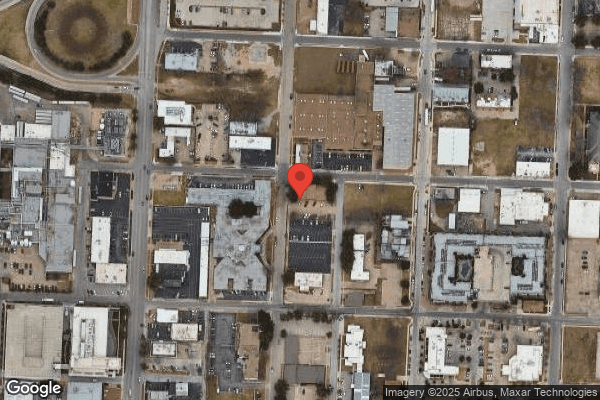

424 S ADAMS ST, FORT WORTH, TX 76104 (817) 335-5781
Government - Hospital district 161 Beds CREATIVE SOLUTIONS IN HEALTHCARE Data: November 2025 1 Immediate Jeopardy citation
Trust Grade
0/100
#966 of 1168 in TX
Last Inspection: December 2024

Within standard 12-15 month inspection cycle. Federal law requires annual inspections.

Overview

Downtown Health and Rehabilitation Center has received an F grade, indicating poor performance with significant concerns. Ranking #966 out of 1168 nursing homes in Texas places it in the bottom half of facilities statewide, and at #59 of 69 in Tarrant County, it is among the least favorable options locally. The facility's trend is improving, having reduced its number of issues from 25 in 2024 to 9 in 2025, which is a positive sign. However, there are serious weaknesses, including a critical incident where a resident was physically attacked, resulting in hospitalization, and another case where a resident did not receive necessary medication, leading to withdrawal symptoms. On a more positive note, the staffing turnover is 0%, indicating that staff remain long-term, which is beneficial for resident care.

Trust Score
F
0/100
In Texas
#966/1168
Bottom 18%
Safety Record
High Risk
Review needed
Inspections
Getting Better
25 → 9 violations
Staff Stability
○ Average
Turnover data not reported for this facility.
Penalties
✓ Good
$46,915 in fines. Lower than most Texas facilities. Relatively clean record.
Skilled Nurses
⚠ Watch
Each resident gets only 21 minutes of Registered Nurse (RN) attention daily — below average for Texas. Fewer RN minutes means fewer trained eyes watching for problems.
Violations
⚠ Watch
50 deficiencies on record. Higher than average. Multiple issues found across inspections.
★☆☆☆☆
1.0
Overall Rating
★☆☆☆☆
1.0
Staff Levels
★★☆☆☆
2.0
Care Quality
★★☆☆☆
2.0
Inspection Score
Stable
2024: 25 issues
2025: 9 issues

The Good

  • Full Sprinkler Coverage · Fire safety systems throughout facility
  • No fines on record

Facility shows strength in fire safety.

The Bad

1-Star Overall Rating

Below Texas average (2.8)

Significant quality concerns identified by CMS

Federal Fines: $46,915

Above median ($33,413)

Moderate penalties - review what triggered them

Chain: CREATIVE SOLUTIONS IN HEALTHCARE

Part of a multi-facility chain

Ask about local staffing decisions and management

The Ugly 50 deficiencies on record

1 life-threatening 4 actual harm
May 2025 2 deficiencies
CONCERN (E) 📢 Someone Reported This

A family member, employee, or ombudsman was alarmed enough to file a formal complaint

Potential for Harm - no one hurt, but risky conditions existed

Report Alleged Abuse (Tag F0609)

Could have caused harm · This affected multiple residents

**NOTE- TERMS IN BRACKETS HAVE BEEN EDITED TO PROTECT CONFIDENTIALITY** Based on interview and record review the facility failed to ensure that all alleged violations involving abuse, neglect, exploit...

Read full inspector narrative →
**NOTE- TERMS IN BRACKETS HAVE BEEN EDITED TO PROTECT CONFIDENTIALITY** Based on interview and record review the facility failed to ensure that all alleged violations involving abuse, neglect, exploitation or mistreatment, including injuries of unknown source and misappropriation of resident property, are reported immediately, but not later than 2 hours after the allegation is made, if the events that cause the allegation involve abuse or result in serious bodily injury for 1 of 3 (Resident #2) residents reviewed for abuse and neglect. The facility LVN A, LVN B, CNA C and CNA D did not report Resident #2's allegations of abuse and neglect to the Admin who was the abuse coordinator. This failure could place residents at risk of injuries, abuse, and/or neglect. Findings Include: Record review of Resident #2's face sheet, dated 01/16/25, reflected a [AGE] year-old male who was initially admitted to the facility on [DATE] and readmitted on [DATE] with a diagnoses which included: paraplegia unspecified (the symptom of paralysis that mainly affects your legs though it can sometimes affect your lower body and some of your arm abilities, too)., major depressive disorder (mood disorder that causes a persistent feeling of sadness and loss of interest), single episode, unspecified, insomnia (common sleep disorder that can make it hard to fall asleep or stay asleep) other chronic pain (lasts months or years and can affect any part of your body), neurogenic bowel (refers to what happens when an injury or disease interrupts the electrical signals between your nervous system and bladder function) and neuromuscular dysfunction of bladder. Record review of Resident #2's quarterly MDS assessment, dated 04/12/25 reflected his BIMS score was 15, which indicated no cognitive impairment . Review reflected Resident#2 needed Partial/moderate assistance - Helper does LESS THAN HALF the effort. Helper lifts, holds, or supports trunk or limbs, but provides less than half the effort for toileting hygiene. Record review of Resident#2's care plan, dated reflected Resident #2 had Paraplegia r/t Bicycle/MVA on 07/03/23. Goals Initiated on 07/03/2023 reflected, will have decreased likelihood of complications or discomfort related to Paraplegia. Intervention initiated on 07/03/2023 assist with ADLs/Mobility as needed. Review of Resident#2 care plan reflected bowel and bladder incontinence R/T paraplegia which initiated on 07/03/2023. Goals Initiated on 07/03/2023 reflected a decreased likelihood of skin breakdown due to incontinence and brief use. Intervention initiated on 07/03/2023 reflected incontinent care at least every 2 hours and apply moisture barrier after each episode. Record review of CNA D's time sheet reflected she clocked in on 05/11/25 at 9:47 pm and clocked out at 10:03 AM. Record review of a self- report as of 05/14/25 reflected an incident report was created on 05/12/25 at 5:00 AM by the DON. The report revealed, Nursing Description: Resident reported that a CNA tried to strangle him. Resident Description: Resident stated that a CNA tried to choke him. He was waiting for a while to be changed . He found the CNA in the shower room with another resident and when he confronted her the CNA tried to put her hands on him . Immediate action taken reflected: CNA was suspended pending investigation resident interviewed. No injuries observed at time of incident and no injuries observed post incident. Record review of Resident#2 progress note, dated 05/12/25 at 9:00 AM reflected: resident had alleged that a staff member had strangled him then he changed his story stating that the aide attempted to reach out to chock him. Resident has no signs of trauma around neck or to shoulders. No redness, bruising or swelling noted. Resident denies pain or any emotional stress at this time. completed by ADON. Record review of Resident#2 progress note, dated 05/12/25 at 11:35 AM reflected: SW (Social Worker) and 200 Hall Unit Nurse spoke with resident his report of a staff member trying to strangle him around 3 a.m. Nurse asked What happened? Resident stated, he was wet and needed changed and was needing changed. He stated, he pushed his call light and when it was not answered then he rolled to the nurse's station and complained to the nurse staff. When he was asked to wait, someone would be with him. He seen an aide and rolled in front of the shower to ask about why he wasn't changed. The aide attempted to explain but he said she appeared to reach for him but did not touch him. Completed by the SW. Record review of LVN A's signed electronic statement undated, is extremely difficult to read and understand. Please refer to LVN A over the phone interview on 05/14/25 at 8:30 AM. Record review of CNA D's written statement , undated, reflected: To whom it may concern I [CNA D] was attending to other residents on May 13th at 4:30 AM when co-worker [LVN A] and [Resident#2] approached me at shower room and I was assisting another resident when he shouted that he had his call light for 3 hours and I personally neglected to render him service I put my hands up in my defense and asked if I could speak now at that moment she stated that he was going to call the police and make a report on me because the state told him that he could. As I was trying to deescalate the situation [LVN A] stated don't touch or say anything. But I kindly stated to him that I was making rounds since I clocked in at 9:45 pm. I haven't made it his vicinity because I been doing showers since I have documented on the floor. We also only had (2) assistants on the date stated. I let him know that I was doing the best I could possibly for each and every one . Interview at 05/13/25 at 9:55 PM CNA C stated on 05/12/24 she was told by LVN B that Resident #2 on the 200-hall needed assistance and for her to go provide care. CNA C stated she was told by Resident #2 on 05/12/25 that CNA D choked him. Interview on 05/13/25 at 11:00 PM LVN A stated she had not heard about or seen any residents complain of being physical or verbally abused by staff. Interview on 05/13/25 at 11:30 PM CNA E stated she had heard from Resident #2 that CNA D was not answering the call light and he went to confront CNA E because he was wet for hours; and he had already called to the front and LVN B said they would be with him. Resident #2 stated staff tried to choke him and he cussed CNA D out when she tried to tell him why she had not answered the call light yet she touched his shoulder. CNA E stated it was no reason for staff to touch the resident and continue to agitate the resident. CNA E stated she worked PRN and Resident#2 told her what happened on 05/13/25. Interview on 05/14/25 at 12:45 AM LVN B stated Resident #2 called the facility phone and stated CNA D did not answer the call light and he needed to be changed. LVN B told Resident #2 that the aide would be with him. LVN B was told that Resident #2 cussed at CNA D because she did not answer the call light for hours. LVN B stated he did not call the Admin or the DON about the incident. LVN B stated he did not complete an incident report. LVN B did not provide additional information. Interview over the phone on 05/14/25 at 8:30 AM LVN A stated Resident #2 had approached her at the nursing station and stated his call light was on for a long time and CNA D had not come to help him LVN A stated that she went with Resident #2 to find the CNA D. CNA D was giving another resident a shower. LVN A stated, CNA D told Resident #2 that she was giving a resident a shower and would help him after she completed the shower. LVN A stated that CNA D put her hands up and the stop motion. LVN A stated CNA D tried to pat the resident's shoulder and resident pulled back at that point LVN A stated she told CNA D to go back to her work and to back off. LVN A stated she would find another aide to assist Resident#2. LVN A stated CNA D was not being threatening to Resident#2. LVN A stated that she did not think the incident needed to be reported to the Abuse Coordinator (Admin). Interview on 5/14/25 at 8:50 AM Resident #2 stated the regular overnight shift were good about changing him every 2 hours. Resident #2 stated it was about 4:30 AM on 05/12/25 and he had his call light on for a couple of hours and he called the front desk. LVN B waited another 30 minutes before he wheeled himself to the nursing station to find CNA D. Resident #2 stated the nurse who was at the desk stated she did not know who the CNA was working because she usually worked on the unit. Resident #2 stated they went and found CNA D who was given a resident a shower. Resident#2 stated he felt like CNA D was reaching for his throat. Resident#2 stated that LVN A then told CNA D not to put her hands on him. Resident #2 stated CNA C came to change him. Resident #2 stated CNA D did not assist him anymore, but he saw here in the dining hall around breakfast time. Resident #2 stated he told CNA E and AD, about the incident. Resident#2 stated he had a meeting with his family member and the Admin, the SW and the ADON about the incident and other concerns on 05/12/25. Interview on 5/14/25 at 9:47 AM the ADON stated she was informed on 05/12/25 by the AD that CNA D was accused of choking a resident. The DON and the SW went to talk to Resident #2, and he said CNA D tried to choke him and he told her not to touch him. The ADON stated they did an assessment on Resident #2 and found he was not in pain and had no bruises at that time. The ADON stated CNA D was sent home immediately. The ADON stated staff should walk away when a resident was being aggressive and come back later when the resident was calm. The ADON stated another aide came and provided incontinent care to Resident#2. Interview on 5/14/25 at 9:59 AM the SW stated Resident #2 was cussing and upset because he was not changed and checked on for hours. SW stated Resident #2 stated CNA D raised her hand and it looked like her hands were going towards him. The SW stated another nurse aide provided care to Resident #2. Interview one 05/14/25 at 10:10 AM the AD stated that he was informed by Resident #2 on 05/13/25 around 9:00 AM that CNA D was aggressive towards him, and he thought she was going to hit him. The AD stated abuse should be reported immediately to the Abuse Coordinator who was the Admin to prevent residents from being harmed. Interview on 05/14/25 at 1:43 PM with the Admin, the DON and the CN stated they found out about the incident after the morning meeting on 5/12/25 and around 9:30 AM. The Admin stated CNA D was suspended immediately pending investigation. The DON stated they did an in-service with CNA D before sending her home. The Admin stated that abuse allegations were supposed to be reported immediately to them. The DON stated when staff were in-serviced staff were required to sign off on the in-service training sheet to show they had completed the in-services. DON stated staff are in-serviced to prevent abuse from occurring or reoccurring. The DON stated in-services were usually done at the beginning of shifts and when needed. Interview ed on 5/14/25 at 3:35 PM the family member stated she is not sure what happened; she was told two different stories by Resident#2 and drove from out of state to the facility. The family member stated she had a meeting with staff and they addressed concerns that Resident #2's concerns. Interview over the phone at 05/14/25 at 5:10 PM after exit, CNA D stated she was told to go to the Admin's office and she explained what happened. CNA D stated she did a written statement about the incident with Resident #2 before she clocked out on 05/12.25 . CNA D stated Resident #2 was outside the shower room cussing at her because he said he had his call light on for 3 hours and no one had come to change him. CNA D stated she put her hands up with open hands to explain that she was finishing a shower and had not made it to him yet. CNA D stated she did not touch the resident and was in-serviced 05/12/25 by the DON before she left the facility. Record review of an in-service on abuse/neglect dated 05/12/15 completed by the [NAME] reflected LVN A and CNA D did not sign off on the completed training. Record review provided after exit of an in-service on abuse/neglect/aggressive behaviors dated 05/12/25 completed by the ADON reflected only CNA D's signature. Record review of in-service on 02/25/25 titled De-escalating taught by the DON reflected: Verbal de-escalation .Remember, reasoning with an enraged person is not possible. The first and only objective in de-escalation is to reduce level of resident arousal . Do not try to argue or convince Avoid overacting .Minimize body movements such as excessive gesturing, pacing, fidgeting, or weight shifting. These all indications of anxiety and will tend to increase agitation. Record review of facility policy titled abuse/neglect, dated 03/18 reflected: E. Reporting When a suspected abused, neglected, exploited, mistreated or potential victim of misappropriation of property comes to the attention of any employee, that employee will make an immediate verbal report to the Abuse Preventionist or designee. If the discovery occurs outside of normal business hours, the Abuse Preventionist and/or designee will be called. A. If the allegations involve abuse or result in serious bodily injury, the report is to be made within 2 hours of the allegation.
CONCERN (E) 📢 Someone Reported This

A family member, employee, or ombudsman was alarmed enough to file a formal complaint

Potential for Harm - no one hurt, but risky conditions existed

Pharmacy Services (Tag F0755)

Could have caused harm · This affected multiple residents

Based on interview, and record review, the facility failed to provide pharmaceutical services (including procedures that assure the accurate acquiring, receiving, dispensing, and administering of all ...

Read full inspector narrative →
Based on interview, and record review, the facility failed to provide pharmaceutical services (including procedures that assure the accurate acquiring, receiving, dispensing, and administering of all drugs and biologicals) to meet the needs of each resident for 1 (medication cart) of 1 medication cart on the memory care unit reviewed for pharmacy services The facility failed to ensure discontinued medication were removed from the medication cart. Resident #1's Diazepam that was DC on 12/30/24 was in the narcotic box on the secure unit medication cart. This failure could place residents at risk of unnecessary medication error and/or lead to possible harm or drug diversion. The findings included: Interview on 5/13/25 at 9:50 PM LVN A stated when medications were wasted, they should be crushed and disposed of and two people, 2 nurses, were to sign off on the narcotics sheet and document medication was wasted. Observation and record review on 05/13/25 at 11:00 PM revealed a secure unit narcotic sheet that was not filled out completely for Resident #1's Diazepam 5 mg tablet. Review of Resident#1's Diazepam 5mg narcotic sheet reflected the 10th pill was given with no date and no signature. Further review revealed the 9th pill was removed on 4/11 /25and on 5/4/25 the 8th pill was marked off as wasted. Observation of Resident #1's Diazepam 5 mg package reflected the medication was still in the bubble pack for the 8th tablet. Observation of the Diazepam bubble package revealed medication was filled on 11/12/24. Review of the Diazepam narcotic sheet revealed the Diazepam was put on the medication cart on 11/14/25. Record review of Resident #1's order summary revealed to give 1 tablet Diazepam by mouth every 6 hours as needed and not to exceed 3 daily until 12/30/24 for anxiety. Record review of Resident#1's November MAR reflected Diazepam was administered on 4/11/24. Record review of Resident #1's March 2025 MAR reflected Diazepam was not a listed medication. Interview on 05/13/25 at 11:00 PM LVN A stated Resident#1's Diazepam was DC and the DON was responsible for coming to pick up the DC medication from the medication cart. LVN A stated when medication was wasted two nursing staff would sign off on the medication. LVN A stated narcotics were crushed and put in water. Interview on 05/14/25 at 12:15 PM the DON stated she had not been informed of staff taking narcotic medications for personal use off the medication cart. Interview and observation on 5/14/25 at 1:43 PM the DON stated Resident #1's 5mg Diazepam was DC on 12/30/24. She stated that DC medication needed to be brought to her as soon as possible. The DON stated that nurses was responsible for taking DC medications off the medication cart. The DON stated the pharmacy comes every other month to destroy medications. The DON stated residents are at risk of being given medications that are no longer needed. The DON stated when medications are wasted two nursing staff members are supposed to sign off. Observed the CN leave out of the DON, and she went to pull the DC medication off the secure unit cart. The CN stated the nurse must have written the number backwards instead of 04/11/24 it should have been 11/04/24. Record review of the facility policy titled, Medication Administration Procedures revealed, 3. Open the unit dose package only when you are administering medication directly to the resident. Record review of the policy titled Controlled Medication Disposal, undated, revealed, 3. Schedule II, III, IV and V medications remaining in the facility after the resident has been discharged , or the order discontinued, are disposed either in the facility by legally authorized personnel, Director of Nursing, and Consultant Pharmacist . Record review of the facility policy titled, Discontinued Medications, undated, reflected : Policy .When medications are discontinued by physician order, . the medications are marked appropriately and destroyed .Procedure 1. If a physician discontinues a medication .the medication container is marked the date discontinuance is indicated along with the initials of the nurse. 2. Medications awaiting disposal are stored in a locked secure area designated for that purpose until disposed of medications are removed from the medication cart immediately upon receipt of an order to discontinue avoiding inadvertent administration. 3. Discontinued medications are destroyed in accordance with destruction policy and procedure .
May 2025 3 deficiencies
CONCERN (D) 📢 Someone Reported This

A family member, employee, or ombudsman was alarmed enough to file a formal complaint

Potential for Harm - no one hurt, but risky conditions existed

Comprehensive Care Plan (Tag F0656)

Could have caused harm · This affected 1 resident

**NOTE- TERMS IN BRACKETS HAVE BEEN EDITED TO PROTECT CONFIDENTIALITY** Based on interview and record review, the facility failed to develop and implement a comprehensive person-centered care plan for...

Read full inspector narrative →
**NOTE- TERMS IN BRACKETS HAVE BEEN EDITED TO PROTECT CONFIDENTIALITY** Based on interview and record review, the facility failed to develop and implement a comprehensive person-centered care plan for each resident, consistent with the resident rights, that included measurable objectives and timeframes to meet a resident's medical, nursing, and mental and psychosocial needs that were identified in the comprehensive assessment for 1 of 4 residents, (Resident #1) reviewed for care plans. 1. The facility failed to address Resident #1's multiple refusals of care and services on the comprehensive care plan This failure could place residents at risk of not receiving the necessary care and services. Findings included: Record review of Resident #1's face sheet reflected a [AGE] year-old female, with an admission date of 07/11/24. Resident #1 had diagnoses of Multiple Sclerosis (chronic disease that affects the brain and spinal cord), Cognitive Communication Deficit (communication difficulty), and History of Transient Ischemic Attack (brief interruption of blood flow to the brain). The face sheet noted a discharge date of 09/17/24. Record review of Resident #1's Admitting MDS Assessment, dated 07/17/24, reflected Resident #1 had a BIMS score of 11, which meant Resident #1 had a moderate level of cognition. The MDS noted the resident did not exhibit any behaviors. Record review of Resident #1's care plan with an initial date of 07/12/24, reflected no interventions for Resident #1's multiple refusals of wound care, perineal care, medication administration, or showers. Record review of the progress notes on Resident #1's electronic record, dated, 05/08/25, reflected the following: 07/19/24 15:36 (3:36 PM)- Resident #1 refused wound debridement after multiple attempts, application of Nystatin Powder (antifungal medication for skin infections), application of Hydrocortisone External Cream (medication used to treat skin conditions) for wound care 07/23/24 at 16:17 (4:17 PM)- Resident #1 refused the application of Nystatin Powder for wound care 07/24/24 at 12:20 PM- Resident #1 refused the application of Hydrocortisone External Cream 08/01/24 at 9:38 AM- Resident #1 refused Pro-Stat AWC (protein drink for wound healing) 3 times 08/02/24 at 8:31 AM- Resident #1 refused Pro-Stat AWC 3 times 08/09/24 21:47 (9:47 PM)- Resident #1 refused a blood sugar check 08/10/24 at 8:37 AM- Resident #1 refused the application of Nystatin Powder and Hydrocortisone External Cream for wound care, cleansing of wound, and dressing change 08/10/24 at 8:45 AM- Resident #1 refused a shower 08/10/24 at 13:21 (1:21 PM)- Resident #1 refused a blood sugar check In an interview on 05/08/25 at 2:30 PM, the DON stated she did not work at the facility when Resident #1 was living there. She stated the refusals should have been addressed and interventions should have been in place to encourage Resident #1 not to refuse care. The DON stated the risk of refusals not addressed was a possible decline in health. In an interview on 05/08/25 at 2:40 PM, the Administrator stated she was not working at the facility last year when Resident #1 lived there. She stated the refusals should have been addressed so staff would know how to best assist the resident. She stated the risk would have been Resident #1 not receiving the services she needed. Record review of the facility's undated policy, titled, Comprehensive Care Planning, reflected the following: The facility will develop and implement a comprehensive person-centered care plan for each resident, consistent with the resident rights that includes measurable objectives and timeframes to meet a resident's medical, nursing, and mental and psychosocial needs that are identified in the comprehensive assessment. The comprehensive care plan will describe the following - o The services that are to be furnished to attain or maintain the resident's highest practicable physical, mental, and psychosocial well-being; and o the right to refuse treatment Each resident will have a person-centered comprehensive care plan developed and implemented to meet his other preferences and goals, and address the resident's medical, physical, mental and psychosocial needs. The comprehensive care plan will reflect interventions to enable each resident to meet his/her objectives. Interventions are the specific care and services that will be implemented. In situations where a resident's choice to decline care or treatment (e.g., due to preferences, maintain autonomy, etc.) poses a risk to the resident's health or safety, the comprehensive care plan will identify the care or service being declined, the risk the declination poses to the resident, and efforts by the interdisciplinary team to educate the resident and the representative, as appropriate. The facility's attempts to find alternative means to address the identified risk/need should be documented in the care plan.
CONCERN (D) 📢 Someone Reported This

A family member, employee, or ombudsman was alarmed enough to file a formal complaint

Potential for Harm - no one hurt, but risky conditions existed

Infection Control (Tag F0880)

Could have caused harm · This affected 1 resident

**NOTE- TERMS IN BRACKETS HAVE BEEN EDITED TO PROTECT CONFIDENTIALITY** Based on observation, interview, and record review, the facility failed to establish and maintain an infection prevention and co...

Read full inspector narrative →
**NOTE- TERMS IN BRACKETS HAVE BEEN EDITED TO PROTECT CONFIDENTIALITY** Based on observation, interview, and record review, the facility failed to establish and maintain an infection prevention and control program designed to provide a safe, sanitary, and comfortable environment and to help prevent the development and transmission of communicable diseases and infections for 1 (Resident #2) of 3 residents reviewed for infection control. 1. The Treatment Nurse failed to discard contaminated gauze after performing wound care on Resident #2 on 05/07/25. This failure could put residents at risk of infection from cross contamination. Findings included: Record review of Resident #2's face sheet dated 05/08/25, reflected a [AGE] year-old female, with an admission date of 05/05/25. Resident #2 had diagnoses of Chronic Venous Hypertension with Ulcer of Bilateral Lower Extremity (damaged leg veins that causes blood pressure build up and skin breakdown), and Type 2 Diabetes with foot ulcer (body cannot regulate blood sugar levels). In an observation and interview on 05/08/25 starting at 8:40 AM, the Treatment Nurse was observed as she provided wound care to the toes and heel of Resident #2. The Treatment nursed wiped the toes of Resident #2, put her gloved hand into the package of clean gauze, took a few out, wiped the toes of Resident #2, then put her gloved hand back into the package of clean gauze to get a few more out. The Treatment Nurse was observed as she closed the package of remaining gauze and placed the package back in the drawer of the treatment cart and locked it. The Treatment Nurse stated she had a few more residents to treat on 05/08/25. In an interview on 05/08/25 at 11:39 AM, the Treatment Nurse stated she was not aware she put the gauze back on the treatment cart after she put her gloved hand into the package. The Treatment Nurse stated that was something she would not normally do. The Treatment Nurse stated the risk of putting her gloved hand into the package after touching Resident #2's wounds, then putting the gauze back on the treatment cart was infection. In an interview on 05/08/25 at 2:30 PM, the DON stated all employees were trained on infection control, but the staff get nervous when The State is in the building. She stated the Treatment Nurse was probably nervous during the observation. The DON stated the Treatment Nurse putting a contaminated hand in the gauze package and placing the gauze back on the treatment cart was contamination and infection. In an interview on 05/08/25 at 2:40 PM, the Administrator stated the risk of the Treatment Nurse putting her gloved hand into the gauze package during wound care was infection being spread to other residents. She stated all employees were trained on infection control. Record review of the facility's policy titled, Infection Control Plan: Overview, dated 03/2024, reflected the following: Infection Control The facility will establish and maintain an Infection Control Program designed to provide a safe, sanitary and comfortable environment and to help prevent the development and transmission of disease and infection.
CONCERN (E) 📢 Someone Reported This

A family member, employee, or ombudsman was alarmed enough to file a formal complaint

Potential for Harm - no one hurt, but risky conditions existed

Deficiency F0760 (Tag F0760)

Could have caused harm · This affected multiple residents

**NOTE- TERMS IN BRACKETS HAVE BEEN EDITED TO PROTECT CONFIDENTIALITY** Based on interview and record review, the facility failed ensure residents were free of any significant medication errors for on...

Read full inspector narrative →
**NOTE- TERMS IN BRACKETS HAVE BEEN EDITED TO PROTECT CONFIDENTIALITY** Based on interview and record review, the facility failed ensure residents were free of any significant medication errors for one (Residents #1) of four residents reviewed for medications. 1. Resident #1's Lisinopril and Metoprolol (medications used to lower blood pressure) were not held per physician's order on 07/13/25, 07/21/25, 07/23/24, and 07/25/24 when the resident's blood pressure was below parameters. These failures could place residents at risk of not receiving their medications as ordered or possible illness. Findings included: Record review of Resident #1's face sheet reflected a [AGE] year-old female, with an admission date of 07/11/24. Resident #1 had a diagnoses of Multiple Sclerosis (chronic disease that affects the brain and spinal cord), Cognitive Communication Deficit (communication difficulty), Essential Hypertension (high blood pressure), and History of Transient Ischemic Attack (brief interruption of blood flow to the brain). The face sheet noted a discharge date of 09/17/24. Record review of the active physician's order dated 07/11/24, reflected the following: Lisinopril Tablet 2.5 MG give one tablet one time a day by mouth for hypertension hold for SBP <110, DBP <60, HR <60 Metoprolol Succinate ER Oral Tablet 50 MG Give one tablet by mouth one time a day for HTN hold for SBP <110, DBP <60, HR <60 Record review of Resident #1's Medication Administration Record dated July 2024 reflected that Lisinopril and Metoprolol were both given by RN A on 07/13/24 when Resident #1's SBP was 106, outside of the ordered perimeters. RN A also administered both medications outside of the ordered perimeters to Resident #1 on 07/21/24 when Resident #1's SBP was 104 and DBP was 59. Both medications on both days were marked as given. Record review of Resident #1's July 2024 Medication Administation Record reflected on 07/23/24 and 07/25/24 LVN B administered both medications outside of the ordered perimeters when Resident #1's SBP was 98. Both medications on both days were marked as given. Record review of the progress notes on Resident #1's electronic record reflected no documented adverse effects. Record review of the Employee roster reflected RN A and LVN B no longer worked at the facility. In an interview on 05/08/25 at 2:30 PM, the DON stated she was not working at the facility at the time Resident #1 lived there. She stated the two medications should have not been given outside of the perimeters. She stated all physician orders should be followed. The DON stated the risk of not following the physician orders and giving the medications outside of the perimeters was a sentinel event or hypotension (low blood pressure). In an interview on 05/08/25 at 2:40 PM, the Administrator stated all physician orders should be followed and the risk of not following orders was adverse effects. Record review of the facility's policy titled, Medication Administration Policies, dated 10/25/15, reflected the following: 13. When ordered or indicated, Include specific item(s) to monitor (e.g., blood pressure, pulse, blood sugar, weight), frequency (e.g., weekly, daily), timing (e.g., before or after administering the medication), and parameters for notifying the prescriber. 20. The 10 rights of medication should always be adhered to 1. Right patient 2. Right medication 3. Right dose 4. Right route 5. Right time 6. Right patient education 7. Right documentation 8. Right to refuse 9. Right assessment 10. Right evaluation
May 2025 1 deficiency
CONCERN (D) 📢 Someone Reported This

A family member, employee, or ombudsman was alarmed enough to file a formal complaint

Potential for Harm - no one hurt, but risky conditions existed

Deficiency F0692 (Tag F0692)

Could have caused harm · This affected 1 resident

**NOTE- TERMS IN BRACKETS HAVE BEEN EDITED TO PROTECT CONFIDENTIALITY** Based on observation, interview and record review, the facility failed to ensure residents maintained acceptable parameters of n...

Read full inspector narrative →
**NOTE- TERMS IN BRACKETS HAVE BEEN EDITED TO PROTECT CONFIDENTIALITY** Based on observation, interview and record review, the facility failed to ensure residents maintained acceptable parameters of nutritional status for one (Resident #1) of two residents reviewed for nutrition. The facility failed to ensure Resident #1 maintained acceptable parameters of nutritional status as demonstrated by Resident #1 experiencing a 25.96% weight loss in 4 months. She had an active decline in her weight from 01/08/25 - 04/15/25. This failure could place residents at risk for decreased nutritional status, decline in health, malnutrition, or hospitalization. Findings included: Review of Resident #1's admission record reflected she was a [AGE] year-old female who admitted to the facility on [DATE], with diagnoses including protein-calorie malnutrition (a nutritional status in which reduced availability of nutrients leads to changes in body composition and function), diabetes mellitus (a group of metabolic diseases characterized by high blood sugar levels), dependence on renal dialysis (when a person's kidneys are no longer functioning properly and they rely on dialysis to filter their blood and remove waste products), end stage renal disease (a medical condition where the kidneys have permanently lost the ability to function adequately), and Parkinson's Disease (a progressive neurological disorder that primarily affects movement, causing symptoms like tremors, stiffness, and slowness of movement) . Review of Resident #1's quarterly MDS assessment, dated 03/30/25, reflected a BIMS score of 15, indicating no cognitive impairment. Section GG (Functional Abilities) reflected she required Setup or clean-up assistance with eating. Section K (Swallowing/Nutritional Status) reflected she was on Mechanically altered diet. Section K0300 (Weight Loss) reflected that she had weight loss, but she was not on physician- prescribed weight-loss program. Review of Resident #1's quarterly care plan revised 03/30/25 reflected that Resident#1 has a diet order other than regular and was at risk for unplanned weight loss or gain. The interventions included: Determine food preferences and provide within dietary limitations. Encourage meal completion and document amount consumed. Monitor weight per facility protocol. Offer sub, if resident eats less than 50% or dislikes meal and offer supplement if resident continues to eat less than 50%. Praise resident for eating well. RD assess per facility protocol. Serve diet and snacks as ordered. Speech Therapy to eval and treat per Physicians orders as condition warrants. The resident has a no salt on tray diet. Review of Resident #1's weights reflected an active decline in her weight from 01/08/25 - 4/15/25. Her weight on 01/08/25 reflected 195.00 pounds and a weight of 169.40 pounds on 04/15/25. Review of Resident #1's Nutrition Assessment, dated 01/16/2025 and documented by the RD, reflected the following: Height:63.0, Weight: 195.0. Diet Renal Texture Order was Regular, and that Residents#1 Food Intake was 50-75%. Review of Resident #1's Nutrition assessment dated [DATE] and documented by the RD, reflected the following: During that visit, the dietician noted Resident #1 had a significant weight loss of 9.7% (18.8 lbs.) over the past month. The only recommendation made at that time was for Resident #1's diet order be changed from a renal mechanical soft diet to a regular mechanical soft diet. Review of Resident #1's meal intake documentation reflected that the resident refused 6 meal trays. She refused dinner on the following dates: 4/5/2025, 4/7/2025, 4/9/2025, 4/22/2025, 4/27/2025, and lunch on 5/1/2025. Review of the list of residents on the red cup program (a program in which residents received a red cup at meals to alert staff that they were at risk for weight loss/malnutrition) did not include Resident #1. During an interview on 05/04/25 at 11:45 AM with Resident #1 revealed that she goes to dialysis Monday Wednesday and Friday. She stated that she has lost weight in the last few months because she did not like the food, especially ground up meat or the mashed food. She stated that the alternative meal was a sandwich which she did not like because the meat was salty. She stated that she liked the chicken pot pie whenever they served it. During an interview on 05/04/2025 at 12:07 PM with the DM revealed that the dietitian was responsible for monitoring residents weight loss, dietary recommendations, and also which residents needed to be on the Red Cup program . The program alerts staff to pay attention to the resident on the program monitor their intake. She stated that if a resident were placed on the red cup program the charge nurse would send a communication slip to dietary. She stated that since she started working at the facility in March no residents had been added to the red cup program. She stated that the dietitian monitors weight loss every other week. During an observation on 05/04/2025 at 12:35pmResident#1 only ate her desert and stated that she did not like the ground chicken that was served at lunch. Resident#1 declined offer for alternative food from CNA A. During an interview 05/04/25 at 12:45 PM with the Dietician , she stated she was aware of Resident #1's weight loss. She stated she had noted discrepancies with the facility's weights in the past, so she was not sure if Resident #1's weights were actually accurate. She stated she felt as though the facility should be monitoring and recording post-dialysis weights for consistency purposes. She stated she was not sure if she had made that recommendation to the facility, and she stated she did not review dialysis communication logs (which documented weights taken at the dialysis facility) when assessing residents for further recommendations. She stated Resident #1 could definitely be put on a supplement and/or increased weights for additional weight support. She stated she does not necessarily monitor the facility's Red Cup program; she was not sure who monitored this program. During an interview on 05/04/25 at 1:25pm with the Director of Nursing (employed by the facility for approximately 4 months), she stated she was aware of Resident #1's weight loss, as she was the individual who entered weights into the electronic charting system. She stated although she knew of Resident #1's weight loss, she did not realize how significant the issue of severe weight loss could be until she completed her DON training this past week. She stated she felt as though Resident #1 should have weekly weights as well as supplements for appetite stimulation/extra nutrition. She also stated Resident #1 should have been placed on the facility's Red Cup program. The Director of Nursing stated she had left weight monitoring and intervention plans up to the dietician. During an interview on 05/04/2025 at 2:00pm with a CNA A who was assigned to Resident #1's care, she stated she could tell that Resident #1 had lost weight because during ADL care, Resident #1 felt much lighter. CNA stated that the resident requires set up for meals but can feed herself. She also stated Resident#1 was not on the red cup program and that staff was required to pay extra attention to resident on the Red Cup program. During an interview on 5/04/2025 at 3:21 with LVN B assigned residents care revealed that she did not work on the 300 hall usually and was not familiar with her weight loss or meal intake. She stated that the charge nurses monitored the dialysis communication sheets and reported any concerns to the MD and administration. During an interview on 05/04/2025 at 2.06pm with the MD revealed that Resident #1 had abdominal surgery hemicolectomy where she had removed part of her colon . The MD stated that Resident#1's weight loss started after the abdominal surgery, and she has had a lot of Gastrointestinal issues. The MD stated that some of the weight loss was good because she was over 200 pounds so losing some weight was beneficial if the resident was still eating. He stated that the facility continued to monitor Resident#1's weight monthly. The MD stated that the resident had complained of acid reflux, and she was started on Protonix to help with reflux . He stated that the resident had also complained of the food, and the facility had tried to adjust her diet to what she could tolerate and was seen by speech therapy who recommended mechanical soft diet. The MD stated that because the resident was on dialysis the only supplement, she could take was Nepro however she has not shown signs of malnourishment and was taking renal vite tabs for dialysis supplement. Review of the facility's Red Glass/Red Napkin and Fortified Food Program reflected : These programs are a way for residents with unintended weight loss to receive increased nutrients as soon as the weight loss is identified, and for facility staff to be aware of residents increased nutritional needs and to provide encouragement to complete their meal. Procedure: 1. Nursing is to supply dietary on a weekly basis with an updated list of residents with unfavorable weight loss who may need additional supplements and additional encouragement to complete their meals. This list may be generated in the weekly weight meeting. 2. Residents on enteral feedings with unfavorable weight changes will be re-evaluated for protein, calorie and vitamin/mineral needs with adjustments recommended as needed by the registered dietitian. 6. Nutrition intervention may be needed for residents with weight loss. If warranted, a red napkin or red glass will be used on the resident's meal tray to alert the dietary and nursing staff to pay close attention to the resident's food/fluid intake and to encourage the resident to eat and drink as much as possible. Review of the Facility' Resident Weight policy reflected that the following assessments and Recognition: Nursing Policy & Procedure Manual 2003 Revised: February 13, 2007 All residents will be weighed by the 10th of the month and their weights documented correctly. The appropriate actions regarding significant changes will be carried out. Procedure: 1. Weights shall be obtained and documented at admission, readmission, and monthly unless ordered otherwise by the physician, or unless dictated more frequently by the resident's condition. Factors indicating the need for more frequent weights include significant weight loss, drastic decrease in food consumption, prolonged nausea, vomiting, or diarrhea, significant weight gain, swelling or edema, poor appetite during adjustment period to the facility, recent change from tube feeding to oral intake, or pressure ulcers that are not resolving as expected. The Dietary Profile will be completed upon admission and quarterly thereafter by the dietary manager. The Nutrition Risk Assessment form will be completed by the Registered Dietitian upon admission, annually, and updated if the resident has a significant change. The RD and dietary manager will also chart in the dietary Progress Notes as needed regarding visits, nutritional issues, updates to food preferences, etc. 4. All residents must be weighed as indicated, unless otherwise ordered by the attending physician. Pre-medicate resident for pain or discomfort, as per physician's orders, as needed prior to weighting. 5. Monitor fluid intake and output because body weight may increase as a result of fluid retention. 6 7. Significant Weight Loss The facility review resident weights after monthly weights are obtained, to determine residents with significant weight changes. A significant weight change will be defined as 5% or greater in one month, 7.5% or greater in three months, or 10% or greater in six months. The weight change will be recorded on the appropriate weight watcher's form along with interventions, and follow-up will also be recorded in the designated location. The physician and family will be notified. In addition, an acute care plan for weight loss will be initiated and the clinical record reviewed for possible need of a significant change of condition MDS assessment. Assess the resident for possible reason for weight loss to include: 9. All significant weight changes will be referred to the Regional Dietitian on the next visit. The Regional Dietitian will generate a copy of the facility weight report and can review the weight watchers' forms in PCC. The Regional Dietitian will complete an assessment on all significant weight losses. The Regional Dietitian will review all facility interventions, and will make appropriate recommendations, which will be approved by the physician, if necessary.
Apr 2025 2 deficiencies
CONCERN (D) 📢 Someone Reported This

A family member, employee, or ombudsman was alarmed enough to file a formal complaint

Potential for Harm - no one hurt, but risky conditions existed

Accident Prevention (Tag F0689)

Could have caused harm · This affected 1 resident

**NOTE- TERMS IN BRACKETS HAVE BEEN EDITED TO PROTECT CONFIDENTIALITY** Based on observation, interview and record review the facility failed to ensure each resident received adequate supervision and ...

Read full inspector narrative →
**NOTE- TERMS IN BRACKETS HAVE BEEN EDITED TO PROTECT CONFIDENTIALITY** Based on observation, interview and record review the facility failed to ensure each resident received adequate supervision and assistance devices to prevent accidents for one (Residents #6) of four reviewed for adequate supervision. LVN R failed to complete a fall assessment and implement interventions for Resident #6 after a fall, to prevent reoccurrence. The facility failed to ensure an updated fall assessment was complete for Resident #6. This failure could affect residents by not having the necessary resources to ensure appropriate care, interventions, and supervision were provided. Findings included: Review of Resident #6's Face Sheet dated 04/01/2025 revealed the resident was a [AGE] year-old female was initially admitted on [DATE], and again on 08/20/2024. Relevant diagnoses were alcohol dependence with alcohol-induced persisting dementia, unspecified protein-calorie malnutrition, other reduced mobility, history of falling, other lack of coordination, unsteadiness on feet, muscle weakness (generalized), other abnormalities of gait and mobility, atherosclerosis of native arteries of extremities with intermittent claudication bilateral leg(buildup of fats, cholesterol and other substances in and on the artery walls), and unilateral primary osteoarthritis, right hip )the most common type of arthritis, characterized by the breakdown of cartilage in joints, leading to pain, stiffness, and reduced movement.) Review of Resident #6's Comprehensive MDS Assessment, dated 03/20/2024, revealed the resident had a BIMS score of 9, indicating she was moderately impaired cognitively. Section GG - Functional Abilities and Goals revealed Resident #6 requires set up and clean up for oral hygiene and upper body dressing. She requires supervision and touching assistance for toileting hygiene, lower body dressing, putting on and taking off footwear, and personal hygiene. She requires partial moderate assistance with showering and bathing. Section J900 revealed the resident had one fall with no injuries. Review of Resident #6's Comprehensive Care Plan, dated 03/17/2025, reflected the resident had cognitive loss r/t impaired cognitive functional dementia with intervention. Keep the resident's, routine consistent and try to provide consistent care givers as much as possible in order to decrease confusion .Monitor/document /report to MD any changes in cognitive function, specifically changes in: decision making ability, memory, recall and general awareness, difficulty expressing self, difficulty understanding others, level of consciousness, mental status. limited physical mobility and the goal was the resident would be free from complications related to immobility including contractures and skin breakdown admitted to hospice due to a dx of lung cancer .Resident has had actual falls and remains at risk of falls . interventions included: Be sure the resident's call light is within reach and encourage the resident to use it for assistance as needed. Educate on use of walker, locking brakes on walker, and environmental check .Educate the resident family/care fall occurs .Hospital evaluation; Keep furniture in locked position: Provide visual cues in room. Record review of Resident #6's progress note dated 3/22/2025 at 11:45 AM reflected Resident had a fall this morning. Provider notified and other appropriate staffs also notified. Family will also be notified. Hospice also notified. Resident is oriented at baseline, knows her name and where she is but does not know what year it is. Neuro checks initiated. Resident found on the floor with knee twisted, Norco PRN given for reported pain- 6/10. Further review of clinical records revealed that a fall assessment was not completed for Resident #6. In an observation and interview on 04/01/2025 at 12:38 PM with Resident #6 revealed Resident #6 sitting on her bed and denied falls or hospital transfers or injuries. She denied pain or recent injuries. There were no observations of skin tears, bruising or pain facial grimacing at the time of the observation. In an interview with the ADON on 04/01/2025 at 3:45 PM, the ADON stated that nursing staff were responsible for ensuring fall interventions were in place and followed, by checking during routine rounds. She stated that LVN R was trained upon being hired for PRN nursing. ADON was notified by LVN R that Resident #6's fell on [DATE]. ADON said this fall was unwitnessed. ADON contacted LVN R by phone on 03/23/2025 and requested that she return to complete the assessment for the fall. LVN R agreed to return to the facility and complete the nursing assessment. ADON said that she was unable to complete the fall assessment in LVN R's absence, due to all gathered such as, vital signs, pain, and other fall protocol task were completed by LVN R, so the ADON waited for LVN R to return and complete on 04/01/2025 at 2:00 PM for her shift. The ADON said that she met with LVN R and conducted education and coaching regarding nursing assessments and protocols. The ADON said failing to complete an assessment could lead to the resident not receiving adequate interventions, monitoring, and supervision during the first 72 hours of the fall. In an interview with the DON on 04/01/2025 at 4:04 PM, the DON stated the fall assessment should reflect the actual functionality of the resident. She said if the resident had fallen, an assessment should have been completed and mirrored the fall note 03/22/2025. If the residents were not assessed, the proper care and needs would not be met. The DON said the expectation was the residents were assessed not only after the fall but monitor every day to see if there was a change in condition, or resident acting different than usual. She said she would coordinate with the ADON Nurse to educate, audit, and monitor assessment timeliness for resident care. In an interview with the Administrator on 04/01/2025 at 4:55 PM, the Administrator stated accurate assessments should be done to know what kind of care and services would be required. She said if the assessment were not completed, the needed care of the resident would not be met. She said the expectation was the residents would be assessed accurately to provide the appropriate care needed. She said he would coordinate with the DON and the ADON Nurse to educate, audit, and monitor resident assessments for timeliness and accuracy. Record review of facility policy, Fall Risk Assessments revised February 1, 2007, revealed Preventing falls requires an interdisciplinary program that focuses on modifying the extrinsic factors, correcting intrinsic factors, and educating the resident and family. A Fall Risk Assessment will be completed on admission and after each fall. The assessment tool should be scored, and interventions implemented as indicated. Appropriate interventions will be addressed immediately on the interdisciplinary plan of care. Reassessment will occur after each fall. Interventions will be designed to maintain the resident's privacy. The facility will be responsible for ensuring training and ongoing education to facility personnel regarding identification of residents who are high risk for falls. After risk is assessed, individualized plans of care will be implemented to prevent falls. The Charge Nurse will investigate all falls. The nurse will complete an event report and forward to the DON or designee. Falls resulting in sentinel event will be reported to the DON. The DON or designee will be responsible for investigating all resident falls on a concurrent basis. The nursing department will be responsible for submitting a fall trend report. Appropriate education will be provided to all staff members as needed on fall prevention.
CONCERN (D) 📢 Someone Reported This

A family member, employee, or ombudsman was alarmed enough to file a formal complaint

Potential for Harm - no one hurt, but risky conditions existed

Respiratory Care (Tag F0695)

Could have caused harm · This affected 1 resident

**NOTE- TERMS IN BRACKETS HAVE BEEN EDITED TO PROTECT CONFIDENTIALITY** Based on observations, interviews, and record review, the facility failed to ensure that residents, who needed respiratory care,...

Read full inspector narrative →
**NOTE- TERMS IN BRACKETS HAVE BEEN EDITED TO PROTECT CONFIDENTIALITY** Based on observations, interviews, and record review, the facility failed to ensure that residents, who needed respiratory care, were provided such care consistent with professional standards of practice, the comprehensive person-centered care plan, and the residents' goals and preferences for one (Resident #6) of 3 residents reviewed for Respiratory Care. The facility failed to ensure that Resident #6's nasal cannula and tubing was off the floor, properly stored when not in use, and her humidifier bottle water was dated. These failures could place the residents at risk for respiratory infection and not having their respiratory needs met. Findings included: Review of Resident #6's Face Sheet, dated 04/01/25, reflected the resident was a [AGE] year-old female was initially admitted on [DATE], and again on 08/20/2024. The resident was diagnosed with alcohol dependence with alcohol induced persisting dementia (cognitive decline from alcohol use), Chronic pain, History of falling, benign neoplasm of left bronchus and lung (non-cancerous tumor in the lung). Review of Resident #6's Comprehensive MDS Assessment, dated 03/20/2024, revealed the resident BIMS score was 9, indicating she was moderately impaired cognitively. Functional Abilities and Goals revealed Resident #6 requires set up and clean up for oral hygiene and upper body dressing. She requires supervision and touching assistance for toileting hygiene, lower body dressing, putting on and taking off footwear, and personal hygiene. She requires partial moderate assistance with showering and bathing. The Comprehensive MDS Assessment indicated the resident was receiving hospice care. Review of Resident #6's Comprehensive Care Plan, dated 01/15/2025, reflected the resident was on hospice. One of the interventions was to monitor for signs and symptoms of respiratory distress. Review of Resident #6's Physician's Order, dated 12/05/2024, reflected Admit to hospice for lung cancer. Review of Resident #6's Physician's Order, dated 12/05/2024, reflected Ipratropium-Albuterol Solution 0.5 - 2.5 (3) MG/3ML .3 milliliter inhale orally as needed for SOB or wheezing via nebulizer. Observation and interview on 04/01/2024 at 12:38 PM revealed Resident #6 sitting on the side of her bed, awake. The resident nasal cannula and tubing were observed on the ground, and the water bottle was not dated. on oxygen therapy via nasal cannula at 3 liters per minute and was connected to an oxygen concentrator. The resident said it was okay to open his drawer. Inside the drawer, was a nebulizer with a breathing mask connected to it. The breathing mask was not bagged. The resident said she was given a breathing treatment every morning. She said the nurse would put it on and the nurse would take it off when it was done. She said she was not aware where the nurse would put it after the breathing treatment. She said she did not notice the tubing on the floor. In an interview on 04/01/2025 at 4:16 PM with LVN E, revealed LVN E was the charge nurse for the 2PM to 10 PM shift. She said all nursing staff are responsible for conducting rounds and monitoring resident treatment devices and equipment for safe operations and clean devices. All respiratory equipment should be dated, labeled, clean, and stored when not in use. She stated resident tubing found on the floor, or unbagged when not in use, should be removed, discarded, and installing new equipment and dating. She said the risk to the resident could result in respiratory infections or overuse of equipment. In an interview with the ADON on 04/01/2025 at 3:45 PM, the ADON stated the nasal cannula and tubing for respiratory equipment should be bagged when not in use. She said not bagging them could result in cross contamination and respiratory infection. She said the expectation was for the nursing staff to bag all the respiratory apparatuses used by the residents when not in use . She said she would coordinate with the DON pertaining to education and in-services about respiratory care. She said she would include checking on the respiratory apparatuses being bagged during her walk around and water bottles on the concentrator are dated. In an interview with the DON on 04/01/2025 at 4:04 PM, the DON stated the nasal cannula, tubing should be stored properly when not in use to keep them clean. She said if those breathing apparatuses were not bagged, were exposed, or touching surfaces that were not clean, there could be cross contamination, respiratory infection, and oxygen administration could be compromised. She said the nasal cannula and tubing should be discarded and replaced when found on the floor, undated, and not stored in a clean back with date. She said the nursing staff installing the humidifier bottles on concentrators should always be dated to prevent overuse. She said the staff should monitor during rounds and ensure the equipment was dated as soon as they saw it because they never knew when they could come back to the resident's room. She said moving forward, she would make an in-service and re-educate the staff about dating tubing, storing when not in use and ensure the bottle for the nebulizer was dated upon administering or replacing equipment. In an interview with the Administrator on 04/01/2024 at 4:55 PM, the Administrator stated everything that the residents were using should be kept clean to prevent infection. She said the expectation was for the staff to be trained proficiently, follow basic protocols, and ask if something needed clarification. She said they would monitor the staff and discuss the issue. Record review of facility's policy, Respiratory Policies and Procedures 2.0 Nasal Canula revised June 1, 2006, revealed Policy: Oxygen therapy via nasal cannula is administered as ordered by a physician .Oxygen is set up, delivered, and monitored by a licensed nurse or a respiratory therapist. Purpose: To provide oxygen concentrations (approximately 22-52%) at per minute Process: Replace entire set-up every seven day. Date and store in treatment bag when not in use If using a non-disposable humidifier, change bottle every seven days and change water every 24 hours to prevent bacterial contamination .date.
Feb 2025 1 deficiency 1 IJ
CRITICAL (J) 📢 Someone Reported This

A family member, employee, or ombudsman was alarmed enough to file a formal complaint

Immediate Jeopardy (IJ) - the most serious Medicare violation

Free from Abuse/Neglect (Tag F0600)

Someone could have died · This affected 1 resident

**NOTE- TERMS IN BRACKETS HAVE BEEN EDITED TO PROTECT CONFIDENTIALITY** Based on interviews, observations, and record review, the facility failed to ensure the residents' right to be free from abuse f...

Read full inspector narrative →
**NOTE- TERMS IN BRACKETS HAVE BEEN EDITED TO PROTECT CONFIDENTIALITY** Based on interviews, observations, and record review, the facility failed to ensure the residents' right to be free from abuse for one (Resident #2) of five residents reviewed for abuse. The facility failed to prevent Resident #2 from being abused by Resident #1 on the secure unit, who had a history of being verbally and physically aggressive to other residents. Resident #1 physically attacked Resident #2 which resulted in him being sent to the hospital and sustained a serious injury to his right eye on 12/29/24. The non-compliance was identified as past non-compliance. The Immediate Jeopardy (IJ) began 12/29/24 and ended on 12/29/24. The facility corrected the non-compliance before surveyor's entrance. This failure could place all residents at risk for abuse that could lead to serious injury, harm, impairment, or death. Findings included: 1. Record review of Resident #1's face sheet, dated 01/16/25, reflected a [AGE] year-old male who was initially admitted to the facility on [DATE] and readmitted on [DATE] with a diagnoses which included: Alzheimer's disease (a brain disorder that slowly destroys memory and thinking skill), unspecified, unsteadiness on feet, cognitive communication deficit, personal history of transient ischemic attack (a short period of symptoms similar to those of a stroke), and cerebral infarction (stroke) without residual deficits and personal history of traumatic brain injury (a head injury causing damage to the brain by external force or mechanism. It causes long term complications or death). Record review of Resident #1's quarterly MDS assessment, dated /30/24, reflected his BIMS score was 08, which indicated moderate cognitive impairment. Resident#1 coded behavior for wandered daily. Record review of Resident #1's care plan, initiated 06/06/24 and revised 10/25/24, reflected: the resident was at risk for behaviors: [Resident#1] has a potential for maladaptive behaviors .Physical aggression toward others .Verbally aggressive. Interventions included intervene as necessary to protect the rights and safety of others. Approach/speak in a calm manner. Divert attention. Remove from situation and take to alternate location as needed. Administer medication as ordered. Monitor/document for side effects and effectiveness. Record review of Resident#1 progress notes dated 05/09/24 to 01/16/25 reflected, Resident#1 had a history of being physically and verbally aggressive towards staff and residents. Progress notes reflected the incident on 12/29/24 was the first time a resident needed to be sent out to the hospital. On 07/04/24, LVN B reported: Resident verbally abusive with other residents calling them idiots and zombies On 07/09/24, LVN A reported: Ambulating in hall and stopped to yell at another resident that was confused On 7/12/24, LVN B reported: Resident yelling at other residents calling them idiots and stupid this nurse reminded resident that he needs to respect the other residents On 07/19/24, LVN B reported Resident yelling at another resident calling him a retard zombie resident redirected, resident walked away. On 08/12/24 LVN B reported Resident mocking other residents CNA explained to resident that he needed to stop that behavior . Resident yelling at resident from room [Resident#1] states I will kick his ass if he comes to my room . On 08/14/24, SSD reported SSD submitted referral to [Psy MD] for psych consult. On 08/20/24 LVN B reported On Gabapentin 300 for aggressive behavior, resident yelling at residents at dining room table. On 09/02/24, LVN B reported Resident verbally abusive with other residents On 09/04/24, SSD reported IDT team care plan carried out by [DON, DOR, ADON], . Family seeking possible admission to all male unit, wanting to stay localized, per family request . Referral sent to [Facility] per family request. On 10/20/24, LVN A reported [Resident#1] was observed unbuttoning and unzipping his jeans. He pulled his penis out and urinated on the floor. When ask to stop and go to his room he started yelling at staff. He was informed by this nurse . rest room. he was informed besides exposing himself to non-employees that it created a danger to residents staff. On 10/23/24, P Admin reported Resident observed displaying agitating and aggressive behavior towards staff and other residents. On 12/26/24, reported by LVN A [Resident#1] behaviors is getting worse and he is getting more aggressive both physically and verbally. Record review of Resident #1's progress notes and incident report in the EHR, dated 12/29/24 by LVN C , reflected: Nursing description: This nurse called to hallway when heard hollering and yelling, resident as on floor bleeding, when I approach him, he said he was ???? [sic]unable to comprehend, Full body assessment laceration on his head and eye area. Called 911 and police and advised admin and other in group text also called them, contacted [Family member], left message to call. Police came [PD #] to get report, and info. then EMS came and evaluated and took to [Hospital]. [Resident#1] stated he did nothing, the whole incident was witnessed by Housekeeping, had her write out a statement. Description of action taken: Immediately look to see where blood was coming from head and right eye. Record review of LA A's handwritten statement dated 12/31/24 reflected: To whom it may concern [LA A] was present when [Resident#1] was yelling down the hall he assaulted me. As [LA A] was putting linens in the closet on the unit. [LA A] looked down the hall and saw [Resident#1] push [Resident#2] down causing him to bleed. [LA A] yelled out for the nurse and she assisted [Resident#2]. Resident 21 was transported to hospital. Record review of police report, dated 12/29/24, reflected: injured persons report by [Resident#1] to [Resident#2]. Record review of Psy consults reflected: Record review of Psy consult, dated 10/28/24 reflected, Resident#1 increase Gabapentin for aggressive behavior. Continue Lexapro for depression. 10 mg, ½ tablet PO QD. Increase Neurontin 300 mg PO BID. Record review of Psy consult, dated 12/09/24 reflected Resident#1 started Depakote 250 mg, BID. Record review of Resident#1 January MAR reflected Resident#1 had received medication as ordered: Aricept Tablet 10 MG (Donepezil HCl) Give 1 tablet by mouth one time a day for Dementia. Depakote Oral Tablet Delayed Release 500 MG (Divalproex Sodium) Give 1 tablet by mouth two times a day for Seizures and Aggressive Behaviors related to other seizures. Gabapentin Capsule 300 MG Give 1 capsule by mouth three times a day for Aggressive behavior. 2. Record review of Resident #2's face sheet, dated 01/17/25, reflected an [AGE] year-old male who was initially admitted to the facility on [DATE] and readmitted on [DATE] with diagnoses which included: unspecified Dementia, unspecified severity, without behavioral disturbance, psychotic disturbance, mood disturbance, anxiety, muscle weakness (generalized), cognitive communication deficit, personal history of transient ischemic attack (a short period of symptoms similar to those of a stroke), and cerebral infarction (stroke) without residual deficits. Record review of Resident #2's quarterly MDS assessment, dated 12/30/24, reflected his BIMS score was 04, which indicated severe cognitive impairment. Resident#2 coded behavior for wandered daily. Record review of Resident #2's care plan, revised 9/30/24, reflected Resident#2 had behavior problem r/t dementia. Physical aggression towards other. Interventions included: Administer medications as ordered. Monitor/document for side effects. Record review of Resident#2's hospital records dated 12/29/24 reflected: Resident#2 had right forehead with small laceration, large medial lower lid laceration. Lower puncta was displaced for temporally, past the midpoint of cornea. Resident#2 had to have right lower eyelid canalicular repair, repair of laceration on 01/02/25. Record review of Resident #2's December 2024 progress notes reflected: On 12/29/24, LVN C reported [Resident #2] Full body assessment laceration on his head and eye area. Called 911 . PD Incident report [number]. On 12/30/24, LVN C reported [Resident#2] returned from [Hospital] Resident has sutures to right eye and head from his injuries on 12/29/24. On 01/02/25 resident returned from surgery has instructions for eye care and next 2 appointments this month. In an interview on 01/16/25 at 1:21 PM, LVN D stated she worked at the facility for almost 3 weeks. Resident #1 was on Q15 monitoring since the incident on 12/29/24 with Resident#2. LVN D did not see the incident on 12/29/24. LVN D stated she has not witnessed any behaviors since the incident. In an interview on 01/16/25 at 1:25 PM, CNA E stated she has worked in the facility for 3 months and Resident #1 had been verbally and physically aggressive toward residents and staff. CNA E did not witness the incident on 12/29/24. Resident#1 has been verbally aggressive and physically aggressive towards staff and verbal aggressive to residents CNA E stated she would redirect residents and the nurse on duty documents the Q15 monitoring. CNA E stated in the secure unit staff had to pay attention and stay alert to care for the residents. In an interview on 01/16/25 at 1:45 PM, LA A stated she heard two residents yelling at each other and saw Resident#1 push Resident#2. Resident#2 fell face first and it was a lot of blood. LA A stated she called for help and the nurse came and provided help. LA A stated she had not witnessed more behaviors recently. LA A stated she would yell for help for a nurse when residents were being verbally/physically aggressive to each other. Attempted to call LVN C on 01/17/25 at 5:40 PM and voicemail box was full. Attempted to call LVN B on 01/17/25 at 5:42 PM and left voicemail. Attempted to call LVN A on 01/17/25 at 5:45 PM and left voicemail. Record review of the facility's policy titled Abuse/Neglect, revised 03/2018, reflected in part the following: Residents should not be subjected to abuse by anyone, including, but not limited to, facility staff, other residents, Definitions . Abuse is the willful infliction of injury . Willful, as used in this definition of abuse, means the individual must have acted deliberately . C. Prevention The facility will provide the residents, families, and staff an environment free from abuse and neglect. The non-compliance was identified as past non-compliance (PNC). The IJ began on 12/29/24 and ended on 12/29/24. The facility had corrected the non-compliance before the state's investigation began. On 02/11/25 at 1:00 PM the Administrator, DON and Corporate Nurse were notified of the PNC IJ. The facility took the following actions to correct the non-compliance prior to the survey: Record review of incident/accident reports, from 12/19/24 to 02/11/25, reflected no other incidents involved Resident#1. Record review of in-service dated 12/29/24, reflected behavior management by DON to all staff members. Record review of Q15 monitoring dated 12/29/24 to 01/07/25, by LVN C and LVN D showed Resident#1 was checked on every 15 minutes and no behaviors were documented. Record review of order recap report dated 01/30/25 reflected, Depakote oral tablet delayed release 500mg (Divalproex Sodium) Give 1 tablet by mouth two times a day for Seizures and Aggressive Behaviors related to other seizures was increased by PCP. In an interview on 01/16/25 at 3:00 PM the Administrator and the DON stated the Administrator had worked in the facility since 12/29/24 and the DON had worked in the facility since 12/20/24. The and the DON stated Resident#1 had no aggressive behaviors since they started at the facility. The Administrator stated they were looking for placement for Resident#1. In an interview on 01/17/25 at 5:15 PM the Corporate Nurse and Administrator stated the facility had been searching for placement for Resident#1 and he has been denied placement because of his behaviors. The Corporate Nurse stated Resident#1 has not had behaviors since his Depakote has been increased. The corporate Nurse and Administrator stated Resident#1 was no longer on Q15 and he had no behaviors since the incident on 12/29/24. The corporate Nurse and Administrator stated Resident#1 was to be redirected when he displayed aggressive behavior, Resident#1 medications had been adjusted and Resident#1 was on Q15 monitoring for 72 hours. In an interview on 01/20/25 at 12:15 PM LVN D stated Resident#1 had not had any behaviors in the past month. Resident#2 was able to see out of his eye and has not wanted to come out of his room today. An observation on 1/16/25 at 1:30 PM both Resident#1 and Resident#2 were in their rooms asleep. Observation of the secure unit on 01/20/25 from 12:15 PM to 1:45 PM revealed: An attempted interview and observation on 01/30/25 at 12:30 PM, Resident#1 did not recall any incidents with the other resident. Resident#1 ate lunch and talked about his college. An observation on 01/30/25 at 1:15 PM revealed Resident#2 was in the bed asleep. An interview on 01/30/25 at 4:00 PM the Administrator stated Resident#1 had no behaviors since the incident and the facility was looking for placement for him and he was not accepted. In an observation on 02/11/25 in the secure unit from 5:30 AM to 9:00 AM revealed: In an observation on 02/11/25 at 5:40 AM revealed Resident#1 was no longer in the facility. In an observation on 02/11/25 at 6:30 AM revealed Resident#2 was awake in his wheelchair. Attempted to interview Resident#2 on 02/11/25 at 7:00 AM and he did not respond back. Staff interviewed on 01/24/25 between 9:00 AM to 2:00 PM with LA A, LVN C, LVN D, LVN F, CNA E (1st and 2nd shift) staff were able to provide competency regarding in-service over ANE and behavior management. All staff were able to provide policy, procedure, protocols, appropriate interventions, and when and who to report abuse to. All staff were to provide an example of ANE and how to care for resident with physical and verbal aggressions. An interview on 02/11/25 at 5:45 AM to 9:30 AM with LVN B (overnight shift) and SC G, AD H, DON And Administrator (1shift) staff were able to provide competency regarding in-service over ANE and behavior management. All staff were able to provide policy, procedure, protocols, appropriate interventions, and when and who to report abuse to. All staff were to provide an example of ANE and how to care for resident with physical and verbal aggressions. In an interview on 02/11/25 at 7:00 AM the Administrator stated Resident#1 was transported to the new facility on 02/10/25. Record review of Resident#2 follow-up appointment on 01/14/25 reflected: right eyelid laceration was healing well, no drainage. Continue current care, no change in current therapies. Forehead laceration was healed and no further treatment needed.
Dec 2024 1 deficiency
CONCERN (D) 📢 Someone Reported This

A family member, employee, or ombudsman was alarmed enough to file a formal complaint

Potential for Harm - no one hurt, but risky conditions existed

Pharmacy Services (Tag F0755)

Could have caused harm · This affected 1 resident

**NOTE- TERMS IN BRACKETS HAVE BEEN EDITED TO PROTECT CONFIDENTIALITY** Based on interviews, and record review, the facility failed to ensure that all drugs and biologicals were accurately dispensed a...

Read full inspector narrative →
**NOTE- TERMS IN BRACKETS HAVE BEEN EDITED TO PROTECT CONFIDENTIALITY** Based on interviews, and record review, the facility failed to ensure that all drugs and biologicals were accurately dispensed and administered to meet the needs of each resident when 1 (Resident #5) of 3 residents were reviewed for pharmaceutical services. The facility failed to ensure Resident #5 did not miss a dose of antibiotic medication that was to be administered on 12/21/24. This failure could place residents at risk of not receiving their medications as ordered by their physician. Review of Resident #5's Face Sheet, dated 12/23/24, reflected Resident #5 admitted [DATE] with paraplegia (paralysis in lower half of body) and right femur (large bone in upper leg) chronic osteomyelitis (bone infection). Review of Resident #5's Physician Order, dated 12/20/24, reflected an order for Vancomycin (antibiotic that treats infection caused by bacteria) intravenous (administer directly into a person's vein) solution 750 mg plus 500 mg = 1250 mg intravenously every 12 hours (at 09:00 AM and 09:00 PM) for osteomyelitis until 01/07/25. Review of Resident #5's Comprehensive Care Plan, dated 12/04/24, reflected Resident #5 had intravenous access and received antibiotics for osteomyelitis. One intervention was to administer the intravenous medications as ordered and flush lines/ports as ordered. Review of Resident #5's Quarterly MDS (tool used to assess health status) Assessment, dated 11/28/24, reflected Resident #5 was cognitively intact with a BIMS (tool to assess cognitive status) score of 15 and treated with intravenous antibiotics for a surgical wound. Record review of Resident #5's Medication Administration Record, dated 12/23/24, reflected Resident #5 did not receive the scheduled 09:00 PM dose of Vancomycin on 12/21/24. Resident #5's physician and infection disease doctor were notified of the missed dose and the ADON documented it in Resident #5's chart. During an interview on 12/23/24 at 03:15 PM, the ADON opened Resident #5's medication administration record and stated Resident #5 did not receive the 09:00 PM dose of Intravenous Vancomycin on 12/21/24. The ADON stated the nurse on Resident #5's hall worked from 6:00 AM-08:00 PM on 12/21/24. She stated the nurse verified the medication counts and handed the facility keys to the unit nurse at 08:00 PM. When a telephone number was requested, The ADON stated the unit nurse works nights, and she calls the unit nurse at the facility when she needs to speak with her. The ADON stated the facility was short on staff over the weekend and the ADON worked the night shift on 12/21/24. She stated Resident #5 came to the nurse's station about 02:00 AM and stated he did not get his evening dose of Vancomycin. The ADON stated she told Resident #5 it was not in the window of time to administer the medication. She stated medications can be given an hour before or an hour after the prescribed time. The ADON stated she told Resident #5 he would receive the next dose at 09:00 AM that morning on 12/22/24. The ADON stated Resident #5's primary doctor was notified of the missed dose. She stated she also notified Resident #5's infectious disease doctor who was prescribing the Vancomycin dose. The ADON stated missing a dose of the prescribed antibiotic could delay the healing process and potentially cause more harm. She stated missed doses could result in the resident having to go back to the hospital. The ADON stated her expectation of staff was to administer all medication when it was due. She stated she would in-service staff about this failure. In an interview on 12/23/24 at 03:35 PM, the Regional Compliance Nurse stated her expectation was for all medications to be administered as ordered. She stated, we are taking action to be sure this doesn't happen again. She stated Resident #5's primary physician was notified of the missed dose. She stated the infectious disease doctor prescribing the antibiotic dose was notified as well. In a telephone interview on 12/30/24 at 12:25 PM, the Human Resources Director provided the unit nurse's cell phone number. An attempt to contact the unit nurse's phone revealed an automated message stating the person you are calling is not accepting calls at this time. We apologize for any inconvenience. The call was disconnected and there was no opportunity to leave a voicemail. Review of the facility's policy titled Medication Administration Procedures, revised 10/25/17, reflected defining the schedules for administering medications to maximize the effectiveness (optimal therapeutic effect) of the medication and The 10 rights of medication should always be adhered to: 1. Right patient 2. Right medication 3. Right dose 4. Right route 5. Right time 6. Right patient education 7. Right documentation 8. Right to refuse 9. Right assessment 10. Right evaluation
Dec 2024 7 deficiencies
CONCERN (D)

Potential for Harm - no one hurt, but risky conditions existed

Resident Rights (Tag F0550)

Could have caused harm · This affected 1 resident

**NOTE- TERMS IN BRACKETS HAVE BEEN EDITED TO PROTECT CONFIDENTIALITY** Based on observation, interview, and record review, the facility failed to care for residents in a manner and in an environment ...

Read full inspector narrative →
**NOTE- TERMS IN BRACKETS HAVE BEEN EDITED TO PROTECT CONFIDENTIALITY** Based on observation, interview, and record review, the facility failed to care for residents in a manner and in an environment that promotes maintenance or enhancement of his or her quality of life for two of four residents (Resident #59 and 88) reviewed for resident rights. CNA C failed to ensure the dignity of Residents #59 and #88 was respected during the breakfast meal when CNA C yelled in front of the residents at Laundry Aide D while they were being fed. This failure could place residents who need assistance with eating at risk for weight loss and a decreased quality of life. Findings included: Review of Resident #88's face sheet, dated 12/18/24, revealed the resident was a [AGE] year-old female admitted on [DATE], with the diagnoses of cognitive communication deficit, dysphagia (difficulty swallowing), and legal blindness. Review of Resident #88's quarterly MDS assessment, dated 11/15/24, revealed the resident was rarely/never understood. Resident #88 was dependent on staff on eating. Review of Resident #88's care plan, dated 12/16/24, revealed the resident had a communication problem due to impaired hearing, impaired vision, and impaired cognition. Interventions included: Speak directly into ear when communicating with [Resident#88] .reduce environmental noise .Resident #88 also had maladaptive behaviors at times due to impaired cognition, new environment/disorientation, confusion, frustration, difficult communicating, and sensory impairments (blind/deaf). Interventions included: Intervene as necessary to protect the rights and safety of others. Approach/Speak in a calm manner. Divert attention. Remove from situation and take to alternate location as needed . Review of Resident #59's face sheet, dated 12/18/24, revealed the resident was a [AGE] year-old female admitted on [DATE], with the diagnoses of major depressive disorder, cognitive communication deficit, and abnormal weight loss. Review of Resident #59's quarterly MDS, dated [DATE], revealed a BIMS score of 00, which indicated the resident could not complete the interview or was rarely understood. Resident #59 was dependent on staff for eating. Review of Resident #59's care plan, dated 12/14/24, revealed Resident #59 exhibited maladaptive behavior at times due to impaired cognition and frustration. Interventions included: Intervene as necessary to protect the rights and safety of others. Approach/speak in a calm manner. Divert attention. Remove from situation and take to alternate location as needed. Resident #59 had a potential for a psychosocial well-being problem due to anxiety. Interventions included: Allow the resident time to answer questions and to verbalize feelings, perceptions, and fears. Observation on 12/18/24 from 07:36 AM to 07:50 AM CNA C was observed feeding two residents at the same time before yelling across the dining room towards Laundry Aide D for two straws. Laundry Aide D then walked over to where CNA C was feeding Resident #59 and Resident #88 and stood over Resident #88 as she and CNA C chatted to each other on social matters. Interview on 12/19/24 at 8:52 AM with CNA C revealed its proper to sit down and feed the resident, not stand over them, so that you can monitor them. She stated she did sometimes feed multiple residents at once and prefers to feed the residents she normally feeds. CNA C stated she yelled across the dining room again because laundry Aide D didn't answer. CNA C stated she was letting Laundry Aide D know she needed another pair of pants for the resident, which was why she was yelling. She stated it would not be polite to yell in front of someone. CNA C stated residents have the right to dignity and right to refuse showers, meals, medications, and the right to wear clothing. She stated residents could feel it wasn't polite if a resident's dignity was not respected. Interview on 12/19/24 at 09:32 AM with Laundry Aide D revealed residents had the right to feel respected. She stated she was having a conversation about a party with CNA C. She stated residents would feel like they were not being respected. She stated residents did not understand her and CNA C's conversation. Laundry Aide D stated residents have a right to a dignified dining experience and they have a right to be respected. Interview on 12/19/24 at 3:39 PM with the AIT revealed it was a resident's right issue when residents were not respected during lunch meals. She stated the best practice was to feed one resident at a time. Review of facilities policy titled Residents Rights dated November 2021 reflected . The resident has a right to a dignified existence, self-determination, and communication with and access to persons and services inside and outside the facility . Review of facility policy titled Feeding, Assistive/Complete with revision date 02/12/07 reflected read in part . The resident will achieve maximal participation in daily self-feeding .the resident will receive optimal nutritional intake with partial or complete assistance .Resident will be free from aspiration .Provide a pleasant environment
CONCERN (D)

Potential for Harm - no one hurt, but risky conditions existed

Accident Prevention (Tag F0689)

Could have caused harm · This affected 1 resident

**NOTE- TERMS IN BRACKETS HAVE BEEN EDITED TO PROTECT CONFIDENTIALITY** Based on observation, interview, and record review, the facility failed to ensure each resident received adequate supervision an...

Read full inspector narrative →
**NOTE- TERMS IN BRACKETS HAVE BEEN EDITED TO PROTECT CONFIDENTIALITY** Based on observation, interview, and record review, the facility failed to ensure each resident received adequate supervision and assistance devices to prevent accidents for 1 of 5 residents (Resident #115) reviewed for accidents and supervision. The facility failed to ensure Resident #115 received adequate supervision when he went out into the courtyard to smoke during non-smoking times. This failure placed residents who required supervision at risk of injury or accidents. Findings included: Review of Resident #115's face sheet, dated 12/18/24, revealed the resident was a [AGE] year-old male admitted on [DATE] with diagnoses of staphylococcus arthritis, right knee, methicillin resistant staphylococcus aureus infection as the cause of disease (MRSA - a type of bacteria that many antibiotics don't work on), and hypertension (high-blood pressure). Review of Resident #115's initial MDS Assessment, dated 12/08/24, revealed the resident had a BIMS score of 15, which indicated the resident was cognitively intact. Resident #115 was independent in eating, oral hygiene, toilet hygiene, upper and lower body dressing, putting on/taking off footwear, personal hygiene. Resident #115 required set-up or clean-up assistance for showering/bathing. Resident #115 was coded with an active multi-drug-resistant organism (MDRO) infection. Review of Resident #115's care plan, dated 12/06/2024 and last revised, 12/17/2024, revealed Resident #115 smoked. The goal indicated the resident would be able to smoke without causing injury. Interventions included: .ensure that the resident and/or responsible is made aware of the facility's smoking policy, no smoking materials or igniters will be stored in the resident rooms, and the resident will be always supervised by a visitor or facility staff member. Review of Resident #115's smoking assessment, dated 12/02/24, at admission, revealed Resident #115 required direct supervision while smoking, all smoking materials would be kept at the nurse's station, and the evaluation would be discussed with the resident. Review of the facility's smoking times, undated and received from the Corporate RN on 12/18/2024, revealed nursing staff were responsible for supervising smoking breaks at 9:30 AM and 8:00 PM. Laundry staff were responsible for supervising the 11:30 AM smoking break. Housekeeping staff were responsible for supervising the 1:30 PM smoking break. The 3:30 PM smoking break was supervised by activities staff. Evening floor tech was responsible for supervising the 6:00 PM smoking break. Observation on 12/17/24 at 1:55 PM of the smoking area patio revealed Resident #115 had an almost completely smoked cigarette that was lit. Resident #115 was smoking and no staff/volunteer was at the patio. Five other residents were observed sitting at the patio area, conversing. The five residents were observed with no smoking materials on them, nor were they smoking. There were seven heavy base ashtrays spread about the patio, one locked and closed fire-proof metal container for cigarette disposal, and no trash observed in the surrounding area. Two protective smoking aprons, used by residents who were assessed to be at risk for burns from dropping cigarettes or ashes while smoking, were on hooks near doorway out of any weather, and a fire extinguisher and fire blanket box near doorway in easily accessible location. Resident #115 was observed clothed without burn marks on his clothes or body. Observation on 12/17/24 at 2:09 PM revealed Resident #115 lit a second cigarette by himself and began to smoke it. Staff continued not to be present. Observation on 12/17/24 at 2:19 PM revealed Resident #115 continued to remain unsupervised while smoking. Surveyor intervened and informed staff of Resident #115 smoking unsupervised. Two of the 200 hall nurses were observed going outside to escort Resident #115 back inside before educating the resident on the smoking policy. Interview on 12/17/24 at 2:46 PM with Resident #115 revealed he had been at the facility for about two weeks. Resident #115 stated he got to smoke on occasion. He stated he waited for when a staff member was free to take him out to smoke and was told that as of 12/17/2024 he was able to leave his room at any time as long as his wounds were covered (resident could previously only go out with a staff member with no other residents around due to being on isolation for MDRO). After staff were made aware of his smoking unsupervised on 12/17/2024, he would have to go back to waiting for when staff were free to be able to smoke. He stated he tries to be mindful of their time and would wait for as long as he could before asking. Resident #115 stated he kept his own cigarettes and lighter and stated he didn't know facility was to have them. He stated he tried not to bother staff but needed a break from his room after being cooped up for so long. He stated staff wouldn't let him vape in room. He stated he did still have a lighter but did not remember if he was asked for or handed over smoking items when admitted . Resident #115 stated he did not remember which staff members supervised his smoking breaks over the last two weeks or their names. Interview on 12/18/24 at 10:16 AM with ADON B revealed the process for a smoking evaluation was when the admission charge nurse would ask if a resident was a smoker. The admission nurse observed the first smoke break, observing the resident smoking. The admission nurse would then review policy and smoke times with the resident, let them know not to keep any smoking materials on them, education on ashtrays and that the first cigarette would have to be finished before a second cigarette could be smoked. ADON B stated if assessed to require an apron, the resident would have to wear the apron, and staff would ensure an appropriate number of aprons were kept available on the smoking patio. The admitting nurse would be responsible for taking the smoking materials from the resident at admission. The nurse would label the smoking materials with the resident's name and put into the smoking box. Staff were to monitor during scheduled smoking times, and periodically throughout the day staff were to go through the courtyard to make sure no one smoked unsupervised. ADON B stated if a resident was found with smoking materials or smoking unsupervised, staff would ask for the smoking items. If the resident refused, staff were to get the DON or Administrator to inform them of the policy along with repercussions of violating the policy. The DON or Administrator would reeducate the resident on smoking policy and review the signed admission policy including the smoking policy that had been agreed to. The ADON stated the facility usually gave a 30-day notice and if caught a second time they would be discharged . She stated the resident would usually hand over all items after that conversation. She stated when guests visit residents or residents leave the facility and come back, staff would ask to look in bags residents had, however, staff would not search if the resident refused to allow staff to check. ADON B stated if a family member brought in smoking materials for the resident, staff would remind them that they would need to be brought to the nurses to hold. She stated if a resident was known to try to keep smoking items, staff would remind periodically that they would need to turn in items for safety reasons. ADON B stated smoking assessments are reviewed and revised quarterly or with a change of condition. She stated the last smoking in-service was conducted about a month ago for all staff. Interview on 12/18/24 at 10:44 AM with Housekeeper F revealed staff, usually the social worker or admission coordinator, would go over smoking policy, times, and inform that smoking items would need to be kept in a locked blue box at the nurse's station. The resident would then be evaluated for apron-use. He stated residents would be informed a staff member had to be outside to monitor for residents to smoke. Afterwards a staff member would clean up when residents were done smoking. Housekeeper F stated the nurses were responsible for taking up the smoking materials from residents at admission or obtain them from friends/family. He stated staff were scheduled to monitor residents smoking. If a resident was found with smoking materials on their person, he would inform the nurse and the nurse would reeducate the resident. Housekeeper F stated he was last in-serviced on the smoking policy and procedures probably sometime in June 2024. Interview on 12/18/24 at 10:53 AM with CNA C revealed nurses evaluate residents who smoke to see if it would be safe for them to smoke on their own or would need an apron. She stated nurses would see what safety precautions were needed. CNA C stated all staff were responsible for taking up smoking-related items. She stated if residents refuse to turn over their smoking related items, staff were to report it to the nurse and unit managers immediately. CNA C stated different departments were responsible for different smoking times: 9:30 AM - CNAs 11:30 AM - Housekeeping 1:30 PM - Laundry CNA C stated after the residents finished smoking, monitoring staff emptied the ashtrays and ensured all butts were removed. She stated staff were to make sure the smoke box was filled. She stated if a resident was violating smoking policy, staff would ask residents to put out cigarettes, give up any smoking items, report to the nurse, unit managers, and the Administrator. She stated smoking assessments were revised when a change of condition occurred. CNA C stated the unit manager reminded CNAs daily during the start of shift regarding smoking policies and processes. Interview on 12/18/24 at 11:07 AM with the Corporate RN revealed residents at admission would be asked by the admitting nurse if they are a smoker and the safe smoking assessment populated to be completed. She stated all staff were responsible for taking smoking materials if a resident was found with them. The Corporate RN stated if a resident did not turn over the smoking materials, staff were to immediately inform the Administrator to address the situation. She stated smoking monitoring was divided by departments per smoke break. A designated staff member would be in charge of passing out cigarettes and monitoring residents during the smoking break. She stated the designated staff member would then clean up all the cigarette butts and empty out the ashtrays after residents finished smoking. The Corporate RN stated the resident and family were educated on the smoking policy and if the policy was violated, the facility would give a warning and reeducate the resident and family that smoking items need to be given to nurse. She stated violations were grounds for discharge. She stated if the resident continued to violate, then a 30-day discharge notice would be issued. She stated if a resident leaves the facility on a day pass and buys more smoking related items, the resident was informed to turn into the nurse to have the items safely locked up. Residents were reeducated on the facility policy and process periodically by staff when monitoring smoke breaks to remind residents of rules that need to be followed. The Corporate RN stated the last in-service was conducted within the last two months. She stated Resident #115 was care planned, assessed for smoking, and his smoking materials should have been in the locked boxes at the nurse's station. She stated she was unsure how he had smoking items in his room or on his person but felt confident staff had some of his smoking materials at the nurse's station. The Corporate RN stated it was possible when the family visited, they had brought Resident #115 more smoking items that they did not turn it over to the facility. She stated their fire panel monitoring company was in the process of installing magnetic locks with keypads on doors to the smoking patio. She stated staff would have to enter a code to let residents out onto the patio and to come back inside a push button would be near the door to release the lock to come back in from the patio; this was so staff would be more aware when residents go outside and when to be checking more frequently. She stated they would have residents sign the smoking policy at smoke breaks and ongoing for new admissions. Interview on 12/19/2024 at 10:15 AM with Activities G revealed that the 300-hall locked smoking box had items for 7 residents, however no items were for Resident #115.Activities G stated he was the one responsible for ensuring the locked smoking boxes had adequate supplies available for the residents who provided their own smoking items or who had provided funds to the facility to purchase smoking supplies for them; excess items were kept in a secondary secured location. Activities G stated he did not recall having any smoking supplies for Resident #115 and was not sure where the Resident was obtaining smoking items from or why the staff who had provided monitoring during 1:1 smoke breaks had not requested the smoking items for appropriate storage. Interview on 12/19/2024 at 10:33 with Activities G revealed that he had spoken with Resident #115 about proper storage of smoking supplies and the resident stated he gave his smoking items to a family member when she visited the evening prior and no longer had any smoking items in his possession. Interview on 12/19/24 at 11:10 AM with ADON A revealed if the resident stated that yes, they smoked, during admission assessments, then the admission nurse should go watch the resident smoke and ensure they were safe to complete the assessment. The admission nurse should then ask for smoking related supplies and hand them over to the activities director to put in the locked blue boxes that were kept at the 200 hall nurses' station or ask family members to provide smoking supplies or funds for the facility to purchase. ADON A stated that she was not the admitting nurse and spoke with Resident #115 about additional assessments that needed to be done. She stated she did not ask for his smoking items because he did not say he had them and she was not aware he had been smoking since his admission. ADON A stated that normally it should be asked if a resident is a smoker during admission assessments and to select yes for the additional assessment to populate. Review of the facility's Smoking Policy, revised 4/26/2022, revealed: The facility is responsible for enforcement of smoking policies which must include at least the following provisions: 1. Smoking tobacco, matches, lighters, or other ignition sources for smoking are not permitted to be kept or stored in a resident's room 2. A safe smoking assessment will be done regularly for each resident who smokes. Smoking by residents classified as unsafe will be prohibited except when the resident will be directly supervised by facility personnel or visitors who are aware of the resident's limitations with smoking. The resident must be within direct view of the smoking supervisor, in reasonably proximity of the supervisor, and the supervisor must be able to quickly respond in the event of an emergency. Additionally, the supervisor, whether staff or visitor must be aware of these responsibilities. 3. If the facility identifies that the resident needs assistance/supervision and/or additional protective devices for smoking, the facility includes this information in the resident's care plan, and reviews and revises the plan periodically as needed . 6. Smoking is not allowed in any resident rooms . 8. Employees, medical staff, contract employees and visitors may not use any form of tobacco products inside the facility. This includes, but is not limited to, cigarettes, cigars, pipes, water pipes, bidis, kreteks, electronic cigarettes, smokeless tobacco, snuff, and chewing tobacco . 10. The resident will be informed of the smoking policy upon admission and in conjunction with care plan meetings thereafter . 14. Smoking policies must be formulated for site specific situations by each facility. The policies must comply with all applicable codes and regulations including the items contained within this policy. The facility is responsible for informing residents, staff, visitors, and other applicable parties of smoking policies through distribution and/or posting. 15. The facility will post a copy of the smoking policy in an easily accessible area for the information of residents, visitors, and employees .
CONCERN (D)

Potential for Harm - no one hurt, but risky conditions existed

Pharmacy Services (Tag F0755)

Could have caused harm · This affected 1 resident

**NOTE- TERMS IN BRACKETS HAVE BEEN EDITED TO PROTECT CONFIDENTIALITY** Based on observations, interviews, and record review, the facility failed to provide pharmaceutical services including procedure...

Read full inspector narrative →
**NOTE- TERMS IN BRACKETS HAVE BEEN EDITED TO PROTECT CONFIDENTIALITY** Based on observations, interviews, and record review, the facility failed to provide pharmaceutical services including procedures that assure the accurate acquiring, receiving, dispensing, and administering of all drugs and biologicals to meet the needs of each resident for two (Resident #34 and Resident #74) of five residents reviewed for pharmaceutical services. LVN E failed to hold medication Furosemide 40 MG with parameter to hold at SBP less than110 when Resident #34's BP was 95/84. LVN E failed to check vancomycin blood level (trough) results for Resident #74 before administering vancomycin antibiotic. These failures placed residents at risk for not receiving the intended therapeutic benefit of their medications or receiving them as prescribed, per physician orders. Findings included: Review of Resident #34's face sheet, dated 12/18/24, revealed the resident was an [AGE] year-old female readmitted on [DATE] with the diagnoses of type 2 diabetes, sepsis, and hypertension. Review of Resident #34's physician orders, dated12/18/24, revealed the resident received the following medications: - Furosemide Tablet 40 MG - Give 1 tablet via G-Tube two times a day related to essential (primary) hypertension .hold for SBP <110 and HR <60 Review of Resident #34's MAR for December 2024, revealed Furosemide Tablet 40 MG - Give 1 tablet via G-Tube two times a day related to essential (primary) hypertension .hold for SBP <110 and HR <60 administered by LVN E. BP reading 95/84, pulse 92. Review of Resident #74's face sheet, dated/ 12/19/24, revealed the resident was a [AGE] year-old male readmitted on [DATE] with diagnoses of paraplegia (paralysis), major depressive disorder, and essential hypertension (high-blood pressure) Review of Resident #74's physician orders, dated11/26/24, revealed the resident received the following orders: - Twice weekly lab monitoring trough levels on Mondays and Thursdays. Vanco trough level 15-20. Weekly labs need to be faxed at [number provided]. - Vancomycin HCl Intravenous Solution 1250 MG/250ML (Vancomycin HCl) Use 250 ml intravenously every 8 hours for Osteomyelitis until 01/04/2025. Review of Resident #74's MAR for December 2024, revealed Vancomycin HCl Intravenous Solution 1250 MG/250ML (Vancomycin HCl) Use 250 ml intravenously every 8 hours for Osteomyelitis until 01/04/2025. Review of Resident #74's random trough collected on 12/18/24 at 02:59 AM resulted on 12/18/24 at 08:18 AM. Result 2.2 vancomycin random level. Observation on 12/18/24 from 6:25 AM to 06:43 AM of medication pass with LVN E revealed the following: LVN E checked BP and pulse for Resident #34. Reading was BP 95/84, HR 92. LVN E administered Furosemide Tablet 40 mg to Resident #34 without checking the parameters in the electronic record prior to administering. Observation on 12/18/24 from 08:30 AM to 08:53 AM with LVN E revealed the following: LVN E administered Vancomycin to Resident #74 without checking the vancomycin trough results in the electronic record prior to administering. Resident #74 asked for the trough results in which LVN E stated she had not seen the results yet. LVN E then went to the computer after starting the vancomycin medication administration and retrieved the random trough results told Resident #74 the new results of 2.2. Interview on 12/18/24 at 7:24 AM with LVN E revealed she should have held the Lasix (Furosemide Tablet 40 mg) before administering. She stated it was not showing the parameters on the electronic record, but had she pressed the more button (to expand the order), she would have seen the parameter. She stated she was supposed to look at the medication card and match what was on the computer. She stated the risk of not checking BP parameters was there could be a drop in BP. She stated if the resident's BP was not in range, she would notify the physician. In an interview with LVN E on 12/19/24 at 10:04 AM she stated she had been instructed by the facility to not hold any medications pending random trough monitoring. She stated that was the reason she did not check the results before administering Resident #74's vancomycin. She stated in her nursing experience it was good nursing practice to hold a medication until results were in before administering medication. She stated the risk for not checking the lab results was not knowing what the current blood level of the medication could cause toxicity (too much in the blood). In an interview with ADON A on 12/19/24 at 11:08 AM, it was revealed that the infectious diseases clinic was difficult to get a hold of for Resident #74's trough results therefore the facility physician gave orders to check a random trough level for Resident #74. She stated it was not necessary to hold the vancomycin while waiting for the trough level results because it was not accurate due to Resident #74 refusing his medication for the past two days. She stated it was important to know the trough level so that the resident did not get too much medication and become septic or too little and not the therapeutic range. In an interview with the corporate DON on 12/19/24 at 12:28 PM, she stated the expectation was that the results to labs were read prior to medication administration. She stated the expectation was that all parameters in place were followed for medication administration. She stated the physician was notified for Resident #34's Lasix (furosemide) and he had changed it to be held if BP was less than 90. She stated the risk to following parameters was adverse reactions. She stated the facility had already started to provide in-service the nursing staff regarding medication administration. Review of facility policy titled Medications, Intravenous Infusion revision date 02/14/07 reflected, . The resident will be free from injury following intravenous infusion of medication .become familiar with the drug action, dose, side effects, compatibilities, time and rate of infusion, expected results .Explain the procedure to the resident including expected results .Medication errors and adverse drug reactions are immediately reported to the residents physician. In addition, the Director of nurses and/or designer should be notified of any medication errors. Any medication errors will require a medication error report that indicates the error and actions to prevent reoccurrence . Review of facility policy titled Physician Orders dated 2015 reflected, . Nurse will review the order and if needed contact the prescriber for any clarifications
CONCERN (E)

Potential for Harm - no one hurt, but risky conditions existed

Deficiency F0761 (Tag F0761)

Could have caused harm · This affected multiple residents

**NOTE- TERMS IN BRACKETS HAVE BEEN EDITED TO PROTECT CONFIDENTIALITY** Based on observation, interview and record review, the facility failed to ensure all drugs and biologicals were stored in accord...

Read full inspector narrative →
**NOTE- TERMS IN BRACKETS HAVE BEEN EDITED TO PROTECT CONFIDENTIALITY** Based on observation, interview and record review, the facility failed to ensure all drugs and biologicals were stored in accordance with currently accepted professional standard for 1 of 2 medication rooms (Med Room A) reviewed for storage of drugs. ADON A failed to ensure medications were secured and not left out in the open outside Med Room A. This could affect residents by placing them at risk of medication not meeting therapeutic levels, misuse and diversion. Findings included: Review of Resident #12's face sheet, dated 12/19/24, revealed the resident was a [AGE] year-old male readmitted on [DATE] with the diagnoses of epilepsy (seizure disorder), schizophrenia ( a serious mental health condition that affects a person's thoughts, feelings and behaviors), and essential hypertension (high-blood pressure). Review of Resident #51's face sheet, dated 12/19/24, revealed the resident was a [AGE] year-old male admitted on [DATE] with the diagnoses of type 2 diabetes, heart failure, and personal history of transient ischemic attack (TIA, and cerebral infarction (stroke). Review of Resident #26's face sheet, dated 12/19/24, revealed the resident was a [AGE] year-old female admitted on [DATE] with diagnoses of transient cerebral ischemic attack (stroke), seizures, and anxiety disorder. Observation on 12/17/24 at 10:33 AM revealed ADON A left the following medication outside Med Room A on top of a cart; 4 boxes of breathing treatment medication, inhaler albuterol inhalation medication, Afrin nose spray medication, and Geri Tussin DM cough medication 473 mL bottle. Resident #12 was observed walking by the medications twice and Resident #26 was observed pushing Resident #51 past the medications. The door to Med Room A was closed and locked. ADON A was inside the med room. In an interview with ADON A on 12/17/24 at 10:47 AM, she stated Med Room A had a window and she could see the cart with the medications. She stated that she did not see Residents #12, #26, and #51 pass by the cart because of the med room window view. ADON A stated she should have taken the cart inside Med Room A and not left it outside where residents had access to the medications. She stated the risk to the resident was that they could take the medications and hurt themselves. She stated it was her responsibility to secure medications when they were in her possession. Interview on 12/19/24 at 3:39 PM with the AIT revealed she expected medications to be secured and stored based on facility. She stated if the ADON did not follow policy, it was the DON's responsibility to ensure the ADON was following policy. Record review of facility policy titled labelling of Container, revision date April 2007, reflected policy statement All medications maintained in the facility shall be properly labelled in accordance with current state and federal regulations. Policy interpretation and implementations .read in part 1. Medications labels must be legible at all times. 3. Labels for individual drug containers shall include all necessary information such as a) Residents name, f) Date medication was dispensed, h) Expiration date .
CONCERN (E)

Potential for Harm - no one hurt, but risky conditions existed

Food Safety (Tag F0812)

Could have caused harm · This affected multiple residents

Based on observation, interview and record review the facility failed to store, prepare, and accordance with professional standards for food service safety in 1 of 1 kitchen reviewed for food and nutr...

Read full inspector narrative →
Based on observation, interview and record review the facility failed to store, prepare, and accordance with professional standards for food service safety in 1 of 1 kitchen reviewed for food and nutrition services. 1. The facility failed to ensure stored food was properly labeled (marked or identified with the contents in the bag), dated ( date the item was received into the facility) . These failures could place all residents at risk of cross contamination and food-borne illness. Findings include: Observation on 12/17/2024 at 8:47 AM, during initial kitchen rounds of 1 of 1 walk-in freezer revealed: 1. An unopened bag of 8 pack of pre-made frozen pancakes, a unopen bag of broccoli were not labeled (marked or identified with the contents in the bag) and not dated (date the item was received into the facility) and not in the original box. 2. Open cardboard box contained individual 4 fl oz magic cup ice cream containers the top of the box had ice crystal conduction collected on top. Interview on 12/19/2025 at 9:42 AM with Dietary Manager revealed the expectation is staff are to close the boxes properly and label identify the name of the item inside, item used date use by date, or date the item was open. The risk was cross contamination and food borne illness. Record review of the Food Storage and Supplies policy , Manual dated 2012, reflected open packages of food are stored in closed containers with covers or in sealed bags, and dated as to when opened. Review of the U.S. Public Health Service Food Code, dated 2022, reflected: 3-501.17 Ready-to-Eat, Time/Temperature Control for Safety Food, Date Marking. (A) Except when PACKAGING FOOD using a REDUCED OXYGEN PACKAGING method as specified under § 3-502.12, and except as specified in (E) and (F) of this section, refrigerated, READY-TO-EAT, TIME/TEMPERATURE CONTROL FOR SAFETY FOOD prepared and held in a FOOD ESTABLISHMENT for more than 24 hours shall be clearly marked to indicate the date or day by which the FOOD shall be consumed on the PREMISES, sold, or discarded when held at a temperature of 5ºC (41ºF) or less for a maximum of 7 days. The day of preparation shall be counted as Day 1; and (2) The day or date marked by the FOOD ESTABLISHMENT may not exceed a manufacturer's use-by date if the manufacturer determined the use-by date based on FOOD safety. (C) A refrigerated, READY-TO-EAT TIME/TEMPERATURE CONTROL FOR SAFETY FOOD ingredient or a portion of a refrigerated, READY-TO-EAT, TIME/TEMPERATURE CONTROL FOR SAFETY FOOD that is subsequently combined with additional ingredients or portions of FOOD shall retain the date marking of the earliest prepared or first-prepared ingredient. (D) A date marking system that meets the criteria stated in (A) and (B) of this section may include: (1) Using a method approved by the regulatory authority for refrigerated, ready-to-eat time/temperature control for safety food that is frequently rewrapped, such as lunchmeat or a roast, or for which date marking is impractical, such as soft serve mix or milk in a dispensing machine; (2) Marking the date or day of preparation, with a procedure to discard the food on or before the last date or day by which the food must be consumed on the premises, sold, or discarded as specified under (A) of this section; (3) Marking the date or day the original container is opened in a food establishment, with a procedure to discard the food on or before the last date or day by which the food must be consumed on the premises, sold, or discarded as specified under (B) of this section; or (4) Using calendar dates, days of the week, color-coded marks, or other effective marking methods, provided that the marking system is disclosed to the REGULATORY AUTHORITY upon request.
CONCERN (E) 📢 Someone Reported This

A family member, employee, or ombudsman was alarmed enough to file a formal complaint

Potential for Harm - no one hurt, but risky conditions existed

Deficiency F0825 (Tag F0825)

Could have caused harm · This affected multiple residents

**NOTE- TERMS IN BRACKETS HAVE BEEN EDITED TO PROTECT CONFIDENTIALITY** Based on interview and record review, the facility failed to provide specialized rehabilitative services such as but not limited...

Read full inspector narrative →
**NOTE- TERMS IN BRACKETS HAVE BEEN EDITED TO PROTECT CONFIDENTIALITY** Based on interview and record review, the facility failed to provide specialized rehabilitative services such as but not limited to physical therapy, speech therapy-language pathology, occupational therapy, respiratory therapy, and rehabilitative services for mental illness and intellectual disability or services of a lesser intensity as required in the resident's comprehensive plan of care for 2 of 2 residents (Resident #1 and Resident #111) reviewed for specialized rehabilitative services. The facility failed to screen Resident #1 and Resident #111 for physical therapy. This failure could place residents who required rehabilitative services at risk of a decline or decrease in their physical capabilities. Findings included: Review of Resident # 1's face sheet, dated 12/19/2024, revealed a [AGE] year-old female who admitted to the facility on [DATE] with diagnoses that included type 2 diabetes mellitus, personal history of transient ischemic attack (stroke), heart failure and chronic obstructive pulmonary disease. Review of Resident #1's care plan, dated 11/13/2024, revealed Resident #1 has an ADL Self Care Performance Deficit with interventions that included PT/OT evaluation and treatment as per MD orders. Review of Resident #1's order summary report dated 12/19/2024 revealed no orders for physical therapy. Review of Resident # 111's face sheet, dated 12/19/24, revealed the resident was a [AGE] year-old female admitted on [DATE] with the diagnoses of diastolic heart failure (still left heart ventricle), muscle weakness, and personal history of transient ischemic attack (stroke). Review of resident # 111's physician orders revealed no mention of physical therapy ordered, only occupational therapy, which was ordered 10/07/24 for three days a week for 30 days. Interview on 12/17/24 at 10:02 AM with Resident # 111 revealed the resident had lived in the facility for three months but she has not had any therapy. She stated she wanted to walk. Resident #111 stated OT only did therapy on her hands and not her legs. Interview on 12/19/24 at 11:44 AM with the DOR revealed he had been at the facility for two weeks . He stated the goal with new admissions was to be screened for therapy within 48 hours, in which they would screen for PT, OT, and ST. He stated if residents were found to be in decline or weak, they would be screened as positive for therapy services. The DOR stated Residents #1 and #111 were not screened for PT. He stated quarterly, residents were reassessed to see where they were in therapy and at what level, which would be relayed to the physician to sign for new orders for therapy. He stated the risk of residents not being screened for therapy for residents who may need services could be a risk of contractures, decreased bed mobility, and increased need for assistants. Interview on 12/19/24 at 12:26 PM with the Corporate RN revealed when it comes to screening for therapy, it would depend on facility to facility as well as the resident. She stated she would double-check the facility procedures. She stated Resident #1 and Resident #111 may have been overlooked in between DORs, as the new one just started. She stated ideally residents should be screened around admission. She stated the resident may not need therapy, but the facility would typically screen anyway to identify any deficits or to confirm there are no issues that would require therapy. The Corporate RN stated it also depended on payor source as well. She stated she was not sure how often therapy screened. She stated usually if a change in condition was identified or a fall, the facility would screen. She stated staff would talk in morning meetings, including the DOR and clinical staff, to identify residents who may have had falls from day to day and over the weekend. Therapist would then screen the residents identified and come up with a plan. The Corporate RN stated the PRN PT would just do baseline screening and establish plan of care/treatment care; PTAs would follow treatment plans established by PT. She stated there may not always be a PT, but they would come when an evaluation was needed. The Corporate RN stated they do have staffed PTA and COTAs that would do the treatments . Care meetings were conducted weekly, which would allow the facility time to identify concerns. She stated usually therapy would constantly look to screen as many residents as they could. The Corporate RN stated she would have to get therapy to see if there was a certain timeframe for screening. She stated the risk of not getting screened for PT if there was a change of condition or at admission was the resident may not be as independent, require more care, and may not get services that they need. She stated if the resident fell, she would expect staff to screen the resident for physical therapy services. Review of Resident # 111's medical record revealed no screening for physical therapy. In an interview on 12/19/24 at 2:06 PM, the Corporate RN stated she could not find a specific policy on screening for therapy and stated the admission policy included the IDT meeting in which therapy would have identified the resident for physical therapy screening. Interview on 12/19/24 at 3:15 PM with the AIT revealed the expectation of therapy was for all residents to be screened for services. She stated the DOR was new and they were positive the residents would be picked up for services needed once the DOR had more time. The risk to the residents not being screened was their function could decline. The AIT stated the facility had morning meetings and therapy would stay behind for incident reports. She stated standard morning meetings happen so that residents were not missed. She stated the DOR would be responsible for ensuring all residents were screened for therapy. The AIT stated the expectation she had for therapy was to follow facility policy. She stated once the facility obtains a new DON, they would conduct more in-services. At this time, the facility was short-staffed and they were rushing through their work. Review of the facility's Admission/Readmission policy, dated 2003, revealed, .initiate an interdisciplinary plan of care for the resident and place a copy on the clinical record .
CONCERN (E)

Potential for Harm - no one hurt, but risky conditions existed

Infection Control (Tag F0880)

Could have caused harm · This affected multiple residents

**NOTE- TERMS IN BRACKETS HAVE BEEN EDITED TO PROTECT CONFIDENTIALITY** Based on observation, interview, and record review, the facility failed to maintain an infection prevention and control program ...

Read full inspector narrative →
**NOTE- TERMS IN BRACKETS HAVE BEEN EDITED TO PROTECT CONFIDENTIALITY** Based on observation, interview, and record review, the facility failed to maintain an infection prevention and control program designed to provide a safe, sanitary, and comfortable environment and to help prevent the development and transmission of communicable diseases and infections for 4 of 30 residents reviewed for infection control (Resident 34, #59, #88, and #369) 1. The facility failed to follow EBP (Enhanced Barrier Precautions) procedures for Resident #34 when LVN Failed to wear PPE while administering medications to Resident #34. 2. The facility failed to follow contact isolation precautions (this is a precaution used to prevent the spread of germs that are spread by touching a person or their belonging) when ADON A and the wound care physician failed to don (to put on) PPE while providing wound care for Resident #369. 3. CNA C failed to sanitize her hands in between feeding Resident #59 and Resident #88. These failures affected residents by placing them at an increased and unnecessary risk of exposure to communicable diseases and infections. Findings included: 1.Review of Resident #34's face sheet, dated 12/19/24, revealed the resident was an [AGE] year-old female readmitted on [DATE] with the diagnoses of type 2 diabetes, sepsis (a serious condition in which the body responds improperly to an infection), and hypertension. Review of Resident #34's quarterly MDS Assessment, dated 11/07/24, revealed Resident #34 had a feeding tube. Review of Resident #34's care plan, dated 10/08/24, revealed the resident was on enhanced barrier precautions with a goal of there would be no transmission of infection from one or another resident. Interventions included: Gloves and gowns should be donned if any of the following activities were to occur: linen change, resident hygiene, transfer, dressing, toileting/incontinent care, bed mobility, wound care, enteral feeding care, catheter care, trach care, bathing, or other high-contact activity. Perform hand sanitation before entering the room and prior to leaving the room. Postings at the resident's room entrance indicating the resident is on enhanced barrier precautions. Observation and interview on 12/18/24 at 6:43 AM during medication pass with LVN E with Resident #34 revealed the resident was on EBP isolation for g-tube. LVN E was observed not wearing a gown when administering medication to Resident #34. LVN E checked Resident #34's vitals, cleaned the medication tray, crushed medications into individual cups, and washed her hands. LVNE _donned gloves and mixed water with medications. LVN E stated she liked to clean Resident #34's mouth before she left and washed the resident's mouth with a syringe. She washed the syringe after use and then completed hand hygiene. LVNE stated Resident #34 had a UTI, but she was on post-antibiotic treatment and was not on EBP (the sign outside the resident's door indicated the resident was on EBP). LVNE was not aware a g-tube was considered an indwelling medical device which would require EBP. She stated the facility had not removed the sign for EBP after antibiotics were completed. LVN E stated she had only been at the facility for three months and was not trained on EBP, only for wounds and foley catheter. She stated now she understood anyone with a g-tube or anything invasive would require PPE. 2.Review of Resident #369's face sheet, dated 12/19/24, revealed the resident was a [AGE] year-old male readmitted on [DATE] with the diagnoses of methicillin resistant staphylococcus aureus infection as the cause of diseases (MRSA - a type of bacteria that many antibiotics don't work on), diabetes mellitus (Type 2 diabetes), and non-pressure chronic ulcer. Review of Resident #369's quarterly MDS Assessment, dated 11/26/24, revealed the resident had an active diagnosis of multi-drug-resistant organism infection (MDRO). Resident #369 has a pressure ulcer and is at risk for developing pressure ulcers. Review of Resident #369's physician orders dated 12/12/24 reflected resident was on Contact isolation every shift for ESBL/MRSA Review of Resident #369's care plan, dated 12/02/24, revealed no mention of the use of contact precautions, enhanced barrier precautions, or MDRO status. Observation on 12/17/24 at 9:00 AM of Resident #369 revealed the wound care physician and ADON A were seen not wearing PPE while providing wound care. Resident #369 was observed with a sign outside his door, indicating he was on contact and EBP precaution. Interview on 12/17/24 at 9:47 AM with Resident #369 revealed he had wounds and a PICC line that was used for antibiotics. Interview on 12/17/24 at 10:04 AM with ADON B revealed staff were supposed to put on a gown when going into Resident #369's room due to contact isolation in urine and blood. She expected all staff to go in with PPE, as staff would be touching something. Interview on 12/17/24 at 10:06 AM with RN H revealed Resident #369 was on contact isolation which meant staff were to wear gloves and gowns. She stated she did not see the wound care physician and ADON A in Resident #369's room. She stated if she had she seen them, then she would have reminded them to wear PPE. She stated she all staff were expected to wear PPE to prevent the spread of infection. In an interview with ADON A on 12/17/24 at 10:47 AM, it was revealed that the wound care doctor wanted to look at Resident #369's leg. She stated all he did was look at the left leg. She stated she was aware that Resident #369 was on contact isolation. She stated she had a mask on and wore gloves and the wound care physician had on gloves but they both did not have gowns on. ADON A stated they should have had a gown. She stated Isolation precaution are in place to keep the residents safe. She stated the risk of not following isolation precaution was Spreading infection. She stated it was her responsibility to remind the physicians, and she should have asked wound care physician to wear PPE but all he wanted to do was look at the leg She stated wound care physician was usually good about gowning up. She stated he did not touch the resident. She said she opened Resident #369's wound to look at it. ADON stated there was no specific reason why she did not wear PPE. An attempt to interview wound care physician on the phone, left message to return call on 12/18/24 at 2:15 PM. 3.Review of Resident #88's face sheet, dated 12/18/24, revealed the resident was a [AGE] year-old female admitted on [DATE], with the diagnoses of hypertension (high-blood pressure), heart failure, and acute kidney failure. Review of Resident #59's face sheet, dated 12/18/24, revealed the resident was a [AGE] year-old female admitted on [DATE], with the diagnoses of chronic pulmonary (lung) disease, cognitive communication deficit, and major depressive disorder. Observation on 12/18/24 from 07:36 AM to 07:50 AM CNA C was observed feeding two residents at the same time without performing hand hygiene. Interview on 12/19/24 at 8:52 AM with CNA C revealed she stated she did sometimes feed multiple residents at once but preferred to feed the residents she normally feeds. CNAC stated she didn't sanitize hands between feeding Resident #88 and Resident #59 . CNA C stated it was important to perform hand hygiene due to germs. She did not answer as to why she did not sanitize her hands in between feeding Resident #88 and Resident #59. Interview on 12/19/24 at 11:08 AM with corporate DON Revealed staff should only feed one resident at a time so that they could focus on each resident and ask another member of staff to feed the other resident. If feeding multiple residents at once, attention is divided. Residents could feel disrespected and could be a safety concern. Interview on 12/19/24 at 3:39 with the AIT revealed it was important to feed one resident at a time and sanitize in between feeding residents due to risk of infection spreading to other residents. She stated she also expected PPE guidelines to be followed due to infection risks. Review of facility policy titled Hand Washing dated 2012 reflected . We will ensure proper hand washing procedures are utilized. Employees are to frequently perform hand washing . Review of facility policy titled Feeding, Assistive/Complete with revision date 02/12/07 reflected read in part . 4. wash hands .,6. Provide a pleasant environment Review of policy Implementation of Standard and Transmission-Based Precautions dated 03/24, revealed, .EBP are indicated for residents with any of the following: 1. Infection or colonization with a CDC-targeted MDRO .Wounds and/or indwelling medical devices even if a resident is not known to be infected or colonized with a MDRO .post signage .high-contact resident care activities requiring gown and glove use . Review of the Infection Control policy, revised 10/23, reflected Policy Statement: This facility considers hand hygiene the primary means to prevent the spread of healthcare-associated infections. Policy Interpretation and Implementation: Administrative Practices to Promote Hand Hygiene: 1. Personnel are expected to adhere to hand hygiene policies and practices to help prevent the spread of infections to other personnel, residents, and visitors. ( .) Indications for Hand Hygiene: 1. Hand hygiene is indicated: a. immediately before touching a resident; ( .) c. after contact with blood, body fluids, or contaminated surfaces; d. after touching a resident; e. after touching the resident's environment; ( .) 2. Use an alcohol-based hand rub containing at least 60% alcohol for most clinical situations.
Dec 2024 2 deficiencies
CONCERN (D) 📢 Someone Reported This

A family member, employee, or ombudsman was alarmed enough to file a formal complaint

Potential for Harm - no one hurt, but risky conditions existed

Deficiency F0645 (Tag F0645)

Could have caused harm · This affected 1 resident

**NOTE- TERMS IN BRACKETS HAVE BEEN EDITED TO PROTECT CONFIDENTIALITY** Based on interview and record review, the facility failed to ensure all Pre-admission Screening and Resident Review (PASRR) Leve...

Read full inspector narrative →
**NOTE- TERMS IN BRACKETS HAVE BEEN EDITED TO PROTECT CONFIDENTIALITY** Based on interview and record review, the facility failed to ensure all Pre-admission Screening and Resident Review (PASRR) Level I residents with mental illness were provided with a PASRR Evaluation assessment for 1 of 4 residents (Resident #5) reviewed for preadmission screenings. The facility failed to refer Resident #5 for PASRR Evaluation after a positive Level 1 PASRR 1 screening. This failure could place residents at risk of receiving inadequate care. The surveyor was unable to interview and observe Resident #5, as he was discharged on 11/02/24. Record review of Resident # 5's face sheet dated 12/04/24 revealed that he was a 68 -year-old male who admitted to the facility on [DATE] and discharged on 11/02/24. His active diagnosis included: cognitive communication deficit (difficulty communicating caused by cognitive impairment), anxiety disorder (fear and worrying) and depression disorder (mood of sadness). Record review of Resident #5's admission MDS dated [DATE], reflected a BIMS score of 12 indicating that he was moderately impaired cognitively. Section D addressed the resident's depression and feeling down with a total severity score of 3, indicating minimal depression. Review of Section N addressed Resident #5's MD orders for anxiety and depression medications. Record review of Resident #5 's care plan dated 10/25/24 did not address his positive PASRR Level I for mental illness at the time of his admission. Record review of Resident #5's MD orders on 12/04/24 reflected a referral for Psychiatric assessment. There were no orders for therapy, medication management for depression and anxiety noted. Record review of Resident #5's Level 1 PASRR screening for dated 10/24/24 indicated he had a mental Illness on Section C0100, and it was not documented in Resident #5's electrical file at the time of his admission. At the time of investigation 12/03/24 there was no documentation addressing the resident PASRR process for PASRR Level 1 and PASRR Level 2. Record review of Resident #5's Trauma informed dated 10/31/24 completed by the SW reflected score of 40.0 indicating he had a history of homelessness, mental disorders, anxiety, depression, Life threatening illness, serious accident resulting in limited mobility, fear, Got into some bad drugs, and believed I witchcraft., concluding that he had multiple life events that was affecting his mental status. Record review of Resident #5's consent for services with Psychiatric [NAME] Service dated 10-31-24 reflected A recommendation and referral for services has been made to Psychiatric Consult Service by your treating physician for specialized care of your emotional and mental health. Our office, according to your respective insurance carrier, will bill fees for services .With this understanding, I [Resident #5] give consent for services and request that payment under my medical signed by [Resident #5]. Indicating that Resident #5 was referred for mental health services based on mental health illness documentation from his positive PASRR, and trauma informed social history assessment dated [DATE]. The facility did not have an active social worker at the time of the investigation, therefore there was no interview. Interview with the ADM on 12/04/24 at 3:52 PM, she stated she was a licenses Social Worker, and she was covering social worker task until the position was filled. She was aware that Resident # 5 was diagnosed with bipolar disorder, and the facility was to notify the stated appointed local authority within 24 to 48 hours after admission of the positive PASRR Level 1. The ADM stated that she had not received any training on the PASRR process, and the MDS was responsible for all notifications and documenting information in the resident file of the completed task. The ADM said that the risk of not following the PASRR notification process, following up with third party referral, and documenting service task and timelines in the resident's file could result in untimely mental health treatment, increased anxiety and depression, and behaviors. The Administrator stated that it was her responsibility and the corporate nurse to ensure all clinical task were completed timely. Interview on 12/04/24 at 4:05 PM with the MDS Coordinator RN-L and LVN -A revealed that she was not aware of the timeline or the facility policy notifying state dedicated authority for positive Level I PASRR residents. She will go and review the policy. RN-L returned and stated that the facility policy states that the level 1 PASRR positive are uploaded by the MDS coordinator to Simple LTC and wait for the local authority to respond RN L said after reviewing her emails, she found an email correspondence dated 10/28/24, from the local authority that the PASRR email was received. RN-L said she did not follow up with the agency nor documented the email. RN-L said that the potential risk to a resident for not ensuring the referral process was documented and completed could result in resident not receiving the necessary services for mental illness. Record review on 12/04/24 of corresponding email provided by RN-L from HCDS dated 10/28/24 at 4:04 AM reflected Please provide me with the Face Sheet, order summary, Care Plan, MDS, and Clinical's (Hospital) for the following individuals in your facility: [Resident #5]. After receiving the above information, PASRR will try to schedule a time and date with the facility to come. The PE evaluation document was not filed in Resident # 5's medical records. Record review of RN-L dated 12/04/24 at 5:09 PM reflected below is the email communication with [local state authority] regarding scheduling of [Resident #5's] PE prior to his discharge. The PE evaluation document was not filed in Resident # 5's medical records. In the interview with RN-L dated 12/04/24 at 5:25 PM stated that as I was looking closer, [Resident #5] did indeed have the PE completed prior to discharging. I just didn't register it when I was looking in SIMPLE, I apologize. It was completed 11/01/24, and he was deemed negative. The PE is attached. Record review of Resident #5's PASRR Evaluation reflected that the MI evaluation was initiated on 10/30/24 completed by QMHP reflected in Section C that C0100 Primary DX of Dementia and C0200 severe Dementia Symptoms were answered no. C0600 was answered yes for Disruption in normal living situation requiring supportive services in the last 2 years. C0700 was answered yes for intervention by law enforcement. C0800 reflected based on the QMHP assessment, does this individual meet PASRR definition of mental illness, no. The date that this document was printed from https://secure.simpleltc.com/State/PL1/viewPE/1831208 dated 12/04/24 at 5:23 PM. This file was not in the resident medical records at the time of the investigation, and it was emailed prior to exit 12/04/24 at 5:45 PM. Record review of the facility's titled PASRR Maintenance in the Active Paper Medical Record dated January 2018. Policy: It is the policy of this facility to ensure all PASRR Related forms and communication is maintained in the Resident's Medical Record under the PASRR Tab of the chart or electronically stored in the LTC Portal. PASRR record retention is permanent until informed otherwise. Person Responsible: Medical Records Procedure. The following records will be filed under the PASRR Tab of the medical record: Referring Entity (RE) PASRR Level (PL1) Screen for all Positive and Negative suspicion of MI. This includes NF PL1 and RE PL1's. If the Residents is PASRR positive the following forms will follow: LA (Local Authority) PASRR Evaluation (PE) Form for all confirmed Negative or Positive PE Forms. (Obtained from the LA). LA 1014 or Individual Service Plan (ISP) Forms. (Obtained from the LA). IDT Meeting (Printed from Simple LTC along with any handwritten notes or the handwritten IDT form prior to data entered and submitted to Simple LTC) LA PSS (PASRR Specialized Service) (if applicable): Habilitative Therapy Communication Progress Notes: All communication to any outside entity regarding PASRR must be documented in PCC under Progress Notes, Printed and Placed in the MR under the PASRR Tab. This includes anytime communication occurs between the NF (Nursing Facility) and LA (Local Authority) or DME/CMWC (Durable Medical Equipment/Customized Manual Wheelchair) Vendors, the communication must be documented. Review of state operations manager GUIDANCE §483.20(k)(1)-(3) The PASARR process requires that all applicants to Medicaid-certified nursing facilities be screened for possible serious mental disorders, intellectual disabilities, and related conditions. This initial screening is referred to as Level I Identification of individuals with MD (mental disorder), ID (intellectual Disorder), (§483.128) and is completed prior to admission to a nursing facility. The purpose of the Level I pre-admission screening is to identity individuals who have or may have MD/ID or a related condition, who would then require PASARR Level II evaluation and determination prior to admission to the facility. Level II PASARR is a comprehensive evaluation conducted by the appropriate state designated authority that determines whether an individual has MD (mental disorder), ID (intellectual Disorder), or a related condition as defined above, determines the appropriate setting for the individual, and recommends what, if any, specialized services and/or rehabilitative services the individual needs. The Level II PASARR cannot be conducted by the nursing facility.
CONCERN (D) 📢 Someone Reported This

A family member, employee, or ombudsman was alarmed enough to file a formal complaint

Potential for Harm - no one hurt, but risky conditions existed

Deficiency F0655 (Tag F0655)

Could have caused harm · This affected 1 resident

**NOTE- TERMS IN BRACKETS HAVE BEEN EDITED TO PROTECT CONFIDENTIALITY** Based on interview and record review, the facility failed to develop a baseline care plan for each resident that includes the in...

Read full inspector narrative →
**NOTE- TERMS IN BRACKETS HAVE BEEN EDITED TO PROTECT CONFIDENTIALITY** Based on interview and record review, the facility failed to develop a baseline care plan for each resident that includes the instructions needed to provide effective and person-centered care of the resident that meet professional standards of quality care that was developed within 48 hours of resident's admission for 1 (Resident #5) of 4 residents reviewed for baseline care plans. The facility failed to ensure Resident #5's baseline care plan addressed his Level 1 PASSR, mental illness, anxiety, and depression within 48 hours of resident's admission. This failure could place the residents at increased risk of not having their individual needs identified, met and a decreased quality of life. Findings included: The surveyor was unable to interview and observe Resident #5, as he was discharged on 11/02/24. Record review of Resident # 5's face sheet dated 12/04/24 revealed that he was a 68 -year-old male who admitted to the facility on [DATE] and discharged on 11/01/24. He had an active diagnosis of cognitive communication deficit (difficulty communicating caused by cognitive impairment), anxiety disorder (fear and worrying) and depression disorder (mood of sadness) with an onset date of 10/24/24. In a record review of Resident #5's admission MDS dated [DATE], reflected a BIMS score of 12 indicating that he was moderately impaired cognitively. Section D addressed the resident's depression and feeling down total severity score of 3 indicating minimal depression. Section N addressed the residents MD orders for anxiety and depression medications. In a record review of Resident #5 's baseline care plan and comprehensive care plan dated 10/25/24 reflected the had cognitive loss impaired cognitive function, interventions administer medications as ordered, communicate with resident/family/caregivers regarding resident capabilities and needs, dated 11/04/24. The care plan does not address resident did not address his positive PASRR Level I for mental illness, anxiety disorder, and depression disorder. The facility does not currently have a DON; therefore, an interview was not completed. In an interview on 12/04/24 at 3:52 PM with the ADM revealed due to the facility not having an onsite DON nurse or a dedicated nurse to complete care plans, all facility nurses, including herself were responsible for baseline care plan initiation and completion. The ADM stated that she expects the baseline care plan to be accurate and individualized to provide the necessary care to the resident to prevent a decline in abilities. The ADM stated that it was the responsibility of the DON, IDT meeting, and ADM to monitor and ensure that baseline care plans are completed timely. The ADM stated that the corporate nurse was visiting the building in the interim until a DON was hired. She has been using the MDS coordinator to assist with DON duties. In an interview with MDS RN L on 12/04/24 at 4:05 PM, she stated that she was not responsible for monitoring care plans in the interim of DON hiring. She stated that she completed MDS assessments and occasionally answers nursing protocol clinically for the facility. She said the corporate nurse was visiting the building daily and remote to respond to daily clinical concerns. The corporate nurse was not interviewed as she was in a meeting off site. Record review of facility policy entitled Comprehensive Resident Centered Care Plans, undated Comprehensive Care Planning, the facility will develop and implement a comprehensive person-centered care plan for each resident, consistent with the resident rights that includes measurable objectives and timeframes to meet a resident's medical, nursing, and mental and psychosocial needs that are identified in the comprehensive assessment. The comprehensive care plan will describe the following: The services that are to be furnished to attain or maintain the resident's highest practicable physical, mental, and psychosocial well-being; and Each resident will have a person-centered comprehensive care plan developed and implemented to meet his other preferences and goals, and address the resident's medical, physical, mental, and psychosocial needs. Any specialized services or specialized rehabilitative services the nursing facility will provide as a result of PASARR and the resident's representative(s)-The resident's goals for admission and desired outcomes. Comprehensive Care Plans: A comprehensive care plan will be-Developed within 7 days after completion of the comprehensive assessment. Prepared and/or contributed to by an interdisciplinary team, that includes but is not limited to- The attending physician. A registered nurse with responsibility for the resident. A nurse aide with responsibility for the resident. A member of food and nutrition services staff. To the extent practicable, the participation of the resident and the resident's representative(s). An explanation will be included in a resident's medical record if the participation of the resident and their resident representative is determined not practicable for the development of the resident's care plan. Other appropriate staff or professionals in disciplines as determined by the resident's needs or as requested by the resident.
Sept 2024 1 deficiency
CONCERN (E) 📢 Someone Reported This

A family member, employee, or ombudsman was alarmed enough to file a formal complaint

Potential for Harm - no one hurt, but risky conditions existed

Accident Prevention (Tag F0689)

Could have caused harm · This affected multiple residents

**NOTE- TERMS IN BRACKETS HAVE BEEN EDITED TO PROTECT CONFIDENTIALITY** Based on observations, interviews, and record review, the facility failed to ensure the resident environment remained as free of...

Read full inspector narrative →
**NOTE- TERMS IN BRACKETS HAVE BEEN EDITED TO PROTECT CONFIDENTIALITY** Based on observations, interviews, and record review, the facility failed to ensure the resident environment remained as free of accident hazards as was possible to prevent accidents for 4 (Resident#1, Resident#2, Resident#3, and Resident#4) of 6 residents reviewed for hazards. The facility failed to ensure Resident#1 and Resident#4 did not keep cigarettes and lighters on themselves. The facility failed to ensure (Resident#2 and Resident#3) did not pick up cigarette butts left on the ground to reuse. These failures placed residents at risk of being burned. Findings included: Record review of Resident#1's face sheet dated 09/11/24 reflected he was a [AGE] year-old, male admitted to the facility on [DATE]. Resident#1 was diagnosed with unspecified Dementia, syncope and collapse, anxiety disorder, history of falling, and nicotine dependence. Record review of Resident#1's Quarterly MDS dated [DATE] reflected: Resident#1 had a BIMS score of 13 which indicted cognition intact. Record review of Resident#1's care plan reflected: Resident#1 focus included: smoked. Resident#1 goal included: Resident will be able to smoke without causing injury. Resident#1 interventions included: No smoking materials or igniter's will be stored in the resident room .The resident is able to smoke unsupervised. Record review of Resident#2's face sheet dated 09/11/24 reflected he was a [AGE] year-old, male originally admitted on [DATE] and readmitted on [DATE] to the facility. Resident#1 was diagnosed with unspecified Dementia, schizophrenia, and cognitive communication deficit. Record review of Resident#2's annual MDS dated [DATE] reflected: Resident#2 had a BIMS score of 15 which indicted cognition intact Record review of Resident#2's care plan reflected: Resident#2 focus included: Resident#2 smoked. Resident#2 goal included: Resident#2 would not smoke without supervision through the review. Resident#2 interventions included: .The resident is able to smoke unsupervised. Record review of Resident#3's face sheet dated 09/11/24 reflected she was a [AGE] year-old, female admitted to the facility on [DATE]. Resident#3 was diagnosed with type 2 diabetes mellites with hyperglycemia, cognitive communication deficit, and tobacco use. Record review of Resident#3 quarterly MDS dated [DATE] reflected: Resident#3 had a BIMS score of 15 which indicted cognition intact. Record review of Resident#3's care plan reflected: Resident#3 focus included: Resident#3 smoked. Resident#3 goal included: Resident#3 will smoke in designated areas without occurrence of injury of the next 90 days. Resident#3 interventions included: Explain/show where designated smoking area are and smoking times-repeat-PRN. Record review of Resident#4's face sheet dated 09/11/24 reflected he was a [AGE] year-old, male admitted to the facility on [DATE]. Resident#4 was diagnosed with chronic obstructive pulmonary disease, heart failure, and mild cognitive impairment. Record review of Resident#1 Quarterly MDS dated [DATE] reflected: Resident#4 had a BIMS score of 13 which indicted cognition intact Record review of Resident#4's care plan reflected: Resident#4 focus included: smoked. Resident#4 goal included: Resident will be able to smoke without causing injury. Resident#4 interventions included: No smoking materials or igniter's will be stored in the resident room .The resident is able to smoke unsupervised. Observation on 09/11/24 at 6:05 AM of smoke area revealed Resident#1 was outside smoking with no supervision. Observed Resident#1 put cigarette pack and lighter in his front pockets and he wheeled himself back into the building. Observation on 09/11/24 at 6:08 AM Resident#2 walked outside unsupervised to the smoke area and picked up cigarette butts and put them in his pocket. Observation on 09/11/24 at 9:52 AM Resident#3 was in the smoke area picking up cigarette butts and put them in her jacket pocket. Observation on 09/11/24 at 10:00 AM Resident#4 walked outside to smoke and his lighter and cigarettes were in his pockets. Observation on 09/11/24 at 12:00 PM Resident#3 was seated in the lobby and showed the state surveyor the inside of her purse that had 8 cigarette butts in the side pocket. In an interview on 09/11/24 at 6:05 AM Resident#1 stated that he always went outside to smoke, and he kept his cigarettes and lighter with him. In an interview on 09/11/24 at 6:08 AM Resident#2 stated hello and did not respond to questions. In an interview on 09/11/24 at 10:00 AM Resident#4 stated he smokes when he wants to and kept his own smokes and lighter. In an interview on 09/11/24 at 12:00 PM Resident#3 stated she collected the cigarette butts and made one big cigarette to smoke. In an interview on 09/11/24 at 7:12 the DON stated some residents can smoke independently and can keep their cigarettes and lighters on them. The DON stated residents could come in and out of the smoke area without supervision. The DON stated did not state the risk to the residents if they picked up cigarette butts and kept a lighter and cigarette packs on themselves. In an interview on 09/11/24 at 2:22PM the Administrator stated residents were at risk of burning themselves. The Administrator stated they do education the residents and family members about turning in smoking contraband in the front to the receptionist to put in the black box. Administrator stated all staff are responsible to ensure residents safety in the facility. Record review of the facility policy undated, titled Uniform Smoke Free Policy reflected: . Smoking by residents classified as unsafe will be prohibited except when the resident will be directly supervised by facility personnel .Smoking tobacco, matches, lighters, or other smoking paraphernalia are not permitted to be kept or stored in a resident's room. A resident, who is assessed safe to smoke unsupervised, will be instructed to obtain their smoking paraphernalia from a designated, secured area. The resident will be instructed to return the smoking paraphernalia following the smoking session. The resident may smoke at their request unless the time interferes with resident care. Resident, who is assessed unsafe to smoke without supervision, will be notified of the facilities site-specific smoking times, at which time the resident will have supervision and assistance as needed. Record review of facility policy, revised 11/17, titled smoking policy reflected: 1 .Matches, lighters or other ignition sources for smoking are not permitted to be kept or stored in a resident's room .
Sept 2024 2 deficiencies
CONCERN (D) 📢 Someone Reported This

A family member, employee, or ombudsman was alarmed enough to file a formal complaint

Potential for Harm - no one hurt, but risky conditions existed

ADL Care (Tag F0677)

Could have caused harm · This affected 1 resident

**NOTE- TERMS IN BRACKETS HAVE BEEN EDITED TO PROTECT CONFIDENTIALITY** Based on observations, interviews, and record review, the facility failed to ensure residents who were unable to carry out activ...

Read full inspector narrative →
**NOTE- TERMS IN BRACKETS HAVE BEEN EDITED TO PROTECT CONFIDENTIALITY** Based on observations, interviews, and record review, the facility failed to ensure residents who were unable to carry out activities of daily living received necessary services to maintain personal hygiene for 2 of 3 residents (Resident #2 and Resident #3) reviewed for ADL care. The facility failed to ensure Resident #2 and Resident #3 were provided nail care as needed. These failures could place residents at risk of not receiving services and a decreased quality of life. Findings included: Record review of Resident #2's admission Record, dated 09/05/2024, revealed a [AGE] year-old male who admitted to the facility on [DATE] with diagnoses that included cerebral infarction, vascular dementia, contracture, left hand, and cognitive communication deficit. Record review of Resident #2's quarterly MDS assessment, dated 08/27/2024 revealed a BIMS score of 9, indicating moderate cognitive impairment. Record review of Resident 21's care plan, dated 11/23/2023, revealed Resident #1 had an ADL Self Care Performance Deficit with interventions that included Bathing: check nail length and trim and clean on bath day and as necessary. Report any changes to the nurse. If diabetic, the nurse will provide toenail care. Record review of Resident #3's admission Record, dated 009/05/2024, revealed a [AGE] year-old male who admitted on [DATE] with diagnoses that included encephalopathy and dementia. Record review of Resident #3's quarterly MDS assessment, dated 07/19/2024 revealed a BIMS score of 00, indicating severe cognitive impairment. Observation on 09/05/2024 at 10:17 am revealed Resident #3 in the dining room of the secure unit. Resident #3 was not able to answer the state surveyor questions. Resident #3's fingernails appeared long on both hands. Observation and interview on 09/05/2024 in the secure unit at 10:30 am, Resident #2 was sitting up in his wheelchair in the hallway. Resident #2 appeared to have a left-hand contracture and was not able to straighten out fingers. Resident #2's nails on his right hand appeared long and had a yellow substance underneath and around nails. The right thumb nail measured approximately ¼ of an inch from the nail bed and other nails measured about 1/8th of an inch. In an interview on 09/05/2024 at 10:44 am, CNA A stated the CNAs, the nurses, or the podiatrist were responsible for nail care. CNA A stated when she gave Resident showers and saw that nails were long, she would cut them. She stated the CNA's did not cut nails of diabetics. She said if nails were not trimmed residents could scratch themselves or others, it could become uncomfortable, or possibly cause injury. In an interview on 09/05/2024 at 10:52 am LVN B stated if a resident was diabetic, the nurse was responsible to trim nails but other than that CNA's were responsible. She said nail care was sometimes scheduled on Sundays and the best time to trim nails was during the shower when they were soft. LVN B said if nails were not trimmed it could cause infection or they could hurt themselves. LVN B stated she had not noticed Resident #2's nails. She stated Resident #3 would not let them trim his nails and she would have to catch him in a good mood. In an interview on 09/05/2024 at 11:52 am, the Administrator revealed nail care should be done on shower days. She stated the CNA's were responsible and if residents were diabetic the nurse should do nail care. In an interview on 09/05/2024 at 12:02 pm, the DON stated CNA's or nurses were responsible and the nurses can cut nails for diabetic patients. He said if the nail had fungus, it was thick and hard, and the nurse could not cut them they would refer to the podiatrist. Record review of the facility policy titled, Nail Care dated 2003, reflected in part: Nail management is the regular care of the toenails and fingernails to promote cleanliness, and skin integrity of tissues, to prevent infection, and injury from scratching by fingernails or pressure of shoes on toenails . Goals 1. Nail care will be performed regularly and safely. 2. The resident will free from abnormal nail conditions 3. The resident will be free from infection.
CONCERN (E) 📢 Someone Reported This

A family member, employee, or ombudsman was alarmed enough to file a formal complaint

Potential for Harm - no one hurt, but risky conditions existed

Deficiency F0687 (Tag F0687)

Could have caused harm · This affected multiple residents

**NOTE- TERMS IN BRACKETS HAVE BEEN EDITED TO PROTECT CONFIDENTIALITY** Based on observations, interviews, and record review the facility failed to ensure that residents received proper treatment and ...

Read full inspector narrative →
**NOTE- TERMS IN BRACKETS HAVE BEEN EDITED TO PROTECT CONFIDENTIALITY** Based on observations, interviews, and record review the facility failed to ensure that residents received proper treatment and care to maintain mobility and good foot health, and failed to provide foot care and treatment, in accordance with professional standards of practice, including to prevent complications from the resident's medical condition(s) for 1 of 1 resident (Resident #1) reviewed for foot care. The facility failed to ensure Resident #1 had her toenails trimmed by a podiatrist. This failure could place residents at risk of discomfort, poor foot hygiene, or a decline in residents' physical condition. Findings included: Record review of Resident #1's admission record, dated 09/05/2024, revealed an [AGE] year-old female who admitted on [DATE] with diagnoses that included Alzheimer's Disease, muscle wasting and atrophy, muscle weakness, and cognitive communication deficit. Record review of Resident #1's quarterly MDS assessment dated [DATE] reflected a BIMS score of 00, indicating severe cognitive impairment. Record review of Resident #1's care plan, dated 09/18/2023, revealed Resident #1 had an ADL Self Care Performance Deficit with interventions that included Bathing: check nail length and trim and clean on bath day and as necessary. Report any changes to the nurse. If diabetic, the nurse will provide toenail care. Record review of podiatry visit summary, dated 04/17/2024, reflected Resident #1 was not provided services. Record review of Resident #1's progress notes from 09/15/2023 through 09/05/2024 did not indicate that Resident #1 was referred or received care from the podiatrist. Record review of Resident #1's progress note dated, 08/15/2024, written by the DON, reflected Resident right great toenail noted open with dry blood underneath the nail, assessed, cleaned, and trimmed as necessary to prevent further injury, resident tolerate the process and says thank you, up and socializing with other resident in the dining room with no issues at this time. Record review of Resident #1's progress note, dated 08/16/2024, written by Treatment Nurse, reflected MD gave order for resident due to resident losing her toenail toe off her greater toe. MD gave order to clean greater toe with NS, apply TAO, and cover with dry dressing BID for 7 days and doxycycline 100mg bid for 7 days for infection. RP has been notified. Attempted interview on 09/05/2024 at 10:23 am with Resident #1 in the secure unit was unsuccessful. Resident #1 did not answer questions. Observation on 09/05/2024 at 10:41 am revealed Resident #1 in her room, lying in bed. CNA A was in the room and removed Resident #1's socks. Resident #1's right foot did not have a nail on the great toe and the other toenails measured approximately 1/8 of an inch. Resident #1's left foot revealed thick, yellow nails. The great toe nail measured approximately ½ inch from the nail bed and the other nails measured approximately ¼ an inch from the nail bed. The fifth toenail appeared curled downward. In an interview on 09/05/2024 at 10:44 am, CNA A stated the CNAs, the nurses, or the podiatrist were responsible for nail care. She stated she had not seen the podiatrist come for Resident #1. CNA A stated when she gave Resident showers and saw that nails were long, she would cut them. She stated the CNA's did not cut nails of diabetics and Resident #1 was not diabetic. She said if nails were not trimmed residents could scratch themselves or others, it could become uncomfortable, or possibly cause injury. CNA A stated she would let the nurse know and proceeded to trim Resident #1's toenails. In an interview on 09/05/2024 at 10:52 am LVN B stated Resident #1 had an ingrown toenail on the right foot and one of the department heads had trimmed it. LVN B said she did see Resident #1's left foot and the great toenail was long and that was why she asked for the podiatrist. She stated the toenails were thick, had fungus, and she was not comfortable cutting them herself. She said she was pretty sure the podiatrist was scheduled for September 10th. She stated if a resident was diabetic, the nurse was responsible to trim nails but other than that CNA's were responsible. She said nail care was sometimes scheduled on Sundays and the best time to trim nails was during the shower when they were soft. LVN B said if nails were not trimmed it could cause infection or they could hurt themselves. In an interview on 09/05/2024 at 11:52 am, the Administrator revealed nail care should be done on shower days. She stated the CNA was responsible and if residents were diabetic the nurse should do nail care. In an interview on 09/05/2024 at 12:02 pm, the DON stated Resident #1's right great toenail had a bruise, the nail opened and lifted up, and he trimmed it. He stated the treatment nurse followed up with the MD for antibiotics and treatment. The DON stated CNA's or nurses were responsible and the nurses can cut nails for diabetic patients. He said if the nail had fungus, was thick and hard, and the nurse could not cut them they would refer to the podiatrist. Interview on 09/05/2024 at 3:03 pm, the Administrator stated Resident #1 had not been seen by the podiatrist but was referred in April of 2024. She said they had a change in podiatry provider. She said Resident #1 should have been referred again in July but per the customer service representative, Resident #1 did not come back up on the list to be seen. The Administrator stated Resident #1 was on the list to be seen on September 10th. The Administrator stated they did not have a policy on referring residents to outside services. Review of facility policy titled Foot Care, dated 2003, reflected in part: Goals 1. The resident will maintain intact skin integrity. 2. The resident will be free from infection. 3. The resident will remain free from injury to the feet. Procedure 1. Become familiar with medical conditions that compromise circulation in the feet and assess for need of nail trimming. Request referral to podiatrist if nail trimming is needed.
Jul 2024 2 deficiencies
CONCERN (E) 📢 Someone Reported This

A family member, employee, or ombudsman was alarmed enough to file a formal complaint

Potential for Harm - no one hurt, but risky conditions existed

ADL Care (Tag F0677)

Could have caused harm · This affected multiple residents

**NOTE- TERMS IN BRACKETS HAVE BEEN EDITED TO PROTECT CONFIDENTIALITY** Based on interview and record review, the facility failed to ensure residents who were unable to carry out activities of daily l...

Read full inspector narrative →
**NOTE- TERMS IN BRACKETS HAVE BEEN EDITED TO PROTECT CONFIDENTIALITY** Based on interview and record review, the facility failed to ensure residents who were unable to carry out activities of daily living received necessary services to maintain personal hygiene for 2 (Resident #10 and Resident #11) of 9 residents reviewed for ADL care. The facility failed to ensure Resident #10, and Resident #11 were provided showers as scheduled. These failures could place residents at risk of not receiving services and a decreased quality of life. Findings included: Record review of Resident #11's admission record, dated 07/23/2024, revealed a [AGE] year-old male who admitted to the facility on [DATE] with diagnoses that included chronic respiratory failure with hypoxia, end stage renal disease, muscle weakness, and dependence on renal dialysis. Record review of Resident #11's Quarterly MDS dated [DATE], reflected a BIMS score of 14, indicating intact cognition. Further review of the MDS revealed Resident #11 required partial/moderate assistance for showering/bathing. Record review of Resident #11's Care plan, undated, did not indicate resident refused showers. Record review of Resident #11's nurse notes from 03/30/2024 to 06/02/2024 did not indicate resident refused showers. Record review of Resident #11's April 2024 ADL sheets reflected shower days were Monday, Wednesday and Friday and prn. Resident #11 received 4 out of 12 showers in April 2024. Showers were given on 04/22/24, 04/24/24, 04/26/24, and 04/29/24. On 04/03/24 and 04/12/24 there were blanks on the ADL sheet. On 04/01/24, 04/05/24, 04/10/24, 04/15/24, 04/17/24, and 04/19/24, 8, 8 was entered on the ADL sheet indicating activity did not occur. Record review of Resident #11's May 2024 ADL sheets revealed Resident #11 received 4 out of 13 showers in May 2024. Showers were given on 05/06/24, 05/08/24, 05/10/24, and 05/27/24. On 05/01/24, 05/03/24, 05/13/24, 05/17/24 and 05/24/24 there were blanks on the ADL sheet. On 05/15/24, 05/20/24, 05/22/24, and 05/29/24 an 8, 8 was entered on the ADL sheet indicating activity did not occur. Record review of Resident #11's nursing progress note, dated 06/02/2024, revealed [Resident #11] discharge to home. Record review of Resident #10's admission record, dated 07/24/2024, revealed a [AGE] year-old-male who admitted to the facility on [DATE] with a diagnosis of paraplegia. Record review of Resident #10's Quarterly MDS dated [DATE] reflected a BIMS score of 15, indicating intact cognition. Further review of the MDS revealed Resident #10 required supervision or touching assistance with showering/bathing. Record review of Resident #10's May 2024 ADL sheets reflected shower days were Monday, Wednesday and Friday and prn. Resident #11 received 2 out of 11 showers in May 2024. Showers were given on 05/01/24 and 05/29/24. On 05/17/24 there was a blank on the ADL sheet. On 05/03/24, 05/08/24, 05/10/24, 05/13/24, 05/15/24, 05/20/24, and 05/22/24 an 8, 8 was entered on the ADL sheet indicating activity did not occur. Record review of Resident #10's June 2024 ADL sheets revealed Resident #11 received 2 out of 12 showers in June 2024. Showers were given on 06/21/24 and 06/29/24. On 06/10/24, 06/14/24, and 06/19/24 there were blanks on the ADL sheet. On 06/03/24, 06/05/24, 06/07/24, 06/12/24, 06/17/24, 06/24/24, 06/26/24 and 06/28/24 an 8, 8 was entered on the ADL sheet indicating activity did not occur. Record review of Resident #10's July 2024 ADL sheets revealed Resident #11 received 7 out of 11 showers in July 2024. Showers were given on 07/03/24, 07/05/24, 07/10/24, 07/11/24, and 07/17/24, 07/21/24 and 07/22/24. On 07/12/24, and 07/24/24 there were blanks on the ADL sheet. On 07/01/24, 07/08/24, 07/10/24, 07/15/24, 07/19/24 an 8, 8 was entered on the ADL sheet indicating activity did not occur. Record review of Resident #10's nursing progress notes from 05/01/2204 through 07/23/2024 did not indicated refusal of showers. Interview on 07/24/2024 at 10:42 am, Resident #10 stated he does not get showers 3 times a week. He stated one of the CNA's will make sure he gets a bed bath when he works. Resident #10 stated his shower days were Monday, Wednesday, and Friday. Resident #10 stated the last time he had a shower or bed bath was on Monday (07/22/24). Interview on 07/24/2024 at 1:34 pm the ADON stated even numbered rooms had shower days on Monday, Wednesday and Friday and odd numbered rooms had showed days on Tuesday, Thursday and Saturday. The ADON stated 6a-2p shift provided A bed showers and 2-10p shift provided B bed showers. She stated the CNA's showered residents, and they documented in POC. She said if a resident refused a shower, the CNA was supposed to go back and try again 3 times, then inform the nurse so the nurse will ask the resident. She said if the resident still refused then the nurse would document the refusal in a progress note. She stated CNAs were required to document when a shower was given or when refused and the IDT team checks POC for documentation. She stated if any documentation was missing the IDT team would go back to the staff to remind them to document. Interview on 07/24/2024 at 2:17 pm CNA C stated if a resident refused a shower she would document, let the nurse know and tell the ADON. When asked about the blanks on the ADL sheet for Resident #11, she stated the showers were not given. When asked about the 8 activity did not occur she stated that meant a refusal. She stated MDS provided training for the CNA's on how to document ADL care. Interview on 07/24/2024 at 2:35 pm, MDS Coordinator A stated they had done some training for CNAs on documentation related to ADL care. She said there was a different numbering system from 1-6, and CNAs would chart if the resident was independent, supervision, limited, extensive and total dependence, if activity did not occur or refused. When asked about the blanks on the ADL sheets, she stated she assumed the showers were not given. When asked about the code of 8 activity did not occur she stated she would talk with the other MDS Coordinator. Interview on 07/24/2024 at 2:47 pm, the DON stated his expectation was if the resident got a shower, CNAs was supposed to document they were given one. If the resident refused, the CNA needed to let the nurse know. He stated if the resident kept refusing, they had to care plan that. He said it was important to document showers were given or refusals for reference and to know if the shower was given. He said the unit manager monitored that showers were given, and documentation was done. The DON said they did not have a policy on showers, just the schedule. Interview on 07/24/2024 at 2:55 pm, MDS Coordinator B stated there should have been some documentation on the blank spots on the ADLS sheets. She said if the CNA coded it at an 8, it could have meant a number of things, like the resident refused or was out of the facility. Interview on 07/24/2024 at 3:00 pm, CNA D she did not give Resident #11 or Resident #10 showers. She said if a resident refused a shower, she would leave then come back and try 3-4 times before she told the nurse. When asked if she documents the refusals, she said it only gives you 2 options either the shower or refused. She stated it was important to document to explain whether the person refused or did get a shower. Record review of facility policy titled Bed bath, Complete undated, and Bath, Tub/Shower undated, reflected the procedure for a bed bath and shower, but did not reflect to document showers or refusals.
CONCERN (E) 📢 Someone Reported This

A family member, employee, or ombudsman was alarmed enough to file a formal complaint

Potential for Harm - no one hurt, but risky conditions existed

Accident Prevention (Tag F0689)

Could have caused harm · This affected multiple residents

Based on observations, interviews, and record review the facility failed to ensure the resident environment remained free of accident hazards as was possible for 1 of 1 secured unit dining room review...

Read full inspector narrative →
Based on observations, interviews, and record review the facility failed to ensure the resident environment remained free of accident hazards as was possible for 1 of 1 secured unit dining room reviewed for accidents and hazards. The facility failed to ensure residents who used the dining/activity room in the secured unit were free of hazards, when a window air condition unit cord was loose while plugged into a live extension cord coiled unsecured above a doorway. This failure could place residents at risk for accidents or injuries resulting from hazards in the facility. Findings included: Observation on 07/23/2024 at 12:22PM of the secured unit dining/activity room revealed approximately 22 residents who were seated at tables waiting on lunch trays to be served by staff. A table that was pushed against the wall by the door to the secure courtyard had three residents seated. The window unit was directly beside a resident chair with the loose cord hanging down near the floor and curved upwards attached to an extension cord that could be easily reached by residents. The extra length of extension cord was coiled and resting above the door while being plugged in to a live outlet. The extension cord was loosely secured to the wall by one piece of tape. The extra length of the extension was not secured in any way visible. There were two large temporary units in the main hallway by either entrance to the dining/activity room, with output tubes pointed towards the dining/activity room and vented through the central HVAC return air ducts that were in operation. Interview on 07/23/2024 at 1:33 PM with CNA E revealed that the window air conditioning unit had been installed for about a week in the dining/activity room due to the wall air conditioning unit going out. The window unit had been installed due to the high temperatures outside and rising temperatures in the dining/activity room. CNA E stated that there were no suicidal residents in the secured unit that she was aware of. When asked about potential hazards of unsecured or lose power cords or cables, CNA E stated that residents could have used to choke themselves or others or used to hit or injure themselves or others. CNA E reported that maintenance had removed the window unit and extension cord at 2:00 PM on 7/23/2024 and window was closed. In an interview on 07/23/2024 at 4:25 PM with the ADM revealed that the secure unit had a temporary window unit installed by maintenance due to the wall unit not operating and temperatures rising in the dining/activity room. The ADM stated that the facility was waiting for the larger temporary air conditioning units to be placed in the secure unit and the window unit was to keep the area as cool as possible. The ADM stated during the interview that there were no suicidal residents currently on the secure unit however Resident 12 had threatened suicide when staff attempted to integrate off unit or offered lunch in the main dining room. When asked, the ADM stated that extension cords should not be used in resident areas of the facility. The ADM stated that every 2-3 Fridays the staff conducted a shake down of the facility for removal hazardous or prohibited items including extension cords. When asked about the window air conditioning unit extension cord in the secure unit, the ADM informed that she was aware the air conditioning unit had been installed however had not noticed the extension cord or lack of the cords having been secured for resident safety. The ADM stated that facility maintenance would have been responsible for installation of the window air conditioner and to monitor for proper working condition and safety. The ADM stated that safe resident environment was the responsibility of all staff and that any hazards should have been reported immediately when discovered. Interview on 07/24/2024 at 9:19 AM with CNA F revealed that there were no suicidal residents on the secure unit that she had been aware of. CNA F stated that unsecured cords or extension cords may have been a hazard as residents could have chewed on the live power cords and been electrocuted, used as a weapon, or could have become entangled in the cord and had a fall. CNA F shared that a resident who had a diagnosis such as dementia, impulse disorder, TBI (traumatic brain injury), or bipolar disorder could have been at a greater risk of injury from access to lose cords or cables. Interview on 07/24/2024 at 9:37 AM with CNA G informed that extension cords and loose power cables should have not been used or found in the secure unit. CNA G stated that residents with diagnosis such as dementia, bipolar disorder, or impulse disorders would have been at a high risk as it could not have been predicted what the resident would have been thinking or planning to do. CNA F stated that it was responsibility of all staff to watch for and report any hazards to residents. Interview with LVN H at 9:55 AM on 07/24/2024 revealed that loose cables and extension cords could have been a hazard to secure unit residents and that all employees of the facility were responsible to look out and report any hazard seen. LVN H said that residents with diagnosis such as dementia, bipolar disorder, or impulse disorder would have been at a higher risk for injury from loose cables or extension cords and that any cords or cables were to have been out of reach or inaccessible to residents. Interview on 7/24/2024 with MTNC I revealed that unsecured cables or extension cords were a hazard in the facility as they could have caused a trip/fall or choking injury. MTNC I expressed that use of extension cords or having loose cables in the secure unit would have been alerting since the people there may have dementia and may not know what they are doing or become confused and hurt themselves or someone else with the cord or cable. MTNC I stated that extension cords were not used very often in the facility due to risks and only used in this instance in the secure unit due to the air conditioning unit in the wall having malfunctioned and was a temporary fix due to the hot weather. MTNC I shared that the temperature in the dining/activity room of the secured unit had been getting over 75 degrees and the temporary window unit was used to prevent residents from becoming too hot with the summer weather outside reaching temperatures in the high 90s. MTNC I stated this was the first time a window air condition unit had needed to be used for the secure unit dining/activity room. Interview on 7/24/2024 at 1:32 PM with DON revealed that loose cables or extension cords were a hazard to residents as there could have been an electric shock or a fall. The DON stated that staff were expected to remove any extension cords or secure as best could any loose cables or extension cords. The DON stated that staff should immediately report a hazard to maintenance and enter in the maintenance log at the reception desk the hazard after having secured the area. The DON stated that it had been a rare occurrence the facility used a temporary window air conditioning unit as they typically used the larger portable units in the hallways. The DON stated the temporary unit in the secure unit dining/activity room was due to the high heat and numerous windows in the room causing the room and residents to have been warm and there was to have been a staff member in the dining/activity room at all times to monitor residents utilizing the room. Record review of the facility's policy titled Resident Rights, undated, stated in section Safe Environment that a resident has a right to a safe, clean, comfortable and homelike environment . and b.the facility maximizes resident independence and does not pose a safety risk.
Apr 2024 2 deficiencies
CONCERN (E) 📢 Someone Reported This

A family member, employee, or ombudsman was alarmed enough to file a formal complaint

Potential for Harm - no one hurt, but risky conditions existed

Abuse Prevention Policies (Tag F0607)

Could have caused harm · This affected multiple residents

**NOTE- TERMS IN BRACKETS HAVE BEEN EDITED TO PROTECT CONFIDENTIALITY** Based on observation, interview and record review, the facility failed to implement written policies and procedures that prohibi...

Read full inspector narrative →
**NOTE- TERMS IN BRACKETS HAVE BEEN EDITED TO PROTECT CONFIDENTIALITY** Based on observation, interview and record review, the facility failed to implement written policies and procedures that prohibit and prevent abuse and neglect for one (Resident #1) of one incident reviewed for reporting according to facility policy. CNA A failed to follow the facility's policy to report allegations of abuse when allegedly she observed CNA B hold Resident #1 down in a choke hold on 04/24/24. This failure could place the residents in the facility at risk of abuse and lack of timely reporting of incidents. Findings included: Review of the facility's policy titled Abuse/Neglect, revised 03/29/18, reflected the following: The resident has the right to be free from abuse, neglect, misappropriation of resident property, and exploitation as defined in this subpart. This includes but is not limited to freedom from corporal punishment, involuntary seclusion and any physical or chemical restraint not required to treat the resident's medical symptoms. Residents should not be subjected to abuse by anyone, including, but not limited to, facility staff, other residents, consultants or volunteers, staff of other agencies serving the resident, family members or legal guardians, friends, or other individuals. The facility will provide and ensure the promotion and protection of resident rights. It is each individual's responsibility to recognize, report, and promptly investigate actual or alleged abuse, neglect, exploitation, mistreatment of residents or misappropriation of resident property abuse and situations that may constitute abuse or neglect to any resident in the facility. .3 Facility employees must report all allegations of: abuse, neglect, exploitation, mistreatment of residents, misappropriation of resident property or injury of unknown source to the facility administrator. The facility administrator or designee will report to HHSC all incidents that meet the criteria of Provider Letter 19-17 dated 7/10/19. a. If the allegation does not involve abuse or serious bodily injury, the report must be made within 24 hours of the allegation Review of Resident #1's face sheet revealed the resident was [AGE] year old male, admitted on [DATE], with diagnosis of Alzheimer's disease (brain disorder that causes memory loss), muscle weakness, difficulty in walking, abnormalities of gait and mobility, abnormal posture (involuntary position of the body), and delusional disorders (one or more persistent beliefs that are not based on reality). Review of Resident #1's MDS dated [DATE] revealed Resident #1 had a BIMS score of 00, indicating Resident #1 was not able to complete. Resident #1 required substantial/maximum assistance with toileting. The resident's active diagnoses included non-traumatic brain dysfunction (an acquired brain injury caused by internal factors, such as lack of oxygen). Review of Resident #1's care plan reviewed on 04/27/24 reflected the resident had cognitive function/impaired thought processes. The care plan nterventions included asking yes/no question to determine resident needs. Identify yourself with each interaction, face Resident #1 when speaking, provide necessary cues-stop and return if agitated. Resident #1 resides in the Secure Care Unit. Intervention included to allow resident to perform activities of daily living activities, notify physician of any changes. Resident #1 had Activity of Daily Living deficit. Interventions included toileting, personal hygiene, dressing required extensive assist by one person, Review of Resident #1's last assessment in his clinical record dated 04/23/24 at 1:47 PM written by Nurse C indicated he was always incontinent of bowel and bladder. The assessment revealed Resident #1 did not indicate any pain. Review of the facility's Incident and Accident reports with a date range of 02/25/24-04/25/24 revealed no incidents or accident involving Resident #1. Observation of the Administrator's office door on 04/27/24 at 7:00 AM revealed a posting reflecting she was the facility's designated Abuse Coordinator, and it detailed her name and contact information. Her office was located near the front entrance. Interview on 04/27/24 at 5:21 PM with CNA A revealed she recently started at the facility working in the Memory Care Unit. According to CNA A, she completed training with CNA B. She stated during her training she heard CNA B being verbally aggressive with residents while she provided them with care. CNA A stated when CNA B would say something or give directions to the residents, the residents would jump or act scared when she would tell them to do something. CNA A stated Resident #1 seemed uncomfortable being around CNA B. CNA A stated when Resident #1 refused to be changed on 04/24/24 between 8:00 PM-9:00 PM, CNA B grabbed the resident by the back of his neck and held him down in a choke hold saying out loud, You better get in there, now! According to CNA A, she did not intervene, and she did not say anything to CNA B about being verbally or physically abusive. CNA A stated she did not report what she had witnessed to RN G or the Abuse Coordinator. CNA A stated she did not intervene because she was scared of CNA B stating she was a big girl and could beat me up. CNA A stated, I seen her speak loudly, aggressively and get up into staff face, and they have not done anything to her. They let her work here. CNA A stated from the time she started a week ago, she had observed CNA B's behavior and saw that this abuse had been going on before she arrived. CNA A stated by the way CNA B was speaking to residents she thought to herself this behavior had been going on for a long time, and figured no one is doing anything about it. CNA A stated RN G had heard her speaking rudely to residents but did nothing to protect the residents. CNA A stated CNA B had friends and family that worked in the facility, so she did not know who she could trust in the facility. CNA A stated she felt if she reported the abuse to administrative staff, the facility would retaliate against her, and she would be terminated. CNA A stated she did discuss the allegation with CNA E and Hospitality Aide F; however, it was not clear what day she talked to them. CNA A stated she was aware abuse should be reported to the Abuse Coordinator; however, she feared retaliation. CNA A stated she recently had an inservice covering abuse and neglect and was aware to report it. CNA A stated not reporting abuse placed residents at risk of harm and endangerment. Observation and interview on 04/27/24 at 7:45 AM of Resident #1 revealed he was sitting at the dining room table watching television. Resident #1 was observed to be clean, dressed, and wearing no skid socks. He stated he was waiting on breakfast. Resident #1 did not display any signs of fear or distress. He also did not have any obvious physical signs of abuse. Observation of the resident's neck did not reveal any physical injuries such as indentions, hand prints, scratches, or bruises. Interview on 04/27/24 at 9:45 AM with Resident #1's Family Member revealed she did come to the facility to visit with Resident #1. The Family Member stated the facility had contacted her in the past with any concerns about his care, medication change, and any incidents. The Family Member stated she had not been contacted recently about anything recently. Interview on 04/27/24 at 10:05 AM with the ADON revealed she had not been notified of any abuse against Resident #1. The ADON stated skin assessments were completed weekly, and nurses would be able to document and report any changes. The ADON stated Resident #1 walked around and mostly stayed to himself. The ADON stated while she was not the nurse over the Memory Care Unit, she did recently have eyes on him during an assessment and did not notice any bruising or signs of abuse. Interview on 04/27/24 at 10:24 AM with CNA C revealed she had not seen any bruising or signs of abuse with Resident #1. CNA C revealed there was a recent behavior change with Resident #1. CNA C stated she noticed Resident #1 had become aggressive when she attempted to provide him with incontinence care. CNA C stated she noticed that he would ball up his fist. When she asked him what was wrong, he responded nothing. CNA C stated this behavior was not normal for him as they had a good relationship. CNA C stated she did not report to anyone that Resident #1 was having a behavioral change because she was able to talk him through it and he allowed her to provdie him with incontinence care. CNA C stated she had worked with CNA B in the past. She stated she had never seen CNA B or anyone become physically aggressive towards residents on the Memory Care Unit. She stated, I guess the way her voice is. I would say it is forceful, not sweet. According to CNA C, the facility protocol was to report any change in residents and refusals to the nurse, and to report any signs of abuse to the Abuse Coordinator, which was the Administrator. CNA C stated she had access to the Administrator's phone number to report abuse. CNA C stated she was responsible to report any changes in residents, not doing so placed them at risk of abuse or being injured, hurt or in distress. Interview on 04/27/24 at 10:48 AM with CNA B revealed she worked on the Memory Care Unit. CNA B stated she noticed Resident #1's mood had changed. She stated the resident had started eating foreign objects, and she reported this to nursing staff. According to CNA B, she had to stop him from eating foreign objects. She denied being aggressive or physical when interacting with Resident #1. When asked about Resident #1's incontinence care, CNA B stated she had never had any issues with providing care for him. When asked if she had ever held Resident #1 down in a choke hold, she responded no. According to CNA B, she did not speak aggressively to residents in the facility. When asked if she had worked with other staff while working on the Memory Care Unit, she revealed new staff were working on the unit and she assisted with training. CNA B stated she did not observe new staff that she was training to be verbally or physically aggressive with residents and never did anything that would look like abuse to residents. According to CNA B, not reporting abuse would place residents at risk of harm. CNA B stated she last in-serviced on abuse and neglect during the previous week. CNA B revealed she would be able to identify signs and symptoms of abuse and neglect and would report abuse to the Abuse Coordinator. Interview on 04/27/24 at 6:10 PM with RN G revealed she worked the 2:00 PM-10:00 PM shift and stated CNA A was a recently hired to work in the Memory Care Unit. RN G stated there was recently an in-service on abuse and neglect. She stated she was aware of the signs and symptoms of abuse, and she knew to report to the Abuse Coordinator immediately. RN G stated she had worked with both CNA A and CNA B and not observed them with any abusive behavior while working with residents. According to RN G, she had not seen any change in Resident #1 or been notified of any changes in his behavior. RN G stated residents receive weekly skin assessments, and she had noticed any signs and symptoms of abuse, she had not witnessed any bruising around his neck. RN G stated she had observed CNA B to talk loud, but I don't think she is being aggressive in her tone. According to RN G, residents responded to CNA B the same as they would to her. According to RN G, it was never reported that CNA B grabbed Resident #1 by the back of his neck and held him down in a choke hold. RN G stated not reporting abuse placed residents at risk of being abused over and over by the same person and causing harm to them. RN G stated all staff were required to report allegations, changes and signs and symptoms of abuse to the Administrator. Interview on 04/27/24 at 6:27 PM with CNA E revealed she recently completed an in-service on abuse and neglect. CNA E stated she had not been told about any allegations of abuse, and she denied that CNA A had told her about any allegations of abuse regarding Resident #1 and CNA B. CNA E stated she was aware of signs and symptoms of abuse and to report to the nurse or unit manager. Interview on 04/27/24 at 6:52 PM with Hospitality Aide F revealed he recently completed an in-service on abuse and neglect. Hospitality Aide F reported CNA A did not report alleged abuse by CNA B towards Resident #1. Hospitality Aide F stated while working in the Memory Care Unit he observed CNA B as having her own way of communicating. He stated he had never seen her be abusive towards residents. Hospitality Aide F stated he was aware of the signs and symptoms of abuse and to report to the Director of Nursing and up the chain to the Abuse Coordinator which was the Administrator. Interview on 04/27/24 at 7:05 PM with the Administrator revealed she had not had any allegations of abuse reported to her. The Administrator was not aware of the alleged incident involving Resident #1 and CNA B until surveyor inquiry on this date. The Administrator stated she recently completed an in-service over abuse and neglect. The Administrator stated both CNA A and CNA B had worked in the Memory Care Unit. She stated CNA A was a new hire, who started last week. The Administrator stated RN G was the charge nurse on the 2:00 PM-10:00 PM shift and had been a previous DON and worked as a nurse for several years and would not allow any abuse. The Administrator stated she recently spoken with CNA A to see how things were going in the facility and open the floor to report anything good or bad she had noticed in the facility. She explained this was part of their new hire process to follow-up with new hires, and CNA A did not report anything to her when she spoke with her. The Administrator stated it was her expectation for all staff to report observations of abuse immediately. The Administrator stated her phone number was posted outside her door, and if staff could not reach her in a timely manner, the expectation was to contact the Director of Nursing or on the weekend they were to contact the manager on duty. The Administrator stated the on-call phone was also available for reporting. The Administrator stated not reporting abuse placed residents at risk of weight loss, isolation, along with other negative effects. The Administrator stated upon hire it was revealed CNA A worked for their company in a sister-facility and was terminated due to CNA A making false accusations simliar to the ones she was now making. Record review of CNA E and Hospitality Aide F's time sheets revealed neither employee was scheduled to work at the time of the alleged incident. CNA E's shift ended at 2:30 PM on 04/24/24, and Hospitality Aide F was not scheduled to work on 04/24/24. Record review of an in-service record titled Abuse/Neglect dated 04/25/24 revealed the Administrator trained CNA A, CNA B, CNA E, Hospitality Aide F. They signed off as having received this in-service training.
CONCERN (E) 📢 Someone Reported This

A family member, employee, or ombudsman was alarmed enough to file a formal complaint

Potential for Harm - no one hurt, but risky conditions existed

Report Alleged Abuse (Tag F0609)

Could have caused harm · This affected multiple residents

**NOTE- TERMS IN BRACKETS HAVE BEEN EDITED TO PROTECT CONFIDENTIALITY** Based on interview and record review, the facility failed to ensure that all alleged violations involving abuse were reported im...

Read full inspector narrative →
**NOTE- TERMS IN BRACKETS HAVE BEEN EDITED TO PROTECT CONFIDENTIALITY** Based on interview and record review, the facility failed to ensure that all alleged violations involving abuse were reported immediately to the Administrator of the facility for 1 (Resident #1) of 5 residents reviewed for reporting abuse and neglect. CNA A failed to immediately report to the Administrator an allegation of abuse involving CNA B and Resident #1 that allegedly occured on 04/24/24. The failure placed residents at risk of not having abuse allegations reported. Findings included: Review of Resident #1's face sheet revealed the resident was [AGE] year-old male, admitted on [DATE], with diagnosis of Alzheimer's disease (brain disorder that causes memory loss), muscle weakness, difficulty in walking, abnormalities of gait and mobility, abnormal posture (involuntary position of the body), delusional disorders (one or more persistent beliefs that are not based on reality). Review of Resident #1's MDS dated [DATE] revealed the Resident #1 had a BIMS score of 00, indicating Resident #1 was not able to complete. Resident #1 required substantial/maximal assistance with toileting. The resident's active diagnoses included non-traumatic brain dysfunction (acquired brain injury due to internal forces, such as lack of oxygen). Review of Resident #1's care plan reviewed on 04/27/24 reflected had cognitive function/impaired thought processes. Interventions included asking yes/no question to determine resident needs. Identify yourself with each interaction, face Resident #1 when speaking, provide necessary cues-stop and return if agitated. Resident #1 resides in the Secure Care Unit. Intervention included to allow resident to perform activities of daily living activities, notify physician of any changes. Resident #1 had Activity of Daily Living deficit. Interventions included toileting, personal hygiene, dressing required extensive assist by one person. Interview on 04/27/24 at 5:21 PM with CNA A revealed she recently started at the facility working on the 2:00 PM-10:00 PM in the Memory Care Unit. According to CNA A, she completed training with CNA B, and during her training she heard CNA B be verbally aggressive with residents during their care. CNA A stated when CNA B would say something or give directions, residents would jump, or act scared when she would tell them to do something. CNA A stated you she could tell Resident #1 was uncomfortable being around CNA B. CNA A stated, When [Resident #1] refused to be changed, [CNA B] grabbed the back of his neck and held him down in a choke hold saying out loud 'you better get in there, now'. According to CNA A, she did not intervene, she did not say anything to CNA B about being verbally or physically abusive, and she did not report the incident to RN G or the Abuse Coordinator. CNA A stated she did not intervene because she was scared of CNA B stating she was a big girl and could beat me up. CNA A stated, I seen her speak loudly, aggressively and get up into staff face, and they have not done anything to her. They let her work here. CNA A stated from the time she started a week ago, she had observed CNA B's behavior and felt that this abuse had been going on before she arrived. She stated no one was doing anything about it. CNA A stated RN G had heard CNA B speaking rudely to residents but did nothing to protect the residents. CNA A stated CNA B had friends and family that worked in the facility, so she did not know who she could trust in the facility. CNA A stated she felt if she reported the abuse to staff, the facility would retaliate against her, and she would be terminated. According to CNA A, she discussed her observations of abuse with CNA E and Hospitality Aide F, and they encouraged her not to report to the facility but to an outside entity. CNA A stated she was aware abuse should be reported to the Abuse Coordinator; however, she feared retaliation. CNA A stated she recently had an in-service covering abuse and neglect, and she was aware she was supposed to report it. CNA A stated not reporting abuse placed residents at risk of harm and endangerment. Interview on 04/27/24 at 6:27 PM with CNA E revealed she was not aware of any abuse in the Memory Care Unit. CNA E stated CNA A did not tell her about seeing any abuse in the facility, nor had CNA A told her that CNA B abused Resident #1. Interview on 04/27/24 at 6:52 PM with Hospitality Aide F revealed he was not aware of any abuse in the Memory Care Unit by CNA B. Hospitality Aide F stated CNA A did not report she observed CNA B abuse Resident #1. Interview on 04/27/24 at 7:05 PM with the Administrator revealed she had not had any allegations of abuse reported to her. The Administrator was not aware of the alleged incident involving Resident #1 and CNA B until surveyor inquiry on this date. The Administrator stated she recently completed an in-service over abuse and neglect. The Administrator stated both CNA A and CNA B had worked in the Memory Care Unit. She stated CNA A was a new hire, who started last week. The Administrator stated RN G was the charge nurse on the 2:00 PM-10:00 PM shift and had been a previous DON and worked as a nurse for several years and would not allow any abuse. The Administrator stated she recently spoken with CNA A to see how things were going in the facility and open the floor to report anything good or bad she had noticed in the facility. She explained this was part of their new hire process to follow-up with new hires, and CNA A did not report anything to her when she spoke with her. The Administrator stated it was her expectation for all staff to report observations of abuse immediately. The Administrator stated her phone number was posted outside her door, and if staff could not reach her in a timely manner, the expectation was to contact the Director of Nursing or on the weekend they were to contact the manager on duty. The Administrator stated the on-call phone was also available for reporting. The Administrator stated not reporting abuse placed residents at risk of weight loss, isolation, along with other negative effects. The Administrator stated upon hire it was revealed CNA A worked for their company in a sister-facility and was terminated due to CNA A making false accusations simliar to the ones she was now making. Record review of CNA E and Hospitality Aide F's time sheets revealed they were not in the facility at the time of the alleged incident. CNA E's shift ended at 2:30 PM on 04/24/24, and Hospitality Aide F was not scheduled to work on 04/24/24. Review of the facility's policy titled Abuse/Neglect, revised 03/29/18, reflected the following: The resident has the right to be free from abuse, neglect, misappropriation of resident property, and exploitation as defined in this subpart. This includes but is not limited to freedom from corporal punishment, involuntary seclusion and any physical or chemical restraint not required to treat the resident's medical symptoms. Residents should not be subjected to abuse by anyone, including, but not limited to, facility staff, other residents, consultants or volunteers, staff of other agencies serving the resident, family members or legal guardians, friends, or other individuals.
Apr 2024 3 deficiencies
CONCERN (D) 📢 Someone Reported This

A family member, employee, or ombudsman was alarmed enough to file a formal complaint

Potential for Harm - no one hurt, but risky conditions existed

Deficiency F0914 (Tag F0914)

Could have caused harm · This affected 1 resident

**NOTE- TERMS IN BRACKETS HAVE BEEN EDITED TO PROTECT CONFIDENTIALITY** Based on observation, interview, and record review, the facility failed to assure full visual privacy for 2 (Residents #6 and #7...

Read full inspector narrative →
**NOTE- TERMS IN BRACKETS HAVE BEEN EDITED TO PROTECT CONFIDENTIALITY** Based on observation, interview, and record review, the facility failed to assure full visual privacy for 2 (Residents #6 and #7) of 5 residents reviewed for privacy. The facility failed to provide privacy curtains for Residents #6 and #7 while their curtains were being laundered. This failure could place the residents at risk of decreased feelings of self -worth. Findings included: Review of Resident #6's undated admission Record revealed the resident was a [AGE] year-old male admitted to the facility on [DATE] with diagnoses that included bone infection, diabetes, amputation of right leg below the knee, and Opioid abuse. Review of Resident #6's admission MDS, dated [DATE], revealed a BIMS score of 15 indicating he was cognitively intact. His Functional Status indicted he was mostly independent in his ADLs. Review of Resident #6's care plan, dated 04/20/24, revealed he had a focus area for a surgical incision to his right toes and left leg requiring wound care and a focus area for the resident's self-care deficit. Review of Resident #7's undated admission Record revealed the resident was a [AGE] year-old male admitted to the facility on [DATE] with diagnoses that included diabetes, legal blindness, amputation of both feet, and high blood pressure. Review of Resident #7's quarterly MDS, dated [DATE], revealed a BIMS score of 15 indicating he was cognitively intact. His Functional Status indicted he required extensive assistance with his ADLs. Review of Resident #7's care plan, dated 03/30/24, revealed he had cognitively impairment related to stroke, and he had an ADL self-care deficit. Observation on 04/20/24 at 9:20 AM revealed there were no privacy curtains in Resident #6 and #7's room. Interview on 04/20/24 at 9:20 AM with Resident #6 revealed the privacy curtains had been removed on 04/13/24 because Resident #7 was reported to possibly have bed bugs. All linens and the curtains were taken to be laundered. Resident #6 stated he and Resident #7 were moved to another room while their room was treated. They were moved back into their room on 04/17/24, but their personal property was not moved back in and no new curtains were hung. Resident #6 stated Resident #7 required wound care, and sometimes incontinence care, and there was no privacy for him. Interview on 04/20/24 at 9:24 AM with Resident #7 revealed he did not like the idea that he could be seen by anyone when he was exposed. He stated since he was blind, he depended on staff to provide privacy. Interview on 04/20/24 at 4:00 PM with the Administrator revealed the privacy curtains for Resident #6 and #7 were in the process of being re-hung. She stated the curtains should have been replaced by maintenance as soon as the treatment for bed bugs had been completed, before the residents were moved back in. She did not know why that did not happen. The Administrator stated there was not a policy for priivacy curtains.
CONCERN (E) 📢 Someone Reported This

A family member, employee, or ombudsman was alarmed enough to file a formal complaint

Potential for Harm - no one hurt, but risky conditions existed

Deficiency F0657 (Tag F0657)

Could have caused harm · This affected multiple residents

**NOTE- TERMS IN BRACKETS HAVE BEEN EDITED TO PROTECT CONFIDENTIALITY** Based on observation, interview, and record reviews, the facility failed to review and revise care plans for 2 (Residents #1 and...

Read full inspector narrative →
**NOTE- TERMS IN BRACKETS HAVE BEEN EDITED TO PROTECT CONFIDENTIALITY** Based on observation, interview, and record reviews, the facility failed to review and revise care plans for 2 (Residents #1 and #2) of 5 residents reviewed for care plan revision. The facility failed to revise Resident #1 and #2's care plans to reflect their need for direct supervision while smoking. This failure could place the residents at risk of harm to themselves or other residents Findings included: Review of Resident #1's undated admission Record revealed the resident was a [AGE] year-old female admitted to the facility on [DATE] with diagnoses that included paralysis, seizures, stroke affecting left side, and cardiac pacemaker. Review of Resident #1's quarterly MDS, dated [DATE], revealed a BIMS score of 15 indicating she was cognitively intact. Her Functional Status indicated she required a wheelchair for mobility, and limited assistance with her ADLs. Review of Resident #1's care plan revealed she did not have a focus area on smoking and/or smoking with supervision. Review of Resident #1's monthly Safe Smoking Assessment, dated 04/20/24, reflected: This resident requires direct supervision while smoking .All smoking materials will be kept at the nurses station. Observation and interview on 04/20/24 at 3:20 PM revealed Resident #1 was in the smoking area with a lit cigarette and smoking with no staff present to monitor. Resident #1 extinguished the cigarette when the DON and the surveyor approached her. Resident #1 denied smoking. Ash from a cigarette was observed on her pants leg, and a suspected cigarette burn hole in her pants was near the same spot. The DON brushed away the ash and asked Resident #1 when the burn in her pants had occurred. Resident #1 stated it had happened about a month ago. Review of Resident #2's undated admission Record revealed the resident was a [AGE] year old female admitted to the facility on [DATE] with diagnoses that included diabetes, history of falls, heart failure, and amputation of the left leg above the knee. Review of Resident #2's quarterly MDS, dated [DATE], reflected a BIMS score of 15 indicating she was cognitively intact. Her Functional Status indicated she required minimal assistance for her ADLs. Review of Resident #2's care plan, dated 03/19/24, revealed she did not have a focus area on smoking with supervision. Review of Resident #2's Safe Smoking Assessment, dated 04/20/24 reflected This resident requires direct supervision while smoking All smoking materials will be kept at the nurses station. Observation and interview on 04/20/24 at 3:20 PM revealed Resident #2 was in the smoking area with a lit cigarette and no staff supervision. Resident #2 continued to smoke when the DON and the surveyor approached her. The DON advised the resident that it was not a designated smoke time and asked who had lit her cigarette. Resident #2 refused to answer the DON. Resident #2 had no obvious burns to her hands or her clothing. Interview on 04/20/24 at 3:30 PM the DON stated residents were only allowed to smoke at designated times when staff were present to monitor them. Resident smoke times began at 7:30 AM and were every other hour throughout the day. The DON stated CNAs rotate the monitoring of smoke times throughout the day. The DON stated it was hard to keep the residents from smoking on the off times because they sneak cigarettes from outside the facility, and smoke any time t hey wanted to. The DON stated the risk of residents smoking unsupervised were they could harm themselves or another resident with a lit cigarette. Review of the facility's undated policy Comprehensive Care Planning, reflected: The resident's care plan will be reviewed after each Admission, Quarterly, Annually and/or Significant Change MDS assessment, and revised based on changing goals, preferences, and needs of the resident and in response to current interventions.
CONCERN (E) 📢 Someone Reported This

A family member, employee, or ombudsman was alarmed enough to file a formal complaint

Potential for Harm - no one hurt, but risky conditions existed

Accident Prevention (Tag F0689)

Could have caused harm · This affected multiple residents

**NOTE- TERMS IN BRACKETS HAVE BEEN EDITED TO PROTECT CONFIDENTIALITY** Based on observation, interview, and record review, the facility failed to ensure the resident receives adequate supervision and...

Read full inspector narrative →
**NOTE- TERMS IN BRACKETS HAVE BEEN EDITED TO PROTECT CONFIDENTIALITY** Based on observation, interview, and record review, the facility failed to ensure the resident receives adequate supervision and assistance devices to prevent accidents for 5 (Residents #1, #2, #3, #4, and #5) of 5 residents reviewed for accidents and hazards. The facility failed to ensure Residents #1, #2, #3, #4, and #5 were supervised while smoking This failure could place the residents at risk of injuring themselves or harming another resident. Findings included: Review of Resident #1's undated admission Record revealed the resident was a [AGE] year-old female admitted to the facility on [DATE] with diagnoses that included paralysis, seizures, stroke affecting left side, and cardiac pacemaker. Review of Resident #1's quarterly MDS, dated [DATE], revealed a BIMS score of 15 indicating she was cognitively intact. Her Functional Status indicated she required a wheelchair for mobility, and limited assistance with her ADLs. Review of Resident #1's care plan revealed she did not have a focus area on smoking and/or smoking with supervision. Review of Resident #1's monthly Safe Smoking Assessment, dated 04/20/24, reflected This resident requires direct supervision while smoking All smoking materials will be kept at the nurses station. Observation and interview on 04/20/24 at 3:20 PM revealed Resident #1 was in the smoking area with a lit cigarette and smoking with no staff present to monitor. Resident #1 extinguished the cigarette when the DON and the state surveyor approached her. Resident #1 denied smoking. Ash from a cigarette was observed on her pants leg, and a suspected cigarette burn hole in her pants near the same spot. The DON brushed away the ash and asked Resident #1 when the burn in her pants had occurred. Resident #1 stated it had happened about a month ago, and she did not report it to staff. Review of Resident #2's undated admission Record revealed the resident was a [AGE] year old female admitted to the facility on [DATE] with diagnoses that included diabetes, history of falls, heart failure, and amputation of the left leg above the knee. Review of Resident #2' quarterly MDS, dated [DATE], reflected a BIMS score of 15 indicating she was cognitively intact. Her Functional Status indicted she required minimal assistance for her ADLs. Review of Resident #2's care plan, dated 03/19/24, revealed she did not have a focus on smoking with supervision. Review of Resident #2's Safe Smoking Assessment, dated 04/20/24, reflected This resident requires direct supervision while smoking All smoking materials will be kept at the nurses station. Observation and interview on 04/20/24 at 3:20 PM revealed Resident #2 was in the smoking area with a lit cigarette and no staff supervision. Resident #2 continued to smoke when the DON and the state surveyor approached her. The DON advised the resident that it was not a designated smoke time and asked who had lit her cigarette, Resident #2 refused to answer the DON. Resident #2 had no obvious burns to her hands or her clothing. Review of Resident #3's undated admission Record revealed the resident was a [AGE] year-old male admitted to the facility on [DATE] with diagnoses that included surgical amputation of left leg below the knee, diabetes, alcohol abuse, and depression. Review of Resident #3's quarterly MDS, dated [DATE], revealed a BIMS score of 15, indicating he was cognitively intact. His Functional Status indicated he was mostly independent in his ADLs. Review of Resident #3's care plan, dated 03/07/24, revealed he did not have a focus area for smoking with supervision. Review of Resident #3's monthly Safe Smoking Assessment, dated 01/18/24, This resident requires direct supervision while smoking. No monthly smoking assessments were completed for February, March or April of 2024. Observation on 04/20/24 at 10:25 AM revealed Resident #3 was in the smoking area smoking a cigarette without staff supervision. Interview on 04/20/24 at 10:30 AM with Resident #3 revealed he had his own smoking materials in his room because he liked to smoke when he wanted to and, and he did not want to hassle with the staff. He stated he was safe to smoke without any supervision, and he had not burned hiself. Review of Resident #4's undated admission Record revealed the resident was a [AGE] year-old female admitted to the facility on [DATE], with diagnoses that included heart failure, diabetes, kidney disease, and amputation of left toes. Review of Resident #4's quarterly MDS, dated [DATE], revealed a BIMS score of 15 indicating she was cognitively intact. Her Functional Status indicted she was mostly independent in her ADLs. Review of Resident #4's care plan, dated 03/16/24, revealed she did not have a focus for smoking with supervisio but did have a focus for her being non-compliant with the smoking policy with an intervention to have supervision while smoking. Review of Resident #4's monthly Safe Smoking Assessment, dated 03/21/24, reflected: This resident requires direct supervision while smoking All smoking materials will be kept at the nurses station. Observation on 04/20/24 at 10:30 AM of Resident #4 was in the smoking area smoking with no staff supervision. Review of Resident #5's undated admission Record revealed the resident was an [AGE] year-old female admitted to the facility on [DATE] with diagnoses that included emphysema, diabetes, high blood pressure, and bipolar disorder. Review of Resident #5's quarterly MDS, dated [DATE], revealed she had a BIMS score of 13 indicating she was cognitively intact. Her Functional Status indicted she required minimal assistance with her ADLs. Review of Resident #5's care plan, dated 02/18/24, revealed she had a focus area for smoking but no focus area for smoking with supervision. Review of Resident #5's monthly Safe Smoking assessment dated [DATE] reflected This resident requires direct supervision while smoking .All smoking materials will be kept at the nurses station. There were no monthly assessments since October 2023. Observation on 04/20/24 at 10:30 AM revealed Resident #5 was in the smoking area smoking a cigarette with no staff supervision. Interview on 04/20/24 at 3:30 PM the DON revealed the residents were not permitted to smoke except at designated smoke times and only when there were staff present. The smoking materials were kept in a locked box at the 200 Halls nurse station. The DON stated the risk of residents smoking without supervision were harming themselves or another resident with a lit cigarette. Interview on 04/20/24 at 3:40 PM with the Administrator revealed staff periodically conducted sweeps in resident rooms looking for things like dishes, utensils, and extra linen. Residents were asked for permission to look in their personal areas, and residents, who were not compliant with the smoking rules, would always deny the request. The Administrator stated she knew residents kept their own smoking materials, and they did what they could to confiscate them when they saw them. Review of the facility's policy Smoking Policy, dated 11/01/17, reflected: The facility is responsible for enforcement of smoking policies . 1. Matches, lighters, or other ignition sources for smoking are not permitted to be kept or stored in a resident's room. 2. A safe smoking assessment will be done regularly for each resident who smokes. Smoking by residents classified as unsafe will be prohibited except when the resident will be directly supervised by facility personnel 3. If the facility identifies that the resident needs assistance/supervision and/or additional protective devices for smoking, the facility includes this information in the resident's care plan, and reviews and revises the plan periodically as needed.
Apr 2024 1 deficiency
CONCERN (D) 📢 Someone Reported This

A family member, employee, or ombudsman was alarmed enough to file a formal complaint

Potential for Harm - no one hurt, but risky conditions existed

Deficiency F0687 (Tag F0687)

Could have caused harm · This affected 1 resident

**NOTE- TERMS IN BRACKETS HAVE BEEN EDITED TO PROTECT CONFIDENTIALITY** Based on observation, interview, and record review, the facility failed to ensure residents receive proper treatment and care to...

Read full inspector narrative →
**NOTE- TERMS IN BRACKETS HAVE BEEN EDITED TO PROTECT CONFIDENTIALITY** Based on observation, interview, and record review, the facility failed to ensure residents receive proper treatment and care to maintain good foot health by providing foot care and treatment, in accorance with professional standards of practice, including to prevent complications from the resident's medical condition, for four of eight residents (Residents #1, #2, #3 and #4) reviewed for foot care. The facility failed ensure foot care, specifically trimming of toenails, was provided for Residents #1, #2, and #3. This failure could result in residents developing fungal infections or other podiatric problems. Findings included: Review of Resident #1's undated admission Record revealed the resident was a [AGE] year-old female admitted to that facility on 05/10/23 with diagnoses that included senile degeneration of the brain (severe decline in mental ability), high blood pressure, and delusions. Review of Resident #1's quarterly MDS assessment, dated 02/23/24, revealed a BIMS score not calculated due to her mental condition. Her Functional Status indicated she was independent in her ADLs except for bathing which required substantial staff assistance. Review of Resident #1's care plan, dated 03/04/24, indicated she was at risk for skin impairment related to cognitive deficits, and an ADL self-care deficit. Review of Resident #2's undated admission Record revealed the resident was an [AGE] year-old female admitted to the facility on [DATE] with diagnoses that included senile degeneration of the brain, delusions, and difficulty walking. Review of Resident #2's quarterly MDS assessement, dated 02/23/24, revealed a BIMS score that was not calculated because of the resident's mental status. Her Functional Status indicated she required assistance with all of her ADLs. Review of Resident #2's care plan, dated 02/27/24, revealed she had an ADL self-care deficit related to her cognitive deficits, and she had impaired cognitive function related to dementia. Review of Resident #3's undated admission Record revealed the resident was a [AGE] year-old male admitted to the facility on [DATE] with diagnoses that included dementia, cognitive communication deficit, and diabetes. Review of Resident #3's quarterly MDS, dated [DATE], revealed a BIMS score not calculated due to his mental status. His Functional Status indicated he was independent in all of his ADLs. Review of Resident #3's care plan, dated 03/20/24, indicated he had skin impairment related to history of shingles, cognitive function impairment, and he had a ADL self-care deficit related to dementia. Review of Resident #4's undated admission Record revealed the resident was a [AGE] year-old male admitted to the facility on [DATE] with diagnoses that included metabolic encephalopathy (blood chemical imbalance causing brain shrinkage), communication deficit, and seizures. Review of Resident #4's quarterly MDS assessment, dated 02/20/24, indicated a BIMS score of 14 indicating he was cognitively intact. His Functional Status indicated he was independent in his ADLs except for hygiene which required supervision. Review of Resident #4's care plan, dated 03/20/24, reflected he had skin impairment related to shingles, and he was diagnosed with diabetes and had a self-care deficit. Observation and interview on 04/07/24 with Resident #1 revealed she bathed herself and kept her room clean. Skin assessment, performed by RN A, revealed no bruising to Resident #1's body, no wounds to her feet, but her toenails were overgrown. The resident's left great toenail was thick and appeared to be blackened underneath the nail. Observation on 04/07/24 at 11:43 AM revealed Resident #3's toenails were overgrown. Observation on 04/07/24 at 11:48 AM revealed Resident #2's toenails were grossly overgrown, and the nails were thick and curved. Interview on 04/07/24 at 11:50 AM with RN A revealed the nursing staff could trim all toenails, even diabetic residents, unless they were thick and deformed in which case they would see the podiatrist. Observation and interview on 04/07/24 at 11:57 AM with Resident #4 revealed his toenaile swere severely overgrown. The resident could not recall the last time anyone had trimmed his toenails. Interview on 04/07/24 at 12:31 PM with LVN B revealed all toenails had to be trimmed by the podiatrist, and the nursing staff did not do that. Interview on 04/07/24 at 12:40 PM with the DON revealed nurses should trim all resident toenails unless they were thickened or deformed, in which case they would be referred to the Podiatrist, who visited quarterly. Review of Podiatry visits for 02/23/24, 03/22/24, and 03/26/24 revealed Residents #1, #2, #3, and #4 had not been seen by the podiatrist. The residents were also not scheduled to see the Podiatrist on 04/17/24. Review of the facility's undated policy Nail Care reflected: Nail care is the regular care of the toenails and fingernails to promote cleanliness and skin integrity issues . Goals: 1. Nail care will be performed regularly and safely. 2. The resident will be free from abnormal nail condition. 3. The resident will be free from infection.
Mar 2024 1 deficiency 1 Harm
SERIOUS (G) 📢 Someone Reported This

A family member, employee, or ombudsman was alarmed enough to file a formal complaint

Actual Harm - a resident was hurt due to facility failures

Quality of Care (Tag F0684)

A resident was harmed · This affected 1 resident

**NOTE- TERMS IN BRACKETS HAVE BEEN EDITED TO PROTECT CONFIDENTIALITY** Based on observation, interview and record review, the facility failed to ensure residents received treatment and care in accord...

Read full inspector narrative →
**NOTE- TERMS IN BRACKETS HAVE BEEN EDITED TO PROTECT CONFIDENTIALITY** Based on observation, interview and record review, the facility failed to ensure residents received treatment and care in accordance with professional standards of practice for one (Resident #1) of six residents reviewed for quality of care. The facility failed to ensure medication administration and storage protocols were implemented when the facility lost Resident # 1's medications (narcotics used for withdrawal symptoms) upon admission into the facility, which resulted in Resident #1 not receiving the medication and experiencing withdrawal symptoms. The noncompliance was identified as PNC. The noncompliance began on 02/10/24 and ended on 02/15/24. The facility had corrected the noncompliance before the survey began. This failure placed residents at risk of not receiving care and services to meet their needs which could result in serious injury, illness, or death. Findings included: Review of Resident #1's Face Sheet, retrieved on 03/05/24, revealed the resident was a [AGE] year-old male admitted to the facility on [DATE]. His diagnoses included uncomplicated Opioid dependence (a strong desire or need to use opioids, experiencing tolerance or withdrawal symptoms when opioids are not used without any significant physical or psychological complications due to opioid use), uncomplicated Psychoactive substance abuse (a condition in which the use of one or more substances leads to a clinically significant impairment or distress), and other toxic Encephalopathy (a neurologic disorder caused by exposure to various toxic substances). Review of Resident #1's MDS Assessment, dated 2/16/24, revealed the resident had a BIMS score of 15 suggesting the resident was cognitively intact. The resident's Mood Interview revealed the resident had expressed little interest or pleasure in doing things, felt down, depressed, or hopeless over a period of 2-6 days. Review of the facility's PIR, dated 2/20/24, revealed Resident #1 was admitted to the facility and the nurse misplaced Resident #1's medication. Review of Resident #1's Hospital Discharge orders, dated 2/10/24, revealed the resident was discharged from the hospital at 5:47 PM on 02/10/24. The medication list at discharge included buprenorphine-naloxone 4-1 mg Film with a start date of 02/09/2024 and an end date of 2/23/2024. The medication orders described the medication was to be taken daily for 14 days for opioid use disorder. Review of Resident #1's MAR for February 2024, retrieved on 3/05/2024, revealed orders for the medication Buprenorphine HCl-Naloxone HCl Sublingual Film 4-1 to be administered until 2/26/24. The MAR revealed the resident was administered the medication starting on 2/13/24 and subsequently daily until 2/23/24. The resident did not receive the medication on 2/24/24. The resident was administered the medication again on 2/25/24 and 2/26/24. Resident #1 missed a total of 5 doses of his ordered medication. There were no progress notes between 2/10 and 2/13 related to the missing medication. Review of Resident #1's Progress Notes with an effective date range of 2/04/24 to 3/06/24 revealed the following: Review of Progress Note dated 2/13/24 at 2:02 PM written by LVN C revealed a new admission follow-up assessment was conducted on Resident #1. The entry stated the resident had no complaint of pain and no aggressive behaviors were noted. Review of Progress Note dated 2/15/24 at 11:11 AM written by RN E revealed the resident had no complaint of pain. Review of Progress Note dated 2/16/24 at 11:26 AM written by LVN D revealed no concerns noted. Review of Progress Note dated 2/16/24 at 3:18 PM written by RN H revealed Resident #1 had no complain of pain at this time. Review of Progress Note dated 02/18/24 at 7:18 PM written by LVN E revealed Resident #1 was adjusting well to admission. Review of Progress Noted dated 2/22/24 at 2:24 PM written by LVN D revealed a call was placed to the pharmacy to refill Buprenorphine HCl-Naloxone HCl sublingual Film 4-1 mg for Resident #1. A pharmacy representative advised the nurse there were no refills. The nurse notified Resident #1's physician to send a prescription for the resident. Record review of RN G's personnel record revealed a current nursing license and a clear EMR. Interview on 3/5/24 at 9:23 AM with the facility Administrator during the Entrance conference revealed that RN G stated that she had the medication on the desk at the nurse's station while she was admitting Resident #1. The administrator stated RN G was conducting the admission and walked away and when she came back, she realized the medication was gone. The administrator stated that RN G called her around 3:00 PM Sunday, 2/11/24, to let her know the medication was missing. The administrator stated RN G provided her the name of the missing medication and when the Administrator looked up the medication, she realized the missing medication was not a narcotic. The Administrator stated that she confirmed with the pharmacy that the missing medication was not a narcotic. The Administrator stated she called the hospital that discharged Resident #1 to confirm the medications that were sent to the facility with Resident #1, and they told her that the medications the hospital pharmacy sent to the facility with Resident #1 were left at the resident's bedside at the hospital. The Administrator stated that RN G stated that she was almost certain she saw the missing medication before it went missing. Observation and audit on 3/5/24 at 12:45 PM of one of five medication carts. A count of the controlled substance medications and a review of the controlled medication log was conducted with MA A. No inaccuracies were noted. Observation and audit on 3/5/24 at 12:54 PM of two of five medication carts. A count of the controlled substance medications and review of the controlled medication log was conducted with MA B. No inaccuracies were noted. Interview on 3/5/24 at 1:25 PM with the DON revealed that only one of Resident #1's medication was missing. The DON stated the name of the medication was Naloxone. He stated Resident #1 missed two days of the medication. He stated that Resident #1 was assessed frequently for any side effects of the missed doses. The DON stated that during an interview with RN G, she stated that she left Resident #1's medication on the nurse's station desk in Station 2, walked away from the desk and when she returned, the medication was gone. The DON stated that Resident #1 was admitted into the facility on 2/10/24 around 7:00 PM, which was a Saturday night. The DON stated the missing medication was ordered from the pharmacy once it was discovered missing. He stated that because it was the weekend, the replacement took longer than usual. The DON stated the medication was controlled so they did not have it in stock at the facility. He stated that when a resident is admitted into the facility, their medication is counted to ensure an accurate medication count and that all medications are accounted for. The DON stated that it was common sense not to leave medication on the desk or cart unattended. The DON stated it was a risk to leave medication on the desk because it could go missing or a resident could take it, possibly causing harm to themselves. He stated the facility had regular in-service/training to educate the nurses on how to handle medication when the residents are admitted and how to store medications. The DON stated that Resident #1 did not suffer any adverse reactions because he was not previously taking the missing medication, so it did not matter if the medication was missed or that it was taken later than ordered as long as no harm came to the resident. Interview on 3/5/24 at 2:00 PM with RN G revealed that she had never completed a new admission and was unaware of the process. RN G stated that she was completing the admission for Resident #1 on the evening of 2/10/24 and that Resident #1's medication was next to her on the desk. She stated that when she was ready to put Resident #1's medication in the drawer, the medication was missing. RN G stated she notified everyone that need to be informed and that she was suspended pending an investigation. She stated that LVN F arrived at 7:00 PM and was also near the desk prior to the medication going missing. RN G stated that she received one-on-one in-service when she returned to work. She stated that narcotic medication should be locked immediately. RN G stated the missing medication was sitting on the desk throughout the admission. She stated the medication was in a box and the whole box of the medication was gone. RN G stated another nurse was supposed to do the new admission of Resident #1 but left it up to her to finish up. She stated that the missing medication was on the desk in Station 2. RN G stated that she must've walked away and when she returned, the medication was gone. Interview on 3/5/24 at 2:40 PM with Resident #1 revealed that he suffered withdrawal symptoms throughout the time he did not receive his medication such as bad nausea and bad stomach cramps. Resident #1 stated he knew his medication to control his withdrawal symptoms had been lost because he stated a staff member told him and he did not take it for a couple of days. He did not remember who the staff member was that told him. Interview on 3/5/24 at 3:34 PM with LVN D revealed that she relieved RN G and that the medication was already missing. She stated that RN G told her that the medication went missing from the nurse's desk. LNV D stated that her shift was from 6AM to 6PM and that she took over from RN G. LVN D stated that RN G told her that she had reported the missing medication to the DON and the Administrator. She said she herself did not report it because it was the responsibility of the staff member who lost the medication. LVN D stated that if she had lost the medication then she would have reported it herself. She stated that she looked up the missing medication and stated the medication was not life threatening so it was not an issue. LVN D stated she completed an assessment on Resident #1 because he was a new admission but did not complete any special assessments for Resident #1 regarding his missing medications. Interview on 3/5/24 at 4:37 PM with the DON revealed that he was informed about the missing medication on 2/11/24, on Sunday night. He stated the Administrator contacted him through a text message. The DON stated he called the Administrator immediately after receiving her text and the Administrator told him that she thought the missing medication was an over-the-counter medication. He stated that he called RN G and asked her to look for the medication and to call him back if she did not find it. The DON stated that RN G never called him back, so he figured she found the missing medication. He stated that when he returned to work on 2/12/24, he asked for Resident #1's medications and a staff member provided him with Resident #1's medications. The DON stated he did not realize that the missing medication was a controlled medication/narcotic until 2/13/24 at which time the police were notified. He stated that he did not ask RN G the name of the resident nor the name of the medication when he contacted her on 2/11/24. He said that on 2/12/24, a nurse called in the missing medication stat (immediately) to the pharmacy for a replacement. He said Resident #1 was not showing any signs of withdrawal. The DON stated that Resident #1 was assessed and was only found to be fatigued. Interview on 3/5/24 at 4:59 PM with LVN F revealed he did not participate in Resident #1's admission into the facility or his care. Record review of the facility's Ordering Schedule II Controlled Medications policy dated 2003 showed, Medications listed in Schedules II, III, IV, and V are stored under double lock in a locked cabinet or safe designated for that purpose, separate from all other medications Record review of the facility's Medication Administration Procedures policy dated 2003 showed, Medication errors and adverse drug reactions are immediately reported to the resident's Physician. In addition, the Director of nurses and/or designee should be notified of any medication errors. Any medication error will require a medication error report that includes the error and actions to prevent reoccurrence . Record review of the facility's Diversion of Medications policy dated 2003 showed, Immediately following the diversion 1. Notify administration or person in charge 2. Notify the police. 3. Notify the Consultant Pharmacist. 4. Screen employees who had potential contact with the missing medication 5. Notify the IP as required. 6. Itemize as closely as possible the items removed . The facility implemented the following interventions to address the non-compliance: Review of the facility's employees' drug tests conducted on 2/15/24 revealed 4 staff were tested yielding negative results. Review of four of the facility's medication cart audits conducted on 2/15/24 revealed no inconsistencies in medication counts. Review of the facility's AD Hoc QAPI meeting sign-in sheet dated 2/14/24 revealed the following contributors attended the meeting: Administrator, DON, ADONs, Medical Director, Social Worker, Dietary Manager, and Activity Director. Review of the facility's one-on-one in-service (training) titled Mishandling of Control Medication upon admission dated 2/15/24 provided to RN G indicated RN G understood that when a resident is admitted with narcotic medications, the admitting nurse must confirm the count with one other nurse and secure the medication under lock as soon as it is confirmed correctly. Narcotic medication should not be left out unsupervised under any circumstances, it must be double locked immediately. Any inaccuracy should be reported immediately to the administrator and DON. Review of the facility's in-service (training) titled Ordering Schedule II Controlled Medications sign-in sheet dated and conducted on 2/14/24 indicated 26 staff members attended the meeting. Review of the facility's in-service (training) titled Medication Administration Procedures sign-in sheet dated and conducted on 2/14/24 indicated 26 staff members attended the meeting. Review of the facility's in-service (training) titled Diversion of Medications sign-in sheet dated and conducted on 2/14/24 indicated 26 staff members attended the meeting. Review of the facility's in-service (training) dated and conducted on 2/14/24 and administered by the Administrator and DON described the subject matter as, Medication counting procedure: Outgoing nurse and med aide must count together to make sure the count is right/correct and log in control meds at the time of meds administration. The sign-in sheet revealed 20 staff members were in attendance. Review of the facility's in-service (training) dated 2/14/24 conducted by the DON described the subject matter as, Medication Reconciliation. The sign-in sheet revealed 24 staff members were in attendance. Review of the facility's in-service (training) dated and conducted on 2/14/24 and administered by the DON described the subject matter as, Drug Diversion/Storage. The sign-in sheet revealed 28 staff members were in attendance. Review of the facility's in-service (training) dated and conducted on 2/14/24 and administered by the Administrator and DON described the subject matter as, Timely reporting of incorrect control count/diversion/robbery immediately to DON/Admin (management). The sign-in sheet revealed 19 staff members were in attendance. Review of the facility's in-service (training) dated and conducted on 2/14/24 and administered by the Administrator and DON described the subject matter as, When a resident admits with a narcotic medication or a narcotic medication is delivered from the pharmacy the medication count must be confirmed by 2 nurses then secured under double lock as soon as the medication arrives and A narcotic medication should never be left out unsupervised under any circumstances. The sign-in sheet revealed 32 staff members were in attendance. 1. Review of the facility's Drug Diversion Monitoring in which the DON and/or designee monitored the medication carts for 19 days to ensure the count sheet for all medication carts matched the doses remaining in the medication cards revealed no discrepancies were found as evidenced by the DON and/or designee's signatures. Drug Diversion Monitoring was conducted on the following dates: 2/14/24 through 2/25/24 and 2/27/24 through 3/04/24 for a total of 19 days.
Feb 2024 3 deficiencies
CONCERN (D) 📢 Someone Reported This

A family member, employee, or ombudsman was alarmed enough to file a formal complaint

Potential for Harm - no one hurt, but risky conditions existed

Abuse Prevention Policies (Tag F0607)

Could have caused harm · This affected 1 resident

**NOTE- TERMS IN BRACKETS HAVE BEEN EDITED TO PROTECT CONFIDENTIALITY** Based on observation, interview, and record review the facility failed to develop and implement written policies and procedures ...

Read full inspector narrative →
**NOTE- TERMS IN BRACKETS HAVE BEEN EDITED TO PROTECT CONFIDENTIALITY** Based on observation, interview, and record review the facility failed to develop and implement written policies and procedures that prohibit and prevent abuse, neglect, and exploitation of residents and misappropriation of resident property for 1 of 4 residents (Resident's #1) reviewed for abuse. 1. The facility failed to implement their policy on reporting abuse for a resident-to-resident altercation that occurred on 02/18/2024 between Resident #1 and Resident #2. 2. The facility failed to implement their policy and procedures on investigating allegations of abuse for a resident-to-resident altercation that occurred on 02/18/2024 between Resident #1 and Resident #2. These deficient practices could place residents at risk for abuse, neglect, and not having their needs met. Findings include: Resident #1 A record review of Resident #1's electronic face sheet, dated 02/21/24, reflected Resident #1 was a [AGE] year-old male, who was admitted to the facility on [DATE] with diagnoses which included dementia , abnormalities of gait (a change to your walking pattern) and mobility, and muscle weakness. A record review of Resident #1's Quarterly MDS, dated [DATE], reflected Resident #1 was able to complete a BIMS assessment and had a BIMS score of 0, which indicated his cognition was severely impaired. A record review of Resident #1's Care Plan, revised 12/21/23, reflected Resident #1 had impaired cognitive function and thought process due to dementia. The Care Plan interventions included Administer meds as ordered, Communicate with the resident/family/caregivers regarding residents capabilities and needs encourage therapeutic conversation as able. The Care Plan reflected Resident #1 had the potential to demonstrate physical behaviors. The interventions included . Communication provide physical and verbal cues to alleviate anxiety; give positive feedback, assist verbalization of source of agitation, assist to set goals for more pleasant behavior, encourage seeking out of staff member when agitated . If the resident has physical behaviors toward another resident, immediately intervene to protect the residents involved and call for assistance. If intervening would be unsafe, call out for staff assistance immediately .Monitor/document/report to MD of danger to self and others . When the resident becomes agitated: Intervene before agitation escalates; Guide away from source of distress; Engage calmly in conversation; If response is aggressive, staff to walk calmly away, and approach later. Resident #2 A record review of Resident #2's electronic face sheet, dated 02/21/24, reflected Resident #2 was a [AGE] year-old male who was admitted to the facility on [DATE] with diagnoses which included dementia, schizoaffective disorder bipolar type (experience psychotic symptoms, such as hallucinations or delusions, as well as symptoms of a mood disorder - bipolar type (episodes of mania and sometimes depression)), psychoactive substance abuse (a drug or other substance that affects how the brain works and causes changes in mood, awareness, thoughts, feelings, or behavior), abnormalities of gait (a change to your walking pattern) and mobility, and altered mental status. A record review of Resident #2's Optional State Assessment MDS, dated [DATE], reflected Resident #2 was able to complete a BIMS assessment and had a BIMS score of 3, which indicated his cognition was severely impaired. A record review of Resident #2's Care Plan, revised 12/22/23, reflected Resident #2 had impaired cognitive function and thought process due to dementia. The Care Plan interventions included . Communication: Use the residents preferred name. Identify yourself at each interaction. Face the resident when speaking and make eye contact. Reduce any distractions- turn off TV , radio, close door etc . The resident understands consistent, simple, directive sentences. Provide the resident with necessary cues- stop and return if agitated, Monitor/document /report to MD any changes in cognitive function, specifically changes in: decision making ability, memory, recall and general awareness, difficulty expressing self, difficulty understanding others, level of consciousness, mental status, Monitor/document /report to MD any changes in cognitive function, specifically changes in: decision making ability, memory, recall and general awareness, difficulty expressing self, difficulty understanding others, level of consciousness, mental status. The Care Plan reflected Resident #2 had a potential to demonstrate physical/verbal behaviors due to poor impulse control and adjusting to facility. The interventions included Analyze of key times, places, circumstances, triggers, and what de-escalates behavior and document. Communication: provide physical and verbal cues to alleviate anxiety; give positive feedback, assist verbalization of source of agitation, assist to set goals for more pleasant behavior, encourage seeking out of staff member when agitated . Notify the charge nurse of any physically abusive behaviors . Re-educate staff on redirection of aggressor, Relocate other residents as needed to prevent re-altercations. A record review of the facility documents titled Even Nurses' Note- Behavior, dated 02/20/24 and completed by LVN A, reflected on 02/18/24 Resident #1 had a resident-to-resident altercation in the dining room. The document indicated there were no injuries to Resident #1 when he was assessed, yet the document reflected LVN A notified the facility MD and Resident #1's family on 02/18/24 at 2:30 PM. A record review of the facility documents titled Behavior Nurses Note 8 hr, dated 02/20/24 and completed by LVN A, reflected on 02/18/24 Resident #2 had an argument with another resident and there were no changes to Resident #2 that required physician notification. In an interview on 02/20/24 at 1:54 PM, LVN A stated she was PRN at the facility and worked on Sunday 02/18/24 in the MC unit. LVN A stated Resident #1 and Resident #2 got into an argument and fight. She stated she did not witness the incident. LVN A stated she was called to the dining room by a CNA (did not recall her name). She stated the CNA told her Resident #1 and Resident #2 were arguing and fighting and she had just broken them up. LVN A stated the CNA said the residents were fighting because one resident said the other stole from him. LVN A stated Resident #1 had a scratch above his eye and Resident #2 had no injuries. LVN A stated she assessed Resident #1's eye and contacted the MD and residents' family. LVN A stated the MD did not give her any new orders. She stated she notified the DON and the Administrator. LVN A stated the Administrator told her because she did not witness the incident, to hold off on doing the incident report, because she wanted to do an investigation. LVN A stated she did not complete the incident report and did not know if the Administrator completed the report. In a phone interview on 02/21/24 at 10:28 AM, CNA B stated she worked in the MC unit on 02/18/24 from 6AM to 2PM. CNA B stated there was a verbal altercation between Resident #1 and Resident #2. She stated Resident #2 accused Resident #1 of stealing his truck, so they started arguing. CNA B stated she split the residents up and got them to calm down. She stated later when the residents were going outside to smoke, Resident #2 bumped Resident #1, but Resident #1 did not fall nor was he injured. CNA B stated she never witnessed a physical altercation between the residents on her shift. She stated she worked the following day on 02/19/24 and saw the scratch on Resident #1's eye. CNA B stated the scratch was not on Resident #1's eye on 02/18/24. CNA B stated she did not ask what happened to his eye nor did anyone tell her how he got the scratch. She stated she did not know if something happened after her shift ended at 2:00 PM . An observation and interview on 02/21/24 at 11:03 AM revealed Resident #1 had a scratch approximately 1 inch in length, above his right eye. When Resident #1 was asked how he got the scratch on his eye, he appeared confused and said he did not know. Resident #1 was asked if he had gotten into any arguments or fights in the facility, he said no and he could not remember. In an interview on 02/21/24 at 11:06 AM, Resident #2 stated he did not believe he hit anyone at the facility, but he sometimes could not remember things. He stated he did not get into any fights or arguments with other residents because he liked everyone at the facility. In a phone interview on 02/21/24 at 12:16 PM, CNA C stated she worked on 02/18/24 and was scheduled for the 2-10 PM shift. CNA C stated she arrived to work late about 3/3:30 PM and things seemed crazy. She stated one of the residents told her Resident #1 and Resident #2 had a fight, but the resident often got confused so she did not know if it was true. CNA C stated she worked with CNA D and LVN A and neither of them mentioned there was an altercation between Resident #1 and Resident #2. CNA C stated she did see LVN A looking at Resident #1's eye and she took a picture of it. She stated she did see the scratch above Resident #1's eye. CNA C stated the scratch was not bleeding but it looked like a fresh scratch. CNA C stated she did not ask CNA D or LVN A how Resident #1 received the scratch . In an interview on 02/21/24 at 12:26 PM, the Administrator stated LVN A called her on 02/18/24 and said she was called into the dining room by an aide because there was an argument between Resident #1 and Resident #2. The Administrator stated LVN A said the altercation happened during shift change and she did not witness the incident. The Administrator stated because LVN A did not witness the incident, she told her to hold off on completing an incident report because she wanted to investigate the situation. She stated she told her to make an event note in PCC. She stated she contacted CNA B, who was working 6-2PM. She stated CNA B told her she was in the dining room when Resident #1 and Resident #2 were arguing about a truck. She stated CNA B told her that nothing was physical, and they were only arguing, which she split them up. The Administrator stated LVN A and CNA B did not report to her that Resident #1 had a scratch above his eye. She stated she did not ask LVN A if she assessed the resident for any injuries. The Administrator stated she did observe the scratch above Resident #1's eye today. She stated she did not complete a report to the state because she was told it did not get physical and was only a verbal altercation. The Administrator stated she did investigate the situation by talking to all the staff who worked on Sunday and everyone she spoke to stated they did not witness anything physical. She stated she did not have any documentation of the investigation. In a follow up interview on 02/21/24 at 1:23 PM, LVN A stated she did notify the Administrator that even though she did not witness the incident, she believed there was a physical altercation because Resident #1 had a scratch above his eye. She stated she did not know why the Administrator would say she did not notify her of the scratch above Resident #1's eye. She stated she told the Administrator she contacted the MD about the scratch on Resident #1's eye. LVN A stated she had the text message feed that she contacted the MD and would provide it. A record review of LVN A's text feed reflected on Sunday (02/18/24) at 2:18 LVN A texted the MD and stated the following Good afternoon [Resident #1] and [Resident #2] got into a physical altercation. [Resident #2] being the aggressor. [Resident #1] has a laceration to his top left eye otherwise no c/o pain. The text revealed the MD responded Ok; does it need steri [stupa] . strips. LVN A responded to the MD with the following No Strips needed. They are both [are] up and ambulating throughout the unit. Will keep them separated and monitored. In a phone interview on 02/21/24 at 1:54 PM, CNA D stated there was a physical altercation between Resident #1 and Resident #2 and Resident #1 had a scratch above his eye. CNA D stated she did not witness the incident. She stated she the worked 2-10 PM shift on 02/18/24. CNA D stated she heard screaming coming from the dining area and headed that way. She stated the altercation happened during the shift change, so everything was out of order. CNA D stated when she entered the dining room, CNA B and LVN A were in there and had broken them apart. CNA D stated Resident #1 had a scratch above his eye and the area looked a bit red. She stated she did see LVN A assessing and treating the scratch . In a confidential interview, the facility staff member stated they were aware of the physical altercation between Resident #1 and Resident #2 and Resident #1 had a scratch on his eye because the facility had a group chat and LVN A notified everyone via the group chat. The facility staff member read the text message aloud, which said Resident #1 had a scratch above his eye. The facility staff member stated the Administrator was included on the facility's group chat. A record review of the facility's policy titled Abuse/Neglect, dated 03/29/18, reflected The resident has the right to be free from abuse, neglect, misappropriation of resident property, and exploitation as defined in this subpart . Residents should not be subjected to abuse by anyone, including, but not limited to, facility staff, other residents . The facility will provide and ensure the promotion and protection of resident rights. It is each individual's responsibility to recognize, report, and promptly investigate actual or alleged abuse . E. Reporting: 3. Facility employees must report all allegations of: abuse, neglect, exploitation, mistreatment of residents, misappropriation of resident property or injury of unknown source to the facility administrator. The facility administrator or designee will report to HHSC all incidents that meet the criteria of Provider Letter 19-17 dated 7/10/19 . a. If the allegations involve abuse or result in serious bodily injury, the report is to be made within 2 hours of the allegation . Resident to Resident: The above policy will apply to potential resident-to-resident abuse. Provider letter 19-17 will be reviewed to determine if resident-to-resident abuse occurred.
CONCERN (D) 📢 Someone Reported This

A family member, employee, or ombudsman was alarmed enough to file a formal complaint

Potential for Harm - no one hurt, but risky conditions existed

Report Alleged Abuse (Tag F0609)

Could have caused harm · This affected 1 resident

**NOTE- TERMS IN BRACKETS HAVE BEEN EDITED TO PROTECT CONFIDENTIALITY** Based on observation, interview, and record review the facility failed to ensure that all alleged violations involving abuse wer...

Read full inspector narrative →
**NOTE- TERMS IN BRACKETS HAVE BEEN EDITED TO PROTECT CONFIDENTIALITY** Based on observation, interview, and record review the facility failed to ensure that all alleged violations involving abuse were reported immediately, but no later than 2 hours after the allegation was made, for 2 of 4 residents (Residents #1 and Resident #2) reviewed for abuse. The facility failed to report a resident-to-resident altercation that occurred on 02/18/24 between Resident #1 and Resident #2 to the State Survey Agency within 2 hours of being notified. This failure could place residents at risk for abuse. Findings include: Resident #1 A record review of Resident #1's electronic face sheet, dated 02/21/24, reflected Resident #1 was a [AGE] year-old male, who was admitted to the facility on [DATE] with diagnoses which included dementia , abnormalities of gait (a change to your walking pattern) and mobility, and muscle weakness. A record review of Resident #1's Quarterly MDS, dated [DATE], reflected Resident #1 was able to complete a BIMS assessment and had a BIMS score of 0, which indicated his cognition was severely impaired. A record review of Resident #1's Care Plan, revised 12/21/23, reflected Resident #1 had impaired cognitive function and thought process due to dementia. The Care Plan interventions included Administer meds as ordered, Communicate with the resident/family/caregivers regarding residents capabilities and needs encourage therapeutic conversation as able. The Care Plan reflected Resident #1 had the potential to demonstrate physical behaviors. The interventions included . Communication provide physical and verbal cues to alleviate anxiety; give positive feedback, assist verbalization of source of agitation, assist to set goals for more pleasant behavior, encourage seeking out of staff member when agitated . If the resident has physical behaviors toward another resident, immediately intervene to protect the residents involved and call for assistance. If intervening would be unsafe, call out for staff assistance immediately .Monitor/document/report to MD of danger to self and others . When the resident becomes agitated: Intervene before agitation escalates; Guide away from source of distress; Engage calmly in conversation; If response is aggressive, staff to walk calmly away, and approach later. Resident #2 A record review of Resident #2's electronic face sheet, dated 02/21/24, reflected Resident #2 was a [AGE] year-old male who was admitted to the facility on [DATE] with diagnoses which included dementia, schizoaffective disorder bipolar type (experience psychotic symptoms, such as hallucinations or delusions, as well as symptoms of a mood disorder - bipolar type (episodes of mania and sometimes depression)), psychoactive substance abuse (a drug or other substance that affects how the brain works and causes changes in mood, awareness, thoughts, feelings, or behavior), abnormalities of gait (a change to your walking pattern) and mobility, and altered mental status. A record review of Resident #2's Optional State Assessment MDS, dated [DATE], reflected Resident #2 was able to complete a BIMS assessment and had a BIMS score of 3, which indicated his cognition was severely impaired. A record review of Resident #2's Care Plan, revised 12/22/23, reflected Resident #2 had impaired cognitive function and thought process due to dementia. The Care Plan interventions included . Communication: Use the residents preferred name. Identify yourself at each interaction. Face the resident when speaking and make eye contact. Reduce any distractions- turn off TV , radio, close door etc . The resident understands consistent, simple, directive sentences. Provide the resident with necessary cues- stop and return if agitated, Monitor/document /report to MD any changes in cognitive function, specifically changes in: decision making ability, memory, recall and general awareness, difficulty expressing self, difficulty understanding others, level of consciousness, mental status, Monitor/document /report to MD any changes in cognitive function, specifically changes in: decision making ability, memory, recall and general awareness, difficulty expressing self, difficulty understanding others, level of consciousness, mental status. The Care Plan reflected Resident #2 had a potential to demonstrate physical/verbal behaviors due to poor impulse control and adjusting to facility. The interventions included Analyze of key times, places, circumstances, triggers, and what de-escalates behavior and document. Communication: provide physical and verbal cues to alleviate anxiety; give positive feedback, assist verbalization of source of agitation, assist to set goals for more pleasant behavior, encourage seeking out of staff member when agitated . Notify the charge nurse of any physically abusive behaviors . Re-educate staff on redirection of aggressor, Relocate other residents as needed to prevent re-altercations. A record review of the facility documents titled Even Nurses' Note- Behavior, dated 02/20/24 and completed by LVN A, reflected on 02/18/24 Resident #1 had a resident-to-resident altercation in the dining room. The document indicated there were no injuries to Resident #1 when he was assessed, yet the document reflected LVN A notified the facility MD and Resident #1's family on 02/18/24 at 2:30 PM. A record review of the facility documents titled Behavior Nurses Note 8 hr, dated 02/20/24 and completed by LVN A, reflected on 02/18/24 Resident #2 had an argument with another resident and there were no changes to Resident #2 that required physician notification. In an interview on 02/20/24 at 1:54 PM, LVN A stated she was PRN at the facility and worked on Sunday 02/18/24 in the MC unit. LVN A stated Resident #1 and Resident #2 got into an argument and fight. She stated she did not witness the incident. LVN A stated she was called to the dining room by a CNA (did not recall her name). She stated the CNA told her Resident #1 and Resident #2 were arguing and fighting and she had just broken them up. LVN A stated the CNA said the residents were fighting because one resident said the other stole from him. LVN A stated Resident #1 had a scratch above his eye and Resident #2 had no injuries. LVN A stated she assessed Resident #1's eye and contacted the MD and residents' family. LVN A stated the MD did not give her any new orders. She stated she notified the DON and the Administrator. LVN A stated the Administrator told her because she did not witness the incident, to hold off on doing the incident report, because she wanted to do an investigation. LVN A stated she did not complete the incident report and did not know if the Administrator completed the report. In a phone interview on 02/21/24 at 10:28 AM, CNA B stated she worked in the MC unit on 02/18/24 from 6AM to 2PM. CNA B stated there was a verbal altercation between Resident #1 and Resident #2. She stated Resident #2 accused Resident #1 of stealing his truck, so they started arguing. CNA B stated she split the residents up and got them to calm down. She stated later when the residents were going outside to smoke, Resident #2 bumped Resident #1, but Resident #1 did not fall nor was he injured. CNA B stated she never witnessed a physical altercation between the residents on her shift. She stated she worked the following day on 02/19/24 and saw the scratch on Resident #1's eye. CNA B stated the scratch was not on Resident #1's eye on 02/18/24. CNA B stated she did not ask what happened to his eye nor did anyone tell her how he got the scratch. She stated she did not know if something happened after her shift ended at 2:00 PM . An observation and interview on 02/21/24 at 11:03 AM revealed Resident #1 had a scratch approximately 1 inch in length, above his right eye. When Resident #1 was asked how he got the scratch on his eye, he appeared confused and said he did not know. Resident #1 was asked if he had gotten into any arguments or fights in the facility, he said no and he could not remember. In an interview on 02/21/24 at 11:06 AM, Resident #2 stated he did not believe he hit anyone at the facility, but he sometimes could not remember things. He stated he did not get into any fights or arguments with other residents because he liked everyone at the facility. In a phone interview on 02/21/24 at 12:16 PM, CNA C stated she worked on 02/18/24 and was scheduled for the 2-10 PM shift. CNA C stated she arrived to work late about 3/3:30 PM and things seemed crazy. She stated one of the residents told her Resident #1 and Resident #2 had a fight, but the resident often got confused so she did not know if it was true. CNA C stated she worked with CNA D and LVN A and neither of them mentioned there was an altercation between Resident #1 and Resident #2. CNA C stated she did see LVN A looking at Resident #1's eye and she took a picture of it. She stated she did see the scratch above Resident #1's eye. CNA C stated the scratch was not bleeding but it looked like a fresh scratch. CNA C stated she did not ask CNA D or LVN A how Resident #1 received the scratch . In an interview on 02/21/24 at 12:26 PM, the Administrator stated LVN A called her on 02/18/24 and said she was called into the dining room by an aide because there was an argument between Resident #1 and Resident #2. The Administrator stated LVN A said the altercation happened during shift change and she did not witness the incident. The Administrator stated because LVN A did not witness the incident, she told her to hold off on completing an incident report because she wanted to investigate the situation. She stated she told her to make an event note in PCC. She stated she contacted CNA B, who was working 6-2PM. She stated CNA B told her she was in the dining room when Resident #1 and Resident #2 were arguing about a truck. She stated CNA B told her that nothing was physical, and they were only arguing, which she split them up. The Administrator stated LVN A and CNA B did not report to her that Resident #1 had a scratch above his eye. She stated she did not ask LVN A if she assessed the resident for any injuries. The Administrator stated she did observe the scratch above Resident #1's eye today. She stated she did not complete a report to the state because she was told it did not get physical and was only a verbal altercation. The Administrator stated she did investigate the situation by talking to all the staff who worked on Sunday and everyone she spoke to stated they did not witness anything physical. She stated she did not have any documentation of the investigation. In a follow up interview on 02/21/24 at 1:23 PM, LVN A stated she did notify the Administrator that even though she did not witness the incident, she believed there was a physical altercation because Resident #1 had a scratch above his eye. She stated she did not know why the Administrator would say she did not notify her of the scratch above Resident #1's eye. She stated she told the Administrator she contacted the MD about the scratch on Resident #1's eye. LVN A stated she had the text message feed that she contacted the MD and would provide it. A record review of LVN A's text feed reflected on Sunday (02/18/24) at 2:18 LVN A texted the MD and stated the following Good afternoon [Resident #1] and [Resident #2] got into a physical altercation. [Resident #2] being the aggressor. [Resident #1] has a laceration to his top left eye otherwise no c/o pain. The text revealed the MD responded Ok; does it need steri [stupa] . strips. LVN A responded to the MD with the following No Strips needed. They are both [are] up and ambulating throughout the unit. Will keep them separated and monitored. In a phone interview on 02/21/24 at 1:54 PM, CNA D stated there was a physical altercation between Resident #1 and Resident #2 and Resident #1 had a scratch above his eye. CNA D stated she did not witness the incident. She stated she the worked 2-10 PM shift on 02/18/24. CNA D stated she heard screaming coming from the dining area and headed that way. She stated the altercation happened during the shift change, so everything was out of order. CNA D stated when she entered the dining room, CNA B and LVN A were in there and had broken them apart. CNA D stated Resident #1 had a scratch above his eye and the area looked a bit red. She stated she did see LVN A assessing and treating the scratch . In a confidential interview, the facility staff member stated they were aware of the physical altercation between Resident #1 and Resident #2 and Resident #1 had a scratch on his eye because the facility had a group chat and LVN A notified everyone via the group chat. The facility staff member read the text message aloud, which said Resident #1 had a scratch above his eye. The facility staff member stated the Administrator was included on the facility's group chat. A record review of the facility's policy titled Abuse/Neglect, dated 03/29/18, reflected The resident has the right to be free from abuse, neglect, misappropriation of resident property, and exploitation as defined in this subpart . It is each individual's responsibility to recognize, report, and promptly investigate actual or alleged abuse . E. Reporting: 3. Facility employees must report all allegations of: abuse, neglect, exploitation, mistreatment of residents, misappropriation of resident property or injury of unknown source to the facility administrator. The facility administrator or designee will report to HHSC all incidents that meet the criteria of Provider Letter 19-17 dated 7/10/19 . a. If the allegations involve abuse or result in serious bodily injury, the report is to be made within 2 hours of the allegation . Resident to Resident: The above policy will apply to potential resident-to-resident abuse. Provider letter 19-17 will be reviewed to determine if resident-to-resident abuse occurred.
CONCERN (D) 📢 Someone Reported This

A family member, employee, or ombudsman was alarmed enough to file a formal complaint

Potential for Harm - no one hurt, but risky conditions existed

Investigate Abuse (Tag F0610)

Could have caused harm · This affected 1 resident

**NOTE- TERMS IN BRACKETS HAVE BEEN EDITED TO PROTECT CONFIDENTIALITY** Based on observation, interview, and record review the facility failed to ensure in response to allegations of abuse, neglect, e...

Read full inspector narrative →
**NOTE- TERMS IN BRACKETS HAVE BEEN EDITED TO PROTECT CONFIDENTIALITY** Based on observation, interview, and record review the facility failed to ensure in response to allegations of abuse, neglect, exploitation, or mistreatment, the facility must have evidence that all alleged violations were thoroughly investigated for 1 of 4 residents (Residents #1) reviewed for abuse. The facility failed to thoroughly investigate a resident-to-resident altercation that occurred on 02/18/24 between Resident #1 and Resident #2. This failure could place residents at risk for abuse. Findings include: Resident #1 A record review of Resident #1's electronic face sheet, dated 02/21/24, reflected Resident #1 was a [AGE] year-old male, who was admitted to the facility on [DATE] with diagnoses which included dementia , abnormalities of gait (a change to your walking pattern) and mobility, and muscle weakness. A record review of Resident #1's Quarterly MDS, dated [DATE], reflected Resident #1 was able to complete a BIMS assessment and had a BIMS score of 0, which indicated his cognition was severely impaired. A record review of Resident #1's Care Plan, revised 12/21/23, reflected Resident #1 had impaired cognitive function and thought process due to dementia. The Care Plan interventions included Administer meds as ordered, Communicate with the resident/family/caregivers regarding residents capabilities and needs encourage therapeutic conversation as able. The Care Plan reflected Resident #1 had the potential to demonstrate physical behaviors. The interventions included . Communication provide physical and verbal cues to alleviate anxiety; give positive feedback, assist verbalization of source of agitation, assist to set goals for more pleasant behavior, encourage seeking out of staff member when agitated . If the resident has physical behaviors toward another resident, immediately intervene to protect the residents involved and call for assistance. If intervening would be unsafe, call out for staff assistance immediately .Monitor/document/report to MD of danger to self and others . When the resident becomes agitated: Intervene before agitation escalates; Guide away from source of distress; Engage calmly in conversation; If response is aggressive, staff to walk calmly away, and approach later. Resident #2 A record review of Resident #2's electronic face sheet, dated 02/21/24, reflected Resident #2 was a [AGE] year-old male who was admitted to the facility on [DATE] with diagnoses which included dementia, schizoaffective disorder bipolar type (experience psychotic symptoms, such as hallucinations or delusions, as well as symptoms of a mood disorder - bipolar type (episodes of mania and sometimes depression)), psychoactive substance abuse (a drug or other substance that affects how the brain works and causes changes in mood, awareness, thoughts, feelings, or behavior), abnormalities of gait (a change to your walking pattern) and mobility, and altered mental status. A record review of Resident #2's Optional State Assessment MDS, dated [DATE], reflected Resident #2 was able to complete a BIMS assessment and had a BIMS score of 3, which indicated his cognition was severely impaired. A record review of Resident #2's Care Plan, revised 12/22/23, reflected Resident #2 had impaired cognitive function and thought process due to dementia. The Care Plan interventions included . Communication: Use the residents preferred name. Identify yourself at each interaction. Face the resident when speaking and make eye contact. Reduce any distractions- turn off TV , radio, close door etc . The resident understands consistent, simple, directive sentences. Provide the resident with necessary cues- stop and return if agitated, Monitor/document /report to MD any changes in cognitive function, specifically changes in: decision making ability, memory, recall and general awareness, difficulty expressing self, difficulty understanding others, level of consciousness, mental status, Monitor/document /report to MD any changes in cognitive function, specifically changes in: decision making ability, memory, recall and general awareness, difficulty expressing self, difficulty understanding others, level of consciousness, mental status. The Care Plan reflected Resident #2 had a potential to demonstrate physical/verbal behaviors due to poor impulse control and adjusting to facility. The interventions included Analyze of key times, places, circumstances, triggers, and what de-escalates behavior and document. Communication: provide physical and verbal cues to alleviate anxiety; give positive feedback, assist verbalization of source of agitation, assist to set goals for more pleasant behavior, encourage seeking out of staff member when agitated . Notify the charge nurse of any physically abusive behaviors . Re-educate staff on redirection of aggressor, Relocate other residents as needed to prevent re-altercations. A record review of the facility documents titled Even Nurses' Note- Behavior, dated 02/20/24 and completed by LVN A, reflected on 02/18/24 Resident #1 had a resident-to-resident altercation in the dining room. The document indicated there were no injuries to Resident #1 when he was assessed, yet the document reflected LVN A notified the facility MD and Resident #1's family on 02/18/24 at 2:30 PM. A record review of the facility documents titled Behavior Nurses Note 8 hr, dated 02/20/24 and completed by LVN A, reflected on 02/18/24 Resident #2 had an argument with another resident and there were no changes to Resident #2 that required physician notification. In an interview on 02/20/24 at 1:54 PM, LVN A stated she was PRN at the facility and worked on Sunday 02/18/24 in the MC unit. LVN A stated Resident #1 and Resident #2 got into an argument and fight. She stated she did not witness the incident. LVN A stated she was called to the dining room by a CNA (did not recall her name). She stated the CNA told her Resident #1 and Resident #2 were arguing and fighting and she had just broken them up. LVN A stated the CNA said the residents were fighting because one resident said the other stole from him. LVN A stated Resident #1 had a scratch above his eye and Resident #2 had no injuries. LVN A stated she assessed Resident #1's eye and contacted the MD and residents' family. LVN A stated the MD did not give her any new orders. She stated she notified the DON and the Administrator. LVN A stated the Administrator told her because she did not witness the incident, to hold off on doing the incident report, because she wanted to do an investigation. LVN A stated she did not complete the incident report and did not know if the Administrator completed the report. In a phone interview on 02/21/24 at 10:28 AM, CNA B stated she worked in the MC unit on 02/18/24 from 6AM to 2PM. CNA B stated there was a verbal altercation between Resident #1 and Resident #2. She stated Resident #2 accused Resident #1 of stealing his truck, so they started arguing. CNA B stated she split the residents up and got them to calm down. She stated later when the residents were going outside to smoke, Resident #2 bumped Resident #1, but Resident #1 did not fall nor was he injured. CNA B stated she never witnessed a physical altercation between the residents on her shift. She stated she worked the following day on 02/19/24 and saw the scratch on Resident #1's eye. CNA B stated the scratch was not on Resident #1's eye on 02/18/24. CNA B stated she did not ask what happened to his eye nor did anyone tell her how he got the scratch. She stated she did not know if something happened after her shift ended at 2:00 PM . An observation and interview on 02/21/24 at 11:03 AM revealed Resident #1 had a scratch approximately 1 inch in length, above his right eye. When Resident #1 was asked how he got the scratch on his eye, he appeared confused and said he did not know. Resident #1 was asked if he had gotten into any arguments or fights in the facility, he said no and he could not remember. In an interview on 02/21/24 at 11:06 AM, Resident #2 stated he did not believe he hit anyone at the facility, but he sometimes could not remember things. He stated he did not get into any fights or arguments with other residents because he liked everyone at the facility. In a phone interview on 02/21/24 at 12:16 PM, CNA C stated she worked on 02/18/24 and was scheduled for the 2-10 PM shift. CNA C stated she arrived to work late about 3/3:30 PM and things seemed crazy. She stated one of the residents told her Resident #1 and Resident #2 had a fight, but the resident often got confused so she did not know if it was true. CNA C stated she worked with CNA D and LVN A and neither of them mentioned there was an altercation between Resident #1 and Resident #2. CNA C stated she did see LVN A looking at Resident #1's eye and she took a picture of it. She stated she did see the scratch above Resident #1's eye. CNA C stated the scratch was not bleeding but it looked like a fresh scratch. CNA C stated she did not ask CNA D or LVN A how Resident #1 received the scratch . In an interview on 02/21/24 at 12:26 PM, the Administrator stated LVN A called her on 02/18/24 and said she was called into the dining room by an aide because there was an argument between Resident #1 and Resident #2. The Administrator stated LVN A said the altercation happened during shift change and she did not witness the incident. The Administrator stated because LVN A did not witness the incident, she told her to hold off on completing an incident report because she wanted to investigate the situation. She stated she told her to make an event note in PCC. She stated she contacted CNA B, who was working 6-2PM. She stated CNA B told her she was in the dining room when Resident #1 and Resident #2 were arguing about a truck. She stated CNA B told her that nothing was physical, and they were only arguing, which she split them up. The Administrator stated LVN A and CNA B did not report to her that Resident #1 had a scratch above his eye. She stated she did not ask LVN A if she assessed the resident for any injuries. The Administrator stated she did observe the scratch above Resident #1's eye today. She stated she did not complete a report to the state because she was told it did not get physical and was only a verbal altercation. The Administrator stated she did investigate the situation by talking to all the staff who worked on Sunday and everyone she spoke to stated they did not witness anything physical. She stated she did not have any documentation of the investigation. In a follow up interview on 02/21/24 at 1:23 PM, LVN A stated she did notify the Administrator that even though she did not witness the incident, she believed there was a physical altercation because Resident #1 had a scratch above his eye. She stated she did not know why the Administrator would say she did not notify her of the scratch above Resident #1's eye. She stated she told the Administrator she contacted the MD about the scratch on Resident #1's eye. LVN A stated she had the text message feed that she contacted the MD and would provide it. A record review of LVN A's text feed reflected on Sunday (02/18/24) at 2:18 LVN A texted the MD and stated the following Good afternoon [Resident #1] and [Resident #2] got into a physical altercation. [Resident #2] being the aggressor. [Resident #1] has a laceration to his top left eye otherwise no c/o pain. The text revealed the MD responded Ok; does it need steri [stupa] . strips. LVN A responded to the MD with the following No Strips needed. They are both [are] up and ambulating throughout the unit. Will keep them separated and monitored. In a phone interview on 02/21/24 at 1:54 PM, CNA D stated there was a physical altercation between Resident #1 and Resident #2 and Resident #1 had a scratch above his eye. CNA D stated she did not witness the incident. She stated she the worked 2-10 PM shift on 02/18/24. CNA D stated she heard screaming coming from the dining area and headed that way. She stated the altercation happened during the shift change, so everything was out of order. CNA D stated when she entered the dining room, CNA B and LVN A were in there and had broken them apart. CNA D stated Resident #1 had a scratch above his eye and the area looked a bit red. She stated she did see LVN A assessing and treating the scratch . In a confidential interview, the facility staff member stated they were aware of the physical altercation between Resident #1 and Resident #2 and Resident #1 had a scratch on his eye because the facility had a group chat and LVN A notified everyone via the group chat. The facility staff member read the text message aloud, which said Resident #1 had a scratch above his eye. The facility staff member stated the Administrator was included on the facility's group chat. A record review of the facility's policy titled Abuse/Neglect, dated 03/29/18, reflected The resident has the right to be free from abuse, neglect, misappropriation of resident property, and exploitation as defined in this subpart . It is each individual's responsibility to recognize, report, and promptly investigate actual or alleged abuse . E. Reporting: 3. Facility employees must report all allegations of: abuse, neglect, exploitation, mistreatment of residents, misappropriation of resident property or injury of unknown source to the facility administrator. The facility administrator or designee will report to HHSC all incidents that meet the criteria of Provider Letter 19-17 dated 7/10/19 . a. If the allegations involve abuse or result in serious bodily injury, the report is to be made within 2 hours of the allegation . Resident to Resident: The above policy will apply to potential resident-to-resident abuse. Provider letter 19-17 will be reviewed to determine if resident-to-resident abuse occurred.
Dec 2023 2 deficiencies
CONCERN (D) 📢 Someone Reported This

A family member, employee, or ombudsman was alarmed enough to file a formal complaint

Potential for Harm - no one hurt, but risky conditions existed

Comprehensive Care Plan (Tag F0656)

Could have caused harm · This affected 1 resident

**NOTE- TERMS IN BRACKETS HAVE BEEN EDITED TO PROTECT CONFIDENTIALITY** Based on interview and record review, the facility failed to develop and implement a comprehensive person-centered care plan for...

Read full inspector narrative →
**NOTE- TERMS IN BRACKETS HAVE BEEN EDITED TO PROTECT CONFIDENTIALITY** Based on interview and record review, the facility failed to develop and implement a comprehensive person-centered care plan for each resident that included measurable objectives and timeframes to meet a resident's medical and psychosocial needs for one (Resident #2) of 2 residents reviewed for care plans. The facility failed to develop and implement a care plan addressing Resident #2's behaviors. This failures placed residents at risk of not receiving necessary care and services to meet his individual needs. Findings included: Record review of Resident #2's admission record revealed the resident was a [AGE] year-old male admitted to the facility on [DATE]. His diagnoses included unspecified Dementia, unspecified severity, with other behavioral disturbance. Assigned to the secured unit. Record review of Resident #2's quarterly Minimum Data Set (MDS) assessment, dated 12/14/2023 revealed his (BIMS) score was 00 (severe cognitive impairment). Review of Resident #2's care plan dated 10/17/2023 revealed there was not a care plan addressing the resident's behavior of pulling items over his head. Observation on 12/19/2023 at 10:56 am reflected Resident #2 in Resident #3's room sitting in a rocking chair. Interview on 12/19/2023 at 10:58 am with LVN A reflected; Resident #2 responded to verbal redirection by staff to exit the room and return to group activity. She was not aware that the resident was in the wrong room until the state surveyor requested assistance in identifying the resident. She stated that the resident walked around the secure unit and wondered into other residents' rooms. She stated that other residents would complain that they are missing items such as blankets and they find missing items in other residents' rooms. Observation on 12/29/2023 at 2:44 pm reflected; Resident #2 in Resident #3's room sitted on Bed A with a pillow case pulled over his head down to his torso to his hips. His arms immobile at his side. The pillow was in the pillow case behind the resident's head. No signs of restricted breathing. Observation on 12/19/2023 at 2:45 pm with ADON reflected; she was not aware that Resident #2 wandered into the wrong room. She intervened attempting to remove the pillowcase. Resident #2 resisted the redirection by pulling the pillowcase back down. She provided verbal redirection telling the resident that she had his shirt. The resident complied by with redirection by removing the pillowcase and complied with ADON in dressing (put on sweatshirt) resident exited the room without assistance. Interview on 12/19/2023 at 3:00 pm with ADON reflected; she stated that the resident has a history of putting things on his head, such as towels or blankets, but never a pillow. She stated we have had to help him get them off of his head regularly and provide with interventions, such as finger foods or snacks. She stated there was a risk of the resident suffocating. She stated that it should be care planned . Interview on 12/19/2023 at 4:43 pm with the DON reflected; he stated that the risk of the resident pulling items over his head was the risk of suffocation. He stated that the behavior should be reflected in his care plan . Interview on 12/19/2023 at 5:15 pm with MDS coordinator reflected: Care plans are updated quarterly or when compehines trigged change. The risk was the resident not receiving proper care, risk of miscommunication for needs and abilities. The risk was injury to the resident. Interview on 12/19/2023 at 5:20 pm with Administrator reflected; she was unaware that the resident's care plan did not reflect his history of pulling items over his head . Review of Policy titled Comprehensive Care Planing undated revealed; The facility will develop and implement a comprehensive person-centered care plan for each resident, consistent with the resident rights that includes measurable objectives and timeframes to meet a resident's medical, nursing, and mental and psychosocial needs that are identified in the comprehensive assessment. The comprehensive care plan will describe the following - The services that are to be furnished to attain or maintain the resident's highest practicable physical, mental, and psychosocial well-being; and The right to refuse treatment. Each resident will have a person-centered comprehensive care plan developed and implemented to meet his other preferences and goals, and address the resident's medical, physical, mental and psychosocial needs.
CONCERN (D) 📢 Someone Reported This

A family member, employee, or ombudsman was alarmed enough to file a formal complaint

Potential for Harm - no one hurt, but risky conditions existed

Accident Prevention (Tag F0689)

Could have caused harm · This affected 1 resident

**NOTE- TERMS IN BRACKETS HAVE BEEN EDITED TO PROTECT CONFIDENTIALITY** Based on observation, interview, and record review the facility failed to ensure that each resident received adequate supervisio...

Read full inspector narrative →
**NOTE- TERMS IN BRACKETS HAVE BEEN EDITED TO PROTECT CONFIDENTIALITY** Based on observation, interview, and record review the facility failed to ensure that each resident received adequate supervision and assistance devices to prevent accidents for one (Resident #1) of two residents observed for accidents. Resident #1's bed's wheels failed to lock when placed in the lowest position allowing the bed to roll away from the wall, which caused Resident #1 to fall through the gap. This deficient practice has potential to affect residents by placing them at risk for serious injuries and accidents. Findings included: Record review of Resident #1's current admission record, dated12/19/23, revealed a [AGE] year-old male with an admission date of 11/08/2014. Resident #1's diagnosis included unspecified convulsions (a sudden, violent, irregular movement of a limb or of the body, caused by involuntary contraction of muscles and associated especially with brain disorders). Resident #1 placed on the secured unit. Record review of Resident #1's quarterly Minimum Data Set (MDS) assessment dated [DATE] revealed a brief interview for mental status (BIMS) score of 00 (severe cognitive impairment). Record Review of Resident #1's Care Plan, last updated 10/02/2023, revealed a risk for falls right gait/balance problems, poor communication/comprehension, and unaware of safety needs. Resident #1 needs a safe environment with: (even floors free from spills and/or cutter; adequate, glare-free light; a working and reachable call light, the bed in low position at night). Resident #1 has difficulty communicating due to right head injury, mainly nonverbal, able to utilize nonverbal cues to convey most needs. Intervention: ensure/provide a safe environment; call light in reach, adequate low glare light, bed in lowest position and wheels locked, and avoid isolation. Observation of Resident #1 on 12/19/2023 at 10:41 am reflected, Resident #1's room door was closed. When the door was opened, reflected Resident #1's feet on the bed and the bed away from the wall. Resident #1 was observed between the bed and the wall, on his back with his left hand in his pajama bottoms, and his right hand under his upper body. Resident #1 was unable to verbally respond to questions if he needed help. ADON #1 entered the room and assisted Resident #1 off the floor to a standing position. During an interview on 12/19/2023 at 1:06 pm with LVN A revealed; Resident #1's bed was supposed to be against the wall. The door to resident #1's room should be open . During an interview on 12/19/2023 at 3:00 pm with the ADON revealed; Resident #1's bed was in the lowest position but there was an issue with the bed remote which caused the bed to move. It was unknown how long the bed has malfunctioned. The risk of the bed not being able to lock was the bed will move and if the resident attempted to get up, he could fall and have a potential injury. The ADON stated that they needed to notify maintenance of equipment malfunction immediately. During an interview on 12/19/2023 at 4:05 pm with the Maintenance director revealed he was not notified that Resident #1's bed would not lock when in the lowest position. During an interview on 12/19/2023 at 4:43 pm with the DON revealed; equipment that was not working properly should be reported to maintenance immediately. There was a safety and fall risk to the resident if equipment was not working properly . Review of Policy titled Preventive Maintenance undated revealed, .The facility will ensure that a comprehensive preventive maintenance program is in place for essential operating equipment. Preventive maintenance will be completed routinely and according to protocol by the Maintenance Supervisor or qualified designee. The facility will maintain documentation of all preventive maintenance .Preventive maintenance will be completed according to protocol outlines .
Nov 2023 4 deficiencies
CONCERN (D)

Potential for Harm - no one hurt, but risky conditions existed

Deficiency F0710 (Tag F0710)

Could have caused harm · This affected 1 resident

**NOTE- TERMS IN BRACKETS HAVE BEEN EDITED TO PROTECT CONFIDENTIALITY** Based on observation, interview and record review the facility failed to ensure that a physician signed and dated orders for 2 o...

Read full inspector narrative →
**NOTE- TERMS IN BRACKETS HAVE BEEN EDITED TO PROTECT CONFIDENTIALITY** Based on observation, interview and record review the facility failed to ensure that a physician signed and dated orders for 2 of 2 residents (Resident #66 and Resident #256) reviewed for medical records. The facility failed to obtain orders for contact isolation for Resident #66 and Resident #256. This failure placed residents at risk for not receiving appropriate care. Findings included: Record review of Resident #66's face sheet, dated 11/15/2023, revealed a [AGE] year-old female with original admission date of 12/22/2023 and readmission date of 10/02/2023. Resident #66's diagnoses included senile degeneration of brain, hemiplegia and hemiparesis following cerebral infarction affecting left side, Chronic Obstructive Pulmonary Disease, and Type 2 Diabetes. Record review of Resident #66's admission MDS, dated [DATE], reflected a BIMS score of 14 indicating intact cognition. Observation on 11/12/2023 at 11:38 a.m., of Resident #66's room revealed signage with report to nurse on door, PPE in organizer hanging on the door, and biohazard boxes in room. Record review of Resident #66's physician orders revealed no orders for contact isolation. Record review of Resident #66's nursing progress notes dated 10/16/2023 through 11/13/2023 revealed resident had been treated with antibiotics for ESBL. Interview and record review on 11/13/2023 at 10:19 a.m., the ADON stated a gown and gloves was required before entering Resident #66's room. When asked how she knew a resident was on transmission-based precautions, she stated if a resident comes in at admission, the hospital tells them and they send paperwork. If found at the facility they have PPE set up on the door, notify staff what was going on and have an order. Surveyor asked ADON to show the order for Resident #66's isolation, ADON reviewed orders on her laptop and stated there was no order. She stated whoever checked the orders must have missed that part. She stated it was important to have an order for isolation so that all nurses were aware. Record review of Resident #256's face sheet, dated 11/15/2023, revealed a [AGE] year-old male admitted to the facility on [DATE] with diagnoses that included other low back pain, multiple sclerosis, and morbid obesity. Record review of Resident #256's admission MDS, dated [DATE], reflected a BIMS score of 14 indicating intact cognition. Record review of Resident #256's physician orders revealed no orders for contact isolation. Record review of Resident #256's nursing progress notes dated 11/13/2023 reflected in part Resident completed Doxycycline for ESBL (Extended Spectrum Beta-Lactamase)(Extended Spectrum Beta-Lactamase. Beta-lactamases are enzymes produced by some bacteria that may make them resistant to some antibiotics) on 11/9/2023 . Obtain U/A with C&S . Interview with Administrator on 11/15/2023 at 1:37 p.m., revealed there should have been orders and they fixed it afterwards. A policy for physician orders was requested. Record review of facility policy titled Type and Duration of Precautions from Infection Control Policy and Procedure Manual 2018 reflected This facility will utilize Appendix A from the CDC 2007 Guideline for Isolation Precautions: Preventing Transmission of Infectious Agents in Healthcare Settings to determine the type of precautions used and their duration. The facility will provide the least restrictive environment possible . No policy on physician orders was provided by the time of exit.
CONCERN (D)

Potential for Harm - no one hurt, but risky conditions existed

Food Safety (Tag F0812)

Could have caused harm · This affected 1 resident

Based on observation, interview, and record review, the facility failed to store, prepare, distribute, and serve food in accordance with professional standards for food safety in the facility's only k...

Read full inspector narrative →
Based on observation, interview, and record review, the facility failed to store, prepare, distribute, and serve food in accordance with professional standards for food safety in the facility's only kitchen observed for: 1. The facility failed to ensure food items, placed in the refrigerator, were dated, and labeled appropriately. This failure could affect residents by placing them at risk for food-borne illness. Findings included: An observation and interview on 11/12/2023, at 9:37am, revealed two prepared salads, in containers sealed in cellophane, not labeled nor dated. Dietary Aide A stated she put the salads in the refrigerator, got busy with other task, and forgot to date and label the salads. Dietary Aide A stated the importance of dating and labeling food items put in refrigerators, is to inform other staff how long the items have been in the refrigerator so residents will not get food borne illness. In an interview with the Dietary Manager, on 11/14/2023, at 11:55a.m., it was stated that her expectation for her staff is to date, label, and seal foods that are put in the refrigerators when they are stored in the refrigerators. Review of the facility's Food Storage undated policy, on 11-14-2023 at 3:00pm, stated that Perishable items that are refrigerated are dated .and used within 7 days. Review of the U.S. Public Health Service Food Code, dated 2022, reflected: 3-501.17 Ready-to-Eat, Time/Temperature Control for Safety Food, Date Marking. (A) Except when PACKAGING FOOD using a REDUCED OXYGEN PACKAGING method as specified under § 3-502.12, and except as specified in (E) and (F) of this section, refrigerated, READY-TO-EAT, TIME/TEMPERATURE CONTROL FOR SAFETY FOOD prepared and held in a FOOD ESTABLISHMENT for more than 24 hours shall be clearly marked to indicate the date or day by which the FOOD shall be consumed on the PREMISES, sold, or discarded when held at a temperature of 5ºC (41ºF) or less for a maximum of 7 days. The day of preparation shall be counted as Day 1; and (2) The day or date marked by the FOOD ESTABLISHMENT may not exceed a manufacturer's use-by date if the manufacturer determined the use-by date based on FOOD safety. (C) A refrigerated, READY-TO-EAT TIME/TEMPERATURE CONTROL FOR SAFETY FOOD ingredient or a portion of a refrigerated, READY-TO-EAT, TIME/TEMPERATURE CONTROL FOR SAFETY FOOD that is subsequently combined with additional ingredients or portions of FOOD shall retain the date marking of the earliest prepared or first-prepared ingredient. (D) A date marking system that meets the criteria stated in (A) and (B) of this section may include: (1) Using a method approved by the regulatory authority for refrigerated, ready-to-eat time/temperature control for safety food that is frequently rewrapped, such as lunchmeat or a roast, or for which date marking is impractical, such as soft serve mix or milk in a dispensing machine; (2) Marking the date or day of preparation, with a procedure to discard the food on or before the last date or day by which the food must be consumed on the premises, sold, or discarded as specified under (A) of this section; (3) Marking the date or day the original container is opened in a food establishment, with a procedure to discard the food on or before the last date or day by which the food must be consumed on the premises, sold, or discarded as specified under (B) of this section; or (4) Using calendar dates, days of the week, color-coded marks, or other effective marking methods, provided that the marking system is disclosed to the REGULATORY AUTHORITY upon request.
CONCERN (D)

Potential for Harm - no one hurt, but risky conditions existed

Garbage Disposal (Tag F0814)

Could have caused harm · This affected 1 resident

Based on observation, interview, and record review, the facility failed to keep garbage storage receptacles in a sanitary condition according to professional standards for 1 of 1 kitchen for kitchen s...

Read full inspector narrative →
Based on observation, interview, and record review, the facility failed to keep garbage storage receptacles in a sanitary condition according to professional standards for 1 of 1 kitchen for kitchen sanitation. The facility failed to keep garbage receptacles covered with lids, in the kitchen area, while food was being prepared. This failure could place residents at risk for contracting food-borne illness. Findings included: During an observation on 11-12-2023, at 9:45am, a large trash can was observed to have a liner, with trash contents, in the kitchen area, without a lid or covering. The trash can was not currently in use. During an interview with the Dietary Manager, on 11-12-2023, at 9:55am, she stated the trash can should have a lid on it. The Dietary Manager then kicked the trash can into another room but still did not put a lid on the receptacle. During an interview with the Administrator on 11-14-2023, at 2:00pm she stated that her expectation is that trash receptacles, in the kitchen area, be always covered with a lid. Review of the facility's Kitchen Waste Control and Disposal Policy, on 11-14-2023, at 3:00pm, stated: a. Trash cans must be always covered, except during use. b. Trash can must have non-permeable plastic liners and should be cleaned daily. Review of the U.S. Public Health Service Food Code, dated 2022, reflected: .5-501.113 Covering Receptacles. Receptacles and waste handling units for refuse, recyclables, and returnables shall be kept covered: (A) Inside the FOOD ESTABLISHMENT if the receptacles and units: (1) Contain food residue and are not in continuous use; or (2) After they are filled; and (B) With tight- fitting lids or doors if kept outside the food establishment .
CONCERN (D)

Potential for Harm - no one hurt, but risky conditions existed

Safe Environment (Tag F0921)

Could have caused harm · This affected 1 resident

Based on observation, interview, and record review, the facility failed to provide a safe, functional, sanitary, and comfortable environment for residents, staff and the public for one (secure unit ha...

Read full inspector narrative →
Based on observation, interview, and record review, the facility failed to provide a safe, functional, sanitary, and comfortable environment for residents, staff and the public for one (secure unit hall) of three halls reviewed for environment. The facility failed to ensure a safe, functional, sanitary and comfortable environment for residents staff and the public. The facility failed to ensure the secure unit did not have a strong urine odor. This failure could place residents at risk for a diminished quality of life. Findings included: Observation on 11/12/2023 at 10:13 a.m., upon entrance to the secure unit, the hallway near the entrance and towards the middle of the hallway had a urine odor. The floors appeared clean. Residents appeared well groomed and dressed and no residents appeared soiled. Observation and interview on 11/14/2023 at 1:14 p.m., revealed a strong urine odor at the entrance of the secure unit, down the hallway and near the dining room. CNA A stated she noticed the odor and stated residents go to the bathroom anywhere. She stated the rooms and hallway are clean, the residents are changed, but there was still an odor. Observation and interview on 11/14/2023 at 2:06 p.m., the DON revealed a strong urine smell. The DON stated the urine smell was mild and the first 2 rooms on the hallway (near the entrance) are quad rooms with all male residents. He stated sometimes they do not go to the bathroom in the commode and housekeeping was always cleaning. The DON stated they have tried to wax the floor with bleach, and he said he was going to bring it up to corporate about ripping up the floor if that would get rid of the odor. Record review of facility policy titled Deep cleaning process - Resident Room dated 2015, reflected in part, Follow the cleaning procedures I the Housekeeping Training Manual for using appropriate products can help you keep the room as sanitary as possible .
Sept 2023 1 deficiency 1 Harm
SERIOUS (G) 📢 Someone Reported This

A family member, employee, or ombudsman was alarmed enough to file a formal complaint

Actual Harm - a resident was hurt due to facility failures

Quality of Care (Tag F0684)

A resident was harmed · This affected 1 resident

**NOTE- TERMS IN BRACKETS HAVE BEEN EDITED TO PROTECT CONFIDENTIALITY** Based on observation, interview and record review, the facility failed to ensure based on the comprehensive assessment of a resi...

Read full inspector narrative →
**NOTE- TERMS IN BRACKETS HAVE BEEN EDITED TO PROTECT CONFIDENTIALITY** Based on observation, interview and record review, the facility failed to ensure based on the comprehensive assessment of a resident that residents received treatment and care in accordance with professional standards or practice, the comprehensive person-centered care plan and the residents' choices for one of three residents (Resident #1) reviewed for quality of care. The facility failed to ensure fall protocols were implemented when Resident # 1 was found on the floor on 9/15/23. The noncompliance was identified as PNC. The noncompliance began on 9/15/23 and ended on 9/16/23. The facility had corrected the noncompliance before the survey began. This failure could residents at risk of not receiving care and services to meet their needs which could result in serious injury, illness, or death. Findings include: Record review of Resident #1's face sheet, dated 9/26/23, revealed a [AGE] year-old male, who was readmitted to the facility on [DATE] with diagnoses which included hypertensive heart and chronic kidney with heart failure, dementia, osteoporosis and Vitamin D deficiency. Record review of Resident # 1's MDS change of condition Assessment, dated 8/30/23, revealed the resident had a BIMS score of 3, which indicated severe cognitive impairment. The resident required extensive assistance of two people in bed mobility, transfers, dressing, personal hygiene, and toileting. The resident required one person assist for supervision with eating. Record review of Resident # 1's Care Plan on 9/26/23 revealed the following, not limited to: Resident #1 was at risk for falls due to impaired mobility, cognitive deficits, and dementia with a goal of falls will be minimized to the greatest extent possible. Interventions included: encourage and assist Resident #1 with toileting prior to putting Resident #1 to bed, encourage the resident to participate in activities that promote exercise to strengthen mobility and strength, floor mat to be placed while resident is in bed, frequent monitoring, ensure call light is in reach, staff to redirect as needed, IDT meeting to review medications, scoop mattress, staff in-service on fall prevention and protocol, bed in lowest position, ensure resident has appropriate footwear when ambulating or in his wheelchair, and so on. Record review of the facility's Provider Investigation Report, dated 9/21/23, involving Resident #1 revealed Resident # 1 had a fall on 9/15/23 that was unreported, and the resident was placed back in bed. On 9/16/23 at 9:50 AM Resident # 1 was noted to have decreased movement, guarding his arm and a small bruise on his arm. Pain medication was administered, MD notified, and X-ray ordered. Resident # 1 was transferred to the hospital on 9/16/23 after the x-ray results came back which indicated fracture to left forearm. Record review of the Medication Administration Record (MAR) in the electronic medical record for Resident # 1 revealed he received his routine dose of Tramadol 50 MG for pain twice on 9/15/23 and twice on 9/16/23. The AM and PM doses were administered by LVN E on 9/16/23. Record review of Progress Note dated 9/16/23 at 10:22 AM written by LVN E revealed, During AM care this resident was noted to have a discolored area on the upperback of his (L) arm. Guarding of the arm present and it appears painful to move. MD notified and stat xray ordered., ADM. DON and Dtr [name] notified of findings and new order from MD. Head to toe assessment completed and no additional skin issues present. Record review of Progress Note dated 9/16/23 at 10:25 AM written by LVN E revealed, Resident has received his routine pain medication and is showing no signs of pain unless his arm is moved. Is up in w/c after incontinent care and assist with dressing completed. Resident propels self and is talkative to staff. Is holding (L) arm steady with (R) hand and lifting (L) arm with (R) hand. No s/s or c/o pain unless he forgets and attempts to move (L) arm without assist of his (R) hand. NVS started per facility P & P. Record review of Progress Note dated 9/16/23 at 3:02 PM written by LVN E, revealed, Radiology here x-rays of (L) shoulder and humerus completed. Results pending. Record review of Progress Note dated 9/16/23 at 5:15 PM written by LVN E revealed, Results of x-rays received and reported to MD. Awaiting orders. Resident starting to display signs of increased pain. PM dose of pain med administered and request for increased pain med or added PRN med sent to MD. Record review of Progress Note dated 9/16/23 at 5:24 PM written by LVN E revealed, Order received from MD to send to ED for eval and TX, daughter notified of MD orders. Observation on 09/26/23 at 5:03 PM of Resident #1 revealed the resident was in his room on the scoop mattress with the bed at the lowest position. There were green cushion booties on his heels and a pillow under his lower leg. A fall mat was observed on the floor next to the bed. Interview on 09/26/23 at 10:31 AM with the Administrator revealed Resident #1 had a fall on 09/15/23 around 9:40 pm. She stated this occurred on the 2-10 shift. The 2 CNAs CNA D and CNA F found him in the restroom of his room on the floor. The Administrator stated both CNAs picked him up and put him in bed, but they did not tell the nurse. Per the night shift CNA, Resident #1 slept through the night on the 10pm to 6am shift. On 9-16-23 the CNAs on the 6AM-2 PM shift went in and noticed Resident #1 was guarding his arm, grimaced and had a bruise so she went to tell the nurse. She stated the nurse came to see and called the doctor and got a notice for a stat x-ray. The Administrator stated the nurse medicated him and when the x-ray tech came the aide CNA D who had worked 2 PM-10PM on 9/15/23 was now working the 6AM to 2PM shift on 9/16/23. The x-ray tech went to put the board under [Resident # 1] and he groaned which was when CNA D told the Activity Director Resident #1 had fallen the night before and they got him up. The Administrator stated that was when she was notified of the fall. The Administrator stated she called the nurse who worked 2-10PM shift on 9/15/23 and asked him why there was no documentation on the fall, and he said neither aide told him about the fall. The Administrator stated she called and asked CNA F if there was any incident last night and she said no and but when asked if anyone fell and CNA F stated ,yes, Resident #1 did. The Administrator stated she removed both the aides from the schedule and sent them up for a write-up and for in-service education. They had to pass a post test before they could come back to work. She stated she did in-services with nursing as well and with the entire building (dietary, housekeeping, etc) with the emphasis on if there was a resident is on the floor, do not touch them. Interview on 09/26/23 at 1:55 PM with CNA A revealed she had been in training for a few days since she had just started today (09/26/23). She stated during her orientation, she was trained on fall protocols. If a resident was found on the floor, CNA A was to report it to the charge nurse and not touch the resident. Interview on 09/26/23 at 2:00 PM with CNA B revealed he was in-serviced on fall protocols. He stated if a resident was found on the floor, CNA B was to report it to the charge nurse and not touch the resident. He stated the resident could have broken bones and moving them could hurt them. He stated the facility had him take a competency test on fall protocols. CNA B stated Resident #1 was currently in bed and had sustained a fracture. CNA B stated Resident #1 received pain medication for it and the resident was currently back on hospice. Interview on 09/26/23 at 2:42 PM with LVN C revealed she and the facility staff did frequent checks on Resident #1. She stated Resident #1 would not keep his sling on. She stated the resident had a left humerus fracture and broken ribs on the left side. She was given an in-service on falls and with the nurses, the facility reviewed fall assessments and other fall protocols. She had to pass a post-test. Interview on 09/26/23 at 2:50 PM with Resident #1 revealed he was not in any pain at the moment and did not recall being in any pain when he fell. Resident # 1 was unable to provide any details about his fall. Interview on 09/26/23 at 3:04 PM with CNA D revealed she worked on the shift Resident #1 fell. The other CNA (CNA F) found Resident #1 on the floor. CNA F came to look for CNA D to help her. CNA F stated she told the nurse so CNA D thought the nurse was notified of the fall. CNA D was suspended and in-serviced. She was in-serviced on if a resident was on the floor to not touch them at all and to hurry up and notify the nurse. She stated she was not to move the resident until the nurse completed the assessments. CNA D stated Resident #1 stated he was okay and he was trying to get himself up by himself. She stated he said he was not in pain. CNA D stated she had to take a test and review the information. CNA D stated the interventions done for Resident #1 were to lower the bed and check on him often. She stated he tried to stick his legs out from the bed and CNA D would help him get repositioned and sit up in the bed. Resident #1 had not gotten up out the bed since he came back from the hospital. CNA D stated Resident #1 received bed baths, because of the fracture on the arm Resident #1 could not be leaning on the side of the fracture. CNA D would give him a pillow for his arms and for his legs. Interview on 09/26/23 at 3:56 PM with LVN E revealed she worked the Saturday morning shift (09/16/23). The morning CNA came and informed her Resident #1 had a bruise on his arm and he seemed to be in pain. LVN E immediately went to check on the resident and he yelped when LVN E touched his arm. She stated she had given him his morning meds and he was in bed so she didn't notice initially that Resident #1 was in pain. It was the aide who noticed the bruise when they were getting him dressed. LVN E stated she could tell by the way he was holding the arm it was possibly fractured. LVN E stated she called the doctor and got the x-ray order. Resident #1 was not really able to give a pain scale number of the pain but it was not like him to seem like he was in pain so she knew something was wrong. Currently, Resident #1 was on a low bed and if he was awake, staff tried to keep him in the line of sight. Facility staff checked on him often. He had not gotten up out of bed since he came back from the hospital. LVN E stated the facility had not used a fall mat for him recently because he had one before, but he tripped and fell over it. LVN E stated she did not know for sure if Resident #1 had not gotten up to sit in a chair, just that he had not gotten up on her shift. Resident #1 had a sling ordered but he would take it off and curse and refuse to put it on like he should. When LVN E asked him what happened regarding his fall, Resident #1 stated the quarterback spun him around and slammed him. LVN E was in-serviced and had to take a post-test. LVN E stated she did put in the nurses notes that she did a head-to-toe and pain assessment. Resident #1 could not say his pain level. LVN E gave Resident #1 his night dose of Tramadol early about 6:00 PM before her shift ended. It was not due till 8pm. LVN E stated she did not think he had prn pain meds at that time. She communicated to the evening nurse to contact the MD to get more pain meds ordered. LVN E stated she got the okay from the MD to send Resident #1 out to the hospital before the x-ray results came back. By the time the paramedics came the x-ray results were back so LVN E gave a copy to the paramedics. Interview on 09/26/23 at 4:32 PM with CNA F revealed she and another aide (CNA D) were looking for another resident when they came across Resident #1 getting up off the floor in his room. Resident #1 was talking and said he was okay. CNA F asked him if he fell or if he put himself on the floor. CNA F stated Resident #1 was trying to brush her and CNA D off. CNA F insisted she help him because she did not want him to fall again. CNA F stated if he did fall, then she made a mistake in getting him up. She stated she did not know residents with dementia could break a bone and would not know they were in pain. CNA F was in-serviced on if a resident was on the floor or trying to get up from the floor to get the nurse right away. CNA F stated she was to not touch the residents and encourage the residents not to get themselves off the ground. CNA F stated she was suspended and written up. CNA D also had to complete a post-test. Some of the interventions for Resident #1 was to check him very often and keep his bed low. CNA D stated she tried to keep him comfortable. Record review of the facility's one on one in-service (training) titled When a Resident Fall was provided to CNA D on 9/16/23 indicated a Resident was not to be touched or moved, and the nurse was to be notified immediately of any resident fall. Record review of the facility's one on one in-service (training) titled Reporting Incidents immediately was provided to CNA F on 9/16/23 indicated a Resident was not to be touched or moved, and the nurse was to be notified immediately of any resident fall. If resident tried to get up on their own, the aide was to attempt to redirect and if the resident was successful, then aide was to report all facts to charge nurse immediately. Record review of the facility's In-service for all staff on Fall Events, fall prevention, Abuse, Injury of Unknown origin, when a fall was to be reported to nurses were conducted on 9/16/23 by the ADM and DON. Record review of additional in-services dated and completed on 9/18/23, revealed In-services were conducted by ADM and DON with nurses only on completion of neuro checks and post-fall documentation. Record review of staff Post Test revealed 83 staff members successfully passed the test from 9/16/23 to 9/18/23. The test had 11 questions covering the topics of abuse, falls, pain and where to look to determine a resident's plan of care and ADL needs.
Jun 2023 1 deficiency
CONCERN (E) 📢 Someone Reported This

A family member, employee, or ombudsman was alarmed enough to file a formal complaint

Potential for Harm - no one hurt, but risky conditions existed

Safe Environment (Tag F0584)

Could have caused harm · This affected multiple residents

**NOTE- TERMS IN BRACKETS HAVE BEEN EDITED TO PROTECT CONFIDENTIALITY** Based on observation, interview, and record review, the facility failed to provide a safe, clean, comfortable, and homelike envi...

Read full inspector narrative →
**NOTE- TERMS IN BRACKETS HAVE BEEN EDITED TO PROTECT CONFIDENTIALITY** Based on observation, interview, and record review, the facility failed to provide a safe, clean, comfortable, and homelike environment, and maintain a comfortable and safe temperature for 1 of 5 (room [ROOM NUMBER]) residents room and 1 of 1 common areas ( front lobby area) reviewed for environment in that: Temperatures in the resident's room [ROOM NUMBER] and lobby area, were above the acceptable range (81 degrees Fahrenheit) for resident safety and comfort. The temperatures were taken with a laser thermometer. This failure could place residents at risk of being/feeling uncomfortable due to the air temperatures. Findings included: Observation on 06/27/23 at 1:34 pm the temperature in room [ROOM NUMBER] revealed a temperature of 84 degrees Fahrenheit (F). Observation on 06/27/23 at 2:09 pm of the front lobby area of the facility revealed two residents seated in chairs. The temperatures taken next to the residents revealed a temperature of 88 degrees to the left where the resident sat and a temperature of 84 degrees to the right side of the lobby where the resident sat. A review of accuweather.com on 06/27/23 at 2:15 pm revealed an outside temperature of 101 degrees. An interview on 06/27/23 with the residents in room [ROOM NUMBER] on 06/27/23 at 1:45 pm revealed the resident did not have any concerns about being too hot or uncomfortable. The residents revealed they had been provided an air conditioning unit on 06/23/23. The central air conditioner had not been working well since 06/23/23. Each of the residents in the room had no complaints about the temperature . An interview on 06/27/23 at 2:15pm with both of the residents located in the lobby area of the facility. Both residents stated they were not hot or uncomfortable . An interview on 06/27/23 at 2:33 pm with the Maintenance Director revealed the facility had identified issues with the central A/C unit 2 weeks prior. On 06/23/23 he was informed the units were not cooling the facility properly . Some of the residents were provided window A/C units. The Maintenance Director revealed a company was scheduled to repair the Central units, but had not arrived, and had rescheduled for 06/28/23. The Maintenance Director revealed the Lobby area central A/C had been removed by the previous ownership company, and the facility had not replaced the unit. An interview with the ADM on 06/27/23 at 2:47 pm revealed the facility had some issues with the central AC unit the following week . The resident's rooms that were identified were provided window AC units . The facility staff received education on 06/19/23 regarding resident hydration. She had not been aware of any residents reporting issues with being too hot in the facility. The resident with rooms above 81 degrees would be moved to another hallway with comfortable temperatures. A review of an in-service education dated 06/19/23 regarding Resident hydration was completed and signed by staff members. A review of the facility's Resident Rights policy last revised on 11/28/16 revealed The resident has a right to a safe, clean, comfortable and homelike environment, including but not limited to receiving treatment and supports for daily living safely. The facility must provide 6. Comfortable and safe temperature levels. Facilities initially certified after October 1, 1990, must maintain a temperature range of 71 degrees to 81 degrees.
Apr 2023 2 deficiencies 1 Harm
SERIOUS (G) 📢 Someone Reported This

A family member, employee, or ombudsman was alarmed enough to file a formal complaint

Actual Harm - a resident was hurt due to facility failures

Quality of Care (Tag F0684)

A resident was harmed · This affected 1 resident

**NOTE- TERMS IN BRACKETS HAVE BEEN EDITED TO PROTECT CONFIDENTIALITY** Based on observation, interview, and record review, the facility failed to provide treatment and care in accordance with profess...

Read full inspector narrative →
**NOTE- TERMS IN BRACKETS HAVE BEEN EDITED TO PROTECT CONFIDENTIALITY** Based on observation, interview, and record review, the facility failed to provide treatment and care in accordance with professional standards of practice and the comprehensive person-centered care plan for 1 of 5 residents (Resident #1) reviewed for skin integrity. The facility failed to identify drainage, blisters, and redness to Resident #1's right thigh surgical incision. The Wound Care Nurse failed to transcribe Resident #1's physician's orders on 04/20/23 for the treatment of his surgical wound on the bottom of his amputated leg when the wound was draining. The deficient practice could affect residents with skin conditions and place them at risk for not receiving the appropriate care and services. Findings include: A record review of Resident #1's face sheet reflected that Resident #1 was a [AGE] year-old male, who admitted to the facility on [DATE] with the following diagnoses: infection and inflammatory reaction due to other cardiac and vascular devices, implants and grafts, fluid overload, encounter for surgical aftercare following surgery on the skin and subcutaneous tissue, generalized edema , and acquired absence of right leg below knee. A record review of Resident #1's Comprehensive MDS assessment dated [DATE] reflected, Resident #1 had a BIMS score of 09, which indicated the resident's cognition was moderately impaired. Further review of the MDS section M1040. Other Ulcers, Wounds, and Skin Problems revealed Resident #1 had open lesion(s) other than ulcers, rashes, cuts (e.g., cancer lesion). A record review of Resident #1's Care Plan dated 04/04/23, revealed a focus in integumentary and that Resident #1 had actual impairment to skin integrity r/t: surgical procedures [as evidence by right below the knee amputation bilateral] inguinal surgical incisions BL thigh surgical incisions skin tear to hand. The goal included Resident #1 will have no complications [related to] his surgical sites through the review date. Interventions included Follow facility protocols for treatment of injury. Monitor/document location, size and treatment of skin injury. Report abnormalities, failure to heal, s/sx of infection, maceration (occurs when skin is in contact with moisture for too long) etc. to MD . A record review of Resident #1's Physician Discharge summary, dated [DATE], revealed there were no wound care orders. An observation and interview on 04/25/23 at 8:50 AM revealed Resident #1's bed sheet had circular shaped light yellow and pink stains. Resident #1 stated the stains were from discharge from the wounds on his amputated leg. The resident pulled up his right pant leg and at the bottom of resident's below knee amputated leg there appeared to be an open wound. On his right thigh of the amputated leg there was a bordered dressing that was half attached to the surgical incision site. The bordered dressing was dated 04/20 and had the Wound Care Nurse's initials. Resident #1 was observed to take off the bordered dressing on his thigh. The back of the bordered dressing had come off and was stuck to Resident #1's surgical incision site on his thigh. When Resident #1 was asked if there was a dressing on the end of his amputated leg, he stated the bandage (dressing) came off when he used the bathroom , and he could not stick it back on. Resident #1 stated he asked the male night nurse (identified as RN C by the facility's schedule)for wound care last night/early morning because there was discharge coming from his wounds on his leg and his bandages would not stay on. Resident #1 stated he was told by the night nurse that wound care would be provided by the wound nurse. Resident #1 stated RN C would not check the wounds even though he explained they were draining, and the dressing was off. He stated since RN C would not provide care, he asked RN C to at least provide bandages, so he could cover the wounds himself. He stated RN C gave him two bandages. Two bordered dressings were observed on Resident #1's bedside table. One bordered dressing was slightly larger than the other. Resident #1 stated the large dressing was for the bottom of his amputated leg and smaller one was for his thigh . Resident #1 stated he was going to take a bath and put on the bandages. Attempts were made to contact RN C. The Investigator left a voicemail providing a contact number. RN C did not call back. A record review of Resident #1's clinical record revealed a Progress Note dated 04/10/23 by LVN B, which reflected, resident refused wound care. A record review of Resident #1's TAR revealed there were no treatments for the surgical incision sites on the bottom of Resident #1's amputated leg and thigh. A record review of Resident #1's Weekly Skin Assessments completed by LVN B, dated 04/10/23, 04/12/23, and 04/19/23, revealed there were no surgical incisions or skin issues documented for Resident #1. In an observation and interview on 04/25/23 at 12:55 PM, LVN A stated she looked through Resident #1's clinical records and stated she did not see any orders for treatment of Resident #1's surgical incision on his right thigh. Resident #1 pulled his pant leg up and the piece of the bordered dressing that was stuck to the incision site on resident's thigh from the previous observation was no longer there. Resident #1's incision site revealed a cluster of blisters (fluid filled sacs). LVN A was observed to look at the incision site on Resident #1's thigh and confirmed there were blisters at the incision site and stated the surrounding area looked as if it could be opened. Resident #1 was asked if the Investigator could take a picture of the wound, which he replied yes. Resident #1 stated the Wound Care Nurse was providing wound care daily. He stated the nurse used a cleaner, cream, and then put bandages on the wounds. Resident #1 stated the wound nurse had not been back since 04/20/23. The DON entered Resident #1's room and LVN A told him there were no orders for the surgical incision sites and Resident #1 was complaining of drainage. The DON stated he would complete a skin assessment for Resident #1 and contact the MD for orders. The DON stated the Wound Care Nurse was on jury duty, and in her absence the nurse's were responsible for providing wound care to their assigned residents. In a phone interview with the Wound Care Nurse on 04/26/23 at 12:49 PM, she stated on 04/20/23 Resident #1 came to her in the hall and said his wound was draining. She stated she examined the surgical incisions on the bottom of Resident #1's amputated leg and thigh. She stated the surgical wound on the bottom of his amputated leg was draining so she contacted the MD and got orders for treatment. The Wound Care Nurse stated she did not put the physician orders into Resident #1's clinical record, nor did she document she had spoke to the physician in Resident #1's clinical record. She stated she was supposed to add the orders and document in Resident #1's clinical record. When she was asked about the surgical incision site on Resident #1's thigh, she stated there was slight drainage coming from it but denied seeing any blisters. The Wound Care Nurse stated she had observed scar tissue at the incision site on Resident #1's thigh, but it was not raised nor had blisters. She stated she had no observed the site, since 04/20/23 becasue she was out on jury duty. The Wound Care Nurse denied providing any treatments to Resident #1's thigh. She stated she would only put barrier cream on it because the skin was flaky. When the Wound Care Nurse was asked why there was a dressing observed on Resident #1's thigh dated 04/20 with her initials, which she confirmed were her initials, she stated she did not recall providing treatment to Resident #1's thigh. When the Wound Care Nurse was asked why she did she not notify the MD about the drainage coming from Resident #1's thigh when she spoke to him about the drainage coming from the bottom of his amputated leg, she stated she was focused on the bottom of Resident #1's amputated leg because it had the most drainage. The Wound Care Nurse stated she should have notified the MD about Resident #1's thigh as well because it did have drainage. In an interview on 04/26/23 at 2:30 PM LVN B stated he did document the Progress Note on 04/10/23 in Resident #1's clinical record. He stated the Wound Care Nurse had asked him to complete wound care on Resident #1 because she was really busy that day. LVN B stated the Wound Care Nurse told him to use wound care cleaner, which was a basic saline, to clean the bottom of his amputated leg and thigh. He stated the Wound Care Nurse told him to use a 4x6 dressing for the bottom of the amputated leg and 4x4 dressing for his thigh. LVN B stated he attempted to complete the wound care but Resident #1 refused and he documented. He stated he recalled doing wound care one more time after 4/10/23 . He stated he had followed the same instructions. LVN B stated he completed the Weekly Skin Assessments on 04/10/23, 04/12/23, and 04/19/23. He stated he filled them out incorrectly and did not document Resident #1's surgical incisions on the bottom of his amputated leg and thigh. He stated he did not observe Resident #1's skin on 04/19/23 but had observed Resident #1's skin several times before and was aware of his surgical wounds. LVN B stated he just made an error in completing Resident #1's skin assessments. He stated the risk to the residents from the error was that the residents may not receive appropriate care or treatment. In an interview on 04/26/23 at 1:53 with the DON and Regional DON, they were asked if the physican had provided orders for surgical incision site on Resident #1's thigh. The DON stated no and the physician had only provided orders for the site on the bottom of Resident #1's amputated leg. The DON and the Regional DON were shown the picture of the Resident #1's surgical incision on his thigh. The DON stated he was unaware of this and he had assessed the surgical site located on the bottom of Resident #1's amputed leg. The Regional DON stated the Wound Care Nurse should have notified the MD about the drainage on Resident #1's thigh, when she spoke to him on 04/20/23. She stated the Wound Care Nurse was probably focused on the bottom of the amputated leg because it was more concerning. The DON stated he would assess the area and notify the MD to get orders. The DON stated he would in-service staff . On 04/26/23 the Regional DON was asked for a wound care policy and stated the facility did not have a wound care policy. She stated their procedures regarding wounds, pressure or non-pressure wounds, were to follow physician orders. The Regional DON provided a policy titled Skin Integrity Management. The Investigator pointed out to the Regional DON that on the bottom of the policy titled Skin Integrity Management it reflected, Wound Care Policy & Procedure Manual 2003 and asked was there in policies from the manual regarding process of identifying and reporting wounds and she stated no. In observations and record reviews a sample of residents were reviewed for wound care and there were no issues with the other residents. A record review of the facility's policy titled Skin Integrity Management from the facility's, dated 10/05/16 revealed it did not address skin integrity concerns regarding surgical wounds or incisions. The policy revealed General Guidelines . 1. If pressure causes changed in the resident's skin, it is the responsibility of the charge nurse to document on the 24-Hour Report form and initiate Protocols for Pressure Sores. Notify the Treatment Nurse/designee, then do an assessment and initiate a treatment plan as soon as possible. Document in resident's chart, area of change, who you notified and treatment applied. 2. [Pressure Sore, Localized Rash and Skin Tears may be utilized if the attending physician has approved.} Long Term Care Protocol drives an assessment and gathers information for reporting and permits treatment to being in a timely manner. If the attending physician has not approved these protocols, continue with the protocols in this policy and procedure until an order can be obtained.
CONCERN (D) 📢 Someone Reported This

A family member, employee, or ombudsman was alarmed enough to file a formal complaint

Potential for Harm - no one hurt, but risky conditions existed

Medical Records (Tag F0842)

Could have caused harm · This affected 1 resident

**NOTE- TERMS IN BRACKETS HAVE BEEN EDITED TO PROTECT CONFIDENTIALITY** Based on interview and record review the facility failed to ensure medical records were maintained in accordance with accepted p...

Read full inspector narrative →
**NOTE- TERMS IN BRACKETS HAVE BEEN EDITED TO PROTECT CONFIDENTIALITY** Based on interview and record review the facility failed to ensure medical records were maintained in accordance with accepted professional standards and practices on each resident that were accurately documented for 1 of 5 residents (Resident #1) reviewed for accuracy of clinical records. 1. The Wound Care Nurse failed to document Resident #1's physician's orders for the treatment of his surgical wound on the bottom of his amputated leg. 2. LVN B failed to accurately document Resident #1's Weekly Skin Assessments on 04/10/23, 04/12/23, and 04/19/23 in his clinical record. Findings included: A record review of Resident #1's Facesheet reflected that Resident #1 was a [AGE] year-old male, who admitted to the facility on [DATE] with the following diagnoses: infection and inflammatory reaction due to other cardiac and vascular devices, implants and grafts, fluid overload, encounter for surgical aftercare following surgery on the skin and subcutaneous tissue, generalized edema, and acquired absence of right leg below knee. A record review of Resident #1's Comprehensive MDS assessment dated [DATE] reflected, Resident #1 had a BIMS score of 09, which indicated the resident's cognition was moderately impaired. Further review of the MDS section M1040. Other Ulcers, Wounds, and Skin Problems revealed Resident #1 had open lesion(s) other than ulcers, rashes, cuts (e.g., cancer lesion). A record review of Resident #1's Care Plan dated 04/04/23, revealed a focus in integumentary and that Resident #1 had actual impairment to skin integrity r/t: surgical procedures AEB: R(Right) BKA BL inguinal surgical incisions BL thigh surgical incisions skin tear to hand. The goal included Resident #1 will have no complications r/t his surgical sites through the review date. Some of the interventions included Follow facility protocols for treatment of injury. Monitor/document location, size and treatment of skin injury. Report abnormalities, failure to heal, s/sx of infection, maceration (occurs when skin is in contact with moisture for too long) etc. to MD. A record review of Resident #1's Physician Discharge summary, dated [DATE], revealed there were no wound care orders. Review of Resident #1's Order Summary Report dated April 2023 reflected: Weekly skin assessment and nursing summary one time a day every Fri with start date of 04/07/23. A record review of Resident #1's TAR revealed there were no treatments for the surgical incision sites on the bottom of Resident #1's amputated leg and thigh. A record review of Resident #1's Weekly Skin Assessments completed by LVN B, dated 04/10/23, 04/12/23, and 04/19/23, revealed there were no surgical incisions or skin issues documented for Resident #1. In a phone interview with the Wound Care Nurse on 04/26/23 at 12:49 PM, she stated on 04/20/23 Resident #1 came to her in the hall and said his wound was draining. She stated she examined the surgical incisions on the bottom of Resident #1's amputated leg and thigh. She stated the surgical wound on the bottom of his amputated leg was draining so she contacted the MD and got orders for treatment. The Wound Care Nurse stated she forgot to put the orders in his clinical record. She stated it was her responsibility, but she got really busy that day and just forgot to put them in. She stated she did work the next day on 04/21/23 and was still very busy and forgot to put them in Resident #1's clinical record. She stated the risk to the resident was him not receiving treatment for his wounds. In an interview on 04/26/23 at 2:30 PM LVN B stated he completed the Weekly Skin Assessments on 04/10/23, 04/12/23, and 04/19/23. He stated he filled them out incorrectly and did not document Resident #1's surgical incisions on the bottom of his amputated leg and thigh. He stated he did not observe Resident #1's skin on 04/19/23 but had observed Resident #1's skin several times before and was aware of his surgical wounds. LVN B stated he just made an error in completed Resident #1's skin assessments. He stated the risk to the residents from this error was that the residents may not receive appropriate care or treatment. In an interview on 04/25/2023 at 4:05 PM, the DON stated he was aware that LVN B had documented his skin assessments incorrectly. He stated staff were being in-serviced on accurately completing the skin assessments. The DON stated the risk of not accurately documenting the skin assessments was that skin issues could go unnoticed and untreated. He stated he also spoke with the MD , who confirmed he had given orders on 04/20/23 to the Wound Care Nurse regarding Resident #1's surgical wound. The DON stated he did input the orders and back dated them to 04/20/23. He stated staff not putting the orders in caused a risk to residents because they may not get the treatment they needed. He stated he started an in-service with the nursing staff. Review of the facility policy titled Documentation, undated, revealed Documentation is the recording of all information, both objective and subjective, in the clinical record of an individual resident. It includes observations, investigations, and communications of the resident involving care and treatments. It has legal requirements regarding accuracy and completeness, legibility and timing. Special forms in the clinical record are utilized in nursing documentation, such as assessment, care plan, nursing progress notes, flow sheets, medication sheets, incident reports and summary sheets (daily, weekly, monthly, discharge) . Goal . 1. The facility will maintain complete and accurate documentation for each resident on all appropriate clinical record sheets. 2. The facility will ensure that information is comprehensive and timely and properly signed . Procedure . 8. Document in the clinical record regarding notification of the physician of abnormal diagnostic test or laboratory results and any new orders or follow-up from the physician.
Feb 2023 1 deficiency 1 Harm
SERIOUS (G) 📢 Someone Reported This

A family member, employee, or ombudsman was alarmed enough to file a formal complaint

Actual Harm - a resident was hurt due to facility failures

Accident Prevention (Tag F0689)

A resident was harmed · This affected 1 resident

**NOTE- TERMS IN BRACKETS HAVE BEEN EDITED TO PROTECT CONFIDENTIALITY** Based on observations, interview, and record review the facility failed to ensure residents received adequate supervision to pre...

Read full inspector narrative →
**NOTE- TERMS IN BRACKETS HAVE BEEN EDITED TO PROTECT CONFIDENTIALITY** Based on observations, interview, and record review the facility failed to ensure residents received adequate supervision to prevent accidents for 1 of 5 residents (Resident #1) reviewed for accidents and supervision. CNA A failed to transfer Resident #1 to the bed with two person assist as documented in her medical record, which resulted in Resident #1 falling on 01/15/23. CNA B failed to perform peri care and transfer Resident #1 from the bed with two person assist as documented in her medical records, which resulted in Resident #1 falling on 01/18/23 and sustaining a closed facture of neck of right humerus (caused by a fall on the outstretched arm or elbow). These failures could place residents at risk for pain, significant injury, and decreased level of functioning and quality of life. Findings include: A record review of Resident #1's electronic face sheet, dated 02/09/23, revealed a [AGE] year-old female who admitted to the facility on [DATE]. Her diagnoses included muscle weakness, hemiplegia (paralysis of partial or total body function on one side of the body) and hemiparesis (characterized by one?sided weakness) following intracerebral hemorrhage (bleeding into the brain tissue) affecting right dominant side, muscle wasting and atrophy, and unspecified fracture of upper end of right humerus, subsequent encounter for fracture with routine healing. A record review of Resident #1's Quarterly MDS, dated [DATE], revealed she had a BIMS of 15, which indicated the resident's cognition was intact. Resident #1's MDS revealed she required extensive assistance with two-persons physical assistance for the following ADLs: bed mobility, transfers, and toilet use. A record review of Resident #1's Care Plan dated 10/13/22 revealed Resident #1 had an ADL self-care performance deficit related to weakness on right side upper and lower extremities with history of CVA impaired mobility for bed mobility, toilet use, transfers. The interventions included the following: Toilet Use: The resident requires Extensive Assist x2 providers; Transfer: Requires Extensive Assist x2 providers. A record review of Resident #1's Progress Notes by LVN C, dated 01/15/23, revealed Resident was being transferred to bed by agency CNA when she became weak, and CNA lowered her slowly to the floor with no complications. Resident noted stable denied no pain or any discomfort at this time. Resident was alert and oriented x4 with all upper and lower extremity functioning. Resident able to explain that she was assisted to sit on the floor by CNA since she could not bear weight. All vital signs within reach b/p 127/66, pulse 64, temp 98. Resident successfully assisted to bed using Hoyer lift. A record review of Resident #1's Progress Notes by LVN D, dated 01/18/23, revealed At approximately 0700 Aide called stating that resident was on floor. Writer went to room resident was sitting on floor head leaning to assigned aides leg, who was standing beside resident's bed. Vitals remain within normal limit. No temperature noted. Resident complain of pain to right shoulder and arm. Assessment completed mild inflammation noted on site and painful to touch. Staff instructed to immobilize arm (not to move arm). MD notified. New order received to send resident to the ER for further evaluation. Medication audited noted administration of Tylenol 3 at 0600. Schedule gabapentin of 600 mg administered at this time. 911 call at approximately 0715 and resident was sent out to the ER [hospital] at 0725. RP Notified and aware of hospital of choice. A record review of Resident #1's hospital paperwork, dated 01/19/23, revealed she was admitted to the hospital on [DATE] at 7:58 AM due to right shoulder pain from a fall. The hospital record revealed x-rays were completed on Resident #1's right shoulder and she was diagnosed with a closed fracture of neck of right humerus, initial encounter. An observation and an interview on 02/09/23 at 10:19 AM, revealed Resident #1's right arm was in a sling. Resident #1 stated she had fall a couple of times in the facility, but she did not recall the details or the dates of the falls. Resident #1 stated in the last fall she was sent to the hospital and her arm was broken. She stated her arm was very sore. Resident #1 stated each time she fell it was while she was being transferred in and out of bed. She stated in the last fall she was being put in the bed and her paralyzed leg (right side) got stuck while she was being turned towards the bed. Resident #1 stated the CNA could not hold her up and they slid to the floor. She stated there was only one CNA transferring her in or out of bed each time she fell. In an interview on 02/09/23 at 12:23 PM, the ADMN and DON, the ADMN stated Resident #1 was a 2-persons assist and after the fall on 01/18/23, she was changed to Hoyer lift for transfers. The ADMN stated both falls were with agency staff, but their facility staff all knew Resident #1 was a 2-person assist. The DON stated staff were in-serviced after each fall. The ADMN stated when agency staff worked at the facility, they were supposed to round with a facility staff member at the beginning of their shift. The ADMN stated the facility staff were supposed to go over the resident's needs, such as transfer status during the rounds. In an interview on 02/09/23 at 1:14 PM, the Nurse Manager stated she was aware of the falls from 01/15/23 and 01/18/23. She stated she in-serviced staff about falls and transfers after each incident. The Nurse Manager stated when agency staff arrived, they were supposed to check in with the charge nurse and they would receive their assignment. She stated whoever the agency staff was relieving they were supposed to round with them, and discuss resident's needs, such as transfers. The Nurse Manager stated they had started using more agency around the times of the incidents, so she did an in-service about rounding. The Nurse Manager stated CNA B was assigned to round with CNA E. She stated she did not know about CNA A because this happened in the evening after she left for the day. In an interview on 02/09/23 at 1:46 PM, CNA E stated she worked on 01/18/23 and was assigned to do rounds with CNA B. She stated she provided CNA B with a cheat sheet, which had info about the residents, which included who was incontinent, who needed help with feeding, and transfer requirements, such as who needed a Hoyer lift. CNA E stated Resident #1 was a two-persons transfer and when they rounded, she told the agency CNA B to let her know when she needed help with transfers. She said Resident #1 is a larger lady, so she doesn't know why CNA B would try to transfer her by herself. CNA E stated facility staff always used two people. In a phone interview on 02/10/23 at 2:48 PM, LVN C stated on 01/15/23, he was called into Resident #1's room by CNA A. He stated CNA A said she was getting Resident #1 out of her wheelchair to put her in the bed. LVN C stated CNA A said she could not hold resident up by herself and so they slide down to the floor. LVN C stated Resident #1 was a 2-persons assist. He stated he had always observed facility staff using two CNAs when transferring Resident #1 to and from bed, but CNA A was agency. LVN C stated he asked CNA A why she attempted to transfer Resident #1 by herself, without asking for help. He stated CNA A said she told Resident #1 she was going to get help and Resident #1 told her she was able to stand by herself and only needed one aide to help her. LVN C stated CNA A said she believed what the resident said, so she attempted to transfer her. LVN C stated Resident #1 is a larger lady and CNA A said she could not hold her weight, when Resident #1 stood out of the wheelchair, so they slide to the ground. LVN C stated agency staff are usually paired with a facility staff to do rounds, but he was not sure if she completed rounds because he worked a 12 hr. shift on the weekends and CNA A had already started her shift before he arrived. On 02/13/23 at 2:10 PM, the Administrator communicated she had attempted to get CNA A's phone number from the staffing agency via email and by phone and was unable to get her number. In a phone interview on 02/09/23 at 5:49 PM, LVN D stated on 01/18/23 she was called to Resident #1's room by CNA B, who told her she was transferring Resident #1 from the bed and could not hold her up, so she lowered Resident #1 to the floor. LVN D stated Resident #1 was a 2-persons transfer and maybe because CNA B was agency she did not know. LVN D stated she had never seen facility CNAs transferring the resident by themselves. She stated when agency CNAs checked in, she was supposed to pair them with a facility CNA to do rounds. LVN D stated during rounds, the facility CNA was supposed to educate the agency CNAs on the resident's needs, such as how they were transferred. LVN D stated she did pair CNA B with a facility CNA. She stated she did not recall who she was paired with, but she was sure she paired her. In a phone interview on 02/10/23 at 10:41 AM, CNA B stated she was agency staff and she had worked at the facility twice before 01/18/23. CNA B stated she was not sure if Resident #1 was a 2-persons assist for transfers. CNA B stated when she had worked with Resident #1 before, she had transferred her by herself, and she was able to pivot her good side to help with transfer. She stated Resident #1 was ready to get up and into her wheelchair so she could go smoke. CNA B stated she was changing Resident #1's brief and stood her up to pull up the brief. CNA B stated she had a weak side that she could not really move, so she was holding her up under her arm on the weak side, which was her right side. She stated Resident #1 was standing and as she pulled her brief up, and suddenly Resident #1 started screaming that her arm was hurting, and she could not hold on. CNA B stated she lowered Resident #1 to the floor to ensure she doesn't hit her head. She stated she did not move resident and called for a nurse. CNA B stated she was in-serviced on falls and transfers after the incident. She stated she did do rounds with another CNA (doesn't recall her name) at the beginning of her shift. CNA B stated when she rounded with the CNA, she was telling her who required Hoyer lift and what the resident needed help with. She stated the CNA did not provide a paper with the resident's needs. CNA B stated when she was rounding with the CNA and they got to Resident #1's room, the CNA told her to start with Resident #1 first because if she missed her first smoke break then she would get upset. CNA B stated the CNA never told her Resident #1 required two people to transfer her, but she did tell her if she needed help with Resident #1, then let her know. A record review of the facility's in-services revealed staff were in-serviced on falls and transfers on 01/16/23 and 01/18/23. A further review revealed staff were in-serviced on 01/12/23 on Rounding oncoming shift: CNAs round with CNAs and Nurses round with Nurses. A record review of the facility's policy titled Moving a Resident, Bed to Chair/Chair to Bed, dated 2003, revealed Purpose: The purposes of this procedure are to allow the resident to bout of his or her bed as much as possible and to provide for safe transferring of the resident. Steps in the procedure: Note: This procedure may require two (2) persons. H. If the resident requires, two persons (one on each side) should grasp the gait belt and gently stand and turn the resident and sit him or her in the chair.
Sept 2022 5 deficiencies
CONCERN (D)

Potential for Harm - no one hurt, but risky conditions existed

Comprehensive Care Plan (Tag F0656)

Could have caused harm · This affected 1 resident

**NOTE- TERMS IN BRACKETS HAVE BEEN EDITED TO PROTECT CONFIDENTIALITY** Based on interview and record review, the facility failed to develop and implement a comprehensive person-centered care plan for...

Read full inspector narrative →
**NOTE- TERMS IN BRACKETS HAVE BEEN EDITED TO PROTECT CONFIDENTIALITY** Based on interview and record review, the facility failed to develop and implement a comprehensive person-centered care plan for each resident that included measurable objectives and timeframes to meet a resident's medical and psychosocial needs for one (Resident #53) of 13 residents reviewed for care plans. The facility failed to develop and implement a care plan addressing Resident #53's tube feeding. These failures placed residents at risk of not receiving necessary care and services to meet their individual needs. Findings included: Record review of Resident #53's face sheet dated 09/29/22 revealed the resident was a [AGE] year-old female admitted to the facility on [DATE]. Her diagnoses included hemiplegia and hemiparesis (loss of strength and weakness to one side of the body), hypertension (high blood pressure), Type 2 diabetes with foot ulcer, dysfunction of bladder, vascular dementia (interruption of blood and oxygen supply to the brain), psychotic disturbance, mood disturbance, and anxiety. Review of Resident #53's MDS, dated [DATE], revealed her BIMS score left blank. The MDS also revealed she received a feeding tube while a resident at the facility and within the last 7 days of admission. Review of Resident #53's care plan dated 07/29/22 revealed there was not a care plan addressing the resident's tube feeding. Interview on 09/28/22 at 8:25 AM with the Unit Manager revealed she was unaware Resident #53's care plan was not updated. The Unit Manager stated care plans were a useful tool for the aides to assist residents with care. The Unit Manager stated not having an accurate care plan could put residents at risk of not receiving proper care. Interview on 09/28/22 at 11:45 AM with MDS Coordinator A revealed she was recently hired and was working to review and update care plans among other documents. MDS Coordinator A stated it was her responsibility to ensure care plans were updated and complete. MDS Coordinator A stated she was unaware that Resident #53's care plan was not accurate. MDS Coordinator A stated it was important to have care plans so that clinical staff were able to properly care for residents. Interview on 09/28/22 at 2:55 PM with the Administrator revealed she was unaware of Resident #53's care plan was not complete. The Administrator stated she expected all residents' care plans to reflect the resident's status and the clinical staff to work with the MDS Coordinators to ensure all health records were accurate. The Administrator stated the care plans were used by aides and nursing staff to assist in caring for the resident. The Administrator stated it was the responsibility of the MDS Coordinators to ensure these documents were up to documented and without accurate charts residents were at risk of not receiving the care they required. Review of facility's current Comprehensive Care Plan policy, revised May 2021, reflected: .Care plans must be fully developed within 7 days after completing the comprehensive assessment (MDS) and must include .Treatment goals that reflect the residents wishes and include measurable objectives. Interventions to meet both short- and long-term goals, to prevent avoidable decline function or functional level, and to attempt to manage risk factors. An assessment of the resident's strengths and needs. Incorporation of the resident's personal and cultural preferences.
CONCERN (D)

Potential for Harm - no one hurt, but risky conditions existed

Deficiency F0657 (Tag F0657)

Could have caused harm · This affected 1 resident

**NOTE- TERMS IN BRACKETS HAVE BEEN EDITED TO PROTECT CONFIDENTIALITY** Based on interviews and record reviews, the facility failed to to develop a comprehensive care plan within 7 days after completi...

Read full inspector narrative →
**NOTE- TERMS IN BRACKETS HAVE BEEN EDITED TO PROTECT CONFIDENTIALITY** Based on interviews and record reviews, the facility failed to to develop a comprehensive care plan within 7 days after completion of the comprehensive assessment for one of 22 residents (Resident #16) reviewed for care plans. The facility failed to develop a comprehensive care plan for Resident #16 who had lived at the facility for 21 days. This failure could place residents at risk of not receiving appropriate care as ordered by the physician. Findings included: Review of Resident #16's EHR revealed the resident was a [AGE] year-old female admitted to the facility on [DATE] with diagnoses including chronic ulcer of left lower leg, diabetes, gastric reflux, and emphysema. Review of Resident #16's MDS, dated [DATE], revealed a BIMS score of 14, indicating she was cognitively intact. Her Functional Status indicated she was independent in all of her ADLs. She required no special treatments or procedures other than IV antibiotics and wound care. Review of Resident #16's care plan, dated 06/14/22, revealed this was her care plan from a previous admission in June 2022. The resident had no current care plan. Review of Resident #16's Physician's Orders revealed three orders, dated 09/09/22 for wound care: 09/09/22 - Cleanse left buttocks with NS or WC, apply collagen powder and cover with dry dressing daily, every evening shift. 09/09/22 - Cleanse right buttocks with NS or WC, apply collagen powder and cover with dry dressing daily, every evening shift. 09/09/22 - Cleanse left abdominal fold with NS or WC, apply collagen powder and cover with dry dressing daily, every evening shift. Interview on 09/29/22 at 9:32 AM, MDS Coordinator A stated when Resident #16 was discharged in July 2022 her care plan should have been completed at that time, which is done to close out the care plan. MDS Coordinator A stated since the care plan had not been closed out, when she was admitted in September 2022, her previous care plan carried over to the new admission. MDS Coordinator A stated care plan initiation and updating was the responsibility of the MDS Coordinators, and she did not know why Resident #16 slipped through that process, other than a recent change in staff.
CONCERN (D)

Potential for Harm - no one hurt, but risky conditions existed

Dental Services (Tag F0791)

Could have caused harm · This affected 1 resident

**NOTE- TERMS IN BRACKETS HAVE BEEN EDITED TO PROTECT CONFIDENTIALITY** Based on observation, interview, and record review, the facility failed to assist residents in obtaining routine and 24-hour eme...

Read full inspector narrative →
**NOTE- TERMS IN BRACKETS HAVE BEEN EDITED TO PROTECT CONFIDENTIALITY** Based on observation, interview, and record review, the facility failed to assist residents in obtaining routine and 24-hour emergency dental care for two (Residents #80 & #33) of three residents reviewed for dental services. The facility failed to assist in providing routine dental services for Resident #80 and #33. This failure could affect residents by placing them at risk for oral complications, dental pain, and diminished quality of life. Findings included: Review of Resident #80's EHR revealed the resident was a [AGE] year-old male admitted to the facility on [DATE] with diagnoses that included end stage heart failure, stroke, heart attack, and hardening of the arteries requiring heart bypass surgery. Review of Resident #80's MDS, dated [DATE], revealed a BIMS score of 15 indicating he was cognitively intact. His Functional Status indicated he was independent in his ADLs with the exception of dressing and personal hygiene. His Oral/Dental Status did not indicate broken or loose-fitting dentures and no pain with chewing. Review of Resident #80's care plan, dated 6/13/22, revealed he was not care planned for any dental health issues. Review of Resident #80's admission Physical Assessment, dated 12/02/19, indicated the resident had broken teeth and no dentures. Review of Resident #33's EHR revealed the resident was a [AGE] year-old male admitted to the facility on [DATE] with diagnoses that included stroke with left sided paralysis, anxiety, and chronic neck pain. Review of Resident #33's MDS, dated [DATE], revealed a BIMS score of 14, indicating he was cognitively intact. His Functional Status indicated he required assistance with all of his ADLs. His Oral/Dental Status indicated no broken or loose-fitting dentures. Review of resident #33's care plan, dated 08/04/22, revealed he had no risks related to dental issues . Interview and observation on 09/27/22 at 10:37 AM Resident #80 stated he needed to see a dentist about getting dentures because it was sometimes hard to eat some of the food the facility served. He denied any pain when eating. He stated he had lost the majority of his teeth and the few that he had left were broken or damaged in some form or another. Observation of his teeth revealed the resident had a few teeth in his upper gums and a few in the lower. None of the teeth appeared healthy or clean. Resident #80 stated he had been told at some point by the Social Worker that his insurance did not cover dentures and that was why he did not have dentures. He did not follow up with the social worker, he thought he could not get dental services. He stated having dentures would let him eat more meat, which he loved. Interview on 09/27/22 at 10:40 AM Resident #33 stated he had not seen a dentist since he was admitted to the facility. He stated he was told by the Social Worker that his insurance did not cover the dentist that came to the facility, he never followed up with her and she never followed up with him about finding another dentist. He stated he only needed a good dental cleaning; he did not have any other dental issues. Interview on 09/28/22 at 1:43 PM Social Worker B stated residents contacted her when they wanted to see the dentist and she put them on the list. Social Worker B stated the dentist came once a month to the facility to see the residents. She stated Resident #80 and #33's insurance did not cover the dentist that serviced the facility. She stated she had no notes in the residents' files from the previous social worker to indicate what attempts had been made to find an alternate dentist for the residents. She stated she would follow up with the residents and ensure they saw a dentist that accepted their insurance.
CONCERN (E)

Potential for Harm - no one hurt, but risky conditions existed

PASARR Coordination (Tag F0644)

Could have caused harm · This affected multiple residents

**NOTE- TERMS IN BRACKETS HAVE BEEN EDITED TO PROTECT CONFIDENTIALITY** Based on interviews and record reviews, the facility failed to coordinate assessments with the pre-admission screening and resid...

Read full inspector narrative →
**NOTE- TERMS IN BRACKETS HAVE BEEN EDITED TO PROTECT CONFIDENTIALITY** Based on interviews and record reviews, the facility failed to coordinate assessments with the pre-admission screening and resident review (PASRR) to incorporate the recommendations and submit a complete and accurate request for nursing facility specialized services in LTC Online Portal for three of six residents (Residents #38, #47, and #79) reviewed for Pre-admission Screening and Resident Review (PASRR). 1. The facility failed to conduct an accurate PASRR Level 1 screening and complete Form 1012 (Mental Illness/Dementia Resident Review) for Resident #38. The PASRR Level 1 screening indicated Resident #38 did not have a mental illness, intellectual disability, or other related developmental disabilities; however, Resident #38 admitted to the facility with a diagnosis of major depressive disorder and delusional disorders. 2. The facility failed to conduct an accurate PASRR Level 1 screening and complete Form 1012 (Mental Illness/Dementia Resident Review) for Resident #47. The PASRR Level 1 screening indicated Resident #47 did not have a mental illness, intellectual disability, or other related developmental disabilities; however, Resident #47 admitted to the facility with a diagnosis of schizoaffective disorder and unspecified intellectual disabilities. 3. The facility failed to conduct an accurate PASRR Level 1 screening and complete Form 1012 (Mental Illness/Dementia Resident Review) in a timely manner for Resident #79. The PASRR Level 1 screening indicated Resident #79 did not have any diagnoses of mental illness, intellectual disability, or other related developmental disabilities; however, Resident #79 admitted to the facility with a diagnosis of manic episodes and was diagnosed with paranoid schizophrenia and bipolar disorder the following year. This failure could place all residents identified as intellectually and/or developmentally disabled at risk of not receiving specialized services and equipment to meet their needs. Findings included: 1. Record review of Resident #38's face sheet, dated 09/29/22, revealed the resident was a [AGE] year-old male, admitted to the facility on [DATE]. Resident #38's diagnoses included: senile degeneration of the brain (Dementia), major depressive disorder (mood disorder), anxiety disorder, delusional disorder and cognitive communication deficit. Record review of Resident #38's admission orders revealed he was diagnosed with major depressive disorder, delusional disorder and senile degeneration of the brain all on 11/22/21. Record review of Resident #38's PASRR Level 1 Screening, dated 11/19/21 and completed by the facility's former MDS Coordinator, revealed Resident #38: -was negative for mental illness, -was negative for intellectual disability, and -was negative for developmental disability. Review of Resident #38's Quarterly MDS assessment, dated 07/21/22, revealed Resident #38's BIMS was not conducted due to mental status. Resident #38's MDS reflected that he had diagnoses of Non-Alzheimer's Dementia, Depression, and Psychotic disorder. Review of Resident #38's care plan, dated 09/28/22, indicated Resident #38 exhibited maladaptive behaviors related to Dementia and poor impulse control. Interventions included: administer medications as ordered, assess, and anticipate needs, provide physical and verbal cues to alleviate anxiety, provide gentle redirection, and intervene before agitation escalates. 2. Record review of Resident #47's face sheet, dated 09/29/22, revealed the resident was a [AGE] year-old male, admitted to the facility on [DATE]. Resident #47's diagnoses included: senile degeneration of the brain (Dementia), impulse disorder (inability to maintain self-control), schizoaffective disorder (mood disorder), depression, anorexia (eating disorder), and insomnia (sleep disorder). Record review of Resident #47's admission orders revealed he was diagnosed with senile degeneration of the brain, schizoaffective disorder, and depression all on 11/15/21. Record review of Resident #47's PASRR Level 1 Screening, dated 11/15/21 and completed by a social worker at the discharging hospital, revealed Resident #47: -was negative for mental illness, -was negative for intellectual disability, and -was negative for developmental disability. Review of Resident #47's Quarterly MDS assessment, dated 07/17/22, revealed Resident #47's BIMS was not conducted due to mental status. Resident #47's MDS reflected that he had diagnoses of Non-Alzheimer's Dementia, Depression, and Schizophrenia. Review of Resident #47's care plan, dated 03/24/22, indicated Resident #47 had the potential to physically aggressive related to resident-to-resident altercation. Interventions included: analyze time of day, places, circumstances, triggers and what de-escalates behavior, document and assess for contributing sensory deficits. The care plan also reflected that Resident #47 received antipsychotic medications related to schizoaffective disorder, and antidepressant medications related to insomnia and depression. 3. Record review of Resident #79's face sheet, dated 09/29/22, revealed the resident was an [AGE] year-old male, admitted to the facility on [DATE]. Resident #79's diagnoses included: senile degeneration of the brain (dementia), manic episode without psychotic symptoms, manic episode unspecified, delusional disorder, paranoid schizophrenia (mental illness), and bipolar disorder (mental illness). Review of Resident #79's admission orders revealed he was diagnosed with manic episode unspecified on 05/25/18, manic episode without psychotic symptoms on 05/27/18, delusional disorder on 05/27/18, paranoid schizophrenia on 03/13/19, senile degeneration of the brain on 06/20/19, and bipolar disorder on 10/23/19. Record review of Resident #79's PASRR Level 1 Screening, dated 05/25/18, and completed by a social worker at the discharging hospital, revealed Resident #79: -was negative for mental illness, -was negative for intellectual disability, and -was negative for developmental disability. Review of Resident #79's EHR revealed the facility completed Form 1012 (Mental Illness/Dementia Resident Review) for him on 10/20/19, several months after Resident #79's diagnoses of paranoid schizophrenia, manic episode and delusional disorder. Review of Resident #79's Quarterly MDS assessment, dated 08/20/22, revealed Resident #79's BIMS was a 3, which indicated severe cognitive impairment. Resident #79's MDS reflected he had diagnoses of Bipolar Disorder, Psychotic Disorder, and Schizophrenia. Review of Resident #79's care plan, dated 07/18/22, indicated Resident #79 received psychiatric services related to mental illness. Interventions included: psychiatrist would conduct visits as needed. The care plan reflected that Resident #79 was sometimes resistive to care related to paranoia, delusions, and cognition impairment. Interventions included: allow resident to make decisions about treatment regime, educate resident/family/caregivers on possible outcomes of non-compliance, encourage participation, give clear explanation of care activities, reassure resident and praise appropriate behaviors. The care plan also reflected that Resident #79 received antipsychotic medications related to schizophrenia, and antidepressant medications for mood stabilizer. Interview on 09/29/22 at 11:20 AM with the MDS Nurse revealed she had worked as the area MDS Nurse for the company for about 2 years but had only been exclusively at the facility for about 2 weeks. She stated it was the facility's policy to fill out a 1012 Form after any negative Level 1 pre-screening and/or when there was a new diagnosis of mental illness or intellectual disability, to determine if a resident required further assessment for PASRR services. The MDS Nurse stated if a resident was admitted from a hospital with a negative Level 1 pre-screening, and there was evidence of mental illness or intellectual disability, the facility would need to request a corrected Level 1 pre-screening or complete one themselves. She denied being able to find any documents indicating that the state designated authority was made aware of either of the residents possibly needing services. The MDS Nurse stated it was her responsibility to review all PASRR assessments; however, she did not work for the facility at the time Residents #38, #47 and #79 were admitted to the facility. She stated that it would have been the responsibility of the former MDS nurse to correct the PASRR assessments and completed the 1012 Forms. She stated the risk of an inaccurate PASRR screening could be an inappropriate placement and lack of treatment and services for the resident. Interview on 09/29/22 at 1:41 PM with the DON revealed nursing reviewed the clinical part of the admission documents. The DON stated as part of the review, the MDS Nurse was responsible for reviewing PASRR assessments. The DON stated the process was for the admissions department to put together the referral packet, then send it out to all other departments for review, including the MDS Nurse for a PASRR review. The DON stated if the MDS Nurse found an issue with the PASRR screening, the facility would either not accept the resident or they would assess for additional services needed to better help Residents #38, #47 and #79. Interview on 09/29/22 at 1:48 PM with the Administrator revealed when a resident was referred to the facility, an email thread was sent out, including to the administrator, business office, clinical team and MDS Nurse. She stated all departments would review their portion of the admission documents to determine if the resident was appropriate for facility. The Administrator stated it was the responsibility of the MDS Nurse to review PASRR screenings and complete 1012 forms. She stated her expectation was for the MDS Nurse to further review all PASRR screenings coming from outside entities/hospitals to ensure that they were accurate. The Administrator stated if the PASRR screenings were not accurate, her expectation would be for the MDS Nurse to request a correction or complete an updated screening herself. She stated that the facility was under fairly new administration and that none of the previous PASRR assessments had been audited or reviewed. The Administrator stated the risk of residents not having an accurate PASRR screening could be a delay in needed specialized services. Review of facility's policy titles Pre-admission Screening and Resident Review (PASRR), dated November 2017, revealed in part the following: Policy: Pre-admission screening is coordinated for residents identified to have a mental disorder and/or intellectual disability in accordance with Federal and State law. Purpose: To ensure individuals with mental disorder and intellectual disabilities receive the care and services they need in the most appropriate setting. Procedure: -The facility follows state-specific instructions for the coordination of PASRR. -The Admissions Coordinator in consultation with the DON identifies residents requiring a PASRR during the Pre-admission process. -The Admissions Coordinator coordinates the completion of the PASRR and ensures the facility receives a copy of the PASRR report, including specialized services, prior to review for admission. -Upon a significant change in status assessment, Nursing will refer residents currently diagnosed with or residents newly evident or possible mental disorder, intellectual disability, or related condition for a PASRR level II review.
CONCERN (E)

Potential for Harm - no one hurt, but risky conditions existed

Accident Prevention (Tag F0689)

Could have caused harm · This affected multiple residents

**NOTE- TERMS IN BRACKETS HAVE BEEN EDITED TO PROTECT CONFIDENTIALITY** Based on observation, interview, and record review, the facility failed to ensure the resident environment remained as free of a...

Read full inspector narrative →
**NOTE- TERMS IN BRACKETS HAVE BEEN EDITED TO PROTECT CONFIDENTIALITY** Based on observation, interview, and record review, the facility failed to ensure the resident environment remained as free of accident hazards as possible and each resident received adequate supervision to prevent accidents for seven of eight residents (Residents #65, #97, #100, #205, #210, #211, and #212) reviewed for smoking. The facility failed to ensure adequate supervision was provided to Residents #65, #97, #100, #205, #210, #211, and #212 to ensure safe smoking and smoking materials were maintained by facility staff for all seven residents The failure placed residents at risk of cigarette burns and unsafe smoking conditions. Findings included: Review of Resident #65's EHR revealed the resident was a [AGE] year-old male admitted to the facility on [DATE] with diagnoses that included abscess of the throat caused by strep, skin infection of right arm, alcohol dependence, anxiety and bi-polar disorder. Review of Resident #65's MDS, dated [DATE] revealed a BIMS score of 15, indicating he was cognitively intact. His Health Conditions indicated no tobacco use. Review of Resident #65's Assessments revealed his admission Data Collection, dated 08/09/22, indicated the resident expressed a desire to use tobacco products. The resident had no Safe Smoking Evaluation completed. Review of Resident #65's care plan, dated 08/22/22, reveled he was not care planned for smoking. Review of Resident #97's EHR revealed the resident was a [AGE] year-old female admitted to the facility on [DATE] with diagnoses that included stroke, high blood pressure, depression, and heart failure. Review of Resident #97's MDS, dated [DATE], revealed a BIMS score was not calculated. Her Health Conditions did not indicate tobacco use. Review of Resident #97's care plan, dated 05/15/21, had her at risk for smoking, with goals to not smoke without supervision. Review of Resident #97's Assessments revealed a Safe Smoking Evaluation, dated 08/17/22, determined the resident was a safe smoker, required no supervision while smoking, and smoking materials were to be stored by the facility. Review of Resident #100's EHR revealed the resident was a [AGE] year-old male admitted to the facility on [DATE] with diagnoses that included senile degeneration, intestinal bleed, heart attack, and heart failure. Review of Resident #100's MDS, dated [DATE], revealed a BIMS score was not calculated. Review of Resident #100's care plan, dated 07/15/22, revealed he was care planned for smoking with a goal of not smoking without supervision. Tasks revealed he often refused to relinquish his smoking materials to staff and attempted to smoke outside of designated smoking times. Review of Resident #100's Assessments revealed a Safe Smoking Evaluation, dated 08/30/22, determined him to be a safe smoker, requiring direct supervision while smoking, and the facility to store smoking materials. Review of Resident #205's EHR revealed the resident was a [AGE] year-old female admitted to the facility on [DATE] with diagnoses that included wound infection, infectious diarrhea, high blood pressure, and psychoactive substance abuse. Review of Resident #205's MDS revealed it had not been completed, facility had 11 more days to complete it. Review of Resident #205's baseline care plan, dated 09/26/22, indicated she was not a smoker. Review of Resident #205's Assessments revealed a Safe Smoking Evaluation, completed 09/27/22, determined her to be a safe smoker, requiring direct supervision while smoking and smoking materials to be stored by the facility. Review of Resident #210's EHR revealed the resident was a [AGE] year-old male admitted to the facility on [DATE] with diagnoses that included left leg fracture with an infected surgical wound, and long-term use of antibiotics. Review of resident #210's MDS, dated [DATE], revealed a BIMS score of 15 indicating he was cognitively intact. His Health Conditions indicated he was a smoker. Review of Resident #210's care plan, dated 09/21/22, did not have him care planned for smoking. Review of Resident #210's Assessments revealed a Safe Smoking Evaluation, completed 09/09/22, determined he was a safe smoker, requiring direct supervision while smoking, and smoking materials to be kept by the facility. Review of Resident #211's EHR revealed the resident was a [AGE] year-old male admitted to the facility on [DATE] with diagnoses that included right lower leg fracture, inflammatory reaction to a prosthetic device, diabetes, and psychoactive substance abuse. Review of Resident #211's MDS revealed it had not been completed, facility had 7 more days to complete. Review of Resident #211's baseline care plan had him care planned for smoking . Review of Resident #211's Assessments revealed a Safe Smoking Evaluation, completed 09/26/22, determined him to be a safe smoker, not requiring supervision while smoking, and the facility to retain smoking materials. Review of Resident #212's EHR revealed the resident was a [AGE] year-old female admitted to the facility on [DATE] with diagnoses that included urinary tract infection, kidney abscess with external drain placed, depression, and history of strokes. Review of Resident #212's MDS revealed it had not been completed, facility had 8 more days to complete. Review of Resident #212's baseline care plan, dated 09/23/22, indicated the resident was not a smoker. Review of Resident #212's Assessments revealed a Safe Smoking Evaluation, completed 09/23/22, determined her to be a safe smoker, requiring direct supervision while smoking, and the facility to store smoking materials. Interview and observation on 09/27/22 at 12:28 PM Resident #211 stated he kept his own cigarettes and lighter. He opened his bedside drawer to reveal a pack of cigarettes and a lighter. He stated he was not aware that the facility was supposed to keep his cigarettes. He did not recall completing a Safe Smoking Evaluation . Interview and observation on 09/27/22 at 3:00 PM, the DON stated all residents smoking materials were kept at the nurse's station in the locked cart. At this time Resident #211 was passing by and was asked where his cigarettes were, he stated he had them and was on the way to smoke. The DON had no explanation for the resident having his cigarettes and lighter. After the resident returned, the DON explained the procedure to the resident and took his smoking materials. Observation and interview on 09/28/22/ at 9:20 AM revealed Residents #212, #205, #210, and #65 were smoking in the designated smoking area for 300 Hall, no staff were present to supervise the residents. A green lighter was present on the table for residents to use. Residents #212, #65, and #210 stated they get two cigarettes from the nurse when they come out to smoke. They stated they smoke one and keep the other one to smoke on the off hour. They did not say how they light their cigarettes on the off hour. Resident #210 stated staff were rarely with them when they smoked; staff hand them the materials and they came out on their own. He stated the staff had only begun to come out since the arrival of the surveyors. Observation on 09/28/22 at 9:30 AM the DON arrived at the smoking area to supervise the residents. Observation and interview on 09/28/22 at 10:00 AM revealed Resident #100 was smoking in the 200 Hall smoking area. He had a pack of cigarettes on the table in front of him, no lighter was noted. He stated he kept them in his room and he would not reveal how he lit them initially but eventually said he borrowed a lighter from a friend. Observation on 09/28/22 at 10:10 AM revealed Resident #97 was on the 200 Hall and was observed placing a pack of cigarettes in her pocket. She stated she kept them in her pocket or in her drawer, so she did not have to bother the nurse when she wanted to go smoke. She stated she had her own lighter. Interview on 09/28/22 at 10:45 AM, LVN C stated staff are not scheduled to supervise the smoking area for the 300 Hall, the CNA was supposed to supervise. LVN C stated if the CNA was busy she was supposed to notify the nurse and someone else would supervise the smoke breaks. LVN C stated no one monitored the smoking area on the off-hours, only during the scheduled smoking times. Interview on 09/28/22 at 10:48 AM Unit Manager D stated someone was scheduled to monitor the smoke times for 300 Hall each day. She left the nurses' station and returned 10 minutes later with a schedule. The schedule provided by Unit Manager D was not similar to the schedule for the 200 hall. Observation and interview on 09/28/22 at 10:50 AM revealed Resident #211 was smoking in the smoking area with no supervision. Resident #211 stated staff had lit his cigarette for him. Interview on 09/28/22 at 11:05 AM the DON stated the CNA for the 300 Hall was supposed to supervise all smoking times, if she was not available, she would tell the nurse and the nurse would find someone to supervise. The DON stated there was not a schedule of people to supervise at specific times. He did not recognize the schedule provided by Unit Manager D. He stated it was important to have staff supervision for the residents during smoking times for the safety of the residents in case of a fire or other event . The DON stated residents were not supposed to keep smoking materials in their rooms, but they would get cigarettes from outside sources and hide them. He did not know why staff did not intervene when residents were smoking during the non-scheduled times. He stated all smoking residents had a Safe Smoking Assessment completed by the nurse upon admission and then quarterly thereafter. The DON stated assessment were important to determine how safe the resident was while smoking. Review of facility's policy Safe Smoking/Tobacco Use Policy, dated November 2017, reflected: The interdisciplinary team (IDT) members determine if a resident may safely use tobacco products before the resident is permitted the privilege to do so. The IDT reviews the resident's care plan to see if it reflects that the resident smokes, uses smokeless tobacco or uses an e-cigarette. .4. The degree of supervision is determined based on the Safe Smoking Evaluation tool. .7. Staff members maintain all smoking materials as appropriate for the resident.
Understanding Severity Codes (click to expand)
Life-Threatening (Immediate Jeopardy)
J - Isolated K - Pattern L - Widespread
Actual Harm
G - Isolated H - Pattern I - Widespread
Potential for Harm
D - Isolated E - Pattern F - Widespread
No Harm (Minor)
A - Isolated B - Pattern C - Widespread

Questions to Ask on Your Visit

  • "What changes have you made since the serious inspection findings?"
  • "What safeguards are in place to prevent abuse and neglect?"
  • "Can I speak with families of current residents?"
  • "What's your RN coverage like on weekends and overnight?"

Our Honest Assessment

Strengths
  • • Licensed and certified facility. Meets minimum state requirements.
Concerns
  • • Multiple safety concerns identified: Federal abuse finding, 1 life-threatening violation(s), 4 harm violation(s), $46,915 in fines. Review inspection reports carefully.
  • • 50 deficiencies on record, including 1 critical (life-threatening) violation. These warrant careful review before choosing this facility.
  • • $46,915 in fines. Higher than 94% of Texas facilities, suggesting repeated compliance issues.
  • • Grade F (0/100). Below average facility with significant concerns.
Bottom line: This facility has a substantiated abuse finding. Extreme caution advised. Explore alternatives.

About This Facility

What is Downtown Center's CMS Rating?

CMS assigns DOWNTOWN HEALTH AND REHABILITATION CENTER an overall rating of 1 out of 5 stars, which is considered much below average nationally. Within Texas, this rating places the facility higher than 0% of the state's 100 nursing homes. A rating at this level reflects concerns identified through health inspections, staffing assessments, or quality measures that families should carefully consider.
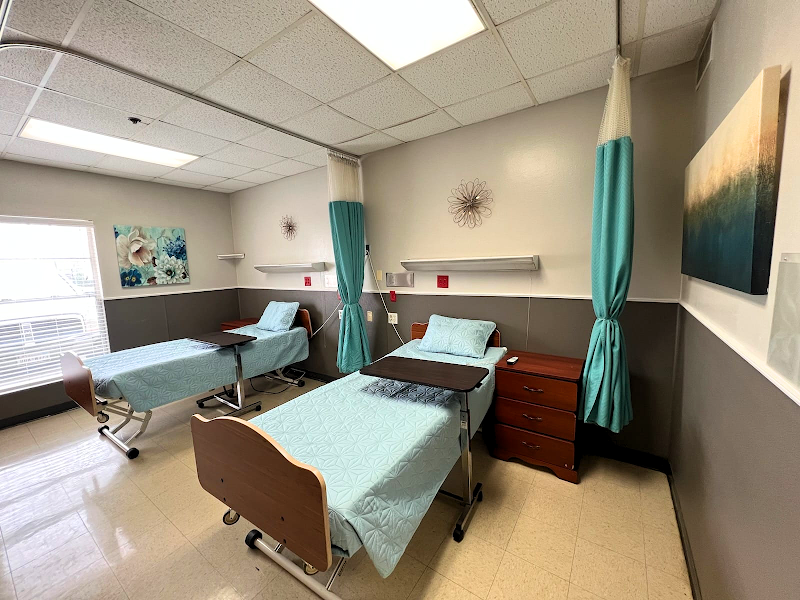
How is Downtown Center Staffed?

CMS rates DOWNTOWN HEALTH AND REHABILITATION CENTER's staffing level at 1 out of 5 stars, which is much below average compared to other nursing homes.

What Have Inspectors Found at Downtown Center?

State health inspectors documented 50 deficiencies at DOWNTOWN HEALTH AND REHABILITATION CENTER during 2022 to 2025. These included: 1 Immediate Jeopardy (the most serious level, indicating potential for serious harm or death), 4 that caused actual resident harm, and 45 with potential for harm. Immediate Jeopardy findings are rare and represent the most serious regulatory concerns. They require immediate corrective action.
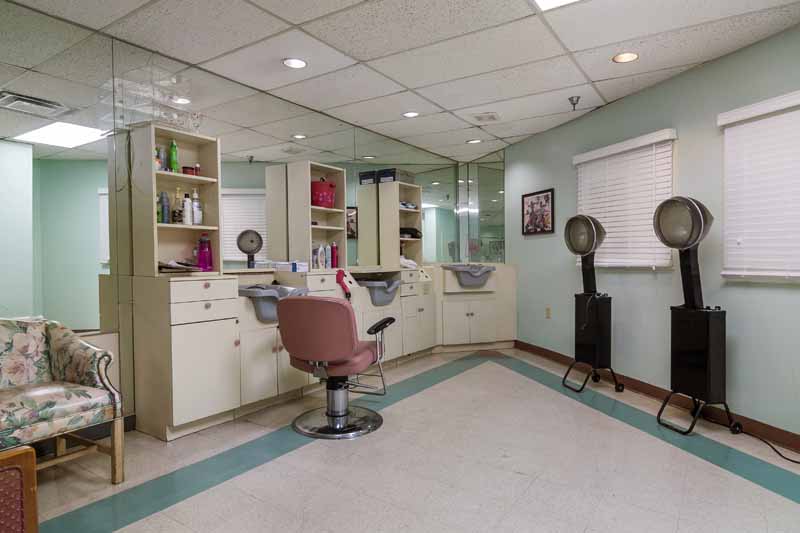
Who Owns and Operates Downtown Center?

DOWNTOWN HEALTH AND REHABILITATION CENTER is owned by a government entity. Government-operated facilities are typically run by state, county, or municipal agencies. The facility is operated by CREATIVE SOLUTIONS IN HEALTHCARE, a chain that manages multiple nursing homes. With 161 certified beds and approximately 112 residents (about 70% occupancy), it is a mid-sized facility located in FORT WORTH, Texas.
How Does Downtown Center Compare to Other Texas Nursing Homes?

Compared to the 100 nursing homes in Texas, DOWNTOWN HEALTH AND REHABILITATION CENTER's overall rating (1 stars) is below the state average of 2.8 and health inspection rating (2 stars) is below the national benchmark.

What Should Families Ask When Visiting Downtown Center?

Based on this facility's data, families visiting should ask: "What changes have been made since the serious inspection findings, and how are you preventing similar issues?" "What safeguards and monitoring systems are in place to protect residents from abuse or neglect?" "Can you walk me through typical staffing levels on day, evening, and night shifts?" "Can I visit during a mealtime to observe dining assistance and food quality?" These questions are particularly relevant given the facility's Immediate Jeopardy citations, the substantiated abuse finding on record, and the below-average staffing rating.

Is Downtown Center Safe?

Based on CMS inspection data, DOWNTOWN HEALTH AND REHABILITATION CENTER has documented safety concerns. The facility has 1 substantiated abuse finding (meaning confirmed case of resident harm by staff or other residents). Inspectors have issued 1 Immediate Jeopardy citation (the most serious violation level indicating risk of serious injury or death). The facility has a 1-star overall rating and ranks #100 of 100 nursing homes in Texas. Families considering this facility should ask detailed questions about what corrective actions have been taken since these incidents.

Do Nurses at Downtown Center Stick Around?

DOWNTOWN HEALTH AND REHABILITATION CENTER has not reported staff turnover data to CMS. Staff turnover matters because consistent caregivers learn residents' individual needs, medications, and preferences. When staff frequently change, this institutional knowledge is lost. Families should ask the facility directly about their staff retention rates and average employee tenure.

Was Downtown Center Ever Fined?

DOWNTOWN HEALTH AND REHABILITATION CENTER has been fined $46,915 across 5 penalty actions. The Texas average is $33,548. While any fine indicates a compliance issue, fines under $50,000 are relatively common and typically reflect isolated problems that were subsequently corrected. Families should ask what specific issues led to these fines and confirm they've been resolved.

Is Downtown Center on Any Federal Watch List?

DOWNTOWN HEALTH AND REHABILITATION CENTER is not on any federal watch list. The most significant is the Special Focus Facility (SFF) program, which identifies the bottom 1% of nursing homes nationally based on persistent, serious quality problems. Not being on this list means the facility has avoided the pattern of deficiencies that triggers enhanced federal oversight. This is a positive indicator, though families should still review the facility's inspection history directly.