Fort Worth Transitional Care Center
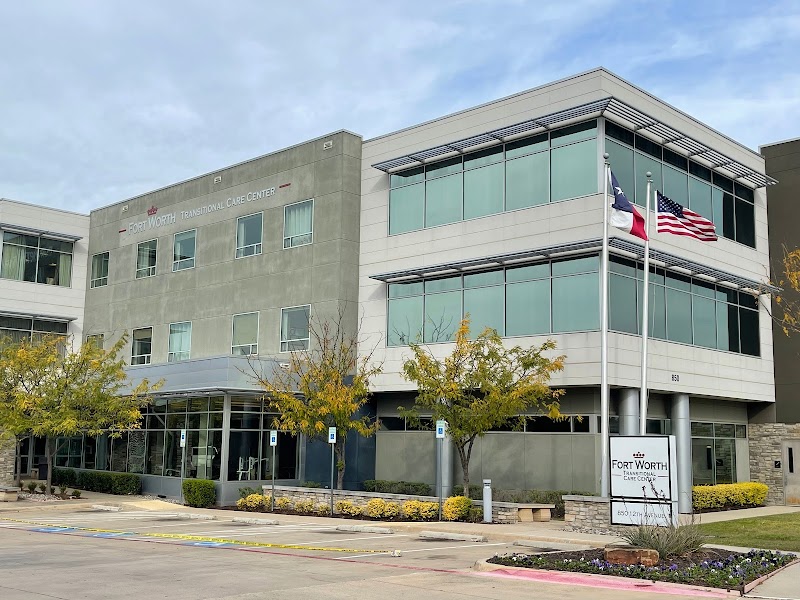
850 12Th Avenue, Fort Worth, TX 76104 (817) 882-8289
Government - Hospital district 136 Beds WELLSENTIAL HEALTH Data: November 2025 1 Immediate Jeopardy citation
Trust Grade
13/100
#717 of 1168 in TX
Last Inspection: February 2025

Within standard 12-15 month inspection cycle. Federal law requires annual inspections.

Overview

Fort Worth Transitional Care Center has received a Trust Grade of F, indicating significant concerns and a poor reputation among nursing homes. Ranking #717 out of 1168 facilities in Texas places it in the bottom half, and #40 out of 69 in Tarrant County suggests there are better local options available. The facility is worsening, with issues increasing from 10 in 2024 to 17 in 2025, highlighting ongoing problems in care quality. While staffing has a rating of 2 out of 5 stars, the high turnover rate of 74% is concerning, which is much higher than the state average. There are instances of serious care failures: one resident required emergency hospitalization after a staff member improperly managed a wound, and another resident suffered a broken leg from a fall due to insufficient supervision. Additionally, a resident went without pain medication for over ten days, leading to unnecessary suffering. Overall, while there is good RN coverage, the facility's serious issues and high turnover should give families pause when considering care for loved ones.
Trust Score
F
13/100
In Texas
#717/1168
Bottom 39%
Safety Record
High Risk
Review needed
Inspections
Getting Worse
10 → 17 violations
Staff Stability
⚠ Watch
74% turnover. Very high, 26 points above average. Constant new faces learning your loved one's needs.
Penalties
⚠ Watch
$33,557 in fines. Higher than 80% of Texas facilities, suggesting repeated compliance issues.
Skilled Nurses
✓ Good
Each resident gets 57 minutes of Registered Nurse (RN) attention daily — more than average for Texas. RNs are trained to catch health problems early.
Violations
⚠ Watch
51 deficiencies on record. Higher than average. Multiple issues found across inspections.
★★☆☆☆
2.0
Overall Rating
★★☆☆☆
2.0
Staff Levels
★★★★☆
4.0
Care Quality
★★☆☆☆
2.0
Inspection Score
Stable
2024: 10 issues
2025: 17 issues

The Good

  • 4-Star Quality Measures · Strong clinical quality outcomes
  • Full Sprinkler Coverage · Fire safety systems throughout facility
  • No fines on record

Facility shows strength in quality measures, fire safety.

The Bad

2-Star Overall Rating

Below Texas average (2.8)

Below average - review inspection findings carefully

Staff Turnover: 74%

28pts above Texas avg (46%)

Frequent staff changes - ask about care continuity

Federal Fines: $33,557

Above median ($33,413)

Moderate penalties - review what triggered them

Chain: WELLSENTIAL HEALTH

Part of a multi-facility chain

Ask about local staffing decisions and management

Staff turnover is very high (74%)

26 points above Texas average of 48%

The Ugly 51 deficiencies on record

1 life-threatening 2 actual harm
Sept 2025 1 deficiency
CONCERN (D) 📢 Someone Reported This

A family member, employee, or ombudsman was alarmed enough to file a formal complaint

Potential for Harm - no one hurt, but risky conditions existed

Accident Prevention (Tag F0689)

Could have caused harm · This affected 1 resident

**NOTE- TERMS IN BRACKETS HAVE BEEN EDITED TO PROTECT CONFIDENTIALITY** Based on observations, interviews, and record reviews the facility failed to ensure residents were provided an environment that ...

Read full inspector narrative →
**NOTE- TERMS IN BRACKETS HAVE BEEN EDITED TO PROTECT CONFIDENTIALITY** Based on observations, interviews, and record reviews the facility failed to ensure residents were provided an environment that was free from accident hazards for 1 of 5 residents (Resident #1) reviewed for accidents. The facility failed to ensure Resident #1's mattress overlay was properly secured to prevent her from falling out of bed. This failure could place residents at risk of falls and resulting injuries. Findings included:Record review of Resident #1's quarterly MDS, dated [DATE], reflected the resident was admitted to the facility on [DATE] with diagnoses which included stroke affecting her left side, dysphasia (inability to swallow), aphasia (inability to speak), and breathing difficulty requiring the placement of a tracheostomy (breathing tube in her neck). Her BIMS score was not completed due to her medical conditions. Her Functional Ability assessment indicated she was totally dependent on staff for all her ADLs. Record review of Resident #1's care plan, dated 06/16/25, reflected she was a fall risk with actual falls with interventions which included staff ensuring the resident had safe and proper positioning in bed on her air mattress. Record review of Resident #1's Fall Risk assessment, dated 05/31/25, reflected she was at high risk for falls with a score of 13. Observation of video footage submitted by Resident #1's family member, dated 08/20/25, revealed Resident #1 lying on her bed with her head to the left side of the bed. The resident then fell off the bed headfirst, landing on the fall mat beside the bed. The video footage also showed the resident's mattress overlay sliding off the bed with her. Record review of Resident #1's nursing progress notes reflected LVN A documented the following entries:- 08/20/25 at 8:30 AM: Observed patient lying on floor to left side of the mat. Lying on left side. No signs of distress observed. Assessed patient for injuries. No injuries visible at the time. Carefully, transferred patient from floor to the bed with coharts [sic]. Vitals checked. [Family] notified. Patient transferred to [hospital] at family's request. DON informed of most recent events.- 08/20/25 at 9:30 AM family informed of pick up time.Observation on 09/03/25 at 10:35 AM revealed Resident #1 was positioned in her bed with her left side tilted up with pillows. There were fall mats on both sides of the resident's bed, and the resident's bed was in the low position. The air mattress had bolsters built into it to help keep the resident from sliding out of bed. The resident had no bruising to her head or face. Interview on 09/03/25 at 12:35 PM with Resident #1's Family Member revealed the facility had notified the Family Member about Resident #1's fall. The Family Member was informed the resident had no obvious injury. The Family Member stated they requested the resident be sent to the hospital for evaluation. The Family Member stated the resident was seen in the ER, where she diagnosed with a UTI (an infection in any part of the urinary system which includes the kidneys, ureter, bladder, and urethra). The Family Member stated the resident was sent back to the facility the same day. Interview on 09/03/25 at 10:37 AM with LVN B revealed at the time of Resident #1's fall on 08/20/25 her mattress was fitted with an overlay, with built-in bolsters that went on top of her air mattress, which was secured to the bed frame with several straps. LVN B stated one of the straps was not secured, which allowed the overlay to slide with the resident, when she slid off the bed instead of staying in place and preventing the resident from sliding out of bed. She stated the air mattress was now fitted with a different type of cover that was more secure than the previous one. Interview on 09/03/25 at 10:40 AM with the DON revealed his investigation into Resident #1's fall revealed the resident's mattress overlay did not have the top right strap secured. When the resident began to slide to her left, the overlay slid with her instead of staying in place, which prevented the built-in bolsters from doing their job of making it harder for her to slide out of bed. The DON stated it was the responsibility of the nurses and CNAs to check the overlay and make sure it was properly secured. He stated he initiated an in-service on proper use of the overlays, as well as resident neglect. The DON stated there was only one other resident in the facility with the type of overlay Resident #1 had. Observation on 09/03/25 at 10:55 AM of Resident #1's mattress overlay revealed it was properly secured to the bed frame with three straps on each side of the mattress. Interview on 09/03/25 at 12:50 PM with CNA C revealed she was familiar with the residents, who were at risk for falls, and she rounded on them more frequently. She stated the fall risk residents were also in a binder at the desk and on the Kardex (a documentation system that summarizes important details and quick access for essential patient data) for those not familiar with the residents. She stated Resident #1 was known to move about a little and work her way to one side of the bed or the other. Interview on 09/03/25 at 1:00 PM with CNA D revealed the nurses told the CNAs when there was a new resident, who was a fall risk, and the residents were also in a binder on the desk. She stated those residents were rounded on more frequently. She stated Resident #1 was particularly prone to sliding out of bed. She stated no matter how often she was positioned in the middle of the bed, with pillows behind her, she would eventually end up on one side of the bed. Interview on 09/03/25 at 2:35 PM with the DON revealed the resident fall risk assessments were conducted on admission and then quarterly thereafter unless there was a fall, in which case an assessment would be completed at that time. He stated Resident #1 should have had a fall risk assessment completed in June 2025 for her quarterly assessment and definitely after her fall on 08/20/25. He stated he did not know why neither one had been conducted. Interview on 09/03/25 at 3:41 PM with LVN A via telephone revealed on 08/20/25 she positioned herself outside Resident #1's room because she liked to keep a closer eye on the resident. She stated she had returned to her desk outside Resident #1's room, after assisting another resident, and she saw the resident had fallen out of bed. She called for help, and several staff came to assist her with the resident. LVN A stated when she found the resident she noted the mattress overlay had slid off the bed with her. She stated she had found the overlay unsecured before and had to secure it. She stated when she assessed the resident there were no bruises or obvious injuries. The resident was non-verbal but did not grimace when she felt the resident for any injury or deformity. When she notified the Resident #1's Family Member, the Family Member insisted the resident be sent to the hospital to be assessed for any injuries. Record review of the facility's Fall Prevention Program policy, dated 08/15/22, reflected: Each resident will be assessed for fall risk and will receive care and services in accordance with their individualized level of risk to minimize the likelihood of falls.2. Upon admission, the nurse will complete a fall risk assessment along with the admission assessment to determine the resident's level of fall risk 4 . g. Complete a fall risk assessment every 90 days and as indicated when the resident's condition changes.
Jun 2025 2 deficiencies 1 Harm
SERIOUS (G) 📢 Someone Reported This

A family member, employee, or ombudsman was alarmed enough to file a formal complaint

Actual Harm - a resident was hurt due to facility failures

Accident Prevention (Tag F0689)

A resident was harmed · This affected 1 resident

**NOTE- TERMS IN BRACKETS HAVE BEEN EDITED TO PROTECT CONFIDENTIALITY** Based on observations, interviews and record reviews the facility failed to ensure residents received adequate supervision and a...

Read full inspector narrative →
**NOTE- TERMS IN BRACKETS HAVE BEEN EDITED TO PROTECT CONFIDENTIALITY** Based on observations, interviews and record reviews the facility failed to ensure residents received adequate supervision and assistance devices to prevent accidents for 1 of 9 residents (Resident #1) reviewed for accidents. RN A and CNA B failed to monitor/supervise Resident #1 on 05/27/25 who suffered a fall and laid on the floor for 3 hours before being found. The resident sustained a broken leg as a result of the fall. The noncompliance was identified as past noncompliance that began on 05/27/25 and ended on 05/28/25. The facility had corrected the noncompliance before the survey began. This failure could place residents at risk of injury. Findings included: Record review of Resident #1's undated admission Record reflected Resident #1 was admitted to the facility on [DATE] with diagnoses which included liver failure, dementia, and repeated falls. Record review of Resident #1's quarterly MDS, dated [DATE], revealed a BIMS score of 9 indicating she had moderate cognitive impairment. Her Functional Ability assessment indicated she required staff assistance with her ADLs. The resident uses a walker to transfer from her bed to her chair. Record review of Resident #1's care plan, dated 06/10/25, indicated she had an ADL self-care deficit requiring assistance from staff, she had impaired cognitive function related to liver failure, and she was at risk for falls related to her disease processes. Interventions included bed in lowest position, and call light within reach. The resident's care plan was updated on 04/13/25 to include fall risk interventions. After the fall on 05/27/25 the plan was again updated to add frequent rounding. Record review of the facility's Accident and Injury report from April to June of 2025 revealed Resident #1 had suffered unwitnessed falls on 04/13/25 and 05/27/25. The resident suffered no injury with the fall on 04/13/25. Record review of the facility's investigation report revealed in the early morning hours of 05/27/25 around 6:00 AM RN C entered Resident #1's room while making her morning rounds and found Resident #1 lying on the floor of her room. Resident #1 stated she had been trying to get to her chair when she fell, and she complained of right shoulder pain. The resident was assisted back to bed, the physician was contacted and an order for a shoulder x-ray was ordered. The family was also contacted. Resident#1's family member reviewed video footage from the camera in her room and discovered the resident fell at 3:20 AM and RN C discovered the resident at 6:20 AM. The resident could be heard calling for help, but her door was closed. The x-ray of her shoulder was negative for any injury. Later that afternoon the resident complained of right knee pain. The x-ray of her knee indicated she had broken her lower leg bone just below he knee. The resident refused to go to the Emergency Room, instead followed up with an orthopedist the next week. The resident was ordered to not bear weight on her right leg for 4 weeks. Record review of RN C's nursing progress note from 05/27/25 reflected: This nurse was doing rounds and checking on residents when I hear a this resident call for help, this nurse went into the room and found resident laying on the floor with a pillow under her head, resident stated that she needed help getting up and that she slipped out of her chair and onto the floor, resident stated that she believes she slipped out of her chair as she was sleeping, resident states she did not hit her head and could not reach her call light to ask for help so she was calling out for someone, this nurse assessed vitals and began neuro checks, this nurse had aid help resident up into wheelchair, resident then wanted to lay in bed, this nurse assisted resident into bed, residents neck range of motion within normal limits, this nurse contacted NP, and DON, this nurse called family member and left voicemail. Observation and interview on 06/24/25 at 10:00 AM revealed Resident #1 was in her bed. The bed was in the lowest position, and a fall mat was on the floor. The resident could not answer questions about her fall, other than to say she fell. The resident's conversation was very scattered. The resident's room was located directly across from the nurses sta'tion. In an interview on 06/24/25 at 10:40 AM, the Administrator stated Resident #1's family had called back after reviewing the video footage from her room and reported the resident fell at 3:20 AM and was not discovered until the day nurse came in at 6:20 AM. The family member reported the resident was using her walker to transfer to her recliner, where she preferred to sleep, when she fell. The Administrator stated the resident's room was the last room at the end of the hallway, and her door was closed at her request, so it would have been difficult for staff to hear her call for help from the nurse's station. CNA B stated she had last checked on the resident around 2:30 AM. RN A and CNA B were both suspended and CNA B was eventually terminated and RN A resigned. The resident was moved to a room closer to the nurse station for closer monitoring and so she could be heard if she called out instead of using her call light. In an interview on 06/24/25 at 1:20 PM, CNA B stated she had checked on Resident #1 throughout the evening of 05/26/25. She last saw the resident around 2:30 AM when the resident requested some water. CNA B stated she did not check on Resident #1 the rest of the shift because her door was closed, and she did not want to wake her up. CNA B stated she knew she was supposed to check on the residents every two hours. She stated she should have checked on the resident, but she just did not want to wake her up. She stated the risk to the residents was just what happened to Resident #1, they could fall and no one would know. Phone interview attempts on 06/24/25 at 2:00 PM and 2:32 PM with RN A were unsuccessful. Phone interview attempts on 06/24/25 at 2:05 PM and 3:38 PM with RN C were unsuccessful. In an interview on 06/24/25 at 1:30 PM, RN D stated she had been recently in-serviced by the ADON on abuse and neglect. She stated the in-service covered reducing fall risks by ensuring call lights were within reach, frequent rounding on the residents, and what to do if a resident did fall. They also discussed frequent rounding on at risk residents. In an interview on 06/24/25 at 1:25 PM, CNA E stated she had been recently in-serviced by the ADON on abuse and neglect. The in-serviced covered reducing fall risks by ensuring the residents needs were met, and the call light was within reach. It also covered what to do if a resident was found on the floor. They also discussed frequent rounding on at risk residents. In an interview on 06/24/25 at 1:35 PM, LVN F stated she had been in-serviced by the ADON recently on abuse and neglect. The in-service addressed fall prevention and what to do when a resident falls. Staff needed to check on the residents frequently, make sure their call lights were within reach, and offer toileting at least every two hours. They also discussed frequent rounding on at risk residents. In an interview on 06/24/25 at 1:40 PM, CNA G stated she had been in-serviced recently on abuse and neglect. She stated the focus was on fall prevention and what to do if a resident fell. Staff had to check on the residents frequently, offer toileting and keep their call light within reach. They also discussed frequent rounding on at risk residents. In an interview on 06/24/25 at 1:45 PM, CNA H stated she had been in-serviced on abuse and neglect. She stated staff had to try to prevent falls by keeping the call light within reach and checking on the residents frequently. They also discussed frequent rounding on at risk residents. In a phone interview on 06/24/25 at 1:50 PM, CNA I stated she had been in-serviced on abuse and neglect. She stated they covered fall prevention actions and what to do if a resident falls. They also discussed frequent rounding on at risk residents. In a phone interview on 06/24/25 at 2:00 PM, LVN J stated she had been in-serviced on abuse and neglect recently. She stated they discussed fall prevention and frequent rounding on the residents. and what to do when a resident falls. They also discussed frequent rounding on at risk residents. In a phone interview on 06/24/25 at 2:10 PM, RN K stated he had been in-serviced on abuse and neglect. They discussed what to do if a resident fell, and fall prevention methods. They also discussed frequent rounding on at risk residents. In a phone interview on 06/24/25 at 2:15 PM, CNA L stated she had been in-serviced on abuse and neglect. The in-service covered fall prevention, frequent rounding, and what to do if a resident falls. They also discussed frequent rounding on at risk residents. In a phone interview on 06/24/25 at 2:18 PM, Resident #1's Responsible Party stated he had been contacted by the Administrator the morning of the resident's fall, and again later that day when they had x-rayed her knee and found the fracture. They discussed the resident's refusal to go to the hospital and he was ok with waiting until she could she the orthopedist in the office. He stated the resident had been getting more confused but she refused to take the medication to lower her ammonia levels. He stated the other family member, who monitored the camera, was very ill and would not be able to be interviewed. He was satisfied with the resident's overall care and the communication with the Administrator. In an interview on 06/24/25 at 2:55 PM, the ADON stated she had in-serviced staff immediately after the event on 05/27/25. She emphasized that the facility's expectation was for staff to round on the residents at least every two hours, and that rounding could be done by the nurse or the CNA. She covered the need to coordinate rounding times, fall prevention actions such as low beds, call lights within reach, post-fall assessment, and frequent toileting. In-servicing of all staff had been completed by 05/28/25. Resident #1 had also been moved to a room next to the nurse's station because she sometimes would not use the call light, but yell for help instead. She stated shechecks with the residents to confirm frequent rounding is being done. She stated the resident's confusion has been improving since she agreed to start taking her lactulose again, her amonia levels are lowering. In an interview on 06/24/25 at 5:30 PM, the Administrator stated he did not have a policy addressing rounding on the residents. He stated it was his expectation that staff round at least every two hours, and more frequently on residents at higher risk of falling.
CONCERN (D) 📢 Someone Reported This

A family member, employee, or ombudsman was alarmed enough to file a formal complaint

Potential for Harm - no one hurt, but risky conditions existed

Tube Feeding (Tag F0693)

Could have caused harm · This affected 1 resident

**NOTE- TERMS IN BRACKETS HAVE BEEN EDITED TO PROTECT CONFIDENTIALITY** Based on observation, interview, and record review, the facility failed to ensure residents fed by enteral means received treatm...

Read full inspector narrative →
**NOTE- TERMS IN BRACKETS HAVE BEEN EDITED TO PROTECT CONFIDENTIALITY** Based on observation, interview, and record review, the facility failed to ensure residents fed by enteral means received treatment to prevent complications of enteral feedings for 1 of 1 resident (Resident #2) reviewed for enteral feedings. CNA H paused the resident's feeding pump for perineal care and failed to re-start the pump after the care was completed, or ask a nurse to re-start it. This failure could place the resident at risk of not receiving the prescribed nutritional calories she required. Findings included: Record review of Resident #2's undated admission Record reflected Resident #2 was a [AGE] year-old female admitted to the facility on [DATE] with diagnoses which included stroke affecting her left side, inability to swallow requiring the placement of a gastric tube, and difficulty maintaining her airway requiring the placement of a tracheostomy. Record review of Resident #2's quarterly MDS, dated [DATE], reflected a BIMS score not calculated based on her medical conditions. Her Functional Ability assessment reflected she required total assistance of staff for her ADLs. Record review of Resident #2's care plan, dated 06/16/25, reflected she had an ADL self-care deficit, and she received all nutrition via her gastric tube. Record review of Resident #2's physician orders reflected an order dated 06/01/25 every shift for nutrition Glucerna 1.5 @ 70mL/hr x 20hrs/day (1680 kcal, 84 g pro) via stationary pump. Observation on 06/24/25 at 3:32 PM revealed CNA H and CNA E providing incontinence care to Resident #2. CNA H paused the resident's feeding pump prior to initiating incontinence care. The incontinence care was provided appropriately, and the CNAs exited the room leaving the feeding pump paused. Both CNAs then continued to round on other residents. In an interview on 06/24/25 at 3:45 PM with CNA H and ADON M, CNA H admitted she had paused the feeding pump for Resident #2 and did not re-start it or alert a nurse to re-start it. ADON M stated CNAs were not allowed to start, stop, or pause feeding pumps because the formula was considered a medication. ADON M stated the fact the pump was not restarted proved why CNAs should not pause the pump. CNA H did not answer when asked if this was a normal action for her to pause feeding pumps. ADON M was observed to immediately pull CNA H to her office to in-service her. In an interview on 06/24/25 at 5:30 PM, the Administrator stated he could not locate a policy addressing gastric tube feedings or gastric tube management.
Apr 2025 1 deficiency
CONCERN (D) 📢 Someone Reported This

A family member, employee, or ombudsman was alarmed enough to file a formal complaint

Potential for Harm - no one hurt, but risky conditions existed

Laboratory Services (Tag F0770)

Could have caused harm · This affected 1 resident

**NOTE- TERMS IN BRACKETS HAVE BEEN EDITED TO PROTECT CONFIDENTIALITY** Based on interview and record review, the facility failed to provide or obtain laboratory services to meet the needs of its resi...

Read full inspector narrative →
**NOTE- TERMS IN BRACKETS HAVE BEEN EDITED TO PROTECT CONFIDENTIALITY** Based on interview and record review, the facility failed to provide or obtain laboratory services to meet the needs of its residents and failed to be responsible for the quality and timeliness of the services for one (Resident #1) of five residents reviewed for laboratory services. The facility failed to complete Resident #1's lab order for a urinalysis with C&S (a diagnostic test that involves analyzing a urine sample to detect and identify potential infections and determine their susceptibility to antibiotics) as ordered by the physician. The failure could place residents at risk for delays in the provision of treatment for laboratory abnormalities and acute exacerbation of clinical conditions. Findings included: Record review of Resident #1's Face Sheet dated 03/27/25 revealed the resident was a [AGE] year-old male who admitted to the facility on [DATE] and re-admitted on [DATE] from an acute stay at the hospital. Resident #1's diagnosis included a fracture of the left femur (upper leg bone), orthopedic aftercare following surgical amputation, dysphagia (difficulty swallowing foods or liquids), cirrhosis of liver (late-stage liver disease where healthy liver tissue is replaced by scar tissue, hindering the liver's ability to function properly), gangrene (a condition where tissue dies due to a lack of blood supply), peripheral vascular disease (a condition that affects the blood vessels outside of the heart and brain), repeated falls, hypertension (a condition where the force of blood pushing against the artery walls is consistently too high), sepsis (a life-threatening condition that occurs when the body's immune system overreacts to an infection, leading to widespread inflammation and organ damage), atrial fibrillation (irregular heart rhythm) and urinary tract infection (an infection of the urinary system, which includes the kidneys, ureters, bladder, and urethra). Record review of Resident #1's admission MDS assessment dated [DATE] revealed a BIMS score of 09, which indicated moderately impaired cognition and a mood score of 13 with negative mood issues of fatigue, depression, difficulty concentrating and issues with sleep. Resident #1 had no signs of psychosis, delirium or behaviors that affected his care. Resident #1 had range of motion impairment on one side of his lower extremities and used a walker and wheelchair for mobility. Resident #1 was always incontinent of bowel and bladder and required staff assistance for all his ADLs. Resident #1 had six unstageable pressure ulcers and one deep tissue injury. All skin issues were present upon admission to the facility. Record review of Resident #1's care plan initiated on 02/10/25 reflected, Problem: Resident has dehydration or potential fluid deficit r/t diuretic use; Goal: The resident will be free of symptoms of dehydration and maintain moist mucous membranes, good skin turgor; Interventions: Administer medications as ordered, Monitor/document for side effects and effectiveness, Monitor/document/report PRN any s/sx of dehydration: decreased or no urine output, concentrated urine, strong odor, tenting skin, cracked lips, furrowed tongue, new onset confusion, dizziness on sitting/standing, increased pulse, headache, fatigue/weakness, dizziness, fever, thirst, recent/sudden weight loss, dry/sunken eyes. Record review of a progress note written by the NP dated 03/16/25 reflected that on 03/14/25, Resident #1 had complained of a sore throat, no fever or shortness of breath and he tested negative for COVID. He was started on throat lozenges as needed and Claritin 10 mg po. On 03/16/25, the NP documented the facility nurse reported that per family, Resident #1 was confused the nurse was not able to collect UA. During the visit, the NP stated Resident #1 was observed to be in bed not in distress and answered questions appropriately, denied pain, and had no complaints of health issues. The NP documented there were no new concerns voiced by nursing staff. His vitals were reviewed and a physical exam completed with no new concerns. Record review of Resident #1's nursing progress notes reflected the following: - 03/16/25 6:09 PM [written by RN A]: Resident family request to check his UA C&S. They feel he seems confusion [sic]. NP made aware. - 03/25/25 7:58 PM [written by RN A]: Family member called EMS to transport pt to the hospital because they thought he seemed more confused. Nurse attempted to give EMS face sheet and order summary, but they declined stating that they already had the information. Record review of Resident #1's physician orders reflected: -03/16/25 reflected an order for, Urinalysis reflex***Sent to lab 3/16/25 6:08 PM Verbal CT***one time only related to urinary tract infection [status reflected completed]. -03/25/25 reflected an order for, Urinalysis to C/S if indicated***Sent to lab 3/25/25 7:14 PM CT***one time only related to urinary tract infection [status reflected completed]. Review of Resident #1's clinical chart from 03/16/25 through 03/25/25 revealed no evidence of a lab collection for urine or a lab result for the urinalysis ordered on 03/16/25 or 03/25/25. Record review of Resident #1's hospital records reflected he admitted to the hospital on [DATE] for antibiotic therapy, trending of creatine values, IV fluids and monitoring of his neurological statis as well as wound care for a chronic decubitus ulcer on his sacrum. Resident #1 was placed on empiric Cefepime; however, the urinalysis did not show any definite infection. His chest x-ray did not reveal any infiltrates and his urine culture showed no growth. Resident #1's white blood cell count at the time of the hospital admission was 7.3 [reference range value is 4-11]. An interview with ADON D on 03/27/25 at 1:36 PM revealed it was important to act on a concern that a resident had a UTI to prevent it from worsening. He stated Resident #1 had no changes in his behavior but was transferred to the hospital on [DATE] when his family called 911 to have him sent out. ADON D stated he looked at Resident #1's orders on the e-chart and saw there was an order on 03/16/25 for a UA and another on 03/25/25 for a UA, but Resident #1 got sent out before the latter one could be collected. ADON D said the 03/16/25 UA reflected it was not collected on the facility's lab report, but it did not indicate why. ADON D stated he knew when it was first ordered because one of the charge nurses let him know it was difficult to collect Resident #1's urine due to his fluctuating continence. ADON D stated if a resident was retaining urine, a nurse could do a straight cath as long as the resident agreed or use a foley catheter if the resident already had one and do a clean catch. ADON D said the nurse could also use a specimen cup or a urine collection hat if the resident used a urinal or the toilet. ADON D stated, I know the charge nurse would check on him but I guess bad timing. ADON D stated he was not sure which options were used to try and collect urine for Resident #1. He stated RN A was Resident #1's usual daytime nurse and RN B was his usual night nurse. An interview with RN B on 03/27/25 at 2:40 PM revealed from what she could remember, the order for Resident #1's UA came on the night shift when RN A was working and it was passed to the next shift and they were not able to collect it, so then it was passed to her morning/afternoon shift the next day. RN B stated she got Resident #1 a new urinal that morning and told him she needed a urine sample and if he could please press the call light. When Resident #1 pressed the call light, RN B said she went in but he had already urinated in his brief so she could not collect the sample. RN B stated Resident #1 did not use the urinal during her shift and she left around 6:00 PM. When the night nurse arrived, RN B said she told him she could not collect the urine specimen. RN B stated when the nurse cannot collect a urine specimen, they should write a progress note to chart it, and she should have done one but did not. RN B stated if Resident #1 was not allowing the nurses to help him get the urine into his urinal, then she could have told the doctor after so many attempts and then done a straight cath. RN B said Resident #1 would have been a candidate for that, but we didn't' go that route. RN B stated she was not working when Resident #1 was sent out 911 by his family but read the progress note that reflected he was sent out due to family noticing increased confusion. RN B said she last saw Resident #1 on Sunday 03/23/25 and he was acting normal, at his baseline and did not present as confused. She stated Resident #1 usually slept a lot, ate a lot of snacks and normally complains of pain but that day he didn't. RN B said Resident #1 did not present as confused. RN B stated it was important to follow physician orders because if the doctor was asking for it, then they were trying to see if the resident had an infection and it was important to catch it so the resident could heal and the infection did not worsen. An interview with the DON on 03/27/25 at 3:05 PM revealed Resident #1's cognition waxed and waned, for example, when he admitted to the facility his BIMS was zero and six days later it was a 13 when he was re-assessed. The DON stated the only thing mentioned by Resident #1's family member was that he was having increased confusion. The DON said she did not see any change other than the normal ups and downs with his mood. The DON stated RN B was a newer nurse to the facility and what she should have done was reach out to the doctor and straight cath Resident #1. The DON stated, That is going to be something she [RN B] has to learn, to reach out and get an order to obtain it. The DON additionally stated, Yes, we should have called the doctor and done a straight cath, I just wound have done it, but these nurses are new and maybe they didn't realize that should be done versus waiting on him to urinate. She stated the facility did complete a CBC and CMP three days before the UA was ordered and all values were towards the bottom of norm, with his white blood cell count being 6.5. The DON said she would have been more concerned if his white blood cell count had been elevated but it was not. The DON stated, I am saying within three days he would not have gotten an infection of a UTI to the extent of showing any change in his vitals and mentation. The DON stated if the specimen had been collected and the UA with C&S completed and showed Resident #1 had a UTI, she would have contacted the physician with the results and placed him on antibiotics based on the culture and sensitivity. The DON stated any labs ordered for residents in the facility were reviewed on a daily basis by the charge nurses who are on the front line and supposed to check on labs throughout their shift. She said there were clinical meetings every day with herself, ADON D, the MDS nurse, social worker, director of rehab and the administrator. During those meetings, the charge nurses came in and presented on their assigned residents where they went over new orders, nursing notes, changes in condition, discharges, admissions and labs. The DON stated with labs, she wanted to know during those meetings which ones were abnormal. When a lab could not be completed, the DON said the charge nurse should document it and bring it up during the daily clinical meetings. She said the nurses could only document on a specimen attempt three times and that was why the nurses placed an order for another UA on 03/25/25 which she did believe they got before Resident #1 was sent out to the hospital. The DON stated Resident #1 was expected to return back to the facility in a few days and the hospital updated the facility that he admitted with a diagnosis of encephalophagy (a medical condition that affects the brain's function, leading to changes in mental state and cognitive abilities) and a preliminary UTI, but they did not have a C&S on it for growth yet. An interview with Resident #1's family member on 04/11/25 at 10:05 AM revealed the concern the family had was during a visit on 03/14/25, he appeared to be talking about random things that did not make sense to his situation and environment. When they came back to visit him a week later, he seemed to be in the same state of mind. Since Resident #1 had a UTI in his past, the family member stated they figured he had one again or was developing one. The family member stated Resident #1 did have intermittent confusion as a baseline, however, they felt his confusion was more pronounced than before. An interview with the MD on 04/11/25 at 11:11 AM revealed Resident #1's family had requested a UA because they thought he had some increased confusion. The MD stated according to his NP, the UA request was not pursued because there was no clinical indication it was needed and Resident #1 did not have any signs or symptoms of a UTI and appeared fine. However, because the family was concerned, the MD said an order was written for a UA, but the nurses were not able to obtain a specimen. The MD stated to use a straight cath was not a routine technique and an aggressive procedure that could introduce an infection into his system just trying to get a sample. The MD stated he had reviewed Resident #1's hospital records after the family had him sent out but did not see any indicated he had an infection. The MD stated he did not give an order to get a urine sample via a straight cath as that was not their routine way to handle a urine collection. The MD stated We wanted to wait until we could get one [urine sample] and if we believed from a clinical assessment he was showing signs and symptoms of an infection, especially a UTI, we will get a sample whatever it takes. If the nurses could not get it [urine sample], maybe they should have called us and let us know there was no clean catch and we could have said wait 12 hours and try the next day or to a straight cath. The MD stated, My nurses are my eyes and ears, family is important, but I rely on the NP and the nurses int he facility to give clinical judgement of signs and symptoms, which he did not present with any. They are capable. And with the vital signs prior, there was nothing going on with the patient. An interview with the NP on 04/11/25 at 11:30 AM revealed she remembered a facility nurse reported that Resident #1's family members were concerned he was more confused and requested a UA because he had fallen twice in three days. The NP told the facility they could get a UA, but she did not know they could not get a urine specimen. The NP stated, however, that Resident #1 did not have a change in his mental status from what she could tell during her last visit on 03/16/25. She stated the concern at the time of her visit was that the nurses were reporting he would not call for staff help for transfers and had fallen. The NP stated not completing an ordered lab could cause an abnormal lab value to go missed. The NP said if a nurse could not get a urine specimen through a clean catch, they could do a straight cath, but they would have to call and get an order for that procedure because there was not a standing order for it. Record review of the facility's policy titled, Laboratory Services and Reporting dated 04/08/2023 reflected, Policy: The facility must provide or obtain laboratory services when ordered by a physician, physician assistant, nurse practitioner, or clinical nurse specialist in accordance with state law .2. The facility is responsible for the timeliness of the services .
Feb 2025 13 deficiencies
CONCERN (D)

Potential for Harm - no one hurt, but risky conditions existed

Accident Prevention (Tag F0689)

Could have caused harm · This affected 1 resident

**NOTE- TERMS IN BRACKETS HAVE BEEN EDITED TO PROTECT CONFIDENTIALITY** Based on observation, interviews and record review, the facility failed to ensure each reaident received adequate supervision an...

Read full inspector narrative →
**NOTE- TERMS IN BRACKETS HAVE BEEN EDITED TO PROTECT CONFIDENTIALITY** Based on observation, interviews and record review, the facility failed to ensure each reaident received adequate supervision and assistance devices to prevent accidents for 1 of 5 residents (Resident #194) reviewed for supervision. CNA A failed to safely transfer Resident #194 on 01/15/25, which resulted in the resident having to be lowered to the floor. The failure placed residents at risk of injury. Findings included: Record review of Resident #194's Face Sheet dated 01/31/25 reflected the resident was a [AGE] year-old male who was admitted to the facility on [DATE]. Record review of Resident #194's quarterly MDS dated [DATE] reflected Resident #194 was cognitively intact with a BIMS score of 15. Functional limitation in range in motion indicated there was no impairment for upper and lower extremities and a mobility device of a wheelchair. Resident #194 was dependent on 2 or more staff for chair/bed-to-chair transfers, sit to lying, lying to sitting on side of the bed, toilet transfer, and tub/shower transfer. His active diagnosis included abnormalities of gait and mobility, muscle wasting and atrophy (wasting or loss of muscle tissue), lack of coordination, Type 1 Diabetes (chronic condition where the pancreas produces little or no insulin), Stroke (blood flow to an area in the brain is cut off), Renal Insufficiency/Failure or End Stage Renal Disease (poor function of the kidneys). Record review of Resident #194's Care Plan reflected Resident #194 was moderate risk for falls related to deconditioning and gait/balance problems. The care plan goals reflected Resident #194 would be free of minor injury. The care plan interventions included: Be sure resident's call light is within reach and encourage the resident to use it for assistance as needed. The resident needs prompt response to all requests for assistance. Provide resident with mobility device: Wheelchair, walker, or cane. Physical therapy evaluate and treat as ordered or as needed. The Care Plan did not address how much assistance was required for transferring the resident. Record review of Resident #194's progress Nurses Notes documented the following: 01/15/25 12:30 AM written by LVN C Note Text: Nurse was call by another nurse to answer a phone call, at this time this writer was on the floor making rounds. Patient's [family member] was on the phone requesting to speak with the nurse. Nurse answers the phone, introduced myself. Patient's family member asked why she was not call and when patient return from dialysis. I inform the [family member] that I was the night shift nurse and by the time I came in, the patient was already in bed. Then she requests to speak to the patient. This writer took her number return back to patient's room and call her to facilitate the conversation between the two. Approximately 5 minute later, nurse went returned to room to see if patient needed any further help and found my aide speaking to the patient's [family member] on the phone. The aide informed me that the [family member] inquired about a fall the patient had mentioned. At this time, I took over the phone from my aide and informed the [family member] that I was the night nurse and was not aware of any fall incident but would investigate and follow up. The [family member] consented to receive and update in the morning unless it was urgent. Upon review of the patient's chart, I found no documentation of a fall. I spoke with the aide who had worked a double shift, and he confirm that the patient was lowered on to the floor while he was transferring him to the bed. I inform my DON about the situation and proceeded to perform a physical assessment of the patient for any sign of injury related to the reported fall. No new finding from the assessment was found. Vital Signs 97/78, 97.6, 15, 104, saturate 96%. Patient stated that he feels like he has a cut to his anterior lower leg but denies any pain in that area. assessment reveal no cut in that area. Observation and interview on 01/28/25 at 1:07 PM with Resident #194 revealed he returned from therapy and was in his room sitting in his wheelchair. The resident had a mechanical lift sling under him in his wheelchair. According to Resident #194 he had a fall, he further stated there was a male aide that was helping him transfer to bed and he fell between the nightstand and the bed. Resident #194 stated he did not hit his head or go to the hospital but did have a skin injury to his elbow which was observed to be losing scab. Resident #194 stated he did not have any further injuries and staff assessed him for pain and injury. Resident #194 stated since the failed transfer he was now transferred by mechanical lift with two people. Attempted interview on 01/29/25 at 1:20 PM with family member was unsuccessful. Interview on 01/31/25 at 11:19 AM with LVN C revealed she was working with Resident #194 on 01/15/25 10:00 PM shift. LVN C stated she received a call from Resident #194's family member asking why no one had contacted her regarding his return to the facility from dialysis and that he had a fall. LVN C stated no one had reported to her Resident #194 had a fall. LVN C stated she began asking questions and he did tell me he was on the floor, I tried to find out what happened. I think I reported to the DON, ADON and the Administrator. LVN C stated she did an assessment which resulted with no findings. Interview on 01/31/25 at 12:51 PM with LVN B revealed she worked with Resident #194 on 01/15/25 on 2:00 - 10:00 PM shift and it was reported to her by aides that they had lowered Resident #194 to the floor while trying to get him ready for bed. LVN B stated it was reported to her that they saw Resident #194 about to fall out of the wheelchair, so they caught him and placed him softly on the floor. LVN B stated, I did not make a big deal about it because I did not think lowering him to the ground was a fall. LVN B stated she did not document or report to the DON, physician, Administrator, family, or next shift that Resident #194 had a fall or was lowered to the ground. LVN B stated she did do an assessment and she had no findings. LVN B stated it was her responsibility to report such findings to ADON, DON, physician, and family, not doing so placed Resident #194 at risk of injury. Interview on 01/31/25 at 3:02 PM with the DON revealed she got report from LVN C that Resident #194 had a fall and responded for LVN C to complete assessment. According to the DON this was LVN B's last shift to work and because of that LVN B did not follow facility protocol to document, complete accident and incident report, and complete proper notification to the family, physician, and leadership. The DON stated charge nurses were responsible for reporting and notifying family when residents had a change in their status, not doing so placed Resident #194 at risk of his family not being updated on his health. Record review of the facility's Fall Prevention Program policy, dated 08/15/22, reflected: Each resident twill be assessed for fall risk and will receive care and services in accordance with their individualized level of risk to minimize the likelihood of falls. A fall is an event in which an individual unintentionally comes to rest on the ground, floor, or other level, but not as a result of an overwhelming external force. A near miss which is also considered a fall, is when a resident would have fallen if someone else had not caught the resident from doing so. When any resident experiences a fall, the facility will Assess the resident. Complete a post-fall assessment. Complete an incident report. Notify physician and family.
CONCERN (D) 📢 Someone Reported This

A family member, employee, or ombudsman was alarmed enough to file a formal complaint

Potential for Harm - no one hurt, but risky conditions existed

Deficiency F0700 (Tag F0700)

Could have caused harm · This affected 1 resident

**NOTE- TERMS IN BRACKETS HAVE BEEN EDITED TO PROTECT CONFIDENTIALITY** Based on observation, interview, and record review, the facility failed to attempt to use alternatives prior to installing a sid...

Read full inspector narrative →
**NOTE- TERMS IN BRACKETS HAVE BEEN EDITED TO PROTECT CONFIDENTIALITY** Based on observation, interview, and record review, the facility failed to attempt to use alternatives prior to installing a side or bed rail, obtain informed consent prior to installation, ensure correct installation, use and maintenance of bedrails for 1 (Resident #22) of 3 residents reviewed for bedrails. The facility failed to obtain a bed rail assessment and physician's order prior to the installment of Resident #22's bedrails. This failure could place residents at risk of entrapment or injury. Findings included: Review of Resident #22's admission Record, dated 01/31/25, reflected he was a [AGE] year-old male who admitted to the facility on [DATE]. Review of Resident #22's admission MDS Assessment, dated 01/08/25, reflected he had a BIMS score of 03, indicating severe cognitive impairment. His active diagnoses included non-Alzheimer's disease, malignant neoplasm of prostate, and diabetes mellitus. His MDS did not address that he was receiving hospice services or utilized bed rails. Review of Resident #22's Order Summary Report, dated 01/31/25, reflected the following: - Mobility bars to each side of bed for increased bed mobility, every shift with a start date of 01/30/25 Review of Resident #22's care plan reflected the following: Problem: [Resident #22] has an ADL self-care performance deficit r/t memory loss/confusion, hx of chemo/ radiation [sic], prostate cancer .Interventions: Mobility bars to each side of bed for increased bed mobility, Date Initiated: 01/30/2025. Review of Resident #22's Side Rail Evaluation, dated 01/30/25, reflected it was completed. Observation on 01/28/25 at 9:46 AM of Resident #22 revealed he was in his bed and had half bedrails to the side of his bed. Interview on 01/31/25 at 12:10 PM with the DON revealed Resident #22 had bedrails on his bed but did not have an evaluation or order until yesterday (01/30/25) when the surveyors started asking questions about it. The DON said Resident #22 was fairly new to the building but any time any light was shown on something they perform an audit to see what system was in play and make sure they have everything needed and that nothing would be lacking. The DON said the failure was that Resident #22's hospice company brought a bed that automatically had bedrails on it without notifying the facility of this. The DON said she noted Resident #22 had bedrails on his bed so went ahead and completed his evaluation and order. The DON said Resident #22 should have had those things in place before the bedrails were put in place. The DON said staff should have noticed the bedrails before and notified her so that she could have completed the evaluation and received the order for them. The DON said the hospice company also should have communicated with the facility staff that they were going to add bedrails to the resident's bed. The DON said the purpose of having the evaluation and order for bedrails for a resident was to make sure they were appropriate for them. The DON said if those were not already in place for a resident, the facility could not be sure they were appropriate for them. The DON said the nursing department would have been responsible for ensuring there was an order and evaluation for the bedrails .
CONCERN (D)

Potential for Harm - no one hurt, but risky conditions existed

Medical Records (Tag F0842)

Could have caused harm · This affected 1 resident

**NOTE- TERMS IN BRACKETS HAVE BEEN EDITED TO PROTECT CONFIDENTIALITY** Based on observation, interview and record review, the facility failed to maintain clinical records in accordance with accepted ...

Read full inspector narrative →
**NOTE- TERMS IN BRACKETS HAVE BEEN EDITED TO PROTECT CONFIDENTIALITY** Based on observation, interview and record review, the facility failed to maintain clinical records in accordance with accepted professional standards and practices that are complete and accurately documented for 1 of 5 residents (Residents #194) reviewed for clinical records. The facility failed to ensure LVN B documented on Resident #194's clinical record that he had a fall. This failure could affect residents that required assistance with transferring with the use of a mechanical lift device by placing them at risk of having inaccurate or incomplete clinical records. Findings included: Record review of Resident #194's Face Sheet reflected the resident was a [AGE] year-old male was admitted to the facility on [DATE]. Record review of Resident #194's quarterly MDS dated [DATE] revealed Resident #194 was cognitively intact with a BIMS score of 15. Functional limitation in range in motion indicated there was no impairment for upper and lower extremities and a mobility device of a wheelchair. Resident #194 was dependent on staff for chair/bed-to-chair transfers, sit to lying, lying to sitting on side of the bed, toilet transfer, and tub/shower transfer. His active diagnoses included abnormalities of gait and mobility, muscle wasting and atrophy (wasting or loss of muscle tissue), lack of coordination, Type 1 Diabetes (chronic condition where the pancreas produces little or no insulin), Stroke (blood flow to an area in the brain is cut off), Renal Insufficiency/Failure or End Stage Renal Disease (poor function of the kidneys). Record review of Resident #194's Care Plan documented Resident #194 was at moderate risk for falls related to deconditioning and gait/balance problems. The care plan goals reflected: will be free of minor injury. The care plan interventions included: Be sure resident's call light is within reach and encourage the resident to use it for assistance as needed. The resident needs prompt response to all requests for assistance. Provide resident with mobility device: Wheelchair, walker, or cane. Physical therapy evaluate and treat as ordered or as needed. Initiated 01/21/2025. The care plan reflected Resident #194 had an ADL self-care performance deficit related to recent hospitalization for critical illness myopathy. The care plan goal reflected: The resident will improve current level of function in toileting. The care plan interventions included: Encourage the resident to participate to the fullest extent possible with each interaction. Encourage the resident to use the bell to call for assistance. Record review of Resident #194's progress Nurses Notes documented the following: 01/15/2025 12:30 AM written by LVN C Note Text: Nurse was call by another nurse to answer a phone call, at this time this writer was on the floor making rounds. Patient's [family member] was on the phone requesting to speak with the nurse. Nurse answers the phone, introduced myself. Patient's family member asked why she was not call and when patient return from dialysis. I inform the [family member] that I was the night shift nurse and by the time I came in, the patient was already in bed. Then she requests to speak to the patient. This writer took her number return back to patient's room and call her to facilitate the conversation between the two. Approximately 5 minute later, nurse went returned to room to see if patient needed any further help and found my aide speaking to the patient's [family member] on the phone. The aide informed me that the [family member] inquired about a fall the patient had mentioned. At this time, I took over the phone from my aide and informed the [family member] that I was the night nurse and was not aware of any fall incident but would investigate and follow up. The [family member] consented to receive and update in the morning unless it was urgent. Upon review of the patient's chart, I found no documentation of a fall. I spoke with the aide who had worked a double shift, and he confirm that the patient was lowered on to the floor while he was transferring him to the bed. I inform my DON about the situation and proceeded to perform a physical assessment of the patient for any sign of injury related to the reported fall. No new finding from the assessment was found. Vital Signs 97/78, 97.6, 15, 104, saturate 96%. Patient stated that he feels like he has a cut to his anterior lower leg but denies any pain in that area. assessment reveal no cut in that area. Observation and interview on 01/28/25 at 1:07 PM with Resident #194 revealed him stating he had a fall. Resident #194 further stated there was a male aide that was helping him transfer to bed and he fell between the nightstand and the bed. Resident #194 stated he did not hit his head or go to the hospital but did have a skin injury to his elbow which was observed to be losing eschar. Resident #194 stated he did not have any further injuries and staff assessed him for pain and injury. Interview on 01/31/25 at 12:51 PM with LVN B revealed she worked with Resident #194 on 01/15/25 on 2:00 PM-10:00 PM shift and it was reported to her by aides that they had lowered Resident #194 to the floor while trying to get him ready for bed. LVN B stated it was reported to her that they saw Resident #194 about to fall out of the wheelchair, so they caught him and placed him softly on the floor. LVN B stated, I did not make a big deal about it because I did not think lowering him to the ground was a fall. LVN B stated she did not document or report to the DON, physician, Administrator, family, or next shift that Resident #194 had a fall or was lowered to the ground. According to LVN B she did do an assessment and she had no findings. LVN B stated it was her responsibility to document and update resident clinical records, and not doing so placed Resident #194 at risk of injury. Interview on 01/31/25 at 3:02 PM with the DON revealed she got report from LVN C that Resident #194 had a fall and responded for LVN C to complete assessment. According to the DON this was LVN B's last shift to work and because of that LVN B did not follow facility protocol to document, complete accident and incident report, and complete proper notification to the family, physician, and leadership. The DON stated charge nurses were responsible for documenting when residents have a change in their status, and not doing so placed Resident #194 at risk of staff not properly transferring him, with potential for injury.
CONCERN (D)

Potential for Harm - no one hurt, but risky conditions existed

Infection Control (Tag F0880)

Could have caused harm · This affected 1 resident

Based on observation, interview, and record review the facility failed to maintain an infection prevention and control program designed to provide a safe, sanitary and comfortable environment and to h...

Read full inspector narrative →
Based on observation, interview, and record review the facility failed to maintain an infection prevention and control program designed to provide a safe, sanitary and comfortable environment and to help prevent the development and transmission of communicable diseases and infections for 1 of 4 residents (Resident #32) observed for infection control. RN M failed to wear a gown and gloves while providing care for a resident on enhanced barrier precautions (EBP). This failure could lead to the resident being exposed to infections from other residents. Findings included: Observation on 01/29/25 at 7:24 AM of Resident #32's room revealed posting on the outside notifying staff and visitors the resident was on EBP, and it was required to wear a gown and gloves with all direct care of the resident. Observation on 01/29/25 at 7:24 AM revealed RN M administered seven medications via Resident #32's gastric tube, and one medication via subcutaneous injection while wearing gloves but no personal protective equipment (PPE) which included gown and gloves. Interview on 01/29/25 at 7:35 AM with RN M revealed she just forgot to wear her PPE. She stated the presence of the surveyor made her nervous. Interview on 01/29/25 at 2:20 PM with the DON revealed all residents on EBP required the staff to wear a gown and gloves when having direct contact with the resident such as turning, incontinence care, and providing medications via gastric tube. The DON stated the EBP were in place to protect the resident from exposure to infectious agents that might be on the provider's clothing, etc. The resident was on EBP precautions because the resident had an opening, (urinary catheter, gastric tube, open wound, etc.) that easily allowed the introduction of infections into the body. Record review of the facility's Enhanced Barrier Precautions policy, dated 04/05/24, reflected: Enhanced Barrier Precautions refers to an infection control intervention designed to reduce transmission of multi-drug-resistant organisms that employs targeted gown and gloves use during high contact resident caer activities. .4. High-contact resident care activities include: .g. Device care or use: central lines, urinary catheters, feedingtubes, tracheostomy/ventilator tubes
CONCERN (E)

Potential for Harm - no one hurt, but risky conditions existed

Comprehensive Care Plan (Tag F0656)

Could have caused harm · This affected multiple residents

**NOTE- TERMS IN BRACKETS HAVE BEEN EDITED TO PROTECT CONFIDENTIALITY** Based on observation, interview, and record review, the facility failed to develop and implement a comprehensive person-centered...

Read full inspector narrative →
**NOTE- TERMS IN BRACKETS HAVE BEEN EDITED TO PROTECT CONFIDENTIALITY** Based on observation, interview, and record review, the facility failed to develop and implement a comprehensive person-centered care plan for each resident, consistent with resident rights that includes measurable objectives and timeframes to meet a resident's medical, nursing, and psychosocial needs that are identified in the comprehensive assessment that describes the services that are to be furnished to attain or maintain the resident's highest practicable physical, mental, and psychosocial well-being for 5 of 16 residents (Residents #26, #32, #37, #54, and #194) reviewed for care plan accuracy. 1. The facility failed to develop and implement care plans for Residents #26, #32, #37, and #54, which addressed the residents' physician orders to be weighed weekly. 2. The facility failed to develop and implement a care plan for Resident #194, which addressed his need for a mechanical lift to be used for transfers. The failure placed residents at risk for potential weight loss and nutrtional decline. Findings included: 1. Record review of Resident #26's undated admission Record reflected the resident was a [AGE] year-old male admitted to the facility on [DATE] with diagnoses which included prostate cancer, bone cancer, and diabetes. Record review of Resident #26's admission MDS, dated [DATE], reflected a BIMS score of 3, indicating severely impaired cognitive impairment. The MDS reflected Resident #26 required partial assistance with bed mobility and transfers. Record review of Resident #26's care plan, dated 01/16/25, reflected he required assistance with his ADLs, he was known to wander, and had a cognitive impairment. The care plan did not address weekly weights. Record review of Resident #26's physician orders, dated 01/06/25, reflected the following order: Weekly weights x 4 weeks, then monthly and prn. Record review on 01/30/25 of Resident #26's weights reflected the following weights: 01/06/25 171.2 pounds, 01/07/25 171.2 pounds, and 01/14/25 167.3 pounds. Record review of Resident #32's undated admission Record reflected the resident was a [AGE] year-old female admitted to the facility on [DATE] with diagnoses which included traumatic brain injury, kidney disease, difficulty swallowing requiring the placement of a feeding tube. Record review of Resident #32's annual MDS dated [DATE] reflected her BIMS score was not calculated. The MDS reflected Resident #32 required total assistance with all her ADLs. Record review of Resident #32's care plan, dated 12/02/24, reflected she had a self-care deficit, impaired cognition, and required a feeding tube, and unplanned/unexpected weight loss with an intervention to monitor and evaluate any weight loss. She was not care planned for weekly weights. Record review of Resident #32's physician orders, dated 10/21/24, reflected the following order: Weekly weights related to gastric tube status. Record review on 01/30/25 of Resident #32's weights reflected the folloiwng weights: 11/08/24 130.4 pounds, 11/13/24 124.3 pounds, and 12/08/24 123.9 pounds. The 12/08/24 weight was a 4.98% weight loss for Resident #32. Record review of Resident #37's undated admission Record reflected the resident was a [AGE] year-old female admitted to the facility on [DATE] with diagnoses which included stroke affecting her left side, difficulty swallowing requiring a feeding tube, and tracheostomy placement. Record review of Resident #37's quarterly MDS assessment, dated 01/10/25, reflected her BIMS score was not calculated. The MDS reflected Resident #37 required total assistance with all her ADLs. Record review of Resident #37's care plan, dated 01/15/25, reflected she had a self-care deficit, required a feeding tube for all nutrition, and requires a tracheostomy for breathing. She is not care planned for weekly weights. Record review of Resident #37's physician orders, dated 12/31/24, reflected the following order: Weigh weekly x 4 weeks, then monthly and as needed. Record review of Resident #37's weights reflected the following weights: 12/31/24 158.0 pounds, and 01/10/25 162.1 pounds. Record review of Resident #54's undated admission Record reflected the resident was a [AGE] year-old male admitted to the facility on [DATE] with diagnoses which included diabetes, chronic respiratory failure requiring a tracheostomy, and Parkinson's disease. Record review of Resident #54's quarterly MDS reflected his BIMS score was not calculated. The MDS reflected Resident #54 required total assistance with all his ADLs. Record review of Resident #54's care plan, dated 01/24/25, reflected he had a self-care deficit, limited physical mobility, potential for fluid deficit related to dehydration, and a nutritional problem related to NPO status. He was not care planned for weekly weights. Record review of Resident #54's physician orders, dated 10/21/24, reflected the following order: Weigh weekly related to feeding tube status. Record review of Resident #54's weights reflected the following weights: 11/13/24 175.1 pounds, 12/16/24 170.9 pounds, and 01/10/25 176.4 pounds. Interview on 01/30/25 at 2:45 PM with the DON revealed residents with feeding tubes should be weighed weekly to monitor for weight loss and nutritional status. She stated she did not know why the residents had not been weighed as ordered by the physician. She stated she would have to educate the staff on weighing residents as ordered. 2. Record review of Resident #194's Face Sheet dated 01/31/25 reflected the resident was a [AGE] year-old male who was admitted to the facility on [DATE]. Record review of Resident #194's quarterly MDS dated [DATE] reflected Resident #194 was cognitively intact with a BIMS score of 15. Functional limitation in range in motion indicated there was no impairment for upper and lower extremities and a mobility device of a wheelchair. Resident #194 was dependent on 2 or more staff for chair/bed-to-chair transfers, sit to lying, lying to sitting on side of the bed, toilet transfer, and tub/shower transfer. His active diagnosis included abnormalities of gait and mobility, muscle wasting and atrophy (wasting or loss of muscle tissue), lack of coordination, Type 1 Diabetes (chronic condition where the pancreas produces little or no insulin), Stroke (blood flow to an area in the brain is cut off), Renal Insufficiency/Failure or End Stage Renal Disease (poor function of the kidneys). Record review of Resident #194's Care Plan reflected Resident #194 was moderate risk for falls related to deconditioning and gait/balance problems. The care plan goals reflected Resident #194 would be free of minor injury. The care plan interventions included: Be sure resident's call light is within reach and encourage the resident to use it for assistance as needed. The resident needs prompt response to all requests for assistance. Provide resident with mobility device: Wheelchair, walker, or cane. Physical therapy evaluate and treat as ordered or as needed. The Care Plan did not address how much assistance was required for transferring the resident. Observation and interview on 01/28/25 at 1:07 PM with Resident #194 revealed he returned from therapy and was in his room sitting in his wheelchair. The resident had a mechanical lift sling under him in his wheelchair. According to Resident #194 he had a fall, he further stated there was a male aide that was helping him transfer to bed and he fell between the nightstand and the bed. Resident #194 stated he did not hit his head or go to the hospital but did have a skin injury to his elbow which was observed to be losing scab. Resident #194 stated he did not have any further injuries and staff assessed him for pain and injury. Resident #194 stated since the failed transfer he was now transferred by mechanical lift with two people.
CONCERN (E)

Potential for Harm - no one hurt, but risky conditions existed

Deficiency F0692 (Tag F0692)

Could have caused harm · This affected multiple residents

**NOTE- TERMS IN BRACKETS HAVE BEEN EDITED TO PROTECT CONFIDENTIALITY** Based on observation, interview and record review, the facility failed to ensure residents maintained acceptable parameters of n...

Read full inspector narrative →
**NOTE- TERMS IN BRACKETS HAVE BEEN EDITED TO PROTECT CONFIDENTIALITY** Based on observation, interview and record review, the facility failed to ensure residents maintained acceptable parameters of nutritional status for one (Resident #28) of ten residents reviewed for nutrition. The facility failed to ensure Resident #28 maintained an acceptable weight causing her to trigger a -7.75 percent weight loss. The facility failed to provide weekly weight checks for Resident #28 beginning 12/19/24 with missing dates of 12/19/24, 12/26/24, 01/02/25, 01/09/25, 01/17/25, 01/23/25. These failures placed residents at-risk for weight loss and inadequate nutrition. Findings included: Review of Resident #28's quarterly MDS assessment, dated 12/11/24 revealed the resident was an [AGE] year-old female admitted to the facility on [DATE] and readmitted on [DATE]. Resident #28 had a BIMS score of 6 which indicated severe cognition impairment. The resident's diagnoses included Anemia (not having enough red blood cells to carry oxygen), High Blood Pressure (pressure inside arteries are higher than it should be) , End Stage Renal Disease (kidney failure), Dysphagia Oropharyngeal Phase (difficulty swallowing which involves the movement of food or liquid from the mouth to the esophagus) and non-Alzheimer's dementia. Resident #28 required supervision or touching assistance with eating. Resident #28's MDS indicated no signs or symptoms of a swallowing disorder. Resident #28's weight indicated 111 with a weight loss/gain of 5% or more in the last month or loss/gain of 10% or more in the last 6 months. Review of Resident #28's care plan, initiated on 1/19/24, reflected Resident #28 had a swallowing problem related to complaints of difficulty or pain with swallowing. Holding food in mouth/cheeks (pocketing), Dysphagia. Goal: Resident #28 will have no chocking episodes when eating. Interventions included All staff to be informed of resident's special dietary and safety needs. Check mouth after a meal for pocketed food and debris. Report to nurse. Provide oral care to remove debris. Monitor for shortness of breath, choking, labored respirations, lung congestion. Record review of Resident #28's care plan, initiated on 03/18/24, revised 12/12/24 also reflected the resident had unplanned or unexpected weight loss. 12/12/24 30-day weight loss. Goal: Resident's weight will return to baseline range by review date. Interventions included: Alert dietician if consumption is poor for more than 48 hours. Give Resident supplements as ordered. Alert nurse/dietician if not consuming on a routine basis. If weight decline persists, contact physician and dietician immediately. Labs as ordered. Report results to physician and ensure dietician is aware. Monitor and evaluate any weight loss. Determine percentage loss and follow facility protocol for weight loss. Monitor and record food intake at each meal. Record review of Resident #28's orders included: orders: 1.Weekly weights related to weight loss; one time a day every Thursday Other Active 12/19/2024 06:00 12/17/2024 2.Regular diet, Mechanical Soft texture, Regular Liquids consistency for diet Diet Active 12/4/2024 09:10 12/4/2024 3.Omeprazole Oral Capsule Delayed Release 20 MG (Omeprazole) Give 1 capsule by mouth one time a day for GERD Do not crush. Pharmacy Active 1/17/2024 07:30 11/8/2024 4.Monday weekly weight; No directions specified for order. Other Active 5/1/2024 5.Megestrol Acetate Oral Suspension 400 MG/10ML (Megestrol Acetate) Give 10 ml by mouth one time a day for Appetite Stimulant Pharmacy Active 1/11/2024 08:00 1/10/2024 Record review of Resident #28's weight chart revealed: 1/10/2025 15:31 113.0 Lbs Wheelchair E1533283 (Manual) 12/12/2024 11:55 111.0 Lbs Standing E1534238 (Manual) 12/8/2024 15:57 101.5 Lbs Standing E1533969 (Manual) 12/12/2024 11:55 by ADON Z Incorrect Documentation 11/6/2024 12:56 118.0 Lbs Standing E1535678 (Manual) 10/7/2024 10:05 105.0 Lbs Wheelchair E1535415 (Manual) 9/9/2024 12:43 104.9 Lbs Wheelchair E1534238 (Manual) Observation and interview on 01/28/25 at 10:43 AM revealed Resident #28 was sitting in her bed. According to Resident #28 she was under the impression that she weighed 110 pounds or more. Resident #28 stated she may be losing weight however felt she still had her hips, which made it hard for her to tell if she was losing weight. Observation and interview of Resident #28 on 01/29/25 at 12:30 PM revealed she ate at least 25-50 percent of her lunch. Resident #28 stated she had enough to eat and was not going to complete her meal. Resident #28 was observed going to her room. Interview on 01/30/25 at 9:56 AM with LVN A revealed she was working with Resident #28, when asked about orders, LVN A stated she was to be weighed every Thursday. LVN A stated Resident #28 had missed weight checks dates of 12/19/24, 12/26/24, 01/02/25, 01/09/25, 01/17/25, 01/23/25. LVN A stated she could not be sure why Resident #28's physician orders had not been followed. LVN A stated aides were responsible for weighing residents, LVN A stated she was also able to weigh residents. LVN A stated Resident #28 had Dementia which led to a diagnosis of Anxiety. LVN A stated Resident #28 would forget that she had not eaten. LVN A stated Resident #28 was on a puree diet and at times would not eat because she did not like the texture, currently on mechanical soft diet. LVN A stated Resident #28 went through a spell of having to be encouraged to eat in the dining room where she could be monitored and encouraged to eat. LVN A stated she could complete a weight check for Resident #28. Observation and interview on 01/30/25 at 10:19 AM of LVN A completing a weight check with Resident #28 revealed LVN A pushing wheelchair to the scale, asking Resident #28 if she was able to stand on the scale. Resident #28 stated yes, I can stand and preceded to hold the handlebars on the scale. The scale was observed to read 102.4. Surveyor asked if resident could also be weighed while sitting in her wheelchair; that weight revealed to be 144.8. LVN A relocated Resident #28 to sit on the couch so that she could weigh the wheelchair. The wheelchair weight revealed to be 40.6 on the scale. According to LVN A she did the math 144.8-40.6=104.2, LVN A stated she was not sure where the 2 pounds resulted from. LVN A stated she was not aware of the weight loss and had Resident #28 been weighed according to physician orders the weight loss could have been noted prior to today. LVN A stated the aides were supposed to weigh according to schedule and alert her so she could enter the weekly weight. LVN A stated she was responsible to ensure the weight checks were done by the aides or herself, not doing so placed Resident #28 at risk of weight loss. Interview on 01/30/25 at 10:30 AM with the Physician revealed he had not been alerted to Resident #28 losing weight, as he noted her to be on a trend upwards. The Physician stated the facility should be following orders and weighing Resident #28 weekly and reporting any concerns. The Physician stated Resident #28 was on a supplement. The Physician stated the nursing staff was responsible for monitoring resident weights, and not doing so placed residents at risk of weight loss without staff knowing. The Physician stated, if we are monitoring the weekly weights correctly something may have come up and we could have consulted nutrition to come up with a plan to prevent weight loss. The Physician stated he was not concerned with Resident #28's weight because she does what she wants to do, and she will tell you what she is not going to do. The Physician stated not following orders for Resident #28 to be weighed placed her at risk of weight loss, and not monitoring her appropriately for maintaining her weight. Interview on 01/30/25 at 11:05 AM with Dietician revealed Resident #28 was on a puree diet and was doing well, however she did not like it. The Dietician stated a speech evaluation was completed and she was able to upgrade to a mechanical soft diet. The Dietician stated I checked in with her on 12/04/24 and noted she was doing fine but needed to get used to the mechanical soft texture. Resident #28's last assessment with me was 01/23/24 and she weighed 113 pounds, I see that her weight was taken today, and she has dropped to 102.4 pounds. The Dietician stated, I am at the facility weekly, when I returned to the facility I would do an assessment, check with her to see how she was doing, and make any recommendations as I saw fit. According to The Dietician the facility has not notified her of the weight loss yet, and further stated since she was there weekly, she would have seen the drop in Resident #28's weight on her own. The Dietician stated if Resident #28 had orders to be weighed weekly, then she should have been weighed weekly. I was concerned she did not like the diet when she was on the puree diet and wondered how she was doing with the mechanical soft diet, being weighed weekly could have given us knowledge if she was maintaining a consistent weight. According to the Dietician she was not concerned at this time because her baseline weight was in the 90's. Observation and Interview on 01/30/25 at 12:39 PM with ADON Z revealed Resident #28's lunch was 25 percent eaten, according to ADON Z although Resident #28 only ate 25 percent of her lunch she ate better during breakfast. ADON Z stated, Resident #28 is a snacker and really enjoyed salads and sandwiches. ADON Z stated, Resident #28 was on puree diet, and did not do well on it but now she was on a mechanical soft diet, which was preferred, which was a process that we had been watching. ADON Z stated weight checks were completed by CNAs, nurses were responsible for ensuring this task was being done. ADON Z stated, not following physician orders to weigh Resident #28 on a weekly basis placed her at risk of weight loss, skin breakdown, and dehydration. Interview on 01/31/25 at 3:32 PM with the DON revealed Resident #28 was on a puree diet but recently changed to mechanical soft and was doing better. The DON stated Resident #28 was a big snacker and will continue to improve. The DON stated she was notified by ADON Z Resident #28 was measured with weight loss, and this was definitely a process they had been watching. According to the DON at the end of the day it was me and nursing leadership's responsibility to make sure physician orders to complete weekly rates were being done, not doing so placed residents at risk of weight loss, skin breakdown, dehydration and not being able to have early intervention. Record review of the facility's undated policy titled Weight Monitoring revealed Based on the resident's comprehensive assessment, the facility will ensure that all residents maintain acceptable parameters of nutritional status, such as usual body weight or desirable body weight range and electrolyte balance, unless the resident's clinical condition demonstrates that this is not possible or resident preferences indicate otherwise. Weight can be useful indicator of nutritional status. Significant unintended changes in weight (loos or gain) or insidious weight loss (gradual unintended loss over a period of time) may indicate a nutritional problem. 1. The facility will utilize a systemic approach to optimize a resident's nutritional status to included monitoring the effectiveness of interventions and revising them, as necessary. 2. Assessments should include weight, food, and fluid intake. 3. Interventions will be identified, implemented, monitored, and modified as appropriate. 4. A weight monitoring schedule, residents with significant weight loss, monitor weight weekly.
CONCERN (E)

Potential for Harm - no one hurt, but risky conditions existed

Respiratory Care (Tag F0695)

Could have caused harm · This affected multiple residents

**NOTE- TERMS IN BRACKETS HAVE BEEN EDITED TO PROTECT CONFIDENTIALITY** Based on observation, interview, and record review, the facility failed to ensure that a resident who needs respiratory care was...

Read full inspector narrative →
**NOTE- TERMS IN BRACKETS HAVE BEEN EDITED TO PROTECT CONFIDENTIALITY** Based on observation, interview, and record review, the facility failed to ensure that a resident who needs respiratory care was provided such care, consistent with professional standards of practice for 2 of 3 residents (Residents #44 and #54) reviewed for oxygen. 1. The facility failed to have accurate physician orders for Resident #44's oxygen use. 2. The facility failed to ensure Resident #54, who was ventilator dependent, was repositioned every two hours to assist the resident in expectorating secretions. This failure could place residents who received oxygen therapy at risk for inadequate or inappropriate amounts of oxygen delivery and possible infection. Findings included: 1. Review of Resident #44's admission Record dated 01/08/25 reflected the resident was a [AGE] year-old female admitted to the facility on [DATE] and readmitted on [DATE]. Review of Resident #44's quarterly MDS, dated [DATE], revealed the resident was not able to completed the BIMS due to cognitive impairment. The resident's diagnoses included severe intellectual disabilities (limitations in mental abilities affecting intelligence, learning, and everyday life skills), dysphagia (difficulty swallowing), epilepsy (brain disorder that causes recurring, unprovoked seizures), muscle wasting and atrophy (wasting or loss of muscle tissue), contracture (permanent tightening of the muscles), other lack of coordination. The MDS reflected Resident #44 had no shortness of breath, and she used oxygen therapy. Review of Resident #44's undated care plan reflected Resident #44 had continuous oxygen therapy ordered. The care plan goal reflected: will have no signs and symptoms of poor oxygen absorption. The care plan interventions included: Give medications as ordered by physician. Monitor/document side effects and effectiveness. Suction as needed. The care plan reflected Resident #44 had altered respiratory status/difficulty breathing related to excessive secretions; requires frequent oral suctioning, scopolamine patch ordered. The care plan goal reflected: Resident will maintain normal breathing pattern as evidenced by normal respirations, normal skin color, and regular respiratory rate/pattern. The care Interventions: Administer medication/puffers as ordered. Monitor for effectiveness and side effects. Monitor for signs and symptoms of respiratory distress and report to physician as needed. Increased Respirations; Decreased Pulse oximetry; Increased heart rate; Restlessness; Headaches; Lethargy; Confusion; Cough; Pleuritic pain; Monitor /document/report abnormal breathing patterns to physician; increased rate; decreased rate, periods of apnea (sleep disorder), prolonged inhalation, prolonged exhalation, prolonged shallow breathing, prolonged deep breathing, use of accessory muscles, pursed-lip breathing, nasal flaring. Record review of Resident #44's physician orders revealed: has continuous oxygen therapy ordered. Oxygen at 2LPM via nasal cannula. Date Initiated: 07/09/2021 Revision on: 10/13/2021 Record review of Resident #44's Medication and Treatment Administration Record for the month of January 2025 indicated staff were administrating: Oxygen at 2 liters are needed for shortness of breath every shift started 07/08/21 discontinued 01/27/25. Oxygen at 2 liters per nasal canula continuous every shift start 01/27/25 Observation and interview on 01/28/25 at 12:12 PM revealed Resident #44 was on 3 liters of oxygen by nasal canula. Resident #44 was wake and alert, when speaking to Resident #44 revealed she was unable to communicate with the ability to be understood. Observation of Resident #44 on 01/30/25 at 9:15 AM revealed oxygen rate at 3 liters water bottle dated 01/30/25. Observation and interview on 01/30/25 at 1:07 PM with LVN A revealed she worked with Resident #44 on 6:00 -2:00 PM shift on rotating days. LVN A stated Resident #44 is on 2 liters of oxygen per her order. LVN A checked the order and confirmed she was on 2 liters. When asked to observe Resident #44, LVN A stated Resident #44 was currently on 3 liters of oxygen. LVN A stated Resident #44 was having a cough that was concerning, I did not adjust the oxygen, LVN A then lowered Resident #44's oxygen and checked her pulse oxidation stating she is low at 91 when on 2 liters, and 99 on 3 liters. According to LVN A whomever increased the oxygen to 3 should have had an order to do so and documented about it. LVN A stated she did not see any documentation on the order being increased. LVN A pointed out the progress note and stated she reached out to the Hospice to have a nurse come and assess her, and followed up with ADON Z, and she did not recall if the nurse came in. LVN A stated not following the physician order and increasing oxygen without an order, and not documenting on Resident #44's coughing or need for increased oxygen placed her at risk for decline, something missed or lost, and not getting the treatment she needed. Interview on 01/30/25 at 2:39 PM with the DON revealed nurses were responsible for assessing residents and contacting physician for orders. The DON stated she was not aware Resident #44 was currently administered 3 liters of oxygen with an order for 2 liters. The DON stated her expectation was that the nurse staff who increased the oxygen should have gotten an order to maintain Resident #44's oxygen level to 3liters, not communicating with staff, hospice and family placed Resident #44 at risk of not getting the treatment she needed. On 01/31/25 at 4:00 PM the DON was asked for a policy on following physician orders, and oxygen use the facility revealed after reaching out to their corporate office they did not have a policy. 2. Record review of resident #54's undated admission Record reflected the resident was a [AGE] year-old male admitted to the facility on [DATE] with diagnoses which included diabetes, chronic respiratory failure requiring a tracheostomy, and Parkinson's disease. Record review of Resident #54's quarterly MDS reflected his BIMS score was not calculated. His Functional Status indicated he required total assistance with all his ADLs. Record review of Resident #54's care plan, dated 01/24/25, reflected he had a self-care deficit, limited physical mobility, and facility acquired pressure ulcer. Record review of Resident #54's physician orders reflected an order to reposition the resident every two hours. Observation on 01/28/25 at 10:28 AM revealed Resident #54 was positioned on his back, and his legs were contracted to the left. Resident #54 had pillows between his knees. Observation on 01/28/25 at 12:05 PM revealed Resident #54 remained in the same position on his back. Observation on 01/29/25 at 8:10 AM revealed Resident #54 remained in the same position on his back. Observation on 01/29/25 at 12:18 PM revealed Resident #54 was positioned on his left side after wound care was provided. Interview on 01/28/25 at 11:33 AM with LVN K revealed repositioning Resident #54 to his right side induced a lot of secretions and coughing. LVN K would not agree the order to turn the resident every two hours was for that reason, to expectorate secretions. When asked why Resident #54 was never taken out of bed and put into a chair, LVN K stated it would be difficult to do so as the resident would have to be disconnected from his ventilator to move him. LVN K stated she did not do passive ROM with bedridden residents because she needed training by Physical Therapy, so she did not cause any further injury to the resident. LVN K would not answer if she had been trained on ROM during her LVN training. Interview on 01/29/25 at 12:21 PM with the DON revealed getting a resident out of bed and into a chair should not be prevented just because it was difficult to do. The DON stated she was not aware Resident #54 had an order to reposition every two hours. The DON would not agree placing pillows to offload pressure was different from turning or repositioning the resident side to side. Observation on 01/29/25 at 1:15 PM revealed Resident #54 was transferred to a reclining chair using a lift device with three staff members assisting. The resident was transferred without having to be removed from his ventilator.
CONCERN (E)

Potential for Harm - no one hurt, but risky conditions existed

Drug Regimen Review (Tag F0756)

Could have caused harm · This affected multiple residents

**NOTE- TERMS IN BRACKETS HAVE BEEN EDITED TO PROTECT CONFIDENTIALITY** Based on observation, record review and interview, the facility failed to ensure any drug regimen irregularities reported by the...

Read full inspector narrative →
**NOTE- TERMS IN BRACKETS HAVE BEEN EDITED TO PROTECT CONFIDENTIALITY** Based on observation, record review and interview, the facility failed to ensure any drug regimen irregularities reported by the Pharmacist Consultant were acted upon, for one resident (Resident #56) of five residents whose medications were reviewed. The facility's Pharmacy Consultant recommended the physician should consider a gradual dose reduction for Resident #56's Duloxetine (used to treat depression) and Zolpidem (used to treat insomnia) on 08/19/24. The facility failed to ensure this was communicated to the resident's primary care physician regarding the recommendation. This failure could place residents receiving medications at risk for adverse consequences and could cause a decline in their physical, mental, and psychosocial condition. Findings included: Review of Resident #56's admission Record, dated 01/30/25, reflected she was a [AGE] year-old female who admitted to the facility on [DATE]. Review of Resident #56's Quarterly MDS Assessment, dated 12/03/24, reflected she had a BIMS score of 13 indicating no cognitive impairment. Her active diagnoses included anxiety disorder, depression, and psychotic disorder. The medications she had taken were antipsychotics, antidepressants, and hypnotics. For the medication review, it was noted Resident #56 received antipsychotics on a routine basis, but a gradual dose reduction had not been attempted or documented by a physician as clinically contraindicated. Review of Resident #56's undated care plan, reflected the following: Problem: The resident is on sedative/hypnotic therapy r/t primary insomnia .Goal: The resident will be free of any discomfort or adverse side effects of hypnotic use through the review date .Interventions: Administer sedative/hypnotic medications as ordered by physician .Problem: The resident uses antidepressant medication r/t major depressive disorder .Goal: The resident will be free from discomfort or adverse reactions related to antidepressant therapy through the review date .Interventions: Administer Antidepressant medications as ordered by physician. Review of Resident #56's Order Summary Report reflected the following: - Duloxetine HCI Oral Capsule Delayed Release Particles 60 MG (Duloxetine HCI), Give 60 mg by mouth one time a day for major depressive disorder unspecified - Zolpidem Tartrate Oral Tablet 10 MG (Zolpidem Tartrate), Give 10 mg by mouth at bedtime for insomnia Review of Resident #56's January 2025 MAR reflected she received duloxetine and zolpidem every day as ordered. Review of Resident #56's Medication Regimen Review Report, dated 08/19/24, reflected: Resident is receiving the following psychoactive medications that are due for review. Per CMS regulations, please evaluate resident for trial dose reduction. Duloxetine 60mg QD -> Duloxetine 40mg QD Zolpidem 10mg QHS If dose reduction is contraindicated or resident failed previous reduction attempt, please document below. Review of Resident #56's Consultant Pharmacist/Physician Communication form, dated 08/19/24 reflected: [At the top right corner of the page had a message of 'Not our patient'] Dear [Physician J], Resident is receiving the following psychoactive medications that are due for review. Per CMS regulations, please evaluate resident for trial dose reduction. Duloxetine 60mg QD -> Duloxetine 40mg QD Zolpidem 10mg QHS If dose reduction is contraindicated or resident failed previous reduction attempt, please document below. [The bottom part of the form was blank where the Physician/Prescriber Response]. Observation and interview on 01/28/25 at 11:00 AM with Resident #56 revealed she was in her room laying in her bed; she was fully dressed and groomed. Resident #56 said she was doing okay today. Interview on 01/30/25 at 3:21 PM with ADON G revealed she vaguely remembered seeing something in the pharmacy recommendations regarding Resident #56's medications. ADON G said a lot of times doctors will write notes about the recommendations and sometimes they agreed with the pharmacy recommendations and sometimes they did not. ADON G said there should have been a note that the facility received back from them and the facility followed whatever was needed for the resident. ADON G said the doctor would write they disagreed for this reason on the note. ADON G said she was not sure if she was the only one responsible for checking and following up on the pharmacy recommendations. ADON G said the purpose of the pharmacy recommendations was to try and see if some of the medications could be weaned down or if they were still necessary for the resident to keep taking. ADON G said she had a file that the pharmacy recommendations go into so the doctors could review them when they came to the building. ADON G said she looked for any notes that came from the pharmacy recommendations and followed up to see what the doctor decided on. ADON G said the attending physician or NP were notified when there was paperwork that needed to be reviewed or required their signature, and they were responsible for checking and following up on the paperwork in the folder for them. ADON G said if a GDR was not completed timely or assessed for a lot of things could happen. ADON G said if pharmacy recommendations were not followed up on her answer was pharmacy recommendations [did] not always mean the doctor would agree to it. ADON G said that while the pharmacist completed their review and made a recommendation, the attending physician was the one who would give the order to change a medication. ADON G was not sure how often a GDR was supposed to be considered. ADON G said she just went off the list of when a GDR needed to be considered. Interview on 01/31/25 at 8:59 AM with the DON revealed she found no evidence that the doctor reviewed Resident #56's medications for a GDR or that it was noted to be contraindicated. The DON said the only thing she could say was that ADON G was still learning the process and since then has improved. The DON said it appeared that the GDR was not attempted, and she had no further information other than that. A follow-up interview on 01/31/25 at 12:06 PM with the DON revealed she was not sure when ADON G took over the pharmacy recommendations responsibility, but at the end of the day as the DON for the building she was ultimately responsible. The DON said the purpose of following up on the pharmacy recommendations was that the medications needed to be reviewed and GDRs attempted. The DON said any resident on a psychotropic or anti-psychotic needed to have a GDR attempted if possible or at least reviewed for a GDR attempt. The DON said GDR attempts were done annually if not contraindicated. The DON said if a pharmacy recommendation was not followed up on or a GDR was not attempted, a resident would continue on that medication regimen. The DON said the doctor reviewed the medications as well as the pharmacist. The DON said the pharmacist would also follow up for the next month on any recommendations that were missed by the doctor or facility because the recommendation would still reappear to the next month. Review of the facility's policy, revised 01/16, titled Psychoactive Medications and Behavior Monitoring reflected: 4. Drug Regimen reviews will be conducted by the pharmacist for unnecessary use, excessive doses or duration in absence of acceptable medical diagnosis according to standard of practice. Recommendations will be communicated to the attending physician with recommendations either reduce or eliminate drug usage as appropriate.
CONCERN (E)

Potential for Harm - no one hurt, but risky conditions existed

Medication Errors (Tag F0758)

Could have caused harm · This affected multiple residents

**NOTE- TERMS IN BRACKETS HAVE BEEN EDITED TO PROTECT CONFIDENTIALITY** Based on observation, interviews and record reviews, the facility failed to ensure residents who use psychotropic drugs receive ...

Read full inspector narrative →
**NOTE- TERMS IN BRACKETS HAVE BEEN EDITED TO PROTECT CONFIDENTIALITY** Based on observation, interviews and record reviews, the facility failed to ensure residents who use psychotropic drugs receive gradual dose reductions unless clinically contraindicated, in an effort to discontinue these drugs for 1 (Resident #56) of 3 residents reviewed for unnecessary medications/ gradual dose reduction. The facility failed to ensure a gradual dose reduction (GDR) was attempted or to document contraindication for a gradual dose reduction for Resident #56's ordered Duloxetine (an antidepressant used to treat depression) and Zolpidem (a sedative-hypnotic used to treat insomnia). This failure could place residents at risk for possible psychotropic medication side effects, adverse consequences, decreased quality of life and dependence on unnecessary medications. Findings included: Review of Resident #56's admission Record, dated 01/30/25, reflected she was a [AGE] year-old female who admitted to the facility on [DATE]. Review of Resident #56's Quarterly MDS Assessment, dated 12/03/24, reflected she had a BIMS score of 13 indicating no cognitive impairment. Her active diagnoses included anxiety disorder, depression, and psychotic disorder. The medications she had taken were antipsychotics, antidepressants, and hypnotics. For the medication review, it was noted Resident #56 received antipsychotics on a routine basis but a gradual dose reduction had not been attempted or documented by a physician as clinically contraindicated. Review of Resident #56's undated care plan, reflected the following: Problem: The resident is on sedative/hypnotic therapy r/t primary insomnia .Goal: The resident will be free of any discomfort or adverse side effects of hypnotic use through the review date .Interventions: Administer sedative/hypnotic medications as ordered by physician .Problem: The resident uses antidepressant medication r/t major depressive disorder .Goal: The resident will be free from discomfort or adverse reactions related to antidepressant therapy through the review date .Interventions: Administer Antidepressant medications as ordered by physician. Review of Resident #56's Order Summary Report reflected the following: - Duloxetine HCI Oral Capsule Delayed Release Particles 60 MG (Duloxetine HCI), Give 60 mg by mouth one time a day for major depressive disorder unspecified - Zolpidem Tartrate Oral Tablet 10 MG (Zolpidem Tartrate), Give 10 mg by mouth at bedtime for insomnia Review of Resident #56's January 2025 MAR reflected she received duloxetine and zolpidem every day as ordered. Review of Resident #56's Medication Regimen Review Report, dated 08/19/24, reflected: Resident is receiving the following psychoactive medications that are due for review. Per CMS regulations, please evaluate resident for trial dose reduction. Duloxetine 60mg QD -> Duloxetine 40mg QD Zolpidem 10mg QHS If dose reduction is contraindicated or resident failed previous reduction attempt, please document below. Review of Resident #56's Consultant Pharmacist/Physician Communication form, dated 08/19/24 reflected: [At the top right corner of the page had a message of 'Not our patient'] Dear [Physician J], Resident is receiving the following psychoactive medications that are due for review. Per CMS regulations, please evaluate resident for trial dose reduction. Duloxetine 60mg QD -> Duloxetine 40mg QD Zolpidem 10mg QHS If dose reduction is contraindicated or resident failed previous reduction attempt, please document below. [The bottom part of the form was blank where the Physician/Prescriber Response]. Observation and interview on 01/28/25 at 11:00 AM with Resident #56 revealed she was in her room laying in her bed; she was fully dressed and groomed. Resident #56 said she was doing okay today. Interview on 01/30/25 at 3:21 PM with ADON G revealed she vaguely remembered seeing something in the pharmacy recommendations regarding Resident #56's medications. ADON G said a lot of times doctors will write notes about the recommendations and sometimes they agreed with the pharmacy recommendations and sometimes they did not. ADON G said there should have been a note that the facility received back from them and the facility followed whatever was needed for the resident. ADON G said the doctor would write they disagreed for this reason on the note. ADON G said she was not sure if she was the only one responsible for checking and following up on the pharmacy recommendations. ADON G said the purpose of the pharmacy recommendations was to try and see if some of the medications could be weaned down or if they were still necessary for the resident to keep taking. ADON G said she had a file that the pharmacy recommendations go into so the doctors could review them when they came to the building. ADON G said she looked for any notes that came from the pharmacy recommendations and followed up to see what the doctor decided on. ADON G said the attending physician or NP are notified when there is paperwork that needed to be reviewed or required their signature, and they were responsible for checking and following up on the paperwork in the folder for them. ADON G said if a GDR was not completed timely or assessed for a lot of things could happen. ADON G said if pharmacy recommendations were not followed up on her answer was pharmacy recommendations [did] not always mean the doctor would agree to it. ADON G said that while the pharmacist completed their review and made a recommendation, the attending physician was the one who would give the order to change a medication. ADON G was not sure how often a GDR was supposed to be considered. ADON G said she just went off the list of when a GDR needed to be considered. Interview on 01/31/25 at 8:59 AM with the DON revealed she found no evidence that the doctor reviewed Resident #56's medications for a GDR or that it was noted to be contraindicated. The DON said the only thing she could say was that ADON G was still learning the process and since then has improved. The DON said it appeared that the GDR was not attempted, and she had no further information other than that. A follow-up interview on 01/31/25 at 12:06 PM with the DON revealed she was not sure when ADON G took over the pharmacy recommendations responsibility, but at the end of the day as the DON for the building she was ultimately responsible. The DON said the purpose of following up on the pharmacy recommendations was that the medications needed to be reviewed and GDRs attempted. The DON said any resident on a psychotropic or anti-psychotic needed to have a GDR attempted if possible or at least reviewed for a GDR attempt. The DON said GDR attempts were done annually if not contraindicated. The DON said if a pharmacy recommendation was not followed up on or a GDR was not attempted, a resident would continue on that medication regimen. The DON said the doctor reviewed the medications as well as the pharmacist. The DON said the pharmacist would also follow up for the next month on any recommendations that were missed by the doctor or facility because the recommendation would still reappear to the next month. Review of the facility's policy, revised 01/16, titled Psychoactive Medications and Behavior Monitoring reflected: 4. Drug Regimen reviews will be conducted by the pharmacist for unnecessary use, excessive doses or duration in absence of acceptable medical diagnosis according to standard of practice. Recommendations will be communicated to the attending physician with recommendations either reduce or eliminate drug usage as appropriate.
CONCERN (E)

Potential for Harm - no one hurt, but risky conditions existed

Menu Adequacy (Tag F0803)

Could have caused harm · This affected multiple residents

Based on observations and interviews, the facility failed to ensure the menus were followed for 1 (the lunch meal on 01/28/25) of 2 meals reviewed for menus. The facility did not serve the posted lun...

Read full inspector narrative →
Based on observations and interviews, the facility failed to ensure the menus were followed for 1 (the lunch meal on 01/28/25) of 2 meals reviewed for menus. The facility did not serve the posted lunch menu of roast beef, red cabbage, dill potatoes, or ice cream on 01/28/25. This failure could affect all residents in the facility, who eat from the kitchen, by placing them at risk of not knowing what was going to be served for that meal. Findings included: Observation on 01/28/25 at 12:00 PM of the monthly menu posted near the dining room reflected for Tuesday, January 28th the following: Roast Beef, Dill Potatoes, Red Cabbage, Wheat Bread, Margarine, Ice Cream, Coffee or Tea, Garnish Parsley Sprig. Observation on 01/28/25 at 12:17 PM revealed an unknown dietary aide brought the daily menu posting to the 3rd floor dining room area which listed the following: beef tips, season potatoes, cabbage, roll with butter, and pears. Interview on 01/28/25 at 12:22 PM with Resident #22 revealed the menu was not usually posted or followed. Resident #22 said she never knew what was going to be served for the day. Observation and interview on 01/28/25 at 12:45 PM with the Head [NAME] revealed the following items were being served for lunch today: beef tips, green cabbage, rosemary potatoes, a roll, and pears. Interview on 01/28/25 at 2:07 PM with the Head [NAME] revealed she knew the DM would not be at the facility today but his absence did not interrupt anything with the lunch service earlier. The Head [NAME] said the beef tips, rosemary potatoes, red cabbage, and pears were all substituted during the lunch meal service because the other items were not provided by the supplier from the week's order. The Head [NAME] said the menu was posted upstairs to let residents know what they were going to be served for that meal. The Head [NAME] said normally the DM makes sure the daily menu was posted at the beginning of the day but if he was not at the facility one of the dietary aides could post it instead. The Head [NAME] said the residents did not know what they were being served until they received their plate today because it did not match the posted menu. The Head [NAME] said the purpose of following the menu was so that residents would know what they were being served for that day and if they were going to like it or not. The Head [NAME] said that substitutions happen on the fly sometimes and sometimes they knew about them in advance. Interview on 01/31/25 at 1:04 PM with the DM revealed while he was not here on Tuesday (01/28/25) his staff should have still been able to continue the normal procedures of the kitchen and meal service. The DM said the menu should be posted daily and if things on the menu were not available that needed to be communicated to the residents. The DM said the posted menu should always match what was being cooked for the residents for that meal. The DM said the purpose of serving what the menu said was so the residents know what they were being served so if they did not like something they can ask for something else. The DM said if residents were not served what was posted on the menu it could be misleading to them .
CONCERN (E)

Potential for Harm - no one hurt, but risky conditions existed

Deficiency F0809 (Tag F0809)

Could have caused harm · This affected multiple residents

Based on observation, interview, and record review, the facility failed to ensure residents received meals at regular times comparable to normal mealtimes in the community or in accordance with reside...

Read full inspector narrative →
Based on observation, interview, and record review, the facility failed to ensure residents received meals at regular times comparable to normal mealtimes in the community or in accordance with resident needs and preferences for one meal (the lunch meal on 01/28/25) of three meals reviewed for frequency of meals. The facility failed to ensure residents received meals at regularly scheduled times for lunch on 01/28/25. This failure could place residents who eat from the facility's kitchen at risk of increased hunger. Findings included: Review of a piece of paper provided by the facility, titled [Facility Name] Meal Service Time are as Follows .Lunch: 12:00 pm-1:00 pm . Interview on 01/28/25 at 12:22 PM with Resident #22 revealed lunch was served late often and they did not have a choice because they could not get food anywhere else. Resident #22 said she was getting very hungry having to wait for them to start serving lunch. Observation on 01/28/25 at 12:40 PM of the 3rd floor's satellite kitchen's steamtables revealed the dietary staff began taking the temperatures of the food. One of the food items, the rosemary potatoes only got to 130 degrees Fahrenheit. The Regional Dietitian took the rosemary potatoes downstairs to the kitchen to be reheated immediately. Observation and interview on 01/28/25 at 12:45 PM with the Head [NAME] revealed the following items were being served for lunch today: beef tips, green cabbage, rosemary potatoes, a roll, and pears. Observation on 01/28/25 at 1:05 PM revealed the Regional Dietitian brought the rosemary potatoes back up to the 3rd floor's satellite kitchen to start being served to the residents. Interview on 01/28/25 at 1:00 PM with Resident #17 revealed she was starving, and the food was always served late. Observation on 01/28/25 at 2:00 PM of the 3rd floor hallway revealed the last resident had just been served their meal tray. Interview on 01/28/25 at 2:07 PM with the Head [NAME] revealed she knew the DM would not be at the facility today but his absence did not interrupt anything with the lunch service earlier. The Head [NAME] said today the lunch meal was not served on time because it was supposed to be served between 12:00 PM and 1:00 PM. The Head [NAME] said residents who were ordered a regular diet began being served at 1:05 PM. The Head [NAME] said she would have to ask the DM about the purpose, risk, and what could happen to residents if their meal was not served in a timely manner. The Head [NAME] said she was not put in charge of the kitchen in the DM's absence but was responsible to cook and serve good quality food. Interview on 01/31/25 at 1:04 PM with the DM revealed while he was not here on Tuesday (01/28/25) his staff should have still been able to continue the normal procedures of the kitchen and meal service. The DM said he heard the lunch service on Tuesday (01/28/25) was extremely late and he was shocked. The DM said lunch was supposed to be served between 12:00 PM and 1:00 PM. The DM said serving the lunch meal late could affect anything such as medications, therapy, and their diagnosis like diabetes. Review of the facility's policy, approved 10/01/18, titled Meal Times reflected: Policy: The facility provides three meals daily at regular times which are comparable to meal times in the community setting. Meals are served at the specified times except in emergency situations .Procedures: 2. There will be at least a four-hour interval between breakfast and lunch and between lunch and dinner.
CONCERN (E)

Potential for Harm - no one hurt, but risky conditions existed

Food Safety (Tag F0812)

Could have caused harm · This affected multiple residents

Based on observations, interviews, and record review, the facility failed to store, prepare, distribute, and serve food in accordance with professional standards for food service safety for the 3rd fl...

Read full inspector narrative →
Based on observations, interviews, and record review, the facility failed to store, prepare, distribute, and serve food in accordance with professional standards for food service safety for the 3rd floor's satellite kitchen. 1.The facility failed to ensure drinks leaving the 3rd floor's satellite kitchen were covered before being put on the hall cart to be delivered to residents eating in their rooms. 2.The facility failed to ensure the five steamtable compartments on the 3rd floor's satellite kitchen were clean and free of debris before food was placed in them. These failures could affect residents who received their meals from the facility's only kitchen, by placing them at risk for food-borne illness, and food contamination. Findings included: 1.Observation on 01/28/25 at 1:45 PM of the lunch tray cart on the 3rd floor revealed there were 21 resident's trays on the cart. Each tray on the cart had a drink on it filled with liquid but was not covered with anything. Interview on 01/28/25 at 1:45 PM with CNA I and CNA H revealed they never knew that the drinks on the trays were supposed to be covered leaving from the kitchen area. CNA I and CNA H said they had never been told about that or provided anything from the kitchen to be able to cover the resident's drinks with. Interview on 01/28/25 at 2:07 PM with the Head [NAME] revealed she knew the DM would not be at the facility today, but his absence did not interrupt anything with the lunch service earlier. The Head [NAME] said the kitchen aides bring pitchers of drinks to the 3rd floor of the facility so the CNAs can pour the residents their drinks and put them on the residents' trays. The Head [NAME] said the kitchen aides do provide lids to the drinks served to residents that were usually on the drink cart. The Head [NAME] said she was not sure if the lids were on today's drink cart or not. The Head [NAME] said the kitchen aides and CNAs all knew that drinks leaving the kitchen area required a lid. The Head [NAME] said the purpose of having drinks covered was so that no debris got in them and no contamination occurred. The Head [NAME] she was not responsible for ensuring that drinks were covered before leaving the kitchen area, she was only responsible for providing the lids to the CNAs. Interview on 01/31/25 at 1:04 PM with the DM revealed while he was not here on Tuesday (01/28/25) his staff should have still been able to continue the normal procedures of the kitchen and meal service. The DM said the CNAs should have been provided lids for resident's drinks during the lunch service. The DM said the kitchen was responsible for providing the lids for resident's drinks. The DM said the purpose of having drinks that leave the kitchen area covered was to prevent any cross contamination. The DM said depending on the environment and location, transporting uncovered drinks from the kitchen area to the resident's rooms could have something drop into it. The DM said if the drink was covered the resident would not be at risk of consuming an unwanted item and potentially getting ill if it accidentally fell into the uncovered drink. 2.Observation on 01/28/25 at 12:00 PM of the monthly menu posted near the dining room reflected for Tuesday, January 28th the following: Roast Beef, Dill Potatoes, Red Cabbage, Wheat Bread, Margarine, Ice Cream, Coffee or Tea, Garnish Parsley Sprig. Observation on 01/28/25 at 12:17 PM an unknown dietary aide brought the daily menu posting to the 3rd floor dining room area which listed the following: beef tips, season potatoes, cabbage, roll with butter, and pears. Observation on 01/28/25 at 12:21 PM of the 3rd floor's satellite kitchen's steamtables revealed cloudy water with yellow and white debris floating in each compartment. Observation on 01/28/25 at 12:45 PM of the 3rd floor's satellite kitchen's steamtables revealed the following: beef tips were in the first compartment; cooked cabbage was in the second compartment; rosemary potatoes were in the third compartment; pureed bread and mashed potatoes were in the fourth compartment; mechanical meat, pureed meat, pureed vegetables, renal carrots , chicken alternative, and gravy were in the fifth compartment. Interview on 01/28/25 at 2:07 PM with the Head [NAME] revealed she knew the DM would not be at the facility today but his absence did not interrupt anything with the lunch service earlier. The Head [NAME] said she placed food in containers on the 3rd floor satellite kitchen's steamtables but did not see the water that was already in them. The Head [NAME] said there should have been clean water with no food debris in them before food was placed on the line. The Head [NAME] said she only noticed how dirty the water was after she pulled the food containers off the line after the lunch service was over. The Head [NAME] said usually the cook after dinner will drain the steamtables and the next cook at breakfast would add new water to them. The Head [NAME] said she normally checked the steamtables before putting the food on the line but did not today. The Head [NAME] said contamination could happen if the dirty water from the steamtables got into the food being served. The Head [NAME] said keeping the steamtable water clean each time ensured there would not be any debris getting into the food that was about to be served to residents. Interview on 01/31/25 at 1:04 PM with the DM revealed while he was not here on Tuesday (01/28/25) his staff should have still been able to continue the normal procedures of the kitchen and meal service. The DM said the steamtables should always be drained and cleaned every night because food and debris can get in there, or worse case, bugs. The DM said the dinner shift staff should have taken care of it after their meal service was over. The DM said the steamtables being cleaned was hygienic and healthier when debris could not get into the cooked food and contaminate it. Review of the facility's policy, approved 10/01/18, and titled Meal Service reflected: Procedure: 4. Clean and sanitize all multi-use utensils and food-contact surfaces of equipment used in the preparation or storage of potentially hazardous food prior to each use. Clean and sanitize food-contact surfaces of equipment and multi-use utensils used for preparation of potentially hazardous foods on a continuous or production line basis at scheduled intervals throughout the preparation period based on food temperature, type of food and amount of food particle accumulation.
CONCERN (E)

Potential for Harm - no one hurt, but risky conditions existed

Deficiency F0925 (Tag F0925)

Could have caused harm · This affected multiple residents

Based on observation, interview, and record review, the facility failed to maintain an effective pest control program to keep the facility free of pests for 1 of 2 dining rooms (Third Floor dining roo...

Read full inspector narrative →
Based on observation, interview, and record review, the facility failed to maintain an effective pest control program to keep the facility free of pests for 1 of 2 dining rooms (Third Floor dining room) reviewed for pest control. The facility failed to ensure the Third Floor dining room was free of roaches. This failure could affect residents by placing them at risk for the potential spread of infection, cross-contamination, food-borne illness, and decreased quality of life. Findings included: Observation and interview on 01/28/25 at 12:54 PM revealed there were two roaches along the baseboards in the dining room on the Third Floor while residents were waiting to be served lunch. According to Resident #22, there were roaches all over the facility. Resident #22 stated there were roaches in her room as well. Resident #22 said that roaches have been present for a long time and she did not feel whatever was being done was effective. Resident #22 stated there has been several times she has found roaches in her personal items and tried to kill them. In a confidential interview on 01/29/25 at 1:42 PM, residents said they had seen roaches in their rooms and restrooms. Residents stated it was not unusual to see a roach in their personal belongings, bathrooms, and dining room. Residents stated they felt uncomfortable having roaches in their rooms and in the dining rooms, it made them frustrated that the facility seemed not to care to get rid of the pest. Record review of the facility's Pest Control service summary for September 2024, October 2024, and November 2024 and January 2025 revealed the resident rooms on Second Floor and Third Floor, nursing stations, hallways, restrooms, kitchen, and common areas had been treated for roaches on a monthly basis. Record review of the facility's binders located at each nursing station, for the months of September, October, November 2024 and January 2025 revealed staff documented a request to have the floors serviced for pest control. Interview on 01/31/25 at 2:06 PM with CNA F revealed she worked on the Third Floor and had observed roaches in several resident rooms. According to CNA she had reported the roaches in resident rooms by documenting in the pest control book at the nursing station. According to CNA she was responsible for reporting the roaches because having roaches in resident rooms and dining room placed residents at risk of infections and contamination. Interview with the Maintenance Director on 01/31/25 at 1:40 PM revealed him saying he has definitely seen roaches in the facility however has not had any complaints from residents about roaches. The Maintenance Director stated the staff has asked him to come and spray for the roaches they have seen, and he responded I don't do pest control, we have a company. The Maintenance Director stated staff will document their concerns in their pest control book at the nursing station, and when pest control entered the building monthly, they reviewed the pest control books and treated according. The Maintenance Director stated he does not review the pest control logbooks and he does not spray; he stated their pest control company was responsible for ensuring there were no pests in the building, he further stated he did not think residents were placed at risk. Interview on 01/31/25 at 3:30 PM with the Administrator revealed during his observations he had never seen roaches in any resident rooms. The Administrator stated he talked to the pest control company on a monthly basis when they entered the facility and has been told they had never seen pests in resident rooms. According to the Administrator, staff were responsible for ensuring they documented any concerns in the pest control logbooks located at the nursing stations and informing the Maintenance Director. The Administrator stated if there was a significant concern the Maintenance Director was responsible for contacting pest control for any additional visits. The Administrator stated having roaches in the building could place residents at risk of contamination and infection. Record review of the facility's undated policy titled Pest Program Specifications. indicated We attempt to keep regular services scheduled for the same day each month. A brief meeting with primary contact is conducted upon arrival to discuss any particular concerns or request since the last service. A review of the sighting log is also made. Service protocols are implemented. A detailed service is performed on all pest devices scheduled for that particular service visit. A brief exit meeting with primary contact is conducted to review service report, including findings and treatments, and to discuss recommendations regarding structural, storage and sanitation issues.
Dec 2024 1 deficiency
CONCERN (E) 📢 Someone Reported This

A family member, employee, or ombudsman was alarmed enough to file a formal complaint

Potential for Harm - no one hurt, but risky conditions existed

Deficiency F0729 (Tag F0729)

Could have caused harm · This affected multiple residents

Based on interview and record review, the facility failed to conduct pre-employment nurse aide registry check to determine if the individual met competency evaluation requirements for 1 of 3 nurse aid...

Read full inspector narrative →
Based on interview and record review, the facility failed to conduct pre-employment nurse aide registry check to determine if the individual met competency evaluation requirements for 1 of 3 nurse aides (CNA A) whose personnel files were reviewed for registry verification. The facility failed to conduct a pre-employment nurse aide registry (NAR) check on CNA A. This failure could place residents at risk of being exposed to staff with histories of misconducts that were unemployable, increasing the risk for abuse or neglect. Finding included: Record review of CNA A's employee file reflected a hire date of 11/18/2024. A Texas Criminal History Registry check was completed on 12/09/24 and EMR and NAR checks were completed on 12/13/24. Record review of CNA A's time sheet dated 11/16/24-11/30/24, reflected the aide's first effective work day was on 11/18/24, and she worked a total of 60 hours during this time period. Record review of the facility's document titled Daily Nursing Assignment, dated 11/18/24, reflected CNA A was assigned to work Hall 200 from 3:00 PM-10:00 PM. In an interview on 12/13/24 at 3:56 PM, the HRC stated she worked at the facility since June 2024. The HRC stated it was her responsibility to complete criminal background checks, EMR, and NAR checks on all new hires, including re-hires. She stated background checks had to be completed and cleared prior to staff working on the floor with the residents. The HRC stated CNA A worked for the company previously and was being re-hired. She stated CNA A's re-hire paperwork was being processed and needed further approval by the Administrator since she was a re-hire; however, the Administrator at the time left the company before completing the process. The HRC stated there was a miscommunication between herself and the staffing coordinator, and CNA A was placed on the schedule before her background checks were completed. The HRC stated she somehow forgot to follow up and it was not brought to her attention again until it was time for CNA A to be paid at the end of pay period 11/16/24-11/30/24 and she was not in the system for payroll. The HRC stated the company completed a criminal background check on CNA A on 12/09/24. The HRC stated she completed CNA A's EMR and NAR checks on 12/13/24 after the Investigator requested it because they were not in the personnel file. The HRC stated not completing background checks on staff before they start working with the residents could increase the risk of abuse and neglect. In an interview on 12/13/24 at 4:43 PM with the Interim Administrator and DON, the Interim Administrator stated he received an email on 12/12/24 for approval to complete the re-hiring process for CNA A. He stated the HRC was responsible for ensuring background checks were completed and personnel files were updated; however, the Administrator was ultimately responsible for overseeing everything in the facility. The Interim Administrator stated although the facility did a background check on all employees, the company over the facility ran checks on all employees separately to ensure compliance; however, CNA A's background had not been checked prior to her working on the floor. The DON stated CNA A started working with the residents on 11/18/24 and nursing was not aware there was an issue with her hiring paperwork. The Interim Administrator stated not completing all background checks of staff prior to them working with the residents could cause the risk of important information falling through the cracks and ineligible staff working. Record review of the facility's current, undated Hiring Policy reflected in part the following: Policy Interpretation and Implementation The employment process will consist of the following three phases: .Phase Two-Post Employment 1. Post-Offer of Employment Forms (Background Checks) Explain to the new hire (after employment has been made) that background checks must be completed before he/she can officially be hired or begin work
Oct 2024 3 deficiencies
CONCERN (D) 📢 Someone Reported This

A family member, employee, or ombudsman was alarmed enough to file a formal complaint

Potential for Harm - no one hurt, but risky conditions existed

Tube Feeding (Tag F0693)

Could have caused harm · This affected 1 resident

**NOTE- TERMS IN BRACKETS HAVE BEEN EDITED TO PROTECT CONFIDENTIALITY** Based on observation, interview, and record review, the facility failed to ensure a resident who is fed by enteral means receive...

Read full inspector narrative →
**NOTE- TERMS IN BRACKETS HAVE BEEN EDITED TO PROTECT CONFIDENTIALITY** Based on observation, interview, and record review, the facility failed to ensure a resident who is fed by enteral means receives the appropriate treatment and services to restore, if possible, oral eating skills and to prevent complications of enteral feeding including but not limited to aspiration pneumonia, diarrhea, vomiting, dehydration, metabolic abnormalities, and nasal-pharyngeal ulcers for 1 of 6 residents (Resident #3) reviewed for enteral nutrition. 1. The facility failed to ensure Resident #3's head was elevated while his tube feeding was infusing. 2. The facility failed to date and time when Resident #3's bottle of liquid nutrition was hung. These failures could place residents at risk of aspiration (inhaling stomach contents into the lungs) and receiving nutrition fluid that is expired. Findings included: Record review of Resident #3's undated admission Record reflected the resident was a [AGE] year-old male admitted to the facility on [DATE] with diagnoses that included brain tumor, paralysis, esophageal disorders requiring a feeding tube, and muscle wasting. Record review of Resident #3's quarterly MDS, dated [DATE], reflected a BIMS score not calculated due to the resident's medical conditions. His Functional Status assessment indicated he required full assistance of staff for all of his ADLs. The resident was unable to swallow, all nutrition was provided via a feeding tube. Record review of Resident #3's care plan, dated [DATE], indicated he had a self-care deficit, had impaired cognitive function, and required a feeding tube with interventions of keeping the head of the bed elevated to 45 degrees during the feeding. Observation on [DATE] at 2:20 PM revealed Resident #3 was lying on his back with the head of the bed flat. The resident's tube feeding was infusing at 55 ml per hour. The bottle of liquid nutrition was not dated or timed as to when it was hung. Interview on [DATE] at 2:24 PM with LVN D revealed all residents with tube feedings infusing should have the head of their beds elevated at least 30 degrees while it was infusing. He also stated the bottle had to be dated and timed when it was hung so that staff knew when it was due to be changed. Interview on [DATE] at 5:05 PM with the DON revealed residents receiving tube feedings should have the head of the bed elevated at least 35 degrees to prevent aspiration. The bottle had to be labeled with time, date, rate, and name so that staff knew when to change out the bottle. The bottle was only good for 24 hours. Record review of the facility's Enteral Tube Medication Administration policy, dated [DATE], reflected: The facility assures the safe and effective administration of enteral formulas and medications via enteral tubes. Record review of the Journal of Parenteral and Enteral Nutrition article ASPEN Safe Practices for Enteral Nutrition Therapy Volume 41 Number 1, [DATE], page 62-63 reflected the following: .What are the essential steps in EN administration to prevent aspiration? Practice Recommendations 1. Maintain elevation of the HOB to at least 30 [degrees] or upright in a chair, unless contraindicated . 2. Monitor the patient at least every 4 hours for appropriate positioning
CONCERN (D) 📢 Someone Reported This

A family member, employee, or ombudsman was alarmed enough to file a formal complaint

Potential for Harm - no one hurt, but risky conditions existed

Deficiency F0694 (Tag F0694)

Could have caused harm · This affected 1 resident

**NOTE- TERMS IN BRACKETS HAVE BEEN EDITED TO PROTECT CONFIDENTIALITY** Based on observation, interview, and record review, the facility failed to ensure parenteral fluids were administered consistent...

Read full inspector narrative →
**NOTE- TERMS IN BRACKETS HAVE BEEN EDITED TO PROTECT CONFIDENTIALITY** Based on observation, interview, and record review, the facility failed to ensure parenteral fluids were administered consistent with professional standards for 1 of 2 residents (Resident #1) reviewed for intravenous medications. 1. The facility failed to ensure the dressing on Resident #1's PICC line (used to deliver medications and other treatments directly to the large central veins near heart) was changed timely. Resident #1 went without a dressing change for 10 days. 2. The facility failed to have orders for PICC line dressing changes and flushes. The failures could affect residents by placing them at risk for infections and cross-contamination. Findings included: Record review of Resident #1's entry MDS assessment, dated 10/22/24, reflected the resident was a [AGE] year-old male who admitted to the facility on [DATE]. The resident had diagnoses which included: other acute osteomyelitis, right tibia, and fibula, (a bone infection of the two long bones located in the lower leg that develops quickly, usually within two weeks of the initial onset of symptoms) and methicillin resistant staphylococcus aureus (a staph bacteria that can cause serious infections and is resistant to many antibiotics). Resident #1 had intact cognition with a BIMS score of 15. He had intravenous access. Record review of Resident #1's physician's orders dated 10/22/24 reflected: Daptomycin-sodium chloride intravenous solution 500-0.9mg/50ml-% (Daptomycin-Sodium Chloride) Use 1 dose intravenously one time a day related to methicillin resistant staphylococcus aureus infection as the cause of diseases). There were no orders for PICC line dressing changes and flushes. Record review of Resident #1's Treatment Administration Records dated for October 2024 revealed there was no documentation of any PICC line dressing changes or in the progress notes. Record review of Resident #1's current care plan initiated 10/25/24 revealed IV medication was addressed with a goal of not having any complications. Interventions included monitoring for signs and symptoms of infection at the insertion site. The care plan did not address PICC line dressing changes. Observation and interview on 10/30/24 at 11:14 AM revealed Resident #1 was in his room, in his wheelchair. He was observed to have a PICC line dressing with no date on the right side of his chest. The dressing was intact but surface of the dressing was dirty. Resident #1 stated the PICC line dressing was put on at the hospital the facility, and it had not been changed. There were no signs or symptoms of infection noted at the PICC line site. Observation and interview on 10/30/24 at 4:04 PM with LVN B of Resident #1 revealed the resident had a PICC line in his right upper chest covered with a transparent dressing with no date. LVN B revealed he hung the intravenous medication in the morning. He stated he knew he was supposed to check the date on the dressing. He stated he did not check it, and he missed it. LVN B stated he was aware the dressing was supposed to be changed every 7 days and as needed when dirty. LVN B stated the dressing looked dirty on the surface and should have been changed, but he did not notify the DON or the RN on the floor to perform a dressing change. He checked Resident #1's EHR, and there were no orders for changing the PICC line dressing. He said he had not done training on PICC lines. The insertion site of the PICC line was clean with no signs of infection. Interview on 10/30/24 at 4:35 PM with the DON revealed she expected staff to change PICC dressings every seven days to prevent infection. She stated the admitting nurse was supposed to put the orders on the medication administration record, which was not done, and she was not aware. She stated it was the responsibility of the DON and the ADON to check after the nurses and ensure all orders were in place. She stated she had checked with the ADON in the morning meeting after the resident admitted and was assured the ADON had checked all the orders for new admissions, and they were up-to-date. She stated she had not done training with staff on dressing changes because she had not known there was a problem, but she would be training the ADON and the staff. Telephon interview on 10/30/24 at 6:17 PM with the ADON was attempted with no response. The facility's Administrator was asked to provide the facility's policy on PICC lines on 10/30/24; however, the policy was not provided as requested.
CONCERN (D) 📢 Someone Reported This

A family member, employee, or ombudsman was alarmed enough to file a formal complaint

Potential for Harm - no one hurt, but risky conditions existed

Infection Control (Tag F0880)

Could have caused harm · This affected 1 resident

**NOTE- TERMS IN BRACKETS HAVE BEEN EDITED TO PROTECT CONFIDENTIALITY** Based on observation, interview, and record review, the facility failed to establish and maintain an infection prevention and co...

Read full inspector narrative →
**NOTE- TERMS IN BRACKETS HAVE BEEN EDITED TO PROTECT CONFIDENTIALITY** Based on observation, interview, and record review, the facility failed to establish and maintain an infection prevention and control program designed to provide a safe, sanitary and comfortable environment and to help prevent the development and transmission of communicable diseases and infections for 1 of 8 residents (Resident #4) reviewed for infection control. CNA D failed to wear the appropriate PPE while providing care to Resident #4 who was on Enhanced Barrier Precautions. This failure could place residents at risk of being infected by staff in contact with other residents with infections. Findings included: Record review of Resident #4's undated admission Record reflected the resident was a [AGE] year-old male admitted to the facility on [DATE] with diagnoses which included cerebral palsy, seizures, cognitive communication deficit, and difficulty swallowing. Record review of Resident #4's admission MDS, dated [DATE], reflected a BIMS score not calculated due to the resident's medical conditions. His Functional Status assessment reflected he required the total assistance of staff for all of his ADLs. Record review of Resident #4's care plan, dated 09/11/24, reflected he had an ADL self-care deficit, a communication problem, and required a feeding tube. Observation on 10/28/24 at 2:10 PM revealed CNA D was providing incontinence care for Resident #4 wearing only gloves. A posting on the door of Resident #4's room indicated the resident was on Enhanced Barrier Precautions requiring staff to wear a gown and gloves when providing high contact care for the resident. Interview on 10/28/24 at 2:14 PM with CNA E revealed Resident #4 was not on Enhanced Barrier Precautions. CNA E verified Resident #4 had a urinary catheter, a wound to his hip, and a feeding tube. CNA E reviewed the posting and stated she just did not read the posting before providing care. CNA E stated this was not the first time she had provided care for Resident #4. She stated Enhanced Barrier Precautions were to prevent spreading infection from resident-to-resident, and she had been in-serviced on infection control recently. Interview on 10/28/24 at 2:35 PM with the ADON revealed residents on Enhanced Barrier Precautions required a gown and gloves with all care. PPE was stored in the central supply closet and staff knew where to get it. She stated the risk of not wearing PPE was infecting the resident through their wound, catheter, et cetera. Interview on 10/28/24 at 5:05 PM with the DON revealed staff were required to wear the appropriate PPE for the level of isolation the resident was on. Residents on Enhanced Barrier Precautions required staff to wear a gown and gloves before providing care. Review of the facility's Enhanced Barrier Precautions policy, dated 04/05/24, reflected: An order for enhanced barrier precautions will be obtained for residents with any of the following: Wounds, indwelling medical devices, even if the resident is not known to be infected or colonized with a MDRO.
Aug 2024 1 deficiency
CONCERN (D) 📢 Someone Reported This

A family member, employee, or ombudsman was alarmed enough to file a formal complaint

Potential for Harm - no one hurt, but risky conditions existed

Deficiency F0624 (Tag F0624)

Could have caused harm · This affected 1 resident

**NOTE- TERMS IN BRACKETS HAVE BEEN EDITED TO PROTECT CONFIDENTIALITY** Based on interview and record review, the facility failed to provide and document sufficient preparation and orientation to resi...

Read full inspector narrative →
**NOTE- TERMS IN BRACKETS HAVE BEEN EDITED TO PROTECT CONFIDENTIALITY** Based on interview and record review, the facility failed to provide and document sufficient preparation and orientation to residents to ensure a safe and orderly discharge from the facility for one resident (Resident #1) of six residents reviewed for discharge planning. SW A and MDS Nurse B failed to ensure Resident #1 filed her NOMNC appeal by 08/10/24 to continue to stay at the facility. SW A and MDS Nurse B failed to ensure Resident #1 was given the second option to appeal to her Medicare Health plan, before she discharged [DATE]. SW A failed to follow-up with the DME Provider on 08/14/24 to give them additional documents needed to process the delivery of Resident #1's wheelchair. SW A failed to ensure Resident #1's correct address was given to the Home Health Care provider to ensure they could provide services to the town she lived in. These failures could place residents at risk of being discharged home too soon and not having the appropriate healthcare services to meet their needs which could result in falls, skin breakdown, dehydration and hunger and cause a decline in their health and psycho-social well-being. Findings included: Record review of Resident #1's admission MDS assessment dated [DATE] reflected the resident was a [AGE] year-old female who admitted [DATE] with a BIMS score of 13, indicating she was cognitively intact. The MDS reflected Resident #1 had lower extremity weakness and used a wheelchair and Dependent: Helper does all of the effort and resident does none - for Toileting, lower body dressing, and putting and taking off footwear. She was always incontinent of bladder and bowel with active diagnoses: Fractures with multiple other trauma. She had hypertension, diabetes, thyroid disorder, other fracture and anxiety disorder, unspecified lower left femur (leg) fracture, morbid obesity, lack of coordination, muscle wasting and atrophy, unsteadiness on feet. She received routine pain management with occasional pain frequency. She had surgical procedures: Other orthopedic surgery-repair fractures of leg. She was 5'3 and 226 pounds. Record review of Resident #1's SW Progress Note dated 08/06/24 10:05 AM written by SW A reflected: LATE ENTRY: Social services followed up with patient to confirm if patient requesting early d/c. Patient stated, I know I will have to go home eventually. Patient reported not wishing to d/c early. Interdisciplinary team informed. Record review of Resident #1's undated NOMNC reflected: Effective date coverage of your current skilled nursing services will end: 08/11/24 .How to ask for an immediate appeal: your request for an immediate appeal should be made as soon as possible, but no later than noon of the day before the effective date indicated above .If you miss the deadline to request immediate appeal, you may have other appeal rights .If you belong to a Medicare health plan call the # below. Signed by Resident #1 and MDS B On 08/08/24. Record review of Resident #1's SW Progress note dated 08/12/24 at 10:15 AM written by SW A reflected: SW reviewed d/c with patient. Patient verbalized wishing to remain pvt pay at facility through Monday, 8/19. SW referred patient to BOM & ABOM to discuss payment plan and price. Patient verbalized understanding. Interdisciplinary team informed. Record review of Resident #1's SW Progress note dated 08/13/24 at 3:20 PM written by SW D reflected: The patient has informed us that she is scheduled to be discharged and sent home on August 14, 2024. Transportation for her departure has been arranged for between 10 and 11 am. She has stated that she plans to notify her family about her discharge by sending a group text. Additionally, durable medical equipment (DME) has been ordered, and all necessary discharge orders have been signed. Record review of an email addressed to MDS B dated 08/13/24 at 5:01 PM sent by the Skilled Inpatient Care Coordinator reflected: I got the determination for Resident #1. The Appeals office advised to have her appeal with the health plan directly. Do you know if she's done that? Her last covered date was 08/11/24, so she is currently in a private pay status unless her health plan appeal wins. Thanks Record review of Resident #1's Nurse Progress dated 08/14/24 at 9:49 AM written by RN C reflected: Resident is discharge from the facility via wheelchair with transportation person. Resident Skin assessment was done by the time of discharge skin looks intact. All paperworks [sic] were signed by Resident and medication and medication list were given to Resident. Review of Resident #1's SW Progress note dated 08/14/24 at 2:28 PM reflected: SW, MDS, Administrator followed up with APS for follow up on previous call from APS caseworker. APS reviewed notes from report made. Social Services and Administrator reviewed resources provided by facility and conversations had with patient and family. APS inquired as to process when insurance provided d/c date. MDS brought in to provide information on insurance process. APS inquired as to BIMS score. APS inquired as to Home Heath and DME companies. Information provided. APS stated she will follow up with the Home Health to provide CNA Staff. Record review of Resident #1's SW Progress note dated 08/14/2024 at 3:59 PM written by SW A reflected: PCP Follow up: follow up not available until November 26 with NP. PCP office will contact patient to explain protocol. Social services will collaborate with HHA to send out NP. Record review of Resident #1's Occupational discharge on [DATE] written by OT E reflected: Discharge Recommendations: 24-hour care at this time, Home exercise program, Home health services. DME recommendations include w/c with removable armrests, drop-arm 3-in-1 commode, sliding board, hospital bed, reacher, sock aid. Record review of Resident #1's Physical Therapy discharge on [DATE] written by PT F reflected: Prognosis: to Maintain CLOF (Current Level of Functioning) = NIA (Patient lives at home and should not be without assistance in the home) Discharge Recommendations: Patient should be with family or friends in home setting with follow up Home health. Record review of Resident #1's Care Plan, printed on 08/16/24, reflected there were care plans addressing the following: bladder incontinence, moderate risk for falls related to deconditioning, on anticoagulant therapy related to post surgical, bowel incontinence, limited physical mobility related to being non-weight bearing to left lower extremity, ADL self-care performance deficit related to recent hospitalization for motor vehicle collision fracture of lower left extremity. Record review of Resident #1's August 2024 MAR printed on 08/16/24 reflected the resident had orders for Lisinopril 20 mg (used to treat high blood pressure and heart failure), Metoprolol ER 25 mg (used to treat high blood pressure, chest pain, heart failure), Quetiapine Fumarate 25 mg (used to treat schizophrenia, acute manic episodes), sertraline 25 mg (used to treat depression and PTSD), gabapentin 600 mg (used to treat nerve pain), Acetaminophen extra strength 500 mg (used to treat pain), lower left extremity - non weight bearing until 08/18/24, then weight bear as tolerated until 09/01/24, Hydrocodone 5-325 mg (PRN) (used to treat pain) and tramadol 50 (PRN) (used to treat pain). Interview on 08/16/24 at 12:34 PM, the APS Worker stated the nursing facility told her Resident #1 returned home a few days ago because her health insurance no longer covered her stay at the nursing facility. She stated Resident #1 did an appeal to stay at the facility that was approved, but the second appeal was not filed in time, so it was denied. She stated they did not arrange Resident #1's home health appropriately. There was no DME at the resident's house, and the resident was just sitting in her house, not able to move or go to the bathroom. She stated the Medical Transporter did not leave the wheelchair, and the resident was by herself. She stated SW A said he set up her home health with therapy services but not for a CNA for ADL care. The APS Worker stated she spoke to FM B, and he said the home health had not come out yet, so Resident #1's Orthopedic Surgeon made arrangements for her to admit to the Hospital because she needed to go back to a healthcare center until her leg healed. She stated FM G said he could not toilet or provide incontinence care for Resident #1. She stated FM G said he went to the store on 08/14/24 while getting incontinence briefs for Resident #1 and asked a lady if she could go to change Resident #1's incontinence brief. She stated FM G said they waited for home health and for someone to drop off her DME on 08/14/24 but no one called or showed up, so FM said he had Resident #1 taken to the hospital. The APS Worker stated she had a conference call with the facility's Administrator and SW A, and she told them she could not understand what documentation was sent to the resident's health insurance provider because the resident could not bear weight. She stated telling the Administrator and SW they did not do enough to ensure Resident #1 did not miss the deadline to appeal her NOMNC. She stated Resident #1's discharge planning was not done right. She stated Resident #1 was at the facility for four weeks, and SW A said he was not sure if she was Medicaid Pending. The APS Worker stated the resident had family members she had not spoken to in about two years, and there was a lot of family dynamics. She stated they were trying to get Resident #1 a wheelchair from her PCP and trying to assist the FM with next steps to ensure Resident #1 was safe. She stated it was this nursing facility's job to set up her discharge planning and to make sure everything was followed through on. Interview on 08/16/24 at 2:03 PM, the Hospital SW stated Resident #1 was admitted to the hospital yesterday 08/15/24 because she was discharged home and had leg pain, but no severe pain. She stated the resident had two family members who needed assistance with the care of Resident #1. She stated the Hospital Doctor was recommending the resident go back to a skilled nursing facility, and the resident was currently pending placement. She stated Resident #1 was out of rehab skilled nursing home days with her insurance and would have to admit as a Medicaid Pending or Private Pay resident. She stated the nursing facility who discharged her home had made it very difficult for Resident #1 because she was not able to do much for herself. Interview on 08/16/24 at 2:40 PM, MDS B stated Resident #1's Orthopedic Doctor said she was non-weight bearing and was getting skilled nursing services. She stated once Resident #1 was told she would have to private pay she was understandably upset after giving her the NOMNC on 08/08/24. She stated she tried to give her options and tried to get her family involved, but it did not seem they were willing or able to assist. She stated the second NOMNC was given to Resident #1 on 08/08/24. The resident was told she had to appeal by 08/10/24, which was a Saturday. She stated she spoke to Resident #1 Monday 08/11/24, and the resident said she had not appealed by that time. She stated she assisted with appealing the second NOMNC to her Medicare plan and sent 72 hours of her medical and therapy records on 08/14/24, but the resident had discharged by then. She stated Resident #1's biggest hurdle was she was non-weight bearing on one leg, and they typically liked the residents to be weight bearing before discharging home. She stated Resident #1 wore a leg stabilizer similar to an immobilizer from her heel to knee because she had a femur fracture. Interview on 08/16/24 at 3:22 PM, SW A stated Resident #1 was a 20-day stay resident with a very challenging situation. He stated the resident lived alone and had no family support. He stated the resident signed the NOMNC that she appealed and won. She then received another NOMNC on 08/08/24 by the MDS Coordinator. He stated the MDS Coordinator told the resident she had the right to appeal and had until 12:00 PM on 08/09/24 to appeal. He stated he reminded Resident #1 she needed to call the appeal number, and she said okay. He stated FM G told the Administrator he was unable to transport Resident #1 home and Resident #1 said she would talk to FM G about returning home and about her discharge date . He stated since Resident #1's family was not willing to drive her home he gave Resident #1 the contact information to call an outside Transport Provider on 08/12/24. He stated she asked if she could private pay until 08/19/24, and then the BOM spoke to her about private pay options. He stated she was stable, non-weight bearing, and her cognition was good when she discharge. He stated the resident had a BIMS score of 15 before she discharged , and her understanding was good whenever he spoke to her. He stated he was able to get home health set up with the Home Health Provider and DME. He stated he called in an APS referral for her safety and order for a wheelchair from the first DME Provider with removable arm rests and order for a sliding board from a second DME Provider. He stated he informed Resident #1 before she left the DME and Home Health providers were trying to reach her, and her response was okay. He stated he requested speedy delivery of the home health and DME and at this time he was not sure if she received the DME and home healthcare. He stated he had no discussion with her family about Resident #1's discharge information because Resident #1 called the transport company herself, and she discharged on 08/14/24. Interview on 08/16/24 at 3:58 PM, the DOR stated Resident #1 was in a motor vehicle accident two months ago. He stated she discharged home on [DATE] and stated her bed mobility was contact with guard assistance, and she was not able to walk. He stated she was not able to bear weight on her leg, needed toileting assistance, and needed maximum assistance with showers. He stated she was able to move around in her wheelchair independently. He stated FM G was not involved in her care or discharge planning. He stated for home Resident #1 needed a wheelchair and other items in order to be safe. He stated she was getting physical therapy and occupational therapy at this facility, and her cognition was okay with them. He stated she was a nice lady and wished she could have stayed longer because they did not feel she had a safe discharge, but her health insurance denied her for an extended stay. Interview on 08/16/24 at 4:16 PM, the DME provider stated she needed more of Resident #1's documentation to get her wheelchair and tried to reach out to Resident #1 on 08/12/24 and 08/14/24. She stated she left a message for SW A on 08/14/24 to send more documentation, but he had not returned her call. Attempted interview on 08/16/24 at 4:30 PM revealed the phone number for the Home Health Provider was a disconnected phone number. Interview on 08/16/24 at 4:59 PM, FM G stated Resident #1 got a room at the hospital because they were trying to figure out what rehabilitation center she would go to. He stated they had to take her to the hospital yesterday 08/15/24 to get her back to a rehabilitation facility. He stated this nursing facility put Resident #1 in a bad situation, and no one told him she would discharge on [DATE]. He stated he spoke to the Administrator and was told her health insurance stopped paying for her stay. He stated he found out about her second appeal to stay too late and was told she would have to private pay. He stated he told the facility they could not afford to pay the co-insurance, then was told she had to go home. He stated he went to her home to help get her situated. When he got there, he saw she was already at her home, sitting on the sofa. He stated she could not do much for herself. He stated the transportation driver wheeled her in and took the wheelchair away. FM G stated what if fire happened, she would have burned because she was sitting in the corner on her love seat. He stated they got to Resident #1's house approximately an hour and half after she got home and went to get her some food and luckily, they had a key to unlock her door. He stated Resident #1 was soaking wet, and he went to get her some incontinence briefs. He stated he got a stranger from the store go to change Resident #1. The next day on 08/15/24 there still was no home health or DME, and her bed was soaking wet. He stated he then was able to get her transferred to the hospital yesterday on 08/15/24. He stated he was pissed off about this, because Resident #1 had no home health or wheelchair. He stated this nursing facility had his phone number, and SW A said he was working on getting Resident #1 DME. He stated this nursing facility said she was a private pay resident then found out last Monday 08/11/24 it was too late to appeal. He stated she had a compound fracture of her leg and ankle and had surgery to put 6/8 inches of steel into her bone. He stated the amount of problems with not having Resident #1's discharge planning done properly was not good. Interview on 08/16/24 at 5:49 PM, the DON stated Resident #1 was in a MVA and she admitted to this nursing facility for skilled therapy, and her motivation was not extremely good. She stated the resident propelled in a wheelchair with staff assistance, and the resident made comments about returning home, but she and her family were not on the same page with that. She stated Resident #1's first NOMNC was appealed, and she won. The resident then she received another NOMNC last Friday 08/09/24, and she chose not to appeal it. The DON stated she did not think the resident shared that information with her family. She stated on Monday 08/12/24, Resident #1 changed her mind and wanted to appeal, but it was denied because it was too late. She stated they knew she was not safe to return home and that was why they called APS and spoke to Resident #1's caseworker about assisting with her needs. She stated Resident #1 discharged on 08/14/24, and the next day she was sent to the hospital. She spoke to APS who said they were expediting her home health, and she was not sure if the resident received her wheelchair and sliding board yet. She stated Resident #1 was sent to the hospital ER, and she wanted to re-admit back to this nursing facility. The DON stated they told the hospital if her insurance approved her to come back, she could re-admit. She stated the Hospital Doctor stated there was no medical reason to keep Resident #1 there. She stated the problem was that Resident #1 had family members not willing to provide support and her insurance ran out. The DON stated the resident did not meet LTC medical necessity to apply for Nursing Home Medicaid. She stated Resident #1 was not Medicaid Pending, and they had not tried to send her to another facility. She stated Resident #1 needed one person assistance for transfers and showers and ate independently. She stated the resident had Steri strips (skin closure strips) on her leg and ankle. She stated she could not speculate on what could happen to a resident if they discharged home without home health and DME. She stated they could not go against the resident's rights and hold her captive. She stated the resident was stable and called to arrange her own transport home. She stated Resident #1's cognition was fully intact with a BIMS of 14. Interview on 08/16/24 at 6:10 PM, SW A stated he did not know the phone number for Resident #1's Home Health Agency and would provide it shortly. SW A then gave the HHSC Surveyor the correct contact number. Interview on 08/16/24 at 6:15 PM, the Home Health Representative stated they accepted Resident #1's insurance and were scheduled to visit her on Monday 08/19/24. He stated they were set to provide her occupational and physical therapy. He stated there was an error with her address because they did not provide services for Resident #1's out of town address. He stated he thought she lived locally and would not be able to visit her Monday 08/19/24. He stated he would check around to see who covered that area. Interview on 08/16/24 at 6:20 PM, SW A stated he had not received any messages from the DME Provider about any additional items needed to get Resident #1's wheelchair. He stated he did not know the phone number for the Home Health Agency was wrong and that Resident #1's home health was set up through his referral representative. He stated he was going to advocate to get Resident #1 the discharge resources, DME, and home health services she needed. He stated he was aware she was in the house without a wheelchair and was not sure why she could not use their wheelchair until she was able to get her own. He stated he confirmed Resident #1 had an out-of-town address with the Home Health Representative, but the Home Health Representative covered multiple home health agencies. He stated he was not sure why it showed she had a local address. He stated not having resident's home health and DME confirmed before they discharged from the nursing facility could cause them to be a fall risk, a safety risk especially for someone non-weight bearing. He stated discharge planning was a team effort, but he was responsible for ensuring the resident's discharge was coordinated properly. Interview on 08/16/24 at 6:47 PM, the Administrator stated FM G was told on 08/12/24 that Resident #1's insurance ended her coverage of stay, and she had the options to private pay but her NOMNC appeal was denied. He stated FM G asked what if they could keep her at facility to see if they could reverse the decision. He stated FM G said he was not aware of the second NOMNC, and the resident could not go home because he could not take care of her. The Administrator stated Resident #1 must have told FM G about the first NOMNC but not the second one. The Administrator stated he told FM G they could not force the resident to stay at the facility, then FM G said he would not pick up Resident #1. The Administrator stated Resident #1 called her insurance company to arrange her pick-up to return home and did not think FM G knew she discharged home 08/14/24 at 10:00 AM. The Administrator stated FM G was told that APS was called to get the resident some extra help with extra resources and help with expediting home health. The Administrator stated the hospital called about Resident #1 being at the hospital ER on [DATE] because she was discharged unsafely and wanted to see if she could be re-admitted back to facility. The Administrator stated the hospital was told they would have to get authorization from her insurance company to re-admit or Resident #1 would have to pay $249.00 per day. The Administrator stated he did not think she would qualify for Medicaid and stated he did not know what else they could have done to assist her. The Administrator stated he was not aware SW A received a message from the DME Provider about more documents being needed to deliver Resident #1's wheelchair. The Administrator stated SW A confirmed the Home Health was coming out, but it usually took 24 to 48 hours for them to come out, and that was why they got APS involved. The Administrator stated he was not aware the Home Health had the wrong address for Resident #1 and could not provide her services. The Administrator stated he was not aware she was at home without assistance and had a soaking wet brief that FM G would not change. The Administrator stated they provided as much assistance as they could. He stated at what point did Resident #1's her family members have accountability because they chose not to do anything to help Resident #1. He stated SW A was responsible for arranging discharge planning of the residents, and his expectation was for the SW to provide whatever resources given to the resident were received, such as DME and Home Health services. Record review of the Facility's Discharge Planning policy, dated 10/24/22, reflected the following: Policy: It is the policy of this facility to ensure that a discharge planning process is in place which addresses each resident's discharge goals and needs, including caregiver support and referrals to local contact agencies. Definitions: Discharge planning is a process that generally begins on admission and involves identifying each resident's goals and needs, developing and implementing interventions to address them, and continuously evaluating them throughout the resident's stay to ensure successful discharge. Local Contact Agency refers to each State's designated community contact agencies that can provide individuals with information about community living options and available supports and services. For discharge. .2. The Discharge Plan should include: .b. During the initial Social History and Assessment, the social service designee should determine the resident and family's goals for discharge and the support systems available to the resident. .d. To ensure the needs of the resident will be met after discharge from the facility, the social service designee should identify and arrange for post-discharge needs such as nursing and therapy services, medical equipment for discharge home or to an alternate care setting. e. Referrals to local contact agencies, the local ombudsman or other appropriate entities; f. Documentation of the referrals and response to the referrals; g. Re-evaluation regularly and be updated when the resident's needs or goals change.
Jun 2024 1 deficiency
CONCERN (D) 📢 Someone Reported This

A family member, employee, or ombudsman was alarmed enough to file a formal complaint

Potential for Harm - no one hurt, but risky conditions existed

Incontinence Care (Tag F0690)

Could have caused harm · This affected 1 resident

**NOTE- TERMS IN BRACKETS HAVE BEEN EDITED TO PROTECT CONFIDENTIALITY** Based on observation, interview and record review, the facility failed to ensure a resident who is incontinent of bladder receiv...

Read full inspector narrative →
**NOTE- TERMS IN BRACKETS HAVE BEEN EDITED TO PROTECT CONFIDENTIALITY** Based on observation, interview and record review, the facility failed to ensure a resident who is incontinent of bladder received appropriate treatment and services to prevent urinary tract infections based on the resident's comprehensive assessment for 2 of 3 residents (Residents #1 and #2) reviewed for urine incontinence/catheters. The facility failed to ensure Resident #1 and Resident #2's catheter urine collection bags were kept off the floor and failed to ensure the collection bags had privacy covers. This failure could place residents with catheters at risk for a loss of dignity, decreased self-worth and decreased self-esteem. Findings included: 1. Review of Resident #1's undated admission Record reflected the resident was a [AGE] year-old male, admitted to the facility on [DATE] and readmitted on [DATE]. Review of Resident #1's admission MDS assessment, dated 04/22/24, reflected the resident had moderate cognitive impairment with a BIMS score of 11. The resident had an indwelling catheter and required substantial/maximum assistance with toileting. Resident #1's diagnoses included renal insufficiency, end stage renal disease (kidney failure); obstructive uropathy, heart failure, hypertension (high blood pressure), depression, and diabetes (a disease that affects how the body uses glucose). Review of Resident #1's current, undated care plan reflected the resident had a Foley catheter due to obstructive uropathy. The care plan reflected: Goals .resident will be/remain free from catheter-related trauma .Interventions Catheter: The resident has 16 fr 30cc foley catheter. Position catheter bag and tubing below the level of the bladder and away from entrance room door. Review of Resident #1's order summary report reflected the following orders: - Check Foley catheter every shift Use leg strap to secure Foley in place - Foley Catheter: Irrigate foley catheter with water as needed - Foley Catheter: Change 16 F[[NAME]] with 10 ml bulb as needed for PRN plugged or out 2. Review of Resident #2's undated admission Record reflected the resident was a [AGE] year-old female, admitted to the facility on [DATE] and readmitted on [DATE]. Review of Resident #2's MDS assessment, dated 04/20/24, reflected the resident had severe cognitive impairment with a BIMS score was 7, and she required extensive assistance with toileting by one person. Resident #2's diagnoses included multiple sclerosis (an autoimmune condition that affects the central nervous system) and diabetes. Review of Resident #2's current, undate care plan reflected the resident had a suprapubic catheter related to neurogenic bladder. The care plan reflected: Goal .The resident will be/remain free from catheter-related trauma .Interventions .Catheter: The resident has 16 fr 10 ml supra pubic catheter. Position catheter bag and tubing below the level of the bladder and away from entrance room door. Monitor and document intake and output as per facility policy. Monitor for signs and symptoms of discomfort on urination and frequency. Monitor/document for pain/discomfort due to catheter. Monitor/record/report to MD for signs and symptoms UTI: pain, burning, blood tinged urine, cloudiness, no output, deepening of urine color, increased pulse, increased temp, Urinary frequency, foul smelling urine, fever, chills, altered mental status, change in RN behavior, change in eating patterns. Review of Resident #2's order summary report reflected the following cathether orders: 12/21/21 - Irrigate Suprapubic Catheter as needed for leakage order; 12/21/21 - Irrigate Suprapubic Catheter every shift for leakage order; 11/17/22 - Location Suprapubic site, please monitor site for any urine drainage. Please consider GU referral if drainage continues or increases. Every shift for Suprapubic catheter order; and 05/27/21 - Suprapubic catheter every shift for placement May use leg strap to secure Foley in place order. Observation and interview on 06/26/24 at 12:38 PM revealed Resident #1 was in his room, lying across his bed. The resident had a catheter in place, and the catheter bag was on the floor at the foot of the bed without a a privacy bag covering the urine collection bag. Resident #1 stated he went to dialysis the day before and could not recall if he had a bag to cover the catheter. Resident #1 stated he would like to ensure his bag was covered because he just had a urinary tract infection and did not like to drink water. Resident #1 stated he would not like to have his urine exposed. Observation on 06/26/24 at 12:40 PM revealed CNA A entered Resident #1's room to deliver the resident's lunch tray. She positioned the tray on the bedside table. CNA A positioned the table to ensure she did not touch the catheter bag, which was on the floor. CNA A did not handle Resident #1's catheter bag, and it remained on the floor. Observation and interview on 06/26/24 at 12:45PM with LVN B revealed Resident #1's catheter bag was on the floor, and it did not have a privacy bag. LVN B stated Resident #1 should have had a privacy bag present since he went to dialysis on 06/25/24. LVN B stated Resident #1 moved around his bed a lot, and the bag could have fallen the floor while he was repositioning. Interview on 06/26/24 at 1:21 PM with CNA A revealed she was new to the floor and working with Resident #1. CNA stated she was still in the process of learning each resident. CNA A stated she was aware Resident #1 had a catheter. She stated she did not pay attention to the catheter bag being on the floor or that it was uncovered. CNA A stated she was responsible for ensuring the catheter bag was covered and off the floor at all times. CNA A stated having the bag left uncovered would place this resident at risk of being embarrassed of the urine showing. CNA A stated catheter bags should not be on the floor because it placed this resident at risk of infection. Observation and interview on 06/26/24 at 1:35 PM revealed Resident #2's catheter bag was full, on the floor, and was not covered. Resident #2 stated she did not know the bag was on the floor. She would like staff to come and empty it more often because it sometimes got full. She stated she felt like it was backing up. Resident #2 stated there were no concerns or complications with her catheter use at this time. Interview on 06/26/24 at 1:45 PM with CNA C revealed he had worked with both Resident #1 and Resident #2. CNA C stated Resident #1 got restless and would move around his bed a lot causing the catheter to fall on the floor. CNA C stated he emptied Resident #2's catheter bag usually 2-3 times throughout the shift, but today he had only emptied it once. CNA C stated perhaps when the resident repositioned herself, the catheter bag fell to the floor, and the privacy bag came off. CNA C stated he was responsible for ensuring privacy bags were on all catheters and ensuring the catheters were properly hanging at the lower end of the bed. CNA C stated the privacy bags were used to provide privacy and dignity, if bags were on the floor, it placed residents at risk of infection control or leakage. Interview on 06/26/24 at 1:50 PM with LVN B revealed her expectation was for the aides working on the floor to ensure the catheters were hanging properly, covered with a privacy bag, and not facing the door. LVN B stated aides were able to place a privacy bag to provide privacy and a sense of dignity for the resident. LVN B stated it was the responsibility of the nursing staff to ensure privacy bags were placed over catheter bags. LVN B stated the aide should have alerted her that the catheter was on the floor and not doing so placed Resident #1 at risk of infection. Interview on 06/26/24 at 5:30 PM with DON revealed she was notified by the ADON that Resident #1's catheter was found without a privacy bag and was on the floor. The DON stated all catheter bags were to be covered with a privacy bag to protect resident privacy and dignity. The DON stated the ADON revealed she just rounded the room, and the bag was hanging at bedside. The DON stated Resident #1 had a history of constantly moving about the bed, and this could have caused the bag to fall on the floor. The DON stated she was unaware Resident #2's bag was on the floor and did not have a privacy bag. The DON stated her expectation was for all nursing staff to ensure catheter bags were covered and hanging properly to allow the fluid to drain properly and prevent possible infection and leaking. Record review of the s current, undated Admissions policy reflected: You have the right to be: .all care necessary for you to have the highest possible level of health. .safe, decent and clean conditions. .privacy The facility was asked to provide a policy regarding indwelling Foley catheter care, and the Administrator stated they did not have a policy.
Apr 2024 4 deficiencies
CONCERN (D) 📢 Someone Reported This

A family member, employee, or ombudsman was alarmed enough to file a formal complaint

Potential for Harm - no one hurt, but risky conditions existed

Deficiency F0558 (Tag F0558)

Could have caused harm · This affected 1 resident

**NOTE- TERMS IN BRACKETS HAVE BEEN EDITED TO PROTECT CONFIDENTIALITY** Based on observation, interview, and record review, the facility failed to provide residents with reasonable accommodation of re...

Read full inspector narrative →
**NOTE- TERMS IN BRACKETS HAVE BEEN EDITED TO PROTECT CONFIDENTIALITY** Based on observation, interview, and record review, the facility failed to provide residents with reasonable accommodation of resident needs and preferences except when to do so would endanger the health or safety of the resident or other residents for one (Resident #5) of five residents reviewed for call lights. The facility failed to ensure Resident #5's call light was accessible. This failure could place the residents at risk of falling, further injury, and unnecessary pain from not being able to call for help. Findings included: Review of Resident #5's admission Record, dated 04/25/24, revealed the resident was a [AGE] year-old male who originally admitted to the facility on [DATE] and readmitted on [DATE]. His diagnoses included unspecified intellectual disabilities (a disorder with onset during the developmental period that includes both intellectual and adaptive functioning deficits), cognitive communication deficit (problems with communication that have an underlying cause in a cognitive deficit rather than a primary language or speech deficit), and muscle wasting and atrophy (loss of muscle leading to its shrinking and weakening). Review of Resident #5's quarterly MDS assessment, dated 03/04/24, reflected he had a BIMS score of 03 indicating severe cognitive impairment. Further review revealed Resident #5 was dependent on staff for eating and putting on/taking off footwear, and required maximal assistance for oral hygiene, toilet hygiene, shower/bathing, dressing, and personal hygiene. Resident #5 was also always incontinent. Review of Resident #5's care plan, revised on 12/14/23, reflected the following: Problem: [Resident #5] has an ADL self-care performance deficit r/t unspecified intellectual disability, functional quadriplegia, hx of brain cancer .Interventions: Encourage the resident to use bell to call for assistance. And Problem: [Resident #5] is moderate risk for falls r/t impaired mobility, functional quadriplegia, unspecified intellectual disability .Goal: Be sure the resident's call light is within reach and encourage the resident to use it for assistance as needed. The resident needs prompt response to all requests for assistance [sic] . Observation and attempted interview on 04/25/24 at 9:34 AM with Resident #5 revealed he was lying in bed with a fall mat to one side of his bed. Resident #5's call light was observed to be on the other side of the room, underneath his roommate's bed on the floor, out of his reach. Resident #5 was able to answer yes/no questions only but answered ya to any question asked and did not seem to be able to understand what was being asked. Observation on 04/25/24 at 12:08 PM of Resident #5 revealed he was still lying in bed with a fall mat to one side of the his bed. Resident #5's call light was observed to be on the other side of the room underneath his roommate's bed on the floor, out of his reach. Observation and interview on 04/25/24 at 12:45 PM with CNA V revealed she was not caring for Resident #5 but went to his room and saw that his call light was on the other side of the room, underneath his roommate's bed on the floor, out of his reach. CNA V said it should be within Resident #5's reach. CNA V walked over to the roommate's bed to retrieve Resident #5's call light and placed it within his reach before leaving the room. Interview on 04/24/24 at 4:54 PM with the Interim DON revealed call lights should be within a resident's reach at all times. The Interim DON said it was the responsibility of the CNAs and nurses to ensure that a resident's call light was within reach at all times. The Interim DON said the purpose of having the call light within reach was to be able to alert staff that the resident needed some type of help. The Interim DON said without the call light within reach anything could happen to the resident as in they could fall or need something like water, a remote, or help to the bathroom. Review of the facility's Call Lights: Accessibility and Timely Response policy, dated 10/13/22, reflected: .5. Staff will ensure the call light is within reach of resident and secured, as needed
CONCERN (D) 📢 Someone Reported This

A family member, employee, or ombudsman was alarmed enough to file a formal complaint

Potential for Harm - no one hurt, but risky conditions existed

Report Alleged Abuse (Tag F0609)

Could have caused harm · This affected 1 resident

**NOTE- TERMS IN BRACKETS HAVE BEEN EDITED TO PROTECT CONFIDENTIALITY** Based on interview and record review, the facility failed to ensure all alleged violations involving abuse, neglect, exploitatio...

Read full inspector narrative →
**NOTE- TERMS IN BRACKETS HAVE BEEN EDITED TO PROTECT CONFIDENTIALITY** Based on interview and record review, the facility failed to ensure all alleged violations involving abuse, neglect, exploitation, or mistreatment were reported immediately to the Administrator for two (Residents #3 and #4) of four residents reviewed for abuse. The facility failed to ensure CNA Z immediately reported an allegation of abuse, on 02/03/24, when she observed Residents #3 and #4 were seen touching each other inappropriately, to the Administrator. This failure could place residents at risk of emotional, physical, and mental abuse. Findings included: Review of Resident #3's admission record, dated 04/25/24, reflected the resident was a [AGE] year-old female who originally admitted to the facility on [DATE] and readmitted on [DATE]. Her diagnoses included dementia (a term for a range of conditions that affect the brain's ability to think, remember, and function normally). Review of Resident #3's quarterly MDS assessment, dated 02/20/24, reflected she had a BIMS score of 05 indicating severe cognitive impairment. Further review revealed Resident #3 had physical behaviors towards others that occurred for 1 to 3 days. Review of Resident #3's care plan, revised on 02/05/24, reflected the following: Problem: Resident seeks out male resident with intention of inappropriate/ sexual touch . [sic]. Observation and attempted interview on 04/25/24 at 9:30 AM with Resident #3 revealed she was in the living room area of the facility with multiple other residents. Resident #3 was sitting in her wheelchair at a table and was dressed and groomed. Review of Resident #4's admission record, dated 04/25/24, reflected the resident was a [AGE] year-old male who admitted to the facility on [DATE]. His diagnoses included quadriplegia (a paralysis of all four limbs and the torso, usually caused by a spinal cord injury in the neck) and fusion of spine (surgical fusing of two or more unstable vertebrae into one to relieve pain.). Review of Resident #4's annual MDS assessment, dated 03/28/24, reflected he had a BIMS score of 12 indicating mild cognitive impairment. Further review revealed he had no behaviors towards others. Review of Resident #4's care plan, revised on 02/05/24, reflected the following: Problem: The resident has a behavior problem- Resident allegedly seeks out female resident with intention of inappropriate/sexual touch. Review of Resident #4's progress notes reflected the following: - On 02/05/24 written by LVN X reflected: This nurse was notified by CNA, about an incident that occurred over the weekend. Per CNA account, [Resident #4] came into contact with another resident on the floor of facility. Female resident is not alert and oriented x4. Female resident was touching [Resident #4] shoulders; [Resident #4] then placed residents' hand over his private area. This nurse notified social services and Administrator. This nurse let administrator and SS know that it occurred over the weekend, and this nurse did not witness it firsthand. Administrator was made aware; details of the incident were given by CNA to administrator .[sic]. Observation and interview on 04/25/24 at 3:50 PM with Resident #4 revealed he was in his room sitting in his wheelchair. Resident #4 said he felt safe in the facility and had no intention of being sexual with anyone. Resident #4 said a resident had tried touching him at one point but that had not happened again. Review of the facility's Provider Investigation Report reflected the date of the incident occurred was 02/03/24 at 9:30 AM and the date the incident was reported was 02/05/24 at 1:00 PM. The description of the allegation revealed [CNA Z] reported that she had seen an interaction between [Resident #3 and Resident #4] which she stated she saw [Resident #3] touching/feeling the upper body area of [Resident #4] down the hallway while she was near the nurse's station. Resident [the rest of the description was cut off from the box] Interview via phone on 04/25/24 at 11:34 AM with CNA Z revealed she observed Residents #3 and #4 in the hallway both in their wheelchairs. CNA Z said she saw Resident #4 grab Resident #3's breast and then wheeled away. CNA Z said she never saw either resident have sexual behaviors towards each other or others before this occurred. CNA Z said she told LVN Y because she was close by and thought she would tell the Administrator about the incident. CNA Z said this incident occurred on a Saturday and when she returned to work on Monday, she saw Resident #3 touching Resident #4's chest. CNA Z said she wondered why no one had taken any action and reported what she saw to LVN X. CNA Z said she now knew to immediately report any abuse allegation to the Administrator. Interview via phone on 04/24/24 at 12:17 PM with LVN Y revealed she no longer worked at the facility. LVN Y said it had been a while and she could not recall any details about what happened between Residents #3 and #4. Interview on 04/25/24 at 1:42 PM with LVN X revealed she was not working on Saturday, 02/03/24, when the alleged sexual abuse occurred between Residents #3 and #4. LVN X said she was told by CNA Z that she had seen inappropriate touching between Residents #3 and #4 over the weekend and told the nurse on duty who did not report that to anyone. LVN X said she immediately reported the allegation to the Administrator that same day which was a weekday. Interview on 04/24/24 at 5:28 PM with the Administrator revealed it was reported to him that staff had seen Resident #4 coming from the dining room in the hallway and Resident #3 had stopped in front of Resident #4 and began to rub his chest, then Resident #4 grabbed Resident #3's arm and put it on his crotch area. The Administrator said this occurred on 02/03/24 and was not reported to him until 02/05/24. The Administrator said CNA Z was responsible for reporting the alleged sexual abuse to him on 02/03/24 if that was what she felt it was. The Administrator said he assumed in CNA Z's mind that since she told the charge nurse, they would report it to him. The Administrator said all staff, including CNA Z, know to immediately report any allegation of abuse to him. The Administrator said the purpose of reporting allegations of abuse to him immediately was so that the allegations could be reported on time, and he could begin his investigation. The Administrator said if abuse allegations were not immediately reported to him then he doesn't have a way of making sure everything was okay. Review of an in-service, dated 02/05/24, and titled Abuse and Neglect, Reporting, Sexual Activity revealed staff had been in-serviced on the facility's abuse/neglect policy. Review of an undated sheet of paper provided by the facility in their incident report, titled Reporting Abuse, reflected the following: If you witness or suspect abuse, neglect, exploitation, or mistreatment you MUST stop the abuse and report it IMMEDIATELY to your Abuse Prevention Coordinator/ Administrator and/ Supervisor. [sic]
CONCERN (E) 📢 Someone Reported This

A family member, employee, or ombudsman was alarmed enough to file a formal complaint

Potential for Harm - no one hurt, but risky conditions existed

Accident Prevention (Tag F0689)

Could have caused harm · This affected multiple residents

**NOTE- TERMS IN BRACKETS HAVE BEEN EDITED TO PROTECT CONFIDENTIALITY** Based on observation, interview, and record review, the facility failed to ensure each resident received adequate supervision to...

Read full inspector narrative →
**NOTE- TERMS IN BRACKETS HAVE BEEN EDITED TO PROTECT CONFIDENTIALITY** Based on observation, interview, and record review, the facility failed to ensure each resident received adequate supervision to prevent elopement for one (Resident #1) of five residents reviewed for elopements. The facility failed to ensure Resident #1, who had dementia and a history of wandering, had on a WanderGuard device as care planned to prevent elopement. This failure could place residents at risk of elopement or injury. Findings included: Record review of Resident #1's face sheet, dated 04/25/23, revealed the resident was a [AGE] year-old female who was admitted to the facility on [DATE] with diagnoses which included dementia (the loss of cognitive functioning that interferes with daily life and activities), muscle weakness, lack of coordination, and unsteadiness on her feet. Record review of Resident #1's admission MDS assessment, dated 02/25/24, revealed Resident #1's BIMS score was 8 indicating moderate cognitive impairment. The assessment reflected Resident #1 had no wandering behavior that had occurred one to three days during the assessment period. Resident #1 had use of a wheelchair, however presented with requiring partial/moderate assistance to walk 10 feet. Active diagnoses included Alzheimer's Disease (a degenerative brain disorder), dementia, need for assistance, muscle weakness, osteoarthritis (joint disease), and thrombocytopenia (increased risk of bleeding). Record review of Resident #1's care plan, revised 04/07/24, reflected: Focus: The Resident is an elopement risk/wanderer related to history of attempts to leave facility unattended, impaired safety awareness. Goal: The resident's safety will be maintained through the review date. Resident #1 will not leave facility unattended. Intentions/Tasks: Complete wandering evaluation tool, distract resident from wandering by offering pleasant diversion, structured activities, food conversation, television, book. Identify pattern of wandering: Is wandering purposeful, aimless, or escapist? Is resident looking for something? Does it indicate the need for more exercise? Wander Alert: Wander guard Placed 05/16/2023. Record review of Resident #1's wandering evaluation dated 04/07/24 reflected: Resident was disoriented, does not understand what is being said (due to language or cognition), loss of self-control, diagnosis of early dementia, taking narcotics, known wanderer/ history of wandering, resident is a wandering risk, interventions and care plan updated. (Wander Guard BIMS 8 DX Dementia Meds: Tylenol #4) Record review of Resident #1's orders revealed the following orders: Wander guard use for exit seeking risk. Monitors replace prior to (expiration of 1 year) every shift. Wander guard use, check function every day using tester every shift for wander guard monitoring. Wander guard use, check placement each shift (location of wander guard lower body) every shift for wander guard monitoring. Record review of Resident #1's April 2024 MAR revealed the following: Document the number of times resident was exit seeking on current shift. Every shift for wander guard monitoring. MAR revealed Resident #1's Monitoring Administration Record for April 2024 reflected the following dates had no entries: 04/02/24, 04/03/24, 04/04/24, 04/05/24, 04/08/24, 04/10/24, 04/11/24, 04/16/24, 04/17/24, 04/18/24, 04/22/24, and 04/24/24 for the day shift. Observation and interview on 04/25/24 at 12:07 PM with Resident #1 revealed the resident was in the hallway speaking with LVN W. Resident #1 stated she had finished taking her medication, and she was waiting on lunch. Resident #1 was observed ambulating independently to her room. Observation of both the resident's legs revealed she did not have on a WanderGuard device. Resident #1 was asked if she had a WanderGuard or a bracelet on her ankle. Resident #1 lifted her pant legs and revealed no WanderGuard. Resident #1 stated she did not know of such a device, and she had not had anything on her legs in a long time. The WanderGuard band was observed on the bedside table on the phone, among personal items. The WanderGuard square box was removed from the WanderGuard band on the bedside table in a box covered with other trinkets. Observation of the WanderGuard revealed jagged edges where the strap had been tampered with in the removal process. The strap appeared discolored and as if the removal had taken place some time ago, the box appeared smashed, it was undetermined if the device was in working condition. Observation and interview on 04/25/24 at 12:53 PM with LVN W revealed she was the nurse on duty, and she worked from 6:00 AM to 2:00 PM. LVN W named Resident #1 as one of her residents with a WanderGuard. LVN W stated she checked placement this morning, and Resident #1 was in possession of the WanderGuard on her right ankle. Observation with LVN W revealed Resident #1 was not wearing the WanderGuard. LVN W asked Resident #1 where the WanderGuard was, and Resident #1 stated she did not know. LVN W picked up the strap and identified the box among personal items on the bedside table. LVN W educated Resident #1 that she would be required to have a new WanderGuard placed on her ankle. LVN W stated she would begin one-on-one monitoring with Resident #1 to prevent exit-seeking behaviors. Interview on 04/25/24 at 1:15 PM with the DON revealed an in-service and audit was done with residents to determine residents with BIMS scores below 13. The DON stated anyone with a score below 13 indicated they required a WanderGuard. The DON stated Resident #1 required a WanderGuard due to her cognitive impairment. The DON stated monitoring residents with WanderGuards was done daily and on each shift. The DON stated her expectation for nurses on the floor were to physically check to ensure the WanderGuard bracelets were on the residents' left ankle, document the check, and check off the MAR that the monitoring was done. The DON stated the nursing staff were responsible for ensuring the band was intact, the resident was safe, and making sure the band was working. The DON stated not completing the monitoring placed residents at risk of exiting the building, placing residents at risk of not being able to return to the building, and possible harm or injury. Interview on 04/25/24 at 4:26 PM with the Administrator revealed WanderGuards were in place with all residents in the facility with BIMS score less than 13. The Administrator stated there were procedures in place to add more security measures against residents being able to exit the building unattended. The Administrator stated elevators were secured by the WanderGuards if residents came within so many feet of the elevator doors the elevator would shut down and a code was required to activate the elevators. The Administrator stated he was not aware Resident #1 did not have a WanderGuard on. He stated some residents would cut them off. He stated if she was to somehow enter the elevator without it, she would be able to exit the floor, if not being monitored by staff. The Administrator stated he expected all residents, who required WanderGuards, to have them on at all times. and the nursing staff were supposed to monitor this daily on each shift. The Administrator stated he would reevaluate the risk at a later time; however, getting out of the building unattended and without staff acknowledgment, could place resident at risk of harm, danger, and not being able to return to the facility if lost. Record review of the facility's Elopements and Wandering Residents policy, dated 11/21/22, reflected: This facility ensures that residents who exhibit wandering behavior and/or are at risk for elopement receive adequate supervision to prevent accidents and receive care in accordance with their person-centered plan of care addressing the unique factors contributing to wandering or elopement risk. Facility may be equipped with door locks/alarms to help avoid elopements. Staff are to be vigilant in responding to alarms in a timely manner. The facility shall establish and utilize a systematic approach to monitoring and managing residents at risk for elopement or unsafe wandering, including identification and assessment of risk, evaluation and analysis of hazards and risks, implementing interventions to reduce hazards and risks, and monitoring for effectiveness sand modifying interventions when necessary. Charge nurses and unit managers will monitor the implementation of interventions, response to interventions, and document accordingly.
CONCERN (E) 📢 Someone Reported This

A family member, employee, or ombudsman was alarmed enough to file a formal complaint

Potential for Harm - no one hurt, but risky conditions existed

Medical Records (Tag F0842)

Could have caused harm · This affected multiple residents

**NOTE- TERMS IN BRACKETS HAVE BEEN EDITED TO PROTECT CONFIDENTIALITY** Based on interview and record review, the facility failed to maintain clinical records in accordance with accepted professional ...

Read full inspector narrative →
**NOTE- TERMS IN BRACKETS HAVE BEEN EDITED TO PROTECT CONFIDENTIALITY** Based on interview and record review, the facility failed to maintain clinical records in accordance with accepted professional standards and practices that were complete and accurately documented for 1 (Resident #3) of 5 residents reviewed for clinical records. The facility failed to ensure staff accurately documented on Resident #3's April 2024 Skilled Administration Record that she was being monitored for her behaviors. This failure could affect residents and place them at risk of inaccurate or incomplete clinical records. Findings included: Review of Resident #3's admission record, dated 04/25/24, reflected the resident was a [AGE] year-old female who originally admitted to the facility on [DATE] and readmitted on [DATE]. Her diagnoses included dementia (the loss of cognitive functioning that interferes with daily life and activities). Review of Resident #3's quarterly MDS assessment, dated 02/20/24, revealed she had a BIMS score of 05 indicating severe cognitive impairment. Further review revealed Resident #3 had physical behaviors towards others that occurred for 1 to 3 days. Review of Resident #3's care plan, revised on 02/05/24, reflected the following: Problem: Resident seeks out male resident with intention of inappropriate/ sexual touch .Interventions: Monitor behavior episodes .Document behavior and potential causes. [sic] Review of Resident #3's physician's orders, dated 04/25/24, reflected the following: Monitor resident q shift for inappropriate behavior towards staff and other residents. Indicate how many times this behavior occurs. Every shift for Behavior monitoring with a start date of 02/05/24. Review of Resident #3's Skilled Administration Record for April 2024 reflected the following dates had no entries: 04/02/24, 04/03/24, 04/04/24, 04/05/24, 04/10/24, 04/17/24, 04/18/24, 04/19/24, and 04/24/24 for the day shift. Observation and attempted interview on 04/25/24 at 9:30 AM with Resident #3 revealed she was in the living room area of the facility with multiple other residents. Resident #3 was sitting in her wheelchair at a table and was dressed and groomed. Interview on 04/25/24 at 12:43 PM with LVN W revealed she was caring for Resident #3 and monitored her for behaviors in the (electronic health record system) and through progress notes. LVN W said she was responsible for documenting any behaviors that occurred during her shift on the resident's MAR/TAR. Interview on 04/25/24 at 4:54 PM with the Interim DON revealed she had been completing chart audits and found a lot of holes in the residents' MARs/TARs. The Interim DON said it was the responsibility of the nurse on duty to chart during their shift on a residents' MAR/TAR for behavior monitoring. The Interim DON said the purpose of this was because it was a legal document and to ensure that staff were monitoring for what they were supposed to be. The Interim DON said the risk for not documenting was that something could be happening, and it was not being documented . Review of the facility's Documentation in the Medical Record policy, dated 10/24/22, reflected: .1. Licensed staff and interdisciplinary team members shall document all assessments, observations, and services provided in the resident's medical record in accordance with state law and facility policy. 2. Documentation shall be completed at the time of service, but no later than the shift in which the assessment, observation, or care service occurred
Dec 2023 7 deficiencies
CONCERN (D)

Potential for Harm - no one hurt, but risky conditions existed

Safe Environment (Tag F0584)

Could have caused harm · This affected 1 resident

**NOTE- TERMS IN BRACKETS HAVE BEEN EDITED TO PROTECT CONFIDENTIALITY** Based on observation, interview, and record review, the facility failed to ensure residents have a safe, clean, comfortable and ...

Read full inspector narrative →
**NOTE- TERMS IN BRACKETS HAVE BEEN EDITED TO PROTECT CONFIDENTIALITY** Based on observation, interview, and record review, the facility failed to ensure residents have a safe, clean, comfortable and homelike environment for 2 of 5 residents (Resident #37 and #49) reviewed for physical environment as evidenced by: The facility failed to ensure Resident #37 and #49's g-tube poles and floor were clean. These failures could place the three residents observed on g-tube feeding, at risk for the spread of infection and disease, a diminished quality of life and a diminished clean, homelike environment. Findings included: 1. Review of Resident #37's face sheet, dated 12/14/23, revealed the resident was a [AGE] year-old-female who admitted to the facility on [DATE] and readmitted on [DATE]. The resident's diagnoses included encounter for attention to gastrostomy (a surgical opening through the skin of the abdomen to the stomach), epilepsy (seizure disorder) and dysphagia (difficulty swallowing). Review of Resident #37's quarterly MDS assessment, dated 09/22/23, revealed her BIMS score was 0, indicative of severe cognitive impairment. Resident #37 nutritional approach was feeding tube. Observation on 12/12/23 at 11:04 AM revealed Resident #37 lying in bed sleeping. A feeding pump was next to Resident #37's bed but was not infusing. A bottle of enteral feeding was hanging from the pole with dried formula spills on the floor and pole. 2. Review of Resident #49's face sheet, 12/14/23revealed the resident was [AGE] year-old male admitted to the facility on [DATE] and readmitted [DATE]. The resident's diagnoses included attention to gastrostomy and dysphagia. Review of Resident #49's quarterly MDS assessment, dated 11/10/23, revealed her BIMS score was 00, indicative of severe cognitive impairment. Resident #49 nutritional approach was feeding tube. Observation on 12/12/23 at 11:31 AM revealed Resident #49 lying in bed sleeping. A feeding pump was next to Resident #49's bed, and it was infusing. A bottle of enteral feeding was hanging from the pole with dried formula feeding spills on the floor and pole. Interview on 12/14/23 at 10:39 AM with Housekeeper C revealed she was the housekeeper assigned for the third floor short hall. She stated on her hall she had one resident with a feeding pole. She stated she had noticed Resident #37's floor and g-tube pole to be dirty. She stated she had cleaned it several times; however, the dried formula was hard to remove. She stated she had cleaned Resident #37's room and was scrubbing the floor and pole but the formula would not remove. She stated dried formula piled up. Housekeeper C stated at times the formula bottles leaks and when that happens, she would notify the nurse on the hall. She stated she was not sure if the facility had extra poles to hang the formula. Interview on 12/14/23 at 10:50 AM with CNA B revealed she was the CNA assigned to Resident #37. She stated g-tube poles are cleaned by housekeeping or the nurse on duty. She stated she had not noticed the g-tube poles being dirty. Observed CNA B enter Resident #37's, Resident #49's room and stated the g-tube poles and the floor around the g-tube poles were dirty and filthy. She stated she had not noticed the poles or the floors had dried formula when she assists the residents. She stated the potential risk of g-tube poles being dirty could be infection control. Interview on 12/14/23 at 11:01 AM with ADON D revealed g-tube poles are cleaned by housekeeping and the night shift staff. ADON D stated they should be sanitizing the poles. She stated she was unaware the poles and floors had dried formula. When asked about the potential risk, she stated there was no risk to the resident, but it was not good to look at. Interview on 12/14/23 at 2:42 PM with the DON revealed Central Supply staff were responsible for cleaning the g-tube poles. She stated they should be wiping them down. She stated the potential risk would be germs in the room and could cause resident to get sick. Interview on 12/14/23 at 3:47 PM with Central Supply revealed she was advised today (12/14/23) by staff that it was her responsibility to be cleaning the g-tube poles. She stated she was unaware when cleaning g-tube poles became part of her job. She stated prior to today (12/14/23) she was not aware that it was her responsibility. A policy for enteral feeding equipment was requested to the DON on 12/14/23 at 3:00 PM; however, it was not provided prior to exit.
CONCERN (D)

Potential for Harm - no one hurt, but risky conditions existed

Tube Feeding (Tag F0693)

Could have caused harm · This affected 1 resident

**NOTE- TERMS IN BRACKETS HAVE BEEN EDITED TO PROTECT CONFIDENTIALITY** Based on observation, interview, and record review, the facility failed to ensure a resident who was fed by enteral means receiv...

Read full inspector narrative →
**NOTE- TERMS IN BRACKETS HAVE BEEN EDITED TO PROTECT CONFIDENTIALITY** Based on observation, interview, and record review, the facility failed to ensure a resident who was fed by enteral means received appropriate treatment and services to prevent complications for two (Resident #65 and #64) of four reviewed for feeding tubes. 1. The facility failed to follow physician's orders of providing Resident #65 with his 20 hours of feeding intake. 2. LVN F failed to provide Resident #64 her 10:00 AM bolus feeding as ordered by the physician. This failure could place residents at risk for a decline in health or adverse effects due to inappropriate management of G-tube care. Finding included: 1. Review of Resident #65's MDS dated [DATE] revealed he was a [AGE] year-old male admitted to the facility on [DATE]. The resident's diagnoses included anemia, quadriplegia, COPD, moderate protein calorie malnutrition, and encounter for attention gastrostomy (g-tube) a tube inserted through the belly that brings nutrition directly to the stomach. Resident #65 had a BIM of 3 (cognition severely impaired) and was sometimes understood. The MDS further reflected the resident had a feeding tube. Review of Resident #65's care plan initiated 07/20/23 revealed he required a feeding tube related to dysphagia, swallowing problem. The care plan further reflected the resident had a nutritional problem or potential nutritional problem related to ordered NPO with enteral feedings via Gtube. Goals included the resident will maintain adequate nutritional status as evidenced by maintaining weight and no signs/symptoms of malnutrition daily through the next review date. Review of Resident #65's December 2023 Order Summary Report reflected the following: Enteral Feed Order every shift (Jevity 1.5) at (50ML per hour) via G-tube stationary pump. Down time: (0800-1200 ) [8AM-12PM] Observation on 12/12/23 of Resident #65 at 10:07 AM revealed the resident was in bed with his eyes closed and his feeding pump was turned off. Further observation at 12:49 PM revealed the resident's feeding pump remained off and the resident remained with his eyes closed. Another observation at 3:04 PM revealed Resident #65's feeding pump was on and running at 50ML per hour and the formula bag had been dated 12/12/23 at 2:45 PM. Resident #65 has his eyes open at that time but he was not able to answer any questions related to his gtube and appeared to only answer simple questions. Observation and interview on 12/13/23 at 1:45 PM of Resident #65 revealed his feeding pump was turned off. LVN A was standing in front of the resident's room by her medication cart and she was asked about Resident #65's gtube down time and she stated she was waiting for 2:00 PM to connect him again. The LVN stated she was new and had only been working alone on that hall for three days and she thought she had read the orders as Resident #65's down time being from 8:00 AM to 2:00 PM therefore she had been disconnecting the gtube at 8:00 AM and connecting him back at 2:00 PM since Monday, 12/10/23. Observation on 12/13/23 at 3:49 PM of a witnessed weight for Resident #65 revealed he had not sustained any weight loss from his baseline weight. Interview on 12/14/23 at 2:24 PM with the DON revealed she was not aware LVN A had been not been connecting Resident #65 to his gtube at 12:00 PM per the physician orders. The DON said risks of not connecting residents' gtubes at the proper time could cause them to miss nourishment. Interview on 12/13/23 at 4:21 PM with the Dietitian revealed she was not aware staff were not reconnecting Resident #65's gtube per the physician orders. She stated based on the information given the resident only missed about 100ML of formula so it would not have been a significant amount but over a long period of time it could cause weight loss. 2. Review of Resident #64's face sheet, dated 12/14/23, reflected the resident was a [AGE] year-old female who originally admitted to the facility on [DATE] and readmitted on [DATE]. Her diagnoses included Gastrostomy (an opening in the stomach at the abdominal wall made surgically to introduce food), dysphasia (speech disorder), and eating disorder. Review of Resident #64's quarterly MDS assessment dated [DATE], revealed Resident #64 had a BIMS score of 02 which indicated severe cognitive impairment. Further review revealed Resident #64 nutritional approaches were feeding tube and mechanically altered diet. Review of Resident #64's care plan, revised date 08/14/23, reflected: Problem: The resident requires tube feeding. Gtube in place with enteral feedings ordered to supplement oral intake. Goal: The resident will be free of aspiration through the review date. The resident will maintain adequate nutritional and hydration status aeb weight stable, no s/sx of malnutrition or dehydration through review date. The resident will remain free of side effects or complications related to tube feeding through review date. Interventions: The resident needs total assist with tube feeding and water flushes. See MD orders for current feeding orders. The resident is dependent with tube feeding and water flushes. See MD orders for current feeding orders. Problem: The resident has a swallowing problem r/t dysphagia diagnosis. Gtube in place. Goal: The resident will not have injury related to aspiration through the review date. Interventions: Diet to be followed as prescribed. Resident to eat only with supervision. Problem: The resident has nutritional problem or potential nutritional problem r/t mechanical soft diet with thin liquids ordered. Resident has Gtube in place dx of dysphagia and to supplement oral intake. Goal: The resident will maintain adequate nutritional status as evidenced by maintaining weight, no s/sx of malnutrition, and consuming at least (50) % of at least (2) meals daily through review date. Interventions: Provide, serve diet as ordered. Monitor intake and record q meal. Review of Resident #64's physician orders dated 10/23/23 revealed: Enteral Feed Order three times a day for nutrition. Jevity 1.5 tube feed bolus feeding via peg tube, 3 cans/day between meals at 10AM, 3PM, and 8PM. Start Date: 10/23/23. Review of Resident #64's physician orders, dated 09/28/23 revealed: Enteral Feed Order every 6 hours Flush tube with 30mL before and after each bolus feed. Start Date: 09/28/23. Review of Resident #64's December 2023 MAR revealed: Enteral Feed Order three times a day for nutrition. Jevity 1.5 tube feed bolus feeding via peg tube, 3 cans/day between meals at 10AM, 3PM, and 8PM. Start Date: 10/23/23. However, hours on the MAR reflected: 0900 (9:00AM), 1700 (5:00PM) and 2100 (9:00PM). Review of Resident #64's progress notes by the Dietitian on 12/11/23 at 13:28 [1:28PM] reflected: Note Text: RD weight change f/u - Resident's CBW of 118.8# indicates sig wt loss of -8% x30d. Wt stable x90d. UBW since admission has been 120#. Gained 7# last month then dropped from 129# to 118.8# x 3wks. Current diet order of reg/mech soft/thin. Feeds self in DR and eats 50-100% of meals. Supplemental enteral feedings also give. Jevity 1.5 bolus 3x/day with 30 ml flush before and after each bolus. Med reviewed- . Noted appetites stimulant. No new/recent labs for review. No wound noted. Per nurses' notes, some bolus feedings have been held d/t resident eating 100% of meal. Usually eats well per staff but does have some behaviors that may affect intake. Today resident was asleep at lunch table and needed encouragement/cueing from staff. Discussed w/nurse providing bolus no matter meal intake to help w/weight maintenance. Overall weight has not dropped below wt since admission. Recommend decreasing bolus feeding to BID d/t good appetite and po intake 75-100% of most meals, give no matter meal intake to ensure wt is maintained. Will provide additional 710kcal and 30g protein. Goals to maintain wt +/- 4%, to continue tolerance of bolus feedings and to honor food prefs as able. RD will continue to monito and f/uprn. Interview on 12/12/23 at 1:49 PM with Resident #64 revealed she had a g-tube and would get bolus feedings but could not recall when the last time she was provided with a bolus feeding. Resident #64 stated she could also eat food, and she had no concerns regarding her weight. Review of Resident #64's December 2023 MAR revealed the resident was provided with her bolus feeding on 12/13/23 at 9:00 AM by LVN F. Review of Resident #64's progress notes on 12/13/23 at 1:28 PM revealed no bolus feeding or refusal by Resident #64 documented. Interview on 12/13/23 at 1:48 PM with LVN F revealed she was the nurse for Resident #64. LVN F stated Resident #64 had a g-tube and could also eat food orally. A request to observe Resident #64's bolus feeding at 3PM was made; however, LVN F stated Resident #64's next bolus feeding was at 5PM. She stated Resident #64 had a bolus feeding at 9AM; however, she did not provide it to the resident due to resident's breakfast meal intake was 100%. LVN F reviewed Resident #64's orders and stated the resident's orders reflected bolus feedings at 10AM, 3PM and 8PM in between meals but the MAR reflected different hours. LVN F stated she would get clarification on the times. LVN F was asked if they had an order to hold bolus due to meal intake, and she stated no but would get clarification . LVN F stated Resident #64 is known to refuse her bolus feedings due to being full. Review of Resident #64's progress notes dated 12/13/23 at 2:20PM by LVN F revealed PT [Resident #64] ate 100% of breakfast this am. Pt did not want bolus feeding d/t eating 100% of breakfast. Pt also [are] 90% of lunch. Effective Date 12/13/23 at 13:53(1:53PM). Observation and interview on 12/13/23 at 4:15 PM revealed Resident #64 lying in bed. Resident #64 was asked if she was provided with her bolus feeding this morning at 9:00AM, and she stated no . Resident #64 stated she had not refused her bolus feeding. Interview on 12/13/23 at 4:35 PM with ADON E revealed she was notified by LVN F regarding Resident #64 physician order did not reflect the correct times on the resident's MAR. She stated it was the responsibility of the Dietitian to provide the corrects times and the nurse who received the recommendations was responsible to put in the orders in PCC (electronic resident record system). She stated it was the responsibility of the ADONs to ensure the orders are put in correctly in PCC. ADON E stated Resident #64 should be provided with her bolus feedings as ordered. She stated staff could only hold bolus feedings when they have a physician order . ADON E stated if Resident #64 refused her bolus feeding it should be documented the bolus feeding was offered and refused in the progress notes. ADON E stated the Dietitian recommendation should had been worded differently. She stated they should have orders to hold feedings if Resident #64 eats 50% or more of her meals. ADON E stated Resident #64 could had been refusing her bolus feedings due to bolus times interfering with her mealtimes. When asked about the potential risk of not providing Resident #64's bolus feeding as ordered, she stated there was no risk due to Dietitian reviewed the orders and made no changes. She stated the Dietitian did not provide any concerns regarding the resident's weight. Follow up interview on 12/14/23 at 9:10AM with LVN F revealed yesterday morning (12/13/23) she did not offer Resident #64's bolus feeding at 9AM due to resident eating 100% of her breakfast. LVN F stated she was unaware of Resident #64's orders not being accurate in the resident MAR until she reviewed it yesterday. LVN F stated after reviewing the orders and the MAR she notified ADON E and new orders were put in. LVN F stated the dietitian provided the orders and the nurse who received the orders put in the wrong times in the MAR. LVN F was asked if they had orders to hold bolus feedings if Resident #64 ate 50% or more of her meals, and she stated prior to yesterday (12/13/23) afternoon they did not. LVN F stated the potential risk of not having the correct times could interfere with resident's mealtimes and bolus feeding times. She stated she was unaware if Resident #64 had any weight loss; however, Resident #64 did eat 100% of her meals. Observation on 12/14/23 at 10:27AM of Resident #64 witnessed weight check revealed the resident's current weight was 124.2lbs. Interview on 12/14/23 at 12:56 AM with the Dietitian revealed Resident #64 was one of her patients she oversaw since she had a g-tube. The Dietitian stated the last time she visited Resident #64 was on Monday 12/11/23. She stated she provided the facility with her recommendations regarding Resident #64's bolus feedings. She stated the recommendations she provided was to give 3 bolus feedings a day in between meals due to weight loss concerns. She stated the bolus feeding hours were 10AM, 3PM and 8PM. She stated Resident #64's weight was 129 pounds and then dropped to 118.8 pounds in November 2023 . The Dietitian stated yesterday (12/13/23) she was asked to change the orders due to Resident #64 eating 100% of her meals. She stated prior to yesterday (12/13/23) she was notified by staff that Resident #64 was eating 100% of her meals and they were holding the bolus feedings due to resident refusal; however, she told them not to hold the bolus feedings. The Dietitian stated she was unaware of the times that were put in Resident #64's MAR. She stated she did not have access to Resident #64 MAR. She stated she only provided her recommendations to the DON and they are responsible to put in the orders in the system. The Dietitian stated Resident #64 had a weight check today (12/14/23) and her weight went up to 124.2 pounds. The Dietitian stated there was no risk to the resident due to Resident #64 eating more than 50% of her meals. Interview on 12/14/23 at 2:32PM with the DON revealed when the Dietitian provides recommendation her nurses are responsible to put them in the system. She stated she was made aware of Resident #64's Dietitian bolus feeding recommendations times and the MAR times were a little off. She stated their system did not provide the hours that the recommendation times were given. She stated the Dietitian was made aware yesterday (12/13/23) regarding the bolus feeding times and resident meal intake which the Dietitian was not concerned about due to Resident #64 eating 100% of her meals. She stated the Dietitian provided new recommendations to hold bolus feedings if the resident eats more than 50% of her meals. The DON stated prior to the order being changed, her expectations are for her staff to follow the bolus feedings recommendations. She stated the potential risk would be the resident missing nutrients which could cause skin breakdowns. Review of the facility's policy titled Enteral Tube Medication Administration revised on 10/01/19 reflected the following: Policy The facility assures the safe and effective administration of enteral formulas and medications via enteral tubes. Selection of enteral formulas, routes, and methods of administration, and the decision to administer medications via enteral tubes are based on nursing assessment of the resident's conditions, in consultation with the physician, dietitian, and consultant pharmacist
CONCERN (D) 📢 Someone Reported This

A family member, employee, or ombudsman was alarmed enough to file a formal complaint

Potential for Harm - no one hurt, but risky conditions existed

Pharmacy Services (Tag F0755)

Could have caused harm · This affected 1 resident

**NOTE- TERMS IN BRACKETS HAVE BEEN EDITED TO PROTECT CONFIDENTIALITY** Based on observation, interview and record review, the facility failed to provide pharmaceutical services including procedures t...

Read full inspector narrative →
**NOTE- TERMS IN BRACKETS HAVE BEEN EDITED TO PROTECT CONFIDENTIALITY** Based on observation, interview and record review, the facility failed to provide pharmaceutical services including procedures that assure the accurate administering of drugs and biologicals to meet the needs of each resident for 1 of 5 residents (Resident #27) reviewed for insulin administration. LVN A failed to administer Resident #27's insulin according to physician's orders. This failure could place residents at risk for diminished quality of care. Findings included: Review of Resident #27's MDS dated [DATE] revealed the resident was a [AGE] year-old male admitted to the facility on [DATE]. His diagnoses included heart failure, hypertension (high blood pressure), end stage renal disease, and diabetes mellitus. Resident #27 had a BIMS of 14 (cognition intact). Review of Resident #27's care plan initiated 05/22/23 revealed he had diabetes mellitus and interventions included to give diabetes medications as ordered by the doctor. Review of Resident #27's December 2023 Order Summary Report reflected an order for Novolog Solution 100 unit/ML (Insulin Aspart); inject 2 units subcutaneously before meals for diabetes. Observation and interview on 12/13/23 at 9:20 AM revealed Resident #27 was in his room sitting in his wheelchair, and he stated he had already eaten breakfast. At that time, LVN A entered Resident #27's room to administer his insulin and apologized for being late. Resident #27 stated normally his insulin was administered before his meals. Interview on 12/14/23 at 1:45 PM with LVN A revealed Resident #27 should have been administered his insulin prior to his meals but she got busy with other things and fell behind on her medication pass. Interview on 12/14/23 at 2:27 PM with the DON revealed she was not aware Resident #27's insulin had been given after breakfast. The DON further stated risks of not getting insulin at the ordered time could cause his diabetes to not be treated accurately including having high blood sugars. Review of the facility's Medication Administration policy, implemented on 10/23/22, reflected the following: .Medications are administered by licensed nurses or other staff who are legally authorized to do so in the state, as ordered by the physician
CONCERN (D) 📢 Someone Reported This

A family member, employee, or ombudsman was alarmed enough to file a formal complaint

Potential for Harm - no one hurt, but risky conditions existed

Deficiency F0760 (Tag F0760)

Could have caused harm · This affected 1 resident

**NOTE- TERMS IN BRACKETS HAVE BEEN EDITED TO PROTECT CONFIDENTIALITY** Based on interview and record review, the facility failed to ensure residents were free of any significant medication errors for...

Read full inspector narrative →
**NOTE- TERMS IN BRACKETS HAVE BEEN EDITED TO PROTECT CONFIDENTIALITY** Based on interview and record review, the facility failed to ensure residents were free of any significant medication errors for 1 of 5 residents (Resident #227) reviewed for medication errors. ADON G failed to communicate an order change, which resulted in Resident #227 missing two days of antibiotic therapy. This failure could place residents at risk of their infections worsening, and extending their length of stay in the facility. Findings included: Review of Resident #227's undated admission Record revealed the resident was a [AGE] year-old male admitted to the facility on [DATE] with diagnoses that included urinary tract infection, post kidney transplant status, and diabetes. Review of Resident #227's admission MDS, dated [DATE], revealed a BIMS score of 15, indicating he was cognitively intact. His Functional Status indicated he required minimal assistance with his ADLs. Review of Resident #227's care plan, dated 11/06/23, revealed he had a self-care deficit related to recent hospitalization, and had a urinary tract infection. Telephone interview on 12/11/23 at 12:20 PM with ADON G revealed Resident #227 had arrived to the facility around 1:30 PM with no discharge orders, and the discharge orders were not received until around 3:30 PM. The resident's antibiotic order had been crossed out and marked changed. ADON G contacted the Clinical Liaison to inquire about the antibiotic and was told it had been changed. ADON G stated she would not accept a verbal order due to the resident's recent kidney transplant and requested a written order via email. ADON G stated she could not access Resident #227's EHR until after 8:00 PM because the admissions team had not created it, and therefore could not input orders for the resident. ADON G stated she left at the end of her shift without being able to access the EHR and ADON H had to input all the orders. ADON G stated she could not check her email while on the floor because she was working as a charge nurse and not an ADON. Telephone interview on 12/14/23 at 10:28 AM with the Clinical Liaison revealed she had noted the antibiotic on Resident #227's discharge orders was very expensive and asked the physician if there was a more cost-effective antibiotic they could use. She received the order change and notified ADON G of the change verbally as well as an email with a copy of the changed order. Interview on 12/14/23 at 11:00 AM with the DON revealed she was made aware on 11/06/23 that Resident #227 had missed his antibiotics since admission on [DATE], for a total of six doses. She contacted ADON G to inquire about what had occurred to create the error, and ADON G relayed the events from 11/03/23. The DON asked ADON G why she had not checked her email for the new order before leaving work since she was expecting the order change to come via email. ADON G stated she was working as a floor nurse not an ADON. The DON stated staff were not allowed to check their email on the floor but leadership could. Leadership had access to their email via phone and any computer they logged into, ADON G simply refused to check because she was making a point of having to work on the floor. Interview on 12/14/23 at 11:12 AM with the Regional Nurse Consultant revealed she had been notified on 11/06/23 that there had been a medication error involving Resident #227, and she was asked to investigate it since it involved an ADON. She stated she interviewed ADON G who relayed the events. When ADON G was asked why she did not follow-up on the email, when she was expecting an important order to come, ADON G stated she could either work as a floor nurse or as an ADON, but not both at the same time. When asked why she did not pass on the verbal order to ADON H at least, ADON G stated she did not consider the verbal order as valid. The Regional Nurse Consultant stated ADON G could have checked her email after her she was relieved by ADON H, but either chose not to or forgot to. ADON G was terminated at the end of the investigation. The Regional Nurse Consultant stated the physician was made aware of the days of missed antibiotics and added additional days of antibiotic therapy, resulting in extending the resident's stay in the facility by three days. Telephone interview on 12/14/23 at 11:40 AM with ADON H revealed she had never been made aware that Resident #227 was supposed to be receiving IV antibiotics. She stated when she took report from ADON G she seemed very frustrated because she had two admissions and she could not document anything on Resident #227 because his chart had just been put in by the admission team. ADON H stated she told ADON G to just go home, and she would input the orders for Resident #227. ADON H stated they had both been working multiple extra shifts due to staffing issues. Interview on 12/14/23 at 12:00 PM with Resident #227 revealed he had been told his antibiotics were not at the facility when he inquired about them on 11/03/23, and was told the same thing on 11/04/23. On 11/06/23, someone from administration came to talk to him and explained the error that had occurred, and took full responsibility for the mistake. Resident #227 stated he was not happy about having to spend extra days in the facility, but he understood that mistakes happened and was very happy with the rest of his care at the facility. The Administrator was unable to locate a policy addressing this situation. Review of the facility's Medication Administration and Admission policies did not address this specific situation.
CONCERN (D)

Potential for Harm - no one hurt, but risky conditions existed

Food Safety (Tag F0812)

Could have caused harm · This affected 1 resident

Based on observation, interview, and record review, the facility failed to store, prepare, distribute and serve food in accordance with professional standards for food service safety for one of one ki...

Read full inspector narrative →
Based on observation, interview, and record review, the facility failed to store, prepare, distribute and serve food in accordance with professional standards for food service safety for one of one kitchen reviewed for food and nutrition services. Cook E failed to wear a hair restraint while in the facility's kitchen on 12/12/23. These failures could place residents at risk for food contamination and foodborne illness. Findings included: Observation on 12/12/23 at 8:40 AM revealed [NAME] E not wearing a hairnet while putting away food items. Observed [NAME] E's hair to be down and her hair length was approximately over her shoulder. Interview on 12/12/23 at 8:53 AM with [NAME] E revealed she had been employed for seven months. She stated the first thing the staff were required to do upon entering the kitchen was to put on a hairnet restraint. She stated she got busy and forgot to put on a hairnet, which was her reason she was not wearing a hairnet, while putting away food items. She stated the potential risk of not wearing a hairnet could be hair falling inside the food. Interview on 12/12/23 at 8:55 AM with Dietary Manager revealed all staff must wear a hairnet upon entry of the facility. He stated all staff were responsible for ensuring they were wearing a hairnet. He stated the risk of not wearing a hairnet would be hair falling on the food. Review of the facility's Food Service Manual policy, dated September 2012, reflected: Food Protection: (a) Hairnets, headbands, caps or other effective hair restraints shall be worn to keep hair from food and food-contact surfaces . Review of the Food Code Manual 2022 Food Code U.S Food and Drug Administration, dated 01/18/23, reflected: 2-402 Hair Restraints 2-402.11 Effectiveness. (A) Except as provided in (B) of this section, FOOD EMPLOYEES shall wear hair restraints such as hats, hair coverings or nets, beard restraints, and clothing that covers body hair, that are designed and worn to effectively keep their hair from contacting exposed FOOD; clean EQUIPMENT, UTENSILS, and LINENS; and unwrapped SINGLE-SERVICE and SINGLE-USE ARTICLES.
CONCERN (E)

Potential for Harm - no one hurt, but risky conditions existed

Deficiency F0655 (Tag F0655)

Could have caused harm · This affected multiple residents

**NOTE- TERMS IN BRACKETS HAVE BEEN EDITED TO PROTECT CONFIDENTIALITY** Based on interview and record review, the facility failed to develop a baseline care plan within 48 hours of admission for 3 of ...

Read full inspector narrative →
**NOTE- TERMS IN BRACKETS HAVE BEEN EDITED TO PROTECT CONFIDENTIALITY** Based on interview and record review, the facility failed to develop a baseline care plan within 48 hours of admission for 3 of 7 residents (Residents #12, #31, and #132) reviewed for baseline care plans. The facility failed to ensure Residents #12, #31, and #132 had a baseline care plan, or conversely a comprehensive care plan, within 48 hours of admission. These failures could place the residents at risk of having their needs and preferences met. Findings included: Review of Resident # 12's undated admission Record revealed the resident was a [AGE] year-old male admitted to the facility on [DATE] with diagnoses that included sick sinus syndrome (irregular heart beats and arrhythmia) requiring pacemaker placement, respiratory failure, and kidney failure. Review of Resident #12's admission MDS, dated [DATE], revealed a BIMS score of 5, indicating severe cognitive impairment. His Functional Status indicated he required assistance with all of his ADLs. Review of Resident #12's baseline care plan revealed it was not completed until 12/02/23. Review of Resident #31's undated admission Record revealed he was a [AGE] year-old male admitted to the facility on [DATE] with diagnoses that included bone infection to left foot and ankle resulting in toe amputation, and diabetes. Review of Resident #31's admission MDS, dated [DATE], revealed a BIMS score of 13, indicating he was cognitively intact. His Functional Status indicated he required minimal assistance with his ADLs. Review of Resident #31's baseline care plan revealed it was completed on 12/02/23. Review of Resident #132's undated admission Record revealed she was a [AGE] year-old female admitted to the facility on [DATE] with diagnoses that included traumatic brain injury resulting in loss of consciousness, inability to swallow requiring gastric tube placement, seizures, respiratory failure requiring trach placement, and diabetes. Review of Resident #132's admission MDS revealed it had not been completed at time of survey. Review of Resident #132's baseline care plan and her comprehensive care plan had not been completed. Resident's care plan only included one problem Social Isolation that was initiated on 12/11/23. Interview on 12/14/23 at 2:00 PM MDS Coordinator I stated the baseline care plan needed to be completed within 48 hours to establish the resident's needs and desires. The baseline care plan was the responsibility of the admitting nurse. The MDS coordinators would then complete the admission MDS and create the comprehensive care plan based on needs identified in the MDS within 7 days of admission. Review of the facility's policy Baseline Care Plan, dated 10/22/22, reflected: The facility will develop and implement a baseline care plan for each resident that includes the instructions needed to provide effective and person-centered care of the resident that meet professional standards of quality care. 1. The baseline care plan will: a. Be developed within 48 hours of a resident's admission
CONCERN (E)

Potential for Harm - no one hurt, but risky conditions existed

Deficiency F0804 (Tag F0804)

Could have caused harm · This affected multiple residents

Based on observation, interview and record review, the facility failed to ensure the facility provided food that was palatable, for one of one observed meal reviewed for dietary services. The facility...

Read full inspector narrative →
Based on observation, interview and record review, the facility failed to ensure the facility provided food that was palatable, for one of one observed meal reviewed for dietary services. The facility failed to serve food that had a palatable texture during the lunch meal on 12/13/23. This failure could affect residents by placing them at risk of weight loss, altered nutritional status, and a diminished quality of life. Findings included: Review of the facility's menu on 12/13/23 revealed the planned lunch consisted of crispy pork loin, orzo, buttered beets, wheat roll, margarine, baked pineapple, coffee or tea, and garnish carrot curl. Observation on 12/13/23 at 12:39 PM of the mechanical soft texture test tray with three surveyors, the Dietitian and Dietary Manager revealed the food was warm; however, the orzo (pasta) and pork loin were both bland and flavorless. A confidential interview with seven alert and oriented residents revealed the pasta and pork were both tasteless and most meals were being served that way. They stated the taste of the food was not getting any better even when they would complain about it. Review of the resident council meeting minutes 11/11/23 reflected the following: states that they're tired of eating cold food, wants to eat from steam table. Interview on 12/13/23 at 3:35 PM with the Dietitian and Dietary Manager revealed they had not received any complaints regarding the food being bland. They stated the complaints they mostly received were about cold food. Review of the facility's Food Service Manual policy, dated September 2012, reflected: Each resident receives food prepared by methods that conserve nutritive value, flavor and appearance and food that is palatable, attractive and at the proper temperature.
Nov 2023 1 deficiency
CONCERN (D) 📢 Someone Reported This

A family member, employee, or ombudsman was alarmed enough to file a formal complaint

Potential for Harm - no one hurt, but risky conditions existed

Medical Records (Tag F0842)

Could have caused harm · This affected 1 resident

**NOTE- TERMS IN BRACKETS HAVE BEEN EDITED TO PROTECT CONFIDENTIALITY** Based on interview and record review, the facility failed to maintain clinical records in accordance with accepted professional ...

Read full inspector narrative →
**NOTE- TERMS IN BRACKETS HAVE BEEN EDITED TO PROTECT CONFIDENTIALITY** Based on interview and record review, the facility failed to maintain clinical records in accordance with accepted professional standards and practices that were complete and accurately documented for 1 of 5 residents (Resident #1) reviewed for clinical records. The facility staff failed to document Resident #1's vitals and an assessment in the resident's EHR after the family had concerns for a change in condition. This failure could place all residents at risk for an impact to their treatment and health. Findings included: Record review of Resident #1's face sheet, dated 11/30/23, revealed she was a [AGE] year-old female who was admitted to the facility on [DATE] with diagnoses that included: disorder of calcium metabolism (abnormal calcium levels), type 2 diabetes, end stage renal disease (kidney disease), and congestive heart failure (heart disease). Record review of Resident #1's admission MDS assessment, dated 11/28/23, revealed she had a BIMs score of 15 which indicated her cognition was intact. Further review revealed Resident #1's functional abilities assessment had not yet been completed. Review of Resident #1's care plan dated 11/22/23, revealed the resident had potential and actual impairment to the skin integrity with interventions to avoid scratching and keep hands and body parts from excessive moisture, encourage good nutrition and hydration, monitor and document location, size and treatment of skin injury, report abnormalities, failure to heal and signs of infection, and apply protective garments such as geriatric sleeves and bunny boots. Record review of Resident #1's medical records from local hospital revealed in part the following: [Resident #1]: admitted on [DATE] and discharged on 11/22/2023 .Assessment/Plan: Intractable right foot pain-concern for calciphylaxis (calcium buildup in blood) versus microvascular disease (damage to tiny blood vessels) .Continue supportive care, binders, sodium thiosulfate, and pain regimen . Record review of Resident #1's admission progress note on 11/22/23 completed by LVN A revealed in part the following: pt arrived via stretcher approximately 1900 this evening .here for rt foot pain, pt able to make needs known, assessment completed pt has generalized bruising to her upper body, she ahs healing sores to her left forearm, she also has to her rt foot specifically her toes the 3rd, 4th and 5th toes are discolored and painful for pt . Record review of Resident #1's progress notes on 11/28/23 completed by LVN A revealed the following: pt family member asked questions regarding patient care and her orders. I asked her to identify herself and the patient gave me permission to speak with her [family]. this nurse explained to the [family] of pt that at this time med pass was being completed, if she could please wait until it was done so this nurse could address any questions or concerns. approximately 45 minutes after speaking with her the [family] comes to the room this nurse was passing meds in and stated she was calling the ambulance because nobody is addressing her questions or taking care of [Resident #1]. the nurse notified [MD] of the patients intent to leave AMA he tated [sic] not to worry about the AMA paperwork since they were going to the ER this nurse then notified [DON] of the pts departure pt left via ambulance on a stretcher. Record review of Resident #1's EHR revealed no documentation of assessment or vitals completed by LVN A on 11/28/23. In an interview on 11/30/23 at 1:46 PM, the DON stated LVN A notified her on 11/28/23 that Resident #1's family was taking her out of the facility and to the local hospital due to concerns for the resident's toes on her right foot being black. The DON stated LVN A reported that she had taken the resident's vitals and completed an assessment and Resident #1 did not have a change in condition or show any signs of distress. In an interview on 11/30/23 at 2:14 PM, LVN A stated she had worked at the facility since August 2023. She stated Resident #1 had only been admitted to the facility for a week. She stated she admitted Resident #1 and completed the admission assessment. She stated after that, she was off for most of the week, but she worked with Resident #1 on 11/28/23 when the family visited. LVN A stated she was in the middle of medication pass when Resident #1's family reported the resident was not being cared for and demanded that she be provided with results from a doppler ultrasound that was completed on Resident #1's right foot. LVN A stated she informed the family that she would help her once she was done with medication pass. LVN A stated the family became upset and was pacing around the nurse's station yelling that no one was doing anything for Resident #1 and that she was going to take her out of the facility and to a local hospital. LVN A stated she went into Resident #1's room and completed an assessment of her right foot and found that the resident's toes were black with areas of redness, which was how they were when she completed the admission assessment. LVN A stated in her opinion there was not a change in the color of Resident #1's right foot, and the MD had already ordered a referral for the resident to see a podiatrist . LVN A stated she had already taken Resident #1's routine vitals at the start of her shift and did not take another set during her assessment after the family complained of a change in condition. LVN A stated she called and notified the MD that Resident #1's family was threatening to take her out of the facility and to a local hospital, and she asked if they needed to sign an AMA form. LVN A stated the MD informed that an AMA form was not necessary and to allow the family to take Resident #1 to the local hospital. When asked where Resident 31's assessment and vitals were documented because they were not found in the EHR, LVN A stated she documented the vitals in the EHR and was not sure why they were not showing up. LVN A stated she did not document the assessment that she completed because she was busy and forgot to do so. LVN A stated she had been trained on documentation and knew that it was important to document all care provided to the residents to keep a record or it did not happen. In an interview on 11/30/23 at 2:31 PM, the MD stated he was notified by LVN A on 11/28/23 that Resident #1's family wanted to take the resident to the local hospital. The MD stated LVN A was concerned that the family was removing Resident #1 AMA and he informed her they did not need to sign any AMA forms to take the resident to the local hospital. The MD stated LVN A did not notify him of any change in condition of Resident #1. The MD stated Resident #1 had multiple chronic diseases and was normally very ill, so it was not unusual to him that the family was anxious and wanted to take her back to the local hospital. The MD stated it would have been his expectation for LVN A to provide him with more details if there was a concern for Resident #1's condition; however, his understanding was that the family was just anxious and wanted the resident sent to the local hospital. The MD stated if LVN A had informed him that Resident #1's family had concerns for a change in the resident's condition he would have had LVN A assess the resident and take another set of vitals and document it. He stated either way he still would have advised LVN A to allow the family to take Resident #1 to the local hospital as they did. In a further interview on 11/30/23 at 3:01 PM with the DON, she stated it was her expectation for staff to document all vitals and assessments in the residents' EHR. The DON stated it was the responsibility of herself and the ADON to audit the EHR to ensure that documentation was completed; however, the facility had been without an ADON, and she had recently hired a new one. The DON stated LVN A was normally good about completing her vitals and assessments and documenting them. The DON stated no evidence of documented vitals or assessments could show that it was not completed, and the risk could be greater harm caused to the resident if there was truly something going on especially in a resident with multiple comorbidities. The DON provided handwritten vitals by LVN A for Resident #1 on a scratch sheet of paper, which she stated should have been documented in the EHR. Review of the facility's policy titled Documentation in Medical Record, dated 10/24/22, revealed in part the following: Policy: Each resident's medical record shall contain an accurate representation of the actual experiences of the resident and include enough information to provide a picture of the resident's progress through complete, accurate, and timely documentation. Policy explanation and Compliance Guidance: 1. Licensed staff and interdisciplinary team members shall document all assessments, observations, and services provided in the resident's medical record in accordance with state, law, and facility policy. 2. Documentation shall be completed at the time of service, but no later than the shift in which the assessment, observation, or care service occurs
Sept 2023 1 deficiency
CONCERN (D) 📢 Someone Reported This

A family member, employee, or ombudsman was alarmed enough to file a formal complaint

Potential for Harm - no one hurt, but risky conditions existed

Medical Records (Tag F0842)

Could have caused harm · This affected 1 resident

**NOTE- TERMS IN BRACKETS HAVE BEEN EDITED TO PROTECT CONFIDENTIALITY** Based on interview and record review the facility failed to ensure, in accordance with accepted professional standards and pract...

Read full inspector narrative →
**NOTE- TERMS IN BRACKETS HAVE BEEN EDITED TO PROTECT CONFIDENTIALITY** Based on interview and record review the facility failed to ensure, in accordance with accepted professional standards and practices, maintain medical records on each resident that were complete, accurately documented and readily accessible for one of 5 residents (Resident #1) reviewed for clinical records. The facility failed to ensure funeral plans were documented in the EHR and accessible to staff at the time of Resident #1's death. This failure could place residents at risk for not having their decision for final rest and disposition honored. Findings include: Record review of Resident #1's face sheet, dated [DATE], revealed Resident #1 was an [AGE] year-old female who was admitted to the facility on [DATE]. Resident #1 was a DNR and suffered a cardiac arrest on [DATE] and expired on [DATE] at 7:45 PM. Record review of the Mortician Receipt/Death Report form, dated [DATE], revealed Resident #1 was released into the care of a funeral home selected by the facility. In an interview on [DATE] at 2:15 PM, ADON B stated funeral home information could be found in the EHR. Resident #1's EHR revealed the absence of documentation regarding the name of the funeral home responsible for Resident #1's final disposition. ADON B stated social services worked with residents and family members regarding end of life care. ADON B was uncertain who was responsible for updating information in the EHR. In an interview on [DATE] at 2:19 PM, ADON C stated on the day Resident #1 expired, no funeral home was listed in Resident #1 EHR. Resident #1's remains were released into the care of a funeral home identified by the facility as the staff had no knowledge of arrangements made prior to Resident #1's death. In an interview on [DATE] at 2:44 PM SWA, stated she had a conversation with Resident #1 regarding her final wishes. The SWA stated Resident #1 had made her arrangements prior to her death. The SWA said the conversation was reflected in the progress notes under department social services in the EHR and the funeral home would be documented on an separate spreadsheet. Nursing services would search the notes by department to obtain information regarding final arrangements if they were made prior to the death of a resident. The SWA stated nursing staff did not have access to the spreadsheet. During the interview, the SWA was asked to search the social services notes for the conversation SWA had with Resident #1 regarding final arrangements and no documentation was found. The SWA stated she provided the BOM with the name of the funeral home selected by Resident #1 on [DATE] approx. 06:00 AM. In an interview on [DATE] at 10:39 AM, the ADM stated he would expect that when a resident identified a funeral home, it would be documented on the face sheet in the EHR. The facility did not currently have a centralized location identified in the EHR for documentation of the funeral home selected by a res In an interview with the ADM at 4:00 PM, the ADM stated the facility did not have a policy regarding funeral plans/final disposition, final wishes.
Aug 2023 2 deficiencies
CONCERN (D) 📢 Someone Reported This

A family member, employee, or ombudsman was alarmed enough to file a formal complaint

Potential for Harm - no one hurt, but risky conditions existed

ADL Care (Tag F0677)

Could have caused harm · This affected 1 resident

**NOTE- TERMS IN BRACKETS HAVE BEEN EDITED TO PROTECT CONFIDENTIALITY** Based on interview and record review, the facility failed to ensure residents who were unable or required assistance to carry ou...

Read full inspector narrative →
**NOTE- TERMS IN BRACKETS HAVE BEEN EDITED TO PROTECT CONFIDENTIALITY** Based on interview and record review, the facility failed to ensure residents who were unable or required assistance to carry out activities of daily living (ADLs) received the necessary services to maintain good personal hygiene, for 1 of 1 resident (Resident #1) reviewed for ADLs. The facility failed to provide a shower for Resident #1 on a Tuesday, Thursday, and Saturday schedule. This failure could place residents who required assistance with showering and maintaining good personal hygiene at risk for not receiving care and services to meet their needs and avoid ADL decline. Findings included: Record review of Resident #1's face sheet, dated 08/18/23, revealed a [AGE] year-old female, with an admission date of 08/15/23, and a diagnoses of Displaced Fracture of Base of Neck of Right Femur, Muscle wasting and atrophy, Abnormalities of Gait (manner of walking) and Mobility, Unspecified Lack of Coordination, Cognitive Communication Deficit, Need for Assistance with Personal Care, Depression (disorder that negatively affects how you feel), Anxiety Disorder (feeling of fear, dread, or uneasiness), Conductive Hearing Loss, Essential Hypertension (High Blood Pressure), and presence of Right Artificial Hip Joint. Record review of Resident #1's Baseline Care Plan, dated 08/15/23, revealed, under Section D, titled ADLs, Question, Does the resident require assistance with ADLs? was answered yes. There was no additional ADL information listed on the Baseline Care Plan. The Baseline Care Plan indicated the resident had an ADL self-care performance deficit. The document noted an intervention was needed for bathing/showering. The resident required assistance with bathing/showering. Record review of Resident #1's MDS, dated [DATE], during visit, was still in progress and had not been completed. Record review of Resident #1's MDS, date 05/26/23 (Resident #1 was previously admitted ) revealed, Resident #1's BIMS Score was 15, which indicated she was cognitively intact at that time. MDS ADL information was not available. Record review of the facility's shower schedule, dated 08/14/23, revealed residents in odd numbered rooms were to receive showers on Tuesday, Thursday, and Saturday. Record review of the facility's undated resident roster revealed Resident #1 was in an odd numbered room. Record review of the facility's electronic record for showers revealed, Not Applicable for Resident #1 on 08/17/23. There was no documentation regarding showers for Resident #1 in the facility's electronic record for 08/15/23. Record review of the undated facility shower sheet binder revealed no shower sheets for Tuesday 08/15/23 or Thursday 08/17/23 for Resident #1. Record review of the progress notes for Resident #1 revealed no noted refusals for showers on 08/15/23 or 08/17/23. In an interview on 08/18/23, Resident #1 stated she needed a shower. She stated it had been days since she had a shower, and she did not feel clean. Resident #1 stated it was not good to not get a shower. She stated everyone needed a shower. Resident #1 stated to please help her get a shower. She stated she told a staff member she needed a shower, but she did not know the name of the person she told. Resident #1 stated the staff told her she would get a shower on Thursday, 08/17/23. She stated she did not get a shower on Thursday. Resident #1 stated she was still waiting on a shower. She stated she was not sure of the shower schedule. Resident #1 stated she arrived at the facility on Tuesday, 08/15/23. She stated she did not receive a shower on Tuesday or Wednesday. In an interview on 08/18/23 at 1:45 PM, DON A stated the showers were documented in the facility's electronic record, but if the electronic record was not working, the staff would have completed shower sheets. She stated the facility's electronic record had been working all week. DON A stated she would see if there were any shower sheets available for the residents. She stated Resident #1 should have received a shower on her scheduled day. In an interview on 08/21/23 at 12:11 PM, RN B stated Resident #1 mentioned to her that she had not received a shower. RN B stated she could not remember the date when Resident #1 mentioned she had not received a shower. RN B stated Resident #1's room was on the left side of the hall, so she should have received showers on Tuesday, Thursday, or Saturday. RN B stated Resident #1 might not have received a shower on Tuesday, 08/15/23, because that was the day she admitted to the facility. She stated Resident #1 should have received a shower on Thursday, 08/17/23. RN B stated she was unsure if she received a shower on 08/17/23. RN B stated there was a shower book where the showers are documented, and she was unsure if the aides were able to document about showers in the facility's electronic record. RN B stated some risks of residents not receiving shower is skin breakdown and hygiene. In an interview on 08/21/23 at 12:28 PM, CNA C stated she was responsible for showers on the short hall, which was the hall were Resident #1 resided. CNA C stated she was told Resident #1 missed her shower on Thursday, 08/17/23, because they were short-handed on the first shift. She stated it was one nurse and one caregiver for 27 residents that morning until the facility was able to get others to come in for work. CNA C stated Thursday morning, 08/17/23, was hectic. CNA C stated she was only able to give two bed baths during the morning shift on Thursday, 08/17/23. CNA C stated she left a note for the second shift, to let them know Resident #1 did not receive a shower during the morning shift. CNA C stated she knew one risk of residents not getting showers was skin breakdown. In an interview on 08/21/23 at 2:36 PM, DON A stated that Resident #1 did not receive a shower on last Thursday, 08/17/23. She stated the facility was short-staffed and received a lot of call-ins. DON A stated that Resident #1 did require assistance from staff for showers. She stated if a resident told staff they did not receive a shower, the staff would verify and/or provide a shower to that resident. DON A stated some risks of not showering the residents was skin breakdown, hygiene, and possible self-esteem issues. A request for a policy on Showering/Grooming or ADLs was requested on 08/21/23 at 12:39 PM, and DON A advised the facility did not have a policy regarding the subject.
CONCERN (D) 📢 Someone Reported This

A family member, employee, or ombudsman was alarmed enough to file a formal complaint

Potential for Harm - no one hurt, but risky conditions existed

Deficiency F0761 (Tag F0761)

Could have caused harm · This affected 1 resident

Based on observation, interview and record review, the facility failed to ensure that drugs and biologicals used in the facility were secured properly for 1 of 1 nurse wound care/ treatment cart (Hall...

Read full inspector narrative →
Based on observation, interview and record review, the facility failed to ensure that drugs and biologicals used in the facility were secured properly for 1 of 1 nurse wound care/ treatment cart (Hall 300 nurse wound care/ treatment cart) reviewed for drug storage, as evidenced by; Nurse Wound cart/Treatment cart was left unlocked and unsupervised This deficient practice could place residents at risk for harm and place the facility at risk for possible drug diversion or physical harm. Findings included: Observation on 08/21/23 at 11:14 AM revealed an unlocked wound care/treatment cart was left unsupervised and parked in the 300 hall. There was no facility staff near the cart. There was no nurse in charge of the cart at the time of observation (LVN D) walked to the cart after seeing investigators documenting contents of Drawer #1 and Drawer #5. She left to find the keys for the cart. In an interview on 08/21/23 at 11:19 AM, LVN D returned with the cart key and locked the cart. She said she was starting her shift and stated the wound care carts are kept locked if unattended. She did not know who was assigned the cart during the morning shift. Observations of the wound care/treatment cart contents on 08/21/23 at 11:14 AM revealed in part: -Drawer #1: *Purell hand sanitizer *Scissors *Nitrile gloves *Hydrogel dressing supplies *Dressing supplies *Santyl ointment (Resident prescribed) *Mupirocin ointment (Resident prescribed) *Clotrimazole 1% (Resident prescribed) *Collagen xeroform (Resident prescribed) *Syringe .03 *Rubber tourniquet -Drawer #5: Sanitizer wipes In an Interview on 08/21/23 at 11:55 PM DON A stated she was notified by staff the wound care cart was found unlocked. DON A reported ADON E stated Hospice nurse was the last person to use the wound care cart. DON A stated she was in-servicing the nursing staff about the cart policy immediately. DON A understood an unlocked treatment cart put residents at risk of drug diversion, injury, or theft. In a telephone interview on 08/21/23 at 2:00 PM the Hospice nurse stated she was not allowed to use the facility's carts or supplies and brought wound care supplies provided by her agency to treat her patients. Record review of the facility policy titled POLICY AND PROCEDURE MANUAL SUBJECT: Medication Administration revision dated10/01/19 read in part: . leaving the cart locked and secured.
Jul 2023 3 deficiencies 1 IJ
CRITICAL (J) 📢 Someone Reported This

A family member, employee, or ombudsman was alarmed enough to file a formal complaint

Immediate Jeopardy (IJ) - the most serious Medicare violation

Quality of Care (Tag F0684)

Someone could have died · This affected 1 resident

**NOTE- TERMS IN BRACKETS HAVE BEEN EDITED TO PROTECT CONFIDENTIALITY** Based on interviews and record reviews the facility failed to ensure, based on the comprehensive assessment of a resident, that ...

Read full inspector narrative →
**NOTE- TERMS IN BRACKETS HAVE BEEN EDITED TO PROTECT CONFIDENTIALITY** Based on interviews and record reviews the facility failed to ensure, based on the comprehensive assessment of a resident, that residents received treatment and care received care in accordance with professional standards of practice, the comprehensive person-centered care plan, and the residents' choices for 1 of 4 residents (Resident #1) reviewed for quality of care. The facility failed to ensure LVN A followed proper procedure during wound care for Resident #1, and caused Resident #1's wound to start bleeding uncontrollably. This led to Resident #1 being transported to the hospital via EMS and Resident #1 was admitted to the hospital, required 4 blood transfusions due to blood loss, and was at risk of death. This failure placed the resident at risk of not receiving treatment and care in accordance with professional standards of practice which could lead to serious injury, hospitalization or death and resulted in actual harm to Resident #1. An Immediate Jeopardy situation was identified on 7/20/23. While the IJ was removed on 7/21/23 the facility remained out of compliance at a scope of isolated with actual harm that is not immediate, due to the facility's need to evaluate the effectiveness of the corrective systems. Findings include: Record review of Resident #1's admission Record revealed she was a [AGE] year-old female admitted to the facility on [DATE] and discharged to the hospital on 7/04/23. Resident #1 had diagnoses that included abscess to her buttocks and upper thigh requiring surgical intervention, diabetes, and obesity. Record review of Resident #1's admission MDS assessment, dated 7/02/23, revealed she had a BIMS score of 10, which indicated moderate cognitive impairment. Her Functional Status indicated she required extensive assistance with all her ADLs. Record review of Resident #1's baseline care plan, dated 6/28/23, revealed she was at risk for skin impairment related to a wound on the buttocks and upper thigh. Record review of the EMS report, dated 7/04/23, revealed: Upon EMS arrival pt was found lying in her hospital bed right lateral recumbent in a pool of her own blood . Staffing reported that pt was getting her wound vac changed when the nurse pulled it too hard and pt started hemorrhaging, staffing reported that it took 2 hrs for staffing to call 911. The nurse doing t care reported that pt was bleeding significantly and that she tried for 2 hrs to fix pt prior to calling EMS. Pt is being transported to the hospital for further evaluations. PT is [AGE] year old female Alert mostly spontaneously, but once b/p got low pt was alert to painful stimuli and then once it raised again pt was spontaneously alert and oriented X 4. Upon initial assessment EMS noted that pt was pale, cool, and moist. That pt was pouring out blood from her wound vac EMS patched up pt's wound, then IV access was obtained. EMS gave pt 4mg of Zofran and 10mcg of push dose epinephrine X 4 EMS noted along the way that IV access was positional and would not push drugs or fluids well. IO access was obtained then fluids was given wide open. Pt was monitored and transported. ALS assessment was performed by EMT-P. All vitals and other evaluations can be found in charts.Pt is being transported to [hospital] due to severe hemorrhaging. EMS vital signs were as follows: 10:46 PM Respirations 16, Pulse 118 [high], O2 saturation Room Air 98% , Blood pressure 92 / 62 [low], Shock Alert 10:50 PM Pulse 121 [high], Respirations 16. O2 Saturation 99%, Blood pressure 88/64 [low], Shock Alert EMS Dispatched at 10:30 PM Arrived at facility at 10:34 PM Left the facility at 11:11 PM Arrived at hospital 11:16 PM Record review of hospital ER records revealed on 07/04/23 Resident #1 was taken to a trauma resuscitation room on arrival. Blood pressure was low, 103/67, pulse 109, pain 10/10. Bedside hemoglobin was 6.9 (normal is 11-15), resident had an order to transfer two units of blood and was transfused with two units of O negative while waiting for crossmatch to be done. Post transfusion her Hgb was 11.2. Resident received an addition two units of cross matched blood after admission. Wound was treated with quick clot, trauma dressings and direct pressure to control bleeding. ER physician documented Large wound to left lateral posterior thigh with wound VAC in place, significant blood clots present underneath the clear dressing Resident's admitting diagnoses: hemorrhage (loss of blood) from wound, hemorrhagic shock (significant blood loss that causes a lack of oxygen to cells and leads to shock), transient hypotension (sudden drop in blood pressure). ER Vital signs: 11:25 PM 103/67 109 1:30 AM 107/66 82 Record review of LVN-A's nursing note on 7/04/23 at 11:20 PM revealed: went to change pt wound vac. while removing and wetting previous sponge from wound, wound beginned [sic] to bleed. i attempted to stop the bledding[sic] and resumed with applying the wound vac.after two failed attempts wound vac would suction but would loose [sic] it attachment do [sic] to bleeding.after holding preesure [sic] and observing how much blood was being lost i got help from the other nurse that was on duty to help control the bleeding from the wound vac.vitals was taking and where stable 120/80. after failed attemps [sic] MD was called and explained what was going on and told me to send pt out [hospital] emt arrivied [sic] and worked with us with getting pt transfer to stretcher to transfer pt out to [hospital] Interview on 7/19/23 at 11:37 AM, the family member of Resident #1 stated she was notified on the evening of 7/04/23 that Resident #1 was being sent to the hospital because she was bleeding from her surgical cite. The family member arrived and was told that a nurse had pulled Resident#1's dressing off too fast and the wound started to bleed and would not stop. Resident #1 was sent to the ER where she received two blood transfusions. Interview on 7/20/23 at 2:35 PM, LVN-A stated she was changing Resident #1's wound vac as a scheduled change. She removed the plastic cover, wet the sponge and was removing the sponge when the wound began to bleed. The wound was bleeding from the wound bed itself, not from the edges of the wound. She attempted to stop the bleeding with direct pressure. When the bleeding would not stop, she contacted the physician and received an order to send the resident to the ER. LVN-A stated from the time of wound vac removal to EMS arrival was about 45 minutes. She stated Resident #1 left the facility by 10:30 PM. LVN-A stated Resident #1's vitals were stable, and the resident was awake and alert. Interview on 07/20/23 at 3:40 PM, CNA-B stated she assisted LVN-A with changing Resident #1's wound vac. She stated the wound vac was turned off when they rolled the resident to her right side to start the procedure. CNA-B stated she helped the wound care nurse with multiple wound vac changes in the past, and this one was not done properly. CNA-B stated LVN-A pulled the wound vac cover and sponge off very roughly, the resident was saying ouch and that hurts. She stated the nurse did not wet the sponge before taking it off, and the wound began to bleed like a faucet. She stated the sponge was not soaked with blood or drainage like she had seen with other wound vac changes. CNA-B stated LVN-A tried to use pressure to stop the bleeding, and then tried to reapply the wound vac but it would not stick because of the bleeding. CNA-B stated she went to retrieve another nurse, LVN-C, to help LVN-A because she did not seem like she knew what she was doing. CNA-B stated they began the procedure around 9:00 PM and EMS got there around 10:30 PM. CNA-B stated Resident #1 was very pale and sweaty when EMS arrived. Interview on 7/20/23 at 3:50 PM, the ADON stated she conducted interviews with the staff involved and determined there was a need for re-education on wound vacs. She would not say if LVN-A's actions were incorrect, but she needed to be re-educated. Education had been scheduled for the end of the month. On-going education was a provided as wound vacs came into the facility. ADON provided the in-service documentation for LVN-A that had been completed on 07/05/23. Interview on 07/20/23 at 3:30 PM, LVN-C stated she was called to the room by the CNA-B because Resident #1 was bleeding everywhere. When she entered the room LVN-A was trying to put the wound vac back in place. LVN-C stated when she turned on the wound vac a lot of blood came out of the suction tubing, and it started bleeding around the tape. LVN-C stated she told LVN-A that was not normal and to call the ADON. LVN-C stated she did not see any vitals taken while she was involved, but based on her experience and the resident's appearance, she would have expected her blood pressure to be on the low end and not normal ranges. Interview on 7/20/23 at 5:10 PM with the RN at hospital ER, she stated she had cared for Resident #1 in the ER previously and on this visit, she was not in her normal state. Resident #1 arrived minimally responsive, pale, and sweaty, with the dressing and wound vac in place to her posterior thigh/buttock, nursing home sheets, and EMS sheets were all soaked with blood. Resident #1 had an IO in place and was rapidly transfused with 2 units of O negative blood. Interview on 7/21/23 at 10:21 AM, the Wound Care Nurse stated if the wound vac was working properly, one would hear a quiet humming and if it was turned off there would be no alarm or alert other than the green light being off. It would alarm if there was an issue such as loss of suction, or full canister. The normal procedure for a wound vac change was to pre-medicate the resident for pain, slowly remove the outer dressing, use alcohol wipes if it was adhering to the skin, and removed the foam from the wound. If the wound vac was working, there was usually drainage on the sponge which kept it from sticking to the wound. If there was scant or no drainage you would wet it with normal saline and slowly remove it, otherwise it would pull off tissue, clots, etc. and cause bleeding. In most cases if the procedure was done right, there was little to no bleeding. The Wound Care Nurse stated the facility did not get a lot of wound vacs, so when one was expected she or the ADON would update staff on the care of wound vacs, and the physician also wrote an order on how to care for the wound vac. The Wound Care Nurse was on vacation while Resident #1 was in the facility, so the ADON handled the education. The type or model of wound vac they got depended on what was applied at the hospital if they are coming from one, or what type the supply company sent if it was being placed at the facility for the first time. This was determined to be an Immediate Jeopardy (IJ) on 07/20/23 at 5:00 PM. The Administrator was notified. The Administrator was provided with the IJ template on 07/20/23 at 5:00 PM. The following Plan of Removal submitted by the facility was accepted on 7/21/23 at 4:00 PM: LETTER OF CREDIBLE ALLEGATION FOR REMOVAL OF IMMEDIATE JEOPARDY Issue: F-Tag 684: Quality of Care. The facility failed to ensure a resident with a wound vac, used to treat a surgical wound, receive treatment and care in accordance with professional standards of practice. Done for those affected: Resident #1 no longer resides at the facility. Identify residents who could be affected: The Director of Nursing/ designee reviewed on 7/20/23 if there were any other residents with negative pressure devices in the center and none were identified. The Director of Nursing/ designee will evaluate residents on 7/21/23 with surgical wounds to ensure that treatments are provided as ordered. Action Taken: The nurse was provided 1:1 re-education on the use of negative pressure on 7/5/23 by the Assistant Director of Nursing. Effective immediately on 7/20/2023, the Administrator/ DON and/ or designee began reeducation to all licensed nurses on the following: o Abuse and Neglect o Orders needed for Negative Pressure Wound Care o Procedures for Negative Pressure Wound Dressings Remove old dressing Clean as ordered Assess skin/ wound characteristics Apply A side layer on affected area Apply black sponge cut to wound size Apply B side layer on affected area Close wound Ensure adequate seal & vac function The DON/Designee will check each negative pressure machine daily to ensure the machine is applied and running as ordered. The Charge Nurses will assess each negative pressure machine each shift to ensure it is applied and running as ordered. All CNAs will be trained on 7/21/23 to report to the Charge Nurse immediately if a negative pressure machine becomes o Disconnected from the resident; o Begins to beep; o Is turned off; o If power is lost; o If the Resident complains of pain Staff will be re-educated prior to the start of their next scheduled shift. Any Licensed Nursing/CNA Staff on FMLA, Leave of Absence or PTO will be reeducated prior to the start of their next scheduled shift. To monitor, the Director of Nursing/ designee will review in the Clinical Morning Meeting, attended Monday - Friday, the new orders for residents. Should orders for Negative Pressure be present they will validate the orders are present for the site, dressing, pressure and how often to change. Should orders not contain the necessary components, the ordering physician will be notified. Director of Nursing/ designee will monitor that surgical wound treatments are performed as ordered by observing licensed nurses who perform them each day for 72 hours and then three times per week for four weeks. Trends from monitoring will be reported to the QAPI Committee weekly for four weeks and then monthly for three months. Involvement of Medical Director: The Medical Director was notified about the immediate jeopardy on 7/20/2023. Who is responsible for the implementation of the process? The Director of Nursing for the implementation of the process. Who is responsible for the monitoring of the process? The Facility Administrator will be responsible for monitoring the implementation of the process. Please accept this letter as our plan of removal for the determination of Immediate Jeopardy issued on 7/20/2023. Monitoring of the POR included the following. Interview on 7/21/23 at 10:35 AM, CNA-D stated she did not hear of any issues with Resident #1's wound vac not working on her shift on 7/04/23. She stated Resident #1 was usually awake during the day when she cared for her. Interview on 7/21/23 at 2:00 PM, LVN-E stated she was in-serviced on wound vacs when she came to work. She stated they discussed how to place the wound vac on the wound, the orders that should be in place for the care of the wound vac, and to document the output in a progress note. Interview on 7/21/23 at 2:05 PM, CNA-D stated she had been in-serviced on wound vacs before work. She stated they covered wound vac care, physician orders, how to change the vac, and what to document. Interview on 7/21/23 at 3:23 PM, LVN-A stated she had been in-serviced on wound vacs this afternoon. She stated they covered physician orders, changing schedule, who was responsible for changing it. Document in a wound note about the output every shift. LVN-A also stated Resident #1 never asked her to stop, did not complain of pain. Interview on 7/21/23 at 3:27 PM, LVN-E stated she was in-serviced on wound vacs this afternoon. She stated they covered how to change the wound vac, the physician orders that needed to be in place, how to trouble shoot it, and to document output in a wound note. Interview on 7/21/23 at 3:36 PM, LVN-G stated she had been in-serviced on wound vacs this afternoon. She stated they covered how to check the vac for operation, how to trouble shoot it, when to change the vac, and to document the output. Interview on 7/21/23 at 3:39 PM, LVN-C stated she had been in-serviced on wound vacs this afternoon. She stated they covered who was responsible for wound vac care, the setting for the psi, placement of the vac, troubleshooting it, how to put a wet to dry dressing on if it stops working, document output in a progress note. Interview on 7/21/23 at 3:42 PM, LVN-H stated he had been in-serviced on wound vacs this afternoon. He stated they covered the procedures for changing a vac, physician orders, troubleshooting the vac, to put a wet to dry dressing if wound vac stopped, and to document output in a nurse progress note. Interview on 7/21/223 at 4:35 PM, the DON stated the facility did not have a policy on negative pressure devices (wound vacs) specifically. She stated she checked the facility, there are no negative pressure devices on any residents. She reviewed all residents receiving wound care with the wound care nurse and checked their orders for completeness. She will round twice a week with the wound care nurse to monitor residents receiving wound care and enter a progress note on her observations. The Administrator was informed the Immediate Jeopardy was removed on 07/21/23 at 5:00 PM. The facility remained out of compliance at a severity level of actual harm that is not immediate and a scope of isolated due to the facility's need to evaluate the effectiveness of the corrective systems that were put into place.
CONCERN (D) 📢 Someone Reported This

A family member, employee, or ombudsman was alarmed enough to file a formal complaint

Potential for Harm - no one hurt, but risky conditions existed

Report Alleged Abuse (Tag F0609)

Could have caused harm · This affected 1 resident

**NOTE- TERMS IN BRACKETS HAVE BEEN EDITED TO PROTECT CONFIDENTIALITY** Based on interviews and record reviews the facility failed to ensure that all alleged violations which involved abuse, neglect, ...

Read full inspector narrative →
**NOTE- TERMS IN BRACKETS HAVE BEEN EDITED TO PROTECT CONFIDENTIALITY** Based on interviews and record reviews the facility failed to ensure that all alleged violations which involved abuse, neglect, exploitation or mistreatment, which included injuries of unknown source and misappropriation of resident property, were reported immediately to HHSC, but not later than 2 hours after the allegation was made, if the events that caused the allegation involved abuse or resulted in serious bodily injury, to the administrator or the facility and to other officials, which included the State Survey Agency, in accordance with State law through established procedures to report allegations of abuse for 1 (Resident #1) of 4 residents reviewed for abuse. The facility failed to report alleged abuse immediately to HHSC, but not later than 2 hours after the allegation was made, if the events that caused the allegation involved abuse or resulted in serious bodily injury, to the administrator or the facility and to other officials, which included the State Survey Agency, that occurred during wound care of Resident #1. This failure could place residents at risk of abuse, neglect, exploitation or mistreatment. Findings include: Record review of Resident #1's admission Record revealed she was a [AGE] year-old female who was admitted to the facility on [DATE] and discharged to the hospital on 7/04/23. Resident #1 had diagnoses which included abscess to her buttocks and upper thigh which required surgical intervention, diabetes, and obesity. Record review of Resident #1's admission MDS assessment, date 7/02/23, revealed she had a BIMS score of 10, which indicated moderate cognitive impairment. Her Functional Status indicated she required extensive assistance with all of her ADLs. Record review of Resident #1's baseline care plan, dated 6/28/23, revealed she was at risk for skin impairment related to a wound on the buttocks and upper thigh. Record review of LVN-A's nursing note on 7/04/23 at 11:20 PM revealed: went to change pt wound vac. while removing and wetting previous sponge from wound, wound beginned [sic] to bleed. i attempted to stop the bledding[sic] and resumed with applying the wound vac.after two failed attempts wound vac would suction but would loose [sic] it attachment do [sic] to bleeding.after holding preesure [sic] and observing how much blood was being lost i got help from the other nurse that was on duty to help control the bleeding from the wound vac.vitals was taking and where stable 120/80. after failed attemps [sic] MD was called and explained what was going on and told me to send pt out [hospital] emt arrivied [sic] and worked with us with getting pt transfer to stretcher to transfer pt out to [hospital] Interview on 7/19/23 at 11:37 AM, the family member of Resident #1 stated she was notified on the evening of 7/04/23 that Resident #1 was being sent to the hospital because she was bleeding from her surgical cite. The family member arrived and was told that a nurse had pulled Resident#1's dressing off too fast and the wound started to bleed and would not stop. Resident #1 was sent to the ER where she received two blood transfusions. Interview on 7/20/23 at 2:35 PM, LVN-A stated she was changing Resident #1's wound vac as a scheduled change. She removed the plastic cover, wet the sponge and was removing the sponge when the wound began to bleed. The wound was bleeding from the wound bed itself, not from the edges of the wound. She attempted to stop the bleeding with direct pressure. When the bleeding would not stop, she contacted the physician and received an order to send the resident to the ER. LVN-A stated from the time of wound vac removal to EMS arrival was about 45 minutes. She stated Resident #1 left the facility by 10:30 PM. LVN-A stated Resident #1's vitals were stable, and the resident was awake and alert. Interview on 07/20/23 at 3:40 PM, CNA-B stated she assisted LVN-A with changing Resident #1's wound vac. She stated the wound vac was turned off when they rolled the resident to her right side to start the procedure. CNA-B stated she helped the wound care nurse with multiple wound vac changes in the past, and this one was not done properly. CNA-B stated LVN-A pulled the wound vac cover and sponge off very roughly, the resident was saying ouch and that hurts. She stated the nurse did not wet the sponge before taking it off, and the wound began to bleed like a faucet. She stated the sponge was not soaked with blood or drainage like she had seen with other wound vac changes. CNA-B stated LVN-A tried to use pressure to stop the bleeding, and then tried to reapply the wound vac but it would not stick because of the bleeding. CNA-B stated she went to retrieve another nurse, LVN-C, to help LVN-A because she did not seem like she knew what she was doing. CNA-B stated they began the procedure around 9:00 PM and EMS got there around 10:30 PM. CNA-B stated Resident #1 was very pale and sweaty when EMS arrived. Interview on 7/21/23 at 10:56 AM, the DON stated she had been made aware of Resident #1 going to the hospital via text message on 7/04/23 and the incident was discussed at the morning meeting on 7/05/23 and was presented by the ADON as a non-reportable incident. Review of the facility's policy Abuse, Neglect, and Exploitation revealed: Allegations of abuse, neglect, or exploitation shall be immediately reported to administration for thorough investiagation and possible reporting to the appropriate authorities, family, and physcian.
CONCERN (D) 📢 Someone Reported This

A family member, employee, or ombudsman was alarmed enough to file a formal complaint

Potential for Harm - no one hurt, but risky conditions existed

Investigate Abuse (Tag F0610)

Could have caused harm · This affected 1 resident

**NOTE- TERMS IN BRACKETS HAVE BEEN EDITED TO PROTECT CONFIDENTIALITY** Based on interviews and record reviews the facility failed to thoroughly investigate allegations of abuse for 1 (Resident #1) of...

Read full inspector narrative →
**NOTE- TERMS IN BRACKETS HAVE BEEN EDITED TO PROTECT CONFIDENTIALITY** Based on interviews and record reviews the facility failed to thoroughly investigate allegations of abuse for 1 (Resident #1) of 4 residents reviewed for abuse. The facility failed to investigate possible abuse that occurred during wound care of Resident #1. This failure could place residents at risk of abuse, neglect, exploitation or mistreatment. Findings included: Record review of Resident #1's admission Record revealed she was a [AGE] year-old female admitted to the facility on [DATE] and discharged to the hospital on 7/04/23. Resident #1 had diagnoses that included abscess to her buttocks and upper thigh requiring surgical intervention, diabetes, and obesity. Record review of Resident #1's admission MDS assessment, date 7/02/23, revealed she had a BIMS score of 10, indicating moderate cognitive impairment. Her Functional Status indicated she required extensive assistance with all of her ADLs. Record review of Resident #1's baseline care plan, dated 6/28/23, revealed she was at risk for skin impairment related to wound on buttocks and upper thigh. Record review of LVN-A's nursing note on 7/04/23 at 11:20 PM revealed: went to change pt wound vac. while removing and wetting previous sponge from wound, wound beginned [sic] to bleed. i attempted to stop the bledding[sic] and resumed with applying the wound vac.after two failed attempts wound vac would suction but would loose [sic] it attachment do [sic] to bleeding.after holding preesure [sic] and observing how much blood was being lost i got help from the other nurse that was on duty to help control the bleeding from the wound vac.vitals was taking and where stable 120/80. after failed attemps [sic] MD was called and explained what was going on and told me to send pt out [hospital] emt arrivied [sic] and worked with us with getting pt transfer to stretcher to transfer pt out to [hospital] Interview on 7/19/23 at 11:37 AM, the family member of Resident #1 stated she was notified on the evening of 7/04/23 that Resident #1 was being sent to the hospital because she was bleeding from her surgical cite. The family member arrived and was told that a nurse had pulled Resident#1's dressing off too fast and the wound started to bleed and would not stop. Resident #1 was sent to the ER where she received two blood transfusions. Interview on 7/20/23 at 2:35 PM, LVN-A stated she was changing Resident #1's wound vac as a scheduled change. She removed the plastic cover, wet the sponge and was removing the sponge when the wound began to bleed. The wound was bleeding from the wound bed itself, not from the edges of the wound. She attempted to stop the bleeding with direct pressure. When the bleeding would not stop, she contacted the physician and received an order to send the resident to the ER. LVN-A stated from the time of wound vac removal to EMS arrival was about 45 minutes. She stated Resident #1 left the facility by 10:30 PM. LVN-A stated Resident #1's vitals were stable, and the resident was awake and alert. Interview on 07/20/23 at 3:40 PM, CNA-B stated she assisted LVN-A with changing Resident #1's wound vac. She stated the wound vac was turned off when they rolled the resident to her right side to start the procedure. CNA-B stated she helped the wound care nurse with multiple wound vac changes in the past, and this one was not done properly. CNA-B stated LVN-A pulled the wound vac cover and sponge off very roughly, the resident was saying ouch and that hurts. She stated the nurse did not wet the sponge before taking it off, and the wound began to bleed like a faucet. She stated the sponge was not soaked with blood or drainage like she had seen with other wound vac changes. CNA-B stated LVN-A tried to use pressure to stop the bleeding, and then tried to reapply the wound vac but it would not stick because of the bleeding. CNA-B stated she went to retrieve another nurse, LVN-C, to help LVN-A because she did not seem like she knew what she was doing. CNA-B stated they began the procedure around 9:00 PM and EMS got there around 10:30 PM. CNA-B stated Resident #1 was very pale and sweaty when EMS arrived. Interview on 7/20/23 at 3:50 PM, the ADON stated she conducted interviews with the staff involved and determined there was a need for re-education on wound vacs. She would not say if LVN-A's actions were incorrect, but she needed to be re-educated. Education had been scheduled for the end of the month. Interview on 7/21/23 at 10:56 AM, the DON stated she had been made aware of Resident #1 going to the hospital via text message on 7/04/23 and the incident was discussed at the morning meeting on 7/05/23 and was presented as a non-reportable incident. Interview on 7/21/23 at 11:29 AM, the Administrator stated he had been made aware of Resident #1 going to the hospital, and he was advised by the marketing team Resident #1 would not return to the facility because the family was not happy with wound care. There was no elaboration on what the family was unhappy about. It was not mentioned as a reportable incident, therefore an investigation was not initiated. Review of the facility's policy Abuse, Neglect, and Exploitation revealed: Allegations of abuse, neglect, or exploitation shall be immediately reported to administration for thorough investigation and possible reporting to the appropriate authorities, family, and physician.
May 2023 2 deficiencies
CONCERN (E) 📢 Someone Reported This

A family member, employee, or ombudsman was alarmed enough to file a formal complaint

Potential for Harm - no one hurt, but risky conditions existed

Accident Prevention (Tag F0689)

Could have caused harm · This affected multiple residents

Based on observations, record review, and interviews, the facility failed to ensure an environment remained as free of accident hazards as is possible for 17 of 66 resident rooms reviewed for a safe e...

Read full inspector narrative →
Based on observations, record review, and interviews, the facility failed to ensure an environment remained as free of accident hazards as is possible for 17 of 66 resident rooms reviewed for a safe environment. 1. The facility failed to ensure sharps containers (used to dispose of sharp medical implements such as syringes and lancets) located inside resident rooms, Rooms 204, 205, 206, 207, 209, 223, 224, 227,229, 301, 305, 312, 314, 326, 330, 332, and 333, were changed out before they were overfilled. 2. The facility failed to ensure the sharps containers on the nurse medication carts for the 2nd floor were changed out before they were overfilled. This failure could place residents at risk of exposure to bloodborne pathogens on the used sharps. Findings included: Observations on 05/23/23 beginning at 12:45 PM of resident rooms on 2nd and 3rd floors revealed 17 rooms (Rooms 204, 205, 206, 207, 209, 223, 224, 227,229, 301, 305, 312, 314, 326, 330, 332, and 333) with sharps containers that were filled beyond the line indicating they were full. Observations on 05/23/23 beginning at 12:45 PM revealed the two nurse medication carts for the 2nd floor both had sharps containers that were filled beyond the line indicating they were full. Interview and observation on 05/23/23 at 1:20 PM LVN-A stated the nurses were responsible for monitoring the sharps containers and emptying them before they reached the fill line indicated on the container. LVN-A produced a key from her pocket and changed out the sharps container on her cart. Interview on 05/23/23 at 1:23 PM RN-B stated the nurses were responsible for changing out sharps containers when they were full. She stated she would have to find someone with a key to change out the container on her cart. Interview on 05/23/23 at 2:00 PM the ADON stated Central Supply staff were primarily responsible for checking the sharps containers as they re-supplied the rooms every day. The ADON stated all staff were also responsible for reporting a sharps container that needed to be replaced to a nurse so they could change it out. She stated the facility did not have a policy that addressed sharps containers specifically. Review of the U.S. Food & Drug Administration website at https://www.fda.gov/medical-devices/safely-using-sharps-needles-and-syringes-home-work-and-travel/sharps-disposal-containers-health-care-facilities#Disposal%20of%20Sharps%20Disposal%20Containers reflected the following: Sharps Disposal Containers in Health Care Facilities .Disposal of Sharps Disposal Containers Sharp disposal containers are marked with a line to indicate when the container is about three-fourths (3/4) full. Follow the manufacturer's instructions, close and seal sharps disposal containers when about three-fourths (3/4) full. Follow the health care facility's policy and procedures, medical waste disposal vendor instructinos, and local medical waste disposal guidelines
CONCERN (E) 📢 Someone Reported This

A family member, employee, or ombudsman was alarmed enough to file a formal complaint

Potential for Harm - no one hurt, but risky conditions existed

Medical Records (Tag F0842)

Could have caused harm · This affected multiple residents

**NOTE- TERMS IN BRACKETS HAVE BEEN EDITED TO PROTECT CONFIDENTIALITY** Based on interviews and record reviews the facility failed to maintain medical records that were complete and accurately documen...

Read full inspector narrative →
**NOTE- TERMS IN BRACKETS HAVE BEEN EDITED TO PROTECT CONFIDENTIALITY** Based on interviews and record reviews the facility failed to maintain medical records that were complete and accurately documented for 1 (Resident #1) of 5 residents reviewed for accurate charting. The facility failed to ensure nursing staff accurately documented narcotic administration for Resident #1. This failure could place the resident at risk of receiving extra dosages of his prescribed medication. Findings included: Review of Resident #1's admission record revealed he was a [AGE] year-old male admitted to the facility on [DATE] with diagnoses that included surgical site infection, amputation of left leg above the knee, and diabetes. Review of Resident #1's admission MDS, dated [DATE], revealed a BIMS score was not completed on the resident. His Functional Status revealed he required extensive assistance with all of his ADLs. Review of Resident #1's care plan, dated 08/18/22, revealed he had impaired cognitive function, and chronic pain related to left leg amputation and rib fracture from a fall. Interview on 05/23/23 at 2:10 PM the Pharmacist stated her pharmacy had delivered 80 Hydrocodone 5-325 tablets on 09/29/22 to the facility for Resident #1. Review of Resident #1's Controlled Substance Record (CSR), supplied from the pharmacy at time of delivery revealed, Resident #1 had 80 Hydrocodone 5-325 on 09/29/22 and was discharged from the facility on 4/14/23 with 63 tablets, indicating the facility had administered 17 tablets of Hydrocodone 5-325 during his stay. Review of Resident #1's Medication Administration Records (MAR) from October 2022 through March 2023 revealed the resident received: 4 tablets of Hydrocodone 5-325 in October 2022, 0 tablets in November 2022, 1 tablet in December 2022, 0 in January 2023, 0 in February 2023, 0 in March of 2023, totaling 5 tablets, leaving 12 tablets unaccounted for. Interview on 05/23/23 at 1:21 PM with LVN-C she stated all medications, especially controlled substances, had to be documented in the MAR as they were given in order to maintain accurate records and to prevent the resident from receiving extra doses of medications. Interview on 05/23/23 at 1:40 PM the ADON stated nurses and med aides were required to accurately document their medication administrations as they give them. The ADON stated controlled substances also require a second documentation in the CSR to ensure all controlled substances are accounted for. The ADON stated the MAR and CSR should mirror each other.The ADON stated reasons for them not mirroring each other could be poor documentation or medication diversion. Review of the facility's policy Administration of Medications, dated July 2017, reflected: .2. Medication must be administered in accordance with the resident's service plan. 3. Medications must be administered in accordance with the written orders of the attending physician. 8. The nurse or medication technician administering the medication must record such information on the resident's MAR before administering the resident's next medication.
Oct 2022 8 deficiencies 1 Harm
SERIOUS (G)

Actual Harm - a resident was hurt due to facility failures

Deficiency F0697 (Tag F0697)

A resident was harmed · This affected 1 resident

**NOTE- TERMS IN BRACKETS HAVE BEEN EDITED TO PROTECT CONFIDENTIALITY** Based on observation, interview and record review the facility failed to ensure pain management was provided to residents who re...

Read full inspector narrative →
**NOTE- TERMS IN BRACKETS HAVE BEEN EDITED TO PROTECT CONFIDENTIALITY** Based on observation, interview and record review the facility failed to ensure pain management was provided to residents who require such services, consistent with professional standards of practice, the comprehensive person-centered care plan, and the residents' goals and preferences, for one (Resident #14) of six residents reviewed for pain management. 1. The facility did not give Resident #14 pain medication as requested and ordered, causing Resident #14 to experience unnecessary pain for at least 10 days. 2. The facility failed to follow physician's orders regarding administration of Resident #14's pain medication, a Fentanyl patch. 3. The facility failed to ensure that Resident #14's PRN pain medication, Hydrocodone, was available for administration. These failures affected one resident and placed all residents who require pain management at risk for further decline in their mental and/or physical functioning, unnecessary pain, and discomfort. Findings included: Review of Resident #14's face sheet, dated 10/19/22, revealed the resident was an [AGE] year-old male, admitted to the facility on [DATE] with diagnoses of chronic inflammatory demyelinating polyneuritis (inflammation of nerves), chronic pain syndrome, muscle wasting and atrophy (decrease in muscle tissue), major depressive disorder and type II diabetes. Record review of Resident #14's quarterly MDS Assessment, dated 08/02/22, reflected a BIMS score of 15, which indicated the resident was cognitively intact. Resident #14 had presence of frequent pain. Record review of Resident #14's care plan, revised on 03/02/22, reflected the resident was on pain medication therapy related to chronic pain. Resident #14's interventions included: administering analgesic medications as ordered by the physician, monitoring and documenting the side effects and effectiveness every shift, asking the physician to review medication if side effects persisted, and monitoring and documenting adverse reactions to medications. Record review of Resident #14's physician orders, dated 04/17/22, reflected an order for Fentanyl Patch, apply 1 patch transdermally every 72 hours for pain and remove per schedule. Record review of Resident #14's physician orders, with a start date of 01/21/22, reflected an order for Hydrocodone-Acetaminophen Tablet 10-325 mg, give 1 tablet by mouth every six hours as needed for pain. Review of Resident #14's September 2022 MAR reflected Resident #14 received his Fentanyl patch every 72 hours all month, with the last one being topically applied on 09/29/22 and scheduled to be removed and replaced on 10/02/22. Review of Resident #14's October 2022 MAR reflected Resident #14 did not have a Fentanyl patch topically applied until 10/11/22. Review of Resident #14's October 2022 MAR reflected Resident #14 did not receive any PRN Hydrocodone until 10/08/22, and his pain level was documented as a 10. Resident #14 continued to get PRN Hydrocodone on 10/09/22 with pain level documented at a 10 and on 10/10/22 with pain level documented at a 5. Interview and observation on 10/17/22 at 9:15 AM with Resident #14 revealed he was sitting his wheelchair talking to his roommate. Resident #14 was dressed and well kempt with no visible marks or bruises. Resident #14 was not grimacing and did not indicate being in any pain at the time. He stated he was currently doing well; however, he had been in a lot of pain approximately three weeks prior. Resident #14 stated one of the nurses had a miscommunication with the physician and informed the nursing staff that all of resident's pain medication was to be held per physician's orders. Resident #14 stated he was denied pain medication for almost two weeks. He stated after the misunderstanding was cleared up, the physician came to personally apologize to him. Record review of Resident #14' EHR reflected a nurses' note written by RN H, dated 10/08/22 at 5:21 PM, which reflected: As reported to this nurse, all of resident's pain medication is held until he sees a pain management specialist, upon checking residents' vitals, a marked increase in BP is noted as well as resident c/o pain. This nurse contacted Dr. about his pain medication being held. Dr. made it very clear that residents can continue current pain medications, resident asked for his medications to be increased, Dr. is refusing to INCREASE until resident sees a pain management specialist. At this time per Dr. orders, continue with current pain medicine regimen. Interview on 10/18/22 at 1:36 PM with RN H revealed she only worked during the weekend and had worked at the facility since March 2022. RN H stated she worked as charge nurse on the 300 hall on 10/08/22, and when she arrived on shift, she found the medication nurse passing medications, who then informed her that Resident #14 did not have any Fentanyl patches available. RN H stated that was when RN I told them that Resident #14's pain medications had been placed on hold, so he did not need any. RN H stated she looked at the documentation to find an order from the doctor and to see who received it, but she could not find anything. RN H stated she proceeded to check Resident #14's vitals and found that his blood pressure was high. She stated Resident #14 told her that the nurses had been holding his pain medications all week, and he had been in pain. RN H stated that was when she decided to contact the doctor and found that there was never an order to hold pain medications. RN H stated she was able to pull Hydrocodone from the emergency supply/med bank; however, there were no Fentanyl patches to pull. RN H stated she informed the doctor that Resident #14's Fentanyl patches needed to be reordered. RN H stated she went ahead and administered the Hydrocodone, and it provided resident some relief. Record review of Resident #14' EHR reflected a nurses' note written by RN I, dated 10/12/22 at 6:54 PM, which reflected: Resident has been off his usual medications for over two weeks now. Nurse called DR, and dr stated that he did not d/c his medication. Medication was reordered and resident back to his medication routine. Now resident is back on his regime of pain medication after two weeks and he became very drowsy. Interview on 10/18/22 at 5:35 PM with RN I revealed she had worked at the facility since May 2022. She stated she worked the 2:00 PM - 10:00 PM shift on the 300 Hall and had worked with Resident #14. RN I stated she received report on 10/03/22 from the morning shift informing the doctor had held all of Resident #14's pain medications. RN I stated the facility used a lot of agency nurses, and she could not remember exactly who gave her report that morning. RN I denied ever having a conversation with the doctor regarding Resident #14's pain medications and stated she was just passing along the report that she had received. RN I stated usually when a doctor held any medication, there would be a hold order and stop date on the MAR. RN I could not recall whether she confirmed seeing an order in Resident #14's records. RN I admitted that she dropped the ball by not confirming whether there was a hold order in place. She also admitted that she could have used her nursing judgement to contact the doctor when Resident #14 continued to express being in pain. RN I stated Resident #14 did not have any Hydrocodone or Fentanyl patches in the medication cart at that time. She denied trying to reorder either of the medications due to thinking that all pain medications had been placed on hold. RN I stated when her shift started on 10/12/22, she was informed that RN H had confirmed with the doctor that there had been a miscommunication, and the doctor never said to hold all of Resident #14's pain medications. RN I stated they were told to immediately continue all pain medications as ordered. RN I stated at that time, Resident #14's Fentanyl patches and Hydrocodone were back in supply at the facility, and he was able to receive them as ordered. RN I denied ever being in-serviced or trained by the facility on when to contact the physician or how to document or communicate clear orders. She stated those were all typical nursing practices that all nurses just knew. Interview on 10/17/22 at 5:11 PM with the Interim DON revealed she was aware of the miscommunication regarding Resident #14's pain medication. The Interim DON admitted there was no documentation to show which nurse had communication with the doctor and misunderstood the order. The Interim DON stated the notes that were documented were from nurses who received the information second-hand, and it did not indicate who the information was received from. The Interim DON looked at Resident #14's October 2022 MAR and acknowledged that Resident #14 was given PRN Hydrocodone on 10/08/22-10/10/22, 10/12/22-10/13/22, and 10/15/22-10/17/22, and that he had not had a Fentanyl patch placed since 09/29/22. The Interim DON recalled a clinical team meeting held on 10/04/22 where Resident #14's pain management was discussed. The Interim DON recalled the team stating Resident #14 needed to see a pain management specialist; however, she was unsure if that appointment had been completed. At that time, the error with Resident #14's pain medication had not been discovered. The Interim DON admitted the nursing staff should have contacted the physician sooner, when Resident #14 expressed being in pain, which would have led to the miscommunication being cleared up sooner. The Interim DON stated this mistake placed Resident #14 at risk of being in continuous pain. Interview on 10/18/22 at 9:56 AM with MD F revealed he recalled speaking with a nurse during the second weekend of October, but he could not recall the exact day or the nurse he spoke with. MD F stated the call was regarding Resident #14's pain medication being held. MD F stated he informed the nurse that he did not give an order for them to hold Resident #14's pain medications. MD F stated he informed the nurse that Resident #14 wanted his pain medications increased; however, he refused to do so until resident had a consultation with a pain management specialist. After finding that there had been an error with Resident #14's pain medication, MD F stated the nurse also told him the facility did not any Fentanyl patches in supply and that they needed to be reordered by a physician due to an issue with the insurance. MD F stated he contacted the pharmacy on the same day, which was over the weekend, with no resolve. MD F stated he visited the facility on 10/10/22, when he contacted the pharmacy again and was informed that due to Resident #14's payor source, the Fentanyl patches could only be sent out in a 30-day supply at one time. MD F stated he was able to reorder the Fentanyl patches on that day and Resident #14 was able to receive the medication on the following day. MD F denied being aware that the facility did not have PRN Hydrocodone available for Resident #14. MD F stated it was his medical opinion that Resident #14 was more reliant on the euphoric feeling of pain medication than for the management of his pain, and therefore he referred Resident #14 to a pain management specialist. MD F stated clinically he did not believe that Resident #14 was in as much pain as he claimed, and this was based on reports from the staff that resident slept well, maintained a good appetite, and did not complain much of pain. MD F stated Resident #14 had not yet been seen by a pain management specialist due to issues with his payer source. Record review of Resident #14's controlled substance log, undated, revealed a quantity of two Fentanyl patches were filled on 09/25/22. The first patch was topically applied on 09/26/22 and the second one was topically applied on 09/29/22. The last log showed there were zero patches remaining on 09/29/22. Record review of Resident #14's controlled substance log, dated 10/10/22, revealed that a quantity of five Fentanyl patches were filled on 10/09/22. The first patch was topically applied on 10/10/22, a second patch was topically applied on 10/14/22 and a third one was topically applied on 10/17/22. The last log showed that there were two patches remaining on 10/17/22. Record review of Resident #14's controlled substance log, undated, revealed a quantity of 57 Hydrocodone was filled on 07/24/22. The first dose was given on 08/20/22 with 56 remaining. The last dose was given on 09/28/22 with zero remaining. Record review of Resident #14's controlled substance log, undated, revealed a quantity of 57 Hydrocodone was filled on 10/11/22. The first dose was given on 10/10/22 with 56 remaining. The last dose was given on 10/18/22 with 44 remaining. Record review of Resident #14's EHR revealed no significant changes in ADLs including eating/drinking, bathing, and behavior symptoms. Resident #14's vitals were mostly normal with approximately nine days of elevated blood pressure between the dates of 10/02/22 and 10/12/22. Interview on 10/18/22 at 3:39 PM with ADON D revealed she had only worked at the facility for 90 days, and was the ADON for the 300 hall. ADON D stated she was informed by RN I that Resident #14's pain medication was placed on hold by the doctor. ADON D stated RN I was unable to tell her who reported it to her, and it was not documented anywhere in the nursing notes. ADON D stated she had also received a text message from MD F informing her of the miscommunication regarding Resident #14's pain medications and the issue with the Fentanyl patches. ADON D looked over Resident #14's MAR and acknowledged that he last received a PRN Hydrocodone on 09/28/22. ADON D stated Resident #14 was out of his supply of both Hydrocodone and Fentanyl patches, and there was not any in the emergency bank to her knowledge. ADON D stated the process for reordering medications was to get triplicate from the doctor to reorder medications if there were refills on the prescription. She stated if there were no refills left, the doctor would have to send a new order. ADON D stated there was a place on the medication cards that indicated to the nurses when it was time to reorder. ADON D stated it was her responsibility to monitor the charge nurses and ensure that medications were reordered in a timely manner. ADON D stated she was new to the facility and still learning her role; however, she planned on implementing documentation training for the nurses. Interview on 10/19/22 at 3:31 PM with the Administrator revealed it was his expectation for the nurses to call the physician and accurately document all information received during the conversion. The Administrator stated he also expected for the nurses to know when to contact the physician, especially when there was a need for clarification. He stated the miscommunication regarding Resident #14's pain medication placed the resident at risk of being in unnecessary pain. Review of the facility's policy titled Pain Management, dated 08/15/22, revealed in part the following: Policy explanation and Compliance Guidelines: The facility will utilize a systematic approach for recognition, assessment, treatment and monitoring of pain. Recognition: 1. In order to help a resident, attain or maintain his/her highest practicable level of physical, mental, and psychological well-being and to prevent or manage pain, the facility will: -Recognize when the resident is experiencing pain and identify circumstances when the pain can be anticipated. -Evaluate the resident for pain upon admission, during ongoing scheduled assessments, and when a significant change in condition or status occurs. -Manage or prevent pain, consistent with the comprehensive assessment and plan of care, current professional standards of practice, and the resident's goals and preferences.
CONCERN (D)

Potential for Harm - no one hurt, but risky conditions existed

PASARR Coordination (Tag F0644)

Could have caused harm · This affected 1 resident

**NOTE- TERMS IN BRACKETS HAVE BEEN EDITED TO PROTECT CONFIDENTIALITY** Based on interviews and record reviews, the facility failed to coordinate assessments with the pre-admission screening and resid...

Read full inspector narrative →
**NOTE- TERMS IN BRACKETS HAVE BEEN EDITED TO PROTECT CONFIDENTIALITY** Based on interviews and record reviews, the facility failed to coordinate assessments with the pre-admission screening and resident review (PASRR) to the maximum extent practicable to avoid duplicative testing and effort for 1 (Resident #27) of 2 residents reviewed for Pre-admission Screening and Resident Review (PASRR). The facility failed to conduct an accurate PASRR Level 1 screening and complete form 1012 (Mental Illness/Dementia Resident Review) for Resident #27. The PASRR Level 1 screening indicated Resident #27 did not have a mental illness, intellectual disability, or other related developmental disabilities; however, Resident #27 admitted to the facility with a diagnosis of altered mental status, schizophrenia, and personal history of other mental and behavioral disorders. This failure could place all residents identified as mentally, intellectually and/or developmentally disabled at risk of not receiving specialized services and equipment to meet their needs. Findings included: Record review of Resident #27's face sheet, dated 10/19/22, revealed he was admitted to the facility on [DATE]. Resident #27's diagnoses included: cognitive communication deficit, altered mental status, schizophrenia, and personal history of other mental and behavioral disorders. Record review of Resident #27's admission orders revealed he was diagnosed with cognitive communication deficit, altered mental status, schizophrenia, and personal history of other mental and behavioral disorders all on 08/07/22. Record review of Resident #27's PASRR Level 1 Screening, not dated, revealed Resident #27: -was negative for mental illness, -was negative for intellectual disability, and -was negative for developmental disability. Review of Resident #27's Quarterly MDS assessment, dated 08/11/22, revealed Resident #27 had severe cognitive impairment with a BIMS score of one (1). Resident #27's MDS reflected he had diagnoses of schizophrenia, cognitive communication deficit, and altered mental status. Review of Resident #27's care plan, dated 08/07/22, indicated Resident #27 exhibited impaired cognitive function/dementia or impaired thought process related to altered mental status, encephalopathy, and Parkinson's disease. Interventions included: administering medications as ordered, monitoring and documenting for side effects and effectiveness. The care plan reflected the resident used antipsychotic medications related to schizophrenia. Interventions included discussing the side effects of medication with the resident, monitoring behaviors, and notifying the physician of new or worsening behaviors. Interview on 10/18/22 at 4:49 PM with the MDS Nurse A revealed she received PASARR 1 on 10/18/22 from the admission coordinator and after going through it she noticed it was not completed correctly since it reflected resident was negative and admitting diagnosis reflected, he had mental illness. She revealed that when she realized the patient was admitted positive for PASARR she could have filled out a 1012 form after any negative Level 1 pre-screening and/or when there was a new diagnosis of mental illness or intellectual disability, to determine if a resident required further assessment for PASRR services. The MDS Nurse stated if a resident was admitted from a hospital with a negative Level 1 pre-screening, and there was evidence of mental illness or intellectual disability, the facility would need to request a corrected Level 1 pre-screening or complete one themselves. The MDS Nurse stated that it was her responsibility to review all PASRR assessments. She stated she had noted the resident was admitted without PASARR 1 screening and she had notified the administration and the admission department, and she did not receive one until when we demanded for the Level 1 screening. She stated she was aware facility was supposed to receive Level PASARR 1 on screening before admission or during admission. She stated the risk of an inaccurate PASRR screening could be an inappropriate placement and lack of treatment and services for the resident. Interview on 10/18/22 at 5:00 PM with the Admissions Coordinator revealed the referring entity was responsible for sending residents' PASARR 1 screenings before admission. She stated the facility should not admit a resident without Level 1 PASARR screening from the referring entity. She stated when a resident was referred to the facility, an email thread was sent out to the Administrator, Business Office, Clinical Team, and MDS Nurse. She stated all departments reviewed their portion of the admission documents to determine if the resident was appropriate for the facility. She stated she was notified by MDS Nurse A on Monday after Resident #27 had been in the facility for two months that they were missing his PASARR Level 1 screening forms. She stated when a resident was admitted without a Level 1 screening for PASARR she notified the Clinical Liaison Manager, and she contacted the Hospital Case Manager. She stated they then received the forms in a timely manner. After she was notified, she stated she went back to the admitting emails, and she realized the pre-screening PASARR form was attached with other admitting documents. She stated this was how she emailed it to the MDS Nurse A on 10/17/22. She stated all department heads had access to the emails that were sent to the facility by the Clinical Liaison Manager, and she suspected the MDS Department missed it. She stated she was not aware they did not see it until now. Interview on 10/18/22 at 5:36 PM with the MDS Nurse B revealed the referring entity was the one that was supposed to send Resident #27's PASARR Level 1 screening before admission, and it was not done. She stated when they realized Resident #27 was admitted positive for PASARR, and he had not been evaluated the MDS personnel could not create PASARR forms unless a resident did not have one. MDS Nurse B stated if a resident was admitted from a hospital with a positive Level 1 pre-screening, and there was evidence of mental illness or intellectual disability, and they failed to process for evaluation then it could delay services that Resident #27 could get from the community, and it was a big deal. She stated the risk of not having a correct assessment done could lead to Resident #27 being inappropriately placed. Interview on 10/19/22 at 1:18 PM with the Administrator revealed PASARR Level 1 screening forms were usually sent with referral documents, and the admission and the MDS teams review them. He stated he knew about Resident #27's Level 1 screening being missing after an email that was sent out that Resident #27's Level 1 PASARR screening was needed. He stated when a resident was referred to the facility, an email thread was sent out to the Administrator, Business Office, Clinical Team and MDS Nurse. He stated all departments would review their portion of the admission documents to determine if the resident was appropriate for facility. The Administrator stated it was the responsibility of the MDS Nurse to review PASRR screenings and inform admissions if the screening was missing. He stated that his expectation was for the MDS Nurse to further review all PASRR screenings coming from outside entities/hospitals to ensure that they were accurate. The Administrator stated if the PASRR screenings were not accurate, his expectation would be for the MDS Nurse to request a correction and notify the Local Authority. The Administrator stated the risk of residents not having an accurate PASRR screening or having a PASARR Level 1 screening was that there could be a delay in needed specialized services. He also stated he knew the importance of receiving the Level 1 screenings before admission because it would help the facility to identify whether there were resources that would benefit the resident or they if the resident required a better placement. Interview on 10/18/22 at 4:49 PM with MDS Nurse A revealed the facility did not have a policy. She stated the facility was guided by HHSC guidelines.
CONCERN (D)

Potential for Harm - no one hurt, but risky conditions existed

Deficiency F0645 (Tag F0645)

Could have caused harm · This affected 1 resident

**NOTE- TERMS IN BRACKETS HAVE BEEN EDITED TO PROTECT CONFIDENTIALITY** Based on interview, and record review, the Facility failed to ensure that Pre-admission Screening and Resident Review (PASRR) Le...

Read full inspector narrative →
**NOTE- TERMS IN BRACKETS HAVE BEEN EDITED TO PROTECT CONFIDENTIALITY** Based on interview, and record review, the Facility failed to ensure that Pre-admission Screening and Resident Review (PASRR) Level 1 residents was completed prior to admission for 1 of 1 Residents (Resident #23) reviewed for PASRR assessments. The facility failed to provide a PASRR Level II assessment for Resident #23 after PASRR Level 1 assessment revealed that the Resident triggered positive for mental illness. This could affect all residents with mental illness and could result in a decrease in PASSAR services. Findings included: Record review of Resident #23 face sheet dated 10/19/22 revealed she was admitted on [DATE], with diagnoses of major depressive disorder, post-traumatic stress disorder, other seizures, personal history of physical and sexual abuse in childhood, other dissociative and conversion disorders, other specific personality disorders, forms of tremor, dementia in other diseases classified elsewhere, unspecified severity, without behavioral disturbance, psychotic disturbance, mood disturbance, and anxiety. Record review of Resident #23's PASARR level 1 was dated 08/08/22 and was positive for Mental Illness. No PASARR level II was completed. No IDT meeting was completed. Review of Resident #23's MDS assessment, dated 08/16/2022, revealed Resident #23's BIMS was 13. Resident #23's MDS reflected that she had diagnoses of Other Neurological Conditions, Non-Alzheimer's Dementia, Seizure Disorder or Epilepsy, Depression, Post Traumatic Stress Disorder. Review of Resident #23's care plan, dated 08/09/2022, indicated Resident #23 used antidepressant medication related to Depression. Goals include to be free from discomfort or adverse reactions related to antidepressant therapy. Interventions include to administer antidepressant medications as ordered by physician. Monitor/document side effects and effectiveness Q-shift. Monitor/document adverse reactions to antidepressant therapy. Interviewed on 10/18/2022 at 04:40 PM with the MDS Nurse A revealed Resident #23 entered the facility without the intention of being a long-term resident. MDS Nurse A stated upon entry to the facility Resident #23 had received the Level 1 PASRR with indication of Mental Illness. MDS Nurse A stated after the 30th day she had reached out to her contacts at the local authority; however, the phone numbers she had were no longer working making it hard to reach a live person. MDS Nurse A stated she was not able to initiate a PASRR Level II or IDT meeting for Resident #23. MDS Nurse A stated she was responsible to ensure PASRR evaluations are completed. MDS Nurse A stated she failed to alert the local authority after Resident #23 had been at the facility more than 30 days and had not received level II evaluation. MDS Nurse A stated not following up with the local authority will place the residents at risk of not receiving proper services. Interview on 10/19/2022 at 01:18 PM with The Administrator revealed when a resident was referred to the facility, an email thread was sent out to all departments including the administrator, admissions, business office, clinical team and MDS Nurses, to determine if the resident was appropriate for facility. The Administrator stated it was the responsibility of the MDS Nurses to review PASRR screenings and inform admissions if any information was missing or was incorrect. The Administrator stated that if the PASRR screenings were not accurate, the MDS Nurses would request a correction and notify the local authorities. The Administrator stated not having an accurate PASRR screening or PASARR 1 screening could place residents at risk of delay in needed specialized services. He also stated he understood the importance of receiving the level 1 screening prior to admission would help the facility to identify whether the resources they have will benefit the resident or if the resident would require a better placement. The Administrator stated Resident #23 was in the facility longer than expected and it was the responsibility of the MDS nurses to follow up with the local authority on her evaluation for a PASRR level II. The Administrator stated he was not aware the facility had not followed up with completing the PASRR level II for Resident #23. The Administrator stated Resident #23 would also be at risk of not receiving proper resources if she does not receive PASRR Level II screening or Interdisciplinary team meeting. Request for facility policy on 10/19/22 at 1:30 PM revealed the facility does not have policy, however, they are guided by the HHSC guidelines.
CONCERN (D)

Potential for Harm - no one hurt, but risky conditions existed

Deficiency F0761 (Tag F0761)

Could have caused harm · This affected 1 resident

**NOTE- TERMS IN BRACKETS HAVE BEEN EDITED TO PROTECT CONFIDENTIALITY** Based on observation, interview, and record review the facility failed to ensure all drugs and biologicals were stored securely ...

Read full inspector narrative →
**NOTE- TERMS IN BRACKETS HAVE BEEN EDITED TO PROTECT CONFIDENTIALITY** Based on observation, interview, and record review the facility failed to ensure all drugs and biologicals were stored securely for 1 (Resident #46) of 18 residents and had acceptable labeling for two (Halls 300 front and 300 back, nurses Medication Cart) of three medication carts reviewed for labeling and storage. 1. The facility failed to ensure Resident #46 took their medications when they were administered, which resulted in the resident saving the medications in their rooms. 2. The facility failed to ensure insulin vials were dated after they were opened. 3. The facility failed to ensure expired insulin pens were discarded This failure could place residents at risk of not receiving the therapy needed. Findings included: Review of Resident #46's face sheet, dated 10/19/22, revealed the resident was a [AGE] year-old female who admitted to the facility on [DATE] with diagnoses that included recurrent dislocation, left hip, difficulty walking, pain in left hip, chronic obstructive pulmonary disease, high blood pressure, and major depressive disorder. Review of Resident #46's MDS assessment, dated 09/15/22, revealed a BIMS score of 15 which indicated his cognition was intact. The resident's diagnoses included asthma, chronic obstructive pulmonary disease, or chronic lung disease. Review of Resident #46's Care Plan dated 10/05/21 revealed Resident #46 had Emphysema/COPD related to smoking. The care plan goals included: Resident will display optimal breathing patterns daily. The care plan interventions included: Avoid extreme hot and cold. Monitor for signs and symptoms of acute respiratory insufficiency: Anxiety, Confusion, Restlessness, Short of Breath at rest, poor oxygen circulation, sleeping for unusually long periods of time. Observation and interview on 10/16/22 at 11:37 AM revealed Resident #46 had a box of nasal spray at her bedside nightstand. Resident #46 confirmed the medication was prescribed nasal medication that she brought into the facility after a doctor's appointment. Further review revealed the medication was Ipratropium Bromide Nasal Solution .03% Spray. Directions revealed to inhale 2 sprays in each nostril every 12 hours for allergies. Resident #46 stated she used the medication this morning and daily. Resident #46 stated she was unsure if the facility was aware that she had the medication at her bedside because no one has ever asked her about it. Observation on 10/17/22 at 8:40 AM of the nurses' medication cart used for Hall 300 back with LVN M revealed one insulin vial of Novolog 100 unit/ml which was opened, partially used, and not labeled with the open date. There was also one vial of Lantus dated 8/30 that had expired still on the cart. Observation on 10/17/22 at 8:53 AM of the nurses' medication cart used for Hall 300 front with LVN K revealed two insulin vials of Levemir 100 unit/ml which were opened, partially used, and not labeled with the open date. Observation on 10/17/22 at 11:00 AM revealed Resident #46 had a box of nasal spray at her bedside nightstand. Interview on 10/17/22 at 8:46 AM with LVN M, who was the charge nurse for Halls 300 back, revealed she knew insulin pens/vials were supposed to be dated once they were opened or after they were removed from the refrigerator and placed on the cart. She also stated she knew expired insulins pens are supposed to be discarded after 28 days from the dated they were opened. She stated she knew she was supposed to check the cart every time she reported to work to ensure insulins pens were labeled and dated and those that were expired to be discarded, but she did not check her cart that morning. She stated the side effects of giving expired medication was they will not work and will not be effective and residents would not receive the expected therapy. She also stated failure to label and date insulin with opened dates would not allow staff to notice when it expired, and they could continue to administer expired medications and the blood sugar levels would not be controlled. She stated she had been trained on labeling, storage and putting the open date. Interview on 10/17/22 at 8:55 AM with LVN K, who was the charge nurse for Halls 300 front, revealed she knew it was all nurses' responsibility to ensure once the insulin pens/vials were to be dated once they were opened or after they were removed from the refrigerator and placed on the cart. She stated she knew she was supposed to check the cart every time she reported to work to ensure insulins were labeled and dated but she did not check that morning. She stated the side effects of giving expired medication was they will not work and will not be effective and residents would not receive the expected therapy and could get adverse reactions. Interview on 10/18/22 at 4:03 PM with ADON B revealed it was her responsibility to check the carts and ensure insulins were dated and labeled two times a week. She stated she did not check the carts for the last two weeks, because the pharmacist had checked them. Her last check was the first week of October. She stated her expectations was all nurses to check their carts for open dates and expired medications. Interview on 10/17/22 at 5:30 PM with the DON revealed it was her expectation that staff dated the insulin pens once they pulled them from the refrigerator, but it was all nurses responsibility to check the carts and ensure insulins were dated and labeled and discarded 28 and 30 days as per the manufacturer's guidelines. She stated it was the responsibility of ADON to monitor and ensure the nurses were labelling and discarding the expired twice every week, and she stated the pharmacist also checked the carts during his monthly visits. She stated if the staff were not putting the opening dates on the insulin pens and vials, it placed residents at risk of having reactions like the medication being ineffective since they could not tell of the potency. She stated for the short time she had been in that facility she had not done trainings with the staffs, but the pharmacist had done them. She could not provide any documentation on trainings. Observation and interview on 10/18/22 at 10:39 AM with ADON D revealed there were no residents in the facility that self-administered any medications. ADON D stated she was not aware Resident #46 had nasal spray at her bedside. ADON D identified the nasal spray at Resident #46's bedside. ADON D asked Resident #46 about the nasal medication and Resident #46 said she administered the nasal spray this morning and the medication has been kept at the bedside for a long time. ADON D stated she would check Resident #46's care plan and assessments for indication she can self-administer medication. ADON D stated Resident #46 having the nasal spray brings a concern of risk of the resident overdosing, or another resident entering the room and administering the medication to themselves. ADON D stated it was the clinical staff's responsibility to ensure there were no medications on the floor and all medications to be locked up, and out of reach from residents. Interview on 10/18/22 at 10:52 AM with the Administrator revealed there were no residents in the facility that self-administered their own medications. The Administrator stated he expected all medications to be administered to all residents in the facility if they need medications. The Administrator stated he was unaware Resident #46 had access to nasal spray at her bedside table. He stated this puts residents at risk of having access to the nasal spray and using it inappropriately. The Administrator stated it was the clinical staff and the ADON's responsibility to ensure all medications were locked up and safe. The Administrator stated there was no documentation that Resident #46 had an assessment to self-administer her own medication. The DON was asked to provide the facility's policy regarding insulin. The DON stated they did not have policy on insulins, but they only had guidelines from the pharmacy on the storage of insulins in the refrigerators. Record review of facility's policy titled Self-Administration of Medication, dated July 2015, reflected: A resident may not be permitted to administer or retain any medication in his/her room unless so ordered, in writing, by the attending physician. The physician's order should be signed, and the Assessment for Self-Administration of Medications form completed by the interdisciplinary team prior to self-administration. There should be periodic re-evaluation based on change in resident status.
CONCERN (E)

Potential for Harm - no one hurt, but risky conditions existed

Deficiency F0565 (Tag F0565)

Could have caused harm · This affected multiple residents

Based on observation, interview, and record review the facility failed to provide a private meeting space for residents' monthly council meetings for 9 of 9 confidential residents reviewed for residen...

Read full inspector narrative →
Based on observation, interview, and record review the facility failed to provide a private meeting space for residents' monthly council meetings for 9 of 9 confidential residents reviewed for resident council. The facility failed to provide a private space for resident council meetings. This failure could place residents, who attended resident council meetings, at risk of not being able to voice concerns due to a lack of privacy. Findings included: Observation and interview on 10/18/22 at 10:15 AM during a confidential resident group meeting with nine residents revealed the meeting was held in the Activity Director's office. All nine residents stated their meetings were always held in an open dining room area with no doors, which was located at the end of the 300 hall where residents resided and staff were constantly in the area during their meetings. During the confidential resident group meeting, two of the residents stated most residents would not share their concerns during the meetings because they were afraid that staff might overhear them. One resident stated the meeting on this date felt safe since it was in a closed room. Another resident stated they had never complained to the Activity Director about where their meetings were being held because they did not think they had a choice. Interview on 10/18/22 at 1:00 PM with the Activity Director revealed she had worked at the facility for four years, and the resident council meetings had been held in the open dining area for the past three years. She stated the meetings used to be held in the room that was now her office; however, over the years more residents began participating and the space was no longer large enough to accommodate everyone. The Activity Director stated that she had good rapport with the residents, and she was surprised that they had never mentioned their concerns with the location of the meetings to her. The Activity Director stated the residents had the right to meet in a private location and that she would rearrange her office or find another private space for them to meet. Interview on 10/18/22 at 4:56 PM with the Administrator revealed he had worked at the facility for over a year and during that time resident council had always met in the open dining room area. The Administrator admitted this space was not private. He understood that the residents needed to hold their meetings in a private area so that they could express themselves freely and with no interferences. The Administrator stated the risk of not holding the confidential meetings in a private area was that the residents would not express concerns for them to be resolved. Record review of the resident council minutes for July 2022, August 2022, and September 2022 revealed no concerns for the confidential meetings being held in the open dining area. Interview on 10/19/22 at 2:00 PM with the Administrator revealed the facility did not have a policy on resident council meetings.
CONCERN (E)

Potential for Harm - no one hurt, but risky conditions existed

Unnecessary Medications (Tag F0759)

Could have caused harm · This affected multiple residents

**NOTE- TERMS IN BRACKETS HAVE BEEN EDITED TO PROTECT CONFIDENTIALITY** Based on observation, interview and record review, the facility failed to use standard practice to ensure it was free of a medic...

Read full inspector narrative →
**NOTE- TERMS IN BRACKETS HAVE BEEN EDITED TO PROTECT CONFIDENTIALITY** Based on observation, interview and record review, the facility failed to use standard practice to ensure it was free of a medication error rate of five percent (5%) or greater for two (LVN K and MA L) of two staff resulting in a 60% medication error rate after 25 passes with 15 errors for two (Residents #48 and Resident #19) of three resident observed for medication pass. 1. MA L failed to follow the facility policy that stated crushing tablets may require a physician order, per facility policy, and that medications should be crushed and administered individually while she administered medications for Resident #48. 2. LVN K failed to follow the facility policy for flushing between medications with 5-10 ml of water when she administered magnesium oxide 400 mg, Lasix 20 mg, metoprolol 12.5 mg, Keppra 5 cc, and aspirin 81 mg to Resident #19. These failures and could put residents at risk who received medications via g-tube for tube occlusion, and displacement of the gastrostomy tube and those that received medication orally would cause physical and chemical incompatibilities leading to an altered therapeutic response. Findings included: 1. Review of Resident #48's MDS assessment dated [DATE] revealed the resident was a [AGE] year-old female admitted to the facility on [DATE]. The assessment reflected the resident had severe cognitive impairment with a BIMS score of 4. The resident's diagnoses included nausea and vomiting, essential primary hypertension (high blood pressure) and Stage 3 chronic kidney disease. Observation on 10/17/22 at 7:35 AM revealed MA L crushed the following nine medications and put them together in one medication cup: - Amlodipine 2.5 mg 2 tablets, - Isosorbide 20 mg 1 tablet, - Daily multivitamin 1 tablet, - Calcium acetate 667 mg 2 tablets, - Ferrous sulphate 325 mg 1 tablet, - Gabapentin 100 mg 1 capsule, - Senna 8.6 mg 1 tablet, - Potassium 10 meq ER 2 tablets, and - Aspirin 81 mg 1 tab She then administered all nine medications mixed with apple sauce by mouth to Resident #48. Interview with MA L on 10/17/22 at 8:30 AM revealed she did not have a physician's orders to crush medications for Resident #48 , but she liked to administer the medications crushed because the resident had difficulty swallowing whole pills. MA L stated she was aware not to crush Extend release potassium tablet. She stated she did not know the effects medications would have on Resident #48 if administered while mixed. She stated she did not know the side effects of giving the medications mixed, and she had not notified the charge nurse that she had been crushing the medications. She stated she had done training on medication administration. 2. Review of Resident #19's MDS assessment dated [DATE] revealed the resident was a [AGE] year-old male admitted to the facility on [DATE]. The assessment reflected the resident had severe cognitive impairment with diagnoses that included gastrostomy status, dysphasia (difficulty to swallow) following cerebral infarction (stroke) and aphasia (Inability to speak). Review of Resident #19's October 2022 Physician Orders revealed the following order: Flush feeding tube with 30 of ml's of water before and after medication administration. Observation on 10/17/22 at 8:13 AM revealed LVN K crushed the following five medications and put them each in a cup: - Magnesium oxide 400 mg one tablet, - Lasix 20 mg 1 tablet, - Metoprolol 12.5 mg 1 tablet, - Keppra 5 ml, and - Aspirin 81 mg 1 tab She then checked Resident #19's g-tube placement, checked for residual, and then flushed the g-tube with 30 ml of water. She administered each of these five medications via g-tube one after the other without flushing the g-tube between each medication administration. She then flushed the g-tube with 30 ml and left the resident comfortable. Interview with LVN K on 10/17/22 at 9:05 AM revealed she was aware of the order to flush the g-tube with 30 ml before and after medication administration for Resident #19 and was not sure whether she was supposed to flush between each medication administration. She stated she knew the facility policy was they should flush between each medication, but she understood the doctors order differently. She stated she did not know the side effects of giving the medications together without flushing between and the best standard of practice is different in each facility. She stated she had done training on medication administration. Interview with the DON on 10/17/22 at 5:37 PM revealed her expectation was staff would follow the facility policy and the best standard of practice to flush the g-tube between each medication administration unless advised otherwise. She stated failure to flush the g-tube made the tube hard to flush and over time it may cause the tube to clog. She revealed flushing between the medications would ensure the medications got to the stomach for better absorption. She stated failure to flush in between would cause medication interactions which would lead to side effects for Resident #19. She also revealed staff should not crush and mix medications in one cup. She stated she expected them to crush and give one at a time. She stated potassium could not be crushed since it is an extended release and it need slow absorption. She stated the side effects of crushing and mixing would be malabsorption and could cause nausea, horrible taste, and dry mouth to Resident #48. She stated she was new, and she had not done any training with staff on medication administration, but she expected the staffs to have been trained on medication administration and do not crush medications. Interview with Medical Director F on 10/18/22 at 9:35 AM revealed his expectation was flushing the g-tube between medications should be a standard protocol for nursing, and the facility staff should not wait for him to give orders. He also stated the staff should not crush the extend release potassium, and he did not advise on mixing medication after crushing. He stated it was not ideal, and the patient could develop nausea and vomiting. He stated he expected the Pharmacist to be catching such errors, and the staff to have a list of do not crush medications. Interview and record review with LVN K, the charge nurse, on 10/18/22 at 10:45 AM, revealed she was not aware MA L was crushing potassium tablets and other medications and administering them together. She stated MA L was not supposed to crush potassium because it could cause some side effects on Resident #48 like nausea due to taste. She showed this surveyor the list of do not crush and potassium was on the list. Review of the facility's current Enteral Tube Medication Administration policy and procedure, revised October 2019, reflected the following: Tablets that must be crushed prior to administration via feeding tube must have a specific order related to crushing. Remove the plunger from the 60 mls syringe and connect the syringe to the clamped tubing using the appropriate port. Administer each medication separately and flush the tubing between each medication. a). Place the prescribed amount of water in the syringe and flush the tubing using gravity flow. B) Pour dissolved /diluted medication in the syringe and unclamp tubing allowing medication to flow by gravity. C) Flush the tube again with 15 ml (or the prescribed amount) of water between each medication . Pinch the tubing below the syringe tip when each volume of liquid clears the syringe to avoid excessive air entering the stomach, as this can cause discomfort or emesis. d) Clamp tubing and detach the syringe. Review of the facility's current Medication Administration policy and procedure, revised October 2019, reflected the following: Crushing tablets may require a physician order, per facility policy. Medications should be crushed and administered individually. Standard practice is that crushed medications should not be combined and given all at once, either orally i.e., in pudding or other similar food) or via feeding tube. Crushing and combining medications may result in physical and chemical incompatibilities leading to an altered therapeutic response, or cause feeding tube occlusion when the medications are administered via feeding tube.
CONCERN (E)

Potential for Harm - no one hurt, but risky conditions existed

Deficiency F0760 (Tag F0760)

Could have caused harm · This affected multiple residents

**NOTE- TERMS IN BRACKETS HAVE BEEN EDITED TO PROTECT CONFIDENTIALITY** Based on observation, interview and record review the facility failed to ensure residents were free of significant medication er...

Read full inspector narrative →
**NOTE- TERMS IN BRACKETS HAVE BEEN EDITED TO PROTECT CONFIDENTIALITY** Based on observation, interview and record review the facility failed to ensure residents were free of significant medication errors for 1 (Resident #73) of 18 reviewed in that: The facility failed to provide four doses of Resident #73's physician ordered Tacrolimus (immunosuppressive drug used to prevent organ rejection) between the dates of 10/15/22 and 10/16/22. The facility failed to provide five doses of Resident #73's physician ordered Ursodiol (medication used to treat liver disease) between the dates of 10/15/22 and 10/17/22. These failures affected one resident and placed all residents at risk for not receiving therapeutic dosages of their medications as ordered by the physician, which could result in serious complications, decline in health, hospitalization, and death. Findings included: Record review of Resident #73's face sheet, dated 10/19/22, revealed she was a [AGE] year-old female admitted to the facility on [DATE]. Resident #73's diagnoses included: liver transplant status, chronic kidney disease, osteomyelitis (bone infection), splenomegaly (enlarged spleen), cerebral infraction (stroke) and chronic pain. Record review of Resident #73's quarterly MDS Assessment, dated 10/02/22, revealed Resident #73's BIMS score was 11, which indicated moderate cognitive impairment. Record review of Resident #73's physician orders, dated 09/27/22, reflected the following orders: -Tacrolimus 1 mg capsule, give 2 capsules by mouth two times a day for immunosuppressive drug; and - Ursodiol Tablet, give 3 capsules (900 mg) by mouth two times a day for liver disease. Review of Resident #73's October 2022 MAR reflected Resident #73 received Tacrolimus 2 mg twice every day at 9:00 AM and 5:00 PM; however, the last dose was received at 5:00 PM on 10/14/2022. Resident #73 missed the next four doses between the dates of 10/15/22 and 10/16/22 and received her next dose on 10/17/22 at 9:00 AM. Review of Resident #73's October 2022 MAR reflected Resident #73 received Ursodiol 900 mg twice every day at 9:00 AM and 5:00 PM; however, the last dose was received at 5:00 PM on 10/14/22. Resident #73 missed the next five doses between the dates of 10/15/22 and 10/17/22, and received her next dose on 10/17/22 at 5:00 PM. Interview and observation on 10/16/22 at 11:22 AM with Resident #73 revealed she was lying in bed watching television. Resident #73 was well clean with no odors or visible marks/bruises. Resident #73 revealed that she had not received all her liver medications due to the facility not refilling the prescription on time. She denied feeling any pain or side effects from missing the doses; however, she was worried about the risk of harm to her liver. Observation of the medication cart on 10/16/22 at 11:32 AM with LVN G, revealed the cart contained a bottle of Ursodiol with 2 capsules and no Tacrolimus. Interview on 10/16/22 at 11:35 AM with LVN G revealed Resident #73 was out of her Tacrolimus and did not have enough capsules of Ursodiol for the next dose. She stated she only worked during the weekends and when her shift started on 10/15/22, she found that the medication was out and had already been reordered. LVN G stated that Resident #73 had missed 3 doses of both medications so far. LVN G stated the Tacrolimus was reordered on 10/14/22; however, the Ursodiol was not filled by the facility's pharmacy and was received via mail-order by Resident #73's family. LVN G stated that most medications were received in blister pill cards, and the facility's policy on reordering medication was to reorder once the medication was down to the last 6 pills. LVN G stated each blister pill card had a section marked for the reordering point. LVN G stated it was the responsibility of all medication nurses to reorder medications as needed. LVN G stated all nursing staff had been in-serviced on auditing medication carts and reordering medications. Review of Resident #73's EHR revealed her recorded vitals between 10/14/22 and 10/17/22 were normal. There were also no documented declines in Resident #73's ADLs during this time period. Interview on 10/17/22 at 5:02 PM with the Interim DON revealed it was the responsibility of all nurses who administered medications to reorder medications when the medication card got down to the last 5-6 tablets. She stated it was her expectation for the ADONs to audit carts and ensure that medications were reordered timely and available for the residents. The Interim DON admitted that Resident #73's liver medications were not reordered on time, which caused her to miss multiple doses over the weekend; however, all medications were currently at the facility and being administered. She stated after this mistake was made, the pharmacy should have been contacted to see if an emergency order could be delivered and the MD should have been notified. The Interim DON also stated the family should have been contacted to see if they had received any medication via mail. She stated the risk of Resident #73 missing doses of her liver medications was illness and/or rejection of her transplanted liver. Interview on 10/18/22 at 9:24 AM with MD E revealed he was the Medical Director of the facility and the primary care doctor for Resident #73. MD E stated Resident #73 was a liver transplant patient and had to take immunosuppressive medications as ordered to prevent the rejection of her organ. MD E stated Resident #73 was ordered to take Tacrolimus to prevent the rejection of her liver in conjunction with Ocaliva and Ursodiol to help bind bilirubin and prevent bile duct buildup. MD E denied being notified that Resident #73 had missed doses of her medication. He stated it was his medical opinion that Resident #73 should not have gone longer than 24 hours without her immunosuppressant medication. He stated he probably would have ordered for her to be sent out to the local hospital if the facility had notified him. However, MD E stated for most people it would take over a week of missed doses, before they started experiencing symptoms of organ rejection. MD E stated he would need to order lab work to see if the missed doses had any effect on Resident #73. MD E stated the facility had on-going issues with re-ordering medications due to having a high turnover rate. Interview on 10/19/22 at 11:10 AM with ADON C revealed she had worked at the facility for 90 days and was the ADON for the 200 hall, where Resident #73 resided. ADON C looked at the MAR and agreed that Resident #73 had missed four doses of Tacrolimus and five doses of Ursodiol. ADON C stated Resident #73 got some of her liver medication mail ordered to her family's home and the other medications were ordered from the facility's pharmacy. ADON C stated the charge nurses should notify families who received mail-ordered medications at the same time they would notify the pharmacy when prescriptions needed to be refilled, which was when the medication was down to the last 6 or 7 pills. ADON C stated all medications should be re-ordered within a timely manner to allow time for the MD to be notified of any issues and to prevent the medication from running out and being unavailable to the residents. ADON C stated audits were supposed to be done on all medication carts each night, 10:00 PM-6:00 AM, to ensure residents had all their medications available. ADON C stated she assisted with these audits; however, they had not been documenting when the audits were done. ADON C stated she recently in-serviced nursing staff and implemented daily tasks/assignment sheets for nurses to complete, including medication cart checks. ADON C stated it was her responsibility to audit assignment sheets to ensure all tasks were being completed daily. ADON C stated MD E had ordered lab work on 10/17/22 for Resident #7 to check the resident's levels. ADON C stated the preliminary lab results had been received at end of day on 10/18/22 and was still pending some results. ADON C stated MD E had access to lab results and was waiting for final results. Interview on 10/19/22 at 3:48 PM with MD E revealed he went to the facility on this date to check on Resident #73 and review her preliminary lab results. MD E stated based on the lab results and his assessment of Resident #73, he did not have any concerns that the missed doses of medication had a significant effect on the resident. He stated the labs were not final and were still pending results for Tacrolimus levels, which would indicate level of liver function. Interview on 10/19/22 at 1:25 PM with the Administrator revealed it was his expectation for the nurses to ensure that residents had all medications available to be administered as ordered. He stated it was the ADONs responsibility to oversee that the nurses were re-ordering medication on time. He admitted that the re-ordering of Resident #73's medications was not handled appropriately, which led to her missing multiple doses. The Administrator stated this placed the resident at risk of becoming ill. Review of the facility' policy titled Medication Policies: Ordering and Receiving Medications from Pharmacy, revised 10/01/19, revealed in part the following: .6. Refill Medication Ordering-Maintenance Reorder -The refill order is used for ordering maintenance medications. All refills must be ordered before the last dose is administered. Reorder medications 3 to 4 days in advance of need to ensure an adequate supply is on hand. -To avoid omitting a medication, check all areas that medications may need to be ordered from. These areas include, medication cart drawers, treatment carts, medication room storage areas, refrigerators, emergency kits, patient bedside storage and respiratory therapy medication rooms. -During non-business hours, Senior Solutions Pharmacy is available 24 hours a day, seven days a week by phone. After normal business hours, the pharmacist can be reached for a STAT medication.
CONCERN (F)

Potential for Harm - no one hurt, but risky conditions existed

Food Safety (Tag F0812)

Could have caused harm · This affected most or all residents

Based on observation, interview, and record review the facility failed to store, prepare, distribute, and serve food in accordance with professional standards for food safety in the facility's only ki...

Read full inspector narrative →
Based on observation, interview, and record review the facility failed to store, prepare, distribute, and serve food in accordance with professional standards for food safety in the facility's only kitchen. The facility failed to ensure food items were properly labeled, dated, and thawed in accordance with professional standards. These failures could place residents who receive food from the kitchen, at risk for food contamination and food-borne illness. Findings included: Observation of the facility's kitchen on 10/16/22 at 9:20 AM revealed a large, partially thawed, pack of beef tips in the kitchen sink, covered in warm standing water. Observation of the kitchen pantry, walk-in refrigerator and freezer also revealed the following items were unlabeled, undated and/or unsealed: - Jell-O, prepared in a metal pan, unsealed, undated and unlabeled; - 2 baked apple pies, sitting on a metal pan, unsealed, undated and unlabeled; - Mixed salad, outside of original packaging, sealed in a plastic bag with no label or date; - [NAME] beans, in a plastic container, unsealed, undated and unlabeled; - Chicken noodle soup, in a plastic container, unsealed, undated and unlabeled; - Dry biscuit mix, in original packaging, unsealed; - Pancake/waffle mix, in original packaging, unsealed; and - Cornbread mix, in original packaging, unsealed. Interview on 10/16/22 at 9:45 AM with Dietary Aide J revealed he had worked at the facility for four years. He stated all kitchen staff had been in-serviced on how to properly thaw frozen foods and how to store food items in the freezer, refrigerator, and dry pantry. Dietary Aide J stated all food items, once opened, should be sealed, labeled with a description of contents, and dated. Dietary J stated frozen meat should be thawed in cold water to prevent it from getting too warm and growing bacteria. Dietary Aide J stated he had placed the beef tips in cold water, but someone must have turned on the hot water to rinse something and allowed it to run into the compartment containing the meat. He stated cooking and serving meat that was improperly thawed could place the residents at risk of getting sick. Interview on 10/16/22 at 1:15 PM with the Dietary Manager revealed she had been employed at the facility for four months. She stated that all kitchen staff had been in-serviced on how to properly thaw and store food, therefore, she was unsure why these tasks were not done correctly. She stated the kitchen staff were overwhelmingly busy; however, she had a full staff. The Dietary Manager stated the beef tips should have been thawed under running cold water. She stated the beef would be discarded due to the risk that the warm water may have started cooking some parts of the beef and the growth of bacteria. The Dietary Manager stated all food items should be sealed, labeled and dated when stored. She stated all kitchen staff were responsible for properly thawing and storing food items. She stated it was her responsibility to ensure that it was being done. The Dietary Manager stated if food items were not thawed and stored properly it could place the residents at risk of food borne illness. Interview with the Administrator on 10/16/22 at 1:45 PM revealed his expectation was for all kitchen staff to know how to properly store and thaw food items. He stated it was the responsibility of the Dietary Manager to ensure that all kitchen staff were trained and to ensure that the kitchen was operating under professional standards. The Administrator stated improperly stored and thawed food items could place the residents at risk of cross-contamination and foodborne illness. Review of the facility' policy titled Food Preparation and Handling, revised 06/01/19, revealed in part the following: Policy: To ensure that all food served by the facility is of good quality and safe for consumption, all food will be prepared and handled according to the state and US Food Codes and HACCP guidelines. Thawing Foods- a. Thaw meat, poultry and fish in a refrigerator at 41 degree Fahrenheit or less. b. Foods may also be thawed using the following procedures: -Completely submerged under running water at a temperature of 70 degrees Fahrenheit or below with sufficient water velocity to agitate and float off loosened food particles into the overflow: 1. For a period of time that does not allow thawed portions of ready-to-eat food to rise above 41 degrees Fahrenheit; or 2. For a period of time that does not allow thawed portions of a raw animal food requiring cooking to rise above 41 degrees Fahrenheit for more than four hours including the time the food is exposed to the running water and the time needed for preparation for cooking. Review of the facility's policy titled Food Storage, revised 06/01/22, revealed in part the following: Policy: Policy: To ensure that all food served by the facility is of good quality and safe for consumption, all food will be prepared and handled according to the state and US Food Codes and HACCP guidelines. Procedures: 1. Dry storage rooms -To ensure freshness, store opened and bulk items in tightly covered containers. All containers must be labeled and dated. -Where possible, leave items in the original cartons placed with the date visible. -Use the first in, first out rotation method. 2. Refrigerators -Date, label and tightly seal all refrigerated foods using clean, non-absorbent, covered containers that are approved for food storage. -Use leftovers within 72 hours. Discard items that are over 72 hours old. 3. Freezers -Store frozen foods in moisture-proof wraps or containers that are labeled and dated. Record review of Food and Drug Administration Food Code dated 2017, section 3-306. 3-602.11 revealed, Food Labels. (A) FOOD PACKAGED in a FOOD ESTABLISHMENT, shall be labeled as specified in LAW, including 21 CFR 101 - Food labeling, and 9 CFR 317 Labeling, marking devices, and containers. 92 3-501.13 revealed Thawing: TIME/TEMPERATURE CONTROL FOR SAFETY FOOD shall be thawed: (A) Under refrigeration that maintains the FOOD temperature at 5oC (41oF) or less; or (B) Completely submerged under running water: (1) At a water temperature of 21oC (70oF) or below, (2) With sufficient water velocity to agitate and float off loose particles in an overflow.
Understanding Severity Codes (click to expand)
Life-Threatening (Immediate Jeopardy)
J - Isolated K - Pattern L - Widespread
Actual Harm
G - Isolated H - Pattern I - Widespread
Potential for Harm
D - Isolated E - Pattern F - Widespread
No Harm (Minor)
A - Isolated B - Pattern C - Widespread

Questions to Ask on Your Visit

  • "What changes have you made since the serious inspection findings?"
  • "Why is there high staff turnover? How do you retain staff?"
  • "Can I speak with families of current residents?"
  • "What's your RN coverage like on weekends and overnight?"

Our Honest Assessment

Strengths
  • • Licensed and certified facility. Meets minimum state requirements.
Concerns
  • • Multiple safety concerns identified: 1 life-threatening violation(s), 2 harm violation(s), $33,557 in fines, Payment denial on record. Review inspection reports carefully.
  • • 51 deficiencies on record, including 1 critical (life-threatening) violation. These warrant careful review before choosing this facility.
  • • $33,557 in fines. Higher than 94% of Texas facilities, suggesting repeated compliance issues.
  • • Grade F (13/100). Below average facility with significant concerns.
Bottom line: Trust Score of 13/100 indicates significant concerns. Thoroughly evaluate alternatives.

About This Facility

What is Fort Worth Transitional Care Center's CMS Rating?

CMS assigns Fort Worth Transitional Care Center an overall rating of 2 out of 5 stars, which is considered below average nationally. Within Texas, this rating places the facility higher than 0% of the state's 100 nursing homes. A rating at this level reflects concerns identified through health inspections, staffing assessments, or quality measures that families should carefully consider.

How is Fort Worth Transitional Care Center Staffed?
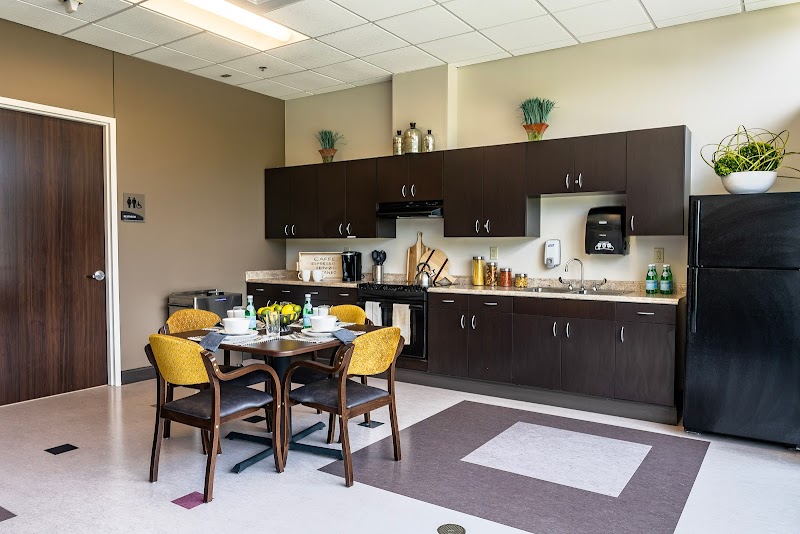
CMS rates Fort Worth Transitional Care Center's staffing level at 2 out of 5 stars, which is below average compared to other nursing homes. Staff turnover is 74%, which is 28 percentage points above the Texas average of 46%. High turnover can affect care consistency as new staff learn residents' individual needs. RN turnover specifically is 62%, which is notably high. RNs provide skilled clinical oversight, so turnover in this role can affect medical care quality.

What Have Inspectors Found at Fort Worth Transitional Care Center?

State health inspectors documented 51 deficiencies at Fort Worth Transitional Care Center during 2022 to 2025. These included: 1 Immediate Jeopardy (the most serious level, indicating potential for serious harm or death), 2 that caused actual resident harm, and 48 with potential for harm. Immediate Jeopardy findings are rare and represent the most serious regulatory concerns. They require immediate corrective action.

Who Owns and Operates Fort Worth Transitional Care Center?

Fort Worth Transitional Care Center is owned by a government entity. Government-operated facilities are typically run by state, county, or municipal agencies. The facility is operated by WELLSENTIAL HEALTH, a chain that manages multiple nursing homes. With 136 certified beds and approximately 84 residents (about 62% occupancy), it is a mid-sized facility located in Fort Worth, Texas.

How Does Fort Worth Transitional Care Center Compare to Other Texas Nursing Homes?

Compared to the 100 nursing homes in Texas, Fort Worth Transitional Care Center's overall rating (2 stars) is below the state average of 2.8, staff turnover (74%) is significantly higher than the state average of 46%, and health inspection rating (2 stars) is below the national benchmark.

What Should Families Ask When Visiting Fort Worth Transitional Care Center?

Based on this facility's data, families visiting should ask: "What changes have been made since the serious inspection findings, and how are you preventing similar issues?" "How do you ensure continuity of care given staff turnover, and what is your staff retention strategy?" "Can you walk me through typical staffing levels on day, evening, and night shifts?" "Can I visit during a mealtime to observe dining assistance and food quality?" These questions are particularly relevant given the facility's Immediate Jeopardy citations, the facility's high staff turnover rate, and the below-average staffing rating.

Is Fort Worth Transitional Care Center Safe?

Based on CMS inspection data, Fort Worth Transitional Care Center has documented safety concerns. Inspectors have issued 1 Immediate Jeopardy citation (the most serious violation level indicating risk of serious injury or death). The facility has a 2-star overall rating and ranks #100 of 100 nursing homes in Texas. Families considering this facility should ask detailed questions about what corrective actions have been taken since these incidents.

Do Nurses at Fort Worth Transitional Care Center Stick Around?

Staff turnover at Fort Worth Transitional Care Center is high. At 74%, the facility is 28 percentage points above the Texas average of 46%. Registered Nurse turnover is particularly concerning at 62%. RNs handle complex medical decisions and coordinate care — frequent RN changes can directly impact care quality. High turnover means new staff may not know residents' individual needs, medications, or preferences. It can also be disorienting for residents, especially those with dementia who rely on familiar faces. Families should ask: What is causing the turnover? What retention programs are in place? How do you ensure care continuity during staff transitions?

Was Fort Worth Transitional Care Center Ever Fined?

Fort Worth Transitional Care Center has been fined $33,557 across 3 penalty actions. The Texas average is $33,414. While any fine indicates a compliance issue, fines under $50,000 are relatively common and typically reflect isolated problems that were subsequently corrected. Families should ask what specific issues led to these fines and confirm they've been resolved.

Is Fort Worth Transitional Care Center on Any Federal Watch List?

Fort Worth Transitional Care Center is not on any federal watch list. The most significant is the Special Focus Facility (SFF) program, which identifies the bottom 1% of nursing homes nationally based on persistent, serious quality problems. Not being on this list means the facility has avoided the pattern of deficiencies that triggers enhanced federal oversight. This is a positive indicator, though families should still review the facility's inspection history directly.