Fort Worth Wellness & Rehabilitation
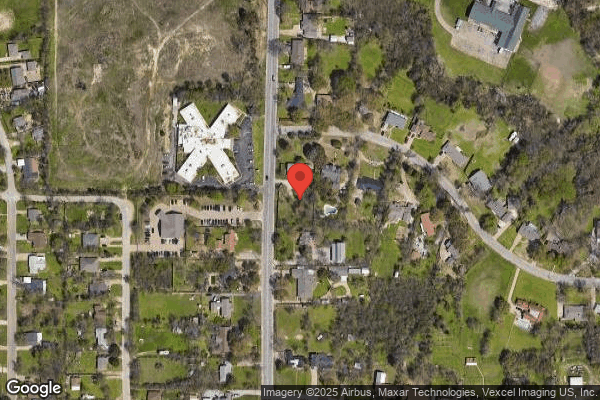
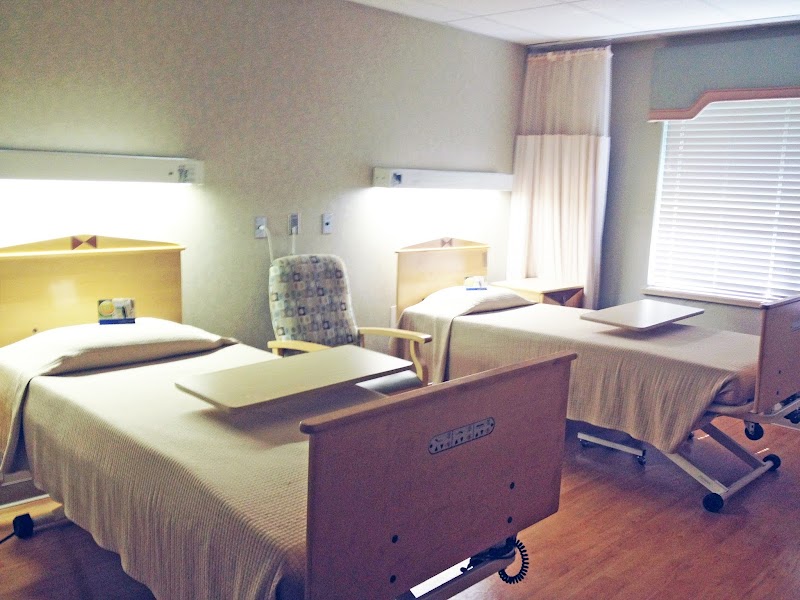
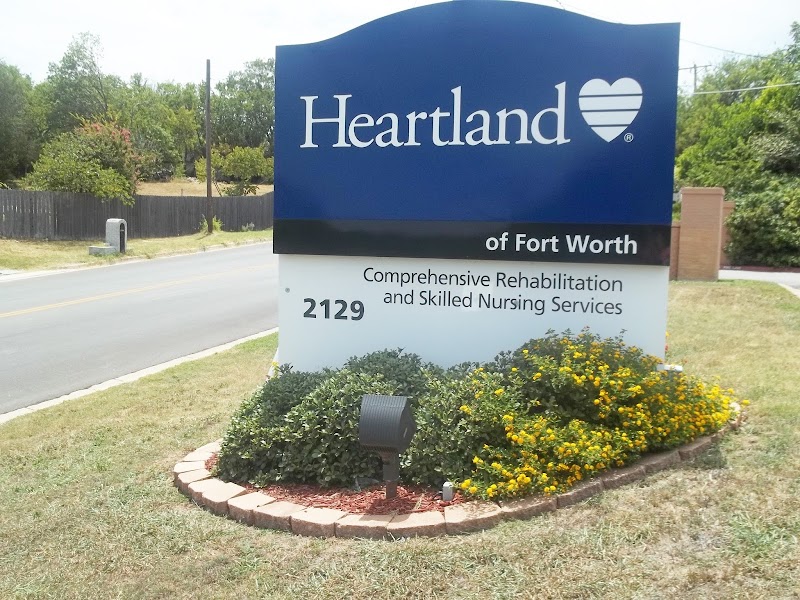
2129 Skyline Dr, Fort Worth, TX 76114 (817) 626-1956
For profit - Limited Liability company 104 Beds OPCO SKILLED MANAGEMENT Data: November 2025 1 Immediate Jeopardy citation
Trust Grade
13/100
#986 of 1168 in TX
Last Inspection: July 2025

Inspected within the last 6 months. Data reflects current conditions.

Overview

Fort Worth Wellness & Rehabilitation has received a Trust Grade of F, indicating significant concerns about the facility's quality and care. It ranks #986 out of 1168 nursing homes in Texas, placing it in the bottom half of all facilities in the state and #60 out of 69 in Tarrant County, meaning there are only a few local options that are better. The situation is worsening, with the number of issues doubling from 4 in 2024 to 8 in 2025. Staffing is rated poorly at 1 out of 5 stars, with a turnover rate of 53%, which is around the state average but still concerning. The facility has incurred $185,385 in fines, which is higher than 92% of Texas facilities, suggesting repeated compliance issues. There is average RN coverage, which is important because RNs can identify health problems that CNAs might miss. However, there are significant deficiencies, including a failure to effectively manage pain for multiple residents, which is critical, as well as issues with infection control practices, such as not changing gloves or sanitizing equipment properly. On a positive note, the facility scored 4 out of 5 for quality measures, indicating some aspects of care may be better than the overall picture suggests. However, families should weigh these strengths against the substantial weaknesses before making a decision.
Trust Score
F
13/100
In Texas
#986/1168
Bottom 16%
Safety Record
High Risk
Review needed
Inspections
Getting Worse
4 → 8 violations
Staff Stability
⚠ Watch
53% turnover. Above average. Higher turnover means staff may not know residents' routines.
Penalties
✓ Good
$185,385 in fines. Lower than most Texas facilities. Relatively clean record.
Skilled Nurses
⚠ Watch
Each resident gets only 25 minutes of Registered Nurse (RN) attention daily — below average for Texas. Fewer RN minutes means fewer trained eyes watching for problems.
Violations
⚠ Watch
22 deficiencies on record. Higher than average. Multiple issues found across inspections.
★☆☆☆☆
1.0
Overall Rating
★☆☆☆☆
1.0
Staff Levels
★★★★☆
4.0
Care Quality
★★☆☆☆
2.0
Inspection Score
Stable
2024: 4 issues
2025: 8 issues

The Good

  • 4-Star Quality Measures · Strong clinical quality outcomes
  • Full Sprinkler Coverage · Fire safety systems throughout facility
  • No fines on record

Facility shows strength in quality measures, fire safety.

The Bad

1-Star Overall Rating

Below Texas average (2.8)

Significant quality concerns identified by CMS

Staff Turnover: 53%

Near Texas avg (46%)

Higher turnover may affect care consistency

Federal Fines: $185,385

Well above median ($33,413)

Significant penalties indicating serious issues

Chain: OPCO SKILLED MANAGEMENT

Part of a multi-facility chain

Ask about local staffing decisions and management

The Ugly 22 deficiencies on record

1 life-threatening
Jul 2025 7 deficiencies 1 IJ (1 affecting multiple)
CRITICAL (K)

Immediate Jeopardy (IJ) - the most serious Medicare violation

Deficiency F0697 (Tag F0697)

Someone could have died · This affected multiple residents

**NOTE- TERMS IN BRACKETS HAVE BEEN EDITED TO PROTECT CONFIDENTIALITY** Based on observation, interview, and record review, the facility failed to ensure pain management was provided to residents who ...

Read full inspector narrative →
**NOTE- TERMS IN BRACKETS HAVE BEEN EDITED TO PROTECT CONFIDENTIALITY** Based on observation, interview, and record review, the facility failed to ensure pain management was provided to residents who require such services, consistent with professional standards of practice, the comprehensive person-centered care plan, and the residents' goals and preferences for 3 of 9 residents (Resident #33, #42, and #83) reviewed for pain management. 1. The facility failed to provide effective pain medication for Resident #33 who admitted to the facility on [DATE] and received Hydrocodone-Acetaminophen 1 oral tablet 325 mg. per order, on all three shifts, for 7-15-2025 and 7-16-2025. Resident #33's pain levels remained high without physician notification or effective intervention. 2. The facility failed to provide effective pain medication for Resident #83 who re-admitted to the facility on [DATE] and received Acetaminophen-Codeine 1 300-30 mg. oral tablet on 7-15-2025 three times a day per order. Resident #83's pain levels stayed above a level 5 without effective relief or physician notification or effective intervention. 3. The facility failed to provide effective pain medication for Resident #42 who admitted to the facility on [DATE] and received Norco 1 Oral Tablet 325 mg. from 7-1-2025 through 7-16-2025 every 6 hours per order. Resident #42's pain levels stayed elevated at a level 10 from 7-15-2025 thru 7-16-2025 without physician notification or intervention. An Immediate Jeopardy (IJ) was identified on 7-17-2025 at 12:46 PM. The IJ template was provided to the facility on 7-17-2025 at 12:52 PM. While the IJ was removed on 7-17-2025 at 5:50 PM, the facility remained out of compliance at a severity level of no actual harm with potential for more than minimal harm, that was not immediate jeopardy, and a scope of pattern due to the facility's need to evaluate the effectiveness of the corrective systems. This failure could place residents, who are on controlled pain medication, at risk of not receiving appropriate pain management - resulting in pain. Findings included: 1. Record review of Resident #33's face sheet, dated 7-15-2025 indicated the resident was a [AGE] year-old female who admitted to the facility on [DATE] with a primary diagnosis of disruption of external operation (surgical) wound, not elsewhere classified, subsequent encounter (a surgical wound that has reopened after the initial surgery, and it's being addressed in a follow-up visit), and secondary diagnoses of anemia (blood isn't carrying as much oxygen as it should), type 2 diabetes (a condition where one's body doesn't use insulin properly , a hormone that regulates blood sugar), obstructive and reflux uropathy (a blockage in the body to carry out proper urination), and pain, unspecified. Record review of Resident #33's MDS dated [DATE] revealed Resident #33 was verbal, and had a BIMS score of 13 which indicated Resident #33 was cognitively intact. Resident #33's pain assessment interview indicated she was at a level 10 for pain. Record review of Resident #33's care plan with an initiation date of 6-25-2025 revealed Resident #33 was care planned for acute and chronic pain and required pain management. Resident #33's care planned directed staff to Monitor/record/report to Nurse resident complaints of pain or requests for pain relief and Notify physician if interventions are unsuccessful or if current complaint is a significant change from residents past experience of pain. Record review of Resident #33's physician's orders, initiated on 6-25-2025 indicated the facilities' medical director agreed with Resident #33's care plan. The physician's orders stated for Resident #33 to receive Hydrocodone-Acetaminophen 2 Oral Tablets 10-325 mg. every 4 hours as needed. On 7-15-2025 at 9:15 AM, Resident #33 was heard groaning in her bedroom. Upon entry into Resident #33's bedroom, it was revealed Resident #33 was in pain at a level 10. Resident #33 stated she had been in severe pain for 3 days. Resident #33 said she told the nurse on duty 3 hours ago she was in a high level of pain but only received a muscle relaxer and it did not relieve her pain. In an observation and interview with Resident #33, on 7-15-2025 at 3:00 PM, Resident #33 was lying in bed and said her pain level was at a level 9, and the facility had not provided adequate pain relief. Resident #33 said it made her feel like just giving up. In an observation and interview with Resident #33 on 7-16-2025 at 1:45 PM, it was learned that Resident #33 was at a pain level of 9 and lying in bed. In an observation and interview on 7-16-2025 at 1:49 PM, LVN D was informed that Resident #33 was at a pain level of 9. LVN D was told by Resident #33 that she was at a pain level of 9 at 1:50 PM. LVN D gave Resident #33 PRN pain medication. Record review of Resident #33's Medication Administration Note, dated 7-16-2025 at 1:54 PM, and entered by LVN D, stated Resident #33 received 2 Acetaminophen Oral Tablets 325 mg. Record review of Resident #33's MAR, for 7-15-2025 and 7-16-2025, revealed Resident #33 received her regularly scheduled pain medication of Hydrocodone-Acetaminophen Oral Tablet 10-325 mg. 1 tablet every 4 hours on all three shifts. Record review on 7-16-2025 of the MAR, for Resident #33, revealed the 6:00 AM - 2:00 PM shift (LVN D) had entered a pain rating of 0 in the Pain Assessment Section. In an observation and interview with Resident #33, on 7-16-2025 at 3:21 PM, it was revealed that Resident #33 was lying in bed and was at a pain level of 7-8 since she received the PRN pain medicine at 1:49 PM. Record review on 7-16-2025, of the MAR for Resident #33, for the 2:00 PM-10:00 PM shift, revealed LVN E had entered a pain rating for Resident #33 at a 0. In an interview on 7-16-2025 at 3:40 PM, LVN E said she had worked at the facility for about 1 year, worked the 2:00 PM-10:00 PM shift, and was assigned to Resident #33. LVN E said her process for pain management was, when she comes to work, on her evening shift, she makes rounds with the daytime 6:00AM-2:00 PM nurse and asked the residents if they are in pain. If a resident has been given regular pain medication, and they are still in pain, she will give them their PRN pain medication. LVN E said if the PRN pain medication does not work, she will contact the doctor to get a new order. LVN E said, when she came on her shift today, Resident #33 was at a level 0 for pain. Record review of Resident #33's nurse progress notes and MAR failed to indicate staff contacted the physician because of the facility's ineffective pain management. 2. Record review of Resident #83's face sheet, dated 7-15-2025, indicated a [AGE] year-old female readmitted to the facility, from the hospital, on 7-14-2025, with a primary diagnosis of unspecified dementia without behavioral disturbance (cognitive decline but cannot pinpoint the specific type of dementia or the severity of the condition), and had secondary diagnoses of chronic pain (persistent pain that lasts for three months or longer), end stage renal disease (the final stage of chronic kidney disease, where the kidneys have lost most of their function and can no longer adequately filter waste products from the blood), anemia (a low level of red blood cells carrying oxygen in the blood), and type 2 diabetes (a chronic metabolic disorder where the body either doesn't produce enough insulin or the cells become resistant to its effects, leading to high blood sugar levels). Record review of Resident #83's Quarterly MDS dated [DATE], indicated Resident #83 was verbal, and had a BIMS score of 12, which revealed she had a mild cognitive impairment. In the pain assessment portion, of Resident #83's MDS, indicated she had pain, and the intensity level was a level 7. Record review of Resident #83's care plan initiated on 12-3-2024 and revised on 5-13-2025 stated Resident #83 was care planned for pain r/t osteoarthritis, pressure wound, muscle wasting, and atrophy.staff were to Monitor/record/report to Nurse any signs of non-verbal pain. Monitor/record/report to Nurse resident complaints of pain or requests for pain treatment.Notify physician if interventions are unsuccessful or if current complaint is a significant change from residents past experience of pain. Discuss and record preferences [of pain management options]. Record review of physician orders dated 7-15-2025 indicated the doctor agreed with Resident #83's care plan. Resident #83's care plan stated pain assessments should be done before and after PRN medications are administered using the 0-10 pain scale or Pain AD (Pain Assessment/Documentation area) .and should be done every shift using Pain AD. Resident #83's orders included pain medication of Acetaminophen 2 oral tablets by by mouth every 6 hours and Tramadol 50 mg. 2 oral tablets by mouth every 6 hours as needed for pain. In an observation and interview, on 7-15-2025 at 9:33 AM, it was revealed that Resident #83 was in pain all the time and currently was at a pain level 7 and the facility had done nothing for her pain. Resident #83 stated she tells the staff she is in pain and staff tell her they will see if they can give her another dose of pain medication, but they don't. On 7-15-2025 at 3:13 PM, Resident #83 was observed lying on her bed and stated she was at a pain level of 6. In an observation and interview on 7-16-2025 at 9:50 AM, Resident #83 was observed in her Wheelchair about to leave for her dialysis appointment. Resident #83 stated she was at a pain level 6 and was at a pain level 6 all night long. Resident #83 said rarely was she ever below a level 5 pain level at the facility. Resident #83 was observed yelling out in pain when LVN B attempted to put a sock on Resident #83's right foot. In an interview, on 7-16-2025 at 11:19 AM, it was revealed LVN B had worked at the facility for 1.5 month, worked the 6:00 AM-2:00 PM shift, and was assigned to Resident #83. LVN B said her process for pain management was for the CMAs to give out the regularly scheduled pain medication and if a resident was still in pain, she would give the PRN pain medication. LVN B said she always asked residents for their pain scale rating and documented what level of pain they are at in the MAR. LVN B said if the PRN pain medication did not work and the resident was still at a pain level of 5 or higher, she would contact the doctor. In an interview on 7-16-2025 at 11:26 AM, LVN C said she had worked at the facility for 1.5 years and worked the 6:00 AM - 2:00 PM shift. LVN C said her process for pain management was if a resident was still in pain, after his regular pain medication was given, she would look to see if they had a breakthrough (PRN) pain medication and see if they can give it to the resident. If the resident did not have a PRN medication on file, she would contact the doctor about getting one. LVN C said it was a nursing industry standard to ask a resident what pain level they were at, using the 0-10 pain scale, to determine if a resident was getting the right medication. In an interview, on 7-16-2025 at 1:19 PM, RN F said Resident #83 had been in pain, at a level 8 since 6-9-2025, every time Resident #83 came into the dialysis office for treatment. Record review of Resident #42's face sheet dated 7-16-2025, revealed a [AGE] year-old male who admitted to the facility on [DATE]. His primary diagnosis was sequelae of cerebral infarction (the long-term consequences or complications that arise after the initial brain damage caused by a stroke), and secondary diagnoses were Chronic pain, pain in the right shoulder, and muscle wasting and atrophy (the decrease in muscle mass and strength due to the breakdown or loss of muscle tissue). Record review of Resident #42's Comprehensive MDS, dated [DATE], revealed Resident #42 had a BIMS score of 8, indicating he was mildly cognitively impaired. Record review of Resident #42's care plan dated 5-6-2025 and revised on 5-12-2025 indicated he required pain management d/t chronic pain instructing staff to monitor/record/report to nurse complaints of pain and request for pain treatment.and to notify physician if interventions are unsuccessful or if current complaint is a significant change from residents past experience of pain. Record review of Resident #42's physician orders dated 5-5-2025 stated Resident #42 was to be assessed for pain before and after PRN pain medication was given using the 0-10 pain scale or PainAD, and document results. The physician agreed with Resident #42's care plan.Physician order date of 5-6-2025 stated Resident #42 receive Acetaminophen-Codeine Oral Tablet 300-30 MG (Acetaminophen w/ Codeine) Give 1 tablet by mouth every 6 hours as needed for Pain.Physician order date 5-14-2025 stated Resident #42 receive Norco Oral Tablet 10-325 MG (Hydrocodone-Acetaminophen) Give 1 tablet by mouth every 6 hoursfor Pain related to pain in right shoulder. Record review of Resident #42's MAR revealed he received 1 Norco Oral Tablet 10-325 MG (Hydrocodone-Acetaminophen) every 6 hours for the entire month of July through 7-16-2025, received 1 Acetaminophen-Codeine Oral Tablet 300-30 MG (Acetaminophen w/ Codeine) on 7-8-2025 and 7-10-2025. The Pain assessment using the PainAD/Verbal Scale 0-10, for every shift on Resident #42's MAR, indicated he was at a zero-pain rating from 7-1-2025 through 7-16-2025. In an interview and observation on 7-15-2025 at 9:08 AM, it was learned that Resident #42's pain level was at a 10. Resident #42 was observed to be swollen, and he wanted to know if his pain medication could be increased pain in his left hand. Resident #42 said his pain levels were high at night, and it was keeping him from sleeping. Resident #42 said he had to keep his left hand elevated to prevent throbbing pain. In an observation and interview, on 7-15-2025 at 2:51 PM, Resident #42 said his pain was at a level 10. In an observation and interview on 7-16-2025 at 9:16 AM, Resident #42 said his pain level was at a level 10 and has stayed at a level 10 for days. In an observation and interview on 7-16-2025 at 1:21 PM, LVN B was observed attending to Resident #42. LVN B stated Resident #42 was in pain all the time. LVN B said Resident #42 had a diagnosis which caused pain but did not know what it was. LVN B said she was not aware of Resident #42 being in pain at a level 10. LVN B said she asked Resident #42 his pain level every time she gives him pain medication, and Resident #42 has never told her he was in pain at a level 10. LVN B said she did not know what pain level Resident #42 was on 7-15-2025, even though she was working and assigned to Resident #42. In an interview on 7-16-2025 at 1:30 PM, the Medical Director revealed the facility had not contacted him about high pain levels in the last two days. The Medical Director said the facility should contact him if a resident has received their PRN pain medication, are still at a level 5 pain or higher, and the PRN pain medication did not bring the pain level below a level 5. The Medical Director said the facility did not have a pain management doctor, but it might be a good alternative to non-narcotic pain management. Record review of the facility's policy titled Pain Management, dated 6-2020 stated: To ensure accurate assessment and management of the resident's pain. A Licensed Nurse will assess residents for pain on admission and routinely as indicated by the resident's health and functional status. Facility staff is responsible for helping the resident attain or maintain their highest level of well-being while working to prevent or manage the resident's pain.if the Licensed Nurse is unable to determine if the resident's facial expression is related to pain, the nurse will advise the attending physician and Interdisciplinary Team committee, so that the attending physician can consider ordering a pain medication.A Licensed Nurse will reassess the resident for pain quarterly and eventfully.If there is a new onset of pain, if the pain has changed in nature, or the pain has not been relieved with current medication, the Licensed Nurse will notify the Attending Physician for review of medications.Nursing staff will implement timely interventions to reduce the increase in severity of pain. An Immediate Jeopardy (IJ) was identified on 7-17-2025, at 12:46 PM. The Administrator and ADON were notified. The IJ template was provided to the Administrator via email on 7-17-2025 at 12:46 PM and a Plan of Removal (POR) was requested. The following POR was submitted by the facility and accepted on 7-17-2025 at 3:31 PM. Summary of Details which lead to outcomes.F697 - Pain Management On 7/17/2025 during annual survey at [Nursing Facility]. [State] surveyor provided an IJ Template notification that the Survey Agency has determined that the conditions at the center constitute immediate jeopardy to resident health. The facility allegedly failed to ensure that 3 residents' chronic pain were managed to bearable levels. The notification of the alleged immediate jeopardy states as follows: The facility failed to ensure residents 83, #33 and #42's chronic pain were managed to bearable levels. Residents remained at pain levels of 6 or higher consistently even when pian medication was administered. Identify residents who could be affected. All residents with chronic pain have the potential to be affected. Identify responsible staff and what action taken. 1. Resident # 83, #33, and # 42, new pain assessment completed. MD (Medical Director) notification to clarify orders and any changes in pain management/interventions. Completed by assistant director of nursing on 7/17/25. 2. All residents with chronic pain will have a new pain assessment completed, any assessment with pain level of 4 or greater, MD will be notified to clarify orders and any changes in pain management/interventions. Completed by Nurse managers on 7/17/25. 3. All nurse managers educated by regional nurse consultant on pain management/pain assessments, change in condition/MD notification, PRN pain medication administration. Completion of 7/17/25. 4. Director of Nursing/assistant director of nursing/nurse managers in-serviced all licensed staff pain management/pain assessments, change in condition/MD notification, PRN pain medication administration. Completion of 7/17/25. 5. Regional MDS/MDS Nurse: All residents with chronic pain care plans audited to ensure appropriate pain interventions in place. Completion of 7/17/25. 6. All patients with chronic pain, assessments will be monitored daily to ensure patients' pain is managed to comfortable levels and the residents are not experiencing adverse outcome. DON/ADON Nurse managers. Ongoing daily. 7. Pain levels documented 4 or above in pain assessment by licensed Nurse will be placed in pain monitoring log to be reviewed daily by DON/ADON/Nurse manager to ensure follow up and interventions in place. In-Service conducted. 1. All nurse managers educated by regional nurse consultant on pain management/pain assessments, change in condition/MD notification, PRN pain medication administration. Completion of 7/17/25. 2. Director of Nursing/assistant director of nursing/nurse managers in-serviced all licensed staff pain management/pain assessments, change in condition/MD notification, PRN pain medication administration. Completion of 7/17/25. Implementation of Changes Resident # 83, #33, and # 42, new pain assessment completed. MD notification to clarify orders and any changes in pain management/interventions. Completed by assistant director of nursing on 7/17/25. All residents with chronic pain will have a new pain assessment completed, any assessment with pain level of 4 or greater, MD will be notified to clarify orders and any changes in pain management/interventions. Completed by Nurse managers on 7/17/25. All nurse managers educated by regional nurse consultant on pain management/pain assessments, change in condition/MD notification, PRN pain medication administration. Completion of 7/17/25. Director of Nursing/assistant director of nursing/nurse managers in-serviced all licensed staff pain management/pain assessments, change in condition/MD notification, PRN pain medication administration. Completion of 7/17/25. Regional MDS/MDS Nurse: All residents with chronic pain care plans audited to ensure appropriate pain interventions in place. Completion of 7/17/25. All patients with chronic pain, assessments will be monitored daily to ensure patients' pain is managed to comfortable levels and the residents are not experiencing adverse outcome. DON/ADON Nurse managers. Ongoing daily.Pain levels documented 4 or above in pain assessment by licensed Nurse will be placed in pain monitoring log to be reviewed daily by DON/ADON/Nurse manager to ensure follow up and interventions in place. The changes were started by the Regional Nurse Consultant. The changes were implemented effective on 7/17/2025 and training was completed on 7/17/2025. Staff will not be allowed to work until they have been fully re-educated. All new hires will be educated pain management/pain assessments, change in condition/MD notification, PRN pain medication administration. The Director of Nursing/Assistant director of nursing will ensure competency through signing of Inservice, and verbalization. Monitoring The Administrator/Director of Nursing/Assistant Director of Nursing/Regional Nurse Consultant will be responsible for monitoring the implementation and effectiveness of in-service on 7/17/25. The Director of Nursing/Assistant Director of Nursing/Regional Nurse Consultant will monitor/review abnormal pain assessments daily in stand-up. Weekend supervisor will review on Saturday/Sunday, x 4 weeks to ensure residents' pain is managed at comfortable levels and the residents are not experiencing adverse outcomes. Any adverse findings will be reviewed during QAPI. Involvement of Medical Director The Medical Director met with the Interdisciplinary team on 7/17/2025 and conducted an Ad HOC QAPI regarding ensuring chronic pain is managed to bearable levels and that residents are comfortable and not experiencing adverse outcomes. The Medical Director was notified about the immediate Jeopardy on 7/17/2025, the Plan of removal was reviewed and accepted by Medical Director. Involvement of QA An Ad Hoc QAPI meeting was held with the Medical Director, facility administrator, director of nursing, to review the plan of removal on 7/17/2025. Who is responsible for the implementation of the process? The Director of Nursing and Administrator will be responsible for the implementation of New Processes. The New Process/ system was started on 7/17/2025. Please accept this letter as our plan of removal for the determination of Immediate Jeopardy verbally issued on 7/17/2025. The facility was monitored for compliance with the POR (Plan of Removal) on 7-17-2025 as follows: In an interview on 7-17-2025 at 3:24 PM, LVN G stated he was in-serviced on pain management today and informed that the facility received an IJ for not providing effective pain management. LVN G said a new policy that had been implemented was to complete a change in condition on a resident if they were at a pain level of 4 or higher. The facility can give Tylenol if the resident has a PRN pain medication, and their pain level is from 1-5. If the resident's pain level is above a level 5, they will give them something stronger. If the resident does not have anything stronger on their chart and they are above a pain level of 5, they notify the doctor. LVN G said in the in-service for pain, he was instructed to put a pain level number in the MAR, in (PCC) and there are not prompts to put the number in. LVN G said the nurse assigned to the resident on shift, was responsible to monitor the resident's pain levels. In an interview on 7-17-2025 at 3:45 AM, LVN E said she had been in-serviced on pain management after the IJ was called. LVN E said she was instructed when a resident's pain level is a 4 or above, call the doctor for a stronger pain medication. She was told to put in the progress notes the level of pain the resident was at and what was given to them to relief it. LVN E said the changes the facility implemented was to complete a change of condition when the resident reaches a pain level of 4 or higher. Record review on 7-17-2025 at 4:20 PM, confirmed the facility had completed in-service training, by the ADON, on Medication Administration and PRN Medication Administration to ensure residents were assessed for pain after PRN medication has been given, Pain Management to ensure residents don't rise higher than a level 5, and Change in Condition and Physician notification. In an interview on 7-17-2025, at 4:25 PM, the ADON stated the DON was on vacation and she was the ADON for the entire facility. The ADON said this IJ occurred because the State identified the nurse's documentation on pain management was inconsistent. The ADON said she will complete all in-services on how to monitor, document, and perform effective pain management. The ADON said she will make sure the managers are trained on this as well as the weekend supervisors. The ADON said the nurses on duty will notify management (ADON/DON) whenever the pain levels are greater than a 4, and they will have a discussion as to what needs to be done next. The ADON said the physician will also be called when pain levels rise above a 4. After that, the ADON said a follow-up with the patient will occur and a review of proper documentation by the nursing staff. The ADON said a new process was the facility now has a Pain Management Log, where pain levels that are greater than 4 are entered into it. In an interview, on 7-17-2025 at 4:42 PM, LVN C revealed that she was provided an in-service on 07/17/2025. LVN C said the in-service stated there will be a pink binder at the nurse's station containing pain assessment forms on each resident. The nurses were to document pain findings in the binder. LVN C stated that when a resident was in pain, we were to document the pain level, give them their routine pain medication, wait for a while, then note what their pain level was after the medication was given. If pain was at a level 4, we were to call the physician for possible additional medication. LVN C said we then continue to monitor resident's pain level, and if pain continues, contact the physician to send the resident to hospital.In an interview, on 7-17-2025 at 4:45 PM, LVN D revealed that she was provided an in-service regarding pain management on 07/17/2025. LVN D said that nurses are to monitor resident's pain levels regularly and provide residents with routine pain medication. If a resident's pain level rose to a level 4, nurses are to call the physician to see if the physician will order another pain medication. If the resident's pain level is still high, contact the Physician, with change in condition filled out, and the physician will send the resident out to hospital for uncontrollable pain. In an interview, on 7-17-2025 at 4:59 PM, LVN B revealed that she was provided an in-service on pain management on 07/17/2025. LVN B said that the in-service training stated we were to document resident's pain levels, on the Pain Assessment form, when a resident asked for pain medication. LVN B said after a resident has received their regularly scheduled pain medication, wait a while, check their pain level again, and document the pain level. LVN B said if a resident's pain level was at a level 4 or above, the nurse was to call the physician for another medication. The nurse was to continue to assess the resident for pain. If a resident's pain continues to be at a level 4 or greater, contact the physician so the resident can be sent out to the hospital to be treated. In an interview, on 7-17-2025 at 5:00 PM, LVN H stated that he was not in-serviced on pain management, as of today, but was in-serviced on pain management on 7-14-2025. LVN H said he was trained to document the pain medication given to the resident that was prescribed by the doctor. LVN H said the facility has narcotics in stock. LVN H stated that he will follow-up with the resident and document the resident's pain level. LVN H said he will let the doctor know if a resident's pain persists. LVN H said if the doctor has initiated a narcotic, and he has given the resident the narcotic, he will follow up with the doctor to let him know how the resident is doing. The ADON and nurses are responsible for managing resident's pain levels and monitoring what the nurses are doing. On 7-17-2025, at 6:02 PM, LVN H said he was in-serviced on pain management, pain levels, and when to notify the doctor. LVN H said he was told to notify the doctor if a resident's pain level reached a level 5. LVN H said the in-service stated once a nurse gives a resident pain medication, the nurse was to follow up with the resident to see how effective the pain medication was. The nurses were to document, in the progress notes, what level the resident's pain was. If the pain level has not dropped, contact the doctor. In an observation, on 7-17-2025 at 5:20 PM, Resident #83 was observed to be sleeping peacefully. In an interview, on 7-17-2025 at 5:45 PM, the Medical Director stated the risk to residents not receiving proper pain management could be it could cause other problems. The Medical Director said pain management can be tricky, and everyone is different. The Medical Director said the nursing staff need to make sure they document pain management correctly in the electronic medical records. In an observation, on 7-17-2025 at 5:50 PM, Resident #42 and Resident #33 were observed being transported to the hospital due to high pain levels. On 7-22-2025 at 12:20 PM, the Administrator said the IJ occurred because the State found a concern with the way the facility was handling pain management. The Administrator said the way the facility will monitor the ensure compliance with the POR was to have daily management meetings with the nursing department and for management to stay in communication with the weekend shift with residents who have pain concerns. The facility will bring those concerns to the QAPI monthly meetings. The Administrator said the DON and the Administrator were responsible to monitor and oversee the processes of pain management. An Immediate Jeopardy (IJ) was identified on 7-17-2025 at 12:46 PM. The IJ template was provided to the facility on 7-17-2025 at 12:52 PM. While the IJ was removed on 7-17-2025 at 5:50 PM, the facility remained out of compliance at a severity level of no actual harm with potential for more than minimal harm, that was not immediate jeopardy, and a scope of pattern due to the facility's need to evaluate the effectiveness of the corrective systems.
CONCERN (D)

Potential for Harm - no one hurt, but risky conditions existed

Resident Rights (Tag F0550)

Could have caused harm · This affected 1 resident

**NOTE- TERMS IN BRACKETS HAVE BEEN EDITED TO PROTECT CONFIDENTIALITY** Based on observation, interview and record review, the facility failed to ensure each resident was treated with respect and dign...

Read full inspector narrative →
**NOTE- TERMS IN BRACKETS HAVE BEEN EDITED TO PROTECT CONFIDENTIALITY** Based on observation, interview and record review, the facility failed to ensure each resident was treated with respect and dignity and care for each resident in a manner and in an environment that promotes maintenance or enhancement of his or her quality of life for one (Resident #45) of one resident reviewed for resident rights. The facility failed to ensure CNA K was sitting down while feeding Resident #45 on 07/15/25. This deficient practice could place residents at risk of choking. Findings included: Record Review of Resident #45's face sheet, not dated, reflected a [AGE] year-old female, with an admission date of 01/31/25. Resident #45 had a diagnosis of Psychotic Disturbance (a condition where a person experiences a loss of contact with reality, characterized by symptoms like hallucinations), Mild Cognitive Impairment of uncertain or unknown etiology (a condition where individuals experience cognitive decline) , Difficulty walking, Need for Assistance with Personal Care, Syncope and Collapse (temporary loss of consciousness and postural control), Anemia (a condition in which there is a lower-than-normal number of red blood cells or hemoglobin in the blood), Hypothyroidism (a condition where the thyroid gland doesn't produce enough thyroid hormone), Diabetes (a chronic disease where blood glucose (sugar) levels are too high), Protein Calorie Malnutrition (Inadequate intake of food), Hyperlipidemia (high levels of fats (lipids) in the blood), Disorders of Brain (a wide range of conditions that affect the brain's structure, function, or both, impacting a person's thoughts, feelings, and behaviors), Atherosclerotic buildup of fats, cholesterol and other substances in and on the artery walls), Orthostatic Hypotension (a form of low blood pressure that happens when you stand up after sitting or lying down), Muscle Wasting and Atrophy (the decrease in size and strength of muscle tissue), Muscle Weakness (a decreased ability of muscles to generate force or contract effectively), Chronic Kidney Disease (the kidneys are damaged and can't filter blood effectively), Cognitive Communication Deficit (communication problems caused by impairments in cognitive functions like attention, memory, and problem-solving, rather than direct language or speech impairments). In an observation on 07/15/25 at 12:31 PM, CNA K was observed feeding Resident #45 tamales with chili cheese as he placed the fork in Resident 45's mouth while standing over her. In an interview on 07/15/25 at 12:32 PM, CNA K stated he does not typically stand up while feeding a resident. CNA K stated that someone was in his way when he was in the middle of feeding the resident. CNA K stated that the risk of feeding a resident while standing up could cause the resident to choke. In an interview on 07/17/25 at 3:40 PM, ADON stated it is not okay to stand over a resident while feeding them. ADON stated employees are expected to sit down and engage with residents while feeding them. ADON stated that the risk of standing up while feeding a resident could cause a resident to feel that the aide is rushing the resident to eat. In an interview on 07/17/25 at 3:25 PM, Administrator stated the goal when feeding a resident is to assist the resident in whatever the resident prefers. Administrator stated a potential risk is that the resident may not be comfortable with the aide standing over them while assisting them to eat. Administrator stated another risk could cause the resident and aide not to be at eye level while assisting the resident to eat. On 07/16/25 at 3:30 PM, a policy was requested for feeding residents. At 4:15 PM, a policy for Assistive Feeding Devices was given, but the policy for feeding residents was not submitted.
CONCERN (D)

Potential for Harm - no one hurt, but risky conditions existed

Deficiency F0698 (Tag F0698)

Could have caused harm · This affected 1 resident

**NOTE- TERMS IN BRACKETS HAVE BEEN EDITED TO PROTECT CONFIDENTIALITY** Based on interview and record review the facility failed to ensure that resident who required dialysis received such services, c...

Read full inspector narrative →
**NOTE- TERMS IN BRACKETS HAVE BEEN EDITED TO PROTECT CONFIDENTIALITY** Based on interview and record review the facility failed to ensure that resident who required dialysis received such services, consistent with professional standards of practice, the comprehensive person-centered care plan, and the residents' goals and preferences for 1 of 4 residents (Resident #67) reviews for dialysis documentation. The facility failed to ensure Nurses documented ongoing assessments of Resident #67's condition and monitoring complications before and after dialysis treatments received at a certified dialysis facility. This deficient practice could place residents at risk of complications from dialysis due to the lack of documentation between the facility and dialysis center in the event of a medical event. Findings include: Record review of Resident #67's face sheet, dated 07/17/2025, revealed resident was a [AGE] year-old female admitted to the facility on [DATE] with a readmission on [DATE]. Resident #67's admitting diagnoses included Type 2 Diabetes Mellitus with Diabetic Neuropathy (caused by high levels of sugar in blood damaging the tiny blood vessels that supplied to nerves); Acute on Chronic Diastolic (Congestive) Heart Failure (a worsening of diastolic heart failure, a condition where the heart muscle doesn't relax properly during its filling phase, leading to congestion in the lungs and body); and End Stage Renal Disease (a condition in which the kidneys lose the ability to remove waste and balance fluids). Record review of Resident #67's quarterly MDS, dated [DATE], revealed her BIMS Score was 15/15, which indicated the residents' memory was intact. Resident #67's cognitive abilities were within a normal range. Resident #67 could make independent decisions regarding her care. Record review of Resident #67's care plan, dated 03/28/2023 and revised 01/13/2025, revealed in part Resident #67 needed hemodialysis r/t renal failure every Monday, Wednesday, and Friday. Resident #67 would have no complications from dialysis through the review date. Monitor, document, and report to MD any symptoms and side effects of infection to access site: Redness, swelling, warmth or drainage. Monitor, document and report to MD PRN for symptoms and side effects of renal insufficiency: changes in level of consciousness, changes in skin turgor, oral mucosa, changes in heart and lung sounds. Record review of Resident #67's Dialysis Communication Forms revealed, dates 05/02/2025 through 05/30/2025, were fully completed from 14 dialysis treatments out of 14 dialysis treatments. Dialysis Communication Forms revealed dates 06/02/2025 through 07/16/2025, 9 forms were fully completed out of 20 dialysis treatments. Date 06/13/2025 had no form on file for that day. The remaining forms in Resident #67's file was not fully completed with the required information from the facility and/or the dialysis center. In an interview on 07/17/2025 at 10:00 AM with the ADON revealed each nurse was responsible for completing the Dialysis Communication Form for the resident before the resident left for their dialysis treatment. When the resident returned from their dialysis treatment, the dialysis center was to have documented the dialysis information r/t the resident on the form and return with the resident to the facility. The nurse was to document a note in the progress notes and add the information to the Dialysis Communication Form in the resident's file. The form was usually shredded when it was inputted into a resident's file. Resident #67's information should have been documented on the Dialysis Communication Form upon her return from each dialysis treatment. The ADON stated the forms may be in a book at the nurse's station or in medical records. The ADON stated if forms were unable to be located, the dialysis center would be contacted for the documentation to be sent from the previous dialysis treatments so the nurse could document them in Resident #67's file. The nurses are trained to complete the Dialysis Communication Form prior to a resident's dialysis treatment to provide the dialysis center with communication pertinent to resident. The dialysis center is to return the Dialysis Communication Form with resident with communication r/t resident during dialysis treatment. The nurse would be able to monitor the resident for any changes that may have occurred at the dialysis center during their treatment and to be able to continue to monitor the resident upon return to the facility. If a resident had any medical changes at the dialysis center or at the facility, the resident would be sent to the hospital for a change in condition. Resident #67 has not had change in condition noted on the Dialysis Communication forms reviewed. Record review of the facility's Dialysis Care Nursing Care policy (revised 06/2020) - revealed in part, The Nursing Staff, Dialysis Provider Staff, and Attending Physician ( Dialysis Staff) will collaborate on a regular basis concerning the resident's care as follows: I. Nursing Staff will communicate pertinent information in writing to the Dialysis Staff which may include: a. Any medication changes; b. Any recent changes in condition; c. The resident's tolerance of dialysis procedures. II. The Dialysis Provider will communicate in writing to the Facility: a. The resident's current vital signs; b. Pre and post dialysis weight; and c. Any problems encountered while the resident was at the dialysis provider.
CONCERN (D)

Potential for Harm - no one hurt, but risky conditions existed

Infection Control (Tag F0880)

Could have caused harm · This affected 1 resident

**NOTE- TERMS IN BRACKETS HAVE BEEN EDITED TO PROTECT CONFIDENTIALITY** Based on observation, interview and record review the facility failed to establish and maintain an infection prevention and cont...

Read full inspector narrative →
**NOTE- TERMS IN BRACKETS HAVE BEEN EDITED TO PROTECT CONFIDENTIALITY** Based on observation, interview and record review the facility failed to establish and maintain an infection prevention and control program designed to provide a safe, sanitary and comfortable environment and to help prevent the development and transmission of communicable diseases and infections for 1 of 4 residents (Resident #70) reviewed for infection control. CNA A failed to put on Personal Protective Equipment (PPE) while providing toileting care for Resident #70, who was on Enhanced Barrier Precaution (EBP). This deficient practice could place residents at risk of transmission of communicable diseases and infections. Findings include: Record review of Resident #70's face sheet, dated 7/15/2025, revealed the resident was a [AGE] year-old male who was admitted to the facility on [DATE]. Resident #70 had diagnoses which included stroke, chronic pain and muscle weakness. Record review of Resident #70's physician orders, dated 7/15/2025, revealed there was an order placed on 05/13/2025 which stated, Enhanced Barrier Precautions r/t (wound): Staff members will wear a clean gown and gloves while performing high contact resident care activities to include. changing briefs or toileting assistance. Record review of Resident #70's care plan, dated 5/7/2025, revealed Resident #70 had a stage 4 pressure ulcer on the sacrum. Record review of Resident #70's care plan, dated 4/5/2024, revealed Resident #70 was put on Enhanced Barrier Precautions. In an observation on 7/15/2025 at 10:30 AM, CNA A provided toileting care for Resident #70 without putting on PPE. Resident #70 had a stage 4 pressure ulcer on his sacrum. The Enhanced Barrier Precaution sign was posted on Resident #70's door. In an interview on 7/15/2025 at 10:45 AM, CNA A stated she forgot to put on PPE before providing care to Resident #70. She stated she was aware the resident had a wound and he was on Enhanced Barrier Precaution. She stated the risk of not wearing PPE was transmission of infection. In an interview on 7/17/2025 at 9:00 AM, the ADON stated her expectation of her nursing staff was they followed through with infection control policy. She stated she provided in-services on infection control frequently and on 7/15/2025, CNA A reported to her and a 1:1 in-service was done with CNA A and all nursing staff were in-serviced on infection control and Enhanced Barrier Precaution. She stated the risk to residents and staff if EBP was not practiced was the spread of infection. Record review on 7/17/2025 at 9:40 AM revealed CNA A completed the Corrective Action form and in-service training record indicated EBP in-service was provided to all nursing staff on 7/15/2025. Record review of the facility's Standard and Enhanced Precautions policy, dated 4/1/2024, revealed for residents whom EBP are indicated, EBP should be used when performing. bathing/showering, providing hygiene, changing briefs or assisting with toileting.
CONCERN (D)

Potential for Harm - no one hurt, but risky conditions existed

Safe Environment (Tag F0921)

Could have caused harm · This affected 1 resident

**NOTE- TERMS IN BRACKETS HAVE BEEN EDITED TO PROTECT CONFIDENTIALITY** Based on observation, interview and record review the facility failed to provide a safe, functional, sanitary, and comfortable e...

Read full inspector narrative →
**NOTE- TERMS IN BRACKETS HAVE BEEN EDITED TO PROTECT CONFIDENTIALITY** Based on observation, interview and record review the facility failed to provide a safe, functional, sanitary, and comfortable environment for residents, staff and the public for 1 of 4 halls reviewed (Hall 400) for environment. The facility failed to maintain Hall 400 in a safe and sanitary condition free from air conditioning condensation leaks from the ceiling onto the hallway floor. This failure could place residents at risk for injury and a decreased quality of life. Findings include: Observation on 07/15/2025 at 11:00 AM revealed water dripping from the ceiling between a fluorescent ceiling light and air vent onto the floor where a small puddle had formed and stained the floor tiles between rooms [ROOM NUMBERS] on the 400 hall. Observation on 7/15/2025 at 11:46 AM of the 400 hall between rooms [ROOM NUMBERS] revealed a wet floor sign was placed by the Administrator after she exited room [ROOM NUMBER] and noticed the water accumulation on the floor in the middle of the hallway. Observation on 7/17/2025 at 8:15 AM revealed a caution sign on the 400 hall between rooms [ROOM NUMBERS] where the water leak from the ceiling was previously identified. The floor tiles under the ceiling water leak revealed areas of staining. Interview on 7/15/2025 at 11:05 AM with Housekeeper J revealed the dripping water was noticed on 7/14/2025 and was reported to the facility Maintenance Director. Housekeeper J stated the water accumulation on the floor was monitored between cleaning resident rooms and mopped when accumulation was seen. Housekeeper J stated there was a bucket or trash can under the leak to catch the water yesterday, but the housekeeper was not sure where it went. Housekeeper J stated a wet floor sign was placed in the area yesterday but had not noticed it was removed. Interview on 7/16/2025 at 5:10 PM with the Administrator informed a discussion with the Maintenance Director revealed there had been condensation buildups in the building related to air conditioning units operating during the high temperatures and temperature adjustments made between hallways for resident comfort. The Administrator stated she had not thought there was any significant water accumulation on the floor on the 400 hall, however, saw some water on the floor in the 400 hallway the prior day and placed a caution sign in the area until it could be wiped up. Interview on 7/17/2025 at 4:34 PM with the Administrator revealed she was not informed on 7/14/2025 by housekeeping staff about the dripping water in the back of the 400 hall. The Administrator stated that was not an area known to have condensation drip issues, however there was an area at the front of the 400 hall that had issues previously that were addressed. The Administrator stated the risk of water dripping from the ceiling could be a resident or other person having a fall, the water could cause an accidental trip or slip hazard. The Administrator stated the expectation of staff who encountered a water leak was for the staff member to not leave the area, place a caution sign in that area, alert housekeeping for the area to be cleaned, then notify the Administrator or Maintenance Director immediately as well as place a work order. Interview on 7/17/2025 at 5:10 PM with the Maintenance Director revealed he was notified yesterday of the water leak from the ceiling at the end of the 400 hall. The Maintenance Director stated a call was placed to the contracted air conditioning company who came to the building for a repair call. The Maintenance Director informed the identified cause of the ceiling leak was an air conditioning duct that was sweating condensate due to a winterization bag covering a turbine on the roof above the area of the leak that was still in place. The Maintenance Director informed the risk of water leaks onto a hallway floor was the possibility of a slip and fall or other accident which could result in a person being hurt. The Maintenance Director stated he expected any staff member who encountered a water leak or other maintenance issue to let him know immediately so the issue could be addressed right away. The Maintenance Director stated when he was notified of an issue that required immediate attention, like a water leak, it was important to find the root of problem and remedy it properly to avoid an accident. The Maintenance Director stated if he was not on the facility property when an issue was identified, his telephone number was posted along with other department heads at the nurse's station. Record review of the facility grievance log did not reveal any grievances filed for maintenance repairs in the prior 60 days. Record review of the facility Maintenance Services policy, revised 08/2020, stated: Purpose: To protect the health and safety of residents, visitors, and Facility Staff.Policy: The Maintenance Department maintains all areas of the buildings, grounds, and equipment.Procedure:I. The Maintenance Department is responsible for maintaining the buildings, grounds, and equipment in a safe and operable manner at all times.II. Functions of the Maintenance Department may include, but are not limited to: a. Maintain building in compliance with current local, state, and federal laws, regulations, and guidelines; b. Maintain the building free from hazards. e. Maintaining heating/cooling system, plumbing fixtures, wiring, etc., in good working order. g. Establishing priorities in providing repair service.VI. The Director of Maintenance is responsible for conducting regular inspections that may include, but are not limited to.: c. Hallways.IX. Maintenance staff follow established safety regulations to ensure the safety and well-being of all concerned. Record review of the facility Maintenance - Work Order policy, revised on 08/2020, stated: Purpose: To protect the health and safety of residents, visitors, and facility staff.Policy: Maintenance work orders shall be completed in an effort to sustain maintenance services as a priority.Procedure:I. To enable the Maintenance Department to prioritize tasks, Work Order Form will be filled out and forwarded to the Maintenance Director. A. Department directors/supervisors are responsible for completing such work orders and forwarding them to the Director of Maintenance B. The nurses stations will have work order forms available for use.II. Emergency work orders are given priority. A. Emergency requests should be delivered directly to the Director of Maintenance.
CONCERN (D)

Potential for Harm - no one hurt, but risky conditions existed

Deficiency F0925 (Tag F0925)

Could have caused harm · This affected 1 resident

Based on observation, interview and record review the facility failed to maintain an effective pest control program so that the facility was free of pests and rodents for one of one resident (Resident...

Read full inspector narrative →
Based on observation, interview and record review the facility failed to maintain an effective pest control program so that the facility was free of pests and rodents for one of one resident (Resident #25) room and in two public areas reviewed for pest control. The facility failed to ensure the facility was free of roaches in common areas and the dining room.The facility failed to ensure the facility was free of flies in Resident #25 room. This failure could place residents at risk of living in an unsanitary environment.Findings include: Observation on 07/15/25 at 7:30 AM one roach crawling across the floor by the receptionist's desk. Observation on 7/15/2025 at 11:15 AM of Resident #25's room revealed 7 flies; 5 of the flies were on her body/blanket/pillow. Observation on 07/15/25 at 12:33 PM revealed a roach crawling on a wall close to the trash can in the dining room. An attempted interview was made on 07/15/2025 at 11:15 AM with Resident #25. She was hard of hearing and was unable to understand questions asked. Interview on 7/15/2025 at 11:21AM with Housekeeper J revealed the 400 hall was where she usually worked. Housekeeper J stated her assigned job duties included cleaning the restrooms, dust vents, and cleaning the bed of the resident rooms and hallway. Housekeeper J indicated pests were noticed, mainly small roaches. Housekeeper J stated the pests have not gone away despite cleaning. Housekeeper J stated she would inform the Administration if she saw pests. Housekeeper J stated she noticed the flies on Resident #25 since Saturday and thought it was due to the resident having a colostomy bag and the smell was attracting the flies. Housekeeper J said she hadn't heard the resident say anything about the flies. Interview on 7/15/2025 at 11:28 AM, the Maintenance Director stated pest control came regularly every month and they just had them come last Monday (7/07/2025). The Maintenance Director was brought to Resident #25's room and was shown the flies. The Maintenance Director stated this was the first time he was aware of the flies and stated he could request pest control service to come more often than just once a month and some rooms may have been more susceptible to pests than others due to residents having opened the windows where flies came in or had left food in the room for 3 days, etc. The Maintenance Director stated nursing staff and all other staff could notify him if there was a pest problem. Interview on 7/15/2025 at 12:18 PM with CNA I revealed she observed no flies were observed on Resident #25 or pests in general but would report to Maintenance Director if seen. Interview on 7/16/2025 at 8:30 AM with the Administrator who stated the fly problem was something the facility was aware of and it had been a problem at the facility for weeks, not just in Resident #25's room. Resident #25 liked to open the window and it did have a protective screen, but flies still came in. Pest control came in last week and over the last couple of weeks with the result of a decrease in fly activity. The Administrator revealed the fly pest issue had already begun being addressed through their Ad Hoc meeting. Interview on 7/17/2025 at 9:10 AM with the Administrator who stated the risk of pests was infection control and discomfort to the residents. Record Review on 7/16/2025 of Pest Control Log revealed:07/10/2025 - treated breakroom, conference, dining, kitchen. Flies in hallway.07/01/2025 - Rebated rodent, treated for flies inside and outside06/13/2025 - Treated for flies06/04/2025 - Treated kitchen and hallway05/29/2025 - Changed glueboards05/06/2025 - rebaited for rodents Record review on 7/17/2025 of document Service Inspection Report, dated 07/01/2025, provided by Administrator was an amended pest control report indicating Resident #25 room was treated specifically. Record review on 7/17/2025 of Grievance Report revealed on 07/01/2025 Resident #25's family member reported flies in the resident's room. The facility had pest control come out to treat it. Record review of the facility's Pest Control Policy, revised 08/2020, reviewed: Purpose: To ensure the Facility is free from insects, rodents, and other pests that could compromise the health, safety, and comfort of residents, Facility Staff, and visitors.Policy: The Facility maintains an ongoing pest control program to ensure the building and grounds are free from insects, rodents, and other pests.Procedure:I. General PracticesD.The Maintenance Department assists, when appropriate and necessary, with pest control services.II, Pest Control Service ProviderB. The Company will perform the following services: . v. As authorized by the Administrator, the Company will carry out any pest control actions needed to rid the Facility and its grounds of any environmental pests.III. Staff RoleA. Facility Staff will report to the Housekeeping Supervisor any sign of rodents or insects,including ants, in the Facility.i. The Housekeeping Supervisor takes immediate action to remove the pests fromthe Facility.ii. If necessary, after informing the Administrator, the Housekeeping Supervisor will call the extermination company for assistance.
CONCERN (F)

Potential for Harm - no one hurt, but risky conditions existed

Garbage Disposal (Tag F0814)

Could have caused harm · This affected most or all residents

Based on observation, interview, and record review, the facility failed to dispose of garbage and refuse properly. 1. The facility failed to ensure the garbage storage area was maintained in a sanitar...

Read full inspector narrative →
Based on observation, interview, and record review, the facility failed to dispose of garbage and refuse properly. 1. The facility failed to ensure the garbage storage area was maintained in a sanitary condition to prevent the harborage and feeding of pest by failing to ensure garbage was kept off the ground, surrounding the facilities two outside trash dumpsters, and failed to keep the facility's grease trap dumpster closed. These failures could place residents at risk of contracting disease by attracting pest and disease carrying rodents. Findings included: 1. During an observation on 7-15-2025 at 8:00 AM, it was revealed that trash (used latex gloves, paper plates, used plastic wrappers, and various other trash) were on the ground surrounding the facility's two trash dumpsters. The facilities' only grease-trap-dumpster was observed to be open with greasy residue on top. These areas were observed to not have any borders or fencing around them and accessible to facility residents. The dumpster with the sliding door, was observed to be open and half full of trash. 2. During an interview with the Director of Maintenance on 7-15-2025 at 8:05 AM, it was learned that the Director of Maintenance was responsible to ensure the grounds of the facility stayed clean of trash and debris. The Director of Maintenance stated he did not know what potential risk or effect, having trash on the grounds by the trash dumpsters, could have on facility residents. The Director of Maintenance stated he believed a trash truck came and emptied the dumpster's contents and scattered the trash around the dumpsters. 3. During an interview with the Dietary Manager on 7-16-2025 at 4:30 PM, it was stated that the Director of Maintenance was responsible to keep trash off the facility's grounds and keep the trash dumpster doors closed when not in use. The Dietary Manager said it was the Dietary Manager's responsibility to keep the grease-trap-dumpster's door closed when not in use. The Dietary Manager stated it was her expectation that the trash dumpsters doors stay closed when not in use, trash stay picked up off the outside grounds, and the grease-trap-dumpster lid stay closed when not in use. The Dietary Manager stated having trash on grounds of the facility could attract rodents and pest. The Dietary Manager stated the potential harm to resident by not keeping the grease-trap-dumpster closed could be that residents could get grease on them because the area where the grease-trap-dumpster was housed was not fenced in. 4. During an interview with the Administrator, on 7-17-2025 at 5:00 PM, it was learned that the expectations of the Administrator were for the trash dumpster doors to remain closed when not in use, trash to remain off the facility's grounds, and the grease-trap-dumpster lid to remain closed when not in use. The Administrator stated not maintaining these areas properly could attract unwanted pest. The Administrator said the facility did not have a trash disposal policy. Record review of the facilities' Maintenance Services Policy dated 8-2020, stated: The Maintenance Department maintains all areas of the building, grounds, and equipment in a safe and operable manner at all times.the Director of Maintenance is responsible for developing and maintaining a schedule of maintenance service to assure that the buildings, grounds, and equipment are maintained in a safe and operable manner.The Director of Maintenance is responsible for conducting regular inspections. Review of the U.S. Public Health Service Food Code, dated 2022, reflected: 5-501.113 Covering Receptacles. Receptacles and waste handling units for REFUSE, recyclables, and returnables shall be kept covered: (A) Inside the FOOD ESTABLISHMENT if the receptacles and units: (1) Contain FOOD residue and are not in continuous use; or (2) After they are filled; and (B) With tight- fitting lids or doors if kept outside the FOOD ESTABLISHMENT. Review of The Occupational Safety and Health Act (OSHA) safety bulletin titled Grease Trap Hazards dated 2/2020 stated: Grease traps can generate flammable and toxic gases over time. These gases can include methane (natural gas), hydrogen sulfide, carbon monoxide, carbon dioxide, and/or other gases depending on the greases, oils, and fats found in the grease traps.to prevent such hazards grease traps [should be] properly covered [securely].
Jan 2025 1 deficiency
CONCERN (D) 📢 Someone Reported This

A family member, employee, or ombudsman was alarmed enough to file a formal complaint

Potential for Harm - no one hurt, but risky conditions existed

Deficiency F0583 (Tag F0583)

Could have caused harm · This affected 1 resident

**NOTE- TERMS IN BRACKETS HAVE BEEN EDITED TO PROTECT CONFIDENTIALITY** Based on interview and record review the facility failed to maintain privacy of medical records for one (Resident #2) of four re...

Read full inspector narrative →
**NOTE- TERMS IN BRACKETS HAVE BEEN EDITED TO PROTECT CONFIDENTIALITY** Based on interview and record review the facility failed to maintain privacy of medical records for one (Resident #2) of four residents reviewed for privacy of medical records. The facility failed to ensure the privacy of Resident #2's medical records was protected when RN A sent Resident #2's discharge summary (discharged [DATE]) and orders home with Resident #1 and Resident#1's family when Resident #1 was discharged on [DATE]. The deficient practice was identified as past noncompliance (PNC). The facility provided sufficient evidence that the alleged violation was investigated, corrected, no further incidents of unauthorized PHI sharing had occurred, and the facility was in substantial compliance prior to surveyor entrance on [DATE]. This failure could place the residents at risk of exposure of their personal and medical information to unauthorized individuals. Findings included: Review of Resident #1's face sheet, dated [DATE], reflected he was a [AGE] year-old male, admitted on [DATE], with a primary diagnosis of orthopedic aftercare following a surgical amputation . Review of Resident #2's face sheet, dated [DATE], reflected he was a [AGE] year-old male, originally admitted on [DATE], and re-admitted on [DATE]. He had diagnoses of malignant neoplasm of unspecified part of bronchus or lung (lung cancer), acute respiratory failure, and gastronomy status (g-tube, fed by a tube into the stomach). Review of a discharge note for Resident #1 by RN A, dated [DATE], reflected Resident was discharged home safely with family, and all her [sic] medication and belongings, alert, educated on how to take his medication, wound care was done by the wound nurse. An interview on [DATE] at 12:59 PM with Resident #1's family friend revealed he was assisting Resident #1's family because of all the health problems Resident #1 had been going through. He said that Resident #1's family had informed him of Resident #1 being sent home with someone else's paperwork, and that he was able to provide pictures of it, and would email it to the surveyor. He did not say whether the facility sent Resident #1's correct paperwork with him, as well. Review of documentation provided to the surveyor by email on [DATE], by a family friend of Resident #1 reflected the following: -Resident #2's Transfer/Discharge Report, dated [DATE]. The report included his name, date of birth , admission information, Medicaid number, Medicare Beneficiary ID number, Social Security number, insurance policy name and number, diagnoses, and a partial list of medications. - Resident #2's Order Summary Report, dated [DATE], containing his name, diagnoses, date of birth , admission information, and all of his physician's orders. An interview on [DATE] at 1:53 PM with the DON revealed one of Resident #1's family members had called them (her and the Administrator) and informed them they had sent the wrong resident's paperwork with Resident #1, and provided the name of the resident whose paperwork was sent, but she could not recall who the other resident was at the moment. She said they had talked with the discharging nurse, who knew she had sent the correct paperwork, because she went over the medications with the family member who came to pick the resident up, one-by-one, and went over the cards holding the medications and made sure everything matched. She said the nurse had told her she believed Resident #2's information must have been on the copier, and she also inadvertently picked it up and gave it to Resident #1's family member. The DON said they immediately did in-service training about privacy of records, which included looking at all pages of records that were released to anyone, to make sure they were the correct records. She said they thoroughly addressed it. An interview on [DATE] at 3:23 PM with RN A revealed Resident #1 did not speak very good English, so she had also gone over his medications and the orders with the family member who came to take him home. She said she picked the papers up from the printer and did not realize another resident's papers were there too. She said the DON spoke to her about it, and they did another HIPAA training with everyone, where they talked about who was authorized, and told them to make sure they checked all the pages to be sure it was the correct paperwork, and to never leave resident information or medications where someone unauthorized could see them. She said the residents had a right to have their information be private, and she knew they were not supposed to share information with anyone who was not approved to have it, but it was an accident that she sent the wrong paperwork. An interview on [DATE] at 6:21 PM with the Administrator revealed she could not remember all the details, but she did remember one of Resident #1's family members calling after his discharge, in part because of the other resident's document (Resident #2) that was sent home with Resident #1. She said the DON had investigated what happened, and in-serviced the staff as part of them addressing the issue. Review of an Orientation Documentation Checklist reflected RN A signed as having received information and training which included HIPAA, on [DATE]. Review of a confidentiality statement, signed by RN A on [DATE], reflected The collection or acquiring of any resident data, whether by interview, observation or by the reviewing of documents, shall be conducted in a setting which provides maximum privacy and protection of information from unauthorized persons. All persons engaged in the collection and/ or processing of resident information will have documented instruction regarding their responsibilities to protect the privacy of the resident and the resident's data; such documentation will include their understanding that this trust must not be violated. Confidentiality Statement: I understand and agree that in the performance of my duties as an employee of the Company, I must hold confidential any and all medical and other resident specific information in confidence. Review of a HIPAA Confidentiality Agreement, signed by RN A on [DATE], reflected I understand that it is essential that Protected Health Information (PHI) be maintained in a confidential manner, whether such information is oral, written, electronic, or in another format. This includes all information about our residents, including the fact that they are or have ever been a resident of the Facility. I understand that the information remains confidential whether the resident is alive or deceased . I understand that as a workforce member, I may be gjven access to such confidential information, and it is my responsibility to protect this sensitive and personal data. I understand that I may have access to confidential and personal data of residents and that I may only view, use, discuss, release, and disclose this data only when it is required by my job duties, and then only to the minimum amount necessary to accomplish the task to be performed. ( .) I also understand that if I do need to access information to perform my job, the information should not be divulged to anyone except as authorized by the Facility in accordance with Facility's policies and procedures. Review of the facility policy Disclosure of PHI: Medical Records Manual - HIPAA, revised 08/2020, reflected Purpose: To limit the access, use and disclosure of Protected Health Information (PHI) to the minimum necessary needed to accomplish the intended purpose of the use, disclosure or request for PHI. Policy: I. Minimum Necessary Standard; A. When using, disclosing, or requesting PHI the Facility will make reasonable efforts to use, disclose and request only the information that is minimally necessary to accomplish the intended purpose of the use, disclosure, or request.( .) Procedure: II. Using the Minimum Necessary Standard in Responding to Requests for Disclosure of PHI A. The Facility will presume that the resident or entity requesting the PHI is asking for the minimum necessary information to achieve the purpose of the release when: i. Such reliance appears to be reasonable under the circumstances; ( .) B. For uses, disclosures or requests that occur on a routine or recurring basis, the HIPAA Privacy Officer will implement a standard protocol that limits the PHI disclosed to the minimum amount reasonably necessary to achieve the purpose of the disclosure. The policy did not specifically address accidental sharing of PHI with unauthorized parties. Review of in-service documentation, dated [DATE], reflected all direct care staff, department heads, and the facility van driver were in-serviced on the HIPAA Glossary: Medical Records Manual - HIPAA. The in-service document refers to a HIPAA p/p (performance improvement plan.) Review of the facility policy HIPAA Glossary: Medical Records Manual - HIPAA., revised 02/2019, reflected Definitions: I. Breach A. Breach means the unauthorized acquisition, access, use, or disclosure of protected health information which compromises the security or privacy of such information, except where an authorized person to whom such information is disclosed would not reasonably have been able to retain such information.
May 2024 4 deficiencies
CONCERN (D)

Potential for Harm - no one hurt, but risky conditions existed

Safe Environment (Tag F0584)

Could have caused harm · This affected 1 resident

**NOTE- TERMS IN BRACKETS HAVE BEEN EDITED TO PROTECT CONFIDENTIALITY** Based on observation, interview and record review, the facility failed to ensure a clean, comfortable environment and maintenanc...

Read full inspector narrative →
**NOTE- TERMS IN BRACKETS HAVE BEEN EDITED TO PROTECT CONFIDENTIALITY** Based on observation, interview and record review, the facility failed to ensure a clean, comfortable environment and maintenance services for 1 (Resident #131) of 24 residents reviewed for clean and comfortable environment. The facility failed to maintain the flooring, covered vent and personal box fan in Resident #131's room. Floor tiles were broken, the vent cover was bent exposing a hole in the wall and the box fan was bent exposing the rotating fan blades. These failures could place the resident at risk for injury, and a decreased quality of life. Findings included: Review of Resident #131's face sheet reflected she was an [AGE] year-old female, originally admitted to the facility on [DATE] and re-admitted on [DATE], with a diagnosis of other sequelae of cerebral infarction (Stroke), dysphagia, oral phase (difficult to control the bolus of food and transporting it to the back of the mouth), and other lack of coordination. Review of Resident #131's quarterly MDS, dated [DATE], reflected she was able to understand others, and to be understood. Resident #131 had a BIMS of 15, which indicated the resident was cognitively intact. Review of Resident #131's Care Plan dated 05/14/2024 reflected; Resident #131 had an identified focus; Resident #131 was at risk for loneliness related to protective isolation with outside [NAME] to directly reduce the risk of exposure to COVID-19; Interventions: Encourage participation in room activities. An observation of Resident #131's room on 05/28/2024 at 1:56 PM, revealed one missing floor tile exposing the concrete floor underneath. The air vent attached to the wall behind Resident #131's bed was bent and partially detached from the wall, exposing a square hole in the wall. Observation of a square fan sitting on the floor turned on the highest setting revealed it was dented at the top, separatedf from the grated fan cover from the back of the fan exposing the rotating fan blades. An observation and interview on 05/28/2024 at 1:54 PM of Resident #131 revealed the resident was sitting in her wheelchair with the bedside table across the front of her body. Her left foot was on the area of the missing tile and her line of sight was toward the damaged wall vent and hole in the wall. She stated the floor had been like that for a few days. She stated the vent and fan damage happen when the staff lowered her bed. She stated staff had been in the room since the incident happen and they did not say anything about repairing the damage. An interview on 05/28/2024 at 3:04 PM with the Maintenance Director revealed he was not informed of the damage in Resident #131's room until that day. He stated maintenance issues should be documented in the online system. He stated he checked the system daily for items in the facility that needed repaired. An interview on 05/3/2024 at 3:28 PM with the DON revealed the expectation was for staff to report the maintenance concerns immediately. The risk to the resident was injury, improper flow of air, and fall hazards for the floor tiles. An interview on 05/30/2024 at 3:35 PM with the Social Worker revealed she was the room ambassador for Resident #131. She stated about a week ago she noticed one of the floor tiles was loose and one of the floor tiles was missing. She stated after the morning meeting she told the maintenance director about the missing tiles. She stated she did not document the maintenance issues in the online maintenance system because she forgot. She stated the risk to the resident was she could fall or trip on the floor tile and she could get injured with the fan. Review of the facility Policy titled Resident Rooms and Environment, revised date 08/2020 reflected; The facility provides residents with a safe, clean, comfortable, and homelike environment. This shall include ensuring that residents can receive care and services safely and that the physical layout of the Facility maximizes resident independence and does not pose a safety risk.
CONCERN (D)

Potential for Harm - no one hurt, but risky conditions existed

Respiratory Care (Tag F0695)

Could have caused harm · This affected 1 resident

**NOTE- TERMS IN BRACKETS HAVE BEEN EDITED TO PROTECT CONFIDENTIALITY** Based on observations, interviews, and record review, the facility failed to ensure that residents, who needed respiratory care,...

Read full inspector narrative →
**NOTE- TERMS IN BRACKETS HAVE BEEN EDITED TO PROTECT CONFIDENTIALITY** Based on observations, interviews, and record review, the facility failed to ensure that residents, who needed respiratory care, was provided such care consistent with professional standards of practice, the comprehensive person-centered care plan, and the residents' goals and preferences for one(Resident #73) of eight residents reviewed for respiratory care. The facility failed to ensure Resident #73's nasal pillow mask (a small, soft, cushioned inserts that rests at the entrance of the nose) for CPAP (continuous positive airway pressure: machine used to deliver pressurized air through a mask to keep airways open) was stored properly. This failure could place the residents at risk for respiratory infection and not having their respiratory needs met. Findings included: Review of Resident #73's Face Sheet, dated 05/29/2024, reflected that resident was a [AGE] year-old male admitted on [DATE] he had a diagnosis of sleep apnea (a sleep disorder where breathing is interrupted repeatedly during sleep). Review of Resident #73's Comprehensive MDS Assessment, dated 05/13/2024, reflected that Resident #73 was cognitively intact with a BIMS score of 13. The Comprehensive MDS Assessment also indicated that the resident was on non-invasive mechanical ventilator. Review of Resident #73's Comprehensive Care Plan, dated 05/13/2024, reflected resident was on CPAP therapy for obstructive sleep apnea and the goal was the resident will adhere to CPAP/BiPAP (Bilevel Positive Airway Pressure) regimen. Review of Resident #73's Physician Order, dated 05/09/2024, reflected May use personal CPAP with per setting from home use at bedtime and PRN every evening and night shift related to OBSTRUCTIVE SLEEP APNEA (ADULT). Observation and interview with LVN A on 05/29/2024 at 9:57 AM, LVN A said she would get some distilled water to put on the humidifier tub of the CPAP machine. LVN A then took off the CPAP nasal pillow mask off of the resident and put it on top of the side table behind the CPAP machine. LVN A went out of the room and came back with a bottle of distilled water. LVN A stated the CPAP mask should have been bagged to prevent contamination and potential infection. She said she would get a bag for the CPAP mask, clean the mask, and then put it on a plastic bag. In an interview with the DON on 05/29/2024 at 1:25 PM, the DON stated CPAP mask should be bagged when not in use to prevent contact with dirty surfaces. She added the CPAP mask should be cleaned before putting it inside the plastic bag. She said the expectation was for the staff to bag the CPAP mask when not in use. She said they would do an in-service about respiratory care. In an interview with the Administrator on 05/30/2024 at 8:00 AM, the Administrator stated the CPAP mask should be bagged so it will not be contaminated. She said the expectation was for the staff to be mindful in doing respiratory care and bag the CPAP mask. She concluded that they would do an in-service about respiratory care to remind them to bag not just the CPAP mask but also the nasal cannula, and the breathing mask. Record review of facility's policy, Oxygen Administration Nursing manual - Nursing Care rev. 06/2020 revealed Purpose: To prevent or reverse hypoxemia and provide oxygen to the tissues . III. Infection Control . A. All oxygen tubing, humidifiers, masks, and cannulas . B. Oxygen items will be stored in a plastic bag at the resident's bedside to protect the equipment from dust and dirt when not in use.
CONCERN (E)

Potential for Harm - no one hurt, but risky conditions existed

Infection Control (Tag F0880)

Could have caused harm · This affected multiple residents

**NOTE- TERMS IN BRACKETS HAVE BEEN EDITED TO PROTECT CONFIDENTIALITY** Based observation, interview, and record review, the facility failed to maintain an Infection Prevention and Control Program des...

Read full inspector narrative →
**NOTE- TERMS IN BRACKETS HAVE BEEN EDITED TO PROTECT CONFIDENTIALITY** Based observation, interview, and record review, the facility failed to maintain an Infection Prevention and Control Program designed to provide a safe, sanitary, and comfortable environment and to help prevent the development and transmission of communicable diseases and infections for five (Resident #28, Resident #2, Resident #18, Resident #47, and Resident #60) of twelve residents observed for infection control. 1. The facility failed to ensure that CNA C and CNA D changed their gloves, perform hand hygiene, and perform proper direction of wiping while providing incontinent care to Resident #28. 2. The facility failed to ensure MA B sanitized the blood pressure cuff between Resident #2, Resident #18, Resident #47, and Resident #60. These failures could place the residents at risk of cross-contamination and development of infection. Findings included: 1. Review of Resident #28's Face Sheet dated 05/28/2024 reflected resident was a [AGE] year-old female admitted on [DATE]. Resident #28 had a diagnosis of chronic kidney disease. Review of Resident #28's Comprehensive MDS assessment dated [DATE] reflected Resident #28 had a severe impairment in cognition with a BIMS score of 06. The Comprehensive MDS Assessment indicated Resident #28 had urinary incontinence. Review of Resident #28's Care Plan dated 05/16/2024 reflected resident had an ADL self-care performance deficit and the goal was for the resident to be clean. Observation and interview on 05/28/2024 at 1:32 PM, CNA C stated they would transfer Resident #28 to bed and then would do incontinent care. CNA C and CNA D both washed their hands, put on gloves, and transferred Resident #28 from wheelchair to bed using a stand pivot transfer. CNA C and CNA D then assisted the resident to a lie down position. CNA C took off the resident's shoes and then proceeded to prepare the wipes he would use for incontinent care. CNA C did not change his gloves nor sanitized his hands before touching the wipes. CNA C unfastened the tape on both sides of the brief, rolled the front half of the brief and then pushed it between the resident's thighs. CNA C took a wipes and cleaned the front part of the resident using a front to back technique. CNA C threw the wipes. CNA C then took another wipe and cleaned the resident from back to front. CNA C took off his gloves, sanitized his hands, and put on new pair of gloves. CNA C instructed the resident to roll to her left side. CNA D assisted the resident to change her position. CNA C took the new brief, opened it, and put it parallel to the resident's thigh. CNA C and CNA D then took turns in cleaning the resident's bottom. After cleaning the resident's bottom, CNA C pulled the soiled brief, threw it on the trash can, took the new brief that was placed parallel to the resident's thigh, and then put it at the bottom of the resident. They instructed the resident to roll back and both CNAs fixed the new brief. Both CNAs did not change their gloves after cleaning the resident's bottom and before fastening he new brief. They pulled the resident's blanket up and put the resident's call light within reach. CNA C and CNA D discarded their gloves, threw them in the trash can and went out of the room. Both CNAs did not wash their hands after the incontinent care. In an interview with CNA C on 05/28/2024 at 2:01 PM, CNA C said he washed his hands before doing incontinent care but stated he did not wash his hands after cleaning the resident. CNA C stated he changed his gloves and sanitized before getting the new brief, putting it beside the resident, and cleaning the resident's bottom. CNA C continued that he should had changed his gloves again after cleaning the resident's bottom and before touching the new brief again. CNA C said gloves should be changed and hands should be sanitized after cleaning the resident and before touching the new brief to prevent contamination of the new brief. CNA C also said it was important to wash their hands at the end of the procedure to ensure that the hands were clean before touching other residents. CNA C stated that the proper way of cleaning a female resident was from front to back. CNA C continued that cleaning a female resident from back to front could cause infections such as urinary tract infection. CNA C also said he should had changed his gloves after taking off the resident's shoes because the dirt from the shoes would transfer to the things used during incontinent. In an interview with CNA D on 05/28/2024 at 2:12 PM, CNA D stated she did not change her gloves after assisting in cleaning the residents bottom and before fixing the resident's new brief. CNA D stated she should had removed her gloves, washed or sanitized her hand and then put on new gloves after cleaning the resident and before touching the new brief. She added this could cause cross contamination and infection because the dirt from the soiled gloves could transfer to the things touched after incontinent care. CNA D said it was important to wash the hands after every care to prevent transfer of infection. 2. Review of Resident #2's Face Sheet, dated 05/30/2024, reflected the resident was a [AGE] year-old male admitted on [DATE]. The resident's diagnosis was essential (primary) hypertension (blood pressure is consistently high). Review of Resident 2's Quarterly MDS Assessment, dated 05/03/2024, reflected resident was cognitively intact with a BIMS score of 14. The Quarterly MDS Assessment also indicated that hypertension was one of Resident #2's active diagnoses. Review of Resident #2's Comprehensive Care Plan, dated 05/03/2024, reflected the resident had hypertension and one of the interventions was give anti-hypertensive medications as ordered. Review of Resident #2's Physician's Order for lisinopril, dated 03/02/2024, reflected Lisinopril Oral Tablet 5 MG (Lisinopril). Give 1 tablet by mouth one time a day related to ESSENTIAL (PRIMARY) HYPERTENSION (I10) HOLD if SBP <110, DBP <60 or HR < 60. Review of Resident #2's Physician's Order for Toprol dated 03/02/2024, reflected Toprol Oral Tablet Extended Release 24 Hour 25 MG (Metoprolol Succinate). Give 1 tablet by mouth one time a day related to ESSENTIAL (PRIMARY) HYPERTENSION (I10) HOLD if SBP <110, DBP <60 or HR <60. 3.Review of Resident #18's Face Sheet, dated 05/27/2024, reflected that resident was an [AGE] year-old female admitted on [DATE]. The resident's diagnosis was essential (primary) hypertension (blood pressure is consistently high). Review of Resident 18's Quarterly MDS Assessment, dated 05/03/2024, reflected resident was cognitively intact with a BIMS score of 14. The Quarterly MDS Assessment also indicated that hypertension was one of Resident #18's active diagnoses. Review of Resident #18's Physician's Order for losartan, dated 01/23/2024, reflected Losartan Potassium-HCTZ Oral Tablet 100-12.5 MG (Losartan Potassium & Hydrochlorothiazide). Give 1 tablet by mouth one time a day for HTN HOLD if SBP <110, DBP < 60 or HR <60. 4.Review of Resident #47's Face Sheet, dated 05/29/2024, reflected resident was an [AGE] year-old male admitted on [DATE]. The resident's diagnosis was essential (primary) hypertension (blood pressure is consistently high). Review of Resident 47's Quarterly MDS Assessment, dated 04/20/2024, reflected resident had a moderate impairment with a BIMS score of 08. The Quarterly MDS Assessment also indicated that hypertension was one of Resident #47's active diagnoses. Review of Resident #47's Comprehensive Care Plan, dated 04/20/2024 reflected resident had cerebral vascular accident and one of the interventions was to be free from signs and symptoms of CVA. Review of Resident #47's Physician's order for metoprolol dated 01/12/2024 reflected Metoprolol Succinate ER Oral Tablet Extended Release 24 Hour 25 MG (Metoprolol Succinate). Give 1 tablet by mouth two times a day for Heart Failure HOLD if pulse < 60 & DO NOT CRUSH. Review of Resident #47's Physician's order for nifedipine, dated 01/12/2024 reflected Tablet Extended Release 24 Hour 30 MG (Nifedipine). Give 1 tablet by mouth two times a day for HTN HOLD if SBP < 110, DBP < 60 or HR < 60 & DO NOT CRUSH. 5.Review of Resident #60's Face Sheet, dated 05/29/2024, reflected that resident was a [AGE] year-old male admitted on [DATE]. The resident's diagnoses was essential (primary) hypertension (blood pressure is consistently high). Review of Resident 60's Quarterly MDS Assessment, dated 05/03/2024, reflected resident was cognitively intact with a BIMS score of 15. The Quarterly MDS Assessment also indicated that hypertension was one of Resident #60's active diagnoses. Review of Resident #60's Comprehensive Care Plan dated 05/02/2024 reflected resident had hypertension and one of the interventions was give anti-hypertensive medications as ordered. Review of Resident #60's Physician's Order for amlodipine, dated 06/24/2023, reflected Amlodipine Besylate Oral Tablet 10 MG (Amlodipine Besylate). Give 1 tablet by mouth one time a day for HTN HOLD if SBP <100 or DBP <60. Review of Resident #60's Physician's Order for hydralazine, dated 06/24/2023, reflected Hydralazine HCl Oral Tablet 10 MG (Hydralazine HCl). Give 1 tablet by mouth every 24 hours as needed for HTN if SBP >160 or DBP > 90. Observation on 05/29/2024 at 8:02 AM revealed MA B was about to prepare Resident #2's medication. MA B said she would take his blood pressure first before preparing the medications. MA B picked up the blood pressure cuff from the top of the medication cart and went inside the resident's room and placed the blood pressure cuff on Resident #2 's. After the blood pressure reading was completed, MA B placed the blood pressure cuff on top of the medication cart, prepared the medications, went inside the resident's room, and gave the medications. She did not sanitize the blood pressure cuff. Observation on 05/29/2024 at 8:18 AM revealed MA B was about to prepare Resident #18's medication. MA B said she would take the resident's blood pressure. MA B picked up the blood pressure cuff from the top of the medication cart and went inside the resident's room and placed the blood pressure cuff on Resident #18's arm. MA B did not sanitize the blood pressure cuff. After the blood pressure reading was completed, MA B placed the blood pressure cuff on top of the medication cart, prepared the medications, went inside the room, and gave the medications. MA B did not sanitize the blood pressure cuff. Observation on 05/29/2024 at 8:37AM revealed MA B said she would next prepare Resident #47's medication. MA B picked up the blood pressure cuff from the top of the medication cart and went inside the resident's room and placed the blood pressure cuff on Resident #47's arm. MB A did not sanitize the blood pressure cuff. After the blood pressure reading was completed, MA B placed the blood pressure cuff on top of the medication cart, prepared the medications, went inside Resident - room, and gave the medications. She did not sanitize the blood pressure cuff. Observation on 05/29/2024 at 8:49 AM revealed MA B said she would next prepare Resident #60's medication. MA B picked up the blood pressure cuff from the top of the medication cart, went inside the resident's room, and placed the blood pressure cuff on the resident's arm. MB A did not sanitize the blood pressure cuff. After the blood pressure reading was completed, MA B placed the blood pressure cuff on top of the medication cart, prepared the medications, went inside Resident - room, and gave the medications. She did not sanitize the blood pressure cuff. In an interview with MA B on 12/06/2023 at 1:34 PM, MA B stated she obtained the blood pressure of the residents before giving the medication for hypertension to know if the medication needed to be held or not. MA B said the first thing to do was to wash or sanitize hands before and after giving medications. MA B also said the blood pressure cuff should be sanitized after using it and before using it on another resident. MA B stated she forgot to sanitize the blood pressure cuff in between residents when he passed medications that morning(5/29/2024). MA B said the blood pressure cuff should be sanitized to prevent cross contamination and spread of infection. Interview with the ADON on 05/29/2024 at 9:16 AM, the ADON stated hands should be washed before and after any care done for the residents. The ADON said gloves should be changed and hands should be sanitized after touching soiled items such as the shoes and the soiled briefs. The ADON added that the proper way to clean a female resident was from front to back. She said not washing the hands, not changing the gloves after touching a soiled brief, and wiping a female resident from back to front could cause probable infection. The ADON stated the blood pressure cuff should have been sanitized after every use or after every resident. The ADON said if the blood pressure cuff was not sanitized, it could also cause cross contamination and infection could spread. The ADON said the expectation was for the staff to wash their hands and change their gloves during incontinent care and the blood pressure cuff to be sanitized in between residents. She said she would start an in-service to address the infection control issue. In an interview with the DON on 05/29/2024 at 1:25 PM, the DON said the gloves should have been changed and the hands should be sanitized after touching the resident's shoes, after cleaning the resident's buttocks, and before touching the new briefs. The DON said the staff should wash their hands before and after every care. She said not washing the hands and not changing the gloves from a dirty area to a clean area could result to cross contamination and infection. The DON added the proper way to clean the front of the female resident was the back to front technique to avoid infections. The DON stated the blood pressure cuff should have been sanitized every after use. She said not sanitizing the blood pressure cuff could also cause cross contamination or development of new infections. The DON added this could clearly cause a lot of medical issues. The DON said the expectation was for the staff to remember to wash their hands before and after every care, change their gloves when transitioning from a dirty area to a clean area, clean a female resident using the front to back technique, and sanitize the blood pressure cuff after using it. The DON said she already did a one-on-one in-service with CNA C and CNA D but would do an infection control in-service for all the staff. She concluded that she would continually remind the staff to be attentive to the procedures for incontinent care. In an interview with the Administrator on 05/30/2024 at 8:00 AM, the Administrator stated hand washing before and after every care was important to prevent cross contamination and infection. She said changing the gloves was also important for the same reason. The Administrator said all reusable medical items, such as the blood pressure cuff, should be sanitized before using to another resident to prevent possible infection. She stated the expectation was for the staff to make sure all items and equipment used by the residents were sanitized, that the staff would wash their hands before and after every care, and proper technique in cleaning a female resident would be executed. She said he would remind the staff during staff meetings to be mindful about the procedures followed pertaining to infection control. Record review of facility's policy, Hand Hygiene - Infection Control revised 6/2020, revealed Policy: The Facility considers hand hygiene the primary means to prevent the spread of infections . V. Facility Staff and volunteers must perform hand hygiene procedures . i. Immediately upon entering a resident occupied area . ii. Immediately upon exiting a resident occupied area. Review of facility policy, Cleaning & Disinfection of Environmental Surfaces and Equipment Infection Control Manual rev. 6/2020 revealed Purpose: To ensure that the cleaning and disinfection of environmental surfaces . Procedure: Non-critical . iii. Non-critical equipment items include bed pans, blood pressure cuffs . II . disinfected with an EPA-registered intermediate or low-level disinfectant. Record review of facility's policy Perineal Care Nursing Manual - Nursing Care revised 6/2020 revealed Purpose: To maintain cleanliness of the genital area, to reduce odor, and to prevent infection . A. For female residents . moving from front to back.
CONCERN (E)

Potential for Harm - no one hurt, but risky conditions existed

Deficiency F0925 (Tag F0925)

Could have caused harm · This affected multiple residents

**NOTE- TERMS IN BRACKETS HAVE BEEN EDITED TO PROTECT CONFIDENTIALITY** Based on observation, interview, and record review, the facility failed to maintain an effective pest control program for one (h...

Read full inspector narrative →
**NOTE- TERMS IN BRACKETS HAVE BEEN EDITED TO PROTECT CONFIDENTIALITY** Based on observation, interview, and record review, the facility failed to maintain an effective pest control program for one (hallway 100) of four hallways, one of one dining areas, and one of one kitchen observed for pest control. The facility did not maintain an effective pest control program to ensure the facility was free of gnats and flies in a hallway, kitchen, and dining room. This could place residents at risk for an unsanitary environment. Findings included: In an observation and interview on 5-28-2024 at 10:55 AM, revealed 2 flies landed on Resident #229 while he was being interviewed. Resident #229 said he has seen flies in his room since he admitted to the facility. Resident #229 stated having flies in his room made him feel like he was sleeping outside by cow manure. In an observation and interview on 5-28-2024 at 10:57 AM, the Resident #49 stated he has seen flies in his room and wishes they were gone. Resident #49 did not state how having flies in his room made him feel. In an observation and interview on 5-28-2024 at 10:58 AM, Resident #48 stated he has been dealing with flies in his room. Resident #48 stated that dealing with flies, in his room, caused him to feel irritation and there is nothing nastier to deal with. In an observation and interview on 5-28-2024 at 11:05 AM revealed Resident #232 has been dealing with gnats and flies in his bedroom and they have been landing on him causing him to get irritated and feel nasty. In an observation on 5-28-2024 at 11:10 AM 2 flies were observed on hallway 100. In an interview on 5-28-2024 at 11:13 AM Resident #27 stated he had a problem with flies in his room and other places in the facility. Resident #27 stated flies have been bad, for about a week and the nurses are aware of the problem. Resident #27 did not state how it made him feel. In an interview on 5-28-2024 at 11:20 AM Resident #19 stated he had seen flies in his bedroom for the past two weeks. Resident #19 stated he has been swatting flies away from him, for the past two weeks. He stated it bums the hell out of him and makes him think the facility isn't clean. In an observation and interview on 5-28-2024, at 11:42 AM 2 flies were observed in Resident #42's room. Resident #42 stated he has been dealing with flies, in his room, and it makes him feel dirty. In an observation in Hall 100 on 5-29-2024 at 1:00 PM, 3 flies were observed flying in the hallway. In an observation and interview on 5-28-2024 at 2:07 PM Resident #22 stated he had a problem with flies and mosquitoes in his room and wished they were gone. Resident #22 did not state how that made him feel. In an observation of room [ROOM NUMBER], on 5-29-2024, at 10:30AM a fly was flying around the room. In an observation on 5-29-2024 at 11:50 AM, while doing food temperature checks, in the kitchen area, one fly was flying in the food preparation area. In an interview with on 5-30-2024 at 3:40 PM, CNA-A had witnessed flies in the facility for over a week. CNA-A stated that the facility had the same problem with flies last summer. In an interview on 5-30-2024, at 3:50 PM, LVN-B had witnessed flies flying around in Hall 100 and in resident's rooms. LVN-B stated that having flies in a nursing facility was an infection control problem. LVN-B stated he has worked at the facility for 2 years and has never seen a pest control company on the property. In an interview on 5-30-2024, at 4:55 PM, the DON stated the problem with having insects in the facility, was it caused the facility to be deficient in cleanliness. The DON stated her expectation was for the facility to be free from gnats and flies. In an interview on 5-30-2024, at 5:00 PM, the Administrator stated the facility contracts with a pest control company. The Administrator stated the facility did not have a problem with flying insects until earlier in the week. The Administrator stated as soon as the facility saw flies in the facility, they contacted the pest control company, and the pest control company came out to the facility and treated it for flies. The Administrator stated she does not want flying insects to be around the food and her expectation was to not have them in the facility at all. The Administrator stated no one had complained about the flying insects to her. Record review of the facility's pest control log indicated the following: *5-22-2024 -there was a bi-monthly treatment agreement for the facility. Inspected & treated areas in the kitchen, dining area, offices, hallways, room [ROOM NUMBER], and a meeting room. *5-15-2024 - There was a treatment for ants in room [ROOM NUMBER] including the exterior of the room. *The log also showed the pest control company was onsite on 5-7-2024 & 4-27-2024. Record review of the facility's pest control policy, dated 8-2020, stated: Purpose: To ensure the Facility is free of insects, rodents, and other pests that could compromise the health, safety, and comfort of residents, Facility Staff, and visitors. Policy: The Facility maintains an ongoing pest control program to ensure the building and grounds are kept free of insects, rodents, and other pests. Procedure: Facility Staff will report to the Housekeeping Supervisor any sign of rodents or insects, including ants, in the Facility. i. The Housekeeping Supervisor takes immediate action to remove the pests from the Facility. ii. If necessary, after informing the Administrator, the Housekeeping Supervisor will call the extermination company for assistance. I. General Practices - D. The Maintenance Department assists, when appropriate and necessary, with pest control services. II. Pest Control Service Provider . v. As authorized by the Administrator, the Company will carry out any pest control actions needed to rid the Facility and its grounds of any environmental pests.
Apr 2023 7 deficiencies
CONCERN (D)

Potential for Harm - no one hurt, but risky conditions existed

Deficiency F0557 (Tag F0557)

Could have caused harm · This affected 1 resident

**NOTE- TERMS IN BRACKETS HAVE BEEN EDITED TO PROTECT CONFIDENTIALITY** Based on record review and interview, the facility failed to ensure the resident had a right to be treated with respect and dign...

Read full inspector narrative →
**NOTE- TERMS IN BRACKETS HAVE BEEN EDITED TO PROTECT CONFIDENTIALITY** Based on record review and interview, the facility failed to ensure the resident had a right to be treated with respect and dignity regarding personal possessions, for one (Resident #30) of six residents reviewed for dignity issues. The facility violated Resident #30's rights by taking possession of her personal cell phone. Although this was initially done with consent, the facility failed to return the phone when Resident #30 requested it back. This failure could place all residents at risk of feeling uncomfortable and disrespected and could decrease residents' self-esteem and/or quality of life. Findings included: Record review of Resident #30's face sheet, dated 04/20/23, revealed Resident #30 was a [AGE] year-old female admitted to the facility on [DATE] and re-admitted on [DATE] with diagnoses that included: multiple sclerosis (disease of central nervous system), schizoaffective disorder (mood disorder), dementia (memory loss), anxiety disorder, and major depressive disorder. Record review of Resident #30's quarterly MDS assessment, dated 01/06/23, revealed the resident had moderate cognitive impairment with a BIMS score of 11. The assessment reflected Resident #30's speech was clear, she was understood by others, and she was able to be understand others. Record review of Resident #30's care plan dated 10/27/22 revealed the resident had a psychosocial well-being problem related to ineffective coping and anxiety with a goal to demonstrate adjustment to nursing home placement, and interventions that included: allowing her time to answer questions and verbalize feelings, perceptions and fears, encouragement to identify problems that cannot be controlled, and support to identify contributing factors. The care plan also revealed that Resident #30 required anti-depressant and anti-anxiety medications related to her diagnoses. Interview on 04/19/2023 at 1:26 PM with a friend of Resident #30 revealed he was a former resident at the facility, who had been in a relationship with Resident #30. He stated he had given Resident #30 a cell phone so she could keep in contact with him after he discharged ; however, the facility would not allow Resident #30 to use the cell phone. He stated that was the facility's way of keeping the two of them apart, but it was not for the facility to make that decision. He stated the facility would scramble and block the phone to prevent him from calling, so he had the line disconnected. The friend stated Resident #30 found a way to contact him and told him that they were refusing to give her the cell phone back. He was concerned about her well-being because the facility was preventing Resident #30 from having contact with him and other family members. Interview on 04/19/2023 at 2:15 PM with Resident #30 revealed she was in a relationship with a former resident who was not good for her. Resident #30 stated he continued to contact her on her personal cell phone after he discharged from the facility, so to end the relationship she asked the Social Worker to hold her cell phone for a while. Resident #30 stated the Social Worker told her that he would also order her a new Medicaid phone so that she would have a different number and not have to receive unwanted calls anymore. Resident #30 stated that was two months ago, and she still had not received the new cell phone. She stated she asked for her old cell phone back after waiting for about a month, and the Social Worker told her it had been disconnected and did not return it. Resident #30 stated she was still waiting to receive a cell phone and had not received any follow-up from the Social Worker. She stated she was frustrated about not having a cell phone because it was hard to contact her family when she wanted. Interview on 04/19/23 at 2:46 PM with the Social Worker revealed Resident #30 was known to lose valuable items such as her cell phone, dentures, and eyeglasses. The Social Worker stated it was common for Resident #30 to consent to him (Social Worker) holding items for her (Resident #30). He stated she (Resident #30) had asked him to hold her cell phone not only to keep her from losing it but also because she was receiving calls from a former resident who she had been in a relationship, which was affecting her mental health. The Social Worker stated he felt it was in Resident #30's best interest to not have any contact with her ex-boyfriend/former resident. The Social Worker stated the cell phone was eventually disconnected, and he agreed to order Resident #30 a Medicaid cell phone. The Social Worker recalled Resident #30 asking about getting her cell phone back, and he told her that it was no longer working and that she had a new phone coming. The Social Worker stated Resident #30 was fine with waiting for her new cell phone, and he was unaware she was upset about not getting her old cell phone back since it was not working. The Social Worker agreed that it was Resident #30's property and that she should have been able to get it back when she asked for it, even if it was not working. Interview on 04/19/23 at 4:12 PM with the Administrator revealed she had only been at the facility for about a month and was not completely aware of the situation regarding Resident #30's personal cell phone. The Administrator stated it was against policy and residents' rights to hold on to their personal property without consent; however, it was her understanding that Resident #30 had given the Social Worker consent to hold the cell phone for her. The administrator denied knowing that Resident #30 had asked for her cell phone back and if she had done so, the Social Worker should have given it back. The Administrator stated the Social Worker spoke with Resident #30 on this date (04/19/23) and she denied wanting the cell phone back. Interview on 04/19/23 at 4:45 PM with Resident #30 revealed she no longer wanted the cell phone back. She stated the Social Worker and another staff member had come into her room questioning her about it, and she decided to just wait for the new phone to come. Record review of the facility's policy titled, Resident Rights-Personal Property, revised August 2020, revealed in part the following: Purpose: To ensure the quality of life of all residents by allowing residents to create a home-like environment. Policy: Residents are permitted to retain personal property (e.g., personal possessions and clothing) at the facility, as space permits. Procedure: .The facility promptly investigates any complaint of misappropriation, theft or mistreatment of resident property
CONCERN (D)

Potential for Harm - no one hurt, but risky conditions existed

Pressure Ulcer Prevention (Tag F0686)

Could have caused harm · This affected 1 resident

**NOTE- TERMS IN BRACKETS HAVE BEEN EDITED TO PROTECT CONFIDENTIALITY** Based on observations, interviews, and record reviews, the facility failed to ensure residents with pressure ulcers receives nec...

Read full inspector narrative →
**NOTE- TERMS IN BRACKETS HAVE BEEN EDITED TO PROTECT CONFIDENTIALITY** Based on observations, interviews, and record reviews, the facility failed to ensure residents with pressure ulcers receives necessary treatment and services, consistent with professional standards of practice, to promote healing, prevent infection and prevent new ulcers from developing for one (Resident #55) of four residents reviewed for wound care. The facility failed to ensure that Resident #55's pressure ulcer dressing was replaced after being removed during ADL care. This failure placed the resident at risk of developing an infection in her wound. Findings included: Review of Resident #55's admission Record revealed the resident was a [AGE] year-old female admitted to the facility on [DATE] with diagnoses that included Stage 4 pressure ulcer, morbid obesity, muscle weakness, paralysis, and hospice care. Review of Resident #55's admission MDS, dated [DATE], revealed a BIMS score of 15, indicating she was cognitively intact. Her Functional Status revealed she required extensive assistance with all of her ADLs. Review of Resident #55's care plan revealed she was at risk for further decline in skin integrity due to immobility, and a current Stage IV pressure ulcer related to paralysis and immobility. Observation on 04/20/23 at 9:40 AM of wound care, performed by Wound Care Nurse, revealed when Resident #55's brief was removed there was no dressing covering her pressure ulcer. Resident #55's brief was soaked with red watery drainage from her pressure ulcer. Wound care was completed appropriately with no complaint of pain or discomfort from Resident #55. Interview on 04/20/23 at 9:45 AM the Wound Care Nurse stated Resident #55's dressing must have been removed overnight, possibly during ADL care. Wound Care Nurse stated the CNA that removed the dressing should have notified the nurse immediately so the dressing could be replaced right away. The Wound Care Nurse stated there was an order in place to guide the nurses on how to perform wound care and dressing changes in this type of situation so the wound is not left open until she was available to do wound care. Review of Resident #55's physician orders revealed an order updated on 04/18/23: Wound Care for Pressure injury to the sacrum: Cleanse with normal saline/wound cleanser, pat dry; Apply calcium alginate, cover with a dry dressing; every day and PRN Interview on 04/20/23 at 9:50 AM, CNA B stated he had not provided any cares to Resident #55 on his shift yet, he stated he had not been told by the night shift that Resident #55's dressing had been removed during the night. Interview on 04/20/23 at 3:10 PM the DON stated her expectation was any open wound found by a CNA should be reported to the nurse immediately so the nurse could assess it and dressing it appropriately. The DON stated there were protocols in place to guide staff on wound care if there was not a physician order in place. The DON stated there was no excuse for Resident #55's wound being left open.
CONCERN (D)

Potential for Harm - no one hurt, but risky conditions existed

Deficiency F0692 (Tag F0692)

Could have caused harm · This affected 1 resident

**NOTE- TERMS IN BRACKETS HAVE BEEN EDITED TO PROTECT CONFIDENTIALITY** Based on observation, interview, and record review, the facility failed to offer sufficient fluid intake to maintain proper hydr...

Read full inspector narrative →
**NOTE- TERMS IN BRACKETS HAVE BEEN EDITED TO PROTECT CONFIDENTIALITY** Based on observation, interview, and record review, the facility failed to offer sufficient fluid intake to maintain proper hydration and health for 1 (Resident #68) of eighteen residents reviewed for hydration, in that: The facility failed provide/offer any means of hydration in between breakfast and lunch meals between 04/18/23-04/20/23 for Resident #68. This deficient practice placed residents at risk of dehydration, dry skin, Urinary Tract Infection's, and a decreased quality of life. Findings included: Review of Resident #68's face sheet dated 04/20/23 reflected the resident was a [AGE] year-old male who was admitted to the facility on [DATE] with diagnoses including dementia, Aphasia (inability to comprehend) and facial weakness following cerebral infarction, hemiplegia (complete loss of strength on one side of the body) and hemiparesis (difficulty standing or walking) following cerebrovascular disease affecting left dominant side, dysphagia oropharyngeal phase (difficulty swallowing). Review of Resident #68's MDS dated [DATE] reflected he had a BIMS of 12 indicating his cognition was moderately impaired. The MDS indicated Resident #68 required supervision and set up for eating, resident was considered independent once food or liquid was placed in front of him. The MDS did not indicate Resident #68 did not have a swallow disorder or signs of a swallowing disorder, and the resident required a mechanically altered diet (pureed food, thickened liquids). Review of Resident #68's current, undated Care Plan revealed Resident #68 had an alteration in neurological status related to disease process - hemiplegia and hemiparesis following cerebral infarction affecting the left side, facial weakness, cerebral infarction. The care plan gooal reflected: [Resident #68] will maintain optimal status and quality of life within limitations imposed by neurological deficits through the next 90 days. Interventions: Adjust diet to accommodate chewing, swallowing, or eating issues in order to maximize independence and nutritional intake. Cueing, reorientation as needed. Obtain and monitor lab/diagnostic work as ordered. [Resident #68] has a Urinary Tract Infection and was receiving antibiotic therapy. Goal: [Resident #68's] urinary tract infection will resolve without complications by the review date. Intervention: Encourage adequate fluid intake, Resident #68 has ADL self-care performance deficit. Goal: resident will improve current level of function with eating. Intervention: resident requires supervision assist, 1 staff participation to eat. [Resident #68] has a swallowing problem related to swallowing assessment results Regular diet, mechanical soft with chopped meat, mildly thick consistency, Goal: resident will have clear lungs, no signs of aspiration. Intervention: monitor/document/report to nurse/dietitian and Medical Doctor for difficulty swallowing. Review of Resident #68's lab work dated 04/12/23 reflected a resident change of condition evaluation, start Cipro 500 mg two times a day for 7 days for urinary tract infection. Review of Resident #68's orders reflected: Augmentin oral Tablet 875-125 mg (Amoxicillin & Pot Clavulanate) Give 1 tablet by mouth two times a day for Upper Respiratory Infection for 7 days. 04/14/23-04/21/23 Review of Resident #68's progress notes dated 04/14/23 reflected a change of condition follow-up and the primary care provider responded with the following feedback: Recommendations: Start resident on Cipro 500 milligram two times a day for 7 days for Urinary Tract Infection New Testing orders: Urinalysis or culture X-ray New Intervention orders: new or change in medications increase oral fluids DUONEB Every 6 hours X 7 days; AUGEMENTIN 875/125 milligram two times a day for 7 days; VITAMIN C 500 milligram two times a day for 7 days. Observation on 04/18/23 from 9:30 AM - 3:30 PM revealed Resident #68 was observed for most of the day at the nursing station and out in the lobby area. Interview on 04/19/23 at 11:51 AM with Resident #68's family member revealed the family member had been frequently asking that staff supply Resident #68 with water due to him having a recent hospital visit with findings of dehydration. The family member stated Resident #68 was currently on urinary tract infection medication. The family member stated they visited yesterday, and Resident #68 was very thirsty and most of the time did not have water or drinks available in his room. The family member stated Resident #68 had a stroke that affected his dominate side (left), which left him attempting to use the right hand for drinking and eating. The family member stated that because he was using his right hand, he required assistance from staff to ensure he was eating and drinking adequately. Observation and interview on 04/19/23 at 9:17 AM revealed Resident #68 was sitting in his room, in wheelchair, asking for a snack. CNA entered the room speaking with Resident #68 and stated Oh, I know what you want. The CNA went to the corner nightstand to bring out a bite-sized candy. Resident #68 started coughing, which prompted her to ask if he needed some water to drink. Observation revealed there was no water in the room. The CNA looked around the room and stated she would have to go to the kitchen to get him a cup of water. When asked about the resident having a cup at the bedside, the CNA stated she did not know where the resident's cup was. The CNA stated she provided water to Resident #68 when he needed some and during her rounds every two hours. When asked if she could provide documentation of how much fluids were provided during the shift, she stated she would not be able to provide documentation. The CNA stated Resident #68 has come a long way, held up his left arm and stated, due to his hand being contracted he is limited assist with his right-hand use. Observation on 04/19/23 at 4:34 PM revealed in Resident #68 room there was no cup of water or form of hydration at Resident #68 bedside table. During an interview on 04/19/23 at 5:00 PM the Administrator stated staff should be providing water from the water stations during their rounds and upon request. The Administrator stated the kitchen provides water stations in the dining area and on the halls with water, ice, and cups. The Administrator stated not making hydration rounds could cause residents to become dehydrated and have other health concerns. The Administrator stated she expects staff to ensure residents maintain adequate levels of hydration. Review of the facility's undated policy titled Nutrition/Hydration Management reflected the following: .The goal of any hydration management process is to improve quality of life. A resident is assessed for hydration by nursing staff upon admission, quarterly and as needed based on clinical presentation and clinical judgement.
CONCERN (E)

Potential for Harm - no one hurt, but risky conditions existed

Deficiency F0565 (Tag F0565)

Could have caused harm · This affected multiple residents

Based on observation, interview, and record review the facility failed to provide a private meeting space for residents' monthly council meetings for 14 of 14 reviewed for resident council. The facil...

Read full inspector narrative →
Based on observation, interview, and record review the facility failed to provide a private meeting space for residents' monthly council meetings for 14 of 14 reviewed for resident council. The facility failed to provide a private space for resident council meetings. This failure could place residents, who attended resident council meetings, at risk of not being able to voice concerns due to a lack of privacy. Findings included: Observation and interview on 04/19/23 beginning at 2:00 PM, during a confidential resident group meeting with 14 residents, revealed the meeting was held in an open dining room, near the facility's central nurses' station. There were no doors that could be closed to ensure the residents' privacy during the meeting. Staff were observed walking through the area while the meeting was in progress. During the confidential group meeting, all fourteen residents revealed they always met in the open dining room area, and sometimes in a different area of the open dining area that was even closer to the nurses' station. Three residents stated residents were uncomfortable expressing their concerns because they were afraid that staff would overhear and that would only make matters worse. The residents denied expressing their concern about the location to anyone because they did not feel it would do any good. Interview on 04/19/23 at 3:45 PM with the Administrator revealed he had worked at the facility for about a month and during that time resident council had always met in the open dining room. She stated the meetings should be held in a private space to ensure residents were able to voice any concerns without fear of staff hearing them. Interview on 04/20/23 at 3:38 PM with the Activity Director revealed the last three resident council meetings were held in the open dining room. She stated she had worked at the facility for a year and during that time most resident council meetings were held in the open dining room area. She stated she would rope off the area to alert staff not to enter, and all staff knew what the rope meant. She stated the meeting had been held in the rehabilitation office a few times when the dining room was being occupied. The Activity Director stated the resident council meetings were not normally held in the rehabilitation office because it was often used but moving forward, she would coordinate with the therapists to reserve a time for the meetings to be held there. She stated based on her previous experience, she knew that the residents had a right to hold meetings in a private area, but she had been told that the facility did not have a large enough private space. She denied that any residents had ever complained to her about having the meetings in the open dining area. The Activity Director stated the risk of holding resident council meetings in an open area was that the residents would not express their concerns out of fear of being overheard by staff which might lead to retaliation. Record review of the resident council minutes for January 2023, February 2023, and March 2023 revealed no requests for a private area. Record review of the facility's current, undated policy titled Resident Council revealed in part the following: Purpose: To promote the exercise of a resident's right to organize and participate in resident groups at the facility. Policy: .The facility must provide a resident council with a private space to meet
CONCERN (E)

Potential for Harm - no one hurt, but risky conditions existed

ADL Care (Tag F0677)

Could have caused harm · This affected multiple residents

**NOTE- TERMS IN BRACKETS HAVE BEEN EDITED TO PROTECT CONFIDENTIALITY** Based on observations, interviews, and record reviews, the facility failed to ensure residents unable to carry out activities of...

Read full inspector narrative →
**NOTE- TERMS IN BRACKETS HAVE BEEN EDITED TO PROTECT CONFIDENTIALITY** Based on observations, interviews, and record reviews, the facility failed to ensure residents unable to carry out activities of daily living received the necessary services to maintain good nutrition, grooming, and personal and oral hygiene for three (Residents #40, #55, and #58) of 24 residents reviewed for hygiene. The facility failed to bathe and groom Residents #40, #55, and #58 on a consistent basis. This failure placed all residents at risk of discomfort and developing skin breakdown. Findings included: Review of Resident #40's admission Record revealed the resident was a [AGE] year-old female admitted to the facility on [DATE] with diagnoses that included respiratory failure requiring the placement of a tracheostomy, brain damage from loss of oxygen, reduced mobility, contractures, and heart failure. Review of Resident #40's quarterly MDS, dated [DATE], revealed a BIMS score was not performed based on the resident's medical conditions. Her Functional Status indicated she was completely reliant on staff for all of her ADLs. Review of Resident #40's care plan, dated 09/28/22, revealed she was at risk for oral and dental health problems, skin breakdown related to immobility, and an ADL self-care deficit related to Alzheimer's disease. Review of Resident #55's admission Record revealed the resident was a [AGE] year-old female admitted to the facility on [DATE] with diagnoses that included morbid obesity, cauda equina syndrome (dysfunction of sacral and lumbar nerves), bladder dysfunction, and paraplegia (paralysis of lower body). Review of Resident #55's quarterly MDS, dated [DATE], revealed a BIMS score of 15, which indicated she was cognitively intact. Her Functional Status indicated she was completely reliant on staff for all of her ADLs. Review of Resident #55's care plan, dated 02/16/23, revealed she was at risk for oral and dental health problems, skin breakdown related to immobility, and an ADL self-care deficit related to disease process-infection. The care plan also revealed that Resident #55 had a behavior of refusing ADL care with interventions for staff to assist her with developing more appropriate methods of coping and interacting. Review of Resident #58's admission Record revealed the resident was a [AGE] year-old female admitted to the facility on [DATE] with diagnoses that included unspecified hemiplegia (paralysis on one side), Type 2 diabetes, obesity, recurrent depressive disorder (mood disorder), heart failure, need for assistance with personal care. Review of Resident #58's quarterly MDS, dated [DATE], revealed a BIMS score of 12, which indicated moderately impaired cognition. Her Functional Status indicated she was completely reliant on staff for all of her ADLs. Review of Resident #58's care plan, undated, revealed she had an ADL self-care deficit related to stroke, left hemiplegia, weakness, impaired mobility, and impaired cognition with interventions that resident required at least one staff for assistance with ADLs, including personal hygiene. Observation on 04/18/23 at 11:38 AM Resident #40 was in bed, positioned on her back. The resident was non-responsive to questions. The skin on Resident #40's arms and legs was flaky. Resident #40's hair on the front of her scalp appeared to have been combed, the hair on the back of her head appeared to be severely matted. Observation on 04/19/23 at 9:27 AM, Resident #40 is positioned on her back, appearance was unchanged from previous observation. Observation on 04/20/23 at 9:33 AM of skin assessment, performed by Wound Care Nurse, revealed flaky skin on resident's feet as well as her arms and legs. Resident's hair to the back of her head is very matted. The resident had healed sores to her buttocks and coccyx. Observation and interview on 04/18/23 at 11:12 AM with Resident #55 revealed she was lying awake in bed with visible scratches to left hand. Resident #55's hair was oily and disheveled and there was a strong, sour odor coming from her body. Resident #55 stated she only got a shower about every 2-3 weeks due to her larger size. She stated staff did not like to deal with her in a shower, so they would offer more bed baths. Resident #55 stated she did not mind getting bed baths sometimes because it was hard to get up, but she would prefer a shower at least once a week. Observation on 04/20/23 at 9:40 AM of Resident #55 revealed her hair was still stringy and oily and did not appear to have been washed recently. The resident had scratches on her left hand from scratching at herself. Observation and interview on 04/18/23 at 11:56 AM with Resident #58 revealed she was lying awake in bed no visible marks or bruises; however, her nails were approximately 18-20 mm long with dirt underneath. Resident #58 stated she did not like her nails long and wanted them cut. She stated she asked staff to cut them for her a while ago and they never did. Interview on 04/19/23 at 2:20 PM with CNA L revealed she had not given Resident #55 a shower although her initials were signed on the Bathing Task Log on 04/18/23 at 5:00 PM. CNA L stated the agency staff sometimes used her credentials to sign off on tasks, and she could not confirm who completed the tasks or if it was completed at that time. She stated Resident #55 received wound care on 04/18/23 so she likely received a bed bath at that time. Interview on 04/20/23 at 9:40 AM with the Wound Care Nurse revealed Resident #40's hair was matted after she returned from the hospital, and staff had been working on detangling it. She did not know if the resident's hair had been matted prior to the hospital visit. Interview on 04/20/23 at 10:15 AM with CNA L and the Administrator revealed CNA L wanted to recant her last interview. CNA L stated she was overwhelmed and did not recall correctly during the last interview. She denied sharing her credentials with agency staff and stated she did give Resident #55 a bed bath on 04/18/23. Review of Resident #40's EHR revealed the resident had been admitted to the hospital for three days (04/14/23-04/17/23) to have her clogged gastric tube replaced. Interview on 04/20/23 at 11:23 AM with CNA C revealed Resident #40 did not move on her own, she stayed in whatever position she was placed in until she was repositioned. CNA C stated she had not seen Resident #40 move or respond to any stimuli other than to open her eyes. CNA C stated she did not know when the resident's last bath was, but residents were bathed 2-3 times a week based on staffing and resident preference. Review of Resident #40's Bathing Task Log for April 2023 revealed the resident was bathed on 04/07/23, 04/11/23, and 04/14/23. Review of Resident #55's Bathing Task Log for April 2023 revealed the resident was bathed on 04/13/23, 04/17/23, and 04/18/23. Interview on 04/20/23 at 3:10 PM, the DON stated her expectation was that residents were bathed and groomed, including nail care, on a consistent basis based on resident preferences and needs. She stated she was unaware of Resident #40's hair being matted as she (the DON) had only been at the facility for about a week. The DON also stated she was unaware of Resident #55 not receiving showers as scheduled or Resident #58 needing her nails clipped. Review of the facility policy Grooming, dated June 2020, revealed the purpose was to promote hygiene, comfort, and self-esteem. The policy promoted resident self-care but did not address residents unable to assist in their care.
CONCERN (E)

Potential for Harm - no one hurt, but risky conditions existed

Deficiency F0745 (Tag F0745)

Could have caused harm · This affected multiple residents

**NOTE- TERMS IN BRACKETS HAVE BEEN EDITED TO PROTECT CONFIDENTIALITY** Based on observation, interview, and record review, the facility failed to provide medically-related social services to attain o...

Read full inspector narrative →
**NOTE- TERMS IN BRACKETS HAVE BEEN EDITED TO PROTECT CONFIDENTIALITY** Based on observation, interview, and record review, the facility failed to provide medically-related social services to attain or maintain the highest practical physical, mental, and psychosocial well-being of each resident for two (Residents #41 and #186) of two residents reviewed for activities of daily living. The facility failed to assess Resident #41's and Resident #186's need for communication assistance to effectively communicate with staff. This failure could put residents at risk of having a loss of dignity and decreased quality of life. Findings included: Record review of Resident 41's face sheet dated 04/20/23 revealed the resident was a [AGE] year-old female admitted the facility on 03/15/23 with diagnosis of Type 2 diabetes mellitus, hypertension (high blood pressure), depressive disorders, acute and chronic respiratory failure with hypoxia (oxygen and carbon dioxide cannot be kept at normal levels), congestive heart failure, end stage renal disease, acquired absence of right leg below knee, dependence on renal dialysis and supplemental oxygen. The primary language listed was Spanish. Record review of Resident 41's MDS assessment dated [DATE] reflected the resident was cognitively intact with a BIMS score of 13. The MDS did not indicate a need for an interpreter to communicate with a doctor or health care staff. The MDS assessment revealed Resident #41 made herself understood, and she was able to understand others. Record review of Resident 41's updated care plan printed 04/20/23 reflected Resident #41 was bilingual with English as her secondary language. The care plan reflected at times Resident #41 preferred to communicate in Spanish. The care plan goal reflected: The resident will maintain current level of communication function by expressing herself in language of preference through review date. Intervention: Be conscious of resident position when in groups, activities, dining room to promote proper communication with others. Discuss with resident/family concerns or feelings regarding communication difficulty. Ensure availability of adaptive communication board/interpreter line for resident's use as desired. Use communication tools as needed, such as communication book/board/interpreter line. During an interview and observation on 04/18/23 at 11:05 AM with Resident #41, the resident stated she had concerns with the language barrier between her and staff. Resident #41 stated she would like to communicate in Spanish when speaking with staff. Resident #41 stated it made her feel like a child, and it was uncomfortable trying to recall how to speak words in English. Resident #41 stated she would prefer to speak in Spanish to make her concerns and request known to the nursing staff. Resident #41 was observed pausing, taking a minute to speak, saying she was not sure how to communicate certain words or express what she was trying to say. Resident #41 stated she did express her preference to communicate in Spanish as it was her primary language and way to communicate. Resident #41 stated the facility never had a translator to assist her with care or communication. Resident #41 apologized for not being clear and allowing her time to speak. During interview on 04/19/23 at 1:29 PM with CNA B, he stated Resident #41's accent was very heavy, and the resident had expressed that she did not know a lot of words in English. CNA B stated Resident #41 had never expressed wanting to speak with a Spanish speaking person; however, she had communicated some words in Spanish that she did not know how to say in English. When providing care, CNA B stated she tried to keep it very basic because there was a language barrier. CNA B stated he felt like they understand what the other person was trying to say. CNA B stated he was not aware of a communication board, or an interpreter line used to translate from English to Spanish. During interview on 04/20/23 at 1:30 PM with RN K, she stated she was aware that Resident #41 was Spanish speaking but not aware Spanish was her primary language. RN K stated she could tell that Resident #41 did not speak English very clearly. RN K stated Resident #41 never asked her to communicate in Spanish. RN K stated Resident #41 never asked for a translator or communication board. RN K stated the aides on her hall had never expressed there was a communication problem between staff and residents. RN K stated she would expect to be notified of any language barrier concerns. RN K stated she was responsible for doing rounds to ensure residents were receiving proper care, which she found no concerns during her rounds. RN K stated not being able to communicate with residents could put them at risk of not receiving proper care and being able to express their needs and wants. Record review of Resident #186's face sheet dated 04/20/23 revealed the resident was a [AGE] year-old male admitted the facility on 04/13/23 with diagnosis of Type 2 diabetes mellitus, liver disease, hypertension (high blood pressure), anxiety disorder, thrombocytopenia (deficiency of platelets in the blood), fracture of the left femur. The primary language listed was English. Record review of Resident #186's 5-day MDS assessment dated [DATE] reflected the resident had moderate cognitive impairment with a BIMS score of 09. The MDS did not indicate a need for an interpreter to communicate with a doctor or health care staff. The MDS assessment revealed Resident #186 usually made himself understood and was usually able to understand others. Record review of Resident #186's updated care plan printed 04/20/23 reflected Resident #186 had a communication problem related to a language barrier, and the resident was Spanish speaking. The care plan goal reflected: The resident will maintain current level of communication function by using communication board or interpreter line through the review date. Intervention: Be conscious of resident position when in groups, activities, dining room to promote proper communication with others. Discuss with resident/family concerns or feelings regarding communication difficulty. Use communication techniques which enhance interaction: use alternative communication tools as needed, such as communication board/interpreter line. During interview on 04/18/23 at 12:52 PM with Resident #186 stated he communicated in Spanish. Resident #186 asked if surveyor was Spanish speaking. During interview on 04/19/23 at 1:39 PM with CNA B , CNA B stated Resident #186 was Spanish speaking, CNA B stated Resident #186 had expressed wanting to speak in Spanish. CNA B stated when providing care, I try to keep it very basic because there is a language barrier. CNA B stated he had never needed to get someone to translate because he was usually providing care with the nurse or another aide. CNA B stated he was not aware of a communication board, or an interpreter line used to translate from English to Spanish. Interview on 04/20/23 at 1:26 PM with RN K revealed she was aware Resident #186 was Spanish speaking and that Spanish was his primary language. RN K stated Resident #186 frequently asked her if she was Spanish speaking. RN K stated she did attempt to communicate with Resident #186 in Spanish (stated her own language was similar to Spanish) but could tell there was a language barrier. RN K stated she had never asked for a translator or communication board. RN K stated the aides on her hall had never expressed there was a communication problem between staff and residents. RN K stated she would expect to be notified of any language barrier concerns. RN K stated she was responsible for doing rounds to ensure residents were receiving proper care, which she found no concerns during her rounds. RN K stated not being able to communicate with residents can put them at risk of not receiving proper care and being able to express their needs and wants. During an interview on 04/19/23 at 5:00 PM with the Administrator, the Administrator stated she was not aware there was concerns with Spanish speaking residents in the facility. The Administrator stated the facility has several methods to communicate in Spanish if that was the preferred language. The Administrator stated there were Spanish speaking staff, translation hotline, communication boards, and the use of family to have adequate communication between residents and staff. The Administrator stated there was nothing noted in Resident #41 or #186's care plan which would express residents are uncomfortable speaking English or would prefer using Spanish language. The Administrator stated not using these options for communicating could violate residents' rights to speak freely and could affect the care they are needing. Record review of the facility's policy titled Resident Rights revised August 2020, reflected: All residents have a right to a dignified existence, self-determination, and communication with and access to persons and services inside and outside the facility. Resident will be treated with respect and dignity and care for each resident in a manner that promotes or enhanced his or her quality of life To ensure non-English-speaking residents an opportunity to convey their needs and preferences, facility staff with second language ability will be identified and utilized as interpreters on an as needed basis
CONCERN (E)

Potential for Harm - no one hurt, but risky conditions existed

Medical Records (Tag F0842)

Could have caused harm · This affected multiple residents

**NOTE- TERMS IN BRACKETS HAVE BEEN EDITED TO PROTECT CONFIDENTIALITY** Based on interviews and record reviews, the facility failed to maintain medical records in accordance with accepted professional...

Read full inspector narrative →
**NOTE- TERMS IN BRACKETS HAVE BEEN EDITED TO PROTECT CONFIDENTIALITY** Based on interviews and record reviews, the facility failed to maintain medical records in accordance with accepted professional standards and practices that were complete and accurately documented for four (Residents #29, #40, # 56, and #75) of five residents reviewed for accurate documentation. The facility failed to ensure documentation of cares provided by the CNAs was complete and accurate for Residents #29, #40, #56, and #75. This failure placed residents at risk of not receiving the proper level of care and services needed to maintain their health status. Findings included: Review of Resident #29's admission Record revealed the resident was a [AGE] year-old male admitted to the facility on [DATE] with diagnoses that included cerebral palsy, contractures, inability to swallow requiring placement of a gastric tube, inability to speak, and profound intellectual disabilities. Review of Resident #29's care plan, dated 04/12/23, revealed he was at risk for falls related to contractures and inability to move himself, skin integrity related to impaired mobility, and cognitive impairment related to cerebral palsy. Review of Resident #29's quarterly MDS, dated [DATE], revealed a BIMS score not calculated based on his medical conditions. His Functional Status indicated he was completely reliant on staff for all of his ADLs. Review of Resident # 29's EHR revealed CNAs documented their tasks for April 2023 as below: Walking in Room Task - CNA C documented on 04/17/23 that he provided Limited Assistance: Resident Highly Involved. Eating Task - CNA-D documented on 04/17/23 that he provided Limited Assistance: Resident Highly Involved. CNA-A documented on 04/14/23 that she provided Limited Assistance: Resident Highly Involved. Review of Resident #40's admission Record revealed she was a [AGE] year-old female admitted to the facility on [DATE] with diagnoses that included respiratory failure requiring the placement of a tracheostomy, brain damage from loss of oxygen, reduced mobility, contractures, and heart failure. Review of Resident #40's care plan, dated 9/28/22, revealed she was at risk for oral and dental health problems, skin breakdown related to immobility, and an ADL self-care deficit related to Alzheimer's. Review of Resident #40's quarterly MDS, dated [DATE], revealed a BIMS score was not performed based on the resident's medical conditions. Her Functional Status indicated she was completely reliant on staff for all of her ADLs. Review of Resident #40's EHR revealed CNAs documented their tasks for April 2023 as below: Walking in Room Task- CNA-D documented on 04/17/23 that he provided Supervision: Oversight only Eating Task- CNA-A documented on 04/13/23 that she provided Limited Assistance: Resident highly involved CNA D documented on 04/17/23 that he provided Supervision: Oversight only CNA E documented on 04/18/23-04/20/23 that she provided Extensive Assistance Resident involved in activity. Review of Resident #56's admission Record revealed the reident was a [AGE] year-old male admitted to the facility on [DATE] with diagnoses that included brain injury caused by loss of oxygen, contractures of muscles, liver disease, placement of tracheostomy for breathing, and chronic respiratory failure. Review of Resident #56's care plan, dated 03/29/23, revealed he was at risk for respiratory failure requiring a tracheostomy, nutritional deficit related to requiring a feeding tube due to brain injury and altered musculoskeletal status related to contractures. Review of Resident #56's quarterly MDS, dated [DATE], revealed a BIMS score not calculated related to his medical condition. His Functional Status indicted he was totally reliant on staff for all of his ADLs. Review of Resident #56's EHR revealed CNAs documented their tasks for April 2023 as below: Eating Task: CNA F documented on 04/09/23 she provided Limited Assistance: Resident highly involved CNA G documented on 04/17/23 she provided Supervision: Oversight only Personal Hygiene Task- CNA-F documented on 04/09/23 she provided Limited Assistance: Resident highly involved CNA H documented on 04/15/23 she provided Limited Assistance: Resident highly involved Review of Resident #75's admission Record revealed the resident was a [AGE] year-old male admitted to the facility on [DATE] with diagnoses that included stroke affecting the right side of his body, muscle weakness, difficulty walking, and a cognitive communication deficit. Review of Resident #75's care plan, dated 02/22/23, revealed he was at risk of nutritional deficit related to requiring a feeding tube, falls related to poor balance, and impaired cognitive processes. Review of Resident #75's admission MDS, dated [DATE], revealed a BIMS score of 6 indicating severe cognitive impairment. His Functional Status indicated he required extensive or total assistance from staff for all of his ADLs. Review of Resident #75's EHR revealed CNAs documented their tasks for April 2023 as below: Walking in Room Task: CNA D documented on 04/12/23 and 04/16/23 he provided Supervision: Oversight only Eating Task: CNA I documented on 04/08/23 and 04/12/23 the resident was Independent No Help required CNA J documented on 04/16/23 the resident was Independent No Help required CNA B documented on 04/18/23 and 04/19/23 the resident was Independent No Help required Personal Hygiene Task: CNA I documented on 04/08/23 the resident was Independent No Help required CNA D documented on 04/12/23 he provided Supervision Oversight only CNA B documented on 04/19/23 the resident was Independent No Help required Interview on 04/20/23 at 2:18 PM, CNA B stated he did not know how he documented that Resident #75 was independent in eating when he is fed via feeding tube and pump. CNA B stated he must have clicked on the wrong button as Independent and Activity did not occur are right next to each other. Interview on 4/20/23 at 2:49 PM, CNA-I stated she did not know how she documented that Resident #75 was independent in eating when he is fed via feeding tube and feeding pump. CNA-I stated she may have just been clicking too fast when documenting the care she provided, she soul have documented Activity did not occur as she is not involved with his feeding pump. Interview on 4/20/23 at 3:10 PM the DON stated she expected all staff, including CNAs, to document everything they do for the residents accurately. The DON stated most of the CNAs involved were staffing agency CNAs, but they are oriented to charting as part of their two day on-boarding process. Interview on 4/20/23 at 3:20 PM the Interim DON stated the facility had the CNAs document all of their care on the computer under the Tasks tab. Under Tasks, each care is listed and the CNA is expected to document if they provided that care, what level of help they proved, or if they did not provide that care. Residents that were considered total care would have the majority of their cares documented under Total care. Review of the facility's policy Documentation, dated June 2020, revealed the purpose was to ensure documentation of resident status and care provided. The policy reflected: .III. ADL Documentation A. The CNA will document the care provided on the facility's method of documentation. B. The CNA will sign each entry on the ADL flow sheet C. Documentation will be completed by the end of the assigned shift
Feb 2023 2 deficiencies
CONCERN (D) 📢 Someone Reported This

A family member, employee, or ombudsman was alarmed enough to file a formal complaint

Potential for Harm - no one hurt, but risky conditions existed

Medical Records (Tag F0842)

Could have caused harm · This affected 1 resident

**NOTE- TERMS IN BRACKETS HAVE BEEN EDITED TO PROTECT CONFIDENTIALITY** Based on interview and record review, the facility failed to maintain clinical records that were complete and/or accurate for on...

Read full inspector narrative →
**NOTE- TERMS IN BRACKETS HAVE BEEN EDITED TO PROTECT CONFIDENTIALITY** Based on interview and record review, the facility failed to maintain clinical records that were complete and/or accurate for one (Resident #1) of three residents reviewed for clinical records. The facility failed to maintain accurate documentation of medication administration for Resident #1 This failure placed the resident at risk of not receiving appropriate dosing of her pain medication. Findings included: Review of Resident #1's EHR revealed the resident was a [AGE] year-old female admitted to the facility on [DATE] with diagnoses that included hip replacement surgery requiring rehabilitation therapy, depression, high blood pressure, and fibromyalgia (chronic disorder characterized by widespread pain). Review of Resident #1's admission MDS, dated [DATE], revealed a BIMS score of 15, indicating the resident's cognition was intact. Her Daily Preferences indicated she preferred a tub bath or shower over a bed bath. Her Functional Status indicated she required minimal assistance with her ADLs, mainly assistance with mobility related to recent joint surgery. Her Health Conditions indicated she used pain medications as needed, but her Pain Assessment was not completed. Review of Resident #1's care plan, dated 01/04/23, revealed she was not at risk of pain control. The care plan did not appear to be a comprehensive care plan as mobility issues and pain control were not listed, but were indicated in her MDS. Interview on 02/08/23 at 9:40 AM, Resident #1 stated she usually requested a pain pill about 4-5 times a day. Her pain in the morning was rated at 7 out of 10, by the evening before she went to bed it was 2 out of 10. The resident reported she did receive pain medications when requested. Review of Resident #1's February 2023 NAR and eMAR revealed several discrepancies. On 02/05/23, the NAR revealed five doses of hydrocodone were removed from the cart, and the eMAR indicated only two doses were given. On 02/06/23, the NAR revealed five doses were removed from the cart, and the eMAR indicated no doses were given. On 02/07/23, the NAR revealed five doses were removed from the cart, and the eMAR indicated only two doses were given. On 02/08/23, the NAR revealed three doses were taken from the cart, and the eMAR indicated only one dose was given. Reconciliation of the records with the actual drugs on hand revealed the NAR was correct while the eMAR record had errors that did not reflect the actual dosages given. Interview on 02/08/23 at 12:15 PM, RN C stated the NAR and the eMAR should always match up. Failing to document what had been given could lead to medication errors and double dosing. She stated it could also indicate a possible drug diversion. Interview on 02/08/23 at 12:31 PM, RN D stated both the NAR and the eMAR should match up. The physician could only see the eMAR, and it might lead the physician to believe the resident needed more pain medication than they did. RN D stated it could also lead to other medication errors. Interview on 02/08/23 at 12:40 PM, LVN E stated the NAR and eMAR should always match each other. LVN E stated the lack of documentation could lead to medication errors and could give the physician the wrong information. Interview on 02/08/23 at 3:55 PM, the DON stated the NAR and eMAR should always reflect the same data. The DON stated failing to accurately document medications given could lead to medication errors, double dosing of residents, or lack of properly medicating residents. The DON stated there was no excuse to not document the care provided, if it was not documented then it was not done. The DON stated the nurses counted the narcotics and compared them against the NAR to ensure all medications are accounted for, but they do not look at the eMAR. The DON stated there was not a policy on charting medications, but it was part of basic nurse education that cares had to be charted.
CONCERN (E) 📢 Someone Reported This

A family member, employee, or ombudsman was alarmed enough to file a formal complaint

Potential for Harm - no one hurt, but risky conditions existed

ADL Care (Tag F0677)

Could have caused harm · This affected multiple residents

**NOTE- TERMS IN BRACKETS HAVE BEEN EDITED TO PROTECT CONFIDENTIALITY** Based on observation, interview, and record review the facility failed to ensure the residents who were unable to carry out acti...

Read full inspector narrative →
**NOTE- TERMS IN BRACKETS HAVE BEEN EDITED TO PROTECT CONFIDENTIALITY** Based on observation, interview, and record review the facility failed to ensure the residents who were unable to carry out activities of daily living received necessary services to maintain good personal hygiene for four (Residents #1, #2, #3, and #4) of four residents reviewed for ADLs. The facility failed to ensure Residents #1, #2, #3, and #4 received assistance with their ADLs according to their desires. These failures placed the residents at risk of lower self esteem from not being bathed and shaved as desired. Findings included: Review of Resident #1's EHR revealed the resident was a [AGE] year-old female admitted to the facility on [DATE] with diagnoses that included hip replacement surgery requiring rehabilitation therapy, depression, high blood pressure, and fibromyalgia (chronic disorder characterized by widespread pain). Review of Resident #1's admission MDS, dated [DATE], revealed a BIMS score of 15, indicating the resident's cognition was intact. Her Daily Preferences indicated she preferred a tub bath or shower over a bed bath. Her Functional Status indicated she required minimal assistance with her ADLs, mainly assistance with mobility related to recent joint surgery. Her Health Conditions indicated she used pain medications as needed, but her Pain Assessment was not completed. Review of Resident #1's care plan, dated 01/04/23, revealed she was not at risk of ADL deficit. The care plan did not appear to be a comprehensive care plan as mobility issues and pain control were not listed, but were indicated in her MDS. Review of Resident #1's Shower Sheet from 01/26/23 to 02/08/23 revealed she had not been bathed. Review of Resident #2's EHR revealed the resident was a [AGE] year-old male admitted to the facility on [DATE] with diagnoses that included dementia, wound infection, depression, and reduced mobility. Review of Resident #2's quarterly MDS, dated [DATE], revealed a BIMS score of 7 indicating the resident's cognition was moderately impaired. His Functional Status indicated he required extensive assistance with his ADLs. Review of Resident #2's care plan, dated 01/12/23, revealed the resident was not care planned for ADL deficits. Review of Resident #2's Shower Sheet from 01/26/23 to 02/07/23 revealed he was showered on 01/27/23, 01/30/23, 02/01/23, 02/02/23, 02/03/23, and twice on 02/06/23. Resident #2's shower schedule was in the evening of every odd-numbered day. Review of Resident #3's EHR revealed the resident was a [AGE] year-old female admitted to the facility on [DATE] with diagnoses that included bipolar disorder, anxiety, reduced mobility, history of falling, and morbid obesity. Review of Resident #3's quarterly MDS, dated [DATE], revealed a BIMS score of 12 indicating the resident's cognition was moderately impaired. Her Functional Status indicated she required extensive assistance with her ADLs. Review of Resident #3's care plan, dated 12/31/22, revealed the resident had an ADL deficit with a goal of receiving necessary assistance to meet her ADL needs. Review of Resident #3's Shower Sheet from 01/26/23 to 02/07/23 revealed she was showered on 02/06/23. Resident #3 was scheduled to be showered on the mornings of every even-numbered day. Review of Resident #4's EHR revealed the resident was a [AGE] year-old female admitted to the facility on [DATE] with diagnoses that included pneumonia, emphysema, heart disease, and reflux. Review of Resident #4's quarterly MDS, dated [DATE], revealed a BIMS score of 15, indicating the resident's cognition was intact. Her Functional Status indicated she required extensive assistance with her ADLS. Review of Resident #4's care plan, dated 11/14/22, revealed the resident was not care planned for ADL deficits. Review of Resident #4's Shower Sheet from 01/26/23 to 02/07/23 revealed she had been showered or bathed on 01/27/23, 02/03/23, and 02/06/23. Resident #4 was scheduled to be showered on the mornings of every odd-numbered day. Observation and interview on 02/08/23 at 10:34 AM, Resident #1's hair had an unkempt appearance. Resident #1 stated she could not recall ever having received a shower since she admitted to the facility. Resident #1 stated she washed herself up at a the sink with wipes when she could. She stated she would ask for a shower, but the CNAs would not follow-up. Resident #1 stated she had a surgical scar on her hip that required help to cover it before she could shower, and she thought that was why the CNAs did not want to take the time to shower her. Observation and interview on 02/08/23 at 10:25 AM, Resident #2 had long facial hair on his neck and cheeks that appeared to not have been shaved in several weeks, and his hair appeared dirty and disheveled. Resident #2 stated he could not recall when his last shower was, but he thought it was sometime last week. Resident stated he liked to keep a mustache and goatee with all other facial hair shaved. He stated the CNAs rarely shaved him. Observation and interview on 02/08/23 at 10:20 AM, Resident #3's hair had a slightly unkempt appearance. Resident #3 stated she got a shower about once a month. She stated her last was about three weeks ago. She stated she would ask for a shower, but the CNAs never get around to it. She stated she washed up at the sink, and washed her hair in the bathroom sink. Observation and interview on 02/08/23 at 10:28 AM, Resident #4's hair had a dirty and disheveled appearance. Resident #4 stated she could not recall when she had her last shower, and her skin itched all the time. Interview on 02/08/23 at 9:20 AM, CNA A stated residents in even-numbered rooms were showered on even days and those in odd-numbered rooms on odd days. CNA A stated the residents in A beds were showered on the morning shift, and residents in B beds were showered on the evening shift. CNA A stated the CNAs documented all of the care they provided in the Tasks section of the EHR. CNA A stated they documented if they did or did not perform the task, and any tasks not done needed to be passed on to the next shift. Review of shower dates and shower sheets revealed Resident #1 should have been showered the morning of 02/08/23. Residents #2 and #4 should have been showered on 02/06/23 in the evening, and Resident #3 should have been showered on 02/07/23 in the evening. Interview on 02/08/23 at 3:10 PM, CNA B stated he had showered Resident #2 on 02/07/23 in the evening but admitted he did not shave him. He stated he was busy and was not able to shave him due to the length of the hair on his neck and cheeks he wanted shaved. CNA B stated a regular razor would not have cut it, and it needed a trimmer first. CNA B stated he had not notified anyone he needed a trimmer. Interview on 02/08/23 at 3:55 PM, the DON stated her expectation was that residents received a shower or bath a minimum of three times a week, less often if they desired. Residents deserved to have their dignity unaffected by not being bathed. The facility did not have a policy on bathing per the DON.
Nov 2022 1 deficiency
CONCERN (D) 📢 Someone Reported This

A family member, employee, or ombudsman was alarmed enough to file a formal complaint

Potential for Harm - no one hurt, but risky conditions existed

Transfer Notice (Tag F0623)

Could have caused harm · This affected 1 resident

**NOTE- TERMS IN BRACKETS HAVE BEEN EDITED TO PROTECT CONFIDENTIALITY** Based on interview and record review, the facility failed to notify the resident, resident representative and send a copy to the...

Read full inspector narrative →
**NOTE- TERMS IN BRACKETS HAVE BEEN EDITED TO PROTECT CONFIDENTIALITY** Based on interview and record review, the facility failed to notify the resident, resident representative and send a copy to the Office of the State Long-Term Care Ombudsman, of the transfer or discharge and the reasons for the move in writing and in a language and manner they understood for one (Resident #1) of three residents reviewed for discharge rights. The facility failed to send a copy of the written notice of discharge to Resident #1 and the Ombudsman when Resident #1 was transferred to the hospital by the local police department. The failure could affect all residents by placing them at risk of not having access to available advocacy services, discharge/transfer options, and appeal processes. Findings included: Review of the current, undated face sheet for Resident #1 revealed the resident was a [AGE] year-old male, admitted to the facility on [DATE] and discharged on 10/28/2022. His diagnoses included: chronic obstructive pulmonary disease (lung disease), endocarditis (inflammation of heart valve), Type II diabetes, and paraplegia (complete or partial loss of movement). Resident #1's Quarterly MDS assessment, dated 07/26/2022, reflected he had a BIMS score of 14, which indicated the resident had intact cognition. Resident #1's MDS Assessment also reflected he needed extensive assistance with bed mobility, transfers, dressing, toilet use, and personal hygiene. Review of Nurse's notes, dated 10/28/2022, revealed, Resident discharged today, and left foot and right foot cleaned, and dry dressing applied according to orders, wound vac removed and returned to facility. An interview with Resident #1 on 11/08/2022 at 10:15 AM revealed the facility never issued him an official notice of discharge. Resident #1 stated he was given a 10-day notice from the facility's physician, stating that his services would be terminated. Resident #1 stated after that notice was given, the facility told him that he would have to leave since he would not be under a doctor. Resident #1 stated the facility began to neglect and lie on him as an attempt to force him out. He stated the facility falsely accused him of threatening the staff, called the police and had him escorted off the property on 10/28/2022. A telephone interview with the Ombudsman on 11/08/2022 at 11:00 AM revealed, she did not receive a copy of the discharge notification of the facility's intent to discharge Resident #1. The Ombudsman stated she and the Interim Administrator had spoken about a possible discharge of Resident #1 due the facility's physician ending his services with resident; however, there was nothing official received or no further discussions. Interview with the Interim Administrator and Regional Nurse on 11/08/2022 at 11:57 AM revealed, the facility's physician had issued Resident #1 a 10-day notice of discharge to drop him as a patient due to non-compliance with orders, with last day of service being on 10/31/2022. The Interim Administrator stated a decision was made that the facility would no longer be able to meet Resident #1's needs after that date. The Regional Nurse stated after that date, Resident #1 would not have had any active orders and the facility would not have been able to administer medications or any type of treatment. Regional Nurse stated this would have placed Resident #1 at risk of harm. The Interim Administrator stated that Resident #1 was also a threat to staff and other residents as he stated there would be a Showdown at the facility if he was discharged . The Interim Administrator stated police were called out to the facility on [DATE] after Resident #1 made the threat, and he was removed from the facility due to having warrants and taken to the local hospital. The Administrator denied issuing a written notice of discharge to Resident #1 or the Ombudsman before or after resident was transported to the hospital. The Regional Nurse stated that they thought the 10-day notice from the facility's physician would suffice since it meant that Resident #1's needs could no longer be met at the facility without him being under a physician. The Interim Administrator stated the facility refused to readmit Resident #1 after he was discharged from the hospital, and they later received an email stating the hospital had found placement for resident at a different facility. An interview with the facility's Social Worker on 11/08/2022 at 12:36 PM revealed, he had been involved in trying to find placement for Resident #1 to be transferred to a different facility; however, no one would accept him due to his behaviors and reputation on the community. Social Worker stated Resident #1 left the facility going to a local hospital via police escort and had not returned. Social Worker stated he had been informed that placement was found for Resident #1 at another facility, and he would be transferred there upon discharge from the hospital. Social Worker denied sending Resident #1 or Ombudsman a notice of discharge or transfer as this was usually done by the Administrator. Interview with the Regional Manager and Regional Nurse on 11/08/2022 at 3:34 PM revealed, the facility did not have anything on record where a written notice of discharge or transfer had been sent to Resident #1 or the Ombudsman. The Regional Nurse stated there was documentation in the nursing notes that Resident #1's family had been notified that he was sent to the hospital and to pick up his belongings. The Regional Manager stated he did not understand why the facility needed to send out a notice of discharge when the police removed Resident #1 from the property. The Regional Manager stated the police discharged Resident #1 and not the facility. The Regional Manager stated, in general, the risk of not providing a resident with a proper notice of discharge could be an unsafe discharge and a violation of residents' right to have an appeal. Review of the facility's undated Transfer and Discharge policy and procedure revealed in part the following: .-IV. Facility staff will provide the resident with reasonable advance notice of the transfer or discharge before it occurs. Unless exigent circumstances exist, the notice should be provided 30 days prior to the proposed date of the transfer or discharge. -V. Cases in which 30 days' notice is not possible, notice of transfer or discharge should be provided to the resident or his/her responsible party as soon as practical.
Understanding Severity Codes (click to expand)
Life-Threatening (Immediate Jeopardy)
J - Isolated K - Pattern L - Widespread
Actual Harm
G - Isolated H - Pattern I - Widespread
Potential for Harm
D - Isolated E - Pattern F - Widespread
No Harm (Minor)
A - Isolated B - Pattern C - Widespread

Questions to Ask on Your Visit

  • "What changes have you made since the serious inspection findings?"
  • "Can I speak with families of current residents?"
  • "What's your RN coverage like on weekends and overnight?"

Our Honest Assessment

Strengths
  • • Licensed and certified facility. Meets minimum state requirements.
Concerns
  • • Multiple safety concerns identified: 1 life-threatening violation(s), $185,385 in fines. Review inspection reports carefully.
  • • 22 deficiencies on record, including 1 critical (life-threatening) violation. These warrant careful review before choosing this facility.
  • • $185,385 in fines. Extremely high, among the most fined facilities in Texas. Major compliance failures.
  • • Grade F (13/100). Below average facility with significant concerns.
Bottom line: Trust Score of 13/100 indicates significant concerns. Thoroughly evaluate alternatives.

About This Facility

What is Fort Worth Wellness & Rehabilitation's CMS Rating?

CMS assigns Fort Worth Wellness & Rehabilitation an overall rating of 1 out of 5 stars, which is considered much below average nationally. Within Texas, this rating places the facility higher than 0% of the state's 100 nursing homes. A rating at this level reflects concerns identified through health inspections, staffing assessments, or quality measures that families should carefully consider.
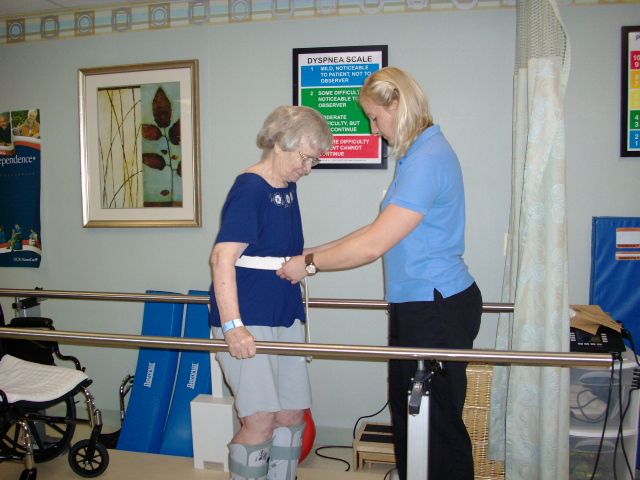
How is Fort Worth Wellness & Rehabilitation Staffed?
CMS rates Fort Worth Wellness & Rehabilitation's staffing level at 1 out of 5 stars, which is much below average compared to other nursing homes. Staff turnover is 53%, compared to the Texas average of 46%.

What Have Inspectors Found at Fort Worth Wellness & Rehabilitation?

State health inspectors documented 22 deficiencies at Fort Worth Wellness & Rehabilitation during 2022 to 2025. These included: 1 Immediate Jeopardy (the most serious level, indicating potential for serious harm or death) and 21 with potential for harm. Immediate Jeopardy findings are rare and represent the most serious regulatory concerns. They require immediate corrective action.

Who Owns and Operates Fort Worth Wellness & Rehabilitation?

Fort Worth Wellness & Rehabilitation is owned by a for-profit company. For-profit facilities operate as businesses with obligations to shareholders or private owners. The facility is operated by OPCO SKILLED MANAGEMENT, a chain that manages multiple nursing homes. With 104 certified beds and approximately 81 residents (about 78% occupancy), it is a mid-sized facility located in Fort Worth, Texas.

How Does Fort Worth Wellness & Rehabilitation Compare to Other Texas Nursing Homes?

Compared to the 100 nursing homes in Texas, Fort Worth Wellness & Rehabilitation's overall rating (1 stars) is below the state average of 2.8, staff turnover (53%) is near the state average of 46%, and health inspection rating (2 stars) is below the national benchmark.

What Should Families Ask When Visiting Fort Worth Wellness & Rehabilitation?

Based on this facility's data, families visiting should ask: "What changes have been made since the serious inspection findings, and how are you preventing similar issues?" "Can you walk me through typical staffing levels on day, evening, and night shifts?" "Can I visit during a mealtime to observe dining assistance and food quality?" "How do you handle medical emergencies, and what is your hospital transfer rate?" These questions are particularly relevant given the facility's Immediate Jeopardy citations and the below-average staffing rating.

Is Fort Worth Wellness & Rehabilitation Safe?

Based on CMS inspection data, Fort Worth Wellness & Rehabilitation has documented safety concerns. Inspectors have issued 1 Immediate Jeopardy citation (the most serious violation level indicating risk of serious injury or death). The facility has a 1-star overall rating and ranks #100 of 100 nursing homes in Texas. Families considering this facility should ask detailed questions about what corrective actions have been taken since these incidents.

Do Nurses at Fort Worth Wellness & Rehabilitation Stick Around?

Fort Worth Wellness & Rehabilitation has a staff turnover rate of 53%, which is 7 percentage points above the Texas average of 46%. Moderate turnover is common in nursing homes, but families should still ask about staff tenure and how the facility maintains care continuity when employees leave.

Was Fort Worth Wellness & Rehabilitation Ever Fined?

Fort Worth Wellness & Rehabilitation has been fined $185,385 across 1 penalty action. This is 5.3x the Texas average of $34,933. Fines at this level are uncommon and typically indicate a pattern of serious deficiencies, repeated violations, or failure to correct problems promptly. CMS reserves penalties of this magnitude for facilities that pose significant, documented risk to resident health or safety. Families should request specific documentation of what issues led to these fines and what systemic changes have been implemented.

Is Fort Worth Wellness & Rehabilitation on Any Federal Watch List?

Fort Worth Wellness & Rehabilitation is not on any federal watch list. The most significant is the Special Focus Facility (SFF) program, which identifies the bottom 1% of nursing homes nationally based on persistent, serious quality problems. Not being on this list means the facility has avoided the pattern of deficiencies that triggers enhanced federal oversight. This is a positive indicator, though families should still review the facility's inspection history directly.