GARDEN TERRACE ALZHEIMER'S CENTER OF EXCELLENCE
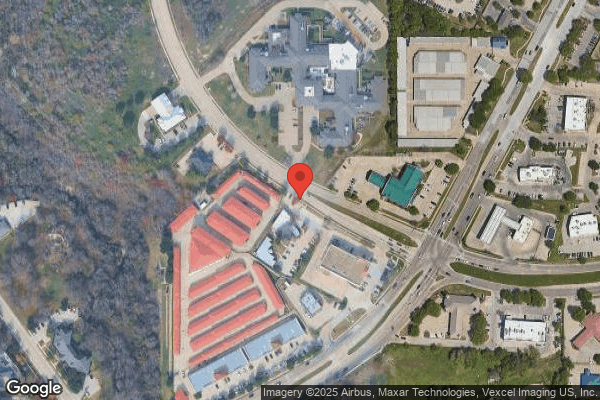

7500 OAKMONT BLVD, FORT WORTH, TX 76132 (817) 346-8080
For profit - Partnership 120 Beds LIFE CARE CENTERS OF AMERICA Data: November 2025 3 Immediate Jeopardy citations
Trust Grade
19/100
#470 of 1168 in TX
Last Inspection: November 2024

Within standard 12-15 month inspection cycle. Federal law requires annual inspections.

Overview

Garden Terrace Alzheimer's Center of Excellence in Fort Worth, Texas, has received a Trust Grade of F, indicating significant concerns about the facility's operations and care quality. Ranking #470 out of 1,168 facilities in Texas places it in the top half, but the county rank of #21 out of 69 suggests that there are better local options available. Unfortunately, the facility is worsening, with issues increasing from 9 in 2023 to 12 in 2024. Staffing is average with a 3/5 star rating and a turnover rate of 46%, which is slightly better than the state average. However, the facility has faced serious problems, including failing to notify a physician when a resident was dropped during a transfer, leading to multiple fractures, and failing to ensure a safe environment, which resulted in an Immediate Jeopardy status. While they have good quality measure ratings, the critical incidents highlight significant areas of concern that families should weigh carefully.

Trust Score
F
19/100
In Texas
#470/1168
Top 40%
Safety Record
High Risk
Review needed
Inspections
Getting Worse
9 → 12 violations
Staff Stability
⚠ Watch
46% turnover. Above average. Higher turnover means staff may not know residents' routines.
Penalties
✓ Good
$34,405 in fines. Lower than most Texas facilities. Relatively clean record.
Skilled Nurses
○ Average
Each resident gets 39 minutes of Registered Nurse (RN) attention daily — about average for Texas. RNs are the most trained staff who monitor for health changes.
Violations
⚠ Watch
21 deficiencies on record. Higher than average. Multiple issues found across inspections.
★★★☆☆
3.0
Overall Rating
★★★☆☆
3.0
Staff Levels
★★★★★
5.0
Care Quality
★★☆☆☆
2.0
Inspection Score
Stable
2023: 9 issues
2024: 12 issues

The Good

  • 5-Star Quality Measures · Strong clinical quality outcomes
  • Full Sprinkler Coverage · Fire safety systems throughout facility
  • No fines on record

Facility shows strength in quality measures, fire safety.

The Bad

3-Star Overall Rating

Near Texas average (2.8)

Meets federal standards, typical of most facilities

Staff Turnover: 46%

Near Texas avg (46%)

Higher turnover may affect care consistency

Federal Fines: $34,405

Above median ($33,413)

Moderate penalties - review what triggered them

Chain: LIFE CARE CENTERS OF AMERICA

Part of a multi-facility chain

Ask about local staffing decisions and management

The Ugly 21 deficiencies on record

3 life-threatening
Nov 2024 7 deficiencies
CONCERN (D)

Potential for Harm - no one hurt, but risky conditions existed

Pharmacy Services (Tag F0755)

Could have caused harm · This affected 1 resident

Based on observation, interview and record review, the facility failed to provide pharmaceutical services including procedures to ensure the accurate acquiring, receiving, dispensing, and administerin...

Read full inspector narrative →
Based on observation, interview and record review, the facility failed to provide pharmaceutical services including procedures to ensure the accurate acquiring, receiving, dispensing, and administering of all drugs to meet the needs of each resident for 1 of 3 Residents reviewed for pharmaceutical services for 2 (med rooms A and B) of 2 reviewed for medication storage 1. The facility failed to dispose of expired medications. This failure could place residents at risk of not receiving the intended therapeutic benefit of the medications. Findings included: Observation on 11/07/24 at 08:07 AM of med room A with the Regional Nurse revealed expired TB vaccine dated 9/27 on one side and 10/13 on the other side. There was no year. The Regional Nurse stated that vaccines were good for 30 days. She said that the vaccine potency was the risk for expired vaccines. In a phone Interview on 11/07/24 at 01:08 PM the ADON stated all nursing staff were responsible for ensuring meds were not expired. She stated the pharmacist checks monthly for expired meds. If the meds are frozen or sitting in water, that is not good. She stated freezing can change the structure and make it lose effectiveness. Review of facility policy titled Storage and Expiration, dating of medication, Biological, revision dated 08/07/23 reflected .reflected in part .Once any medication or biological package is open, the Facility should follow manufacturer/supplier guidelines with respect to expiration date for opened medications. Facility staff should record the date opened on the primary medication container (vial, bottle, inhaler) when medication has a shortened expiration date once opened or opened.5.3. If a multi-dose vial of an injectable medication has been opened or accessed (e.g., needle punctured) the vial should be dated with dated and discarded within 28 days unless the manufacturer specifies a different (shorter or longer) date for that opened vial.11. Facility should monitor refrigerator storage for evidence of moisture and condensation (humidity) and may consult with the pharmacy regarding medication integrity .
CONCERN (D)

Potential for Harm - no one hurt, but risky conditions existed

Deficiency F0806 (Tag F0806)

Could have caused harm · This affected 1 resident

**NOTE- TERMS IN BRACKETS HAVE BEEN EDITED TO PROTECT CONFIDENTIALITY** Based on observation, interview, and record review, the facility failed to provide Food that accommodates resident allergies, in...

Read full inspector narrative →
**NOTE- TERMS IN BRACKETS HAVE BEEN EDITED TO PROTECT CONFIDENTIALITY** Based on observation, interview, and record review, the facility failed to provide Food that accommodates resident allergies, intolerances, and preferences for one (Resident #131) of 3 residents reviewed for food preferences. The facility provided Resident #131 a lunch meal that contained meat in it, which did not match her vegetarian preferences. This failure could affect residents who ate meals from the facility's only kitchen by placing them at risk of not having their choices and food preferences accommodated, possible weight loss, and a diminished quality of life. Findings included: Review of Resident #131's face sheet, dated 11/06/24, revealed the resident was a [AGE] year-old female, admitted on [DATE], with the diagnoses of anemia, major depressive disorder, and hypertension (high-blood pressure ). Review of Resident #131's initial MDS assessment, dated 11/01/24, revealed no pertinent information. Review of Resident #131's care plan, dated 11/05/24, revealed she was at risk for weight fluctuation due to current health status. The goal was to maintain Resident #131's current weight. Resident #131's diet was listed as regular. No documentation of the residents' dietary preferences was found. Interview on 11/05/24 at 09:19 AM with Resident #131 revealed she was recently admitted and that she generally did not eat much. Resident #131 stated she was a vegetarian and liked salad. Observation and interview on 11/06/24 at 11:46 AM with Resident #131 in her room revealed that she did not like the taste of the pasta because there was meat in it. She stated she did not eat meat. Resident #131 stated the person who brought her food took out the bigger chunks of meat but there was still meat on the pasta. She stated that was, however, the first time that she had been served anything with meat since she was admitted . Observation of Resident #131's meal revealed chunks of meat in the gravy and the pasta. Review of Resident #131's meal ticket revealed, Reg Texture, Thin, Veg .no meat . In an interview on 11/06/24 at 11:50 AM with the Dietitian revealed Resident #131 was a vegetarian. The Dietitian offered a grilled cheese sandwich to Resident #131. She stated the procedure was to check the plates to ensure accuracy of the resident's meal preferences. The Dietitian stated it was important to honor preferences. The Dietitian stated she talked to Resident #131 regarding her meal preference and about getting yogurt. Interview on 11/06/24 at 11:56 AM with CNA E revealed she took the lunch tray to Resident #131 and did not open it to look at the meal. She stated she was aware the resident was vegetarian. CNA E stated Resident #131's preference was on the meal slip and the resident herself had told her. CNA E stated she would have told Resident #131 to give her a second and get her a different tray had she had known. CNA E stated residents that did not eat meat should not be given meat. Interview and observation on 11/06/2024 at 12:07PM with [NAME] A and the Dietitian revealed that [NAME] A stated the gravy used in Resident #131's lunch meal was beef flavored gravy with no actual meat. Observation of the gravy mix revealed it was [Brand Name] gravy mix and contained ingredients of chicken fat and gelatin. [NAME] A stated that she cooked the meat and gravy separately. The Dietitian stated the chunks on Resident #131's pasta could have been the noodles or gravy mix. The Dietitian stated that she had an extensive length talk with Resident #131 yesterday, 11/05/2024, about her dietary preferences. She discussed that Resident #131 didn't like the flavor of meat and was offered options as an alternative to what was being served each day. She stated cottage cheese was ordered for Resident #131. [NAME] A and the Dietitian confirmed that Resident #131's meal card instructions reflected her dietary preference was vegetarian. Phone Interview on 11/07/24 at 01:08 PM with the ADON revealed the facility conducted training with the staff on the meal tickets and on reading it, if residents had a like or dislike. The facility would also, during orientation, ask new patients to tell them what they disliked, and if they had a special diet. She expected the staff to do the set-up of the plate for meals, which was a part of the meal service. The ADON stated they were to open the plate up, make sure residents had all of their items. She stated that was part of the dining experience. The ADON stated it was a problem when staff didn't notice when the meal did not match food preferences. She stated the aide would normally notify the kitchen, let the nurse know, and get the resident a substitute. The nurse would review the dietary slip so they could solve the problem. The ADON stated it was a problem because it was Resident #131's right to have food she could eat, and the resident could get upset. She stated if the resident did not get food she wanted, she would not eat. Interview on 11/07/24 at 2:04 PM with the Dietary Manager revealed [NAME] A cooked all the gravies the kitchen used such as chicken, beef, and turkey, and the only one Resident # 131 was supposed to have was the brown gravy, because each of the other gravies had meat in them. The Dietary Manager stated [NAME] A gave her beef gravy instead of brown gravy. The Dietary Manager confirmed Resident #131's lunch meal had chunks of meat in the gravy and pasta. She stated normally the meat was cooked separately, cooked first, and when it was done, it was combined with the gravy. She stated the staff knew Resident #131 was vegetarian and did not have any problems with that before. The Dietary Manager stated she reviewed all the different diets with the kitchen staff, and they had a chart they can read about any special diet, celiac (immune reaction to gluten), anything. She stated she watched facility staff to ensure they were abiding by resident preferences. The Dietary Manager stated when she was not in the kitchen, she would hope staff would do the right thing, and she was not right there when Resident #131 was served a meal with meat in it. She stated it was the right of the residents to get served food that met their preferences. Interview on 11/07/24 at 3:15 PM with LVN F revealed if a resident was vegetarian or had an allergy she knew where to look for it. She stated if the resident was vegetarian, she would check to see if there was anything on the meal tray that was not vegetarian such as any meat or anything their diet stated they were not supposed to have. LVN F stated that could affect the resident as they may not know what kind of reaction the resident would have. LVN F stated she talked to the CNAs about checking trays. She stated the nurses check the plates before the CNAs deliver them. She stated it was important to check trays to make sure everyone had the right texture, first off, because she doesn't want anyone to choke. Interview on 11/07/24 at 4:11 PM with the DON revealed she looked at the photo of the noodles with gravy with meat chunks on them for Resident #131's lunch meal and stated that she would take the tray back to the kitchen. She stated staff should let the nurse know if they see the meal did not match the meal ticket and take the tray back to get another preference. The DON stated the nurses check the trays before the CNAs deliver them. She stated that was protocol for both halls, not just the secured unit. She stated checking trays was in place to prevent choking and making sure people have the right diet. Interview on 11/07/24 at 5:31 PM with the Administrator revealed honoring food preferences for residents was a resident's right. The Administrator stated the risk of not honoring food preferences could be allergic reactions, could cause mental stress, and GI issues. Review of the facility's Resident Satisfaction with Food and Dining policy, revised 04/25/23, revealed, Facility will have a process in place to monitor the quality of food and beverages delivered to the residents .
CONCERN (E)

Potential for Harm - no one hurt, but risky conditions existed

Deficiency F0694 (Tag F0694)

Could have caused harm · This affected multiple residents

**NOTE- TERMS IN BRACKETS HAVE BEEN EDITED TO PROTECT CONFIDENTIALITY** Based on observation, interviews, and record review the facility failed to ensure residents received parenteral fluids administe...

Read full inspector narrative →
**NOTE- TERMS IN BRACKETS HAVE BEEN EDITED TO PROTECT CONFIDENTIALITY** Based on observation, interviews, and record review the facility failed to ensure residents received parenteral fluids administered consistent with professional standards of practice and in accordance with physician orders for 2 (Residents #15 and #81) of 2 residents reviewed for peripheral intravenous care. 1.The facility failed to attach Resident #81's needleless connector (connects to the end of a catheter to delivery IV therapy) to the IV every seven days as indicated in the physician's orders. (A midline is a long flexible tube that is inserted into the vein in the upper arm to administer medication or fluids intravenously) and failed to date the IV dressing. 2.RN G failed to disinfect the midline catheter prior to securing the needleless connector on the IV for Resident #81. 3.The facility failed to date Resident #15's chemo port dressing (this is a small implantable device that allows for easy access to veins for medical treatments) and failed to date Resident #81's intravenous midline dressings. 4.LVN F failed to wear appropriate PPE when accessing Resident #15's chemo port. The failures placed residents at risk of developing an infection. Findings included: 1. Review of Resident #81's face sheet, dated 11/05/24, revealed the resident was a [AGE] year-old female, admitted on [DATE], with diagnoses of cervical region spondylosis with myelopathy (this is a condition that occurs when the spinal code in the neck deteriorated due to aging, Escherichia coli (a type of infection), and bacteremia, and Alzheimer's disease with late onset (this is a brain condition that progressively destroys memory and other important mental functions ). Review of Resident #81's physician orders, dated 11/05/24, revealed the following: - IV: Midline Catheter - Change needleless connector every day shift every 7 day(s) AND as needed and with blood draws or transfusions with start date of 11/06/24 Review of Resident #81's care plan, dated 11/05/24, revealed the resident had dehydration or potential fluid deficit due to E. coli Bacteremia Infection and is on IV medication. The goal was Resident #81 would be free of symptoms of dehydration and maintain moist mucous membranes and good skin turgor. The resident is also on enhanced barrier precautions due to IV medications (Ceftriaxone) for Bacteremia and E. coli. The goal was for the resident to be free of complications from IV therapy. Interventions included: IV dressing: Observe every shift and change dressing and record observation of site as ordered. Observe signs and symptoms of infection at the site of the IV such as drainage, inflammation, swelling, redness, and warmth. Review of Resident #81's MDS admission assessment, dated 10/30/24, revealed no pertinent information related to the resident's IV. Review of Resident #81's MAR for November 2024, revealed the needleless catheter was last changed on 11/06/24, the date surveyor made the observation and again on 11/07/24. Observation and interview on 11/05/24 at 01:19 PM, with RN G revealed Resident #81 with a single IV catheter tube in her left upper arm. The dressing around the IV catheter was undated and the IV catheter tube had no needleless connector (connects to the end of a catheter to delivery IV therapy) to it. RN G stated Resident #81 had a midline with a single lumen (central venous catheter with a single distal port for drug infusion, blood drawing, etc .). He stated he did not know what happened to the needless connector and he did not know when the dressing was changed. He stated he would put the cap back on the midline. RN G wheeled Resident #81 out of her room and put on gloves and put a green cap at the end of IV catheter tube without the needless connector. The needless connector was still missing from the end of the IV catheter tube. RN G did not disinfect the midline catheter before securing the green cap to it. Resident #81 was non interviewable about the midline. She smiled and said hello. Observation and interview on 11/06/24 at 8:01 AM of Resident #81 with RN G revealed Resident #81 was attached to the IV pole with antibiotics done. Resident #81's midline IV dressing had been changed and dated 11/05/24. The needless connector was attached at the end of IV catheter tube. RN G stated the needless connector was used for filtration and to keep infection out of the midline. He stated he did not know who had removed it yesterday. He stated when he had administered Resident #81's antibiotics on 11/05/24 at 1:00 PM the needless connector was there. RN G stated he should have cleaned the IV catheter before putting on the green cap and he should have secured another needleless connector to the midline IV catheter. He stated it might have fallen off during the night shift. RN G was asked if he noticed it missing during the morning IV medication administration to which he responded he was not aware the needless connector was missing. 2. Review of Resident #15's face sheet, dated 11/07/24, revealed a [AGE] year-old male, admitted to the facility on [DATE], with the diagnoses of esophageal obstruction (a blockage or narrowing of the esophagus), cancer of esophagus, Gastrostomy status (this is a feeding tube that is placed through the abdominal cavity area into the stomach for nutritional purpose and medication for individual who have a difficulty swallowing), and chronic kidney diseases . Review of Resident #15's physician's orders, dated 11/07/24, revealed Saline flush solution. Use 10 ml intravenous every 3 months starting on the 28th for 10 days for port to implanted port-valved when not accessed. The physician's orders did not reflect dressing changes and monitoring. Review of Resident #15's Care Plan initiated 10/22/24 revealed Resident #15's care plan did not reflect a chemo port and interventions. Observation and interview on 11/06/24 at 10:17 AM, revealed Resident #15 was in his room. The door sign reflected STOP Enhanced Barrier Precautions. Everyone must clean their hands before entering the room and when leaving the room. Providers and staff must wear gloves and gown for the following: dressing, bathing/showering, transferring, changing linens, providing hygiene, changing briefs or assisting with toileting, device care or use such as; central lines, urinary catheter, feeding tube, tracheostomy (surgical procedure that involves creating an opening in the neck to access the trachea). Wound care: any skin opening requiring dressing. LVN F washed her hands upon entry to go into Resident #15's room. She wore gloves on her hands, but she did not wear a gown as she accessed Resident #15's port that was located on his right upper chest area. The dressing was clean, intact, and undated. LVN F opened the port and flushed it with 10 ml of saline. Resident #15 stated the port was put in when he was doing chemo and radiation for his cancer. He stated it had not been used since he was at the facility. LVN F stated that she had to flush the chemo port per physician's order with saline. LVN F stated she forgot to wear a gown before accessing Resident #15's port. She stated the purpose of enhanced barrier precautions was to keep infection from the residents. Phone Interview on 11/07/24 at 01:08 PM with the ADON, she stated she had done an in-service on IVs; it was about tubing, dressing changes, and IV administration. That was the most recent and it had been within the last week. The ADON stated midline dressings, the clear one, was changed weekly. LVN I stated it should be dated. She stated it should have a needleless connector on it. The ADON stated if the needleless connector was not on, there was a risk for infection. She stated the nurse who administered medications through the IV would have been the first person to make sure it was attached, and the floor nurse would monitor the IV. The ADON stated if she saw that the resident did not have the connector, she would have assess the resident and ensured Resident #81 had the connector and attached it, and before she put it back on, she would clean the site first. She stated she would clean the site with alcohol. The ADON stated they had plenty of supplies for dressing changes, and had extra supplies stored. The dressing change was a sterile one. The needleless connector was treated as sterile. The ADON stated the port access should be done according to physician's orders and infection control precautions should be followed accordingly. She stated she was unaware that Resident #15 had a port. Interview on 11/07/24 at 3:15 PM with LVN I revealed she administered antibiotics to Resident #81 via IV on 11/04/24, Monday. She stated she did not remember what the little part that was connected to the IV was (needleless connector). LVN I stated the dressing was dated when she changed it, and it had the twist part that connected, but she could not remember the name. She stated it was to allow fluids to flow through and she would close it up to protect the tubing from bacteria. The surveyor showed LVN I a picture of the dressing that was undated as of 11/05/24. LVN I stated Resident #81 would pull off the dressing and that someone must have replaced it since she did not know why it was not dated. She stated the dressing was sterile for infection control. LVN I stated last month she thought they did EBP training, and they did it for IV, and she did a whole course on it about a month and a half ago. She stated there was no in-service the past week though. LVN I stated she was an IP nurse, so she had to do training on IV. She stated the ADON does most of it, but LVN I stated she stepped up when the ADON was out of the facility. She stated she was mainly on the floor. She stated EBP was for any resident with wounds, catheters, IV . there were a lot of different ones that were required to be on EBP. She would expect the staff to wear PPE to provide care for a midline or port. The purpose was to protect staff and the resident from spreading bacteria. LVN I stated it was a precaution. LVN I revealed that residents admitted with a chemo port doctor's orders were followed regarding the care of the chemo port site. She stated they would document the chemo port on admission, the dressing, how it looked and what it was, and whatever the orders were. If there was no order for dressing or anything, she would reach out to the physician. LVN I stated the admitting nurse would be responsible for verifying the orders with the physician and on their daily rounds with the DON and the IDT. She stated they would confirm and double check those orders. LVN I stated she was not sure about whether they were allowed to change the dressing and would have to look at the policy. LVN I stated she had never dealt with a chemo port nor had she done anything with it. She stated if the chemo port had a dressing that needed to be changed or cleaned, they would do that, but there would have to be orders in place to even do that. She stated the NP would get with the doctor who would deal with the port. LVN I stated sometimes they got orders from physicians that they see outside the facility. LVN I stated she has never changed a dressing on a chemo port, nor does she know how. LVN I stated if someone had an undated dressing on a port, she would not touch it. She stated she would get someone who knew how and would find out what she was even allowed to do with the chemo port. LVN I stated she would reach out to DON first, then the physician. She stated she would not touch it without doing that first. LVN I stated she would not want to do anything without asking, because it would be outside of her scope as she was not an RN. LVN I stated she would want a date on the dressing because they need to know if it was clean and how long the dressing had been on. She stated if the dressing had been on for 10 days there were probably a lot of germs under it. Interview on 11/07/24 at 4:11 PM with the DON revealed her expectations of IV dressings was to make sure they were dated all the time. She stated she had a conversation with the Pharmacist because when they placed the midline, they came in without a date, and nurses had to check for that. The DON stated the blue cap (needless connector), the green cap, and the date were missing in the photo of the midline for Resident #81. She stated the blue cap (needless connector) was placed so residents do not have infection, because the line was direct from the vein, and it was exposed. The DON stated the nurses were responsible for ensuring the cap was on there. She stated the nurse should not have placed the green cap directly without the blue part (needless connector) on the line. She stated they did training with the nurses and even had someone from outside come in and train the nurses. The DON stated the RNs already had IV certification, so it was the LVNs who needed training. The DON revealed when a resident had a port, like a chemo port, the expectation was that nurses do not touch the chemo port. She stated there was an order for the port, which needed to be flushed every three months with heparin (anticoagulant, to help prevent clots in the port) by the provider. The DON stated if the hospital gave them orders to flush it, they would do it. She stated she has never flushed the chemo port, and her staff do not change the dressing. The DON stated if the dressing was not dated, she would call the provider and ask them to come and change the dressing. She stated they usually come within two days. She was aware of the port, and stated she saw the provider when he came, because she spoke to his case manager when he came. The DON stated she spoke to the provider regarding the port, and they were not required to do anything with it. She stated she did not tell them it was undated. The DON stated she had a lot of conversations and could not remember if she talked to them about the dating. She stated she did not remember if LVNs were allowed to access the port, or flush it and would have to look at the policy After reviewing the orders, the DON stated she looked at the order, and it did say flush with saline, however, there was no order for the dressing. The DON stated it was important to ensure dressings were done in order to monitor the port and dressing for signs of infection, and because he was on chemo he was susceptible to infection. The DON stated when accessing the port, the nurse should have followed EBP for infection control. The DON stated she did not know when the port dressing for Resident #15 was done. She stated the order should have been to flush [NAME] every 3 months instead of saline. She stated the facility was not allowed to change the port dressing and orders should have been put in to reflect that. Review of the facility's in-service dated 06/14/24, enhanced barrier precaution by the ADON revealed, LVN F and RN G had completed training. Review of facility's competency check off for IV revealed the checks were completed by LVN F and RN G on 11/05/24. Review of the facility's Midline Catheter Dressing Change policy, revised 06/2024, revealed, .sterile dressing change using transparent dressing is performed .at least weekly .label dressing with date, time and nurses' initials . Review of the facility's Enhanced Barrier Precautions policy, revised 03/21/24, revealed, .EBP are indicated for residents with any of the following: 1. Infection or colonization with a CDC-targeted MDRO .Wounds and/or indwelling medical devices even if a resident is not known to be infected or colonized with a MDRO .post signage .high-contact resident care activities requiring gown and glove use . There was no facility policy on needleless connectors. Internet search What Is A Needleless Connector?, dated 02/23/21, revealed, .Needleless connectors (NCs) are devices connected at the end of vascular catheters. Once connected to the vascular catheter, two critical clinical activities could be done: (1) infusion can be done through it, or (2) aspiration can be performed . prevent the unnecessary entry of disease-causing microorganisms while infusion or aspiration is occurring
CONCERN (E)

Potential for Harm - no one hurt, but risky conditions existed

Respiratory Care (Tag F0695)

Could have caused harm · This affected multiple residents

**NOTE- TERMS IN BRACKETS HAVE BEEN EDITED TO PROTECT CONFIDENTIALITY** Based on observation, interview, and record review, the facility failed to ensure that residents who needed respiratory care wer...

Read full inspector narrative →
**NOTE- TERMS IN BRACKETS HAVE BEEN EDITED TO PROTECT CONFIDENTIALITY** Based on observation, interview, and record review, the facility failed to ensure that residents who needed respiratory care were provided such care, consistent with professional standards of practice, for three (Residents #18, #25, and #133) of ten residents reviewed for oxygen: The facility failed to ensure the humidifier water was changed according to the facility policy for Residents #18, #25 , and #133 and failed to ensure oxygen tubing was changed weekly per facility policy for Residents #18 and #25. This deficient practice could affect residents who received oxygen therapy by causing them to receive incorrect or inadequate oxygen support and could expose them increased infection risk, resulting in infections and a decline in health. Findings included : 1. Review of Resident #18's face sheet, dated 11/05/24, reflected he was a [AGE] year-old male, admitted to the facility on [DATE], and having diagnoses of heart disease with heart failure, acute and chronic respiratory failure, and chronic obstructive pulmonary disease (a condition which makes breathing difficult ). Review of Resident #18's quarterly MDS Assessment, dated 10/14/24, revealed Resident #18 had a BIMS score of 14, which indicated the resident was cognitively intact. Resident was dependent on toileting, required substantial assistance in bathing, and dressing. Resident #18 had an active diagnosis of respiratory failure and chronic obstructive pulmonary disease, and was on oxygen therapy. Review of Resident #18's care plan, dated 11/06/2024, revealed the resident was at risk for shortness of breath due to a diagnosis of COPD. The goal indicated the resident would have no complications related to shortness of breath. Interventions included: Administer oxygen as ordered, maintain clear airway by encouraging resident to clear own secretions with effective coughing. If secretions cannot be cleared, suction as needed to clear secretions. Review of Resident #18's order summary, dated 11/05/24, reflected: - Change oxygen tubing and nebulizer circuit every night shift every Sun With an order date of 05/28/2024 and a start date of 06/02/2024. - Clean oxygen concentrator filter with soap and water weekly every Sun With an order date of 05/28/2024 and a start date of 06/02/2024. - Oxygen at _2-5_ liters/minute per nasal cannula as needed With an order date of 05/28/2024 and a start date of 05/28/24. - Oxygen at 2_5 liters/minute continuously per nasal cannula. Document every shift With an order date of 05/28/2024 and a start date of 05/28/24. - Oxygen sat rates every shift With an order date of 05/28/2024 and a start date of 05/28/24. - Oxygen sat rates every shift may titrate to keep above_96__% With an order date of 05/28/2024 and a start date of 05/28/24. - There was no order mentioned replacing the humidifier water. Observation on 11/05/24 at 10:00 AM with Resident #18 revealed the resident was asleep. Observation of Resident#18's oxygen concentrator revealed 5 L of compressed air attached to him, the humidifier water was dated 10/27 on one side and 11/03 on the other side. The oxygen tubing dated 08/24. 2. Review of Resident #25's face sheet, dated 11/06/24, revealed the resident was a [AGE] year-old male, admitted on [DATE], with the following diagnoses of acute respiratory failure with hypoxia (low levels of oxygen in body tissue), heart failure, and COVID-19 . Review of Resident #25's care plan, dated 11/06/24, revealed the resident had shortness of breath due to history of PNA and respiratory failure. The goal indicated Resident #25 would have no complications related to shortness of breath. Interventions included: Administer oxygen as ordered, encourage sustained deep breaths .using incentive spirometer. Review of Resident #25's quarterly MDS assessment, dated 10/02/24, revealed the resident had a BIMS score of 15, which indicated the resident was cognitively intact. The resident required extensive assistance in bathing and dressing. Review of Resident #25's physician orders, dated 11/06/24, revealed the following: Change oxygen tubing and nebulizer circuit every night shift every Sunday, start date 08/14/24. Change oxygen tubing as needed, start date 08/12/24. Clean oxygen concentrator filter with soap and water weekly every Sunday, start date 08/18/24. Observation on 11/05/24 at 10:26 AM with Resident #25 revealed his oxygen tubing was dated 08/24 on an orange label attached to his oxygen tubing. The family stated Resident #25 had been wearing oxygen since he was diagnosed with pneumonia. 3. Review of Resident #133's face sheet, dated 11/06/24, revealed the resident was a [AGE] year-old female, admitted on [DATE], with the following diagnoses of acute and chronic respiratory failure with hypoxia, obstructive sleep apnea, and moderate persistent asthma. Review of Resident #133's MDS assessment, dated 10/29/24, revealed the resident had a BIMS score of 14, which indicated the resident was cognitively intact. The resident was dependent on toileting and hygiene and required extensive assistance with bathing and dressing. Resident #133 was diagnosed with respiratory failure and asthma. Resident #133 was on oxygen therapy. Review of Resident #133's care plan, dated 10/25/24, revealed the resident had shortness of breath due to asthma. The goal indicated Resident #133 would be free of complications from asthma. Interventions included: Administer oxygen as ordered, give medications as ordered, and observe for signs and symptoms of impending asthma attack. Review of Resident #133's order summary, dated 11/07/24, reflected: - Change oxygen tubing and nebulizer circuit every night shift every Sun with an order date of 10/29/2024 and a start date of 11/03/2024. - Oxygen at _2-5__ liters/minute continuously per nasal cannula with an order date of 10/29/2024 and a start date of 10/29/2024. - Oxygen at 2-5_ liters/minute per nasal cannula as needed with an order date of 10/29/2024 and a start date of 10/29/2024. - Oxygen sat rates every shift with an order date of 10/29/2024 and a start date of 10/29/2024. - Oxygen sat rates every shift may titrate to keep above __95_% with an order date of 10/29/2024 and a start date of 10/29/2024. Observation on 11/05/24 at 10:30 AM with Resident #133 revealed the resident seated in her recliner chair drinking coffee. Her oxygen was attached to a compressor, then to her nose. Resident #133's oxygen concentrator revealed 3 L of compressed air, and the humidifier water was dated 10/27 on one side and 11/03 on the other side. The tubing was dated 11/03. Resident stated she was watching her favorite TV show and did not want to interview. In an interview on 11/05/24 at 2:30 PM with LVN F, she stated she knew how to change the oxygen tubing and the humidifier water. She stated that the facility did not have a respiratory therapist, and the nurses were responsible for changing the tubing every Sunday. She stated the humidifier water was only changed when it ran out. She stated the risk to not changing tubing was infection due to residents breathing in the germs. Interview on 11/07/24 at 3:15 PM with LVN I, revealed she had some residents on oxygen in the secured unit and named them. She stated she knew how to change the tubing and filter water, and it was done every Sunday, usually it was the night shift that changed them. She stated when she arrived on Monday morning and it was not changed, she made sure it was changed. LVN I stated she has seen staff scratch the date off the humified water and she has told them to re-do it because she had no way of knowing if they changed the date or not. She was reticent to see who she had told. She stated she wanted to make sure residents get enough oxygen, because if tubing was old, kinks and bacteria could grow in the humidified water. In an observation and interview with DON on 11/05/24 at 3:20 PM, revealed she went around to Resident #25's room and took the old tubing out. She then went into Resident #133 and into Resident #18's rooms and stated that the tubing and humified water were expected to be changed every Sunday and as needed if the humidified water ran out. She stated it was unacceptable for a nurse to cross off a date and write a new date on the humidification bottle. She stated the whole bottle should be changed and a new date written on it. She stated nursing staff were responsible for monitoring the oxygen and she was also responsible for making sure nursing staff was following policy. Humidification on O2 was changed every Sunday night, every 7 days. The nurse on duty did it. It is not ok to cross out a date and write a new date. They change it weekly. They change it weekly because everything goes back to infection control. That is the risk. Review of the facility's Oxygen Administration (Safety, Storage, and Maintenance), revised 10/11/24, revealed, .Change oxygen supplies weekly and when visibly soiled. Equipment should be labeled with patient name and dated when setup or changed out .Humidifier/Aerosol bottles should be dated and replaced every 7 days regardless of H2O level .
CONCERN (E)

Potential for Harm - no one hurt, but risky conditions existed

Deficiency F0761 (Tag F0761)

Could have caused harm · This affected multiple residents

**NOTE- TERMS IN BRACKETS HAVE BEEN EDITED TO PROTECT CONFIDENTIALITY** Based on observation, interview, and record review, the facility failed to currently accepted professional principles, and inclu...

Read full inspector narrative →
**NOTE- TERMS IN BRACKETS HAVE BEEN EDITED TO PROTECT CONFIDENTIALITY** Based on observation, interview, and record review, the facility failed to currently accepted professional principles, and include the appropriate accessory and cautionary instructions, and the expiration date when applicable for storage of drugs and biologicals under proper temperature controls, and provide separately locked, permanently affixed compartments for storage of medications for 2 (med rooms A and B) of 2 reviewed for medication storage. 1. The facility failed to ensure medication rooms A and B were clean and well-lit. 2. The facility failed to ensure the fridge/freezer was at an appropriate temperature, which caused medications to freeze over in medication room A. This deficient practice could affect residents prescribed medications in the facility and place them at risk of receiving compromised or contaminated medications. Findings included: Observation on [DATE] at 08:07 AM of med room A with the Regional Nurse revealed a refrigerator with temperature of the fridge was 30 degrees Fahrenheit with no narcotics in the fridge. The Regional Nurse stated that they did not use the sink and that they would have to go across the hallway to wash hands in case of spills. She stated they also did not mix any medications in the med rooms. An interview and observation on [DATE] at 08:20 AM with the Regional Nurse of med room B revealed lightning was dark, which made it difficult to see the inside the refrigerator. The refrigerator contained no narcotics. The IV medication for Resident #81 had visible ice particles in both bags. Insulin and vaccine vials were stored in the bottom of the refrigerator in standing water and were wet. The temperature on the door of the refrigerator was observed to be 30 degrees Fahrenheit. The Regional Nurse stated the medication was cool. The Regional Nurse stated that the risk to residents who had medications with ice particles in them was improper dosage and potency of medication. She stated the nursing staff was responsible for cleaning the med rooms and for reporting non-working refrigerators and lighting. In a phone Interview on [DATE] at 01:08 PM the ADON stated all nursing staff were responsible for making sure medication rooms were clean, and medications were not expired. If the meds are frozen or sitting in water, that was not good. She stated freezing could change the structure and make it lose effectiveness. Interview on [DATE] at 3:15 PM with LVN I, she stated when she gave Resident #81 her antibiotics on Monday ([DATE]), the meds were not frozen. She stated if they were, she would have called the pharmacy. She stated, You can't let it thaw and use it. She stated the process would have been to call pharmacy for a new one because residents need it, and she would not want the resident to miss her dose. LVN I stated she would not give meds that were compromised because it was not in the purest form anymore, with ice particles and water, the medicine could be diluted. She stated she believed the night staff were responsible for cleaning the med rooms. She stated she was not sure if they were also responsible for the refrigerators, but any nurse was permitted to discard old things. LVN I stated she felt there was enough lighting but recently, a light did go out and they replaced it. She stated when it went out, they called the maintenance man, and he came to do things when they ask him. She stated she was here on Monday and did not see the light out until this morning, so it might have gone out Tuesday. She told the maintenance man this morning. She told his assistant. She has never used [work order system], she just requested of him verbally. In an Interview on [DATE] at 4:11 PM with the DON all the nurses were responsible for the med rooms, to make sure things were working properly. She stated staff checked temps each shift in the fridge. The DON stated if the fridge was frozen, they would have to defrost it. The DON stated she thought maybe they did not wait for them to defrost fully. She stated medication that was frozen was not good as it might change the quality of the medication. She stated they called housekeeping when a nurse was there for them to clean it. The DON stated she saw the sink in med room B and they had a housekeeper clean it today. She stated nurses did not mix meds in the med rooms. They did not use the sinks. She stated they have done in-services on med rooms. She stated all staff should know how to use [work order system] to report broken items as the administrator had sent out an email to everyone. DON stated housekeepers clean the nourishment fridge. Review of facility policy titled Storage and Expiration, dating of medication, Biological, revision dated [DATE] reflected .reflected in part 3.4. Facility should ensure that infusion therapy products and supplies are stored separately from other medications and biologicals, under appropriate temperatures and sterility conditions, according to the manufacturers or suppliers' recommendations .4. Facility should ensure that medication and biological that: (1) have an expired date on the label;(2) have been retained longer than recommended by the manufacturer or supplier guidelines; or (3) have been contaminated or deteriorated, are stored separate from other medications until destroyed or returned to the pharmacy or supplier. 5. Once any medication or biological package is open, the Facility should follow manufacturer/supplier guidelines with respect to expiration date for opened medications. Facility staff should record the date opened on the primary medication container (vial, bottle, inhaler) when medication has a shortened expiration date once opened or opened.5.3. If a multi-dose vial of an injectable medication has been opened or accessed (e.g., needle punctured) the vial should be dated with dated and discarded within 28 days unless the manufacturer specifies a different (shorter or longer) date for that opened vial.11. Facility should monitor refrigerator storage for evidence of moisture and condensation (humidity) and may consult with the pharmacy regarding medication integrity .
CONCERN (E)

Potential for Harm - no one hurt, but risky conditions existed

Food Safety (Tag F0812)

Could have caused harm · This affected multiple residents

**NOTE- TERMS IN BRACKETS HAVE BEEN EDITED TO PROTECT CONFIDENTIALITY** Based on observation, interview, and record review, the facility failed to store, prepare, distribute and serve food in accordan...

Read full inspector narrative →
**NOTE- TERMS IN BRACKETS HAVE BEEN EDITED TO PROTECT CONFIDENTIALITY** Based on observation, interview, and record review, the facility failed to store, prepare, distribute and serve food in accordance with professional standards for food safety in the facility's only kitchen. 1. The facility failed to ensure kitchen staff had a hair net on while in the kitchen. 2. The facility failed to ensure food items in the dry storage were dated, labeled, and securely stored. 3. The facility failed to ensure two cans of canned goods were free from dents. 4. The facility failed to ensure food items in the walk-in freezer were labeled, dated, and secured. 5. The facility failed to ensure a metal container of melted fat held on the gas stove was properly covered and dated. 6. The facility failed to ensure cleaning equipment was not placed against clean dishes. 7. The facility failed to ensure nourishment refrigerators were free from cross-contamination? 8. The facility failed to prevent a fan from severing and blowing towards the food area . These failures could place residents at risk for food-borne illnesses. Findings include: Observation on 11/05/24 at 08:13 AM upon entry to the kitchen, revealed a staff member Dietary aide D was observed with a fast-food bag and a drink in the kitchen area without a hairnet on . Another staff member [NAME] B was observed with a white hat worn backwards, and another staff member the Dietary manager was observed without a hair net on either. Of the four staff in the kitchen, only Dietary aide C had a hair net on. Observation and interview on 11/05/24 at 08:15 AM of the dry storage with the Dietary Manager revealed the following: One bag of nacho chips tied up with what appeared to be plastic wrap dated 10/17. The Dietary Manager stated the nachos were used last week and lasted up to 7 days after opening. She was unsure if the labeled date was from when the nacho chips were delivered or used. One can of marinara sauce and one cream of celery soup were dented. The Dietary Manager stated if canned goods were dented or not safe for consumption, they were not accepted at delivery. Observation on 11/05/24 at 08:20 AM of the walk-in freezer with the Dietary Manager revealed the following: One package of sausage had a use by date of 8/X/2024. The month and year were visible, but day was not. One bag of opened frozen hush puppies, with no date, and not properly packaged for storage (bag was open in freezer). Observation on 11/05/24 at 08:30 AM of the kitchen revealed the following: A metal container of [NAME] sitting on the gas stove top shelf. The container was 75% covered with aluminum foil, exposing the [NAME] to air. The mop handle without a head was leaning up against clean bowls. Interview on 11/05/24 at 08:32 AM with the Dietary Manager revealed the mop head and the attachment should be in the storage room. Observation and interview on 11/06/24 07:53 AM of the kitchen fan close to entry inside the kitchen on blowing and severing towards the steam table, food lids were open. Dietary aide C stated she did not know who turned it on. Dietary aide C stated she always wore a hairnet when before she entered the kitchen to prevent hair from falling into the food and it was a requirement. She stated [NAME] B and Dietary aide D did not come to work today. Interview on 11/07/24 at 2:04 PM with the Dietary Manager revealed she was not aware of the staff food in the preparation area. She stated there was a locker where staff normally stored their food. The Dietary Manager stated staff knew their items did not go out on her floor (the kitchen areas where food was prepared and stored.) She stated it was not allowed because she was preparing residents' meals, and that was a policy she upheld. She stated it could cause cross-contamination. The Dietary Manager stated when she saw Dietary Aide D with the food, she was coming out of the right area with it, so she probably put it in there when she saw the State. She stated they were not supposed to have the fan swerving, and it was supposed to blow directly toward the dish area. She stated she was not aware that a second fan was also going. She stated they would not want that, because it was blowing whatever is in the air, and it could change the temperature of the food. The Dietary Manager stated the aide, and cooks were responsible for dating and labeling when they stored things. She stated she had a new aide and a new cook. She had a label and date sheet to show them the time frames things were supposed to be dated with, and she was constantly telling them to use it. The Dietary Manager stated she had in-serviced everyone on that. She stated the fat on the stove was butter and it was not supposed to be stored with foil. It was a daily-use item, and they took a block of butter out each day and used it throughout the day. Cooks were supposed to discard it at the end of the day. She stated the night cook was supposed to discard it. The Dietary Manager stated the freezer had sausage links that were dated wrong, and she has her order form to show that. She stated the hushpuppies were also dated wrong, and she knew who did it and had already done an in-service with them. She stated when she talked to that employee, and asked her why, the employee said she did not know they were not supposed to put the date they used the food on it. The Dietary Manager stated if they cooked something and it had (was good for) three days, they put three days on it. She stated she had a cook who went through and made sure expired foods were not in there, but he was usually pretty good with it. She did not know what happened this time. She stated he had a log he marked off when he did it. The Dietary Manager stated the stove was a gas stove, and the problem with the exposed container of fat over was that it could cause a fire. Whoever was working on the day they got a truck that was responsible removing the dented cans, and she knew Dietary Aide D put the dented cans there. The Dietary Manager stated Dietary Aide D told her that the can only had a little dent, so she in-serviced her and told her about the harm a little dent could cause. The Dietary Manager stated the risk was that the aluminum could get into the product. She stated that there was a risk for food poisoning from even a small dent. The Dietary Manager stated the risk of cleaning equipment being against clean dishes could cause contamination. She was very nervous, she said. The Dietary Manager revealed the risk of cleaning equipment being against clean dishes could cause contamination . When asked about the staff not wearing hair nets, she said she had just stepped into the area and normally did not answer the door without her hair net, but she barely had a chance to put her things down before the surveyor knocked on the door. She said the other two staff were written up for not wearing [NAME], because one of them was an established employee and knew better, and the newer employee had been counseled about it already, and told to put a hair net on under her hat. She said the problem with not wearing them was also the risk of contamination. Interview on 11/07/24 at 5:31 PM with the Administrator revealed his expectation was for the kitchen to remain clean, food items dated/labeled and safe as it could lead to contamination and unsanitary conditions. Review of the facility's Food Safety policy, revised 04/26/23, revealed, .pre-packaged food is placed in a leak-proof, pest-proof, non-absorbent, sanitary .container with a tight-fitting lid .container is labeled with the name of the contents and date (when item is transferred to a new container). 'Use by Date' is noted on the label or product when available .dented, leaky, rusted and swelling cans that could affect food safety are returned to the vendor but stored in a designated area away from other food . Review of the U.S. Public Health Service Food Code, dated 2017, reflected: .3-501.18 Ready-to-Eat, Time/Temperature Control for Safety Food, Disposition. (A) A food specified in 3-501.17(A) or (B) shall be discarded if it: . (2) Is in a container or package that does not bear a date or day; (3) Marking the date or day the original container is opened in a food establishment, with a procedure to discard the food on or before the last date or day by which the food must be consumed on the premises, sold, or discarded as specified under (B) of this section; or 3-501.17 Ready-to-Eat, Time/Temperature Control for Safety Food, Date Marking. (A) Except when packaging food using a reduced oxygen packaging method as specified under § 3-502.12, and except as specified in (E) and (F) of this section, refrigerated, ready-to eat, time/temperature control for safety food prepared and held in a food establishment for more than 24 hours shall be clearly marked to indicate the date or day by which the food shall be consumed on the premises, sold, or discarded when held at a temperature of 5ºC (41ºF ) or less for a maximum of 7 days. The day of preparation shall be counted as Day 1 . Review of the U.S. Public Health Service Food Code, dated 2017, reflected: .3-202.15 Package Integrity. Food packages shall be in good condition and protect the integrity of the contents so that the food is not exposed to adulteration or potential contaminants .
CONCERN (E)

Potential for Harm - no one hurt, but risky conditions existed

Infection Control (Tag F0880)

Could have caused harm · This affected multiple residents

**NOTE- TERMS IN BRACKETS HAVE BEEN EDITED TO PROTECT CONFIDENTIALITY** Based on observation, interview, and record review the facility failed to establish and maintain an Infection Prevention and Con...

Read full inspector narrative →
**NOTE- TERMS IN BRACKETS HAVE BEEN EDITED TO PROTECT CONFIDENTIALITY** Based on observation, interview, and record review the facility failed to establish and maintain an Infection Prevention and Control Program designed to help prevent the standard and transmission-based precautions to be followed to prevent the spread of infections or diseases for 4 of ten (Resident #15, #18, and #25) reviewed for infection control. 1. LVN F failed to ensure PPE was worn for residents on EBP (Residents #15 and #25). 2. CNA J failed to perform hand hygiene during breakfast in A hall dining room and after assisting Resident #18. The failures could place residents that require assistance with personal care at risk for healthcare associated cross-contamination and infections. Findings included : Review of Resident #15's face sheet, dated 11/07/24, revealed a [AGE] year-old male, admitted to the facility on [DATE], with the diagnoses of esophageal obstruction (a blockage or narrowing of the esophagus), cancer of esophagus, Gastrostomy status (this is a feeding tube that is placed through the abdominal cavity area into the stomach for nutritional purpose and medication for individual who have a difficulty swallowing), and chronic kidney diseases . Review of Resident #15's care plan, dated 11/06/24, revealed the resident was on enhanced barrier precautions due to dysphagia (difficulty swallowing) which required tube feeding and esophageal cancer. The goal indicated Resident#15 to remain free of complications with tube-feeding. Interventions included: Administer peg tube feedings as ordered and provide local care to J-tube site as ordered. Review of Resident #15's physician's orders, dated 11/06/24, did not reflect dressing change and monitoring. Review of Resident #18's face sheet, dated 11/05/24, reflected he was a [AGE] year-old male, admitted to the facility on [DATE], and having diagnoses of heart disease with heart failure, acute and chronic respiratory failure, and chronic obstructive pulmonary disease (a condition which makes breathing difficult). Review of Resident #18's quarterly MDS Assessment, dated 10/14/24, revealed Resident #18 had a BIMS score of 14, which indicated the resident was cognitively intact. Resident was dependent on toileting, required substantial assistance in bathing, and dressing. Resident #18 had an active diagnosis of respiratory failure and chronic obstructive pulmonary disease, and was on oxygen therapy. Review of Resident #25's face sheet, dated 11/06/24, revealed the resident was a [AGE] year-old male , admitted on [DATE], with the following diagnoses of acute respiratory failure with hypoxia, heart failure, and COVID-19. Review of Resident #25's quarterly MDS assessment, dated 10/02/24, revealed the resident had a BIMS score of 15, which indicated the resident was cognitively intact. The resident required extensive assistance in bathing and dressing. Review of Resident #25's physician's orders, dated 11/06/24, revealed the following Open area to Left heel everyday shift for Open area clean area with wound cleanser, pat dry, apply anasept (antiseptic) with collagen powder. cover with Gauze Island with boarder dressing apply once daily for 30 days. Order active on 11/05/24. Open area to Right HEEL everyday shift for Open area to right heel clean area with wound cleanser, pat dry, apply anasept with collagen powder. Cover with Gauze Island w/ bdr apply once daily for 30 day. Review of Resident #25's care plan, dated 11/06/24, revealed the resident was on enhanced barrier precautions due to stage 3 pressure wounds ulcer to Left Heel and Right Heel and is at a Stage IV (wound that extends below subcutaneous fat into deep tissues, including ligaments and tendons) pressure ulcer development related to dehydration, Immobility Date Initiated: 08/23/2024. The goal was that the resident's pressure ulcer would show signs of healing and remain free from infection by/through review date. The interventions indicated to administer treatments as ordered and Enhanced barrier precautions. Review of Resident #21's face sheet, dated 11,07/24, revealed the resident was an [AGE] year-old female, admitted to the facility on [DATE]. Her diagnoses were colon cancer, perforated intestine due to pulps (diverticulosis), shingles without complication and high blood pressure. Review of Resident #81's face sheet, dated 11/05/24, revealed the resident was a [AGE] year-old female, admitted on [DATE], with the diagnoses of cervical region spondylosis with myelopathy (this is a condition that occurs when the spinal code in the neck deteriorated due to aging, Escherichia coli (a type of infection), and bacteremia, and Alzheimer's disease with late onset (this is a brain condition that progressively destroys memory and other important mental functions ). Review of Resident #81's MDS admission assessment, dated 10/30/24, revealed no pertinent information on her IV. Review of Resident #81's physician's orders, dated 11/05/24, did not reflect dressing change and monitoring for her IV. Review of Resident #81's care plan, dated 11/05/24, revealed the resident had dehydration or potential fluid deficit due to E. coli Bacteremia Infection and is on IV medication. The goal was Resident #81 would be free of symptoms of dehydration and maintain moist mucous membranes and good skin turgor. The resident is also on enhanced barrier precautions due to IV medications (Ceftriaxone) for Bacteremia and E. coli. The goal was for the resident to be free of complications from IV therapy. Interventions included: IV dressing: Observe every shift and change dressing and record observation of site as ordered. Observe signs and symptoms of infection at the site of the IV such as drainage, inflammation, swelling, redness, and warmth. Observation and interview on 11/06/24 at 10:17 AM, revealed Resident #15 in his room. The door sign read STOP Enhanced Barrier Precautions. Everyone must clean their hands before entering the room and when leaving the room. Providers and staff must wear gloves and gown for the following: dressing, bathing/showering, transferring, changing linens, providing hygiene, changing briefs or assisting with toileting, device care or use such as; central lines, urinary catheter, feeding tube, tracheostomy. Wound care: any skin opening requiring dressing. LVN F washed her hands upon entry to go into Resident #15's room, she wore gloves on her hands, but she did not wear a gown as she accessed Resident #15's port that was located on his right upper chest area and dressing was clean, intact, and undated. LVN F stated she forgot to wear a gown before accessing Resident #15's port. She stated the purpose of Enhanced barrier precautions was to keep infection from the residents. Observation and interview with LVN F on 11/06/24 10:56 AM, revealed Resident #25 in his wheelchair, pain assessed to which the resident replied it was 2.78% LVN F stated she was going to do wound care on both his feet. The bedside table was cleaned. Wax paper used for contamination. LVN F completed wound care without wearing a gown during wound care. H and hygiene was completed afterward. LVN F assessed Resident #25 again for pain before cleaning and sanitizing the bedside table. Hand hygiene was completed . LVN F stated she forgot to wear her gown. She stated she had been trained on EBP and a resident with wounds was put on EBP for infection control. She stated the gown was worn not to spread infection to the resident and others. Observation on 11/07/24 at 07:59 AM revealed CNA J coming from Resident #21's room after asking her for one of the straws. Resident #21 asked, Why are you taking my straw? CNA J stated, You have so many. I will not take them all. CNA J did not perform hand hygiene after leaving Resident #21's room, before going to the dining room, or before removing the wrapper from the straw for Resident #18. CNA J placed the straw in Resident #18 's drink. CNA J then went to pick up a tray without performing hand hygiene and placed it on the cart before entering Resident #25's room to open a sugar packet to pour onto Resident #25's food . CNA J mixed the food with the sugar before giving the resident a bite while standing over him. Then CNA J went to pick up another tray before finally performing hand hygiene complete. Interview on 11/07/2024- 8:45 AM with CNA J revealed he got a straw from a resident's room and took it to another resident. He stated he put the straw in the drawer and then realized they had no straws left for Resident#18, who needed to sip his drink. CNA J stated Resident #18 couldn't drink without a straw. CNA J stated he did not go to the kitchen to get a clean one, because he knew where he could grab one. He stated it was not appropriate to get things from one resident's room for another resident. CNA J stated when he took a meal tray, he realized he had to sanitized his hands but when he discovered Resident #25 couldn't help himself, and he had not been eating well. He went to go assist him and failed to sanitize his hands along the way. CNA J stated he did not know what happened to him today and was not able to explain why he did not follow infection control protocol. In a phone interview on 11/07/24 at 01:08 PM with the ADON, revealed Resident #15 admitted with the g-tube and she was aware he had a chemo port. The ADON did not think she was unsure whether it was dated. She stated she had in-serviced staff on enhanced barrier precautions. She stated if someone was accessing a midline or port, they have to use PPE and for wound care, as well. The ADON stated It was an extra layer of protection between staff and the patient, and for anyone who had any type of opening (such as a catheter). She stated they have to gown-up to make beds, touch the patient, and any direct care with the resident. The ADON stated she had done multiple in-services on EBP. The ADON stated getting a straw from another resident and having no hand hygiene during meal services was not acceptable. She stated that was an example of bad hand hygiene. She stated she did a [competency] checkoff, had signs up, and monitored staff. The ADON stated if staff took something out of a resident's room and take it to another, that was already the start of a bad situation. They have been in-services on hand washing and staff would sing the happy birthday song in front of her to show competency. The ADON stated her checkoffs and in-services were in binders. The ADON stated the risk was cross contamination from the moment that person took the straw from one resident to the other, that was already cross contamination. Interview on 11/07/24 at 4:11 PM with the DON revealed CNA J at mealtime with straw should have been doing infection control, with hand hygiene. The straw was infection control, and she would expect him to get the straw from the med cart or the boxes they had. The DON stated when accessing the port or midline, the nurse should have followed EBP for infection control. The DON stated she did not know when the port dressing for Resident #15 was done. Review of the facility's in-service dated 06/14/24, enhanced barrier precaution by the ADON revealed, LVN F and RN G had completed training. Review of the facility's Midline Catheter Dressing Change policy, revised 06/2024, revealed, .sterile dressing change using transparent dressing is performed .at least weekly .label dressing with date, time and nurses' initials . Review of the facility's Enhanced Barrier Precautions policy, revised 03/21/24, revealed, .EBP are indicated for residents with any of the following: 1. Infection or colonization with a CDC-targeted MDRO .Wounds and/or indwelling medical devices even if a resident is not known to be infected or colonized with a MDRO .post signage .high-contact resident care activities requiring gown and glove use . Review of the facility's policy dated November 9, 2022, and titled Standard Precautions revealed .Standard precautions are used in the care of all residents regardless of their diagnoses, or suspected or confirmed infection status .hand hygiene is performed with soap (anti-microbial or non-antimicrobial) or alcohol-based hand rub before and after contact with the resident .
Jul 2024 2 deficiencies
CONCERN (D) 📢 Someone Reported This

A family member, employee, or ombudsman was alarmed enough to file a formal complaint

Potential for Harm - no one hurt, but risky conditions existed

Resident Rights (Tag F0550)

Could have caused harm · This affected 1 resident

**NOTE- TERMS IN BRACKETS HAVE BEEN EDITED TO PROTECT CONFIDENTIALITY** Based on observation, interview and record review, the facility failed to treat each resident with respect and dignity and care ...

Read full inspector narrative →
**NOTE- TERMS IN BRACKETS HAVE BEEN EDITED TO PROTECT CONFIDENTIALITY** Based on observation, interview and record review, the facility failed to treat each resident with respect and dignity and care for each resident in a manner and in an environment that promotes maintenance or enhancement of his or her quality of life, recognizing each resident's individuality for 2 of 10 residents (#1, #2) observed for dignity during lunch service: RN A and CNA B stood up to feed Residents #1 and #2 during lunch. This deficient practice could affect 10 residents that reside in memory care. The findings included: Review of Resident #1's admission Record undated revealed he was admitted to the facility on [DATE] with principal diagnoses of CENTRAL DISLOCATION OF RIGHT HIP, SUBSEQUENT ENCOUNTER; DEMENTIA IN OTHER DISEASES CLASSIFIED ELSEWHERE, UNSPECIFIED SEVERITY, WITHOUT BEHAVIORAL DISTURBANCE, PSYCHOTIC DISTURBANCE (severe mental health conditions that cause abnormal thinking and perceptions), MOOD DISTURBANCE (mental health conditions affecting mood), AND ANXIETY and ALZHEIMER'S DISEASE, UNSPECIFIED. Review of Resident #2's admission Record undated revealed [AGE] year-old male admitted on [DATE] with a primary diagnoses of METABOLIC ENCEPHALOPATHY (condition where brain function is disturbed due to different diseases); ALZHEIMER'S DISEASE WITH LATE ONSET. Review of Resident #1's Care Plan dated 07/09/2024 revealed; ADL 's Mobility; Goal: Resident will be able to: (Specify); Interventions *EATING; The resident will be able to (Specify) Review of Resident #2's Care Plan dated 02/29/2024 revealed; ADL Goal; Intervention: EATING: The resident requires (Supervision-limited assistance) by (X1) staff to eat. Review of Resident #1's Resident Assessment and Care Screening dated 07/14/2024 revealed; No BIMS score entered for Resident #1. Section GG- Functional Abilities and Goals; Eating: The ability to use suitable utensils to bring food and/or liquid to the mouth and swallow food and/or liquid once the meal is placed before the resident. Resident admission performance: 03 Partial/Moderate assistance- Helper does LESS THAN HALF the effort. Observation on 07/18/2024 at 11:42 am, in the memory care day room revealed RN A assisting Resident #1 with lunch. He stood next to him holding the eating utensil for Resident #1 offering him food. Observation on 07/18/2024 at 11:56 am, in the memory care day room revealed CNA B assisting Resident #2 with his lunch. He walked over to Resident #2 encouraged him to eat then picked up the eating utensil and offered Resident #2 his food. Interview on 07/18/2024 at 1:53 pm with CNA B reflected, he was standing when feeding Resident #2 in order to go back and forth between residents for assistance. He stated that you sit next to the resident to be on the same level and watch how they eat. Interview on 07/18/2024 at 1:57 pm with RN A reflected, he was standing to feed the resident because the residents in memory care were lit (not calm) and he needed to stand to be able to move around the area if he was needed. He stated that he knew he was supposed to sit down when assisting residents with meals. Review of facility policy and procedure on Feeding a Resident dated revised 08/24/2023 revealed Procedure .3. Sit to assist resident with eating.
CONCERN (D) 📢 Someone Reported This

A family member, employee, or ombudsman was alarmed enough to file a formal complaint

Potential for Harm - no one hurt, but risky conditions existed

Accident Prevention (Tag F0689)

Could have caused harm · This affected 1 resident

**NOTE- TERMS IN BRACKETS HAVE BEEN EDITED TO PROTECT CONFIDENTIALITY** Based on observation, interview, and record review the facility failed to ensure that each resident received adequate supervisio...

Read full inspector narrative →
**NOTE- TERMS IN BRACKETS HAVE BEEN EDITED TO PROTECT CONFIDENTIALITY** Based on observation, interview, and record review the facility failed to ensure that each resident received adequate supervision and assistance to prevent accidents for one (Resident #3) of four residents who are perscribed medication reviewed for accidents and supervision. The facility failed to ensure RN A and CNA B provided Resident #3 adequate supervision after leaving syringes in the trash can of the resident's room, exposed and within reach of confused residents. This failure could place resident at risk for accidents and injury. Findings included: Review of Resident #3's electronic admissions report undated reflected a [AGE] year-old-female admitted to the facility on [DATE]. Primary diagnosis SUBLUXATION OF C4/C5 CERVICAL VERTEBRAE , SUBSEQUENT ENCOUNTER (associated with an increase in facet joint gap/distraction), UNSPECIFIED DEMENTIA, UNSPECIFIED SEVERITY, WITH OTHER BEHAVIORAL DISTURBANCE Review of Resident #3's care plan revised on [DATE] reflectedFocus: The resident/is has potential to be verbally aggressive r/t Dementia, ineffective coping skills, poor impulse control. Goals: The resident will demonstrate effective coping skills. Intervention: Administer medications as ordered. Review of Resident #3's MDS Resident Assessment and Care Screening dated [DATE] reflected; Section C- Cognitive Patterns- Should Brief Interview for Mental Status be Conducted. 0- No, resdient is rarely/never understood. Review of Resident #3's doctors orders dated [DATE] reflected; ABH Gel (Ativan, Benadryl, Haldol) Gel apply to wrist topically every 4 hours for Anxiety Observation/Interview on [DATE] at 11:11 a.m. revealed; in the secure unit's common area (area where a group of residents share the space not owned by a specific resident) observation of 10 residents and CNA B, Resident #3 seated in a recliner with footrest up in a reclining postion. Resident #3s eyes were closed. Resdient #5 aroused and used her right hand to move the [NAME] and lower the footrest placing her in a sitted postion. CNA B assisted Resident #3 to her wheelchair. Once Resident #3 was moved to a table with other residents , observation of the within reach enviorment revealed trashcan A with a clear plasic trashliner. In trashcan A, there were two red neddleless syringes. Continued enviormental observation of the common area revealed trashcan B (located by the exit door) with various items of trash on top of a visiable red syringe type item. Interview with CNA B reflected the red syringe is used to apply gel on the residents wrist to calm them down. He stated the nurse is the person that applied the medication. Interview and observation on [DATE] at 11:17 am with RN A revealed; the syringes are used to apply the bio gel to residents for anxiety. RN A stated he did not know who was responsible for disposing the items in the trash. RN A immedialy removed the trash liners from each trashcan and stated that it should not be placed in the trashcan. RN A stated the risk to the resdents was they could pick it up and eat it. Interview on [DATE] at 2:19 pm with MDS Coodinator reflected; the risk to the residents was the residents could get the syringe out of the trash. She stated that the expecation was once used they are placed in the [NAME] container. Review of policy Disposal/Destruction of Expired or Discontinued Medication revised date [DATE] refected; Facility staff should destroy and dispose of medications in accordance with Facility policy and Applicable Law, and applicable enviormental regulations.
Apr 2024 2 deficiencies
CONCERN (D) 📢 Someone Reported This

A family member, employee, or ombudsman was alarmed enough to file a formal complaint

Potential for Harm - no one hurt, but risky conditions existed

Abuse Prevention Policies (Tag F0607)

Could have caused harm · This affected 1 resident

**NOTE- TERMS IN BRACKETS HAVE BEEN EDITED TO PROTECT CONFIDENTIALITY** Based on interview and record review, the facility failed to implement written policies and procedures that prohibit and prevent...

Read full inspector narrative →
**NOTE- TERMS IN BRACKETS HAVE BEEN EDITED TO PROTECT CONFIDENTIALITY** Based on interview and record review, the facility failed to implement written policies and procedures that prohibit and prevent the neglect of residents for one (Resident #1) of five residents reviewed for injury of origin. The Administrator and DON failed to implement the facility's written policies and procedures on 03/28/24 that prohibit and prevent neglect of residents. Resident #1 was found on the floor in her room by a family member on 03/28/24 and subsequently had a serious injury, bleeding on the brain. The Administrator and DON failed to thoroughly investigate the injury of origin of Resident #1. The Administrator failed to report the injury of origin for Resident #1 to the State agency within the given time frame. These failures could place residents at risk for not having allegations of injury of origin investigated. Findings included: Record Review of face sheet dated 03/30/24 revealed Resident #1 was a [AGE] year-old female admitted on [DATE]. Her diagnoses included: spinal stenosis-cervical region (narrowing of the spinal canal in the neck), muscle weakness, dysphagia-oropharyngeal phase (swallowing disorder sucking, chewing, and moving food or liquid into the throat), cognitive communication deficit, encephalopathy (a disease that affects brain structure or function that causes altered mental status and confusion), and Bell's palsy (facial palsy). Record review of Resident #1 MDS dated [DATE] revealed Resident #1 had no BIMS score noted. Record review of Resident's #1's care plan dated 03/28/24 reflected: Resident has limited physical mobility related to weakness. Goal: Resident will remain free of complications through next review date. Interventions: .Staff to assist with all transfers and ambulation as needed .Focus: Resident is at risk for falls related to weakness Goal: Resident will not sustain serious injury requiring hospitalization through the review date. Interventions: assist with ADLs .Call light within reach and complete fall risk assessment . Record review of the NRSG: Fall Risk Evaluation completed by LVN L dated 03/29/24, revealed the resident scored a 16. Scores between 16-20 represented starting the fall protocol, with the resident being at high likelihood of a fall occurring. Record review of Resident #1's progress notes dated 03/28/24 reflected Resident #1 had an unwitnessed fall, resident found on the floor by family, upon entering the room resident was laying on her left side, bilateral [both] lower extremities extended, Bump noted on the left forehead, no loss of consciousness, v/s obtained, 151/90, HR 87, SPO2 100, TEMP 98.0, resident able to move all extremities without any difficulties, neuro checks initiated per facility protocol and are WNL. resident assisted back to the bed with three person assist, nurse sent resident to the ER for further evaluation, Resident last checked 10 min prior to fall notification, resident behaviors, refused medication, refused dinner , alert .she refused her HS meds, system review, resident has history of unsteady gait, resident recently admitted to the facility, call light within reach, resident weak with poor appetite, DON and NP notified. Record review of Resident #1 neuro checks, dated 03/28/24 revealed, her vitals were checked twice at 8:00 PM and 8:15 PM. Record review of neuro checks revealed: BP 151/90 (High), HR 87, SPO2 100, TEMP 98.0 at 8:00 PM. Record review of neuro checks at 8:15 PM revealed: BP 168/90 (high), HR87, SP02 100, TEMP 97.0 Interview on 03/30/24 at 7:00 AM with LVN L revealed, Resident #1 was found on the floor by her family member and had a knot on her forehead. LVN L completed assessment and on Resident #1. LVN L revealed Resident #1 was not able to tell what occurred. LVN L revealed Resident #1 was sent out to the hospital. Interview on 03/30/24 at 12:15 PM with the DON revealed Resident #1's unwitnessed fall was not a reportable event. The DON revealed Resident#01 did not sustain injury and was not in pain. The DON revealed, facility policy was followed and completed. The DON revealed the Administrator was the Abuse Coordinator. The DON revealed she called the hospital and checked on Resident #1 and no concerns were reported. Observation and interview on 04/01/24 at 4:30 PM at the hospital with Resident #1 revealed she knew she had a fall, but she did not remember what happened. Interview and record review on 04/01/24 at 5:03 PM with the Hospital Nurse revealed, Resident #1 was admitted because of a fall. Hospital Nurse revealed Resident #1's MRI revealed new bleeding on the brain that came from the fall. Interview on 04/01/24 at 7:10 PM with the DON revealed she did not believe this was a reportable event because the resident did not have serious injury such as a laceration. The DON revealed by a reportable event not being reported can cause the residents to be abused. Interview on 04/01/24 at 8:45 PM with the Administrator revealed she did not think Resident #1's accident on 03/28/24 was a reportable event because the resident was not seriously injured. The Administrator revealed the facility did not report the incident because it did not meet the criteria for reporting since the resident did not have a serious injury. Record review of the facility's Incident and Reportable Event Management policy, dated 09/14/23, reflected: 1) Ensure all alleged violations involving abuse, neglect, exploitation, or mistreatment, including injuries of unknown source .are reported immediately, but no later than 2 hours . 4) Report the results of all investigations to the Executive Director or his or her designee and to other officials in accordance with State law, including the State Survey Agency within 5 working days of the incident, and if the alleged violation is verified appropriate corrective action must be taken. The agency policy goes on to define injuries of unknown source as Any injury should be classified as an injury of unknown source when both of the following conditions are met: - The source of injury was not observed by any person, or the source of the injury could not be explained by the patient. .not later than 24 hours if the events that cause the allegation do not involve abuse and do not result in serious bodily injury, to the administrator of the facility and to other officials (including to the state survey agency .
CONCERN (E) 📢 Someone Reported This

A family member, employee, or ombudsman was alarmed enough to file a formal complaint

Potential for Harm - no one hurt, but risky conditions existed

Deficiency F0761 (Tag F0761)

Could have caused harm · This affected multiple residents

Based on observation, interview, and record review the facility failed to properly secure medications in a locked compartment for 2 of 2 medication carts (secured unit and general population hall) rev...

Read full inspector narrative →
Based on observation, interview, and record review the facility failed to properly secure medications in a locked compartment for 2 of 2 medication carts (secured unit and general population hall) reviewed for drug storage. LVN V and unidentified staff left 2 medication carts (secured unit and general population hall) unlocked and unattended for an unknown amount of time. These failures placed residents at risk for unauthorized access to the medication cart and consumption of harmful medications. Findings include: Observation on 03/30/24 at 6:15 AM revealed the general population medication cart was unlocked in front of the nursing station. Observation of the general population medication cart revealed the drawers facing outward and key mechanism popped out with a display of a red mark. Observed staff down the other end of the hallway. Observation on 03/30/24 at 6:30 AM revealed, the secure unit medication cart was unlocked on the secure unit. Observation of the secure unit medication cart revealed the drawers facing outward and key mechanism popped out with a display of a red mark. Observed no staff in sight of the medication cart. Interview on 04/01/24 at 6:35 AM with LVN V revealed, this was his medication cart and he was taking a resident's blood pressure and coming back to the cart. LVN L revealed the medication cart should always be locked. LVN V revealed residents could get into the medication cart and take medication not prescribed to that resident. Observation on 03/30/24 at 6:45 AM with Medical Records Director revealed, she locked the medication cart when she walked by the medication cart located in the general population. Interview on 03/30/24 at 6:47 AM with The Medical Records Director revealed, she noticed the medication cart was unlocked and locked it. The medical Records Director revealed she did not know the facility policy on administration of medication. Interview on 03/30/24 at 7:00 AM with LVN L revealed the medication cart should be locked when not in use. LVN L revealed residents could get into the cart and self-medicate. Observation on 03/30/24 at 7:04 AM revealed prescription medications and over the counter medications were in the medication cart. Interview on 03/30/24 at 7:48 AM with the DON revealed, nurses are responsible for the medication cart, and it should be locked to prevent residents from going into it. The DON was asked about the medication cart in general population and who was responsible for the medication cart. The DON did not reveal the staff that worked on the medication cart in general population. Interview on 04/01/24 at 7:15 PM with LVN E revealed, the medication cart was always locked to protect residents from taking prescribed medications out of the cart. Interview on 04/01/24 at 8:45 PM with Administrator revealed nursing staff are expected to follow facility policy and keep the medication carts locked and secured. Record review of facility policy titled, Medication Administration Guide revised 06/2023 reflected, It is the designated staff member's responsibility to maintain the possession of the keys and security of the medication cart. The medication cart always needed to be securely locked when it is out of the nurses visual.
Feb 2024 1 deficiency
CONCERN (E) 📢 Someone Reported This

A family member, employee, or ombudsman was alarmed enough to file a formal complaint

Potential for Harm - no one hurt, but risky conditions existed

Respiratory Care (Tag F0695)

Could have caused harm · This affected multiple residents

**NOTE- TERMS IN BRACKETS HAVE BEEN EDITED TO PROTECT CONFIDENTIALITY** Based on observation, interview, and record review the facility failed to ensure that a resident who needs respiratory care was ...

Read full inspector narrative →
**NOTE- TERMS IN BRACKETS HAVE BEEN EDITED TO PROTECT CONFIDENTIALITY** Based on observation, interview, and record review the facility failed to ensure that a resident who needs respiratory care was provided with such care consistent with professional standards of practice, the comprehensive person-centered care plan, and the residents' goals and preferences for 5 of 5 residents (Resident #1, #3, #5, #7, #9) reviewed for respiratory care. The facility failed to ensure Resident #1, #3, #5, #7, and #9's oxygen tubing was labeled and dated. The facility failed to ensure Resident #1, #3, and #9's CPAP tubing were dated and properly stored when they weren't in use. These failures could place residents at risk of not receiving proper delivery of oxygen, cross contamination, respiratory compromise and/or infection and residents not having their respiratory needs met. Findings Included: Review of Resident #1's Face Sheet, dated 01/31/24, revealed he was a [AGE] year-old male admitted on [DATE]. Relevant diagnoses included Bilateral primary osteoarthritis primary most common form of arthritis affecting both knees), Chronic obstructive pulmonary disease (progressive lung disease), Chronic respiratory failure (respiratory failure inadequate gas exchange), and morbid obesity (severe weight gain). Review of Resident #1's Quarterly MDS, dated [DATE], revealed a BIMS of 15 indicating memory intact, functions Partial/moderate assistance: helper provided less than half the effort. Assist with mobility and ADLs as needed. oxygen use under treatment Section O. Record review of Resident #1's physician orders revealed the following: Change oxygen tubing and nebulizer circuit every night shift every Sunday dated 2/4/24 .Oxygen sat rates every shift .Oxygen at 2-5 liters/minute per nasal cannula as needed .Oxygen at 2-5_ liters/minute continuously per nasal cannula. Document every shift .dated 01/30/24. Resident #1 An observation on 01/30/24 at 11:25 AM, revealed Resident #1 was lying in bed with oxygen tubing nasal cannula in his nose, oxygen concentrator operating. The oxygen tubing and bottle were not dated. Resident #1 stated that he was fine and the air from the oxygen was fine. He stated it was changed on yesterday, but they no longer date. Resident said no discomfort with oxygen. An interview with Resident #1 on 01/30/24 at 11:25 AM revealed the tubing was changed regularly and he could not recall the date. He said nursing changes normally on Mondays. He said that dates were used in the past when changed, however, he has not observed this practice lately. A second observation on 02/01/24 at 12:10 PM, reflected a date of 01/29/24 on Resident #1's nasal cannula tubing. Resident #3 Review of Resident #3's Face Sheet, dated 01/30/24, revealed face sheet reflected an [AGE] year-old male admitted on [DATE] with diagnoses personal history of transient ischemic attack (TIA) (mini stroke), and Cerebral infarction (stroke). Review of Resident #3's Quarterly MDS, dated [DATE] reflected BIMS of 13 indicating his memory was intact, required extensive assistance and used oxygen. Record review of Resident #3's comprehensive care plan dated 1/30/24 reflected The resident has oxygen therapy r/t Ineffective gas exchange .Increased heart rate (Tachycardia), Restlessness, Diaphoresis, Headaches, Lethargy, Confusion, Atelectasis, Hemoptysis, Cough, Pleuritic pain, Accessory muscle usage, Skin color. Record review of Resident #3's physician orders revealed the following: Change oxygen tubing and nebulizer circuit every night shifts every Sunday .Oxygen at 2-5liters/minute per nasal cannula as needed Oxygen at 2-5 liters/minute continuously per nasal cannula. Document every shift. An observation and interview with Resident #3 on 01/31/24 at 11:35 AM, revealed resident lying in bed with his nasal cannula in his nose, oxygen concentrator operating, and tubing undated. CPAP tubing lying on night stand undated and unbagged, while not in use. Resident #3 was interviewed, and he did not know when the tubing was changed and if staff dated the tubing. Resident #5 Review of Resident #5's Face Sheet dated 01/30/24 revealed a [AGE] year-old female admitted on [DATE] with diagnoses description: Pneumonia (inflammation of the lungs), Heart and Chronic Kidney Disease with Heart Failure Stage 1 through Stage 4 chronic kidney disease (kidney disease that caused decrease in heart function). Record review of quarterly MDS dated [DATE], indicated Resident #5 had a BIMS of 11 which indicated moderate cognitive impairment .Resident requires a 2-person transfer Staff assist with transfers and ambulation as needed, supportive care assistance and oxygen use. Record review of Resident #5's comprehensive care plan dated 12/11/23 reflected oxygen therapy resident has Congestive Heart Failure. Check breath sounds and observe for labored breathing. Observe for use of accessory muscles while breathing .Give cardiac medications as ordered . Observe and report PRN any s/sx of Congestive Heart Failure: SOB upon exertion, weakness, weight gain unrelated to intake, crackles and wheezes upon auscultation (listening to lungs) of the lungs, weakness and/or fatigue, increased heart rate (Tachycardia) lethargy and disorientation. Resident #5 has oxygen therapy r/t dx of Chronic Respiratory Failure with Hypoxia .will have no s/sx of poor oxygen absorption through the review date .Administer O2 as ordered .Give medications as ordered by physician .Observe for s/sx of respiratory distress and report to MD PRN: Respirations, Pulse oximetry, Increased heart rate (Tachycardia), Restlessness, Diaphoresis, Headaches, Lethargy, Confusion, Atelectasis, Hemoptysis, Cough, Pleuritic pain, Accessory muscle usage, Skin color .Promote lung expansion and improve air exchange by positioning with proper body alignment. If tolerated, head of bed elevated. Record review of Resident #5's active MD orders dated 10/10/23 reflected clean oxygen concentrator filter with soap and water weekly every Sundays. Change oxygen tubing and nebulizer circuit every night shifts every Sun. Oxygen sat rates every shift Oxygen sat rates every shift may titrate to keep above 96% .Oxygen at2 -5 liters/minute per nasal cannula as needed Oxygen at 2-5liters/minute continuously per nasal cannula. Document every shift. An observation on 01/31/24 at 11:50 AM, revealed Resident #5 lying in bed with nasal cannula in 1 nostril and other pointed outward and unlabeled and dated. An interview with Resident #5 revealed she did not know if the tubing was dated when changed. She does not know when the tubing was last changed. Resident #7 Record review of Resident #7's face sheet dated 01/30/245 reflected an [AGE] year-old male admitted on [DATE] with diagnoses Chronic Respiratory Failure with Hypoxia (respiratory failure affecting oxygen) Chronic Combined Systolic (caused by another cardiovascular condition that weakens the hear), Heart Failure obstructive Sleep Apnea (condition affecting cardiovascular disease in adults). Record review of Resident #7's quarterly MDS dated [DATE], BIMS score of 11 indicating Moderate cognitive impairment. Resident #7 requires Substantial/maximal assistance - Helper does MORE THAN HALF the effort. Helper lifts or holds trunk or limbs. Oxygen treatment and use in section O. Record review of Resident #7's Comprehensive care plan dated 01/31/24 reflected Resident #7 Resident #7is at risk for altered respiratory status/difficulty breathing r/t dx of OSA and uses CPAP at HS .Resident #7 will have no complications related to SOB though the review date .Administer medication/puffers as ordered .Administer O2 as ordered .Encourage sustained deep breaths by: Using demonstration (emphasizing slow inhalation, holding end inspiration for a few seconds, and passive exhalation); Using incentive spirometer (place close for convenient resident use); Asking resident to yawn .Maintain a clear airway by encouraging resident to clear own secretions with effective coughing. If secretions cannot be cleared, suction as ordered/required to clear secretions .Observe for changes in orientation, increased restlessness, anxiety, and air hunger .Observe for s/sx of respiratory distress and report to MD PRN: Increased Respirations; Decreased Pulse oximetry; Increased heart rate (Tachycardia); Restlessness; Headaches; Confusion; Cough; Pleuritic pain; Accessory muscle usage; Skin color changes to blue/grey .Observe/report abnormal breathing patterns to MD: increased rate, decreased rate, periods of apnea, prolonged inhalation, prolonged exhalation, prolonged shallow breathing, prolonged deep breathing, use of accessory muscles, pursed-lip breathing, nasal flaring .Obtain BIPAP/CPAP as ordered. Record review of Resident #7's active MD orders dated 10/10/23 reflected clean oxygen concentrator filter with soap and water weekly every Sundays. Change oxygen tubing and nebulizer circuit every night shifts every Sun. Oxygen sat rates every shift Oxygen sat rates every shift may titrate to keep above 96% .Oxygen at2 -5 liters/minute per nasal cannula as needed Oxygen at 2-5liters/minute continuously per nasal cannula. Document every shift. Record review of Resident #7's electronic TAR from January 2024 reflected Clean oxygen concentrator filter with soap and water weekly every Sunday. The TAR dates reflected cleanings for the following dates: 01/07/24, 01/14/24, 01/21/24, and 01/28/24. This contradicts the date on the tubing of 1/16/24. An observation Resident #7 on 02/01/24 at 10:00 AM revealed resident lying in bed on his back with his nasal cannula in his nose properly positioned and CPAP tubing unbagged, undated, and labeled. Nasal Cannula tubing was dated 01/16/24.An interview with Resident #7 revealed he did not know when his tubing was last changed. the tubing was changed however he thought it was dated. He said staff are changing tubing regularly. Resident #9 Record review of Resident #9's face sheet dated 01/30/24 reflected an [AGE] year-old male with diagnoses of Acute Chronic Diastolic (Congestive) Heart Failure Coronary Atherosclerosis (hardening of the arteries) Due to Calcified (plaque) Coronary Lesion pneumonia (inflamed lungs affecting small air sacs). Record review of Resident #9's Quarterly MDS dated [DATE] with a BIMS score of 15, indicating he was cognitively intact. Resident #9 requires Partial/moderate assistance for ADL care .oxygen use documented on section O. Record review of Resident #9's Comprehensive care plan dated 01/24/24 reflected Resident was at risk for shortness of breath (SOB) r/t dx of COPD .will have no complications related to SOB though the review date .Administer Oxygen as ordered .Maintain a clear airway by encouraging resident to clear own secretions with effective coughing. If secretions cannot be cleared, suction as needed to clear secretions. Observe for breathing patterns. Report abnormalities to MD: Nasal flaring, Respiratory depth changes, altered chest excursion, Use of accessory muscles, Pursed lip breathing or prolonged expiratory phase, Increased anteroposterior chest diameter. Observe for changes in orientation, increased restlessness, anxiety, and air hunger .Observe/Report breathing abnormalities to MD . Resident with proper body alignment for optimal breathing pattern .clean oxygen concentrator filter with soap and water weekly every Sundays. Change oxygen tubing and nebulizer circuit. every night shifts every Sundays .Oxygen sat rates every shift .Oxygen sat rates every shift may titrate to keep above 96% .Oxygen at 2-5 liters/minute per nasal cannula as needed .Oxygen at 2-5 liters/minute continuously per nasal cannula. Document every shift. Record review of Resident #9's MD orders dated 10/15/23 reflected clean oxygen concentrator filter with soap and water weekly every Sundays. Change oxygen tubing and nebulizer circuit every night shifts every Sundays. Oxygen sat rates every shift Oxygen sat rates every shift may titrate to keep above 96% .Oxygen at 2 -5 liters/minute per nasal cannula as needed Oxygen at 2-5liters/minute continuously per nasal cannula. Document every shift. Review record of Resident #9's treatment records for January 2024 reflected changing oxygen tubing and nebulizer circuit every night shifts every Sunday Clean oxygen concentrator filter with soap and water weekly every Sunday. The TAR dates reflected tubing change and filter cleaning on 1/7/24, 1/14/24, 1/21/24, and 1/28/24, water same dates the date on Resident #9's concentrator was 1/29/24 on 02/01/24. In an interview with Resident #9 on 01/30/24 at 11:40 AM , he stated that he uses his oxygen continuously and could not remember when his tubing was changed, however staff are changing regularly. An observation of Resident #9's oxygen concentrator on 01/30/24 reflected nasal cannula tubing undated and unlabeled while in resident nose. In an interview with RN K on 01/30/24 at 1:52 PM, revealed that night shift was responsible for changing resident respiratory tubing every Sunday. RN K said she checked resident tubing, oxygen levels, every 2 hours, and she was pretty sure she observed dates on Resident's #1, #3, #5, #7, and #9's tubing. She stated that she changed Resident #1's water bottle today. RN K said it was important to change and date resident tubing to prevent overuse that can lead to infections. RN K said all nurses are responsible for checking dates on tubing, oxygen flow, and respiratory percentage during each shift. In an interview with the DON on 02/01/24 at 11:50 AM, revealed that all nursing staff were in-serviced on 1/30/24 and 1/31/24 on changing, auditing, and monitoring resident tubing and storage while not in use. The DON said all equipment supplies should be dated to prevent overuse and communicate with the tubing was last changing. She expects nursing to change overnight weekly on Sundays, nursing assesses during rounds and check for dates, as well as change and date if undated. The DON was responsible for rounding to audit and monitor tubing change and dates daily. She said failing to change tubing or dating could lead to infections. In an interview with the ADM on 02/01/24 at 2:30 PM, revealed she expects nursing staff to monitor care and equipment according to the policy. Record review of Facility Inservice completed by the DON dated 1/30/24 at 3:30 PM addressing CPAP, oxygen support, Administration Safety, Storage, and Maintenance of Resident on oxygen. All tubing should be dated at the time of change. Nursing staff should be checking tubing during rounds. Record review of facility policy dated 9/26/23 and titled Oxygen administration/safety/storage/maintenance reflected oxygen will be administered in accordance with physician orders and current standard practice. Procedure .This facility will utilize the following [NAME], while incorporating the other elements outlined below.1. Change oxygen supplies weekly and when visibly soiled. Equipment should be dated when setup or changed out .2. Humidifier/ Aerosol bottles should be dated and replaced every 7 days regardless of H20 level .a. Prefilled humidifiers are recommended. If re-usable humidifier is used, refill, using sterile water only. Water is to be emptied and replaced daily. Re-usable humidifiers should also be replaced every 7 days. 3. Store oxygen and respiratory supplies in bag labeled with resident's name when not in use. 4. Clean exterior of concentrators weekly with an EPA registered hospital disinfectant. a. The concentrator must be stationed where there is free air movement. B. External filter should be checked daily, and all dust should be removed. Filters should be washed with soap and water once each week and PRN. Dry with a towel and reinsert. Discard and replace when damaged. 5. If oxygen is discontinued, discard all disposable pieces including filters (replace with new). 6. If oxygen is continued post discharge of isolation precautions, dispose of all disposable a. equipment, clean all non-disposable equipment with an EPA registered hospital.
Dec 2023 5 deficiencies 3 IJ
CRITICAL (J) 📢 Someone Reported This

A family member, employee, or ombudsman was alarmed enough to file a formal complaint

Immediate Jeopardy (IJ) - the most serious Medicare violation

Notification of Changes (Tag F0580)

Someone could have died · This affected 1 resident

**NOTE- TERMS IN BRACKETS HAVE BEEN EDITED TO PROTECT CONFIDENTIALITY** Based on observation, interview, and record review, the facility failed to immediately consult with the resident's physician and...

Read full inspector narrative →
**NOTE- TERMS IN BRACKETS HAVE BEEN EDITED TO PROTECT CONFIDENTIALITY** Based on observation, interview, and record review, the facility failed to immediately consult with the resident's physician and notify the resident's representative when there was a significant change in the resident's physical, mental, or psychosocial status (deterioration in health in either life-threatening condition) for 1 (Resident #1) of 37 residents reviewed for physician notification. The facility failed to ensure the physician was notified after Resident #1 was alleged to have been dropped mid-transfer. After being taking to the hospital during dialysis on 11/27/23 the resident was reported to have multiple fractured ribs and a sternum fracture. On 11/24/23 resident family member reported to the nurse that the resident told her she was dropped, and her chest was hurting. RN K gave pain medication but failed to do a full body assessment nor did she report it to the physician. This failure placed residents at risk of a delay in treatment, and a worsening of their condition or could result in death. An Immediate Jeopardy (IJ) was identified on 12/14/23. The IJ template was provided to the facility on [DATE] at 4:30 pm. While the IJ was removed on 12/15/23, the facility remained out of compliance at a severity of actual harm with a scope identified as isolated. The facility was continuing to monitor for safe resident transfers as well as education to staff. Findings included: Record review of Resident #1's face sheet dated 12/15/23 revealed Resident #1 was an [AGE] year-old female admitted on [DATE] with the following diagnoses: Muscle weakness, end stage renal disease, acute respiratory failure (body's inability to deliver oxygen properly), heart failure(heart doesn't pump blood like it should), hypertension (high blood pressure), and difficulty in walking. Review of Resident #1's MDS Quarterly Assessment, dated 12/04/23, reflected the resident's functional status: the resident required substantial/maximal assistance to go from lying to sitting on the side of the bed, sitting to stand, and to transfer from wheelchair to bed and from bed to wheelchair. An interview on 12/14/23 at 9:40 a.m. with the Admin, revealed Resident #1 came back from the hospital with multiple fractures but never had a fall at the facility. The Administrator then stated they interviewed everyone such as dialysis, transportation, and EMS and none of them stated anything happened to the resident that resulted in fractured ribs and sternum so the investigation was inconclusive. Review of Resident #1's hospital record, dated 11/27/23, revealed, .Final diagnosis as of 11/27/23 2327 .Rib fractures .Sternal fracture .Dyspnea .Pleura effusion . In an interview and observation on 12/14/23 at 10:50 a.m., Resident #1 stated [the facility staff] took her out of the car van from dialysis and they were working together to put her in the bed when they dropped her on the floor. Resident #1 was observed lying in bed and was small and frail but alert and oriented to surroundings. In an interview on 12/14/23 at 10:51 a.m. with Resident #1's family member A revealed another family member B reported it the day it happened to the nurse (RN K) when she visited Resident #1. The following Monday 11/27/23 Resident #1's blood pressure dropped during dialysis, and she was taken to the hospital. The hospital reported she had multiple fractured ribs and a fractured sternum. In an interview on 12/14/23 at 10:58 a.m. with Resident #1's family member B revealed she came to visit Resident #1 on 11/24/23. She stated she signed in around 4:10PM-4:15pm and Resident #1 had not been back for too long but realized Resident #1 was agitated. Resident #1 then told family member B that when [facility staff ] were getting her back to her bed and out of the wheelchair, they dropped her. Family member B stated Resident #1 could not sit up well, was pointing to her ribs and told family member B she was hurting. Family member B spoke to RN K and told her the resident stated she had been dropped and was hurting. Family member B asked if there was something that could be given to Resident #1 for pain. RN K told family member B that she was in the vicinity when Resident #1 was transferred in her room and that the fall probably happened at the dialysis center. Family member B then revealed RN K bringing her some Tylenol in for Resident #1 since family member B stated she was in pain. In an interview with RN K at 12/14/23 at 11:30 a.m. revealed family member B came to her and stated the resident was dropped during transfer. RN K stated she was there at the facility when the resident returned from dialysis on 11/24/23. When Resident #1 first returned to the facility, she was exhausted and that was when Resident #1 stated to RN K she was dropped by an old man and a nurse, but RN K stated she thought Resident #1 was just having a dream. RN K also stated Resident #1 was not complaining of any pain at that time. RN K then revealed that it did not occur to her that the fall could have happened. RN K stated after she was notified by family member B, RN K did not take Resident #1's clothes off to do a full body assessment. She revealed she did give Resident #1 Tylenol since family member B stated she was in pain. RN K also stated she was by Resident #1's door when the transfer occurred while she was helping pass out dinner trays, however, she did not directly see the transfer. RN K stated if something like a resident was dropped during transfer were to occur, she was supposed to report it to the doctor, the DON, and Admin, but she just assumed the fall did not occur, and she did not notify the physician. RN K also stated even the next day the resident did not complain of pain. She then revealed she had been in serviced on falls and what to do. She stated she was supposed to do a head-to-toe assessment, obtain vitals, notify the DON and the physician. In an interview with Admin on 12/14/23 at 11:50 a.m. revealed she was unaware family member B reported to RN K that the Resident #1 had fallen during transfer. The Admin revealed in RN K's witness statement all she wrote was that a fall did not occur at the facility for Resident #1. In an interview with the physician on 12/14/23 at 2:09 p.m. revealed he was not aware Resident #1 fell, but he stated he was there when she went to the hospital on [DATE]. He stated the x-rays that were taken did not specify if the rib and sternum fracture was a new or old injury. He stated she had a lot of fluid drained from her chest and that could have been why she was in pain. The physician specified since this was a change of condition, he should have been notified by the nurse who was RN K at the time. An interview with Admin on 12/15/23 at 3:22 p.m. she stated staff training and ongoing training will occur with asking residents if they have any accidents of abuse or neglect that has not been reported or need to be reported. She then revealed she would be asking nursing staff questions about incidents as rounds are conducted. The admin then stated 10 residents a day for 60 days will have assessments and may be extended if any issues occur. Record review of the facility's Changes in Resident Condition or Status policy, dated 11/26/2018, revealed, .This facility will notify the resident, his/her primary care provider, and resident/resident representative of changes in the resident's condition or status. In the case of death of a resident, the resident's physician will be notified immediately by facility staff in accordance with State law . On 12/14/23 at 4:40 p.m. the Admin was informed an Immediate Jeopardy existed and a copy of the IJ template was provided. The following Plan of Removal was accepted on 12/15/23 at 11:39 a.m. Plan of Remediation: [Facility Name] Re: IJ 12/14/2023 F580 Notification of physician Failure: The facility failure resulted in a delay in resident receiving timely x-rays and treatment, which could lead to serious harm/impairment/death. Corrective Action for those found to have been affected by the deficient practice: Identified Resident remains in the facility with no adverse residual effects. The Identified Licensed Nurse will be suspended (possibly terminated with HR approval) and Nurse License will be reported to the Board of Nursing. Resident Head to toe competencies will be completed by all licensed nurses by end of day 12/15/2023. The following in-services will be completed by 12/15/2023, by the following Administrative Nursing Staff to include, MDS, [MDS Coordinator], Infection Prevention/Staff Development Coordinator, [Infection Preventionist/Staff Development Coordinator], Senior Regional Director of Clinical Services, [Senior Regional Director of Clinical Services]. Head to toe assessments-How and When to complete the assessments Significant Change in status-When a resident has a change who to report to Incidents and Accidents and how to report and complete Reporting to the Physician-Reporting any significant changes or incident that occurs with a resident and in a timely manner. Reporting to the Administrative Staff-Any significant changes or incident that has been reported, observed or noted. Abuse and Neglect-Who to report to, types of Abuse, prevention strategies Fall Management-Interventions to put in place and what to do when a fall occur Identification of other residents having the potential to be affected: Fall assessments were completed on 12/14/2023 by Sr. Regional Director of Clinical Services, MDS Coordinator RN, and Infection Preventionist/Staff Development Coordinator, to determine which residents would be potentially affected. Residents who are identified to be at risk for falls will be care planned appropriately by Sr. Regional Director of Clinical Services, MDS Coordinator RN, and Infection Preventionist/Staff Development Coordinator. Current and past falls for the last 30 days reviewed for compliance to ensure that regulatory guidelines have been met. These were reviewed, by [Senior Regional Director of Clinical Services], for the last 30 days to ensure that regulatory guidelines have been met. Measures/Systemic Changes to ensure the deficient practice does not recur: Competency Assessments for completing and documenting head to toe will be completed by all licensed nursing staff prior to them working their next shift. They will not be allowed to work until these are completed. These Competencies will be conducted by Admin Nursing Staff to include, MDS, [MDS Coordinator], Infection Prevention/Staff Development Coordinator, [Infection Preventionist/Staff Development Coordinator], Senior Regional Director of Clinical Services, [Senior Regional Director of Clinical Services]. These will be completed by end of day 12/15/2023. In-services and education for all licensed nursing staff will be completed by 12/15/2023 by Admin Nursing Staff to include, MDS, [MDS Coordinator], Infection Prevention/Staff Development Coordinator, [Infection Prevention/Staff Development Coordinator], Senior Regional Director of Clinical Services, [Senior Regional Director of Clinical Services]. In-service topics will include the following: Head to toe assessments-How and When to complete the assessments Significant Change in status-When a resident has a change who to report to Incidents and Accidents and how to report and complete Reporting to the Physician-Reporting any significant changes or incident that occurs with a resident and in a timely manner. Reporting to the Administrative Staff-Any significant changes or incident that has been reported, observed or noted. Abuse and Neglect-Who to report to, types of Abuse, prevention strategies Fall Management-Interventions to put in place and what to do when a fall occurs. Ongoing Monitoring: Interviews with staff and residents will be completed during morning grand rounds and throughout the day to identify if they have had any injuries or falls that have not been reported. This will continue weekly for 60 days. Administrative staff will make facility rounds daily, until compliance is achieved. All components of this plan of correction will be submitted to the facility QAPI committee meeting and additional recommendations will be made until substantial compliance has been achieved. The Medical Director was notified and agrees with the plan of correction. The Admin Nursing Staff to include, MDS, [MDS Coordinator], Infection Prevention/Staff Development Coordinator [Infection Prevention/Staff Development Coordinator], Senior Regional Director of Clinical Services, [Senior Regional Director of Clinical Services], DON, [DON], Executive Director, [Administrator], are responsible for the corrections and continued monitoring. Completion date: By 5pm 12/15/2023 Monitoring included: - Review of in-services dated 12/15/23 were completed and interviews with staff confirmed by verbalizing expectations. - Interviews on 12/15/2023 between 8:00am and 1:00PM with multiple staff on various shifts revealed confirmatory knowledge of in-services dated 12/15/2023 Observation on 12/15/23 at 9:41am revealed CNA G and CNA H using the Hoyer lift to transfer a resident with the wheelchair at the head of the bed. No problems or concerns with transfer 2-person transfer. During interviews on 12/15/23 from 8:00 a.m. to 1:00 p.m. with facility staff revealed they had been trained on head-to-toe assessments, significant change in status, incidents and accidents, reporting to the physician, reporting to the administration staff, abuse and neglect, fall management and suspected injury or witness fall. All staff interviewed were able to verbalize the new training instructions back. The staff interviewed consisted of the following: LVN D, LVN E, LVN F, CNA G, and CNA H. While the IJ was removed on 12/15/23 the facility remained out of compliance at a severity of actual harm and scope level of isolated due to the need for the facility to monitor it corrective action for effectiveness.
CRITICAL (J) 📢 Someone Reported This

A family member, employee, or ombudsman was alarmed enough to file a formal complaint

Immediate Jeopardy (IJ) - the most serious Medicare violation

Free from Abuse/Neglect (Tag F0600)

Someone could have died · This affected 1 resident

**NOTE- TERMS IN BRACKETS HAVE BEEN EDITED TO PROTECT CONFIDENTIALITY** Based on observation, interview and record review, the facility failed to ensure residents had the right to be free from neglect...

Read full inspector narrative →
**NOTE- TERMS IN BRACKETS HAVE BEEN EDITED TO PROTECT CONFIDENTIALITY** Based on observation, interview and record review, the facility failed to ensure residents had the right to be free from neglect and failed to develop and implement written policies and procedures that prohibit and prevent neglect for 1 of 37 residents (Resident # 1) reviewed for neglect. RN K failed to report and assess Resident #1's fall to the facility when the family alleged the resident was dropped during transfer. The facility was unaware the resident had fractured ribs and sternum until Resident #1 was sent to the hospital due to unrelated concern of low blood pressure, three days after the incident. This failure resulted in an identification of an Immediate Jeopardy (IJ) on 12/14/23. While the IJ was removed on 12/15/23, the facility remained out of compliance at a severity of actual harm with a scope identified as isolated. The facility was continuing to monitor for safe resident transfers as well as education to staff. This failure placed residents at risk for neglect due to a delay in treatment, and a worsening of their condition or could result in death. Findings include: Record review of Resident #1's face sheet dated 12/15/23 revealed Resident #1 was an [AGE] year-old female admitted on [DATE] with the following diagnoses: Muscle weakness, end stage renal disease, acute respiratory failure (body's inability to deliver oxygen properly), heart failure(heart doesn't pump blood like it should), hypertension (high blood pressure), and difficulty in walking. Review of Resident #1's MDS Quarterly Assessment, dated 12/04/23, reflected the resident's functional status: the resident required substantial/maximal assistance to go from lying to sitting on the side of the bed, sitting to stand, and to transfer from wheelchair to bed and from bed to wheelchair. An interview on 12/14/23 at 9:40 a.m. with the Admin, revealed Resident #1 came back from the hospital with multiple fractures but never had a fall at the facility. The Administrator then stated they interviewed everyone such as dialysis, transportation, and EMS and none of them stated anything happened to the resident that resulted in fractured ribs and sternum so the investigation was inconclusive. Review of Resident #1's hospital record, dated 11/27/23, revealed, .Final diagnosis as of 11/27/23 2327 .Rib fractures .Sternal fracture .Dyspnea .Pleura effusion . In an interview and observation on 12/14/23 at 10:50 a.m., Resident #1 stated [the facility staff] took her out of the car van from dialysis and they were working together to put her in the bed when they dropped her on the floor. Resident #1 was observed lying in bed and was small and frail but alert and oriented to surroundings. In an interview on 12/14/23 at 10:51 a.m. with Resident #1's family member A revealed another family member reported it the day it happened to the nurse (RN K) when she visited Resident #1. The following Monday 11/27/23 Resident #1's blood pressure dropped during dialysis and she was taken to the hospital. The hospital reported she had multiple fractured ribs and a fractured sternum. In an interview on 12/14/23 at 10:58 a.m. with Resident #1's family member B revealed she came to visit Resident #1 on 11/24/23. She stated she signed in around 4:10PM-4:15pm and Resident #1 had not been back for too long but realized Resident #1 was agitated. Resident #1 then told family member B that when [facility staff] were getting her back to her bed and out of the wheelchair, they dropped her. Family member B stated Resident #1 could not sit up well, was pointing to her ribs and told family member B she was hurting. Family member B spoke to RN K and told her the resident stated she had been dropped and was hurting. Family member B asked if there was something that could be given to Resident #1 for pain. RN K told family member B that she was in the vicinity when Resident #1 was transferred in her room and that the fall probably happened at the dialysis center. Family member B then revealed RN K bringing her some Tylenol in for Resident #1 since family member B stated she was in pain. In an interview with RN K at 12/14/23 at 11:30 a.m. revealed family member B came to her and stated the resident was dropped during transfer. RN K stated she was there at the facility when the resident returned from dialysis on 11/24/23. When Resident #1 first returned to the facility, she was exhausted and that was when Resident #1 stated to RN K she was dropped by an old man and a nurse, but RN K stated she thought Resident #1 was just having a dream. RN K also stated Resident #1 was not complaining of any pain at that time. RN K then revealed that it did not occur to her that the fall could have happened. RN K stated after she was notified by family member B, RN K did not take Resident #1's clothes off to do a full body assessment. She revealed she did give Resident #1 Tylenol since family member B stated she was in pain. RN K also stated she was by Resident #1's door when the transfer occurred while she was helping pass out dinner trays, however, she did not directly see the transfer. RN K stated if something like a resident was dropped during transfer were to occur, she was supposed to report it to the doctor, the DON, and Admin, but she just assumed the fall did not occur, and she did not notify the physician. RN K also stated even the next day the resident did not complain of pain. She then revealed she had been in serviced on falls and what to do. She stated she was supposed to do a head-to-toe assessment, obtain vitals, notify the DON and the physician. In an interview with Admin on 12/14/23 at 11:50 a.m. revealed she was unaware family member B reported to RN K that the Resident #1 had fallen during transfer. The Admin revealed in RN K's witness statement all she wrote was that a fall did not occur at the facility for Resident #1. In an interview with the physician on 12/14/23 at 2:09 p.m. revealed he was not aware Resident #1 fell, but he stated he was there when she went to the hospital on [DATE]. He stated the x-rays that were taken did not specify if the rib and sternum fracture was a new or old injury. He stated she had a lot of fluid drained from her chest and that could have been why she was in pain. The physician stated the resident was admitted for fluid overload. The physician specified since this was a change of condition, he should have been notified by the nurse who was RN K at the time. In an interview with the transportation manager on 12/14/23 at 2:26 p.m., he revealed Transportation driver R was the one who transported Resident #1 back to the facility on [DATE]. He stated once they arrived, they usually let staff know the resident is back at the facility. He stated transportation driver R told him he helped her in bed and then went to get help to reposition her into the bed by asking a facility staff member. There was no fall. On 12/24/23 at 2:29 p.m. attempted to call transportation driver R with no answer. In an interview with CNA E on 12/14/23 at 2:40 p.m. revealed she was working that day Resident #1 came back from dialysis on 11/24/23 but she was working the opposite hall of Resident #1. The transportation Driver R called CNA E to come help him transfer her back to the bed and to let RN K know Resident #1 was back at the facility from dialysis. CNA E then revealed she usually worked nights but was helping the dayshift that day. She stated Resident #1 was in her wheelchair when CNA E walked in the room to help transfer her back to the bed with transportation driver R. She stated she was on one side and transportation driver R was on the other and they got Resident #1 out of the wheelchair and pivoted toward the bed. The resident never fell. In an interview with dialysis nurse on 12/15/23 at 12:23PM revealed she was the nurse taking care of Resident #1 on 11/27/23. Resident #1 was having a hard time breathing, her oxygen was low and she was having pain in her rib cage. That was when Resident #1 revealed to the dialysis nurse that someone dropped her from the facility. Resident #1 then stated she wanted to go to the hospital and EMS was called on 11/27/23. The dialysis nurse stated Resident #1 comes to dialysis every Monday, Wednesday and Friday. She revealed the facility called and stated the resident fell at dialysis and the dialysis nurse stated no, Resident #1 told me she fell at the facility. In an interview with Admin on 12/15/23 at 3:22p.m. she stated staff training and ongoing training will occur with asking residents if they have any accidents of abuse or neglect that has not been reported or need to be reported. She then revealed she would be asking nursing staff questions about incidents as rounds are conducted. The Admin then stated 10 residents a day for 60 days will have assessments and may be extended if any issues occur. Record review of the facility's Abuse - Inservice Training policy, dated 07/18/2023, revealed, .Facility procedures and Federal and State requirements for reporting abuse, neglect, exploitation, and misappropriation of resident property, including injuries of unknown sources, timeframes for reporting, and to whom staff and others must report their knowledge related to any alleged violation without fear of retaliation . On 12/14/23 at 4:40 p.m. the Admin was informed of an Immediate Jeopardy existed and a copy of the IJ template was provided. The following Plan of Removal was accepted on 12/15/23 at 11:39 a.m. Plan of Remediation: [Facility Name] Re: IJ 12/14/2023 F580 Notification of physician Failure: The facility failure resulted in a delay in resident receiving timely x-rays and treatment, which could lead to serious harm/impairment/death. Corrective Action for those found to have been affected by the deficient practice: Identified Resident remains in the facility with no adverse residual effects. The Identified Licensed Nurse will be suspended (possibly terminated with HR approval) and Nurse License will be reported to the Board of Nursing. Resident Head to toe competencies will be completed by all licensed nurses by end of day 12/15/2023. The following in-services will be completed by 12/15/2023, by the following Administrative Nursing Staff to include, MDS, [MDS Coordinator], Infection Prevention/Staff Development Coordinator, [Infection Preventionist/Staff Development Coordinator], Senior Regional Director of Clinical Services, [Senior Regional Director of Clinical Services]. Head to toe assessments-How and When to complete the assessments Significant Change in status-When a resident has a change who to report to Incidents and Accidents and how to report and complete Reporting to the Physician-Reporting any significant changes or incident that occurs with a resident and in a timely manner. Reporting to the Administrative Staff-Any significant changes or incident that has been reported, observed or noted. Abuse and Neglect-Who to report to, types of Abuse, prevention strategies Fall Management-Interventions to put in place and what to do when a fall occur Identification of other residents having the potential to be affected: Fall assessments were completed on 12/14/2023 by Sr. Regional Director of Clinical Services, MDS Coordinator RN, and Infection Preventionist/Staff Development Coordinator, to determine which residents would be potentially affected. Residents who are identified to be at risk for falls will be care planned appropriately by Sr. Regional Director of Clinical Services, MDS Coordinator RN, and Infection Preventionist/Staff Development Coordinator. Current and past falls for the last 30 days reviewed for compliance to ensure that regulatory guidelines have been met. These were reviewed, by [Senior Regional Director of Clinical Services], for the last 30 days to ensure that regulatory guidelines have been met. Measures/Systemic Changes to ensure the deficient practice does not recur: Competency Assessments for completing and documenting head to toe will be completed by all licensed nursing staff prior to them working their next shift. They will not be allowed to work until these are completed. These Competencies will be conducted by Admin Nursing Staff to include, MDS, [MDS Coordinator], Infection Prevention/Staff Development Coordinator, [Infection Preventionist/Staff Development Coordinator], Senior Regional Director of Clinical Services, [Senior Regional Director of Clinical Services]. These will be completed by end of day 12/15/2023. In-services and education for all licensed nursing staff will be completed by 12/15/2023 by Admin Nursing Staff to include, MDS, [MDS Coordinator], Infection Prevention/Staff Development Coordinator, [Infection Prevention/Staff Development Coordinator], Senior Regional Director of Clinical Services, [Senior Regional Director of Clinical Services]. In-service topics will include the following: Head to toe assessments-How and When to complete the assessments Significant Change in status-When a resident has a change who to report to Incidents and Accidents and how to report and complete Reporting to the Physician-Reporting any significant changes or incident that occurs with a resident and in a timely manner. Reporting to the Administrative Staff-Any significant changes or incident that has been reported, observed or noted. Abuse and Neglect-Who to report to, types of Abuse, prevention strategies Fall Management-Interventions to put in place and what to do when a fall occurs. Ongoing Monitoring: Interviews with staff and residents will be completed during morning grand rounds and throughout the day to identify if they have had any injuries or falls that have not been reported. This will continue weekly for 60 days. Administrative staff will make facility rounds daily, until compliance is achieved. All components of this plan of correction will be submitted to the facility QAPI committee meeting and additional recommendations will be made until substantial compliance has been achieved. The Medical Director was notified and agrees with the plan of correction. The Admin Nursing Staff to include, MDS, [MDS Coordinator], Infection Prevention/Staff Development Coordinator [Infection Prevention/Staff Development Coordinator], Senior Regional Director of Clinical Services, [Senior Regional Director of Clinical Services], DON, [DON], Executive Director, [Administrator], are responsible for the corrections and continued monitoring. Completion date: By 5pm 12/15/2023 - Review of in-services dated 12/15/23 were completed and interviews with staff confirmed by verbalizing expectations. - Interviews on 12/15/2023 between 8:00am and 1:00PM with multiple staff on various shifts revealed confirmatory knowledge of in-services dated 12/15/2023 Observation on 12/15/23 at 9:41am revealed CNA G and CNA H using the Hoyer lift to transfer a resident with the wheelchair at the head of the bed. No problems or concerns with transfer 2-person transfer. During interviews on from 8:00 a.m. to 1:00 p.m. with facility staff revealed they had been trained on head-to-toe assessments, significant change in status, incidents and accidents, reporting to the physician, reporting to the administration staff, abuse and neglect, fall management and suspected injury or witness fall. All staff interviewed were able to verbalize the new training instructions back. The staff interviewed consisted of the following: LVN D, LVN E, LVN F, CNA G, and CNA H. While the IJ was removed on 12/15/23, the facility remained out of compliance at a severity of actual harm with a scope of isolated due to the need for the facility to monitor it corrective action for effectiveness.
CRITICAL (J) 📢 Someone Reported This

A family member, employee, or ombudsman was alarmed enough to file a formal complaint

Immediate Jeopardy (IJ) - the most serious Medicare violation

Accident Prevention (Tag F0689)

Someone could have died · This affected 1 resident

**NOTE- TERMS IN BRACKETS HAVE BEEN EDITED TO PROTECT CONFIDENTIALITY** Based on observation, interview and record review the facility failed to ensure the residents' environment remains as free of ac...

Read full inspector narrative →
**NOTE- TERMS IN BRACKETS HAVE BEEN EDITED TO PROTECT CONFIDENTIALITY** Based on observation, interview and record review the facility failed to ensure the residents' environment remains as free of accident hazards as is possible and each resident receives adequate supervision and assistance devices to prevent accidents for 1 Resident # 1 of 37 residents (Resident#1) reviewed for adequate supervision accident and hazards. RN K failed to report Resident #1's fall to the facility and failed to assess Resident #1 when the family alleged the resident was dropped during transfer. The facility was unaware the resident had fractured ribs and sternum until Resident #1 was sent to the hospital due to unrelated concern of low blood pressure, three days after the incident. This resulted in the residents at risk for delay in assessment in treatment, placing them at risk for further harm, injury, or death. An Immediate Jeopardy (IJ) was identified on 12/14/23. The IJ template was provided to the facility on [DATE] at 4:30pm. While the IJ was removed on 12/15/23, the facility remained out of compliance at a severity of actual harm with a scope identified as isolated. The facility was continuing to monitor for safe resident transfers as well as education to staff. Findings include: Record review of Resident #1 face sheet dated 12/15/23 revealed Resident #1 was a [AGE] year old female admitted on [DATE] with the following diagnoses: Muscle weakness, end stage renal disease, acute respiratory failure (body inability to deliver oxygen properly), heart failure(heart doesn't pump blood like it should), hypertension (high blood pressure), and difficulty in walking. Review of Resident #1's MDS Quarterly Assessment, dated 12/04/23, reflected the resident's functional status: Lying to sitting on side of bed: Substantial/maximal assistance, sitting to stand: Substantial/maximal assistance, chair to bed-to chair transfer: Substantial/maximal assistance. An interview on 12/14/23 at 9:40 a.m. with the Admin, revealed Resident #1 came back from the hospital with multiple fractures but never had a fall at the facility. The Administrator then stated they interviewed everyone such as dialysis, transportation, and EMS and neither one of them stated anything happened to the resident that resulted in fractured ribs and sternum so the investigation was inconclusive. Review of Resident #1's hospital record, dated 11/27/23, revealed, .Final diagnosis as of 11/27/23 2327 .Rib fractures .Sternal fracture .Dyspnea .Pleura effusion . In an interview and observation on 12/14/23 at 10:50 a.m., Resident #1 stated [the facility staff] took her out of the car van from dialysis and they were working together to put her in the bed when they dropped her on the floor. Resident #1 was observed lying in bed and was small and frail but alert and oriented to surroundings. In an interview on 12/14/23 at 10:51 a.m. with Resident #1's family member A revealed the family member's sister-in-law reported it the day it happened to the nurse (RN K) when she visited Resident #1. The following Monday,11/27/23 Resident #1's blood pressure dropped during dialysis and she was taken to the hospital. The hospital reported she had multiple fractured ribs and a fractured sternum. In an interview on 12/14/23 at 10:58 a.m. with Resident #1's family member B revealed she came to visit Resident #1 on 11/24/23. She stated she signed in around 4:10PM-4:15pm and Resident #1 hadn't been back for too long but realized Resident #1 was agitated. Resident #1 then told family member B that when [facility staff] were getting her back to her bed and out of the wheelchair, they dropped her. Family member B stated Resident #1 couldn't sit up well, was pointing to her ribs and told family member B she was hurting. Family member B spoke to RN K and told her the resident stated she had been dropped and was hurting. Family member B asked if there was something that could be given to Resident #1 for pain. RN K told family member B that she was in the vicinity when Resident #1 was transferred in her room and that the fall probably happened at the dialysis center. Family member B then revealed RN K bringing her some Tylenol in for Resident #1 since family member B stated she was in pain. In an interview with RN K at 12/14/23 at 11:30 a.m. revealed family member B came to her and stated the resident was dropped during transfer. RN K stated she was there at the facility when the resident returned from dialysis on 11/24/23. When Resident #1 first returned to the facility, she was exhausted and that's when Resident #1 stated to RN K she was dropped by an old man and a nurse, but RN K stated she thought Resident #1 was just having a dream. RN K also stated Resident #1 wasn't complaining of any pain at that time. RN K then revealed that it didn't occur to her that the fall could have happened. RN K stated after she was notified by family member B, RN K did not take her clothes off to do a full body assessment. She revealed she did give Resident #1 Tylenol since family member B stated she was in pain. RN K also stated she was by Resident #1's door when the transfer occurred while she was helping pass out dinner trays, however, she did not directly see the transfer. RN K stated if something like a resident was dropped during transfer were to occur, she was supposed to report it to the doctor, the DON, and Admin, but she just assumed the fall didn't occur, she didn't notify. RN K also stated even the next day the resident didn't complain of pain. She then revealed she had been in serviced on falls and what to do. She stated she was supposed to do a head-to-toe assessment, obtain vitals, notify the DON and the physician. In an interview with Admin on 12/14/23 at 11:50 a.m. revealed she was unaware family member B reported to RN K that the Resident #1 had fallen during transfer. The Admin revealed in RN K's witness statement all she wrote was that a fall did not occur at the facility for Resident #1. In an interview with the physician on 12/14/23 at 2:09 p.m. revealed he was not aware Resident #1 fell, but he stated he was there when she went to the hospital on [DATE]. He stated the x-rays that were taken didn't specify if the rib and sternum fracture was a new or old injury. He stated she had a lot oof fluid drained from her chest and that could have been why she was in pain. The physician specified since this was a change of condition, he should have been notified by the nurse who was RN K at the time. In an interview with the transportation manager on 12/14/23 at 2:26 p.m., he revealed Transportation driver R was the one who transported Resident #1 back to the facility on [DATE]. He stated once they arrived, they usually let staff know the resident is back at the facility. He stated transportation driver R told him he helped her in bed and then went to get help to reposition her into the bed by asking a facility staff member. He stated transportation driver R was prn but was a really good worker and he had no issues regarding him. There was no fall. On 12/24/23 at 2:29 p.m. attempted to call transportation driver R with no answer. In an interview with CNA E on 12/14/23 at 2:40 p.m. revealed she was working that day Resident #1 came back from dialysis on 11/24/23, but she was working the opposite side of Resident #1. The transportation Driver R called CNA E to come help him transfer her back to the bed and to let RN K know Resident #1 was back at the facility from dialysis. CNA E then revealed she usually worked nights but was helping the dayshift that day. She stated Resident #1 was in her wheelchair when CNA E walked in the room to help transfer her back to the bed with transportation driver R. She stated she was on one side and transportation driver R was on the other and they got Resident #1 out of the wheelchair and pivoted toward the bed. The resident never fell. In an interview with dialysis nurse on 12/15/23 at 12:23PM revealed she was the nurse taking care of Resident #1 on 11/27/23. Resident #1 was having a hard time breathing, her oxygen was low and she was having pain in her rib cage. That was when Resident #1 revealed to the dialysis nurse that someone dropped her from the facility. Resident #1 then stated she wanted to go to the hospital and EMS was called on 11/27/23. The dialysis nurse stated Resident #1 comes to dialysis every Monday, Wednesday and Friday. She revealed the facility called and stated the resident fell at dialysis and the dialysis nurse stated no, Resident #1 told me she fell at the facility. In an interview with Admin on 12/15/ at 3:22 revealed this was a IJ because protocol was not followed and potential to resident harm. She stated staff training and ongoing training will occur with asking residents if they have any accidents of abuse or neglect that has not been reported or need to be reported. She then revealed she would be asking nursing staff questions about incidents as rounds are conducted. The Admin then stated 10 residents a day for 60 days will have assessments and may be extended if any issues occur. Record review of the facility's fall management policy, dated 12/04/23, revealed, .To promote patient safety and reduce patient falls by proactively, identifying, care planning, and monitoring patients fall indicators .The facility will assess the resident upon admission/readmission, quarterly with change in condition, and with fall event for any fall risk ad will identify appropriate interventions to minimize the risk of injury to falls . On 12/14/23 at 4:40 p.m. the Admin was informed of an Immediate Jeopardy existed and a copy of the IJ template was provided. The following Plan of Removal was accepted on 12/15/23 at 11:39 a.m. Plan of Remediation: [Facility Name] Re: IJ 12/14/2023 F 689 Accidents/Hazards Failure: The facility failure resulted in a delay in resident receiving timely x-rays and treatment, which could lead to serious harm/impairment/death. Corrective Action for those found to have been affected by the deficient practice: Identified Resident remains in the facility with no adverse residual effects. The Identified Licensed Nurse will be suspended (possibly terminated with HR approval) and Nurse License will be reported to the Board of Nursing. Resident Head to toe competencies will be completed by all licensed nurses by end of day 12/15/2023. The following in-services will be completed by 12/15/2023, by the following Administrative Nursing Staff to include, MDS, [MDS Coordinator], Infection Prevention/Staff Development Coordinator, [Infection Preventionist/Staff Development Coordinator], Senior Regional Director of Clinical Services, [Senior Regional Director of Clinical Services]. Head to toe assessments-How and When to complete the assessments Significant Change in status-When a resident has a change who to report to Incidents and Accidents and how to report and complete Reporting to the Physician-Reporting any significant changes or incident that occurs with a resident and in a timely manner. Reporting to the Administrative Staff-Any significant changes or incident that has been reported, observed or noted. Abuse and Neglect-Who to report to, types of Abuse, prevention strategies Fall Management-Interventions to put in place and what to do when a fall occur Identification of other residents having the potential to be affected: Fall assessments were completed on 12/14/2023 by Sr. Regional Director of Clinical Services, MDS Coordinator RN, and Infection Preventionist/Staff Development Coordinator, to determine which residents would be potentially affected. Residents who are identified to be at risk for falls will be care planned appropriately by Sr. Regional Director of Clinical Services, MDS Coordinator RN, and Infection Preventionist/Staff Development Coordinator. Current and past falls for the last 30 days reviewed for compliance to ensure that regulatory guidelines have been met. These were reviewed, by [Senior Regional Director of Clinical Services], for the last 30 days to ensure that regulatory guidelines have been met. Measures/Systemic Changes to ensure the deficient practice does not recur: Competency Assessments for completing and documenting head to toe will be completed by all licensed nursing staff prior to them working their next shift. They will not be allowed to work until these are completed. These Competencies will be conducted by Admin Nursing Staff to include, MDS, [MDS Coordinator], Infection Prevention/Staff Development Coordinator, [Infection Preventionist/Staff Development Coordinator], Senior Regional Director of Clinical Services, [Senior Regional Director of Clinical Services]. These will be completed by end of day 12/15/2023. In-services and education for all licensed nursing staff will be completed by 12/15/2023 by Admin Nursing Staff to include, MDS, [MDS Coordinator], Infection Prevention/Staff Development Coordinator, [Infection Prevention/Staff Development Coordinator], Senior Regional Director of Clinical Services, [Senior Regional Director of Clinical Services]. In-service topics will include the following: Head to toe assessments-How and When to complete the assessments Significant Change in status-When a resident has a change who to report to Incidents and Accidents and how to report and complete Reporting to the Physician-Reporting any significant changes or incident that occurs with a resident and in a timely manner. Reporting to the Administrative Staff-Any significant changes or incident that has been reported, observed or noted. Abuse and Neglect-Who to report to, types of Abuse, prevention strategies Fall Management-Interventions to put in place and what to do when a fall occurs. Ongoing Monitoring: Interviews with staff and residents will be completed during morning grand rounds and throughout the day to identify if they have had any injuries or falls that have not been reported. This will continue weekly for 60 days. Administrative staff will make facility rounds daily, until compliance is achieved. All components of this plan of correction will be submitted to the facility QAPI committee meeting and additional recommendations will be made until substantial compliance has been achieved. The Medical Director was notified and agrees with the plan of correction. The Admin Nursing Staff to include, MDS, [MDS Coordinator], Infection Prevention/Staff Development Coordinator [Infection Prevention/Staff Development Coordinator], Senior Regional Director of Clinical Services, [Senior Regional Director of Clinical Services], DON, [DON], Executive Director, [Administrator], are responsible for the corrections and continued monitoring. Completion date: By 5pm 12/15/2023 - Review of in-services dated 12/15/23 were completed and interviews with staff confirmed by verbalizing expectations. - Interviews on 12/15/2023 between 8:00am and 1:00PM with multiple staff on various shifts revealed confirmatory knowledge of in-services dated 11/15/2023 Observation on 12/15/23 at 9:20am Revealed Resident #1 sitting at the dining table in her wheelchair ready to go to dialysis. Observation on 12/15/23 at 9:41am revealed CNA G and CNA H using the Hoyer lift to transfer a resident with the wheelchair at the head of the bed. No problems or concerns with transfer 2-person transfer. During interviews on from 8:00 a.m. to 1:00 p.m. with facility staff revealed they had been trained on head-to-toe assessments, significant change in status, incidents and accidents, reporting to the physician, reporting to the administration staff, abuse and neglect, fall management and suspected injury or witness fall. All staff interviewed were able to verbalize the new training instructions back. The staff interviewed consisted of the following: LVN D, LVN E, LVN F, CNA G, and CNA H. While the IJ was removed on 12/15/23 the facility remained out of compliance at a severity of actual harm and scope of isolated due to the need for the facility to monitor it corrective action for effectiveness.
CONCERN (D) 📢 Someone Reported This

A family member, employee, or ombudsman was alarmed enough to file a formal complaint

Potential for Harm - no one hurt, but risky conditions existed

Pharmacy Services (Tag F0755)

Could have caused harm · This affected 1 resident

**NOTE- TERMS IN BRACKETS HAVE BEEN EDITED TO PROTECT CONFIDENTIALITY** Based on interview, observation, and record review, the facility failed to provide pharmaceutical services, including procedures...

Read full inspector narrative →
**NOTE- TERMS IN BRACKETS HAVE BEEN EDITED TO PROTECT CONFIDENTIALITY** Based on interview, observation, and record review, the facility failed to provide pharmaceutical services, including procedures that assure the accurate acquiring, receiving, dispensing, and administering of all drugs and biologicals, to meet the needs of each resident for 1 of 4 medication carts (Southeast nurse's cart) and 2 (Residents #2 and #7) of 8 residents reviewed for pharmacy services. 1. The facility did not ensure RN K, counted the home narcotic drugs (narcotics that were brought in from the family) every shift change. On 11/30/2023 charge nurse A and RN B counted their meds at the beginning of shift change and there was a discrepancy of 10 tablets. 2. The facility failed to ensure RN M administered the correct medication dosage to Resident #7. These failures could result in an inaccurate narcotic medication count, drug diversion, and decreased therapeutic effects from medications. Findings included: Review of the facility's Provider Investigation Report, dated 12/06/23, revealed on 11/30/23, a discrepancy was revealed during shift change, with 10 tablets of Hydromorphone 4 mg missing for Resident #2. The police were contacted. During a record review of the narcotics log, the bottle of Hydromorphone 4mg for Resident #2 on 11/28/23 was signed off as 120 tablets and on 11/30/23 during the morning count revealed 105 tablets, the narcotic sheet was 115 tablet, which revealed 10 missing tablets . RN K counted the tablets at 120 on 11/28/23. RN A and LVN B counted the tablets at 105 on 11/30/23. During an interview with the Admin on 12/14/2023 at 10:30am revealed the two nurses listed on the self-report regarding the missing narcotics were RN A and LVN B. The Admin stated they were the nurses that caught the medication error from the day before 11/30/2023. After further review of the narcotics book it was determined that RN K did not follow protocol for receiving home narcotics. The protocol was for a nurse, along with another nurse, to count the medications together and not go by what was on the bottle to ensure accuracy. During an observation on 12/15/2023 at 11:00am during medication pass with LVN C (Southeast Nurse's Cart) revealed after she verified the resident (Resident #3) she was giving medication to (Cefuroxime 500mg tablet, Dexamethasone 2mg tablet, Escitalopram Oxal 10mg Tablet, Mucinex 400mg, BP HIGH 116/70 Metoprolol Succ ER 100mg, and Nifedipine OC 30mg), LVN C pulled out the narcotics book. After she popped out the pill she signed it out in the book underneath the resident's name. She stated that was done to keep an accurate count of the narcotics. She stated that in the morning when she came to work she counted the medication with the receiving nurse. Observation of the narcotic book revealed what she counted was accurate with the amount she received. During an interview on 12/14/2023 at 11:25am with RN I revealed if a family member brought in medication for a resident, before receiving it, MDS Nurse L stated she would bring in another nurse in front of the family, count the medications 1 by 1, and sign off on it as well as the family member to ensure that all the counts are the same. RN I stated they were always supposed count medications brought in by the family and never take the word of what was on the bottle. She stated this failure could potentially cause a drug diversion. During a phone interview with RN K on 12/15/2023 at 9:20 am, revealed she was not aware that the medication had to be counted in front of another nurse as well as the family member. She stated when she looked at the bottle she just assumed that the count on the label was accurate and that it was a new prescription. RN K stated that if she would have known that it was to be counted and in front of another nurse and a family member she would have made sure it was done. She stated going forward she knows now because this could have been avoided. She stated this failure could potentially cause a drug diversion and it made it look bad because now they did not have an accurate count. Review of the facility's policy, Management of Controlled Substances, dated 08/29/23, revealed, .the facility will ensure that the incoming qualified individual and outgoing qualified individual count all controlled substances and other medications with a risk of abuse or diversion at the change of each shift and whenever control of the controlled substances changes from one qualified individual to another . 2. Review of Resident #7's face sheet, dated 12/14/2023, revealed that the resident was a 69- year-old female admitted into the facility on [DATE]. admission diagnosis included spinal stenosis (A condition where spinal column narrows and compresses the spinal cord), essential hypertension, lower back pain, and edema. Record Review of facility's Provider Investigation Report, dated, 12/04/23, revealed, .o Date/Time you first learned of incident: 11/27/2023 o Date/Time the incident occurred: 11/26/2023 o Brief narrative summary of the reportable incident: two Norco 10-325mg were punched by the nurse into the medication cup. The [family member] was at the resident's bedside. The nurse turned towards the resident to take the blood pressure, when she turned back around to give the medications, 1 narcotic was missing from the medication cup . During an interview on 12/14/23 at 10:30 a.m. with RN M, stated she set the medication down on the bedside table to get the resident settled in bed because she was sitting far down in the bed. The family member picked up the cover of the tray and blocked the view of the breakfast tray. She intervened by telling her to stop and she then noticed the pill was missing. At some point of time, she admitted that she lost sight of the medication due to the family member covering the medication with the cover of the breakfast tray. She then said the family member moved. RN R demonstrated what happened in the room on 11/26/2023. She stated that she was sure that there were two Narcotics in the pill cup. She stated that she did not 100% have her eye on the medication but as a nurse she was aware of her surroundings. RN M stated that the risk of having Norco unattended was the potential to be taken away by someone. All it would take is a second. Phone interview at 12:29pm on 12/14/2023 with Resident #7's family member revealed that she was in the room and the nurse, RN M, was bringing Resident #7 the medication. The nurse was checking Resident #7's blood pressure and stated that the nurse set the medication down and then turned around and said that a pill was missing. Resident #7's family member asked the RN M if she took the medication . She stated the nurse stated that her cart was short of the medication (Norco 10-325 mg). She stated that the nurse stated that she knows that she pulled it. The family member stated that the nurse only gave Resident #7 the 1 pill instead of both. Resident #7's family member stated that the pain medication was missing, and the nurse made a mistake. At that time, she stated that she came daily to visit Resident #7 and she stated that it has never been a problem. Resident #7's family member stated that there had not been any other issues in regard to her Resident #7's care. She stated that even when Resident #7 took her own medication she took it outside. She stated that there as normally a lot of pills in the cup BP, WATER, POTASSIUM, PAIN MEDS so she did not pay attention to the cup actually. Review of Resident #7's MAR for December 2023 revealed it was documented by RN M that both pills of the Norco 10-325 mg) were given instead of just one. During an interview with the Administrator on 12/14/2023 at 10:00 a.m. the Admin said that the incident happened on 11/26/23 but was not reported to the Admin until 11/27/23. The admin reported to HHSC within 2 hrs of being made aware of the incident. The Admin stated the nurse failed to report it to her within the two hour limit that the facility required. During record review of policy Medication brought to facility by the resident/family/physician/prescriber dated 01/01/2022 revealed, . 1.3. In States where the facility must use medications brought into the facility by a resident, a resident's Responsible Party, or a resident's Physician/Prescriber, facility staff should 1.3.1 Acquire an order to use the medications from the Physician/Prescriber . 1.3.2 Verify the medication and strength in the container with a pharmacist, on-line pill identifier, or by using the drug information tab on Omnicare Omniview .1.3.3 Verify the directions on the label with current orders .
CONCERN (D) 📢 Someone Reported This

A family member, employee, or ombudsman was alarmed enough to file a formal complaint

Potential for Harm - no one hurt, but risky conditions existed

Deficiency F0761 (Tag F0761)

Could have caused harm · This affected 1 resident

**NOTE- TERMS IN BRACKETS HAVE BEEN EDITED TO PROTECT CONFIDENTIALITY** Based on observation, interview and record review the facility failed to ensure, in accordance with State and Federal laws, all ...

Read full inspector narrative →
**NOTE- TERMS IN BRACKETS HAVE BEEN EDITED TO PROTECT CONFIDENTIALITY** Based on observation, interview and record review the facility failed to ensure, in accordance with State and Federal laws, all drugs and biologicals were in locked compartments under proper temperature controls, and permitted only authorized personnel to have access to the keys for one (Resident #7) of 8 residents reviewed for medication storage. The facility failed to ensure medications were monitored during medication pass, leaving medications exposed on the medication cart when RN M turned away. This failure could place all residents at risk of not receiving the therapeutic benefit of medications, adverse reactions to medications and drug diversion. Findings included: Review of Resident #7's face sheet, dated 12/14/2023, revealed that the resident was a 69- year-old female admitted into the facility on [DATE]. admission diagnosis included spinal stenosis (A condition where spinal column narrows and compresses the spinal cord), essential hypertension, lower back pain, and edema. Review of the facility's Provider Investigation Report, dated 12/04/23, revealed on 11/26/23, the nurse (RN M) removed two pills of Norco 10-325 mg to administer to the resident (Resident #7), placed the pill in a medication down, turned away to take the resident's blood pressure, and found that one pill was missing. The police were contacted. During an interview on 12/14/23 at 10:30 a.m. with RN M, stated she set the medication down on the bedside table to get the resident settled in bed because she was sitting far down in the bed. The family member picked up the cover of the tray and blocked the view of the breakfast tray. She intervened by telling her to stop and she then noticed the pill was missing. At some point of time, she admitted that she lost sight of the medication due to the family member covering the medication with the cover of the breakfast tray. She then said the family member moved. RN R demonstrated what happened in the room on 11/26/2023. She stated that she was sure that there were two Narcotics in the pill cup. She stated that she did not 100% have her eye on the medication but as a nurse she was aware of her surroundings. RN M stated that the risk of having Norco unattended was the potential to be taken away by someone. All it would take is a second. During an interview on 12/14/23 at 11:25 a.m. with RN I - Stated she does not take her eyes off the medication, no matter what the circumstances were even if it were regular medications, especially if someone else is in the room. Phone interview at 12:29pm on 12/14/2023 with Resident #7's family member revealed that she was in the room and the nurse, RN M, was bringing Resident #7 the medication. The nurse was checking Resident #7's blood pressure and stated that the nurse set the medication down and then turned around and said that a pill was missing. Resident #7's family member asked the RN M if she took the medication . She stated the nurse stated that her cart was short of the medication (Norco 10-325 mg). She stated that the nurse stated that she knows that she pulled it. The family member stated that the nurse only gave Resident #7 the 1 pill instead of both. Resident #7's family member stated that the pain medication was missing, and the nurse made a mistake. At that time, she stated that she came daily to visit Resident #7 and she stated that it has never been a problem. Resident #7's family member stated that there had not been any other issues in regard to her Resident #7's care. She stated that even when Resident #7 took her own medication she took it outside. She stated that there as normally a lot of pills in the cup BP, WATER, POTASSIUM, PAIN MEDS so she did not pay attention to the cup actually. During an interview with the Administrator on 12/14/2023 at 10:00 a.m. the Admin said that the incident happened on 11/26/23 but was not reported to the Admin until 11/27/23. The admin reported to HHSC within 2 hrs of being made aware of the incident. The Admin stated the nurse failed to report it to her within the two hour limit that the facility required. Review of facility's Drug Diversion Prevention Program, training, undated revealed, .Nurses have a professional responsibility to store, administer, and dispose of controlled substances appropriately, guarding against abuse while ensuring that residents have medication available when needed
Oct 2023 3 deficiencies
CONCERN (D)

Potential for Harm - no one hurt, but risky conditions existed

Deficiency F0655 (Tag F0655)

Could have caused harm · This affected 1 resident

**NOTE- TERMS IN BRACKETS HAVE BEEN EDITED TO PROTECT CONFIDENTIALITY** Based on observations, interviews, and record reviews, the facility failed to develop and implement a baseline care plan for eac...

Read full inspector narrative →
**NOTE- TERMS IN BRACKETS HAVE BEEN EDITED TO PROTECT CONFIDENTIALITY** Based on observations, interviews, and record reviews, the facility failed to develop and implement a baseline care plan for each resident that includes the instructions needed to provide effective and person-centered care of the resident that meet professional standards of quality care for 1 resident (Resident #12) out of 6 residents reviewed for care plans in that: Resident #12 did not have a baseline care plan created within 48 hours when she was first admitted to the facility. A past noncompliance was determined to have existed from 09/27/23 through 09/30/23.The facility implemented actions that corrected the non-compliance prior to the beginning of the survey. This deficient practice affects residents who are new admissions and could result in decreased quality of care. The findings included: Record review of Resident #12's electronic face sheet dated 10/11/2023, revealed she was initially admitted to the facility on [DATE]. Resident #12 was a [AGE] year-old female. Her diagnoses include Cervical Disc Disorder with Myelopathy, Hemiplegia and Hemiparesis following cerebral infarction affecting left non-dominant side, type 2 diabetes with diabetic neuropathy, and history of falling. Resident #12 is allergic to: Iodine I 131 Tositumomab, Naproxen, Darvon, Citrus products, and Latex. Record Review of Resident #12's MDS, of her BIMS Interview/Observation, dated 9/27/2023, indicated a score of 15 out of 15 showing she was cognitively intact. Further review showed she was a fall risk and needed help with assisted daily living. Observation and interview on 10/10/23, at 1:44 PM - revealed Resident #12 was sleeping in bed but responded to questions. Interview on 10/10/2023, at 1:45 PM with Resident #12, revealed she came here from a hospital because she had a fall and was injured. She needed help with ADLs. She usually was in pain and was on pain medication. Review of Resident #12's Care Plan, dated 9/30/2023, revealed the resident had an ADL deficit, was a poor candidate for bowel and bladder retraining, and was at mild risk for contracting pressure ulcers. Interview on 10/11/2023, at 3:17 PM, with Regional Nurse B, stated Baseline Care Plans were initiated by the floor nurses. The MDS Coordinator or the DON would complete them after the floor nurses initiate them. Regional Nurse B confirmed that the Baseline Care Plan for Resident #12 was not completed until 9/30/2023. Interview on 10/11/2023, at 3:30 PM with the DON, revealed the process for completing Baseline Care Plans was staff to look at the orders from the physician and start implementing the orders by creating the Baseline Care Plan. The floor nurses initiate the baseline care plans for the residents. Her expectation was the facility completed the plan within 48 hours. The DON stated she missed getting a baseline care plan done timely, for Resident #12, due to an internet outage for 5 days. Record review of the facility's policy and procedure titled Area of Focus: Care Planning - Baseline, Comprehensive, and Routine Updates, undated, indicated the Baseline Care Plan must be developed within 48 hours of a resident's admission. The policy further stated Completion and implementation of the Baseline Care Plan within 48 hours of a resident's admission is intended to promote continuity of care and communication among nursing home staff, increase resident safety, and safeguard against adverse events that are most likely to occur right after admission; and to ensure the resident and representative, if applicable, are informed of the initial plan for delivery of care and services by receiving a written summary of the Baseline Care Plan.
CONCERN (D)

Potential for Harm - no one hurt, but risky conditions existed

Infection Control (Tag F0880)

Could have caused harm · This affected 1 resident

**NOTE- TERMS IN BRACKETS HAVE BEEN EDITED TO PROTECT CONFIDENTIALITY** Based on observations, interviews, and record reviews the facility failed to ensure staff followed their infection prevention po...

Read full inspector narrative →
**NOTE- TERMS IN BRACKETS HAVE BEEN EDITED TO PROTECT CONFIDENTIALITY** Based on observations, interviews, and record reviews the facility failed to ensure staff followed their infection prevention policy for 1 (Resident #11) of 3 residents and 2 (Treatment Carts A and B) of 6 sharps containers reviewed for infection control. 1. Staff failed to don the appropriate PPE when providing care to Resident #11 who was on Enhanced Barrier Precautions 2. Staff failed to change out the sharps containers on Treatment carts A and B before they became over filled. Each container has a Do Not Fill Past line, at which time it should be changed out to ensure the safety flap continues to work properly. These failures could place the residents at risk of exposure to infectious agents. Findings included: Review of Resident #11's admission Record revealed he was a [AGE] year-old male admitted to the facility on [DATE] with diagnoses that included stroke affecting his right side, speech and swallowing; diabetes, and muscle weakness. Review of Resident #11's admission MDS, dated [DATE], revealed a BIMS score not calculated, his Functional Status indicated he required minimal assistance with his ADLs. His Swallowing and Nutritional Status indicated her required the use of a gastric tube for nutrition. Review of Resident #11's care plan, dated 9/01/23, revealed he had a self-care deficit, and required the use of a feeding tube related to swallowing problems. Observation on 10/10/23 at 9:40 AM Resident #11's room had signage indicating he was on Enhanced Barrier Precautions, requiring staff to wear a gown and gloves when providing care. No PPE was posted outside the room. Observation on 10/10/23 at 9:45 AM LVN-A and CNA-B exited Resident #11's. Interview and observation on 10/10/23 at 9:50 AM, Resident #11 stated staff had just been in his room to change his brief and his linen. Resident #11 stated staff were not wearing gowns, and he couldn't recall if they were wearing masks. Observation of Resident #11's room revealed no PPE for use was in his room, no containers to doff PPE into were present, and the trash contained no doffed PPE. Interview on 10/10/23 at 10:00 AM LVN-A stated Resident #11 was on Enhanced Barrier Precautions (EBP) because he had a gastric tube. Residents with tubes or wounds were placed on EBP to prevent staff from transmitting an infection out of the resident's room. LVN-A stated she should have worn PPE while in Resident #11's room. LVN-A stated she did not know why PPE had not been placed outside the rooms with residents on EBP. Observation on 10/10/23 at 10:04 AM CNA-B carried isolation cabinets to the rooms of residents on EBP. Interview on 110/10/23 at 10:10 AM the DON stated PPE was required for any close contact with residents on EBP. Staff could give medications, or carry on a conversation with the resident without PPE, but changing linen, changing briefs, etc, required the use of PPE. Observation on 10/10/23 at 10:15 AM the sharps container for Treatment cart for Hall A was filled past the Do Not Fill Past line. Observation on 10/10/23 at 10:20 AM the sharps container for Treatment cart for Hall B was filled past the Do Not Fill Past line. Observation on 10/11/23 at 8:10 AM the sharps containers for the Treatment carts on Hall A & B remain over filled. Interview on 10/12/23 at 9:45 AM LVN-A (also the Infection Preventionist) stated the nursing staff were responsible for changing out sharps containers when they were half full to prevent exposure to any contaminated sharps. LVN-A stated contaminated sharps had the potential to infect someone with unknown bacterial agents. Review of the facility policy Enhanced Barrier Precautions, revised on 6/12/23, revealed: The facility may use Enhanced Barrier Precautions as an additional mitigation strategy for residents that meet the following criteria, during high contact resident care activities: 2. Indwelling medical devices (central line, urinary catheter, feeding tube, trach, and ventilators), . Procedure: 1. post clean signage on the door of the resident's room indicating the resident is on Enhanced Barrier Precautions. 4. Make Personal Protective Equipment available outside the resident's room. 6. Position a trash can for discarding PPE after removal, prior to the exit of the room. Review of the facility policy Handling and Disposing of Sharps, revised on 0/08/23, revealed: The facility will handle and dispose of sharps in accordance with local, state and federal standards. Sharps are objects that can penetrate a worker's skin, such as needles, scalpels, and broken glass. Procedure: 4. When the sharps disposal container is 3/4 full, lock it and replace it.
CONCERN (F)

Potential for Harm - no one hurt, but risky conditions existed

Food Safety (Tag F0812)

Could have caused harm · This affected most or all residents

Based on observation, interview, and record review, the facility failed to store, prepare, distribute and serve food in accordance with professional standards for kitchen sanitation in the facility's ...

Read full inspector narrative →
Based on observation, interview, and record review, the facility failed to store, prepare, distribute and serve food in accordance with professional standards for kitchen sanitation in the facility's only kitchen observed for kitchen sanitation. 1. The facility failed to ensure kitchen staff wore appropriate hair and beard restraints. 2. The facility failed to ensure food items in the refrigerator were dated, labeled and sealed appropriately. These failures could affect residents by placing them at risk for food-borne illness. Findings included: 1. In an observation and interview on 10/10/2023, at 9:15 AM, revealed Activity Assistant A was not wearing a hairnet. Activity Assistant A stated that she thought she had one on and it must have come off her head. Activity Assistant A stated the importance of wearing a hairnet to prevent foodborne illness and put one on immediately. Review of the facility's Food Safety Policy titled Chapter 9 - Food and Nutrition Services that was not dated, stated: All associates should have their hair covered with hair restraints. No bangs should be hanging out . . 6. The staff is utilizing proper hair restraints, covering exposed hair . 17. Infection Control Several guidelines are important in preventing the spread of infection . Also, proper usage of hairnets is essential. These must be properly sanitized to prevent disease transmittal among residents and associates. Review of the U.S. Public Health Service Food Code, dated 2022, reflected: 2-402.11 Effectiveness. (Hair Restraints) 1. Code of Federal Regulations, Title 21, Sections 110.10 Personnel. indicated (1) Wearing outer garments suitable to the operation (6) Wearing, where appropriate, in an effective manner, hair nets, head bands, caps, beard covers, or other effective hair restraints. 2. In an observation and interview on 10/10/2023, at 9:20 AM, with [NAME] C reflected a food tray containing cooked sausage, hard shelled eggs, and butter were stored in the refrigerator without being labeled or dated. The tray was covered in cellophane plastic. [NAME] C stated it was important to label and date foods stored in the refrigerator to prevent serving foods past their expiration date to prevent foodborne illness. [NAME] C stated she just forgot to put the date on the tray as she was in a hurry and was the only one working at the time. Review of the U.S. Public Health Service Food Code, dated 2022, reflected: 3-501.17 Ready-to-Eat, Time/Temperature Control for Safety Food, Date Marking. (A) Except when PACKAGING FOOD using a REDUCED OXYGEN PACKAGING method as specified under § 3-502.12, and except as specified in (E) and (F) of this section, refrigerated, READY-TO-EAT, TIME/TEMPERATURE CONTROL FOR SAFETY FOOD prepared and held in a FOOD ESTABLISHMENT for more than 24 hours shall be clearly marked to indicate the date or day by which the FOOD shall be consumed on the PREMISES, sold, or discarded when held at a temperature of 5ºC (41ºF) or less for a maximum of 7 days. The day of preparation shall be counted as Day1. Review of the facility's Food Safety in Receiving and Storage policy, that was not dated, titled Chapter 9 - Food and Nutrition Services, revealed, Any food not in its original container must be labeled with the date and contents and must be securely covered. Temperatures are to run 34° to 38°F. 3. In an interview on 10/11/2023, at 11:25 AM with the Dietician, revealed the Dietary Manager was out on sick leave and she was filling in as Dietary Manager until the Dietary Manager returns. The Dietician stated she normally only worked on Wednesdays and was contracted with the facility. The Dietician indicated the importance of wearing hair restraints and dating foods put in the refrigerator was to prevent food borne illnesses.
Feb 2023 1 deficiency
CONCERN (F) 📢 Someone Reported This

A family member, employee, or ombudsman was alarmed enough to file a formal complaint

Potential for Harm - no one hurt, but risky conditions existed

Deficiency F0801 (Tag F0801)

Could have caused harm · This affected most or all residents

Based on interview, and record review, the facility failed to employ sufficient staff with the appropriate competencies and skills sets to carry out the functions of the food and nutrition service for...

Read full inspector narrative →
Based on interview, and record review, the facility failed to employ sufficient staff with the appropriate competencies and skills sets to carry out the functions of the food and nutrition service for 1 of 1 kitchen staff (Maintenance Supervisor) reviewed for qualifications, in that: The Dietary Manager did not have the appropriate license, certification, or qualifications to function as the food service supervisor. The facility had the Maintenance Supervisor acting in the role. This failure could place all residents who consume food prepared from the kitchen at increased risk of food borne illness and not receiving adequate nutrition. Findings included: During an interview on 02/15/23 at 12:47 pm with the Maintenance Supervisor while in the kitchen revealed he had served as the server on 02/12/23 and 02/13/23. The Maintenance Supervisor revealed he was responsible for ensuring the kitchen was staffed. The Maintenance stated on 02/12/23 and 02/13/23 the regular cook needed time off. The Maintenance Supervisor served food to residents for the entire day for each of the day (Breakfast, Lunch and Dinner). He revealed he had not been certified to handle food. He had not completed any training to become the dietary Manager. He revealed he had served as the Dietary manager for several months (January and February) . Review of the kitchen staff schedule for February 2023 revealed The Maintenance Supervisor was the cook/server for 02/12/23 and 02/13/23. An interview with the ADM on 02/15/23 at 1:35 pm revealed the Maintenance Supervisor was initially asked to serve as the dietary manager for only 2 weeks. The ADM stated the Maintenance Supervisor had been in the position for over 2 months . The ADM stated each dietary manager hired would quit before starting their first day. Record review of the USDA Food Code 2017 indicated the following: Based on the risks inherent to the Food Operation, during inspections and upon request the Person in Charge shall demonstrate to the Regulatory Authority knowledge of food borne disease prevention application of the Hazard Analysis of foodborne disease prevention, application of the Hazard Analysis and Critical Control Point principles, and the requirements of this Code. The Person in Charge shall demonstrate this knowledge by: (A) Complying with this Code by having no violations of priority items during the current inspection; (B) Being a certified food protection manager who has shown proficiency of required information through passing a test that is part of an accredited program;
Understanding Severity Codes (click to expand)
Life-Threatening (Immediate Jeopardy)
J - Isolated K - Pattern L - Widespread
Actual Harm
G - Isolated H - Pattern I - Widespread
Potential for Harm
D - Isolated E - Pattern F - Widespread
No Harm (Minor)
A - Isolated B - Pattern C - Widespread

Questions to Ask on Your Visit

  • "What changes have you made since the serious inspection findings?"
  • "Can I speak with families of current residents?"
  • "What's your RN coverage like on weekends and overnight?"

Our Honest Assessment

Strengths
  • • Licensed and certified facility. Meets minimum state requirements.
Concerns
  • • Multiple safety concerns identified: 3 life-threatening violation(s), $34,405 in fines. Review inspection reports carefully.
  • • 21 deficiencies on record, including 3 critical (life-threatening) violations. These warrant careful review before choosing this facility.
  • • $34,405 in fines. Higher than 94% of Texas facilities, suggesting repeated compliance issues.
  • • Grade F (19/100). Below average facility with significant concerns.
Bottom line: This facility has 3 Immediate Jeopardy findings. Serious concerns require careful evaluation.

About This Facility

What is Garden Terrace Alzheimer'S Center Of Excellence's CMS Rating?

CMS assigns GARDEN TERRACE ALZHEIMER'S CENTER OF EXCELLENCE an overall rating of 3 out of 5 stars, which is considered average nationally. Within Texas, this rating places the facility higher than 99% of the state's 100 nursing homes. This mid-range rating indicates the facility meets federal standards but may have areas for improvement.

How is Garden Terrace Alzheimer'S Center Of Excellence Staffed?

CMS rates GARDEN TERRACE ALZHEIMER'S CENTER OF EXCELLENCE's staffing level at 3 out of 5 stars, which is average compared to other nursing homes. Staff turnover is 46%, compared to the Texas average of 46%. This relatively stable workforce can support continuity of care.

What Have Inspectors Found at Garden Terrace Alzheimer'S Center Of Excellence?

State health inspectors documented 21 deficiencies at GARDEN TERRACE ALZHEIMER'S CENTER OF EXCELLENCE during 2023 to 2024. These included: 3 Immediate Jeopardy (the most serious level, indicating potential for serious harm or death) and 18 with potential for harm. Immediate Jeopardy findings are rare and represent the most serious regulatory concerns. They require immediate corrective action.
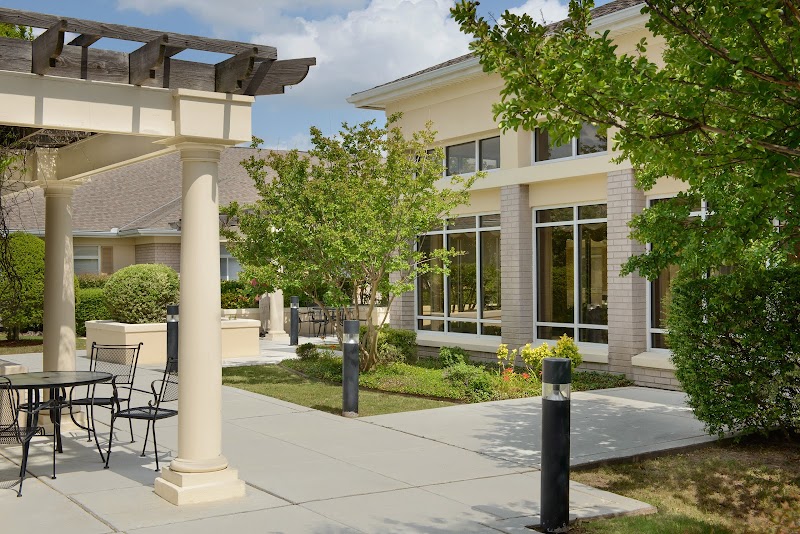
Who Owns and Operates Garden Terrace Alzheimer'S Center Of Excellence?

GARDEN TERRACE ALZHEIMER'S CENTER OF EXCELLENCE is owned by a for-profit company. For-profit facilities operate as businesses with obligations to shareholders or private owners. The facility is operated by LIFE CARE CENTERS OF AMERICA, a chain that manages multiple nursing homes. With 120 certified beds and approximately 28 residents (about 23% occupancy), it is a mid-sized facility located in FORT WORTH, Texas.
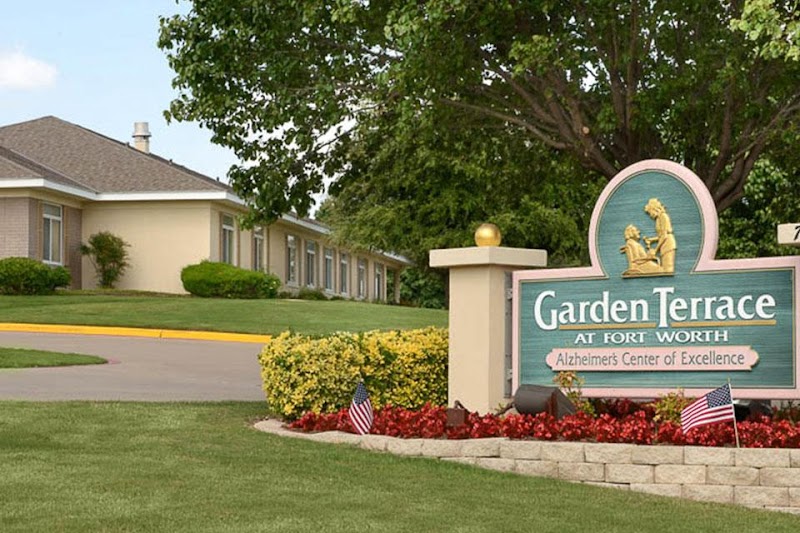
How Does Garden Terrace Alzheimer'S Center Of Excellence Compare to Other Texas Nursing Homes?

Compared to the 100 nursing homes in Texas, GARDEN TERRACE ALZHEIMER'S CENTER OF EXCELLENCE's overall rating (3 stars) is above the state average of 2.8, staff turnover (46%) is near the state average of 46%, and health inspection rating (2 stars) is below the national benchmark.

What Should Families Ask When Visiting Garden Terrace Alzheimer'S Center Of Excellence?

Based on this facility's data, families visiting should ask: "What changes have been made since the serious inspection findings, and how are you preventing similar issues?" "Can I visit during a mealtime to observe dining assistance and food quality?" "How do you handle medical emergencies, and what is your hospital transfer rate?" "Can I speak with family members of current residents about their experience?" These questions are particularly relevant given the facility's Immediate Jeopardy citations.

Is Garden Terrace Alzheimer'S Center Of Excellence Safe?

Based on CMS inspection data, GARDEN TERRACE ALZHEIMER'S CENTER OF EXCELLENCE has documented safety concerns. Inspectors have issued 3 Immediate Jeopardy citations (the most serious violation level indicating risk of serious injury or death). The facility has a 3-star overall rating and ranks #1 of 100 nursing homes in Texas. Families considering this facility should ask detailed questions about what corrective actions have been taken since these incidents.

Do Nurses at Garden Terrace Alzheimer'S Center Of Excellence Stick Around?

GARDEN TERRACE ALZHEIMER'S CENTER OF EXCELLENCE has a staff turnover rate of 46%, which is about average for Texas nursing homes (state average: 46%). Moderate turnover is common in nursing homes, but families should still ask about staff tenure and how the facility maintains care continuity when employees leave.

Was Garden Terrace Alzheimer'S Center Of Excellence Ever Fined?

GARDEN TERRACE ALZHEIMER'S CENTER OF EXCELLENCE has been fined $34,405 across 1 penalty action. The Texas average is $33,423. While any fine indicates a compliance issue, fines under $50,000 are relatively common and typically reflect isolated problems that were subsequently corrected. Families should ask what specific issues led to these fines and confirm they've been resolved.

Is Garden Terrace Alzheimer'S Center Of Excellence on Any Federal Watch List?

GARDEN TERRACE ALZHEIMER'S CENTER OF EXCELLENCE is not on any federal watch list. The most significant is the Special Focus Facility (SFF) program, which identifies the bottom 1% of nursing homes nationally based on persistent, serious quality problems. Not being on this list means the facility has avoided the pattern of deficiencies that triggers enhanced federal oversight. This is a positive indicator, though families should still review the facility's inspection history directly.