GREEN VALLEY HEALTHCARE AND REHABILITATION CENTER
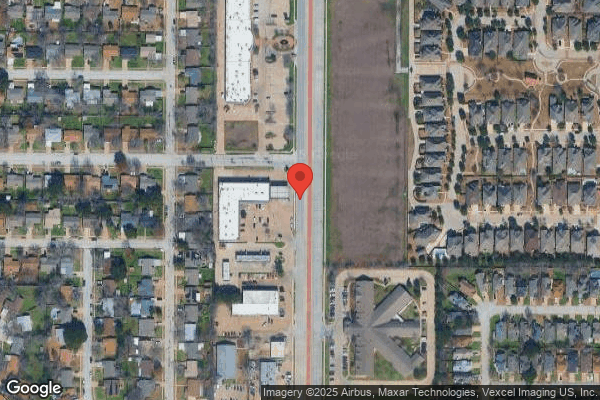
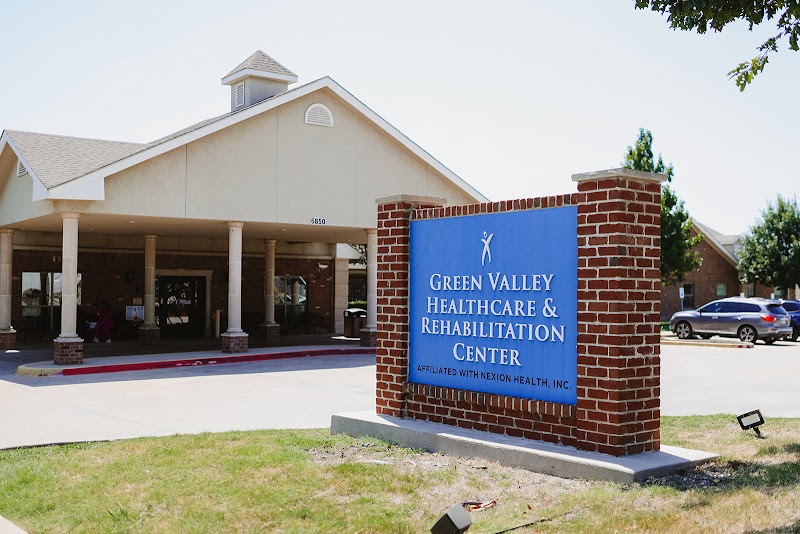
6850 RUFE SNOW DR, FORT WORTH, TX 76148 (817) 514-4940
For profit - Corporation 124 Beds NEXION HEALTH Data: November 2025 7 Immediate Jeopardy citations
Trust Grade
0/100
#994 of 1168 in TX
Last Inspection: April 2025

Within standard 12-15 month inspection cycle. Federal law requires annual inspections.

Overview

Green Valley Healthcare and Rehabilitation Center has received a Trust Grade of F, indicating significant concerns about the quality of care provided. Ranking #994 of 1168 in Texas means they are in the bottom half of facilities statewide, and #61 of 69 in Tarrant County suggests there are only a few local options that are better. The facility is worsening overall, with issues increasing from 9 in 2024 to 13 in 2025. Although staffing is a relative strength with a turnover rate of 29%, which is well below the state average, there have been concerning fines totaling $122,368, which is higher than 83% of Texas facilities. Critical incidents include failing to notify a resident's physician about significant changes in their condition, which led to a severe diagnosis of sepsis, and improperly handling feeding tubes, risking serious complications. Families should weigh these serious shortcomings against the facility's somewhat better staffing stability when considering care options.

Trust Score
F
0/100
In Texas
#994/1168
Bottom 15%
Safety Record
High Risk
Review needed
Inspections
Getting Worse
9 → 13 violations
Staff Stability
✓ Good
29% annual turnover. Excellent stability, 19 points below Texas's 48% average. Staff who stay learn residents' needs.
Penalties
○ Average
$122,368 in fines. Higher than 73% of Texas facilities. Some compliance issues.
Skilled Nurses
⚠ Watch
Each resident gets only 27 minutes of Registered Nurse (RN) attention daily — below average for Texas. Fewer RN minutes means fewer trained eyes watching for problems.
Violations
⚠ Watch
38 deficiencies on record. Higher than average. Multiple issues found across inspections.
★☆☆☆☆
1.0
Overall Rating
★★☆☆☆
2.0
Staff Levels
★★★★☆
4.0
Care Quality
★☆☆☆☆
1.0
Inspection Score
Stable
2024: 9 issues
2025: 13 issues

The Good

  • 4-Star Quality Measures · Strong clinical quality outcomes
  • Low Staff Turnover (29%) · Staff stability means consistent care
  • Full Sprinkler Coverage · Fire safety systems throughout facility
  • No fines on record
  • Staff turnover is low (29%)

    19 points below Texas average of 48%

Facility shows strength in quality measures, staff retention, fire safety.

The Bad

1-Star Overall Rating

Below Texas average (2.8)

Significant quality concerns identified by CMS

Federal Fines: $122,368

Well above median ($33,413)

Significant penalties indicating serious issues

Chain: NEXION HEALTH

Part of a multi-facility chain

Ask about local staffing decisions and management

The Ugly 38 deficiencies on record

7 life-threatening
Sept 2025 1 deficiency 1 IJ
CRITICAL (J) 📢 Someone Reported This

A family member, employee, or ombudsman was alarmed enough to file a formal complaint

Immediate Jeopardy (IJ) - the most serious Medicare violation

Accident Prevention (Tag F0689)

Someone could have died · This affected 1 resident

**NOTE- TERMS IN BRACKETS HAVE BEEN EDITED TO PROTECT CONFIDENTIALITY** Based on observation, interview, and record review, the facility failed to ensure that each resident received adequate supervisi...

Read full inspector narrative →
**NOTE- TERMS IN BRACKETS HAVE BEEN EDITED TO PROTECT CONFIDENTIALITY** Based on observation, interview, and record review, the facility failed to ensure that each resident received adequate supervision and assistance devices to prevent accidents for 1 (Resident #1) of 9 residents reviewed for accidents. The facility failed to ensure Resident #1, who required a mechanical lift transfer, was free of an accident hazard on 08/12/25 when she was transferred by CNA B without a mechanical lift and sustained a significant injury. Resident #1 was transported to the local hospital and diagnosed with a right humerus fracture. An Immediate Jeopardy (IJ) was identified on 09/04/25 at 04:00 PM and an IJ Template was provided to the DON at 04:41PM. While the IJ was removed on 09/05/25, the facility remained out of compliance at a scope of isolated with the severity level of potential for more than minimal harm that was not immediate due to the facility's need to evaluate the effectiveness of the corrective systems. This failure could place residents at risk for accidents that could lead to a serious injury or harm.Record review of Resident #1's face sheet, dated 09/04/25, reflected the resident was a [AGE] year-old-female who admitted to the facility on [DATE] and discharged on 08/12/25. Resident #1's diagnoses included Hemiplegia and Hemiparesis following Cerebral Infarction Affecting Right Side Dominant (stroke damages left hemisphere of the brain, leading to complete paralysis (hemiplegia) or significant weakness (hemiparesis) on the right side of the body), Lack of Coordination (difficulty with muscle control and movement), Syncope and Collapse (sudden loss of consciousness, often accompanied by loss of muscle tone and falling to the ground), Muscle Wasting and Atrophy (loss of muscle mass and strength), Muscle Weakness (decreased ability of muscles to contract and produce force), Chronic Pain Syndrome (persistent pain that lasts for at least three months and significantly impacts daily life), Soft Tissues Disorders (conditions that affect the muscles, ligaments, tendons, and other soft tissues of the body), End Stage Renal Disease (condition where kidneys have deteriorated to the point where they can no longer function properly) and Age-Related Physical Debility (general weakness, fatigue, and reduced physical capacity). Record review of Resident #1's MDS, dated [DATE], reflected she had a BIMS score of 08, which indicated moderate cognitive impairment. The MDS Assessment under Section GG-Functional Abilities, reflected Resident #1 was dependent on staff for all ADLs including self-care and mobility. Resident #1 used a wheelchair. Record review of Resident #1's care plan, dated 07/30/25 reflected Resident #1 had an ADLS self-care performance deficit. The resident required mechanical lift with two staff for transfers. The resident required total assistance by two staff to move her between surfaces. Record review of Resident #1's order summary report, dated 09/04/25, reflected the following:Hoyer Lift with two staff members for transfers every shift. Start date: 08/05/25 Record review of Resident #1's progress notes, dated 08/12/25 at 01:32PM by LVN A reflected the following: CNA [reported] she heard a popping sound to [Resident #1's] right arm during transfer. Resident [appeared] to be in severe pain. [Resident #1] refused prn hydrocodone and Tylenol. [Resident #1] stated she just wanted an x-ray done. [NP] notified. New order for [Resident #1] to go to hospital for evaluation. [Ambulance] took her to ER for evaluation. Record review of Resident #1's progress notes, dated 08/12/25 at 06:18PM by LVN C reflected the following: [Resident #1's] [RP] called to say that [Resident #1] was likely to spend the [night] at the hospital because she had a broken bone. She said they were waiting for an X-ray on the arm. Notified DON. Record review of Resident #1's hospital records, dated 08/13/25, reflected in part the following: admit date and Time: 08/12/2025 at 03:19 PM History of present illness: [Resident #1] is a 75 y.o. female that has a past medical history of Chronic pain disorder, Hemiparesis affecting right side as late effect of stroke, Neuromuscular disorder, Right-sided muscle weakness, Shortness of breath, Splenic artery aneurysm, Stroke, and Wheelchair dependent who presents with acute right arm pain after being repositioned in her chair today when her caretaker felt a pop near her shoulder. [Resident #1] is willing in pain, when asked where it hurts she points specifically to her arm. [Resident#1] has chronically dislocated right shoulder. Complaint: Per NH staff, concerned for right shoulder dislocation. Heard a pop while moving [Resident #1] from WC to bed.Impression at 04:30PM:1. Anterior dislocation [{upper bone moves forward out of its socket)] of the right shoulder. Right humeral neck fracture.2. Pleural effusion and infiltrates in the visualized right chest. Recommend a dedicated chest x-ray. Final Result: Limited axillary view with the persistent anterior glenohumeral dislocation.XR humerus right 2 views:1. Humeral neck fracture with mild displacement.2. Anterior glenohumeral dislocation of the shoulder.3. Vascular stent in the axillary region. XR shoulder right view:1. Anterior dislocation of the right shoulder. Right humeral neck fracture.2. Pleural effusion [(excess buildup of fluid)] and infiltrates in the visualized right chest. Recommend a dedicated chest x-ray. In an interview on 09/04/25 at 11:26AM, Resident #1's RP stated on 08/12/25 while Resident #1 was being transferred by facility staff and was injured. Resident #1's RP stated an aide was manually transferring Resident #1 from her wheelchair to the bed. RP stated while an aide was moving Resident #1 from the wheelchair, a family member who was visiting noticed that the resident needed to be changed, so the aide held Resident #1 up while the family member pulled down her pants, and that was when they heard a pop in the resident's arm. Resident #1's RP stated the aide was doing the transfer alone and without the mechanical lift, which was an improper transfer. RP stated Resident #1 complained of pain afterwards, so the EMTs were called, and the resident was transported to the local hospital. Resident #1's RP stated after further examination, it had been determined Resident #1 had a humerus fracture. In an interview on 09/04/25 at 12:04 PM, LVN A stated she worked with Resident #1, and she was only at the facility for about two weeks. LVN A stated she worked 1st shift on 08/12/25 when the incident occurred. She stated it was reported to her by CNA B that Resident #1 had been injured during a transfer. LVN A stated CNA B reported while moving the resident there was a pop in Resident #1's arm. LVN A stated CNA B should not have moved Resident #1 without assistance. LVN A also stated Resident #1's was a two-person transfer with a mechanical lift. LVN A stated Resident #1's family was in the room at the time and did not want CNA B to use the mechanical lift. LVN A stated after the incident was reported, she assessed Resident #1, and she complained of pain. LVN A stated she offered Resident #1 PRN medication for pain, but the resident refused. LVN A stated after some encouragement, Resident #1 took Tylenol. LVN A stated she asked Resident #1 if the facility could take an x-ray, but she also refused. LVN A stated Resident #1's RP insisted she be transported to the hospital, so LVN A stated she called an ambulance and notified the MD. LVN A stated according to the facility's policy, CNA B should have followed the MD orders regarding the transfer instead of listening to the family. She stated not following MD orders for transfers could place residents at risk of falling and sustaining injuries. In an interview on 09/04/25 at 12:22PM, CNA B stated she worked with Resident #1 on 08/12/25. She stated she was called into Resident #1's room to transfer her from the wheelchair to the bed. CNA B stated when she moved Resident #1, the family told her that Resident #1 needed to be changed. CNA B stated she asked Resident #1's family to assist by taking her pants off. CNA B stated she bear-hugged Resident #1 around her back, and while holding the resident up, her arms slid underneath Resident #1's arms and that was when she heard the resident's shoulder pop. CNA B stated Resident #1 groaned and expressed extreme pain. CNA B stated she placed Resident #1 back in her wheelchair and called LVN A to come assist. CNA B stated Resident #1 was assessed by LVN A then transported to the hospital. CNA B stated she knew that Resident #1 required a 2-person transfer using a mechanical lift; however, she worked with her previously and was always able to transfer her manually with no problems. CNA B stated Resident #1's family would also tell her not to use the mechanical lift, or they would transfer the resident manually themselves. In an interview on 09/04/25 at 12:58PM, the DON stated she worked on 08/12/25. The DON stated she was at the facility at the time of the incident with Resident #1. The DON stated it was reported that while CNA B was moving Resident #1 there was a pop in her arm. The DON stated the CNA did not follow protocol when she moved Resident #1. She stated CNA B should have gotten another staff to assist in moving the resident and used a mechanical lift for the transfer. The DON stated Resident #1 required total assistance with ADLs. She stated based on MD orders; Resident #1 was a two staff transfer with a mechanical lift. The DON stated she completed one on one training regarding transfers with all staff immediately after the incident occurred. The DON stated the facility's policy on mechanical lifts was to follow the MD orders. She stated Resident #1 had a MD order for two staff persons to transfer with the mechanical lift. The DON stated residents are assessed by a physical therapist and gives a recommendation for transfers to the MD, who writes the order. The DON stated not following the MD orders for transfers could place residents at risk for serious injuries. In an interview on 09/05/25 at 01:51 PM, the DOR stated she managed all PT staff and also provided therapy to the residents. The DOR stated she trained facility staff on properly using the mechanical lift and transfers. The DOR stated she was not familiar with Resident #1. She stated the facility provided in-services to staff about proper transfers with the mechanical lift. She stated she has educated residents on mechanical lifts and why it was the safest way to transfer. The DOR stated when a resident did not want to use the mechanical lift, either her or staff would educate the residents and family about safety. She stated the use of a mechanical lifts helped to reduce possible injury to the resident or staff during transfers. She stated the facility's policy on mechanical lifts was to always follow the MD orders on transfers, even if the resident does not want it used. In an interview on 09/05/25 at 03:45 PM, Administrator stated the expectations for staff was to follow MD orders for transfers. He stated there should be two staff to transfer a resident with a mechanical lift. He also stated if resident or family refused, staff are to educate on safety a mechanical lift to transfer. He also stated risks of not following MD orders to use a mechanical lift could result in the resident or staff getting injured. Record review of the facility's policy, revised on 07/18/18, titled Safe Patient Handling and Moving Protocol, reflected in part the following: The Q.A. Committee will ensure implementation of this policy to identify, assess, and develop strategies to control risk of injury to residents and nursing staff associated with the lifting, transferring, repositioning or movement of a resident. Two Person Transfer:Mechanical or Electric LiftTo be utilized when transferring residents who are non-weight bearing and unable/unsafe to be transferred by alternate methods. At no time will a staff member attempt to use a mechanical or electric lift without being in-serviced on equipment specific procedures. Mechanical and electric lift transfers must always be done with 2 staff members present. All staff shall adhere to each lift's specific manufacturer guidelines for safe handling and operation. Each facility shall determine the number and types of devices needed. Devices should be located so that they are easily accessible to employees. The facility should develop and assign routine maintenance schedules to ensure equipment is in good working order. This was determined to be an Immediate Jeopardy IJ on 09/04/25 at 04:00 PM. The DON was notified. The DON was provided with the IJ template on 09/04/25 at 04:41 PM. The following Plan of Removal submitted by the facility was accepted on 09/05/25 at 12:32 PM: [Nursing Facility]Plan of RemovalSeptember 4, 2025F689 Free of Accident Hazards/Supervision The facility allegedly failed to ensure Resident #1 was free of an accident hazard when she was transferred by one CNA without a mechanical lift, and it resulted in a significant injury. Facility Medical Director was notified of the Immediate Jeopardy by DON on 9/4/25. Immediately on September 4, 2025 CCS in serviced DON on transfer policy to include utilization of a mechanical lift. Corporate Clinical Specialist (CCS) has demonstrated hands-on expertise in resident care practices, clinical compliance and evidence-based protocols, including the [corporate] transfer policy to include utilization of a mechanical lift. Training included following MD orders and what to do in the event the resident/family/RP has concerns or refusals regarding the transfer status. Compliance was verified through competency check off and quiz. On September 4, 2025 DON/MDS Coordinator completed an audit of all transfer statuses and updated care plans accordingly. On September 4, 2025 DON initiated in servicing with nursing staff on transfer policy to include utilization of a mechanical lift. Training included following MD orders and what to do in the event the resident/family/RP has concerns or refusals regarding the transfer status. Training will be completed on 9/5/2025. Competency checks on transfers were initiated with nursing staff by DON/Designee on September 4, 2025. Compliance was verified through competency check off and quiz. In servicing and competency checks will be completed on 9/5/2025. Staff will not be allowed to work until in servicing has been completed. Compliance will be monitored by DON. The above training material will be incorporated into the new hire orientation by DON effective September 4, 2025 and ongoing. Checkoff includes transfers to include utilization of a mechanical lift. In order to monitor current residents for potential risk, DON/ADON will complete daily audits of transfer procedures for all residents requiring mechanical lifts for the next 30 days, starting on September 5, 2025. Thereafter, the DON/ADON will complete weekly audits for 3 months. The facility QA Committee will meet weekly for the next eight weeks to review compliance with the plan of action, starting September 5, 2025. The QA Committee will monitor quarterly up to a year to monitor Facility QA Committee for compliance. If no further concerns noted, will continue to monitor as per routine facility QA Committee. Monitoring of the POR included the following: Interviews on 09/05/25, 12:48-02:47 PM, conducted with the Administrator, DON, nurses, CNAs, and Med Aides: LVN A (1st shift), CNA B (1st shift), LVN C (2nd shift), LVN D (1st shift), LVN E (prn), LVN F (1st shift), LVN G (1st shift), Med Aide H (1st shift), CNA I (1st shift), CNA J (1st shift), CNA K (1st shift), CNA L (1st shift), RN M(1st shift), CNA N (2nd shift), RN O (2nd shift), CNA P (2nd shift), CNA Q (2nd shift), CNA R (2nd shift), CNA S (2nd shift), RN T (new trainee), RN U (weekends), Med Aide V (weekends), CNA W (weekends), CNA X (1st shift), CNA Y (3rd shift), LPN Z (1st shift/weekends), CNA AA (nights) indicated they all participated in in-service trainings regarding the facility's transfer policy and how to use a mechanical lift starting on 09/04/25. All staff were able to state if resident was unable to bear weight staff must follow MD's orders/care plan and use mechanical lift transfer using two staff. Staff was able to state that residents that can bear weight and require manual assistance they must use a gait belt. Staff were also able to state that what to do in the event the resident, RP or family had refusal regarding the use of the mechanical lifts. The Administrator and DON understood it was their responsibility to implement and monitor the effectiveness of all interventions put in place. Observation on 09/05/25 of Resident #2 revealed staff followed the facility's policy while transferring the resident using a mechanical lift. Interviews on 09/05/25 from 12:35-3:30 PM with RPs and Residents #3, #4, #5, #6, #7, #8, and #9 revealed there were no concerns for safety or quality of care regarding transfers at the facility. Record Reviews of Residents #2, #3, #4, #5, #6, #7, #8, and #9 care plans revealed they were all updated and included appropriate transfer procedures and interventions. Record review of a 1:1 in-service titled Utilization of Mechanical Lift, dated 09/04/25, reflected DON was educated on transfer policy to include the utilization of a mechanical lift. DON was also educated on following MD order and what to do if resident, family or RP had concerns or refusal regarding the transfer. Record review of an in-service titled Utilization of Mechanical Lift, dated 09/04/25, reflected all nursing staff were educated on the facility's mechanical lift policy, following MD orders and what to do in the event the resident, family or RP has concerns or refusals regarding the transfer status. Record review of an in-service titled Transfer Residents Properly, dated 09/04/25, reflected all nursing staff were educated on properly transferring residents according to MD orders. Staff were also educated on using two staff with mechanical lift transfers and educating resident, family, or RP on safety and following the care plan. Record review of a document provided by the Administrator titled Audit Attestation, dated 09/04/25, reflected all residents who required transfer assistance were audited to ensure proper transfer procedures were care planned and being implemented. Record review of a document provided by the Administrator titled QIPP QAPI Worksheet, dated 09/05/25, reflected a QAPI meeting was held regarding the correction plan for the facility's deficiency. In a follow-up interview on 09/05/25 at 02:47 PM, DON stated she ensured nursing staff were trained on transfers. She stated staff are to follow MD orders to ensure the safety of resident. She also stated if there was refusal from the resident, family or RP staff are to educate, document and inform a supervisor.An Immediate Jeopardy (IJ) was identified on 09/04/25 at 04:00 PM and an IJ Template was provided to the DON at 04:41PM. While the IJ was removed on 09/05/25, the facility remained out of compliance at a scope of isolated with the severity level of potential for more than minimal harm that was not immediate due to the facility's need to evaluate the effectiveness of the corrective systems.
Apr 2025 9 deficiencies
CONCERN (D) 📢 Someone Reported This

A family member, employee, or ombudsman was alarmed enough to file a formal complaint

Potential for Harm - no one hurt, but risky conditions existed

Deficiency F0558 (Tag F0558)

Could have caused harm · This affected 1 resident

**NOTE- TERMS IN BRACKETS HAVE BEEN EDITED TO PROTECT CONFIDENTIALITY** Based on observations, interviews, and record review, the facility failed to ensure the right to reside and receive services in ...

Read full inspector narrative →
**NOTE- TERMS IN BRACKETS HAVE BEEN EDITED TO PROTECT CONFIDENTIALITY** Based on observations, interviews, and record review, the facility failed to ensure the right to reside and receive services in the facility with reasonable accommodation of resident needs and preferences for two (Resident #18 and Resident #43) of eighteen residents reviewed for Reasonable Accommodation of Needs. The facility failed to ensure the call light system in Resident #18 and Resident #43's rooms were in a position that was accessible to the resident on 04/15/2025. This failure could place the residents at risk of being unable to obtain assistance when needed and help in the event of an emergency. Findings included: Resident #18 Record review of Resident #18's Face Sheet, dated 04/16/2025, reflected an [AGE] year-old female admitted to the facility on [DATE]. Resident #18 was diagnosed with muscle weakness and gait abnormalities. Record review of Resident #18's Quarterly MDS Assessment, dated 03/03/2025, reflected the resident had a severe impairment in cognition with a BIMS score of 03. The Quarterly MDS Assessment indicated the resident was dependent for transfer, toileting hygiene, shower, dressing, and personal hygiene. Record review of Resident #18's Comprehensive Care Plan, dated 03/04/2025, reflected the resident had a risk for fall related to gait problems and one of the interventions was to be sure the resident's call light is withing reach. Observation and interview on 04/15/2025 at 9:40 AM revealed Resident #18 was sitting in her wheelchair inside her room. It was observed that the resident's call light was on the floor at the foot of the bed. It was also observed that the resident's bed was already made. When asked where her call light was, the resident said her call light was nowhere to be found. Observation and interview on 04/15/2025 at 9:49 AM, CNA G stated call lights should always be within reach of the residents because that was how they called the staff if they needed something. She said without the call lights, the residents might be upset or might fall if they tried to do things by themselves. She went inside Resident's #18's room and saw the call light on the floor. She pulled the call light from the floor and put it on top of the resident's bed. She said she should have made sure the call light was on top of the resident's bed when she transferred the resident to her wheelchair and made her bed. Resident #43 Record review of Resident #43's Face Sheet, dated 04/15/2025, reflected a [AGE] year-old female admitted on [DATE]. Resident #43 was diagnosed with muscle weakness and lack of coordination. Record review of Resident #43's Quarterly MDS Assessment, dated 02/10/2025, reflected the resident had a severe impairment in cognition with a BIMS score of 05. The Quarterly MDS Assessment indicated the resident was dependent for toileting hygiene, dressing, bed mobility, and transfer. Record review of Resident #43's Comprehensive Care Plan, dated 02/27/2025, reflected the resident had a risk for fall related to gait problems and one of the interventions was to be sure the resident's call light was within reach. Observation and interview with Resident #43 on 04/15/2025 at 9:53 AM revealed Resident #43 was in her bed, awake. It was observed that the resident's call light was on the floor and coiled around an IV stand. When asked where her call light was, the resident just smiled, but did not reply. Observation and interview on 04/15/2025 at 10:01 AM, LVN E stated call lights were important for the residents because the residents used them to call the staff when they needed something or needed assistance. She said the residents might fall trying to get the call light or trying to do some activities that needed assistance. She went inside Resident #43's room and saw the call light on the floor. She said she did not notice the call light was on the floor when she administered the resident's medication. She said she should have made sure the call light was with the resident before leaving the room, because the resident wanted to always hold her call light. In an interview on 04/16/2025 at 3:19 PM, the DON stated call lights were inside the residents' rooms so they can call the staff for assistance, a glass of water, pain medication, or because they needed to be changed. The DON said if the call lights were not within reach, their needs would not be met. The DON said all the staff were responsible for the call lights. The DON said the expectation was for the staff to scan the residents' room when they did their rounds and ensure the call lights were within reach of the residents before they leave the room. The DON said she would educate the staff about the importance of call lights for the residents. In an interview on 04/17/2025 at 7:22 AM, the Administrator stated call lights should be within the reach of the residents at all times. He said for some residents, the call light was their sense of protection that if something happened to them, they would be able to call the staff for help. He said the residents also used the call lights if they needed to be changed or they needed a pain medication. The Administrator said the residents might fall trying to get up and get what they needed. He said everybody was responsible in making sure the call lights were with the residents, whether the resident was independent or not. He said he would collaborate with the DON and the ADON about the issue regarding call lights. In an interview on 04/17/2025 at 8:49 AM, the ADON stated the call lights should always be with the residents. She said when the resident was already in her wheelchair, the call light should be on top of her bed so she could still call the staff if she needed to. She said the staff should make sure that the call lights were with the residents before they left the room. She said she would coordinate with the DON to do an in-service about call light placement. Record review of facility's policy Resident Call System Resident Call Light Policy revised 03/28/2023 revealed Policy: Residents are provided with a means to call staff for assistance through a communication system that directly calls a staff member or a centralized workstation . Policy Interpretation and Implementation . 1. Each resident is provided with a means to call staff directly for assistance from his/her bed, from toileting/bathing facilities and from the floor.
CONCERN (D)

Potential for Harm - no one hurt, but risky conditions existed

Accident Prevention (Tag F0689)

Could have caused harm · This affected 1 resident

**NOTE- TERMS IN BRACKETS HAVE BEEN EDITED TO PROTECT CONFIDENTIALITY** Based on observations, interviews, and record reviews, the facility failed to ensure that residents' environment remained free o...

Read full inspector narrative →
**NOTE- TERMS IN BRACKETS HAVE BEEN EDITED TO PROTECT CONFIDENTIALITY** Based on observations, interviews, and record reviews, the facility failed to ensure that residents' environment remained free of accident hazards as was possible for 2 of 6 residents (Residents #25 and #68) reviewed for accident prevention. 1. The facility failed to ensure Resident #25 had physician orders for the bolster pads that were applied to her mattress for fall prevention. 2. The facility failed to ensure Resident #68 had physician orders for her scoop mattress These failures could prevent the residents from having an environment that was free and clear of accidents and hazards. Findings include: 1. Record review of Resident #25's Face Sheet, dated 04/16/25, reflected she was a [AGE] year-old female admitted on [DATE]. Relevant diagnoses included unsteadiness on feet, dementia (cognitive decline), and muscle weakness. Record review of Resident #25's Quarterly Minimum Data Set (MDS) assessment, dated 12/24/24, reflected she had a BIMS score of 14 (intact cognitive response). For ADL care, it reflected for transfers, toileting, and bathing, the resident was totally dependent for assistance. Record review of Resident #25's Quarterly Care Plan, dated 02/17/25, reflected the resident was a high risk for falls and the need for safe environment with even floors free from spills and/or clutter; adequate, glare-free light; a working and reachable call light, the bed in low position, and personal items within reach. Record review of Resident #25's physician orders, dated 04/16/25, reflected no physician orders for the bolster pads. An Observation on 04/15/25 at 11:58 AM, revealed Resident #25 had bolster pads on her bed. 2. Record review of Resident #68's Face Sheet, dated 04/15/25, reflected she was an [AGE] year-old female admitted on [DATE]. Relevant diagnoses included unsteadiness on feet, dementia (cognitive decline), and history if falling. Record review of Resident #68's Quarterly Minimum Data Set (MDS) assessment, dated 03/14/25, reflected she had a BIMS score of 9 (moderate impairment). For ADL care it reflected for transfers, toileting, and bathing and the resident was totally dependent for assistance. Record review of Resident #68's Quarterly Care Plan, dated 03/20/25, reflected the resident was a high risk for falls and the need for safe environment with even floors free from spills and/or clutter; adequate, glare-free light; a working and reachable call light, the bed in low position, and personal items within reach. Record review of Resident #68's physician orders, dated 04/16/25, reflected no physician orders for a scoop mattress. An observation on 04/15/25 at 11:58 AM, revealed Resident #68 had a scoop mattress on her bed. In an interview and observation at 04/16/25 at 09:45 AM, LVN M stated she was the floor nurse for Resident #25 and Resident #68. She observed the bolster pad that was attached to Resident #25's mattress, and she observed the scoop mattress Resident #68 was laying on. She stated both residents required orders for their equipment because it could restrict the resident's movement and could be a form of restraint. She stated she had checked and neither resident had orders for the equipment. She stated both residents were a fall risk. She stated the risk of not having physician orders was that the residents could injure themselves if they attempted to get out of their beds. She stated she had spoken with her DON, and they were investigating how the residents obtained the equipment. In an interview on 04/16/25 at 12:00 PM, the DON stated she was informed by LVN M of Resident #25 and Resident #68 having equipment without physician orders. She stated she was meeting with her staff to try and find out how Resident #25 received the bolster pads for her mattress and how Resident #68 was provided a scoop mattress. She stated they both should have physician orders to have the equipment to ensure there was no risk for the residents. She stated physician orders were required for the scoop mattress and the bolster pads, and she had obtained physician orders for both residents. The facility's policy Restraint Free Facility Initiative (01/23) reflected Achieving a restraint free facility status is certainly attainable and important but must be done methodically and strategically to ensure the safety and clinical best practice for our residents.
CONCERN (D) 📢 Someone Reported This

A family member, employee, or ombudsman was alarmed enough to file a formal complaint

Potential for Harm - no one hurt, but risky conditions existed

Incontinence Care (Tag F0690)

Could have caused harm · This affected 1 resident

**NOTE- TERMS IN BRACKETS HAVE BEEN EDITED TO PROTECT CONFIDENTIALITY** Based observations, interviews, and record review, the facility failed to ensure residents who were incontinent of bowel and bla...

Read full inspector narrative →
**NOTE- TERMS IN BRACKETS HAVE BEEN EDITED TO PROTECT CONFIDENTIALITY** Based observations, interviews, and record review, the facility failed to ensure residents who were incontinent of bowel and bladder received appropriate treatment and services to prevent urinary tract infections for one (Resident #41) of three residents observed for Incontinent Care. The facility failed to ensure that CNA F did not wipe Resident #41's perineal (area between the legs) area from back to front while providing incontinent care on 04/15/2025. This failure could place the residents at risk of cross-contamination and development of urinary tract infections. Findings included: Review of Resident #41's Face Sheet, dated 04/15/2025, reflected the resident was an [AGE] year-old female admitted on [DATE]. The resident was diagnosed with urinary tract infection on 01/31/2025. Review of Resident #41's Comprehensive MDS Assessment, dated 02/17/2025, reflected the resident had a severe impairment in cognition with a BIMS score of 03. The Comprehensive MDS Assessment indicated Resident #41 was always incontinent for bladder and bowel. Review of Resident #41's Comprehensive Care Plan, dated 04/13/2025, reflected the resident had bladder and bowel incontinence and one of the interventions was clean peri-area with each incontinent care. Observation on 04/15/2025 at 11:39 AM revealed CNA F entered Resident #41's room to provide incontinent care. CNA F cleaned the resident's perineal area. After cleaning the resident's perineal area, CNA F instructed and assisted the resident to roll on her right side and began cleaning the bottom of the resident. She cleaned the bottom of the resident from back to front. She did it four times. In an interview on 04/15/2025 at 11:58 AM, CNA F stated the wiping during incontinent care should always be done from front to back to prevent urinary tract infection. She said she was not aware that when she cleaned the bottom of the resident, that she did it from back to front. She said she should be mindful of how she does incontinent care because the resident would be at risk for urinary tract infection. In an interview on 04/16/2025 at 3:19 PM, the DON stated cleaning the perineal area should be from front to back to prevent cross contamination and probable infection. She said the procedure should also be done when cleaning the bottom of the resident. She said it should also be done from front to back because if done the other way around, the germs from the resident's bottom will be introduced to the perineal area. She said the expectation was for the staff to practice the right procedure of incontinent care and to focus on the prevention of infection. She said she would do an in-service about incontinent care. In an interview on 04/17/2025 at 7:22 AM, the Administrator stated improper cleaning of the private parts could cause infection and the expectation was for the staff to follow the right procedure for incontinent care. He said he was not a clinician and would let the DON take the lead in educating the staff about the issue. In an interview on 04/17/2025 at 8:49 AM, the ADON stated the proper way of cleaning the resident's perineal area would be always front to back to avoid transfer of germs from the bottom to the front part of the resident. She said the purpose of which was to prevent infection. She said the expectation was for the staff to do incontinent care the right way which was cleaning the front part and the bottom from front to back. She said she would coordinate with the DON to do an in-service pertaining to incontinent care focusing on proper cleaning. Record review of facility policy, Perineal Care revised 02/2023 revealed Purpose: The purpose of this procedure is to prevent infection . Steps in the Procedure . For female resident . e. wash the rectal area thoroughly, wiping from the base of the labia (female reproductive organ) towards and extending over the buttocks.
CONCERN (D) 📢 Someone Reported This

A family member, employee, or ombudsman was alarmed enough to file a formal complaint

Potential for Harm - no one hurt, but risky conditions existed

Tube Feeding (Tag F0693)

Could have caused harm · This affected 1 resident

**NOTE- TERMS IN BRACKETS HAVE BEEN EDITED TO PROTECT CONFIDENTIALITY** Based on observation, interview and record review, the facility failed to provide appropriate treatment and services to prevent ...

Read full inspector narrative →
**NOTE- TERMS IN BRACKETS HAVE BEEN EDITED TO PROTECT CONFIDENTIALITY** Based on observation, interview and record review, the facility failed to provide appropriate treatment and services to prevent complications of enteral feeding for two (Resident #9 and Resident #81) of two residents reviewed for Feeding Tube (a way of providing nutrition directly to the stomach). 1. The facility failed to ensure LVN C checked Resident #9's g-tube (gastrostomy tube: a tube inserted through the abdomen that delivers nutrition directly to the stomach) placement and residual before administering medication on 04/16/2025. 2. The facility failed to ensure LVN C checked Resident #81's g-tube placement and residual before administering medication on 04/16/2025. These failures could place residents with G-tubes at risk for infection, dehydration, and drug-to-drug interaction. Findings included: 1. Record review of Resident #9's Face Sheet dated 04/16/2025, reflected an [AGE] year-old female admitted to the facility on [DATE]. The resident was diagnosed with dysphagia (difficulty in swallowing). Record review of Resident #9's Comprehensive MDS Assessment, dated 03/28/2025, reflected the resident had a severe impairment in cognition with a BIMS score of 02. The Comprehensive MDS Assessment indicated the resident had a feeding tube. Record review of Resident #9's Quarterly Care Plan, dated 04/07/2025, reflected the resident required tube feeding and one of the interventions was to verify g-tube placement and check for residual. Record review of Resident #9's Physician Order, dated 04/10/2025, reflected every shift Osmolyte 1.2 rate of 60 ml/hr X 22 hours to allow for ADLs. Record review of Resident #9's Physician Order, dated 04/10/2025, reflected every shift Verify G-tube placement & check for residual. Observation on 04/16/2025 at 8:15 AM revealed LVN C was about to give Resident #9 morning medication. He said the resident only had one medication to take. LVN C sanitized his hands, put the medication in a small plastic cup, crushed it, and returned the crushed medication to the small plastic cup. After crushing the medication, he poured some water in a plastic cup. He said he would incorporate some water to the medication to dissolve it. He went inside the resident's room with the medication and the cup of water, and placed them on the resident's overbed table. He put some water on the medication to dissolve it. He took a 60 ml piston syringe from the resident's side table and placed it also on the overbed table. He raised the bed, lifted the resident's gown to expose the g-tube site, and disconnected the g-tube from the formula. After disconnecting the g-tube, he pulled the plunger of the syringe, attached the syringe to the g-tube, and flushed the g-tube. After flushing the g-tube, he poured the dissolved medication. He did not check for the placement of the g-tube and the residual before flushing and administering the medication. After pouring the medications, he flushed the g-tube, detached the syringe, connected the g-tube to the formula, and cleaned the table and the syringe. 2. Record review of Resident #81's Face Sheet dated 04/16/2025, reflected a [AGE] year-old female admitted to the facility on [DATE]. The resident was diagnosed with gastrostomy status (presence of surgical opening in the stomach to support nutrition). Record review of Resident #81's Comprehensive MDS Assessment, dated 02/13/2025, reflected the resident was unable to complete the interview to determine the BIMS score. The Comprehensive MDS Assessment indicated the resident had a feeding tube. Record review of Resident #81's Quarterly Care Plan, dated 02/14/2025, reflected the resident required tube feeding and one of the interventions was to monitor for distension (bloating or swelling of the stomach area). Record review of Resident #81's Physician Order, dated 04/10/2025, reflected every shift Tube Feeding Continuous: Formula: Jevity 1.2 at 55 cc/hr x 22 hours to allow for ADL care. Record review of Resident #81's Physician Order, dated 04/10/2025, reflected every shift Verify G-tube placement & check for residual. Record review of Resident #81's Physician Order, dated 04/10/2025, reflected Keppra 7.5 ml via g-tube two times a day. Record review of Resident #81's Physician Order, dated 04/10/2025, reflected Lactobacillus capsule via g-tube two times a day. Record review of Resident #81's Physician Order, dated 04/10/2025, reflected Metoprolol 12.5 mg via g-tube once daily for hypertension. Hold if SBP < 100. Observation on 04/16/2025 at 7:43 AM revealed LVN C was about to give Resident #81's morning medication. He said he would check first the resident's blood pressure because one of the medication is an anti-hypertensive. He went inside the room and took the resident's blood pressure. He said he will just prepare two medications because the resident's blood pressure was 99/50 and he needed to hold the anti-hypertensive medication. LVN C sanitized his hands, put the medications in small plastic cups, crushed them, and returned the crushed medication to their respective small cups. After crushing the medications, he poured some water in a plastic cup. He said he would incorporate some water to the medication to dissolve it. He went inside the resident's room with the medications and the cup of water, and placed them on the resident's overbed table. He put some water on the medications to dissolve it. He took a 60 ml piston syringe from the resident's side table and placed it also on the overbed table. He raised the bed, lifted the resident's gown to expose the g-tube site, and disconnected the g-tube from the formula. After disconnecting the g-tube, he pulled the plunger of the syringe, attached the syringe to the g-tube, and flushed the g-tube. After flushing the g-tube, he poured a medication, flushed the g-tube, then poured the next medication. He did not check for the placement of the g-tube and the residual before flushing and administering the medication. After pouring the last medication, he flushed the g-tube, detached the syringe, connected the g-tube to the formula, and cleaned the table and the syringe. In an interview on 04/16/2025 at 8:39 AM, LVN C stated he forgot to check for the g-tube placement and to check the residual of both residents. He said the right procedure was to check the placement and the residual. He said g-tube placement was checked to ensure the tube was correctly positioned. He said the residual was also checked before administering medications to check if the stomach was not too full and could accommodate the medications and fluid to be introduced. He said he knew he needed to check for the placement and residual but failed to do so because he was nervous. In an interview on 04/16/2025 at 3:19 PM, the DON stated the placement of the g-tube and the residual should be checked. She said administering the morning medications would be the best time to check for placement to ensure the medications and the fluid would enter the stomach and not the lungs. She said the gastric residual should be checked before bolus feeding and medication administration to prevent aspiration and also to assess if the resident's stomach was emptying properly. She said the expectation was for the staff to follow the right procedure for medication administration via g-tube. She said she would do an in-service about enteral feeding. In an interview on 04/17/2025 at 7:22 AM, the Administrator stated the expectation was for the staff to follow the right procedure for administering medications via g-tube. He said he was not a clinician and would let the DON take the lead in educating the staff about the issue. In an interview on 04/17/2025 at 8:49 AM, the ADON stated both the residual and g-tube placement should be checked before giving the medications. She said g-tube placement should be checked to ensure the g-tube was in the right place. She said even though the residents were on continuous feeding, the placement should still be checked. She said the gastric residual was also checked to prevent aspiration and also to assess if the rate of the formula should be modified. She said the expectation was for the staff to check for g-tube placement and to check for gastric residual every time they administer medications. She said she would coordinate with the DON to do an in-service about enteral feeding. Record review of the facility's policy Enteral (food or medication administration directly through the digestive system) Nutrition revised [DATE] revealed Adequate nutritional support through enteral nutrition . Policy Interpretation and Implementation: 1. The interdisciplinary team . conducts nutritional assessment . clinical necessity of enteral feeding . resident's response to them . 12. Need for supplemental orders, including . Confirmation of tube placement . Checks for gastric residual volume.
CONCERN (E) 📢 Someone Reported This

A family member, employee, or ombudsman was alarmed enough to file a formal complaint

Potential for Harm - no one hurt, but risky conditions existed

Deficiency F0583 (Tag F0583)

Could have caused harm · This affected multiple residents

**NOTE- TERMS IN BRACKETS HAVE BEEN EDITED TO PROTECT CONFIDENTIALITY** Based on observations, interviews, and record review, the facility failed to treat each resident with respect, dignity, and care...

Read full inspector narrative →
**NOTE- TERMS IN BRACKETS HAVE BEEN EDITED TO PROTECT CONFIDENTIALITY** Based on observations, interviews, and record review, the facility failed to treat each resident with respect, dignity, and care in a manner and environment that promoted maintenance or enhancement of his or her quality of life for three (Resident #4, Resident #61, and Resident #186) of residents reviewed for Privacy and Confidentiality. 1. The facility failed to ensure Resident #186's medical information was not left on top of a documentation cart on 04/15/2025. 2. The facility failed to ensure MA H did not leave Resident #61s' medical information on top of the medication cart unattended on 04/15/2025. 3. The facility failed to ensure Resident #4's medical information was not left on top of a cart on 04/15/2025. 4. The facility failed to ensure MA I did not leave Resident #4's medical information on top of the medication cart unattended on 04/17/2025. These failures could place the residents at risk of their medical information being exposed to unauthorized individuals. Findings included: 1. Record review of Resident #186's Face Sheet, dated 04/15/2025, reflected an [AGE] year-old female admitted to the facility on [DATE]. The resident was diagnosed with disorientation. Record review of Resident #186's Comprehensive MDS Assessment, dated 04/08/2025, reflected the resident had a moderate impairment in cognition with a BIMS score of 09. Record review of Resident #186's Comprehensive Care Plan, dated 4/12/2025, reflected the resident had a fall on 04/12/2025 and sustained a skin tear to right forearm and right lateral calf was to continue with the interventions. Record review of Resident #186's Physician Order, dated 04/13/2025, reflected Cleanse right arm with NS, pat dry, and apply dry dressing every other day and prn every day shift AND every 1 hours as needed. Record review of Resident #186's Physician Order, dated 04/13/2025, reflected Cleanse skin tear to right lateral calf with NS, pat dry and apply dry dressing every other day and prn every day shift every other day AND every 1 hours as needed. Record review of Resident #186's Progress Notes, dated 04/12/2025, reflected Resident went to restroom by herself without waiting for staff to assist and fell trying to pull her pants up. Sustained skin tear x 3 to right forearm/elbow and skin tear to right lateral calf. Denies pain. Areas cleaned and dressings applied. Observation on 04/15/2025 at 10:40 AM revealed a piece of paper was left on top of a documentation cart parked on the hallway in front of the nurses' station. On the piece of paper was Resident #186's name and room number. On the same piece of paper were the skin tears the resident sustained during a fall. Observation and interview on 04/15/2025 at 10:45 AM, LVN C stated the piece of paper on top of the documentation table contained the name, room number, and some information about her skin tear. He said it should not be left on the documentation table for everyone to see. He said he was not aware who left the piece of paper. LVN C took the paper with him to the nurses' station. 2. Record review of Resident #61's Face Sheet, dated 04/15/2025, reflected a [AGE] year-old male admitted to the facility on [DATE]. The resident was diagnosed asthma (lung disorder caused by narrowing of the airways). Record review of Resident #61's Comprehensive MDS Assessment, dated 04/10/2025, reflected the resident was cognitively intact with a BIMS score of 15. The Comprehensive MDS Assessment indicated the resident had asthma. Record review of Resident #61's Comprehensive Care Plan, dated 01/15/2025, reflected the resident had asthma related to allergies and one of the interventions was to administer medications as ordered. Record review of Resident #61's Physician Order, dated 04/13/2025, reflected Fluticasone Propionate Suspension 50 MCG/ACT 1 spray in each nostril one time a day for Congestion. Observation on 04/15/2025 at 11:49 AM revealed a piece of small piece of plastic bag packaging was observed on top of a medication cart. On the plastic bag was Resident #61's name, the name of the medication, the prescription number of the medication, the dose, the frequency, the physician's order, the diagnosis why the medication was being administered, and the name of the pharmacy. It was observed that nobody was attending the cart, and the cart was facing the hallway. Observation and interview on 04/15/2025 on 11:53 AM, MA H stated she left the cart because she administered Resident #61's medication. She said she should not leave any medication packaging on top of the medication cart unattended because they have information about the resident. She said she would be mindful that no information about the resident would be left on top of the cart. 3. Record review of Resident #4's Face Sheet, dated 04/15/2025, reflected a [AGE] year-old male admitted to the facility on [DATE]. The resident was diagnosed hypertension (high blood pressure). Record review of Resident #4's Comprehensive MDS Assessment, dated 04/09/2025, reflected the resident was cognitively intact with a BIMS score of 13. The Comprehensive MDS Assessment indicated the resident had hypertension. Record review of Resident #4's Comprehensive Care Plan, dated 04/10/2025, reflected the resident had hypertension related and one of the interventions was to monitor for hypotension. Record review of Resident #4's Physician Order, dated 12/13/2024, reflected Amlodipine Besylate Tablet 10 MG Give 1 tablet by mouth one time a day related to ESSENTIAL (PRIMARY) HYPERTENSION (I10) Hold for SBP < 110. Record review of Resident #4's Progress Note, dated 4/15/2025, reflected Amlodipine Besylate Tablet 10 MG Give 1 tablet by mouth one time a day related to ESSENTIAL (PRIMARY) HYPERTENSION (I10) Hold for SBP < 110 held due to b\p 98\68-60. Observation on 04/15/2025 at 12:18 PM revealed a piece of paper was on top of a cart parked on the nurses' station. On the piece of paper was written Resident #4's name and his blood pressure. The cart was facing the hallway. Observation and interview on 04/15/2025 at 12:21 PM, the Administrator stated the paper should not be left on the cart because it contained medical information about the resident and it should be confidential. He said he would find out who left it on the cart so he could educate whoever left it. The Administrator took the piece of paper and placed it inside the nurses' station. In an interview on 04/16/2025 at 3:19 PM, the DON stated personal and medical information about a resident should not be exposed for everybody to see because it was confidential. She said the health information of a resident should be protected and could not be shared without the permission of the resident or the resident's responsible party. She said all employees were expected to provide full privacy and confidentiality of information for all residents. The DON stated she would start an in-service about privacy and confidentiality of the residents' information. In an interview on 04/17/2025 at 7:22 AM, the Administrator stated the staff must make sure the residents' information was not exposed and protected because it was a violation of the resident's privacy and confidentiality of the care/treatment they were receiving. He said the expectation was for all the staff to make sure the personal and medical information of a resident were not visible to unauthorized individuals. He said she would collaborate with the DON and the ADON to do an in-service about privacy and confidentiality. 4. Record review of Resident #4's Comprehensive MDS Assessment, dated 04/09/2025, reflected the resident the resident had heart failure. Record review of Resident #4's Comprehensive Care Plan, dated 04/10/2025, reflected the resident had heart failure and one of the interventions was to administer medications as ordered. Record review of Resident #4's Physician Order, dated 03/04/2025, reflected Isosorbide Mononitrate ER Tablet Extended Release 24 Hour 60 MG Give 60 mg by mouth one time a day related to ANGINA PECTORIS (chest pain), UNSPECIFIED. Do not crush. Observation on 04/17/2025 at 8:35 AM revealed a top potion of a blister pack was on top of the medication cart. On the top portion of the blister pack was Resident #4's name, the name of the medication, the prescription number of the medication, the dose, the frequency, the physician's order, the diagnosis why the medication was being administered, and the name of the pharmacy. It was observed that nobody was attending the cart and the cart was facing the hallway. Observation and interview on 04/17/2025 at 8:41 AM, MA I stated she went to a resident to administer medications. She said she would tear the top portion of the blister pack if the medication was done. She said she should have flipped it so the resident's information would not be exposed because it was HIPAA (violation). MA I took the top portion of the blister pack and flipped it. In an interview on 04/17/2025 at 8:49 AM, the ADON stated the staff should make sure that no information about any resident be left on top of the cart before leaving the cart unattended. She said the resident's information were confidential and should not be seen by unauthorized individuals. She said that was a HIPAA violation. She said the expectation was for the staff not to leave any personal or medical information about a resident. She said she would coordinate with the DON to do an in-service about privacy and confidentiality. Record review of the facility's policy, Charting and Documentation Nursing Services Policy and Procedures Manual for Long-Term Care, no revision date, revealed Policy Statement: All services provided to the resident shall be documented in the resident's medical record . Policy Interpretation and Implementation . information documented in the resident's clinical record is confidential.
CONCERN (E)

Potential for Harm - no one hurt, but risky conditions existed

Safe Environment (Tag F0584)

Could have caused harm · This affected multiple residents

**NOTE- TERMS IN BRACKETS HAVE BEEN EDITED TO PROTECT CONFIDENTIALITY** Based on observation, interview, and record review, the facility failed to ensure residents had the right to a safe, clean, comf...

Read full inspector narrative →
**NOTE- TERMS IN BRACKETS HAVE BEEN EDITED TO PROTECT CONFIDENTIALITY** Based on observation, interview, and record review, the facility failed to ensure residents had the right to a safe, clean, comfortable, and homelike environment including but not limited to receiving treatment and supports for daily living safely for 13 of 16 resident rooms on the 100 hall (Resident room [ROOM NUMBER], #2, #3, #4, #5, #6, #7, #8, #9, #10, #11, #12, and #13), and the air condition unit on the 100 hall, reviewed for environment. 1. The facility failed to ensure resident rooms #1, #2, #3, #4, #5, #6, #7, #8, #9, #10, #11, #12, and #13 were thoroughly cleaned and sanitized. 2. The facility failed to ensure the air condition unit on the 100 hall was thoroughly cleaned and sanitized. These deficient practices could place residents at risk of living in an unclean and unsanitary environment which could lead to a decreased quality of life. Findings include: An observation on 04/15/25 at 11:02 AM of resident room [ROOM NUMBER] reflected the air vent in the room had thick black dirt between the vents. The bathroom sink faucet had light brownish stains along the base of the faucet. The bathroom floor had light brown stains along the edges of the floor and the bathroom door frame. The handrail in near the toilet had a dark reddish stain on it. An observation on 04/15/25 at 11:07 AM of resident room [ROOM NUMBER] reflected the air condition unit in the room had black dirt along and between the vents. The bathroom floor had light brown stains along the edges of the floor and the bathroom door frame. The mini fridge in the resident room had orange stain inside the bottom of the fridge. The bathroom sink faucet had light brownish stains along the base of the faucet. The doorway had thick dirt in the corner of the floor behind the door. An observation on 04/15/25 at 11:13 AM of resident room [ROOM NUMBER] reflected the air condition unit in the room had thick black and brown dirt along and between the vents. There was also a thick white substance between the top vents. An observation on 04/15/25 at 11:17 AM of resident room [ROOM NUMBER] reflected the air condition unit in the room had thick black and brown dirt along and between the vents. There were thick white substances between the top vents. A bed frame in the resident room had brown stains in a lower portion of the frame. The bathroom floor had brown stains along the edges of the floor, in the corners, and the bathroom door frame. An observation on 04/15/25 at 11:22 AM of resident room [ROOM NUMBER] reflected the air condition unit in the room had thick black dirt along and between the vents. There was a thick white substance between the top vents. The air filters had thick dust on them. The bathroom sink faucet had brownish stains along the base of the faucet. The bathroom floor had brown stains along the edges of the floor, in the corners, and the bathroom door frame. An observation on 04/15/25 at 11:27 AM of resident room [ROOM NUMBER] reflected the air condition unit in the room had thick black dirt along and between the vents. There was a thick white substance between the top vents. The bathroom sink faucet had brownish stains along the base of the faucet. The bathroom floor had brown stains along the edges of the floor, in the corners, and the bathroom door frame. An observation on 04/15/25 at 11:31 AM of resident room [ROOM NUMBER] reflected the air condition unit in the room had thick black and brown dirt along and between the vents. There were thick white substances between the top vents. The bathroom toilet had brownish stains along the base of the it. The bathroom floor had brown stains along the edges of the floor, in the corners, and the bathroom door frame. An observation on 04/15/25 at 11:33 AM of an air condition unit at the end of the 100-hall near an exit door, reflected the air condition unit had thick black dirt along and between the vents. There was a thick white substance between the top vents. The air filters had thick dust on them. An observation on 04/15/25 at 11:38 AM of resident room [ROOM NUMBER] reflected the air condition unit in the room had thick black and brown dirt along and between the vents. There were thick white substances between the top vents. One of the corners of the floor had thick black dirt. The bathroom floor had brown stains along the edges of the floor, in the corners, and the bathroom door frame. An observation on 04/15/25 at 11:41 AM of resident room [ROOM NUMBER] reflected the air condition unit in the room had thick black and brown dirt along and between the vents. There were thick white substances between the top vents. A picture frame hanging on the wall had thick black and brown stains all over it. The bathroom toilet had brownish stains along the base of the it. The bathroom floor had brown stains along the edges of the floor, in the corners, and the bathroom door frame. The bathroom sink faucet had brownish stains along the base of the faucet. An observation on 04/15/25 at 11:48 AM of resident room [ROOM NUMBER] reflected the air condition unit in the room had thick black and brown dirt along and between the vents. There were thick white substances between the top vents. The mini fridge in the resident room had brown stains inside the bottom of the fridge. An observation on 04/15/25 at 11:53 AM of resident room [ROOM NUMBER] reflected the air condition unit in the room had thick black and brown dirt along and between the vents. There were thick white substances between the top vents. The bathroom floor had brown stains along the edges of the floor, in the corners, and the bathroom door frame. The bathroom sink faucet had brownish stains along the base of the faucet. The room floor had thick black dirt along the edges of the floor, especially in the corners and near the room door. An observation on 04/15/25 at 12:00 PM of resident room [ROOM NUMBER] reflected the air condition unit in the room had thick black and brown dirt along and between the vents. There were thick white substances between the top vents. The bathroom floor had brown stains along the edges of the floor, in the corners, and the bathroom door frame. A vent on the wall had brown stains all over it. An observation on 04/15/25 at 12:05 PM of resident room [ROOM NUMBER] reflected the air condition unit in the room had thick black and brown dirt along and between the vents. There were thick white substances between the top vents. The bathroom floor had brown stains along the edges of the floor, in the corners, and the bathroom door frame. The bathroom sink faucet had brownish stains along the base of the faucet. In an interview on 04/17/25 at 10:32 AM, Housekeeping I stated she had been at the facility for 3 years. She stated they were supposed to clean all areas of the resident rooms, including bathrooms. She stated they cleaned the mini fridges in the resident rooms if they were asked to clean them. She was shown pictures of the concerns observed in Resident room [ROOM NUMBER], #2, #3, #4, #5, #6, #7, #8, #9, #10, #11, #12, and #13. She stated she would do a better job cleaning the rooms. She stated the risk of not thoroughly cleaning resident rooms is not good for the resident and their breathing. In an interview on 04/17/25 at 10:41 AM, the Housekeeping Supervisor stated he had been the supervisor for 5 years. He stated staff was responsible for cleaning the entire resident room, including the air condition units and the mini fridges in the rooms. He stated he checked the rooms once they finished cleaning the hall. He stated maintenance was responsible for cleaning the air filters and inside vents of the air condition units. He stated the risk of not cleaning the areas mentioned could impact the residents' breathing. He was shown pictures of the concerns observed in Resident rooms #1, #2, #3, #4, #5, #6, #7, #8, #9, #10, #11, #12, and #13, and he stated they were working on correcting the issues. In an interview on 04/17/25 at 10:50 AM, the Maintenance Director stated he had been at the facility for 17 years. He stated he was responsible for cleaning the inside of the air condition units and the air filters in the resident rooms. He stated they were cleaned monthly. He was shown pictures of the concerns observed in the air condition units in Resident rooms #1, #2, #3, #4, #5, #6, #7, #8, #9, #10, #11, #12, #13 and the air condition unit on the 100-hall, and he stated he was responsible for cleaning them. He stated the risk of not cleaning them could result in residents having respiratory problems. In an interview on 04/17/25 at 10:50 AM, the Administrator was shown pictures of the concerns observed in Resident room [ROOM NUMBER], #2, #3, #4, #5, #6, #7, #8, #9, #10, #11, #12, #13 and the air condition unit on the 100-hall, and he stated housekeeping and maintenance were working on correcting the issues. He stated the risk of not cleaning the areas previously mentioned could impact the resident having a clean, homelike environment. He stated they completed leadership rounds daily, but may not had focused properly on the cleanliness of the rooms, and they will be more mindful of this. Record review of the facility's policy on Resident Room Cleaning (Undated) reflected Daily cleaning of resident rooms help to provide a sanitary environment, prevent odors, and prolong the useful life of furniture, equipment, paint, and floor finish.
CONCERN (E) 📢 Someone Reported This

A family member, employee, or ombudsman was alarmed enough to file a formal complaint

Potential for Harm - no one hurt, but risky conditions existed

Respiratory Care (Tag F0695)

Could have caused harm · This affected multiple residents

**NOTE- TERMS IN BRACKETS HAVE BEEN EDITED TO PROTECT CONFIDENTIALITY** Based on observations, interviews, and record review the facility failed to ensure that residents, who needed respiratory care, ...

Read full inspector narrative →
**NOTE- TERMS IN BRACKETS HAVE BEEN EDITED TO PROTECT CONFIDENTIALITY** Based on observations, interviews, and record review the facility failed to ensure that residents, who needed respiratory care, were provided such care consistent with professional standards of practice, the comprehensive person-centered care plan, and the residents' goals and preferences for five (Resident #3, #4, #80, #187, and #188) of twenty residents reviewed for Respiratory Care. 1. The facility failed to ensure Resident #3's nasal cannula (flexible tube used to deliver oxygen to the nose through two prongs) was properly stored when not in use on 04/15/2025. 2. The facility failed to ensure Resident #4's humidifier bottle (a medical device designed to increase the moisture level in supplemental oxygen) had water in it on 04/15/2025. 3. The facility failed to ensure an Oxygen in Use sign was outside Resident #80's room on 04/15/2025. 4. The facility failed to ensure Resident #188's nasal cannula was properly stored when not in use on 04/15/2025. 5. The facility failed to ensure Resident #187's nasal cannula was properly stored when not in use on 04/16/2025. These failures could place residents at risk for respiratory infection and not having their respiratory needs met. Findings included: 1. Record review of Resident #3's Face Sheet, dated 04/15/2025, reflected an [AGE] year-old female admitted on [DATE]. The resident was diagnosed with chronic obstructive pulmonary disease (a chronic inflammatory lung disease that causes obstructed airflow from the lungs). Record review of Resident #3's Quarterly MDS Assessment, dated 04/13/2025, reflected the resident had moderate impairment in cognition with a BIMS score of 10. The Quarterly MDS Assessment indicated the resident had oxygen therapy. Record review of Resident #3's Quarterly Care Plan, dated 01/21/2025, reflected the resident had COPD and one of the interventions was O2 at 2 liters per minute via nasal cannula continuously. Record review of Resident #3's Physician Orders, dated 02/26/2024, reflected O2 at 2 liters per minute via nasal cannula continuously. May titrate to 3-4 LPM to keep O2 sats >90% every shift for O2 sat >90%. Observation on 04/15/2025 at 10:01 AM revealed Resident #3 was in her bed with eyes closed. It was observed that the resident was on oxygen therapy at 2 liters per minute via nasal cannula. An oxygen tank was observed near the door with a nasal cannula attached to it. The nasal cannula was coiled to the oxygen tank with the prongs touching the side of the oxygen tank. The nasal cannula was not bagged. During an observation and interview on 04/15/2025 at 10:06 AM, LVN E stated the oxygen tank at the side of the door was for Resident #3. She said the nasal cannula should not be coiled around the oxygen tank. She said it should be bagged to prevent respiratory infection. LVN E disconnected the nasal cannula and said she would get a new nasal cannula and a bag for it. She said she did not notice the nasal cannula not being bagged when she did her morning round. 2. Record review of Resident #4's Face Sheet, dated 04/15/2025, reflected a [AGE] year-old male admitted to the facility on [DATE]. The resident was diagnosed with chronic obstructive pulmonary disease. Record review of Resident #4's Comprehensive MDS Assessment, dated 04/09/2025, reflected the resident was cognitively intact with a BIMS score of 13. The Comprehensive MDS Assessment indicated the resident had COPD. Record review of Resident #4's Comprehensive Care Plan, dated 04/10/2025, reflected the resident had oxygen therapy and one of the interventions was to change from mask to nasal cannula during meals. Record review of Resident #4's Physician Order, dated 02/25/2025, reflected O2 at 3 liters per minute via nasal cannula as needed for shortness of breath. May titrate to 1- 4 LPM to keep O2 sats > 90% every shift for O2 sat >90%. Observation on 04/15/2025 at 9:42 AM revealed Resident #4 was in his bed with eyes closed. It was observed that the resident was on oxygen therapy at 3 liter per minute via nasal cannula. The nasal cannula was connected to an oxygen concentrator with a humidifier bottle in it. The pre-filled humidifier bottle had no water in it. During an observation and interview on 04/15/2025 at 9:48 AM, RN B stated she did not notice that Resident #4's humidifier bottle was out of water or was running low. She said she should have checked it when she did her morning round. She said the purpose of the humidifier bottle was to moisten the nose and the throat and to prevent irritation. RN B disconnected the empty humidifier bottle and said she would get a new one. 3. Record review of Resident #80's Face Sheet, dated 04/15/2025, reflected a [AGE] year-old female admitted to the facility on [DATE]. The resident was diagnosed with anxiety disorder. Record review of Resident #80's Physician Order, dated 04/13/2025, reflected O2 at 2 liters per minute via nasal cannula continuously/prn. May titrate to 3-4 LPM to keep O2 sats >90% every shift for shortness of breath or O2 sat <91%. Record review of Resident #80's Progress Notes, dated 04/13/2025, reflected the resident was re-admitted to the facility from the hospital with a diagnosis of pneumonia (inflammation and fluid in the lungs caused by a bacterial, viral, or fungal infection). Observation on 04/15/2025 at 9:47 AM revealed the resident was in her bed with eyes closed. It was observed that the resident was on oxygen therapy at 3 liters per minute via nasal cannula. It was also observed that there was no Oxygen In Use sign outside the resident's room. During an observation and interview on 04/15/2025 at 2:18 PM, LVN D said if a resident was using oxygen, there should be an oxygen sign outside the door of the resident to inform everybody that oxygen was being used. He said the sign served as a reminder for potential hazards connected to oxygen use such as fire and explosions. 4. Record review of Resident #187's Face Sheet, dated 04/16/2025, reflected a [AGE] year-old male admitted to the facility on [DATE]. The resident was diagnosed with respiratory failure (condition where there is not enough oxygen in the body or too much carbon dioxide in the body). Record review of Resident #187's Comprehensive MDS Assessment, dated 04/15/2025, reflected the resident was unable to complete the interview to determine the BIMS score. The Comprehensive MDS Assessment indicated the resident was on oxygen. Record review of Resident #187's Comprehensive Care Plan, dated 04/10/2025, reflected the resident had oxygen therapy and one of the interventions was to provide extension tubing during ambulation. Record review of Resident #187's Physician Order, dated 04/09/2025, reflected O2 at 2 liters per minute via nasal cannula continuously. May titrate to 3 - 4 LPM to keep O2 sats >90% every shift for O2 sat >90%. Observation and interview on 04/16/2025 at 8:36 AM revealed Resident #187 was in his bed awake. It was observed that the resident was on oxygen therapy. It was also observed that there was an oxygen tank at the back of the resident's wheelchair. A nasal cannula was attached to the oxygen tank. The nasal cannula was not bagged and was touching the back of the wheelchair. The resident said he had been using the oxygen for weeks. He said he also had oxygen on his wheelchair that he used when he went to therapy. During an observation and interview on 04/16/2025 at 10:15 AM, RN A said she did not notice that the nasal cannula at the back of Resident #187's wheelchair was not bagged. She said she went inside the resident's room to administer the breathing treatment but did not notice the nasal cannula. She said the nasal cannula should be bagged to prevent infection. She disconnected the nasal cannula and said she would get a new one and a plastic bag to store it. 5. Record review of Resident #188's Face Sheet, dated 04/15/2025, reflected a [AGE] year-old female admitted to the facility on [DATE]. The resident was diagnosed with chronic respiratory failure. Record review of Resident #188's Comprehensive MDS Assessment, dated 04/13/2025, reflected the resident was unable to complete the interview to determine the BIMS score. The Comprehensive MDS Assessment indicated the resident had respiratory failure. Record review of Resident #188's Comprehensive Care Plan, dated 04/07/2025, reflected the resident had oxygen therapy and one of the interventions was to change from mask to nasal cannula during meals. Record review of Resident #188's Physician Order, dated 04/06/2025, reflected O2 at 2 liters per minute via nasal cannula continuously. May titrate to 3 - 4 LPM to keep O2 sats >90% every shift for O2 sat >90%. Observation on 04/15/2025 at 11:46 AM revealed Resident #188 was in her bed with eyes closed. The resident was on oxygen therapy at 2 liters per minute via nasal cannula. It was also observed that the resident had an oxygen tank at the back of her wheelchair with nasal cannula attached to it. The nasal cannula was not bagged. Observation and interview on 04/15/2025 at 11:49 AM revealed LVN E disconnected the nasal cannula at the back of the wheelchair and said she would also get a new nasal cannula and a plastic bag for it. In an interview on 04/16/2025 at 3:19 PM, the DON stated the nasal cannulas were supposed to be in a bag when the residents were not using them to prevent cross contamination and worsening of respiratory issues the resident might already have. She said the humidifier should always have water in it to prevent dryness and irritation of the nasal passageway. She also said that if a resident was using oxygen, there should be a sign outside indicating that oxygen was being used. She said the sign was to alert the staff to avoid smoking and any potential sources of ignition. She said the expectation was for the staff to be mindful in making sure nasal cannulas were bagged when not in use, there was water in the humidifier bottle, and there was a sign outside the room when oxygen was being used. She said she would conduct an in-service about respiratory care. In an interview on 04/17/2025 at 7:22 AM, the Administrator stated everything that the residents were using should be kept clean to prevent infection. He said he was not a clinician and would let the DON take the lead in educating the staff about the issue of bagging the nasal cannula and the water in the humidifier. He said there should be sign outside the resident's room if oxygen was being used so the staff and the visitors would be aware. In an interview on 04/17/2025 at 8:49 AM, the ADON stated the nasal cannulas should be stored properly inside a plastic bag if the residents were not using them. She said the staff were responsible for ensuring the nasal cannulas and the breathing masks were clean every time the residents would use them. She said the expectation was for all nasal cannulas to be stored properly. She said another expectation was for the staff to check if the pre-filled humidifier bottle was running low or was empty. She said if it was running low, the staff should be ready to change it. She said the sign for oxygen use was to remind the staff to be careful not to cause any ignition that could cause fire. She said she would coordinate with the DON to do an in-service about respiratory care. Record review of the facility policy Oxygen Safety Health Oxygen Administration revised May 2024 reflected Oxygen Safety - General Rules . 5. No smoking signs shall be visible where oxygen is stored or being administered. Record review of the facility policy Oxygen Administration Health Oxygen Administration revised May 2024 reflected The purpose of this procedure is to provide guidelines for safe oxygen administration . Steps in procedure . 2. Place Oxygen in Use sign on the outside of the room entrance door . 12. Be sure there is water in the humidifying jar . 14. Periodically re-check water level in humidifier jar. Policy for respiratory care specific for bagging the nasal cannula was requested on 04/16/2025 via email but was not provided prior to exit.
CONCERN (E)

Potential for Harm - no one hurt, but risky conditions existed

Food Safety (Tag F0812)

Could have caused harm · This affected multiple residents

Based on observation, interview, and record review the facility failed to store, prepare, distributed, and serve food in accordance with professional standards for food service safety for the facility...

Read full inspector narrative →
Based on observation, interview, and record review the facility failed to store, prepare, distributed, and serve food in accordance with professional standards for food service safety for the facility's only kitchen, reviewed for food and nutrition services. 1. The facility failed to ensure the ice machine and ice scoop holder in the facility kitchen was thoroughly cleaned. 2. The facility failed to ensure kitchen cooking equipment was cleaned. 3. The facility failed to place a cover on top of the tea dispenser to avoid air borne contaminants. 4. The facility failed to ensure cooking equipment in the dining area was clean and sanitized. 5. The facility failed to label and date food stored in the refrigerator once it was opened and used. These failures could place residents at risk for cross contamination and other air-borne illnesses. Findings include: Observations on 04/15/25 from 9:08 AM to 9:22 AM in the facility's only kitchen revealed: The ice machine, located in the kitchen had brown stains on the inside of the door and along the opening of the machine. The ice scoop holder, hanging on a wall near the ice machine, had brownish stains inside the bottom of the holder. One large bread toaster had built up dark brown dirt along the inside walls of the machine and along the tracks. One microwave, located in the dining area, had white stains plastered all over the outside of it and the inside had dried food stains on the plate and the inside walls. One toaster oven, located in the dining area, had white stains plastered all over the outside of it and the inside had dried food stains on the pans and the inside walls. There were two baking pans on the counter that was heavily stained with food stains. One containers of pears, located in the refrigerator, was not dated with the month, day and year the item was stored after opening. One glassed container of milk, located in the refrigerator, was not dated with the month, day, and year the item was stored. One large tea dispenser, located in the kitchen area, had tea in it and it did not have a lid placed on the top of the dispenser to avoid air-borne contaminants. o Five large cans of Tropical fruit salad, located in the dry storage area, was not dated with the month, day, and year the items were received from the vendor. Five large cans of Great northern beans, located in the dry storage area, was not dated with the month, day, and year the items were received from the vendor. In an interview on 04/16/25 at 2:10 PM, the Dietary Manager was advised of the findings in the kitchen. He was shown pictures of the concerns observed in the kitchen and the dining area. He stated he dated the food whenever it was stored after use. He stated he usually reviewed the kitchen for cleanliness at the start of their day and he often cleaned the items. He stated he spoke with the dishwasher who prepared the tea and advised him that he needed to ensure the tea dispenser was covered once the tea has been made. He stated they had a vendor service the ice machine monthly, but they could wipe it down. He stated he had a cleaning schedule for the kitchen staff and the kitchen equipment was cleaned weekly. He stated the toaster oven, and the microwave was used by the Activity Director, and she was responsible for cleaning the cooking equipment. He stated he would have someone clean the items. He stated the risk of not addressing the issues discussed could result in residents getting sick and dying. In an interview on 04/17/25 at 10:50 AM with the Administrator, he was shown pictures of the concerns observed in the kitchen area. He stated he had spoken with the Dietary Manager and was advised of the concerns observed in the kitchen area. He stated the risk of not addressing the concerns could result in residents getting sick. Record review of the facility's policy on Sanitization(dated January 2024), revealed The food service area shall be maintained in a clean and sanitary manner. All equipment, food contact surfaces and utensils shall be washed to remove or completely loosen soils by using the manual or mechanical means necessary and sanitized using hot water and/or chemical sanitizing solutions. Record review of the facility's policy on Food Receiving and Storage (dated October 2022), revealed Foods shall be received and stored in a manner that complies with safe food handling practices.
CONCERN (E) 📢 Someone Reported This

A family member, employee, or ombudsman was alarmed enough to file a formal complaint

Potential for Harm - no one hurt, but risky conditions existed

Infection Control (Tag F0880)

Could have caused harm · This affected multiple residents

**NOTE- TERMS IN BRACKETS HAVE BEEN EDITED TO PROTECT CONFIDENTIALITY** Based observation, interview, and record review the facility failed to establish and maintain an infection prevention and contro...

Read full inspector narrative →
**NOTE- TERMS IN BRACKETS HAVE BEEN EDITED TO PROTECT CONFIDENTIALITY** Based observation, interview, and record review the facility failed to establish and maintain an infection prevention and control program designed to provide a safe, sanitary, and comfortable environment and to help prevent the development and transmission of communicable diseases and infections for four (Resident #9, Resident #41, Resident #81, and Resident #187) of ten residents reviewed for Infection Control. 1. The facility failed to ensure CNA F changed her gloves and performed hand hygiene before, after, and while providing incontinent care to Resident #41 on 04/15/2025. 2. The facility failed to ensure LVN C wore a gown while administering Resident # 9's medications via g-tube 04/16/2025. 3. The facility failed to ensure LVN C wore a gown while administering Resident #81's medication via g-tube 04/16/2025. 4. The facility failed to ensure WCN J wore a gown while performing Resident #187's wound care and changed her gloves after touching the outside edge of the resident's foot on 04/16/2025. These failures could place residents at risk of cross-contamination and development of infections. Findings included: 1. Review of Resident #41's Face Sheet, dated 04/15/2025, reflected the resident was an [AGE] year-old female admitted on [DATE]. The resident was diagnosed with urinary tract infection on 01/31/2025. Review of Resident #41's Comprehensive MDS Assessment, dated 02/17/2025, reflected the resident had a severe impairment in cognition with a BIMS score of 03. The Comprehensive MDS Assessment indicated Resident #41 was always incontinent for bladder and bowel. Review of Resident #41's Comprehensive Care Plan, dated 04/13/2025, reflected the resident had bladder and bowel incontinence and one of the interventions was clean perineal (area between the legs) with each incontinent care. Observation on 04/15/2025 at 11:39 AM revealed CNA F was about to provide incontinent care to Resident #41. She entered the room while holding a brief and padding. Once inside the room, she put on a pair of gloves. She did not wash or sanitize her hands before putting on the gloves. She placed the clean brief and the padding on the resident's overbed table. She also placed some wipes, a box of gloves, and a plastic bag on the overbed table. She lowered the head of the bed, raised the bed, and pulled the resident's blanket towards the resident's feet. She unfastened the resident's brief and pushed it between the resident's thighs. She removed her gloves, threw them on the plastic bag placed on the overbed table, and put on a new pair of gloves. She did not sanitize her hands before putting on the gloves. She pulled some wipes and cleaned the resident's perineal area (area between the thighs) using the front to back technique. She did it three times. After cleaning the perineal area, she instructed and assisted the resident to roll towards the right side, and cleaned the resident's bottom. After cleaning the resident's bottom, she pulled the soiled brief and threw it on the plastic bag. After throwing the soiled brief, she changed her gloves but did not sanitize her hands before putting on a new pair of gloves. She took the padding and the brief from the overbed table, placed it under the resident, and fixed it. She then instructed and assisted the resident to roll to the other side. After rolling the resident to the other side, she touched the other half of the soiled padding and placed it in a plastic bag. She then fixed the new brief and padding. She did not change her gloves after touching the soiled brief. After fixing the brief and the padding, CNA F assisted the resident to roll back and fastened the brief on both sides. CNA F took off her gloves and threw them in the trash bag. She went out of the resident's room and threw the soiled items. She did not wash her hands after performing incontinent care. In an interview on 04/15/2025 at 11:58 AM, CNA F stated hand hygiene was important to prevent cross contamination and to prevent infection. She said she forgot to wash her hands before and after doing Resident #41's incontinent care. She said during the process, she changed her gloves but did not sanitize her hands before putting on a new pair of gloves. She said after touching the soiled padding on the plastic bag, she should have changed her gloves. She said she would be mindful the next time she does incontinent care to do hand hygiene and change her gloves after touching something soiled during incontinent care. 2. Record review of Resident #9's Face Sheet dated 04/16/2025, reflected an [AGE] year-old female admitted to the facility on [DATE]. The resident was diagnosed with dysphagia (difficulty in swallowing). Record review of Resident #9's Comprehensive MDS Assessment, dated 03/28/2025, reflected the resident had a severe impairment in cognition with a BIMS score of 02. The Comprehensive MDS Assessment indicated the resident had a feeding tube (a way of providing nutrition directly to the stomach). Record review of Resident #9's Quarterly Care Plan, dated 04/07/2025, reflected the resident was on enhanced barrier precautions and one of the interventions was to use gloves and gown during use of the feeding tube. Record review of Resident #9's Physician Order, dated 04/10/2025, reflected every shift Osmolyte 1.2 rate of 60ml/hr X 22 hours to allow for ADLs. Observation on 04/16/2025 at 8:15 AM revealed LVN C was about to give Resident #9 morning medication. He said the resident only had one medication to take. LVN C sanitized his hands, put the medication in a small plastic cup, crushed it, and returned the crushed medication to the small plastic cup. After crushing the medication, he poured some water in a plastic cup. He said he would incorporate some water to the medication to dissolve it. He went inside the resident's room with the medication and the cup of water, and placed them on the resident's overbed table. He proceeded with medication administration via g-tube. He did not wear a gown before giving the medication. It was observed that there was a sign outside that the resident was on enhanced barrier precaution. 3. Record review of Resident #81's Face Sheet dated 04/16/2025, reflected a [AGE] year-old female admitted to the facility on [DATE]. The resident was diagnosed with gastrostomy status (presence of surgical opening in the stomach to support nutrition). Record review of Resident #81's Comprehensive MDS Assessment, dated 02/13/2025, reflected the resident was unable to complete the interview to determine the BIMS score. The Comprehensive MDS Assessment indicated the resident had a feeding tube (a way of providing nutrition directly to the stomach). Record review of Resident #81's Quarterly Care Plan, dated 02/14/2025, reflected the resident was on enhanced barrier precautions and one of the interventions was to use gloves and gown during use of the feeding tube. Record review of Resident #81's Physician Order, dated 04/10/2025, reflected every shift Tube Feeding Continuous: Formula: Jevity 1.2 at 55 cc/hr x 22 hours to allow for ADL care. Observation on 04/16/2025 at 7:43 AM revealed LVN C was about to give Resident #81's morning medication. He said he would check first the resident's blood pressure because one of the medication is an anti-hypertensive. He went inside the room and took the resident's blood pressure. He said he will just prepare two medications because the resident's blood pressure was 99/50 and he needed to hold the anti-hypertensive medication. LVN C sanitized his hands, put the medications in small plastic cups, crushed them, and returned the crushed medication to their respective small cups. After crushing the medications, he poured some water in a plastic cup. He said he would incorporate some water to the medication to dissolve it. He went inside the resident's room with the medications and the cup of water, and placed them on the resident's overbed table. He proceeded to administer the resident's medication via g-tube. He did not wear a gown when he was giving the medications. It was observed that there was a sign outside that the resident was on enhanced barrier precaution. In an interview on 04/16/2025 at 8:39 AM, LVN C stated he forgot to wear a gown before administering Resident #9 and Resident #81's medication. He said there was a sign outside the door that said if the feeding tube will be used, the staff must wear a gown to prevent cross contamination and infection. He said he will be mindful the next time he would administer medication via g-tube. 4. Record review of Resident #187's Face Sheet, dated 04/16/2025, reflected a [AGE] year-old male admitted to the facility on [DATE]. The resident was diagnosed with type 2 diabetes mellitus (high blood sugar). Record review of Resident #187's Comprehensive MDS Assessment, dated 04/15/2025, reflected the resident was unable to complete the interview to determine the BIMS score. The Comprehensive MDS Assessment indicated the resident had a diabetic foot ulcer (slow healing wound that commonly occur in individuals with diabetes). Record review of Resident #187's Comprehensive Care Plan, dated 04/10/2025, reflected the resident had a diabetic foot ulcer to the right foot and one of the goals was that the resident will not have any complications. Record review of Resident #187's Physician Order, dated 04/10/2025, reflected Cleanse Right Foot DFU with WC, apply Iodosorb ointment into wound bed, gently pack with 1/4 Iodoform packing strips into wound using a Q-Tip. Cover with Non adherent dressing and wrap with Kerlix secured with Ace wrap PRN every 24 hours as needed for DFU. Observation on 04/16/2025 at 8:36 AM revealed WCN J was about to change the dressing on Resident #187's wound to the right foot. She sanitized her hands and prepared the iodosorb ointment, iodoform packing strips, kerlix, dry gauze, surgical scissors, Q-Tips, and non-adherent dressing. After preparing the things needed for wound care, she went inside the room, and brought with her the things needed for wound care, and placed them on the overbed table that she sanitized. After placing them on the table, she washed her hands and put on a pair of gloves. She then started to clean the wound to the right foot. She did not wear a gown while cleaning the wound. During the process of cleaning, WCN J inspected the outside edge of the resident's foot by touching it. She then proceeded to cover the wound with the new dressing. She did not change her gloves after she touched the side of the right foot. In an interview on 04/16/2025 at 9:01 AM, WCN J said she should have worn a gown because the resident was on enhanced barrier precaution. She said the purpose of which was to prevent cross contamination and development of infection. She said she should have changed her gloves after touching the side of the foot and before touching the dressing. In an interview on 04/16/2025 at 3:19 PM, the DON stated hand hygiene was the most effective way to prevent cross contamination and spread of infection. She said staff should do hand hygiene before and after any care. She said gloves should be changed after touching anything soiled to make sure that microorganism will not transfer to the clean brief and clean dressing. She also said that if a resident was on enhanced barrier precaution, the staff should wear a gown when attending to them. She said residents with feeding tubes and open wounds required enhanced barrier precaution to decrease their exposure to pathogens that could cause infection. She said the expectation was for the staff to do hand hygiene before and after any care, change gloves from dirty to clean, and wear gowns when caring for residents on enhanced barrier precautions. She said she already started an in-service about infection control and hand hygiene. She said she would personally monitor the staff's adherence to the policy and procedure of infection control. In an interview on 04/17/2025 at 7:22 AM, the Administrator stated that staff must be mindful in preventing spread of germs and development of infection. He said he was not a clinician and would let the DON take the lead in educating the staff about the issue. In an interview on 04/17/2025 at 8:49 AM, the ADON stated staff must wash their hands before and after incontinent care. She said staff should be mindful that when they touched something dirty, they should change their gloves before touching something clean. She said this is true for both incontinent care and wound care. She also said that before putting on a new pair of gloves, staff must wash their hands or sanitize their hands. She said she would coordinate with the DON to do an in-service pertaining to hand hygiene, infection control, and wound care. Record review of facility policy, Handwashing-Hand Hygiene Policy and Procedures revised 10-2020 revealed Policy Statement: This facility considers hand hygiene the primary means to prevent the spread of infections . Policy Interpretation and Implementation . 7. Use an alcohol-based hand rub . f. Before donning sterile gloves . g. Before handling clean or soiled dressing . h. Before moving from a contaminated body site to a clean body site during resident care . j. After contact with blood or bodily fluids . k. After handling used dressings, contaminated equipment, etc. Applying and removing Gloves . 1. Perform hand hygiene before and after applying non-sterile gloves. Record review of facility policy, Enhanced Barrier Precaution reviewed 03/19/2025 revealed EBP are used in conjunction with standard precautions and expand the use of PPE to donning of gown and gloves during high-contact resident care . Indwelling medical device examples include central lines, urinary catheters, feeding tubes, and tracheostomies. Record review of facility policy, Incontinent Care revised 04/16/2024 revealed Purpose: The purposes of this procedure are to provide cleanliness and comfort to the resident, to prevent infections and skin irritation . Steps in the Procedure . 2. Wash and apply gloves . For a female resident . b. wash perineal area . 10. Remove gloves . 11. Wash and dry hands thoroughly.
Jan 2025 3 deficiencies
CONCERN (D) 📢 Someone Reported This

A family member, employee, or ombudsman was alarmed enough to file a formal complaint

Potential for Harm - no one hurt, but risky conditions existed

Comprehensive Care Plan (Tag F0656)

Could have caused harm · This affected 1 resident

**NOTE- TERMS IN BRACKETS HAVE BEEN EDITED TO PROTECT CONFIDENTIALITY** Based on observations, interviews, and records review the facility failed to develop and implement comprehensive person-centered...

Read full inspector narrative →
**NOTE- TERMS IN BRACKETS HAVE BEEN EDITED TO PROTECT CONFIDENTIALITY** Based on observations, interviews, and records review the facility failed to develop and implement comprehensive person-centered care plans that include measurable objectives and timeframes to meet a resident's medical, nursing, mental, and psychosocial needs, and describe the services that are to be furnished to attain or maintain the resident's highest practicable physical, mental, and psychosocial well-being for 1 (Resident #1) of 3 resident's care plans reviewed. 1. The facility failed to develop a comprehensive care plan to address the risk of/actual altered skin integrity for Resident #1. admission paperwork (to the SNF) dated 11/08/24, revealed Resident #1 had altered skin integrity. 2. The facility failed to develop a comprehensive care plan for PAD for Resident #1. admission paperwork (to the SNF) dated 11/08/24, revealed Resident #1 had a history of PAD. These failures could negatively impact the resident's quality of life, as well as the quality of care and services received if care planning is not complete or is inadequate. Findings included: A record review of Resident #1's modified admission MDS assessment, dated 11/15/24, revealed a 78-years-old female, admitted to the facility on [DATE]. Resident #1 had an initial diagnosis of metabolic encephalopathy (an alteration in consciousness caused by diffuse or global brain dysfunction). Other admission diagnoses included AKF (a sudden episode of kidney damage or kidney failure); E. coli (infection commonly found in the lower intestine); and T2DM (a chronic condition characterized by insulin resistance and high blood sugar levels). A BIMS score of 10 suggested Resident #1 had a moderate cognitive decline. Resident #1's functional status required one-person substantial/maximal assistance with ADLs and transfers. Resident #1 was always incontinent of bowel and bladder. Section M - Skin conditions of the modified admission MDS assessment revealed Resident #1 did not have any unhealed PU/PI, venous/arterial ulcers, or other ulcers, wounds, and skin problems. Resident #1 was at risk for developing pressure ulcers/injuries. The modified admission MDS assessment indicated pressure reducing devices for chair and bed and applications of ointments/medications other than to feet were active skin and ulcer/injury treatments in place. Record review of Resident #1's Discharge MDS assessment dated [DATE] indicated Resident #1 did not have one or more unhealed pressure ulcers/injuries. Record review of Resident #1's comprehensive care plan [Date initiated: 11/11/24; Review Date: 12/02/24] did not reflect a Focus problem for impaired skin integrity, risk of developing a pressure injury, or goals and interventions in accordance with the resident's choices, including, to the extent possible, attempting to improve or stabilize the skin integrity/tissue breakdown and to provide treatments. Resident #1's care plan goals revealed Resident #1 would remain free from skin breakdown due to incontinence and brief use related to functional bladder incontinence [Date initiated: 12/10/24] and would be free from skin tears and maintain intact skin related to the potential for impairment of skin integrity - bruise to right elbow r/t fragile skin [Date initiated: 12/06/24] through the review date (03/02/25). Interventions for the potential impairment of skin integrity included weekly skin checks, notify MD/NP/PA/RP of impairments of skin integrity, and to follow facility protocol for treatment of skin impairment. A record review of Resident #1's transfer admission orders dated 11/08/24 sent by the discharging facility (acute care hospital [admission: [DATE] - 11/08/24]) revealed: - Resume Calamine Topical. Apply to affected area three (3) times daily to buttocks. - Resume mineral oil-hydrophil ointment. Commonly known as: Aquaphor (used as a moisturizer to treat or prevent dry, rough, scaly, itchy skin and minor skin irritations [such as diaper rash]) to buttocks for itching. - MD physical examination dated 11/08/24 at 11:34 AM revealed wound (11/05/24) - rash midline coccyx (3 days) A record review of Resident #1's Order Summary Report, printed 01/04/25, reflected: - Order Date 11/08/24: Pressure redistribution cushion to wheelchair - Order Date 11/08/24: Pressure redistribution mattress to bed - Order Date 11/08/24: Resident to have weekly skin check. - Order Date 11/08/24: Calamine External Lotion. Apply to buttocks topical three times a day for skin repair. - Order Date 11/18/24: Med Pass (nutritional shake to supplement calories and protein) 90 cc two times a day. - Order Date 12/05/24: Monitor bruise to right elbow every shift until resolved for skin assessment. There was no evidence of orders to apply pressure relieving devices to Resident #1 heels. Record review of Resident #1's progress notes reflected: Effective Date: 11/08/24 at 11:10 PM Type: Gen Nurses Notes - narrative Author: LVN A Note Text: [Resident #1] admitted to the facility under [APMD] from [acute care hospital] . presents redness on the sacrum area. Effective Date: 11/12/24 10:15 AM Type: Skin and Wound Note Author: WNP H [Third party wound care service provider] HPI: Information necessary for today's visit was obtained from the patient, nursing staff, per patient's medical record. Reason for visit: new admission to the facility, skin/wound assessment. PHYSICAL EXAMINATION: fecal incontinence, urinary incontinence; generalized weakness; bilateral lower extremity skin without evidence of acute ischemic (insufficient blood flow to a part of the body) changes, diminished pedal pulses ([of the foot] Diminished pedal pulses are a sign of peripheral vascular disease [PAD] that mean that the blood vessels are narrowed or blocked, and the blood flow is reduced or absent); no history of a pressure ulcer. SKIN: warm and dry, intact, no open wound, bruising BUE. Lower Extremity Exam: edema: No edema (swelling caused by excess fluid trapped in the body's tissues). Texture: intact, dry. Perfusion (referring to the delivery of blood to a capillary bed in tissue): diminished pedal pulses, RLE warm, LLE warm. Sensation: BLE intact to light touch Associated Findings: clean and dry, generalized dryness. WOUND ASSESSMENT: The patient was noted to have intact skin upon assessment today. The patient has moderate/high risk for skin breakdown. NEW RECOMMENDATIONS: The patient was noted to have intact skin upon assessment today. Patient is at moderate risk for pressure ulcer formation related to decreased mobility, incontinence of urine and stool. The patient is incontinent of urine and stool and is at an increased risk of skin breakdown. Effective Date: 11/21/24 7:18 PM Type: Skin and Wound Note (Facility Skin Sweep - Comprehensive skin assessment) Author: WNP H [Third party wound care service provider] HPI: Information necessary for today's visit was obtained from the patient, nursing staff, per patient's medical record. Reason for visit: The resident is being evaluated today for a comprehensive skin assessment. 11.22.24: [Resident #1] being seen for skin assessment. noted to have intact skin on assessment today. noted to have generalized xerosis (a condition of rough, dry, scaling, itchy, red, and sometimes cracking skin). SKIN: warm and dry, Dry, flaky, intact, no open wound. RECOMMENDATIONS: Apply moisturizer to resident's skin routinely. Do not massage over bony prominences. The patient was noted to have dry skin generalized to entire body. Recommend use of emollient daily. Maintain adequate oral hydration as indicated if not contraindicated. Continue with turning and repositioning schedule per protocol for pressure prevention. Position patient side to side as tolerated. Recommend resident out of bed as tolerated for limited intervals of time, alternating activity to minimize pressure. The resident is incontinent of bowel and bladder. Use appropriate moisture barrier creams per formulary to provide thorough skin care with each incontinent episode. Use formulary briefs when indicated to manage moisture and assess often. Ensure proper fitting briefs, socks, stockings, and other clothing to prevent pressure. Ensure resident has proper fitting footwear to prevent/minimize unwanted pressure and friction. A review of Resident #1's hospital medical records (admission: [DATE]; discharged to Hospice: 01/07/25 at 7:52 PM) revealed Resident #1 arrived at the ED 12/29/24 at 10:40 PM and admitted inpatient 12/30/24 at 1:54 AM. The first ED provider notes dated 12/29/24 at 11:03 PM identified Resident #1's legs were slightly mottled (patchy discoloration), abrasion-like spots on toes of right foot, no distal (position that is farther from the center of the body or the point of attachment) pulses. The admission H & P summary entered by the provider on 12/30/24 at 3:53 AM reflected altered skin integrity to Resident #1's buttocks - excoriation (mechanical removal or rubbing of the skin's surface layer, resulting in superficial wounds or scratches) vs abrasion (process of rubbing away the surface of something); skin dry and flaky; heels were boggy (deep tissue injuries may be recognized as areas on the heel that are dark purple or reddish-purple in color, boggy or firm and warmer or cooler to touch than surrounding tissue). On 01/01/25 at 10:00 AM, the wound consultant identified the altered skin integrity to Resident #1's sacral area as an unstageable deep pressure injury. Wounds identified: Rash midline coccyx; Abrasion right toes; and Pressure injury sacrum (01/01/25) found to have ischemic eschar (a thick, dry, and dark crust that forms over a wound due to a reduced blood flow to a part of the body) of the gluteal area. During an interview on 01/04/25 at 3:43 PM, WCN B said that she was the weekend wound care nurse. WCN B said that the facility policy and procedures for PU/PI prevention included turning and repositioning every two hours, pressure reduction devices, a low air loss mattress based on the wound stage, and barrier cream. WCN B said that the ADON(s) and WCN(s) were responsible for ordering pressure relieving devices and to ensure devices were in place. WCN B said that she coordinated with all direct care staff and conducted daily rounds to ensure care was provided and low air loss mattresses were functioning properly. WCN B said that she performed the admission head to toe skin assessment on Resident #1 in November 2024. WCN B said that she did not observe any wounds and that Resident #1 did not have any skin issues. WCN B stated in her own words that wounds were open areas that required treatment(s). WCN B said that the residents' assigned nurses were responsible for weekly skin assessments. WCN B said that Resident #1 was not followed for wound care or required treatments by the wound care nurse on the weekends. WCN B said that interventions such as turning and repositioning every two hours, off-loading pressure areas, and weekly skin assessments were in place to prevent skin breakdown for all residents. WCN B said care plan interventions were determined by the WMD/WNP, DON, ADON, Weekday WCN, and collaboration with direct care staff. WCN B emphasized that she was the weekend wound care nurse, and the Monday through Friday wound care nurse [WCN C] would be the first contact about care plans. WCN B said that the weekday wound care nurse would likely be aware of or notified about any skin changes to Resident #1. WCN B said that the DON and MDS nurse was responsible for the development and updating resident care plans. During an interview and record review on 01/05/25 at 2:20 PM, the DON stated residents were assessed on admission for altered skin integrity and to identify PU/PI. The DON stated that it was a collaborative effort with the clinical care team, included the ADON, DON, MDS nurse to implement and update care plans. The DON said that the interdisciplinary team reviewed the 24-hour report and reviewed care plans to ensure the care plan was consistent with the resident's disease process, risks, needs, preferences, and behaviors. The DON said that she was unaware that the facility failed to develop a comprehensive person-centered, measurable, and time-based care plan to address risk for skin breakdown or PAD skin issues including problems, goals, and interventions. The DON indicated that care plans should be person-centered, developed, and implemented to meet the preferences and goals of the resident. During a phone interview on 01/05/25 at 3:37 PM, LVN A stated he was the admitting nurse for Resident #1. LVN A said that he noted and documented redness to Resident #1's buttocks. LVN A described the redness as spread out and not directed in one place on Resident #1's buttocks and there no open areas. LVN A could not recall assessment of Resident #1's lower extremities. LVN A denied the responsibility or role of developing and updating care plans. LVN A stated that the ADON, DON, or WCN were responsible for individual care plans but was not sure. During an interview on 01/06/25 at 2:19 PM, the ADON said that she inspected Resident #1's skin alongside the wound care nurse (WCN C) following Resident #1's admission to the facility. The ADON said that Resident #1 presented with redness to the buttocks. The ADON described the redness in her own words as MASD (moisture-associated skin damage), a widely spread red, irregular shaped raised reddened dots. The ADON said barrier cream was applied to Resident #1's bottom after incontinent care. The ADON said that the area was healed before Resident #1 transferred to another hall within the facility. The ADON denied she provided direct care or conducted a skin assessment to ensure the area was healed. The ADON said that it was possible for an incontinent resident to be at an increased risk for pressure injuries who were exposed to moisture from urine or feces. The ADON stated that the MDS nurse was responsible for preparing and updating care plans. The ADON said that she participated in care plan meetings but did not create or make changes to care plans. The ADON stated care plans guided staff about resident care needs and what interventions to provide. The ADON said that the risk to Resident #1 was the failure to provide appropriate interventions to prevent deep tissue injuries or worsening of a disease process. During an interview on 01/06/2025 4:16 PM, LVN E said that he was assigned to Resident #1 a couple of times while she resided on his assigned Hall. LVN E recalled completing a weekly skin assessment on Resident #1 that reflected Resident #1 had a wound or skin issues that were not new. LVN E stated that Resident #1 had redness on her rear end and that he did not see any opened areas or anything. LVN E said that he did not catch the bruise to Resident #1's elbow or discoloration to lower extremities. LVN E said that he communicated with the CNAs to generously apply barrier cream to prevent skin breakdown. LVN E described the discoloration on Resident #1's buttocks as a range of light to a dark redness. LVN E said that he did not inform the treatment nurse about the redness. LVN E denied the responsibility or role of developing and updating care plans. LVN E could not state the responsible individual for care plans. During an interview and record review on 01/27/25 at 9:51 AM, WCN C said that she was the wound care nurse scheduled during the weekdays, Monday - Friday. WCN C said that there was a wound care nurse scheduled on the weekends (WCN B). WCN C said that she was responsible for conducting the head-to-toe skin assessment upon resident admission and provide scheduled wound care, and round with the wound care physician. WCN C stated that the MDS nurse was responsible for preparing and updating care plans. WCN C said that she verbalized feedback during care plan meetings but was not solely responsible for developing or updating care plans. WCN C stated the risks of not developing or timely updates of the comprehensive care plan about skin issues included the failure of the implementation of nurse interventions to monitor skin issues, notify the physician, consult the wound care physician, and document temperature, color, and palpable/diminished pulses of Resident #1's lower extremities. The WCN C said that she did not assess or follow residents for skin issues after admission if she was not aware of any changes in skin condition. Record review of the facility's Care Plans, Comprehensive Person-Centered policy, revised March 2022 reflected, . care plan includes but is not limited to initial goals of the resident; a summary of the resident's medications and dietary instructions; any services and treatments to be administered by the facility; and consistent with the resident's rights and will incorporate resident-centered goals and wishes about their care, activities, and lifestyle to include measurable short-term and long-term objectives and time frames. The resident's goals for admission and desired outcomes.
CONCERN (E) 📢 Someone Reported This

A family member, employee, or ombudsman was alarmed enough to file a formal complaint

Potential for Harm - no one hurt, but risky conditions existed

Quality of Care (Tag F0684)

Could have caused harm · This affected multiple residents

**NOTE- TERMS IN BRACKETS HAVE BEEN EDITED TO PROTECT CONFIDENTIALITY** Based on observations, interviews, and records review, the facility failed to identify and provide needed care and services that...

Read full inspector narrative →
**NOTE- TERMS IN BRACKETS HAVE BEEN EDITED TO PROTECT CONFIDENTIALITY** Based on observations, interviews, and records review, the facility failed to identify and provide needed care and services that were resident centered, in accordance with the resident's preferences, goals for care and professional standards of practice that will meet each resident's physical, mental, and psychosocial needs, for 1 (Resident #1) of 3 residents reviewed for quality of care. 1. The facility failed to perform at least two weekly skin assessments for Resident #1 from the admission date of 11/09/24. The first weekly skin assessment was completed on 11/27/24 that reflected No skin issues or wounds. On 11/12/24, WNP H identified and documented bilateral lower extremities skin without evidence of acute ischemic changes (ranges from symptomless to necrosis [the death of most or all the cells in an organ or tissue due to disease, injury, or failure of the blood supply] and limb loss) and diminished pedal pulses. On 12/29/24 after 10:00 PM, Resident #1 was transferred to the ED for a non-wound injury. On 12/29/24 at 11:03 PM the ED provider identified Resident #1's legs were slightly mottled (patchy discoloration), abrasions on all toes of right foot, no distal (position that is farther from the center of the body or the point of attachment) pulses. Hospitalist visit information dated 01/03/25 revealed absent pulses of both lower extremities. The hospital summary dated 01/07/25 revealed Resident #1 had gangrenous skin of the toes. 2. The facility failed to identify and monitor for signs/symptoms of PAD. The facility failed to identify, monitor, treat, and document Resident #1's history of peripheral artery disease ([PAD] (a common condition in which narrowed arteries reduce blood flow to the arms or legs). On 12/29/24 at 11:03 PM, the ED provider discovered and documented Resident #1's legs were slightly mottled and abrasion to dorsal aspects of all right toes during history and physical (H&P) exam. These failures placed residents with untreated arterial ulcers at an unnecessary risk of serious diseases or complications, including infection, tissue necrosis, and, in extreme cases, amputation. Findings included: A record review of Resident #1's modified admission MDS assessment, dated 11/15/24, revealed a 78-years-old female, admitted to the facility on [DATE]. Resident #1 had an initial diagnosis of metabolic encephalopathy (an alteration in consciousness caused by diffuse or global brain dysfunction). Other admission diagnoses included AKF (a sudden episode of kidney damage or kidney failure); E. coli (infection commonly found in the lower intestine); and T2DM (a chronic condition characterized by insulin resistance and high blood sugar levels). A BIMS score of 10 suggested Resident #1 had a moderate cognitive decline. Resident #1's functional status required one-person substantial/maximal assistance with ADLs and transfers. Resident #1 was always incontinent of bowel and bladder. Section M - Skin conditions of the modified admission MDS assessment revealed Resident #1 did not have any unhealed PU/PI, venous/arterial ulcers, or other ulcers, wounds, and skin problems. Resident #1 was at risk for developing pressure ulcers/injuries. The modified admission MDS assessment indicated pressure reducing devices for chair and bed and applications of ointments/medications other than to feet were active skin and ulcer/injury treatments in place. Record review of Resident #1's Discharge MDS assessment dated [DATE] indicated Resident #1 did not have any unhealed PU/PI, venous/arterial ulcers, or other ulcers, wounds, and skin problems. Record review of Resident #1's comprehensive care plan [Date initiated: 11/11/24; Review Date: 12/02/24] did not reflect a Focus problem for impaired skin integrity, risk of developing a pressure injury, PAD management, or goals and interventions in accordance with the resident's choices, including, to the extent possible, attempting to improve or stabilize the skin integrity/tissue breakdown and to provide treatments. Resident #1's care plan goals revealed Resident #1 would remain free from skin breakdown due to incontinence and brief use related to functional bladder incontinence [Date initiated: 12/10/24] and would be free from skin tears and maintain intact skin related to the potential for impairment of skin integrity - bruise to right elbow r/t fragile skin [Date initiated: 12/06/24] through the review date (03/02/25). Interventions for the potential impairment of skin integrity included weekly skin checks, notify MD/NP/PA/RP of impairments of skin integrity, and to follow facility protocol for treatment of skin impairment. A record review of Resident #1's clinical records from the previous SNF (02/26/20 - 11/04/24) revealed [Resident #1] had a history of PAD (12/21/20 arterial duplex scan identified PAD, moderate to severe arterial occlusion [partial or complete blockage of blood flow through an artery] in peripheral arterial disease to lower extremities). The U.S. Department of Health and Human Services [HHS], outlined overlapping symptoms in the legs and feet of PAD included diminished or an absent pulse in the foot or ankle, leg or foot that feels cool or cold to the touch compared to the other leg, discoloration, and slow healing or non-healing sores (ulcers) on toes, feet, or legs. Limited arterial flow to the extremities can develop purple legs and feet. A patchy appearance of the skin reflects purple and irregular colors. (Reference: U.S. DEPARTMENT OF HEALTH AND HUMAN SERVICES [HHS], National Institutes of Health, & National Heart, Lung, and Blood Institute. (n.d.). Facts about Peripheral Arterial Disease (P.A.D.). https://www.nhlbi.nih.gov/sites/default/files/publications/06-5837_0.pdf) A record review of Resident #1's transfer admission orders dated 11/08/24 sent by the discharging facility (acute care hospital [admission: [DATE] - 11/08/24]) revealed: - Apply Sequential Compression Device - Continuous, Routine. If refuse mechanical VTE (a condition that occurs when a blood clot forms in a vein) prophylaxis (preventative treatment), contact provider to consider chemical prophylaxis if clinically appropriate and document provider response. A record review of Resident #1's Order Summary Report, printed 01/04/25, reflected: - Order Date 11/08/24: Pressure redistribution cushion to wheelchair - Order Date 11/08/24: Pressure redistribution mattress to bed - Order Date 11/08/24: Resident to have weekly skin check. - Order Date 11/08/24: Calamine External Lotion. Apply t buttocks topical three times a day for skin repair. - Order Date 11/18/24: Med Pass (nutritional shake to supplement calories and protein) 90 cc two times a day. A record review of Resident #1's TARs for November and December 2024 did not reveal preventative treatment orders for Resident #1's history of PAD/PVD. Effective Date: 11/12/24 10:15 AM Type: Skin and Wound Note Author: WNP H [Third party wound care service provider] HPI: Information necessary for today's visit was obtained from the patient, nursing staff, per patient's medical record. Reason for visit: new admission to the facility, skin/wound assessment. PHYSICAL EXAMINATION: Bilateral lower extremity skin without evidence of acute ischemic (insufficient blood flow to a part of the body) changes, diminished pedal pulses ([of the foot] Diminished pedal pulses are a sign of peripheral vascular disease [PAD] that mean that the blood vessels are narrowed or blocked, and the blood flow is reduced or absent). SKIN: warm and dry, intact, no open wound, bruising BUE. Lower Extremity Exam: edema: No edema (swelling caused by excess fluid trapped in the body's tissues). Texture: intact, dry. Perfusion (referring to the delivery of blood to a capillary bed in tissue): diminished pedal pulses, RLE warm, LLE warm. Sensation: BLE intact to light touch Associated Findings: clean and dry, generalized dryness. WOUND ASSESSMENT: The patient was noted to have intact skin upon assessment today. The patient has moderate/high risk for skin breakdown. Effective Date: 11/21/24 7:18 PM Type: Skin and Wound Note (Facility Skin Sweep - Comprehensive skin assessment) Author: WNP H [Third party wound care service provider] HPI: Information necessary for today's visit was obtained from the patient, nursing staff, per patient's medical record. Reason for visit: The resident is being evaluated today for a comprehensive skin assessment. 11.22.24: [Resident #1] being seen for skin assessment. noted to have intact skin on assessment today. noted to have generalized xerosis (a condition of rough, dry, scaling, itchy, red, and sometimes cracking skin). SKIN: warm and dry, Dry, flaky, intact, no open wound. Effective Date: 11/27/24 1:31 PM Type: Wound Effective Date: 12/13/24 9:17 PM Type: Wound Author: LVN E Note Text: Weekly Skin Check Summary: Resident is in facility and available for scheduled skin check. Resident allowed clinician to complete today's skin check. Resident currently has skin or wound issues. Skin or wound issues present are not new. If new skin or wound issues were found during today's skin check, they will be listed below. Otherwise, nothing will be notated below. [Left Blank] Turning and repositioning outcome: Resident allowed clinician to reposition them for pressure redistribution and comfort. Resident also left clean and dry. Effective Date: 12/20/24 5:09 PM Type: Wound Author: LVN E Note Text: Weekly Skin Check Summary: Resident is in facility and available for scheduled skin check. Resident allowed clinician to complete today's skin check. Resident does not have any skin or wound issues. If new skin or wound issues were found during today's skin check, they will be listed below. Otherwise, nothing will be notated below. [Left Blank]. Turning and repositioning outcome: Resident allowed clinician to reposition them for pressure redistribution and comfort. Resident also left clean and dry. Effective Date: 12/27/24 8:22 AM Type: Wound Author: ADON LATE ENTRY Note Text: Weekly Skin Check Summary: Resident is in facility and available for scheduled skin check. Resident allowed clinician to complete today's skin check. Resident does not have any skin or wound issues. If new skin or wound issues were found during today's skin check, they will be listed below. Otherwise, nothing will be notated below. [Left Blank]. Turning and repositioning outcome: Resident allowed clinician to reposition them for pressure redistribution and comfort. Resident also left clean and dry. A review of Resident #1's hospital medical records (admission: [DATE]; discharged to Hospice: 01/07/25 at 7:52 PM) revealed the first ED provider notes dated 12/29/24 at 11:03 PM identified Resident #1's legs were slightly mottled (patchy discoloration), abrasions on all toes of right foot, no distal (position that is farther from the center of the body or the point of attachment) pulses. Hospitalist visit information dated 01/03/25 revealed absent pulses of both lower extremities. The hospital summary dated 01/07/25 revealed Resident #1 had gangrenous skin of the toes. During an interview on 01/04/25 at 1:38 PM, LVN F indicated he worked weekend doubles, 6A - 2P and 2P - 10P, Saturday and Sunday. LVN F said that weekly head-to-toe skin assessments were primarily performed throughout the week. LVN F said that he rarely did weekly head-to-toe skin assessments but occasionally performed a head-to-toe skin assessment if he was assigned a new admission or as needed if a resident sustained a fall/injury. LVN F said that although the treatment nurse provided wound care during his shift on the weekends, he was still responsible for implementing care to prevent skin breakdown and assessing a resident if it was reported to him about a new or worsening skin issue during a shower or incontinent care. LVN F said that he was familiar with Resident #1. LVN F said that Resident #1 was dependent with transfers, wheelchair bound, pleasant, needed blood sugars checked, and require verbal cues for meals. LVN F said that he was last assigned to Resident #1 on 12/29/24 and performed an assessment after an assisted fall to the floor. LVN F said that skin assessments for injuries were part of the assessment, but he was unaware of any wound or skin issues. LVN F denied he performed a thorough head-to-toe skin assessment on Resident #1 on or before 12/29/24, but the CNAs did not report any skin issues. LVN F said if there were any new wounds or skin issues, he would document findings in the chart and notify the treatment nurse. During an interview on 01/04/25 at 3:43 PM, WCN B said that she was the weekend wound care nurse. WCN B said that she performed the admission head to toe skin assessment on Resident #1 in November 2024. WCN B said that she did not observe any wounds and that Resident #1 did not have any skin issues. WCN B stated in her own words that wounds were open areas that required treatment(s). WCN B said that the residents' assigned nurses were responsible for weekly skin assessments. WCN B said that Resident #1 was not followed for wound care or required treatments by the wound care nurse on the weekends. WCN B said that interventions such as turning and repositioning every two hours, off-loading pressure areas, and weekly skin assessments were in place to prevent skin breakdown for all residents. WCN B said care plan interventions were determined by the WMD/WNP, DON, ADON, Weekday WCN, and collaboration with direct care staff. WCN B emphasized that she was the weekend wound care nurse, and the Monday through Friday wound care nurse [WCN C] would be the first contact about skin issues if discovered during a weekly head to toe skin assessment or on a shower day. WCN B said that the weekday wound care nurse would likely be aware of or notified about any skin changes to Resident #1. WCN B said the CNAs were expected to inspect the residents' skin when assisting with showers, bed baths, incontinent care and notify the nurse about any changes to the skin such as redness, abrasions, skin tear, scratches, or any open area. The assigned nurse must notify the treatment nurse. The treatment nurse would notify the doctor to discuss plan of care or treatment options. The floor nurses would contact the doctor if the treatment nurse was not present. WCN B said that the DON and MDS nurse was responsible for the development and updating resident care plans. Observation of Resident #1 at the hospital on [DATE] at 9:37 AM revealed Resident #1 resting quietly in bed in an optimal resting position and pressure areas offloaded. The hospital nurse and patient care attendant repositioned Resident #1 to allow the Investigator to visually inspect Resident #1's lower extremities. A blue/purple discoloration to the left lower extremity, dark spots on the top of the right toes, red streaks and maroon irregular marks to the right hip were noted during visual observation. During an interview on 01/05/25 at 9:45 AM, the hospital nurse said that Resident #1 admitted to the unit with impaired skin integrity. The hospital nurse reviewed Resident #1's chart and stated that the impaired skin areas were noted during assessment in the ED on 12/29/24. During an interview and record review on 01/05/25 at 2:20 PM, the DON stated residents were assessed on admission for altered skin integrity and to identify PU/PI. The DON said that every resident's skin was assessed weekly and documented under the 'evaluations' section and on the TAR in the chart. The DON stated additional documentation was not required unless there were new skin issues. The DON said that she did not provide direct care to or assess Resident #1's skin but knew that Resident #1 did not present with any wounds or skin issues on the buttocks, legs, or heels. The DON reviewed the weekly skin assessments with the investigator and said that LVN E referenced the bruised elbow on his weekly head to toe skin assessment dated [DATE]. The DON said that it was not necessary to document the location of the same skin issue. The DON said that the treatment nurse (WCN C) completed pressure ulcer evaluations for residents weekly along with the wound care provider. The DON could not explain how Resident #1's impaired skin to the buttocks, sacrum, lower extremities were not identified. The DON indicated the resident had transferred from the facility on 12/29/24 and it was likely the skin issues occurred at the hospital. The DON said that the hospital follow-up clinical paperwork received on 01/02/25 only identified red marks to Resident #1's right hip. The DON said that the paperwork did not say anything else about skin issues. During a phone interview on 01/05/25 at 3:37 PM, LVN A stated he was the admitting nurse for Resident #1. LVN A said that he noted and documented redness to Resident #1's buttocks. LVN A described the redness as spread out and not directed in one place on Resident #1's buttocks and there no open areas. LVN A could not recall assessment of Resident #1's lower extremities. LVN A said that the treatment nurse followed up to conduct head to toe skin assessments on new admissions. LVN A said the primary nurse assigned to a resident was responsible for completing the weekly head to toe skin assessment. LVN A said when the weekly head to toe skin assessment was scheduled, it would show up on the TAR. LVN A said that there were no treatment orders in place or head to toe assessments scheduled whenever he was assigned to Resident #1. An email communication with WNP H on 01/05/24 at 4:35 PM indicated Resident #1's skin was intact on initial evaluation. There was a barrier cream ordered to apply to Resident #1's buttocks to protect from skin breakdown. WNP H indicated that she performed a skin sweep on 11/22/24 of all residents in the facility. A skin sweep was a comprehensive skin assessment to identify any changes in present wounds or development of any new skin or wound issues. WNP H indicated notes were entered in the electronic health record even if the resident presented with intact skin on assessment. WNP H was not notified by the facility of any skin issues with Resident #1 after the skin sweep. During an interview on 01/06/25 at 2:19 PM, the ADON said that she inspected Resident #1's skin alongside the wound care nurse (WCN C) following Resident #1's admission to the facility. The ADON said that Resident #1 presented with redness to the buttocks and no other skin issues. The ADON said that the nurses completed a weekly head-to-toe assessment of the resident skin and documented their findings even if the resident did not have any skin breakdown. The ADON also stated the CNAs observed for any skin issues while bathing and dressing residents and should notify the nurse. The ADON said that she conducted the weekly head to toe skin assessment prior to Resident #1 transferred to the hospital (12/29/24). The ADON said that Resident #1's skin was intact, there were no wounds or skin issues, and Resident #1's bottom was pearly white. The ADON said that she did not observe Resident #1's feet or toes when she conducted the head-to-toe skin assessment because Resident #1 was in bed. The ADON said that she did not recall seeing the red marks on Resident #1's right hip or right toe abrasions. During an interview on 01/06/2025 4:16 PM, LVN E said that he was assigned to Resident #1 a couple of times while she resided on his assigned Hall. LVN E recalled completing a weekly skin assessment on Resident #1 that reflected Resident #1 had a wound or skin issues that were not new. LVN E stated that Resident #1 had redness on her rear end and that he did not see any opened areas or anything. LVN E said that he communicated with the CNAs to generously apply barrier cream to prevent skin breakdown. LVN E described the discoloration on Resident #1's buttocks as a range of light to a dark redness. LVN E said that he did not inform the treatment nurse about the redness. LVN E said that he did not catch the bruise to Resident #1's elbow or discoloration to lower extremities. During an interview and record review on 01/27/25 at 8:29 AM, the APMD indicated Resident #1 was admitted to the SNF for rehabilitation level care that fostered recovery and the process of the resident return to the community. The APMD stated Resident #1's comorbidities or chronic disease processes, such as peripheral artery disease (PAD), were not treated during a short-term skilled/rehabilitative stay and would be followed by the resident's PCP upon return to the community. The APMD stated if a resident transferred to long term care internally, the facility would meet the medical and non-medical needs of residents with a chronic illness or disability who cannot care for themselves for long periods. The APMD indicated she was not informed and was unaware that Resident #1 had skin issues during inpatient stay at SNF. The APMD stated residents with skin issues identified on admission to the SNF would be followed by the wound care team that included the facility wound care nurse(s) and a third party wound physician as needed. The APMD stated any skin changes discovered during Resident #1's stay associated with peripheral artery disease, included discoloration, dryness, and shiny or smooth texture of the extremities, would be reported to the wound care team for consultation and recommended treatment. The APMD said that she had access to the hospital records and her review did not find documentation about sores on Resident #1's toes or other documentation of skin concerns associated with PAD. The APMD was redirected to the ED Hospitalist documentation in the hospital records that revealed documentation on 12/29/24 of impaired skin integrity to Resident #1's lower extremities and toe abrasions. The APMD acknowledged the E.D. provider notes on 12/29/24 and 12/30/24 reflected Resident #1 had impaired skin integrity. During a follow up phone interview on 01/27/25 at 9:07 AM, WNP H stated she was not notified of any skin issues by the facility wound care nurse or staff after her [WNP H] skin sweep conducted on 11/12/24. WNP H stated she was not notified on or about 12/05/24 when documentation reflected Resident #1 had a skin issue/wound that was not new. WNP H indicated discolorations of lower extremities could indicate arterial or vascular concerns and the wound care provider must be notified for treatment options and further recommendations. WNP H indicated a vascular physician would be consulted to address arterial or vascular concerns of the extremities. During an interview and record review on 01/27/25 at 9:51 AM, WCN C said that she was the wound care nurse scheduled during the weekdays, Monday - Friday. WCN C said that there was a wound care nurse scheduled on the weekends (WCN B). WCN C said that she was responsible for conducting the head-to-toe skin assessment upon resident admission and provide scheduled wound care, and round with the wound care physician. WCN C said that the resident's assigned charge nurse was responsible for completing the weekly head-to-toe skin assessment and must notify the wound care nurses and DON of any discovered skin changes or issues. WCN C said that she was not scheduled to work when Resident #1 admitted to the facility and did not conduct the admission head-to-toe skin assessment. WCN C said that she was not informed about any skin issues during Resident #1's stay at the facility or about history of peripheral arterial disease (PAD). WCN C stated a resident with a history of PAD were at a high risk of developing foot sores and ulcers. WCN C said that the nurses should assess for any discoloration of the lower extremities or diminished pulses in the lower extremities during weekly skin assessments and must notify the attending physician, consult the wound care physician, and document the temperature, color, and palpable/diminished pulses of extremities. The WCN C said that she did not assess or follow residents for skin issues after admission if she was not aware of any changes in skin condition. During an interview on 01/27/25 at 2:00 PM, the hospital physician, MD K, stated he evaluated and documented Resident #1's skin issues and verified Resident #1 presented to and admitted to the hospital on [DATE] with abrasions to right toes. MD K said that the abrasions to the right toes were related to Resident #1's history of Peripheral Arterial Disease that eventually led to gangrene (identified on 01/07/25). Policies and procedures related to skin management were requested on 01/04/25 at 12:23 PM and skin assessment policies and related in-services were requested on 01/05/25 at 1:36 PM. The skin management and skin assessment policies and related in-services were not received by exit from facility on 12/06/25. The NFA was not able to speak to the process of skin assessments and management. The NFA stated steps taken to review written P&P that guide the nursing facility with staff and ensured staff understood. The NFA stated facility surveillance was conducted throughout the day to monitor resident care and correct as needed.
CONCERN (E) 📢 Someone Reported This

A family member, employee, or ombudsman was alarmed enough to file a formal complaint

Potential for Harm - no one hurt, but risky conditions existed

Pressure Ulcer Prevention (Tag F0686)

Could have caused harm · This affected multiple residents

**NOTE- TERMS IN BRACKETS HAVE BEEN EDITED TO PROTECT CONFIDENTIALITY** Based on observations, interviews, and records review, the facility failed to ensure a resident did not develop pressure ulcers/...

Read full inspector narrative →
**NOTE- TERMS IN BRACKETS HAVE BEEN EDITED TO PROTECT CONFIDENTIALITY** Based on observations, interviews, and records review, the facility failed to ensure a resident did not develop pressure ulcers/injuries (PU/PIs) unless clinically unavoidable and that the facility provided care and services consistent with professional standards of practice to promote healing, prevent infection, and prevent new pressure ulcers/injuries from developing for 1 (Resident #1) of 3 residents reviewed for pressure ulcers/injuries. 1. The facility failed to perform at least two weekly skin assessments for Resident #1 from the admission date of 11/09/24. On 11/09/24, the admitting nurse [LVN A] observed redness to Resident #1's buttocks. A record review of Resident #1's admission orders dated 11/08/24 sent by the discharging facility revealed wound (11/05/24) - rash midline coccyx (3 days). The first weekly skin assessment was completed on 11/27/24 and thereafter reflected No skin issues or wounds, except on 12/13/24 when the weekly skin assessment indicated Resident #1 currently had skin or wound issues that were present and not new. The following weekly skin assessments indicated Resident #1 had no skin or wound issues. 2. The facility failed to identify early signs of a pressure injury (localized damage to the skin and/or underlying soft tissue usually over a bony prominence. A pressure injury will present as intact skin. The appearance will vary depending on the stage and implement interventions to prevent a deep tissue pressure injury of the sacral (at the bottom of the spine) region. Resident #1 transferred to the hospital on [DATE] after 10:00 PM. The hospital ED provider discovered impaired skin integrity of the bilateral (right and left sides) buttocks and coccyx (the tailbone) area upon a brief visible inspection. On 01/01/25, Resident #1 was diagnosed with a Pressure injury of deep tissue of sacral region (DTI pressure injuries look like a deep bruise) and was found to have ischemic eschar (black necrotic tissue with a lack of blood flow and oxygen) of the gluteal (muscle group that make up the buttocks) area after a wound consultation. These failures placed residents with pressure wounds at an unnecessary risk of complications such as pain, acquiring new wounds, worsening of existing wounds, and infection. Findings included: A record review of Resident #1's modified admission MDS assessment, dated 11/15/24, revealed a 78-years-old female, admitted to the facility on [DATE]. Resident #1 had an initial diagnosis of metabolic encephalopathy (an alteration in consciousness caused by diffuse or global brain dysfunction). Other admission diagnoses included AKF (a sudden episode of kidney damage or kidney failure); E. coli (infection commonly found in the lower intestine); and T2DM (a chronic condition characterized by insulin resistance and high blood sugar levels). A BIMS score of 10 suggested Resident #1 had a moderate cognitive decline. Resident #1's functional status required one-person substantial/maximal assistance with ADLs and transfers. Resident #1 was always incontinent of bowel and bladder. Section M - Skin conditions of the modified admission MDS assessment revealed Resident #1 did not have any unhealed PU/PI, venous/arterial ulcers, or other ulcers, wounds, and skin problems. Resident #1 was at risk for developing pressure ulcers/injuries. The modified admission MDS assessment indicated pressure reducing devices for chair and bed and applications of ointments/medications other than to feet were active skin and ulcer/injury treatments in place. Record review of Resident #1's Discharge MDS assessment dated [DATE] indicated Resident #1 did not have one or more unhealed pressure ulcers/injuries. Record review of Resident #1's comprehensive care plan [Date initiated: 11/11/24; Review Date: 12/02/24] did not reflect a Focus problem for impaired skin integrity, risk of developing a pressure injury, or goals and interventions in accordance with the resident's choices, including, to the extent possible, attempting to improve or stabilize the skin integrity/tissue breakdown and to provide treatments. Resident #1's care plan goals revealed Resident #1 would remain free from skin breakdown due to incontinence and brief use related to functional bladder incontinence [Date initiated: 12/10/24] and would be free from skin tears and maintain intact skin related to the potential for impairment of skin integrity - bruise to right elbow r/t fragile skin [Date initiated: 12/06/24] through the review date (03/02/25). Interventions for the potential impairment of skin integrity included weekly skin checks, notify MD/NP/PA/RP of impairments of skin integrity, and to follow facility protocol for treatment of skin impairment. A record review of Resident #1's transfer admission orders dated 11/08/24 sent by the discharging facility (acute care hospital [admission: [DATE] - 11/08/24]) revealed: - Resume Calamine Topical. Apply to affected area three (3) times daily to buttocks. - Resume mineral oil-hydrophil ointment. Commonly known as: Aquaphor (used as a moisturizer to treat or prevent dry, rough, scaly, itchy skin and minor skin irritations [such as diaper rash]) to buttocks for itching. - MD physical examination dated 11/08/24 at 11:34 AM revealed wound (11/05/24) - rash midline coccyx (3 days) A record review of Resident #1's Order Summary Report, printed 01/04/25, reflected: - Order Date 11/08/24: Pressure redistribution cushion to wheelchair - Order Date 11/08/24: Pressure redistribution mattress to bed - Order Date 11/08/24: Resident to have weekly skin check. - Order Date 11/08/24: Calamine External Lotion. Apply to buttocks topical three times a day for skin repair. - Order Date 11/18/24: Med Pass (nutritional shake to supplement calories and protein) 90 cc two times a day. - Order Date 12/05/24: Monitor bruise to right elbow every shift until resolved for skin assessment. There was no evidence of orders to apply pressure relieving devices to Resident #1 heels. A record review of Resident #1's TARs for November and December 2024 revealed application of Calamine lotion for skin repair of Resident #1's buttocks. Record review of Resident #1's progress notes reflected: Effective Date: 11/08/24 at 11:10 PM Type: Gen Nurses Notes - narrative Author: LVN A Note Text: [Resident #1] admitted to the facility under [APMD] from [acute care hospital] . presents redness on the sacrum area. Effective Date: 11/10/24 at 4:38 PM Type: SOAP Note Author: MD J Visit Type: Telemedicine Session. Details: Subjective: Virtual rounding. Objective: Was asked to evaluate [Resident #1] by the medical staff. Assessment: Clinically stable per staff with no complaints. Plan: Continue current treatment plan. Effective Date: 11/12/24 10:15 AM Type: Skin and Wound Note Author: WNP H [Third party wound care service provider] HPI: Information necessary for today's visit was obtained from the patient, nursing staff, per patient's medical record. Reason for visit: new admission to the facility, skin/wound assessment. PHYSICAL EXAMINATION: fecal incontinence, urinary incontinence; generalized weakness; bilateral lower extremity skin without evidence of acute ischemic (insufficient blood flow to a part of the body) changes, diminished pedal pulses ([of the foot] Diminished pedal pulses are a sign of peripheral vascular disease [PAD] that mean that the blood vessels are narrowed or blocked, and the blood flow is reduced or absent); no history of a pressure ulcer. SKIN: warm and dry, intact, no open wound, bruising BUE. Lower Extremity Exam: edema: No edema (swelling caused by excess fluid trapped in the body's tissues). Texture: intact, dry. Perfusion (referring to the delivery of blood to a capillary bed in tissue): diminished pedal pulses, RLE warm, LLE warm. Sensation: BLE intact to light touch Associated Findings: clean and dry, generalized dryness. WOUND ASSESSMENT: The patient was noted to have intact skin upon assessment today. The patient has moderate/high risk for skin breakdown. NEW RECOMMENDATIONS: The patient was noted to have intact skin upon assessment today. Patient is at moderate risk for pressure ulcer formation related to decreased mobility, incontinence of urine and stool. The patient is incontinent of urine and stool and is at an increased risk of skin breakdown. Effective Date: 11/21/24 7:18 PM Type: Skin and Wound Note (Facility Skin Sweep - Comprehensive skin assessment) Author: WNP H [Third party wound care service provider] HPI: Information necessary for today's visit was obtained from the patient, nursing staff, per patient's medical record. Reason for visit: The resident is being evaluated today for a comprehensive skin assessment. 11.22.24: [Resident #1] being seen for skin assessment. noted to have intact skin on assessment today. noted to have generalized xerosis (a condition of rough, dry, scaling, itchy, red, and sometimes cracking skin). SKIN: warm and dry, Dry, flaky, intact, no open wound. RECOMMENDATIONS: Apply moisturizer to resident's skin routinely. Do not massage over bony prominences. The patient was noted to have dry skin generalized to entire body. Recommend use of emollient daily. Maintain adequate oral hydration as indicated if not contraindicated. Continue with turning and repositioning schedule per protocol for pressure prevention. Position patient side to side as tolerated. Recommend resident out of bed as tolerated for limited intervals of time, alternating activity to minimize pressure. The resident is incontinent of bowel and bladder. Use appropriate moisture barrier creams per formulary to provide thorough skin care with each incontinent episode. Use formulary briefs when indicated to manage moisture and assess often. Ensure proper fitting briefs, socks, stockings, and other clothing to prevent pressure. Ensure resident has proper fitting footwear to prevent/minimize unwanted pressure and friction. Effective Date: 11/27/24 1:31 PM Type: Wound Author: LVN D Note Text: Weekly Skin Check Summary: Resident is in facility and available for scheduled skin check. Resident allowed clinician to complete today's skin check. Resident does not have any skin or wound issues. If new skin or wound issues were found during today's skin check, they will be listed below. Otherwise, nothing will be notated below. [Left Blank]. Turning and repositioning outcome: Resident allowed clinician to reposition them for pressure redistribution and comfort. Resident also left clean and dry. Effective Date: 12/05/24 2:33 PM Type: Gen Nurses Notes - narrative Author: LVN D Note Text: Bruise noted to [Resident #1] right elbow. Bruise red/purple in appearance. Resident #1 stated she hit elbow against rail. Denies pain to area. Effective Date: 12/05/24 2:35 PM Type: Wound Author: LVN D Note Text: Weekly Skin Check Summary: Resident is in facility and available for scheduled skin check. Resident allowed clinician to complete today's skin check. Resident currently has skin or wound issues. Skin or wound issues present are new. Right elbow - purple/red in appearance. Turning and repositioning outcome: Resident allowed clinician to reposition them for pressure redistribution and comfort. Resident also left clean and dry. Effective Date: 12/13/24 9:17 PM Type: Wound Author: LVN E Note Text: Weekly Skin Check Summary: Resident is in facility and available for scheduled skin check. Resident allowed clinician to complete today's skin check. Resident currently has skin or wound issues. Skin or wound issues present are not new. If new skin or wound issues were found during today's skin check, they will be listed below. Otherwise, nothing will be notated below. [Left Blank] Turning and repositioning outcome: Resident allowed clinician to reposition them for pressure redistribution and comfort. Resident also left clean and dry. Effective Date: 12/20/24 5:09 PM Type: Wound Author: LVN E Note Text: Weekly Skin Check Summary: Resident is in facility and available for scheduled skin check. Resident allowed clinician to complete today's skin check. Resident does not have any skin or wound issues. If new skin or wound issues were found during today's skin check, they will be listed below. Otherwise, nothing will be notated below. [Left Blank]. Turning and repositioning outcome: Resident allowed clinician to reposition them for pressure redistribution and comfort. Resident also left clean and dry. Effective Date: 12/27/24 8:22 AM Type: Wound Author: ADON LATE ENTRY Note Text: Weekly Skin Check Summary: Resident is in facility and available for scheduled skin check. Resident allowed clinician to complete today's skin check. Resident does not have any skin or wound issues. If new skin or wound issues were found during today's skin check, they will be listed below. Otherwise, nothing will be notated below. [Left Blank]. Turning and repositioning outcome: Resident allowed clinician to reposition them for pressure redistribution and comfort. Resident also left clean and dry. A review of Resident #1's hospital medical records (admission: [DATE]; discharged to Hospice: 01/07/25 at 7:52 PM) revealed Resident #1 arrived at the ED 12/29/24 at 10:40 PM and admitted inpatient 12/30/24 at 1:54 AM. The first ED provider notes dated 12/29/24 at 11:03 PM identified Resident #1's legs were slightly mottled (patchy discoloration), abrasion-like spots on toes of right foot, no distal (position that is farther from the center of the body or the point of attachment) pulses. The admission H & P summary entered by the provider on 12/30/24 at 3:53 AM reflected altered skin integrity to Resident #1's buttocks - excoriation (mechanical removal or rubbing of the skin's surface layer, resulting in superficial wounds or scratches) vs abrasion (process of rubbing away the surface of something); skin dry and flaky; heels were boggy (deep tissue injuries may be recognized as areas on the heel that are dark purple or reddish-purple in color, boggy or firm and warmer or cooler to touch than surrounding tissue). On 01/01/25 at 10:00 AM, the wound consultant identified the altered skin integrity to Resident #1's sacral area as an unstageable deep pressure injury. Wounds identified: Rash midline coccyx; Abrasion right toes; and Pressure injury sacrum (01/01/25) found to have ischemic eschar (a thick, dry, and dark crust that forms over a wound due to a reduced blood flow to a part of the body) of the gluteal area. During an interview on 01/04/25 at 1:38 PM, LVN F indicated he worked weekend doubles, 6A - 2P and 2P - 10P, Saturday and Sunday. LVN F said that weekly head-to-toe skin assessments were primarily performed throughout the week. LVN F said that he rarely did weekly head-to-toe skin assessments but occasionally performed a head-to-toe skin assessment if he was assigned a new admission or as needed if a resident sustained a fall/injury. LVN F said that although the treatment nurse provided wound care during his shift on the weekends, he was still responsible for implementing care to prevent skin breakdown and assessing a resident if it was reported to him about a new or worsening skin issue during a shower or incontinent care. LVN F said that he was familiar with Resident #1. LVN F said that Resident #1 was dependent with transfers, wheelchair bound, pleasant, needed blood sugars checked, and require verbal cues for meals. LVN F said that Resident #1 did not like to get out of bed, but the family member wanted Resident #1 to get up from bed. LVN F said that he was last assigned to Resident #1 on 12/29/24 and performed an assessment after an assisted fall to the floor. LVN F said that skin assessments for injuries were part of the assessment, but he was unaware of any wound or skin issues. LVN F denied he performed a thorough head-to-toe skin assessment on Resident #1 on or before 12/29/24, but the CNAs did not report any skin issues. LVN F said if there were any new wounds or skin issues, he would document findings in the chart and notify the treatment nurse. During an interview on 01/04/25 at 3:15 PM, CNA G said that she was familiar with Resident #1 and her care needs. CNA G said that Resident #1 required 1-person physical assistance with ADLs, required 1- to 2-person assistance with transfers, was wheelchair bound, and sometimes ate in the dining room. CNA G said that she assisted with direct care to Resident #1 for a short time when Resident #1 was assigned to her hall. CNA G said that Resident #1 moved back and forth between two halls (CNA I was the regular staff on the opposite hall of CNA G). CNA G said that she did not recall an open wound to Resident #1's bottom or any redness. CNA G said that she applied barrier cream to Resident #1's buttocks after changing the brief to protect skin when soiled and prevent breakdown of skin. CNA G said that she tried to check on residents every two hours or more frequently if a resident required incontinent care often. CNA G said that she would report to the nurse immediately after provided care to the resident and ensured was safe if discovered a skin tear, redness, a rash, or if a dressing was soiled or came off. During an interview on 01/04/25 at 3:43 PM, WCN B said that she was the weekend wound care nurse. WCN B said that the facility policy and procedures for PU/PI prevention included turning and repositioning every two hours, pressure reduction devices, a low air loss mattress based on the wound stage, and barrier cream. WCN B said that the ADON(s) and WCN(s) were responsible for ordering pressure relieving devices and to ensure devices were in place. WCN B said that she coordinated with all direct care staff and conducted daily rounds to ensure care was provided and low air loss mattresses were functioning properly. WCN B said that she performed the admission head to toe skin assessment on Resident #1 in November 2024. WCN B said that she did not observe any wounds and that Resident #1 did not have any skin issues. WCN B stated in her own words that wounds were open areas that required treatment(s). WCN B said that the residents' assigned nurses were responsible for weekly skin assessments. WCN B said that Resident #1 was not followed for wound care or required treatments by the wound care nurse on the weekends. WCN B said that interventions such as turning and repositioning every two hours, off-loading pressure areas, and weekly skin assessments were in place to prevent skin breakdown for all residents. WCN B said care plan interventions were determined by the WMD/WNP, DON, ADON, Weekday WCN, and collaboration with direct care staff. WCN B emphasized that she was the weekend wound care nurse, and the Monday through Friday wound care nurse [WCN C] would be the first contact about skin issues if discovered during a weekly head to toe skin assessment or on a shower day. WCN B said that the weekday wound care nurse would likely be aware of or notified about any skin changes to Resident #1. WCN B said the CNAs were expected to inspect the residents' skin when assisting with showers, bed baths, incontinent care and notify the nurse about any changes to the skin such as redness, abrasions, skin tear, scratches, or any open area. The assigned nurse must notify the treatment nurse. The treatment nurse would notify the doctor to discuss plan of care or treatment options. The floor nurses would contact the doctor if the treatment nurse was not present. WCN B said that the DON and MDS nurse was responsible for the development and updating resident care plans. Observation of Resident #1 at the hospital on [DATE] at 9:37 AM revealed Resident #1 resting quietly in bed in an optimal resting position and pressure areas offloaded. The hospital nurse and patient care attendant repositioned Resident #1 to allow the Investigator to visually inspect Resident #1's backside. Resident #1's buttocks revealed intact skin with an irregularly shaped localized area of deep red, maroon, purple discoloration. Some chafing, skin peeling, and shearing was noted to the buttocks and groin area upon visual inspection. The sacral area revealed dry, brown, or black, raised areas at the upper border of the impaired skin area. The surrounding skin appeared blue/purple to red color. A blue/purple discoloration to the left lower extremity, dark spots on the top of the right toes, red streaks and maroon irregular marks to the right hip was also noted during visual observation. During an interview on 01/05/25 at 9:45 AM, the hospital nurse said that Resident #1 admitted to the unit with impaired skin integrity. The hospital nurse reviewed Resident #1's chart and stated that the impaired skin areas were noted during assessment in the E.D. on 12/29/24. During an interview and record review on 01/05/25 at 2:20 PM, the DON stated residents were assessed on admission for altered skin integrity and to identify PU/PI. The DON said that every resident's skin was assessed weekly and documented under the 'evaluations' section and on the TAR in the chart. The DON stated additional documentation was not required unless there were new skin issues. The DON said that she did not provide direct care to or assess Resident #1's skin but knew that Resident #1 did not present with any wounds or skin issues on the buttocks. The DON reviewed the weekly skin assessments with the investigator and said that LVN E referenced the bruised elbow on his weekly head to toe skin assessment dated [DATE]. The DON said that it was not necessary to document the location of the same skin issue. The DON said that the treatment nurse (WCN C) completed pressure ulcer evaluations for residents weekly along with the wound care provider. The DON could not explain how Resident #1's impaired skin to the buttocks, sacrum, lower extremities were not identified. The DON indicated the resident had transferred from the facility on 12/29/24 and it was likely the skin issues occurred at the hospital. The DON said that the hospital follow-up clinical paperwork received on 01/02/25 only identified red marks to Resident #1's right hip. The DON said that the paperwork did not say anything else about skin issues. During a phone interview on 01/05/25 at 3:37 PM, LVN A stated he was the admitting nurse for Resident #1. LVN A said that he noted and documented redness to Resident #1's buttocks. LVN A described the redness as spread out and not directed in one place on Resident #1's buttocks and there no open areas. LVN A could not recall assessment of Resident #1's lower extremities. LVN A said that the treatment nurse followed up to conduct head to toe skin assessments on new admissions. LVN A said the primary nurse assigned to a resident was responsible for completing the weekly head to toe skin assessment. LVN A said when the weekly head to toe skin assessment was scheduled, it would show up on the TAR. LVN A said that there were no treatment orders in place or head to toe assessments scheduled whenever he was assigned to Resident #1. An email communication with WNP H, a 3rd party wound consultant, on 01/05/24 at 4:35 PM indicated Resident #1's skin was intact on initial evaluation. There was a barrier cream ordered to apply to Resident #1's buttocks to protect from skin breakdown. WNP H indicated that she performed a skin sweep on 11/22/24 of all residents in the facility. A skin sweep was a comprehensive skin assessment to identify any changes in present wounds or development of any new skin or wound issues. WNP H indicated notes were entered in the electronic health record even if the resident presented with intact skin on assessment. WNP H was not notified by the facility of any skin issues with Resident #1 after the skin sweep. Redness to the resident's skin that was often moist with urine and soiled could quickly evolve to impaired skin issues (pressure injuries - unstageable, stage 3 or stage 4) that appeared as a darker red and remain intact and should be reported to the wound care nurse and/or wound care physician. During an interview on 01/06/25 at 2:19 PM, the ADON said that she inspected Resident #1's skin alongside the wound care nurse (WCN C) following Resident #1's admission to the facility. The ADON said that Resident #1 presented with redness to the buttocks. The ADON described the redness in her own words as MASD (moisture-associated skin damage), a widely spread red, irregular shaped raised reddened dots. The ADON said barrier cream was applied to Resident #1's bottom after incontinent care. The ADON said that the area was healed before Resident #1 transferred to another hall within the facility. The ADON denied she provided direct care or conducted a skin assessment to ensure the area was healed. The ADON said that it was possible for an incontinent resident to be at an increased risk for pressure injuries who were exposed to moisture from urine or feces. The ADON said that the nurses were to complete a weekly head-to-toe assessment of the resident skin weekly and document their findings even if the resident did not have any skin breakdown. The ADON also stated the CNAs observed for any skin issues while bathing and dressing residents and should notify the nurse. The ADON said that she conducted the weekly head to toe skin assessment prior to Resident #1 transferred to the hospital (12/29/24). The ADON said that Resident #1's skin was intact, there were no wounds or skin issues, and Resident #1's bottom was pearly white. The ADON said that she did not observe Resident #1's feet or toes when she conducted the head-to-toe skin assessment because Resident #1 was in bed. The ADON said that she did not recall seeing the red marks on Resident #1's right hip. During an interview on 01/06/2025 4:16 PM, LVN E said that he was assigned to Resident #1 a couple of times while she resided on his assigned Hall. LVN E recalled completing a weekly skin assessment on Resident #1 that reflected Resident #1 had a wound or skin issues that were not new. LVN E stated that Resident #1 had redness on her rear end and that he did not see any opened areas or anything. LVN E said that he did not catch the bruise to Resident #1's elbow or discoloration to lower extremities. LVN E said that he communicated with the CNAs to generously apply barrier cream to prevent skin breakdown. LVN E described the discoloration on Resident #1's buttocks as a range of light to a dark redness. LVN E said that he did not inform the treatment nurse about the redness. During an interview and record review on 01/27/25 at 8:29 AM, the APMD stated residents with skin issues identified on admission to the SNF would be followed by the wound care team that included the facility wound care nurse(s) and a third party wound physician as needed. The APMD indicated she was not informed and was unaware that Resident #1 had skin issues during inpatient stay at SNF. The APMD said that she spoke with the SNF leadership and had access to the hospital documentation that did not reference a deep tissue injury of the sacrum until 01/03/25. The APMD was redirected to the E.D. Hospitalist documentation in the hospital records revealed documentation on 12/29/24 and 12/30/24 of impaired skin integrity to Resident #1's buttocks, heel(s), and toe abrasions. The APMD acknowledged the E.D. provider notes on 12/29/24 and 12/30/24 reflected impaired skin integrity. During a follow up phone interview on 01/27/25 at 9:07 AM, WNP H stated she was not notified of any skin issues by the facility wound care nurse or staff after her [WNP H] skin sweep conducted on 11/12/24. WNP H stated any redness that was not relieved by repositioning or improved with barrier cream should be assessed by the wound care nurse and the PCP or Wound Care Provider must be notified. WNP H explained blanchable redness referred to a rash or skin condition that turned white when pressure was applied and returned to its original color. WNP H said that blanching redness was less serious than non-blanchable redness that would suggest damage of underlying soft tissue and the likelihood of the onset of a Stage 1 pressure injury. WNP H stated she was not notified on or about 12/05/24 when LVN E documented Resident #1 had a skin issue/wound that was not new. During an interview and record review on 01/27/25 at 9:51 AM, WCN C said that she was the wound care nurse scheduled during the weekdays, Monday - Friday. WCN C said that there was a wound care nurse scheduled on the weekends (WCN B). WCN C said that she was responsible for conducting the head-to-toe skin assessment upon resident admission and provide scheduled wound care, and round with the wound care physician. WCN C said that the resident's assigned charge nurse was responsible for completing the weekly head-to-toe skin assessment and must notify the wound care nurses and DON of any discovered skin changes or issues. WCN C said that she was not scheduled to work when Resident #1 admitted to the facility and did not conduct the admission head-to-toe skin assessment. WCN C said that she was not notified about any redness to Resident #1's sacrum noted at admission or about the skin issue reflected on a weekly skin assessment dated [DATE] by LVN E. WCN C said that she was not informed about any skin issues during Resident #1's stay at the facility. WCN C stated any discoloration of the lower extremities or diminished pulses in the lower extremities should have been monitored by the nurses, physician notified, wound care physician consulted, and documentation should reflect the temperature, color, and palpable/diminished pulses of Resident #1's lower extremities. The WCN C said that she did not assess or follow residents for skin issues after admission if she was not aware of any changes in skin condition. During an interview on 01/27/25 at 2:00 PM, the hospital physician, MD K, stated he evaluated and documented Resident #1's skin issues and verified Resident #1 presented to and admitted to the hospital on [DATE] with dark red, bruise-like discoloration on buttocks and across sacrum and abrasions to right toes. MD K said during his wound consultation on 01/01/25 the localized discoloration to the buttocks revealed a deep tissue injury with ischemic tissue (due to poor blood flow to the area and would be noticeable after a couple days) across the sacrum. Review of the facility's Prevention of Pressure Ulcers/Injuries policy and procedure provided by the facility, revised 07/2017 indicated: The purpose is to provide information regarding identification of pressure ulcer/injury risk factors and interventions. Risk Assessment: Assess the resident on admission for existing pressure ulcer/injury risk factors weekly x 4 and quarterly. Conduct a comprehensive skin assessment upon admission. Use a screening tool. Inspect the skin daily. Reference: Advantage Wound Care.Org. (2020). What is a Deep Tissue Ulcer (DTI)? https://www.advantagewoundcare.org/detail/what-is-a-deep-tissue-ulcer-dti
Sept 2024 2 deficiencies
CONCERN (D) 📢 Someone Reported This

A family member, employee, or ombudsman was alarmed enough to file a formal complaint

Potential for Harm - no one hurt, but risky conditions existed

Tube Feeding (Tag F0693)

Could have caused harm · This affected 1 resident

**NOTE- TERMS IN BRACKETS HAVE BEEN EDITED TO PROTECT CONFIDENTIALITY** Based on observation, interview and record review, the facility failed to provide treatment and services to prevent complication...

Read full inspector narrative →
**NOTE- TERMS IN BRACKETS HAVE BEEN EDITED TO PROTECT CONFIDENTIALITY** Based on observation, interview and record review, the facility failed to provide treatment and services to prevent complications of enteral feeding for 2 of 7 residents (Residents #3 and #7) reviewed for feeding tubes. RN G failed to ensure Resident # 3's enteral feeding formula and water bag was labeled with the date and time of administration via G tube (feeding tube medical device to provide nutrition) on 09/25/2024. RN A failed to ensure Resident #7's enteral feeding formula and water bag was labeled with the date and time of administration via G tube (feeding tube medical device to provide nutrition) on 09/25/2024. The facility failed to ensure Resident # 3's and Resident #7's enteral feeding piston syringe was stored in container and dated on 09/25/2024. These failures could place residents at risk of tube obstruction and a decrease in hydration. Findings included: In an observation on 09/25/24 at 11:25 AM of Resident #3's enteral feeding system revealed that her G tube enteral feeding formula bag and H20 Bag was not labeled with the date of administration and the piston syringe was lying in a clear container undated. In an attempted interview on 09/25/24 at 11:25 AM with Resident #3 was unsuccessful due to a communication deficit. Record review of Resident #3's undated face sheet reflected a [AGE] year-old female with and admission date 05/12/24. DX included: Huntington disease (genetic brain disease), dysphagia (difficulty swallowing). Record review of Resident #3's admission MDS assessment, dated 08/19/24, reflected Resident #3 had BIMS score of 0 which indicated she was severely cognitively impaired. She was depended on staff for hygiene and ADL care. She was and always incontinent of bowel and bladder and she received 51% or more of total calories through a feeding tube (a tube inserted through the abdomen that delivers nutrition directly to the stomach). Record review of Resident #3's care plan with a revision date of 07/01/24 reflected, . [Resident #3] require PEG feeding .Interventions .Provide tube feeding and water flush as ordered . Resident has an ADL self-care performance deficit r/t Disease Process Huntington disease (impaired balance) . she has limited physical mobility r/t Disease process of Huntington .Resident has a communication problem r/t unable to get words out r/t Huntington Record review of Resident #3's Physician orders 09/02/24 reflected Enteral Feed (method of feeding through a device) Order every 4 hours Manually flush .feeding tube with 50 cc water every 6 hours .dated 8/23/24 Enteral Feed Order every night shift Change feeding .Enteral Feed Order every night shift cleanse G-tube stoma (opening in the body) with soap/water Q D. Record review of Resident #3's Medication administration record for August 2024 reflected, .Flush G-tube with 60 ml of H2O before and after meds TID . with a start date of 03/01/23. In an observation on 09/25/24 at 11:50 AM of Resident #7's revealed her enteral feeding system was unplugged, and the formula and water bag were not dated. The piston syringe (a small pump device used to flush tubing out with water after medication and enteral feeding) was placed on top of a white towel stored in a pink bed pan unbagged or dated. The G tube enteral feeding formula bag and H20 bag were not labeled with the date and time of administration. In an interview Resident #7 on 09/25/24 at 11:45 AM, she stated that the nurse (name unknown) placed the syringe on the towel in the pink bed pan on her bedside table. Resident #7 stated that the syringe was not placed in a container. Record review of Resident #7's undated face sheet reflected a [AGE] year-old female with and admission date 08/23/24. Diagnoses abdominal aortic aneurysm (enlarged aortic vessel), coronary artery disease (heart disease), ischemic cardiomyopathy, Barrett's esophagus (abnormal change in sells lining lower portion of the esophagus), GERD, esophageal (food pipe that runs between the throat and stomach. Cancer (disease involving abnormal cell growth). Record review of Resident #7's admission MDS assessment, dated 08/30/24, reflected Resident #7 had BIMS score of 15 which indicated she was intact cognitively. She was totally depended on all ADL and always incontinent of bowel and bladder and she received 51% or more of total calories through a feeding tube (a tube inserted through the abdomen that delivers nutrition directly to the stomach). Record review of Resident #7's care plan with a revision date of 07/01/24 reflected, . [Resident #3] require PEG (medical procedures when a tube passed into a patient's stomach through the abdominal wall.) feeding .Interventions .Provide tube feeding and water flush as ordered . Record review of Resident #7's Physician orders 09/02/24 reflected Enteral Feed Order every 4 hours Manually flush .feeding tube with 50 cc (cubic Centimeters) water every 6 hours .dated 8/23/24 Enteral Feed Order every night shift Change feeding .Enteral Feed Order every night shift cleanse G-tube phone stoma with soap/water Q (every) D (day). In an interview on 09/25/24 at 2:30 PM with RN A who stated she observed the piston syringe and formula bags not being labeled with dates. She was very busy and did not replace and discard when found. She said the risk to the resident would be contamination. Formula and water should be labeled with the date, time, and name of nurse completing the task. The syringe should be placed in a container and dated to prevent overuse of syringe. In an interview on 09/25/24 at 2:05 PM with RN A who stated that she has been employed at the facility for one year. She said during lunch rounds she observed Resident #3's enteral feeding formula bag and water bag undated. RN A said she forgot to return and change. RN A said the piston tubing should be dated when feeding system was installed. The syringe was used to flush the after each feeding. Once used, it should be cleaned, dried, and stored in a dated container. RN A said the formula bag and H20 were labeled with the date, time, rate, and person administrating the feeding. She said Resident #3'the overnight nurse-initiated s enteral feeding. She could not remember her name. She said the risk of not dating and storing properly could result in an overuse of the syringe and infections. In an interview on 09/25/24 at 2:20 PM with RN G who stated the night nurse (10:00 PM-6:00 AM) initiated the enteral feeding for Resident #7 today. The previous nurse (name not provided) told her that she dated and labeled the feeding supplies. RN G said the piston syringe was observed on a white towel inside of a pink bed pan on the resident bedside table. RN G said she believed it was Resident #7's preference to store the syringe in that manner, however she did not ask the resident if it was her preference, nor did she educate the resident on infection control and sanitation protocol if this was her preference. RN G said she was the charge nurse conducting care rounds from 7:00 AM-3:00 PM today, and it was the nurse's responsibility to observe and inspect the feeding supplies to ensure it was dated and labeled according with nursing services. She said failing to label and date the items (formula, water, piston syringe) could result in cross contamination. the syringe was found stored improperly and update, it should have been replaced, dated, and placed in a container to prevent contamination. In an interview on 09/26/24 at 10:22 AM with ADON who stated it was her expectation for the charge nurse are responsible for resident care and treatment task during their shift. She stated that the enteral feeding system every two hours during rounds or as needed during resident care rounds. The nurse should be checking to ensure the equipment was labeled with the date and time on the formula, water, rate of feeding, and sign to communicate the necessary information for each shift. She expects the piston syringe to be cleaned, dried, and stored in a clear container or original packaging and dated, as the syringes are sued for 24 hours before discarding. She stated that failing to label could result in infections, contamination, and sepsis. In an interview on 09/26/24 at 10:44 AM with DON who stated that all parts of the enteral feeding supplies should be labeled with the date and time so that clinical staff will know when the task was completed. She expects the charge nurse to check the system every two hours during resident care rounds. In an interview on 09/26/24 @ 10:55 AM with ADM who stated he expected the nursing staff to conduct regular rounds to ensure the equipment was working and labeled according to their policy to prevent resident illnesses. Record review of facility In-service dated 09/25/24 by DON did not reflect the time of training. In-service training report reflected a Title Labels for tube feeding The tube feeding containers and tubing are to have date, time, initials, when you change them. Tube feeding syringes are to be changed daily and have a date initial on bags-keep in bags! LVN L, RN G, and RN A signatures were on the sign in sheet for the in-service. Record review of the facility's Policy and Procedure titled Enteral Feeding-Safety Precautions .dated October 22 and reviewed January 23 . reflected Purpose: To ensure the safe administration of enteral nutrition. Preparation: All personnel responsible for preparing, storing, and administering enteral nutrition formula will be trained, qualified and competent in his or her responsibilities The facility will remain current in and follow accepted best practices in enteral nutrition. General Guidelines: Preventing contamination Administration changes: Change administration sets for open-system enteral feedings at least every 24 hours, or as specified by the manufacturer . Change administration sets for closed-system enteral feedings according to manufacturer's instructions. Preventing errors in administration: check Resident name, ID and room number, type of formula, date, and time the formula was prepared; route of delivery; on the formula label document initials, date, and time the formula was hung, and initial the label was checked against the order. Preventing aspiration: Check enteral tube placement every 4 hours and prior to feeding or administration of medication Elevate the head of the bed (HOB) at least 30° during tube feeding and at least 1 hour after feeding .Monitor for signs and symptoms of respiratory distress during enteral feedings and medication administration. Preventing mis-connection errors: Ensure that all enteral formula labels indicate Not for IV (intravenous therapy is a medical technique that administers fluids, medications, nutrients directly into the persons vein) Use. Instruct all all-non-clinical staff, residents, and visitors not to reconnect any tubing or lines, but instead to notify a nurse if tubing becomes disconnected .Regularly inspect tubing for proper and secure connections.
CONCERN (E) 📢 Someone Reported This

A family member, employee, or ombudsman was alarmed enough to file a formal complaint

Potential for Harm - no one hurt, but risky conditions existed

Respiratory Care (Tag F0695)

Could have caused harm · This affected multiple residents

**NOTE- TERMS IN BRACKETS HAVE BEEN EDITED TO PROTECT CONFIDENTIALITY** Based on observations, interviews, and record review, the facility failed to ensure that respiratory care was provided consisten...

Read full inspector narrative →
**NOTE- TERMS IN BRACKETS HAVE BEEN EDITED TO PROTECT CONFIDENTIALITY** Based on observations, interviews, and record review, the facility failed to ensure that respiratory care was provided consistent with professional standards of practice for one (Resident #4, #5, and #6) of 3 residents reviewed for respiratory therapy. 1. LVN L failed to ensure Resident, #5 and #6's NC were changed and dated according to facility policy on 09/25/24. 2. RN A failed to change, date, and store Resident #4's NC tubing and nebulizer mask in a dated bag when on 09/25/24. These failures could lead to respiratory infections, poor air quality, and not having their respiratory requirements met. Findings included: In an observation of Resident #4 on 09/25/24 at 11:40 AM and 09/26/24 at 10:00 AM revealed she was lying on her back with the HOB (head of bed) raised with her NC (nasal cannula) positioned in her nose. The oxygen concentrator was powered on and the humidifier water bottle was undated. Further observation revealed the nebulizer machine and O2 mask was on the nightstand with other personal items (tissue, wipes) unbagged and undated (stored improperly). The resident was not using the machine on (09/17/24 and 09/18/24). Resident was a little confused and stated she was not experiencing any discomfort or breathing difficulties. She could not remember who or when the last time she used the nebulizer machine. Record review of Resident #4 face sheet dated 09/25/24 reflected she was a [AGE] year-old female admitted on [DATE] with current DX: Dementia, Unspecified Severity (decline in memory), Without Behavioral Disturbance, Psychotic Disturbance Mood Disturbance, (mental health delusions, paranoia), and Anxiety (worry and fear). Record review of resident #4's quarterly MDS dated [DATE] reflected a BIMS score of 3, indicating she was severely impaired cognitively. Resident # 4 was dependent on staff for all ADL's. Additional information indicated she was being treated for anxiety, dementia, and oxygen (see initial comments) and they were addressed on the MDS. Record review of resident #4's Care Plan dated 09/25/24 reflected she had a diagnosis of congested heart failure interventions monitor/document/report PRN any s/sx of CHF. SOB upon exertion, weakness, wheezing (whistle sound) .Oxygen settings: O2 via NC @ 2LM for O2 Sats .90 % .impairment cognitive function/dementia impaired thought process r/t (related to). interventions included Keep residents' routine consistent and try to provide consistent care givers as much as possible. Record review of Resident #4's MD orders dated 02/28/24 reflected 02 at 2 liters per minute .via nasal cannula continuously. May titrate to 3-4 LPM to keep 02 sats >90% every shift for 02 sat >90% - order dated 02/28/24 change nebulizer treatment tubing Q week very night shift every Sunday .order dated 02/28/24 Change, label/date O2 tubing weekly every night shift every Sunday . ipratropium-Albuterol Solution 0.5-2.5 (3) MG/3ML 3 ml inhale orally two times a day for Congestion/SOB . order date 03/01/24 Check O2 sat every shift. Record review of Resident #4's September 2024's TAR reflected charting for tubing change on 09/22/24 and nebulizer treatment on 9/24/24 PM and 9/25/24 AM. Resident #4's reflected daily O2 checks on each shift by nursing staff. In an observation of Resident #5 on 09/25/24 at 11:43 AM revealed resident nebulizer mask lying on a chair next to the bed face down unbagged and undated. The resident was observed in the hallway immediately after with NC in her nose connected to portable oxygen attached to her wheelchair. The tubing was not dated. In an observation on 09/26/24 at 10:03 AM revealed Resident #5's nebulizer mask bagged and dated, and NC tubing dated 09/26/24. Record review of Resident #5 face sheet dated 09/25/24 reflected she was an [AGE] year-old female admitted on [DATE] with current DX: Dementia (memory decline), Asthma (inflamed airways of the lungs), COPD (chronic lung disease) Disturbance, Psychotic disturbance Mood Disturbance, (mental health delusions, paranoia), and Anxiety (worry and fear). Record review of resident #5's quarterly MDS dated [DATE] reflected BIMS score of 12 indicating she was cognitively intact. Resident #5's was dependent on staff for ADL''s. Resident #5's MDS did not address oxygen treatment in Section O. Record review of resident #5's Care Plan dated 07/16/24 reflected The resident has limited physical mobility related to weakness .Resident #5 has impaired cognitive function or impaired thought process related to Dementia. Interventions included Communicate with the resident/family/caregivers regarding resident capabilities and needs .Resident #5 has depression r/t dementia. Intervention included monitor for signs and symptoms of depression .Resident #5 has oxygen therapy r/t ineffective gas exchange .interventions monitor respirations, pulse, cough, confusion . Resident #5 has asthma r/t COPD .interventions . Educate resident/family/caregivers regarding resident reflected overuse of inhalers, stress, s/sx of impending asthma attack: coughing, decreased energy, and asthma triggers .Resident #5 has altered respiratory status/difficulty breathing r/t COPD .interventions monitor for s/sx of respiratory distress and report to MD, administer medications /puffers as ordered and monitor effectiveness and side effects. Record review of Resident #5's MD orders dated 04/09/23 reflected Change, label/date O2 tubing weekly every night shift every Sunday. Order date 05/24/22 Symbicort Aerosol 160-4.5 MCG (Micrograms)ACT (Asthma control test) (Budesonide Formoterol Fumarate) .2 puff inhale orally two times a day related to chronic obstructive pulmonary disease, unspecified (J44.9) Wait 30-60 seconds between puffs. Rinse mouth afterwards. Order date 07/18/22 Change/label/date O2 tubing weakly every night shift every Sunday .Check O2 sat every shift for O2 sat . order dated 05/23/22 O2 at 2 liters per minute .via nasal cannula continuously. May titrate to 3-4 LPM to keep 02 via nasal cannula continuously. May titrate to 3-4 LPM to keep O2 sats >90%. Resident #5's September TAR reflected tubing changes on 09/22/24 and nebulizer treatment on 9/24/24 PM and 9/25/24 AM. Resident #4's reflected daily O2 checks on every shift. In an observation of Resident #6 on 09/25/24 at 11:45 AM resident lying in bed on her back with NC in her nose undated. Resident #6's concentrator bottle and NC it was not dated. Resident #6's oxygen concentrator was powered on. In an observation of Resident #6 on 09/26/24 revealed resident asleep in her bed on her back and concentrator bottle and NC was dated 09/26/24. Resident #6's oxygen concentrator was powered on. Record review of Resident #6's face sheet dated 09/26/24 reflected she was an [AGE] year-old female admitted initially on 10/05/22 and readmitted on [DATE] with diagnosis of Unspecified dementia (memory decline), Mood disturbance and anxiety (fear and worry of unknown), and chronic respiratory failure with hypoxia (abnormal levels of oxygen in the body). Record review of resident #6's quarterly MDS dated [DATE] reflected she had a BIMS score of 8 indicating she was moderately cognitive impaired .Mood, depression, anxiety. She was dependent on staff for ADL care, and she received oxygen therapy. Record review of resident #6's Care Plan dated 09/11/24 reflected the resident was at risk for re-hospitalization related to COPD .interventions observed for changes and levels of consciousness .Resident has behaviors related to Dementia .interventions included positive interactions by caregivers monitor behaviors, behaviors of verbally aggression r/t dementia. Resident #6 has impaired cognitive functioning/dementia/or impaired thought process . Resident has Emphysema/COPD r/t smoking. 1 the resident has oxygen therapy r/t Ineffective gas exchange Maintain 02 at 3 LPM (liters per minute) continuously to keep 02 >92% monitor for s/sx of respiratory distress and report to MD. Change label/dated O2 tubing weekly every night shift .O2 at 2 LPM (liters per minute) via nasal cannula. In an interview on 09/25/24 at 2:15 PM with LVN L who stated that it was the responsibility of the night staff nurse that worked on Sunday's 10:00 PM to 6:00 AM to change all resident tubing and mask every Sunday. She said ongoing monitoring by the charge nurse each shift during care rounds to ensure tubing was stored properly when not in use and dated. She said tubing found undated or stored outside the bag should be changed and dated immediately. Nebulizer mask should be bagged and dated. LVN L said the said overuse of mask and tubing could result in illnesses and infections. She said resident tubing and mask that were not in use should be stored in a bag and dated until next use. When asked about the yellow color on the NC prongs of Resident #5 , she stated that some NC supplies have a blue or yellow color on the prongs. She nor the ADM provided the supplies to confirm that the yellow prong tips were provided in package. upon delivery. In an interview with the ADON on 09/26/24 at 10:22 AM who stated it was the nursing staff's responsibility to check tubing during rounds. ADON said tubing found undated, on the floor, soiled .should be removed immediately, discarded, then re-install and date with a new tubing or mask. She expects the nursing staff to change the tubing as need and weekly. In an interview with the DON on 09/26/24 at 10:44 AM who stated that she expected the nursing staff to conduct rounds checking oxygen levels, oxygen flow, tubing for dates, and stored in a plastic dated bag when not in use. The DON stated she and the ADON were responsible for monitoring to ensure the orders were followed. The DON stated the tubing and humidifiers on the oxygen concentrators were no longer required to have an order to change tubing weekly. All tubing was as needed. In an interview on 09/26/24 at 10:55 AM with the ADM who said the DON, RN G, LVN L, and RN A told him that that there was a new protocol for oxygen tubing that does not require weekly orders to change tubing. The ADM expected the staff to follow current policy and changing weekly and as needed. He said tubing should be dated to confirm date it was changed. Record review of facility In-service dated 09/25/24 by DON did not reflect the time of training. In-service training report reflected a Title Labels for Oxygen Oxygen tubing is to be changed when soiled, when on the ground, and when discolored. Date and initial when done. LVN L and RN A signatures were listed on the sign in sheet for the in-service. Record review of facility policy titled Oxygen Administration dated Revised and Reviewed May 2024 reflected Oxygen Administration .Purpose The purpose of this procedure is to provide guidelines for safe oxygen administration. Preparation .Verify that there is a physician's order for this procedure. Review the physician's orders or facility protocol for oxygen administration. Review the resident's care plan to assess for any special needs of the resident. Assemble the equipment and supplies as needed .General Guidelines Oxygen therapy is administered by way of an oxygen mask, nasal cannula, and/or nasal catheter .The oxygen mask is a device that fits over the resident's nose and mouth. It is held in place by an elastic band placed around the resident's head .The nasal cannula is a tube that is placed approximately one-half inch into the resident's nose.Check the mask, tank, humidifying jar, etc. (Used at the end of a list to indicate that further similar items are included. to be sure they are in good working order and are securely fastened. Be sure there is water in the humidifying jar and that the water level is high enough that the water bubbles as oxygen flows through. Cannula/Mask needs changed if it malfunctions or becomes visibly contaminated .Documentation: After completing the oxygen setup or adjustment, the following information should be recorded in the resident's medical record: The date and time that the procedure was performed .The name and title of the individual who performed the procedure .The rate of oxygen flow, route, and rationale .The frequency and duration of the treatment .The reason for P.R.N . (As needed) administration .The signature and title of the person recording the data .Reporting: Notify the supervisor if the resident refuses the procedure .Report other information in accordance with facility policy and professional standards of practice.
Sept 2024 3 deficiencies 3 IJ (2 affecting multiple)
CRITICAL (J) 📢 Someone Reported This

A family member, employee, or ombudsman was alarmed enough to file a formal complaint

Immediate Jeopardy (IJ) - the most serious Medicare violation

Deficiency F0773 (Tag F0773)

Someone could have died · This affected 1 resident

**NOTE- TERMS IN BRACKETS HAVE BEEN EDITED TO PROTECT CONFIDENTIALITY** Based on interview and record review, the facility failed to promptly notify the physician of laboratory results in accordance w...

Read full inspector narrative →
**NOTE- TERMS IN BRACKETS HAVE BEEN EDITED TO PROTECT CONFIDENTIALITY** Based on interview and record review, the facility failed to promptly notify the physician of laboratory results in accordance with facility policy and procedures for notification for one (Resident #1) of four residents reviewed for laboratory services. The facility failed to notify the provider about Resident #1's STAT lab results received on 08/26/24 at 3:21 PM. On 08/27/24, Resident #1 was admitted to the hospital for altered mental status (AMS). Resident #1 was admitted , diagnosed, and treated for severe sepsis, chronic constipation, and fecal impaction. On 09/03/24, an Immediate Jeopardy was identified. The IJ template was provided to the facility on [DATE] at 5:45 PM. While the IJ was removed on 09/04/24, the facility remained out of compliance at a scope of isolated and severity level of no actual harm with potential for more than minimal harm that is not immediate jeopardy due to the facility's need to complete in-service training and evaluate the effectiveness of the corrective systems. These deficient practices placed residents at high risk of, or the likelihood of, serious injury or harm by not receiving treatment, developing complications, and the development of sepsis. Findings included: Record review of Resident #1's admission MDS assessment dated , 07/11/24, revealed a 78-years-old male, who admitted to the facility on [DATE] with medically complex conditions including, Paraplegia (paralysis of the legs and lower body), Osteomyelitis (a bone infection that can occur when bacteria or fungi spread to the bone), and Polyneuropathy (malfunction of many peripheral nerves throughout the body). The admission MDS assessment revealed a BIMS score of 13 which suggested Resident #1 was cognitively intact. Resident #1 was always incontinent of bowel and bladder. The admission MDS assessment reflected Resident #1 did not have constipation. Record review of Resident #1's Order Summary Report, dated 08/31/24, reflected: Order date 07/04/24: Duloxetine HCl (An antidepressant medication used to treat neuropathy [nerve pain]. Constipation is a common side effect) Oral Capsule Delayed Release Particles 60 mg. Give 1 capsule by mouth one time a day for chronic muscle or bone pain. Order date 07/04/24: MiraLax (medication used to treat occasional constipation) Oral Powder 17 gm/scoop. Give 1 scoop by mouth every 24 hours as needed for laxative. Order date 07/23/24: Tramadol HCl (medication used to treat moderate to severe pain cause the digestive system to slow down its normal function that can make it hard for stool to pass, leading to constipation) Oral Tablet 50 mg. Give 1 tablet by mouth every 8 hours for pain. Record review of Resident #1's comprehensive care plan initiated on 07/12/24 indicated: [Resident #1] at risk for side effects of anti-depressant medication. (Initiated 07/12/24). Interventions included monitor for side effects of anti-depressants: . constipation. (Initiated 07/12/24). The goal reflected [Resident #1] will not have any side effects of anti-depressants through the review period. (Initiated: 07/12/24; Revision: 07/24/24; Target: 10/22/24). [Resident #1] at risk related to alteration in bowel elimination constipation. (Initiated 07/12/24). Interventions included evaluate bowel sounds as indicated and report significant abnormalities to provider. (Initiated 07/12/24). The goal reflected [Resident #1] will have decreased episodes of constipation through next review period. (Initiated: 07/12/24; Revision: 07/24/24; Target: 10/22/24). [Resident #1] is on pain medication therapy Tramadol . (Initiated 07/12/24). Interventions included monitor/document/report PRN adverse reactions to analgesic therapy: altered mental status . constipation . nausea, vomiting . (Initiated 07/12/24). The goal reflected [Resident #1] will be free of any discomfort or adverse side effects from pain medication through next review period. (Initiated: 07/12/24; Revision: 07/24/24; Target: 10/22/24). [Resident #1] at risk for hospitalization r/t sepsis. (Initiated 07/12/24). Interventions included administer medications as ordered, observe for changes in level of consciousness, mental status, or orientation and report significant changes to provider as indicated . Record review of Resident #1's August 2024 MAR reflected Duloxetine 60 mg Delayed Release Particles capsule was administered daily as ordered on 08/01/24 - 08/27/2024. Tramadol 50 mg, 1 tablet, was administered daily, three times a day, every 8 hours as ordered on 08/01/24 - 08/27/2024 at 6:00 AM. The August 2024 MAR did not reflect MiraLax was ever administered PRN as ordered for constipation. Record review of a 30-day look back at Resident #1's August 2024 ADL documentation/flow sheets for Bowel Movement reflected: On 08/05/24: 11:27 PM Incontinent, Formed/Normal, Small, Barrier cream applied. 08/06/24: 1:41 PM No Bowel Movement 8:30 PM No Bowel Movement 08/07/24: 12:41 AM Incontinent, Formed/Normal, Small, Barrier cream applied. 9:59 PM No Bowel Movement 11:09 PM Continent, Loose/Diarrhea, Small, Barrier cream applied. 08/08/24: 1:59 PM No Bowel Movement Record review of Resident #1's August 2024 progress notes did not reflect PRN medication administered for constipation and its effectiveness, interventions provided for constipation relief, or that the provider and RP were notified. Record review of Resident #1's STAT lab results, dated 08/26/24, revealed in part the following: Collected date: 08/26/24 at 12:30 PM Resulted date: 08/26/24 at 03:48 PM Test results: WBC-10.6 (range reference 3.6-10.2) RBC- 3.94 (range reference 4.06-5.63) Hemoglobin- 11.7 (range reference 12.5-16.3) Hematocrit- 35.7 (range reference 36.7-47.2) . Record review of Resident #1's progress notes, dated 08/26/24 at 03:36 AM by RN C, reflected the following: [Resident #1] yelling and screaming, stating he is not in bed and he [sic] going to fall. I need a forklift right now. I am tired of that man being [sic] my room, he is right there behind my bed. [Resident #1] is diaphoretic (sweating heavily), noted ring [sic] tinged urine in Foley. He is afebrile (without fever) at this time 98.9, resp 18, heart rate 102, blood glucose 126mg/dl. SPO2 97% on room air. Spent at bedside to console and reorient [Resident #1]. Care and monitoring ongoing. Record review of Resident #1's progress notes, dated 08/26/24 at 05:01 AM by RN C, reflected the following: [Resident #1] cont to shout out for help. Help me get this forklift. Also rambling speech unable to make sense of. Gave sponge bath and noted noted [sic] sacral wound foul smelling, ordered and sent UA specimen to lab. Cont to console and reassure [Resident #1] Record review of Resident #1's progress notes, dated 08/27/24 at 10:00 AM by RN D, reflected the following: [Resident #1] hallucinating. HR 105, BP WNL, [Resident #1] c/o of nausea and dry heaving. Wound has foul smell. STAT CBC, CMP and UA sent to NP, Received order for NS @ 75 ml/hr and IM rocephin. [Resident #1] is preparing for discharge today. Discussed worsening condition with [DON] and [social services] and [NP]. [DON] and [social services] discussed with [Resident #1] and [RP]. [RP] has requested him to be sent to [local hospital] for further evaluation. [Transport service] gave ETA 1030 Record review of Resident #1's hospital medical records dated 08/29/24 reflected [Resident #1] arrived at the ED on 08/27/24 at 11:56 AM. The reason for visit reflected Altered Mental Status (AMS) . hallucinations over the past 48-72 hours. The visit diagnoses included Severe Sepsis and Chronic constipation. The ED provider notes indicated Resident #1 appeared in acute distress, was ill-appearing, symptoms were moderately severe, and Resident #1 reported vomiting. Record review of Resident #1's CT scan of Abdomen and Pelvis with Contrast final result, dated 08/27/24 at 2:24 PM, revealed an extremely large rectal stool ball with very large obstructing colonic stool burden. Findings are concerning for impaction. In an interview on 08/29/24 at 12:57 PM, the DON stated Resident #1 admitted to the facility with infected wounds and had to be placed on IV abx and isolation immediately. The DON stated Resident #1 had only been admitted to the nursing facility for almost 2 months before receiving a notice of Medicare non-coverage and was due to discharge home with significant other. The DON stated Resident #1 was discharged to the local hospital on [DATE] instead due to AMS and smells coming from his wounds, and she did not feel it would be a safe discharge for him to go home. The DON stated it was first reported to her by RN C on 08/26/24 that Resident #1 had an AMS. The DON stated the MD was also notified by RN C and STAT orders for lab work was initiated. The DON stated Resident #1 was not ordered to be sent out to the hospital on [DATE]. During an interview on 08/31/24 at 2:25 PM, CNA E stated that she provided direct care to Resident #1. CNA E said that she worked with Resident #1 last Saturday (08/24/24) and he was confused and talking to himself. CNA E said that Resident #1 refused breakfast because he wanted to wait for his [RP] to come feed him. CNA E said that Resident #1 took a couple bites of the food and finished his drink. CNA E said that it was her responsibility to document whenever a resident had a bowel movement. CNA E said that she could not remember if Resident #1 had a bowel movement that day or explain why it was not reflected in her documentation. During an interview on 09/02/24 at 2:32 PM, RN C indicated that she worked 08/25/24 and 08/26/24, 10P - 6A shift and was the primary nurse for Resident #1. RN C said during the 08/25/24 10P - 6A shift, Resident #1 yelled and screamed. RN C said that [Resident #1] had blood-tinged urine in his indwelling catheter, did not have a temperature, heart rate was over 100 beats per minute, but was consoled and reoriented. RN C said Resident #1 continued to shout towards the end of her shift. RN C said that she gave Resident #1 a sponge bath and thought she smelled a foul smell from the wound vac (to Resident #1 sacrum). RN C then said that she noticed a stool blob at [Resident #1] anus when she wiped, like [Resident #1] did not have a complete bowel movement and some stool was still trapped. RN C said that when she called the doctor to get an order for an UA (08/26/24 at 5:00 AM), she did not mention the incomplete bowel movement because she did not think it was an issue. RN C said that Resident #1 vomited a brown emesis (can be caused by internal bleeding in the stomach, severe constipation, or inflammation of the stomach lining) overnight on the 08/26/24, 10P - 6A shift. RN C said that she did not report Resident #1 threw up because it looked like a cupcake and she [RN R] did not believe it was a gastric bleed. RN C said that she did not know the last time Resident #1 had a bowel movement but remembered the CNA (unknown name and unable to describe) told her [RN R] that Resident #1 had a bowel movement during a shift but could not remember because the days blended. RN C said that the doctor also ordered STAT labs with the UA order. RN C said that the facility would get the STAT lab results on the same day or early the next day based on the time of day the lab was collected. RN C said that the lab results were available on 08/26/24 during the 2P - 10P shift. RN C said that the lab results could inform the doctor if the resident had an infection, diagnose diseases, or identify other issues, like a gastric bleed. RN C said she did not review the lab results or check if the doctor was notified when Resident #1 threw up brown emesis or if his confusion was related to an infection. During an interview on 09/02/24 at 2:47 PM, the ADON stated she was familiar with Resident #1. The ADON stated she was not informed of Resident #1 did not have a bowel movement or unrelieved constipation. The ADON said the CNAs should notify the charge nurse when or if a resident did not have a bowel movement during the shift. The ADON said she expected nurses to perform an abdominal assessment (listen to bowel sounds, feel the abdomen for tenderness or if firm), assess for signs of constipation, implement care plan interventions, notify clinical department heads (ADON/DON) of resident change in condition, notify the provider, and the RP. The ADON said that the risk if constipation was not treated could be hemorrhoids or a serious complication such as fecal impaction if hard stool backed up into the colon. During an interview on 09/02/24 at 3:22 PM, the DON said that she had in-serviced staff last month that anything that was different and out of the ordinary for a resident was a change in condition. The DON said that she expected nurses to monitor the resident's bowel movements for change in frequency and consistency. The DON said that the nurse should perform an initial assessment if a resident did not have a bowel movement for 2 - 3 days, decreased appetite, nausea, vomiting, and/or pain. The DON said an initial assessment for constipation would include an abdominal assessment that included visual inspection for the shape, abdominal distention, feel for firmness, localized tenderness, and listen with a stethoscope for slowed or absent bowel sounds that could suggest constipation. The DON said that the nurse should check the administration record for PRN medications/treatments, implement nurse interventions per the care plan, notify the provider with their assessment findings, the resident response to interventions, and notify the family. The DON said that Task(s) and nurse progress notes would be review every morning for documentation of bowel movements frequencies and interventions as needed. During an interview on 09/03/24 at 12:15 PM, the MD said that she gave orders to collect STAT blood labs on Monday morning (08/26/24) when she was notified that Resident #1 was hallucinating. The MD did not recall being told that Resident #1's wound had a foul smell, that he vomited, or that he was constipated related to not having or an incomplete bowel movement. The MD said that constipation could lead to several complications that included acute confusion, nausea, poor appetite, rapid heart rate, and fecal impaction. The MD said that she expected to be notified as soon as possible about any change in condition. The MD said she was not notified when the STAT lab results were received. The MD said that the NP was called first and coordinated Resident #1's care with the facility staff. Record review of the facility's Bowel (Lower Gastrointestinal [GI] Tract) Disorders - Clinical Protocol, revised September 2017, reflected assessment and recognition, cause identification, treatment, management, monitoring and follow-up of bowel dysfunction. The nurse shall assess and document/report alteration in bowel movements; quantitative and qualitative description of bowel movements; presence of fecal impaction; abdominal assessment; onset, duration, frequency, and severity of signs and symptoms. Record review of the facility's Change of Condition and Physician/Family Notification policy, reviewed 05/17/24, reflected the purpose to ensure resident's family and physician are notified of changes that fall under: - an accident resulting in injury that has the potential for needed physician interventions - a significant change (example given: Abnormal lab results) - a need to significantly alter treatment - transfer of the resident from the facility A review of the Lab and Diagnostic Test Results - Clinical Protocol reviewed December 2022, indicated: - The physician will identify and order diagnostic and lab testing; staff will process test requisition and arrange for test; the laboratory, diagnostic provider will report results to facility - A nurse will review all results and report the finds to the physician/designee - A physician can be notified by phone, fax, voicemail, e-mail, mail, pager, or a telephone message to another person acting as the physician's agent (for example, office staff) - A physician will respond within an appropriate time frame, based on the request from the nursing staff and the clinical significance of the information. This response maybe by calling the facility or writing new orders. The NFA was notified of an Immediate Jeopardy (IJ) on 09/03/24 at 5:45 PM, due to the above failures and the IJ template was provided. The facility's Plan of Removal (POR) was accepted on 09/04/24 at 1:00 PM and included: On August 26, 2024 orders were received for STAT labs. The results were received by the facility in the early evening of August 26, 2024. The facility nurse inadvertently overlooked the lab results and did not notify the MD until August 27, 2024. Immediately on September 3, 2024, CCS inserviced DON on the prompt or timely review of laboratory results, lab policy and procedure to include the lab tracking system, lab orders, receiving lab results, and proper follow up and notifications. An inservice was initiated on the proper documentation of resident bowel function and reporting any important changes to the nurse. Competency was verified via quiz. On September 3, 2024, DON/designee initiated inservices with the licensed nurses on prompt or timely review of laboratory results, lab policy and procedure to include the lab tracking system, lab orders, receiving lab results, and proper follow up and notifications. Competency was verified via quiz. Nursing staff will not be allowed to work until inservicing has been completed on September 4, 2024. An inservice was initiated on the proper documentation of resident bowel function and reporting any important changes to the nurse. Competency was verified via quiz. Nursing staff will not be allowed to work until inservicing has been completed on September 4, 2024. On September 3, 2024, DON/designee initiated inservices with the CNAs/MA s on proper documentation of resident bowel function and reporting any important changes to the nurse. Competency was verified via quiz. Nursing staff will not be allowed to work until inservicing has been completed on September 4, 2024. On September 3, 2024, an audit of the 24-hour report and laboratory findings was conducted by DON/Designee to ensure Physician/NP has been notified timely. On September 3, 2024, an audit of BM documentation was completed by DON/designee. Medical Director was notified on September 3, 2024. In order to monitor current residents for potential risk, DON, and CCS will monitor residents for change of condition and physician/np notification beginning September 3, 2024, for 30 days on all residents via Triage Log. The purpose of this log is to monitor residents with acute changes in condition and to ensure timely notification of Physician/NP. DON compliance will be monitored weekly by CCS for 90 days. Thereafter, QA will monitor quarterly up to a year for compliance of physician notification. The facility QA Committee will meet weekly for the next eight weeks to review compliance with the plan of action. If no further concerns are noted, will continue to monitor as per routine facility QA Committee. On 09/04/24 the investigator began monitoring if the facility implemented their plan of removal sufficiently to remove the IJ by: Record review of an in-service conducted by the CCS dated 09/03/24 with the NFA and DON. Objectives of the in-service included the Change of Condition, Comprehensive Assessments and Notifications to the physician and RP. The CCS reviewed related policies and the NFA and DON completed pre-/post-tests with a passing score. Record review of a 24-hour report audit conducted by the CCS dated 09/03/24 at 10:59 PM revealed the CCS attest that she audited the last 30 days of 24 hour reports for resident changes in condition and to ensure the Physician/NP had been notified in a timely manner. During an interview and record review on 07/01/24 at 2:49 PM, the DON indicated that she conducted surveillance rounds to visualize each resident's (six residents) urinary catheter site for s/s of infection and patency. The DON indicated that she performed a chart audit on each of the six residents with a urinary catheter to assure appropriate monitoring and treatment orders were in place. Record review of order summaries for the six residents revealed treatment orders were entered and nTAR reflected orders were performed. Interviews conducted with nurses and CNAs scheduled on the 6A - 2P shift [RN D, LVN J, CNA I and CNA K], on the 2P - 10P shift [LVN H, CNA G, LVN L, CNA N, LVN Q and RN C (recently transitioned from 10P - 6A shift)], and 10P - 6A shift [LVN O, LVN M and CNA P] indicated they participated in various in-service trainings. The staff stated topics of discussion included how to recognize a resident's change in condition, physician notification, documentation, and following up on lab results. Each nurse stated in their own words the procedure to notify physicians immediately about resident change in condition and lab results. Each nurse demonstrated how to perform an abdominal assessment and verbalized abnormal findings. CNAs stated in their own words' signs and symptoms of constipation, what must be reported to the charge nurse, and where to document a resident's bowel movement in the chart. Record review of in-services conducted by the DON dated 09/03/24 titled Change in Condition [with all nursing staff], POC Documentation [with CNAs], Bowel Assessment [with Nurses], Lab Services [with Nurses and Nursing Administration] and Physician Notification [with Nurses and Nursing Administration] were on-going to achieve 100% nursing dept participation. On 09/03/24, an Immediate Jeopardy was identified. The IJ template was provided to the facility on [DATE] at 5:45 PM. While the IJ was removed on 09/04/24, the facility remained out of compliance at a scope of isolated and severity level of no actual harm with potential for more than minimal harm that is not immediate jeopardy due to the facility's need to complete in-service training and evaluate the effectiveness of the corrective systems.
CRITICAL (K) 📢 Someone Reported This

A family member, employee, or ombudsman was alarmed enough to file a formal complaint

Immediate Jeopardy (IJ) - the most serious Medicare violation

Notification of Changes (Tag F0580)

Someone could have died · This affected multiple residents

**NOTE- TERMS IN BRACKETS HAVE BEEN EDITED TO PROTECT CONFIDENTIALITY** Based on observation, interviews and record reviews, the facility failed to immediately consult with the resident's physician an...

Read full inspector narrative →
**NOTE- TERMS IN BRACKETS HAVE BEEN EDITED TO PROTECT CONFIDENTIALITY** Based on observation, interviews and record reviews, the facility failed to immediately consult with the resident's physician and notify the resident representative when there was a significant change in the resident's condition or need to alter treatment significantly for one (Resident #1) of eight residents reviewed for notify of changes. -The facility failed to notify Resident #1's physician and responsible party when the resident showed signs of an altered mental status for at least 22 hours and was later diagnosed with severe sepsis at the local hospital. On 09/03/24, an Immediate Jeopardy was identified. The IJ template was provided to the facility on [DATE] at 5:45 PM. While the IJ was removed on 09/04/24, the facility remained out of compliance at a scope of isolated and severity level of no actual harm with potential for more than minimal harm that is not immediate jeopardy due to the facility's need to complete in-service training and evaluate the effectiveness of the corrective systems. This failure could place residents at risk of not receiving immediate medical attention and required notifications being made when there is a change in their condition., which could lead to worsening of conditions and serious injury or harm. Findings included: Record review of Resident #1's face sheet, dated, 08/30/24, revealed the resident was a [AGE] year-old male admitted to the facility on [DATE] with diagnoses that included: Paraplegia (paralysis of the legs and lower body), Osteomyelitis (a bone infection that can occur when bacteria or fungi spread to the bone), and Polyneuropathy (malfunction of many peripheral nerves throughout the body). Record review of Resident #1's admission MDS assessment, dated 07/11/24, revealed the resident had a BIMS score of 13 which suggested he was cognitively intact. Resident #1 was always incontinent of bowel and bladder. The admission MDS assessment reflected Resident #1 was able to make himself understood. Further review reflected Resident #1 admitted with stage 4 pressure ulcers and required IV medication and isolation for infectious disease. Review of Resident #1's care plan initiated on 07/12/24 reflected the resident was at risk for hospitalization r/t sepsis. Interventions included administer medications as ordered, observe for changes in level of consciousness, mental status, or orientation and report significant changes to provider as indicated . Record review of Resident #1's progress notes reflected there was not a progress note by LVN B on 08/25/24 documenting that the aides reportedly witnessed a change of condition of the resident. Record review of Resident #1's progress notes, dated 08/26/24 at 03:36 AM by RN C, reflected the following: [Resident #1] yelling and screaming, stating he is not in bed and he [sic] going to fall. I need a forklift right now. I am tired of that man being [sic] my room, he is right there behind my bed. [Resident #1] is diaphoretic (sweating heavily), noted ring [sic] tinged urine in Foley. He is afebrile (without fever) at this time 98.9, resp 18, heart rate 102, blood glucose 126mg/dl. SPO2 97% on room air. Spent at bedside to console and reorient [Resident #1]. Care and monitoring ongoing. Record review of Resident #1's progress notes, dated 08/26/24 at 05:01 AM by RN C, reflected the following: [Resident #1] cont to shout out for help. Help me get this forklift. Also rambling speech unable to make sense of. Gave sponge bath and noted noted [sic] sacral wound foul smelling, ordered and sent UA specimen to lab. Cont to console and reassure [Resident #1] Record review of Resident #1's progress notes, dated 08/26/24 at 02:18 PM by LVN R, reflected the following: [Resident #1] had a UA collected this morning, results pending, new orders for STAT CBC, BMP, awaiting collection. Record review of Resident #1's progress notes, dated 08/27/24 at 04:39 AM by RN C, reflected the following: [Resident #1] has vomited approx. 150 cc brown emesis. [Resident #1] cont to have hallucinations at night seeing a man in room that is not present. [Resident #1] is easily consoled. Care and monitoring ongoing. Record review of Resident #1's progress notes, dated 08/27/24 at 10:00 AM by RN D, reflected the following: [Resident #1] hallucinating. HR 105, BP WNL, [Resident #1] c/o of nausea and dry heaving. Wound has foul smell. STAT CBC, CMP and UA sent to NP, Received order for NS @ 75 ml/hr and IM rocephin. [Resident #1] is preparing for discharge today. Discussed worsening condition with [DON] and [social services] and [NP]. [DON] and [social services] discussed with [Resident #1] and [RP]. [RP] has requested him to be sent to [local hospital] for further evaluation. [Transport service] gave ETA 1030 Record review of Resident #1's hospital records, dated 08/27/24, reflected the following: Chief complaint: [Resident #1] presents with AMS, hallucinations, baseline GCS (neurological scale) 15 but presenting with hallucinations over the past 48-72 hours. Being seen at [nursing facility] for wound care. . Laboratory Results: CBC with differential -WBC- 27.O6; reference range (4.00-11.00) Comprehensive Metabolic Panel -Glucose-101; reference range (70-100) -Potassium-2.7; reference range (3.5-5.0) . Final Diagnoses: severe sepsis, leukocytosis (high white blood cell count), hypokalemia (low potassium). Record review of Resident #1's orders on 08/30/24, reflected the following: -Cleanse wound with ¼ strength Dakins (topical antiseptic). Apply skin prep to peri-wound. Windowpane around open wound with vac. Drape. Place foam in open wound and cover with vac. Drape. Cut small suction hole in drape and apple suction tubing. Attach tubing to clean canister tubing and turn machine on. Assure good suction. If unable to obtain seal, apply wet to dry dressing and change daily until vac can be reestablished. Wet to dry dressing daily and prn. Directions: one time a day every Tuesday, Thursday, and Saturday for wound care. Start Date: 07/13/24. End Date: 08/28/24 In an interview on 08/29/24 at 08:30AM, RN X, who worked at the local hospital, stated Resident #1 was admitted to the hospital on [DATE] for altered mental status and was diagnosed with severe sepsis likely due to a wound infection and UTI. RN X stated there were concerns that Resident #1's wounds were not being properly treated at the nursing facility and he was malnourished. RN X did not provide any further information. In an observation and interview on 08/29/24 at 08:45 AM, Resident #1 was lying in bed with a catheter and IV abx in place. Resident #1 was responsive but was unable to speak much due to physical and mental state. Resident #1 stated he felt better. He denied being neglected at the nursing facility; however, he stated there were good and bad staff there. Resident #1 stated he was provided all meals and treatments to his knowledge. Resident #1 stated he often refused the meals because he did not like the texture. Interview with Resident #1's RP, who was sitting bedside at the hospital, revealed she did not initially have concerns for abuse/neglect of Resident #1 during his stay at the nursing facility however, when she visited the resident at the nursing facility on 08/25/24 he was hallucinating and not acting like himself . RP stated Resident #1 stated he needed a forklift for work and stated there was a man standing in his room, and that is when she knew something was wrong. RP stated this was reported to staff whom she could not recall. RP stated Resident #1 was receiving wound care as ordered to her knowledge however, there had been an occasion where the wound vacuum had to be replaced due to not working properly. RP stated Resident #1 was very thin when he admitted to the nursing facility because he would be afraid to eat due to having a history of constipation, which started while at home. RP stated Resident #1 would be going back home with her once discharged from the hospital as he had been issued a notice that his insurance would no longer cover his stay at the nursing facility. In an interview on 08/29/24 at 12:57 PM, the DON stated Resident #1 admitted to the facility with infected wounds and had to be placed on IV abx and isolation immediately. The DON stated Resident #1 had only been admitted to the nursing facility for almost 2 months before receiving a notice of Medicare non-coverage and was due to discharge home with significant other. The DON stated Resident #1 was discharged to the local hospital on [DATE] instead due to AMS and smells coming from his wounds, and she did not feel it would be a safe discharge for him to go home. The DON stated it was first reported to her by RN C on 08/26/24 that Resident #1 had an AMS. The DON stated the MD was also notified by RN C and STAT orders for lab work was initiated. The DON stated Resident #1 was not ordered to be sent out to the hospital on [DATE]. In an interview on 08/29/24 at 12:57 PM, LVN A, who was a wound care nurse, stated she worked at the nursing facility since 01/01/24. LVN A stated Resident #1 was very tiny and had 1-3 wounds in his sacrum (base of spine) area that would heal and reopen depending on how the resident was positioned. She stated Resident #1 received wound care three times weekly . LVN A stated Resident #1 had a wound vacuum to assist with healing. She stated there was one time the wound vacuum stopped working during treatment and she was able to order a new one that was delivered the same day. LVN A stated there was an order in place to do wet-to-dry care in case the wound vacuum ever stopped working, so there was never a break in care. LVN A stated Resident #1's wounds covered a large surface area and had pockets that did not allow for complete visualization. LVN A stated Resident #1 admitted with spores and bacteria that caused him to need IV abx and to be placed on isolation. LVN A denied ever smelling Resident #1's wound; however, she stated there were times when the sponge from the wound vacuum would smell. LVN A stated she went to do wound care on Resident #1 on 08/27/24 and he did not look good to her, so she went to report it to the nurse and the resident was sent out to the hospital. LVN A stated she did not get to complete wound care and only disconnected the wound vacuum for EMS to be able to transport Resident #1 to the hospital without taking the facility's equipment. In an interview on 08/29/24 at 02:04 PM, RN D stated she worked for 2.5 years at the facility. RN D stated she worked with Resident #1 on 08/26/24, 2pm-10pm. RN D stated the off-going nurse, RN C, reported Resident #1 was hallucinating and had a smelly wound, and the MD had already been notified and labs had been ordered. RN D stated Resident #1 did not complain about anything, slept most of her shift, and did not eat well which was not unusual. RN D stated she did not notice that Resident #1 had an AMS during that shift. RN D stated she returned to work on the morning of 08/27/24. RN D stated Resident #1's labs had come back by that time, and she reviewed them and sent them to the NP for MD. RN D stated the NP gave orders to start fluids and abx; however, just before she could get anything started, the facility made the decision to send Resident #1 out to the hospital. RN D stated when she went to check on Resident #1, he seemed off and was even yelling out for the nurse which was unusual because the resident never raised his voice. RN D stated when she helped reposition Resident #1, she could also smell his wound. In an interview on 08/29/24 at 02:25 PM, CNA E states she worked a double shift on 08/24/24 (Saturday) and worked with Resident #1. CNA E stated she assisted Resident #1 with breakfast, and he was talking to himself and stated he could see a little boy in his room that was about to fall. CNA E stated Resident #1 refused to raise his head to eat. CNA E stated by lunch time, Resident #1's hallucinations were worse, and she reported it to LVN B. CNA E stated she did not work with Resident #1 towards the end of her shift and did not know how he was for the remainder of the day or if LVN B followed up on her concerns. In an interview on 08/29/24 at 03:16 PM, LVN B stated she worked at the facility for 3 years. She stated she worked double shifts (6a-10p) on 08/24/24 and 08/25/24. LVN B stated Resident #1 was fine on 08/24/24 and she denied that CNA E or any other staff reported to her that Resident #1 was hallucinating or had a change in condition. LVN B stated she returned to the facility on [DATE] and Resident #1 was able to carry a normal conversation with her that morning and seemed fine. LVN B stated Resident #1 did not exhibit any hallucinations. LVN B stated by 7:30/8 PM she did rounds and closed Resident #1's blinds and he still seemed fine to her. LVN B stated CNA F and another aide reported to her around that time that Resident #1 had been hallucinating and seeing things. LVN B states she went back to Resident #1's room to provide care and to assess him, and Resident #1 did not say anything. LVN B denied initiating a conversation to see if the resident was hallucinating. LVN B stated she did not know how to assess for hallucinating because she could not directly ask Resident #1 if he was hallucinating. LVN B stated she did not report the aides concerns to the MD or DON and could not recall if she mentioned it to the oncoming nurse. LVN B stated any change in condition should be reported to the MD and reported at shift change. In an interview on 08/30/24 at 09:30 AM, RN C stated she worked at the facility for almost a month. She stated she worked overnight (10p-6a) on rotating shifts. RN C stated she worked overnight with Resident #1 on 08/25/24 leading into 08/26/24. RN C stated she did not recall LVN B reporting any significant information regarding Resident #1. RN C stated Resident #1's baseline was never normal anyway due to the resident admitting to the facility with multi-resistant organisms. RN C stated Resident #1 had to be on heavy abx via IV. RN C stated Resident #1 was always sensitive about lights and noises in his room. RN C stated early morning on 08/26/24 at around 3:30 AM, there was a significant change in Resident #1's condition. RN C stated during her rounds, Resident #1 got sick to his stomach, sweaty, and was stating that there was a man in the window. RN C stated she tried to reorient Resident #1 and comforted him. RN C stated she checked Resident #1's vitals and they were normal and there was no fever, which she thought was strange with the sweating. RN C stated she notified the MD right away thinking Resident #1 might have a UTI or was growing other bacteria as he had been off IV abx for about a week. RN C stated there was also a smell on Resident #1, but she was not sure if it was coming from his wounds or the wound vacuum. RN C stated the MD ordered labs and a consult with wound nurse. In a further interview on 08/30/24 at 10:04 AM, the DON stated it was the expectation for the nurses to report any change in condition, even if it was only reported by an aide and they did not observe it themselves, at least to the oncoming nurse for continued monitoring. The DON stated the risk of not reporting changes of condition could be not providing a resident appropriate care in a timely manner. In an interview on 08/30/24 at 10:26 AM, CNA F stated she worked with Resident #1 on 08/25/24 (6a-10p). CNA F stated Resident #1's RP was visiting with him on this day. CNA F stated she assisted Resident#1 with breakfast, and he was hallucinating, and this continued throughout her shift. CNA F stated she reported it to LVN B. In an interview on 09/03/24 at 12:15 PM, the MD stated Resident #1 had recently completed a round of abx; however, it did not mean the infection was completely gone. The MD stated Resident #1 was also under the care of the infectious disease team who were monitoring his wounds and infection. The MD stated she was notified around 5:00 AM on 08/26/24 that Resident #1 was having a change of condition that included hallucinating. The MD stated she gave an order for STAT labs. The MD stated hallucinating could have been indicative of worsening of wound or an infection. The MD stated the expectation was for the nurse to notify her as soon as the hallucinations were observed on 08/25/24 to prevent a delay in care; however, she stated her orders would have been the same. The MD stated she would not have sent Resident #1 immediately out to the hospital before collecting labs because it may have been an issue that could have been treated at the nursing facility. The MD stated it was not uncommon for residents to hallucinate with having something like a UTI and the hospitals sometimes prefer for the nursing facilities to manage such things in-house. The MD stated the risk of not immediately reporting the change of condition could be missing an infection that was too bad for the nursing facility to manage. Review of the facility's policy titled Change of Condition and Physician/Family Notification, revised 08/11/2020, revealed in part the following: Purpose: To ensure that resident's family and/or legal representative and physician are notified of resident changes that fall under the following categories: -An accident resulting in injury that has the potential for needed physician intervention. -A significant change in the resident's physical, mental, or psychosocial status. -A need to significantly alter treatment. -Transfer of the resident from the facility. Procedure: When the above situations exist, the licensed nurse will contact the resident's family and their physician. . An Immediate Jeopardy (IJ) was identified on 09/03/24 at 04:45 PM. The NFA was notified of an Immediate Jeopardy (IJ) on 09/03/24 at 5:45 PM, due to the above failures and the IJ template was provided. The facility's Plan of Removal (POR) was accepted on 09/04/24 at 1:00 PM and included: [Nursing Facility] September 3, 2024 POR - Change of Condition F580 On August 25, 2024, [Resident #1] nurse was notified about a change in resident mental status. The nurse did not document her assessment or report her findings to the physician. Immediately on September 3, 2024, CCS in-serviced Administrator and DON on change of condition policy and procedure to include comprehensive assessments and notification of Physician/NP. Ln-service covered when to notify the Physician/NP for a change of condition, discussed what categories fall under change of condition, the process for notification of Physician/NP, escalation of the communication process if the Physician/NP cannot be reached, and examples of significant changes. Competency was verified via quiz. On September 3, 2024, Administrator and DON initiated in-services with the licensed nurses on change of condition policy and procedure to include comprehensive assessments and notification of Physician/NP. services covered when to notify the Physician/NP for a change of condition, discussed what categories fall under change of condition, the process for notification of Physician/NP, escalation of the communication process if the Physician/NP cannot be reached, and examples of significant changes. Competency was verified via quiz. Nursing staff will not be allowed to work until In-servicing has been completed on September 4, 2024. On September 3, 2024, an audit was conducted by DON/Designee to identify other residents with potential change of condition. Via direct observation, staff interviews, and record review, no other residents were identified as having a change of condition. Medical Director was notified on September 3, 2024. In order to monitor current residents for potential risk, DON and CCS will monitor residents for change of condition beginning September 3, 2024, for 30 days on all residents via Triage Log. The purpose of this log is to monitor residents with acute changes in condition. DON compliance will be monitored weekly by CCS for 90 days. Thereafter, QA will monitor quarterly up to a year for compliance of change of condition, quality of care and abuse and neglect. If any issues are identified, the physician will be contacted for further medical management and family/POA of the same. The facility QA Committee will meet weekly for the next eight weeks to review compliance with the plan of action. If no further concerns are noted, will continue to monitor as per routine facility QA Committee. On 09/04/24 the investigator began monitoring (1:12 PM-3:30 PM) if the facility implemented their plan of removal sufficiently to remove the IJ by: Observations, interviews, and records reviews of Residents #2, #3, #4, #5, #6, #7, and #8 revealed no furthers concerns for changes in physical, mental, or psychosocial status that required the physician or family to be notified of. Observations and record reviews revealed any wounds and other care needs were being monitored and treated according to physician orders. Interview with residents and/or RPs revealed no concerns for abuse/neglect or deficit in quality of care. Record review of an in-service conducted by the CCS dated 09/03/24 with the NFA and DON. Objectives of the in-service included the Change of Condition, Comprehensive Assessments and Notifications to the physician and RP. The CCS reviewed related policies and the NFA and DON completed pre-/post-tests with a passing score. Record review of a 24-hour report audit conducted by the CCS dated 09/03/24 at 10:59 PM revealed the CCS attest that she audited the last 30 days of 24-hour reports for resident changes in condition and to ensure the Physician/NP had been notified in a timely manner. Interviews conducted with nurses and CNAs scheduled on the 6A - 2P shift [RN D, LVN J, CNA I and CNA K], on the 2P - 10P shift [LVN H, CNA G, LVN L, CNA N, LVN Q and RN C (recently transitioned from 10P - 6A shift)], and 10P - 6A shift [LVN O, LVN M and CNA P] indicated they participated in various in-service trainings. The staff stated topics of discussion included how to recognize a resident's change in condition, physician notification, documentation, and following up on lab results. Each nurse stated in their own words the procedure to notify physicians immediately about resident change in condition and lab results. Each nurse demonstrated how to perform an abdominal assessment and verbalized abnormal findings. CNAs stated in their own words' signs and symptoms of constipation, what must be reported to the charge nurse, and where to document a resident's bowel movement in the chart. Record review of in-services conducted by the DON dated 09/03/24 titled Change in Condition [with all nursing staff], POC Documentation [with CNAs], Bowel Assessment [with Nurses], Lab Services [with Nurses and Nursing Administration] and Physician Notification [with Nurses and Nursing Administration] were on-going to achieve 100% nursing dept participation. On 09/03/24, an Immediate Jeopardy was identified. The IJ template was provided to the facility on [DATE] at 5:45 PM. While the IJ was removed on 09/04/24, the facility remained out of compliance at a scope of isolated and severity level of no actual harm with potential for more than minimal harm that is not immediate jeopardy due to the facility's need to complete in-service training and evaluate the effectiveness of the corrective systems.
CRITICAL (K) 📢 Someone Reported This

A family member, employee, or ombudsman was alarmed enough to file a formal complaint

Immediate Jeopardy (IJ) - the most serious Medicare violation

Quality of Care (Tag F0684)

Someone could have died · This affected multiple residents

**NOTE- TERMS IN BRACKETS HAVE BEEN EDITED TO PROTECT CONFIDENTIALITY** Based on interview and record review, the facility failed to identify and provide needed care or services that resulted in an ac...

Read full inspector narrative →
**NOTE- TERMS IN BRACKETS HAVE BEEN EDITED TO PROTECT CONFIDENTIALITY** Based on interview and record review, the facility failed to identify and provide needed care or services that resulted in an actual or potential decline in one or more resident's physical, mental, and psychosocial well-being for one (Resident #1) of four residents reviewed for quality of care. The facility failed to identify, monitor, assess, evaluate, and document Resident #1's changes in the bowel regimen. The facility failed to provide Resident #1 as needed (PRN) medication for constipation. The facility failed to evaluate Resident #1's bowel sounds as indicated and report significant abnormalities to the provider per the care plan intervention initiated, 07/12/2024. The facility failed to notify the provider of Resident #1's last known bowel movement on 08/08/24. The facility failed to notify the provider about Resident #1's STAT lab results received on 08/26/24 at 3:21 PM . On 08/27/24, Resident #1 was admitted to the hospital for altered mental status (AMS). Resident #1 was admitted , diagnosed, and treated for severe sepsis, chronic constipation, and fecal impaction. The facility failed to recognize Resident #1 was having a significant change of condition when he was yelling, hallucinating, and having and elevated heart rate. On 09/03/24, an Immediate Jeopardy was identified. The IJ template was provided to the facility on [DATE] at 5:45 PM. While the IJ was removed on 09/04/24, the facility remained out of compliance at a scope of isolated and severity level of no actual harm with potential for more than minimal harm that is not immediate jeopardy due to the facility's need to complete in-service training and evaluate the effectiveness of the corrective systems. These deficient practices placed residents at high risk of, or the likelihood of, serious injury or harm by not receiving treatment, developing complications, and the development of sepsis. Findings included: Record review of Resident #1's admission MDS assessment dated , 07/11/24, revealed a 78-years-old male, who admitted to the facility on [DATE] with medically complex conditions including, Paraplegia (paralysis of the legs and lower body), Osteomyelitis (a bone infection that can occur when bacteria or fungi spread to the bone), and Polyneuropathy (malfunction of many peripheral nerves throughout the body). The admission MDS assessment revealed a BIMS score of 13 which suggested Resident #1 was cognitively intact. Resident #1 was always incontinent of bowel and bladder. The admission MDS assessment reflected Resident #1 did not have constipation. Resident #1's Order Summary Report, dated 08/31/24, reflected: Order date 07/04/24: Duloxetine HCl (An antidepressant medication used to treat neuropathy [nerve pain]. Constipation is a common side effect) Oral Capsule Delayed Release Particles 60 mg. Give 1 capsule by mouth one time a day for chronic muscle or bone pain. Order date 07/04/24: MiraLax (medication used to treat occasional constipation) Oral Powder 17 gm/scoop. Give 1 scoop by mouth every 24 hours as needed for laxative. Order date 07/23/24: Tramadol HCl (medication used to treat moderate to severe pain cause the digestive system to slow down its normal function that can make it hard for stool to pass, leading to constipation) Oral Tablet 50 mg. Give 1 tablet by mouth every 8 hours for pain. Review of Resident #1's comprehensive care plan initiated on 07/12/24 indicated: [Resident #1] at risk for side effects of anti-depressant medication. (Initiated 07/12/24). Interventions included monitor for side effects of anti-depressants: . constipation. (Initiated 07/12/24). The goal reflected [Resident #1] will not have any side effects of anti-depressants through the review period. (Initiated: 07/12/24; Revision: 07/24/24; Target: 10/22/24). [Resident #1] at risk related to alteration in bowel elimination constipation. (Initiated 07/12/24). Interventions included evaluate bowel sounds as indicated and report significant abnormalities to provider. (Initiated 07/12/24). The goal reflected [Resident #1] will have decreased episodes of constipation through next review period. (Initiated: 07/12/24; Revision: 07/24/24; Target: 10/22/24). [Resident #1] is on pain medication therapy Tramadol . (Initiated 07/12/24). Interventions included monitor/document/report PRN adverse reactions to analgesic therapy: altered mental status . constipation . nausea, vomiting . (Initiated 07/12/24). The goal reflected [Resident #1] will be free of any discomfort or adverse side effects from pain medication through next review period. (Initiated: 07/12/24; Revision: 07/24/24; Target: 10/22/24). Review of Resident #1's August 2024 MAR reflected Duloxetine 60 mg Delayed Release Particles capsule was administered daily as ordered on 08/01/24 - 08/27/2024. Tramadol 50 mg, 1 tablet, was administered daily, three times a day, every 8 hours as ordered on 08/01/24 - 08/27/2024 at 6:00 AM. The August 2024 MAR did not reflect MiraLax was ever administered PRN as ordered for constipation. Review of a 30-day look back at Resident #1's August 2024 ADL documentation/flow sheets for Bowel Movement reflected: On 08/05/24: 11:27 PM Incontinent, Formed/Normal, Small, Barrier cream applied. 08/06/24: 1:41 PM No Bowel Movement 8:30 PM No Bowel Movement 08/07/24: 12:41 AM Incontinent, Formed/Normal, Small, Barrier cream applied. 9:59 PM No Bowel Movement 11:09 PM Continent, Loose/Diarrhea, Small, Barrier cream applied. 08/08/24: 1:59 PM No Bowel Movement Review of Resident #1's August 2024 progress notes did not reflect PRN medication administered for constipation and its effectiveness, interventions provided for constipation relief, or that the provider and RP were notified. Review of Resident #1's August 2024 assessments did not reflect RN C completed an abdominal assessment of the resident after he vomited brown emesis to assess for signs of constipation. Review of Resident #1's STAT lab results, dated 08/26/24, revealed in part the following: Collected date: 08/26/24 at 12:30 PM Resulted date: 08/26/24 at 03:48 PM Test results: WBC-10.6 (range reference 3.6-10.2) RBC- 3.94 (range reference 4.06-5.63) Hemoglobin- 11.7 (range reference 12.5-16.3) Hematocrit- 35.7 (range reference 36.7-47.2) . A review of Resident #1's hospital medical records dated 08/29/24 reflected [Resident #1] arrived at the ED on 08/27/24 at 11:56 AM. The reason for visit reflected Altered Mental Status (AMS) . hallucinations over the past 48-72 hours. The visit diagnoses included Severe Sepsis and Chronic constipation. The ED provider notes indicated Resident #1 appeared in acute distress, was ill-appearing, symptoms were moderately severe, and Resident #1 reported vomiting. Review of Resident #1's CT scan of Abdomen and Pelvis with Contrast final result, dated 08/27/24 at 2:24 PM, revealed an extremely large rectal stool ball with very large obstructing colonic stool burden. Findings are concerning for impaction. During an interview on 08/29/24 at 12:57 PM, the DON stated Resident #1 admitted to the facility with infected wounds and had to be placed on IV abx and isolation immediately. The DON stated Resident #1 had only been admitted to the nursing facility for almost 2 months before receiving a notice of Medicare non-coverage and was due to discharge home with significant other. The DON stated Resident #1 was discharged to the local hospital on [DATE] instead due to AMS and smells coming from his wounds, and she did not feel it would be a safe discharge for him to go home. The DON stated it was first reported to her by RN C on 08/26/24 that Resident #1 had an AMS. The DON stated the MD was also notified by RN C and STAT orders for lab work was initiated. The DON stated Resident #1 was not ordered to be sent out to the hospital on [DATE]. During an interview on 08/29/24 at 02:25 PM, CNA E states she worked a double shift on 08/24/24 (Saturday) and worked with Resident #1. CNA E stated she assisted Resident #1 with breakfast, and he was talking to himself and stated he could see a little boy in his room that was about to fall. CNA E stated Resident #1 refused to raise his head to eat. CNA E stated by lunch time, Resident #1's hallucinations were worse, and she reported it to LVN B. CNA E stated she did not work with Resident #1 towards the end of her shift and did not know how he was for the remainder of the day or if LVN B followed up on her concerns. During an interview on 08/29/24 at 03:16 PM, LVN B stated she worked at the facility for 3 years. She stated she worked double shifts (6a-10p) on 08/24/24 and 08/25/24. LVN B stated Resident #1 was fine on 08/24/24 and she denied that CNA E or any other staff reported to her that Resident #1 was hallucinating or had a change in condition. LVN B stated she returned to the facility on [DATE] and Resident #1 was able to carry a normal conversation with her that morning and seemed fine. LVN B stated Resident #1 did not exhibit any hallucinations. LVN B stated by 7:30/8 PM she did rounds, and closed Resident #1's blinds and he still seemed fine to her. LVN B stated CNA F and another aide reported to her around that time that Resident #1 had been hallucinating and seeing things. LVN B states she went back to Resident #1's room to provide care and to assess him, and Resident #1 did not say anything. LVN B denied initiating a conversation to see if the resident was hallucinating. LVN B stated she did not know how to assess for hallucinating because she could not directly ask Resident #1 if he was hallucinating. LVN B stated she did not report the aides concerns to the MD or DON and could not recall if she mentioned it to the oncoming nurse. LVN B stated any change in condition should be reported to the MD and reported at shift change. During a further interview on 08/30/24 at 10:04 AM, the DON stated it was the expectation for the nurses to report any change in condition, even if it was only reported by an aide and they did not observe it themselves, at least to the oncoming nurse for continued monitoring. The DON stated the risk of not reporting changes of condition could be not providing a resident appropriate care in a timely manner. During an interview on 08/30/24 at 10:26 AM, CNA F stated she worked with Resident #1 on 08/25/24 (6a-10p). CNA F stated Resident #1's RP was visiting with him on this day. CNA F stated she assisted Resident#1 with breakfast, and he was hallucinating, and this continued throughout her shift. CNA F stated she reported it to LVN B. During an interview on 08/31/24 at 2:25 PM, CNA E stated that she provided direct care to Resident #1. CNA E said that she worked with Resident #1 last Saturday (08/24/24) and he was confused and talking to himself. CNA E said that Resident #1 refused breakfast because he wanted to wait for his [RP] to come feed him. CNA E said that Resident #1 took a couple bites of the food and finished his drink. CNA E said that it was her responsibility to document whenever a resident had a bowel movement. CNA E said that she could not remember if Resident #1 had a bowel movement that day or explain why it was not reflected in her documentation. During an interview on 09/02/24 at 2:32 PM, RN C indicated that she worked 08/25/24 and 08/26/24, 10P - 6A shift and was the primary nurse for Resident #1. RN C said during the 08/25/24 10P - 6A shift, Resident #1 yelled and screamed. RN C said that [Resident #1] had blood-tinged urine in his indwelling catheter, did not have a temperature, heart rate was over 100 beats per minute, but was consoled and reoriented. RN C said Resident #1 continued to shout towards the end of her shift. RN C said that she gave Resident #1 a sponge bath and thought she smelled a foul smell from the wound vac (to Resident #1 sacrum). RN C then said that she noticed a stool blob at [Resident #1] anus when she wiped, like [Resident #1] did not have a complete bowel movement and some stool was still trapped. RN C said that when she called the doctor to get an order for an UA (08/26/24 at 5:00 AM), she did not mention the incomplete bowel movement because she did not think it was an issue. RN C said that Resident #1 vomited a brown emesis (can be caused by internal bleeding in the stomach, severe constipation, or inflammation of the stomach lining) overnight on the 08/26/24, 10P - 6A shift. RN C said that she did not report Resident #1 threw up because it looked like a cupcake and she [RN R] did not believe it was a gastric bleed. RN C said that she did not know the last time Resident #1 had a bowel movement but remembered the CNA (unknown name and unable to describe) told her [RN R] that Resident #1 had a bowel movement during a shift but could not remember because the days blended. RN C said that the doctor also ordered STAT labs with the UA order. RN C said that the facility would get the STAT lab results on the same day or early the next day based on the time of day the lab was collected. RN C said that the lab results were available on 08/26/24 during the 2P - 10P shift. RN C said that the lab results could inform the doctor if the resident had an infection, diagnose diseases, or identify other issues, like a gastric bleed. RN C said she did not review the lab results or check if the doctor was notified when Resident #1 threw up brown emesis or if his confusion was related to an infection. During an interview on 09/02/24 at 2:47 PM, the ADON stated she was familiar with Resident #1. The ADON stated she was not informed of Resident #1 did not have a bowel movement or unrelieved constipation. The ADON said the CNAs should notify the charge nurse when or if a resident did not have a bowel movement during the shift. The ADON said she expected nurses to perform an abdominal assessment (listen to bowel sounds, feel the abdomen for tenderness or if firm), assess for signs of constipation, implement care plan interventions, notify clinical department heads (ADON/DON) of resident change in condition, notify the provider, and the RP. The ADON said that the risk if constipation was not treated could be hemorrhoids or a serious complication such as fecal impaction if hard stool backed up into the colon. During an interview on 09/02/24 at 3:22 PM, the DON said that she had in-serviced staff last month that anything that was different and out of the ordinary for a resident was a change in condition. The DON said that she expected nurses to monitor the resident's bowel movements for change in frequency and consistency. The DON said that the nurse should perform an initial assessment if a resident did not have a bowel movement for 2 - 3 days, decreased appetite, nausea, vomiting, and/or pain. The DON said an initial assessment for constipation would include an abdominal assessment that included visual inspection for the shape, abdominal distention, feel for firmness, localized tenderness, and listen with a stethoscope for slowed or absent bowel sounds that could suggest constipation. The DON said that the nurse should check the administration record for PRN medications/treatments, implement nurse interventions per the care plan, notify the provider with their assessment findings, the resident response to interventions, and notify the family. The DON said that Task(s) and nurse progress notes would be review every morning for documentation of bowel movements frequencies and interventions as needed. During an interview on 09/03/24 at 12:15 PM, the MD said that she gave orders to collect STAT blood labs on Monday morning (08/26/24) when she was notified that Resident #1 was hallucinating. The MD did not recall being told that Resident #1's wound had a foul smell, that he vomited, or that he was constipated related to not having or an incomplete bowel movement. The MD said that constipation could lead to several complications that included acute confusion, nausea, poor appetite, rapid heart rate, and fecal impaction. The MD said that she expected to be notified as soon as possible about any change in condition. The MD said she was not notified when the STAT lab results were received. The MD said that the NP was called first and coordinated Resident #1's care with the facility staff. Record review of the facility's Bowel (Lower Gastrointestinal [GI] Tract) Disorders - Clinical Protocol, revised September 2017, reflected assessment and recognition, cause identification, treatment, management, monitoring and follow-up of bowel dysfunction. The nurse shall assess and document/report alteration in bowel movements; quantitative and qualitative description of bowel movements; presence of fecal impaction; abdominal assessment; onset, duration, frequency, and severity of signs and symptoms. Record review of the facility's Change of Condition and Physician/Family Notification policy, reviewed 05/17/24, reflected the purpose to ensure resident's family and physician are notified of changes that fall under: - an accident resulting in injury that has the potential for needed physician interventions - a significant change (example given: Abnormal lab results) - a need to significantly alter treatment - transfer of the resident from the facility A review of the Lab and Diagnostic Test Results - Clinical Protocol reviewed December 2022, indicated: - The physician will identify and order diagnostic and lab testing; staff will process test requisition and arrange for test; the laboratory, diagnostic provider will report results to facility - A nurse will review all results and report the finds to the physician/designee - A physician can be notified by phone, fax, voicemail, e-mail, mail, pager, or a telephone message to another person acting as the physician's agent (for example, office staff) - A physician will respond within an appropriate time frame, based on the request from the nursing staff and the clinical significance of the information. This response maybe by calling the facility or writing new orders. The NFA was notified of an Immediate Jeopardy (IJ) on 09/03/24 at 5:45 PM, due to the above failures and the IJ template was provided. The facility's Plan of Removal (POR) was accepted on 09/04/24 at 1:00 PM and included: On August 26, 2024 orders were received for STAT labs. The results were received by the facility in the early evening of August 26, 2024. The facility nurse inadvertently overlooked the lab results and did not notify the MD until August 27, 2024. Immediately on September 3, 2024, CCS inserviced DON on the prompt or timely review of laboratory results, lab policy and procedure to include the lab tracking system, lab orders, receiving lab results, and proper follow up and notifications. An inservice was initiated on the proper documentation of resident bowel function and reporting any important changes to the nurse. Competency was verified via quiz. On September 3, 2024, DON/designee initiated inservices with the licensed nurses on prompt or timely review of laboratory results, lab policy and procedure to include the lab tracking system, lab orders, receiving lab results, and proper follow up and notifications. Competency was verified via quiz. Nursing staff will not be allowed to work until inservicing has been completed on September 4, 2024. An inservice was initiated on the proper documentation of resident bowel function and reporting any important changes to the nurse. Competency was verified via quiz. Nursing staff will not be allowed to work until inservicing has been completed on September 4, 2024. On September 3, 2024, DON/designee initiated inservices with the CNAs/MA s on proper documentation of resident bowel function and reporting any important changes to the nurse. Competency was verified via quiz. Nursing staff will not be allowed to work until inservicing has been completed on September 4, 2024. On September 3, 2024, an audit of the 24-hour report and laboratory findings was conducted by DON/Designee to ensure Physician/NP has been notified timely. On September 3, 2024, an audit of BM documentation was completed by DON/designee. Medical Director was notified on September 3, 2024. In order to monitor current residents for potential risk, DON, and CCS will monitor residents for change of condition and physician/np notification beginning September 3, 2024, for 30 days on all residents via Triage Log. The purpose of this log is to monitor residents with acute changes in condition and to ensure timely notification of Physician/NP. DON compliance will be monitored weekly by CCS for 90 days. Thereafter, QA will monitor quarterly up to a year for compliance of physician notification. The facility QA Committee will meet weekly for the next eight weeks to review compliance with the plan of action. If no further concerns are noted, will continue to monitor as per routine facility QA Committee. On 09/04/24 the investigator began monitoring if the facility implemented their plan of removal sufficiently to remove the IJ by: Record review of an in-service conducted by the CCS dated 09/03/24 with the NFA and DON. Objectives of the in-service included the Change of Condition, Comprehensive Assessments and Notifications to the physician and RP. The CCS reviewed related policies and the NFA and DON completed pre-/post-tests with a passing score. Record review of a 24-hour report audit conducted by the CCS dated 09/03/24 at 10:59 PM revealed the CCS attest that she audited the last 30 days of 24 hour reports for resident changes in condition and to ensure the Physician/NP had been notified in a timely manner. During an interview and record review on 07/01/24 at 2:49 PM, the DON indicated that she conducted surveillance rounds to visualize each resident's (six residents) urinary catheter site for s/s of infection and patency. The DON indicated that she performed a chart audit on each of the six residents with a urinary catheter to assure appropriate monitoring and treatment orders were in place. Record review of order summaries for the six residents revealed treatment orders were entered and TAR reflected orders were performed. Interviews conducted with nurses and CNAs scheduled on the 6A - 2P shift [RN D, LVN J, CNA I and CNA K], on the 2P - 10P shift [LVN H, CNA G, LVN L, CNA N, LVN Q and RN C (recently transitioned from 10P - 6A shift)], and 10P - 6A shift [LVN O, LVN M and CNA P] indicated they participated in various in-service trainings. The staff stated topics of discussion included how to recognize a resident's change in condition, physician notification, documentation, and following up on lab results. Each nurse stated in their own words the procedure to notify physicians immediately about resident change in condition and lab results. Each nurse demonstrated how to perform an abdominal assessment and verbalized abnormal findings. CNAs stated in their own words' signs and symptoms of constipation, what must be reported to the charge nurse, and where to document a resident's bowel movement in the chart. Record review of in-services conducted by the DON dated 09/03/24 titled Change in Condition [with all nursing staff], POC Documentation [with CNAs], Bowel Assessment [with Nurses], Lab Services [with Nurses and Nursing Administration] and Physician Notification [with Nurses and Nursing Administration] were on-going to achieve 100% nursing dept participation. On 09/03/24, an Immediate Jeopardy was identified. The IJ template was provided to the facility on [DATE] at 5:45 PM. While the IJ was removed on 09/04/24, the facility remained out of compliance at a scope of isolated and severity level of no actual harm with potential for more than minimal harm that is not immediate jeopardy due to the facility's need to complete in-service training and evaluate the effectiveness of the corrective systems.
Feb 2024 4 deficiencies
CONCERN (D)

Potential for Harm - no one hurt, but risky conditions existed

Deficiency F0558 (Tag F0558)

Could have caused harm · This affected 1 resident

**NOTE- TERMS IN BRACKETS HAVE BEEN EDITED TO PROTECT CONFIDENTIALITY** Based on observation, interview, and record review the facility failed to ensure three (Residents #27, #49, and #81) of twelve r...

Read full inspector narrative →
**NOTE- TERMS IN BRACKETS HAVE BEEN EDITED TO PROTECT CONFIDENTIALITY** Based on observation, interview, and record review the facility failed to ensure three (Residents #27, #49, and #81) of twelve residents received services in the facility with reasonable accommodation of needs. The facility staff failed to ensure call buttons were within reach for Residents #27, # 49 and # 81. This failure could affect residents who needed assistance with activities of daily living and could result in needs not being met increasing risk for decreased quality of life, self-worth, and dignity. Findings included: Review of Resident #27's admission Record, dated 2/28/24, reflected an [AGE] year-old female, admitted on [DATE] with diagnoses which included Dementia (impaired ability to remember, think, or make decisions that interferes with doing everyday activities), Pain disorder, Constipation and Muscle weakness. Review of Resident #27's Care plan, undated, reflected the resident was a high risk for falls related to gait/balance problems. One intervention reflected, Be sure the resident's call light is within reach and encourage the resident to use it for assistance as needed. The resident needs prompt response to all requests for assistance. Review of Resident #27's significant change MDS, dated [DATE], reflected she needed Substantial/maximal assistance for transfers, oral hygiene, toileting hygiene, showers, personal hygiene and upper body dressing. Resident #27 was dependent for lower body dressing and needed Setup assistance for eating. The MDS reflected Resident #27 had a BIMS score of five, indicating possible severe cognitive impairment. Review of Resident #49's admission Record, dated 2/28/24, reflected a [AGE] year-old female, admitted on [DATE] with diagnoses which included Dementia, Bipolar disorder (mental illness that causes unusual shifts in mood), Constipation, Type 2 Diabetes (irregular sugar control in the body), Pain and Muscle weakness. Review of Resident #49's Care plan, undated, reflected the resident was a high risk for falls related to gait/balance problems and being unaware of safety needs. One intervention reflected, Be sure the resident's call light is within reach and encourage resident to use it for assistance as needed. The resident needs prompt response to all requests for assistance. Review of Resident #49's quarterly MDS, dated [DATE], reflected she was dependent for toileting hygiene, bathing and lower body dressing. Resident #49 needed Substantial/maximal assistance for transfers, upper body dressing and personal hygiene. Resident #49 needed supervision for oral hygiene and Setup assistance for eating. The MDS reflected Resident # 49 had a BIMS score of eleven, indicating possible moderate cognitive impairment. Review of Resident #81's admission Record, dated 2/28/24, reflected a [AGE] year-old male, admitted [DATE] with diagnoses which included Parkinson's Disease (a disorder of the central nervous system that affects movement), Constipation and Difficulty in walking. Review of Resident #81's Care plan, undated, reflected the resident was a high risk for falls related to confusion, gait/balance problems and being unaware of safety needs. One intervention reflected, Be sure the resident's call light is within reach and encourage the resident to use it for assistance as needed. The resident needs prompt response to all requests for assistance. Review of Resident #81's admission MDS, dated [DATE], reflected he needed Substantial/maximal assistance for transfers, toileting hygiene, bathing and lower body dressing. Resident # 81 needed partial assistance for oral hygiene, upper body dressing and personal hygiene, and needed Setup help for eating. The MDS reflected Resident #81 had a BIMS score of fifteen, indicating intact cognition. Observation on 2/26/24 at 10:54 AM revealed the call light was on the floor and was not within reach for Resident #27. Observation on 2/26/24 at 11:05 AM revealed Resident #49 was in bed asleep; bed was in low position and fall mat was on the floor. Her call light was wrapped around her walker and not within her reach. Observation and interview on 2/26/24 at 11:49 AM revealed Resident #81 attempting to reach for his call light unsuccessfully and water was on the floor from his water cup that had apparently spilled. Resident # 81 stated the aide who was helping him earlier left quickly and did not say what she was going to do. In an interview and observation on 2/26/24 at 11:51 AM with LVN A stated Resident #49's call light should have been left within his reach. LVN A refilled Resident #81's water cup and left to get someone to clean up the floor. In an interview on 2/26/24 at 12:03 PM with CNA D she stated she had helped the resident earlier. CNA D stated the nurse asked her to transfer the resident from his wheelchair into the bed and that is what she helped him with. CNA D stated the water cup had not spilled in her presence. She stated when she finished, she placed the call light across from him. CNA D stated this was her first time working with this resident as his usual aide was on break when the nurse asked her to help him, therefore she did not know if he had a clip for his call light. CNA D stated some of the other residents she worked with regularly had clips for their call lights . In an interview on 2/26/24 at 12:27 PM with LVN A stated some residents had clips for their call lights and some did not. She stated Resident #81 needed one, so she was going to get him one. Observation and interview on 2/26/24 at 12:31 with DON revealed the call light for Resident #49 was not within reach. The DON stated Resident #49 did not use her call light but could use it. The DON stated staff were still supposed to ensure call lights were within reach for Resident # 49. The DON stated there was no way to determine who got a clip and who did not with their call light. The DON stated some residents requested clips. Observation and interview on 2/26/24 at 12:39 PM with the DON revealed the call light for Resident #27 was on the floor as Resident #27 was eating her lunch. The DON stated Resident #27 was able to use her call light and that her call light should be kept within reach. The DON stated the risk of not having a call light within reach was Resident #27 would have to yell for help which could disturb other residents. The DON stated the risk for Resident # 49 was that she would attempt to get out of bed by herself and possibly fall. In an interview on 2/26/24 at 2:27 PM Resident #49 stated she was able to use the call light if she needed to and the staff usually kept it close to her . In an interview on 2/26/24 at 2:42 PM with the DON she stated the risk for Resident #81 not having his call light within reach is he could have slipped in the water that was on the floor. She stated she would get a clip for Resident # 81. In an interview on 02/28/24 at 3:38 PM with the ADM he stated his expectation was for call lights to be reachable to the residents. If it was not within reach, the risk to the resident was they may not be able to get help as quickly as they would otherwise. The ADM stated Resident #81 could use the call light while Residents #27 and #81 cognitively may not be able to use the call light. The ADM stated there was not a way to determine who got a clip. He stated if a resident had a turn bar, they would have the call light there instead of clipped to the bed so they could see it more easily. Record review of facility policy titled Answering the Call light, dated September 2022, revealed, Ensure that the call light is accessible to the resident when in bed, from the toilet, from the shower or bathing facility and from the floor.
CONCERN (D)

Potential for Harm - no one hurt, but risky conditions existed

Accident Prevention (Tag F0689)

Could have caused harm · This affected 1 resident

**NOTE- TERMS IN BRACKETS HAVE BEEN EDITED TO PROTECT CONFIDENTIALITY** Based on observation and interview the facility failed to ensure the resident environment remained as free of accident hazards a...

Read full inspector narrative →
**NOTE- TERMS IN BRACKETS HAVE BEEN EDITED TO PROTECT CONFIDENTIALITY** Based on observation and interview the facility failed to ensure the resident environment remained as free of accident hazards as possible for one (200 hall) of four halls reviewed for environment. The facility failed to ensure equipment stored on 200 hall was locked. This failure could place residents at risk for falls and/or injury. Findings included: An observation on 02/26/24 at 11:02 AM on the 200 hall revealed two unlocked wheelchairs against the wall in between the entrance to rooms [ROOM NUMBERS]. An observation and interview with the DON on 2/26/24 at 12:33 PM revealed a locked mechanical lift (assistive device used to transfer residents between a bed and chair) that still moved when it was pushed and two unlocked wheelchairs against the wall between the entrance to rooms [ROOM NUMBERS]. The DON stated it was okay for the Hoyer lift to be on the hall and stated that she would have maintenance investigate why the mechanical lift was still moving while locked . The DON stated wheelchairs were kept on the hall if a resident could use the restroom independently to ensure adequate space in their room for movement. The DON stated the wheelchairs on the hallway were supposed to be locked. She stated the risk of having unlocked wheelchairs on the hall was someone could grab one and move and could cause a fall. In an interview with the Administrator on 02/28/24 at 2:35 PM he stated the facility did not have a policy that covered wheelchairs that were not in current use. In an interview with the ADM on 02/28/24 at 3:43 PM he stated the issue with the Hoyer lift was possibly a faulty brake. He stated the Hoyer lifts were inspected and checked often. The ADM stated if equipment was causing clutter in a resident's room it was okay to keep it in the hallway. He said the Hoyer lift was okay to be on the hallway if it was on the same side as other items on the hall, and there was an uninterrupted path along the handrail. The ADM stated he preferred the wheelchairs on the hall be locked. He stated the risk of having an unlocked chair on the hall was a resident could try to sit in it and if it moved, they could fall to the floor. The ADM stated the facility did not have a policy that specified wheelchairs were to be locked if on the hall.
CONCERN (D)

Potential for Harm - no one hurt, but risky conditions existed

Medical Records (Tag F0842)

Could have caused harm · This affected 1 resident

**NOTE- TERMS IN BRACKETS HAVE BEEN EDITED TO PROTECT CONFIDENTIALITY** Based on observation, interviews and record review the facility failed to ensure, in accordance with accepted professional stand...

Read full inspector narrative →
**NOTE- TERMS IN BRACKETS HAVE BEEN EDITED TO PROTECT CONFIDENTIALITY** Based on observation, interviews and record review the facility failed to ensure, in accordance with accepted professional standards and practices, medical records were maintained on each resident that were complete, accurately documented, readily accessible, and systematically organized for 1 of 5 residents (Resident #247) reviewed for medical records. The facility failed to ensure Resident #247 's diagnosis documented in the clinical records were accurately transcribed to match her hospital discharge diagnoses. Facility recorded Resident #247 had a diagnosis of Parkinson's Disease (A disorder of the central nervous system that affects movement, often including tremors). This failure could place resident at risk for incorrect treatment decisions, evaluation, and treatment plans compromising patient safety due to insufficient information and could cause confusion about the resident's care and place residents at risk for harm due to inaccurate records. The findings include: Review of Resident #247 admission Record dated 02/26/24 revealed a [AGE] year-old female who admitted to the facility on [DATE]. Her diagnoses included Acute cholecystitis with chronic cholecystitis (a condition of inflammation of the gallbladder) onset 2/23/24, anxiety disorder onset 2/23/24, major depressive disorder onset 2/23/24, High blood pressure onset 2/23/24, hyperlipidemia (high cholesterol) onset 2/23/24, restless leg syndrome onset 2/23/24, and Parkinsonism unspecified onset 2/23/24. Review of Resident #247 orders summary on 02/26/24, reflected Mirapex Oral Tablet 0.5 MG (Pramipexole Dihydrochloride) Give 1 tablet by mouth one time a day related to Parkinsonism, unspecified. Review of Resident #247 MDS dated [DATE] did not reflect a BIMS nor did it indicate any memory issues. Review of Resident #247 progress note dated 02/23/24, reflected a telemedicine session with a medical provider on a virtual call with Resident #247. Provider stated in his notes Virtual rounding Objective: Was asked to evaluate the patient by the medical staff Assessment: Clinically stable per staff Plan: Continue current treatment plan .- Parkinson's disease- Established patient, level 1visit. Interview and observation with Resident #247 on 02/26/24 at 12:17 PM, revealed she was concerned that she was getting too many medications in her medication cup. She said that she was not sure what medications she was getting and LVN F was frustrated with her when she asked her to tell her what was in her medication cup. Resident #247 said she wanted someone to tell her why she was getting Parkinson diseases medication. She asked surveyor if I have a new diagnosis of Parkinson would the doctor not tell me?. Social worker came in at 12:32 PM and told Resident #247 that she was there to do new admission screening and to complete her MDS. Interview with RN E on 02/26/27 at 12:45 pm revealed that Resident #247 was a new admission that had come in over the weekend (02/23/24). She said that she would go over all the medication with the resident. She said that she would make changes to the medication after doing a medication reconciliation with Resident #247 and the DON. She said that the hospital may have added new medications at discharge and she was going to make sure that she talked with Resident #247 so she had clarity. Interview with LVN F could not be completed due to suspension regarding a self-report intake for reminder of survey 2/27/24 and 2/28/24. Medical Provider from telemedicine provider did not return call for interview on 02/28/24 or during duration of this tag writing regarding the new diagnoses for Resident #247 of Parkinsonism unspecified onset 2/23/24. Interview with the DON on 02/28/24 at 01:39 pm revealed that she had entered Resident #247 medication into the MAR. She said that when she entered the medication name one of the options selections in the system was Parkinson's diseases. She said it was her responsibility to audit charts and ensure the medications reconciliations and diagnoses were accurate in the MAR. She did not say what the risk was to Resident #247. She stated, that's a tricky question. Interview with the ADMN on 02/28/24 at 03:39 PM, revealed the new admission process was to review all orders with resident and responsible party. He said the Initial orders would be done by admitting nurse. He said he expected the nurses to correct input diagnoses in the MAR. He said that he was not aware if Resident #247 had a new diagnosis of Parkinson's diseases. He said that the resident was at no risk because she was taking medication for restless leg syndrome. He said it did not cause a threat or danger but a clarification. He said he would verify the orders. He said he expected all staff to follow the facility policies. Review of facility policy titled Reconciliation of Medication on Admission revision date July 2017 reflected . gather all the information needed to reconcile the medication list. Approved medications reconciliation form, discharge summary from referring facility, admission order sheet, all prescription and supplement information obtained from resident/family during the medication history .medication reconciliation is the process of comparing pre-discharge medications to post-discharge medications .reason for taking each medication .ask resident to list all physicians and pharmacies from which he or she has obtained medications .
CONCERN (E)

Potential for Harm - no one hurt, but risky conditions existed

Respiratory Care (Tag F0695)

Could have caused harm · This affected multiple residents

**NOTE- TERMS IN BRACKETS HAVE BEEN EDITED TO PROTECT CONFIDENTIALITY** Based on observation, interview and record review, the facility failed to ensure that a resident who needs respiratory care, inc...

Read full inspector narrative →
**NOTE- TERMS IN BRACKETS HAVE BEEN EDITED TO PROTECT CONFIDENTIALITY** Based on observation, interview and record review, the facility failed to ensure that a resident who needs respiratory care, including tracheostomy care and tracheal suctioning, is provided such care, consistent with professional standards of practice, the comprehensive person-centered care plan, the residents' goals and preferences for two (Resident #7 and Resident #8) of seventeen residents reviewed for respiratory care. The facility failed to ensure Resident #7 received a physician order for isolation precautions. The facility failed to ensure Resident #8 had physician orders for oxygen. These failures could place residents at risk of not receiving the appropriate care and treatment. Findings included: Review of Resident #7 admission Record dated 02/26/24, revealed an [AGE] year-old male admitted to the facility on [DATE]. His diagnoses included: Organism unspecified pneumonia, acute respiratory failure with hypoxia (a breathing issue due to not getting enough oxygen), atrial fibrillation (an irregular heartbeat), malignant neoplasm of prostate (prostate cancer), chronic obstructive pulmonary diseases, lack of coordination, Rib fracture, and muscle weakness. Review of Resident #7 Order summary dated 02/26/24 did not reflect Resident #7 isolation orders. Record Review of Resident #7 Care plan on 02/26/24 at 12:15 pm did not reflect isolation precautions. Review of Resident #7 nurses' notes reelected that Resident #7 discharged to the ER on [DATE] for respiratory distress (trouble breathing and low Oxygen) Record review of Resident #8's admission Record, dated 2/28/24, reflected a [AGE] year-old female was admitted on [DATE] and re-admitted on [DATE] with diagnoses which included: Acute and Chronic Respiratory Failure (injury or disease that affects breathing) with Hypercapnia (high levels of carbon dioxide in the body), Other specified symptoms, signs involving the circulatory and respiratory systems, and Legal Blindness. Record review of Resident #8's Care plan, undated, reflected the resident was a high risk for falls related to gait/balance problems. Resident #8 had confusion, incontinence, was unaware of safety needs and had hearing and vision problems. Record review of Resident #8's quarterly MDS, dated [DATE], reflected a BIMS score of 9, which indicated moderate cognitive impairment and disorganized thinking. Resident #8 is dependent on assistance for toileting hygiene, shower/baths, lower body dressing and putting on/taking off footwear. Resident #8 needed substantial/maximal assistance for upper body dressing and Partial/moderate assistance for eating and oral personal hygiene. Observation on 02/26/24 at 10:04 AM of Resident #8 revealed the resident's oxygen bag and tubing did not have a date on them. In an interview 02/27/24 at 08:55 AM with RN E, she stated Resident #8's oxygen bag was supposed to have a date on it. Record review of Resident #8's Orders on 02/27/24 at 11:37 AM revealed no physician orders listed for oxygen for Resident #8. In an interview on 02/28/24 at 01:24 PM with CNA C she stated she had been at the facility for 7 months. CNA C stated Resident #8 had been on oxygen since she had worked at the facility. In an interview and observation on 02/28/24 at 01:25 PM LVN B stated Resident #8 was on continuous oxygen. LVN B stated she checked Resident #8 oxygen level to make sure it is at 90% and documented the levels on the vital signs daily. LVN B stated the tubing was changed once a week and documented in Resident #8's orders. LVN B stated she changed Resident #8's tubing on Monday, 02/26/24, because the tubing did not have a date. LVN B stated she documented the change in the orders. LVN B stated the tubing is changed every Saturday and Resident #8 received 2 liters. LVN B reviewed MAR for Resident #8 and could not find Resident #8 orders or where she documented the changing and dating of the oxygen tubing and bag. LVN B stated normally there should be an oxygen order specifying the amount Resident #8 should be given. LVN B stated orders are placed by ADON and the nurse. LVN B stated the risk of not having orders would result in Resident #8 not getting what the physician ordered, as well as not knowing how often to change the tubing. In an interview and observation on 02/28/24 at 01:39 PM with the DON and Corporate Nurse, the DON reviewed the MAR and stated, looks like there is no order. The DON stated Resident #8 was recently in the hospital and the order was probably missing. The DON stated the bag and tubing were supposed to be changed once a week by the nurse on the floor. The DON stated she had no idea what was supposed to be on the order the risk was not knowing how much oxygen is in the order and how often the bag and tubing is changed. DON stated the nurse on the floor was responsible for making sure the orders were in the system. The DON stated she was responsible for auditing the residents' charts to ensure the nurse puts the orders in. The DON stated she audited residents charts a couple of days after admission. When asked what was the risk to Resident #8?, the DON responded, that's a trick question and did not answer the question. In an interview on 02/28/24 at 04:32 PM with the ADM stated that there should be orders in the MAR. The ADM stated Resident #8 had previous orders, so he was glad staff continued with the oxygen. The ADM stated he expected staff to document all orders. The ADM stated the risk of not having orders in the MAR was the nurse could forget to give oxygen. The ADM stated the risk to Resident #8 could have a drop in oxygen levels. Observation and interview on 02/26/24 at 10:48 AM, revealed Resident #7 door signage read STOP Droplet /Contact Precautions, SEE NURSE BEFORE ENTERING. An isolation cart with gowns, masks, gloves, and face shields was placed outside Resident #7 door and required to be worn per signage. Resident #7 said that all staff members wore the PPE when they entered. Resident #7 could not be interviewed further due to his shortness of breath. Observation and Interview with LVN G on 02/26/24 at 03:06 PM, revealed LVN G got out of Resident #7 room. LVN G performed hand hygiene upon exit. LVN G said it was her third day working at the facility. She said she wore a gown, mask, eye shield, and gloves before she went into Resident #7 room. She said she was required to wear PPE because Resident #7 had tested positive for bacteria (ESBL) in his sputum. She said she did not know if the resident had orders for isolation or when he was placed in isolation. Interview with LVN F on 02/26/24 at 03:12 PM, revealed that Resident #7 was in isolation since he was re-admitted to facility on 2/19/24. She said that whoever admitted Resident #7 should have put the isolation orders in the EMR/MAR. She said that when the admission nurse got report from the hospital, they were notified that Resident#7 required isolation precautions and what type of isolation. She said it was just a matter of making sure orders were put in the computer. She said that she did not see the risk of no orders because the staff were aware and wore PPE before they went into Resident #7 room. In an interview with ADM on 02/28/24 at 04:32 PM, he stated that there should be orders in MAR. He said he expected staff to document all orders. Record review of facility policy titled Oxygen Administration, dated February 2023, revealed, Verify that there is a physician's order for this procedure. Documentation After completing the oxygen setup or adjustment, the following information should be recorded in the resident's medical record: 1. The date and time that the procedure was performed. 2. The name and title of the individual who performed the procedure. 3. The rate of oxygen flow, route, and rationale. 4. The frequency and duration of the treatment. Record review of facility policy titled Medication Orders, revised November 2014, revealed, Supervision by a Physician . Each resident must be under the care of a Licensed Physician authorized to practice medicine in this stated and must be seen by the Physician at least every sixty (60) days. 1. A current list of orders must be maintained in the clinical record of each resident. 2. Orders must be written and maintained in chronological order. 3. Physician Orders/Progress Notes must be signed and dated every thirty (30) days. (Note: This may be changed to every sixty (60) days after the first ninety (90) days of the resident's admission, provided it is approved by the Attending Physician and the Utilization Review Committee.) Recording Orders Oxygen Orders- When recording orders for oxygen, specify the rate of flow, route, and rationale.
Oct 2023 3 deficiencies 2 IJ
CRITICAL (J) 📢 Someone Reported This

A family member, employee, or ombudsman was alarmed enough to file a formal complaint

Immediate Jeopardy (IJ) - the most serious Medicare violation

Notification of Changes (Tag F0580)

Someone could have died · This affected 1 resident

**NOTE- TERMS IN BRACKETS HAVE BEEN EDITED TO PROTECT CONFIDENTIALITY** Based on interview and record review, the facility failed to immediately consult with the resident's physician; and notify, the ...

Read full inspector narrative →
**NOTE- TERMS IN BRACKETS HAVE BEEN EDITED TO PROTECT CONFIDENTIALITY** Based on interview and record review, the facility failed to immediately consult with the resident's physician; and notify, the resident representative(s) when there was a deterioration in resident's health condition for one (Resident #3) of three residents reviewed for skin conditions. The WCN failed to notify Resident #3's physician and responsible party of the deterioration of a pressure ulcer on the right heel. On 9/28/2023 the wound measured 2cm x 1.5cm and remained unchanged until 10/19/2023 when the wound measured 6x6 cm. The WCN failed to notify Resident #3's physician and responsible party of the presence of a new pressure injury along the inner edge of the right foot, extending from near the heel to the bunion region of the big toe. Resident #3 was discharged to the emergency room on [DATE] because of elevated temperature and weakness, then admitted to the hospital with the diagnosis of sepsis from pneumonia and right foot wound. An immediate Jeopardy (IJ) situation was identified on 10/30/2023. While the IJ was removed on 10/31/2023, the facility remained out of compliance at a scope of isolated and a severity level of actual harm due to the facility continuing to monitor the implementation and effectiveness of their plan of removal. This deficient practice placed residents at high risk of, or the likelihood of, serious injury, harm, impairment, or death by not receiving treatment, developing complications, and a negative outcome to a resident's physical, mental, or psychosocial health or well-being. Findings included: Record review of Resident # 3's face sheet dated 10/26/2023 revealed a [AGE] year-old female admitted to the facility 12/3/2018 with a readmission on [DATE]. Her diagnoses included: cerebral palsy (lack of muscle control r/t brain dysfunction), muscle weakness and muscle wasting, aphasia (inability to speak). Record review of Resident # 3's quarterly MDS dated [DATE] revealed Resident #3 had severe cognitive impairment by a BIMS score of 00. Resident # 3 was dependent on staff for all ADL care and bathing, and required the assistance of 2 staff members for bed mobility and transfers. Section M skin conditions revealed yes for unhealed pressure ulcer/injuries and 2 stage 3 pressure ulcers. Record review of Resident #3's Wound-Weekly Observation tool dated 9/20/2023 revealed a stage 3 pressure injury on the right inner ankle. The wound was identified on 8/2/2023 and measured as 3.0cm x 0.5cm with 80 % of the wound bed appearing red (new tissue) and 20% of the tissue described as slough (non-viable yellowish/tan) tissue. Record review of Resident #3's Wound-Weekly Observation tool dated 9/28/2023 revealed a new stage 3 pressure injury to the right heel. The wound was identified on 9/28/2023, measurements were documented as 2.0cm x 1.5cm with 80% of the wound bed appeared pink, 10% red and 10% slough. Record review of Resident #3's progress note dated 10/10/2023 at 9:19 PM, LVN S wrote, antibiotic to be started 10/11/2023 after collection of right foot wound culture. Record review of Resident #3's Wound-Weekly Observation tool dated 10/12/2023 revealed the stage 3 pressure injury on the right inner ankle had increased in size and measured 7cm x 4cm. No change in appearance of the wound bed. Overall impression of the wound by the WCN was documented as worsening. Record review of Resident #3's Wound-Weekly Observation tool dated 10/19/2023 revealed the stage 3 pressure injury on the right inner ankle had increased in size and measured 12cm x 3cm. No change documented regarding the appearance of the wound bed. Overall impression of the wound by the WCN was documented as worsening. Record review of Resident #3's Wound-Weekly Observation tool dated 10/19/2023 revealed the stage 3 pressure injury to the right heel had increased in size and measured 6cm x 6cm. The appearance of the wound bed was unchanged and described as 80% pink tissue, 10% red and 10% slough. Overall impression of the wound by the WCN was documented as worsening. Record review of Resident #3's culture results revealed, the specimen was collected on 10/18/2023 at 3:10 PM and resulted 10/22/2023 at 11:34 AM. The culture was scheduled for collection 10/11/2023 prior to the start of the antibiotic Keflex. Record review of Resident #3's Progress note dated 10/22/2023 at 6:26 PM, LVN wrote Received wound culture results .antibiotic changed to Linezolid 400mg BID x10 days. Record review of Resident #3's Progress note dated 10/23/2023 09:48 AM, LVN O wrote, Linezolid 400mg was not available in the Emergency kit and was on order from the pharmacy. At 10:02 AM, LVN O called the NP for Resident #3 to obtain a new order for Linezolid 600mg because the prescribed dose of 400mg was not available. Record review of Residents # 3's Order Summary Report dated 10/26/2023 reflected: as of 10/22/2023 Cleanse stage 3 (involves the layers of skin and fat, not muscle) pressure wound to right heel with NS, pat dry, apply Medihoney (medicated wound dressing) and optifoam (waterproof foam) dressing every other day. Every day shift every other day. As of 10/23/2023 Cleanse rt inner ankle stage 3 pressure injury with N/S pat dry apply therahoney (medicated wound dressing) cover with foam dressing change 3x weekly and PRN as needed for soiled or if dislodged. Review of Resident #3's, Departmental Notes/progress notes revealed the absence of progress notes and physician orders indicative of communication to the physician and RP regarding an increase in size of the wound on the right heel, the right inner ankle or the new wound on the inner edge of the right foot. No documentation was found informing the physician of the delay in obtaining the wound culture. In an interview on 10/26/2023 at 10:03 AM, WCN stated that she took photos of wounds when they deteriorated to document the changes. Reviewed three photo taken by WCN of Resident #3's right foot. Photo number 1, taken 09/28/2023 revealed redness from the inner aspect of the ankle extending upwards towards the great toe, stopped mid foot. Photo #2 taken 10/10/2023 revealed a large open wound near the ankle with a strip of black tissue extending from the right ankle, up the side of the foot to just below the bunion area of the right great toe. Photo #3, taken 10/18/2023, revealed that the black strip of tissue along the inner aspect of the right foot had come off revealing open tissue with areas of redness and slough. The open area extends from the wound on the inner right ankle to the base of the bunion region of the great toe. In an interview on 10/26/2023 at 11:24 AM, RP stated she was not informed of the wound the hospital found on the inner edge of the right foot. RP stated that she was not aware that the wound on the rt heel had gotten bigger. In an interview on 10/26/2023 at 1:45 PM WCN stated that when completing the Wound-Weekly Observation Tool Section D - Communication was used to identify who would be contacted for changes with the wound. Once contacted a progress note would be written with the information. WCN does not recall calling the physician or the RP on 10/19/2023 when she identified an increase in size in the wound on the Rt heel. WCN stated she did not call the physician or RP on 10/12/2023 reporting the appearance of a new wound on the inner edge of the right foot. WCN provided no explanation of why the physician or RP were not informed of the changes. WCN stated she was responsible for making the notifications to the physician, family and obtaining treatment orders from the physician. In an interview on 10/26/2023 at 3:16 PM, DON stated that the physician and the RP were to be notified when a wound changes or when a new wound was identified. When completing the wound observation tool, the communication section reflects who was notified. The progress note would contain a brief summary of what was told and if new orders were received. This notification was expected weekly as the wound observation tool was completed every 7 days. In an interview on 10/30/2023 at 10:15 AM, PCP stated she last saw Resident #3 on 10/12/2023 and observed the open wound on Resident #3's right heel and redness along inner right side of the foot. Resident was started on Keflex (antibiotic) on 10/10/2023, PCP expected that a wound culture was sent before starting the Keflex. After evaluation of the right foot, PCP discontinued the Keflex and ordered Levaquin oral tabs 500 mgs BID for wound infection. PCP said, this order may change once the culture results come back. PCP stated she was not made aware that on 10/19/2023 the wound on Resident #3's right heel had increased in size. PCP stated she was not notified of the development of a black strip of tissue that extended from the rt inner ankle to the base of the bunion region of the right foot. PCP was not notified of the delay in obtaining a wound culture of the wound on the right heel. Record review of facility policy, reviewed 1/2023, and titled, Change of Condition and Physician/Family Notification: Examples of Significant changes - development of wounds, rashes or bruises. Record review of facility policy, reviewed 1/2023, and titled, Skin Integrity Prevention and Treatment Program. Section Weekly Wound Assessment - d. physician updated; e. RP/or family if they are RP or Resident has directed family to be updated. On 10/26/2023 at 3:40 PM requested policy or reference material regarding the completion of the Wound Weekly Observation tool. DON reported on 10/23/2023 facility has no policy. This was determined to be an Immediate Jeopardy (IJ) on 10/30/2023 at 1:07 PM. The Administrator was notified. The Administrator was provided with a copy of the IJ Template on 10/30/2023 at 1:12 PM The following Plan of Removal was submitted by the facility was accepted on 10/31/2023 at 09:25 AM. Immediately on 10/26/2023 treatment nurse was suspended. Immediately on 10/26/2023 medical director was notified. Immediately on 10/26/2023 reassessment of current wounds was completed by CCS/DON/Designee, and an audit was completed to ensure correct physician orders were in place with notification of physicians. Inservice for nursing administration will be completed by CCS on 10/26/2023 on the following Skin policy and protocol to include reporting protocol of all skin changes, process of assessment and documentation of all skin concerns, how to conduct a skin assessment, notification of MD/family, and carrying out physician orders. Competency was validated for DON by CCS on 10/26/2023. On 10/26/2023 the DON/Designee completed in-servicing of nurses on the skin policy and protocol to include: reporting of all skin changes to nursing administration, process of assessment and documentation of all skin concerns, how to conduct a skin assessment, notification of MD/family and carrying out of physician orders. On 10/26/2023 an inservice for certified nursing assistants will be completed by DON/Designee on immediate notification to their licensed nurse of any skin concerns that they observe. Inservice will be completed on 10/26/2023. No CNAs will be allowed to their scheduled shift until they complete the inservice. Employees will receive education prior to being allowed to work. Staff will receive a quiz to ensure competency of all education provided. The above information will be included in new hire orientation effective October 26, 2023. In order to monitor current residents for potential risk, DON/Designee will conduct skin sweeps weekly x4weeks. After 4 weeks, the DON/Designee will follow the above process twice a month for 8 weeks, then monthly thereafter. CCS will monitor DON Compliance weekly. The facility QA Committed will meet weekly starting October 26, 2023 for the next eight weeks to review compliance with the plan of action. If no further concerns are noted, will continue to monitor as per routine facility QA committee. In-servicing will be completed on October 30, 2023. Monitoring for the implementation of the POR, initiated on 10/30/2023: Interview on 10/30/2023 at 3:25 PM, CNA B (6:00 AM - 2:00 PM) had been in-serviced regarding reporting skin issues. Interview on 10/30/2023 at 3:47 PM, CNA C (6:00 AM - 2:00 PM) had been in-serviced regarding reporting skin issues. Interview on 10/30/2023 at 3:52 PM, CNA D (2:00 PM - 10:00 PM) had been in-serviced regarding reporting skin issues. Interview on 10/30/2023 at 3:58 PM, CNA E (floater) had been in-serviced regarding reporting skin issues. Interview on 10/30/2023 at 3:52 PM, LVN F (2:00 PM - 10:00 PM) had been in-serviced regarding, expectations of CNA reporting of skin issues, skin assessments, notifications, obtaining treatment orders and documentation. Interview on 10/30/2023 at 4:10 PM, LVN G (2:00 PM - 10:00 PM) had been in-serviced regarding, expectations of CNA reporting of skin issues, skin assessments, notifications, obtaining treatment orders and documentation. Interview on 10/30/2023 at 4:19 PM, ADON A had been in-serviced regarding, expectations of CNA reporting of skin issues, skin assessments, notifications, obtaining treatment orders and documentation. Interview on 10/30/2023 at 10:24 PM, RN H (10:00 PM - 6:00 AM) had been in-serviced regarding, expectations of CNA reporting of skin issues, skin assessments, notifications, obtaining treatment orders and documentation. Interview on 10/30/2023 at 10:31 PM, RN I (10:00 PM - 6:00 AM) had been in-serviced regarding, expectations of CNA reporting of skin issues, skin assessments, notifications, obtaining treatment orders and documentation. Interview on 10/30/2023 at 10:40 PM, CNA J (10:00 PM - 06:00 AM) had been in-serviced regarding reporting skin issues. Interview on 10/31/2023 at 09:30 AM, CNA K (6:00 AM - 2:00 PM) had been in-serviced regarding reporting skin issues. Interview on 10/31/2023 at 09:39 AM, CNA L (6:00 AM - 2:00 PM) had been in-serviced regarding reporting skin issues. Interview on 10/31/2023 at 09:44 AM, CNA M (6:00 AM - 2:00 PM) had been in-serviced regarding reporting skin issues. Interview on 10/31/2023 at 9:49 AM, LVN N (6:00 AM - 2:00 PM) had been in-serviced regarding, expectations of CNA reporting of skin issues, skin assessments, notifications, obtaining treatment orders and documentation. Interview on 10/31/2023 at 10:07 AM, LVN O (6:00 AM - 2:00 PM) had been in-serviced regarding, expectations of CNA reporting of skin issues, skin assessments, notifications, obtaining treatment orders and documentation. Interview on 10/31/2023 at 10:19 AM, RN P (6:00 AM - 2:00 PM) had been in-serviced regarding, expectations of CNA reporting of skin issues, skin assessments, notifications, obtaining treatment orders and documentation. Interview on 10/31/2023 at 10:41 AM, ADON Q had been in-serviced regarding, expectations of CNA reporting of skin issues, skin assessments, notifications, obtaining treatment orders and documentation. The administrator was notified that the IJ was removed on 10/31/2023, the facility remained out of compliance at a scope of isolated and a severity level of actual harm due to the facility continuing to monitor the implementation and effectiveness of their plan of removal.
CRITICAL (J) 📢 Someone Reported This

A family member, employee, or ombudsman was alarmed enough to file a formal complaint

Immediate Jeopardy (IJ) - the most serious Medicare violation

Pressure Ulcer Prevention (Tag F0686)

Someone could have died · This affected 1 resident

**NOTE- TERMS IN BRACKETS HAVE BEEN EDITED TO PROTECT CONFIDENTIALITY** Based on observation, interview and record review, the facility failed to ensure a resident with pressure ulcers received necess...

Read full inspector narrative →
**NOTE- TERMS IN BRACKETS HAVE BEEN EDITED TO PROTECT CONFIDENTIALITY** Based on observation, interview and record review, the facility failed to ensure a resident with pressure ulcers received necessary treatment and services, consistent with professional standards of practice, to promote healing, prevent infection, and prevent new ulcers from developing for 1 (Resident #3) of 3 residents reviewed for pressure ulcers. The facility failed to ensure Resident #3 did not experience a worsening of an existing pressure ulcer and did not develop a new pressure ulcer. The pressure ulcer on the rt heel increased in size and a new pressure injury (inner edge of the right foot) was identified on 10/12/2023. The facility failed to ensure there was documentation in the clinical record in the form of the wound weekly observation tool documenting the occurrence of the new wound on the inner edge of the right foot. The facility failed to ensure Resident #3 was provided with individual treatment orders for the pressure injury that was identified on 10/12/2023. Resident #3 was discharged to the emergency room [DATE] r/t to elevated temperature and weakness. An immediate Jeopardy (IJ) situation was identified on 10/30/2023. While the IJ was removed on 10/31/2023, the facility remained out of compliance at a scope of isolated and a severity level of actual harm due to the facility continuing to monitor the implementation and effectiveness of their plan of removal. These deficient practices could place residents at risk for pressure sores being unidentified and untreated. Findings included: Record review of Resident #3's hospital records revealed that on 10/23/2023 at 7:38 PM Resident #3 arrived in the emergency room and then admitted to the hospital diagnosed with sepsis r/t pneumonia and right foot wound. Review of the Nurses admission assessment to the unit dated 10/24/2023 at 00:40 AM revealed - PU right heel and right foot. Red granulation (new) tissue, stage 3 (involving all layers of skin to the fat) w purulent drainage, medial rt foot stage 3 beefy red with moderate purulent drainage. As of 10/31/2023, Resident #3 remains in the hospital. Record review of Resident # 3's face sheet dated 10/26/2023 revealed a 43/F admitted to the facility 12/3/2018 with a readmission on [DATE]. Her diagnoses included: cerebral palsy (lack of muscle control r/t brain dysfunction), muscle weakness and muscle wasting, aphasia (inability to speak). Record review of Resident # 3's quarterly MDS dated [DATE] revealed Resident #3 had severe cognitive impairment by a BIMS score of 00. Resident # 3 was dependent on staff for all ADL care and bathing and required the assistance of 2 staff members for bed mobility and transfers. Record review of Resident #3's Wound-Weekly Observation tool dated 9/20/2023 revealed a stage 3 pressure injury on the right inner ankle. The wound was identified on 8/2/2023 and measured as 3.0cm x 0.5cm with 80 % of the wound bed appearing red (new tissue) and 20% of the tissue described as slough (non-viable yellowish/tan) tissue. Record review of Resident #3's Wound-Weekly Observation tool dated 9/27/2023 revealed the stage 3 pressure injury on the right ankle had no change in size. The wound bed was described as 95% red and 5% slough. Record review of Resident #3's Wound-Weekly Observation tool dated 9/28/2023 revealed a new stage 3 pressure injury to the right heel. The wound was identified on 9/28/2023, measurements were documented as 2.0cm x 1.5cm with 80% of the wound bed appeared pink, 10% red and 10% slough. Record review of Resident #3's dietary consultation dated 9/30/2023 revealed, recommendations to continue prostat and decubivite (supplements used for wound healing). Record review of Resident #3's Wound-Weekly Observation tool dated 10/5/2023 revealed the stage 3 pressure injury on the right ankle had no changes in size or appearance since the last evaluation completed on 9/27/2023. Record review of Resident #3's Wound-Weekly Observation tool dated 10/5/2023 revealed the stage 3 pressure injury to the right heel had no changes in size or appearance since the initial evaluation completed on 9/28/2023. Record review of Resident #3's Wound-Weekly Observation tool dated 10/12/2023 revealed the stage 3 pressure injury on the right inner ankle had increased in size and measured 7cm x 4cm. No evidence found in the record indicative of a therapeutic treatment causing the change in size. The wound bed was described as 95% appeared red and 5% slough which was unchanged from the previous evaluation. Overall impression of the wound by the WCN was documented as worsening. Record review of Resident #3's Wound-Weekly Observation tool dated 10/12/2023 revealed the stage 3 pressure injury to the right heel had no changes in size or appearance since the last evaluation. Record review of Resident #3's Wound-Weekly Observation tool dated 10/19/2023 revealed the stage 3 pressure injury on the right inner ankle had increased in size and measured 12cm x 3cm. No evidence found in the record indicative of a therapeutic treatment causing the change in size. The wound bed was described as 95% with red tissue and 5% slough unchanged from the previous evaluation. Overall impression of the wound by the WCN was documented as worsening. Record review of Resident #3's Wound-Weekly Observation tool dated 10/19/2023 revealed the stage 3 pressure injury to the right heel had increased in size and measured 6cm x 6cm. The appearance of the wound bed was unchanged and described as 80% pink tissue, 10% red tissue and 10% slough. Overall impression of the wound by the WCN was documented as worsening. Record review of the October 2023 Wound-Weekly Observation tools revealed the absence of a tool addressing the new pressure injury identified on the inner edge of the rt foot. Record review of Residents # 3's Order Summary Report dated 10/26/2023 reflected as of 10/22/2023 Cleanse stage 3 (involves the layers of skin and fat, not muscle) pressure wound to right heel with NS, pat dry, apply Medihoney (medicated wound dressing) and optifoam (waterproof foam) dressing every other day. Every day shift every other day. As of 10/23/2023 Cleanse rt inner ankle stage 3 pressure injury with N/S pat dry apply therahoney (medicated wound dressing) cover with foam dressing change 3xweekly and PRN as needed for soiled or if dislodged. Record review of Resident #3's Care plan printed 10/26/2023 revealed as of 9/29/2023 Resident #3 had a stage 3 pressure ulcer to the right medial foot and right heel. Interventions included repositioning every 2 hours, a protective boot on the right foot, administration of medications as ordered; administer treatments as ordered and monitor for effectiveness. Assess/record/monitor wound healing. Measure length, width and depth where possible. Assess and document status of wound perimeter, wound bed and healing progress. Report improvements and declines to the MD. Record review of Resident #3's physician orders revealed the absence of physician orders regarding instructions for treatment of a new strip of black tissue identified on 10/12/2023 and measured at 7cm x 4cm on the inner edge of the right foot extending to the bunion region of the right foot. Review of Resident #3's, Departmental Notes/progress notes dated 10/10/2023 - 10/19/2023 revealed the absence of progress notes regarding the identification of a new pressure injury located on the inner edge of the right foot or the deterioration of the existing wound on the rt heel. In an interview on 10/26/2023 at 10:03 AM, WCN stated that she took photos of wounds when they deteriorated to document the changes. Reviewed three photos taken by WCN of Resident #3's right foot. Photo number 1, taken 09/28/2023 revealed redness from the inner aspect of the ankle extending upwards towards the great toe, stopped mid foot. Photo #2 taken 10/10/2023 revealed a large open wound near the ankle with a strip of black tissue extending from the right ankle, up the side of the foot to just below the bunion area of the right great toe. Photo #3, taken 10/18/2023, revealed that the black strip of tissue along the inner aspect of the right foot had come off revealing open tissue with areas of redness and slough. The open area extends from the wound on the inner right ankle to the base of the bunion region of the great toe. In an interview on 10/26/2023 at 1:45 PM WCN stated that she considered the new wound on the inner edge of the right foot to be an extension of the wound identified on the rt inner ankle. On 10/12/2023 she measured the wound on the rt ankle as 7cm x 4 cm. WCN nurse applied the treatment written for the wound on the rt inner ankle to the black strip of tissue found on the inner edge of the rt foot extending upwards towards the bunion region of the rt foot. WCN did not notify the physician or obtain orders for treatment of the new wound. In an interview on 10/26/2023 at 3:16 PM, DON stated that the Wound-Weekly Observation tool was completed for each wound identified on a resident. DON expects that each wound had a treatment order specific for the wound. DON expects that when a wound changes in appearance notification to the physician and family was completed timely. In an interview on 10/30/2023 at 10:15 AM, PCP stated she last saw Resident #3 on 10/12/2023 and observed the open wound on Resident #3's right heel and redness along inner right side of the foot. PCP stated she was not made aware that on 10/19/2023 the wound on Resident #3's right heel now measured 6cm x 6cm. PCP stated she was not notified of the development of a black strip of tissue that extended from the rt inner ankle to the base of the bunion region of the right foot which was measured at 12cm x 3cm. PCP stated that had she known about the deterioration of the heel wound and the development of a new wound she may have discharged the resident to the hospital for evaluation of the wounds. Record review of facility policy, reviewed 1/2023, and titled, Change of Condition and Physician/Family Notification: Examples of Significant changes - development of wounds, rashes or bruises. Record review of facility policy, reviewed 1/2023, and titled, Skin Integrity Prevention and Treatment Program. Section Weekly Wound Assessment - d. physician updated; e. RP/or family if they are RP or Resident has directed family to be updated. This was determined to be an Immediate Jeopardy (IJ) on 10/30/2023 at 1:07 PM. The Administrator was notified. The Administrator was provided with a copy of the IJ Template on 10/30/2023 at 1:12 PM The following Plan of Removal was submitted by the facility was accepted on 10/31/2023 at 09:25 AM. Immediately on 10/26/2023 treatment nurse was suspended. Immediately on 10/26/2023 medical director was notified. Immediately a complete head to toe skin sweep was initiated on 10/26/2023 and completed by CCS, DON, ADONs to include updated assessments which includes pressure and non pressure assessments; appropriate documentation, treatment orders if indicated, notification of MD/family, care plan update. Immediately on 10/26/2023 reassessment of current wounds was completed by CCS/DON/Designee, to include current measurements and staging as well as any required treatment changes. Immediately an audit was completed of Braden Scales, current treatment/wound orders and care plans to ensure accuracy. Audit was completed by CCS/DON/Designee on 10/26/2023. Inservice for nursing administration will be completed by CCS on 10/26/2023 on the following Skin policy and protocol to include reporting protocol of all skin changes, process of assessment and documentation of all skin concerns, how to conduct a skin assessment, notification of MD/family, and carrying out physician orders. Competency was validated for DON by CCS on 10/26/2023. On 10/26/2023 the DON/Designee completed in-servicing of nurses on the skin policy and protocol to include: reporting of all skin changes to nursing administration, process of assessment and documentation of all skin concerns, how to conduct a skin assessment, notification of MD/family and carrying out of physician orders. On 10/26/2023 an inservice for certified nursing assistants will be completed by DON/Designee on immediate notification to their licensed nurse of any skin concerns that they observe. Inservice will be completed on 10/26/2023. No CNAs will be allowed to their scheduled shift until they complete the inservice. Employees will receive education prior to being allowed to work. Staff will receive a quiz to ensure competency of all education provided. The above information will be included in new hire orientation effective October 26, 2023. In order to monitor current residents for potential risk, DON/Designee will conduct a skin sweep weekly x4weeks. After 4 weeks, the DON/Designee will follow the above process twice a month for 8 weeks, then monthly thereafter. CCS will monitor DON compliance weekly. The facility QA Committed will meet weekly starting October 26, 2023 for the next eight weeks to review compliance with the plan of action. If no further concerns are noted, will continue to monitor as per routine facility QA committee. In-servicing will be completed on October 30, 2023. Monitoring for the implementation of the POR, initiated on 10/30/2023: Interview on 10/30/2023 at 3:25 PM, CNA B (6:00 AM - 2:00 PM) had been in-serviced regarding reporting skin issues. Interview on 10/30/2023 at 3:47 PM, CNA C (6:00 AM - 2:00 PM) had been in-serviced regarding reporting skin issues. Interview on 10/30/2023 at 3:52 PM, CNA D (2:00 PM - 10:00 PM) had been in-serviced regarding reporting skin issues. Interview on 10/30/2023 at 3:58 PM, CNA E (floater) had been in-serviced regarding reporting skin issues. Interview on 10/30/2023 at 3:52 PM, LVN F (2:00 PM - 10:00 PM) had been in-serviced regarding, expectations of CNA reporting of skin issues, skin assessments, notifications, obtaining treatment orders and documentation. Interview on 10/30/2023 at 4:10 PM, LVN G (2:00 PM - 10:00 PM) had been in-serviced regarding, expectations of CNA reporting of skin issues, skin assessments, notifications, obtaining treatment orders and documentation. Interview on 10/30/2023 at 4:19 PM, ADON A had been in-serviced regarding, expectations of CNA reporting of skin issues, skin assessments, notifications, obtaining treatment orders and documentation. Interview on 10/30/2023 at 10:24 PM, RN H (10:00 PM - 6:00 AM) had been in-serviced regarding, expectations of CNA reporting of skin issues, skin assessments, notifications, obtaining treatment orders and documentation. Interview on 10/30/2023 at 10:31 PM, RN I (10:00 PM - 6:00 AM) had been in-serviced regarding, expectations of CNA reporting of skin issues, skin assessments, notifications, obtaining treatment orders and documentation. Interview on 10/30/2023 at 10:40 PM, CNA J (10:00 PM - 06:00 AM) had been in-serviced regarding reporting skin issues. Interview on 10/31/2023 at 09:30 AM, CNA K (6:00 AM - 2:00 PM) had been in-serviced regarding reporting skin issues. Interview on 10/31/2023 at 09:39 AM, CNA L (6:00 AM - 2:00 PM) had been in-serviced regarding reporting skin issues. Interview on 10/31/2023 at 09:44 AM, CNA M (6:00 AM - 2:00 PM) had been in-serviced regarding reporting skin issues. Interview on 10/31/2023 at 9:49 AM, LVN N (6:00 AM - 2:00 PM) had been in-serviced regarding, expectations of CNA reporting of skin issues, skin assessments, notifications, obtaining treatment orders and documentation. Interview on 10/31/2023 at 10:07 AM, LVN O (6:00 AM - 2:00 PM) had been in-serviced regarding, expectations of CNA reporting of skin issues, skin assessments, notifications, obtaining treatment orders and documentation. Interview on 10/31/2023 at 10:19 AM, RN P (6:00 AM - 2:00 PM) had been in-serviced regarding, expectations of CNA reporting of skin issues, skin assessments, notifications, obtaining treatment orders and documentation. Interview on 10/31/2023 at 10:41 AM, ADON Q had been in-serviced regarding, expectations of CNA reporting of skin issues, skin assessments, notifications, obtaining treatment orders and documentation. The Administrator was notified that the IJ was removed on 10/31/2023. The facility remained out of compliance at a scope of isolated and a severity level of actual harm due to the facility continuing to monitor the implemtation and effectiveness of their plan of removal.
CONCERN (D) 📢 Someone Reported This

A family member, employee, or ombudsman was alarmed enough to file a formal complaint

Potential for Harm - no one hurt, but risky conditions existed

Infection Control (Tag F0880)

Could have caused harm · This affected 1 resident

**NOTE- TERMS IN BRACKETS HAVE BEEN EDITED TO PROTECT CONFIDENTIALITY** Based on observation, interview, and record review, the facility failed to maintain an infection prevention and control program ...

Read full inspector narrative →
**NOTE- TERMS IN BRACKETS HAVE BEEN EDITED TO PROTECT CONFIDENTIALITY** Based on observation, interview, and record review, the facility failed to maintain an infection prevention and control program designed to provide a safe, sanitary, and comfortable environment, and to help prevent the development and transmission of communicable diseases and infections for 1 (Resident #4) of 5 residents observed for infection control. WCN failed to sanitize the surface of the dresser where the wound care supplies were first placed upon entry into Resident #4's room. WCN failed to perform hand hygiene after each glove change during wound care. WCN failed to change gloves after completing the treatment on one wound before beginning treatment on another wound. WCN failed to place a clean barrier between the open wound on Resident #4's right heel and the bed sheet after removal of the old dressing. These failures could place residents at risk for infection, cross contamination, and illness. Findings include: Review of Resident #4's face sheet dated 10/26/2023 revealed an [AGE] year-old male admitted to the facility 06/19/2023. His diagnosis included Alzheimer's disease, non-pressure chronic ulcer off the left lower leg, muscle weakness and muscle wasting. Review of Resident #4's quarterly MDS assessment dated [DATE] revealed Resident #4 had severe cognitive impairment with a BIMS score of 3. Section M - skin conditions revealed other skin problems - skin tears which required the application of ointments/medications and nonsurgical dressings. Record review of the facility's Undated Wound report revealed Resident #4 had a wound to the Rt heel that measured 3.5cm x 2.0. Resident #4 also had a wound on the back of the left arm. Review of Resident #4's physician's orders reflected: as of 10/22/2023 clean right heel wound with NS (Normal saline), pat dry, apply Santyl (used to remove dead tissue from a wound bed) and cover with optifoam (waterproof foam dressing) dressing and kerlex (rolled gauze) daily. As of 10/22/2023 clean skin tear to outer upper left arm with NS, pat dry, apply dry dressing every other day and PRN every 1 hour as needed. As of 10/22/2023 clean skin tear to lower right leg with NS, pat dry, apply dry dressing daily and PRN every day shift every other day. Observation on 10/26/2023 at 10:28 PM, WCN was observed placing items (sterile gauze, saline bullets, the cover dressing) intended for use during wound care on the dresser in Residents #4's room. The top of the dresser contained 1 stuffed animal, an open box of gloves and a helium balloon tied to the drawer handle with the ribbon moving side to side near the open container of santyl. After sanitizing Resident #4's bedside table, the wound care items were removed from the dresser and placed on the sanitized bedside table. No barrier was placed between the treatment supplies and the bedside table. While removing the dressing on the right leg, WCN was observed removing scissors from her pocket and used them to cut off the old dressing. After removal of the old dressing, Resident #4's right foot with an open wound on the heel was placed directly on the sheet on the bed. No barrier was placed between the exposed wound and the sheets. The wound was cleaned with gauze soaked with NS and patted dry. WCN removed her gloves, applied clean gloves without performing hand hygiene and applied santyl using a no touch technique. The cover dressing was applied and without changing gloves, WCN was observed removing a dressing from the shin of Resident #4's right leg. The wound was a skin tear on which a medicated strip of gauze was noted. The strip of medicated gauze was removed, wound was cleaned with saline and patted dry. WCN removed her gloves and applied clean gloves without performing hand hygiene. A medicated gauze strip was applied to the wound and secured with a cover dressing. Without changing gloves WCN removed the dressing on Resident #4's left lower leg. The wound bed was pink and dry in appearance without drainage. Sterile gauze was moistened with saline for cleaning of the wound. After the wound was cleaned WCN removed her gloves and applied clean gloves without performing hand hygiene. A cover dressing applied, without changing gloves WCN removed the dressing on Resident #4's left upper arm. Sterile gauzed was moistened with saline and used to clean the wound on Resident #4's upper arm. Dry gauze was used to pat the wound dry, WCN removed her gloves and applied clean gloves without performing hand hygiene. WCN applied the cover dressing, collected the garbage and sanitized the bedside table. Prior to leaving the room WCN was observed removing her gloves and washing her hands. In an interview on 10/26/2023 at 2:15 PM WCN stated that she washes her hands before starting wound care and would sanitize on completion. When asked about placing Resident #4's right heel directly on the sheet after removal of the old dressing. WCN said she did not have anything she could use as a barrier. WCN verbalized that she put Resident #4 at risk for cross-contamination by not changing her gloves after completing the treatment of one wound and beginning the treatment on another wound. WCN confirmed that she was provided with training specific to wound care April 2023. In an interview on 10/26/2023 at 3:16 PM, DON stated that before beginning wound care, the nurse was expected to set up a clean workspace by sanitizing a hard surface and placing a barrier between the surface and the supplies. DON, expects that hands were washed prior to the start of wound care and with each glove change staff were expected to perform hand hygiene (wash or sanitize). DON stated that hands were to be washed at the completion of the treatment prior to leaving the room. When working with residents with multiple wounds gloves should be changed after completing one dressing before moving to the next one. In an interview on 10/27/2023 at 2:47 PM, ADON A stated training for the WCN was on the job training. It included self paced computer based learning, review of policies and procedures, reading physician orders and demonstration with return demonstration. Review of facility policy, revised 10/2020, and titled Handwashing-Hand Hygiene Policy and Procedures reflected: Section: Policy Interpretation and Implementation section 7, letter G. Use an alcohol - based hand rub containing at least 62% alcohol or soap and water before handling clean or soiled dressings, gauze pads etc. Letter K. After handling used dressings, contaminated equipment etc; Letter M. After removing gloves. Treatment/Admin Nurse Skills Validation Checklist revised 2023, was signed by WCN and ADON Q on 4/12/2023.
May 2023 2 deficiencies
CONCERN (D) 📢 Someone Reported This

A family member, employee, or ombudsman was alarmed enough to file a formal complaint

Potential for Harm - no one hurt, but risky conditions existed

Comprehensive Assessments (Tag F0636)

Could have caused harm · This affected 1 resident

**NOTE- TERMS IN BRACKETS HAVE BEEN EDITED TO PROTECT CONFIDENTIALITY** Based on the interviews, and record reviews the facility failed to complete an accurate assessment of each resident's functional...

Read full inspector narrative →
**NOTE- TERMS IN BRACKETS HAVE BEEN EDITED TO PROTECT CONFIDENTIALITY** Based on the interviews, and record reviews the facility failed to complete an accurate assessment of each resident's functional capacity for 1 of 4 residents (Resident #3) whose assessments were reviewed, in that: The facility failed to ensure that Resident #3's MDS assessment correctly noted the resident's weight loss of 10% percent in 6 months. This failure could place residents at risk for improper or incorrect care and services necessary for their physical, mental, and psychosocial well-being. The findings were: A record review of Resident #3's EHR revealed an [AGE] year-old female. She was admitted to the facility on [DATE]. Resident #3's diagnoses included Metabolic encephalopathy, Acute Respiratory Failure, and Dementia with Lewy body. A review of Resident #3's annual MDS dated [DATE] revealed a BIMS score of 03, indicating the resident had severe cognition impairment. A review of section K: Swallowing/ Nutritional Status revealed a weight of 144 lbs. Further review of the section revealed Resident #3 had no weight loss of 5% or more in the last month and 10% or more in the last 6 months. A review of Resident #3's weight log on EHR revealed the following: 10/10/22-161.6 lbs. 11/02/22- 153 lbs. 12/02/22- 155 lbs. 01/04/23- 149.6 lbs. 02/09/23- 148.2 lbs. 03/06/23- 146.0 lbs. 04/12/23- 144.0 lbs. The weight log reflected Resident #3 had lost 10.56% percent in the six months. A review of Resident #3's care plan last revised on 04/27/23 revealed no evidence the facility had identified and addressed the weight loss. A review of Resident #3's Nutritional Assessments dated 03/16/23 and 04/18/23 revealed the Registered Dietician had addressed the resident's weight loss. The RD had adjusted Resident #3's diet., including a mechanical soft diet . The resident is provided a health shake twice daily. The RD documented no nutritional-related concerns on the assessment dated [DATE] . The assessment dated [DATE] revealed the RD documented Resident #3 had fair food intake. Resident #3 was prescribed Lasix (a medication to reduce fluid in the body) resulting in fluctuations in the resident weight. An interview on 05/11/23 at 1:14 pm with the MDS coordinator revealed she had completed the MDS dated [DATE] for Resident #3. The MDS coordinator was not aware Resident #3 had lost any weight while she was completing the annual MDS for the resident. The MDS Coordinator had access to Resident #3's weight records located in the EHR. She did not review the weights prior to completing the assessment. The MDS coordinator stated she relied on the nursing staff to communicate the resident's weight loss. An interview with the DON on 05/11/23 at 1:38 pm revealed the MDS did not address Resident #3's weight loss. The facility had worked with the RD to address Resident #3's weight loss. A review of the facility's Weight Management policy reviewed on 01/17/23 revealed The threshold for significant unplanned and undesired weight loss will be based on the following criteria/. C.6 months-10% weight loss is significant, greater than 10% is severe. The IDT will ensure the following are completed, care planning revision and MDS-significant change assessment.
CONCERN (D) 📢 Someone Reported This

A family member, employee, or ombudsman was alarmed enough to file a formal complaint

Potential for Harm - no one hurt, but risky conditions existed

Comprehensive Care Plan (Tag F0656)

Could have caused harm · This affected 1 resident

**NOTE- TERMS IN BRACKETS HAVE BEEN EDITED TO PROTECT CONFIDENTIALITY** Based on record review and interview the facility failed to develop and implement a comprehensive person-centered care plan for ...

Read full inspector narrative →
**NOTE- TERMS IN BRACKETS HAVE BEEN EDITED TO PROTECT CONFIDENTIALITY** Based on record review and interview the facility failed to develop and implement a comprehensive person-centered care plan for 1 of 4 residents (Resident # 3) reviewed for comprehensive person-centered care plan in that: Resident # 3's comprehensive care plan did not reflect the severe weight loss of the resident. This failure could affect residents who require care at the facility and could result in a deterioration of the resident's health status. The findings were: A record review of Resident #3's EHR revealed an [AGE] year-old female. She was admitted to the facility on [DATE]. Resident #3's diagnoses included Metabolic encephalopathy, Acute Respiratory Failure, and Dementia with Lewy body A review of Resident #3's annual MDS dated [DATE] revealed a BIMS score of 03, indicating the resident had severe cognition impairment. A review of section K: Swallowing/ Nutritional Status revealed a weight of 144 lbs. Further review of the section revealed Resident #3 had no weight loss of 5% or more in the last month and 10% or more in the last 6 months. A review of Resident #3's weight log on EHR revealed the following: 10/10/22-161.6 lbs. 11/02/22- 153 lbs. 12/02/22- 155 lbs. 01/04/23- 149.6 lbs. 02/09/23- 148.2 lbs. 03/06/23- 146.0 lbs. 04/12/23- 144.0 lbs. The weight log reflected Resident #3 had lost 10.56% percent in the six months. A review of Resident #3's care plan last revised on 04/27/23 revealed no evidence the facility had identified and addressed the weight loss. A review of Resident #3's Nutritional Assessments dated 03/16/23 and 04/18/23 revealed the Registered Dietitian had addressed the resident's weight loss. The RD had adjusted Resident #3's diet., including a mechanical soft diet . The resident is provided a health shake twice daily. The RD documented no nutritional-related concerns on the assessment dated [DATE] . The assessment dated [DATE] revealed the RD documented Resident #3 had fair food intake. Resident #3 was prescribed Lasix (a medication to reduce fluid in the body) resulting in fluctuations in the resident weight. An interview on 05/11/23 at 1:14 pm with the MDS coordinator revealed she updated Resident #3's care plan on 04/27/23, however, no weight loss was identified on the care plan for the resident. The MDS coordinator did not get any information from the nursing staff about regarding weight loss. A review of the facility's Weight Management policy reviewed on 01/17/23 revealed The threshold for significant unplanned and undesired weight loss will be based on the following criteria/. C.6 months-10% weight loss is significant, greater than 10% is severe. The IDT will ensure the following are completed, care planning revision and MDS-significant change assessment.
Apr 2023 2 deficiencies
CONCERN (D) 📢 Someone Reported This

A family member, employee, or ombudsman was alarmed enough to file a formal complaint

Potential for Harm - no one hurt, but risky conditions existed

Deficiency F0687 (Tag F0687)

Could have caused harm · This affected 1 resident

**NOTE- TERMS IN BRACKETS HAVE BEEN EDITED TO PROTECT CONFIDENTIALITY** Based on observations, interviews, and record reviews, the facility failed to provide foot care and treatment, in accordance wit...

Read full inspector narrative →
**NOTE- TERMS IN BRACKETS HAVE BEEN EDITED TO PROTECT CONFIDENTIALITY** Based on observations, interviews, and record reviews, the facility failed to provide foot care and treatment, in accordance with professional standards of practice for 1 (Resident #1) of 5 residents reviewed for foot care. The facility failed to ensure Resident #1 was provided proper treatment and care to maintain mobility and good foot health. Resident #1 was not seen by a podiatrist after he was admitted to the facility. This failure placed the resident at risk of developing new medical problems, and worsening of his current medical conditions. Findings included: Review of Resident #1's admission Record revealed the resident was an [AGE] year-old male admitted to the facility on [DATE] with diagnoses that included heart attack, diabetes, heart failure, altered mental status, and kidney disease. Review of Resident #1's admission MDS, dated [DATE], revealed a BIMS score of 8, indicating moderate cognitive impairment. His Functional Status revealed he required extensive assistance with his ADLs, except eating. Review of Resident #1's care plan, dated 03/21/23, revealed the resident was at risk of ADL self-care deficit related to dementia, activity intolerance, and impaired balance. Observation on 04/24/23 at 10:20 AM of perineal care, provided by LVN A and the Wound Care Nurse, revealed Resident #1's toenails on both feet were thick, yellowed, and deformed. The toenail on the left third toe appeared to be separating from the nailbed. Resident #1 did not express any discomfort, and the nurses did not mention the toenails during this skin assessment. Review of Resident #1's EHR revealed no nursing notes, skin assessments, or podiatry notes addressing his toenails. Review of residents seen by podiatry from January 2023 to April 2023 revealed Resident #1 had not been seen by the Podiatrist. Interview on 04/24/23 at 10:50 AM, the Social Worker stated the Podiatrist came to the facility once a month. The Social Worker stated residents could be seen by the Podiatrist once every sixty days, unless there was an urgent situation. The nursing staff would notify her of the residents needing podiatry care, and she would ensure the consents were signed if they had not already been done. The Social Worker stated she did not know of any reason Resident #1 had not and could not be seen by the Podiatrist. Interview on 04/24/23 at 11:10 AM with LVN A, CNA B and CNA C revealed they were unaware of Resident #1's toenails needing attention. LVN A stated toenails were assessed by the CNAs during care and bathing times, and they would notify the nurses if there was an issue. The nurse would then notify the Social Worker to have them placed on podiatry's list. CNA B stated she had not noticed Resident #1's toenails, but she did not work on the 100 Hall normally. CNA C stated she had not assessed Resident #1 as she had just started working at the facility. Interview on 04/24/23 at 11:15 AM, the DON stated she had not been aware of Resident #1's toenails needing attention. She stated the CNAs and nursing staff were responsible for assessing the residents, including their toenails. The DON stated the Wound Care Nurse also assessed the residents weekly, documenting in the Weekly Skin Check. Review of Weekly Skin Checks from 12/22/22 to 04/23/23 revealed no notation of Resident #1's toenails. Review of Skin/Wound notes for 12/29/22, 02/19/23, and 04/19/23 revealed no notation of Resident #1's toenails. Review of Resident #1's initial Skilled Charting, dated 12/16/22, revealed no notation of Resident #1's toenails. Review of the facility's undated Hygiene policy did not address toenail assessment specifically.
CONCERN (D) 📢 Someone Reported This

A family member, employee, or ombudsman was alarmed enough to file a formal complaint

Potential for Harm - no one hurt, but risky conditions existed

Pharmacy Services (Tag F0755)

Could have caused harm · This affected 1 resident

**NOTE- TERMS IN BRACKETS HAVE BEEN EDITED TO PROTECT CONFIDENTIALITY** Based on observations, interviews, and record reviews the facility failed to provide pharmaceutical services (including procedur...

Read full inspector narrative →
**NOTE- TERMS IN BRACKETS HAVE BEEN EDITED TO PROTECT CONFIDENTIALITY** Based on observations, interviews, and record reviews the facility failed to provide pharmaceutical services (including procedures that assure the accurate acquiring, receiving, dispensing, and administering of all drugs and biologicals) to meet the needs of each resident for one (Resident #2) of four residents reviewed for medication administration and labeling and storage. RN D failed to observe Resident #2 take her medications, leaving a cup with two pills at the resident's bedside. These failures placed residents at risk of not receiving medications as prescribed, decreased therapeutic effects of the medications, risk for drug diversion, delay in medication administration and worsening of their medical conditions. Findings included: Review of Resident #2's MDS assessment dated [DATE] revealed the resident was a [AGE] year-old female admitted to the facility on [DATE]. Her diagnoses included cancer, arthritis, heart failure, muscle wasting and weakness and had a BIMS of 13 (cognitively intact). Review of Resident #2's Order Summary Report dated April 2023 reflected the following: Acetaminophen Oral Tablet Give 650 mg by mouth every 6 hours as needed for Pain. Observation on 04/19/23 at 10:08 AM of Resident #2 revealed she was in her room sitting on the side of the bed. Next to her was her bedside table with a medication cup containing two capsules inside. The resident was asked about the medication in the cup, and she stated it was Tylenol and she had not taken them because her stomach felt too full from taking her previous morning medications. Resident #2 further stated she would take them later, in about an hour when she was due for therapy. Observation on 04/19/23 beginning at 10:51 PM revealed Resident #2 was walking around the facility with therapy. Observation further revealed the medication cup with the same two capsules were still on the resident's bedside table unattended. Interview on 04/19/23 at 12:55 PM with RN D revealed she had given Resident #1 her morning medications that day. She stated she recalled seeing the resident taking her diuretic but did not recall if the resident had taken her Tylenol before she left the room. RN D said she will make sure residents take their medications before she leaves the room but that was her fault for not making sure Resident #2 took all her medications that day. RN D further stated risks of leaving medications with residents included having the medications being left unattended for other residents to enter and take them. Interview on 04/19/23 at 3:56 PM with the ADON revealed nurses must wait and make sure medications are taken by resident during medication pass. If a resident said they were not ready for the medication at that time, the medication should be put back in the cart until the resident is ready to take it. The ADON said medications should not be left on the bedside table because other residents could wander into the room and take them. Interview on 04/19/23 at 4:16 PM with the DON revealed when giving medications to residents, nurses were to follow the five rights (the right patient, the right drug, the right time, the right dose, and the right route-all of which are generally regarded as a standard for safe medication practices) and ensure the residents having taken all of the medications. The DON said the risks of leaving medications with the residents could cause them (the residents) to forget to take them, allowing someone else to come in and take the medications. Review of the facility's undated Administering Medications policy reflected the following: .Medications are administered in a safe and timely manner, and as prescribed
Feb 2023 2 deficiencies
CONCERN (D) 📢 Someone Reported This

A family member, employee, or ombudsman was alarmed enough to file a formal complaint

Potential for Harm - no one hurt, but risky conditions existed

Infection Control (Tag F0880)

Could have caused harm · This affected 1 resident

Based on observations and interviews the facility failed to establish and maintain an infection prevention and control program designed to provide a safe, sanitary and comfortable environment and to h...

Read full inspector narrative →
Based on observations and interviews the facility failed to establish and maintain an infection prevention and control program designed to provide a safe, sanitary and comfortable environment and to help prevent the development and transmission of communicable diseases and infections for one (Resident #1) of eleven resident observed for infection control. 1. LVN A failed to wear gloves while administering eye medications to Resident #1. 2. LVN A failed to change gloves and perform hand hygiene between procedures for Resident #1 These failures placed Resident #1 at risk of contracting or spreading infection. Findings included: Observation on 02/23/23 at 10:00 AM of video submitted by family member of Resident #1 revealed on 01/11/23 at 7:26 PM LVN A administered eye drops to Resident #1 without wearing gloves. Observation on 02/23/23 at 10:10 AM of video provided by family member of Resident #1 revealed on 01/27/23 at 8:22 PM LVN A applied medicated cream to Resident #1's facial rash, then proceed to administer two different eye drops, then administer medicated ointment to Resident #1's nostrils, before connecting Resident #1's feeding tube to her pump. LVN A did not change gloves between dirty procedures (applying ointment to infectious areas) and clean procedures (administering eye drops and connecting feeding tube). Interview on 02/23/23 at 3:10 PM LVN A stated, after viewing videos she obviously did not follow policy since the videos showed her not following policy. LVN A could not explain her actions LVN A stated, I can't remember yesterday, much less a month ago. Interview on 02/23/23 at 3:50 PM the DON stated after viewing the videos that there was no excuse for LVN A's actions. The DON stated the nursing staff are in-serviced on infection control almost monthly, every time there is an infection control event. The DON stated combined with basic nursing knowledge the nurses should be well versed on infection control procedures. Review of the facility's policy Handwashing- Hand Hygiene, dated October 2020, reflected: 1. All personnel shall be trained and regularly in-serviced on the importance of hand hygiene in preventing the transmission of healthcare-associated infections. 2. All personnel shall follow the handwashing/hand hygiene policy to help prevent the spread of infections to other personnel, residents, and visitors. 7. Use an alcohol-based hand rub, or soap and water following: c. before preparing or handling any medications h. before moving from a contaminated body site to a clean body site during resident care.
CONCERN (E) 📢 Someone Reported This

A family member, employee, or ombudsman was alarmed enough to file a formal complaint

Potential for Harm - no one hurt, but risky conditions existed

Tube Feeding (Tag F0693)

Could have caused harm · This affected multiple residents

**NOTE- TERMS IN BRACKETS HAVE BEEN EDITED TO PROTECT CONFIDENTIALITY** Based on observation, interview, and record review, the facility failed to ensure a resident who is fed by enteral means receive...

Read full inspector narrative →
**NOTE- TERMS IN BRACKETS HAVE BEEN EDITED TO PROTECT CONFIDENTIALITY** Based on observation, interview, and record review, the facility failed to ensure a resident who is fed by enteral means receives the appropriate treatment and services to prevent complications of enteral feeding including but not limited to aspiration pneumonia, diarrhea, vomiting, dehydration, and metabolic abnormalities for one (Resident #1) of eleven residents reviewed for enteral feedings. 1. LVN A failed to report that Resident #1 had a clogged feeding tube, which resulted in Resident #1 not receiving any nutrition for over 10 hours. 2. LVN B provided additional water boluses that were not ordered by the physician and were contraindicated for Resident #1. These failures placed Resident #1 at risk of reduced nutrition and worsening of her medical conditions. Findings included: Review of Resident #1's EHR revealed the resident was an [AGE] year-old female admitted to the facility on [DATE] with diagnoses that included dementia, stroke affecting ability to swallow, gastric tube placement, diabetes, and paralysis of left side following a stroke. Review of Resident #1's re-admission MDS, dated [DATE], revealed a BIMS score not calculated due to her medical conditions. Her Functional Status indicated she was completely reliant on staff for her ADLs. Her Swallowing. Nutritional Status indicated she received her nutrition via feeding tube but could have pleasure feeds. Review of Resident #1's care plan, dated 12/09/22, revealed she was at risk of nutritional deficit related to inability to swallow and reliance on a feeding tube. Observation on 02/23/23 at 9:45 AM of video supplied by Resident #1's family member revealed on 01/26/23 at 12:27 PM LVN C attempted to unclog Resident #1's feeding tube. Review of Resident #1's physician orders revealed an order by Physician E: To unclog g-tube: Flush the tube with 30 ml of warm water and attempt to dislodge the clog by milking/massaging the tube. If the clog does not dislodge, call MD and/or send patient to the hospital and For clogged tube Crush and Mix 2 tabs pancrealipase with (crush sustained - release beads)one tab of sodium bicarb mix 15-30 cc of lukewarm water. Flush slurry into clogged tube.(can leave syringe attached to attempt flushing q 10 minutes). Can repast this up to 3 times total-post GJ tube care: Start feeding slowly, and gradually increase the rate, never bolus foods. Utilize G tube for venting/giving medications, and feeds Interview on 02/23/23 at 1:09 PM LVN C stated he had attempted to unclog Resident #1's feeding tube according to orders and had been unsuccessful. He instilled warm water in a final attempt to unclog it and passed on the information to LVN A at shift change at 2:00 PM so she could follow up on it. Review of nursing progress notes from 01/26/23 at 12:30 PM by LVN C revealed: Residents' feeding tube had been heard beeping several times in the morning and when nurse checked the tubing was kinked up under the patient. Tubing was unkinked and feeding tube ran freely. Later at around 1130 [11:30 AM] feeding tube became clogged and did attempt to unclog with no success. Did put some sodium bicarb. in the line in hopes that it would unclog the line. 2-10 [2:00 PM-10:00 PM] nurse was informed in report about the clogged tube and was aware to check and see if it became unclogged. Review of nursing progress notes from 01/27/23 at 12:19 AM by LVN D revealed: At start of shift nurse notified that pts Jtube was clogged previous nurse had put a solution in to unclog J-tube that needed to be flushed at about 2300 [11:00 PM] nurse attempted to flush g-tube around this time with H20 [water] and was unsuccessful. patients daughter and DON notified that pt would be leaving for j-tube replacement at [hospital]. non transportation arrived at approx 0010 [12:10 AM]. awaiting response from pcp. Review of Resident #1's EHR revealed no documentation by LVN A indicating she had acted on the clogged feeding tube during her shift (2:00 PM-10:00 PM) other than passing on the information to the next shift (10:00 PM-6:00 AM). Resident went without her feeding from 12:00 PM, until she returned from the hospital at 3:30 AM. Interview on 02/23/23 at 2:05 PM the ADON stated the process for unclogging Resident #1's feeding tube should take about 15-20 minutes. If the feeding tube has not been unclogged after these attempts, the physician should be contacted to see if they want the resident sent to the hospital to have the tube replaced or unclogged. Resident #1 was primarily reliant on her feeding tube for her nutrition and clogs needed to be resolved as quickly as possible to minimize disruptions in her feeding. Observation on 02/23/23 at 11:00 AM of video supplied by Resident #1's family member revealed on 02/23/23 at 12:44 AM LVN B was observed administering water via Resident #1's feeding tube. LVN B was observed filling a 60 ml syringe with water three times and injecting it into the feeding tube for a total of 180 ml of water. Interview on 02/23/23 at 3:28 PM LVN B stated she had administered Resident #1's Tylenol at 12:40 AM and flushed the feeding tube with 10 ml of water. She stated she then proceeded to administer 180 ml of water as the resident receives water with her feeds. LVN B stated she was aware that Resident #1 had water that was administered via her feeding pump already. LVN B stated she was sure there was an order to administer water to the resident. Review of Resident #1's physician orders revealed enteral feeding orders from Physician E that reflected: every shift for Dysphasia Tube Feeding Continuous: Formula_osmolite 1.5 at 45 cc/hr x 22 hours to allow for ADL care. and Water. Administer 100 cc Q 2 hour X 22 hours a day to equal 1100 cc/day, via pump There were no additional orders to administer free water to the resident except to flush with 10 ml after each medication. Interview on 02/23/23 at 3:50 PM the DON stated there was no reason there was an order for LVN B to administer 180 ml of water to Resident #1. The DON stated LVN B was new to the facility and may have misunderstood that the water order ran congruent with the feeding for Resident #1. The DON stated giving that much extra water to Resident #1 on a regular basis could lead to the resident having low sodium due to fluid overload. Review of the facility's policy Enteral Nutrition, dated January 2023, reflected: 14. Staff caring for residents with feeding tubes are trained on how to recognize and report complications associated with the insertion or use of a feeding tube. 15. Staff caring for residents with feeding tubes are trained on how to recognize and report complications related to the administration of enteral nutrition products.
Jan 2023 1 deficiency 1 IJ (1 affecting multiple)
CRITICAL (K) 📢 Someone Reported This

A family member, employee, or ombudsman was alarmed enough to file a formal complaint

Immediate Jeopardy (IJ) - the most serious Medicare violation

Tube Feeding (Tag F0693)

Someone could have died · This affected multiple residents

**NOTE- TERMS IN BRACKETS HAVE BEEN EDITED TO PROTECT CONFIDENTIALITY** Based on observation, interview and record review, the facility failed to ensure that a resident who was fed by enteral feeding ...

Read full inspector narrative →
**NOTE- TERMS IN BRACKETS HAVE BEEN EDITED TO PROTECT CONFIDENTIALITY** Based on observation, interview and record review, the facility failed to ensure that a resident who was fed by enteral feeding received the appropriate treatment and services to prevent complications for two (Residents #1 and #2) of four residents reviewed for tube feedings. LVN A failed to correctly unclog Resident #1's g-tube when it appeared clogged. LVN A used a de-clogging tool (a flexible threaded device that is serrated approximately 2 inches at the end) incorrectly on Resident #1's j/g-tube that could have resulted in perforation (hole) of the j/g-tube and/or abdominal/ intestinal wall. LVN A used the tool without training or a physician's order. Following the use of the tool, LVN A failed to complete an assessment on Resident #1 or notify the physician or nursing administration. LVN A failed to correctly unclog Resident #2's j/g-tube combination when it appeared clogged. LVN A identified during an interview she used a de-clogging tool incorrectly on Resident #2's g-tube that could have resulted in perforation of the g-tube and/ or intestinal/abdominal wall. LVN A used the tool without training or a physician order. Following the use of the tool, LVN A failed to complete an assessment on Resident #2 or notify the physician or nursing administration. These failures placed residents at risk for perforation of the j/g-tube and/or intestinal wall, replacement of the j/g-tube, hospitalization, or even death. An Immediate Jeopardy was identified on 01/11/23. While the Immediate Jeopardy was removed on 01/13/22, the facility remained out of compliance at a scope of pattern and a severity level of no actual harm with the potential for more than minimal harm that is not Immediate Jeopardy, due to the facility's need of continuation of in-servicing and monitoring the plan of removal. Findings included: Review of Resident #1's MDS reentry assessment, dated 12/30/22, revealed the resident was a [AGE] year-old-female admitted to the facility on [DATE] with a readmission [DATE] from the hospital for urinary tract infection. The MDS assessment reflected Resident #1's cognition was severely impaired with a BIMS score of 99, and her diagnoses included dementia, protein calorie malnutrition, cerebral infraction (stroke), and hypertension (high blood pressure). The resident required the extensive assistance of two staff for activities of daily living and was totally dependent for eating (g-tube). Review of Resident #1's comprehensive care plan dated, 11/09/22 revealed the resident was at risk of complications related to tube feeding, aspiration (entrance of foreign substance into airway), and adequate nutrition and hydration. The care plan reflected no goals or approaches related to appropriate protocol for de-clogging the g-tube or the use of a g-tube de-clogger. Review of Resident #1's order summary report dated 12/30/22 reflected: enteral feed order (g-tube): every shift was to flush with 10cc H20 (water) between medications, administer 200cc Q (every) 4 hours to equal 1200cc/day. Flush with 60 cc free water before and 30cc between meds. Further review reflected no physician orders for the use of the de-clogger. Review of Resident #1's hospital transfer orders dated 12/30/22 reflected no order for the use of a g-tube de-clogger. An observation and interview on 01/11/23 at 6:15 p.m. revealed LVN A administered medication to Resident #1 through her g- tube. LVN A assessed for g-tube placement and poured medications mixed with water into the 60 ML syringe. The water did not flow into the g-tube. LVN A obtained a de-clogger from the bottom drawer of the medication cart, the de-clogger size (16-18 French, length 39.5 cm.) LVN A then inserted a de-clogger, into the g-tube without measuring the length of the g-tube, verifying the correct size, and not turning the tool in a clockwise direction during insertion and counterclockwise during removal. LVN A poured in the medications mixed with water into the g-tube and the fluid still not flow. LVN A repeated the de-clogging procedure (using de-clogging tool) again, poured the medications mixed with fluid into the g-tube and the fluid did not flow. LVN A then proceeded to massage the g-tube and then wiggled the g-tube. The water/medications still did not flow into the g-tube. LVN A continued to massage the g-tube, following the massaging of the g-tube, LVN A administered the medication and 10 ml of water without reassessing for placement of the tube after the tube had been de-clogged. LVN stated during this observation, she knew you were supposed to measure the de-clogger against the tube, she said that she did not know what size feeding tube Resident #1 had. An interview with LVN A on 01/11/23 at 6:20 p.m. revealed she was unaware of the different sizes of g-tube de-cloggers and she did not know the size or length of Resident #1's g-tube. LVN A stated she was unaware if Resident #1 had a physician's order to use the de-clogger. LVN A stated that she was comfortable using the de-clogger or she would not have used it, even though she had no formal training. She just used it this week on the resident across the hallway pointing at Resident #2's room. LVN A stated that she had not informed the physician, DON, or the family of the clogged tube or the use of the de-clogger. An interview with LVN A on 01/11/23 at 7:00 p.m. revealed she did not call the physician on 01/09/23 or 01/11/23 because the g-tube flushed after she used the de-clogger and the resident did not exhibit any pain. When LVN A was asked if she was aware of the potential danger of using the de-clogger without training and a physician's order, LVN A said, No. During this interview LVN A stated that she did not assess either Resident #1 or Resident #2 since the tubes' were unclogged and working again. LVN A stated what type of assessment would you do, if the g/j tube is unclogged and working. Review of Resident #1's nursing progress notes dated 01/11/23 revealed no documentation reflecting the use of the de-clogger or an assessment of Resident #1's condition after the use of the de-clogger. Further review reflected no documentation reflecting notification of the clogged g-tube to the DON or physician. Review of Resident #2's MDS quarterly assessment, dated 11/18/22, revealed the resident was an [AGE] year-old female admitted to the facility on [DATE] with a readmission on [DATE] from the hospital for j-tube clogging. The MDS assessment reflected Resident #2's cognition was severely impaired with a BIMS of 2, and her diagnoses included Alzheimer's, dementia, cerebral vascular accident (stroke), diabetes, malnutrition, and dysphagia (unable to swallow). The resident required the extensive assistance of two staff for activities of daily living and was totally dependent for eating (j-tube). Review of Resident #2's comprehensive care plan, dated 11/24/22, revealed the resident was at risk of complications related to tube feeding, aspiration, and adequate nutritional and hydration status, due to resident receiving nutrition by g-tube. The care plan reflected no goals or approaches related to appropriate protocol for de-clogging the j-tube or the use of a j/g-tube de-clogger. Review of Resident #2's order summary report dated 01/12/23 reflected: 12/31/22: start date: 10 ml of water between medications, every shift immediately flush g/j tube with 40-60 ml water any time tube feeding is disconnected or paused. J tube lumen (inside space of a tubular structure) is so tiny it will clog within minutes, 01/05/23 every shift Tube feeding: Free Water; Administer 100 cc every 2 hours for 22 hours a day to equal 100 cc/day, via pump. 01/12/23 as needed to unclog g-tube flush the tube with 30ml of warm water and attempt to dislodge the clog by milking/massaging the tube. Clamp tube for 15 minutes. Try flushing again. If the clog does not dislodge, call MD and send patient to the hospital. Further review reflected no physician's orders for the use of a j/g-tube de-clogger. Review of Resident #2's hospital transfer orders dated 12/31/22 reflected no order for the use of a j/g-tube de-clogger. Review of Resident #2's nursing progress notes dated for the week of 01/09/23-01/11/23 revealed no documentation reflecting the use of the de-clogger or an assessment of Resident #2's condition after the use of the de-clogger. Further review reflected no documentation reflecting notification of the clogged j/g-tube to DON or physician. An interview with LVN B on 01/11/23 at 11:00 a.m. revealed he had a resident who had a j/g-tube combination on his hallway (400). LVN B said he had no problems with the g-tubes clogging on his shift, but there was j/g-tube that clogged frequently. LVN B stated that if a tube became clogged, he would use warm water and he would massage the tube and if it did not unclog he would call the physician and send the resident to the hospital. LVN B stated the facility hadde-cloggers (long whip looking thing) on the medication cart and he has used one in the past but could not recall on which resident or when. LVN B stated he was not comfortable using the de-clogger, he had no formal training and when he had used the de-clogger in the past he had cut the end off of the de-clogger, because you can only go so far before you damage something. An interview with LVN C on 01/11/23 at 11:15 a.m. revealed she had a g-tube resident on her hall and she had worked on hall 400 that had j/g tubes. LVN C said that she had no problems with the g-tube clogging, but she had a resident on hall 400 that would frequently clog. LVN C stated that Resident #2 had a medication (Sodium Bicarb) that could be used to attempt to de-clog the j/g-tube. LVN C stated that if the medication did not work, then she would call the physician and send the resident to the hospital. LVN C acknowledge there were de-cloggers in the facility on the medication cart, but she could not recall the last time she had used one. LVN C stated she had no formal training on the use of the de-clogger. An interview with RN D on 01/11/23 at 11:20 a.m. revealed he had a resident with a g-tube on the hallways he had worked. RN D stated there was one j/g-tube in the facility and he had worked with that resident also. RN D stated Resident #2's tube clogged a lot, she had a medication (Sodium Bicarb) that could be used, but it never worked. He would send her out to the hospital. RN D stated there were de-cloggers on the medication cart and he had used the de-clogger in the past however, he could not recall when and on which resident. RN D stated there had been no formal training on the use of the de-clogger, there had been some in-services on g-tubes. An interview with RN E on 01/11/23 at 11:30 a.m. revealed she only worked on the rehabilitation hallway and there was no j/g-tubes on the hallway. RN E stated if she had a clogged tube, she would use warm water and flush the tube. RN E stated there are de-cloggers in the facility, but she had never used one. She stated she had not had any formal training on how to use the de-clogger, when asked about physician orders, she stated that she thought there were standing orders for that, but she was not sure. An interview with LVN G on 01/11/23 at 2:50 p.m. revealed that if she had a clogged g-tube, she would not use a de-clogger on a resident in this setting, she had no training about that. An interview with LVN A on 01/11/23 at 3:45 p.m. revealed she had no formal training on tube de-clogger. LVN A said she had worked at the facility for approximately one month and she knew that the de-cloggers were on the medication cart. She had never asked anyone if it was okay to use one, she thought since they were on the cart it was okay to use them LVN A said that it was much easier just to use the de-clogger to unclog the tube, than water, milking the tube (is what the nurse thought they called it), and then flushing again and again. LVN A said in the last month she had used the de-clogger on all three residents who received enteral feedings on the 400 hallway. An interview with the Medical Director on 01/11/23 at 5:15 p.m. revealed the facility should be using warm water or normal saline and massaging the tube, then flushing the tube to attempt to de-clog it. When the Medical Director understood that the facility nursing staff was using the de-clogger, she stated the whip that tool is used in the ICU and the ER at the hospital, not in this setting. The Medical Director stated that none of the facilities she was associated with used a de-clogger and she did not want the nurses at this facility to use them. She said the staff was not trained appropriately on the use of the de-clogger and it can be dangerous. Using the de-clogger could possibly perforate (pierce causing a hole) the intestine or the abdomen causing an infection or even death. The Medical Director stated she had not given orders for that and she was not going to. She stated she was unaware the facility was using them, no one had discussed this with her. An interview on 01/11/23 at 4:20 p.m. with ADON F revealed he was aware that there were de-cloggers on the medication carts. ADON F stated that he worked the floor whenever there was a need and he had used the de-clogger but could not recall on which resident or when he had used it. ADON F stated he had not given any in-services on the de-clogger and he had no formal training on how to use it. A review of the de-clogger packaging on 01/11/23 at 6:30 p.m. with LVN A revealed the following instructions: [Brand Name] De-clogger Rxd (prescribed) only Single use only 1. Determine the size of the gastric-tube 2. Select appropriate size de-clogger that corresponds to the size of the tube 3. Pause pump 4. Insert the de-clogger to the blockage and then slowly rotate in a clockwise direction and then reverse rotate in counter clockwise direction while removing it. Do not attempt to force the de-clogger through the entire blockage 5. Flush tube with 30cc of warm water 7. Once clear reconnect the delivery tube and restart the enteral feed Discard the de-clogger and document results. Review of Resident #2's clinical nurses' notes completed by LVN A, reflected on 01/09/23 at 9:53 p.m. Resident #2's j/g-tube was clogged. The tube was de-clogged and then flushed There was no further documentation of an assessment, physician notification regarding the use of the de-clogger, or follow-up of Resident #2's condition in the clinical record. In an interview on 01/11/23 at 7:00 p.m. with LVN A verified that she did use the de-clogger with Resident #2 on 01/09/23. LVN A stated she could not recall when she had used the de-clogger on the other resident on the hallway. An interview with the DON on 01/11/23 at 7:15 p.m. revealed there were eleven enteral feed residents in the facility ten g-tubes and one j/g combination tube, the de-clogger was in the facility on the medication carts to be used for clogged j-tubes and clogged g-tubes. She stated she was unaware of a nurse using a g-tube de-clogger on Resident #1 or Resident #2 and there had been no problems with the residents who have g-tubes in the facility having clogged tubes. The DON stated she had not trained the nurses on the usage of the de-clogger and she did not know who had ordered them, they were just in the facility ready to use. The DON stated she was unaware there were no physician orders for the de-cloggers to be used. When the DON was asked about how she felt about the nursing staff using the de-cloggers with no formal training, she stated they are experienced individuals, she had no problems. An observation on 01/11/23 at 8:00 p.m. revealed the DON removing a de-clogger from a medication cart on Hall 400. An interview with the DON on 01/11/23 at 8:00 p.m. revealed she was in-servicing the nursing staff on pulling the de-cloggers from the facility and they were not to be used. The facility did not have a policy and procedure to use the de-clogger and the Medical Director said they were dangerous to use in this environment due to the potential for perforation. The DON stated she had done a full sweep of the building and removed all g-tube de-cloggers from the treatment carts, medications carts, central supply, and residents' rooms. During this interview the DON stated on the evening of 01/11/23 she had notified the nursing staff and Central Supply Staff, with a sign, that she was not to order anymore g-tube de-cloggers and the nursing staff was not to use them anymore. An interview on 01/12/23 at 9:29 a.m. with LVN B revealed the nurses conducted in person report, at the change of shift, to discuss each resident. LVN B was asked if he was aware LVN A had trouble with Resident #1's g-tube flush and used a de-clogger, and he stated he had not been informed. LVN B stated he had assessed Resident #1 at 9:00 a.m. and administered the ordered flush with no problems. An interview on 01/12/23 at 11:33 a.m. with Medical Records/Central Supply revealed she had re-ordered the de-cloggers in the past three months but could not recall when she first started ordering the de-clogger. She stated she could not recall who asked her to order the de-clogger, the nurses just came to her with items they need, and she order them. Review of the article Best practices for unclogging feeding tubes in adults from the Nursing2018 journal, published June 2018, revealed: The American Society for Parenteral and Enteral Nutrition (ASPEN) recommends warm water as the best initial choice for trying to unclog a feeding tube. First, attach a 30- or 60-mL piston syringe to the feeding tube and pull back the plunger to help dislodge the clog. Next, fill the flush syringe with warm water, reattach it to the tube, and attempt a flush. If you continue to meet resistance, gently move the syringe plunger back and forth to help loosen the clog. You can then clamp the tube to allow the warm water to penetrate the clog for up to 20 minutes. Additional second-line interventions include using a commercially available enzyme de-clogging kit or mechanical de-clogging device. These also must be used in accordance with facility policy and procedure and only by experienced clinicians. If the tube can't be unclogged by these methods, ASPEN recommends replacing it. Access on 01/13/23 from https://www.nursingcenter.com/journalarticle?Article_ ID= 4677008&Journal_ID=54016&Issue_ID=4676797 Review of the de-cloggers manufacture's recommendations on use of the Enteral Feeding Tube De-cloggers revealed the following: Instructions on Prophylactic Usage: PRECAUTIONS: Prior to any use of the product, the length of the feeding tube should be known. Use a de-clogger that is shorter than the feeding tube. Caution: Federal law restricts this device to sale by or on the order of a physician. DO NOT ATTEMPT TO FORCE THE DECLOGGER THROUGH THE ENTIRE BLOCKAGE. There are five different sizes and two lengths of the De-clogger Proper Usage: You should understand what different occurrences cause clogs in enteral feeding tubes so you know why exactly you are unclogging a tube. Here are some examples: kinks in the lines of the tubes, not flushing after putting medication in, dense formulas, small-bore feeding tubes and slow flowing formula can sometimes cause residue that forms buildup. Gastric acids can mix with the formula when the gastric residuals are being checked. Review of the facility's current policy and procedure entitled Enteral Nutrition dated October 2022 reflected, 14 . staff caring for residents with feeding tubes are trained on how to recognize and report complications associated with the insertion and/or use of a feeding tube, such as: aspiration; tube misplacement; skin breakdown; perforation of the stomach or small intestine leading to peritonitis; esophageal selling, strictures, fistulas; and clogging of the tube. The facility's policy/procedure had no documentation in regard to using or not using a de-clogger. The Administrator and DON were notified of the Immediate Jeopardy on 001/11/23 at 5:02 p.m. The IJ template was provided. The Facility's Plan of Removal for Immediate Jeopardy was accepted on 01/13/23 at 11:46 a.m. and reflected the following: Immediately on January 11th, 2023, RN, CCS in-service , RN, DON , ADON and , ADON on not using de-cloggers as well as the procedure to take when staff are unable to flush a G/J tube including contacting the physician. Compliance was verified through competency checkoffs on January 11th, 2023. Checkoffs included Feeding Tube Competency and Proper Administration of Medication via Enteral Tube Competency. Facility Medical Director was notified of the Immediate Jeopardy by Administrator on 1/11/2023. In consultation with the Medical Director the facility was guided to perform a one-time assessment of the 11 residents who have G/J tubes to include a physical evaluation of pain, nausea, vomiting, abdominal bloating. The Medical Director also ordered an upright KUB as well as a STAT CBC for the 11 residents who have G/J tubes as indicated. As an additional measure of precaution, the facility will have nursing administration complete hourly monitoring of signs and symptoms until radiology and lab results are received. At that time, monitoring will discontinue. All 11 G/J tube residents have new orders in place per Procedure to Unclog a Clogged G Tube effective January 11, 2023. On January 11th, 2023 RN, DON, ADON F and ADON W initiated in servicing with nurses on not using de-cloggers as well as the procedure to take when staff are unable to flush a G/J tube including contacting the physician and nursing supervisors. G/J tube competencies will be completed with nursing staff. Competency checkoffs will be completed on January 12th, 2023. Checkoffs included Feeding Tube Competency and Proper Administration of Medication via Enteral Tube Competency. Staff will not be allowed to work until in servicing has been completed. Compliance will be monitored by RN, DON. The above training material will be incorporated into the new hire orientation by RN, DON effective January 11, 2023, and ongoing. Checkoffs include Feeding Tube Competency and Proper Administration of Medication via Enteral Tube Competency. In order to monitor current residents for potential risk, RN, DON, will complete observation of staff, including weekend staff, performing G/J tube feeding/flushes 3x/week for 30 days, 2x/week days 31-60 and quarterly thereafter. The QA Committee will monitor quarterly up to a year for compliance. The facility QA Committee will meet weekly for the next eight weeks to review compliance with the plan of action. If no further concerns noted, will continue to monitor as per routine facility QA Committee. Administrator, will monitor RN, DON, Compliance with observations of staff, including weekend staff, performing G/J tube feeding/flushes 3x/week for 30 days, 2x/week days 31-60 and quarterly thereafter by reviewing observation documentation. Monitoring of the facility's Plan of Removal to confirm the facility implemented their plan of removal sufficiently to remove the Immediate Jeopardy (IJ) included the following: Interviews were conducted on 01/12/23 starting at 10:00 a.m. and continued through 01/13/23 at 3:00 p.m. with 22 nurses from various shifts regarding in-services which included g-tube proficiency, assessment, care, physician notification, physician orders and how to properly unclog a j/g-tube. The staff members were able to: Describe the correct process for assessing a j/g-tube. Describe the process for care of a j/g-tube Describe the process of how to properly unclog a j/g-tube. Describe the process of when to call the physician. Describe the process of not treating a resident unless you have a physician order. Interviewed staff members and shifts were: LVN A-worked 2:00 p.m. to 10:00 p.m. LVN B- worked 6:00 a.m. to 2:00 p.m. LVN C- worked 6:00 a.m. to 2:00 p.m. RN D- worked 6:00 a.m. to 2:00 p.m. and 2:00 p.m. to 10:00 p.m. RN E- worked all shifts ADON F- worked all shifts LVN G- worked 6:00 am to 2:00 p.m. LVN H - worked 10:00 p.m. to 2:00 p.m. RN I - worked 10:00 a.m. to 2:00 p.m. LVN J - MDS Coordinator LVN K - worked 2:00 p.m. to 10:00 p.m. LVN L - worked 2:00 p.m. to 10:00 p.m. RN M- weekend supervisor LVN N- worked 2:00 p.m. to 10:00 p.m. LVN O- treatment nurse LVN P- worked 10:00 p.m. to 6:00 p.m. RN Q-worked 10:00 p.m. to 6:00 a.m. LVN R-worked 10:00 p.m. to 6:00 a.m. LVN S-worked 2:00 p.m. to 10:00 p.m. LVN T-worked 6:00 a.m. to 2:00 p.m. and 2:00 p.m. to 10:00 p.m. LVN U-worked 2:00 p.m. to 10:00 p.m. LVN V- worked 2:00 p.m. to 10:00 p.m. An interview with the DON on 01/13/23 at 1:30 p.m. revealed going forward the facility would be following the policy and best practice for assessment and care of residents with j/g-tubes. She stated the nursing staff would be monitored for following physician orders with continued in-service and observation by the DON and ADON. An interview with the Administrator on 01/13/23 at 2:00 p.m. revealed going forward the facility would be following the policy for care and assessments of j/g-tubes and the importance of physician orders. He stated he would ensure the facility completed and continued the proficiency training for j/g-tubes. The Administrator was notified on 01/13/23 at 1:00 p.m., the Immediate Jeopardy was removed. While the immediacy was removed on 01/13/23, the facility remained out of compliance at a scope of pattern and a severity level of no actual harm with the potential for more than minimal harm that is not Immediate Jeopardy, due to the facility continuing in-servicing and monitoring the plan of removal.
Dec 2022 5 deficiencies
CONCERN (D) 📢 Someone Reported This

A family member, employee, or ombudsman was alarmed enough to file a formal complaint

Potential for Harm - no one hurt, but risky conditions existed

ADL Care (Tag F0677)

Could have caused harm · This affected 1 resident

**NOTE- TERMS IN BRACKETS HAVE BEEN EDITED TO PROTECT CONFIDENTIALITY** Based on observation, interview, and record review, the facility failed to ensure residents who were unable to carry out activit...

Read full inspector narrative →
**NOTE- TERMS IN BRACKETS HAVE BEEN EDITED TO PROTECT CONFIDENTIALITY** Based on observation, interview, and record review, the facility failed to ensure residents who were unable to carry out activities of daily living received necessary services to maintain personal hygiene for two (Residents #61 and #72) of 18 residents reviewed for ADLs. The facility failed to ensure Resident #61 and Resident #72's contractured hands were kept clean and free of odor. This failure had the potential to affect residents by placing them at risk for poor personal hygiene, odors and a decline in their quality of life. Findings included: Review of Resident #72's MDS assessment dated [DATE] revealed the resident was a [AGE] year-old female admitted to the facility on [DATE]. Diagnoses included stroke, end stage renal disease, aphasia (loss of ability to understand or express speech), non-Alzheimer's dementia, dysphasia, and contracture. Resident #72 had severely impaired cognition, no speech, and rarely/never understood. She was total dependent of one staff member for personal hygiene due to impairment on both sides of upper extremity. Review of Resident #72's care plan initiated on 03/31/22 the resident had an ADL self-care performance deficit; total dependent related to dementia, impaired balance, CVA. Approaches initiated on 12/13/22 reflected the resident had contractures of the bilateral hands and knees; provide skin care daily to keep clean and prevent skin breakdown. Review of Resident #61's EHR revealed she was a [AGE] year-old female admitted to the facility on [DATE] with diagnoses that included stroke, Covid-19, seizures, ineffective breathing requiring tracheostomy placement, and muscle wasting. Her MDS revealed a BIMS score was not completed based on her medical conditions. Her Functional Status indicated she required total assistance with all of her ADLs, and she was being fed via feeding tube. Review of Resident #61's care plan, dated 06/24/21, revealed she had an ADL self-care deficit, being totally dependent on 1 staff member to provide showers three times a week. Observation on 12/15/22 at 1:08 PM of Resident #61 with Restorative Aide A revealed she was bedridden, non-communicative and had contractures of both hands. Restorative Aide A opened the resident's hands for skin assessment and the resident had long fingernails that had created indents in her palms. Between her fingers there was a white substance that emitted a foul odor. Observation and interview on 12/14/22 at 3:44 PM of Resident #72 with Restorative Aide A revealed she was in bed with eye open connected to a feeding tube. The resident was not able to speak and did not acknowledge there were people in the room. Restorative Aide A was asked to open Resident #72's hand to check the skin integrity inside the hand contracture of her right hand. Between the resident's fingers was a white substance visible that emitted a foul odor. Interview with Restorative Aide A revealed Restorative Aide B was being trained to be a restorative aide and she had been in charge of Resident #72's oral care and cleaning inside her contractures. Interview on 12/15/22 at 12:57 PM with Restorative Aide B she was providing Resident #72 oral care and would clean the palms of the resident's contractures. She further stated she was not cleaning in between Resident #2's fingers during because she had not thought about it. Interview on 12/15/22 at 1:47 PM with the DON revealed the CNAs were responsible for the hand hygiene to residents with contractures. She said the odor emitting from Resident #72's contracture was sweat and risks of the residents having unclean hands was a dignity issue for the resident. Review of facility shower sheets for December 2022 revealed Resident #61 had been bathed on 12/14/22. Interview on 12/15/22 at 5:17 PM with the Administrator revealed they did not have a policy on resident hand hygiene. Review of facility's policy Care of Fingernails/Toenails, dated February 2018, revealed: The purposes of this procedure are to clean the nail bed, to keep nails trimmed, and to prevent infection. 1. Nail care includes daily cleaning and regular trimming. 5. Watch for and report any changes in the skin color, blueness of the nail beds, and signs of poor circulation, cracking of the skin any bleeding, etc.
CONCERN (D)

Potential for Harm - no one hurt, but risky conditions existed

Quality of Care (Tag F0684)

Could have caused harm · This affected 1 resident

**NOTE- TERMS IN BRACKETS HAVE BEEN EDITED TO PROTECT CONFIDENTIALITY** Based on observation, interview, and record review the facility failed to ensure that residents receive treatment and care in ac...

Read full inspector narrative →
**NOTE- TERMS IN BRACKETS HAVE BEEN EDITED TO PROTECT CONFIDENTIALITY** Based on observation, interview, and record review the facility failed to ensure that residents receive treatment and care in accordance with professional standards of practice, the comprehensive person-centered care plan, and the residents' choices to increase range of motion and/or prevent further decrease in range of motion for one (Resident #61) of 4 residents reviewed for range of motion. The facility failed to ensure Resident #61 had her hand splint applied to her left hand per physician orders to prevent contractures. The failure could place residents at risk for decline in range of motion, decreased mobility, and worsening of contractures. Findings included: Review of Resident #61's EHR revealed the resident was a [AGE] year-old female admitted to the facility on [DATE] with diagnoses that included stroke, COVID-19, contractures of extremities, muscle wasting, and inability to speak, swallow, or communicate. Review of Resident #61's admission MDS, dated [DATE], revealed her BIMS score was not calculated based on her medical conditions. Her Functional Status indicated she was completely reliant on staff for all of her ADLS, and she was being fed via feeding tube. Review of Resident #61's care plan, dated 06/24/21, revealed she had limited physical mobility related to neurological deficits. She also had alteration in muscles status, hand rolls related to contractures of both hands, with a goal of Left resting hand splint on before breakfast and off after dinner or as tolerated. Nursing to perform skin checks prior to and after removal Observation on 12/13/22 at 12:03 PM Resident #61 was on her back with no hand splints in place. Observation on 12/14/22 at 2:50 PM Resident #61 was on her back with no hand splints in place. Observation on 12/15/22 at 3:25 PM Resident #61 was on her right side, no hand splints in place. Review on 12/13/22 of Resident #61's Physician Orders revealed an order, dated 08/12/21, Patient to wear L resting hand splint on before breakfast and off after dinner, or as tolerated. Nursing to perform skin checks prior to and after removal. Interview on 12/15/22 at 3:25 PM, LVN E stated Resident #61 should have hand splints in place. She had seen the resident with blue hand splints previously. She stated they may have been sent to laundry for cleaning, but the splints should have been replaced with towel rolls while they were being laundered. Review on 12/15/22 of Resident #61's Physician Orders revealed the order for hand splints had been discontinued by the MDS Coordinator on 12/14/22 at 4:00 PM, after surveyor's observation, and had been replaced with an order for therapy to assess the resident. Interview on 12/15/22 at 11:40 AM with PTA F, she stated Resident #61 had been added to their case load overnight and Occupational Therapy was scheduled to evaluate the resident for hand splints. She was not hired when the resident was admitted and she did not know why the resident was without hand splints. She would have to investigate if they were discontinued for a specific reason. Interview on 12/15/22 at 12:24 PM with MDS Coordinator, she stated the order from 08/12/21 had been discontinued when therapy advised her she needed to be placed on their services for evaluation, and she placed the new order for therapy evaluation. MDS Coordinator did not speak with the physician, she was told by therapy to change the order. Interview on 12/15/22 with the ADON, she stated if an order had not been discontinued, it was considered an active order no matter how old the order was. If the order was no longer applicable, the nurse was responsible to contact the physician to either modify or discontinue the order. Nurses were responsible for carrying out all physician orders. Review of facility's policy Contracture Management Program, dated 10/08/20, reflected: Residents will be assessed by a Rehabilitation Team member upon admit, re-admit, quarterly, and when a significant change occurs for contractures or any decline in range of motion.
CONCERN (D)

Potential for Harm - no one hurt, but risky conditions existed

Tube Feeding (Tag F0693)

Could have caused harm · This affected 1 resident

**NOTE- TERMS IN BRACKETS HAVE BEEN EDITED TO PROTECT CONFIDENTIALITY** Based on observation, interview and record review, the facility failed to provide the appropriate treatment and services to prev...

Read full inspector narrative →
**NOTE- TERMS IN BRACKETS HAVE BEEN EDITED TO PROTECT CONFIDENTIALITY** Based on observation, interview and record review, the facility failed to provide the appropriate treatment and services to prevent complications of eternal feeding including but not limited to aspiration pneumonia, diarrhea, vomiting, dehydration, metabolic abnormality and nasal-pharyngeal ulcers for one (Residents #72) of 11 residents reviewed for feeding tubes. CNA G and CNA H failed to ask the nurse to stop Resident #72's feeding tube when they lowered her head of bed during incontinence care. These failures could affect the four residents who received continuous tube feeding, by placing them at risk for aspiration pneumonia, and vomiting. Findings included: Review of Resident #72's MDS assessment dated [DATE] revealed the resident was a [AGE] year-old female admitted to the facility on [DATE]. The resident's diagnoses included stroke, end-stage renal disease, difficulty speaking, non-Alzheimer's dementia, difficulty swallowing, and malnutrition. Resident #72 had severely impaired cognition, no speech, and was rarely/never understood, and she was totally dependent of one staff member for all ADLs. Review of Resident #72's care plan revised on 08/16/22 revealed the resident had nutritional problem or potential nutritional problem related to NPO on tube feeding. The care plan goals included: The resident needs the HOB elevated 45 degrees during and thirty minutes after tube feed. Monitor/document/report PRN any signs or symptoms of: Aspiration- fever, SOB, Tube dislodged, Infection at tube site, self-extubation, tube dysfunction or malfunction, Abnormal breath/lung sounds. Review of Resident #72's December 2022 Order Summary Report reflected the following order: .Enteral Feed Order every shift Tube Feeding Continuous: Formula Jevity 1.5 at 60 cc/hr x 22 hours to allow for ADL care Observation on 12/14/22 at 2:30 PM, while performing incontinence care for Resident #72, CNA G and CNA H lowered the resident's head so she was lying flat. Resident #72's feeding pump was not paused for the duration of the incontinence care and continued to infuse her feeding. The resident was returned to her head being elevated after care was completed. Interview on 12/14/22 at 2:36 PM, CNA G stated she forgot to pause the feeding pump because she was nervous around the surveyor. She stated CNAs were allowed to pause feeding pumps for cares, they just cannot turn them on and program them. She stated not pausing the pump while the resident is lying flat can cause them to choke on the feeding. Interview on 12/15/22 at 3:40 PM, the DON stated CNAs were allowed to pause feeding pumps when they need to lay the resident flat for cares or positioning. Not turning off the pump can cause the resident to have abdominal cramping. Review of facility's policy Enteral Tube Feeding via Continuous Pump, dated November 2018, reflected: .4. Position the head of the bed at 30-45 degrees for feeding, unless medically contraindicated The policy did not address pausing the feeding pump during cares. Profession standard of care is to pause feeding pumps whenever the head of the bed was to be lowered below 30 degrees.
CONCERN (D)

Potential for Harm - no one hurt, but risky conditions existed

Infection Control (Tag F0880)

Could have caused harm · This affected 1 resident

Based on observations and interviews the facility failed to maintain an infection prevention and control program designated to provide a safe, sanitary, and comfortable environment and to help prevent...

Read full inspector narrative →
Based on observations and interviews the facility failed to maintain an infection prevention and control program designated to provide a safe, sanitary, and comfortable environment and to help prevent the development and transmission of communicable disease and infection for four (Residents #10, #12, #15, #237) of eighteen residents reviewed for infection control. The facility failed to ensure MA I disinfected the blood pressure cuff in between blood pressure checks for Residents #10, #12, #15, and #237. These failures could place residents at-risk of cross contamination which could result in infections or illness. Findings included: Observation on 12/14/22 at 9:15 AM, MA I checked Resident # 237's blood pressure using the same re-useable blood pressure cuff. MA I did not disinfect the cuff before or after using it. She returned the cuff to her cart. Observation on 12/14/22 at 9:32 AM, MA I checked Resident # 10's blood pressure using the same re-useable blood pressure cuff. MA I did not disinfect the cuff before or after using it. She returned the cuff to her cart. Observation on 12/14/22 at 9:40 AM, MA I checked Resident #12's blood pressure using the same re-useable blood pressure cuff. MA I did not disinfect the cuff before or after using it. She returned the cuff to her cart. Observation on 12/14/22 at 9:55 AM MA I checked Resident #15's blood pressure using the same re-useable blood pressure cuff. MA I did not disinfect the cuff before or after using it. She returned the cuff to her cart. Interview on 12/14/22 at 10:41 AM, MA I stated she had been in-serviced on infection control practices several times since she had been hired, every time there is a Covid positive resident in the facility. She stated sanitizing reusable medical equipment between resident uses is part of the infection control practices they were taught. She had sanitizing wipes on her medication cart. She stated she forgot to sanitize the blood pressure cuff between resident uses because she was nervous around the surveyor. Interview on 12/15/22 at 3:40 PM, the DON stated all re-useable medical equipment is required to be sanitized between resident uses. Not doing so can spread infections between residents. Staff had been in-serviced several time on infection control practices. Review of facility's policy Cleaning and Disinfection of Resident-Care Items and Equipment, dated October 2018, stated: Resident-care equipment, including reusable items and durable medical equipment will be cleaned and disinfected according to current CDC recommendations for disinfection and the OSHA Bloodborne Pathogens Standard 1 d. Reusable items are cleaned and disinfected or sterilized between residents.
CONCERN (E)

Potential for Harm - no one hurt, but risky conditions existed

Food Safety (Tag F0812)

Could have caused harm · This affected multiple residents

Based on observation, interview, and record review the facility failed to store, prepare, distribute, and serve food in accordance with professional standards for food safety in the facility's only ki...

Read full inspector narrative →
Based on observation, interview, and record review the facility failed to store, prepare, distribute, and serve food in accordance with professional standards for food safety in the facility's only kitchen. -The facility failed to ensure food items and clean dishes were kept away from airborne contaminants. These failures could place all residents, who receive food from the kitchen, at risk for food contamination and food-borne illness. Findings included: An observation of the kitchen on 12/13/22 at 11:07 AM revealed that the ceiling just above the food preparation area was splattered with a brown pudding-like substance. In the same area, two vents on the ceiling were observed with dust, fluttering lint, and several fuzzy specks. In the cooking area, shelves where clean pans were being stored were observed with water stains and food crumbs. Interview on 12/13/22 at 10:12 AM with the Dietary Manager, revealed all kitchen staff were trained and in-serviced on kitchen sanitation several times per month and as needed. He stated it was the responsibility of all kitchen staff to maintain the cleanliness of the kitchen. The Dietary Manger stated he had a cleaning schedule implemented for all shifts to follow. The Dietary Manager stated he was aware of the dirt and debris on the ceiling; however, the kitchen staff were not able to clean the ceiling. He stated that administration was told that it needed to be cleaned awhile ago. The dietary manager stated the shelves in the cooking area had water stains because there was a leak coming from the steam tables just above them. He stated that maintenance was waiting for a part to come in to repair it. The Dietary Manager stated the clean pots and pans could have been moved to a different shelf, but that staff knew to rinse them before using. The Dietary Manager stated the dirt and debris on the ceiling and shelves could place residents at risk of cross contamination and food borne illnesses. Interview and observation on 12/14/22 at 11:37 AM with Dietary Aide D revealed that the ceiling and vents were still covered in dirt and debris. Observation of the shelves in the cooking area revealed all pots and pans had been removed; however, there were still water stains. Interview with Dietary Aide D revealed all kitchen staff were responsible for doing basic cleaning of the kitchen such as sweeping, mopping, washing dishes and wiping down the counters; however, the evening staff were responsible for the deep cleaning such as wiping down all shelves and under counters, and cleaning all appliances. Dietary Aide D stated that maintenance was responsible for cleaning the ceiling. She stated that all kitchen staff were trained at least twice a month on kitchen sanitation. Interview on 12/14/22 at 2:45 PM with the Administrator revealed that there should not be any dirt or debris on the kitchen ceiling or shelves. He denied being aware that the ceiling needed to be cleaned. He stated he was aware of the leak in the steam table and that a part was being ordered to repair it. He stated the facility had recently contracted with a new cleaning coming to come and deep clean the kitchen at least once monthly. The Administrator stated the dirt and debris could fall from the ceiling and contaminate the food, which would pose a risk of food-borne illness to residents who ate food from the kitchen. A record review on 12/14/22 at 3:15 PM of the facility's Weekly Cleaning Schedule dated 12/08/22 - 12/14/22 revealed staff signed off on all the cleaning tasks noted. There was a task listed to clean the bottom of the shelves in the cook area that had been signed off on. Record review of the facility's policy titled Sanitation, dated October 2022, revealed in part the following: .1. All kitchens, kitchen areas and dining areas shall be kept clean, free from litter and rubbish and protected from rodents, roaches, flies, and other insects. 2. All utensils, counters, shelves, and equipment shall be kept clean, maintained and in good repair and shall be free from breaks, corrosions, open seams, cracks, and chipped areas that may affect their use or proper cleaning Record review of the Federal Drug Administration Food Code dated 2017 section 4-601.11 Equipment, Food-Contact Surfaces, Nonfood-Contact Surfaces, and Utensils reflected: (A) EQUIPMENT FOOD-CONTACT SURFACES and UTENSILS shall be clean to sight and touch. (B) The FOOD-CONTACT SURFACES of cooking EQUIPMENT and pans shall be kept free of encrusted grease deposits and other soil accumulations. (C) NonFOOD-CONTACT SURFACES of EQUIPMENT shall be kept free of an accumulation of dust, dirt, FOOD residue, and other debris.
Nov 2022 1 deficiency
CONCERN (E) 📢 Someone Reported This

A family member, employee, or ombudsman was alarmed enough to file a formal complaint

Potential for Harm - no one hurt, but risky conditions existed

Deficiency F0558 (Tag F0558)

Could have caused harm · This affected multiple residents

**NOTE- TERMS IN BRACKETS HAVE BEEN EDITED TO PROTECT CONFIDENTIALITY** Based on observations, interviews, and record review, the facility failed to ensure residents receive services in the facility w...

Read full inspector narrative →
**NOTE- TERMS IN BRACKETS HAVE BEEN EDITED TO PROTECT CONFIDENTIALITY** Based on observations, interviews, and record review, the facility failed to ensure residents receive services in the facility with reasonable accommodation of resident needs for 5 of 8 residents (Residents #1, #2, #3, #4, and #5) reviewed for call lights. The facility failed to ensure the call lights were within reach for Residents #1, #2, #3, #4 and #5. This failure could place residents at risk for a delay in care and services, increased falls, and a decreased quality of life. Findings included: Record review of Resident #1's Facesheet, dated 11/03/22, revealed the resident was a [AGE] year old female who admitted to the facility on [DATE] with diagnoses of dementia, hemiplegia and hemiparesis following cerebrovascular disease affecting left dominant side (paralysis of partial or total body function), convulsions, other seizures. Record review of Resident #1's quarterly MDS (assessment), dated 09/27/22, revealed a BIMS score of 02 which indicated the resident's cognition was severely impaired. The MDS further indicated Resident #1 was totally dependent (full staff performance) by two persons for physical assistance with mobility. Record review of Resident #1's care plan, dated 09/26/22, revealed Resident #1 is [at] moderate risk for falls r/t [related to] confusion, incontinence, unaware of safety needs. The interventions included: Be sure the resident's call light is with reach and encourage the resident to use it for assistance as needed. An observation on 11/03/22 at 11:05 AM of Resident #1 revealed the resident was in bed sleeping. The call button was on the floor, under the bed, and out of reach of the resident. Record review of Resident #2's Facesheet, dated 11/03/22, revealed the resident was a [AGE] year-old female who admitted to the facility on [DATE] with diagnoses of acute and chronic respiratory failure with hypoxia (not enough oxygen in the blood), quadriplegia (paralysis), tracheostomy status, gastrostomy status, and colostomy status. Record review of Resident #2's quarterly MDS, dated [DATE], revealed the BIMS was not completed due to the resident rarely/never being understood. The MDS further indicated Resident #2 was totally dependent upon two persons for physical assistance with transfers. Record review of Resident #2's care plan, dated 07/22/22, revealed, Resident #2 was a high risk for falls r/t deconditioning, gait/balance problems, poor communication/comprehension, unaware of safety needs; the resident will be free of falls through; The interventions included: Be sure the resident's call light is with reach and encourage the resident to use it for assistance as needed. An observation on 11/03/22 at 11:05 AM of Resident #2 revealed the resident was in bed sleeping. The call button was on the floor, behind the bed headboard, and out of reach of the resident. Record review of Resident #3's electronic Facesheet, dated 11/03/22, revealed the resident was a [AGE] year-old male who admitted to the facility on [DATE] with diagnoses of cerebral infarction (stroke), dementia, hemiplegia and hemiparesis following other cerebrovascular disease affecting unspecified side (paralysis of partial or total body function), gastrostomy status, and essential hypertension (high blood pressure). Record review of Resident #3's quarterly MDS, dated [DATE], revealed the BIMS was not completed due to the resident rarely or never being understood. The MDS further indicated Resident #3 needed extensive assistance by two people for transfers from the bed, chair, wheelchair, and standing position. Record review of Resident #3's care plan, dated 9/28/22, revealed, Resident #3 was a high risk for falls r/t confusion, gait/balance problems, incontinence, unaware of safety needs; the resident will not sustain serious injury through the review date. The interventions included anticipate and meet resident's needs. An observation on 11/03/22 at 11:12 AM of Resident #3 revealed the resident was in bed sleeping. The call button was on the floor, under the bed, and out of reach of the resident. Record review of Resident #4's electronic Facesheet, dated 11/03/22, revealed the resident was an [AGE] year-old female who admitted to the facility on [DATE] with a diagnosis of metabolic encephalopathy (a broad term for any brain disease that alters brain function or structure), lack of coordination, dementia, Type 2 diabetes mellitus, and essential hypertension (high blood pressure). Record review of Resident #4's quarterly MDS, dated [DATE], revealed a BIMS score of 06 which indicated the resident's cognition was severely impaired. The MDS further indicated Resident #4 needed extensive assistance by two people for transfers from the bed, chair, wheelchair, and standing position. Record review of Resident #4's care plan, dated 10/21/22, revealed, Resident #4 was a high risk for falls related to gait/balance problems, hypotension, and being unaware of her safety needs. The interventions included be sure the resident's call light is within reach and encourage to resident to use it for assistance as needed. The resident needs prompt response to all requests for assistance. An observation on 11/03/22 at 11:20 PM of Resident #4 revealed the resident was in bed sleeping. The call button was hanging on a chair next to and behind the resident's bed and out of reach of the resident. Record review of Resident #5's electronic Facesheet, dated 11/03/22, revealed the resident was a [AGE] year-old female who admitted to the facility on [DATE] with diagnoses of acute respiratory failure with hypoxia, hyperkalemia (high potassium), essential hypertension, and vascular dementia. Record review of Resident #5's quarterly MDS, dated [DATE], revealed a BIMS was not completed due to the resident being rarely or never understood. The MDS further indicated Resident #5 needed extensive assistance by two people for transfers from the bed, chair, wheelchair, and standing position. Record review of Resident #5's care plan, dated 03/31/22, revealed, Resident #5 was a high risk for falls related to gait/balance problems, and being unaware of her safety needs. The interventions included be sure the resident's call light is within reach and encourage to resident to use it for assistance as needed. The resident needs prompt response to all requests for assistance. An observation on 11/03/22 at 11:45 AM of Resident #5 revealed the resident was in bed sleeping. The call button was on the floor, behind the bed, and out of reach of the resident. During an interview on 11/03/22 at 12:03 PM, CNA A revealed she was the aide for 400 Hall. She stated she completed her hall round around 11:00 AM. She stated calls lights needed to be within reach of residents. She stated they usually placed the call lights in residents' hands or clipped them on the bed or gown. CNA A stated all the residents on her hall had their call lights within reach. CNA A and the State Surveyor checked on Resident #1, Resident #2, and Resident #5. CNA A was observed to pick up and move the call lights closer to the residents. CNA A stated she was not aware that the call lights were not within reach. She stated the risk of not having call lights within reach could prevent resident from calling for help during an emergency. During an interview on 11/03/22 at 12:19 PM, CNA B revealed she was the aide for 100 Hall, room [ROOM NUMBER]-107. She stated she completed her hall round after breakfast. She stated calls lights should be within reach of residents. She stated they usually placed the call lights in residents' hands or clipped them on the bed or gown. CNA B stated the residents to whom she was assigned had their call lights within reach. CNA B and the State Surveyor checked on Resident #3 and Resident #4. CNA B was observed to pick up and move the call lights closer to the residents. CNA B stated she was not aware that the call lights were not within reach. She stated call lights should be within reach so that residents can call for assistance or help in case of an emergency. During an interview on 11/03/22 at 12:20 PM, LVN C revealed she was the nurse for 100 Hall, she stated she had observed all her residents. LVN C stated call lights should be place within reach of the resident. LVN C stated it was the responsibility of staff to ensure the call lights were within reach. She stated she was not aware that Resident #3 and Resident #4 did not have their call lights within reach. She stated call lights need to be within reach so that residents can call for assistance or help. During an interview on 11/03/22 at 12:26 PM, LVN D revealed he was the nurse for 400 Hall. He stated he observed all his residents. LVN D stated call lights should be placed within reach of the resident. LVN D stated it was the nurse's responsibility to ensure that the call lights were within reach. He stated he was not aware that Resident #1, Resident #2, and Resident #5 did not have their call lights within reach. He stated the risk of not having call lights within could prevent residents from calling for help. During an interview on 11/03/22 at 4:26 PM, the DON revealed her expectations were for staff to keep call lights within reach of residents. She stated she was notified by her staff earlier that day regarding the call lights not being within reach. She stated they just had an in-service last week regarding call lights. She stated call lights needed to be within reach so that residents could call for help or assistance. She stated the risk of not having them within reach was the resident would not be able to call for help. Record review of facility In-service Training Report - Topic/Title: Call lights, was completed on 10/26/22 for all staff. During an interview on 11/03/22 at 4:43 PM, the Administrator stated he was unaware the residents' call lights were not within reach. He stated the expectation was for staff to keep call lights within reach of residents. The Administrator stated the adverse action could be residents getting hurt or need help and did not have a way to call staff. Record review of the facility's policy entitled Answering the Call Light revised March 2021 revealed: The purpose of this procedure is to ensure timely responses to the resident's requests and needs: Be sure that the call light is plugged in and functioning at all times, when the resident is in bed or confined to a chair be sure the call light in within easy reach of the resident; some residents may not be able to use their call light, be sure you check these residents frequently; report all defective call lights to the nurse supervisor promptly.
Understanding Severity Codes (click to expand)
Life-Threatening (Immediate Jeopardy)
J - Isolated K - Pattern L - Widespread
Actual Harm
G - Isolated H - Pattern I - Widespread
Potential for Harm
D - Isolated E - Pattern F - Widespread
No Harm (Minor)
A - Isolated B - Pattern C - Widespread

Questions to Ask on Your Visit

  • "What changes have you made since the serious inspection findings?"
  • "Can I speak with families of current residents?"
  • "What's your RN coverage like on weekends and overnight?"

Our Honest Assessment

Strengths
  • • 29% annual turnover. Excellent stability, 19 points below Texas's 48% average. Staff who stay learn residents' needs.
Concerns
  • • Multiple safety concerns identified: 7 life-threatening violation(s), $122,368 in fines. Review inspection reports carefully.
  • • 38 deficiencies on record, including 7 critical (life-threatening) violations. These warrant careful review before choosing this facility.
  • • $122,368 in fines. Extremely high, among the most fined facilities in Texas. Major compliance failures.
  • • Grade F (0/100). Below average facility with significant concerns.
Bottom line: This facility has 7 Immediate Jeopardy findings. Serious concerns require careful evaluation.

About This Facility

What is Green Valley Healthcare And Rehabilitation Center's CMS Rating?

CMS assigns GREEN VALLEY HEALTHCARE AND REHABILITATION CENTER an overall rating of 1 out of 5 stars, which is considered much below average nationally. Within Texas, this rating places the facility higher than 0% of the state's 100 nursing homes. A rating at this level reflects concerns identified through health inspections, staffing assessments, or quality measures that families should carefully consider.
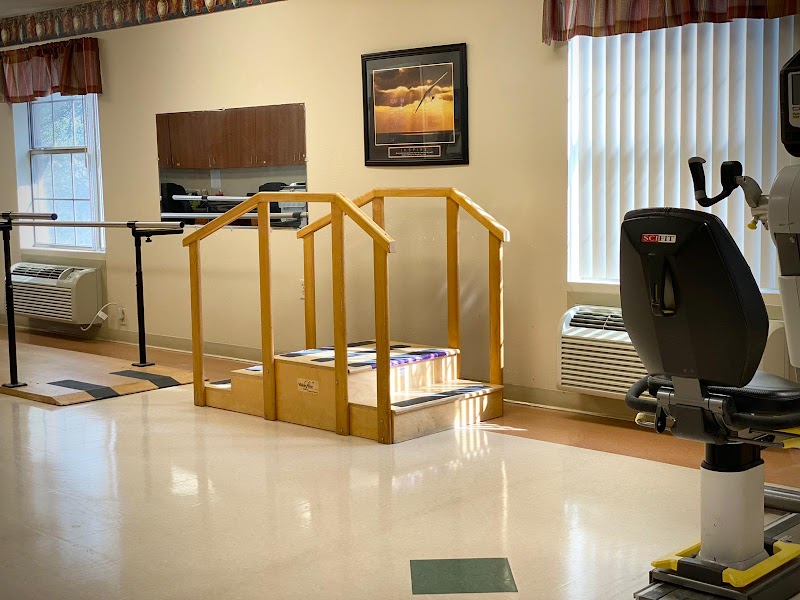
How is Green Valley Healthcare And Rehabilitation Center Staffed?

CMS rates GREEN VALLEY HEALTHCARE AND REHABILITATION CENTER's staffing level at 2 out of 5 stars, which is below average compared to other nursing homes. Staff turnover is 29%, compared to the Texas average of 46%. This relatively stable workforce can support continuity of care.

What Have Inspectors Found at Green Valley Healthcare And Rehabilitation Center?

State health inspectors documented 38 deficiencies at GREEN VALLEY HEALTHCARE AND REHABILITATION CENTER during 2022 to 2025. These included: 7 Immediate Jeopardy (the most serious level, indicating potential for serious harm or death) and 31 with potential for harm. Immediate Jeopardy findings are rare and represent the most serious regulatory concerns. They require immediate corrective action.
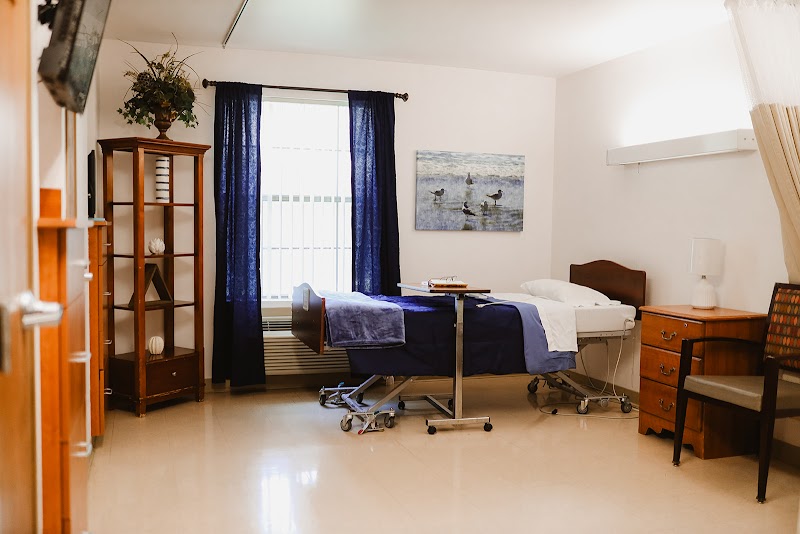
Who Owns and Operates Green Valley Healthcare And Rehabilitation Center?

GREEN VALLEY HEALTHCARE AND REHABILITATION CENTER is owned by a for-profit company. For-profit facilities operate as businesses with obligations to shareholders or private owners. The facility is operated by NEXION HEALTH, a chain that manages multiple nursing homes. With 124 certified beds and approximately 92 residents (about 74% occupancy), it is a mid-sized facility located in FORT WORTH, Texas.
How Does Green Valley Healthcare And Rehabilitation Center Compare to Other Texas Nursing Homes?

Compared to the 100 nursing homes in Texas, GREEN VALLEY HEALTHCARE AND REHABILITATION CENTER's overall rating (1 stars) is below the state average of 2.8, staff turnover (29%) is significantly lower than the state average of 46%, and health inspection rating (1 stars) is much below the national benchmark.

What Should Families Ask When Visiting Green Valley Healthcare And Rehabilitation Center?

Based on this facility's data, families visiting should ask: "What changes have been made since the serious inspection findings, and how are you preventing similar issues?" "Can you walk me through typical staffing levels on day, evening, and night shifts?" "Can I visit during a mealtime to observe dining assistance and food quality?" "How do you handle medical emergencies, and what is your hospital transfer rate?" These questions are particularly relevant given the facility's Immediate Jeopardy citations and the below-average staffing rating.

Is Green Valley Healthcare And Rehabilitation Center Safe?

Based on CMS inspection data, GREEN VALLEY HEALTHCARE AND REHABILITATION CENTER has documented safety concerns. Inspectors have issued 7 Immediate Jeopardy citations (the most serious violation level indicating risk of serious injury or death). The facility has a 1-star overall rating and ranks #100 of 100 nursing homes in Texas. Families considering this facility should ask detailed questions about what corrective actions have been taken since these incidents.

Do Nurses at Green Valley Healthcare And Rehabilitation Center Stick Around?

Staff at GREEN VALLEY HEALTHCARE AND REHABILITATION CENTER tend to stick around. With a turnover rate of 29%, the facility is 17 percentage points below the Texas average of 46%. Low turnover is a positive sign. It means caregivers have time to learn each resident's needs, medications, and personal preferences. Consistent staff also notice subtle changes in a resident's condition more quickly.

Was Green Valley Healthcare And Rehabilitation Center Ever Fined?

GREEN VALLEY HEALTHCARE AND REHABILITATION CENTER has been fined $122,368 across 5 penalty actions. This is 3.6x the Texas average of $34,303. Fines at this level are uncommon and typically indicate a pattern of serious deficiencies, repeated violations, or failure to correct problems promptly. CMS reserves penalties of this magnitude for facilities that pose significant, documented risk to resident health or safety. Families should request specific documentation of what issues led to these fines and what systemic changes have been implemented.

Is Green Valley Healthcare And Rehabilitation Center on Any Federal Watch List?

GREEN VALLEY HEALTHCARE AND REHABILITATION CENTER is not on any federal watch list. The most significant is the Special Focus Facility (SFF) program, which identifies the bottom 1% of nursing homes nationally based on persistent, serious quality problems. Not being on this list means the facility has avoided the pattern of deficiencies that triggers enhanced federal oversight. This is a positive indicator, though families should still review the facility's inspection history directly.