IGNITE MEDICAL RESORT FORT WORTH, LLC
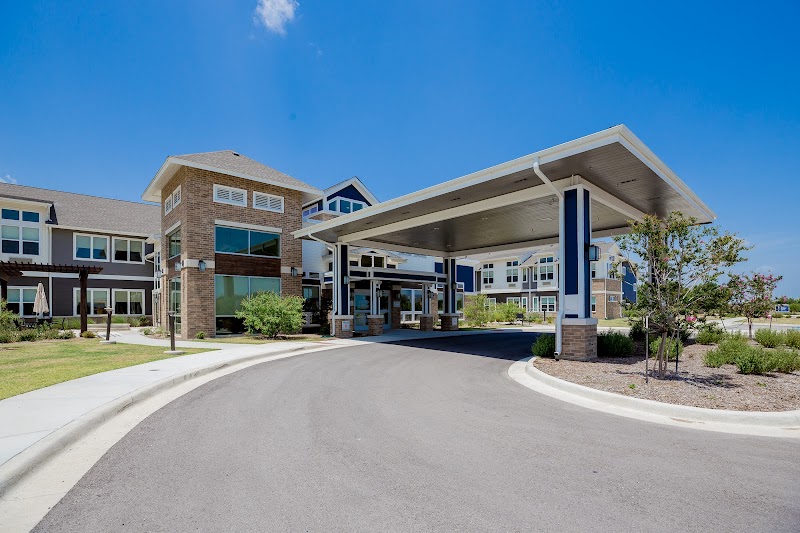
6301 OAKMONT BLVD, FORT WORTH, TX 76132 (682) 312-8577
For profit - Limited Liability company 70 Beds IGNITE MEDICAL RESORTS Data: November 2025 5 Immediate Jeopardy citations
Trust Grade
0/100
#740 of 1168 in TX
Last Inspection: November 2024

Within standard 12-15 month inspection cycle. Federal law requires annual inspections.

Overview

Ignite Medical Resort Fort Worth has received a Trust Grade of F, indicating significant concerns about the quality of care provided. This places the facility at #740 out of 1168 nursing homes in Texas, meaning it ranks in the bottom half, and #42 out of 69 in Tarrant County, suggesting there are many better local options. The facility is reportedly improving, as the number of issues decreased from 12 to 8 over the past year. However, staffing is only rated at 2/5 stars with a turnover rate of 52%, which is average for Texas but may affect resident care. The facility has been fined $135,970, which is higher than 93% of Texas facilities, indicating ongoing compliance issues. Specific concerns from recent inspections include critical deficiencies in pain management, where residents did not receive timely medication as prescribed, and failures in treating pressure ulcers, with one resident not receiving necessary preventive care, risking further skin damage. While the facility has good RN coverage, which is higher than 96% of Texas facilities, the overall picture shows both strengths and serious weaknesses that families should carefully consider.

Trust Score
F
0/100
In Texas
#740/1168
Bottom 37%
Safety Record
High Risk
Review needed
Inspections
Getting Better
12 → 8 violations
Staff Stability
⚠ Watch
52% turnover. Above average. Higher turnover means staff may not know residents' routines.
Penalties
⚠ Watch
$135,970 in fines. Higher than 94% of Texas facilities. Major compliance failures.
Skilled Nurses
✓ Good
Each resident gets 56 minutes of Registered Nurse (RN) attention daily — more than average for Texas. RNs are trained to catch health problems early.
Violations
⚠ Watch
35 deficiencies on record. Higher than average. Multiple issues found across inspections.
★★☆☆☆
2.0
Overall Rating
★★☆☆☆
2.0
Staff Levels
★★★★★
5.0
Care Quality
★☆☆☆☆
1.0
Inspection Score
Stable
2024: 12 issues
2025: 8 issues

The Good

  • 5-Star Quality Measures · Strong clinical quality outcomes
  • Full Sprinkler Coverage · Fire safety systems throughout facility
  • No fines on record

Facility shows strength in quality measures, fire safety.

The Bad

2-Star Overall Rating

Below Texas average (2.8)

Below average - review inspection findings carefully

Staff Turnover: 52%

Near Texas avg (46%)

Higher turnover may affect care consistency

Federal Fines: $135,970

Well above median ($33,413)

Significant penalties indicating serious issues

Chain: IGNITE MEDICAL RESORTS

Part of a multi-facility chain

Ask about local staffing decisions and management

The Ugly 35 deficiencies on record

5 life-threatening 4 actual harm
Jul 2025 1 deficiency
CONCERN (D) 📢 Someone Reported This

A family member, employee, or ombudsman was alarmed enough to file a formal complaint

Potential for Harm - no one hurt, but risky conditions existed

Infection Control (Tag F0880)

Could have caused harm · This affected 1 resident

**NOTE- TERMS IN BRACKETS HAVE BEEN EDITED TO PROTECT CONFIDENTIALITY** Based on observations, interviews, and record reviews the facility failed to establish and maintain an infection prevention and ...

Read full inspector narrative →
**NOTE- TERMS IN BRACKETS HAVE BEEN EDITED TO PROTECT CONFIDENTIALITY** Based on observations, interviews, and record reviews the facility failed to establish and maintain an infection prevention and control program designed to provide a safe, sanitary, and comfortable environment and to help prevent the development and transmission of communicable diseases and infections for one (Residents #1 and #2) of five residents reviewed for infection control. 1. The facility failed to ensure the WCN performed hand hygiene and used a clean technique to apply Triad paste (Triad is a for light-to-moderate wound exudate that helps maintain a moist wound healing environment) to the resident's buttocks during incontinence care for Resident #1. 2. The facility failed to ensure RN A changed gloves and performed hand hygiene during incontinence care for Resident #1.This failure could place residents at risk for healthcare associated cross contamination and infections.Findings include: 1. Review of Resident #1's Annual MDS Assessment, dated 07/10/25, reflected the resident was a [AGE] year-old female admitted to the facility on [DATE]. Her cognitive skills for daily decision making were moderately impaired. The resident required maximum assist with toileting. The resident was always incontinent of bladder and bowel. The resident's diagnoses included liver cirrhosis (severe scarring of the liver tissue), diabetes, and malnutrition. The resident had two Stage I pressure injuries and two Stage II pressure injuries.Review of Resident #1's Order Summary Report, dated 07/02/25, reflected an order:07/02/25 Cleanse coccyx, pat dry, apply Triad paste every dayshift for wound prevention.Review of Resident #1's Care Plans, dated 07/01/25, reflected the following focus areas:07/01/25 Resident was incontinent. Facility interventions included to Check every 2-3 hours and as needed for incontinence. Wash, rinse and dry perineum. Change clothing as needed after incontinence episodes.07/03/25 Resident has actual impairment to skin integrity: Left heel pressure, Right heel pressure, and Coccyx - wound prevention.Facility interventions included to apply barrier cream after incontinent episodes per facility protocol. An observation and interview on 07/10/25 at 12:35 PM of Resident #1 revealed the WCN was showing the State Surveyor the wounds the resident had. The WCN said the resident was being treated for Stage II wounds on each heel and a Stage I wound on the buttocks. The resident's heels appeared to be healed. The WCN walked over to the resident to unfasten her brief. The resident was soiled of stool that was leaking from the brief. The WCN said she would change the resident and RN A entered the room to assist her. The resident had diarrhea. RN A said the resident had diarrhea because she used lactulose. Both RN A and the WCN put on gloves. The WCN and RN A unfastened the brief while the resident was lying on her back. The WCN cleaned the peri-area of the resident and changed her gloves. The WCN did not perform hand hygiene. The WCN had to use multiple wipes to clean the resident. The WCN used her soiled gloves to touch the wipes container and pull-out clean wipes. RN A also assisted to clean the peri-area of the resident. The resident was turned to her left side. The WCN cleaned more stool off the resident. The resident had redness on her bilateral buttocks. There was green-brown colored stool on the mattress. The WCN used her soiled gloves and pulled out more wipes. The WCN cleaned the soiled mattress and placed the soiled wipes on the resident's bedside table. The WCN used her soiled gloves to place a new draw sheet and brief beneath the resident. The WCN then removed the soiled wipes from the bedside table and placed them in the trash. The resident was turned to her right side and RN A cleaned stool off the resident and pulled out the soiled linen and brief. RN A used her soiled gloves to position the clean brief and draw sheet. The WCN used the same soiled gloves to apply Triad paste to the resident's buttocks and peri-area. The WCN changed gloves, but did not perform hand hygiene. RN A used her same soiled gloves to assist the WCN to pull up the sheets and place the resident's call light. RN A placed the soiled wipes container in the resident's drawer.An interview on 07/10/25 at 12:50 PM with the WCN revealed she was hired in February 2024. The WCN said she probably should have performed hand hygiene after changing gloves. The WCN said she did not perform hand hygiene between her glove changes because she usually double-gloved. The WCN said she had been trained to perform hand hygiene, but that she did not do patient care enough with changing briefs. The WCN said she soiled the wipes container, but that RN A threw the wipes container away. The WCN denied that she put soiled wipes on the bedside table. The WCN also denied using soiled gloves to apply the Triad paste. The WCN said failing to perform hand hygiene could place the resident at risk for infection.An interview on 07/10/25 at 12:55 PM with RN A revealed she had worked at the facility for just over a month. She said she did not change her gloves because while providing incontinence care she was working in a dirty field. RN A said that it was required that before cream was put on a resident, gloves were supposed to be changed. RN A refused to say if the WCN failed to change her gloves and perform hand hygiene prior to applying Triad paste to Resident #1. RN A said she did not need to change gloves or perform hand hygiene prior to putting on a new brief or pulling up the sheets because she was not working in a sterile field. RN A said she was going to clean Resident #1's bedside table.An interview on 07/10/25 at 2:00 PM with the Regional DON revealed she started covering the facility on 07/09/25. The Regional DON said staff were supposed to perform hand hygiene when changing gloves and were supposed to change gloves when going from dirty to clean during incontinence care. The Regional DON said applying Triad paste required clean gloves and that soiled wipes were supposed to be thrown in the trash and not placed on the bedside table. The Regional DON said the observed issues placed the resident at risk of transmission of infection. The Regional DON said the DON and nursing leadership had a shared responsibility for ensuring staff used infection control measures when caring for residents. She said the Infection Preventionist (not in the facility) performed hand hygiene observations quarterly and the staff had received in-services on infection control.Review of the Facility Policy, Infection Prevention and Control Program, dated 04/17/25, reflected: This facility has established and maintains an infection prevention and control program designed to provide a safe, sanitary, and comfortable environment and to help prevent the development and transmission of communicable diseases and infections as per accepted national standards and guidelines.Review of the Facility Policy, Hand Hygiene, revised November 2024, reflected: Handwashing/hand hygiene is generally considered the most important single procedure for preventing healthcare associated infections. Antiseptics control or kill microorganisms contaminating skin and other superficial tissues. Although antiseptics and other handwashing/hand hygiene agents do not sterilize the skin, they can reduce microbial contamination depending on the type and the amount of contamination, the agent used, the presence of residual activity and the handwashing/hand hygiene technique followed. Antiseptics should not, as a rule, be used to disinfect inanimate surfaces.I. HANDWASHING When hands are visibly dirty or contaminated with proteinaceous material, are visibly soiled with blood or other body fluids, after going to the restroom, before eating, before performing an invasive procedure, and after providing care to a resident with a spore-forming organism (e.g., C. difficile), perform hand hygiene with either a non-antimicrobial soap and water or an antimicrobial soap and water.
May 2025 4 deficiencies 1 IJ
CRITICAL (J) 📢 Someone Reported This

A family member, employee, or ombudsman was alarmed enough to file a formal complaint

Immediate Jeopardy (IJ) - the most serious Medicare violation

Pressure Ulcer Prevention (Tag F0686)

Someone could have died · This affected 1 resident

**NOTE- TERMS IN BRACKETS HAVE BEEN EDITED TO PROTECT CONFIDENTIALITY** Based on observation, interviews, and record reviews, the facility failed to ensure residents with pressure ulcers received nece...

Read full inspector narrative →
**NOTE- TERMS IN BRACKETS HAVE BEEN EDITED TO PROTECT CONFIDENTIALITY** Based on observation, interviews, and record reviews, the facility failed to ensure residents with pressure ulcers received necessary treatment and services, consistent with professional standards of practice, to promote healing, prevent infection and prevent new ulcers from developing for 1 (Resident #1) of 3 residents reviewed for pressure ulcers, in that: 1. The facility failed to provide preventive care, consistent with professional standards of practice, to Resident#1 who was at risk for pressure injury development. On 04/24/25, Resident #1's admission progress note revealed skin integrity concerns that included, Resident #1 had redness to bilateral heels, Eschar (a hardened, dry, black, or brown dead tissue that forms a scab-like covering over deep wounds) to the left big toe, redness to the groin area, and redness to the buttock and coccyx (tailbone) area. 2. The facility failed to consult the Wound Medical Doctor (WMD) or implement additional pressure relieving devices for Resident #1 to prevent skin breakdown of the heels or coccyx and buttocks on 04/25/25. 3. The facility failed to monitor early signs of a pressure injury (PI) to promote the prevention of pressure ulcer (PU) development to Resident #1's right heel, left heel, and sacrum. On 05/09/25, the RP discovered altered skin integrity on Resident #1's right heel, left heel, and sacrum. On 05/09/25, the WCN inspected Resident #1 based on the RP's concern(s). The WCN took pictures and documented that Resident #1 had a pressure injury to the right heel, a pressure injury to the left heel, and a Stage 3 pressure ulcer to the sacrum. 4. The facility failed to appropriately place pressure offloading wedges when staff repositioned Resident #1 to reduce pressure on bony prominences. An Immediate Jeopardy (IJ) was identified on 05/30/25. The IJ template was provided to the facility on [DATE] at 3:00 PM. While the IJ was removed on 05/31/25, the facility remained out of compliance at a scope of Isolated and severity level of No Actual Harm with a potential for more than minimal harm due to the facility's need to complete in-service training and evaluate the effectiveness of the corrective systems. These failures placed residents at risk of developing new or worsening pressure ulcers. Findings included: A record review of Resident #1's admission MDS Assessment, dated 04/27/25, revealed a [AGE] year-old female who admitted on [DATE]. Resident #1 had Medically Complex Conditions that included active diagnoses of Diabetes Mellitus (DM) (a chronic condition that affects the way the body processes glucose [blood sugar]); Stroke; Aphasia (a disorder that impairs the expression and understanding of language, as well as reading and writing abilities); Hemiplegia (refers to complete paralysis) or Hemiparesis (characterized by weakness on one side of the body) of the right side; and Malnutrition. A BIMS score of 05 suggested Resident #1 had severe cognitive impairment. Resident #1 was dependent in self-care and mobility needs. Resident #1 was always incontinent of bladder and occasionally incontinent of bowel. The admission MDS reflected Resident #1 did not have current unhealed pressure ulcers/injuries at any stage and was at risk of developing pressure ulcers/injuries. Resident #1 was transferred to the hospital on [DATE] for a non-wound related issue at the RP's request. Record review of Resident #1's Discharge MDS assessment, dated 05/13/25, revealed Resident #1 had one or more unhealed pressure ulcers/injuries. The Discharge MDS assessment reflected one Stage 3 pressure ulcer (Full thickness tissue loss. Subcutaneous fat may be visible, but bone, tendon or muscle is not exposed. Slough (a type of dead tissue that accumulates on the surface of a wound. It is typically soft, yellowish, or white) may be present but does not obscure the depth of tissue loss. May include undermining and tunneling) and four unstageable pressure injuries presenting as deep tissue injury (a unique form of a pressure injury that affects the underlying layers of skin, muscle, and other soft tissues) that were not present on admission. A record review of Resident #1's care plan report, initiated 04/25/25 reflected the following: [Resident #1] is incontinent. (Initiated: 04/25/25). Interventions included Brief Use: The resident uses disposable briefs. Change as needed.; Clean peri-area with each incontinence episode; Incontinent: Check every 2 - 3 and as needed for incontinence. Wash, rinse and dry perineum. Change clothing PRN after incontinence episodes.; Skin: Provide skin care with each incontinent episode. (Initiated: 04/25/25). Goal: [Resident #1] will have minimal complications related to incontinence episodes through the review date. (Target Date: 06/22/25). [Resident #1] is at risk for alteration in skin integrity. (Initiated: 04/25/25). Interventions (Initiated: 04/25/25) included Apply barrier cream per facility protocol to help protect skin from excess moisture; Change bedding/clothing if moist; Do not allow linens to be creased/folded under resident, keep bedding as smooth as possible; Encourage/assist with turning and repositioning ever 2-3 hours; Guest refuses offloading and turning/re-positioning at times. Provide re-education and re-approach when care is refused.; Monitor skin when providing care, notify nurse of any changes in skin appearance; Provide skin/wound treatments as ordered. Goal: [Resident #1] will remain free of new skin impairment through the review date. (Target Date: 06/22/25). [Resident #1] has actual impairment to skin integrity r/t Poor Nutrition. 5/28/25 - DTI - left great toe, left heel, right heel; Stage 3 right lateral foot. (Initiated: 05/09/25). Interventions (Initiated: 04/25/25) included Evaluate and treat per physician's orders; LALM (Low Air Loss Mattress) as ordered (Initiated: 05/12/25); Prevalon boots as ordered (Initiated: 05/12/25); and Weekly treatment documentation to include measurement of each area of skin breakdown's width, length, depth, type of tissue and exudate and any other notable changes or observation by wound nurse or provider. Goal: [Resident #1] skin injury will be healed by review date -and- will have no complications r/t documented skin impairment through the review date. (Target Date: 06/22/25). A record review of Resident #1's Order Summary Report printed 05/19/25 reflected the following: Order date 04/24/25: Wound Consult as needed. Order date 04/25/25: Barrier Cream apply after Incontinent episodes every shift. Order date 04/27/25: Skin Checks Weekly every Day shift every Monday. Must open and document Skin Evaluation for each assessment (including no new areas found). Order date 05/08/25: Wound care to eval and treat coccyx area one time a day for wound care. [Discontinued 05/11/25] Order date 05/09/25: Monitor for LALM (Low Air Loss Mattress) every shift for wound healing. Order date 05/09/25: Monitor for Prevalon boots (for heel protection) every shift for wound healing. Order date 05/09/25: Cleanse right heel, pat dry, apply skin prep every Day shift for wound healing. Order date 05/09/25: Cleanse left great toe, pat dry, apply skin prep every Day shift for wound healing. Order date 05/09/25: Cleanse left heel every Day shift for wound healing. Order date 05/09/25: Cleanse right lateral foot every Day shift for wound healing. Order date 05/09/25: Cleanse sacrum, pat dry, apply collagen [did not indicate form or type of collagen] and Anasept (an antimicrobial skin and wound cleanser), cover with dry dressing every Day shift for wound healing. Order date 05/09/25: [Prescriber (Physician) Entered] Vascular consult. [Order status: Pending Confirmation] Record review of Resident #1's April 2025 MAR revealed a weekly skin check was completed on 04/28/25 and barrier cream was applied after incontinent episodes every shift as the order was written. Record review of Resident #1's May 2025 MAR revealed a weekly skin check was completed on 05/05/25 and barrier cream applied after incontinent episodes every shift were implemented as written. The orders to monitor for LALM and Prevalon boots every shift for wound healing was implemented 05/09/25 during the night shift and every shift thereafter as written. Record review of Resident #1's May 2025 TAR revealed orders to cleanse right heel, great toe, left heel and right lateral foot, pat dry, apply skin prep everyday shift for wound healing were implemented on 05/10/25 and performed daily as written. The order to cleanse sacrum, pat dry, apply collagen [did not indicate form or type of collagen] and Anasept, cover with dry dressing every day shift for wound healing was implemented 05/10/25 and performed daily as written. The WCN signed off on the order entered on 05/08/25 for Wound care to eval and treat coccyx area one time a day for wound care on 05/09/25. Record review of Resident #1's admission progress note, dated 04/24/25 at 8:59 PM, completed by RN A, revealed Resident #1 had skin integrity concerns that included, redness to bilateral heels, Eschar (a hardened, dry, black, or brown dead tissue that forms a scab-like covering over deep wounds) to left big toe, redness to groin area, and redness to buttock. RN A entered an order on 04/24/25 for a Wound Consult as needed. The Wound Care Nurse (WCN) completed a skin assessment on Resident #1 on 04/25/25. Record review of Resident #1's completed Weekly Skin Observations reflected: admission Skin Observation Date: Friday, 04/25/25. Completed by the WCN. Does the Resident have ANY Skin Issues Observed (including new and old)? No If No, Reason: No open wounds noted. Document and Describe ALL Skin Issues: Coccyx (tailbone) - Redness; Left toe(s) - Big toe has scab Other Observations: Skin clean dry and intact. The Wound Team was not notified and there were no intervention/treatment in place. admission Skin Observation Date: Monday, 04/28/25. Completed by LVN B. Does the Resident have ANY Skin Issues Observed (including new and old)? Yes MD notified: Yes Document and Describe ALL Skin Issues: Coccyx (tailbone) - Redness; Other Observations: No new skin issues noted at this time. The Wound Team was not notified. Intervention/treatment in place: Yes. Weekly Skin Observation Date: Monday, 05/05/25. Completed by the WCN. Does the Resident have ANY Skin Issues Observed (including new and old)? No If No, Reason: No open wounds noted. Document and Describe ALL Skin Issues: Right buttock - Redness; Left buttock - Redness; Other Observations: Skin clean dry and intact. The Wound Team was notified, and intervention/treatment was in place. Weekly Skin Observation Date: Monday, 05/12/25. Completed by LVN B. Does the Resident have ANY Skin Issues Observed (including new and old)? Yes MD notified: Yes Document and Describe ALL Skin Issues: Coccyx (tailbone) - Pressure Sore; Other (specify) - Eschar to multiple toes; Groin - Redness; Other (specify) - Redness/pressure sore to BIL heels (Boots applied); Other Observations: No new skin issues noted at this time. The Wound Team was not notified. Intervention/treatment in place: Yes. During an interview on 05/17/25 at 12:07 PM, LVN B said that she worked at the facility for 2 years. LVN B said that she was familiar with Resident #1. LVN B said that she completed the weekly skin assessments for Resident #1. LVN B said that she recalled Resident #1 had redness on her coccyx (tailbone) and CNAs applied barrier cream to the area to protect from breakdown. LVN B said that the CNAs should reposition, and offload pressure points every 2 hours. LVN B said that Resident #1 was at risk for skin breakdown because she had a poor nutritional intake, was incontinent, and made occasional slight changes in body position and was unable to make frequent changes independently. LVN B said the last skin assessment (05/12/25) she completed on Resident #1, the reddened area at the coccyx was open and the WCN documentation reflected a Stage 3 pressure ulcer. LVN B said that Resident #1 had dark discolorations at the heels, and she made sure that the Prevalon boots (heel protectors) were placed on Resident #1's feet before (LVN B) exited the room. LVN B said that all nursing staff was responsible for ensuring residents at risk for skin breakdown have appropriate interventions in place. LVN B said that the CNAs would use pillows to offload Resident #1's ankles before the Prevalon boots were ordered by the WCN. LVN B said that Resident #1 was turned and repositioned every two hours. LVN B said the purpose of turning and repositioning a resident every two hours was to prevent avoid skin breakdown. LVN B could not verbalize how she monitored if Resident #1 was repositioned, and offloading devices were properly placed. During an interview on 05/17/25 at 2:45 PM, Resident #1's RP stated that Resident #1 was admitted to the facility for nearly 3 weeks and was discharged to the hospital for a low blood pressure on 05/13/25. The RP said that he had electronic monitoring in Resident #1's room and was able to provide images of [Resident #1] slumped over to the right side in bed and the green (pressure offloading) wedges were not placed under Resident #1. The RP said that a (pressure offloading) wedge was at the foot of the bed and the other (pressure offloading) wedge was on a chair next to the bed. Record review of an undated and timed picture submitted by the RP, revealed Resident #1 asleep in bed. The head of bed was raised approximately 45 degrees. Resident #1 was in a semi-seated position with knees bent. Resident #1's upper body was leaned over to the right side. A green (pressure offloading) wedge was observed at the right-side foot of the bed. A corner of the (pressure offloading) wedge hung off the edge of the bed. At the left-side head of the bed, 2 green (pressure offloading) wedges were observed stacked on the chair resting on the left arm and the seat of the chair. During record review and an interview on 05/19/25 at 3:09 PM, the WCN said that she provided wound care, new resident skin assessments, measured and took pictures of wounds; performed weekly skin assessments on residents she followed for wound care and occasionally assisted nurses with weekly skin assessments if they became too busy. The WCN said that she took wound pictures every 7 days to monitor improvement and followed all altered skin integrity that included skin tears to pressure wounds. The WCN said that the nurses performed wound care in the WCN's absence and on the weekends. The WCN said that she conducted the admission skin assessment on Resident #1 and skin was intact. The WCN said that Resident #1 did not have redness to the right and left heels and although there was redness to the buttocks she was not concerned because the skin was intact. The WCN said that the facility policy and procedure for PU/PI prevention was to order a LALM for residents with actual skin breakdown, keep residents clean and dry if incontinent, turn and reposition every 2 hours to prevent skin breakdown if the resident could not reposition on their own. The WCN said that staff were aware of care plan interventions by reviewing the care plan. The WCN said that she did not participate in care plan develop or updates and did not monitor if care plan interventions were implemented for the management of skin. The WCN said the wound doctor was involved with intervention suggestions. The WCN said that she did not need to follow Resident #1 because she did not have any skin issues. The WCN said that the RP complained of bruises to Resident #1's right and left heels (on 05/09/25) and she told the RP that they were blood blisters. The WCN replied when asked if blood blisters were considered DTIs, she said no. The WCN went on to say that the RP was concerned about Resident #1's buttocks and the WCN said that she visualized the area and said that it looked like shearing from friction (a superficial injury that occurs when skin is dragged across a surface). The WCN stood up and demonstrated how a resident's brief could be placed incorrectly and rubbed against the skin when pulled across the bed. The WCN denied that was the situation with Resident #1 and said that she was just giving an example. The WCN said that she thought the shearing could have been caused by skin contact with the mechanical lift sling. The WCN said that she did not think that Resident #1's bottom would be bare on the mechanical lift sling and said that she was giving an example. The WCN said that she took pictures of the discovered areas and forwarded to the NP for guidance. The WCN said that the NP was unsure about Resident #1's altered skin issues. The WCN said that she documented the right and left heels as DTIs and the sacrum as a Stage 3 pressure ulcer. When the WCN was asked, what information was obtained to determine the altered skin integrity was a Stage 3, she said that she measured the wound and it looked like a Stage 3 (pressure ulcer). The investigator reviewed the picture of the sacrum with the WCN, asked about the measurements entered underneath the picture (6.00 cm length x 3.00 cm width x unknown depth), and if a depth of a wound was necessary to consider a pressure ulcer a Stage 3; the WCN said No, the depth was not needed to stage a wound. The WCN could not define in her own words the differences between Stage 1 & 2 (partial thickness), Stage 3 & 4 (full thickness), Unstageable/DTI, or eschar. The WCN said that she obtained orders from Resident #1's PCP and did not consult the Wound Medical Doctor (WMD). During an interview on 05/19/25 at 7:12 PM, CNA C stated she worked at the facility for 2 years. CNA C denied ever seeing the green (pressure offloading) wedges at the bottom of Resident #1's bed or on the chair beside the bed. CNA C said that the wedges must be placed underneath Resident #1 to prevent falls. CNA C said that the wedges were placed at the shoulders and at the hips. CNA C said that rounds were done every 2 hours and as needed. CNA C said if she observed the wedges placed incorrectly or not underneath the resident, she would immediately correct the issue. CNA C was unaware of the purpose for the wedges to help maintain a lateral side-lying position and to ensure proper offloading for pressure injury prevention. During record review and an interview on 05/19/25 at 7:53 PM, the CNO said that she expected nurses and the WCN to follow facility protocols for pressure ulcer prevention and skin management. The CNO said the green wedges were to be placed underneath Resident #1 to off-load pressure and prevent skin breakdown. The CNO said the green wedges were also used to support Resident #1 when sitting upright due to her stroke related left sided weakness. The CNO said, labeled Patient's Side, were not used properly in the pictures shown to her. The CNO stated if the green (pressure offloading) wedges were not placed properly underneath Resident #1, there was a risk of pressure ulcer development due to pressure on the skin for a long time. The CNO said that the LALM assisted with off-loading pressure to the resident to prevent wounds and avoid pre-existing wounds from worsening. The CNO said that the facility recently held a Skills Fair with nurses to ensure up-to-date knowledge and competency in skin management and wound care. The CNO said that Resident #1's wounds were unavoidable and that she started the documentation on 05/09/25 to reflect the factors that made the wounds unavoidable but did not complete the documentation. The CNO said that a resident should be assessed and evaluated at admission to determine if at risk for unavoidable PI/PU. The CNO said that Resident #1 was not assessed or evaluated during admission because the electronic health record, PCC, did not include that type of assessment at admission. The CNO said that the WMD did not need to be consulted for redness and could be treated by the WCN, but the WCN should have consulted the WMD on 05/09/25 when the altered skin integrity was discovered and if she had questions about wound staging. The investigator reviewed the picture of the sacrum with the CNO, and she said that the area to Resident #1's buttocks looked like a superficial skin injury and not a Stage 3. The CNO said that the measurements of a Stage 3 wound would include the length, width, and depth. The CNO said if there was not a measurable depth to a wound because the margins were even with the surrounding skin or was covered by slough or eschar, the wound would be considered unstageable and would require the WMD to be consulted. On 05/19/25, an outbound call to the NP was unanswered and forwarded to an automated service that prompted to leave a voicemail. A return call was not received prior to the exit on 05/31/25. Record review of the facility's Skin Integrity Management policy, revised October 5, 2016, reflected: Reposition residents at risk for pressure sore or with pressure sores at least every two (2) hours, if unable to turn themselves. Use pillows or foam wedges to keep bony prominences from direct contact . The presence of a pressure reducing device/specialty bed does not negate the need to turn/reposition the resident at least every two (2) hours in order to prevent pulmonary and renal complications as well as pressure sores . If eschar or necrotic tissue is present, debridement may be indicated. Physicians do surgical debridement only. The National Pressure Ulcer Advisory Panel ([NPUAP], 2016) revised the definition and stages of pressure injury. Review of the new definition of suspected DTI is: Purple or maroon localized area of discolored intact skin or blood-filled blister due to damage of underlying soft tissue from pressure and/or shear. The area may be preceded by tissue that is painful, firm, mushy, boggy, warmer or cooler as compared to adjacent tissue. Further description is also given: Deep tissue injury may be difficult to detect in individuals with dark skin tones. Evolution may include a thin blister over a dark wound bed. The wound may further evolve and become covered by thin eschar. Evolution may be rapid exposing additional layers of tissue even with optimal treatment. (Reference: Edsberg LE, Black JM, [NAME] M, [NAME] L, [NAME] L, Sieggreen M. Revised National Pressure Ulcer Advisory Panel Pressure Injury Staging System: Revised Pressure Injury Staging System. J Wound Ostomy Continence Nurs. 2016; 43(6):585-597. doi:10.1097/WON.0000000000000281 https://pmc.ncbi.nlm.nih.gov/articles/PMC5098472/) The Centers for Medicare & Medicaid Services ([CMS], 2024), defined pressure ulcer/injury characteristics as: - Stage 1 Pressure Injury: Non-blanchable erythema of intact skin Intact skin with a localized area of non-blanchable erythema (redness). In darker skin tones, the PI may appear with persistent red, blue, or purple hues. The presence of blanchable erythema or changes in sensation, temperature, or firmness may precede visual changes. Color changes of intact skin may also indicate a deep tissue PI. - Deep Tissue Pressure Injury (DTPI): Persistent non-blanchable deep red, maroon, or purple discoloration Intact skin with localized area of persistent non-blanchable deep red, maroon, purple discoloration due to damage of underlying soft tissue. This area may be preceded by tissue that is painful, firm, mushy, boggy, warmer, or cooler as compared to adjacent tissue. These changes often precede skin color changes and discoloration may appear differently in darkly pigmented skin. This injury results from intense and/or prolonged pressure and shear forces at the bone-muscle interface. The wound may evolve rapidly to reveal the actual extent of tissue injury or may resolve without tissue loss. If necrotic tissue, subcutaneous tissue, granulation tissue, fascia, muscle, or other underlying structures are visible, this indicates a full thickness pressure ulcer. Once a deep tissue injury opens to an ulcer, reclassify the ulcer into the appropriate stage. Do not use DTPI to describe vascular, traumatic, neuropathic, or dermatologic conditions. (Reference: Centers for Medicare & Medicaid [CMS], State Operations Manual, Appendix PP. (Rev. 225; Issued: 08-08-24). F686 Skin Integrity, p. 298. https://www.cms.gov/medicare/provider-enrollment-and-certification/guidanceforlawsandregulations/downloads/appendix-pp-state-operations-manual.pdf The NFA was notified of an Immediate Jeopardy (IJ) on 05/30/25 at 3:00 PM, due to the above failures and the IJ template was provided. The facility's Plan of Removal (POR) was accepted on 05/31/25 at 11:14 AM and included: [FACILITY NAME] is committed to ensuring the safety and well-being of all Residents and operates in substantial compliance with Federal and State laws and regulations. This removal plan constitutes [FACILITY NAME]'s written credible allegation of compliance for the immediate jeopardy noted. Policy Statement It is the facility's policy to ensure that residents receive care, consistent with professional standards of practice, to prevent pressure ulcers/injuries and do not develop pressure ulcers/injuries unless clinically unavoidable, and that residents with pressure ulcers/injuries receive necessary treatment and services to promote healing, prevent infection, and prevent new ulcers from developing, in accordance with F686. Immediate Action for Affected Residents On 05/30/25: Resident #1 is currently hospitalized . Upon return to the facility, the resident will: o Receive a complete skin assessment by two licensed nurses o Have a new care plan developed addressing all areas of skin integrity o Be evaluated by the Wound Care Physician within 24 hours of readmission o Have pressure-relieving devices implemented including heel protectors and pressure-redistributing mattress o Receive repositioning every 2 hours and as needed Identifying Other Residents at Risk On 05/30/25: Conduct skin sweep of current residents completed by licensed nurses Review of current residents' medical records to identify those with diabetes, impaired mobility, or other risk factors for pressure injuries Creation of a facility-wide list of at-risk residents requiring enhanced monitoring Root Cause Analysis Root causes identified through staff interviews, record reviews, and process analysis on 05/30/25: Lack of communication between nursing staff and Wound Care Nurse Systemic Changes and Preventive Measures Effective 05/30/25: Revised skin assessment protocol requiring two-nurse verification of skin concerns on admission Residents with skin alterations will be reviewed during clinical stand-up meetings DON and or Designee will provide mandatory in-service education to all nursing staff until all nurses have been trained prior to next shift worked. o Pressure injury prevention and identification o Proper wound staging o Communication requirements o Documentation requirements o Reporting requirements DON and or Designee will provide mandatory in-service education to all Updated wound care policy requiring physician notification of identified skin concerns Implementation of wound care rounds weekly by WCN and or designee Monitoring and Evaluation Plan Beginning 05/30/25: Director of Nursing or designee will: o Audit 100% of new admissions for skin assessments daily for 2 weeks, then 50% weekly for 4 weeks o Review wound documentation daily for 2 weeks, then 3x/week for 4 weeks o Monitor physician notification compliance daily for 2 weeks o Observe random wound care rounds weekly for 8 weeks Quality Assurance Nurse And or Designee will: o Conduct random audits of 10 resident skin assessments weekly for 8 weeks o Review new pressure injuries for appropriate interventions and physician notification o Monitor staff compliance with new protocols weekly The Director of Nursing will report monitoring results to the QAPI committee weekly for 8 weeks, then monthly until sustained compliance is achieved for 3 consecutive months. The QAPI committee will adjust the plan as needed based on audit findings. On 05/31/25 the investigator began monitoring if the facility implemented their plan of removal sufficiently to remove the IJ by the following: Interviews conducted with nursing staff scheduled on 05/31/25 between 11:30 AM - 3:00 PM, included PRN and new hire staff [RN F, LVN G, LVN B, and LVN D] indicated they participated in the mandatory in-service education about Pressure Injury Prevention and Identification, Proper Wound Staging, Communication Requirements, Documentation Requirements, and Reporting Requirements. The nurses summarized the topic of discussion included policy, procedure, and the facility/leadership expectations. Each nurse stated in their own words the procedures for resident skin management to prevent pressure injury/ulcer development rather avoidable or unavoidable (pressure injury development or failure to heal because of the resident's clinical condition regardless of the interventions provided to treat or prevent development). Nurses said that they would notify the WCN and/or ADONs and notify the physician immediately of resident change in condition and verbalized steps on how to notify attending physician/NP/physician designee and the wound physician, if applicable, including what actions to take if unable to contact a physician. Observations on 05/31/25 of nurses [RN F, LVN G, LVN B, and LVN D] demonstrated in the chart how to locate observation documents, how to complete a weekly skin assessment, document skin observations in a daily skilled note, and how to enter an order for a wound consultation for the WCN to assess, evaluate, and treat. The WCN would consult the third-party WMD as needed. Observation on 05/31/25 of CNAs [CNA P and CNA E] performed pressure relief measures that included, resident positioning; support device placement to offload and prevent pressure to bony areas; and apply skin protectant to intact peri-wound skin during incontinent care. Interviews co[TRUNCATED]
CONCERN (D) 📢 Someone Reported This

A family member, employee, or ombudsman was alarmed enough to file a formal complaint

Potential for Harm - no one hurt, but risky conditions existed

ADL Care (Tag F0677)

Could have caused harm · This affected 1 resident

**NOTE- TERMS IN BRACKETS HAVE BEEN EDITED TO PROTECT CONFIDENTIALITY** Based on observations, interviews, and record reviews, the facility failed to ensure residents unable to carry out activities of...

Read full inspector narrative →
**NOTE- TERMS IN BRACKETS HAVE BEEN EDITED TO PROTECT CONFIDENTIALITY** Based on observations, interviews, and record reviews, the facility failed to ensure residents unable to carry out activities of daily living received the necessary services to maintain proper grooming, hygiene (personal and oral hygiene) and proper feeding for 1 (Resident#1) of 6 residents reviewed for activities of daily living care. 1. The facility failed to provide bed baths, grooming and hygiene for Resident #1 on a consistent basis according to the facility's ADL Schedule. 2. LVN B used an incorrect feeding technique to feed Resident #1. LVN B was observed standing up while assisting Resident #1 with feeding on 04/28/25. These failures could place the residents at risk of psychosocial harm feeling uncomfortable, disrespected and could decrease residents' self-esteem and/or diminished quality of life. Findings included: Record review of Resident 1's face sheet, dated 05/17/25, revealed Resident #1 was a [AGE] year-old female admitted to the facility on [DATE] and discharged on 05/13/25. Resident #1 ' s diagnoses included: Sepsis due to MSSA (a serious bloodstream infection that can lead to septic shock, a life-threatening condition), cerebral infraction (also known as a stroke or ischemic stroke, is a condition where a portion of the brain's tissue is damaged due to a blockage or narrowing of a blood vessel supplying blood to the brain), aphasia following cerebral infraction (aphasia, a language disorder affecting communication, can occur following a cerebral infarction (stroke), dysphagia following a cerebral infarction (dysphagia, or difficulty swallowing, is a common and potentially serious complication following a cerebral infarction (stroke), hemiplegia (complete) and hemiparesis (weakness) following cerebral infarction affecting left non-dominant side, ADL assistance for personal care, abnormalities in gait and mobility, syncope and collapse (syncope (fainting) is a sudden, temporary loss of consciousness due to decreased blood flow to the brain, while collapse can be caused by various factors, including syncope, but also other conditions like seizures, head injury, or medical issues), , end stage renal disease (the final stage of chronic kidney disease where the kidneys can no longer function adequately to support life), dependence on renal dialysis. Record review of Resident #1's MDS assessment, dated 04/27/25, revealed the resident had severe cognitive impairment with a BIMS score of 5. The assessment reflected Resident #1 needed assistance from staff with her ADL ' s, such as eating, oral hygiene, personal hygiene, toileting hygiene, shower/bath, upper and lower body dressing, and putting on/taking off footwear. The assessment reflected Resident #1 needed assistance from staff with functional abilities, such as being rolled from left and right, sitting to lying, lying to sitting in bed, and tub/toilet transfers. Record review of Resident #1 ' s Discharge MDS assessment, dated 05/13/25, revealed that she was discharged from the facility on 05/13/25 to a Short-Term General Hospital. In Section C0500 there was no information indicating that Resident #1 was unable to complete the interview. In Section C - Cognitive Patterns, Section C0700 for Short-term Memory indicated Resident #1 had a memory problem. In Section C1000 for Cognitive Skills for Daily Decision Making was coded a 3 indicating Resident #3 cognition was severely impaired and she never/rarely made decisions. Record review of Resident #1's Care Plan dated 04/25/25 revealed the following: Focus: [Resident #1] had ADL self-care performance deficit and limitations in mobility. Date Initiated: 04/29/2025 Goal: The resident/guest will improve self-care and mobility function by the next review date. Date Initiated: 04/25/2025 Target Date: 06/22/2025 Interventions: Eating, Setup or clean-up assistance. Date Initiated: 04/25/2025 Eating: Supervision or touching assistance Date Initiated: 04/25/2025 Eating: Partial/moderate assistance Date Initiated: 04/25/2025 Oral Hygiene: Substantial/maximal assistance Date Initiated: 04/25/2025 Toileting: Substantial/maximal assistance. Date Initiated: 04/25/2025 Shower/bathe self: Substantial/maximal assistance. Date Initiated: 04/25/2025 Upper body dressing: Substantial/maximal assistance. Date Initiated: 04/25/2025 Lower body dressing: Substantial/maximal assistance. Date Initiated: 04/25/2025 Putting on/taking off footwear: Substantial/maximal assistance. Date Initiated: 04/25/2025 Personal hygiene: Substantial/maximal assistance. Date Initiated: 04/25/2025 Roll left and right: Substantial/maximal assistance. Date Initiated: 04/25/2025 Chair/bed-to-chair transfer: Substantial/maximal assistance. Date Initiated: 04/25/2025 -uses wheelchair. Date Initiated: 04/25/2025 Focus: [Resident #1] is at risk for falls. Date Initiated: 04/25/2025 Goal: The resident/guest will remain free from injury related to falls through the review period. Date Initiated: 04/25/2025 Target Date: 06/22/2025 Interventions: Anticipate and meet the resident's needs. Date Initiated: 04/25/2025 . Focus: The resident has the potential for altercations in psychosocial well-being. Date Initiated: 04/25/2025 Goal: The resident will have no indications of psychosocial well being problems by/through review date. Date Initiated: 04/25/2025 Target Date: 06/22/2025 Interventions: Allow the resident time to answer questions and to verbalize feelings, perceptions, and fears. Date Initiated: 04/25/2025 Initiate referrals as needed for personal care, counseling, psych services as needed. Date Initiated: 04/25/2025 Provide opportunities for the resident and family to participate in care. Date Initiated: 04/25/2025. In an interview with LVN B on 05/17/25 at 12:07 PM, she stated that she had been employed at the facility for 2 years. She stated that Resident #1 was admitted to the facility for about 3 weeks. LVN B stated that Resident #1 was a total care patient that required total assistance from staff. She stated that Resident #1 received her showers 3 x ' s per week, which were on Mondays, Wednesdays and Fridays. LVN B stated that the CNA's are provided with a shower/bed baths sheets tofor residents. LVN B stated after the CNA's bath/shower a resident, the shower/bed bath sheets are completed for each and placed in their files. She stated that if a resident refused a Shower/Bed Bath, the CNA's will write Refused on the residents Shower/Bed Bath Sheet. She stated that Resident #1 ' s family member did not mention anything to her regarding any concerns regarding issues with Personal Hygiene including grooming, and Bed Baths not being given by staff. An email was sent to the Administrator and CFO On 05/17/2025 at 1:04 PM requesting the facility ' s policy for Resident Rights. An observation of Resident #1 at the hospital on [DATE] at 2:40 PM, revealed that she was asleep. In an interview with Resident #1 ' s family member at the hospital on [DATE] at 2:45 PM, revealed that she was discharged from the facility on 05/13/25 due to having an irregular blood pressure. The family member stated that Resident #1 had been admitted to the hospital since her discharge from the facility. The family member stated that there were some concerns regarding the ADL care Resident #1 was receiving from the facility. The family member stated the resident was at the facility for almost 3 weeks and did not receive her bed baths on a routine basis due to her assigned bathing days. The family member stated that Resident #1 ' s schedule bathing days were on Mondays, Wednesdays and Thursday. The family member stated that a Grievance was filed at the facility on 05/13/25 on the same day Resident #1 was discharged from the facility. The family member stated that they visited Resident #1 on a daily basis and her hair was disheveled throughout her stay at the facility. The family member stated that there were not any issues with Resident #1 having any body odors, but he stated that she should have been given a bath on her given scheduled days. The family member stated that a Ring video was installed in Resident #1 ' s room during her stay at the facility. The family member was able to provide the Ring video footage of Resident #1 during her stay at the facility. The family member stated that the Ring video footage revealed LVN B was standing up while feeding Resident #1. The family member stated that the photographs that were provided of Resident #1, showed [Resident #1] slumped over in her bed with her hair being matted and dishoveled. The family member stated that the photographs also revealed that Resident #1 was asleep in her bed and her gown exposed her shoulder and upper chest area, which is unacceptable. Record review of the facility ' s Grievance Log with an entry on 05/13/25 for Resident #1 regarding Nursing Care. Resident #1 ' s family member stated that they had a concern and was quite upset with the fact that staff were not assisting with keeping guest [Resident #1] fresh and clean. The Grievance Log Entry was completed by the DOH on 05/14/25. Record review of a photograph (unknown date and time) taken by Resident #1 ' s family member, revealed that Resident #1 was asleep and wearing a yellow and red gown with her right shoulder and upper breast being exposed. Resident #1 was lying forward in a crouched position with the top of the left side of her head laying on the bed rails. Resident #1 ' s hair was disheveled and appeared to be matted. Record review of a photograph (unknown date and time) taken by Resident #1 ' s family member, revealed that Resident #1 was asleep and wearing a yellow and red gown and she was asleep. Resident #1 ' s hair was disheveled and appeared to be matted. Record review of (unknown date and time) taken by Resident #1 ' s family member, revealed that Resident #1 alert and wearing a yellow and red gown and her hair was disheveled and appeared to be matted. Record review of Ring video footage on 04/28/25 (without a timestamp) in Resident #1 ' s room revealed that LVN B was standing up while feeding Resident #1. In an interview with CNA C on 05/19/25 at 7:12 PM, she stated that she had been employed at the facility for 2 years. She stated that the staff on the floor did routine rounds in each resident ' s room at least every 2 hours, or as needed. CNA C stated she gave Resident #1 a bed bath on her scheduled bathing days, which were Mondays, Wednesdays and Fridays. CNA C stated that a bed bath for residents includes washing, combing hair, cleaning and clipping nails and toenails. CNA C stated that she completed a Shower Sheet for each resident, including Resident #1 when they were given bed baths. CNA C stated that if a resident refused a bed/shower, she would write Refused on the resident ' s Bed Bath/Shower Sheet which will be in a Shower Log at the Nurses Station. CNA C stated that if Resident #1's hair was disheveled, she would comb her hair. She stated that she did not observe Resident #1's hair appearing to be disheveled or matted during her shifts. CNA C stated that she never observed the yellow and red gown on Resident #1 exposing her upper chest area. CNA C stated that she had never observed any staff standing up while feeding Resident #1. CNA C stated that she did not provide any feedings to Resident #1. CNA C stated that she had taken several In-Service Trainings on how to properly feed residents, but she could not remember the last In-Service Training she received on feeding residents. stated that she was trained via In-Service Trainings to sit while feeding residents. CNA C stated that Resident #1's family member did not mention to her any concerns regarding the ADL Care she was receiving during her stay at the facility. CNA C stated that if a resident was fed while standing up, there was a risk for a resident to cough, choke and possibly aspirate (the accidental inhalation of foreign substances, like food or liquid, into the lungs). In an interview with the The CFO on 05/19/2024 at 7:39 p.m., she stated that Resident #1 had a stroke and had paralysis on her left-hand side and needed assistance from staff to assist her with her ADL's. The CFO stated that staff who assist with feeding residents should not be standing up while feeding the resident. She stated that staff should be seated in a chair while feeding residents and it was her expectation that staff sit to assist residents while feeding. She stated that staff have received in-service trainings on the proper guidelines and her expectations for staff while feeding residents. The CFO stated that if residents are fed while standing, there was a potential risk for residents to choke, which can lead to the harm of choking and aspiration. The CFO was shown the photographs of Resident #1 that were of Resident #1 ' s during her stay at the facility. Int he photographs, Resident #1 was observed with disheveled and matted hair. The CFO stated that Resident #1 received her bed baths per her bathing schedule, which would have been 3 x's per week. The CFO stated that CNA's complete the tasks of giving the Bed Bath/Showers to residents and they complete a Bed Bath/Shower Sheet for each resident, which is kept in their files. She stated that grooming, which included cleaning of the nails(toes and fingers), and shampooing and combing of the hair. The CFO stated Resident #1's family member completed a Grievance on the same day that Resident #1 was discharged from the facility due to being transferred to the hospital. The CFO stated that Resident #1's family member did not mention to herself or her staff anything about having concerns regarding the ADL Care the resident was receiving during her stay at the facility. The CFO stated that her expectation is for the staff to provide ADL Care for the residents that require assistance and that the residents received their showers or bed baths per their shower/bed bath schedule. The CFO stated that if a resident is not bathed, he or she can have issues with their skin having a possible skin breakdown and possible wounds. On 05/19/25 at 8 PM, an attempted telephone call to the DOH was unsuccessful. On 05/19/25 at 8:17 PM the Survey Team exited the facility and did not receive a copy of the facility ' s Resident Rights Policy. In an interview with LVN B on 05/27/25 at 11:35 PM, she was advised that a video was provided to the Surveyor revealing that she was observed standing up while feeding Resident #1. She stated that she remembered on an occasion, she was standing up while feeding Resident #1. LVN B stated that she had received in-service training on feeding residents, which included not standing up while feeding residents. LVN B stated that she did not know why she was standing up while feeding Resident #1 on 04/28/25. LVN stated that her last in-service training was last week (after the State Surveyors exited the building) on the proper techniques on feeding residents and keeping eye contact with the resident during feeding. LVN B stated that if someone was standing up while feeding a resident, there was a risk of the resident could possibly choke on the food, which could lead to aspiration (the accidental inhalation of foreign substances, like food or liquid, into the lungs). Record review of the Shower Sheets for Resident #1 revealed that she was given a Bed Bath on 04/30/25 (Wednesday), signed by CNA C, 05/02/25 (Friday), signed by CNA C, 05/05/25 (Monday), 05/08/25 (Thursday), and 05/12/25 (Monday), signed by CNA C. Record review of the facility ' s In-Service Training Record revealed that on 05/08/25, staff were in-serviced on Abuse/Neglect and Exploitation ' s Policies and Procedure. Record review of the facility ' s policy, ADL, dated 11/2020, revised 10/2021, 08/2022, 04/2023, 04/2025, revealed, This facility will provide each resident with care, treatment and services according to the resident ' s individualized care plan. Based on the individual resident ' s comprehensive assessment, facility staff will ensure that each resident ' s abilities in activities of daily living do not diminish unless circumstances of the resident ' s clinical condition demonstrate that the decline was unavoidable, including: ·Bathing ·Dressing ·Grooming ·Transferring ·Locomotion ·Ambulation ·Toileting ·Eating · Communication including using speech, language or other functional communication systems specific to the needs of the individual resident.
CONCERN (D) 📢 Someone Reported This

A family member, employee, or ombudsman was alarmed enough to file a formal complaint

Potential for Harm - no one hurt, but risky conditions existed

Incontinence Care (Tag F0690)

Could have caused harm · This affected 1 resident

**NOTE- TERMS IN BRACKETS HAVE BEEN EDITED TO PROTECT CONFIDENTIALITY** Based on observations, interviews, and records review the facility failed to ensure a resident who was incontinent of bladder re...

Read full inspector narrative →
**NOTE- TERMS IN BRACKETS HAVE BEEN EDITED TO PROTECT CONFIDENTIALITY** Based on observations, interviews, and records review the facility failed to ensure a resident who was incontinent of bladder receives appropriate treatment and services for 3 of 3 residents (Resident #2, Resident #3, and Resident #4) reviewed for quality of care. 1. The facility failed to ensure Resident #2 and Resident #4 had an indwelling urinary catheter strap in place to prevent pulling or tugging on 05/30/25. These failures could place residents at risk for discomfort, urethral trauma, loss of dignity and urinary tract infections. Findings included: A record review of Resident #2's admission MDS Assessment, dated 05/11/25, revealed an [AGE] year-old male who admitted on [DATE]. Resident #2 had a history and diagnoses of Diabetes (a disorder in which the body does not produce enough or respond normally to insulin, causing blood sugar (glucose) levels to be abnormally high); Acute Respiratory Failure with Hypoxia (having too little oxygen); and Retention of urine. A BIMS score of 15 suggested Resident #6 was cognitively intact. Resident #6 had an indwelling urinary catheter, present on admission, and was always incontinent of bowel. A record review of Resident #2's comprehensive care plan, initiated 05/13/25, reflected the following: [Resident #6] is on enhanced Barrier Precautions related to presence of indwelling urinary catheter. Interventions included Provide enhanced Barrier Precautions as indicated. (Date initiated: 05/31/25 The care plan did not reflect interventions to position catheter bag and tubing below the level of the bladder and in a privacy bag or ensure catheter strap in place and holding so that tubing is not pulling on the urethra. A record review of Resident #2's Order Summary Report printed 05/30/25 did not reflect indwelling urinary catheter orders. Record review of Resident #2 Physician progress note, date 05/09/25, revealed documentation of a New Foley (indwelling urinary catheter) for urinary retention and was unable to be weaned off the indwelling urinary catheter. During an observation on 05/30/25 at 10:19 AM, Resident #2 was in a semi-sitting position in bed. Resident #2 had an indwelling urinary catheter in place. There was no indwelling urinary catheter strap in place to prevent pulling or tugging. The indwelling urinary catheter tubing laid across Resident #2's right leg connected to a closed system drainage bag that hung on the bed rail. A record review of Resident #3's admission MDS Assessment, dated 05/24/2025, revealed an [AGE] year-old male initial admission date of 11/13/23 and re-admitted on [DATE]. A BIMS score of 7 suggested Resident #3 had severe cognitive impairment. Resident #3 had diagnoses of Diverticulosis of intestine (a condition characterized by small pouches in the walls of the intestines); chronic kidney disease; and Benign Prostatic Hyperplasia (a condition that occurs when the prostate gland enlarges). The admission MDS Assessment revealed Resident #3 had an indwelling urinary catheter and was always continent of bowel. A record review of Resident #3's comprehensive care plan, initiated 09/12/24 to present, reflected: [Resident #3] has a urinary catheter - urinary retention (Resolved on 05/29/25). Interventions included . position catheter bag and tubing below the level of the bladder and away from entrance room door, check placement of tubing each shift, Monitor and document intake and output as per facility policy, and monitor/document for pain/discomfort due to catheter (Date Initiated: 05/27/25). A record review of Resident #3's Order Summary Report printed 05/30/25 at 5:30 PM, reflected the following: Order date 05/25/25: Change (indwelling urinary catheter) drainage bag as needed. Order date 05/29/25 (start date 05/30/25): Discontinue (indwelling urinary catheter) 5/30/25 AM. If guest does not void within 8 hours, re-insert (indwelling urinary catheter) and schedule an appointment with urologist. One time only for 1 day. Order date 05/25/25: (indwelling urinary catheter) Care to include anchoring tubing (catheter strap around leg to hold in place) and checking skin integrity every shift and PRN. Record review of Resident #3's May 2025 MAR printed 05/30/25 at 5:29 PM, did not reflect a nurse's initials that the (indwelling urinary catheter) was discontinued per the orders as written. During an observation on 05/30/25 at 10:34 AM, Resident #3 sat upright in a chair in his room. An ambulatory assistive device, rolling walker, was within reach at Resident #3's left side. Resident #3 (indwelling urinary catheter) tubing hung through the bottom of his left pajama pants leg attached to a drainage bag that hung on the bottom rail of the walker. There was approximately 200 cc amber urine in the catheter bag. Record review of Resident #3's progress notes reflected the following: Effective Date: 05/29/25 at 2:16 PM, documented: Called urologist in regards to removing Foley (indwelling urinary catheter) . Awaiting for a returned call to receive appointment date and time. Effective Date: 05/30/25 at 4:58 PM, LVN C documented: Guest [Resident #3] Foley (indwelling urinary catheter) DC (discontinued). Guest voided 500 cc on 6A - 6P shift. No c/o pain or discomfort voiced of urination or to pelvis area. Record review of Resident #4's Discharge MDS Assessment, dated 05/08/25, revealed a [AGE] year-old male initial admission date was 04/21/25. Resident #4 had diagnosis of chronic kidney disease. Resident #4 had an indwelling urinary catheter and a colostomy. A record review of Resident #4's Entry MDS Assessment, dated 05/20/25 reflected a re-admission date of 05/20/25 A record review of Resident #4's comprehensive care plan, initiated 04/22/25 to present, reflected: [Resident #4] is on enhanced Barrier Precautions related to presence of indwelling urinary catheter. Interventions included Provide enhanced Barrier Precautions as indicated. (Date initiated: 04/22/25) [Resident #4] has a urinary catheter. Interventions included . position catheter bag and tubing below the level of the bladder and away from entrance room door, check placement of tubing each shift, Monitor and document intake and output as per facility policy, and monitor/document for pain/discomfort due to catheter. A record review of Resident #4's Order Summary Report printed 05/30/25 at 11:51 AM, reflected the following: Order date 04/23/25: Change (indwelling urinary catheter) drainage bag as needed. Order date 04/23/25: (indwelling urinary catheter) Care to include anchoring tubing (catheter strap around leg to hold in place) and checking skin integrity every shift and PRN. During an observation on 05/30/25 at 10:48 AM, Resident #4 was in a left lateral position in bed. Resident #4 had an indwelling urinary catheter in place. There was no indwelling urinary catheter strap in place to prevent pulling or tugging. The catheter tubing laid across Resident #4's right leg connected to a closed system drainage bag that hung on the right side bed rail. Resident #4 was pleasant and willingly participated in an interview. Resident #4 was alert and oriented to person, place, time of day, and situation. Resident #4 said that the staff never placed a strap to prevent the catheter tubing from getting pulled or tugged. Resident #4 said that the nurse provided catheter care every morning and the CNAs emptied the drainage bag before the shift change. Resident #4 denied pain or discomfort at the insert site or symptoms of an UTI. During an interview on 05/30/25 at 2:09 PM, CNA E said that he reviewed facility training videos on catheter care and it had been covered during in-services. CNA E said that he would empty the drainage bag when providing peri-care to a resident and would report how much, if the urine had an odor, and if dark in color because of a possible UTI to the nurse. CNA E said that there should be a blue cover on the catheter drainage bags for privacy and dignity. CNA E said it was the nurse and the CNAs responsibility to ensure a privacy cover was on the drainage bags. CNA E could not explain why Residents #2, #3, and #4 did not have a catheter securement device around the thigh and should report it to the nurse when noticed. During an interview on 05/31/25 at 2:19 PM, LVN D said he provided catheter care based upon standards of practice, physician orders, and the care plan. LVN D said that he was observed for catheter care competency during new hire training and orientation. LVN D said that he checked for placement, for signs of infection such as redness, discharge, or swelling at insert site, and urine characteristics when she provided catheter care daily. LVN D said residents with catheters should have a catheter support strap around the upper leg to hold the catheter tubing in place and prevent trauma or the catheter tubing from being pulled out. LVN D said that catheter drainage bags should have a privacy cover. LVN D could not explain why Resident's #2, #3, and #4 did not have a catheter stabilization device in place or a privacy cover on the drainage bag. LVN D said that he was the primary responsible person when assigned to the resident. LVN D said that he would ensure a leg support strap was in place. Walking rounds revealed LVN D followed through with catheter securement devices were placed and Resident #3's indwelling urinary catheter was to be removed. During an interview on 05/31/25 at 4:00 PM, the CNO said that the implementation of care plan interventions was reviewed every morning during the clinical meeting. The CNO said that a preceptor observed and monitored nurses for competency skills and would sign off on the competency skills check off when successfully met. The CNO said that nurses who were successfully checked off for catheter care competencies and skill sets were allowed to insert, provide care for, and remove indwelling urinary catheters. The CNO said that residents were assessed and evaluated if indwelling catheters were clinically indicated. The status of residents' catheter needs was discussed during IDT meetings. The CNO said that interventions in place for residents with indwelling catheters included water intake, supplements, and catheter care every shift. The CNO indicated that residents were at risk of UTI development if the catheter was not changed or managed appropriately. Record review of the facility's Indwelling Catheter Protocol, dated November 2018 and last reviewed 11/2024, reflected: Policy: Residents with an indwelling catheter will be reassessed by a licensed nurse weekly for 30 days after insertion of the catheter, then monthly thereafter to determine further need for the recording of intake and output and the resident's progress and continued need for a urinary catheter. The physician is responsible for writing the order for placement of the Foley catheter. The registered nurse or licensed practical nurse is responsible for placing an indwelling urinary catheter (Foley catheter). The above personnel must have demonstrated the knowledge and skills to perform this procedure as evidenced by verification on a competency checklist. Procedure: The catheter tubing will always be secured to the resident's thigh with approved catheter securement device to prevent movement, irritation, and decrease risk of infection.
CONCERN (E) 📢 Someone Reported This

A family member, employee, or ombudsman was alarmed enough to file a formal complaint

Potential for Harm - no one hurt, but risky conditions existed

Resident Rights (Tag F0550)

Could have caused harm · This affected multiple residents

**NOTE- TERMS IN BRACKETS HAVE BEEN EDITED TO PROTECT CONFIDENTIALITY** Based on observation, interview, and record review, the facility failed to treat each resident with respect and dignity and care...

Read full inspector narrative →
**NOTE- TERMS IN BRACKETS HAVE BEEN EDITED TO PROTECT CONFIDENTIALITY** Based on observation, interview, and record review, the facility failed to treat each resident with respect and dignity and care for each resident in a manner and in an environment that promoted maintenance or enhancement of quality of life for 4 (Resident #1, Resident #2, Resident #3, and Resident #4) of 9 reviewed for dignity. 1. The facility failed to ensure that Resident #1's gown was properly closed, which exposed her shoulder and upper chest areas. 2. The facility failed to provide Resident #2, Resident #3, and Resident #4 a privacy cover for the indwelling urinary catheter drainage bags on 05/30/25. These failures could place the residents at risk of psychosocial harm feeling uncomfortable, disrespected and could decrease residents' self-esteem and/or diminished quality of life. Findings included: Record review of Resident 1's face sheet, dated 05/17/25, revealed Resident #1 was a [AGE] year-old female admitted to the facility on [DATE] and discharged on 05/13/25. Resident #1's diagnoses included: Sepsis due to MSSA (a serious bloodstream infection that can lead to septic shock, a life-threatening condition),cerebral infraction (also known as a stroke or ischemic stroke, is a condition where a portion of the brain's tissue is damaged due to a blockage or narrowing of a blood vessel supplying blood to the brain), aphasia following cerebral infraction (aphasia, a language disorder affecting communication, can occur following a cerebral infarction (stroke), dysphagia following a cerebral infarction (dysphagia, or difficulty swallowing, is a common and potentially serious complication following a cerebral infarction (stroke), hemiplegia (complete) and hemiparesis (weakness) following cerebral infarction affecting left non-dominant side, ADL assistance for personal care, abnormalities in gait and mobility, syncope and collapse (syncope (fainting) is a sudden, temporary loss of consciousness due to decreased blood flow to the brain, while collapse can be caused by various factors, including syncope, but also other conditions like seizures, head injury, or medical issues), end stage renal disease (the final stage of chronic kidney disease where the kidneys can no longer function adequately to support life), and dependence on renal dialysis. Record review of Resident #1's MDS assessment, dated 04/27/25, revealed the resident had severe cognitive impairment with a BIMS score of 5. The assessment reflected Resident #1 needed assistance from staff with her ADL's, such as eating, oral hygiene, personal hygiene, toileting hygiene, shower/bath, upper and lower body dressing, and putting on/taking off footwear. The assessment reflected Resident #1 needed assistance from staff with functional abilities, such as being rolled from left and right, sitting to lying, lying to sitting in bed, and tub/toilet transfers. Record review of Resident #1's Discharge MDS assessment, dated 05/13/25, revealed that she was discharged from the facility on 05/13/25 to a Short-Term General Hospital. In Section C0500 there was no information indicating that Resident #1 w3as unable to complete the interview. In Section C - Cognitive Patterns, Section C0700 for Short-term Memory indicated Resident #1 had a memory problem. In Section C1000 for Cognitive Skills for Daily Decision Making was coded a 3 indicating Resident #3 cognition was severely impaired and she never/rarely made decisions. Record review of Resident #1's Care Plan dated 04/25/25 revealed the following: Focus: [Resident #1] had ADL self-care performance deficit and limitations in mobility. Date Initiated: 04/29/2025 Goal: The resident/guest will improve self-care and mobility function by the next review date. Date Initiated: 04/25/2025 Target Date: 06/22/2025 Interventions: Upper body dressing: Substantial/maximal assistance. Date Initiated: 04/25/2025 Lower body dressing: Substantial/maximal assistance. Date Initiated: 04/25/2025 Personal hygiene: Substantial/maximal assistance. Date Initiated: 04/25/2025 . Focus: The resident has the potential for altercations in psychosocial well-being. Date Initiated: 04/25/2025 Goal: The resident will have no indications of psychosocial well being problems by/through review date. Date Initiated: 04/25/2025 Target Date: 06/22/2025 Interventions: Allow the resident time to answer questions and to verbalize feelings, perceptions, and fears. Date Initiated: 04/25/2025 . In an interview with LVN B on 05/17/25 at 12:07 PM, she stated that she had been employed at the facility for 2 years. She stated that Resident #1 was admitted to the facility for about 3 weeks. LVN B stated that Resident #1 was a total care patient that required total assistance from staff. LVN B was shown photographs of Resident #1 and she stated that she was unaware that Resident #1 was laying in her bed with her gown being pulled down exposing her right shoulder and upper chest areas. LVN B stated that staff perform rounds on the floor with their assigned residents about every 2 hours, or more if needed. She stated that she had never observed Resident #1's gown being open, such as in the photograph she was shown. LVN B stated that it would be a resident rights and dignity issue anytime a resident had any part or parts of their body exposed for anyone to view. She stated that it can cause harm or hurt to a residents self-confindence if any part of their body was exposed for anyone to view, which can be harmful to a residents feelings. An email was sent to the Administrator and CFO On 05/17/2025 at 1:04 PM requesting the facilities policy for Resident Rights. An observation of Resident #1 at the hospital on [DATE] at 2:40 PM, revealed that she was asleep. In an interview with Resident #1's family member at the hospital on [DATE] at 2:45 PM, revealed that she was discharged from the facility on 05/13/25 due to having an irregular blood pressure. The family member stated that Resident #1 had been admitted to the hospital since her discharge from the facility. The family member stated that a Ring video was installed in Resident #1's room during her stay at the facility. The family member was able to provide the State Surveyor photographs, which according to themshowed [Resident #1] slumped over in her bed, wearing a gown wiith her upper arm and upper chest being exposed to anyone that enter Resident #1's room. The family member stated that the photographs also revealed that Resident #1 was asleep in her bed and her gown exposed her shoulder and upper chest area, which is unacceptable. Record review of a photograph (unknown date and time) taken by Resident #1's family member, revealed that Resident #1 asleep and wearing a yellow and red shirt with her right shoulder and upper breast being exposed. Resident #1 was laying forward in a crouched position with the top of the left side of her head laying on the bed rails. Resident #1's hair was disheveled and appeared to be matted. Record review of a photograph (unknown date and time) taken by Resident #1 ' s family member, revealed that Resident #1 was asleep and wearing a yellow and red gown with her right shoulder and upper breast being exposed. Resident #1 was lying forward in a crouched position with the top of the left side of her head laying on the bed rails. In an interview with CNA C on 05/19/25 at 7:12 PM, she stated that she had been employed at the facility for 2 years. She stated that the staff on the floor did routine rounds in each resident ' s room at least every 2 hours, or as needed. CNA C was shown a photograph of Resident #1 laying in bed with a yellow and red gown with her right shoulder and upper left breast exposed. CNA C stated that she had never observed Resident #1 in her bed, such as the photograph she was shown. CNA C stated that if she observed a resident laying in the bed with their gown open and exposing their right shoulder and upper chest areas, she would ensure that the resident is properly covered and would then notify the Nurse on duty of the condition she found the resident. CNA C stated that she had taken several In-Service Trainings on Abuse, Neglect, Exploitation and Resident Rights during her employment at the facility. CNA C stated that Resident #1's family member did not mention anything to her regarding concerns for the dignity of Resident #1. CNA C stated that Resident #1's family member never revealed any of the photograhs that were revealed to her by the State Surveyor. CNA C stated that Resident #1 could feel embarrased if anyone had entered her room with her gown being open exposing her right shoulder and upper chest areas. CNA C stated that Resident #1 could feel harmed if anyone walked into her room and saw her gown open exposing her right shoulder and upper chest areas. In an interview with the CFO on 05/19/2024 at 7:39 p.m., the CFO stated that Resident #1 had a stroke prior to being admitted to the facility and had paralysis (the loss of voluntary muscle movement) on her left-hand side and was required total care with her ADL's. The CFO was shown the photographs of Resident #1 that were provided to the State Surveyor. The CFO stated that he had never seen the photographs of Resident #1 that were provided by the State Surveyor. The CFO stated that it is her expectation for staff to do Care Rounds every 2 hours or more times in between, if needed to assist the residents with their needs. The CFO stated that Resident #1's family member never mentioned to her anything about the resident being observed in her room with her gown being open exposing her upper right arm and chest areas. The CFO stated that if Resident #1's family member would have shown her the photographs or informed staff on the day the photographs were taken, the issues or concerns would have been addressed immediatley. The CFO stated that she would have retrained and reeducated her staff via In-Service Trainings to ensure that the situation would not occur or happen again. The CFO stated that she would be doing some In-Service Training with her staff to address the issues that were of concern. She stated that in the photograph, there was an issue of Resident Rights relating to the residents dignity. The CFO stated that there is a risk of a resident's rights being compromised anytime they are in their room and someone walks into their room and the residents shoulder and upper chest areas are exposed. The CFO stated that she did not believe that there was any harm caused to Resident #1 due to her shoulder and upper chest areas are exposed, such as in the photograhs. On 05/19/25 at 8 PM, an attempted telephone call to the DOH was unsuccessful. On 05/19/25 at 8:17 PM the Survey Team exited the facility and did not receive a copy of the facility's Resident Rights Policy. A record review of Resident #2's admission MDS Assessment, dated 05/11/25, revealed an [AGE] year-old male who admitted on [DATE]. Resident #2 had a history and diagnoses of Diabetes (a disorder in which the body does not produce enough or respond normally to insulin, causing blood sugar (glucose) levels to be abnormally high); Acute Respiratory Failure with Hypoxia (having too little oxygen); and Retention of urine. A BIMS score of 15 suggested Resident #2 was cognitively intact. Resident #2 had an indwelling urinary catheter, present on admission, and was always incontinent of bowel. A record review of Resident #2's comprehensive care plan, initiated 05/13/25, reflected the following: [Resident #6] is on enhanced Barrier Precautions related to presence of indwelling urinary catheter. Interventions included Provide enhanced Barrier Precautions as indicated. (Date initiated: 05/31/25 The care plan did not reflect interventions to position catheter bag and tubing below the level of the bladder and in a privacy bag or ensure foley bag is in privacy bag. A record review of Resident #2's Order Summary Report printed 05/30/25 did not reflect indwelling urinary catheter orders. Record review of Resident #2 Physician progress note, date 05/09/25, revealed documentation of a New Foley (indwelling urinary catheter) for urinary retention and was unable to be weaned off the indwelling urinary catheter. During an observation on 05/30/25 at 10:19 AM, Resident #2 was in a semi-sitting position in bed. Resident #2 had an indwelling urinary catheter in place. The indwelling urinary catheter tubing laid across Resident #2's right leg connected to a closed system drainage bag that hung on the bed rail. The drainage bag did not have a privacy cover. A record review of Resident #3's admission MDS Assessment, dated 05/24/2025, revealed an [AGE] year-old male initial admission date of 11/13/23 and re-admitted on [DATE]. A BIMS score of 7 suggested Resident #3 had severe cognitive impairment. Resident #3 had diagnoses of Diverticulosis of intestine (a condition characterized by small pouches in the walls of the intestines); chronic kidney disease; and Benign Prostatic Hyperplasia (a condition that occurs when the prostate gland enlarges). The admission MDS Assessment revealed Resident #3 had an indwelling urinary catheter and was always continent of bowel. A record review of Resident #3's comprehensive care plan, initiated 09/12/24 to present, reflected: [Resident #3] has a urinary catheter - urinary retention (Resolved on 05/29/25). Interventions included . position catheter bag and tubing below the level of the bladder and away from entrance room door, check placement of tubing each shift, Monitor and document intake and output as per facility policy, and monitor/document for pain/discomfort due to catheter (Date Initiated: 05/27/25). A record review of Resident #3's Order Summary Report printed 05/30/25 at 5:30 PM, reflected the following: Order date 05/25/25: Change (indwelling urinary catheter) drainage bag as needed. Order date 05/29/25 (start date 05/30/25): Discontinue (indwelling urinary catheter) 5/30/25 AM. If guest does not void within 8 hours, re-insert (indwelling urinary catheter) and schedule an appointment with urologist. One time only for 1 day. Order date 05/25/25: (indwelling urinary catheter) Care to include anchoring tubing (catheter strap around leg to hold in place) and checking skin integrity every shift and PRN. Record review of Resident #3's May 2025 MAR printed 05/30/25 at 5:29 PM, did not reflect a nurse's initials that the (indwelling urinary catheter) was discontinued per the orders as written. During an observation on 05/30/25 at 10:34 AM, Resident #3 sat upright in a chair in his room. An ambulatory assistive device, rolling walker, was within reach at Resident #3's left side. Resident #3 (indwelling urinary catheter) tubing hung through the bottom of his left pajama pants leg attached to a drainage bag that hung on the bottom rail of the walker. There was approximately 200 cc amber urine in the catheter bag. The catheter bag did not have a privacy cover. Record review of Resident #3's progress notes reflected the following: Effective Date: 05/29/25 at 2:16 PM, documented: Called urologist in regards to removing Foley (indwelling urinary catheter) . Awaiting for a returned call to receive appointment date and time. Effective Date: 05/30/25 at 4:58 PM, LVN C documented: Guest [Resident #3] Foley (indwelling urinary catheter) DC (discontinued). Guest voided 500 cc on 6A - 6P shift. No c/o pain or discomfort voiced of urination or to pelvis area. Record review of Resident #4's Discharge MDS Assessment, dated 05/08/25, revealed a [AGE] year-old male initial admission date was 04/21/25. Resident #4 had diagnosis of chronic kidney disease. Resident #4 had an indwelling urinary catheter and a colostomy. A record review of Resident #4's Entry MDS Assessment, dated 05/20/25 reflected a re-admission date of 05/20/25 A record review of Resident #4's comprehensive care plan, initiated 04/22/25 to present, reflected: [Resident #4] is on enhanced Barrier Precautions related to presence of indwelling urinary catheter. Interventions included Provide enhanced Barrier Precautions as indicated. (Date initiated: 04/22/25) [Resident #4] has a urinary catheter. Interventions included . position catheter bag and tubing below the level of the bladder and away from entrance room door, check placement of tubing each shift, Monitor and document intake and output as per facility policy, and monitor/document for pain/discomfort due to catheter. A record review of Resident #4's Order Summary Report printed 05/30/25 at 11:51 AM, reflected the following: Order date 04/23/25: Change (indwelling urinary catheter) drainage bag as needed. Order date 04/23/25: (indwelling urinary catheter) Care to include anchoring tubing (catheter strap around leg to hold in place) and checking skin integrity every shift and PRN. During an observation on 05/30/25 at 10:48 AM, Resident #4 was in a left lateral position in bed. Resident #4 had an indwelling urinary catheter in place. The catheter tubing laid across Resident #4's right leg connected to a closed system drainage bag that hung on the right side bed rail. The drainage bag did not have a privacy cover. Resident #4 was pleasant and willingly participated in an interview. Resident #4 was alert and oriented to person, place, time of day, and situation. Resident #4 said that the nurse provided catheter care every morning and the CNAs emptied the drainage bag before the shift change. Resident #4 denied pain or discomfort at the insert site or symptoms of an UTI. During an interview on 05/30/25 at 2:09 PM, CNA E said that he reviewed facility training videos on catheter care and it had been covered during in-services. CNA E said that he would empty the drainage bag when providing peri-care to a resident and would report how much, if the urine had an odor, and if dark in color because of a possible UTI to the nurse. CNA E said that there should be a blue cover on the catheter drainage bags for privacy and dignity. CNA E said it was the nurse and the CNAs responsibility to ensure a privacy cover was on the drainage bags. CNA E could not explain why Residents #2, #3, and #4 did not have privacy covers or why he did not retrieve a privacy cover and place over the drainage bag. During an interview on 05/31/25 at 2:19 PM, LVN D said he provided catheter care based upon standards of practice, physician orders, and the care plan. LVN D said that he was observed for catheter care competency during new hire training and orientation. LVN D said that he checked for placement, for signs of infection such as redness, discharge, or swelling at insert site, and urine characteristics when she provided catheter care daily. LVN D said that catheter drainage bags should have a privacy cover. LVN D could not explain why Resident's #2, #3, and #4 did not have a privacy cover on the drainage bag. LVN D said that all direct care staff were responsible for making sure a privacy cover was on the catheter drainage bag. LVN D said that he was the primary responsible person when assigned to the resident. LVN D said that he would place privacy covers on the drainage bags. Walking rounds revealed LVN D followed through with privacy covers and Resident #3's indwelling urinary catheter was to be removed. During an interview on 05/31/25 at 4:00 PM, the CNO said that the implementation of care plan interventions was reviewed every morning during the clinical meeting. The CNO said that a preceptor observed and monitored nurses for competency skills and would sign off on the competency skills check off when successfully met. The CNO said that nurses who were successfully checked off for catheter care competencies and skill sets were allowed to insert, provide care for, and remove indwelling urinary catheters. The CNO said that residents were assessed and evaluated if indwelling catheters were clinically indicated. The status of residents' catheter needs was discussed during IDT meetings. The CNO said that interventions in place for residents with indwelling catheters included water intake, supplements, and catheter care every shift. The CNO indicated that residents were at risk of UTI development if the catheter was not changed or managed appropriately. Record review of the facility's In-Service Training Record revealed that on 05/08/25, staff were In-Serviced on Abuse/Neglect and Exploitation's Policies and Procedures. Record review of the facility's policy, Abuse & Neglect, dated October 2022, revised April 2023, April 2024, April 2025, revealed, . o Attendance at a yearly in-service on the Abuse Policy and on Resident Rights is mandatory for all employees . at a minimum . All staff will be informed and will acknowledge procedures of resident rights . Orientation (Residents, Representatives and Staff) o Individuals will be provided orientation to the Abuse Policy and Resident Rights at the time of admission in a language/method that is understood . All staff will be required to attend an annual in-service presentation on resident rights; . All residents and their responsible parties are given a copy of resident rights information and the abuse and neglect reporting information at the time of admission in a language understandable by the resident and representative . Resident Rights will be reviewed with each resident and/or representative at least annually in a language understandable by the resident . Record review of the facility's policy, ADL, dated 11/2020, revised 10/2021, 08/2022, 04/2023, 04/2025, revealed, This facility will provide each resident with care, treatment and services according to the resident's individualized care plan. Based on the individual resident's comprehensive assessment, facility staff will ensure that each resident's abilities in activities of daily living do not diminish unless circumstances of the resident's clinical condition demonstrate that the decline was unavoidable, including: . o Dressing . Record review of the facility's Indwelling Catheter Protocol, dated November 2018 and last reviewed 11/2024, reflected: Policy: Residents with an indwelling catheter will be reassessed by a licensed nurse weekly for 30 days after insertion of the catheter, then monthly thereafter to determine further need for the recording of intake and output and the resident's progress and continued need for a urinary catheter. The physician is responsible for writing the order for placement of the Foley catheter. The registered nurse or licensed practical nurse is responsible for placing an indwelling urinary catheter (Foley catheter). The above personnel must have demonstrated the knowledge and skills to perform this procedure as evidenced by verification on a competency checklist. Procedure: The Foley drainage bag will be covered with a catheter drainage bag dignity cover and the cover will be changed daily and whenever appears soiled or stained.
Feb 2025 3 deficiencies
CONCERN (D) 📢 Someone Reported This

A family member, employee, or ombudsman was alarmed enough to file a formal complaint

Potential for Harm - no one hurt, but risky conditions existed

Pressure Ulcer Prevention (Tag F0686)

Could have caused harm · This affected 1 resident

**NOTE- TERMS IN BRACKETS HAVE BEEN EDITED TO PROTECT CONFIDENTIALITY** Based on interviews, and record review, the facility failed to ensure that a resident with pressure ulcers received necessary tr...

Read full inspector narrative →
**NOTE- TERMS IN BRACKETS HAVE BEEN EDITED TO PROTECT CONFIDENTIALITY** Based on interviews, and record review, the facility failed to ensure that a resident with pressure ulcers received necessary treatment and services consistent with professional standards of practice to promote healing and prevent infections for 1 of 6 (Resident #3) residents reviewed for quality of care. The facility failed to ensure Resident #3's wound dressing change was competed per physician orders. This failure could place residents at risk of not receiving treatment, worsening of wounds and a decline in health. Findings included: Record review of Resident #3's admission record, dated 02/05/2025, revealed an [AGE] year-old female who admitted to the facility on [DATE] with diagnoses of osteomyelitis of vertebra lumbar region (rare bone infection of lower spine), sepsis (the body's extreme response to an infection), and muscle weakness. Record review of Resident #3's admission MDS, dated [DATE], revealed a BIMS score of 99, indicating the resident unable to complete interview. The MDS indicated Resident #3's short and long term memory were ok and did not have memory problem. Record review of Resident #3's care plan, dated 01/22/25, revealed Resident #3 had actual impairment to skin integrity r/t Pressure ulcer stage 3 to right buttock. Record review of Resident #3's active orders, dated 02/05/25 revealed Cleanse right buttock, pat dry, apply calcium alginate w/silver, cover with dry dressing every day shift for Wound healing start date 01/24/25. Record review of Resident #3's February 2025 TAR revealed Cleanse right buttock, pat dry, apply calcium alginate w/silver, cover with dry dressing every day shift. There was a blank for this order on 02/01/25. Record review of Resident #3's progress note did not indicate why no treatment was provided 02/01/25. In an interview on 02/05/2025 at 2:04 pm, the Wound Care Nurse stated she worked Monday through Friday and did all the wound treatments. She said when she completed a resident's wound treatment, she signed off on the TAR. She stated a blank on the TAR meant the treatment did not get done and that it could have been on the weekend. The Wound care nurse then stated if she worked on the floor, the nurse on the hall was supposed to do wound care and sign it off on the TAR. The Wound Care Nurse stated it was important to sign off on the MAR or TAR to ensure the medication or treatment was given. She said if she noticed any blanks, or that wound treatment had not been done she would notify the ADON and DON. In an interview on 02/05/2025 at 2:36 pm, the DON stated a blank on the MAR or TAR meant that it was not done, or staff just did not sign off. In an interview on 02/05/2025 at 4:42 PM, RN C stated when she gave medications or did treatments, she would sign off on the MAR and TAR when completed. She said a blank meant it was not done. RN C stated it was important to sign to make sure it was completed, and the necessary care and treatment was provided. She said if not done, it could delay treatment, healing and the residents could get worse by not being treated or getting regular medication. RN C stated if a medication or treatment was not done, then she would document the reason under the nurse's notes. In an interview on 02/05/2025 at 5:17 pm, LVN B stated she did not know what it meant when there was a blank on the MAR or TAR. LVN B stated when she did a treatment or administered a medication, she signed the MAR/TAR to show that it was done. She said if it was not given, she would document under progress notes. In an interview on 02/05/2025 at 5:36 pm, the DON and Administrator stated the person doing the treatment was responsible to sign the TAR. The Administrator stated the risk to the resident for treatment not being signed off was infection, possibly delay wound healing, or extend their stay. Record review of facility policy, titled Physician Orders revision/reviewed 05/2023, reflected 1. Orders may be called, hand-written, faxed, or electronically-generated by physician. 2. The physician's order must be documented completely with sufficient content to clearly convey the provider's intent. Indications for PRN orders should be included in the order. 3. After the authorized provider has completed the orders, the RN or LPN is responsible to promptly and accurately transcribe all written orders. The RN or LPN must include his/her signature, the date and time of the transcription and credentials. 4. Orders that are unclear must be clarified prior to implementation. 5. In the event of an emergency, including but not limited to: a. 911 calls b. Involuntary discharges c. Other notable emergencies (IE natural disasters, building emergencies etc) Documentation of the physicians order in the progress notes is sufficient. Documentation must state the reason for discharge.
CONCERN (D) 📢 Someone Reported This

A family member, employee, or ombudsman was alarmed enough to file a formal complaint

Potential for Harm - no one hurt, but risky conditions existed

Respiratory Care (Tag F0695)

Could have caused harm · This affected 1 resident

**NOTE- TERMS IN BRACKETS HAVE BEEN EDITED TO PROTECT CONFIDENTIALITY** Based on interviews, and record review, the facility failed to ensure that a resident who needs respiratory care, including trac...

Read full inspector narrative →
**NOTE- TERMS IN BRACKETS HAVE BEEN EDITED TO PROTECT CONFIDENTIALITY** Based on interviews, and record review, the facility failed to ensure that a resident who needs respiratory care, including tracheostomy care and tracheal suctioning, is provided such care, consistent with professional standards of practice for 1 of 6 residents (Resident #2) reviewed for respiratory care. The facility failed to ensure Resident #2's albuterol inhaler was given per physician orders. This failure could place residents at risk of not receiving medications, an exacerbation of their condition and a decline in health. Findings included: Record review of Resident #2's admission record, dated 02/05/2025, revealed an [AGE] year-old male who admitted to the facility on [DATE] with diagnoses of chronic obstructive pulmonary disease (COPD), asthma, and heart failure. The admission record indicated Resident #2 discharged home on [DATE]. Record review of Resident #2's most recent MDS, dated [DATE], revealed his BIMS was blank. Record review of Resident #2's physician orders revealed Albuterol Sulfate Inhalation Aerosol Powder Breath Activated 108 with start date of 12/27/2024. Record review of Resident #2's December 2024 MAR revealed Albuterol Sulfate Inhalation Aerosol Powder Breath Activated 108 (90 Base) MCG/ACT (Albuterol Sulfate) 2 puff inhale orally every 4 hours as needed for SOB or wheezing was not administered on 12/27/24 or 12/28/24 . There were blanks on 12/27/24 and 12/28/24. Record review of Resident #2's progress notes did not indicate why medications were not signed as administered. In an interview on 02/05/2025 at 2:04 pm, the Wound Care Nurse stated she worked Monday through Friday and did all the wound treatments. The Wound Care Nurse stated it was important to sign off on the MAR or TAR to ensure the medication or treatment was given. She said if she noticed any blanks, or that wound treatment had not been done she would notify the ADON and DON. In an interview on 02/05/2025 at 2:36 pm, the DON stated a blank on the MAR or TAR meant that it was not done, or staff just did not sign off. When asked about Resident #2's inhaler, the DON stated deliveries from the pharmacy depended on when the resident admitted . She stated they did not have a house stock of albuterol, and the nurses should have documented if it was not available. The DON stated if residents had those meds at home, they encouraged families to bring them until the pharmacy could deliver, and they would send medications back home once the prescription got there. In an interview on 02/05/2025 at 4:42 PM, RN C stated when she gave medications or did treatments, she would sign off on the MAR and TAR when completed. She said a blank meant it was not done. RN C stated it was important to sign to make sure it was completed, and the necessary care and treatment was provided. She said if not done, it could delay treatment, healing and the residents could get worse by not being treated or getting regular medication. RN C stated if a medication or treatment was not done, then she would document the reason under the nurse's notes. In an interview on 02/05/2025 at 5:17 pm, LVN B stated she did not know what it meant when there was a blank on the MAR or TAR. LVN B stated when she did a treatment or administered a medication, she signed the MAR/TAR to show that it was done. She said if it was not given, she would document under progress notes. LVN B stated if a medication was not available after a resident admitted , she would go to the e-kit, let the doctor know or if they had medicine at home call the family. In an interview on 02/05/2025 at 5:36 pm, the DON and Administrator stated the person doing the treatment or administering the medication was responsible to sign the MAR and TAR. The Administrator stated the risk to the resident for treatment not being signed off was infection, possibly delay wound healing, or extend their stay. Record review of facility policy, titled Physician Orders revision/reviewed 05/2023, reflected 1. Orders may be called, hand-written, faxed, or electronically-generated by physician. 2. The physician's order must be documented completely with sufficient content to clearly convey the provider's intent. Indications for PRN orders should be included in the order. 3. After the authorized provider has completed the orders, the RN or LPN is responsible to promptly and accurately transcribe all written orders. The RN or LPN must include his/her signature, the date and time of the transcription and credentials. 4. Orders that are unclear must be clarified prior to implementation. 5. In the event of an emergency, including but not limited to: a. 911 calls b. Involuntary discharges c. Other notable emergencies (IE natural disasters, building emergencies etc) Documentation of the physicians order in the progress notes is sufficient. Documentation must state the reason for discharge.
CONCERN (E) 📢 Someone Reported This

A family member, employee, or ombudsman was alarmed enough to file a formal complaint

Potential for Harm - no one hurt, but risky conditions existed

Quality of Care (Tag F0684)

Could have caused harm · This affected multiple residents

**NOTE- TERMS IN BRACKETS HAVE BEEN EDITED TO PROTECT CONFIDENTIALITY** Based on interview and record review, the facility failed to ensure residents received treatment and care in accordance with pro...

Read full inspector narrative →
**NOTE- TERMS IN BRACKETS HAVE BEEN EDITED TO PROTECT CONFIDENTIALITY** Based on interview and record review, the facility failed to ensure residents received treatment and care in accordance with professional standards of practice, and the comprehensive person-centered care plan for 2 of 6 residents (Resident #1, and Resident #4) reviewed for quality of care. 1. The facility failed to ensure Resident #1's ointment and betadine application, and wound dressing change was completed per physician orders. 2. The facility failed to ensure Resident #4's wound dressing change was competed per physician orders. These failures could place residents at risk of not receiving treatments and medications, worsening of wounds and a decline in health. Findings included: Resident #1 Record review of Resident #1's admission record, dated 02/05/2025, revealed an [AGE] year-old male who admitted to the facility on [DATE] with diagnoses that included cellulitis (common bacterial skin infection), metabolic encephalopathy(brain disorder that occurs when a chemical imbalance of the blood affects the brain), and type 2 diabetes mellitus. The admission record indicated resident discharged on 02/04/2025 to another facility. Record review of Resident #1's admission MDS assessment, dated 12/31/2024, revealed a BIMS score of 8, indicating moderate cognitive impairment. Further review of section M - skin conditions of the MDS revealed resident had diabetic foot ulcer(s). Record review of Resident #1's care plan, dated 01/09/2025, revealed Resident #1 had actual impairment to skin integrity r/t vascular - diabetic right bottom foot, right lower leg back and front right top of foot. Record review of Resident #1's active orders, dated 12/05/2025, revealed the following orders: - Apply betadine to top of right foot, leave open to air every day shift for Wound healing start dated 12/28/2025 - Cleanse RLE with wound cleanser, apply adaptic, calcium alginate, ABD pad, wrap with kerlix every day shift every other day for Wound healing start date 02/01/2025 Record review of Resident #1's December 2024 TAR revealed blanks for the following treatment and days: - Cleanse right elbow, pat dry, apply calcium alginate, cover with dry dressing every day shift for Wound healing Order dated 12/27/24. There were blanks for this order on 12/28/24 and 12/29/24. Record review of Resident #1's January 2025 MAR and TAR revealed blanks for the following treatments and days: - Cleanse RLE with wound cleanser, ABD pad, wrap with kerlix every day shift every other day for Wound healing order dated 01/10/25. There was a blank for this order on 01/11/25. - Cleanse RLE with wound cleanser, apply adaptic, calcium alginate, ABD pad, wrap with kerlix Every day shift for Wound healing order date 12/27/25. There were a blanks for this order on 01/02/25, 01/06/25, and 01/10/25 - Apply betadine to top of right foot, leave open to air every day shift for Wound healing order date 12/27/25. There were a blanks for this order on 01/02/25, 01/06/25, 01/11/25, and 01/12/25. - Mupirocin External Ointment 2 % (Mupirocin) Apply to wounds to BLE topically every shift for wound care order date 12/26/25. There were a blanks for this order on 01/01/25, 01/02/25, 01/06/25, 01/07/25, 01/08/25 x2, 01/09/25, 01/10/25, 01/11/25, 01/12/25, 01/13/25, 01/14/25 x2, 01/15/25 and 01/16/25. Record review of Resident #1's progress notes did not indicate why treatments were not signed as completed on the MAR and TAR. Resident #4 Record review of Resident #4's admission record, dated 02/05/2025, revealed a [AGE] year-old male who admitted to the facility on [DATE] with muscle wasting and atrophy, traumatic ischemia of muscle(when the muscle has inadequate blood supply from trauma causing muscle damage), type 2 diabetes mellitus, and muscle weakness. Record review of Resident #4's progress note, dated 01/28/2025, revealed a BIMS score of 13 out of 15, indicating intact cognition. Record review of Resident #4's care plan, dated 01/27/25, revealed Resident #4 was at risk for alteration in skin integrity and Resident #4 had Diabetes Mellitus - Type 2. Record review of Resident #4's active orders, dated 02/05/2025, revealed Cleanse left second toe, pat dry, apply xeroform, cover with dry dressing every day shift every other day for Wound healing start date 02/02/25. Record review of Resident #4's January 2025 TAR revealed a blank on 01/29/2025 for the order to Cleanse left second toe, pat dry, apply calcium alginate w/silver every day shift for Wound healing dated 01/28/2025. Record review of Resident #4's progress note did not indicate why no treatment was provided on 01/29/2025. In an interview on 02/05/2025 at 2:04 pm, the Wound Care Nurse stated she worked Monday through Friday and did all the wound treatments. She said when she completed a resident's wound treatment, she signed off on the TAR. She stated a blank on the TAR meant the treatment did not get done and that it could have been on the weekend. The Wound care nurse then stated if she worked on the floor, the nurse on the hall was supposed to do wound care and sign it off on the TAR. When asked about blanks on Resident #1's TAR, she said she did not work on 01/06/25, she did wounds only and not any creams. She said the (Mupirocin) ointment was not for a wound. She stated she did wound care for Resident #1 on his legs and at first the treatment was xeroform and calcium alginate, then oil emulsion. She said the treatment was betadine on his toes. The Wound Care Nurse stated it was important to sign off on the MAR or TAR to ensure the medication or treatment was given. She said if she noticed any blanks, or that wound treatment had not been done she would notify the ADON and DON. In an interview on 02/05/2025 at 2:36 pm, the DON stated a blank on the MAR or TAR meant that it was not done, or staff just did not sign off. The DON went through the EHR and stated LVN A worked on 12/28/24, 12/29/24, 1/1/25, 1/6/25, 1/11/25, and 1/12/25 but was out of the country at that time. She said she should have signed off on the TAR. An attempted phone interview on 02/05/2025 at 3:12 pm with LVN A was unsuccessful. In an interview on 02/05/2025 at 4:42 PM, RN C stated when she gave medications or did treatments, she would sign off on the MAR and TAR when completed. She said a blank meant it was not done. RN C stated it was important to sign to make sure it was completed, and the necessary care and treatment was provided. She said if not done, it could delay treatment, healing and the residents could get worse by not being treated or getting regular medication. RN C stated if a medication or treatment was not done, then she would document the reason under the nurse's notes. In an interview on 02/05/2025 at 5:17 pm, LVN B stated she did not know what it meant when there was a blank on the MAR or TAR. LVN B stated when she did a treatment or administered a medication, she signed the MAR/TAR to show that it was done. She said if it was not given, she would document under progress notes. In an interview on 02/05/2025 at 5:36 pm, the DON and Administrator stated the person doing the treatment or administering the medication was responsible to sign the MAR and TAR. The Administrator stated the risk to the resident for treatment not being signed off was infection, possibly delay wound healing, or extend their stay. Record review of facility policy, titled Physician Orders revision/reviewed 05/2023, reflected 1. Orders may be called, hand-written, faxed, or electronically-generated by physician. 2. The physician's order must be documented completely with sufficient content to clearly convey the provider's intent. Indications for PRN orders should be included in the order. 3. After the authorized provider has completed the orders, the RN or LPN is responsible to promptly and accurately transcribe all written orders. The RN or LPN must include his/her signature, the date and time of the transcription and credentials. 4. Orders that are unclear must be clarified prior to implementation. 5. In the event of an emergency, including but not limited to: a. 911 calls b. Involuntary discharges c. Other notable emergencies (IE natural disasters, building emergencies etc) Documentation of the physicians order in the progress notes is sufficient. Documentation must state the reason for discharge.
Nov 2024 3 deficiencies
CONCERN (D)

Potential for Harm - no one hurt, but risky conditions existed

Respiratory Care (Tag F0695)

Could have caused harm · This affected 1 resident

**NOTE- TERMS IN BRACKETS HAVE BEEN EDITED TO PROTECT CONFIDENTIALITY** Based on observation, interview and record review the facility failed to ensure that residents who needed respiratory care, was ...

Read full inspector narrative →
**NOTE- TERMS IN BRACKETS HAVE BEEN EDITED TO PROTECT CONFIDENTIALITY** Based on observation, interview and record review the facility failed to ensure that residents who needed respiratory care, was provided such care, consistent with professional standards of practice, the comprehensive person-centered care plan, the residents goals and preferences for 1 of 5 residents (Resident #26) reviewed for respiratory care. The facility failed to ensure Resident #26's oxygen tubing was replaced every week on Sunday, according to physician's orders. This failure could place residents at risk for respiratory compromise and infection. Findings include: Record review of Resident #26's admission Record, dated 11/7/24, reflected a [AGE] year-old male who was admitted to the facility on [DATE]. Record review of Resident #26's 5-day MDS Assessment, dated 10/18/24, reflected he had moderately impaired cognition and received continuous oxygen therapy. Resident #26 had diagnoses which included anemia (lack of red blood cells needed to carry oxygen through the body); chronic obstructive pulmonary disease (lung disease that block airflow and causes difficulty breathing); and lumbar spinal fusion surgery. Record review of a physician's Progress Note, dated 10/28/24, reflected Resident #26 had a history of lumbar spine surgery on 9/23/24 and a recent acute hospitalization for hypoxia (low levels of oxygen in the body) and was found to have sepsis (life threatening complication of infection) secondary to pneumonia (lung infection). He received IV antibiotics and was transferred to the facility for skilled nursing care. Record review of Resident #26's care plan reflected the following entry, dated 10/16/24: [Resident #26] requires oxygen therapy. Interventions included, Administer oxygen per physician orders. Record review of Resident #26's Order Summary Report, dated 11/7/24, reflected the following orders: Respiratory: Oxygen @ 2L/M continuous every shift for dyspnea [difficulty breathing] Order date 10/13/24. Continuous O2 Via (NC/MASK) at 2 lpm. Order date 10/15/24. Change O2 tubing every night shift every Sun [Sunday] and as needed. Order date 10/15/24. Record review of Resident #26's Medication Administration Report, dated October 2024, reflected the following entries: Change O2 tubing every night shift every Sun and as needed. Order date 10/15/24. The order was initialed as completed on 10/20/24 by RN B and on 10/27/24 by LVN C. Record review of Resident #26's Medication Administration Report, dated November 2024, reflected the following entries: Change O2 tubing every night shift every Sun and as needed. Order date 10/15/24. The order was initialed as completed on 11/3/24 by LVN D. An observation on 11/5/24 at 10:25 AM revealed Resident #26 was in his bed sleeping. He was wearing oxygen which ran at 2L NC via concentrator machine. The machine had a water bottle attached to provide humidification. His oxygen tubing was labelled with a white label and dated 10/20/24. His water bottle was dated 10/20/24. An observation and interview on 11/5/24 at 2:20 PM revealed Resident #26 sat up in bed, awake and alert. He was wearing his oxygen which was still running at 2L NC. His oxygen tubing and water were still dated 10/20/24. An observation and interview on 11/6/24 at 11:21 AM revealed Resident #26 was lying in bed. He was wearing his oxygen running at 2L NC. His Oxygen tubing and water were both, dated 11/5/24. During an interview with the DON on 11/7/24 at 10:35 AM, she stated oxygen tubing and water should be changed weekly and as needed. She stated the tubing changes were placed on the MARs as a reminder, but anyone could change the tubing. The DON stated residents were at risk for infection if the tubing was not changed. During a telephone interview on 11/7/24 at 2:15 PM, LVN C stated if a resident was wearing oxygen, she checked to ensure they were wearing it properly, she kept the head of the bed up, and changed the tubing and water when needed. When LVN C was asked about Resident #26 and informed his tubing was observed to be dated 10/20, she stated, Are you sure? Even his water needs to be changed more often than that, he goes through it pretty often. LVN C stated she never signed anything on the MAR before it was completed and always dated the oxygen tubing by writing directly on the tube itself. She stated the risks of not changing the water and oxygen tubing included the water could run out causing the resident to dry out which could lead to nose bleeds. She stated tubing could get hard causing irritation to the resident's face ear and nose and could also become dirty increasing risk for infection. During a telephone interview on 11/7/24 at 3:47 PM, LVN D stated oxygen tubing should be replaced weekly and as needed. She stated nurses were supposed to ensure the tubing was not coiled and could flow freely and check the tank to ensure it was functioning properly. LVN D stated she marked the tubing with tape and added the date and her initials when she changed it. She stated she was surprised to hear the tubing was dated 10/20/24 and stated she would never mark the MAR just to mark it. LVN D stated when she worked on 11/3/24, it was her second day at the facility. She stated she may have confused the order for a PRN order meaning it was to check the tubing. She stated risks included tubing could get old and decrease the resident's oxygen saturation levels or cause hypoxia. She stated there was a risk for infection if the tubing became dirty. Record review of the facility's policy titled, O2 Hygiene, dated November 2018, reflected Policy: 1. Any resident or guest receiving any type of oxygen delivery will have orders in the electronic medical record. Examples of oxygen delivery can include oxygen via nasal cannula .3. Tubing will be changed and/or cleaned in accordance with physician order to prevent infection.
CONCERN (D) 📢 Someone Reported This

A family member, employee, or ombudsman was alarmed enough to file a formal complaint

Potential for Harm - no one hurt, but risky conditions existed

Deficiency F0909 (Tag F0909)

Could have caused harm · This affected 1 resident

**NOTE- TERMS IN BRACKETS HAVE BEEN EDITED TO PROTECT CONFIDENTIALITY** Based on observation, interview and record review the facility failed to conduct regular inspections of all bed frames, mattress...

Read full inspector narrative →
**NOTE- TERMS IN BRACKETS HAVE BEEN EDITED TO PROTECT CONFIDENTIALITY** Based on observation, interview and record review the facility failed to conduct regular inspections of all bed frames, mattresses, and bed rails, if any, as part of a regular maintenance program to identify areas of possible entrapment leading to potential entrapment hazards for 1 (Resident #202) of 14 residents reviewed for safety in rooms. The facility failed to conduct regular inspections of resident bed frames and mattresses to identify risks and problems and to ensure Resident #202's twin sized bed did not have an oversized bariatric mattress. These failures could place residents at risk of injury resultant from equipment malfunction, entrapment, or falls. The findings include: Record review of Resident #202's face sheet reflected a [AGE] year-old female who admitted to the facility on [DATE]. Resident #202 was listed as her own responsible party. Resident #202 had relevant diagnoses of Unspecified Fracture of Left Pubis (break in one or more bones in the pelvis), Repeated Falls, Unsteadiness on Feet, Difficulty in Walking, Need for Assistance with Personal Care, Muscle Weakness (Generalized), Hyperlipidemia (high levels of fat or lipids in the blood), Hyperkalemia (too much potassium in the blood), and Type II Diabetes Mellitus (disease that occurs when the body does not use insulin properly, resulting in high blood sugar levels). Record review of Resident #202's admission MDS, dated [DATE], reflected a BIMS score of 15, which indicated the resident was cognitively intact. Resident #202 was listed as having Moderate Difficulty with hearing, which meant a speaker had to increase volume and speak clearly with the resident. Resident #202 was documented as using a manual wheelchair and walker to aid in mobility. Observation and interview on 11/05/2024 at 9:45 AM revealed Resident #202 sitting in a manual wheelchair at bedside. Family member J shared the resident was not one to bring up concerns and showed how the mattress on the bedframe had a large depression in the middle that caused Resident #202 pain and prevented her from resting in the bed. Family member J shared the foot of the mattress was slipping when the resident tried to sit down as it did not fit inside the frame's corner brackets, and the standard twin size fitted sheets did not fit properly frequently coming off. Family member J stated the resident would never share this information but the family had inquired about the mattress being the incorrect size of several nursing staff since Resident #202 admitted . Family member J stated this mattress was on the bed frame since the resident admitted on [DATE] and had at times restricted the functioning of the bed frame however no injuries to this point. Interview on 11/05/2024 at 2:20 PM with the Administrator revealed all staff should be making sure all items were in correct working order in the resident rooms and report anything that needed repair or replacement through the maintenance log system. Usually when a resident discharged housekeeping, which was under the maintenance department, would clean and prepare a room for the next resident. The incorrect mattress should have been identified at this point if it was on the bed frame, or at any point the sheet was changed, and requested to be replaced with a properly fitting mattress. The Administrator stated she was not aware there was a bariatric mattress on a standard twin bed frame in this room however would have the situation addressed immediately. Observation and interview on 11/06/2024 at 10:30 AM with Resident #202 and Family member J revealed Resident #202 laying on a standard twin sized mattress on a new bedframe that was an appropriate fit. Resident #202 stated the new bed was much more comfortable, she slept better overnight, and allowed her to lay down and rest more. Family member J stated staff members came in on 11/05/2024 and asked if they could evaluate the bed. The staff members agreed the mattress needed to be changed out and they brought in a new bed with a properly fitting mattress. Interview on 11/06/2024 at 12:56 PM with CNA A revealed if a staff member was informed by a resident or other party that a mattress was uncomfortable or furniture in the room needed repair were to report this to the charge nurse and see if the mattress or item could be changed out. CNA A stated if a mattress was the incorrect size for a frame, then the entire bed was usually changed out for safety. CNA A stated a bariatric mattress on a standard twin bed frame could move when the resident moved and cause the resident to slip off of the bed or fall. Interview on 11/06/2024 at 1:08 PM with CNA E revealed if a resident reported being uncomfortable in bed, that should be reported to the floor nurse or charge nurse for a maintenance request to be filed. CNA E stated if a wrong mattress was discovered on a bed frame when changing sheets, the floor nurse or charge nurse would be informed. CNA E stated having a wrong sized mattress could potentially lead to unsafe conditions like causing a resident to fall out of the bed. CNA E also stated there could have been another resident who needed the bariatric mattress causing two residents to be impacted. In an interview on 11/06/2024 at 1:20 PM, the ADON stated when a resident expressed discomfort with a mattress or a mattress was reported to be incorrect for the frame, the mattress should be changed right away; a new mattress could be obtained by a call to housekeeping to bring the correct size mattress from the storage room. The ADON stated staff would check the condition of a mattress if a resident complained of discomfort to see if the mattress needed to be exchanged or for an air mattress to be requested. The ADON stated some of the risks of having an incorrect size mattress on a bed frame could be safety related like the sides of a bariatric mattress on a standard frame not being supported and could fold under and cause the resident to fall, the bed mechanics would not function properly and if a resident was unable to raise the head of the bed timely they could aspirate, and the mattress could move and cause the resident to fall. During an interview on 11/06/2024 at 1:54 PM, LVN F stated when broken, damaged, mismatched frame/mattress, or inoperable equipment or furniture was found a work order would be placed for maintenance and the DON to review and act on. LVN F stated if a resident stated their mattress was uncomfortable the mattress would be changed with one from the storage closet and a work order entered to inform the maintenance director. LVN F said the risks to residents who had a bariatric mattress on a standard size bed frame was if a resident had balance issues and the mattress slipped in the frame it could cause a fall, the resident could slide out of the bed and be injured as the sides of the mattress would not be supported, and the overall healing process could be effected as the resident would not be able to relax or rest. Interview on 11/06/2024 at 3:00 PM, the facility Maintenance Director stated if a staff member found something wrong with a bed or mattress, they would inform central supply for a replacement. Since some mattresses required a provider's order, if a mattress was replaced it needed to be with the same type and size or be evaluated by the provider to change. If a mattress was being changed out for comfort, it could be with an identical type of mattress. The Maintenance Director stated during the make ready process of a resident room the compatibility of the bed frame and mattress should be checked when the bed was being made. The CNAs should have been checking when changing sheets on the bed as bariatric mattresses required a flat bottom sheet to fit properly. The Maintenance Director stated a mismatched mattress with bed frames could pose a risk to residents by sliding and not being safe for a resident. The Maintenance Director stated bedframes and mattresses were inspected and maintained which included having a 6-point entrapment review at least monthly, during each make ready, and any time the sheets are changed. The Maintenance Director stated there were times with too many hands on the mattresses from staff members to rental company employees depending on if the mattress was the property of the facility or a specialty care item like an air mattress. The Maintenance Director also stated a night staff member or family member may have swapped out the mattress overnight one night for the resident's comfort as it had not been determined who put the bariatric mattress on the bed. During an interview on 11/07/2024 at 3:00 PM with the Administrator, she stated if a bariatric mattress was placed on a standard twin bed frame it should have been caught during the make ready process. The Administrator continued and stated if a request was made during the night shift, a nurse would go upstairs and obtain a new mattress to make the resident more comfortable. The Administrator stated she expected any staff member who saw the mattress and bed frame were mismatched should be filing a maintenance report. The Administrator stated the maintenance team was responsible for monitoring the equipment and making sure the frames and mattresses monthly as well and the bedframe and grab bars or bed rail. The Administrator stated if a mattress or part of the bed frame needed to be replaced due to malfunction or being worn out, the requests were reviewed monthly, and she approved and submitted the purchase order. The Administrator stated about five bed frames and mattresses were replaced each month. The Administrator stated if a resident said the mattress on their bed was uncomfortable or there was an issue such as the mattress being the wrong size for the frame the staff member informed, which included herself, was to go and evaluate the mattress and frame for replacement from current supply. The Maintenance Director and team was to perform weekly rounding to evaluate the status of furniture and bedding. The Administrator stated the risks of the wrong mattress on a bed frame could range from the bed mechanics being impacted, linens would not fit correctly, to the resident experiencing discomfort.
CONCERN (E)

Potential for Harm - no one hurt, but risky conditions existed

Food Safety (Tag F0812)

Could have caused harm · This affected multiple residents

Based on observation, interview and record review the facility failed to ensure food was stored, prepared, distributed, and served in accordance with professional standards for food service safety for...

Read full inspector narrative →
Based on observation, interview and record review the facility failed to ensure food was stored, prepared, distributed, and served in accordance with professional standards for food service safety for the facility's only kitchen reviewed for nutrition services. 1. The facility failed to ensure food in the refrigerators and freezer was properly stored, labeled and dated. 2. The facility failed to ensure temperatures were taken and recorded for reach in refrigerators. 3. The facility failed to ensure all items on the steam table were temped for the correct holding temperature 4. The facility failed to ensure the thermometer on the dishwasher was functioning. These failures could place residents at risk for foodborne illness. Findings include: Observation and record review on 11/05/2024 from 8:22 AM to 8:30 AM in the facility kitchen revealed the following: -medium stainless steel pan of brown gravy, covered with plastic wrap, was not dated, in the walk-in refrigerator. -small stainless steel pan of rice, covered with plastic wrap, with only 11/4 written on it, in the walk-in refrigerator. -small stainless steel pan of what appeared to be mashed potatoes, covered with plastic wrap, with only 11/4 written on it, in the walk-in refrigerator. -small plastic container labeled grilled chicken prepared 11/2/24 with no lid, and loosely covered with plastic wrap, in the walk-in refrigerator. -medium stainless steel pan of what appeared to be white gravy, with plastic wrap, not dated, in the walk-in refrigerator. -Temperature logs were missing entries for AM shift on 11/01/24, 11/02/24, 11/03/24, and 11/05/24 and for PM shift on 11/03/24 and 11/04/24 for both reach in refrigerators. -One pitcher of a brown liquid and one pitcher of a red liquid were not labeled or dated, in the reach in refrigerator. -2 small bowls of canned pineapple, covered with plastic wrap, were not labeled or dated, in the reach in refrigerator. Observation and interview on 11/06/2024 at 11:28 AM, revealed [NAME] G took temperatures of mashed potatoes, green beans and beef tips that were on the steam table. [NAME] G did not take the temperature of the white gravy or the beef patties (alternate) that were also on the steam table. [NAME] G stated she did not temp those items because they were not on her sheet. Interview on 11/06/2024 at 11:47 AM, the Dietary Manager stated the beef patties should have been temped and all items on the steam table should be before serving. She stated she would go temp those items. Interview on 11/07/24 at 11:06 AM, [NAME] G stated everything on the line should be on the temp list. She said if a food item was not at the correct temperature, she would take it off the line and put it back in the oven. She said the risk to residents was they could get sick. Observation and interview on 11/07/24 at 10:54 AM revealed a bag of frozen carrots was not labeled or dated in the small freezer. The Dietary Manager took the bag of carrots, placed them in a resealable bag, labeled and dated the outside of the bag, and put them back in the freezer. In the reach in refrigerator, 2 large salads were not labeled or dated and were on the shelf. The Dietary Manager moved the salads to a tray to the shelf below. She said they were not supposed to write or date on the plastic wrap and the date was on the tray. The label on the tray read 10/3/24 and did not indicate an item. The Dietary Manager removed the old label, replaced it with a new one, and stated the salads were made yesterday . Interview and record review on 11/07/24 at 11:00 AM, revealed the temperature logs on both reach in refrigerators were completed for the missing dates that were reviewed on 11/05/24. The Dietary Manager said the fridge and freezer temperatures should have been documented on the sheets and were not logged anywhere else. She stated her expectation was that staff should check and document the temperatures for the fridges and freezers for each shift. She said the small fridges were supposed to be done by the dietary aides and the fridge and freezer done by the cook . She said if they were not the correct temperature the staff should tell her. She said if the temperatures were not checked, and the fridge or freezer was not working, the residents could get spoiled food. The Dietary Manager stated her expectation was for staff to label and date items before putting them in the fridge. She said whoever got and put an item away was supposed to write the date, and what it was. The Dietary Manager stated if food was not labeled and dated bad food could be served to the residents and they could get sick. Interview on 11/07/24 at 1:00 PM, the Dietitian stated all foods on the steam table should have the temperature taken, and the logs came from the menu, so if a substitution was on the menu, it could be written in. The Dietitian stated she in-serviced staff on taking temperatures and made sure everything had a date and label and who was to label the food items. The Dietitian stated her expectation was prepared food would have the date prepared and the use by date. The Dietitian stated she in-serviced staff on taking temperatures and making sure everything had a date and label and who was to label the food items. Observation and interview on 11/07/24 at 2:19 PM, Dietary Aide H was washing dishes . He stated he was not the only aide who washed dishes in the kitchen. He stated he did not know how to take the temperature of the dish machine and he just wrote what the person before him wrote on the temperature log. Dietary Aide H stated he knew the wash cycle should be at 160 degrees F and the rinse should be at 180 degrees F. The Dietary Manager came over and stated Dietary Aide H had been trained. She ran the dish cycle, and the temperature read 138 degrees on the dish machine. She stated when that happened, they had test strips and placed a strip on a knife and reran the cycle. The temperature on the dish machine read 139, then 92, and then 140 throughout the wash and rinse cycles. The Dietary Manager pulled the dish rack out and read the test strip, which revealed an orange line, which indicated the temperature was 160 degrees F. The Dietary Manager ran another strip on a plate to test the rinse cycle, which revealed a brown line which indicated the temperature was 160 degrees F. The Dietary Manager stated it worked fine that morning and no staff had told her it was not reading the correct temperature. She stated if the dishwasher was not working properly the dishes would not get sanitized and they would have to use the sink to wash dishes. The Dietary Manager stated she would inform the Maintenance Director if the dishwasher was not working . Interview and record review on 11/07/24 at 3:06 PM, the Maintenance Director stated he just learned about the dishwasher not reading the correct temperature. He said it was repaired about a month ago and thought they replaced the temp module. Record review of invoice, dated 10/02/24, reflected in part, after replacing the thermistor, the technician found that the dishwasher has a bad breaker along with the digital thermostat reading p4 during rinse cycle. Record review of the facility policy titled Storage of Refrigerated foods, dated 2021, reflected in part: Refrigerated food is stored in a manner that ensures food safety and preservation of nutritive value and quality .Air temperature inside the refrigerator is checked and recorded twice daily .Food in the refrigerator is covered, labeled and dated with a use by date. Open products that have not been properly sealed and dated are discarded. Record review of the facility policy titled Food Temperatures, dated 2021, reflected in part: To ensure food safety, hot food is cooked to a minimum safe temperature and is held at no lower than 135°F .Hot food holding temperatures are taken and recorded for food on the steam table(s ). Record review of the facility policy titled Machine Washing and Sanitizing (High temperature dishwashing machine), dated 2021, reflected in part: Dishwashing machines using hot water for sanitizing may be used if the temperature of the wash water is no less that that specified by the manufacturer, which may vary from 150°F to 165°F .and if the final rinse temperature is no less than 180°F. The final rinse temperature is tested with a paper thermometer .The paper thermometer turns color when it registers 160°F which sanitizes the plate, tableware, utensils etc. (160°F on the dis or utensil surface reflects 180°F at the manifold where the temperature of the dishwashing machine final rinse is measured ). Record review of the Food Code, U.S. Public Health Service, U.S. FDA, 2022 U.S. Department of H&HS, revealed section 3-501.17 Ready-to-Eat/Time Temperature Control for Safety Food, Date Marking. (B) Except as specified in (E) -(G) of this section, refrigerated, ready-to-eat, time/temperature control for safety food prepared and packaged by a food processing plant shall be clearly marked, at the time the original container is opened in a food establishment and if the food is held for more than 24 hours, to indicate the date or day by which the food shall be consumed on the premises, sold, or discarded, based on the temperature and time combinations specified in (A) of this section and: (1) The day the original container is opened in the food establishment shall be counted as Day 1; and (2) The day or date marked by the food establishment may not exceed a manufacturer's use-by date if the manufacturer determined the use-by date based on food safety. Record review of the Food Code, U.S. Public Health Service, U.S. FDA, 2022 U.S. Department of H&HS, revealed section 3-501.16 (A) Except during preparation, cooking, or cooling, or when time is used as the public health control as specified under §3-501.19, and except as specified under (B) and in (C) of this section, TIME/TEMPERATURE CONTROL FOR SAFETY FOOD shall be maintained: (1) At 57°C (135°F) or above, except that roasts cooked to a temperature and for a time specified in 3-401.11(B) or reheated as specified in 3-403.11(E) may be held at a temperature of 54oC (130oF) or above; P or (2) At 5°C (41°F) or less . Record review of the Food Code, U.S. Public Health Service, U.S. FDA, 2022 U.S. Department of H&HS, revealed section 4-501.110 Mechanical Warewashing Equipment, Wash Solution Temperature. (A) The temperature of the wash solution in spray type warewashers that use hot water to SANITIZE may not be less than: (1) For a stationary rack, single temperature machine, 74oC (165oF); (2) For a stationary rack, dual temperature machine, 66oC (150oF); (3) For a single tank, conveyor, dual temperature machine, 71oC (160oF); (4) For a multitank, conveyor, multitemperature machine, 66oC (150oF). FDA Food Code 2022 Chapter 4 Equipment, Utensils, and Linens Chapter 4 - 18 (B) The temperature of the wash solution in spray-type warewashers that use chemicals to SANITIZE may not be less than 49oC (120oF). And review of section 4-501.112 revealed Mechanical Warewashing Equipment, Hot Water Sanitization Temperatures. (A) Except as specified in (B) of this section, in a mechanical operation, the temperature of the fresh hot water SANITIZING rinse as it enters the manifold may not be more than 90oC (194oF), or less than: Pf (1) For a stationary rack, single temperature machine, 74oC (165oF); Pf or (2) For all other machines, 82oC (180oF). Pf (B) The maximum temperature specified under (A) of this section, does not apply to the high pressure and temperature systems with wand-type, hand-held, spraying devices used for the in-place cleaning and SANITIZING of EQUIPMENT such as meat saws.
Sept 2024 6 deficiencies 1 Harm
SERIOUS (G) 📢 Someone Reported This

A family member, employee, or ombudsman was alarmed enough to file a formal complaint

Actual Harm - a resident was hurt due to facility failures

Deficiency F0697 (Tag F0697)

A resident was harmed · This affected 1 resident

**NOTE- TERMS IN BRACKETS HAVE BEEN EDITED TO PROTECT CONFIDENTIALITY** Based on observations, interviews, and record review, the facility failed to ensure pain management was provided to residents wh...

Read full inspector narrative →
**NOTE- TERMS IN BRACKETS HAVE BEEN EDITED TO PROTECT CONFIDENTIALITY** Based on observations, interviews, and record review, the facility failed to ensure pain management was provided to residents who required such services, consistent with professional standards of practice, the comprehensive person-centered care plan, and the residents' goals and preferences for one of six residents (Resident #1) reviewed for pain management. The facility failed to administer Resident #1's pain medication Acetaminophen 1000 mg and/or Tramadol 100 mg for pain before wound care. This failure could place residents at risk for increased pain due to not having their pain medication when it was available. Findings included: Resident #1 Review of Resident #1's admission record dated 09/04/2024, revealed a [AGE] year-old male who was readmitted to the facility on [DATE] with an initial admission date of 08/20/2024 . His diagnoses included abscess of the liver (this is a mass in the liver filled with pus), Type 2 diabetes mellitus (uncontrolled blood sugar), Parkinsonism (a progressive nervous system disorder, which affects the ability to move muscles), non-traumatic perforation of the intestine (loss of continuity of the bowel wall/a hole in the wall of the colon), acquired absence of other parts of the digestive tract (part of the digestive tract was removed), need for assistance with personal care, ileostomy status (this is a small surgical opening in the abdomen where part of the intestine is cut for bowel movement to come out due part of the colon being removed), anemia (low red blood cells), and neoplasm of the large intestine (cancer of large intestine). Review of Resident #1's Care plan dated 08/23/2024, reflected a BIMS score of seven out of fifteen, indicating Resident #1 had impaired cognitive function and/or impaired thought process. Goal-Resident #1 would be able to communicate basic needs daily through the review date 09/10/2024. Interventions included asking yes/no questions to determine the resident's needs. Date Initiated: 08/23/2024. The care plan also reflected Resident #1 had actual impaired skin integrity related to a surgical wound and Resident #1 had an ileostomy which was an excoriated site [damaged or removed part of top layer of skin] that caused appliances not to stick causing increased burning. Initiated 08/23/2024. Goal was that Resident #1's skin injury would be healed by review date 09/10/2024 and Resident #1 would have no complications r/t documented skin impairment through the review date 09/10/2024. Interventions included: Keep skin clean and dry. Use lotion on dry skin, nurse to assess record/monitor wound healing with dressing changes. Assess and document status of wound perimeter, wound bed, and healing progress. Report improvements or declines to the MD . Date Initiated: 08/23/202 Pain: Evaluate residents for changes in pain level and if appropriate request a scheduled pain medication from the physician. Date Initiated: 08/23/2024 wound care consults and follow up as needed. Date Initiated: 09/03/2024. Record review of Resident #1's physician orders on 09/04/2024 reflected: 1.Acetaminophen Capsule 500 MG. Give 2 tablets by mouth every 8 hours as needed for Pain, Temp. Order Date-08/29/2024 1543. 2.Tramadol HCl Oral Tablet 50 MG (Tramadol HCl). Give 100 MG by mouth every 6 hours as needed for pain. Order Date- 08/20/2024 1805. 3. Tramadol HCl Oral Tablet 50 MG (Tramadol HCl). Give 50 MG by mouth every 6 hours as needed for pain. Order date 08/20/24. 4. Gabapentin oral capsule 300 MG. Give 1 capsule by mouth three times a day for nerve pain. Order date 08/20/2024. 5. Pack abdominal wound with calcium alginate, cover with dry dressing every day shift. Order date 09/02/2024. Record review of Resident #1's MARs/TARs revealed: Acetaminophen had not been administered since 08/30/2024 at 11:56 AM by LVN RN G pain rated at five out of ten. Tramadol 100 MG (2 tablets) were administered on 09/01/2024 at 11:00 AM for pain of five out of ten by RN G Tramadol 50 MG (1 tablet) was administered on 09/02/2024 at 11:14 AM by LVN E. Pain rated at seven out of ten. Tramadol 50 MG (1 tablet) was administered on 09/02/2024 at 05:39 PM by LVN E. Pain rated at five out of ten. Tramadol 100 MG (2 tablets) were administered on 09/03/2024 at 7:26 PM by LVN F. Pain rated six out of ten. Pain medications Tramadol and/or Acetaminophen were not administered on 09/04/2024 by RN G or by RN H before wound care. Gabapentin 300 MG for nerve pain was administered as ordered. Observation and interview with Resident #1 and RN H on 09/04/2024 at 10:45 AM, revealed Resident #1 lying in bed awake. Resident #1 could answer simple questions. RN H was at the bedside preparing to start ileostomy skin-adhere bag change. [this is the process where the ileostomy bag is stuck to the skin around the stoma/opening to be able to collect bowel movement into the bag]. Resident #1 had a white dressing in the middle of his abdomen. On the right side of his abdomen was his ileostomy bag. RN H asked Resident #1 if he had his fan to help with the pain of changing the ileostomy. RN H said that the small handheld fan helped to sooth the burning of Resident #1's skin during the ileostomy bag change. Resident #1 said that he had not had pain medication. RN H interjected and stated, yes you had pain medicine a little while ago, before wound care. Resident #1 then replied, oh ok, I guess I forgot. I need to get off these pain meds anyway. RN H then proceeded to remove the ileostomy bag that was stuck to his skin. After RN H removed the ileostomy bag, the skin was noted as bright, red, raw, with a top layer of skin missing around the ileostomy stoma and bright redness cascading towards the lower right side of Resident #1's abdomen. Resident #1 moaned and grimaced with pain for ten minutes as RN H removed the ileostomy bag from his skin, pat dried his skin, and covered the stoma with the new ileostomy bag. RN H told Resident #1 to use his fan for pain relief. Interview with Resident #1 on 09/04/2024 at 11:15 AM, he stated he did not remember getting any pain medication. He said he was not sure he was given pain medication before his colon bag change. He stated he was aware that he took his gabapentin for his leg pain due to diabetic nerve pain, but it did not help with the abdominal pain. Resident #1 did not state his pain level but he stated the procedure was painful. Interview with RN H on 09/04/2024 at 10:59 AM, she stated she was sure that RN G administered pain medication to Resident #1 this morning. RN H said that she did not check the MAR to verify pain medication administration before wound care. She said it was her responsibility as well as the attending nurse to make sure the resident was medicated before wound care. She said that the ileostomy bag on Resident #1 was changed up to 5 times a day because it was leaking around the stoma which was causing skin excoriation around the abdomen. She said that she was aware that Resident #1 had burning pain during the bag change and that was why she encouraged him to use the fan to help blow the stinging off his skin. RN H did not state the risk to Resident #1 not receiving pain medication before the procedure. In an interview with RN G on 09/04/2024 at 11:39 AM, she stated she had administered Resident #1's Tylenol [Acetaminophen] with all his other medications earlier when she administered his morning meds. RN G stated she gave the Tylenol because the nightshift nurse had already administered Tramadol during the night. RN G stated she documented the other medications given to Resident #1, but she forgot to document that she had administered the Tylenol. She stated she did not verify the time the Tramadol was last administered to Resident #1. She stated she was not aware the last dose of Tramadol was on 09/03/24 at 7: 26 PM. She stated residents have a right to their medication and that medication administration should be documented at the time of administration. She said the risk to the resident was that it appeared as if he did not get his pain medicine. She did not state Resident #1's pain level. She stated pain medication should be given before ileostomy care. In an interview with the DON on 09/04/2024 at 05:16 PM, she stated the nurses should document medication administration at the time of giving the medication. She stated that waiting to chart medication administration an hour or more later could cause the potential for a medication error. She stated the risk to Resident #1 was someone else could administer more pain medication to the resident not knowing that another nurse had already administered medication because it was not reflected on the MAR causing an adverse effect. The DON stated she expected the nursing staff to administer pain medication as ordered and the wound care nurse (RN H) was highly favored by the wound doctor because of her attention to detail. The DON sated RN H should have assessed Resident #1's pain before wound care. She stated she expected all nursing staff to do a pain assessment to determine the effectiveness of the pain medication. She said herself and the ADONs were monitoring pain assessments and auditing pain scales over five every week. She stated she expected the nursing staff to utilize the PRN pain medication until pain was acceptable . She said this failure could affect the resident by increasing his pain level. In an interview with the ADM on 09/04/2024 at 06:41 PM, she stated the DON and the ADON's had just done in-service training on pain management and pain assessments. She stated she expected all staff to follow the facility policies and to monitor pain effectively. She stated all staff should document everything they do . She stated nurses were responsible for pain management and assessments. ADM stated not following pain management and assessments protocols could cause residents increased pain. Record review of the facility's policy titled Pain Management dated 10/2022 (revised 5/2023, 05/2024) reflected .It is the policy of this facility to respect and support the resident's right to optimal pain assessment and management. This facility recognizes that residents may have decreased sensations or perceptions of pain. They may consider pain an inevitable part of aging. Chronic pain may produce anorexia, lethargy, depression, immobility, social isolation. Residents may not report pain due to fear of expense, possible treatment, or a fear of dependency or addiction. Residents often describe pain in non-medical terms such as hurt or ache. Each and every resident has a right to the assessment and management of pain.Pain Recognition Expressions of pain may be verbal or nonverbal and are subjective to the resident including but not limited to: ? Negative verbalizations and vocalizations (groaning, crying, whimpering, screaming) ? Facial expressions (grimacing, frowning, fright, clenching of jaw ? Changes in gait, skin color, vital signs, perspiration ? Behavior such as resisting care, distressed pacing, irritability, depressed mood, or decreased participation in usual physical and/or social activities ? Loss of function or inability to perform ADLs. ? Difficulty eating or loss of appetite. ? Difficulty sleeping .
CONCERN (D) 📢 Someone Reported This

A family member, employee, or ombudsman was alarmed enough to file a formal complaint

Potential for Harm - no one hurt, but risky conditions existed

Deficiency F0691 (Tag F0691)

Could have caused harm · This affected 1 resident

**NOTE- TERMS IN BRACKETS HAVE BEEN EDITED TO PROTECT CONFIDENTIALITY** Based on observation, interview, and record review, the facility failed to ensure that residents who require colostomy, urostomy...

Read full inspector narrative →
**NOTE- TERMS IN BRACKETS HAVE BEEN EDITED TO PROTECT CONFIDENTIALITY** Based on observation, interview, and record review, the facility failed to ensure that residents who require colostomy, urostomy, or ileostomy services, receive such care consistent with professional standards of practice, the comprehensive person-centered care plan, and the resident's goals and preferences for one (Resident #1) of six residents reviewed for ileostomy care. The facility failed to follow proper ileostomy care which led to Resident #1's skin being excoriated around the site area and caused stool to seep out of the ileostomy. This failure could place residents with an ostomy at risk of infection, ostomy occlusion, or decreasing feelings of self-esteem. Findings included: Resident #1 Review of Resident #1's admission record dated 09/04/2024, revealed a [AGE] year-old male who was readmitted to the facility on [DATE] with an initial admission date of 08/20/2024 . His diagnoses included abscess of the liver (this is a mass in the liver filled with pus), Type 2 diabetes mellitus (uncontrolled blood sugar), Parkinsonism (a progressive nervous system disorder, which affects the ability to move muscles), non-traumatic perforation of the intestine (loss of continuity of the bowel wall/a hole in the wall of the colon), acquired absence of other parts of the digestive tract (part of the digestive tract was removed), need for assistance with personal care, ileostomy status (this is a small surgical opening in the abdomen where part of the intestine is cut for bowel movement to come out due part of the colon being removed), anemia (low red blood cells), and neoplasm of the large intestine (cancer of large intestine). Review of Resident #1's Care plan dated 08/23/2024, reflected a BIMS score of seven out of fifteen, indicating Resident #1 had impaired cognitive function and/or impaired thought process. Goal-Resident #1 would be able to communicate basic needs daily through the review date 09/10/2024. Interventions included asking yes/no questions to determine the resident's needs. Date Initiated: 08/23/2024. The care plan also reflected Resident #1 had actual impaired skin integrity related to a surgical wound and Resident #1 had an ileostomy which was an excoriated site [damaged or removed part of top layer of skin] that caused appliances not to stick causing increased burning. Initiated 08/23/2024. Goal was that Resident #1's skin injury would be healed by review date 09/10/2024 and Resident #1 would have no complications r/t documented skin impairment through the review date 09/10/2024. Interventions included: Keep skin clean and dry. Use lotion on dry skin, nurse to assess record/monitor wound healing with dressing changes. Assess and document status of wound perimeter, wound bed, and healing progress. Report improvements or declines to the MD . Date Initiated: 08/23/202 Pain: Evaluate residents for changes in pain level and if appropriate request a scheduled pain medication from the physician. Date Initiated: 08/23/2024 wound care consults and follow up as needed. Date Initiated: 09/03/2024. Record review of Resident #1's physician orders on 09/04/2024 reflected: 1.Acetaminophen Capsule 500 MG. Give 2 tablets by mouth every 8 hours as needed for Pain, Temp. Order Date-08/29/2024 1543. 2.Tramadol HCl Oral Tablet 50 MG (Tramadol HCl). Give 100 MG by mouth every 6 hours as needed for pain. Order Date- 08/20/2024 1805. 3. Tramadol HCl Oral Tablet 50 MG (Tramadol HCl). Give 50 MG by mouth every 6 hours as needed for pain. Order date 08/20/24. 4. Gabapentin oral capsule 300 MG. Give 1 capsule by mouth three times a day for nerve pain. Order date 08/20/2024. 5. Pack abdominal wound with calcium alginate, cover with dry dressing every day shift. Order date 09/02/2024. Record review of Resident #1's MARs/TARs revealed: Pain medications Tramadol and/or Acetaminophen were not administered on 09/04/2024 by RN G or by RN H before wound care. Observation and interview with Resident #1 and RN H on 09/04/2024 at 10:45 AM, revealed Resident #1 lying in bed awake. Resident #1 could answer simple questions. RN H was at the bedside preparing to start ileostomy skin-adhere bag change. [this is the process where the ileostomy bag is stuck to the skin around the stoma/opening to be able to collect bowel movement into the bag]. Resident #1 had a white dressing in the middle of his abdomen. On the right side of his abdomen was his ileostomy bag. RN H asked Resident #1 if he had his fan to help with the pain of changing the ileostomy. RN H said that the small handheld fan helped to sooth the burning of Resident #1's skin during the ileostomy bag change. Resident #1 said that he had not had pain medication. RN H interjected and stated, yes you had pain medicine a little while ago, before wound care. Resident #1 then replied, oh ok, I guess I forgot. I need to get off these pain meds anyway. RN H then proceeded to remove the ileostomy bag that was stuck to his skin. After RN H removed the ileostomy bag, the skin was noted as bright, red, raw, with a top layer of skin missing around the ileostomy stoma and bright redness cascading towards the lower right side of Resident #1's abdomen. Resident #1 moaned and grimaced with pain for ten minutes as RN H removed the ileostomy bag from his skin, pat dried his skin, and covered the stoma with the new ileostomy bag. RN H told Resident #1 to use his fan for pain relief. Interview with Resident #1 on 09/04/2024 at 11:15 AM, he stated he did not remember getting any pain medication. He said he was not sure he was given pain medication before his colon bag change. He stated he was aware that he took his gabapentin for his leg pain due to diabetic nerve pain, but it did not help with the abdominal pain. Resident #1 did not state his pain level but he stated the procedure was painful. Interview with RN H on 09/04/2024 at 10:59 AM, she stated she was sure that RN G administered pain medication to Resident #1 this morning. RN H said that she did not check the MAR to verify pain medication administration before wound care. She said it was her responsibility as well as the attending nurse to make sure the resident was medicated before wound care. She said that the ileostomy bag on Resident #1 was changed up to 5 times a day because it was leaking around the stoma which was causing skin excoriation around the abdomen. She said that she was aware that Resident #1 had burning pain during the bag change and that was why she encouraged him to use the fan to help blow the stinging off his skin. RN H did not state the risk to Resident #1 not receiving pain medication before the procedure. In an interview with RN G on 09/04/2024 at 11:39 AM, she stated she had administered Resident #1's Tylenol [Acetaminophen] with all his other medications earlier when she administered his morning meds. RN G stated she gave the Tylenol because the nightshift nurse had already administered Tramadol during the night. RN G stated she documented the other medications given to Resident #1, but she forgot to document that she had administered the Tylenol. She stated she did not verify the time the Tramadol was last administered to Resident #1. She stated she was not aware the last dose of Tramadol was on 09/03/24 at 7: 26 PM. She stated residents have a right to their medication and that medication administration should be documented at the time of administration. She said the risk to the resident was that it appeared as if he did not get his pain medicine. She did not state Resident #1's pain level. She stated pain medication should be given before ileostomy care. In an interview with the DON on 09/04/2024 at 05:16 PM, she stated the nurses should document medication administration at the time of giving the medication. She stated that waiting to chart medication administration an hour or more later could cause the potential for a medication error. She stated the risk to Resident #1 was someone else could administer more pain medication to the resident not knowing that another nurse had already administered medication because it was not reflected on the MAR causing an adverse effect. The DON stated she expected the nursing staff to administer pain medication as ordered and the wound care nurse (RN H) was highly favored by the wound doctor because of her attention to detail. The DON sated RN H should have assessed Resident #1's pain before wound care. She stated she expected all nursing staff to do a pain assessment to determine the effectiveness of the pain medication. She said herself and the ADONs were monitoring pain assessments and auditing pain scales over five every week. She stated she expected the nursing staff to utilize the PRN pain medication until pain was acceptable. She said this failure could affect the resident by increasing his pain level. In an interview with the ADM on 09/04/2024 at 06:41 PM, she stated the DON and the ADON's had just done in-service training on pain management and pain assessments. She stated she expected all staff to follow the facility policies and to monitor pain effectively. She stated all staff should document everything they do. She stated nurses were responsible for pain management and assessments. ADM stated not following pain management and assessments protocols could cause residents increased pain. Record review of the facility's policy titled Pain Management dated 10/2022 (revised 5/2023, 05/2024) reflected .It is the policy of this facility to respect and support the resident's right to optimal pain assessment and management. This facility recognizes that residents may have decreased sensations or perceptions of pain. They may consider pain an inevitable part of aging. Chronic pain may produce anorexia, lethargy, depression, immobility, social isolation. Residents may not report pain due to fear of expense, possible treatment, or a fear of dependency or addiction. Residents often describe pain in non-medical terms such as hurt or ache. Each and every resident has a right to the assessment and management of pain.Pain Recognition Expressions of pain may be verbal or nonverbal and are subjective to the resident including but not limited to: ? Negative verbalizations and vocalizations (groaning, crying, whimpering, screaming) ? Facial expressions (grimacing, frowning, fright, clenching of jaw ? Changes in gait, skin color, vital signs, perspiration ? Behavior such as resisting care, distressed pacing, irritability, depressed mood, or decreased participation in usual physical and/or social activities ? Loss of function or inability to perform ADLs. ? Difficulty eating or loss of appetite. ? Difficulty sleeping .
CONCERN (D) 📢 Someone Reported This

A family member, employee, or ombudsman was alarmed enough to file a formal complaint

Potential for Harm - no one hurt, but risky conditions existed

Tube Feeding (Tag F0693)

Could have caused harm · This affected 1 resident

**NOTE- TERMS IN BRACKETS HAVE BEEN EDITED TO PROTECT CONFIDENTIALITY** Based on observation, interview, and record review, the facility failed to ensure that residents who received nutrition by enter...

Read full inspector narrative →
**NOTE- TERMS IN BRACKETS HAVE BEEN EDITED TO PROTECT CONFIDENTIALITY** Based on observation, interview, and record review, the facility failed to ensure that residents who received nutrition by enteral means received the appropriate treatment and services according to professional standards of maintenance for one (Resident #2) of one resident reviewed for enteral feeding The facility failed to ensure Resident #2's eternal tube water flush was set at 200 ML/every 4 hrs. as per order. This failure could place residents at risk of infection due to not following appropriate procedures. Findings included: Resident #2 Review of Resident #2's admission record dated 09/04/2024, revealed a [AGE] year-old male that admitted to the facility on [DATE]. His diagnoses included encephalopathy (this is a brain disease that alters brain function or structure), gastrostomy status (this is a feeding tube that is placed through the abdominal cavity area into the stomach for nutritional purpose and medication for individual who have a difficulty swallowing aka G-tube/external tube), adult failure to thrive, hypertension (high blood pressure), difficulty walking, refractory cytopenia with multilineage dysplasia and ring, side oblasts (this is a syndrome in which the body has low levels of at least two types of blood cells and abnormal bone marrow cell appearance), personal history of malignant neoplasm of other organs and systems (cancer in other organs), and irritable bowel syndrome with diarrhea. Review of Resident #2's quarterly MDS dated [DATE], revealed it was in progress. Review of Resident #2's orders dated 09/04/2024, reflected Enteral Feed Order every shift for Hydration enteral tube: continuous Water flush at 200 ML/4HR per Feeding Tube via Pump. Communication method: Prescriber Written. Active 09/03/2024. Enteral Feed Order every shift Osmolite 1.5 per TF via pump at 55cc/hour continuous communication method: Prescriber Written Active 08/31/2024. Review of Resident #2's admission MDS dated [DATE] reflected in progress. Observation on 09/04/2024 at 09:54 AM, revealed Resident #2 lying in bed. He could not answer questions. His tube feeding was connected to him running. Feed rate at 55 mL/hr. Water flush rate 150 mL every 4 hrs. Observation and interview with LVN C on 09/04/2024 at 12:46 PM, LVN C flushed Resident #2's g-tube and connected it to the feeding pump. Rate was set as feed rate at 55 mL/hr. Water flush rate was 150 mL every 4 hrs. LVN C said that she had worked with Resident #2 for so long that she forgot to check his external feed orders because she thought it was still the same rate. She stated the physician changed the order for Resident #2 on 09/03/2024 according to orders on her computer from 150 mL to 200 mL every 4 hours. She stated she should have looked at the orders for Resident #2 before reconnecting his tube feeding. She stated the risk to Resident #2 was that his water was increased therefore if not set at the new rate it could cause dehydration. She stated when physicians change the fluid rates it was due to some imbalance of the residents' labs. In an interview with ADON B on 09/04/2024 at 2:27 pm, she stated both herself and ADON A monitored all orders for wound dressings, central lines, urinary catheters, feeding tubes, tracheostomy, and isolations. She stated it was the responsibility for the nurses to put in the orders, and then she would go in and verify or change accordingly. ADON B stated she expected all nursing staff to obtain orders for care and to follow orders as prescribed. She stated if a nurse had a question about the orders to ask her, ADON A, the DON, or the physician for clarity . She stated failure to obtain orders could delay care for residents. In an interview with the DON on 09/04/2024 at 5:16 PM, she stated LVN C should have checked orders before reconnecting Resident #2 to his feeding pump. She stated everyone was human and could make errors. She stated it was good practice to check orders before a procedure. She stated LVN C has had several non-compliant issues and she would be terminated. She stated she expected all nursing staff to obtain orders for care and to follow orders as prescribed. She stated orders drive care . She stated failure to obtain orders could cause missing procedures. In an interview with the ADM on 09/04/2024 at 06:41 PM, she stated the policies were put in place to make the job easier not harder. She stated she did not expect staff to memorize the facility policy but to refer to it and to ask questions when they did not understand something . She stated the expectation was for nurses to obtain orders. She stated failure to obtain orders could delay treatments and care. Review of facility policy titled Physician Orders dated November 2018. Revision dates 10/2019, 11/2020, 11/2021, 12/2022, and 05/2023. Policy reflected . 1. Orders may be called, hand-written, faxed, or electronically generated by physician. 2.The physician's order must be documented completely with sufficient content to clearly convey the provider's intent. Indications for PRN orders should be included in the order. 3.After the authorized provider has completed the orders, the RN or LPN is responsible to transcribe all written orders promptly and accurately. The RN or LPN must include his/her signature, the date and time of the transcription and credentials. Orders that are unclear must be clarified prior to implementation. 4. In the event of an emergency, including but not limited to: a. 911 calls b. Involuntary discharges c. Other notable emergencies (IE natural disasters, building emergencies etc.) Documentation of the physician's order in the progress notes is sufficient. Documentation must state the reason for discharge.
CONCERN (D) 📢 Someone Reported This

A family member, employee, or ombudsman was alarmed enough to file a formal complaint

Potential for Harm - no one hurt, but risky conditions existed

Deficiency F0761 (Tag F0761)

Could have caused harm · This affected 1 resident

**NOTE- TERMS IN BRACKETS HAVE BEEN EDITED TO PROTECT CONFIDENTIALITY** Based on observations, interviews, and record review, the facility failed to, in accordance with State and Federal laws, store a...

Read full inspector narrative →
**NOTE- TERMS IN BRACKETS HAVE BEEN EDITED TO PROTECT CONFIDENTIALITY** Based on observations, interviews, and record review, the facility failed to, in accordance with State and Federal laws, store all drugs and biologicals in locked compartments under proper temperature controls, and permit only authorized personnel to have access to the keys for one of two hallways (A hallway) medications carts in hallways that were reviewed for security and storage of drugs and biologicals. The facility failed to ensure LVN C locked and secured medication cart when unattended and out of view on A hallway. This failure could place residents at risk of having access to unauthorized medications and/or lead to possible harm or drug diversions. Findings included: Resident #2 Review of Resident #2's admission record dated 09/04/2024, revealed a [AGE] year-old male that admitted to the facility on [DATE]. His diagnoses included encephalopathy (this is a brain disease that alters brain function or structure), gastrostomy status (this is a feeding tube that is placed through the abdominal cavity area into the stomach for nutritional purpose and medication for individual who have a difficulty swallowing), adult failure to thrive, hypertension (high blood pressure), difficulty walking, refractory cytopenia with multilineage dysplasia and ring, side oblasts (this is a syndrome in which the body has low levels of at least two types of blood cells and abnormal bone marrow cell appearance), personal history of malignant neoplasm of other organs and systems (cancer in other organs), and irritable bowel syndrome with diarrhea. Observation on A hallway on 09/04/2024 from 12:38 pm to 12:46 pm, revealed LVN C entered Resident #2's room after putting on PPE. She placed the medication cart in the doorway. LVN C was observed not locking the medication cart as she went into Resident #2's bathroom to get some water to flush the G-tube. LVN C could not visually see the medication cart from the bathroom. LVN C then went to Resident #2's bed to reconnect his feeding. Before reconnecting the feeding, LVN C went to the medication cart took her gloves off and sanitized her hands but dropped the bottle of hand sanitizer. She opened the medication cart and took out an alcohol pad. She closed the top drawer of the medication cart and walked back into Resident #2's room leaving the medication card unlocked again. LVN C could not see the medication cart as the wall blocked the view to the doorway. ADON B walked over to the unlocked medication and pushed it to the right side of doorway to make room so that ADON B was able to pick up the hand sanitizer than LVN C dropped and placed it on top of the unlocked medication cart. LVN C did not see ADON B move the unlocked medication cart. Interview with LVN C on 09/04/2024 at 12:46 PM, she stated she left the medication cart unlocked because she was using it while in Resident #2's room. She stated the medication cart was out of view when she was in Resident #2's bathroom and when she was at his bedside reconnecting the feeding tube. She said that she did not see ADON B touch and move the unlocked medication cart to pick up the hand sanitizer bottle that she had dropped on the floor. LVN C stated she should have locked the medication cart when it was out of sight. She stated failure to lock the medication cart when unattended could cause risk to residents gaining access the medication that could be harmful to them and gives access to drug diversion. In an interview with ADON B on 09/04/2024 at 2:27 pm, she stated that when she saw the state surveyor checking the medication cart, she did not know that LVN C had left it unlocked and out of sight. She stated when she pushed it out of the way to pick up the sanitizer, she should have made sure that the medication cart was locked. ADON B stated she usually checked all unattended medication carts on hallways when she was walking by to make sure that they were locked and secured. She stated the risk was that anyone can have access to unlocked medication cart and even Tylenol, Benadryl, and OTC medication could harm a person if taken unsafely. She stated medication carts should be locked when not in use and out of sight. In an interview with DON on 09/04/2024 at 5:16 PM, she stated the medication carts have to be locked when not used. She said it was not ok to leave medication carts unlocked when not in use. She stated she had just done an in-service for med carts. She said that she even made rounds and did one on one with staff when she finds a cart was not locked. The DON stated the medication cart could be placed in doorway and unlocked when in use, however the nurse or medication aide must have the medication cart in their line of vision (can see the cart wherever they are in the room). The DON stated the risk was safety and security and there were dangerous things on the cart that someone could have access to on the medication cart. In an interview with the ADM on 09/04/2024 at 06:41 PM, she stated the DON and the ADON's had just done an in-service training on medication carts. She stated she expected all staff to follow the facility policies. The ADM stated that her expectations were for the medications to be locked up anytime a nurse walked away from it. She stated that the person that was assigned to a medication cart was responsible for it. She said that staff were all trained on medication expectations and know not to leave med carts unlocked . ADM stated no locking med carts could affect residents by providing access to medications that they should not have. Record review of in-service training completed on 08/27/2024. Instructed by the DON titled follow up on missing medications (document in notes attempts to obtain medications, contact physicians/NP when meds are unavailable) keep meds carts locked when not in front of the cart. Nurses to assistant on the floor with care when aides are tied up with another guest . Signed by 9 staff RN's and LVN. LVN C signed in-service. Record review of facility policy titled Medication Storage in The Facility: ID1: Storage of Medication, revision date January 2019, reflected, Medication and biologicals are stored safely, securely, and properly, following manufacturer's recommendations or those of the supplier. The medications supply is accessible only to licensed nursing personnel, pharmacy personnel, or staff members lawfully authorized to administer medications . Medication rooms, carts, and medication supplies are locked when not attended by persons with authorized access .
CONCERN (D) 📢 Someone Reported This

A family member, employee, or ombudsman was alarmed enough to file a formal complaint

Potential for Harm - no one hurt, but risky conditions existed

Medical Records (Tag F0842)

Could have caused harm · This affected 1 resident

**NOTE- TERMS IN BRACKETS HAVE BEEN EDITED TO PROTECT CONFIDENTIALITY** Based on observations, interviews, and record review the facility failed to ensure, in accordance with accepted professional sta...

Read full inspector narrative →
**NOTE- TERMS IN BRACKETS HAVE BEEN EDITED TO PROTECT CONFIDENTIALITY** Based on observations, interviews, and record review the facility failed to ensure, in accordance with accepted professional standards and practices, medical records were maintained on each resident that were complete, accurately documented, readily accessible, and systematically organized for two of seven residents (Resident #1) reviewed for resident records. The facility failed to ensure Resident #1 had physician orders for PICC line dressing and care. This failure could place residents at risk for incorrect treatment decisions, evaluation, and treatment plans compromising patient safety due to insufficient information records. Findings included: Resident #1 Review of Resident #1's admission record dated 09/04/2024, revealed a [AGE] year-old male who was readmitted to the facility on [DATE] with an initial admission date of 08/20/2024. His diagnoses included abscess of the liver (this is a mass in the liver filled with pus), Type 2 diabetes mellitus (uncontrolled blood sugar), Parkinsonism (a progressive nervous system disorder, which affects the ability to move muscles), non-traumatic perforation of the intestine (loss of continuity of the bowel wall/a hole in the wall of the colon), acquired absence of other parts of the digestive tract (part of the digestive tract was removed), need for assistance with personal care, ileostomy status (this is a small surgical opening in the abdomen where part of the intestine is cut for bowel movement to come out due part of the colon being removed), anemia (low red blood cells), and neoplasm of large intestine (cancer of large intestine). Review of Resident #1's quarterly MDS dated [DATE] was in progress. Review of Resident #1's progress notes on 09/04/2024 did not reflect PICC line/IV dressing changes and IV management physician orders. Review of Resident #1's Care plan date initiated 08/23/2024, revealed Resident #1 was receiving IV medication Daptomycin and Ceftriaxone for VRE. Goal was Resident #1 would not have any complications related to IV therapy through the review date 09/10/2024. Interventions included If IV is infiltrated: Antidote for vesicant/irritant med MAY be infused into IV catheter prior to removal. Check nursing drug handbook or pharmacy for recommended antidote. Check facility policy re administration of vesicant, vaso-constricting [vein narrowing], or corrosive medications and extravasation antidotes. Intervene accordingly before discontinuing IV site. o If IV is infiltrated: stop infusion and thoroughly examine the site. If the catheter appears to be lodged in the tissues, an attempt to aspirate any fluid remaining in the catheter can be made to lessen the amount of drug at the site. After removing the cannula, elevate the affected arm, notify the physician (for large infiltrations and extravasations), and apply cool compresses (warm, if [NAME] alkaloids are involved). o IV DRESSING: Observe dressing every shift. Change dressing and record observations of site weekly. o IV flushes per physician's orders. Date Initiated: 08/23/2024. o Monitor/document/report PRN s/sx of infection at the site: Drainage, Inflammation, Swelling, Redness, Warmth. o Monitor/document/report PRN s/sx of leaking at the IV site: Edema at the insertion site, taut, shiny, or stretched skin, whitening/blanching or coolness of the skin, slowing or stopping of the infusion, leaking of I.V. fluid out of the insertion site. o Resident is on Enhanced Barrier Precautions. Review of Resident #1's active order dated 09/04/2024, reflected Ceftriaxone Sodium Intravenous Solution. Reconstituted 2 GM (Ceftriaxone Sodium) Use 2 gram intravenously one time a day for Infection until 09/16/2024 23:59. Start date 08/31/2024. Daptomycin Intravenous Solution Reconstituted (Daptomycin) Use 750 mg intravenously one time a day for infection until 09/16/2024 23:59. Start date 08/30/2024. Resident #1's orders did not reflect IV dressing change, management, or care of IV. Observation and interview with Resident #1 and RN H on 09/04/2024 at 10:45 AM, revealed Resident #1 had a PICC line with two ports. The dressing was dated 09/04/2024. RN H stated Resident #1's nurse, RN G, would have a better idea about his PICC line dressing. In an interview with RN G on 09/04/2024 at 1:09 PM, she stated she readmitted Resident #1 when he returned from the hospital on [DATE]. She said his PICC line dressing and maintenance orders may have fallen off when he was readmitted . She stated because Resident #1 returned to the facility the same day, she thought his orders would all be in place. RN G stated she had changed Resident #1's PICC line because it was due. She stated PICC line dressings were to be changed every 7 days. She stated ADON A monitored and followed up on all orders for PICC and other lines like catheters, g-tube, drains, wound vacuums, etc. but ADON A had not been in the office and that might have been the reason the PICC orders were missed. She stated it was the responsibility of the nurse to make sure they put in orders at admission. RN G did not state the risk for not having PICC line orders. In an interview with ADON B on 09/04/2024 at 2:27 pm, she stated both herself and ADON A monitored all orders for wound dressings, central lines, urinary catheters, feeding tubes, tracheostomy, and isolations. She stated she personally checked the IV dressings on A hallway to make sure that they were dated, clean, and intact. She stated ADON A monitored B hallway for the same things. ADON B stated it was the responsibility for the nurses to put in the orders, then she would go in and verify or change accordingly. ADON B stated the IV order was a batch order that included monitoring IV, maintenance, and dressing changes. She stated she expected all nursing staff to obtain orders for care and to follow orders as prescribed. She stated if a nurse had a question about the orders to ask her, ADON A, the DON, or the physician for clarity . She stated failure to obtain orders could delay care for residents. In an interview with the DON on 09/04/2024 at 5:16 PM, She stated everyone was human and could make errors. She stated it was good practice to check orders before a procedure. The DON stated RN G should have added IV batch order set which would have had IV dressing, monitoring, and maintenance orders for Resident #1's PICC line. She stated the ADON's would go into the charts and make the batch orders patient specific. She stated she expected all nursing staff to obtain orders for care and to follow orders as prescribed. She stated orders drive care . She stated failure to obtain orders can cause missing procedures. In an interview with the ADM on 09/04/2024 at 06:41 PM, she stated the policies were put in place to make the job easier not harder. She stated she did not expect staff to memorize the facility policy but to refer to it and to ask questions when they did not understand something . She stated the expectation was for nurses to obtain orders. She stated failure to obtain orders could delay treatments and care. Review of facility policy titled Physician Orders dated November 2018. Revision dates 10/2019, 11/2020, 11/2021, 12/2022, and 05/2023. Policy reflected . 1. Orders may be called, hand-written, faxed, or electronically generated by physician. 2.The physician's order must be documented completely with sufficient content to clearly convey the provider's intent. Indications for PRN orders should be included in the order. 3.After the authorized provider has completed the orders, the RN or LPN is responsible to transcribe all written orders promptly and accurately. The RN or LPN must include his/her signature, the date and time of the transcription and credentials. Orders that are unclear must be clarified prior to implementation. 4. In the event of an emergency, including but not limited to: a. 911 calls b. Involuntary discharges c. Other notable emergencies (IE natural disasters, building emergencies etc.) Documentation of the physician's order in the progress notes is sufficient. Documentation must state the reason for discharge.
CONCERN (D) 📢 Someone Reported This

A family member, employee, or ombudsman was alarmed enough to file a formal complaint

Potential for Harm - no one hurt, but risky conditions existed

Infection Control (Tag F0880)

Could have caused harm · This affected 1 resident

**NOTE- TERMS IN BRACKETS HAVE BEEN EDITED TO PROTECT CONFIDENTIALITY** Based on observations, interviews, and record review, the facility failed to maintain an infection prevention and control progra...

Read full inspector narrative →
**NOTE- TERMS IN BRACKETS HAVE BEEN EDITED TO PROTECT CONFIDENTIALITY** Based on observations, interviews, and record review, the facility failed to maintain an infection prevention and control program designed to provide a safe, sanitary, and comfortable environment and to help prevent the development and transmission of communicable disease and infections for one of five (Resident #1), residents reviewed for infection control. The facility failed to ensure RN H sanitized her hands and changed soiled gloves during ileostomy bag change for Resident #1 . Facility failed to ensure RN H did not take supplies from Resident #1's room who was on isolation and placed them on the treatment cart in the hallway. These failures placed residents at risk for contamination, spread of infection, and can cause infections to get worse. The finding included: Resident #1 Review of Resident #1's admission record dated 09/04/2024, revealed a [AGE] year-old male who was readmitted to the facility on [DATE] with an initial admission date of 08/20/2024. His advanced directive was full code. His diagnoses included VRE infection due to abscess from colon, resistance to vancomycin (resistant to the antibiotic vancomycin usually due to prolonged use), MRSA ( this is a type of staph bacteria that is resistant to certain antibiotics), craniotomy (blood clot removed from the brain), Parkinsonism (a progressive nervous system disorder, which affects the ability to move muscles), abscess of the liver (this is a mass in the liver filled with pus), non-traumatic perforation of the intestine (loss of continuity of the bowel wall/a hole in the wall of the colon), acquired absence of other parts of the digestive tract (part of the digestive tract was removed), need for assistance with personal care, ileostomy status (this is a small surgical opening in the abdomen where part of the intestine is cut for bowel movement to come out due part of the colon being removed), and neoplasm of large intestine (cancer of large intestine ). Review of Resident #1 active orders dated 09/04/2024 reflected the following: Contact Isolation: Strict one room isolation with all services provided in room alone (VRE) every shift for VRE. Start date 08/30/2024. Ostomy care every shift Check appliance and empty. Start date 08/21/2024. Ostomy: Change Wafer and Bag weekly in the evening every Mon and as needed. Start date 08/26/2024. Silvadene Cream 1% Apply thin layer to the surrounding colostomy area for excoriation BID every morning and at bedtime for Excoriation. Start date 09/02/24. Observation and interview with RN H on 09/04/2024 at 10:45 AM, revealed RN H gathered her supplies before entering Resident #1's room. On top of her treatment cart was a large nonstick gauze individually sealed, wound cleanser in a white spray bottle, some pieces of 4X4 gauze in a cup wet (sprayed with wound cleaner), a large package of 4x4 gauze, 4 packets of Silvadene Cream, ileostomy wafer, and bag attached. RN H stated she needed to find some wax paper from the supply room and walked away leaving her supplies on top of the cart. The sign on Resident #1's door read Contact Precautions. Everyone must: clean their hands, including before entering and when leaving the room. Providers and staff must also: Put on gloves before room entry. Discard gloves before room exit. Put on gown before room entry. Discard gown before room exit. Do not wear same gown and gloves for the care of more than one person. Use dedicated or disposable equipment. Clean and disinfect reusable equipment before use on another person. RN H returned stating she could not find any wax paper and she would use the red biohazard bag. RN H put on her gown and gloves and took the supplies into Resident #1's room. No hand hygiene was observed before entering Resident #1's room. RN H then spread the red biohazard bag on half of Resident #1's bedside table. On the bed side table was a white Styrofoam cup with a yellow drink with ice, a larger plastic cup with water in it with a blue top, and another empty plastic cup. RN H did not wipe Resident #1's bedside table and she did not remove the drink cups from the bedside table. RN H placed the supplies on top of the red biohazard bag. She reached into her right uniform pocket with her gloved hand and removed two straws and the scissors. She handed the straws to Resident #1 for his drink. She then adjusted the bed. She removed Resident #1's bedding to expose the abdomen area. She pulled a stool soiled towel from Resident #1's right side to position it to catch the extra stool drainage as she removed the old ileostomy wafer and bag. RN H reached over the clean supplies and took some wet gauze from the cup and started to remove the wafer stuck to Resident #1's skin around the stoma. She then reached onverthe clean supplies again with BM on her gloves, took the scissors, and cut the area that was too stuck to Resident #1's skin. She placed the scissors back on the biohazard bag next to the clean supplies. After removing the leaking ileostomy bag, she disposed it in the trash can. She then got more wet gauze and dubbed/pat the excoriated skin. The skin was noted as bright, red, raw, with top layer of skin missing around the ileostomy stoma and bright redness cascading towards the lower right side of Resident #1's abdomen. RN H did not change her gloves that were visibly soiled with stool. RN H reached into a clean package of gauze, took a few pieces out, picked up wound cleanser, and sprayed the gauze to wipe the BM from the scissors. She then picked up the new ileostomy wafer with the bag attached and cut the wafer for Resident #1's stoma opening. She removed the gauze that was left on Resident #1's excoriated skin and threw it in the trash. She then stuck the new wafer onto Resident #1's stoma with her soiled gloves. RN H stated she had already done wound care on the abdomen and picked up one packet of Silvadene Cream, opened it, and applied it to Resident #1's excoriated area with her soiled gloved finger. After RN H was done with Resident #1, she covered him with his beddings with her soiled gloves. RN H then took the trash, tied it with her soiled gloves, collected the remaining supplies of large nonstick gauze, 3 packets of Silvadene Cream, the large package of gauze, the wound cleanser, the scissors, and the red biohazard bag. She carried everything to Resident #1's bathroom. She disposed of the trash and red biohazard bag, placed the extra supplies on the counter next to sink, and removed her gloves and gown. RN H then washed her hands and with her clean hands carried the contaminated supplies out of Resident #1's room and placed them on top of the treatment cart. RN H did not clean Resident #1's bedside table after using it. In an interview with RN H on 09/04/2024 at 11:10 AM, she stated she was very nervous and forgot to change her gloves and perform hand hygiene. She stated the wound cleanser stayed in Resident #1's room and she forgot to leave it in his room. She stated she was nervous because she was not the one who usually did the ileostomy care. She stated she just did the wound care. She stated she contaminated the larger package of gauze and the sealed package of gauze because she reached into it with soiled hands. She stated Resident #1's ileostomy bag change was not a sterile procedure therefore the biohazard bag or wax paper helped to keep the supplies clean. RN H stated she was aware that she had contaminated the treatment cart and she should have thrown away the supplies that she brought out of Resident #1's room. She stated the risk was contamination and spread of infection. In an interview with ADON B on 09/04/2024 at 2:27 pm, she stated she had completed the infection control preventionist training. She stated herself and ADON A did hallway audits frequently to monitor hand hygiene by watching staff foaming in and out of rooms and making sure that they were putting on PPE when they entered rooms that required it. ADON B stated she expected staff going into an isolation room to gather all their supplies before entering the room. She stated a plastic bag could be used in place of wax paper however the table should be cleaned before and after use. She stated having residents drink on the bedside table during ileostomy care was unacceptable practice because it contaminated the residents' drink. ADON B stated she expected nurses to change gloves after removing soiled dressing and wear clean ones for clean application. She stated RN H's gloves were contaminated and she should have changed her gloves before sticking the new ileostomy bag on Resident #1. She stated the following correct procedures and adhering to infection control practices prevented the spread of bacteria. She stated RN H was checked off on skills check-off and she didn't make any mistakes. ADON B stated we are all human, we make mistakes sometimes. In an interview with the DON on 09/04/2024 at 5:16 PM, she stated she was the infection control preventionist and was always giving staff in-services on infection control. She stated she was very surprised by the outcome of the wound care observation because RN H was highly favored and spoke highly of by the wound care physician. The DON stated all staff were expected to follow hand hygiene practices. She stated all supplies that were taken into an isolation room should not be brought out. She stated the items were contaminated and should not be put back on the treatment cart. She stated she expected RN H to have removed Resident #1's drinks from the bedside table and to have wiped the table. She stated the drink could spill onto the supplies being used. She said even though the procedure was not sterile it required a clean field. The DON stated she had reached out to a specialized ileostomy nurse to come and look and train the nurse on Resident #1's ileostomy. The DON stated it was her responsibility to make sure that all staff followed infection control precautions. The DON stated the risk was spread of infection. In interview with the ADM on 09/04/2024 at 06:41 PM, she stated she expected all staff to follow the facility policies. The ADM stated that her expectations were for all staff to follow the infection control policy. She stated not following the policy and procedure could lead to spread of infection. Record review of infection control preventionist revealed the DON completed 19.3 contact hours on 09/11/2019 and ADON B completed training as an infection control preventionist on 06/22/2024. Record Review of an in-service training dated 05/11/2023, titled Wound Policy and Procedure instructed by the DON, did not reflect RN H's signature for completion. Record Review of an in-service training dated 08/15/2024, titled Infection Control, C-diff, hand hygiene, and COVID-19, instructed by ADON B, did not reflect RN H's signature for completion. Review of the facility policy titled Hand Hygiene dated September 2022 (revision April 2023), it reflected . Policy: All staff members will comply with current Centers for Disease Control and Prevention (CDC) hand hygiene guidelines, as effective hand hygiene reduces the incidence of healthcare-associated infections (HAIs) .
Jun 2024 2 deficiencies 2 IJ (2 affecting multiple)
CRITICAL (K) 📢 Someone Reported This

A family member, employee, or ombudsman was alarmed enough to file a formal complaint

Immediate Jeopardy (IJ) - the most serious Medicare violation

Notification of Changes (Tag F0580)

Someone could have died · This affected multiple residents

Deficiency Text Not Available

Read full inspector narrative →
Deficiency Text Not Available
CRITICAL (K) 📢 Someone Reported This

A family member, employee, or ombudsman was alarmed enough to file a formal complaint

Immediate Jeopardy (IJ) - the most serious Medicare violation

Deficiency F0697 (Tag F0697)

Someone could have died · This affected multiple residents

**NOTE- TERMS IN BRACKETS HAVE BEEN EDITED TO PROTECT CONFIDENTIALITY** Based on observation, interview, and record review, the facility failed to ensure pain management was provided to residents who ...

Read full inspector narrative →
**NOTE- TERMS IN BRACKETS HAVE BEEN EDITED TO PROTECT CONFIDENTIALITY** Based on observation, interview, and record review, the facility failed to ensure pain management was provided to residents who require such services, consistent with professional standards of practice, the comprehensive person-centered care plan, and the residents' goals and preferences for 3 of 9 residents (Resident #1, #2, and #3) reviewed for pain management. 1. The facility failed to provide medication oxycodone Oral tablet 10 MG per doctor's order for Resident #1 on 6-5-2024 after Resident #1 complained of continued pain and requested medication. Resident #1 admitted to the facility on [DATE] at 3:30 PM and only received Acetaminophen Capsule 500 MG for pain at 11:55 PM. Resident #1 did not receive oxycodone oral tablet 10 MG until 6-6-2024 at 1:20 AM, at which time Resident #1's pain level was at an 8. 2. The facility failed to provide effective medication for Resident #2 who admitted to the facility on [DATE] and received Tramadol oral tablet 50 MG per order starting on 5-13-2024 at 8:56 PM and Oxycodone oral tablet 5 MG for pain on 6-14-2024 at 1:59 PM. Resident #2's pain levels remained high from 6-14-2024 through 6-27-2024 without physician notification or intervention. 3. The facility failed to provide effective pain medication for Resident #3, who admitted to the facility on [DATE]. Resident #3 received Oxycodone-Acetaminophen oral tablet 5-325 MG from 6-1-2024 through 6-17-2024 with pain levels ranging from 5-9 and received Acetaminophen-Codeine tablet 300-600 MG only one time a day as needed. Resident #3's pain levels stayed elevated from 6-1-2024 through 6-27-2024 without intervention or physician notification. An Immediate Jeopardy (IJ) situation was identified on 6-28-2024 at 12:52 PM. The IJ template was provided to the facility on 6-28-2024 at 12:52 PM. While the IJ was removed on 6-28-2024 at 3:53PM, the facility remained out of compliance at a severity level of no actual harm with potential for more than minimal harm that was not immediate jeopardy and a scope of pattern due to the facility's need to evaluate the effectiveness of the corrective systems. This failure could place residents on controlled pain medication at risk of not receiving appropriate pain management resulting in pain. Findings included: 1. Record review of Resident #1's face sheet dated 6-26-2024 revealed she was a [AGE] year-old female who admitted to the facility on [DATE]. Her diagnoses included fracture of the right acetabulum, fracture of shaft of right ulna, pain due to internal orthopedic prosthetic devices, implants, and grafts, intracapsular fracture of right femur, and pelvic and perineal pain. Record review of Resident #1's MDS indicated a BIMS score of 15, revealing Resident #1 was cognitively intact. Resident #1's pain assessment interview indicated she was at a level 7. Record review of Resident #1's care plan dated 6-11-2024, indicated she was planned for pain indicating the facility should anticipate resident's need for pain relief and respond immediately to any complaint of pain, identify and record previous pain history, and management of that pain and impact on function, and identify previous response to analgesia including pain relief, side effects, and impact on function. Record review of Resident #1's orders revealed her pain medications ordered on the day of admission were: Oxycodone oral tablet 10 MG given by mouth every 6 hours as needed for pain. Record review of Resident #1's nursing notes dated 6-5-2024 at 11:00 PM, revealed Resident #1 was upset as she was in pain and not getting relief. Resident #1 stated she was informed that her pain medications would be available upon discharge from the hospital to the facility. Resident #1 spoke to her family indicating her desire to leave the facility due to lack of pain relief. On 6-7-2024 at 5:48 AM, Resident #1's nursing notes stated she was complaining of not getting effective pain medication. Record review of Resident #1's MAR dated 6-26-2024, indicated Resident #1 did not receive Oxycodone oral tablet until 6-6-2024 at 1:20AM. Resident #1 only received Acetaminophen 500 MG two tablets, on 6-5-2024 at 11:55 PM with a pain level of 8. The MAR further revealed pain levels of Resident #1 remained at levels 5-9 from 6-5-2024 through 6-24-2024. On 6-22-2024 and 6-23-2024 the record indicated Resident #1 received no pain medication. In an interview/observation on 6-26-2024 at 11:15 AM, Resident #1 stated she arrived at the facility on 6-5-2024 at 3:30 PM, was in pain, and did not get any pain medicine until around 11:30 PM. She stated it was a weaker medicine like Tylenol and she was still at a high pain level. Resident #1 stated she did not receive anything stronger until 6-6-2024 and was still at a high pain level. She stated her pain level was so bad that she sent a text message to the facility telling them she wanted to leave the facility as her pain level caused her to feel depressed. 2. Record review of Resident #2's face sheet dated 6-26-2024 indicated she was a [AGE] year-old female admitted to the facility on [DATE]. Her diagnoses included fracture of right lower leg (tibia & fibula) with surgery, pain due to internal orthopedic prosthetic devices, implants, and grafts, low back pain, compression fracture of third lumbar vertebra, and osteoarthritis. Record review of Resident #2's MDS dated [DATE] revealed a BIMS score of 15, indicating she was cognitively intact. In the pain assessment interview for Resident #2 revealed her pain rating at a level 8. Record review of Resident #2's care plan dated 6-3-2024, indicated she is planned for pain stating: o Anticipate the resident's need for pain relief and respond immediately to any complaint of pain. o Identify and record previous pain history and management of that pain and impact on function. Identify previous response to analgesia including pain relief, side effects and impact on function. o Monitor/document for probable cause of each pain episode. Remove/limit causes where possible. Record review of Resident #2's MAR dated 6-27-2024 indicated she was ordered to receive Tramadol oral tablet 50 MG to be given by mouth every 4 hours for pain on 6-13-2024 and was ordered to receive Oxycodone oral tablet 5 MG to be given by mouth one every 6 hours as needed for pain. Resident #2's pain levels stayed elevated on 6-13-2024 to 6-27-2024 from level 5 to 10. In an observation and interview on 6-28-2024 at 2:20 PM, Resident #2 was observed grimacing in pain. Resident #2 stated she was in pain. Resident #2 said she has been at the facility since 06-13-2024. Resident #2 stated she was an LVN, had a motor vehicle collision, had a fracture in her back, had a broken tibia and fibula, and was in pain at a level 8. Resident #2 said she used her call light when she was in pain but by the time a nurse got to her, she would be at a level 10 for pain. Resident #2 stated many times when she had asked a nurse for pain medicine, she was told it wasn't time to get it or they gave her something weak like Tramadol which did not effectively stop the pain. Resident #2 stated the night nurse argued with her when she has told her that her pain level was too high. The night nurse started raising her voice toward her and it made her feel scared. Resident #2 stated another staff member, an LVN, told her not to use the call light too much because the facility was short staffed, and she must deal with other patients. When most nurses have come into her room, they do not ask her what her pain level was. She stated when she was at a level 10, it was too much. When she had not received adequate pain relief, she had thought she did not want to live, which caused her depression and panic attacks. Resident #2 stated she has not been able to speak to a doctor about getting better pain relief. Many times, when her pain level was high, no one responded to her call light, and this caused her to have to scream out for a staff member to come bring her pain medicine. 2. Record review of Resident #3's face sheet dated 6-27-2024 revealed a [AGE] year-old female who admitted to the facility on [DATE]. Her diagnoses included dislocation of the left shoulder joint, pain due to internal orthopedic prosthetic devices, implants, and grafts, atherosclerotic heat disease, chest pain, precordial pain (chest pain that can feel like a burning, stabbing, or throbbing sensation, and can occur under or in the left breast), and acute cystitis (urinary tract infection causing inflammation of the bladder). Record review of Resident #3's MDS dated [DATE], disclosed a BIMS score of 15, indicating being cognitively intact. During her pain assessment interview Resident #3 revealed she was at a level 7. Record review of Resident #3's care plan dated 6-3-2024, indicated she has the potential for pain and instructing staff to: 1- Anticipate the resident's need for pain relief and respond immediately to any complaints of pain 2- Identify and record previous pain history and management of that pain and impact on function. 3- Identify previous response to analgesia including pain relief, side effects and impact on function. 4- Monitor/document for probable cause of each pain episode. Remove/limit causes where possible. Record review of Resident #3's orders revealed that her pain medications included: Acetaminophen-Codeine tablet 300-600 MG to be given every 12 hours as needed for pain ordered on 5-28-2024, Oxycodone-Acetaminophen tablet 5-325 MG given every 6 hours as needed for pain ordered on 5-27-2024, Ibuprofen tablet 600 MG tablet given every 8 hours for pain ordered on 5-30-2024, and Ibuprofen table 800 tables given for pain every 8 hours as needed ordered on 6-18-2024. Record review of Resident #3's MAR, for the month of June, dated 6-27-2024 revealed her pain levels ranged from 5-9 from 6-1-2024 through 6-27-2024. In an interview/observation on 6-28-2024 at 2:15 PM Resident #3 was observed lying in bed grimacing in pain. Resident #3 said she was in a lot of pain, had nerve damage, and could not use her left arm. She said the last few days her pain had been worse. Resident #3 said her pain level was at an 8 and it had been up to a 10. She stated she told the staff earlier in the day that her pain was at an 8 and it was still at an 8 after 2:00 PM. Resident #3 stated when her pain level was that high, she would not want to do any physical therapy or activities. When the facility changed pharmacies, it caused delays for her getting pain medication. Resident #3 stated over the last 4 or 5 days getting her pain medication had been a big problem and she had to contact the DON because a nurse would not contact the doctor to get effective pain medicine. In an interview on 6-28-2024 at 1:34 PM, RN A stated her process for pain management was when a resident expressed pain, she checked to see when the last time a resident had the pain medicine. If it was not time yet, she would let the resident know. If a resident still complained she would let the doctor know. RN A stated she thought a resident needs to be at a level 9-10 before she believed a pain medicine isn't effective. RN A stated she was a PRN nurse and was not so familiar with the residents at the facility. She stated when she gave a pain medicine, she would wait for 30 minutes to an hour to see if it was working. She said she would call the doctor's office and the office would get in contact with the doctor to let the doctor know the patient was still in pain after receiving medicine. In an interview with LVN A on 6-26-2024 at 4:00 PM she stated if a resident was at a pain level 3, but the resident says she was still in pain, then the pain medicine was considered not effective. Her process for pain management was to check the orders and assess the patient to see how bad the pain was. If the pain was high, she just followed the orders. LVN A stated the nurse covering the patient was responsible for monitoring the patient's pain levels. If a CNA saw that a patient was in pain, they should come and tell a nurse. The nurse, doctor or nurse practitioner work together to determine if a different pain medication would be more effective. After showing LVN A the MAR for Resident #1 for 6-6-2024 showing a pain level 8 from 1:20 AM through 7:39PM with her initials indicating she administered Oxycodone 10 MG at 7:40 AM without any reduction in the level of pain - she stated, I must have mis-charted the MAR. LVN A said she did not remember that day well, but Resident #1 was upset because her pain medicines were not at the facility and Resident #1 had a rough night. LVN A did not remember if a doctor was notified or not. LVN A stated when the pain levels are at the level the MAR was showing for Resident #1, (a constant 8) a doctor should be notified. She stated the risk to Resident #1 is her blood pressure could rise and other health problems could occur. In an interview with CNA A on 6-26-2024 at 4:25 PM, it was revealed she worked 12 hour shifts from 6AM-6PM. She stated her pain management protocol was if a patient was in pain, she asked the patient where the pain was and how bad does it hurt them. CNA A then would tell a nurse. The nurse knew what pain medication the patient could or could not have and gave the patient what they could have. CNA A stated the nurses were the ones in charge of monitoring a patient's pain levels. She stated a pain level higher than a 7 would indicate a patient might need a higher dose or different pain medicine to be effective. She stated an example would be if a patient received pain medicine at 7:00 AM and the patient was still in pain by 7:30 PM, the facility would need to try something different. CNA A stsated the risk to the patient not getting adequate pain relief could be an infection problem, cause high vital signs, put them in a bad mood, cause them to not eat food, and can cause them to become non-compliant with the facility. On 6-27-2024 at 10:15 AM an interview was conducted with LVN B revealed she had worked at the facility for 2 years as a PRN nurse. She stated her protocol for pain management was when a patient has asked for pain medicine and if it was time for them to have it, she would give the patient the pain medicine. If, however, it was not time for the patient to receive pain medicine, she would explain to the patient the last time they had the pain medicine and would tell them when they would be able to get some more. She stated the nurses monitor the patients for pain, then ask the patient what pain level they were experiencing and document the MAR. LVN B considered a pain level of 10 to prove that pain medicine is not working for a patient. She stated the nurse determined if a higher dose of medicine was needed or if another pain medication would be needed. If she determined a pain medicine was not effective, she would text the doctor or NP. After showing LVN B the MAR for Resident #1 indicating LVN B gave Oxycodone one tablet 10 MG each time and marked a pain level of 8 on 6-6-2024 at 1:20AM, a pain level of 8 on 6-6-2024 at 7:39 PM, on 6-14-2024 showing a pain level of 7 at 1:09 AM, and on 6-17-2024 showing a pain level of 9 at 9:10PM, LVN B stated she marked those levels of pain but Resident #1 never told her the medicine was not working. LVN B conveyed the reason Resident #1 stayed at such high pain levels was because she had hip surgery and a broken arm. She stated when someone was at high pain levels, as Resident #1, she just gave them the pain medicine ordered if the patient does not complain. LVN B said she was not sure what the risk would be for a patient to stay at high pain levels, but they could get high blood pressure or something else could be going on. Attempted to call LVN H on 6-27-2024 at 2:00 PM and left a voice message but never received a call back. Record review of Resident #1's MAR, LVN H gave Resident #1 Oxycodone one tablet 10 MG each time and marked a pain level in the MAR on 6-8-2024 of 7 at 5:23 AM and level 7 at 10:20 PM, on 6-10-2024 a pain level of 5 at 1:00 AM, and on 6-13-2024 a pain level of 6 at 9:10 PM. In an interview on 6-27-2024 at 2:55 PM, the ADON said the process to follow for pain management was as soon as a patient comes into the facility, they receive their discharge orders and what pharmacy the resident uses. Then that information goes to the doctor, and they forward that information to the pharmacy. The ADON stated the facility used a newer system, that had a pharmacy, that is closer than the one in San [NAME]. She stated they followed the orders and the time frames of the orders. The ADON stated she could order pain medicine stat, if needed but it cost the facility more money. The ADON said Resident #1 was admitted to the facility on [DATE] between 3:00 PM-4:00 PM, learned about the stat fee, and got Resident #1's pain medicine sooner. She said the floor nurses are responsible for monitoring residents for pain. The ADON stated whenever she has been in a resident's room, she always asked how their pain is. If the patient was non-verbal, she looked at their blood pressure and other signs to see if they are in pain. She said the patient lets the staff know if the pain medicine isn't working. If a patient was constantly at a level 8, she would consider the pain medicine to be effective. She told the patients if you are hurting so bad you can't stand it, let her know. At that point, she would call the doctor and he would either strengthen the dose or shorten the time frames between doses. The doctors determine if a patient needs a different pain medicine or a different dose. After showing the ADON Resident #1's MAR from 6-5-2024 through 6-24-2024, she stated Resident #1's pain levels are somewhat high and she would consider increasing Resident #1's dosage for pain. The ADON said pain is subjective as some people take pain better than others. When asked why the physician was not called during the high pain levels recorded in Resident #1's MAR, the ADON said the only thing she can think of is when the nurses went back into Resident #1's room, Resident #1 did not complain of pain. The nurses do not pull of the MAR history the see the pain levels for patients. The ADON said the nurses should pull up the MAR history for patients to see the patterns of pain to adequately assess them. She stated when the patterns of pain are like that of Resident #1, she would have called a doctor to let him know and maybe get a dosage change or a change in medicine to be more effective. The ADON said the risk to patients if their pain isn't effectively managed would be they would not sleep well, would not do therapy, would be restless, and irritable. In an interview on 6-27-2024 at 3:26 PM, the DON stated she had worked at the facility for 2 years. The DON said the process the facility follows for pain management was to follow the doctor orders. Most of the orders come from the hospital and the facility follows them. She said sometimes the pain medicine works and sometimes it doesn't. It is a hot topic and varies with individuals. If a pain medicine was not working, the facility would know it sooner than later. The doctors and PA come to the facility twice a week, the NP is at the facility on Mondays and Fridays, and the PA is at the facility several times a week. If a patients pain medicine is not being managed, the doctors will change it. It is a team effort if pain management isn't working to make adjustments as needed. The DON stated whoever has the care of the patient at the time (the charge nurse) is responsible for monitoring the pain levels of the patient. When asked what level of pain a patient had to reach for the facility to consider pain management not being effective, the DON said the facility doesn't judge pain by a number on the pain scale. Pain is an individual thing. It depends on whether one is dealing with chronic pain opposed to someone who had surgery. The DON said the patient determines if the patient needs a different pain medicine. The nurse on duty only has what is in front of them and isn't looking at the MAR history of the patient. The nursing staff doesn't have time to do a full MAR history review of the patient. When the DON was shown the MAR for Resident #1, #2, and #3, showing high pain levels from 6-1-2024 through 6-27-2024 said without knowing who the patients are, she wouldn't know why those levels were as high as they were. When asked was a doctor called for Resident #1, #2, or #3 during the MAR levels of pain from 6-1-2024 to 6-27-2024 ranging from level 4-10, she said no - but they have been called now. As of today, the facility is doing in-servicing on pain management and all nurses have signed a pain management course. The DON said she will inform the nursing staff of how to look for more signs of pain after a patient has had surgery, and then follow up with residents to see how effective the pain medicine was. The DON stated she believes the doctor was not called for pain management being ineffective for Resident #1, #2, and #3, from 6-1-2024 through 6-27-2024, when the MAR indicated pain levels ranging from level 5-10 because the nursing staff did not connect the dots to realize they should. After showing the MAR for Resident #1, #2, and #3 with the pain levels being mostly above a 5 all the way to a 10 from 6-1-2024 through 6-27-2024, the DON said the nursing staff should have asked the patients where the pain was at, when did the pain start, was the pain medicine working, and was this a new pain. She said there should have been a more in-depth assessment of Resident #1, Resident #2, and Resident #3. The DON said the risk to the patient having levels of pain such as Resident #1, #2, and #3, was more of a mental thing. It would depend on where the pain was an acute pain or a continuation of what has already been there. Record review of the facility's Pain Management Policy dated 10-2022 (revised 5-2023) states: Policy: It is the policy of this facility to respect and support the resident's right to optimal pain assessment and management .Effective pain management can remove the adverse psychological and physiological effects of unrelieved pain .It is the responsibility of all clinical staff to assess and periodically reassess the resident for pain and relief from pain During the initial nursing assessment, the resident will be screened for identification of pain o If the resident does not indicate present or chronic pain, this will be noted on the initial assessment form. o The resident will have routine reassessments performed per policy weekly. o admission assessment will include but is not limited to: ? History of pain and its treatment including non-pharmacological interventions ? History of addiction, past and/or ongoing and related treatment of OUD ? Characteristics of pain ? Impact of pain on quality of life ? Factors such as activities, care or treatment that precipitate or exacerbate pain as well as those that reduce or eliminate pain ? Additional symptoms associated with pain ? Physical and psychosocial issues ? Current medical conditions and medications including medication assisted treatment for OUD ? Resident's goals for pain management and resident's satisfaction with current level of pain control . Pain Recognition o Expressions of pain may be verbal or nonverbal and are subjective to the resident including but not limited to: ? Negative verbalizations and vocalizations (groaning, crying, whimpering, screaming) ? Facial expressions (grimacing, frowning, fright, clenching of jaw ? Changes in gait, skin color, vital signs, perspiration ? Behavior such as resisting care, distressed pacing, irritability, depressed mood or decreased participation in usual physical and/or social activities ? Loss of function or inability to perform ALDs ? Difficulty eating or loss of appetite ? Difficulty sleeping All other clinical department staff will also question the resident regarding pain during initial resident assessment activities and reassessment activities performed by the department's care provider If the resident has been identified with pain, the resident will undergo reassessment of pain at least once per shift and before and after every pain control mechanism employed by the resident's care providers. Healthcare providers from any department, that have implemented a pain control mechanism, will reassess the resident timely to determine the amount of pain control or relief achieved. Pain control mechanisms may include, but are not limited to: o Medications administered for the control or relief of pain o Medications administered for the control or relief of anxiety o Repositioning of the resident o Ambulation of the resident o Heat or cool therapy o Mild resident exercise o Therapeutic massage, i.e., back rub, etc. o Bathing or whirlpool bath o Diversion techniques, i.e., television or video tape viewing, reading, etc. o Therapeutic communication o Spiritual counseling o Visitation from family/significant others. Management of the resident's pain is an interdisciplinary process and is to be included on the resident's interdisciplinary care plan o Inclusion of this component of the resident's care process will alert and educate all members of the healthcare team regarding the resident's pain experience o Pain management issues will be included in topics of discussion during interdisciplinary care planning conferences and discharge planning . An Immediate Jeopardy (IJ) was identified on 6-28-2024 at 12:52 PM. The Administrator and DON were notified. The IJ template was provided to the administrator via email on 6-28-2024 at 12:52 PM and a POR was requested. The following Plan of Removal was submitted by the facility and accepted on 6-28-2024 at 3:53 PM: F697 - Pain Management Immediate Interventions: 1. Notification made to [Physician Name] and [Physician Name], physicians and Medical Directors, of Immediate Jeopardy on 6-28-2024 at 1:12 PM. 2 . Emergent Meeting conducted with action plan developed. This occurred at 1:15 PM on 6-28-2024. Attendance included: [Administrator Name] - Administrator [DON Name] - Director of Nursing Action Plan: Daily Pain Assessment will be completed on patients 3. Direct Care Nursing Staff in-serviced on Pain Management, pain medication follow up on effectiveness after medication administration, physician notification if no improvement in pain level after medication administration on 6-28-2024 by [DON], DON, [ADON A] ADON, and [ADON B] ADON. - All PRN Pain Medications require a pre and post administration pain assessment number (or Wong-Baker Scale) - This must be documented - All guest who have received PRN pain medication must have a follow-up to determine level of pain relief achieved. - If there was a little to no improvement with the level of pain, a call must be make to the guest's physician for further intervention. - Please document this in clinical record - If a guest is asking for pain medication sooner than ordered, a call must be made to the physician for further intervention. - Please document this in clinical record. 4. Meeting with the following managers to review Immediate Jeopardy on 6-28-2024. We reviewed Pain Management, notifying physician when Pain Medications are not effective. The following managers attended: a. [Administrator Name], Administrator b. [DON Name], Director of Nursing c. [DOR], Director of Rehabilitation d. [ADON A] Assistant Director of Nursing e. [ADON B], Assistant Director of Nursing f. [Activities Director], Activities Director g. [Dietary Manager], Dietary Manager h. [SW] Social Services i. [LVN Name], MDS Nurse j. [LVN Name], MDS Nurse Training: 1. [DON] Director of Nursing, to be in-serviced by [Corporate Nurse] [NAME] President of Clinical Services. [NAME] will be in-serviced on Pain Management, Physician Notification, Monitoring Pain management, and reviewing Pain Assessments. 2. An immediate in-service was initiated on 6/27/24 and 6/28/24 By [DON], Director of Nursing, on Pain Management and physician notification. 3. Beginning 6/28/2024 and on-going: A posttest will be completed by direct care nursing staff to ensure competency on Pain Management. Staff must answer all questions correctly before returning to work. 4. New staff will receive in-servicing prior to orientation on the floor. PRN staff will not be allowed to work in the facility until they have completed in-service training and post-test. 5. A payroll report listing current employees will be used to track in-service completion. Monitoring: 1. Nursing Administration ([DON], [ADON A], and [ADON B]) will interview random patients that receive pain medication to ensure effective pain management is in place. 2. [Administrator], Administrator, or appointed designee will review this process in the Clinical Meeting scheduled 5 times per week (Monday through Friday) to monitor for compliance, and to make changes based on the interdisciplinary team's decision. This will be on-going. [Facility Name] requests that the measures we have implemented be reviewed and that our allegation of removal of jeopardy be accepted as of 6/ 28/ 24. The facility was monitored for compliance with the POR on 6-28-2024 as follows: In an interview on 6-28-2024 at 3:28 PM, it was discovered that LVN C has worked at the facility for one year, was on vacation, returned today from vacation, and was not in-serviced on pain management yet. She said her procedure for pain management was to know when it is scheduled, give the medicine within a one-hour timeframe. If the medicine is PRN, she would only give it as the patient request it. She checks back 30 minutes to an hour to see if the pain level decreases. If the pain level was still above a level 6, she would call the doctor. LVN C stated the risk to a patient for having constant levels of pain above a 6 is the patient might not be able to do their therapy, it would a[TRUNCATED]
Mar 2024 1 deficiency
CONCERN (E) 📢 Someone Reported This

A family member, employee, or ombudsman was alarmed enough to file a formal complaint

Potential for Harm - no one hurt, but risky conditions existed

Pharmacy Services (Tag F0755)

Could have caused harm · This affected multiple residents

**NOTE- TERMS IN BRACKETS HAVE BEEN EDITED TO PROTECT CONFIDENTIALITY** Based on interview and record review, the facility failed to provide pharmaceutical services, including procedures that assured ...

Read full inspector narrative →
**NOTE- TERMS IN BRACKETS HAVE BEEN EDITED TO PROTECT CONFIDENTIALITY** Based on interview and record review, the facility failed to provide pharmaceutical services, including procedures that assured accurate administering of all drugs to meet the needs of the residents, for 1 resident (Residents #1) of 5 residents reviewed for medication regimen in that: LVN A and MA B failed to follow physician orders when they administered Resident #1's Bidil (heart medication) on [DATE] and [DATE] and the resident's blood pressure was not within the physician-ordered parameters. This failure could place residents at risk for not receiving the therapeutic benefits of the prescribed medications, which could lead to harm or a decline in health. Findings included: Record review of Resident #1's Face Sheet, dated [DATE], revealed she was an [AGE] year-old female admitted to the facility on [DATE] with diagnoses that included: heart failure, Human Immunodeficiency Virus (HIV), type 2 diabetes, thrombocytopenia (low blood platelet count), kidney failure, severe sepsis (body's extreme reaction to infection), and pulmonary edema (fluid in lungs). Record review of Resident #1's PPS MDS assessment, dated [DATE], reflected the resident had a BIMS score of 03, which indicated severe cognitive impairment. Further review reflected Resident #1 needed moderate to maximal assistance with most ADLs. Record review of Resident #1's care plan, dated [DATE], reflected the resident was not care planned for the administration of the medication, BiDil. Record review of Resident #1's physician orders reflected an order for BiDil Oral Tablet 20-37.5 MG, give 1 tablet by mouth two times a day for heart failure . hold for SBP < 110, DBP <60, HR <60, ordered and started on [DATE]. Record review of Resident #1's electronic MAR and vitals record reflected on [DATE], LVN A obtained a blood pressure of 104/56 and administered the evening dose of medication, BiDil. Further review reflected on [DATE], MA B obtained a blood pressure of 100/53 and administered the morning dose of medication, BiDil. On [DATE], LVN A obtained a blood pressure of 106/55 and administered the evening dose of medication, BiDil. On [DATE], LVN A obtained a blood pressure of 100/59 and administered the evening dose of medication, BiDil. Record Review of Resident #1's progress notes on [DATE] and [DATE] reflected there were no MAR errors documented by LVN A or MA B. In an interview on [DATE] @ 5:45 PM, Resident #1's family stated the resident was sent out to a local hospital on [DATE] and expired on [DATE]. Due to the circumstance, the family stated she was not available to complete a full interview. In an interview on [DATE] at 1:52 PM, the NP stated she was the attending nurse at the nursing facility and saw Resident #1 multiple times. The NP stated Resident #1 admitted to the nursing facility from a local hospital in a critical state and it was recommended for her to go on dialysis or hospice, and the family refused both. The NP stated Resident #1 was taking the medication, BiDil, for her heart and it had been recently adjusted by the MD due to abnormal laboratory results. The NP stated she did not recall staff at the nursing facility calling to inform her that Resident #1's blood pressure was outside of the parameters and her BiDil needed to be held. In an interview on [DATE] at 3:50 PM, the MD stated Resident #1 was terminally ill, and she had a decline in health as anticipated based on comorbidities. The MD stated the family would not consent to any aggressive treatments due to Resident #1's age. The MD stated Resident #1 was ordered BiDil for her heart disease and there were blood pressure parameters placed for administration. The MD stated he was not notified by staff on [DATE] or [DATE] that Resident #'1's blood pressure was outside of the parameters and that her BiDil needed to be held. The MD stated although there were blood pressure parameters, the medication did not have a significant impact on the resident's blood pressure, so if staff would have notified him, he would have likely told them to go ahead and administer the medication; however, his expectation would have been for staff to contact him and provide full clinical details so he could make a determination. In an interview on [DATE] at 4:45 PM, MA B stated he worked at the facility for 7 months. MA B stated he worked with Resident #1 and administered her medications. MA B stated he always checked her blood pressure prior to administering BiDil and any other medications that had blood pressure parameters based on protocol. MA B stated he had never administered Resident #1 medications if her blood pressure was outside of the parameters. MA B stated if he signed the MAR indicating that Resident #1's BiDil was administered on [DATE] and her blood pressure was outside of the parameters, it was a mistake. In an interview on [DATE] at 5:25 PM, LVN A stated she worked with Resident #1 and administered her medications. LVN A stated it was protocol to check the blood pressure before administering medications such as blood pressure and heart medications. LVN A stated if the blood pressure was outside of the parameters, she would wait a while and re-check the blood pressure and if it was still outside of the parameters, she would hold the medications. LVN A stated she would hold the medication without notifying the MD if the blood pressure was not too far outside of the parameters. LVN A stated she would notify the MD if the SBP was less than 100, for example. LVN A stated Resident #1 had blood pressure parameters on her heart medication, and she always checked the resident's blood pressure before administering it. LVN A stated if Resident #1's blood pressure was outside of the parameters, she would not have administered the BiDil. LVN A stated she sometimes got Yes happy when signing off on the MAR and could have accidentally marked the BiDil as administered on [DATE] and [DATE]. LVN A stated if she made a mistake on the MAR and caught it, she would make a late-entry progress note to document it; however, she was unaware of this mistake. Interview on [DATE] at 5:45 PM, the Regional Nurse stated it was her expectation for staff to check a resident's blood pressure before administering a medication that had blood pressure parameters on it., and if the blood pressure was outside of the parameters to notify the MD for further instructions. The Regional Nurse stated if staff accidentally marked that a medication was administered when it was not, they could document the error in progress notes. The Regional Nurse stated a medication such as BiDil would have minimal effect on the blood pressure, but generally administering medications when a resident's blood pressure was outside of physician-ordered parameters could place them at risk of extremely low blood pressure. Review of the facility's policy titled Administration of Medications, revised 04/2023, revealed in part the following: Policy: 1. A physician or nurse practitioner order is required for administration of all medication. 2. Medications are administered by licensed personnel only. Procedure: . 20. Vital signs are taken as required prior to medications and written on MAR. Medications with supplementary documentation and/or hold parameters must be reviewed and within range to administer prior to administering the medication.
Nov 2023 4 deficiencies 2 IJ
CRITICAL (J) 📢 Someone Reported This

A family member, employee, or ombudsman was alarmed enough to file a formal complaint

Immediate Jeopardy (IJ) - the most serious Medicare violation

Free from Abuse/Neglect (Tag F0600)

Someone could have died · This affected 1 resident

**NOTE- TERMS IN BRACKETS HAVE BEEN EDITED TO PROTECT CONFIDENTIALITY** Based on observation, interview and record review the facility failed to ensure residents had the right to be free from abuse an...

Read full inspector narrative →
**NOTE- TERMS IN BRACKETS HAVE BEEN EDITED TO PROTECT CONFIDENTIALITY** Based on observation, interview and record review the facility failed to ensure residents had the right to be free from abuse and neglect for 2 of 5 residents reviewed (Resident # 7's and Resident # 26) for abuse and neglect. The facility failed to: 1. Respond and assist Resident #7 after a fall and constantly yelling out for help on 10/27/23. The resident was found by EMT, lying in feces and with partially dried blood to laceration on her head requiring 10 sutures. LVN F ignored the pleas for help according to the EMT. Resident #26 had to call 911 and guided the EMTs to Resident #7's room. 2. (Non IJ in IJ) Provide Resident #26 ostomy care during shift on 10/31/23 leaving the bag soiled that was connected due to him emptying independently. According to the EMT, on 10/27/23, they observed Resident #26 with a heavily soiled ostomy bag that was leaking. An Immediate Jeopardy (IJ) was identified on 11/01/23. The IJ template was provided to the facility on [DATE] at 4:30 PM. While the IJ was removed on 11/02/23, the facility remained out of compliance at a scope of isolated and the severity level of actual harm. The resident had to receive sutures, was covered in feces, and suffered the emotional distress of not receiving help from the facility. Resident #7 suffered actual harm. because all staff had not been trained on Abuse and Neglect, call light responding, and documenting abuse on 11/02/23. These failures could affect other residents in need of assistance and mobility limitations placing them at risk for abuse, physical harm, serious injuries, serious harm, serious impairment, pain, mental anguish, and infections. Findings included: In a review of Resident #7's face sheet dated 10/31/23 revealed a [AGE] year-old female with an admission date of 10/27/23. Diagnoses included: enterocolitis(inflammation of digestive tract) due to Clostridium difficile (bacterial infection of the colon), primary admitting dx recurrent other specified diseases of gallbladder,(disease involving the gallbladder digestive), unspecified dementia, (decline in cognition) unspecified severity, with other behavioral disturbance, acute kidney failure personal (kidney's not functioning) history of other venous thrombosis and embolism (artery blockage/blood clotting). In a record review of Resident #7's 3-day MDS assessment dated [DATE] revealed a BIMS score of 14, which indicated no cognitive impairment Resident #7's ADL function for transfer, repositioning, hygiene (bath/shower), toileting and dressing required extensive assistance from staff. Resident was coded as high risk for falls with an actual fall on 10/27/23. In a review of Resident #7's care plan dated 10/27/23 revealed the resident had an actual fall .self-attempt to transfer .Resident will resume usual activities without further incident through the review date. Staff will offer assistance to transfer and assist with toileting as needed .Nursing will Anticipate and meet resident needs. Ensure the resident's call light is within reach and encourage the resident to use it for assistance as needed .The resident needs prompt response to all requests for assistance .Monitor/document /report PRN for 72 hours to MD for s/sx: Pain, bruises, change in mental status, new onset: confusion, sleep. In a record review of Resident #7's MD orders revealed an order for fall mats, Bed rails; date 10/30/23 at 8:11 PM . Also assist guest with safety exiting or entering bed . resident educated by Post Fall dated 10/27/23 at 10:19 PM . Skin checks weekly 10/27/23; weekly weights, wound consult as needed, Acetaminophen Oral -pain assessment every shift, neuro monitoring for 72 hours, evaluation for OT, PT, and OT Grab bars to assist guest to reposition self in bed upward/downward or turning side-to-side. Also assist guest with safety exiting or entering bed. every shift. Level of Care: Skilled monitor laceration to right forehead every shift for signs and symptoms of infection .-Report to MD if any. every shift for Wound care Prescriber Written Active 10/29/2023 10/29/23 Monitor skin tear to right palm every shift .Leave Steris trips in place till falls off on its own . Re-enforce as needed. every shift for Wound care Prescriber Written Active 10/29/23 10/29/23. Tablet Mirtazapine Seizures dated 10/17/2023 stated that she had a seizure activity after she started this medication 325 MG (Acetaminophen) Give 2 tablet by mouth every 4 hours as needed for pain. In a record review of Resident #7's admission assessment dated [DATE] read Initial admission base line assessment no communication barriers, full code, pain, elopement, functions and needs, were addressed. Resident was oriented to use of call light and bed rails. Depression was addressed. No cognitive impairment. Review information on past falls and attempt to determine cause of falls. Record root causes. Alter and/or remove any potential causes if possible. Educate resident/family/caregivers/IDT as to causes. In a recorded review of #7's progress notes dated 10/27/23 at 9:59 PM LVN-F Received a call from a dispatcher from [company name] at 7:30 PM about a resident calling for another guest who was screaming. EMT (Emergency Medical Technician) showed up at the facility at 7:35 PM, said they got a call from another Resident (#26) that Resident #7 was screaming. EMT found Resident #7 on floor adjacent to the bed with loose stool all over floor. She took her brief off, had her left hand in it, her right palm had a laceration with deep tissue bruising observed, and above her right eye had a big gash/laceration. When asked what she was trying to do, she said she 'know I should have waited but I was trying to get up. 'Call placed to MD N to notify and DON (Director of Nursing), CNO while CNA (Certified Nursing Assistant) assisted one of the EMT in cleaning. MD N okayed that guest needed to be sent to hospital. FM was notified that guest was on her way back to the hospital. EMT left with guest at 8:00 PM. In an interview of Resident #7's progress note dated 10/27/23 at 9:47 PM by LVN F reflected, FM was notified that Resident #7 was on her way to the hospital .EMT left with guest at 8:00 PM. In a record review of Resident #7's progress notes by LVN F dated 10/30/23 at 8:11 PM read Grab bars to assist guest to reposition self in bed upward/downward or turning side-to-side. Also assist guest with safety exiting or entering bed . resident educated by Post Fall dated 10/27/23 at 10:19 PM. Record review of EMT report dated 10/27/23 at 7:19 Titled response # 2989218 . EMT arrived at 7:30 PM .complaint (Fall from bed) Duration of Complaint (3 hours) primary symptoms: (head injury and multiple injuries) [company name] responded to a priority 5 sick person call at a nursing and rehab facility, called in by another patient at the facility. The patient was a [AGE] year-old female with a chief complaint of multiple injuries following a fall from bed. On scene, the patient is found on the floor, alert and disoriented, not in any respiratory distress and has obvious signs of trauma to her head and lower extremities. The caller stated that the patient has been yelling for help for approximately 3 hours and no one has come to assist the patient. The nurse for the patient states the patient was just a screamer, when she checked on her 30 minutes ago, she was fine. Upon assessment, some of the blood was dry on her head, the patient has soiled herself, has a head laceration, lacerations to her knees, unknown LOC (Level of Care), and family states she was on a blood thinner but can't remember the name of it. The patient was lifted to the stretcher with a blanket, with no injuries or incidents. The crew secured the patient to the stretcher with safety belts and safety rails and loaded the stretcher into the ambulance. The crew applied dressings to the wounds and wrapped the wounds. The patient agrees to be transported to hospital for further treatment and evaluation. The patient denies any pain, just discomfort where the laceration was located. During transport to hospital, the crew continued to monitor vital signs and no new complaints developed. In a record review of Resident #7's EMT patient care timeline reflected Symptom onset: 10/27/23 at 7:12 PM Unit Notified by Dispatch 10/27/23 at 7:12:PM PSAP Call. Unit En route 10/27/23 at 7:19 PM Dispatch Notified 10/27/23 at 7:26 PM Initial responder on scene 10/27/23 at 7:26 PM Unit Arrived on Scene 10/27/23 at 7:43: PM Arrived at Patient Exam. 10/27/23 at 7:45 PM Bandage -Application of bandage. 10/27/23 at 7:53 PM Vitals and departed. 10/27/23 at 8:18 PM transporting to hospital. 10/27/23 at 8:32 PM arrived at destination. At destination, the crew unloaded the stretcher from the ambulance with no injuries or incidents. The crew delivered patient information, a verbal report and obtained a signature for patient care from the receiving ER nurse. The patient is moved from the stretcher to the hospital gurney via the drawsheet method with no injuries or incidents. An APS report is started and was forwarded to proper channels to investigate negligence on the facility. Report number: 7818 In a record review of Resident #7's progress note dated 10/28/23 at 6:27 AM by LVN F read FM brought Resident #7 back from the hospital at 5:48 PM . Vitals assessed, 97.7, 88, 18, 152/61, 95% on RA. Forehead has 10 sutures, right palm is steri-stripped. Multiple bruises to BLE, skin tears to both knees. Dried skin tear to right anterior shin. Guest assisted to bed with Ax1. Informed MD N guest is back. No new orders at this time. Paperwork from the hospital placed in medical records basket. Report given to oncoming nurse. Follow up fall assessments conducted on resident. In a record review of Resident #7s progress note dated 10/28/23 11:52 PM by LVN F Resident continues fall follow up and neuro checks monitoring. No new c/o pain or discomfort voiced at this time. Vitals stable and documented. resident was found attempting to get out of bed again this evening, was easily re-directed, bed lowered to floor and floor mats in place on either side of the bed. Continues vancomycin as well for c-diff, afebrile. Continues to have loose stools. In a record review of Resident #7's MD notes dated 10/28/23 reflected she was admitted due to generalized weakness secondary to C-Diff (infection 10/21/23), Colitis (inflammatory bowel disease), cataracts (decreased vision from cloudiness of the eye), HLD Hyperlipidemia (high cholesterol), chronic pain, right knee, depression (mood feeling down), anemia (blood disorder due to transition of oxygen in blood), vitamin D deficiency ( inadequate nutrition value from sun), falls, dementia (cognitive decline w/o Behavior Disturbances, Congestive Heart Failure (heart disease and function), anorexia (thin in appearance lacking nutrients), Deep Vein Thrombosis (blood clotting), GERD (difficulty with digestion flow), frequent UTI (infection of urinary tract), HOH . Guest is AOX1-2, Guest can make needs known and engage in discussions related to her care. Upon admission, guest scored a 14/15 BIMS. Moderate to severe levels of confusion noted despite high BIMS score, guest was so confused that SW contacted FM to complete social services assessments. PHQ 9 Depression assessment) conducted, score is a 10, mild/moderate symptoms of depression noted. Discussed advanced directives, and Resident #7 desires to be a DNR status at this time. Resident #7's goal is to return home upon completion of skilled stay. Discussed general facility expectations with guest [family member], discharge planning, and SW role in care. Discussed home health services upon discharge. SW discussed general length of stay being 2-3 weeks, with the focus of IDT authorizing stays a week at a time. Current plan of care remains, SS to follow up as needed. Care plan meeting scheduled; guest notified of meeting scheduled. In an observation and interview with Resident #7 on 10/31/23 at 10:15 AM revealed the resident lying in bed on her back with visible injuries to her head above right eye, bandage on right hand, and both knees. Resident 7 stated that she fell on the floor injuring her head, hand, and knees. She was yelling for help over 45 minutes, and no one responded. She said EMT entered her room and assessed and assisted resident, then transported her to the hospital. She received sutures on her head. Resident #26 In a record review of Resident #26's face sheet dated 10/31/23 revealed he was a [AGE] year-old male admitted on [DATE] with current diagnoses: significant for end-stage renal disease on hemodialysis, benign essential hypertension (high blood pressure), chronic hepatitis-C (liver infection), and adenocarcinoma (cancerous tumor on the colon.) In a record review of Resident #26's MDS assessment dated [DATE] revealed a BIMS score of 15 indicating he was cognitively intact. Resident had an ADL deficit and required extensive assistance with dressing, transferring and toileting. In a record review of Resident #26's Care plan dated 10/18/23 reflected Resident #26 had ADL self-care performance deficits and limitations in physical mobility. The resident/guest will improve self-care and mobility function by the next review date. Toileting Hygiene: Substantial/maximal assistance -Shower/bathe self: Substantial/maximal assistance lower and upper body dressing: Substantial/maximal assistance Substantial/maximal assistance -Personal Hygiene: substantial/maximal assistance Date Initiated: 10/18/2023 -Roll left and right: Resident has an ostomy r/t adenocarcinoma of colon. Date Initiated: 10/18/23 Resident will have no complications with ostomy through the review date. Monitor for changes in consistency, odor, and/or color of stool and notify physician as needed. Nursing Monitor stoma color for any changes and notify doctor if necessary. Nursing Provide ostomy care per protocol. Nursing evaluation admission [DATE]. In a record review of Resident #26's MD progress note by SW dated 10/25/23 11:54 AM Social Service Note Weekly Interdisciplinary Team meeting held today. IDT members present for this meeting: CNO, Social Worker, Director of Rehab, BOM, LNFA, and MD N. Admitting dx: Cervical spine fracture, DM2, ESRD, Hepatitis C, HTN, stroke. PT: for transfers and bed mobility. OT: for transfers and bed mobility. In a record review of Resident #26's Discharge summary dated [DATE] at 2:49 PM Resident discharged to another facility. Report called to facility. Resident signed discharge paperwork. Advised guest that he will be transported to new facility right after dialysis. Resident verbalized understanding with no further questions or concerns. Copy of discharge papers given to guest. In an interview with Resident #26 on 10/31/23 at 10:30 AM revealed on the day of 10/27/2 3he was changing his ileostomy bag because the nursing staff don't answer the call light or make rounds and he does not want doo (bowel) on him. He stated that the bag constantly leaks, so he requested extra ileostomy bags to change it himself. He said he put the soiled bag inside the urinal on his bed side table and waited for a nurse or aide to come and discard. He said the nurse gave him the extra bag and he did not know her name. Resident #26 said on 10/27/23 he heard a Resident #7 yelling for help for over 3 hours. After a while he called 911 to ask for help because the crying did not stop. He spoke with EMT but did not know the Resident's room number. He guided them to his hall where they found Resident #7 on the floor. He said the EMT also came to his room to assess. He said the CNA and Nursing had not checked on the residents for over 3 hours. In an interview with EMT on 10/31/23 1:09 PM revealed on 10/27/23 another resident contacted 911 after hearing Resident #7 yelling for help. She stated that dispatch contacted the facility, and no one answered. EMT entered the building searching for the resident. EMT arrived at the nursing station at the top of the hall and observed LVN F sitting at the desk ignoring Resident's yell for help. EMT said she could hear a resident yelling for help. EMT asked LVN F do you hear the resident yelling? LVN F stated that they had another resident with behaviors of yelling. EMT said LVN F was ignoring the resident. EMT proceeded down the hall toward Resident #7's room following the yell for help. While simultaneously reporting to LVN F that a 911 call was received from a resident at the facility, reporting a resident had been lying on the floor yelling for help for hours. EMT entered Resident #7's room and found her on the floor with dried and fresh blood observed on the resident's forehead above the left eye, skin tear right palm, and both knees. Resident's brief was heavily soiled with feces. Resident #7 told EMT that she was sitting on the end of her bed and nose-dived on the floor. EMT then checked on Resident #26 on 10/27/23 after examining and assessing Resident #7 (EMT did not provide a time) and observed him with a heavily soiled ostomy bag that was leaking. EMT stated that both residents had been neglected and nursing failed to meet their needs and respond calls for help. In a telephone interview with LVN F on 10/31/23 at 2:12 PM, she stated when she arrived for work on 10/27/23 at 6:00 PM, she proceeded to prepare passport mediation for her unit a (device used to release resident medications by shift), due to LVN C completing final documentation for the end of shift report. LVN F stated LVN C told her that the Resident #7 was newly admitted and was on isolation. LVN F and LVN C, then completed shift reports. LVN F stated that neither nurse completed rounds to assess baseline conditions, which was the nursing protocol. LVN F said she did not hear any yelling out; however, she referenced knowledge of some residents displaying behaviors of yelling for help frequently. She did not respond to the resident's call for help, because she was reviewing shift medication for Resident administration. LVN F said she does not know why Resident # 14 yells out for help during shift. She said it was her responsibility to assist with call lights and follow up on residents calling out for safety to assist for current need. LVN F reported she did not know that Resident #7 fell, until she received a call from the [company name] dispatcher reporting the incident, resident location, and whereabouts, as a neighboring Resident called 911 for help saying a female resident was yelling for help for hours. LVN F stated shortly after the call, the EMT arrived with the same information, and they went together to Resident #7's room and found her on the floor. LVN F stated the EMT arrived after 7:00 PM and the resident was found on the floor, and soiled herself, and was trying to get up and slid from the floor to the bed She said the floor in Resident # 7 was room was soiled with feces (bowel). Resident reported to LVN F that she slid off the bed from a sitting position to the floor. LVN F observed injuries to her right palm with deep tissue pooling, both knees, and bleeding from a laceration to her forehead above her right eye. LVN F said she notified the MD of the fall and injuries. MD approved order for transfer to ER for treatment. EMT transported resident to hospital. The FM returned resident 10/28/23 at approximately 5:48 AM to the facility MD orders. In a telephone interview on 10/31/23 at 4:36 PM, LVN C stated she arrived at 6:00 PM. LVN C said she and LVN F did not conduct rounds due to end of shift report completion from two admissions. She said once she completed the new admissions assessments and documentation, notified LVN F that all reports were completed, and she left. She said the last time she observed Resident #7 was at 5:45 PM after setting up isolation precaution supplies outside the door, due to an infection to C-Diff. Upon exiting Resident #7's room, she placed call light near to reach. In an interview on 10/31/23 at 4:43 PM with CNA T revealed she was the assigned CNA for Resident #7 on 10/27/23 from 6:00 PM to 6:00 AM. She stated that she arrived at 6:15 PM and conducted rounds with CNA K. She was not aware that Resident #7 had a history and risk of falls, as she was a new admission and proceeded with answering call lights after report and rounds with CNA K. CNA T said she should be checking on Residents every 2 hours and as needed to prevent extensive exposure to the resident's skin that could result in skin damage. CNA T stated she did not hear yelling coming from Resident #7's room, but other residents were calling out and she responded and provided care. The expectation for aides upon arrival to shift, were to conduct rounds together while giving reports, then respond to call lights. She said a negative outcome from not answering call lights could lead to injuries. She said not cleaning resident's bag and discarding properly could result in infection. LVN T stated that call light responses depend on CNA's availability at the time, as she may be providing care to another resident. She said when hearing yelling, she responds as soon as she can. She said on 10/27/23, she had not checked on Resident #7 prior to EMT arriving. In an interview with the DON on 11/01/23 at 4:40 PM, she said she had not reported Resident #7's fall, injuries, and EMT, and ER visit from 10/27/23 to HHS, due to LVN F failing to report all of the details to the fall. LVN F did not report that she was not responding to Resident #7s yell for help, failure to conduct resident rounds, and condition resident was found in by EMT. The DON said LVN F did report that another Resident called 911 after hearing Resident #7 yell for help. The DON said she was not told that the Resident # 7 was lying on the floor yelling for over an hour for help until the EMT arrived and found the resident. She expected all staff to respond immediately to calls lights, resident yelling out to provide assessments, interventions, and care. The DON said that she and ADON's were responsible for overseeing LVN 's patient care as well as monitoring job task and needs for help. She reported that LVN C and LVN F should have conducted rounds at the top of the shift. The phone should have been answered, and more information should have been provided about the incident and it would have been investigated. In an interview on 11/01/23 at 4:45 PM, the Administrator stated she was notified that Resident #7 fell and EMT were present on 10/27/23 after the EMT left aby the DON. There was no additional information about staff not responding to the Resident yelling out for help, and EMT arriving seeking resident location as the nurse were not answering the phone. She stated it was her expectation for staff to answer when they hear yelling, call lights, and provide care immediately to the residents to prevent further injuries, and harm from occurring. The Administrator said that all staff were aware that she was the abuse coordinator. She expects the DON and ADON to monitor the clinical task and care of residents by monitoring and auditing, addressing concerns in IDT meeting to implement interventions. She said that residents should not be yelling for help and not getting immediate care. She said that additional task will be implemented to assure Resident safety and timely response from staff to meet medical needs and prevent accidents and injuries. In an interview with CNA J on 11/02/23 at 11:01 AM revealed she did not hear yelling from any resident's or calling out for help while working on 10/27/23. CNA J said the protocol for assisting residents with call lights and yelling out included an immediate response to assure the resident's safety, try to comfort and calm the resident. She said LVN C was observed counting medication with LVN F when she left at on 10/27/23 at 6:20 PM. She last saw Resident #7 upon her arrival at 4:45 PM. Record review of the facility's CNA and LVN assignments for 10/27/23, reflected CNA K relieved CNA T. LVN F relieved LVN C. Shifts were scheduled 6A to 6P. In a record review of the facility's in-service dated 11/01/23 revealed on abuse, neglect, call light response priority, and resident's yelling .find the source of the yelling, reporting abuse and neglect resident behaviors and implementing interventions .A resident lying on the floor and not responding is considered abuse. In an interview on 11/02/23 at 10:10 AM, Resident #7's family member, he reported that he followed the hospital transport of Resident #7 to facility for admission on [DATE] and the nursing staff educated and orientation him and Resident #7. Resident #7 understood call light usage for safety and waiting for assistance to prevent injuries. The FM said he was notified by LVN F of the fall and hospital location for Resident #7. On 10/27/23 around 8:00 PM. Resident #7 told FM that she should have asked for help, and she was sitting at the end of her bed and fell on the floor. Resident #7 told him that she tried to get up on her own, however, she was not successful. Resident #7 said when she could not get up, she yelled for help, as the call light was not nearby. The FM said the resident sustained injuries to the head requiring sutures and injuries to hand and knees. The FM said he transported the resident back to facility. In an interview with CNA K on 11/02/23 at 11:12 AM revealed she was working on 10/27/23, the date Resident #7 was admitted at 4:20 PM. She assisted Resident #7 by transferring her to bed, assessed her and orienting her on call light and asking for help. CNA K said the resident was not confused and she understood the call light process. She said at approximately 5:45 PM, Resident #7 used the call light for incontinent care. She responded immediately and provided care prior to shift ending at 6:00 AM. She said the resident was on isolation for C-Diff and called via call light frequently (Q 10 minutes) for care, due to the loose stool. She said CNA S and CNA T arrived at approximately 6:15 PM. They completed rounds and reports, then she left. CNA K said she did not hear any resident's yelling when she was leaving her shift. Staff were expected to respond regardless of the resident behaviors. She stated that call lights should be responded to immediately and the failure to respond could lead to a resident getting hurt. In a record review of the facility policy titled Abuse Neglect and Exploitation dated April 2023. reflected in part the following: Policy: It is the policy of this facility that each resident will be free from abuse, neglect, misappropriation of resident property and exploitation. Abuse may include verbal, mental, sexual, or physical abuse, corporal punishment, or involuntary seclusion and any physical or chemical restraint not required to treat the resident's medical symptoms. Additionally, residents will be protected from abuse, neglect, and harm while they are residing at the facility. No abuse or harm of any type will be tolerated, and residents and staff will be monitored for protection. The facility will strive to educate staff members, volunteers, contractors, residents and family members and visitors and other applicable individuals in techniques to protect all parties. In a record review of facility policy titled To provide guidance on use of call light for residents dated 04/2023 reflected in part the following: 1 The call light system is provided as a tool for residents to communicate with staff. 2. Residents will be evaluated for ability to use call light on admission, quarterly and annually. 3. If residents are determined to be physically unable to use call lights, alternative call buttons (touch, whistle, etc.) will be provided. 4. If residents are determined to be cognitively unable to use call lights, residents will be monitored for needs by staff members during rounds and while delivering care. 5. Staff members will ensure that call lights are within reach of a resident who is able to cognitively use a call light each time they leave the room. This was determined to be an Immediate Jeopardy on 11/01/23 at 3:00 PM. The Administrator and the DON were notified. The Administrator and the DON were provided with the Immediate Jeopardy Template on 11/01/23 at 5:34 PM. The following Plan of Removal submitted by the facility was accepted on 11/02/23 at 11:50 AM: F 600 Allegation of Credible Compliance Immediate Interventions: 1. Notification made MD N and MD B, physicians, and Medical Directors, of Immediate Jeopardy on 11/01/2023 at 4:15 PM. 2. Emergent Meeting conducted with action plan developed. This occurred at 4:30 pm on 11/01/2023. Attendance included the following: Administrator DON 3. Direct Care Nursing Staff in-serviced on neglect, expectations in responding timely to calls for assistance. 11/01/2023 by DON and ADON 4. 11/01/2023 and 11/02/2023: Nursing staff educated on timely response to answering the phone. Education provided by DON. And LVN, ADON. 5. Nurse involved in incident with pt #7 has been suspended pending further facility investigation. This Nurse will be referred to the State Board of Nursing. This nurse will not return to work at [facility name]. 6. Further education to direct care staff to respond immediately to calls for help to prevent significant injuries, prolonged care, assessments, and treatment. Education provided by ADM, DON, ADON-A on 10/31/23 and 11/1/2023. 7. if EMT notifies facility of a resident call for help, an immediate staff response is required to ensure resident safety. Meeting with the following managers to review Immediate Jeopardy on 11/1/2023: a. Administrator b. Director of Nursing c. Director of Rehabilitation d. Assistant Director of Nursing e. Activities Director f. Dietary Manager g. Social Services h. Social Services i. MDS Nurse Training: 1. An immediate in-service was initiated on 10/31/23 and 11/01/2023, by the Director of Nursing, on Neglect and responding to calls for assistance. 2. 11/01/2023 and on-going: A post-test will be completed by direct care staff to ensure competency on Neglect education. Staff must answer all questions correctly before returning to work. 3. New staff will receive in-servicing prior to orientation on the floor. PRN staff will not be allowed to work in the facility until they have completed in-service training and post-test. 4. A payroll report listing current employees will be used to track in-service completion. Monitoring: 1. Nursing Administration (ADM, DON, and ADON) will review 24-hour report for any change in condition to ensure timely follow up and intervention occurs. The Care plan and the Nurse Aide Kardex will be updated at that time to reflect the intervention. 2 Administrator, or appointed designee, will review this process in the Clinical Meeting scheduled 5 times per week (Monday through Friday) to monitor for compliance, and to make changes based on the interdisciplinary team's (IDT) decision. Monitoring of the POR included the following: Record review of in-service titled Abuse and Neglect, dated 10/31/23, 11/01/23, and 11/02/23, reflected curriculum covered the facility's policy on abuse and neglect, fall response, answering calls, interventions and reporting abuse and behaviors of resident's that yell out or have behaviors. Additional training was conducted online with post testing about Abuse and neglect. Record review of in-service dated 10/31/23 conducted by DON and ADON B reflected Monitoring call lights, assure they are operational .Provide appropriate care/intervention to address behavior issues, and doc[TRUNCATED]
CRITICAL (J) 📢 Someone Reported This

A family member, employee, or ombudsman was alarmed enough to file a formal complaint

Immediate Jeopardy (IJ) - the most serious Medicare violation

Abuse Prevention Policies (Tag F0607)

Someone could have died · This affected 1 resident

**NOTE- TERMS IN BRACKETS HAVE BEEN EDITED TO PROTECT CONFIDENTIALITY** Based on observation, interview and record review the facility failed to implement written policies and procedures that prohibit...

Read full inspector narrative →
**NOTE- TERMS IN BRACKETS HAVE BEEN EDITED TO PROTECT CONFIDENTIALITY** Based on observation, interview and record review the facility failed to implement written policies and procedures that prohibit and prevent abuse and neglect establish policies and procedures to investigate any such allegations for 2 (Resident 7 and Resident #26) of 5 residents reviewed for abuse and neglect in that: The facility failed to implement their abuse and neglect policy because Resident #7 and #26 were not free from abuse/neglect and failed to: 1. Respond and assist Resident #7 after a fall and constantly yelling out for help. on 10/27/23. The resident was found by EMT, lying in feces and with partially dried blood to laceration on her head requiring 10 sutures. LVN F ignored the pleas for help according to the EMT. Resident #26 had to call 911 and guided the EMTs to Resident #7's room. 2. (Non IJ in IJ) Provide Resident #26 ostomy care during shift on 10/31/23 leaving the bag soiled that was connected due to him emptying independently. According to the EMT Resident #26 on 10/27/23 observed Resident #26 with a heavily soiled ostomy bag that was leaking. EMT stated that both residents had been neglected and nursing failed to meet their needs and respond calls for help. An Immediate Jeopardy (IJ) was identified on 11/01/23. The IJ template was provided to the facility on [DATE] at 4:30 PM. While the IJ was removed on 11/02/23, the facility remained out of compliance at a scope of isolated and the severity level of actual harm. The resident had to receive sutures, was covered in feces, and suffered the emotional distress of not receiving help from the facility. Resident #7 suffered actual harm. because all staff had not been trained on Abuse and Neglect, call light responding, and documenting abuse on 11/02/23. Findings included: In a record review of the facility policy titled Abuse Neglect and Exploitation dated April 2023. reflected in part the following: Policy: It is the policy of this facility that each resident will be free from abuse, neglect, misappropriation of resident property and exploitation. Abuse may include verbal, mental, sexual, or physical abuse, corporal punishment, or involuntary seclusion and any physical or chemical restraint not required to treat the resident's medical symptoms. Additionally, residents will be protected from abuse, neglect, and harm while they are residing at the facility. No abuse or harm of any type will be tolerated, and residents and staff will be monitored for protection. The facility will strive to educate staff members, volunteers, contractors, residents and family members and visitors and other applicable individuals in techniques to protect all parties. In a review of Resident #7's face sheet dated 10/31/23 revealed a [AGE] year-old female with an admission date of 10/27/23. Diagnoses included: enterocolitis(inflammation of digestive tract) due to Clostridium difficile (bacterial infection of the colon), , primary admitting dx recurrent other specified diseases of gallbladder,(disease involving the gallbladder digestive), unspecified dementia, (decline in cognition) unspecified severity, with other behavioral disturbance, acute kidney failure personal (kidney's not functioning) history of other venous thrombosis and embolism (artery blockage/blood clotting). In a record review of Resident #7's 3-day MDS assessment dated [DATE] revealed a BIMS score of 14, which indicated no cognitive impairment Resident #7's ADL function for transfer, repositioning, hygiene (bath/shower), toileting and dressing required extensive assistance from staff. Resident was coded as high risk for falls with an actual fall on 10/27/23. In a review of Resident #7's care plan dated 10/27/23 revealed the resident had an actual fall .self-attempt to transfer .Resident will resume usual activities without further incident through the review date. Staff will offer assistance to transfer and assist with toileting as needed .Nursing will Anticipate and meet resident needs. Ensure the resident's call light is within reach and encourage the resident to use it for assistance as needed .The resident needs prompt response to all requests for assistance .Monitor/document /report PRN x 72h to MD for s/sx: Pain, bruises, change in mental status, new onset: confusion, sleep. In a record review of Resident #7's MD orders revealed an order for fall mats, Bed rails; date 10/30/23 at 8:11 PM . Also assist guest with safety exiting or entering bed . resident educated by Post Fall dated 10/27/23 at 10:19 PM . Skin checks weekly 10/27/23; weekly weights, wound consult as needed, Acetaminophen Oral -pain assessment every shift, neuro monitoring for 72 hours, evaluation for OT, PT, and OT Grab bars to assist guest to reposition self in bed upward/downward or turning side-to-side. Also assist guest with safety exiting or entering bed. every shift. Level of Care: Skilled monitor laceration to right forehead every shift for signs and symptoms of infection .-Report to MD if any. every shift for Wound care Prescriber Written Active 10/29/2023 10/29/23 Monitor skin tear to right palm every shift .Leave Steris trips in place till falls off on its own . Re-enforce as needed. every shift for Wound care Prescriber Written Active 10/29/23 10/29/23. Tablet Mirtazapine Seizures dated 10/17/2023 stated that she had a seizure activity after she started this medication 325 MG (Acetaminophen) Give 2 tablet by mouth every 4 hours as needed for pain. In a record review of Resident #7's admission assessment dated [DATE] read Initial admission base line assessment no communication barriers, full code, pain, elopement, functions and needs, were addressed. Resident was oriented to use of call light and bed rails. Depression was addressed. No cognitive impairment. Review information on past falls and attempt to determine cause of falls. Record root causes. Alter and/or remove any potential causes if possible. Educate resident/family/caregivers/IDT as to causes. In a recorded review of #7's progress notes dated 10/27/23 at 9:59 PM LVN-F Received a call from a dispatcher from [company name] at 7:30 PM about a resident calling for another guest who was screaming. EMT (Emergency Medical Technician) showed up at the facility at 7:35 PM, said they got a call from another Resident (#26) that Resident #7 was screaming. EMT found Resident #7 on floor adjacent to the bed with loose stool all over floor. She took her brief off, had her left hand in it, her right palm had a laceration with deep tissue bruising observed, and above her right eye had a big gash/laceration. When asked what she was trying to do, she said she 'know I should have waited but I was trying to get up. 'Call placed to MD N to notify and DON (Director of Nursing), CNO while CNA (Certified Nursing Assistant) assisted one of the EMT in cleaning. MD N okayed that guest needed to be sent to hospital. FM was notified that guest was on her way back to the hospital. EMT left with guest at 8:00 PM. In an interview of Resident #7's progress note dated 10/27/23 at 9:47 PM by LVN F reflected, FM was notified that Resident #7 was on her way to the hospital .EMT left with guest at 8:00 PM. In a record review of Resident #7's progress notes by LVN F dated 10/30/23 at 8:11 PM read Grab bars to assist guest to reposition self in bed upward/downward or turning side-to-side. Also assist guest with safety exiting or entering bed . resident educated by Post Fall dated 10/27/23 at 10:19 PM. Record review of EMT report dated 10/27/23 at 7:19 Titled response # 2989218 . EMT arrived at 7:30 PM .complaint (Fall from bed) Duration of Complaint (3 hours) primary symptoms: (head injury and multiple injuries) [company name] responded to a priority 5 sick person call at a nursing and rehab facility, called in by another patient at the facility. The patient was a [AGE] year-old female with a chief complaint of multiple injuries following a fall from bed. On scene, the patient is found on the floor, alert and disoriented, not in any respiratory distress and has obvious signs of trauma to her head and lower extremities. The caller stated that the patient has been yelling for help for approximately 3 hours and no one has come to assist the patient. The nurse for the patient states the patient was just a screamer, when she checked on her 30 minutes ago, she was fine. Upon assessment, some of the blood was dry on her head, the patient has soiled herself, has a head laceration, lacerations to her knees, unknown LOC (Level of Care), and family states she was on a blood thinner but can't remember the name of it. The patient was lifted to the stretcher with a blanket, with no injuries or incidents. The crew secured the patient to the stretcher with safety belts and safety rails and loaded the stretcher into the ambulance. The crew applied dressings to the wounds and wrapped the wounds. The patient agrees to be transported to hospital for further treatment and evaluation. The patient denies any pain, just discomfort where the laceration was located. During transport to hospital, the crew continued to monitor vital signs and no new complaints developed. In a record review of Resident #7's EMT patient care timeline reflected Symptom onset: 10/27/23 at 7:12 PM Unit Notified by Dispatch 10/27/23 at 7:12:PM PSAP Call. Unit En route 10/27/23 at 7:19 PM Dispatch Notified 10/27/23 at 7:26 PM Initial responder on scene 10/27/23 at 7:26 PM Unit Arrived on Scene 10/27/23 at 7:43: PM Arrived at Patient Exam. 10/27/23 at 7:45 PM Bandage -Application of bandage. 10/27/23 at 7:53 PM Vitals and departed. 10/27/23 at 8:18 PM transporting to hospital. 10/27/23 at 8:32 PM arrived at destination. At destination, the crew unloaded the stretcher from the ambulance with no injuries or incidents. The crew delivered patient information, a verbal report and obtained a signature for patient care from the receiving ER nurse. The patient is moved from the stretcher to the hospital gurney via the drawsheet method with no injuries or incidents. An APS report is started and was forwarded to proper channels to investigate negligence on the facility. Report number: 7818 In a record review of Resident #7's progress note dated 10/28/23 at 6:27 AM by LVN F read FM brought Resident #7 back from the hospital at 5:48 PM . Vitals assessed, 97.7, 88, 18, 152/61, 95% on RA. Forehead has 10 sutures, right palm is steri-stripped. Multiple bruises to BLE, skin tears to both knees. Dried skin tear to right anterior shin. Guest assisted to bed with Ax1. Informed MD N guest is back. No new orders at this time. Paperwork from the hospital placed in medical records basket. Report given to oncoming nurse. Follow up fall assessments conducted on resident. In a record review of Resident #7's progress note dated 10/28/23 11:52 PM by LVN F Resident continues fall follow up and neuro checks monitoring. No new c/o pain or discomfort voiced at this time. Vitals stable and documented. resident was found attempting to get out of bed again this evening, was easily re-directed, bed lowered to floor and floor mats in place on either side of the bed. Continues vancomycin as well for c-diff, afebrile. Continues to have loose stools. In a record review of Resident #7's MD notes dated 10/28/23 reflected she was admitted due to generalized weakness secondary to C-Diff (infection 10/21/23), Colitis (inflammatory bowel disease), cataracts (decreased vision from cloudiness of the eye), HLD Hyperlipidemia (high cholesterol), chronic pain, right knee, depression (mood feeling down), anemia (blood disorder due to transition of oxygen in blood), vitamin D deficiency ( inadequate nutrition value from sun), falls, dementia (cognitive decline w/o Behavior Disturbances, Congestive Heart Failure (heart disease and function), anorexia (thin in appearance lacking nutrients), Deep Vein Thrombosis (blood clotting), GERD (difficulty with digestion flow), frequent UTI (infection of urinary tract), HOH . Guest is AOX1-2, Guest can make needs known and engage in discussions related to her care. Upon admission, guest scored a 14/15 BIMS. Moderate to severe levels of confusion noted despite high BIMS score, guest was so confused that SW contacted FM to complete social services assessments. PHQ 9 Depression assessment) conducted, score is a 10, mild/moderate symptoms of depression noted. Discussed advanced directives, and Resident #7 desires to be a DNR status at this time. Resident #7's goal is to return home upon completion of skilled stay. Discussed general facility expectations with guest [family member], discharge planning, and SW role in care. Discussed home health services upon discharge. SW discussed general length of stay being 2-3 weeks, with the focus of IDT authorizing stays a week at a time. Current plan of care remains, SS to follow up as needed. Care plan meeting scheduled; guest notified of meeting scheduled. In an observation and interview with Resident #7 on 10/31/23 at 10:15 AM revealed the resident lying in bed on her back with visible injuries to her head above right eye, bandage on right hand, and both knees. Resident 7 stated that she fell on the floor injuring her head, hand, and knees. She was yelling for help over 45 minutes, and no one responded. She said EMT entered her room and assessed and assisted resident, then transported her to the hospital. She received sutures on her head. Resident #26 In a record review of Resident #26's face sheet dated 10/31/23 revealed he was a [AGE] year-old male admitted on [DATE] with current diagnoses: significant for end-stage renal disease on hemodialysis, benign essential hypertension (high blood pressure), chronic hepatitis-C (liver infection), and adenocarcinoma (cancerous tumor on the colon.) In a record review of Resident #26's MDS assessment dated [DATE] revealed a BIMS score of 15 indicating he was cognitively intact. Resident had an ADL deficit and required extensive assistance with dressing, transferring and toileting. In a record review of Resident #26's Care plan dated 10/18/23 reflected Resident #26 had ADL self-care performance deficits and limitations in physical mobility. The resident/guest will improve self-care and mobility function by the next review date. Toileting Hygiene: Substantial/maximal assistance -Shower/bathe self: Substantial/maximal assistance lower and upper body dressing: Substantial/maximal assistance Substantial/maximal assistance -Personal Hygiene: substantial/maximal assistance Date Initiated: 10/18/2023 -Roll left and right: Resident has an ostomy r/t adenocarcinoma of colon. Date Initiated: 10/18/23 Resident will have no complications with ostomy through the review date. Monitor for changes in consistency, odor, and/or color of stool and notify physician as needed. Nursing Monitor stoma color for any changes and notify doctor if necessary. Nursing Provide ostomy care per protocol. Nursing evaluation admission [DATE]. In a record review of Resident #26's MD progress note by SW dated 10/25/23 11:54 AM Social Service Note Weekly Interdisciplinary Team meeting held today. IDT members present for this meeting: CNO, Social Worker, Director of Rehab, BOM, LNFA, and MD N. Admitting dx: Cervical spine fracture, DM2, ESRD, Hepatitis C, HTN, stroke. PT: for transfers and bed mobility. OT: for transfers and bed mobility. In a record review of Resident #26's Discharge summary dated [DATE] at 2:49 PM Resident discharged to another facility. Report called to facility. Resident signed discharge paperwork. Advised guest that he will be transported to new facility right after dialysis. Resident verbalized understanding with no further questions or concerns. Copy of discharge papers given to guest. In an interview with Resident #26 on 10/31/23 at 10:30 AM revealed on the day of 10/27/2 3 he was changing his ileostomy bag because the nursing staff don't answer the call light or make rounds and he does not want doo (bowel) on him. He stated that the bag constantly leaks, so he requested extra ileostomy bags to change it himself. He said he put the soiled bag inside the urinal on his bed side table and waited for a nurse or aide to come and discard. He said the nurse gave him the extra bag and he did not know her name. Resident #26 said on 10/27/23 he heard a Resident #7 yelling for help for over 3 hours. After a while he called 911 to ask for help because the crying did not stop. He spoke with EMT but did not know the Resident's room number. He guided them to his hall where they found Resident #7 on the floor. He said the EMT also came to his room to assess. He said the CNA and Nursing had not checked on the residents for over 3 hours. In an interview with EMT on 10/31/23 1:09 PM revealed on 10/27/23 another resident contacted 911 after hearing Resident #7 yelling for help. She stated that dispatch contacted the facility, and no one answered. EMT entered the building searching for the resident. EMT arrived at the nursing station at the top of the hall and observed LVN F sitting at the desk ignoring Resident's yell for help. EMT said she could hear a resident yelling for help. EMT asked LVN F do you hear the resident yelling? LVN F stated that they had another resident with behaviors of yelling. EMT said LVN F was ignoring the resident. EMT proceeded down the hall toward Resident #7's room following the yell for help. While simultaneously reporting to LVN F that a 911 call was received from a resident at the facility, reporting a resident had been lying on the floor yelling for help for hours. EMT entered Resident #7's room and found her on the floor with dried and fresh blood observed on the resident's forehead above the left eye, skin tear right palm, and both knees. Resident's brief was heavily soiled with feces. Resident #7 told EMT that she was sitting on the end of her bed and nose-dived on the floor. EMT then checked on Resident #26 on 10/27/23 after examining and assessing Resident #7 (EMT did not provide a time) and observed him with a heavily soiled ostomy bag that was leaking. EMT stated that both residents had been neglected and nursing failed to meet their needs and respond calls for help. In a telephone interview with LVN F on 10/31/23 at 2:12 PM, she stated when she arrived for work on 10/27/23 at 6:00 PM, she proceeded to prepare passport mediation for her unit a (device used to release resident medications by shift), due to LVN C completing final documentation for the end of shift report. LVN F stated LVN C told her that the Resident #7 was newly admitted and was on isolation. LVN F and LVN C, then completed shift reports. LVN F stated that neither nurse completed rounds to assess baseline conditions, which was the nursing protocol. LVN F said she did not hear any yelling out; however, she referenced knowledge of some residents displaying behaviors of yelling for help frequently. She did not respond to the resident's call for help, because she was reviewing shift medication for Resident administration. LVN F said she does not know why Resident # 14 yells out for help during shift. She said it was her responsibility to assist with call lights and follow up on residents calling out for safety to assist for current need. LVN F reported she did not know that Resident #7 fell, until she received a call from the [company name] dispatcher reporting the incident, resident location, and whereabouts, as a neighboring Resident called 911 for help saying a female resident was yelling for help for hours. LVN F stated shortly after the call, the EMT arrived with the same information, and they went together to Resident #7's room and found her on the floor. LVN F stated the EMT arrived after 7:00 PM and the resident was found on the floor, and soiled herself, and was trying to get up and slid from the floor to the bed She said the floor in Resident # 7 was room was soiled with feces (bowel). Resident reported to LVN F that she slid off the bed from a sitting position to the floor. LVN F observed injuries to her right palm with deep tissue pooling, both knees, and bleeding from a laceration to her forehead above her right eye. LVN F said she notified the MD of the fall and injuries. MD approved order for transfer to ER for treatment. EMT transported resident to hospital. The FM returned resident 10/28/23 at approximately 5:48 AM to the facility MD orders. In a telephone interview on 10/31/23 at 4:36 PM, LVN C stated she arrived at 6:00 PM. LVN C said she and LVN F did not conduct rounds due to end of shift report completion from two admissions. She said once she completed the new admissions assessments and documentation, notified LVN F that all reports were completed, and she left. She said the last time she observed Resident #7 was at 5:45 PM after setting up isolation precaution supplies outside the door, due to an infection to C-Diff. Upon exiting Resident #7's room, she placed call light near to reach. In an interview on 10/31/23 at 4:43 PM with CNA T revealed she was the assigned CNA for Resident #7 on 10/27/23 from 6:00 PM to 6:00 AM. She stated that she arrived at 6:15 PM and conducted rounds with CNA K. She was not aware that Resident #7 had a history and risk of falls, as she was a new admission and proceeded with answering call lights after report and rounds with CNA K. CNA T said she should be checking on Residents every 2 hours and as needed to prevent extensive exposure to the resident's skin that could result in skin damage. CNA T stated she did not hear yelling coming from Resident #7's room, but other residents were calling out and she responded and provided care. The expectation for aides upon arrival to shift, were to conduct rounds together while giving reports, then respond to call lights. She said a negative outcome from not answering call lights could lead to injuries. She said not cleaning resident's bag and discarding properly could result in infection. LVN T stated that call light responses depend on CNA's availability at the time, as she may be providing care to another resident. She said when hearing yelling, she responds as soon as she can. She said on 10/27/23, she had not checked on Resident #7 prior to EMT arriving. In an interview with the DON on 11/01/23 at 4:40 PM, she said she had not reported Resident #7's fall, injuries, and EMT, and ER visit from 10/27/23 to HHS, due to LVN F failing to report all of the details to the fall. LVN F did not report that she was not responding to Resident #7's yell for help, failure to conduct resident rounds, and condition resident was found in by EMT. The DON said LVN F did report that another Resident called 911 after hearing Resident #7 yell for help. The DON said she was not told that the Resident # 7 was lying on the floor yelling for over an hour for help until the EMT arrived and found the resident. She expected all staff to respond immediately to calls lights, resident yelling out to provide assessments, interventions, and care. The DON said that she and ADON's were responsible for overseeing LVN 's patient care as well as monitoring job task and needs for help. She reported that LVN C and LVN F should have conducted rounds at the top of the shift. The phone should have been answered, and more information should have been provided about the incident and it would have been investigated. In an interview on 11/01/23 at 4:45 PM, the Administrator stated she was notified that Resident #7 fell and EMT were present on 10/27/23 after the EMT left aby the DON. There was no additional information about staff not responding to the Resident yelling out for help, and EMT arriving seeking resident location as the nurse were not answering the phone. She stated it was her expectation for staff to answer when they hear yelling, call lights, and provide care immediately to the residents to prevent further injuries, and harm from occurring. The Administrator said that all staff were aware that she was the abuse coordinator. She expects the DON and ADON to monitor the clinical task and care of residents by monitoring and auditing, addressing concerns in IDT meeting to implement interventions. She said that residents should not be yelling for help and not getting immediate care. She said that additional task will be implemented to assure Resident safety and timely response from staff to meet medical needs and prevent accidents and injuries. In an interview with CNA J on 11/02/23 at 11:01 AM revealed she did not hear yelling from any resident's or calling out for help while working on 10/27/23. CNA J said the protocol for assisting residents with call lights and yelling out included an immediate response to assure the resident's safety, try to comfort and calm the resident. She said LVN C was observed counting medication with LVN F when she left at on 10/27/23 at 6:20 PM. She last saw Resident #7 upon her arrival at 4:45 PM. Record review of the facility's CNA and LVN assignments for 10/27/23, reflected CNA K relieved CNA T. LVN F relieved LVN C. Shifts were scheduled 6 AM to 6 PM. In a record review of the facility's in-service dated 11/01/23 revealed on abuse, neglect, call light response priority, and resident's yelling .find the source of the yelling, reporting abuse and neglect resident behaviors and implementing interventions .A resident lying on the floor and not responding is considered abuse. In an interview on 11/02/23 at 10:10 AM, Resident #7's family member, he reported that he followed the hospital transport of Resident #7 to facility for admission on [DATE] and the nursing staff educated and orientation him and Resident #7. Resident #7 understood call light usage for safety and waiting for assistance to prevent injuries. The FM said he was notified by LVN F of the fall and hospital location for Resident #7. On 10/27/23 around 8:00 PM. Resident #7 told FM that she should have asked for help, and she was sitting at the end of her bed and fell on the floor. Resident #7 told him that she tried to get up on her own, however, she was not successful. Resident #7 said when she could not get up, she yelled for help, as the call light was not nearby. The FM said the resident sustained injuries to the head requiring sutures and injuries to hand and knees. The FM said he transported the resident back to facility. In an interview with CNA K on 11/02/23 at 11:12 AM revealed she was working on 10/27/23, the date Resident #7 was admitted at 4:20 PM. She assisted Resident #7 by transferring her to bed, assessed her and orienting her on call light and asking for help. CNA K said the resident was not confused and she understood the call light process. She said at approximately 5:45 PM, Resident #7 used the call light for incontinent care. She responded immediately and provided care prior to shift ending at 6:00 AM. She said the resident was on isolation for C-Diff and called via call light frequently (Q 10 minutes) for care, due to the loose stool. She said CNA S and CNA T arrived at approximately 6:15 PM. They completed rounds and reports, then she left. CNA K said she did not hear any resident's yelling when she was leaving her shift. Staff were expected to respond regardless of the resident behaviors. She stated that call lights should be responded to immediately and the failure to respond could lead to a resident getting hurt. In a record review of facility policy titled To provide guidance on use of call light for residents dated 04/2023 reflected in part the following: 1 The call light system is provided as a tool for residents to communicate with staff. 2. Residents will be evaluated for ability to use call light on admission, quarterly and annually. 3. If residents are determined to be physically unable to use call lights, alternative call buttons (touch, whistle, etc.) will be provided. 4. If residents are determined to be cognitively unable to use call lights, residents will be monitored for needs by staff members during rounds and while delivering care. 5. Staff members will ensure that call lights are within reach of a resident who is able to cognitively use a call light each time they leave the room. This was determined to be an Immediate Jeopardy on 11/01/23 at 3:00 PM. The Administrator and the DON were notified. The Administrator and the DON were provided with the Immediate Jeopardy Template on 11/01/23 at 5:34 PM. The following Plan of Removal submitted by the facility was accepted on 11/02/23 at 11:50 AM: F 600 Allegation of Credible Compliance Immediate Interventions: 1. Notification made MD N and MD B, physicians, and Medical Directors, of Immediate Jeopardy on 11/01/2023 at 4:15 PM. 2. Emergent Meeting conducted with action plan developed. This occurred at 4:30 pm on 11/01/2023. Attendance included the following: Administrator DON 3. Direct Care Nursing Staff in-serviced on neglect, expectations in responding timely to calls for assistance. 11/01/2023 by DON and ADON 4. 11/01/2023 and 11/02/2023: Nursing staff educated on timely response to answering the phone. Education provided by DON. And LVN, ADON. 5. Nurse involved in incident with pt #7 has been suspended pending further facility investigation. This Nurse will be referred to the Texas Board of Nursing. This nurse will not return to work at [facility name]. 6. Further education to direct care staff to respond immediately to calls for help to prevent significant injuries, prolonged care, assessments, and treatment. Education provided by ADM, DON, ADON-A on 10/31/23 and 11/1/2023. 7. if EMT notifies facility of a resident call for help, an immediate staff response is required to ensure resident safety. Meeting with the following managers to review Immediate Jeopardy on 11/1/2023: a. Administrator b. Director of Nursing c. Director of Rehabilitation d. Assistant Director of Nursing e. Activities Director f. Dietary Manager g. Social Services h. Social Services i. MDS Nurse Training: 1. An immediate in-service was initiated on 10/31/23 and 11/01/2023, by the Director of Nursing, on Neglect and responding to calls for assistance. 2. 11/01/2023 and on-going: A post-test will be completed by direct care staff to ensure competency on Neglect education. Staff must answer all questions correctly before returning to work. 3. New staff will receive in-servicing prior to orientation on the floor. PRN staff will not be allowed to work in the facility until they have completed in-service training and post-test. 4. A payroll report listing current employees will be used to track in-service completion. Monitoring: 1. Nursing Administration (ADM, DON, and ADON) will review 24-hour report for any change in condition to ensure timely follow up and intervention occurs. The Care plan and the Nurse Aide Kardex will be updated at that time to reflect the intervention. 2 Administrator, or appointed designee, will review this process in the Clinical Meeting scheduled 5 times per week (Monday through Friday) to monitor for compliance, and to make changes based on the interdisciplinary team's (IDT) decision. Monitoring of the POR included the following: Record review of in-service titled Abuse and Neglect, dated 10/31/23, 11/01/23, and 11/02/23, reflected curriculum covered the facility's policy on abuse and neglect, fall response, answering calls, interventions and reporting abuse and behaviors of resident's that yell out or have behaviors. Additional training was conducted online with post testing about Abuse and neglect. Record review of in-service dated 10/[TRUNCATED]
CONCERN (D) 📢 Someone Reported This

A family member, employee, or ombudsman was alarmed enough to file a formal complaint

Potential for Harm - no one hurt, but risky conditions existed

Report Alleged Abuse (Tag F0609)

Could have caused harm · This affected 1 resident

**NOTE- TERMS IN BRACKETS HAVE BEEN EDITED TO PROTECT CONFIDENTIALITY** Based on observation, interview and record review the facility failed to ensure that all alleged violations involving abuse and ...

Read full inspector narrative →
**NOTE- TERMS IN BRACKETS HAVE BEEN EDITED TO PROTECT CONFIDENTIALITY** Based on observation, interview and record review the facility failed to ensure that all alleged violations involving abuse and neglect, including injuries of unknown source, were reported immediately to the facility and to the State Survey Agency in accordance with State law through established procedures for 1 (Resident #7) of 5 residents reviewed for abuse and neglect. The facility failed to report an injury of neglect when Resident #7 fell on the floor and remained for some time yelling out for help. Resident sustained injury to head requiring 10 sutures. Resident #26 said Resident #7 yelled out for help for over 3 hours, so he called 911. This failure could place residents at risk for unreported abuse and/or neglect. Findings included: In an a record review documentaiton reflected that an APS report was aslo completed by the EMT for negligence on the faciity with allegations of neglect that were not reported by the facility. In a record review on 10/31/23 in TULIP reflected that the faciity staff had not reported the incident to HHS or the State agency. In a review of Resident #7's face sheet dated 10/31/23 revealed a [AGE] year-old female with an admission date of 10/27/23. Diagnoses included: enterocolitis(inflammation of digestive tract) due to Clostridium difficile (bacterial infection of the colon), , primary admitting dx recurrent other specified diseases of gallbladder,(disease involving the gallbladder digestive), unspecified dementia, (decline in cognition) unspecified severity, with other behavioral disturbance, acute kidney failure personal (kidney's not functioning) history of other venous thrombosis and embolism (artery blockage/blood clotting). In a record review of Resident #7's 3-day MDS assessment dated [DATE] revealed a BIMS score of 14, which indicated no cognitive impairment Resident #7's ADL function for transfer, repositioning, hygiene (bath/shower), toileting and dressing required extensive assistance from staff. Resident was coded as high risk for falls with an actual fall on 10/27/23. In a review of Resident #7's care plan dated 10/27/23 revealed the resident had an actual fall .self-attempt to transfer .Resident will resume usual activities without further incident through the review date. Staff will offer assistance to transfer and assist with toileting as needed .Nursing will Anticipate and meet resident needs. Ensure the resident's call light is within reach and encourage the resident to use it for assistance as needed .The resident needs prompt response to all requests for assistance .Monitor/document /report PRN x 72h to MD for s/sx: Pain, bruises, change in mental status, new onset: confusion, sleep. In a record review of Resident #7's MD orders revealed an order for fall mats, Bed rails; date 10/30/23 at 8:11 PM .Also assist guest with safety exiting or entering bed . resident educated by Post Fall dated 10/27/23 at 10:19 PM . Skin checks weekly 10/27/23; weekly weights, wound consult as needed, Acetaminophen Oral -pain assessment every shift, neuro monitoring for 72 hours, evaluation for OT, PT, and OT Grab bars to assist guest to reposition self in bed upward/downward or turning side-to-side. Also assist guest with safety exiting or entering bed. every shift. Level of Care: Skilled monitor laceration to right forehead every shift for signs &symptoms of infection .-Report to MD if any. every shift for Wound care Prescriber Written Active 10/29/2023 10/29/23 Monitor skin tear to right palm every shift .Leave Steris trips in place till falls off on its own . Re-enforce as needed. every shift for Wound care Prescriber Written Active 10/29/23 10/29/23. Tablet Mirtazapine Seizures dated 10/17/2023 stated that she had a seizure activity after she started this medication 325 MG (Acetaminophen) Give 2 tablet by mouth every 4 hours as needed for pain. In a record review of Resident #7's admission assessment dated [DATE] read Initial admission base line assessment no communication barriers, full code, pain, elopement, functions and needs, were addressed. Resident was oriented to use of call light and bed rails. Depression was addressed. No cognitive impairment. Review information on past falls and attempt to determine cause of falls. Record root causes. Alter and/or remove any potential causes if possible. Educate resident/family/caregivers/IDT as to causes. In a record review of #7's progress notes dated 10/27/23 at 9:59 PM LVN-F Received a call from a dispatcher from [company name] at 7:30 PM about a resident calling for another guest who was screaming. EMT showed up to facility at 7:35 PM, said they got a call from another Resident (#26) that Resident #7 was screaming. EMT found Resident #7 on floor adjacent to the bed with loose stool all over floor. She had taken her brief off, had her left hand in the brief, her right palm had a laceration with deep tissue bruising observed and above her right eye had a big gash/laceration as well. When asked what she was trying to do, she said she 'know I should have waited but I was trying to get up. 'Call placed to MD N to notify & DON, CNO while CNA assisted one of the EMT in cleaning. MD N okayed that guest needed to be sent to hospital. FM notified that guest was on her way back to the hospital. EMT left with guest at 8:00 PM. In an interview of Resident #7's progress note dated 10/27/23 at 9:47 PM by LVN F reflected, FM was notified that Resident #7 was on her way to the hospital .EMT left with guest at 8:00 PM. In a record review of Resident #7's progress notes by LVN F dated 10/30/23 at 8:11 PM read Grab bars to assist guest to reposition self in bed upward/downward or turning side-to-side. Also assist guest with safety exiting or entering bed . resident educated by Post Fall dated 10/27/23 at 10:19 PM. In a record review of the EMT report for Resident #7 dated 10/27/23 at 7:19 PM .Titled response # 2989218 . [company name] EMT arrived at 7:30 PM .complaint (Fall from bed) Duration of Complaint (3 hours) primary symptoms: (head injury and multiple injuries) [company name] responded to a priority 5 sick person call at a nursing and rehab facility, called in by another patient at the facility. The patient was a [AGE] year-old female with a chief complaint of multiple injuries following a fall from bed. On scene, the patient is found on the floor, alert and disoriented, not in any respiratory distress and has obvious signs of trauma to her head and lower extremities. At destination, the crew unloaded the stretcher from the ambulance with no injuries or incidents. The crew delivered patient information, a verbal report and obtained a signature for patient care from the receiving ER nurse. The patient is moved from the stretcher to the hospital gurney via the drawsheet method with no injuries or incidents . An APS report is started and was forwarded to proper channels to investigate negligence on the facility. Report number: 7818 In a record review of Resident #7's progress note dated 10/28/23 at 6:27 AM by LVN F read FM brought Resident #7 back from the hospital at 5:48 PM . Vitals assessed, 97.7, 88, 18, 152/61, 95% on RA. Forehead has 10 sutures, right palm is steri-stripped. Multiple bruises to BLE, skin tears to both knees. Dried skin tear to right anterior shin. Guest assisted to bed with Ax1. Informed MD N guest is back. No new orders at this time. Paperwork from the hospital placed in medical records basket. Report given to oncoming nurse. Follow up fall assessments conducted on resident. In a record reveirw of Resident #7's rogress note dated 10/28/23 11:52 PM by LVN F Resident continues fall follow up & neuro checks monitoring. No new c/o pain or discomfort voiced at this time. Vitals stable and documented. resident was found attempting to get out of bed again this evening, was easily re-directed, bed lowered to floor & floor mats in place on either side of the bed. Continues vancomycin as well for c-diff, afebrile. Continues to have loose stools. In a record review of Resident #7's MD notes dated 10/28/23 reflected she was admitted due to generalized weakness secondary to C-Diff (infection 10/21/23), Colitis (inflammatory bowel disease), cataracts (decreased vision from cloudiness of the eye), HLD Hyperlipidemia (high cholesterol), chronic pain, right knee, depression (mood feeling down), anemia (blood disorder due to transition of oxygen in blood), vitamin D deficiency ( inadequate nutrition value from sun), falls, dementia (cognitive decline w/o Behavior Disturbances, Congestive Heart Failure (heart disease and function), anorexia (thin in appearance lacking nutrients), Deep Vein Thrombosis (blood clotting), GERD (difficulty with digestion flow), frequent UTI (infection of urinary tract), HOH . Guest is AOX1-2, Guest can make needs known and engage in discussions related to her care. Upon admission, guest scored a 14/15 score BIMS. Moderate to severe levels of confusion noted despite high BIMS score, guest was so confused that SW contacted FM to complete social services assessments. PHQ 9 Depression assessment) conducted, score is a 10, mild/moderate symptoms of depression noted. Discussed advanced directives, and Resident #7 desires to be a DNR status at this time. Resident #7's goal is to return home upon completion of skilled stay. Discussed general facility expectations with guest [family member], discharge planning, and SW role in care. Discussed home health services upon discharge. SW discussed general length of stay being 2-3 weeks, with the focus of IDT authorizing stays a week at a time. Current plan of care remains, SS to follow up as needed. Care plan meeting scheduled; guest notified of meeting scheduled. In an observation and interview with Resident #7 on 10/31/23 at 10:15 AM revealed the resident lying in bed on her back with visible injuries to her head above right eye, bandage on right hand, and both knees. Resident 7 stated that she fell on the floor injuring her head, hand, and knees. She was yelling for help over 45 minutes, and no one responded. She said EMT entered her room and assessed and assisted resident, then transported her to the hospital. She received sutures on her head. Review of Resident #7's progress notes dated 10/27/23 at 9:59 PM LVN-F Received a call from a dispatcher from [company name] at 7:30 PM about a resident calling for another guest who was screaming. Paramedics showed up to facility at 7:35 PM, said they got a call from another Resident (#26) that Resident #7 was screaming. Upon walking into room with paramedics, found Resident #7 on floor adjacent to the bed with loose stool all over floor. She had taken her brief off, had her left hand in the brief, her right palm had a laceration with deep tissue bruising observed & above her right eye had a big gash/laceration as well. When asked what she was trying to do, she said she know I should have waited but I was trying to get up. Call placed to MD N to notify & DON, CNO while CNA assisted one of the paramedics in cleaning. MD N okayed that guest needed to be sent to hospital. FM notified that guest was on her way back to the hospital. Paramedics left with guest at 8:00 PM. In a record review of Resident #7's progress note dated 10/28/23 at 6:27 AM by LVN F FM brought Resident #7 back from the hospital at 5:48 PM. Vitals assessed forehead has 10 sutures, right palm is steri-stripped. Multiple bruises to BLE, skin tears to both knees. Dried skin tear to right anterior shin. Guest assisted to bed with Ax1. Informed MD N guest is back. No new orders at this time. Paperwork from the hospital placed in medical records basket. Report given to oncoming nurse. Follow up fall assessments conducted on resident. In a record review of Resident #7's progress note dated 10/28/23 11:52 PM by LVN F Resident continues on fall follow up & neuro checks monitoring. No new c/o pain or discomfort voiced at this time. Vitals stable & documented. resident was found attempting to get out of bed again this evening, was easily re-directed, bed lowered to floor & floor mats in place on either side of the bed. Continues on vancomycin as well for c-diff, afebrile. Continues to have loose stools. In an observation and interview with Resident #7 on 10/31/23 at 10:15 AM revealed resident lying in bed on her back. She stated that she fell on the floor injuring her head, hand, and knees. She was yelling for help over 45 minutes, and no one responded. She said EMT entered her room and assessed and assisted resident, then transported her to the hospital. She received sutures on her head. In an interview with EMT on 10/31/23 at 1:09 PM revealed another resident contacted 911 after hearing Resident #7 yelling for help. She stated that dispatch contacted the facility, and no one answered. EMT arrived and heard a resident yelling for help. Upon entering the resident's room, she observed the resident on the floor with injuries to head, hand and both knees. Resident reported she fell off bed from a sitting position on the bed face first on the floor. In a telephone interview with LVN F on 10/31/23 at 2:12 PM, she stated upon arriving for shift, she proceeded to prepare passport medication for her unit, she said she did not conduct rounds to patient rooms upon arrival to hall. She said that there was a resident that yells on the hall and does not recall hearing any yelling on the day of the incident. denied hearing the resident yell out. She said another resident that resides on the hall has behaviors of yelling, however she does not recall hearing anyone yelling. When EMT arrived, she was notified that a called was received reporting a resident had fallen and was yelling out for help. LVN F received a call from [company name] dispatcher prior to EMT arrival stating a resident called 911 reporting fall and resident yelling for help. She said the Resident was admitted earlier that day on isolation. She observed injuries to resident hand, head, and knees. EMT provided care and transported to the hospital. She notified MD, FM, and DON of the fall. LVN F said that she did not report the fall incident to HHS State Agency. In an interview on 10/31/23 at 4:43 PM with CNA T revealed she was arrived to work at 6:15 PM and conducted rounds with CNA K. She stated that due to call light depends she did not round on Resident #7 prior to EMT arriving. CNA T stated she did not hear yelling coming from Resident #7 room, but other residents were calling out and she responded and provided care. yelling for help. The expectation for aides upon arrival to shift, are to conduct rounds together while giving reports, then respond to call lights. She said a negative outcome from not answering call lights could lead to injuries. In an interview with the DON on 11/01/23 at 4:40 PM, she said she had not reported Resident #7's fall, injuries, and EMT, and ER visit from 10/27/23 to HHS, due to LVN F failing to report all of the details to the fall. LVN F did not report that she was not responding to Resident #7s yell for help, failure to conduct resident rounds, and condition resident was found in by EMT. The DON said LVN F did report that another Resident called 911 after hearing Resident #7 yell for help. The DON said she was not told that the Resident # 7 was lying on the floor yelling for over an hour for help until the EMT arrived and found the resident. She expected all staff to respond immediately to calls lights, resident yelling out to provide assessments, interventions, and care. The DON said that she and ADON's were responsible for overseeing LVN 's patient care as well as monitoring job task and needs for help. She reported that LVN C and LVN F should have conducted rounds at the top of the shift. The phone should have been answered, and more information should have been provided about the incident and it would have been investigated.The DON said that she did not report the fall incident to HHS State Agency when she was notified. In an interview on 11/01/23 at 4:45 PM, the Administrator stated she was notified that Resident #7 fell and EMT were present on 10/27/23 after the EMT left by the DON. There was no additional information about staff not responding to the Resident yelling out for help, and EMT arriving seeking resident location as the nurse were not answering the phone. She stated it was her expectation for staff to answer when they hear yelling, call lights, and provide care immediately to the residents to prevent further injuries, and harm from occurring. The Administrator said that all staff were aware that she was the abuse coordinator. She expects the DON and ADON to monitor the clinical task and care of residents by monitoring and auditing, addressing concerns in IDT meeting to implement interventions. She said that residents should not be yelling for help and not getting immediate care. She said that additional task will be implemented to assure Resident safety and timely response from staff to meet medical needs and prevent accidents and injuries.The Administrator said that she did not report the fall incident to HHS State Agency when she was notified. In an interview with CNA J on 11/02/23 at 11:01 AM revealed she did not hear yelling from any resident's or calling out for help. CNA J stated that another resident has behaviors of yelling out for help. CNA J said the protocol for assisting residents with call lights and yelling out included an immediate response to assure the resident's safety, try to comfort and calm the resident. She said LVN C was observed counting medication with LVN F when she left at 6:20 PM. She last saw Resident #7 upon her arrival at 4:45 PM. In an interview with CNA K 11/02/23 at 11:12 AM revealed she was working 10/27/23. The resident arrived at the facility at approximately 4:20 PM, she assisted Resident #7 by transferring to bed, assessed her vitals and orienting her on call light and asking for help. CNA K said the resident was not confused and she understood call light process. She said the resident was on isolation for C-DIFF and called frequently (Q 10 minutes) to be changed due to the loose stool. CNA K did not hear any resident's yelling when she was leaving. She said negative outcome of not answer calls and responding to Residents could result in injuries. She said all staff are expected to respond regardless of the resident behaviors. Record review of the facility's policy titled incidents and accidents dated 05/23 reflected in part: If an incident or accident occurs, a full investigation will be initiated, including staff interviews, equipment checks, and follow through on policy and procedures. The facility shall notify the appropriate state agency(s) of any serious incident or accident as soon as they are aware of the harm. For the purpose of this section, serious means any incident or accident that causes physical injury or harm to a resident requiring treatment. The facility shall, by fax or phone, notify the regional office within 24 hours after each reportable accident or incident. If a reportable incident or accident result in the death of a resident, the facility shall, after contacting local law enforcement, notify the regional office by phone only. The facility shall send a narrative summary of each reportable accident or incident to the Department within 5 days after the initial date of occurrence.
CONCERN (D) 📢 Someone Reported This

A family member, employee, or ombudsman was alarmed enough to file a formal complaint

Potential for Harm - no one hurt, but risky conditions existed

Deficiency F0691 (Tag F0691)

Could have caused harm · This affected 1 resident

**NOTE- TERMS IN BRACKETS HAVE BEEN EDITED TO PROTECT CONFIDENTIALITY** Based on observation, interview and record review the facility failed to ensure residents who needed colostomy care were provide...

Read full inspector narrative →
**NOTE- TERMS IN BRACKETS HAVE BEEN EDITED TO PROTECT CONFIDENTIALITY** Based on observation, interview and record review the facility failed to ensure residents who needed colostomy care were provided such care, consistent with professional standards of practice for 1 of 5 residents (Resident #26) reviewed for ostomies (surgical opening (stoma) from an area inside the body to the outside). The facility failed to: Provide Resident #26 ostomy care during shift on 10/31/23 leaving the bag soiled that was connected due to him emptying independently. This failure could place residents with an ostomy at risk of risk of infection, ostomy occlusion, or decreasing feelings of self-esteem. Findings included: Record review of Resident #26's face sheet dated 10/31/23 revealed he was a [AGE] year-old male admitted on [DATE] with current diagnosis: significant for end-stage renal disease on hemodialysis Tuesday Thursday Saturday, benign essential hypertension (high blood pressure), chronic hepatitis-C (virus of the liver), history of CVA (stroke) with bilateral lower extremity weakness, status post colostomy for adenocarcinoma (cancerous tumor) colon. Record review of Resident #26's MDS assessment dated [DATE] revealed a BIMS score of 15 indicating he was cognitively intact. Resident was coded as having an ostomy and an ADL deficient and required assistance with dressing, transferring and toileting. In a Record review of Resident #26's Care plan dated 10/18/23 reflected Resident #26 has ADL self-care performance deficits and limitations in physical mobility. The resident/guest will improve self-care and mobility function by the next review date. Toileting Hygiene: Roll left and right: Partial/moderate assistance Uses wheelchair. at risk for falls r/t weakness w/ hx of falls prior to admit. The resident will remain free from injury related to falls through the review period. Anticipate and meet the resident's needs. All staff Ensure bed brakes are locked All staff Follow facility fall protocol. Review information on past falls and attempt to determine cause of falls. Record root causes. Alter and/or remove any potential causes if possible. Educate resident/family/caregivers/IDT as to causes. Resident #26 has had an actual fall. 10/21/23 - self attempt transfer to w/c The resident will resume usual activities without further incident through the review date. has an ostomy r/t adenocarcinoma of colon. Date Initiated: 10/18/2023 Resident will have no complications with ostomy through the review date. Monitor for changes in consistency, odor, and/or color of stool and notify physician as needed. Nursing Monitor stoma color for any changes and notify doctor if necessary. Nursing Provide ostomy care per protocol. Nursing eval admission [DATE]. Record review of Resident #26's MD orders reflected an order dated 10/17/23 Ostomy: Change Wafer and Bag weekly every night shift every Fri and as needed .Ostomy care every shift Check appliance and empty. Record review of Resident #26's October 23 MAR and TAR revealed that there was not any documentation related to the of care/treatment of ileostomy being provided. Record review of Resident #26's Discharge summary dated [DATE] at 2:49 PM Resident discharged to a skilled nursing facility. Report called to facility. Resident signed discharge paperwork. Advised guest that he will be transported to new facility right after dialysis. Resident verbalized understanding with no further questions or concerns. Copy of discharge papers given to guest. In an observation on 10/31/23 at 10:29 AM, Resident #26 was lying in his bed with head raised, ileostomy bag exposed with gown up. The bag was observed soiled with liquid green and yellow substance and a towel was observed under the bag to catch leaking feces. A urinal was observed with 2 ileostomy bags inside with green and yellow paste substance. A clean packaged ileostomy bag was observed on the bed unopened in reach of the resident's right hand. In an interview with Resident #26 on 10/31/23 at 10:30 AM revealed he was changing his ileostomy bag because the nursing staff don't answer the call light or make rounds and he does not want doo (bowel) on him. He stated that bag constantly leaks, so he requested extra ileostomy bags to change it himself. He said he put the soiled bag inside the urinal on his bed side table and wait for a nurse or aide to come and discord. Resident #26 said he uses the ileostomy to change when filled with doo. He said the nurse gave him the extra bag and he did not know her name. In an interview with CNA V on 10/31/23 at 10:35 AM revealed she was filling in on this hall today. She said she reports all concerns to the nurse concerning ostomy because she was not qualified. She said she has checked on the Resident #7 every 2 hours since start of shift at 6 AM. She said she did not provide the ostomy bag for Resident #26 to self-administer and further questions needed to be deferred to charge nurse LVN A. In an interview on 10/31/23 at 10: 45 AM , LVN A stated Resident #26 did have an ileostomy. She stated the only care she provided to the ileostomy, was she burped (releasing air) the bag . She stated that Resident #26's behaviors included changing his ostomy bag independently and placing it in his urinal to dispose. She said she and the aide both discard the urinal and educate resident on asking for assistance. She does not know why Resident #26 removes the bags and discard in urinal. She said she has not documented the behaviors in his electronic notes. LVN A said she did not give Resident #26 the ostomy bags, and she does not know who provided Resident #26 the ostomy bags to self-administer. She stated the negative outcome of not changing Resident #26's bag and providing adequate care would be that that the site could get infected. In an interview on 11/01/23 at 12:40 PM, ADON A stated for residents who had ileostomies that the nurses document output from the ileostomy. She stated that it was important for output to be documented to prevent dehydration and electrolyte imbalances. She stated that nurses should always monitor the ileostomy site for leakage, changing, and sanitation to prevent infections. She said residents should never conduct their own ileostomy care, due to the sanitation process to maintain a health clean site free from infection. ADON A further stated that nursing staff should change the ileostomy per company policy and PRN, like if it became full, leading or soiled. Per MD orders and document the treatment and condition. She stated she expect the CNAs to report to the nurse any observations that were not in keeping MD orders and care. She was not aware of the behaviors and had not been notified by nurse to notify DON and ADM. In an interview on 11/2/23 at 2:47 PM, the DON stated Resident #26 did have an ileostomy. She expected nursing to change the ileostomy as needed and per shift, and that Resident's should not be completing the changing of ileostomy. She stated a negative outcome of Resident #26 care/treatment of his ileostomy could be skin breakdown and infection. She was not aware that the resident was removing ostomy bag and discarding in urinal. She said nurse managers (DON< ADON, and Charge nurses) were responsible for documenting and reporting behaviors and task of self-administering his ostomy. Review of the facility policy titled Ostomy Care dated 05/2023 read, to ensure resident's requiring Ostomy care receive the necessary care and treatment in accordance with all state and federal regulations. 5/2023 Assess stool output for consistency and volume at least every shift Assess need for bag change. Policy: This facility provides each resident with care, treatment, and services according to his/her individualized plan of care. Staff will provide preventive care to each resident to avoid complications resulting from the resident's surgically and/or mechanically altered bowel and/or bladder functionality and the psychosocial implications of surgical and/or mechanical alterations in the resident's elimination management. Staff will provide supplies, equipment, and adaptive self-help devices to residents to support maintenance and restorative elimination services. · Change bag whenever it is not intact. · Ideally bag should stay on for at least twenty-four (24) hours · Assess need for emptying bag · Bag should be emptied when it is one-third (1/3) to one-half (1/2) full
Oct 2023 1 deficiency
CONCERN (D) 📢 Someone Reported This

A family member, employee, or ombudsman was alarmed enough to file a formal complaint

Potential for Harm - no one hurt, but risky conditions existed

Infection Control (Tag F0880)

Could have caused harm · This affected 1 resident

Based on observation, interview and record review, the facility failed to maintain an Infection Prevention and Control Program designed to provide a safe, sanitary, and comfortable environment and to ...

Read full inspector narrative →
Based on observation, interview and record review, the facility failed to maintain an Infection Prevention and Control Program designed to provide a safe, sanitary, and comfortable environment and to help prevent the development and transmission of communicable diseases and infections for 4 (Residents #1, #2, #3, #4,) of 7 residents observed for infection control. The facility failed to ensure phlebotomist A wore proper personal protective equipment (PPE) when drawing blood on resident #1 and resident #2. The facility failed to ensure phlebotomist A disinfected handheld phlebotomy case between Residents #1 and #2 in communicable diseases isolation rooms, and Residents #3 and #4. The facility failed to ensure phlebotomist A performed hand hygiene after encounter with Residents #1, #3, and #4. This failure could place residents at risk for cross contamination and exposure to communicable diseases resulting in illness and infections. The findings included: Continuous observation on 10/24/23 from 10:50 AM to 11: 00 AM revealed Phlebotomist A inside Resident #1 room with door wide open. Signage on the door at eye level read see the nurse first before entering this room. Requires full PPE gown, gloves, N95, face shield. PPE cart was placed outside the room containing three drawers. Drawer 1 had gowns, drawer 2 had face shields and N95 masks, drawer 3 had yellow biohazard bags. Phlebotomist A was seen wearing only a blue surgical mask and gloves from the open doorway. Phlebotomist A was heard telling the resident to stay still as blood was drawn. Phlebotomist A took blood tubes and placed them inside a black handheld phlebotomy case that was sitting on resident's chair. Phlebotomist A closed and picked up the case off the chair wearing soiled gloves, then walked towards the doorway to the trash can and placed the black case on the floor to take off the gloves. No hand hygiene was performed before the black handheld phlebotomy case was picked up and phlebotomist A walked out of the room. Phlebotomist A then sat the black handheld phlebotomy case on a chair outside of Resident #1 room. Phlebotomist A was observed having not disinfected the black handheld phlebotomy case and does not perform hand hygiene. The black handheld phlebotomy case was plastic with a cover on it and had a yellow plastic handle. Resident # 1 was on isolation for covid 19 positive status starting 10/23/23 for 10 days. Continuous observation on 10/24/23 at 11:20 AM revealed phlebotomist A was observed about to enter Resident #2 room. Signage on the door at eye level read See the nurse first before entering this room. Requires full PPE gown, gloves, N95, face shield. PPE cart was placed outside the room containing three drawers. Drawer 1 had gowns, drawer 2 had face shields and N95 masks, drawer 3 had yellow biohazard bags. Phlebotomist A put on a gown, put on N95 mask and gloves, picked up the black handheld phlebotomy case off the floor; phlebotomist A entered the resident's room without face shield on. Door was closed behind her. PPE was required to be taken off inside the room close to exit; upon exit phlebotomist A had only PPE of a N95 mask on and carried the black handheld phlebotomy case. Resident #2 was on isolation for COVID-19 positive status starting 10/23/23 to 11/02/2023. Continuous observation on 10/24/23 at 11:30 AM revealed Phlebotomist A was observed not disinfecting the black handheld phlebotomy case (that had been taken inside an isolation room) and did not perform hand hygiene before entering Resident #3's room. Phlebotomist A explained to resident that she was there to collect blood for routine monitoring. Phlebotomist A sat the black handheld phlebotomy case on residents' chair, put on gloves, and drew the resident's blood. Phlebotomist A placed needles in sharps container, put blood tubes in the black handheld case, closed case and then took off gloves. Phlebotomist A then thanked the resident, picked up the case and exited the room. No hand hygiene performed after glove removal. Residents #3 was not on any type of isolation. Continuous observation on 10/24/23 at 11:47 AM revealed Phlebotomist A was observed not disinfecting the black handheld phlebotomy case and did not perform hand hygiene before entering Resident #4 room. Surveyor could not see the resident or Phlebotomist A due to the angle but did hear Phlebotomist A. Phlebotomist A told the resident that she was there to draw her blood. She asked her to verify her name. Upon exiting the room, Phlebotomist A took off gloves however no hand hygiene was performed. Residents #4 was not on any type of isolation. Interview on 10/24/23 at 11:00 AM with phlebotomist A reveal that the sign on the door was seen and she was aware that resident was in isolation for Covid-19 + (positive). Phlebotomist A revealed that nursing staff had informed her on 10/23/23 when she performed blood draws and was told again this morning 10/24/23. Phlebotomist A stated that she did not like to wear gowns or the N95 masks. Phlebotomist A revealed that she usually had a supply of her own PPE but did not have any in her black handheld phlebotomy case. Phlebotomist A said she saw the PPE cart outside the room and could use the facility PPE. Phlebotomist A said she knew what PPE was and how to use it, and she had been trained on it. She said the signs and symptoms of covid-19 are cough, fever, congestion. She knew how to prevent the spread of Covid-19 by wearing d your PPE, hand hygiene. She stated hand hygiene is the most important then she said she was busy and had to go. Interview on 10/24/23 at 11:09 AM with MA B stated she had received in-services on Infection Control: PPE usage, bedside equipment disinfection and handwashing provided by DON. MA B stated hands were washed multiple times each day and had hand sanitizer on the medication cart; stated when passing medications hands were washed prior to medication set up and again after medications administered to a patient. MA B stated that PPE was donned (worn) prior to isolation room entry. MA B stated that PPE is taken off before exit. Interview on 10/24/23 at 11:15 AM with Housekeeper C reveal that she had received a Covid test before she started her shift 10/23/23. Housekeeper C stated that she is made aware of isolation rooms by the charge nurse and by the signage on the door. She states that isolation rooms are cleaned last and extra precaution is required. Bedding in tied in a yellow biohazard bag before it taken out of the room. PPE is donned during cleaning when the resident is in the room. and Cleaning involves using all in one disinfect spray, letting it sit for 2 minutes then wiping all surfaces down. Housekeeper C said Covid 19 signs and symptoms include fever, headache, cough, and body aches. She said the best way to prevent the spread of Covid-19 was to wear the proper PPE, mask, googles, gloves, gown, and hand hygiene. Interview on 10/24/23 at 11:25 AM with CNA D revealed that the facility was quick to begin testing and sending notification to employees when there was a positive COVID-19 result. CNA D stated that door signs were placed at eye level of the room under isolation and a three-drawer PPE cart was placed outside the door. CNA D revealed that in-servicing was conducted for all employees covering PPE, washing hands, gown up/goggles, hand hygiene, proper mask positioning, and doffing properly. CNA D knew common signs and symptoms of COVID-19 were cough, sneezing, fever, chest pain, and chills. CNA D stated that residents were screened for COVID signs and symptoms every time their room was entered with the floor nurse conducting an official assessment at the start of each shift. CNA D stated that the best way to prevent spread of COVID-19 and infections is hand washing. Interview on 10/24/23 at 11:32 AM with Housekeeper E revealed that special, stronger cleaners were used in isolation rooms; the cleaning process for these rooms was to deep clean as much as possible with extra attention to high touch and high use areas without disturbing the resident. Housekeeper E stated that a box system was used in the isolation rooms for trash, used PPE, and soiled linens; the CNA's were responsible for proper emptying of the boxes and disposal of trash. Housekeeper E stated that nurses would tell if a resident was placed on isolation, the department manager would notify staff, and signs were placed on doors with the PPE carts outside. Housekeeper E was able to state common signs and symptoms of COVID-19 were fever and sweating and that the best way to prevent the spread of infection was with hand washing and wearing masks. Interview on 10/24/23 at 11:41 AM with LVN F revealed that staff had been tested for Covid-19 daily and then weekly since the facility had seen an increase in numbers of COVID-19 positive individuals at this facility. Both the employees and the residents are tested. Testing on all the residents was done 10/23/23. LVN F revealed that she had talked to Phlebotomist A to alert her of the isolation residents. LVN F also revealed that it is required to wear PPE before entering isolation rooms. When asked, LVN F knew and was able to name several the signs and symptoms of Covid-19 and knew the best way to prevent the spread was to wear PPE, hand hygiene. LVN F stated that anyone going into an isolation room is required to wear PPE. LVN F stated facility had plenty of PPE and disinfecting wipes. Interview on 10/24/23 at 11:41 AM with RN G revealed that regular testing had been conducted for both staff and residents since a resident complained of a cough and sore throat after having left and returned to the facility tested positive for Covid-19. RN G stated that in-servicing began immediately, PPE carts were placed outside of doors of those residents who tested positive, and signage was placed on room doors of Covid positive residents, the entrance door to the facility, and at the reception desk. RN G stated the in-servicing covered topics such as hand washing, PPE, what isolation looks like, and what equipment was needed. RN G was able to identify common signs and symptoms of Covid-19 as sniffling, coughing, malaise, and fever. RN G stated that resident assessments for signs and symptoms of Covid-19 were conducted at the start of each shift and informally at any interaction and tested if necessary. RN G shared that everyone was to keep an eye out for changes in condition of residents and report any concerns to the floor nurse for further assessment. Interview on 10/24/23 at 12:44 PM with LVN H stated hand hygiene was performed before and after every resident encounter. LVN H stated all bed side equipment should be cleaned after each use with disinfectant wipes. LVN H stated failure to clean hands and equipment could spread infection. Interview on 10/24/23 at 1:35 PM with Administrator who stated that PPE policy is expected to be followed by all staff, contracted staff, and professional visitors to the building. All employees are expected to remind contracted staff, medical professionals, and visitors to the building of PPE requirements when entering an isolation room. Signage was placed at eye level on isolation rooms notifying anyone to speak to nursing staff prior to entering and of PPE requirements. Three drawer carts with appropriate PPE was placed outside of rooms designated as isolation rooms. Recurrent in-servicing of staff, and contracted staff when in the building at the time, has been conducted. Administrator stated that there has not been contractor-specific in-servicing on PPE usage and Covid-19 or infection control mitigation by the facility as that is expected to be performed by their company as a medical service contractor. Facility staff have had to remind Phlebotomist A of PPE requirement for isolation rooms and have reported past issue to Administrator. Administrator stated that phlebotomist A was banned from returning to the facility for violating PPE policy again and contract company was notified. Interview on 10/24/23 at 2:28 PM with DON revealed that expectation of staff is to stop anyone not wearing PPE before entrance into isolation room to don appropriate PPE. Family and private visitors to residents in isolation rooms have been educated about importance of PPE and hand hygiene however cannot be forced to wear the PPE. Expectation of staff, medical professionals, and contracted staff to follow PPE requirements as posted on room doors. Staff observing other staff, medical professionals, or contract staff not following PPE requirements expected to educate the individual, provide, or direct to location of PPE, and notify DON and Administrator of the failure to follow policy. In-service of facility staff on a regular basis included how infections are spread, proper donning and doffing of PPE, recognizing signs and symptoms of Covid-19, and hand hygiene. Samples of in-service material and quizzes conducted by the DON were provided in PIR; materials covered topics of Infection Control: How Infections are Spread, PPE, and Handwashing while the knowledge quizzes on these topics and Hand Hygiene Observation Checklists of 16 employees were also included. Record review of the facility policy titled Covid-19 revised May 2023: 7. Residents in droplet precautions that require an NIOSH approved face mask (N95 or higher) should be removed and discarded after each resident encounter 16. Residents positive for Covid-19 should be placed in a private room and the door kept closed (if safe to do so). Co-horting of residents is permitted as long as the two residents being co-horted have the same respiratory pathogen. 18. Visitors requesting in-person visitation for a resident with Covid-19 will be strongly encouraged to utilize the same PPE that HCP require, if possible, the facility will also encourage remote or off-campus visitation and provide resources to the resident. 19. CDC guidelines will be followed regarding the duration for discontinuation of transmission-based pre-cautions for residents and HCP. Record review of the facility policy titled Personal Protective Equipment: Procedure for Properly Donning and Doffing Personal Protective Equipment noted for All Staff, with general description of Infection Prevention Wear of PPE, dated July 2022: 1. All staff should wear the appropriate PPE for the appropriate type of isolation. 2, At a minimum all staff should wear a surgical mask that is well fitting and covers their mouth and nose completely. 3. All PPE should be donned prior to entering the room. If you are entering a guests room that requires full PPE: you would need to wear eye protection (regular glasses are NOT eye protection), N95 mask, and gown. Doffing of all the dirty PPE should be performed inside the guests' room along with hand sanitation.
Sept 2023 8 deficiencies 3 Harm
SERIOUS (G) 📢 Someone Reported This

A family member, employee, or ombudsman was alarmed enough to file a formal complaint

Actual Harm - a resident was hurt due to facility failures

Notification of Changes (Tag F0580)

A resident was harmed · This affected 1 resident

**NOTE- TERMS IN BRACKETS HAVE BEEN EDITED TO PROTECT CONFIDENTIALITY** Based on interview, and record review, the facility failed to immediately inform the resident; consult with the resident's physi...

Read full inspector narrative →
**NOTE- TERMS IN BRACKETS HAVE BEEN EDITED TO PROTECT CONFIDENTIALITY** Based on interview, and record review, the facility failed to immediately inform the resident; consult with the resident's physician; and notify, consistent with his or her authority, the resident representative(s) when there was an accident involving the resident which results in injury and has the potential for requiring physician intervention for one of 16 residents (Resident #50) reviewed for physician notification. 1. The facility failed to notify the physician of Resident #50's fall with acute hip fracture. The failure could place residents at risk for pain, significant injury, and decreased level of functioning and quality of life. Findings included : Record review of face sheet dated 8/24/23 revealed Resident #50 was a [AGE] year-old female admitted to the facility on [DATE]. Diagnoses included orthostatic hypotension (low blood pressure when standing), age related physical debility with an admitting diagnosis of fracture of unspecified part of neck of right femur, subsequent encounter for closed fracture with routine healing. Record review of Resident #50's care plan dated 8/10/23 revealed Resident #50 was at risk for falls related to impaired mobility. Interventions included: anticipate the resident's needs, ensure bed brakes were locked, ensure footwear fit properly, ensure resident's call light was within reach, and ensure resident received prompt response to all requests for assistance. Review of Resident #50's physician orders, dated 08/10/23, revealed Acetaminophen Tablet 650 mg by mouth once every four hours as needed for pain was ordered 08/10/23, prior to the fall. Review of Resident #50's MDS assessment dated , 09/09/23, revealed her BIMS score of 14, which indicated little to no cognitive impairment. The resident's functional status after the fall on 08/18/23 indicated no change to her functional status. Resident remained able to ambulate of self-performance of 1, indicating supervision in walking, transferring, bed mobility, dressing, toilet use, and personal hygiene. Interview with Resident #50 over the phone on 09/18/23 at 9:50 AM revealed she had fractured her left hip due to the fall. She stated she had been in the restroom at about 3:00 AM in the morning (08/18/23) and as she was coming towards the bed, she saw something she wanted to pick up and fell down hard on her hip. She stated she was able to get herself back on the bed and mentioned to the nurse over the weekend. She stated someone came in Monday to take x-rays and a fracture was found. Resident #50 did not recall who was the nurse who assisted her when she fell but pain was immediate when she hit the floor. She stated she was administered pain medication but does not recall if she had pain over the weekend. Review of Resident #50's Provider Investigation Report , dated 08/23/23, from the facility's self-report revealed Resident #50 had a fall. When discovered the resident had a fall, x-rays were ordered but no incident report was completed for the fall. The resident fell on the night of 08/18/23 and x-ray results were sent to the nurse on 08/19/23. Two areas were x-rayed with one x-ray showing possible fracture with osteopenia and the other x-ray did not show a fracture. Both nurses (RN J and LVN R) did not read the x-ray results correctly and they did not see the fracture on the results according to the PIR. Resident was given pain medication and the resident did not complain of pain all weekend. Both nurses were in-serviced and suspended pending investigation. The Provider Investigation report included the resident's face sheet, in-services, safe surveys, and x-ray results showing a left subcapital fracture with mild impaction on left hip. Osteopenia was noted. Acute left hip fracture was noted . Review of Resident #50's x-ray results, dated 08/18/23, revealed pain in left hip with left subcapital fracture with mild impaction with osteopenia and pain in left knee with no fracture. Review of Resident #50's MAR for August 2023 revealed the following: - Acetaminophen Tablet 670 mg, one tablet by mouth every 4 hours as needed for pain. Resident #50 was administered on 08/18/23 at 4:34 AM with a pain level at a 7 by RN L. - Acetaminophen Tablet 670 mg, one tablet by mouth every 4 hours as needed for pain. Resident #50 was administered on 08/18/23 at 10:17 AM with a pain level at a 5 by RN J. - Tramadol HCI Oral Tablet 50 mg two tablets by mouth every 6 hours as needed for pain. Resident #50 was administered on 08/20/23 at 10:04 AM with a pain level at a 6 by RN J. - Tramadol HCI Oral Tablet 50 mg two tablets by mouth every 6 hours as needed for pain. Resident #50 was administered on 08/20/23 at 9:22 PM by LVN R. - There was no documentation of pain level and pain medication administered received for 08/19/23. Review of Resident #50's progress notes for 08/18/23 revealed Resident #50 had notified RN J she had fallen hard on her bottom while trying to get in bed around 2:00 AM. RN J notified NP and x-rays were ordered. Acetaminophen tablet 650 mg (Tylenol) was administered. The nurse followed up later at 11:31 AM on 08/18/23 and pain was unrelieved by Tylenol. RN J notified NP for new pain intervention medication. RN J followed-up again on 08/18/23 in the afternoon and administered another Acetaminophen tablet 650 mg. Follow-up pain level was 1. Review of Resident #50's progress notes for 08/19/23 revealed no documentation of pain medication given or requested. Review of Resident #50's Occupational Therapy notes, dated 08/18/23 (the date of her fall), revealed the resident had informed OT that she had a fall last night (it was 2:00 AM in the morning on 08/18/23) and that she had reported it to staff and nursing. Resident #50 indicated she had gotten herself back into bed by herself. Resident's pain at the time was 8 out of 10 and she did not want to participate in OT. OT notified nursing and would continue to monitor. Review of Resident #50's physician orders, dated 08/18/23, revealed tramadol HCI Oral Tablet 50 mg (Tramadol HCI) was ordered for one tablet by mouth every 6 hours as needed for pain and give two tablets by mouth every 6 hours for pain as needed. Review of Resident #50's progress notes for 08/20/23 revealed tramadol HCI Oral Tablet 50 mg was ordered. Tramadol HCI Oral Tablet 50 mg was given in the morning by RN J. Follow-up revealed Resident #50's pain had decreased to 2. At night, LVN R administered Tramadol HCI Oral Tablet 50 mg. Follow-up pain was 2. Review of Resident #50's Occupational Therapy notes, dated 08/20/23, revealed the resident attended therapy and resident performed shoulder flexion and extension of 10 repetitions of three sets from a seated position. Resident reported a pain level of 5 prior to therapy and a level of 5 after therapy, which indicated no changes to her pain level. Written Statement dated 8/22/23, from ACNO F revealed the ACNO F was not informed by RN J about Resident #50 having a fall nor was she informed that an x-ray was being ordered. ACNO F was informed about Resident #50's fall when the reports were printed for the morning meeting 08/22/2023. She then checked the x-ray lab results and printed them to follow up with a call to the nurse practitioner. ACNO F stated the nurse practitioner was in the building at the time to relay the results to the nurse practitioner. Attempted interview on 8/23/23 at 2:15 PM with LVN R unsuccessful. Attempted to call but didn't get an answer or a call back. Record review of a written statement by LVN R dated and signed 8/22/23 revealed, Friday 8/18/23 at around 1800 (6:00 PM) she endorsed that Resident #50 claims she fell and had pain on her left hip. LVN R contacted the nurse practitioner. Pain medication tramadol was prescribed by the nurse practitioner and faxed to pharmacy. During the shift LVN R stated she followed up with the pain medication with the pharmacy and the provider. LVN R stated no report was given to her that X-rays were done, and the x-rays needed to be followed up on. Review of RN J's email statement, dated 08/22/23, revealed RN J received a report Friday morning (08/18/23) that Resident #50 had slipped and fell. RN J stated Resident #50 denied hitting her head and any other symptoms other than pain on her bottom. RN J assumed LVN R had completed an incident report. RN J checked on the resident and notified the NP for an x-ray to be requested. RN J had checked to see if x-ray results had come in and they had not. RN J passed on the information to look out for the x-ray results to LVN R and that to be expecting results and fax them to the doctor . RN J returned to work on Saturday (08/19/23) and LVN R had informed that she had reviewed the x-ray and it showed no fracture, only osteoarthritis. RN J handed the resident the x-ray results to inform [Resident #50] of the results but when RN J read the results, she had failed to notice there were two separate results on the same page initially. The order for tramadol was received by RN J, however Resident #50 did not request pain medication throughout the shift RJ J worked and stated her leg only hurt when she put weight on it. Interview on 8/23/23 at 10:00AM with the Administrator revealed, we put in every preventable measure for falls, and it depends on what the needs are. If we must use fall mats, we will and take them to the bathroom often. Medication reviews. Making sure things are in reach. We don't get too many people with dementia here, but we do see that was where many of our falls come from. I think the surgery was the case with Resident #50 (a prior surgery had contributed to Resident #50's falls). She was brittle and old. Very pleasant. I think it was one of those cases that she was used to doing things on her own and forgot she needed to use the walker and just wasn't thinking about it. She fell and got back in bed. She was very independent. She didn't think anything of it. The Administrator stated we have guardian rounds and that's one of the things we look for are fall risk. Administrator stated the facility usually does rounds every day sometimes twice a day to make sure staff are doing what they are supposed to do. Interview on 8/23/23 at 2:00 PM with RN J revealed Resident #50 fell Thursday morning 8/18/23 before her morning shift. She came in Friday morning and received a report from LVN R that Resident #50 had gone to the bathroom by herself, without calling for assistance, and fell hard in her room. She got up got herself back in bed and she informed the night staff of what happened some hours later, stating it happened around 2:00 AM. RN J called the nurse practitioner and ordered x-rays and notified the ACNO. RN J stated Resident #50 was more worried about her left knee and it was just a small abrasio n. RN J stated she got orders from the nurse practitioner for tramadol. The x-ray came out sometime later. She stated she failed to review the second results of the x-ray when coming on to night shift but did give the x-ray results to the resident. RN J stated LVN R, the night nurse, told her it was only osteoarthritis. When RN J read the results, she stated she didn't see there were two separate results and only saw the knee results of osteoarthritis. RN J stated she misread the x-ray. RN J stated LVN J told RN J she got an order from the nurse practitioner for tramadol for pain PRN. RN J stated the resident requested pain medication one time the whole three days RN J cared for her . She assumed since it happened on night shift, on LVN R's shift, that she had done an incident report. RN J stated the nurses were supposed to fax the results from the X-ray to the doctor once the nurses on shift receive them, but she wasn't sure that happened since the results didn't come back on her shift. RN J stated she has been trained on what to do when falls occur but thought LVN R had already done the necessary steps that needed to be taken. RN J was suspended upon investigation completion. Interview on 8/23/23 at 2:30 PM with the Administrator revealed the facility was not aware of the incident with Resident #50 until that following Monday on 8/21/23. The facility received a notification that an x-ray was ordered and upon looking at the results found that Resident #50 fractured her hip. They immediately investigated and got statements from both RN J and LVN R. RN J was suspended until further notice. The facility realized RN J received the x-ray results on her shift but didn't read the results correctly. They also stated RN J didn't notify the doctor of the results. The Administrator stated once the nurse gets the results, the nurses were supposed to notify the physician and inform the resident. The administrator stated an incident report wasn't completed and Resident #50 didn't go to the hospital until Monday on 8/21/23 once the ACNO printed of the reports for the morning meeting. Follow-up interview with the Administrator on 8/23/23 at 3:00 PM revealed she had received more information and the x-ray report that came in on LVN R's shift and not RN J's shift. Administrator stated they (the facility) was currently taking RN J off from being suspended but could not get a hold of LVN R. Administrator stated phone calls and voicemails have been made by the DON, but the DON hasn't received a return phone call. Administrator also revealed the fall occurred on LVN R's shift (date and time) and an incident should have been done, as well as, notifying the nurse practitioner. Review of Resident #50's hospital records dated, 08/24/23, revealed Resident #50 was admitted to the hospital on [DATE] at 12:11 PM due to left femur fracture. An x-ray was taken on 08/21/23 at the hospital with findings of a compression screw and plate fixation right femoral neck fracture to her hip, which indicated a compression screw and plate fixation already existed for the resident hip. Resident has had a CVA many years ago but made full recovery. Pain was mild and controlled. On 08/22/23 the resident underwent closed reduction and percutaneous screw fixation (minimally invasive surgery by making small incisions to insert screws with the goal to achieve anatomical reduction and stabilization of the fracture) of left femoral neck fracture a day after hospital admission. Resident did well postoperatively, and resident was already working with PT/OT (physical therapy/occupational therapy). Resident to discharge 08/22/23. Record review dated November 2020 of the facility's policy for fall prevention reflected: Use the temporary care plan and communication tool to identify activities or habits that place the resident at risk for falls Keep walkways clear Keep equipment out of the way so they won't create obstacles to others. Be alert for anything that is in the path of traffic which could create walking hazards. Review of the facility's policy Change in Resident Condition, dated November 2018, revealed, .Should there be a change in the resident's physical, mental or emotional status, the attending physician should be notified .if at any time during this process the resident's condition deteriorates or it is determined a medical emergency exists, then send the resident to the hospital via 911 .
SERIOUS (G) 📢 Someone Reported This

A family member, employee, or ombudsman was alarmed enough to file a formal complaint

Actual Harm - a resident was hurt due to facility failures

Quality of Care (Tag F0684)

A resident was harmed · This affected 1 resident

**NOTE- TERMS IN BRACKETS HAVE BEEN EDITED TO PROTECT CONFIDENTIALITY** Based on interview, and record review, the facility failed to ensure based on the comprehensive assessment of a resident, the fa...

Read full inspector narrative →
**NOTE- TERMS IN BRACKETS HAVE BEEN EDITED TO PROTECT CONFIDENTIALITY** Based on interview, and record review, the facility failed to ensure based on the comprehensive assessment of a resident, the facility must ensure that residents receive treatment and care in accordance with professional standards of practice, the comprehensive person-centered care plan, and the residents' choices for one of 16 residents (Resident #50) reviewed for quality of care. The facility failed to notify the physician of Resident #50's fall with acute hip fracture and failed to follow-up on x-ray results which would require physician intervention or timely transport to the hospital. The failure could place residents at risk for pain, significant injury, and decreased level of functioning and quality of life. Findings included : Record review of face sheet dated 8/24/23 revealed Resident #50 was a [AGE] year-old female admitted to the facility on [DATE]. Diagnoses included orthostatic hypotension (low blood pressure when standing), age related physical debility with an admitting diagnosis of fracture of unspecified part of neck of right femur, subsequent encounter for closed fracture with routine healing. Record review of Resident #50's care plan dated 8/10/23 revealed Resident #50 was at risk for falls related to impaired mobility. Interventions included: anticipate the resident's needs, ensure bed brakes were locked, ensure footwear fit properly, ensure resident's call light was within reach, and ensure resident received prompt response to all requests for assistance. Review of Resident #50's physician orders, dated 08/10/23, revealed Acetaminophen Tablet 650 mg by mouth once every four hours as needed for pain was ordered 08/10/23, prior to the fall. Review of Resident #50's MDS assessment dated , 09/09/23, revealed her BIMS score of 14, which indicated little to no cognitive impairment. The resident's functional status after the fall on 08/18/23 indicated no change to her functional status. Resident remained able to ambulate of self-performance of 1, indicating supervision in walking, transferring, bed mobility, dressing, toilet use, and personal hygiene. Interview with Resident #50 over the phone on 09/18/23 at 9:50 AM revealed she had fractured her left hip due to the fall. She stated she had been in the restroom at about 3:00 AM in the morning (08/18/23) and as she was coming towards the bed, she saw something she wanted to pick up and fell down hard on her hip. She stated she was able to get herself back on the bed and mentioned to the nurse over the weekend. She stated someone came in Monday to take x-rays and a fracture was found. Resident #50 did not recall who was the nurse who assisted her when she fell but pain was immediate when she hit the floor. She stated she was administered pain medication but does not recall if she had pain over the weekend. Review of Resident #50's Provider Investigation Report , dated 08/23/23, from the facility's self-report revealed Resident #50 had a fall. When discovered the resident had a fall, x-rays were ordered but no incident report was completed for the fall. The resident fell on the night of 08/18/23 and x-ray results were sent to the nurse on 08/19/23. Two areas were x-rayed with one x-ray showing possible fracture with osteopenia and the other x-ray did not show a fracture. Both nurses (RN J and LVN R) did not read the x-ray results correctly and they did not see the fracture on the results according to the PIR. Resident was given pain medication and the resident did not complain of pain all weekend. Both nurses were in-serviced and suspended pending investigation. The Provider Investigation report included the resident's face sheet, in-services, safe surveys, and x-ray results showing a left subcapital fracture with mild impaction on left hip. Osteopenia was noted. Acute left hip fracture was noted . Review of Resident #50's x-ray results, dated 08/18/23, revealed pain in left hip with left subcapital fracture with mild impaction with osteopenia and pain in left knee with no fracture. Review of Resident #50's MAR for August 2023 revealed the following: - Acetaminophen Tablet 670 mg, one tablet by mouth every 4 hours as needed for pain. Resident #50 was administered on 08/18/23 at 4:34 AM with a pain level at a 7 by RN L. - Acetaminophen Tablet 670 mg, one tablet by mouth every 4 hours as needed for pain. Resident #50 was administered on 08/18/23 at 10:17 AM with a pain level at a 5 by RN J. - Tramadol HCI Oral Tablet 50 mg two tablets by mouth every 6 hours as needed for pain. Resident #50 was administered on 08/20/23 at 10:04 AM with a pain level at a 6 by RN J. - Tramadol HCI Oral Tablet 50 mg two tablets by mouth every 6 hours as needed for pain. Resident #50 was administered on 08/20/23 at 9:22 PM by LVN R. - There was no documentation of pain level and pain medication administered received for 08/19/23. Review of Resident #50's progress notes for 08/18/23 revealed Resident #50 had notified RN J she had fallen hard on her bottom while trying to get in bed around 2:00 AM. RN J notified NP and x-rays were ordered. Acetaminophen tablet 650 mg (Tylenol) was administered. The nurse followed up later at 11:31 AM on 08/18/23 and pain was unrelieved by Tylenol. RN J notified NP for new pain intervention medication. RN J followed-up again on 08/18/23 in the afternoon and administered another Acetaminophen tablet 650 mg. Follow-up pain level was 1. Review of Resident #50's progress notes for 08/19/23 revealed no documentation of pain medication given or requested. Review of Resident #50's Occupational Therapy notes, dated 08/18/23 (the date of her fall), revealed the resident had informed OT that she had a fall last night (it was 2:00 AM in the morning on 08/18/23) and that she had reported it to staff and nursing. Resident #50 indicated she had gotten herself back into bed by herself. Resident's pain at the time was 8 out of 10 and she did not want to participate in OT. OT notified nursing and would continue to monitor. Review of Resident #50's physician orders, dated 08/18/23, revealed tramadol HCI Oral Tablet 50 mg (Tramadol HCI) was ordered for one tablet by mouth every 6 hours as needed for pain and give two tablets by mouth every 6 hours for pain as needed. Review of Resident #50's progress notes for 08/20/23 revealed tramadol HCI Oral Tablet 50 mg was ordered. Tramadol HCI Oral Tablet 50 mg was given in the morning by RN J. Follow-up revealed Resident #50's pain had decreased to 2. At night, LVN R administered Tramadol HCI Oral Tablet 50 mg. Follow-up pain was 2. Review of Resident #50's Occupational Therapy notes, dated 08/20/23, revealed the resident attended therapy and resident performed shoulder flexion and extension of 10 repetitions of three sets from a seated position. Resident reported a pain level of 5 prior to therapy and a level of 5 after therapy, which indicated no changes to her pain level. Written Statement dated 8/22/23, from ACNO F revealed the ACNO F was not informed by RN J about Resident #50 having a fall nor was she informed that an x-ray was being ordered. ACNO F was informed about Resident #50's fall when the reports were printed for the morning meeting 08/22/2023. She then checked the x-ray lab results and printed them to follow up with a call to the nurse practitioner. ACNO F stated the nurse practitioner was in the building at the time to relay the results to the nurse practitioner. Attempted interview on 8/23/23 at 2:15 PM with LVN R unsuccessful. Attempted to call but didn't get an answer or a call back. Record review of a written statement by LVN R dated and signed 8/22/23 revealed, Friday 8/18/23 at around 1800 (6:00 PM) she endorsed that Resident #50 claims she fell and had pain on her left hip. LVN R contacted the nurse practitioner. Pain medication tramadol was prescribed by the nurse practitioner and faxed to pharmacy. During the shift LVN R stated she followed up with the pain medication with the pharmacy and the provider. LVN R stated no report was given to her that X-rays were done, and the x-rays needed to be followed up on. Review of RN J's email statement, dated 08/22/23, revealed RN J received a report Friday morning (08/18/23) that Resident #50 had slipped and fell. RN J stated Resident #50 denied hitting her head and any other symptoms other than pain on her bottom. RN J assumed LVN R had completed an incident report. RN J checked on the resident and notified the NP for an x-ray to be requested. RN J had checked to see if x-ray results had come in and they had not. RN J passed on the information to look out for the x-ray results to LVN R and that to be expecting results and fax them to the doctor . RN J returned to work on Saturday (08/19/23) and LVN R had informed that she had reviewed the x-ray and it showed no fracture, only osteoarthritis. RN J handed the resident the x-ray results to inform [Resident #50] of the results but when RN J read the results, she had failed to notice there were two separate results on the same page initially. The order for tramadol was received by RN J, however Resident #50 did not request pain medication throughout the shift RJ J worked and stated her leg only hurt when she put weight on it. Interview on 8/23/23 at 10:00AM with the Administrator revealed, we put in every preventable measure for falls, and it depends on what the needs are. If we must use fall mats, we will and take them to the bathroom often. Medication reviews. Making sure things are in reach. We don't get too many people with dementia here, but we do see that was where many of our falls come from. I think the surgery was the case with Resident #50 (a prior surgery had contributed to Resident #50's falls). She was brittle and old. Very pleasant. I think it was one of those cases that she was used to doing things on her own and forgot she needed to use the walker and just wasn't thinking about it. She fell and got back in bed. She was very independent. She didn't think anything of it. The Administrator stated we have guardian rounds and that's one of the things we look for are fall risk. Administrator stated the facility usually does rounds every day sometimes twice a day to make sure staff are doing what they are supposed to do. Interview on 8/23/23 at 2:00 PM with RN J revealed Resident #50 fell Thursday morning 8/18/23 before her morning shift. She came in Friday morning and received a report from LVN R that Resident #50 had gone to the bathroom by herself, without calling for assistance, and fell hard in her room. She got up got herself back in bed and she informed the night staff of what happened some hours later, stating it happened around 2:00 AM. RN J called the nurse practitioner and ordered x-rays and notified the ACNO. RN J stated Resident #50 was more worried about her left knee and it was just a small abrasio n. RN J stated she got orders from the nurse practitioner for tramadol. The x-ray came out sometime later. She stated she failed to review the second results of the x-ray when coming on to night shift but did give the x-ray results to the resident. RN J stated LVN R, the night nurse, told her it was only osteoarthritis. When RN J read the results, she stated she didn't see there were two separate results and only saw the knee results of osteoarthritis. RN J stated she misread the x-ray. RN J stated LVN J told RN J she got an order from the nurse practitioner for tramadol for pain PRN. RN J stated the resident requested pain medication one time the whole three days RN J cared for her . She assumed since it happened on night shift, on LVN R's shift, that she had done an incident report. RN J stated the nurses were supposed to fax the results from the X-ray to the doctor once the nurses on shift receive them, but she wasn't sure that happened since the results didn't come back on her shift. RN J stated she has been trained on what to do when falls occur but thought LVN R had already done the necessary steps that needed to be taken. RN J was suspended upon investigation completion. Interview on 8/23/23 at 2:30 PM with the Administrator revealed the facility was not aware of the incident with Resident #50 until that following Monday on 8/21/23. The facility received a notification that an x-ray was ordered and upon looking at the results found that Resident #50 fractured her hip. They immediately investigated and got statements from both RN J and LVN R. RN J was suspended until further notice. The facility realized RN J received the x-ray results on her shift but didn't read the results correctly. They also stated RN J didn't notify the doctor of the results. The Administrator stated once the nurse gets the results, the nurses were supposed to notify the physician and inform the resident. The administrator stated an incident report wasn't completed and Resident #50 didn't go to the hospital until Monday on 8/21/23 once the ACNO printed of the reports for the morning meeting. Follow-up interview with the Administrator on 8/23/23 at 3:00 PM revealed she had received more information and the x-ray report that came in on LVN R's shift and not RN J's shift. Administrator stated they (the facility) was currently taking RN J off from being suspended but could not get a hold of LVN R. Administrator stated phone calls and voicemails have been made by the DON, but the DON hasn't received a return phone call. Administrator also revealed the fall occurred on LVN R's shift (date and time) and an incident should have been done, as well as, notifying the nurse practitioner. Review of Resident #50's hospital records dated, 08/24/23, revealed Resident #50 was admitted to the hospital on [DATE] at 12:11 PM due to left femur fracture. An x-ray was taken on 08/21/23 at the hospital with findings of a compression screw and plate fixation right femoral neck fracture to her hip, which indicated a compression screw and plate fixation already existed for the resident hip. Resident has had a CVA many years ago but made full recovery. Pain was mild and controlled. On 08/22/23 the resident underwent closed reduction and percutaneous screw fixation (minimally invasive surgery by making small incisions to insert screws with the goal to achieve anatomical reduction and stabilization of the fracture) of left femoral neck fracture a day after hospital admission. Resident did well postoperatively, and resident was already working with PT/OT (physical therapy/occupational therapy). Resident to discharge 08/22/23. Record review dated November 2020 of the facility's policy for fall prevention reflected: Use the temporary care plan and communication tool to identify activities or habits that place the resident at risk for falls Keep walkways clear Keep equipment out of the way so they won't create obstacles to others. Be alert for anything that is in the path of traffic which could create walking hazards. Review of the facility's policy Change in Resident Condition, dated November 2018, revealed, .Should there be a change in the resident's physical, mental or emotional status, the attending physician should be notified .if at any time during this process the resident's condition deteriorates or it is determined a medical emergency exists, then send the resident to the hospital via 911 .
SERIOUS (G) 📢 Someone Reported This

A family member, employee, or ombudsman was alarmed enough to file a formal complaint

Actual Harm - a resident was hurt due to facility failures

Deficiency F0777 (Tag F0777)

A resident was harmed · This affected 1 resident

**NOTE- TERMS IN BRACKETS HAVE BEEN EDITED TO PROTECT CONFIDENTIALITY** Based on interview, and record review, the facility failed to promptly notify the ordering physician, physician assistant, nurse...

Read full inspector narrative →
**NOTE- TERMS IN BRACKETS HAVE BEEN EDITED TO PROTECT CONFIDENTIALITY** Based on interview, and record review, the facility failed to promptly notify the ordering physician, physician assistant, nurse practitioner, or clinical nurse specialist of results that fall outside of clinical reference ranges in accordance with facility policies and procedures for notification of a practitioner or per the ordering physician's orders for one of 16 residents (Resident ##50) reviewed for x-ray results. The facility failed to follow-up on x-ray results for Resident #50 which indicated an acute hip fracture, preventing the resident from being sent out timely to the hospital. The failure could place residents at risk for pain, significant injury, and decreased level of functioning and quality of life. Findings included: Record review of face sheet dated 8/24/23 revealed Resident #50 was a [AGE] year-old female admitted to the facility on [DATE]. Diagnoses included orthostatic hypotension (low blood pressure when standing), age related physical debility with an admitting diagnosis of fracture of unspecified part of neck of right femur, subsequent encounter for closed fracture with routine healing. Record review of Resident #50's care plan dated 8/10/23 revealed Resident #50 was at risk for falls related to impaired mobility. Interventions included: anticipate the resident's needs, ensure bed brakes were locked, ensure footwear fit properly, ensure resident's call light was within reach, and ensure resident received prompt response to all requests for assistance. Review of Resident #50's physician orders, dated 08/10/23, revealed Acetaminophen Tablet 650 mg by mouth once every four hours as needed for pain was ordered 08/10/23, prior to the fall. Review of Resident #50's MDS assessment dated , 09/09/23, revealed her BIMS score of 14, which indicated little to no cognitive impairment. The resident's functional status after the fall on 08/18/23 indicated no change to her functional status. Resident remained able to ambulate of self-performance of 1, indicating supervision in walking, transferring, bed mobility, dressing, toilet use, and personal hygiene. Interview with Resident #50 over the phone on 09/18/23 at 9:50 AM revealed she had fractured her left hip due to the fall. She stated she had been in the restroom at about 3:00 AM in the morning (08/18/23) and as she was coming towards the bed, she saw something she wanted to pick up and fell down hard on her hip. She stated she was able to get herself back on the bed and mentioned to the nurse over the weekend. She stated someone came in Monday to take x-rays and a fracture was found. Resident #50 did not recall who was the nurse who assisted her when she fell but pain was immediate when she hit the floor. She stated she was administered pain medication but does not recall if she had pain over the weekend. Review of Resident #50's Provider Investigation Report , dated 08/23/23, from the facility's self-report revealed Resident #50 had a fall. When discovered the resident had a fall, x-rays were ordered but no incident report was completed for the fall. The resident fell on the night of 08/18/23 and x-ray results were sent to the nurse on 08/19/23. Two areas were x-rayed with one x-ray showing possible fracture with osteopenia and the other x-ray did not show a fracture. Both nurses (RN J and LVN R) did not read the x-ray results correctly and they did not see the fracture on the results according to the PIR. Resident was given pain medication and the resident did not complain of pain all weekend. Both nurses were in-serviced and suspended pending investigation. The Provider Investigation report included the resident's face sheet, in-services, safe surveys, and x-ray results showing a left subcapital fracture with mild impaction on left hip. Osteopenia was noted. Acute left hip fracture was noted . Review of Resident #50's x-ray results, dated 08/18/23, revealed pain in left hip with left subcapital fracture with mild impaction with osteopenia and pain in left knee with no fracture. Review of Resident #50's MAR for August 2023 revealed the following: - Acetaminophen Tablet 670 mg, one tablet by mouth every 4 hours as needed for pain. Resident #50 was administered on 08/18/23 at 4:34 AM with a pain level at a 7 by RN L. - Acetaminophen Tablet 670 mg, one tablet by mouth every 4 hours as needed for pain. Resident #50 was administered on 08/18/23 at 10:17 AM with a pain level at a 5 by RN J. - Tramadol HCI Oral Tablet 50 mg two tablets by mouth every 6 hours as needed for pain. Resident #50 was administered on 08/20/23 at 10:04 AM with a pain level at a 6 by RN J. - Tramadol HCI Oral Tablet 50 mg two tablets by mouth every 6 hours as needed for pain. Resident #50 was administered on 08/20/23 at 9:22 PM by LVN R. - There was no documentation of pain level and pain medication administered received for 08/19/23. Review of Resident #50's progress notes for 08/18/23 revealed Resident #50 had notified RN J she had fallen hard on her bottom while trying to get in bed around 2:00 AM. RN J notified NP and x-rays were ordered. Acetaminophen tablet 650 mg (Tylenol) was administered. The nurse followed up later at 11:31 AM on 08/18/23 and pain was unrelieved by Tylenol. RN J notified NP for new pain intervention medication. RN J followed-up again on 08/18/23 in the afternoon and administered another Acetaminophen tablet 650 mg. Follow-up pain level was 1. Review of Resident #50's progress notes for 08/19/23 revealed no documentation of pain medication given or requested. Review of Resident #50's Occupational Therapy notes, dated 08/18/23 (the date of her fall), revealed the resident had informed OT that she had a fall last night (it was 2:00 AM in the morning on 08/18/23) and that she had reported it to staff and nursing. Resident #50 indicated she had gotten herself back into bed by herself. Resident's pain at the time was 8 out of 10 and she did not want to participate in OT. OT notified nursing and would continue to monitor. Review of Resident #50's physician orders, dated 08/18/23, revealed tramadol HCI Oral Tablet 50 mg (Tramadol HCI) was ordered for one tablet by mouth every 6 hours as needed for pain and give two tablets by mouth every 6 hours for pain as needed. Review of Resident #50's progress notes for 08/20/23 revealed tramadol HCI Oral Tablet 50 mg was ordered. Tramadol HCI Oral Tablet 50 mg was given in the morning by RN J. Follow-up revealed Resident #50's pain had decreased to 2. At night, LVN R administered Tramadol HCI Oral Tablet 50 mg. Follow-up pain was 2. Review of Resident #50's Occupational Therapy notes, dated 08/20/23, revealed the resident attended therapy and resident performed shoulder flexion and extension of 10 repetitions of three sets from a seated position. Resident reported a pain level of 5 prior to therapy and a level of 5 after therapy, which indicated no changes to her pain level. Written Statement dated 8/22/23, from ACNO F revealed the ACNO F was not informed by RN J about Resident #50 having a fall nor was she informed that an x-ray was being ordered. ACNO F was informed about Resident #50's fall when the reports were printed for the morning meeting 08/22/2023. She then checked the x-ray lab results and printed them to follow up with a call to the nurse practitioner. ACNO F stated the nurse practitioner was in the building at the time to relay the results to the nurse practitioner. Attempted interview on 8/23/23 at 2:15 PM with LVN R unsuccessful. Attempted to call but didn't get an answer or a call back. Record review of a written statement by LVN R dated and signed 8/22/23 revealed, Friday 8/18/23 at around 1800 (6:00 PM) she endorsed that Resident #50 claims she fell and had pain on her left hip. LVN R contacted the nurse practitioner. Pain medication tramadol was prescribed by the nurse practitioner and faxed to pharmacy. During the shift LVN R stated she followed up with the pain medication with the pharmacy and the provider. LVN R stated no report was given to her that X-rays were done, and the x-rays needed to be followed up on. Review of RN J's email statement, dated 08/22/23, revealed RN J received a report Friday morning (08/18/23) that Resident #50 had slipped and fell. RN J stated Resident #50 denied hitting her head and any other symptoms other than pain on her bottom. RN J assumed LVN R had completed an incident report. RN J checked on the resident and notified the NP for an x-ray to be requested. RN J had checked to see if x-ray results had come in and they had not. RN J passed on the information to look out for the x-ray results to LVN R and that to be expecting results and fax them to the doctor . RN J returned to work on Saturday (08/19/23) and LVN R had informed that she had reviewed the x-ray and it showed no fracture, only osteoarthritis. RN J handed the resident the x-ray results to inform [Resident #50] of the results but when RN J read the results, she had failed to notice there were two separate results on the same page initially. The order for tramadol was received by RN J, however Resident #50 did not request pain medication throughout the shift RJ J worked and stated her leg only hurt when she put weight on it. Interview on 8/23/23 at 10:00AM with the Administrator revealed, we put in every preventable measure for falls, and it depends on what the needs are. If we must use fall mats, we will and take them to the bathroom often. Medication reviews. Making sure things are in reach. We don't get too many people with dementia here, but we do see that was where many of our falls come from. I think the surgery was the case with Resident #50 (a prior surgery had contributed to Resident #50's falls). She was brittle and old. Very pleasant. I think it was one of those cases that she was used to doing things on her own and forgot she needed to use the walker and just wasn't thinking about it. She fell and got back in bed. She was very independent. She didn't think anything of it. The Administrator stated we have guardian rounds and that's one of the things we look for are fall risk. Administrator stated the facility usually does rounds every day sometimes twice a day to make sure staff are doing what they are supposed to do. Interview on 8/23/23 at 2:00 PM with RN J revealed Resident #50 fell Thursday morning 8/18/23 before her morning shift. She came in Friday morning and received a report from LVN R that Resident #50 had gone to the bathroom by herself, without calling for assistance, and fell hard in her room. She got up got herself back in bed and she informed the night staff of what happened some hours later, stating it happened around 2:00 AM. RN J called the nurse practitioner and ordered x-rays and notified the ACNO. RN J stated Resident #50 was more worried about her left knee and it was just a small abrasio n. RN J stated she got orders from the nurse practitioner for tramadol. The x-ray came out sometime later. She stated she failed to review the second results of the x-ray when coming on to night shift but did give the x-ray results to the resident. RN J stated LVN R, the night nurse, told her it was only osteoarthritis. When RN J read the results, she stated she didn't see there were two separate results and only saw the knee results of osteoarthritis. RN J stated she misread the x-ray. RN J stated LVN J told RN J she got an order from the nurse practitioner for tramadol for pain PRN. RN J stated the resident requested pain medication one time the whole three days RN J cared for her . She assumed since it happened on night shift, on LVN R's shift, that she had done an incident report. RN J stated the nurses were supposed to fax the results from the X-ray to the doctor once the nurses on shift receive them, but she wasn't sure that happened since the results didn't come back on her shift. RN J stated she has been trained on what to do when falls occur but thought LVN R had already done the necessary steps that needed to be taken. RN J was suspended upon investigation completion. Interview on 8/23/23 at 2:30 PM with the Administrator revealed the facility was not aware of the incident with Resident #50 until that following Monday on 8/21/23. The facility received a notification that an x-ray was ordered and upon looking at the results found that Resident #50 fractured her hip. They immediately investigated and got statements from both RN J and LVN R. RN J was suspended until further notice. The facility realized RN J received the x-ray results on her shift but didn't read the results correctly. They also stated RN J didn't notify the doctor of the results. The Administrator stated once the nurse gets the results, the nurses were supposed to notify the physician and inform the resident. The administrator stated an incident report wasn't completed and Resident #50 didn't go to the hospital until Monday on 8/21/23 once the ACNO printed of the reports for the morning meeting. Follow-up interview with the Administrator on 8/23/23 at 3:00 PM revealed she had received more information and the x-ray report that came in on LVN R's shift and not RN J's shift. Administrator stated they (the facility) was currently taking RN J off from being suspended but could not get a hold of LVN R. Administrator stated phone calls and voicemails have been made by the DON, but the DON hasn't received a return phone call. Administrator also revealed the fall occurred on LVN R's shift (date and time) and an incident should have been done, as well as, notifying the nurse practitioner. Review of Resident #50's hospital records dated, 08/24/23, revealed Resident #50 was admitted to the hospital on [DATE] at 12:11 PM due to left femur fracture. An x-ray was taken on 08/21/23 at the hospital with findings of a compression screw and plate fixation right femoral neck fracture to her hip, which indicated a compression screw and plate fixation already existed for the resident hip. Resident has had a CVA many years ago but made full recovery. Pain was mild and controlled. On 08/22/23 the resident underwent closed reduction and percutaneous screw fixation (minimally invasive surgery by making small incisions to insert screws with the goal to achieve anatomical reduction and stabilization of the fracture) of left femoral neck fracture a day after hospital admission. Resident did well postoperatively, and resident was already working with PT/OT (physical therapy/occupational therapy). Resident to discharge 08/22/23. Record review dated November 2020 of the facility's policy for fall prevention reflected: Use the temporary care plan and communication tool to identify activities or habits that place the resident at risk for falls Keep walkways clear Keep equipment out of the way so they won't create obstacles to others. Be alert for anything that is in the path of traffic which could create walking hazards. Review of the facility's policy Change in Resident Condition, dated November 2018, revealed, .Should there be a change in the resident's physical, mental or emotional status, the attending physician should be notified .if at any time during this process the resident's condition deteriorates or it is determined a medical emergency exists, then send the resident to the hospital via 911 .
CONCERN (D)

Potential for Harm - no one hurt, but risky conditions existed

Deficiency F0694 (Tag F0694)

Could have caused harm · This affected 1 resident

Based on observation, interview, and record review, the facility failed to ensure parenteral fluids were administered consistent with professional standards of practice and in accordance with physicia...

Read full inspector narrative →
Based on observation, interview, and record review, the facility failed to ensure parenteral fluids were administered consistent with professional standards of practice and in accordance with physician orders, the comprehensive person-centered care plan, for 1 of 15 residents (Resident #7) reviewed for parenteral IV (intravenous) fluids. 1. The facility failed to ensure the dressing covering for Resident #7 peripherally inserted central catheter (PICC) site to the right arm was not changed for 14 days but was checked off in the EMAR that it was changed on 8/17/23. 2. The facility failed to apply an end cap, to prevent contamination to the intravenous tubing line when not in use. 3. The facility failed to follow physician's orders and left Resident #50's IV's up for too long. These failures could place residents at risk of the intravenous site becoming infected and the line becoming unusable. Findings included: 1. Record Review of Residents #7's face-sheet dated 08/24/23, revealed an admission date of 08/02/23 with diagnoses included: cellulitis of left axilla (skin infection of the right upper arm), Hidradenitis suppurativa (chronic skin condition featuring lumps), cellulitis of groin (skin infection of the groin), cellulitis of buttock (skin infection of the bottom). Record review of the care plan for Resident #7 dated 08/02/23 revealed, IV dressing should be observed every shift, dressing changed, and observations recorded of site weekly. Start date was 08/02/2023. Record Review of Resident #7's physician order dated 08/02/23 revealed the IV PICC line dressing should be changed every 7 days. Record review of eMAR for Resident #7 dated 08/02/23 revealed LVN C changed the dressing on 08/17/23, during his shift. Observation on 8/23/23 at 12:28pm revealed Resident #7 dressing was last changed and dated on 08/10/23. Interview on 8/23/23 at 1:13 PM with LVN C revealed he worked the dayshift from 6AM to 6PM on 8/17/23 but did not change Resident #7 PICC line dressing. He stated he wasn't sure how his name was signed off that he changed it on 8/17/23 on the EMAR because he didn't change the dressing that day. He also stated PICC line dressing changes usually occur every 7 days but wasn't sure how this facility did them. LVN C also revealed he hadn't been trained at this facility, but he had an IV certification (to be able to handle IVs) from a previous facility he worked at on how to handle PICC line dressing changes as well as keeping sterility during the process. He stated the risk of not changing a PICC line dressing would be infection especially since it gives access to the internal organs. Interview on 8/23/23 at 1:40 PM with the ACNO F revealed PICC line dressing changes were to be done every Sunday by night shift. She also stated usually they know if the dressing change was done by the Nurse signing off in the EMAR that they have completed the dressing change for that resident. She also stated that she was the charge nurse at times but didn't go by and check if dressings were done every day because each nurse was responsible in completing PICC line dressing changes. She then stated she was IV certified , but she received her certification from another facility, and they only require a checklist to be done at that facility. She stated the risk factors of not changing the PICC line dressing could be risk of it getting pulled out or infection. Interview on 8/23/23 at 1:50PM with ACNO G revealed had a schedule for daily tasks to get done and dressing changes were usually performed every Thursday Night and shift was supposed to do PICC line dressing changes but if night shift doesn't, then it would be day shift's responsibility to do them. Observation and interview on 8/24/23 beginning at 8:52 AM revealed LVN D was hanging Resident #7's antibiotics. LVN D sanitized her hands and applied gloves. She then primed the tubing. There wasn't a cap on the PICC line. She then scrubbed the hub of the PICC line with alcohol and screwed the antibiotic onto the PICC line. She then started the pump for the antibiotic to flow into Resident #7 PICC line. LVN D stated there should have been a cap on the end of Resident #7 PICC line. She stated the risk of not having a cap on the PICC line could lead to infection. Interview on 8/24/23 at 11:35 AM stated the DON didn't have anyone closely monitoring if the PICC line dressing changes were done weekly. She stated there was a report that could be run and they will be doing that going forward to ensure staff were doing what they were supposed to be doing. She also stated her expectation of PICC line dressing changes were for staff to follow doctor's orders. She also revealed the risk factors of not changing the dressing per doctor orders could lead to an infection. She then revealed she expected staff to monitor the antibiotics while running to make sure they are infusing at the order that was written by the physician. Record Review of the facility policy, Central Line Care, dated November 2020 reflected: General: To ensure the care and management of central venous access devices in accordance with all state and federal regulations. Lines are replaced at least every 7 days using and aseptic non-touch technique. Procedure: All PICC line treatments and dressings require a physician order .
CONCERN (D)

Potential for Harm - no one hurt, but risky conditions existed

Deficiency F0726 (Tag F0726)

Could have caused harm · This affected 1 resident

Based on observation, interview, and record review, the facility failed to ensure that licensed nurses have the appropriate competencies and skills sets to provide nursing services to assure resident ...

Read full inspector narrative →
Based on observation, interview, and record review, the facility failed to ensure that licensed nurses have the appropriate competencies and skills sets to provide nursing services to assure resident safety and attain or maintain the highest practicable well-being for 1 of 3 Licensed Nurse (LVN B) reviewed for PICC line care in that: 1. Resident #7 PICC line dressing hadn't been changed for 14 days, the cap on the PICC line to maintain sterility was not handled correctly, and Resident #7's antibiotic IV was running longer than what was in the physician orders. 2. The facility failed to ensure training was provided for LVN B to handle IVs (intravenous), PICC lines, or dressing changes. This failure could place residents at risk of the intravenous site becoming infected and the line becoming unusable. Findings included: 1. Record Review of Residents #7 face-sheet dated 08/24/23, revealed an admission date of 08/02/23 with diagnoses included: cellulitis of left axilla (skin infection of the right upper arm), Hidradenitis suppurativa (chronic skin condition featuring lumps), cellulitis of groin (skin infection of the groin), cellulitis of buttock (skin infection of the bottom). Record review of the care plan for Resident #7 dated 08/02/23 revealed, IV dressing should be observed every shift, dressing changed, and observations recorded of site weekly. Start date was 08/02/2023. Record Review of Resident #7's physician order dated 08/02/23 revealed the IV PICC line dressing should be changed every 7 days. Record review of EMAR for Resident #7 dated 08/02/23 revealed LVN C changed the dressing on 08/17/23 during his shift. Record review of EMAR of Resident #7's vancomycin (antibiotic used to treat infections caused by clostridium difficile or c.diff) order revealed administration was to start at 9:00 AM and run for an hour (until 10:00 AM). Observation on 8/22/23 at 11:14 AM of Resident #7's antibiotic vancomycin IV had stopped running, this observation was an hour after scheduled time to be finished. Observation on 8/23/23 at 12:28 pm revealed Resident #7's dressing was dated 08/10/23. Interview on 8/23/23 at 1:13 PM with LVN C revealed he worked the dayshift from 6AM to 6PM on 8/17/23 but did not change Resident #7 PICC line dressing. He stated he wasn't sure how his name was signed off that he changed it on 8/17/23 on the EMAR because he didn't change the dressing that day . He also stated PICC line dressing changes usually occur every 7 days but wasn't sure how this facility did them. LVN C also revealed he hadn't been trained at this facility, but he had an IV certification from a previous facility he worked at on how to handle PICC line dressing changes as well as keeping sterility during the process. He stated the risk of not changing a PICC line dressing would be infection especially since it gives access to the internal organs. Interview on 8/23/23 at 1:40 PM with the ACNO F revealed PICC line dressing changes were to be done every Sunday by night shift. She also stated usually they know if the dressing change was done by the Nurse signing off in the EMAR that they have completed the dressing change for that resident. She also stated that she was the charge nurse at times but didn't go by and check if dressings were done every day because each nurse was responsible in completing PICC line dressing changes. She then stated she was IV certified, but she received her certification from another facility, and they only require a checklist to be done at that facility. She stated the risk factors of not changing the PICC line dressing could be risk of it getting pulled out or infection. Interview on 8/23/23 at 1:50 PM with the ACNO G revealed dressing changes were usually performed every Thursday. Night shift was supposed to do PICC line dressing changes but if night shift doesn't, it was day shifts responsibility to do them. She also stated she expected for the staff to monitor IV fluids and antibiotics on a dial flow to make sure they are flowing at the rate ordered. She states that if it wasn't flowing or flowing too slow, she would expect staff to increase the rate because dial-a-flow tubing is not always accurate since gravity is what helps it flow. She stated different things can alter the flow such as a resident moving their arm. 2. Interview on 8/23/23 at 2:10 pm revealed LVN B was not IV certified but stated she was able to hang IV fluids/antibiotics and dressing changes when giving care to residents at the facility. Interview on 8/23/23 at 2:15 PM with the DON who revealed some of the LVNs were certified IV trained, but not all of them. She stated when she has a new hire, they must be able to complete a checklist that consisted of new hires watching someone perform central line care and then being able to demonstrate it back using aseptic technique. Observation and interview on 8/24/23 at 8:52 AM revealed LVN D was hanging Resident #7's antibiotics. LVN D sanitized her hands and applied gloves. She then primed the tubing . There wasn't a cap on the PICC line. She then scrubbed the hub of the PICC line with alcohol and screwed the antibiotic onto the PICC line. She then started the pump for the antibiotic to flow into Resident #7 PICC line. LVN D stated there should have been a cap on the end of Resident #7 PICC line. She stated the risk of not having a cap on the PICC line could lead to infection. She stated she went through certified IV training and received certification. Interview on 8/24/23 at 11:35 AM revealed the DON didn't have anyone closely monitoring if the PICC line dressing changes were done weekly. She stated there was a report that could be run and they will be doing that going forward to ensure staff were doing what they were supposed to be doing. She also stated her expectation of PICC line dressing changes were for staff to follow doctor's orders. She also revealed the risk factors of not changing the dressing per doctor orders could lead to an infection. She then revealed she expected staff to monitor the antibiotics while running to make sure they are infusing at the order that was written by the physician. There were no documented trainings provided by the facility on LVN training on IVs prior to exit. Record review of policy and procedures dated July 2020 on Administration of IV fluids revealed: It is the policy of the facility that only trained and licensed professionals who demonstrated competency in administration of IV fluids Procedure IV fluid rates must be monitored closely and adjusted as necessary to maintain the prescribed infusion rate Monitor fluid rate and adjust as necessary Record review of line care dated November 2020 policy revealed, Peripherally inserted central catheter (PICC) line care dressing change maintenance and removal will be completed according to standard of practice by license nurses only.
CONCERN (E) 📢 Someone Reported This

A family member, employee, or ombudsman was alarmed enough to file a formal complaint

Potential for Harm - no one hurt, but risky conditions existed

Accident Prevention (Tag F0689)

Could have caused harm · This affected multiple residents

**NOTE- TERMS IN BRACKETS HAVE BEEN EDITED TO PROTECT CONFIDENTIALITY** Based on interview, and record review, the facility failed to ensure residents received adequate supervision to prevent accident...

Read full inspector narrative →
**NOTE- TERMS IN BRACKETS HAVE BEEN EDITED TO PROTECT CONFIDENTIALITY** Based on interview, and record review, the facility failed to ensure residents received adequate supervision to prevent accidents for 2 of 16 residents (Resident #47 and #49) reviewed for accidents and supervision. The facility failed to ensure resident rooms were free of tripping hazards for Resident #47 and Resident #49. The failure could place residents at risk for pain, significant injury, and decreased level of functioning and quality of life. Findings included : Record review of Resident #47's face sheet dated 8/24/23 revealed Resident #47 was a [AGE] year-old female admitted to the facility on [DATE]. Diagnoses included osteoporosis (brittle bones), muscle weakness, urinary tract infections (urine infection). Record review of Resident #47's care plan dated 7/10/23 revealed Resident #47 was at risk for falls related to impaired mobility with presence of right and left artificial knee. Interventions included: ensuring bed brakes were locked, ensuring footwear fits properly. Observation on 8/22/23 at 10:24AM Resident #47 had a cord from oxygen concentrator machine in the entrance of the door with a rug on top making you step over the cord and rug to get into the room. Record review of face sheet dated 08/24/23 revealed Resident #49 was an [AGE] year-old female admitted to the facility on [DATE]. Diagnoses included repeated falls, muscle weakness, lack of coordination with an admitting diagnosis of displaced intertrochanteric fracture of left femur, Subsequent encounter for closed fracture with routine healing. Record review of care plan dated 08/24/2023 revealed Resident #49 was at risk for falls related to weakness with a recent left femur fracture. Interventions included: ensuring bed brakes were locked, ensuring footwear fits properly, ensuring call light is within reach. Observation on 8/22/23 at 10:40AM Resident #49 had a cord from the oxygen concentrator machine at the foot of the entrance door where a staff or resident would have step over the cord to get in the room. Interview on 8/23/23 at 1:47 PM with LVN A revealed they (staff) placed the oxygen concentrator cords in the walkway of resident rooms away from the residents because some of the residents complain the machines were too loud. She stated the risk factors of doing so was the resident falling and it being a fall hazard. Interview on 8/23/23 1:38 PM with CNA E stated that when she checked on residents, she made sure the area was lit, floors were clear from hazards and made sure to check on residents every two hours. She stated if she saw a trip hazard or something in the entrance way, she would move it out of the way. CNA E stated she has been in serviced recently on falls but wasn't sure exactly when the last in-service was. Interview on 8/23/23 at 1:40 PM with ACNO F stated falls were prevented by lowering the beds, placing fall mats, nonskid socks and trying to keep chairs as well as oxygen machines out of the way. She also revealed that is someone does fall they would make sure there were no injuries, do neurological checks, notify the doctor, notify managers, get new orders, and put them in the system as well as fill out an incident report. Interview on 8/23/23 at 10:00AM with the Administrator revealed, we put in every preventable measure for falls, and it depends on what the needs are. If we must use fall mats, we will and take them to the bathroom often. Medication reviews. Making sure things are in reach. The Administrator stated we have guardian rounds and that's one of the things we look for are fall risk. Administrator stated the facility usually does rounds every day sometimes twice a day to make sure staff are doing what they are supposed to do. Record review dated November 2020 of the facility's policy for fall prevention reflected: Use the temporary care plan and communication tool to identify activities or habits that place the resident at risk for falls Keep walkways clear Keep equipment out of the way so they won't create obstacles to others. Be alert for anything that is in the path of traffic which could create walking hazards.
CONCERN (E)

Potential for Harm - no one hurt, but risky conditions existed

Deficiency F0700 (Tag F0700)

Could have caused harm · This affected multiple residents

**NOTE- TERMS IN BRACKETS HAVE BEEN EDITED TO PROTECT CONFIDENTIALITY** Based on observations, interviews, and record reviews, the facility failed to review the risks and benefits of bed rails and ena...

Read full inspector narrative →
**NOTE- TERMS IN BRACKETS HAVE BEEN EDITED TO PROTECT CONFIDENTIALITY** Based on observations, interviews, and record reviews, the facility failed to review the risks and benefits of bed rails and enabler grab bars with the resident or resident representative and obtain informed consent prior to installation for five (Residents #266, #16, #26, #35, and #42) of 30 residents reviewed for bed rails in that: The facility failed to have consents signed for the quarter bed rails for Residents #266, #16, #26, #35, and #42 . This failure could affect residents who used bed rails at risk of the resident/responsible party not being aware of the risk. Findings included: 1. Record review of Resident #266's face sheet, dated 08/24/2023 revealed she was originally admitted on [DATE] and readmitted on [DATE] with diagnoses of unspecified Sepsis, methicillin resistant staphylococcus aureus infection (MRSA), repeated falls, Parkinson's disease, metabolic encephalopathy (brain function disturbance), pain in left hip, type 2 diabetes mellitus without complications, unspecified dementia, muscle weakness, difficulty in walking, unsteadiness on feet, other lack of coordination, need for assistance with personal care, pressure induces deep tissue damage of right hip, pain in right hip. Per the face sheet, Resident #266's responsible party was herself, with her daughter listed and emergency contacts #1 and #2, respectively. Review of Resident #266's Care Plan, dated 08/21/2023, revealed she had issues with forgetfulness due to dementia. She has an ADL self-care deficit and limited physical mobility, r/t Closed left hip fracture, s/p left hip resection, girdle stone procedure, revision of right hip hemiarthroplasty and ORIF, and Parkinson's disease. There was no indication of bed rail or enabler bar discussion of risks and benefits with Resident or responsible party. Review of Resident #266 MDS assessment, dated 07/24/2023, revealed a Brief Interview for Mental Status (BIMS) summary score of 15. BIMS is a structured evaluation of limited areas of cognition in elderly patients. A score of 13-15 indicates cognitively intact at the time of scoring. Review of Medical record of Resident #266 revealed no written Physician Order for quarter bed rails (enabler bars) for mobility and positioning. Review of Medical Record of Resident #266 revealed no Physical Device Acknowledgement form (bed rail consent) for the enabler bars (quarter bed rails) signed by the resident. Review of the Accident/Incident list for the facility, from June to August 2023 revealed Resident #266 had unwitnessed falls on 06/23/2023, 6/25/2023, and 07/04/2023 . Observation on 08/22/2023 at 12:41 PM revealed Resident #266 lying in bed with quarter bed rails about one foot from the head of the bed on both sides of bed with call light and electric bed remote attached around bed rail, fall mat on floor on right side of the bed. Resident #266 was watching television. Observation on 08/23/2023 at 09:59 AM of Resident #266 revealed both quarter bed rails raised on resident's bed. Observation on 08/24/2023 at 09:09 AM of Resident #266 revealed both quarter bed rails raised on resident's bed. 2. Record review of Resident #16's face sheet dated 08/24/2023 revealed he was admitted on [DATE] with a diagnosis of spinal instabilities, sacral and sacrococcygeal region; pedestrian injured in unspecified traffic accident, subsequent encounter; type 2 diabetes mellitus with hyperglycemia; presence of right artificial knee joint; unspecified fracture of right patella, subsequent encounter for closed fracture with routine healing; muscle weakness (generalized); other lack of coordination; unsteadiness on feet; difficulty walking, not elsewhere classified; essential (primary) hypertension; hyperlipidemia, unspecified; hypothyroidism, unspecified. Per face sheet, the responsible party was the resident, spouse listed as emergency contact. Review of Resident #16's M DS assessment dated [DATE], revealed Resident needed assistance with all ADL care. Resident was assessed to require supervision set up help with eating; limited one person assistance with bed mobility, locomotion on and off the unit, dressing, and personal hygiene; extensive one person assistance with toileting; extensive two or more- person assistance with transfers. Resident was assessed with a Brief Interview for Mental Status (BIMS) summary score of 10. BIMS is a structured evaluation of limited areas of cognition in elderly patients. A score of 08-12 indicates moderate cognitive impairment at the time of scoring. Record review of Resident #16's Care Plan, dated 08/01/2023, revealed no indication of bed rail or enabler bar discussion of risks and benefits with Resident. Review of Medical record of Resident #16 revealed no written Physician Order for quarter bed rails (enabler bars) for mobility and positioning. Review of Medical record of Resident #16 revealed no Physical Device Acknowledgement form (bed rail consent) for the enabler bars (quarter bed rails) signed by the resident's responsible party. Observation on 08/23/2023 at 09:35 AM revealed Resident #16 lying his in bed sleeping. Resident #16's bed was equipped with quarter bed rails (enabler bars) that were raised. Observation on 08/24/2023 at 08:52 AM revealed Resident #16 in bed watching television with both quarter bed rails raised. 3. Record review of Resident #26's face sheet dated 08/24/20232 revealed she was admitted on [DATE] with a diagnosis of unspecified displaced fracture of second cervical vertebra, subsequent encounter for fracture with routine healing; repeated falls; Parkinson's disease; chronic obstructive pulmonary disease (COPD), unspecified; muscle weakness; unspecified abnormalities of gait and mobility; other lack of coordination; cognitive communication deficit; dysphagia, oropharyngeal phase; anemia, unspecified; hypothyroidism, unspecified; hyperlipidemia, unspecified; hypo-osmolality and hyponatremia; dementia in other diseases classified elsewhere, lymphedema, not elsewhere classified; acute kidney failure, unspecified; retention of urine, personal history of transient ischemic attack (TIA). Per the face sheet, the responsible party was the resident. Review of Medical Record of Resident #26's Care Plan, dated 08/10/2023, revealed there was no care plan addressing the use of quarter bilateral rails while in bed. Review of Resident #26's MDS assessment dated [DATE], revealed Resident needed assistance with all ADL care. Resident was assessed to need supervision with eating; extensive assistance of one person for bed mobility, transfer, locomotion on and off the unit, dressing, toilet use, and personal hygiene. Resident was assessed with a Brief Interview for Mental Status (BIMS) summary score of 07. BIMS was a structured evaluation of limited areas of cognition in elderly patients. A score of 00-07 indicates severe cognitive impact at the time of scoring. Review of Medical record of Resident #26 revealed no written Physician Order for quarter bed rails (enabler bars) for mobility and positioning. Review of Medical record of Resident #26 reveals no Physical Device Acknowledgement form (bed rail consent) for the enabler bars (quarter bed rails) signed by the resident. Review of the Accident/Incident list for the facility from June 2023 to August 2023 revealed that Resident #26 had an unwitnessed fall on 08/03/2023. Observation on 08/23/2023 at 10:17 AM lying her in bed sleeping. Resident #26's bed was equipped with quarter bed rails (enabler bars) that were raised. 4. Record review of Resident #35's face sheet dated 08/24/2023 revealed he was admitted on [DATE] with a diagnosis of type 2 diabetes mellitus with hyperglycemia; type 2 diabetes mellitus with hyperosmolarity without nonketotic hyperglycemic hyperosmolar coma (NKHHC); vitamin D deficiency, unspecified; cutaneous abscess of back (any part except buttock); personal history of pulmonary embolism; chronic combines systolic (congestive) and diastolic (congestive) heart failure; personal history of diseases of the circulatory system; hypotension, unspecified; unspecified abnormalities of gait and mobility; cognitive communication deficit; other lack of coordination; muscle weakness (generalized); unsteadiness on feet; retention of urine, unspecified; weakness; edema, unspecified; personal history of transient ischemic attack (TIA) and cerebral infarction without residual effects; patient noncompliance with other medical treatment and regiment due to unspecified reason. Per the face sheet, the responsible party was the resident. Review of Medical Record of Resident #35's Care Plan, dated 08/01/2023, revealed there was no care plan addressing the use of quarter bilateral rails while in bed. Review of Resident #35's MDS assessment dated [DATE], revealed Resident needed assistance with most ADL care. Resident was assessed to need set up help with eating; supervision and set up assistance with bed mobility, walking in corridor, locomotion on and off the unit, dressing; limited one person assistance with transfers, toilet use, and personal hygiene. Resident was independent with walking in the room. Resident was assessed with a Brief Interview for Mental Status (BIMS) summary score of 13. BIMS was a structured evaluation of limited areas of cognition in elderly patients. A score of 13-15 indicates intact cognitive response at the time of scoring. Review of Medical record of Resident #4 2 revealed no written Physician Order for quarter bed rails (enabler bars) for mobility and positioning. Review of Medical record review of Resident #35 revealed no Physical Device Acknowledgement form (bed rail consent) for the enabler bars (quarter bed rails) signed by the resident. Observation on 08/23/2023 at 09:28 AM revealed Resident #35 lying his in bed having breakfast and watching television. Resident #35's bed was equipped with quarter bed rails (enabler bars) that were raised. Observation and interview on 08/24/2023 at 08:55 AM revealed Resident #35 lying in his bed watching television. Resident #35's bed was equipped with quarter bed rails (enabler bars) that were raised. 5. Record review of Resident #42's face sheet dated 08/24/2023 revealed he was admitted on [DATE] with a diagnosis of sepsis, unspecified organism; urinary tract infection, site not specified; infection and inflammatory reaction due to indwelling urethral catheter, subsequent encounter; other postsurgical cardiac functional disturbances following cardiac surgery; acute kidney failure, unspecified; chronic kidney disease, stage 3 unspecified; repeated falls, obstructive and reflex uropathy, unspecified; muscle weakness (generalized); unsteadiness on feet; age-related physical debility; presence of cardiac pacemaker. Per the face sheet, the responsible party was the resident. Review of Medical Record of Resident #42's Care Plan, dated 08/01/2023, revealed there was no care plan addressing the use of quarter bilateral rails while in bed. Review of Resident #42's MDS assessment dated [DATE], revealed Resident needed assistance with ADL care. Resident was assessed to need supervision and set up help with eating; extensive one person assistance with bed mobility, transfer, locomotion on and off the unit, dressing, toilet use, and personal hygiene. Resident was assessed with a Brief Interview for Mental Status (BIMS) summary score of 11. BIMS is a structured evaluation of limited areas of cognition in elderly patients. A score of 08-12 indicates moderate cognitive impairment at the time of scoring. Review of Medical record of Resident #42 revealed no written Physician Order for quarter bed rails (enabler bars) for mobility and positioning. Review of Medical record of Resident #42 reveals no Physical Device Acknowledgement form (bed rail consent) for the enabler bars (quarter bed rails) signed by the resident. Observation on 08/23/2023 at 10:23 AM revealed Resident #42 lying in his bed watching television. Resident #42's bed was equipped with quarter bed rails (enabler bars) that were raised. In an interview on 08/24/2023 at 10:36 AM, ADON A stated all the residents had enabler bars (quarter bed rails) on their beds to aid in turning/repositioning and/or transitioning into or out of bed secondary to weakness and immobility. ADON A stated that a Physician order, care planning, and consent form were only required for full bed rails only and that the in-use enablers were not part of the bed rails. ADON A stated that the facility maintenance removes the bed rails from the facility-owned beds but are not able to on leased specialty beds however only the grab bars enablers are used. Interviews with LVN A, on 08/24/23 at 09:17 AM, stated that facility's use of enablers were standard practice and were not viewed as a part of the bed rail system by staff. LVN A stated that the facility removes the bed rails from the beds for resident safety. LVN A were able to quickly list numerous hazards with using bed rails including entanglement, entrapment, strangulation, and injury from cords that may be wrapped around bars. Interview with LVN B, on 08/24/23 at 09:32 AM, stated that facility's use of enabler bars was standard practice and are not viewed as a part of the bed rail system by staff. LVN B stated that the facility removes the bed rails from the beds for resident safety. LVN B was able to quickly list numerous hazards with using bed rails including entanglement, entrapment, strangulation, and injury from cords that may be wrapped around bars. On 08/24/2023 between 9:15 AM to 11:00 AM, quarter bilateral rails were observed on 30 of the occupied beds . The facility has quarter bilateral rails on every bed on the observed unit with the capacity of 35. Record review of the facility's policy Side Rail Policy, revised May 2023, revealed the purpose To ensure the facility assesses the resident for the use of a Full side rails including the risk of entrapment, and that there is an explanation of risks and benefits to the resident and/or responsible party prior to the use of the full side rails. Policy item #4 stated Once the side rails or grab bars has been placed for the resident's use, ongoing use will be evaluated quarterly, annually and with significant change in status. The facility policy had no policy item that indicated need for a physician order before side rails or grab bars can be used or installed or mentioned partial (quarter) bed rails.
CONCERN (F)

Potential for Harm - no one hurt, but risky conditions existed

Food Safety (Tag F0812)

Could have caused harm · This affected most or all residents

Based on observation, interview, and record review, the facility failed to prepare, distribute and serve food in accordance with professional standards for food safety in the facility's only kitchen f...

Read full inspector narrative →
Based on observation, interview, and record review, the facility failed to prepare, distribute and serve food in accordance with professional standards for food safety in the facility's only kitchen for three (Dietary Aide J, [NAME] H, and [NAME] I ) of three kitchen staff reviewed for dietary services. The facility failed to ensure kitchen staff wore appropriate hair and beard restraints while preparing food. This failure could affect residents by placing them at risk for a decreased quality of life and risk of food contamination. Findings included: In an observation on 08/22/23 11:57 AM of the kitchen revealed 3 kitchen staff (Cook H, [NAME] I, and Dietary Aide J) in kitchen without beard restraints [NAME] H was observed cutting vegetables in the back of the kitchen without a beard restraint despite having an over inch-long mustache and beard. An observation and interview on 08/22/23 at 12:15 PM with Dietary Aide J revealed the aide was placing plates on the tray table at the front of the kitchen. He did not have on a beard guard. He was observed having facial hair. Dietary Aide J stated he wasn't aware that beard guards needed to be worn. He stated he did not believe there was any harm for not wearing a beard guard, but he stated he could see how nasty it could be. He declined to have any knowledge that this was in the facility policy. In an observation and interview with [NAME] I on 08/22/23 beginning at 12:33 PM revealed he was observed without a beard guard with an inch-long mustache. [NAME] I stated he was never given direction that he needed to wear a beard guard. He stated he was unaware of a policy on restraints for moustaches. [NAME] I stated he knew there was a policy on hairnets. He stated mustache hair could still fall onto food and he could see that being a potential risk factor. In an interview on 8/23/23 at 10:54 am with the Dietary Manager revealed there were beard guards available in the kitchen. She stated she was aware of the policy on beard restraints. The Dietary Manager stated she had not in-serviced her staff to use beard restraints. She stated while hair in food did not cause infections, it was unsanitary to have hair in someone's food. Review of the facility's Food & nutrition services sanitation & food safety policy, on hair restraints/ jewelry/ nail polish/ false eyelashes dated July 2022, revealed, Hair must be clean, neat, off shoulder and out of one's eyes. All hair of shoulder length or longer must be pulled back into a ponytail or a hairnet should be worn .Hairnets will be worn at all times in the kitchen. [NAME] guards or masks will be worn as indicated . Review of the U.S. Public Health Service Food Code, dated 2017, reflected: Hair Restraints 2-402.11 Effectiveness. (A) Except as provided in (B) of this section, food employees shall wear hair restraints such as hats, hair coverings or nets, beard restraints, and clothing that covers body hair, that are designed and worn to effectively keep their hair from contacting exposed food; clean equipment, utensils, and linens; and unwrapped single service and single-use articles.
Jul 2023 1 deficiency
CONCERN (D) 📢 Someone Reported This

A family member, employee, or ombudsman was alarmed enough to file a formal complaint

Potential for Harm - no one hurt, but risky conditions existed

Infection Control (Tag F0880)

Could have caused harm · This affected 1 resident

**NOTE- TERMS IN BRACKETS HAVE BEEN EDITED TO PROTECT CONFIDENTIALITY** Based on observation, interview, and record review, the facility failed to establish and maintain an infection prevention and co...

Read full inspector narrative →
**NOTE- TERMS IN BRACKETS HAVE BEEN EDITED TO PROTECT CONFIDENTIALITY** Based on observation, interview, and record review, the facility failed to establish and maintain an infection prevention and control program designed to provide a safe, sanitary, and comfortable environment and to help prevent the development and transmission of communicable diseases and infections for one (RN A) of two staff reviewed for infection control, in that: RN A failed to use hand hygiene before and after administering each residents' medications. These failures could affect all residents by causing cross contamination and placing them at risk for exposure to a contagious disease, infection, and possible hospitalization. Findings include: Review of Resident #1's face sheet, dated 7/7/2023, revealed the resident was a [AGE] year-old female resident, admitted on [DATE], with diagnoses of hypertension (high blood pressure), Parkinson's Disease (stiffness and tremors), and bladder disease. Review of Resident #1's face sheet, dated 7/7/2023, revealed the resident was a [AGE] year-old female resident, admitted on [DATE], with diagnoses of hypothyroidism (underactive thyroid), chronic kidney disease, and asthma. Observation on 7/7/23 at 10:35 AM revealed RN A walked into Resident #1 room without using hand hygiene and gave the resident their medication. While giving the medication RN A went back out of the room twice to refill Resident #1's water cup without performing any hand hygiene. RN A also opened the resident's crackers to help the resident continue to take her medication without using hand hygiene or gloves. Once finished opening up the crackers, she opened the restroom door to throw the resident's trash away, went to the medication cart outside the resident's room to chart and proceeded to Resident #2's room without performing any hand hygiene. Observation on 7/7/23 at 11:07 AM revealed RN A proceeded to prepare Resident #2's medication outside of the room. Without performing hand hygiene, she went into Resident #2's room to give the resident oral medication. She then walked back out to write something down on paper at her medication cart and then went back into the room to get the empty medication cup back from the resident. Next, RN A opened the bathroom door inside the resident's room to throw the trash away and came back to her medication cart without performing any hand hygiene throughout the whole process. Interview on 7/7/23 at 11:11 AM with RN A revealed hand hygiene usually should be done in between residents before and after giving the medication. RN A stated she must have been moving too fast and forgot to perform hand hygiene in between residents. The RN stated the risk of not properly performing hand hygiene could result in the spread of infection or disease to other residents or even spread it to herself or other staff. Interview on 7/7/23 at 3:00 PM with the Administrator revealed her expectation of her staff regarding hand hygiene was to follow all the guidelines of washing before and after and stated she tells staff if they don't know then keep a cheat sheet. She stated the risk of not using proper hand hygiene was infection and disease. The Administrator stated the chief nursing officer (CNO) was in charge of ensuring staff followed proper hand hygiene as she was the infection preventionist and she conducted all the training. However, the CNO was currently on vacation. She stated she was in charge of the CNO position as well as her own while the CNO was on vacation. Review of facility policy and procedures, Hand Hygiene, dated September 2022, revealed, .Indication for hand washing: -Before and after medication administration . Review of facility policy and procedure, Infection Control, dated July, 2020, revealed, .Hand Hygiene: a general term that applies to hand washing, antiseptic handwash, and alcohol-based hand rub Handwashing: washing hands with soap and water . -Hands will be washed with an antimicrobial soap before entering and after leaving the room -All those entering the room will wear clean, non-sterile gloves when entering room
May 2023 1 deficiency
CONCERN (D) 📢 Someone Reported This

A family member, employee, or ombudsman was alarmed enough to file a formal complaint

Potential for Harm - no one hurt, but risky conditions existed

Pressure Ulcer Prevention (Tag F0686)

Could have caused harm · This affected 1 resident

**NOTE- TERMS IN BRACKETS HAVE BEEN EDITED TO PROTECT CONFIDENTIALITY** Based on observation, interview, and record review, the facility failed to provide the necessary care, treatment, and services, ...

Read full inspector narrative →
**NOTE- TERMS IN BRACKETS HAVE BEEN EDITED TO PROTECT CONFIDENTIALITY** Based on observation, interview, and record review, the facility failed to provide the necessary care, treatment, and services, consistent with professional standards of practice, to prevent development of pressure injuries for 1 of 5 (Resident #1) residents reviewed for pressure ulcers. The facility failed to identify and treat a newly opened stage 2 (partial thickness loss of dermis presenting as a shallow open ulcer with a red or pink wound bed, without slough or bruising) pressure ulcer on Resident #1's coccyx, before a family member asked staff to look at the area on 04/08/23. This failure could place residents at risk for the development of pressure ulcers and unidentified deterioration of existing pressure ulcers/skin injuries. Findings included: A record review of Resident #1's electronic face sheet, dated 05/11/23, reflected Resident #1 was a [AGE] year-old female, who admitted to the facility on [DATE] with the following diagnoses: end stage renal disease (the final, permanent stage of chronic kidney disease, where kidney function has declined to the point that the kidneys can no longer function on their own), type 2 diabetes, muscle weakness, and peripheral vascular disease (a slow and progressive circulation disorder). A record review of Resident #1's MDS, dated [DATE], revealed Resident #1's BIMS was 12, which indicated the resident's cognition was moderately impaired. The MDS revealed the following: Section M0210 revealed Resident #1 did have unhealed pressure ulcers; and Section M0300 revealed Resident #1 had 1 Stage 2 pressure ulcer and 1 Stage 2 pressure ulcers that was present upon admission/entry or reentry. A record review of Resident #1's evaluations revealed there were no weekly skin assessments completed. Further review of Resident #1's evaluations revealed a Nursing Evaluation (Admit/Readmit, Qtly, Sig Change), dated 04/05/23, reflected in Section B. Skin Integrity that Resident #1 had no skin integrity issues. A record review of Resident #1's Order Summary Report, dated 05/11/23, revealed Skin Checks Weekly every day shift every Mon- Must open and document Skin Evaluation for each assessment (including no new areas found). Order date 04/05/23. Start date 04/10/23. Further review of Resident #1's Order Summary Report, dated 05/11/23, revealed cleanse stage 2 pressure on the bottom with NS (normal saline) pat dry and apply Opti foam gentle dressing daily until healed. One time a day. Start date 04/11/23. D/C date 04/12/23 and cleanse wound on coccyx with wound cleanser/NS, pat dry, apply triad wound dressing daily every day shift for wound care. Start 04/12/23. The Order Summary Report did not reveal any orders dated 04/08/23 regarding wound care. A record review of Resident #1's TAR, dated April 2023, revealed Skin Checks Weekly every day shift every Mon- Must open and document Skin Evaluation for each assessment (including no new areas found). Order date 04/05/23 1653 (4:53 PM) and on 04/10/23 revealed the box was empty and had not been checked or initialed, which meant it had not been completed. A record review of Resident #1's Progress Notes in her electronic clinical record revealed RN A created a progress note on 04/10/23 at 20:43 (8:43 PM), which reflected guest have stage 2 pressure ulcer, [physician] notified, new order hydrocolloid wound dressing daily until healed, [family member] notified. Further review of Resident #1's Progress Notes revealed RN A created a progress note on 04/10/23 at 23:55 (11:55 PM), which reflected Hydrocolloid not available, [physician] notified, new order receive to apply optifoam gentle dressing daily until healed, guest notified, [family member] notified, apply optifoam gentle, tolerated well. Further review of Resident #1's Progress Notes revealed, the Wound Care Nurse created a progress note on 04/12/23 at 14:39 (2:39 PM) which reflected Was consulted by charge nurse to assess and noted stage two wound of the coccyx. [Physician] was notified and treatment order received and noted. Also received Lab orders for prealbumin and noted. Patient was updated on treatment plan. Encouraged patient to change position Q 2 hours (every two hours) and voices understanding. Wound care completed as ordered. Charge nurse was updated. Left a voice message for [family member] for a return call. Patient's [family member] was at bedside and was updated. A record review of Resident #1's Wound Assessment Details Report, dated 04/12/23 and completed by the Wound Care Nurse, revealed Resident #1 had Stage 2 pressure ulcer on the coccyx, which measured 7.00 cm x 1.00 cm x 0.10 cm (Length x Width x Depth). There was a picture of the pressure ulcer on the report, which showed bright pink tissue was exposed. A record review of Resident #1's Care Plan dated 04/05/23 revealed Resident #1 had potential for impairment to skin integrity due to impaired bed mobility and the interventions included Monitor skin when providing cares, notify nurse of any changes in skin appearance. Further review revealed Resident #1 has actual impairment to skin integrity due to stage II pressure wound to bottom with initiated date of 04/12/23 and interventions included Evaluate and treat per physicians orders. Evaluate resident for S/SX of possible infection. Weekly treatment documentation to include measurement of each area of skin breakdowns width, length, depth, type of tissue and exudate and any other notable change or observation by wound nurse or provider. In an interview on 05/11/23 at 2:11 PM, RN A stated on 04/10/23 Resident #1's family member notified her that Resident #1 had an open sore on her bottom. She stated she did observe the pressure sore on resident's bottom, which was open and Stage II. RN A stated she contacted the physician and got an order for wound care. She stated she realized the facility did not have the bandage required in the order, so she contacted the physician again and received new orders. RN A stated she completed wound care on 04/10/23. She stated no one had notified her prior to 04/10/23 that Resident #1 had a pressure sore. RN A stated skin assessments are done weekly by the day nurses. She stated she did not know when Resident #1's skin assessment was scheduled to be done, but she worked the night shift on 04/10/23. In a phone interview on 05/11/23 at 2:17 PM, Resident #1's Family Member (FM) stated they visited Resident #1 on the morning of 04/08/23. The FM stated Resident #1 had made a bowel movement and the staff were not coming in a timely manner, so they changed Resident #1's brief. The FM stated they saw a pressure sore on Resident #1's bottom that was slightly opened. The FM stated they called CNA B into the room and showed her Resident #1's sore. The FM stated CNA B said she was not aware of it, and she put cream on it. The FM stated they felt that was not the appropriate actions because the pressure sore was slightly opened, and they felt it needed to be cleaned. The FM stated they told CNA B they wanted to speak to a manager or whoever was in charge. The FM stated they went to the nurse's station and located RN C. The FM stated they showed RN C the picture they had just took of the pressure sore. The FM stated RN C laid into her (CNA B) (reprimanded) about putting cream on it and not reporting the pressure sore to the charge nurse. The FM stated RN C stated she would contact the wound nurse about the pressure sore. The FM stated later in the afternoon LVN D came into Resident #1's room and put cream on the sore and put a bandage over it. The FM stated LVN D did not put any cleaning solution on it. The FM stated they went to visit Resident #1 on the evening of 04/10/23. The FM stated they looked at the sore and it had completely opened. The FM stated the sore had gotten much bigger and was very pink. The FM stated they went into the hall and found RN A. The FM stated RN A said she was unaware that Resident #1 had a pressure sore and there were no physician orders. The FM stated RN A said she would contact the physician. The FM stated RN A did come back and provide care to the sore, which included cleaning it. The FM stated they were very upset about this situation because they felt if facility staff would have started treating the pressure sore on 04/08/23, it would have not completely opened. The FM stated they would like to provide pictures of the pressure sore on both dates. The FM stated they were able to get Resident #1 into another facility, so she discharged on 04/12/23. The FM stated Resident #1's pressure sore was not infected, and the new facility was able to get the wound to close. An observation of the pictures provided by Resident #1's FM revealed the first picture was dated 04/08/23 at 10:12 AM and the second picture was dated 04/10/23 at 7:38 PM. The first picture dated 04/08/23 revealed a small area of exposed pink tissue. The picture dated 04/10/23 revealed a large area of exposed pink tissue, which appeared to be similar in size of the picture observed on Resident #1's Wound Assessment Details Report dated 04/12/23. In an interview on 05/11/23 at 2:40 PM, CNA B stated on 04/08/23 she did recall Resident #1's FM showing her the pressure sore on her bottom. She stated the sore was not open, so she put barrier cream on it. CNA B stated she notified LVN D, who was the charge nurse on her hall that Resident #1 had a pressure sore. CNA B stated Resident #1 was on the hall she usually worked, so she was familiar with her needs. She stated Resident #1 was incontinent. CNA B stated she had not noticed the pressure sore prior to 04/08/23, when changing her brief. CNA B stated if she saw a pressure sore, she was supposed to notify the charge nurse regardless of whether the sore was opened or closed. CNA B stated she had been instructed by the nurses to use barrier cream on pressure sores if they were closed. In an interview on 05/11/23 at 3:22 PM, LVN D stated on 04/08/23 Resident #1's family member had complained of a pressure sore on Resident #1's bottom. She stated she did observe a sore on Resident #1's bottom, but it had not opened. LVN D stated she had no knowledge of the pressure sore prior to 04/08/23. She stated she used barrier cream and covered it with a dressing. LVN D stated whenever a pressure sore was discovered they were supposed to notify the Wound Care Nurse. She stated 04/08/23 was on the weekend, so the Wound Care Nurse was not at the facility. When she was asked why she did not notify the physician, she stated the pressure sore was closed, so she did not have to contact the physician. LVN D stated she was only supposed to notify the physician to get orders if the wound was opened. She stated on Sunday 04/09/23 she worked 6:00 AM to 6:00 PM, so she told LVN E, who was working 6:00 PM to 6:00 AM, to notify the nurse who was working from 6:00 AM- 6:00 PM on 04/10/23 to notify the Wound Care Nurse of the pressure sore. LVN D stated she normally just verbalized to the Wound Care Nurse if she discovered a pressure sore, but the Wound Care Nurse did not work on the weekends, so she thought LVN E would pass the message along. She stated she was unaware there were any specific procedures for communicating new pressure sores over the weekend. In a phone interview on 05/11/23 at 3:38 PM, LVN E stated she did work on 04/08/23 and 04/09/23 from 6:00 PM to 6:00 AM. She stated wound care is done on day shift, so she was not aware of any issues regarding wound care for Resident #1. LVN E stated LVN D never told her anything about her identifying a pressure sore on Resident #1 or to notify the oncoming nurse at 6:00 AM. LVN E stated that was not correct procedures of telling one nurse to tell another nurse. She stated they were supposed to contact the physician and get orders if they found pressure sores on residents, opened or closed, over the weekend because the Wound Care Nurse did not work on the weekends. LVN E stated once physician orders were received, she was supposed to put them on the TAR and trigger a wound care consult order, which would notify the Wound Care Nurse. LVN E stated if LVN D would have told her about the pressure sore she would have told her to contact the physician for orders. In a phone interview on 05/11/23 at 3:59 PM, RN C stated she did not recall speaking to Resident #1's FM on 04/08/23. RN C stated she was the facility's weekend RN Supervisor but on 04/08/23 one of the nurses called out so she had to work the floor. She stated she did not recall Resident #1's FM showing her a picture of a pressure sore or her being made aware that Resident #1 had a pressure sore. RN C stated she would have contacted the physician for orders. She stated the Wound Care Nurse did not work on the weekends, so they were required to contact the physician. RN C stated it did not matter if the pressure sore was opened or closed, they were supposed to always notify the physician for orders on the weekends. RN C stated many of the residents had other illness and a pressure sore could open in the matter of hours, so regardless of the stage of the pressure sore, staff were required to notify the physician on the weekends. She stated if it were during the week and the wound care nurse was present you could verbally tell her or put in a wound care consult order. In an observation and interview on 05/11/23 at 4:28 PM, the Wound Care Nurse stated she was notified about Resident #1's pressure sore on 04/12/23 by one of the charge nurses (doesn't remember which one). She stated she documented it in Resident #1's progress notes in her clinical record. The Wound Care Nurse stated she was unaware that the pressure sore was originally discovered on 04/08/23. She stated she did not work on weekends. The Wound Care Nurse stated during the week when she is working, if a pressure sore is found, the charge nurse usually told her about it or put in a wound consult order. She stated if a pressure sore is found on the weekends, the charge nurse was supposed to contact the physician for orders. The Wound Care Nurse stated when they put in the physician orders, they put in a wound care consult order as well to notify her. The Wound Care Nurse was observed to look at the picture of Resident #1's pressure sore dated 04/08/23 at 10:12 AM. She stated the pressure sore was opened, because she could see the small area of pink tissue. The Wound Care Nurse stated she would not have put barrier cream on the pressure sore because it was opened. She stated they should have contacted the Physician for orders. The Wound Care Nurse stated she was unaware of the facility having any standing orders. She stated she always contacted the physician, and they were very good with responding to her. In an observation and interview on 05/11/23 at 5:13, the DON stated when a pressure sore is discovered, the nurses were supposed to notify her, the resident's family, the physician, and the wound care nurse. She stated she was made aware of the issues with Resident #1 today (05/11/23). The DON stated when LVN D was told about the pressure sore on 04/08/23, she should have notified the physician for orders and completed a skin assessment. The DON was observed to look at the picture of Resident #1's pressure sore dated 04/08/23 at 10:12 AM. The DON stated she did see the small area of exposed pink tissue and CNA B and LVN D should not have put barrier cream on the pressure sore because it was opened. She stated she had started an in-service for the nurses on the procedures when a pressure sore has been discovered and CNAs were in-served to notify nurses immediately. The DON stated she was unaware that Resident #1's weekly skin assessment scheduled for 04/10/23 was not completed. She stated the expectation was for all weekly skin assessments to be completed. She stated nursing staff would be in-serviced. A record review of the facility's in-service titled Wound Policy and Procedure, dated 05/11/23, revealed the following procedures were covered: 1. Upon discovery/notification of a wound, please notify the physician to obtain a treatment order. 2. Notify RP/Family of wound discovery. 3. Notify [DON], [ADON], and Wound Nurse of wound discovery immediately upon discovery. 4. Complete an incident report. 5. Document findings on a skin assessment and the intervention put in place (treatment, pressure relief, and notification). A record review of the facility's policy titled Wound Policy & Procedure, dated March 2020 and revised 05/2023, revealed Policy: The facility is committed to providing a comprehensive wound management program to promote the resident's highest level of functioning and well-being and to minimize the development of in-house acquired pressure ulcers, unless the individual's clinical condition demonstrates they are unavoidable. Any resident with a wound receives treatment and services consistent with the resident's goals of treatment. Typically, the goal is one of promoting healing and preventing infection unless a resident's preferences and medical condition necessitate palliative care as the primary focus . Definitions: Pressure Ulcer is any lesion caused by unrelieved pressure that results in damage to the underlying tissue. Although friction and shear are not primary causes of pressure ulcers, friction and shear are important contributing factors to the development of pressure ulcers. (CMS, F314, Definitions §483.25). Stage II- Partial thickness loss of dermis presenting as shallow open ulcer with red pink wound bed, without slough. May also present as in intact or open/ruptured serum-filled blister . Procedure: Accountability The Wound Management Program identifies staff participation and accountability to include: Person responsible for program oversight and coordination, Staff involved in prevention and treatment (and their roles), Expectation of all caregivers to observe resident skin integrity during the daily provision of the resident's personal care . Ongoing Wound Assessment: A system for weekly (or more frequent) wound assessment has been established, A tool is used for assessment and documentation (Braden Skin Risk Assessment or Norton risk Assessment Tool) is identified . Comprehensive assessment of any wound to include: Location of wound, length, width, and depth measurements recorded in centimeters, direction and length of tunneling and undermining, appearance of wound base, type and percentage of tissue in wound, drainage amount and characteristics including color, consistency, and odor, appearance of wound edges, description of the peri-wound condition or evaluation of the skin adjacent to the wound, presence or absence of new epithelium at wound rim . Notification: A written protocol is established for: Physician notification of pressure ulcer presence and responses to treatment, Family notification of pressure ulcer presence, treatment plan, response to treatment, and changes in treatment due to wound deterioration, In-house notification of interdisciplinary team members of the presence of a pressure ulcer and/or deterioration in wound status, MDS Coordinator notification of the number of pressure ulcers and stages .
Understanding Severity Codes (click to expand)
Life-Threatening (Immediate Jeopardy)
J - Isolated K - Pattern L - Widespread
Actual Harm
G - Isolated H - Pattern I - Widespread
Potential for Harm
D - Isolated E - Pattern F - Widespread
No Harm (Minor)
A - Isolated B - Pattern C - Widespread

Questions to Ask on Your Visit

  • "What changes have you made since the serious inspection findings?"
  • "Can I speak with families of current residents?"
  • "What's your RN coverage like on weekends and overnight?"

Our Honest Assessment

Strengths
  • • Licensed and certified facility. Meets minimum state requirements.
Concerns
  • • Multiple safety concerns identified: 5 life-threatening violation(s), 4 harm violation(s), $135,970 in fines, Payment denial on record. Review inspection reports carefully.
  • • 35 deficiencies on record, including 5 critical (life-threatening) violations. These warrant careful review before choosing this facility.
  • • $135,970 in fines. Extremely high, among the most fined facilities in Texas. Major compliance failures.
  • • Grade F (0/100). Below average facility with significant concerns.
Bottom line: This facility has 5 Immediate Jeopardy findings. Serious concerns require careful evaluation.

About This Facility

What is Ignite Medical Resort Fort Worth, Llc's CMS Rating?

CMS assigns IGNITE MEDICAL RESORT FORT WORTH, LLC an overall rating of 2 out of 5 stars, which is considered below average nationally. Within Texas, this rating places the facility higher than 0% of the state's 100 nursing homes. A rating at this level reflects concerns identified through health inspections, staffing assessments, or quality measures that families should carefully consider.
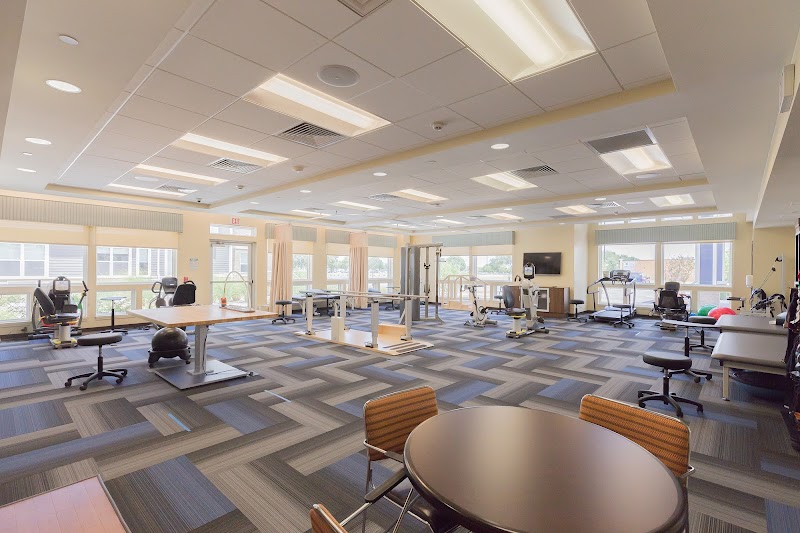
How is Ignite Medical Resort Fort Worth, Llc Staffed?

CMS rates IGNITE MEDICAL RESORT FORT WORTH, LLC's staffing level at 2 out of 5 stars, which is below average compared to other nursing homes. Staff turnover is 52%, compared to the Texas average of 46%.

What Have Inspectors Found at Ignite Medical Resort Fort Worth, Llc?

State health inspectors documented 35 deficiencies at IGNITE MEDICAL RESORT FORT WORTH, LLC during 2023 to 2025. These included: 5 Immediate Jeopardy (the most serious level, indicating potential for serious harm or death), 4 that caused actual resident harm, and 26 with potential for harm. Immediate Jeopardy findings are rare and represent the most serious regulatory concerns. They require immediate corrective action.

Who Owns and Operates Ignite Medical Resort Fort Worth, Llc?

IGNITE MEDICAL RESORT FORT WORTH, LLC is owned by a for-profit company. For-profit facilities operate as businesses with obligations to shareholders or private owners. The facility is operated by IGNITE MEDICAL RESORTS, a chain that manages multiple nursing homes. With 70 certified beds and approximately 59 residents (about 84% occupancy), it is a smaller facility located in FORT WORTH, Texas.
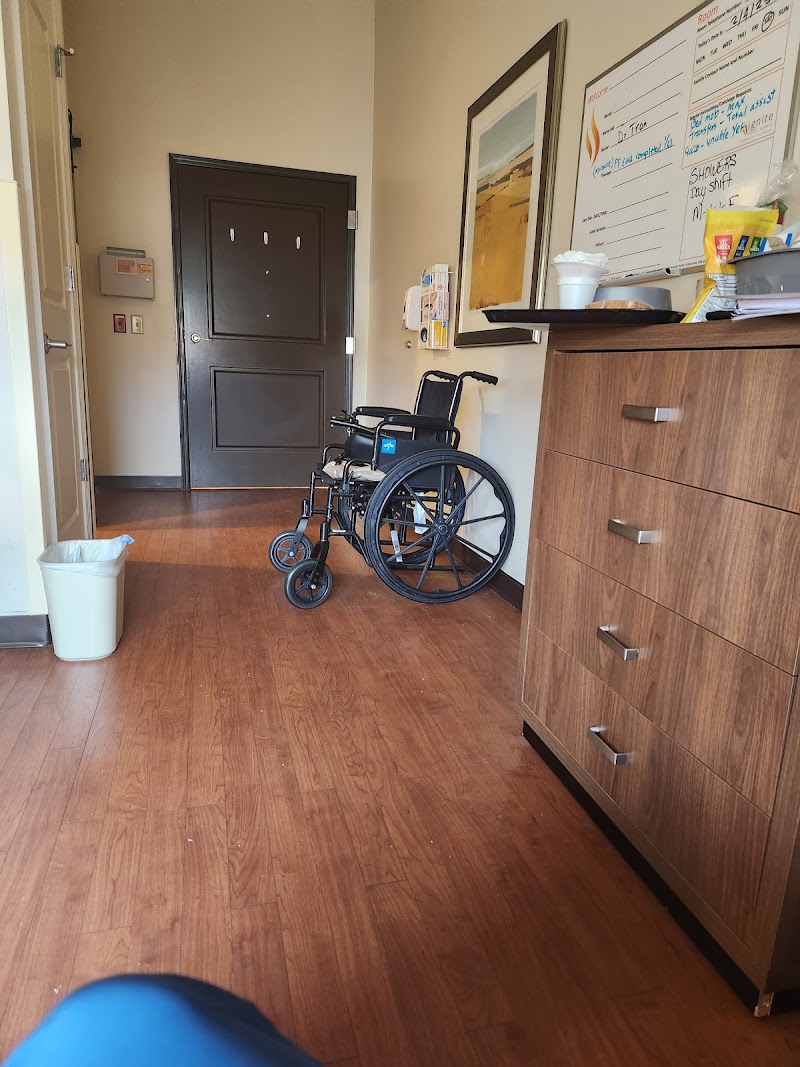
How Does Ignite Medical Resort Fort Worth, Llc Compare to Other Texas Nursing Homes?

Compared to the 100 nursing homes in Texas, IGNITE MEDICAL RESORT FORT WORTH, LLC's overall rating (2 stars) is below the state average of 2.8, staff turnover (52%) is near the state average of 46%, and health inspection rating (1 stars) is much below the national benchmark.

What Should Families Ask When Visiting Ignite Medical Resort Fort Worth, Llc?

Based on this facility's data, families visiting should ask: "What changes have been made since the serious inspection findings, and how are you preventing similar issues?" "Can you walk me through typical staffing levels on day, evening, and night shifts?" "Can I visit during a mealtime to observe dining assistance and food quality?" "How do you handle medical emergencies, and what is your hospital transfer rate?" These questions are particularly relevant given the facility's Immediate Jeopardy citations and the below-average staffing rating.

Is Ignite Medical Resort Fort Worth, Llc Safe?

Based on CMS inspection data, IGNITE MEDICAL RESORT FORT WORTH, LLC has documented safety concerns. Inspectors have issued 5 Immediate Jeopardy citations (the most serious violation level indicating risk of serious injury or death). The facility has a 2-star overall rating and ranks #100 of 100 nursing homes in Texas. Families considering this facility should ask detailed questions about what corrective actions have been taken since these incidents.

Do Nurses at Ignite Medical Resort Fort Worth, Llc Stick Around?

IGNITE MEDICAL RESORT FORT WORTH, LLC has a staff turnover rate of 52%, which is 6 percentage points above the Texas average of 46%. Moderate turnover is common in nursing homes, but families should still ask about staff tenure and how the facility maintains care continuity when employees leave.

Was Ignite Medical Resort Fort Worth, Llc Ever Fined?

IGNITE MEDICAL RESORT FORT WORTH, LLC has been fined $135,970 across 5 penalty actions. This is 3.9x the Texas average of $34,439. Fines at this level are uncommon and typically indicate a pattern of serious deficiencies, repeated violations, or failure to correct problems promptly. CMS reserves penalties of this magnitude for facilities that pose significant, documented risk to resident health or safety. Families should request specific documentation of what issues led to these fines and what systemic changes have been implemented.

Is Ignite Medical Resort Fort Worth, Llc on Any Federal Watch List?

IGNITE MEDICAL RESORT FORT WORTH, LLC is not on any federal watch list. The most significant is the Special Focus Facility (SFF) program, which identifies the bottom 1% of nursing homes nationally based on persistent, serious quality problems. Not being on this list means the facility has avoided the pattern of deficiencies that triggers enhanced federal oversight. This is a positive indicator, though families should still review the facility's inspection history directly.