IMMANUEL'S HEALTHCARE
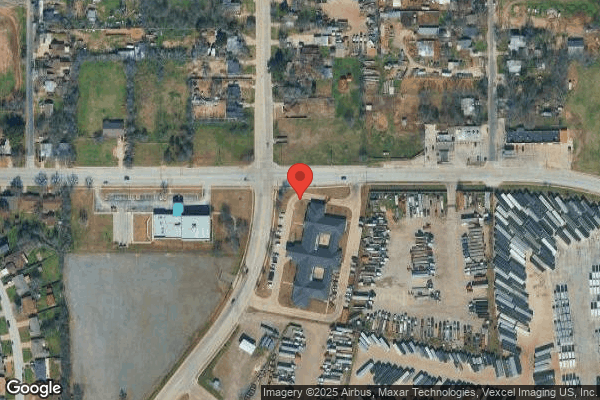
4515 VILLAGE CREEK RD, FORT WORTH, TX 76119 (817) 451-8704
For profit - Limited Liability company 84 Beds Independent Data: November 2025
Trust Grade
75/100
#262 of 1168 in TX
Last Inspection: June 2025

Inspected within the last 6 months. Data reflects current conditions.

Overview

Immanuel's Healthcare in Fort Worth, Texas, has a Trust Grade of B, which means it is considered a good choice, solidly positioned within the middle tier of nursing homes. It ranks #262 out of 1,168 facilities in Texas, placing it in the top half, and #10 out of 69 in Tarrant County, indicating only nine other local options are better. The facility's trend is stable, with 6 issues reported in both 2024 and 2025, suggesting no significant changes in performance. However, staffing received a lower rating of 2 out of 5 stars, with a turnover rate at 50%, which is equal to the Texas average, indicating staff retention could be improved. While there have been no fines reported, which is a positive sign, some care deficiencies were noted, such as failures in food safety practices that could lead to foodborne illnesses, and inadequate documentation for residents needing dialysis, potentially affecting their health care quality. Overall, while there are strengths in the facility's rating and lack of fines, families should be aware of the staffing issues and specific care concerns identified.

Trust Score
B
75/100
In Texas
#262/1168
Top 22%
Safety Record
Low Risk
No red flags
Inspections
Holding Steady
6 → 6 violations
Staff Stability
⚠ Watch
50% turnover. Above average. Higher turnover means staff may not know residents' routines.
Penalties
✓ Good
No fines on record. Clean compliance history, better than most Texas facilities.
Skilled Nurses
⚠ Watch
Each resident gets only 17 minutes of Registered Nurse (RN) attention daily — below average for Texas. Fewer RN minutes means fewer trained eyes watching for problems.
Violations
⚠ Watch
18 deficiencies on record. Higher than average. Multiple issues found across inspections.
★★★★☆
4.0
Overall Rating
★★☆☆☆
2.0
Staff Levels
★★★★★
5.0
Care Quality
★★★☆☆
3.0
Inspection Score
Stable
2024: 6 issues
2025: 6 issues

The Good

  • 5-Star Quality Measures · Strong clinical quality outcomes
  • Full Sprinkler Coverage · Fire safety systems throughout facility
  • No fines on record

Facility shows strength in quality measures, fire safety.

The Bad

Staff Turnover: 50%

Near Texas avg (46%)

Higher turnover may affect care consistency

The Ugly 18 deficiencies on record

Sept 2025 1 deficiency
CONCERN (E) 📢 Someone Reported This

A family member, employee, or ombudsman was alarmed enough to file a formal complaint

Potential for Harm - no one hurt, but risky conditions existed

Deficiency F0698 (Tag F0698)

Could have caused harm · This affected multiple residents

**NOTE- TERMS IN BRACKETS HAVE BEEN EDITED TO PROTECT CONFIDENTIALITY** Based on observation, interviews, and record review, the facility failed to ensure that residents who require dialysis receive s...

Read full inspector narrative →
**NOTE- TERMS IN BRACKETS HAVE BEEN EDITED TO PROTECT CONFIDENTIALITY** Based on observation, interviews, and record review, the facility failed to ensure that residents who require dialysis receive such services, consistent with professional standards of practice, the comprehensive person-centered care plan, and the residents' goals and preferences for 3 (Res#1, Res#2, Res#3 of 4 residents reviewed. The facility failed to ensure that the nursing home staff provided adequate documentation for who received offsite HHD treatments at an ESRD unit. These failures could place dialysis residents at risk for not having adequate documentation of dialysis care in result in a decline in health and quality of care. Findings included:Record review of Resident#1's face sheet, dated 09/04/25 reflected [AGE] year old male who was originally admitted on [DATE] and readmitted on [DATE] and diagnosed not limited to: dependence on renal dialysis (Treatment for people whose kidneys are not working), end stage renal disease (occurs when chronic kidney disease progresses to a point where the kidneys lose nearly all their filtering ability.) acute on chronic diastolic (congestive) heart failure, chronic kidney disease (chronic kidney disease), body mass index [BMI] 45.0-49.9, adult. Record review of Resident#1's MDS, dated [DATE] reflected his BIMS score was 15 which indicated cognitive intact. The MDS reflected Resident#1 Section O - special treatments, procedures and programs reflected, no dialysis services on admission, while a resident or at discharge. Record review of Resident#1 care plan, dated 05/14/25 reflected, Resident#1 needs hemodialysis related to renal failure. Dialysis center M/W/F and enhanced barrier precautions. Interventions included: The resident will have immediate intervention should any complications from dialysis. Interventions included: Check and change dressing daily at access site. Document. Do not draw blood or take B/P in arm with graft, encourage resident to go for the scheduled dialysis appointments. Resident receives dialysis M,W,F, ensure enhanced barrier protection, monitor/document/report to MD PRN any s/sx of infection to access site: redness ,swelling, warmth or drainage and obtain vital signs and weight per protocol. Report significant changes in pulse, respirations and BP immediately. Record review of Resident#1's order summary, dated 09/04/25 reflected, order date 05/08/25, monitor right upper chest dialysis permacath site for s/s infection/irritation. Report any findings to MD ASAP.Record review of Resident#1 active order summary, dated 09/04/25 reflected no order for dialysis treatment at the center. Record review of Resident #1 vitals in the EHR dated 06/11/25 to 09/04/25 reflected no post dialysis weights. Record review of Resident#1's EHR's reflected Resident#1 did not have dialysis communication documentation uploaded from 07/03/25 to 09/04/25. Record review of Resident#1 TMAR dated 07/01/25 to 09/04/25 reflected, no active dialysis/ renal care treatment orders.Record review of Resident# 2's face sheet, dated 09/04/25 reflected [AGE] year-old male who was originally admitted on [DATE] and readmitted on [DATE] and diagnoses not limited to: cerebral infraction (stroke) unspecified, acquired absence of kidney, dependence of renal kidney(Treatment for people whose kidneys are not working), and end stage renal disease (occurs when chronic kidney disease progresses to a point where the kidneys lose nearly all their filtering ability.) Record review of Resident#2's MDS, dated [DATE] reflected his BIMS score was 12 which indicated moderate cognitive impairment. Review of Resident#2 MDS reflected under Section O - special treatments, procedures and programs reflected, dialysis while a resident. Record review of Resident#2 care plan, dated 07/31/25 reflected, date initiated 04/14/22 that Resident #2 goes to dialysis M/W/F.left arm shut.enhanced barrier precautions. Goals reflected, Resident #2 will go to appointments and return to facility without incident. Interventions reflected, educate [Resident #2] on help CNA can assist with, if needed, by accompanying him on dialysis transports, Educate [Resident#2] on reporting any incidents while out on dialysis appointments ensure enhanced barrier protection.ensure [Resident#2] leaves at scheduled time for dialysis. Record review of Resident#2's order summary, dated 09/04/25 reflected, Carvedilol Tablet 6.25 MG Give 1 tablet by mouth two times a day for Hypertension Take with meals, hold on dialysis days, hold for SBP (Top number) <110, DBP (bottom number) <60, or HR<60. Record review of Resident#2 active orders revealed, there were no active orders for dialysis/renal treatment and care and no active orders for care treatment to dialysis access site. Record review of Resident#2's vitals dated 06/25/25 to 09/04/25 in the EHR reflected no post dialysis weights. Record review of Resident#2 EHR reflected Resident#2 did not have dialysis communication documentation uploaded for 06/20/25 to 09/04/25. Record review of Resident #2 TMAR dated August 2025 to September 2025 reflected no active dialysis/ renal care treatment orders. Record review of Resident #3's face sheet, dated 09/04/25 reflected [AGE] year-old male who was admitted on [DATE] and diagnosed with but not limited to: Type 1 Diabetes mellitus with diabetic neuropathy (nerve damage caused by high blood sugar levels in people with diabetes), unspecified, type 1 diabetes mellitus without complications, and essential hypertension (high blood pressure). Record review of Resident #3's MDS, dated [DATE] reflected his reflected his BIMS score was 15 which indicated cognitive intact. Review of Resident#3 MDS reflected under Section O - special treatments, procedures and programs reflected, dialysis while a resident Record review of Resident #3 care plan dated 09/04/25 reflected, Resident#3 had chronic renal failure related to end stage disease. Resident #3 focus reflected he had chronic renal failure related to end stage disease. Resident #3 goals reflected he will be free from infection, the resident will have no s/sx of complications r/t fluid deficit, the resident will have no s/sx of complications related to fluid overload. Resident#3 interventions included but not limited to: dialysis weekly M/W/F and monitor vital signs. Notify MD of significant abnormalities. Record review of Resident #3's order summary, dated 09/04/25 reflected, date initiated 08/16/25, other diet: Regular texture, regular consistency, renal diet. There was no active order for dialysis/ treatment center and no active order for care and treatment to dialysis access site. Record review of Resident#3 vitals in the EHR dated 08/16/25 to 09/04/25 reflected, no post dialysis weights. Record review of EHR reflected Resident#3 did not have dialysis communication documentation uploaded from 08/16/25 to 09/04/25. Record review ofResident#3 the TMAR dated August 2025 to September 2025 reflected no active dialysis/ renal care treatment orders. During an observation and interview on 09/04/ 25 at 11:00 am Resident #1 stated he did not have any concerns. Resident#1 stated that he rode the bus to the dialysis center M/W/F. Resident#1 stated that the staff cleaned his dressing to his dialysis site, and he did not have any concerns. Resident#1 stated he had lost his dialysis form in the past. The Surveyor observed Resident #1's chest sit was covered, and no concerns were noted. During an observation and interview on 09/04/ 25 at 11:10 am Resident #2 stated he goes rode the bus to the dialysis center M/W/F. Resident#2 stated that the staff at the facility cleaned his dressing to his dialysis access site. Resident#2 stated was not sure about a communication form and what happened to it. The Surveyor observed a fistula (surgically made passage between a hollow or tubular organ and the body surface)in his right arm and no concerns were noted. During an observation and interview on 09/04/ 25 at 11:15 am Resident #3 stated he went to dialysis every time and he did not miss any appointments. Resident #3 stated the dialysis center took the form and did not give him one back. Resident#3 stated he did not have any concerns. The Surveyor observed the fistula was covered in the right arm and no concerns were noted. During an interview and observation on 09/04/25 at 11:25 am LVN A stated the facility did not keep a book of the communications from the dialysis center. LVN A stated when residents returned from the dialysis center the forms were placed either in the purple binder or medical records drop box. The Surveyor and LVN A observed no outstanding dialysis forms. LVN A stated Resident# 1, Resident #2 and Resident #3 were on her hall and they all went to dialysis M/W/F. LVN A stated she would have Resident #1 and Resident #3 prepped and ready to go with breakfast and snacks for morning transportation to dialysis. LVN A stated residents were transported by the local- city bus on a set schedule. LVN A stated Resident #2 was transported to dialysis before lunch. LVN A stated she checked and monitored their port entry and none of the residents hadany concerns or issues with their ports. LVN A stated she had not experienced any of the three residents refuse to go to dialysis. LVN A stated if a resident refused or missed dialysis it would be documented in the progress notes. LVN A stated post dialysis vitals were supposed to be documented in the vitals section and progress notes in the EHR when residents returned. LVN A stated she would document the information if the resident vitals were abnormal in the resident's chart and report to the DON and MD. During an interview on 09/04/25 at 11:50 am the DON stated she could not make the dialysis center send the communication forms back. The DON stated if an issue or concern happened at dialysis the dialysis center could call; email and fax and the information would be received. The DON stated they would call to get the form faxed to them. The DON stated she was also over medical records and did not have any medical dialysis communication forms pending to be uploaded. The DON stated the dialysis residents were in and out the hospital a lot. The DON stated the orders were not reactivated when the residents returned to the facility. The DON stated the admitting nurse would be responsible for making sure the orders were activated. The DON stated no resident had missed dialysis because the transportation times were set, and the local bus picked up Resident #1 and Resident #3 together at the same time and Resident #2 was picked up before lunch. The DON stated the dialysis residents' entry sites were checked on every shift and any concerns would be noted in the progress notes and the DON, the MD and RP would be notified.During an interview on 09/04/25 at 1:08 pm the CNA/Central Supply stated she was responsible for doing the residents' pre/post dialysis weights and weekly weights when she was there. The CNA/Central Supply stated she was not always in the facility when Resident #2 returned from dialysis treatment. The CNA/Central Supply stated her schedule was not always the same. During an interview on 09/04/25 at 1:45pm LVN B stated that she checked Resident# 1, Resident #2 and Resident #3's vitals when they returned from dialysis. LVN B stated any abnormalities she would document in the progress notes which was in the resident's chart. and notify the DON, and the MD. LVN B stated the residents were very serious about their dialysis treatments and they did not miss their appointments. LVN B stated she checked the residents' entry sites and monitored the residents for any concerns. During an interview on 09/05/25 at 11:00 am the MD stated he was not responsible for dialysis orders and that was done by the nephrologist at the dialysis center. The MD stated he had too many residents on dialysis and he knew the facility provided care and treatment as ordered. During an interview on 09/05/25 at 3:00 pm with the Admin and the DON, the DON stated the facility had a policy related to the dialysis resident care and treatment to the access site. The DON stated the dialysis residents had not missed treatment or care.
Jun 2025 5 deficiencies
CONCERN (D)

Potential for Harm - no one hurt, but risky conditions existed

Infection Control (Tag F0880)

Could have caused harm · This affected 1 resident

**NOTE- TERMS IN BRACKETS HAVE BEEN EDITED TO PROTECT CONFIDENTIALITY** Based on observations, interviews, and record review the facility failed to establish and maintain an infection prevention and c...

Read full inspector narrative →
**NOTE- TERMS IN BRACKETS HAVE BEEN EDITED TO PROTECT CONFIDENTIALITY** Based on observations, interviews, and record review the facility failed to establish and maintain an infection prevention and control program designed to provide a safe, sanitary, and comfortable environment and to help prevent the development and transmission of communicable diseases and infections for 1 (Resident #57) of 6 residents, reviewed for infection control. 1.LVN B failed to don PPE prior to performing the high contact resident care activity on a resident who was on enhanced barrier precaution. This failure placed residents at risk for healthcare associated cross contamination and infections. Findings included: Record review of Resident #57's Quarterly MDS Assessment, dated 05/14/25, reflected the resident was a [AGE] year-old male, had a BIMs score of 12 indicating he was moderately cognitively impaired. The resident had diagnoses which included bipolar disorder (a disorder associated with episodes of mood swings ranging from depressive lows to manic), hemiplegia (condition characterized by paralysis on one side of the body), dysphagia (difficulty swallowing foods and liquids), gastronomy status (the presence of a gastronomy tube or artificial opening in the stomach, which is used for feeding or accessing the stomach). Record review of Resident #57's Comprehensive Care Plan, edited 05/13/25, reflected (Residents name) requires tube feeding r/t Dysphagia*Enhanced barrier precautions. Facility interventions included: Ensure enhanced barrier precaution. An observation on 06/10/25 at 11:30 AM revealed Resident #57's room had an Enhance Barrier Precaution signage outside his room, and cart set up with PPE. LVN B prepared Resident #57's medication and set up feeding. LVN B performed hand hygiene with sanitizer and entered residents room, administered medication and feeding osmolite 1.5 via feeding tube. LVN B did not don PPE. An interview on 06/10/25 at 11:36 PM revealed LVN B knew that Resident #57 was on enhanced barrier precaution, and she should have donned PPE before accessing the resident's (Resident#57) feeding tube. She stated that failure to use PPE could put the resident at risk for infection. She stated that she had been in-serviced on enhanced barrier precautions. An interview on 06/10/25 at 1:41 PM with DON revealed that her expectation was that the staff should use appropriate PPE while providing care to residents on enhanced barrier precautions. She stated that risk to the patient was infection. She stated that the staff has been in-serviced on infection control and enhance barrier precautions. The facility policy titled Enhanced Barrier Precautions dated August 2022, reflected: Enhanced Barrier Precautions (EBPs) are utilized to prevent the spread of multi-drug resistant organisms (MDROs) to residents. Enhanced barrier precautions (EBPs) are used as an infection prevention and control intervention to reduce the spread of multi-drug resistant organisms (MDROs) to residents. EBPs employ targeted gown and glove use during high contact resident care activities when contact precautions do not otherwise apply. Gloves and gown are applied prior to performing the high contact resident care activity (as opposed to before entering the room). Personal protective equipment (PPE) is changed before caring for another resident. Face protection may be used if there is also a risk of splash or spray. Examples of high-contact resident care activities requiring the use of gown and gloves for EBPs include: 1. dressing. bathing/showering. transferring. providing hygiene. changing linens. changing briefs or assisting with toileting. device care or use (central line, urinary catheter, feeding tube, tracheostomy/ventilator, etc.); and wound care (any skin opening requiring a dressing).
CONCERN (E) 📢 Someone Reported This

A family member, employee, or ombudsman was alarmed enough to file a formal complaint

Potential for Harm - no one hurt, but risky conditions existed

PASARR Coordination (Tag F0644)

Could have caused harm · This affected multiple residents

**NOTE- TERMS IN BRACKETS HAVE BEEN EDITED TO PROTECT CONFIDENTIALITY** Based on interview and record review, the facility failed to refer all Level II residents and all residents with newly evident o...

Read full inspector narrative →
**NOTE- TERMS IN BRACKETS HAVE BEEN EDITED TO PROTECT CONFIDENTIALITY** Based on interview and record review, the facility failed to refer all Level II residents and all residents with newly evident or possible serious mental disorder, intellectual disability, or a related condition for a Level II resident review for one (Resident #5) of five residents reviewed for PASRR services. The facility failed to refer Resident #5 for a Level II PASRR Evaluation upon receipt of a bipolar diagnosis. This failure could place residents at risk of not receiving necessary care and services to attain or maintain their highest practicable physical, mental, and psychosocial well-being. Findings included: Review of Resident #5's Face Sheet, dated 06/11/25, reflected she was a [AGE] year-old female, who was admitted to the facility on [DATE], with diagnoses including Sick Sinus Syndrome (a heart rhythm disorder where the sinoatrial node, the heart's natural pacemaker, malfunctions) and Heart Failure (a condition where the heart cannot pump enough blood to meet the body's needs). Resident #5 also had a diagnosis of Bipolar Disorder (a mental illness characterized by extreme shifts in mood, energy, and activity levels, fluctuating between periods of mania, or hypomania, and depression), with a documented onset date of 11/01/22. Review of Resident #5's MDS Assessment, dated 03/14/25, reflected she had a documented diagnosis of Bipolar Disorder. Review of Resident #5's PASRR Level I Screening, dated 03/09/22, reflected she did not qualify for a PASRR Level II Evaluation at that time. There was no evidence that Resident #5 had a mental illness, intellectual disability, or developmental disability. Review of Resident #5's electronic medical record reflected no evidence that any additional PASRR Screenings/Evaluations had been completed since the initial PASRR Level I Screening was conducted on 03/09/22. During an interview with the MDS Coordinator on 06/11/25 at 10:52AM, she stated Resident #5's initial PASRR Level I Screening was completed on 03/09/22. Resident #5 did not qualify for services at that time, as there was no indication that Resident #5 had a mental illness, intellectual disability, and/or developmental disability. The MDS Coordinator said Resident #5 was later diagnosed with bipolar disorder (11/01/22). The MDS Coordinator stated at that time, Resident #5 should have had a PASRR Level II Evaluation completed to determine if she qualified for services. The MDS Coordinator stated she was not employed by the facility at that time, so she did not know why a new PASRR Level II Evaluation was not completed. She stated she planned on conducting a facility-wide audit to ensure no other residents had missed receiving a required PASRR Screening/Evaluation. The MDS Coordinator stated she did not believe there was a risk in Resident #5 not receiving a new PASRR Screening/Evaluation upon her new diagnosis of bipolar disorder, as services were not provided for mental illnesses. She stated the risk would be present if there was a need for services related to an intellectual disability, and/or developmental disability. A policy related to PASRR Evaluations was requested on 06/11/25 at 10:55AM. The Director of Nursing stated the facility did not have a policy related to this and that the expectation was to follow HHSC guidelines.
CONCERN (E)

Potential for Harm - no one hurt, but risky conditions existed

Pharmacy Services (Tag F0755)

Could have caused harm · This affected multiple residents

**NOTE- TERMS IN BRACKETS HAVE BEEN EDITED TO PROTECT CONFIDENTIALITY** Based on observation, interview, and record review the facility failed to establish a system of records of receipt and dispositi...

Read full inspector narrative →
**NOTE- TERMS IN BRACKETS HAVE BEEN EDITED TO PROTECT CONFIDENTIALITY** Based on observation, interview, and record review the facility failed to establish a system of records of receipt and disposition of all controlled drugs in sufficient detail to enable an accurate reconciliation and determine that drug records were in order and that an account of all controlled drugs were for 1 of 5 residents (Residents #55) reviewed for pharmacy services. 1.The facility failed to implement a system to consistently and accurately reconcile controlled medications for Resident #55's Lorazepam Oral Tablet 0.5 MG This failures could place residents at risk of not having the medication available due to possible drug diversion. Findings included: 1. Review of Resident #55's Quarterly MDS Assessment, dated 03/13/25, reflected the Resident #55 is an [AGE] year-old female. The BIMs score was blank, section C Cognitive Patterns C0100 Cognitive patterns documented that resident was rarely/never understood. Their diagnoses included the following: HTN, non-Alzheimer's dementia, senile degeneration of the brain (progressive decline in cognitive function, including memory, language, and reasoning, often associated with aging). The resident was on hospice care. Review of Resident #55's Comprehensive Care Plan, dated 01/03/25, reflected the resident used anti-anxiety medication Lorazepam r/t Anxiety. Facility interventions included: Intervention included to give anti-anxiety medications ordered by physician. Monitor/document side effects and effectiveness. Record review of Resident #55's physician orders reflected: Lorazepam Oral Tablet 0.5 MG (Lorazepam) Give 1 tablet by mouth every 4 hours as needed for anxiety/agitation until 06/19/2025 23:59 Verbal Active 03/17/2025 until 06/19/2025. Lorazepam Oral Tablet 0.5 MG (Lorazepam) Give 2 tablet by mouth every 4 hours as needed for anxiety/agitation until 06/19/2025 23:59 Record review of resident# 55's progress notes on 06/11/2025 reflected: (Late Entry). On Thursday June 5, 2025, at 12:24 pm this nurse administered one Lorazepam Oral Tablet 0.5 MG to resident. However, this nurse accidently charted that she gave two Lorazepam Oral Tablet 0.5 MG to resident because resident has two different orders for lorazepam. This nurse has striked out the incorrect documentation. DON has been notified of error. Will continue with plan of care in place. This entry was written by LVN A. An observation on 06/10/2025 at 11:45 AM of the Nurses Cart station1 revealed the medication blister pack for Resident #55's Lorazepam 0.5mg (controlled medication used for anxiety/agitation) had 2 blister seals broken. One damaged blister had the pill still inside secured with tape, and the other damaged blister the pill was missing. At the time the surveyor inspected the medication cart; the count for Resident #55's Lorazepam 0.5mg was documented as 12 pills, the actual number of pills counted in the blister pack was 11 pills. In an interview on 06/10/25 at 11:50 AM, LVN A She stated that she did not notice that the Lorazepam pill was a missing until the surveyor brought it to her attention. LVN A stated she was unaware when the blister pack seal was broken and stated that the resident had never taken the medication (lorazepam 0.5mg). She stated that she did not notice the other broken seals on resident #55's Lorazepam 0.5mg medication blister pack. She stated that the risk of a damaged blister would be a potential for drug diversion. She stated the nurses were responsible to check the medication blister packs for broken seals during the count of narcotics during the change of the shift. She stated the count was done at shift change and the count was correct. She stated she did not see the broken blister during the count. In an interview on 06/10/25 at 1:04 PM, the DON stated if the blister pack seal was broken on any controlled medications the pill should be discarded by two nurses. The DON stated it was not acceptable to keep a pill in a blister pack that was opened. She stated that if a blister pack seal is broken it should not be taped over with tape. The DON stated the risk would be losing the medication because the seal was broken. She stated nurses were responsible for checking the medication blister packs for broken seals during the count on the change of shifts. The DON stated the pharmacy consultant checks the medication room and the medication cart monthly. In an interview on 06/10/25 at 2:06 PM, the DON stated that the LVN A told her that LVN A administered the Lorazepam 0.5mg to Resident #55 on 06/05/2025 but had documented on the wrong place. The DON stated that Resident #55 had an order to give one to two tablets and LVN A told her that she made an error and had documented that she gave two pills instead of one pill. She stated that the LVN A was going to do a late entry to reflect the administration on 06.05.2025. In an interview on 06.11.2025 at 9:07 AM LVN A stated that she administered lorazepam 0.5mg to Resident #55 on 06/05/2025 but forgot to sign the narcotic count sheet but had documented on the MAR in the wrong place so it appeared like she gave two pills instead of one. She stated that she had done a late entry to correct the error. She stated that the risk of not documenting medication administered could lead to an overdose because the medication can be readministered by another nurse. In an interview on 06/11/2025 at 11:53 AM with LVN C reflected that she works in station one and always counts the narcotics with the out going nurse at the beginning of her shift and the oncoming nurse at the end of her shift. She stated that she always made sure the count was correct. She stated that she has never given Resident #55 Lorazepam 0.5mg. She stated that she never gives her key to anyone without counting the narcotic medications. She has been in-serviced on narcotic storage and handling. Risk of not accurately counting and documenting controlled medications could increase the risk of diversion and residents missing medication. Attempt on 06/11/2025 at 1:24PM to interview LVN D unsuccessful unable to leave voicemail because the mailbox was full. Attempts on 06/11/2025 at 1:25PM to interview LVN E who worked 10-6pm unsuccessful left voice mail with call back number. Review of the facility's policy Controlled Substances edited 4.3.2024, reflected the following: The facility complies with all laws, regulations, and other requirements related to handling, storage, disposal, and documentation of controlled medications (listed as Schedule II-V of the Comprehensive Drug Abuse Prevention and Control Act of 1976). 1. Only authorized licensed nursing and/or pharmacy personnel have access to Schedule II controlled substances maintained on premises. 2. The director of nursing services identifies staff members who are authorized to handle controlled substances. 3. Controlled substances are counted upon delivery. The nurse receiving the medication, along with the person delivering the medication, must count the controlled substances together. Both individuals sign the designated controlled substance record. 4. If the count is correct, an individual resident controlled substance record is made for each resident who will be receiving a controlled substance. Do not enter more than one (1) prescription per page. This record contains: a. name of the resident. b. name and strength of the medication. c. quantity received. d. number on hand. e. name of the prescriber. f. prescription number. g. name of issuing pharmacy. h. date and time received. I. time of administration. j. method of administration. k. signature of person receiving medication; and l. signature of nurse administering medication. Storing Controlled Substances 1. Controlled substances are separately locked in permanently affixed compartments, except when using single unit package drug distribution systems in which the quantity stored is minimal and a missing dose can be readily detected. 2. The charge nurse on duty maintains the keys to controlled substance containers. The director of nursing services maintains a set of back-up keys for all medication storage areas including keys to controlled substance containers. Dispensing and Reconciling Controlled Substances 1. Controlled substance inventory is monitored and reconciled to identify loss or potential diversion in a manner that minimizes the time between loss/diversion and detection/follow-up. 2. The system of reconciling the receipt, dispensing and disposition of controlled substances includes the following: a. Records of personnel access and usage. b. Medication administration records. c. Declining inventory records; and d. Destruction, waste and return to pharmacy records. 3. Nursing staff count controlled medication inventory at the end of each shift, using these records to reconcile the inventory count. 4. The nurse coming on duty and the nurse going off duty make the count together and document and report any discrepancies to the director of nursing services. 5. The director of nursing services documents irreconcilable discrepancies in a report to the administrator. a. If a major discrepancy or a pattern of discrepancies occurs, or if there is apparent criminal activity, the director of nursing notifies the administrator and consultant pharmacist immediately. b. The administrator, consultant pharmacist, and/or director of nursing services determine whether other action(s) are needed, e.g., notification of police or other enforcement personnel. c. The medication regimen of residents using medications that have such discrepancies are reviewed to assure the resident has received all medications ordered and the goal of therapy is met (example: a resident receiving a pain medication complains of unrelieved pain). d. The director of nursing services consults with the provider pharmacy and the administrator to determine whether any further legal action is indicated. 6. Unless otherwise instructed by the director of nursing services, when a resident refuses a non-unit dose medication (or it is not given), or a resident receives partial tablets or single dose ampules (or it is not given) the medication is destroyed and may not be returned to the container. 7. Waste and/or disposal of controlled medication are done in the presence of the nurse and a witness who also signs the disposition sheet. 8. Medications returned to the pharmacy are recorded and signed by the director of nursing services (or designee) and the receiving pharmacy. 9. Disposal methods are used to prevent diversion and/or accidental exposure to controlled or hazardous substances. Fentanyl patches are disposed of in one of the following ways (per state regulations): a. By folding in half, sticky sides together and flushing down the toilet; or b. Using approved drug disposal products specifically for fentanyl patches. 10. Controlled substances are not surrendered to anyone, including the resident's provider, except for the following: a. For a resident on pass or therapeutic leave. b. To a resident or responsible party upon discharge from the facility; or c. To the DEA or other law enforcement officials functioning in a professional capacity in exchange for a receipt documenting the transaction. 11. In the event there is concern about controlled substances being discharged with the resident and/or resident's representative, the attending physician may choose not to discharge the resident with those medications. 12. Some controlled substances may be stored in the emergency medication supply. Reconciliation of controlled substances in the emergency supply is conducted at intervals established by the director of nursing services. 13. Controlled substances remaining in the facility after the order has been discontinued or the resident has been discharged are securely locked in an area with restricted access until destroyed. 14. Accountability records for discontinued controlled substances are kept with the unused supply until it is destroyed or disposed of as required by applicable law or regulation. 15. The consultant pharmacist or designee routinely monitors controlled substance storage records. 16. The director of nursing services maintains and disseminates to appropriate individuals a list of staff who have access to medication storage areas and controlled substance containers. 17. For guidelines pertaining to disposing of controlled substances, see Discarding and Destroying Medications policy.
CONCERN (E)

Potential for Harm - no one hurt, but risky conditions existed

Deficiency F0761 (Tag F0761)

Could have caused harm · This affected multiple residents

**NOTE- TERMS IN BRACKETS HAVE BEEN EDITED TO PROTECT CONFIDENTIALITY** Based on observation, interview, and record review, the facility failed to ensure drugs and biologicals used in the facility wer...

Read full inspector narrative →
**NOTE- TERMS IN BRACKETS HAVE BEEN EDITED TO PROTECT CONFIDENTIALITY** Based on observation, interview, and record review, the facility failed to ensure drugs and biologicals used in the facility were stored in accordance with currently accepted professional principles, and included the appropriate accessory and cautionary instructions, for one (Resident#34) of five residents reviewed for the storage of drugs and biologicals. The facility failed to ensure that Medications (Resident #34's Nystatin 100,000 units topical powder) was locked. This failure could result in access to medication by unauthorized persons and could result in misuse of medication. Findings included: Review of Resident #34's Quarterly MDS Assessment, dated 05/19/25, reflected the resident#34 is a [AGE] year-old female with a BIMs score of 15 indicating she is cognitive function is intact. The resident had diagnoses Hypertension (high blood pressure), morbid (severe) obesity due to excess calories, Hyperlipidemia, (abnormally high levels of fat in the blood), chronic obstructive pulmonary disease (a term for lung and airway diseases that restrict your breathing). Review of Resident #34's Comprehensive Care Plan, dated 02/2/2024 Reflected (Residents name) has an ADL Self Care Performance Deficit r/t Activity Intolerance, Fatigue, Limited Mobility. Facility interventions o BATHING: The resident requires 1 staff participation with bathing. o PERSONAL HYGIENE/ORAL CARE: the resident requires 1 staff participation. An observation on 06/09/2025 at 10:53AM CNA F gave resident #34 a bed bath and provided peri care. After the bed bath, Resident #34 removed a plastic bottle of nystatin 100,000 units topical powder with Resident #34's name and handed it to CNA F and asked CNA F to apply the powder under her breasts. The resident stated that she kept the powder in her drawer. In an Interview 06/09/2025 at 11:13AM CNA F revealed that the resident always asked her to apply the powder, but sometimes the resident did the application by herself. She said that she thought it was the residents home supply. In an interview on 06/10/25 at 11:20 AM, LVN A She stated that she did not know that Resident #34 had medication (nystatin 100,00 units powder) in her room. She stated that all medication should be stored in the medication cart or the treatment cart and not in the resident's room. LVN A stated that risk to the patient having medication in the room could be drug diversion or another resident having access to the medication. In an interview with the 06/09/2025 at 1:22pm the DON stated all medication are kept in the nurse carts and Resident#34 should not have had the nystatin 100,000 unit in her room. She also stated that only nurse should apply medicated powder on residents. The risk to the patient having medication in the room is access to other residents. Review of the facility's policy Medications Storage and Labeling -, Revised February 2023, reflected the following: The facility stores all medications and biologicals in locked compartments under proper temperature, humidity, and light controls. Only authorized personnel have access to keys. Medications and biologicals are stored in the packaging, containers, or other dispensing systems in which they are received. Only the issuing pharmacy is authorized to transfer medications between containers. The nursing staff is responsible for maintaining medication storage and preparation areas in a clean, safe, and sanitary manner. If the facility has discontinued, outdated, or deteriorated medications or biologicals, the dispensing pharmacy is contacted for instructions regarding returning or destroying these items. Compartments (including, but not limited to, drawers, cabinets, rooms, refrigerators, carts, and boxes) containing medications and biologicals are locked when not in use, and trays or carts used to transport such items are not left unattended if open or otherwise potentially available to others. Medications are stored in an orderly manner in cabinets, drawers, carts, or automatic dispensing systems. Each resident's medications are assigned to an individual cubicle, drawer, or other holding area to prevent the possibility of mixing medications of several residents.
CONCERN (F)

Potential for Harm - no one hurt, but risky conditions existed

Food Safety (Tag F0812)

Could have caused harm · This affected most or all residents

Based on observations, interviews, and record review, the facility failed to store, prepare, distribute, and serve food in accordance with professional standards for food service safety for 1 of 1 kit...

Read full inspector narrative →
Based on observations, interviews, and record review, the facility failed to store, prepare, distribute, and serve food in accordance with professional standards for food service safety for 1 of 1 kitchen reviewed for kitchen safety. 1. The facility failed to seal opened items in plastic bags in the freezer area on 06/09/25. 2. The facility failed to ensure an expired item in the dry storage pantry area was removed on 06/09/25. 3. The facility failed to ensure the dented cans in the dry storage area with the other canned food were removed from the shelf on 06/09/25. 4. The facility failed to ensure an expired item in the refrigerator area was removed on 06/09/25. These deficient practices could affect residents who received meals and/or snacks from the facility's only kitchen by placing them at risk for cross contamination and other food-borne illnesses. Findings included: Observation of the facility's kitchen dry storage, refrigerator, and freezer areas on 06/09/25 at 9:09 AM, included the following food items were in unsealed packages and containers, expired, and dented cans with the other canned food: Dry pantry area: * 1 white plastic container of 18 lb. cream cheese icing was unsealed and exposed to air. * 1 plastic container labeled, White Rice was unsealed and exposed to air. * 1 plastic container labeled, Powder Milk was unsealed and exposed to air. * 1 expired container of 1 gallon jalapeno peppers with an expiration date of 04/12/25. * 1 dented 11 oz. can of medium green lima beans. Refrigerator area: * 1 gallon of Caeser Salad Dressing was unsealed and exposed to air and did not have a shelf-life date and expiration date. * 1 plastic container of pickles with an expiration date of 04/23/25. Freezer area: *1 box of bacon was unsealed and exposed to air. *1 box of frozen vegetables was unsealed and exposed to air. *1 box of baby lima beans was unsealed and exposed to air. *1 box of beef luncheon patties was unsealed and exposed to air. *1 box of sugar frozen cookie dough was unsealed and exposed to air. *1 box of sopapilla dough was unsealed and exposed to air. In an interview with the DS on 06/09/25 at 9:55 AM, revealed he had been employed at the facility for 7 years. The Dietary Supervisor stated that he supervised 9 employees in the kitchen that work various shifts. He stated he was unaware there were expired and unsealed items in the kitchen's dry storage, refrigerator, and freezer areas. The DS stated he was unaware there was 1 dented can stored on the shelves with the other canned food in the dry pantry area. He stated all kitchen staff were responsible for ensuring all food items in the kitchen's dry pantry, refrigerator, and freezer areas were sealed, labeled, and checked for expiration dates. The DS stated that the dented cans in the dry pantry area should have been removed from the shelves with the other canned foods and should be placed in his office where there was an area designated for dented cans. The DS stated that there should not be any food items in the kitchen's dry pantry, refrigerator, and freezer areas that were not labeled, sealed, expired, including any dented cans in the dry pantry area. The DS stated that he provided monthly reeducation and retraining via In-Service Trainings for all kitchen staff and the trainings included proper food storage, labeling, and ensuring that there were not any dented cans in the facility's dry pantry, refrigerator and freezer areas. The DS stated that the monthly In-Service Trainings included proper food handling and sanitization to prevent food-borne illness and safety per the facility's policy. The DS stated that it was his expectation is for the kitchen staff to immediately inform him every time they throw away any food items that were expired, unsealed, and exposed to air that were found in the kitchen's dry storage, refrigerator, and freezer areas. The DS stated that staff are to inform him every time they found a dented on the shelves. The DS stated that he was responsible for ensuring that the the food items in the kitchen were labeled, dated, sealed, and not expired. DS stated that he performs a weekly audit of the kitchen's dry pantry, refrigerator, and freezer areas to ensure everything in all areas were labeled, dated, sealed, which included checking the expiration dates on the food items. The DS stated his expectation for her staff, was that they were to use the FIFO (the principle and practice of maintaining precise production and conveyance sequence by ensuring that the first part to enter a process or storage location is also the first part to exit) procedures to ensure there were not any unsealed, and expired food items throughout the kitchen's dry panty, refrigerator, and freezer areas. The DS gave the surveyor a presentation of implanting the FIFO method in the facility's dry pantry area. The DS stated all staff in the kitchen have received training on how to use the First In, First Out Method, which meant kitchen staff should label the food with the dates they store them, and when staff were restocking the shelves, they were to put the older foods in front or on top so they could be used first. The DS stated this system allowed the kitchen staff to use the older food items first to ensure that there were not any expired items in the kitchen. The DS stated the items found in the kitchen by the state surveyor were things that he missed in his weekly audits. The DS stated on 06/09/25, he would immediately retrain and reeducate all kitchen staff via an In-Service Training on food storage, labeling, checking for expired items, proper sealing of containers, bags, and packages, and utilizing the FIFO Method in the kitchen. The DS stated that all the items that the surveyor found in the kitchen would be immediately thrown away. The DS stated that he would continue to reeducate the kitchen staff to ensure everyone knew what his expectations were the kitchen and to follow the guidelines in the facility's Food Storage Policy so that everyone would be on the same page. The DS stated the risk of someone, which included a resident eating food from the facility kitchen's dry storage, refrigerator and freezer areas, expired foods, dented cans were that they could become ill and become sick due to eating something that could cause food-borne illnesses. The DS stated there were risks of food borne illness anytime someone ingested food items from the kitchen any items that had not been labeled and stored properly and from dented cans. The DS stated the harm of someone, which included a resident ingesting food from the facility kitchen's dry storage, refrigerator and freezer areas, expired foods, eating something from a dented can could cause someone to vomit and become ill. In an interview with the Dietary Aide G on 06/09/25 at 10:17 AM, she stated she had been employed at the facility for 4 years. She stated that she was unaware there were expired and unsealed items in the kitchen's dry storage, refrigerator, and freezer areas. She stated she was unaware there was 1 dented can on the shelves with the other canned food items. The Dietary Aide G stated that all the staff were responsible for storing the food items on the shelves and checking the expiration dates, dented cans to make sure there were not any unsealed items in the kitchen. She stated that monthly and sometimes twice a month, the DS will have an In-Service Training(s) with all kitchen staff on food storage, labeling and dating, removing expired items from the shelves in the dry pantry, freezer, and refrigerator areas and for dented cans and the use of the FIFO method. The Dietary Aide G stated that if items are unsealed and exposed to air are found by kitchen staff, they are to immediately throw the items in the trash can and inform the DS about the item(s) that were thrown away. Dietary Aide G stated that when there is a new shipment of food items delivered to the kitchen, the kitchen staff are to use the FIFO method that they were educated on via In-Service Trainings. Dietary Aide G stated that the FIFO method means when new food items are delivered, they are to be placed in the back of the older food items and the older food items are placed in the front to ensure that the older food items are used first. Dietary Aide G stated that if there were any dented cans in the dry pantry area, they are to immediately to be removed from the shelves with the other canned foods and stored in the area in the dry storage area labeled, dented cans, which is in the DS office. She stated that after placing the dented cans in the proper area, she would immediately notify the DS. Dietary Aide G stated if any food items from the facility's dry panty, refrigerator and freezer areas and dented cans were to be eaten by anyone, they have a potential risk of becoming very sick and ill. Dietary Aide G stated that if food is unsealed in the freezer, the food will be freezer burned and stated the risk of anyone ingesting any of the aforementioned items, they could have stomach aches, vomiting, and have parasites in their bodies. In an interview with the Dietary [NAME] H on 06/10/25 at 11:44 AM, she stated that she had been employed at the facility for 7 years. She stated she was unaware there were expired and unsealed items in the kitchen's dry storage, refrigerator and freezer areas. She stated she was unaware there was 1 dented can on the shelves with the other canned food items. She stated all the staff were responsible for storing the items on the shelf and checking the expiration dates, dented cans to make sure there were not any unsealed items in the kitchen's dry storage, refrigerator and freezer areas. Dietary [NAME] H stated that if she found any item(s) in the kitchen's dry storage, refrigerator and freezer areas, she would immediately throw them away and then tell the DS of her findings and notify him the location of her finding(s). Dietary [NAME] H stated that during her employment at the facility she had taken numerous In-Service trainings on food storage, labeling, dented cans, and ensuring that expired items are immediately thrown away. She stated that the In-Service Training included using the FIFO method. Dietary Aide stated that the FIFO method means that older food items are placed in the front on the shelves in the dry pantry area and the newer food items are placed behind the older food items on the shelves. She stated that dented cans are to be removed from the shelves and placed in the area labeled, dented cans in the DS office. She stated if any food items are unsealed in the freezer, the food will be freezer burned. She stated that if anyone ingests food from the kitchen that was expired or came from unsealed packages or containers, their body could breakdown and become sick, vomit, have stomach issues and have an adverse reaction after ingesting the food. [NAME] H stated that if anyone ingests food from the kitchen that was expired or came from unsealed packages or container, they could be harmed by parasites entering their bodies, which can make them ill. Record review of the facility's undated policy titled, Dietary Food Storage, reflected: Policy: All foods and supplies will be stored appropriately upon receipt to protect them from contamination. Procedure: 1. The Dietary Manager or designee is responsible for checking in and properly storing staples, perishables, canned goods and supplies as they arrived. 2. The storage areas should be .ready for new deliveries, with old products positioned in a manner that will cause them to be used first. 12. Cooked foods are placed in suitable containers, dated, labeled . Record review of the U.S. Food and Drug Administration (FDA) Code (2022) revealed, PACKAGED FOOD shall be labeled as specified in LAW, including 21 CFR 101 FOOD Labeling, 9 CFR 317 Labeling, Marking Devices, and Containers, and 9 CFR 381 Subpart N Labeling and Containers, and as specified under § 3-202.18. FOOD shall be protected from contamination that may result from a factor or source not specified under Subparts 3-301 - 3-306.
Oct 2024 1 deficiency
CONCERN (D) 📢 Someone Reported This

A family member, employee, or ombudsman was alarmed enough to file a formal complaint

Potential for Harm - no one hurt, but risky conditions existed

Report Alleged Abuse (Tag F0609)

Could have caused harm · This affected 1 resident

**NOTE- TERMS IN BRACKETS HAVE BEEN EDITED TO PROTECT CONFIDENTIALITY** Based on interview and record review, the facility failed to ensure that all alleged violations involving mistreatment, neglect,...

Read full inspector narrative →
**NOTE- TERMS IN BRACKETS HAVE BEEN EDITED TO PROTECT CONFIDENTIALITY** Based on interview and record review, the facility failed to ensure that all alleged violations involving mistreatment, neglect, or abuse, are reported immediately to the Administrator of the facility and to other officials in accordance with Texas law no later than two hours after the allegation is made, for 1 (Resident #2) of 6 residents reviewed for abuse and neglect in that: 1. LVN A failed to report the allegation of abuse to facility's abuse coordinator, Administrator, when Resident #2 alleged that LVN A punched her on the shoulder(date unknown). These failures placed residents at risk of ongoing abuse, physical and psychological harm. Findings include: Record Review of the Face Sheet for Resident #2 revealed an [AGE] year-old female initially admitted to the facility on [DATE] and readmitted on [DATE]. Her diagnoses included: dementia (a chronic condition that causes a gradual decline in cognitive abilities, such as thinking, remembering, and reasoning), bipolar disorder (a mental illness that causes extreme mood swings, affecting a person's energy, activity levels, and concentration), anxiety disorder (a mental health condition that causes excessive and persistent fear or worry that can interfere with daily life), and paranoid personality disorder (a mental condition in which a person has a long-term pattern of distrust and suspicion of others). Record Review of Resident #2's Annual MDS dated [DATE] revealed she had a BIMS of 15 indicating her cognition is intact. Further review of the MDS revealed that she required a wheelchair for bed mobility. Resident #2 required supervision or touching assistance from one staff for toileting hygiene, shower/bath, upper body dressing, and personal hygiene. Record review of Resident #2's Care Plan dated 06/27/24 revealed, Focus: CANCELLED: [Resident #2] has potential to demonstrate verbally abusive behaviors. Curses and yells at staff. Multiple complaints with all attempts to resolve complaints met with more complaints. Resident states she does not know how to be respectful. Date Initiated: 11/18/2020 Revision on: 09/20/2024 Cancelled Date: 09/20/2024 Goal: CANCELLED: [Resident #2] will demonstrate effective coping skills through the review date. Date Initiated: 11/18/2020 Revision on: 09/20/2024 Cancelled Date: 09/20/2024 CANCELLED: The resident will verbalize understanding of the need to control verbally abusive behavior through the review date. Date Initiated: 11/18/2020 Revision on: 09/20/2024 Cancelled Date: 09/20/2024 Interventions: CANCELLED: Assess and anticipate resident's needs: food, thirst. toileting needs, comfort level, body positioning, pain etc. Date Initiated: 11/18/2020 Revision on: 09/20/2024 Cancelled Date: 09/20/2024 CANCELLED: Assess resident's understanding of the situation. Allow time for the resident to express self and feelings towards the situation. Date Initiated: 11/18/2020 Revision on: 09/20/2024 Cancelled Date: 09/20/2024 CANCELLED: Provide positive feedback for good behavior. Emphasize the positive aspects of compliance. Date Initiated: 11/18/2020 Revision on: 09/20/2024 Cancelled Date: 09/20/2024 CANCELLED: When the resident becomes agitated Intervene before agitation escalates, guide away from source of distress, engage calmly in conversation; If response is aggressive, staff to walk calmly away, and approach later. Date Initiated: 11/18/2020 Revision on: 09/20/2024 Cancelled Date: 09/20/2024 Record review of the facility's Recommended 30-day Discharge Letter for Resident #2 revealed that the facility recommended discharge due to Resident #2 being involved in a Resident-to-Resident Altercation on 07/27/24, refusal of care, refusal of necessary medications and aggressive behaviors towards staff. Record review of Resident #2's Discharge summary dated [DATE] revealed that she was discharged from the facility on 09/06/24 and transferred to another facility. In an interview with LVN A on 10/18/24 at 2:22 PM, he stated that he had been employed as the ADON at the facility for 5 months. He stated that Resident #2 received a 30-day Discharge Letter from the facility due to her behaviors of being aggressive with staff, residents, and an incident involving another resident in which she kicked him on his legs. He stated that Resident #2 was discharged from the facility at the beginning of last month (September 2024). He stated that Resident #2 did not get along with some of the staff, but she really liked LVN A. He stated that the incident occurred on his second day of employment at the facility. He stated that during the first week of his employment at the facility, he made his first rounds with the residents at the facility, he introduced himself to Resident #2 and he placed his hands on her shoulder as a friendly gesture. He stated that 2 months after Resident #2's admission, he saw Resident #2 in the hallway, and he asked her if she remembered him, and she then told him that she remembered him because he punched her on her shoulder. LVN A stated that after Resident #2 told him that he punched her on her shoulder, he told her that she was just being silly. He stated that he did not report the incident to the DON or the previous Administrator. He stated that when Resident #2 made the allegation of him punching her, another staff member was present. When asked who the staff member present was, he stated that he could not remember. He stated that after Resident #2 accused him of punching her, he always made sure that another staff member was present when he had any interactions with her. He stated that he was aware that when a resident, such as Resident #2 accused any staff member, including himself of punching her, that was considered abuse. He stated that he conducted the in-service trainings at the facility for abuse/neglect/exploitation for the staff at the facility. LVN A was asked to define abuse and neglect and he was unable to provide definitions of each. LVN A was asked the risk and harm, if any could be caused to Resident #2 or the other residents at the facility who made an allegation of abuse or neglect, and the alleged perpetrator remained at the facility. He stated that he did not know what the risk of harm could be caused to a resident if they made an allegation of abuse or neglect, and the alleged perpetrator remains at the facility and has access to other residents . Record review of the Nurses Progress Notes for Resident #2 for July 2024 - September 6, 2024, did not reveal any information regarding abuse of Resident #2 by LVN A. Record Review of the Facility's Incident log for the months of July 2024 - September 6, 2024, did not reflect an incident involving Resident #2 and ADON. Record Review of the facility's Resident Council Minutes for the months of April - October 2024 did not reflect any concerns regarding Resident #2. Record Review of the facility's Grievances from June 2024 - October 2024 did not reflect any concerns regarding Resident #2. In an interview on 10/18/24 at 2:50 PM, with the DON, she stated that she would speak with Resident #2 daily, and she would talk to her about her complaints or concerns. She stated that Resident #2 never made an outcry of abuse to her alleging that LVN A punched her. She stated that she was unaware that Resident #2 made an allegation of abuse, stating that LVN A punched her 2 months ago. She stated that Resident #2 had some behaviors and received a Notice of Recommended Discharge from the facility on 08/15/24 due to her being involved in a resident-to-resident altercation with another resident. She stated that Resident #2 was verbally and physically abusive to staff on several occasions. She was advised that although Resident #2 had been involved in incidents at the facility, she made an allegation of being abused by LVN A, the incident should have been reported to the state within 2 hours and investigated by the facility . The DON agreed that the allegation of LVN A punching Resident #2 should have been reported to the Administrator, the facility abuse coordinator, and stated that the risk to Resident #2 making an allegation of abuse and the facility not investigation the allegation placed the other residents at the facility at risk of harm due to LVN A remaining at the facility after the allegation was made by Resident #2. She stated that the harm to the residents at the facility due to LVN A remaining at the facility after the allegation was made by Resident #2 could be physical, mental and emotional abuse. In an Interview with the Administrator on 10/18/24 at 3:21 PM, he stated that he had only been at the facility for 4 days. He stated that he was unaware about Resident #2 making an allegation to LVN A alleging that he punched her approximately 2 months ago. He stated that if there was any time a resident made an allegation against a staff member stating that the staff hit them, he would consider that as an abuse allegation. He stated that he submit a self-report to the State, and he would have 5 days to investigate the allegation of abuse. He stated that he would ensure the resident's safety by having his staff perform a head to toe assessment on the resident to see if the resident has any bruises, marks, discoloration on their body. He stated that he would contact the resident's responsible party and doctor to advise them of the situation. He stated that he would immediately suspend the alleged perpetrator pending the facility's investigation of the incident. He said that he was the Abuse Coordinator He stated the incident occurred prior to his employment at the facility. He said that he was not informed about the incident until it was brought to his attention by State Surveyor on 10/18/24. He agreed that it was an incident that should have been reported to the State. He stated that the risk of Resident #2 making an allegation of abuse by LVN A put all the residents in the facility at risk of harm. In an interview with the Owner on 10/18/24 at 3:35 PM, he stated that he was not aware that Resident #2 made an allegation of abuse to LVN A until the State Surveyor notified him on 10/18/24. He stated that anytime a resident made an allegation of abuse by any staff, the staff member would be suspended immediately pending the facility's investigation. He stated that LVN A would need to write a statement about the incident so that it could be investigated by the facility. He stated that LVN A would receive a 1 on 1 training by the DON and he would ensure that all staff were reeducated and retrained on abuse/neglect/exploitation and via in-service trainings as soon as possible. He stated that LVN A would be suspended immediately pending the facility's Investigation and he would make a self-report to the State regarding Resident #2's allegation that LVN A punched her. He stated that there was a huge risk to the residents at the facility when any resident made an allegation of abuse and neglect involving staff which was safety of the residents. He stated that LVN A should have reported the incident to the DON and the previous Administrator should have made a self-report to the State. He stated the due to LVN A not reporting the allegation of abuse by a resident to administration, family and the resident's physician it could potentially cause harm to the resident that made the allegation of abuse and the other residents at the facility. He stated that due to the abuse allegation from Resident #2 not being reported to the State harm could be caused if they ignored the allegation and the alleged perpetrator (LVN A) remained at the facility with access to other residents, abuse could happen to other residents, which could potentially cause harm to the other residents. In an Interview with LVN A on 10/18/24 at 3:44 PM, he stated that he needed a minute to think about the incident involving Resident #2's allegation of abuse. He stated that he was able to provide definitions of abuse and neglect. He stated that was the risk for him remaining at the facility with Resident #2 and the other residents after an allegation of abuse was made by Resident #2 would be that he would remain around the residents. He stated that Resident #2 and himself had a great relationship and she allowed him to remain in her room and assist her with packing her belongings when she was being discharged from the facility. LVN A stated that he should have reported the allegation of abuse by Resident #2 to administration, so that the facility and the State could have investigated it. Record Review of the facility's In-Service Training Attendance Roster for 07/19/24, 07/27/24 and 08/24/2024 for Abuse/Neglect/Exploitation reflected that LVN A did sign the in-service training Attendance Roster for the in-service training on Abuse, Neglect and Exploitation. Record review of the Facility's policy for Abuse/Neglect revised 10/04/2022 revealed, The resident has the right to be free from abuse, neglect, misappropriation of resident property, and exploitation as defined in this subpart. This includes but is not limited to freedom from corporal punishment, involuntary seclusion and any physical or chemical restraint not required to treat the resident's medical symptoms. Residents should not be subjected to abuse by anyone, including, but not limited to, facility staff, other residents, consultants or volunteers, staff of other agencies serving the resident, family members or legal guardians, friends, or other individuals. The facility will provide ensure the promotion and protection of resident rights. It is each individual's responsibility to recognize, report, and promptly investigate actual or alleged abuse, neglect, exploitation, mistreatment of residents or misappropriation of resident property abuse and situations that may constitute abuse or neglect to any resident in the facility. The facility will appoint and train an Abuse Preventionist that will act as the designated contact for staff, residents, family or visitors to report any concerns related to abuse, neglect, misappropriation, or exploitation. The Abuse Preventionist will be responsible for receiving, leading the appropriate investigation, assure that required reporting is completed timely, assures that any additional staff training is assigned, and reports the above and any other measures indicated to the Quality Assurance program. Situations of abuse, neglect, misappropriation of resident property, and exploitation will be communicated to the center QAA committee. The QAA committee will track these incidents and will review and validate any necessary corrective actions have occurred. 1. Abuse: Abuse is the willful infliction of injury, unreasonable confinement, intimidation, or punishment with resulting physical harm, pain or mental anguish. Abuse also includes the deprivation by an individual, including a caretaker, of goods or services that are necessary to attain or maintain physical, mental, and psychosocial well-being. Instances of abuse of all residents, irrespective of any mental or physical condition, cause physical harm, pain or mental anguish. It includes verbal abuse, sexual abuse, physical abuse, and mental abuse including abuse facilitated or enabled through the use of technology. Willful, as used in this definition of abuse, means the individual must have acted deliberately, not that the individual must have intended to inflict injury or harm. Resident to resident altercations will be reviewed as potential abuse not assumed as abuse. Resident to resident altercations must include any willful action that results in physical injury mental anguish or pain . 5. Physical Abuse: Includes, hitting, slapping, pinching, and kicking. It also includes controlling behavior through corporal punishment. Abuse as defined in 40 TAC 19.101(1). C. Prevention The facility will provide the residents, families, and staff an environment free from abuse and neglect. 3. All reports of abuse or suspicion of abuse/neglect or potentially criminal behavior will be investigated as per facility protocol. Investigations will be reviewed by the facility administrator and/or Abuse Preventionist within 24 hours of complaint. Appropriate notification to state and home office will be the responsibility of the administrator and per policy. 4. The facility will be responsible to identify, correct, and intervene in situations of possible abuse/neglect. The facility has in place a method to identify events such as suspicious bruising of residents, occurrences, patterns, and trends that may constitute abuse. All occurrences of potential abuse or criminal behavior will be investigated by the Abuse Preventionist and/or designee. D. Identification 1. The facility will identify and investigate events that may constitute abuse/neglect. The facility will determine the direction of the investigation based on a thorough examination of events. Opportunities to prevent abuse/neglect will be managed accordingly. 2.Any person having reasonable cause to believe an elderly or incapacitated adult is suffering from abuse, neglect or exploitation must report this to the DON, administrator, state and/or adult protective services. State law mandates that citizens report all suspected cases of abuse, neglect or financial exploitation of the elderly and incapacitated persons. 3. Facility employees must report all allegations of abuse, neglect, exploitation, mistreatment of residents or misappropriation of resident property to the facility administrator. The facility administrator or designee will report the allegation to the Health and Human Services (HHSC). a. If the allegations involve abuse or result in serious bodily injury, the report is to be made within 2 hours of the allegation b. If the allegation does not involve abuse or serious bodily injury, the report must be made within 24 hours of the allegation. E. Investigation Comprehensive investigations will be the responsibility of the administrator and/or Abuse Preventionist. All allegations of abuse, neglect, exploitation, mistreatment of residents or misappropriation of resident property will be investigated. 1. The administrator in consultation with the Risk Management Department will be responsible for investigating and reporting cases to the HHSC. 2. The administrator in consultation with the Risk Management Department will report any reasonable suspicion of a crime against any individual who is a resident of, or is receiving care form, the facility to local law enforcement. 3. After receipt of the allegation the Abuse Preventionist and administrator in conjunction with Risk Management will immediately evaluate the resident's situation using the criteria as stated in this policy. Determination will be made for required reporting to HHSC per reporting guidelines. 4. A report to the appropriate agency will include the following: c. The name and address of the suspected victim. d. The name and address of the suspected victim's care giver, if known. e. The nature and extent of any injuries resulting from the suspected abuse, neglect, exploitation, mistreatment of residents or misappropriation of resident property f. Other pertinent information as available. The written report must be sent to HHSC no later than the fifth working day after the initial report. The facility will use the designated state reporting form. 5. With an allegation of abuse, neglect, exploitation, mistreatment of residents or misappropriation of resident property, the employee(s) will immediately be suspended pending an investigation. The employee will have an opportunity to present a written statement to answer the allegation(s) of abuse, neglect, exploitation, mistreatment of residents or misappropriation of resident property. The employee will have the opportunity to be advised of the outcome of the investigation in the determination of disciplinary action and/or reinstatement. 6. Abuse, neglect, exploitation, mistreatment of residents or misappropriation of resident property of residents by employees of any facility will be grounds for immediate termination. 7. The Abuse Preventionist and/or administrator will conduct a thorough investigation of the incident(s). A copy of the written report will accompany any personnel action deemed necessary. If a personnel action occurs, a copy of all pertinent documents will be placed in the employee's personnel file. 8. The facility will report and cooperate with all investigations concerning reports of abuse, neglect, exploitation, mistreatment of residents or misappropriation of resident property by the company's employees as set forth in state law (including to the state survey and certification agency). F. Protection The facility will take necessary measures to protect residents and employees from harm during and following an abuse, neglect, and exploitation, mistreatment of residents or misappropriation of resident property investigation. 1. Allegations of abuse, neglect, exploitation, mistreatment of residents or misappropriation of resident property will remain confidential. 2. If fear of reprisal cannot be relieved, an individual who reports suspected abuse, neglect, exploitation, mistreatment of residents or misappropriation of resident property may not be required to identify himself. All allegations will be investigated regardless of identification of caller. 3. Harassment and interfering with an investigation will result in disciplinary action up to and including termination. Prosecution of civil offenses will be pursued to the fullest extent of the law.
May 2024 4 deficiencies
CONCERN (D)

Potential for Harm - no one hurt, but risky conditions existed

ADL Care (Tag F0677)

Could have caused harm · This affected 1 resident

**NOTE- TERMS IN BRACKETS HAVE BEEN EDITED TO PROTECT CONFIDENTIALITY** Based on record review, observation and interviews, the facility failed to provide for residents who are unable to carry out act...

Read full inspector narrative →
**NOTE- TERMS IN BRACKETS HAVE BEEN EDITED TO PROTECT CONFIDENTIALITY** Based on record review, observation and interviews, the facility failed to provide for residents who are unable to carry out activities, the necessary services to maintain good grooming and personal hygiene for 2 (Resident #38 and #33) of 10 residents observed for assistance with ADL's, in that: Resident #38 had long fingernails and Resident # 33 had unkept beard, flakey skin, long, dirty fingernails and toenails. This deficient practice could affect residents who were dependent on assistance with ADL's and could result in poor care and risk for unsanitary nail care and feelings of poor self-esteem, lack of dignity and health. The findings were: Review of Resident #38's face sheet dated 05/09/2024 revealed resident admitted to the facility on [DATE] with diagnoses of Cerebral Infarction, Unspecified (Damage to brain tissue caused by lack of oxygen); Anxiety Disorder, Unspecified (Difficulty breathing, trouble sleeping, difficulty lying still, and difficulty concentrating); Aphasia,(Language disorder that affects a person's ability to understand and express language, reading, and writing); Hemiplegia And Hemiparesis Following Cerebral Infarction, Affecting right Dominant Side (Paralysis of partial or total body function on one side of the body, whereas hemiparesis is characterized by one-sided weakness, but without complete paralysis). Review of Resident #38's quarterly MDS (Minimum Data Set) dated 03/23/2024 revealed his BIMS Score (Brief Interview for Mental status) was 0 which indicated memory problems. Resident was rarely or never understood and requires modified independence making decisions regarding tasks of daily life. Observation on 05/07/2024 at 01:49 p.m. revealed Resident #38 laying in his bed with his family member at his bedside visiting with him. He appeared clean, with long beard and had long fingernails. In a direct question interview he shook his head no the staff did not trim his fingernails. The family member made the comment that she had requested to nurses to have his resident's nails cut but it had not been done. Review of the Resident 33's face sheet dated 05/09/2024 revealed resident was originally admitted on [DATE], was readmitted to facility of 04/09/2024 with the following diagnoses: Acute and Chronic Respiratory Failure with Hypoxia (Occurs when someone does not have enough oxygen in their blood); Unspecified Atrial Fibrillation (The heart's upper chambers - called the atria - beat chaotically and irregularly); Pulmonary Hypertension, Unspecified (A condition that affects the blood vessels in the lungs). Record Review of Resident #33's quarterly MDS (Minimum Data Set) dated 04/16/2024 revealed his BIMS Score (Brief Interview for Mental status) was 15/15 which indicted no memory problems. Resident was independent in making consistent and reasonably decisions regarding tasks of daily life. Observation and interview on 05/07/2024 at 10:56 a.m. revealed Resident #33 laying in his bed. Resident #33 revealed that he had a shower last week but had not received one this week. Observed resident with unkept beard, flakey skin, long dirty fingernails, and toenails. Resident revealed he had requested Nurses to have his toenails and fingernails cut two weeks ago, with no follow through from staff. Resident revealed that he felt very uncomfortable with long fingernails and his toenails hurt. In an interview on 05/09/24 at 1:14 p.m. with the ADON, revealed that the Nurses were to cut the fingernails. He admitted when he first began working at the facility, he observed problems with the nails not being clipped. The ADON could not give a specific time residents' nails have been cut. ADON revealed that a schedule needed to be set up for the nails to be cut on a regular basis. The ADON would like to have assigned staff for each hall to be responsible for residents' nail care. In an interview on 05/09/2024 at 3:10 p.m. with CNA H revealed that the CNAs could trim some of resident's fingernails only after asking the nurses if the resident was diabetic or not. If the resident was diabetic, the nurse must cut the fingernails. CNA H had not noticed male resident nails being long. In an interview on 05/09/24 at 4:32 p.m. with the DON revealed that on the shower sheets there was a place to document the fingernail care. There were nail days for each resident. The DON revealed that some of the residents would not let their nails be filed or cut. The DON stated that if the nails were dirty with feces, dirt, or whatever under the nails could cause infection control issues. In an interview on 05/09/24 at 5:23 p.m. with the Administrator revealed the policy of the facility relating to long fingernails was, if a resident constantly refused, the facility would get family involved. The Administrator stated infection control problems could happen due to nails not being cut or cleaned. Review of the facility policy and procedure on care of fingernails/toenails dated revised February 2018 revealed that the purpose of the procedure is to clean the nail bed, to keep nails trimmed, and to prevent infection. Under General Guidelines, nail care includes daily cleaning and regular trimming.
CONCERN (D)

Potential for Harm - no one hurt, but risky conditions existed

Deficiency F0761 (Tag F0761)

Could have caused harm · This affected 1 resident

**NOTE- TERMS IN BRACKETS HAVE BEEN EDITED TO PROTECT CONFIDENTIALITY** Based on observation and interview, the facility failed to implement procedures that address and monitor a safe storage and hand...

Read full inspector narrative →
**NOTE- TERMS IN BRACKETS HAVE BEEN EDITED TO PROTECT CONFIDENTIALITY** Based on observation and interview, the facility failed to implement procedures that address and monitor a safe storage and handling of medication that can be altered by exposure to improper temperatures, light, or humidity for 2 of 2 medication rooms reviewed for storage of drugs and Biologicals. Facility failed to maintain a safe working refrigerator in Medication room [ROOM NUMBER]. Refrigerator temperature in Medication room [ROOM NUMBER] was 56 degrees Fahrenheit inside the refrigerator. Facility failed to ensure 2 of the 3 ceiling lights in Medication room [ROOM NUMBER] worked and 3 of the 4 ceiling lights in Medication room [ROOM NUMBER] worked to provide sufficient lighting. These failures could cause medications not to be stored at proper temperatures and other appropriate environmental controls to preserve their integrity. Findings included: Observation and interview with RN E in Medication room [ROOM NUMBER] on [DATE] at 4:40 PM, revealed dim lighting with 2 of the 3 ceiling lights not on. RN E said that she did not even notice that the medication room lights did not work. She said she would notify maintenance to fix the lighting. Medication room [ROOM NUMBER] also revealed 2 refrigerators a white one and a black. The black refrigerator had a lock on it. Upon RN E opening the black refrigerator, temperature in the refrigerator read 56 degrees. Upon inspection of medications, there were unopened and unexpired insulin vials in boxes and insulin pens, vaccines, suppository medications in a dark brown bag, and cold packs were in the refrigerator. Refrigerator door insulation was partially torn off from the middle of the door exposing a grey background. Refrigerator thermometer reading in Fahrenheit reflected the following: Freezer safe Zone -40, -30, -20, -10 and 0 (blue in color); refrigerator Safe Zone 20, 30, 40 (blue in color); danger Zone 50-80+ in red color. Temperature in the refrigerator read 56 degrees Fahrenheit in red danger zone area of the thermometer . RN E said that the night shift monitored and recorded the refrigerator temperature logs. She said she did not know what the reading should be. She said if temperature was not in correct range, it could affect the effectiveness of the medication. Interview and observation with the ADON in Medication room [ROOM NUMBER] on [DATE] at 08:23 AM, revealed 3 of the 4 lights did not work and 2 of the light covers were missing. The ADON said he replaced the refrigerator in Medication room [ROOM NUMBER] after RN E notified him. He said that he also replaced the light bulbs in Medication room [ROOM NUMBER] however, he discovered that one of the 3 lights could not work due to an electrical problem. He said the facility had an electrician on their way to facility to fix the lights. He said he would change the bulb lights in Medication room [ROOM NUMBER] as well. The ADON said he was not sure on the range of the refrigerator temperature, and he would consult the DON. He said that the night shift staff monitored the medication rooms refrigerators and documented the temperatures on a log. He said that he expected nursing staff to notify him or the DON if the refrigerator was broken or out of range. He said the risk of higher temperature in the refrigerator can cause alteration to the medication that requires to be refrigerated. He did not state the risk of dim lighting in medication room. Interview with Maintenance Director on [DATE] at 03:33 PM, revealed he was not aware of the status of medication Rooms and the refrigerator. He said he did not know who was responsible for maintaining and monitoring the temperatures in the refrigerators. He said if it had been reported to him that a refrigerator seal or something was broken or door did not shut properly, he would have fixed it, but he did not know anything going on in the medication rooms. He did not state the risk. He said that he has only been employed at the facility for 2 months. Interview with the DON on [DATE] at 04:27 PM, revealed the night shift nursing staff was responsible for monitoring Medication room refrigerator temperature and documenting it on a log . She said she expected them to report temperatures that were outside the range to the ADON, DON or herself. She said the higher end of the refrigerator temperature range was 46 degrees (Fahrenheit). She said that the temperatures are entered in a logbook. She said 56 degrees would be outside the range. She said she would have to look at the medications temperature to determine risk cause and effects of temperatures without looking at the medications, she could not see the risk to the residents. She said certain medications requires certain temperatures otherwise higher temperature can make them less potent. The DON said there was no risk with lighting because the nursing staff did not use the medication room to prepare any medications. Interview with Administrator on [DATE] at 05:21 PM, revealed that she expected nursing staff to monitor the medication rooms refrigerators and to report when they were out of range. She expected all staff to follow policy and procedure of the facility. She said not following the correct policy and procedure can cause the spread of infection. Record review of facility policy titled Medication Labeling and Storage revised in February 2023, reflected . the nursing staff is responsible for maintain medication storage and preparation areas in a clean, safe, and sanitary manner . No facility policy for lighting in the medication room.
CONCERN (E)

Potential for Harm - no one hurt, but risky conditions existed

Infection Control (Tag F0880)

Could have caused harm · This affected multiple residents

**NOTE- TERMS IN BRACKETS HAVE BEEN EDITED TO PROTECT CONFIDENTIALITY** Based on observation, interview, and record review, the facility failed to maintain an infection prevention and control program ...

Read full inspector narrative →
**NOTE- TERMS IN BRACKETS HAVE BEEN EDITED TO PROTECT CONFIDENTIALITY** Based on observation, interview, and record review, the facility failed to maintain an infection prevention and control program designed to provide a safe, sanitary, and comfortable environment and to help prevent the development and transmission of communicable disease and infections for 4 (Residents #21, #35, #38, #48) of 8 residents reviewed for infection control and 2 of 2 medication rooms reviewed for infection control. Facility failed to ensure CMA F performed hand hygiene before and after checking Resident #21 blood pressure before touching pitcher of water and administering medication to Resident #21. Facility failed to ensure CNA A followed an infection control and prevention procedure during an incontinent care for Resident #35 who was on contact isolation for C-diff by putting her dirty gloved hand into her pocket to obtain barrier cream and applied it to Resident #35 buttocks and bilateral inner thighs. Facility failed to ensure LVN D performed hand hygiene and changed gloves after adjusting Resident #38's bed before administering medication via g-tube to Resident #38. Facility failed to ensure LVN C performed hand hygiene and changed gloves after touching the door and computer before checking Resident #48's blood sugar. Facility failed to ensure Medication room [ROOM NUMBER] and Medication room [ROOM NUMBER] were free of personal belongs and Medication room [ROOM NUMBER] had a clean sink, clean counter surface, free of brown substance on the left side of the wall and ceiling. These failures could place residents at risk of infectious diseases, cross contamination, and hospitalization. The finding included: Resident #21 Record review of Resident #21 face sheet dated 05/08/24 reflected an [AGE] year-old male admitted to the facility on [DATE]. His diagnoses included stroke with left side weakness, high blood pressure, difficulty walking, type 2 diabetes, stage 4 kidney diseases, kidney stones, and urinary tract problems. Review of Resident #21 MDS dated [DATE] reflected BIMS of 10 indicating moderate cognitive impairment. Resident #21 could feed himself with staff set up, he needed dependent on staff for ADL's. Record review of Resident #21's order summary on 05/08/24 reflected the following medications: Lisinopril 10 mg, give 2 tablets by mouth one time a day for hypertension hold for sbp less than 110, dbp less than 60, or hr less than 60. Nifedipine ER 60 mg tablet, give 1 tablet by mouth daily - hold for sbp less than 110, dbp less than 60, pulse less than 60 - do not crush or chew. Observation and interview with CMA F on 05/07/24 at 08:45 AM, revealed Resident #21 lying in bed. CMA F measured Resident #21 BP. Reading 107/52, pulse 42. CMA F then came back to medication cart and placed the BP cuff on the top of cart no hand hygiene performed. She unlocked the computer on the medication cart and reviewed the MAR stated that she would not add the two blood pressure medications lisinopril and Nifedipine to Resident #21's medications because of the BP reading and she would alert the nurse of reading. CMA F then took the other medications in the cup without hand hygiene and gave it to Resident #21. CMA F said that she forgot to perform hand hygiene and she stated the risk for the resident was spread of infection. Resident #35 Record review of Resident #35's face sheet dated 05/08/24 reflected a [AGE] year-old man admitted to the facility on [DATE]. His diagnoses included complete traumatic amputation at knee level of right and left legs, uncontrolled blood sugar type 2 diabetic, depression, heart failure, cognitive decline (dementia), a general feeling of discomfort and illness, and diarrhea due to c-diff. Review of Resident #35 MDS dated [DATE] reflected BIMS of 7 indicating severe cognitive impairment. Resident #35 needed assistance with planning regular tasks. He could feed himself with staff set up, Resident #35 was dependent on staff for ADL's. Observation and interview on 05/08/24 at 11:23 AM revealed 2 CNA's, CNA and CNA B putting on PPE (gown, gloves and mask) before entering Residents #35's room. On the exterior of the door is a sign that read Contact Isolation; gown, mask, goggle, and gloves required. Resident #35 gave verbal consent for nurse surveyor to observe his incontinent care. CNA A on left side and CNA B on right side of bed. CNA A started by wiping the front peri area, then got more wipes and Resident #35 was turned to right side and CNA A wiped the buttocks area. CNA A did not change her gloves or perform hand hygiene. CNA B then stated that Resident #35 had some redness between his thighs and buttocks area. CNA A then stated she was aware and with her dirty gloves retrieve the barrier cream from her right uniform pocket and stated I have this showing the barrier cream. She opened the barrier cream packet and applied the content to Resident #35's buttocks and inner thighs without changing her gloves. CNA A then rolled the soiled brief from under Resident #35 and then took off her soiled gloves off. Without hand sanitizing her hands she put her left hand into her left uniform pocket and took out a pair of black gloves and put them on. CNA A then put a clean brief on under Resident #35 and rolled him to the left side of the bed while CNA B pulled the brief on the right side. Resident #35 was then adjusted in the bed. CNA A adjusted Resident #35 bed with a remote and closed the wipes container. Both CNA A and CNA B disposed of their PPE and went in the bathroom to wash their hands with soap and water. Interview with CNA A on 05/08/24 at 01:48 pm revealed she had been employed at facility for 3 months. She said she was aware that Resident #35 was on isolation for c-diff . She said that she forgot to change her gloves before going in her pocket and got her clothes dirty after cleaning the resident. She said the reason for PPE was to prevent the spread of infection. She said that she contaminated herself and smeared the infection back to resident when she applied the barrier cream with dirty gloves. She said that she carried gloves in her uniform pocket because the ones in the residents' rooms did not fit her well. CNA A said that she was aware that the risk to Resident #35 and herself was contaminated and spread of infection. Interview with CNA B on 05/08/24 at 02:00 PM, revealed she was employed at the facility for 4 days and she was aware that Resident #35 was on c-diff contact isolation. She said that she had an in-service on c-diff and the putting on PPE and removing PPE. She said c-diff was a contagious infection and the germs were only killed by washing hands with soap and water does not kill by hand sanitizer. Resident #38 Record review of Resident #38 's face sheet dated 05/09/24 reflected a [AGE] year-old male admitted to the facility on [DATE]. His diagnoses included stroke, muscle wasting, lack of coordination, depression, difficult talking, difficult swallowing, low blood pressure, seizures, and has a g-tube. Review of Resident #38 MDS dated [DATE] reflected BIMS of 0 indicating severe cognitive impairment. Resident #38 was totally dependent on staff for eating, bed mobility and ADL's. Review of Resident #38 order summary on 05/08/24 reflected Enteral Feed Order via g-tube every 4 hours Water flush 200ml every hour. Enteral feed orders every shift flush with 10ml of water between each medication every shift. Enteral Feed Order every shift jevity 1.5 at 65 ml / hr for 22 hours. Midodrine HCl Tablet 5 MG Give 1 tablet via G-Tube three times a day related to HYPOTENSION, hold if sbp greater than 120. Robitussin Mucus and Chest Congest Oral Liquid (Guaifenesin) Give 10 ml via G-Tube every 4 hours as needed for cough. Observation and interview with LVN D on 05/08/24 at 01:19 PM, revealed Resident # 38 lying in bed watching television. LVN D explained to Resident #38 that he was there to do his afternoon medication. Resident #38 refused the cough medication but agreed to getting the blood pressure medication. LVN D put on PPE for EBP. He measured Resident #38 BP on left hand, reading 99/63, pulse 66. He wiped bedside table and BP cuff off then placed it the cart. He took his PPE off and performed hand hygiene. He opened his computer and stated that it was ok to administer midodrine medication. He placed medication in cup after crushing it and secured computer and medication cart. He put on PPE and entered Resident #38 bathroom, filled cup with water placed it in cleaned bedside table next to g-tube syringe. He then took the bed remote and informed Resident #38 that he was raising the bed up. No hand hygiene or change of gloves before disconnecting Resident #38 feeding tube from G-tube. He then took the g-tube syringe checked the feeding residue in the g-tube and checked for g-tube placement. He gave the water, then medication and then water again via the syringe. When he was done LVN D reconnected Resident #38 back to the feeding pump and started the eternal feed. He covered Residents #38 back up and went to clean the g-tube syringe in the bathroom sink. LVN D then placed syringe back in bag and lowered the bed back down to Resident #38's liking thumbs up. LVN D then removed the PPE and washed his hands with soap and water. LVN D said that he forgot to change his gloves before disconnecting Resident #38 feeding tube. He said that he risked resident getting an infection. Resident #48 Record review of Resident #48's face sheet dated 05/08/24 reflected a [AGE] year-old male admitted to the facility on [DATE]. His diagnoses included anxiety, heart diseases, uncontrolled blood sugar type 2 diabetic, liver damage, major depression, cognitive decline (dementia), irregular heartbeat, blood clots, heart diseases, and heart attack. Review of Resident #48 MDS dated [DATE] reflected BIMS 10 indicating moderate cognitive impairment. Resident #48 required set-up assist but could eat independently, he needed set up assist for ADLs. Resident #48 walked with a walker, Observation and interview with LVN C on 05/08/24 at 11:13 AM, revealed Resident #48 seated up in his chair. LVN C performed hand hygiene, put on gloves, and cleaned bedside table with cleaning wipes. She washed her hands with soap and water then took the supplies to do blood sugar and placed then on wax paper on the clean table. She performed hand hygiene and put on gloves. She asked Resident #48 his name and birthday, which he stated. LVN C opened the door wider with her gloved right hand and then reached for her laptop with the left gloved hand took laptop off the medication cart and placed it on the cleaned bedside table next to wax paper with the blood sugar supplies on it. She opened laptop and entered her login then checked the MAR for verification of Resident #48's birthday. Without changing gloves or hand hygiene after handling the door and computer, LVN C picked up the blood sugar machine, the lancet to poke his finger, and the alcohol pad and checked Resident #48 blood sugar. Reading of blood sugar was 126. LVN C then took her computer placed it on the medication cart and then took the wax paper, used gauze and alcohol pad, and disposed the lancet in the sharp's container. She removed gloves and washed her hands. LVN C then put on new gloves and wiped the blood sugar machine and set it to dry on the medication cart. She opened her laptop and stated Resident #48 would not need insulin before lunch. LVN C said that she was nervous and forgot to change her gloves and perform hand hygiene after handling the laptop before checking Resident #48's blood sugar. She said the risk to resident was contamination and risk of infection. She said that she had been trained and in-served about hand washing, hand hygiene, and infection control when she started working at the facility a month ago. Interview with ADON on 05/09/24 at 08:23 AM revealed he, the DON and infection control preventionist were responsible for completing in services on infection control. He said that he did in-service for EBP for residents with g-tubes, wounds, and catheters. He said that he expected nurses to perform hand hygiene and change gloves and maintain PPE when handling g-tube to prevent infection. He said he expected nursing staff to follow policy for any type of isolation. He said that CNAs are trained about the different isolations, and he expected them to follow protocol for c-diff precautions to prevent the spread of infection. He said that touching your clothing with dirty hands will contaminate self and other residents. He said the facility does PPE training and periodic 1 on 1 training with staff that need to be refreshed on their training. Interview with the DON on 05/09/24 at 04:27 PM, revealed nursing department, DON, ADON, and nurses can train the CNA, seasoned CNA's can train other CNAs about different procedures including infection control, enhanced barrier, how to don and doff PPE. She said staff should not keep gloves in their pockets because they get contaminated, and she expected staff to use the gloves provided in each resident's room. She said CNAs are expected to follow facility policy and procedure for contact isolation on residents with c-diff. She said the risk of not following facility policy was risk of infection. The DON said LVN D informed her of the g-tube medication observation, and she did a 1 on 1 with him. She said there was a potential risk on any surface touched can have germs and being that G-tube is in the body, they can have infection introduced to the body. She said the risk to the resident was risk of contamination and infection. She said she expected all nursing staff to perform hand hygiene before and after care even during medication administration. She said she just did a hand hygiene in-serve in February due to COVID-19 outbreak. She said not changing gloves before checking blood sugar was a risk of contamination and she expected all staff to follow policy of hand hygiene and infection control. Observation and interview with RN E in Medication room [ROOM NUMBER] on 05/08/24 at 4:40 PM, revealed a sink with white, brown, and green colored substance inside the sink and around the faucets. [NAME] and black colored substance on the left side of celling running down to middle of left wall of medication room. A lunch bag was on the counter, a broken clear cup with water and some empty candy wrappers were observed in Medication room [ROOM NUMBER]. RN E said that it was the responsibility for the nursing staff to keep the medication rooms clean. She said the lunch bag in the medication room belonged to CMA G. She stated she was unaware of when housekeeping cleaned Medication room [ROOM NUMBER]. She said that staff members should not store their personal belongs in the medication rooms because of risk of contamination. Interview with CMA G on 05/08/24 at 05:15 PM, revealed he has been working at the facility for 2 years and no one has ever told him that he could not put his personal belongs in the medication room. He said that he was in a hurry to get report and just placed his lunch bag in Medication room [ROOM NUMBER]. He said with all medication there was a risk for contamination. He said the proper place he could have placed his lunch bag was in the break room or in his car. Observation and interview with ADON in Medication room [ROOM NUMBER] on 05/09/24 at 08:23AM, reveled a black backpack on the counter in medication room. ADON said that staff should not store their personal belong in the medication room. He said taking backpacks in medication room can lead to risk of diversion of drugs, contamination, and risk of infection. ADON did not state when/how staff are informed that personal items are not allowed in the medication room. Interview with the DON on 05/09/24 at 04:27 PM, revealed nurses, med aides and house keepers are responsible for keeping the medication rooms clean. She said that personal belonging should not be in the medication if they impede in the medication prep areas. She said she did not see the risk to residents because they did not use the medication rooms to prepare or compound any resident medications. Interview with Administrator on 05/09/24 at 05:21 PM, revealed that she expected nursing staff to monitor the medication rooms refrigerators and to report when they were out of range. She expected all staff to follow policy and procedure of the facility. She said not following the correct policy and procedure can cause the spread of infection. Review of the facility's policy titled Infection Prevention and Control revealed .Standard precautions are used in the care of all residents regardless of their diagnoses, or suspected or confirmed infection status .hand hygiene is performed with soap (anti-microbial or non-antimicrobial) or alcohol-based hand rub before and after contact with the resident . Review of facility's policy titled, Handwashing/Hand Hygiene, revised October 2023, reflected the following: Hand hygiene continues to be the primary means of preventing the transmission of infection. The following is a list of some situations that require hand hygiene: before and after entering isolation precaution settings .Upon and after coming in contact with a resident's intact skin, (e.g., when taking a pulse or blood pressure, and lifting a resident); After removing gloves or aprons .
CONCERN (E)

Potential for Harm - no one hurt, but risky conditions existed

Deficiency F0925 (Tag F0925)

Could have caused harm · This affected multiple residents

**NOTE- TERMS IN BRACKETS HAVE BEEN EDITED TO PROTECT CONFIDENTIALITY** Based on observation, interview, and record review, the facility failed to maintain an effective pest control program for two (h...

Read full inspector narrative →
**NOTE- TERMS IN BRACKETS HAVE BEEN EDITED TO PROTECT CONFIDENTIALITY** Based on observation, interview, and record review, the facility failed to maintain an effective pest control program for two (hallways F and H) of two hallways reviewed for pest control,. The facility did not maintain an effective pest control program to ensure the facility was free of flies. This could place residents at risk for an unsanitary environment. Findings included: Review of Resident #4's face sheet dated 05/09/2024 revealed resident originally admitted to the facility on [DATE] and readmitted to facility on 04/29/2024 with diagnoses Acute Osteomyelitis of left Ankle and Foot (a bone infection caused by a soft tissue infection that spreads to the bone); Atherosclerotic Heart Disease of Native Coronary Artery without Secondary Angina (narrowing of the arteries near the heart that can lead to a heart attack); Essential Primary Hypertension (a type of high blood pressure that doesn't have an identifiable cause). Review of Resident #2's quarterly MDS (Minimum Data Set) dated 05/02/2024 revealed his BIMS Score (Brief Interview for Mental status) was 11/15 which indicated moderate cognitive impairment. Resident #2 required some modified independence making decisions regarding tasks of daily life. In an observation/interview with Resident #4, on 05/07/2024, at 10:20 a.m., revealed four flies in Resident #4's room. Resident #4 complained about the flies in her room. She had her own fly swatter to keep the flies off her. The flies would land on her gown and her skin. Resident revealed the facility has had flies for as long as she could remember. Resident #4 stated the flies have always been a problem. She stated the flies drove her crazy. Observed flies in the following rooms; Hall F - RM [ROOM NUMBER]A and Hall H - RM [ROOM NUMBER]A and RM [ROOM NUMBER]A. An interview and observation on 05/07/24 at 2:04 PM with Resident #48 and his RP revealed a fly buzzing in room, and three times the RP swiped it away from her face. She said the flies were a real issue and they were in the room, and bad in the dining room. She said she had never seen any of the staff do anything about them. She said that she felt the facility was overall cleaner than some places, but there were always flies. An interview and observation on 05/07/24 at 3:30 PM with Resident #3 revealed he was in the courtyard across the hall from the activity room by himself. During the interview numerous flies landed on the resident's clothing and body. After speaking with the surveyor, the resident asked to go back inside to get away from the flies, and while the surveyor held the door open, the resident and surveyor attempted to wave the flies away from him before he went through the door. Two flies continued to land on the resident, and went into the building with him, along with one fly observed to fly in over his head. An interview and observation on 05/08/24 at 12:20 PM with Resident #8 revealed she was in bed drinking a soda with three houseflies flying around and repeatedly landing on her skin, hair, clothing, table cup, rim of soda can, and bedding, and she continued to brush them away from her body, table, and soda can with her hands while we talked. She said they had flies a lot, and they bothered her. She thought they came in because her window was open, but she did not know. Her windows were open, but there were intact window screens over both. She said sometimes the staff came in and killed them, but not always and she had not complained to anyone about them. An interview on 05/08/24 at 12:26 PM with CNA A and CNA B while they passed trays in the hall revealed they did see flies a lot, and believed it was because some residents kept juice and fruit in their rooms. They said they had to go in, and clean things up, and remove the fruit, so the flies would go away. On 05/08/2024 at 1:30 p.m. a confidential Resident Council Meeting was held. During the meeting different required topics discussed with the group in general that are required topics. All the residents in attendance addressed the issues with the fly problem in the building. The residents had repeatedly stressed their concerns with the Administrator and Maintenance Supervisor with no solutions. The residents were afraid of the diseases these flies could carry. Some residents indicated they were bitten by these flies. They were frustrated when eating in the dining room and the flies were constantly flying and landing on their food. The residents want a solution and the problem solved with pest control. Interview on 05/09/2024 at 3:10 p.m. with CNA H revealed that she felt like the flies came in the summertime and never in the other seasons. When the weather got warm, the facility would start seeing them. CNA H stated the Administrator does not talk to them about what to do about them. CNA H stated there was a flyswatter at the nurse's station but was not able to find it today. The residents have not asked for help with the flies, and nobody has complained to her. CNA H stated nobody wanted flies and that they could probably spread bacteria. She stated it was hard to get rid of them. The residents who were confused or required heavy care, come in contact with them, even if they just lay there. Interview on 05/09/2024 at 3:34 p.m., with the Maintenance Director revealed that pest control comes the 8th of every month, and just in the last week or so, they have been noticing flies. There were horse stables right by them, and they get flies from that. They had another pest company come two days ago and gave them an estimate and are working on the treatment for the flies. They had their pest control treat, and he did not know the specific chemical, but they have the sprays and bait traps for some pests. The residents have not complained personally to them. They have discussed the flies and were trying to find the correct way to do it. The facility didn't just want to hang fly traps. They have the blue light traps in each hall and when LSC came in he asked them if there were more places that they could put them that would help and not make code issues. The Maintenance Director stated he parked in the back and as soon as he parks and gets out of his car, it's like the flies are waiting. Everything on the side where he parked were horses. He was aware there were a lot of them outside. They are trying to get it resolved as soon as possible. The Maintenanece Director stated he was new, and had only been here two months, so he was not sure about the weather changes, but they do need to resolve it. They were trying to do it the right way, so they don't get in trouble. He checked his maintenance log every morning before the meeting. He stated the flies were not sanitary and an annoyance. Interview on 05/09/24 at 5:23 p.m. with the the Administrator revealed that the residents kept their windows open, which allowed flies to come into the facility. The Administrator did not mention any complaints r/t flies from the residents. The Administrator revealed that another cause would be the horses that are across the street that bring in flies. The Administrator stated that flies could cause infection and discomfort. Record review of the facility's Pest Control Policy, undated, revealed: .The facility will maintain an effective pest control program that provides frequent treatment of the environment for pest so that the facility is free of pest and rodents. It will allow for additional visits when a problem is detected. Included protocols for: Fly Protocol: Technicians will be doing an assortment of things on a regular basis, including but not limited to spraying dumpsters and treating with fly baits, and offering fly lights or blowers to areas they may needed .
Mar 2024 1 deficiency
CONCERN (D) 📢 Someone Reported This

A family member, employee, or ombudsman was alarmed enough to file a formal complaint

Potential for Harm - no one hurt, but risky conditions existed

Accident Prevention (Tag F0689)

Could have caused harm · This affected 1 resident

**NOTE- TERMS IN BRACKETS HAVE BEEN EDITED TO PROTECT CONFIDENTIALITY** Based on observations, interviews, and record review the facility failed to ensure residents receive adequate supervision and as...

Read full inspector narrative →
**NOTE- TERMS IN BRACKETS HAVE BEEN EDITED TO PROTECT CONFIDENTIALITY** Based on observations, interviews, and record review the facility failed to ensure residents receive adequate supervision and assistance devices to prevent accidents for one (Resident #1) of eight residents reviewed for accidents and supervision. CNA A failed to ensure Resident #1 was appropriately supervised while toileting, resulting in Resident #1 falling from the bedside Commode on 01/16/2024. This failure could affect residents by placing them at risk for discomfort, pain, and injuries. Findings included: Record review of Resident #1's face sheet dated 02/12/2024 reflected a [AGE] year-old female admitted to the facility on [DATE] with diagnoses which included: orthostatic hypotension (a form of low blood pressure that happens when standing up from sitting or lying down), type 2 diabetes mellitus without complications (a long-term medical condition in which the body doesn't use insulin properly, resulting in unusual blood sugar levels), hyperlipidemia (elevated level of lipids such as cholesterol and triglycerides (type of fat (lipid) found in the blood), Alzheimer's disease (involves parts of the brain that control thought, memory, and language), vision loss (loss of ability to see well without vision correction), bilateral hearing loss (hearing loss in both ears), hypertension (high blood pressure) and syncope and collapse (temporary loss of consciousness with a quick recovery). Record review of Resident #1's 5-day MDS assessment dated [DATE] reflected a BIMS score of 8 indicating moderate cognitive impairment. The MDS documented she had no potential indicators of psychosis, no acute change on mental status, impairment to both sides of her upper and lower extremities and used a manual wheelchair and/or walker for mobility. Resident #1 received daily Occupational Therapy that began 01/15/2024 and daily Physical Therapy that began 01/14/2024. Record review of Resident #1's Initial admission Assessment, dated 01/13/2024 at 5:50 PM, reflected, Arrived at 17:12 from JPS Health Network via Ride-N-Safe transportation. AAOx4, resident admitted to IHC under [MD B) care. Resident is able to verbalize needs and concerns, hard to hearing, has a walker and require assistance for transfer per family . Initial assessment completed by this nurse, upper denture noted, resident has lower denture at home but do not wear it, respirations even and unlabored, no SOB noted. Skin warm and dry, excoriation to coccyx, not open. Medications verified and validated with [Doctor], new orders received: CMP, CBC W/DIFF, Finger stick blood sugar daily, notify if BS is greater than 250 mg/di. Resident on regular diet, regular texture, thin liquid. Oriented to room and mealtimes, resident lying in bed, call light in reach bed. Will continue to assist with AOL as needed. Record review of Resident #1's Fall Risk assessment dated [DATE], reflected Resident #1 was alert (oriented x 3), no history of falls in the previous 3 months, ambulatory/incontinent, adequate vision (with or without glasses), balance problem while walking, decreased muscular coordination, and required use of assistive devices (i.e. walker). Record review of Resident #1's Initial Care Plan, dated 01/14/2024 at 10:43 AM, reflected, Patient presents with functional impairment and recent progressive decline in overall function, requiring increased assistance from staff to manage mobility and ADL needs. Pt demonstrates generalized weakness, fatigue, poor endurance, and decline in mobility affecting QOL and ADL performance. Referred to therapy services to improve the physical decline and decrease patient's dependence on staff and caregivers for basic daily functional needs and to improve patient's QOL. Pt requires skilled PT services in order to increase LE ROM and strength, increase functional activity tolerance, improve dynamic balance, requires skilled OT services to maximize ADLs, increase safety awareness, facilitate increased participation with functional daily activities. Safety, fall, aspiration precautions as appropriate .encourage nursing staff to increase oob activity during the day as much as possible and as patient tolerate. Pain management as appropriate to improve ability to participate in therapy activities; Monitoring and management of pain with Rx per IM/Physiatry collaboration as appropriate . Safety Precautions/ Fall Prevention: Weightbearing as tolerated. Activity as tolerated with assistance. Interdisciplinary falls prevention strategies per facility and individualized to reduce risk of falls and injuries. Record review of Resident #1's Nurse's Note dated 01/16/2024 signed by RN C reflected [Resident #1] had an unwitnessed fall in her room. Resident #1 said, I tried to get up, but my feet slid on the floor. [Resident #1] did not sustain any injuries after the fall on 01/16/2024. [Resident #1] was noted to have redness to her left knee. Resident #1 appeared or stated to be in pain, yes. [Resident #1's] physician and family were notified, and the interventions were floor mat, low bed, and interval monitoring. Record review of Resident #1's Fall Risk Assessment, dated 01/16/2024 at 4:45 AM and signed by RN C, reflected, Resident #1 had a fall with no injury on 01/16/2024 with a score of 8. Resident #1 had intermittent confusion, no falls in the past 3 months, ambulation was chair bound and requires assist with the elimination, adequate vision (with or without glasses) and resident was unable to stand. Record review of Resident #1's Progress Note dated 01/16/2024 reflected, Resident stated R hip is a little bit aching offered pain medication but refused. Record review of Resident #1's nurse Progress Note dated 01/16/2024, reflected, that Resident #1 stated that her right hip was hurting. Resident #1's physician was notified and ordered a prescription. Resident #1 was offered pain medication but refused. Record review of the Order Summary Report dated, 01/16/2024 reflected an active telephone order from MD B for Resident #1 to receive Right hip X-ray unilateral 2-3 views with pelvis due to pain S/p Fall, Pt is non ambulatory wheelchair bound. X-ray results on 1/16/24 at 1:30pm right hip and the pelvis - showed evidence of bilateral sacroiliac osteoid arthritis but no fracture. Record review of Resident #1's Progress Note dated, 01/16/2024, signed by RN C reflected, Neurocheck in progress, WNL, bed in lowest position, call light within reach, instructed to use call light at all times and not to get OOB unassisted. Record review of Resident #1's comprehensive care plan dated 01/16/2024, (completed after Resident #1's fall) reflected a focus on her history of falls. The care plan stated, Resident #1 has had an actual fall with no injury r/t Poor Balance, Poor communication/comprehension, and unsteady gait. Resident #1 is non-compliant with calling for assistance, attempts to transfer per self without assistance. Resident #1's goals reflected, the resident will resume usual activities without further incidents through the review date. Interventions included, continue interventions on the at-risk plan, encouragement for resident to ask for assistance when needed, floor mat on floor when in bed Resident #1's Care Plan did not include information regarding, interventions for falls, ADL care or toileting. Record review of Resident #1's Progress Note dated, 01/17/2024 reflected, F/U fall day 1. Alert and confused. Neuro checks WNL. C/O lower back discomfort. No visible injury noted to back. Results of unilateral 2-3 views of Rt. hip and 1 view of pelvic revealed no fx. or dislocation. Floor mat next to bed on floor. Bed in lowest position. Call light in reach. Continues to attempt to get OOB without assistance .follow-up pain scale was 0. Record review of Resident #1's Progress Note dated, 01/17/2024 at 3:46 PM, reflected, IDT team conducted care plan for resident which reflected, Resident was admitted to facility 01/13/2024. Resident has goals to remain in facility long term. Resident has a family member who speaks for resident. Resident is A&O*2 with confusion. Resident #1's family member stated resident will attempt to get out of bed and walk on her own. Resident #1's family member would like for resident to have one on one, but nursing department advised her she can have her own sitter for Resident #1, but facility does not provide sitter for family. Resident will continue to be monitored for falls and also floor mats were placed in resident's rooms for fall interventions. Record review of Resident #1's Progress Note, dated 01/17/2024 at 11:22 PM, reflected, Resident observed laying on the floor mat beside her bed, resident reported that she was going to the bathroom, head to toe assessment done, no skin injuries noted .transferred to bed x 2 staff members, resident reminded to use the call right for help . Record review of Resident #1's Fall Risk Assessment, dated 01/17/2024, reflected Resident #1 had a fall with no injury on 01/17/2024 with a high risk category and score of 14. Resident #1 was alert (oriented x 3), history of 3 or more falls in the past 3 months, ambulation was chair bound and requires assist with the elimination, adequate vision (with or without glasses) and resident was able to stand with normal gait/balance, balance problem while standing, balance problem while balance problem while walking, decreased muscular coordination, change in gait pattern when walking through doorway. Record review of Resident #1's Progress Note, dated 01/18/2024 at 5:19 AM, reflected, F/U fall day 1. Confused, neuro checks WNL. Bed in lowest position. Fall mat on floor next. Medicated x1 for back discomfort. Record review of Resident #1's Progress Note, dated 01/18/2024 at 5:23 AM, reflected, F/U fall day 1. Confused, neuro checks WNL. Continues to c/o discomfort to back. Bed in lowest position, fall mat on floor next to bed. Record review of Resident #1's Progress Note on 01/18/2024 at 3:09 PM, reflected, resident was observed with syncope episode, 911 called, arrived in 5 minutes, at this time resident regained some consciousness, daughter by bed side, requested to be transferred to ER for further evaluation and treatment. Record review of the Order Review Report dated 01/18/2024 revealed an active order for Resident #1 to be transferred to the hospital for an evaluation and treatment r/t syncope episode. Record review of the Provider Investigation Report reflected, Resident #1 was found on the floor on her knees near her bed, when she fell of a bedside commode on 01/16/2024. CNA A transfered Resident #1 to the commode then left the room to assist another resindet. On 01/17/2024, Redsident #1 had an unwitnessed fall and was found lying beside her bed on the fall mat. On 01/18/2024, Resident #1 had a witnessed syncope event (fainting or passing out) and was transferred to a hospital. At the hospital, Resident #1 complained of generalized back pain and lower abdominal pain. A CT was positive for acute mildly displaced inferior sacral fraction (sacrum is a large triangular bone at the bottom of the spine. It fits like a wedge between the two hip bones). The facility's investigation was confirmed in relation to CNA A leaving Resident #1 unsupervised on the commode on 01/16/2024. In interviews on 02/12/2024 at 11:03 AM and 03/12/2024 at 2:26 PM, the DON stated that Resident #1 had an fall from a bedside commode, when CNA A left the room to assit another resident, on 01/16/2024. She said Resident #1 had a second fall that was unwitnessed on 01/17/2024. Resident #1 said she was going to the bathroom. The DON stated Resident #1's fall on 01/16/2024 did not result in any injury, X-rays confirmed no fracture and pain medication was ordered. She said when acetaminophen was not effective, the physician ordered for Neproxen on 01/17/2024 at 5:24 PM which was effective. She said on 01/16/2024, Resident #1 was on the bedside commode and CNA A was assisting her with toileting. She stated that CNA A left Resident #1 on the bedside commode in the bathroom for approximately 2-3 minutes to assist another resident in another room. She stated that Resident #1 fell from the commode, and she was found on her knees on the floor beside her bed by CNA A. She stated that staff provided a head-to-toe assessment on Resident #1 and a fall risk assessment was completed. She stated that Resident #1 later complained of hip pain and X-rays were ordered of the right hip and pelvis. She said they revealed evidence of bilateral sacroiliac osteoid arthritis but no fracture. The DON stated that CNA A should not have left Resident #1 alone while on the commode on 01/16/2024. She said CNA A should have finished assisting her with toileting prior to assisting another resident in another room. She said she verbally inserviced CNA A on 01/16/2024, focusing on abuse, neglect and not leaving any residents alone during toileting. She said CNA A was suspended pending the facility's investigation of the incident on 01/17/2024. The DON said CNA A and all staff were retrained on falls, accidents, answering call lights, not leaving residents alone, and Abuse and Neglect on 01/19/2024. She stated there was no indication [NAME] the hospital or family that Resident #1 needed constant supervision due to her behavior of getting out of bed unassisted. She stated residents unsupervised while on the commode posed a risk of fall or injury. She stated her expectation was for staff to remain with residents when assisting them during toileting. She stated Resident #1 had a second unwitnessed fall on 01/17/2024 and was again assessed with no injuries, Resident #1 made no indication of pain, the physician was consulted and directed continuation of Neproxen, neuros, and fall precautions. She stated on 01/18/2024, Resident #1 was sent to hospital after a syncope incident in the bathroom, with her family present. In interviews on 02/12/2024 at 12:34 PM and 03/12/2024 at 3:20 PM, MD B said the facility notified him after Resident #1's fall on 01/16/2024 and again on 01/17/2024. He said he was informed the resident had no bruising on 01/16/2024 but did have pain. He said he ordered X-rays of the right hip and the pelvis which showed evidence of bilateral sacroiliac osteoid arthritis but no fracture. He ordered neuro checks and vital checks for the resident for 8 hours after the fall and directed staff to continue to monitor the resident for pain or changes in condition. He said he ordered pain medication as well. He said on 01/17/2024, staff informed him of Resident #1's second fall and there were no injuries noted and no initial pain. He said he did not feel X-rays needed to be ordered for this reason. He said he instructed staff to continue neuro checks and monitor for pain. He said the acute mildly displaced inferior sacral fraction found on the CT scan, at the hospital, may not have shown up on the X-rays ordered on 01/16/2024. He said it could also have developed in transport to the hospital on [DATE]. He said he felt Resident #1 was assessed appropriately after falls on 01/16/2024 and 01/17/2024. In interviews on 02/12/2024 at 3:43 PM and 03/12/2024 at 2:26 PM, facility's Corporate Compliance Nurse said Resident #1 had a fall from the bedside commode, on 01/16/2024, when CNA A left the room briefly to assist another resident. He stated CNA A returned to the room and found Resident #1 on her knees beside the commode. He said he was not sure how long Resident #1 was left alone on the commode. He stated the facility did not have a policy that stated a resident should not be left alone while toileting. He said the admission assessment of Resident #1 was a one person assist with toileting. He said Resident #1's Initial Care Plan did note Resident #1 required increased assistance from staff to manage mobility and ADL needs, generalized weakness, fatigue, poor endurance, and decline in mobility affecting QOL and ADL performance. He said they had general fall risk procautions in place but had not information from the hospital or family that Resident #1 needed constant supervision or would get up on her own, without assistance. He said the facility could not admit a resident who needed 1:1 supervision. He stated he expected staff to ensure residents were safe based on the information we have. He said the facility developed and updated care plans as they see resident's behavior. He said after Residnet #1's inital fall, they updated the fall assessment, developed an updated care plan for Resident #1 and retrained staff in appropraite supervion. He said CNA A should have supervised Resident #1 while she was on the commode and did place Resident #1 at risk of injury or fall. In an interview on 03/12/2024 at 11:15 AM, LVN E stated he did the initial assessment on 01/13/2024, for Resident #1 when she came from the hospital. He said she did not get up on her own and needed one person assistance with transferring, while toileting. Several attempts on 02/12/2024 and 03/12/2024 at 3:19 PM, to contact CNA A via telephone were unsuccessful. Several attempts on 02/12/2024 and 03/12/2024 at 1:05 PM, to contact RN C, via telephone were unsuccessful. RN C was the nurse on duty during Resident #1's first fall. In an interview on 03/12/2024 at 3:20 PM, LVN D stated she was not present when Resident #1 fell on [DATE]. She said did followed up with pain assessment, neuros, and fall precautions. She said Resident #1 did not get up on her own when she first came to the facility. She said after her fall on 01/16/2024, she started to get up without assistance and staff repeatedly checked on her to ensure she did not get up on her own. A telephone call on 03/12/2024 at 9:56 AM, to Resident #1's family member revealed no response. Record review of the facility's In-Service Training Attendance Roster revealed, dated 01/19/2024, the DON had In-Serviced the all staff on Abuse and Neglect in relation to these incidents. Record review of facility's policy titled, Safety and Security of Residents, revised July 2017 reflected, Our facility strives to make the environment as free from accident hazards as possible. Resident safety and supervision and assistance to prevent accidents are facility-wide priorities. The section, Systems Approach to Safety, states: . 2. Resident supervision is a core component of the systems approach to safety. The type and frequency of resident supervision is determined by the individual resident's assessed needs and identified hazards in the environment. 3. The type and frequency of resident supervision may vary among residents and over time for the same resident . Record review of facility's policy titled, Falls and Fall Risk, Managing, revised March 2018 reflected, Based on previous evaluations and current data, the staff will identify interventions related to the resident's specific risks and causes to try to prevent the resident from falling and to try to minimize complications from falling .The staff will monitor and document each resident's response to interventions intended to reduce falling or the risks of falling. If the resident continues to fall, staff will re-evaluate the situation and whether it is appropriate to continue or change current interventions .
Mar 2023 2 deficiencies
CONCERN (D)

Potential for Harm - no one hurt, but risky conditions existed

Food Safety (Tag F0812)

Could have caused harm · This affected 1 resident

Based on observation, interview and record review, the facility failed to store, prepare, distribute, and serve food in accordance with professional standards for food service safety in the facility's...

Read full inspector narrative →
Based on observation, interview and record review, the facility failed to store, prepare, distribute, and serve food in accordance with professional standards for food service safety in the facility's only kitchen. The facility failed to ensure labeling and dating of refrigerated food items. These failures could affect the residents who ate food from the facility's only kitchen by placing them at risk for food borne illness. Findings included: Observation on 3/21/23 at 9:41 AM this Surveyor and Chef observed 4 bundles of sliced yellow cheese each wrapped in plastic wrap in a bin in the Walk-in fridge without a label or date. Observation on 3/21/23 at 9:44 AM this Surveyor and Assistant Kitchen Manager observed 1 unopened bag and one opened bag in a sealed Ziploc bag of a liquid egg mixture without a date or label. In an interview on 3/21/23 at 9:45 AM the Assistant Kitchen Manager stated they normally labeled the eggs. She stated it was important to label to know when the product came in, and when it needed to be used by. She stated they followed the first in first out rule. In an interview on 3/21/23 at 9:50 AM the Chef stated all products that came in had an open date and a use by date. He stated the cheese, and the egg bags should have been labeled. The Chef stated it was important to label everything so you could identify the product and what needed to be used first and how long the item was there. Review of the facility's Storage Refrigerators section of their Dietary Services Policy & Procedure Manual 2012, reflected, Food must be covered when stores, with a date label identifying what is in the container. Review of the Food and Drug Administration Food Code, dated 2017, reflected: 3-501.17 Ready-to-Eat, Time/Temperature Control for Safety Food, Date Marking. (A) Except when PACKAGING FOOD using a REDUCED OXYGEN PACKAGING method as specified under § 3-502.12, and except as specified in (E) and (F) of this section, refrigerated, READY-TOEAT, TIME/TEMPERATURE CONTROL FOR SAFETY FOOD prepared and held in a FOOD ESTABLISHMENT for more than 24 hours shall be clearly marked to indicate the date or day by which the FOOD shall be consumed on the PREMISES, sold, or discarded when held at a temperature of 5ºC (41ºF) or less for a maximum of 7 days. The day of preparation shall be counted as Day 1.
CONCERN (E)

Potential for Harm - no one hurt, but risky conditions existed

Deficiency F0688 (Tag F0688)

Could have caused harm · This affected multiple residents

**NOTE- TERMS IN BRACKETS HAVE BEEN EDITED TO PROTECT CONFIDENTIALITY** Based on observation, interview, and record review the facility failed to ensure a resident with limited range of motion receive...

Read full inspector narrative →
**NOTE- TERMS IN BRACKETS HAVE BEEN EDITED TO PROTECT CONFIDENTIALITY** Based on observation, interview, and record review the facility failed to ensure a resident with limited range of motion received appropriate treatment and services to increase range of motion and/or to prevent further decrease in range of motion for one (Resident #60) of ten residents reviewed for limited range of motion or therapy services. The facility failed to complete the physical, occupational, and speech therapy evaluations for Resident # 60 after completion of her therapy screen that indicated these evaluations were needed. This failure could place residents at risk for a decline in range of motion, decreased mobility and a decline in physical capabilities. Findings included: Review of Resident # 60's admission Record dated 3/23/23, revealed the resident was a [AGE] year-old female admitted to the facility on [DATE]. Her diagnoses included hemiplegia (paralysis of one side of the body) and hemiparesis (muscle weakness or partial paralysis) following cerebral infarction (stroke) affecting left dominant side. Review of Resident # 60's MDS assessment dated [DATE], revealed the resident admitted to the facility from the community. Resident # 60 had intact cognition with a BIMS of 13. The MDS further reflected the resident needed extensive assistance for bed mobility, transfers, locomotion on and off unit, dressing, toilet use and personal hygiene. Additionally, Resident # 60 needed setup help only for eating. The MDS further reflected Resident # 60 had upper and lower extremity functional limitation in range of motion on one side of her body. Review of Resident # 60's care plan revealed Resident # 60 had left hemiplegia following cerebral infarction. Interventions reflected PT, OT and ST were to evaluate and treat as ordered. Review of Resident # 60's Multidisciplinary Therapy screen dated 2/24/23, revealed the resident was a new admit with diagnoses of hemiplegia/hemiparesis after having a stroke. The screen indicated Resident # 60 demonstrated weakness to the left side and would benefit from physical therapy (PT), Occupational therapy (OT), and Speech therapy (SLP). The screen was completed by the Director of Therapy (DOR) on 2/24/23. The screen indicated PT, OT and SLP evaluations were recommended on 3/1/23. Review of progress note by Social Services dated 3/1/23, revealed care plan meeting was held with Resident # 60 and family. The progress note revealed, .Resident goals are to become stronger with therapy and hopefully return home once resident shows strength and stability with gait. In an interview on 3/21/23 at 12:20 PM Resident # 60 stated she was not doing therapy. She stated she was supposed to be doing therapy and it had not started yet. In an interview on 3/23/23 at 10:55 AM the DOR stated Resident # 60 had been screened, SLP was going to evaluate her on 3/23/23, PT was going to evaluate her at the end of this week or the beginning of the following week and stated that OT could jump in at any time. He stated the resident admitted from home. The DOR stated per Resident # 60's insurance the facility had to perform the evaluations first and then submit to insurance for authorization. When asked why so much time had elapsed from the date of the multidisciplinary care plan meeting without the evaluations being completed, the DOR stated it was not the norm. The DOR stated the main physical therapist had to quarantine because her boyfriend had covid-19 and when she returned to work on 3/13/23, she tested positive and had to quarantine again and had just returned back to work the day prior (3/22/23). The DOR did not indicate why there was a delay in the evaluation from the OT or the SLP. In an interview on 3/23/23 at 12:56 PM Resident # 60 stated she had not started therapy yet. She stated she had a stroke in 1984. Resident # 60 stated staff helped her with getting dressed and everything. When surveyor asked how the resident felt about not having therapy for a month since she arrived at the facility, she stated she felt neglected. In an observation on 3/23/23 at 1:05 PM CNA A and CNA B assisted Resident # 60 and transferred her with appropriate technique from the wheelchair to her bed. Resident # 60 was able to use her right hand to help, but not her left hand. In an interview on 3/23/23 at 1:38 PM, the DOR stated he was a physical therapy assistant (PTA) and had two other PTAs and they all covered the PT sessions while their main physical therapist was out. The DOR stated he also had two PRN physical therapists on staff as well. The DOR did not indicate why the PRN physical therapists were not used to complete the PT screening for Resident # 60. In an interview on 3/23/23 at 1:51 PM, the DOR stated the risk of any resident not receiving therapy was that they could get weaker. He stated nothing had been done therapy-wise for Resident # 60 up to that point. He stated SLP and PT were going to complete her evaluations on 3/23/23. The DOR stated he was responsible for the follow up from the therapy screen to ensure the evaluations got completed. He stated they did the best they could. In an interview on 3/23/23 at 1:57 PM the Administrator stated Resident # 60 was at a rehabilitation facility, then went home for a month and came to this facility. He stated normally the first thing the facility looked at was rehab, however it was not always the same thing when a resident admitted from home. The Administrator stated he was not sure how something like that slipped through the cracks. In an interview on 3/23/23 at 2:05 PM the Administrator stated the risk to Resident # 60 was she could lose range of motion and have a negative outcome. He stated ideally it would not take this long. The Administrator stated the DOR was responsible for following up on the therapy screens and himself as the Administrator was responsible for everything. Review of the facility's Therapy Involvement timeline for new admissions policy and procedure, undated, reflected the following: Long term care patient admitted without therapy orders ' Therapy to perform a therapy screen within 72 hrs. of admission ' If therapy need is identified, DOR to request Dr. order, once Dr. order is obtained, DOR to submit for insurance Verification, once verification is obtained and patient and/or responsible party is contacted and gives consent, therapy generally will address the orders within 72 hrs. ' Therapy orders to be addressed within 72 hrs. for Skilled. For Long Term Care, DOR to submit Insurance verification request, once obtained [typically taking 24-48 hrs. to receive] DOR to contact responsible party and/or, get consent to treat and start treatment within 72 hrs.
Feb 2023 4 deficiencies
CONCERN (D) 📢 Someone Reported This

A family member, employee, or ombudsman was alarmed enough to file a formal complaint

Potential for Harm - no one hurt, but risky conditions existed

Comprehensive Care Plan (Tag F0656)

Could have caused harm · This affected 1 resident

**NOTE- TERMS IN BRACKETS HAVE BEEN EDITED TO PROTECT CONFIDENTIALITY** Based on interview and record review the facility failed to develop and implement a comprehensive person-centered care plan for ...

Read full inspector narrative →
**NOTE- TERMS IN BRACKETS HAVE BEEN EDITED TO PROTECT CONFIDENTIALITY** Based on interview and record review the facility failed to develop and implement a comprehensive person-centered care plan for each resident, consistent with the resident rights that included measurable objectives and timeframes to meet a resident's medical, nursing, and mental and psychosocial needs that were identified in the comprehensive assessment for one (Residents #1) of 11 residents reviewed for care plans. The facility failed to specify if Resident #1 was a 1 or 2 person ADL Assist on her Care Plan. This failure could place residents at risk of their needs not being met if staff were unaware on how to transfer and assist the residents properly, which could result in falls, pain, decreased psychosocial well-being and physical functioning. Findings included: Record Review of Resident #1's Medication Administration Record dated 02/01/23 - 02/28/23, revealed, A [AGE] year old female who admitted to this facility 12/17/18 with diagnoses Gastro-esophageal reflux (Stomach Acid), Dementia (Cognitive loss), Transient cerebral ischemic attack (Mini stroke) , hemiplegia and hemiparesis Left dominant side (partial paralysis), unsteadiness on feet, lack of coordination, muscle wasting atrophy (muscle weakness and thinning), repeated falls and doctor orders for .Amlodipine Besylate Tablet for high blood pressure, Metoprolol for high blood pressure, Hydralazine for high blood pressure . Record review of Resident #1s Quarterly MDS assessment dated [DATE] revealed, A BIMS score of 5 (Severe cognitive impairment), and functional status for walk in room Total dependence with 2 person staff assistance, toileting extensive with one person staff assistance, impaired lower extremity of both legs and moving on and off toilet did not occur and substantial/maximal assistance for toileting . Record review of Resident #1's Care Plan revealed, On 01/09/23 her ADL Self Care Performance Deficit related to dementia and partial weight bearing to left leg .Toilet use: resident requires extensive staff participation to use toilet and for Transfer: the resident requires Hoyer lift for transfers . Record review of Resident #1's Nurses Notes dated 01/17/23 at 6:39 am by LVN C revealed, Aide called nurse into resident room. Resident was laying on the floor in the restroom, stand up lift was in front of the sink facing towards the toilet. Resident removed hands from holding on to the bar. Resident blood pressure 136/81 pulse 80, no injuries, denies pain at this time, neuro checks started. Nurse and aide assisted with getting resident off the floor and transferred back into wheelchair . Record review of Resident #1's Incident Report dated 01/17/23 by LVN Crevealed, After Resident # 1 fell in the restroom, .No injuries observed at time of incident, resident was alert, wheelchair bound, impulsiveness, oriented to person, forgetful, lack of safety awareness, confused, impaired memory, incontinent .Predisposing situational factors was the resident fell during transfer . Interview on 02/03/23 at 1:29 pm, LVN C stated about a month ago CNA A used the standup lift to transfer Resident #1, and she fell in the bathroom. She stated she walked into the bathroom and saw Resident #1 on the floor, she did not appear to be in any pain, injured and no pain medications needed. She stated part of the sit to stand sling buckle was broken since Resident #1 fell 01/17/23, but it still worked and was still being used. She stated she was not sure if the aide made sure that it was clamped all the way or not. She stated Resident #1's doctor and family were notified, and she was monitored, and neurology checked and was not sent to the hospital. Interview on 02/06/23 at 12:00 pm, CNA A stated she did not notice the sling's buckle was broken until after Resident #1 fell on [DATE], she thought the sit to stand lift could by used by one staff, but the DON told her to make sure she asked for a 2nd person to help. She said that was her first time transferring Resident #1 by herself but Resident #1 said she really had to go to the bathroom and thought she could transfer resident by herself. She stated the nurse and therapy department informed the CNA's which residents were 2 person assist and also went by the resident's Plan of care in the electronic medical reord/ chart. She stated for Resident #1 it did not say she was a 1 or 2 person assist on her Plan of Care even though Resident #1 was orientated and able to bear weight and added the CNA's documented what they did for the resident which displayed the resident's name, room#, if incontinent/or not, bathing status, how they move around in their room and how they ate. She stated she received clarification Resident #1 should always have 2 person assist. Interview on 02/06/23 at 3:23 pm, the Rehabilitation Director stated Resident #1 was currently getting physical therapy right now because she had a left knee contracture and recently had a fall with no injury or pain issues. He stated she was a 2 person assist for ADL care. Interview on 02/06/22 at 4:55 PM, the Administrator stated he was not aware of and not sure why Resident #1's Care plan did not have her down as a 2 person assist with her ADL's because her MDS Assessment was for 2 person assistance. He stated the facility currently did not have an MDS Coordinator and Corporate was assisting them with completing Care Plans until they had one. He stated since they had no MDS Coordinator, the DON was responsible for ensuring the care plans were accurate. Interview on 02/06/23 at 5:55 PM, the DON stated she was not aware of any problems with Resident #1's care plan not specifying her as a 2 person assist with her ADL Care. She stated her MDS Assessment had her as a 2 person assist and it should be the same on her care plan. Record review of the facility's Care Plan Policy dated 2003 and revised February 13, 2007, revealed, .2. The care plan must describe the following: Services/intervention that are to be furnished to attain or maintain the resident's highest practical physical, mental and psycho-social wellbeing .b. Problem statements to identify services that are required to maintain the resident's highest practical physical, mental, and psychosocial well-being .
CONCERN (D) 📢 Someone Reported This

A family member, employee, or ombudsman was alarmed enough to file a formal complaint

Potential for Harm - no one hurt, but risky conditions existed

Accident Prevention (Tag F0689)

Could have caused harm · This affected 1 resident

**NOTE- TERMS IN BRACKETS HAVE BEEN EDITED TO PROTECT CONFIDENTIALITY** Based on interviews and record reviews, the facility failed to ensure the environment remained free of accident hazards and prov...

Read full inspector narrative →
**NOTE- TERMS IN BRACKETS HAVE BEEN EDITED TO PROTECT CONFIDENTIALITY** Based on interviews and record reviews, the facility failed to ensure the environment remained free of accident hazards and provide adequate supervision and assistance devices to prevent accidents for one of 11 (Resident #1) residents reviewed for Incident and Accidents, hazards, supervision. The facility failed to ensure Resident #1 was safely transferred during her sit to stand transfer to the bathroom on 01/17/23, which resulted in her falling. These failures could place all residents at risk of injury, if staff improperly transferred the residents which could result in pain resulting in a decreased psycho-social well-being and overall medical decline. Findings included: Record Review of Resident #1's Medication Administration Record dated 02/01/23 - 02/28/23, revealed, A [AGE] year old female who admitted to this facility 12/17/18 with diagnoses Gastro-esophageal reflux (Stomach Acid), Dementia (Cognitive loss), Transient cerebral ischemic attack (Mini stroke) , hemiplegia and hemiparesis Left dominant side (partial paralysis), unsteadiness on feet, lack of coordination, muscle wasting atrophy (muscle weakness and thinning), repeated falls and doctor orders for .Amlodipine Besylate Tablet for high blood pressure, Metoprolol for high blood pressure, Hydralazine for high blood pressure . Record review of Resident #1s Quarterly MDS assessment dated [DATE] revealed, A BIMS score of 5 (Severe cognitive impairment), and functional status for walk in room Total dependence with 2 person staff assistance, toileting extensive with one person staff assistance, impaired lower extremity of both legs and moving on and off toilet did not occur and substantial/maximal assistance for toileting . Record review of Resident #1's Care Plan revealed, On 01/09/23 her ADL Self Care Performance Deficit related to dementia and partial weight bearing to left leg .Toilet use: resident requires extensive staff participation to use toilet and for Transfer: the resident requires Hoyer lift for transfers . Record review of Resident #1's Nurses Notes dated 01/17/23 at 6:39 am by LVN C revealed, Aide called nurse into resident room .Resident was laying on the floor in the restroom, stand uplift was in front of the sink facing towards the toilet. Resident removed hands from holding on to the bar. Resident bp 136/81 p80, no injuries, denies pain at this time, neuro checks started. Nurse and aide assisted with getting resident off the floor and transferred back into wheelchair . Record review of Resident #1's Incident Report by LVN C dated 01/17/23 revealed, After Resident # 1 fell in the restroom .No injuries observed at time of incident, resident was alert, wheelchair bound, impulsiveness, oriented to person, forgetful, lack of safety awareness, confused, impaired memory, incontinent .Predisposing situational factors was the resident fell during transfer . Record review of CNA's Certified Nurse aide Competency Verification dated 08/12/22 revealed, .positioning residents: lifting residents, body alignment, wheelchair transfer, transferring resident from bed to wheelchair, positioning devices, mechanical lift . Interview on 02/03/23 at 1:29 pm, LVN C stated about a month ago CNA A used the standup lift to transfer Resident #1, and she fell in the bathroom. She stated she walked into the bathroom and saw Resident #1 on the floor, she did not appear to be in any pain, injured and no pain medications needed. She stated they only had one sit to stand lift in the building and part of the sling's buckle had been broken since Resident #1 fell 01/17/23, but it still worked and was still being used. She stated she was not sure if the aide made sure that it was clamped all the way or not. She stated Resident #1's doctor and family were notified, and she was monitored, and neurology checked and was not sent to the hospital. Observation on 02/03/23 at 1:44 pm, the sit to stand lift located on the Station #1 shower room had a green, blue and burgundy sling across it and one of the three prongs was broken. Interview on 02/03/23 at 2:20 pm, the DON stated Resident #1 had a recent fall with a sit to stand lift a month ago., CNA A was transferring Resident #1 and she fell because CNA A did not properly fasten the sling's clamp when using the sit to stand lift. She stated the sling was not connected correctly and was a user issue. She stated LVN C assessed Resident #1 and she had no injuries and was placed back into bed then LVN C called the resident's Doctor and Responsible Party. She stated CNA A was re-educated about proper transferring because she transferred Resident #1 by herself. She stated after Resident #1 fell on [DATE], there was nothing wrong with the belt buckle to the sling being broken to the standup lift that she was aware of because she checked it and so did the Maintenance Director. Interview on 02/03/23 at 2:35 pm, CNA A stated she was transferring Resident #1 to the bathroom by herself to put her on the toilet and as she was lowering her, Resident #1 fell straight down and landed on her buttock, in a sitting up position. She stated Resident #1's upper body hit the left side of the wall, then LVN C assessed Resident #1 and she had no injuries or hospital stays and said she was thinking something was going on with the sling's buckle not connecting properly, not snapping on right. She stated she had been trained four months ago on resident transfers and how to use mechanical lifts and said the DON spoke to her about this incident about making sure for sit to stand lifts needed a 2nd person and to ensure the buckle was secure. Interview on 02/06/23 at 12:00 pm, CNA A stated she did not notice the sling's buckle was broken until after Resident #1 fell on [DATE], she thought the sit to stand lift could be used by one staff, but the DON told her to make sure she asked for a 2nd person to help. She said that was her first time transferring Resident #1 by herself but Resident #1 said she really had to go to the bathroom and thought she could transfer resident by herself. She stated the nurse and therapy department informed the CNA's which residents were 2 person assist and also went by the resident's Plan of care in the EMR chart. She stated for Resident #1 it did not say she was a 1 or 2 person assist on her Plan of Care even though Resident #1 was orientated and able to bear weight and added the CNA's documented what they did for the resident which displayed the resident's name, room#, if incontinent/or not, bathing status, how they move around in their room and how they ate. She stated she received clarification Resident #1 should always have 2 person assist. Interview on 02/03/23 at 2:53 pm, the Admin stated about three weeks ago, Resident #1 had a fall during a sit to stand lift transfer, he heard that the sit to stand's lift sling buckle broke but that had been resolved. He stated, the DON, Maintenance Director and himself looked at the standup lift and there were no problems with the lift or the sling's buckle. Observation on 02/03/23 at 3:16 pm, the Admin was taken to the shower room located on Station 1 and saw the sit to stand lift Sling's strap buckle was missing the 3rd prong and the administrator immediately removed the sling and the mechanical lift. Interview on 02/03/34 at 3:06 pm, the Maintenance Director stated he checked the batteries and wires to the mechanical lift's often and if they had a problem he would trouble shoot first and if they were not operable he would replace it with a rental or new one. He stated he was not aware of any problems with the sling buckle to the sit to stand lift but would go to check it out. Interview on 02/03/23 at 4:48 pm, the Admin stated Resident #1 did not sustain any injuries after falling 3 weeks ago and CNA A was In serviced on making sure she transferred the residents with a second staff and to ensure the sling's buckle was secured. He stated CNA A did mechanical lift education and returned demonstration of resident transfers without any issues and had no prior performance issues. He stated the DON was responsible for ensuring incident/accidents and falls were investigated to prevent re-occurrence. He stated they only had one sit to stand lift they took off of the floor until the new sit to stand arrived. Interview on 02/06/23 at 3:23 pm, the Rehabilitation Director stated Resident #1 was currently getting physical therapy right now because she had a left knee contracture and recently had a fall with no injury or pain issues. He stated Resident #1 was a 2 person assist for ADL care. Interview on 02/06/23 at 4:55 pm, the Administrator stated regarding Resident #1''s fall incident, they replaced the whole standup lift the same day it was brought to his attention on 02/03/23. He stated even though it was only a problem with the sling's buckle they wanted to replace the whole thing. He stated 3 weeks ago after Resident #1 fell, he checked the sling himself and it was blue and the buckle did not have any broken parts, but the sling he saw last Friday 02/03/23 with the broken buckle was green and blue and was not sure if the straps had been switched out. He stated they checked their other mechanical lifts and straps, and all were in good working condition and the staff were in serviced to report mechanical repairs to the Maintenance Director and if not fixed to notify him. Record review of the facility's Hydraulic Lift policy dated 2003 revealed, The Hydraulic lift is a mechanical device used to transfer a resident from and to the bed and chair. It is reserved for those who are paralyzed, obese, or too weak to transfer without complete assistance. It can require two or three staff members to safely operate and accomplish the transfer .Goals:1. The resident will achieve safe transfer to bed and chair via mechanical lift device .2. The caregiver will demonstrate safe and correct transfer of the resident to the bed or chair via the hydraulic lift . Record review of the facility's Preventive Strategies to reduce falls risk policy dated 2003 revised May 20, 2011 revealed, Policy: The goal of fall prevention strategies is to design interventions that minimize fall risk by eliminating or managing contributing factors while maintaining or improving the resident's mobility .Incident reporting: Reported falls will be thoroughly investigated to assess fall risk factors and contributing factors in order to provide a safe environment for the resident(s) .
CONCERN (E) 📢 Someone Reported This

A family member, employee, or ombudsman was alarmed enough to file a formal complaint

Potential for Harm - no one hurt, but risky conditions existed

ADL Care (Tag F0677)

Could have caused harm · This affected multiple residents

**NOTE- TERMS IN BRACKETS HAVE BEEN EDITED TO PROTECT CONFIDENTIALITY** Based on observation, interview, and record review the facility failed to ensure residents who were unable to carry out activiti...

Read full inspector narrative →
**NOTE- TERMS IN BRACKETS HAVE BEEN EDITED TO PROTECT CONFIDENTIALITY** Based on observation, interview, and record review the facility failed to ensure residents who were unable to carry out activities of daily living received necessary services to maintain personal hygiene for four of 11 (#2, #3, #4 and #5) residents reviewed for ADL care. The facility failed to ensure Residents' (#2, #3, #4 and #5) hair was groomed, faces shaved/trimmed and fingernails were clipped. These failures could place residents at risk of infections and skin tears resulting in pain, discomfort and decreased psycho-social well-being and self-worth. Findings included: 1. Record review of Resident #2's MAR's and Nurse Medication treatment record dated 02/01/23 - 02/28/23, revealed a [AGE] year old male who admitted [DATE] with diagnoses Chronic Venous Hypertension (decrease blood flow to legs) with ulcer of left lower extremity, Type II diabetes, morbid obesity, non-pressure ulcer of skin with orders Triamcinolone acetonide cream for atopic dermatitis, Triple antibiotic ointment for right upper thigh and leave open to air for skin tear, monitor for bleeding due to taking anticoagulant/antiplatelet medications . Record review of Resident #2's MDS assessment dated [DATE] revealed, BIMS score of 15 (no cognitive impairment), did not reject care, personal hygiene: activity occurred only once or twice with setup help only . Record review of Resident #2's Care Plan revealed, On 08/10/22 diabetic ulcer to left heel, 09/21/22 for Type II diabetic myelitis and on 02/06/23 ADL selfcare performance deficit related to impaired balance . 2. Record review of Resident #3's MARS and Nurse Medication treatment record dated 02/01/23 - 02/28/23 revealed a [AGE] year old male who admitted [DATE] with diagnoses of Rhabdomyolysis (skeletal muscle breakdown), repeated falls, Type II Diabetes, vascular dementia, anxiety . Record review of Resident #3's MDS assessment dated [DATE] revealed, BIMS score of 14 (no cognitive impairment), did not reject care, personal hygiene: extensive one person assist . Record review of Resident #3's Care plan revealed, On 10/26/22 for skin tear to left lower leg, 08/22/22 for Type II diabetes mellitus and on 01/23/23 for ADL self-care deficit . 3. Record review of Resident #4's MARS and Nurse Medication Treatment dated 02/01/23 - 02/28/23 revealed, Hypertension, muscle weakness and muscle wasting and atrophy (loss of muscle and strength), lack of coordination .itching picking at skin . Record review of Resident #4's MDS assessment dated [DATE] revealed, BIMS 2 (Severe cognitive impairment), did not reject care, personal hygiene: Total dependence with one person assist . Record review of Resident #4's Care plan revealed, On 05/02/33 for CVA (Stroke), impaired cognitive function and impaired thought processes, on 01/05/23: ADL selfcare performance deficit related to impaired balance, stroke . 4. Record review of Resident #5's MARS and Nurse Medication Treatment records dated 02/01/23 - 02/28/23 revealed, Early onset Cerebellar ataxia (poor muscle control), muscle wasting and atrophy (loss of muscle and strength), muscle weakness, dysphagia (difficulty swallowing), lack of coordination and abnormal posture . Record review of Resident #5's MDS assessment dated [DATE] revealed, BIMS score 3 (Severe cognitive impairment), did not refuse care, Personal hygiene: extensive one person assistance . Record review of Resident #5's Care Plan dated 08/22/22 revealed, On Dependent on staff for ADL care related to cerebella ataxia (poor muscle control) . Interview on 02/06/23 at 9:51 am, Resident #2 stated it had been a few months since he had a haircut and wanted his family member son to cut it and did not want anyone trimming his beard or cutting hair unless they were a licensed barber. He stated his fingernails had not been clipped in a while, over a month and added a night nurse said she would clip his nails, but something came up he guessed because she had not clipped them yet. He stated he had not had a shower in 2 weeks and should not have to ask them to shower him and said it was very frustrating not getting showered on a regular basis and fingernails clipped. Observation on 02/06/23 at 9:51 am, revealed Resident #2's fingernails were approximately ½ of an inch and one fingernail appeared broken off and rough around the edges and his hair was approximately 4 inches long and had not been combed because it was uneven all over and his beard was approximately 5 inches long and uneven in length. Interview on 02/06/23 at 10:11 am, Resident #3 stated he was not sure how long it had been since he had a haircut and shave but would like to get them done. Observation on 02/06/23 at 10:11 am, Resident #3's beard was 3 inches long and was not combed and his beard was approximately an inch long and uneven in length. And his fingernails were approximately ½ of an inch long. Interview on 02/06/23 at 10:19 am, Resident #4 said he asked staff to shave him, but they had not done so in about a month. He stated he would like to at least get shaved once a week and would like his fingernails shorter and added he asked the staff to clip his nails and they said okay but they had not clipped them yet. Observation on 02/06/23 at 10:19 am, Resident #4's fingernails were approximately ½ of an inch long and his beard was approximately ¼ of an inch. Interview on 02/06/23 at 10:26 am, Resident #5 gestured and shook his head from side to side he did not want to get his hair cut and nodded he would like to get it re-braided and wanted his beard and fingernails trimmed. Observation on 02/06/22 at 10:26 am, Resident #5's hair was approximately 5 inches long with 3 inches of new growth and the tips of the hair was braided and his nails were ¾ of an inch long. Interview on 02/06/23 at 1:01 pm, Restorative Aide D stated the facility did not have a barber and added the residents were supposed to get their hair washed and combed and faces shaved after they were showered. Interview on 02/06/23 at 1:25 pm, LVN E stated the residents were supposed to be groomed the day they were showered. She stated the last time the barber/beautician was at this facility was about 2 ½ months ago. Interview on 02/06/23 at 2:15 pm, CNA F stated Resident #5 had braids and his family member mom used to come visit to do his hair, but she had not seen her in a while. She stated they used to have a beautician come weekly on Tuesdays but had not seen her in about a month and added the residents were supposed to get a shaved and hair cleaned when showered. Interview on 02/06/23 at 2:29 pm, CNA G stated Resident #4 received bed baths and showers and she shaved him about 2 weeks ago and added the nurses clipped the residents nails on a regular basis and she had not noticed Resident #4's nails were long. She stated Resident #3's hair was combed after being showered and she had not noticed Resident #2 and #3's fingernails were long. Interview on 02/06/23 at 2:57 pm, SW B stated the beautician had not been to the facility since 12/20/22 and that the BOM made a comment that the beautician's prices were too high and wanted a list of residents getting their hair done in advance of the beautician coming out. She stated the beautician usually came on Mondays and would not get paid if the BOM was not at the facility. She stated there was no backup person when the BOM was not at the facility to handle BOM tasks. She stated she had not called the beautician since December 2022 because of all the stuff she had to do. She stated the BOM needed to be the one making the list to ensure the residents paid the beautician/barber and stated she had not spoken to the administrator about this matter. She stated the CNA's should shave and groom the residents on their shower days and that Resident #5 was supposed to get his hair braided but the beautician had not been back to the facility. She stated Resident #5's hair was scheduled to get braided because his family paid the money in advance and said she gave the money back to his family member since the beautician/barber had not returned to the facility. She stated she would call the beautician today to see if she come out to do the residents hair. Interview on 02/06/23 at 4:55 pm, the Admin stated SW B reached out to beautician/barber and hopefully she would start coming out again and thought the beautician just got busy coming every Monday and said they would also start looking for another one. He stated there were certain things the nursing staff could do such as shaving and grooming the resident's hair and clipping their fingernails and knew that would make the residents feel better. He stated he was not aware of any issues with the SW and BOM getting the beauty shop list together for getting the resident's hair done and was aware SW B was working on getting Resident #5's hair done. He stated the CNA's and Nurses were responsible for grooming the resident's hair and nails and the DON was responsible for ensuring the resident's ADL care was done. Interview on 02/06/23 at 5:55 pm, the DON stated the residents were supposed to get their hair washed and combed and shaved on their shower days. She stated she was not aware of any problems with getting the residents groomed. She stated [while reviewing the resident's shower sheets] Resident #3 received a bed bath on 02/02/23 and Resident #5 had a shower on 02/04/23 and added Resident #5's family member was supposed to braid his hair about two weeks ago. She stated Resident #2 received bed baths and showers but sometimes he refused to get them [and after she reviewed of the resident's shower sheets] said she was unsure when his last one was. She stated the CNA's were responsible for grooming the residents and was not aware Residents #2, #3, ,#4 and #5 requested to be groomed. Record review of the facility's Bath, Tub/Shower Policy dated 2003 revealed, Goals: 1. The resident will experience improved comfort and cleanliness by bathing .3. The resident will be free from oil, odor, dryness and pruritis following bathing . Record review of the facility's ADL Care grooming policy was requested twice from the Administrator and once from the DON and not provided.
CONCERN (E) 📢 Someone Reported This

A family member, employee, or ombudsman was alarmed enough to file a formal complaint

Potential for Harm - no one hurt, but risky conditions existed

Safe Environment (Tag F0921)

Could have caused harm · This affected multiple residents

Based on observation, interview, and record review, the facility failed to provide a safe, functional, sanitary, and comfortable environment for two of two (#1 and #2) halls and (1 of 1) dining room r...

Read full inspector narrative →
Based on observation, interview, and record review, the facility failed to provide a safe, functional, sanitary, and comfortable environment for two of two (#1 and #2) halls and (1 of 1) dining room reviewed for environment. The facility failed to ensure the ends of Station #1 and Station #2 halls were free of old and broken medical equipment and beds. The facility failed to ensure the dining room was not used as a storage area for one resident bed without a mattress located by the exit door. These failures placed residents at risk of safety hazards which could result in falls, pain, cross contamination, causing injury, discomfort, infections and decreased psycho-social well-being and physical decline. An unsafe and uncomfortable resident environment. Findings included: Observation on 02/03/23 at 10: 15 am, revealed in the sitting area located at the end of Station #1 hall there was four beds, three mattresses, one blood pressure monitor with stand and one wedge cushion. Observation on 02/03/23 at 10:20 am, revealed in the sitting area located at the end of Station #2 hall there was one bedside table, one blood pressure monitor with stand, one crank manual Hoyer lift, four beds, three mattresses and one shower bed. Observation on 02/06/23 at 10:30 am, revealed against the east wall of the dining room close by the exit door, there was one bed without a mattress located next to several chairs. Observation on 02/06/23 at 4:07 pm, revealed the sitting area located at the end of Station #1 hall there was four beds, three mattresses, one blood pressure monitor with stand and one wedge cushion. Observation on 02/06/23 at 4:10 pm, revealed the sitting area located at the end of Station #2 hall there was a one bedside table, one electronic blood pressure monitor with stand, one crank manual Hoyer lift, four beds, three mattresses and one shower bed. Observation on 02/06/23 at 4:16 pm, revealed against the east wall of the dining room close by the exit door, there was one bed without a mattress located next to several chairs. Interview on 02/03/23 at 12:48 pm, the Central Supply Director stated they from time to time had broken beds and Hoyer lifts at the ends of the halls because they had nowhere else to put them. She stated the resident's beds recently were replaced due to just normal wear and tear and not working. Interview on 02/03/23 at 4:48 pm, the Admin stated the facility just recently received new beds and placed the old ones at the end of the nurses' station halls because they did not have a storage area or room to put them into and was working on getting an non-profit organization to pick them up. Interview on 02/06/23 at 3:41 pm, the Maintenance Director stated he was not in charge of the facility's equipment because he was the maintenance Director and had only been at this facility for two months. He stated they did not have room in the outside storage unit to store the extra equipment at the ends of nurses station #1 and #2 halls and dining room and added someone was supposed to be picking up that equipment. Interview on 02/06/23 at 4:55 pm, the Admin stated the accumulation of equipment at the ends of the nurses' station hallways had been there for a while and were actually sitting areas he said he wanted to convert back into sitting areas. He stated the bed located in the kitchen was brand new for a resident who did not admit, and they did not have any other place to store it. He stated a non- profit organization was coming out this Wednesday 02/08/23 to pick up the medical equipment and beds. He stated the facility had 2 storage units in the back and due to the ice storm this week the overflow equipment had not been picked up yet. He stated he was waiting on the Maintenance Director to move the overflow equipment to the storage unit out back, but it was full. He stated they received new beds and the reason why they were taken out of the resident's rooms. Interview on 02/06/23 at 5:55 pm, the DON stated the reason why they had the extra equipment at the ends of the halls was because they had an increase in census and had to take the extra equipment out of the empty rooms. She stated the storage pods outside were full and the Admin had talked about donating the extra equipment. Record review of the facility's Maintenance Log policy dated 2003 revealed, The facility works to keep equipment within the facility working at all times. While maintenance staff complete routine observations for non-working items or equipment for non-working items or equipment .2. Maintenance staff will initial when requests are completed . Record review of the facility's Resident rights policy dated 2003 revealed, Resident rights provide and ensure the promotion and protection and dignity and confidentiality .Procedures: .11. Provide a private space for visits with family, friends .
Understanding Severity Codes (click to expand)
Life-Threatening (Immediate Jeopardy)
J - Isolated K - Pattern L - Widespread
Actual Harm
G - Isolated H - Pattern I - Widespread
Potential for Harm
D - Isolated E - Pattern F - Widespread
No Harm (Minor)
A - Isolated B - Pattern C - Widespread

Questions to Ask on Your Visit

  • "Can I speak with families of current residents?"
  • "What's your RN coverage like on weekends and overnight?"

Our Honest Assessment

Strengths
  • • No major safety red flags. No abuse findings, life-threatening violations, or SFF status.
  • • No fines on record. Clean compliance history, better than most Texas facilities.
Concerns
  • • 18 deficiencies on record. Higher than average. Multiple issues found across inspections.
Bottom line: Generally positive indicators. Standard due diligence and a personal visit recommended.

About This Facility

What is Immanuel'S Healthcare's CMS Rating?

CMS assigns IMMANUEL'S HEALTHCARE an overall rating of 4 out of 5 stars, which is considered above average nationally. Within Texas, this rating places the facility higher than 99% of the state's 100 nursing homes. This rating reflects solid performance across the metrics CMS uses to evaluate nursing home quality.
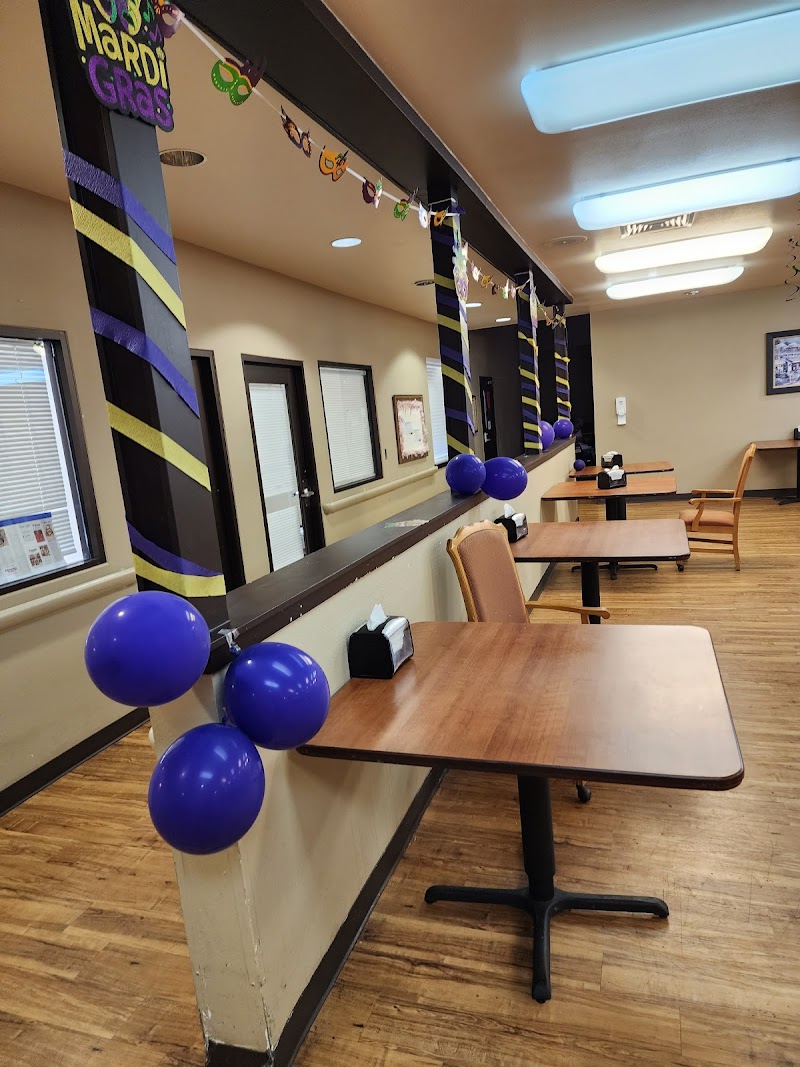
How is Immanuel'S Healthcare Staffed?

CMS rates IMMANUEL'S HEALTHCARE's staffing level at 2 out of 5 stars, which is below average compared to other nursing homes. Staff turnover is 50%, compared to the Texas average of 46%.

What Have Inspectors Found at Immanuel'S Healthcare?

State health inspectors documented 18 deficiencies at IMMANUEL'S HEALTHCARE during 2023 to 2025. These included: 18 with potential for harm.
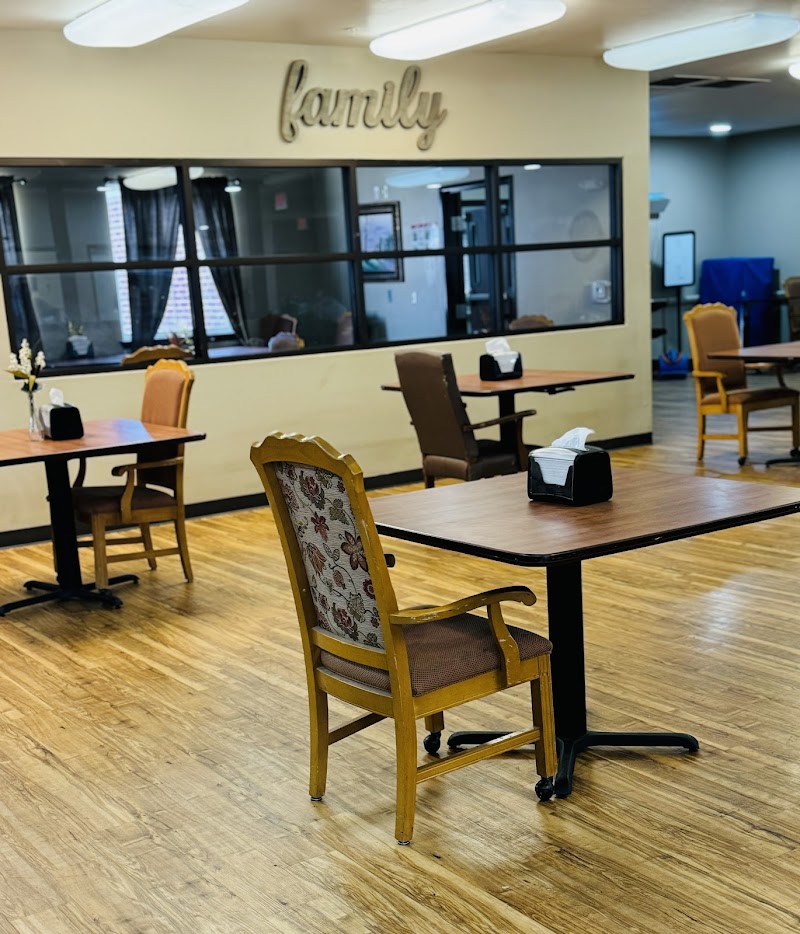
Who Owns and Operates Immanuel'S Healthcare?

IMMANUEL'S HEALTHCARE is owned by a for-profit company. For-profit facilities operate as businesses with obligations to shareholders or private owners. The facility operates independently rather than as part of a larger chain. With 84 certified beds and approximately 62 residents (about 74% occupancy), it is a smaller facility located in FORT WORTH, Texas.
How Does Immanuel'S Healthcare Compare to Other Texas Nursing Homes?

Compared to the 100 nursing homes in Texas, IMMANUEL'S HEALTHCARE's overall rating (4 stars) is above the state average of 2.8, staff turnover (50%) is near the state average of 46%, and health inspection rating (3 stars) is at the national benchmark.

What Should Families Ask When Visiting Immanuel'S Healthcare?

Based on this facility's data, families visiting should ask: "Can you walk me through typical staffing levels on day, evening, and night shifts?" "Can I visit during a mealtime to observe dining assistance and food quality?" "How do you handle medical emergencies, and what is your hospital transfer rate?" "Can I speak with family members of current residents about their experience?" These questions are particularly relevant given the below-average staffing rating.

Is Immanuel'S Healthcare Safe?

Based on CMS inspection data, IMMANUEL'S HEALTHCARE has a clean safety record: no substantiated abuse findings (meaning no confirmed cases of resident harm), no Immediate Jeopardy citations (the most serious violation level indicating risk of serious injury or death), and is not on the Special Focus Facility watch list (a federal program monitoring the lowest-performing 1% of nursing homes). The facility has a 4-star overall rating and ranks #1 of 100 nursing homes in Texas. While no facility is perfect, families should still ask about staff-to-resident ratios and recent inspection results during their visit.

Do Nurses at Immanuel'S Healthcare Stick Around?

IMMANUEL'S HEALTHCARE has a staff turnover rate of 50%, which is about average for Texas nursing homes (state average: 46%). Moderate turnover is common in nursing homes, but families should still ask about staff tenure and how the facility maintains care continuity when employees leave.

Was Immanuel'S Healthcare Ever Fined?

IMMANUEL'S HEALTHCARE has no federal fines on record. CMS issues fines when nursing homes fail to meet care standards or don't correct problems found during inspections. The absence of fines suggests the facility has either maintained compliance or corrected any issues before penalties were assessed. This is a positive indicator, though families should still review recent inspection reports for the full picture.

Is Immanuel'S Healthcare on Any Federal Watch List?

IMMANUEL'S HEALTHCARE is not on any federal watch list. The most significant is the Special Focus Facility (SFF) program, which identifies the bottom 1% of nursing homes nationally based on persistent, serious quality problems. Not being on this list means the facility has avoided the pattern of deficiencies that triggers enhanced federal oversight. This is a positive indicator, though families should still review the facility's inspection history directly.