LIFE CARE CENTER OF HALTOM
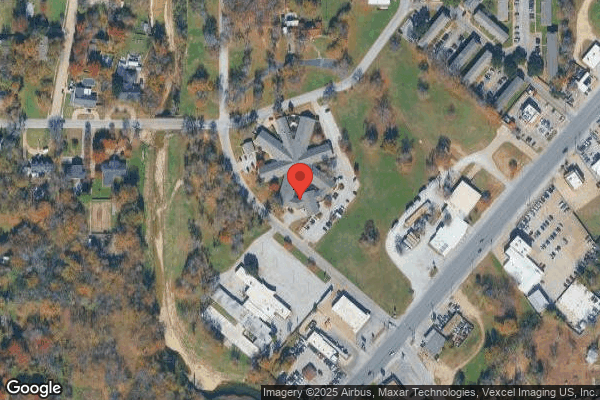
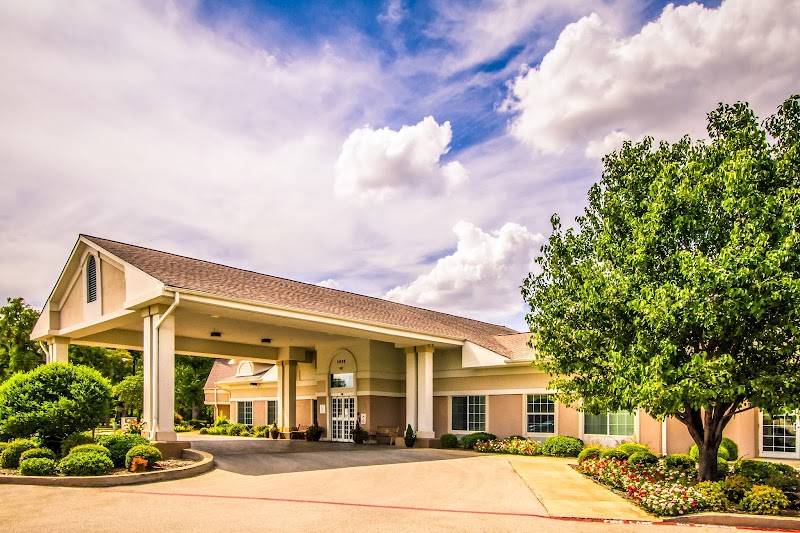
2936 MARKUM DR, FORT WORTH, TX 76117 (817) 831-0545
For profit - Corporation 127 Beds LIFE CARE CENTERS OF AMERICA Data: November 2025
Trust Grade
70/100
#279 of 1168 in TX
Last Inspection: October 2024

Within standard 12-15 month inspection cycle. Federal law requires annual inspections.

Overview

Life Care Center of Haltom has a Trust Grade of B, which means it is a good choice, indicating solid care but not without room for improvement. It ranks #279 out of 1,168 facilities in Texas, placing it in the top half, and #11 out of 69 in Tarrant County, meaning there are only ten local options considered better. However, the facility's trend is worsening, with issues increasing from 6 in 2024 to 11 in 2025. Staffing is average, with a rating of 3 out of 5 stars and a turnover rate of 54%, which is near the state average. Fortunately, the facility has not incurred any fines, indicating compliance with regulations, but it does show average RN coverage, which is important for catching health issues. There have been specific incidents of concern, such as a resident being verbally abused by another resident and a CNA threatening to hit a resident, which raises serious safety questions. Additionally, there were failures in infection control practices, including staff not using proper personal protective equipment and neglecting hand hygiene, which could lead to infections. Lastly, there were issues related to pressure ulcer prevention, where residents did not receive the necessary care to prevent new wounds or complications. Overall, while the facility has strengths, families should consider these significant weaknesses when making their decision.

Trust Score
B
70/100
In Texas
#279/1168
Top 23%
Safety Record
Low Risk
No red flags
Inspections
Getting Worse
6 → 11 violations
Staff Stability
⚠ Watch
54% turnover. Above average. Higher turnover means staff may not know residents' routines.
Penalties
✓ Good
No fines on record. Clean compliance history, better than most Texas facilities.
Skilled Nurses
⚠ Watch
Each resident gets only 27 minutes of Registered Nurse (RN) attention daily — below average for Texas. Fewer RN minutes means fewer trained eyes watching for problems.
Violations
⚠ Watch
32 deficiencies on record. Higher than average. Multiple issues found across inspections.
★★★★☆
4.0
Overall Rating
★★★☆☆
3.0
Staff Levels
★★★★★
5.0
Care Quality
★★★☆☆
3.0
Inspection Score
Stable
2024: 6 issues
2025: 11 issues

The Good

  • 5-Star Quality Measures · Strong clinical quality outcomes
  • Full Sprinkler Coverage · Fire safety systems throughout facility
  • No fines on record

Facility shows strength in quality measures, fire safety.

The Bad

Staff Turnover: 54%

Near Texas avg (46%)

Higher turnover may affect care consistency

Chain: LIFE CARE CENTERS OF AMERICA

Part of a multi-facility chain

Ask about local staffing decisions and management

The Ugly 32 deficiencies on record

Aug 2025 5 deficiencies
CONCERN (D) 📢 Someone Reported This

A family member, employee, or ombudsman was alarmed enough to file a formal complaint

Potential for Harm - no one hurt, but risky conditions existed

Report Alleged Abuse (Tag F0609)

Could have caused harm · This affected 1 resident

**NOTE- TERMS IN BRACKETS HAVE BEEN EDITED TO PROTECT CONFIDENTIALITY** Based on observation, interview, and record review, the facility must ensure that all alleged violations involving abuse, neglec...

Read full inspector narrative →
**NOTE- TERMS IN BRACKETS HAVE BEEN EDITED TO PROTECT CONFIDENTIALITY** Based on observation, interview, and record review, the facility must ensure that all alleged violations involving abuse, neglect, exploitation or mistreatment, including injuries of unknown origin source and misappropriation of resident property are reported immediately but not later than 2 hours after the allegation is made to the administrator of the facility and to other officials (including to the State Survey Agency) for 1 of 5 residents (Resident #2) Record reviewed for reporting. The facility failed to report to the Administrator when Resident #1 verbally threatened Resident #2 on 03/18/25. This failure places residents at risk for further abuse. Findings included:Record review of Resident #1's quarterly MDS dated [DATE] reflected the resident was a [AGE] year-old male admitted to the facility on [DATE]. The resident's diagnoses included non-Alzheimer's dementia, anxiety disorder, and depression. Resident #1 had a BIMS of 15 which indicated his cognition was intact. The MDS further reflected the resident did not exhibit physical or verbal behaviors. Record review of Resident #1's care plan initiated on 06/28/25 reflected the resident was at risk for behaviors related to history of initiating verbal aggression toward previous roommate. Interventions included to educate the resident on boundaries related to appropriate communication techniques, problem solving, techniques, and who to discuss with, without becoming verbally aggressive with people. Other interventions included to take resident triggers into consideration with considering roommate placement. Record review of Resident #2's annual MDS assessment dated [DATE] reflected the resident was a [AGE] year-old male admitted to the facility on [DATE] and his diagnoses included non-Alzheimer's dementia. Resident #2 had a BIMS of 9 which indicated his cognition was moderately impaired. The MDS further reflected the resident did not exhibit physical or verbal behaviors. Record review of Resident #2's undated current care plan did not reflect any physical or verbal behaviors. Record review of Resident #2's progress noted dated 03/18/25 documented by LVN B reflected the following: This nurse went to picked [sic] up morning trays after resident ate breakfast from [hall] and heard both resident were exchanging words. This nurse went to resident's room and asked both of them to stop. [Resident #1] was verbally abusing his roommate and stated he will knock him out. This nurse told him to moved [sic] back to his space and to stopped [sic] verbally abusing and threatening his roommate. This nurse moved the other resident out of the room an brought him to the nursing station.Observation and interview on 08/06/25 at 10:25 AM with Resident #1 revealed he was in his room sitting on his rolling walker and did not have a roommate at the time. The resident said he had trouble with previous and stated Resident #2 alleged Resident #1 had threatened to kill him but that never happened. Resident #1 further stated he now had a room to himself and hope he would not get a new roommate because he like it peaceful. Observation and interview on 08/07/25 at 12:47 PM with Resident #2 revealed he was in his recliner and appeared to be hard of hearing. The resident was asked about the incident with Resident #1 (03/18/25), and Resident #2 said it has occurred a long time ago. Resident #2 said he and Resident #1 argued about the room temperature and Resident #1 had threatened him, but he did not recall what was said. Resident #2 said he was not scared at the time because he knew Resident #1 was just talking to talk and he knew how to defend himself if he needed to. Resident #2 stated he was moved to another room, and he did not have any concerns and felt safe at the facility. Interview on 08/06/25 at 1:26 PM with LVN B revealed Resident #1 did not like to have roommates and he had been moved a couple of times due having issues with prior residents. LVN B said she was making rounds, did not recall how long ago, when she heard Residents #1 and #2 argue and when she entered the room Resident #2 wanted to turn the AC up because he was cold, and Resident #1 did not want that. LVN B said she told both residents to calm down and Resident #2 said he was going to punch the shit out of him. LVN B said she separated both residents and took Resident #2 to another room and also said Resident #2 did not appear to be afraid with the threat. LVN B stated she had never seen Resident #1 have any behaviors towards others and he only bickered with roommates because he wanted a room to himself. Interview on 08/06/25 at 1:17 PM with LVN D revealed Resident #1 was pleasant and socialized with others, staff and residents. LVN D stated she had never heard Resident #1 be verbally abusive towards other and the resident normally stayed in his room on his computer. Interview on 08/06/25 at 1:44 PM with the ADON revealed she heard both residents had to be separated because they were not getting along but did not recall the details. The ADON said she did not report the incident to the Administrator but assumed he had been told about the incident by the Previous DON.Interview on 08/06/25 at 3:32 PM with the Previous DON revealed she recalled there had been an incident between Resident #1 and #2, but did not recall how long ago, where the residents had argued about the room temperature. The Previous DON stated she did not recall Resident #1 had threatened to punch Resident #2 and she believed the Administrator has been made aware. Interview on 08/07/25 at 1:48 PM with the Administrator revealed he was made aware Resident #1 and Resident #2 did not get along and at one time Resident #1 was upset about the temperature in the room he shared with Resident #2. The Administrator said he was not aware Resident #1 had verbally threatened Resident #2 during the room temperature incident. The Administrator stated he was the abuse coordinator, and the verbal threat should have been reported to him and all allegations of abuse should be reported to state office. Record review of the facility's Abuse-Conducting an Investigation policy, dated May 2025, reflected the following: PolicyIt is the policy of this facility that allegations of abuse (abuse, neglect, mistreatment, including injuries of unknown origin, exploitation, and misappropriation of property) are promptly and thoroughly investigated.Complaints and grievances will be investigated as outlined in the.and will be reported immediately if the investigation reveals any alleged violation involving neglect, abuse, (including injuries of unknown source), and/or misappropriation of resident property, by anyone furnishing services on behalf of the provider, to the administrator of the provider; and as required by State Law.3. When an incident or suspected incident of resident abuse and/or neglect, injury of unknown source, exploitation, or misappropriation of resident property is reported, the administrator/designee will investigate the occurrence.
CONCERN (D) 📢 Someone Reported This

A family member, employee, or ombudsman was alarmed enough to file a formal complaint

Potential for Harm - no one hurt, but risky conditions existed

Investigate Abuse (Tag F0610)

Could have caused harm · This affected 1 resident

**NOTE- TERMS IN BRACKETS HAVE BEEN EDITED TO PROTECT CONFIDENTIALITY** Based on observation, interview, and record review the facility failed to have evidence that all alleged violations in response ...

Read full inspector narrative →
**NOTE- TERMS IN BRACKETS HAVE BEEN EDITED TO PROTECT CONFIDENTIALITY** Based on observation, interview, and record review the facility failed to have evidence that all alleged violations in response to allegations of abuse, neglect, exploitation, or mistreatment were thoroughly investigated for 1 of 5 residents (Resident #5) Record reviewed for abuse.The facility failed to thoroughly investigate and an incident when CNA A asked Resident #5 for $0.50 to buy a soda on 07/23/2025. This failure places the residents at risk for misappropriation and exploitation. Findings included:Record review of Resident #5's quarterly MDS dated [DATE] reflected the resident was a [AGE] year-old female admitted to the facility on [DATE]. Her diagnoses included non-Alzheimer's dementia, anxiety disorder, and depression. The resident had a BIMS of 14 which indicated her cognition was intact. Record review of Resident #5's care plan dated 05/06/25 reflected the resident was noted to be making false accusations against staff, stating staff are not answering her call light or attending to her needs, states they make her stay in wet brief for hours when staff are in the room every time she puts call light on and at least every hour to attend to her needs. Interventions included anticipate and meet the resident's needs and if reasonable, discuss the resident's behaviors and reinforce why behavior is inappropriate and/or acceptable to the resident. Record review of the facility's Provider Investigation Report dated 07/30/25 reflected the following: When was the allegation made?07/23/25Investigation SummaryCNA stated she did request $.50 for drink from resident. CNA provided ED with $.50 and the money was returned to resident. CNA was terminated.Action to prevent recurrence CNA was suspended pending outcome of investigation and safety rounds were completed on residents on D Hall.Agency Action Post-Investigation Associate was terminated and education was completed regarding ANE prevention and reporting.Further review of the provider investigation report revealed there was no evidence of staff education and/or interviews and there was no evidence and other resident interviews were submitted during the time of the incident. Observation and interview on 08/06/25 at 10:07 AM with Resident #5 revealed she was in bed watching TV and when asked if staff has asked her for money recently, she said aide (CNA E) asked her for $.50 and she (Resident #5) did not know what to do so she just gave it to her. Resident #5 said she did not want to give her the money but felt like she had to so after that Resident #5 said she reported it to the Administrator. Resident #5 said that was the first time CNA E has asked her for money and no one else has done so since. Resident #5 said the Administrator took care of the issue and she felt safe at the facility. Interview on 08/06/25 at 10:07 AM with the Administrator revealed Resident #5 called him (07/23/25) and said CNA E asked to borrow $.50 and it sounded like the resident did not want to but felt forced. The Administrator said he spoke with CNA E who admitted asking Resident #5 for the money and also said she knew it was wrong. CNA E was suspended pending the investigation and later terminated for the incident. Interview on 08/07/25 at 2:03 PM with CNA E revealed she did not ask Resident #5 for $.50 (07/23/25) but it was the resident who wanted to give her $1 for a soda. CNA E said that she already had $.50 on her and only accepted $.50 from the resident so she could buy her soda but had planned to pay the resident back. CNA E admitted knowing it was wrong to accept the money from Resident #5 but because she knew she was going to pay her back CNA E did not think much about it. The following day after the incident, the Administrator approached her (CNA E) to ask about the money and she told him she had taken the money and also said she had the money in her pocket to pay Resident #5 back so the Administrator took the money from her and said he would give it back to the resident. Interview on 08/07/25 at 2:09 PM with the Interim Social Worker revealed she only did 2 safe surveys with residents and was told to stop by the Administrator because she had new admissions to work on. Further interview on 08/07/25 at 1:48 PM with the Administrator revealed his investigation with Resident #5 and CNA E was complete because the aide had admitted to asking and taking money from Resident #5 and there was nothing else to complete. The Administrator said the facility held fire drills around the same time as the incident so during the fire drill staff were talked to about taking money from residents. Record review of documentation provided by the Administrator on 08/06/25 reflected there was a fire drill completed on 07/31/25. Record review of an email sent by the Administrator on 08/11/25 reflected there 8 resident safe surveys conducted on 07/29/25 in which one of the questions included: Has an associate asked to borrow your personal belongings including money for their own use? with no concerns. Record review of the facility's Abuse-Conducting an Investigation policy, dated May 2025, reflected the following: PolicyIt is the policy of this facility that allegations of abuse (abuse, neglect, mistreatment, including injuries of unknown origin, exploitation, and misappropriation of property) are promptly and thoroughly investigated.
CONCERN (D) 📢 Someone Reported This

A family member, employee, or ombudsman was alarmed enough to file a formal complaint

Potential for Harm - no one hurt, but risky conditions existed

Pressure Ulcer Prevention (Tag F0686)

Could have caused harm · This affected 1 resident

**NOTE- TERMS IN BRACKETS HAVE BEEN EDITED TO PROTECT CONFIDENTIALITY** Based on observation, interview, and record review, the facility failed to ensure resident with pressure ulcers receives necessa...

Read full inspector narrative →
**NOTE- TERMS IN BRACKETS HAVE BEEN EDITED TO PROTECT CONFIDENTIALITY** Based on observation, interview, and record review, the facility failed to ensure resident with pressure ulcers receives necessary treatment and services, consistent with professional standards of practice, to promote healing, prevent infection and prevent new ulcers from developing for 1 of 5 residents (Resident #5) reviewed for wound care . The facility failed to ensure Resident #5's stage 4 pressure ulcer wound her sacrum was covered with a dressing.This failure could place residents at risk of severe pain, and lead to systemic infections causing harm for residents.Record review of Resident #5's entry MDS assessment dated [DATE] reflected the resident was a [AGE] year-old female, who admitted to the facility on [DATE] and readmitted on [DATE]. The resident had moderate cognitive impairment with a BIMS score of 11, and her diagnoses included diabetes mellitus, and the MDS reflected she had a Stage 4 pressure ulcers.Record review of Resident #5's care plan dated 06/26/25 reflected: Focus: Resident#5 has actual impairment to skin integrity. admitted with Stage 4 pressure ulcer to sacrum. Goal: [Resident #5] Risk for developingnew pressure ulcers will be minimal with nursing interventions through the Record review date. Interventions: Assess location, size and treatment of skin injury. Report abnormalities, failure to heal, sign and symptoms of infection and maceration. Treatment as ordered.Record review of Resident #5's physician order dated 07/23/25 reflected: Cleanse Sacrum with NS, pat dry, apply Santyl, and cover with gauze island with border dressing everyday shift AND as needed if soiled or dislodged.Observation and interview on 08/07/24 at 9:12 AM with the Wound Care Nurse of Resident #5's Stage 4 pressure ulcer on her sacrum revealed the pressure ulcer did not have a wound care dressing. The Wound Care Nurse asked Resident #5 what happened to the wound dressing, and the Wound Care Nurse told the resident to let somebody know when the dressing fell off. The Wound Care Nurse stated she was not aware Resident #5 did not have a dressing on. Observation of the pressure ulcer revealed there were no signs of infection noted. Interview on 08/07/25 at 9:32 AM revealed Resident #5 was lying in bed. Resident #5 stated she was doing well. Resident #5 stated she admitted to the facility with wounds on her sacrum. Resident #5 stated she was not aware the dressing was off. She stated CNA K performed incontinence care on her around 8:00 AM to 8:30 AM. Interview on 08/07/25 at 9:39 AM with CNA K revealed she was the CNA assigned to Resident #5. She stated she had provided incontinence care to Resident #5. She stated she noticed the resident's dressing was peeling off, and it had fecal matter on it, so she removed the dressing. She did not recall the time when she provided Resident #5 with incontinence care. She stated she knew she was supposed to notify the nurse or the treatment nurse about the soiled dressing, but she did not. She stated it had slipped her mind, and she forgot to notify the nurse. She stated she was in a hurry to finish giving another resident a shower on another hall because that resident had an early pick up of around 8:30 AM for appointment. She stated she was aware she was not allowed to remove dressings, and she knew she was supposed to call the nurse to come and replace the soiled peeling dressing with a clean dressing but not for her to remove it. She stated Resident #5 did not complain of pain. CNA K stated she should have notified the nurse. She stated the risk of not having a dressing on would be infection and wound getting bigger. She stated she had done training on calling the nurse if a dressing had become soiled and not to removing the dressing. Interview on 08/07/25 at 9:48 AM with the Wound Care Nurse revealed Resident #5 had a physician's order to cleanse and cover the wound daily and an order for as needed in case the dressing get soiled or dislodged. She stated she was not made aware that Resident #5's dressing had come off. She stated when she completed wound care yesterday (08/06/25) on Resident #5, she had applied a dressing over it. She stated her expectations were for the nurses to monitor the dressing every shift and if the dressing came off, they had as needed treatment orders to follow. She stated C N A's were not supposed to touch or remove the dressing. She stated her expectation was for CNA K to call her or the nurse to replace the soiled dressing. She stated the potential risk if the dressing comes off would be a decline in the wound status and infections. She stated she prefer the C N As to notify the nurses because they could leave the wound open and the resident happen to have a bowel movement and that also predisposes Resident#5 to the risk of infection. She stated she had provided staff with training regarding turning and repositioning. She provided a training record dated 02/21/25, which reflected CNA K was not in attendance as she was newly hired to the facility in April.Interview on 08/07/25 at 9:54 AM with the RN J, who was the charge nurse, revealed she was not made aware that Resident #5's dressing had come off. She stated her expectation was for CNA K to report to her so that she could replace the soiled dressing with a clean dressing when she was performing incontinent care on Resident #5. She stated the risk of removing dressing and not replacing with a clean one was infection. She stated she had done training on dressing change.Interview on 08/07/25 at 1:12 PM with the ADON revealed her expectations were for her staff to follow orders and as needed orders. If the dressing came off or it was soiled when completing peri care, she expected CNA K to stop care and notify the nurse, and the nurses were to apply a new dressing. The ADON stated CNAs were not supposed to remove the soiled dressing and if it fall off they should also notify the nurse. She stated the risk of not notifying the nurse and of not having a dressing could lead to, an infection and wound margins increasing. She stated wound care nurse had completed in-services on wound care with staffs.Record review of training on turning and repositioning, dated 02/21/25, reflected CNA K was not in attendance.The training addressed resident not having dressing or dressing are soiled they should notify nurse immediately so that a new dressing may be applied. CNAs are not to touch /remove dressings.Record review of facility policy wound care management, long term care revised June 2025, Did not address soiled and fall off dressings.
CONCERN (E) 📢 Someone Reported This

A family member, employee, or ombudsman was alarmed enough to file a formal complaint

Potential for Harm - no one hurt, but risky conditions existed

Free from Abuse/Neglect (Tag F0600)

Could have caused harm · This affected multiple residents

**NOTE- TERMS IN BRACKETS HAVE BEEN EDITED TO PROTECT CONFIDENTIALITY** Based on observation, interview, and record review, the facility failed to ensure residents had the right to be free from abuse,...

Read full inspector narrative →
**NOTE- TERMS IN BRACKETS HAVE BEEN EDITED TO PROTECT CONFIDENTIALITY** Based on observation, interview, and record review, the facility failed to ensure residents had the right to be free from abuse, neglect, misappropriation of resident property, and exploitation for 3 of 5 residents (Residents #2 and #3, and #4) Record reviewed for abuse.1. The facility failed to ensure Resident #1 did not verbally abuse Resident #2 on 03/18/25 .2. The facility failed to ensure Resident #1 did not verbally abuse Resident #3 on 06/28/25. 3. The facility failed to ensure Resident #4 had the right to be free from abuse when CNA A threatened to hit the resident back on 06/06/25. This failure could place residents at risk for abuse.Findings included:1. Record review of Resident #1's quarterly MDS dated [DATE] reflected the resident was a [AGE] year-old male admitted to the facility on [DATE]. The resident's diagnoses included non-Alzheimer's dementia (various types of dementia that do not involve Alzheimer's disease, including dementia with Lewy bodies, vascular dementia, and frontotemporal dementia), anxiety disorder (mental health issues characterized by excessive fear and anxiety that interferes with ADLs), and depression (a mood disorder characterized by persistent feelings of sadness and loss of interest). Resident #1 had a BIMS of 15 which indicated his cognition was intact. The MDS further reflected the resident did not exhibit physical or verbal behaviors. Record review of Resident #1's care plan initiated on 06/28/25 reflected the resident was at risk for behaviors related to history of initiating verbal aggression toward previous roommate. Interventions included to educate the resident on boundaries related to appropriate communication techniques, problem solving, techniques, and who to discuss with, without becoming verbally aggressive with people. Other interventions included to take resident triggers into consideration with considering roommate placement. Record review of Resident #2's annual MDS assessment dated [DATE] reflected the resident was a [AGE] year-old male admitted to the facility on [DATE] and his diagnoses included non-Alzheimer's dementia. Resident #2 had a BIMS of 9 which indicated his cognition was moderately impaired. The MDS further reflected the resident did not exhibit physical or verbal behaviors. Record review of undated Resident #2's current care plan did not reflect any physical or verbal behaviors. Record review of Resident #2's progress noted dated 03/18/25 documented by LVN B reflected the following: This nurse went to picked [sic] up morning trays after resident ate breakfast from [hall] and heard both resident [sic] were exchanging words. This nurse went to resident's room and asked both of them to stop. [Resident #1] was verbally abusing his roommate and stated he will knock him out. This nurse told him to moved [sic] back to his space and to stopped [sic] verbally abusing and threatening his roommate. This nurse moved the other resident out of the room an brought him to the nursing station.Observation and interview on 08/06/25 at 10:25 AM with Resident #1 revealed he was in his room sitting on his rolling walker and did not have a roommate at the time. The resident said he had trouble with previous and stated Resident #2 alleged Resident #1 had threatened to kill him but that never happened. Resident #1 further stated he now had a room to himself and hope he would not get a new roommate because he like it peaceful. Observation and interview on 08/07/25 at 12:47 PM with Resident #2 revealed he was in his recliner and appeared to be hard of hearing. The resident was asked about the incident with Resident #1 (03/18/25), and Resident #2 said it has occurred a long time ago. Resident #2 said he and Resident #1 argued about the room temperature and Resident #1 had threatened him, but he did not recall what was said. Resident #2 said he was not scared at the time because he knew Resident #1 was just talking to talk and he knew how to defend himself if he needed to. Resident #2 stated he was moved to another room, and he did not have any concerns and felt safe at the facility. Interview on 08/06/25 at 1:26 PM with LVN B revealed Resident #1 did not like to have roommates and he had been moved a couple of times due having issues with prior residents. LVN B said she was making rounds, did not recall how long ago, when she heard Residents #1 and #2 argue and when she entered the room Resident #2 wanted to turn the AC up because he was cold, and Resident #1 did not want that. LVN B said she told both residents to calm down and Resident #2 said he was going to punch the shit out of him. LVN B said she separated both residents and took Resident #2 to another room and also said Resident #2 did not appear to be afraid with the threat. LVN B stated she had never seen Resident #1 have any behaviors towards others and he only bickered with roommates because he wanted a room to himself. Interview on 08/06/25 at 1:17 PM with LVN D revealed Resident #1 was pleasant and socialized with others, staff and residents. LVN D stated she had never heard Resident #1 be verbally abusive towards other and the resident normally stayed in his room on his computer. Interview on 08/06/25 at 1:44 PM with the ADON revealed she recalled the incident Resident #1 and #2 but she did not recall the details or what words were exchanged between both residents. Interview on 08/06/25 at 3:32 PM with the Previous DON revealed she recalled there had been an incident between Resident #1 and #2, but did not recall how long ago, where the residents had argued about the room temperature. The Previous DON stated she did not recall Resident #1 had threatened to punch Resident #2. 2. Record review of Resident #3's admission MDS dated [DATE] reflected the resident was a [AGE] year-old male admitted to the facility on [DATE]. His diagnoses included non-Alzheimer's dementia, Parkinson's disease, anxiety disorder and depression. Resident #3 had a BIMS of 15 which indicated his cognition was intact. The MDS further reflected Resident #3 did not exhibit physical or verbal behaviors. Record review of Resident #3's undated current care plan did not reflect any physical or verbal behaviors. Record review of the facility's Provider Investigation Report dated 07/09/25 reflected the following: [Resident #1] did stand over [Resident #3] and yelled at him because he was snoring. [Resident #3] does have a history of snoring. Safe surveys were completed and no concerns were noted by other residents.Record review of Resident #1's progress notes dated 06/28/25 documented by LVN C reflected the following: This unit nurse was called to the patient's room to address threats made by the patient towards his roommate regarding the roommate's loud snoring. The threats included the statement that if the roommate did not stop snoring loudly, [Resident #1] would ‘knock the snore out of him.' The patient expressed significant frustration and irritation, stating he had been unable to sleep for four consecutive nights and had reached his limit. The patient was transferred to [another hall] to an empty room to be by himself.Observation and interview on 08/06/25 at 10:25 AM with Resident #1 revealed he was in his room sitting on his rolling walker and did not have a roommate at the time. The resident said he had trouble with a previous roommate, and he stated Resident #3 snored very loudly, and he told Resident #3 to hush, but the Resident #3 kept snoring. Resident #1 denied threatening Resident #3 or telling him he would plug his nose up. Resident #1 further stated he now had a room to himself, and he stated he hoped he would not get a new roommate because he liked it peaceful.Observation and interview on 08/06/25 at 9:53 AM of Resident #3 revealed he was in his room sitting in his wheelchair and appeared to be pleasant. Resident #3 was asked about the incident, 06/26/25, with Resident #1 and he said the end of June his roommate (Resident #1) woke him up and told him he was snoring like a pig. Resident #3 said he told Resident #1 he could not stop, and he did not recall the exact words but Resident #1 told Resident #3 he was going to plug his nose to shut him up and he was going to kick his ass. Resident #3 said he did not feel safe at the time and reported the incident to the charge nurse. Resident #3 said he was moved to another room and did not see Resident #1 anymore. Resident #3 further stated he currently felt safe at the facility and was not scared of Resident #1. Interview on 08/06/25 at 3:42 PM with LVN C revealed she recalled Resident #1 was upset with Resident #3 and stated if Resident #3 did not quiet his snoring, he was going to do something physical to him but did not recall what his exact words were. Resident #3 told LVN C he could not control his snoring and did not feel safe in the room with Resident #1 at that time. Resident #3 was then transferred to another hall. LVN C said she believed Resident #3 had made false threats as he was usually pleasant when he was around other residents. Interview on 08/06/25 at 3:23 PM with the ADON revealed she was told Resident #1 had said something to Resident #3 about his loud snoring, but she did not recall what was said between both residents. The ADON said Resident #3 was in a room alone and there were no current behavioral issues with the resident. Interview on 08/07/25 at 1:48 PM with the Administrator revealed Resident #1 had some past verbal behaviors. The Administrator said he knew Resident #1 and Resident #2 has argued about the room temperature back in March, but he was not aware #1 had threatened Resident #2. The Administrator further stated there had been an incident where Resident #1 had become upset at Resident #3's snoring. The residents were separated, and Resident #1 did better with no roommates. 3.Record review of Resident #4's quarterly MDS assessment reflected the resident was an [AGE] year-old female admitted to the facility on [DATE]. Her diagnoses included Alzheimer's disease, non-Alzheimer's anxiety disorder, and depression. Resident #4 had a BIMS of 4 which indicated her cognition was severely impaired. The MDS also reflected Resident #4 usually understood others. The MDS further reflected the resident had physical behaviors 4 to 6 days a week and verbal behaviors towards others 1 to 3 days a week. Resident #4. The resident also required substantial/maximal assistance for bathing/showers. Record review of Resident #4's care plan revised on 05/24/23 reflected the resident was resistive to care, refused to take showers, and became very angry yelling at staff that she cannot take a shower because she is going to fall. Interventions included to allow the resident to make decision about treatment regime and assist or offer the resident a bed bath when she refused showers. If the resident resist ADL's reassure the resident, leave for 5-10 minutes and try again later. Record review of the facility's Provider Investigation Report dated 06/06/25 reflected the following: CNA was providing a shower to resident and was being hit by resident. CNA was overheard stating ‘You are not going to hit me. I am not the person you want to do that. If you hit me again, I will not give you [soda] or candy bar'.Observation and interview on 08/06/25 at 9:50 AM of Resident #4 revealed she was in bed with her eyes open. She was asked how he was doing and she responded with good and did not answer any follow-up questions and appeared confused as she pulled her covers over her face. Interview on 08/06/25 at 2:19 PM with the Housekeeping Supervisor revealed she was making round around 3:00 PM (06/06/25) when she overheard commotion and when she walked past the shower room she heard an aide (CNA A) yell at Resident #4 don't hit me, I'm not the one and I will hit you back and also said he she did not behave the resident would not get a [candy bar] or soda. Resident #4 was heard repeatedly saying no, no, no. At that time the Housekeeping Supervisor went to get the DON, and the DON went to the shower room where she stood for a moment to listen to what was being said and the CNA continued to yell at the resident, but the Housekeeping Supervisor was not able to make out what was said. The DON then opened the door, asked the Housekeeping Supervisor to stay as a witness and the aide was told to get her things and leave the facility. The Housekeeping Supervisor stated Resident#4 usually yelled out stating she wanted candy and soda and had never heard any other staff yell at the resident. Interview on 08/06/25 at 3:32 PM with the Previous DON revealed the Housekeeping Supervisor reported she heard what she thought was verbal abuse. The DON said she then went to the shower room and when she entered CNA A was assisting the resident with her shower and there was BM on the resident. The DON said she did not hear verbal abuse when she stood at the door but only heard CNA A say she could not have something until the resident was nice. The DON said CNA A was not yelling but felt like the acoustics in the shower room made it appear as thought she was yelling. The DON said the resident was yelling out someone's name which she said was her baseline and did not appear distressed. The DON stated she had CNA A sent home and had another staff member finish Resident #4's shower. The DON further stated CNA A has recently been hired and did not have previous complaints about her and said she did not get to talk to the CNA A as she had to leave out of town shortly after and the Administrator had taken over the investigation. Interview on 08/06/25 at 3:23 PM with the ADON revealed she was made aware by the Previous DON of the incident between Resident #4 and CNA A. The ADON said she had only conducted staff interview as part of the investigation. The ADON stated Resident #4 had severe dementia and was combative during care and at times there were periods when the resident would become very confused. The ADON said CNA A was new to the facility and had only been out of training for about two weeks and no staff nor resident has complained about her. Interview on 08/07/25 at 1:48 PM with Administrator revealed the Housekeeping Supervisor overhead and aide (CNA A) speak to Resident #4 in an abusive manner so the Housekeeping Supervisor reported the incident to the Previous DON. The Previous DON then suspended CNA A pending the investigation and the CNA A did not return to work. The Administrator said he spoke to CNA A about the incident and the aide had denied the allegation. The Administrator further stated CNA A had not worked at the facility long and he did not have any issues or concerns with CNA prior to the incident. Record review of the facility's policy titled Abuse-Prevention Record reviewed on 05/06/25 reflected the following: PolicyIt is the policy of this facility to prevent and prohibit all types of abuse, neglect, misappropriation or resident property, and exploitation.The resident has the right to be free from abuse, neglect, misappropriation of resident property.
CONCERN (E) 📢 Someone Reported This

A family member, employee, or ombudsman was alarmed enough to file a formal complaint

Potential for Harm - no one hurt, but risky conditions existed

Infection Control (Tag F0880)

Could have caused harm · This affected multiple residents

**NOTE- TERMS IN BRACKETS HAVE BEEN EDITED TO PROTECT CONFIDENTIALITY** Based on observations, interviews, and record review, the facility failed to establish and maintain an infection prevention and ...

Read full inspector narrative →
**NOTE- TERMS IN BRACKETS HAVE BEEN EDITED TO PROTECT CONFIDENTIALITY** Based on observations, interviews, and record review, the facility failed to establish and maintain an infection prevention and control program designed to provide a safe, sanitary, and comfortable environment and to help prevent the development and transmission of communicable diseases and infections for 2 of 3 residents (Residents #5 and #7) reviewed for infection control.1. CNA G failed to wear a PPE when she provided Resident #5, who was on enhanced barrier precautions, with incontinence care on 08/06/2025 with a physician order for PPE dated 07/16/2025. 2. CNA H failed to perform proper hand hygiene practices to include changing her gloves and washing/sanitizing her hands when she provided Resident #7 incontinence care on 08/07/2025.These failures placed residents at risk of cross contamination and the spread of infection.1.Record review of Resident #5's entry MDS assessment dated [DATE] reflected the resident was a [AGE] year-old female, who admitted to the facility on [DATE] and readmitted on [DATE]. The resident had moderate cognitive impairment with a BIMS score of 11, and her diagnoses included diabetes mellitus, and the MDS reflected she had a Stage 4 pressure ulcers.Record review of Resident #5's care plan dated 06/26/25 reflected: Focus: Resident#5 has actual impairment to skin integrity. admitted with Stage 4 pressure ulcer to sacrum Goal: [Resident #5] Risk for developing new pressure ulcers will be minimal with nursing interventions through the Record review date. Interventions: Enhanced barrier precaution.Record review of Resident #5's physician order dated 07/16/25 reflected: Enhanced barrier precautions for wound requiring dressing.Observation on 08/06/25 at 03:29 PM revealed CNA G was preparing to provide Resident #5 with incontinent care. Resident #5's door had the following sign: enhanced barrier precautions -providers and staff must also wear Gown and Gloves. There was PPE hanged on the door. CNA G performed hand hygiene and donned a pair of gloves. She put all the supplies together and without putting on a PPE gown, CNA G then provided Resident #5 with incontinent care. Interview via phone on 08/07/25 at 11:32 AM, CNA G stated she did not know whether Resident #5 was on enhanced barrier precautions. She stated she was aware that PPE was supposed to be worn during care for residents on precautions. She stated she knew she did wear a gown while providing the resident incontinence care, but she did not explain why she did not wear a gown. She stated she was aware Resident #5 had wounds. She stated the risk of not putting on PPE was that it could lead to the spread of infection. She stated she had done training on enhanced barrier precautions for residents with wounds, gastronomy tubes, and Foley catheters.2. Record review of Resident #7's comprehensive MDS assessment dated [DATE] reflected the resident was [AGE] year-old female who admitted to the facility on [DATE] and readmitted on [DATE]. The resident's cognition was severely impaired with a BIMS score of 0. The resident's diagnoses included hypertension (high blood pressure) and aphasia (a language disorder that affects a person's ability to communicate). Record review of Resident #7's care plan dated 05/10/2025 reflected: Focus: Resident#7 was incontinent of bladder and bowel rule out dementia. Goal: Resident will be clean, dry and odor free with no occurrence of skin impairment through next Record review date Interventions: Observe for non-verbal cues resident may need to use the toilet.Observation on 08/07/25 at 10:03 AM revealed CNA H providing Resident #7 with incontinence care after the resident had had a bowel movement. CNA H cleansed the resident's abdominal folds and the perineal area inside out. She helped the resident to turn using the draw sheet. She cleansed the resident's buttocks while still using one hand to hold the resident in place. She did not change her gloves after cleansing bowel movement on Resident #7. She went directly to applying a clean brief without changing her gloves or performing hand hygiene. She left resident comfortable and then removed her gloves and washed her hands.Interview on 08/07/25 at 10:15 AM with CNA H revealed she was supposed to change her gloves and perform hand hygiene after cleansing the bowel movement and before applying a clean brief, but she did not. She stated she forgot, and she knew she was supposed to remove her soiled gloves and wash her hands while moving from a dirty to clean environment. She stated changing gloves and performing hand hygiene during incontinence care would prevent contamination which could cause infection. She stated she had done training on infection control, to include changing gloves and hand washing.Interview on 08/07/25 at 1:04 PM, the ADON stated she expected staff to wear a gown and gloves while providing care to a resident, who was on enhanced barrier precautions. She stated she was not sure of what the facility policy reflected regarding when providing incontinence care on resident with wounds. She stated she expected when staff saw the PPE by a resident's door they should wear the PPE. She stated wearing PPE would prevent cross contamination and infection. She also revealed her expectation was for the staff to remove their gloves and perform hand hygiene with contamination. The ADON stated the staff was supposed to remove her gloves and wash her hands after cleansing bowel movement and before putting a clean brief on Resident #7. The ADON stated the risk of not changing gloves and performing hand hygiene during the incontinence care was that it could lead to cross contamination and then infection. She stated she had provided training on enhanced barrier precautions, perineal care, and infection control; however, no record of the training was provided. Record review of training on enhanced barrier precautions, dated 07/18/25, reflected CNA G was not in attendance.Record review of training on donning(put on) and doffing (remove) of PPE, dated 07/18/25, reflected CNA H was not in attendance.Record review of the facility's Enhanced Barrier Precautions in Nursing Homes policy, dated March 2024, reflected: Enhanced barrier precautions (EBP) are used in conjunction with standard precautions and expand the use of PPE to donning of gown and gloves during high contact resident care activities that provide opportunities for transfer of MDROs to staff hands and clothing. EBP are indicated for residents with any of the following:Infection or colonization with CDC targeted MDRP when contact precautions do not otherwise apply or;Wounds and/or indwelling medical devices even if the resident is not known to be infected or colonized with MDRO.For residents for whom EBP are indicated is employed when performing the following high contact resident activities: Changing briefs or assisting with toileting.Record review of the facility's Infection Control policy, revised August 2024, reflected: . perform hand hygiene. after contact with blood, body fluids, or contaminated surfaces; when you are moving your hands from a contaminated body site to a clean body site during resident care.
May 2025 2 deficiencies
CONCERN (E) 📢 Someone Reported This

A family member, employee, or ombudsman was alarmed enough to file a formal complaint

Potential for Harm - no one hurt, but risky conditions existed

Pressure Ulcer Prevention (Tag F0686)

Could have caused harm · This affected multiple residents

**NOTE- TERMS IN BRACKETS HAVE BEEN EDITED TO PROTECT CONFIDENTIALITY** Based on observation, interview and record review the facility failed to ensure based on the comprehensive assessment of a resid...

Read full inspector narrative →
**NOTE- TERMS IN BRACKETS HAVE BEEN EDITED TO PROTECT CONFIDENTIALITY** Based on observation, interview and record review the facility failed to ensure based on the comprehensive assessment of a resident, the facility ensured a resident received care, consistent with professional standards of practice, to prevent pressure ulcers and did not develop pressure ulcers unless the individual's clinical condition demonstrated that they were unavoidable; and a resident with pressure ulcers received necessary treatment and services consistent with professional standards of practice, to promote healing, prevent infection and prevent new ulcers from developing for 2 of 6 residents (Resident #1 and Resident#2) reviewed for pressure ulcers/injuries. The facility failed to provide pressure relieving devices to support the residents being repositioned on their side. This failure could place residents at risk of complications such as pain, acquiring new wounds, worsening of existing wounds, and infection. Findings include: 1. Record review of Resident #1's face sheet, dated 05/06/25, reflected the resident was admitted to the facility on [DATE]. Resident #2 was diagnosed with cellulitis of left lower limb (bacteria infection of the skin and the tissue beneath the skin.) contusion (bruise, occurs when blood vessels are damaged due to trauma) of left lower leg and Crohn's disease (inflammatory bowel disease (IBD) that causes chronic inflammation of the gastrointestinal (GI) tract, which can affect any part from the mouth to the anus). Record review of Resident #1's admission MDS Assessment, dated 03/03/25, reflected she had a BIMS score of 8, which indicated moderate cognitive impairment. Resident#1 did not have a wound infection (other than the foot). Resident#1 was at risk of pressure ulcers/injuries, Resident #1 had one or more unhealed pressure ulcers. Resident #1 had 1 stage 2 pressure ulcer at entry, Stage 2 pressure ulcers meant Partial thickness loss of dermis presenting as a shallow open ulcer with a red or pink wound bed, without slough. May also present as an intact or open/ruptured blister. Resident #1's skin and ulcer/injury treatments included: pressure ulcer/injury care, application of nonsurgical dressings and applications of ointments/medications. Record review of Resident#1 care plan, initiated on 02/27/2025, reflected: Resident#2's focus reflected, the Resident was admitted with a stage II pressure ulcer, and continued to have a potential for pressure ulcer development r/t cognitive deficits, impaired mobility, incontinence, history of ulcer, dislocation or fright shoulder, arthritis (swelling and tenderness of one or more joints), and osteoporosis ( a condition that weakens bones and increases the risk of fractures.). Initiated on 02/27/2025. Resident #1's goal reflected, the resident would have intact skin, free of redness, blisters or discoloration by/through review, initiated on 02/27/2025. Educate the resident/family/caregivers as to causes of skin breakdown; including transfer/positioning requirements; importance of taking care during ambulating/mobility, good nutrition and frequent repositioning. Assist resident to turn and reposition self at least every 2 hours. Record review of Resident#1 progress note dated 04/30/25 by WCN reflected, Patient seen by [NAME] physician this morning and daughter notified of the status and progression of wound and exacerbated due to generalized decline of patient. Patient is non-compliant with offloading wounds as well as turning and repositioning. patient education provided to patient with the help of staff translating the importance of offloading wounds, patient verbalized understanding. Record review of Resident#1 wound report dated 05/06/05 reflected assessment date of 04/30/25 with an acquired onset date of 4/16/25, sacrum pressure that was unstageable. Sacrum ulcer had a length of 19, width of 11 and depth of 0.1. Resident#1 wound status for sacrum was classified as deterioration. Observation on 05/06/25 at 9:07 AM revealed Resident #1 was laying on her back with no support. There was a wedge on the dresser. Attempted to interview resident#2 on 05/06/25 at 9:10 AM and resident#2 did not answer surveyor. 2. Record review Resident #2's face sheet, dated 05/06/25, reflected the resident was admitted to the facility on [DATE]. Resident #2 was diagnosed with Urinary tract infection,)( a very common type of infection in your urinary system) site not specified, unspecified protein-calorie malnutrition,( reduced availability of nutrients leads to changes in body composition and function) adult failure to thrive(Older adult has a loss of appetite, eats and drinks less than usual, loses weight, and is less active than normal), Dementia (General decline in cognitive abilities that affects a person's ability to perform everyday activities), unspecified convulsions (rapid involuntary muscle contractions), type 2 diabetes mellitus without complications (chronic condition characterized by insulin resistance and elevated blood sugar levels), contracture of muscle (Condition where muscle fibers permanently shorten, leading to stiffness and reduced flexibility) in the right and left upper arm, Record review of Resident #2's admission MDS Assessment, dated 04/02/25, reflected she had a BIMS score of 0, which indicated severe cognitive impairment. Resident #2 did not have a wound infection (other than the foot). Resident#2 was at risk of pressure ulcers/injuries, Resident #2 had one or more unhealed pressure ulcers. Resident #2 had 7 stage 2 pressure ulcers at entry, Stage 2 pressure ulcers meant Partial thickness loss of dermis presenting as a shallow open ulcer with a red or pink wound bed, without slough. May also present as an intact or open/ruptured blister. Resident #2 had 1 stage 4 pressure ulcer at entry which meant stage 4: Full thickness tissue loss with exposed bone, tendon or muscle. Slough or eschar may be present on some parts of the wound bed. Often includes undermining and tunneling. Resident #2 MDS had 1 unstageable pressure injury presented as deep tissue on entry. Resident #2's skin and ulcer/injury treatments included: pressure reducing device for bed and pressure ulcer/injury care. Record review of Resident #2 care plan goals, initiated on 04/02/25, reflected: Minimize risk for symptoms of infection through next review. Resident #2's interventions revised on 05/02/25 reflected enhanced barrier precautions .weekly treatment documentation to include measurement of each area of skin breakdown's width, length, depth, type of tissue and exudate. Record review of Resident #2 care plan, initiated on 04/23/25 and revised on 05/02/25, reflected: Resident #2 had pressure ulcers: DTI to left, proximal, lateral heel DTI to left, distal, lateral foot DTI to left, lateral, fifth toe, Stage IV to left, medial foot (3-28-25) Placing her at risk for complications and developing new pressure ulcers r/t immobility, hx of ulcers, contractures Record review of Resident #2's progress notes reflected, on 04/29/25 by LVN D .reposition every 2 hours and PRN. With bilateral boots on. With multiple wounds. Wound treatment done by the treatment nurse. With diagnosis of end stage skin failure. Resident[sic] is aware of his mother condition but refused all the other alternatives. Record review of Resident #2's MAR, dated 05/06/25, reflected active order date of 04/11/25 which indicated enhanced barrier precautions for skin opening requiring a dressing every shift. Record review of Resident #2's wound report, dated 05/06/05, reflected assessment date of 04/30/25 with admitted on set on 03/28/25, sacrum pressure that was a stage 4. The Sacrum ulcer had a length of 9, width of 6.2 and depth of 0.1. Resident #2's wound status for sacrum was classified as other-not at goal. Observation on 05/06/25 at 9:44 AM revealed Resident #2 was laying on her back with no support. Observed wedge on top of her dresser. Attempted to interview Resident#2 and was not able to make out her words. Interview on 05/06/25 at 10:00 AM, the WCN stated residents were supposed to be on their side not laying on their back and applying pressure to the sacrum wounds. The WCN stated sometimes Resident #1 would refuse to be repositioned if she had pain. The WCN stated the resident was monitored for pain and given pain medications as needed and scheduled. The WCN stated she did training about repositioning residents, using pressure relieving devices. The WCN stated she was one person, and it took the whole nursing team to help residents wounds heal. Interview on 05/06/25 at 2:53 PM, CNA B stated she repositioned residents every 2 hours to prevent pressure sores, bed sores and to keep the blood flowing. CNA B stated she had just finish Resident #2's bath and did not want to keep moving her because she knew the WCN was coming to do wound care. CNA B stated she did not place wedge since she would be moved again. CNA B stated staff wear PPE to prevent the spread of bacteria. Interview on 05/06/25 at 3:06 PM, LVN C stated she usually worked over night and would reposition residents every 2 hours with the wedge to put them on their side. Interview on 05/06/25 at 3:12 PM, the DON stated Resident # 1 and Resident #2 could be repositioned on one side, then back and to the opposite side every 2 hours. The DON stated Pressure relieving devices are used to help promote healing. DON stated, Blood vessels are like hoses and when you are seating on the skin the blood vessel is closed, and oxygen cannot come through and cannot prevent cell and tissue death. Record review of the facility's policy titled skin integrity and pressure ulcer/injury prevention and management, revised, 07/09/24, reflected Measures to protect the resident against the adverse effects of external mechanical forces, such as pressure, friction, and shear are implemented in the plan of care:a. reposition at least every 2-4 hours (per NPIAP standards) as consistent with overall patient goal and medical condition. b. utilizes positioning devices to keep bony prominences from direct contact. c. ensure proper body alignment when side-lying;
CONCERN (E) 📢 Someone Reported This

A family member, employee, or ombudsman was alarmed enough to file a formal complaint

Potential for Harm - no one hurt, but risky conditions existed

Infection Control (Tag F0880)

Could have caused harm · This affected multiple residents

**NOTE- TERMS IN BRACKETS HAVE BEEN EDITED TO PROTECT CONFIDENTIALITY** Based on observation, interview and record review the facility failed to establish and maintain an infection prevention and cont...

Read full inspector narrative →
**NOTE- TERMS IN BRACKETS HAVE BEEN EDITED TO PROTECT CONFIDENTIALITY** Based on observation, interview and record review the facility failed to establish and maintain an infection prevention and control program designed to provide a safe, sanitary and comfortable environment and to help prevent the development and transmission of communicable diseases and infections for two of six residents (Resident #2 and #3) residents reviewed for infection control. 1. The facility failed to provide Enhanced barrier precaution signage and PPE outside of Resident#2 door. 2. The facility failed to provide PPE inside and/or outside of Resident# 3 room. These failures could place residents at risk for infection. Findings include: 1. Record review Resident #2's face sheet, dated 05/06/25, reflected the resident was admitted to the facility on [DATE]. Resident #2 was diagnosed with Urinary tract infection,)( a very common type of infection in your urinary system) site not specified, unspecified protein-calorie malnutrition,( reduced availability of nutrients leads to changes in body composition and function) adult failure to thrive (Older adult has a loss of appetite, eats and drinks less than usual, loses weight, and is less active than normal), Dementia (General decline in cognitive abilities that affects a person's ability to perform everyday activities), unspecified convulsions (rapid involuntary muscle contractions), type 2 diabetes mellitus without complications (chronic condition characterized by insulin resistance and elevated blood sugar levels), contracture of muscle (Condition where muscle fibers permanently shorten, leading to stiffness and reduced flexibility), right and left upper arm, Record review of Resident #2's admission MDS Assessment, dated 04/02/25, reflected she had a BIMS score of 0, which indicated severe cognitive impairment. Resident #2 did not have a wound infection (other than the foot). Resident#2 was at risk of pressure ulcers/injuries, Resident #2 had one or more unhealed pressure ulcers. Resident #2 had 7 stage 2 pressure ulcers at entry, Stage 2 pressure ulcers meant Partial thickness loss of dermis presenting as a shallow open ulcer with a red or pink wound bed, without slough. May also present as an intact or open/ruptured blister. Resident #2 had 1 stage 4 pressure ulcer at entry which meant stage 4: Full thickness tissue loss with exposed bone, tendon or muscle. Slough or eschar may be present on some parts of the wound bed. Often includes undermining and tunneling. Resident #2 MDS had 1 unstageable pressure injury presented as deep tissue on entry. Resident #2's skin and ulcer/injury treatments included: pressure reducing device for bed and pressure ulcer/injury care. Record review of Resident #2 care plan goals, initiated on 04/02/25, reflected: Minimize risk for symptoms of infection through next review. Resident #2's interventions revised on 05/02/25 reflected enhanced barrier precautions .weekly treatment documentation to include measurement of each area of skin breakdown's width, length, depth, type of tissue and exudate. Record review of Resident #2 care plan, initiated on 04/23/25 and revised on 05/02/25, reflected: Resident #2 had pressure ulcers: DTI to left, proximal, lateral heel DTI to left, distal, lateral foot DTI to left, lateral, fifth toe, Stage IV to left, medial foot (3-28-25) Placing her at risk for complications and developing new pressure ulcers r/t immobility, hx of ulcers, contractures Record review of Resident #2's MAR, dated 05/06/25, reflected an active order, dated 04/11/25, which indicated enhanced barrier precautions for skin opening requiring a dressing every shift. Record review of Resident #2's census reflected she transferred rooms on 04/15/25. 2. Record review of Resident #3's face sheet reflected the resident was admitted to the facility on [DATE]. Resident #3 was diagnosed with diabetes mellitus (insulin deficiency or resistance) due to underlying condition with diabetic neuropathy (nerve damage) unspecified, acquired absence of other right toe's, acquired absence of left leg below knee and end stage renal disease (Kidney failure). Record review of Resident #3's admission MDS Assessment, dated 04/10/25, revealed she had a BIMS score of 15, which indicated no cognitive impairment. Resident #3 was at risk for developing pressure ulcers. Record review of Resident #3's care plan, dated 05/06/25, reflected Resident#3 had break in skin integrity initiated on 04/08/25. Minimize risk for symptoms of infection .Interventions included treatments as ordered. Record review of Resident #3's MAR, dated 05/06/25, reflected an active order dated 04/11/25, which reflected enhanced barrier precautions for skin opening requiring a dressing every shift. Record review of Resident #3's MAR reflected an active order, dated 04/07/25, which indicated monitor for s/s of infection to shunt/fistula site every shift. Observation and interview on 05/06/25 at 9:43 AM revealed Resident #2 did not have an enhanced barrier precaution sign and did not have PPE inside or outside Resident#2 door. The resident did not have PPE inside of her room. Observed CNA A start to move Resident #2 and the WCN told her to stop because they needed a gown and gloves to provide wound care. The WCN stated Resident #2 had just transferred rooms and she should be on enhanced barrier precautions because of her wounds. The WCN stated wearing PPE helped protect the residents from bacteria and cross-contamination. CNA A returned to Resident #2's room with PPE. Observation on 05/06/25 at 10:00 AM revealed Resident #2 had an enhanced barrier precaution sign outside the door which reflected enhanced barrier precautions everyone must: Clean their hands, including before entering and when leaving the room. Wear gloves and gown for the following high-contact residents care activities: Wound care any skin opening requiring a dressing. Interview on 05/26/25 at 10:02 AM, CNA A stated staff should use hand sanitizer before entering the room wash hands before exiting. CNA A stated PPE was used to protect the residents and staff . CNA stated PPE is usually located outside the residents doors. Interview on 05/26/25 at 2:37 PM, the staffing coordinator stated it was important to put on PPE because we have bacteria that could infect residents at any point of entry. Interview on 05/06/25 at 2:40 PM, the IP stated the sign and PPE outside of door reminded staff to put on PPE before high contact care. Resident #2 was transferred over to a different hall and the ending nurse and receiving nurse should have been responsible for putting the sign back up and PPE outside of the resident room. The IP stated, I'm ultimately responsible to check to make sure PPE is available and signage was up. The IP stated she would hook the PPE storage on Resident #3's room and then someone would take it down and she did not know who. IP stated nursing staff could find additional PPE central supplies. The IP stated she was responsible for providing training to the staff. The IP stated it was important to protect the residents from cross contamination . Interview on 05/06/25 at 2:53 PM, CNA B stated staff and visitors should wear PPE according to the sign outside the resident door. Each precaution was used to help prevent infection. Interview on 05/06/25 at 3:12 PM, the DON stated PPE was used to prevent residents with artificial opening from getting anything (bacteria, infection) in them. Record review of in-service on 03/28/25 by IP titled Enhanced Barrier Precautions: Enhanced barrier precautions were implemented for all residents who have PICC line, feeding tube, foley catheter, .a wound that requires a dressing. Please remember to wear your PPE during all required activities while caring for these residents. This is done to decrease the spread of MDROs (Multidrug-Resistant Organisms) from resident to resident that may be present on our clothing. This protects you as well as the resident. Record review of the facility's policy, titled Enhanced barrier precautions revised 04/25 reflected EBP are indicated for residents with any of the following . 2. Wounds and/or indwelling medical devices even if the resident is not known to be infected or colonized with MDRO .a) Wounds generally include chronic wounds, not shorter lasting wounds, such as skin breaks or skin tears covered with an adhesive bandage or similar dressing. Examples of chronic wounds include, but are not limited to, pressure ulcers, diabetic foot ulcers, unhealed surgical wounds and venous stasis ulcers .Enhanced Barrier Precautions (EBP)- refer to an infection control intervention designed to reduce transmission of multidrug-resistant organisms that employs targeted gown and glove use during high contact resident care activities. Record review of the facility's policy titled Infection Prevention and Control Program (IPCP) and plan, revised 06/24 reflected: 16. Provide Supplies Necessary to Adhere to Recommended Infection Prevention and Control Practices. c. Personal Protective Equipment (PPE)
Mar 2025 4 deficiencies
CONCERN (D) 📢 Someone Reported This

A family member, employee, or ombudsman was alarmed enough to file a formal complaint

Potential for Harm - no one hurt, but risky conditions existed

Abuse Prevention Policies (Tag F0607)

Could have caused harm · This affected 1 resident

**NOTE- TERMS IN BRACKETS HAVE BEEN EDITED TO PROTECT CONFIDENTIALITY** Based on observation, interview and record review, the facility failed to implement written policies and procedures that prohibi...

Read full inspector narrative →
**NOTE- TERMS IN BRACKETS HAVE BEEN EDITED TO PROTECT CONFIDENTIALITY** Based on observation, interview and record review, the facility failed to implement written policies and procedures that prohibit mistreatment, neglect, and abuse of residents, for 1 of 3 residents (Resident #2) reviewed for abuse. The facility failed to implement the abuse and neglect policy and procedure regarding reporting an injury of unknown origin for Resident #1 to the Administrator or HHSC. These failures could place the residents at an increased risk for abuse and neglect. Findings included: Record review of the facility policy for Abuse, Neglect, and Exploitation, dated 06/17/24, indicated the following: The facility will report alleged violations related to mistreatment, exploitation, neglect, or abuse, including injuries of unknown source and misappropriation of resident property and report the results of all investigations to the proper authorities within prescribed timeframes. For those allegations that meet the definition of a crime, the facility should refer to the Abuse - Reporting and Response - Suspicion of a Crime Policy. Ensure that all alleged violations involving abuse, neglect, exploitation or mistreatment, including injuries of unknown source and misappropriation of resident property, are reported immediately, but not later than 2 hours after the allegation is made, if the events that cause the allegation involve abuse or result in serious bodily injury, or not later than 24 hours if the events that cause the allegation do not involve abuse and do not result in serious bodily injury, to the administrator of the facility and to other officials (including to the State Survey Agency and adult protective services where state law provides for jurisdiction in long-term care facilities) in accordance with State law through established procedures. Record review of Resident #2's admission Record, dated 03/11/25, reflected the resident was an [AGE] year-old male who was admitted to the facility on [DATE] and readmitted on [DATE]. Record review of Resident #2's quarterly MDS Assessment, dated 02/20/25, reflected diagnoses included muscle weakness, dysphagia (difficulty swallowing), unilateral primary osteoarthritis (degenerative joint disease), vascular dementia, hemiplegia and hemiparesis (muscle weakness/partial paralysis on one side of the body) following cerebral infarction (stroke) affecting left non-dominant side. Resident #1's BIMS score of 3 indicating his cognition was severely impaired. The MDS further revealed Section GG - Functional Abilities for Mobility Resident #1 needed partial/moderate assistance for chair/bed-to-chair transfer. Record review of Resident #2's care plan, revised 02/17/25, reflected: Focus: Patient with left side weakness following a CVA. Goal: The resident will maintain optimal status and quality of life within limitations imposed by Hemiplegia/Hemiparesis through review date. Interventions/Tasks: Reposition/Ambulate as tolerated and at least every 2 hours. Record review of Resident #2's EHR revealed no progress notes or assessments completed on 01/24/25. Record review of Resident #2's X-Ray dated 01/25/25 reflected the following: LEFT Elbow X-Ray 2 Views: BONES: No acute fracture or focal osseous lesion. Diffuse osteopenia is seen. JOINTS: No dislocation. Osteoarthritis is identified. SOFT TISSUES: The soft tissues are unremarkable. IMPRESSION: No acute osseous process. LEFT FOREARM X-RAY 2V: BONES: No acute fracture or focal osseous lesion. Diffuse osteopenia is seen. JOINTS: No dislocation. Osteoarthritis is identified. SOFT TISSUES: The soft tissues are unremarkable. IMPRESSION: No acute osseous process. Interview on 03/11/25 at 8:43 AM with Resident #2's Family Member B revealed on 01/24/25 a bruise was noticed on Resident #2's left forearm. Family Member B stated Resident #2 was unable to state how it happened and resident unable to move his left arm due to paralysis. Family Member B stated the bruise was reported to the DON and RN D on 01/24/25 and she followed-up with an email to the DON on 01/25/25 with no response. Family Member B stated it was unknown how the resident sustained the bruise. Family Member B stated x-rays were completed with no findings of fractures or dislocations. Family Member B stated a picture was taken on 01/25/25 a day after it was noticed. Family Member B stated visits were completed prior to 01/24/25 and no bruising was noticed on his left forearm. Record review of a picture of Resident #2's left forearm provided by Family Member B on 03/11/25 reflected a significant dark red/purple bruising on resident left forearm. Bruise started from left mid forearm to elbow. Observation on 03/11/25 at 9:08 AM of Resident #2 awake and in bed. Resident #2 was not a good historian and was unable to answer questions. Observed Resident #2 skin color to be light skinned with light brown spots. No visible marks or bruises observed on Resident #2 left arm. Interview on 03/11/25 at 11:29 AM with LVN A revealed she was the nurse assigned to Resident #2 during the morning shift. She stated she could not recall the exact date, but Resident #2 family member had notified her about a bruise on Resident #2's left forearm. She stated she could not recall much of what happened; however, an x-ray was completed, and no fractures noted. LVN A stated prior to Resident #2 family member notifying her of the bruise, no one else had mentioned anything to her or any incidents. She stated Resident #2 was known to be combative but was unsure how the resident sustained the bruise. Interview on 03/11/25 at 2:45 PM with RN D revealed he was the nurse assigned to Resident #2. RN D stated about a month ago on 01/24/25, he was notified Resident #2 had a bruise on his left forearm. He stated he could not recall if it was a family member or DON who informed him about the bruise. RN D stated prior to 01/24/25 he was never informed of the bruises and none of his staff had reported to him of the bruise. RN D stated it was a significant bruise to the mid left forearm, approximately measuring 2x2 cm maybe a little bigger. RN D stated after he was notified, he obtained orders to complete an x-ray. He stated results were negative for any acute fractures. RN D stated he could not recall being told Resident #2 was being combative during showers. Interview on 03/11/25 at 4:44 PM with the DON revealed she was notified of Resident #2's bruise by Resident #2's family member. She stated after she interviewed the staff that had worked with Resident #2 it was informed Resident #2 had been combative during showers and resident was swinging his arms. She stated it appeared that was how the resident sustained the bruises. The DON stated Resident #2's left arm was not completely paralyzed and resident could still move it. She stated anyone was responsible for reporting to the state any alleged abuse, neglect concerns. The DON stated Resident #2's bruise was not suspicious of any abuse because Resident #1 was being combative during showers. She stated she could not recall but she believed it was reported to the Administrator. The DON stated Resident #2's bruise should have not been reported to the state. Interview on 03/11/25 at 5:33 PM with the Administrator revealed any concerns of abuse or neglect he was expected to be notified. He stated he was notified of Resident #2's bruise today (03/11/25). He stated the DON was made aware of Resident #2's bruise on January 24th. He stated he went back and looked at his emails and noticed he had an email on 01/27/25 regarding the bruise but was not sure if he read it. He stated based on the DON's investigation Resident #2's bruise did not meet the criteria for it to be reported. He stated an x-ray was completed and results were negative. He stated the bruises on Resident #2 arm could had been from Resident #2 being combative or different things of nature. The Administrator stated Resident #2's bruises was not considered an injury of unknown origin due to Resident #2 being known to be combative.
CONCERN (D) 📢 Someone Reported This

A family member, employee, or ombudsman was alarmed enough to file a formal complaint

Potential for Harm - no one hurt, but risky conditions existed

Report Alleged Abuse (Tag F0609)

Could have caused harm · This affected 1 resident

**NOTE- TERMS IN BRACKETS HAVE BEEN EDITED TO PROTECT CONFIDENTIALITY** Based on observation, interview, and record review, the facility failed to ensure that all alleged violations involving abuse, n...

Read full inspector narrative →
**NOTE- TERMS IN BRACKETS HAVE BEEN EDITED TO PROTECT CONFIDENTIALITY** Based on observation, interview, and record review, the facility failed to ensure that all alleged violations involving abuse, neglect, exploitation, or mistreatment, including injuries of unknown source were reported immediately, but no later than 2 hours after the allegation was made, if the events that cause the allegation involve abuse to the Administrator of the facility and to other officials, including the State Survey Agency, in accordance with State law through established procedures for 1 of 3 residents (Resident #2) reviewed for abuse and neglect. The facility failed to report to HHSC when Resident #2 was found to have a significant bruise of unknown origin on his left forearm on 01/24/25. This failure to report could place the residents at risk for abuse. Findings included: Record review of Resident #2's admission Record, dated 03/11/25, reflected the resident was an [AGE] year-old male who was admitted to the facility on [DATE] and readmitted on [DATE]. Record review of Resident #2's quarterly MDS Assessment, dated 02/20/25, reflected his diagnoses included muscle weakness, dysphagia (difficulty swallowing), unilateral primary osteoarthritis (degenerative joint disease), vascular dementia, hemiplegia and hemiparesis (muscle weakness/partial paralysis on one side of the body) following cerebral infarction (stroke) affecting left non-dominant side. Resident #1's BIMS score of 3 indicating his cognition was severely impaired. The MDS further revealed Section GG - Functional Abilities for Mobility Resident #1 needed partial/moderate assistance for chair/bed-to-chair transfer. Record review of Resident #2's care plan, revised 02/17/25, reflected: Focus: Patient with left side weakness following a CVA. Goal: The resident will maintain optimal status and quality of life within limitations imposed by Hemiplegia/Hemiparesis through review date. Interventions/Tasks: Reposition/Ambulate as tolerated and at least every 2 hours. Record review of Resident #2's EHR revealed no progress notes or assessments completed on 01/24/25. Record review of Resident #2's X-Ray dated 01/25/25 reflected the following: LEFT Elbow X-Ray 2 Views: BONES: No acute fracture or focal osseous lesion. Diffuse osteopenia is seen. JOINTS: No dislocation. Osteoarthritis is identified. SOFT TISSUES: The soft tissues are unremarkable. IMPRESSION: No acute osseous process. LEFT FOREARM X-RAY 2V: BONES: No acute fracture or focal osseous lesion. Diffuse osteopenia is seen. JOINTS: No dislocation. Osteoarthritis is identified. SOFT TISSUES: The soft tissues are unremarkable. IMPRESSION: No acute osseous process. Interview on 03/11/25 at 8:43 AM with Resident #2's Family Member B revealed on 01/24/25 a bruise was noticed on Resident #2's left forearm. Family Member B stated Resident #2 was unable to state how it happened and resident unable to move his left arm due to paralysis. Family Member B stated the bruise was reported to the DON and RN D on 01/24/25 and she followed-up with an email to the DON on 01/25/25 with no response. Family Member B stated it was unknown how the resident sustained the bruise. Family Member B stated x-rays were completed with no findings of fractures or dislocations. Family Member B stated a picture was taken on 01/25/25 a day after it was noticed. Family Member B stated visits were completed prior to 01/24/25 and no bruising was noticed on his left forearm. Record review of a picture of Resident #2's left forearm provided by Family Member B on 03/11/25 reflected a significant dark red/purple bruising on resident left forearm. Bruise started from left mid forearm to elbow. Observation on 03/11/25 at 9:08 AM of Resident #2 awake and in bed. Resident #2 was not a good historian and was unable to answer questions. Observed Resident #2 skin color to be light skinned with light brown spots. No visible marks or bruises observed on Resident #2 left arm. Interview on 03/11/25 at 11:29 AM with LVN A revealed she was the nurse assigned to Resident #2 during the morning shift. She stated she could not recall the exact date, but Resident #2 family member had notified her about a bruise on Resident #2's left forearm. She stated she could not recall much of what happened; however, an x-ray was completed, and no fractures noted. LVN A stated prior to Resident #2 family member notifying her of the bruise, no one else had mentioned anything to her or any incidents. She stated Resident #2 was known to be combative but was unsure how the resident sustained the bruise. Interview on 03/11/25 at 2:45 PM with RN D revealed he was the nurse assigned to Resident #2. RN D stated about a month ago on 01/24/25, he was notified Resident #2 had a bruise on his left forearm. He stated he could not recall if it was a family member or DON who informed him about the bruise. RN D stated prior to 01/24/25 he was never informed of the bruises and none of his staff had reported to him of the bruise. RN D stated it was a significant bruise to the mid left forearm, approximately measuring 2x2 cm maybe a little bigger. RN D after he was notified, he obtained orders to complete an x-ray. He stated results were negative for any acute fractures. RN D stated he could not recall being told Resident #2 was being combative during showers. Interview on 03/11/25 at 4:44 PM with the DON revealed she was notified of Resident #2's bruise by Resident #2's family member. She stated after she interviewed the staff that had worked with Resident #2 it was informed Resident #2 had been combative during showers and resident was swinging his arms. She stated it appeared that was how the resident sustained the bruises. The DON stated Resident #2's left arm was not completely paralyzed and resident could still move it. She stated anyone was responsible for reporting to the state any alleged abuse, neglect concerns. The DON stated Resident #2's bruise was not suspicious of any abuse because Resident #1 was being combative during showers. She stated she could not recall but she believed it was reported to the Administrator. The DON stated Resident #2's bruise should have not been reported to the state. Interview on 03/11/25 at 5:33PM with the Administrator revealed any concerns of abuse or neglect he was expected to be notified. He stated he was notified of Resident #2's bruise today (03/11/25). He stated the DON was made aware of Resident #2's bruise on January 24th. He stated he went back and looked at his emails and noticed he had an email on 01/27/25 regarding the bruise but was not sure if he read it. He stated based on the DON's investigation Resident #2's bruise did not meet the criteria for it to be reported. He stated an x-ray was completed and results were negative. He stated the bruises on Resident #2 arm could had been from Resident #2 being combative or different things of nature. The Administrator stated Resident #2's bruises was not considered an injury of unknown origin due to Resident #2 being known to be combative. Record review of the facility's Abuse, Neglect, and Exploitation, dated 06/17/24, reflected: The facility will report alleged violations related to mistreatment, exploitation, neglect, or abuse, including injuries of unknown source and misappropriation of resident property and report the results of all investigations to the proper authorities within prescribed timeframes. For those allegations that meet the definition of a crime, the facility should refer to the Abuse - Reporting and Response - Suspicion of a Crime Policy. Ensure that all alleged violations involving abuse, neglect, exploitation or mistreatment, including injuries of unknown source and misappropriation of resident property, are reported immediately, but not later than 2 hours after the allegation is made, if the events that cause the allegation involve abuse or result in serious bodily injury, or not later than 24 hours if the events that cause the allegation do not involve abuse and do not result in serious bodily injury, to the administrator of the facility and to other officials (including to the State Survey Agency and adult protective services where state law provides for jurisdiction in long-term care facilities) in accordance with State law through established procedures.
CONCERN (D) 📢 Someone Reported This

A family member, employee, or ombudsman was alarmed enough to file a formal complaint

Potential for Harm - no one hurt, but risky conditions existed

Accident Prevention (Tag F0689)

Could have caused harm · This affected 1 resident

**NOTE- TERMS IN BRACKETS HAVE BEEN EDITED TO PROTECT CONFIDENTIALITY** Based on observation, interview, and record review, the facility failed to ensure that each resident received adequate supervisi...

Read full inspector narrative →
**NOTE- TERMS IN BRACKETS HAVE BEEN EDITED TO PROTECT CONFIDENTIALITY** Based on observation, interview, and record review, the facility failed to ensure that each resident received adequate supervision and assistive devices to prevent accidents for 2 of 5 residents (Resident #1 and Resident #2) reviewed for accidents. 1. The facility failed to ensure Resident #1 was provided with adequate supervision to prevent falls when Resident #1 fell when attempting to self-transfer, due to staff not returning to assist her. 2. CNA E failed to obtain assistance from another staff member when using a mechanical lift to transfer Resident #2 from his geri chair to his bed on 01/21/25. Agency CNA failed to obtain assistance from another staff member when using a mechanical lift to transfer Resident #2 from the shower chair to his bed on 1/23/25. This failure could place residents at risk for accidents and injuries. Findings included: 1. Record review of Resident #1's admission Record, dated 03/11/25, reflected the resident was an [AGE] year-old female who was admitted to the facility on [DATE] and readmitted on [DATE]. Record review of Resident #1's quarterly MDS Assessment, dated 02/24/25, reflected her diagnoses included unspecified dementia, history of falling, difficulty in walking, muscle weakness, essential hypertension (high blood pressure) and chronic kidney disease. Resident #1's BIMS score of 7 indicating her cognition was severely impaired. The MDS further revealed Section GG - Functional Abilities for Mobility Resident #1 needed partial/moderate assistance for chair/bed-to-chair transfer. Record review of Resident #1's care plan, revised date 01/16/25, reflected the following: Focus: ADL Assistance and Therapy Services needed to maintain or attain highest level of function. Goal: Resident has a goal to be independent with ambulation by completion of skilled services. Resident wishes to attain prior level of function. Interventions/Tasks: Assist with mobility and ADLs as needed. Use [ mechanical] lift for transfers. Focus: Resident is at risk for falls r/t impaired mobility/balance, cognitive deficits, history of falls, malnutrition, arthritis, DMII , and receiving antidepressant medication. 2/24/25 Unwitnessed fall attempting to transfer self without calling for assistance. Goal: Resident's risk for falls will be minimal with fall interventions through review date. Interventions/Tasks Staff will monitor resident when up in w/c for tiredness and assist her to bed in a timely manner. Call light within reach. Record review of Resident #1's Incident Report dated 02/24/25 05:15 PM reflected: Un-witnessed Fall. Incident Description: CNA notified this nurse that resident is on the floor. upon entry resident room noted she is lying on the floor on her left side close to her bed. resident wheelchair was behind her and was on locked. Skin assessment done, noted hematoma to left side of her head with 2 small laceration. range of motion done, neuro checks done. resident [mechanical] lift from the floor to bed. resident stated she try to go to bed and fall. Immediate Action Taken: skin assessment, range of motion and neuro checks done. resident [mechanical] lift by staff to bed. ice pack applied. Injuries Observed at Time of Incident: No injuries observed at time of incident. Mental Status: Oriented to Person/Oriented to Place. Notes: 2 small laceration to left side of her head. Record review of Resident #1's progress notes dated 02/24/25 21:13 [9:13PM] by LVN A reflected: CNA notified this nurse that resident is on the floor. upon entry resident room noted she is lying on the floor on her left side close to her bed. resident wheelchair was behind her and was on locked. Skin assessment done, noted hematoma to left side of her head with 2 small laceration. range of motion done; neuro checks done. resident [mechanical] lift from the floor to bed. Notified DON and family member while this nurse was in resident room taking care of her. Her [family] request for her mother to transfer to hospital. Notified NP about resident and her [family] requested. Order to transfer resident to hospital. resident transfer to [hospital name] by [ambulance] around 6:40pm. Record review of Resident #1's hospital Discharge summary, dated [DATE], reflected the following: Patient is a 87 y.o. female with past medical history significant for T2DM (type 2 diabetes mellitus), HTN (high blood pressure), CKD stage IV (Chronic Kidney Disease), gout, dementia, CVA (cerebrovascular accident), and HLD (hyperlipidemia) who was brought to [hospital name] ED [emergency department] after a mechanical GLF (Ground Level Fall) while she was trying to transfer from her wheelchair to the bed. Patient hit her had but no LOC (Level of Consciousness). Denies prodromal symptoms. Since falling she has been experiencing headache and right thigh pain. She has felt overall weak for the last several weeks. CT head and cervical spine and XR pelvis/hips neg (negative) for acute injury - Discharge to long term care facility Record review of video footages reflected the following: Dated 02/24/25 at 20:59 [8:59 PM] Resident #1 was observed sitting in her wheelchair watching television. CNA C entered the room to ask resident if she was doing okay and if she needed anything. Resident #1 is heard saying she wanted to go to bed, CNA C stated okay and told Resident #1 she would return. Dated 02/24/25 at 22:44 [10:44 PM] Resident #1 was observed sitting in her wheelchair, leaning forward against her bed and then falling to the floor. -Video does not show Resident #1 hitting her head, it only showed resident's bottom hitting the floor and then her upper body landed underneath her bed. Dated 02/24/25 at 23:08 [11:08 PM] LVN A observed to enter the room asking Resident #1 how she ended up on the floor and then LVN A exited the room. Dated 02/24/25 at 23:11[11:11 PM] LVN A, CNA B and CNA C were observed in the room checking resident and with a mechanical lift. Dated 02/24/25 at 23:13 [11:13 PM] LVN A, CNA B and CNA C were observed transferring Resident #1 back in bed via mechanical lift. Interview on 03/05/25 at 10:12 AM with Resident #1 Family Member A revealed there was video footage of Resident #1 asking a staff she wanting to go to bed, staff took too long to return, so resident attempted to transfer by herself and ended up falling. Family Member A stated the video footage time stamps were incorrect, she stated it happened in the afternoon. She stated on 02/24/25 at 2:39PM Resident #1 asked the staff that she wanted to be put to bed and then at 4:44 PM Resident #1 had the fall. Family Member A stated Resident #1 laid on the floor for about 23 minutes before someone came to the room to assist her. Family Member A stated resident was transported to the hospital for further evaluation. Family Member A stated there was no fractures. Observation and interview on 03/05/25 at 10:33 AM revealed Resident #1 in bed, she stated she was doing well. Resident #1 stated she had a fall a couple of weeks ago, could not recall the exact date or time. She stated she was in her wheelchair, and she had told someone she wanted to go to bed. Resident #1 could not recall the name of staff she asked. She stated it took about 23 minutes for some to come in the room, she stated she tried to get in bed by herself and she fell to the floor. She stated she hit her head but does not recall having any injuries. Interview on 03/11/25 at 11:29 AM with LVN A revealed Resident #1 had an unwitnessed fall in her room while resident was trying to self-transfer from her wheelchair to bed. She stated upon entry of Resident #1's room she observed Resident #1 on the floor, wheelchair was behind the resident and locked. She stated she asked Resident #1 what happened, and Resident #1 stated she wanted to go to bed. She stated Resident #1 had a small hematoma, and two tiny superficial laceration on the head. She stated Resident #1 refused to go to the hospital, but family requested resident to go. Interview on 03/11/25 at 12:47 PM with CNA B revealed she was working the day Resident #1 had a fall from her wheelchair. She stated she could not recall the exact date; however, she came in for her 2PM-10PM shift. She stated she was not assigned to Resident #1, but she still went over to check on resident to see how she was doing. She stated she checked on Resident #1 around 2:45 PM, and resident was sitting in her wheelchair. CNA B stated Resident #1 did not mentioned anything about wanting to go to bed. She stated she asked Resident #1 who she wanted to work with that day, and CNA C was standing at the door and CNA C stated she was assigned to Resident #1. CNA B stated around dinner time before 5PM, she was called to the nurses' station by LVN A to assist with Resident #1. She stated herself, LVN A and CNA C went to Resident #1 and Resident #1 was observed to be on the floor. She stated Resident #1 stated she was trying to transfer herself to the bed. Interview on 03/11/25 at 1:19 PM with CNA C revealed about 2 weeks ago, unknown of the exact date, Resident #1 had a fall. CNA C stated she came in for her 2-10PM shift, she was the CNA assigned to Resident #1. She stated she was doing her arounds and she got to Resident #1's room between 2:00PM-2:30PM. She stated Resident #1 told her she wanted to go to bed, she stated Resident #1 was a mechanical lift transfer. CNA C stated she went out to get the mechanical lift and to request assistance to transfer Resident #1. She stated when in route she was stopped by LVN A, LVN A told her Resident #1 had been reassigned to CNA B. She stated after she was told Resident #1 was no longer assigned to her, she went to go check on her other residents. CNA C stated she observed CNA B in Resident #1's room and assumed Resident #1 might had told her to put her to bed. CNA C stated she did not follow up to ensure if Resident #1 was transferred to bed and she did not notify anyone Resident #1 had requested to be put to bed because she was reassigned. CNA C stated between 3:45 PM- 4PM, she was gathering the residents to transfer them to the dining area for dinner, she went to the room across from Resident #1 room. She stated she looked over to Resident #1's room and noticed Resident #1 was not in the room. She stated she did not enter the room, she looked inside the room from the hallway. She stated she walked to the nurse's station and asked LVN A where was Resident #1. She stated LVN A went to Resident #1's room and noticed resident was on the floor. She stated she assisted LVN A, CNA B with picking up Resident #1 via mechanical lift. She stated CNA B thought Resident #1 was assigned to her; however, she thought Resident #1 was assigned to CNA B. CNA C stated it was a miscommunication between LVN A, CNA B, and herself on who was assigned to Resident #1. Follow-up interview on 03/11/25 at 2:02 PM with LVN A revealed when Resident #1 had the unwitnessed fall, Resident #1 was initially assigned to CNA C but then CNA B told her that Resident #1 requested CNA B to be her CNA. LVN A stated CNA B stated the DON was made aware of the change and for her to notify CNA C. She stated she notified CNA C of the reassignment at around 2:30PM-3PM. She stated CNA C never mentioned anything about Resident #1 wanting to go to bed. She stated there was a miscommunication between the CNAs on who was assigned to Resident #1. She stated CNA B thought Resident #1 remained assigned to CNA C and CNA C thought Resident #1 was reassigned to CNA B. However, if Resident #1 asked CNA C to put her to bed, it was the responsibility for CNA C to complete the task or notify someone about it and then continue with her work. She stated it was Resident #1 right to be put to bed when requested. LVN A stated CNA C failed to obey request. She stated the potential risk would be resident falling. Interview on 03/11/25 at 4:44 PM with the DON revealed she was not present at the time of Resident #1's fall; however, it was reported Resident #1 had asked an aide to put her to bed. She stated the aide had left the room to go get help. She stated she was not sure of about the details; however, there was a miscommunication on who was assigned to Resident #1. She stated Resident #1 was first assigned to CNA C but then was reassigned to CNA B. She stated she notified LVN A of the change and the LVN A notified the CNAs of the reassignments. The DON stated Resident #1 had told CNA C to put her to bed but did not. She stated Resident #1 did not get transfer back to bed in which Resident #1 attempted to self-transfer and fell. The DON stated her expected time for when a resident request to be put to bed should not be more than 15 minutes, depending on how busy they are. The DON stated CNA C failed to communicate Resident #1 request to be put to bed, she stated it should had been reported to the nurse or task should had been completed. She stated the potential risk on this incident would have been resident not receiving care. Interview on 03/11/25 at 5:33 PM with the Administrator revealed he was made aware of Resident #1's fall by the resident's family. He stated Resident #1's family observed resident on the floor via video footage and did not notify anyone about it until when they arrived at the facility. The Administrator stated when he asked the family why they did not report the fall to the facility, the family response was We just wanted to see how long it would take for the staff to enter the room. He stated Resident #1 had asked CNA C to put her in bed but did not. He stated there was some miscommunication on who was assigned to Resident #1. He stated the expectation was for CNA C to complete the task and put Resident #1 to bed. He stated everything was a risk if not completing a task. 2. Record review of Resident #2's admission Record, dated 03/11/25, reflected the resident was an [AGE] year-old male who was admitted to the facility on [DATE] and readmitted on [DATE]. Record review of Resident #2's quarterly MDS Assessment, dated 02/20/25, reflected his diagnoses included muscle weakness, dysphagia (difficulty swallowing), unilateral primary osteoarthritis (degenerative joint disease), vascular dementia, hemiplegia and hemiparesis (muscle weakness/partial paralysis on one side of the body) following cerebral infarction (stroke) affecting left non-dominant side. Resident #1's BIMS score of 3 indicating severe. The MDS further revealed Section GG - Functional Abilities for Mobility Resident #1 needed partial/moderate assistance for chair/bed-to-chair transfer. Record review of Resident #2's care plan, revised date 02/17/25, reflected: Focus: Patient with left side weakness following a CVA. Goal: The resident will maintain optimal status and quality of life within limitations imposed by Hemiplegia/Hemiparesis through review date. Interventions/Tasks: Reposition/Ambulate as tolerated and at least every 2 hours. Focus: Patient with impaired mobility/balance, poor safety awareness requiring total assist with ADLs. Goal: The resident maintain his current level of function as possible. Interventions/Tasks: Transfers - total assist X 2 with use of [mechanical] lift. Record review of video footage dated 01/21/25 at 15:44 [3:44 PM] it was observed Resident #2 being transferred via mechanical lift by CNA E. Resident #2 was observed to be on the sling and being lowered to the bed. Record review of video footage dated 01/23/25 at 12:37 PM it was observed Resident #2 to be on the shower chair. Resident #2 was transferred via mechanical lift from shower chair to bed by Agency CNA. Interview on 03/11/25 at 8:43 AM with Resident #2's Family Member B revealed there was video footage of facility staff completing a mechanical lift transfer by one person. Family Member B stated it had been brought up to the facility attention but was unknown if it was addressed. Family Member B stated there had been on incident from the one person transfers. Observation on 03/11/25 at 9:08 AM of Resident #2 awake and in bed. Resident #2 was not a good historian and was unable to answer questions. Interview on 03/11/25 at 3:55 PM with CNA E revealed she had been employed for about 2 months. She stated she had assisted with Resident #2 mechanical lift transfers. She stated Resident #2 required a mechanical lift for transfers and was a two person assist. CNA E stated she had not completed Resident #2 transfer by herself. CNA E reviewed video footage and stated she was the one completing the transfer but could not recall why she did it by herself. She stated she had always done two-person transfer. She stated she was in-serviced on mechanical lift transfer but could not recall the exact date of when it was completed. She stated the potential risk of transferring a resident via mechanical lift by one-person could lead to resident falling. Interview on 03/11/25 at 4:16 PM with ADON revealed when a resident transfers via mechanical lift there should be two staff completing the transfer. She stated her expectation was for two staff to complete the transfer from beginning to end. She stated the risk would be a safety risk of resident falling. Interview on 03/11/25 at 4:44 PM with the DON revealed the facility expectation was for two staff to complete a transfer via mechanical lift. The DON reviewed both video footage, she stated one of the CNAs was CNA E and the other CNA was an Agency CNA. She stated the Agency CNA no longer worked at the facility. She stated she was unaware of the video footage and was never informed Resident #2 had been transferred via mechanical lift by one person. She stated her staff should know better and should never complete a transfer by themselves when using a mechanical lift. She stated it was not safe to do a one person transfer via mechanical lift and it was not the facility policy. Follow-up interview on 03/11/25 at 5:40 PM the DON revealed she was unable to obtained Agency CNA's contact information. Record review of CNA E Total Mechanical Lift Competency Checklist was completed on 01/04/25. Record review of the facility's Fall Management policy, revised 11/25/2024, reflected the following: To promote patient safety and reduce patient falls by proactively identifying, care planning and monitoring of patients' fall indicators . Each resident receives adequate supervision and assistance devices to prevent accidents. Record review of the facility's Transfer with a mechanical lift, long-term care policy, revised 05/20/2024, reflected the following: The facility will ensure that two associates should be present during the transfer of residents who require a mechanical lift .
CONCERN (D) 📢 Someone Reported This

A family member, employee, or ombudsman was alarmed enough to file a formal complaint

Potential for Harm - no one hurt, but risky conditions existed

Medical Records (Tag F0842)

Could have caused harm · This affected 1 resident

**NOTE- TERMS IN BRACKETS HAVE BEEN EDITED TO PROTECT CONFIDENTIALITY** Based on observation, interview and record review the facility failed to maintain clinical records in accordance with accepted p...

Read full inspector narrative →
**NOTE- TERMS IN BRACKETS HAVE BEEN EDITED TO PROTECT CONFIDENTIALITY** Based on observation, interview and record review the facility failed to maintain clinical records in accordance with accepted professional standards and practices that are complete and accurately documented for 1 of 3 residents (Resident #2) reviewed for accuracy of medical records. The facility failed to ensure a bruise found on Resident #2's left forearm was documented accurately and completely in the resident's EHR when it was noticed on 01/24/25. This failure could place the residents at risk for incomplete and inaccurate clinical records which could lead to miscommunication or a delay in services. Findings included: Record review of Resident #2's admission Record, dated 03/11/25, reflected the resident was a [AGE] year-old male who was admitted to the facility on [DATE] and readmitted on [DATE]. Record review of Resident #2's quarterly MDS Assessment, dated 02/20/25, reflected his diagnoses included muscle weakness, dysphagia (difficulty swallowing), unilateral primary osteoarthritis (degenerative joint disease), vascular dementia, hemiplegia and hemiparesis (muscle weakness/partial paralysis on one side of the body) following cerebral infarction (stroke) affecting left non-dominant side. Resident #1's BIMS score of 3 indicating his cognition was severely impaired. The MDS further revealed Section GG - Functional Abilities for Mobility Resident #1 needed partial/moderate assistance for chair/bed-to-chair transfer. Record review of Resident #2's care plan, revised date 02/17/25, reflected: Focus: Patient with left side weakness following a CVA. Goal: The resident will maintain optimal status and quality of life within limitations imposed by Hemiplegia/Hemiparesis through review date. Interventions/Tasks: Reposition/Ambulate as tolerated and at least every 2 hours. Record review of Resident #2's EHR revealed no progress notes or assessments completed on 01/24/25 of resident bruise. Record review of Resident #2's X-Ray dated 01/25/25 reflected the following: LEFT Elbow X-Ray 2 Views: BONES: No acute fracture or focal osseous lesion. Diffuse osteopenia is seen. JOINTS: No dislocation. Osteoarthritis is identified. SOFT TISSUES: The soft tissues are unremarkable. IMPRESSION: No acute osseous process. LEFT FOREARM X-RAY 2V: BONES: No acute fracture or focal osseous lesion. Diffuse osteopenia is seen. JOINTS: No dislocation. Osteoarthritis is identified. SOFT TISSUES: The soft tissues are unremarkable. IMPRESSION: No acute osseous process. Interview on 03/11/25 at 8:43 AM with Resident #2's Family Member B revealed on 01/24/25 a bruise was noticed on Resident #2's left forearm. Family Member B stated Resident #2 was unable to state how it happened and resident unable to move his left arm due to paralysis. Family Member B stated the bruise was reported to the DON and RN D on 01/24/25 and she followed-up with an email to the DON on 01/25/25 with no response. Family Member B stated it was unknown how the resident sustained the bruise. Family Member B stated x-rays were completed with no findings of fractures or dislocations. Family Member B stated a picture was taken on 01/25/25 a day after it was noticed. Family Member B stated visits were completed prior to 01/24/25 and no bruising was noticed on his left forearm. Record review on 03/11/25 of a picture of Resident #2's left forearm reflected a significant dark red/purple bruising on resident left forearm. Bruise started from left mid forearm to elbow. Observation on 03/11/25 at 9:08 AM of Resident #2 awake and in bed. Resident #2 was not a good historian and was unable to answer questions. Observed Resident #2 skin color to be light skinned with light brown spots. No visible marks or bruises observed on Resident #2 left arm. Interview on 03/11/25 at 2:45 PM with RN D revealed he was the nurse assigned to Resident #2. RN D stated about a month ago on 01/24/25, he was notified Resident #2 had a bruise on his left forearm. He stated he could not recall if it was a family member or DON who informed him about the bruise. RN D stated prior to 01/24/25 he was never informed of the bruises and none of his staff had reported to him of the bruise. RN D stated it was a significant bruise to the mid left forearm, approximately measuring 2x2 cm maybe a little bigger. RN D after he was notified, he obtained orders to complete an x-ray. He stated results were negative for any acute fractures. Interview on 03/11/25 at 4:44 PM with the DON revealed when an incident occurs, a skin injury was noted or a change of condition happens her expectations was for her staff to document in the progress notes, complete an incident report, document that all parties had been notified and assessments to be completed. She stated she was aware RN D had not documented in the Resident #2's chart regarding the bruise. She stated she had been clear with her staff regarding her expectations regarding documentation. She stated the potential of not documenting could lead to not knowing if things were being done. Follow-up interview on 03/11/25 at 5:28 PM with RN D revealed he could not recall being told Resident #2 was being combative during showers. RN D stated he failed to document the bruise on Resident #2's clinical records. He stated he should had completed an incident report, assessments, document that the family and doctor were made aware. He stated the potential risk of not documenting can lead to something coming back and not knowing what happened. Interview on 03/11/25 at 5:33 PM with the Administrator revealed he was notified of Resident #2's bruise today (03/11/25). He stated there was no documentation regarding Resident #2's bruise. He stated it was the responsibility of the charge nurses to document in the resident's progress notes, complete an incident report and to complete assessments. Record review of the facility's Nursing Documentation policy, revised 09/05/2024, reflected the following: This facility will ensure nursing documentation is consistent with professional standards of practice, the state nurse practice act, and any state laws governing the scope of nursing practice. Medical Records: The medical record shall reflect a resident's progress toward achieving their person-centered plan of care objectives and goals and the improvement and maintenance of their clinical, functional, mental and psychosocial status. Staff must document a resident's medical and non- medical status when any positive or negative condition change occurs, at a periodic reassessment and during the annual comprehensive assessment. The medical record must also reflect the resident's condition and the care and services provided across all disciplines to ensure information is available to facilitate communication among the interdisciplinary team. The medical record must contain an accurate representation of the actual experience of the resident and include enough information to provide a picture of the resident's progress, including his/her response to treatment and/or services, and changes in his/her condition, plan of care goals, objectives and/or interventions.
Oct 2024 6 deficiencies
CONCERN (D) 📢 Someone Reported This

A family member, employee, or ombudsman was alarmed enough to file a formal complaint

Potential for Harm - no one hurt, but risky conditions existed

Deficiency F0578 (Tag F0578)

Could have caused harm · This affected 1 resident

**NOTE- TERMS IN BRACKETS HAVE BEEN EDITED TO PROTECT CONFIDENTIALITY** Based on interview and record review, the facility failed to ensure residents' right to formulate an advance directive for 1 of ...

Read full inspector narrative →
**NOTE- TERMS IN BRACKETS HAVE BEEN EDITED TO PROTECT CONFIDENTIALITY** Based on interview and record review, the facility failed to ensure residents' right to formulate an advance directive for 1 of 8 residents (Resident #17) reviewed for advanced directives, in that: Resident #17's Out-of-Hospital Do Not Resuscitate (OOHDNR) was not dated by the resident and the physician at the time it was signed, rendering the document invalid. This failure could place residents at-risk of having their end of life wishes dishonored, and of having CPR performed against their wishes. The findings include: Record review of Resident #17's face sheet, dated [DATE], indicated Resident # was an [AGE] year-old female with an admission date of [DATE]. Further review of Resident #17's face sheet, revealed under the section, ADVANCE DIRECTIVE: DNR. Record review of Resident #17's Quarterly MDS, dated [DATE], revealed the resident's BIMS score was 09, which indicated moderate cognitive impairment. Resident # diagnosis included Non-Alzheimer's Dementia, Anxiety Disorder, Depression, Psychotic Disorder, and Schizophrenia. Record review of Resident #17's Care Plan, with last revised on [DATE], revealed, Resident has Advanced Directives CPR-Full Code, Goal: Resident #17's Advance Directives will be honored. Intervention included: Code status will be reviewed on a quarterly basis and as needed; Resident has decided to remain a Full Code. Review of Resident #17's Order Summary Report, Active Orders as of [DATE], revealed an order, DNR, dated [DATE] with no end date. Record review of Resident #17's electronic clinical record revealed there was not an OOH-DNR (Out-Of-Hospital Do-Not-Resuscitate Order), signed by Resident #17. Record review of Resident #17's paper clinical record revealed there was an OOH-DNR (Out-Of-Hospital Do-Not-Resuscitate Order), signed by Resident #17, two witnesses and the physician. Further review revealed in Section A Resident #17's signature was dated [DATE]; the physician and two witness's signatures were dated [DATE]. In an interview and record review on [DATE] at 9:45 AM with the Social Worker revealed Resident #17's face sheet indicated her Advanced Directive status was DNR. The Social Worker further reviewed the care plan and responded, the care plan indicated Resident #17 was Full Code. The Social Worker was asked to review Resident #17's DNR, it was signed and dated [DATE] by Resident #17, however review of the physician and two witness signatures revealed a date of [DATE]. Social Worker stated after the DNR was signed, nurses should have given the document to her so she could provide medical records a copy to upload to the resident's electronic chart. The Social Worker stated it was the responsibility of the nurses to update the system to reflect resident's code status. According to the Social Worker, not doing so would place Resident's choice not to be honored in a life determining situation. The Social Worker further stated since the document was not dated accurately it voided the DNR. In an interview on [DATE] at 11:25 AM with the MDS Coordinator revealed she was notified by the Social Worker that Resident #17's Advance Directive code status indicated DNR on the face sheet, but indicated she was Full Code in her care plan. MDS Coordinator stated at that time she checked Resident #17's order and then updated the care plan to accurately reflect DNR. The MDS Coordinator was asked to review Resident #17's DNR, after review of the document, MDS Coordinator stated she would need to notify the DON because the document was not valid due to the two different dates of signature. MDS Coordinator stated the DNR was not valid because the document had to be signed at the same time, on the same date. MDS Coordinator stated it was her responsibility to update the care plan to reflect the proper Advance Directive code status, not doing so placed the resident at risk of not have the correct code status. In an interview and record review with the DON on [DATE] at 11:35 AM the DON stated she was not aware of the DNR on the face sheet being different from the Full Code status in the care plan. The DON reviewed the DNR and confirmed all sections of the OOH-DNR must be fully completed and signed at the same time to be valid. In a follow up interview on [DATE] at 11:50 AM the DON stated Resident #17's Advance Directive code status had been changed to Full Code to reflect the care plan due to the discrepancies of the dates. The DON stated after reviewing the document it appeared someone besides Resident #17 may have printed Resident #17's name and dated the form [DATE]. The DON stated in order to have accuracy the form would need to be redone. According to the DON, it was the responsibility of the nursing staff to ensure they were aware of all resident's code status, not doing so would place residents at risk of not having their Advanced Directive honored. In an interview on [DATE] at 3:13 PM with the Administrator revealed he was notified about Resident #17's DNR discrepancy. The Administrator stated upon review of the document, it was not valid due to the date of Resident #17's signature did not indicate it was signed on the same date as the physician and witnesses. The Administrator stated the Social Worker was responsible for reviewing and ensuring resident DNRs were up to date and accurate during care plan meetings. The Administrator stated not doing so placed residents at risk of not receiving accurate life saving measures. Record review of the facility's policy titled, Advance Directives and Advance Care Planning, revised [DATE], revealed, Residents have the right to self-determination regarding their medical care. This includes the right of an individual to direct his or her own medical treatment, including the right to execute or refuse to execute an advance directive. Community education and awareness efforts per the Patient Self-determination Act and state-specific laws on advance directives will be coordinated by the Social Services Director .
CONCERN (D)

Potential for Harm - no one hurt, but risky conditions existed

Deficiency F0583 (Tag F0583)

Could have caused harm · This affected 1 resident

**NOTE- TERMS IN BRACKETS HAVE BEEN EDITED TO PROTECT CONFIDENTIALITY** Based on observation, interview, and record review, the facility failed to respect the resident's right to personal privacy for ...

Read full inspector narrative →
**NOTE- TERMS IN BRACKETS HAVE BEEN EDITED TO PROTECT CONFIDENTIALITY** Based on observation, interview, and record review, the facility failed to respect the resident's right to personal privacy for 1 of 1 resident (Resident #54) reviewed for privacy issues in that: RN A failed to provide full privacy for Resident #54 during intravenous medication administration by not closing privacy curtains or door during care. This failure could cause residents to feel uncomfortable, disrespected, and possible exposure to anyone passing by. Findings include: Record review of Resident #54's MDS, dated [DATE], reflected the resident was a [AGE] year-old male, who admitted to the facility on [DATE] with a readmission on [DATE]. The resident's diagnoses included: wound infection and multi-drug resistant organism. The resident was cognitively intact with a BIMS score of 15. Record review of Resident #54's care plan, dated 07/30/34, reflected: The resident is on IV Medications r/t skin infection on groin area and is at risk for complications. The resident will have not had any complications related to IV therapy through the review date. The interventions did not include provisions for privacy. Observation of RN A on 10/09/24 at 8:34 AM revealed she sanitized and gathered supplies to provide Resident #54 with IV medication administration. She knocked on the door, sanitized, and put on PPE. She entered the resident's room and explained the procedure to the resident. Without closing the door to the resident's room. She removed her gloves, washed her hands, and put on new gloves. She prepared the medication and attached bag to the pumping machine. She cleansed the resident's PICC line with alcohol, flushed the PICC line, and then she connected the tubing. RN A did not close the door and did not pull the privacy curtain to cover the bed. She removed her PPE, washed her hands, labeled the bag and the tubing with date time and initials, sanitized, and left the room. Interview with RN A on 10/09/24 at 8:46 AM revealed she knew she was supposed to provide privacy, but she forgot. She stated she was nervous having with two surveyors observing her. She stated she could have pulled the curtain for dignity for Resident #54. RN A stated she had training on resident rights and privacy. Interview with DON on 10/09/24 at 3:51 PM revealed she expected staff to close the door, close the blinds, close all curtains, and cover the resident to provide privacy. The DON stated the negative potential outcome would be that resident's may not want other people to see their business and may also cause them to become embarrassed. The DON stated that the facility provides training. Record review of facility's Resident Rights policy, revised 09/10/24, reflected the following: Resident has a right to personal privacy and confidentiality of his or her personal and medical records. Personal privacy includes accommodation, medical treatment, personal care but this does not require the facility to provide a private room for each resident.
CONCERN (D)

Potential for Harm - no one hurt, but risky conditions existed

Deficiency F0694 (Tag F0694)

Could have caused harm · This affected 1 resident

**NOTE- TERMS IN BRACKETS HAVE BEEN EDITED TO PROTECT CONFIDENTIALITY** Based on observation, interview, and record review, the facility failed to ensure parenteral fluids were administered consistent...

Read full inspector narrative →
**NOTE- TERMS IN BRACKETS HAVE BEEN EDITED TO PROTECT CONFIDENTIALITY** Based on observation, interview, and record review, the facility failed to ensure parenteral fluids were administered consistent with professional standards of practice and in accordance with physician orders, the comprehensive person-centered care plan, and the resident's goal and preferences for 1 of 2 resident (Resident #120) reviewed for pharmacy services. The facility failed to ensure Resident #120's intravenous medication bag was labeled with date, time, and initials. These failures could place residents at risk for medication error, and delay in medication administration. Findings included: Record review of Resident #120's entry MDS assessment, dated 09/26/24, reflected the resident was an [AGE] year-old female who admitted to the facility on [DATE]. The resident had diagnoses including which included: encounter for surgical aftercare following surgery on digestive system. Resident #120 BIMS score was not indicated. Record review of Resident #120's physician's orders dated 10/05/24 reflected an order for: (meropenem 1-gram intravenous solution (1) vial every eight hours for 21 days), (change intravenous tubing every 24 hours) and Vancomycin intravenous solution 1250mg/250ml every 12 hours for 21 days)'' Observation on 10/08/24 at 11:08 AM revealed Resident #120 in her room, lying in bed. She was observed to have a PICC line dated 10/07/24. The intravenous medication bag was hanging on the pole. The IV bag was not labeled with the date, time, and initials to indicate when it was hung and another empty bag was hanging not dated or labeled. Observation on 10/08/24 at 2:36 PM revealed Resident #120 in her room, lying in bed. The intravenous medication bag was hanging on the pole. The IV bag was not labeled with the date, time, and initials to indicate when it was hung. Observation and interview on 10/08/24 at 3:00 PM with RN F revealed she was not the one who hung the bag currently infusing. She stated she saw the unlabeled, empty bag hanging on the pole. It was hung by the 6:00 AM-2:00 PM nurse. RN F said the IV bag was supposed to have the correct resident's name, date, time and initial of the nurse administering the medications. She stated failure to put the date time and initial could make Resident #120 miss the next dose or get overdose since she was not aware when she got the last dose. Interview on 10/09/24 at 11:23 AM with RN G revealed he hung the bag of Vancomycin at 8:00 AM and another for meropenem 1-gram at 2:00 PM that he had left infusing. He stated he was aware he was supposed to label the bag and the tubing with date, time, and initials, so other staff were aware when the bag was hung to prevent omission of a dose or overdose, but he did not. He stated he forgot because he was in a hurry to catch up with passing the other medications to other residents although that was not an excuse. He stated he was supposed to do the right thing. He stated failure to label the bag and the tubing could lead to overdose, omission of a dose and infection. He stated the tube was changed as scheduled and was good for every 24 hours as per the orders RN G stated he had done training on IV administration. Interview on 10/09/24 at 3:51 PM with the DON revealed she expected staff to date and initial intravenous bags and tubing when administering intravenous medications to prevent infection, overdose, and medication error. She stated the tubing should be changed every 24 hours. She stated she had done training with staff on labeling and putting initials on bags and tubing and, she had done skill checks with the nurse on 02/23/24. Record review of the facility's training record reflected an in-service training regarding IV/PICC Lines on 08/12/24, which reflected: remember to date, initial and time all tubing's and medication. Record review of the facility's current Admixing IV Medication policy, dated 05/01/24, reflected the following: .11.Gently rotate solution container to thoroughly mix medication. If pharmacy label already attached, nurse to add initials, time, and date mixed/activated. If label not attached, complete a medication added label with the following information: 11.1 Patient's name 11.2 IV solution/volume/diluent 11.3 Medication added 11.4 Medication dose 11.5 Route and rate 11.6 Directions for administration 11.7 Time medication added 11.8 Date medication added 11.9 Date and time of administration 11.10 Expiration date and time 11.11 Initials of nurse preparing/administering medication''
CONCERN (D)

Potential for Harm - no one hurt, but risky conditions existed

Infection Control (Tag F0880)

Could have caused harm · This affected 1 resident

**NOTE- TERMS IN BRACKETS HAVE BEEN EDITED TO PROTECT CONFIDENTIALITY** Based on observation, interview, and record review, the facility failed to maintain an infection control program designed to pro...

Read full inspector narrative →
**NOTE- TERMS IN BRACKETS HAVE BEEN EDITED TO PROTECT CONFIDENTIALITY** Based on observation, interview, and record review, the facility failed to maintain an infection control program designed to provide a safe, comfortable, and sanitary environment to help prevent the development and transmission of diseases for 1 of 6 residents (Resident #13) reviewed for infection control. CNA E failed to wear an N95 mask and eye protection when entering Resident #13's room who was COVID positive on 10/08/24. These failures could place residents at risk for infection and cross contamination. Findings included: Record review of Resident #13's Face Sheet, dated 10/10/24, reflected the resident was a [AGE] year-old female who admitted to the facility on [DATE]. Record review of Resident #13's admission MDS assessment, dated 09/23/24, reflected her diagnoses included displaced fracture of right lower leg, with routine healing, muscle weakness, and depression. Resident #13 had a BIMS score of 04, which indicates severe cognitive impairment. Record review of Resident #13's care plan, dated, 09/20/24, reflected Focus: Enhanced Barrier Precautions for surgical incisions requiring dressing. Goal: Staff will implement Enhanced Barrier Precautions as indicated. Interventions: Follow Enhanced Barrier Precautions protocol that is placed in front of the resident's door as indicated. Record review of Resident #13's physician orders revealed an order dated 10/04/24, Contact/Droplet precautions for Covid 19 every shift for Covid 19 + until 10/13/2024. Interview on 10/08/24 at 9:14 AM with the Administrator and the DON revealed the facility had one covid positive resident. The Administrator stated his expectations were for all staff to follow the signs on the door when utilizing PPE. Observation of Resident #13's room door on 10/08/2024 at 10:16 AM revealed there was PPE which included gown, gloves, N95 mask, and face shields outside resident's door. There was a sign next to the door which reflected information on what to do prior to entering the room, Special Droplet/Contact Precautions in addition to standard precautions. Everyone Must: Clean hands when entering and leaving room. Wear facemask at all times (N95 or higher). Wear eye protection. Gown and glove at door. Keep door closed. Observation on 10/08/24 at 11:45 AM of CNA E outside Resident #13's room revealed CNA E opened Resident #13's door and proceeded to put on a gown and gloves while the door was open. CNA E did not put on an N95 facemask or face-shield. CNA E closed the door, within 7 minutes CNA E opened the door, and she was observed mopping the floors. At 11:57 AM, CNA E removed the gown and gloves, exited the room, and then re-entered the room to wash her hands. Interview on 10/08/24 at 12:00 PM with CNA E revealed she was on light duty and was assigned to help housekeeping clean the resident's room. She stated she was unsure why Resident #13 was on isolation. She stated the signs on the doors indicated what to wear when entering the resident's room, she stated they did not have goggles and she forgot to put on a mask. She stated every month they had an infection control in-service. She stated the risk of not putting on a face-shield or facemask could lead to infection. Interview on 10/10/24 at 9:55 AM with LVN D stated she was the nurse assigned to Resident #13. She stated Resident #13 was in isolation due to being covid positive. She stated any staff who enter the room should don PPE which consisted of gown, gloves, face shield, and N95 mask prior to entering the room. She stated Resident #13 had PPE outside the door and a sign on the wall to indicate what to wear prior to entering the room. She stated staff were in serviced on infection control two days ago unsure of the exact date. She stated the risk of not donning PPE could lead the spread of germs. Interview on 10/10/24 at 1:52 PM with the Infection Preventionist stated the facility had one covid positive resident. She stated staff were expected to don PPE outside the door and doff the PPE inside the door. She stated the door should be always closed. She stated they had signs on the door to help staff know on what to don. She stated all staff were in-serviced 2 days ago (10/08/24). She stated the risk of not donning PPE was that it could lead to the spread of infection. Interview on 10/10/24 at 2:02 PM with the DON revealed staff were expected to don PPE which consisted of gown, gloves, N95 and face shield outside door and doff PPE inside the room. She stated the door should be closed the entire time. She stated signs were placed outside the residents' rooms to help staff on what to don. She stated staff were last serviced on 10/08/24. She stated the risk of not donning full PPE could lead to infection control. Record review of facility in-service Donning and Doffing PPE dated 10/08/24 revealed CNA E did not attend the training. Record review of facility policy Personal Protective Equipment (PPE) for SARS-COV-2 revised date 07/12/24 reflected the following: The facility will provide and utilize the appropriate PPE for the care of residents with COVID-19 in accordance with CMS and CDC guidance. The facility will provide and ensure associates use respirators and other PPE for exposure to residents with suspected or confirmed COVID-19. The facility will provide and ensure associates wear respirators for aerosol-generating procedures on a person with suspected and confirmed COVID-19. The PPE recommended when caring for a patient with suspected or confirmed COVID-19 includes the following: 1. Respirator - a. Put on a N95 respirator (or equivalent or higher-level respirator) before entry into the patient room or care area, if not already wearing one as part of source control. b. Disposable respirators should be removed and discarded after exiting the patient's room or care area and closing the door. Perform hand hygiene after removing the respirator or facemask. 2. Eye protection - a. Put on eye protection (i.e., goggles or a face shield that covers the front and sides of the face) upon entry to the patient room or care area, if not already wearing as part of extended use strategies to optimize PPE supply. b. Remove eye protection after leaving the patient room or care area, to clean and disinfect. 3. Gloves - a. Put on clean, non-sterile gloves upon entry into patient room or care area. b. Remove and discard gloves before leaving the patient room or care area, and immediately perform hand hygiene. 4. Gowns - a. Put on a clean isolation gown upon entry into the patient room or area. Change the gown if it becomes soiled. Remove and discard the gown in a dedicated container for waste or linen before leaving the patient room or care area. Disposable gowns should be discarded after use.
CONCERN (E)

Potential for Harm - no one hurt, but risky conditions existed

Deficiency F0698 (Tag F0698)

Could have caused harm · This affected multiple residents

**NOTE- TERMS IN BRACKETS HAVE BEEN EDITED TO PROTECT CONFIDENTIALITY** Based on interview and record review, the facility failed to ensure that residents who required dialysis received such services,...

Read full inspector narrative →
**NOTE- TERMS IN BRACKETS HAVE BEEN EDITED TO PROTECT CONFIDENTIALITY** Based on interview and record review, the facility failed to ensure that residents who required dialysis received such services, consistent with professional standards of practice, the comprehensive person-centered care plan, and the residents' goals and preferences for 1 of 4 residents (Resident #20) reviewed for dialysis. The facility failed to ensure post-dialysis assessments were completed for Resident #20 after returning from dialysis treatment. This failure could place residents at risk of inadequate post dialysis care. Findings included: Record review of Resident #20's EHR reflected the resident was a [AGE] year-old male who was admitted to the facility on [DATE]. Resident #20 had a diagnosis of end stage renal disease (a chronic condition that occurs when the kidneys can no longer filter waste from the blood and requires long-term dialysis or a kidney transplant to maintain life). Record review of Resident #20's quarterly MDS assessment, dated 08/23/24, reflected a BIMS score of 0, which indicated his cognition was severely impaired. The MDS reflected Resident #20 received dialysis. Record review of Resident #20's care plan, dated 09/24/24, reflected Resident #20 needed hemodialysis (medical procedure that filters blood to remove waste and extra fluid when the kidneys are no longer functioning properly). Resident #20 will have no signs of complication from dialysis through next review. Facility will send completed dialysis communication sheet/book with resident. Staff will obtain completed dialysis communication sheet from dialysis center. Record review of Resident #20's July 2024 physician's order reflected orders for post dialysis monitoring, assess bruit/thrill upon return from dialysis. Check site for bleeding, and infection. Record review of Resident #20's EHR reflected no nursing documentation regarding Resident #20's post-dialysis vital signs on the missing forms. Record review of Resident #20's dialysis communication forms from 08/22/24 to 10/10/24 reflected dialysis communication forms with resident assessment and observation post-dialysis section for August on 08/26/24 and 08/28/24, for September on 09/02/24, 09/06/24 and 09/20/24 and for October on 10/02/24 and 10/09/24 all the other dialysis dates of the month of August,September and October were missing communication forms totalling to one day in August, eleven days in September and two days in October. Interview on 10/08/24 at 10:14 AM with Resident #20 revealed he went for dialysis Monday, Wednesday, and Friday. He stated he got a form that he took to dialysis and brought back to facility. Interview on 10/11/24 at 01:04 PM with LVN D revealed she was aware she was supposed to send Resident #20 with the dialysis communication form when he left for dialysis and then collect the form when the resident returned from dialysis. LVND stated she knew she was supposed to monitor the dialysis access site for the bruit thrill (a vibration caused by blood flowing through the fistula and can be felt by placing your fingers just above incision line), dressing for bleeding and vital signs when Resident #20 was back from dialysis. She stated it was all nurse's responsibility to update the dialysis communication form when Resident#20 came back and, they give them to RN H who was responsible of ensuring they are given to medical records for uploading to electronic health records. LVN D stated failure to fill the communication form after dialysis they could miss the orders from dialysis and if not monitoring after dialysis Resident #20 post dialysis put him at risk of low blood pressure, infection, and bleeding. She stated she had done trainings, on dialysis communication form. Interview on 10/10/24 at 02:05 PM with the RN H revealed all nurses were responsible for filling out the forms pre- and post-dialysis. She stated it was her responsibility to ensure the staff completed post-dialysis communication forms when Resident #20 returned to the facility. RN H stated she went through the dialysis communication forms after dialysis. She stated the nurses were supposed to put the forms in her office or in the resident binder. She stated she then collected them and went through them, from there go through forms before she giving to the medical record for uploading. She stated she did not document what she had received and what was missing, so she could not tell whether there some that were missing. RN H stated the communication forms were important to ensure the vital signs were stable, check for bleeding and it was the communication between dialysis and the facility. She stated the risk for not assessing the vitals was Resident #20's vital signs could be unstable leading to change of condition and the nurses could miss orders from dialysis H stated she did in-service training with staffs on 9/13/24. Interview on 10/10/24 at 02:16 PM with the DON revealed her expectation was for the nurses to perform post-dialysis assessments when residents returned from dialysis, and document on dialysis communication forms on dialysis days. She stated RN H from management and her were responsible of following up with nurses and ensuring the post dialysis monitoring was being done and documented, on the dialysis communication form. She stated RN H was supposed to check and follow up with nurses. The DON stated failure to monitor the vital signs after dialysis would lead change of condition, bleeding, and unstable vital signs and they could miss important orders form dialysis center. She stated facility had done training with staff and the last in-service was in September 2024. Record review of the facility trainings reflected the facility had done training on the Dialysis communication form on 09/13/24. Record review of the facility's Hemodialysis offsite policy, dated 08/23/23, reflected the following: Day of dialysis, .2 observe vascular access site prior to dialysis and initiate the pre/post dialysis communication form to be sent to the dialysis clinic with the resident. (med pass form #LCCA-528). Post dialysis Obtain vital signs of resident upon return from dialysis and complete the pre/post dialysis communication form. (med pass form #LCCA-528).
CONCERN (E) 📢 Someone Reported This

A family member, employee, or ombudsman was alarmed enough to file a formal complaint

Potential for Harm - no one hurt, but risky conditions existed

Pharmacy Services (Tag F0755)

Could have caused harm · This affected multiple residents

**NOTE- TERMS IN BRACKETS HAVE BEEN EDITED TO PROTECT CONFIDENTIALITY** Based on observation, interview, and record review, the facility failed to provide pharmaceutical services, including procedures...

Read full inspector narrative →
**NOTE- TERMS IN BRACKETS HAVE BEEN EDITED TO PROTECT CONFIDENTIALITY** Based on observation, interview, and record review, the facility failed to provide pharmaceutical services, including procedures that assure the accurate dispensing and administering of all drugs and biologicals, to meet the needs of each resident for 4 of 4 medication carts (Hall A, Hall D, Hall E, and Hall F medication carts) and establishing a system of records receipt and disposition of all controlled drugs in sufficient detail to enable an accurate reconciliation one of one storage area for drugs pending destruction (DON's office) reviewed for storage of medications 1. The facility failed to ensure insulin pens that were opened and used for Hall E and Hall F were labeled with opening dates. 2. The facility failed to ensure expired medications (sodium carbonate, nitroglycerin, and calcium) stored on the the Hall A and Hall D medication carts were securely stored and reconciled. 3. The facility failed to ensure Resident #2's morphine (liquid concentrate) was reconciled after she expired on 09/13/24, as evidenced by the bottle containing 18 ml and the narcotic log showing 20 ml. The failures had the potential to result in drug diversion and decreased therapeutic efficacy. Findings included: 1. Observation with RN N on 10/09/24 at 1:51 PM revealed the Hall E medication cart had two vials of insulin glargine and Lantus solution 100 unit/ml opened and partially used. These insulins did not have date on them indicating when they were opened. Observation with RN N on 10/09/24 at 1:57 PM revealed the Hall F medication cart F had two vials of insulin Humalog Kwik pen and Lantus solution 100 unit/ml opened and partially used. These insulins did not have date on them indicating when they were opened. Interview on 10/09/24 at 2:04 PM with RN N revealed it was the responsibility of all nurses to date insulin when they were opened. RN N stated she did not open the pen, and she did not check to see if there was an open date at the beginning of her shift. She stated she was supposed to check her cart every shift. RN N stated the purpose of putting an open date was for expiration purposes because the insulin was short acting and was only good for 28 days. She stated if the insulin was expired then it would not be effective, and nurses would not know when it was opened or when it should be discarded. Interview on 10/10/24 at 10:43 AM with LVN K revealed it was her responsibility to check the medication carts for Hall E and Hall F. She stated she last checked the cart on 10/08/24, and she expected the nurses to check the carts every shift for insulin opening dates. 2. Observation with LVN D on 10/09/24 at 1:51 PM revealed the medication cart for Hall A had the following expired medication: - 1 bottle calcium 600 mg with expiry date of 09/24, Observation with LVN D on 10/09/24 at 2:29 PM revealed the medication cart for Hall D had the following expired medications: - 1 bottle sodium carbonate 325 mg with expiry date 09/24, and - 1 bottle Nitroglycerin 0.4 mg tablet with expiry date 09/24. Interview on 10/09/2024 at 2:46 PM with LVN D revealed it was the responsibility of all nurses to ensure expired medications were removed from the cart and put in destruction boxes. She stated she was expected to check the cart each shift, but she did not check. LVN D stated the outcome for administering expired medications would be that the medication would not be as effective. Interview on 10/10/24 at 10:57 AM with RN H revealed it was her responsibility to check the cart for Halls A and D. She stated she last checked the cart on 10/08/24, and she could have missed the expired medications. She stated she expected the nurses to check the medication carts every shift for labeling and removal of the expired medications. She stated the risk of administering expired medications would be that the medication would not be potent. She stated she had done training regarding expired medication removal. Interview on 10/09/24 at 3:58 PM with the DON revealed it was her responsibility to follow behind the nurses and check the carts for expired medications. She stated she also had managers, to whom she delegated for each hall, and last time they checked the carts was on 10/08/24. She stated her expectation was for the nurses to check their carts each shift for expired medications. She stated the risk of administering expired medications would be that the medication would not be effective. 3. Record review of Resident #2's Quarterly MDS Assessment, dated 06/14/24, reflected the resident was a [AGE] year-old female, who admitted to the facility on [DATE]. The resident received hospice services, and she expired on 09/13/24. Record review of Resident #2's physician orders, dated 09/11/24, reflected orders for morphine sulfate (concentrate) oral solution 20 mg/ml (morphine sulfate), 0.25 ml to be given every 2 hours as needed for mild to severe pain. Observation and record review with the DON on 10/09/24 at 3:21 PM revealed the narcotic medication stored in her office pending destruction with the Pharmacist, when reconciled with the narcotic log, revealed Resident #2's morphine solution was not balancing with the count on the narcotic log. The narcotic log reflected there were 20 ml remaining, whereas, the amount in the vial revealed 18 ml remaining. Interview on 10/09/2024 at 3:45 PM with DON revealed it was her responsibility to ensure the narcotic count balanced with the narcotic log. She stated she was expected to log all narcotics for destruction as she got them from nurses, but she did not as she was busy. She stated when the morphine bottle was brought to her from the medication cart, she did not place it on a flat surface. She stated after looking at the bottle closely she could see the amount was less than 20 ml. She stated she trusted the nurse manager that was clearing the carts of all narcotics that were not in use, as a routine to clarify and sign the narcotic log with the nurse releasing the narcotics. She stated when the nurse manager brought the morphine and the narcotic log, she saw it was signed by both nurses. The DON stated the risk of not confirming the narcotic count before receiving the drugs could lead to drug diversion. She stated when she realized it she let management know, the incident was reported to police, the facility was investigating, and staff were being trained. Interview on 10/10/24 at 11:03 AM with RN H revealed she was the one, who cleared the carts of narcotics for destruction. She stated when she was notified on 10/09/24 of the discrepancy with the morphine, she checked on it. She stated she saw it did not balance with what was on the narcotic log. She stated it was her mistake because she did not check what was remaining when the resident died. RN H stated she signed the log as a witness with RN A. She stated she did not place the bottle on a flat surface to check what was remaining, which was her fault. RN H stated she could not remember counting with the DON when she gave her the narcotics for destruction. She stated she did not stick around to witness the DON counting. She stated failure to confirm the count could lead to drug diversion. Interview on 10/10/24 at 11:07 AM with RN A revealed she gave the narcotics that were due for destruction to RN H, and they both signed the narcotic administration log that read 20 ml. She stated she was not sure of what happened after that. She stated they were expected to both count and sign before removing the narcotice from the cart. RN H confirmed what the nurse was giving her. She stated it had been a long time since this happened, so she could not remember muc about it. She stated she had done training regarding expired medication removal. Record review of the facility's Management of Controlled Substances policy, dated 09/17/24, reflected the following: .5. The facility will ensure that the incoming qualified individual and outgoing qualified individual count all controlled substances and other medications with a risk of abuse or diversion at the change of each shift and whenever control of the controlled substances changes from one qualified individual to another (e.g., associate leaves facility for lunch break), using the Shift Change Controlled Substance Inventory Count Sheet. a. Reconcile the total number of controlled medications on hand, add newly received medications to the inventory, and remove medications that are completed or discontinued from the inventory; and b. Reconcile the number of doses remaining in the package to the number of remaining doses recorded on the Shift Change Controlled Substance Inventory Count Sheet. c. The Facility should routinely reconcile the number of doses remaining in the package to the number of doses recorded on the Shift Change Controlled Substance Inventory Count Sheet, to the medication administration record. Record review of the facility's Storage and Expiration Dating of Medications, Biologicals policy, dated 08/07/23, reflected the following: .5.3. If a multi-dose vial of an injectable medication has been opened or accessed (e.g., needle punctured), the vial should be dated and discarded within 28 days unless the manufacturer specifies a different (shorter or longer) date for that opened vial. .5.1 Facility staff may record the calculated expiration date based on date opened on the medication container. .15. Facility should ensure that medications and biologicals for expired or discharged or hospitalized residents are stored separately, away from use, until destroyed or returned to the provider. 16. Facility should destroy or return all discontinued, outdated/expired, or deteriorated medications or biologicals in accordance with Pharmacy return/destruction guidelines and other Applicable Law, and in accordance with Policy 8.2 (Disposal/Destruction of Expired or Discontinued Medication).
Sept 2023 2 deficiencies
CONCERN (D)

Potential for Harm - no one hurt, but risky conditions existed

Accident Prevention (Tag F0689)

Could have caused harm · This affected 1 resident

**NOTE- TERMS IN BRACKETS HAVE BEEN EDITED TO PROTECT CONFIDENTIALITY** Based on observation, interview, and record review, the facility failed to ensure each resident received adequate supervision an...

Read full inspector narrative →
**NOTE- TERMS IN BRACKETS HAVE BEEN EDITED TO PROTECT CONFIDENTIALITY** Based on observation, interview, and record review, the facility failed to ensure each resident received adequate supervision and assistance devices to prevent accidents for one (Resident #242) of ten residents reviewed for accidents. The facility failed to provide Resident #242 with the proper wheelchair cushion to prevent a fall from his wheelchair in the transportation van on the way to dialysis. This failure could place residents at risk for serious injury or harm, decline in health, and decreased quality of life. Findings included: Review of Resident #242's facesheet printed on 09/14/23 revealed the resident was a [AGE] year-old male admitted to the facility on [DATE]. His diagnoses included congestive heart failure, hemiplegia following cerebral infarction affecting left non-dominant side, end stage renal disease, and dependence on renal dialysis. Review of Resident #242's baseline care plan revealed the resident completed by LVN A and signed on 08/16/23 revealed the resident was a risk for break in skin integrity and was dialysis dependent. Interview and observation on 09/13/23 at 10:57 AM with Resident #242 revealed he was in bed watching television. The resident was alert and oriented and used a wheelchair for mobility. Resident #242 stated he was on his way to dialysis, did not recall the date, and not too far into the trip, he slid out of his wheelchair on to the floor of the van. Resident #242 stated he was not hurt but did recall the Van Driver had buckled him in and secured the wheelchair as well. The resident did not recall any other details about the incident other than staff had assisted him back into his wheelchair, and he was taken to his dialysis appointment. Review of Resident #242's incident report dated 09/07/23 completed by LVN A revealed the following: Staff member notified this nurse that resident was in his way to dialysis when he slid off the pillow that was in his wheel chair landing on the floor of the transportation van resident helped up off the floor and assisted back into his wheelchair X3 staff members and use of gait belt. Resident denies of having any pain . Immediate Action Taken: Head to toe assessment performed when resident returned from dialysis and not apparent injuries noted. [Resident #242] stated he wasn't hurt he wasn't hurt and he didn't hit his head Interview on 09/14/23 at 11:14 AM with the Transportation Aide revealed the day of the incident, 09/07/23, he loaded Resident #242 in the van and buckled him up making sure his wheelchair did not move. As the Transportation Aide was driving, he stated he looked in his rear view mirror and noticed he did not see Resident #242 so he pulled over. He stated he noticed the resident had slid out of his wheelchair. He stated the resident's back was against his wheelchair seat, and the resident was in a seated position. When the Transportation Aide opened the door to the van, he stated he noticed Resident #242 had been sitting on a pillow that was placed in his wheelchair. The Transportation Aide further stated the resident also had a Hoyer sling under him, and he thought the pillow Resident #242 was sitting on must have slid against the Hoyer sling making it slick, causing the resident to slide out of his chair. Interview on 09/14/23 at 2:51 PM with LVN A revealed shortly after Resident #242 was on his way to dialysis, on 09/07/23, she was called and told the resident had slid out of his wheelchair. She stated the Transportation Aide turned the van around and drove back to the facility, and Resident #242 was assisted back into his wheelchair. LVN A noticed the resident did not have a cushion in his wheelchair, and there was a pillow in the seat. LVN A said she also did not know why there was not a cushion in the resident's chair and staff should know better not to use a pillow because it could cause the resident to fall. LVN A said she worked the 2:00 PM-10:00 PM shift and the morning aide, CNA B, would have been aide that got Resident #242 ready for his dialysis appointment. Attempts to contact CNA B on 09/14/23 were unsuccessful. Interview on 09/14/23 at 3:32 PM with the DON revealed she was told Resident #242 had slid out of his wheelchair, and they believed he might not have had the appropriate cushion so they referred the resident over to therapy. The DON stated pillows should not be used in wheelchairs because it was not safe and the pillow could slide. The DON said she believed Resident #242 had put the pillow in the chair himself for comfort, that was why the resident was referred to therapy for a new cushion. The DON later stated she had asked Resident #242 about the pillow, and the resident told her he wanted it there. Interview on 09/14/23 at 12:00 PM with the Director of Therapy revealed she assisted in getting Resident #242 back into his wheelchair after he had slid out of it on his way to dialysis. At the time they were assisting, she noticed the resident had a standard pillow in the seat. The Director of Therapy stated using a pillow as a cushion was not best practice because wheelchair cushions should be used for proper weight distribution and skin issues. After the incident, the resident was given a proper wheelchair cushion so he did not slide out his chair again. Interview on 09/14/23 at 4:49 PM with the Administrator revealed Resident #242 wanted the pillow in the wheelchair, and the residents had rights to their preferences. The Administrator further stated there was no failure because his job was to advocate for the residents and honor their preferences. Interview on 09/14/23 at 5:20 PM with the Administrator revealed they did not have a wheelchair cushion policy that pertained to Resident #242's incident.
CONCERN (E)

Potential for Harm - no one hurt, but risky conditions existed

Deficiency F0940 (Tag F0940)

Could have caused harm · This affected multiple residents

Based on interview and record review, the facility failed to develop, implement, and maintain an effective training program for all new and existing staff for 6 (CNA G, CNA H, CNA I, CNA J, CNA K and ...

Read full inspector narrative →
Based on interview and record review, the facility failed to develop, implement, and maintain an effective training program for all new and existing staff for 6 (CNA G, CNA H, CNA I, CNA J, CNA K and LVN B) of 16 facility staff reviewed for trainings consistent with their expected roles. 1. The facility failed to provide CNA G, CNA H and LVN B's annual trainings consistent with their expected roles. 2. The facility failed to provide CNA I, CNA J, CNA K's new hire trainings consistent with their expected roles. This failure could place residents at risk of being cared for by staff who have been insufficiently trained. Findings included: Record review of personnel records provided by the HR Manager revealed CNA G with hire date of 07/03/06 did not have any documented evidence in the facility for annual trainings taken on Residents with Dementia, HIV, Fall Prevention, Abuse and Neglect or use of Restraints which was consistent with her expected role. Record review of personnel records provided by the HR Manager revealed CNA H with hire date of 12/19/07 did not have any documented evidence in the facility for annual trainings taken on Residents with Dementia, HIV, Fall Prevention, Abuse and Neglect or use of Restraints which was consistent with her expected role. Record review of personnel records provided by the HR Manager revealed LVN B with hire date of 09/03/15 did not have any documented evidence in the facility for annual trainings taken on Residents with Dementia, HIV, Fall Prevention, Abuse and Neglect or use of Restraints which was consistent with her expected role. Record review of personnel records provided by the HR Manager revealed CNA I with hire date of 06/12/23 did not have any documented evidence in the facility for new hire trainings taken during orientation on Abuse and Dementia which was consistent with her expected role. Record review of personnel records provided by the HR Manager revealed CNA J with hire date of 08/09/23 did not have any documented evidence in the facility for new hire trainings taken during orientation on Abuse and Dementia which was consistent with her expected role. Record review of personnel records provided by the HR Manager revealed CNA K with hire date of 08/16/23 did not have any documented evidence in the facility for new hire trainings taken on Statement of Resident Rights or orientation on Abuse and Dementia which was consistent with her expected role. During an interview and record review on 09/14/23 at 10:40 AM with HR Manager revealed she was recently hired, she was still training, and working to update employee records. The Human Resources Manager stated she only knew of the training she had taken when she was first hired, which was taken on the computer system. The Human Resources Manager stated she was not familiar with how previous trainings were provided. The Human Resources Manager stated she relied on corporate office to assist her employee records at this time. Human Resources Manager stated she was hired for the Account Payable/Payroll and was told to assist the Human Resources responsibilities, she was not sure who would be responsible for staff training. Human Resources Manager stated not having employee files updated caused residents to be at risk of abuse and neglect. Interview on 09/14/23 at 11:00 AM with the Administrator revealed the facility was not able to provide evidence of annual trainings. According to the Administrator he arrived to the facility in December 2022, he finally had a person in the role of Human Resources Manager as of April 2023. The Administrator stated he was unaware employee files did not include annual trainings, he expected employee files to include annual trainings and up to date information. The Administrator stated it was the responsibility of the Human Resources Manager and education department to ensure trainings are up to date. The Administrator stated when staff are not up to date on trainings it puts residents at risks of receiving proper care. Review of the facility's Education and Training Requirements policy revised 03/28/23 reflected the following: The facility will maintain an effective in-service and orientation program for all associates. A facility must develop, implement, and maintain an effective training program for all new and existing staff; individuals providing services under a contractual arrangement; and volunteers, consistent with their expected roles. A facility must determine the amount and types of training necessary based on a facility assessment. The Staff Development Coordinator or designee plans and directs an effective orientation, training, and evaluation program. Competencies and skill sets will for all new and existing staff, must be consistent with their expected roles. The facility will need to ensure staff are trained to be able to interact in a manner that enhances the resident's quality of life and quality of care and that they can demonstrate competency in the topic areas of the training program. The following training requirements should be met prior to associates and volunteers independently providing services to residents, annually, and as necessary based on the facility assessment . Abuse, neglect, and exploitation Activities that constitute abuse, neglect, exploitation, and misappropriation Procedures for reporting incidents of abuse, neglect, exploitation, or misappropriation Dementia management and resident abuse prevention An individual training record is maintained for each associate to include: Date of each training class attended Subject of the class Instructor of the class All training records will be made available to Federal and State surveyors upon request.
May 2023 2 deficiencies
CONCERN (D) 📢 Someone Reported This

A family member, employee, or ombudsman was alarmed enough to file a formal complaint

Potential for Harm - no one hurt, but risky conditions existed

Pharmacy Services (Tag F0755)

Could have caused harm · This affected 1 resident

**NOTE- TERMS IN BRACKETS HAVE BEEN EDITED TO PROTECT CONFIDENTIALITY** Based on observation, interview, and record review, the facility failed to provide pharmaceutical services including procedures ...

Read full inspector narrative →
**NOTE- TERMS IN BRACKETS HAVE BEEN EDITED TO PROTECT CONFIDENTIALITY** Based on observation, interview, and record review, the facility failed to provide pharmaceutical services including procedures that assure the accurate dispensing and administering of all drugs and biologicals to meet the needs of each resident for 1 (Residents #4) of 2 residents reviewed for pharmaceutical services. The facility failed to ensure Resident #4 took her medications when they were administered, which resulted in the resident saving the medication in her room. This failure could place residents at risk of not receiving the therapy needed. Findings included: 1. Review of Resident #4's face sheet, dated 05/25/23, revealed the resident was a [AGE] year-old female who admitted to the facility on [DATE] with diagnoses that included essential hypertension (high blood pressure) and depression (mood disorder that causes a persistent feeling of sadness and loss of interest). Review of Resident #4's MDS assessment, dated 03/24/23, revealed a BIMS score of 09 which indicated her cognition was moderately impaired. Record review of Resident #4's physician order, dated 03/17/23, revealed she had an order for Sertraline HCl oral tablet 50 mg one tablet by mouth daily for depression. Record review of Resident #4's May 2023 MAR revealed Resident #4 was administered Sertraline HCl oral tablet 50 mg one tablet at 8.00 AM. Observation and interview on 05/25/23 at 10:25 AM with Resident #4 revealed Resident #4 had one blue pill on her bed side table and two medication cups lying on her table labeled with Resident #4's room number. Resident #4 stated the nurses left the medication with cups, and she would take the medications when she was ready. Resident #4 stated she was good at taking her medication. She stated she did not know one pill was on the table. She did not want to disclose whether she was left with the medication in the morning during medication pass, she only stated LVN C was a good nurse. Observation and interview on 05/25/23 at 10:33 AM with LVN C revealed a blue pill on the Resident #4's bedside table. LVN C stated the resident should not have any medication in her room. LVN C stated she provided Resident #4's medication that morning, and she did not know who left the pill and the cups in Resident # 4's room. LVN C stated medication should not be left unsupervised or left in the room. She stated the risk of leaving meds was that it could lead to another resident taking it. LVN C stated she had been trained on medication administration. Interview on 05/25/23 at 1:08 PM with the DON revealed her expectation was the nurse should not leave medication in resident rooms unsupervised. The DON stated it was the nurse's responsibility to ensure residents took all the pills before they left the room. She stated the risk of leaving medication unsupervised was other residents could take them which could cause side effects. She stated she had not done any training with staff since she had not experienced the issue of medication being left in the rooms. Record review of facility's current, undated Preparing Medication Administration policy reflected the following: .Nurse or qualified staff should stay with resident until medication have been taken.
CONCERN (E) 📢 Someone Reported This

A family member, employee, or ombudsman was alarmed enough to file a formal complaint

Potential for Harm - no one hurt, but risky conditions existed

Deficiency F0694 (Tag F0694)

Could have caused harm · This affected multiple residents

**NOTE- TERMS IN BRACKETS HAVE BEEN EDITED TO PROTECT CONFIDENTIALITY** Based on observation, interview, and record review, the facility failed to ensure parenteral fluids were administered consistent...

Read full inspector narrative →
**NOTE- TERMS IN BRACKETS HAVE BEEN EDITED TO PROTECT CONFIDENTIALITY** Based on observation, interview, and record review, the facility failed to ensure parenteral fluids were administered consistent with professional standards of practice for three (Resident #1 and # 2 and Resident #3) of five residents reviewed for intravenous fluids. 1. The facility failed to change and maintain the integrity of the PICC/midline dressing per professional standards. 2. The facility failed to have IV certification for LVNs that were administering intravenous medication and performing PICC/midline dressing change on record. 3. The facility failed to have physician orders to change the PICC/midline dressing. These failures could affect residents by placing them at risk for infections and cross-contamination. Findings included: 1. Review of Resident #1's electronic Face Sheet, dated 05/25/23, revealed the resident was admitted to the facility on [DATE] with diagnoses of cutaneous (skin) abscess of buttock, Stage 4 pressure ulcer of left buttocks, and an unstageable pressure ulcer of the left heel. Review of Resident #1's May 2023 TAR/MAR revealed he was required to receive intravenous antibiotics, Piperacillin-Tazobactam in dextrose intravenous solution 4-0.5 gm/100 ml every 8 hours for 18 days, via his midline of the upper extremity. There was no order to change the PICC/midline dressing and using sterile technique every 7 days and as needed and to monitor for infection and infiltration. Observation on 05/25/23 at 9:30 AM of Resident #1's PICC/midline revealed a dressing, dated 05/15/23 (10 days prior to observation) on his right upper extremity. The PICC/midline insertion site was not open to air; the dressing was still intact with no signs of infection and rolled up on the sides. 2. Review of Resident #2's MDS assessment, dated 05/11/23, revealed her BIMS score was 15 indicating she was cognitively intact. The resident was admitted to the facility on [DATE] with diagnoses of infection and inflammatory reaction due to internal left hip prosthesis, subsequent encounter. Review of Resident #2's TAR/MAR revealed she was required to receive intravenous antibiotics Cubicin intravenous solution reconstituted 500 mg (Daptomycin) every 24 hours for 20 days via her midline of the upper right extremity. There was no order to change PICC/midline dressing using sterile technique every 7 days and as needed and to monitor for infection and infiltration. Observation on 05/25/23 at 9:33 AM of Resident #2's PICC/midline revealed a dressing, not dated on her right upper extremity. The PICC/midline insertion site was not open to air; the dressing was still intact with no signs of infection and looked dirty. 3. Review of Resident #3 MDS assessment, dated 04/24/23, revealed the resident was admitted to the facility on [DATE] with other acute osteomyelitis (inflammation of the bone) of the right ankle, cellulitis (serious bacterial infection of skin) of left and right lower limb and foot and sepsis ( Body extreme response to an infection). His BIMS score was 14 indicating he was cognitively intact. Review of Resident #3's TAR/MAR revealed he was required to receive intravenous antibiotics ceftriaxone 2 gm for 37 days via his PICC line of the left upper extremity. There was no order to change PICC/midline dressing using sterile technique every 7 days and as needed and to monitor for infection and infiltration. Observation on 05/25/23 at 09:48 AM of Resident #3's PICC/midline revealed a dressing, dated 05/17/23 (8 days prior to observation) . The PICC/midline insertion site was not open to air, the dressing was still intact with no signs of infection, but it was rolled up. Interview on 05/25/23 at 2:01 PM with LVN A revealed nurses were responsible for the PICC/midline dressings. She stated the dressing change for Resident #3 was overdue. LVN A stated Resident #3 requested she change the midline dressing when she was doing his wound care because it was all rolled up. She stated midline dressings should have been changed every seven days or whenever it was necessary. LVN A stated the dressing looked old and dirty. She stated she understood if the dressing was not changed as scheduled the resident was at risk of becoming infected. She stated she knew the dressing change was supposed to be done weekly and as needed. She denied seeing the date on the dressing since it was rolled up. Interview on 05/25/23 at 2:25 PM with LVN B revealed the midline dressing change for Resident #1 was overdue. LVN B stated she was responsible for Resident# 1 only that day since the nurse for the hall called in. She stated PICC/midline dressings should have been changed every seven days or whenever it was necessary. She stated she was aware that Resident #1 had a PICC/midline, and she changed the dressing 05/25/23 because she noticed it was dirty, had an old date and was rolled up on the edges. She stated it was her first day working with Resident#1, and she did not see orders for the midline dressing change on the MAR. LVN B stated she documented dressing changes on the nurse's progress notes . She stated she understood if the dressing was not changed as scheduled the resident was at risk of becoming infected. She stated she had done training on PICC/midline dressing change. Interview on 05/25/23 at 2:38 PM with LVN C revealed the PICC/midline dressing change for Resident #2 was supposed to be changed weekly. She stated PICC/midline dressings should have been changed every seven days or whenever it was necessary. LVN C stated nurses were responsible for the PICC line dressings. She stated she never changed the PICC/CVC line dressing on Resident #2, and she could not remember seeing the date when she administered the medication in the morning. She stated she checked the dressing on the midline, and there was no date, but she did not notify the DON. LVN C stated the importance of putting the date on the dressing was to verify the date of changing the dressing to prevent infection. She stated the dressing was dirty, and she knew if the dressing was not dated as scheduled the resident was at risk of becoming infected. Interview on 05/25/23 at 3:23 PM with the DON revealed her expectation was for the nurses to change the PICC/midline every 7 days and as needed. She stated she was the only RN and the LVNs were the ones that administered intravenous medication and changed the dressings on PICC/midlines. She stated all staff were IV certified. She stated they had been performing the duties of IV administration and dressing changes, but she had not seen their certification. The DON stated when the nurses mentioned to her that the dressings were overdue, she checked on the MAR and realized there were no orders to change the dressing every week for Resident #1, Resident# 2, and Resident#3. She stated the admitting nurse was responsible for inputting the orders. The DON stated Resident#2's dressing was supposed to have the date it was changed, but it did not. The DON stated she did not understand how the orders were missed. She stated failure to change the dressing effectively would predispose the residents to infection. She stated whoever changes the dressing should put a date and the purpose of putting a date was to notify when the next change was due. She stated she had not done any training on PICC/midline care with staff since she did not think there was a problem. Interview on 05/25/23 at 3:30 PM with Administrator revealed he could not trace the file with the LVNs IV certification. He stated he believed during the transition of the old owner and the new facility owner, the documents were misplaced. He stated the facility was under the certifying pharmacy, but he had no documentation of the training. He stated he talked to his staff, and they stated they were all certified and the certificates were at home. Record review of the facility's current Central Vascular Access Device Dressing Changes policy, dated June 2021, reflected the following: Licensed nurses according to state law and facility policy. The nurse is responsible and accountable for obtaining and maintaining competence with infusion therapy within his or her scope of practice. Competency validation is documented in accordance with organizational policy. 1. Perform sterile dressing changes using standard antiseptic techniques:- 1.1.1 .Upon admission if transparent dressing is dated, clean, dry, and intact ,the admission dressing change may be omitted and scheduled for 7 days from the date on the dressing label. 1.2. At least weekly 1.3. If the integrity of the dressing has been compromised (wet,loose,or soiled).
May 2023 1 deficiency
CONCERN (E) 📢 Someone Reported This

A family member, employee, or ombudsman was alarmed enough to file a formal complaint

Potential for Harm - no one hurt, but risky conditions existed

ADL Care (Tag F0677)

Could have caused harm · This affected multiple residents

**NOTE- TERMS IN BRACKETS HAVE BEEN EDITED TO PROTECT CONFIDENTIALITY** Based on interview and record review the facility failed to ensure residents who were unable to carry out activities of daily li...

Read full inspector narrative →
**NOTE- TERMS IN BRACKETS HAVE BEEN EDITED TO PROTECT CONFIDENTIALITY** Based on interview and record review the facility failed to ensure residents who were unable to carry out activities of daily living received necessary services to maintain grooming, and personal hygiene for 2 of 5 residents (Resident #1 and Resident #2) reviewed for ADLs. The facility failed to provide Resident #1 and Resident #2 assistance with showers on a consistent basis. This failure could place residents at risk for poor personal hygiene and a decline in their quality of life and health status. Findings include: Resident #1: Record review of Resident #1's electronic face sheet, dated 05/19/23, revealed a [AGE] year-old male admitted to the facility on [DATE]. Resident #1 had diagnoses which included hemiplegia and hemiparesis (weakness on one side of your body) following cerebral infraction (occurs as a result of disrupted blood flow to the brain due to problems with the blood vessels that supply) it affecting left non-dominant side, vascular dementia (problems with reasoning, planning, judgment, memory and other thought processes caused by brain damage from impaired blood flow to your brain), muscle weakness, and unspecified lack of coordination. Record review of Resident #1's Quarterly MDS assessment, dated 04/13/23, revealed Resident #1 had a BIMS score of 9, which indicated his cognition was moderately impaired. The MDS assessment's section G0120. Bathing indicated code 8, which meant Activity itself did not occur or family and/or non-facility staff provided care 100% of the time for that activity over the entire 7-day period. Record review of Resident #1's Quarterly MDS assessment, dated 01/13/23, revealed section G0120. Bathing indicated code 4 (Total Dependency), which meant full staff performance every time during entire 7-day period. Record review of Resident #1's care plan, dated 10/07/22, revealed Resident required ADL Assistance and Therapy Services needed to maintain or attain highest level of function. The intervention included Assist with mobility and ADLs as needed. The care plan did not specifically address Resident #1's bathing needs. A record review of Resident #1's bathing ADLs in his electronic clinical record revealed Resident #1's bathing was scheduled for Tuesday, Thursday, and Saturday and he preferred a time from 2-10 PM. Further review of the ADLs revealed from 04/25/23 to 05/18/23 baths were completed on 04/26/23, 05/05/23, 05/06/23, and 05/17/23. A record review of Resident #1's electronic Progress Notes, from 04/25/23 to 05/18/23, revealed no documentation which reflected the resident refused baths. Resident #2: Record review of Resident #2's electronic face sheet, dated 05/19/23, revealed a [AGE] year-old male admitted to the facility on [DATE]. Resident #2 had diagnoses which included hemiplegia and hemiparesis (weakness on one side of your body) following cerebral infraction (occurs as a result of disrupted blood flow to the brain due to problems with the blood vessels that supply) affecting left non-dominant side, difficulty walking, muscle weakness, and falls. Record review of Resident #2's Comprehensive MDS assessment, dated 02/08/23, revealed Resident #2 had a BIMS score of 14, which indicated his cognition was intact. Further review revealed section G0120. Bathing indicated code 4 (Total Dependency), which meant full staff performance every time during entire 7-day period. Record review of Resident #2's care plan, dated 10/07/22, revealed Resident required ADL Assistance and Therapy Services needed to maintain or attain highest level of function. The intervention included Assist with mobility and ADLs as needed. The care plan did not specifically address Resident #2's bathing needs. A record review of Resident #2's bathing ADLs in his electronic clinical record revealed Resident #2's bathing was scheduled for Monday, Wednesday, and Friday and he preferred a time from 6 AM - 10 PM. Further review of the ADLs revealed from 04/21/23 to 05/18/23 a bath was completed on 04/26/23. A record review of Resident #2's electronic Progress Notes, from 04/21/23 to 05/18/23, revealed no documentation which reflected the resident refused baths. In an interview on 05/19/23 at 7:41 AM, Resident #1's Family Member (FM) stated Resident #1 was supposed to receive a baths 3 days per week and he was not getting them. The FM stated on Wednesday (05/17/23), they did complain to one of the aides (did not want to provide name) about Resident #1 not receiving a bath and was ungroomed. The FM stated Resident #1 smelled and looked unkept. The FM stated she helped the aide provide Resident #1 a bath. In an interview on 05/19/23 at 9:59 AM, Resident #1 stated he was not getting 3 baths per week, and he would like to receive them. He stated he was not sure when he received his last bath, and he believed it was last week. In an interview on 05/19/23 at 10:04 AM, LVN A stated she was the nurse for Resident #1. She stated she had not received any complaints from the resident or his family members stating Resident #1 had not bathed. She stated none of the CNAs had told her that Resident #1 was refusing baths. LVN A stated she assumed he was receiving his baths. She stated the baths schedules are posted at the nursing station. LVN A stated after the CNAs provided baths they were supposed to document in the resident's clinical record. She stated if a resident refused, then the CNAs were supposed to notify the charge nurse, the charge nurse was supposed to verify the refusal and document the resident refused in his clinical record. In an interview on 05/19/23 at 10:11 AM, CNA B stated Resident #1's FM did complain either Tuesday or Wednesday about him not getting baths and being shaved. The CNA B stated she worked 6 AM- 2PM and Resident #1's baths were supposed to be during the 2-10 PM shift and did not know why they were not completing them. She stated she did not tell management because she did not want to get anyone in trouble. CNA B stated she did give Resident #1 a bath and shaved him the day his FM complained. She stated she could tell Resident #1 had not been receiving baths because he was dirty, and she knew he not been shaved in a long time because of the amount of hair on his face. In an interview on 05/19/23 at 10:33 AM, Resident #2 stated he was supposed to receive three baths per week and had not been receiving them as he liked. He stated he believed staff were not providing baths because they were too busy. Resident #2 stated it was not enough staff. He stated it had been over a week since he last received a bath, but he was not sure the of the exact date. In an interview on 05/19/23 at 11:32 AM, LVN C stated she was the nurse on Resident #2's hall. She stated she did not receive any complaints from Resident #2 or any of the other residents on her hall that they were not receiving baths. She stated none of the CNAs had ever told her Resident #2 was refusing baths. LVN C stated after the CNAs gave resident's baths, they were supposed to document it in their electronic clinical record. She stated if a resident refused, then the CNAs were supposed to notify her, and she would verify with the resident if they refused the bath. LVN C stated if they confirmed they refused, then she would, the charge nurse was supposed to verify and document it in the resident's clinical record. In an interview on 05/19/23 at 1:40 PM, the Administrator stated he was not aware of any current issues with residents not receiving baths. The Administrator stated this was an issue before and staff reported to him they were not giving baths due to the facility had a shortage of linens. He stated he purchased thousands of dollars' worth of linens and thought everything had gotten better. The Administrator stated it was his expectation that staff were providing baths as scheduled. He stated he would put a new process in place that nurses would be required to check off that the CNAs were completing the scheduled baths. The Administrator stated he was very disappointed and would in-service all staff. A record review of the facility's policy titled Activities of Daily Living (ADLs), undated, revealed Policy . The resident will receive assistance as needed to complete activities of daily living (ADLs). Any change in the ability to perform ADLs will be documented and reported to the licensed nurse.
Apr 2023 1 deficiency
CONCERN (E) 📢 Someone Reported This

A family member, employee, or ombudsman was alarmed enough to file a formal complaint

Potential for Harm - no one hurt, but risky conditions existed

Pharmacy Services (Tag F0755)

Could have caused harm · This affected multiple residents

Based on observation, interview, and record review, the facility failed to provide pharmaceutical services to ensure the accurate acquiring, receiving, dispensing, administering and securing of medica...

Read full inspector narrative →
Based on observation, interview, and record review, the facility failed to provide pharmaceutical services to ensure the accurate acquiring, receiving, dispensing, administering and securing of medications for one of one medication room reviewed for pharmacy services. The facility failed to ensure that expired and discontinued medications were securely stored. The facility had expired and discontinued drugs in the same area of current over-the-counter medications . This failure could place residents at risk for having access to medications resulting in drug diversion or accidental ingestion. Findings included: Observation on 04/13/23 at 9:47 a.m. of the facility's medication room located behind the facility's only nursing station revealed there was an open cardboard box with medication spilling out onto the counter. On the counter and in the compartments on the wall, current over-the-counter medications were stored, along with discontinued and expired medications. The compartment labeled Vitamin D revealed two blister packs of medications, also a single bottle of vitamins was at the back of the compartment. The medications stored were for Resident #2 and Resident #3. Observation on 04/13/23 at 9:50 a.m. revealed the medication for Resident #2 was clopidogrel BIS 75 mg tablet with an expiration date of 03/29/23 and medication Pravastatin sodium 10 mg with the expiration on 03/28/23 for Resident #3. Record review of the resident census dated 04/13/23 revealed Resident #2 and Resident #3 were no longer at the facility. Observation on 04/13/23 at 9:52 a.m. inside the medication room revealed a medication blister pack for Resident #4 located on the countertop next to the open cardboard box. On the counter next to the medication were current over-the-counter medications . The medication for Resident #4 was allopurinol 100 mg with an expiration date of 03/27/23 and amlodipine 10 mg with an expiration date of 03/27/23. There were 8 single tablets with other medications missing from the pack. A record review of the resident census dated 04/13/23 revealed Resident #4 was not a current resident. Observation of inside the medication on 04/13/23 at 9:54 a.m. revealed medication for Resident #5 a zip top bag with expiration date of 12/12/22. Record review of the facility active census dated 04/13/23 Resident #5 was not a resident of the facility. An interview with RN D on 04/13/23 at 10:37 a.m. revealed as one of the charge nurses for the facility, it was the responsibility of the nurse to ensure the discontinued and expired medication were stored properly. RN D stated the medications should not be mixed in with current over-the-counter medications. RN D stated the box of medications set to be destroyed had overflowed and the medications had fallen over on the counter . An interview with LVN E on 04/13/23 at 11:24 a.m. revealed she was not aware how long the medications had been located in the same compartment as the vitamins. LVN E stated the medications were stored on the countertop with other OTC medications as well. LVN E stated the nurses were responsible for ensuring the medications were stored properly. Record review of the facility's Disposal/Destruction of expired or discontinued medication, last revised on 01/01/22 revealed 4. The facility should place all discontinued or outdated medications in a designated, secure location which is solely for discontinued medications or marked to identify the medications that are discontinued and subject to destruction. 11.2- An authorized facility staff member should place medication containers in a container or box. Facility staff member should then seal the box with strong tape and label the box as MEDICATION FOR DESTRUCTION.
Apr 2023 4 deficiencies
CONCERN (D) 📢 Someone Reported This

A family member, employee, or ombudsman was alarmed enough to file a formal complaint

Potential for Harm - no one hurt, but risky conditions existed

ADL Care (Tag F0677)

Could have caused harm · This affected 1 resident

**NOTE- TERMS IN BRACKETS HAVE BEEN EDITED TO PROTECT CONFIDENTIALITY** Based on observations, interviews, and record reviews the facility failed to ensure the residents who were unable to carry out a...

Read full inspector narrative →
**NOTE- TERMS IN BRACKETS HAVE BEEN EDITED TO PROTECT CONFIDENTIALITY** Based on observations, interviews, and record reviews the facility failed to ensure the residents who were unable to carry out activities of daily living received necessary services to maintain good personal hygiene for two (Residents #1 and #2) of five residents reviewed for hygiene. 1. The facility failed to shower Resident #1 on a consistent basis. Resident #1 was bathed once during his 15 day admission. 2. The facility failed to bathe Resident #2. Resident #2 had not been bathed once in her six weeks at the facility. This failure placed residents at risk for in urinary tract infection, skin breakdown, and decreased quality of life. Findings included: Review of Resident #1's undated face sheet revealed the resident was a [AGE] year-old male, admitted to the facility on [DATE] and discharged on 03/24/23 to another facility. Resident #1 had diagnoses that included bone infection, difficulty walking, kidney disease requiring dialysis, and blindness. Review of Resident #1's admission MDS, dated [DATE], revealed a BIMS score of 12 indicating he had moderate cognitive impairment. His Functional Status indicated he required assistance with his bathing and personal hygiene. Review of Resident #1's care plan, dated 03/09/23, revealed he required assistance with his ADLs to maintain his highest level of function. Review of Resident #2's undated face sheet revealed the resident was a [AGE] year-old female admitted to the facility on [DATE] with diagnoses that included fracture of right hand, left knee surgery with wound vacuum placement, diabetes, and history of falling. Review of Resident #2's admission MDS revealed a BIMS score of 15, indicating she was cognitively intact. Her Functional Status revealed she only required assistance with hygiene and toileting. Review of Resident #2's care plan, dated 02/24//23, revealed she was at risk for falls related to impaired mobility and an ADL self-care deficit. Interview and observation on 04/06/23 at 10:55 AM with Resident #2, she stated she had not been bathed since she was admitted . She stated she would ask a CNA about a bath, they would say they would be back and never return. Resident #2 stated she had been woken up from her nap one day and offered a bath and asked the CNA to come back after her nap, but the CNA did not return. Observation of Resident #2 revealed she wore a hand splint on her right hand, and a wound vacuum on her left knee. The presence of these items would restrict the resident to a bed bath. Resident #2's hair appeared greasy and unkempt. Review of Resident #1's shower sheet for March 2023 revealed he bathed himself once on 03/14/23. According to the facility's bathing schedule, Resident #1 should have been bathed on even number days by the evening shift, indicating that he was not showered on a total of five days during his admission. Review of Resident #2's shower sheets for February and March 2023 revealed no documentation of bathing since her admission date. According to the facility showering schedule, she should have been bathed on the even number days, by the morning shift, indicating she was not showered on a total of 20 days since her admission. Interview on 04/06/23 at 10:58 AM with LVN A revealed residents in odd-numbered rooms were bathed Monday, Wednesday, and Friday. Residents in even-numbered rooms were bathed on Tuesday, Thursday, and Saturday. Residents in A beds were showered by the morning shift, and residents in B beds were showered by the evening shift. Interview on 04/06/23 at 1:35 PM with the DON revealed her expectation was the residents were to be bathed as scheduled unless the resident requested an alternative day and time. The DON stated it was important to the resident's dignity to remain clean and free of body odor. The facility did not have a policy on bathing specifically.
CONCERN (D) 📢 Someone Reported This

A family member, employee, or ombudsman was alarmed enough to file a formal complaint

Potential for Harm - no one hurt, but risky conditions existed

Deficiency F0761 (Tag F0761)

Could have caused harm · This affected 1 resident

Based on observation and interview, the facility failed to secure all drugs and biologicals in a locked compartment and permit only authorized personnel to have access to the keys, for one (Hall A med...

Read full inspector narrative →
Based on observation and interview, the facility failed to secure all drugs and biologicals in a locked compartment and permit only authorized personnel to have access to the keys, for one (Hall A medication cart) of four carts reviewed for storage of medications. LVN B failed to secure her medication cart for Hall A. This failure placed residents at risk of taking medications not prescribed to them, worsening their medical conditions. Findings included: Observation on 04/06/23 at 11:10 AM of Hall A medication cart revealed the locking mechanism did not appear to be engaged. An attempt to open the drawers of the cart by surveyor revealed all the drawers were unsecured. The cart contained prescribed and over-the-counter medications. The nurse for Hall A was not present on the hallway. Interview on 04/06/23 at 11:12 AM with LVN B revealed the medication cart's locking mechanism did not work properly. She stated she had reported it to the ADON about a month ago. She stated having an unsecured cart placed the residents at risk of taking medications that were not theirs. Interview on 04/06/23 at 11:18 AM with the DON revealed she was not aware of any carts that would not lock. The DON stated unlocked carts were not acceptable and should be reported to her or the ADON so they could be taken out of service. The DON checked the cart for Hall A and found that the locking mechanism was able to be locked, and the nurse had just failed to push it in far enough. The DON stated the cart was due to be replaced by a larger cart, but she would educate staff about this particular cart being harder to lock.
CONCERN (E) 📢 Someone Reported This

A family member, employee, or ombudsman was alarmed enough to file a formal complaint

Potential for Harm - no one hurt, but risky conditions existed

Accident Prevention (Tag F0689)

Could have caused harm · This affected multiple residents

Based on observations, record review, and interviews, the facility failed to ensure the resident environment remained free of accident hazards for 10 (Residents #3, #4, #5, #6, #7, #8, #9, #10, #11, a...

Read full inspector narrative →
Based on observations, record review, and interviews, the facility failed to ensure the resident environment remained free of accident hazards for 10 (Residents #3, #4, #5, #6, #7, #8, #9, #10, #11, and #12) of 32 residents reviewed for accident hazards. 1. The facility failed to monitor the sharps containers, used to dispose of sharp medical instruments such as needles, syringes, and lancets, in ten resident rooms (Residents #3, #4, #5, #6, #7, #8, #9, #10, #11, and #12) to ensure the containers were not overfilled. 2. The facility failed to monitor the sharps containers on the E Hall medication cart and two treatment carts to ensure they were not overfilled. These failures placed residents at risk of being exposed to possible bloodborne pathogens present on needles and razors disposed of in the sharps containers. Findings included: Observations on 04/06/23 from 9:27 AM to 10:15 AM of sharps boxes located inside rooms of Residents #3, #4, #5, #6, #7, #8, #9, #10, #11, and #12 revealed ten sharps containers that were filled past the Fill Line. Resident #4's had three used razors on top of his box. Resident #8 had three syringes without needles poking out of her sharps box. Resident #13 had no sharps box inside the sharps container, used sharps were noted to have been deposited in the container despite the absence of the sharps box. Resident #14's sharps container was not locked. The medication cart for E Hall, as well as, two treatment carts at the nurses' station had sharps boxes overfilled. Interview on 04/06/23 at 11:18 AM, the DON stated she did not know if anyone was specifically designated to monitor the sharps containers and sharps boxes. The DON stated nurses had keys to the sharps boxes and could change out a container if needed, and she did not know why staff continued to insert sharps into containers that were clearly overfilled. Interview on 04/06/23 at 11:33 AM, LVN A stated she did not know about overfilled sharps containers on her hall. She stated she did not pay attention to the containers inside the rooms, she usually discarded her sharps into the container on her cart. LVN A stated she did not recall the topic of monitoring and changing sharps boxes ever being brought up in orientation or at any in-service. She stated it was one of those things everyone thinks someone else is going to handle, and apparently no one ever handled it. LVN A stated exposed sharps could poke a resident and expose them to bloodborne pathogens. Review of the facility's policy on Infection Control revealed sharps boxes or containers were not addressed specifically. Review of OSHA standards on sharps, as described on their website osha.gov, reflected the following: .Immediately, or as soon as possible after use, contaminated sharps shall be placed in appropriate containers. These containers shall be: . Puncture resistant . Labeled or color-coded . Leakproof During use containers for sharps shall be: . Easily accessible to personnel . Maintained upright throughout use . Replaced routinely and not be allowed to overfill . Containers should be closed immediately to prevent spillage or protrusions of contents during handling, storage, transport, or shipping This failure placed residents at risk of being exposed to possible bloodborne pathogens present on needles and razors disposed of in the sharps containers.
CONCERN (E) 📢 Someone Reported This

A family member, employee, or ombudsman was alarmed enough to file a formal complaint

Potential for Harm - no one hurt, but risky conditions existed

Infection Control (Tag F0880)

Could have caused harm · This affected multiple residents

Based on observations, record reviews, and interviews, the facility failed to maintain an infection prevention and control program designed to provide a safe, sanitary and comfortable environment and ...

Read full inspector narrative →
Based on observations, record reviews, and interviews, the facility failed to maintain an infection prevention and control program designed to provide a safe, sanitary and comfortable environment and to help prevent the development and transmission of communicable diseases and infections for 13 of 45 sharps containers reviewed for infection control. 1. The facility failed to monitor the sharps containers, used to dispose of sharp medical instruments such as needles, syringes, and lancets, in ten resident rooms (Residents #3, #4, #5, #6, #7, #8, #9, #10, #11, and #12) to ensure the containers were not overfilled. 2. The facility failed to monitor the sharps containers on the E Hall medication cart and two treatment carts to ensure they were not overfilled. These failures placed residents at risk of being exposed to possible bloodborne pathogens present on needles and razors disposed of in the sharps containers. Findings included: Observations on 04/06/23 from 9:27 AM to 10:15 AM of sharps boxes located inside rooms of Residents #3, #4, #5, #6, #7, #8, #9, #10, #11, and #12 revealed ten sharps containers that were filled past the Fill Line. Resident #4's had three used razors on top of his box. Resident #8 had three syringes without needles poking out of her sharps box. Resident #13 had no sharps box inside the sharps container, used sharps were noted to have been deposited in the container despite the absence of the sharps box. Resident #14's sharps container was not locked. The medication cart for E Hall, as well as, two treatment carts at the nurses' station had sharps boxes overfilled. Interview on 04/06/23 at 11:18 AM, the DON stated she did not know if anyone was specifically designated to monitor the sharps containers and sharps boxes. The DON stated nurses had keys to the sharps boxes and could change out a container if needed, and she did not know why staff continued to insert sharps into containers that were clearly overfilled. Interview on 04/06/23 at 11:33 AM, LVN A stated she did not know about overfilled sharps containers on her hall. She stated she did not pay attention to the containers inside the rooms, she usually discarded her sharps into the container on her cart. LVN A stated she did not recall the topic of monitoring and changing sharps boxes ever being brought up in orientation or at any in-service. She stated it was one of those things everyone thinks someone else is going to handle, and apparently no one ever handled it. LVN A stated exposed sharps could poke a resident and expose them to bloodborne pathogens. Review of the facility's policy on Infection Control revealed sharps boxes or containers were not addressed specifically. Review of OSHA standards on sharps, as described on their website osha.gov, reflected the following: .Immediately, or as soon as possible after use, contaminated sharps shall be placed in appropriate containers. These containers shall be: . Puncture resistant . Labeled or color-coded . Leakproof During use containers for sharps shall be: . Easily accessible to personnel . Maintained upright throughout use . Replaced routinely and not be allowed to overfill . Containers should be closed immediately to prevent spillage or protrusions of contents during handling, storage, transport, or shipping This failure placed residents at risk of being exposed to possible bloodborne pathogens present on needles and razors disposed of in the sharps containers.
Aug 2022 5 deficiencies
CONCERN (D)

Potential for Harm - no one hurt, but risky conditions existed

Resident Rights (Tag F0550)

Could have caused harm · This affected 1 resident

**NOTE- TERMS IN BRACKETS HAVE BEEN EDITED TO PROTECT CONFIDENTIALITY** Based on observation, interview and record review, the facility failed to ensure each resident was treated with respect and dign...

Read full inspector narrative →
**NOTE- TERMS IN BRACKETS HAVE BEEN EDITED TO PROTECT CONFIDENTIALITY** Based on observation, interview and record review, the facility failed to ensure each resident was treated with respect and dignity and care for each resident in a manner and in an environment that promotes maintenance or enhancement of his or her quality of life for one (Residents #113) of seventeen residents reviewed for dignity. The facility failed promote Resident #113's dignity by covering his catheter urinary collection bag with a privacy bag. This failure could place residents with catheters at risk for a loss of dignity, decreased self-worth and decreased self-esteem. Findings included: Review of Resident #113's face sheet, dated 08/02/22, revealed the resident was a [AGE] year-old male who was admitted to the facility on [DATE]. Resident #113's diagnoses included prostate enlargement with lower urinary tract symptoms, obstructive and reflux uropathy, and presence of urogenital implants. Review of Resident #113's physician order, dated 08/10/22, reflected an order for a Foley catheter and Foley privacy bag to be kept in place at all times on every shift. Review of Resident #113's MDS assessment, dated 08/08/22, revealed the resident was cognitively intact with a BIMS score of 14 and had an indwelling catheter. Review of Resident #113's care plan, dated 08/02/22, reflected the resident cognitive function varies over the course of a day and he had dementia. The care plan reflected Resident #113 had a catheter, and the resident required catheter care every day and ensuring the privacy bag in place. Observation on 08/09/22 at 10:51 AM revealed Resident #113's was walking up and down the hallway with PTA D. A urinary collection bag was visible under Resident #113 's wheelchair, and it was not covered by a privacy bag so it could be seen on the hallway. Observation on 08/09/22 at 11:16 AM revealed Resident #113's was seated in the room. The resident's urinary collection bag was observed to be suspended from underneath resident wheelchair. The resident's urinary collection bag was not in a privacy bag. Interview on 08/09/22 at 11:00 AM with the PTA D revealed he knew the resident urinary collection bag was supposed to be covered with a privacy bag . He stated he saw the urine collection bag was not covered when he was walking Resident #113's, but he did not ask the nurse for a privacy bag because he could not have left the resident alone. He stated he knew the urine collection bag need to be covered to prevent infection, resident rights, and for dignity. Interview on 08/09/22 at 11:16 AM with Resident #113 revealed he did not know whether the staffs cover his foley. He could only state his urine collection bag get emptied. Interview on 08/09/22 at 1:48 PM with LVN B revealed Resident #113's urinary collection bag should be covered at all times. She stated someone from therapy brought Resident #113 to the hallway, and the collection bag should have been covered to ensure the resident's privacy and respect his dignity. She stated the PTA could have notified her or the CNA, and they could have offered a privacy bag. LVN B confirmed that Resident #113 urine collection bag did not have a privacy cover. Interview on 08/09/22 at 1:59 PM with CNA C revealed she was the one that got Resident #113 up for the day. She stated the urinary collection bags should always be covered, and this was the responsibility of all staff. CNA C confirmed that Resident #113's urine collection bag did not have a privacy cover. CNA C stated she got busy and forgot to put a privacy bag on Resident #113's urine collection bag. She stated the urine collection bag should be covered to ensure the resident's privacy. She stated she has done training on covering the urine collection bag given she has been a CNA for 30 years. Interview on 08/10/22 at 2:20 PM with the DON revealed a urinary collection catheter bag should always be covered. She stated her staff were responsible for ensuring the urinary collection catheter bags were covered. She stated it is her responsibility and the ADON to monitor that the staffs are putting the privacy bags and she stated the facility have enough bags. She stated the negative outcome of the urine collection bag not being covered was that it could affect residents' dignity, and his right to privacy since resident felt embarrassed. Interview on 08/11/22 at 1:11 PM with the ADON revealed residents, who had urinary catheters, should always have their urinary collection bags covered. She stated it was the responsibility of all staff to ensure the collection bags were covered for the dignity of the residents. She revealed a negative outcome of not covering the bags was that it could affect the residents' self-esteem and their right to privacy. She stated she has not done in-service to staffs on privacy bags. Review of the facility's current dignity policy and procedure, dated 08/03/21, reflected the following: Each resident has the right to be treated with dignity and respect. Interactions and activities with residents by staff, temporary agency staff, or volunteers must focus on maintaining and enhancing the resident's self-esteem, self-worth, and incorporating the residents' goals, preferences, and choices. Staffs must respect the resident's individuality as well as, honor and value their input. Refraining from practices demanding to residents, such as leaving urinary catheter bags uncovered.
CONCERN (D)

Potential for Harm - no one hurt, but risky conditions existed

Pharmacy Services (Tag F0755)

Could have caused harm · This affected 1 resident

**NOTE- TERMS IN BRACKETS HAVE BEEN EDITED TO PROTECT CONFIDENTIALITY** Based on observation, interview, and record review, the facility failed to provide pharmaceutical services, including procedures...

Read full inspector narrative →
**NOTE- TERMS IN BRACKETS HAVE BEEN EDITED TO PROTECT CONFIDENTIALITY** Based on observation, interview, and record review, the facility failed to provide pharmaceutical services, including procedures that assure the accurate acquiring, receiving, dispensing, and administering of all drugs and biologicals, to meet the needs of each resident for one (Hall C Medication Cart) of three medication carts reviewed for pharmacy services. 1. The facility failed to ensure expired medications in nurses medication carts for Hall C medication were removed and destroyed. 2. LVN E failed to ensure she did not pre-pop medications in advance and put them in cups on her before she was ready to administer the medications to residents. This failure could place residents at risk of not receiving the therapeutic dose of medication and consuming unsafe medications. Findings included: Observation of the medication cart for Hall C on 08/11/22 at 9:05 AM revealed 4 vials of promethazine 25 mg/ml hydrochloride injection used for allergic reactions not for specific residents with an expiration date of July 2022. The cart had 4 medication cups with 10 unknown pills that were identified with numbers 13, 10 , 9 and 12. LVN E could not identify the medication in the cups stating they were vitamins for residents on another hall. She was observed opening the containers and trying to compare with the colors. Interview on 08/11/22 at 09:19 AM with LVN E, who was the charge nurse for Hall C, regarding the expired medication and the cup of medication revealed it was the responsibility of the nurses to check the carts and remove all expired medication, but she does not know how often she was supposed to check the cart. She stated the side effects of administering expired medications would be that the medications were not effective, and the resident would not get the right therapy. She also stated she was the one that put the medications on the cups, and she was preparing for other residents in another hall, Hall F. She stated she knew she was not supposed to prepare in advance before she gets to the residents rooms. She stated she was supposed to put the names so that she will not mix them. She stated she does not know what would happen when she packs the medication and not label properly before, she gets to the resident's room. She stated she had done training on medication administration. Interview on 08/11/22 at 11:38 AM with the DON revealed it was her expectation that staff were checking their carts for expired medications on daily basis . She stated she and the ADON were responsible for monitoring the carts. She stated she had allocated somebody to check the carts on 08/07/22, and she would check with the nurse who was assigned. She stated the Weekend Supervisor was responsible for checking the carts every weekend. She stated failure to check on expiration dates could lead to a resident not getting the expected therapy for those medications. She stated she had not done any in-service on expired medications. Interview on 08/11/22 at 11:47 AM with the DON revealed, it was her expectation that staff would not prepare the medications a head of getting to residents' rooms and stored in cups. She stated her expectation was that staff prepare medications when they were ready to administer the medications to residents. She stated it was her responsibility to monitor and the ADON too. She stated the failure with preparing medications in advance and putting them on the cart the nurses could give residents the wrong medications by picking the wrong cup leading to a medication error. She stated she was not sure if she had done training on medication administration, and she could not produce any training record. Interview on 08/11/22 at 1:54 PM with RN A, regarding the expired medication, revealed it was the responsibility of the nurses to check the carts and remove all expired medication and ensure once the insulin was opened, they were dated. She stated she was assigned to check the carts, but she did not check since she got assigned another responsibility to test all residents for COVID-19 after one resident tested positive. She stated failure to date the insulin with opening dates will lead to resident getting medications that are ineffective. Record review of facility's current Administering Medication policy and procedure, revised May 2022, reflected the following: The facility will ensure Medications are administered safely and appropriately per physician order to address residents' diagnoses and signs and symptoms. 1. Every drug administered must have an order from the provider. Compare the order with the medication administration record (M.A.R) for accuracy. Compare the label on the drug to the information on the M.A.R. three times. . Before removing the container from the drawer. . As the drug was removed from the container and . At the bedside before administering it to the resident Do not prepare unmarked drug containers or illegible containers. Be sure to verify drugs at the patients' bedside with the M.A.R and two patient identifiers ([NAME] et al.,2017). Record review of the facility disposable/destruction of expired or discontinued medication policy, revised 01/02/22, reflected: 1. Facility staff should destroy and dispose of medications in accordance with facility policy and applicable law, and applicable environmental regulations. 2. Once an order to discontinue a medication was received, facility staff should remove these medications from the resident medications supply. .7. facility should dispose of discontinued medication, outdated medications, or medications left in facility after a resident has been discharged in a timely fashion.
CONCERN (D)

Potential for Harm - no one hurt, but risky conditions existed

Deficiency F0757 (Tag F0757)

Could have caused harm · This affected 1 resident

**NOTE- TERMS IN BRACKETS HAVE BEEN EDITED TO PROTECT CONFIDENTIALITY** Based on interview, and record review the facility failed to ensure each resident's drug regimen was free from unnecessary drugs...

Read full inspector narrative →
**NOTE- TERMS IN BRACKETS HAVE BEEN EDITED TO PROTECT CONFIDENTIALITY** Based on interview, and record review the facility failed to ensure each resident's drug regimen was free from unnecessary drugs, to include adequate monitoring for one (Resident #19) of 17 residents reviewed for unnecessary medications. The facility failed to monitor behaviors for Resident #19's for the use of Seroquel (an antipsychotic medication). This deficient practice could place residents at risk of increased behaviors, negative outcomes, and a decline in health. Findings included: Record review of Resident #19 face sheet dated 08/11/22, revealed the resident was a [AGE] year-old male admitted to the facility on [DATE] with diagnoses which included Parkinson's disease (chronic and progressive movement disorder), vascular dementia without behavioral disturbance (decline in reasoning and memory), schizoaffective disorder major depressive disorder, and hypotension. Review of Resident #19's care plan, dated 06/13/22, reflected the following: Focus: Resident at risk for complication r/t taking Seroquel. Goal: The resident will be/remain free of psychotropic drug related complications, including movement disorder, discomfort, hypotension, gait disturbance, constipation/impaction or cognitive/behavioral impairment through review date. Interventions/Task: Administer PSYCHOTROPIC medications as ordered by physician. Observe for side effects and effectiveness Q-SHIFT. Consult with pharmacy, MD to consider dosage reduction when clinically appropriate at least quarterly. Discuss with MD, family re ongoing need for use of medication. Review behaviors/interventions and alternate therapies attempted and their effectiveness as per facility policy. Record review of Resident #19's MDS, dated [DATE], revealed the resident had severe cognitive impairment with a BIMS score of 3 out of 15. The MDS revealed the following: Section N-medications- N0410: Resident was coded for receiving antipsychotic and antidepressant medications. Record review of Physician's Orders dated 5/30/2022 revealed the following: Seroquel Tablet 25 MG (Quetiapine Fumarate), give one tablet by mouth two times a day for related to schizoaffective disorder, unspecified. Record review of Behavior Monthly Flow Sheet dated July 2022 revealed the following: Each behavior monitoring sheet contains the following sections: medication class, drug dose, diagnosis, behavior code, and shift, number of episodes, intervention/drug, outcome and initials. There was a behavior code legend numbered one through 41. There are 15 intervention codes and three outcome codes. The behavior monitoring flow sheet dated July 2022 for Resident #19 entered into the behavior code are the initials AD-antidepressant, AA-anti-anxiety, and AP-Antipsychotic. The behavior codes (1-41) selected for monitoring were 12) Depressed withdrawn and 19) Insomnia. Behaviors were only monitored for 9 out of 31 days in July. Record review of Behavior Monthly Flow Sheet dated August 2022 revealed the following: The behavior monitoring flow sheet dated August 2022 for Resident #19 entered into the behavior code are the initials AD-antidepressant, AA-anti-anxiety, and AP-Antipsychotic. There are no behavior codes (1-41) selected for monitoring. Interview on 08/11/22 at 12:26 PM with RN A revealed she had worked with Resident #19 for the last couple of months. RN A stated Resident #19 was on an antipsychotic medication. She stated the only behaviors she had witnessed was refusal of medication, being combative and at times talking on his own. RN A stated nurses were responsible to document behaviors and side effects. RN A stated they document on the MAR and TAR and they also have a behavioral book. RN A stated she documents in the progress notes when Resident #19 refuses medications. Interview on 08/11/22 at 4:11 PM with LVN F revealed nurses were responsible for documenting behaviors and side effects for residents who took antipsychotic or antidepressant medications. LVN F stated they documented on the MAR and TAR and they also had a behavioral book. LVN F and the surveyor reviewed the behavioral book and LVN F stated they had not started documenting for the month of August 2022 and they did not complete July 2022 for Resident #19. LVN F stated they had been busy and had not had time to document Resident #19 behaviors. LVN F stated the risk of not monitoring behaviors could cause resident to consume unnecessary medication. LVN F stated it was important to document because it helped them know if the resident had an episode of behavior. Interview on 08/11/22 at 4:24 PM with the DON revealed it was the nurses' responsibility to document behaviors and side effects. The DON stated her expectation was for her staff to assess the resident who are on antipsychotic medication. She stated they were only able to find the behavioral sheets for the month of July and August 2022. She stated the ADON was usually the one who oversees if the behaviors are being documented. She stated she has not been able to review for the month of August 2022. She stated it was important to monitor residents' behaviors was to see if the medication was working. The DON stated this failure could cause resident to consume unnecessary medications. Review of facility's current, undated Area of Focus: Psychotropic Medication Management, policy reflected the following: Evaluation of a resident's physical, behavioral, mental, and psychosocial signs and symptoms, in order to identify the underlying cause(s), including adverse consequences of medication; The monitoring of medications for efficacy and adverse consequences.
CONCERN (D)

Potential for Harm - no one hurt, but risky conditions existed

Deficiency F0761 (Tag F0761)

Could have caused harm · This affected 1 resident

**NOTE- TERMS IN BRACKETS HAVE BEEN EDITED TO PROTECT CONFIDENTIALITY** Based on observation, interview, and record review the facility failed to ensure all drugs and biological medications were label...

Read full inspector narrative →
**NOTE- TERMS IN BRACKETS HAVE BEEN EDITED TO PROTECT CONFIDENTIALITY** Based on observation, interview, and record review the facility failed to ensure all drugs and biological medications were labeled to include the expiration date and failed to ensure medications had acceptable labeling for one (Hall E Medication Cart) of three medication carts reviewed for labeling and storage. The facility failed to ensure insulin vials were dated after they were opened. This failure could place residents at risk of not receiving the therapeutic dose of medication. Findings included: Observation of the medication cart for Hall E on [DATE] at 01:30 PM with LVN B revealed, 4 insulin vials, glargine 100 unit/ml, Humalog 100 unit/ml and Tresiba flex touch 200 unit/ml used for blood sugar control, which were opened, partially used, and not labeled with the opening date. Interview on [DATE] at 01:40 PM with LVN B, who was the charge nurse for Hall E, revealed she knew insulin pens/vials were supposed to be dated once they were opened or after they were removed from the refrigerator and placed on the cart. She stated the nurses are responsible of ensuring they remove the vials once the resident was transferred to other halls, or they are discharged . She stated she knew she was supposed to check her cart every time she reported to work to ensure insulins were labeled and dated and if not being used should be stored in the fridge not on the cart. She stated the side effects of administering insulins that are not dated it was hard to tell whether they are expired. She stated the effects will be they will not work and will not be effective and resident will not get the right therapy and blood sugars will not be well controlled. She stated she has been trained on labeling and dating the insulins, and she knew it was the best standard of practice to label and put an opening date on insulin vials once opened. She stated she had done training on labeling and putting the opening dates. Interview on [DATE] at 11:38 AM with the DON revealed it was her expectation that staff date the insulin pens once they pulled them from the refrigerator, but it was all nurses responsibility to check the carts and ensure insulins were dated and labeled. She stated it was her responsibility to monitor and the ADON too. She stated she had allocated somebody to check the carts on [DATE] and she will check with the nurse who was assigned. She stated if the staff were not putting the opening dates on the insulin pens and vials that required an opening date it placed residents at risk of being ineffective since they cannot tell of the potency. She stated she was not sure she had done training for her staffs on dating and labeling. She stated she had not done the skill check with agency nurses because she was notified earlier by the corporate that they had skills check only to notice today the document she was given by cooperate was not skill checks. Interview on [DATE] at 1:02 PM with ADON revealed her expectation was for the nurses to remove the expired medication from their carts. She stated it was her responsibility and the DON to monitor and they had assigned a staff to check the carts every Saturday. She stated she has done skills check with nurses. She stated if the nurses popped medication in advance it can make them get mixed up and would lead to medication error and she stated that was horrible practice. Interview on [DATE] at 01:54 PM with RN A, who was allocated to check the carts for expired medication, she revealed it was the responsibility of the nurses to check the carts and remove all expired medication, but she stated she was assigned to check the carts, but she had not checked since she got assigned another responsibility to all residents for COVID-19 after one resident tested positive. Review of the facility's policy accessing a multi-dose vial, revised [DATE], reflected: the facility should ensure that medications and biologicals If a multi dose vial was received from pharmacy, the multi dose vial will be dispensed and labeled as a patient specific prescription item. Multi -dose vials will be stored, until opened, in the dedicated space for patients 'according to pharmacy label instructions. Multi -dose vials will be labeled after opening with: 6.1. patient name 6.2. Date and time 6.3. Nurse's initials 7. multi-dose vials are to be discarded if: 7.1 No patient label affixed 7.2 open and updated 7.4 Beyond manufactures stated expiration date 7.5. After 28 days of opening or as specified by manufacturer for an open vial.
CONCERN (E)

Potential for Harm - no one hurt, but risky conditions existed

Tube Feeding (Tag F0693)

Could have caused harm · This affected multiple residents

**NOTE- TERMS IN BRACKETS HAVE BEEN EDITED TO PROTECT CONFIDENTIALITY** Based on observation, interview and record review the facility failed to ensure residents who are fed by enteral means received ...

Read full inspector narrative →
**NOTE- TERMS IN BRACKETS HAVE BEEN EDITED TO PROTECT CONFIDENTIALITY** Based on observation, interview and record review the facility failed to ensure residents who are fed by enteral means received the appropriate treatment and services to prevent complications of enteral feeding for two (Residents #20 and #33) of five residents reviewed for gastrostomy tube management, in that: 1. The facility failed to administer adequate amounts of free water to Residents #20 via g-tube and administered 150 ml/hr versus the physician ordered 200 ml/hr. 2. The facility failed to follow physician's orders regarding Residents #33 enteral feedings by putting it on hold when it was supposed to be running and also failing to hang a new bottle of feeding when finished. These failures could place residents at risk for a decline in health or adverse effects due to inappropriate management of g-tube care. Findings included: 1. Review of Resident #20 face sheet dated 08/11/22, revealed the resident was a [AGE] year-old male, who was admitted to the facility on [DATE] and re-admitted on [DATE], with diagnoses which included hemiplegia and hemiparesis following cerebral infarction affecting right dominant side (paralysis of partial or total body function on one side of body), gastro-esophageal reflux disease without esophagitis (acid repeatedly flows back into mouth or stomach), encounter for attention for gastrotomy (artificial opening to stomach). Review of Resident #20's care plan revised dated 06/20/22, reflected the following: Focus: The resident requires G-Tube Feedings r/t Dysphagia (difficulty swallowing) following a CVA. Goal: The resident will maintain adequate nutritional and hydration status [as evidenced by] weight stable, no s/sx of malnutrition or dehydration through review date. Interventions: The resident was dependent with tube feeding and water flushes. See MD orders for current feeding orders. Review of Resident #20's physician orders revealed on 05/11/22 there was a physician's order Jevity 1.5 [formula] at 65 ml/hr for 22 hours every shift for poor appetite related for gastrostomy status. Review of Resident #20's physician orders revealed on 10/01/21 there was a physician's order Flush g tube with 200 ml of water every 4 hours for hydration related to gastrostomy status. Review of Resident #20's August 2022 MAR, revealed Turn off tube feeding one time a day related to gastrostomy statues down time for tube feeding for 2 hours at 1100 hrs [11:00 AM] and resume tube feeding one time a day at 1300 hrs [1:00 PM]. Observation on 08/09/22 at 11:05 AM revealed Resident #20's lying in his bed. It was observed the formula bottle (Jevity) and feeding pump was in the resident's room. Resident #20 was connected to his feeding pump; however, feeding pump machine was off and not running. Observed the formula bottle, which held 1000 ml of formula, revealed it was hung on 08/09/22 with a start time of 0000 hrs (12:00 AM) at a rate of 65 ml/hour, formula bottle had 600 ml left of formula. Observed flush water bag was hung on 08/08/2022 at 0400 hrs (4:00 AM) - flush water bag had 1000 ml of water. An attempt was made to interview the resident; however, the resident was unable to communicate. Observation on 08/09/22 at 12:54 PM of Resident #20 revealed Resident #20's g-tube feeding machine was on and running. The formula rate was noted to be 65 ml/hour and flush water rate was at 00ml at 00hrs. Interview and observation on 08/09/22 at 1:26 PM with LVN G revealed today was her first day working with Resident #20. She stated Resident #20 was on a g-tube feeding. LVN G and the surveyor observed Resident #20's tube feeding machine, LVN G stated the flush water was not on. LVN G stated she forgot to turn on the water flush at noon. Observed LVN G turn on the flush water and put the rate of 150 ml every 4 hours. LVN G stated she observed the night nurse hang up the formula bottle and flush water bag this morning; she stated the nurse wrote the wrong date on the water flush bag. LVN G stated she was not sure why the flush bag was still full; however, during med pass she provided Resident #20 with 150 ml of water for medication flushing before and after. LVN G stated she could not recall the time she provided resident with his medications. LVN G stated she did not see the night nurse put in the timer and rate for the flushes for Resident #20. LVN G stated when she saw Resident #20 at 8:00 AM this morning she did not notice if the rate for the water was on. LVN G stated she turned off the feeding pump at 10:00 AM and turned it back on at 12:00 PM, she stated the residents pump should be off for 2 hours. LVN G and State Surveyors reviewed the physician orders. LVN G stated the rate for the water should have been 200 ml not 150 ml, she stated resident should have be off at 11:00 AM not at 10:00 AM. LVN G stated she thought she saw Resident #20 orders, and she might had mistaken the resident. LVN G stated the risk of not following physician orders could cause resident to dehydrate or could cause fluid overload. Observation on 08/10/22 at 11:14 AM revealed Resident #20's feeding pump was on and running. The formula rate was noted to be 65 ml/hour and flush water rate was at 150 ml every 4 hrs. Observation on 08/10/22 at 11:56 AM revealed Resident #20's feeding pump was on and running. The formula rate was noted to be 65 ml/hour and flush water rate was at 150 ml every 4 hrs. Observed RN A entered the room and turn off resident's tube feeding. RN A stated Resident #20 was not her resident, and she was just informed to come to his room and turn off his feeding. RN A stated Resident #20 was not her resident and was not sure about the orders. Observation and interview on 8/10/22 at 1:29 PM with ADON revealed Resident #20 was connected to his tube feeding and formula rate was 65 ml/hr and 150 ml every 4 hours. The ADON stated Resident #20's nurse left without providing report and she believed LVN E was the one who turned Resident #20 tube feeding back on . The ADON was informed Resident #20's feeding pump was turned off at 12:00 PM by RN A. The ADON stated Resident #20's downtime was at 11:00 AM and not 12:00 PM. The ADON stated since Resident #20's feeding pump was on, the resident was not off for 2 hours. The ADON stated the risk of not following physician orders could cause resident to have fluid overload. Interview on 08/10/22 at 2:08 PM with the DON revealed her expectations was for her staff to follow physician orders and for them to do it correctly. The DON stated her staff do get busy at times. The DON stated she was not made aware of Resident #20's flushing rate. She stated she expects her staff to check the orders and put the correct rate. She stated LVN E was the nurse for Resident #20 today who was an agency nurse; however, she left very upset before her shift ended. The DON stated she was responsible for overseeing that her nurses are following physician orders. She stated they are currently in-servicing the staff. The DON stated her staff do complete report before their shift starts; however, they do not in-service the agency staff before the shift starts. The DON stated the risk of not following physician order could cause residents to dehydrate or become malnourished. 2. Review of Resident #33's face sheet dated 08/11/22, revealed the resident was a [AGE] year-old female who was re-admitted to the facility on [DATE] and re-admitted on [DATE] with diagnoses which included partial paralysis on one side of the body following cerebral infarction affecting left dominant side, dysphagia following cerebral infarction, encounter for attention for gastrotomy (artificial opening to stomach) and encounter for surgical aftercare following surgery on the digestive system. Review of Resident #33's care plan dated 07/31/22, reflected the following: Patient at risk for nutritional deficits r/t nothing by mouth status, dysphagia, peg feeding (percutaneous endoscopic gastrostomy), pulling out peg tube, morbid obesity, and cardiovascular accident. The resident will maintain adequate nutritional and hydration status through review date. Care plan also revealed resident requires tube feeding r/t dysphagia. The resident will maintain adequate nutritional, hydration status, stable weight, and no signs of and symptoms of malnutrition or dehydration through review date. Registered dietician to evaluate quarterly and when necessary. Make recommendation for changes to tube feedings as needed. Review of Resident #33's physician orders revealed on 08/7/22 there was a physician's order Glucerna 1.2 at 55ml/hr. for 22 hours every shift and flush 150mls every 4 hours. There was also a physician order dated 8/9/22 to resume feeding at 1900 hours and to turn off tube feeding one time a day for 2 hours at 1700 hours [5:00 PM]. Observation on 08/09/22 at 11:51 AM revealed Resident #33's tube feeding was on hold. The formula was noted to have been hung on 08/09/22 at 0500 hrs (5:00 AM) at a rate of 55 ml/hour, the formula bottle had 600 ml left of formula. Observation and interview on 08/09/22 at 1:45 PM with LVN G revealed Resident #33's tube feeding was not running. The formula rate was noted to be 65 ml/hour and flush water rate was at 150 ml every 4 hours. The formula bottle and flushing water bottles were at 600 ml. She stated she had put on hold and immediately she put the pump on. Interview on 08/09/22 at 2:26 PM with LVN G revealed today was her first day working with Resident #33. She stated she put the pump on hold while administering medications to Resident #33 and she forgot to restart the pump. She stated she cannot remember the time she administered medication. She stated she flushed the gastronomy tube after administering medications, but she could not tell the amount of water that she flushed with. She stated on the pump it states 150 ml, but she does not know what the doctors' orders state. LVN G stated she does not know when she was supposed to turn off the pump and turned it back on, unless she go check on the medication administration record , but she knows the pump was supposed to run for 22 hours and Resident #33 should be off for 2 hours. LVN G and State Surveyors reviewed the physician orders she stated resident should be off at 5:00 PM and back on at 7:00 PM. LVN G stated the risk of not following physician orders could cause resident to dehydrate, lose weight and feeding tube can clog. Observation on 08/10/22 at 07:30 AM revealed Resident #33's tube feeding bottle was empty and beeping. Observation on 08/10/22 at 10:47 AM revealed Resident #33's tube feeding bottle was empty and beeping. Interview on 08/10/22 at 10:47 AM with LVN E revealed Resident #33's tube feeding bottle was empty. She stated she had not gone to Residents #33's room since when she reported on duty at 6 AM, because that was not her initial assignment but was allocated to that hall later. She stated she was notified by CNA H that the feeding pump was beeping, but she did not go check. She stated she was in a middle of something, and she wanted to finish with the hall she was on then to go to that hall. She stated she does not know the down time of the feeding pump, but she will check. She stated she knew failure to not follow the doctors order on tube feeding Resident #33 would not get enough nutrition and she can get dehydrated or lose weight. Interview on 08/10/22 at 11:05 AM with the DON revealed her expectations were that staff follow the doctors' orders that were on MARs. She stated it was her responsibility to monitor the orders during audit which she did during admission. She stated she also did rounds, but today she did not do rounds and only took report from nurses regarding the residents. She stated she was notified the surveyor had observed the feeding pump beeping. She stated she expected the nurse to stop what she was doing and attend to Resident 33's feeding pump. She stated LVN E was an agency nurse and she was told by the Corporate Clinical Nurse they did competency checklist before they came to work at the facility, but she was not able to produce the competency form. She stated if the nurses were not monitoring the feeding pump Resident #33 might get dehydrated and lose weight. She stated she will check whether she has offered her staff training on gastronomy tubes. Interview on 08/10/22 at 12:15 PM with CNA H revealed, he did his round in that room at 6:30 AM and when he went again at 9:00 AM to Resident # 33's room the feeding pump was beeping. He stated he reported to LVN E who stated she would go to attend to the resident. He stated when he went back to Resident #33's room at 10:30 AM the feeding pump was still beeping, and he reported to LVN E and she told him she would be coming and since Resident #33's was getting irritated by the beeping sound he canceled the alarm since he could not stop the machine only nurses who are supposed to stop and flush to prevent the the tube from getting clogged. Interview on 08/10/22 at 3:05 PM with Dietitian revealed she was made aware today of Resident #33 not getting her feeding. She stated she had calculated Resident #33's calories and she missed 198 calories today. The Dietitian stated Resident #33's weight had been stabled which by her missing today's calories does not cause any harm to her. She stated she was also made aware of Resident #20 not getting his flushes and being left an hour longer and turned off before his 2 hours. The Dietitian stated staff should had paid more attention to Resident #20's flushing rates, she stated Resident #20 missed 300 ml less than he normally gets a day. The Dietitian stated the risk could cause dehydration or malnourishment. She stated her expectation was for the staff to follow the physician orders. Review of facility policy and procedure with a review date of July 2021 reflected the following, The facility will ensure that staff providing care and services to the residents who has a feeding tube are aware of, competent in, and utilize facility protocols regarding feeding tubes nutrition and care. The facility will provide care and services related to feeding tubes according to the resident's needs/wishes and clinical practice standards - compare the enteral feeding container label to the order in the patients' medical record.
Understanding Severity Codes (click to expand)
Life-Threatening (Immediate Jeopardy)
J - Isolated K - Pattern L - Widespread
Actual Harm
G - Isolated H - Pattern I - Widespread
Potential for Harm
D - Isolated E - Pattern F - Widespread
No Harm (Minor)
A - Isolated B - Pattern C - Widespread

Questions to Ask on Your Visit

  • "Can I speak with families of current residents?"
  • "What's your RN coverage like on weekends and overnight?"

Our Honest Assessment

Strengths
  • • No major safety red flags. No abuse findings, life-threatening violations, or SFF status.
  • • No fines on record. Clean compliance history, better than most Texas facilities.
Concerns
  • • 32 deficiencies on record. Higher than average. Multiple issues found across inspections.
Bottom line: Mixed indicators with Trust Score of 70/100. Visit in person and ask pointed questions.

About This Facility

What is Life Of Haltom's CMS Rating?

CMS assigns LIFE CARE CENTER OF HALTOM an overall rating of 4 out of 5 stars, which is considered above average nationally. Within Texas, this rating places the facility higher than 99% of the state's 100 nursing homes. This rating reflects solid performance across the metrics CMS uses to evaluate nursing home quality.
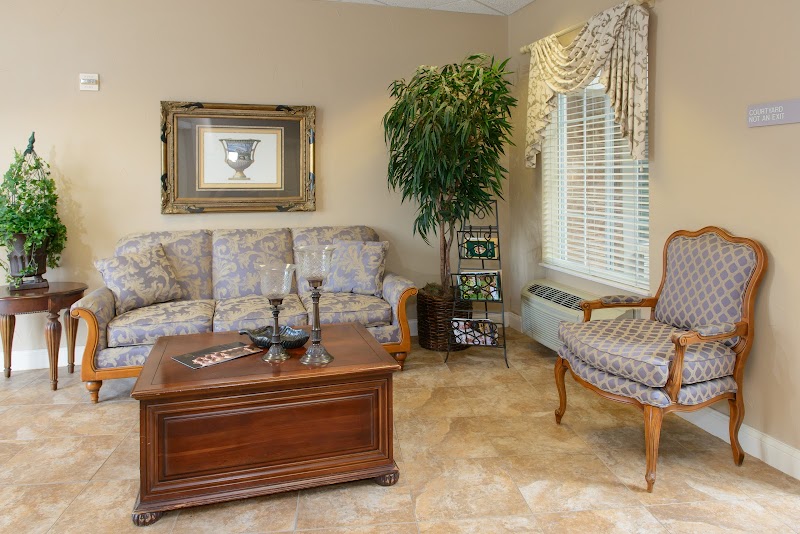
How is Life Of Haltom Staffed?

CMS rates LIFE CARE CENTER OF HALTOM's staffing level at 3 out of 5 stars, which is average compared to other nursing homes. Staff turnover is 54%, compared to the Texas average of 46%.

What Have Inspectors Found at Life Of Haltom?

State health inspectors documented 32 deficiencies at LIFE CARE CENTER OF HALTOM during 2022 to 2025. These included: 32 with potential for harm.
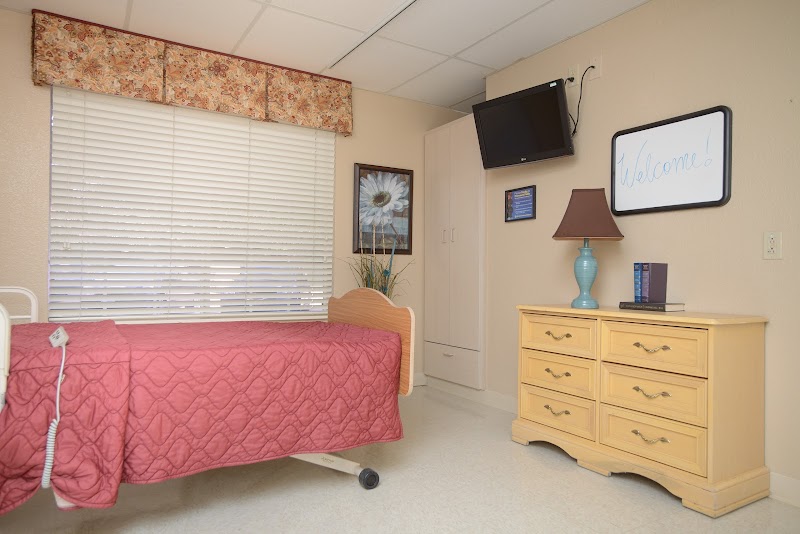
Who Owns and Operates Life Of Haltom?

LIFE CARE CENTER OF HALTOM is owned by a for-profit company. For-profit facilities operate as businesses with obligations to shareholders or private owners. The facility is operated by LIFE CARE CENTERS OF AMERICA, a chain that manages multiple nursing homes. With 127 certified beds and approximately 79 residents (about 62% occupancy), it is a mid-sized facility located in FORT WORTH, Texas.
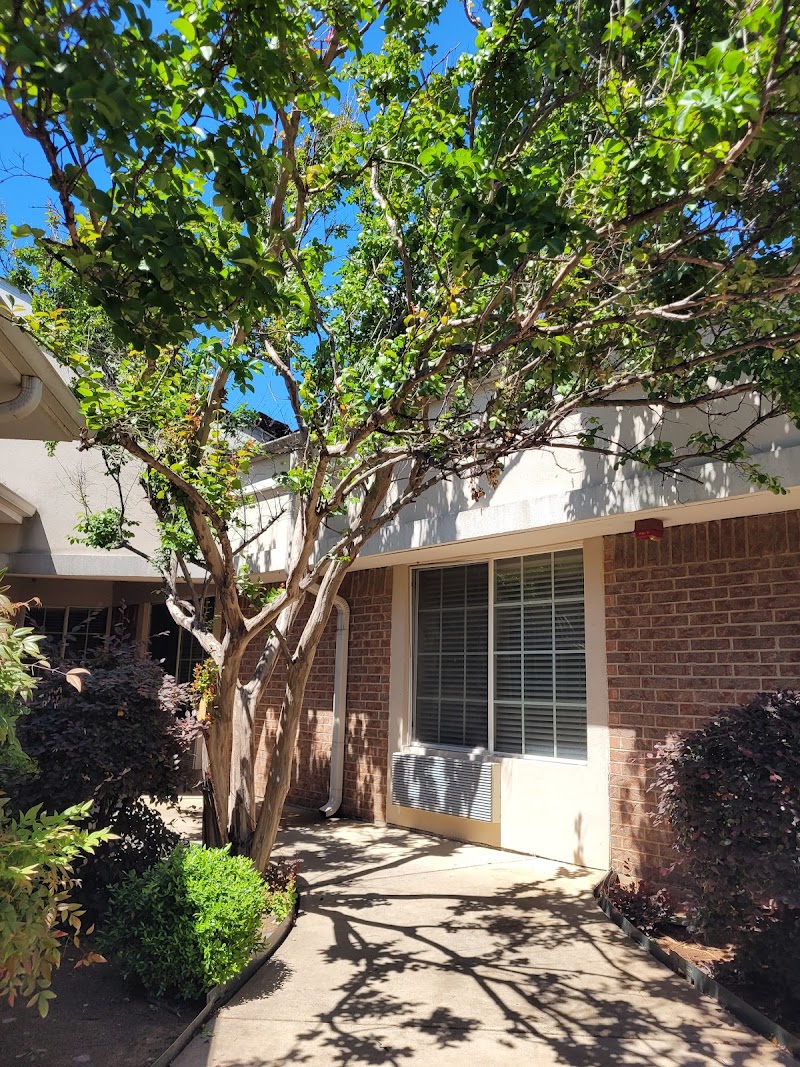
How Does Life Of Haltom Compare to Other Texas Nursing Homes?

Compared to the 100 nursing homes in Texas, LIFE CARE CENTER OF HALTOM's overall rating (4 stars) is above the state average of 2.8, staff turnover (54%) is near the state average of 46%, and health inspection rating (3 stars) is at the national benchmark.

What Should Families Ask When Visiting Life Of Haltom?

Based on this facility's data, families visiting should ask: "Can I visit during a mealtime to observe dining assistance and food quality?" "How do you handle medical emergencies, and what is your hospital transfer rate?" "Can I speak with family members of current residents about their experience?"

Is Life Of Haltom Safe?

Based on CMS inspection data, LIFE CARE CENTER OF HALTOM has a clean safety record: no substantiated abuse findings (meaning no confirmed cases of resident harm), no Immediate Jeopardy citations (the most serious violation level indicating risk of serious injury or death), and is not on the Special Focus Facility watch list (a federal program monitoring the lowest-performing 1% of nursing homes). The facility has a 4-star overall rating and ranks #1 of 100 nursing homes in Texas. While no facility is perfect, families should still ask about staff-to-resident ratios and recent inspection results during their visit.

Do Nurses at Life Of Haltom Stick Around?

LIFE CARE CENTER OF HALTOM has a staff turnover rate of 54%, which is 8 percentage points above the Texas average of 46%. Moderate turnover is common in nursing homes, but families should still ask about staff tenure and how the facility maintains care continuity when employees leave.

Was Life Of Haltom Ever Fined?

LIFE CARE CENTER OF HALTOM has no federal fines on record. CMS issues fines when nursing homes fail to meet care standards or don't correct problems found during inspections. The absence of fines suggests the facility has either maintained compliance or corrected any issues before penalties were assessed. This is a positive indicator, though families should still review recent inspection reports for the full picture.

Is Life Of Haltom on Any Federal Watch List?

LIFE CARE CENTER OF HALTOM is not on any federal watch list. The most significant is the Special Focus Facility (SFF) program, which identifies the bottom 1% of nursing homes nationally based on persistent, serious quality problems. Not being on this list means the facility has avoided the pattern of deficiencies that triggers enhanced federal oversight. This is a positive indicator, though families should still review the facility's inspection history directly.