PARK VIEW CARE CENTER

3301 VIEW ST, FORT WORTH, TX 76103 (817) 531-3616
Government - Hospital district 179 Beds RUBY HEALTHCARE Data: November 2025
Trust Grade
0/100
#540 of 1168 in TX
Last Inspection: December 2024

Within standard 12-15 month inspection cycle. Federal law requires annual inspections.

Overview

Park View Care Center has received a troubling Trust Grade of F, indicating significant concerns about the quality of care provided. While the facility ranks #540 out of 1168 in Texas, placing it in the top half, the overall situation is concerning due to a trend of serious incidents, with 45 issues found during inspections, although this number has improved from 16 issues in 2024 to 5 in 2025. Staffing is a relative strength with a 4 out of 5 rating, and a turnover rate of 46% is below the Texas average, suggesting that staff members are familiar with the residents. However, the facility has been fined $321,317, which is higher than 92% of Texas facilities, indicating repeated compliance problems. There have been serious incidents reported, including a resident being physically assaulted by another resident, raising significant concerns about safety and abuse prevention at the facility.

Trust Score
F
0/100
In Texas
#540/1168
Top 46%
Safety Record
High Risk
Review needed
Inspections
Getting Better
16 → 5 violations
Staff Stability
⚠ Watch
46% turnover. Above average. Higher turnover means staff may not know residents' routines.
Penalties
✓ Good
$321,317 in fines. Lower than most Texas facilities. Relatively clean record.
Skilled Nurses
○ Average
Each resident gets 34 minutes of Registered Nurse (RN) attention daily — about average for Texas. RNs are the most trained staff who monitor for health changes.
Violations
⚠ Watch
45 deficiencies on record. Higher than average. Multiple issues found across inspections.
★★★☆☆
3.0
Overall Rating
★★★★☆
4.0
Staff Levels
★★★★★
5.0
Care Quality
★★☆☆☆
2.0
Inspection Score
Stable
2024: 16 issues
2025: 5 issues

The Good

  • 4-Star Staffing Rating · Above-average nurse staffing levels
  • 5-Star Quality Measures · Strong clinical quality outcomes
  • Full Sprinkler Coverage · Fire safety systems throughout facility
  • No fines on record

Facility shows strength in staffing levels, quality measures, fire safety.

The Bad

3-Star Overall Rating

Near Texas average (2.8)

Meets federal standards, typical of most facilities

Staff Turnover: 46%

Near Texas avg (46%)

Higher turnover may affect care consistency

Federal Fines: $321,317

Well above median ($33,413)

Significant penalties indicating serious issues

Chain: RUBY HEALTHCARE

Part of a multi-facility chain

Ask about local staffing decisions and management

The Ugly 45 deficiencies on record

6 actual harm
Jul 2025 1 deficiency 1 Harm
SERIOUS (G) 📢 Someone Reported This

A family member, employee, or ombudsman was alarmed enough to file a formal complaint

Actual Harm - a resident was hurt due to facility failures

Free from Abuse/Neglect (Tag F0600)

A resident was harmed · This affected 1 resident

**NOTE- TERMS IN BRACKETS HAVE BEEN EDITED TO PROTECT CONFIDENTIALITY** Based on observation, interview, and record review the facility failed to ensure residents had the right to be free from abuse, ...

Read full inspector narrative →
**NOTE- TERMS IN BRACKETS HAVE BEEN EDITED TO PROTECT CONFIDENTIALITY** Based on observation, interview, and record review the facility failed to ensure residents had the right to be free from abuse, neglect, misappropriation of resident property, and exploitation for one of six residents (Resident #1) reviewed for abuse. The facility failed to ensure Resident #1 had the right to be free from abuse when Resident #2 physically assaulted him on 07/10/25. This failure could place residents at risk for abuse. Review of Resident #1's admission Record, dated 07/15/25, reflected he was a [AGE] year-old male who was originally admitted to the facility on [DATE] and readmitted on [DATE]. Review of Resident #1's Quarterly MDS Assessment, dated 06/04/25, reflected he had a BIMS score of 15 indicating no cognitive impairment. His active diagnoses included depression (a mood disorder that causes persistent feelings of sadness and loss of interest), heart failure (a condition where the heart muscle is unable to pump enough blood to meet the body's needs for blood and oxygen), and coronary artery disease (a disease that is caused by plaque buildup in the arteries that block blood supply to the heart). Review of Resident #1's undated care plan did not reflect anything related to the incident with Resident #2 on 07/10/25.Review of Resident #1's Psych notes, dated 07/10/25 reflected the following: Services: Comments: Provider was contacted by nursing staff due to patient being agitated after an alleged altercaiton [sic] with another resident. Per staff report, the patient was the victim. Hours after the incident patient remains agitated.Review of Resident #1's Progress Notes reflected the following: -LVN A on 07/10/25 at 4:12 wrote: This nurse heard some noise coming from the north hallway, on getting there, resident was agitated, talking in a loud voice, this nurse tried to calm him down to get what the problem is.Resident [sic] alleged that a mal peer from another hall hit him on the face and gave him a little finger cut.This [sic] nurse calmed the resident a bit down for him to leave the scene, resident was asked to go to his own hallway and the other peer was put on one on one monitor to prevent further altercation. This nurse took residentout [sic] to the smoke patio and waited until resident calmed down Resident [sic] was advised to stay in his room after smoking to prevent further altercation.-LVN A on 07/10/25 at 5:43 PM wrote: This nurse went back to resident to f/u up [sic] on pain, resident denied pain at this time, [NP B] gave a new order to put TAO on the cut on the resident [sic] face for 3 days.-the SSD on 07/10/25 at 6:53 PM wrote: SSD, SS Assistant and Facility BOM met with [Resident #1] when he came into SSD's office stating ‘Another male resident just punched me in the face and the nurses are not doing anything about it.'With questioning, it was learned that the other male resident was laying in the floor in the dining room area like he prefers to do. [Resident #1] told him ‘Hey let me help you get up, people are about to be coming thru here to smoke and you will be in the way.' Another male resident laughed and taunted the situation and the male resident on the ground punched [Resident #1] on the left cheek bone. Area has a larger than quarter size purple bruise forming with 2 cut areas.SSD questioned resident if he would like an ice pack and he refused. Facility Admin- Abuse Coordinator and ADON were notified of resident's statements. IDT was already aware of situation, resident assessments have been initiated. Other male resident has been placed on 1 on 1 supervision.SSD, SS Assistant and BOM spoke at length with [Resident #1] due to him being worked up stating ‘The police are going to have to be called on me because I am going to take care of him for doing this. I don't care about going to jail.' [Resident #1] was educated on treating others the way he wants to be treated, facility rules for no aggression, what jail is like, how expensive it is to bond out, how much a fine could be, that this behavior would interrupt his desire to eventually move to another facility.Due to resident stating understanding in one breath and then returning to being worked up, [Psych NP] was notified. NP then spoke with Hallway Nurses where PRN Anxiety [sic] med Dr. Order was written.-the SSD on 07/11/25 at 4:17 PM wrote: SSD called [City Initials] PD Non-Emergency [phone number] and requested that a Patrol Unit be dispatched to [Facility Name] to meet with [Resident #1] in an attempt to speak with him, to get him to calm down after the physical altercation that he was in with another male resident yesterday. Interview on 07/16/25 at 8:45 AM with Resident #1 revealed he was lying in his bed watching TV. Resident #1 said Resident #2 was on the ground the other day and he was telling him he needed to get up. Resident #1 said he tried to help Resident #2 get up from the ground and then someone near them started talking back about something. Resident #1 said he turned his face to tell the other resident to be quiet and when he turned back to Resident #2, he punched him on the right side of his face. Resident #1 said it hurt and he was very upset about the situation, but he had calmed down since then. Resident #1 said he got a scratch on his face and had a bruise for a few days but it had since healed. Resident #1 said he felt safe in the facility and was not afraid of Resident #2. Resident #1 did not have any bruises or cuts to either side of his face. Review of Resident #2's admission Record, dated 07/15/25, reflected he was a [AGE] year-old male who was originally admitted to the facility on [DATE] and readmitted on [DATE].Review of Resident #2's Quarterly MDS Assessment, dated 05/06/25, reflected he did not have a BIMS score calculated. It was noted that Resident #2 had both short-term and long-term memory problems and had severely impaired cognitive skills for daily decision making. Resident #2's behaviors towards others included physical and wandering that had occurred for 1 to 3 days. His active diagnoses included Alzheimer's disease (a neurological disorder that slowly destroys memory and thinking skills, and the ability to carry out the simplest task), a stroke (happens when something prevents your brain from getting enough blood flow), non-alzheimer's dementia (the loss of memory and other intellectual functions severe enough to cause problem's in one's abilities to perform daily tasks), depression (a mood disorder that causes persistent feelings of sadness and loss of interest), and schizophrenia (a chronic mental health condition that affects how individuals think, feel, and behave).Review of Resident #2's undated care plan did not reflect anything related to the incident on 07/10/25.Review of Resident #2's Psych Visit Note, dated 07/14/25, reflected the following: The patient is being seen today for reevaluation of mood and to assess the need for ongoing 1:1 observation. Staff do not report and concerns [sic] or complaints. The patient has not had any aggressive behaviors for >48 hours.The patient is calm and nonverbal during today's encounter. Due to limited communication, he is unable to elaborate on thoughts or emotions or engage in meaningful conversation. There are no observable signs of sadness, depression, anxiety, panic, anger, or mood instability. No impulsive or aggressive behaviors were noted. There is no evidence of manic symptoms or perceptual disturbances. He is not exhibiting any behaviors or attitudes to suggest he poses a danger to himself or others. Based on observation, staff report, and chart review, the patient appears to be at his mental and emotional baseline and remains stable on the current treatment regimen. The case was discussed with the treatment team, and the decision was made to discontinue 1:1 observation.Review of Resident #2's Progress Notes reflected the following: -LVN C on 07/10/25 at 3:30 PM wrote: esident [sic] walking around the dining area and he hit [Resident #1] around the circle of the left eye, Resident separated and moved to his room and was assessed and noted no apparent injuries.The NP notified with new order to continue to monitor resident for altercation. The DON notified and [Resident #2's Family Member] notified. Resident not able to state what happened or how he hit the other resident when asked by this writer.Resident [sic] deniespain [sic] and discomfort.-RN D on 07/11/25 at 3:56 AM wrote: The resident is in bed resting. No distress or behavior noted on this shift.-LVN C on 07/11/25 at 11:02 PM wrote: Resident continue [sic] on 1:1 monitoring and resting quietly in bed.-RN D on 07/12/25 at 2:35 AM wrote: Ln [sic] bed resting. No behavior noed. [sic]-RN D on 07/13/25 at 2:43 AM wrote: The resident is on 1:1 monitoring for behavior. No behavior is noted at this time.-LVN E on 07/14/25 at 4:59 AM wrote: The resident continue [sic] on 1:1 monitoring for aggressive behavior, staff at the bedside, no behavior reported.Observation and attempted interview on 07/16/25 at 8:55 AM of Resident #2 revealed he was laying in his bed. Resident #2 was not able to answer any questions due to his condition as he just stared blankly at the surveyor. Interview on 07/15/25 at 3:21 PM with LVN A revealed he was at the nurse's station when he heard a noise and an ADON told him that's your patient so he went to find out what had happened. LVN A said by the time he got there, Resident #1 was explaining what happened but that he did not do anything to him. LVN A said he took Resident #1 away from the area and tried talking to him and telling him that Resident #2 did not know what he was doing or had done. LVN A said Resident #2 was placed on 1:1 since he wandered around the facility, and he stayed with Resident #1 for a while to make sure he was okay and calm. LVN A said Resident #1 was punched by Resident #2 and had suffered a little scratch to his face from it. LVN A said staff kept their eyes on Residents #1 and #2 after this. LVN A said he had been in-serviced and knew what to do regarding abuse/neglect and resident-to-resident altercations.Interview on 07/16/25 at 9:28 AM with LVN C revealed she cared for Resident #2 who was very confused and wandered around the facility. LVN C said Resident #1 told her that Resident #2 had punched him in the dining room. LVN C said she redirected Resident #1 back to his room and tried to keep him calm since he was upset from the incident. LVN C said she had been in-serviced and knew what to do regarding abuse/neglect and resident-to-resident altercations.Interview on 07/16/25 at 9:35 AM with LVN F revealed she cared for Resident #1 the next day and saw that his face was a little discolored on one side and was red. LVN F said he did not have any pain but did have a scratch to his face which did not require any treatment. LVN F said Resident #1 was very upset about the situation and needed to be calmed down. LVN F said she assured Resident #1 that Resident #2 would be kept away from him as he was being watched closely by staff. LVN F said she had been in-serviced and knew what to do regarding abuse/neglect and resident-to-resident altercations.Interview on 07/16/25 at 10:37 AM with the ADON revealed she heard yelling in the dining room and when she went down there to see what happened, Resident #1 told her that Resident #2 had hit him. The ADON said the residents were separated away from each other and she saw that Resident #1 had a small scratch on his cheek that did not require treatment. The ADON said she had been in-serviced and knew what to do regarding abuse/neglect and resident-to-resident altercations.Interview on 07/16/25 at 12:13 PM with the DON revealed Resident #1 was agitated but could be calmed down with redirection. The DON said Resident #2 had a BIMS of 0 and had no idea what happened and could not even say his name. The DON said Resident #2 hit Resident #1 who became very angry about what happened. The DON said both residents were separated from each other and Resident #2 was placed on 1:1 until the psych doctor could come and evaluate him. The DON said Resident #1 had a scratch to his face but that was his only injury. The DON said all staff were in-serviced and knew what to do regarding abuse/neglect and resident-to-resident altercations.Interview on 07/16/25 at 1:50 PM with the Administrator revealed Resident #2 was sitting on the floor, and which he was already care planned for that behavior. The Administrator said Resident #1 had leaned over and extended his hand to Resident #2 when another resident began to [NAME] the residents and make a lot of noise. The Administrator said Resident #2 was startled by this and reacted by striking Resident #1 on the face and mouth area. The Administrator said Resident #2 was upset by this and both residents were separated. The Administrator said Resident #2 walked away as if nothing had happened, but he was placed on 1:1 because he liked to wander. The Administrator said Resident #1 was very upset about the situation and would not let it go for days but has since calmed down. The Administrator said Resident #1 had a scratch to his lip but it had already healed since the incident happened. The Administrator said the facility completed safe surveys with other residents, in-serviced staff on abuse/neglect and resident-to-resident altercations. The Administrator said all residents had the right to be free from abuse and this situation was considered physical abuse. The Administrator said all staff had the responsibility to keep residents free from abuse. The Administrator said if residents were not free from abuse they could be fearful of others and this was their home and they should not be hurt by anyone.Review of the facility's provider investigation report, dated 07/15/25, reflected the following: Investigation Summary: [Resident #2] had no recollection of the incident immediately after the incident as the writer attempted to interview him. This same writer interviewed [Resident #1] who explained that he was trying to help [Resident #2] up from the ground and was hit on his cheek. When this writer asked him if another resident was yelling in the background, he stated he did not recall. This write informed him that [Resident #2] seemed to be startled by the other resident which may have caused him to hit [Resident #1]. [Resident #1] did not acknowledge if he understood or not. [Resident #2] does not have any negative outcome due to this incident. [Resident #2] initially was upset but seems much better now and continue s [sic] to participate in his normal activities.Facility Investigation Findings: Confirmed.Review of resident safe surveys, dated 07/11/25, revealed 12 were completed with no additional abuse allegations founded.Review of an in-service, titled Abuse and Neglect, dated 07/10/25, reflected 38 staff had been in-serviced.Review of the facility's policy, revised 09/06/24, and titled Abuse, Neglect and Exploitation reflected: III. Prevention of Abuse, Neglect and Exploitation.The facility will make every effort to prevent and prohibit all types of abuse, neglect, misappropriation of resident property, and exploitation that achieves: B. Identifying, correcting, and intervening in situations in which abuse, neglect, exploitation, and/or misappropriation of property is suspected or identified by: 1. Taking immediate action to correct any issues that can reduce the risk of further harm continuing or occurring to resident or other residents.IV. Identification of Abuse, Neglect and Exploitation A. The facility assists staff to understand the different types of abuse- mental/verbal abuse, sexual abuse, physical abuse, and the deprivation by an individual of goods and services. This included staff to resident abuse and certain resident to resident altercations.
Apr 2025 2 deficiencies
CONCERN (D) 📢 Someone Reported This

A family member, employee, or ombudsman was alarmed enough to file a formal complaint

Potential for Harm - no one hurt, but risky conditions existed

Deficiency F0745 (Tag F0745)

Could have caused harm · This affected 1 resident

**NOTE- TERMS IN BRACKETS HAVE BEEN EDITED TO PROTECT CONFIDENTIALITY** Based on interviews and record review, the facility failed to provide medically related social services to attain or maintain th...

Read full inspector narrative →
**NOTE- TERMS IN BRACKETS HAVE BEEN EDITED TO PROTECT CONFIDENTIALITY** Based on interviews and record review, the facility failed to provide medically related social services to attain or maintain the highest practicable physical, mental and psychosocial well-being of each resident for 1 of 3 residents (Resident #2) reviewed for medically related social services. The facility failed to ensure Resident #2's colonoscopy referral was followed-up on to ensure an appointment was scheduled for her to receive the procedure. This deficient practice could place residents at risk for their medical needs not being met and a decreased quality of life. Findings included: Review of Resident #2's admission Record, dated 04/24/25, reflected the resident was a [AGE] year-old female who originally admitted to the facility on [DATE] and readmitted on [DATE]. Review of Resident #2's Quarterly MDS Assessment, dated 03/11/25, reflected she had a BIMS score of 15, indicating no cognitive impairment. Her active diagnoses included diabetes mellitus (a group of diseases that affect how the body uses blood sugar), cerebrovascular accident, transient ischemic attack, or Stroke, and Non-Alzheimer's Dementia (the loss of memory and other intellectual functions severe enough to cause problems in one's abilities to perform their usual personal, social, or occupational activities). Review of Resident #2's care plan reflected it did not address her need for a colonoscopy or outside medical services. Review of Resident #2's Physician's Orders Summary Report, dated 04/24/25, reflected the following: GI Consult- Colonoscopy with an order date of 11/14/24. Review of Resident #2's Progress Notes reflected the following: Received order from Np [sic] fro [sic] GI consult-colonoscopy and also mammogram screening. Communication slip was sent to social services. Written by LVN A on 11/14/24 at 2:37 PM Review of Resident #2's Communication Forms revealed there were not any about her colonoscopy appointment or referral. Review of packets of Resident #2's faxed clinicals submitted to an outside provider, dated 01/31/25, 02/16/25, and 02/20/25 reflected the contents of the packet were submitted requesting a consultation for her colonoscopy. Interview on 04/24/25 at 9:03 AM with Resident #2 revealed she was told she was going to have a colonoscopy done a few months ago but never had an appointment scheduled. Resident #2 said she had it recommended to her by the NP, and she never heard about when her appointment was going to be. Resident #2 said she was not sure who was scheduling it for her. Interview on 04/24/25 at 10:02 AM with the Social Worker revealed the Social Worker Assistant handled all the outside provider appointments for the residents. The Social Worker said she did not know anything about Resident #2's colonoscopy appointment. Interview on 04/24/25 at 10:12 AM with the NP revealed she wrote an order for Resident #2 to receive a colonoscopy screening since she was over the age of [AGE] years old. The NP said she was responsible for adding the order for the referral and then she communicated with the nursing department about it. The NP said normally she had to sign a communication form that was provided to the social services department for them to send the referral out for the appointment. The NP said she never heard anything back from the nursing or social services department about the referral or appointment for Resident #2's colonoscopy. The NP said she was not sure if Resident #2 ever had her appointment scheduled or not. Follow-up interview on 04/24/25 at 10:23 AM with the Social Worker and the Social Worker Assistant revealed the NP was responsible for creating the consult order, the nursing department was responsible for giving the order to the social services department, and the Social Worker Assistant was responsible for sending the referral with all the resident's clinicals to the provider and making sure the appointment was scheduled along with transportation. The Social Worker Assistant said when she had not heard back from the outside provider about the scheduled appointment, she called the provider to follow-up. The Social Worker Assistant said she sent off the referrals for Resident #2's colonoscopy a few months ago and never heard back from the outside provider. The Social Worker Assistant said she usually called the provider to follow-up but had no documentation of when or if this was done regarding Resident #2's colonoscopy appointment. The Social Worker Assistant said she still had the packets that were faxed to the outside provider for Resident #2 with all the dates of the confirmation of the faxes but had no other documentation on the matter. The Social Worker Assistant said she would have been the one responsible for following up with the outside provider and getting Resident #2's colonoscopy scheduled for her. Interview on 04/24/25 at 11:11 AM with LVN A revealed whenever the NP would write an order for a consult for a resident, she would write the information on a communication slip and give it to the social services department. LVN A said then the social services department usually took over and communicated with the provider to schedule the appointment. LVN A said she remembered filling out a communication slip and giving it to the social services department a few months ago but never heard anything else about it. LVN A said she was not sure if Resident #2 had her colonoscopy appointment yet or not but did not believe so. Interview on 04/24/25 at 1:41 PM with the DON revealed the nursing department only received information about a scheduled appointment when the social services department arranged transportation for one. The DON said the social services department was responsible for making outside provider appointments after receiving a referral/request/order from the nursing department through the NP. The DON said she expected the social services department to continue to follow-up to make sure an appointment was scheduled. The DON said all staff had been trained for their part of their jobs and responsibilities, including the Social Worker and the Social Worker Assistant. The DON said outside provider appointments were discussed during morning clinical meetings between the nursing and social services departments. The DON said depending on what the outside provider appointment was for, there were lots of things that could happen if a resident's appointment was never scheduled. Interview on 04/24/25 at 2:29 PM with the Administrator revealed he heard from staff the system needed to be improved on how the social services department followed up on outside provider appointments. Review of the facility's Special Needs policy, dated 02/01/25, reflected: .3. If necessary, the facility will assist residents in making appointments with a qualified person or facility, and arranging for transportation to and from such appointments. 4. The facility will communicate relevant information with outside providers to ensure safe, continuous care of the resident
CONCERN (D) 📢 Someone Reported This

A family member, employee, or ombudsman was alarmed enough to file a formal complaint

Potential for Harm - no one hurt, but risky conditions existed

Infection Control (Tag F0880)

Could have caused harm · This affected 1 resident

**NOTE- TERMS IN BRACKETS HAVE BEEN EDITED TO PROTECT CONFIDENTIALITY** Based on observations, interviews, and record review, the facility failed to maintain an infection prevention and control progra...

Read full inspector narrative →
**NOTE- TERMS IN BRACKETS HAVE BEEN EDITED TO PROTECT CONFIDENTIALITY** Based on observations, interviews, and record review, the facility failed to maintain an infection prevention and control program designed to provide a safe, sanitary, and comfortable environment and to help prevent the development and transmission of communicable diseases and infections for 1 of 2 residents (Resident #1) observed for infection control. The Wound Care Nurse failed to wear a gown while providing care for Resident #1, who was on enhanced barrier precautions. This failure could lead to the resident being exposed to infections from other residents. Findings included: Review of Resident #1's admission Record, dated 04/22/25, reflected the resident was a [AGE] year-old male who admitted to the facility on [DATE]. Review of Resident #1's Quarterly MDS Assessment, dated 01/28/25, reflected he had a BIMS score of 15, indicating no cognitive impairment. His active diagnoses included cellulitis of right lower limb (a common, potentially serious bacterial skin infection), lymphedema (tissue swelling caused by an accumulation of protein-rich fluid that's usually drained through the body's lymphatic system), and chronic venous hypertension with ulcer of bilateral lower extremity (a condition where blood pressure inside the veins in a leg is high). Review of Resident #1's care plan, initiated 11/09/24, reflected the following: Focus: The resident requires Enhanced Barrier Precautions d/t Vascular ulcer . Observation and interview on 04/22/25 at 9:28 AM revealed she was preparing to provide wound care to Resident #1 outside of his door in the hallway. Outside of Resident #1's doorway was a sign that alerted those entering the room the resident was on enhanced barrier precautions. The sign reflected: Providers and staff must also: wear gloves and a gown for the following High-Contact Resident Care Activities Wound Care: any skin opening requiring a dressing. Resident #1 was in his room sitting in his wheelchair. The Wound Care Nurse said the Wound Care Nurse Practitioner was at the facility this morning and debrided Resident #1's wound so she was just applying the bandage treatment to the wound now. The Wound Care Nurse gathered her supplies, entered Resident #1's room, washed her hands, donned gloves, and began to apply the bandage to Resident #1's leg. The Wound Care Nurse applied the bandage without donning a gown. Observed in the room was a three-drawer bin that yellow disposable gowns could be seen inside of each drawer. The Wound Care Nurse explained that she was going to also wrap Resident #1's legs with a bandage because due to his lymphedema, his leg swelled and would begin to weep, and this would help keep that from happening. Interview on 04/22/25 at 9:29 AM with the Wound Care Nurse revealed she did not think Resident #1 was on isolation precautions, such as enhanced barrier precautions. She said if Resident #1 had wounds he would be on enhanced barrier precautions, and she would then need to wear a gown and gloves to provide care to him. She said she only put on gloves to complete Resident #1's wound care just now and did not wear a gown. She said the DON made the decision if a resident was on enhanced barrier precautions or not. Follow-up interview on 04/22/25 at 12:11 PM with the Wound Care Nurse revealed when the state surveyor asked her about the enhanced barrier precautions sign posted outside Resident #1's door, she realized she forgot to put a gown on. She said Resident #1 was on enhanced barrier precautions, so she should have put on both gloves and a gown. She while she did put gloves on, there were gowns in the three-drawer bin inside his room she should have put on. She said she had been trained before on enhanced barrier precautions for residents. Interview on 04/22/25 at 1:47 PM with the ADON, who was the facility's Infection Preventionist, revealed Resident #1 had a wound on his lower right leg and was on enhanced barrier precautions. The ADON said all staff were aware Resident #1 was on enhanced barrier precautions and knew to wear a gown and gloves if they were caring for him. She said there was a sign posted on the outside of Resident #1's door alerting staff that the resident was on enhanced barrier precautions as well as a three-drawer bin inside his room that had gowns in it. She said if the Wound Care Nurse was providing wound care to Resident #1, she should have donned a gown to provide care. She said the purpose of this was to protect the residents since they were vulnerable, extra measures needed to be made to keep them safe. She stated all staff were responsible for noticing the sign and putting on the appropriate PPE to care for a resident on enhanced barrier precautions. She stated the expectation was for staff to follow all infection control procedures. The ADON said not wearing the gown in the room of a resident, who had a wound and was on enhanced barrier precautions, was that put other residents at risk if the Wound Care Nurse came in contact with the wound and then went to another resident's room afterwards because she could be carrying the infection to others. Interview on 04/22/25 at 2:12 PM with the DON revealed Resident #1 was on enhanced barrier precautions and all staff knew to wear gloves and gowns to provide care to him. The DON said the ADON was the Infection Preventionist for the facility, and she was responsible for ensuring the facility staff were following infection control procedures. Review of the facility's Enhanced Barrier Procautions [sic] policy, dated 01/12/24, reflected: 1. Use of EBP: EBP must be used for residents with .chronic wounds or indwelling medical devices, regardless of MDRO status. EBP should be employed during high-contact resident care activities. 2. Implementation: Staff must don gowns and gloves during high-contact care activities for residents meeting the criteria for EBP.
Feb 2025 2 deficiencies 1 Harm
SERIOUS (G) 📢 Someone Reported This

A family member, employee, or ombudsman was alarmed enough to file a formal complaint

Actual Harm - a resident was hurt due to facility failures

Free from Abuse/Neglect (Tag F0600)

A resident was harmed · This affected 1 resident

**NOTE- TERMS IN BRACKETS HAVE BEEN EDITED TO PROTECT CONFIDENTIALITY** Based on interviews and record reviews the facility failed to ensure residents had the right to be free from abuse, neglect, mis...

Read full inspector narrative →
**NOTE- TERMS IN BRACKETS HAVE BEEN EDITED TO PROTECT CONFIDENTIALITY** Based on interviews and record reviews the facility failed to ensure residents had the right to be free from abuse, neglect, misappropriation of resident property, and exploitation for 1 of 4 residents (Resident #1) reviewed for abuse. The facility failed to ensure Resident #1 had the right to be free from abuse when Resident #2 struck him in the face on 02/18/25. This failure could place residents at risk of injury and anxiety. Findings included: Record review of Resident #1's undated admission Record reflected the resident was a [AGE] year-old male admitted to the facility on [DATE] with diagnoses which included dementia, stroke, and amputation of left leg. Record review of Resident #1's quarterly MDS, dated [DATE], reflected a BIMS score of 9 indicating moderate cognitive impairment. The MDS reflected Resident #1 had no issues with verbal or physical aggression. Record review of Resident #1's care plan, dated 11/20/24, reflected he had cognitive impairment, visual impairment, and ADL self-care deficit. Record review of Resident #2's undated admission Record reflected the resident was a [AGE] year-old male admitted to the facility on [DATE] with diagnoses which included a traumatic brain injury causing fluid buildup in the brain requiring drainage via a shunt. Schizoaffective disorder, drug abuse, and violent behavior. Record review of Resident #2's quarterly MDS, dated [DATE], reflected a BIMS score of 3, indicating severe cognitive impairment. His Behavioral assessment reflected no behavioral issues. Record review of Resident #2's care plan, dated 12/19/24, reflected he had a cognitive impairment related to his brain injury, he had behavioral issues of name calling of staff, and he was on a psychotropic medication. Record review of Resident #2's Behavioral Monitoring for January and February 2025 reflected on 1/5/25 he made accusations towards another resident, and on 1/25 he made complaints about another resident. No physical aggression documented. Record review of the facility's Provider Investigation Report, completed by the Administrator on 02/19/25, reflected the following incident occurred on 02/18/25 at 11:00 AM: .While [Resident #1] was at the nurses' station eating a snack, [Resident #2] walked up to the nurses station to get a snack as well. [Resident #1] made a statement to [Resident #2] and [Resident #2] struck [Resident #1] on the left cheek with his closed fist .[Resident #1] had some redness to the left cheek area. Nurse applied ice to the affective [sic] area. [Resident #2] also had some ice to his right fist as a precautionary measure The residents were immediately separated and treated in their rooms which are on opposite ends of the hall. [Resident #1] states that he does not have any pain but stated that he did want to report this incident to the police. The physician was notified of hte incident as well as the responsible parties. Neither resident seemed to have been emotionally affected. [Resident #1] stated that he was not in any pain but an X-ray was ordered as a precautionary measure. The police were called regarding the incident as [Resident #1] requested [Resident #2] has a history of violent behavior. When this administrator interviewed him, he had no remorse for his actions. The police arrive at approximately 1 pm to interview both residents as well. The .Police Department took custody of [Resident #2] from the facility and took him to .Hospital for a mandatory detention for a mental health evaluation. He currently remains in a mandatory detention at the hospital and will not be returning to this facility. [Resident #1] states that he is doing fine. His X-ray results came back negative for any fractures. He has a new order for Ibuprofen 400 mg every 6 hours as needed. [Resident #1] did not have any negative outcomes from this incident and has limited recall of the incident as well It is confirmed that [Resident #2] struck [Resident #1]. [Resident #2] was escorted by police to [the local hospital] for a mandatory detention and has been discharged from the facility and is not eligible to return. [Resident #1] continues to do fine and has no complaints of pain or anything else. The staff members were re-educated on the facility abuse and neglect policy as well. Record review of the Radiology Patient Report for Resident #1, dated 02/18/25, reflected: .No orbital fracture is seen. No focal bone lesion is present. The paranasal sinuses are normally aerated. No soft tissue abnormally is seen Record review of Resident #2's Progress Notes, dated 02/18/25 1:38 PM, written by LVN A reflected: Resident [#2] came to nurse's station asking for a cup of ice. Other resident [#1] was sitting in his w/c at nurse's station with his snack on the counter where resident was standing. Other resident [#1] thought resident [#2] was about to take his snack and began saying No .no .no loudly. Resident [#2] then said F*** You! and hit other resident [#1] in the face with his fist, other resident [#1] fell out of wheelchair. Staff was tyring to get to the residents before it got to this point but it happened so quickly. Resident [#2] states I don't try to be mean, but people keep f***ing with me Resident [#2] was immediately escorted to his room by male CNA. Other resident [Resident #1] was immediately assessed for injuries Record review of the facility's In-Service Immediate Notification report, dated 02/18/25, reflected the facility provided staff with in-service training regarding abuse, neglect, and exploitation. Interview on 02/20/25 at 11:00 AM with LVN A revealed she was at the nurses' station when Resident #1 rolled up in his wheelchair to look at the snacks. Resident #2 walked up to the desk and stood in front of the snack tray. Resident #1 said no, no. no and Resident #2 turned and struck Resident #1 in the face with a closed fist. LVN-A stated she separated the residents to their rooms, placing Resident #2 on 1:1 supervision. Resident #1's right eye was red, and she applied ice to it. Resident #2 was given ice for his hand. She stated the DON and Administrator were notified. Interview on 02/20/25 at 11:05 AM with Resident #1 revealed he was trying to get a snack when Resident #2 blocked him. When he told him no to do that, Resident #2 punched him in the eye. Resident #1 stated he had never had an issue with Resident #2 prior, and now that he was gone he had no fear of concerns about his safety. Resident #1 stated he wanted to press charges because it wasn't right. Interview on 02/20/24 at 11:15 AM the DON stated since Resident #1 wanted to press charges the police department was called. After the police investigated, they placed Resident #2 in cuffs and took him away. The DON stated she did not know where Resident #2 had been taken until the hospital called the next morning to return the resident. The DON stated if the hospital had made medication changes, they had not given them enough time to take affect and she felt Resident #2 was still a risk to the other residents. She contacted corporate administration and they agreed the resident was a risk to other residents. An emergency discharge was initiated. The DON stated there had been no physical violence with Resident #2, he was only verbally 'grumpy with staff. She stated it had been noticed in the last few weeks after the resident had run out of cigarettes. The DON stated Resident #2's family had not responded to phone calls to bring him more cigarettes. She stated Resident #2 was started on a nicotine patch to help him out. Record review of the facility's Abuse, Neglect, and Exploitation policy, dated 09/06/24, reflected: It is the policy of this facility to provide protections for the health and welfare of each resident by developing policies and procedures that prohibit and prevent abuse, neglect, and exploitation. .VI. Protection of Resident The facility makes efforts to e sure all residents are protected from physical and psychosocial harms well as additional abuse. A Respond immediately to protect the alleged victim. B, Physical exam of the alleged victim for any sign of injury C. Increase supervision of the alleged victim and residents D. Room or staffing changes if necessary E. Protect from retaliation F. Provide emotional support and counseling to the resident .
CONCERN (D) 📢 Someone Reported This

A family member, employee, or ombudsman was alarmed enough to file a formal complaint

Potential for Harm - no one hurt, but risky conditions existed

Dental Services (Tag F0791)

Could have caused harm · This affected 1 resident

**NOTE- TERMS IN BRACKETS HAVE BEEN EDITED TO PROTECT CONFIDENTIALITY** Based on observation, interview, and record review, the facility failed to assist residents in obtaining routine and 24-hour eme...

Read full inspector narrative →
**NOTE- TERMS IN BRACKETS HAVE BEEN EDITED TO PROTECT CONFIDENTIALITY** Based on observation, interview, and record review, the facility failed to assist residents in obtaining routine and 24-hour emergency dental care for 1 of 5 residents (Resident #3) reviewed for dental care. The facility failed to assist Resident #3 obtain a follow-up appointment with the Dentist for a root canal by failing to ensure payment was made to the Dentist. This failure could cause the resident unnecessary dental pain. Findings included: Record review of Resident #3's undated admission Record reflected the resident was a [AGE] year-old male admitted to the facility on [DATE] with diagnoses which included vehicle accident causing a brain bleed and subsequent build up of fluid in the brain, seizures, and lack of coordination. Record review of Resident #3's quarterly MDS, dated [DATE], reflected a BIMS score of 7 indicating he had severe cognitive impairment. His Functional Ability assessment indicated he was independent with his ADLs. Record review of Resident #3's care plan, dated 01/12/25, reflected he was at risk of further decline in his cognition, and was a fall risk related to impaired visual function. Interview on 02/19/25 at 10:08 AM with Resident #3 revealed he had pain to his upper front teeth on the right side of his mouth. He stated he received pain pills twice a day for the pain, so it did not really bother him. Resident #3 was unable to rate his pain on a 1-10 scale. He stated it was not bad. Resident #3 stated it did not affect his ability to eat. He stated he had seen the Dentist a long time ago but would like to see him again to resolve the issue. Observation on 02/19/25 at 12:00 PM revealed Resident #3 eating his noon meal, which consisted of hot and cold foods, with no obvious discomfort. Record review of Resident #3's EHR reflected a nursing progress note, dated 10/07/24, which reflected Resident #3 was seen by the Dentist. The Dentist addressed pain and sensitivity to his teeth and fillings were done. The resident was made aware that if pain continued he might need a root canal. Record review of a Social Work progress note, dated 11/22/24, reflected: Resident was seen for urgent assessment on 10/07/24 and the Dentist is awaiting on the invoice for admin approval. Interview on 02/19/24 at 12:30 PM with the Social Worker revealed she did not know what she meant about an invoice mentioned in her note from 11/22/24. She stated she would have to research it. Interview on 02/19/24 at 1:05 PM with the Social Worker revealed the Dentist had submitted an invoice for $843 for his visit on 10/07/24 that had not been paid. The Dentist would not see the resident again until the invoice had been paid. The Social Worker stated the invoice had just been paid, and she would put the resident on the list to see the Dentist for the next visit. The Social Worker stated she should have followed up sooner on the invoice in order not to delay Resident #3's dental care. Record review of the facility's Special Needspolicy, dated 10/24/22, reflected: This policy pertains to the following needs: parenteral fluids, respiratory care, prostheses, dialysis, dental, podiatry, and vision. .3. If necessary the facility will assist residents in making appointments with a qualified person or facility and arrange for transportation to and from such appointments. 4. The facility will communicate relevant information with outside providers to ensure safe, continuous care of the resident .
Dec 2024 8 deficiencies
CONCERN (D) 📢 Someone Reported This

A family member, employee, or ombudsman was alarmed enough to file a formal complaint

Potential for Harm - no one hurt, but risky conditions existed

Resident Rights (Tag F0550)

Could have caused harm · This affected 1 resident

**NOTE- TERMS IN BRACKETS HAVE BEEN EDITED TO PROTECT CONFIDENTIALITY** Based on observation, interview, and record review, the facility failed to treat each resident with respect, dignity, and care f...

Read full inspector narrative →
**NOTE- TERMS IN BRACKETS HAVE BEEN EDITED TO PROTECT CONFIDENTIALITY** Based on observation, interview, and record review, the facility failed to treat each resident with respect, dignity, and care for each resident in a manner and in an environment that promoted maintenance or enhancement of his or her quality of life for 2 of 2 residents (Residents #82 and #109) reviewed for feeding assistance. 1. CNA A failed to maintain Resident #82's dignity and respect by standing while feeding the resident her lunch meal on 12/03/24 at 12:39 PM. 2. LVN B failed to maintain Resident #109's dignity and respect by standing while feeding the resident her lunch meal on 12/03/24 at 1:00 PM. The failure could negatively affect the mental and psychological well-being of all residents who required the assistance of staff with eating. Findings included: 1. Record review of Resident #82's Quarterly MDS assessment dated [DATE] reflected the resident was a [AGE] year-old female admitted to the facility on [DATE] with a diagnosis of dysphagia (difficulty swallowing) following nontraumatic intracerebral hemorrhage (complication of a brain bleed). Resident had severe cognitive impairment with a BIMS score of 05. Record review Resident 82's care plan revised 07/05/2024 reflected: has an activity of daily living self-care performance deficit and is at risk for not having her needs met in a timely manner. Interventions: Eating: Supervised assist X 1 staff. Observation on 12/03/2024 at 12:30 PM revealed CNA A stood beside Residents #82's bed in her room. She fed the resident while standing. In an interview on 12/03/2024 at 12:39 PM, CNA A stated she did not know why she should not stand while feeding. She stated she only knew while helping with feeding in the dining room she was supposed to sit on a chair. She stated sitting helped to promote dignity. She stated she was not aware of the risk of standing while assisting with feeding, and she had not done training on assisting with feeding. 2. Record review of Resident #109's Quarterly MDS assessment dated [DATE] reflected the resident was a [AGE] year-old female admitted to the facility on [DATE] with a diagnosis of multiple sclerosis (chronic disease that affects the brain and spinal cord, causing the immune system to attack healthy nerve cells). Resident had severe cognitive impairment with a BIMS score of 00. Record review Resident #109's care plan dated 12/23/2023 reflected the resident had an ADL self-care performance deficit and is at risk for not having her needs met in a timely manner. Intervention: Eating: extensive x1 . Observation on 12/03/2024 at 01:00 PM revealed LVN B stood beside Resident #109 in the dining room. He was observed cutting and feeding the resident from her plate of food while standing. In an interview on 12/03/2024 at 01:12 PM, LVN B stated he was supposed to be seated while assisting with feeding. He stated sitting helped to slow down the feeding and prevent aspiration. He stated he had not done training on being seated while feeding but he stated he knew he was supposed to sit. In an interview on 12/05/2024 at 09:46 AM, the DON stated she expected staff to sit next to the residents and be on the same level when assisting them to eat, whether in their rooms or in the dining room. She stated sitting helped staff to go with the pace of the resident and the residents would not feel rushed. She said this would affect the resident's dignity. She said staff were trained on resident rights and dignity. She stated they do train on various subjects every Wednesday. She stated nurses were responsible of monitoring and supervising the dining room and in the resident's rooms. She stated the ADONs do spot checks. Interview with ADON H on 12/03/24 at 10:53 AM revealed nurses were responsible of supervising the dining room and the rooms while residents were being fed. She stated staff should be seated face to face with residents to control the pace and promote dignity. She stated she sometimes monitored the dining, but nurses were responsible to monitor and supervise. Record review revealed a copy of an in-service record with no title dated 12/03/2024, and LVN B and CNA A names were documented as being attendees of the training. The in-service training record reflected: Attention all staffs, when feeding the residents with feeding you are to be seated eye level with the resident. You can't stand to feed the residents, if they are able to get out of bed please do so if they are willing to. Record review of the facility's Resident dignity policy, revised February 2020, reflected: .It is the policy of the facility to promote care for residents in a manner and in an environment that maintains or enhances each residents' dignity and respect.
CONCERN (D) 📢 Someone Reported This

A family member, employee, or ombudsman was alarmed enough to file a formal complaint

Potential for Harm - no one hurt, but risky conditions existed

Deficiency F0558 (Tag F0558)

Could have caused harm · This affected 1 resident

**NOTE- TERMS IN BRACKETS HAVE BEEN EDITED TO PROTECT CONFIDENTIALITY** Based on observations, interviews, and record review, the facility failed to ensure residents had the right to reside and receiv...

Read full inspector narrative →
**NOTE- TERMS IN BRACKETS HAVE BEEN EDITED TO PROTECT CONFIDENTIALITY** Based on observations, interviews, and record review, the facility failed to ensure residents had the right to reside and receive services in the facility with reasonable accommodation of resident needs and preferences except when to do so would endanger the health or safety of the resident or other residents for 2 of 10 residents (Residents #26 and #34) reviewed for accommodation of needs. 1. The facility failed to ensure Resident #26's call light was placed within reach. 2. The facility failed to ensure Resident #34's call light was placed within reach. These failures could place residents at risk of injuries and unmet needs. Findings included: 1. Record review of Resident #26's face sheet, dated 12/05/24, reflected the resident was a [AGE] year-old female who was admitted to the facility on [DATE]. Record review of Resident #26's quarterly MDS Assessment, dated 11/24/24, reflected her BIMS was not completed due to the resident was rarely/never understood. Her diagnoses included cerebral infarction, cognitive communication deficit, lack of coordination, hemiplegia (paralysis that affects one side of the body) and hemiparesis (partial paralysis or weakness) following cerebral infarction (stroke) affecting right dominant side, aphasia (language disorder), and muscle weakness. The MDS further revealed Section GG - Functional Abilities indicated the resident was totally dependent on staff to assist with self-care and mobility. Record review of Resident #26's care plan, revised dated 10/11/24, reflected the following: Focus: Alteration in musculoskeletal status r/t contracture: right hand, right knee. Goal: Will remain free of complications related to contractures. Interventions: Anticipate and meet needs. Be sure call light is within reach and respond promptly to all requests for assistance. Focus: Communication (Impaired): [Resident #26] has a communication problem related to her CVA . Aphasic and nonverbal. Goal: [Resident #26] will have needs met in a timely manner, dignity will be maintained, and current level of functioning will be maintained over the next 90 days. Intervention: Ensure/provide a safe environment: Call light in reach. Observation on 12/03/24 at 10:47 AM revealed Resident #26 was lying in bed sleeping. Resident #26's call light string was not within reach. The call light string was attached to the call light switch located on the wall next to the resident's bed. Interview on 12/04/24 at 3:47 PM with CNA F revealed she was the assigned CNA to Resident #26. CNA F stated all residents call lights should be within reach and it was the responsibility of all staff to ensure they were within reach. Observed CNA F entered Resident #26's room, the resident was in bed sleeping. CNA F observed the call light string and stated the call light string was not within reach. She stated any movement made the string fall from the bed. She stated even though Resident #26 did not use the call light it should always be within reach. She stated she completed her rounds and did not notice the call light string was not within reach. She stated the risk of not having the call light within reach would be that the resident might need help and would not be able to call for assistance. 2. Record review of Resident #34's face sheet, dated 12/05/24, reflected the resident was a [AGE] year-old female who was admitted to the facility on [DATE]. Record review of Resident #34's quarterly MDS Assessment, dated 11/20/24, reflected her BIMS was not completed due to resident was rarely/never understood. Her diagnoses included heart failure, hypertension, reduced mobility, unsteadiness on feet, abnormal posture, and repeated falls. The MDS further revealed Section GG - Functional Abilities indicated the resident was totally dependent on staff to assist with self-care and mobility. Record review of Resident #34's care plan, revised dated 09/24/24, reflected the following: Focus: Resident has impaired visual function. Goal: Resident will show no decline in visual function. Interventions: Anticipate needs and meet them as able. Keep call light in reach when in room or bathroom. Focus: The resident has the potential for falls related to gait/balance problems. Goal: The resident will be free of falls. Interventions: Anticipate and meet the resident's needs. Place items frequently used by the resident within easy reach when in the room. Observation on 12/03/24 at 2:49 PM revealed Resident #34 was lying in bed sleeping. Resident #34's call light not within reach. The call light was underneath the end of her bed wrapped around the wheels of the bed. Observation and interview on 12/04/24 at 3:42 PM revealed Resident #34 lying in bed sleeping, the call light was not within reach. CNA E stated she was the assigned CNA for Resident #34. Observed CNA E untangle Resident #34's call light from underneath the resident's bed. She stated the call light should always be within reach. She stated she was unaware how long the call light had been in that position. She stated it was the responsibility of the CNAs to ensure call lights were within reach. She stated if a resident's call light was not within their reach, the resident could need something and not be able to let anyone know. Interview on 12/04/24 at 3:55 PM with LVN G revealed call lights should be within reach. She stated it was the responsibility of all staff to ensure call lights were within reach when residents were in the rooms. She stated the potential risk of not having the call light within reach could be that the resident would be unable to call for assistance. Interview on 12/04/24 at 10:14 AM with the DON revealed her expectations were for call lights to be answered in a timely manner and to be within reach of the resident. The DON stated everyone in the building was responsible for ensuring the call light was within reach of the resident. She stated when rounds were made nursing staff should ensure call lights were within reach. The DON stated the potential risk with a resident not having a call light within reach was they could need something and not be able to ask for help. Record review of the facility's Call light -Use of policy, revised 01/01/24, reflected the following: It is the policy of this home to ensure residents have a call light within reach that they are physically able to access and that they have been instructed on it use. .12. Be sure call lights are placed near the resident, never on the floor or bedside stand.
CONCERN (D)

Potential for Harm - no one hurt, but risky conditions existed

Respiratory Care (Tag F0695)

Could have caused harm · This affected 1 resident

**NOTE- TERMS IN BRACKETS HAVE BEEN EDITED TO PROTECT CONFIDENTIALITY** Based on observation, interview, and record review, the facility failed to ensure that residents who needed respiratory care wer...

Read full inspector narrative →
**NOTE- TERMS IN BRACKETS HAVE BEEN EDITED TO PROTECT CONFIDENTIALITY** Based on observation, interview, and record review, the facility failed to ensure that residents who needed respiratory care were provided such care, consistent with professional standards of practice for 1 of 1 resident (Resident #102) reviewed for oxygen orders. The facility failed to administer oxygen for Resident #102 as ordered by the physician. This failure could place residents at risk of receiving incorrect or inadequate oxygen support, resulting in a decline in health. Findings included: Review of Resident #102's quarterly MDS, dated [DATE], revealed the resident admitted to the facility on [DATE] with diagnoses including respiratory failure (when the lungs cannot release enough oxygen into blood preventing the organs from properly functioning). Resident #102 had intact cognition with a BIMS score of 13. He required oxygen therapy. Review of Resident #102's Care Plan initiated on 04/24/24 reflected a care plan addressing respiratory illness with a goal that reflected: Resident will have no signs or symptoms of hypoxia through the next review date. Intervention administer oxygen therapy per physician's orders. Review of Resident #102's physician order, dated 07/09/24, revealed the physician ordered the resident to be on 3 LPM. Inhalation every shift via nasal canula for respiratory failure. Observation on 12/03/24 at 10:41 AM revealed Resident #102 on his bed sleeping using oxygen at 5 LPM continuous per nasal cannula. Observation and interview on 12/03/24 at 1:10 PM revealed Resident #102 seated on his bed eating lunch. He was using oxygen at 5 LPM continuous per nasal cannula. Resident#102 was not sure how much oxygen he was supposed to be receiving. Observation and interview on 12/03/24 at 3:17 PM with RN C revealed Resident #102 was on his bed using oxygen at 5L/min continuous per nasal cannula. RN C revealed she was assigned to take care of Resident #102. She was observed checking the orders and she revealed Resident #102 was supposed to be on 3 LPM of oxygen every shift. RN C stated the failure to administer as per the doctors' orders could predispose Resident#102 to having more oxygen, that could damage the lungs. She stated she had done training on oxygen administration. Interview with the DON on 12/05/24 at 9:57 AM revealed all the nurses were expected to follow physician orders for oxygen therapy. The DON stated Resident #102 had many staff that does rounds in his room including from hospice and she expected them to have checked on his oxygen tank and rectify to correct amount of oxygen as per the doctors' orders. She stated she had done an in-service on following physician orders, but no training record was provided. The DON stated the failure to follow the orders would lead to hyperoxygenation and would affect the lungs. She stated the ADONs were responsible of auditing the orders and supervision. Interview with ADON H on 12/5/24 at 10:48 AM revealed she expected her staff to check on residents oxygen to ensure they were getting oxygen as per the physician orders at the start of every shift. She stated she went to Resident#102's room, but she did not check the oxygen when she was doing rounds. She stated excessive oxygen could cause lungs damage. Review of the facility's Following Physician Orders policy, revised November 2017, reflectedd the following: .C. Carry out and implement physician orders
CONCERN (D)

Potential for Harm - no one hurt, but risky conditions existed

Pharmacy Services (Tag F0755)

Could have caused harm · This affected 1 resident

**NOTE- TERMS IN BRACKETS HAVE BEEN EDITED TO PROTECT CONFIDENTIALITY** Based on observation, interview, and record review, the facility failed to provide pharmaceutical services including procedures ...

Read full inspector narrative →
**NOTE- TERMS IN BRACKETS HAVE BEEN EDITED TO PROTECT CONFIDENTIALITY** Based on observation, interview, and record review, the facility failed to provide pharmaceutical services including procedures that assured the accurate dispensing and administering of all drugs and biologicals to meet the needs of each resident for 1 of 5 (Resident #26)residents reviewed for pharmaceutical services. LVN D failed to follow the facility policy for flushing Resident #26's gastrostomy tube with 5-10 mL (or prescribed amount) of water before, between, and after medications, when she administered Vitamin D 125 mcg, Magnesium Oxide - mg supplement, and Sodium Chloride table 1 gm to the resident. These failures could put residents who received medications via gastrostomy tube at risk for overload and aspiration. Findings included: Record review of Resident #26's face sheet, dated 12/05/24, reflected the resident was a [AGE] year-old female who was admitted to the facility on [DATE]. Record review of Resident #26's quarterly MDS Assessment, dated 11/24/24, reflected her BIMS was not completed due to resident was rarely/never understood. Her diagnoses included cerebral infarction (stroke), cognitive communication deficit, lack of coordination, hemiplegia (paralysis that affects one side of the body) and hemiparesis (partial paralysis or weakness) following cerebral infarction (stroke) affecting right dominant side, muscle weakness, Vitamin D deficiency, aphasia (language disorder), and gastrostomy status. The MDS further revealed Section K -Swallowing/Nutritional Status indicated resident nutritional approaches were feeding tube. Record review of Resident #26's care plan, revised dated 09/24/24, reflected the following: Focus: Feeding Tube/ nutritional status [Resident #26] requires the use of a feeding tube and is at risk for aspirations, weight loss, and dehydration. Feeding tube is related to Dysphagia. [Resident #26] receives diabetasource (1) can 5 times per day with 120ml of water every 6 hours. patient is npo. Goal: Resident will be adequately nourished and remain within 5% of their ideal body weight for the next 90 days. Interventions: Dissolve each med with 5 ml of H2o and administer 10ml of H2o between each med. Administer tube feeding and water flushes as ordered. Record review of Resident #26's physician orders reflected the following: -Dissolve each med with 5 ml of H2O and administer 10 ml of H2O between each med. Every shift. Start date 04/28/21 7AM-3PM, 3PM-11PM, 11PM-7AM. -Enteral Feed Order every shift Flush enteral tube with 30ml water pre/post medication administration and 5-10 ml water between each medication. Start date: 08/14/21 7AM-3PM, 3PM-11PM, 11PM-7AM. - Vitamin D3 Tablet 125 MCG (5000 UT) (Cholecalciferol) Give 1 tablet via G-Tube in the morning related to Vitamin D Deficiency - Start Date 11/23/21 0900 (9AM) - Sodium Chloride Tablet 1 GM Give 1 tablet via G-Tube three times a day for hyponatremia (low sodium levels) - Start Date 04/21/23 0900 (9AM), 1400 (2PM), 2000 (8PM) -Magnesium Oxide -Mg Supplement Oral Capsule 400 MG (Magnesium Oxide (Mg Supplement)) Give 1 capsule via G-Tube in the morning for hypomagnesemia - Start Date 09/25/24 0900 (9AM) Observation on 12/05/24 at 9:07 AM revealed LVN D prepared the following medication, crushed them, and placed them in separate cups: -Vitamin D3 tablet 125 mcg -Magnesium Oxide - mg supplement 1 capsule 400mg - Sodium Chloride 1 tablet 1gm LVN D did not dissolve the medication prior to administering to Resident #26. LVN D went to Resident #26's room, positioned the resident, checked for the g-tube placement and residual, and flushed the g-tube with 30 ml of water. LVN D poured the crushed Vitamin D medication, then poured 30ml of water, then poured the crushed magnesium medication, and then poured another 30 ml of water. The g-tube clogged due to the medication, LVN D tried to push the medication with a plunger. LVN D was unable to unclog the g-tube, LVN D was observed to empty the water, and medication that was in the syringe. She then added another 30ml of water and was able to unclog the g-tube. LVN D proceeded to provide the crushed sodium chloride medication, then poured another 30 ml of water. She then provided the rest of the magnesium medication that she had previously emptied out from the syringe. LVN D then provided Resident #26's bolus formula and was observed pushing the bolus formula with a plunger instead of gravity. LVN D failed to follow physician orders when flushing in between medications. Interview on 12/05/24 at 10:06 AM with LVN D revealed she reviewed Resident #26's physician orders prior to administering her medications and feedings. LVN D reviewed Resident #26's physician order and stated she was not aware that the resident had an order to dissolve crushed medications and to flush 5-10ml of water in between medications. LVN D stated she did not dissolve the resident medication prior to administering and did not flush with the prescribed amount. LVN D stated magnesium medication took a while to dissolve and caused the g-tube to clog. She stated she tried to push the medication in, but she was not able too. She stated when providing medication and formula the flow should be via gravity. LVN D stated failure to check orders could lead to giving too much water and that could lead to fluid overload. She stated administering medication through plunging could cause the resident to have air in her stomach. She stated she had done training on medication administration via gastrostomy tube. Interview with 12/05/24 10:14 AM with the DON revealed her expectation was for the nurses to follow the physician orders and check the orders before medication administration. The DON stated when administering medication via g-tube nurses were expected to check the order, crush medication, place them in individual cups, mix with water, and flush in between each medication. The DON stated nurses should administer medication, water flush and formula via gravity, and not plunging. She stated the risk would be causing gas, aspiration, and g-tube to clog. Record review of the facility's Medication - Treatment Administration and Documentation Guideline policy, revised 04/06/23, reflected the following: To provide a process for accurate, timely administration, and documentation of medication and treatments. .2. Verify administration accuracy by checking the medication with the EMAR three (3) times. .4. Administer the medication according to the physician order
CONCERN (D)

Potential for Harm - no one hurt, but risky conditions existed

Unnecessary Medications (Tag F0759)

Could have caused harm · This affected 1 resident

**NOTE- TERMS IN BRACKETS HAVE BEEN EDITED TO PROTECT CONFIDENTIALITY** Based on observation, interview, and record review, the facility failed to ensure it was free of a medication error rate of five...

Read full inspector narrative →
**NOTE- TERMS IN BRACKETS HAVE BEEN EDITED TO PROTECT CONFIDENTIALITY** Based on observation, interview, and record review, the facility failed to ensure it was free of a medication error rate of five percent (5%) or greater, 3 errors of 33 opportunities for errors leading to 6.06% medication error rates, for one of five staff (LVN D) observed for medication pass. The facility failed to ensure LVN D administered all the crushed medication in the medication cups without leaving residue for Resident #26 and failed to mix prior to administration. These failures resulted in a 6.06% medication error rate and could put residents at risk who received medications via g-tube for tube occlusion, not receiving the correct dose of medication, and those that took orally not getting intended therapy. Findings included: Record review of Resident #26's face sheet, dated 12/05/24, reflected the resident was a [AGE] year-old female who was admitted to the facility on [DATE]. Record review of Resident #26's quarterly MDS Assessment, dated 11/24/24, reflected her BIMS was not completed due to resident was rarely/never understood. Her diagnoses included cerebral infarction (stroke), cognitive communication deficit, lack of coordination, hemiplegia (paralysis that affects one side of the body) and hemiparesis (partial paralysis or weakness) following cerebral infarction (stroke) affecting right dominant side, muscle weakness, Vitamin D deficiency, aphasia (language disorder) and gastrostomy status (surgical opening into the stomach). The MDS further revealed Section K -Swallowing/Nutritional Status indicated resident nutritional approaches were feeding tube. Record review of Resident #26's care plan, revised dated 09/24/24, reflected the following: Focus: Feeding Tube/ nutritional status [Resident #26] requires the use of a feeding tube and is at risk for aspirations, weight loss, and dehydration. Feeding tube is related to Dysphagia. [Resident #26] receives diabetasource (1) can 5 times per day with 120ml of water every 6 hours. patient is npo. Goal: Resident will be adequately nourished and remain within 5% of their ideal body weight for the next 90 days. Interventions: Dissolve each med with 5 ml of H2o and administer 10ml of H2o between each med. Administer tube feeding and water flushes as ordered. Record review of Resident #26's physician orders reflected the following: -Dissolve each med with 5 ml of H2O and administer 10 ml of H2O between each med. Every shift. Start date 04/28/21 7AM-3PM, 3PM-11PM, 11PM-7AM. -Enteral Feed Order every shift Flush enteral tube with 30ml water pre/post medication administration and 5-10 ml water between each medication. Start date: 08/14/21 7AM-3PM, 3PM-11PM, 11PM-7AM. - Vitamin D3 Tablet 125 MCG (5000 UT) (Cholecalciferol) Give 1 tablet via G-Tube in the morning related to Vitamin D Deficiency - Start Date 11/23/21 0900 (9AM) - Sodium Chloride Tablet 1 GM Give 1 tablet via G-Tube three times a day for hyponatremia (low sodium levels) - Start Date 04/21/23 0900 (9AM), 1400 (2PM), 2000 (8PM) -Magnesium Oxide -Mg Supplement Oral Capsule 400 MG (Magnesium Oxide (Mg Supplement)) Give 1 capsule via G-Tube in the morning for hypomagnesemia - Start Date 09/25/24 0900 (9AM) Observation on 12/05/24 at 9:07 AM revealed LVN D prepared the following medication, crushed them and placed them in separate cups: -Vitamin D3 tablet 125 mcg -Magnesium Oxide - mg supplement 1 capsule 400mg - Sodium Chloride 1 tablet 1gm LVN D did not dissolve the medication prior to administering to Resident #26. LVN D went to Resident #26's room, positioned the resident, checked for the g-tube placement and residual, and flushed the g-tube with 30 ml of water. LVN D poured the crushed Vitamin D medication, then poured 30ml of water, then poured the crushed magnesium medication and then poured another 30 ml of water. The g-tube clogged due to the medication, LVN D tried to push the medication with a plunger. LVN D was unable to unclog the g-tube, LVN D was observed to empty the water and medication that was in the syringe. She then added another 30ml of water and was able to unclog the g-tube. LVN D proceeded to provide the crushed sodium chloride medication, then poured another 30 ml of water. She then provided the rest of the magnesium medication that she had previously emptied out from the syringe. Two cups were noted to have scanty medication residue remaining in the cups. Interview on 12/05/24 at 10:06 AM with LVN D revealed she reviewed Resident #26's physician orders prior to administering her medications and feedings. LVN D reviewed Resident #26's physician order and stated she was not aware that the resident had an order to dissolve crushed medications and to flush 5-10ml of water in between medications. LVN D stated she did not dissolve the resident medication prior to administering and did not flush with the prescribed amount. LVN D stated she was aware medication reside remained in the cups. She stated she was supposed to give all the contents in the cup for Resident #26 to get the full dose of those medications. She stated failure to administer the full doses to Resident #26 would lead to resident having low sodium levels, low Vitamin D or can cause heart issues. Interview with 12/05/24 10:14 AM with the DON revealed her expectation was medication administration through g-tube should try to give as much as possible of all the content in the cups. The DON stated when administering medication via g-tube nurses were expected to check the order, crush medication, place them in individual cups, mix with water, and flush in between each medication. She stated failure to administer the full dose leads to resident medications would not be effective. The DON stated it was her responsibility and the ADON to ensure the staffs are doing the right thing and ensure the orders are in place for all residents. Record review of the facility's Medication - Treatment Administration and Documentation Guideline policy, revised 04/06/23, reflected the following: To provide a process for accurate, timely administration and documentation of medication and treatments. .2. Verify administration accuracy by checking the medication with the EMAR three (3) times. .4. Administer the medication according to the physician order
CONCERN (D) 📢 Someone Reported This

A family member, employee, or ombudsman was alarmed enough to file a formal complaint

Potential for Harm - no one hurt, but risky conditions existed

Room Equipment (Tag F0908)

Could have caused harm · This affected 1 resident

**NOTE- TERMS IN BRACKETS HAVE BEEN EDITED TO PROTECT CONFIDENTIALITY** Based on observation, interview, and record review, the facility failed to maintain all mechanical, electrical, and patient care...

Read full inspector narrative →
**NOTE- TERMS IN BRACKETS HAVE BEEN EDITED TO PROTECT CONFIDENTIALITY** Based on observation, interview, and record review, the facility failed to maintain all mechanical, electrical, and patient care equipment in safe operating condition for 1 of 12 residents (Resident #124) reviewed for equipment safety. The facility failed to provide Resident #124 with a bed that had functional wheel locks. This failure could place residents at risk of falls due to unsafe equipment. Findings included: Record review of Resident #124's undated admission Record reflected the resident was a [AGE] year-old female admitted to the facility on [DATE] with diagnoses which included stroke affecting her speech, and muscle weakness. Record review of Resident #124's admission MDS, dated [DATE], reflected a BIMS score of 15 indicating she was cognitively intact. Her Functional Status assessment reflected she required extensive assistance with her transfers. Record review of Resident #124's care plan, dated 11/26/24, reflected she was a high risk for falls due to right sided weakness. Observation and interview on 12/03/24 at 9:43 AM with Resident #124 revealed she had to use a wheelchair due to having a stroke, which caused her right arm and leg to be weak. She stated her bed did not lock, and it made her scared when staff were transferring her. She stated it made her unwilling to try to transfer herself, for fear the bed would roll in the process. Observation of the resident's bed revealed her bed was fitted with wheel locks. All the locks were in the locked position, and the bed rolled with minimal effort. Resident #124 stated the bed did not lock when she was admitted , and she had asked the nursing staff for a new bed but it had not been replaced yet. Observation and interview on 12/04/24 at 11:54 AM with Resident #124 revealaed someone, whome she thought was a CNA, had asked her about her bed a few minutes after the surveyor left on 12/03/24. Resident #124 stated around 5:00 PM staff brought a new bed for her that locked. Review of the facility's Resident Rights policy, dated 02/20/21, reflected: .8. Safe Environment. The resident has a right to a safe, clean, comfortable and homelike environment .
CONCERN (E)

Potential for Harm - no one hurt, but risky conditions existed

Medication Errors (Tag F0758)

Could have caused harm · This affected multiple residents

**NOTE- TERMS IN BRACKETS HAVE BEEN EDITED TO PROTECT CONFIDENTIALITY** Based on interview and record review, the facility failed to ensure residents were not given psychotropic medications unless the...

Read full inspector narrative →
**NOTE- TERMS IN BRACKETS HAVE BEEN EDITED TO PROTECT CONFIDENTIALITY** Based on interview and record review, the facility failed to ensure residents were not given psychotropic medications unless the medication was necessary to treat a specific condition as diagnosed and documented in the clinical record for 1 of 6 residents (Resident #25) reviewed for psychotropic medications. The Psychiatric NP prescribed Resident #25's seroquel for a medical condition the resident did not have. This failure could place residents at risk of receiving psychotropic medications unnecessarily. Findings included: Record review of Resident #25's undated admission Record reflected the resident was a [AGE] year-old male admitted to the facility on [DATE] with diagnoses which included dementia, stroke, and unspecified psychosis. Resident #25 had no diagnosis of Schizoaffective disorder. Record review of Resident #25's quarterly MDS, dated [DATE], reflected a BIMS score of 13 indicating he was cognitively intact. His Functional Status assessment indicated he required limited assistance with his ADLs. Record review of Resident #25's care plan, dated 10/17/24, reflected he had communication problems related to his stroke, depression related to mental illness, behavioral problems of physical and verbal aggression, and abusive behaviors. Record review of Resident #25's physician orders reflected an order from 11/25/24 for seroquel XR Oral Tablet Extended Release 24 Hour 50 MG (Quetiapine Fumarate). Give 1 tablet by mouth at bedtime related to SCHIZOAFFECTIVE DISORDER, DEPRESSIVE TYPE (F25.1) signed by the NP. Resident #25 had been on seroquel since 07/05/12 for unspecified psychosis. On 3/20/23 his seroquel was first prescribed for Schizoaffective disorder. Record review of the NP's visit note from 11/25/24 reflected Resident #25's psychiatric history was previously diagnosed vascular dementia, psychosis, and depression. with a plan to continue Seroquel XR. The last Gradual Dose Reduction (GDR) was on 12/07/23. Interview on 12/04/24 at 1:19 PM the DON stated Resident #25 had no diagnosis of Schizoaffective disorder, however the resident required seroquel because when he was weaned off it his behaviors became significantly worse. Several GDRs had been attempted unsuccessfully. Record review of Resident #25's physician orders on 12/04/23 at 3:15 PM reflected the resident's seroquel had been changed to Seroquel XR Oral Tablet Extended Release 24 Hour 50 MG (Quetiapine Fumarate). Give 1 tablet by mouth at bedtime related to UNSPECIFIED PSYCHOSIS NOT DUE TO A SUBSTANCE OR KNOWN PHYSIOLOGICAL CONDITION (F29) Review of the facility's Psychotropic Management policy, dated 01/08/21, reflected: .1. Residents who have not used antipsychotrophic drugs are not given these drugs unless antipsychotrophic drug therapy is necessary to treat a specific condition as diagnosed and documented in the clinical record
CONCERN (E) 📢 Someone Reported This

A family member, employee, or ombudsman was alarmed enough to file a formal complaint

Potential for Harm - no one hurt, but risky conditions existed

Deficiency F0925 (Tag F0925)

Could have caused harm · This affected multiple residents

Based on observation, interview, and record review, the facility failed to maintain an effective pest control program to keep the facility free of roaches for 6 of 15 residents (Residents #56, #62, #9...

Read full inspector narrative →
Based on observation, interview, and record review, the facility failed to maintain an effective pest control program to keep the facility free of roaches for 6 of 15 residents (Residents #56, #62, #99, #106, #114 and #121) reveiwed for pest control. The facility failed to ensure the facility was free of roaches. This failure could affect residents by placing them at risk for the potential spread of infection, cross-contamination, food-borne illness, and decreased quality of life. Findings included: Observation and interview on 12/03/24 at 11:34 AM revealed there were roaches along the baseboards in Resident #56 and Resident #99's room, and there were roaches behind Resident #99's dresser. Resident #56 was lying in Bed A, Resident #99 sitting on the side of her bed (Bed B). Resident #56 stated she had concerns with roaches in her room. She and Resident #99 had reported the roaches several times to aides, nursing staff, housekeeping, and to the maintenance department. According to Resident #99, she liked to get ice water in the mornings and have found 4-5 roaches in her cup on several occasions, Resident #99 stated she has tried several things to keep the roaches out of her personal items, but nothing worked. Resident #56 then demonstrated how both residents placed a small plastic cup over their straws and opening to their cups to prevent roaches from getting inside their cups Resident #56 stated she was upset that she reported the roaches but felt like the facility was not coming up with a way to get rid of them. Observation and interview on 12/03/24 at 1:30 PM revealed a roach crawling across the resident floor, coming from the restroom across the state surveyor's foot, to the hallway on the south station. According to Residents #106 and #114, they often saw roaches in their room, they were not sure if there was an infestation but have seen roaches during their stay. Observation of a picture on the wall revealed at a minimum 25 baby roaches inside the bottom of a picture frame Resident #106 stated he needed to clean the picture frame; those roaches came while he was in another room on the South Station. The residents stated it would be nice not to have to see roaches crawling around, also stated it was embarrassing to have to deal with having a roach problem. In an interview on 12/04/24 at 9:37 AM with the Family Member, she stated she did not have concerns with resident care; however, she did have concerns with pest in the room. The Family Member stated she visited often and has seen roaches on several occasions, Family Member stated it was upsetting to have to leave resident there with roaches, Family Member stated she hoped the facility would figure out a way to get rid of the roach problem. Interview and observation on 12/04/24 at 3:53 PM with Housekeeper K observation revealed roaches crawling along the baseboards and corners of the resident room. Housekeeper K stated she had noticed roaches in resident rooms and up and down the hallways. Housekeeper K stated she was responsible to report to her boss she was observed pest in the building, which she had. According to Housekeeper K, she did a deep clean to one room per day to try and keep pests away, Housekeeper K stated having roaches in the building placed residents at risk of not living in a clean home. Housekeeper K stated she did see pest control entering the building; however, she was not sure if it was helping with the pest problem . Interview and observation on 12/05/24 at 1:32 PM with Maintenance Assistant H revealed he was aware of a roach problem in the building and noted roaches along the baseboard walls and behind dressers in rooms on the South Station of the building. He stated their pest control vendor was in the facility on 12/04/24. He stated it was the responsibility of everyone to report to the maintenance department when they see pest in the building. He stated if there was an issue with roaches, staff would write their concerns in a book located at the nursing station. He stated the daily procedure was for the maintenance department to check the books at the nursing stations when they arrive for shift. He stated when there were concerns in the book, for example roaches, we would then go and spray, and notify pest control vendor. He stated having a roach problem in the building and in resident rooms could place them at risk of becoming ill or living in unsafe conditions. Interview and observation on 12/05/24 at 1:45 PM in revealed the resident was in bed with a food tray at bedside. Resident #62 was observed eating her lunch tray when a roach crawled across her table headed towards Resident #62's plate. Housekeeping in the room, went over to the bedside tray table and killed the roach. Resident #62 stated she did not know there was a roach on her table, that she hoped one had not gotten into her food. Interview on 12/05/24 at 1:55 PM with CNA I revealed she worked with residents on the hall and have seen roaches in resident rooms while providing care. CNA I stated she has not received any pest control complaints from residents and had not observed any skin conditions to report. CNA I stated she had reported to the nurse when she saw roaches and has written in the logbook at the nursing station to notify maintenance department. CNA I stated We do have a roach problem in the building. I have seen people spraying, but it was not working. This placed residents at risk of living in unclean environment. Interview on 12/05/24 at 2:00 PM with LVN J revealed there was a roach problem. LVN J stated she had seen them all over the hall and in resident rooms. LVN J stated when she saw them, she would contact the maintenance department, and logged it in the book at the nursing station. LVN J stated she has seen the maintenance department on the halls spraying and she had seen the pest control vendor spraying. LVN J stated it was all staff's responsibility to contact maintenance when roaches were seen. LVN J stated having roaches in the building placed residents at risk of being ill and living in unsanitary conditions. Interview on 2/05/24 at 2:12 PM the Maintenance Director revealed the pest control vendor came out weekly to spray the building and resident rooms. The Maintenance Director stated the vendor was in the building on 12/04/24 and he had called them to come out again today. The Maintenance Director stated he knew there was an issue with roaches. He further stated the facility was an old building and you could expect to see some pests. The Maintenance Director stated he knew there were different chemicals used to treat roaches and could ask the vendors to change their chemical product. According to the Maintenance Director, all staff should report to the book at the nursing station, so the maintenance department could address those areas where roaches were seen in the building. The Maintenance Director stated every morning his staff addressed the logbook at the nursing station to begin their day, when they saw roaches in the logbook, they sprayed that room or area, and notified their pest control vendor. The Maintenance Director stated having roaches in the building placed all residents at risk of becoming sick. Interview on 12/05/24 at 2:30 PM with the Pest Control Vendor revealed they did address rooms logged in the book. The Pest Control Vendor stated during his walk through in the building he was not able to observe any roaches. The Pest Control Vendor stated he did spray and placed traps throughout the hall. The Pest Control Vendor stated if there was an empty room he sprayed and bated the room, if the room was occupied, he batted them pretty well. Interview on 12/05/24 at 2:30 PM with the Administrator revealed they have a pest control vendor entering the facility weekly. The Administrator stated he has observed them spraying on the one hundred hallways. According to the Administrator, he expected all staff to follow chain of command and communicate with him when there was a problem with pests. The Administrator stated he hated the facility had roaches and did not want that for the residents because it placed them at risk for an overall decline in quality of life . Review of the facility's Pest Control Program policy, dated 01/10/20, reflected: It is the policy of this facility to maintain an effective pest control program that eradicates and contains common household pests and rodents. Facility will ensure that appropriate chemicals are used to control pests but can be used safely inside the building without compromising resident health. Facility will obtain services as indicated related to issue that may arise in between as scheduled visits with the outside pest service and treat as indicated .
Sept 2024 3 deficiencies 2 Harm
SERIOUS (G) 📢 Someone Reported This

A family member, employee, or ombudsman was alarmed enough to file a formal complaint

Actual Harm - a resident was hurt due to facility failures

Free from Abuse/Neglect (Tag F0600)

A resident was harmed · This affected 1 resident

**NOTE- TERMS IN BRACKETS HAVE BEEN EDITED TO PROTECT CONFIDENTIALITY** Based on observation, interview, and record review, the facility failed to ensure residents were free from abuse for one of six ...

Read full inspector narrative →
**NOTE- TERMS IN BRACKETS HAVE BEEN EDITED TO PROTECT CONFIDENTIALITY** Based on observation, interview, and record review, the facility failed to ensure residents were free from abuse for one of six residents (Resident #1) reviewed for abuse. The facility failed to ensure the Administrator did not verbally abuse Resident #1 when he cursed at him during a conversation. This failure could affect the residents at the facility and place them at risk for physical, verbal, and/or psychosocial harm. Findings included: Review of Resident #1's admission Record, dated 09/17/24, reflected the resident was a [AGE] year-old male who admitted to the facility on [DATE] and discharged on 09/05/24. Review of Resident #1's Quarterly MDS Assessment, dated 07/03/24, reflected he had a BIMS score of 15 indicating no cognitive impairment. Review of Resident #1's active diagnoses included paraplegia (paralysis of the legs and lower body caused by a problem with the spinal cord or nerve) and hyponatremia (a condition where the sodium level in your blood is too low). Review of Resident #1's care plan, dated 03/04/24, reflected the following: Focus: Verbal Behaviors: [Resident #1] exhibits verbally abusive behaviors at times and is at risk for harm and not having their needs met in a timely manner .Interventions: Approach resident in a calm manner, call by name, speak slowly, and maintain eye contact. Talk while providing cares, allow time for a response, and do not rush. Review of Resident #1's progress notes for September 2024 reflected the following: - 09/04/24 at 3:27 PM, SW A wrote: Resident is a 44 y/o male admitted to facility on 01/06/2023 from [Hospital B]. He remains alert, verbal and able to make his needs known. He has voiced the desire to transfer to a nursing home in the [city] area. Resident was denied by facilities in [city] area. Resident was informed that [SNF C] has accepted him. He stated he is willing to transfer to [SNF C] due to staff acts like they don't want him here Resident stated he will transfer to [SNF C] tomorrow because he was not happy here. He stated that he does not want to be anywhere he is not wanted. - 09/05/24 at 9:41 AM, SW A wrote: .Resident stated that he has to leave due to not feeling safe . Interview via phone on 09/17/24 at 10:03 AM with Resident #1 revealed he was no longer at the facility and was at a different facility now. Resident #1 said the Administrator cursed at him one day, and he had recorded the conversation. Resident #1 said he thought it was unnecessary that the Administrator cursed at him, and there was no way he was going to feel safe in the facility after being treated that way. Resident #1 said it made him very scared and that was why he left the facility. Resident #1 was not sure what day the Administrator cursed at him, but it was near the date he discharged from the facility. Listening to the audio recording provided by Resident #1 on 09/17/24 10:40 AM revealed the following: the audio recording began with static sounds and background noise of things happening and people talking. At the 35-second mark, there was a knock on a door. The following information was the dialogued conversation between the Administrator and Resident #1: Administrator: Do you not understand English? Resident #1: I understand, I understand perfect English. Administrator: This is such a crisis that I've got to stop dealing with the crisis so I can deal with you. Resident #1: What it is, Mr. [Administrator], I don't want anybody sitting up here lying on me, Mr. [Administrator]. Listen to me, sir. The only thing is it is very hot on that hallway and-. Administrator: It's not 81 degrees down there. Resident #1: Sir, sir, I just wanna be clear when I speak to you. Administrator: But when I speak to you, you don't listen to me. Resident #1- I'm just saying. Administrator: I don't have time for this right now. Resident #1: Well then let me- Administrator: No, I don't wanna let you have- Resident #1: Mr. [Administrator]. Administrator: I've gotta make half a dozen phone calls in the next five minutes- Resident #1: Okay, let me let this go real quick like- Administrator: Let it go Resident #1: Okay, let me go real quick. Administrator: It's not, the temperature down there is not a problem. Resident #1: Yes it is, but sir I don't want- Administrator: [unintelligible] [city name]. Resident #1: Listen, sir. Administrator: You're the only person who's come down here from that whole hallway that's complaining about the temperature. Resident #1: Sir, is [Resident #2] had a heat stroke the other day. Administrator: No, he didn't. Resident #1: Yes, he did. Administrator: No he didn't. You ain't a doctor. Resident #1: Okay. Administrator: Are you a doctor? Resident #1: That's an emergency. Administrator: Are you a doctor? Resident #1: That's not- Administrator: I don't have time Resident #1: Wait a minute, [Administrator] I need a- let me just say this and let it go they stole- Administrator: You don't gotta let it go. Resident #1: Yes I am, I am fixin' to let it go. Sir, they told you I did not have that fan in my room. Administrator: I don't care. Resident #1: It was on the hall. Administrator: Well then you don't get to determine where it goes. Resident #1: I didn't say- Administrator: You were. Resident #1: The whole hall is hot, sir. Administrator: Leave me alone. Resident #1: They told you that I did not have that fan in my room sir. I never had it in my room. It was. Administrator: I didn't say it was in your room. I said we had to have the fan. Period. I don't have time for this argument. And I don't- Resident #1: You say it sometimes; I feel special or something and I'm not. Administrator: You are; you do think you're special. Resident #1: No, the hall is hot sir. Administrator: You called me at 2:30 in the morning so I could get you a damn burrito warmed up. Resident #1: I hadn't eaten in 3 days, sir. Administrator: Because you choose not to. It's not part of your religion. Resident #1: Yes, it is. Administrator: There's not a religion that says you fast every other day. Resident #1: Yes its [unintelligible]fast. Yes it is sir, but- Administrator: I don't care. Resident #1: That's [unintelligible]- Administrator: You don't wanna be here and you wanna cause us problems every time you turn around. Resident #1: Sir. Administrator: Take to one of the places we found for you to go. Resident #1: Where? Who gave me- Administrator: We found a couple places for you to go, and you and you refused both of them Resident #1: Who, sir, who told me that. Ain't nobody came and told me nothin' like that Administrator: Aright, I'll find you a place to go and you can go there. I don't have time for this right now. Resident #1: This is how all our conversations go. Administrator: What do you not understand about I need to deal with this? This is a problem. Resident #1: Okay sir. That. But I just, I just don't appreciate no one lying on me. And lying to you on me. Sir I did not have that fan in my room. Administrator: But you said something about not having it moved. Resident #1: Because its hot. Administrator: Okay. Resident #1: Because its hot in there. Administrator: But it's not 80 degrees down there. Resident #1: But [Administrator] you got, you getting' all upset with me [Administrator]. I don't want this between us. Administrator: Well its between us because. Resident #1: I don't want this between us. Administrator: I tried to tell you to go- I don't have time to deal with this shit right now. Resident #1: but I didn't want nobody to lie to you and tell you I had the. Administrator: I don't give a fuck about that right now; excuse my French. Resident #1: Okay, sir, but Mr. [Administrator], Mr. [Administrator]. Administrator: Bye I gotta get deal with this. Resident #1: Okay but. Administrator: We're not okay. Resident #1: Why? Wait a minute. Administrator: Leave me alone. I gotta go deal with this if you don't mind. I've got people's lives down here and you're telling me that you you're making diagnoses on somebody that you don't know. Resident #1: That's what they told me. Administrator: Well, but you, you don't know. Resident #1: That's what they told me, but I don't know. Administrator: Well, but you don't know for sure or not. Resident #1: That's what they told me. Administrator: But you're spreading rumors about it in the entire facility. Resident #1: No, no I didn't. Administrator: Well you just told me. Resident #1: That's because, that's because you said ain't nobody complaining. Administrator: Well there hadn't been anybody complaining; not down there and I don't have a problem with any of the air conditioning units down there. Resident #1: Its hot down there but. Administrator: I'll have them turn it down. I don't have time for this. You're not listening to me at all you don't ever listen to me. Resident #1: Yes I am and I'm. Administrator: Let me go do my job. A door slams. Resident #1: See how he slammed the door on me. Audio stops. Interview on 09/18/24 at 10:40 AM with the DON revealed if a staff member cursed at or towards a resident during a conversation that was considered abuse. The DON said it was never appropriate for staff to curse at a resident. The DON said each staff member was responsible for how they responded to residents, and she expected them to be accountable for their own behavior. The DON said if a staff member cursed at a resident that could breed an environment of fear. The DON said any abuse should be reported to the Administrator immediately. Interview on 09/18/24 at 12:06 PM with the Administrator revealed he was the Abuse Coordinator, and all abuse was supposed to be reported to him. The Administrator said it was not relevant what he thought if something was abusive or not but how the individual felt about it who was spoken to in that manner. The Administrator said staff cursing at or towards a resident was considered abuse. The Administrator said he did not have any tolerance for staff cursing at or towards a resident. The Administrator said the purpose of residents being free from abuse was that the facility was their home, and they should have a safe and comfortable environment to live in. The Administrator said ultimately, he was responsible for ensuring all residents in the facility were free from abuse, but the staff helped to make sure that happened. The Administrator said if he found out that staff cursed at or towards a resident they would no longer work at the facility. The Administrator said he remembered having a conversation with Resident #1 about an A/C problem in the facility one day but did not recall cursing at the resident. The Administrator said he may have said I don't have time to deal with this shit towards the resident because he was trying to deal with a situation. The Administrator said it was not wrong for him to use that phrase because he was trying to make Resident #1 understand that he was not important right then because of other things going on. The Administrator said he did not remember using the f word and would have to hear the recording to determine if that was said and if it was him who said it but that was not acceptable to use towards the resident. Follow -up interview on 09/18/24 at 1:39 PM with the Administrator while he listened to the audio recording detailed above, he identified Resident #1 in the recording, and said he would not question that. The Administrator said he was not sure that was his voice in the recording, but he remembered having the conversation with Resident #1. The Administrator said he heard there were curse words used in the recording, but it could have been AI generated or someone used a phone app to say the words and used his voice. The Administrator said he was simply having a conversation with Resident #1 to make him understand what he was trying to do with dealing with the crisis. The Administrator said what he heard on the recording was not considered verbally abusive because he was trying to explain to Resident #1 in a language he could understand since the resident cursed a lot at staff. The Administrator said since Resident #1 interrupted him all the time the conversation in the recording was not considered abusive because it was with Resident #1. The Administrator said Resident #1 had tried several times that morning to talk to him because Resident #1 thought he was special when he had something he wanted to talk about it needed to be addressed right there and then. Interview on 09/18/24 at 3:00 PM with the Administrator and the DON revealed the Administrator said he never intended to abuse Resident #1. The Administrator said there was an allegation that Resident #1 was abused by him, so he was suspending himself and leaving the DON to complete the investigation. The Administrator said he was leaving the facility due to the suspension. Review of the facility's policy, revised 09/06/24, and titled Abuse, Neglect and Exploitation reflected: Definitions: 'Staff' includes employees .who provide care and services to residents .'Abuse' means the willful infliction of injury, unreasonable confinement, intimidation, or punishment with resulting physical harm, pain or mental anguish, which can include staff to resident abuse and certain resident to resident altercations .Instances of abuse of all residents, irrespective of any mental or physical condition, cause physical harm, pain or mental anguish. It includes verbal abuse, sexual abuse, physical abuse, and mental abuse including abuse facilitated or enabled through the use of technology .'Willful' means the individual must have acted deliberately, not that the individual must have intended to inflict injury or harm .'Verbal Abuse' means the use of oral, written or gestured communication or sounds that willfully includes disparaging and derogatory terms to residents or their families, or within their hearing distance regardless of their age, ability to comprehend, or disability .III. Prevention of Abuse, Neglect and Exploitation: The facility will make every effort to prevent and prohibit all types of abuse, neglect, misappropriation of resident property, and exploitation that achieves: A. Establishing a safe environment .B. Identifying, correcting, and intervening in situations in which abuse, neglect, exploitation, and/or misappropriation of resident property is suspected or identified by: 1. Taking immediate action to correct any issues that can reduce the risk of further harm continuing or occurring to resident or other residents. 2. Review and evaluation of like instances to determine if the appropriate actions to correct noncompliance was taken and documented.
SERIOUS (G) 📢 Someone Reported This

A family member, employee, or ombudsman was alarmed enough to file a formal complaint

Actual Harm - a resident was hurt due to facility failures

Abuse Prevention Policies (Tag F0607)

A resident was harmed · This affected 1 resident

**NOTE- TERMS IN BRACKETS HAVE BEEN EDITED TO PROTECT CONFIDENTIALITY** Based on observation, interview, and record review, the facility failed to ensure residents were free from abuse for one of six ...

Read full inspector narrative →
**NOTE- TERMS IN BRACKETS HAVE BEEN EDITED TO PROTECT CONFIDENTIALITY** Based on observation, interview, and record review, the facility failed to ensure residents were free from abuse for one of six residents (Resident #1) reviewed for abuse. The facility failed to ensure Resident #1 was free from abuse per the policy when the Administrator verbally abused Resident #1 when he cursed at him during a conversation. This failure could place residents at risk for physical harm, psychosocial harm, unsafe environment, and further abuse. Findings included: Review of the facility's policy revised 09/06/24, and titled Abuse, Neglect and Exploitation reflected: Policy: It is the policy of this facility to provide protections for the health, welfare and rights of each resident by developing and implementing written policies and procedures that prohibit and prevent abuse, neglect, exploitation, and misappropriation of resident property. Definitions: 'Staff' includes employees .who provide care and services to residents .'Abuse' means the willful infliction of injury, unreasonable confinement, intimidation, or punishment with resulting physical harm, pain or mental anguish, which can include staff to resident abuse and certain resident to resident altercations .Instances of abuse of all residents, irrespective of any mental or physical condition, cause physical harm, pain or mental anguish. It includes verbal abuse, sexual abuse, physical abuse, and mental abuse including abuse facilitated or enabled through the use of technology .'Willful' means the individual must have acted deliberately, not that the individual must have intended to inflict injury or harm .'Verbal Abuse' means the use of oral, written or gestured communication or sounds that willfully includes disparaging and derogatory terms to residents or their families, or within their hearing distance regardless of their age, ability to comprehend, or disability .III. Prevention of Abuse, Neglect and Exploitation: The facility will make every effort to prevent and prohibit all types of abuse, neglect, misappropriation of resident property, and exploitation that achieves: A. Establishing a safe environment .B. Identifying, correcting, and intervening in situations in which abuse, neglect, exploitation, and/or misappropriation of resident property is suspected or identified by: 1. Taking immediate action to correct any issues that can reduce the risk of further harm continuing or occurring to resident or other residents. 2. Review and evaluation of like instances to determine if the appropriate actions to correct noncompliance was taken and documented. Review of Resident #1's admission Record, dated 09/17/24, reflected the resident was a [AGE] year-old male who admitted to the facility on [DATE] and discharged on 09/05/24. Review of Resident #1's Quarterly MDS Assessment, dated 07/03/24, reflected he had a BIMS score of 15 indicating no cognitive impairment. Review of Resident #1's active diagnoses included paraplegia (paralysis of the legs and lower body caused by a problem with the spinal cord or nerve) and hyponatremia (a condition where the sodium level in your blood is too low). Review of Resident #1's care plan, dated 03/04/24, reflected the following: Focus: Verbal Behaviors: [Resident #1] exhibits verbally abusive behaviors at times and is at risk for harm and not having their needs met in a timely manner .Interventions: Approach resident in a calm manner, call by name, speak slowly, and maintain eye contact. Talk while providing cares, allow time for a response, and do not rush. Review of Resident #1's progress notes for September 2024 reflected the following: - 09/04/24 at 3:27 PM, SW A wrote: Resident is a 44 y/o male admitted to facility on 01/06/2023 from [Hospital B]. He remains alert, verbal and able to make his needs known. He has voiced the desire to transfer to a nursing home in the [city] area. Resident was denied by facilities in [city] area. Resident was informed that [SNF C] has accepted him. He stated he is willing to transfer to [SNF C] due to staff acts like they don't want him here Resident stated he will transfer to [SNF C] tomorrow because he was not happy here. He stated that he does not want to be anywhere he is not wanted. - 09/05/24 at 9:41 AM, SW A wrote: .Resident stated that he has to leave due to not feeling safe . Interview via phone on 09/17/24 at 10:03 AM with Resident #1 revealed he was no longer at the facility and was at a different facility now. Resident #1 said the Administrator cursed at him one day, and he had recorded the conversation. Resident #1 said he thought it was unnecessary that the Administrator cursed at him, and there was no way he was going to feel safe in the facility after being treated that way. Resident #1 said it made him very scared and that was why he left the facility. Resident #1 was not sure what day the Administrator cursed at him, but it was near the date he discharged from the facility. Listening to the audio recording provided by Resident #1 on 09/17/24 10:40 AM revealed the following: the audio recording began with static sounds and background noise of things happening and people talking. At the 35-second mark, there was a knock on a door. The following information was the dialogued conversation between the Administrator and Resident #1: Administrator: Do you not understand English? Resident #1: I understand, I understand perfect English. Administrator: This is such a crisis that I've got to stop dealing with the crisis so I can deal with you. Resident #1: What it is, Mr. [Administrator], I don't want anybody sitting up here lying on me, Mr. [Administrator]. Listen to me, sir. The only thing is it is very hot on that hallway and-. Administrator: It's not 81 degrees down there. Resident #1: Sir, sir, I just wanna be clear when I speak to you. Administrator: But when I speak to you, you don't listen to me. Resident #1- I'm just saying. Administrator: I don't have time for this right now. Resident #1: Well then let me- Administrator: No, I don't wanna let you have- Resident #1: Mr. [Administrator]. Administrator: I've gotta make half a dozen phone calls in the next five minutes- Resident #1: Okay, let me let this go real quick like- Administrator: Let it go Resident #1: Okay, let me go real quick. Administrator: It's not, the temperature down there is not a problem. Resident #1: Yes it is, but sir I don't want- Administrator: [unintelligible] [city name]. Resident #1: Listen, sir. Administrator: You're the only person who's come down here from that whole hallway that's complaining about the temperature. Resident #1: Sir, is [Resident #2] had a heat stroke the other day. Administrator: No, he didn't. Resident #1: Yes, he did. Administrator: No he didn't. You ain't a doctor. Resident #1: Okay. Administrator: Are you a doctor? Resident #1: That's an emergency. Administrator: Are you a doctor? Resident #1: That's not- Administrator: I don't have time Resident #1: Wait a minute, [Administrator] I need a- let me just say this and let it go they stole- Administrator: You don't gotta let it go. Resident #1: Yes I am, I am fixin' to let it go. Sir, they told you I did not have that fan in my room. Administrator: I don't care. Resident #1: It was on the hall. Administrator: Well then you don't get to determine where it goes. Resident #1: I didn't say- Administrator: You were. Resident #1: The whole hall is hot, sir. Administrator: Leave me alone. Resident #1: They told you that I did not have that fan in my room sir. I never had it in my room. It was. Administrator: I didn't say it was in your room. I said we had to have the fan. Period. I don't have time for this argument. And I don't- Resident #1: You say it sometimes; I feel special or something and I'm not. Administrator: You are; you do think you're special. Resident #1: No, the hall is hot sir. Administrator: You called me at 2:30 in the morning so I could get you a damn burrito warmed up. Resident #1: I hadn't eaten in 3 days, sir. Administrator: Because you choose not to. It's not part of your religion. Resident #1: Yes, it is. Administrator: There's not a religion that says you fast every other day. Resident #1: Yes its [unintelligible]fast. Yes it is sir, but- Administrator: I don't care. Resident #1: That's [unintelligible]- Administrator: You don't wanna be here and you wanna cause us problems every time you turn around. Resident #1: Sir. Administrator: Take to one of the places we found for you to go. Resident #1: Where? Who gave me- Administrator: We found a couple places for you to go, and you and you refused both of them Resident #1: Who, sir, who told me that. Ain't nobody came and told me nothin' like that Administrator: Aright, I'll find you a place to go and you can go there. I don't have time for this right now. Resident #1: This is how all our conversations go. Administrator: What do you not understand about I need to deal with this? This is a problem. Resident #1: Okay sir. That. But I just, I just don't appreciate no one lying on me. And lying to you on me. Sir I did not have that fan in my room. Administrator: But you said something about not having it moved. Resident #1: Because its hot. Administrator: Okay. Resident #1: Because its hot in there. Administrator: But it's not 80 degrees down there. Resident #1: But [Administrator] you got, you getting' all upset with me [Administrator]. I don't want this between us. Administrator: Well its between us because. Resident #1: I don't want this between us. Administrator: I tried to tell you to go- I don't have time to deal with this shit right now. Resident #1: but I didn't want nobody to lie to you and tell you I had the. Administrator: I don't give a fuck about that right now; excuse my French. Resident #1: Okay, sir, but Mr. [Administrator], Mr. [Administrator]. Administrator: Bye I gotta get deal with this. Resident #1: Okay but. Administrator: We're not okay. Resident #1: Why? Wait a minute. Administrator: Leave me alone. I gotta go deal with this if you don't mind. I've got people's lives down here and you're telling me that you you're making diagnoses on somebody that you don't know. Resident #1: That's what they told me. Administrator: Well, but you, you don't know. Resident #1: That's what they told me, but I don't know. Administrator: Well, but you don't know for sure or not. Resident #1: That's what they told me. Administrator: But you're spreading rumors about it in the entire facility. Resident #1: No, no I didn't. Administrator: Well you just told me. Resident #1: That's because, that's because you said ain't nobody complaining. Administrator: Well there hadn't been anybody complaining; not down there and I don't have a problem with any of the air conditioning units down there. Resident #1: Its hot down there but. Administrator: I'll have them turn it down. I don't have time for this. You're not listening to me at all you don't ever listen to me. Resident #1: Yes I am and I'm. Administrator: Let me go do my job. A door slams. Resident #1: See how he slammed the door on me. Audio stops. Interview on 09/18/24 at 10:40 AM with the DON revealed if a staff member cursed at or towards a resident during a conversation that was considered abuse. The DON said it was never appropriate for staff to curse at a resident. The DON said each staff member was responsible for how they responded to residents, and she expected them to be accountable for their own behavior. The DON said if a staff member cursed at a resident that could breed an environment of fear. The DON said any abuse should be reported to the Administrator immediately. Interview on 09/18/24 at 12:06 PM with the Administrator revealed he was the Abuse Coordinator, and all abuse was supposed to be reported to him. The Administrator said it was not relevant what he thought if something was abusive or not but how the individual felt about it who was spoken to in that manner. The Administrator said staff cursing at or towards a resident was considered abuse. The Administrator said he did not have any tolerance for staff cursing at or towards a resident. The Administrator said the purpose of residents being free from abuse was that the facility was their home, and they should have a safe and comfortable environment to live in. The Administrator said ultimately, he was responsible for ensuring all residents in the facility were free from abuse, but the staff helped to make sure that happened. The Administrator said if he found out that staff cursed at or towards a resident they would no longer work at the facility. The Administrator said he remembered having a conversation with Resident #1 about an A/C problem in the facility one day but did not recall cursing at the resident. The Administrator said he may have said I don't have time to deal with this shit towards the resident because he was trying to deal with a situation. The Administrator said it was not wrong for him to use that phrase because he was trying to make Resident #1 understand that he was not important right then because of other things going on. The Administrator said he did not remember using the f word and would have to hear the recording to determine if that was said and if it was him who said it but that was not acceptable to use towards the resident. Follow -up interview on 09/18/24 at 1:39 PM with the Administrator while he listened to the audio recording detailed above, he identified Resident #1 in the recording, and said he would not question that. The Administrator said he was not sure that was his voice in the recording, but he remembered having the conversation with Resident #1. The Administrator said he heard there were curse words used in the recording, but it could have been AI generated or someone used a phone app to say the words and used his voice. The Administrator said he was simply having a conversation with Resident #1 to make him understand what he was trying to do with dealing with the crisis. The Administrator said what he heard on the recording was not considered verbally abusive because he was trying to explain to Resident #1 in a language he could understand since the resident cursed a lot at staff. The Administrator said since Resident #1 interrupted him all the time the conversation in the recording was not considered abusive because it was with Resident #1. The Administrator said Resident #1 had tried several times that morning to talk to him because Resident #1 thought he was special when he had something he wanted to talk about it needed to be addressed right there and then. Interview on 09/18/24 at 3:00 PM with the Administrator and the DON revealed the Administrator said he never intended to abuse Resident #1. The Administrator said there was an allegation that Resident #1 was abused by him, so he was suspending himself and leaving the DON to complete the investigation. The Administrator said he was leaving the facility due to the suspension.
CONCERN (E) 📢 Someone Reported This

A family member, employee, or ombudsman was alarmed enough to file a formal complaint

Potential for Harm - no one hurt, but risky conditions existed

Safe Environment (Tag F0921)

Could have caused harm · This affected multiple residents

Based on observations, interviews, and record review, the facility failed to provide a safe, functional, sanitary, and comfortable environment for 2 (the Main Dining Room and the North Station Dining ...

Read full inspector narrative →
Based on observations, interviews, and record review, the facility failed to provide a safe, functional, sanitary, and comfortable environment for 2 (the Main Dining Room and the North Station Dining Room) of 3 dining rooms reviewed for environment. The facility failed to ensure that chairs were in good condition and not in need of repair in the Main Dining Room and North Station Dining Room. This failure could affect residents and the staff by placing them at risk for diminished quality of life due to lack of a well-kept environment. Findings included: Observation on 09/17/24 at 8:56 AM of the Main Dining Room revealed there were six chairs total which all had ripped, cracked, and frayed seat cushions that were indented inwards. Some of the chairs had exposed foam from the cushion. Observation on 09/17/24 at 9:00 AM of the North Station Dining Room revealed there were five chairs total which all had ripped, cracked, and frayed seat cushions that were indented inwards. Some of the chairs had exposed foam from the cushion. Observation on 09/17/24 at 11:40 AM of the Main Dining Room revealed there were two residents playing cards with each other at one of the tables. One resident sitting in the chairs that was ripped said the chair was very uncomfortable for her to sit in, it hurt her back, and it looked terrible. This resident said the chair seat was all sunken in and the material was ripped. The resident said since the chair hurt her back she could not sit in the chair for very long which was disappointing because she liked to be out of her room. The resident said all the chairs in the dining room were all the same. Interview on 09/17/24 at 11:45 AM with Resident #7 revealed she was in a wheelchair but liked to play cards with her friends in the dining room area. Resident #7 said the chairs in the dining room were all ripped and shredded, and the seat cushions were indented down and looked terrible. Resident #7 said her friends told her that the chairs were very uncomfortable, so they did not sit in them for very long. Resident #7 said she had talked to the Administrator about the chairs multiple times before and had been told he would take care of it, but nothing had been done. Interview on 09/17/24 at 11:55 AM with Resident #9 revealed he was the Resident Council president. Resident #9 said the dining room chairs were not in good condition and he had told the Administrator about it but was told it would cost too much money to replace. Resident #9 said nothing had been done about the chairs since then, but he did not think it was fair that the residents paid to be at the facility and the chairs were very uncomfortable and looked bad. Resident #9 said he had been at the facility for two years and the chairs had always been in that condition. Observation on 09/17/24 at 12:00 PM of the Main Dining Room and North Station Dining Room revealed residents were sitting in the chairs. Interview and observation on 09/17/24 at 1:43 PM with the Maintenance Director in the Main Dining Room and North Station Dining Room revealed the chairs were all ripped, cracked, and the seat cushions were indented inwards with foam exposed on some of them. The Maintenance Director said he had worked at the facility for six years and he knew the chairs were in bad condition but did not realize how bad. The Maintenance Director said the facility had been looking into getting fabric to reupholster the chairs or buy new ones to replace them, but nothing had been decided on yet. The Maintenance Director said the purpose of having chairs in good condition for residents was for safety reasons. The Maintenance Director said he was responsible for ensuring that the chairs were in good condition. The Maintenance Director said if the chairs were in that condition it could be a hazard to the resident if they were sitting in them. Interview on 09/18/24 at 10:40 AM with the DON revealed she had noticed the condition of the dining room chairs in that they were ripped and frayed. The DON said the facility had known about the chairs for a while but just changed management and the old management did not take care of the issue. Interview on 09/18/24 at 12:06 PM with the Administrator revealed the facility just went through a change in management and when they priced new chairs it was going to cost $275 per chair, costing the facility a total of $10,000 so the old management did not want to replace the chairs. The Administrator said since there was nothing wrong the structure of the chair and the issue was just that the seat cushions were ripped, indented, and had foam coming out that it was still okay for residents to use them. The Administrator said the dining room chairs had been that way for a while but was not sure how long. The Administrator said the purpose of having chairs in good condition was for the residents safety and comfort. The Administrator said since the chairs were not in good condition it might not be comfortable for a resident to sit in one and it also did not look good. Review of the maintenance logs from June 2024 to September 2024 reflected there were not entries related to the condition of the dining room chairs. Review of the facility's policy, dated May 2003, and titled Housekeeping Standards reflected: 2. The facility will provide a written quality control program that insures a clean, safe, pleasant and functional environment for residents, staff and visitors [sic].
Feb 2024 2 deficiencies
CONCERN (E) 📢 Someone Reported This

A family member, employee, or ombudsman was alarmed enough to file a formal complaint

Potential for Harm - no one hurt, but risky conditions existed

Safe Environment (Tag F0584)

Could have caused harm · This affected multiple residents

**NOTE- TERMS IN BRACKETS HAVE BEEN EDITED TO PROTECT CONFIDENTIALITY** Based on observation and interview, the facility failed to provide a safe, clean, comfortable and homelike environment for daily...

Read full inspector narrative →
**NOTE- TERMS IN BRACKETS HAVE BEEN EDITED TO PROTECT CONFIDENTIALITY** Based on observation and interview, the facility failed to provide a safe, clean, comfortable and homelike environment for daily living in 4 resident rooms (Rooms #40, #50, #51, and #76) of 10 resident rooms reviewed for environment. The facility failed to ensure resident rooms, Rooms #40, #50, #51, and #76, were maintained and in sanitary condition. This failure could place all residents at risk for a reduced quality of life and unsanitary and hazardous living conditions. Findings included: An observation on 02/27/24 at 10:15 AM in room [ROOM NUMBER] revealed roach traps along the wall, debris on the floor, and an open bag of tortillas on the floor. There were no observations of roaches in the room. An observation on 02/27/24 at 2:04 PM in room [ROOM NUMBER] revealed a lunch tray with food on the bedside table, debris and food particles splattered on the floor, and an opened pack of crackers on the floor. There were no observations of roaches in the room. An observation on 02/27/24 at 2:07 PM in room [ROOM NUMBER] revealed a soiled brief on the floor, debris, and brown stains on the floor, and the room smelled of urine. An observation on 02/27/24 at 2:09 PM in room [ROOM NUMBER] revealed a lunch tray with food sitting on the bedside table, and a dead German roach on the floor in the bathroom. In an interview on 02/27/24 at 10:15 AM, Resident #2 stated she spotted several roaches in the room over the past couple of weeks. Resident #2 stated the room was not cleaned to her liking and her roommate kept opened food that attracted the roaches. Resident #2 stated she reported this to staff and pest control came out, but she had not seen much improvement. In an interview on 02/27/24 at 10:22 AM, Resident #1 stated she had just returned to the facility from the hospital and had to be moved into a different room because her previous room had a lot of roaches in it. Resident #1 stated roaches would crawl on her bed and get into her personal belongings. There were no observations of roaches in the current room. In an interview on 02/27/24 at 10:45 AM, the Maintenance Director stated he worked at the facility for 5 years. He stated the facility had issues with pests and roaches and was on a weekly services contract with a pest control company. The Maintenance Director stated the weekly treatments were for preventative measures and seemed to be helping. He stated prior to a recent complaint, there had not been any complaints of roaches for about a month. The Maintenance Director stated when there was a complaint it was his responsibility to assess the area of concern and notify pest control. He stated the resident rooms that were problem areas were usually due to open food. In an interview on 02/27/24 at 10:56 AM, the Pest Control Technician stated his company was contracted with the facility to do weekly treatments. He stated he had been treating the facility on a weekly basis since December 2022, and the pest/roach problem was due to poor sanitation of the facility. The Pest Control Technician stated some of the sanitation issues included open food, clutter, dried urine, and dirty briefs in resident rooms. He stated these issues had been reported to management but was still an ongoing problem. The Pest Control Technician stated the weekly treatments were minimizing the roaches because he had not received a call regarding roaches in about a month. However, he stated if he did not come out weekly the facility would be overrun with roaches because of the poor sanitation. In an interview on 02/27/24 at 1:30 PM, the Regional Manager of hospitality services stated she was a travel manager who was sent to the facility in December 2023 due to them having issues with housekeeping. She stated she was at the facility to train and monitor the housekeepers. The Regional Manager of hospitality services stated the facility continued to have sanitation issues and there was also an issue with roaches. She stated she hired more housekeepers to keep up with the cleaning, but there needed to be more help from the CNAs after hours to maintain the cleanliness. In an interview on 02/27/24 at 2:04 PM, Resident #3 stated he finished his lunch about 30 minutes prior and his tray had not been picked up. Resident #3 stated the trays were sometimes left in his room overnight. Resident #3 stated he had seen several roaches in his room, and he believed it was due to the food being left out. In an interview on 02/27/24 at 2:22 PM, the DON stated she worked at the facility for 2 weeks. She stated the cleanliness of the facility was one of her major concerns. The DON stated her expectation was for everyone to work as a team and for the nursing staff to assist housekeeping with cleaning up after the residents. The DON stated CNAs were responsible for picking up meal trays after the residents were done eating. She stated the trays were picked up at varies times due to some of the residents eating slower than others, but the trays were to never be left out for an extended time or overnight. The DON also stated there were CNAs assigned to the dining rooms during mealtimes to ensure all trash and food was removed from the tables and floors. The DON stated poor sanitation in the facility could place the residents at risk for infection, skin irritations, and general overall health issues. In an interview on 02/27/24 at 3:15 PM, the Administrator stated the facility was contracted with a housekeeping company and he had limited control over their processes. He stated the past three Housekeeping Managers were not doing their job to his level of standards and he was able to get rid of them by banning them from the facility. The Administrator stated new procedures had been put in place and although the facility was not where he wanted it to be, there had been some improvement in sanitation. In an interview on 02/27/24 at 3:15 PM, LVN A stated she worked at the facility for 8 years. She stated she was recently promoted to nurse educator but still worked as a floor nurse to help. LVN A stated the sanitation of the facility was a concern but had gotten a lot better due to new housekeeping managers. She stated the facility had a population of residents that had behaviors and mental health issues. LVN A stated some of the residents were hoarders who kept their rooms cluttered and required redirection. LVN A stated the staff were trained on the importance of keeping the facility clean and knew it was their responsibility to help the housekeepers maintain the cleanliness by doing things such as picking up trays after meals, picking up trash, disposing of soiled briefs, cleaning spills/accidents, and decluttering rooms. LVN A stated all staff were trained and in-serviced weekly on abuse/neglect and resident rights. A facility policy regarding general housekeeping was requested from the Administrator on 02/27/24 at 3:30 PM, and he referred to the policy of the hospitality company which the facility was contracted with. A record review of the contracted hospitality company's current, undated policy and procedures titled Environmental Services Operations Manual reflected in part the following: Method of Cleaning: every facility in our system may have different dynamics to deal with, and every situation should be handled accordingly. But some general cleaning practices, routines, and systems need to be in place and followed .Offices/Resident/Patient Rooms, and Restrooms: .Remove all debris from floors, counters, and edges, -Remove all trash and replace liners as needed. -Place CAUTION floor signs, mop floors using disinfecting neutral floor cleaner .
CONCERN (E) 📢 Someone Reported This

A family member, employee, or ombudsman was alarmed enough to file a formal complaint

Potential for Harm - no one hurt, but risky conditions existed

Safe Environment (Tag F0921)

Could have caused harm · This affected multiple residents

Based on observations, interviews, and record review the facility failed to provide a safe, functional, sanitary, and comfortable environment for residents, staff, and the public in 2 dining rooms (No...

Read full inspector narrative →
Based on observations, interviews, and record review the facility failed to provide a safe, functional, sanitary, and comfortable environment for residents, staff, and the public in 2 dining rooms (North and Central Dining Rooms) of 3 dining rooms reviewed for environment. The facility failed to ensure the North and Central Dining Rooms were maintained and in sanitary condition. This failure could place all residents at risk for a reduced quality of life and unsanitary and hazardous living conditions. Findings included: An observation on 02/27/24 at 1:58 PM in the central dining room revealed trash, debris, food particles on the floor, and food particles on tables. An observation on 02/27/24 at 2:12 PM in the north dining room revealed debris, trash, and food particles on the floor. In an interview on 02/27/24 at 10:45 AM, the Maintenance Director stated he worked at the facility for 5 years. He stated the facility had issues with pests and roaches and was on a weekly services contract with a pest control company. The Maintenance Director stated the weekly treatments were for preventative measures and seemed to be helping. He stated prior to a recent complaint, there had not been any complaints of roaches for about a month. The Maintenance Director stated when there was a complaint it was his responsibility to assess the area of concern and notify pest control. He stated the resident rooms that were problem areas were usually due to open food. In an interview on 02/27/24 at 10:56 AM, the Pest Control Technician stated his company was contracted with the facility to do weekly treatments. He stated he had been treating the facility on a weekly basis since December 2022 and the pest/roach problem was due to poor sanitation of the facility. The Pest Control Technician stated some of the sanitation issues included open food, clutter, dried urine, and dirty briefs in resident rooms. He stated these issues had been reported to management but was still an ongoing problem. The Pest Control Technician stated the weekly treatments were minimizing the roaches because he had not received a call regarding roaches in about a month. However, he stated if he did not come out weekly the facility would be overrun with roaches because of the poor sanitation. In an interview on 02/27/24 at 1:30 PM, the Regional Manager of hospitality services stated she was a travel manager who was sent to the facility in December 2023 due to them having issues with housekeeping. She stated she was at the facility to train and monitor the housekeepers. The Regional Manager of hospitality services stated the facility continued to have sanitation issues and there was also an issue with roaches. She stated she hired more housekeepers to keep up with the cleaning, but there needed to be more help from the CNAs after hours to maintain the cleanliness . In an interview on 02/27/24 at 2:22 PM, the DON stated she worked at the facility for 2 weeks. She stated the cleanliness of the facility was one of her major concerns. The DON stated her expectation was for everyone to work as a team and for the nursing staff to assist housekeeping with cleaning up after the residents. The DON stated CNAs were responsible for picking up meal trays after the residents were done eating. She stated the trays were picked up at varies times due to some of the residents eating slower than others, but the trays were to never be left out for an extended time or overnight. The DON also stated there were CNAs assigned to the dining rooms during mealtimes to ensure all trash and food was removed from the tables and floors. The DON stated poor sanitation in the facility could place the residents at risk for infection, skin irritations, and general overall health issues. In an interview on 02/27/24 at 3:15 PM, the Administrator stated the facility was contracted with a housekeeping company and he had limited control over their processes. He stated the past 3 housekeeping managers were not doing their job to his level of standards and he was able to get rid of them by banning them from the facility. The Administrator stated new procedures had been put in place and although the facility was not where he wanted it to be, there had been some improvement in sanitation . In an interview on 02/27/24 at 3:15 PM, LVN A stated she worked at the facility for 8 years. She stated she was recently promoted to nurse educator but still worked as a floor nurse to help. LVN A stated the sanitation of the facility was a concern but had gotten a lot better due to new housekeeping managers. She stated the facility had a population of residents that had behaviors and mental health issues. LVN A stated some of the residents were hoarders who kept their rooms cluttered and required redirection. LVN A stated the staff were trained on the importance of keeping the facility clean and knew it was their responsibility to help the housekeepers maintain the cleanliness by doing things such as picking up trays after meals, picking up trash, disposing of soiled briefs, cleaning spills/accidents, and decluttering rooms. LVN A stated all staff were trained and in-serviced weekly on abuse/neglect and resident rights. A facility policy regarding general housekeeping was requested from the Administrator on 02/27/24 at 3:30 PM, and he referred to the policy of the hospitality company which the facility was contracted with. A record review of the contracted hospitality company's current, undated policy and procedures titled Environmental Services Operations Manual reflected in part the following: Method of Cleaning: every facility in our system may have different dynamics to deal with, and every situation should be handled accordingly. But some general cleaning practices, routines, and systems need to be in place and followed .Offices/Resident/Patient Rooms, and Restrooms: .-Remove all debris from floors, counters, and edges, -Remove all trash and replace liners as needed. -Place CAUTION floor signs, mop floors using disinfecting neutral floor cleaner .
Feb 2024 3 deficiencies 1 Harm
SERIOUS (G) 📢 Someone Reported This

A family member, employee, or ombudsman was alarmed enough to file a formal complaint

Actual Harm - a resident was hurt due to facility failures

Free from Abuse/Neglect (Tag F0600)

A resident was harmed · This affected 1 resident

**NOTE- TERMS IN BRACKETS HAVE BEEN EDITED TO PROTECT CONFIDENTIALITY** Based on observation, interview, and record review, the facility failed to ensure residents had the right to be free from abuse,...

Read full inspector narrative →
**NOTE- TERMS IN BRACKETS HAVE BEEN EDITED TO PROTECT CONFIDENTIALITY** Based on observation, interview, and record review, the facility failed to ensure residents had the right to be free from abuse, neglect, misappropriation of resident property, and exploitation for 1 of 3 residents (Resident #2) reviewed for abuse. The facility failed to ensure Housekeeping Supervisor did not verbally abuse Resident #3 on 12/10/23. This failure could place residents at risk of abuse, humiliation, intimidation, fear, shame, agitation, and decreased quality of life. Findings included: Record review of Resident #2's face sheet, dated 02/01/24, reflected the resident was a [AGE] year-old female who originally admitted to the facility on [DATE] and readmitted on [DATE]. Her diagnoses included schizoaffective disorder (a mental disorder in which a person experiences a combination of symptoms of schizophrenia and mood disorder), major depressive disorder (a mental disorder characterized by at least two weeks of pervasive low mood, low self-esteem, and loss of interest or pleasure in normally enjoyable activities), and vascular dementia (a type of dementia caused by conditions that damage blood vessels in the brain and interrupt the flow of blood and oxygen). Record review of Resident #2's quarterly MDS Assessment, dated 01/02/24, reflected she had a BIMS score of 07, which indicated severe cognitive impairment. Observation and interview on 02/01/24 at 9:15 AM with Resident #2 revealed she was lying in her bed with the blanket covering her head. Resident #2 said she originally did not remember the situation that occurred with the Housekeeping Supervisor in December 2023. Resident #2 said she then remembered the Housekeeping Supervisor called her a swamp ass rat and an ugly ass bitch. Resident #2 said it happened a long time ago and made her feel bad about herself because the Housekeeping Supervisor was being mean and hateful towards her. Resident #2 said she had not seen the Housekeeping Supervisor in a while because she was fired. In an interview on 02/01/24 at 12:17 PM with CNA F, she revealed she was at the facility on 12/10/23 and witnessed the situation between Resident #2 and the Housekeeping Supervisor. CNA F said she heard a lot of shouting and walked to the nurses' station and saw the Housekeeping Supervisor and Resident #2 arguing. CNA F said she heard Resident #2 cursing at the Housekeeping Supervisor and told her something like, I hope your mom dies. CNA F said the Housekeeping Supervisor told Resident #2 not to talk about her mom that way and said to her, I don't give a fuck about this job. You know what you are saying. You got me fucked up. CNA F said she was not sure why the Housekeeping Supervisor was talking to Resident #2 that way and considered it to be verbal abuse. CNA F said she attempted to intervene, and she encouraged Resident #2 to leave the area while Houskeeper G tried to get the Housekeeping Supervisor to also leave the area and reminded her she could not speak to Resident #2 in that way. CNA F said after the situation was over the Housekeeping Supervisor kept coming to the area where Resident #2 was talking crazy to her. CNA F stated she had to keep telling the Housekeeping Supervisor to stay away. CNA F said this was not out of character for the Housekeeping Supervisor because she always had an attitude and did not treat people well, but she had never been observed to be abusive towards residents before this incident. In an interview on 02/01/24 at 1:05 PM with Housekeeper G, she revealed she was in the laundry room on 12/10/23 when she heard a commotion and went to see what was happening. Houskeeper G said she saw the Housekeeping Supervisor going off and fussing with Resident #2. Housekeeper G said Resident #2 told her she only knocked one down, and the Housekeeping Supervisor told her she was tired of Resident #2 knocking the signs down and disrespecting her. Housekeeper G said she heard the Housekeeping Supervisor call Resident #2 a bitch and said to Resident #2, Fuck you bitch. Housekeeper G said she saw CNA F try to take Resident #2 away from the area and away from the Housekeeping Supervisor. Housekeeper G said the Housekeeping Supervisor was being abusive towards Resident #2 because staff could not curse residents out like that. In a telephone interview on 02/01/24 at 1:34 PM with the Housekeeping Supervisor, she revealed Resident #2 was cursing at her saying things like, fuck you bitch and stick something up your mom's pussy because all you want to do is fuck. The Housekeeping Supervisor said she asked Resident #2 not to talk to her like that and demanded respect from her because there were too many times Resident #2 did not respect her. The Housekeeping Supervisor said she did not curse at Resident #2 because she had more sense than that, and she knew that would be grounds for termination. In an interview on 02/01/24 at 2:23 PM with the Administrator, he revealed for some reason Resident #2 and the Housekeeping Supervisor got into a squabble on 12/10/23 that escalated where name calling and cussing at each other occurred. The Administrator said Resident #2 got into it with the Housekeeping Supervisor and cursed at her but then per two staff interviews (Housekeeper G and CNA F) the Housekeeping Supervisor said fuck you to Resident #2. The Administrator said the Housekeeping Supervisor should have walked away when Resident #2 kicked over the wet floor sign instead of name calling and cursing at Resident #2. The Administrator said the Housekeeping Supervisor was verbally abusive towards Resident #2 with what she said to her. The Administrator said he expected staff to not be abusive in any way towards residents. The Administrator said residents were supposed to be protected. The Administrator said he contacted the Housekeeping Supervisor's company and told them she was not allowed back in the building after 12/11/23 because of the verbal abuse incident with Resident #3. The Administrator said he reported the abuse to the State Survey Agency, completed an investigation, and in-serviced all staff regarding abuse and neglect. Record review of an undated letter with the third party company's logo and name on the top reflected: To Whom it my Concern- This letter is to state that [the Housekeeping Supervisor] has been terminated from [company name] since December 15, 2023, with a prior suspension. Record review of the facility's policy, dated 10/24/22, and titled Abuse, Neglect and Exploitation reflected: .III. Prevention of Abuse, Neglect and Exploitation; The facility will make every effort to prevent and prohibit all types of abuse, neglect, misappropriation of resident property, and exploitation that achieves: B. Identifying, correcting, and intervening in situations in which abuse, neglect, exploitation, and/or misappropriation of resident property is suspected or identified by: 1. Taking immediate action to correct any issues that can reduce the risk of further harm continuing or occurring to resident or other residents
CONCERN (E) 📢 Someone Reported This

A family member, employee, or ombudsman was alarmed enough to file a formal complaint

Potential for Harm - no one hurt, but risky conditions existed

Abuse Prevention Policies (Tag F0607)

Could have caused harm · This affected multiple residents

**NOTE- TERMS IN BRACKETS HAVE BEEN EDITED TO PROTECT CONFIDENTIALITY** Based on observation, interview and record review, the facility failed to implement their written policies and procedures to pro...

Read full inspector narrative →
**NOTE- TERMS IN BRACKETS HAVE BEEN EDITED TO PROTECT CONFIDENTIALITY** Based on observation, interview and record review, the facility failed to implement their written policies and procedures to prohibit and prevent abuse, neglect, and exploitation of residents and misappropriation of resident property for 2 of 5 residents (Residents #2 and #3) reviewed for abuse and neglect. 1. CNA F and Housekeeper G failed to immediately report an instance of abuse on 12/10/23 when the Housekeeping Supervisor verbally abused Resident #2. 2. Social Worker A failed to immediately report an allegation of misappropriation of property on 11/20/23 when Resident #3 alleged some of her money was missing from her bank card. These failures could place residents at risk of abuse, physical harm, mental anguish, and emotional distress. Findings included: 1. Record review of the facility's policy, dated 10/24/22, and titled Abuse, Neglect and Exploitation reflected: .VII. Reporting/Response; A. The facility reports abuse and abuse allegations that include: 1. Reporting allegations involving staff to-resident abuse, resident-to resident altercations, injuries of unknown source, misappropriation of resident property/exploitation, and mistreatment. 2. Reporting of all alleged violations to the Administrator, state agency, adult protective services and to all other required agencies (e.g., law enforcement when applicable) within specified timeframes: a. Immediately, but not later than 2 hours after the allegation is made, if the events that cause the allegation involve abuse or result in serious bodily injury, or b. Not later than 24 hours if the event that cause the allegation do not involve abuse and do not result in serious bodily injury. [sic] . Record review of Resident #2's face sheet, dated 02/01/24, reflected the resident was a [AGE] year-old female who originally admitted to the facility on [DATE] and readmitted on [DATE]. Her diagnoses included schizoaffective disorder (a mental disorder in which a person experiences a combination of symptoms of schizophrenia and mood disorder), major depressive disorder (a mental disorder characterized by at least two weeks of pervasive low mood, low self-esteem, and loss of interest or pleasure in normally enjoyable activities), and vascular dementia (a type of dementia caused by conditions that damage blood vessels in the brain and interrupt the flow of blood and oxygen). Record review of Resident #2's quarterly MDS Assessment, dated 01/02/24, reflected she had a BIMS score of 07, which indicated severe cognitive impairment. Observation and interview on 02/01/24 at 9:15 AM with Resident #2 revealed she was lying in her bed with the blanket covering her head. Resident #2 said she originally did not remember the situation that occurred with the Housekeeping Supervisor in December 2023. Resident #2 said she then remembered the Housekeeping Supervisor called her a swamp ass rat and an ugly ass bitch. Resident #2 said it happened a long time ago, and it made her feel bad about herself because the Housekeeping Supervisor was being mean and hateful towards her. Resident #2 said she had not seen the Housekeeping Supervisor in a while because she was fired. In an interview on 02/01/24 at 12:17 PM with CNA F, she revealed she was at the facility on 12/10/23 and witnessed the situation between Resident #2 and the Housekeeping Supervisor. CNA F said she heard a lot of shouting and walked to the nurses' station and saw the Housekeeping Supervisor and Resident #2 arguing. CNA F said she heard Resident #2 cursing at the Housekeeping Supervisor and told Resident #2 told her something like, I hope your mom dies. CNA F said the Housekeeping Supervisor told Resident #2 not to talk about her mom that way and said to her, I don't give a fuck about this job. You know what you are saying. You got me fucked up. CNA F said she was not sure why the Housekeeping Supervisor was talking to Resident #2 that way and considered it to be verbal abuse. CNA F said she attempted to intervene and encouraged Resident #2 to leave the area while Housekeeper G tried to get the Housekeeping Supervisor to also leave the area and reminded her she could not speak to Resident #2 in that way. CNA F said after the situation was over the Housekeeping Supervisor kept coming to the area where Resident #2 was talking crazy to her, and she had to keep telling the Housekeeping Supervisor to stay away. CNA F said this was not out of character for the Housekeeping Supervisor because she always had an attitude and did not treat people well, but she had never been observed to be abusive towards residents before this incident. CNA F said she did not have to report the incident of verbal abuse to the Administrator because Housekeeper G was there as well, and she thought she would report it. CNA F said she knew all allegations of abuse were supposed to be immediately reported to the Administrator who was the Abuse Coordinator. In an interview on 02/01/24 at 1:05 PM with Housekeeper G, she revealed she was in the laundry room on 12/10/23 when she heard a commotion and went to see what was happening. Housekeeper G said she saw the Housekeeping Supervisor going off and fussing with Resident #2. Housekeeper G said Resident #2 told her she only knocked one down and the Housekeeping Supervisor told her she was tired of Resident #2 knocking the signs down and disrespecting her. Housekeeper G said she heard the Housekeeping Supervisor call Resident #2 a bitch and said fuck you bitch. Housekeeper G said she saw CNA F try to take Resident #2 away from the area and away from the Housekeeping Supervisor. Housekeeper G said the Housekeeping Supervisor was being abusive towards Resident #2 because staff could not curse residents out like that. Housekeeper G said since she worked for a third party company and not for the facility, she did not know who to report the incident of abuse to and was never told who to report abuse to. Housekeeper G said she was not aware of the facility's abuse policy or who the Abuse Coordinator was. In a telephone interview on 02/01/24 at 1:34 PM with the Housekeeping Supervisor, she revealed Resident #2 was cursing at her saying things like, fuck you bitch and stick something up your mom's pussy because all you want to do is fuck. The Housekeeping Supervisor said she asked Resident #2 not to talk to her like that and demanded respect from her because there were too many times that Resident #2 did not respect her. The Housekeeping Supervisor said she did not curse at Resident #2 because she had more sense than that and knew that would be grounds for termination. In an interview on 02/01/24 at 2:23 PM with the Administrator, he revealed for some reason Resident #2 and the Housekeeping Supervisor got into a squabble on 12/10/23 that escalated where name calling and cussing at each other occurred. The Administrator said Resident #2 got into it with the Housekeeping Supervisor and cursed at her but then per two staff interviews (Housekeeper G and CNA F) the Housekeeping Supervisor said fuck you to Resident #2. The Administrator said the Housekeeping Supervisor should have walked away when Resident #2 kicked over the wet floor sign instead of name calling and cursing at Resident #2. The Administrator said the Housekeeping Supervisor was verbally abusive towards Resident #2 with what she said to her. The Administrator said he expected staff to not be abusive in any way towards residents. The Administrator said residents were supposed to be protected. The Administrator said he was not told about the situation until 12/11/23 and could not recall who told him about it. The Administrator said once he was aware of it he began his investigation and suspended the Housekeeping Supervisor and banned her from working in the building since she worked for a third party company. The Administrator said he was not sure why CNA F or Housekeeper G did not report the incident of abuse to him after it happened on 12/10/23, and there was no excuse for why they did not call him that day. The Administrator said both CNA F and Housekeeper G were responsible for reporting the abuse incident to him, and they did not follow the facility's abuse/neglect policy. The Administrator said the purpose of staff reporting incidents of abuse to him was to keep residents safe. The Administrator said the risk of staff not immediately reporting incidents of abuse was that something else could happen to a resident by the alleged perpetrator. 2. Record review of Resident #3's face sheet, dated 02/01/24, reflected the resident was a [AGE] year-old female who admitted to the facility on [DATE]. Her diagnoses included cerebral infarction (or stroke, is a brain lesion in which a cluster of brain cells die when they don't get enough blood) and cognitive communication deficit (difficulty with communication that is caused by a problem with thinking). Record review of Resident #3's quarterly MDS Assessment, dated 11/08/24, reflected she had a BIMS score of 13, which indicated she was cognitively intact. Record review of a grievance report, dated 11/20/23, completed by Resident #3 referenced a progress note made by Social Worker A in the resident's clinical record. Record review of Resident #3's progress note, dated 11/20/23, and written by Social Worker A reflected: A resident's allegation of alleged exploitation was reported to the call center of APS at [phone number]; however, APS can't take a report for a nursing home resident; the report must be provided to Heath and Human Resources at [phone number] per call center representative [Call Center Representative I (numbers) +. A report of alleged fianical exploitation was taken by [Call Representative J (numbers)] Reference ID [numbers] by Health and Human Resources Thus, the resident's report of alleged exploitation was correctly and appropriately directed to Health and Human Resources. [sic] In an observation and interview on 02/01/24 at 3:25 PM with Resident #3, she revealed she was sitting in her wheelchair in the hallway. Resident #3 said a while back she went to Social Worker A and told her about missing money from her bank card after she gave it to the previous Activity Director. Resident #3 said she asked the previous Activity Director to pick some things up for her from the store when he went, and she gave him her bank card. Resident #3 said she then noticed the amount on her bank card was not what she thought should have been in there because it was less. Resident #3 said Social Worker A helped her to review her bank account and everything did add up and there actually was not any money missing. Resident #3 said she did not know who to go to about it and just went to Social Worker A to talk to her about it. In an interview on 02/01/24 at 10:28 AM with Social Worker A, she revealed she was new to long-term care and new to the building. Social Worker A said she remembered Resident #3 came to her office and said someone was taking money off of her card after the previous Activity Director [Former Activity Director] went to the store to pick up some items for her. Social Worker A said she helped Resident #3 call her bank and found out she had actually been using the vending machines often and forgot to add all of those amounts up. Social Worker A said since she was able to find out where Resident #3's alleged missing money went, she wrote it up as a grievance and put it in the book as completed. Social Worker A said she knew now that any resident, who alleged financial exploitation, should be reported to the Administrator immediately since he was the Abuse Coordinator. Social Worker A said at the time of the allegation she thought making a report to APS was the right route because that was what she as a social worker had been taught to do but that was not the case for a nursing facility resident. In a telephone interview on 02/01/24 at 2:03 PM with the Former Activity Director, he revealed when he worked at the facility he would make frequent trips to the store for residents, especially Resident #3. The Former Activity Director said he would take Resident #3's bank card with her permission and purchase the items she requested. He said he never misappropriated any money from any resident, including Resident #3. He stated he was never made aware there was an allegation made by Resident #3 that he took some of her money, and he no longer worked at the facility. In an interview on 02/01/24 at 2:23 PM with the Administrator, he revealed he knew nothing about the allegation of misappropriation of funds by Resident #3 to Social Worker A and only found out about it after the State Surveyor entered the facility and gave the incident report number for the intake associated with the allegation. The Administrator said he spoke with Social Worker A and found out since she was new to long-term care, and she was not aware all allegations of abuse were required to be reported to him immediately. The Administrator said when Resident #3 made an allegation of misappropriation of property on 11/20/23 it should have been reported to him. The Administrator said all staff were responsible for reporting all allegations of abuse to him immediately.
CONCERN (E) 📢 Someone Reported This

A family member, employee, or ombudsman was alarmed enough to file a formal complaint

Potential for Harm - no one hurt, but risky conditions existed

Report Alleged Abuse (Tag F0609)

Could have caused harm · This affected multiple residents

**NOTE- TERMS IN BRACKETS HAVE BEEN EDITED TO PROTECT CONFIDENTIALITY** Based on interview and record review, the facility failed to ensure all alleged violations involving abuse, neglect and exploita...

Read full inspector narrative →
**NOTE- TERMS IN BRACKETS HAVE BEEN EDITED TO PROTECT CONFIDENTIALITY** Based on interview and record review, the facility failed to ensure all alleged violations involving abuse, neglect and exploitation or mistreatment, including injuries of unknown source and misappropriation of resident property, were reported immediately, but no later than 2 hours after the allegation was made, if the events that caused the allegation involved abuse or resulted in serious bodily injury, or not later than 24 hours if the events that caused the allegation did not involve abuse and did not result in serious bodily injury, to the administrator of the facility and to other officials, which included the State Survey Agency, in accordance with State law through established procedures for 2 of 5 residents (Residents #1 and #2) reviewed for abuse and neglect. 1. The facility did not report to the State Survey Agency when Resident #1 reported allegations of abuse with 2 hours. 2. The facility did not report the allegation of verbal abuse to the State Survey Agency within the allotted time frame for Resident #2. These failures could place residents at risk for injuries, abuse, and/or neglect. Findings included: 1. Record review of Resident #1's face sheet, dated 02/01/24, reflected the resident was a [AGE] year-old male who initially admitted to the facility on [DATE] and readmitted on [DATE]. His diagnoses included dementia disease (a general term for loss of memory, language, problem-solving and other thinking abilities that are severe enough to interfere with daily life) and other symptoms and signs involving cognitive functions following cerebral infarction (occurs as a result of disrupted blood flow to the brain due to problems with the blood vessels that supply). Record review of Resident #1's Quarterly MDS assessment, dated 01/24/24, reflected a BIMS score of 05, which indicated severe cognitive impairment. Record review of Resident #1's Care Plan, revised 12/19/22, reflected: Focus: [Resident #1] does not like male caregivers. Goal: Resident will not have male caregivers whenever possible through next review date. Interventions: Assign female caregivers to resident whenever possible. Resident fears will be addressed by psych services. Whenever male caregiver is providing care to resident, female staff is to be present. Focus: Accusing staff of sexual misconduct towards himself with a diagnosis of distressing psychosis. Goal: Resident's verbal behaviors will not interfere with the delivery of ADL cares by staff through the next review date. Interventions: Involve administrator as needed. Administer medications as ordered by the physician and monitor for effectiveness and potential adverse side effects. Review of the facility's Incident Log, dated 12/18/23, revealed the following: Person involved in Incident: Resident #1. Date of incident: 12/17/23. Grievance reported to administrator, [Social Worker E] and ADON. Additional facts not refenced above: [Resident #1] allegedly stated that [CNA B] Came in his room two or three nights and tried to sexually molest him. [Resident #1] stated he wanted to press charges. [Resident #1] stated that [CNA B] came in his room last night 12/17/23 at 2:00 AM. Social worker asked [Resident #1] did anyone else see [CNA B] in the room. [Resident #1] stated his roommate Resident #4 saw [CNA B]. Resident #1 also stated that he told his nurse [LVN C], [Social Worker E] stated she will talk with ADON to ask for staff's schedule. Record review of Resident #1's progress noted, documented by the ADON, on 12/18/23 at 4:35 PM, reflected the following: [Social Worker E] notified writer that resident came to her office to file a grievance & voice concerns about his care. Resident stated to social services a male aide who worked over night, touched him inappropriately last night & previous nights before. Administrator notified. writer verified that aide whom resident accused had not worked last night 11-7 [11:00 PM-7:00 AM] & does not work overnight at all. Record review of Resident #1's Psychologist notes, dated 12/22/23,reflected the following: Patient present with reports of problems related to memory deficits and development of paranoid -delusional thinking and psychotic symptoms. The resident alleged delusions of being sexually assaulted, which was investigated by police. During the clinical interview with the resident with the current evaluator ,the client experienced a response to an internal stimuli and hallucinations yelling agitated 'don't you see him, he's here in me' Record review of the facility's incident investigation, completed by Administrator, dated 12/19/23, reflected the following: Investigation summary : The investigation indicated that there was no connection between [Resident #1] and the staff member allegedly involved [CNA B] has been cleared of any wrongdoing and his employee chart will show that his involvement was not a cause in this situation. (He is hereby cleared) .2. [Resident #1] for some reason has experienced a Vascular Dementia episode that is unusual for someone that is [AGE] years old, with no other record of such events. We are adjusting his medications in an attempt to provide him with a safe and secure atmosphere. But, based on what we are now dealing with we are also looking for a male ,''controlled environment,'' that may be better suited at handing individuals with these conditions. 3. For the time being we will continue to work with [Resident #1] in an attempt to keep him safe and provide a positive environment. We have changed his attendees to being all females as the Physician suggested that any male could, ''set him off' Observation and interview on 02/01/24 at 10:30 AM with Resident #1 revealed he had one of the staff that worked in the facility, CNA B, who had been molesting him sexually and he reported to the Social Worker. He stated he did not tell other staff, and he did not give a reason as to why he did not report to the nurse or CNA who worked on 12/17/23. He stated he talked with the police and the doctor. Interview on 02/01/24 at 10:45 AM with Resident #1's roommate revealed Resident #1 had been screaming while they were alone in the room and when the staff came to check on him, he would tell them that CNA B was molesting him and there will be nobody in the room. He denied witnessing CNA B molesting Resident #1. Resident #1's roommate stated Resident #1's mind was stuck on CNA B, and it did not matter whether CNA B was on duty or not he would be screaming mentioning his name. He stated the facility interviewed him, and he told them he had not witnessed any form of abuse. Interview on 02/01/24 at 1:25 PM with the Social Worker revealed Resident #1 went to her office on 12/18/23 at 2:15 PM and reported CNA B went to his room and touched him inappropriately at night. He stated he was molested as he made the statement, and they needed to call the police. The Social Worker stated they called the police and in the presence of the police the resident made the same allegation that he was penetrated by CNA B inside the Social Worker's office. The Social Worker stated when they checked the schedule CNA B had not worked on that hall on 12/17/23, and he did not work at night. She stated she followed the facility policy of documenting the grievance and reported to the Administrator, who was the Abuse Coordinator, immediately Resident #1 made her aware of the abuse allegation. She stated she was aware abuse allegations were supposed to be reported to the state agency within two hours, but it was the facility Administrator's responsibility to report to state survey agency. Interview on 01/02/24 at 1:48 PM with the ADON revealed the Social Worker reported to her on 12/18/23. She stated she talked to Resident #1, and he stated it happened months ago. The ADON stated she assessed the resident and called the doctor and the psychiatrist for review, and she notified the Administrator, who was the Abuse Coordinator. The ADON stated she checked on her hall's schedule and noted CNA B had not worked the night shift on the mentioned dates, and he also worked on different halls. Interview on 01/02/24 at 2:00 PM with LVN C, who worked night shift on 12/17/23, revealed Resident #1 did not complain of molestation; however, when she came to work on 12/18/23, she was notified by the ADON of the allegations. Since then, the resident continued to have episodes of screaming at night and stated he was being molested. LVN C stated they would reassure him. Since the investigation was going, she documented the episodes and told the ADON. LVN C stated she was aware in cases of abuse allegations, she was supposed to report at once to the Administrator, who was the Abuse Coordinator. Interview on 02/01/24 at 3:01 PM with the Administrator revealed the allegation was reported to him on 12/19/23 at 9:30 AM by the Social Worker, and the Administrator reported to the State Survey Agency (HHSC) at 3:00 PM.The Administrator stated the staff were aware they were supposed to notify him immediately of any allegations. He stated he asked the Social Worker why she did not report the incident to him immediately, and no answer was given to him. The Administrator stated he was responsible for reporting any abuse or neglect incidents to the State Survey Agency with 2 hours after being reported to him; however, this allegation of abuse was not reported to him on time. The Administrator stated failure of staff not reporting allegations of abuse to him in a timely manner, which he did not specify timely manner, could lead to Resident #1 not being protected and continue to be abused. 2. Record review of Resident #2's face sheet, dated 02/01/24, reflected the resident was a [AGE] year-old female who originally admitted to the facility on [DATE] and readmitted on [DATE]. Her diagnoses included schizoaffective disorder (a mental disorder in which a person experiences a combination of symptoms of schizophrenia and mood disorder), major depressive disorder (a mental disorder characterized by at least two weeks of pervasive low mood, low self-esteem, and loss of interest or pleasure in normally enjoyable activities), and vascular dementia (a condition caused by the lack of blood that carries oxygen and nutrient to a part of the brain. It causes problems with reasoning, planning, judgment, and memory). Record review of Resident #2's quarterly MDS Assessment, dated 01/02/24, reflected she had a BIMS score of 07, which indicated severe cognitive impairment. Record review of a Provider Investigation Report reflected an incident date of 12/10/23 at 3:45 PM. Further review reflected Date Time Facility first learned of the Incident [sic] reflected 12/11/23 at 11:30 AM and the Date Reported to HHSC reflected 12/13/23 at 4:27 AM. Observation and interview on 02/01/24 at 9:15 AM with Resident #2 revealed she was lying in her bed with the blanket covering her head. Resident #2 said she originally did not remember the situation that occurred with the Housekeeping Supervisor in December 2023. Resident #2 said she then remembered the Housekeep Supervisor called her a swamp ass rat and an ugly ass bitch. Resident #2 said it happened a long time ago and made her feel bad about herself because the Housekeeping Supervisor was being mean and hateful towards her. Resident #2 said she had not seen the Housekeeping Supervisor in a while because she was fired. In an interview on 02/01/24 at 12:17 PM with CNA F, she revealed she was at the facility on 12/10/23 and witnessed the situation between Resident #2 and the Housekeeping Supervisor. CNA F said she heard a lot of shouting and walked to the nurses' station and saw the Housekeeping Supervisor and Resident #2 arguing. CNA F said she heard Resident #2 cursing at the Housekeeping Supervisor and told her something like, I hope your mom dies. CNA F said the Housekeeping Supervisor told Resident #2 not to talk about her mom that way and said to her, I don't give a fuck about this job. You know what you are saying. You got me fucked up. CNA F said she was not sure why the Housekeeping Supervisor was talking to Resident #2 that way and considered it to be verbal abuse. CNA F said she attempted to intervene and encourage Resident #2 to leave the area while Housekeeper G was trying to get the Housekeeping Supervisor to also leave the area and remaindering her she could not speak to Resident #2 in that way. CNA F said after the situation was over the Housekeeping Supervisor kept coming to the area where Resident #2 was talking crazy to her, and she had to keep telling the Housekeeping Supervisor to stay away. CNA F said this was not out of character for the Housekeeping Supervisor because she always had an attitude and did not treat people well, but she had never been observed to be abusive towards residents before. CNA F said she did not have to report the incident of verbal abuse to the Administrator because Housekeeper G was there as well, and she thought Housekeeper G would report it. CNA F said she knew all allegations of abuse were supposed to be immediately reported to the Administrator who was the Abuse Coordinator. In an interview on 02/01/24 at 1:05 PM with Housekeeper G, she revealed she was in the laundry room on 12/10/23 when she heard a commotion and went to see what was happening. Housekeeper G said she saw the Housekeeping Supervisor going off and fussing with Resident #2. Housekeeper G said Resident #2 told her she only knocked one down and the Housekeeping Supervisor told her she was tired of Resident #2 knocking the signs down and disrespecting her. Housekeeper G said she heard the Housekeeping Supervisor call Resident #2 a bitch and said fuck you bitch. Housekeeper G said she saw CNA F trying to take Resident #2 from the area and away from the Housekeeping Supervisor. Housekeeper G said the Housekeeping Supervisor was being abusive towards Resident #2 because staff could not curse residents out like that. Housekeeper G said since she worked for a third party company and not for the facility, she did not know who to report the incident of abuse to and was never told who to report abuse to. Housekeeper G said she was not aware of the facility's abuse policy or who the Abuse Coordinator was. In an interview on 02/01/24 at 2:23 PM with the Administrator, he revealed for some reason Resident #2 and the Housekeeping Supervisor got into a squabble on 12/10/23 that escalated where name calling and cussing at each other occurred. The Administrator said Resident #2 got into it with the Housekeeping Supervisor and cursed at her but then per two staff interviews (Housekeeper G and CNA F) the Housekeeping Supervisor said fuck you to Resident #2. The Administrator said the Housekeeping Supervisor should have walked away when Resident #2 kicked over the wet floor sign instead of name calling and cursing at Resident #2. The Administrator said the Housekeeping Supervisor was verbally abusive towards Resident #2 with what she said to her. The Administrator said he expected staff to not be abusive in any way towards residents. The Administrator said residents were supposed to be protected. The Administrator said he was not told about the situation until 12/11/23 and could not recall who told him about it. The Administrator said once he was aware of it he began his investigation and suspended the Housekeeping Supervisor and banned her from working in the building since she worked for a third party company. The Administrator said he was not sure why CNA F or Housekeeper G did not report the incident of abuse to him after it happened on 12/10/23 and there was no excuse for why they did not call him that day. The Administrator said he thought he had reported the allegation on 12/11/23 when he found out about the allegation. The Administrator said he knew there was a timeframe to report abuse allegations to the state which was two hours from the time he found out about it. The Administrator said he was responsible for reporting abuse allegations to the state as the abuse coordinator. The Administrator said the purpose of reporting abuse allegations to the state within the timeframe was to make sure that the resident involved was protected and was not sure of the risk of not reporting timely. Record review of the facility's policy, dated 10/24/22, and titled Abuse, Neglect and Exploitation reflected: .VII. Reporting/Response; A. The facility reports abuse and abuse allegations that include: 1. Reporting allegations involving staff to-resident abuse, resident-to resident altercations, injuries of unknown source, misappropriation of resident property/exploitation, and mistreatment. 2. Reporting of all alleged violations to the Administrator, state agency, adult protective services and to all other required agencies (e.g., law enforcement when applicable) within specified timeframes: a. Immediately, but not later than 2 hours after the allegation is made, if the events that cause the allegation involve abuse or result in serious bodily injury, or b. Not later than 24 hours if the event that cause the allegation do not involve abuse and do not result in serious bodily injury [sic]
Oct 2023 16 deficiencies
CONCERN (D) 📢 Someone Reported This

A family member, employee, or ombudsman was alarmed enough to file a formal complaint

Potential for Harm - no one hurt, but risky conditions existed

Deficiency F0583 (Tag F0583)

Could have caused harm · This affected 1 resident

**NOTE- TERMS IN BRACKETS HAVE BEEN EDITED TO PROTECT CONFIDENTIALITY** Based on observation, interview, and record review, the facility failed to ensure residents the right to personal privacy for 1 ...

Read full inspector narrative →
**NOTE- TERMS IN BRACKETS HAVE BEEN EDITED TO PROTECT CONFIDENTIALITY** Based on observation, interview, and record review, the facility failed to ensure residents the right to personal privacy for 1 of 35 residents (Resident #26) reviewed for dignity. CNAs E and G failed to use the privacy curtain or close the door when Resident #26 was lying in bed with no clothes on from the waist down. This deficient practice could place residents at risk for psychosocial harm due to a diminished quality of life. Findings included: Record review of Resident #26's face sheet, dated 10/24/2023, revealed the resident was a [AGE] year-old female admitted to the facility on [DATE] with diagnoses which included chronic obstructive pulmonary disease, major depressive disorder, anxiety disorder, morbid obesity, schizophrenia, and down's syndrome. Record review of Resident #26's admission MDS assessment, dated 08/12/2023, revealed Resident #26's BIMS score was 5 , indicating a low cognitive ability. The MDS assessment revealed Resident #96 needed extensive assistance of two or more persons physical assist with bed mobility, transfer, dressing and toilet use. The MDS reflected the resident was a bariatric patient and required bariatric equipment such as bariatric lift, bariatric bed, and bariatric wheelchair. Record review of Resident #26's care plan, dated 10/01/2023, revealed Resident #26 had impaired cognition relating to Down's syndrome. The goal reflected: Resident #26 will have needs met in a timely manner; dignity will be maintained . Observation on 10/24/23 at approximately 12:00 PM revealed Resident #26 had no clothes on below her waist and had only a sheet covering her bottom half. Resident #26 asked the surveyor to come inside her room and help her out of bed and put her in her wheelchair. When CNA F delivered Resident #26's lunch tray, Resident #26 asked CNA D to help her out of bed and get her dressed. CNA F responded that she would return later to dress her and get her up for the day. Observation on 10/24/2023 at 1:21 PM revealed Resident #26 was still sitting in the same position on her bed with a sheet over her lap. Resident #26 again asked for the surveyor's help to get out of bed. Observation on 10/24/2023 at 4:49 PM, revealed Resident #26 was lying nude on her bed from the waist down with her back to the door andshe was visible from the hallway. At this time, there was no sheet or bedding covering her of any kind. The door was open, and the privacy curtain was not pulled to provide privacy. CNA E was observed walking past the resident's room twice. CNA G was observed walking past the resident's room three times. CNA E did not look in the open door when walking past the resident #26's room. Interview on 10/24/2023 at 5:10 PM with CNA E revealed she was assigned to another hall and was helping CNA G change another resident. CNA E said that sometimes she looked in residents' rooms when walking down the facility's halls and sometimes she did not. CNA E said that she did not look in resident #26's open door because she on her way to another resident's room. CNA E also said that she did not look in resident #26's open door when leaving that resident's room either. Interview on 10/24/2023 at 5:15 PM with CNA G revealed that she was not paying attention because she was attending to another resident. CNA G revealed that she didn't see resident #26 exposed because she wasn't looking. CNA G also stated she would stop if she saw something important like someone on the floor. Interview on 10/24/2023 at 5:29 PM with LVN L revealed she had not made rounds so she had not seen the resident undressed with her door open and the privacy curtain not pulled closed. LVN L stated that that could affect the resident's dignity. Interview on 10/26/2023 at 5:25 PM with Administrator revealed the door should have been closed and the privacy curtain closed. The Administrator also stated that the resident should have been dressed after requesting it the first time. Interview on 10/27/23 at 11:30 AM with the DON revealed that the charge nurse was responsible for ensuring the resident was dressed. The DON stated that the nurses were supposed to do rounds. The DON stated that being exposed nude was a dignity issue that could affect the resident's quality of life. Record review of the facility's Resident Rights policy, dated February 2021, reflected the following: .7. Privacy and confidentiality. A. Personal privacy includes accommodations, medication treatment, written and telephone communication, personal care
CONCERN (D)

Potential for Harm - no one hurt, but risky conditions existed

Deficiency F0645 (Tag F0645)

Could have caused harm · This affected 1 resident

**NOTE- TERMS IN BRACKETS HAVE BEEN EDITED TO PROTECT CONFIDENTIALITY** Based on interview and record review, the facility failed to follow up with the State mental health authority for 1 of 6 residen...

Read full inspector narrative →
**NOTE- TERMS IN BRACKETS HAVE BEEN EDITED TO PROTECT CONFIDENTIALITY** Based on interview and record review, the facility failed to follow up with the State mental health authority for 1 of 6 residents (Resident #137) reviewed for preadmission screening for individuals with a mental disorder and individuals with intellectual disability. The facility failed to follow up with the State mental health authority after Resident #137 was found to have a mental illness after admission to the facility. This failure could place residents at risk of not receiving specialized services deemed necessary by the State mental health authority. Findings included: Review of Resident #137's undated admission Record revealed the resident was a [AGE] year-old female admitted to the facility on [DATE] with diagnoses that included stroke affecting her left side, depression, and high blood pressure. On 08/24/23 a diagnosis of Bipolar disorder was added. Review of Resident #137's admission MDS, dated [DATE], revealed a BIMS score of 3, indicating severe cognitive impairment. Her Functional Status indicated she required limited assistance with her ADLs. Review of Resident #137's care plan revealed she contracted COVID on 10/18/23 and required droplet isolation. She had behavioral problems as evidenced by yelling out and crying without provocation. Review of Resident #137's PASSAR I revealed she was positive for Mental Illness. Review of Resident #137's EHR revealed no evidence the resident had a PASSAR II assessment by the local authority. Interview on 10/24/23 at 12:15 the MDS Coordinator was requested to submit any documentation of Resident #137's PASSAR II. The MDS Coordinator was unable to supply the documentation by time of exit on 10/27/23. The MDS Coordinator stated the Social Worker was responsible for notifying her if a referral was required for any residents.The MDS Coordinator stated she did not know if a referral to the State authority had been made for Resident #137. The MDS Coordinator stated a referral might have been made but she was unable to access the system to check due to a failure that had occured during the generator test done for the survey. Interview on 10/24/23 at 1:00 PM the Social Worker stated she only handled routine referrals to pysicians, clinics, etcetera she did not have anything to do with the MDS or PASSRR process. Request to the DON, Administrator, and Regional Nurse Coordinator for policies, including one for PASRR, were not provided. Administrator stated the genreator test had caused a failure in their internet based systems.
CONCERN (D) 📢 Someone Reported This

A family member, employee, or ombudsman was alarmed enough to file a formal complaint

Potential for Harm - no one hurt, but risky conditions existed

Tube Feeding (Tag F0693)

Could have caused harm · This affected 1 resident

**NOTE- TERMS IN BRACKETS HAVE BEEN EDITED TO PROTECT CONFIDENTIALITY** Based on observation, interview, and record review, the facility failed to ensure residents who are fed by enteral means receive...

Read full inspector narrative →
**NOTE- TERMS IN BRACKETS HAVE BEEN EDITED TO PROTECT CONFIDENTIALITY** Based on observation, interview, and record review, the facility failed to ensure residents who are fed by enteral means receive the appropriate treatment and services to prevent complications of enteral feeding including but not limited to aspiration pneumonia, diarrhea, vomiting, dehydration, and metabolic abnormalities in that they failed to ensure physician orders were followed for one resident of two residents (Resident #107) reviewed for enteral nutrition. 1. LVN S failed to check for tube placement and residual volume prior to the 9:00 AM bolus feeding as ordered by the physician. 2. LVN S failed to provide Resident #107 his 1:30 PM bolus feeding as ordered by the physician. These failures could affect all residents who receive enteral feeding and place them at risk for metabolic abnormalities, medical complications, or a decline in health due to not following appropriate procedures. Findings included: Review of Resident #107's face sheet, dated 09/28/23, reflected the resident was a [AGE] year-old male who originally admitted to the facility on [DATE] and readmitted on [DATE]. His diagnoses included Gastrostomy status (an opening in the stomach at the abdominal wall made surgically to introduce food), dysphasia (speech disorder), severe protein-calorie malnutrition. Review of Resident #107's quarterly MDS Assessment, dated 07/25/23, revealed Resident #107 had a BIMS score of 11 which indicated his cognition was moderately impaired. Resident #170 was total dependence with one person assist for eating with active diagnosis of malnutrition. Further review revealed Resident #107 had a feeding tube. Review of Resident #107's care plan, undated, reflected Resident #107 had a swallowing problem related to food feeling stuck in his throat, coughing or choking during meals or swallowing medications, Dysphagia Goal: The Resident will have clear lungs, no signs, or symptoms of aspiration; The resident will have no signs of episodes while eating. Interventions: Diet to be followed as prescribed. Keep bed at 90 degrees while eating and 30 minutes after. Monitor for shortness of breath, choking, labored respirations, lung congestion and temperature increase. Provide fluid and liquid consistency are ordered. The care plan reflected Resident #107 required the use of a feeding tube and is at risk for aspirations, weight loss and dehydration. The feeding tube is related to his Dysphagia. Goals: The resident will be adequately nourished and within 5% of ideal body weight; the resident will maintain adequate nutritional and hydration status. Interventions: Administer tube feeding and water flushes as ordered. Check for tube placement and monitor for gastric contents residual volume per facility protocol. Monitor/document/report any complications as needed to physician. Record review of Resident #107's medication administration and treatment record, revealed: Jevity 1.5cal 1 carton (237ml) four times a day via g tube four times a day. Dated 10/25/23, times for g-tube feedings indicated 9AM, 1PM, 5PM, 9PM. Record review of Resident #107's Physician's order dated 10/07/23 revealed: Flush g-tube (feeding tube) with 150cc every 6 hours Interview on 10/25/23 at 2:12 PM with RN R revealed Resident #107 was currently on g-tube (feeding tube) feedings 4 times a day. RN R stated Resident #107 had duplicate orders, which had been corrected in his clinical records to reflect the 4 feedings. RN R also stated Resident #107 was also NPO so she provided his medication by g-tube as well. Interview on 10/26/23 at 12:40 PM with the Director of Rehabilitation revealed Resident #107 had to be educated that he has reoccurring concerns with his swallowing, however, can request pleasure feedings between meals of puree texture diet. The Director of Rehabilitation stated Resident #107 is to continue with g-tube feedings 3 times a day, with medications provided via g-tube. The Director of Rehabilitation stated Resident #107 is still NPO and was not expected to miss any g-tube feedings; that is his main source of nutrition due to his concerns with swallowing. Observation on 10/26/23 between 1:00PM -2:30 PM revealed LVN S did not enter Resident #107's room to provide g-tube feeding. Interview on 10/26/23 at 2:30 PM with Resident 107 revealed he had not received his lunch feeding at this time. Resident #107 stated he usually will have his feedings daily however he had not seen the nurse since the morning feeding. According to Resident #107 staff will not always check his g-tube site or check his stomach fluid prior to his feeding . The resident sated the nurse did not do that during his morning feeding. Interview on 10/26/23 at 2:15 PM with LVN S revealed she was responsible for Resident #107's feedings twice a day; once in the morning and once in the afternoon. LVN S stated she had not yet provided Resident #107 his afternoon feeding at this time. LVN S stated she was assisting another resident with her missed appointment, and that was the reason Resident #107 had not been offered his afternoon feeding. According to LVN S she should have checked for placement prior to each feeding and checked for residual volume but she did not do so during the morning feeding. LVN S stated she was thrown off because the surveyor was present during Resident #107's morning g-tube feeding and there was not adequate supplies in the room. According to LVN S she was responsible for providing Resident #107 with his feedings according to physician's orders. LVN S stated not providing Resident #107 with feedings could place him at risk for further malnutrition. Interview on 10/27/23 at 11:33 AM with the DON revealed Resident #107 was NPO with feedings and medications. She stated that Resident #107 required 4 feedings via g-tube and should be provided according to physician's orders. The DON stated nursing staff were responsible for completing daily feedings, checking for g-tube placement and checking for residual. DON stated not doing so could put Resident #107 at risk for weight loss. A Request for policy related to g-tube feedings and management were requested however was not provided prior to exit. Record review of facility's Following Physician Orders policy, dated 09/28/21, reflected: The policy provides guidance on receiving and following physician orders. .3. For consulting physician/practitioner orders received via telephone, the nurse will: a. Document the order on the physician order form, notating the time, date, name, and title of the person providing the order, and the signature and title of the person receiving the order. b. Follow facility procedures for verbal or telephone orders including noting the order, submitting to pharmacy, and transcribing to medication or treatment administration record. c. Carry out and implement physician orders. d. Document resident response to physician order in the medical record as indicated.
CONCERN (D) 📢 Someone Reported This

A family member, employee, or ombudsman was alarmed enough to file a formal complaint

Potential for Harm - no one hurt, but risky conditions existed

Respiratory Care (Tag F0695)

Could have caused harm · This affected 1 resident

**NOTE- TERMS IN BRACKETS HAVE BEEN EDITED TO PROTECT CONFIDENTIALITY** Based on observation, interview, and record review, the facility failed to ensure that a resident who needs respiratory care was...

Read full inspector narrative →
**NOTE- TERMS IN BRACKETS HAVE BEEN EDITED TO PROTECT CONFIDENTIALITY** Based on observation, interview, and record review, the facility failed to ensure that a resident who needs respiratory care was provided such care, consistent with professional standards of practice for one of three residents (Residents #69) reviewed for oxygen. 1. The facility failed to ensure Residents #69 orders for oxygen administration were being accurately provided. 2. The facility failed to ensure Resident #69 concentrator was with water. This failure placed residents who received oxygen therapy at risk for inadequate or inappropriate amounts of oxygen delivery and ineffective treatment. Findings included: Record review of Resident #69's face sheet, dated 10/26/23, revealed the resident was initially admitted to the facility on [DATE] and readmitted on [DATE] with diagnoses that included: acute and chronic respiratory failure with hypoxia (body is not getting the oxygen it needs), Dementia, lack of coordination, chronic obstructive pulmonary disease (chronic inflammatory lung disease that causes obstructed airflow). Review of Resident #69's care plan, undated, revealed the resident was at risk for infection/signs and symptoms of viral respiratory infection Goal: resident will not exhibit signs and symptoms of respiratory viral infection Intervention: Observe for and promptly report signs and symptoms fever, coughing, shortness of breath, or other respiratory issues. Resident #69 uses oxygen therapy routinely or as needed and is at risk for ineffective gas exchange. This is related to respiratory illness. Goal: Resident will have no signs or symptoms of hypoxia. Interventions: Administer oxygen therapy per physician's orders. Record review of Resident #69's quarterly MDS assessment, dated 10/18/23, revealed Resident #69 had severe cognition impairment with a BIMS score of 02 and required oxygen therapy. Record review of Resident #69's physician's orders revealed Oxygen 2 liters per minute as needed to keep Blood Oxygen equal to or greater than 90%. Blood Oxygen checked every shift related to chronic obstructive pulmonary disease. Start dated 09/13/23. Observation on 10/24/23 at 4:24 PM of Resident #69 revealed she was lying in bed with the bed at 45-degree angle as she was sleeping with tubing in her nose. Observation revealed the resident's tubing was dated 10/19/23, the water bottle was empty, and the oxygen level was at 3.5 liters per minute. Observation on 10/25/23 at 12:24 PM of Resident #69 revealed she was in bed resting with tubing in her nose, a new concentrator, the tubing was dated 10/19/23, and the oxygen level was at 3.5 liters per minute. Observation and interview on 10/26/23 at 2:57 PM of Resident #69 revealed she was in bed resting with tubing in her nose, a new water bottle, the tubing was dated 10/19/23, and the oxygen level was at 3.5 liters per minute. According to LVN U the resident should be on a oxygen level of 2 liters per minute. LVN U reviewed Resident #69's orders and confirmed she should be on 2 liters per minute and stated Resident #69's oxygen was to be checked daily. LVN U was not sure when there was an increase in oxygen or when it was increased to 3.5 liters per minute and stated she would contact the physician for clarification of the order. LVN U stated there should not have been an increase in Resident #69's oxygen level without a physician's order to do so. LVN U stated there was risk involved with having a higher level of oxygen. LVN U stated the nursing staff was responsible to inform the physician prior to making any changes in the order, and to monitor Resident #69's oxygen each shift daily. Interview with the DON on 10/27/23 at 11:33 AM revealed Resident #69 was on oxygen. The DON stated nursing staff should be checking Resident #69's water, tubing and level of oxygen flow on each shift daily. According to DON the nurse who had the order changed should have put the order in the system for 3.5 liters per minute. The DON stated having an increase in oxygen could place the resident's body at risk of becoming used to needing a higher level of oxygen. The DON stated it was the nursing staff s responsibility to check the oxygen level daily, put any changes on the record and document as to why Resident #69's oxygen was increased. A policy on oxygen/respiratory treatment was requested on 10/27/23 at 11:17 AM however was not provided prior to exit. Record review of facility's Following Physician Orders policy, dated 09/28/21, reflected: The policy provide guidance on receiving and following physician orders. .c. Carry out and implement physician orders. d. Document resident response to physician order in the medical record as indicated
CONCERN (D) 📢 Someone Reported This

A family member, employee, or ombudsman was alarmed enough to file a formal complaint

Potential for Harm - no one hurt, but risky conditions existed

Deficiency F0919 (Tag F0919)

Could have caused harm · This affected 1 resident

**NOTE- TERMS IN BRACKETS HAVE BEEN EDITED TO PROTECT CONFIDENTIALITY** Based on observation, interview, and record review, the facility failed to be adequately equipped to allow residents to call for...

Read full inspector narrative →
**NOTE- TERMS IN BRACKETS HAVE BEEN EDITED TO PROTECT CONFIDENTIALITY** Based on observation, interview, and record review, the facility failed to be adequately equipped to allow residents to call for staff assistance through a communication system which relays the call directly to a centralized staff work area, for 2 of 144 residents (Resident #10 and #23) reviewed for call lights. The facility did not adequately equip Resident #10 and Resident #23 with a call light to allow residents to call for assistance. This failure could place residents who rely on the call light system to have a delayed response or no way contact staff to meet their needs. Findings included: Review of Resident #10's Face sheet, dated 10/26/23, revealed the resident was a [AGE] year-old male who admitted to the facility on [DATE] with diagnoses of essential hypertension (high blood pressure), muscle weakness, and lack of coordination. Review of Resident #10's quarterly MDS assessment, dated 07/15/23, revealed a BIMS score of 13 which indicated the resident's cognition was cognitively intact. The MDS further indicated Resident #10 limited assistance by one person for physical assistance with mobility. Review of Resident #10's care plan, revised date 10/09/23, revealed Resident has the potential for falls related to paralysis. Goal: Resident will be free of falls through the next review date. The interventions included: Place the resident's call light is within reach and encourage the resident to use it for assistance as needed. Interview and observation on 10/24/23 at 1:35 PM with Resident #10 revealed he had no call light device. Observation of Resident #10's room revealed there was only one call light that belonged to Resident #10's roommate. Resident #10 stated he recently moved to this room a couple of days ago. He stated he had not requested a call light due to not having the need to use the call light. However, he would have liked to have one for emergencies. He stated when he needs something he would just call out for help. Interview and observation on 10/26/23 at 10:38 AM with LVN N revealed she was the nurse for North Station and was the nurse for Resident #10. LVN N stated each resident should have a call light button regardless of if they used it or not. She stated she had not had any residents request call lights buttons. LVN N entered Resident #10's room and stated Resident #10 did not have a call light. She stated the resident had not requested one. She stated it was the nurses and maintenance staff to ensure each room had call lights. She stated each resident should have a call light so that they can call for assistance when needed. Interview on 10/26/23 at 11:00 AM with Maintenance Assistant P revealed he was just made aware by LVN N that Resident #10 did not have a call light. He stated he just provided Resident #10 with a call light. He stated he was unaware Resident #10 did not have a call light. Maintenance Assistance P and Surveyor conducted a walk-through of Central Station rooms and observed room [ROOM NUMBER] did not have a call light. Resident #23 was not in his room . Maintenance Assistant P stated call lights were needed so residents can call for assistance. Interview on 10/26/23 at 11:17 AM with the Maintenance Director revealed each nurses' stations had a maintenance logbook where the staff can document any environmental concerns. He stated it was the facility staff responsibility to document any concerns and his maintenance staff were responsible to review the maintenance logbook daily. He stated he will follow up by reviewing the maintenance log daily to ensure the environmental concerns are completed. Maintenance Director stated he was unaware some rooms were missing call lights. He stated each resident should have a call light button and be used for assistance. Interview on 10/26/23 at 5:09 PM with the Administrator revealed he was unaware some rooms were missing call lights. He stated each resident should have a call light button and be used for assistance. He stated they are in the process of getting a new call light system. He stated his maintenance staff were responsible to ensure any environmental concerns were fixed. A policy regarding call lights was requested; however, it was not provided prior to exit.
CONCERN (E) 📢 Someone Reported This

A family member, employee, or ombudsman was alarmed enough to file a formal complaint

Potential for Harm - no one hurt, but risky conditions existed

Deficiency F0565 (Tag F0565)

Could have caused harm · This affected multiple residents

Based on observation, interview, and record review, the facility failed to provide a private meeting space for the residents' monthly council meetings for 7 of 7 confidential residents reviewed for re...

Read full inspector narrative →
Based on observation, interview, and record review, the facility failed to provide a private meeting space for the residents' monthly council meetings for 7 of 7 confidential residents reviewed for resident council. The facility failed to provide a private space for resident council meetings. This failure could place residents, who attended resident council meetings, at risk of not being able to voice concerns due to a lack of privacy. Findings included: Observation and interview on 10/24/23 beginning at 3:00 PM, during a confidential resident group meeting with 7 residents, revealed the meeting was held in the dining room. There were doors that closed off the space from one hall to another hall; however, in between the hall there was the DON's office, the Administrator office, the HR office, and the Staffing Coordinator's office. There were no signs posted to indicate that a confidential meeting was being held; however, multiple staff walked through the space to get from one hall to the next hall. The Surveyor asked the Administrator if they had a private space for the meeting to be held due to the offices being across the dining area and staff walking through. The Administrator stated they did not have another space and recommended to go outside on the patio. The residents who were attending the resident council meeting stated they did not want to due to it being raining outside. The Administrator stated they could move the resident council meeting to the right end of the dining area for more privacy. Observed the Administrator ask the staff who were eating to go to another place to eat. During the confidential group meeting, all seven residents revealed the meeting was held each month in the dining area. Six of the seven residents in attendance stated they were uncomfortable expressing their concerns because they were afraid that staff would overhear them. The Surveyor had to stop the meeting about 3 times due to staff being outside the kitchen door and storage room. The residents stated they had expressed their concerns for privacy to the Activity Director, but nothing had been done about it. Interview on 10/24/23 at 3:51 PM with the Activity Director revealed he had been employed at the facility for 3 years. He stated he was responsible for organizing the resident council meetings. He stated resident council meetings were held on the last Tuesday of every month. The Activity Director stated the resident council meetings were always held in the dining area. He stated he knew the meetings were confidential and had to be held in a private space; however, they do not have a private space big enough for the residents who are in wheelchairs. He stated he had brought the concern to the Administrator, and he was told to have the meeting on the far right of the dining area for more privacy. He stated before any resident council meeting, he would inform all the staff about the meeting and ask for them not to walk through. The Activity Staff stated the risk of not holding resident council meetings in a private space was the residents not feeling comfortable talking about their concerns and fearing that staff would hear them. Interview on 10/26/23 at 4:58 PM with the Administrator revealed the resident council meetings were always held in the dining room. He stated normally 10 to 12 residents would usually attend resident council meetings. He stated they had limit spaces in the facility. He stated he had not had any residents complain to him about resident council meetings not being in a private area. The Administrator stated his expectation was for the meetings to be held in a private space for the residents to voice their concerns openly. Record review of the resident council minutes for August 2023 and September 2023 revealed no requests for a private area. Record review of the facility's Resident Rights policy, revised 02/20/21, revealed in part the following: .5. Self-determination. The resident has the right to and the facility must promote and facilitate resident self-determination through support of resident choice, including but not limited to . e). The resident has a right to organize and participate in resident groups in the facility. .7. Privacy and confidentiality. A). Personal privacy includes accommodations, medical treatment, written and telephone communications, personal care, visits, and meetings of family and resident groups.
CONCERN (E) 📢 Someone Reported This

A family member, employee, or ombudsman was alarmed enough to file a formal complaint

Potential for Harm - no one hurt, but risky conditions existed

Safe Environment (Tag F0584)

Could have caused harm · This affected multiple residents

**NOTE- TERMS IN BRACKETS HAVE BEEN EDITED TO PROTECT CONFIDENTIALITY** Based on observations, and interviews the facility failed to provide housekeeping and maintenance services necessary to maintain...

Read full inspector narrative →
**NOTE- TERMS IN BRACKETS HAVE BEEN EDITED TO PROTECT CONFIDENTIALITY** Based on observations, and interviews the facility failed to provide housekeeping and maintenance services necessary to maintain a sanitary, orderly, and comfortable interior for 3 of 6 residents (Residents #46, #109, and #132) reviewed for safe clean homelike environment. 1. The facility failed to ensure Residents #46, #109, and #132 had toilet paper to maintain hygiene. 2. The facility failed to ensure Resident #132's bathroom was cleaned daily. 3. The facility failed to ensure the floor of the COVID unit was cleaned daily. These failures could place residents at risk of infection and decreased sense of self-worth. Findings included: Review of Resident #132's undated admission Record reflected the resident was a [AGE] year-old male admitted to the facility on [DATE] with diagnoses that included tumor on the brain, depression, and stroke. Review of Resident #132's quarterly MDS, dated [DATE], revealed a BIMS score of 11 indicating moderate cognitive impairment. His Functional Status revealed he required not assistance for his ADLs. Review of Resident #132's care plan, dated 10/18/23, revealed he had been exposed to COVID on 10/18/23, and he required droplet isolation. Review of Resident #109's undated admission Record revealed the resident was a [AGE] year-old male admitted to the facility on [DATE] wih diagnoses that included stroke, anxiety, and depression. Review ofresident #109's yearly MDS, dated [DATE], revealed a BIMS score of 8 indicating moderate cognitive impairment. His Functional Status indicated he required limited assitance with his ADLs. Review of Resident #109's care plan, dated 10/27/23, revealed he had a cognitive disfunction related to his stroke, and an ADL self-care deficit. Review of Resident #46's undated admission Record revealed the resident was a [AGE] year-old male admitted to the facility with diagnoses that incude stroke, unsteadiness on his feet, bipolar disorder and cognitive impairment. Review of Resident #46's quarterly MDS, dated [DATE], revealed a BIMS score of 8 indicating moderate cognitive impairment. His Functional Status indicated he required minimal assitance with his ADLs. Review of Resident #46's care plan, dated 10/04/23, revealed he had a cognitive and communication impairment related to bipolar disorder, and an ADL self-care deficit. Interview and observation on 10/24/23 at 11:37 AM, Resident #132 stated the bathroom he shared with three other residents had been out of toilet paper for three days. He stated the staff told them there was no toilet paper to be had and provided facial tissues to use instead. Observation of the bathroom revealed it contained only a commode, no toilet paper was present and a box of facial tissue was on the floor. The base of the toilet had dried feces on it as well as the floor around the base. Resident #132 stated housekeeping had not been in to clean the room since he had been placed on the COVID unit (10/19/23). Interview on 10/24/23 at 11:45 AM, CNA A stated housekeeping only came to the COVID unit if they called them, and she had not seen housekeeping on the unit in the last 4 days she had worked. Trash and linen were bagged up and placed outside the unit for housekeeping and laundry to collect. CNA A was aware Resident #132 needed toilet paper but housekeeping had told them they were out. Interview and observation on 10/25/23 at 9:24 AM, Resident #132 stated they still had no toilet paper and housekeeping had not been in to clean. Observation of the bathroom revealed there was no toilet paper and the feces remained on the toilet and floor. Interview on 10/25/23 at 9:30 AM ,CNA A was made aware of the need for housekeeping for Resident #132's room as well as the floor of the hallway for the COVID unit. She stated she would notify housekeeping. Interview and observation on 10/24/23 at 9:40 AM, Residents #46 and #109's shared bathroom revealed they had no toilet paper and were using facial tissue. Resident #46 stated it had been about 3 days since they had toilet paper. Housekeepers told them there was no toilet paper on hand. Interview and observation on 10/26/23 at 9:00 AM, Resident #132 stated his bathroom had been cleaned the previous evening but the housekeeper stated there was still no toilet paper available. Interview and observation on 10/26/23 at 9:10 AM, the Environmental Services Supervisor stated she had plenty of toilet paper on hand. The Environmental Services Supervisor opened the supply closet for the COVID unit and South Station to reveal 34 rolls of toilet paper on the shelf. The Environmental Services Supervisor opened her office to reveal 10 rolls of toilet paper that she kept in reserve in case they did run out. She stated she did not know why her staff would tell residents they were out of toilet paper. The Environmental Services Supervisor stated her staff clean every room once a day, but the COVID unit was cleaned at the end of the day on Monday, Wednesday, and Friday so the housekeepers did not re-enter the facility after being on the COVID unit. The staff on the COVID unit were expected to clean in between housekeeping visits and they had cleaning supplies on hand. Interview on 10/26/23 at 10:49 AM, the DON stated she was not aware that the Environmental Services Supervisor had a policy of only cleaning the COVID unit three times a week, and that her staff were expected to clean on the other days. The DON stated her staff were too busy to take on housekeeping duties as well and she would speak with the Environmental Services Supervisor. The DON stated the risk of infection was made worse by not maintaining routine cleaning and disinfecting, especially in the COVID unit. Interview on 10/26/23 at 10:53 AM, CNA A and CNA B both stated they were unaware of the Environmental Supervisor's policy. CNA A stated they were too busy with residents to clean effectively, they only cleaned up any major messes until housekeeping could get to it. CNA B stated she had not seen housekeeping on the COVID unit during the day since she had started her work week on 10/20/23. Review of the facility's Novel Coronavirus Prevention policy, dated 2022, reflected: .13 C Routine cleaning and disinfection procedures (e.g., using cleaners and water to pre-clean surfaces prior to applying an EPA-registered, hospital-grade disinfectant to frequently touched surfaces or objects for appropriate contact times as indicated on the product's label) are appropriate for SARS-CoV-2 in healthcare settings.
CONCERN (E)

Potential for Harm - no one hurt, but risky conditions existed

Deficiency F0679 (Tag F0679)

Could have caused harm · This affected multiple residents

Based on observation, interview, and record review, the facility failed to provide an ongoing program of activities designed to meet the interests and the physical, mental, and psychosocial well-being...

Read full inspector narrative →
Based on observation, interview, and record review, the facility failed to provide an ongoing program of activities designed to meet the interests and the physical, mental, and psychosocial well-being of 7 of 7 residents reviewed for activities. The facility failed to ensure there were organized activities provided to the residents during the COVID-19 outbreak according to 7 residents who attended the confidential group interview. The failure placed residents at risk for a diminished quality of life, isolation, lack of stimulation, and a decline in mental status. Findings included: Review of facility's current October 2023 Activities Calendar, revealed on 10/24/23 the planned activities were as follows: 10:00 AM Coffee and Convo 11:00 AM Today's headlines 2:00 PM Bingo 3:00 PM Resident Council Meeting 4:00 PM Ice Cream Pass 7:00 Movie Night Observation on 10/24/23 from 10:55 AM - 2:50 PM non-COVID positive residents were observed in their rooms either sleeping or watching television. Observations of the dining areas located in the North, Central and South sections revealed about 6-8 residents were observed watching television. No activities were observed being provided. During the confidential resident group interview, on 10/24/23 at 3:00 PM, 7 of the 7 residents in attendance revealed since the COVID-19 outbreak they had not had activities. The residents were on the regular units. The residents stated the outbreak started about a week ago, unknown of the exact date. The residents stated the only activity from the activity calendar they are being provided during this time was coffee in the morning. The residents revealed they understood they had to stop activities due to the outbreak. The residents stated prior to the outbreak they had activities; however, they would like other types of activities to be provided. The residents stated they would like to be able to have outside activities and go to places. The residents stated the activities that they normally had were bingo, Bible art and board games. The residents stated they would like to be able to have outdoor activities. Review of facility's current October 2023 Activities Calendar, revealed 10/25/23 the planned activities were as follows: 10:00 AM Coffee and Convo 11:00 AM Today's headlines 2:00 PM Karaoke 3:00 PM Fresh Baked Cookies Observation on 10/25/23 from 9:10 AM - 4:00 PM revealed non- COVID-19 positive residents were observed in their rooms either sleeping or watching television. Observations of the dining areas located in North, Central and South sections revealed about 6-8 residents were observed watching television. No activities were observed being provided. Review of facility's current October 2023 Activities Calendar, revealed 10/26/23 the planned activities were as follows: 10:00 AM Coffee and Convo 11:00 AM Today's headlines 2:00 PM Fall Festival Celebration Observation on 10/26/23 from 9:30 AM - 4:00 PM revealed non- COVID-19 positive residents were observed in their rooms either sleeping or watching television. Observations of the dining areas located in North, Central and South sections about 6-8 residents were observed watching television. No activities were observed being provided. Interview on 10/26/23 at 11:12 AM with CNA M revealed she has been employed at the facility for 2-3 months. She stated she mainly worked in the North section. She stated she had not seen activities being provided. She stated residents are mainly in the dining room watching television or in their rooms. She stated she had only observed snacks and coffee being provided to the residents. She stated she is not sure why but believes is due to the COVID-19 outbreak and they are trying to mitigate the spread. Interview on 10/26/23 at 11:17 AM with LVN H revealed these past few days she had not observed any activities being provided to residents. She stated the Activity Director is responsible to provide daily activities to the residents. She stated prior to the COVID-19 outbreak the Activity Director or therapy staff would provide activities like board games, bingo, karaoke, or snacks to the residents. She stated she is unsure why activities are not being provided. She stated the risk of not providing activities could cause residents to be bored or have behaviors. Observation on 10/26/23 at 4:05PM revealed popcorn was being delivered to the COVID-19-unit residents. Interview on 10/26/23 at 4:14 PM with the Activity Director revealed he completed the monthly activity schedules. He stated since the COVID-19 outbreak the activities that were scheduled had been canceled or postponed due to having residents test positive almost every day. He stated the COVID-19 outbreak started about last week, unknown of the exact date. The Activity Director stated they are trying to minimize group gatherings. The Activity Director stated the facility census is usually about 140-145 residents and when they provide board games or crafts activities usually about 10-15 residents will attend. He stated when they play bingo or karaoke, they will have about 40-50 residents attend. The Activity Director stated more residents attend when they are giving out food or prizes. The Activity Director was informed non-COVID -19 positive residents were still gathering in the common areas and was asked what activities were being provided to the non-COVID-19 positive residents. He stated they are providing coffee every morning, on Tuesday (10/24/23) they handed out ice cream to the residents and provided snacks to the residents in their rooms. He stated they were supposed to have a Fall Festival today (10/26/23); however, it was postponed until November 2023. He stated he had not had any residents complain about activities. He stated he was aware of residents wanting to do more outside activities; however, about 4 months ago the facility van broke down. He stated the facility bought a new van and it arrived today (10/26/23). He stated the risk of not providing activities could cause residents to be bored. Interview on 10/26/23 at 5:00 PM with the Administrator revealed the Activity Director was responsible to complete the monthly activity schedules. He stated residents are provided with the activities that are posted on the calendar. The Administrator was informed during the 3-day visit no activities were observed being provided to the non-COVID-19 residents and COVID-19 residents. The Administrator stated he has been busy and has not had time to observe activities this week. He stated for COVID-19 positive residents they are trying to keep them in their rooms; however, he is not sure what activities are being provided. The Administrator stated COVID-19 should not be the reason why activities are not being provided to the non-COVID-19 residents or COVID-19 residents. He stated he has not had any residents complain about activities. He stated the risk of not providing activities could cause residents to be bored. Record review of the facility's Resident Rights policy, revised 02/20/21, reflected: .5. Self-determination. The resident has the right to and the facility must promote and facilitate resident self-determination through support of resident choice, including but not limited to: a. The resident has a right to choose activities, schedules (including sleeping and waking times), health care and providers of health care services consistent with his or her interests, assessments, and plan of care and other applicable provisions of this part. c. The resident has a right to interact with members of the community and participate in community activities both inside and outside the facility. .h. The resident has a right to participate in other activities, including social, religious, and community activities that do not interfere with the rights of other residents in the facility.
CONCERN (E) 📢 Someone Reported This

A family member, employee, or ombudsman was alarmed enough to file a formal complaint

Potential for Harm - no one hurt, but risky conditions existed

Quality of Care (Tag F0684)

Could have caused harm · This affected multiple residents

**NOTE- TERMS IN BRACKETS HAVE BEEN EDITED TO PROTECT CONFIDENTIALITY** Based on observation, interview, and record review, the facility failed to ensure that residents receive treatment and care in a...

Read full inspector narrative →
**NOTE- TERMS IN BRACKETS HAVE BEEN EDITED TO PROTECT CONFIDENTIALITY** Based on observation, interview, and record review, the facility failed to ensure that residents receive treatment and care in accordance with professional standards of practice, the comprehensive person-centered care plan, and the residents' choices for 3 of 4 residents (Resident #244, #132, and #136) reviewed for quality of care. 1. The facility failed to elevate Resident #244's bilateral (affecting both sides) lower extremities as ordered by the physician. 2. The facility failed to ensure Resident #132 received his medicated cream for his facial rash. 3. The facility failed to schedule a follow-up appointment with a Neurosurgeon for Resident #136 according to discharge orders by a physician at the local hospital after the resident was seen for generalized weakness due to a traumatic brain injury. This failure could place residents at risk of worsening of their conditions. Findings included: 1. Review of Resident #244's face sheet dated 10/26/23 reflected the resident was a [AGE] year-old male who admitted to the facility on [DATE] with diagnoses that included chronic venous hypertension with ulcer of bilateral lower extremity (increase blood pressure inside leg veins cause ulcers), lymphedema (swelling due to build-up of lymph fluid in the body) and essential hypertension (high blood pressure) Review of Resident #244's admission MDS assessment, dated 09/30/23, revealed a BIMS score of 15 indicating his cognition was intact. The MDS further indicated Resident #244 required limited assistance by two or more person for physical assistance with mobility. Review of Resident #244's care plan, dated 09/28/23, revealed Resident has multiple venous stasis ulcers and is at risk for decreased circulation, infection, and pain. Goal: Resident's venous stasis ulcer will show signs of healing through the next review date. Resident will not develop complications related to the presence of a venous stasis ulcer through the next review date. Interventions: Keep legs elevated whenever possible to decrease edema [swelling]. Review of Resident #244's physician's orders, dated 09/28/23 revealed an order to Elevate BLE to facilitate Edema. Review of Resident #244's physician's orders, dated 10/05/23 revealed an order to Elevate BLE while in bed on pillows. Observation and interview on 10/24/23 at 11:42 PM revealed Resident #244 lying in bed watching television. Observed the resident's bilateral lower extremities to be swollen. His left leg was on the bed and not elevated and his right leg was hanging from the bed and not elevated. Resident #244 stated he had a history of both his legs getting swollen. He stated both legs should be elevated to reduce the swelling and prevent edema. Resident #244 stated he had requested pillows; however, he was told by a nurse they did not have extra pillows. Resident #244 stated he could also use his bed to elevate his legs but early this morning (10/24/23) the remote for his bed stopped working. He stated the staff were aware that his remote was not working. Observation and interview on 10/24/23 at 4:16 PM revealed Resident #244 lying in bed watching television. Resident #244 stated he was told that he was getting a new bed either tomorrow or the following day. Observed the resident legs to not be elevated. Resident #244 stated he had not requested pillows due to being told they did not have any. The resident denied any pain. Observation and interview on 10/25/23 at 8:44 AM revealed Resident #244 lying in bed eating breakfast. He stated he had not heard back from staff regarding his new bed. When asked about his legs, he denied any discomfort. Observed Resident #244 legs to be swollen. Interview on 10/25/23 at 2:10 PM with LVN H revealed she was the nurse for Resident #244. LVN H stated Resident #244 received wound care daily and is seen by the wound care doctor once a week for his legs. LVN H was asked if Resident #244 legs needed to be elevated and LVN H stated they used Resident #244's bed to elevate his legs. LVN H was informed Resident #244's bed had not been working since yesterday and LVN H stated Resident #244 should of had pillows under his legs. LVN H and the Surveyor entered Resident #244's room. Observed LVN H check the resident's legs and stated Resident #244 legs were swollen; however, there was no edema. Resident #244 stated he had asked for pillows, but they were not provided to him. The Surveyor asked Resident #244 who was the staff he had asked, and LVN H stated, He asked me. LVN H stated she had gone to the laundry room, and they did not have any. Resident #244 stated he needed the pillows to keep his legs elevated per the doctor's request. LVN H and the Surveyor reviewed Resident #244's physician's orders and LVN H stated Resident #244 had an order to keep his legs elevated with pillows. LVN H stated it was her responsibility as a nurse to ensure Resident #244's legs were elevated to prevent any edema. While interviewing LVN H, observed another staff inform LVN H that she found four pillows in the laundry room and will provide them to Resident #244. LVN H stated the risk of not keeping Resident #244's legs elevated could cause his legs to get swollen or could cause lack of blood flow. Interview on 10/26/23 at 3:32 PM with the Wound Care Nurse revealed Resident #244 admitted to the facility with the wounds on his legs. She stated Resident #244 legs are always swollen. The Wound Care Nurse stated Resident #244 legs should be elevated to prevent any edema or opening of the wounds. She stated it was the nurse's responsibility to ensure Resident #244 legs were elevated. Interview on 10/26/23 at 3:56 PM with the DON revealed her expectation was for nurses to follow physician's orders and elevate resident legs. She stated failing to do so could result in the resident's legs getting worse and could cause edema. 2. Review of Resident #132's undated admission Record reflected the resident was a [AGE] year-old male admitted to the facility on [DATE] with diagnoses that included tumor on the brain, depression, and stroke. Review of Resident #132's quarterly MDS, dated [DATE], revealed a BIMS score of 11 indicating moderate cognitive impairment. His Functional Status revealed he required not assistance for his ADLs. Review of Resident #132's care plan, dated 10/18/23, revealed he had been exposed to COVID on 10/18/23, and he required droplet isolation. Review of Resident #132's physician's orders revealed an order for ketoconazole 2% cream to be applied twice a day for rash, red scaly patches on his face and ears. Review of Resident #132's October 2023 MAR revealed his ketoconazole cream had been administered twice a day at 9:00 AM and 5:00 PM, with no missed doses in October. Interview and observation on 10/24/23 at 11:37 AM Resident #132 stated he had not been medicated with his facial cream for 19 days, he thought, but definitely not since he had been moved to the COVID unit on 10/18/23. Resident noted to have rednessto his ears and his cheeks. Interview on 10/25/23 at 9:24 AM Resident #132 stated his facial cream had not been applied the previous evening nor that morning. He stated his rash really itches without the cream. Interview on 10/25/23 at 9:30 AM LVN C stated he was unsure about Resident #132's cream; he located the order on the MAR but could not locate the medicine on the medication cart. LVN C stated it could still be in the cart on his previous unit. LVN C had no response when asked how the cream could have been documented as given since 10/18/23 when he was moved to the COVID unit if the cream was not on the cart. LVN C stated failing to give medications as prescribed could result in a resident's conditions worsening. Observation on 10/25/23 at 9:34 AM revealed Resident #132's ketoconazole cream was located in the medication cart for the South Unit, his previous unit. Cream was in a tube that appeared to have not been used since it was delivered from the pharmacy on 10/19/23. Interview on 10/25/23 at 10:15 AM the DON stated her expectation was for nurses to give all medications as prescribed and document them accordingly. She stated failing to do so could result in the resident getting worse from not receiving the therapeutic effects of the medication. 3. Review of Resident #136's face sheet dated 10/27/23 reflected the resident was a [AGE] year-old male who admitted to the facility on [DATE] with diagnoses that included hydrocephalus (neurological disorder caused by abnormal building in the brain), intracranial injury with loss of consciousness status (traumatic brain injury), and epidural hemorrhage with loss of consciousness (blood accumulates between the skull and the dura mater). Review of Resident #136's admission MDS assessment, dated 8/31/23, revealed a BIMS score of 07 indicating severe cognitive impairment. The MDS further indicated Resident #136 extensive assistance by two or more persons for physical assistance with mobility. Review of Resident #136's care plan, dated 08/24/23, revealed Resident has impaired cognition and is at risk for a further decline in cognitive and functional abilities related to: Motor vehicle accident. subdural hemorrhage with evacuation. Goal: Resident will have needs met in a timely manner, dignity will be maintained, and current level of functioning will be maintained through the next review date. Interventions: Monitor/document/report to physician any changes in cognitive function, specifically changes in: decision making ability, memory, recall and general awareness, difficulty expressing self, difficulty understanding others, level of consciousness, and mental status changes. Review of Resident #136's discharge hospital records dated 08/19/23 faxed to the facility on 8/20/23 at 4:49 AM revealed, You are receiving this document because a patient has been seen at [hospital name] and you are listed as the PCP, follow up provider, or the patient has been referred to you for care. This automatically generated document is being sent in order to share health information important to the continuing care of the patient. Patient hospital admission date: 06/20/23 and discharge date : [DATE] Follow up information: Health Connect Clinic in 1 week. Surgical Specialty Neurosurgery - follow up in 2 week(s). Specialty: Neurosurgery. Observation and interview on 10/24/23 at 4:25 PM of Resident #136 revealed the resident was in bed watching television. Resident #136 denied being in any pain and stated that he was receiving all his medications as needed. Resident #136 denied that he had seen a doctor since leaving the hospital. He stated he could not recall if he had missed any follow-up appointments. Interview on 10/27/23 at 11:52 AM with Medical Records revealed she was responsible for reviewing and uploading hospital records into residents' electronic charts. She stated when a resident admitted to the facility the nurses will place residents' hospital records in a box outside her office and she will review them. She stated after reviewing the records and if a resident has any follow up appointments or referrals, she will provide the information to the social workers. She stated the social workers were responsible for coordination and scheduling of residents' referrals and follow-up appointments with the specialist. Medical Records stated for any faxed hospital records is the same process, she will review them and upload them. Medical Records stated she recalled uploading Resident #136's hospital records to his electronic chart. Medical Records was asked if she reviewed Resident #136's hospital records and she stated she recalled uploading the hospital records but did not review them thoroughly. Medical Records stepped out the room and returned with her computer. Medical Records stated she reviewed Resident #136 hospital records from 8/20/23 and stated Resident #136 missed his follow up neuro appointments. Medical Records stated Resident #136 needed to have a follow up appointment 2 weeks after his hospital discharge. Medical Records stated the hospital usually did not send any hospital records via fax. She stated they normally provide the residents with discharge paperwork. Medical Record stated all the nurses have access to the system and can also review the hospital records. Medical Records was asked if there was any risk to the resident for not following up on referrals and she stated, I am not able to answer that question because I am not a nurse to know. Interview on 10/27/23 at 12:10 PM with the Social Worker revealed it was the social worker's responsibility to coordinate and schedule resident referrals and follow-up appointments with the specialists. The Social Worker stated that protocol was for nursing or medical records to inform her of any new orders that required a referral appointment by providing her a hard copy of the order and/or by communicating it to her during the morning meetings, no later than the next day after the order was given. She stated social workers were also responsible for scheduling transportation. The Social Worker stated she was not made aware of Resident #136's needed a follow-up appointment 2 weeks after being discharged from the hospital. The Social Worker stated not following up on referral in a timely manner could place the resident at risk of a decline in health. Interview on 10/27/23 at 12:22 PM with the DON revealed Resident #136 was admitted to the facility after being discharged from the hospital. The DON stated the process of when a resident admits to the facility the resident would admit with discharge hospital paperwork and her nurses, the Social Worker and Medical Records will review and follow up with any referrals for follow up appointments. The DON reviewed Resident #136's hospital records and stated Resident #136 needed a follow-up appointment 2 weeks after being discharged from the hospital. She stated she was not aware of the follow up appointment. The DON stated not following up on referral could cause a decline in the resident health. Interview on 10/27/23 at 1:45 PM with the Administrator revealed the hospital would normally notify them via phone call that a fax was being sent to the facility; however, this particular fax the facility was not notified. He stated the fax was about 200 pages and they do not go through them all but relied on the hospital to notify them by phone call. The Administrator stated there was no failure on their part. The Regional Nurse Consultant was unable to provide a policy on medication administration. Record review of facility's Following Physician Orders policy, dated 09/28/21, revealed the following: The policy provide guidance on receiving and following physician orders. 1. Consulting physician/practitioner orders are those orders provided to the facility by a physician/practitioner other than the resident's attending physician or physician/practitioner who is acting on behalf of the attending physician. A consulting physician/practitioner may include, but is not limited to, a resident's: a. Surgeon b. Dialysis physician/nephrologist c. Wound clinic physician d. Telehealth physicians e. Specialist such as urologist, cardiologist, gastroenterologist, dentist, ophthalmologist, OB/GYN f. Nurse practitioner, clinical nurse specialist, or physician assistant to any of the above physicians. 2. For consulting physician/practitioner orders received in writing or via fax, the nurse in a timely manner will: a. Document the order by entering the order and the time, date, and signature on the physician order sheet. b. Follow facility procedures for verbal or telephone orders including noting the order, submitting to pharmacy, and transcribing to medication or treatment administration record.
CONCERN (E) 📢 Someone Reported This

A family member, employee, or ombudsman was alarmed enough to file a formal complaint

Potential for Harm - no one hurt, but risky conditions existed

Unnecessary Medications (Tag F0759)

Could have caused harm · This affected multiple residents

**NOTE- TERMS IN BRACKETS HAVE BEEN EDITED TO PROTECT CONFIDENTIALITY** Based on observation, interview, and record review, the facility failed to ensure residents had a medication error less than 5 p...

Read full inspector narrative →
**NOTE- TERMS IN BRACKETS HAVE BEEN EDITED TO PROTECT CONFIDENTIALITY** Based on observation, interview, and record review, the facility failed to ensure residents had a medication error less than 5 percent resulting in an error rate of 18.18% for four of eight residents (Residents #22, #48, # 93, and #132) reviewed for pharmacy services. The facility failed to ensuure LVN A and MA D administered medications appropriately for Residents #22, #48, # 93, and #132. This failure could place residents at risk of a worsening of their medical conditions by not receiving the therapeutic effects of medications prescribed for them. Findings included: Review of Resident #22's undated admission Record revealed the resident was a [AGE] year-old male admitted to the facility on [DATE] with diagnoses that included diabetes, depression, stroke affecting his left side, and placement of a pacemaker. Review of Resident #22's quarterly MDS assessment, dated [DATE], revealed a BIMS score of 9, indicating moderate cognitive impairment. His Functional Status indicated he required limited assistance with his ADLs. Review of Resident #22's care plan revealed he had a communication problem related to his dementia. Review of Resident #22's physician orders revealed he was to receive chewable aspirin 81 mg tablet once a day. Resident was also to receive Trelegy inhaler 1 puff in the morning for allergies. Interview on [DATE] at 8:40 AM LVN C stated he missed Resident #22's inhaler because the Covid unit was very disorganized. Resident's inhaler was found in LVN C's medication cart. Review of Resident #48's undated admission Record revealed the resident was a [AGE] year-old male admitted to the facility on [DATE] with diagnoses that included emphysema, schizophrenia, dementia, and kidney failure. Review of Resident #48's quarterly MDS, dated [DATE] revealed a BIMS score of 3, indicating severe cognitive impairment. His Functional Status was not completed based on his mental status. Review of Resident #48's care plan, dated [DATE], revealed he had impaired cognition related to his dementia causing a communication problem. Review of Resident #48's physician orders revealed he was suppose to receive Linzess 145 mcg, and synthroid 150 mcg once a day. Interview on [DATE] at 9:25 AM LVN C stated he did not give Resident #48's Linzess and synthroid because they were not on his cart, they were most likely in the cart on Resident #48's previous unit. Review of Resident #48's MAR revealed both his Linzess and his synthroid were documented as given. Observation on [DATE] at 9:45 AM Resident #48's Linzess and synthroid were located in the North Station medication cart. Review of Resident #93's undated admission Record revealed the resident was a [AGE] year-old male admitted to the facility on [DATE] with diagnoses that included heart failure, muscle weakness, malnutrition, and schizophrenia, Review of Resident #93's quarterly MDS, dated [DATE], revealed a BIMS score not calculated due to his cognitive status. His Functional Status revealed he was independent in most of his ADLs. Review of Resident #93's care plan revealed he was cognitively impaired and had communication issue related to slurring of his words. He was also at risk of malnutrition related to poor appetite. Observation on [DATE] at 9:42 AM of medication administration by MA D revealed she administered resident # 93's morning medications. Review of Resident #93's physician orders and MAR revealed he was supposed to receive Ferrous Sulfate 325 mg for anemia. Interview on [DATE] at 10:00 AM MA D stated she must have missed the resident's ferrous sulfate, but she did return to give it after the interview. Review of Resident #132's undated admission Record reflected the resident was a [AGE] year-old male admitted to the facility on [DATE] with diagnoses that included tumor on the brain, depression, and stroke. Review of Resident #132's quarterly MDS, dated [DATE], revealed a BIMS score of 11 indicating moderate cognitive impairment. His Functional Status revealed he required not assistance for his ADLs. Review of Resident #132's care plan, dated [DATE], revealed he had been exposed to Covid on [DATE], and he required droplet isolation. Observation on [DATE] at 8:36 AM of medication administration by LVN C revealed he placed a non-chewable aspirin 81 mg that expired in [DATE] in Resident #22's pill cup. Surveyor intervened before LVN C administered the medication. LVN C retrieved a new bottle of chewable aspirin 81 mg. Observation on [DATE] at 9:07 AM of medication administration by LVN C revealed administered Resident #48's morning medications. Observation on [DATE] at 9:15 AM of medication administration by LVN C he failed to apply ketoconazole cream to Resident #132's face and ears. Interview and observation on [DATE] at 9:30 AM LVN C stated he was unsure about Resident #132's cream, he was unable to locate it on his medication cart. LVN C stated it could still be in the cart on his previous unit. LVN C did not attempt to locate the cream, he continued on with the rest of his medication administration. Observation on [DATE] at 9:34 AM Resident #132's ketoconazole cream was located in the medication cart on the South Unit. Medication was in a tube and did not appear to have been used since it was delivered on [DATE]. Interview on [DATE] at 10:15 AM the DON stated her expectation was for nurses to give all medications prescribed as prescribed and document them accordingly. Failing to do so could result in the resident getting worse from not receiving the therapeutic effects of the medication. The Regional Nurse Consultant was unable to provide a policy on medication administration.
CONCERN (E) 📢 Someone Reported This

A family member, employee, or ombudsman was alarmed enough to file a formal complaint

Potential for Harm - no one hurt, but risky conditions existed

Deficiency F0761 (Tag F0761)

Could have caused harm · This affected multiple residents

**NOTE- TERMS IN BRACKETS HAVE BEEN EDITED TO PROTECT CONFIDENTIALITY** Based on observation and interview, the facility failed to ensure medications were stored in locked compartments under proper te...

Read full inspector narrative →
**NOTE- TERMS IN BRACKETS HAVE BEEN EDITED TO PROTECT CONFIDENTIALITY** Based on observation and interview, the facility failed to ensure medications were stored in locked compartments under proper temperature controls and permit only authorized personnel to have access to the keys. The facility failed to ensure all drugs and biologicals were stored securely for 1 of 18 residents (Resident #85) and 2 of 3 medication rooms observed for medication storage. 1. The facility failed to secure the locked medication rooms on Central and North Stations. 2. The facility failed to ensure Resident #30 did not have 1 bottle of nasal spray and two bottles of saline stored at the resident's bedside table not locked in a lock box, or secured in the medication cart or medication room. These failures could place residents at risk of accessing medications not prescribed for them. Findings included: Record review of Resident #85's Face Sheet, dated 10/26/23, revealed the resident was a [AGE] year-old male who was admitted on [DATE], readmitted on [DATE]. Resident #85's diagnoses included acute respiratory failure, pneumonia, unspecified infectious disease, hypertension (high blood pressure), congestive heart failure. Review of Resident #85's MDS assessment dated [DATE] revealed the resident's cognition was intact with a BIMS score of 15. Review of Resident #85's care plan, undated, revealed the resident was at risk for infection/ signs and symptoms of viral respiratory infection Goal: resident will not exhibit signs and symptoms of respiratory viral infection Intervention: Observe for and promptly report signs and symptoms fever, coughing, shortness of breath, or other respiratory issues. Resident #85 did not have indication of use of Flonase or the ability to self-administer medications. Record review of Resident #85's medication administration report dated October 2023 revealed physician's order for Fluticasone Propionate Nasal Suspension (Flonase) 50 MCG/ACT (1 puff in each nostril at bedtime for allergic rhinitis). Record review of Resident #85's assessments did not reveal an assessment for medication administration. Record review of Resident #85's physician orders did not reveal an order to self-administer Flonase, Saline, or any other medications. Observation and interview on 10/24/23 02:39 PM revealed Resident #85 with a bottle of nasal spray and normal saline at his bedside table. According to Resident #85 he likes to keep the bottle of Flonase at his bedside to use whenever he needed it for his allergies. According to Resident #85 staff was aware that he used the Flonase at his bedside. Resident #85 could not say if he had been evaluated to self-administer his own medication. Interview on 10/24/23 at 3:04 PM with LVN U, revealed the facility did not have residents who self-administered medications. She stated residents were not allowed to have medications in their rooms. LVN U stated she entered Resident #85's room to complete his blood sugar checks twice a day, but she never noticed that he had the Flonase or saline at his bedside. LVN U stated neither of these things should be at his bedside table, that they should be on either the nurse's cart or the medication aide's cart. LVN U stated the facility did not have an order for Resident #85 to have these items, perhaps he brought them on admission. LVN U stated the nursing staff are responsible for checking resident rooms, reporting observations to supervisors and removing medication if found. LVN U stated not doing so could cause residents to accidently overdose or have an adverse reaction to something. Interview and observation on 10/24/23 at 3:15 PM with MA V revealed Resident #85 does have Flonase administered to him at night from the medication cart. MA V stated the Saline was used as needed. MA V stated he should not have Flonase at his bedside, and she was unaware of saline at his bedside. MA V stated she had not seen Flonase at Resident #85's bedside table, having access to the Flonase and saline could allow Resident to use too much or another resident could enter the room and get it. Observation of MA V entering the room to remove both the Flonase and the saline. Observation on 10/25/23 at 2:00 PM revealed the door to the medication room of the Central Station was unlocked. Interview on 10/25/23 at 2:05 PM LVN I stated she had just walked away from the desk for a minute to check on a resident. LVN I stated the risk of leaving the medication room unlocked was that a resident could take a medication not prescribed for them. Observation on 10/25/23 at 2:10 PM revealed the door to the medication room of the North Station was unlocked. Interview/Observation on 10/25/23 at 2:10 PM LVN H stated the door would sometimes not close because of something wrong with the building. LVN H attempted to slam the door multiple times without it locking properly. LVN H stated maintenance had worked on the door the previous day and it locked after that. Interview on 10/25/23 at 3:14 PM the DON stated unsecured medication rooms created a risk of residents taking medications not prescribed for them. She expected staff to secure the door when they exited to room. The DON stated the North Unit had some foundation issues that sometimes made it hard for the medication room to be closed properly. Interview on 10/27/23 11:35 AM with the DON revealed residents were not supposed to have medication of any kind in their rooms. The DON stated there were no residents who were able to self-administer medications on their own. The DON stated Resident #85 did not have an order for nasal spray for use at bedside. The DON stated Resident #85 having the Flonase at bedside could put him at risk of using too much too often or other residents going into his room picking it up with unauthorized use. DON stated it was the responsibility of the nursing staff to ensure residents do not have medications at their bedside The DON stated if staff see things like that they are to remove and report it to their supervisors. Review of the facility's Medication Storage policy, date 01/20/21 reflected: Policy: It is the policy of this facility to ensure all medications housed on our premises will be stored, dated, and labeled according to the manufacturer's recommendations and sufficient to ensure proper sanitation, temperature, light, ventilation, moisture control, segregation, and security. Policy Explanation and Compliance Guidelines 1. General Guidelines: a. All drugs and biologicals will be stored in locked compartments (i.e., medication carts, cabinets, drawers, refrigerators, medication rooms) under proper temperature controls. b. Only authorized personnel will have access to the keys to locked compartments. c. During a medication pass, medications must be under the direct observation of the person administering medications or locked in the medication storage area/cart. The Regional Nurse Consultant was unable to provide a policy on medication administration before exit
CONCERN (E) 📢 Someone Reported This

A family member, employee, or ombudsman was alarmed enough to file a formal complaint

Potential for Harm - no one hurt, but risky conditions existed

Food Safety (Tag F0812)

Could have caused harm · This affected multiple residents

Based on observation, interview, and record review, the facility failed to store, prepare, distribute, and serve food in accordance with professional standards for food service safety in 1 of 1 kitche...

Read full inspector narrative →
Based on observation, interview, and record review, the facility failed to store, prepare, distribute, and serve food in accordance with professional standards for food service safety in 1 of 1 kitchen 1. The facility failed to ensure food stored in the freezer was properly labeled and dated. 2. The facility failed to ensure the dishwasher had an appropriate level of sanitizer. These failures could place residents at risk for food contamination and food borne illness. Findings included: Observation and interview on 10/24/23 at 9:00 AM, during the initial tour through the kitchen, in the freezer with the Dietary Manager, revealed a clear bag of rectangular frozen items measuring about 2 x 3 inches without proper label or date. According to the Dietary Manager, the food items were Barbeque riblets. One big clear bag of slices of bread, and several clear packages of bread slices were observed without proper labels or dates. According to the Dietary Manager, the food items were French Toast. Another large sealed meat item was observed to not be properly labeled or dated. According to the Dietary Manager, it was a brisket. Upon further observation in the freezer, a clear bag of French fries was not labeled, and a box of fully cooked sausage revealed the plastic bag, housing the sausage, was not properly sealed. The Dietary Manager stated she and her assistant were responsible for ensuring the food items are properly stored with a label and date for use. The Dietary Manager stated walk throughs are completed daily, and that nothing ever lasted long in the kitchen. According to the Dietary Manager, food should be stored properly with a label and both in and out dates. Dietary Manager stated not having food properly stored could put residents at risk of food borne illnesses. Observation and interview on 10/24/23 at 9:15 AM, during the initial tour in the kitchen, revealed Dishwasher Aide Q tested the overflow water using a test strip. The test trip revealed a sanitizer level of 0% as evidence by a white wet strip. Review of the Dish Machine Temperature Log indicated for the month of October, Sanitizing was indicated at levels of 100 parts per million. After 20 minutes and at least 7 test strips revealing no sanitation, Dishwasher Aide Q stated that she turned on the machine when she first arrived during morning hours, came back, and check the machine for temperature and sanitation and had no problems with getting a sanitation reading of 100% parts per million. Dishwasher Aide Q stated she was trained to inform the Dietary Manager if there was a problem, so the machine could be serviced but had not done so that day. Dishwasher Aide Q later retuned and stated that she was asking for assistance with the sanitation level. Dishwasher Aide Q stated she was aware that she could not use the dishwasher in its current condition and that she would have to hand wash dishes if the sanitation levels were not adequate. Dishwasher Aide Q stated not having the dishwasher meet proper sanitation levels would mean residents were at risk of cross contamination and becoming sick by eating off dirty dishes. An interview on 10/24/23 at 9:30 AM with the Dietary Manager revealed she expected to be notified by Dishwasher Aide Q or whoever was running the dish machine if the machine was not working properly. The Dietary Manager stated she would place a call to have the machine serviced and to find out why the machine was not sanitizing. According to the Dietary Manager she was aware to reload what items were ran through the dish machine and would switch to paper goods if the repair could not be completed in a timely manner. Dietary Manager stated all other items would be hand washed until further notice. Dietary Manager stated she and dishwashers were responsible for ensuring the dish machine was running at proper temperatures and using proper level of sanitation at all times. The Dietary Manager staetd by not doing so would place residents at risk for spreading infection. Interview and observation on 10/24/23 at 1:38 PM with the Dietary Manager revealed the dishwasher was sanitizing at appropriate levels, however today staff would use paper goods to ensure no cross contamination took place from a late start in sanitizing breakfast trays. The Dietary Manager stated she completed in-service with kitchen staff to properly check sanitation levels frequently throughout the day to prevent using dirty dishes and possibly spreading infection. The Dietary Manager stated she expected staff to accurately log the sanitation levels each time the dish machine was in use. Dietary Manager stated she was responsible for ensuring the staff was checking the sanitation levels on a regular basis. Interview on 10/26/23 at 05:07 PM with the Administrator revealed he expected the kitchen to run as it should and to be notified if equipment was not working as they should. The Administrator stated equipment in the kitchen was used to prepare food in a safe manner. According to the Administrator, not having appropriate labels on food, can create food born illnesses, along with the sanitizer not working to properly to clean equipment could spread infection. According to the Administrator it was the responsibility of the Dietary Manager to ensure the kitchen is running smoothly. The facility policy related to food storage and dish washing and sanitation was requested, however was not provided prior to exit. Review of the United States Food and Drug Administration Food Code, 2017, reflected: .3-501.17, Ready-to-Eat, Time/Temperature Control for Safety Food, Date Marking, revealed (A) .food prepared and held in a food establishment for more than 24 hours shall be clearly marked to indicate the date or day by which the food shall be consumed on the premises, sold or discarded when held at a temperature 5 C (41 F) or less for a maximum of 7 days. The day of preparation shall be counted as Day 1 (B) .refrigerated, ready-to-eat time/temperature controlled for safety food prepared and packaged by a food processing plant shall be clearly marked, at the time the original container is opened in a food establishment and if the food is held for more than 24-hours, to indicate the date or day by which the food shall be consumed on the premises, sold, or discarded, based on the temperature and time combinations (2) The day or date marked by the food establishment ay not exceed a manufacturer's used-by date if the manufacturer determined the use-by date based on food safety.
CONCERN (E) 📢 Someone Reported This

A family member, employee, or ombudsman was alarmed enough to file a formal complaint

Potential for Harm - no one hurt, but risky conditions existed

Infection Control (Tag F0880)

Could have caused harm · This affected multiple residents

**NOTE- TERMS IN BRACKETS HAVE BEEN EDITED TO PROTECT CONFIDENTIALITY** Based on interviews, record reviews, and observations the facility failed to maintain an infection prevention and control progra...

Read full inspector narrative →
**NOTE- TERMS IN BRACKETS HAVE BEEN EDITED TO PROTECT CONFIDENTIALITY** Based on interviews, record reviews, and observations the facility failed to maintain an infection prevention and control program designed to provide a safe, sanitary and comfortable environment and to help prevent the development and transmission of communicable diseases and infections for 6 (Residents #54, #64, #95, #137, #134, and #345) of 35 residents reviewed for infection control. 1.The facility failed to test and isolate Resident #137 when she was symptomatic for Covid. 2. The facility failed to clean and disinfect Resident #95's room after he tested positive for Covid placing his roommate at risk for Covid. 3. The facility staff failed to use proper personal protective equipment when entering a positive Covid room to provide lunch to Residents #54 and # 64 These failures could place residents at risk of exposure toCovid. Findings included: Review of Resident #54's undated admission Record revealed she was a [AGE] year-old-female admitted to the facility on [DATE] and readmitted on [DATE] with diagnoses that included schizophrenia disorder ( mental disorder with unstable mood), Hypertension (High Blood Pressure), and hypothyroidism(thyroid not producing enough thyroid hormone). Review of Resident #54's quarterly MDS assessment, dated 09/20/23 revealed BIMS score of 07 indicating severe cognitive impairment. Her functional status indicated limited assistance and assistance with one person assistance with his ADLs. Review of Resident #54's care plan revealed he was positive for Covid on 10/24/23 requiring droplet isolation. Review of Resident #64's undated admission Record revealed she was a [AGE] year-old-female admitted to the facility on [DATE] and readmitted on [DATE] with diagnoses that included schizoaffective disorder ( mental disorder with unstable mood), dizziness and giddiness, Type 2 diabetes (high blood sugar), Covid 19. Review of Resident #64's quarterly MDS, dated [DATE] revealed BIMS score of 05 indicating severe cognitive impairment. Her functional status indicated supervision and assistance with one person assistance. Review of Resident #64's care plan revealed he was positive for Covid on 10/23/23 requiring droplet isolation. Review of Resident #95's undated admission Record revealed he was a [AGE] year-old male admitted to the facility on [DATE] with diagnoses that included local infection of the skin, acute cough, long term use of antibiotics, nontraumatic intracerebral hemorrhage (sudden bleeding into tissues of the brain). Review of Resident #95's quarterly MDS, dated [DATE], revealed a BIMS score of 09 indicating moderate impairment. His functional status indicated he required supervision with set up help only. Review of Resident #95's care plan dated 10/19/23, revealed he was positive for Covid on 10/19/23 requiring droplet isolation. Review of Resident #137's undated admission Record revealed she was a [AGE] year-old female admitted to the facility on [DATE] with diagnoses hat included stroke, bipolar disorder, effects of methamphetamine (meth) use, and communication deficit. Review of Resident #137's quarterly MDS, dated 9/12//23, revealed a BIMS score of 3 indicating severe cognitive impairment. Her Functional Status indicated she required limited assistance with her ADLs. Review of Resident #137's care plan, dated 10/18/23, revealed she was positive for Covid on 10/18/23 requiring droplet isolation. She had a self-care deficit and cognitive impairment related to her stroke. Review of Resident #134's undated admission Record revealed he was a [AGE] year-old male admitted to the facility on [DATE] with diagnoses that included stroke, communication deficit, and muscle weakness. Review of Resident #134's quarterly MDS, dated [DATE], revealed a BIMS score of 6 indicating severe cognitive impairment. His Functional Status indicated he required limited assistance with his ADLs. Review of Resident # 134's care plan, dated 7/18/23, revealed he had a self-care deficit related to his stroke. Review of Resident #345's undated admission Record revealed he was a [AGE] year-old male admitted to the facility on [DATE] with diagnoses that included stroke, diabetes, and high blood pressure. Review of Resident #345's admission MDS, date 9/11/23, revealed a BIMS score of 12 indicating moderate cognitive impairment. His Functional Status indicated he required minimal assistance wit his ADLs. Review of Resident #345's care plan, dated 10/02/23, revealed he had cognitive impairment related to his stroke, and a communication deficit. Observation and interview on 10/24/23 at 12:42 PM, revealed staff standing on the hall while the food cart was present, CNA T, wearing only a mask, without sanitizing, picked up a tray from the food cart and entered into a room which was designated Covid Positive (room housing Resident #54 and Resident #64). Observation outside the door was a bin of personal protective equipment (gown, gloves, mask, and face shields). CNA T exited the room, without sanitizing and went back to the food cart to pick up another tray and re-entered the same Covid Positive room, upon exit CNA T did not use hand hygiene. According to CNA T she was last inserviced a week ago, on wearing personal protective equipment, hand washing , wearing your mask correctly and social distancing. CNA T further stated if surveyor wanted to enter the room, as long as it would be a quick visit there was no need to use full protect equipment. CNA T stated the bins outside the door were personal protective equipment that was to be used when staff were providing care to residents in the Covid Positive room. Interview on 10/24/23 at 12:50 PM, CNA T later returned to surveyor and stated full personal protective equipment was required to enter the Covid Positive room. When CNA T was asked why didn't she wear anything from the bin she stated she was quickly going in and out of the room and thought it was ok not to have on full personal protective equipment, however she went to inquire about it and was told she gave incorrect information. CNA T stated not wearing full personal protective equipment could put residents at risk of Covid and she could spread infection from one person to the other. Interview and Observation on 10/24/23 at 2:39 PM revealed Resident #95's bed was linen had never been pulled, observed to appeared unmade and unkept. Interview with Resident #85 revealed Resident #95 relocated to the isolation unit after he tested positive. Interview on 10/24/23 at 3:04 PM with LVN U revealed Resident #95 had tested positive about a week ago and was expected to return to his room on 10/29/23. According to LVN U housekeeping cleaned rooms daily. LVN U stated she had entered Resident #95's several times to check on his roommate however had not noticed that Resident #95's linen was never removed from bed. LVN U stated when she entered she only stopped at A bed. LVN U stated she thought Resident #95's bed was gone with him to the Covid hall. LVN U stated aides are responsible to remove linen from the beds, wipe down the beds and alert housekeeping to come after them to clean and disinfect the rooms when there is a positive case of Covid. LVN U stated leaving the room uncleaned could result in more Covid cases in the facility. Interview on 10/26/23 at 10:00 AM DON stated her investigation into the Covid outbreak at the facility indicated the first resident to test positive was Resident #137 on 10/18/23. Resident # 137 was most likely exposed to Covid by CNA-J who had tested positive on 10/13/23 and worked on Resident #137's hall. DON stated Resident #137 was friends with Resident #134, who was the roommate for Resident #345. Resident #134 and #345 also tested positive for Covid when the facility began outbreak testing. The DON stated the initial outbreak testing on 10/18/23 revealed a total of 9 residents and 2 staff positive for Covid. Review of the DON's Line List for Covid listed 37 residents and 16 staff positive for Covid as of 10/26/23. Phone interview on 10/26/23 at 11:08 AM CNA-F stated she worked on 10/18/23 and noted around 7:00 AM that Resident #137 complained of a cough and congestion, her eyes were crusty, and she had not eaten her breakfast. Resident #137 was known for her appetite, so not eating breakfast was very abnormal. CNA-F stated she advised LVN-K of Resident #137's condition and continued about her duties. CNA-F stated from 7:30 AM to about 1:30 PM she took Resident #137 to church (in the dining area), out to smoke twice, and back to the dining area for lunch. Resident #137 did not eat lunch either and wanted to go back to bed. Resident #134 was around Resident #137 and in her room several times during this period as well. CNA-F stated she asked LVN-K several times if she was going to test Resident #137 for Covid because of her symptoms. CNA-F stated LVN-K tested Resident #137 around 2:00 PM after another nurse told her to test the resident. After Resident #137 tested positive for Covid, CNA-F isolated the resident to her room. Phone interview on 10/26/23 at 11:45 AM LVN-K stated she was made aware of Resident #137's condition around 9:00 AM and medicated her with Tylenol for the body aches she was complaining about. LVN-K stated she tested Resident #137 for Covid around 2:00 PM after another nurse suggested Covid might be a possibility. When Resident #137 tested positive, she notified the weekend supervisor and was told to isolate the resident to her room and start testing everyone on the hall. LVN-K stated she did not isolate Resident #137 earlier because she was only complaining about body aches and she was not aware of the cough or congestion reported by CNA-F. Interview on 10/26/23 at 12:00 PM Resident #137 stated she woke up on 10/18/23 with a cough and congestion, her eyes were matted, and she had body aches. Resident #137 stated she told her CNA about it but was not tested for Covid until after lunch some time. Resident #137 stated her only exposure wast o staf and family, and no one in her family reported Covid symptoms. Interview on 10/27/23 at 11:33 AM with the DON revealed housekeeping had a turnover and had to hire new personnel during the Covid outbreak. According to the DON not cleaning or disinfecting resident rooms after they have tested positive for Covid could be a big problem. DON stated the room is contaminated and this will run the risk of contaminating others that are in the room for instance Resident#95's roommate and staff, if sheets were still in the room, Covid may still be in the room. DON stated the proper thing to do would have been the nursing staff removed the sheets, clean the bed and have housekeeping come in to do a deep clean. DON stated all staff should have been educated about the bins at all the doors with Covid Positive residents. According to DON at any time you enter a Covid Positive room or hall you should be wearing full personal protect equipment to prevent spread of infection and disease, DON stated not doing so is a safety and infection control issue. Review of the facility's policy Novel Coronavirus Prevention and Response, revised 4/12/23, reflected: This facility will respond promptly upon suspicion of illness associated with a novel coronavirus in efforts to identify, treat, and prevent the spread of the virus, and for other causes of respiratory illness, such as influenza or other respiratory panels. Staff shall be alert to signs of COVID-19 and notify the resident ' s physician if evident: A. Fever or chills B. Cough C. Shortness of breath or difficulty breathing D. Fatigue E. Muscle or body aches F. Headache G. New loss of taste or smell H. Sore throat I. Congestion or runny nose J. Nausea or vomiting K. Diarrhea
CONCERN (E) 📢 Someone Reported This

A family member, employee, or ombudsman was alarmed enough to file a formal complaint

Potential for Harm - no one hurt, but risky conditions existed

Safe Environment (Tag F0921)

Could have caused harm · This affected multiple residents

**NOTE- TERMS IN BRACKETS HAVE BEEN EDITED TO PROTECT CONFIDENTIALITY** Based on observations, interviews, and record reviews, the facility failed to provide a safe, functional, sanitary, and comforta...

Read full inspector narrative →
**NOTE- TERMS IN BRACKETS HAVE BEEN EDITED TO PROTECT CONFIDENTIALITY** Based on observations, interviews, and record reviews, the facility failed to provide a safe, functional, sanitary, and comfortable environment for residents for 7 (Rooms 22, 24, 25, 46, 50, 51, and 61) of 25 rooms reviewed for environment. The facility failed to maintain total visual privacy by allowing the window blinds for rooms 22, 24, 25, 46, 50, 51, and 61 to be missing several slats. This failure placed residents at risk of a lack of privacy, feeling insecure, or uncomfortable in their rooms. Findings included: Observation on 10/24/23 from 11:12 AM - 1:45 PM of the North station revealed room [ROOM NUMBER] and 24's window blinds were broken and were missing several window blind slats, rooms 25 had a broken slat. Observation on 10/24/23 at 1:35 PM of Resident #38 revealed he was lying in bed in room [ROOM NUMBER]. An attempt was made to interview resident. However, the resident would not respond to questions. Interview on 10/26/23 at 10:38 AM with LVN N revealed she was the nurse for North Station. LVN N stated if they found an issue with a room, they will document in the maintenance logbook that is at each nurse's station. She stated the maintenance staff will review the maintenance book each day and repair any room concerns. LVN N and Surveyor entered rooms [ROOM NUMBER] and LVN N stated she had not noticed the broken window blinds. She stated the residents occupying those rooms have not requested any window blinds and she had not noticed any broken blinds on her hall. She stated that was the first time she had noticed them. LVN N stated each room should have window blinds to provide privacy from the outside. Interview and observation on 10/26/23 at 10:57 AM with Maintenance Assistant O revealed each nurses stations had a maintenance logbook where the staff could document any environmental concerns. He stated they review the maintenance logbook daily and fix things as the day went by. He stated once they fix the concern, they will write their initials on the logbook. Maintenance Assistance O, Maintenance Assistance P and Surveyor had a walked through North Station Hall and observed rooms [ROOM NUMBER]. Maintenance Assistance O stated they had recently changed the window blinds but the residents continue to break them. A walk-through was completed of Central Station Hall, South Station Hall and observed rooms 46, 50, 51 and 61 window blinds to be missing several slats. Maintenance Assistance P stated they had recently changed the window blinds in several rooms but the residents continue to break them. Maintenance Assistance P stated each room should have window blinds to provide privacy to the residents from the outside. Review of Facility South Station maintenance logbook revealed no window blinds request. Central Station maintenance logbook revealed on 10/03/23 room [ROOM NUMBER] window blinds were replaced. North Station maintenance logbook revealed no window blinds request. Interview on 10/26/23 at 11:17 AM with the Maintenance Director revealed each nurses' stations had a maintenance logbook where the staff can document any environmental concerns. He stated it was the facility staff responsibility to document any concerns and his maintenance staff were responsible to review the maintenance logbook daily. He stated he would follow up by reviewing the maintenance log daily to ensure the environmental concerns are completed. The Maintenance Director stated he was unaware some rooms window blinds were broken. He stated he could not recall if he has had any window blinds request. He stated window blinds are needed to provide privacy to residents. Interview on 10/26/23 at 5:09 PM with the Administrator revealed he walked the building every day and had not noticed any broken blinds. He stated he had not had any resident complain about window blinds being broke. He stated his maintenance staff were responsible to ensure any environmental concerns were fixed. A policy regarding physical environment was requested; however, it was not provided prior to exit.
CONCERN (E) 📢 Someone Reported This

A family member, employee, or ombudsman was alarmed enough to file a formal complaint

Potential for Harm - no one hurt, but risky conditions existed

Deficiency F0940 (Tag F0940)

Could have caused harm · This affected multiple residents

Based on interview and record review, the facility failed to ensure each employee received instruction in HIV, falls, restraints, resident rights, dementia, and ANE (abuse, neglect, and exploitation) ...

Read full inspector narrative →
Based on interview and record review, the facility failed to ensure each employee received instruction in HIV, falls, restraints, resident rights, dementia, and ANE (abuse, neglect, and exploitation) competency-based training as part of orientation and annually, for 5 of 12 staff (MA, CNA, RN, LVN, and Hospitality Aide) reviewed for training, in that: The facility failed to ensure Reference Checks and Trainings-Resident Rights, Dementia, HIV, Falls, Restraints, and ANE (Abuse, Neglect, and Exploitation) were completed during orientation and prior to start date. These failures could place residents at-risk for abuse and neglect due to lack of training. Findings included: 1. Record review of Staff Roster, undated, revealed the MA W was hired on 03/14/17. Record review of the MA W's training history revealed MA W had not completed fall training in the last year. 2. Record review of Staff Roster, undated, revealed CNA X was hired on 12/23/19. Record review of CNA X's training history revealed CNA X had not completed restraint training in the last year. 3. Record review of Staff Roster, undated, revealed LVN Y was hired on 02/24/22. Record review of LVN Y's training history revealed LVN Y had not completed restraint, training, HIV, falls, and ANE (abuse, neglect, and exploitation) trainings in the last year. 4. Record review of Staff Roster, undated, revealed the LVN Z was hired on 09/13/23. Record review of LVN Z's new hire history revealed LVN Z had not completed resident rights training and reference checks were not completed prior to hire. 5. Record review of Staff Roster, undated, revealed Hospitality Aide AA was hired on 09/27/23. Record review of Hospitality Aide AA's new hire training history revealed Hospitality Aide AA had not completed resident rights and dementia training and reference checks were not completed prior to hire. 6. Record review of Staff Roster, undated, revealed CNA BB was hired on 08/30/23. Record review of CNA BB's new hire training history revealed CNA BB had not completed dementia and resident rights training and reference check was not completed prior to hire. 7. Record review of Staff Roster, undated, revealed the Activity Director was hired on 08/07/20. Record review of Activity Director's training history revealed Activity Director had not completed 24 hours of required CEUs. The Activity Director completed 1.33 hours in the last year. Interview and record review on 10/26/23 at 3:35 PM with Payroll Coordinator revealed she normally does reference checks and required in-services before staff begin working. However, Payroll Coordinator stated that now the new hires are doing the Relias Training after they start working, not before. The Payroll Coordinator revealed that she does not believe there is a risk to residents if no reference checks are completed because she does background checks on employees. Interview and record review on 10/26/23 at 5:02 PM with the Administrator revealed negative outcomes can come to residents when training is not done. The administrator stated that he does some of the reference checks and does not document. Record review of facility policy titled New Hire Orientation Guideline, origination dated 05/09/19, reflecte: The facility has developed, implemented and maintains an effective training program for all new and existing staff, individuals providing services under a contractual arrangement, and volunteers, consistent with defined and expected roles General orientation must be completed prior to the employee's formal contact with facility residents Departmental orientation will continue until the employee is trained on skills necessary for performing his/her job and to meet resident needs. Record review of the facility's Training Requirements policy, dated 11/29/22, reflected: .5. Training requirements should be met prior to staff and volunteers independently providing services to residents, annually, and as necessary based on the facility assessment. .6. Training content includes, at a minimum, a. Effective communication for direct care staff. b. Residents rights. c. Elements and goals of the facility's QAPI program. d. Written standards, policies, and procedures for the facility's infection prevention control program. e. Written standards, policies, and procedures for the facility's compliance and ethics program. f. Behavior health including trauma informed care. g. Restraints. h. HIV. i. Dementia Management and care of the cognitively impaired. j. Abuse, Neglect, and Exploitation Prevention. k. Safety and emergency procedures. l. Cultural Competence. m. Emergency Response.
MINOR (C) 📢 Someone Reported This

A family member, employee, or ombudsman was alarmed enough to file a formal complaint

Minor Issue - procedural, no safety impact

Staffing Information (Tag F0732)

Minor procedural issue · This affected most or all residents

Based on observation and interview, the facility failed to ensure that the daily nurse staffing was posted as required each day for four (10/24/23, 10/25/23, 10/26/23, and 10/27/23) of four days revie...

Read full inspector narrative →
Based on observation and interview, the facility failed to ensure that the daily nurse staffing was posted as required each day for four (10/24/23, 10/25/23, 10/26/23, and 10/27/23) of four days reviewed for nursing services and postings. The facility failed to update the daily staffing information posting on 10/24/23, 10/25/23, 10/26/23, and 10/27/23. This failure could affect residents, their families, and facility visitors by placing them at risk of not having access to information regarding staffing data and facility census. Findings included: Observation on 10/24/23 at 11:00 AM of the building revealed the daily nursing staff posting was not posted anywhere in the facility. Observation on 10/25/23 at 8:50 AM of the building revealed the daily nursing staff posting was not posted anywhere in the facility. Observation on 10/26/23 at 10:30 AM of the building revealed the daily nursing staff posting was not posted anywhere in the facility. Interview on 10/26/23 at 4:35 PM with the Staffing Coordinator revealed the nursing staffing information was placed on each nurse's station. Observation on 10/26/23 at 4:50 PM of South Nurses station and Central Nurses station of the nursing staffing binder revealed only nursing schedules. No observations of nursing staffing daily postings. Observation on 10/27/23 at 8:45 AM of the building revealed the daily nursing staff posting was posted with the date 10/26/23. Follow-up interview on 10/27/23 at 9:04 AM with the Staffing Coordinator revealed she had been employed for 2 months. She stated she was not aware that she needed to post a daily nursing staffing posting. She stated the DON and the Administrator had not mentioned anything to her regarding the daily nursing staffing post until yesterday 10/26/23 when Surveyor asked for it. She stated in the 2 months she had been the facility's staffing coordinator she had not posted a nursing staffing post. The Staffing Coordinator stated she was working on the nursing staffing post for today, 10/27/23. Interview on 10/27/23 at 11:00 AM with the Administrator revealed the Staffing Coordinator was responsible for posting the daily nursing staff information each day. The Administrator stated they just changed the staffing coordinator staff and the new staffing coordinator might have not been aware that the nursing staffing information needed to be posted daily. The Administrator stated the DON was responsible for ensuring the daily nursing staff information was posted. The Administrator said there was no concern with the Staffing Coordinator failing to post the daily nursing staff information. Interview on 10/27/23 at 11:28 AM with the DON revealed the Staffing Coordinator was responsible for posting the daily nursing staff information each day. She stated it was her responsibility to ensure the daily nursing staff information was posted daily. She stated she had not noticed the daily nursing staffing information was not being posted. A policy regarding posting of nursing staff was requested; however, it was not provided prior to exit.
Sept 2023 1 deficiency
CONCERN (D) 📢 Someone Reported This

A family member, employee, or ombudsman was alarmed enough to file a formal complaint

Potential for Harm - no one hurt, but risky conditions existed

Comprehensive Care Plan (Tag F0656)

Could have caused harm · This affected 1 resident

**NOTE- TERMS IN BRACKETS HAVE BEEN EDITED TO PROTECT CONFIDENTIALITY** Based on interview and record review, the facility failed to develop and implement a comprehensive person-centered care plan for...

Read full inspector narrative →
**NOTE- TERMS IN BRACKETS HAVE BEEN EDITED TO PROTECT CONFIDENTIALITY** Based on interview and record review, the facility failed to develop and implement a comprehensive person-centered care plan for each resident that includes the measurable objectives and timeframes to meet a resident's medical, nursing, and mental and psychosocial needs that are identified in the comprehensive assessment and services that are to be furnished to attain or maintain the resident's highest practicable physical, mental, and psychosocial well-being for 1 (Resident #1) of 7 residents reviewed for comprehensive care plans. The facility failed to implement in Resident #1's care plan about his complaints about not getting medications. The facility failed to develop interventions and goals for seizure and psychotropic medications for Resident #1. This failure could place residents at risk for decreased quality of life and not having their needs met. Findings included: Review of Resident #1's quarterly MDS assessment dated [DATE] reflected Resident #1 was a [AGE] year-old male admitted to the facility on [DATE] with diagnoses of traumatic brain injury, major depressive disorder, and epilepsy. Resident #1 had a BIMS of 15 indicating he was cognitively intact. Resident #1's assessment reflected he had no behaviors. Review of Resident #1's comprehensive care plan reflected the following: - initiated on 06/20/23 and last revised on 09/09/23 Resident #1 exhibited verbally abusive behaviors .and took money from another resident. It did not reflect about Resident #1's complaints to nursing and doctor about not being on specific medications he wanted. -revised on 07/27/23 reflected Resident #1 had psychotropic drug use of antidepressant and anti-anxiety medications, but the goals and interventions were not completed. -revised on 07/27/23 Seizure Disorder: Resident has a history of seizures and is taking anticonvulsant medication which places the resident at risk for fall and injury. The goals and interventions section were not completed. Review of Resident #1's progress notes for June to September 2023 reflected the following: -dated 06/26/23 by ADON A reflected Ombudsman and Dr visited with resident regarding his medications. Resident requesting multi meds and self diagnosing himself. Dr. explained to him why he wasn't prescribing any more medications at this time. The Ombusman [sic] present and made resident aware of the protocol regarding medication ordering and administartion. [sic] He verbalized understanding. -dated 06/26/23 by RN E reflected Resident cont [sic] to talk constantly about his Medication Regimen at this Facility and about the Deficits in his current Regimen, Resident talking a lot about moving to another Facility. -dated 07/14/23 by Social Worker D reflected Resident spoke with SW about not getting the meds that he needs for his tremors due to his EPILEPSY. SW reminded resident that he had spoken to Dr., Ombudsman, and DON .about his meds which Dr. and DON explained that he was still on meds for his Epilepsy. Resident stated that it's not the same ones he was currently on. SW stated that she will discuss his concerns with DON again. Review of Resident #1's psych note dated 08/29/23 reflected Resident #1 has a history of checking meds. Review of Resident #1's physician orders and MAR/TAR for August and September 2023 reflected start date of 06/24/23 for Depakote medication for epilepsy, start date of 07/20/23 of Primidone for epilepsy, start date of 06/08/23 for Topiramate for epilepsy and start date of 06/09/23 of Escitalopram Oxalate (Lexapro) medication for depression. Review of the MAR/TAR for August and September 2023 reflected Resident #1 was administered his seizure and depression medication as ordered by the physician. Review of Resident #1's physician notes reflected the following: -dated 07/31/23, 08/22/23, 09/05/23 Resident #1's complained of not getting all his medication. Patient takes Depakote, Klonopin, Topamax for seizures . Patient requesting more pain medication. Observation and Interview on 09/09/23 at 11:47 AM with Resident #1 revealed he was in his room. He did not complain of pain. He complained of not getting the prescribed seizure medications he needed. He stated his physician at the facility would not prescribe narcotic pain medication which would help with his right shoulder pain and was only given ibuprofen or prn as needed for pain. He stated the facility was not giving him his Topiramate medication for seizures. Interview on 09/09/23 at 3:15 PM with Social Worker D revealed, Resident #1 had complained about not getting the medications for his tremors back in July 2023 and wrote a progress note about it. She stated Resident #1 had complaints ongoing about issues with not getting the medications he wanted for his seizures. She stated the ombudsman and Resident #1's physician had talked to him about his concerns about medications. She stated the DON was aware of Resident #1's complaints of not getting tremor medications he preferred. Interview on 09/09/23 at 3:42 PM with ADON B revealed Resident #1 did have behaviors of being manipulative and stealing items from other residents, calling staff and resident derogatory names. She stated it was reported to her by other staff of Resident #1 having complaints with medications. She stated Resident #1 did not speak to her about it, but the physician and DON were aware of it. She stated the MDS Coordinator was responsible for updating care plans. Interview on 09/09/23 at 3:47 PM with LVN C revealed Resident #1 had behaviors of being manipulative and sneaky. He had stolen items from other residents before. He had complaints of not being on the specific medications he wanted to be on and complained doctor changed his medication about 2 months ago. Interview on 09/09/23 at 3:57 PM with the DON revealed Resident #1 had complaints about not getting his medications which started about 2 months ago. She stated physician and nursing have reviewed his medication list with him and discussed it with him. She stated the ombudsman and ADON B have discussed with him about the medication complaints. She stated she was not present when the ombudsman and physician met with Resident #1. She stated the physician did not want to change his medications to Resident #1's request or give Resident #1 controlled pain medications due to his history of opioid dependence. She stated she expected the goals and interventions for epilepsy and psychotropic medications should be on Resident #1's care plan. She stated it was important to have interventions on care plan to show what they do to try to prevent and what they put in place to address the care plan area. She stated they would update the care plan to include about his complaints of not getting medications. She stated the MDS Coordinator was not available today who updated the care plans for residents. Interview on 09/09/23 at 4:11 PM with ADON A revealed Resident #1 had complaints of not having orders for pain medications and a complaint of not getting a seizure medication back in end of June 2023 when she documented it in resident's progress notes. She stated she did review the medications and he was being administered the seizure medication he complained of. She stated the ombudsman and physician had spoken to Resident #1 in the past about his complaints of not getting pain medications he wanted. She stated Resident #1's physician did not want to prescribe opioid pain medication due to resident's history of opioid dependence. She stated Resident #1's care plan should have been updated to include goals and interventions for psychotropic and seizure medications. She stated MDS Coordinator did the quarterly updates on the care plans, but she was not at facility today. She stated she should have care planned about Resident #1's complaints of wanting specific medications back in June 2023 but it was overlooked due to right after this incident Resident #1 had moved over to the over side of the facility where she was not the ADON. Review of the facility's policy Care Plans and CAAs (Care Area Assessments) revised on 05/06/16 reflected to meet and abide by all State and Federal regulations that pertain to resident care plans and subsequent Care Area Assessments (CAAs) completion .Case Mix manger or designee will be responsible for: 9. Psychotropic Drug Use .Care Plan Updates .The IDT will review the care plans Annually, Quarterly, and as needed to ensure all goals and approaches are appropriate.
Sept 2023 1 deficiency 1 Harm
SERIOUS (G) 📢 Someone Reported This

A family member, employee, or ombudsman was alarmed enough to file a formal complaint

Actual Harm - a resident was hurt due to facility failures

Accident Prevention (Tag F0689)

A resident was harmed · This affected 1 resident

**NOTE- TERMS IN BRACKETS HAVE BEEN EDITED TO PROTECT CONFIDENTIALITY** Based on observation, interview, and record review, the facility failed to ensure each resident received adequate supervision an...

Read full inspector narrative →
**NOTE- TERMS IN BRACKETS HAVE BEEN EDITED TO PROTECT CONFIDENTIALITY** Based on observation, interview, and record review, the facility failed to ensure each resident received adequate supervision and assistance devices to prevent accidents for 1 (Resident #1) of 3 residents reviewed for accidents. The facility failed to ensure the necessary level of assistance was provided to safely care for Resident #1 during incontinence care. CNA B provided incontinence care without assistance, resulting in Resident #1 falling out of bed and dislocating her finger. This failure could place residents at risk for serious injuries or harm, decline in health, and decreased quality of life. Findings included: Review of Resident #1's MDS dated [DATE] reflected the resident was a [AGE] year-old female admitted to the facility on [DATE]. Her diagnoses included muscle wasting and atrophy of multiple sites and post-laminectomy syndrome (continued pain after back surgery). The resident had moderate cognitive impairment with a BIMS score of 11. She had impairment to her upper and lower extremities on both sides, and she required extensive assistance of two persons for bed mobility. Review of Resident #1's care plan initiated on 05/27/22 reflected the resident had an ADL self-care performance deficit related to muscle wasting and atrophy. Interventions included total assist two staff for bed mobility. Observation and interview on 09/07/23 at 11:58 AM with Resident #1 revealed she was in her room in bed watching a show on her phone. The resident had her fingers on her left hand taped together and there appeared to be a healing bruise to the right side of her head above her eye. The resident stated she had paralysis from her neck down. She stated the previous Friday, 09/01/23, CNA A was providing incontinent care alone and as she, Resident #1, was being turned on to her right side, she felt the top of body start to shift off the bed but CNA A was able to hold on to the lower part of the body, and other staff entered the room and adjusted her back on the bed before she fell. Resident #1 said she bumped her head on the windowsill. The resident further stated on the following day, 09/02/23, CNA B was providing incontinence care alone and as the resident was being turned on her right side, she began to feel like she was falling off the bed. Resident #1 began to yell at CNA B, but she fell out of bed and hit her head on the floor. The resident said she refused to go to the hospital but the facility did xrays of her arm/hand which showed she had dislocated her finger and the staff monitored her pain and vitals. Resident #1 revealed there was only 1 staff member providing care both days and that was common most times. Review of Resident #1's progress notes dated 09/01/23 revealed the following: Writer was at the nurses station when writer heard aide yelling 'help!!!' Upon entering room, writer observed resident lying on the side with head toward window seal and aide holding resident in attempt to keep from falling OOB. Action: Resident was assisted back up in bed properly Hematoma noted to Rt side of forehead. Resident denies pain. Review of the progress notes dated 09/02/23 revealed the following: .Heard Female Person Yell out, went to [Resident #1's room] Resident Face down on the Floor at the Window, Bed was positioned in the elevated position at crying and sobbing, CNA at Beside standing over Resident, assessed Resident, instructed Staff to place Sheet down and to roll Resident over onto the Sheet, Resident lifted the Bed by Staff x3, Resdient positioned for comfort. Resident states The Bed was 6 inches away from the Wall, and, she pushed me over too much, I felt that I was falling, and I told her, but, she couldn't hear me. Assessment completed, bruising and Swelling noted to the right Side of Face, right arm at Elbow/Forearm Junction, and to left Hand at Base of Index Finger, Ice applied to all affected Areas, Resident refused Pain Medication stating 'If I have to go to the ER, I don't want a lot of Medicine in my System' Review of Resident #1's xray of the left hand dated 09/02/23 revealed the following: Finding: Minimal subluxation [an incomplete or partial dislocation of a joint] at second proximal interphalangeal joint [finger joint in index finger] is noted. No other acute fracture or dislocation .Mild osteoarthritis at base of thumb Interview on 09/07/23 at 12:18 PM with CNA A revealed she was providing care to Resident #1 on 09/01/23, and the resident began to slip as she was turned on her right side but before the resident fell, she was able to hold on to the lower part of the resident's body. CNA A called for help and other staff entered the room and adjusted the resident in bed. CNA A further stated there should have been two people assisting with Resident #1's incontinence care. She admitted she did it alone because the resident needed to be changed, and she had looked for assistance but did not see anyone at that time. Interview on 09/07/23 at 12:14 PM with LVN C revealed on 09/01/23 she was at the nurses' station when she heard CNA A call for help. As she entered the room, she saw CNA A holding Resident #1 trying to keep from her from falling off the bed and the resident was assisted properly back in bed. LVN C stated during her assessment of the resident, she noticed a small bump on Resident #1's head. LVN C went on to say Resident #1 has always been a two person assist for incontinence care and she did not know only one person had been caring for her. Interview on 09/07/23 at 1:47 PM with CNA B revealed on 09/02/23, she answered Resident #1's call light because the resident needed to be changed. CNA B stated she did not normally work on that station where Resident #1 resided so she asked the resident if she could hold herself over and the resident said she just needed assistance being rolled over on her side. CNA B stated she was not aware Resident #1 was a two person assist and because the resident was alert and oriented, CNA B thought the resident would have let her know if she needed second staff member. CNA B further stated Resident #1 was telling her, grab my hand because the bed is moving but CNA B said she did not want to grab her left hand because it appeared to be her stroke side and she did not want to harm her. CNA B tried to grab Resident #1's leg but the resident fell on the floor on the wall side of the bed. CNA B called for help and the resident was assisted back into bed and the CNA was then told Resident #1 was a two person assist. Interview on 09/07/23 at 2:25 PM with RN D revealed on 09/02/23 she heard Resident #1 yell and when she went into the room, the resident was on the floor face down by the wall and she was crying. CNA B was heard saying it was not her fault and after the resident's assessment, she was noted with a bump on her head, arm, and base of her index finger of her left hand. Resident #1 refused to go to the hospital but allowed the x-rays to be in house. The x-ray results of her left forearm showed a dislocation of her index finger. RN D said Resident #1 required a person on each side of her bed for incontinence care for safety and she also said if a staff member was not sure if a resident required one or two people for care, they could look in the computer system or ask the charge nurse. Interview on 09/07/23 at 2:51 PM with LVN E revealed on 09/01/23 she heard yelling from Resident #1's room and when she entered, the resident was by the windowsill but the resident did not fall. She assisted the other staff members in repositioning Resident #1 back into bed. LVN E further stated Resident #1 required two staff members for care and if a staff member was not certain they could look in the computer system or ask the charge nurse. Review of the CNA's [NAME] computer system revealed Resident #1 required total assist of two for bed mobility and transfers. Interview on 09/07/23 at 3:20 PM with the ADON revealed she had been made aware of Resident #1's fall and stated staff should not have provided care alone and needed two staff members. She said a second person was required to keep the resident safe or to keep her from rolling off the bed. The ADON said if a staff member was not sure if a resident required one or two staff members, they could look in the computer system or as the charge need of the resident's needs. Interview on 09/07/23 at 3:49 PM with the DON revealed she was on vacation at the time of the resident's incidents. The DON said Resident #1 required two staff members for incontinence care for safety and to prevent falls and if staff were unsure, they could look in the computer system for confirmation. Review of the facility's Fall Management System policy, revised 01/03/17, reflected the following: Policy It is the policy of this facility that each resident will be assessed to determine his/her risk for falls, and a plan of care implemented based on the resident's assessed needs
Aug 2023 1 deficiency
CONCERN (E) 📢 Someone Reported This

A family member, employee, or ombudsman was alarmed enough to file a formal complaint

Potential for Harm - no one hurt, but risky conditions existed

Deficiency F0761 (Tag F0761)

Could have caused harm · This affected multiple residents

Based on observation, interview, and record review the facility failed to properly secure medications in a locked compartment for 1 (East Side) of 2 nurse medication carts on the facility's South Hall...

Read full inspector narrative →
Based on observation, interview, and record review the facility failed to properly secure medications in a locked compartment for 1 (East Side) of 2 nurse medication carts on the facility's South Hall. RN A left prescribed nasal spray medication on top of the unlocked and unattended East Side medication cart on the facility's South Hall, for an unknown amount of time. LVN B left the East Side medication cart on the facility's South Hall, unlocked and unattended for an unknown amount of time. These failures placed residents at risk for unauthorized access to the medication cart and consumption of harmful medications. The findings included: An observation on 8/21/2023 at 12:50 PM revealed the medication cart's lock to be in the unlocked position, on the facility's South Hall. A container of nasal spray was on top of the medication cart. The drawers on the cart were facing outward to the hall and residents were passing by. No staff were observed in the hall or near the medication cart. An observation and interview with RN A on 8/21/2023 at 12:55 PM revealed RN A coming down the hall from the dining room. RN A stated she knew she left the cart unlocked and the nasal spray on top of the cart. She said she was about to administer the nasal spray but was called away to assist with toileting another resident and forgot to secure the medications. She said she was responsible for the cart, and it needed to be locked at all times. She said no medications should be left unattended because residents could get into them and take medication that was not prescribed to them. She said she had not received in servicing on locked medication carts at the facility because she had only worked there about a week. An observation on 8/21/2023 at 2:50 PM revealed the same medication cart's lock to be in the unlocked position, on the facility's South Hall. The cart's drawers were facing outward to the hall, in the hall. Residents were observed moving up and down the hallway passing the unlocked cart. Two nurses were observed at the nurses' station working on the computers. An interview on 8/21/2023 at 2:52 PM with LVN B revealed she was working the second shift and the cart was her responsibility. She stated she did not know why she left the cart unlocked but said the cart should be locked at all times to ensure residents could not access any medications not prescribed to them causing them potential harm. An interview on 8/21/2023 at 3:00 PM with the ADON reveled medications and med carts should be locked at all times. She stated she was not sure when the last in-services, regarding medication storage, were completed but expected nursing staff to be responsible in securing their medication carts. An interview on 8/21/2023 at 3:25 PM with the Administrator revealed he expected nursing staff to ensure they were locking their medication carts and securing all medications. He stated some of the facility's residents could get into them and consume medications not prescribed to them, causing them harm. Record review of the facility's policy titled Storage of Medications, dated 09/2018 and revised on 08/2020 reflected Medication and biologicals are stored safely, securely, and properly, following manufacture's recommendations or those of the supplier. The medication supply is accessible only to licensed nursing personnel, or staff members lawfully authorized to administer medications. Medication rooms, carts, and medication supplies are locked when they are not attended by persons with authorized access.
Jul 2023 1 deficiency
CONCERN (E) 📢 Someone Reported This

A family member, employee, or ombudsman was alarmed enough to file a formal complaint

Potential for Harm - no one hurt, but risky conditions existed

Medication Errors (Tag F0758)

Could have caused harm · This affected multiple residents

**NOTE- TERMS IN BRACKETS HAVE BEEN EDITED TO PROTECT CONFIDENTIALITY** Based on interview and record review, the facility failed to ensure that unnecessary antipsychotic medications were not administ...

Read full inspector narrative →
**NOTE- TERMS IN BRACKETS HAVE BEEN EDITED TO PROTECT CONFIDENTIALITY** Based on interview and record review, the facility failed to ensure that unnecessary antipsychotic medications were not administered without an adequate rationale for use and the facility failed to reevaluate the use of a PRN drug for 1 of 5 residents (Resident #12)reviewed for anti-anxiety medication administration. The facility administered an anti-anxiety medication (Hydroxyzine Pamoate) PRN (as needed) to Resident #12, for more than 14 days, without an evaluation by Resident #12's Physician for the appropriateness of the medication. This failure could place residents receiving anti-anxiety at risk for receiving unnecessary medications. The findings were: A record review of Resident#12's electronic face sheet revealed a [AGE] year-old female with an original admission date of 05/22/15 and was admitted to the facility on [DATE]. Resident #12 was discharged to the local hospital on [DATE]. Resident #12 was admitted to the hosptial related to back, leg and foot pain. Her diagnoses included Schizoaffective disorder (a mental illness that can affect your thoughts, mood, and behavior), Dementia with Behavior Disturbances, and Urinary Tract Infection (infections that happen when bacteria, often from the skin or rectum, enter the urethra and infect the urinary tract). A review of Resident #12's Quarterly MDS dated [DATE] revealed a BIMS of 7, indicating moderate cognitive impairment. Resident #12 had behaviors that included hallucinations and delusions. Resident #12 required supervision, with setup with activities of daily living. Resident #12 had been prescribed antipsychotic and antianxiety medications. A review of Resident#12's electronic clinical record revealed no rationale for the long-term use of hydroxyzine Pamoate. A review of Resident #12's physician order for July 2023 revealed hydroxyzine Pamoate Capsule, give 25 mg by mouth every 4 hours as needed for anxiety with the start date of 12/27/22. A review of the Medication Administration Record for July 2023 for Resident #12 reflected the hydroxyzine Pamoate Capsule was administered on 07/01/23, 07/02/23, 07/08/23, 07/09/23,07/12/23, and 07/13/23. A review of the Consultant pharmacist Summary dated 06/28/23 reflected the following [Resident #12], recommends discontinue PRN use of hydroxyzine for the resident, or reorder for a specific number of days, per the following federal guideline: In accordance with State and Federal guidelines, revised regulation 483.45(e) Psychotic Drugs, PRN, orders for psychotropic drugs are limited to 14 days, except when the attending physician or prescribing practitioner believes that it is appropriate for the PRN order to be extended beyond 14 days (max 180 days ). Then he or she should document the rationale in the resident's medical records and indicate the duration of the PRN order. A review of the physician's order revealed the start date of the hydroxyzine Pamoate Capsule order was 12/27/22, Resident # #12 was last administered the medication on 07/13/23, 199 days after the start of the order. An interview with the Psychiatrist Nurse Practitioner on 07/18/23 at 12:45 pm revealed Resident #12 had received 6 doses of hydroxyzine Pamoate in the month of July 2023. The NP stated Resident #12 should have been re-evaluated for the continued use of the medication after 14 days. The NP revealed no evaluation had been completed after the first 14 days. The NP revealed the medication was not ordered by her office; she revealed the medication was ordered after Resident #12 returned from a hospital visit in December of 2022. The NP revealed Resident #12 had been prescribed and was given the medication beyond 180 days. The NP revealed she did not like for residents to take hydroxyzine Pamoate. An interview with the Attending physician on 07/18/23 at 1:22 pm revealed he did not recommend the long-term use of hydroxyzine Pamoate. He stated he relied on the facility to complete the pharmacy review and discharged medications that were not necessary. An interview with the DON on 07/18/12 at 2:21 pm revealed Resident #12 had an order for hydroxyzine Pamoate to receive the medication since 12/27/22. The DON stated Resident #12 had not been re-evaluated for the long-term use of the medication. The DON revealed Resident #12 had received the medication after 180 days. The DON revealed she had not received the pharmacy reviews for June 2023. The DON requested the pharmacist summary for June 2023 from the corporate office after the surveyor inquiry. The DON stated she was not aware Resident #12 should have had a continued PRN order for hydroxyzine pamoate. Review of the facility's Psychotropic medication policy dated 01/08/21 reflected PRN orders for Psychotropic orders drugs are limited to 14 days, except if the prescribing practitioner documents appropriate diagnoses and rationale for continuing beyond 14 days. Then he/she must document the rationale in the resident's medical record and writes a new PRN prescription every 14 days after the resident has been evaluated.
May 2023 1 deficiency
CONCERN (D) 📢 Someone Reported This

A family member, employee, or ombudsman was alarmed enough to file a formal complaint

Potential for Harm - no one hurt, but risky conditions existed

Infection Control (Tag F0880)

Could have caused harm · This affected 1 resident

**NOTE- TERMS IN BRACKETS HAVE BEEN EDITED TO PROTECT CONFIDENTIALITY** Based on observation, interview and record review the facility failed to establish and maintain an infection prevention and cont...

Read full inspector narrative →
**NOTE- TERMS IN BRACKETS HAVE BEEN EDITED TO PROTECT CONFIDENTIALITY** Based on observation, interview and record review the facility failed to establish and maintain an infection prevention and control program designed to provide a safe, sanitary, and comfortable environment and to help prevent the development and transmission of communicable diseases and infections for one of three residents (Resident #1) reviewed for infection control. 1. CNA A failed to perform hand hygiene while performing incontinence care for Resident #1. 2. CNA A failed to clean the bedside table after using it to place soiled incontinent supplies. These failures could place residents at risk for developing infections during incontinence care and from their bedside table. Findings include: Record review of Resident #1's face sheet, not dated, reflected a [AGE] year-old male who was admitted to the facility on [DATE]. His diagnosis included cerebral infarction (stroke). An observation and interview on 05/18/23 at 12:25 PM with Resident #1 revealed he was lying in bed. CNA A prepared supplies to do incontinence care. The resident was observed to be incontinent of stool. CNA A placed a trash bag on top of a towel on the resident's bedside table. CNA A put on her gloves, unfastened the resident's brief, cleaned the stool off the resident, folded the brief over and placed the soiled supplies in the trash bag on top of the resident's bedside table. CNA A changed her gloves. CNA A did not perform hand hygiene after removing her soiled gloves. CNA A put on new gloves. CNA A put the new brief on the resident. CNA A gathered the trash bag, removed it from the bedside table and took it outside of the room. CNA A left the towel on the bedside table. The State Surveyor waited 10 minutes to see if CNA A was going to clean the bedside table. CNA A did not clean it. The State Surveyor asked CNA A if she was going to clean the bedside table and CNA A said housekeeping cleaned the bedside tables, but she would go ahead and clean it. CNA A cleaned the table after State Surveyor intervention. An interview on 05/18/23 at 12:30 PM with CNA A revealed she pulled hand sanitizer out of her pocket and said, I did not want you to think I did not have it. CNA A said she thought about using the hand sanitizer to perform hand hygiene after removing her soiled gloves but did not because she already had put on the new gloves. CNA A said if hand hygiene was not performed then germs could spread . An interview on 05/18/23 at 2:05 PM with the DON revealed hand hygiene was required after removing gloves. She said if hand hygiene was not performed, infections could spread. She said the staff who used the table were responsible for cleaning it after it was used. She said failure to clean bedside tables could lead to infections. Record review of the facility policy, Hand Hygiene, dated 2021, reflected: a. The use of gloves does not replace hand hygiene. If your task requires gloves, perform hand hygiene prior to donning gloves, and immediately after removing gloves.
Jan 2023 1 deficiency
CONCERN (D) 📢 Someone Reported This

A family member, employee, or ombudsman was alarmed enough to file a formal complaint

Potential for Harm - no one hurt, but risky conditions existed

Safe Environment (Tag F0584)

Could have caused harm · This affected 1 resident

Based on observation, interview, and record review, the facility failed to ensure residents had a safe, clean, comfortable and homelike environment, including but not limited to receiving treatment an...

Read full inspector narrative →
Based on observation, interview, and record review, the facility failed to ensure residents had a safe, clean, comfortable and homelike environment, including but not limited to receiving treatment and supports for daily living safely for 2 (Resident #1 and Resident #2) of 6 residents reviewed for environment. The facility failed to ensure Resident #1's tube feeding pump/pole, mattress, and wall were kept clean. The facility failed to ensure Resident #2's fall mat was kept clean. This failure placed residents at risk for diminished quality of life due to the lack of a well-kept environment. Findings included: An observation and interview on 01/24/23 at 12:25 PM with Resident #1 revealed he was lying in bed with his tube feeding infusing. There were several dried spills and splatters that looked like tube-feeding formula (tannish color) on the wall above his head, the top of his mattress, and on the tube-feeding pump/pole. Resident #2's (roommate) fall mat which was on the same side as the tube feeding pump, also had what appeared to be spilled tube-feeding formula (tannish color) on it that had dried. There was also a large amount of dirt/grime on the fall mat. There was trash and stains (black, streaked areas) on the floor, the blinds were broken, and the bathroom floor was sticky with an unknown substance. The paper towel dispenser would not dispense paper towels. Resident #1 said he was concerned about the broken blinds in his room. An interview on 01/24/23 at 12:30 PM with Resident #2 revealed he was concerned because there was trash and stains on the floor . An interview on 01/24/23 at 12:35 PM with the ADON revealed she was aware of the broken blinds in Resident #1's and Resident #2's room, but maintenance was currently out of blinds . She said she was not aware the paper towel dispenser was not functioning, and the room was dirty. She said she would tell the Environmental Supervisor who could repair the paper towel dispenser and clean the room. An observation on 01/24/23 at 1:45 PM of Resident #1's and Resident #2's room with the ADON revealed Resident #1 was still lying in bed. There were still several dried spills and splatters that looked like tube-feeding formula on the wall above his head, the top of his mattress, and on the tube-feeding pump. Resident #2's (roommate) fall mat still had what appeared to be spilled tube-feeding formula that had dried as well as a large amount of dirt/grime on the fall mat. The ADON said she would ask a CNA to clean the areas. The floors looked like they had been swept and mopped. An interview on 01/24/23 at 1:35 pm with the Environmental Supervisor revealed she had been working at the facility for 3 months. She said she swept and mopped all resident rooms on 01/23/23 and they were supposed to be cleaned daily. She said she did not know the paper towel dispenser was not working in Resident #1's and Resident #2's room. She said she did not know who was responsible for cleaning tube feeding pumps/poles and fall mats. She said she thought it might be nursing's responsibility. She said she did not think anyone was cleaning the tube feeding pumps/poles and fall mats. An interview on 01/24/23 at 2:05 PM with CNA A revealed she thought it was the CNAs responsibility to clean the bed mattress and floor mats, but CNAs were not supposed to clean the tube feeding pumps/poles at all. An interview on 01/24/23 at 2:15 PM with the QA Nurse revealed anyone could clean floor mats, bed mattresses, and tube feeding pumps/poles. She said if someone saw a mess they should clean it. An interview on 01/24/23 at 2:25 PM with the Wound Care Nurse revealed it was everybody's responsibility to clean floor mats, bed mattresses, and feeding pumps/poles. She said housekeeping did the deep cleaning in the residents' rooms. She said she did not notice the spills in Residents #1 and #2's room but had cleaned Resident #1's tube feeding pump/pole before. An interview on 01/24/23 at 3:35 PM with the DON revealed the nursing staff could wipe down floor mats, bed mattresses, and feeding pumps/poles. An interview on 01/24/23 at 3:45 PM with the Administrator revealed they were trying to figure out how to divide the responsibilities for cleaning the feeding pumps/poles, walls, mattresses, and floor mats. Review of the Facility Policy/Procedure Housekeeping Guidelines'', not dated, reflected: Always start cleaning surfaces, ledges, shelves, etc., at the top and work your way down .Restrooms - address the same as a room . Clean the face areas as well .Remove all debris from floors, counters, and edges .mop floors . Detailed Cleaning 3. Clean the mattress and pillow with quaternary disinfectant cleaner, then wipe down the bed frame from top to bottom . Wall and handrail cleaning .Painted walls. If the paint is washable, apply quaternary disinfectant on the wall with the rag, then scrub down the wall with the scrub pad. If the paint is not washable, spot clean by spraying the quaternary disinfectant on the specific spots, clean with a cloth . There were no guidelines for cleaning the tube feeding pumps/poles and fall mats found in the Facility Policy/Procedure Housekeeping Guidelines.
Aug 2022 2 deficiencies
CONCERN (D)

Potential for Harm - no one hurt, but risky conditions existed

Report Alleged Abuse (Tag F0609)

Could have caused harm · This affected 1 resident

**NOTE- TERMS IN BRACKETS HAVE BEEN EDITED TO PROTECT CONFIDENTIALITY** Based on observation, interviews, and record reviews, the facility failed to immediately report an alleged injury during transpo...

Read full inspector narrative →
**NOTE- TERMS IN BRACKETS HAVE BEEN EDITED TO PROTECT CONFIDENTIALITY** Based on observation, interviews, and record reviews, the facility failed to immediately report an alleged injury during transportation by wheelchair, to officials in accordance with State law after the allegation was made for 1 of 1 resident (Resident #18) reviewed for injury during transportation. Resident #18 sustained a potential injury to her right knee, and the resident was able to state how the injury occurred, and it was not reported to the abuse coordinator. This failure could place residents who require assistance with mobility at risk for non-reported serious bodily injury. Findings include: Review of the Face Sheet dated 08/24/2022 revealed Resident # 18 was a [AGE] year-old female admitted to the facility on [DATE] with diagnoses including unspecified pain, unspecified edema, generalized muscle weakness, reduced mobility limitation of activities due to disability. Review of the admission Minimum Data Set (MDS) assessment dated [DATE] revealed Resident # 18's cognition was moderately impaired, with Brief Interview for Mental Status (BIMS) score of 09. Resident #1 required extensive assistance with the support of two staff for bed mobility and transfers. An interview dated 08/24/2022 at 11:30 AM with Resident # 18 revealed the resident was being transported by wheelchair by CNA J down the hall toward Resident # 18's room. Resident # 18 said the wheelchair was going too fast, and accidentally dropped her right foot. CNA J told Resident # 18 to pick up her feet and Resident # 18 couldn't because her right foot got caught between the wheelchair and the floor. This had caused her right knee to bend all the way back as the wheelchair kept going. Resident # 18 screamed out ouch multiple times in pain, and the CNA J kept telling the resident that it was her fault, and the resident did it to herself. Resident # 18 said her knee had not been checked or assessed by a nurse since the incident which took place on 08/22/2022 at approximately 8:30 PM. Resident # 18 said she received Tramadol pain medication from RN A without being asked any questions about the nature of her pain. LVN I entered the room, and Resident # 18 informed the nurse about the pain in her right knee. LVN I performed an assessment of both knees and the resident said she couldn't move her knee due to the pain. The pain level was reported as a 5 out of 10. Swelling was observed by LVN I over the right knee. Resident # 18 said the Abuse coordinator is the Administrator and did not report this incident because she knows he wouldn't do anything about it. An interview dated 08/24/2022 at 2:47 PM with CNA J revealed she was wheeling the resident down the hallway with RN A and before they reached her room, the resident screamed ouch multiple times. CNA J asked Resident # 18 what was wrong, and Resident # 18 said my knee, my knee. CNA J then turned her around in the wheelchair and backed into the resident's room. Resident # 18 cannot raise her feet and her foot got caught under the wheelchair. CNA J said it was her responsibility to let the nurse on the unit know because it was a potential injury. CNA J felt the nurse already knew as he was next to her when the incident occurred, and she did not complete a formal report or report it to the abuse coordinator because it was the nurse's responsibility to report it as a witness to the incident. Interview dated 08/24/2022 at 2:57 PM with RN A revealed the incident related to Resident # 18 hurting her knee occurred on 08/22/2022 approximately 5:30 PM- 6:00 PM. Resident # 18 had chronic pain on her right knee. RN A said Resident # 18 was in bed a lot of the time due to her right knee pain. RN A said Resident # 18 had pain in her right knee which had been related to a problem during the time the resident had Covid (date unknown). RN A said was he was in the resident's room clearing the space to ensure enough room to maneuver the Hoyer lift required by Resident# 18. RN A stepped into the hallway, when he heard someone saying ouch. RN A said he saw the resident coming down the hall in the wheelchair as the aide was pushing it and her feet were straight. RN A asked the resident what was wrong as he did not see Resident # 18's foot under her wheelchair. RN A asked the resident if there was a problem there, and the resident responded no several times. Resident # 18 said she was okay and to just take her into the room. Resident # 18 didn't complain anymore that night. The Nurse advised Resident # 18 to let him know if her pain increased with time. RN A asked the resident what's going on, are you in pain? and Resident # 18 shook her head, without a word. RN A asked Resident # 18 two more times about her pain, during the Hoyer transfer to her bed and once the resident was placed in bed during a skin/pain assessment completed by RN A. The assessment revealed the resident refused the nurse to touch her knee during an assessment, and her right foot was checked, which was dry, with no bruises. RN A did not report this incident to anybody due to not seeing an incident to report. RN A said he didn't see an injury, nobody complained, and the resident refused pain medicine around the time of the incident, and he felt he should not have reported this incident. Interview dated 08/25/2022 at 11:01 AM with LVN I revealed the last Inservice on abuse and neglect was on 8/24/2022. LVN I said the abuse coordinator was the administrator, and if abuse was observed, it must be reported immediately. If abuse is observed or suspected, LVN I would remove the staff member that has been suspected of hurting the resident immediately. The resident would be kept safe, and LVN I would perform a physical assessment on the affected resident. If a resident complained of pain, LVN I said she would assess the area where they are having pain, would palpate the area, auscultate, and utilize her nursing judgment. She would complete a pain assessment that would involve asking what the pain level is and determine the location. She would consider pharmaceutical interventions for pain relief. If two staff members witnessed an incident that caused a potential injury, both parties would be responsible for reporting it to the abuse coordinator. Interview dated 08/24/2022 at 1:30 PM with the Administrator revealed RN A and LVN I had been suspended pending the investigation. The Administrator said he was the abuse coordinator, and he was not notified of this allegation. Record review of the facility policy dated 02/01/2021 titled Freedom from Abuse Notice to Employees reflected any person who observes or becomes aware of an incident of resident abuse, neglect, or mistreatment of a resident, whether alleged, suspected, or observed, must report the incident immediately. Reports must be made to the Administrator and/or the Director of Nursing or in their absence, to the Charge Nurse. Additionally, the employee must insure the actual or suspected abuse is reported to both law enforcement and the survey agency. The Administrator, DON or designee will assist the employee in the reporting procedure. This policy applies to incidents occurring anywhere in the facility. The Administrator or the Director of Nursing will initiate the procedure for incident investigation and reporting. Among the rights specified in the federal and state laws, each resident has a right to be free from physical abuse. Record Review of the facility policy dated 02/01/2021 titled Reporting Abuse and Neglect reflected alleged, suspected or observed abuse, neglect or mistreatment are thoroughly investigated by the Administrator and/or the Director of Nursing. Alleged, suspected, or observed violations are reported immediately to the Administrator, Regional Director of Operations, Regional Nurse Consultant, Medical Director, Ombudsman, State Health and Environmental Departments, and all other officials required by state law. In all cases, the Administrator or Director of Nursing will immediately notify the resident or patient's legal guardian, family member, responsible party or significant other of the alleged, suspected or observed abuse, neglect or mistreatment. If a direct caregiver is observed, suspected or alleged to have engaged in abuse, neglect, or mistreatment, the caregiver will be relieved of duty and placed under investigative suspension by the Administrator, Director of Nursing or Nursing Supervisor, until the investigation is completed. Record Review of the alleged perpetrators RN A and CNA J employee files revealed no instances of abuse.
CONCERN (D)

Potential for Harm - no one hurt, but risky conditions existed

Pharmacy Services (Tag F0755)

Could have caused harm · This affected 1 resident

**NOTE- TERMS IN BRACKETS HAVE BEEN EDITED TO PROTECT CONFIDENTIALITY** Based interviews and record reviews, the facility failed to ensure that residents were free of significant medication errors for...

Read full inspector narrative →
**NOTE- TERMS IN BRACKETS HAVE BEEN EDITED TO PROTECT CONFIDENTIALITY** Based interviews and record reviews, the facility failed to ensure that residents were free of significant medication errors for for 1 of 6 residents (Resident #18) reviewed for medication errors. RN A administered 7 doses of a narcotic that had been discontinued to Resident #18. LVN B had administered 1 dose of a narcotic that had been discontinued to Resident #18. LVN C had administered 1 dose of a narcotic that had been discontinued to Resident #18. LVN D had administered 2 doses of a narcotic that had been discontinued to Resident #18. LVN E had administered 1 dose of a narcotic that had been discontinued to Resident #18. LVN F had administered 3 dose of a narcotic that had been discontinued to Resident #18. LVN G had administered 1 dose of a narcotic that had been discontinued to Resident #18. LVN H had administered 1 dose of a narcotic that had been discontinued to Resident #18. LVN I had administered 1 dose of a narcotic that had been discontinued to Resident #18. The facility failed to follow physician's order for discontinuing a controlled medication for Resident #18 . The facility failed to keep a Medication administration record for A controlled medication for Resident #18. The facility failed to follow their own policy on Narcotic administration and documentation. These failures had the potential to place residents at risk for not receiving the therapeutic benefits from their medication or hospitalizations and even death. Findings include: Review of Resident # 18's face sheet dated 8/25/2022 revealed she was a [AGE] year old female who was admitted to the facility on [DATE] with diagnoses of Encounter for surgical aftercare following surgery on the digestive system; Pain; Edema (swelling); Acute Sinusitis (infection in the sinuses); Acute Respiratory Infection; Cough; Muscle Weakness; Type 2 Diabetes Mellitus. Review of Resident # 18's May Physician's consolidated Orders dated April 25, 2022 revealed Resident # had an order for Tramadol HCl Tablet 50mg Give 1 tablet by mouth every 6 hours as needed for nerve pain for 90 days. Order date 2/9/2022. Review of Resident #18's June Physician's consolidated Orders dated May 25, 2022 revealed Resident # had no order for Tramadol HCI Tablet 50mg. Review of Resident # 18's July Physician's consolidated Orders dated June 27, 2022 revealed Resident # had no order for Tramadol HCI Tablet 50mg. Review of Resident # 18's August Physician's consolidated Orders dated July 26, 2022 revealed Resident # had no order for Tramadol HCI Tablet 50mg. Review of Physician's Order for Resident #18 Dated 2/9/2022 by [Physician] order for Tramadol HCI Tablet 50mg Every 6 hours PRN for 90 days, with an expiration date of May 10, 2022. Review of Resident # 18's May Medication Administration Record revealed Tramadol HCI Tablet 50mg give 1 tablet by mouth every 6 hours as needed for Nerve Pain for 90 days, with an end date of May 10, 2022 and indicated by X in every blank from May 11, 2022 though the end of the month of May (May 31, 2022). Review of Resident # 18's June, July, and August 2022 Medication Administration Record revealed no order for Tramadol HCI Tablet 50mg. Review of Resident # 18's Narcotic Administration Record revealed a pharmacy label for Resident # for Tramadol HCI 50mg Tab with a fill date of 4/12/2022. The NAR indicated that Tramadol HCI 50 mg 1 tablet was administered on 5/14/22 at 7pm; 5/15/22 at 9pm; 6/8/22 at 2:30PM; 6/10/22 at 10pm; 6/16/22 at 4:30 PM; 6/25/22 at 8pm; 7/2/22 at 8pm; 7/4/22 at 0200 AM; 7/6/22 at 3:55 PM; 7/20/22 at 12:30PM; 7/22/22 at 9:25 PM; 7/29/22 at 12 AM; 8/2/22 at 7:10 PM; 8/12/22 at 8:20 PM; 8/17/22 at 9:49 PM; 8/22/22 at 8:20 PM; 8/23/22 at 10PM. All were signed out by a nurse working the appropriate shift. All of these doses were administered after the discontinue date of the medication. 8/24/22 at 3:05 PM interview with RN A who stated that he had administered the Tramadol the night she was complaining of pain due to an earlier incident. He stated that he compared the Tramadol bubble pack to the Narcotic Administration Log and also compared it to the Medication Administration Record. He said that he normally doesn't administer a narcotic to Resident # 18 because she don't like to take Tramadol, stating she don't like to take those medications; however, that night (8/22/22) she accepted the Tramadol due to her pain being so bad. RN A stated that he knows he compared the bubble pack to the MAR then signed it out on the MAR. He also stated that he does not recall giving Resident # 18 any Tramadol except this one time maybe one other time. Interview with LVN B [NAME] on 8/25/22 at 10:12 AM LVN B stated that at one point the resident had requested something for pain, she went to her med cart and saw that the Tramadol had been discontinued; she let the resident know.so during her morning report with the oncoming nurse she told the oncoming nurse (unknown name) that the medication needed to be removed from the cart and given to the DON. Attempted to call other nurses that were listed on the Medication Administration Record but was unsuccessful in reaching them. Review of facility policy titled Drug Diversion Policy dated 1/31/2018 revealed Fundamental Information; Drug diversion (theft) is prohibited. Suspected drug diversion will be investigated and, in the event that it is determined that a drug diversion has occurred, appropriate disciplinary and reporting actions will be taken. Review of facility policy titled Medication-Treatment- Administration and Documentation Revision date 2/2/2014 and review date of 2/10/2020 Anticipated Outcome: To provide a process for accurate, timely administration and documentation of medication and treatments. Process: 1. Verify the labels accurately reflect the physicians order on the Medication Administration Record (MAR) and Treatment Administration Record (TAR) prior to administering patient medications and treatments. 2. Verify administration accuracy by checking the medication with the MAR three (3) times. 5. Document initials and/or signature for medications and treatments administered on the MAR or TAR immediately following administration. 6. When a controlled medication is administered the licensed nurse obtains the medication from the locked are. The licensed nurse administering the medication immediately enters the following information on the accountability record when removing the dose from the controlled storage; date and time of the administration, amount administered, signature of the nurse administering the dose (Also document controlled medication dose administered on the MAR. 11. Document PRN medication and treatment administration on the MAR or TAR along with the reason immediately following administration. Document effectiveness of the intervention on the MAR or TAR as indicated. 12. Review each MAR and TAR after each medication and treatment administration is completed and prior to the end of the shift to validate documentation is completed and supports services provided according to physician orders.
Understanding Severity Codes (click to expand)
Life-Threatening (Immediate Jeopardy)
J - Isolated K - Pattern L - Widespread
Actual Harm
G - Isolated H - Pattern I - Widespread
Potential for Harm
D - Isolated E - Pattern F - Widespread
No Harm (Minor)
A - Isolated B - Pattern C - Widespread

Questions to Ask on Your Visit

  • "What safeguards are in place to prevent abuse and neglect?"
  • "Can I speak with families of current residents?"
  • "What's your RN coverage like on weekends and overnight?"

Our Honest Assessment

Strengths
  • • Licensed and certified facility. Meets minimum state requirements.
Concerns
  • • Multiple safety concerns identified: Federal abuse finding, 6 harm violation(s), $321,317 in fines. Review inspection reports carefully.
  • • 45 deficiencies on record, including 6 serious (caused harm) violations. Ask about corrective actions taken.
  • • $321,317 in fines. Extremely high, among the most fined facilities in Texas. Major compliance failures.
  • • Grade F (0/100). Below average facility with significant concerns.
Bottom line: This facility has a substantiated abuse finding. Extreme caution advised. Explore alternatives.

About This Facility

What is Park View's CMS Rating?

CMS assigns PARK VIEW CARE CENTER an overall rating of 3 out of 5 stars, which is considered average nationally. Within Texas, this rating places the facility higher than 99% of the state's 100 nursing homes. This mid-range rating indicates the facility meets federal standards but may have areas for improvement.
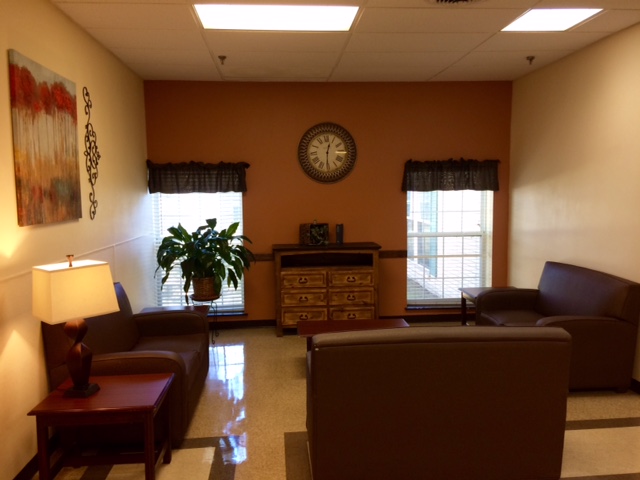
How is Park View Staffed?

CMS rates PARK VIEW CARE CENTER's staffing level at 4 out of 5 stars, which is above average compared to other nursing homes. Staff turnover is 46%, compared to the Texas average of 46%. This relatively stable workforce can support continuity of care.

What Have Inspectors Found at Park View?

State health inspectors documented 45 deficiencies at PARK VIEW CARE CENTER during 2022 to 2025. These included: 6 that caused actual resident harm, 38 with potential for harm, and 1 minor or isolated issues. Deficiencies causing actual harm indicate documented cases where residents experienced negative health consequences.
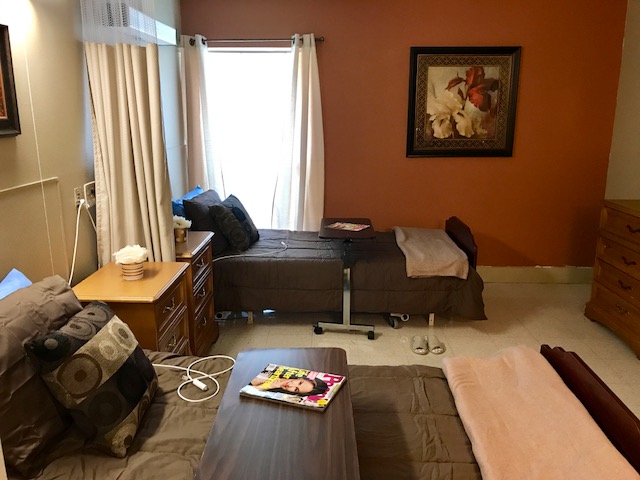
Who Owns and Operates Park View?

PARK VIEW CARE CENTER is owned by a government entity. Government-operated facilities are typically run by state, county, or municipal agencies. The facility is operated by RUBY HEALTHCARE, a chain that manages multiple nursing homes. With 179 certified beds and approximately 131 residents (about 73% occupancy), it is a mid-sized facility located in FORT WORTH, Texas.
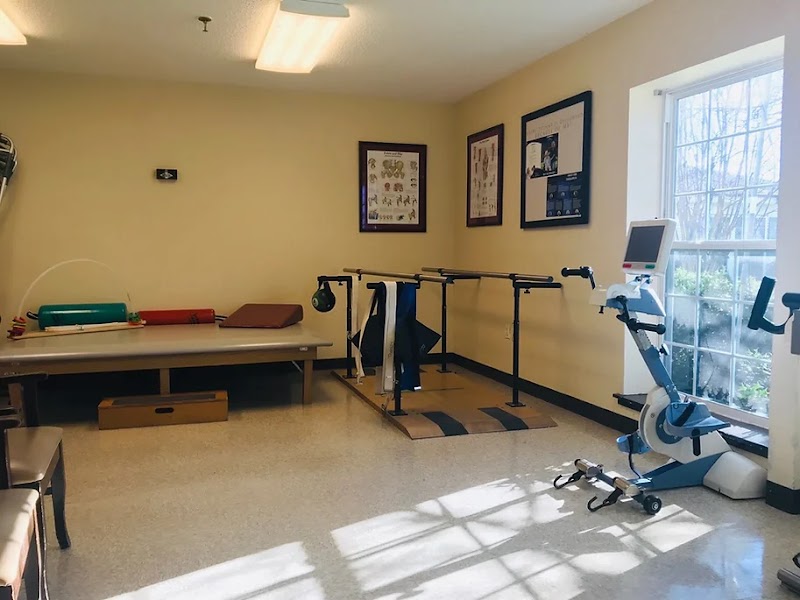
How Does Park View Compare to Other Texas Nursing Homes?

Compared to the 100 nursing homes in Texas, PARK VIEW CARE CENTER's overall rating (3 stars) is above the state average of 2.8, staff turnover (46%) is near the state average of 46%, and health inspection rating (2 stars) is below the national benchmark.

What Should Families Ask When Visiting Park View?

Based on this facility's data, families visiting should ask: "What safeguards and monitoring systems are in place to protect residents from abuse or neglect?" "Can I visit during a mealtime to observe dining assistance and food quality?" "How do you handle medical emergencies, and what is your hospital transfer rate?" "Can I speak with family members of current residents about their experience?" These questions are particularly relevant given the substantiated abuse finding on record.

Is Park View Safe?

Based on CMS inspection data, PARK VIEW CARE CENTER has documented safety concerns. The facility has 1 substantiated abuse finding (meaning confirmed case of resident harm by staff or other residents). The facility has a 3-star overall rating and ranks #1 of 100 nursing homes in Texas. Families considering this facility should ask detailed questions about what corrective actions have been taken since these incidents.

Do Nurses at Park View Stick Around?

PARK VIEW CARE CENTER has a staff turnover rate of 46%, which is about average for Texas nursing homes (state average: 46%). Moderate turnover is common in nursing homes, but families should still ask about staff tenure and how the facility maintains care continuity when employees leave.

Was Park View Ever Fined?

PARK VIEW CARE CENTER has been fined $321,317 across 6 penalty actions. This is 8.9x the Texas average of $36,292. Fines at this level are uncommon and typically indicate a pattern of serious deficiencies, repeated violations, or failure to correct problems promptly. CMS reserves penalties of this magnitude for facilities that pose significant, documented risk to resident health or safety. Families should request specific documentation of what issues led to these fines and what systemic changes have been implemented.

Is Park View on Any Federal Watch List?

PARK VIEW CARE CENTER is not on any federal watch list. The most significant is the Special Focus Facility (SFF) program, which identifies the bottom 1% of nursing homes nationally based on persistent, serious quality problems. Not being on this list means the facility has avoided the pattern of deficiencies that triggers enhanced federal oversight. This is a positive indicator, though families should still review the facility's inspection history directly.