RENAISSANCE PARK MULTI CARE CENTER


4252 BRYANT IRVIN RD, FORT WORTH, TX 76109 (817) 738-2975
For profit - Corporation 120 Beds LIFE CARE CENTERS OF AMERICA Data: November 2025 3 Immediate Jeopardy citations
Trust Grade
0/100
#819 of 1168 in TX
Last Inspection: February 2025

Within standard 12-15 month inspection cycle. Federal law requires annual inspections.

Overview

Renaissance Park Multi Care Center in Fort Worth has received a Trust Grade of F, indicating significant concerns regarding its care quality. Ranking #819 out of 1168 facilities in Texas places it in the bottom half, and it is #50 out of 69 in Tarrant County, meaning there are only a few local options that perform better. The facility is improving, as it has reduced reported issues from 12 in 2024 to 11 in 2025, but it still faces serious challenges. Staffing is average with a 3/5 rating; however, a high turnover rate of 63% is concerning, especially compared to the Texas average of 50%. The facility has incurred $125,478 in fines, which is higher than 84% of Texas facilities and suggests ongoing compliance issues. On a positive note, there is good RN coverage, exceeding 86% of state facilities, which helps in catching potential problems. However, there have been critical incidents, including failures to prevent avoidable pressure ulcers for residents, which resulted in serious health complications like sepsis. Residents did not receive timely skin assessments or proper notification for treatment, raising significant care quality concerns. Overall, while there are some strengths, the weaknesses and critical incidents highlight the need for families to carefully consider this facility.

Trust Score
F
0/100
In Texas
#819/1168
Bottom 30%
Safety Record
High Risk
Review needed
Inspections
Getting Better
12 → 11 violations
Staff Stability
⚠ Watch
63% turnover. Above average. Higher turnover means staff may not know residents' routines.
Penalties
✓ Good
$125,478 in fines. Lower than most Texas facilities. Relatively clean record.
Skilled Nurses
✓ Good
Each resident gets 43 minutes of Registered Nurse (RN) attention daily — more than average for Texas. RNs are trained to catch health problems early.
Violations
⚠ Watch
31 deficiencies on record. Higher than average. Multiple issues found across inspections.
★★☆☆☆
2.0
Overall Rating
★★★☆☆
3.0
Staff Levels
★★★☆☆
3.0
Care Quality
★★☆☆☆
2.0
Inspection Score
Stable
2024: 12 issues
2025: 11 issues

The Good

  • Full Sprinkler Coverage · Fire safety systems throughout facility
  • No fines on record

Facility shows strength in fire safety.

The Bad

2-Star Overall Rating

Below Texas average (2.8)

Below average - review inspection findings carefully

Staff Turnover: 63%

17pts above Texas avg (46%)

Frequent staff changes - ask about care continuity

Federal Fines: $125,478

Well above median ($33,413)

Significant penalties indicating serious issues

Chain: LIFE CARE CENTERS OF AMERICA

Part of a multi-facility chain

Ask about local staffing decisions and management

Staff turnover is elevated (63%)

15 points above Texas average of 48%

The Ugly 31 deficiencies on record

3 life-threatening 1 actual harm
Jul 2025 1 deficiency
CONCERN (E) 📢 Someone Reported This

A family member, employee, or ombudsman was alarmed enough to file a formal complaint

Potential for Harm - no one hurt, but risky conditions existed

Pharmacy Services (Tag F0755)

Could have caused harm · This affected multiple residents

**NOTE- TERMS IN BRACKETS HAVE BEEN EDITED TO PROTECT CONFIDENTIALITY** Based on interview and record review the facility failed to provide pharmaceutical services (including procedures that assure th...

Read full inspector narrative →
**NOTE- TERMS IN BRACKETS HAVE BEEN EDITED TO PROTECT CONFIDENTIALITY** Based on interview and record review the facility failed to provide pharmaceutical services (including procedures that assure the accurate acquiring, receiving, dispensing, and administering of all drugs and biologicals) to meet the needs of each resident for one Resident (Resident #1) of three residents reviewed for notification of changes.The facility nurses failed to notify Resident #1's physician of Resident #1's refusal of ten scheduled doses of Rifaximin 550 mg oral tablet ordered twice daily for cirrhosis during June 2025 and July 2025. The facility nurses did not notify Resident 1's physician of her refusal of 12 scheduled doses of Lactulose 30 milliliters ordered twice daily for cirrhosis in July 2025.These failures could place residents at risk of not receiving appropriate treatment.Findings include:A review of Resident #1's Face Sheet reflect Resident #1 was a [AGE] year-old female resident admitted to the facility on [DATE].A review of Resident #1's MDS dated [DATE] reflected Resident #1 had a BIMS score of 14 indicating intact cognition. Resident #1 had a diagnosis of nonalcoholic steatohepatitis (fatty liver disease unrelated to alcohol consumption) and metabolic encephalopathy (brain dysfunction due to an underlying condition). Other diagnoses included in part end stage renal disease (permanent kidney failure requiring dialysis of kidney transplant) with dependence on renal dialysis, diabetes mellitus (disease of inadequate control of blood sugar), and heart failure (the heart cannot pump enough blood to meet the needs of the body).A record review of Resident #1's Care Plan Report dated 4-01-25, reflected Resident #1 had been non-compliant with taking her lactulose and goals and interventions were identified. A review of physician orders by Physician F reflected Resident #1 was ordered Rifaximin 550 mg oral twice daily for cirrhosis with start date 5/12/25 and Lactulose (20 Grams per 30 milliliters) 30 milliliters by mouth twice daily for cirrhosis with start date 5/12/25.A review of July 2025 MAR reflected Resident #1 refused her scheduled Lactulose on 7/1/25 (once), 7/2/25 (once), 7/3/25 (once), 7/4/25 (twice), 7/5/25 (twice), 7/6/25 (twice), 7/7/25 (twice) and 7/8/25 (once). The July 2025 MAR reflected Resident #1 refused her scheduled Rifaximin on 7/1/25 (twice), 7/2/25 (once), 7/3/25 (once), 7/4/25 (twice), 7/5/25 (twice), 7/6/25 (once), 7/725 (once). A review of June 2025 MAR reflected Resident #1 refused her scheduled Rifaximin on 6/29/25 (once) and 6/30/25 (once).In an interview on 7/16/25 at 08:35 am, the ADM reported that Resident #1 had refused her Lactulose multiple times in July 2025. She stated that Resident #1 had also declined to have her Rifaximin refilled by the pharmacy and had not received multiple doses, and that the physician had not been notified of these medication refusals. She stated it was the responsibility of the nurses to notify the physician of medication refusals. She stated the risk to the resident of not reporting these medication refusals was that Resident #1's ammonia level could have increased. A record review of Resident #1's progress notes for June 2025 and July 2025 reflected no documentation that the physician or nurse practitioner had been notified that Resident #1 had refused her Rifaximin and Lactulose. In an attempted telephone interview on 7/16/25 at 1:40 pm, the primary physician for Resident #1, Physician F, could not be reached.In an interview on 7/16/25 at 2:21 pm and 5:40 pm, NP A reported that she had not been notified that Resident #1 was refusing her Rifaximin and her Lactulose until 7/08/25. She stated another provider may have been notified. She stated she had noted documentation in the medical record that Resident #1 had received teaching on the risks of refusing her medications and had signed a statement acknowledging these risks. She reported that the facility nurses should have notified her of the medication refusals but that it would not have changed her orders or treatment in the case of Resident #1. She reported that she could not relate any symptoms experienced by Resident #1 to the refusal of these medications as Resident #1 had multiple comorbidities which could all cause similar symptoms. She reported that the possible risk of not reporting medication refusal to a provider was that the resident could have gone without needed treatment.In an interview on 7/16/25 at 2:07 pm, MA B reported there had only been one day that he had worked with Resident #1 that he did not give Resident #1 her Rifaximin because it was not available. He stated he notified an agency nurse on duty but was unsure of the nurse's name. He reported that the risk of not notifying the nurse of an unavailable medication would be that the patient could miss their medication or be harmed.In an interview on 7/16/25 at 02:22 pm, LVN C stated she had provided care for Resident #1 in June and July of 2025, but she was not notified by the medication aides and was not aware that Resident #1 was refusing her Lactulose. She reported that she would have notified the nurse practitioner of this refusal if she had known. She reported that the risk to Resident #1 was that it could have caused a change in her condition.In a telephone interview on 7/16/25 at 4:09 pm, RN D reported that on 7/05/25 and 7/06/25 the medication aide had informed him that Resident #1 was refusing her Lactulose. He stated that he then provided Resident #1 with education and the medication himself. He reported that if Resident #1 had continued to refuse the medication, he would have notified the physician. He denied knowledge of other days that Resident #1 had missed her medications. However, a review of the facility Corrective Action Form for RN D dated 7/11/25 reflected he failed to notify the physician of Resident #1's missed medications from 7-01-25 to 7-06-25.In an interview on 7/16/25 at 11:45 am, RN E reported she was the Assistant Director of Nurses and was covering for the DON who was on leave under the Family and Medical Leave Act (FMLA). She stated that Resident #1 had missed doses of medications but that the physician and administration had not been notified of the missed doses. She reported that the policy was for nurses to notify the physician of missed doses. She stated the risk of the not reporting missed doses was that Resident #1 could have had elevated ammonia levels.Facility policy titled, Administration of Medications with revision date 9/16/24 reflected, Medication refusals should be documented on the MAR with the reason for the refusal and the follow up from the licensed professional.
Jun 2025 4 deficiencies
CONCERN (D) 📢 Someone Reported This

A family member, employee, or ombudsman was alarmed enough to file a formal complaint

Potential for Harm - no one hurt, but risky conditions existed

Comprehensive Care Plan (Tag F0656)

Could have caused harm · This affected 1 resident

**NOTE- TERMS IN BRACKETS HAVE BEEN EDITED TO PROTECT CONFIDENTIALITY** Based on interview, and record review, the facility failed to develop and implement a comprehensive person-centered care plan fo...

Read full inspector narrative →
**NOTE- TERMS IN BRACKETS HAVE BEEN EDITED TO PROTECT CONFIDENTIALITY** Based on interview, and record review, the facility failed to develop and implement a comprehensive person-centered care plan for each resident, consistent with the resident rights set forth that includes measurable objectives and timeframes to meet a resident's medical, nursing, and mental and psychosocial needs that are identified in the comprehensive assessment for 1 (Resident #1) of 4 residents reviewed for care plans. The facility failed to assess and care plan for Resident #1' s primary diagnosis of sickle call pain crisis. This placed residents at risk for not receiving proper care and services due to inaccurate care plans. Findings included: Record review of Resident #1 ' s face sheet dated 06/11/2025 reflected a [AGE] year-old woman admitted to the facility on [DATE] with primary diagnosis of Sickle-Cell/HB-C Disease (genetic blood disorder of abnormal hemoglobin, resulting in blockage of blood vessels and reduced oxygen delivery in the blood. Outcomes include anemia-low hemoglobin, pain-blockage of blood flow, and risk of infection) with Crisis (characterized by painful episode caused by blockage of blood flow), with admitting diagnoses of alcoholic cirrhosis of liver without ascites (scarring of liver due to alcohol, without abnormal fluid buildup), idiopathic aseptic necrosis of bone, multiple sites (loss of blood supply to bone resulting in dying bones), fracture of right pubis (pubic bone, part of pelvis), sacrum (bone that forms base of spine, connecting the pelvis), left hip joint, and left femur (thigh bone), muscle weakness (generalize), abnormalities of gait and mobility (abnormal pattern of walking due to underlying medical condition or injury), lack of coordination, anemia, cerebral infarction (stroke), and end stage renal disease (chronic kidney failure, loss of kidney function). Record review of Resident #1 's MDS dated [DATE] reflected a BIMS score of 15, indicating cognitively intact. The resident ' s primary medical condition was indicated as Medically Complex Conditions, ICD Code: D57.219 (SICKLE-CELL/HB-C DISEASE WITH CRISIS, UNSPECIFIED). Record review of Resident #1's paper chart binder dated 05/21/25 reflected: Admitting Diagnosis: Sickle Cell Pain Crisis. Record review of Resident #1's baseline care plan initiated 05/22/25, reflected no focus, no interventions, and no goals for dx of sickle cell disease with crisis. Record review of Resident #1's order summary report dated 06/11/2025 reflected: Physician has reviewed and agrees with the plan of care (see signature); order date: 05/22/2025. Pt may be sent out to ER for higher level of care; order date: 05/30/2025. Record review of Resident #1's hospital history records (2/17/2025; 2/25/2025) reflected: Hemoglobin levels- 02/11/2025 - 7.8 g/dL 02/13/2025 - 8.2 g/dL 02/14/2025 - 8.7 g/dL 02/15/2025 - 8.4 g/dL 02/16/2025 - 8.7 g/dL 02/17/2025 - 8.1 g/dL 2/20/2025 - 7.8 g/dL 2/21/2025 - 7.8 g/dL 2/22/2025 - 7.4 g/dL 02/23/2025 - 7.0 g/dL 2/24/2025 - 7.1 g/dL 2/25/2025 - 6.6 g/dL History of multiple blood transfusions Record review of Resident #1 ' s hospital history records 05/14/2025) reflected: 05/14/2025- 7.3 g/dL (reference range 12.0-16.0 g/dL) Flag: L (low). An interview on 06/02/2025 with Resident #1 ' s family member revealed that on 05/30/2025, she had to call EMS and have Resident #1 transported to the ER because the resident was experiencing heart palpitations. Upon arrival to the ER, Resident #1 ' s hemoglobin level was 4.9 g/dL; the resident was admitted to the hospital ' s cardiac intensive care unit (specialized unit of hospital for various cardiac conditions that requires continuous monitoring and treatment). The family member stated that the resident was no longer in the cardiac intensive care unit, but the resident was still in the hospital and did not have a discharge date . An interview on 06/12/2025 with Resident #1 ' s family member revealed that the resident had not been discharged from the hospital since being admitted on [DATE]. Interview with LVN C on 06/11/2025 at 2:44PM revealed she provided care to Resident #1 prior to being discharged to the hospital. She stated that on 05/30/2025, Resident #1 ' s family called the paramedics, and she did not initially know why. LVN C was aware of Resident #1 ' s dx of sickle cell disease. She stated that when the paramedics arrived and asked what was going on, the family said the resident was having heart palpitations. LVN C discussed the physician recently changed Resident #1 ' s anxiety medications from PRN to a scheduled regimen because the resident ' s heart rate was high. She further stated the physician said the resident ' s tachycardia (heart rate over 100 beats per minute) was due to her anxiety. There was no change of condition prior to family calling EMS. LVN C was not aware of any orders for monitoring Resident #1 ' s hemoglobin levels or blood labs being ran once a week. LVN C was unable to provide examples of signs and symptoms in those with sickle cell disease. LVN C stated tiredness, fatigue, shortness of breath, pale skin, and tachycardia were the symptoms of someone with low hemoglobin. Interview with the ADON on 6/11/2025 at 3:10PM revealed Resident #1 was sent to the ER on [DATE] due to pain from sickle cell crisis. The ADON explained prior to the resident being sent out, she talked with the resident and there were no complaints of pain. A few hours later the resident said she was in a sickle cell crisis. The ADON stated orders were put into the resident ' s charts as the physician told the staff; labs were done with dialysis but that the resident should have had a lab upon admission to facility. The surveyor asked the ADON to describe signs and symptoms of someone with low hemoglobin level of 4.9 g/dL and she stated weakness, the resident wouldn ' t be very alert, cold, pale, in pain, low blood pressure, increased heart rate, shock, and blood count low. The ADON stated the importance of monitoring blood labs in someone with sickle cell disease was the hemoglobin can be low and need to make sure that blood cell count is where it should be. She stated she would have contacted the doctor to get orders if these symptoms were present. The ADON stated the importance of care plans was for staff to know how to take care of residents. An interview on 06/11/2025 at 3:59PM with the Regional Compliance Nurse revealed she was asked why Resident #1 ' s sickle cell disease was not care planned. She stated it depends on what their care is, and the disease process; she would recommend someone's most serious condition be in their care plan. The Regional Compliance Nurse was asked how Resident #1 ' s labs would be checked for low hemoglobin, and she stated they would need to talk with the physician to get the order because nurses cannot order labs. The Regional Compliance Nurse stated dialysis had Resident #1 ' s labs and dialysis would send the resident ' s labs to the facility. She further explained all residents had paper charts, and dialysis labs were kept in those charts. She stated the charge nurses are responsible to look at labs and physicians will look at the labs, she assumed dialysis staff looked at labs. The surveyor asked how staff know if labs are abnormal, and she stated the staff would just have to look at the dialysis labs. The Regional Compliance Nurse stated signs and symptoms of low hemoglobin include a bleeding episode, lethargy, and increased confusion. She stated it was important that there was lab work for the facility to monitor for low hemoglobin and to see if the resident needed a transfusion and to notify the physician if the hemoglobin was low. Record review of Resident #1 ' s paper chart binder dated 05/21/25 did not reflect dialysis lab work. An interview 06/11/2025 at 4:27PM with the ADM revealed that every nurse should show about sickle cell disease and the symptoms associated. She stated that the facility did not provide training specifically regarding sickle cell disease, but the facility had resources for nurses, and they could reach out to the physician if needed. The ADM stated the staff did not reach out about sickle cell disease. She further explained the risk of staff not using resources or the physician can result in a sickle cell episode. Record review of the facility ' s Resident Assessment Instrument and Care Plan Development policy and procedure, reviewed 09/05/2024, reflected: The information identified using the MDS and Care Area Assessment process is used to develop an individualized person-centered Care Plan that includes the patient ' s voice, the patient ' s goals while residing in the facility and for discharge that assist the patient to attain and/or maintain their highest practicable level of well-being.
CONCERN (D) 📢 Someone Reported This

A family member, employee, or ombudsman was alarmed enough to file a formal complaint

Potential for Harm - no one hurt, but risky conditions existed

Quality of Care (Tag F0684)

Could have caused harm · This affected 1 resident

**NOTE- TERMS IN BRACKETS HAVE BEEN EDITED TO PROTECT CONFIDENTIALITY** Based on observation, interview, and record review, the facility failed to ensure that residents receive treatment and care in a...

Read full inspector narrative →
**NOTE- TERMS IN BRACKETS HAVE BEEN EDITED TO PROTECT CONFIDENTIALITY** Based on observation, interview, and record review, the facility failed to ensure that residents receive treatment and care in accordance with professional standards of practice, the comprehensive person-centered care plan, and the residents' choices for one (Resident #4) of 4 residents reviewed for quality of care. The facility failed to provide treatment to Resident #4 ' s burns on both her thighs according to physician orders. This failure placed residents of risk for not receiving appropriate care and treatment and a decreased quality of life. Findings included: Record review of Resident#4 ' s face sheet, dated 06/18/2025, reflected a [AGE] year-old woman admitted on [DATE] with primary diagnoses of burns involving 10-19% of body surface with 10-19% third degree burns, burn of third-degree right hand, right thigh, left thigh, and right lower leg; other diagnoses include generalized anxiety disorder, major depressive disorder, pain in unspecified hip. Record review of Resident #4 ' s care plan dated (no date) reflected the Focus/Problem of: The resident has actual impairment to skin integrity. burn bilateral (left and right) thighs right arm surgical wound to left and right thigh; date initiated 05/16/2025. One of nine interventions included treatment as ordered. With the goal of The resident will have no complications related to skin through the review date (06/11/2025). Record review of Resident #4 ' s MDS dated [DATE] reflected a BIMS score of 13, indicating cognitively intact. Record review of Resident #4 ' s outpatient surgical specialist for wound care dated 05/21/2025 reflected: Instructions: Please bathe her and wash her bilateral lower extremities with soap and water gently washing with hands daily. Her bilateral (left and right) lower extremity wounds should be moisturized twice a day with quality lotion. Record review of Resident #4 ' s orders dated 06/11/2025 reflected: Aquaphor Advanced Therapy External Ointment (Emollient) Apply to BILATERAL (left and right) THIGHS topically two times a day for PREVENTION; order date 05/22/2025. Record review of Resident #4 ' s TAR dated 06/11/2025 reflected: Aquaphor Advanced Therapy External Ointment: Administered by LVN E Time: 06/09/25 08:44; Location: Thigh - front (left) Administered by LVN E Time: 06/09/25 08:44; Location: Thigh - front (right) Administered LVN I Time: 06/09/25 23:36[11:36 PM]; Location: Thigh - front (left) Administered by LVN I Time: 06/09/25 23:36[11:36 PM]; Location: Thigh - front (right) Administered by LVN H Time: 06/10/25 10:43; Location: Leg - both Administered by RN G Time: 06/10/25 20:07 [8:07 PM]; Location: Leg - both Administered by RN F Time: 06/11/25 10:52; Location: Leg - both. An observation and interview with Resident #4 on 06/11/2025 at 11:10AM revealed the resident had not been receiving Aquaphor treatment on her thighs for burns. The resident stated staff had not been applying Aquaphor treatment twice a day for 2 weeks. The resident showed the surveyor her burns. The burns covered both thighs, the skin had various spots including redness, fresh pink scarring, and brown peeling/flaky skin. The skin did not have a greasy or glossy coat and did not appear moisturized. She stated she takes itching medication because the burns on her legs were dry and itchy. The resident stated she saw a specialist doctor every other week for her burns. An interview on 06/11/2025 at 1:59PM with RN F revealed she was asked if she could show the surveyor Resident #4 ' s Aquaphor in the medication cart. RN F had been excused from the interview and returned at 2:09PM with a tube of Aquaphor. RN F stated that she left the Aquaphor in the resident ' s room in a bedside table drawer. The RN further discussed that the resident wants the Aquaphor that was in a tub (container with a lid that twists on and off) and not in the (squeeze) tube like the facility had and that she explained to the resident that it's the same product. RN F stated that she went to apply it that morning, but someone distracted her, and she left it there due to providing care to another resident in another room. The RN stated someone else applied the Aquaphor. When asked specifically who applied it, she proceeded to call a staff member to confirm. She then stated the ADON applied it, and she had asked the ADON to apply it. The surveyor asked RN F where the Aquaphor was to be applied and how often and she stated on the resident ' s legs for dryness, twice a day. RN F stated it was important to know residents ' orders and make sure they receive treatment, so staff know if treatment was working or to follow up with the doctor if it was not working. The surveyor asked RN F to describe what can happen to untreated burned skin and she stated the skin can crack and become infected; the body would be prone to infection. An interview with Resident #4 on 06/11/2025 at 2:57PM revealed the resident had received Aquaphor treatment after the surveyor was in her room. The resident explained someone in gray scrubs applied the Aquaphor, but she did not know who it was. She further stated the staff member did not wash her skin before applying Aquaphor treatment; they applied it all over her legs, not specifically to her thighs. She said the staff came into her room while she was sleeping, and she heard staff at the bedside table. She was unsure if staff put the tube of Aquaphor into the bedside table drawer or if they got the Aquaphor from the drawer. The surveyor asked Resident #4 if she cares if the Aquaphor was in a tube or a tub and she stated No, it doesn ' t make a difference to me. Observation and interview with the ADON on 06/11/2025 at 3:10PM revealed the ADON stated she applied Aquaphor to Resident #4 around noon on 06/11/2025 because RN F asked her to. She stated that she had not applied it previously and that it was for her burns on her legs, so they didn ' t dry out. The surveyor asked the procedure for applying the Aquaphor, and the ADON stated to put on gloves and apply to the top of the legs bilaterally; she asked the resident and the resident showed her where to apply; then she applied. The ADON was asked if she washed the area before treating, and she stated the order did not say to wash her legs first. The surveyor asked the ADON who puts orders in residents ' charts, and she stated orders go straight to the nurses, where they review orders and put them into the chart. The ADON stated it was important to apply Aquaphor as ordered to prevent drying of the skin and reopening of wound, and for healing. An interview on 06/11/2025 at 3:59PM with the Regional Compliance Nurse revealed she was aware of Resident #4 ' s burns on her legs and stated they were scared and healed. The surveyor asked who told her they were healed, and she stated she was not sure but was told the resident had healed and dried skin but had not seen the resident. The Regional Compliance Nurse was asked what the expectation was for applying the Aquaphor treatment and she stated the nurses should follow the order. The Regional Compliance Nurse stated when residents had a doctor ' s appointment outside of the facility, the nurse who received the resident back from the appointment, the DON, or ADON were responsible to review the doctor ' s notes to determine what new orders the resident had; and if orders are not transcribed like prescribed, residents will not receive treatment like prescribed. Interview with the ADM on 06/11/2025 at 4:27PM revealed the ADON and DON were expected to monitor and transcribe orders correctly in resident ' s charts. She further explained it was important to make sure when that the facility ' s orders match outside provider ' s orders so that they do not miss anything for treatment for the resident. The ADM stated that the purpose of an order was so the resident can be cared for based on their condition. Record review of the facility's Documentation of New or Changed Physician/Prescriber Orders policy, revised 07/01/24 did not address following physician orders.
CONCERN (D) 📢 Someone Reported This

A family member, employee, or ombudsman was alarmed enough to file a formal complaint

Potential for Harm - no one hurt, but risky conditions existed

Deficiency F0700 (Tag F0700)

Could have caused harm · This affected 1 resident

**NOTE- TERMS IN BRACKETS HAVE BEEN EDITED TO PROTECT CONFIDENTIALITY** Based on observations, interviews, and record review the facility failed to assess the risks and benefits of bed rails and grab ...

Read full inspector narrative →
**NOTE- TERMS IN BRACKETS HAVE BEEN EDITED TO PROTECT CONFIDENTIALITY** Based on observations, interviews, and record review the facility failed to assess the risks and benefits of bed rails and grab bars with the resident or resident representative or obtain informed consent prior to installation for two (Resident #2 and Resident #3) of four resident rooms observed and reviewed for bed rails/enabler bars. 1.The facility failed to have evidence of informed consent, a physician's order, a side rail assessment, and a care plan of the resident's risk of entrapment for bed rails or grab bars for Resident #2. 2.The facility failed to have evidence of informed consent, a side rail assessment, and a care plan of the resident's risk of entrapment for bed rails or grab bars for Resident #3. These failures could place residents who used bed rails/grab bars at risk of the resident not being assessed for bed rails or grab bars, resident/responsible party not being aware of the risks, and informed consent not being obtained from the resident or responsible party which could place the resident at risk of harm. Findings included: Resident #2 Record review of Resident #2 face sheet, dated 06/11/25, revealed a 61-year male who was admitted to the facility on [DATE]. His primary diagnosis was dysphagia following cerebral infarction (difficulty swallowing after having a stroke). His secondary diagnoses included uncontrolled blood sugars, heart failure, blood clot in left upper leg, and muscle weakness. Record review of Resident #2's admission MDS dated [DATE], did not reflect Resident #2's BIMS score, and it did not indicate ADLs needs. Record review of Resident #2's PIR dated 06/5/25 reflected a BIMS of 10 indicating moderate cognitive impairment. Observation and interview with Resident #2's in his room on 06/11/2025 at 11:57 a.m., revealed Resident #2 was out of bed in his high back wheelchair with family at his side. The grab/mobility bar on both the left and right side of the bed were raised. Resident #2 said that when he first admitted to the facility, he had no grab bars, but after he fell, he and his family asked for them for repositioning and mobility when getting out of bed . Resident #1 said he had been asking for bed rails and he was told that they were considered a restraint and informed of the risks, but after he fell, they put them on his bed which he was happy about it. Record review of Resident #2's physician's active order for June 2025 reflected there was no orders for use of bed rails/ grab bars. Record review of Resident #2's Care Plan initiated on 06/06/25 reflected a focus area of an actual fall with minor injury to the left eyebrow area related to poor balance. The goal was the resident would resume usual activities without further incident through the review date. The interventions were floor mats as tolerated, high back wheelchair when up in bed, and PT consult for strength and mobility. The care plan did not reflect use of bedrails or grab bars for mobility. Record review of Resident #2's completed assessments from 06/04/25 to 06/11/25 reflected a fall risk evaluation completed on 06/04/25. The completed assessments did not reflect a completed assessment of side rails use. Review of Resident #2's medical record revealed no signed bed rail/grab bar consent form signed by the resident or resident's responsible party or noted to have verbal permission for the bed rails/grab bars. Record review of the Incident and Accident Tracking logs for 04/01/25 through 06/11/25, revealed Resident #2 had a fall on 06/04/25. Resident #3 Record review of Resident #3's face sheet dated 06/11/25 revealed a [AGE] year-old female with an admission of 03/01/25. Her primary diagnosis was pressure ulcer of left buttock. Her secondary diagnoses included urinary tract infection, muscle weakness, lack of coordination, back pain, and mild cognitive impairment. Record review of Resident #3's comprehensive MDS assessment, dated 05/21/25, revealed a BIMS of 00 indicating Resident #3 had severe cognitive impairment. Further review of MDS reflected Resident #3 required substantial/maximal assistance rolling left to right in the bed. The MDS reflected Resident #3 did not use bed rail. Observation of Resident #3's room and bed on 06/11/25 at 11:25 a.m., revealed a grab/mobility bar on the left side and right side of the bed were raised . Resident #3 was not in the room. Record review of Resident #3's physician's active order for June 2025 reflected use of ¼ side rails at head to enable independent bed mobility. Order start date 03/01/25. Record review of Resident #3's Care Plan, last updated on 06/11/25, reflected focus areas Combative Behavior during Incontinent Care and at Risk for Injury. Resident #3 exhibits combative behavior during incontinent care resulting in increased risk of injury hitting head on side rails. The goal was for Resident #3 remained free from further injury during care. The interventions included proved (padded) low bed with blosters (thick pillows) or floor mat and ensuring 2 people assist during incontinent care. The care plan did not reflect bedrails or grab bars for mobility. Record review of Resident #3's completed assessments from 03/01/25 to 06/11/25, did not reflect a completed assessment of side rail use. Review of Resident #3's medical record revealed no signed bed rail/grab bar consent form signed by the resident or resident's responsible party or noted to have verbal permission for the bed rails/grab bars. In an interview on 06/11/25 at 1:35 p.m., LVN C said Resident #2 was able to use a bed rail for bed mobility and transfers. LVN C said she expected the side rail assessment to accurately reflect the use of the side rail. LVN C said she did not know the risk to Resident #2 because he could use of a side rail since his he had the ability to use it safely for mobility. She said she had not worked with Resident #3, and she was not familiar with her mobility. During an interview on 06/11/25 at 3:09 p.m., the ADON revealed Resident #2 fell out of his wheelchair because he was unable to hold his upper trunk of his body when he seats rail. She said one of Resident #2's interventions were a high back wheelchair. The ADON said Resident #3 was on hospice and it was likely that her bed came with side rails from hospice. The ADON said she believed that bed rail assessments were completed for both residents. The ADON said the side rail assessment should be completed with the care plan. The ADON said nursing was responsible for obtaining bed rail orders, consents, and updating the assessment to accurately reflect the use of a side rail as an enabler. The ADON said Resident #2 and Resident #3 could be injured without an accurate assessment of the use of side rail. ADON said nurse managers were responsible for ensuring the side rail assessment, orders, and care plans were completed and completed accurately. The ADON said it was considered a restraint if they did not have the required assessments, care plans, consents , and orders in place. During an interview on 06/11/25 at 4:26 p.m., the Administrator said she expected the side rail assessment to be updated with changes in condition, as a part of the care planning process. The Administrator said nursing was responsible for getting physician's orders and completing the side rail assessment. She said the DON and ADON were responsible for monitoring that orders, care plans, and assessments were completed. The Administrator said her facility did not have consents for bedrails because it was not in their policy. She said the risk to the residents was that the residents could hurt themselves when turning. Review of facility policy titled: Bed Rails-Safe and Effective Use of Bed Rails revision date 11/16/2021, reflected Bed rails should only be used when identified need outweighs the potential risk. 1. Residents will be assessed upon admission, readmission or upon initiation utilizing use of Bed rails. 3 the facility should use Med-Pass Consent for use of Bed Rails. 5. A person- centered care plan will be developed within 48 hours of admissions to address the bed rail (s), if indicated 7 a physician's order and signed restraint physical assessment is required
CONCERN (D) 📢 Someone Reported This

A family member, employee, or ombudsman was alarmed enough to file a formal complaint

Potential for Harm - no one hurt, but risky conditions existed

Medical Records (Tag F0842)

Could have caused harm · This affected 1 resident

**NOTE- TERMS IN BRACKETS HAVE BEEN EDITED TO PROTECT CONFIDENTIALITY** Based on observation, interview, and record review, the facility failed to ensure in accordance with accepted professional stand...

Read full inspector narrative →
**NOTE- TERMS IN BRACKETS HAVE BEEN EDITED TO PROTECT CONFIDENTIALITY** Based on observation, interview, and record review, the facility failed to ensure in accordance with accepted professional standards and practices, the facility must maintain medical records on each resident that are complete; accurately documented; readily accessible; and systematically organized for 2 (Resident #1 and #4) of 7 for accuracy of records. The facility failed to accurately transcribe orders for the admitting diagnoses for Resident #1 and #4. The failure can affect residents by putting them at risk for physical pain, decline in current health condition(s), and negative psychosocial impact. Resident #1 Record review of Resident #1 ' s face sheet dated 06/11/2025 reflected a [AGE] year-old woman admitted to the facility on [DATE] with primary diagnosis of Sickle-Cell/HB-C Disease (genetic blood disorder of abnormal hemoglobin, resulting in blockage of blood vessels and reduced oxygen delivery in the blood. Outcomes include anemia-low hemoglobin, pain-blockage of blood flow, and risk of infection) with Crisis (characterized by painful episode caused by blockage of blood flow), with admitting diagnoses of alcoholic cirrhosis of liver without ascites (scarring of liver due to alcohol, without abnormal fluid buildup), idiopathic aseptic necrosis of bone, multiple sites (loss of blood supply to bone resulting in dying bones), fracture of right pubis (pubic bone, part of pelvis), sacrum (bone that forms base of spine, connecting the pelvis), left hip joint, and left femur (thigh bone), muscle weakness (generalize), abnormalities of gait and mobility (abnormal pattern of walking due to underlying medical condition or injury), lack of coordination, anemia, cerebral infarction (stroke), and end stage renal disease (chronic kidney failure, loss of kidney function). Record review of Resident #1 ' s MDS dated [DATE] reflected a BIMS score of 15, indicating cognitively intact. Record review of Resident #1 ' s paper chart binder dated 05/21/25 reflected: Admitting Diagnosis: Sickle Cell Pain Crisis. Record review of Resident #1 ' s order summary report dated 06/11/2025 reflected: Physician has reviewed and agrees with the plan of care (see signature); order date: 05/22/2025 OXYcontin RF 60mg give 2 tabs to =120mg every 8 hours for sickle cell disease; order date: 5/28/2025 Record review of Resident #1 ' s physician orders for May 2025, reflected no physician orders for monitoring Resident #1 ' s hemoglobin levels or lab work. Record review of Resident #1 ' s baseline care plan initiated 05/22/25, reflected no focus, no interventions, and no goals for dx of sickle cell disease with crisis. Interview with LVN C on 06/11/2025 at 2:44PM revealed she provided care to Resident #1. LVN C was not aware of any orders for monitoring Resident #1 ' s hemoglobin levels or blood labs being ran once a week for the resident ' s sickle cell disease condition. LVN C was asked to describe signs and symptoms of someone with a low hemoglobin level of 4.9 g/dL, she stated tiredness, fatigue, shortness of breath, pale skin, tachycardia (fast heart rate) Interview with the ADON on 6/11/2025 at 3:10PM revealed orders were put into the residents ' charts as the physician told the staff; and labs were done with dialysis but that the resident should have labs upon admission to facility. The ADON was asked to describe signs and symptoms of someone with a low hemoglobin level. She stated weakness, the resident wouldn ' t be very alert, cold, pale, in pain, low blood pressure, increased heart rate, shock, and the blood count low. The ADON stated the importance of monitoring blood labs in someone with sickle cell disease was the hemoglobin could be low and need to make sure that blood cell count is where it should be. She stated she would have contacted the doctor to get orders if those symptoms were present. Interview with the ADM on 06/11/2025 at 4:27 PM revealed the ADON and DON were expected to monitor and transcribe orders correctly in resident ' s charts. The ADM discussed that it was important that a resident ' s orders were transcribed correctly to care plan for their admitting diagnosis and to get the right order to the doctor. She further explained the purpose of an order is so a resident can be cared for. Resident #4 Record review of Resident #4 ' s face sheet, dated 06/18/2025, reflected a [AGE] year-old woman admitted on [DATE] with primary diagnoses of burns involving 10-19% of body surface with 10-19% third degree burns, burn of third-degree right hand, right thigh, left thigh, and right lower leg; other diagnoses include generalized anxiety disorder, major depressive disorder, pain in unspecified hip. Record review of Resident #4 ' s care plan dated (no date) reflected the Focus/Problem of: The resident has actual impairment to skin integrity. burn bilateral (left and right) thighs right arm surgical wound to left and right thigh; date initiated 05/16/2025. One of nine interventions included treatment as ordered. With the goal of The resident will have no complications related to skin through the review date (06/11/2025). Record review of Resident #4 ' s MDS dated [DATE] reflected a BIMS score of 13, indicating cognitively intact. Record review of Resident #4 ' s outpatient surgical specialist for wound care dated 05/21/2025 reflected: Instructions: Please bathe her and wash her bilateral lower extremities with soap and water gently washing with hands daily. Her bilateral lower extremity wounds should be moisturized twice a day with quality lotion. Record review of Resident #4 ' s orders dated 06/11/2025 reflected: Aquaphor Advanced Therapy External Ointment (Emollient) Apply to BILATERAL THIGHS topically two times a day for PREVENTION; order date 05/22/2025 The orders did not mention the instructions to bathe and wash Resident #1 ' s bilateral lower extremities with soap and water prior to applying the Aquaphor. Interview with Resident #4 on 06/11/2025 at 2:57PM revealed the resident had received Aquaphor treatment after the surveyor was in her room. The resident explained someone in gray scrubs applied the Aquaphor, but she did not know who it was. She further stated the staff member did not wash her skin before applying Aquaphor treatment; they applied it all over her legs, not specifically to her thighs. She said the staff came into her room while she was sleeping, and she heard staff at the bedside table. She was unsure if staff put the tube of Aquaphor into the drawer if they got it from the drawer. An interview with the ADON on 06/11/2025 at 3:10PM revealed the ADON stated she applied Aquaphor to Resident #4 around noon on 06/11/2025 because RN F asked her to. She stated that she had not applied it previously and that it was for Resident #4 ' s burns on her legs, so they didn ' t dry out. The surveyor asked the procedure for applying the Aquaphor, and the ADON stated to put on gloves and apply to the top of the legs bilaterally; she asked the resident, and the resident showed her where to apply; then she applied. The ADON was asked if she washed the area before treating, and she stated the order did not say to wash her legs first. The surveyor asked the ADON who puts orders in residents ' charts, and she stated orders go straight to the nurses, where they review orders and put them into the chart. The ADON stated it was important to apply Aquaphor as ordered to prevent drying of the skin and reopening of wound, and for healing. An interview on 06/11/2025 at 3:59PM with the Regional Compliance Nurse revealed she was aware of Resident #4 ' s burns on her legs and stated they were scared and healed. The surveyor asked who told her they were healed, and she stated she was not sure but was told the resident had healed and dried skin but had not seen the resident. The Regional Compliance Nurse was asked what the expectation was for applying the Aquaphor treatment, and she stated the nurses should follow the order. The Regional Compliance Nurse stated when resident had a doctor ' s appointment outside of the facility, the nurse who received the resident back from the appointment, the DON, or ADON were responsible to review the doctor ' s notes to determine what new orders the resident had; and if orders were not transcribed like prescribed, residents would not receive treatment like prescribed. An interview with the ADM on 06/11/2025 at 4:27PM revealed the ADON and DON were expected to monitor and transcribe orders correctly in residents ' charts. She further explained it was important to make sure the facility ' s orders match outside provider ' s orders so that they do not miss anything for treatment for the resident. Record review of the facility ' s Documentation of New or Changed Physician/Prescriber Orders policy, revised 07/01/24 reflected: 6. Authorized facility staff should enter new electronic medication orders in the electronic medication ordering system as soon as they are received . 6.3 Once the drug is chosen, staff should carry on with the order process by completing the directions, administration schedule, reason for use, and any other information required to complete the order.
Apr 2025 1 deficiency
CONCERN (D) 📢 Someone Reported This

A family member, employee, or ombudsman was alarmed enough to file a formal complaint

Potential for Harm - no one hurt, but risky conditions existed

Deficiency F0573 (Tag F0573)

Could have caused harm · This affected 1 resident

**NOTE- TERMS IN BRACKETS HAVE BEEN EDITED TO PROTECT CONFIDENTIALITY** Based on interview and record review the facility failed to allow the resident's Next-of-Kin to obtain a copy of the records upo...

Read full inspector narrative →
**NOTE- TERMS IN BRACKETS HAVE BEEN EDITED TO PROTECT CONFIDENTIALITY** Based on interview and record review the facility failed to allow the resident's Next-of-Kin to obtain a copy of the records upon request and upon two working days advance notice to the facility for one (Resident #1) of four residents whose records were reviewed in that: -The facility failed to provide Resident #1's next of kin copies of medical records after a request was submitted to the facility on [DATE]. This failure could place residents' responsible parties at risk of violation of their rights by not receiving copies of resident medical records. The findings were: Closed Record Review of admission Record dated [DATE] reflected Resident #1 was a [AGE] year-old male, initially admitted to the facility on [DATE]. Resident #1 was listed as his own Responsible Party. Resident #1's Next-of-Kin was listed as his Emergency Contact #2. Closed Record Review of Resident #1's progress note, dated [DATE] at 5:29 PM, reflected Resident #1 had been found unresponsive and with no detectable pulse. The note reflects LVN A called for assistance and performed CPR on Resident #1 until EMS arrived and took over, until Resident #1 was pronounced dead at 5:55 PM on [DATE]. An interview on [DATE] at 8:56 AM with Resident #1's Next-of-Kin revealed the medical records had still not been received at the time of the interview . Resident #1's Next-of-Kin stated they had attempted to get the person who had been Resident #1's Medical and Durable Power of Attorney to request the records, but was informed the [NAME] of Attorney became null and void the moment the resident passed away, so Resident #1's next of kin had requested the records. After over two months Resident #1's Next-of-Kin had still not received the records. Resident #1's Next-of-Kin stated a phone conversation (time and date unknown) had taken place between them, and the DMR , and it had been pushed to the company's legal department, and they were the ones standing still on it. An interview on [DATE] at 12:43 PM with the DMR revealed she had been working in medical records for 18 years, and had never had a problem with the legal department approving the records and sending them to the requestor. She said as soon as she received a request, she passed it to the legal department, and they told her if she could release them from the facility, or they would do it from the corporate office. She said if they were to be released at the facility level, she had 72 hours to send them, but she normally got them done faster. She said she had to make sure the legal documents were in place, and she remembered that Resident #1's next of kin said the resident had no estate, and sent documents to show kinship. She said Resident #1's Power of Attorney requested the records, but they could not release them because the resident had passed away, so the Power of Attorney documents were no longer in play. She said she did not think the legal department took very long to send records normally, because she did all of the leg work to prepare the records in the facility. The DMR said she did not like to make anyone wait, and she had assumed legal had taken care of sending the records. She said it was a right for people to receive medical records for themselves, for someone they had Power of Attorney over if that resident was still alive, or for the Next-of-Kin. She said they could not send some of the things Resident #1's Next-of-Kin was asking for, like the staff records, but all of Resident #1's medical records should have been available. She said they had 30 days to get the records to the requestor. An interview on [DATE] at 1:57 PM with the DMR and Administrator revealed they had learned that the attorney who was handling the request for Resident #1's clinical records was no longer working for the company, and the current attorney had not been made aware of any pending requests, so the request had not been fulfilled. The Administrator said it had been addressed at the time of this interview, and the records would be sent out within a day or so. The DMR said she had been doing her job for a long time, and had never had a problem like this with their corporate, but now knew she needed to keep checking on the records, until she knew they had been sent. Review of documentation provided by Resident #1's Next-of-Kin reflected the following: - Resident #1's death certificate, certified [DATE], showing the date of death to be [DATE]. - Resident #1's Next-of-Kin's driver's license, and birth certificate. - An email, dated [DATE], from the Admissions Director to Resident #1's Next-of-Kin, providing the Next-of-Kin with the Authorization for Release of Medical Information form, in response to an emailed request from Resident #1's medical records from his Next-of-Kin. - An email, dated [DATE], from Resident #1's Next-of-Kin to the Admissions Director and the DMR (Director of Medical Records) with the Authorization for Release of Medical Information form attached. - A letter, dated [DATE], from Resident #1's Next-of-Kin requesting records related to Resident #1. - An Authorization for Release of Medical Information signed by resident #1's Next-of-Kin on [DATE] for the request of Resident #1's entire medical record, and additional information including incident reports, emergency response records related to [DATE], policies and procedures related to emergency response, and staffing records for [DATE] through [DATE]. - An email dated [DATE] from Resident #1's Next-of-Kin to the Admissions Director and the DMR requesting a time frame for the records to be delivered. - An email dated [DATE] from the DMR to Resident #1's next-of kin requesting a document showing the executor of Resident #1's estate. - An email, dated [DATE], from Resident #1's Next-of-Kin to the DMR replying to explain the resident did not have to go through probate, and being Next-of-Kin had been appropriate when requesting other medical records. - An email, dated [DATE], from Resident #1's Next-of-Kin to the DMR inquiring about the status of the medical records request. The email reflected the initial request was made on [DATE], and the last correspondence received was on [DATE]. The email refers to the birth certificate attached to prove status as Next-of-Kin, and expresses frustration over the facility's lack of communication and failure to follow HIPAA regulation requiring the provision of records within 30 days. The letter states a request for a formal response with a definitive timeline on receiving the records, and delivery of the records by the close of business on [DATE]. The letter stated failure to comply would be reported to US DHHS, TX HHSC, and the Attorney General's Office (enforcer of state consumer protection laws.) - An email, dated [DATE], from the DMR to Resident #1's Next-of-Kin requesting a copy of who was the executor of Resident #1's estate. - An email, dated [DATE], from Resident #1's Next-of-Kin to the DMR which reflected there was no executor to Resident #1's estate, and the Next-of-Kin had a right to the medical records. - An email, dated [DATE], from Resident #1's Next-of-Kin to the DMR requesting an update on the release of records. - An email, dated [DATE], from Resident #1's Next-of-Kin to the DMR again requesting an update on the release of records, and a reminder of non-compliance with regulations. - An email, dated [DATE], from the DMR to Resident #1's Next-of-Kin apologizing for the length of time, and stating there should be information from the legal department on that day ([DATE].) - A final email, dated [DATE], from Resident #1's Next-of-Kin to the DMR requesting corporate contact information, and stating that unless the records were received by close of business on [DATE] complaints would be filed. Review of the facility policy, dated [DATE], for Disclosure of Protected Health Information (PHI)- Release of Information reflected Policy: ( .) Each resident has the right to access his or her protected health information contained in the medical record. The resident is assured confidential treatment of his or her medical records and may approve or refuse their release to any individual outside the facility, except in the case of his or her transfer to another health care institution, or as required by law or third-party contract. If there is a state-specific law with more stringent requirements, the facility must comply with the state statute(s). ( .) Procedure: 2. When a request is made by a current resident or another party to view or copy the medical record, those requests should be directed to the Health Information Management Director/Privacy Official. ( .) Handling a Request for Copies of Medical Records: All requests for copies should be handled by the HIMD to· ensure uniform application of the facility policy and adherence to applicable laws and practice to standards. The request for copies should be put in writing on an Authorization for Release of Information form and signed by the resident or personal representative. The request should specifically state which records are to be copied. In accordance with 42 CFR §483.10(b)(2), a request may be made orally by the resident/ legal representative. ( .) Note: The maximum turnaround time to respond to a valid request for a discharged or expired resident's information is 30 days from the date of request unless otherwise required by state law. ( .) In general, the resident is incompetent or cannot authorize the disclosure, the following individuals may serve as the resident's personal representative (in order of priority). a. Legal guardian or attorney b. Agent named in a directive, durable power of attorney for health care, other durable power of attorney c. Next of kin (in the following order): a. Spouse from a marriage recognized by law b. Adult son or daughter c. Father or mother d. Adult brother and sister.
Feb 2025 5 deficiencies 1 IJ (1 affecting multiple)
CRITICAL (K) 📢 Someone Reported This

A family member, employee, or ombudsman was alarmed enough to file a formal complaint

Immediate Jeopardy (IJ) - the most serious Medicare violation

Pressure Ulcer Prevention (Tag F0686)

Someone could have died · This affected multiple residents

**NOTE- TERMS IN BRACKETS HAVE BEEN EDITED TO PROTECT CONFIDENTIALITY** Based on interview and record review, the facility failed to ensure that a resident received care, consistent with professional ...

Read full inspector narrative →
**NOTE- TERMS IN BRACKETS HAVE BEEN EDITED TO PROTECT CONFIDENTIALITY** Based on interview and record review, the facility failed to ensure that a resident received care, consistent with professional stands of practice, to prevent pressure ulcers for 1 of 4 residents (Resident #95) reviewed for quality of care. 1. The facility failed to implement interventions to prevent Resident #95 from developing a stage 3 pressure injury to the sacral area. The facility did not assess Resident 95's skin to determine if she had pressure ulcers due to resdient refusal and did not identify a Stage III pressure ulcer to her sacrum which was identified when she was transferred to the hospital and was infected. Resident #95 was diagnosed with sepsis at the hospital. 2. The facility failed to accurately assess the skin of Resident #95. RN A did an incomplete skin assessment and documented Resident #95's skin was intact with no skin issues. 3. The facility failed to document Resident #95's refusal of skin assessments. An Immediate Jeopardy (IJ) situation was identified on [DATE] The IJ template was provided to the facility on [DATE] at 12:14 pm. While the IJ was removed on [DATE], the facility remained out of compliance at a severity level of no actual harm with potential for more than minimal harm that is not Immediate Jeopordy and a scope of Pattern due to the need for monitoring of corrective measures and the effectiveness of its corrective plan. These failures could place residents at risk of inaccurately assessing resident's condition, preventing pressure injuries, a decreased quality of life, hospitalization, and death. Findings included: Review of Resident #95's admission record, dated [DATE], revealed a [AGE] year-old female who admitted to the facility on [DATE] with diagnoses that included malignant neoplasm of colon (cancer of large intestine), systemic lupus erythematosus (autoimmune disease), Parkinson's disease (a movement disorder of the nervous system) and neuralgia (nerve pain) and neuritis (nerve inflammation). Review of Resident #95's admission MDS, dated [DATE], revealed occasional urinary incontinence. Review of Resident #95's quarterly MDS dated , [DATE], revealed a BIMS score of 15, indicating intact cognition. Further review of the MDS revealed Resident #95 was at risk of developing pressure ulcers/injuries, had pressure reducing device for bed and turning/repositioning program and did not have pressure ulcers/injuries. The MDS section GG functional abilities revealed Resident #95 was independent with eating, toileting, transferring and required supervision with showering/bathing self. Review of Resident #95's care plan, dated [DATE] revealed Resident #95 was at risk for unavoidable pressure injury development or decline of skin integrity with a goal to maintain intact skin with no skin breaks. Interventions included: Clean and apply moisture barrier after each incontinent episodes . Educate resident/family/caregivers of causative factors and measures to prevent skin injury . Encourage/Assist with turning and repositioning . Pressure redistribution mattress . Weekly skin checks . Review of Resident #95's weekly skin assessment, dated [DATE], comleted by LVN X, revealed the following: no alteration in skin; skin color was normal, skin temperature was warm, skin moisture was normal, and turgor was fair. Review of Resident #95's weekly skin assessment, dated [DATE], completed by LVN y, revealed the following: no alteration in skin; skin color was normal, skin temperature was warm, skin moisture was normal, and turgor was good. Review of Resident #95's weekly skin assessment, dated [DATE], completed by RN A, revealed the following: no alteration in skin; skin color was normal, skin temperature was warm, skin moisture was normal, and turgor was good. Review of nurse note dated [DATE] at 08:50 AM, written by LVN P (Agency Nurse) revealed, nurse was notified by CNA that resident was needing extensive assistance to transfer to w/c. nurse came into patients room and noticed that she was lethargic. Ask resident if she was in any pain and she stated 'no'. Vitals were taking at this time 153/95 B/P, p103, t 98.6, r16, O2 93. Family was visiting in facility and wanted [Resident] to be sent out. Explained DON and Doctor would need to be notified and they would decide transfer. While monitoring O2 sat pulse was noted as elevated to 130 bpm. DON and Doctor was notified and the OK to send patient to hospital. [Family members] of resident was notified. They requested resident to be sent to [Hospital Name]. Resident was able to verbally respond to nurse. She was unable to dress herself and two watery stools were notated by staff. EMS was called and resident sent to hospital. Review of Resident #95's Nursing Home to Hospital Transfer From dated [DATE] completed by RN F, revealed reason for transfer: unresponsive. Review of Resident #95's hospital admission history and physical, dated [DATE] revealed mild discomfort in her buttocks. Review of Resident #95's hospital records dated [DATE] revealed problem list included Sepsis (a serious condition in which the body responds improperly to infection) due to methicillin resistant Staphylococcus aureus (MRSA - bacteria that has become resistant to many antibiotics) with acute renal (kidney) failure and tubular necrosis (damage to tiny tubule cells of the kidneys) without septic shock, lactic acidosis (buildup of lactic acid in bloodstream), diarrhea of presumed infectious origin, pressure injury (a sore that develops under pressure) of sacral region stage 3, and cellulitis (bacterial skin infection) and abscess (a painful, collection of pus) of buttock. Review of Resident #95's hospital admission History and Physical dated [DATE] revealed in part: The patient is a [AGE] year-old female who presents with diarrhea and acute renal failure with possible buttock cellulitis. She reports experiencing diarrhea but has not had any episodes today. She also reports no associated symptoms of fever or chills. There have been no instances of vomiting. Additionally, she mentions mild discomfort in her buttocks. Negative for fever, chills, or vomiting. Review of Resident #95's hospital CT abdomen and Pelvis WO contrast results, dated [DATE], revealed in part: Addendum #1 Also noted on the exam but not mentioned in the exam report is considerable asymmetric edema (swelling) involving the right labial area without soft tissue gas or drainable abscess. This is an asymmetric finding in the labial region. Very subtle fat-containing direct inguinal hernias (a bulge or lump that occurs in the groin region) also evident previously and currently but not significant. Also history included symptoms of right and left lower abdominal pain .Impression .7. New superficial subcutaneous mass like density in the posterior left inferior buttocks area which could represent fibrotic or active inflammatory sequelae of a left decubitus ulcer. No soft tissue gas or ulceration evident. 8. Diffuse reticular edema throughout the subcutaneous tissues of the posterior buttocks areas and in the presacral pelvic cavity areas could relate to a left inferior buttocks decubitus ulcer but no drainable fluid or abscess noted. Review of Hospital records wound care flow sheet revealed in part: Wound - Date First Assessed:[DATE] Time First Assessed:1515 Primary Wound Type: Other (comment) Properties Group inflamed and tender Side: Right Location Specific: buttocks Drainage amount: scant Drainage Characteristic: blood, bright Odor: Odor Current Dressing: none; open to air Dressing Applied: ABD pad; gauze fluffs (Kerlix Fluffs) Dressing Appearance: clean, dry and intact Wound Base: edematous; moist; pink; red Periwound Area: edematous; redness; moist; swelling Wound Edges: Open . Date First Assessed:[DATE] Time First Assessed:1517 Location Specific: labia Drainage amount: small Drainage Characteristic: purulent; tan; thick Odor: none Current Dressing: ABD pad; gauze fluffs (Kerlix Fluffs) Dressing Applied: ABD pad; gauze fluffs (Kerlix Fluffs) Dressing Appearance: clean, dry and intact Wound Base: edematous; red; ecchymotic; moist Periwound Area: ecchymotic; edematous; redness; swelling; moist Wound Edges: Open . Review of Resident #95's hospital records revealed, Consult notes dated [DATE] [AGE] year-old with staph sepsis now with tachycardia. admitted 3 days ago with abdominal pain and diarrhea. She is found to have cellulitis. Blood cultures positive for MRSA. She has had a sinus tachycardia since admission. She was being taken for debridement this afternoon and noted to have a heart rate of 200. Telemetry suggestive of SVT. No EKG performed. Surgery has been postponed. Heart rate improved. No chest pain or shortness of breath. Review of Resident #95's hospital Discharge summary dated [DATE] revealed in part: Discharge diagnosis: Bacterial pneumonia, unspecified Acute hypoxemic respiratory failure secondary to PNA and volume overload Septic shock secondary to PNA Perineal wound, POA SSTI secondary to MRSA, POA MRSA bacteremia secondary to perineal wound, SSTI, POA Acute exacerbation of diastolic CHF AKI Acute lactic acidosis . Briefly, this is a 79 y.o. year old female who presented with on [DATE] with a perineal wound. Blood cultures were positive for MRSA. She underwent I&D on [DATE] and [DATE]. Additionally, she underwent robotic colostomy placement on [DATE]. On [DATE], she was noted to be more hypoxemic requiring escalation to HFNC. CXR demonstrated worsening bilateral pleural effusions. TPCCC was consulted for acute hypoxemic respiratory failure. Her antibiotics were escalated but her hypoxemia continue to worsen. She was eventually placed on BPAP and transferred to the ICU because of hypotension. Vasopressors were initiated. She remained DNR and her clinical deterioration was discussed with the[family members] at bedside. They elected to transition to comfort care. Condition at the time of discharge: deceased . A phone interview on [DATE] PM at 12:26 PM with CNA D revealed Resident #95 did pretty much everything for herself and staff just brought her meals. CNA D stated Resident #95 would sometimes go to the dining room and walk or take herself in her w/c and was very independent. She said when Resident #95 was in the bathroom she would offer her help and Resident #95 would say no. CNA D stated she did not see Resident #95's skin because the resident would not allow it. An interview on [DATE] at 12:51 PM, RN F stated he only worked weekends downstairs on the rehab hall. RN F stated he admitted Resident #95 before she went upstairs for long term care. RN F stated on [DATE], the DON had asked him to go upstairs because the restorative aide had gone to do restorative with Resident #95, and she was lethargic and had a change of condition. RN F stated when he got upstairs, LVN P had called the doctor. RN F stated he did not see Resident #95 and helped with the transfer paperwork then went back to work downstairs. An attempted phone interview with LVN P (agency nurse) was unsuccessful on [DATE] at 12:58 PM. An interview on [DATE] at 1:01 PM, the DON stated facility nurses did their own wound treatments and went through training with herself or another nurse, and she had done in services on wound care, infection control and wound stages. The DON stated the risk to residents if wound care was not done was infection, they could become septic, and it would be harmful to the resident. She stated nurses were supposed to assess skin weekly and they were trained through Lippincott's which taught them wound care. The DON stated she also trains the nurses and would bring in the nurse during an assessment and explain what they were supposed to do, and when to notify the wound care doctor. She said nurses reported to her any skin changes because it was a change in condition, an incident report would be completed, and she would contact the wound Doctor and he then took over from there. The DON stated the CNA's were to report skin changes to their nurse. The DON stated she hired a wound care treatment nurse today because they had wounds and she felt like they could keep an eye on the skin, and the skin assessments would be consistent with one person doing them. She said everybody is going to document different and it would be consistent with a would care nurse. The DON stated Resident #95 was alert and oriented x 4 and did everything for herself. She said Resident #95 would shower herself and staff did set up and got towels. She said Resident #95 was modest and because of her culture would not staff look at her skin. The DON stated Resident #95's refusals were documented and should be in the EHR. She said the day the agency nurse worked the day Resident #95 was sent out did a paper progress note because she could not get logged into the EHR. The DON stated she was not at the facility when Resident #95 was sent out but LVN P had called her and she had called RN F to go help with the transfer. The DON stated LVN P described Resident #95 as lethargic and was not herself according to the CNA. The DON stated she asked for Resident #95's vitals and told LVN P to contact the Doctor. The DON said there was no change in Resident #95's condition the day before ([DATE]) and she had come down to the Christmas Party and got her gifts. The DON stated Resident #95 was not acting different and did not make any complaints. An interview and record review on [DATE] at 2:12 PM with RN A revealed the weekly skin assessment dated [DATE] indicating skin intact with no issues was not based on an actual assessment but what Resident #95 would report to her. The ADON stated she saw Resident #95 every day. On [DATE] Resident #95 was getting off the toilet, and normally did not need help. The ADON stated she talked with Resident #95 about the pain in her feet and when Resident #95 stood up she pulled up her pants and did not have anything on her skin or redness to her left. The ADON demonstrated where she could see Resident #95 skin and stated Resident #95 only had her lower back exposed. The ADON stated she did not wipe Resident #95 because she did not need the help. The ADON stated she could not see Resident #95's buttocks or peri area because Resident #95 was ready to pull her pants up, and she would not have even seen that. Interview on [DATE] at 2:37 PM, Resident #95's family member stated they were not aware Resident #95 refused skin assessments and stated facility staff did not inform them of refusals. An interview on [DATE] at 1:03 PM with CNA G revealed she was a restorative aide, and the other CNAs and the nurses would sometimes ask her to help them out. CNA G remembered it was morning, because she was going to get Resident #95 to go work out in the gym, where she normally went to do her exercises, and that was when CNA I asked her to help with the resident. She said CNA I told her that Resident #95 was weak, had had loose bowels, and she needed help with her. CNA G said they did not normally need to help Resident #95, and she knew as soon as CNA I asked for help with her, something was wrong. She said she was surprised when she saw her and knew something was not right with her. CNA G said on Saturday ([DATE]), Resident #95 was sitting in her chair, slouching, when normally she was sitting upright in her chair, and reading, or praising God. The resident told CNA G she didn't feel good. CNA G told her she was there to help clean her up. Resident #95 agreed to let her help. She immediately went and told LVN P (an agency nurse) to come right now because the resident had a big change in condition. She said that LVN P went to Resident #95 and took her vitals. Resident #95 normally did her own care, but she looked bad and she was weak and had BM on her. Soiling herself was something Resident #95 never did. CNA G said she had never seen Resident #95 naked, because normally she just got her set up for her shower and she stood outside the door while she showered herself. She said Resident #95 would shower, dress, and come out, then CNA G would go and clean up the shower. CNA G said when Resident #95 came to the facility initially, she was weak, but therapy got her better and she was self-caring after that. CNA G said she thought CNA I asked her to help on a Saturday, but on the Friday before ([DATE]) she was up, and moving around, but she did mention to her that she thought she might have a flu or something, because she was not feeling well, and she thought someone tested her for the flu. CNA G said before that Friday ([DATE]) Resident #95 was fine, and was in activities, singing along, and she had only complained on that Friday. CNA G said she saw Resident #95 playing bingo earlier that week, and she was functioning as she normally did, and carrying on her daily routine. She said the resident went from that, to on Saturday ([DATE]) too weak to care for herself. CNA G said she and the other CNA put Resident #95 on the bed to clean her up, because she was so heavily soiled. She said they tried to assist her to stand, but she could not even do that, so they laid her down, and cleaned her the best they could. She said the skin looked intact, nothing that would be a red flag to alarm them, like redness or excoriation. She said that Resident #95 was more comfortable with her than she was with most people, but nobody was getting up in there. because Resident #95 was so modest she would never allow them to spread her legs, to get to everything. CNA G said because the resident would not allow them access to her entire body she could not be 100% sure Resident #95 was 100% clean. CNA G stated Resident #95 would not let anyone clean her peri area. She said LVN P got orders to send Resident #95 to the hospital, and everyone expected her to come back. She said when the staff learned she passed away, they were shocked, and it brought everyone down. She said everyone loved Resident #95, and she missed her. CNA G said normally if someone would not let you do care, or wouldn't let you do it right, you would tell the nurse, and the nurse would document it in the notes. She said she was sometimes present when the DON did skin assessments, and she was able to describe what she herself looked for when doing care, and what the nurses did for a skin assessment, and that they documented in detail about the skin, and contacted the physician. She said when she assisted nurses, she held up legs, and all of the other body parts, any skin folds, genitalia, breasts, so the nurse could see into all of their cracks and crevices. She said if they did not report a skin concern to the nurse, something the size of a pea could turn into a big problem, and a wound could lead to a serious infection if it was not treated and could kill someone. Review of facility policy Nursing Documentation Issued: [DATE], Reviewed: [DATE], reflected 1The medical record must contain an accurate representation of the actual experience of the resident-and include enough information to provide a picture of the resident's progress, including his/her response to treatment and/or services, and changes in his/her condition, plan of care goals, objectives and/or interventions. Review of the [NAME] Procedures adopted as facility policy for Documentation: Long-Term Care retrieved on [DATE] at 9:59 AM from https://procedures.lww.com/lnp/view.do?pld=4139796&disciplineld=7169 , reflected Introduction: ( .) Accurate, detailed documentation shows the extent and quality of the care that nurses provide, the outcomes of that care, and the treatment and education that the resident still needs. It also decreases the risk of miscommunication and errors and promotes continuity of care. Documentation helps demonstrate that a nurse has applied nursing knowledge, skills, and judgment according to professional nursing standards. ( .) These records must also be complete, accurate, readily accessible, and systematically organized and must provide documentation of the resident's assessments and the care plan and services provided. ( .) Implementation: ( .) Document only the care actually provided. Don't document care, treatments, or medications that you intend to administer. ( .) Special Considerations: Never tamper with documentation or any part of the clinical record. Tampering includes ( .) inserting inaccurate information in the record ( .) Review of the policy Refusal Care or Treatment, Issued: [DATE]; Reviewed: [DATE], reflected: Policy: It is the policy of the facility to allow the resident to be informed and made aware of the risks, benefits and procedures to be used in providing treatment as well as alternatives, any, and to give Informed consent or refuse treatment. This includes the initiation of treatment and the continued application of treatment. ( .) Procedure: ( .) 4. If a resident refuses medication or treatment, the facility will notify the resident and/or the resident representative of the risks versus benefits of the refusal. a. The facility should explore the reasons for the refusal and possible alternatives with the resident and/or resident representative. ( .) 6. If the resident refuses other care activities such as bathing, the facility should speak with the resident and/or resident representative to determine if the preference or tolerance for this care activity has changed. The interdisciplinary team should work with the resident and or resident representative to develop alternative options to provide needed care and services that are resident centered, in accordance with the resident's preferences, goals for care and professional standards of practice that will meet each resident's physical, mental, and psychosocial needs. 7. Documentation of the refusal and ( .) notifications should be present in the resident's medical record. Review of the facility policy Skin Integrity & Pressure Ulcer/Injury Prevention and Management, Effective Date: [DATE]; Revised: [DATE], reflected: Policy: Provide associates and licensed nurses with procedures to manage skin integrity, prevent pressure ulcer/injury, complete wound assessment/documentation, and provide treatment and care of skin and wounds utilizing professional standards ( .) Procedure: ( .) 2. Per regulation a standardized risk assessment tool should be completed upon admission/readmission, weekly for 4 weeks, quarterly, and as needed based upon each resident's specific needs. The standardized risk assessment tool being used is the Braden Scale ( .). The score and additional risk factors are documented on the tool. 3. A skin assessment/inspection should be performed weekly by a licensed nurse. a. Skin observations also occur throughout points of care provided by CNAs during ADL care (bathing, dressing, incontinent care, etc). Any changes or open areas are reported to the Nurse. CNAs will also report to nurse if topical dressing is identified as soiled, saturated, or dislodged. Nurse will complete further inspection/assessment and provide treatment if needed. Review of the [NAME] Procedures adopted as facility policy for Skin Assessment: Long-Term Care retrieved on [DATE] at 10:05 AM from https://procedures.lww.com/lnp/view.do?pld=4138690&disciplineld=7169, reflected Critical Notes! (Facility Corporation Name) has approved the following information as an addendum to the Lippincott procedure. Please reference the Skin Integrity & Pressure Ulcer/Injury Prevention and Management policy and include the following information: - Skin inspections are performed frequently by CNAs during ADL care. Any changes or concerns are reported to nursing. -Showers may be optimal time for coordinated skin inspections. Introduction: Skin inspections offers [sic] insight into a resident's physical condition. Visual inspection of the resident's skin provides objective data; information gathered during the interview process directly from the resident or a family member in their own words, including thoughts and observations on the resident's health, provides subjective data. Physical assessment focuses on inspection and palpation. During inspection, the exposed area should be observed for color, moisture, texture, and the presence of lesions. ( .) Implementation: ( .) Assist the resident with putting on a resident gown to gain access to the resident's skin and to facilitate assessment. ( .) Inspecting and palpating the skin: - Expose the resident's skin adequately to facilitate assessment. ( .) Documentation: Document your assessment findings, including the risk assessment score and identified risk factors as well as findings communicated to other health care providers. Document teaching provided to the resident and family (if applicable), their understanding of that teaching, and any need for follow-up teaching. An Immediate Jeopardy (IJ) was identified on [DATE] at 12:14 PM due to the above failures. The facility Administrator, DON and Regional RN were notified. The Administrator was provided the IJ template on [DATE] at 12:14 pm and a plan of removal was requested. An interview on [DATE] at 12:14 PM with the Administrator, Regional RN, and DON revealed they had been expecting an IJ to be called, and where near completion on their Plan of Removal (POR.) The DON stated that they could ask a resident if they had skin issues, and that Resident #95 was fully alert and oriented, and able to say if she was having any pain. The DON likened asking an alert and oriented resident if they had any pain to a physician asking an alert and oriented patient if they were having any issues with their skin at an appointment. The Administrator stated she could give documentation from [DATE] that the resident had a wound, but it was not a DTI or a pressure ulcer. The Regional RN stated she also reviewed the documents from [DATE], and the diagnoses contraindicated each other, and she saw the photo from before Resident #95 died. The DON stated that if Resident #95 was having pain, she would have alerted someone. She said she understood the nurse should have done the full assessment, and did not do it, but Resident #95 did not want her to, and they could not, if she did not want them to. The following plan of removal submitted by the facility was accepted on [DATE] at 2:56 PM. Plan of Remediation: [Facility Name] Re: Pressure Ulcers Failures: o The facility failed to identify and implement interventions for a pressure ulcer, that was identified in the hospital after she had been transferred to the hospital Corrective Action for Those Found to Have Been Affected by the Deficient Practice: o Identified resident no longer resides in the facility o Education will be completed regarding conducting thorough skin assessments, Braden assessments, updating care plans, documenting of refusal of resident care, and implementing resident specific interventions related to pressure ulcers. This education will be provided to all licensed nursing staff by the Director of Nurses or Regional Nurse Consultant. This training will be completed prior to staff working and by [DATE]. Identification of Other Residents Having the Potential to be Affected: o On [DATE] Infection Prevention Nurse, Director of Nurses, Staff nurse and Regional Nurse conducted a skin sweep on all residents in the facility o No negative outcomes identified o All residents that reside in the facility will have a completed skin data collection tool, Braden and updated care plan by the Infection Nurse, Director of Nurse, Staff nurse or Regional Nurse this will be completed by [DATE] Measures/Systemic Changes to Ensure the Deficient Practice does Not Recur: o The DON and IP nurse and Regional Nurse began immediate in servicing on [DATE] of current licensed nursing staff on the following and will be completed on [DATE] or prior to the staff working shifts: o Completion of a thorough skin assessment upon admission within 24 hours by charge nurse weekly o Completion of Braden assessment upon admission and then weekly X4 weeks and then monthly. o Completion of care plan upon admission and updated on any significant change o Completion of implementation of interventions upon identifying any wound areas o How to Document refusal of skin assessments by residents, notifying DON of any skin assessment refusals immediately Current licensed staff will not be allowed to work until completion of education as noted above and completed by [DATE] Ongoing Monitoring: o Director of Nurses, Infection Nurse and Regional Nurse will complete the following until substantial compliance has been achieved and maintained: o Review and documented audits for completion of weekly skin assessments for residents o Review and documented audits for completion of refusal skin sheets o Review and documented audits for completion of Braden assessments audits o Review and documented audits for care plans for residents with pressure ulcers identified o Review and documented audits for interventions for residents with pressure ulcers identified o The facility will continue to provide on-going in-services as noted above to newly hired licensed nursing staff, annually and as needed. o All components of this plan of correction will be submitted to the facility QAPI meeting and additional recommendations will be made until substantial compliance has been achieved. The Medical Director was notified and agrees with the plan of correction. The Executive Director, Director of Nurses, IP nurse, Regional Nurse and RVP are responsible for the corrections and continued monitoring. Completion Date: [DATE]. Surveyor Monitoring: Interviews with RN B, RN F, LVN J, LVN L, RN M, LVN T, RN V, LVN W on [DATE] between 12:15 PM and 6:00 PM revealed nurses had been in-serviced on how to perform head-to-toe skin assessments, the Braden Scale (a tool for determining pressure wound risk), who to notify, and what to document, which included description of skin issues, and documenting refusals or partial skin assessments. The nurses were able to talk surveyors through a detailed description of how they would perform a skin assessment. Nurses confirmed that they knew that asking even an alert and oriented, independent resident about their skin did not constitute a skin assessment. All nurses were able to express understanding of the risks of not performing thorough skin assessments. An interview on [DATE] at 4:53 PM with RN A revealed she was in-serviced on [DATE] on skin, wound care, and abuse and neglect. She described the head-to-toe skin assessment in detail, including how to look at areas of the body which were normally not exposed. RN A stated she would look for anything abnormal about the skin, which could include rashes, raised skin, redness, pressure injuries, wounds, darkened areas, and would include inspecting bony prominences and low blood flow areas. She said it would be document[TRUNCATED]
CONCERN (D)

Potential for Harm - no one hurt, but risky conditions existed

Tube Feeding (Tag F0693)

Could have caused harm · This affected 1 resident

**NOTE- TERMS IN BRACKETS HAVE BEEN EDITED TO PROTECT CONFIDENTIALITY** Based on observation, interview, and record review, the facility failed to ensure residents fed by enteral means received the ap...

Read full inspector narrative →
**NOTE- TERMS IN BRACKETS HAVE BEEN EDITED TO PROTECT CONFIDENTIALITY** Based on observation, interview, and record review, the facility failed to ensure residents fed by enteral means received the appropriate treatment and services to prevent complications for 1 (Resident #143) of 2 residents reviewed for enteral nutrition. RN R failed to check g-tube placement before administering medication. RN R pushed medication and water with a syringe and plunger instead of using gravity gentle flow (this is a method used by attaching a feeding syringe without the plunger to allow water, medications, and food to enter the stomach via G-tube gently without force of pushing) to administer medications and water via G-tube for Resident #143. This deficiency practice would affect residents who receive tube feedings by not receiving the appropriate nutrition and causing G-tube complications. Findings included: Review of Resident #143's face sheet, dated 2/27/2025, revealed that resident was a [AGE] year-old female admitted on [DATE] with diagnoses of Anterior displaced type 2 dens fracture (fracture of the C2 bone of the spine), Type 2 diabetes, Chronic kidney disease, Acute cholecystitis (inflammation of the gallbladder). Review of Resident #143's physician orders, dated 2/25/2025, revealed that Resident #143 has Enteral feed order to verify position of Enteral Access Device by comparing the documented length or numerical marking at the exit site of the device to the previously documented length. Review of Resident #143's Care plan, dated 2/19/2025, showed that the resident was care planned for tube feeding. One of the interventions documented on 2/25/2025 stated feeding tube length 8.4cm from feeding port cover to stoma. Observation on 2/27/2025 at 09:20am, RN R was preparing PRN pain medication (Oxycodone) to administer to Resident #143. After crushing medication, preparing water, RN R performed hand hygiene, put on PPE and went in Resident #143's room. RN R lifted Resident #143's shirt to expose g-tube site which showed dressing labeled 2/26/2025, RN R paused continuous feeding. Without checking for g-tube placement, RN R proceeded to use the syringe plunger to flush the g-tube line with 10mL of water. He then drew the medication mixture from the medication cup using the same syringe and proceeded to push medication mixture directly in the g-tube. He flushed the line with 10mL of water, closed the port and restarted the continuous feeding. He performed hand hygiene before exiting the room. In an interview on 2/27/2025 at 09:30AM, RN R stated that pushing medication directly to the line has been the method he has been using. He does not use gravity method. He did not know which method was the correct method. In an interview on 2/27/2025 at 1:00PM, the DON stated that gravity was the only method to administer medication via g-tube, the nurses should never force the medication in the tube. She stated that the risk of peritonitis can happen if medication is forcefully pushed into the tube. She also stated if the nurses notice medication does not flow down the line while using gravity, they should notify the physician to get the tube changed. She also stated that the nurses have been trained to measure the g-tube length with the measuring tape and they should do it every time they are giving medication. Review of facility's procedure called Medication Administered through an Enteral tube, revised on 11/15/2024, revealed that the staff administering medication should confirm feeding tube placement per facility policy. The procedure guide also stated the procedure is done by inserting medication syringe into the appropriate port and pour each medication through the syringe, . Allow the drug to flow by gravity. If the medication does not flow easily, reposition resident and milk the enteral tube or give gentle boosts with the plunger. Do not forcibly push medications through the tube.
CONCERN (D)

Potential for Harm - no one hurt, but risky conditions existed

Infection Control (Tag F0880)

Could have caused harm · This affected 1 resident

**NOTE- TERMS IN BRACKETS HAVE BEEN EDITED TO PROTECT CONFIDENTIALITY** Based on observations, interviews, and record review, the facility failed to maintain an infection prevention and control measur...

Read full inspector narrative →
**NOTE- TERMS IN BRACKETS HAVE BEEN EDITED TO PROTECT CONFIDENTIALITY** Based on observations, interviews, and record review, the facility failed to maintain an infection prevention and control measure designed to provide a safe, sanitary environment to help prevent the development and transmission of communicable diseases and infections for 2 of 9 (Resident #143 and Resident #115) residents reviewed for infection control. RN R failed to perform hand hygiene and use clean gloves while providing wound care on Resident #143. Facility staff failed to ensure visitors for Resident #115 followed facility infection control policy during COVID19 outbreak. These deficient practices could place residents and nursing staff at risk of transmission of communicable diseases and infections. Findings included: Review of Resident #143's face sheet, dated 2/27/2025, revealed that resident was a [AGE] year-old female admitted on [DATE] with diagnoses of Anterior displaced type 2 dens fracture (fracture of the C2 bone of the spine), Type 2 diabetes, Chronic kidney disease, Acute cholecystitis (inflammation of the gallbladder). Review of Resident #143's physician orders, dated 2/16/2025, revealed that resident has right heel DTI (Deep tissue injury), the order stated to paint with betadine and apply dressing in the morning. Observation on 2/27/2025 at 9:00 am revealed, RN R, ADON, and MA S provided wound care to Resident #143. All staff performed hand hygiene before entering room, put on PPE. ADON and MA S assisted in holding Resident #143's right leg up to expose her right heel. RN R removed old dressing, which was labeled 2/26/2025, proceeded to open 2 packs of betadine sticks to paint on wound. RN R then applied border gauze dressing to wound and labeled 2/27/2025. RN R did not change gloves after old dressing was removed and did not perform hand hygiene after touching soiled dressing. He only performed hand hygiene before leaving Resident #143's room. In an interview on 2/27/2025 at 9:30am, RN R stated he only used one pair of gloves while providing wound care. He stated he did not know why he forgot to change gloves. He stated the risk of not changing gloves and performing hand hygiene was transmission of infections. In an interview on 2/27/2025 at 9:35am, ADON agreed RN R should have removed soiled gloves, perform hand hygiene and put on a new pair of gloves. She stated the risk of not doing that was infection. She stated the DON provided in-services monthly for infection control & hand hygiene. Observation on 02/25/2025 at 12:09 PM outside Resident #115's room revealed a visitor wearing an N95 mask entered the room, came back out of the room to fill a water pitcher from down the hall, and returned to the room. Visitor did not use hand sanitizer before entering or when leaving the room and did not put on PPE before going into Resident #115's room. Signage posted on the door read Droplet Precautions Everyone must: clean their hands, including before entering and when leaving the room . and Contact Precautions Everyone must: clean their hands including before entering and when leaving the room . Record review of undated list provided by the facility on 02/25/2025 revealed 9 of 10 residents on Transmission Based Precautions were positive for COVID19. In an interview on 02/26/2025 at approximately 6:30 PM, the ADON stated when a resident was on Transmission Based Precautions for COVID, gowns, masks, eye protections and gloves were required for staff. She stated they encourage family members to wear gowns and gloves and dress out, but unfortunately could not catch them all. In an interview on 2/27/2025 at 1:00pm, the DON stated that RN R did not follow infection control procedure by not changing gloves and washing hands after he touched the soiled dressing. She stated since the facility does not have a treatment nurse, nurses do their own wound care. She stated the nurses go through trainings provided by the DON, including those that are related to wound care and infection control. She stated residents who were positive for COVID19 required droplet and contact isolation which was posted on the resident's door and family members or visitors could see. The DON stated she expected for visitors to wear masks and encouraged them to wear gowns, but it was their choice. She said Resident #115's visitor/family should not have gotten ice, and she should have asked someone. She stated the risk of not practicing infection control are infection, sepsis, harm to residents. Review of facility's Hand hygiene procedure, last revised on 7/15/2022, showed that Associates perform hand hygiene (even if gloves are used) in the following situations: a. Before and after contact with the resident b. After contact with blood, body fluids, or visible contaminated surfaces c. After contacts with objects and surfaces in the resident's environment d. After removing personal protective equipment, .
CONCERN (E)

Potential for Harm - no one hurt, but risky conditions existed

Food Safety (Tag F0812)

Could have caused harm · This affected multiple residents

Based on observation, interview, and record review, the facility failed to distribute and serve food in accordance with professional standards for food service safety for 1 of 1 kitchen. The facility...

Read full inspector narrative →
Based on observation, interview, and record review, the facility failed to distribute and serve food in accordance with professional standards for food service safety for 1 of 1 kitchen. The facility failed to ensure the Dietary Manager wore a beard restraint while in the kitchen on 02/25/2025. This failure could place residents at risk for food contamination. Findings included: Observation and interview on 02/25/25 between 8:53 AM to 9:07 AM in the facility kitchen revealed the Dietary Manager was not wearing a beard restraint. He was observed walking through the kitchen when the Surveyor walked in. He stated he was not required to wear a beard restraint because he was not cooking food and it was required if he was cooking. He stated hair could get in the food if hair restraints were not worn. Interview on 02/27/25 at 12:07 PM, the Administrator stated her expectation was employees follow the company wide uniform policy. She stated if hair restraints (including beard restraints) were not worn, hair could contaminate the food. Record review of the facility's policy, titled Associate Conduct and Dress Code revised 04/30/2024 revealed in part: .Hair Restraints/Jewelry/Nail Polish - Dietary staff must wear hair restraints (e.g., hairnet, hat, and/or beard restraint) to prevent hair from contacting food . Procedure 1. Associates present a neat and clean appearance at all times. This would include; e. All facial hair including moustaches and beards should be trimmed and covered . 3. The Food and Nutrition Services associates wear a hair covering, which covers all unpinned hair, including all facial hair while on duty .
CONCERN (E)

Potential for Harm - no one hurt, but risky conditions existed

Deficiency F0813 (Tag F0813)

Could have caused harm · This affected multiple residents

**NOTE- TERMS IN BRACKETS HAVE BEEN EDITED TO PROTECT CONFIDENTIALITY** Based on observation, interview, and record review, the facility failed to maintain and ensure safe and sanitary storage of resi...

Read full inspector narrative →
**NOTE- TERMS IN BRACKETS HAVE BEEN EDITED TO PROTECT CONFIDENTIALITY** Based on observation, interview, and record review, the facility failed to maintain and ensure safe and sanitary storage of residents' food items for 1 of 1 (Resident #23) resident personal refrigerators reviewed for food safety. The facility failed to ensure Resident #23's personal refrigerator was cleaned, and items discarded per facility policy. This failure could place residents at risk of not having an environment that is clean/comfortable. Findings included: Record review of Resident #23's admission record, dated 02/28/2025, revealed a [AGE] year-old female who admitted to the facility on [DATE] with a primary diagnosis of hemiplegia (paralysis on one side of the body) and hemiparesis (muscle weakness on one side of the body) following cerebral infarction (stroke) affecting left non-dominant side. Record review of Resident #23's Quarterly MDS assessment revealed a BIMS score of 15 indicating intact cognition. Observation and interview on 02/25/2025 at 10:07 AM in Resident #23's room revealed a personal fridge on top of a nightstand next to the bed. Inside the fridge were protein shakes, small yogurt cups and an ice tray on a shelf. Above the ice tray was a small white box with a temperature control knob. A rounded buildup of ice was attached from the bottom of the white box to the ice tray. Inside the ice appeared to be grapes and a paper towel. Resident #23 stated staff did not clean her fridge. Interview on 02/26/25 at 6:05 PM, CNA O stated CNA's were responsible to check resident's personal fridges and the temperatures. Interview on 02/27/25 at 12:07 PM, the Administrator stated housekeeping cleaned all resident personal fridges. She stated if they had to defrost the fridge, the CNA's would remove the food and put the food in the nutrition room. She said if the CNA's saw food that was expired, they should take the food out and let housekeeping know to go in and clean. The Administrator stated if the resident's fridges were not cleaned out it the risk could be infection control and the residents could get sick. Record review of facility policy titled, Resident Refrigerators revised 05/01/2024 revealed in part: Procedure 1. Residents who choose to maintain refrigerators in their rooms will be provided with a copy of this policy and procedure upon admission and agree to the terms and conditions . 5. Facility staff will check individual food items for expiration dates and discard outdated food promptly from the residents' personal refrigerator. a. Food will be labeled and dated to monitor for food safety . d. Food items in unmarked or unlabeled containers should be labeled with contents, and the date the food item was stored. e. Any food suspected to be contaminated or with visible signs of contamination should be discarded immediately .
Oct 2024 2 deficiencies 1 IJ
CRITICAL (J) 📢 Someone Reported This

A family member, employee, or ombudsman was alarmed enough to file a formal complaint

Immediate Jeopardy (IJ) - the most serious Medicare violation

Deficiency F0760 (Tag F0760)

Someone could have died · This affected 1 resident

**NOTE- TERMS IN BRACKETS HAVE BEEN EDITED TO PROTECT CONFIDENTIALITY** Based on interviews and record review the facility failed to ensure residents were free from significant medication errors for o...

Read full inspector narrative →
**NOTE- TERMS IN BRACKETS HAVE BEEN EDITED TO PROTECT CONFIDENTIALITY** Based on interviews and record review the facility failed to ensure residents were free from significant medication errors for one (Resident #1) of seven residents reviewed for medication errors. The facility failed to ensure Resident #1 got his own medications instead of receiving Resident #2's medications, which included a narcotic medication, on [DATE] by MA D. This failure could place residents at risk of medical complications, and reactions to increased dosages of medications or unfamiliar medications, including potentially death. The noncompliance was identified as PNC. The IJ began on [DATE], and ended on [DATE], as the facility had corrected the non-compliance by in-servicing all Medication Aides prior to the visit. Findings included: Review of Resident #1's face sheet, dated [DATE], reflected he was a [AGE] year-old male, most recently admitted to the facility on [DATE]. He had diagnoses of repeated falls, anxiety disorder, chronic kidney disease, diabetes, and heart disease. Review of Resident #1's admission MDS, dated [DATE], reflected he was usually able to understand others, and was understood by others. He had a BIMS score of 15, indicating intact cognition. He had no behaviors or indicators of psychosis during the assessment period but had a depression indicator score of 13 out of 27, indicating moderate depression. He used a walker and a wheelchair. He required only set-up help for eating, and substantial to maximal assistance (helper does more than half the effort) for toileting, dressing, and hygiene. He required partial to moderate assistance (helper does less than half the effort) for getting in and out of bed, moving himself in bed, and transfers. He did not receive PRN or scheduled pain medication in the past five days and reported no pain in that period. Review of Resident #2's face sheet, dated [DATE], reflected he was a [AGE] year-old male, admitted on [DATE]. He had diagnoses of metabolic encephalopathy (a problem in the brain caused by a chemical imbalance in the blood), acute respiratory failure, type 2 diabetes with chronic foot ulcer, urinary catheter, unspecified psychosis, paraplegia (paralysis of the lower body), hemiplegia and hemiparesis following cerebral infarction (one-sided weakness following a stroke), multiple sclerosis (an autoimmune disorder which attacks nerve cells), chronic kidney disease, neuropathy (nerve pain), heart disease, emphysema (this is a lung diseases that causes air sacs destruction), and chronic obstructive pulmonary disorder (both conditions which make breathing difficult). Review of Resident #2's quarterly MDS, dated [DATE], reflected he was able to be understood by others, and usually understood others. He had a BIMS score of 11, indicating moderate cognitive impairment. He had no indicators of psychosis, or behaviors, during the assessment period, and a depression indicator score of 16 out of 27, indicating moderately severe depression. He had range-of-motion impairment in his upper and lower extremities and used a wheelchair for locomotion. He was dependent on staff for most ADLs and movement in bed. He did not transfer, stand, or walk during the assessment period. He received scheduled and PRN pain medications in the past five days, and had frequent pain, which frequently affected his sleep and interfered with his day-to-day activities. He rated his worst pain in that period as a nine on a one-to-ten scale. Review of Resident #2's MAR for [DATE] reflected the following medications/dosages were administered to him on the morning of [DATE]. - Sertraline HCl Tablet 100 MG Give 2 tablet by mouth one time a day for depression - Ascorbic Acid Tablet 1000 MG Give 1000 mg by mouth one time a day for Supplement - Aspirin EC Tablet Delayed Release 81 MG (Aspirin) Give 1 tablet by mouth one time a day for prophylaxis - Bumetanide Tablet 1 MG Give 1 tablet by mouth in the morning for fluid retention - Calcium Oral Tablet 500 MG (Calcium) Give 1 tablet by mouth one time a day for supplement - Cholecalciferol Oral Capsule 125 MCG (5000 UT) (Cholecalciferol) Give 1 capsule by mouth one time a day for supplement - Depakote Tablet Delayed Release 500 MG (Divalproex Sodium) Give 1 tablet by mouth two times a day related to unspecified psychosis not due to a substance or known physiological condition - Famotidine Tablet 20 MG Give 1 tablet by mouth one time a day for acid indigestion - Flecainide Acetate Tablet 50 MG Give 1 tablet by mouth two times a day for irregular heartbeat - Gabapentin Tablet 600 MG Give 1 tablet by mouth three times a day for Neuropathy - HydrALAZINE HCl Tablet 25 MG Give 3 tablet by mouth three times a day for hypertension - Magnesium Oxide Tablet 400 MG Give 1 tablet by mouth one time a day for supplement - Metoprolol Succinate ER Tablet Extended Release 24 Hour 50 MG Give 1 tablet by mouth one time a day related to essential (primary) hypertension - Multi-Vitamin/Minerals Tablet (Multiple Vitamins-Minerals) Give 1 tablet by mouth one time a day for Supplement - Senna Tablet 8.6 MG (Sennosides) Give 2 tablet by mouth one time a day for constipation - OxyCODONE HCl Tablet 15 MG Give 1 tablet by mouth every 12 hours for moderate to severe pain Review of Resident #1's MAR for [DATE] reflected the following morning medications were held on [DATE]: - Clopidogrel Bisulfate (Plavix) Tablet 75 MG Give 1 tablet by mouth one time a day for blood clot prevention -Order Date- [DATE] 2331 [blood thinner/Antiplatelet agent] - Rivaroxaban Oral Tablet 10 MG Give 1 tablet by mouth in the morning for MI-Order Date-[DATE] 2331 [blood thinner/Anticoagulant] -Duloxetine HCl Capsule Delayed Release Particles 30 MG Give 1 capsule by mouth two times a day for depression-Order Date-[DATE] 2331. - Amlodipine Besylate Tablet 5 MG Give 1 tablet by mouth one time a day for HTN -Order Date- [DATE] 2331. -Atorvastatin Calcium Oral Tablet 40 MG (Atorvastatin Calcium) Give 1 tablet by mouth at bedtime for high Cholesterol -Order Date- [DATE] 2331. - Calcium Oral Tablet 500 MG (Calcium) Give 1 tablet by mouth two times a day for Supplement -Order Date- [DATE] 1853 - Carvedilol Tablet 12.5 MG Give 1 tablet by mouth two times a day for Hypertension Hold if SBP less than 100 Order Date- [DATE] 2331 - Cilostazol Tablet 100 MG Give 1 tablet by mouth two times a day for blood thinner -Order Date- [DATE] 2331. - Finasteride Tablet 5 MG. Give 1 tablet by mouth one time a day for bladder Gloves should be worn by person handling or administering this product if they suspect or anticipate pregnancy -Order Date- [DATE] 2331. - Isosorbide Mononitrate ER Oral Tablet Extended Release 24 Hour 30 MG (Isosorbide Mononitrate) Give 1 tablet by mouth in the morning for Angina [chest pain] -Order Date- [DATE] 2331 - Multi-Vitamin/Iron Tablet (Multiple Vitamins-Iron). Give 1 tablet by mouth one time a day for Supplement multivitamin with iron-Ca-FAmin 27-0.4mg -Order Date- [DATE] 2331. - Pregabalin Oral Capsule 75 MG (Pregabalin). Give 1 capsule by mouth three times a day for Diabetic complication causing injury to some body nerves -Order Date- [DATE] 2331. -Rosuvastatin Calcium Tablet 20 MG Give 1 tablet by mouth one time a day for lipid control -Order Date [DATE] 2331. - Vitamin D (Ergocalciferol) Oral Capsule 50 MCG (2000 UT) (Ergocalciferol). Give 1 capsule by mouth one time a day for supplement -Order Date- [DATE] 1855. - Acetaminophen Tablet 325 MG Give 2 tablets by mouth three times a day for pain -Order Date- [DATE] 1951. Review of Resident #1's MAR for [DATE] reflected the following medications/dosages that were administered to him on of [DATE] at 12:05 PM: - Naloxone HCl Injection Solution 0.4 MG/ML (Naloxone HCl) Inject 1 ml intramuscularly as needed for opioid overdose until [DATE] 10:05 Inject in shoulder or thigh. Repeat after 3 minutes if no or minimal response. Order Date- [DATE] 1205. Also known as Narcan. Review of Resident #1's MAR for [DATE] reflected his 8:00 PM medications were not administered, because he was sleeping. Review of nursing progress note by LVN C, dated [DATE] at 5:08 PM, reflected [direct quotation] Type: Event Note LATE ENTRY Note Text: The resident was in therapy when this nurse was notified, therefore this nurse immediately ran down to report the incident to the DON. ADON and Administrator. When we arrived back to the floor therapy had just brought him back and reported him being sluggish. Upon getting a assessment and verifying ABC's and he was lethargic and could not answer basic questions. The doctor was notified and orders were given to administer IM injection of Narcan 2mg and check vitals every 15 mins x 1 hour and if no improvement send him to the ER. Review of Resident #1's vital signs during the acute assessment reflected the following. Blood pressure, oxygen saturation, and Pulse vital summary: [DATE] at 11:40 AM BP 142/76, pulse 108, oxygen 98 % by LVN C, [DATE] at 11:55 AM BP 131/71, pulse 105, oxygen 96 % by LVN C [DATE] at 12:10 PM BP 152/76, pulse 105, oxygen 97 % by LVN C [DATE] at 12:25 PM BP 151/73, pulse 105, oxygen 97 % by LVN C [DATE] at 12:40 PM BP 140/75, pulse 105, oxygen 96 % by LVN C [DATE] at 01:40 PM BP 136/76, pulse 96, oxygen 97 % by LVN C In an interview with Resident #1 on [DATE] at 11:20 AM, Resident #1 was in his room in his bed. He stated he could not recall being given any wrong medications. He stated he cannot remember a lot of things. He stated that he was fine and had no complaints. An interview on [DATE] at 11:29 with CNA A revealed she heard about Resident #1 having to have Narcan [this is a medication that is used to treat narcotic overdose in an emergency] through the grapevine on [DATE]. She heard a med aide gave a resident the wrong medicine. She said she thought the med aide was working upstairs at the time of this interview, but she was agency or something and she did not know her. She said the nurse on duty when it happened was the same one on duty at the time of this interview. She said she had never heard of anyone getting the wrong medications here before. She said Resident #1 seemed a little sleepy and needed a little more help in the shower on [DATE], but he seemed more like his normal self on the day of this interview. She did not know if he was sent to the hospital, and she thought the CNA on duty that day was CNA B, and she might know more. In an interview with MA D on [DATE] at 12:16 PM, MA D stated that on Monday [DATE], she had given Resident #1 medicine that belonged to Resident #2. She stated that therapy had come to get Resident #1 and at the time she had popped into a medicine cup all morning medicines belonging to Resident #2, but at the time, she thought it belonged to Resident #1. She stated she forgot whose medications they were, but she thought they belonged to Resident #1. She stated after administering the medicine that she had in the cup to Resident #1, he went to therapy. She stated she then took out medications that she thought were for Resident #2 and popped them into another medicine cup and took them to Resident #2 but Resident #2 refused to take them. MA D stated that after Resident #2 refused to take the pills she went to nurse LVN C to let her know that Resident #2 was refusing his medicine saying it was not his. MA D stated that she was confused on which resident was in bed A, and which one was in bed B. She stated that she should have asked someone to verify the bed arrangements so that she could have been sure that bed A was for Resident #1, and it was close to the entry way and bed B belonged to Resident #2 and it was close to the window. She stated she realized that she had given Resident #1 medicine that should have been given to Resident #2. MA D stated that she was confused by trying to rush before therapy took Resident #1, and not being familiar with the residents, the bed numbers, and having only worked at the facility for 4 days. MA D stated she was very upset (observed crying), and she had messed up. MA D stated she had a one-on-one in-service after the incident with the DON and that she had done a medication check return demonstration. MA D stated that the medication error was reported to the nurse, the DON, the ADON, and the Administrator the same day it happened. She stated that she worked the rest of her shift after being in-serviced. She stated that when giving medication it was important to remember the medication rights practice (Right patient, Right medication, Right dose, Right route, Right time). She stated the risk to Resident #1 getting medicine that did not belong to him was adverse medication reactions and she stated he could have died. An interview on [DATE] at 12:26 PM with LVN C revealed that on [DATE] she had been on the opposite end of the hall when MA D came to her and said she could not get a resident to take his medications. She went with her to check, and when she walked in Resident #1's bed was empty, and Resident #2 was in his bed. Resident #2 said those were not his medications, because there were not enough pills in the cup to be his medications. She asked MA D who she was trying to give the meds to, and she and MA D looked at each other and she could see on her face she realized she had given Resident #2's medications to Resident #1. MA D said she had given Resident #1 the other medications before he went downstairs to therapy, and she thought the beds were switched and the A bed was by the window. LVN C went to get the DON Immediately and told her that they needed to go to therapy to check on Resident #1. She, the DON, and the ADON were heading downstairs to therapy room to find Resident #1, at the same time, therapy was bringing Resident #1 back upstairs. She stated she did not know which therapist it was and the DON got the physician on the phone and explained that a med error had occurred while she (LVN C) took Resident #1's vital signs. She said Resident #1 was starting to seem confused and lethargic, but his vital signs were not bad. She said therapy had said he was lethargic, but she felt he was more sleepy than lethargic. The physician ordered two doses of Narcan, 2ml, and for her to check vitals every 15 minutes for one hour. She administered the Narcan, which was 1ml in each of the two bottles, and he became more alert, more easily roused, and less confused. His vital signs remained stable. She said the medication they were most concerned about was oxycodone every 12 hours. She said Resident #1 did occasionally take Tylenol with codeine, but nothing as strong as Resident #2. At first the Administrator asked her to count MA D out (count the medications in the cart so MA D could end her shift.) The DON said MA D was about to go on her lunch, and she did not need to count to go out to lunch. Then she came back and worked the rest of her shift. LVN C said after it happened, she did not know what happened with MA D, in terms of training or disciplinary action. It was her responsibility to oversee her on the floor, but the rest was the administration's responsibility for disciplinary action. She said she thought MA D was from an agency, and [DATE] was the first time she had ever seen her. She said MA D seemed to know what she was doing, and had asked her questions when she had them, but after this incident she was breaking down and crying a lot. She said MA D was very upset, because she knew that her error could have caused the resident to die. Resident #2 understood what happened, and he did receive his medications and did not have any problems with it. An interview on [DATE] at 1:19 with PT E revealed she had worked with Resident #1 on [DATE]. She said he was not as alert as usual, and not able to participate a lot, so they cut the treatment short. His blood pressure was a little low, she thought 91 or 92, over 62. She thought a few minutes of exercise might raise it, so they worked on his legs, and it came up a bit, but went right back down. At that point he said he was not dizzy or anything, but he was seeing blue stars, so she took him to his nurse, who checked his vitals and put him back in bed. She said she saw him on [DATE] working with OT F and he was not able to follow instructions, and was easily roused, but was dozing. She said she was PRN, so she had limited contact with Resident #1, but she had worked with him before. She said he was usually talkative and engaged more. She said it did not happen often that a resident who was normally able to participate showed up not able to. An interview on [DATE] at 1:33 PM with OT F revealed when he worked with Resident #1 on [DATE]. He required maximum assistance to sit on the edge of his bed, and the week before that it took only contact assistance. He said Resident #1's family member had watched him in therapy the previous week, he had a great day, and he barely had to touch him. OT F said that Resident #1 had been experiencing some decline in the week before that day. He said when he went to Resident #1's room to get him, he was sitting on the edge of his bed to taking his medication. He stated after that he took Resident #1 to therapy and for the first 30 minutes, he was OK, but then, in addition to requiring maximum assistance, he started falling asleep and could not follow all of the commands. He said he took his blood pressure, which was fine. He thought maybe the resident was having blood sugar problems, which he did sometimes and, which he could not check. He went to look for a nurse downstairs and did not see one. He took Resident #1 upstairs, and an aide told him that Resident #1 had taken the wrong medications. They put him in bed, and the nurse came, and PT O left the room. He was not sure what happened after that. He heard they might send him out to the hospital, but he did not know if they did. He said on [DATE] Resident #1 did much better in therapy. An interview on [DATE] at 2:08 PM with the Administrator revealed Resident #1 was going to therapy and MA D was in the middle of passing Resident #2 his medications, and because the therapist was waiting, and said they needed to take Resident #1 right then she stopped and dispensed Resident #1's medication and. She stated MA D was going to give Resident #2 his medications afterwards. She accidentally gave Resident #1 the wrong medications. She said it was an honest mistake, and they pulled her off the floor. She stated they did an in-service with her, and a medication competency, to make sure she knew what she was doing, and that she knew how to identify a resident before she administered medications. She said they did an in-service with all the other Medication Aides. She said MA D was borrowed from a sister facility. ADM stated Resident #1 did not suffer any harm from the incident. An interview on [DATE] at 2:18 PM with the DON revealed the medication error happened on Monday [DATE] between 11 AM and 12 PM. She stated the nurse informed her the med aide got two residents medicines mixed up. She stated Resident #1 received Oxycodone and that was the only medication that was concerning at the time. The DON stated she went upstairs to assess Resident #1 while LVN C was on the phone with the doctor. She stated the doctor ordered Narcan to be given to Resident #1 to help reverse the effects of the oxycodone (an opioid medication). She stated vitals were given to the doctor as they were being done and she could not recall the exact numbers. She stated once Resident #1 was stable and easier to arouse the doctor gave orders to monitor Resident #1 for one hour checking his vitals every 15 minutes. The DON stated that they investigated MA D's medication error right away and did training and a competency check with her. They did in-services with the other aides right away, so there was no reason to suspend her. She said the new medication aides normally went through training with another medication aide to make sure they understood what they were doing, their job description, and she and their HR also do their parts of the orientation. She went over the expectations they needed to meet with each new aide. She in-serviced the new staff, and she in-serviced all of her staff a lot. She said when they come in from a sister facility, they did orient them to the floor, but they already have the same training as they would in this facility. She said MA D had not worked in this building in the time she had been here. She said the medication aides just did the med count with the oncoming aide at the end of the shift but did not round like nurses and CNAs did. She said getting the wrong medication could potentially result in death, lethargy, or having a reaction to the medication. An interview on [DATE] at 3:56 PM with MA G revealed he worked in the facility PRN. He said he had not heard about the incident with the wrong medication given, but when he arrived for his shift, the DON did a training and competency with him on medication pass, and she talked about the Five Rights (of medication administration). He said he did not work at the facility often, because he was in nursing school, so they did it right when he came in on this day. He said she went over a lot of things, including how to make sure you erre giving the right resident the medication, giving it the right way, and how to know when to hold it. He said that he would talk to the resident, and ask them, and if they were not able to answer or seemed confused, he would check the picture in the computer, and check with the nurse, or another staff member who would know the resident. He said he would ask the nurse or other staff if he had any questions about anything. An interview on [DATE] at 3:59 PM with MA H revealed that she worked with Resident #1 on Monday after the medication incident. MA H stated that Resident #1 appeared very drowsy, and she asked the night nurse RN M if they could hold his night shift medications that were due on her shift at 8PM. She stated that Resident #1 medicines were not given on nightshift on [DATE]. MA H stated that it was her responsibility to always double and triple check residents' identity before medication administration. She stated that being careful during medication administration was vital. She stated the risk to a resident receiving the wrong medication was reaction a to medicine and other serious medicine effects. An interview on [DATE] at 4:52 PM with the Administrator and the DON revealed the DON had gone over the med pass in-service on [DATE] in-person with MA D, MA H, and MA I, and talked to the other aides, and was still talking to them about it. The DON said she was planning to start having the medication aides round at shift change, but today they were still just doing the count. She said she felt like they did what they could when it happened and did not think of what happened as actual harm. When asked what might have happened if Resident #2 had not been alert and oriented and able to identify that he was being offered the incorrect medications, which alerted them immediately to the error, the DON said that even if Resident #2 had not noticed the medications were wrong, they would have noticed his change in condition and sent him to the hospital. She said after they identified the error LVN C was taking Resident #1's vitals and writing them down and providing them to the physician. She said the physician had come to check on Resident #1 on [DATE], and the resident was doing well, and there were no new orders. The DON said she had checked on him in the middle of the night and they talked about him in their morning meeting. The DON said that the risk to the resident when getting the wrong medications depended on the interventions put in place, and they put the intervention of the Narcan in place. She stated the risk could potentially include actual harm, and that a resident could get sick or die. The Administrator confirmed that she had self-reported the medication error, after the state surveyors started asking about it, and they were doing competency checkoffs with all of the medication aides, as well as the in-servicing they had already done when it happened. An interview on [DATE] at 11:21 AM with Resident #2 revealed MA D was a temp and he had not seen her before. He said they did not really have regular people passing medications like they used to have, and the people often changed. Resident #2 said he knew all of his medications, and he knew the ones she tried to give him on [DATE] were not his. He said his roommate's (Resident #1) medications probably would not have hurt him any if he had taken them, but they probably would not have helped him either, and his medications played havoc with his roommate. He said Resident #1 was normally kind of confused and that he seemed more normal on [DATE] than he had for a couple of days after he got the wrong medications. Resident #1 said he did get his own medicine that morning ([DATE]) and did not have any problems because of what happened. He said that the medication aides did make mistakes on his medications sometimes, and it happened fairly regularly (he was not able to say when it last happened before this, or how often it happened), but he always checked, them so he knew he was getting the right ones. An interview on [DATE] at 12:22 PM with the NP revealed the facility had reached out to the Physician on [DATE] about Resident #1, not her, but she had checked on the resident on [DATE] and [DATE]. She said she did not know what acute monitoring the facility was doing, but they should have been monitoring him routinely for 24 hours. She said that during the acute monitoring the vital signs the facility sent her were good, except for a little bit of tachycardia (fast heartbeat), which was normal for Resident #1. She said even if the staff had not become aware of the medication error, any time they noted a change in condition, like altered mental status, they would have notified the physician, and they would do STAT vitals, ordered STAT labs as appropriate to the situation, and taken any precautions ordered by the physician. She said she did not know exactly what Resident #1's orders were at the current time, but he had been in and out of the hospital, and in the facility before, and had taken narcotic medication, so his body was not naïve to narcotics. She said the strength difference could make a difference in how it affected someone, but he would not be as likely to have to have a serious reaction as someone who had not taken any medications of the same type in the past year or so. She said any time they started someone on a medication, especially a geriatric patient, she started them on a low dose , and went slow in working their way up (raising the dosage), so of course they would be concerned about it, and monitor him and act as needed, but she did not feel it was likely to have caused lasting harm to him. An interview on [DATE] at 12:49 PM with the Physician revealed the facility did notify her about the medication error with Resident #1, and she had been made aware of the IJ. She said with narcotics, any negative effect would be relatively immediate. She said when Narcan was given, it's done (the effect is immediate), and it puts a stop to the possibility that a person will stop breathing because of the narcotic. She said she only knew Narcan to work for the opiates, not the other medications, and she listed a long list of possible symptoms. She stated the mixture of those medications could do anything under the sun, and that the combination of the psych meds and opiate could potentially cause a full-on out-of-body experience in some people, and that you never knew how an individual would respond to them. She said with the narcotic 99% of people would just be sleepy, and the next thing they watched for, which would only be .08% would be an allergic reaction. She said when someone got the wrong medication, and they sent them to the hospital, all they do was observe them. The Physician stated that many people got the same combination of medications (narcotic and psych med), and there would be no reason to try to get it out of (by inducing vomiting) someone who got them mistakenly. She said she told them to keep monitoring him, because in the emergency room all they would do would be monitor him for signs of anything besides sleepiness. She felt that even if they had not caught the medication error, she did not feel the resident would have experienced a negative long-term outcome. She said the most likely outcome would be somnolence (sleepiness), and an allergic reaction could have been possible, which was a serious thing, but also only had a very small chance of occurring. She said she was not downplaying the situation, and that this was a serious thing, and they gave him a serious drug (Narcan), but she felt that it was highly unlikely he would have suffered any serious consequences of the error. Review of facility's policy titled Medication-Related Errors, revision date [DATE], reflected . read in part .3.2 Dose Error-dispensing to the resident of a dose that is greater than or less than the amount ordered by physician/prescriber. 3.4. Rate Error-Dispensing the incorrect rate of administration of the medication to a resident other than the amount ordered by physician/prescribe. 3.6. Frequency Error- dispensing to the residents of a medication at an incorrect interval of administration other than that is ordered by physician/prescriber. 3.8. Medication Error-Dispensing to the resident a medication other than that ordered by the physician/prescribe. 3.9. Resident/Facility Error-Dispensing to a resident or facility other than the one intended. 3.12. Monitoring Error-Failure to review a prescription regimen for appropriateness.4. In the event of an administration error, facility staff should follow facility policy relating to medication administration errors . Interviews from [DATE] at 12:00 PM to [DATE] at 10:00 AM with MA D, MA G, MA H, MA I, MA J, and MA K revealed they had all been in-serviced on medication administration topics, including making sure the correct resident received the medications, by the DON, and were able to answer questions about the five rights of medication administration (right patient, right drug, right time, right dose, and right route). They stated they would ask the nurse about any concerns or questions they had about anything, including the identity of a resident, in order to be absolutely sure they were giving the medications to the right person. They all explained how they would go about identifying a resident and knew how to do so if the resident was able to be interviewed reliably, or if they were not. They were all able to explain potential risks of a resident receiving medications which were meant for another resident. Review of an undated staff roster, and an interview on [DATE] at 1:50 PM with the DON and the Administrator reflected MA D, MA G, MA H, MA I, MA J, and MA K were the current medication aides at the facility, and there was one medication aide listed on the roster who was no longer an employee of the facility. Review of staff competency for MA D reflected medication administration check off completed on [DATE]. Review of an in-service signature form dated [DATE] reflected the DON in-serviced MA D, MA G, MA H, MA I, MA J, and MA K on Medication Administration, how to identify the resident before administering medications, and medical discrepancies. Review of a Medication Pass Review competency check-off sheet for MA D, dated [DATE] reflected she passed all areas of the competency and was able to demonstrate passing medications per physician orders. The competency included Was a system of resident identification utilized? Review of Medication Pass Review competency check-off sheets dated [DATE] for MA G, MA H, MA I, MA J, and MA K reflected they all passed the review, and were able to demonstrate
CONCERN (D) 📢 Someone Reported This

A family member, employee, or ombudsman was alarmed enough to file a formal complaint

Potential for Harm - no one hurt, but risky conditions existed

Report Alleged Abuse (Tag F0609)

Could have caused harm · This affected 1 resident

**NOTE- TERMS IN BRACKETS HAVE BEEN EDITED TO PROTECT CONFIDENTIALITY** Based on interviews and record review, the facility failed to ensure that an incident of possible neglect was reported to Health...

Read full inspector narrative →
**NOTE- TERMS IN BRACKETS HAVE BEEN EDITED TO PROTECT CONFIDENTIALITY** Based on interviews and record review, the facility failed to ensure that an incident of possible neglect was reported to Health and Human Services for one (Resident #1) of seven residents reviewed for abuse and neglect reporting. The facility failed to report a significant medication error, in which MA D administered Resident #2's morning medications to Resident #1, including a narcotic medication, and a psychoactive medication, on [DATE]. This failure could place residents at risk of being neglected and lack of oversight by a state agency. Findings included: Review of Resident #1's face sheet, dated [DATE], reflected he was a [AGE] year-old male, most recently admitted to the facility on [DATE]. He had diagnoses of repeated falls, anxiety disorder, chronic kidney disease, diabetes, and heart disease. Review of Resident #1's admission MDS, dated [DATE], reflected he was usually able to understand others, and was understood by others. He had a BIMS score of 15, indicating intact cognition. He had no behaviors or indicators of psychosis during the assessment period but had a depression indicator score of 13 out of 27, indicating moderate depression. He used a walker and a wheelchair. He required only set-up help for eating, and substantial to maximal assistance (helper does more than half the effort) for toileting, dressing, and hygiene. He required partial to moderate assistance (helper does less than half the effort) for getting in and out of bed, moving himself in bed, and transfers. He did not receive PRN or scheduled pain medication in the past five days and reported no pain in that period. Review of Resident #2's face sheet, dated [DATE], reflected he was a [AGE] year-old male, admitted on [DATE]. He had diagnoses of metabolic encephalopathy (a problem in the brain caused by a chemical imbalance in the blood), acute respiratory failure, type 2 diabetes with chronic foot ulcer, urinary catheter, unspecified psychosis, paraplegia (paralysis of the lower body), hemiplegia and hemiparesis following cerebral infarction (one-sided weakness following a stroke), multiple sclerosis (an autoimmune disorder which attacks nerve cells), chronic kidney disease, neuropathy (nerve pain), heart disease, emphysema (this is a lung diseases that causes air sacs destruction), and chronic obstructive pulmonary disorder (both conditions which make breathing difficult). Review of Resident #2's quarterly MDS, dated [DATE], reflected he was able to be understood by others, and usually understood others. He had a BIMS score of 11, indicating moderate cognitive impairment. He had no indicators of psychosis, or behaviors, during the assessment period, and a depression indicator score of 16 out of 27, indicating moderately severe depression. He had range-of-motion impairment in his upper and lower extremities and used a wheelchair for locomotion. He was dependent on staff for most ADLs and movement in bed. He did not transfer, stand, or walk during the assessment period. He received scheduled and PRN pain medications in the past five days, and had frequent pain, which frequently affected his sleep and interfered with his day-to-day activities. He rated his worst pain in that period as a nine on a one-to-ten scale. Review of nursing progress note by LVN C, dated [DATE] at 5:08 PM, reflected [direct quote] Type: Event Note LATE ENTRY Note Text: The resident was in therapy when this nurse was notified, therefore this nurse immediately ran down to report the incident to the DON. ADON and Administrator. When we arrived back to the floor therapy had just brought him back and reported him being sluggish. Upon getting a assessment and verifying ABC's and he was lethargic and could not answer basic questions. The doctor was notified and orders were given to administer IM injection of Narcan 2mg and check vitals every 15 mins x 1 hour and if no improvement send him to the ER. Review of Resident #2's MAR for [DATE] reflected the following medications/dosages were administered to him on the morning of [DATE]. - Sertraline HCl Tablet 100 MG Give 2 tablet by mouth one time a day for depression - Ascorbic Acid Tablet 1000 MG Give 1000 mg by mouth one time a day for Supplement - Aspirin EC Tablet Delayed Release 81 MG (Aspirin) Give 1 tablet by mouth one time a day for prophylaxis - Bumetanide Tablet 1 MG Give 1 tablet by mouth in the morning for fluid retention - Calcium Oral Tablet 500 MG (Calcium) Give 1 tablet by mouth one time a day for supplement - Cholecalciferol Oral Capsule 125 MCG (5000 UT) (Cholecalciferol) Give 1 capsule by mouth one time a day for supplement - Depakote Tablet Delayed Release 500 MG (Divalproex Sodium) Give 1 tablet by mouth two times a day related to unspecified psychosis not due to a substance or known physiological condition - Famotidine Tablet 20 MG Give 1 tablet by mouth one time a day for acid indigestion - Flecainide Acetate Tablet 50 MG Give 1 tablet by mouth two times a day for irregular heartbeat - Gabapentin Tablet 600 MG Give 1 tablet by mouth three times a day for Neuropathy - HydrALAZINE HCl Tablet 25 MG Give 3 tablet by mouth three times a day for hypertension - Magnesium Oxide Tablet 400 MG Give 1 tablet by mouth one time a day for supplement - Metoprolol Succinate ER Tablet Extended Release 24 Hour 50 MG Give 1 tablet by mouth one time a day related to essential (primary) hypertension - Multi-Vitamin/Minerals Tablet (Multiple Vitamins-Minerals) Give 1 tablet by mouth one time a day for Supplement - Senna Tablet 8.6 MG (Sennosides) Give 2 tablet by mouth one time a day for constipation - OxyCODONE HCl Tablet 15 MG Give 1 tablet by mouth every 12 hours for moderate to severe pain Review of Resident #1's MAR for [DATE] reflected the following morning medications were held on [DATE]: - Clopidogrel Bisulfate (Plavix) Tablet 75 MG Give 1 tablet by mouth one time a day for blood clot prevention -Order Date- [DATE] 2331 [blood thinner/Antiplatelet agent] - Rivaroxaban Oral Tablet 10 MG Give 1 tablet by mouth in the morning for MI-Order Date-[DATE] 2331 [blood thinner/Anticoagulant] -Duloxetine HCl Capsule Delayed Release Particles 30 MG Give 1 capsule by mouth two times a day for depression-Order Date-[DATE] 2331. - Amlodipine Besylate Tablet 5 MG Give 1 tablet by mouth one time a day for HTN -Order Date- [DATE] 2331. -Atorvastatin Calcium Oral Tablet 40 MG (Atorvastatin Calcium) Give 1 tablet by mouth at bedtime for high Cholesterol -Order Date- [DATE] 2331. - Calcium Oral Tablet 500 MG (Calcium) Give 1 tablet by mouth two times a day for Supplement -Order Date- [DATE] 1853 - Carvedilol Tablet 12.5 MG Give 1 tablet by mouth two times a day for Hypertension Hold if SBP less than 100 Order Date- [DATE] 2331 - Cilostazol Tablet 100 MG Give 1 tablet by mouth two times a day for blood thinner -Order Date- [DATE] 2331. - Finasteride Tablet 5 MG. Give 1 tablet by mouth one time a day for bladder Gloves should be worn by person handling or administering this product if they suspect or anticipate pregnancy -Order Date- [DATE] 2331. - Isosorbide Mononitrate ER Oral Tablet Extended Release 24 Hour 30 MG (Isosorbide Mononitrate) Give 1 tablet by mouth in the morning for Angina [chest pain] -Order Date- [DATE] 2331 - Multi-Vitamin/Iron Tablet (Multiple Vitamins-Iron). Give 1 tablet by mouth one time a day for Supplement multivitamin with iron-Ca-FAmin 27-0.4mg -Order Date- [DATE] 2331. - Pregabalin Oral Capsule 75 MG (Pregabalin). Give 1 capsule by mouth three times a day for Diabetic complication causing injury to some body nerves -Order Date- [DATE] 2331. -Rosuvastatin Calcium Tablet 20 MG Give 1 tablet by mouth one time a day for lipid control -Order Date [DATE] 2331. - Vitamin D (Ergocalciferol) Oral Capsule 50 MCG (2000 UT) (Ergocalciferol). Give 1 capsule by mouth one time a day for supplement -Order Date- [DATE] 1855. - Acetaminophen Tablet 325 MG Give 2 tablets by mouth three times a day for pain -Order Date- [DATE] 1951. Review of Resident #1's MAR for [DATE] reflected the following medications/dosages that were administered to him on of [DATE] at 12:05 PM: - Naloxone HCl Injection Solution 0.4 MG/ML (Naloxone HCl) Inject 1 ml intramuscularly as needed for opioid overdose until [DATE] 10:05 Inject in shoulder or thigh. Repeat after 3 minutes if no or minimal response. Order Date- [DATE] 1205. Also known as Narcan. Review of Resident #1's MAR for [DATE] reflected his 8:00 PM medications were not administered, because he was sleeping. In an interview with Resident #1 on [DATE] at 11:20 AM, Resident #1 was in his room in his bed. He stated he could not recall being given any wrong medications. He stated he cannot remember a lot of things. He stated that he was fine and had no complaints. An interview on [DATE] at 11:29 with CNA A revealed she heard about Resident #1 having to have Narcan [this is a medication that is used to treat narcotic overdose in an emergency] through the grapevine on [DATE]. She heard a med aide gave a resident the wrong medicine. In an interview with MA D on [DATE] at 12:16 PM, MA D stated that on Monday [DATE], she had given Resident #1 medicines that belonged to Resident #2. MA D was visibly distraught when she talked about her error. MA D stated she had a one-on-one in-service after the incident with the DON and that she had done a medication check return demonstration. MA D stated that the medication error was reported to the nurse, the DON, the ADON, and the Administrator the same day it happened. She stated that she worked the rest of her shift after being in-serviced. She stated the risk to Resident #1 getting medicine that did not belong to him was adverse medication reactions and she stated he could have died. An interview on [DATE] at 12:26 PM with LVN C revealed that on [DATE] there had been an incident in which MA D gave all of Resident #2's morning medications to Resident #1, and Resident #1 had a change in condition, becoming lethargic and confused. She said Resident #1's vital signs were stable, and the physician ordered the administration of Narcan because one of the medications was a stronger dose of oxycodone (an opiate) than Resident #1 was used to taking. She was not aware of how the administration handled MA D once they dealt with the immediate concerns about the resident, but MA D did continue to work the rest of her shift after she left the floor for her lunch break. An interview on [DATE] at 2:08 PM with the Administrator stated the medication error in which MA D administered Resident #2's medications to Resident #1 happened because MA D was in the middle of passing Resident #2's medications, and a therapist was waiting to take Resident #1 to therapy. She stated so MA D switched to giving Resident #1 his medications, but got the cups switched. She said they pulled her off the floor and did an inservice with her, and a medication competency, to make sure she knew what she was doing, and that she knew how to identify a resident before she administered medications. She said MA D was borrowed from a sister facility. The Administrator said that she always told their corporate about incidents and took direction from them about whether to report things. They did an incident report, and addressed the issue with their staff, but because they considered this a medication error, they did not consider it as reportable. She said Resident #1 did not suffer any harm from the incident. An interview on [DATE] at 3:15 PM with the Regional RN revealed they did not report it because it was not considered a reportable. She said there was no harm or injury to the resident. She said that having Narcan would not be considered harm, and it would be like if a resident had an allergic reaction to a medication and they were ordered Benadryl. She said that their corporate staff did talk with the Administrators about whether or not to report, but at the end of the day, it was the Administrator's decision. An interview on [DATE] at 4:52 PM with the Administrator and the DON revealed the Administrator had gone ahead and self-reported the medication error to HHSC on [DATE] and would have done so earlier if she had known she needed to. She said they were also doing competencies with all other Medication Aides, in addition to the in-servicing they had already done. The DON said they did not think of what happened as actual harm, because they monitored the resident, his vitals were stable, he did not need to go to the hospital, and he was only affected for a short time. She did not feel like he was at a high risk for harm even if they had not been alerted to the medication error so quickly, because they would have used their nursing judgment, monitored him, and the physician would have sent him out to the hospital if they needed to. She said the physician had seen the resident, the resident was fine, and there were no new orders. She said the risk of a medication error like this one could be the resident potentially getting sick and dying but she felt it was highly unlikely in this case. Review of the facility policy Abuse: Identification of Types, issued [DATE], reflected Neglect: Neglect is defined as the failure of the facility, its employees, or service providers to provide goods and services to a resident that are necessary to avoid physical harm, pain, mental anguish, or emotional distress. a. Neglect includes cases where the facilities indifference or disregard for resident care, comfort, or safety, resulted in or could have resulted in, physical harm, pain, mental anguish, or emotional distress. Neglect may be the result of a pattern of failures or may be the result of one or more failures involving one resident and one staff person. b. Neglect of goods or services may occur when staff are aware, or should be aware, of resident care needs, based on assessment and care planning, but are unable to meet the identified needs due to other circumstances, such as lack of training to perform an intervention (e.g. Suctioning, transfers, use of equipment), lack of sufficient staffing to be able to provide the services, lack of supplies, or staff lack of knowledge in the needs of the resident. Review of the facility policy for Incident and Reportable Event Management, issued [DATE], reflected Policy: the facility to the best of its ability strives to provide an environment that is free from accident hazards over which the facility has control and provides supervision and assistive devices to each resident to prevent avoidable accidents. ( .) ( .) Federal Regulations: F609: 483.12(c)(1) Reporting of Alleged Violations: 483.12(c)(1) ensure that all alleged violations involving abuse, neglect, exploitation or mistreatment, including injuries of unknown source and misappropriation of resident property, are reported immediately, but not later than two hours after the allegation is made if the events that caused the allegation evolve abuse or result in serious bodily injury, or not later than 24 hours if the events that caused the allegation do not involve abuse and do not result in serious bodily injury, to the administrator of the facility and to other officials (including the state survey agency and adult Protective Services where state law provides for jurisdiction in long term care facilities) in accordance with state law through established procedures. ( .) Definitions: accident refers to any unexpected or unintentional incident, which results or may result in injury or illness to a resident. This does not include other types of harm, such as adverse outcomes that are a direct consequence of treatment or care that is provided in accordance with current professional standards of practice (e.g., drug side effects or reaction). ( .) Event Management includes but is not limited to the following types of events: ( .) - Alleged Neglect ( .) Medication Discrepancy ( .) External Notifications: ( .) 3. Refer to state specific guidelines for reporting of events other than injuries of unknown origin, abuse, and Elder Justice Act. 4. The facility should be aware that external reporting may include; ( .) Adult Protective Services ( .)
Jun 2024 2 deficiencies
CONCERN (D) 📢 Someone Reported This

A family member, employee, or ombudsman was alarmed enough to file a formal complaint

Potential for Harm - no one hurt, but risky conditions existed

Infection Control (Tag F0880)

Could have caused harm · This affected 1 resident

**NOTE- TERMS IN BRACKETS HAVE BEEN EDITED TO PROTECT CONFIDENTIALITY** Based on observation, interview, and record review, the facility failed to maintain an infection prevention and control program ...

Read full inspector narrative →
**NOTE- TERMS IN BRACKETS HAVE BEEN EDITED TO PROTECT CONFIDENTIALITY** Based on observation, interview, and record review, the facility failed to maintain an infection prevention and control program designed to provide a safe, sanitary, and comfortable environment and to help prevent the development and transmission of communicable disease and infections for one (Residents #1) of seven residents reviewed for infection control. LVN A failed to change gloves and perform hand hygiene during wound care for Resident #1. LVN A failed to follow wound care procedures that prevented spread of infection and cross contamination when he reused same gauze to wipe wound three times and placed the soiled items on the bed next to Resident #1's wound area during wound care. This failure could place residents at risk of cross contamination and spreading infections. The finding included: Review of Resident#1's face sheet dated 06/18/24, reflected an [AGE] year-old female admitted to the facility on [DATE]. Her diagnoses included stroke, history of falling, pubic bone fracture, fracture of the pelvis, wedge compression fracture of T1 and T11-T12 of the vertebrae, sepsis is an infection in the whole body, seizures, high blood pressure, elevated white blood count, sleep disorder while sleeping (obstructive sleep disorder), macular degenerative is an eye disease that causes vision loss and legal blindness. Review of Resident #1's quarterly MDS dated [DATE], reflected a BIMS of 6 which indicated severe cognitive impairment. Resident #1 required partial/moderate assist with the helper does less than half the effort. The helper lifts or holds, or support trunk or limbs and provides more than half the effort to roll left and right for bed mobility. The MDS indicated that Resident #1 skin treatments were a pressure reducing device bed and it indicated Resident #1 had no open wounds. Review of Resident #1's order summary dated 06/18/24, reflected Santyl Ointment 250 UNIT/GM (Collagenase) Apply to open area to sacrum topically every shift for wound care. Before applying, clean with Normal Saline. Cover with border dressing. Change dressing daily. Order active 05/31/24. Review of Resident #1 care plan on 06/18/24, reflected Resident #1 had been at risk for break in skin integrity r/t impaired bed mobility and incontinence. Goal was to maintain intact skin with no skin breaks through next review. Interventions included to clean and dry skin after each incontinent episode. Care plan initiated on 04/16/24. Observation of wound care on 06/18/24 at 12:14 PM, revealed Resident #1 in bed with family at bedside. LVN A washed his hands then wore blue gloves pulled from out of his bag. He then gathered wound care supplies for Resident #1 provided by LVN B. The supplies contained some wax papers, wet five-by-five inches of white gauze, a couple of five-by-five inches of dry white gauze, Santyl wound ointment with two application sticks inside a small medication cup, dated dressing, and a clear bull eye wound measuring tool and placed them on a side table next to Resident #1's bed. The side table contained a clipboard with papers and pen, a cup, and socks on top of it. LVN A did not clean the side table and placed the wound care supplies on the wax paper next to the items on the side table. LVN A positioned himself on the left side of the bed. He attempted to position Resident #1 by pulling the sheet underneath her bottom to turn her on her right side but Resident #1 barely moved her body to the right side of the bed. LVN A then positioned his hand on her pelvic bone/hip area and pushed her to expose her band aid wound on the sacrum. LVN A held his left hand on Resident #1 left buttock to stabilize her in place. With his right-hand, he removed the old wound dressing on Resident#1's sacrum. He then placed the old, soiled dressing on the bed next to Resident#1 right buttock. He reached with his right hand on the side table and took the wet gauze and wiped Resident #1's wound 3 times with same gauze. He placed the soiled gauze on the bed next to Resident#1's right buttock. He then reached again on the side table and took one of the dry gauze and pat dry the wound. LVN A then placed the used gauze on the bed next to Resident #1's right buttock. LVN A did not change his gloves nor perform hand hygiene. At this time Resident #1 could not hold in place and slightly lied on back with the soiled dressing and gauze touching her left buttock. LVN A then adjust Resident #1's position. He took the measuring tool with his left hand and positioned it on Resident #1 wound on the sacrum. He used his right hand to hold the wound measuring tool and reached on the clip board with his left hand and took a pen. He then proceeded to measure the wound. Resident #1 was uncomfortable, and she expressed herself to LVN A. He then let go of Resident #1 and she laid on her back on top of the soiled items. LVN A again attempted to adjust Resident #1's position. He placed his hand again on her left buttock pushing her and reached on bedside table for the Santyl wound ointment and with both application sticks he took one scope and applied it to the wound and then went back into the cup with the Santyl wound ointment and applied more to the wound. He then placed the application sticks and cup on the wax paper next to the clean outer dressing. He let go of Resident #1 and she rolled on top of soiled wound items. With both hands, LVN A removed the plastic cover from the sticky part of the dressing and then with right hand he pushed Resident#1 on her right side. He attempted to apply the dressing, but the dressing rolled on the edges due to Resident #1 being unstable in position. He let go of Resident #1 and with both hands he unrolled the dressing. He then pushed Resident #1 on to the right side. At this time the resident was very uncomfortable and family at bedside asked if it was meant to go this way. LVN A continued to push Resident #1 more on the right side and applied the dressing. In an interview with LVN A on 06/18/24 at 12:48 pm, he stated he should have asked for assistance during wound care. He stated had he gotten help, he could examine Resident #1's wound better, he would have measured the wound correctly and applied the Santyl wound ointment correctly. He stated he was busy focusing on holding Resident #1 in place that he did not think about infection control or cross-contamination during the wound care. He stated he was an experienced nurse, and he should have known better. He said the risk to the resident was that her wound would get worse due to infection. In an interview with LVN B on 06/18/24 at 1:29 PM, he stated he had asked LVN A if he needed assistance with wound care, but LVN A declined stating that he was comfortable performing the wound care on Resident #1 by himself. He stated the risk to the resident for improper wound care was spread of infection and cross contamination. He said that it may cause resident's wound to get worse. In an interview with the cooperate DON on 06/18/24 at 5:10 PM, she stated LVN A was not employed by the facility. She said he was contracted from an agency for hospice. She stated she had banned LVN A from coming back to the facility. She stated facility would start checking off competencies and training before agencies can provide patient care. She stated she expected all nursing staff to follow infection control policy. She also stated she expected LVN A to have asked to assistance for resident's safety. She stated the risk to Resident #1 was spread of infection and cross contamination. In an interview with the ADM on 06/18/24 at 5:10 PM, she stated she expected all staff to follow the facility's infection control policy. Review of the facility's policy dated November 9, 2022, and titled Standard Precautions revealed .Standard precautions are used in the care of all residents regardless of their diagnoses, or suspected or confirmed infection status .hand hygiene is performed with soap (anti-microbial or non-antimicrobial) or alcohol-based hand rub before and after contact with the resident .
CONCERN (D) 📢 Someone Reported This

A family member, employee, or ombudsman was alarmed enough to file a formal complaint

Potential for Harm - no one hurt, but risky conditions existed

Safe Environment (Tag F0921)

Could have caused harm · This affected 1 resident

**NOTE- TERMS IN BRACKETS HAVE BEEN EDITED TO PROTECT CONFIDENTIALITY** Based on observation, interview, and record review, the facility failed to maintain a safe environment for residents, staff, and...

Read full inspector narrative →
**NOTE- TERMS IN BRACKETS HAVE BEEN EDITED TO PROTECT CONFIDENTIALITY** Based on observation, interview, and record review, the facility failed to maintain a safe environment for residents, staff, and the public for one (Dining room [ROOM NUMBER]) of two dining room and one of one employee restrooms reviewed for physical environment. The facility failed to ensure the ceiling in the dietary department's employee restroom was free from unknown stains. The facility failed to ensure the ceiling tiles outside the dietary department in the dining room were not stained. The facility failed to ensure the walls outside the dietary department in the dining room were not damaged with drooping, sagging, and bubbled paint. This could place residents at risk for an unsafe environment. Findings included: Observation on 06/18/24 at 11:00 a.m revealed walls in dining room outside the dietary department had several drooping, sagging, and bubbled paint. The ceiling tiles above the wall were stained and brown from a leak. Interview on 06/18/2024 at 11:00 a.m. with the DM revealed there was an unidentified black substance in the dietary department's employee restroom. Observed the unidentified black substance in the employee restroom inside above, the door facing and on the ceiling. The color was scattered specks of a black substance. The DM revealed the area was treated by the Maintenance Director. The DM revealed the Maintenance Director informed her there has been a water leak from the air conditioner. Interview on 06/18/2024 at 11:15 a.m. with the Maintenance Director revealed he had been employed at the facility for one month. The MD revealed that he had treated the outside the dietary department area with [mold spray]. The MD revealed the mold was gone. Surveyor revealed to the MD the black substance was still in the dietary department's restroom. The MD revealed the area would be treated. again. The MD revealed the air conditioner had been leaking and causing moisture to form in the wall. The MD revealed the damage to the wall was there when he started work at the facility. The MD revealed he thought the Administrator was going to hire contractors to repair the wall. The MD revealed he had not completed any testing or observed any black substance on the wall. Record review of the Maintenance Repair Log, there was an entry dated 05/28/2024 informing AC Leaking in Dining Room, requesting repair by the Administrator. Review of the policy/procedure for Preventative Maintenance Services dated 01/11/2023 revealed Coordinate adequate resources and complete the required preventive maintenance on time. The facility must be designed, constructed, equipped, and maintained to protect health and safety of residents, personnel, and the public. The Plant Operations/Maintenance Department will respond to and correct identified problems withing the scope of their operations or arrange for the correction by a qualified individual in a timely manner.
Apr 2024 3 deficiencies 1 Harm
SERIOUS (H) 📢 Someone Reported This

A family member, employee, or ombudsman was alarmed enough to file a formal complaint

Actual Harm - a resident was hurt due to facility failures

Deficiency F0925 (Tag F0925)

A resident was harmed · This affected multiple residents

**NOTE- TERMS IN BRACKETS HAVE BEEN EDITED TO PROTECT CONFIDENTIALITY** Based on observation, interview, and record review, the facility failed to maintain an effective pest control program for one (h...

Read full inspector narrative →
**NOTE- TERMS IN BRACKETS HAVE BEEN EDITED TO PROTECT CONFIDENTIALITY** Based on observation, interview, and record review, the facility failed to maintain an effective pest control program for one (hallway 100) of two hallways checked for pest control, so that the facility was free of pests. The facility did not maintain an effective pest control program to ensure Residents #3, #4, and #2 were not bitten by horse flies and to ensure the facility was free of gnats and horse flies for Residents #1, #2, #3, and #4. This could place residents at risk for an unsanitary environment. Findings included: Record review of Resident #3's Face Sheet, dated 4-18-2024, revealed a [AGE] year-old male admitted to the facility on [DATE] with a primary diagnosis of hemiplegia (muscle weakness or partial paralysis on one side of the body) following cerebral infarction affecting left non-dominant side and secondary diagnosis of urinary tract infection, inflammatory reaction due to indwelling urethral catheter, and morbid obesity. Record review of Resident #3's MDS, dated [DATE], revealed a BIMS score of 14, which indicated he was cognitively intact. In an observation/interview, with Resident #3, in his bedroom, on 4-18-2024, at 1:12 PM, revealed Resident #3 has been dealing with gnats and horseflies for 3 weeks. Resident #3 stated what bothered him the most, was while sleeping and using the toilet, the horseflies have bitten him. Resident #3 said when he has been bitten, it was painful. Resident #3 showed a mark on his left forearm stating it was from a horsefly bite. Resident #3 stated he has been complaining to the facility for a few weeks about the bugs, while residing in the room next door (room [ROOM NUMBER]), and just 3 days ago moved him into his current room next door. While speaking with Resident #3, a fly was observed crawling on Resident #3's pie, which was covered with a plastic lid. A video was captured of this observation. Record review of Resident #4's Face Sheet, dated 4-18-2024, revealed a [AGE] year-old male admitted to the facility on [DATE] with a primary diagnosis of urinary tract infection, and secondary diagnosis of Parkinson's disease, repeated falls, and cerebral infarction (stroke). Record review of Resident #4's MDS, dated [DATE], revealed a BIMS score of 15, which indicating he was cognitively intact. In an observation/interview, with Resident #4, on 4-18-2024, at 3:15 PM, revealed Resident #4 has been dealing with insects in his room since he admitted to the facility. Resident #4 stated that he has been bitten by the flies and it hurt. Observation of Resident #4's room revealed 4 gnats flying, and 1 horse fly. Record review of Resident #2's Face Sheet, dated 4-18-2024, revealed a [AGE] year-old male, admitted to the facility on [DATE], with a primary diagnosis of acute kidney failure, and secondary diagnosis of hypertension (high blood pressure), hyperkalemia (high potassium level in the blood), type 2 diabetes, and congestive heart failure. Record review of Resident #2's MDS, dated [DATE], revealed a BIMS score of 15, which indicated he was being cognitively intact. In an observation/interview with Resident #2, on 4-18-2024, at 12:48 PM, 4 gnats and 3 horse flies, were observed flying in Resident #2's room. One horse fly was observed landing on Resident #2's leg while he was talking. Resident #2 stated that he has dealt with the insect problem since he admitted to the facility. Resident #2 stated he has been bitten by a bug while he was in bed. Resident #2 said he has not told a staff member he has been bitten. Record review of Resident #1's Face Sheet, dated 4-18-2024, revealed a [AGE] year-old male, admitted to the facility on [DATE], with a primary diagnosis of displaced fracture of shaft of the left tibia (the larger of the two shinbones in the lower leg) and secondary diagnosis of fracture of the upper end of the left tibia, necrosis (death of body tissue) of the left femur, and alcoholic liver disease. Record review of Resident #1's MDS, dated [DATE], indicated a BIMS score of 15, which indicated he was cognitively intact. In an observation/interview with Resident #1, on 4-18-2024, at 12:20 PM, 3 gnats and 2 horse flies, were observed in Resident #1's room. Resident #1 stated he noticed a bug problem in his room, since he had admitted into the facility, and he wished he would have stayed home, and not been admitted to this facility. In an observation, on 4-18-2024, at 1:09 PM, in the 100-hall hallway, 8 gnats were observed flying around. In an observation, on 4-18-2024, at 1:10 PM, in room [ROOM NUMBER], in the 100-hallway, approximately 6 large horse flies were video recorded flying in the window and approximately 30-50 dead gnats on the floor. An observation was made, on 4-18-2024, at 2:20 PM, of 25 gnats in the hallway by the kitchen on floor one. In an interview with RN A, on 4-18-2024, at 2:45 PM, revealed RN A has worked at the facility since 3-28-2024. RN A stated the flies and gnats have been here since she started working at the facility. RN A said residents have complained about the bugs to her. RN A stated another nurse uses an electronic bug zapper to kill the bugs at times. RN A stated she has not witnessed anything being done about the bug problem. In an interview on 4-18-2024, at 3:40 PM, with the Administrator, revealed the facility did not have a Maintenance Director, but were seeking to hire one. The Administrator stated that the Maintenance Director would be responsible for ensuring the facility was free of insects. The Administrator stated the facility used the Maintenance Director from a sister facility. In a phone interview with the Maintenance Director, of a sister facility, on 4-18-2024, at 3:51 PM, it was revealed that a pest control company was contracted for the facility, and they come out to the facility every two weeks to exterminate it. The interim Maintenance Director stated the pest control company treats the facility for gnats, flies, ants, roaches, spiders, and rodents. In an interview with the ADON, on 4-18-2024, at 5:05 PM, it was revealed the facility has had a flying insect problem since December 2023. The ADON stated the pest control company comes out to the facility, but they still have a problem with insects. The ADON stated the potential risk, to the residents, was for infections to occur for the ones who have IV lines, wounds, and colostomy bags. The ADON stated everywhere one goes, there seems to be a fly following you around. The ADON stated that residents on the first floor have complained about the insect problem. In an interview with the DON, on 4-18-2024, at 6:10 PM, revealed that residents have been complaining about the insect problem for a while. The DON stated the first time she noticed the insect problem occurring was 2 months ago. The DON stated that a few residents stated they had been bitten by large horse flies. The DON stated the potential risk to residents having insects in the facility, in their food, and residents being bitten by insects, is infection control. The DON stated that her expectation was for the facility to be free from flies. The DON stated the person responsible for pest control was the Maintenance Director. The DON stated the facility did not have a Maintenance Director but were seeking to hire one. The DON stated they were using a Maintenance Director from another facility. In an interview with the Administrator on 4-18-2024, at 6:50 PM, revealed that her expectation was for the facility to be free from flies. The Administrator believed the insects were coming from a drain and she has plumbers working on the problem. The Administrator said left over food in a resident's room can attract flies. The Administrator stated if a resident has left over food in their room, they have an aide throw the food away. The Administrator stated if a resident gets bitten by an insect, it can cause a skin problem and infection control. The Administrator stated that the Maintenance Director was responsible for maintaining pest control in the facility, but they did not have one. The Administrator stated they were in the process of hiring a Maintenance Director but were using one from their sister facility. The Administrator stated that only one resident has complained about the insect problem in the facility and as soon as he complained, they moved him to another room immediately. The Administrator stated that the facility contracts with a pest control company and they are working on the problem. The Administrator stated that the risk for insects getting into a resident's food was they could get sick. Record Review of the facility's pest control log indicated: 3-8-2024 - 11:05 AM to 12:44 PM - Insect Maintenance Service given flies, gnats, ants, and rodents. 4-9-2024 - 12:08 PM to 1:30 PM - Insect Maintenance Service given for flies, gnats, ants and rodents. Pest control company check in with Maintenance Director from sister agency and performed preventative treatment on the front entry way doors and in kitchen. Inspected 3 rooms and performed a treatment in drains in kitchen. Checked rodent traps and changed bait in bait stations. Removed a rat from a ceiling void in conference room. Record review of the facility's pest control policy, dated 6-4-2023, stated: The facility will maintain an effective pest control program that provides frequent treatment of the environment for pest so that the facility is free of pest and rodents. It will allow for additional visits when a problem is detected.
CONCERN (D) 📢 Someone Reported This

A family member, employee, or ombudsman was alarmed enough to file a formal complaint

Potential for Harm - no one hurt, but risky conditions existed

Transfer Requirements (Tag F0622)

Could have caused harm · This affected 1 resident

**NOTE- TERMS IN BRACKETS HAVE BEEN EDITED TO PROTECT CONFIDENTIALITY** Based on observations, interviews, and record review, the facility failed to ensure that the transfer or discharge was documente...

Read full inspector narrative →
**NOTE- TERMS IN BRACKETS HAVE BEEN EDITED TO PROTECT CONFIDENTIALITY** Based on observations, interviews, and record review, the facility failed to ensure that the transfer or discharge was documented in the resident's medical record and appropriate information was communicated to the receiving health care institution or provider for one (Resident #5) of 5 residents reviewed for hospital transfer. The facility failed to ensure a safe transfer for resident #5 after discharge from the ER back to the facility with a left clavicle fracture. These failures could place residents at risk of not receiving the necessary care and services to meet their physical and psychological needs. Findings included: Review of Resident #5's face sheet dated 04/18/24 reflected the resident was a [AGE] year-old female admitted to the facility on [DATE]. Her diagnoses included chronic kidney disease, vascular dementia (this is a condition which affects memory, forgetful ness, confusion), muscle weakness, difficulty in walking, abnormal posture, communication deficit, history of falling, osteoarthritis, blood clots in lower extremity (DVT) and vitamin D deficiency. Review of Resident #5's Quarterly MDS assessment, dated 04/01/24, reflected the resident had a BIMS score of 03, which reflected the resident had severe cognitive impairment. Section of the cognitive patterns on the MDS reflected the resident had a memory problem. Resident #5 required moderate assistance with one person for bed mobility, transfer, and toilet use, extensive assistance with one person for personal hygiene, eating, dressing and locomotion on and off unit. The resident required physical help in part of bathing activity. Record Review of Resident #5 hospital record dated 04/07/24 at 4:31 pm, reflected resident arrived at the ED via EMS with left shoulder pain from the facility for a left clavicle fracture found on X-Ray at the facility on 04/06/24 at 3 pm. Resident #5 had an unwitnessed fall per facility. Resident was reported to be agitated and combative. Resident was discharged to home at 10:45 PM. Interview with Resident #5's family on 04/18/24 at 2:30 pm, revealed the family was very upset with the facility because they did not follow up with the resident while she was sent to the hospital. Resident #5's family said the facility was called by the hospital before discharge starting at 9:00 PM. The family stated she tried calling the facility multiple times, but no one picked up the facility phone. The family said the hospital told her that transportation could be arranged and could be available at 03:00 AM or 6:00 AM. The family said that Resident #5 was agitated being in the ER for a long time therefore, when the hospital told the family that the resident could be transported to the facility by family. Resident #5's family stated that she would transport Resident #5 back to the facility. The family stated that at 11pm she called the facility again and someone answered, and the family informed the person that answered the phone that Resident #5 was on her way back to the facility, and they needed help getting the resident out of the car. The family member could not remember the name of person but that her name began with S. Interview with LVN C on 04/28/24 at 3:57 pm, revealed that he was instructed by the DON to send Resident #5 to the hospital after the facility physician ordered an arm sling and a follow up with an orthopedics for Resident #5 due to a clavicle fracture. He said he called 911 to transport Resident #5 to the ER on [DATE] around 4:00 pm. He said he gave a report to LVN B at end of his shift informing her that Resident #5 was sent to the hospital. Interview with LVN B on 04/18/24 at 4:34 pm, revealed Resident #5's family called the facility to let her know that she was on her way to the facility with the resident. She stated Resident #5's family told her to have someone meet her with a wheelchair at the font entry to the facility. LVN B said that she sent a CNA to meet the family at the entrance to facility. LVN B said she could not recall the time when Resident #5 returned but it was close to midnight. LVN B said it was possible she may not have heard the facility phone because she was in residents room providing care and administering medication. LVN B stated that Resident #5's family did not bring back any hospital discharge paperwork for the resident. LVN B said she was not aware of who would track the residents when sent to the hospital. She said that she did not call the hospital for a discharge report for Resident #5. She said that she should have called. She said she was in-serviced on answering the facility phone and on abuse and neglect. She said the risk to the resident was not having post hospital care orders. Interview with facility Liaison E on 04/18/24 at 5:55pm revealed she and Liaison D were responsible for obtaining clinical updates or discharge from the ER case manager. She said the facility used a texting system to communicate when residents were sent out to the hospital. She said that she must have missed the message that Resident #5 was sent to the ER. She said if a resident was admitted to the hospital, she would usually visit the resident while in the hospital. She said the usual process was the hospital care manager would notify her of any discharges that were returning to the facility, and she would alert the facility, so they were prepared to receive the resident back to the facility. She said that the nurses also notify her if they do not get a report from the hospital when a resident was sent to the facility. She said no one notified her about the return of Resident #5 or that facility nurse did not get report from the hospital. She said if she had known that she would have followed up with the hospital. Liaison E said that she would have checked in with the ER within 3-4 hours of Resident#5 being at the hospital ER. Interview with DON on 04/18/24 at 6:26 pm, revealed when a resident was sent out to the hospital, the physician was notified, she was notified, and family was notified. She said LVN C told her that the facility physician had ordered an arm sling and an orthopedic follow up for Resident #5 after X-ray review. The DON said because the facility did not have arm slings, she told LVN C to send Resident #5 to the ER. She said a text message was sent to the IDT team to notify them that a resident was being sent out to ER. The DON said the hospital, or the liaison would typically give them an ETA of residents return to the facility. The DON said she found out Monday 04/08/24 that Resident #5 returned to facility on 04/07/24 without any hospital discharge paperwork or new orders. She said that LVN B should have called the ER for reports and for orders. She said there were a lot of communication breakdowns and that put the resident at risk for follow through care after ER visit. She said Resident #5 family expressed her frustration with the ER visit and trying to bring resident back to the facility. The DON said she did an in-service on answering facility phone timely and she has in-serviced in the past for nursing staff to report to her or the liaison person if any resident is sent to the facility without report from the hospital. Interview with the Administrator on 04/18/24 at 6:42 pm revealed she expected the staff to use the group chat to communicate residents being sent out to ER. She said she did not expect the facility to follow up if a resident was in the ER but follow up only when the resident admitted to the hospital. She said the hospital should have called the liaison person to let them know that Resident #5 was returning to the facility. She said it was not an acceptable practice to send a resident back to facility without discharge paperwork. She said she expected the facility admitting nurse to obtain a report from the hospital. She said the risk to the resident was not knowing if they had new orders. Record review in-service titled Answering Phones- All Staff on Duty by ADON on 04/08/24 reflected all staff were responsible for answering phones or directing calls to the after-hours manager. 30 employees signed the in-service training. Record review of facility's Policy for Transfer and discharge date d 11/29/23 indicated: 1. The facility will evaluate and determine the level of care needed for the resident prior to admission to the facility's ability to meet resident's needs . a. Obtain a physicians' orders for emergency transfer or discharge, stating the reason the transfer or discharge is necessary on an emergency basis .
CONCERN (E) 📢 Someone Reported This

A family member, employee, or ombudsman was alarmed enough to file a formal complaint

Potential for Harm - no one hurt, but risky conditions existed

Deficiency F0680 (Tag F0680)

Could have caused harm · This affected multiple residents

Based on interviews and record review, the facility failed to ensure the activities program was directed by a qualified professional who was a qualified therapeutic recreation specialist or an activit...

Read full inspector narrative →
Based on interviews and record review, the facility failed to ensure the activities program was directed by a qualified professional who was a qualified therapeutic recreation specialist or an activities professional who was licensed or registered by the state for 1 of 1 Activity Director, reviewed for qualifications of activity personnel. The facility failed to ensure the AD was licensed, or registered, and qualified to serve as the director of the activities program. This failure could place residents at risk for reduced quality of life due to lack of activities that were individualized to match the skills, abilities, and interests/preferences of each resident. Findings included: Interview on 04/18/24 at 5:11 PM with the AD revealed she had been working as an AD for two weeks but had been working at the sister facility, [Facility Name] on the weekends as a receptionist. She stated she had been doing activities with the residents such as bingo on Mondays, Wednesdays, and Fridays, word searches, daily chronicles, parachute, and music. The AD stated the previous AD trained her when the previous AD had to go on sick leave back in March. She stated the previous AD trained her for three days. She stated she was currently taking her AD certification course that started on 04/02/24 and had only one week of training left before taking the certification. She stated the training was a total of four weeks long. Interview on 04/18/24 at 6:26 PM with the DON revealed the AD had been in the facility for a few weeks and no residents complained about activities conducted. The DON stated she has observed the AD conducting activities such as baking activities, devotional services, and other group activities. She stated the AD had not taken the residents out of the facility and had completed abuse and neglect in-services . DON did not state how the failure could affect the residents. Interview on 04/18/24 at 6:42 PM with the Administrator revealed she could not remember the exact date the AD started working at the facility and would have to contact the sister facility in order to get the exact hire date of the AD. The Administrator stated the AD had been working for the facility since the previous AD quit about two weeks ago. She stated the AD was currently taking classes to get her licensure and had about a week left. The Administrator stated it was expected for staff to have a license before hire, however, the AD was not providing direct care to residents and followed company policy and procedures. The adminstrator said she did not see how this failure affected the residents. Record review of the undated team management roster, provided by the facility revealed the AD was listed as Activities Director. Review of the facility's Activities Director (Non-Recreation Therapist) Job Description, revealed . Must be a qualified activities professional who was licensed or registered, if applicable, by the State in which practicing; AND .Eligible for certification as an activities professional by a recognized accrediting body on or after October 1, 1990 .
Mar 2024 1 deficiency
CONCERN (D) 📢 Someone Reported This

A family member, employee, or ombudsman was alarmed enough to file a formal complaint

Potential for Harm - no one hurt, but risky conditions existed

Infection Control (Tag F0880)

Could have caused harm · This affected 1 resident

**NOTE- TERMS IN BRACKETS HAVE BEEN EDITED TO PROTECT CONFIDENTIALITY** Based on observation and interview, the facility failed to maintain an infection prevention and control program designated to pr...

Read full inspector narrative →
**NOTE- TERMS IN BRACKETS HAVE BEEN EDITED TO PROTECT CONFIDENTIALITY** Based on observation and interview, the facility failed to maintain an infection prevention and control program designated to provide a safe, sanitary, and comfortable environment and to help prevent the development and transmission of communicable disease and infection for one of five residents (Resident #1) reviewed for infection control. The facility failed to ensure CNA A failed to performed hand hygiene before providing ADL care (repositioning) for Resident #1. This failure could place residents at-risk of cross contamination which could result in infections or illness. Findings included: Review of Resident #1's admission Record reflected an 81 -year-old female was admitted on [DATE]. The resident had a primary diagnosis of METABOLIC ENCEPHALOPATHY (a problem with the brain, caused by a chemical imbalance in the blood). Review of Resident #1's Care Plan , dated 02/20/2024 reflected Care Plan Type: ADLs/Mobility: 1-2 STAFF TRANSFER INTO THE GERI-CHAIR, Assist with mobility and ADLs as needed. INCONTINENT CARE PROVIDED BY STAFF, STAFF SPOON FEEDS RESIDENT, STAFF TURNS AND REPOSITIONS RESIDENT IN BED. Observation on 03/19/2024 at 3:14 PM with CNA A revealed Resident #1's room did not have a box of gloves or hand sanitizer. CNA A entered Resident #1's room wearing gloves. CNA A touched both the outside and inside door knob, and touched the call light panel button prior to requesting assistance from Resident #1's family member to grab the sheet to reposition the Resident. CNA A did not perform hand hygiene, CNA A grabbed the sheet and moved the resident up on the bed then with gloved hands touched the resident's bare skin on her leg and shoulder and repositioned the resident onto her back. Observation and Interview on 03/19/2024 at 3:17 PM with CNA A revealed CNA A stated she put on gloves before entering the resident's room for infection control when entering the room. She stated that she was aware that Resident #1's room did not have a box of gloves, therefore, prior to entering the room she put additional gloves in her pants pocket from the box of gloves on her cart in the hallway. She repeated that the gloves in her pant pocket were clean because she got them out of the box and then put them in her pocket. CNA A stated that she would then provide incontinent care for Resident #1. CNA A then removed gloves, washed her hands at the sink in resident's room, retrieved gloves from her side pocket, and placed the gloves on her hands then stated she would provide incontinent care for Resident #1. Interview on 03/19/2024 at 5:24 PM with CNA A revealed she put a handful of gloves in her scrub pocket. She stated that she did not think there was an infection control risk for placing the gloves in her pocket. Interview on 03/22/2024 at 2:01 PM with the ADON revealed the risk of placing gloves in your scrub pocket was cross-contamination. She stated that they did not know if staff had contact multiple residents or surfaces in between glove and she can not verify that the pants pocket are clean. The expectation is that there is a box of gloves, hand sanitizer, and soap in resident rooms for proper hand hygiene. Interview on 03/22/2024 at 3:30 PM with the DON revealed that gloves were supposed to be taken directly out of the box to prevent cross-contamination. She stated that it is unknown if the pants are clean or what was in the pant pocket prior to the gloves. She stated that staff should not enter a room with gloves on because there was a risk for cross-contamination from touching multiple surfaces. The expectation is staff follow infection control protocol when providing direct care to residents. Record Review of Chapter 4: Standard & Transmission Based Precautions dated revised 07/15/2022 reflected: 2. Associate perform hand hygiene (even if gloves are used) in the following situations: a. Before and after contract with the resident; b. After contact with blood, body fluids, or visibly contaminated surfaces; c. After contact with objects and surfaces in the resident's environment; 5. Ensure that supplies necessary for adherence to hand hygiene are readily accessible in all areas where patient care is being delivered.
Jan 2024 4 deficiencies
CONCERN (D)

Potential for Harm - no one hurt, but risky conditions existed

Deficiency F0761 (Tag F0761)

Could have caused harm · This affected 1 resident

**NOTE- TERMS IN BRACKETS HAVE BEEN EDITED TO PROTECT CONFIDENTIALITY** Based on observation, interview, and record review, the facility failed to provide separately locked, permanently affixed compar...

Read full inspector narrative →
**NOTE- TERMS IN BRACKETS HAVE BEEN EDITED TO PROTECT CONFIDENTIALITY** Based on observation, interview, and record review, the facility failed to provide separately locked, permanently affixed compartments in the medication room refrigerator for storage for controlled drugs listed in Schedule II of the Comprehensive Drug Abuse Prevention and Control Acts of 1976 and other drugs subject to abuse for 1 (Resident #14) of 9 residents reviewed for pharmacy services. The facility failed to ensure safe and secure storage of Lorazepam gel (controlled drugs/medication) in the medication room's refrigerator. This failure could cause access, loss, and diversion of controlled medications/drugs. Findings Included: Observation and interview with DON on [DATE] at 01:43 PM revealed, inside medication room on second floor, a white up-right refrigerator that was unlocked. Inside it was a clear lock box that was open and unlocked. Inside the clear box were 2 dark brown plastic bags of medication in single syringes that read Lorazepam gel 1 MG per ML, Apply Topically Every 8 Hours as NEEDED, Orig:[DATE], Use by [DATE], for [Resident #14]. The total of syringes in first brown bag was qty:12 and the second bag qty:1 syringe when counted with DON. DON said the medication in the open box were controlled medications and should be in a locked box, locked up. The DON said all controlled drugs should be under 2 locks per Sate Regulations. She said the risk of not storing and securing controlled medications was a violation of State Regulations and a risk for drug diversions. Interview with LVN D on [DATE] at 10:29 AM revealed nursing staff should always make sure that control drugs was a locked box before removing medications and after removing medications. She said that every nurse has a key to lock boxes for controlled drugs. She said that prior to shift, all controlled drugs were counted, and the control book was updated. LVN D said she cannot remember when she was last in-serviced for controlled drugs storage. She said it was nursing basic practice to secure all controlled drugs and she practiced it. LVN D said the risk was diversion and cross contamination in the fridge. Interview with ADM on [DATE] at 05:24 PM, revealed she expected all nursing staff to follow State Regulations when storing and securing controlled medications and all other medications. She said she expects controlled drugs are locked up in a lock box. She said the risk for unlocked controlled drugs was diversion of drugs. Record review of facility's policy 2.2 Delivery & Storage of Medications and Supplies revised [DATE], revealed . .Controlled medications will be stored in accordance with facility policy, according to law and regulation . Record Review of facility policy Omnicare LTC Pharmacy Services and Procedures Manual, 8.2 Disposal/Destructions of Expired or Discontinued Medication revised [DATE], revealed .Facility should always secure controlled substances under double lock. Double Lock can mean a locked cabinet in a locked room or a double locked cabinet. Double lock can also mean a sealed container in a locked cabinet .
CONCERN (D)

Potential for Harm - no one hurt, but risky conditions existed

Food Safety (Tag F0812)

Could have caused harm · This affected 1 resident

**NOTE- TERMS IN BRACKETS HAVE BEEN EDITED TO PROTECT CONFIDENTIALITY** Tag: F812 S/S= E Surveyor Name(s): Sunny [NAME], [NAME] Immediate Supervisor: [NAME] Based on observation, interview, and reco...

Read full inspector narrative →
**NOTE- TERMS IN BRACKETS HAVE BEEN EDITED TO PROTECT CONFIDENTIALITY** Tag: F812 S/S= E Surveyor Name(s): Sunny [NAME], [NAME] Immediate Supervisor: [NAME] Based on observation, interview, and record review, the facility failed to store, prepare, distribute, and serve food in accordance with professional standards for food safety in the facility's only kitchen reviewed for food and nutrition services. The facility failed to ensure canned food items were free from dents and stored away from other canned food items. This failure could place residents at risk for food-borne illness. Findings include: A brief initial observation on 01/09/2024 at 9:14 AM of the dry food storage area, as identified by the Dietary Manager revealed the following: - One dented can of tuna stored on the rack with other food items. - One dented can of apples stored on the canned foods rack. A secondary observation on 01/10/2024 at 2:07 PM of the dry storage area revealed the following: -The dented can of tuna was removed from the rack. -The dented can of apples was still stored on the canned foods rack. An interview on 01/10/2024 at 2:07 PM with the Dietitian revealed she was not aware of the dented canned food item on the shelf. She stated dented cans were removed from the food storage room and moved to the Dietary Manager's office where they can be returned to the vendor. The Dietician was observed giving the dented can to the Dietary Manager to put in her office. The Dietitian stated that inspection of canned foods and removal of dented cans from the storage area is important to prevent contamination and to protect the residents from food-borne illness. The Dietician stated that it is the responsibility of all kitchen staff to inspect and remove dented cans from the storage area. Review of the facility's Food Storage policy dated 04/26/2023 revealed, Dented, leaky, rusted and swelling cans that could affect food safety are returned to the vendor but stored in a designated area away from other food. These items will not be used. Review of the U.S. Public Health Service Food Code, dated 2022, reflected: .3-101.11 Safe, Unadulterated, and Honestly Presented. Food shall be safe, unadulterated, and, as specified under § 3-601.12, honestly presented . Review of the U.S. Public Health Service Food Code, dated 2022, reflected: .3-202.15 Package Integrity. Food packages shall be in good condition and protect the integrity of the contents so that the food is not exposed to adulteration or potential contaminants .
CONCERN (E)

Potential for Harm - no one hurt, but risky conditions existed

Deficiency F0727 (Tag F0727)

Could have caused harm · This affected multiple residents

Based on interview and record review, the facility failed to ensure a Registered Nurse was on duty in the facility for a minimum of eight consecutive hours a day, seven days a week, for four (07/02/23...

Read full inspector narrative →
Based on interview and record review, the facility failed to ensure a Registered Nurse was on duty in the facility for a minimum of eight consecutive hours a day, seven days a week, for four (07/02/23, 07/09/23, 08/26/23, and 08/27/23) of 45 weekend days reviewed. The facility failed to have RN coverage on 07/02/23, 07/09/23, 08/26/23, and 08/27/23. This failure could place residents at risk of not having their nursing and medical needs met, and of receiving improper care. Findings included: Review of the CMS PBJ Staffing Data Report, a report reflecting data self-reported to CMS by the facility, dated 01/02/24, reflected the facility had not reported RN coverage hours for 07/02/23, 07/09/23, 08/26/23, and 08/27/23. Review of print-out of RN time stamps, dated 01/09/24, covering 10/01/23-12/31/23, and 07/01/23- 08/31/23, reflected no RN hours for 07/02/23, 07/09/23, 08/26/23, and 08/27/23. An interview on 01/11/24 at 5:15 with the DON revealed they did not have documentation of RN coverage on 07/02/23, 07/09/23, 08/26/23, and 08/27/23. An interview on 01/11/24 at 5:25 PM with the Regional RN revealed RN A, their weekend RN, had been out sick on the missing dates in August, and had been on vacation on the missing dates in July. She said normally ADON B, who was an RN, would provide coverage. She said it was important to have RN coverage 8 hours a day to provide assessments. Review of the facility's staffing policy, revised 08/07/23, reflected Policy: The facility maintains adequate staff on each shift to meet residents' needs ( .) Procedure: 1. The facility utilizes the Facility Assessment as the foundation to determine staffing levels necessary to ensure that residents' needs are met. ( .) The policy did not address providing RN coverage for 8 hours per day.
CONCERN (E)

Potential for Harm - no one hurt, but risky conditions existed

Infection Control (Tag F0880)

Could have caused harm · This affected multiple residents

**NOTE- TERMS IN BRACKETS HAVE BEEN EDITED TO PROTECT CONFIDENTIALITY** Based on observation, interview, and record review, the facility failed to maintain an infection prevention and control program ...

Read full inspector narrative →
**NOTE- TERMS IN BRACKETS HAVE BEEN EDITED TO PROTECT CONFIDENTIALITY** Based on observation, interview, and record review, the facility failed to maintain an infection prevention and control program designed to provide a safe, sanitary, and comfortable environment and to help prevent the development and transmission of communicable disease and infections for 4 (Residents #11, #14, #20, and #32) of 9 residents reviewed for infection control. The facility failed to ensure Medication Aide sanitized the blood pressure cuff between uses on Residents #11, #14, #20, and #32. This failure could place residents at risk of infectious disease. The findings included: Records review of Resident # 11's admission Records dated 01/11/24 reflected a [AGE] year-old female who admitted to the facility on [DATE]. Resident # 11 was her own responsible party. Resident #11 had diagnoses which included High blood pressure with heart failure, acquired right below the knee absence, Vascular dementia without behavior disturbance, history of falling, Type 2 Diabetes Mellitus, heart irregularity (Arterial fibrillation) Records review of Resident # 14's admission Records dated 01/11/24 reflected, a [AGE] year-old female who admitted to the facility 03/11/23. Resident #14 had diagnoses which included Stroke affecting the left side, Type 2 Diabetes Mellitus, Muscle wasting, unspecified Depression, repeated falls, Pressure ulcer, unspecified Bipolar, Contracture of left arm and knee, post-traumatic stress disorder. Records review of Resident # 20's admission Records dated 01/11/24 reflected, a [AGE] year-old female who admitted to the facility on [DATE]. Resident # 20's diagnoses included Anxiety, Anemia, difficulty swallowing since Stroke, Unspecified chronic pulmonary disease, high cholesterol, history of blood clots, lack of coordination, abnormal posture, and Osteoarthritis. Records review of Resident # 32's admission Records dated 01/11/24 reflected, an [AGE] year-old male who admitted to the facility on [DATE]. Resident #32's diagnoses included unspecified dementia, muscle wasting and weakness, high cholesterol, back surgery, unspecified hearing loss, heart failure (Sick Sinus), end stage kidney failure, and pacemaker. Continuous observations on 01/10/24 between 08:29 AM and 09:00 AM revealed CMA C in hallway outside Resident #32's room. Resident #11 and Resident #32 was in their wheelchairs in the hallway by CMA C. CMA C took blue blood pressure (BP) cuff off Resident #32's upper right arm and placed it on white mobile basket on top of different sized BP cuffs stacked together. CMA C completes administering medications to Resident #32. She completed hand hygiene and went back to computer and starts on Resident 11's medications. CMA C does not sanitize the BP cuff. CMA C gets the same blue unsanitized/unclean BP cuff from the stacked pile of BP cuffs and places it on Resident # 11's left upper arm and takes her BP. Her BP reading was 121/71. CMA C takes the BP cuff off Resident #11's arm and places it back on the BP cuff pile on the white mobile basket. CMA performs hand hygiene and administers medications to Resident #11. CMA C then goes to Resident #14's room. CMA C looks at Resident #14 medications on her computer and says that Resident #14 has a blood pressure medication. CMA C takes the same unclean blue BP cuff and places it on Resident #14's right upper arm. BP reading 116/76. CMA C places the blue BP cuff on pile again and performs hand hygiene. CMA C dispenses Resident #14 medications and administers them to the resident. CMA C performs hand hygiene after completion and goes to Resident # 20's room. CMA C does not sanitize or clean the blue BP cuff. CMA C takes the unclean BP cuff and places it on Resident #20's upper right arm and takes her blood pressure. Her BP reading was 134/57. CMA C places the unsanitized and unclean BP cuff back on the pile of BP cuffs. CMA C completes medication administrations and washes her hands. CMA C attempts to go to the next room but surveyor intervened and stopped CMA C. Interview with CMA C on 01/10/24 at 10:02 AM revealed that CMA C had forgotten to sanitize the blue BP cuff in between the residents. She said that she was supposed to wipe the BP cuff with purple top sanitizer wipes. She said that the risk of not sanitizing and cleaning equipment between residents was the spread of infection. Interview with DON on 01/10/34 at 10:58 AM, revealed after each resident, the BP cuff should be cleaned with the purple top San cloth sanitizer cloths. She said that she expected staff to sanitize the BP cuff, thermometer, and pulse oximeter before use, in between each resident and after use. DON said that all staff are in-serviced on infection control prevention every quarter and as needed. She said the risk of not cleaning equipment in-between residents is the spread of infection. Interview with the infection control preventionist (IP) on 11/11/24 at 02:53 PM, revealed the expectation was that BP cuffs and other shared equipment are sanitized in-between each resident use. She said the risk of not cleaning equipment in-between residents placed them at risk of infection and contamination. IP said that she was in the process of in-servicing for Equipment disinfection. Review of facility's policy revised06/03/23 titled Cleaning and Disinfection of Non-Critical patient Care Equipment revealed .Reusable items are cleaned and disinfected, or sanitized between residents (e.g., blood pressure cuffs, stethoscopes, wheelchairs, therapy equipment) .
Nov 2023 1 deficiency
CONCERN (D) 📢 Someone Reported This

A family member, employee, or ombudsman was alarmed enough to file a formal complaint

Potential for Harm - no one hurt, but risky conditions existed

Report Alleged Abuse (Tag F0609)

Could have caused harm · This affected 1 resident

**NOTE- TERMS IN BRACKETS HAVE BEEN EDITED TO PROTECT CONFIDENTIALITY** Based on observation, interview, and record review, the facility failed to ensure that all alleged violations involving abuse, n...

Read full inspector narrative →
**NOTE- TERMS IN BRACKETS HAVE BEEN EDITED TO PROTECT CONFIDENTIALITY** Based on observation, interview, and record review, the facility failed to ensure that all alleged violations involving abuse, neglect, exploitation or mistreatment, including injuries of unknown source and misappropriation of resident property, were reported immediately, but not later than 2 hours after the allegation was made, if the events that cause the allegation involve abuse or result in serious bodily injury, or not later than 24 hours if the events that cause the allegation do not involve abuse and do not result in serious bodily injury, to the administrator of the facility and to other officials (including to the State Survey Agency and adult protective services where state law provides for jurisdiction in long-term care facilities) in accordance with State law through established procedures for 1 of 3 residents (Resident #1) reviewed for neglect reporting. The facility failed to report an allegation of neglect to the State Agency when Resident #1 sustained a serious injury. This failure could place residents at risk for not having allegations of neglect reported which could lead to injury or worsening of condition. Findings included: 1. Review of Resident #1's MDS assessment, dated 11/09/23, reflected he was a [AGE] year-old male admitted to the facility on [DATE]. The resident's cognitive status was severely impaired. His diagnoses included stroke and hemiplegia (loss of function to one side of the body). He had one fall with no injury. Section G (reflects resident's required ADL assistance) was not included in the MDS. Review of Resident #1's Care Plan, dated 11/04/23, reflected: o ADL Assistance and therapy services needed to maintain or attain highest level of function with interventions including assist with mobility and ADLs as needed. o Resident is at risk for falls with interventions including anticipate and meet the resident's needs, assist with ADLs as needed. o The resident has had an actual fall with sutures related to unsteady gait initiated on 11/21/23. Review of Resident #1's Fall Risk Assessment, dated 11/05/23 reflected he ambulated with problems and with devices. Review of Resident #1's Incident Report , dated 11/21/23 at 5:15 AM, reflected the nurse was called by the CNA who found the resident on the floor after hearing him fall. Upon entering the room, the nurse found resident on the floor laying on his right side. He was bleeding from the right side of his forehead, his right arm and right knee. Resident did not remember what happened but when asked by the nurse if he fell, he said Yes. He only said that he was hurting in his head and back. Compression with cloth and ice applied to bleeding areas until bleeding stopped. Vital signs taken. SAO2 97% room air, pulse 85, respirations 18, blood pressure 112/98, temp 97.6. EMS contacted; neuro assessment initiated. Family called but did not answer, nurse left voice mail request for call back. Dr's office notified of resident's fall. Review of Resident #1's progress notes reflected: 11/21/23 11:51 AM Health Status Note Note Text: Resident returned from emergency department via transport assistance. Resident observed with stitches over right eye, skin tears are wrapped with kerlix on right forearm. FNP notified and new treatment & medication orders initiated. An observation and interview on 11/25/23 at 12:40 PM with Resident #1 revealed he had a large bruise on his face around his eye, a bruise on his left hand, and her right arm was wrapped with gauze wrapping. He said he did not remember what happened when he fell and that he was feeling fine. An interview on 11/25/23 at 11:35 AM with the DON revealed she was told that staff heard him fall. They found him on the floor with multiple bruises and bleeding. He was sent to the hospital and got stitches. The DON said that she did not know if the incident was self-reported as neglect for the serious injury. An interview on 11/25/23 at 11:50 AM with the Administrator revealed he did not self-report the incident for Resident #1 who had a serious injury because the facility had fall interventions in place and the resident did not have a fracture. Review of the facility policy, Abuse, revised 07/18/23, reflected: Policy The facility will maintain an effective training program for all staff, which includes, at a minimum, training on abuse, neglect, exploitation, misappropriation of resident property, and dementia management, that is appropriate and effective, as determined by staff need and the facility assessment. Federal Regulations The facility must develop and implement written policies and procedures that: 483.95(c)(2) Procedures for reporting incidents of abuse, neglect, exploitation, or the misappropriation of resident property.
Nov 2023 2 deficiencies 1 IJ (1 affecting multiple)
CRITICAL (K) 📢 Someone Reported This

A family member, employee, or ombudsman was alarmed enough to file a formal complaint

Immediate Jeopardy (IJ) - the most serious Medicare violation

Pressure Ulcer Prevention (Tag F0686)

Someone could have died · This affected multiple residents

**NOTE- TERMS IN BRACKETS HAVE BEEN EDITED TO PROTECT CONFIDENTIALITY** Based on interview and record review, the facility failed to ensure that a resident received care, consistent with professional ...

Read full inspector narrative →
**NOTE- TERMS IN BRACKETS HAVE BEEN EDITED TO PROTECT CONFIDENTIALITY** Based on interview and record review, the facility failed to ensure that a resident received care, consistent with professional standards of practice, to prevent pressure ulcers that were avoidable for 1 (Resident #1) of 3 residents reviewed for pressure ulcers. 1. The facility failed to perform weekly skin assessments for Resident #1 from 09/25/2023 to 10/07/2023. 2. The facility failed to notify the physician during the admission process of the resident's pressure ulcers to obtain wound treatments, and failed to obtain orders to help prevent facillity acquired pressure ulcers to develop. Resident #1 developed stage 3 pressure ulcers to right heel, left heel, and right buttock, one deep tissue injury to right ankle, one deep tissue injury to left ankle, and two deep tissue injury to left foot while at the facility. An Immediate Jeopardy (IJ) was identified to have existed from 09/25/2023 to 10/13/2023. The IJ was determined to be at past non-compliance as the facility had implemented actions that corrected the non-compliance prior to the beginning of the survey. These failures could place residents with impaired skin integrity at risk of developing wounds or deterioration of existing wounds and a decrease in quality of life. Findings included: Review of Resident #1's face sheet, dated 11/09/2023, revealed a [AGE] year-old-male who admitted [DATE] from an acute care hospital and discharged on 10/07/2023 to an acute care hospital. Resident #1's diagnosis included hemiplegia and hemiparesis following cerebral infarction affecting left non-dominant side. Review of Resident #1's admission assessment, dated 09/25/2023, completed by LVN A, reflected in part, skin was not intact and areas marked included bruise, skin tear and open area/wound. The assessment indicated his upper mid back had opening area from boney prominence, left elbow with weeping scabbed area, back of left hand had weeping open area, other with left arm 7 cm skin tear and other right back of shoulder area with no description. Further review of the admission assessment revealed Resident #1 required maximum assist x2 with toileting, transfers and x1 for bed mobility. Review of Resident #1's MDS assessment dated [DATE] revealed a BIMS score of 12, indicating moderate cognitive impairment. Further review of the MDS revealed Resident #1 did not have unhealed pressure ulcers/injuries and did have skin tears. Review of Resident #1's care plan, dated 09/26/2023, revealed he was at risk for a break in skin integrity with interventions that included clean and dry skin after each incontinent episode, and treatment as ordered. No other interventions were documented. The open areas/skin tears found on admission were not documented. Review of Resident #1's physician orders, and TAR from 09/25/2023 through 10/07/2023 revealed no assessment, treatment or monitoring for skin. Review of Resident #1's Braden scale (for predicting pressure sore risk), dated 09/25/2023, revealed a score of 12 indicating high risk. Review of Resident #1's Braden scale, dated 10/06/2023, revealed a score of 12 indicating high risk. Review of Resident #1's nursing notes dated 10/07/2023 written by RN B revealed At approximately 11:40am a change of condition was noted in resident mental status while conducting an assessment, open area on right heel also noted, NP notified and tele-visit conducted with resident, while [family member] at bedside, based on NP's evaluation of resident order received to transport resident out for more extensive evaluation. Further review of nursing notes from 09/25/2023 revealed no documentation of skin issues, assessment, or treatment for skin. Record review of Resident #1's EHR revealed no evidence that the resident's pressure ulcers were clinically unavoidable. Review of ED to hospital admission records dated 10/07/2023 through 10/27/2023, revealed Resident #1 had a diagnosis of severe anemia. Review of ED HPI dated 10/07/2023 at 2:15 pm reflected in part. [AGE] year-old male with a past medical history of hypertension, arthritis, lung cancer in remission who presents for failure to thrive via EMS. Patient is at a SNF and was brought in by [family member's] request. Per EMS, the [family member] state he was not getting proper care for his right foot and ankle. Patient has a pressure ulcer on his ankle that is bandaged Pressure wound right heel. Dried Necrosis. Further review of hospital records revealed the following wounds: - forearm anterior; right. Assessed on 10/07/2023. Present on admission. 2 cm Length by 3 cm Width by 2.2 cm depth. Wound bed color: pink; yellow; bright red; black. Texture: spongy. Slough (yellow-tan dead tissue): 1-25%. Eschar (brown or black, dry, dead tissue): 1-15%. Granulation: 26-50%. Wound thickness: full thickness. Moderate drainage. Odor: none. - forearm anterior; left. Assessed on 10/07/2023. Present on admission. 4 cm Length by 2.2 cm Width by 0.2 cm depth. Wound bed color: pink. Texture: non-blanching; spongy. Slough: none. Eschar: none. Granulation: 76-100%. Wound thickness: partial thickness. Moderate drainage. Odor: none. - Pressure Injury Heel; right. Assessed on 10/07/2023. Present on admission. 5.5 cm Length by 4 cm Width by 0.2 cm depth. Wound bed color: bright red. Texture: spongy. Slough: none. Eschar: 1-25%. Granulation: 26-50%. Epithelialization: 26-50%. Wound thickness: Eschar Cover. Drainage: small. Odor: none. Pressure injury staging: U - Pressure injury Back: Mid. Assessed on 10/07/2023. Present on admission. 2 cm Length by 1.8 cm Width. Wound bed color: black; purple. Texture: spongy; non-blanching. Slough: none. Eschar: none. Granulation none. Epithelialization: none. Wound thickness: full thickness. Drainage: none Odor: none. Pressure injury staging: DTPI - Pressure injury Scapula: Right. Assessed on 10/09/2023. Present on admission. 2 cm Length by 1.8 cm Width. Wound bed color: purple; black. Texture: non-blanching. Slough: none. Eschar: none. Granulation: none. Epithelialization: none. Wound thickness: full thickness. Drainage: none Odor: none. - Pressure injury Buttocks: Right. Assessed on 10/09/2023. Present on admission. 5 cm Length by 3 cm Width by 2.3 cm depth. Wound bed color: pink. Texture: spongy; non-blanching. Slough: none. Eschar: none. Granulation: 76-100%. Epithelialization: none. Wound bed exposed: Adipose Exposed. Wound thickness: full thickness. Drainage: small. Odor: none. Pressure injury staging: 3. - Pressure injury Foot: Lateral. Assessed on 10/09/2023. Present on admission. Wound bed color: purple; black; pale. Texture: spongy. Drainage: none. Pressure injury staging: DTPI. Notes: two DTI wounds on left lateral foot: distal measures 2.8 by 2, proximal 2.5 by 1.8. - Pressure injury Ankle left: lateral. Assessed on 10/09/2023. Present on admission. 2 cm Length by 1.8 cm Width by 0.1 cm depth. Wound bed color: purple; bright red. Texture: firm; Leathery. Slough: 1-25%. Eschar: 51-75%. Granulation: none. Epithelialization: none. Wound thickness: eschar cover. Drainage: none. Odor: none. - Pressure injury Ankle right: anterior. Assessed on 10/09/2023. Present on admission. 4 cm Length by 10.5 cm Width by 0.1 cm depth. Wound bed color: purple. Texture: non-blanching. Slough: none. Eschar: none. Granulation: none. Epithelialization: none. Wound bed exposed structure: Tendon Exposed. Drainage: none. Pressure injury staging: DTPI. - Pressure injury Ankle left: anterior. Assessed on 10/09/2023. Present on admission. 2 cm Length by 1.8 cm Width by 1 cm depth. Wound bed color: purple. Texture: non-blanching. Slough: none. Eschar: none. Granulation: 76-100%. Epithelialization: none. Drainage: none. Odor: none. Pressure injury staging: DTPI. - Pressure injury Heel: Left. Assessed on 10/09/2023. Present on admission. 2 cm Length by 2 cm Width by 0.1 cm depth. Wound bed color: purple; black. Texture: non-blanching. Slough: none. Eschar: none. Granulation: none. Epithelialization: none. Wound thickness: full thickness. Drainage: moderate. Odor: none. Pressure injury staging: Unstageable. Skin assessment performed per consult. Patient presents with multiple wounds, some due to previous falls (seen on previous admission) and new pressure injuries to bilateral ankles, feet, heel, back, sacrum and buttocks. Review of hospital documentation clarification by hospital MD dated 10/21/2023 revealed patient has an unstageable pressure injury located on bilateral heels .patient has Stage 3 pressure injury on right scapula and right buttock. Interview with Resident #1's family member on 11/08/2023 at 9:27 am revealed Resident #1 was currently in another nursing facility. The family member stated RN B took pictures of Resident #1's foot, did a virtual visit with the doctor and showed the wound on his right heel and was sent to the hospital. The family member stated he was not turned while at the facility and did not have pressure ulcers before he admitted . A request was made with the Executive Director from sister facility on 11/09/2023 at 11:17 am, of all documentation related to Resident #1's skin assessments, treatment, and wound care. She stated the DON was getting all wound care notes together. Interview with the DON on 11/09/2023 at 1:58 pm revealed she talked with LVN A who admitted Resident #1. The DON stated LVN A said she did the initial assessment but could not initiate treatment since Resident #1 did not come with orders, and she stayed within her scope as an LVN and could not initiate treatment. The DON stated she in-serviced the nurses to call the doctor and get some kind of treatment order. The DON stated Resident #1 had skin tears on his back and on both arms, but no other skin issues were documented. The DON stated she did not remember that Resident #1 had wounds. When asked why the weekly skin assessment was not completed, the DON stated when LVN A identified the skin issue, it should have triggered a weekly skin assessment in the EHR. The DON stated the nurses were responsible for completing weekly skin assessments, and it automatically populated. The DON stated had LVN A completed the wound observation tool and skin assessment tool, it would have populated every week to be completed. The DON stated she was responsible to oversee that assessments were completed. The DON stated part of their Plan of Correction (facility was cited for not completing skin assessments on 10/13/2023) was getting CNAs involved with their shower sheets. So when any skin issue was brought to her attention, depending on the type of wound, they would get a wound consult from Dr. [Name]. The DON stated the wound doctor came every Monday. The DON stated nurses from a sister facility have been over to do the skin assessments and she hired a nurse, LVN G, who would start Monday (11/13/2023) to round with the wound doctor and to complete weekly skin assessments. The DON stated the risk for not completing assessments would be a negative outcome for the resident, worsening of wounds. Phone interview on 11/09/2023 at 10:53 am, LVN A stated Resident #1 had bruising, scabs, bony prominences almost like bone would stick out, it was not open but had a foam dressing to protect it. She said she put the dressings back like they were because they should not be open. LVN A stated Resident #1 had quite a bit of issues going on with his skin. LVN A stated when a resident admitted , she completed an initial assessment, took vitals, and if there was a dressing, she would take it off and see what was underneath and put them back on just like they were, finish charting, then send to the provider to get any updated orders. She stated LVN's could not initiate orders and could not diagnose so she would give the assessment to the provider, and they would initiate any type of dressing. LVN A stated skin assessments should have completed weekly. She stated each nurse had their own assessments due, the day shift nurses have even numbered rooms and the night nurses have odd numbered rooms. LVN A stated there was no wound nurse and the former ADON would round with the wound doctor but she left in September. LVN A stated she had been in-serviced on wound treatment, technique and have competency checks about every 6 months. Phone interview on 11/09/2023 at 11:27 am, RN B stated he thought Resident #1 had a couple of wound orders, and treatment for both of his arms, but he could not really remember and would have to look at the MAR. He stated he could not remember if Resident #1 had something on his bottom. He stated Resident #1's family member talked about a small reddened area on one of his heels; it was not open. He stated a week before Resident #1 went to the hospital, Resident #1 would not eat and would not let staff feed him. RN B stated a tele-visit with the NP was on done on Saturday or Sunday and the NP said to send him out. RN B stated when a resident admitted , a head-to-toe assessment was done and usually get a skin report (from the hospital) when they come, but nurses were supposed to do an assessment. He stated if he identified something new like a reddened or opened area, he would let the physician know and get an order. He stated nurses were responsible for doing skin assessments every week. Phone interview on 11/09/2023 at 11:39 am with LVN C was unsuccessful. Surveyor left voicemail and no return call was received. Interview on 11/09/2023 at 12:02 pm, the DON stated since they audited on 10/13/2023, 3 residents were found to have new skin issues but no pressure ulcers. She stated the RDCS, Nurse management at the facility and from the sister facility, completed the skin sweep. The DON stated a skin assessment should be done upon admission for a new admit, and at the time of the assessment, the nurse should document any open areas or any issues and complete the wound observation tool in the EHR. She stated that automatically triggers the skin review every week. She stated if any skin issues were found, then the nurse should contact the NP or doctor to get orders. She stated her expectation was for nurses to assess and measure wounds, and then notify the doctor. She stated Resident #1's family member did not make her concerns known about the wound on the ankle to her. Interview on 11/09/2023 at 12:31 pm with the RDCS revealed she did not remember Resident #1, had not talked with Resident #1's family member, and Resident #1's nurse note said he was sent out for change of condition and she believed RN B sent him out over the weekend. She stated the process to ensure skin assessments were completed for new residents admitted to the facility was the skin assessment was populated on admission, and if there was a skin issue, a wound observation tool was generated in the EHR. She stated the nurses completed those on a weekly basis. She stated the DON was overseeing that they were completed, and she oversaw the DON. She stated it turned red on the EHR if it was late or missing. She stated since the nurses did the wound treatments, she and the DON in-serviced nurses on pressure ulcers and treatments. Interview on 11/09/2023 at 2:31 pm with CNA D revealed she was from agency, and it was her first time working at the facility. She stated if she saw any redness/skin breakdown/new skin issue she would report it to the nurse. Interview on 11/09/2023 at 2:34 pm with CNA E revealed she was from agency and it was her first time working at the facility. She stated if she saw any redness/skin breakdown/new skin issue she would report to the nurse. Interview on 11/09/2023 at 2:36 pm with CNA F revealed he had worked at the facility for 3 weeks. He stated if he saw any redness/skin breakdown/new skin issue he would inform the nurse, because they needed to do an intervention, and call the wound doctor to see what was going on. Interview on 11/09/2023 at 1:25 pm with DON and LVN A by phone revealed LVN A stated she did not remember speaking with a provider about Resident #1 but had sent in her assessment and did not receive any treatment orders from the NP or doctor. The DON stated if LVN A gave report to the provider, and they did not give any recommendations and there was no treatment orders to move forward with. The DON stated LVN A should have documented any treatment provided. Record review of in-service dated 10/12/2023 revealed nurses were educated on pressure ulcers - changing and dressings to wounds, following MD orders, and weekly skin completion. Record review of weekly skin audit dated 10/27/2023 and 11/02/2023 revealed weekly skin assessments completed. Record review of facility policy titled Documentation & Assessment of Wounds revised 03/31/2023 reflected in part: to guide the associates and licensed nurse in the assessment of wounds to include pressure ulcer/injuries, venous, arterial, diabetic, dehisced surgical wounds, and other (not otherwise specified) Procedure 1. A wound assessment/documentation is required to occur at a minimum 'weekly'. Nurses performing the treatment would perform a prn assessment/documentation if noted change has occurred i.e., wound has healed/resolved, appears infected, or appears to have declined. It may not be practical for the 'weekly' assessment to occur on the 7th day deadline due to dressing not required to be changed on due date, wound round or MD schedule changes, follow-up appointments, or resident's refusal. For those purposes would obtain wound assessment/documentation prior to if able or within the calendar week to maintain assessment and documentation compliance. Record review of facility policy titled Skin Integrity & Pressure Ulcer/Injury Prevention and Management revised 08/25/2021 and reviewed 03/31/2023 revealed in part: Provide associates and licensed nurses with procedures to manage skin integrity, prevent pressure ulcer/injury, complete wound assessment/documentation, and provide treatment and care of skin and wounds utilizing professional standards of the NPIAP (National Pressure Injury Advisory Panel) and WOCN (Wound, Ostomy, Continent Nurses Society) . Procedure 1. A comprehensive skin inspection/ assessment on admission and re-admission to the center may identify pre-existing signs of possible deep tissue damage already present . 3. A skin assessment /inspection should be performed weekly by a licensed nurse 4. Measures to maintain and improve the resident's tissue tolerance to pressure are implemented in the plan of care. All residents upon admission are considered to be at risk for pressure injury development due to medical issues requiring nursing care related to disease process and illness or need for rehabilitation services . a) skin inspections with particular attention to bony prominences; e) minimize injury due to shear and friction through proper positioning, transfers, and turning schedules (if indicated); . 5. Measures to protect the resident against the adverse effects of external mechanical forces, such as pressure, friction, and shear are implemented in the plan of care: a) reposition at least every 2-4 hours (per NPIAP standards) as consistent with overall patient goal and medical condition; b) utilize positioning devices to keep bony prominences from direct contact; c) ensure proper body alignment when side-lying; d) heel protection/suspension if indicated; .
CONCERN (D) 📢 Someone Reported This

A family member, employee, or ombudsman was alarmed enough to file a formal complaint

Potential for Harm - no one hurt, but risky conditions existed

Deficiency F0919 (Tag F0919)

Could have caused harm · This affected 1 resident

**NOTE- TERMS IN BRACKETS HAVE BEEN EDITED TO PROTECT CONFIDENTIALITY** Based on observation, interview, and record review, the facility failed to be adequately equipped to allow residents to call for...

Read full inspector narrative →
**NOTE- TERMS IN BRACKETS HAVE BEEN EDITED TO PROTECT CONFIDENTIALITY** Based on observation, interview, and record review, the facility failed to be adequately equipped to allow residents to call for staff assistance through a communication system which relays the call directly to a centralized staff work area, for 1 of 3 residents (Resident #4) reviewed for physical environment. The facility failed to ensure Resident #4 had a working call light in the room. This failure could place residents at risk of not being able to get assistance when needed. Findings included: Record review of Resident #4's face sheet, dated 11/08/2022, reflected a [AGE] year-old male with original admission date of 07/19/2023 and readmission date of 11/06/2023. Resident #4's diagnoses included traumatic subdural hemorrhage without loss of consciousness, Congestive Heart Failure, and Type 2 Diabetes Mellitus with diabetic neuropathy. Record review of Resident #4's admission MDS assessment, dated 08/29/2023, reflected a BIMS score of 15 indicating intact cognition. The MDS further reflected Resident #4 required supervision with bed mobility, transfers, eating, toilet use and extensive one person assist for dressing. Observation and interview on 11/08/2023 at 12:59 pm revealed Resident #4 was in his room. The NP was in the room and had unwrapped the dressing from Resident #4's left foot to assess toe amputation/wound. After NP left the room, Resident #4 was asked if the call light was answered timely. Resident #4 stated sometimes staff did not come at all and when that happened, he would get up and go to the nurse's station. Resident #4 pushed the call light and the light outside the room did not turn on. Observation and interview on 11/08/2023 at 3:07 pm revealed Resident #4 in his room. Resident #4 stated he had been pushing the call light to get his toe wrapped. Observation and interview with the Social Worker in Resident #4's room revealed she pushed the call light, looked outside the room and stated it was not working. She removed the call light from the wall and plugged it in and said the B side (Resident #4's bed) does not work. She stated she did not know the call light was not working but tried to figure it out. She stated for whatever reason it was finicky, and she switched the call light out with the other side. She stated she would report to the Maintenance Director if it could not be fixed. Interview on 11/08/2023 at 3:30 pm with the Maintenance Director revealed he had worked at the facility for 4 months and he checked call lights monthly. He stated he goes room to room and to make sure every call light works once per month. He stated he did not know Resident #4's light was not working. He stated if a call light needed to be fixed then staff would put it on the log and he would fix it. He stated the documentation he has was not for a specific room, just that it was completed monthly. He stated if a call light was not working, anything from a fall to choking could happen. Interview on 11/09/2023 at 10:35 am, the Administrator stated the Maintenance Director was responsible, but ultimately the administrator was responsible to ensure call lights were functioning. He stated if they did work not then residents could fall or would not get assistance. Record review of facility policy titled Resident Call System revised 01/04/2023, reflected The nurses' stations in the facility will be equipped to receive resident calls with a communication system through audible or visual signals from resident rooms, toilets, and bathing facilities. All portions of the system will be maintained and function accordingly . 6. The resident call system is on a monthly preventive maintenance schedule with documentation as noted in the electronic portal task to ensure all portions of the nurse call system are functioning. Any issue concerning the system will be reported to the associate's immediate supervisor, the Executive Director, Director of Nursing, and/or Director of Maintenance. All documentation should be in TELS .
Oct 2023 1 deficiency
CONCERN (E) 📢 Someone Reported This

A family member, employee, or ombudsman was alarmed enough to file a formal complaint

Potential for Harm - no one hurt, but risky conditions existed

Pressure Ulcer Prevention (Tag F0686)

Could have caused harm · This affected multiple residents

**NOTE- TERMS IN BRACKETS HAVE BEEN EDITED TO PROTECT CONFIDENTIALITY** Based on observation, interview and record review the facility failed to ensure residents received care, consistent with profess...

Read full inspector narrative →
**NOTE- TERMS IN BRACKETS HAVE BEEN EDITED TO PROTECT CONFIDENTIALITY** Based on observation, interview and record review the facility failed to ensure residents received care, consistent with professional standards of practice, to prevent pressure ulcers and do not develop pressure ulcers unless the individual's clinical condition demonstrates that they were unavoidable for 4 (Residents #1, #2, #3, and #4) of 5 residents reviewed for pressure ulcers. The facility failed to assess and document the condition of the resident's skin weekly according to the facility's skin management policy. (1) The facility failed to assess and document the condition of Resident #1's skin weekly from 09/25/23 to 10/07/23. (2) The facility failed to assess and document the condition of Resident #2's skin weekly from 09/10/23 to 10/12/23. (3) The facility failed to assess and document the condition of Resident #3's skin weekly from 09/25/23 to 10/12/23. (4) The facility failed to assess and document the condition of Resident #4's skin weekly from 10/02/23 to 10/12/23. This failure could place residents at risk of unidentified deterioration of existing pressure ulcers, and/or unidentified development of new pressure ulcers. Findings included: 1. Review of Resident #1's physicians orders dated 10/2023, revealed the resident was a [AGE] year-old male admitted on [DATE]. Diagnoses included severe protein calorie malnutrition, hemiplegia and hemiparesis affecting the left side (Complete paralysis and partial weakness). Review of Resident #1's progress notes dated 10/07/23 revealed during assessment of a change in condition the resident was noted with an open area to the right heel. Resident #1 was subsequently transferred to the hospital where he remained on 10/13/23. Review of Resident #1's MDS assessment dated [DATE] revealed the resident's BIMS was 12 indicating moderately impaired cognition. The MDS assessment reflected the resident required maximum assistance with showers/bathing, dressing, toileting and was totally dependent for transfers. The MDS assessment further reflected Resident #1 used a wheelchair for mobility, was always incontinent of bowel/bladder, admitted with skin tears and was at risk of developing pressure ulcers. Resident #1's admission assessment dated [DATE] reflected the resident admitted with impaired skin integrity to include a weeping scabbed area to the left elbow, and back of left hand, a 7-centimeter skin tear to the left arm and skin impairment to the back of the right shoulder without a documented description. Review of Resident #1's Braden Scale for predicting pressure ulcer risk dated 10/06/23 revealed a score of 12 indicating the resident was at high risk of developing a pressure ulcer. Review of Resident #1's care plan dated 09/26/23 revealed impaired skin integrity was addressed. Weekly skin assessments were not included as an intervention. Review of Resident #1's clinical record revealed no weekly skin assessments were performed/documented after the resident's admission on [DATE] through 10/07/23 when the resident transferred to the hospital due to a change in condition that was not related to the resident's wound. 2. Review of Resident #2's physician orders dated 10/2023 revealed the resident was a [AGE] year-old male with an initial admission date of 08/22/23 and a current admission date of 09/20/23. Diagnoses included fracture of the right ilium (Upper portion of the hip bone and pelvis), and acute kidney failure. Review of Resident #2's MDS assessment dated [DATE] revealed a BIMS of 14 indicating intact cognition. The MDS assessment reflected the resident required extensive assistance with dressing, hygiene, bed mobility and transfers. The MDS assessment further reflected the resident used a walker/wheelchair for mobility, was frequently incontinent of bowel, admitted with Stage II pressure ulcers (Partial thickness loss of dermis presenting as a shallow open ulcer with a red/pink wound bed, may also present as an intact or open/ruptured serum-filled blister) and was at risk for developing pressure ulcers. Review of Resident #2's Braden Scale for predicting pressure ulcer risk dated 10/06/23 reflected a score of 15 indicating the resident was at mild risk of developing a pressure ulcer. Observation and interview on 10/12/23 at 10:45 a.m. revealed Resident #2 was awake in bed. The resident stated he admitted to the facility with a pressure wound and was receiving treatments daily. He does not know if skin assessments are being done or not. The nurses provide wound care and the WCP checks his wound. Review of Resident #2's WCP notes dated 10/09/23 revealed the resident was being treated for a Stage III pressure ulcer (Full thickness tissue loss) to the sacrum (A triangular bone in the lower back) that measured 7 by 7 by 0.2 centimeters (Length/Width/Depth). Review of Resident #2's care plan dated 08/22/23 revealed impaired skin integrity was addressed, and interventions included weekly skin assessments. Review of Resident #2's clinical record revealed only one weekly skin assessment was performed/documented from 09/10/23 to 10/12/23. 3. Review of Resident #3's physician orders dated 10/2023 revealed the resident was a [AGE] year-old male admitted on [DATE]. Diagnoses included left buttock pressure ulcer and chronic kidney disease. Review of Resident #3's MDS assessment dated [DATE] revealed a BIMS of 15 indicating intact cognition. The MDS assessment reflected the resident required extensive assistance with dressing, hygiene, bed mobility and transfers. The MDS assessment further reflected the resident used a wheelchair for mobility, was occasionally incontinent of bladder, frequently incontinent of bowel, admitted with one Stage II pressure ulcer, one unstageable pressure ulcer (Full thickness tissue loss covered by slough and/or eschar in the wound bed) and was at risk for developing pressure ulcers. (Slough- yellow/white material in the wound bed). (Eschar- a collection of dry, dead tissue within a wound). Review of Resident #3's Braden Scale for predicting pressure ulcer risk dated 10/05/23 reflected a score of 15 indicating the resident was at mild risk of developing a pressure ulcer. Observation of wound care with LVN A and LVN B (assisting from sister facility) on 10/13/23 at 11:55 a.m. revealed Resident #3 presented with a small (less than dime size) open wound to the sacrum and an unstageable wound to the left heel. Review of Resident #3's WCP notes dated 10/09/23 revealed the resident was being treated for a 2 by 1-centimeter unstageable pressure ulcer to the left lateral heel and a 2 by 0.4 by 0.1-centimeter Stage III pressure ulcer to the sacrum. (Length/Width/Depth). Review of Resident #3's care plan dated 09/25/23 revealed impaired skin integrity was addressed, and interventions included weekly skin assessments. Review of Resident #3's clinical record revealed no weekly skin assessments had been performed/documented since the resident's admission [DATE]. 4. Review of Resident #4's physician orders dated 10/2023 revealed the resident was an [AGE] year-old female admitted on [DATE]. Diagnoses included pressure ulcer of the left buttock and sacrum. Review of Resident #4's MDS assessment dated [DATE] revealed the resident's BIMS was 3 indicating severe cognitive impairment. The MDS assessment reflected the resident required extensive assistance for bed mobility, transfers, dressing and hygiene. The MDS assessment further reflected the resident was incontinent of bowel/bladder, admitted with one Stage II pressure ulcer and one Stage IV pressure ulcer (Full thickness tissue loss with exposed bone, tendon, or muscle) and was at risk for developing pressure ulcers. Review of Resident #4's Braden Scale for predicting pressure ulcer risk dated 10/05/23 reflected a score of 13 indicating the resident was at moderate risk of developing a pressure ulcer. Observation of Resident #4 with CNA C on 10/12/23 at 1:43 p.m. revealed a Wound Vac was in place to a wound on the sacrum. Interview on 10/12/23 at 2:00 p.m. the RCC stated there were no other weekly skin assessments performed/documented for Resident #1, #2, #3 and #4. She states all residents should have weekly skin assessments completed. The RCC provided no explanation as to why the weekly skin assessments for the residents were not completed. Review of WCP notes dated 10/09/23 revealed Resident #4 was being treated for a Stage IV wound to the sacrum. Resident #4's care plan dated 07/27/23 reveled impaired skin integrity was addressed, and interventions included weekly skin assessments. Review of Resident #4's clinical records revealed the last weekly skin assessment was dated 10/02/23. Interview on 10/12/23 at 2:00 p.m. the RCC stated all residents should have weekly skin assessments. Interview on 10/13/23 at 1:48 p.m. the RCC stated nurses were responsible for performing weekly skin assessments when the assessments popped up on the electronic health records. She stated weekly skin assessments were important to identify and act on any new impaired skin issues. She further stated not completing weekly skin assessment placed residents at risk of having unidentified impaired skin integrity. Review of the facility P/P entitled Skin Integrity and Pressure Ulcer/Injury Prevention and Management dated revised 08/25/21 and reviewed 03/31/23 reflected in part: Policy-Provide associates and licensed nurses with procedures to manage skin integrity, prevent pressure ulcer/injury, complete wound assessment/documentation, and provide treatment and care of skin and wounds utilizing professional standards of the National Pressure Injury Advisory Panel and the Wound, Ostomy, Continent Nurses Society.
May 2023 2 deficiencies
CONCERN (D) 📢 Someone Reported This

A family member, employee, or ombudsman was alarmed enough to file a formal complaint

Potential for Harm - no one hurt, but risky conditions existed

Deficiency F0655 (Tag F0655)

Could have caused harm · This affected 1 resident

**NOTE- TERMS IN BRACKETS HAVE BEEN EDITED TO PROTECT CONFIDENTIALITY** Based on interviews and record review, the facility failed to develop a baseline care plan that included instructions to properl...

Read full inspector narrative →
**NOTE- TERMS IN BRACKETS HAVE BEEN EDITED TO PROTECT CONFIDENTIALITY** Based on interviews and record review, the facility failed to develop a baseline care plan that included instructions to properly meet residents needs for 1 (Resident #1) of 10 residents reviewed for care plans, in that: Resident #1's baseline care plan did not contain information about the residents' skin integrity concerns to her sacral area. This failure could place residents at risk for not receiving necessary care for their wellbeing. Findings included: Record review of Resident #1's face sheet, printed on 05/17/23, revealed a [AGE] year-old female who admitted to the facility on [DATE] and re-admitted on [DATE]. Her diagnoses included: metabolic encephalopathy(chemical imbalance of blood affecting the brain), type 2 diabetes mellitus with hyperglycemia(high blood sugar), acute metabolic acidosis(too much acid in the body), quadriplegia, other pulmonary embolism without acute core pulmonale(blockage of the pulmonary arteries), Eisenmenger's syndrome(abnormal blood circulation), acute and chronic respiratory failure with hypoxia, repeated falls, severe sepsis with septic shock(infection causes organ damage), body mass index 26.0-26.9, anemia, other primary thrombophilia(high platelet count) and thrombocytosis. Resident #1 was discharged to a local hospital on [DATE]. Record review of Resident #1's 5-day MDS, dated [DATE], revealed Resident #1 had a BIMS score of 04, indicating severe cognitive impairment. Resident #1 required extensive one-person physical assistance with ADLs of bed mobility, transfers, dressing, toilet use, personal hygiene and was totally dependent for bathing. Further review of section M of the 5-day MDS, revealed Resident #1 had a risk for developing a pressure ulcer/injury. The MDS indicated Resident #1 did not have unhealed pressure ulcers/injuries, venous and arterial ulcers present. Question M1040 of Section M indicated Resident #1 had a surgical wound(s). Question M1200 of Section M listed Resident #1's skin treatments as pressure reducing device for chair, pressure reducing device for bed, turning/repositioning program, surgical wound care, application of nonsurgical dressings, and applications of ointments/medications. Record Review of the census tab of Resident #1's electronic health record revealed Resident #1 was discharged to the local hospital she admitted from on 04/11/23 and re-admitted to the facility on [DATE]. Record review of Resident #1's 5-day MDS, dated [DATE], revealed Resident #1 had a BIMS score of 06, indicating severe cognitive impairment. Resident #1 required extensive one-person physical assistance with ADLs of bed mobility, transfers, dressing, toilet use, personal hygiene and was totally dependent for bathing. Further review of section M of the 5-day MDS, revealed Resident #1 had a risk for developing a pressure ulcer/injury. The MDS indicated Resident #1 did not have unhealed pressure ulcers/injuries, venous and arterial ulcers present and did not have other ulcers, wounds, or skin problems. Record review of Resident #1's NSRG: Admission/readmission Collection tool, dated 04/08/23 and completed by RN F, section 12: Skin of the tool indicated Resident #1's skin was intact and there was a surgical incision to Resident #1's neck. Section 14: Risk Factors of the tool, indicated the resident had risk alerts checked for falls. The risk factor for pressure ulcers was left blank. Record review of an undated form entitled Hospital Report Sheet, found in Resident #1's paper health chart, indicated Resident #1 was admitting to the facility from a local hospital, her vital signs at the time of hospital discharge and Resident #1 had skin integrity concerns to her sacral area. The form did not indicate who received the report. Record review of Resident #1's baseline care plan, initiated on 04/26/23, revealed no documentation of Resident #1's skin integrity concerns to her sacral area or Resident #1's risks of developing a pressure ulcer or injury. Record review of Local Hospital Clinical Note for Resident #1, dated 05/06/23 at 2:50 p.m., read in part pt found to have open wound on sacral area. Record review of Local Hospital Wound Clinical Note, dated 05/08/23, revealed Resident #1 had an open wound to the sacrum, which was present upon hospital admission. The wound measured 8 cm in length, 12.5 cm in width and 0.1 cm in depth. The wound color was listed as black and bright red and was staged as a deep tissue pressure injury. In an interview on 05/16/23 at 10:27 a.m., the ADON stated the facility's floor nurses were responsible for initiating the care plans for residents when they admit to the facility. The ADON stated herself and the MDS Coordinator were responsible for finalizing care plans. The ADON stated she was not aware of Resident #1's skin integrity issues to her sacral area and Resident #1 did not have a history of skin integrity issues to her knowledge. The ADON was shown the Hospital Report Sheet, found in Resident #1's paper health chart and stated it was her first time reviewing the form and the information provided on the Hospital Report Sheet could have been misinformation, as Resident #1's skin assessments showed no concerns of skin integrity issues. The ADON stated if Resident #1 was observed to have skin integrity issues to her sacrum, it should have been included on her care plan. The ADON stated if a residents MDS indicated the resident was at risk for developing a pressure ulcer, it should have been care planned. The ADON stated there was not a system in place to ensure the admission or readmission assessments were completed accurately, but medical records ensured the tasks were completed in the resident electronic health record. The ADON stated the facility was waiting for their new Director of Nursing to start, so she was the only person available for assessment oversight, which she was not always able to complete. The ADON stated it was her expectation for resident assessments and their care plans to correctly reflect the residents' condition and if they were not accurately, the resident would not receive proper care. In an interview on 05/16/23 at 12:47 p.m., the ADMIN stated nurse management and the MDS Coordinator were responsible for ensuring resident care plans accurately depicted the resident's condition and it was his expectations the resident care plans were completed correctly. The ADMIN was shown the Hospital Report Sheet found in Resident #1's paper health chart and stated the skin integrity issues to Resident #1's sacral area, could have been redness which would have been treated with barrier cream and not documented. The ADMIN stated if Resident #1's readmission skin assessment was positive for skin integrity issues, it would have been included in her care plan. The ADMIN stated all of the residents who resided in the facility were considered at risk for developing pressure ulcers and this was why Resident #1's MDS indicated she was at risk for pressure ulcers. The ADMIN stated risks identified on the MDS should also be included in the care plan. The ADMIN stated to prevent care plan inaccuracy in the future, he would in-service all nursing staff on skin assessments and initiating care plans correctly. In a telephone interview on 05/16 at 1:43 p.m., RN F stated he worked in the facility as an agency nurse on 04/08/23 and admitted Resident #1 to the facility on that day. RN F stated Resident #1 had admitted to the facility as he received report from the day shift nurse. RN F stated a different nurse, he could not recall who the nurse was, had conducted a majority of the admission assessments and input Resident #1's medications into the system. RN F stated he did not recall assessing Resident #1's skin and did not recall any reported skin integrity issues. RN F stated he did not complete the Hospital Report Sheet, found in Resident #1's paper health chart. RN F stated if skin integrity issues were found upon admission, the resident's physician would be notified and if needed a wound consultation would be requested. RN F stated he had not worked in the facility since 04/08/23, so he was unable to provided additional information on the condition of Resident #1's skin. In an interview on 05/16/23 at 3:23 p.m., the MDS Coordinator stated her main responsibility was to complete MDS assessments for the facility's residents. She stated she was recently involved in the care plan process due to a 3-month backlog, and she recently started a process to catch them up. The MDS Coordinator stated care plan focuses were pulled directly from the MDS and if the residents MDS showed they were at risk for pressure ulcers, it should be included on their comprehensive or baseline care plan, so the area could be monitored. The MDS Coordinator stated Resident #1 did not have skin integrity issues to her knowledge and she indicated Resident #1 was at risk to develop pressure ulcers because all of their residents were at risk for developing a pressure ulcer. The MDS Coordinator stated she did not see the Hospital Report Sheet prior to her completion of Resident #1's MDS. The MDS Coordinator stated if Resident #1 had known skin integrity issues prior to her admission to the facility, it should have been included in her baseline care plan. The MDS Coordinator acknowledged that she initiated the focuses of risks for falls, use of antidepressant medications, and behaviors through crying out on Resident #1's baseline care plan and there was not a policy for MDS or Care plans.
CONCERN (D) 📢 Someone Reported This

A family member, employee, or ombudsman was alarmed enough to file a formal complaint

Potential for Harm - no one hurt, but risky conditions existed

Pressure Ulcer Prevention (Tag F0686)

Could have caused harm · This affected 1 resident

**NOTE- TERMS IN BRACKETS HAVE BEEN EDITED TO PROTECT CONFIDENTIALITY** Based on observation, interview, and record review the facility failed to ensure residents who entered the facility without pres...

Read full inspector narrative →
**NOTE- TERMS IN BRACKETS HAVE BEEN EDITED TO PROTECT CONFIDENTIALITY** Based on observation, interview, and record review the facility failed to ensure residents who entered the facility without pressure ulcers did not develop pressure ulcers and received care and treatment consistent with professional standards of practice to prevent development of skin breakdown or pressure injuries for 1 of 10 residents (Resident #1) reviewed for pressure ulcers. - The facility failed to conduct comprehensive skin assessments for Resident #1 resulting in the development and delayed treatment of a sacral wound unknown to staff until 05/16/2023, while admitted to a local hospital. The wound measured 8 cm x 12.5 cm, was black and bright red in color, was identified as a Deep Tissue Pressure Injury and required debridement. -The facility failed to complete a baseline care plan, including interventions, for Resident #1 to indicate Resident #1 was at risk for pressure ulcers after being notified of Resident #1's skin integrity issue to the sacral area. These failures could place residents who are totally dependent on Staff for skin care and wound care at risk of developing new pressure wounds, worsening of existing wounds, decline in quality of care, infection and experiencing pain. Findings include: Record review of Resident #1's face sheet, printed on 05/17/23, revealed a [AGE] year-old female who admitted to the facility on [DATE] and re-admitted on [DATE]. Her diagnoses included: metabolic encephalopathy(chemical imbalance of blood affecting the brain), type 2 diabetes mellitus with hyperglycemia(high blood sugar), acute metabolic acidosis(too much acid in the body), quadriplegia, other pulmonary embolism without acute core pulmonale(blockage of the pulmonary arteries), Eisenmenger's syndrome(abnormal blood circulation), acute and chronic respiratory failure with hypoxia, repeated falls, severe sepsis with septic shock(infection causes organ damage), body mass index 26.0-26.9, anemia, other primary thrombophilia(high platelet count) and thrombocytosis. Resident #1 was discharged to a local hospital on [DATE]. Record review of Resident #1's 5-day MDS, dated [DATE], revealed Resident #1 had a BIMS score of 04, indicating severe cognitive impairment. Resident #1 required extensive one-person physical assistance with ADLs of bed mobility, transfers, dressing, toilet use, personal hygiene and was totally dependent for bathing. Further review of section M of the 5-day MDS, revealed Resident #1 had a risk for developing a pressure ulcer/injury. The MDS indicated Resident #1 did not have unhealed pressure ulcers/injuries, venous and arterial ulcers present. Question M1040 of Section M indicated Resident #1 had a surgical wound(s). Question M1200 of Section M listed Resident #1's skin treatments as pressure reducing device for chair, pressure reducing device for bed, turning/repositioning program, surgical wound care, application of nonsurgical dressings, and applications of ointments/medications. Record Review of the census tab of Resident #1's electronic health record revealed Resident #1 was discharged to the local hospital she admitted from on 04/11/23 and re-admitted to the facility on [DATE]. Record review of Resident #1's 5-day MDS, dated [DATE], revealed Resident #1 had a BIMS score of 06, indicating severe cognitive impairment. Resident #1 required extensive one-person physical assistance with ADLs of bed mobility, transfers, dressing, toilet use, personal hygiene and was totally dependent for bathing. Further review of section M of the 5-day MDS, revealed Resident #1 had a risk for developing a pressure ulcer/injury. The MDS indicated Resident #1 did not have unhealed pressure ulcers/injuries, venous and arterial ulcers present and did not have other ulcers, wounds, or skin problems. Record review of an undated form entitled Hospital Report Sheet, found in Resident #1's paper health chart, indicated Resident #1 was admitting to the facility from a local hospital, her vital signs at the time of hospital discharge and Resident #1 had skin integrity concerns to her sacral area. The form did not indicate who received the report. Record review of Resident #1's baseline care plan, initiated on 04/26/23, revealed no documentation of Resident #1's skin integrity concerns to her sacral area or Resident #1's risks of developing a pressure ulcer or injury. Record review of Local Hospital admission Records for Resident #1, dated 05/06/23, revealed the chief complaint of altered mental status who presents to the ED w/CC of AMS onset PTA. Associated: hyperglycemia. Per EMS, the pt has been experiencing AMS at her nursing home with her LNK being 10:00 pm last night. EMS reports GCS of 3 and an elevated blood sugar of 455. HPI limited due to the pt's AMS. Resident #1's final admitting diagnoses were listed as altered mental status, anemia, and severe sepsis. Further record review of Local Hospital Clinical Note for Resident #1, dated 05/06/23 at 2:50 p.m., read in part pt found to have open wound on sacral area. Record review of Local Hospital Wound Clinical Note, dated 05/08/23, revealed Resident #1 had an open wound to the sacrum, which was present upon hospital admission. The wound measured 8 cm in length, 12.5 cm in width and 0.1 cm in depth. The wound color was listed as black and bright red and was staged as a deep tissue pressure injury. Record review of Resident #1's NSRG: Admission/readmission Collection tool, dated 04/08/23 and completed by RN F, section 12: Skin of the tool indicated Resident #1's skin was intact and there was a surgical incision to Resident #1's neck. Section 14: Risk Factors of the tool, indicated the resident had risk alerts checked for falls. The risk factor for pressure ulcers was left blank. Record review of Resident #1's NSRG: Admission/readmission Collection tool, dated 04/26/23 and completed by LVN A, section 12 Skin of the tool indicated Resident #1's skin was intact. Section 14: Risk Factors of the tool, indicated the resident had risk alerts checked for falls. The risk factor for pressure ulcers was left blank. Record review of Resident #1's physician orders, dated 04/27/23, revealed an order for weekly skin assessment Q Tuesday 6P-6A every night shift every Tuesday for skin assessment. The order had a start date of 05/02/23 and was discontinued on 05/07/23. Record review of Resident #1's, NRSG: Weekly Skin Integrity Data Collection, dated 05/04/23 and completed by LVN A, revealed Resident #1's skin was intact with no new skin findings. No other skin integrity areas were noted. Record review of Resident #1's progress note, dated 05/06/23 and completed by RN B, indicated Patient blood sugar this am 455, administered 6 units of humalog insulin and 15 units of semglee at this time. Lab called and notified the RN that patient had a Hgb of 3.9, critical value. Notified this lab tech for lab to be tested again for a cbc. Orderplaced [sic] for stat cbc by the lab tech at this time. Noted patient to be increased sleepy, per reports from other staff members, patient had similar episode last weekend where she slept for the majority of the shift and then woke up around lunch time Patient to be observed at this time. 1115: pt blood pressure 106/51 109, bloodsugar [sic] 466. Patient continues to be less awake. with sternum rub patient will mumble and move upper ext but not fully arouse. CMP results shows abnormal lab results. results of CBC still pending mg level 1.2. [family member] called to check on patient at this time and made aware of change in condition. Informed pt [family member] Rn to notify on call for [physician] to see if in house treatment or if will provide orders to transfer to ER. 1125: [Nurse Practitioner for physician] notified with orders to transfer patient to ER for eval. [family member] notified called and made aware, per [family member] would like for patient to be transferred to [the] Hospital. 1130: EMT notified for transfer to hospital. 1259: EMT in building for transfer to Hospital, in building for a while, exiting out of the building at this time. [family member] notified EMT leaving building. 1300: report called to nurse at ER In an interview on 05/12/23 at 1:38 p.m., Resident #1's family member stated that on several occasions Resident #1 complained of pain to her backside. The family member stated they were told there was nothing that could be done for Resident #1 except to reposition her, which the facility had not done every two hours. The family member stated an aide, whose name the family member could not recall, checked her mother bottom due to the complaints of pain. The family member stated a wound was not observed to Resident #1's bottom but there was redness to the area. The family member stated the facility took no other actions for the redness to Resident #1's bottom. The family member stated Resident #1 was in a local hospital and a deep tissue pressure injury was identified by the hospital's emergency department. The family member stated Resident #1 complained of pain to her bottom since she admitted to the facility and Resident #1 had been complaining of feeling a burning sensation to her bottom before she discharged from the facility on 05/06/23. In an observation at a local hospital on [DATE] at 10:12 a.m., revealed Resident #1 presented with an unstageable pressure injury wound to the sacral area. The wound bed was completely obscured by yellow-/tan-/grayish slough and the border was red and raised. In an interview on 05/15/23 at 12:31 p.m., CNA E stated she had provided care to Resident #1 during her stay at the facility. CNA E stated Resident #1 received total assistance with her ADLs. CNA E stated Resident #1 did not have a wound to her sacral area when she provided care to Resident #1. CNA E stated she had not received any complaints of pain from Resident #1. CNA E stated they were trained to report any observed skin integrity issues to the floor nurse and to apply barrier cream to the area. CNA E stated she could not recall if she had to apply barrier cream to Resident #1's bottom during pericare, but she did not report any skin integrity issues to the nurse because nothing was wrong with Resident #1's bottom. In an interview on 05/15/23 at 1:19 p.m., LVN C stated he was the nurse for Resident #1 on the night shift of 05/05/23. LVN C stated he could recall Resident #1's family member was at the facility with Resident #1. He stated Resident #1's family member was concerned and was worried about Resident #1's blood sugar levels. LVN C stated he assessed the resident and checked her blood sugar levels. LVN C stated Resident #1 did not show signs of distress or pain and her blood sugars were within normal range. LVN C stated he administered insulin to Resident #1, according to physician orders. LVN C stated Resident #1 was selective in who she responded to, meaning when he entered the room and attempted to speak to Resident #1, she would not answer, but when her family member spoke to her, she responded. LVN C stated he reported Resident #1's actions and blood sugars to the oncoming shift nurse. LVN C stated nothing abnormal happened during his shift and to his knowledge, Resident #1 had no skin integrity issues to his knowledge. In an interview on 05/15/23 at 2:04 p.m., RN B stated she was the nurse who sent Resident #1 to the hospital on [DATE]. RN B stated she received report from the night nurse stating Resident #1 was off the night prior and to monitor her. RN B stated she contacted the Resident #1's physician, received an order for labs and to continue to monitor Resident #1. She stated Resident #1 did not return to her normal self and was instructed to send Resident #1 to the hospital for further evaluation. RN B stated it was reported to her that Resident #1 was sleepy during the day and was not communicating with staff. RN B stated she conducted a head-to-toe assessment on Resident #1, which resulted in no skin integrity issues or wounds. RN B stated she believed she documented the head-to-toe assessment was documented in her progress note, but she did not believe that she completed a separate skin assessment. In an interview on 05/15/23 at 3:58 p.m., LVN A stated to his knowledge, Resident #1 did not have any skin integrity issues. LVN A stated he had never conducted a skin assessment on Resident #1 himself, but he did complete the Braden Scale - For predicting Pressure Ulcer Risks and risk factors assessment on 04/26/23. LVN A stated admission assessments, including skin assessments, were conducted by the floor nurse at the time of the resident admission. LVN A stated if there was not enough time to complete necessary admission assessments, the remaining assessments would be left for the oncoming nurse to complete. LVN A stated he was unsure of what assessments he completed for Resident #1, and he would have to double check his involvement in Resident #1's readmission. When informed by this surveyor that his name was found on the admission/readmission collection tool, skin assessment section, indicating he had conducted the assessment, LVN A stated, if my name was on it, then I did it. In an interview on 05/16/23 at 10:27 a.m., the ADON stated it was the floor nurse's responsibility to conduct admitting assessments, including skin assessments. The ADON stated the assessments could be split between two floor nurses, depending on when the resident admitted to the facility. The ADON stated the process for completing admission assessments were to greet the resident, get their vital signs, conduct a head-to-toe assessment-including a skin assessment, pain assessment, fall risk assessment, elopement risk assessment, transfer assessment, and the Braden pressure sore risk assessment. The ADON stated the admitting nurse was also responsible for identifying care concerns and initiating the focuses to the care plan for residents. The ADON stated there was not a system in place to ensure the admission or readmission assessments were completed accurately, but medical records ensured the tasks were completed in tehe resident electronic health record. The ADON stated the facility was waiting for their new Director of Nursing to start, so she was the only person available for assessment oversight, which she was not always able to complete. The ADON stated it was her expectation for resident assessments to accurately reflect the resident's condition, because not doing so would prevent the resident from receiving proper care. The ADON stated to her knowledge, Resident #1 did not have skin integrity issues or wounds prior to her discharge from the facility. When the ADON was advised of the pressure injury, identified at a local hospital on Resident #1's sacrum, the ADON stated she was not surprised Resident #1 had a pressure injury while being in the hospital. She stated the facility often admitted residents from hospitals and they would have pressure wounds because they were not being turned. The ADON stated Resident #1 could have developed the wound while waiting to be seen at the hospital. The ADON was shown the Hospital Report Sheet, found in Resident #1's paper health chart, the ADON confirmed the form was completed for Resident #1, it indicated skin integrity to Resident #1's sacral area and the nurses name listed on the sheet was the hospital nurse who provided the report to the facility. The ADON stated she had not realized the sheet did not indicate who received the report, but the nurse who completed the form was more than likely the nurse who admitted Resident #1. The ADON stated the report received, regarding Resident #1's skin integrity could have been misinformation, as the readmission skin assessment showed no signs of skin integrity issues. The ADON was advised of LVN A stated he had not conducted a skin assessment on Resident #1, The ADON stated a skin assessment was a part of the admission assessments and had to be completed. The ADON stated to her knowledge Resident #1 did not have a history of pressure ulcers and checked the wound care management database, but no wound care history was found. The ADON stated if Resident #1's skin assessment showed skin integrity issues of any kind, it would have been care planned and a wound care consultation would have been requested. In an interview on 05/16/23 at 12:47 p.m., the ADMIN stated nursing staff were supposed to conduct skin assessments upon, admission, readmission, and any change in the resident's condition, which was his expectation. The ADMIN stated all of the facility's residents were considered at risk for pressure ulcers which was why all residents were provided with pressure relieving mattresses. The ADMIN stated nursing management were responsible for ensuring skin assessments were completed accurately. The ADMIN stated he was not aware of any skin integrity issues for Resident #1. The ADMIN was shown the Hospital Report sheet found in Resident #1's paper health chart. The ADMIN stated the skin integrity noted on the form could have been redness, which would have been treated with a barrier cream and not documented in Resident #1's medical health record. The ADMIN was advised that Resident #1 admitted to the local hospital with an open deep pressure injury to her sacrum. The ADMIN stated if Resident #1 spent any time on a gurney while waiting to be seen in the hospital, she could have developed the wound. The ADMIN stated the time Resident #1 resided in the facility, she did not show signs of a pressure sore or skin integrity issues. He stated he believed his staff had done their due diligence for Resident #1, as evidence by her admission and readmission skin assessments, which showed no evidence of skin integrity issues. The ADMIN was advised of the statement made by LVN A, that he had not conducted a skin assessment on Resident #1. The ADMIN stated LVN A's statement of not conducting a skin assessment on Resident #1 did not make sense. The ADMIN then wanted to make a timeline of Resident #1's stay at the facility with this surveyor but decided to stop when he reviewed Resident #1's electronic health record, which indicated Resident #1 admitted and readmitted from the same hospital that was listed on the Hospital Report Sheet. On 05/16/23 at 2:04 p.m., the ADMIN and ADON entered the conference room stating there was an aide who could attest to the skin condition of Resident #1 prior to her discharge and brought in CNA D. With the ADMIN and ADON still present, CNA D stated she assessed Resident #1's bottom during the second shift on 05/03/23. CNA D stated she turned Resident #1 to look at her bottom with her family member present, and no wound or skin breakdown was observed. CNA D stated Resident #1's bottom looked like a normal bottom for an elderly person, which was normal in color. When asked to elaborate on the color of Resident #1's bottom, CNA D initially stated it appeared Resident #1 had a wound previously, that had healed, and the area was almost her normal color. CNA D was asked was color was the area she spoke of, she stated it was brown. Record review of the facility's policy entitled Basic Skin Management, revised on 11/28/22, read in part: WHAT: The skin care program is directed by the facility's interdisciplinary team . HOW: Upon admission residents have a risk assessment completed - Braden or [NAME]. It is completed weekly x4, then monthly per PCC .All residents have a head-to-toe skin inspection upon admission/readmission, then completed weekly and as needed by nursing. It is documented in PCC . If any new skin alteration/wound is identified, it is the responsibility of the nurse to perform an assessment/observation, obtain treatment orders, and notify MD and responsible party . WHEN: Nursing administration should monitor the wound care program daily utilizing PCC to review timely completion of assessments. Additionally, eInteract Skin alerts should be reviewed and Risk Management for skin changes reviewed and updated .
Jan 2023 2 deficiencies
CONCERN (D) 📢 Someone Reported This

A family member, employee, or ombudsman was alarmed enough to file a formal complaint

Potential for Harm - no one hurt, but risky conditions existed

Infection Control (Tag F0880)

Could have caused harm · This affected 1 resident

**NOTE- TERMS IN BRACKETS HAVE BEEN EDITED TO PROTECT CONFIDENTIALITY** Based on observation, interview, and record review, the facility failed to maintain an Infection Prevention and Control Program ...

Read full inspector narrative →
**NOTE- TERMS IN BRACKETS HAVE BEEN EDITED TO PROTECT CONFIDENTIALITY** Based on observation, interview, and record review, the facility failed to maintain an Infection Prevention and Control Program designed to provide a safe, sanitary and comfortable environment and to help prevent the development and transmission of communicable diseases and infections for two (CNA A and RN B) of five staff observed for infection control practices. CNA A and RN B failed to wear the appropriate PPE prior to entering the rooms of Residents #1 and #2, who were on isolation for COVID-19. These failures could place the residents at risk of exposure to communicable diseases and infections. Findings included: Review of Resident #1's MDS assessment dated [DATE] revealed the resident was a [AGE] year-old female admitted to the facility on [DATE]. The resident's diagnoses included atrial fibrillation, renal insufficiency, and traumatic brain injury. Review of Resident #1's progress notes dated 01/06/23 reflected the following: Resident tested positive for Covid today. No symptoms noted at this time .Resident to be moved to another room per facility protocol. Review of Resident #1's Order Recap Report for January 2023 reflected the resident was on droplet and strict isolation for COVID-19 and must remain in room at all times with all services provided in the room. Review of Resident #2's face sheet printed on 01/13/23 revealed the resident was a [AGE] year-old-male admitted to the facility 01/10/23. The face sheet further reflected the resident's diagnoses included coronavirus as the cause of diseases classified elsewhere, personal history of COVID-19, other viral pneumonia, and sepsis. Observation on 01/13/23 at 9:38 AM revealed Resident #1 and #2 were each in their own room and the door remained closed. There was a trash can outside of the room with used PPE inside, and there were no signs on the doors warning of isolation precautions. There was a cart with PPE across the nurses' station, about 15 feet from Resident #1 and #2's room. The PPE cart contained gowns, N95 masks, gloves, and face shields. Observation on 01/13/23 at 12:19 PM revealed CNA A entered Resident #1's room with a Styrofoam boxed lunch and closed the door behind her. CNA A was only wearing an N95 mask, and she did not don a gown, gloves, or eye protection. Two minutes later CNA A exited Resident #1's room and sanitized her hands from the dispenser on the wall. Interview on 01/13/23 at 1:22 PM with CNA A revealed she was aware Resident #1 was in isolation for COVID-19, but she forgot to don full PPE prior to entering the room. She said she only went in the room to drop off Resident #1's lunch and did not provide care. When asked, CNA A stated she did not know why the PPE trashcans were located outside of the room. She said they had biohazard boxes inside of each room to doff PPE prior to exiting the rooms. CNA A further stated all PPE should be worn in isolation rooms to keep from spreading COVID-19 or catching it themselves. She also said the rooms had precaution signs on the doors, but they had recently moved residents around on that floor, and the signs must have been taken off by mistake. Observation on 01/13/23 at 12:25 PM revealed RN B entered Resident #2's room and handed him a medication cup and immediately came out of the room. RN B was wearing only an N95 mask and gloves. He did not don a gown or eye protection. RN B did not provide any care to the resident while he was in the room. Interview on 01/13/23 at 1:31 PM with RN B revealed the gowns, that were on the cart, did not fit him properly. He stated he thought he could get in and out real quick. RN B stated he had not let anyone know he was not able to use the gowns they had in the cart. He said it was important to wear full PPE in isolation rooms to avoid cross contamination. He further stated the trash cans outside of the room were being used to discard the PPE as they exited the room. RN B said in the past they had biohazard boxes inside of the isolation rooms, and they would doff their PPE prior to exiting the room. Interview on 01/23/22 at 9:45 AM with LVN A revealed Resident #1 and #2 did have precautions signs on the outside of their doors at one time. She said the day prior they had had many residents come off isolation precautions and thought they had been taking down by mistake. Phone interview on 01/13/23 at 2:07 PM with the ICP revealed she began working at the facility on 11/30/22. She said all staff should be wearing an N95 mask, gown, gloves, and eye protection prior to entering the isolation rooms to prevent the spread of infection. The ICP also stated the discarded PPE trash cans were located outside the rooms when she started working but was not aware why they were located there. She further stated in previous places the doffing area was located inside the rooms but she not asked what the policy was at the facility when she began. Review of the facility's COVID-19 Resource Manual revised Septebmer 2022 reflected the following: .COVID-19 Positive Resident 1. HCP caring for residents with confirmed SARS-CoV-2 infection should use full PPE (gowns, gloves, eye protection, and a NIOSH-approved N95 or equivalent or higher-level respirator). .4. Instructional signage throughout the facility and proper visitor education on COVID-19 .infection control practices and other applicable facility practices
CONCERN (E) 📢 Someone Reported This

A family member, employee, or ombudsman was alarmed enough to file a formal complaint

Potential for Harm - no one hurt, but risky conditions existed

Deficiency F0761 (Tag F0761)

Could have caused harm · This affected multiple residents

Based on observation, interviews, and record review the facility failed to ensure all drugs and biologicals were stored securely for one of three medication carts reviewed for storage of medications. ...

Read full inspector narrative →
Based on observation, interviews, and record review the facility failed to ensure all drugs and biologicals were stored securely for one of three medication carts reviewed for storage of medications. The facility failed to ensure the medication cart located on the second floor was locked while unattended for two hours. This failure could place residents at risk of having access to unauthorized medications and/or lead to possible harm or drug diversions. Findings included: An observation on 01/13/23 at 10:23 AM revealed the medication cart on the second floor was unlocked and unattended with no staff within eyesight of the medication cart. All drawers could be opened, medication and supplies (needles, prescription medications, gauze, lancet, etc ) could be easily accessed. On top of the unlocked medication cart, there was one tablet of Losartan Potassium 100 mg in a blister packet belonging to Resident #3 and other empty blister packs. An observation on 01/13/23 at 10:29 AM and again at 10:42 AM revealed Resident #4 was seen pulling straws and medicine cups off the unlocked medication cart. In an interview on 01/13/23 at 12:30 PM, MA D stated he left the blister packs on top of the medication cart to remind him to reorder the medications. He also said medications should not be left out in the open or on top of the medication carts to prevent residents, visitors, and staff from gaining access to medication. In an interview on 01/13/23 at 3:06 PM, LVN E stated he did not realize the medication cart was unlocked. He stated when MA D stepped away, he should have locked his medication cart to prevent residents or staff from gaining access to medication and supplies in the cart. In an interview on 01/13/23 at 5:52 PM, the Administrator revealed his expectation was that all medication carts be kept locked when not in use to keep residents from getting into the carts and getting access to something that could be harmful to them. Review of facility's Storage and Expiration Dating of Medications, Biologicals policy, revised January 2022, reflected: .3.1.1 Store all drugs and biologicals in locked compartments, including the storage schedule II-V medications in separately locked, permanently affixed compartments, permitting only authorized personnel to have access.
Understanding Severity Codes (click to expand)
Life-Threatening (Immediate Jeopardy)
J - Isolated K - Pattern L - Widespread
Actual Harm
G - Isolated H - Pattern I - Widespread
Potential for Harm
D - Isolated E - Pattern F - Widespread
No Harm (Minor)
A - Isolated B - Pattern C - Widespread

Questions to Ask on Your Visit

  • "What changes have you made since the serious inspection findings?"
  • "Why is there high staff turnover? How do you retain staff?"
  • "Can I speak with families of current residents?"
  • "What's your RN coverage like on weekends and overnight?"

Our Honest Assessment

Strengths
  • • Licensed and certified facility. Meets minimum state requirements.
Concerns
  • • Multiple safety concerns identified: 3 life-threatening violation(s), 1 harm violation(s), $125,478 in fines. Review inspection reports carefully.
  • • 31 deficiencies on record, including 3 critical (life-threatening) violations. These warrant careful review before choosing this facility.
  • • $125,478 in fines. Extremely high, among the most fined facilities in Texas. Major compliance failures.
  • • Grade F (0/100). Below average facility with significant concerns.
Bottom line: This facility has 3 Immediate Jeopardy findings. Serious concerns require careful evaluation.

About This Facility

What is Renaissance Park Multi's CMS Rating?

CMS assigns RENAISSANCE PARK MULTI CARE CENTER an overall rating of 2 out of 5 stars, which is considered below average nationally. Within Texas, this rating places the facility higher than 0% of the state's 100 nursing homes. A rating at this level reflects concerns identified through health inspections, staffing assessments, or quality measures that families should carefully consider.
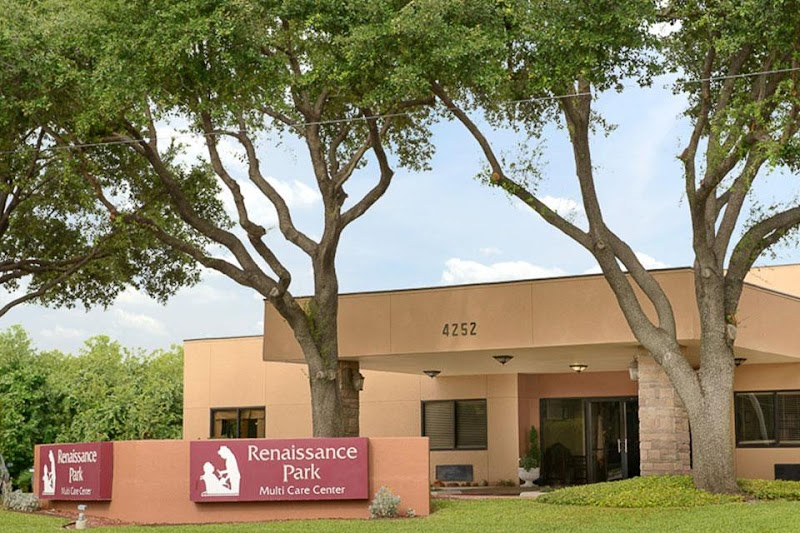
How is Renaissance Park Multi Staffed?

CMS rates RENAISSANCE PARK MULTI CARE CENTER's staffing level at 3 out of 5 stars, which is average compared to other nursing homes. Staff turnover is 63%, which is 17 percentage points above the Texas average of 46%. High turnover can affect care consistency as new staff learn residents' individual needs. RN turnover specifically is 64%, which is notably high. RNs provide skilled clinical oversight, so turnover in this role can affect medical care quality.

What Have Inspectors Found at Renaissance Park Multi?

State health inspectors documented 31 deficiencies at RENAISSANCE PARK MULTI CARE CENTER during 2023 to 2025. These included: 3 Immediate Jeopardy (the most serious level, indicating potential for serious harm or death), 1 that caused actual resident harm, and 27 with potential for harm. Immediate Jeopardy findings are rare and represent the most serious regulatory concerns. They require immediate corrective action.
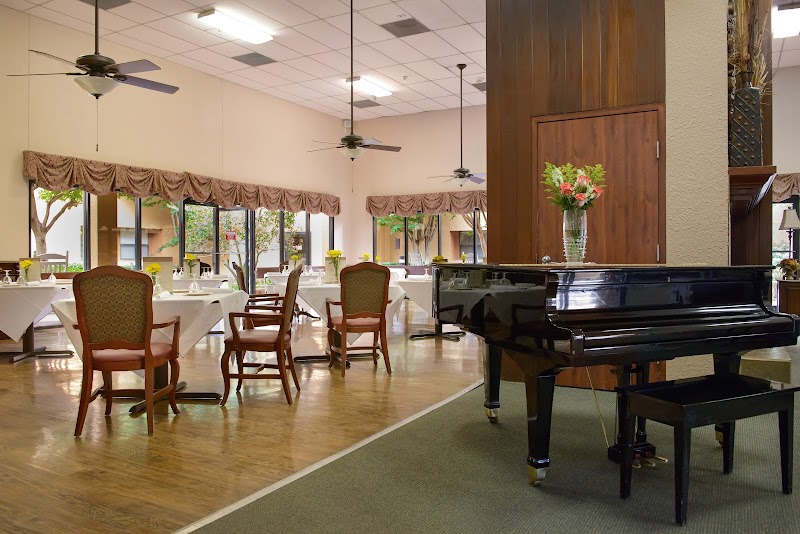
Who Owns and Operates Renaissance Park Multi?

RENAISSANCE PARK MULTI CARE CENTER is owned by a for-profit company. For-profit facilities operate as businesses with obligations to shareholders or private owners. The facility is operated by LIFE CARE CENTERS OF AMERICA, a chain that manages multiple nursing homes. With 120 certified beds and approximately 50 residents (about 42% occupancy), it is a mid-sized facility located in FORT WORTH, Texas.
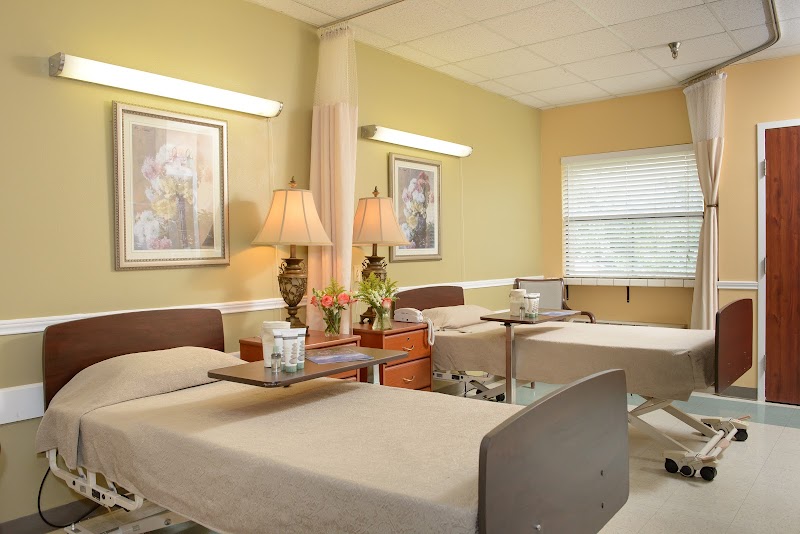
How Does Renaissance Park Multi Compare to Other Texas Nursing Homes?

Compared to the 100 nursing homes in Texas, RENAISSANCE PARK MULTI CARE CENTER's overall rating (2 stars) is below the state average of 2.8, staff turnover (63%) is significantly higher than the state average of 46%, and health inspection rating (2 stars) is below the national benchmark.

What Should Families Ask When Visiting Renaissance Park Multi?

Based on this facility's data, families visiting should ask: "What changes have been made since the serious inspection findings, and how are you preventing similar issues?" "How do you ensure continuity of care given staff turnover, and what is your staff retention strategy?" "Can I visit during a mealtime to observe dining assistance and food quality?" "How do you handle medical emergencies, and what is your hospital transfer rate?" These questions are particularly relevant given the facility's Immediate Jeopardy citations and the facility's high staff turnover rate.

Is Renaissance Park Multi Safe?

Based on CMS inspection data, RENAISSANCE PARK MULTI CARE CENTER has documented safety concerns. Inspectors have issued 3 Immediate Jeopardy citations (the most serious violation level indicating risk of serious injury or death). The facility has a 2-star overall rating and ranks #100 of 100 nursing homes in Texas. Families considering this facility should ask detailed questions about what corrective actions have been taken since these incidents.

Do Nurses at Renaissance Park Multi Stick Around?

Staff turnover at RENAISSANCE PARK MULTI CARE CENTER is high. At 63%, the facility is 17 percentage points above the Texas average of 46%. Registered Nurse turnover is particularly concerning at 64%. RNs handle complex medical decisions and coordinate care — frequent RN changes can directly impact care quality. High turnover means new staff may not know residents' individual needs, medications, or preferences. It can also be disorienting for residents, especially those with dementia who rely on familiar faces. Families should ask: What is causing the turnover? What retention programs are in place? How do you ensure care continuity during staff transitions?

Was Renaissance Park Multi Ever Fined?

RENAISSANCE PARK MULTI CARE CENTER has been fined $125,478 across 4 penalty actions. This is 3.7x the Texas average of $34,334. Fines at this level are uncommon and typically indicate a pattern of serious deficiencies, repeated violations, or failure to correct problems promptly. CMS reserves penalties of this magnitude for facilities that pose significant, documented risk to resident health or safety. Families should request specific documentation of what issues led to these fines and what systemic changes have been implemented.

Is Renaissance Park Multi on Any Federal Watch List?

RENAISSANCE PARK MULTI CARE CENTER is not on any federal watch list. The most significant is the Special Focus Facility (SFF) program, which identifies the bottom 1% of nursing homes nationally based on persistent, serious quality problems. Not being on this list means the facility has avoided the pattern of deficiencies that triggers enhanced federal oversight. This is a positive indicator, though families should still review the facility's inspection history directly.