RICHLAND HILLS REHABILITATION AND HEALTHCARE CENTE
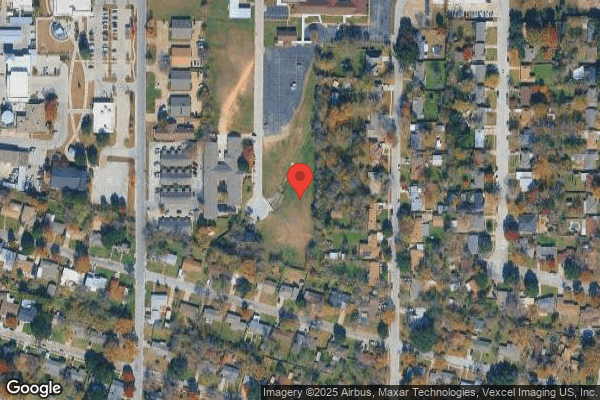
3109 KINGS CT, FORT WORTH, TX 76118 (817) 589-2431
Government - Hospital district 92 Beds THE ENSIGN GROUP Data: November 2025
Trust Grade
15/100
#1085 of 1168 in TX
Last Inspection: February 2025

Within standard 12-15 month inspection cycle. Federal law requires annual inspections.

Overview

Richland Hills Rehabilitation and Healthcare Center has a Trust Grade of F, indicating significant concerns about the quality of care provided. With a state ranking of #1085 out of 1168 and a county ranking of #67 out of 69, the facility is in the bottom half of Texas nursing homes, suggesting limited local options. The facility is improving slightly, with a decrease in reported issues from 12 in 2024 to 11 in 2025, but it still faces serious staffing challenges, evidenced by a concerning turnover rate of 73%. Specific incidents include a resident suffering a shoulder fracture due to improper assistance during a transfer and another resident being allowed to keep cigarettes and a lighter, posing a risk for accidents. While the facility has some average quality measures, the overall picture reveals significant weaknesses, making it essential for families to weigh these factors carefully.

Trust Score
F
15/100
In Texas
#1085/1168
Bottom 8%
Safety Record
Moderate
Needs review
Inspections
Getting Better
12 → 11 violations
Staff Stability
⚠ Watch
73% turnover. Very high, 25 points above average. Constant new faces learning your loved one's needs.
Penalties
✓ Good
$30,633 in fines. Lower than most Texas facilities. Relatively clean record.
Skilled Nurses
⚠ Watch
Each resident gets only 12 minutes of Registered Nurse (RN) attention daily — below average for Texas. Fewer RN minutes means fewer trained eyes watching for problems.
Violations
⚠ Watch
34 deficiencies on record. Higher than average. Multiple issues found across inspections.
★☆☆☆☆
1.0
Overall Rating
★☆☆☆☆
1.0
Staff Levels
★★★☆☆
3.0
Care Quality
★★☆☆☆
2.0
Inspection Score
Stable
2024: 12 issues
2025: 11 issues

The Good

  • Full Sprinkler Coverage · Fire safety systems throughout facility
  • No fines on record

Facility shows strength in fire safety.

The Bad

1-Star Overall Rating

Below Texas average (2.8)

Significant quality concerns identified by CMS

Staff Turnover: 73%

26pts above Texas avg (46%)

Frequent staff changes - ask about care continuity

Federal Fines: $30,633

Below median ($33,413)

Moderate penalties - review what triggered them

Chain: THE ENSIGN GROUP

Part of a multi-facility chain

Ask about local staffing decisions and management

Staff turnover is very high (73%)

25 points above Texas average of 48%

The Ugly 34 deficiencies on record

2 actual harm
Feb 2025 11 deficiencies
CONCERN (D) 📢 Someone Reported This

A family member, employee, or ombudsman was alarmed enough to file a formal complaint

Potential for Harm - no one hurt, but risky conditions existed

Transfer Requirements (Tag F0622)

Could have caused harm · This affected 1 resident

**NOTE- TERMS IN BRACKETS HAVE BEEN EDITED TO PROTECT CONFIDENTIALITY** Based on interview and record review, the facility failed to permit the resident to remain in the facility, and not transfer or ...

Read full inspector narrative →
**NOTE- TERMS IN BRACKETS HAVE BEEN EDITED TO PROTECT CONFIDENTIALITY** Based on interview and record review, the facility failed to permit the resident to remain in the facility, and not transfer or discharge the resident from the facility unless the transfer or discharge is necessary for the resident's welfare and the resident's needs cannot be met in the facility for 1 of 2 residents (Resident #199) reviewed for facility-initiated discharges. The facility failed to permit Resident #199 to remain in the facility and discharged the resident from the facility. Resident #199 was not allowed to return to the facility following a neurologist's appointment on 12/18/24 due to the facility having the resident sign an AMA form before she left for the appointment. After refusing Resident #199 to enter back into the facility, the facility called EMS who took her to a hospital for an evaluation. The failure could affect residents by placing them at risk of not having access to adequate care in a nursing home facility. Findings included: Record review of Resident #199's MDS Nursing assessment dated [DATE] reflected the resident was a [AGE] year-old female admitted to the facility on [DATE]. Resident #199's diagnoses included diabetes mellitus (disease that results in too much sugar in the blood), anxiety disorder (mental health disorder characterized by feelings of worry, anxiety, or fear that are strong enough to interfere with one's daily activities) chronic obstructive pulmonary disease (group of lung diseases that block airflow and make it difficult to breath), and cognitive communication deficit (communication difficulty caused by a cognitive impairment). Resident #199's MDS did not reflect a BIMS score, which meant that she did not complete the interview. MDS also reflected that Resident #199 did not have impairment in her upper or lower extremities. Record review of Resident #199's undated care plan reflected Focus: Potential for a behavior problem. Resident signed AMA on 12/18/24. This was created by the DON. There were no care plan goals or interventions documented. Record review of Resident #199's Progress Notes, dated 02/27/25 at 1:06 PM by the ADON, reflected: RP called facility to update staff about her mother//Residents whereabouts, Resident was still at the Doctor's appointment status. RP states, I'm going to try and look for a homeless shelter for my mom, because she is not allowed to come back to my house due to a former APS case and False accusations of family members .AMA was signed and RP is aware, advice was given to RP that Resident could go to hospital for further evaluation and placement . Record review of Resident #199's Progress Notes, dated 02/27/25 at 12:19 PM by LVN C, reflected: Resident informed writer that she has a doctor's appt and needed to be there by 1300 [1:00 PM]. Writer contacted social services to inquire if there's any appt set and the social worker confirmed that there was no appt set for the resident. Resident was notified about the social services' lack of knowledge of the appt and was asked if she can reschedule the appt, so that proper transportation arrangements can be made. Resident refused stating, 'No one tells me what to do. If it's transportation, I can get my own ride so don't worry about that.' Resident was further educated about her safety and the need for her to have a facility recognized personnel to take her to the appt but insisted that she must go. At around 11 am, resident came to the station ready to leave, AMA form was presented and explained to her what it means by the ADON witnessed by writer. Resident signed the form and was picked up by her ride outside the facility. Record review of Resident #199's Progress notes, dated 02/27/25 at 12:17 PM by the ADON, reflected: Resident agitated about Dr appointment not being accommodated. Resident schedules her own appointment to Neurologist. Resident scheduled her own transportation and told staff that she will not be coming back and was yelling. Once asked where Resident was going to go Resident stated, 'I will find a hotel.' This Nurse explained to Resident that it is cold and not safe for her to be outside without assistance. This Nurse offered to re-schedule her appointment to have transportation, and a staff member accompany. Resident stated, 'I'm sick of being here,' This Nurse explained that AMA will have to be filled out if she has no plan on returning to the facility. Resident signed paper. This Nurse explained that AMA is leaving again Medical Advice if there's no plans on returning to the facility. Resident's daughter was called and told about Resident leaving facility with own transportation and signing AMA form. Daughter notified of Resident leaving and was asked to talk to her mom about the situation or if she can accompany her. Resident's RP stated, 'My mom doesn't listen to me, it's ok if she wants to leave.' Ombudsman was called. PCP was notified. Record review of Leaving Facility Against Medical Advice form, dated 12/18/24, reflected signatures from LVN C, the ADON, and Resident #199. The form reflected, I am leaving the facility against the advice of Dr. [ ] and a representative of the facility administration. The form was blank with the physician's name. The physician's signature was also missing from the form. Record review on 02/27/25 of Resident #199's Electronic Health Record reflected no 30-day discharge letter issued for Resident #199 since her admission date on 10/31/24 by staff member from the facility. Interview on 02/25/25 at 2:20 PM with the Ombudsman was attempted but was not successful. Interview on 02/26/25 at 11:48 AM with Resident's RP revealed Resident #199 had an appointment with the neurologist. The RP stated the facility told her they could not take her to the appointment that day and would have to reschedule it. The RP said Resident #199 had called a car service to pick her up and take her to the appointment. The RP stated the ADON shoved a piece of paper in front of her, and she did not know what she was signing. The RP called the facility to tell them Resident #199 was on her way back to the facility, and the results of the appointment. At that time, the RP said the facility told them they would have a police officer at the building waiting because she was not allowed back in the building. The RP stated they would be sending her out via EMS. The facility also did not release Resident #199's medications to the RP when she went to get the resident's belongings after she was discharged . Interview on 02/26/25 at 12:04 PM with Resident #199 revealed she had scheduled an appointment herself with a neurologist. Whe she returned to the facility from the appointment that same day, the resident stated she was met by the police. She stated she wanted to live at the facility. She also said she did not understand why she could not set up her own transportation to and from an appointment without being discharged from the place she chose to live. Resident #199 stated she did not receive her medications back from the facility after she was discharged . Interview on 02/26/25 at 12:05 PM with the ADON revealed she was speaking with Resident #199 when Resident #199 told her she had an appointment with a neurologist over two hours away. The ADON stated the facility could not accommodate the resident and would have to reschedule the appointment. She stated Resident #199 explained to her that she had arranged her own transportation and would stay at a hotel if she could not find a way home. The ADON then explained that going to the appointment by herself and getting her own hotel was considered leaving AMA. The ADON also stated the Resident's RP was notified. The ADON revealed Resident #199 was angry because she was already discharged from the computer system. The ADON also said she notified the police because the Resident #199 was angry and became physical with the staff. The ADON felt it was unsafe for the resident to be out alone in the winter with her diagnoses. The ADON also stated the DON was there and communicated with her during this event. Interview on 02/26/25 at 2:05 PM with the Social Services Staff revealed she was contacted the day before by Resident #199's RP. The Social Services Staff stated Resident #199's appointment was over two hours away, and she did not feel it was safe for the resident to go alone because the resident did not have a good memory. She stated the resident stated she would get a car service to take her there. The Social Services Staff said the resident said she would get a hotel if she could not find transportation back that night. She revealed the facility produced an AMA form and asked the resident to sign it before she left. The Social Services Staff stated Resident #199 came back to the facility after her appointment. She stated Resident #199 became angry when the staff told her she could not go to her room and was no longer a resident. The Social Services Staff stated the police were called, and Resident #199 was sent out by EMS to a hospital. Interview on 02/27/25 at 12:43 PM with the Administrator revealed she was not in the building the day of the incident. The Administrator stated the DON was the designee of the building on 12/18/24. The Administrator said she did not know the facility policy on residents scheduling their own doctor appointments. The Administrator also revealed she was not aware of the facility's policy on residents scheduling their own transportation to their doctor appointments. Interview on 02/27/25 at 1:39 PM with the DON revealed when she was called up to the front desk on 12/18/24, Resident #199 had already been asked to sign an AMA form. The DON stated the facility policy stated that residents must let the facility know ahead of time about appointments, so they could get a family member, or a staff member, to assist the resident with the appointment by going with them. The DON stated she overheard Resident #199 say she was not coming back. The DON revealed when Resident #199 returned from the appointment, the resident was very angry and aggressive when the ADON told her that she could not stay at the facility and must leave. The police and EMS were called, and the resident was transported to the hospital. Record review of the facility's Discharge or Transfer policy, dated July 2015, reflected: Policy: It is the policy of this facility to provide the Resident with a safe organized structured transfer and or discharge from the Facility to include but not limited to hospital, another healthcare facility or home that will meet their highest practical level of medical, physical and psychosocial well-being. Expiration of Resident within facility is known as a Discharge. A transfer and or discharge shall be considered for the following reasons as regulated by Federal, State and other Regulatory Agencies. 1. Transfer/discharge: Emergency 2. Transfer/discharge: Other Healthcare Facility (Planned) 3. Transfer/discharge: Home/Community (Planned) 4. Transfer/discharge: Leaving Against Medical Advice .
CONCERN (D)

Potential for Harm - no one hurt, but risky conditions existed

Deficiency F0679 (Tag F0679)

Could have caused harm · This affected 1 resident

**NOTE- TERMS IN BRACKETS HAVE BEEN EDITED TO PROTECT CONFIDENTIALITY** Based on observation, interview, and record review, the facility failed to provide an ongoing program of in-room activities in a...

Read full inspector narrative →
**NOTE- TERMS IN BRACKETS HAVE BEEN EDITED TO PROTECT CONFIDENTIALITY** Based on observation, interview, and record review, the facility failed to provide an ongoing program of in-room activities in accordance with the comprehensive assessment to meet the interests and the physical, mental, and psychosocial well-being of 1 of 18 (Resident #46) residents reviewed for activities. The facility did not provide Resident #46 ongoing individualized in-room activities for a minimum of fifteen minutes three times per week for the period between 02/25/25 to 02/27/25. This failure could place residents who required in room activities at risk for not having activities to meet their interests or needs and a decline in their physical, mental, and psychosocial well-being. Findings included: Record review of Resident #46's quarterly MDS, dated [DATE], reflected Resident #46 was a [AGE] year-old male with an initial admission date of 06/14/24. Resident #46's MDS reflected active diagnoses of anxiety disorder, depression, schizophrenia, profound intellectual disabilities, cognitive communication deficit, other disorders of psychological development, and morbid obesity. Resident #46's MDS also reflected that the resident is rarely/never understood. Therefore, no BIMS score could be recorded. The MDS quarterly assessment did not reflect activities for Resident #46. Resident #46's MDS reflected that he was substantial/maximal assistance for ADL's. Record review of Resident #46's undated care plan indicated Resident #46 was dependent on staff for activities, cognitive stimulation, and social interaction relating to cognitive deficits. The care plan reflected two goals: Will attend/participate in activities of choice by next review dated and will maintain involvement in cognitive stimulation, social activities as desire through review date. The care plan reflected the following interventions: Engage resident in simple, structured activities such as (Specify), all staff to converse with resident while providing care, assistance with ADLs as required during the activity, invite to scheduled activities, needs 1 to 1 bedside/in-room visits and activities if unable to attend out of room events. Observation on 02/24/25 at 7:47 PM revealed Resident #46 was sitting in his bed yelling out loudly. Staff attempted to calm resident but was unsuccessful. Surveyor attempted interview but was unable due to resident's cognitive deficit. There was no evidence of activity sheets or any other type of activity in the resident's room. Observation on 02/25/25 at 10:37 AM revealed Resident #46 appeared to be sleeping in his bed. Resident's television was turned on. There was no evidence of activity sheets or any other type of activity in the resident's room besides the television for Resident #46. His breakfast tray was bedside and appeared to be partially eaten. Observation on 02/25/25 at 4:08 PM revealed Resident #46 appeared to be sleeping in his bed. Resident's television was turned on. There was no evidence of activity sheets or any other type of activity in the resident's room besides the television for Resident #46. His lunch tray was bedside but was not eaten. Observation on 02/26/25 at 9:47 AM revealed Resident #46 appeared to be sleeping in his bed. Resident's television was turned on. There was no evidence of activity sheets or any other type of activity in the resident's room besides the television for Resident #46. Resident's breakfast tray was bedside and appeared to activity have been eaten by the resident. Observation on 02/26/25 at 2:00 PM revealed Resident #46 appeared to be sleeping in his bed. Resident's television was turned on. There was no evidence of activity sheets or any other type of activity in the resident's room besides the television for Resident #46. Interview on 02/25/25 at 4:22 PM with Resident #46's RP revealed the resident was non-verbal. The RP stated the resident liked to watch cartoons and musicals. She stated Resident #46's mother had passed away, and she knew more about the resident because she had been his primary care giver his whole life. She confirmed the resident did not have a consistent sleep pattern and had not had a consistent sleep pattern when living at home. Interview on 02/27/25 at 12:56 PM with the Activities Director revealed she had been employed with the facility for about a month. The Activities Director stated PASRR services visited Resident #46 monthly. The Activities Director said she attempted a 1:1 activity with Resident #46 approximately twice per week for about 15 minutes. The Activities Director stated she attempted to play with a ball with the resident as well as puzzles. She said she ordered a fidget [NAME] type accessory for the resident. She stated Resident #46 did not respond to her attempts at activities with him. The Activities Director revealed the resident did not respond to her attempts with him at activities in his room. She stated she had not attempted to take Resident #46 outside or help him into a wheelchair. She stated he could walk when he chose to walk. The Activities Director said activities was important for the resident, so he could socialize with others and not isolate in his room. The Activities Director revealed she was not trained on how to manage residents who were IDD. The Activities Director stated she would report to the charge nurse, DON, and Administrator if the resident was refusing activities, so that she could get assistance. The Activities Director also stated she should be attempting activities three times per week with Resident #46 for 15 minutes each time as well as reach out to other sources for different activity ideas for PASRR positive residents. The Activity Director also revealed that she did not document on paper or in the EHR activity minutes or activity attempts with Resident #46. The Activity Director was unable to locate documentation for Resident #46's activities or time spent with the resident. Interview on 02/27/25 at 2:30 PM with Social Services Staff revealed Resident #46 was receiving PASRR services. She stated she was working with Texas Department of State Health Services, a parent organization of MHMR for Resident #46 and his placement. She stated MHMR felt that another facility may be a better fit. The Social Services Staff also said Resident #46 was recently approved for speech services, so he would be receiving services soon in hopes to decrease his yelling out. The Social Services Staff revealed she felt the resident was withdrawn and isolated because the facility was not meeting his needs. She stated she reported this to the Administrator in morning meetings as well as in Resident #46's care plan meetings. Interview on 02/27/25 at 2:13 PM with the DON revealed the Activities Director attempted to have a 1:1 activity with Resident #46, but it was difficult because the resident yelled out if he was awake. The DON stated the resident should interact with someone daily. The DON said the PASRR Coordinator came out regularly to visit Resident #46. The DON stated the resident was not getting his needs met which was why he continually yelled out when he was awake. She stated she would speak with the Social Services Staff and PASRR individual to discuss assisting the resident get to a place that could better meet his physical and social needs met. Interview on 02/27/25 at 2:45 PM with the Administrator revealed she was unaware how often Resident #46 received 1:1 activity with the Activities Director. The Administrator stated she would refer to the facility policy on activities and get back with me about how often residents should receive activities. The Administrator said Resident #46 liked cartoons, so staff kept his television on cartoons for him in his room. The Administrator also revealed the resident was non-verbal and did not follow instructions. The Administrator stated the resident slept often in the daytime. The Administrator stated was unaware of how missing socialization with activities would affect Resident #46. Record review of the facility's Activities Program policy, dated July 2017, reflected: Policy: Is the policy of the facility to ensure each resident has daily social, recreational, or rehabilitative activities provided and available to them. Procedures: 1. Activities are planned according to the residents' preferences, needs, and abilities. Every resident will be interviewed for preferences. 2. A calendar of activities is: a. Prepared at least one week in advance from the date the activity will be provided b. Conspicuously posted c. Reflects all substitutions in the activities provided d. Maintained on the premises for 12 months after the last scheduled activity 3. Equipment and supplies are available and accessible to accommodate each resident who chooses to participate in an activity. 4. Daily newspapers, current magazines, and a variety of reading materials are available and accessible to all residents in assisted living.
CONCERN (D)

Potential for Harm - no one hurt, but risky conditions existed

Deficiency F0688 (Tag F0688)

Could have caused harm · This affected 1 resident

**NOTE- TERMS IN BRACKETS HAVE BEEN EDITED TO PROTECT CONFIDENTIALITY** Based on observation, interview, and record review, the facility failed to ensure residents with limited range of motion receive...

Read full inspector narrative →
**NOTE- TERMS IN BRACKETS HAVE BEEN EDITED TO PROTECT CONFIDENTIALITY** Based on observation, interview, and record review, the facility failed to ensure residents with limited range of motion received appropriate treatment and services to increase range of motion and/or prevent further decrease in range of motion for 1 of 5 residents (Resident #9) reviewed for restorative care. The facility failed to apply splint to Resident #9's left hand to reduce the risk of further loss of range of motion on 02/25/25 and 02/26/25. This failure placed ten residents on with devices for contractures at risk for decline in range of motion, decreased mobility, and worsening of contractures. Findings included: Record review of Resident #9's admission Record dated 02/27/25 reflected the resident was a [AGE] year-old male who admitted to the facility on [DATE]. Record review of Resident #9's quarterly MDS assessment dated [DATE] reflected his diagnoses included unspecified dementia, stiffness of left shoulder, stiffness to left elbow, stiffness to left hand, muscle weakness, cognitive communication deficit, anxiety disorder. Resident #9's BIMS score was not complete. The MDS further revealed Section GG - Functional Abilities indicated the resident had upper and lower extremity impairment on both sides. Record review of Resident #9's Care Plan dated 12/03/25 reflected: Focus; Has limited physical mobility r/t Contractures. Goal: Will demonstrate the appropriate use of adaptive device(s) to increase mobility through the review date. Interventions: Hand splint to left hand for contracture management. Applied by therapy. Record review of Resident #9's physician order dated 11/01/24 revealed the following: Pt to wear L hand splint, applied by therapy, 5x/wk for up to 8 hours a day, for contracture management. Observation on 02/24/25 at 8:02 PM of Resident #9 lying in bed, resident was a Spanish speaker and would respond with to yes or no questions. Observed residents' both hands to be contracted. Resident denied any pain. The resident was not able to open his hand on command, and there was not a contracture management device in place. Observation on 02/25/25 at 12:34 PM revealed Resident #9 in bed watching television. There was not a contracture management device in place at the time of the observation. Resident #9 hand splint was observed to be on the floor. Resident unable to state when was the last time he had it on. Observation on 02/25/25 at 3:25 PM revealed Resident #9 was in bed watching television. There was not a contracture management device in place at the time of the observation. Resident #9 hand splint was observed to be on the floor. Observation on 02/26/25 at 10:26 AM revealed Resident #9 was in bed sleeping. There was not a contracture management device in place at the time of the observation. Resident #9 hand splint was observed to be on a chair next to resident's bed. Observation on 02/26/25 at 12:09 PM revealed Resident #9 was in watching television. There was not a contracture management device in place at the time of the observation. Resident #9 hand splint was observed to be on a chair next to resident's bed. Interview on 02/26/25 at 1:31 PM with CNA E revealed Resident #9 both hands were contracted. She stated she was unaware of any splint. She stated she has never put any splint device on his hands. She stated either the charge nurse or therapy put on a splint. CNA E observed Resident #9's splint and stated she had never put one on the resident. Interview on 02/26/25 at 1:45 PM with LVN B revealed she was the nurse assigned to Resident #9. LVN B stated Resident #9 hands were contracted and was receiving therapy services. She stated she was not aware Resident #9 required a splint. LVN B reviewed Resident #9's physician orders and stated resident had an order for a splint; however, the order states splint should be applied by therapy. LVN B stated therapy had not mentioned anything to them about applying a splint. Interview on 02/26/25 at 1:51 PM with the Dir . of Rehabilitation revealed Resident #9 was receiving OT and was discharged on 01/28/25. She stated therapy was putting on Resident #9 left hand splint and was once he discharged the nurses were responsible to put the splint on. Dir. of Rehabilitation reviewed Resident #9's physician order and stated therapy forgot to discontinue the order. She stated Resident #9 order should had been updated with a new order. She stated it was the responsibility of the therapist and herself to review resident's orders when discharged from therapy. She stated Resident #9's order was missed. She stated the potential risk of not applying the splint could cause contracture to tighten. Interview on 02/27/25 at 2:00 PM with the DON revealed when a resident discharges from therapy, therapy staff will notify the nursing staff regarding any restorative care. The DON stated therapy would provide an order and, on the order, it would state who would be responsible for putting on a splint or any other devices. The DON stated she was not aware Resident #9 had an order for a splint. She stated during morning meeting she goes over any new physician orders. She stated the Director of Rehabilitation and herself were responsible for any new orders. She stated the risk of not putting on a splint could lead residents to be more contracted. On 02/27/25 at 3:00 PM, the Administrator was asked to provide the facility's policy regarding range of motion/contracture management devices or restorative care. At 4:20 PM, the Administrator stated they could not locate a policy regarding range of motion/contracture management devices or restorative care.
CONCERN (D)

Potential for Harm - no one hurt, but risky conditions existed

Medical Records (Tag F0842)

Could have caused harm · This affected 1 resident

**NOTE- TERMS IN BRACKETS HAVE BEEN EDITED TO PROTECT CONFIDENTIALITY** Based on interview and record review, the facility failed to maintain clinical records in accordance with accepted professional ...

Read full inspector narrative →
**NOTE- TERMS IN BRACKETS HAVE BEEN EDITED TO PROTECT CONFIDENTIALITY** Based on interview and record review, the facility failed to maintain clinical records in accordance with accepted professional standards and practices that are complete and accurately documented for 2 of 2 residents (Residents #25 and #107) reviewed for wound care administration. 1. The facility failed to ensure staff accurately documented on Resident #25 and #107's MAR/TAR after performing wound care on 02/26/25. This failure could put residents at risk for treatment errors and errors in care. Findings included: 1. Record review of Resident #25's admission MDS assessment dated [DATE] reflected the resident was a [AGE] year-old female. Resident admitted to the facility on [DATE]. Her diagnoses included Peripheral Vascular Disease (a condition that affects the blood vessels outside the heart and brain). Resident #25 had a BIMS score of 4, indicating her cognition was severely impaired. Record review of physician's orders dated 02/24/25 revealed Resident #25 had a skin tear to right lateral ankle. The order reflected: Cleanse right lateral ankle skin tear with NS or WC, pat dry, apply xeroform; cover with dry dressing daily and as needed for soilage or dislodgement. Record review of Resident #25's Treatment administration record for February 2025 on 02/26/25 revealed wound care marked as provided on 02/25/25. 2. Record review of Resident #107's Entry MDS dated [DATE] reflected the resident was a [AGE] year-old male. Resident admitted to the facility on [DATE]. His diagnoses included acute hematogenous osteomyelitis, left ankle and foot (an acute infection of the bone or bone marrow diagnosed within 2 weeks from the onset of signs and symptoms). Resident #107 had a BIMS score of 14 indicating his cognition was intact. Record review of physician's orders dated 02/15/25 revealed Resident #107's had a surgical wound on left ankle and foot. The order reflected: Cleanse left medial foot surgical incision with NS or WC, pat dry, pack distal part of incision with iodoform ribbon, cover with xeroform and 4x4 gauze, wrap with kerlix and then with ace wrap daily every day shift for surgical wound. Record review of Resident #107's February 2025 TAR on 02/26/25 revealed wound care marked as provided on 02/25/25. Interview with Resident #107 on 02/26/25 at 10:36 AM revealed he was supposed to get wound care every day, but the last time he got his wound care was 02/24/25. He stated he was fearing the wound to get infected. Interview with LVN A on 02/26/25 at 2:37 PM revealed she was the wound care nurse. She stated she was aware she was supposed to document on the treatment administration record every time she performed wound care, but she had documented before providing care and did not provide care due to having a lot of work to do. LVN A stated both Residents #25 and #107 were supposed to get wound care every day. She stated she did not notify the oncoming nurse that she had not provided wound care. LVN A stated the failure to perform wound care per doctors' orders would lead to infections, and documenting care before providing could lead to the resident missing care. She stated she had done in-services on documenting treatment after administration. Interview on 02/27/25 at 2:28 PM with the DON revealed her expectations were for staff to document accurately on the resident's TAR after providing care, but not charting before they provide care. The DON stated she was responsible of auditing the MAR with her ADON weekly. The DON said the risk of staffs not documenting care accurately could lead to care not being provided and the wounds would deteriorate. The DON stated she had done in-services on documentation. Record review of the in-services on 02/27/25 revealed the facility offered in-service on 01/22/25 on MAR /TAR and orders and LVN A was in attendance. Record review of the facility's Physician Orders policy, revised July 2022, reflected: charting and documentation was not addressed.
CONCERN (D)

Potential for Harm - no one hurt, but risky conditions existed

Infection Control (Tag F0880)

Could have caused harm · This affected 1 resident

Based on observation, interview, and record review, the facility failed to establish and maintain an infection prevention and control program designed to provide a safe, sanitary, and comfortable envi...

Read full inspector narrative →
Based on observation, interview, and record review, the facility failed to establish and maintain an infection prevention and control program designed to provide a safe, sanitary, and comfortable environment and to help prevent the development and transmission of communicable diseases and infections for 1 of 1 resident (Resident #31) reviewed for infection control. The facility failed to ensure LVN B put on a gown before providing g-tube medication to Resident #31, who was on Enhanced Barrier Precautions. This failure could place residents at risk of contracting an infection from residents on Enhanced Barrier Precautions and cross contamination, which could result in infections or illness. Findings included: Record review of Resident #31's quarterly MDS assessment, dated 12/22/25, reflected his diagnoses included cerebral palsy (a group of non-progressive neurological disorders that affect movement, posture, and balance) and dysphagia following cerebral infarction (difficulty swallowing that occurs after a stroke). Resident #31's BIMS score was not completed due to the resident being rarely/never understood. The MDS reflected the resident had a feeding tube. Record review of Resident #31's care plan, revised on 05/12/24, reflected: Focus: The resident requires tube feeding rule out Cerebral Palsy/Dysphagia. Goal: Will be free of aspiration through the review date. Interventions: Use Enhanced Barrier Precautions. Record review of Resident #31's physician order, dated 10/01/24, reflected enhanced barrier precautions: ppe required for high resident contact care activities. Indication: indwelling medical device gastronomy tube. Observation on 02/26/25 at 7:28 AM revealed LVN B preparing to provide Resident #31's medication. Resident #31 had a sign on the door which stated EBP and had a bin of PPE hanging on the door. LVN B conducted appropriate hand hygiene and then proceeded to don gloves. LVN B failed to don a gown. LVN B checked for residual and placement. She administered all the medications via gastronomy tube. Interview on 02/26/25 at 9:48 AM with LVN B revealed she was the nurse assigned to Resident #31. LVN B stated any resident who had a catheter, or wound were on Enhanced Barrier Precautions, and staff were required to put on PPE when providing care. She stated the reason why Resident #31 was on EBP was due to resident's g-tube. She stated the potential risk of not donning PPE would be contamination . She stated she had done training on enhanced barrier precautions. Interview on 02/26/25 at 3:15 PM with the DON revealed EBP applied to residents with wounds, catheter, and g-tubes. The DON stated her expectations were for staff to use PPE on resident on enhanced barrier. She stated the potential risk would be infection control. She stated she had done in-services on staffs on enhanced barrier. Record review of facility in-services revealed the facility did training on 01/22/25 on enhanced barrier precautions and LVN B was in attendance. Record review of the facility's Infection Prevention and Control Program policy, revised on March 2024, reflected: .3. Enhanced Barrier Precaution EBP are used in conjunction with standard precautions and expand the use of PPE to donning of gown and gloves during high-contact resident care activities that provided opportunities for transfer of MDRO's to staff hands and clothing then indirectly transferred to residents or from resident to resident with wounds and indwelling medical devices are at especially high risk of both acquisition of and colonization with MDROs). a. PPE: The use of gown and gloves for high-contact resident care activities is indicated, when Contact Precautions do not otherwise apply, for nursing home residents with: o Indwelling medical devices include, but are not limited to central lines, peripherally inserted central catheter (PICC) lines, urinary catheters, feeding tubes, and tracheostomies .
CONCERN (D)

Potential for Harm - no one hurt, but risky conditions existed

Deficiency F0919 (Tag F0919)

Could have caused harm · This affected 1 resident

**NOTE- TERMS IN BRACKETS HAVE BEEN EDITED TO PROTECT CONFIDENTIALITY** Based on observation, interview, and record review, the facility failed to be adequately equipped to allow residents to call for...

Read full inspector narrative →
**NOTE- TERMS IN BRACKETS HAVE BEEN EDITED TO PROTECT CONFIDENTIALITY** Based on observation, interview, and record review, the facility failed to be adequately equipped to allow residents to call for staff assistance through a communication system which relays the call directly to a centralized staff work area, for 1 of 54 residents (Resident #29) reviewed for call lights. The facility did not adequately equip Resident #29 with a call light to allow the resident to call for assistance. This failure could place residents who rely on the call light system to have a delayed response or no way to contact staff to meet their needs. Findings included: Record review of Resident #29's admission Record dated 02/27/25 reflected the resident was a [AGE] year-old female who admitted to the facility on [DATE] and readmitted on [DATE]. Record review of Resident #29's significant change in status MDS assessment dated [DATE] reflected her diagnoses included malignant neoplasm (cancer) of liver, dysphagia (difficulty swallowing), anxiety disorder, repeated falls. Chronic obstructive pulmonary disease. Resident #29's had a BIMS score of 15 indicating she was cognitively intact. Record review of Resident #29's Care Plan revised date 11/24/24 reflected: Focus: [Resident #29] [is] at risk for falls r/t weakness. [Resident #29] [is] at risk for falls r/t Vertigo. Goal: Will not sustain serious injury through the review date. Interventions: Be sure the call light is within reach and encourage to use it to call for assistance as needed. Observation and interview on 02/24/25 at 7:18 PM revealed Resident #29 sitting at the edge of the bed. Observation of Resident #29's room revealed there was only one call light that belonged to Resident #29's roommate. Resident #29 stated she had not had a call light in months. She stated she did not know what happened to her call light. She stated she had not requested a call light due to not having the need to use the call light. She stated when she needed something she walked to the nurse's station or would use her roommates call light. Interview on 02/27/25 at 9:02 AM with CNA F revealed she was the CNA assigned to Resident #29. She stated each resident should have a call light and within reach. She stated Resident #29 had a call light in her room. During an observation of Resident #29's room, CNA F stated Resident #29 did not have a call light but could assure she had one. She stated on Thursday (02/20/25) Resident #29's bed was changed, and the call light might have been removed. CNA F stated the risk of not having a call light could lead to resident needing help and not having a way to call for help. Interview on 02/27/25 at 10:48 AM with LVN A revealed she was the nurse assigned to Resident #29. She stated all residents should have a call light. She stated she was not aware Resident #29 did not have a call light. She stated all staff were responsible to ensure residents had a call light and within reach. She stated during rounds, call lights should be observed. LVN A stated no one noticed Resident #29 did not have a call light. She stated the potential risk would be the resident having a fall, and she would not be able to call for help. Interview on 02/27/25 at 1:16 PM with the Maintenance Supervisor revealed each resident should have a call light. He stated he was made aware today (02/27/25) Resident #29 did not have a call light. He stated his expectation are for staff to notify him of when a call light was missing. The Maintenance Supervisor stated he kept a logbook outside his office for work orders. He stated he checked the logbook every day. He stated the potential risk of not having a call light could lead to a resident needing help and not being able to get a hold of someone. Interview on 02/27/25 at 2:04 PM with the DON revealed all resident should have a call light. She stated she was not aware Resident #29 did not have a call light. She stated she expected all residents to have a call light and if they do not have one, staff should report to the maintenance staff. She stated the potential risk of not having a call light could lead to delay of care. Interview on 02/27/25 at 2:53 PM with the Administrator revealed her expectations were for call lights to be answered in a timely manner and for all residents to have a call light. She stated if a resident was missing a call light staff should notify maintenance staff or anyone in management. The Administrator stated the risk of not having a call light would be residents unable to call for assistance. Record review of facility Maintenance Request Log start date 12/31/24 through 02/25/25 revealed no request for Resident #29 call light to be replaced. Record review of facility current, undated Call Light/Bell policy reflected the following: .It is the policy of this facility to provide the resident a means of communication with nursing staff. .5 .Place the call device within resident's reach before leaving room. If the call light/bell is defective, immediately report this information to the unit supervisor
CONCERN (E)

Potential for Harm - no one hurt, but risky conditions existed

Quality of Care (Tag F0684)

Could have caused harm · This affected multiple residents

**NOTE- TERMS IN BRACKETS HAVE BEEN EDITED TO PROTECT CONFIDENTIALITY** Based on observation, interview, and record review the facility failed to ensure residents with wounds receives necessary treatm...

Read full inspector narrative →
**NOTE- TERMS IN BRACKETS HAVE BEEN EDITED TO PROTECT CONFIDENTIALITY** Based on observation, interview, and record review the facility failed to ensure residents with wounds receives necessary treatment and services, consistent with professional standards of practice, to promote healing and prevent infection for 3 of 3 residents (Residents #25, #30 and #107) reviewed for wound care. 1. The facility failed to ensure Resident #25 and Resident #107 received wound care everyday as per physician orders on 02/25/25. 2. LVN A failed to update physician wound care orders in the MAR when Resident #30 was seen by the Wound Care Physician on 02/17/25. These failures placed residents at risk for infection and delay in healing of existing wounds. Findings included: 1. Record review of Resident #25's admission MDS dated [DATE] reflected the resident was a [AGE] year-old female. Resident admitted to the facility on [DATE]. Her diagnoses included Peripheral Vascular Disease (a condition that affects the blood vessels outside the heart and brain). Resident #25 had a BIMS of 4 indicating her cognition was severely impaired. Record review of physician's orders dated 02/24/25 revealed Resident #25's had a skin tear to right lateral ankle. The order reflected: Cleanse right lateral ankle skin tear with NS or WC, pat dry, apply xeroform; cover with dry dressing daily and as needed for soilage or dislodgement. Observation on 02/26/25 at 4:20 PM with LVN A who was the wound care nurse, providing Resident #25 with wound care revealed she disinfected the table and left it to dry. She removed her gloves, washed her hands, and put the supplies together. She wheeled the table to Resident #25's bedside. She then washed her hands, put on gloves, and removed the old dressing on Resident #25's right ankle. The old dressing was observed to be dated 02/24/25 meaning she had missed her wound care on 02/25/25. LVN D removed her gloves, washed her hands, and put on new gloves. She cleansed the wound with normal saline, removed her gloves, washed hands, and put on new gloves and then applied xeroform and covered with a dry dressing dated 02/26/25. 2. Record review of Resident #30's Quarterly MDS dated [DATE] reflected the resident was a [AGE] year-old male. Resident admitted to the facility on [DATE]. His diagnoses included cellulitis (common bacterial infection of the skin and underlying tissues). Resident #30 had a BIMS of 15 indicating his cognition was intact. Record review of physician's orders dated 02/17/25 revealed Resident #30's had a wound on the left foot 4th digit. The order reflected: Left Fourth toe trauma 1.5 x 1.5 x undetermined 40% slough,20% granulation and 30% eschar and 10% epithelial. Cleanse left foot 4th digit with normal saline or wound cleanser, pat, apply xeroform and cover with dry dressing 3x/week (M/W/F) and as needed for soilage or dislodgement every day shift every Mon, Wed, Fri for trauma. Record review of Resident 30's February 2025 MAR and TAR revealed there were no new wound care orders for 02/17/2025. The old orders were to apply betadine solutions dated 02/10/25. Record review of Resident #30's Wound Care Physician's notes/assessment, dated 02/17/25, revealed the resident was assessed to have a 1.5 centimeters x 1.5 centimeters x undetermined (depth) wound on left fourth toe. The orders were to cleanse with normal saline, apply Xeroform on Mondays, Wednesdays, and Fridays and as needed and cover with dry dressing. Observation and interview on 02/24/25 at 8:05 PM revealed Resident #30 was in his room lying on his bed. He was observed to have open wounds on the medial foot and the left fourth toe and cellulitis on bilateral legs. No draining was observed. He stated staff in facility apply dressing when the wounds were weeping and when not they left them open. He stated he did not recall the last time the dressing was applied. He stated they applied betadine, but he did not mention how often. Observation and interview on 02/25/25 at 12:24 PM with LVN A, who was the facility's Wound Care Nurse, revealed there were no dressings on Resident #30's open wounds. LVN A stated Resident #30 was seen by the Wound Care Doctor on 02/17/24. She stated the doctor gave orders to cover Resident #30's wounds, but she got busy working on the floor, and she did not update the orders on the Treatment Administration record. She stated Resident #30 had not received the new wound care to date. She stated they had not been applying dressing since she forgot to update the orders. She stated she was aware he was supposed to be getting his wound care three times a week. She stated the doctors also saw the resident on 02/24/25 and some wounds were healed, but they were supposed to continue with the same orders for the left fourth toe, but she still had not updated the orders. She stated failure to update the orders made the resident miss treatments. She stated the risk for Resident #30 was that his wounds could get infected and there could be a delay in healing. She stated she was aware wound care needed to be updated once the doctor gave the orders. She denied notifying management of not having updated the orders. 3. Record review of Resident #107's Entry MDS dated [DATE] reflected the resident was a [AGE] year-old male. Resident admitted to the facility on [DATE]. His diagnoses included acute hematogenous osteomyelitis, left ankle and foot (an acute infection of the bone or bone marrow diagnosed within 2 weeks from the onset of signs and symptoms). Resident #107 had a BIMS of 14 indicating his cognition was intact. Record review of Resident #107's February 2025 MAR and TAR revealed there were wound care orders. The orders were to cleanse left medial foot surgical incision with normal saline and wound cleanser, pat dry, pack distal part of incision with iodoform ribbon, cover with Xeroform and 4x4 gauze, wrap with Kerlix and then with ACE wrap daily every day shift for surgical wound. Record review of physician's orders dated 02/15/25 revealed Resident #107's had a surgical wound on left ankle and foot. The order reflected: Cleanse left medial foot surgical incision with NS or WC, pat dry, pack distal part of incision with iodoform ribbon, cover with xeroform and 4x4 gauze, wrap with kerlix and then with ace wrap daily every day shift for surgical wound. Interview with Resident #107 on 02/26/25 at 10:36 AM revealed he was supposed to get wound care every day, but the last time he got his wound care was 02/24/25. He stated he feared his wound would get infected. Observation and interview with LVN A on 02/26/25 at 2:37 PM revealed she washed her hands and put on gloves. She opened the ACE wrap and the kerlix covering the Resident #107's wound, and it was revealed the wound dressing was dated 02/24/25. LVN A stated she last did the wound care on 02/24/25 after the Wound Care Doctor saw Resident #107. She stated she did not change the dressing on 02/25/25 for Resident #25 and Resident #107 because she was not able to finish rounding all the wounds. She stated she knew the wound care was supposed to be provided every day. She stated she did not notify management or the on-coming nurse of the wounds she had not completed changing the dressing. LVN A stated failure to perform wound care as per the physician orders could lead to infection. Interview on 02/26/25 at 3:26 PM with the DON revealed her expectation was physician orders were supposed to be updated the same day they were received. The DON stated she and ADON were supposed to follow-up and ensure the new orders were updated in the treatment administration record weekly. The DON stated it was all nurses' responsibility to ensure wound care was being provided to residents. She stated she was not aware the residents were not getting wound dressing changes because the ADON was responsible of following with nurses to ensure the wound care was being provided. She stated the ADON updated her weekly. The DON stated failure of the nurses to act upon physician orders could create a problem because every change made by the doctor was necessary for the resident's treatment. She stated failure to offer wound care to residents might cause the wounds not to heal properly and infection. Record review of the facility's Wound Care and Treatment Guidelines policy, revised May 2007, reflected: .It is the policy of this facility to provide excellent wound care to promote healing. .11.There must be a specific order for the treatment
CONCERN (E)

Potential for Harm - no one hurt, but risky conditions existed

Deficiency F0694 (Tag F0694)

Could have caused harm · This affected multiple residents

**NOTE- TERMS IN BRACKETS HAVE BEEN EDITED TO PROTECT CONFIDENTIALITY** Based on observation, interview, and record review, the facility failed to ensure parenteral fluids were administered consistent...

Read full inspector narrative →
**NOTE- TERMS IN BRACKETS HAVE BEEN EDITED TO PROTECT CONFIDENTIALITY** Based on observation, interview, and record review, the facility failed to ensure parenteral fluids were administered consistent with professional standards for 2 of 2 residents (Residents #56 and #107) reviewed for intravenous fluids. The facility failed to ensure Resident #56 and Resident #107 Midline/PICC line (used to deliver medications and other treatments directly to the large central veins near heart) dressing change was completed and the change date was documented on the dressing. Resident #56 and Resident #107 were observed without change dates and initials on 02/24/25. The failures could affect residents by placing them at risk for infections and cross-contamination due to not knowing when the dressing was last changed. Findings included: Record review of Resident #56's entry MDS assessment, dated 02/12/25, reflected the resident was a [AGE] year-old female who admitted to the facility on [DATE]. The resident had diagnoses which included: Pneumonia, (lung infection that causes the air sacs in the lungs to fill with fluid or pus, making it difficult to breathe) and acute and subacute infective endocarditis (fatal inflammation of your heart valves' lining and sometimes heart chambers' lining). Resident #56 had had intravenous access. BIMS score not completed she was newly admitted . Record review of Resident #56's physician's orders dated 02/12/25 reflected: right upper arm midline care: change central line/midline dressing every 7 days if visible for assessment. Change dressing as needed if wet, soiled, saturated or loose. Record review of Resident #56's February 2025 TAR reflected there was documentation of midline/PICC line dressing changes dated 02/17/25 and 2/24/25. Record review of Resident #56's current care plan initiated 02/12/25 revealed IV medication was addressed with a goal of not having any complications. Interventions included monitoring for signs and symptoms of infection at the insertion site and Checking dressing at site daily. Observation and interview on 02/24/25 at 7:22 PM revealed Resident #56 was in her room, sitting on her bed. She was observed to have a midline line on her left arm, dressing, intact but looked dirty on the surface. Resident #56 stated the peripherally inserted central catheter dressing was put after the midline fell of and another midline was inserted, but she could not tell which day. Observation and interview on 02/24/25 at 8:41 PM with LVN G revealed Resident #56 had a mid-line on her left upper arm covered with a transparent dressing with no date. LVN G stated she worked with Resident #56 on 02/20/25 and themidline came out and was reinserted by the midline company. LVN G stated she was aware the dressing was supposed to be changed every 7 days. She stated she was aware she was supposed to check the dates on the dressing, but it was not the major thing to look for while administering medications she looked for infiltration and redness. She stated the risk of not having the dressing dated would be infection since the nurse will not know when to change the dressing. She could not recall having done in-service on PICC /midline dressing. Interview with LVN A on 02/25/25 at 3:18 PM revealed she was the nurse for Resident #56, when the midline was reinserted on 02/21/25. She stated she administered the 2:00 PM dose, and she did not notice the technician did not put the date on the dressing. She stated she was aware when they administered IV medication, they should check the date on the dressing and the site for infection, but she had not checked. She stated failure to check the date could lead to a resident missing the dressing change and causing infection to the site. 2. Record review of Resident #107's Entry MDS dated [DATE] reflected the resident was a [AGE] year-old male. Resident admitted to the facility on [DATE]. His diagnoses included acute hematogenous osteomyelitis, left ankle and foot (an acute infection of the bone or bone marrow diagnosed within 2 weeks from the onset of signs and symptoms). Resident #107 had a BIMS of 14 indicating his cognition was intact. He was on intravenous medication. Record review of Resident #107's physician's orders dated 02/17/25 reflected: right upper arm midline care: change central line/midline dressing every 7 days if visible for assessment. Change dressing as needed if wet, soiled, saturated or loose, one time a day every Sunday. Record review of Resident #107's February 2025 TARs revealed there was documentation of PICC line dressing changes dated 02/23/25. Record review of Resident #107's current care plan initiated 02/17/25 reflected the following focus area: On intravenous antibiotics medications rule out osteomyelitis (infection of the bone that causes inflammation and destruction of bone tissue). Goal: -Check dressing at site daily. Observation and interview on 02/24/25 at 8:03 PM revealed Resident #107 were in his room, lying on his bed. He was observed to have a midline line on his left arm, dressing, was peeling off and was not dated. Resident#107 stated that was the dressing that he left the hospital with more than a week and half ago. Observation and interview on 02/24/25 at 8:28 PM with LVN G revealed Resident #107 had a mid-line on his left upper arm covered with a transparent dressing with no date and she had not noticed. LVN G the dressing was peeling off. She stated the dressing was supposed to have date and initials of the person that changed it. LVN G stated she was aware the dressing was supposed to be changed every 7 days. She stated she was aware she was supposed to check the dates on the dressing. She stated the risk of not having the dressing dated would be infection since the nurse will not know when to change the dressing. She could not recall having done in-service on PICC /midline dressing. Interview with LVN A on 02/26/25 2:13 PM revealed she was the nurse that had changed the dressing on 02/23/25 for Resident #107, and she forgot to put the date and initials. She stated she was aware she was supposed date the dressing so that other staff would know when dressing change was done. She stated she had done training on dressing change. Interview on 02/26/25 at 3:37 PM with the DON revealed she expected staff to change the dressing every seven days to prevent infection. She stated nurse are supposed to follow the doctors order and they should also change the dressing if the midline is infiltrated and if dressing peeling off. She stated she was aware Resident #56 midline was reinserted, but she was not aware there was no date on the dressing. She stated she expected the nurses to be checking for dates when administering medications. She stated it was the responsibility of the DON and the ADON to check after the nurses and ensure all orders were being followed and dressing were being changed and dated weekly. She stated she remember it was reported to her Resident #56 and Resident #107 dressing change was done and it was looked at by the ADON and everything was okay. She stated the risk of not putting the date other staff will not be able to tell when dressing was changed and resident risk being infected. She stated she had done training with staff on labeling and putting initials on bags and tubing and on dressings. Interview with the ADON by phone was unsuccessful on 02/26/25. She did not respond, and there was no space for voicemail. Interview with the Wound Care Doctor was attempted on 02/27/25 via phone with no response prior to exit. Record review of the facility's training record reflected an in-service on PICC line dressings dated 01/22/25. The training reflected: all PICC line dressing should be changed on admission and every 7 days from last dressing change and LVN A and LVN G were not in attendance. Record review of the facility's current Midline/Picc line dressing change dated July 2013, reflected the following: The transparent dressing are changed every 7 days and sooner when it becomes loosened to the point of compromising sterility or presents a risk of accidental dislodgment of the catheter. An accumulation of moisture, fluid, blood, or exudate could also be criteria for a dressing change.
CONCERN (E)

Potential for Harm - no one hurt, but risky conditions existed

Deficiency F0761 (Tag F0761)

Could have caused harm · This affected multiple residents

**NOTE- TERMS IN BRACKETS HAVE BEEN EDITED TO PROTECT CONFIDENTIALITY** Based on observation, interview, and record review, the facility failed to ensure all drugs and biologicals were stored securely...

Read full inspector narrative →
**NOTE- TERMS IN BRACKETS HAVE BEEN EDITED TO PROTECT CONFIDENTIALITY** Based on observation, interview, and record review, the facility failed to ensure all drugs and biologicals were stored securely for 2 of 2 residents (Resident #15 and Resident #40) reviewed for medication storage. 1. The facility failed to ensure Resident #40's 1 bottle of nitroglycerin 0.4 mg was stored in a secured place when they were stored in her room on her bed side table on 02/24/25. 2. The facility failed to ensure Resident #15's 1 bottle of 100 mg/Stool Softener with stimulant, 2 bottles of Clear Eyes .5 ounces each, 1 bottle of 190 heartburn relief tablets, 100 capsules allergy relief 25 mg, 1 bottle of Linzess prescription with the label peeled for whom it was prescribed to, and 1 bottle of acetaminophen 325 mg was not stored at the resident's bedside table. These failures placed residents at risk of receiving medications that were not prescribed by the doctor, overdose and reactions with other medications. Findings included: 1. Record review of Resident #40's quarterly MDS assessment, dated 01/18/25, revealed Resident #40 was a [AGE] year-old female admitted to the facility on [DATE] and readmitted on [DATE]. She had a diagnosis that included Atherosclerosis (the build-up of fats, cholesterol, and other substances in and on the artery walls). Her cognition was intact with a BIMS score of 15. Record review of Resident #40's February 2025 physician's order revealed Resident #40 did not have an order for nitroglycerin 0.4 mg tablets. Observation and interview on 02/24/2025 at 7:40 PM revealed Resident #40 was in her room. Observation revealed a bottle of nitroglycerin 0.4 mg tablets sitting on her bedside table beside the resident's bed. Resident #40 stated she used the nitroglycerin tablets herself when she had chest pains. She stated she used each after 5 minutes x 3 times. She stated she took one tablet last in January. She denied saying how she got the tablet. Observation and interview on 02/26/25 at 2:51 PM with LVN A revealed she was not aware the resident had nitroglycerin tablets in her room. LVN A stated she was not supposed to have medication in the room because she did not self-administer medication to self. LVN A stated all medications are supposed to be locked up. She stated she could not understand how she got the medications, and she does not have orders. LVN A said the risk of Resident #40 having medications in her room was she can overdose, and other resident could get hold of them. Interview on 02/26/25 at 3:19 PM with the DON revealed Resident #40 was not supposed to have nitroglycerin tablets on her bedside. The DON stated all medications were supposed to be locked up. She stated there was a time the resident had transferred to an assisted living, and she thought that was when she brought the medication. She stated she expected staff to be looking and if they see medication in resident rooms to collect and report to her. She stated the risk of having medication in the room is overdose. 2. Record review of Resident #15's Quarterly MDS, dated [DATE], reflected a [AGE] year-old male with an admission date of 05/10/24 and a diagnosis of heart failure and malignant neoplasm of the lungs (tumors in the lungs that may spread to other parts of the body). Resident #15 had a BIMS score of 14, meaning the resident was cognitively intact. Record review of Resident #15's undated Care Plan reflected no Focus, Goal, or Intervention relating to Self-Administration of Medications. Record review of Resident #15's undated orders reflected no orders for Stool Softener with stimulant, Clear Eyes, heartburn relief tablets, allergy relief 25 mg, Linzess prescription, and acetaminophen 325mg. Observation on 02/24/25 at 7:41 PM in Resident #15's room revealed 1 bottle of 100 mg/ Stool Softener with stimulant, 2 bottles of Clear Eyes .5 ounces each, 1 bottle of 190 heartburn relief tablets, 100 capsules allergy relief 25 mg, and 1 bottle of Linzess prescription with the label peeled off whom it was prescribed to were bedside. Resident #15 was resting peacefully. Observation on 02/25/25 at 10:20 AM in Resident #15's room revealed 1 bottle 100 mg/Stool Softener with stimulant, 2 bottles of Clear Eyes .5 ounces each, 1 bottle of 190 heartburn relief tablets, 100 capsules allergy relief 25 mg, and 1 bottle of Linzess prescription with the label peeled off whom it was prescribed to were bedside. Resident #15 was speaking with a visitor. Observation on 02/26/25 at 3:41 PM in Resident #15's room revealed 1 bottle 100 mg/Stool Softener with stimulant, 2 bottles of Clear Eyes .5 ounces each, 1 bottle of 190 heartburn relief tablets, 100 capsules allergy relief 25 mg, and 1 bottle of Linzess prescription with the label peeled off whom it was prescribed to were bedside. Resident #15 was resting peacefully most of the time due to his diagnoses. Observation and interview on 02/26/25 at 4:00 PM with CNA D revealed 1 bottle 100 mg/Stool Softener with stimulant, 2 bottles of Clear Eyes .5 ounces each, 1 bottle of 190 heartburn relief tablets, 100 capsules allergy relief 25 mg, and 1 bottle of Linzess prescription with the label peeled off whom it was prescribed to were bedside. CNA D revealed that he worked 6:00 AM to 6:00 PM four days per week. CNA D stated that any medication not prescribed by a resident's primary care physician should be given directly to the resident's charge nurse. CNA D revealed that any resident in the facility was at risk for an overdose because residents would not know the proper dosage of each medication. CNA D said that the responsibility of continued observation of residents' rooms for medications was the nurse and CNA on duty of each shift. CNA D did not recall the last time in-service was completed on the topic of bedside medications. Observation and interview on 02/26/25 at 4:17 PM with LVN B revealed 100 mg/Stool Softener with stimulant, 2 bottles of Clear Eyes .5 ounces each, 1 bottle of 190 heartburn relief tablets, 100 capsules allergy relief 25 mg, 1 bottle of Linzess prescription with the label peeled off whom it was prescribed to were bedside. One additional bottle of acetaminophen 325 mg was in the resident's dresser drawer which was found by LVN B. LVN B revealed that she worked 6:00 AM to 6:00 PM four days per week. LVN B stated residents were not supposed to have OTC and prescription meds in their rooms. LVN B said Resident #15 was not supposed to self-administer medications. LVN B also said Resident #15 was at risk for overdose and allergies to the medications as well as other residents that took the medications without orders from their primary care physician. LVN B stated when medications were found bedside, the charge nurse was supposed to report it to the DON. LVN B also said the responsibility for checking residents' rooms for medications was all staff. LVN B did not recall the last in-service on medications at bedside. Interview on 02/26/25 at 4:40 PM at with the DON revealed residents were not supposed to keep OTC and prescriptions in their rooms or bedside if they had not been assessed and cleared for self-administration. The DON stated she expected her staff to observe for medications when they made rounds and when providing care. The DON said the primary risk for patients was overdose for all residents with access to OTC medications and prescription medications. The DON stated it was everyone's responsibility to look for medication in residents' rooms including management who conducted angel rounds. The DON also said she last in-serviced in December 2024 in the all-staff meeting on observation in resident rooms for medication. The DON concluded by stating she would report medication at bedside to the Administrator. Record review of the facility's Medication Access and Storage, dated May 2007, reflected: Policy: The policy of this facility to store all drugs and biological in locked compartments at proper temperature controls. The medication supply is accessible only to licensed nursing personnel, pharmacy personnel, or staff members lawfully authorized to administer medications: Procedures: .2. Only licensed nurses, the consultant pharmacist and those lawfully authorized to administer medications (e.g., medication aides) are allowed access to medications. Medication rooms, carts, and medications supplies are locked or attended by persons with authorized access .
CONCERN (F)

Potential for Harm - no one hurt, but risky conditions existed

Menu Adequacy (Tag F0803)

Could have caused harm · This affected most or all residents

**NOTE- TERMS IN BRACKETS HAVE BEEN EDITED TO PROTECT CONFIDENTIALITY** Based on observation, interview and record review the facility failed to ensure the menu was followed for one of one meal (lunch...

Read full inspector narrative →
**NOTE- TERMS IN BRACKETS HAVE BEEN EDITED TO PROTECT CONFIDENTIALITY** Based on observation, interview and record review the facility failed to ensure the menu was followed for one of one meal (lunch on 02/26/2025) reviewed for food and nutrition services. The facility failed to ensure the menu was followed for the lunch meal by leaving out the dinner roll with margarine for all diet types on 02/26/2025. This deficient practice could place residents at risk of dissatisfaction, poor intake, and/or weight loss. Findings included: Observation on 02/26/25 at 11:30 AM of the kitchen's steamtable (foods are kept at a warm temperature) revealed the following items: chicken fried steak, peas with onions, mashed potatoes, and gravy. No dinner rolls were observed, and none were placed on the residents' trays to serve to the residents. Interview on 02/26/25 at 3:50 PM with the Dietary Supervisor revealed that the dinner rolls were not served because the Dietary Supervisor could not locate them. The Dietary Supervisor said she was not aware that the delivery truck did not deliver the rolls the previous day. The Dietary Supervisor stated that she forgot to do a substitution for the dinner rolls. The Dietary Supervisor also stated that she should have logged a substitution like a slice of bread onto the substitution log and serve it to the residents along with the margarine. The Dietary Supervisor stated the dinner roll, or a substitution was important because the residents needed their starches to prevent weight loss due to loss of nutrients that they required. The Dietary Supervisor revealed that she did not tell the residents about the change and did not post the information anywhere in the facility for residents to see. The Dietary Supervisor stated that she in-serviced on following menus on 12/05/24. Interview on 02/26/25 at 3:42 PM with the [NAME] revealed she forgot to serve the substitution for the dinner rolls. The [NAME] said that she knew they had not received the dinner rolls from the delivery truck the previous day. The [NAME] stated that if residents did not receive the dinner rolls on the menu, they could be affected by possible weight loss because they would not receive all the necessary starch and nutrition that was required by the dietician. The [NAME] also revealed that she should report the menu substitution to the Dietary Supervisor and record a substitution in the substitution logbook. The [NAME] stated that if the Dietary Supervisor was not available and a dietary item was needed, the Administrator would provide the funds, and the [NAME] would purchase the necessary items from a local grocery store. The [NAME] stated she was last in-serviced on following menus on 12/05/24. Record review of the facility's menu, dated 02/26/25, reflected for Wednesday (02/26/25) the following: Lunch-Country Fried Steak, Mashed Potatoes/Gravy, Peas with Onions, Roll/[NAME], Boston Cream Pie, Beverage. Record review of the facility's Food and Nutrition Service Menus policy, revised January 2022, reflected: Policy: It is the policy of this facility to assure that menus are developed and prepared to meet the nutritional needs of the residents and resident choices including their nutritional, religious, cultural, and ethnic needs while using established national guidelines. .4. If any meal served varies from the planned menu, the change and the reason for the change are noted on the posted menu in the kitchen and/or in the record book used solely for recording such changes.
CONCERN (F)

Potential for Harm - no one hurt, but risky conditions existed

Food Safety (Tag F0812)

Could have caused harm · This affected most or all residents

Based on observation, interview, and record review, the facility failed to prepare foods according to the established food preparation practices and safety techniques in 1 of 1 kitchen reviewed for ap...

Read full inspector narrative →
Based on observation, interview, and record review, the facility failed to prepare foods according to the established food preparation practices and safety techniques in 1 of 1 kitchen reviewed for appropriate sanitation, as evidenced by: The warewasher (dish machine) sanitizer was not dispensing sanitizer, leaving the dishes used for the afternoon meal, of 02/24/25 through afternoon meal of 02/26/25, unsanitized. This failure could place residents at risk of infection. Findings included: Observation on 02/24/25 at 6:14 PM revealed the Dishwasher ran the warewasher and then used a test strip to test the sanitizer strength. The test strip showed no sanitizer at all in the warewasher. The Dishwasher repeated the test three times. Each time the test strip showed no sanitizer. Further observation revealed the sanitizer did not appear to be coming through the tubing from the bucket of solution to the warewasher. Observation and interview on 02/25/25 at 9:30 AM revealed the warewasher was not repaired and the facility was waiting on the repairman. The Dietary Supervisor revealed that she had contacted the repairman, and that it usually took about 24 hours for the repairman to arrive to the facility. The Dietary Supervisor stated that she would be serving all meals on paper and/or plastic and utilizing the three compartment sink with the sanitizing solution until the repairman came and fixed the warewasher. Observation and interview on 02/26/25 at 10:09 AM revealed the Dietary Aide ran the warewasher, and then used a test strip to test the sanitizer strength. The test strip showed no sanitizer at all in the warewasher. The Dietary Aide stated the repairman had just left the facility within an hour previously, and the warewasher was functioning properly at that time. The Dietary Aide said it was producing 50 ppm of chlorine at that time. The Dietary Aide then said the policy for washing the dishes was that she should test the chlorine level before starting the warewasher before each meal's dishes and record the results in the log book. The Dietary Aide stated if the warewasher was not functioning at the correct temperature of chlorine level, she would report it to the Dietary Supervisor. The Dietary Aide revealed chlorine was used to sanitize the dishes to kill bacteria and other germs. The Dietary Aide said germs could make residents sick. The Dietary Aide stated she was last in-serviced on the warewasher about 90 days ago. Observation and interview on 02/26/25 at 10:55 AM with the Dietary Supervisor revealed the warewasher was not functioning properly. The Dietary Supervisor stated she had notified the repairman on 02/24/25. The Dietary Supervisor said the repairman arrived the morning of 02/25/25 and repaired the machine. She stated it was working when the repairman left, and it was now not working again. The Dietary Supervisor said she had just put in another call for him to come back to the facility. She stated when dietary equipment was not functioning properly, she reported it to the Administrator and Maintenance. The Dietary Supervisor also revealed the importance of chlorine was to kill bacteria because it prevented residents from getting illnesses. She stated that the dietary policy stated dishes were to be sanitized in the three compartment sink as well as serve the residents on disposables when the warewasher was not functioning properly. She revealed staff were in-serviced on 01/31/25 about kitchen equipment. Interview with Dishwasher X on 02/26/25 at 3:52 PM revealed he would call the Dietary Supervisor and Maintenance if the warewasher was not working properly. He stated the Dishwasher was to run a test of the machine and log the temperature and chlorine into the logbook kept near the warewasher before each meal's dishes were washed. Dishwasher X revealed the minimum chlorine ppm that the warewasher should utilize was 50 ppm. The Dishwasher stated the importance of chlorine was to kill germs, which would prevent residents from getting sick. The dishwasher said he was last in-serviced about a month ago on kitchen equipment. Observation on 02/27/25 at 12:01 PM revealed the warewasher was working properly. The Dietary Supervisor tested the warewasher using the test strips. The test strips revealed the warewasher was sanitizing at 50 ppm of chlorine. Record review of the water temperatures recorded for the dishwasher revealed a consistent water temperature of 120 degrees and chlorine of 50 ppm until 02/21/25. The entire days' logs for 02/22/25 and 02/23/25 were completed with out of order. All spaces on the form were completed on 02/24/25. All spaces on the form for 02/25/25 reflected out of order. The 02/26/25 breakfast dishes were recorded at 120 degrees and 50 ppm for chlorine, and the rest of the day had recorded on it out of order. Record review of the facility's Sanitation in Dietary policy, dated October 2007, reflected: Policy: It is the policy of this facility that the food service area shall be maintained in a clean and sanitary manner. Procedures: .2. All utensils, counters, shelves and equipment shall be kept clean, maintained in good repair and shall be free from breaks, corrosions, open seams, cracks, and chipped areas
Jul 2024 1 deficiency
CONCERN (D) 📢 Someone Reported This

A family member, employee, or ombudsman was alarmed enough to file a formal complaint

Potential for Harm - no one hurt, but risky conditions existed

Deficiency F0603 (Tag F0603)

Could have caused harm · This affected 1 resident

**NOTE- TERMS IN BRACKETS HAVE BEEN EDITED TO PROTECT CONFIDENTIALITY** Based on interviews and record reviews, the facility failed to ensure the residents had the right to be free from abuse, neglect...

Read full inspector narrative →
**NOTE- TERMS IN BRACKETS HAVE BEEN EDITED TO PROTECT CONFIDENTIALITY** Based on interviews and record reviews, the facility failed to ensure the residents had the right to be free from abuse, neglect, misappropriation of resident property, and exploitation, which includes but not limited to freedom from corporal punishment, involuntary seclusion and any physical or chemical restraint not required to treat the resident's medical symptoms for 1 (Resident #1) of 3 residents reviewed for involuntary seclusion. The facility failed to ensure the ADON did not tip Resident #1's wheelchair forward, dump him onto his bed, remove his wheelchair from the room, and close the resident's door. This failure could place residents at risk of injury, falls from bed, and decreased sense of self worth. Findings included: Record review of Resident #1's undated admission Record reflected the resident was a [AGE] year-old male who was admitted to the facility on [DATE] with diagnoses which including stroke, history of falls, and depression. Record review of Resident #1's admission MDS, dated [DATE], reflected a BIMS score of 2, which indicated he had severe cognitive impairments. His Functional Status reflected he required complete assistance with his ADLs except eating. Resident #1's Mobility Assessment reflected he required partial assistance with transfers. Record review of Resident #1's care plan, dated 05/28/24, reflected he had impaired cognitive processes, and impaired communication related to his stroke. Record review of Resident #2's undated admission Record reflected he was a [AGE] year-old male admitted to the facility on [DATE], with diagnoses that included paralysis below the waist, and depression. Record review of Resident #2's admission MDS, dated [DATE], reflected a BIMS score of 15 which indicated he was cognitively intact. Record review of the facility's investigation report reflected the ADON was witnessed to have taken Resident #1 into his room, via his wheelchair, and tilting the wheelchair forward so that Resident #1 fell onto his bed. The ADON then left the room with Resident#1's wheelchair and closed the door. The incident was witnessed by another resident sitting in the hall with Resident #1. Record review of witness statement written by CNA A reflected she saw the ADON exiting Resident #1's room with his wheelchair and closing the door. She stated the ADON said, I'm not dealing with him tonight. Interview on 07/10/24 at 11:00 AM with Resident #1 revealed he was in the hall outside his room asking about his shower when the ADON came up to him, mad about something, and stated she was not going to deal with this tonight. The ADON pushed him into his room and dumped him onto his bed, used a racial slur, and left the room with his wheelchair, closing the door behind her. Resident #1 stated he had to position himself in bed. He needed a blanket but could not find his call light button, and no one responded to him yelling. Resident #1 stated he was able to transfer himself to his wheelchair as long as it was positioned by his bed. He stated his wheelchair was not brought back to him until the morning. Resident #1 stated he never had any problems with the ADON before, and he thought she was just having a bad day. The resident stated he did not like being treated like that, and he did not have any injuries from the encounter. Interview on 07/10/24 at 11:05 AM with Resident #2 revealed he was sitting in the hall with Resident #1. Resident #1 was yelling at the staff about a snack, his shower, and just causing chaos with his yelling. He stated the ADON came over and pushed Resident #1 in his wheelchair into his room and tilted the wheelchair forward. He stated he saw Resident #1 fall onto his bed. The ADON then brought Resident #1's wheelchair back to the hallway and closed the door. The ADON then said something to the effect of not dealing with him tonight. Interview on 07/10/24 at 1:45 PM with the DON revealed she was not involved in the investigation other than gathering staff statements. The DON stated when she spoke with the ADON she denied the events occurred as described. Other staff stated Resident #1 was very disruptive and was cursing at the staff. The DON initially stated she had written statements from the staff, and she only submitted a phone interview from CNA A. Interview attempts with the Administrator (on vacation), the ADON (terminated and calls not returned), and CNA A (calls not returned) were unsuccessful. Record review of the facility's policy Abuse: Prevention of and Prohibition Against, dated December 2023, reflected: It is the policy of this Facility that each resident has the right to be free from abuse, neglect, misappropriation of property, exploitation, and mistreatment. This includes but is not limited to freedom from corporal punishment, involuntary seclusion, and any kind of physical or chemical restraint .
May 2024 2 deficiencies
CONCERN (D) 📢 Someone Reported This

A family member, employee, or ombudsman was alarmed enough to file a formal complaint

Potential for Harm - no one hurt, but risky conditions existed

Resident Rights (Tag F0550)

Could have caused harm · This affected 1 resident

**NOTE- TERMS IN BRACKETS HAVE BEEN EDITED TO PROTECT CONFIDENTIALITY** Based on observation, interview and record review, the facility failed to ensure each resident was treated with respect and dign...

Read full inspector narrative →
**NOTE- TERMS IN BRACKETS HAVE BEEN EDITED TO PROTECT CONFIDENTIALITY** Based on observation, interview and record review, the facility failed to ensure each resident was treated with respect and dignity and care in a manner and in an environment that promoted maintenance or enhancement of his or her quality of life for two of eight residents (Residents #3 and #4) reviewed for dignity. 1. The facility failed to ensure the urinary collection bag for Resident #3's catheter was covered with a privacy bag. 2. The facility failed to ensure the urinary collection bag for Resident #4's catheter was covered with a privacy bag. These failures could place residents at risk for a loss of dignity, decreased self-worth and decreased self-esteem. Findings include: Record review of Resident #3's face sheet, dated 05/17/2024, indicated an [AGE] year-old male originally admitted to the facility on [DATE] and readmitted on [DATE]. Resident #3 had diagnoses which included, unspecified dementia with agitation (mild cognitive impairment easily agitated), cerebral ischemia (acute brain injury), encephalopathy (a disease of the brain, especially one involving alterations of brain structure), depressive disorder (mood disorder that causes persistent loss of interest), and anxiety disorder (persistent and excessive feelings of worry, fear, or dread that interfere with daily life). Record review of Resident #3's quarterly MDS Assessment, dated 04/26/2024, reflected a BIMS score of 4, which indicated a severe cognitive impairment. Resident #3 used a wheelchair to ambulate, was totally dependent for toileting, showers, dressing and hygiene. He required partial assistance for transfers. He had an indwelling catheter and was always incontinent of bowel. Record review of Resident #3's Comprehensive Care Plan dated 04/01/2023 reflected, Focus: [Resident #3] has alteration on cognition resulting from CVA that resulted in cognitive impairment and communication deficit. Intervention: Cueing, reorientation as needed. Focus: [Resident #3] is receiving PASRR services for PASRR positive diagnosis of schizoaffective disorder/MI with major depression. Interventions: outline case management Coordinate and group skills training and development services with a representative from the LMHA. Focus: [Resident #3] has a suprapubic Foley Catheter-Urethral stricture. Interventions: Position catheter bag and tubing below the level of the bladder and away from entrance room door (resident refuses at time). Secure catheter to facilitate flow of urine, prevent kinking of tubing, and accidental. Discussed with resident/representative the risks and benefits of the use of a catheter, removal of the catheter when criteria for use is no longer present and the right to decline the use of the catheter. Resident refuses to keep catheter bag inside the privacy bag and attached to the side of the bed or to his wheelchair. He states that, He was to see that he is peeing. He carries the catheter bag in his lap above his bladder. Focus: [Resident #3] is at risk for injury/infection related to placement of foley catheter removal. Focus: [Resident #3] is resistive to care at times r/t Anxiety AEB noncompliance with care, striking out at others. Interventions: if resident resists with ADLs, reassure resident, leave, and return 5-10 minutes later. Praise when behavior is appropriate. Record review of Resident #4's face sheet, dated 05/17/2024, indicated a [AGE] year-old male who was admitted to the facility on [DATE]. Resident #4 had diagnoses which included, unspecified paraplegia (a type of paralysis the prevents you from moving the lower half of the body), hypo-osmolality and hyponatremia (levels of electrolyte, proteins, and nutrients are lower than normal) and major depressive disorder (mood disorder that cause persistent sadness). Record review of Resident #4's admission MDS Assessment, dated 04/03/2024, reflected a BIMS score of 15, which indicated cognitively intact cognition. Resident #4 used a wheelchair to ambulate, required substantial/maximal assistance for showers, hygiene. He had an indwelling catheter and was always incontinent of bowel. Record review of Resident #4's Comprehensive Care Plan, dated 04/02/2024, reflected, Focus: [Resident #4] has ADL Self Care Performance Deficit r/t Paraplegia, weakness, Limited mobility. Interventions: Staff will Physically assist with ADLs as needed. Focus: [Resident #4] has an indwelling catheter r/t neurogenic bladder. Interventions: Position catheter bag and tubing below the level of the bladder and away from entrance room door. Secure catheter to facilitate flow of urine, prevent kinking of tubing, and accidental removal. An observation and interview on 05/17/2024 at 9:20 AM revealed, Resident #3 was outside on the facility patio. Resident #3's catheter bag was hanging on the side of his wheelchair, uncovered and exposed the urine inside the bag. Resident #3 answered in mumbles when asked about his catheter bag. Another resident and two family members were observed on the patio across from Resident #3. An observation and interview on 05/17/2024 at 9:30 AM revealed, Resident #4 was inside the facility, at the door leading to the patio. Resident #4's catheter bag was hanging under his wheelchair and was uncovered exposing the urine inside the bag. Resident #4 said staff usually covered the bag and did not know when it was not covered today. He said he did prefer to have it covered so the could not be seen. In an interview on 05/17/2024 at 10:05 AM, the ADON stated all catheter bags should be covered to ensure residents' privacy and dignity. She said Resident #3 often took the privacy bag off his catheter bag. She said staff needed to constantly remind him to leave the bag on. She said Resident #4's catheter bag should be on and did not know why it was not. In an interview on 05/17/2024 at 10:15 AM, the Clinical Resources Coordinator said she was aware Resident #3 often removed the privacy bag from his catheter bag. She said this issue was documented in Resident #3's care plan and staff were expected to do their best to ensure the bag was covered at all times. She said she was looking into getting catheter bags that had the cover built-in. She said Resident #4's catheter bag should be covered as well. She stated this was to ensure the resident's dignity and privacy. In an interview on 05/17/2024 at 11:00 AM, the Marketer stated she saw Resident #3 on the patio and his catheter bag was not covered. She said she knew he often took it off, but the bag should always be covered to ensure his dignity and the dignity of other residents in the facility. She said no one wanted to look at a bag full of urine. She stated she did place a cover on the bag when she saw it but Residnet #3 was resistant. In an interview on 05/17/2024 at 11:08 AM, the Administrator said he expected the catheter bags to be covered to ensure all residents dignity. He said the covers also assisted in limiting the possibility of the bag being torn or leaking. In an interview on 05/17/2024 at 12:40 PM, CNA A stated Resident #3 often would remove the catheter bag cover. She said she typically would distract him with conversation while another CNA would cover the bag and place it under his wheelchair. She said this worked most times, but she had to constantly check that the bag was on. She said Resident #4 should also have a cover on his catheter bag to ensure dignity. She said she did not recall putting a cover on Resident #3 or resident #4's catheter bags this morning. In an interview on 05/17/2024 at 12:48 PM, CNA B stated Residents #3 and #4's catheter bags should be covered to ensure their dignity. She said she knew Resident #3 needed to be watched as he often took his cover off the catheter bag. In an interview on 05/17/2024 at 1:18 PM, LVN C stated all catheter bags should be covered to ensure resident's dignity. She said it was all staff's responsibility to watch for this. She said although Resident #3 often would remove his catheter bag cover, staff should continue to try to cover it as outlined in his care plan. Record review of the facility's policy titled, Resident Rights, dated 10/04/2016, reflected As a resident of this nursing facility, you have the right to a dignified existence, self-determination . You have the right to be treated with respect and dignity, including the right to: reside and receive services in the facility with reasonable accommodation of your needs and preferences except when to do so would endanger your or other residents' health or safety . You have the right to self-determination through support of your choice . You have the right to personal privacy .you have a right to personal privacy, including accommodations .
CONCERN (D) 📢 Someone Reported This

A family member, employee, or ombudsman was alarmed enough to file a formal complaint

Potential for Harm - no one hurt, but risky conditions existed

Deficiency F0583 (Tag F0583)

Could have caused harm · This affected 1 resident

**NOTE- TERMS IN BRACKETS HAVE BEEN EDITED TO PROTECT CONFIDENTIALITY** Based on observation, interview, and record review the facility failed to ensure the residents had the right to personal privacy...

Read full inspector narrative →
**NOTE- TERMS IN BRACKETS HAVE BEEN EDITED TO PROTECT CONFIDENTIALITY** Based on observation, interview, and record review the facility failed to ensure the residents had the right to personal privacy and confidentiality of his or her personal space for two of eight residents (Residents #1 and #2) reviewed for privacy. The facility failed to ensure there was a privacy curtain in Resident's #1 and #2's room since Resident #2's admission to the facility on [DATE]. This failure could place residents at risk for a loss of privacy, dignity, and decreased self-worth and self-esteem. Findings include: Record review of Resident #1's face sheet dated 05/17/2024 indicated a [AGE] year-old female who was admitted to the facility on [DATE]. Resident #1 had diagnoses which included, unspecified dementia (mild cognitive impairment), cognitive communication deficit (trouble understanding or responding to communication), depression (serious mood disorder), and chronic kidney disease (a gradual loss of kidney function over time). Record review of Resident #1's quarterly MDS Assessment, dated 04/16/2024, reflected a blank BIMS score. Resident #1 required partial/moderate assistance for toileting and transfers. She was always continent of bowel and bladder. Resident #1 was on hospice care. Record review of Resident #1's Comprehensive Care Plan, dated 05/05/2024, reflected, Focus: [Resident #1] has a terminal prognosis r/t: senile degeneration of the brain, admit under the care of hospice. Interventions: Work with nursing staff to provide maximum comfort for the resident. Focus: ADL Self Care Performance Deficit. Interventions: Toilet use, transfer, and hygiene requires assistance. Record review of Resident #2's face sheet, dated 05/17/2024, indicated a [AGE] year-old female who was admitted to the facility on [DATE]. Resident #2 had diagnoses which included, unspecified fracture of upper end of left humerus, dementia without behavioral disturbance (mild cognitive impairment), hypothyroidism (thyroid gland does not release enough thyroid hormone into the bloodstream), and chronic obstructive pulmonary disease (inflammatory lung disease that causes obstructed air flow). Record review of Resident #2's admission MDS Assessment, dated 05/06/2024, reflected a BIMS score of 7, which indicated mild cognitive impairment. Resident #2 used a wheelchair to ambulate, she was totally dependent for toileting and showers. She required substantial/maximal assistance for transfers and was always incontinent of bowel and bladder. Record review of Resident #2's Comprehensive Care Plan, dated 05/01/2024, reflected Focus: [Resident #2] is risk for impaired cognitive function/dementia or impaired thought processes. Interventions: Identify yourself at each interaction. Face when speaking and make eye contact. Reduce any distractions- turn off TV, radio, close door etc. Use simple, directive sentences. Provide with necessary cues- stop and return if agitated. Focus: ADL self-care performance deficit. Intervention: staff will physically assist with ADLs as needed. Focus: [Resident #2] has bowel/bladder incontinence. Intervention: uses disposable briefs, change and prn. An observation on 05/17/2024 at 9:40 AM of Resident # 1's room revealed the privacy curtain between A and B beds was missing. There was a curtain at the end of B bed in the room but only covered the end of the bed and not the area between the residents in the room. In an interview on 05/17/2024 at 9:45 AM, Resident #1 stated she was aware the privacy curtain that separated her and Resident #2 was missing. She said she did not know how long it was missing but prefered it be closed when staff provided her care. In an interview on 05/17/2024 at 9:55 AM, Resident #2 said the privacy curtain that separated her and Resident #1 was missing. She said the curtain was not there when she moved into the room on 04/229/2024. Resident #2 stated she wished it were there because she would like it to be closed when Resident #1 was in the room because Resident #1 often yelled out. She said she only wanted to have her own private space. In an interview on 05/17/2024 at 10:05 AM, the ADON stated the room where Residents #1 and #2 stayed used to be a private room and the privacy curtain was removed at that time. She said they must have forgotten to replace the curtain when Resident #2 was moved into the room with Resident #1. She said it should be there to ensure each resident had privacy during personal care. In an interview on 05/17/2024 at 10:15 AM, the Clinical Resources Coordinator said she was not aware there was no privacy curtain in Residents #1 and #2's room. She said each resident had a right to privacy when they choose and the curtain between all resident beds needed to be in place to ensure that privacy. In an interview on 05/17/2024 at 11:08 AM, the Administrator said he expected the nursing staff to ensure privacy curtains were in place and available in all rooms to ensure all resident's right to a private space when they wanted it. In an interview on 05/17/2024 at 12:18 PM, the Maintenance Director stated he did recall someone telling him about the missing privacy curtain but did not remember when. He said all maintenance of room issues needed to be recorded in the maintenance log and he followed up with them daily. He said the missing privacy curtain in Residents #1 and #2's room was not recorded in the maintenance log. He said staff knew to use the maintenance log but often did not. In an interview on 05/17/2024 at 12:40 PM, CNA A stated she did not notice the privacy curtain in Residents #1 and #2's room was missing. She said it should be in place to ensure residents had privacy when they required personal care. She said she always closed the door when providing personal care to residents but with no curtain between resident beds, residents still would not have the privacy they deserved. In an interview on 05/17/2024 at 12:48 PM, CNA B stated Resident #1 used the bathroom but Resident #2 needed incontinence care. She stated the curtain should be in place to ensure each resident had privacy as needed. She said she had not noticed the curtain was missing in the room until today. She stated she had only ensured privacy Residents #1 and #2 from the hall but not from each other. In an interview on 05/17/2024 at 1:18 PM, LVN C stated the CNAs had not told her the privacy curtain was missing in Residents #1 and #2's room. She said the curtain was meant to provide privacy to residents. She said she was not sure how long the curtain was not in the room, but maintenance should have replaced it if they were aware. Record review of the facility's policy titled, Resident Rights, dated 10/04/2016, reflected, As a resident of this nursing facility, you have the right to a dignified existence, self-determination .You have the right to be treated with respect and dignity, including the right to: reside and receive services in the facility with reasonable accommodation of your needs and preferences except when to do so would endanger your or other residents' health or safety .You have the right to self-determination through support of your choice .You have the right to personal privacy .you have a right to personal privacy, including accommodations
Jan 2024 9 deficiencies
CONCERN (D)

Potential for Harm - no one hurt, but risky conditions existed

Safe Environment (Tag F0584)

Could have caused harm · This affected 1 resident

**NOTE- TERMS IN BRACKETS HAVE BEEN EDITED TO PROTECT CONFIDENTIALITY** Based on observation, interview and record review, the facility failed to ensure clean, comfortable environment and maintenance ...

Read full inspector narrative →
**NOTE- TERMS IN BRACKETS HAVE BEEN EDITED TO PROTECT CONFIDENTIALITY** Based on observation, interview and record review, the facility failed to ensure clean, comfortable environment and maintenance services for one esident #30) of eight residents reviewed for clean and comfortable environment. The facility failed to maintain functional plumbing in the bathroom of Resident #30, causing her sink to not drain properly, to the extent she could not get hot water in her bathroom sink. These failures could place residents at risk for lack of hygiene, and a decreased quality of life. Findings included: Review of Resident #30's face sheet reflected she was a [AGE] year-old female, admitted [DATE], with diagnoses of unspecified dementia, severe, with behavioral disturbance, cerebral infarction (stroke), and bi-polar disorder. Resident #30 was listed as her own Responsible Party Review of Resident #30's quarterly MDS, dated [DATE], reflected she was able to understand others, and to be understood. Resident #30 had a BIMS of 11, indicating possible moderate cognitive impairment. The document reflected she had no indicators of delirium, or depression, and no behaviors. Resident #30 ambulated with a walker, and was independent, or required set-up only for her ADLs, except for bathing, when she required supervision or touching assistance. An interview on 10/24/24 at 3:46 PM with Resident #30 revealed she liked the people at the facility, and had no problems with her care, but was looking for a different facility to be transferred to, because she could not get hot water in her bathroom. She said she had complained to numerous staff, and could not name anyone, but knew she told the maintenance man repeatedly, and she was very tired of it. An observation of Resident #30's bathroom on 01/24/24 at 3:47 PM, revealed the stem for lifting the sink stopper was thoroughly rusted, and had no knob. The metal drain was also rusted, and there was no plug in or near the sink. The surveyor started running the water from the left (hot) knob and waited for three minutes (timed on watch) for hot water, but had to stop the water from running because the level reached the top of the sink and was about to run over. At the point of turning the water off, it was warm to the touch, but not hot. When the surveyor turned off the water, the sound of water falling on the floor could be heard, and the surveyor observed that water was running and dripping from the pipes beneath the sink onto the floor, and into a rectangular plastic container, which was on the floor when the surveyor entered the bathroom. During the time the water was running, the surveyor had flushed the toilet, which had feces and toilet paper in it, and it did not flush, but only swirled the contents around in the bowl. An interview and observation on 01/24/24 at 3:54 PM, revealed after being informed of the problem, the Administrator was in the resident's room, explaining what happened to the Maintenance Director and asking him to fix it, and the Maintenance Director looked at the bathroom and said he needed to get a bucket to drain the sink, and he would return right away. An interview on 01/24/24 at 4:09 PM, Resident #30 revealed she had never been able to run the water long enough to see if it got hot, because the sink didn't drain, and she did not want to overflow it, so she just assumed she did not have hot water. She said the toilet sometimes had problems flushing, but not always. She said she was very glad and relieved they were fixing her water, because she hated washing her hands and face with cool water, and she had to do it every day. An interview on 04/24/24 at 4:45 PM, the Administrator revealed he had never heard anything about the plumbing problem. He said the former Maintenance Director was responsible for that, and the new Maintenance Director had only been there for about two weeks. He said he checked the water temperatures and kept a lot. The Administrator said there was no form or book the staff filled out, and they used an electronic system to manage maintenance tasks, which any staff member could use, but they usually just texted the Maintenance Director. An interview on 01/24/24 at 4:30 PM, the Maintenance Director revealed he had been working in the facility for two weeks, and Resident #30 had never complained to him about her bathroom. He said he was able to fix the problem easily, that there was a lot of hair plugging the sink. He said he did check the water temperatures a log of the rooms he checked, and there had been no issues, all rooms, even the end of the hall, were 100-108 degrees. He said the temperature in Resident #30's room was within range, but it did take a while for the hot water to reach the end of the hall, if people were not using the showers or using warm water in that hall, because of the type of pump they had. He said he used the plunger on her toilet, and it was fine, there was no blockage, it was just the hair in the sink he had to fix. An interview on 01/25/24 at 5:12 PM, the Temporary Administrator (from a sister facility, sitting in for the Administrator while he was on leave) revealed the facility did not have a policy that would specifically address the plumbing in resident rooms. Review of the policy for Safe/Comfortable/Homelike Environment, revised 01/22, reflected Policy: Residents are provided with a safe, clean, comfortable and homelike environment ( .) Procedure: I. Staff shall provide person-centered care that emphasizes the residents' comfort, independence and personal needs and preferences. 2. The facility staff and management shall maximize, to the extent possible, the characteristics of the facility that reflect a personalized, homelike setting. These characteristics include: a. Cleanliness and order; ( .) g. Comfortable temperatures.
CONCERN (D)

Potential for Harm - no one hurt, but risky conditions existed

Tube Feeding (Tag F0693)

Could have caused harm · This affected 1 resident

**NOTE- TERMS IN BRACKETS HAVE BEEN EDITED TO PROTECT CONFIDENTIALITY** Based on observation, interview, and record review, the facility failed to ensure that residents who received nutrition by enter...

Read full inspector narrative →
**NOTE- TERMS IN BRACKETS HAVE BEEN EDITED TO PROTECT CONFIDENTIALITY** Based on observation, interview, and record review, the facility failed to ensure that residents who received nutrition by enteral means received the appropriate treatment and services according to professional standards of maintenance for one (Resident #40) of one resident reviewed for enteral feeding. The facility failed to ensure Resident #40's g-tube water and enteral administration set (tubing attached to formula and water bottles for continuous g-tube feeding) was changed when his formula was changed, and failed to ensure the formula was dated when it was changed. This failure could place residents at risk of infection due to not following appropriate procedures. Findings included: Review of Resident #40's face sheet, dated 01/25/24 revealed he was an [AGE] year-old male, admitted on [DATE], and had diagnoses of Parkinson's (a progressive nervous system disorder, which affects the ability to move muscles), dysphasia (trouble swallowing) following a stroke, and gastronomy (g-tube or feeding tube) status, and gastronomy malfunction. Review of Resident #40's quarterly MDS assessment, dated 11/04/23, reflected Resident #40 had a BIMS (Brief Inventory of Mental Status) of zero, indicating sever cognitive impairment. He had no indicators of delirium, depression, or behaviors. Resident #40 had impaired range of motion, both upper and lower body, on both sides of his body, and was completely dependent on staff for all of his ADLs and movement in bed. Resident #40 was always incontinent of bowel and bladder. The document reflected Resident #40 had a feeding tube while a resident of the facility and received 51% or more of his nutrition through the feeding tube. Review of Resident #40's care plans reflected a care plan initiated 01/29/23, Focus: (Resident #40) has nutritional problem or potential nutritional problem r/t Parkinsons, CVA, Gtube, NPO. Goal: Will maintain adequate nutritional status as evidenced by maintaining weight with no s/sx of malnutrition through review date. Interventions: PT, OT, ST Therapy evaluation and treatment per physician orders; Supplement medications as ordered Review of Resident #40's care plans reflected a care plan initiated 02/20/23, Focus: [NAME] requires tube feeding r/t Dysphagia, Swallowing problem/ NPO; Goal: ( .) Will remain free of side effects or complications related to tube feeding through review date.; Interventions: ( .) Change Enteral Administration Set as ordered; ( .) Is dependent with tube feeding and water flushes. See MD orders for current feeding orders. Review of Resident #40's order summary, dated 01/25/23, reflected NPO (Nothing by mouth) diet, Active, Start Date 02/02/2023; Enteral Feed Order every shift CHANGE ENTERAL ADMINISTRATION SET WITH EVERY FORMULA CHANGE., Active, Start Date 02/03/2023; Enteral Feed Order every shift FORMULA: OSMOLITE 1.5 AT 55 ML/HR X 22 HOURS TO PROVIDE 1815 CC/CAL./DAY WITH FREE WATER FLUSH 200 ML Q 4 HOURS FEEDING PUMP TO RUN FROM 1200 TO 1000. DOWNTIME FOR ADLs AND ACTIVITY 10AM - 12N, Active, 08/04/2023; Enteral Feed Order every shift TYPE OF FEEDING TUBE: g-tube DX: Dysphagia, Active 02/03/2023; Enteral Feed Order every night shift CHANGE SYRINGE, Active 02/02/2023 An observation on 01/23/24 at 11:47 AM, revealed Resident #40 was sleeping upon surveyors entering the room, and awoke and was incoherent but alert to the surveyors' presence, and smiling. He did not appear to be able to answer any questions. Resident #40's water bag was dated 01/21/24, 8:50 PM, and was almost empty. His 1-liter formula bottle was slightly less than half-full. Surveyors attempted to find a date on all sides of the formula bottle, but there was no date. Review of Resident #40's MAR for January 2023 reflected on 01/22/23, LVN A had signed off the day shift, and LVN B had signed on the evening shift for the order Enteral Feed Order every shift FORMULA: OSMOLITE 1.5 AT 55 L/HR X 22 HOURS TO PROVIDE 1815 CC/CAL./DAY WITH FREE WATER FLUSH 200 ML Q 4 HOURS FEEDING PUMP TO RUN FROM 1200 TO 1000. DOWNTIME FOR ADLs AND ACTIVITY 10AM - 12N and for the order Enteral Feed Order every shift CHANGE ENTERAL ADMINISTRATION SET WITH EVERY FORMULA CHANGE. Review of Resident #40s nursing progress note by LVN A, effective date 01/22/24 at 4:05 PM, reflected Alert to self, no resp distress noted at the moment, lung sounds clear and equal bilaterally, abdomen soft, non tender non distended, bowel sounds x 4 quads, g tube remain Intact and patent, osmolite 1.5 @55ml/hr continuous, tolerating feeding well. There were no other nurse's notes for the dates 01/22/24, or 01/23/24, regarding the resident's feeding tube. An interview on 01/25/24 at 2:02 PM, with LVN A revealed she remembered changing Resident #40's formula and water and she changed everything, the water, and the tubing set, when she did it, not just the formula. She said she did not work on Resident #40's hall often and was struggling a little to remember the exact day (01/22/23.) She said the bottle of formula was good for 48 hours, but his was changed daily. She said it was correct practice to change everything out when you changed the formula, because you would not want the old and new to get mixed up, and for everything to be clean, or the resident could get an upset stomach, as if they drank spoiled milk. She said she always dated it, the bottles so they could tell when they were placed. An interview on 01/25/24 at 4:35 PM, with the DON revealed on 01/23/23 she had the staff check on Resident #40's g-tube feeding, and they told her there was a date on it. She said the bottle said 48 hours on it, so they had been waiting until it was almost empty and changing it, but they were going to go back to changing it every 24 hours, and it will probably be done on the night shift. Review of the facility policy Gastrostomy Tube Care and Management, dated 01/22, reflected the policy did not address replacing the tubing with new tubing, or dating the bottles, specifically. It did reflect: Policy: It is the policy of this facility to provide proper care and maintenance of gastrostomy tubes. Procedure: ( .) 11. Cleaning Tubes and Accessories: a. Wash your hands before handling gastrostomy tubes and attachments to decrease the risk of infection. b. Clean the resident side of any connections to ensure that all surfaces that contact each other are free of the slick coating caused by formula residue. c. Clean the outside of the tube, feeding adapter, and bolster daily with soap and water. d. Clean the inside of the feeding adapter periodically using water and cotton swabs. e. Clean all accessories, including syringes, after each use.
CONCERN (D)

Potential for Harm - no one hurt, but risky conditions existed

Respiratory Care (Tag F0695)

Could have caused harm · This affected 1 resident

**NOTE- TERMS IN BRACKETS HAVE BEEN EDITED TO PROTECT CONFIDENTIALITY** Based on observation, interview, and record review, facility failed to provide necessary respiratory care consistent with profes...

Read full inspector narrative →
**NOTE- TERMS IN BRACKETS HAVE BEEN EDITED TO PROTECT CONFIDENTIALITY** Based on observation, interview, and record review, facility failed to provide necessary respiratory care consistent with professional standards of practice, for 1 (Resident # 22) of 4 residents reviewed for Oxygen therapy. Facility failed to ensure Resident #22 had a portable oxygen tank that was not depleted of consistent oxygen therapy. This failure could place resident at risk for difficulty breathing, anxiety, shortness of breath. Finding included: Review of Resident #22 's admission record, dated 01/25/2024, revealed a [AGE] year-old female admitted to facility on 05/12/2022 with diagnoses that included unspecified dementia, unspecified intellectual disabilities, difficulty communicating, dysphasia (difficult swallowing), anxiety, need for assistant with personal care, protein calorie malnutrition, localized swelling disorder, lack of coordination, heart failure, and difficulty catching a breath (Dyspnea). Review of Resident #22's annual MDS, dated [DATE], reflected Resident #22 had a BIMs (Brief Inventory of Mental Status) of zero, indicating severe cognitive impairment. The document reflected no behavioral issues or indicators of psychosis. The document reflected resident required oxygen therapy. Functionally Resident #22 used a wheelchair and required extensive two-person assistance for bed mobility (moving herself around in her bed), transfer, dressing, and toilet use. She was totally dependent on staff for bathing but was able to feed herself. Review of Resident #22's order summary on 01/23/2024, reflected O2 [Oxygen] AT 3L[liter]/MIN CONTINUOUS PER every shift, active 05/13/2022. Review of Resident #22's care plan reflected care plan initiated 06/07/2022, Focus: [Resident #22] Has Oxygen Therapy r/t Ineffective gas exchange; Goal: Will have no s/sx [signs and symptoms] of poor oxygen absorption through the review date; Interventions: Change O2 tubing, and Humidifier bottle as ordered, give medications as ordered by physician. Monitor/document side effects and Effectiveness, promote lung expansion and improve air exchange by positioning with proper body. alignment (if tolerated, head of bed at 45 degrees), Provide reassurance and allay anxiety: Have an agreed-on method for the resident. to call for assistance (e.g., call light, bell). Stay with the resident during episodes of respiratory distress . Observation and interview on 01/23/2024 at 12:28 PM, Resident #22 was sitting at table in dining room with oxygen tank on zero (0), and meter shows to be just into the red (empty) portion. Oxygen tubing was wrapped around resident wheelchair. Resident #22 was non-interview able however she removed the oxygen tubing from her nose and there was nothing coming out of the tubing. One of aides in dining was asked by Surveyor to alert a nurse that Resident #22 needed a nurse. Observation and interview with ADON E on 01/23/24 at 12:40 PM, ADON E came in dining area and stood next to Resident #22. She did not access resident. ADON E said that the red meter meant that the oxygen tank was empty and needed to be refilled. She said Oxygen tank monitoring was done by the floor nurse. She said Resident #22 was on 3 liters of oxygen. She said risk of not having oxygen was increased confusion and respiratory distress. Risk of not having clean tubing was a risk for infection control. Observation and interview on 01/23/24 12:44 PM, LVN G finally arrived at 12:44 pm with a full oxygen tank and attached Resident #22 to the new full tank. LVN G did not check pulse Oxygen. LVNG said that she had checked Resident #22's tank that morning. She said reading was full in green section. She said CAN F brought resident into the dining room. She said it was the nurse's is responsible for making sure resident has her O2, and tubing was scheduled every Sunday to be changed and Tubing was dated. Resident #22's tubing was not dated. LVN G said the risks of lack of continuous supplemental oxygen were hypoxia, sob, possible death. Risk of not having clean tubbing was a risk for infection control. Interview with DON on 01/24/34 at 01:58 PM, revealed she was shocked that ADON E was in the dining area and she did not report to her. She said that was unacceptable nursing practice and she would start to in-service. risks of lack of continuous supplemental oxygen were hypoxia, shortness of breath, possible death. Review of facility's policy titled Oxygen Administration revision date 07/2013, reflected .The purpose of the oxygen therapy is to provide sufficient oxygen to the blood stream and tissues. The resident's clinical record will include: 1. That oxygen is to be administered. 2. When and how often oxygen is to be administered. 3. The type of oxygen device to use (i.e., mask, nasal) 4. Any special procedures or treatment to be administered. 5. Charting and documentation related to oxygen use.
CONCERN (D)

Potential for Harm - no one hurt, but risky conditions existed

Deficiency F0761 (Tag F0761)

Could have caused harm · This affected 1 resident

**NOTE- TERMS IN BRACKETS HAVE BEEN EDITED TO PROTECT CONFIDENTIALITY** Based on observation, interview, and record review, the facility failed to ensure that all drugs and biologicals used in the fac...

Read full inspector narrative →
**NOTE- TERMS IN BRACKETS HAVE BEEN EDITED TO PROTECT CONFIDENTIALITY** Based on observation, interview, and record review, the facility failed to ensure that all drugs and biologicals used in the facility are labeled in accordance with professional standards, including expiration dates and with appropriate accessory and cautionary instructions for 1 (Resident #15) of 10 residents reviewed for storage of drugs and Biologicals. Facility failed to ensure insulin for Resident #15 was correctly labeled with the date it was opened. Finding included: Review of Resident #15 's admission record, dated [DATE], revealed a [AGE] year-old female who admitted to the facility on [DATE] with diagnoses that included stroke, type 2 diabetes, high blood pressure, other viral pneumonia, muscle wasting, unsteady on her feet and lack coordination, stiffness of joints, falls, depression and insomnia. Review of Resident #15's order summary, dated [DATE], reflected NovoLIN R FlexPen Injection Solution Pen-injector 100 UNIT/ML (Insulin Regular (Human)) Inject as per sliding scale: if 0 - 150 = 0; 151 - 200 = 2; 201 - 250 =4; 251 - 300 = 6; 301 - 350 = 8; 351 - 400 = 10; 401-450 = 12 401 OR ABOVE=12 units; recheck in 1 hour, notify MD, subcutaneously before meals for DM II NOTIFY MD OF BS <70, active date [DATE]. Observation and interview during medication storage and labelling inspection on [DATE] at 12:47pm, reveled Resident #15 insulin pen had no open and or discard date after 30 days of use. LVN A took insulin pen from the top drawer of medication cart and set the 2 units on the insulin pen and administered the insulin in the abdomen of Resident #15. LVN A said that the opening date of the insulin pen fell off the insulin pen. She stated that she did not know when insulin pen was opened, but it was recent. LVN A said that the facility policy was to use opened insulin within 30 days of opening it. Interview with the ADMN on [DATE] at 4:40 pm, revealed that he expects nursing staff to discard expired medication per manufacturer and to follow the facility policy. An interview on [DATE] at 4:35 PM, with the DON revealed all nurses should check insulin prior to administering to resident and the open insulin should be dated and should have legible resident's name on the insulin. She said all the nurses were responsible for overseeing that insulin was checked and not expired. She said the ADON E had audited the medication carts recently. She said administering a medication that had no date was a deficit nursing practice. She said this was a med error. Record review of the facility's, undated, policy, Storage of Medication, reflected that, will maintain medication storage and preparation areas in a clean, safe, and sanitary manner .Outdated, contaminated, or deteriorated medications and those in containers that are cracked, soiled, or without secure closures are immediately removed from stock, disposed of according to procedures for medication destruction and reordered from the pharmacy .
CONCERN (E) 📢 Someone Reported This

A family member, employee, or ombudsman was alarmed enough to file a formal complaint

Potential for Harm - no one hurt, but risky conditions existed

Deficiency F0553 (Tag F0553)

Could have caused harm · This affected multiple residents

**NOTE- TERMS IN BRACKETS HAVE BEEN EDITED TO PROTECT CONFIDENTIALITY** Based on interview and record review, the facility failed to ensure care plans were developed in consultation with the resident ...

Read full inspector narrative →
**NOTE- TERMS IN BRACKETS HAVE BEEN EDITED TO PROTECT CONFIDENTIALITY** Based on interview and record review, the facility failed to ensure care plans were developed in consultation with the resident and the resident's representative for 3 of 13 residents (Resident #3, Resident #7, Resident #17) reviewed for Comprehensive Care Plan in that: The facility failed to ensure Resident #3, Resident #7, and Resident #17 or the resident's representatives were invited to participate in the residents' care plan meeting. This failure could place residents at risk for a loss of independence, psychosocial well-being, and the opportunity for them to participate in the planning of their cares. Findings include: Record review of Resident # 3's face-sheet dated 02/01/2024 revealed a [AGE] year-old female, re-admitted to facility on 01/19/2023. Her diagnoses included: Other Symptoms and Signs involving the musculoskeletal system (aching and stiffness & muscles twitches, pain), Heart Failure, Unspecified (Heart unable to pump enough blood), Type 2 Diabetes Neuropathy, Unspecified (a chronic condition that affects the way the body processes blood sugar). Record review of Resident #3's file revealed no documentation of quarterly care plan meetings with resident representative. Interview on 01/25/2024 at 2:00 PM, Resident #3 revealed that she and her daughter have never been to a meeting concerning her care. Interview on 01/25/2024 at 2:45 PM, Resident #3's daughter revealed there has never been a formal meeting to discuss Resident #3, but the staff do call her and give her updates on Resident #3. Record review of Resident #7's face-sheet dated 01/25/2024 revealed a [AGE] year-old male readmitted to facility on 05/24/2023. His diagnoses included Parkinsonism, Unspecified (conditions with similar, movement-related effects), Type 2 Diabetes Mellitus with Diabetic Polyneuropathy (high blood sugar that can lead to significant nerve damage), Schizoaffective Disorder Bipolar Type (risk for suicidal thoughts, social isolation, mental illness/mental health episodes) Record review of Resident #7's file revealed no consistent documentation of quarterly care plan meetings with resident or resident representation. Record review revealed Resident #7 rooms with Resident #17 and they were in a relationship. One care plan meeting was held on 08/17/2023 and Resident #17 was in attendance as a family representative. Record review of Resident #17's face sheet dated 01/25/2024 revealed a [AGE] year-old female re-admitted to facility on 01/22/2024. Her diagnoses included Cerebral Infarction, Unspecified (Stroke - not enough blood getting through certain blood vessels in the brain), Hypertensive Heart Disease with Heart Failure (thickening of the heart muscle, coronary artery disease, and other diseases), Schizoaffective Disorder, Bipolar Type (feelings of euphoria, racing thoughts, increased risky behaviors and other symptoms of mania. Record review of Resident #17's file revealed documentation of quarterly care plan meeting held with resident on 08/17/2023. Care plan dated on 12/05/2023 was not completed. No other documented care plan meetings noted. On 01/25/2024 at 3:00PM, was not able to interview Resident #17 because she was not feeling well. Resident #17 was her own responsible party. Interview on 01/24/2024 at 2:00 PM with the Social Worker stated that she was new at the facility and would not know about the past care plan meetings. The Social Worker would try and locate them. The new Social Worker could not produce any further care plans that had not been uploaded in resident files. Record review of the facility's policy on Care Planning, dated July 2020. The policy states: to the extent possible, the resident, the resident's family and/or responsible party should participate in the development of the care plan; every effort will be made to schedule care plan meetings to accommodate the availability of the resident and family or responsible party; when the resident has no family or responsible party, and is unable to make his/her own health care decisions, the IDT will act as surrogate decision makers.
CONCERN (E)

Potential for Harm - no one hurt, but risky conditions existed

Deficiency F0558 (Tag F0558)

Could have caused harm · This affected multiple residents

**NOTE- TERMS IN BRACKETS HAVE BEEN EDITED TO PROTECT CONFIDENTIALITY** Based on observation, interview, and record review, the facility failed to ensure the resident resided and received services in ...

Read full inspector narrative →
**NOTE- TERMS IN BRACKETS HAVE BEEN EDITED TO PROTECT CONFIDENTIALITY** Based on observation, interview, and record review, the facility failed to ensure the resident resided and received services in the facility with reasonable accommodation of resident needs and preferences for 3 (Resident #3, Resident #7, and Resident #27) of 13 residents reviewed for call lights. Staff failed to ensure Resident #3 and Resident #7's, and Resident #27's call buttons were within reach. This failure could place residents at risk for decreased quality of life, self-worth, and dignity. Findings included: Record review of Resident # 3's face-sheet dated 02/01/2024 revealed a [AGE] year-old female, re-admitted to facility on 01/19/2023. Her diagnoses included: Other Symptoms and Signs involving the musculoskeletal system (aching and stiffness & muscles twitches, pain), Heart Failure, Unspecified (Heart unable to pump enough blood), Type 2 Diabetes Neuropathy, Unspecified (a chronic condition that affects the way the body processes blood sugar). Review of Resident #3's Comprehensive Care Plan revised 01/23/2024 reflected Resident #3 was at risk for falls related to muscle weakness and generalized bowel/bladder incontinence. Intervention noted to be sure call light is within reach. Review of Resident #3's Quarterly MDS Assessment (Minimum Data Set) dated 01/13/2024 revealed Resident #3 to be cognitively intact. Resident's BIMS (Brief Interview for Mental Status) Score was: 15/15. Observation and interview on 01/23/2024 at 11:40 a.m., revealed Resident #3 was in her bed and her call light was lying on the floor under the bed. Resident #3 could not reach the call light if she needed to push the button. Resident #3 revealed that the call light was always on the floor or up above her head on the headboard. Resident #3 revealed that she can never reach her call light. Record review of Resident #7's face-sheet dated 01/25/2024 revealed a [AGE] year-old male readmitted to facility on 05/24/2023. His diagnoses included Parkinsonism, Unspecified (conditions with similar, movement-related effects), Type 2 Diabetes Mellitus with Diabetic Polyneuropathy (high blood sugar that can lead to significant nerve damage), Schizoaffective Disorder Bipolar Type (risk for suicidal thoughts, social isolation, mental illness/mental health episodes). Review of Resident #7's Comprehensive Care Plan revised 04/20/2022 reflected Resident #7 was at risk for falls related to weakness to bilateral lower extremities, cognitive impairment, and difficulty walking. Intervention noted to be sure call light is within reach. Review of Resident #7's Quarterly MDS (Minimum Data Set) assessment dated [DATE] reflected the resident was severely cognitively impaired. Resident #7's BIMS (Brief Interview for Mental Status) Score was: 0/0. Resident #7 could not participate in interview. Observation on 01/25/2024 at 11:30 AM revealed Resident #7 was in his wheelchair with his head on his bed and blanket over his head sleeping. The call light was hanging from the plug between the wall and bed. Call light was in the floor under the bed. Resident #7 would not be able to reach the call light. Record review of Resident #27's face sheet dated 01/25/2024 revealed a [AGE] year-old female readmitted to the facility on [DATE]. Her diagnoses included: Other Encephalopathy (brain disease that alters brain function or structure), Altered Mental Status, Unspecified (stems from certain illnesses, disorders, and injuries affecting the brain), Essential (Primary) Hypertension (occurs when there is an abnormally high blood pressure that's not the result of a medical condition). Review of Resident #27's Comprehensive Care Plan revised 01/17/2019 reflected Resident #27 was at risk for falls. Intervention noted to be sure call light is within reach. Unable to review Resident #27's Quarterly MDS (Minimum Data Set) Assessment or BIMS (Brief Interview for Mental Status). Resident #27 was cognitively aware. Observation on 01/25/2024 at 11:50 AM, Resident #27 was sitting in her wheelchair with her overbed table in front of her waiting on lunch. Observed the call light behind her laying on the bedside nightstand. Asked Resident #27 if she could reach the call light. She responded that she was not able to reach the call light. In an interview on 01/23/2024 at 12:00 PM with CNA A revealed that she did not know the call lights were not within reach for Resident #3 or Resident #27. CNA A revealed the negative outcome of residents who are unable to reach their call light were resident could try and get up and fall, may be sick and need assistance, or may just need water. CNA A revealed she would make sure all call lights were within reach. Resident #12 Review of Resident #12 's admission record, dated 01/25/2024, revealed a [AGE] year-old man admitted to facility on 05/11/2023 with diagnoses that included Epilepsy (a condition that cause a brief disturbance of normal electric function AKA Seizure disorder), Cerebral Palsy (a congenital disorder of movement, muscle tone, or posture), mild protein calorie malnutrition, anemia, high blood pressure, fungus (candidiasis) infection of skin and nails, high cholesterol, heart burn (Gerd), and difficulty walking. Review of Resident #12's quarterly MDS assessment, dated 11/30/23, reflected Resident #12 had a BIMS (Brief Inventory of Mental Status) of 14, indicating cognitive intact. He had no indicators of delirium, depression, or behaviors. He had a functional limitation in range of motion and used a manual wheelchair. Resident #12 was not dependent on staff for personal hygiene, he had the ability to maintain his own personal hygiene such as combing hair, brushing teeth, washing, and drying his face and hands. Review of Resident #12's care plans reflected a care plan initiated 05/07/2023, Focus: .has had an actual fall, 1/18/23-no injury, 5/07/23- fall with laceration/sutures to forehead, 6/29/23-No injury, 10/9/23-No injury, 10/18/23-No Injury; Goal: Will have any fall/injuries promptly identified, interventions initiated and risk minimized through next review; interventions: Non- skid socks, Education given to ask for assistance when items fall to the floor and need to be picked-up. Lock wheelchair if leaning over, Resident encouraged to call for assistance when going to the RR [restroom] for safety, hour safety checks, Continue with therapy services. Encourage rest after seizure activity, educated to use call light for assistance to restroom, encourage calls for assist. Record review of facility incidents, accidents and falls date range 11/24/2023 to 01/24/2024, revealed Resident #12 had falls on 01/08/24, 01/21/24. Observation and interview on 01/23/24 at 11:15 AM, revealed Resident #12 lying in bed B. Floor mat next to resident's bed. Call light was not in reach. Call light was hooked on the wall close to bed A. CNA D stated that Resident #12 did not like the call light near him. When CNA D was asked how Resident #12 might reach the call light, she said that he would not be able to reach it. She said the floor mate was being utilized as an intervention for Resident #12 in case he had a seizure and or fell. CNA D was observed unhooking call light from the wall and pined it to Resident #12's fitted sheet. Call light placed within reach. CNA D said the risk for resident not being able to reach their call light was falls. Interview with ADMN on 01/24/24 at 04:40 pm, revealed he expects all staff to answer call lights in a timely manner. He said that he expects call lights to be within reach for all residents. He said if resident could not reach call light to call for help, they are at risk of fall. Record review of facility Policy and Procedure for Call Light/Bell Policy revised 08/03/2021 indicated It is the policy of the facility to provide the resident a means of communication with nursing staff. Place call light within reach before leaving the room. If call light is defective, immediately report this information to the unit supervisor.
CONCERN (E)

Potential for Harm - no one hurt, but risky conditions existed

Unnecessary Medications (Tag F0759)

Could have caused harm · This affected multiple residents

**NOTE- TERMS IN BRACKETS HAVE BEEN EDITED TO PROTECT CONFIDENTIALITY** Based on observation, interview, and record review, the facility failed to ensure the medication error rate was not 5 percent (5...

Read full inspector narrative →
**NOTE- TERMS IN BRACKETS HAVE BEEN EDITED TO PROTECT CONFIDENTIALITY** Based on observation, interview, and record review, the facility failed to ensure the medication error rate was not 5 percent (5%) or greater for 3 of 25 opportunities resulting in a 8 percent medication error rate for 1 of 10 residents observed for medication pass. Facility failed to ensure Resident #6 medications were administered as physician order. Facility failed to ensure Resident #6 medication were not crushed or mixed into a cocktailed without a physician order. Facility failed to ensure Resident #6 received chewable aspirin instead of safety coated aspirin that was crushed without a physician order. These failures could place residents at risk for significant medication errors and jeopardize the resident health and safety. Finding included: Review of Resident #6 's admission record, dated 01/25/2024, revealed a [AGE] year-old female admitted to facility on 04/07/2023 with diagnoses that included stroke, unspecified intellectual disabilities, difficulty communicating, dysphasia (difficult swallowing), depression, unspecified schizoaffective disorder, anxiety, blind in right eye, lack of coordination and Parkinson's disease without involuntary muscle spasms or jerks (a progressive nervous system disorder, which affects the ability to move muscles). Review of Resident #6's physician orders dated 01/25/2024, reflected Aspirin Tablet Chewable 81 MG, Give 1 tablet by mouth one time a day for blood clot prevention active date 02/17/2022. Carbidopa-Levodopa Tablet 25-100 MG Give 2 tablet by mouth four times a day for Parkinson's active date 02/17/2022, Escitalopram Oxalate Tablet 20 MG Give 1 tablet by mouth one time a day for Depression AEB feelings of hopelessness/Socially withdrawn related to DEPRESSION, UNSPECIFIED active date 04/10/2022, Bisoprolol Fumarate 5 MG Tablet Give 2.5 mg by mouth one time a day for HTN HOLD FOR SBP LESS THAN 110 OR DBP LESS THAN 60 OR PULSE LESS THAN 60 Give 1/2 tablet ( 2.5mg) by mouth 1 time daily *HOLD AS DIRECTED PER MAR* active 09/10/2023. GENERIC EQUIVALENT OF MEDICATIONS MAYBE DISPENSED UNLESS OTHERWISE SPECIFIED active date 02/17/2022. Review of Resident #6's quarterly MDS assessment, dated 11/10/2023, reflected Resident #6 had no BIMS (Brief Inventory of Mental Status) score. She had no indicators of delirium, depression, or behaviors. Resident #6 had impaired range of motion, both upper and lower body, on both sides of his body, and was completely dependent on staff for all his ADLs and movement in bed. Review of Resident #6's care plans reflected a care plan initiated on 04/10/2023, Focus: [Resident #6] has a nutritional problem r/t [related to] inability to feed self, dysphagia [difficult swallowing], mech altered diet; Goal Will maintain adequate nutritional status as evidence by maintaining weight with no s/sx [signs and symptoms] of malnutrition through review date.; Interventions: Administer medications as ordered. Monitor/Document for side effects and effectiveness, ( .). Observation and interview during medication observation on 01/25/2024 from 09:11 am to 10:24 AM, revealed CMA C put 4 tablets belonging to Resident #6 in a medication cup, she then transferred all 4 pills to a small clear bag and crushed the medication together. One of the medications crushed was a house stock of Low dose Aspirin 81 mg safety Coated not Aspirin Tablet Chewable 81 MG as ordered. CMA C then added the crushed medications into another cup with some apple sauce. She then added the ½ pill of Bisoprolol Fumarate, without crushing it and administered the medications to Resident #6. CMA C said that all the nursing staff that administered Resident #6 medications crushed it. She said that when she was trained, she was told that Resident #6 had swallowing problems and needed her medications crushed. CMA C said that she cannot remember if resident had orders to crush her medication. CMA C added that she was not aware that she could not mix and cocktail all Resident #6 medications together without an order. CMA C did not state the risk. Interview with the ADMN on 01/24/2024 at 4:40 pm, revealed that he expects nursing staff to follow the facility policy. An interview on 01/25/2024 at 4:35 PM, the DON said that Resident #6 had orders to cocktail her medications at some point since her initial admission in 2022. She said that she expects all medication aides and nurses to follow physician orders. She said if there is no order do not crush and cocktail resident medication. She said the risk is medication error. Review of the facility policy Administering Medications, revised 04/19, reflected . Medications are administered in accordance with prescriber orders, including any required time frame.
CONCERN (E)

Potential for Harm - no one hurt, but risky conditions existed

Infection Control (Tag F0880)

Could have caused harm · This affected multiple residents

**NOTE- TERMS IN BRACKETS HAVE BEEN EDITED TO PROTECT CONFIDENTIALITY** Based on observation, interview, and record review, the facility failed to maintain an infection prevention and control program ...

Read full inspector narrative →
**NOTE- TERMS IN BRACKETS HAVE BEEN EDITED TO PROTECT CONFIDENTIALITY** Based on observation, interview, and record review, the facility failed to maintain an infection prevention and control program designed to provide a safe, sanitary, and comfortable environment and to help prevent the development and transmission of communicable disease and infections for 6 (Residents #6, #39, #42, #43, #49, and #204) of 10 residents reviewed for infection control. The facility failed to implement an infection control and prevention that included wound care procedures and cross contamination for Resident #39 and #43 during wound care. The facility failed to ensure CMA C sanitized blood pressure cuff between use on Residents #6, #42, #49, and #204. The facility failed to ensure CNA F maintained a contaminate free clean linen for all residents in BACK HALL ODD and BACK HALL EVEN hallway from rooms 21 to room [ROOM NUMBER]. These failures could place residents at risk of infectious diseases, cross contamination, staph infection, and hospitalization. The finding included: Review of Resident #6 's admission record, dated 01/25/2024, revealed a [AGE] year-old female admitted to facility on 04/07/2023 with diagnoses that included stroke, unspecified intellectual disabilities, difficulty communicating, dysphasia (difficult swallowing), depression, unspecified schizoaffective disorder, anxiety, blind in right eye, lack of coordination and Parkinson's disease without involuntary muscle spasms or jerks (a progressive nervous system disorder, which affects the ability to move muscles). Record review of Resident #39's admission Record dated 01/25/2025, reflected a [AGE] year-old female admitted to facility on 11/28/2023 with diagnoses that included shortness of breath with Oxygen dependance, type 2 diabetes Meletus, heart attack, reflex, high cholesterol, high blood pressure, and Cerebrovascular diseases (a condition that affects blood flow to your brain) Review of Resident #39's order summary report dated 01/25/2024, reflected Left Buttock Moisture Associated Skin Damage, clean with Normale Saline or Wound Cleanser, Pat Dry, Apply Calcium Alginate and cover with Dry dressing. Daily and PRN for soiled or tattered dressing. As needed. Active date 01/22/2024. Left Buttock Moisture Associated Skin Damage, clean with Normale Saline or Wound Cleanser, Pat Dry, Apply Calcium Alginate and cover with Dry dressing. Daily and PRN for soiled or tattered dressing. Every shift, active date 01/22/2024. Records review of Resident # 42's admission Records dated 01/25/24 reflected, an [AGE] year-old female who admitted to the facility on [DATE]. Resident # 42's diagnoses included Anxiety, Stroke, high cholesterol, history of blood clots, lack of coordination, abnormal posture, and Osteoarthritis, high blood pressure. Review of Resident #43's admission Record dated 01/25/2024, reflected a [AGE] year-old female admitted to facility on 10/11/2023 with diagnoses that included alcoholic cirrhosis with ascites (this a disease of liver dysfunction fluid collection around abdomen and chest area), cocaine dependence, both legs amputated, depression, low iron anemia, blood clots, and congestive heart failure. Review of Resident #43's order summary report dated 01/25/2024, reflected Left AKA Trauma, Apply Betadine Daily and LOTA everyday every day shift for wound healing active date 12/20/2023. Review of Resident #49's admission Record, dated 01/25/24 revealed he was a [AGE] year-old male, admitted on [DATE], with diagnoses that included Parkinson's (a progressive nervous system disorder, which affects the ability to move muscles), Brain disease that changes brain function or structure (encephalopathy), fluid imbalance, Schizophasia, repeated falls and lack of coordination unspecified. Records review of Resident # 204's admission Record, dated 01/25/2024, revealed a [AGE] year-old female admitted to facility on 01/13/2024 with diagnoses that included local infection of skin and fat tissue (subcutaneous), high blood sugar, acute kidney failure with tubular dying/wasting (necrosis), dependence on kidney dialysis, difficulty breathing, and severe obesity. Observation and interview on 01/23/2024 at 10:56 AM, revealed CNA F pulled linen from a dark green covered clean linen cart by BACK HALL EVEN hallway. CNA F dropped a gown on the floor as she pulled linen, she picked up the gown that fell on the floor and threw it back into the clean linen cart. She took the clean linen and entered room [ROOM NUMBER] and closed the door. CNA F said that the floor was clean. CNA F said that even though it was a high traffic hallway, the housekeeper had just cleaned the floor. She then opened the green cover of linen and got a different item. She was informed that the gown had landed on the top shelf of linen, and she grabbed it and went back into room [ROOM NUMBER]. CNA F did not see any risk. Wound care observation and interview with ADON E on 01/23/24 at 02:21 PM, revealed ADON E prepared wound care items in the hallway outside Resident #43's room. ADON E wiped bedside table, after fanning table to dry with her hand, she placed her wound care items on table. 1 piece of wax paper on the left and another wax paper on the right side on the same bedside table. Puts new gloves on, bilateral Below the Knee Amputee, wiped left knee with saline, placed soiled gauze on right side wax paper. Removed gloves and placed them on right side on wax paper, hand hygiene. New gloves on. No biohazard bag or trash bag for soiled items. No pain assessment. Picked up clean gauze with wound cleaned crossed over soiled items on right side wax paper and wiped wound again, hand hygiene, new gloves. Applied betadine to wound. Removed gloves. When done with wound care, bundled the soiled items on the wax with her gloves. Resident asks her if she would wipe the right outer side of her wound. ADON E said that area was healed. ADON E washed hands and picked up the soiled wound care items and puts them in the treatment cart in a regular clear bag. Hand hygiene after disposing the soiled items. Wound care observation and interview with ADON E on 01/23/2024 at 02:36 PM, revealed ADON E prepared wound care items in the hallway outside Resident #39. ADON E wiped bedside table, after drying placed her wound care items on table. 1 wax paper piece on the left and another on the right side on the bedside table. ADON E wears clean gloves and removed old dressing from Resident #39 from Left Buttock dated 01/22/24 and placed soiled old dressing on the right-side wax piece of paper. Removed gloves and placed them on top of old dressing next to clean dressing items on the same table. After hand hygiene gets new gloves cleans wound 3 times puts all soiled items on the right-side wax piece of paper. After hand hygiene gets new gloves puts medication cream on gauze and puts it on wound. She finished the wound care dated and initial and Resident #39 is dressed. No biohazard bag or trash bag for soiled items. ADON E took all soiled items on right-side and wax piece of paper crumped them in a ball, carried soiled outside and placed them in treatment cart trash can outside the room. She washed her hands and cleaned off Resident #39 bedside table. Interview with ADON E on 01/24/2024 at 2:10 PM, revealed that she had been nervous and that she performed multiple hand hygiene during wound care. She that today she was prepared for Resident #203 wound care observation and remembered the biohazard bag for the soiled items. She said the risk of not having a separate area for clean and soiled wound items was contamination and risk of infection. Observations and interview during medication observation on 01/25/2024 from 09:11 am to 10:24 AM, revealed CMA C went into Resident #204's room took her BP on left wrist. She went back to medication cart placed soiled BP cuff on top of medication cart. Hand hygiene is performed. Resident #204 BP 93/56, HR 77. CMA C does not sanitize the BP cuff. CMA C administered medications to Resident # 204. CMA C then wheeled medication cart to the dining room and parked cart outside the dining area. CMA C looked up resident she was looking for on the computer and went into dining room with soiled BP cuff where residents were having an activity and placed soiled BP cuff on Resident #6 wrist. Resident# 6's BP129/81, pulse 108. She then came back to the medication cart and put the soiled BP cuff on top of medication cart. CMA C obtained Resident #6 medications. Hand hygiene is performed after medication administration to Resident #6. BP cuff was not sanitized. CMA C then looked up another resident on her computer and took the soiled BP cuff off the top of medication cart and went back into the dining room and placed soiled BP cuff on Resident #49 wrist. BP reading unknown. CMA C placed soiled BP cuff back on top of Medication cart. She gave two pills to Resident # 49. CMA C performs hand hygiene after She administered medications to Resident #49. CMA C then looked up another resident on her computer. Resident is identified as Resident #42. CMA C took same soiled BP cuff and went back into dining room and placed BP cuff on Resident # 42's wrist. Resident #42's BP 172/67, pulse 61. 7. CMA C places the unsanitized and unclean BP cuff back on the medication cart. CMA C attempted to continue with another resident, but surveyor intervened and stopped CMA C. Interview with CMA C on 01/25/24 at 10:24 AM, revealed that CMA C had forgotten to sanitize the BP cuff in between the residents. She said that she was supposed to clean the BP cuff between residents, but she had been so nervous that she forgot. She said that the risk of not sanitizing and cleaning equipment between residents was the spread of infection. Interview with DON on 01/24/34 at 01:58 PM, revealed after each resident, the BP cuff should be cleaned with the purple top San cloth sanitizer cloths. She said that she expected staff to sanitize the BP cuff, thermometer, and pulse oximeter before use, in between each resident and after use. DON said that all staff are in-serviced on infection control prevention every quarter and as needed. She said the risk of not cleaning equipment in-between residents is the spread of infection. Facility did not have policy for wound care and/ or handling biohazard items. Review of the facility's policy dated November 9, 2022, and titled Standard Precautions revealed .Standard precautions are used in the care of all residents regardless of their diagnoses, or suspected or confirmed infection status .hand hygiene is performed with soap (anti-microbial or non-antimicrobial) or alcohol-based hand rub before and after contact with the resident .Resident-Care Equipment: reusable equipment is not used for the care of more than one resident until it has been appropriately cleaned and reprocessed .
MINOR (B)

Minor Issue - procedural, no safety impact

Staffing Data (Tag F0851)

Minor procedural issue · This affected multiple residents

Based on interview and record review, the facility failed to follow guidelines for mandatory submission of staffing information based on payroll data in a uniform format. Long-term care facilities mus...

Read full inspector narrative →
Based on interview and record review, the facility failed to follow guidelines for mandatory submission of staffing information based on payroll data in a uniform format. Long-term care facilities must electronically submit to CMS complete and accurate direct care staffing information, including information for agency and contract staff, based on payroll and other verifiable and auditable data in a uniform format according to specifications established by CMS for 1 of 4 quarters reviewed for Fiscal year Quarter four of 2023 (July 1- September 30). The facility failed to submit RN staff hours for 07/15/23, 08/11/23, 08/18/23, 08/19/23, 08/25/23, 08/26/23, 09/02/23, 09/09/23, 09/16/23, and 09/23/23. The facility's failures could place residents at risk for needs not being met and a decreased quality of care. Findings included: Review of the CMS PBJ report for CMS for Fiscal Year Quarter four of 2023 (July 1- September 30) reflected No RN Hours was triggered, for lack of RN coverage on for 07/15/23, 08/11/23, 08/18/23, 08/19/23, 08/25/23, 08/26/23, 09/02/23, 09/09/23, 09/16/23, and 09/23/23. Review of RN time stamp detail sheets for agency RNs and direct care schedules for 07/15/23, 08/11/23, 08/18/23, 08/19/23, 08/25/23, 08/26/23, 09/02/23, 09/09/23, 09/16/23, and 09/23/23 reflected sufficient RN coverage on those dates. An interview on 01/25/24 at 3:15 PM with the DON revealed she was new to the facility, and the ADON was responsible for scheduling the nurses. She provided time stamp details for agency RNs on for 07/15/23, 08/11/23, 08/18/23, 08/19/23, 08/25/23, 08/26/23, 09/02/23, 09/09/23, 09/16/23, and 09/23/23. An interview with the Administrator on 01/24/24 at 4:10 PM revealed the facility had agency RN staffing on the weekends, facility staff was not able to cover staffing fully, but the HR Director at that time did not know she had to code agency hours for the payroll-based staffing journal, until they had passed the deadline. He said they now knew how to do it, and the new HR director had only been there a very short time. Review of the facility's undated policy PROCEDURE AND GUIDANCE §483.35(b) reflected The facility is responsible for submitting staffing data through the PBJ (Refer to F851, §483.70(q)). This data is available through PBJ reports that can be obtained through the Certification and Survey Provider Enhanced Reports (CASPER) reporting system. These reports, titled PBJ Staffing Data Report will be utilized by surveyors and contains information about overall direct care staffing levels as well as licensed nurse staffing, and if an RN was onsite for 8 hours a day, 7 days a week. If concerns were identified on this report, as well as from other sources, refer to the Critical Element pathway Sufficient and Competent Staffing.
Nov 2023 1 deficiency 1 Harm
SERIOUS (G) 📢 Someone Reported This

A family member, employee, or ombudsman was alarmed enough to file a formal complaint

Actual Harm - a resident was hurt due to facility failures

Accident Prevention (Tag F0689)

A resident was harmed · This affected 1 resident

**NOTE- TERMS IN BRACKETS HAVE BEEN EDITED TO PROTECT CONFIDENTIALITY** Based on observation, interview and record review, the facility failed to ensure that each resident received adequate supervisio...

Read full inspector narrative →
**NOTE- TERMS IN BRACKETS HAVE BEEN EDITED TO PROTECT CONFIDENTIALITY** Based on observation, interview and record review, the facility failed to ensure that each resident received adequate supervision and assistive devices to prevent accidents for one (Resident #1) of three residents reviewed for accidents. CNA B failed to have assistance from another staff member when she transferred Resident #1, who required 2-person assist with transfers, via a mechanical lift resulting in Resident #1 sustaining a shoulder fracture. This failure placed residents at risk for accidents and injuries. Findings included: Review of Resident #1's face sheet, dated 11/21/23, revealed the resident was a [AGE] year-old female, who admitted to the facility on [DATE] with diagnoses including hemiplegia and hemiparesis of the left dominant side, contracture (deformity and rigidity of joint), muscle wasting and atrophy, and history of stroke. Review of Resident #1's MDS assessment, dated 10/28/23, reflected the resident's severe cognitive impairment with a BIMS score of 5 and she required total assistance of two-person assistance for transfers. Review of Resident #1's care plan, dated 08/15/23, revealed: [Resident #1] has ADL Self Care Performance Deficit r/t immobility secondary to CVA, contracture, hemiplegia (paralysis). Will remain free of complications related to immobility, including contractures, thrombus formation (formation of blood clots), skin-breakdown, fall related injury through the next review date. Will be safe through the review. TRANSFER: Requires x2 staff participation with transfers. may use Hoyer lift. Interview on 11/21/23 at 9:06 AM with the Interim DON revealed when using the Hoyer lift, facility policy stated two people were to assist when completing transfers with the mechanical lift. The Interim DON stated CNA B did not wait for assistance from staff to use the Hoyer lift. Instead, CNA B used the lift incorrectly by using the Hoyer lift alone resulting in Resident #1's fall to the floor from her wheelchair. The Interim DON stated that CNA B was suspended pending investigation. However, CNA B called HR during her suspension and resigned. CNA B's training record revealed she was trained on Hoyer lifts during her orientation. Therefore, CNA B was aware of the correct Hoyer lift procedure prior to this Hoyer lift transfer. The Interim DON revealed staff failed to have another person present when completing the transfer with the mechanical lift per policy and procedure which resulted in a fracture (per stat x-rays and further confirmed via ER visit) to Resident # 1's shoulder. Interview on 11/21/23 at 9:21 AM with the ADON revealed that the Hoyer-lift policy reflected 2 people should always operate the Hoyer lift. The ADON stated that one person cannot operate the Hoyer lift. The ADON also said when new staff are oriented, they are provided training on the Hoyer lift. The facility provided a check-off list for the Hoyer lift that was to be completed by the aides that were training the new aides. The ADON also stated that if the new aides were uncomfortable with the process, they were instructed to let management know. When Resident #1 complained to LVN A that her shoulder hurt, LVN A called and received an order for an x-ray. When the x-ray confirmed her shoulder was a fracture, they sent her to the ER for further treatment. The ADON began re-education that day of ANE, falls, Hoyer lifts, and accidents. It was confirmed through record review CNA B did receive Hoyer lift training prior to starting her shifts after orientation. Interview on 11/21/23 at 10:03 AM revealed that LVN A was working at the time of Resident #1's injury. LVN A stated she was in the middle of med pass and saw two aides pass her and enter Resident #1's room. LVN A stated CNA C came and asked for assistance because Resident #1 was on the floor. LVN A revealed that she assessed the resident and provided care. She also confirmed that she was not asked for assistance by CNA B before the incident. She stated that she knew Resident #1 was a two person assist due to her diagnoses as did CNA B. Resident #1 was in pain, so LVN A received an order for the stat x-ray. Resident #1 was sent to the ER after the shoulder x-ray revealed a fracture. Record Review confirmed the fracture both from the stat x-ray and hospital records. LVN A revealed the facility policy reflected that Hoyer lifts require a two person assist to prevent injury. LVN A also confirmed that residents who are a two-person assist are at risk for injury when only one person assists the resident. Interview on 11/21/23 at 1:18 PM via cell phone revealed CNA B was hired on 10/26/23. CNA B revealed in her orientation she was trained to use the Hoyer lift with a 2-person assist. CNA B verbalized that Resident #1 needed assistance getting from her bed to the wheelchair. CNA B stated she did not ask her nurse for help. She stated that she asked one CNA for assistance. However, she did not wait for her to finish showering her resident, and she used the Hoyer lift alone instead of waiting for assistance because she wanted to complete dressing her residents for the day. CNA B placed Resident #1 in the wheelchair using the lift. Resident #1 fell to the floor from her wheelchair and CNA B went and got assistance. Resident #1 complained of shoulder pain, so an x-ray was obtained that revealed a fracture. Resident #1 was sent to the hospital where the shoulder fracture was confirmed and an ortho appointment was suggested. CNA B was aware her failure was not waiting for assistance from a second staff member to assist with the Hoyer lift resulting in injury to Resident #1. Review of the facility's current Nursing Clinical policy, Subject: Hoyer lift, revised May 2007 reflected: Policy: It is the policy of this facility that the Hoyer Lift will be utilized for resident transfers only. It will not be used to transport resident to another location. Assistance of two personnel will be used with Hoyer Lift
Aug 2023 2 deficiencies 1 Harm
SERIOUS (G) 📢 Someone Reported This

A family member, employee, or ombudsman was alarmed enough to file a formal complaint

Actual Harm - a resident was hurt due to facility failures

Accident Prevention (Tag F0689)

A resident was harmed · This affected 1 resident

**NOTE- TERMS IN BRACKETS HAVE BEEN EDITED TO PROTECT CONFIDENTIALITY** Based on observation, interview, and record review, the facility failed to ensure the resident environment remained as free of a...

Read full inspector narrative →
**NOTE- TERMS IN BRACKETS HAVE BEEN EDITED TO PROTECT CONFIDENTIALITY** Based on observation, interview, and record review, the facility failed to ensure the resident environment remained as free of accident hazards as is possible for 2 (Residents #1 and #2) of 13 residents reviewed for accidents and supervision. 1. The facility failed to ensure Resident #1 did not have cigarettes and a lighter in his possession. 2. The facility failed to supervise Resident #2 to prevent a burn to his right hand. These failures could place the residents at risk of further injury and harm. Findings included: Review of Resident #1's admission Record revealed the resident was a [AGE] year-old male admitted to the facility on [DATE] with diagnoses which included urinary tract infection, muscle weakness, diabetes, and cognitive communication deficit (dificulty communicating). Review of Resident #1's quarterly MDS, dated [DATE], revealed a BIMS score of 15, which indicated he was cognitively intact. His Functional Status revealed he only required supervision of all his ADLs. Review of Resident #1's care plan, dated 08/11/23, revealed he was at risk of injury from smoking which included interventions of keeping smoking materials at the nurse's station, and observing while smoking. Review of Resident #2's admission Record revealed the resident was a [AGE] year-old male admitted to the facility on 08/24//21 with diagnoses that included Parkinson's disease, emphysema, and diabetes. Review of Resident #2's quarterly MDS, dated [DATE], revealed a BIMS score of 13, indicating he was cognitively intact. His Functional Status revealed he required extensive assistance with hygiene and dressing, and supervision only with walking. Review of Resident #2's care plan, dated 08/04/23, revealed he was at risk of injury related to smoking with interventions including monitoring while smoking. Observation and interview on 08/17/23 at 9:20 AM revealed Resident #2 had a wound to the top of his right hand that was round and scabbed over and measured approximately two centimeters wide. Resident #2 stated he burned himself with a cigarette about three weeks prior. The staff member monitoring them notified the nurse of his burn. Resident #2 stated the nurse, a male whose name he could not recall, put a bandage on the burn at that time. Resident #2 stated nothing else had been done to treat his burn. Review of Resident #2's EHR revealed no documentation of a wound to his right hand, no physician orders for wound treatment, and no medications for the wound. Review of the nurse 24 hour logs from 07/01/23 to 08/17/23 revealed no report of Resident #2 having a wound to his right hand. Observation and interview on 08/17/23 at 10:10 AM revealed Resident #1 in the smoking area with a pack of cigarettes and a lighter in his shirt pocket. Resident #1 stated he would come out to smoke all the time while he tended the flowers in the smoking area. Resident #1 stated it was easier to keep his cigarettes himself instead of having to wait on the staff. Resident #1 stated he was aware he was not supposed to keep his cigarettes, as staff kept confiscating them, but he would walk to the convenience store and buy more. Resident #1 was observed to be smoking prior to staff presence for monitoring. Observation on 08/17/23 at 10:30 AM revealed Resident #2 was being monitored by a staff member while smoking. Resident #2 was wearing his protective apron. Resident #2 had a noticable tremor to his hands, caused by his Parkinson's disease. Interview on 08/17/23 at 12:00 PM with the Administrator revealed he had been at the facility for three months, and the residents that smoked had always been a problem. He stated they were non-compliant with the smoking policy, he and the staff were constantly having to confiscate smoking materials from residents, and they would go out to smoke at non-scheduled times. The Administrator stated he was working with his corporate leaders to see what his options were. Interview on 08/17/23 at 3:00 PM LVN A revealed Resident #2 had never reported the wound on his hand to her. She admitted to documenting no skin issues on his skin assessment, but stated he was always hiding his hands because he usually had something he was not supposed to have. LVN A stated a head-to-toe assessment should include looking at the resident's skin from head-to-toe. LVN A stated failing to assess the residents could result in an injury or infection going unnoticed. Interview on 08/17/23 at 4:40 PM with the DON revealed skin assessments were done weekly by the nurses and any skin issue should be documented until it was resolved. She stated she had not been made aware of Resident #2's burn until around 2:00 PM. The DON stated she would make sure the physician was aware and see if any treatment was needed. Review of the facility's current, undated Smoking Policy revealed the facility had a designated smoking area, residents were not allowed to smoke outside of the designated smoking area, and residents were not allowed to retain any smoking materials. Residents would sign and date the policy when it was given to them. Review of information retrieved from https://www.healthline.com/health/burns#firstdegree-burn on 08/31/23 reflected: .First-degree burns would have dry peeling skin as burn heals. First-degree burns usually health within 7 to 10 days. Second-degree burns are more serious because the damage extends beyond the top layer of skin. This type burn causes the skin to blister and come extremely red and sore. Over time, thick, soft sab-like tissue called fibrinous exudate may develop over the wound. Due to the delicate nature of these wounds, keeping the area clean and bandaging it properly is required to prevent infection. Some second-degree burns take longer than three weeks to heal, but most heal within two to three weeks without scarring, but often with pigment changes to skin
CONCERN (F) 📢 Someone Reported This

A family member, employee, or ombudsman was alarmed enough to file a formal complaint

Potential for Harm - no one hurt, but risky conditions existed

Deficiency F0839 (Tag F0839)

Could have caused harm · This affected most or all residents

Based on interviews and record reviews the facility failed to ensure they employed professional staff required to be licensed for 1 (Administrator) of 5 employees reviewed for licensure. The facility...

Read full inspector narrative →
Based on interviews and record reviews the facility failed to ensure they employed professional staff required to be licensed for 1 (Administrator) of 5 employees reviewed for licensure. The facility failed to ensure the Administrator had a valid LNFA license. This failure could place the residents at risk of not receiving care regulated by CMS. Findings included: Interview on 08/17/23 at 4:45 PM the Administrator stated he had completed the Licensed Nursing Facility Administrator course but had not passed the test. He stated he was eligible to re-take the test at the end of August. He stated he did not have a current LNFA license and did not know who's license he was operating under, but thought it might be the previous administrator. He stated he was appointed to the job with the anticipation he would pass his test. Review of information retrieved from TULIP Nursing Facility Administrator Public Registry on 08/28/23 revealed the Administrator's NFA License Status was listed as Prospective. The sections for License Number, License Issue Date, and License Expiration Date were all blank.
Jul 2023 1 deficiency
CONCERN (D) 📢 Someone Reported This

A family member, employee, or ombudsman was alarmed enough to file a formal complaint

Potential for Harm - no one hurt, but risky conditions existed

Deficiency F0558 (Tag F0558)

Could have caused harm · This affected 1 resident

**NOTE- TERMS IN BRACKETS HAVE BEEN EDITED TO PROTECT CONFIDENTIALITY** Based on observation, interview, and record review the facility failed to ensure each resident received services in the facility...

Read full inspector narrative →
**NOTE- TERMS IN BRACKETS HAVE BEEN EDITED TO PROTECT CONFIDENTIALITY** Based on observation, interview, and record review the facility failed to ensure each resident received services in the facility with reasonable accommodation of resident needs and preferences for 2 of 4 residents (Resident #1 and Resident #2) reviewed for accommodation of needs. The facility failed to ensure that on 7/4/2023 Resident #1 and Resident #2 had properly fitting bariatric briefs available for incontinent episodes to meet the needs of each resident. This failure could place residents at risk of not receiving care or attention needed. Findings include: Record review of Resident #1's face sheet dated 7/6/2023 revealed a [AGE] year-old female admitted to the facility 4/30/2021 and re-admitted on [DATE]. Her diagnoses included: Fracture of the large bone of the left thigh, muscle weakness with repeated falls and difficulty walking. Record review of Resident #1's quarterly MDS assessment dated [DATE] revealed her BIMS score was 15 of 15 which indicated no cognitive impairment. Resident #1 required 2-person assistance regarding transfers and required 1 person physical assistance with bed mobility, toileting and bathing. Urinary Continence was coded as 2 -Frequently incontinent (7 or more episodes). Bowel continence was coded as 2 - frequently incontinent (2 or more episodes). Record review of Resident #1's weight summary revealed a height of 67 inches and as of 7/6/2023 a weight of 249 pounds with a BMI (measure used to calculate a healthy weight) of 39.1 indicative of obesity. Record review of Resident #2's face sheet dated 7/10/2023 revealed a [AGE] year-old female admitted to the facility 12/23/2022. Her diagnoses included: morbid obesity due to excess calories, generalized muscle weakness, stage 3 kidney disease. Record review of Resident #2's quarterly MDS assessment dated [DATE] revealed her BIMS score was 15 of 15 which indicated no cognitive impairment. Resident #2 required 2-person assistance regarding transfers and required 1 person physical assistance with bed mobility and toileting. Resident #2 was dependent on facility staff for bathing. Urinary Continence was coded as 2 -Frequently incontinent (7 or more episodes). Bowel continence was coded as 2 - frequently incontinent (2 or more episodes). Record review of Resident #2's weight summary revealed a height of 63 inches and as of 6/2/2023 a weight of 391.4 pounds with a BMI of 69.3 indicative of morbid (life threatening) obesity. An observation on 7/6/2023 at 09:20 AM, of the main central supply closet revealed, the absence of size 4xl and 5xl briefs. The largest size brief observed in the closet was 2xl. An observation on 7/6/2023 at 09:23 AM of the central supply closet for halls 3 and 4 revealed the absence of size 4xl and 5xl briefs. The largest size brief observed in the closet was 2xl. An observation on 7/6/2023 at 09:26 AM of the central supply closet for halls 1 and 2 revealed the absence of size 4xl and 5xl briefs. The largest size brief in the closet was 2xl. An observation on 7/6/2023 at 2:00 PM revealed 1 unopened package of 5xl briefs was found on CNA cart on the front hall. In a confidential interview facility employee S stated they had not had the larger size (4xl or 5xl) briefs since 7/3/2023. She was told to check the rooms of other residents for larger briefs. On 7/3/2023 a member of leadership picked up briefs from a sister facility and returned with large and extra-large pull ups (underwear like) briefs but had no 4xl or 5xl diapers. In a confidential interview facility employee T stated on 7/4/2023 she did not have the proper sized briefs for Resident #1 or Resident #2. Employee T stated they looked in the supply closets and carts and found no 4xl or 5xl briefs. Employee T said they were instructed to search resident rooms for briefs that could be used for the residents who needed the larger briefs. Employee T stated that 2 or 3 briefs were found after searching the rooms of other residents who use the larger briefs (3xl, 4xl). Employee T does not recall finding any 5xl briefs. In an interview on 7/6/2023 at 10:51 AM ADON A stated she had received complaints from staff of not having briefs and wipes and that the facility had to borrow from a sister facility. She had not had any complaints from residents or family members. She was not in the facility on 7/4/2023. In an interview on 7/6/2023 at 11:26 AM ADON B stated that she was in the facility on 7/4/2023 and she did not hear any complaints regarding the lack of size 4xl or 5xl briefs. In an interview on 7/6/2023 at 12:20 PM Resident #2 reported that on 7/4/2023 she was told by a CNA that her brief could not be changed because the facility did not have the right size brief. Resident #2 reported that on 7/4/2023 she restricted what she drank and stayed in a wet brief for several hours. Resident #2 stated she could wear a 4xl brief but preferred the 5xl. Resident #2 stated the facility did not keep the 4xl or 5xl in stock. In an interview on 7/6/2023 at 1:30, Resident #1 reported that on 7/4/2023 she was told that they did not have her size brief. She stated she could wear a 3xl but preferred the comfort of the 4xl size. Resident 1 reported that she was placed in a smaller size which was uncomfortable for her to wear. In an interview on 7/10/2023 at 12:09 PM, the DON stated she had not had any complaints from residents or families about not having the larger size briefs. She said ADON B was in the facility on 7/4/202 and was not made aware of not having briefs in sizes 4xl or 5xl. In an interview on 7/10/2023 at 12:28 PM, the Adm stated that he was not aware of an issue of not having large size briefs available for residents on 7/4/2023.
May 2023 1 deficiency
CONCERN (D) 📢 Someone Reported This

A family member, employee, or ombudsman was alarmed enough to file a formal complaint

Potential for Harm - no one hurt, but risky conditions existed

Quality of Care (Tag F0684)

Could have caused harm · This affected 1 resident

**NOTE- TERMS IN BRACKETS HAVE BEEN EDITED TO PROTECT CONFIDENTIALITY** Based on observation, interview and record review, the facility failed to ensure residents received care in accordance with prof...

Read full inspector narrative →
**NOTE- TERMS IN BRACKETS HAVE BEEN EDITED TO PROTECT CONFIDENTIALITY** Based on observation, interview and record review, the facility failed to ensure residents received care in accordance with professional standards of practice, for one (Resident #1) of 5 residents reviewed for quality of care. LVN A failed to get an order from the physician before administering a topical medication, zinc oxide, under Resident #1's breasts. This failure could affect residents by placing them at risk for adverse effects due to not receiving services/care to meet their needs. Findings included: Review of Resident #1's, Face Sheet, dated 05/09/23, revealed the resident was a [AGE] year-old-female admitted to the facility on [DATE]. The resident's diagnoses included congested heart failure, chronic obstructive pulmonary disease, heart failure, Type 2 diabetes mellitus, severe obesity, muscle weakness, repeated falls, lack of coordination, pneumonia due to strep, cognitive communication deficit, hypothyroidism (decrease in thyroid hormone), and brief psychotic disorder. Review of Resident #1's physician orders on 05/09/23 at 10:00 AM revealed she did not have orders for wound care. Observation on 05/09/23 at 10:49 AM revealed Resident #1 had received wound care in the folds of her right and left leg. The resident had asked for the topical medication to be applied under her breast. LVN A verbalized, I will do it this time and get an order for next time. LVN A applied the topical medication, zinc oxide, under Resident #1 breasts. The skin assessment revealed the resident's right and left leg were swollen. The skin was intact and red in the folds of Resident #1 right and left leg. The skin assessment revealed no redness or skin break down under the resident breasts. Interview on 05/09/23 at 11:24 AM with Resident #1 revealed she was admitted to the facility on [DATE]. She stated 05/09/23 was her first-time receiving wound care from the facility. Interview on 05/09/23 at 11:29 AM with LVN A revealed, Resident #1 had never received zinc oxide medication topically and could have an allergic reaction such as hives or affect the resident breathing. LVN A confirmed she did not know how the zinc oxide would affect the resident because she had never received the medication before. Record review of Resident #1's physician orders on 05/09/23 at 1:34 PM, revealed three verbal physician orders for the topical medication zinc oxide to be applied to the abdomen, right leg, and left leg for wound healing. The order was uploaded in the system on 05/09/23 at 1:30 PM. Interview on 05/09/23 at 3:23 PM with LVN A revealed the Wound Care Doctor made his rounds on Mondays. She stated the Wound Care Doctor sent his orders to the facility on [DATE]. LVN A revealed Resident #1 was on the list to receive wound care with zinc oxide to the folds of her right and left leg. LVN A stated Resident #1 did not have an order for zinc oxide to be applied under the breasts. She stated the physician ordered stated to apply zinc oxide to the folds of Resident #1's right and left legs. LVN A stated once Resident #1 had verbalized the need for zinc oxide under her breasts, the doctor should have been notified. She stated after receiving the physician order, the zinc oxide was to be applied. LVN A stated the physician order should have been in place before administering medications, because it can cause side effects of hives and negatively affect Resident #1 breathing. LVN A stated she had never gotten an in-service on medication administration or received physician orders. Record review on 05/09/23 at 4:00 PM of Resident #1 physician order revealed the date of service was 05/08/23 for Resident #1. Record review reflected the residents' right and left legs had lymphedema (blockage of the lymphatic vessel leading to a build of fluid) with hyperkeratosis, erosions, and will treat with zinc oxide in area of right and left leg folds, with recommendation to give zinc oxide daily, PRN incontinent care. Interview on 05/09/23 at 4:12 PM with the DON revealed each order had to be specific on body site receiving wound care. She stated each body site had to have a separate order. The DON stated the risk of giving a medication without a physician order could cause an allergic reaction. She stated her expectation was for staff to get an order for wound care before administering any medication. The DON could not locate staff in-services on medication administration and receiving orders but did provide an in-service that was completed after the surveyor entered the facility. Review of a policy and procedure titled Medication Administration revised May 2007 revealed the following: Essential Points: 1. No medication is to be administered without a physicians written order.
Apr 2023 1 deficiency
CONCERN (E) 📢 Someone Reported This

A family member, employee, or ombudsman was alarmed enough to file a formal complaint

Potential for Harm - no one hurt, but risky conditions existed

Pharmacy Services (Tag F0755)

Could have caused harm · This affected multiple residents

**NOTE- TERMS IN BRACKETS HAVE BEEN EDITED TO PROTECT CONFIDENTIALITY** Based on interview and record review the facility failed to provide pharmaceutical services, which included procedures that assu...

Read full inspector narrative →
**NOTE- TERMS IN BRACKETS HAVE BEEN EDITED TO PROTECT CONFIDENTIALITY** Based on interview and record review the facility failed to provide pharmaceutical services, which included procedures that assured the accurate acquiring, receiving, dispensing and administering of all drugs and biologicals, to meet the needs of each resident for nine of 17 residents (Residents #1, #2, #3, #5, #6, #9, #10, #11, and #15) reviewed for pharmacy services. LVN C administered Residents #1, #2, #3, #5, #6, #9, #10, #11, and #15's medications greater than one hour after the scheduled administration time. This failure could place residents at risk for receiving less than therapeutic benefits from medications. Findings include: 1. Record review of Resident #1's annual MDS Assessment, dated 2/11/2023, reflected a [AGE] year-old male who was admitted to the facility on [DATE] with diagnoses which included Dementia (impaired ability to remember, think or make decisions), HTN (high blood pressure that is higher than normal), Polyneuropathy (simultaneous malfunction of many peripheral nerves throughout the body). Resident #1's BIMS score was 12, which indicated the resident was moderately impaired. Record review of Resident #1's MAR, dated 4/14/2023, reflected the following: - Metoprolol Tartrate 100 mg tab for HTN 7:00 AM administered at 10:02 AM - Gabapentin 100 mg capsule for pain - 7:00 AM administered at 10:02 AM - Hydralazine HCI 25 mg tab for HTN - 7:00 AM administered at 10:02 AM 2. Record review of Resident #2's annual MDS Assessment, dated 3/20/2023, reflected an [AGE] year-old female who was admitted to the facility on [DATE] with diagnoses which included Cognitive Communication Deficit, Anxiety and HTN (high blood pressure that is higher than normal). Resident #2's BIMS score was 12, which indicated the resident was moderately impaired. Record review of Resident #2's MAR, dated 4/14/2023, reflected the following: - Metoprolol Tartrate 100 mg tab for HTN- 7:00 AM administered at 11:22 AM - Gabapentin 100 mg capsule for pain - 7:00 AM administered at 11:22 AM - Hydralazine HCI 25 mg tab for HTN - 7:00 AM administered at 11:22 AM 3. Record review of Resident #3's annual MDS Assessment, dated 4/5/2023, reflected a [AGE] year-old male who was admitted to the facility on [DATE] with diagnoses which included Type II Diabetes, HTN (high blood pressure that is higher than normal), Neuropathy (nerve pain) and chronic kidney disease. Resident # 3's BIMS score was 15, which indicated intact cognition. Record review of Resident #3's MAR, dated 4/14/2023, reflected the following: - Admelog Injection Solution sliding scale: if 0-180 = 0; 181 -240 - 4 units; 241- 300 units - 8 units; 301 - 350 10 units; 351- 400 = 12 units for diabetes - 6:30 AM administered at 10:53 AM - Insulin Pen Needle Inject intramuscularly before meals and at bedtime for diabetes - 6:30 AM administered at 10:53 AM - Empagliflozin Oral 12.5 mg for hypoglycemia - 7:00 AM administered at 11:02 AM - Gabapentin 400 mg capsule for pain - 7:00 AM administered at 11:02 AM - Hydralazine HCI 25 mg tab for HTN - 7:00 AM administered at 11:02 AM - Losartan Potassium 100 mg tab for HTN - 7:00 AM administered at 11:02 AM - Amlodipine Besylate 5 mg tab for HTN - 7:00 AM administered at 11:02 AM - Carvedilol 12.5 mg tab for HTN - 7:00 AM administered at 11:02 AM - Doxazosin Mesylate 2 mg tab for BP - 7:00 AM administered at 11:02 AM 4. Record review of Resident #4's annual MDS Assessment, dated 4/5/2022, reflected a [AGE] year-old female who was admitted to the facility on [DATE] with diagnoses which included Parkinson's Disease, Anxiety, Cognitive Communication Deficit, HTN (high blood pressure that is higher than normal), and Neuropathy. Resident #4's BIMS score was 10, which indicated the resident was moderately impaired. Record review of Resident #4's MAR, dated 4/14/2023, reflected the following: - Metoprolol Tartrate 25 mg tab for HTN- 7:00 AM administered at 12:30 PM - Losartan Potassium 50 mg tab for HTN - 7:00 AM administered at 12:30 PM 5. Record review of Resident #5's annual MDS Assessment, dated 4/1/2023, reflected a [AGE] year-old female who was admitted to the facility on [DATE] with diagnoses which included Dementia, HTN (high blood pressure that is higher than normal), Cognitive Communication Deficit and Anxiety. Resident #5's BIMS score was 10, which indicated the resident was moderately impaired. Record review of Resident #5's MAR, dated 4/14/2023, reflected the following: - Isosorbide Dinitrate 30 mg tab for HTN- 7:00 AM administered at 12:39 PM - Metoprolol Succinate ER 25 mg for HTN - 7:00 AM administered at 12:39 PM - Lisinopril 20 mg tab for HTN - 7:00 AM administered at 12:39 PM 6. Record review of Resident #9's annual MDS Assessment, dated 1/13/2023, reflected a [AGE] year-old female who was admitted to the facility on [DATE] with diagnoses which included Cognitive Communication Deficit and Neuropathy. Resident #9's BIMS score was 11, which indicated the resident was moderately impaired. Record review of Resident #9's MAR, dated 4/14/202,3 reflected the following: - Gabapentin 300 mg tab for pain- 7:00 AM administered at 11:31 AM 7. Record review of Resident #10's annual MDS Assessment, dated 1/11/2023, reflected an [AGE] year-old female who was admitted to the facility on [DATE] with diagnoses which included Depression and HTN (high blood pressure that is higher than normal), and Cognitive Communication Deficit. Resident #10's BIMS score was 15, which indicated intact cognition. Record review of Resident #10's MAR, dated 4/14/2023, reflected the following: - Nifedipine ER 30 mg tab for HTN- 7:00 AM administered at 10:15 AM - Valsartan 320 mg tab for HTN - 7:00 AM administered at 10:15 AM 8. Record review of Resident #11's annual MDS Assessment, dated 1/29/2023, reflected an [AGE] year-old male who was admitted to the facility on [DATE] with diagnoses which included Parkinson's Disease, Kidney Failure, and HTN (high blood pressure that is higher than normal. Resident #11's BIMS score was blank; unable to determine. Record review of Resident #11's MAR, dated 4/14/2023, reflected the following: - Digoxin 125 mg tab for heart failure- 7:00 AM administered at 1:29 PM - Carbidopa-Levodopa 25-100 mg tab for Parkinson's Disease -8:00 AM administered at 1:29 PM 9. Record review of Resident #15's annual MDS Assessment, dated 10/2/2022, reflected a [AGE] year-old male who was admitted to the facility on [DATE] with diagnoses which included muscle weakness, Cognitive Communication Deficit and HTN (high blood pressure that is higher than normal). Resident #15's BIMS score was 9, which indicated the resident was moderately impaired. Record review of Resident #15's MAR, dated 4/14/2023, reflected the following: - Losartan Potassium 50 mg tab- 7:00 AM administered at 12:17 PM - Nifedipine ER 60 mg tab for HTN - 7:00 AM administered at 12:17 PM - Hydralazine HCI 50 mg tab for HTN - 7:00 AM administered at 12:17 PM In an interview on 4/14/2023 at 10:39 AM, Resident #3 stated he did not get his morning medication on time on 4/9/2023. Resident #3 stated he was stressed out with the situation but did not experience any side effects. In an interview on 4/14/2023 at 10:51 AM, Resident #9 stated she did not get her morning medication on time 4/9/2023. Resident #9 stated she was frustrated with not getting her medication on time. Resident #9 stated she was not in any pain. In an interview on 4/14/2023 at 1:51 PM, LVN C stated she administered medication for residents late on 4/9/2023. LVN C stated she was not scheduled to work and was called into cover a shift. LVN C stated she arrived around 9:50 AM on 4/9/2023. LVN C stated she informed the SC medication would be late. In an interview on 4/14/2023 at 2:13 PM, the DON stated it was brought to her attention on 4/9/2023 staff had called out. The DON stated she expected staff to notify her if there were any medication errors. The DON stated she ran the daily MAR report to verify medication administration/errors. The DON stated an internal incident report was completed, and the PCP notified. The DON stated no residents had adverse reactions. Record review of the facility's, undated, policy on Medication Administration, reflected It is the policy of this facility, medication shall be administered as prescribed by resident's physician, nurse practitioner or physician assistant. Procedure 7. Unless otherwise specified by the resident's attending physician, routine medications will be administered per the facility time ranges. This is to promote the continuance of a home like environment for our residents.
Feb 2023 1 deficiency
CONCERN (E) 📢 Someone Reported This

A family member, employee, or ombudsman was alarmed enough to file a formal complaint

Potential for Harm - no one hurt, but risky conditions existed

Infection Control (Tag F0880)

Could have caused harm · This affected multiple residents

**NOTE- TERMS IN BRACKETS HAVE BEEN EDITED TO PROTECT CONFIDENTIALITY** Based on observation, interview, and record review, the facility failed to establish and maintain an infection prevention and co...

Read full inspector narrative →
**NOTE- TERMS IN BRACKETS HAVE BEEN EDITED TO PROTECT CONFIDENTIALITY** Based on observation, interview, and record review, the facility failed to establish and maintain an infection prevention and control program designed to provide a safe, sanitary, and comfortable environment and to help prevent development and transmission of communicable diseases, infections for 1 of 8 residents (Resident #1) and 2 of 4 staff (LVN A and CNA B) reviewed for infection control. 1. LVN A failed to perform hand hygiene during medication pass on the back hall. 2. CNA B failed to ensure resident's doors were closed on the COVID-19 isolation hall. 3. The ADON failed to properly test and relocate Resident #1 after positive COVID-19 test results. These deficient practices could place residents at risk of transmission and/or spread of infection. Findings included: 1. Record review of Resident #1's face sheet, dated 02/13/23, revealed the resident was a [AGE] year-old female, admission date of 03/01/22 and a readmission date of 09/29/22, with diagnosis which included: kidney failure, chronic obstructive pulmonary disease, unspecified asthma, schizoaffective disorder. Record review of Resident #1's Quarterly MDS, dated [DATE], revealed Resident #1 had a BIMS score of 14, indicating cognitive function was intact. Review of Resident #1's care plan undated revealed the following: *Focus: Resident #1 was at risk for psychosocial well-being related to the pandemic. Resident #1 was at risk for signs and symptoms of COVID-19. Goal: Signs and symptoms of respiratory change/illness will be promptly identified and treated. Interventions: Educate staff, resident, and visitors of COVID-19-19, of signs and symptoms and precautions. Encourage resident to use a mask to cover nose and mouth when staff are present. Encourage resident to wash hands *Focus: Resident #1 has COPD (chronic obstructive pulmonary disease) and asthma. Goal: will not be hospitalized Interventions: Give oxygen therapy as ordered by the physician. Focus: Precautions to prevent transmission of Candida Auris placed on contact isolation. Goal: Will be free from complications related to infection. Interventions: Maintain contact precautions when providing resident care. Monitor temperature/reports of chills. Provide independent or 1:1 activities as tolerated. Reduce exposure to other residents while precautions to prevent transmission of Candida Auris. Observation on 02/13/23 at 9:30 AM revealed Resident #1 in the hallway when the Social Worker advised Resident #1 to wear a face mask. Resident #1 responded to the Social Worker that she did not have a mask. The Social Worker assisted Resident #1 back to her room and returned with a face mask for Resident #1. Interview on 02/13/23 at 12:09 PM with the ADON revealed she was told by the Speech Therapist that Resident #1 was complaining of COVID-19 symptoms of shortness of breath, loss of appetite, and coughing. The ADON stated once the Speech Therapist was concerned, she advised her to test Resident #1. The ADON stated Resident #1's findings were negative, and Resident #1 would be monitored. During interview on 02/13/23 at 10:14 AM with Resident #1, the resident revealed she was not feeling well. Resident #1 stated she expressed to the Speech Therapist that she was not feeling well. Resident #1 stated she was experiencing shortness of breath and was not able to eat her breakfast this morning. Resident #1 stated she had taken a COVID-19 test, and the results may have been positive. Interview on 02/13/23 at 3:30 PM with the Speech Therapist revealed she saw Resident #1 in the mornings. The Speech Therapist stated about 8:30 AM this morning she saw that Resident #1 had not touched her breakfast, and she sounded different, super congested. The Speech Therapist said Resident #1 stated she did not feel well and could not smell. The Speech Therapist stated since this was a change of condition, she informed the nursing staff. The ADON advised her to go and test Resident #1. After testing, the Speech Therapist stated she advised the ADON Resident #1's test was positive; however, the ADON told her that the test reading was inconclusive due to the bottom line being bold and the top line being faint. The Speech Therapist stated the ADON stated she would need to repeat the test. The Speech Therapist stated by 10:00 AM it was confirmed Resident #1 was positive, and she made the decision to hold off services since she was not feeling well. Interview on 02/13/23 at 4:00 PM with the ADON revealed Resident #1 was retested after interview and results were positive. The ADON stated at that point Resident #1 was relocated to the COVID-19 isolation hall after the retest. The ADON stated she was responsible for completing testing once notified that a resident may have a change of condition or has COVID-19 symptoms. The ADON stated after the first test did not give a true reading, she should have immediately retested Resident #1 and moved her if the results were positive. The ADON stated it was their policy to test residents with signs and symptoms and relocate them immediately especially if they had a roommate. The ADON stated Resident #2 was tested and her results were negative. The ADON stated not retesting and relocating Resident #1 to the isolation hall in a timely manner put Resident #2 and other resident at risk of contracting the COVID-19 virus. 2. Observation on 02/13/23 at 10:00 AM, LVN A was observed on the back hall passing medication without performing proper hand hygiene. LVN A did not perform hand hygiene before she prepared Resident #1's medication. LVN A stepped away from the medication cart in search of a pain patch for Resident #1, upon returning to her cart, she did not perform hand hygiene before pulling out a pair of scissors from what looked like a personal bag of items. Without cleaning the scissors, she cut the pain patch open and returned the scissors to the bag. LVN A entered the room with a mask, face shield, donning gown, and gloves, passed medication to Resident #1. LVN A doffed the gown and gloves, cleaned the blood pressure cuff with a wipe and proceeded to prepare medication for Resident #2. LVN A did not perform hand hygiene before preparing medication for the next medication pass. LVN A then donned a gown and gloves, reentered the room, and administered Resident #2's medication. LVN A doffed her gown and gloves then left the room. Interview on 02/13/23 at 1:30 PM with LVN A revealed she worked for an agency, and it was her first day in the facility. LVN A stated she was informed to take precaution when entering resident rooms due to a positive Candida Auris case in the facility. LVN A stated she did walk away from the cart a couple of times but washed her hands prior to returning. LVN A stated the scissors that were used were her personal scissors. She stated she cleaned them prior to her shift and placed them back in her bag. LVN A stated when she returned to her cart, she used gloves prior to entering resident rooms and this was considered proper PPE to complete medication administration. LVN A stated she waited until she was off the floor to use soap and water because there were no sinks in resident rooms. LVN A stated not performing proper hand hygiene put residents at risk of infection. 3. Observation and interview on 02/13/23 at 11:19 AM with CNA B revealed there were five rooms on the hot zone, and one room on the warm zone. Each door on the COVID-19 isolation hall was observed to be open. According to CNA B, resident doors on the COVID-19 isolation hall should be closed. CNA B stated resident doors were closed earlier that morning and she was not sure why they were now open. CNA B stated she had not taken the initiative to close them. CNA B stated it was the responsibility of everyone who worked on the hall to ensure the doors were closed. CNA B stated she had been recently in-serviced on infection control and proper hand hygiene and was aware the doors should be closed. Interview on 02/13/23 at 4:45 PM with the DON revealed it was the responsibility of the nursing staff to test residents for COVID-19 after symptoms were present. The DON stated residents were relocated immediately once they were COVID-19 positive, especially if they had a roommate. The DON stated all rooms on the isolation hall should always remain closed, not doing so put residents at risk of prolonging their illness. The DON stated staff were expected to practice proper hand hygiene while working in direct contact with residents. Staff were expected to either wash hands with soap and water or sanitize, don full PPE, complete task, doff prior to exiting resident rooms, and then perform hand hygiene. The DON stated not doing so put residents at risk of infection. The DON stated the facility recently had an in-service that addressed infection control and hand hygiene, so everyone should be aware of expectations. Review of the facility's Emerging Infectious Disease (EID): Coronavirus Disease 2019 (COVID-19) policy, revised 11/08/22, reflected: It is the policy of this facility implement recommended appropriate infection control strategies, guidance, and standards from the local, State and Federal agencies to include preparatory plans and actions to respond to the treat of the COVID-19 infection prevention and control practices to included Residents with suspected or confirmed SARS-CoV-2 infection - Residents with suspected SARS-CoV-2 infection should be prioritized for testing. - Place a patient with suspected or confirmed SARS-CoV-2 infection in a single-person room. The door should be kept closed .
Dec 2022 1 deficiency
CONCERN (D) 📢 Someone Reported This

A family member, employee, or ombudsman was alarmed enough to file a formal complaint

Potential for Harm - no one hurt, but risky conditions existed

Food Safety (Tag F0812)

Could have caused harm · This affected 1 resident

Based on observation, interview, and record review, the facility failed to prepare, store, distribute, and serve foods in accordance with professional standards for food service safety in the facility...

Read full inspector narrative →
Based on observation, interview, and record review, the facility failed to prepare, store, distribute, and serve foods in accordance with professional standards for food service safety in the facility's only kitchen reviewed for sanitation. 1. Dietary Aide A failed to effectively restrain his hair while preparing tea in the kitchen. 2. [NAME] B failed to effectively restrain her hair while preparing puree food. These failures could place residents at risk for food contamination and food borne illness. Findings included: Observation on 12/20/22 at 9:46 AM revealed Dietary Aide A was preparing tea in the kitchen with no hair restraint. Dietary Aide A's hair was approximately an inch long. Observation on 12/20/22 at 9:48 AM revealed [NAME] B was preparing pure food in the kitchen with no hair restraint. [NAME] B's hair was approximately three-inches long. Interview on 12/20/22 at 9:50 AM with Dietary Aide A revealed the hair restraints are located at the entrance of the kitchen. He stated this morning was busy, and he forgot to get a hair restraint. He stated the risk of not wearing a hair restraint was that it could cause hair to get in the food. Interview on 12/20/22 9:52 AM with [NAME] B revealed all the staff should know to restrain all their hair when entering the kitchen. She stated she forgot to get one this morning. She stated the Dietary Supervisor was off today; however, she stated it was everyone's responsibility to wear a restraint when entering the kitchen. She stated the risk of not wearing a hair restraint was that it could cause hair to fall inside the food. Review of the facility's current, undated Food Safety and Sanitation policy reflected the following: All local, state, and federal standards and regulations will be followed in order to assure a safe and sanitary food and nutrition services department. B. employees are required to have their hair styled so that it does not tough the collar and to wear clean aprons, clothes, and shoes. Hair restraints are required and should cover all hair on the head.
Nov 2022 3 deficiencies
CONCERN (D)

Potential for Harm - no one hurt, but risky conditions existed

Respiratory Care (Tag F0695)

Could have caused harm · This affected 1 resident

**NOTE- TERMS IN BRACKETS HAVE BEEN EDITED TO PROTECT CONFIDENTIALITY** Based on observation, interview and record review the facility failed to ensure that residents who need respiratory care were pr...

Read full inspector narrative →
**NOTE- TERMS IN BRACKETS HAVE BEEN EDITED TO PROTECT CONFIDENTIALITY** Based on observation, interview and record review the facility failed to ensure that residents who need respiratory care were provided such care, consistent with professional standards of practice for one (Resident #119) of two residents reviewed for nebulizer treatments. The facility failed administer Resident #119's nebulizer treatments per physician orders. This failure could place residents at risk of receiving inadequate oxygen support and could result in a decline in health. Findings included: Review of Resident #119's face sheet printed on 11/03/22 revealed the resident was a [AGE] year-old male admitted to the facility on [DATE]. The resident's diagnoses included acute and chronic respiratory failure with hypoxia (low levels of oxygen in your body tissues), anxiety disorder, and respiratory disorders. Review of Resident #119's care plan revised on 11/03/22 revealed he had altered respiratory status/difficulty breathing related to acute and chronic respiratory failure. Interventions included administer medications/puffers as ordered. Interview on 11/02/22 at 10:40 AM with Resident #119 revealed he had been admitted to the facility on Monday, 10/31/22, and he had told staff, whose names he not able to recall, about the breathing treatments. Resident #119 stated the night shift staff blamed the day shift shift for not having an available nebulizer machine for the medication. Review of Resident #119's November 2022 active physician's orders revealed the following: Budesonide Suspension 0.5ML/2ML 1 vial inhale orally two times a day for SOB or wheezing related to acute and chronic respiratory failure with hypoxia Ipratropium-Albuterol Solution 0.5-2.5 (3) MG/3ML 1 vial inhale orally two times a day for SOB or wheezing related to acute and chronic respiratory failure with hypoxia Review of Resident #119's November 2022 MAR revealed Budesonide Suspension 0.5 MG/2ML and Ipratropium-Albuterol Solution 0.5-2.5 (3)MG/3ML 1 vial to be given at 7:00 AM and 7:00 PM for acute and chronic respiratory failure with hypoxia. The MAR further revealed the breathing treatments had not been given on 11/01/22 but was marked as being given on 11/02/22 at 7:00 AM. Interview on 11/02/22 at 4:06 PM with LVN B revealed Resident #119 had not been given his breathing treatments because they did not have a nebulizer machine. LVN said they had nebulizer machines at the facility but they were locked in storage. She stated she called the ADON during her shift on 11/01/22 the ADON told her she would have one in the resident's room. She told Resident #119 what the ADON had told her and the resident stated he understood. LVN B further stated the resident was not in any distress and was not having trouble breathing. Interview on 11/02/22 at 12:51 PM with RN C revealed he had just noticed today, 11/01/22, that Resident #119 did not have a nebulizer machine. He then stated the breathing treatment order had come up on his computer screen, but it had slipped his mind to get the resident a nebulizer machine. RN C was asked why he had marked the MAR showing Resident #119 had been given the breathing treatment today, 11/02/22 at 7:00 AM, and he said he must have just been clicking the MAR and marked it as being given by mistake. RN C said the Admissions Coordinator had access to the nebulizer machines, but he forgot to ask her. RN C stated it was the nurse's responsibility to ensure the residents had the equipment they needed. He admitted he had dropped the ball, apologized, and said he took full responsibility for the mistake. RN C further stated the risk of the resident not receiving his breathing treatments was that it could place Resident #119 into acute respiratory failure or pulmonary edema. Interview on 11/03/22 at 11:06 AM with the ADON revealed she was made aware the day prior, 11/02/22, Resident #119 did not have a nebulizer machine when she got a call from LVN B at 4:00 AM. She said when she arrived to work today, 11/03/22, someone must have gotten the resident a nebulizer machine because Resident #119 already had one. The ADON stated they usually kept the nebulizer machines in the supply room inside the facility and the extra ones were kept locked in the back room and only management staff had the keys to it. She said risk of Resident #119 not getting his breathing treatments was that it could cause the resident not to get proper oxygen leading to lethargy, becoming disoriented, and/or risk of going into respiratory distress. Interview on 11/03/22 at 12:28 PM with the DON revealed they tried to keep resident equipment in the supply room in the facility. She stated she was not aware Resident #119 was not receiving his breathing treatments, but the charge nurses should have let someone know immediately so the machine could have been put in the resident's room. The DON stated the risk of Resident #119 not having his breathing treatments was that it could cause him to go into respiratory distress. She added that she had spoken to the nursing staff, and they reported the resident had not been in any respiratory distress the last couple days. Review of the facility's Nebulizer policy, revised May 2007, reflected the following: Policy It is the policy of this facility that small volume nebulizer (SVN) treatments will be administered by licensed nurse and/or respiratory therapist, as ordered by a physician. Purpose: Nebulizer treatment is done to improve and promote coughing, to improve distribution of ventilation, to open up alveoli, to decrease carbon dioxide and to deliver medication
CONCERN (D)

Potential for Harm - no one hurt, but risky conditions existed

Unnecessary Medications (Tag F0759)

Could have caused harm · This affected 1 resident

**NOTE- TERMS IN BRACKETS HAVE BEEN EDITED TO PROTECT CONFIDENTIALITY** Based on observation, interview and record review, the facility failed to ensure medication error rates were not five percent (5...

Read full inspector narrative →
**NOTE- TERMS IN BRACKETS HAVE BEEN EDITED TO PROTECT CONFIDENTIALITY** Based on observation, interview and record review, the facility failed to ensure medication error rates were not five percent (5%) or greater for one (LVN D) of four staff observed for medication pass leading to a 6.9% medication error. 1. LVN D failed to administer Baclofen and Gabapentin via gravity for Resident #49, who required g-tube medication administration, when she pushed the medications using a syringe plunger. 2. LVN D failed to follow physician orders for flushing Resident #49's g-tube with 5-10 mL water between medications when she administered Baclofen and Gabapentin to the resident, and she failed to follow the physician orders to flush the g-tube with 30 mL before administering medication. These failures resulted in a 6.9% medication error rate after 29 passes with 2 errors and could put residents at risk who received medications via g-tube for tube occlusion, and displacement of the g-tube and medication interactions. Findings included: Review of Resident #49's MDS (a standardized tool that measures health status in nursing home residents), dated 08/05/22, revealed the resident was a [AGE] year-old male admitted to the facility on [DATE]. The assessment reflected Resident's #49 had moderately impaired cognition and had diagnoses which included cerebral palsy (congenital disorder of movement, muscle tone, or posture) and dysphagia (difficulty in swallowing). Review of Resident #49's November 2022 Physician Orders reflected the following: flush g-tube with 30-50 ml of water before and after medication administration. Mix each medication with 5-10 ml of water then administer meds per g-tube and flush tubing with 5 ml-10 ml water between each medication administration. Gabapentin Solution 250 MG/5 ML. Give 5 ml via PEG-Tube three times a day for postherpetic neuralgia (lasting pain in the areas of skin with shingles), neuropathic pain and Baclofen Tablet 10 mg. Give 3 tablet via PEG-Tube three times a day for muscle relaxation total dosage=30 mg daily. Observation on 11/02/22 at 4:20 PM revealed LVN D crushed 3 tablets of Baclofen 10 mg and put the crushed medication in a cup. She also put Gabapentin 5 mL in a different cup for Resident #49. She checked Resident #49's g-tube placement and then checked for residual. She did not flush the g-tube after checking for residual. She then administered the Baclofen and Gabapentin via Resident #49's g-tube using a syringe plunger to push the medications into the g-tube. LVN D did not allow the medication to flow by gravity, and she did not flush the g-tube with 5-10 mL of water between administration of each medication. Interview with LVN D on 11/02/22 at 4:28 PM revealed she was aware of the order to administer medication through g-tube for Resident #49, but she was not sure if the facility policy stated to administer through pushing or by gravity. She stated she knew the side effects of giving the medications using the syringe plunger was tube displacement, irritation, and blockage. She stated she had received training on medication administration via g-tubes. Interview with the DON on 11/03/22 at 12:15 PM revealed her expectation was for the nurses to flush the g-tube between each medication administration as per the doctor's orders and the facility policy. She stated she expected them to administer medication via gravity and not by using a syringe plunger. She stated failure to flush the g-tube made the tube hard to flush and over time it may cause the g-tube to clog. She revealed failure to administer medication via gravity could cause reflux action, the g-tube could burst, and they would have to replace the g-tube. She stated it might also cause the resident to experience bowel rupture and also medication chemical interaction that would affect the effectiveness of the administered medication. She stated she trained the agency nurses, and she gave them a policy and she also reminded them verbally about procedures for administering medications via g-tubes. She stated in case the staff did not have the physician orders they should use the facility policy for the guidance on medication administration, but the policy did not supersede the orders. Review of the facility's current, undated Medication Administration-Feeding Tube policy and procedure, reflected the following: .6. Tablets that must be crushed prior to administration via feeding tube require a specific physician order. Ensure medication can be crushed prior to administration. .12. Check for proper placement of the feeding tube. 13. Flush the feeding tube with at least [NAME] of water or other prescribed flush. 14. Administer prescribed medication. Pour liquefied medication into the syringe and allow to flow by gravity into the tube - never force fluid into the tube. Notify supervisor if problems are encountered. Rinse medication cup with water or prescribed diluent and administer to assure administration of the complete dose. 15. If administering several medications, administer each one separately. The tube should be flushed with at least malls of water between medications
CONCERN (E)

Potential for Harm - no one hurt, but risky conditions existed

Deficiency F0761 (Tag F0761)

Could have caused harm · This affected multiple residents

**NOTE- TERMS IN BRACKETS HAVE BEEN EDITED TO PROTECT CONFIDENTIALITY** Based on observation, interview, and record review, the facility failed to ensure all drugs and biologicals were stored securely...

Read full inspector narrative →
**NOTE- TERMS IN BRACKETS HAVE BEEN EDITED TO PROTECT CONFIDENTIALITY** Based on observation, interview, and record review, the facility failed to ensure all drugs and biologicals were stored securely for 2 (Residents #47 and #38) of 18 residents and had acceptable labeling for one (Front Hall Nurse Medication Cart) of three medication carts and failed to store all drugs and biologicals under proper temperature controls for one (Front Hall Medication Refrigerator) of two medications storage refrigerators reviewed for labeling and storage. 1. The facility failed to ensure Resident #47 and Resident #38 did not have access of medications, which resulted in the resident saving the medications in their rooms. 2. The facility failed to ensure the temperatures for the Front Hall Medication Refrigerator were being checked to ensure drugs and biologicals stored in the refrigerators were at the proper temperatures. 3. The facility failed to ensure insulin vials were dated after they were opened. The failure could place residents at risk of receiving medications that were ineffective due to improper temperature control, risk of not receiving the therapeutic dose of medication, risk of overdose and diversion. Findings included: Record review Resident #47's face sheet dated [DATE], revealed the resident was a [AGE] year-old male admitted to the facility on [DATE] with a diagnosis of Alzheimer's disease. Observation and interview on [DATE] at 10:37 AM with LVN A revealed the following medication on top of Resident #47's refrigerator: - Equate nasal spray (temporarily relieves sinus congestion and pressure) and - Ketoconazole ointment (antifungal medication that is used to treat certain infections caused by fungus). Interview with LVN A at that time revealed she was from a sister-facility, and she would have to ask the DON about the medications. When asked about the potential risk of having these medications in the resident's room, LVN A would not respond to the question. Interview with the DON on [DATE] at 1:50 PM revealed medications were not supposed to be in Resident #47's room. The DON revealed Ketoconazole ointment should be in the treatment cart and not left in the resident's room. The DON revealed the nasal spray was normal saline and would not harm the resident. The DON stated she did not know where the nasal spray came from, but the resident's family or the resident could have purchased the nasal spray. She stated residents were not allowed to keep medications in their rooms. Review of Resident #38's face sheet, dated [DATE], revealed the resident was a [AGE] year-old female who admitted to the facility on [DATE] with diagnoses which included chronic obstructive pulmonary disease, Parkinson's disease, anxiety, anemia, high blood pressure, and major depressive disorder. Review of Resident #38's MDS (a standardized tool that measures health status in nursing home residents), dated [DATE], revealed a BIMS score of 15 which indicated her cognition was intact. Review of Resident #38's Care Plan, dated [DATE], revealed Resident #38 had a care plan for alteration in gastrointestinal status due to previous gastric surgery. The care plan interventions included avoiding snacks that aggravate the condition, monitoring the resident's vital signs, and notifying the physician of significant abnormalities. Further review of Resident #38's care plan revealed there was no care plan for the resident to self-administer her own medications. Review of Resident #38's [DATE] Physician Orders revealed she had no order for antacids. Observation and interview on [DATE] at 12:09 PM revealed Resident #38 had two bottles of antacids and one bottle of Rolaids at her bedside in a plastic box. Resident #38 confirmed the medication bottles were hers, and they had been brought to her by her family. The medications were antacids that she took when she had gas. Resident #38 stated she was unsure if the facility was aware that she had the medications at her bedside because no one had ever asked her about them. She stated she was not aware whether she was allowed to keep the medications in her room. Observation and interview on [DATE] at 12:50 PM with LVN E revealed Resident #38 had three bottles of antacids in her room. LVN E stated the resident should not have any medications in her room unless she had been assessed and cleared for medication self-administration. LVN E stated she was in Resident #38's room that morning, and she did not see the bottles. She stated the risk of the resident keeping medications in her room was that it could lead to another resident taking the medication, and the resident could overdose herself. She stated she had received an in-service that morning when the surveyors entered the building, and they were instructed to check on residents' rooms for any medications, but she had not seen those bottles. Interview with the DON on [DATE] at 8:09 AM revealed Resident #38 should not have medication in her room unless the resident had been assessed and had an order to self-administer medications. She stated it was the responsibility of charge nurses to check the rooms for any medication that the family could have brought to residents and the department heads when doing their routine rounds. She stated she had not completed training with staff until the issue was brought to her. She stated the risk of having the medications in the rooms was overdose and other residents could have access to the medications. She stated they would be calling the physician to get the orders and staff would be administering the medication to Resident #38. 2. Observation on [DATE] at 2:56 PM of the Front Hall Medication Cart with RN C revealed three insulin pens, two Novolog pens insulin injection, and one Admelog Solostar insulin injections were opened, partially used, and not labeled with the open date. Interviewed on [DATE] at 03:03 PM with RN C, who was the Front Hall Charge Nurse, revealed he knew insulin pens were supposed to be dated once they were opened or after they were removed from the refrigerator and placed on the cart. He stated he knew the insulin pens did not have dates, and he was the one who had removed some from the refrigerator in the morning. He stated he did not write the date opened on the pens, and there were other pens already in the medication cart. He stated he knew he was supposed to check his cart to ensure insulins were labeled and dated, but he did not check that morning. He stated the side effects of not putting the opening date was that a nurse would not know when the insulins expired, and the insulins might not be effective. He stated he was trained on labeling and dating medications during his hiring modules, and it was all nurses' responsibility to check the carts to ensure medications and insulins were labeled and had an opening date. Observation on [DATE] at 3:33 PM with the DON of the Front Hall Medication Refrigerator revealed the following drugs and biologicals: - Novolog insulin vials, - Novolin insulin vials, - 7 bottles of Pneumovax, - 15 bottles of influenza vaccine, - Admelog Solostar insulin, - 6 vials of lorazepam injection, - 1 bottle of omeprazole powder, - 2 bottles of tuberculosis vaccine, and - Bisacodyl suppositories All of these drugs and biologicals were labeled and dated, and the refrigerator thermometer reading was 22 degrees Fahrenheit. Review of the Front Hall Medication Refrigerator temperature log on [DATE] at 3:33 PM revealed the temperatures for [DATE] were documented on [DATE]-[DATE] as 22 degrees Fahrenheit. Interview with the DON on [DATE] at 3:40 PM revealed her expectation was for the night shift nurses to check and record medication refrigerator temperatures on the temperature log daily. She stated all the nurses knew they were expected to check the temperatures because it was part of their orientation program upon hire. She stated the refrigerator temperature was supposed to range between 35 degrees and 46 degrees Fahrenheit. She stated she had all agency nurses, and she had done orientation training with them. She stated they were supposed to notify her if three were abnormal temperatures. She stated since the temperatures had been low for two days, she would have to contact the pharmacy for guidance regarding the medications stored in the refrigerator. She stated her expectation was that the staff were doing what the policy reflected. She also stated if the staff were checking and documenting the temperatures and not notifying her of abnormalities then the risk would be that they were not sure if the medications in the refrigerators were stored at the right temperatures and that they were potent. She stated the risk of medication not being stored at the right temperatures would be side effects to residents such as nausea and vomiting, high fever, the medications not being effective, and residents not receiving the therapeutic benefits. The DON stated if temperatures were out of range, her expectation was the charge nurse was supposed to notify her so they could prevent residents from getting medications that were spoiled. She stated the ADON was responsible for monitoring the nurses regarding checking the medication carts and medication refrigerators to ensure they were documenting the right temperatures at least twice a week. Interview with the ADON on [DATE] at 11:06 AM revealed it was her responsibility to check the medication carts and the medication refrigerators. She stated the refrigerators should be checked daily for temperatures. She stated she had done in-services and verbal communication with the staff regarding checking the temperatures, and documenting, and reporting abnormal readings. She revealed she had noticed the readings that were documented by the night nurse were abnormal while she was doing her rounds. She stated she was supposed to notify the DON, but she did not because the thermometer was reading 34 degrees, but she did not document the temperature reading. She stated she understood changing of temperature readings to very cold could affect the medications, and they would not be effective. Interview with LVN B on [DATE] at 1:58 PM revealed she was the night shift nurse who checked and documented the medication refrigerator temperatures. She stated it was the responsibility of the night shift to check the medication carts and medication refrigerators on their halls and to notify management if there were any abnormalities. She stated she noticed the temperatures were abnormal, and she had noticed that on [DATE] the readings were not normal so she notified the DON. She stated she was told the DON had not received her text message. She stated there were two days that the temperature were 20 degrees which she had documented. She stated she knew the right temperature was documented on the temperature log and that was how they knew whether the temperatures were normal or abnormal. She stated the risk of abnormal temperatures was the medication would not be effective if administered to residents and might cause side effects, such as for the insulins the blood sugars would not be controlled. Interview on [DATE] at 3:49 PM with the DON revealed it was her expectation that staff date the insulin pens once they pulled them from the refrigerator. She stated it was also the responsibility of the staff to check daily on the expiration dates and labeling. She stated if the staff were not putting the opening dates on the insulin pens and vials that required an open date it placed residents at risk of receiving expired medication, having reactions, and the medication not being ineffective. She stated it was the responsibility of the ADON to monitor the carts. Review of the facility's Medication Access and Storage, Emergency Kit Access policy, dated [DATE], revealed it was the facility's policy to store all drugs and biologicals under proper temperature control. Medications requiring refrigeration or temperatures between (34 degrees Fahrenheit ) and (41 degrees Fahrenheit ) were to be kept in a refrigerator with a thermometer to allow temperature monitoring. Medications requiring storage in a cool place were to be refrigerated unless otherwise directed on the label. Review of the facility's Insulin Administering policy, dated [DATE], reflected: It is the policy of this facility to administer all insulin injections ii an organized and safe manner. Label all insulin with date and time opened and a nurse's initial .
Understanding Severity Codes (click to expand)
Life-Threatening (Immediate Jeopardy)
J - Isolated K - Pattern L - Widespread
Actual Harm
G - Isolated H - Pattern I - Widespread
Potential for Harm
D - Isolated E - Pattern F - Widespread
No Harm (Minor)
A - Isolated B - Pattern C - Widespread

Questions to Ask on Your Visit

  • "Why is there high staff turnover? How do you retain staff?"
  • "Can I speak with families of current residents?"
  • "What's your RN coverage like on weekends and overnight?"

Our Honest Assessment

Strengths
  • • Licensed and certified facility. Meets minimum state requirements.
Concerns
  • • 34 deficiencies on record, including 2 serious (caused harm) violations. Ask about corrective actions taken.
  • • $30,633 in fines. Higher than 94% of Texas facilities, suggesting repeated compliance issues.
  • • Grade F (15/100). Below average facility with significant concerns.
  • • 73% turnover. Very high, 25 points above average. Constant new faces learning your loved one's needs.
Bottom line: Trust Score of 15/100 indicates significant concerns. Thoroughly evaluate alternatives.

About This Facility

What is Richland Hills Rehabilitation And Healthcare Cente's CMS Rating?

CMS assigns RICHLAND HILLS REHABILITATION AND HEALTHCARE CENTE an overall rating of 1 out of 5 stars, which is considered much below average nationally. Within Texas, this rating places the facility higher than 0% of the state's 100 nursing homes. A rating at this level reflects concerns identified through health inspections, staffing assessments, or quality measures that families should carefully consider.
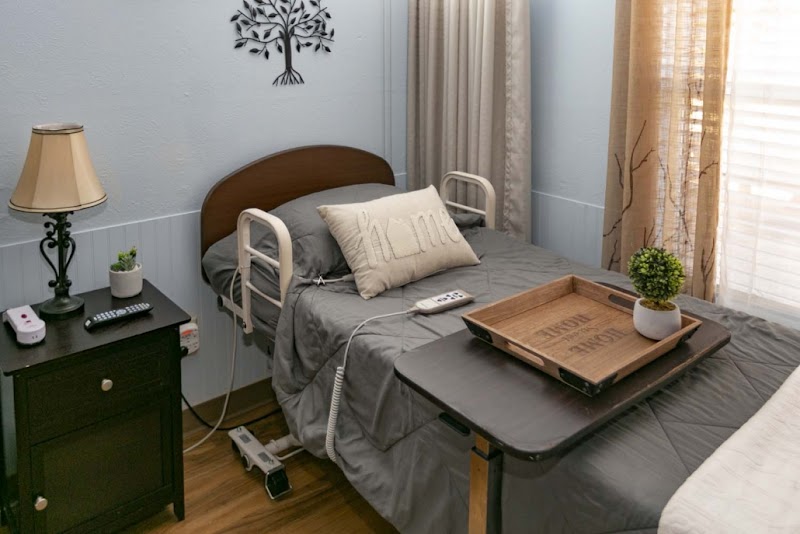
How is Richland Hills Rehabilitation And Healthcare Cente Staffed?

CMS rates RICHLAND HILLS REHABILITATION AND HEALTHCARE CENTE's staffing level at 1 out of 5 stars, which is much below average compared to other nursing homes. Staff turnover is 73%, which is 26 percentage points above the Texas average of 46%. High turnover can affect care consistency as new staff learn residents' individual needs. RN turnover specifically is 69%, which is notably high. RNs provide skilled clinical oversight, so turnover in this role can affect medical care quality.

What Have Inspectors Found at Richland Hills Rehabilitation And Healthcare Cente?

State health inspectors documented 34 deficiencies at RICHLAND HILLS REHABILITATION AND HEALTHCARE CENTE during 2022 to 2025. These included: 2 that caused actual resident harm, 31 with potential for harm, and 1 minor or isolated issues. Deficiencies causing actual harm indicate documented cases where residents experienced negative health consequences.
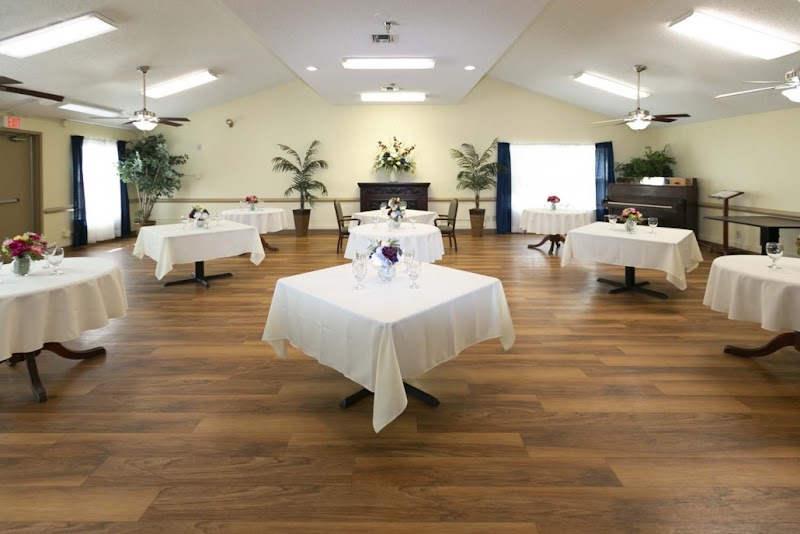
Who Owns and Operates Richland Hills Rehabilitation And Healthcare Cente?

RICHLAND HILLS REHABILITATION AND HEALTHCARE CENTE is owned by a government entity. Government-operated facilities are typically run by state, county, or municipal agencies. The facility is operated by THE ENSIGN GROUP, a chain that manages multiple nursing homes. With 92 certified beds and approximately 58 residents (about 63% occupancy), it is a smaller facility located in FORT WORTH, Texas.

How Does Richland Hills Rehabilitation And Healthcare Cente Compare to Other Texas Nursing Homes?

Compared to the 100 nursing homes in Texas, RICHLAND HILLS REHABILITATION AND HEALTHCARE CENTE's overall rating (1 stars) is below the state average of 2.8, staff turnover (73%) is significantly higher than the state average of 46%, and health inspection rating (2 stars) is below the national benchmark.

What Should Families Ask When Visiting Richland Hills Rehabilitation And Healthcare Cente?

Based on this facility's data, families visiting should ask: "How do you ensure continuity of care given staff turnover, and what is your staff retention strategy?" "Can you walk me through typical staffing levels on day, evening, and night shifts?" "Can I visit during a mealtime to observe dining assistance and food quality?" "How do you handle medical emergencies, and what is your hospital transfer rate?" These questions are particularly relevant given the facility's high staff turnover rate and the below-average staffing rating.

Is Richland Hills Rehabilitation And Healthcare Cente Safe?

Based on CMS inspection data, RICHLAND HILLS REHABILITATION AND HEALTHCARE CENTE has a clean safety record: no substantiated abuse findings (meaning no confirmed cases of resident harm), no Immediate Jeopardy citations (the most serious violation level indicating risk of serious injury or death), and is not on the Special Focus Facility watch list (a federal program monitoring the lowest-performing 1% of nursing homes). The facility has a 1-star overall rating and ranks #100 of 100 nursing homes in Texas. While no facility is perfect, families should still ask about staff-to-resident ratios and recent inspection results during their visit.

Do Nurses at Richland Hills Rehabilitation And Healthcare Cente Stick Around?

Staff turnover at RICHLAND HILLS REHABILITATION AND HEALTHCARE CENTE is high. At 73%, the facility is 26 percentage points above the Texas average of 46%. Registered Nurse turnover is particularly concerning at 69%. RNs handle complex medical decisions and coordinate care — frequent RN changes can directly impact care quality. High turnover means new staff may not know residents' individual needs, medications, or preferences. It can also be disorienting for residents, especially those with dementia who rely on familiar faces. Families should ask: What is causing the turnover? What retention programs are in place? How do you ensure care continuity during staff transitions?

Was Richland Hills Rehabilitation And Healthcare Cente Ever Fined?

RICHLAND HILLS REHABILITATION AND HEALTHCARE CENTE has been fined $30,633 across 3 penalty actions. This is below the Texas average of $33,385. While any fine indicates a compliance issue, fines under $50,000 are relatively common and typically reflect isolated problems that were subsequently corrected. Families should ask what specific issues led to these fines and confirm they've been resolved.

Is Richland Hills Rehabilitation And Healthcare Cente on Any Federal Watch List?

RICHLAND HILLS REHABILITATION AND HEALTHCARE CENTE is not on any federal watch list. The most significant is the Special Focus Facility (SFF) program, which identifies the bottom 1% of nursing homes nationally based on persistent, serious quality problems. Not being on this list means the facility has avoided the pattern of deficiencies that triggers enhanced federal oversight. This is a positive indicator, though families should still review the facility's inspection history directly.