RIDGMAR MEDICAL LODGE
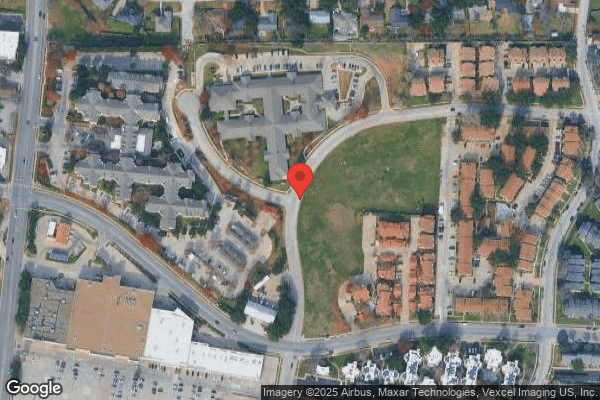
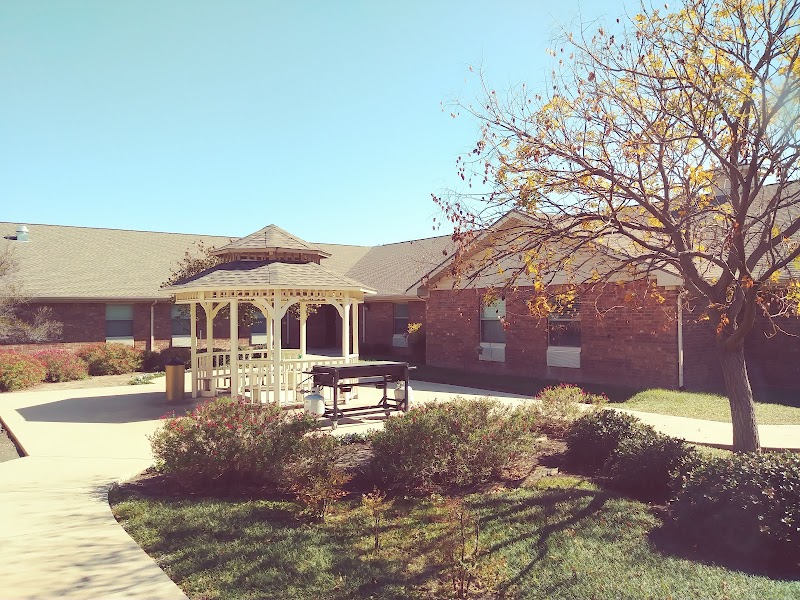
6600 LANDS END COURT, FORT WORTH, TX 76116 (817) 665-1971
For profit - Corporation 155 Beds PRIORITY MANAGEMENT Data: November 2025 3 Immediate Jeopardy citations
Trust Grade
0/100
#1086 of 1168 in TX
Last Inspection: November 2024

Within standard 12-15 month inspection cycle. Federal law requires annual inspections.

Overview

Ridgmar Medical Lodge has received a Trust Grade of F, indicating significant concerns about the facility's quality and safety. It ranks #1086 out of 1168 facilities in Texas, placing it in the bottom half, and #68 out of 69 in Tarrant County, meaning there is only one local option that is better. While the facility is showing an improving trend, reducing issues from 16 in 2024 to 3 in 2025, the current state still raises alarms. Staffing is a concern, with a low rating of 1 out of 5 stars and a turnover rate of 49%, which is slightly below the state average. The facility has been fined $35,177, which is about average, but the serious incidents reported are troubling, including a failure to protect a resident from sexual abuse and inadequate supervision leading to a resident wandering outside unsupervised. Overall, families should weigh these serious concerns alongside the facility's slight improvements.

Trust Score
F
0/100
In Texas
#1086/1168
Bottom 8%
Safety Record
High Risk
Review needed
Inspections
Getting Better
16 → 3 violations
Staff Stability
⚠ Watch
49% turnover. Above average. Higher turnover means staff may not know residents' routines.
Penalties
○ Average
$35,177 in fines. Higher than 69% of Texas facilities. Some compliance issues.
Skilled Nurses
⚠ Watch
Each resident gets only 20 minutes of Registered Nurse (RN) attention daily — below average for Texas. Fewer RN minutes means fewer trained eyes watching for problems.
Violations
⚠ Watch
34 deficiencies on record. Higher than average. Multiple issues found across inspections.
★☆☆☆☆
1.0
Overall Rating
★☆☆☆☆
1.0
Staff Levels
★★★★☆
4.0
Care Quality
★☆☆☆☆
1.0
Inspection Score
Stable
2024: 16 issues
2025: 3 issues

The Good

  • 4-Star Quality Measures · Strong clinical quality outcomes
  • Full Sprinkler Coverage · Fire safety systems throughout facility
  • No fines on record

Facility shows strength in quality measures, fire safety.

The Bad

1-Star Overall Rating

Below Texas average (2.8)

Significant quality concerns identified by CMS

Staff Turnover: 49%

Near Texas avg (46%)

Higher turnover may affect care consistency

Federal Fines: $35,177

Above median ($33,413)

Moderate penalties - review what triggered them

Chain: PRIORITY MANAGEMENT

Part of a multi-facility chain

Ask about local staffing decisions and management

The Ugly 34 deficiencies on record

3 life-threatening 1 actual harm
Aug 2025 2 deficiencies 1 IJ
CRITICAL (J) 📢 Someone Reported This

A family member, employee, or ombudsman was alarmed enough to file a formal complaint

Immediate Jeopardy (IJ) - the most serious Medicare violation

Accident Prevention (Tag F0689)

Someone could have died · This affected 1 resident

**NOTE- TERMS IN BRACKETS HAVE BEEN EDITED TO PROTECT CONFIDENTIALITY** Based on observation, interview, and record review, the facility failed to ensure that the resident environment remained as free...

Read full inspector narrative →
**NOTE- TERMS IN BRACKETS HAVE BEEN EDITED TO PROTECT CONFIDENTIALITY** Based on observation, interview, and record review, the facility failed to ensure that the resident environment remained as free of accident hazards as is possible and each resident received adequate supervision and assistive devices to prevent accidents for 1 of 8 residents (Resident #1) reviewed for supervision. The facility failed to ensure Resident #1, who had a history of wandering for which he wore a WanderGuard device, was provided with adequate supervision to prevent him from exiting the building on 07/23/25. The resident was observed outside the facility by a staff member, and he was found on the sidewalk near a street sign outside the facility.The noncompliance was identified as past non-compliance. The Immediate Jeopardy (IJ) began on 07/23/25 and ended on 07/24/25. The facility had corrected the noncompliance before the survey began.This failure placed residents at risk of harm and/or serious injury. Findings included:Record review of Resident #1's annual MDS assessment, dated 06/16/25, reflected the resident was a [AGE] year-old male, who was admitted to the facility on [DATE]. The resident's diagnoses included senile degeneration of brain (progressive deterioration of brain tissue and function), unspecified dementia (a condition where the specific type of dementia cannot be identified despite the presence of cognitive decline and memory loss), Type 2 diabetes mellitus (a chronic disease characterized by high level of sugar in the blood), muscle weakness (a condition where your muscles cannot work with the expected amount of force), depression (a mood disorder that causes persistent feelings of sadness and loss of interest), and anxiety disorder (a mood disorder characterized by excessive, persistent, and uncontrollable fear and worry about everyday situations). The MDS reflected Resident #1 had severe cognitive impairment with a BIMS score of 1. The MDS further reflected Resident #1 did not exhibit wandering behaviors. Record review of Resident #1's care plan, dated 06/24/25, reflected Focus: [Resident #1] is an elopement risk/wanderer r/t Impaired safety awareness. Risk for Wandering/Elopement Identified Wanderguard (bracelet detected near a sensor, the system triggers an alert) to right leg. Goal: The resident will not leave facility unattended. Interventions: Identify if there are triggers for wandering / eloping. Identify wandering / elopement de-escalation behaviors. One on one with resident. Wanderguard to right leg-check placement Q shift. Focus: [Resident #1] is an elopement risk/wanderer r/t Impaired safety awareness 7/23/25. Goal: The resident's safety will be maintained through the review date. Interventions: Distract resident from wandering by offering pleasant diversions, structured activities, food, conversation, television, book. WANDER Guard to right ankle and check placement Q shift. Record review of Resident #1's Elopement Risk Evaluation, dated 06/20/25, reflected Resident #1 was at risk for elopement. The evaluation indicated Resident #1 had a history of attempting to leave the facility without informing staff, resident verbally expressed the desire to go home, packed belongings to go home, stayed near an exit door, and resident had wandering behavior. Record review of Resident #1's progress notes dated 07/23/25 at 14:01 [2:01 PM] by LVN C reflected: Writer was in room with a resident when loud voices were heard in the hallway. Writer waked out and saw [CNA D] in the hallway. Writer asked [CNA D] what was wrong? [CNA D] stated [Resident #1] is outside [CNA D] and I went out the back door on 200 hall and observed resident sitting in his wheelchair on the sidewalk smiling and giggling. Resident chair was facing south. Resident was brought back in the building and a head-to-toe assessment was performed which revealed no injuries. Resident was not hot or sweaty, respirations were even and unlabored, temperature was normal and vs stable. DON notified of elopement as well as Dr [Name], NP [Name] and Resident RP [Name]. Record review of Resident #1's Incident Report, dated 07/23/25 at 07:10 AM, reflected Incident location: Outside Incident Description: Nursing Description: Writer was in room with a resident when loud voices were heard in the hallway. Writer waked out and saw [CNA D] in the hallway. Writer asked [CNA D] what was wrong? [CNA D] stated [Resident #1] is outside [CNA D] and I went out the back door on 200 hall and observed resident sitting in his wheelchair on the sidewalk smiling and giggling. Resident chair was facing south. Resident was brought back in the building and a head-to-toe assessment was performed which revealed no injuries. Resident was not hot or sweaty, respirations were even and unlabored, temperature was normal and vs stable. DON notified of elopement as well as Dr [Name], NP [Name] and Resident RP [Name]. Resident Description: I'm going to my wedding. Immediate Action Taken: Description: Resident brought inside facility, full head to toe assessment completed, resident started on 1 on 1 supervision, DON [Name] notified of elopement as well as Dr [Name], NP [Name] and Resident RP [Name]. Injury Type: No injuries observed at time of incident. Level of Pain: 0 Level of Consciousness: AlertMobility: Wheelchair bound Mental Status: Oriented Person; Oriented to SituationNotes: Resident is able to tell staff what he was doing. Predisposing Physiological Factors: Impaired Memory Predisposing Situation Factors: Wanderer Other Info: Resident was a hx of wandering around the facility, resident propels self in his wc and has a wander guard in place. Record review of the facility's Provider Investigation Report, completed by the Administrator on 07/31/25, reflected the following: Incident date: 07/23/2025, Time of Incident: 07:45 AMWhile a CNA was walking down 200 Hall she saw the resident outside on the sidewalk. She got the nurse and they brought the resident back in the facility. Assessment Date 07/23/25; Time: 7:10 AM; Resident was brought back inside the facility, and completed a full head to toe assessment was completed and skin was intact. Investigation Summary: To the best of my knowledge here is the sequence of events on 7/23 for the allegation of the incident. 7:00 am resident was seen at the end of 300 hall 7:05 am resident was seen outside at the end of 200 hall still on facility property and staff went to get resident from outside. It has been learned by the resident that he was able to go out the end of 300 hall exit door and wheel himself toward the new apartment on the sidewalk until he was seen by CNA on 200 Hall. The employees on the 300 Hall stated that they never heard a door alarm sound at the end of 300 hall. The resident has had head to toe done and no injuries noted. Things facility has done: Resident placed on 1:1Started in servicing employees on elopement and wondering All residents are being wander guard assessment completedOrdered additional door alarmsDoing door checks every shift until [Door Alarm company] comes look at the doors.Spoke to family about looking for alternate placement for resident Started Elopement Drills. Provider Action Taken Post-Investigation: Resident remained on 1:1 supervision until he discharged from the facility on 7/24/25. [Door Alarm company] checked all exit door to ensure they are in working as order and alarming as intended. In-services and drills for staff training will continued. Interview on 08/13/25 at 12:25 PM, with CNA D revealed she was not the CNA assigned to Resident #1; however, at around 7:00 AM she was rounding up residents for breakfast. She stated she was coming out of 300 Hall and entering the 200 Hall when she observed Resident #1 going down the 300 Hall towards the dining area. She stated she could not recall the exact time she last observed Resident #1, but she observed Resident #1 in the dining area for breakfast. CNA D stated within 5 minutes she was in the middle of 200 Hall, outside room [ROOM NUMBER] when she looked outside the window located at the end of the hall, and she saw Resident #1 outside on the sidewalk. She stated Resident #1 was on the sidewalk on facility grounds near the street pole sign. She stated she called for help and LVN C assisted her with bringing Resident #1 immediately inside. CNA D stated when they went outside Resident #1 was laughing the entire time. She stated they asked Resident #1 how he got out, and Resident #1 stated I got out of that door. CNA D stated Resident #1 pointed at the 300 Hall exit door, which also had a ramp. She stated she did not hear the door alarm. She stated Resident #1 was fast in his wheelchair. She stated Resident #1 had a history of wandering the halls but was not sure about exit seeking. CNA D stated Resident #1 had a WanderGuard due to the resident wandering the halls, always packing his belongings, and saying he wanted to go home. She stated Resident #1 would always say I am making a plan to get out of here. She stated Resident #1 was assessed, and he had no injuries. She stated Resident #1 was wearing the WanderGuard when he eloped. CNA D stated she was in-serviced on abuse and neglect, elopement/code pink, and what to do when a resident eloped. She stated the staff had also completed elopement drills, extra alarms had been added to the doors, and elopement binders could be located at the nurse's station. Interview on 08/13/25 at 1:05 PM, with LVN C revealed she was the nurse assigned to Resident #1 on 07/23/25. She stated she could not recall the last time she observed Resident #1; however, according to staff the resident was last observed by the dining room located down the 300 Hall. She stated she was doing her morning rounds; other staff were rounding residents for breakfast. She stated she was in a resident room in the 200 Hall when she heard yelling coming out of the hallway He is outside. She stated CNA D and herself went outside and got Resident #1. LVN C stated Resident #1 was found on the sidewalk of the back of the 200 Hall. LVN C stated Resident #1 was laughing the entire time. She stated one of the CNAs took Resident #1 back to the dining room and Resident #1 pointed at the exit door at the end of the 300 Hall when asked which door he exited. LVN C stated no alarms were heard. She stated Resident #1 was assessed and no injuries were noted, and he was placed on 1:1 for elopement behaviors. She stated Resident #1 had a WanderGuard on and the WanderGuard was working because it was flashing red when she assessed him. She stated prior to Resident #1's elopement, the resident had a history of wandering the halls. LVN C stated she personally never observed Resident #1 exit seek but the resident would always say he wanted to leave. She stated Resident #1 would always pack his belongings, hold on to them, go down the 200 Hall and sit there looking outside. LVN C stated all facility staff were in-serviced on abuse and neglect, elopement/code pink, and what to do when a resident eloped. She stated the staff had also completed elopement drills, extra alarms were added to the doors, elopement assessments had been reviewed and updated. She stated the elopement binders were also reviewed and could be located at the nurse's station. LVN C stated she conducted a census head count before the start of her shift. Interview on 08/13/25 at 1:26 PM, with Resident #1's POA revealed she was made aware of Resident #1 exiting the facility. She stated Resident #1 had a WanderGuard on and when she was told by the Administrator that the resident exited the facility the Administrator told her that the WanderGuard sometimes don't work. Resident #1's POA stated she did not know how Resident #1 was able to exit the facility. Resident #1's POA stated Resident #1 was discharged home and then admitted to a secure unit at another facility. Interview on 08/13/25 at 1:36 PM, with MA E revealed she was working when Resident #1 eloped from the facility. She stated it was between 7:00 AM - 7:30 AM when she observed Resident #1 ambulating through the dining room. She stated Resident #1 did not stay in the dining room, he continued to ambulate in his wheelchair to the 300 Hall. She stated she could not recall what time Resident #1 was found. MA E stated no alarms were heard. She stated when she asked Resident #1 which door he exited Resident #1 stated right over there and pointed at the door located at the end of 300 Hall. She stated Resident #1 was known for wandering the halls but never exit seeking. She stated everyday Resident #1 would mention he wanted to go home and would pack his items. MA E stated she was in-serviced on abuse, neglect, and elopement. She stated extra alarms were added on the exit doors, staff must check exit doors on every shift, elopement assessments were completed, and the elopement book was updated. She stated staff were also in-serviced on checking WanderGuards and ensuring they were working properly. She stated if the WanderGuards were not flashing they were no good. Interview on 08/13/25 at 2:33 PM, with the Maintenance Director revealed he was notified of the elopement after Resident #1 was found. He stated he could not recall the exact time. He stated he checked all the facility exit doors to ensure the alarms were working properly. He stated the 200 Hall and 300 Hall exit doors were not equipped with the WanderGuard alarm. The Maintenance Director stated when he checked the 300 Hall exit door the alarm was not working properly. He stated the PCO of the alarm was low and only buzzing. The Maintenance Director stated he had an extra PCO in his office and he changed it. He stated the PCO was like the battery of the alarm. He stated he completed door safety and alarm checks monthly and the last time he checked the facility doors was on 07/02/25. The Maintenance Director stated they had [Door Alarm company] come out and check on all the doors to ensure the alarms were working properly. He stated after the elopement the facility added extra alarms on the 200 and 300 Hall exit doors. He stated the entrance door and the exit door on 400 Hall had the WanderGuard alarms. He stated the door codes were also changed. The Maintenance Director stated all doors were checked throughout the shift and must be documented/signed off on Shift Exit Door Check. He stated after all the staff were in-serviced on elopement/code pink, he had completed elopement drills with all three shifts. Interview on 08/13/25 at 3:06 PM, with the DON revealed she received a call in the morning regarding Resident #1. She stated the nurse informed her that a staff member was on the 200 Hall and observed Resident #1 through the window sitting outside the 200 Hall. She stated Resident #1 exited through the 300 Hall door and stated he was going to a wedding. The DON stated according to the staff Resident #1 was last seen in the dining room for breakfast. She stated based on the timeline it all happened within 5 minutes, from the time the resident was seen in the dining room and then seen outside. The DON stated no alarms were heard. She stated Resident #1 was assessed, no injuries were noted and he was placed on 1:1 supervision until the resident discharged home with family. She stated they in-serviced all the staff on abuse, neglect, and elopement. She stated they also added new alarms on the doors, they completed assessments on all residents with WanderGuards, risk assessments were completed, reviewed, and they updated the elopement binders. She stated elopement drills had been completed on all shifts. Interview on 08/13/25 at 3:26 PM, with the Administrator revealed he was notified around 7:10 AM - 7:15 AM regarding Resident #1 being outside. He stated from what he gathered, Resident #1 was last seen in the 300 Hall around 7 AM, and at 7:05 AM he was noticed outside the window from the 200 Hall. The Administrator stated Resident #1 was a pretty fast mover and he could have been outside within 5 minutes. He stated according to staff no alarms were heard. He stated Resident #1 had a WanderGuard but the door he went out was not equipped with a WanderGuard alarm. The Administrator stated the two main entrance doors were the doors equipped with the WanderGuard alarms. He stated the door on the 300 Hall was not an exit door. He stated when Resident #1 was brought back inside the resident stated he was going to a wedding. He stated Resident #1 was confused, had dementia, was an active wanderer and would wheel himself around the facility. He stated Resident #1 never tried to open any exit door. The Administrator stated Resident #1 was placed on 1:1 until they could find an appropriate placement. He stated all staff were in-serviced on elopement, they had completed elopement drills and code pink drills with staff. He stated a second alarm was placed for the 200 and 300 Hall doors, they added stop signs on the doors and door codes were changed. The Administrator stated the elopement binder was updated, and assessments were also reviewed and updated. Record review of facility Wandering and Elopements policy, revised November 15, 2023, reflected the following: The facility will identify residents who are at risk of unsafe wandering and implement appropriate protective measure to help guard against a resident wandering from the facility. The facility strives to prevent harm while maintaining the least restrictive environment for residents. This was determined to be a Past Non-Compliance Immediate Jeopardy on 08/13/25 at 4:25 PM. The Administrator and the DON were notified. The Administrator was provided with the IJ template on 08/13/25 at 4:38 PM. The facility took the following actions to correct the non-compliance prior to the survey: Record review of Elopement assessment/Evaluations reflected they were reviewed and completed on Resident #4, Resident #5, Resident #6, and Resident #7 on 07/23/25 and 07/24/25. Record review of facility invoice from [Door Alarm company] dated 07/24/25 reflected all door alarms were checked. Record review of facility Elopement binders located on both nurse's stations and reception reflected pictures of residents who were at elopement risk and contained information regarding the residents. Record review of the facility Elopement Drill/Code Pink Drills reflected drills were completed on the following dates: 07/24/25 - 5:30AM - 5:40AM, 2:45PM 3:05PM 07/30/25 - 6:00AM - 2:00PM, 2:00 PM - 10:00PM, and 10PM - 6:00AM (Facility continued to complete random code pink drills). Record review of facility Shift Exit Door Check forms for all exit doors from July 24 - August 8 reflected door checks were being completed for all three shifts (6AM-2PM, 2PM-10PM, 10PM-6AM). Record review of facility Door Safety and Alarm Check forms from January 2025 - August 2025 reflected they were completed monthly. Record review of Resident #4, Resident #5, Resident #6, and Resident #7 July and August 2025 MARs revealed Wanderguards were being monitored/checked placement and documenting behaviors. Observation on 08/13/25 from 11:00AM through 11:20 AM of Resident #4, Resident #5, Resident #6, and Resident #7 revealed WanderGuards were flashing a red light which indicated the WanderGuards were working properly. Observation on 08/13/25 from 2:36 PM through 2:50 PM revealed the doors on 200 and 300 Halls had two alarms. Alarms were loud enough to be heard from the nurse's station. Wander Guard doors were also checked, and no concerns noted. Record review of in-services dated 07/23/25 reflected all facility staff were in-serviced on Door Alarms, Wander guard, Wandering and Elopement, and Code pink. Objectives of the In-service: Elopement - Identified changes in behaviors of all resident's - notify management of wandering/risk of elopement behaviors. Be watchful of residents at risk and listen for door alarms. Elopement binders for at risk residents can be found at each nurses' station. Elopement Binders include current list of Residents high Risk for wandering. Wander guard - what your orders mean. Check skin around WanderGuard- Means just to make sure band or monitor is not causing pressure or injury. Check placement means to make sure band is not too loose or too tight and make sure is on the body part that the order says it is. Ex. R leg. Check Function - If red light is blinking - Battery is good condition. If the light is SOLID RED, GREEN, half red - cut WG off and replace with new WanderGuard spare will be locked in Medication carts. CALL DON, Code PINK - Missing Resident. The in-services were conducted and signed by all facility staff.Interviews on 08/13/25 from 12:25 PM through 08/14/25 at 1:49PM with CNA D, LVN C, ADON A, ADON B, MA E, CNA F, LVN G, MA H, MA I, MA J, CNA K, Treatment Nurse, Therapy L, Therapy M, Therapy N, CNA O, Dietary Aide, Kitchen Supervisor, Central Supply, LVN P, CNA Q, LVN R, CNA S, MA T, Social Worker, LVN U, CNA V, CNA W, Housekeeping Supervisor, and Housekeeping who worked the shifts of 6:00 AM-2:00 PM, 2:00 PM-10:00 PM and 10:00 PM-6:00AM revealed the facility staff were able to verify education was provided to them. Facility staff were able to accurately summarize the elopement/code pink in-service, abuse, and neglect, completing head counts before shift change, elopement assessment were reviewed/competed (an evaluation to determine any resident at risk of elopement) , where to locate elopement binders, nurses ensure WanderGuards were checked daily to ensure they were working properly and document on the MAR, alarms added to the 200 and 300 Hall doors, door codes changed and door checks completed on all three shifts.
CONCERN (E) 📢 Someone Reported This

A family member, employee, or ombudsman was alarmed enough to file a formal complaint

Potential for Harm - no one hurt, but risky conditions existed

PASARR Coordination (Tag F0644)

Could have caused harm · This affected multiple residents

**NOTE- TERMS IN BRACKETS HAVE BEEN EDITED TO PROTECT CONFIDENTIALITY** Based on observation, interview, and record review, the facility failed to incorporate the recommendations from the PASRR Level ...

Read full inspector narrative →
**NOTE- TERMS IN BRACKETS HAVE BEEN EDITED TO PROTECT CONFIDENTIALITY** Based on observation, interview, and record review, the facility failed to incorporate the recommendations from the PASRR Level II determination and the PASRR evaluation report into a resident's assessment, care planning, and transitions of care for 2 of 4 residents reviewed (Residents #2 and #3) for PASRR assessments.The facility failed to submit a Nursing Facility Specialized Services (NFSS) form by the specific deadline for Resident #2 and Resident #3.The failure placed residents at risk of not receiving specialized services and equipment which could decrease their quality of life.Findings included:Record review of Resident #2's annual MDS assessment, dated 06/26/25, reflected the resident was a [AGE] year-old male, who admitted to the facility on [DATE]. The resident's diagnoses included neurological conditions (any disorder of the nervous system), cerebral palsy (a group of disorders that affect movement and muscle tone or posture), and seizure disorder or epilepsy (a chronic brain disorder in which groups of nerve cells, or neurons, in the brain sometimes send the wrong signals and cause seizures). Resident #2's BIMS score not completed due to the resident was rarely/never understood. Resident #2 was noted to have impairment to both sides of his upper and lower extremities, and he did not use any of the mobility devices listed. Resident #2 was dependent (meaning helper did all of the effort and the resident did none of the effort to complete the activity) for chair/bed-to-chair transfers.Record review of Resident #2's care plan, revised 04/16/25, reflected Focus: PASRR positive R/T pt identified as having PASRR positive status related to an intellectual disability. (The following meetings completed, and services reviewed) PCSP 7/25/24. Habilitation coordination, ILS, PT and CMWC. PCSP 10/24/24. Habilitation coordination, ILS, PT, pcsp: 1/22/25 hc/pt/mcwc/ ILST. pscp: 4/16/2025 hc/pt/cmwc, ilst/ot. Goal: will maintain highest level of practice wellbeing for the next 90days. Interventions: provide service coordination with representative from LIDDA. report any need to evaluate for services and/or durable medical equip to maintain currently level of function. Record review of Resident #2's HSP dated 07/15/25 reflected the following: .Section 6, NF Specialized Services to be Monitored by the SPT .Name of Service: Customized Manual Wheelchair . Outcome/Goal: Pending assessment. Section 7, Preference Regarding Transitioning. Barrier identified by the SPT: [Resident #2] is waiting for a CMWC . signed by the Habilitation Coordinator.Record review of Resident #2's PCSP Form, dated 07/15/25, reflected under the section Nursing Facility Specialized Services, a number 3 was marked next to Customized Manual Wheelchair (CMWC) which indicated it was ongoing. Under the comments section next to LA-IDD Specialized Services Comments reflected: CLO Barriers - [Resident #2] needs a safe wheelchair to be in the community. Record review of emails provided by the Director of Rehab, dated 08/23/24, 11/13/24, and 05/30/25 reflected the Director of Rehab had emailed the previous MDS Coordinator the documents needed to submit for Resident #2's customized wheelchair. Observation and an attempted interview on 08/13/25 at 10:43 AM revealed Resident #2 was in his geri-chair (medical recliner designed to provide support and comfort for individuals who require extended sitting periods or have difficulty with mobility) in the common area. Resident #2 was not able to answer questions due to his condition. The resident did not appear to be in distress or discomfort.Record review of Resident #3's quarterly MDS assessment, dated 06/25/25, reflected the resident was a [AGE] year-old male, who admitted to the facility on [DATE]. The resident's diagnoses included progressive neurological conditions (any disorder of the nervous system), cerebral palsy (a group of disorders that affect movement and muscle tone or posture), cerebrovascular accident (sudden loss of blood flow to the brain, causing brain tissue damage) and seizure disorder or epilepsy (a chronic brain disorder in which groups of nerve cells, or neurons, in the brain sometimes send the wrong signals and cause seizures). Resident #3's BIMS score of 09 indicated moderate cognitive impairment. Resident #3 had no impairment to his upper and lower extremities and did not use any of the mobility devices listed. Resident #3 was independent (meaning resident completes the activity by themself with no assistance from a helper). Record review of Resident #3's care plan, revised 04/16/25, reflected Focus: PASRR positive R/T pt identified as having PASRR positive status related to an intellectual disability, Cerebral Palsy. (The following meetings completed, and services reviewed) PCSP update 8/15/24. Services pending MCD eligibility. meeting 120/24/24. PCSP: 1/22/25 PT/OT/ST/ILST/HC. 4/16/2025 New pscp pt/ot/st/ilst/hc. Goal: will maintain highest level of practice wellbeing for the next 90 days. Interventions: /invite LIDDA representative and RP to attend careplan meeting. Report any need to evaluate for services and/or durable medical equip to maintain currently level of function. Record review of Resident #3's HSP dated 07/15/25 reflected the following: NF Specialized Services to be Monitored by the SPT .Name of Service: Physical Therapy. Occupational Therapy. Speech Therapy Outcome/Goal: Pending assessment. signed by the Habilitation Coordinator.Record review of Resident #3's PCSP Form, dated 07/15/25, reflected under the section Nursing Facility Specialized Services, a number 3 was marked next to Specialized Assessment Occupational Therapy (OT), Specialized Assessment Physical Therapy (PT), Specialized Assessment Speech Therapy (ST) which indicated it was ongoing. Under the comments section next to LA-IDD Specialized Services Comments reflected: On 4/15/2025, PE recommended services included CMWC, DME, PT, OT, ST, ILST, HC, BS, and DH. LAR and [Resident #3] would like ongoing HC, ILST, PT, OT, ST with assessments. [Resident #3] wants to focus on therapy.Observation and interview on 08/13/25 at 10:46 AM, revealed Resident #3 was sitting in the common area with other residents. Resident #3 stated he was doing well; however, when asked further questions resident would respond with I do not know. Interview by phone on 08/13/25 at 10:14 AM with Resident #2 and Resident #3's Habilitation Coordinator revealed Resident #2 and Resident #3 last PASRR meeting was on 07/15/25. The HC stated Resident #2's CMWC assessment was completed and approved but was still missing a portion of the NFSS form to be completed. She stated Resident #2's CMWC had been an ongoing concern. She stated Resident #3 had not had any therapy services provided. The HC stated NFSS forms needed to be submitted 20 days after the PASRR meeting on 07/15/25.Interview on 08/14/25 at 9:50 AM, with the MDS Coordinator revealed she had been employed since June 23rd, 2025. She stated Resident #2's NFSS CMWC/DME Assessment was completed and approved on 06/03/25; however, the application was not fully completed and was still pending submission. She stated on 07/15/25 a PCSP meeting was completed, and the facility had 20 days from the meeting to complete another assessment, but it had not been done yet. She stated Therapy had to complete another evaluation because the evaluation in the system was too old. The MDS Coordinator stated it was in the process of being completed. The MDS Coordinator stated the Treatment Nurse used to be the MDS Coordinator prior to her being employed. She stated she was not sure why there was a delay on Resident #2's NFSS CMWC assessment. The MDS Coordinator stated Resident #3 was PASRR positive, and the PCSP meeting was completed on 07/15/25 and the prior meeting was on 04/16/25. She stated the NFSS form should have been submitted 20 days after the meeting but was not. She stated the NFSS form was for rehab therapy. She stated she did not know why it had not been submitted. The MDS Coordinator stated it was her responsibility to ensure all forms were submitted in a timely manner. She stated the potential risk if PASRR paperwork was not submitted through the database timely could be a delay in therapy services.Interview on 08/14/25 at 10:36 AM, with the Director of Rehab revealed Resident #2 was evaluated for a custom wheelchair based on a referral that was made. The Director of Rehab stated from there he sent over the forms to the previous MDS Coordinator to be uploaded in the database and sent to the PASSR unit for approval. The Director of Rehab stated the CMWC was signed 08/23/24 and the vendor came out a few days before that. The Director of Rehab stated he never received any follow-up or heard anything more about Resident #2's wheelchair. The Director of Rehab stated once the CMWC was signed it would usually take about a month or two to receive the wheelchair. He stated waiting a year for a wheelchair was too long. Interview on 08/14/25 at 11:21 AM, with the Treatment Nurse revealed she was the MDS Coordinator from October 2024 to June 2025. She stated she was involved in the PCSP meetings of Resident #2 and Resident #3. She stated she had submitted the NFSS forms for Resident #2 and Resident #3 back in April 2025 but could not recall the exact dates. However, there was a miscommunication with the residents' Habilitation Coordinator. She stated she had a conversation with the Habilitation Coordinator, and she was made aware that she needed to resubmit the NFSS forms and evaluation needed to be completed to prove that services were being covered. She stated sometime in May 2025 she was made aware that the facility was out of compliance with the NFSS forms, and they were given the opportunity to correct the issue. She stated the corporate MDS Coordinator was assisting at the time and informed her that the NFSS needed to be submitted but by that time she was already out of that position. She stated after she changed positions, she never followed up to ensure the NFSS were submitted. The Treatment Nurse stated there was no potential risk to the resident if the NFSS forms were not submitted timely, residents would still be seen by therapy, and it was more of a payment issue. Interview on 08/14/25 at 1:58 PM, with the Administrator revealed he was not aware Resident #2 and Resident #3's NFSS forms were still pending. He stated he was aware of the request for Resident #2's customized wheelchair, but he stated he was under the impression the forms and assessments were all completed. He stated the previous MDS Coordinator moved positions to be the Treatment Nurse, and they had a corporate MDS Coordinator assisting until the position was filled. He stated he was under the impression all the forms had been submitted for all residents. Record review of the facility's Preadmission and Screening Resident Record review (PASRR) Rules policy, dated 03/15/23, reflected the following: It is the intent of [Management Group] to meet and abide by all State and Federal regulations that pertain to resident Preadmission and Screening Resident Record review (PASRR) Rules .Post IDT Meeting Responsibilities .2. The facility will initiate the request for specialized services within 20 business day of the IDT/PCSP meeting, implement Specialized Services therapy within 3 business days after receiving approval from HHSC in the online portal and order CMWC and/or DME within 5 business days of receiving approval from HHSC in the online portal.
Apr 2025 1 deficiency
CONCERN (E) 📢 Someone Reported This

A family member, employee, or ombudsman was alarmed enough to file a formal complaint

Potential for Harm - no one hurt, but risky conditions existed

Deficiency F0740 (Tag F0740)

Could have caused harm · This affected multiple residents

**NOTE- TERMS IN BRACKETS HAVE BEEN EDITED TO PROTECT CONFIDENTIALITY** Based on interview and record review, the facility failed to provide behavioral health services to attain or maintain the highes...

Read full inspector narrative →
**NOTE- TERMS IN BRACKETS HAVE BEEN EDITED TO PROTECT CONFIDENTIALITY** Based on interview and record review, the facility failed to provide behavioral health services to attain or maintain the highest practicable physical, mental, and psychosocial well-being for one (Resident #1) of four residents reviewed for behavioral health services. The facility failed to follow-up to ensure Resident #1 received a psychiatric consultation after a verbal order was received from the NP on 02/12/25. This failure could place residents at risk for not receiving behavioral health services and a decline in quality of life. Findings included: Record review of Resident #1's face sheet, dated 03/14/25, reflected the resident was a [AGE] year-old female, with an admission date of 01/30/25 and a discharge date of 02/20/25. It noted Resident #1 was discharged to the hospital. Resident #1 had a diagnosis of Parkinson's Disease with Dyskinesia (a progressive neurodegenerative disorder that affects movement, balance, and coordination), Cognitive Communication Deficit (communication difficulty), and Dysarthria (difficulty in speaking due to damage or dysfunction in the muscle or nerves that control speech). Record review of Resident #1's quarterly MDS assessment dated [DATE], reflected Resident #1 had a BIMS score of 12, which indicted she had moderate cognitive impairment. There were no hallucinations, signs of delusion, or rejection of care noted on the assessment. The Resident Mood Interview in Section D of the MDS assessment noted Resident #1's Total Severity Score was 11, which could indicate moderate anxiety, depression, or other conditions which required further assessment. Record review of the PASRR Level 1 Screening for Resident #1, dated 01/30/25, reflected Resident #1 did not have a primary diagnosis for dementia, that the resident did not have mental illness, the resident did not have an itellectual disability or developmental disability. The screening was completed by the case manager at the hospital. Record review of Resident #1's care plan, dated 02/01/25, reflected the following: Focus The resident has a psychosocial well-being problem, mood problem, and little interest in doing things, actual r/t ineffective coping Goal The resident will have no indication of psychosocial well-being problem, mood problems, more interest in doing things Record review of a progress note dated 02/12/25 at 10:36 AM, documented by LPN Nurse A, reflected the following: Resident seen by NP, complain of depression, new orders for psych consult Record review of a Progress document from the NP, dated 02/13/25, reflected the following: Staff concerns regarding depression. Nursing staff request evaluation of patient due to (Family Member) request Plan: Pending psych consult Record review of a progress note submitted by LPN Nurse A on Resident #1's electronic record, dated 02/12/25 at 10:36 AM, reflected the following: Resident seen by NP, complain of depression, new orders for psych consult Record review of Resident #1's electronic record did not reflect any psychiatric consultation, any scheduled consultation, or any follow-up regarding the psych consult order. Record review of the physician's note dated 02/03/25 on Resident #1's electronic record, reflected the following: Resident is alert and oriented x3. Oriented to person. Oriented to time. Oriented to place. Level of cognitive impairment: Alert. Resident is coherent. Speech is clear. Resident makes self understood. Resident understands others. Mood is pleasant, no unwanted behaviors witnessed. Resident sleeps through the night. Resident's psycho-spiritual needs are met. Record review of the physician's note dated 02/13/25 on Resident #1's electronic record, reflected the following: Resident is alert and oriented x3. Oriented to place. Oriented to person. Oriented to time. Resident is coherent. Record review of the physician's note dated 02/16/25 on Resident #1's electronic record, reflected the following: Resident is alert and oriented x3. Oriented to person. Oriented to place. In an emailed interview on 03/13/25, Resident #1's Family Member stated the following: 2/3 (02/03/25), 9:24 AM Concerns start with (Resident #1's) mental health. In our text string (Resident #1) was talking about no one being at the table, am thinking she meant back at Grandview. Noticing a delirium mental state later in the day and at night. In the family chat she mentioned being at a place (that was brand new, so could not have been) and having keys for it. 2/5 (02/05/25), 4:28 PM Called the social worker and he could not answer any of our questions and referred me to the nurse. He said he met with (Resident #1) a couple times and she seems in good spirits and nothing has been brought to his attention. 2/11 (02/11/25), 1:15 PM They are doing a doctor on site consult as (Resident #1) is depressed and I confirmed that too. I explained my concerns with her mental state and bouts of delirium and confusion. (Family Friend) said (Resident #1) is hallucinating because she thinks there is something in her room next to her bed. (Resident #1) also had some emotional moments tonight and said she was depressed. I wondered if (Resident #1) should be back in the hospital? I sent (DON) a text and picture of her food and (Family Friend's) text about (Resident #1's) delirium following our concerns. 2/12 (02/12/25) (Resident #1) is texting more delirium. Said They are waiting and I'm scared 2/13 (02/13/25) She (LPN Nurse A) said (Resident #1) had the psych consult and are waiting to see what meds may be prescribed. Record review of the hospital document dated 02/21/25 reflected Resident #1 arrived at the hospital on [DATE], with a chief complaint of possible infection of a wound. It noted Resident #1's behavior was normal but withdrawn. In an interview on 03/14/25 at 9:50 AM, the Administrator stated Resident #1 arrived to the facility from an assisted living facility and was in bad shape. He stated it was almost like Resident #1 was depressed. The Administrator stated she did not want to get out of bed. He stated he never heard of Resident #1 having hallucinations. In an interview on 3/14/25 at 2:50 PM, Caregiver B stated Resident #1 appeared to be depressed. She stated Resident #1 never wanted to get out of bed and liked to lay on one side facing the window. Caregiver B stated Resident #1 was never observed having hallucinations. In an interview on 03/14/25 at 3:03 PM, the Social Worker stated he did not receive any complaints regarding Resident #1's mental state. He stated he only spoke with Resident #1's family members about physical therapy and preparing the resident to return to the assisted living facility. He stated he was not aware that Resident #1 was depressed. In a follow-up interview on 03/14/25 at 3:16 PM, the Social worker stated he would review the resident's electronic file and suggest psych services, or the NP would suggest or order psych services. He stated he was not aware Resident #1 needed psych services. He stated he did not recall anyone one, family, friends, or staff stating Resident #1 needed psych services or was possibly depressed. The Social Worker stated a resident's need for psych services is important and would have been processed immediately. In a telephone interview on 03/14/25 at 4:39 PM, LPN Nurse A stated she received a verbal order from the NP for psych services for Resident #1 on 02/12/25. LPN Nurse A stated Resident #1 did not like to leave her room, but she never saw her hallucinate. She stated she informed the Social Worker about the psych services order at the staff meeting the following day. LPN Nurse A stated she documented the psych services order in the progress notes, but she stated she failed to put the order in the system. LPN Nurse A stated usually when she received a verbal order, she would document in the progress notes, put the order in, print it, then would verbally tell the Social Worker. LPN Nurse A stated the risk of not putting the order in the system was Resident #1 did not receive the service. In an interview on 03/14/25 at 5:00 PM, the DON stated the facility had a standing order for psych services. She stated the facility staff had clinical meetings daily, and she stated she did not recall that verbal order for Resident #1 to get psych services. The DON stated she believed LPN Nurse A failed to put the order in the system. The DON stated the family voiced concern about Resident #1's hallucinations and delusion. She stated they had the pain managment team visit Resident #1 to ensure she was not overmedicated with the pain medications. The DON stated, after that it seemed there were not as many hallucinations. In a telephone interview on 03/14/25 at 5:08 PM, the NP stated she did recall that she gave a verbal order to a nurse for Resident #1 to receive psych services. She stated usually she did not work on the skilled hall but LPN Nurse A pulled her into Resident #1's room to assess the resident. She stated she gave the nurse a verbal order to have Resident #1 assessed for depression or anxiety on 02/13/25. In an follow-up interview on 03/14/25 at 5:12 PM, the DON stated she was not present at the facility the day the verbal order was given and she was not sure if the order got exchanged. She stated if a nurse received a verbal order, the nurse would document it, write the order, and discuss any referrals in the stand up meeting. The DON stated that was how verbal orders were usually discussed. The DON stated once the order was submitted, the Social Worker would go in and process the request for psych services. The DON stated during the morning meetings they would usually pull the progress notes and review, so she still was not sure how that verbal order was missed. The DON stated the bottom line was the verbal order was missed. The DON stated the risk was the referral was not processed, so the resident did not receive the services. In an interview on 03/14/25 at 5:20 PM, the Administrator stated the Social Worker dropped the ball on following up on psych services for Resident #1. He stated the order should have been put in and signed off. The Administrator stated it was a possible communication issue. The Administrator stated the risk of the verbal order not put in was Resident #1 did not receive psych services. Record review of the facility's policy titled, Referrals, Social Services, dated 2001 with a revision date of December 2008, reflected the following: Policy Interpretation and Implementation 1. Referrals for medical services must be based on physician evaluation of resident need and a related physician order. 2. Social services will collaborate with the nursing staff or other pertinent disciplines to arrange for services that have been ordered by the physician. 3. Social services will document the referral in the resident's medical record.
Nov 2024 12 deficiencies 1 Harm
SERIOUS (G)

Actual Harm - a resident was hurt due to facility failures

Deficiency F0925 (Tag F0925)

A resident was harmed · This affected 1 resident

**NOTE- TERMS IN BRACKETS HAVE BEEN EDITED TO PROTECT CONFIDENTIALITY** Based on observation, interview, and record review, the facility failed to maintain an effective pest control program to keep th...

Read full inspector narrative →
**NOTE- TERMS IN BRACKETS HAVE BEEN EDITED TO PROTECT CONFIDENTIALITY** Based on observation, interview, and record review, the facility failed to maintain an effective pest control program to keep the facility free of pests for 2 of 6 halls (500 and 600) reviewed for pest control. The facility failed to prevent pests from entering the facility. On 10/21/24, Resident #162 was found in bed with fire ants on his body and he had been bit multiple times his torso, arms, and legs. This failure places residents at risk of serious physical harm from ant or other pest bites. Findings included: 1. Record review of Resident #162's quarterly MDS dated [DATE] reflected the resident was a [AGE] year-old male admitted to the facility on [DATE]. His diagnoses included hypertension (high blood pressure), aphasia (a language disorder that makes it difficult to understand and express written and spoken language), stroke, hemiplegia (total or partial paralysis of one side of the body), nontraumatic subarachnoid hemorrhage (intracranial bleeding), and difficulty in walking. Resident #162 had a BIMS of 7 which mean his cognition was severely impaired. The MDS further reflected the resident had impairment to one side of his upper and lower extremities. Resident #162 was dependent upon staff for all ADLs. Record review of Resident #162's care plan revised on 09/18/24 reflected the resident had an ADL self-care performance deficit related to immobility. Interventions included needing assistance from staff for all ADLs. The care plan further reflected the resident had a communication problem related to the diagnosis of aphasia. Interventions included to allow adequate time to respond, repeat as necessary, do not rush and request clarification from the resident to ensure understanding. Record review of Resident #162's weekly body audit dated 10/21/24 reflected he had ant bites to the right and left side of his abdomen. Record review of Resident #162's progress notes dated 10/22/24 reflected the following: Benadryl Allergy Oral Capsule 25MG Give 1 tablet by mouth every 6 hours as needed for itching Observation and interview with Resident #162 on 11/12/24 at 1:23 PM revealed he was in his room sitting in a gerichair. The resident was opening and closing his eyes and when asked how he was doing, he quietly whispered he was ok. The resident was asked if he recalled being bitten by ants and the resident was attempting to speak but closed his eyes and did not respond. Interview on 11/12/24 at 5:15 PM with LVN H revealed CNA BB alerted her that Resident #162 had been found in bed with ants that had been bitten, 10/21/24. LVN H said when she went in the resident's room, she did not see any ants but said Resident #162 was not able to call for help or use his call light due to his condition. She called the doctor and Benadryl was ordered for any discomfort. Interview on 11/13/24 at 1:48 PM with CNA BB revealed she had gone to check on Resident #162 around 7AM and as she pulled the cover back off the resident, she noticed there were a lot of little red ants on the bed and on the resident, 10/21/24. The Wound Care Nurse was in the room at the time the ants were found. CNA BB said as they were trying to strip the bed of the covers, the ants were crawling on her hands as well. Once they got all the ants off the resident and the bed, she noticed Resident #162 had bites on the sides of his abdomen, and his back and also noticed there were food crumbs in his bed. She said Resident #162 did not appear to be in any distress or pain at the time, and was just laying there. CNA BB stated she did not think the resident was able to register what had happened. The resident was taken to the shower right after to make sure all the ants had gotten off him. CNA BB said she worked with Resident #162 again about two days later and during his shower, she had noticed the ant bites had turned in to small pustules. CNA BB further stated that was the first time she had seen any ants in any room or that anyone had been bit. She did not look to see where the ants had come in from because everything happened so fast. Interview on 11/13/24 at 3:29 PM with the Wound Care Nurse revealed she had gone into Resident #162's room for wound care, 10/21/24 and noticed there were ants on his foot and the wound dressing. She immediately took the covers off Resident #162 and noticed he had been bit on his torso, his stomach and possibly his legs. The resident did not appear to be in any distress at the time and was just laying there. Resident #162 was cleaned up and taken to the shower by the aide. The Wound Care Nurse said she noticed a banana peel on the floor and saw ants around that but did not notice where they had come in from. The Wound Care Nurse further stated she was not aware of any other resident being bit and had never seen any ants in other rooms. Observation and interview on 11/12/24 at 3:32 PM with Pest Control revealed he was onsite at the facility treating/spraying one of patios. He said he regularly serviced the facility and had been called after the incident, 10/21/24, because ants had been found in the interior of the facility in the 500 rooms. Once he arrived on 10/23/24, he did not see any active ants inside the rooms and when he treated the outside, he found 3 mounds of fire ants and they had been up against the wall of the 500 hall, where Resident #162 had resided at the time he was bitten. Observation and interview on 11/12/24 at 3:38 PM revealed there was large ant mound next to a room where the 600 hall, Resident The ant mound had some white powder sprinkled on it and there were active ants crawling on the wall under the PTAC unit (a self-contained, ductless unit that can heat and cool a sing room or space) and on and around the ant mound. Pest Control identified the ants as being fire ants and stated the facility was good about calling him when they had issues. Record review of Resident 107's progress noted dated 11/11/24 documented by LVN H reflected the following: residents advise that there are ants in his room writer run in room and there were about 10 ants on the floor by bedside, head to toe assessment done no ant bites, writer advise resident to be moved to another room until room clean and spray tomorrow resident stated that no I am fine I just wanted you to know that there are ants in my room. I will be just fine I just wanted you to know that there are ants in my room, I will be just fine I don't need to [sic] moved. management is notified I am just fine Observation and interview on 11/12/24 at 3:38 PM revealed there was large ant mound next to a room where on the 600 hall, where Resident #107 resided. The ant mound had some white powder sprinkled on it and there were active ants crawling on the wall under the PTAC unit (a self-contained, ductless unit that can heat and cool a sing room or space) and on and around the ant mound. Pest Control identified the ants as being fire ants and stated the facility was good about calling him when they had issues. Observation and interview on 11/12/24 at 3:48 PM with Resident #107 revealed he was lying in bed looking at his phone. The resident was asked about having ants in his room and he said he had been at the facility for about two weeks and had never seen any ants in his room. Resident #107 did not recall telling anyone he had seen any ants. Further observation of the resident's room revealed there were no ants in his room or around his window or PTAC. Interview on 11/12/24 at 5:15 PM with LVN H revealed she was told by Resident #107 there were ants in his room and when she went to see, she did not see any but she let the Maintenance Director know so he could treat the room. Observation on 11/12/ 24 at 5:18 PM during a walk around the facility with the Maintenance Director revealed there were 7 active ant mounds. The Maintenance Director stepped on the ant piles and confirmed the ants were active. The ant beds were located along the 100 hall, 200 hall, and the 300 hall against the facility walls and in between resident rooms. Interview on 11/12/24 at 5:25 PM with the Maintenance Director revealed he checked his phone and said the last time he had completed a walk around of the facility was on 11/04/24 and the ant beds were not there. He said Pest Control was on site today, 11/12/24, treating the facility. The Maintenance Director said he was told Resident #162 had been bit by ants but by the time he went the room he did not see any active ants. Resident #162 was moved to another room and Pest Control was called so they could treat all the rooms on the 500 hall, where Resident #162 resided at the time he was bit. The Maintenance Director also said LVN H had told him there were ants in Resident #107's room yesterday, 11/11/24 and when he went to the room, he did not see any ants after inspecting the room. He went ahead and treated the room just in case. The Maintenance Director then went and did a walk through of patio and he noticed an ant bed outside of the 600 hall and he had treated the ant bed, that is was why it was covered in a white powder. He said it was his responsibility to ensure there were no pest in the facility and ensure Pest Control completed their rounds during their visits. Record review of the Pest Control log book on 11/14/24 reflected the facility had been treated on the following dates: 10/08/24 - preventative maintenance treatment throughout the exterior perimeter and service rodent bait stations. No reported activity by [Maintenance Director] 10/23/24 - serviced rooms 501, 502, 504, 506, 507, 508, 509, for ants and treated kitchen. 11/13/24 - treated the exterior perimeter and ant mounts against the building and the surrounding areas of the exterior of building perimeter where they found active mounts against the sidewalk close to the fire hydrant and also treated both courtyards. Record review of the facility's Pest Control policy, revised 09/22/23, reflected the following: Policy Statement Our facility shall maintain an effective pest control program. Policy Interpretation and Implementation .1. This facility maintains an on-going pest control program for insects and rodents .3. Windows are screened to assist with insect and rodent entry .6. Maintenance services assist, when appropriate and necessary, in providing pest control services
CONCERN (D) 📢 Someone Reported This

A family member, employee, or ombudsman was alarmed enough to file a formal complaint

Potential for Harm - no one hurt, but risky conditions existed

Abuse Prevention Policies (Tag F0607)

Could have caused harm · This affected 1 resident

**NOTE- TERMS IN BRACKETS HAVE BEEN EDITED TO PROTECT CONFIDENTIALITY** Based on observation, interview, and record review, the facility failed to implement written policies and procedures that prohib...

Read full inspector narrative →
**NOTE- TERMS IN BRACKETS HAVE BEEN EDITED TO PROTECT CONFIDENTIALITY** Based on observation, interview, and record review, the facility failed to implement written policies and procedures that prohibit and prevent neglect and misappropriation for two of two incidents (Resident #162 and Resident #300) reviewed for reporting. 1. The facility failed to follow their policy to report to the State Survey Agency when Resident #162 was found in bed and had been bitten by fire ants. 2. The Administrator, who was the Abuse Prevention Coordinator, failed to follow their policy to report to the State Agency and initiate an investigation after being informed of a written allegation of misappropriation made by Resident #300's family member. This failure could place the residents in the facility at risk of continued abuse and neglect. Findings included: Record Review of the facility's policy titled Abuse and Reporting Policy revised July 2017, reflected the following: Policy: All reports of resident abuse, neglect, exploitation, misappropriation of resident property, mistreatment and/or injuries of unknown source (abuse) shall be promptly reported to local, state and federal agencies and thoroughly investigated by facility management. Findings of abuse investigations will also be reported. Reporting 1. All alleged violations including abuse, neglect, exploitation, or mistreatment, including injuries of an unknow source, and misappropriation of property will be reported by the facility administrator, or his or her designee, to the following persons or agencies; a. The State licensing/certification agency responsible for surveying/licensing the facility. 1. Review of Resident #162's quarterly MDS dated [DATE] reflected the resident was a [AGE] year-old male admitted to the facility on [DATE]. His diagnoses included hypertension (high blood pressure), aphasia (a language disorder that makes it difficult to understand and express written and spoken language), stroke, hemiplegia (total or partial paralysis of one side of the body), nontraumatic subarachnoid hemorrhage (intracranial bleeding), and difficulty in walking. Resident #162 had a BIMS of 7 which mean his cognition was severely impaired. The MDS further reflected the resident had impairment to one side of his upper and lower extremities. Resident #162 was dependent upon staff for all ADLs. Review of Resident #162's care plan revised on 09/18/24 reflected the resident had an ADL self-care performance deficit related to immobility. Interventions included needing assistance from staff for all ADLs. The care plan further reflected the resident had a communication problem related to the diagnosis of aphasia. Interventions included to allow adequate time to respond, repeat as necessary, do not rush and request clarification from the resident to ensure understanding. Review of Resident #162's weekly body audit dated 10/21/24 reflected he had ant bites to the right and left side of his abdomen. Review of Resident #162's progress notes dated 10/22/24 reflected the following: Benadryl Allergy Oral Capsule 25MG Give 1 tablet by mouth every 6 hours as needed for itching Observation and interview with Resident #162 on 11/12/24 at 1:23 PM revealed he was in his room sitting in a gerichair. The resident was opening and closing his eyes and when asked how he was doing, he quietly whispered he was ok. The resident was asked if he recalled being bitten by ants and the resident was attempting to speak but closed his eyes and did not respond. Interview on 11/12/24 at 5:15 PM with LVN H revealed CNA BB alerted her that Resident #162 had been found in bed with ants that had been bitten, 10/21/24. LVN H said when she went in the resident's room, she did not see any ants but said Resident #162 was not able to call for help or use his call light due to his condition. She called the doctor and Benadryl was ordered for any discomfort. Interview on 11/13/24 at 1:48 PM with CNA BB revealed she had gone to check on Resident #162 around 7AM and as she pulled the cover back off the resident, she noticed there were a lot of little red ants on the bed and on the resident, 10/21/24. The Wound Care Nurse was in the room at the time the ants were found. CNA BB said as they were trying to strip the bed of the covers, the ants were crawling on her hands as well. Once they got all the ants off the resident and the bed, she noticed Resident #162 had bites on the sides of his abdomen, and his back and also noticed there were food crumbs in his bed. She said Resident #162 did not appear to be in any distress or pain at the time, and was just laying there. CNA BB stated she did not think the resident was able to register what had happened. The resident was taken to the shower right after to make sure all the ants had gotten off him. CNA BB said she worked with Resident #162 again about two days later and during his shower, she had noticed the ant bites had turned in to small pustules. CNA BB further stated that was the first time she had seen any ants in any room or that anyone had been bit. She did not look to see where the ants had come in from because everything happened so fast. Interview on 11/13/24 at 3:29 PM with the Wound Care Nurse revealed she had gone into Resident #162's room for wound care, 10/21/24 and noticed there were ants on his foot and the wound dressing. She immediately took the covers off Resident #162 and noticed he had been bit on his torso, his stomach and possibly his legs. The resident did not appear to be in any distress at the time and was just laying there. Resident #162 was cleaned up and taken to the shower by the aide. The Wound Care Nurse said she noticed a banana peel on the floor and saw ants around that but did not notice where they had come in from. The Wound Care Nurse further stated she was not aware of any other resident being bit and had never seen any ants in other rooms. Observation and interview on 11/12/24 at 3:32 PM with Pest Control revealed he was onsite at the facility treating/spraying one of patios. He said he regularly serviced the facility and had been called after the incident, 10/21/24, because ants had been found in the interior of the facility in the 500 rooms. Once he arrived on 10/23/24, he did not see any active ants inside the rooms and when he treated the outside, he found 3 mounds of fire ants and they had been up against the wall of the 500 hall, where Resident #162 had resided at the time he was bitten. Review of the Pest Control log book on 11/14/24 reflected the facility had been treated on the following dates: 10/08/24 - preventative maintenance treatment throughout the exterior perimeter and service rodent bait stations. No reported activity by [Maintenance Director] 10/23/24 - serviced rooms 501, 502, 504, 506, 507, 508, 509, for ants and treated kitchen. 11/13/24 - treated the exterior perimeter and ant mounts against the building and the surrounding areas of the exterior of building perimeter where they found active mounts against the sidewalk close to the fire hydrant and also treated both courtyards. 2. Record review of Resident #300's MDS reflected the resident was a [AGE] year-old male originally admitted to the facility on [DATE] and re-admitted on [DATE]. Resident #300 discharged on 10/12/24. His diagnoses included renal insufficiency, anemia, liver transplant status, and septicemia. Resident #300 had a BIMS of 8 suggesting the resident has moderate cognitive impairment. Interviews were attempted with complainant on 11/12/24 at 10:10 AM, 11/13/24 at 2:22 PM, and 11/14/24 at 1:46 PM. Interview with Administrator on 11/14/24 at 2:01 PM revealed that Administrator had been employed at the facility for four months. Administrator stated that Resident #300's family came to the facility on [DATE] and picked up the resident's personal belongings. Administrator said that the family called about a week later and stated that the resident's phone and wallet were missing. Administrator stated that he went and checked the nurses' carts, rooms, etc. but could not located the missing items. Administrator revealed that he interviewed the staff the following day and determined that a CNA observed the emergency transport company place the resident's wallet and phone on the resident before they wheeled him out of the facility. Administrator stated that he phoned the family and suggested that they call the ambulance/transport company or hospital to determine if they had seen the wallet and phone. Administrator said that the family filed a police report, and the police came and interviewed him about the missing wallet and phone. Administrator was unable to provide documentation about the police interview/investigation. Administrator revealed that he did not file a report with State Survey Agency because he did not believe the wallet and phone were stolen. Administrator stated that he did not know the facility policy of an allegation of misappropriation of resident property. Administrator revealed that what he normally does when he has an allegation of misappropriation of property was first search for the missing item. If the item was not found, he reported it to State Survey Agency, resident's physician, ombudsman, responsible part, APS, and law enforcement. Record review of October 2024 grievances reflected no grievances regarding the resident's missing items.
CONCERN (D) 📢 Someone Reported This

A family member, employee, or ombudsman was alarmed enough to file a formal complaint

Potential for Harm - no one hurt, but risky conditions existed

Report Alleged Abuse (Tag F0609)

Could have caused harm · This affected 1 resident

**NOTE- TERMS IN BRACKETS HAVE BEEN EDITED TO PROTECT CONFIDENTIALITY** Based on observation, interview, and record review, the facility failed to ensure in response to allegations of abuse, neglect, ...

Read full inspector narrative →
**NOTE- TERMS IN BRACKETS HAVE BEEN EDITED TO PROTECT CONFIDENTIALITY** Based on observation, interview, and record review, the facility failed to ensure in response to allegations of abuse, neglect, exploitation, or mistreatment that all alleged violations involving abuse, neglect, exploitation or mistreatment were reported immediately or not later than 24 hours if the events that cause the allegation do not involve abuse and do not result in serious bodily injury to the Stat Survey Agency in accordance with State law through established procedured for two of two incidents (Resident #162 and Resident #300) reviewed abuse, neglect, and misappropriation. 1. The facility failed to report to the State Survey Agency when Resident #162 was found in bed and had been bitten by fire ants. 2. The Administrator, who was the Abuse Prevention Coordinator, failed to report to the State Survey Agency and initiate an investigation after being informed of a written allegation of misappropriation made by Resident #300's family member. This failure could place the residents in the facility at risk of continued abuse and neglect. Findings included: 1. Record review of Resident #162's quarterly MDS dated [DATE] reflected the resident was a [AGE] year-old male admitted to the facility on [DATE]. His diagnoses included hypertension (high blood pressure), aphasia (a language disorder that makes it difficult to understand and express written and spoken language), stroke, hemiplegia (total or partial paralysis of one side of the body), nontraumatic subarachnoid hemorrhage (intracranial bleeding), and difficulty in walking. Resident #162 had a BIMS of 7 which mean his cognition was severely impaired. The MDS further reflected the resident had impairment to one side of his upper and lower extremities. Resident #162 was dependent upon staff for all ADLs. Record review of Resident #162's care plan revised on 09/18/24 reflected the resident had an ADL self-care performance deficit related to immobility. Interventions included needing assistance from staff for all ADLs. The care plan further reflected the resident had a communication problem related to the diagnosis of aphasia. Interventions included to allow adequate time to respond, repeat as necessary, do not rush and request clarification from the resident to ensure understanding. Record review of Resident #162's weekly body audit dated 10/21/24 reflected he had ant bites to the right and left side of his abdomen. Record review of Resident #162's progress notes dated 10/22/24 reflected the following: Benadryl Allergy Oral Capsule 25MG Give 1 tablet by mouth every 6 hours as needed for itching Observation and interview with Resident #162 on 11/12/24 at 1:23 PM revealed he was in his room sitting in a gerichair. The resident was opening and closing his eyes and when asked how he was doing, he quietly whispered he was ok. The resident was asked if he recalled being bitten by ants and the resident was attempting to speak but closed his eyes and did not respond. Interview on 11/12/24 at 5:15 PM with LVN H revealed CNA BB alerted her that Resident #162 had been found in bed with ants that had been bitten, 10/21/24. LVN H said when she went in the resident's room, she did not see any ants but said Resident #162 was not able to call for help or use his call light due to his condition. She called the doctor and Benadryl was ordered for any discomfort. Interview on 11/13/24 at 1:48 PM with CNA BB revealed she had gone to check on Resident #162 around 7AM and as she pulled the cover back off the resident, she noticed there were a lot of little red ants on the bed and on the resident, 10/21/24. The Wound Care Nurse was in the room at the time the ants were found. CNA BB said as they were trying to strip the bed of the covers, the ants were crawling on her hands as well. Once they got all the ants off the resident and the bed, she noticed Resident #162 had bites on the sides of his abdomen, and his back and also noticed there were food crumbs in his bed. She said Resident #162 did not appear to be in any distress or pain at the time, and was just laying there. CNA BB stated she did not think the resident was able to register what had happened. The resident was taken to the shower right after to make sure all the ants had gotten off him. CNA BB said she worked with Resident #162 again about two days later and during his shower, she had noticed the ant bites had turned in to small pustules. CNA BB further stated that was the first time she had seen any ants in any room or that anyone had been bit. She did not look to see where the ants had come in from because everything happened so fast. Interview on 11/13/24 at 3:29 PM with the Wound Care Nurse revealed she had gone into Resident #162's room for wound care, 10/21/24 and noticed there were ants on his foot and the wound dressing. She immediately took the covers off Resident #162 and noticed he had been bit on his torso, his stomach and possibly his legs. The resident did not appear to be in any distress at the time and was just laying there. Resident #162 was cleaned up and taken to the shower by the aide. The Wound Care Nurse said she noticed a banana peel on the floor and saw ants around that but did not notice where they had come in from. The Wound Care Nurse further stated she was not aware of any other resident being bit and had never seen any ants in other rooms. Observation and interview on 11/12/24 at 3:32 PM with Pest Control revealed he was onsite at the facility treating/spraying one of patios. He said he regularly serviced the facility and had been called after the incident, 10/21/24, because ants had been found in the interior of the facility in the 500 rooms. Once he arrived on 10/23/24, he did not see any active ants inside the rooms and when he treated the outside, he found 3 mounds of fire ants and they had been up against the wall of the 500 hall, where Resident #162 had resided at the time he was bitten. Record review of the Pest Control log book on 11/14/24 reflected the facility had been treated on the following dates: 10/08/24 - preventative maintenance treatment throughout the exterior perimeter and service rodent bait stations. No reported activity by [Maintenance Director] 10/23/24 - serviced rooms 501, 502, 504, 506, 507, 508, 509, for ants and treated kitchen. 11/13/24 - treated the exterior perimeter and ant mounts against the building and the surrounding areas of the exterior of building perimeter where they found active mounts against the sidewalk close to the fire hydrant and also treated both courtyards. 2. Record review of Resident #300's MDS reflected the resident was a [AGE] year-old male originally admitted to the facility on [DATE] and re-admitted on [DATE]. Resident #300 discharged on 10/12/24. His diagnoses included renal insufficiency, anemia, liver transplant status, and septicemia. Resident #300 had a BIMS of 8 suggesting the resident has moderate cognitive impairment. Interviews were attempted with complainant on 11/12/24 at 10:10 AM, 11/13/24 at 2:22 PM, and 11/14/24 at 1:46 PM. Interview with Administrator on 11/14/24 at 2:01 PM revealed that Administrator had been employed at the facility for four months. Administrator stated that Resident #300's family came to the facility on [DATE] and picked up the resident's personal belongings. Administrator said that the family called about a week later and stated that the resident's phone and wallet were missing. Administrator stated that he went and checked the nurses' carts, rooms, etc. but could not located the missing items. Administrator revealed that he interviewed the staff the following day and determined that a CNA observed the emergency transport company place the resident's wallet and phone on the resident before they wheeled him out of the facility. Administrator stated that he phoned the family and suggested that they call the ambulance/transport company or hospital to determine if they had seen the wallet and phone. Administrator said that the family filed a police report, and the police came and interviewed him about the missing wallet and phone. Administrator was unable to provide documentation about the police interview/investigation. Administrator revealed that he did not file a report with State Survey Agency because he did not believe the wallet and phone were stolen. Administrator stated that he did not know the facility policy of an allegation of misappropriation of resident property. Administrator revealed that what he normally does when he has an allegation of misappropriation of property was first search for the missing item. If the item was not found, he reported it to State Survey Agency, resident's physician, ombudsman, responsible part, APS, and law enforcement. Record Record review of October 2024 grievances reflected no grievances regarding the resident's missing items. Record Record review of the facility's policy titled Abuse and Reporting Policy revised July 2017, reflected the following: Policy: All reports of resident abuse, neglect, exploitation, misappropriation of resident property, mistreatment and/or injuries of unknown source (abuse) shall be promptly reported to local, state and federal agencies and thoroughly investigated by facility management. Findings of abuse investigations will also be reported. Reporting 1. All alleged violations including abuse, neglect, exploitation, or mistreatment, including injuries of an unknow source, and misappropriation of property will be reported by the facility administrator, or his or her designee, to the following persons or agencies; a. The State licensing/certification agency responsible for surveying/licensing the facility.
CONCERN (D) 📢 Someone Reported This

A family member, employee, or ombudsman was alarmed enough to file a formal complaint

Potential for Harm - no one hurt, but risky conditions existed

Quality of Care (Tag F0684)

Could have caused harm · This affected 1 resident

**NOTE- TERMS IN BRACKETS HAVE BEEN EDITED TO PROTECT CONFIDENTIALITY** Based on observation, interview, and record review, the facility failed to ensure that residents received treatment and care in ...

Read full inspector narrative →
**NOTE- TERMS IN BRACKETS HAVE BEEN EDITED TO PROTECT CONFIDENTIALITY** Based on observation, interview, and record review, the facility failed to ensure that residents received treatment and care in accordance with professional standards of practice for 2 of 5 residents (Resident #55 and Resident #10) reviewed for quality of care. 1. The facility failed to ensure LA Z did not pick Resident #55 up and place her in her wheelchair before a nurse was able to complete an assessment after she fell out of her wheelchair onto the hard-wood floor in the dining room on 11/12/24. Resident #55 was seen on the floor with a pool of blood around her head and was moaning in pain after she fell. The facility failed to ensure CNA Y did not remove Resident #55 from the dining room area after she had a fall from her wheelchair, before she could be assessed by a nurse, and while she was actively bleeding from her head. 2. The facility failed to ensure Resident #10's dressings on her left heel, leg, and right hip were dated as per the facility policy. These failures could place residents at risk of not receiving necessary medical care, harm, and death. Findings included: 1. Record review of Resident #55's admission Record, dated 11/12/24, reflected the resident was an [AGE] year-old female who was originally admitted to the facility on [DATE] and readmitted on [DATE]. Record review of Resident #55's Quarterly MDS Assessment, dated 08/26/24, reflected she had a BIMS score of 00 indicating severe cognitive impairment. Resident #55 was noted to use a wheelchair and required substantial/maximal assistance (meaning helper did more than half of the effort) for sit to stand transfers. Resident #55's active diagnoses included non-traumatic brain dysfunction (brain injuries not caused by external force), non-alzheimer's dementia (the loss of memory and other intellectual functions severe enough to cause problems in one's abilities to perform their usual daily activities), and senile degeneration of the brain (a decline in cognitive function, memory, and behavioral abilities). Resident #55 was also noted to have had falls since the prior assessment was completed that resulted in two or more falls with and without injuries. Record review of Resident #55's Physician's Orders reflected the following: Clean abrasion to right forehead with wound cleaner then pat dry leaving open to air daily every day shift for abrasion with a start date of 11/12/24. Record review of Resident #55's Care Plan reflected the following: Focus: The resident has had an actual fall .Goal: The resident will resume usual activities without further incident through the review date . Record review of Resident #55's Fall Risk Screening, dated 11/12/24, reflected a score 15, indicating a high fall risk. Record review of Resident #55's Progress notes reflected the following: - the Wound Care Nurse on 11/12/24 at 11:00 AM wrote: Res was found on the floor in the dining room attempting to stand without assistance losing balance falling to the floor. Facility staff observed blood coming from face and resident continued attempting to stand unassisted. Facility staff alerted nursing staff of situation. Facility staff assisted resident to wheelchair then to nurse's station. Res is transferred by this nurse writer from wheelchair to bed for full assessment including pain, skin, rom. Abrasion cleaned with normal saline then bandage applied. Neuros started Doctor, DON notified, hospice and [family member] notified as well. Observation and interview on 11/12/24 at 10:00 AM of the 600-hallway revealed LA Z asking for a nurse because a resident had fallen on the hard-wood floor in the dining room. This surveyor walked down the 600-hall to find a nurse and went to the dining room to check on the resident. LA Z was kneeled next to Resident #55 who was laying on the floor on her stomach with a pool of blood coming from her head. Resident #55 was observed to be moaning. This surveyor went to another nurse's station and then back down the 600-hall trying to find the nurse when LA Z was seen transferring Resident #55 to her wheelchair while pressing linen to her head where she was bleeding from. This surveyor found CNA Y in a resident's room and explained to her that LA Z had just picked up Resident #55 and placed her in her wheelchair after she had fallen and hit her head and was bleeding. The surveyor asked CNA Y where the nurse was and to check on Resident #55 in the meantime. The surveyor went to the front to have a nurse paged to the dining room as a resident had fallen and the nurse could not be located. The surveyor began walking down the 600-hall again and saw CNA Y wheeling Resident #55 down the hall away from the dining room while pressing linen to her head where she was bleeding from. CNA Y brought Resident #55 to the nurse's station where a nurse met them with a treatment cart. Resident #55 was grimacing and moaning. Observation and interview on 11/12/24 at 10:25 AM of Resident #55 revealed she was sitting in her wheelchair in a common area of the facility. Resident #55 had a large knot on the right side of her forehead with a laceration in the middle of it. Resident #55 said she fell down and hurt herself really bad, but someone picked her up from the floor and put her in her wheelchair. Resident #55 said her head was hurting but she did not have pain anywhere else. Observation on 11/12/24 at 10:30 AM of the dining room revealed it was hard-wood floor and had a yellow wet floor cone that was covering a recently mopped area where Resident #55 had just fallen earlier. Interview on 11/12/24 at 10:56 AM with LA Z revealed he had been employed at the facility for three months. LA Z said he saw a resident had fallen out of their wheelchair in the dining room and as he got closer he realized it was Resident #55. LA Z said he looked down the 600-hall to see if a CNA or nurse was there and could not find anyone but saw a female walk out of a room pushing desk and a clipboard. LA Z asked that person if a nurse was nearby and saw them take off assuming they were looking for a nurse. LA Z said he looked back at Resident #55 and saw blood dripping from her head so he grabbed a pillow case to put on her head. LA Z said he then picked Resident #55 up to put her in her wheelchair to get help at the nurse's station. LA Z said he picked Resident #55 up because he saw her trying to get up on her own and saw the blood coming from her head. LA Z said when he finished putting Resident #55 in her wheelchair he saw a female and a CNA coming out of one of the rooms behind him. LA Z said then the CNA ended up pushing Resident #55 in her wheelchair to the nurse's station. LA Z said he then took off to get a housekeeper to clean and mop up the blood from the dining room floor. LA Z said the CNA told him he was supposed to leave Resident #55 on the floor until a nurse could assess her before moving her. LA Z said the CNA also told him to go wash his hands because he had blood on them and did not use any gloves when he put the pillowcase to her head to stop the bleeding. LA Z said he was not trained before today (11/12/24) on what to do if a resident had a fall. Interview on 11/12/24 at 11:14 AM with CNA Y revealed she came out of a room on the 600-hall when the surveyor came to get her. CNA Y said she walked down the dining room with the surveyor while she explained that Resident #55 had fallen and was bleeding from her head. CNA Y said when she got to the scene LA Z had pick Resident #55 up and placed her in her wheelchair. CNA Y said she saw Resident #55's head was bleeding and there was a pillowcase on her head. CNA Y said the surveyor had explained that someone was coming to the dining room but there was so much going through her mind at the time. CNA Y said her first thought was to stop and make sure Resident #55 was okay and normally people would come to the location to care for the resident where they fell. CNA Y said the fact that LA Z had already picked Resident #55 up from the floor and no one was around, she decided to wheel her to find a nurse. CNA Y said she should have stayed in the dining room area with Resident #55 while the surveyor went to look for the nurse. CNA Y said it could have caused further harm to the resident by moving her and she should not have wheeled her away from the area to the nurse's station. CNA Y said she had been trained before today (11/12/24) to leave the resident where they were and to not move them before the nurse could assess her. Interview on 11/12/24 at 11:20 AM with HK X revealed she knew to not move or pick up a resident if they had a fall but she had not been trained by the facility. Interview on 11/12/24 at 11:27 AM with CNA W revealed she would move a resident from the scene of a fall if they were picked up by someone else before the nurse was able to assess them. CNA W said she had not been trained on what to do when a resident has had a fall before today (11/12/24). Interview on 11/12/24 at 12:25 PM with the Wound Care Nurse revealed she was told Resident #55 had fall on the floor and was transferred from the floor to the wheelchair. The Wound Care Nurse said she did a full assessment on Resident #55 after taking her to her room. The Wound Care Nurse said a full skin assessment was completed and neuro checks were started. The Wound Care Nurse said during the assessment she noted Resident #55 had a skin tear to her forehead that was red with granulated tissue and swollen. The Wound Care Nurse said Resident #55 told her that she was picking things up off the floor and then boom and that guy picked her up like a baby and put her in the chair and then [the Wound Care Nurse] came. The Wound Care Nurse said Resident #55 was on routine pain medicine and she did not have any pain anywhere else. The Wound Care Nurse said staff were not allowed to move a resident after they've had a fall because the nurse needed to complete an assessment. The Wound Care Nurse said LA Z should not have picked Resident #55 up and CNA Y should not have wheeled her away from the area. Interview on 11/12/24 at 1:00 PM with the ADON revealed she heard the page overhead for a nurse to come down to the dining room. The ADON said she later saw Resident #55 at lunch eating and saw she had an abrasion to her forehead. The ADON said if a resident had a fall, the staff who found her should get a nurse immediately. The ADON said the resident had to be assessed by a licensed nurse before being moved in anyway. The ADON said LA Z told her he did pick up Resident #55 before she was assessed by a nurse. The ADON said she also saw CNA Y wheeling Resident #55 down the hallway before she was assessed by a nurse. Interview on 11/12/24 at 1:23 PM with the DON revealed LA Z saw Resident #55 on the floor and hollered out for a nurse. The DON said LA Z picked up Resident #55 from the floor and put her in her wheelchair. The DON said CNA Y then walked around the corner and saw Resident #55 in her wheelchair and did not see a nurse so rolled the resident to the nurse's station. The DON said Resident #55 was assessed by a nurse and was noted to have a head injury. The DON said Resident #55 must have hit her head on the floor because she had a round bruised area to the right side on her forehead. The DON said Resident #55's family, doctor, and hospice company were contacted about the incident. The DON said all staff should know that if they were not a nurse they leave them there and get a nurse. The DON said the nurse has to complete an assessment before being moved because it could cause further harm. The DON said LA Z told her that he did not know to do that at the time. The DON said CNA Y's train of thought was that since Resident #55 was already up in her wheelchair she needed to get her to the nurse. The DON said she did tell CNA Y that she should have left Resident #55 in the area of where she fell and not moved her. The DON said staff were trained on what to do when a resident had a fall but she was not sure if the training was provided to non-direct care staff. The DON said she saw the importance from what happened today to change that because non-direct care staff do not need to be picking up residents from the floor after a fall. The DON said each department head was responsible for ensuring their employees were trained on different topics. The DON said she expected staff to wait for a nurse to come and assess the resident and not move them at all or from the area. The DON said if the resident was moved prior to a nurse's assessment that could cause further injury. The DON said she was ultimately responsible for ensuring residents were not moved prior to being assessed by a nurse after a fall. Interview on 11/12/24 at 2:05 PM with the HK Supervisor revealed LA Z told him he saw Resident #55 on the floor and since she was bleeding so he picked her up. The HK Supervisor told LA Z he was not supposed to do that and instead was supposed to wait for a nurse. The HK Supervisor said he was responsible for providing trainings to his staff on different topics. The HK Supervisor said he thought he had trained LA Z on what to do when a resident fell but he was not sure. Interview on 11/12/24 at 2:15 PM with the Administrator revealed he found out that LA Z assisted Resident #55 in getting back to her wheelchair after she fell. The Administrator said CNA Y took Resident #55 in her wheelchair from the area where she fell to the nurse's station. The Administrator said Resident #55 had some bruising and a laceration to her forehead, but she was stable and acting as herself. The Administrator said LA Z should not have picked Resident #55 up from the ground, that it was not right to do that if he was not certified or licensed to do so. The Administrator said he was unsure if LA Z had been trained on what to do when a resident had a fall. The Administrator said all staff should know to never pick up a resident before a nurse completes an assessment. The Administrator said he ideally hoped what staff would do even if they were not trained was to notify a certified person like a nurse before moving them in anyway. Interview on 11/12/24 at 2:29 PM with HR revealed she was only responsible for orientation trainings that covered fall prevention when someone was newly hired. HR explained that department heads or the nursing department was responsible for any additional trainings for their staff. Interview on the phone on 11/12/24 at 5:16 PM with Resident #55's family member revealed there was a language barrier, but they were aware she had a fall and that she was okay. Interview on the phone on 11/12/24 at 5:18 PM with Physician V revealed he was unsure if the facility had communicated with him about Resident #55's fall and would have to confirm with his NP and office staff first. The surveyor never received any follow-up phone calls. Interview on the phone on 11/12/24 at 5:28 PM with Resident #55's Hospice company revealed a message was left for the Case Manager to call back at a later time with the information being requested. Record review of LA Z's personnel file reflected he was trained regarding fall prevention on 08/02/24, which did not include information on what to do after a resident has already fallen. Record review of the facility's Falls and Fall Risk, Managing policy, revised 11/14/23, reflected the following: According to the MDS, a fall is defined as: Unintentionally coming to rest on the ground, floor or other lower level, but not as a result of an overwhelming external force (e.g., a resident pushes another resident). An episode where a resident lost his/her balance and would have fallen, if not for another person or if he or she had not caught him/herself is considered a fall. A fall without injury is still a fall. Unless there is evidence suggesting otherwise, when a resident is found on the floor, a fall is considered to have occurred. Record review of the facility's undated policy titled Falls- Clinical Protocol reflected the following: .2. In addition, the nurse shall assess and document/report the following as needed 2. Record review of Resident #10 's quarterly MDS assessment, dated 10/17/24, reflected the resident was a [AGE] year-old female admitted to the facility initially on 05/01/20 and readmitted on [DATE], with diagnoses that included pressure ulcers/injuries, had a BIMS score of 11 indicating the resident's cognition was moderately impaired. It also reflected the resident had pressure ulcers/injuries, and she was at risk of developing pressure. Record review of Resident #10's care plan, dated 10/11/24, reflected Resident #10 had a pressure ulcer to the left buttocks, left ischium, and arterial wounds to the right heel, left leg and left heel and abrasion to right leg and hip. Goals: The resident's Pressure ulcer will show signs of healing and remain free from infection. interventions were to administer treatments as ordered and monitor for effectiveness. Record review of Resident #10's physician's orders, dated 10/17/24, reflected the resident had an Arterial Wound to left heel and left leg, clean wound with wound cleanser or Normal saline, then pat dry, lightly pack with dakin soaked gauze to wound, then cover with dry dressing daily and as needed. Resident #10 had other orders dated 10/17/24 Cleanse right ischium abrasion with wound cleanser, pat dry, paint with betadine then calcium alginate, cover bordered gauze daily and as needed. Record review of Resident #10's November MAR on 11/14/24 reflected the last time wound care was performed was on 11/13/24 for his left heel, left leg and right ischium. Observation and interview with Resident# 10 on 11/12/24 at 03:29 PM revealed she had arterial wounds on her bilateral heels and on her bottom. Resident #10 stated she received wound care every day. Observation on 11/14/24 at 12:59 PM with the Wound Care Nurse revealed Resident#10 had a dressing on the right ischium, left heel and left leg that was clean and was not dated. Interview on 11/14/24 at 1:01 PM with the Wound Care Nurse revealed she was the one who had performed wound care on Resident #10 on 11/13/24 and she dated the sacrum and the left ischium. She stated for the other dressings on the resident's left heels, left leg and right ischium she did not know what happened; she forgot to put the date and initials on 11/13/24. She stated failure to put the date could cause the resident to miss the dressing change. Interview on 11/14/24 at 4:18 PM with the DON revealed her expectation was that nurses put dates on wound dressings for monitoring and ensuring the dressing changes were being done. The DON stated failure to date the dressing would hinder staff from ensuring dressing changes were done timely leading to wounds worsening. The DON stated the Wound Care Nurse was new in that position, but she had received training by a nurse from another facility. She stated she had not done an in-service on wound care with staff. Record review of the facility's current Wound Care policy, revised November 2017, reflected: The purpose of this procedure is to provide guidelines for the care of wounds to promote healing. Preparation: 1. Verify that there is a physician's order for this procedure . .12.Dress wound. Pick up sponge and apply directly to area. [NAME] tape with initial, time and date and apply to dressing .
CONCERN (D) 📢 Someone Reported This

A family member, employee, or ombudsman was alarmed enough to file a formal complaint

Potential for Harm - no one hurt, but risky conditions existed

Pressure Ulcer Prevention (Tag F0686)

Could have caused harm · This affected 1 resident

**NOTE- TERMS IN BRACKETS HAVE BEEN EDITED TO PROTECT CONFIDENTIALITY** Based on observation, interview, and record review, the facility failed to ensure a resident with pressure ulcers received neces...

Read full inspector narrative →
**NOTE- TERMS IN BRACKETS HAVE BEEN EDITED TO PROTECT CONFIDENTIALITY** Based on observation, interview, and record review, the facility failed to ensure a resident with pressure ulcers received necessary treatment and services, consistent with professional standards of practice, to promote healing, prevent infection and prevent new ulcers from developing for 1 of 3 residents (Resident #42) reviewed for pressure ulcers. The facility failed to ensure Resident #42 received wound care treatment and services for newly identified wound to the sacral area. This failure could affect the residents, who received pressure ulcer care, by placing them at risk of infections and worsening of pressure ulcers. Findings included: Record review of Resident #42's face sheet dated 11/14/24 reflected the resident was a [AGE] year-old female who admitted to the facility on [DATE] and readmitted on [DATE]. Record review of Resident #42's Quarterly MDS Assessment, dated 11/02/24, revealed a BIMS score was not completed due to resident is rarely/never understood. Resident #42 had active diagnoses of malnutrition, muscle wasting and atrophy, abnormal posture, rheumatoid arthritis, hypertension, Dementia, and chronic kidney disease. MDS further indicated Section M - Skin Conditions revealed resident at risk of pressure ulcers/injuries. Resident #42 had no venous and arterial ulcers present. Record review of Resident #42's Care Plan, revised 10/11/24, reflected: Focus: The resident has pressure ulcer or potential for pressure ulcer development r/t Immobility. History of Stage 3 to Right Heel - resolved. History of Stage 3 to the rt buttock - resolved. Goal: The resident's will Pressure ulcer will show signs of healing and remain free from infection by/through review date. Interventions: Low air loss mattress in place. Weekly treatment documentation to include measurement of each area of skin breakdown's width, length, depth, type of tissue and exudate. Goal: Resident at risk for pressure sores r/t Hx of ulcers. Goal: The resident will have intact skin, free of redness, blisters, or discoloration by/through review date. Interventions: air mattress to help with not developing new sores. Inform the resident/family/caregivers of any new area of skin breakdown. Monitor nutritional status. Serve diet as ordered, monitor intake and record. Record review of Resident #42's Weekly Body assessment completed on 11/06/24 reflected the resident had no skin issues. Record review of Resident #42's progress notes from 11/09/24 reflected: Cleansed wound to coccyx area with NS, pat dry, applied Maxsorb ll, covered with island dressing. Record review of Resident #42's physician orders reflected there were no treatment orders for wounds. Observation on 11/12/24 at 11:53 AM of Resident #42 revealed she was in bed sleeping, and the resident had an air mattress. Interview on 11/13/24 at 3:35 PM with the Wound Care Nurse revealed Resident #42 had no current wounds. She stated Resident #42 had a wound on the coccyx that had resolved in late August 2024. Interview on 11/14/24 at 1:37 PM with CNA W revealed she was the CNA assigned for Resident #42. She stated Resident #42 had a wound on her sacral area. She stated the resident had a dressing on with a date of 11/10/24. She stated either Saturday 11/09/24 or Sunday 11/10/24 it was noted Resident #42 had some redness to her sacral area. She stated the wound was reported to LVN TT. CNA W stated the dressing was cleaned and intact. She stated since it was reported to LVN TT, she thought everyone else knew about the wound. She stated she had not followed-up with anyone after 11/10/24 because she thought everyone knew about it. Interview on 11/14/24 at 1:41 PM with LVN TT revealed she was the weekend nurse for Resident #42 for the weekend of 11/09/24 and 11/10/24. She stated she could not recall if it was Saturday or Sunday, but the CNA on the hall reported to her that Resident #42 had redness to her sacral area. She stated she notified the Nurse Practitioner and was provided with an order to cleanse with normal saline and cover with a dressing. She stated Resident #42 had a history of ulcers. She stated she did not take any measurements; however, by her observation it was small and appeared to be less than 2 cm. She stated there was no drainage, no bleeding, and no signs of infection. She stated it was beginning to open, more of shearing of the skin. She stated she documented in the resident progress notes, 24-hour report and notified the Wound Care Nurse. She stated believed she generated the orders in the resident's clinical record. Observation on 11/14/24 at 2:30 PM with the Wound Care Nurse revealed Resident #42 was lying in bed sleeping. The Wound Care Nurse completed a skin assessment, and Resident #42's heels and other parts the body were intact. Resident #42 was observed to have a dressing on her sacral area dated 11/10/24. The dressing was clean and intact. The Wound Care Nurse removed the dressing, and the resident had a wound on the sacral area that was opening and had a scab. The measurements were 1 cm x 1.5 cm and 2x1 cm. There was scanty drainage with no redness or signs of infection noted. Interview on 11/14/24 at 2:40 PM with the Wound Care Nurse revealed she was unaware of the wound. She stated it had not been reported to her. She stated she was made aware of the wound today (11/14/24) when the skin assessment was completed. The Wound Care Nurse stated she would follow-up with the doctor and obtain orders. She stated she did not receive any information from the weekend nurse. She stated she reviewed the 24-hour report and did not see anything on Resident #42. The Wound Care Nurse stated she could not locate any treatment orders in the resident's chart. Interview on 11/14/24 at 2:58 PM with the NP revealed she was notified of Resident #42's sacral wound. She stated she visited the resident on Sunday 11/10/24 and observed the wound. She stated she staged the pressure ulcer on Resident #42's coccyx at a Stage 2. She stated she provided an order to apply Maxsorb. She stated her expectations were for the nursing staff to notify her immediately when they noticed a wound. She stated if treatment was delayed it could lead to worsening of the wound and infection. Interview on 11/24/24 at 3:11 PM with CNA UU by phone revealed she was the assigned CNA to Resident #42 for Saturday 11/09/24 from 2:00 PM-10:00 PM. She stated while providing incontinent care she noticed redness to resident sacral area; she stated it was not open and no drainage was noted. She stated it was only red, and it was less than a dime size. She stated she reported to LVN TT who was the assigned nurse on the hall and a dressing was placed. Record review of the facility's 24 Hour Report/Change of Condition Report dated 11/09/24 reflected: Resident #42 - Shearing (loose) wound to coccyx dressed. Record review of facility 24 Hour Report/Change of Condition Report dated 11/10/24 reflected: [Resident #42] -wound to coccyx - dressing intact - wound care department aware. Follow-up interview on 11/14/24 at 4:33 PM with the Wound Care Nurse revealed she did not review the 24-hour report in paper form. She stated she reviewed the 24-hour report in PCC, and it did not address Resident #42. She stated she normally did review both forms of communication, but she just forgot to review the 24-hour report paper form. She stated she contacted LVN TT. and it was reported that LVN TT had notified the NP and obtained orders. She stated LVN TT told her that she documented in the progress notes; however, LVN TT did not generate the order in the system. She stated all nurses could generate orders in the system. She stated the risk of not providing treatment to the resident was that it could lead to an infection. Interview on 11/14/24 at 4:45 PM with the DON revealed when a new wound was noted on a resident her expectations were for the charge nurse to contact the doctor, get orders, and start the treatment. She stated LVN TT did the correct thing by contacting the NP, obtaining orders, and documenting in the notes in PCC. She stated LVN TT documented in the 24-hour report and noted she had notified the Wound Care Nurse. However, the Wound Care Nurse stated she was not made aware of the wound. The DON stated the orders should be generated in PCC, if not, it would not be communicated within the nurses. She stated 24-hour reports were reviewed every morning during morning meeting. She stated Resident #42 report note was not picked up on. She stated the potential risk to the resident if treatment was not provided could lead to a decline of the wound. She stated she was glad LVN TT notified the NP and obtained order. She stated LVN TT was certain she generated the orders in PCC. Record review of Resident #42's Weekly Body Assessment completed on 11/14/24 reflected the following: New Skin Concern - Right buttock 2cm x 1cm treatment stated - Left buttock 1.5cm x 1cm treatment started. Record review of the facility's current Wound Care policy, revised November 2017, reflected: The purpose of this procedure is to provide guidelines for the care of wounds to promote healing. Preparation: 1. Verify that there is a physician's order for this procedure . .12.Dress wound. Pick up sponge and apply directly to area. [NAME] tape with initial, time and date and apply to dressing . The following information should be recorded in the resident's medical records: 1. The type of wound care given.
CONCERN (D) 📢 Someone Reported This

A family member, employee, or ombudsman was alarmed enough to file a formal complaint

Potential for Harm - no one hurt, but risky conditions existed

Pharmacy Services (Tag F0755)

Could have caused harm · This affected 1 resident

**NOTE- TERMS IN BRACKETS HAVE BEEN EDITED TO PROTECT CONFIDENTIALITY** Based on observation, interview, and record review, the facility failed to provide pharmaceutical services including procedures ...

Read full inspector narrative →
**NOTE- TERMS IN BRACKETS HAVE BEEN EDITED TO PROTECT CONFIDENTIALITY** Based on observation, interview, and record review, the facility failed to provide pharmaceutical services including procedures that assure the accurate dispensing and administering of all drugs and biologicals to meet the needs of each resident for 1 of 3 residents (Resident #84) reviewed for pharmaceutical services. LVN O failed to follow physician orders for administering a Scopolamine Transdermal Patch, which was used to prevent nausea and vomiting, to Resident #84 on 11/12/24. This failure could put residents at risk of not receiving their medications as ordered. Findings included: Record review of Resident #84 's quarterly MDS assessment, dated 10/11/24, revealed the resident was a [AGE] year-old female admitted to the facility on [DATE], with diagnoses that included Myopathy (general term referring to any disease that affects the muscles that control voluntary movement in the body)and Dementia (general term for a decline in mental abilities that affects a person's daily life).The MDS indicated resident had severely impaired cognition. Record review of Resident #84's November 2024 Physician Orders dated 3/23/2024 reflected the following: Scopolamine Transdermal Patch 72 Hour (Scopolamine). Apply 1 patch transdermal every 72 hours. Observation on 11/14/24 at 10:00 AM with the DON, revealed Resident #84 was having 2 Scopolamine Transdermal patches on the right ear dated 11/9 /24 and 11/12/24.Resident skin was intact. Telephone interview with LVN O on 11/14/24 at 2:59 PM revealed she was the one that applied the patch dated 11/12/24 on Resident #84, she stated she did not see the patch dated 11/09/24. LVN O stated she was aware she was supposed to remove the old patch before administering the new one. She stated the risk of not removing the old patch was over medication and skin irritation. LVN O stated she had done in services on medication administration. Interview with the DON on 11/14/24 at 4:24 PM revealed her expectation was that nurses should remove the old patch before applying the new patch. She stated failure to remove the old patch would lead to overdose. She stated facility had done in-service on medication administration on but not on patches removal. No dated training was provided. Record review of the facility trainings revealed LVN O had skill checks but no date on the training. Record review of the facility's current Pharmacy Services policy, dated April 2007, reflected the policy did not address patch administration and removal. The DON stated they did not have a policy that addressed patch removal.
CONCERN (D) 📢 Someone Reported This

A family member, employee, or ombudsman was alarmed enough to file a formal complaint

Potential for Harm - no one hurt, but risky conditions existed

Menu Adequacy (Tag F0803)

Could have caused harm · This affected 1 resident

**NOTE- TERMS IN BRACKETS HAVE BEEN EDITED TO PROTECT CONFIDENTIALITY** Based on observation, interview, and record review, the facility failed to ensure that the menu was followed for the lunch meal ...

Read full inspector narrative →
**NOTE- TERMS IN BRACKETS HAVE BEEN EDITED TO PROTECT CONFIDENTIALITY** Based on observation, interview, and record review, the facility failed to ensure that the menu was followed for the lunch meal on 11/13/24 for 1 of 2 reviewed (Resident #11) for food and nutrition services. The facility failed to ensure residents on a pureed diet were served pureed bread during the lunch meal on 11/13/24. This failure could place residents at risk for unwanted weight loss, hunger, unwanted weight gain, and metabolic imbalances. Findings included: Record review of Resident #11's face Sheet, dated 11/13/24, reflected the resident was a [AGE] year-old female who was initially admitted on [DATE] and re-admitted on [DATE]. Record review of Resident #11's undated consolidated physician's orders reflected the resident had an active order for a regular/enhanced diet, pureed texture, nectar thick consistency starting on 10/28/24. Record review of Resident #11's MDS, dated [DATE], reflected primary diagnoses of congestive heart failure, dysphagia, muscle wasting, malnutrition, and renal insufficiency. Resident also had a BIMS score of 11. Further review reflected Resident #11 required a mechanically altered therapeutic diet. Record review of Resident #11's undated care plan reflected, Focus: The resident has potential nutritional problem, pureed diet, NTL. Uses divider plate. Goal: The resident will maintain adequate nutritional status as evidenced by maintaining weight within 5% of her BASELINE, no s/sx of malnutrition, through review date. Interventions: Monitor/document/report PRN any s/sx of dysphagia: pocketing, chocking, coughing, drooling, holding food in mouth, several attempts at swallowing, refusing to eat, appears concern during meals. Monitor/record report to MD PRN s/sx of malnutrition: Emaciation (Cachexia) muscle wasting, significant weight loss: 3 lbs in 1 week, >5% in 1 month, >7% in 3 months, >10 % in 6 months. Provide and serve diet as ordered. **PUREED****NECTAR LIQUIDS**. Provide, serve diet as ordered. Monitor intake and record q meal. RD to evaluate and make diet change recommendations PRN. Obtain and monitor lab/diagnostic work as ordered. Report results to MD and follow up as indicated. Administer medications as ordered. Monitor/Document for side effects and effectiveness. Record review of Order Listing Report dated 11/14/24 reflected the facility had eight total residents on a pureed diet. Record review of the facility's menu for the lunch meal on 11/13/24 revealed country fried steak with cream gravy, garlic mashed potatoes, buttered carrots, warm roll, chocolate Oreo pudding, and beverage. Observation on 11/13/24 at 11:10 AM revealed that [NAME] RR did not puree rolls for the facility's lunch meal. Observation on 11/13/24 at 12:45 PM revealed the pureed test tray provided to survey team did not have a pureed roll. The regular test provided to survey team did have a roll. Observation on 11/13/24 at 1:23 PM revealed that Resident #11 did not receive pureed bread on her lunch plate. Interview on 11/13/24 at 1:45 PM with [NAME] RR revealed that he forgot to puree the dinner roll. [NAME] RR was unable to answer further questions about pureed meals. Interview on 11/13/24 at 1:50 PM with the Dietary Manager, who had been employed at the facility for two days, revealed that the facility policy stated that regular, puree, and mechanical soft diets were all supposed to receive the same items on the menu but in different forms (textures). The Dietary manager stated that this was important so that residents on pureed and mechanical soft diets do not experience negative mental and effects from eating different foods from residents with regular diets. The Dietary Manager added that it was important also so that the residents did not experience any negative health effects due to a lack of nutrition. The Dietary Manager said that he would be in-servicing his staff on nutrition value as well as the risk of residents not receiving all items listed on the menu. The dietary manager stated that he would be putting systems in place to ensure this did not occur in the future. Interview on 11/13/24 at 1:54 PM with the Dietician revealed that the policy stated that dietary staff were to follow the diet menu spreadsheet provided by the food service products distributer. She stated that the importance was because it was nutritionally designed to meet residents' needs. If all the items were not prepared that were on the spreadsheet, then the resident can have a negative clinical outcome. The Dietician stated that she last in-serviced on 10/25/24 on following menus and diet textures. Record review of the facility's Menus policy, revised October 2008, reflected the follow: Menus shall a) meet the nutritional needs of residents; b) be prepared in advance; and c) be followed.
CONCERN (D)

Potential for Harm - no one hurt, but risky conditions existed

Deficiency F0849 (Tag F0849)

Could have caused harm · This affected 1 resident

**NOTE- TERMS IN BRACKETS HAVE BEEN EDITED TO PROTECT CONFIDENTIALITY** Based on observation, interview and record review, the facility failed to ensure that residents received treatment and care in a...

Read full inspector narrative →
**NOTE- TERMS IN BRACKETS HAVE BEEN EDITED TO PROTECT CONFIDENTIALITY** Based on observation, interview and record review, the facility failed to ensure that residents received treatment and care in accordance with professional standards of practice for 1 of 2 residents (Resident #30) reviewed for hospice care. The facility failed to ensure Resident #30, who was receiving hospice services, had a physician order for hospice care. These problems could result in residents not receiving needed care as ordered by their physician. These problems had the potential to affect any resident receiving hospice care services. Findings included: Record review of the optional State Assessment Item Set MDS for Resident #30, dated 09/09/24, reflected the resident was a [AGE] year-old female who was admitted to the facility on [DATE] with the following diagnoses: Chronic obstructive pulmonary disease and diabetes mellitus. Resident #30 had a BIMS of 12, which means a moderate to mild impairment. Record review of the face sheet for Resident #30, dated 11/14/24, reflected diagnoses of heart failure, body mass index [BMI] 50.0-59.9, adult, fatty (change of) liver, not elsewhere classified, depression, gastritis, and chronic obstructive pulmonary disease, unspecified. The face sheet revealed Resident #30 used Hospice Company A. Record review of the undated care plan for Resident #30, reflected a focus are for: Resident #30 has a terminal prognosis. Hospice services through Company A, initiated on 09/11/24. Record review of undated physician orders for Resident #30, reflected no physician order for hospice care services. Interview and observation on 11/12/24 at 11:00 AM with Resident #30 revealed that resident was on hospice services. Resident #30 stated that she regularly received showers from the hospice aide three times per week and received visits from the hospice nurse as well regularly. Interview on 11/14/24 at 11:18 AM with LVN CC revealed that she did not see an order to admit to hospice care in the physician's orders. LVN CC stated that the importance of a hospice order to admit was for staff to determine the admitting diagnoses, who to contact with hospice, the specific medications covered by the hospice company, and the resident's code status. LVN CC stated that facility policy stated that if a resident was on hospice, an order to admit to hospice services should be written by the admitting physician and listed on the physician's orders. LVN CC also revealed that a hospice aide came to provide services for Resident #30 three times per week. LVN CC stated that she consulted with the hospice aide after the aide provided care to the resident. LVN CC said that she spoke to the hospice nurse also when she came to the facility to provide care to Resident #30. LVN CC revealed that she discussed the resident's plan of care and needed medications. LVN CC concluded that without an order to admit to hospice, there as a risk to the resident because the nurse could possibly not be treating the resident appropriately including not ordering the correct medication. LVN CC said that if a nurse did not see an order to admit to hospice, they should notify the DON. LVN CC stated that she was last in-serviced about two months ago on writing nurses. Interview on 11/14/24 at 1:04 PM with DON revealed that the DON was not aware of the facility's policy on order to admit to hospice. DON said that herself and the ADON went through new admissions daily to ensure that all orders are in a resident's charts so that a resident does not miss receiving any services. DON stated that Resident #30 was overlooked. DON said she did not recall the last time she in-serviced on writing orders. DON believed there was no risk to the resident there were no physician's order to admit to hospice services. Record review of the facility's Hospice Program, policy, revised July 2017, did not address the physician's orders for hospice care. Record review of the facility Hospice Services policy, revised 02/13/07, reflected the following: Hospice services are available to residents at the end of life . Policy Interpretation and Implementation: 12. d. Obtaining the following information from the hospice: . 3. Physician certification and recertification of the terminal Illness specific to each resident
CONCERN (E) 📢 Someone Reported This

A family member, employee, or ombudsman was alarmed enough to file a formal complaint

Potential for Harm - no one hurt, but risky conditions existed

PASARR Coordination (Tag F0644)

Could have caused harm · This affected multiple residents

**NOTE- TERMS IN BRACKETS HAVE BEEN EDITED TO PROTECT CONFIDENTIALITY** Based on interview and record review, the facility failed to incorporate the recommendations from the PASARR Level II determinat...

Read full inspector narrative →
**NOTE- TERMS IN BRACKETS HAVE BEEN EDITED TO PROTECT CONFIDENTIALITY** Based on interview and record review, the facility failed to incorporate the recommendations from the PASARR Level II determination and the PASARR evaluation report for 2 of 5 residents reviewed (Residents #15 and #80) for PASARR assessments. 1. The facility failed to submit a Nursing Facility Specialized Services (NFSS) form requested by the specific deadline for Resident #15. 2. The facility did not refer Resident #80 to the appropriate state-designated mental health authority for review when he received a new diagnosis of schizoaffective disorder. This failure could affect residents with psychiatric diagnoses who may not be evaluated and receive needed PASRR services. Findings included: 1. Record review of Resident #15's Quarterly MDS Assessment, dated 09/13/24, reflected a BIMS score was not completed. Resident #15 was noted to have impairment to both sides of his upper and lower extremities but did not use any of the mobility devices listed. Resident #15 was dependent (meaning helper does all of the effort and the resident does none of the effort to complete the activity) for chair/bed-to-chair transfers. Resident #15's diagnoses included other neurological conditions (any disorder of the nervous system), cerebral palsy (a group of disorders that affect movement and muscle tone or posture), and seizure disorder or epilepsy (a chronic brain disorder in which groups of nerve cells, or neurons, in the brain sometimes send the wrong signals and cause seizures). Record review of Resident #15's care plan reflected the following: Focus: PASRR positive R/T pt identified as having PASRR positive status related to an intellectual disability .MHMR of [County Name]. PCSP 7/25/24. Habilitation Coordination, ILS, PT and CMWC .Goal: will maintain highest level of practice wellbeing for the next 90days .Interventions: provide service coordination with representative from LIDDA .[sic]. Record review of Resident #15's Care Plan Conference document, dated 07/25/24, reflected under Additional Comments was the following: .starting pt assessment and get new w/c. Record review of Resident #15's Habilitative Service Plan (HSP) dated 07/25/24 reflected the following: Section 6, NF Specialized Services to be Monitored by the SPT .Name of Service: Customized Manual Wheelchair . signed by the Habilitation Coordinator. Record review of Resident #15's PCSP Form, dated 07/25/24, reflected under the section Nursing Facility Specialized Services, a number 2 was marked next to Customized Manual Wheelchair (CMWC) which indicated it was new. Under the comments section next to Nursing Facility Comments reflected: Accepted services of customized wheelchair, ILS, Hab coordination and PT with assessment. [sic]. Record review of an email provided by the DOR, dated 08/23/24, reflected it was an email to the previous MDS Coordinator from the DOR providing the documents needed to submit for Resident #15's customized wheelchair. The email included attachments including a quote, dated 08/21/24, from a DME company for Resident #15's customized wheelchair and a signed CMWC Supplier Acknowledgement and Signature Page dated 08/23/24. Telephone interview on 11/08/24 at 2:43 PM with Resident #15's HC revealed Resident #15 had his annual PASRR meeting on 07/25/24 when a manual wheelchair was added to his treatment plan. Resident #15's HC said she came back a month later and the facility had not made any progress on it. Resident #15's HC said the facility had 20 business days or 30 calendar days to initiate the service that was added from the 07/25/24 meeting. Resident #15's HC said she knew the facility had lots of staff changes recently so it was hard to stay in contact and get a status update. Observation and an attempted interview on 11/13/24 at 9:25 AM of Resident #15 revealed he was in his bed in his room, his bed was very low to the ground and a fall mat was at his bedside. Resident #15's geri-chair was across the room. Resident #15 was not able to answer questions due to his condition although he appeared to be okay. Interview on 11/13/24 at 12:10 PM with MDS Coordinator QQ revealed she just started at the facility a month ago and had not had the opportunity to work on Resident #15's PASRR services yet. MDS Coordinator QQ said she was in attendance for Resident #15's recent annual PASSR meeting and the wheelchair was marked as ongoing on the PCSP. MDS Coordinator QQ said she looked in the database and saw that that DME (the wheelchair) was initially started on 07/25/24. MDS Coordinator QQ said once something like DME was initiated, the therapy department was responsible for ensuring it was carried out. MDS Coordinator QQ said she was only responsible for uploading the receipts in the database. Interview on 11/13/24 at 12:25 PM with the DOR revealed he remembered bringing in a vendor to get Resident #15 evaluated for a wheelchair based on a referral that was made. The DOR said from there he sent over the quote and forms to the previous MDS Coordinator to be uploaded in the database and sent to the PASSR unit for approval. The DOR said the CMWC was signed 08/23/24 and the vendor came out a few days before that. The DOR said he never received any follow-up or heard anything more about Resident #15's wheelchair. Follow-up interview on 11/14/24 at 5:11 PM with MDS Coordinator QQ revealed she was responsible for ensuring all PASSR paperwork was submitted through the database in a timely manner. MDS Coordinator QQ said if PASRR paperwork was not submitted through the database timely, residents could miss out on services. 2. Record review of Resident #80's face sheet, dated 11/14/24 reflected he was a [AGE] year-old male who admitted to the facility on [DATE]. Resident #80 was diagnosed with schizoaffective disorder, unspecified on 03/06/24. Record review of Resident #80's Quarterly MDS Assessment, dated 10/14/24, revealed a BIMS score of 14, which indicated his cognition was intact. MDS further revealed resident had an active diagnosis of schizophrenia disorder. Record review of Resident #80's undated Care Plan reflected The resident uses psychotropic medications r/t Bipolar, mood disorder, Schizoaffective. Record review of Resident #80's PASRR Level 1 Screening, dated 01/18/22, reflected he did not have a mental illness. Interview on 11/13/24 at 3:06 PM with the MDS Coordinator QQ revealed Resident #80 was given a diagnosis of schizoaffective disorder on 03/06/24. She stated the only PASRR they have on file was for 01/18/22. She stated due to the new diagnosis Resident #80 required a new PASRR evaluation. She stated it was the responsibility of MDS Coordinators for submitting PASSR's whether for newly admitted residents or related to updates for new diagnoses for residents. She stated she had been employed since 10/07/24, and was not employed when Resident #80 was given the diagnosis. She stated she was not sure why it was not done. She stated upon employment she completed a general audit on resident clinical records but did not complete an audit on PASRRs. The MDS Coordinator QQ stated by not reviewing resident PASRR screenings along with diagnoses, placed residents at risk of not receiving needed services. Interview on 11/14/24 at 4:01 PM with the Administrator revealed the MDS Coordinators were responsible for updating the PASSR assessments and submitting them timely but had no information regarding Resident #80 PASRR. He stated MDS Coordinators kept track of all PASRRs, and the [NAME] Nurse would ensure PASRR were completed and submitted. He stated PASRR audits were completed prior to him being employed in July 2024. Record review of the facility's Preadmission and Screening Resident Record review (PASRR) Rules policy, dated 03/15/23, reflected the following: It is the intent of Priority Management Group to meet and abide by all State and Federal regulations that pertain to resident Preadmission and Screening Resident Record review (PASRR) Rules . When it is determined that an individual's diagnosis was changed and /or a state surveyor determines the PL1 was incorrect, the social worker or designee will complete and submit a form 1012 (MI) or new PL1 (ID/DD). A subsequent positive PL1 will be entered according to 1012 findings.
CONCERN (E)

Potential for Harm - no one hurt, but risky conditions existed

Deficiency F0661 (Tag F0661)

Could have caused harm · This affected multiple residents

**NOTE- TERMS IN BRACKETS HAVE BEEN EDITED TO PROTECT CONFIDENTIALITY** Based on interview and record review, the facility failed to ensure a final summary of the resident's status at the time of the ...

Read full inspector narrative →
**NOTE- TERMS IN BRACKETS HAVE BEEN EDITED TO PROTECT CONFIDENTIALITY** Based on interview and record review, the facility failed to ensure a final summary of the resident's status at the time of the discharge was available for release to authorized persons and agencies, with consent of the resident or resident's representative for 1 of 3 residents (Resident #110) reviewed for discharge summary. The facility failed to complete a discharge summary after Resident #110 discharged from the facility on 08/24/24. This failure could place residents at risk for a lack of continued care and services. Findings included: Record review of Resident #110's face sheet, dated 11/13/24, reflected the resident was a [AGE] year-old male who admitted to the facility on [DATE] and discharged on 08/24/24. Record review of Resident #110's admission MDS Assessment, dated 08/24/24, reflected he had a BIMS score of 12, indicating moderate cognitive impairment. His diagnoses included other orthopedic conditions (refers to ailments, injuries, or diseases that cause pain or dysfunction in the musculoskeletal system), cancer (a disease resulting from uncontrolled growth and division of abnormal cells), and diabetes (a metabolic disorder in which the body has high sugar levels for prolonged periods of time). Record review of Resident #110's progress notes reflected on 08/23/24 at 2:00 PM Physician PP wrote: Contacted by staff patient is wanting to go home with home health. Patient discharged home to work with physical therapy at home. All other treatments to be handled by home health nurse and staff. Record review of Resident #110's chart reflected a Discharge Instruction Form under the Assessments section that was incomplete and blank; it had an effective date of 08/24/24. Interview on 11/14/24 at 4:54 PM with the DON revealed the discharge summary was typically completed by the discharging nurse after a resident discharged from the facility. The DON said the purpose of the discharge summary was to give directions for what to do when the resident went home. The DON said she expected staff to complete the discharge summary for residents after they left the facility. The DON said if the discharge summary was not completed the resident might miss a follow-up appointment or not understand something that needs to be done going forward after they get home. Record review of the facility's Discharge Summary and Plan policy, revised 11/14/23, reflected the following: 1. When the facility anticipates aa resident's discharge to a private residence, another nursing care facility (i.e., skilled, intermediate care, ICF/IID, etc.), a discharge summary and a post-discharge plan will be developed which will assist the resident to adjust to his or her new living environment.
CONCERN (E) 📢 Someone Reported This

A family member, employee, or ombudsman was alarmed enough to file a formal complaint

Potential for Harm - no one hurt, but risky conditions existed

Tube Feeding (Tag F0693)

Could have caused harm · This affected multiple residents

**NOTE- TERMS IN BRACKETS HAVE BEEN EDITED TO PROTECT CONFIDENTIALITY** Based on observation, interview, and record review, the facility failed to ensure a resident who was fed by enteral means receiv...

Read full inspector narrative →
**NOTE- TERMS IN BRACKETS HAVE BEEN EDITED TO PROTECT CONFIDENTIALITY** Based on observation, interview, and record review, the facility failed to ensure a resident who was fed by enteral means received appropriate treatment and services to prevent complications for 2 of 3 reviewed (Resident #44 and #84) for feeding tubes. 1. RN E failed to provide Resident #44 with two cartons of formula during bolus feeding as ordered by the physician. 2. The facility failed to follow physician's orders of providing Resident #84 with her 20 hours of feeding intake. This failure could place residents at risk for a decline in health or adverse effects due to inappropriate management of g-tube care or weight loss. Findings included: 1. Record review of Resident #44's quarterly MDS dated [DATE] reflected the resident was an [AGE] year-old male admitted to the facility on [DATE]. His diagnoses included stroke, non-Alzheimer's dementia, dysphagia (difficulty swallowing), and cognitive communication deficit. The MDS further reflected the resident required a feeding tube for nutrition. Record review of Resident #44's care plan revised on 09/23/24 reflected the resident had a potential/actual nutritional problem related to gastrostomy status - use a parenteral feeding as nutritional approach. Interventions included to provide and serve diet as ordered. Record review of Resident #44's order summary report for November 2024 reflected the following : Enteral Feed Order three times a day for nutritional enteral: Enteral Nutrition via Bolus: Isosource 1.5, 2 Cartons (500mL) TID. Provides 1500 mL, 2250 kcal, 102 g protein Observation on 11/14/24 at 11:29 AM revealed that during the bolus feeding RN E performed hand hygiene and donned the appropriate PPE and only administered 1 carton of formula instead of 2 to Resident #44. Interview on 11/14/24 at 12:35 PM with RN E revealed she had just started working at the facility two weeks prior and began caring for Resident #44 on Monday, 11/11/24. She said she misread the resident's orders and had only been given him 1 carton of formula for the past 3 days for breakfast and lunch. RN E said risk of not giving Resident #44 the correct amount of bolus formula could cause the resident not to get all of his nutrition. Interview on 11/14/24 at 3:43 PM with the DON revealed she was not aware RN E had only been giving Resident #44 1 carton of formula instead of 2. The DON said the resident had a recent weight loss but it was related to him being in the hospital for 18 days of the prior month because he was having issues with this gtube placement. The DON further stated Resident #44 ran the risk of not getting his entire nutrition and less calories if he was not given 2 cartons of formula. Interview on 11/14/24 with the Dietitian revealed Resident #44's recent weight loss was related to his extended stay in the hospital. She said Resident #44 had recently has an 8 ounce weight gain since he returned from the hospital on [DATE] and that was a normal amount of gain for his body weight. The Dietitian further stated Resident #44 ran the risk of not getting all of his required nutrition if he was only getting 1 carton instead of 2 cartons of formula during his bolus feedings. Record review of Resident #84 's quarterly MDS assessment, dated 10/11/24, revealed the resident was a [AGE] year-old female admitted to the facility on [DATE], with diagnoses that included dysphagia (difficulty swallowing). The MDS assessment reflected the staff assessment for mental status was completed and indicated there was severe impairment cognitively. Record review of Resident #84's physician's orders reflected: Enteral Feed every shift Enteral: Enteral Nutrition Glucerna 1.2 at 85 ml per hour for 20 hours via pump. Start infusion at 11 AM and continue until 7 AM. with a start date of 10/07/24. Record review of Resident #84's care plan, dated 07/13/24, reflected: Focus: [Resident #84] requires the use of a feeding tube rule out dysphagia;Goal: Resident will maintain adequate nutritional and hydration status as evidenced by weight being stable, no signs or symptoms of malnutrition, or dehydration through review date; Interventions: Administer tube feeding and water flushes as ordered. 2. Observation on 11/12/24 at 12:57 PM of Resident #84 revealed her tube feeding machine was not on. The tube and the pole were splashed with feeding residues, and she was not able to answer any questions. Observation on 11/13/24 at 12:16 PM of Resident #84 revealed her tube feeding machine was not on and she was not able to answer any questions. Observation and interview on 11/13/24 at 12:51 PM with LVN O revealed she was Resident #84's nurse. She stated she took over the hall at 11:00 AM and she stated she does not know who put on the pump. She stated she knows the machine get turned off in the morning at 7:00 AM. LVN O said she knew Resident #=84's tube feeding machine was supposed to be turned back on at 11:00 AM but she thought the other nurse turned it on before she left. She stated the same thing happened on 11/12/24 and the machine was put on the same time as today. LVN O said Resident #84's order stated she was supposed to receive 20 hours of nutrition and the machine should only be off for four hours. LVN O said not turning the machine on when it was time would have caused Resident #84 not to get her full 20 hours of nutrition and it would put her at risk of losing weight. Observation and interview on 11/13/24 at 02:38 PM with LVN SS revealed she was Resident #84's nurse from 6:00 AM-11:00 AM. She stated she disconnected the pump machine at 07:00AM and Resident #84 was supposed to be connected back at 11:00 AM. She stated when she gave report the resident was not connected, the oncoming nurse was supposed to connect her back. Observation on 11/14/24 at 12:10 PM of Resident #84 revealed her tube feeding machine was not on and she was not able to answer any questions. Interview with the DON on 11/14/24 at 12:15 PM revealed her expectation was, staff should follow the doctors' orders a to any resident's down time for their tube feeding machine and nutrition. The DON said she need to figure out why it happened today again, and she had talked to nurses the previous day but she stated she had brand new nurses working on that hall form 11:00 AM.The DON said the purpose of following the order was to make sure the resident got the proper amount of calories for sustainability and if not, it put them at risk of losing weight. She stated the nurses were supposed to notify the doctor and get a new order to compensate for the hours missed. She stated she called the doctor, and they will adjust the time. She stated she does not think she has done training on g-tube feeding but facility had done competency skills with staffs. She stated she expected the nurses to keep the pole and the pump clean. Observation and interview on 11/14/24 at 12:33 PM with LVN P revealed she was Resident #84's nurse. She stated she took over the hall at 10:00 AM and she was falling behind. She stated she had just connected Resident #84 pump machine. She stated she called the nurse practitioner, and she got new orders to connect the pump at 12:30 PM because they were falling behind, and she did not want that to happen in future. She stated the potential risk wound resident getting hungry and no other risks. Record review of the facility's current Enteral Nutrition policy, revised November 2018, reflected: .11. The nurse confirms that orders for enteral nutrition are complete. Complete orders include: .f. The volume /rate goals and recommendations for advancement toward these: and g. Instructions for flushing (solution, volume, frequency, timing and 24-hour volume) . Record review of the facility's Enteral Tube Feeding via Syringe (Bolus) policy, revised July 2019, reflected the following: Purpose The purpose of this procedure is to provide nutritional support to residents unable to obtain nourishment orally .General Guidelines .2. Check the enteral nutrition label against the order before administration
CONCERN (E) 📢 Someone Reported This

A family member, employee, or ombudsman was alarmed enough to file a formal complaint

Potential for Harm - no one hurt, but risky conditions existed

Medication Errors (Tag F0758)

Could have caused harm · This affected multiple residents

**NOTE- TERMS IN BRACKETS HAVE BEEN EDITED TO PROTECT CONFIDENTIALITY** Based on interview and record review, the facility failed to ensure any drug regimen irregularities reported by the Pharmacist C...

Read full inspector narrative →
**NOTE- TERMS IN BRACKETS HAVE BEEN EDITED TO PROTECT CONFIDENTIALITY** Based on interview and record review, the facility failed to ensure any drug regimen irregularities reported by the Pharmacist Consultant were acted upon, for 1 of 5 residents (Resident #80) reviewed for unnecessary medications, psychotropic medications, and medication regimen review. The facility's Pharmacist Consultant recommended a dose reduction for Resident #80's Olanzapine 10mg. The physician agreed to be reduced to 5 mg, but the medication continued to be administered at 10 mg to the resident. This failure could place residents on psychoactive medications at risk for possible adverse side effects, adverse consequences, and decreased quality of life. Findings included: Record review of Resident #80's face sheet dated 11/14/24 reflected the resident was a [AGE] year-old male who admitted to the facility on [DATE]. Record review of Resident #80's Quarterly MDS Assessment, dated 10/14/24, revealed a BIMS score of 14, which indicated his cognition was intact. The MDS further revealed he had an active diagnoses of heart failure, hypertension, unspecified dementia, schizophrenia disorder and bipolar disorder. Record review of Resident #80's undated Care Plan reflected Focus: The resident uses psychotropic medications r/t Bipolar, mood disorder, Schizoaffective. Interventions: Administer PSYCHOTROPIC medications as ordered by physician. Monitor for side effects and effectiveness Q-SHIFT. Record review of Resident #80's physician order dated 10/03/23 revealed OLANZapine Oral Tablet 10 MG (Olanzapine) Give 1 tablet by mouth one time a day related to BIPOLAR DISORDER, CURRENT EPISODE MANIC WITHOUT PSYCHOTIC FEATURES, UNSPECIFIED D/C date 10/08/24. Record review of Resident #80's Pharmaceutical Consultant Report Psychoactive Gradual Dose Reduction dated 01/18/24 revealed the following: According to Long-term care Drug Monitoring Regulations, our review of the above patient's chart identifies the following as requiring [your] attention. Please evaluate the routine use of the following psychoactive medication and consider a dose reduction. If a reduction is not desired, please indicate below a rationale for the continued use. This resident is prescribed the following psychoactive medications: - Olanzapine 10mg QHS - Trazodone 50mg QHS Physician Response to Record review: A dose reduction is appropriate: Yes - if yes, new order - Olanzapine to 5mg QHS. Signed by Physician on 01/25/24. Record review of Resident #80's Medication Administration Record reflected he was taking Olanzapine 10 mg by mouth one time a day for bipolar disorder. The MAR further reflected Resident #80 was administered the medication from 01/25/24 through 07/05/24. Interview on 11/12/24 at 12:03 PM of Resident #80s revealed he was doing well. Resident #80 stated he believed he received all his medications. He stated he could not recall what medications he was on. Interview on 11/14/24 at 3:34 PM with the DON revealed she was responsible for reviewing pharmacy recommendations. She stated she could confirm she had completed all pharmacy recommendations. She stated she was trying to locate why Resident #80's pharmacist recommendation was not completed. She stated the resident psychiatrist might had not agreed to the dose reduction; however, there was no documentation. She stated she was waiting on the resident psychiatrist to return her call. The DON stated in this case there was no risk to the resident for adverse reaction. Follow-up interview on 11/14/24 at 4:43 PM with the DON revealed she could not locate any documentation on to why Resident #80's Olazapine medication was not reduced. She stated the Psychiatrist contacted her and stated she was unaware of the pharmacist and physician recommendation. She stated it was a mistake on her part. She stated another GDR was completed in July 2024 for Resident #80 Olanzapine 10mg medication and dosage did not change. The DON stated it was important to follow pharmacy recommendations; however, if psych had any concerns regarding the medication psych would have had changed it. Record review of the facility's Tapering Medications and Gradual Drug Dose Reduction: policy, revised April 2007, reflected the following: Residents who use antipsychotic drugs shall receive gradual dose reductions and behavioral interventions, unless clinically contraindicated, in an effort to discontinue these drugs.
May 2024 2 deficiencies
CONCERN (D) 📢 Someone Reported This

A family member, employee, or ombudsman was alarmed enough to file a formal complaint

Potential for Harm - no one hurt, but risky conditions existed

Transfer Requirements (Tag F0622)

Could have caused harm · This affected 1 resident

**NOTE- TERMS IN BRACKETS HAVE BEEN EDITED TO PROTECT CONFIDENTIALITY** Based on interview and record review the facility failed to permit each resident to remain in the facility, and not transfer or ...

Read full inspector narrative →
**NOTE- TERMS IN BRACKETS HAVE BEEN EDITED TO PROTECT CONFIDENTIALITY** Based on interview and record review the facility failed to permit each resident to remain in the facility, and not transfer or discharge the resident from the facility unless the discharge was necessary for the resident's welfare and the resident's needs could not be met in the facility for 1 (Resident #1) of 2 residents reviewed for discharge requirements. The facility failed to provide and document sufficient preparation to ensure safe and orderly discharge for Resident #1, when they claimed he was being sexually inappropriate with Resident #2. This failure could affect residents by placing them at risk of being discharged and not having access to available advocacy services, discharge/transfer options, and appeal processes. Findings included: 1. Review of Resident #1's MDS dated [DATE] revealed the resident was an [AGE] year-old male admitted to the facility on [DATE]. His diagnoses included atrial fibrillation (irregular and very rapid heartbeat), coronary artery disease (the heart does not get enough oxygen-rich blood), diabetes, difficulty walking, and history of malignant neoplasm of prostate. The MDS reflected the resident had a BIMS of 12, cognition moderately impaired, and there was no history of having behaviors that included public sexual acts. The MDS further reflected Resident #1 used a wheelchair for mobility and had impairment to both sides of his upper extremities. Review of Resident #1's care plan initiated on 11/22/23 reflected the following: The resident significantly intrudes on the privacy or activities of others. Goes into other rooms and attempts to touch/kiss female residents. Interventions included 30 day discharge if needed and redirect, monitor resident location as needed. 2. Review of Resident #2's MDS dated [DATE] reflected the resident was a [AGE] year-old female admitted to the facility on [DATE]. Her diagnoses included vascular dementia ; severe with other behavioral disturbance, and cerebral infarction (heart attack). The MDS further reflected the resident had memory problems and cognitive skills for daily decision making were moderately impaired. Review of Resident #2's care plan initiated on 05/29/24 (date surveyor entered visit) reflected the resident had impaired cognitive function/dementia or impaired thought process related to dementia and impaired decision making. The care plan further reflected the resident was at risk for receiving inappropriate behavior from other resident due to BIMS score - indicating decision making. Interventions included to monitor/document/report any inappropriate behaviors towards residents and protect resident from unwanted behaviors. Review of Resident #1's progress noted dated 11/20/23 revealed the following: (incident previously investigated) resident went into room [ROOM NUMBER] and woke up the female resident and refused to get out stating 'I have every right to be in here' resident was seen hugging and kissing the resident and still refused to get out of the room, administrator was called and the resident refused to talk to him, per the admin the police was called and the resident's [family member] as well. Review of the facility's Provider Investigation Report dated 03/13/24 revealed the following: On 03/13/24 [Resident #1] was seen rubbing the arm and shoulder of [Resident #2] by social services director. This action appeared to be inappropriate behavior to the witness between a cognizant resident and one that may not give informed consent. The Provider Investigation Report further reflected that due to the history and continued observed behaviors Resident #1 was identified as an immediate threat to the safety of other residents and was discharged on 03/13/24 with the assistance of the police. Review of the facility's Notice of Resident/Transfer/Discharge provided to Resident #1 dated 11/27/23 revealed the following: .This letter is to inform you of our intent to transfer/discharge you thirty (30) days from above date due for the following reason(s): The safety of individuals in the facility is endangered by the resident being there. You have the right to appeal this decision to the appropriate state long term care agency at the address provided below. If you need help obtaining an appeal form or assistance in completing the form or submitting the appeal hearing request, contact the facility Social Worker at the facility Review of the letter Fair Hearing - Nursing Facility Discharge for Resident #1 dated 03/04/24 revealed the following: .The undersigned designee of the Executive Commissioner, having received and considered the evidence submitted in this matter, is of the opinion that the preponderance of the evidence establishes that the action on appeal was not in accordance with applicable law and policy. Therefore, that action is REVERSED. Instructions: [Nursing Facility] is to rescind the discharge notice issued on November 27, 2023, and cease any discharge action associated with that notice .A. Purpose of Fair Hearing The purpose of the hearing was to determine whether the involuntary discharge of the Appellant from a Medicaid-certified nursing facility, based on the safety of individuals in the facility being endangered by the Appellant, was in accordance with applicable law and policy Attempts to contact Resident #1 on 05/28/24 and on 05/29/24 were unsuccessful. Resident #2 no longer resided at the facility at the time of the investigation. Review of Resident #1's progress notes dated 03/13/24 documented by the Social Worker revealed the following: LMSW was walking down the hallway and saw [Resident #1] rubbing the arm and shoulder of a female who is not able to consent. CNA staff moved the female resident away from [Resident #1] and he followed her over to the table she was sitting at. LMSW immediately told both the DON and Administrator of what was just witnessed. Administrator told LMSW to call the son of [Resident #1] to inform him he will be discharging immediately, and he will need to be picked up before 5pm or he will be taken to [hospital]. Son of [Resident #1] said that he would be up here soon. Review of Resident #1's progress notes dated 03/13/24 documented by the Administrator revealed the following: 03/13/24 Social Worker reported to administrator that [Resident #1], BIMS 15 of 15 was seen in what appeared to be 'inappropriate behavior' and touching between himself and [Resident #2]. [Resident #2] a female resident who tested 4 of 15 03/13/24. Due to [Resident #2] previous behaviors with this exact resident and others all involving resident who may not give informed consent, the facility had identified [Resident #1] an immediate threat to the safety of other female non- cognizant residents . Interview on 05/29/24 at 11:45 AM, the Social Worker revealed the day of the incident between Resident #1 and Resident #2, 03/13/24, state surveyors were in the building and Resident #1 was sitting by the nurse's station and saw him rub Resident #2's hand and went up to rub her shoulder. At that time the Social Worker went to get the Administrator and the DON and Resident #1, and Resident #2 were separated. Resident #1 was told that was inappropriate and the resident needed to keep his hands to himself and after that, the Administrator took over. The Social Worker said that in the past, Resident #1 had already been told to keep his hands to himself because he was touchy/feely with females. To her knowledge Resident #1 did not touch the females on their breast or vaginal area. Resident #1 got a 30 day discharge notice in November 2023 for going in and out of female resident rooms and would refuse to leave claiming he had the right to visit in there. The Social Worker further stated Resident #1 got an immediate discharge on [DATE] when he was seen feeling up Resident #1's arm. The police were called and had to escort Resident #1 out of the facility, during that incident, because Resident #1 became disruptive because he did not want to leave. Record review of an interview submitted via email received and dated 06/04/24, after surveyor exit, by the Social Worker revealed the following: On 03/13/24 I was walking down the 100 hallway and saw [Resident #1] take his hand and feel up [Resident #2's] up towards her chest. When I saw this occur, I immediately notified the [DON] and [Administrator] who were in the [DON's] office. After I notified them and looked again the staff had already separated the residents but [Resident #1] was wheeling back over towards [Resident #2]. This was sexually inappropriate behavior. [Resident #2] is alert and oriented and has had two prior sexual inappropriateness towards other residents. [Resident #2] is not able to consent to this behavior due to her cognitive impairments. Interview on 05/29/24 at 3:42 PM, the DON revealed the day Resident #1 was discharged from the facility, 03/13/24, State was in the building, and they were in the middle of an Immediate Jeopardy (IJ). Prior to the recent incident, 03/13/24, there had been two other reportable incidents where Resident #1 had been sexually inappropriate. Resident #1 and his family had been told that if Resident #1 continued to touch another resident, which did not have the ability to consent, the resident would be immediately discharged . During the incident on 03/13/24 she was in her office, and she saw Resident #1's hand going towards Resident #2's breast so she separated both the residents. The incident was reported the Administrator and the family picked the resident up and took him home. The DON said they had tried to discharge Resident #1 in the past, but they had lost the appeal. After the incidents related to the appeal, Resident #1 was being monitored because he continued to touch female residents. Because certain residents could not consent Resident #1 was told he could talk to those residents out in the open but could not go into their rooms. Because of the IJ they had gotten, the Administrator said Resident #1 had to be discharged immediately. Record review of an interview submitted via email received and dated 06/04/24, after surveyor exit, by the DON revealed the following : I was in my office which is directly across the Residents TV sitting area when the Social Worker came to my office stating [Resident #1] was rubbing up the arm of [Resident #2]. When I got out of my chair and around my desk [Resident #2's] hand was rubbing across her upper chest towards her breast. At the same time staff was separating him from her. Resident #1 is alert and oriented with history of sexual inappropriateness that had been involved in 2 previous self reports regarding this. [Resident #2] however had a low BIMS and was unable to give consent for a physical relationship. As you know surveyors were in our facility that very day 03/13/24 citing us for an IJ for NOT keeping resident safe from sexual inappropriateness. The immediate discharge was our only option to keep [Resident #2] and any other female resident safe. During our last survey on 05/30/24 we explained this situation to [Surveyor] very clearly several times. However, she chose to cite us based on her opinion instead of facts. Interview on 05/29/24 at 3:17 PM, the Administrator revealed there was a resident (Resident #2) who Resident #1 had previous interactions with when she stayed for a short respite stay that were not condoned by the facility when he kissed Resident #2. The second time Resident #2 was at the facility again for another respite stay Resident #1 was seen rubbing Resident #2's arm. There was another incident where Resident #1 entered a female resident's room and the resident refused to leave when he was asked but there was nothing inappropriate of sexual during that incident that he was aware of. Shortly after they had a care plan meeting with Resident #1 where he was told there were resident who could not give consent to touching and the resident said he understood. Resident #1 was given a 30 day discharge notice due to the incidents and the resident appealed the discharge and won. The Administrator said they were in the middle of an IJ with another resident with similar behaviors so that is why Resident #1 was given an immediate discharge. Interview on 05/29/24 at 10:51 AM, LVN A revealed Resident #1 did not have any behaviors during her shift and mainly visited with other residents at the tables in the activity or TV area. The LVN stated she never saw the resident be inappropriate with females during her shift. LVN A further stated they tried to keep the resident around the nurse's station area so they could monitor due to previous incidents she had been told about related to entering female resident rooms. Interview on 05/29/24 at 1:30 PM, CNA B revealed that towards the end of Resident #1's stay at the facility the resident required more assistance with ADLs. The resident could be verbally abusive and yell and scream at the staff. There were times he would hold female resident's hand and rub their arm but the staff just made sure Resident #1 stayed where they could see him. Interview on 05/29/24 at 2:16 PM, CNA C revealed Resident #1 always complained about the staff because he liked things a certain way and would become impatient. The CNA stated she never saw the resident entering other resident's rooms but was only told by other staff but there were times he would hold another female resident's hands. All staff were told to monitor Resident #1 to make sure he did not enter female resident rooms. Interview on 05/29/24 at 4:01 PM, LVN D revealed Resident #1 did not like to be told what to do and would threaten to call the ombudsman or state if things did not go his way. There were times the LVN witnessed Resident #1 hold hands with Resident #2 and placed his hand on her knee but did not witness anything inappropriate. LVN D stated Resident #2 had two respite stays at the facility and during the first stay Resident #2 would allow Resident #1 to hold her hand. The second time Resident #2 was at the facility Resident #1 did not appear to understand that Resident #2's dementia had progressed and she did not recognize him and Resident #1 just assumed staff was trying to keep them away from each other. LVN D further stated he never observed anything sexual between Resident #1 and any female residents. Review of the facility's policy titled Discharging the Resident revised December 2016 reflected the following: Purpose The purpose of this procedure it to provide guidelines for the discharge process. Preparation 1. The resident should be consulted about the discharge
CONCERN (D) 📢 Someone Reported This

A family member, employee, or ombudsman was alarmed enough to file a formal complaint

Potential for Harm - no one hurt, but risky conditions existed

Transfer Notice (Tag F0623)

Could have caused harm · This affected 1 resident

**NOTE- TERMS IN BRACKETS HAVE BEEN EDITED TO PROTECT CONFIDENTIALITY** Based on interview and record review, the facility failed to notify the resident, resident representative and send a copy to the...

Read full inspector narrative →
**NOTE- TERMS IN BRACKETS HAVE BEEN EDITED TO PROTECT CONFIDENTIALITY** Based on interview and record review, the facility failed to notify the resident, resident representative and send a copy to the Office of the State Long-Term Care Ombudsman, of the transfer or discharge and the reasons for the move in writing and in a language and manner they understood for one (Resident #1) of two residents reviewed for discharge. The facility failed to notify the Ombudsman of Resident #1's discharge. This failure could put residents at risk of being discharged and not having access to available advocacy services, discharge/transfer options, and appeal processes. Findings included: Review of Resident #1's MDS dated [DATE] revealed the resident was an [AGE] year-old male admitted to the facility on [DATE] and discharged on 03/13/24. His diagnoses included atrial fibrillation, coronary artery disease, diabetes, difficulty walking, and history of malignant neoplasm of prostate. The MDS reflected the resident had a BIMS of 12, cognition moderately impaired. Review of Resident #1's progress notes dated 03/13/24 documented by the Social Worker revealed the following: LMSW was walking down the hallway and saw [Resident #1] rubbing the arm and shoulder of a female who is not able to consent. CNA staff moved the female resident away from [Resident #1] and he followed her over to the table she was sitting at. LMSW immediately told both the DON and Administrator of what was just witnessed. Administrator told LMSW to call the son of [Resident #1] to inform him he will be discharging immediately and he will need to be picked up before 5pm or he will be taken to [hospital]. Son of [Resident #1] said that he would be up here soon. Review of Resident #1's progress noted dated 03/13/24 documented by the Administrator revealed the following: 03/13/24 Social Worker reported to administrator that [Resident #1], BIMS 15 of 15 was seen in what appeared to be 'inappropriate behavior' and touching between himself and [Resident #2]. [Resident #2] a female resident who tested 4 of 15 03/13/24. Due to [Resident #2] previous behaviors with this exact resident and others all involving resident who may not give informed consent, the facility had identified [Resident #1] an immediate threat to the safety of other female non-cognosente residents. [Resident #2's son is notified and discharge care-plan meeting convened to establish safe destination. The [son] resides in [Resident #2] home, whose needs may be met there with home health services. If the son refused to take [Resident #2], the facility must discharge to [Hospital] ER immediately. Immediate notice of discharge issued, and ombudsman notified. Interview on 05/29/24 at 11:45 AM, the Social Worker revealed the day of the incident between Resident #1 and Resident #2, 03/13/24, state surveyors were in the building and Resident #1 was sitting by the nurse's station and saw him rub Resident #2's hand and went up to rub her shoulder. At that time the Social Worker went to get the Administrator and the DON and Resident #1 and Resident #2 were separated. Resident #1 was told that was inappropriate and the resident needed to keep his hands to himself and after that, the Administrator took over. The Social Worker said that in the past, Resident #1 had already been told to keep his hands to himself because he was touchy/feely with females. To her knowledge Resident #1 did not never touched the females on their breast or vaginal area. Resident #1 got a 30 day discharge notice in November 2023 for going in and out of female resident rooms and would refuse to leave claiming he had the right to visit in there. The Social Worker further stated Resident #1 got an immediate discharge on [DATE] when he was seen feeling up Resident #1's arm. The police was called and had to escort Resident #1 out of the facility, during that incident, because Resident #1 became disruptive because he did not want to leave. The Social further stated she thought she sent the discharge notice to the ombudsman the evening of the incident, 03/13/24, after Resident #1 was discharged then then the Social Worker stated she could not find the email to the Ombudsman unless she had forgotten to send one. Interview on 05/29/24 at 3:17 PM, the Administrator revealed there was a resident (Resident #2) who Resident #1 had previous interactions with when she stayed for a short respite stay that were not condoned by the facility when he kissed Resident #2. The second time Resident #2 was at the facility again for another respite stay and Resident #1 was seen rubbing Resident #2's arm. There was another incident where Resident #1 entered a female resident's room and the resident refused to leave when he was asked but there was nothing inappropriate or sexual during that incident that he was aware of. Shortly after they had a care plan meeting with Resident #1 where he was told there were resident who could not give consent to touching and the resident said he understood. Resident #1 was given a 30 day discharge notice due to the incidents and the resident appealed the discharge and won. The Administrator said they were in the middle of an IJ with another resident with similar behaviors so that is why Resident #1 was given an immediate discharge. The Administrator said he placed a phone call to the Ombudsman to let her know of Resident #2's immediate discharge but did not know if he sent the written notice of the discharge to her. The Administrator then stated, We were in the middle of an IJ, what I was supposed to do, stop what I was doing to send her the notice. Interview on 05/29/24 at 9:00 AM, the Ombudsman revealed she was on vacation the week Resident #1 was discharged from the facility. Upon her return she had a phone message from the Administrator about Resident #1's discharge. She stated the facility would normally send her a list of 30 day discharge notices but she checked her email and she never received a copy of Resident #1's discharge notice. The Ombudsman further stated she expected to be notified as soon as possible of immediate discharges so the residents can be notified of their rights. Review of the facility's policy titled Discharging the Resident revised December 2016 reflected the following: Purpose The purpose of this procedure it to provide guidelines for the discharge process.
Mar 2024 2 deficiencies 2 IJ
CRITICAL (J) 📢 Someone Reported This

A family member, employee, or ombudsman was alarmed enough to file a formal complaint

Immediate Jeopardy (IJ) - the most serious Medicare violation

Free from Abuse/Neglect (Tag F0600)

Someone could have died · This affected 1 resident

**NOTE- TERMS IN BRACKETS HAVE BEEN EDITED TO PROTECT CONFIDENTIALITY** Based on interviews and record reviews the facility failed to ensure residents were free from abuse and exploitation for 1 (Resi...

Read full inspector narrative →
**NOTE- TERMS IN BRACKETS HAVE BEEN EDITED TO PROTECT CONFIDENTIALITY** Based on interviews and record reviews the facility failed to ensure residents were free from abuse and exploitation for 1 (Resident #1) of 5 residents reviewed for abuse, neglect, and exploitation. The facility failed to ensure Resident #1 was protected from sexual abuse by Resident #2, who had a history of being inappropriate with female residents. Resident #1 reported that Resident #2 came into her room on 02/23/24 at 3:00 AM and removed her brief and attempted to have non-consensual intercourse with the resident. An IJ was identified on 03/13/24. The IJ template was provided to the facility on [DATE] at 10:45 AM. While the IJ was removed on 03/13/24, the facility remained out of compliance at a scope of isolated and a severity level of potential for more than minimal harm because all staff had not been trained on documenting inappropriate behavior. This failure could place residents at risk of sexually inappropriate behaviors from other residents. Findings included: Review of Resident #1's undated admission Record revealed she was a [AGE] year-old female admitted to the facility on [DATE] with diagnoses that included Parkinson's Disease, stroke, and fluid on the brain. Review of Resident #1's quarterly MDS, dated [DATE], revealed a BIMS score of 7, indicating she was severely cognitively impaired. Her Functions Status indicted she required maximum assistance with toileting, and moderate assistance with bathing, hygiene, and dressing her lower body. Review of Resident #1's care plan, dated 12/22/23, revealed she was dependent on staff to meet her emotional, intellectual, physical and social needs related to cognitive deficits. Interventions included activities that do not involve demanding cognitive tasks. Resident #1 also had limited mobility related to Parkinson's. Family had requested no male residents in Resident #1's room and no sexual activity related to impaired cognition, with interventions including intervening as necessary to protect her rights and safety. Resident #1 also had impaired cognitive function related to her stroke. Resident #1 was being monitored for her psychosocial well-being related to alleged sexual contact. Review of Resident #2's undated admission Record revealed he was a [AGE] year-old male admitted on [DATE] with diagnoses that included heart failure, and diabetes. Review of Resident #2's admission MDS, dated [DATE], revealed a BIMS score of 15, indicating he was cognitively intact. His Behavioral Assessment indicated he had no changes in his behaviors. His Functional Status indicated he was independent in his ADLs except for bathing which required partial assistance. Review of Resident #2's care plan, dated 12/18/23, revealed he had not been placed at risk for inappropriate behaviors. Review of Resident #3's undated admission Record revealed the resident was an [AGE] year-old male admitted to the facility on [DATE] with diagnoses that included diabetes, prostate cancer, and presence of genital implants. Review of Resident #3's quarterly MDS, dated [DATE], revealed a BIMS score of 15, indicating he was cognitively intact. His Behavioral Assessment revealed no changes in his behaviors. His Functional Status indicated he required a wheelchair for mobility and he required partial assistance with most of his ADLs except eating and hygiene. Review of Resident #3's care plan, dated 12/11/23, indicated he had a behavior occurrence, with interventions including intervening as necessary to protect the rights and safety of others and monitoring of behaviors episodes to identify the underlying cause. Review of the facility's Provider Investigation Report revealed on 02/23/24 about 3:00 AM Resident #2 was observed exiting Resident #1's room and returning to his room. The CNA that observed this notified the nurse who entered Resident #1's room to find her in bed with her private area exposed. Resident #1 stated he took it off when asked why her brief was pulled down. Notifications were made to the DON and the Administrator. The DON questioned Resident #1 and asked if Resident #2 had tried to have sex with her, Resident #1 stated he tried but it was too tight. Resident #2 was placed on 1:1 observation and the police were called. The police interviewed Resident #1 and she denied anything had happened, so they opted not to press charges against Resident #2. Resident #1 was sent to the hospital for a SANE exam. The exam was not done because the family declined it, and there was not a police agency to take possession of any evidence collected. The resident was returned to the facility. Resident #2 was emergently discharged that same day. Interview on 03/12/24 at 9:10 AM the Administrator revealed he interviewed Resident #2, and he stated Resident #2 knew there had to be consent before he could do anything with another resident. Resident #1's ability to consent was questionable because of her BIMS score, she did not call out for help, and her story changed when the police questioner her. Safe Surveys of all residents revealed no other victims. The Administrator stated talking to Resident #2 was like talking to a [AGE] year-old. Interview on 03/12/24 at 11:35 AM, Resident #1 was hesitant to answer questions, even with a female surveyor present to interview her. Resident #1 stated she woke up to see an unknown male in her room, when he pulled the sheets back he thought he was a staff member coming to do a procedure. She did not object until he penetrated her vagina, at which time she told him to stop and get out of her room. Resident #1 stated he left her room in a hurry. Resident #1 stated she did not know something was wrong until she was repeatedly interviewed by multiple people. Resident #1 stated she just tries to put it out of her mind and not think about it. Interview on 03/12/24 at 12:24 PM, the Social Worker stated there had been multiple incidences of Resident #2 engaging in possibly inappropriate behavior with other female residents. Twice he was noted to kiss two female residents. He spent a lot of time in female resident rooms, would hold the hand of female residents in the hallway, and one incident of a female resident getting into his bed, fully clothed, while Resident #2 was in the shower. The Social Worker stated there had been multiple conversations with Resident #2 about appropriate behavior and personal space. She stated none of the incidences were reported because they involved residents that could consent. The only incident that involved someone not able to consent was the incident with Resident #1. Interview on 03/12/24 at 12:50 PM, CNA A stated she had been walking down the 200 Hall around 3:00 AM on 02/23/24 to retrieve linen for a resident that had vomited in her bed when she observed Resident #2 leaving Resident #1's room in a hurry. When CNA A asked why he had been in Resident #1's room he seemed very nervous and stumbled over his words. Resident #2 finally stated his roommate needed to be changed. CNA A checked the roommate who denied needing to be changed. CNA A then went to Resident #1's room and observed Resident #1 exposed from the waist down, knees bent, and her brief around her ankles. CNA A notified the nurse and another CNA. After CNA A cleaned her resident up she was assigned to monitor Resident #2 1:1, which she did until the end of her shift. CNA A stated she had been told to keep an eye on Resident #2 when he was around female residents because he seemed to be too friendly with them. She stated she had never heard of Resident #2 being sexually inappropriate with anyone. Interview on 03/12/24 at 1:15 PM, LVN B stated she had been called to Resident #1's room on 02/23/24 about 3:00 AM. When she observed Resident #1 exposed she asked her what had happened. Resident #1 stated he did it, indicating the male who had just left her room. LVN B attempted to ask more questions but Resident #1 seemed to be in shock and did not want to talk about it. When she spoke to Resident #2, he seemed nervous but denied doing anything other than going into Resident #1's room. She notified the DON immediately. LVN B stated Resident #2 was known to go into female resident rooms and had been told not to do that, and their monitoring had never indicated anything inappropriate had occurred. Interview on 03/12/24 at 1:40 PM, RN C stated Resident #2 was known to kiss on female residents, hold their hands, spend a lot of time in female resident rooms. These actions had been reported to the DON when they occurred, but the DON stated as long as both residents were consenting, they couldn't stop them. Resident #2's behaviors were documented in the 24-hour logbook. RN C stated the staff knew Resident #2 needed to be monitored because he knew what he was doing, and he was moving from female to female trying to find one that would be receptive to his advances. Review of Resident #2's psychiatry note for 2/22/24 reflected the resident was being treated for depression, anxiety, and coping skills. No indication of inappropriate or sexual behaviors had been reported to the psychologist. Review of the 200 Hall 24-hour logbook for February 2024 indicated: 02/01/24 - [Resident #2]. Watch for kissing female residents 02/02/24 - [Resident #2] Watch for behaviors. Watch for physically being inappropriate with females 02/04/24 - [Resident #2] Watch from going closer to [Resident #4] 02/05/24 - [Resident #4] In [Resident #2's] bed fully dressed asked to return to room. [Resident #2] Monitor behaviors. Inviting [Resident #4] to bed 02/06/24 - [Resident #4] Monitor behaviors. [Resident #2] Monitor behaviors 02/07/24 - [Resident #4] Monitor behaviors [Resident #2] Monitor behaviors Interview on 03/12/24 at 2:15 PM, the DON stated when the police had questioned Resident #2 he admitted to touching Resident #1 in the private area after she had touched him in his private area. When the police questioned Resident #1 and she told them nothing had happened, the police informed the DON they would not press any charges against Resident #2. Resident #1 was sent to the hospital for an exam and was returned to the facility without the exam being done. Resident #2 had been placed on 1:1 monitoring in the facility's conference room while the investigation was done, and he was discharged that same afternoon. The DON stated when she asked Resident #2 why he had gone to Resident #1's room at 3:00 am he stated he went to check on his friend. Interview on 03/12/24 at 2:30 PM, the Administrator stated he thought he had done everything he could do to protect the residents. He stated there was a current resident (Resident #3) who exhibited the same behaviors as Resident #2, and he had tried to discharge him. Resident #3 appealed the discharge and won because nothing physical had occurred by Resident #3. The Administrator stated that made them hesitant to discharge Resident #2 when he was admitted and began to exhibit the same behaviors as Resident #3. Review of the facility's policy Abuse and Neglect dated 10/15/22, reflected: The facility will ensure that each resident has the right to be free from, among other things, physical or mental abuse and corporal punishment. The facility will provide a safe environment and protect residents from abuse. Sexual abuse is defined as non-consensual sexual contact of any type with a resident On 03/13/24 at 10:45 AM, the Administrator was notified that an Immediate Jeopardy in the areas of Abuse, Neglect, and Exploitation. The facility submitted the following acceptable Plan of Removal on 03/13/24 at 1:48 PM: Survey (Complaint) - 03/13/2024 F 600 Freedom from Abuse and Neglect Plan 1. Resident #1 was assessed with no injuries noted from abuse on 2/23/24 by , [LVN B] 2. Safe Survey Checks - were conducted and completed on 2/23/2024 on all residents by Administration staff to assess, identify and prevent abuse. Re evaluated 3/13/24 on all res by Social service/Nursing to ensure inappropriate behaviors are being identified and initiate monitoring. 3. Medical Director notified. 4. Once identified behaviors monitoring sheets specific kissing, spending time in res room, hand holding will be immediately initiated 3/13/24. 5. Staff will be in-serviced on this process 3/13/24. a. Safe Survey Checks will be conducted by Administrative designees on random residents weekly for 30 days, then monthly thereafter. Any negative finding will be reported to the Administrator and acted on immediately. 6. The Safe Survey Checks were reviewed and checked by the Administrator for any abuse or mistreatment of residents on 3/13/24 a. Safe Survey Checks will be reviewed by Administrator weekly for 30 days then monthly thereafter. Any negative finding will be acted upon immediately. 7. The Director of Nursing and Administrator will in-service all scheduled employees on abuse and mistreatment starting immediate 3/13/24. a. All remaining employees will be in-serviced on abuse or mistreatment of residents prior to shift start, by Administrative or designee by 3/13/24. a. The Director of Nursing and Administrator will in-service all scheduled staff starting on 3/14/2024 on abuse prevention program/ behavior monitoring. 3/13/24 b. All remaining employees will be in-serviced on abuse prevention program prior to the shift start and behavior monitoring, by Administrative or designee by 3/14/2024. a. Administrator/Designee will do random Audits of with residents behaviors sheets to monitor for behaviors, Daily and PRN Starting 3/13/2024 8. Any negative findings from the behavior observation will be acted on by the Administrator immediately then report findings to the Q.A.P.I. weekly for 30 days, then monthly thereafter. 9. Estimated completion date 3/14/2024. 10. Should a resident of informed capacity be observed engaging in a behavior that might have the potential to be considered inappropriate with a resident of uninformed capacity: That resident's behavior will be care planed for a meeting with administration / designee discussing acceptable behavior and informed consent. Clinical monitoring documented thru behavioral sheets will occur per shift until experiences discharge or a clinical change of condition which would revaluate their plan of care. Resident RP, MD will be notified. Resident will be referred to social services for psycho social and psychological assessment for intervention. Administration / DON / Designee will review behavioral sheets in Morning QAPI each business day. Should similar behaviors continue the resident will be subject to immediate discharge. 11. The observed residents with uninformed consent Care Plan will be updated to reflect: The observed issues identified with a resident of informed consent. RP, and MD notification. Resident will be referred to social services for psycho social and psychological assessment for intervention. Administration / DON / Designee will review behavioral sheets in Morning QAPI each business day. Monitoring of the Plan of Removal continued and included interviews with staff on day and evening shifts. Interview on 03/13/24 at 2:00 PM, CNAD, dayshift, stated she had been in-serviced on abuse, neglect and exploitation. All touching that is not social was to be reported to the DON or the Administrator. She was to intervene by separating the residents. She was to observe residents that had entered other resident rooms, especially residents that were not cognitive. Interview on 03/13/24 at 2:13 PM, RN C, day shift, stated she had been in-serviced on behaviors, inappropriate behaviors such as kissing and hugging. She was to notify the DON or Administrator if she observed such behavior. She was to make sure the residents involved had their care plans updated to reflect the behaviors. If the behavior appeared not to be consensual, separate the residents and report it. Monitor resident that went into other resident rooms. Interview on 03/13/24 at 2:16 PM, CNA E, day shift, stated she had been in-serviced on sexual abuse and encounters, monitoring resident for inappropriate behavior. She was to make sure any interactions between residents was consensual and if not to notify the DON or the Administrator. Interview on 03/13/24 at 2:24 PM, CNA F, day shift, stated she had been in-serviced on sexual abuse and what to do if she observed any inappropriate behavior with residents that were not cognitively intact. Any inappropriate behavior was to be reported to the DON or the Administrator. Interview on 03/13/24 at 2:26 PM, CNA G, day shift, stated she had been in-serviced on abuse and inappropriate behaviors such as hugging and kissing. She was to separate the residents and report it to the DON or the Administrator. Interview on 03/13/24 at 2:50 PM, CNA H, evening shift, stated she had been in-serviced on sexual abuse and inappropriate behaviors such as kissing and hugging. Any such behaviors were to be reported to the DON or the Administrator. Interview on 03/13/24 at 4:14 PM, CNA I, evening shift, stated she had been in-serviced on abuse and inappropriate behavior such as inappropriate touching, kissing, etc. She was to separate the residents and notify the nurse, the DON, or the Administrator. Interview on 03/13/24 at 4:16 PM, CNA J, evening shift, stated she had been in-serviced on abuse and inappropriate behavior such as kissing or hugging between residents that appear non-consensual or inappropriate. She was to notify the DON or the Administrator. Interview on 03/13/24 at 4:20 PM, the Business Office Manager stated she had been in-serviced on abuse and inappropriate behaviors such as kissing or hugging between residents. If it seems inappropriate she was to notify the Administrator or the DON. Interview on 03/13/24 at 4:22 PM, the Business Office Assistant stated she had been in-serviced on abuse and inappropriate behavior such as hugging or kissing between residents. If it seemed inappropriate, she was to report it to the Administrator or the DON. Interview on 03/13/24 at 4:24 PM, the Admissions Director stated she had been in-serviced on abuse and inappropriate behaviors. She was to report any yelling, kissing, or touching between residents to the Administrator or the DON. Interview on 03/13/24 at 4:30 PM, the HR Director stated she had been in-serviced on abuse and inappropriate behavior. If she observed or suspected any abuse she was to report it to the Administrator or the DON. Interview on 03/13/24 at 4:38 PM, MA K, evening shift, stated she had been in-serviced on abuse and inappropriate behavior such as hugging and kissing between residents that did not appear to welcome the actions. Any suspected abuse was to be reported to the DON or the Administrator. Interview on 03/13/24 at 4:53 PM, RN L, evening shift, stated she had been in-serviced on abuse and inappropriate behavior such as touching, kissing, or hugging and she was to report any behavior to the DON or the Administrator. After the monitoring was completed, the Administrator was informed the Immediate Jeopardy was removed on 03/13/24 at 5:40 PM. The facility remained out of compliance at a severity level of Isolated and a scope of potential for more than minimal harm due to the facility's need to evaluate the effectiveness of the corrective systems that were put into place.
CRITICAL (J) 📢 Someone Reported This

A family member, employee, or ombudsman was alarmed enough to file a formal complaint

Immediate Jeopardy (IJ) - the most serious Medicare violation

Comprehensive Care Plan (Tag F0656)

Someone could have died · This affected 1 resident

**NOTE- TERMS IN BRACKETS HAVE BEEN EDITED TO PROTECT CONFIDENTIALITY** Based on interviews and record reviews, the facility failed to develop and implement a comprehensive person-centered care plan f...

Read full inspector narrative →
**NOTE- TERMS IN BRACKETS HAVE BEEN EDITED TO PROTECT CONFIDENTIALITY** Based on interviews and record reviews, the facility failed to develop and implement a comprehensive person-centered care plan for 1 (Resident #2) of 5 residents reviewed for care plans. The facility failed to ensure Resident #2's care plan included his behaviors and monitoring of his behaviors. An IJ was identified on 03/13/24. The IJ template was provided to the facility on [DATE] at 10:45 AM. While the IJ was removed on 3/13/24, the facility remained out of compliance at a scope of Isolated and a severity level of potential for more than minimal harm because all staff had not been trained on documenting inappropriate behavior. This failure could place residents at risk of inappropriate sexual behaviors from other residents. Findings included: Review of Resident #1's undated admission Record revealed the resident was a [AGE] year-old female admitted to the facility on [DATE] with diagnoses that included Parkinson's Disease, stroke, and fluid on the brain. Review of Resident #1's quarterly MDS, dated [DATE], revealed a BIMS score of 7, indicating she was severely cognitively impaired. Her Functions Status indicted she require maximum assistance with toileting, and moderate assistance with bathing, hygiene, and dressing her lower body. Review of Resident #1's care plan, dated 12/22/23, revealed she was dependent on staff to meet her emotional, intellectual, physical and social needs related to cognitive deficits. Interventions included activities that do not involve demanding cognitive tasks. Resident #1 also had limited mobility related to Parkinson's. Family had requested no male residents in Resident #1's room and no sexual activity related to impaired cognition, with interventions including intervening as necessary to protect her rights and safety. Resident #1 also had impaired cognitive function related to her stroke. Resident #1 was being monitored for her psychosocial well-being related to alleged sexual contact. Review of Resident #2's undated admission Record revealed the resident was a [AGE] year-old male admitted on [DATE] with diagnoses that included heart failure, and diabetes. Review of Resident #2's admission MDS, dated [DATE], revealed a BIMS score of 15, indicating he was cognitively intact. His Behavioral Assessment indicated he had no changes in his behaviors. His Functional Status indicated he was independent in his ADLs except for bathing which required partial assistance. Review of Resident #2's care plan, dated 12/18/23, revealed he had not been placed at risk for inappropriate behaviors. Review of Resident #3's undated admission Record revealed the resident was an [AGE] year-old male admitted to the facility on [DATE] with diagnoses that included diabetes, prostate cancer, and presence of genital implants. Review of Resident #3's quarterly MDS, dated [DATE], revealed a BIMS score of 15, indicating he was cognitively intact. His Behavioral Assessment revealed no changes in his behaviors. His Functional Status indicated he required a wheelchair, for mobility and he required partial assistance with most of his ADLs except eating and hygiene. Review of Resident #3's care plan, dated 12/11/23, indicated he had a behavior occurrence, with interventions including intervening as necessary to protect the rights and safety of others and monitoring of behaviors episodes to identify the underlying cause. Interview on 03/12/24 at 12:24 PM, the Social Worker stated within a few weeks of Resident #2's admission staff began to report his behaviors of spending time with the female residents and holding their hands in the halls. The Social Worker stated there had been multiple conversations held with Resident #2 about appropriate behavior and personal space. Resident #2 indicted he understood each time but continued to have reports of inappropriate behavior with female residents of kissing, hugging, and spending time in their rooms. Staff observed Resident #2 but they never caught him doing anything with residents unable to consent. Interview on 03/12/24 at 1:40 PM, RN C stated reports of Resident #2 kissing other residents had been reported to the DON. The DON stated as long as both residents were consenting and able to consent, they had the right to have a relationship. Interview on 03/12/24 at 2:10 PM, the DON stated consenting cognizant residents had the right to develop relationships and Resident #2's actions had all been with consenting residents until the incident with Resident #1, so they had no reason to monitor his actions. The DON stated the MDS Coordinator was responsible for care plans and keeping them updated. Interview on 03/12/24 at 2:30 PM, the Administrator stated he was aware of Resident #2's penchant to hang around the female residents. The Administrator stated he had spoken with Resident #2 in the past about consent and who could consent, Resident #2 stated he understood. The Administrator stated he had no inclination that Resident #2 would escalate his behaviors like he had allegedly done with Resident #2. The Administrator stated he had another current resident (Resident #3) that had exhibited similar behaviors, but no physically inappropriate actions, and he had attempted to discharge that resident. The resident appealed the discharge and won, so the Administrator had no cause to discharge Resident #2 for the same behaviors until he crossed the line. Interview on 03/12/24 at 3:45 PM, the MDS Coordinator stated she was responsible for creating the comprehensive care plan based on the MDS assessment. Updates to the care plan were made when she was notified during morning meetings. The MDS Coordinator stated she was unaware of Resident #2's behaviors, only Resident #3's and that was why Resident #3's behaviors were added to his care plan. On 03/13/24, the Administrator was notified that an Immediate Jeopardy in the area of Comprehensive Resident Centered Care Plan. The facility submitted the following acceptable Plan of Removal on 03/13/24 at 1:48 PM: Survey (Complaint) - 03/13/2024 F 656 Comprehensive Care Plan Plan 1. Resident #1 was assessed with no injuries noted from abuse on 2/23/24 by, [LVN B] 2. Safe Survey Checks - were conducted and completed on 2/23/2024 on all residents by Administration staff to assess, identify and prevent abuse. Re evaluated 3/13/24 on all res by Social service/Nursing to ensure inappropriate behaviors are being identified and initiate monitoring. 3. Medical Director notified. 4. Once identified behaviors monitoring sheets specific kissing, spending time in res room, hand holding will be immediately initiated 3/13/24. 5. Staff will be in-serviced on this process 3/13/24. a. Safe Survey Checks will be conducted by Administrative designees on random residents weekly for 30 days, then monthly thereafter. Any negative finding will be reported to the Administrator and acted on immediately. 6. The Safe Survey Checks were reviewed and checked by the Administrator for any abuse or mistreatment of residents on 3/13/24 a. Safe Survey Checks will be reviewed by Administrator weekly for 30 days then monthly thereafter. Any negative finding will be acted upon immediately. 7. The Director of Nursing and Administrator will in-service all scheduled employees on abuse and mistreatment starting immediate 3/13/24. a. All remaining employees will be in-serviced on abuse or mistreatment of residents prior to shift start, by Administrative or designee by 3/13/24. a. The Director of Nursing and Administrator will in-service all scheduled staff starting on 3/14/2024 on abuse prevention program/ behavior monitoring. 3/13/24 b. All remaining employees will be in-serviced on abuse prevention program prior to the shift start and behavior monitoring, by Administrative or designee by 3/14/2024. a. Administrator/Designee will do random Audits of with residents behaviors sheets to monitor for behaviors, Daily and PRN Starting 3/13/2024 8. Any negative findings from the behavior observation will be acted on by the Administrator immediately then report findings to the Q.A.P.I. weekly for 30 days, then monthly thereafter. 9. Estimated completion date 3/14/2024. 10. Should a resident of informed capacity be observed engaging in a behavior that might have the potential to be considered inappropriate with a resident of uninformed capacity: That resident's behavior will be care planed for a meeting with administration / designee discussing acceptable behavior and informed consent. Clinical monitoring documented thru behavioral sheets will occur per shift until experiences discharge or a clinical change of condition which would reevaluate their plan of care. Resident RP, MD will be notified. Resident will be referred to social services for psycho social and psychological assessment for intervention. Administration / DON / Designee will review behavioral sheets in Morning QAPI each business day. Should similar behaviors continue the resident will be subject to immediate discharge. 11. The observed residents with uninformed consent Care Plan will be updated to reflect: The observed issues identified with a resident of informed consent. RP, and MD notification. Resident will be referred to social services for psycho social and psychological assessment for intervention. Administration / DON / Designee will review behavioral sheets in Morning QAPI each business day. Monitoring of the Plan of Removal continued and included interviews with the DON and the MDS Coordinator regarding monitoring of care plans. Interview on 03/13/24 at 3:00 PM, the DON stated she would complete the in-service on care plans with the MDS Coordinator as she was the only nurse to make changes to the care plans. Interview on 03/13/24 at 3:45 PM, the MDS Coordinator stated she had been updated by the DON about keeping care plans up to date as soon as she was made aware of changes in the morning meetings. Review of Resident #3's updated care plan revealed a focus of the resident significantly intruding on the privacy of others. Going into other residents rooms and attempts to touch/kiss female residents Interventions included Redirect, and monitor resident location and 30 day discharge if needed Review of the facility's policy Care Plans, Comprehensive Person-Centered, dated December 2016, reflected: .1. The Interdisciplinary Team (IDT) in conjunction with the resident and his/her family develops and implements a comprehensive person-centered care plan for each resident. .8. g. Incorporate identified problem areas. 9. Areas of concern that are identified during the resident assessment will be evaluated before interventions are added to the care plan. .14. The IDT must review and update the care plan: a. When there has been a significant change in the resident's condition. The Immediate Jeopardy was removed on 03/13/24. While the Immediate Jeopardy was removed on 03/13/24, the facility remained out of compliance at a scope of pattern and a severity of potential for more than minimal harm due to the facility's need to evaluate the effectiveness of the corrective systems of the plan of removal.
Oct 2023 6 deficiencies
CONCERN (D)

Potential for Harm - no one hurt, but risky conditions existed

Deficiency F0557 (Tag F0557)

Could have caused harm · This affected 1 resident

**NOTE- TERMS IN BRACKETS HAVE BEEN EDITED TO PROTECT CONFIDENTIALITY** Based on interview and record review, the facility failed to ensure residents had the right to be treated with respect and digni...

Read full inspector narrative →
**NOTE- TERMS IN BRACKETS HAVE BEEN EDITED TO PROTECT CONFIDENTIALITY** Based on interview and record review, the facility failed to ensure residents had the right to be treated with respect and dignity for 1 of 24 residents (Resident #37) reviewed for dignity. The facility failed to cover Resident #37's catheter bag that was visible from the hallway. This deficient practice could place residents at risk for psychosocial harm due to a diminished quality of life. Findings included: Record review of Resident #37's face sheet, dated 10/12/23, revealed the resident was a [AGE] year-old male admitted to the facility on [DATE] initially and recently re-admitted on [DATE] with diagnoses which included dementia (brain disease), paraplegia, colostomy, hydronephrosis with renal and ureteral calculous obstruction (kidney disease), cognitive communication deficit (communication disorder). Record review of Resident #37's admission MDS assessment, dated 09/25/23, revealed Resident #37's BIMS score was 15, which indicated his cognition was intact. MDS assessment revealed Resident #37 needed extensive assistance of two or more persons physical assist with bed mobility, transfer, dressing and toilet use. Record review of Resident #37's care plan, dated 09/29/2023, revealed Resident #37 has an indwelling catheter R/T obstructive uropathy. Goal: The resident will be/remain free from catheter-related trauma through review date. Interventions: Check tubing for kinks each shift and monitor input and output as per facility policy. Observation on 10/12/23 at 9:34 AM revealed Resident #37 was sleeping in bed with his door open and his catheter bag with urine visible from the hallway. The dignity bag was not covering the bag properly. The DON was seen immediately outside the resident's room and could see the catheter bag. Interview on 10/12/23 at 9:45 AM the facility's DON stated the catheter bag was supposed to be covered with a dignity bag. She said that the dignity bag had slipped upward which exposed the urine filled catheter bag. Interview on 10/12/23 at 9:49 AM with RN E revealed she had worked at the facility since March 2023. She was assigned to 300 Hall. The RN stated if the catheter bag was seen, the resident's dignity was compromised. The bag should immediately be covered. Record review of the facility's policy titled Quality of Life dated 10/4/2022 revealed the following: Dignity: Each resident shall be cared for in a manner that promotes and enhances quality of life, dignity, respect and individuality 11. a Helping the residents to keep urinary catheter bags contained and private .
CONCERN (D)

Potential for Harm - no one hurt, but risky conditions existed

Grievances (Tag F0585)

Could have caused harm · This affected 1 resident

**NOTE- TERMS IN BRACKETS HAVE BEEN EDITED TO PROTECT CONFIDENTIALITY** Based on interview and record review, the facility failed to ensure the prompt resolution of all grievances to include ensuring ...

Read full inspector narrative →
**NOTE- TERMS IN BRACKETS HAVE BEEN EDITED TO PROTECT CONFIDENTIALITY** Based on interview and record review, the facility failed to ensure the prompt resolution of all grievances to include ensuring that all written grievance decisions include the date the grievance was received, a summary statement of the resident's grievance, the steps taken to investigate the grievance, a summary of the pertinent findings or conclusions regarding the resident's concerns, a statement as to whether the grievance was confirmed or not confirmed, any corrective action taken or to be taken by the facility as a result of the grievance, and the date the written decision was issued for 1 of 2 residents (Resident #23) reviewed for grievances. The facility failed to ensure Resident #23's grievance was documented and resolved when she reported her cell phone was misplaced or lost. These failures could place residents at risk for grievances not being addressed or resolved promptly in turn leading to residents' lost properties not being replaced. Findings included: Review of Resident #23's admission MDS dated [DATE] revealed the resident was an [AGE] year-old female admitted to the facility on [DATE]. Her diagnoses included Alzheimer's disease, asthma and essential hypertension. The resident had moderate cognitive impairment with a BIMS score of 10 out of 15. Interview with Resident #23 on 10/10/23 at 12:20 PM revealed she was missing her cell phone and had reported it to the Administrator. Resident #23 stated the Administrator told her he would replace the cell phone, but he did not. Record review of the facility's grievances did not reveal a grievance for Resident #23's missing cell phone. Interview with the Administrator on 10/12/23 at 1:50 PM revealed Resident #23 reported to the Administrator that she had a cell phone missing. The Administrator stated Resident #23 felt like the cell phone fell into the trash can while she was sleeping. The Administrator said this was approximately the third time she had items go missing since her stay at the facility began. The Administrator stated Resident #23 told him it would cost about fifty dollars to replace the phone. The Administrator revealed he did not feel it was the facility's responsibility to replace it at the time if she lost the phone. On 10/12/23, the Administrator went back to Resident #23 to discuss the missing phone. After their conversation, the Administrator stated that he would replace Resident #23's phone and document the grievance. Interview with the Social Services Director on 10/12/23 at 2:23 PM revealed there were no grievances filed by Resident #23. The Social Services Director stated the Administrator came to her on 10/12/23 and told her no grievance was written for this allegation because the resident said that she lost the phone. The Social Services Director revealed a grievance should be written for all allegations. She stated the grievance policy said that missing items will be reimbursed. The Social Services Director stated the Administrator will reimburse Resident #23 per conversation 10/12/2023. Interview on 10/12/23 at 04/10/23 with the Administrator revealed he completed the grievance form on 10/12/23. The Administrator also stated that he would be reimbursing fifty dollars to Resident #23 to cover the cost to purchase her new phone. Record review of the facility's grievance policy, dated April 2017, reflected the following: .All grievances and complaints filed with the facility will be investigated and corrective actions will be taken to resolve the grievances. The Administrator has assigned the responsibility of investigating grievances and complaints to the grievances officer. .The Grievance Officer will record and maintain all grievances and complaints on the resident grievance complaint Log
CONCERN (D)

Potential for Harm - no one hurt, but risky conditions existed

Tube Feeding (Tag F0693)

Could have caused harm · This affected 1 resident

**NOTE- TERMS IN BRACKETS HAVE BEEN EDITED TO PROTECT CONFIDENTIALITY** Based on observation, interview, and record review, the facility failed to ensure residents fed by enteral means received the ap...

Read full inspector narrative →
**NOTE- TERMS IN BRACKETS HAVE BEEN EDITED TO PROTECT CONFIDENTIALITY** Based on observation, interview, and record review, the facility failed to ensure residents fed by enteral means received the appropriate treatment and services to prevent complications of enteral feedings for 1 of 1 resident (Resident #18) reviewed for enteral nutrition. The facility failed to follow Resident #18's physician orders for enteral feeding. These failures could affect residents receiving enteral nutrition/hydration and place them at risk of health complications and decline in health. Findings included: Record review of Resident #18's face sheet dated 10/12/23 revealed the resident was [AGE] year-old male admitted on [DATE] and readmitted on [DATE] with a diagnoses that included cerebral palsy (a group of disorders that affect movement, muscle tone, and posture), mild protein-calorie malnutrition, dysphagia (difficulty in swallowing), severe intellectual disabilities. Record review of Resident #18's admission MDS dated [DATE] revealed the resident had severe cognitive impairment with a BIMS score of 3. The assessment reflected Resident #18 required total dependence with eating, one-person physical assist, and the resident received nutrition via a feeding tube. Record review of Resident #18's undated care plan revealed the following: Potential for weight loss, Malnutrition, and Ped tube feedings. I am on Isosource 1.5 Follow physician orders for times of administration. Goal: Resident will maintain ideal body weight through next review. Approaches: Dietician to evaluate and follow up as needed. Weigh resident and notify physician, speech therapy, nurse, and dietician as needed. Observe and document resident nutritional status as needed and per doctor orders. Report any negative trends to physician. Resident requires a PEG tube (feeding tube) for adequate nutritional intake. Goal: Resident will maintain current weight through next review. Approach: Dietician to evaluate current nutritional status, weigh monthly, site care of tube daily, check for placement before initiating feedings, check for residual before initiating feeding, monitor for changes in condition and notify physician. Record review of Resident #18's previous physician order dated 10/03/23 revealed in the morning Enteral: Enteral Nutrition Isosource 1.5 at 70 ml per hour for 16 hours via pump. Start infusion at 0800 and continue until 16 hours. 1680 kcal , 71 grams protein, 1280 free water and in the afternoon at 1600 turn on and every night shift check feeding to ensure proper function and as needed change feeding/supplies if needed. Record review of Resident #18's new physician order dated 10/12/23 revealed enteral Feed Order every shift Enteral: Enteral Nutrition Isosource 1.5 at 70 ml per hour for 16 hours via pump. Start infusion at 4pm and continue until 8:00 AM. 1680 kcal, 71 grams protein, 851 free water. Record review of Resident #18's October 2023 MAR revealed resident had been disconnected at 8:00 AM on 10/12/23 by RN E. Observation on 10/11/23 at 4:00 PM of Resident #18 revealed staff pushing Resident #18 down the hall to his room, Staff stopped mid hall to assist another resident with Resident #18 was left in the middle of the hall. Resident #18 was not connected to his feeding machine. Observation on 10/11/23 at 4:24 PM of Resident #18 entered his room by staff with Hoyer lift, staff then completed transfer from wheelchair to his bed, staff then completed brief change and left him in bed. Interview and record review on 10/11/23 at 5:24 PM with RN E revealed she was an agency nurse; however, she had worked with Resident #18 before and was aware of his feeding time to begin at 4:00 PM. RN E stated she was working according to the Medication Administration Registrationwhich alerted her to medication and feedings that were required at this time. RN E pointed out that Resident #18 was past due therefore it was showing up on the Medication Administration Registration as a red color signifying it was pass due for him to have his feedings. RN E stated she knew staff were bringing him down the hall and would complete incontinent care, he did not have to be connected during incontinent care, so she did have some time to complete blood sugar checks. RN E stated she did have an hour window before after his start time to have Resident #18 connected for feeding. RN E stated since he would be connected after his window, which would require him 2.5 hours past his scheduled shut down time, she would alert the oncoming staff to leave him connected to ensure he completed his 16-hour feeding according to his orders. RN E stated since she worked the facility as needed and was new to the transitioning program if she saw anything off with the prescriptions or noted any changes to the schedule she would also alert the DON or ADON. RN E stated she was responsible to provide Resident #18 feedings according to the physician orders. RN E stated not having him connected at this time would not cause him to become malnourished, RN E did not have any risk associated to him not being connected at his scheduled time. Interview and record review on 10/11/23 at 5:35 PM the DON stated , after reading the physician order, the order did not read properly. The DON stated Resident #18 was to begin his feeding at 4:00 PM and disconnect at 8:00 AM the next morning. The DON stated Resident #18 would more than likely continue feeding past his cut off at 8:00 AM to ensure he received his full 16-hour shift of feeding. The DON stated she needed to contact the physician to verify the order and inform them that Resident #18 had not started his feeding as of this time. Observation on 10/11/23 at 6:24 PM of Resident #18 lying in bed, a feeding pump was next to Resident #18s bed infusing. A bag of enteral feeding was hanging from the pole of the feeding pump with a date of 10/11/23, time 6:29 PM, rate of 70 ml/hr. x 16 hours. Observation on 10/12/23 at 9:44 AM of Resident #18 laying in bed, revealed his feeding machine was disconnected, leaving him without continued feeding. Interview on 10/12/23 at 10:47 AM with the DON revealed Resident #18 was disconnected at 8:00 AM per his order. When asked if the resident received his 16-hour feeding per order, the DON stated she would contact the physician. The DON stated she spoke with Nurse Practitioner, Resident #18 feeding schedule was to remain to start at 4:00 PM daily, run for 16 hours and to shut off at 8:00 AM, to continue Resident #18 with normal feedings. Interview on 10/12/23 at 11:50 AM with LVN D stated the order initiated by herself was in error. LVN D stated her order indicated feeding start time (8:00 AM) and feeding shut off time (8:00 AM) as the same. LVN D stated documentation could be a problem and there must be a glitch in the system because the order was automatically initiated. She stated when an order was automatically entered the order still must be reviewed and signed by the originating nurse for verification. LVN D stated not having an accurate order could place Resident #18 at risk of effects of malnutrition, which he had been previously diagnosed. Interview on 10/12/23 at 12:00 PM with RN E revealed she did not receive report at shift change of Resident #18's feeding held for 2.5 hours. The RN E stated she would expect to have received a report of any orders held or initiated late, which she did not. The RN E stated failure to deliver enteral feeding for specified amount of time could cause malnutrition; RN E confirmed Resident #18's enteral feeding was stopped at 8:00 AM per orders. Interview on 10/17/23 at 4:29 PM with the Nurse Practitioner revealed she was contacted on Thursday (10/12/23) about Resident #18 not being connected to begin his 4:00 PM feeding on Wednesday (10/11/23). The Nurse Practitioner stated her expectations were to contact her about the feedings being delayed and to continue the feedings after the phone call. Nurse Practitioner stated the right thing to do would have been to continue his feedings for an additional 2.5 hours to ensure he completed 16 hours of feeding time per the physician orders. Nurse Practitioner stated she was aware of his fluctuation of weight which was why she wanted the resident to have his full feedings. The Nurse Practitioner stated it was the nursing staff at the facility's responsibility to inform her when the feeding schedule was off so that she can provide proper information. The Nurse Practitioner stated she was not aware he was taken off the machine prior to completing 16 hours of feeding time. The Nurse Practitioner stated not receiving a full schedule of feeding could lead to weight loss, and malnourishment. Record review of the facility's Enteral Nutrition policy, revised November 2018, reflected: .Adequate nutritional support through enteral feeding will be provided to residents as ordered. Some examples of potential benefits of using a feeding tube include: a. Addressing malnutrition and dehydration
CONCERN (D)

Potential for Harm - no one hurt, but risky conditions existed

Pharmacy Services (Tag F0755)

Could have caused harm · This affected 1 resident

**NOTE- TERMS IN BRACKETS HAVE BEEN EDITED TO PROTECT CONFIDENTIALITY** Based on interview and record review, the facility failed to provide pharmaceutical services, including procedures that assure t...

Read full inspector narrative →
**NOTE- TERMS IN BRACKETS HAVE BEEN EDITED TO PROTECT CONFIDENTIALITY** Based on interview and record review, the facility failed to provide pharmaceutical services, including procedures that assure the accurate acquiring, receiving, disposition, dispensing, and administering of all drugs and biologicals to meet the needs of each resident for 1 (Resident #14) of 2 residents reviewed for insulin administration. The facility failed to ensure LVN C did not administer Humalog Insulin after the physician order dated 10/03/23 indicated to discontinue Humalog Insulin. This failure placed one resident, who had a physician's order to discontinue Humalog Insulin, at risk for Hypoglycemia (low blood sugar) altered mental status and falls. Findings included: Review of Resident #14's Face Sheet dated 10/12/23, revealed the resident was an [AGE] year-old female who admitted to the facility on [DATE]. Review of Resident #14's MDS, dated [DATE] revealed had moderate cognitive impairment with a BIMS score of 12 of 15. The MDS also revealed the resident had diagnoses of anemia, congestive heart failure, hypertension, end-stage renal disease, pneumonia, diabetes, fracture, anxiety, depression and chronic obstructive pulmonary disease. Review of Resident #14's Physician Orders dated 10/12/23 revealed no order for insulin. Review of Resident #14's October 2023 MAR revealed Humalog Insulin Kwikpen was discontinued 10/03/23. Further review revealed Resident #14 was administered 4 Units of Humalog on 10/10/23 by LVN C. Interview on 10/12/23 at 4:20 pm with LVN A stated Resident #14 returned from an Orthopedic appointment 10/03/23 with a new order to discontinue Humalog Insulin. LVN A stated she notified the physician of the new orders for Resident #14. LVN A stated the physician reviewed Resident #14's most recent blood glucose levels and approved discontinuation of Humalog Insulin. LVN A stated the order for Humalog Insulin was discontinued on 10/03/23. LVN A stated giving any medication without a doctor's order placed residents at risk of serious injury. During an interview on 10/12/23 at 4:33 PM the DON stated most new orders were discussed in morning meeting but stated this order was not discussed because of everyone trying to ensure the new electronic system was operating to meet resident/staff needs. The DON stated any discontinuation of medication, especially insulin, would require more investigation. The DON stated Resident #14 received insulin 10/08/23. The DON stated the insulin was given by LVN B on 10/08/2023 using an insulin pen prescribed for Resident #14. The DON stated she could not locate the insulin pen and the insulin pen may have been removed by the facility pharmacy consultant on 10/09/23. Record review of the facility's Administering Medications policy, revised April 2019, reflected: .Policy Statement Medications are administered in a safe and timely manner, and as prescribed
CONCERN (E)

Potential for Harm - no one hurt, but risky conditions existed

Deficiency F0679 (Tag F0679)

Could have caused harm · This affected multiple residents

Based on observation, interview, and record review, the facility failed to provide an ongoing program of activities designed to meet the interests and the physical, mental, and psychosocial well-being...

Read full inspector narrative →
Based on observation, interview, and record review, the facility failed to provide an ongoing program of activities designed to meet the interests and the physical, mental, and psychosocial well-being of 5 of 33 residents reviewed for activities. The facility failed to ensure resident received activities during the weekdays and weekends. The failure placed residents at risk for a diminished quality of life, isolation, lack of stimulation, and a decline in mental status. Findings included: Observation on 10/12/23 from 9:00 AM-4:00 PM revealed that facility activities were called out over the loudspeaker. However, the announcement specifics were difficult to hear over the loudspeaker. When Residents #64 and #23 were interviewed regarding the daily activities, both residents (roommates) stated they had not heard the announcement about the daily activities. Interview on 10/10/23 at 12:16 PM with Resident #64 revealed the Activity Director was also a CNA. The resident stated the Activity Director did not get to do her job as scheduled because she often worked the floor. Interview on 10/10/23 at 12:27 PM with Resident #23 revealed the Activity Director picked up shifts to work the floor as needed, as a CNA, and did not get to devote herself singularly to her role as an Activity Director. Review of facility's current October 2023 Activities Calendar, revealed the weekend activities scheduled were repetitive for every weekend in the month and included the following: Saturday - Weekend Packets, 2:30 Bingo, Residents Choice Sunday - Rise & Shine, 1:30 Church, Resident Choice Movie. Review of the facility's current October 2023 Activities Calendar, revealed the weekday activities scheduled were repetitive for the month and included the following: Mondays - activities of workout, bingo, tv time, and Bible Study. Tuesdays - Beauty shop, table games, and crafts, and tv time. Wednesdays - workout, fall packet, popcorn, and tv time. Thursdays - workout, ice cream, movie day, and tv time. Fridays - workout, nail care, mystery, and Wii games. During a confidential resident group interview, on 10/10/23 at 2:30 PM, 11 of the 13 residents in attendance revealed the Activities Director had been constantly working the floor and had been too busy to complete activities as she used to. The residents stated they were having to find activities for themselves and others to do, such as dominoes or card games. The residents also revealed the activity calendar indicated activities such as ice cream or movie day, but they had not had ice cream in very long time and the movie day had not happened in about three weeks. The residents stated playing bingo was an option if there would be someone to volunteer to call it. The resident revealed there used to be a good activities program but as of lately having an Activity Director who would provide a selection of quality activities had not been done in a long while. The residents stated when the Activity Director was asked about activities, the response was, I'm too busy for Activities. Interview on 10/11/23 at 4:49 PM with Resident #10 revealed he had given up on structured activities and following the activity calendar. Resident #10 stated the Activity Director had been too busy working the floor to care about activities with residents. Resident #10 stated he recently began calling out bingo over the weekends to assist residents with having something to do since the calendar activities had not been initiated by the Activity Director. Resident #10 stated things were just not the same anymore. Interview on 10/11/23 at 4:56 PM with the Activities Director revealed she sometimes was needed to work the floor. She stated when she worked the floor, she asked other residents or volunteers to assist her with the scheduled activities. She said she often asked them to call bingo, start a movie, or pass out prepared popcorn. The Activity Director stated when prioritizing her time and schedule, she would always pick care (CNA role) over activities. Interview on 10/12/23 at 7:02 PM with the Administrator revealed the residents had stated the activities had occurred, but by a volunteer or another resident. He explained to the residents that he wanted to get agency out of the building, so he hired directors who could also work the floor when needed. He had reviewed the schedule and time sheet, and the Activity Director had worked more the last two weeks. He asked Residents #1 and #64 what activities were missed, but they could not remember. The Administrator stated he thought that some activities did not need to have to have a certain skill set. He stated he had been making rounds in the building to ensure that activities were occurring. The facility was asked to provide the facility's activities policy; however, the facility did not provide the policy prior to exit.
CONCERN (E)

Potential for Harm - no one hurt, but risky conditions existed

Food Safety (Tag F0812)

Could have caused harm · This affected multiple residents

Based on observation, interview, and record review, the facility failed to store, prepare, distribute, and serve food in accordance with professional standards for food safety in the facility's only k...

Read full inspector narrative →
Based on observation, interview, and record review, the facility failed to store, prepare, distribute, and serve food in accordance with professional standards for food safety in the facility's only kitchen observed for kitchen sanitation. The facility failed to ensure food items were properly labeled, dated, and thawed in accordance with professional standards. These failures could place all residents, who receive food from the kitchen, at risk for food contamination and food-borne illness. Findings included: An observation of the kitchen on 10/10/23 at 9:10 AM revealed the following: refrigerator: - Biscuits in a sealed package unlabeled and undated - Shredded cheese in a clear plastic bag unsealed Freezer: - Churros in an unsealed clear plastic bag Pantry: - Cake mix in an unsealed clear plastic bag - Refried beans in an unsealed clear plastic bag Interview on 10/11/23 at 10:57 AM with [NAME] I revealed foods had to be labeled, dated, and sealed. [NAME] I said she did not know why the items were not labeled and sealed per the facility's policy. [NAME] I stated it was the responsibility of all kitchen staff to store food items correctly. [NAME] I revealed the risk of not storing and thawing food items properly could be cross-contamination which could cause the residents to become ill. The [NAME] also said that if she finds items more than three days old in the facility's refrigerator, she will throw it in the trash. Interview on 10/10/23 at 09:26 AM with the Dietary Manager revealed she had access to the facilities dietary policies and procedures. She stated the facility's policy indicated items should be kept in the facility's refrigerators for three days and should be in a sealed container, labeled, and dated. The Dietary Manager stated it was her responsibility to ensure staff knew the facility's policies and procedures on food storage and ensure it was done correctly. She stated she was unaware the food items were not stored properly. She revealed all staff knew the proper policies and procedures of food storage at the time of inspection. She said the risk of not properly storing and thawing food items could be cross-contamination and food spoiling, which could lead to residents getting food-borne illnesses. Record review of the facility's Food storage policy, dated 2018, reflected: Policy: To ensure that all food served by the facility is of good quality and safe for consumption, all food will be stored according to the state, federal and US Food Codes and HACCP guidelines. Procedures: .Refrigerators - Date, label and tightly seal all refrigerated foods using clean, nonabsorbent, covered containers that are approved for food storage. -Use all leftovers within 72 hours. Discard items that are over 72 hours old. . Dry Storage - To ensure freshness, store opened and bulk items in tightly covered containers. All containers must be labeled and dated. . Freezers -Store frozen foods in moisture-proof wrap or containers that are labeled and dated. Record review of the Food and Drug Administration's Food Code dated 2017 reflected: .Section 3-305.11 Food Storage. (A) Except as specified in (B) of this section, FOOD shall be protected from contamination by storing the FOOD: (1) In a clean, dry location; (2) Where it is not exposed to splash, dust, or other contamination; and . Food Labels. (A) FOOD PACKAGED in a FOOD ESTABLISHMENT, shall be labeled as specified in LAW, including 21 CFR 101 - Food labeling, and 9 CFR 317 Labeling, marking devices, and containers.
Oct 2023 2 deficiencies
CONCERN (D) 📢 Someone Reported This

A family member, employee, or ombudsman was alarmed enough to file a formal complaint

Potential for Harm - no one hurt, but risky conditions existed

ADL Care (Tag F0677)

Could have caused harm · This affected 1 resident

**NOTE- TERMS IN BRACKETS HAVE BEEN EDITED TO PROTECT CONFIDENTIALITY** Based on observation, interview, and record review, the facility failed to ensure residents unable to carry out activities of da...

Read full inspector narrative →
**NOTE- TERMS IN BRACKETS HAVE BEEN EDITED TO PROTECT CONFIDENTIALITY** Based on observation, interview, and record review, the facility failed to ensure residents unable to carry out activities of daily living received the necessary services to maintain good personal hygiene for 3 (Residents #1, #2, and #3) of 7 residents reviewed for activities of daily living. The facility failed to ensure Residents #1, #2, and #3 received incontinence care according to professional standards of practice. This failure could place the residents at risk of skin breakdown and infections. Findings included: Review of Resident #1's admission Record revealed the resident was a [AGE] year-old female admitted to the facility on [DATE] with diagnoses that included Alzheimer's disease, muscle wasting, and difficulty in walking. Review of Resident #1's quarterly MDS, dated [DATE], revealed a BIMS score of 6 indicating severe cognitive impairment. Her Functional Status indicated she required assistance with all of her ADLs. Her Bowel and Bladder assessment revealed she was always incontinent of bladder and bowel. Review of Resident #1's care plan revealed she was always incontinent of bowel and bladder with a target of no skin conditions from incontinence. On 10/04/23 an additional focus was place d that the resident is resistive to ADL care. Review of Resident #2's admission Record revealed the resident was an [AGE] year-old female admitted to the facility on [DATE] with diagnoses that included dementia, muscle wasting, and difficulty walking. Review of Resident #2's quarterly MDS, dated [DATE], revealed a BIMS score of 14, indicating she was cognitively intact. Her Functional Status indicated she required limited assistance with hygiene and toileting. Her Bowel and Bladder assessment revealed she was always incontinent of bowel and bladder. Review of Resident #2's care plan revealed she required assistance for all of her ADLs, and that she was incontinent of bowel and bladder with a goal of no skin issues related to incontinent. No documentation of resident refusing care. Review of Resident #3's admission Record revealed the resident was a [AGE] year-old female admitted to the facility on [DATE] with diagnoses including leg fracture, stroke, repeated falls, and muscle weakness. Review of Resident #3's quarterly MDS, dated [DATE], revealed a BIMS score of 12, indicating moderate cognitive impairment. Her Functional Status indicated she required assistance with all of her ADLs, including hygiene. Review of Resident #3's care plan revealed she had occasional episodes of incontinence, and required assistance with all of her ADLs. No documentation of resident refusing care. Interview and observation on 10/04/23 at 9:30 AM with Resident #1 revealed her brief was currently wet, and she had asked the CNA that brought her breakfast tray in to help change her after trays had been passed. Resident # 1 thought that was about 8:30 AM or 8:45 AM. Resident #1 stated it felt like her bed was soaked all the way down to her feet. Resident #1 stated when she was put to bed at night staff never came back to check on her. She stated she had gone to bed around 7:00 PM or 8:00 PM the previous night and had not been changed since then. The resident stated she felt itchy all over her private area. A strong odor of urine was detected in the resident's room. The resident then activated her call light again for help. Observation on 10/04/23 at 9:40 AM revealed the Activity Director entered Resident #1's room and turned off the call light. The Activity Director told the resident someone would be back to check on her Observation on 10/04/23 at 9:48 AM revealed Resident #1 activated her call light again for assistance. Observation on 10/04/23 at 10:10 AM revealed CNA A entered Resident #1's room and turned off the call light. CNA A told Resident #1 that CNA B was making her way down the hall and would be there soon. Interview on 10/04/23 at 10:11 AM with CNA A revealed she was not allowed to assist Resident #1 due to previous interactions with the resident and her family. She stated she would let CNA B know Resident #1 needed assistance. Observation on 10/04/23 at 10:14 AM revealed CNA B providing incontinence care to Resident #1. The resident was observed to have two briefs under her, both briefs were soaked through, and the padding and bedding under the resident were soaked through as well. The resident required a full linen change with her incontinenct care. Resident #1 had noted redness to the skin on her left flank between skin folds. Interview on 10/04/23 at 10:43 AM with CNA B revealed this was her first interaction with the Resident #1 that morning. CNA B stated every resident she had checked on needed incontinence care, and three required a bath. CNA B stated Resident #1 was the third resident she had found double briefed that morning and soaked through to the sheets. Residents #2 and #3 were the other two residents she found double briefed. CNA B stated she usually found residents in that condition on her first day back on shift. She stated residents needed to be kept clean to avoid infections. Interview on 10/04/23 at 10:45 AM with LVN C revealed double briefing residents was not an acceptable practice because it placed the resident at risk of skin breakdown and urinary infections. LVN C stated residents with incontinence were required to be rounded on every two hours. LVN C stated she was not aware of the skin breakdown on Resident#1 and would look into it. Follow-up interview on 10/04/23 at 10:55 AM with LVN C revealed she had assessed Resident #1's skin and determined the resident had moisture-related skin breakdown. LVN C stated she notified the Wound Care Nurse verbally, so treatment orders could be requested. Interview on 10/04/23 at 11:00 AM with Resident #3 revealed she was frequently double briefed at night. She stated she had been double briefed the previous night, and she was soaked through to the sheets when the CNA came to check on her that morning. Resident #3 stated after she was put to bed at night, no one checked on her again until the morning. She stated sometimes the night staff would come in right before shift change to clean her up, but she had not been cleaned up that morning until CNA B did it. Interview on 10/04/23 at 11:19 AM with Resident #2 revealed she never got double briefed. She stated sometimes staff would try, but she told them that was not allowed. Resident #2 stated after she was put to bed at night, no one checked on her. She stated she was not provided incontinence care until around 10:00 AM when CNA B came in to check on her. Interview on 10/04/23 at 12:00 PM with the DON revealed Resident #1 was a known heavy wetter and was resistive to care. The resident did not like staff coming in at night to wake her, and she would only allow certain staff to care for her. The DON stated double briefing residents was not acceptable due to the risk of skin breakdown and infection. The DON stated all residents known to be incontinent needed to be checked on every two hours, even if they refused care at that time. Review of Nursing Progress Notes, from September 2023 to current, for Residents #1, #2, and #3 revealed no documentation of the residents refusing care. Resident #1 had a new focus added to her care plan, after the initial review on 10/04/23, of the resident being resistive of care. Review of the facility's current, undated Incontinence Care policy reflected: .1. Moisture from urine causes dermatitis, skin damage from chronic exposure to moisture. 2. Barrier cream should be used to reduce moisture contact with the skin. 3. Routine checks should be performed to check for incontinence
CONCERN (D) 📢 Someone Reported This

A family member, employee, or ombudsman was alarmed enough to file a formal complaint

Potential for Harm - no one hurt, but risky conditions existed

Infection Control (Tag F0880)

Could have caused harm · This affected 1 resident

**NOTE- TERMS IN BRACKETS HAVE BEEN EDITED TO PROTECT CONFIDENTIALITY** Based on observation, interview, and record review, the facility failed to establish and maintain an infection prevention and co...

Read full inspector narrative →
**NOTE- TERMS IN BRACKETS HAVE BEEN EDITED TO PROTECT CONFIDENTIALITY** Based on observation, interview, and record review, the facility failed to establish and maintain an infection prevention and control designed to provide a safe and sanitary environment to prevent the transmission of communicable diseases for 1 (Resident #1) of 7 residents reviewed for infection control. The facility failed to ensure CNA B followed the facility's infection control policy for hand hygiene while providing incontinence care for Resident #1. This failure could place residents at risk of developing or spreading infectious agents. Findings included: Review of Resident #1's admission Record revealed the resident was a [AGE] year-old female admitted to the facility on [DATE] with diagnoses that included Alzheimer's disease, muscle wasting, and difficulty in walking. Review of Resident #1's quarterly MDS, dated [DATE], revealed a BIMS score of 6 indicating severe cognitive impairment. Her Functional Status indicated she required assistance with all of her ADLs. Her Bowel and Bladder assessment revealed she was always incontinent of urine and bowel. Review of Resident #1's care plan revealed she was always incontinent of bowel and bladder with a target of no skin conditions from incontinence. Observation on 10/04/23 at 10:14 AM revealed CNA B providing incontinence care to Resident #1. CNA B never changed gloves during the entire procedure, going from a dirty task to a clean task while wearing the same gloves. CNA B did use hand gel after discarding her gloves and continuing with other tasks in the room. Interview on 10/04/23 at 10:43 AM revealed CNA B revealed she was nervous with the surveyor being present and with the discovery of Resident #1 being double briefed with all of her bedding being soaked in urine, that she just forgot to change gloves when going from dirty to clean tasks. Interview on 10/04/23 at 12:00 PM with the DON revealed staff were in-serviced frequently on infection control, at least monthly. The DON stated all staff knew that gloves had to be changed when moving from dirty to clean tasks. The DON stated she would start another in-service immediately. Review of the facility's current, undated Infection Control policy revealed staff were required to change gloves and use hand hygiene after cleaning the resident of stool or urine, and before proceeding with applying a clean brief.
Aug 2022 7 deficiencies
CONCERN (D)

Potential for Harm - no one hurt, but risky conditions existed

Accident Prevention (Tag F0689)

Could have caused harm · This affected 1 resident

**NOTE- TERMS IN BRACKETS HAVE BEEN EDITED TO PROTECT CONFIDENTIALITY** Based on observation, interview and record review, the facility failed to ensure that each resident received adequate supervisio...

Read full inspector narrative →
**NOTE- TERMS IN BRACKETS HAVE BEEN EDITED TO PROTECT CONFIDENTIALITY** Based on observation, interview and record review, the facility failed to ensure that each resident received adequate supervision and assistance devices to prevent accidents for three (Residents #54, #12 and #38) of nine residents reviewed for accidents. CNA A failed to have assistance from another staff member when she transferred Residents #54, #12, and #38 via a mechanical lift. This failure place residents at risk for accidents and injuries. Findings included: 1. Review of Resident #54's face sheet, dated 08/18/22, revealed the resident was a [AGE] year-old male, readmitted to the facility on [DATE] with diagnoses including encephalopathy, cellulitis of right lower limb, Type 2 diabetes mellitus with foot ulcer and end-stage renal disease. Review of Resident #54's MDS assessment, dated 07/08/22, reflected the resident was cognitively intact with a BIMS score of 15 and required total assistance of two-person assistance for all transfers. Review of Resident #54's care plan revealed the resident was at risk for falls, required assist from staff for ADLs by mechanical lift. Resident #54 required extensive 1-2 staff assistance for bed mobility, transfers (Hoyer Lift), toileting, personal hygiene, set up help with meals. 2. Review of Resident #12's face sheet, dated 08/18/22, revealed the resident was an [AGE] year-old female, readmitted to the facility on [DATE] with diagnoses including Hemiplegia or weakness of the right dominant side of body, abnormalities of gait and mobility, Congestive heart failure, other lack of coordination. Review of Resident #12's MDS assessment, dated 05/22/22, reflected the resident was cognitively intact with a BIMS score of 13 and required total dependence two-person assistance for all transfers. Review of Resident #12's care plan revealed the resident required staff assistance for all ADLs. Resident #12 was unable to transfer independently and required 2 staff members for transfers. Resident #12 requires a mechanical lift for all transfers. 3. Review of Resident #38's face sheet dated, 08/18/22, revealed the resident was a [AGE] year-old female, readmitted to the facility on [DATE] with diagnoses including renal and perinephric abscess, cerebral palsy, Type 2 diabetes mellitus and kidney disease. Review of Resident #38's MDS assessment dated [DATE] reflected the resident had moderate cognitive impairment with a BIMS score of 12 and required total dependence on two-person assistance for all transfers. Review of Resident #38's care plan revealed the resident required staff assistance for all ADLs. Resident #3 required a Hoyer lift for all transfers. Resident #3 had cerebral palsy, transfer resident with 2-person assistance using Hoyer Lift. An interview with Resident #54 on 08/16/22 at 11:11 AM revealed the resident had concerns with his aide completing transfers using mechanical lift. Resident #54 stated he was uncomfortable with only one aide completing his transfers with the mechanical lift alone. Resident #54 stated he had asked the aide to request help from other staff, but the aide insist on completing the transfer alone. Resident #54 stated he had discussed his concerns with his nurse and the DON, the aide was removed from his care for a couple of days and returned without changing the way she completed transfers with the mechanical lift. An interview with Resident #12 on 08/17/22 at 9:05 AM revealed she required the use of a mechanical lift for transfers. According to Resident #12, she had always been transferred with mechanical lift by one aide only. Resident #12 stated she could not recall the last time she has had more than one aide assisting her with transferring in the mechanical lift. Resident #12 stated she had gotten used to having just one aide during transfers and thought the facility was short staffed. During a group interview on 08/17/22 at 2:40 PM, 6 of 9 residents revealed they had experienced one aide completing their transfers with mechanical lift on many occasions. Residents revealed it had been a long time since there had been more than one staff member to assist them when transferring. Residents stated they have not had any major incidents while being transferred; however, residents stated they would feel more comfortable if there were more than one staff assisting with their transfers. During observation and interview with Resident #38 on 08/18/22 at 11:07 AM revealed CNA A and the Wound Nurse completed mechanical lift transfers for Resident #38 from her electric wheelchair to her bed. After the transfer was completed, Resident #38 expressed, she was surprised to see two people completing the transfer. Resident #38 stated it was usually only one aide, CNA A will come in, and complete her transfer alone. Resident #38 stated it was nice to have two people instead of one aide. An interview on 08/18/22 at 12:19 PM with CNA A revealed she had performed mechanical lift transfers alone. CNA A stated she knew it was supposed to be two staff completing transfers with the mechanical lift, but the hall was very hectic. CNA A stated it was hard to find someone to help; therefore, she just completed the transfer to get it done. CNA A stated she had not received any complaints or concerns from residents when it was just her working alone with the mechanical lift. CNA A stated she did not recall any training or in-service on operating the mechanical lift since hired but knows from experience, there should be two staff when using the mechanical lift. CNA A stated working with the mechanical lift alone could put residents at risk of falls, accidents, or injuries. CNA A stated she was responsible for finding another staff member to assist her with the mechanical lift. During interview on 08/18/22 at 6:34 PM with the DON revealed there must always be two people completing transfers with the mechanical lift. The DON stated she had never seen staff operating mechanical lift alone or without another person. The DON stated there had been in-services on operating the mechanical lift and felt confident staff were able to work the mechanical lift alone if needed. The DON stated Resident #54 had complained about CNA A working alone, the DON stated when she gave him a choice between his regular aide or agency aide, he chose his regular aide. The DON stated only having one staff member to work the mechanical lift placed staff in a position of not being able to control the resident in the lift, placed residents in danger. The DON stated there always must be a second person operating the lift. The aide or the nurses were responsible for ensuring there were two people assisting residents transferring with mechanical lift. Review of the facility's current Lifting Machine, Using a Mechanical policy, revised 09/20/21, reflected: .the purpose of procedure is to establish the general principles of safe lifting using a mechanical lifting device. General Guidelines: 1. At least two (2) nursing assistants are needed to safely move a resident with a mechanical lift. 2. Mechanical lifts may be used for tasks that require: Lifting a resident from the floor, transferring a resident from bed to chair, lateral transfers, lifting limbs, toileting or bathing, or repositioning.
CONCERN (D)

Potential for Harm - no one hurt, but risky conditions existed

Tube Feeding (Tag F0693)

Could have caused harm · This affected 1 resident

**NOTE- TERMS IN BRACKETS HAVE BEEN EDITED TO PROTECT CONFIDENTIALITY** Based on observation, interview, and record review, the facility failed to ensure a resident who was fed by enteral means receiv...

Read full inspector narrative →
**NOTE- TERMS IN BRACKETS HAVE BEEN EDITED TO PROTECT CONFIDENTIALITY** Based on observation, interview, and record review, the facility failed to ensure a resident who was fed by enteral means received appropriate treatment and services to prevent complications for one (Resident #79) of four reviewed for feeding tubes. The facility failed to follow physician's orders of providing Resident #79 with his 20 hours of feeding intake. This failure could place residents at risk for a decline in health or adverse effects due to inappropriate management of G-tube care. Finding included: Review of Resident #79's face sheet dated 08/18/22, revealed the resident was a [AGE] year-old male who was admitted to the facility on [DATE] and re-admitted on [DATE] with diagnoses which included mild protein-calorie malnutrition, encephalopathy (brain disease that alters brain function or structure), and absence epileptic syndrome (seizures originates), intractable, w/o stat epi (seizure). Review of Resident #79's care plan revised dated 12/04/21, revealed the following: Problem/Need: Resident requires a PEG tube for adequate nutritional intake. Goal & Target Date: Resident will maintain current weight. Resident will not experience adverse effect from placement of PEG tube. Approaches: Dietitian to evaluate resident current nutritional status, wright resident monthly, site care of resident g-tube daily or as ordered. Check for residual before initiating resident feeding. Monitor for changes that may indicate worsening of resident condition and notify the physician. Review of Resident #79's MDS assessment, dated 07/21/22, revealed a BIMS score of 00 which indicated severe cognitive impairment. Resident #79 required extensive assistance with ADLs. Resident #79's weight was 151 pounds. Resident #79's nutritional approaches revealed feeding tube. Review of Resident #19's physician order revealed on 12/04/21 there was a physician's order reflecting: Turn off g-tube pump @ [at] 0800 and flush g-tube with water after disconnecting g-tube. Review of Resident #19's physician order revealed on 12/11/21 there was a physician's order reflecting: Turn on g-tube and hand a new feeding and tubing at 4 PM Review of Resident #79's physician order revealed on 12/19/21 there was a physician's order reflecting: Isosource 1.5 Calorie liquid formula 55 ml per hour times 20 hours via pump 1815 KCAL, 82 grams protein, 924 ml free water. Observation on 08/16/22 at 11:22 AM revealed Resident #79 lying in his bed. A feeding pump was observed in the resident's room with no feeding bag. An attempt was made to interview the resident; however, the resident was unable to communicate. Observation on 08/16/22 at 4:28 PM revealed Resident #79 lying in his bed. The feeding pump machine was not on and resident was not connected. Observed formula bag to be Isosource 1.5 cal. dated on 08/16/22 start time 1600 (4:00 PM), and flush water. Observation and interview on 08/16/22 at 4:31 PM with LVN B revealed she had been running behind today. LVN B stated Resident #79 should be connected to his g-tube between 4:00 PM and 5:00 PM. Observed LVN B enter Resident #79's room and close the door. Observation on 08/16/22 at 4:58 PM revealed Resident #79 to be connected to his g-tube and feeding pump was on. Observed rate to be 55 ml/hr for 20 hrs - and flush water 150 ml every 4 hrs. Interview on 08/16/22 at 5:02 PM with LVN B revealed she had been working with Resident #79 since early March 2022. LVN B stated Resident #79 needed to be connected to his g-tube at 4:00 PM; however, today she was falling behind schedule due to Resident #79 not being in his room when she started her shift at 2:00 PM. She stated the resident was in the living room area, and she had to transfer resident back to his room. LVN B stated the resident needed to be connected to his g-tube for 20 hours. LVN B and the surveyor reviewed Resident #79's physician orders, and LVN B stated the resident's turn off time was at 8:00 AM and turn on time was at 4:00 PM. LVN B stated 4:00 PM-8:00 AM was not 20 hours. She stated it was actually 16 hours the resident was connected to his g-tube. LVN B stated Resident #79 should be connected at 12:00 PM and not at 4:00 PM. LVN B stated she did not notice that Resident #79 was not receiving his 20 hours of feeding time. LVN B stated this failure could cause resident to get sick or experience malnourishment. Interview on 08/16/22 at 5:13 PM with the DON revealed she could not recall how many hours Resident #79 was supposed to be on his g-tube feedings. The DON reviewed Resident #79's August 2022 MAR and stated resident should be connected to his g-tube for 20 hours. The DON stated resident should get a new feeding bag at 4:00 PM and be turn on and down time is at 8:00 AM. She stated Resident #79 should be connected by 4:00 PM, should be on for 20 hours and should be off by 12:00 PM. The DON stated Resident #79 had been on this order since December 2021. The DON stated she just started working here 2-3 months ago and no one brought this concern to her. The DON stated the physician orders were wrong. However, Resident #79 had not lost any weight. She stated she was not here in 2021 and would not know who put the orders in the system. The DON stated they go by what the Dietitian recommended. She stated this failure could cause residents to be malnourished. Interview on 08/18/22 at 10:11 AM with the Consult Dietitian revealed she had not been made aware of Resident #79's physician orders. She stated she visited Resident #79 this morning and prior to today on 07/15/22. She stated she met with Resident #79 every month. The Consult Dietitian reviewed Resident #79's orders and stated the resident had not been getting the recommended intake. She stated she was not made aware that he had not been receiving his 20 hours of feeding intake. The Consult Dietitian stated the resident's weight had been stable every time she visited Resident #79. She stated the risk of not following recommended orders could cause weight loss and decline in nutrition quality. Review of the facility's current Maintaining Patency of a g-tube feeding (flushing)/Administering Medications policy, revised 2019, reflected the following: .The purpose of their procedures is to maintain patency of a feeding tube. 1. Verify that there is a physician orders for this procedure 2. Review the residents care plan and provide for any special needs of the residents 3 For maintain patency of a feeding tube 3, flush enteral feeding tubes with physician prescribed amount, of water before and after administration of medications (i.e.15mls before and after). If administering more than one medication, flush with 15mls, or prescribed amount of water between each medication. Medications are administered in accordance with prescriber orders, including any required time. medications are administered within one (1) hour of their prescribed time, unless otherwise specified (for example, before and after meal order).
CONCERN (D)

Potential for Harm - no one hurt, but risky conditions existed

Deficiency F0694 (Tag F0694)

Could have caused harm · This affected 1 resident

**NOTE- TERMS IN BRACKETS HAVE BEEN EDITED TO PROTECT CONFIDENTIALITY** Based on observation, interview, and record review, the facility failed to ensure parenteral fluids were administered consistent...

Read full inspector narrative →
**NOTE- TERMS IN BRACKETS HAVE BEEN EDITED TO PROTECT CONFIDENTIALITY** Based on observation, interview, and record review, the facility failed to ensure parenteral fluids were administered consistent with professional standards for two (Resident #140 and # 23) of three residents reviewed for intravenous fluids. The facility failed to change and maintain the integrity of the PICC/CVC line dressing per professional standards. This failure could affect residents by placing them at risk for infections and cross-contamination. Findings included: Review of Resident #140's MDS assessment, dated 07/05/22, revealed the resident was admitted to the facility on [DATE] with diagnoses of multidrug-resistant organism (bacteria that resist treatment), wound infection, end stage renal disease and peripheral vascular disease. He was admitted for methicillin-resistant staphylococcus aureus (MRSA) and proteus was required to receive intravenous antibiotics Merrem IV 500 mg for 6-8 weeks via his tunneled CVC (central venous catheter) line and Daptomycin 660 mg every 2 days for 8 weeks Review of Resident #140's clinical record revealed there was an order to change tunneled CVC line dressing every 7 days on Tuesday and no plan of care to Change PICC/Midline dressing using sterile technique every 7 days and as needed and to monitor for infection and infiltration. Review of Resident #140's August 2022 MAR revealed the PICC/CVC line dressing change was being documented as being completed on 08/09/22. The next date for the dressing change was 08/16/22. Observation on 08/16/22 at 2:33 PM of Resident #140's PICC/CVC line with LVN D revealed a dressing, dated 08/02/22 (14 days prior to observation) on his right upper chest. The PICC/CVC line insertion site was not open to air, the dressing was still intact with no signs of infection. Review of Resident #23's MDS assessment, dated 07/05/22, revealed the resident was admitted to the facility on [DATE] with diagnoses of osteomyelitis of vertebra (rare spinal infection), Pseudomonas (infection), pressure ulcer of right buttocks stage 3 and pressure ulcer of the right buttocks Stage 4. She was admitted for acute osteomyelitis, left ankle and foot and Osteomyelitis of vertebra, sacral and sacrococcygeal region and was required to receive intravenous antibiotics Meropenem 0.9% NACL 500 mg/50 for 7 days via her PICC line. Review of Resident #23's clinical record revealed there was no order to change PICC/CVC line dressing and no plan of care to Change PICC/CVC line dressing using sterile technique every 7 days and as needed and to monitor for infection and infiltration. Review of Resident #23's August 2022 MAR revealed the PICC/CVC line dressing change was not documented as being completed. Observation on 08/16/22 at 2:30 PM of Resident #23's PICC/CVC line with LVN D revealed a dressing, dated 07/25/22 (22 days prior to observation) on her left upper arm. The PICC/CVC line insertion site was not open to air; the dressing was still intact with no signs of infection. Interview on 08/16/22 at 2:30 PM with LVN D revealed the PICC/CVC dressing change for Resident #23 was overdue. LVN B stated she was responsible for the resident. She stated PICC/CVC line dressings should be changed every seven days or whenever it was necessary. She stated she was not aware that Resident #23 had a PICC/CVC line since it was not mentioned on 24-hour report, and she was an agency nurse that was her first day to work with Resident #23. She stated she understood if the dressing was not changed as scheduled the resident was at risk of becoming infected. She stated she knew it was supposed to be done weekly and as needed. Interview on 08/16/22 at 2:40 PM with LVN D revealed the PICC/CVC line dressing change for Resident #140 was overdue. LVN B stated she was responsible for the resident. She stated PICC/CVC line dressings should be changed every seven days or whenever it was necessary. She stated she was aware that Resident #140 had a PICC/CVC line since it was documented on 24-hour report, but he was on dialysis that was the reason she did not check on the dressing. She stated she understood if the dressing was not changed as scheduled the resident was at risk of becoming infected. Interview on 08/26/22 at 4:24 PM with the DON revealed she could not tell the last time she changed the PICC/CVC line dressings for Resident #23's and Resident#140's. She stated the facility's policy was for dressing to be changed weekly and when necessary. She stated her expectation was the PICC/CVC line dressing should be done weekly and as needed if it was oozing. She stated Resident #23's PICC/CVC line dressing should have been changed on 08/02/22, 08/09/22 and 08/16/22. She stated she could had been confusing Resident #23 with another resident she did a dressing change for. She stated failure to change the dressing as per the orders predisposes the resident to infection. She stated she called the doctor, and she was given orders to discontinue Resident #23 and she has done dressing change on Resident #140. Interview on 08/18/22 at 1:54 PM with LVN E revealed the PICC/CVC line dressing change for Residents #23 and #140 were supposed to be changed weekly. She stated PICC/CVC line dressings should be changed every seven days or whenever it was necessary. She stated she never changed the PICC/CVC line dressing on Resident #23 and she could not remember signing the MAR on 8/09/22. She stated the PICC/CVC line dressing were supposed to be changed by the DON since she was the registered nurse. She stated she never checked the dates on her shifts, but she would check on the site of insertion for signs of infections. She stated she knew if the dressing was not changed as scheduled the resident was at risk of becoming infected. Record review of the facility's current Central Venous Catheter Dressing Changes policy and procedure policy, dated April 2016, reflected the following: the purpose of this procedure was to prevent catheter-related infections that are associated with contaminated, loosened, soiled, or wet dressing. Change transparent semi-permeable membrane dressings at least every 5-7 days and as needed (when soiled, wet or not intact).
CONCERN (D)

Potential for Harm - no one hurt, but risky conditions existed

Unnecessary Medications (Tag F0759)

Could have caused harm · This affected 1 resident

**NOTE- TERMS IN BRACKETS HAVE BEEN EDITED TO PROTECT CONFIDENTIALITY** Based on observation, interview and record review, the facility failed to ensure it was free of a medication error rate of five ...

Read full inspector narrative →
**NOTE- TERMS IN BRACKETS HAVE BEEN EDITED TO PROTECT CONFIDENTIALITY** Based on observation, interview and record review, the facility failed to ensure it was free of a medication error rate of five percent (5%) or greater on 4 errors of 53 opportunities for errors leading to 7.55% medication error rates for two (LVN F and CMA G) of three staff observed for medication pass. 1.The facility failed to ensure LVN F administered all the crushed medication in the medication cups without leaving residue for Resident #68. 2.The facility failed to ensure MA G administered medications to Resident #39's at the scheduled times. These failures resulted in a 7.55% medication error rate and could put residents at risk who received medications via g-tube for tube occlusion, and not receiving the correct dose of medication and those that took orally not getting intended therapy. Findings included: Review of Resident #68's MDS assessment dated [DATE], revealed the resident was a [AGE] year-old female, and admitted to the facility on [DATE]. Resident's #68 had diagnoses which included difficulty in swallowing, oropharyngeal phase gastrostomy status, high blood pressure, and acute respiratory failure. Resident #68's had a BIMS status score of 8 which indicate moderate intact. Review of Resident #68's August [DATE] Physician orders revealed the following administer medications via peg tube. Review of Resident #68's physician orders revealed she was prescribed Metoprolol (used for blood pressure), Daily multivitamins, Sodium Bicarbonate, Hydralazine (used for blood pressure), Lasix (edema), Plavix (blood thinners), Lizness (irritable bowel syndrome), isosorbide/hydralazine (hypertension), Docu liquid (constipation), Vit d3 3000 i.u and Doxazosin mesylate (hypertension) to be crushed. Observation on 08/17/22 at 8:19 a.m. revealed LVN F crushed the following medications for Resident #68: Metoprolol, Daily multivitamins, Sodium Bicarbonate, Hydralazine, Lasix, Plavix, Lizness, isosorbide/hydralazine, Docu liquid, Vit d3 3000 i.u and Doxazosin mesylate in separate medication cups. She then administered each of these eleven medications via g-tube flushing the g-tube between each medication administration with 30mls of water. Three cups were noted to have scanty medication residue remaining in the cups. Interview with LVN F on 08/17/22 at 09:16 a.m. revealed , she was aware she was supposed to stir the medication well and administer the whole dose to the resident, for good results, but she did not do that, and she had no reason for not rising the cups. She stated she was supposed to give all the contents in the cup for Resident #68 to get the full dose of those medications. She stated failure to administer the full doses to Resident #68 would lead to Resident #68 not getting the therapy needed and she may become more ill and the conditions being treated might become worse. She stated she had been trained on medication administration by her agency. Review of Resident #39's MDS assessment dated [DATE] revealed the resident was [AGE] year-old female admitted to the facility on [DATE]. Resident's #39 had diagnoses which included high blood pressure, anemia, heart failure, coronary artery disease, diabetes, Alzheimer's and cerebrovascular accident. Resident #39's had a brief interview for mental status score of 03. Review of Resident #39's August [DATE] physician orders revealed the following Hydralazine 25 mgs, 3 tablets 3 times a day (09:00 AM, 1:00 PM and 9:00 PM) (Used for High blood pressure). Observation on 08/18/22 at 02:06PM revealed MA G administered 9:00 AM medications to Resident #39 at 02:06 PM. The medications were scheduled to be administered at 09:00 AM, 1:00 PM and 9:00 PM, making Resident #39 to omit the 1pm medication. Interview with MA G on 08/18/22 at 02:46 PM revealed she was aware she had been administering medications to residents late since she started working three weeks ago. MA G stated she was aware that she provided Resident #39's 9AM medication at around 2PM. She stated she had not been reporting to the facility management and she knew she was supposed to report to DON but was complaining of workload. She stated administering medications late and omitting a dose risk Resident #39's blood pressure getting high and can lead to Resident # 39 getting stroke. Interview with the DON on 08/17/22 at 03:07 PM, revealed her expectation was medication administration through g-tube should try to give as much as possible of all the content in the cups. She stated all residents with g-tubes and were active needed to be flushed and have an order for flushes before, between and after medication administration. She stated failure to administer the full dose leads to Resident #68 not getting the right therapy and medications will not be effective. She stated she has not done training or monitored LVN D because she was told she was monitored before by her ADON, but stated it was her responsibility and the ADON to ensure the staffs are doing the right thing and ensure the orders are in place for all residents. Interview with the DON on 08/18/22 at 06:15 PM revealed her expectation was resident should get their medication administered as per the doctor's orders and on time. She stated she was not aware MA G was late because she had addressed the problem with her another time. She stated she had asked MA G whether she needed any help and she did not disclose she was late on administering medications. She stated the risk for administering medication late and omitting a dose to resident #39 her blood pressure and the pulses will go up. She stated she had done in-service on medication administration with MA G but she did not produce any documentation. Record review of facility's current Administering Medication policy and procedure, revised April 2019, reflected the following: .3. Medications are administered in accordance with prescriber orders including any required time frame., and as prescribed 6. Medications must be administered within (1) hour of their prescribed time 9. The individual administering medications must check the label three (3) times to verify the right resident, right medication, right dosage, right time, and right method (route) of administration before giving the medication 17. If a drug is withheld, refused, or given at a time other than the scheduled time, the individual administering the medications shall and circle the mar space provided for that drug and dose. 18. The individual administering the medication must initial the resident's MAR on the appropriate line after giving each medication and before administering the next one 23. Resident may self-administer their own medications only if the attending physician, in conjunction with the interdisciplinary care planning team, has determined that they have the decision-making capacity to do so safely. Medications are administered in accordance with prescriber orders, including any required time. medications are administered within one (1) hour of their prescribed time, unless otherwise specified (for example, before and after meal order).
CONCERN (D)

Potential for Harm - no one hurt, but risky conditions existed

Deficiency F0761 (Tag F0761)

Could have caused harm · This affected 1 resident

**NOTE- TERMS IN BRACKETS HAVE BEEN EDITED TO PROTECT CONFIDENTIALITY** Based on observation, interview, and record review the facility failed to ensure all drugs and biologicals were stored securely ...

Read full inspector narrative →
**NOTE- TERMS IN BRACKETS HAVE BEEN EDITED TO PROTECT CONFIDENTIALITY** Based on observation, interview, and record review the facility failed to ensure all drugs and biologicals were stored securely for 4 (Resident #85, #19, #73 and #66) of 16 residents and had acceptable labeling for one (Halls 4, 5 and 6 nurses Medication Cart) of three medication carts reviewed for labeling and storage. 1.The facility failed to ensure Resident #85, #19, #73 and #66 took their medications when they were administered, which resulted in the resident saving the medications in their rooms. 2.The facility failed to ensure insulin vials were dated after they were opened. This failure could place residents at risk of not receiving the therapy needed. Findings included: 1.Review of Resident #85's face sheet, dated 08/18/22, revealed an [AGE] year-old female who admitted to the facility on [DATE] with diagnoses that included essential hypertension (high blood pressure). Review of Resident #85's MDS assessment, dated 07/25/22, revealed a BIMS score of 13 which indicated her cognition was intact. Record review of Resident #85's physician order, dated 8/12/2022, revealed she had an order for Tums 750mg chewy bites; one tablet by mouth daily. Observation and interview on 08/16/22 at 11:39AM revealed Resident #85 observed in her room seating watching TV. Observed Resident #85 had one blue pill inside a medication cup on her nightstand. Resident #85 stated she would get acid reflux and the nurses provide her with tums. She stated the nurse from yesterday, either in the afternoon or night, came in her room and gave her the Tums pill but she did not take it. She stated the nurse left without knowing she did not take the pill. Observation and interview on 08/16/22 at 11:53AM revealed LVN I and State Surveyor entered Resident #85's room and LVN I confirmed Resident #85 had a tum pill in her room. LVN I stated resident should not have any medication in her room. LVN I stated she had not been to resident's room that morning. She stated when she provided Resident #8's5 medication that morning, resident was in the therapy room. LVN I stated she did not know who gave her the Tums pill. She stated the facility have med aides who passed the medication. However, the med aid had not been to this side of the building yet that was why she provided the medication to Resident #85 this morning, because the med aids had fallen behind. LVN I stated medication should not be left unsupervised or left in the room. She stated the risk of leaving meds could lead to another resident taking it. Review of Resident #66's face sheet dated 08/18/22, revealed she was a [AGE] year-old female, admitted to the facility on [DATE] with diagnoses including acute pyelonephritis (kidney inflammation), acute kidney failure, Type 2 diabetes mellitus, abnormalities of gait and mobility. Review of Resident #66's care plan revealed she had labile (unstable) blood sugars related to Type II diabetes mellitus. Interventions include administer oral hypoglycemic agents as ordered. Review of Resident 66's MDS assessment, dated 07/19/22, reflected she was cognitively intact with a BIMS score of 15. Record review of Resident #66's physician order revealed she had no order for Glucose Tablets. Observation and interview on 08/16/22 at 12:26PM with Resident #66 revealed a bottle of ReliON Glucose Tablets on her bedside table. Resident #66 stated she was a diabetic, and after surgery her insulin requirements changed. Resident #66 stated since her stay at the facility, her blood sugar dropped several times. Resident #66 stated staff's response to her blood sugar drops were not fast enough. She stated she kept nutrition shake, peanut butter, and glucose tablets to control the blood sugar drops herself. Resident #66 stated she was not sure where she received the tablets but had them in her possession for a while. Review of the face sheet dated 08/18/22 for Resident #73 revealed he was a [AGE] year-old male, readmitted to the facility on [DATE] with diagnoses including dementia, hypertension, fibromyalgia, chronic obstructive pulmonary disease with acute exacerbation, abnormalities of gait and mobility. Review of Resident #73's care plan revealed he had a diagnosis of Fibromyalgia (general pain) with med management and at risk for alteration in comfort. Administer medication as ordered. Review of Resident 73's MDS assessment, dated 07/21/22, reflected she was cognitively intact with a BIMS score of 15. Record review of Resident #73's physician order, revealed he had an order for Gabapentin 100 MG Capsule, Give 2 caps by mouth TID - Nerve Pain Observation and interview on 08/16/22 at 3:13 PM with Resident #73 revealed Resident #73 holding a medication cup with 2 capsules. Resident #73 stated his medications were Gabapentin. Resident #73 stated he was not aware of the exact time when the ADON left him the medications. However, the ADON recently brought the medication in with his Hydrocodone which he had taken first. Resident #73 stated it took him a while to swallow the medications, and he was now working on taking the Gabapentin. Resident #73 stated the ADON left the medication on the food tray where he could take the medication within his own timing. Record review of Resident #19's face Sheet, dated 06/07/21, revealed the resident was a [AGE] year-old female. Resident #19 had diagnoses that included fibromyalgia (widespread pain), type 2 diabetes, high blood pressure and chronic obstructive pulmonary disease. Review of Resident #19's care plan, with a review date of 06/22/22, revealed the resident had a diagnosis of chronic obstructive pulmonary disease and intervention to administer medications ordered. Review of Resident #19's MDS assessment, dated 06/12/22, revealed the resident's cognition was moderately impaired with a BIMS score of 12. Record review of Resident #19's physician order, revealed she had an order for fluticasone prop 50 mcg spray, apply or instill 2 sprays into both nostrils twice daily for congestion. Observation and interview on 08/16/22 at 03:15PM with Resident #19's revealed, there was a bottle of fluticasone prop 50 mcg spray on her table. She revealed she had been having it and she used it that morning. She stated she had been keeping it to herself since she had been in the facility, and she used it for 30 years. She revealed a nurse gave it to her to keep but she could not disclose the nurse's name. Interview with ADON on 08/16/22 at 04:12 PM, who was the charge nurse for hall 200, revealed the facility did not have residents who self-administered medications. She stated the facility's policy's stated they could not leave the medications in the resident's room. She stated the facility had hall ambassador that rounds the halls every day and she also round the rooms several times. She stated resident were not allowed to be in the room with the medications and families were educated not to leave over the counter medications with the residents. She stated she was the one that administered morning medications to Resident #19's and Resident #19 told her she had been having it for a long period. She stated the nasal spray was a prescription medication and she thought one of the nurses left it with the resident. The ADON stated she did not have an answer to why Resident #85 had Tums in her possession. The ADON stated she observed all residents take their medications except for Resident #73. The ADON stated Resident #73 became very angry that she was waiting for him to take his medications and told her to leave. ADON stated when she asked him to return the medications, he would not give them to her. The ADON stated she stepped to the door, leaving the resident with the medication out of her eyesight. The ADON stated she left the doorway when another staff member asked her a question, and she did return to resident room to find the medication cup was empty. The ADON stated Resident #66 should not have Glucose Tablets in her room to self-administer. This put Resident #66 and other residents at risk of overdose, toxic syndrome or they could become ill from improper use of medication. She stated the risk of leaving the medication behind could cause Resident #19 to overdose; she might not administer as scheduled and wandering resident can come in and take it. The ADON stated leaving residents unattended with medications could cause a missed dose or overdosing by another resident. Interview on 08/16/22 at 4:00PM with the DON revealed there were no residents in the facility that self-administered their own medications. The DON stated she assisted the ADON that morning with passing medications because she was getting late. The DON stated there are some residents that like to take their time taking medications and we can't stand over them forever, so it is an ongoing battle. The DON stated staff shouldn't leave medications in the resident's room because this will allow residents to take too many, double up or take extra medication. The DON stated it is the medication aide and nursing staff's responsibility to ensure there are no medications left in residents' room during medication pass. Observation on 8/17/22 at 4:25 PM of the nurse's medication cart used for Halls 4, 5 and 6 with LVN C revealed, three insulin vials of Lantus 100 unit/ml which were opened, partially used, and not labeled with the open dates. Interview on 08/17/22 at 04:29 PM with LVN C, who was the charge nurse for Halls 4, 5 and 6, revealed he knew insulin pens/vials were supposed to be dated once they were opened or after they were removed from the refrigerator and placed on the cart. He stated he knew he was supposed to check his cart every time he reported to work to ensure insulins were labeled and dated. He stated the side effects of giving expired medication was they will not work and will not be effective. He stated he had not been trained on labeling, storage and labelling. Interview on 08/18/22 at 12:15 PM with MA H revealed she knew the resident had been having the nasal spray in her possession. She stated she do not know how she got it and stated she does not document that the Resident #19 self-administered her nasal spray and she had not reported to the charge nurse and the DON. She stated she has no reason for not reporting. Interview on 08/18/22 at 06:24 PM with the DON revealed it was her expectation that staff dated the insulin pens once they pulled them from the refrigerator, but it was all nurses responsibility to check the carts and ensure insulins were dated and labeled and discarded 28 and 30 days as per the manufacturer's guidelines. She stated it was her responsibility to monitor and she stated the pharmacist also checked the carts during his monthly visits. She stated if the staff were not putting the opening dates on the insulin pens and vials, it placed residents at risk of having reactions like the medication being ineffective since they could not tell of the potency. She stated for the short time she had been in that facility she had not done trainings with the staffs, but the pharmacist had done them. She could not provide any documentation on trainings. Record review of facility's current Administering Medication policy and procedure, revised April 2019, reflected the following: .3. Medications are administered in accordance with prescriber orders including any required time frame., and as prescribed 6. Medications must be administered within (1) hour of their prescribed time 9. The individual administering medications must check the label three (3) times to verify the right resident, right medication, right dosage, right time, and right method (route) of administration before giving the medication 17. If a drug is withheld, refused, or given at a time other than the scheduled time, the individual administering the medications shall and circle the mar space provided for that drug and dose. 18. The individual administering the medication must initial the resident's MAR on the appropriate line after giving each medication and before administering the next one 23. Resident may self-administer their own medications only if the attending physician, in conjunction with the interdisciplinary care planning team, has determined that they have the decision-making capacity to do so safely. Review of the facility's policy Labeling and Storage of Medications, revised April 2019, reflected: the facility should ensure that medications maintained in the facility are properly labeled tin accordance with current state and federal guidelines and regulations. Discontinued, outdated, or deteriorated drugs or biologicals are returned to the dispensing pharmacy or destroyed. Once any medication or biological package is opened, facility should follow manufactures /supplier guidelines with respect to expiration dates for opened medications. Facility staff should record the date opened on the primary medication container (vial bottle, inhaler) when the medication has a shortened expiration date once opened or opened. The expiration/beyond use date on the medications label is checked prior to administering. When opening a multidose container, a date will be put on the container. Insulin pens containing multiple doses of insulin are for single resident use only. Changing the needle does not make it safe to use insulin pens for more than one resident. Insulin pens are clearly labelled with the resident's name or other identifying information. Prior to administering insulin with an insulin pen the nurses verifies that the correct pen is used for that resident.
CONCERN (E)

Potential for Harm - no one hurt, but risky conditions existed

Pharmacy Services (Tag F0755)

Could have caused harm · This affected multiple residents

**NOTE- TERMS IN BRACKETS HAVE BEEN EDITED TO PROTECT CONFIDENTIALITY** Based on observation, interview, and record review, the facility failed to provide pharmaceutical services including procedures ...

Read full inspector narrative →
**NOTE- TERMS IN BRACKETS HAVE BEEN EDITED TO PROTECT CONFIDENTIALITY** Based on observation, interview, and record review, the facility failed to provide pharmaceutical services including procedures that assure the accurate dispensing and administering of all drugs and biologicals to meet the needs of each resident for 7 (Residents #80, #39, #46, #10, #40, #82, #45) of 14 residents reviewed for pharmaceutical services. The facility failed to follow their policy and procedures for medication administration to ensure that residents received medications timely by administering Residents #80, #39, #46, #10, #40, #82, and #45 medications late. These failures could place residents at risk of not receiving medications as ordered by their physician, inadequate disease management, medication errors, hospitalization, and drug diversion. Findings included: Record review of Resident #80's face sheet revealed, an [AGE] year-old female who admitted to the facility on [DATE] with diagnoses which included: high blood pressure, pain, muscle weakness, and other malaise. Record review of Resident #80's MDS dated [DATE] revealed the resident had severe cognitive impairment with a BIMS score of 6 out of 15. Record review on 08/18/22 at 1:33 PM with MA G revealed, Resident #80's MAR as red (late) indicating the resident had not yet received her metoprolol tartrate (a medication for hypertension), Losartan potassium (hypertension), Tramadol (pain) and Amlodipine (blood pressure). All the medications listed were scheduled for administration at 8:00 AM. Record review of Resident #39's electronic face sheet revealed, an [AGE] year-old female admitted to the facility on [DATE] with diagnoses which included: dementia in other diseases classified elsewhere with behavioral disturbance, essential (primary) hypertension, Type 1 diabetes mellitus without complications, Record review of Resident #39's MDS assessment, dated 06/30/22, revealed severely impaired cognition as indicated by a BIMS score of 3 out of 15. Record review on 08/18/22 at 2:06 PM of Resident #39's MAR August 2022 revealed she had an order for hydralazine 25mg tablet give three tablets = 75mg by mouth three times daily. TID (9:00 AM, 1:00 PM, 7:00 PM). MAR revealed she had not received her 9:00 AM and 1:00 PM medication on 8/18/22 at 2:06PM. Record review of Resident #46's face sheet revealed a [AGE] year-old male admitted to the facility on [DATE] with diagnoses which included: Heart failure muscle wasting and atrophy, high cholesterol, high blood pressure, coronary artery disease, bradycardia and chronic atrial fibrillation Record review of Resident #46's MDS dated [DATE] revealed, severely impaired cognition as indicated by a BIMS score of 05 out of 15. Record review on 08/18/22 at 2:10 PM of Resident #46's MAR August 2022 revealed he had an order for Lyrica 50mg capsule give one tablet three times a day as for neuropathy pain. Order of Baclofen 10mg tablet give one 10mg tablet and a half tablet for 5mg for a total of 15mg three times day. MAR revealed he had not received his 9:00 AM and 1:00 PM Lyrica and Baclofen medication. Record review of Resident #10's face sheet revealed a [AGE] year-old male admitted to the facility on [DATE] with diagnoses which included weakness, anoxic brain damage, gastroparessis, chronic respiratory failure and chronic pain syndrome. Record review of Resident #10's MDS dated [DATE] revealed, moderate impaired cognition as indicated by a BIMS score of 12 out of 15. Record review of Resident #10's [DATE] August revealed he had an order for Carbedilol 3.125mg tablet give 1 tablet by mouth twice daily (9AM and 7PM). MAR revealed he received his medication at 1:13PM instead of 9AM. Record review of Resident #40's face sheet revealed, an [AGE] year-old female admitted to the facility on [DATE] with diagnoses which included essential hypertension, major depressive disorder, gastro-esophageal reflux disease without esophagitis. Record review of Resident #40's MDS dated [DATE] revealed, severed impaired cognition as indicated by a BIMS score of 05 out of 15. Record review of Resident #40's MAR August 2022 revealed, she had an order for Isosorbide mononit 20mg tablet give one tablet by mouth twice a day for Hypertension (blood pressure) Scheduled: 9:00 AM. MAR revealed she received her medication at 2:22 PM instead of 9:00 AM. Record review of Resident #82's face sheet dated 12/21/21 revealed, a [AGE] year-old female admitted to the facility on [DATE] with diagnoses which included: Idiopathic normal pressure hydrocephalus, congenital malformation of the brain, gastro esophageal reflux disease, and chronic pain. Record review of Resident #82's MDS dated [DATE] revealed, severely impaired cognition as indicated by a BIMS score of 6 out of 15. Record review of Resident #82's MAR August 2022 revealed she had an order for Tylenol 325mg Caplet give 2 tabs by mouth three times daily (Scheduled 9AM, 1PM, 7PM). Order for Tramadol HCL 50mg two times a day for pain (Scheduled 9AM, 7PM). MAR revealed she had not received her Tylenol 9AM and 1PM pain medication, it also revealed she received her Tramadol at 2:35PM instead of 9AM. Record review of Resident #45's face sheet revealed, an [AGE] year-old male readmitted to the facility on [DATE] with diagnoses which included essential hypertension, major depressive disorder, gastro-esophageal reflux disease without esophagitis, chest pain, chronic systolic (congestive) heart failure, type 2 diabetes mellitus with unspecified complication. Record review of Resident #45's MDS dated [DATE] revealed, his cognition was intact as indicated by a BIMS score of 14 out of 15. Record review of Resident #45's MAR August 2022 revealed, he had an order for Lasix 40mg tablet give 1 tab by mouth before breakfast and supper (scheduled 9:00 AM, 7:00 PM). MAR revealed he had not yet received his medication. Interview on 08/18/22 at 02:46 PM with MA G revealed she was aware she had been administering medications to residents late since she started working three weeks ago. She stated she had not been reporting to the facility's management but was complaining of workload to State Surveyor. She stated administering medications late and omitting a dose put Resident 39's blood pressure at risk of getting high and can lead to Resident #39 having a stroke. Interview on 08/18/22 at 06:15 PM with the DON revealed her expectation was resident should get their medication administered as per the doctor's orders and on time. She stated she was not aware MA G was late because she had addressed the problem with her another time. She stated she had asked MA G whether she need any help and she did not disclose she was behind on administering medications. She stated the risk for administering medication late and omitting a dose to Resident #39 her blood pressure and the pulses will go up. She stated she had done in-service on medication administration with MA G but she did not produce any documentation. Record review of facility's current Administering Medication policy and procedure, revised April 2019, reflected the following: .3. Medications are administered in accordance with prescriber orders including any required time frame., and as prescribed 6. Medications must be administered within (1) hour of their prescribed time 9. The individual administering medications must check the label three (3) times to verify the right resident, right medication, right dosage, right time, and right method (route) of administration before giving the medication 17. If a drug is withheld, refused, or given at a time other than the scheduled time, the individual administering the medications shall and circle the mar space provided for that drug and dose. 18. The individual administering the medication must initial the resident's MAR on the appropriate line after giving each medication and before administering the next one 23. Resident may self-administer their own medications only if the attending physician, in conjunction with the interdisciplinary care planning team, has determined that they have the decision-making capacity to do so safely.
CONCERN (E)

Potential for Harm - no one hurt, but risky conditions existed

Food Safety (Tag F0812)

Could have caused harm · This affected multiple residents

Based on observation, interview, and record review, the facility failed to store, prepare, distribute, and serve food in accordance with professional standards for food safety in the facility's only k...

Read full inspector narrative →
Based on observation, interview, and record review, the facility failed to store, prepare, distribute, and serve food in accordance with professional standards for food safety in the facility's only kitchen. 1.The facility failed to ensure food items were labeled and dated. 2.The facility's kitchen staff failed to thaw food properly. These failures could place residents at risk for food-borne illness. Findings included: 1.During an observation of the kitchen on 08/16/22 at 9:25 AM, revealed the following: -cooked scrambled eggs in a metal container - unlabeled with no prepared date or use by date. -cooked bacon and sausage in a metal container - unlabeled with no prepared date or use by date. -sliced pickles in a clear plastic container- unlabeled with no prepared date or use by date. -sliced tomatoes, onions, and lettuce in a clear plastic container- unlabeled with no prepared date or use by date. -3 metal pan sheets of bacon- unlabeled with no prepared date or use by date. -2 white Styrofoam containers contained 3 sliced cakes each- unlabeled with no prepared date or use by date. -15 sandwiches inside individual plastic bags on top of metal pan sheet- unlabeled with no prepared date or use by date. -1 packaged of ground meat on top of a pan sheet with its original package and had a plastic wrapping (observed blood on the pan sheet) - unlabeled with no pull date or use by date. Interview on 08/16/22 at 9:38AM with the Dietary Manager revealed her staff and herself were responsible for labeling and dating all food items. She stated she just started the job this week as the Dietary Manager. She stated some of the items in the refrigerator were cooked or made this morning and yesterday. The Dietary Manager stated she is the one who oversees that all food items are being labeled and dated. She stated she completes her round in the morning; however, this morning she did not complete her round. She stated this failure would cause food illness. 2.Follow up visit on 08/17/22 at 10:41 AM to the kitchen revealed an observation of a two 10-pound ground meat packages in the sink soaking in water thawing. Interview on 08/17/22 at 11:15 AM with Dietary Manager revealed they were thawing the 10lb ground meat. She stated she took the ground meat out of the freezer around 10AM-10:15AM this morning. She stated the night cook forgot to take the meat out to defrost. She stated they normally take the meat out of the freezer 3 days prior and place it on top of a pan sheet and leave in the refrigerator to defrost. The Dietary Manager stated they placed the meat on water and put ice on it to slowly bring the temperature down. She stated they do run water over it but today they didn't. The risk of not properly thawing food could cause food illness and it can affect the residents. Review of facility policy provided Food Receiving and Storage, revised July 2014, reflected: All food stored in the refrigerator or freezer will be covered, labeled and dated (use by date). Review of facility policy provided Food Preparation and Handling, dated 2018, reflected: Food may also be thawed using the following procedures: Completely submerged under running water at a temperature of 70 F (Fahrenheit) or below with sufficient water velocity to agitate and float off loosened food particles into the overflow. Record review of the Food Code, U.S. Public Health Service, U.S. FDA, 2017, U.S. Department of H&HS, revealed 3-501.17, Ready-to-Eat, Time/Temperature Control for Safety Food, Date Marking, revealed (A) .food prepared and held in a food establishment for more than 24 hours shall be clearly marked to indicate the date or day by which the food shall be consumed on the premises, sold or discarded when held at a temperature 5 C (41 F) or less for a maximum of 7 days. The day of preparation shall be counted as Day 1. And (B) .refrigerated, ready-to-eat time/temperature controlled for safety food prepared and packaged by a food processing plant shall be clearly marked, at the time the original container is opened in a food establishment and if the food is held for more than 24-hours, to indicate the date or day by which the food shall be consumed on the premises, sold, or discarded, based on the temperature and time combinations .and .(2) The day or date marked by the food establishment ay not exceed a manufacturer's used-by date if the manufacturer determined the use-by date based on food safety.
Understanding Severity Codes (click to expand)
Life-Threatening (Immediate Jeopardy)
J - Isolated K - Pattern L - Widespread
Actual Harm
G - Isolated H - Pattern I - Widespread
Potential for Harm
D - Isolated E - Pattern F - Widespread
No Harm (Minor)
A - Isolated B - Pattern C - Widespread

Questions to Ask on Your Visit

  • "What changes have you made since the serious inspection findings?"
  • "Can I speak with families of current residents?"
  • "What's your RN coverage like on weekends and overnight?"

Our Honest Assessment

Strengths
  • • Licensed and certified facility. Meets minimum state requirements.
Concerns
  • • Multiple safety concerns identified: 3 life-threatening violation(s), 1 harm violation(s), $35,177 in fines, Payment denial on record. Review inspection reports carefully.
  • • 34 deficiencies on record, including 3 critical (life-threatening) violations. These warrant careful review before choosing this facility.
  • • $35,177 in fines. Higher than 94% of Texas facilities, suggesting repeated compliance issues.
  • • Grade F (0/100). Below average facility with significant concerns.
Bottom line: This facility has 3 Immediate Jeopardy findings. Serious concerns require careful evaluation.

About This Facility

What is Ridgmar Medical Lodge's CMS Rating?

CMS assigns RIDGMAR MEDICAL LODGE an overall rating of 1 out of 5 stars, which is considered much below average nationally. Within Texas, this rating places the facility higher than 0% of the state's 100 nursing homes. A rating at this level reflects concerns identified through health inspections, staffing assessments, or quality measures that families should carefully consider.
How is Ridgmar Medical Lodge Staffed?

CMS rates RIDGMAR MEDICAL LODGE's staffing level at 1 out of 5 stars, which is much below average compared to other nursing homes. Staff turnover is 49%, compared to the Texas average of 46%.

What Have Inspectors Found at Ridgmar Medical Lodge?

State health inspectors documented 34 deficiencies at RIDGMAR MEDICAL LODGE during 2022 to 2025. These included: 3 Immediate Jeopardy (the most serious level, indicating potential for serious harm or death), 1 that caused actual resident harm, and 30 with potential for harm. Immediate Jeopardy findings are rare and represent the most serious regulatory concerns. They require immediate corrective action.
Who Owns and Operates Ridgmar Medical Lodge?

RIDGMAR MEDICAL LODGE is owned by a for-profit company. For-profit facilities operate as businesses with obligations to shareholders or private owners. The facility is operated by PRIORITY MANAGEMENT, a chain that manages multiple nursing homes. With 155 certified beds and approximately 93 residents (about 60% occupancy), it is a mid-sized facility located in FORT WORTH, Texas.
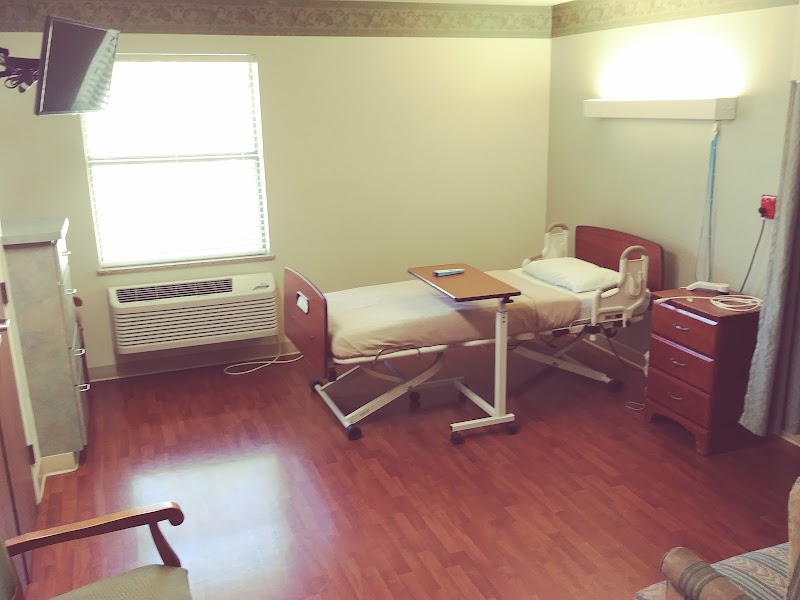
How Does Ridgmar Medical Lodge Compare to Other Texas Nursing Homes?

Compared to the 100 nursing homes in Texas, RIDGMAR MEDICAL LODGE's overall rating (1 stars) is below the state average of 2.8, staff turnover (49%) is near the state average of 46%, and health inspection rating (1 stars) is much below the national benchmark.

What Should Families Ask When Visiting Ridgmar Medical Lodge?

Based on this facility's data, families visiting should ask: "What changes have been made since the serious inspection findings, and how are you preventing similar issues?" "Can you walk me through typical staffing levels on day, evening, and night shifts?" "Can I visit during a mealtime to observe dining assistance and food quality?" "How do you handle medical emergencies, and what is your hospital transfer rate?" These questions are particularly relevant given the facility's Immediate Jeopardy citations and the below-average staffing rating.

Is Ridgmar Medical Lodge Safe?

Based on CMS inspection data, RIDGMAR MEDICAL LODGE has documented safety concerns. Inspectors have issued 3 Immediate Jeopardy citations (the most serious violation level indicating risk of serious injury or death). The facility has a 1-star overall rating and ranks #100 of 100 nursing homes in Texas. Families considering this facility should ask detailed questions about what corrective actions have been taken since these incidents.

Do Nurses at Ridgmar Medical Lodge Stick Around?

RIDGMAR MEDICAL LODGE has a staff turnover rate of 49%, which is about average for Texas nursing homes (state average: 46%). Moderate turnover is common in nursing homes, but families should still ask about staff tenure and how the facility maintains care continuity when employees leave.

Was Ridgmar Medical Lodge Ever Fined?

RIDGMAR MEDICAL LODGE has been fined $35,177 across 3 penalty actions. The Texas average is $33,431. While any fine indicates a compliance issue, fines under $50,000 are relatively common and typically reflect isolated problems that were subsequently corrected. Families should ask what specific issues led to these fines and confirm they've been resolved.

Is Ridgmar Medical Lodge on Any Federal Watch List?

RIDGMAR MEDICAL LODGE is not on any federal watch list. The most significant is the Special Focus Facility (SFF) program, which identifies the bottom 1% of nursing homes nationally based on persistent, serious quality problems. Not being on this list means the facility has avoided the pattern of deficiencies that triggers enhanced federal oversight. This is a positive indicator, though families should still review the facility's inspection history directly.