RIVER OAKS HEALTH AND REHABILITATION CENTER

2416 NW 18TH ST, FORT WORTH, TX 76106 (817) 626-5454
For profit - Corporation 120 Beds CREATIVE SOLUTIONS IN HEALTHCARE Data: November 2025
Trust Grade
38/100
#551 of 1168 in TX
Last Inspection: January 2025

Within standard 12-15 month inspection cycle. Federal law requires annual inspections.

Overview

River Oaks Health and Rehabilitation Center has received a Trust Grade of F, indicating significant concerns about the quality of care provided. Ranking #551 out of 1168 facilities in Texas places it in the top half, but its county rank of #26 out of 69 suggests there are better local options available. The facility is showing improvement, with a decrease in reported issues from 7 in 2024 to 6 in 2025. Staffing ratings are below average with a 2/5 star rating, but the turnover rate is notably low at 0%, indicating staff stability. However, there have been serious concerns, including a failure to protect a resident from physical abuse and issues with food safety, such as moldy food storage and unsanitary kitchen conditions, which could pose health risks to residents.

Trust Score
F
38/100
In Texas
#551/1168
Top 47%
Safety Record
High Risk
Review needed
Inspections
Getting Better
7 → 6 violations
Staff Stability
○ Average
Turnover data not reported for this facility.
Penalties
✓ Good
$8,059 in fines. Lower than most Texas facilities. Relatively clean record.
Skilled Nurses
⚠ Watch
Each resident gets only 21 minutes of Registered Nurse (RN) attention daily — below average for Texas. Fewer RN minutes means fewer trained eyes watching for problems.
Violations
⚠ Watch
27 deficiencies on record. Higher than average. Multiple issues found across inspections.
★★★☆☆
3.0
Overall Rating
★★☆☆☆
2.0
Staff Levels
★★★★★
5.0
Care Quality
★★☆☆☆
2.0
Inspection Score
Stable
2024: 7 issues
2025: 6 issues

The Good

  • 5-Star Quality Measures · Strong clinical quality outcomes
  • Full Sprinkler Coverage · Fire safety systems throughout facility
  • No fines on record

Facility shows strength in quality measures, fire safety.

The Bad

3-Star Overall Rating

Near Texas average (2.8)

Meets federal standards, typical of most facilities

Federal Fines: $8,059

Below median ($33,413)

Minor penalties assessed

Chain: CREATIVE SOLUTIONS IN HEALTHCARE

Part of a multi-facility chain

Ask about local staffing decisions and management

The Ugly 27 deficiencies on record

1 actual harm
Jun 2025 1 deficiency
CONCERN (D) 📢 Someone Reported This

A family member, employee, or ombudsman was alarmed enough to file a formal complaint

Potential for Harm - no one hurt, but risky conditions existed

Deficiency F0761 (Tag F0761)

Could have caused harm · This affected 1 resident

**NOTE- TERMS IN BRACKETS HAVE BEEN EDITED TO PROTECT CONFIDENTIALITY** Based on observation, interview, and record review, the facility failed to ensure that drugs and biologicals were stored in lock...

Read full inspector narrative →
**NOTE- TERMS IN BRACKETS HAVE BEEN EDITED TO PROTECT CONFIDENTIALITY** Based on observation, interview, and record review, the facility failed to ensure that drugs and biologicals were stored in locked compartments and accessed only by authorized personnel for 1 of 4 residents (Resident #1) reviewed for medication storage. Resident #1 had two unidentified pills on his bedside table on 06/17/25 and did not self-administer his own medications. This failure could place residents at risk of inadequate therapeutic outcomes or decline in health. Findings included: Record review of Resident #1's face sheet dated 6/17/25 revealed a [AGE] year-old male admitted on [DATE]. His diagnoses included type 2 diabetes (the body has trouble controlling blood sugar and using it for energy), chronic kidney disease (a disease characterized by progressive damage and loss of function in the kidneys), heart failure (a chronic condition in which the heart doesn't pump blood as well as it should). Record review of Resident #1's annual MDS assessment dated [DATE] revealed a BIMS score of 8 out of 15 which indicated he was moderately impaired. In an observation and interview on 06/17/25 at 10:36 a.m. of Resident #1 in his room revealed two unidentified pills on his bedside table. Resident said that he was not aware of the pills on his left side bed table. He said they gave him too many pills and maybe one or two fell out when he was taking them. In an interview and observation on 06/17/25 at 10:36 a.m. the Wound Care nurse said the two pills should not be left at the resident's bedside. She said that she would take them out of the room. She removed both pills and put them in her biohazard bag. She stated the resident had been at risk of receiving a double dose of medication or taking medication without the knowledge of the facility. In an interview on 06/17/25 at 11:00 a.m., the LVN stated she was the nurse for Resident #1. She said that she had given the resident pain medication at 09 AM and it was not time for more. She said she always goes to the right side of his bed and did not see the medication on the left side table. She said if she had she seen the two pills she would have taken them out of the room. She said the risk of medication at the bedside was that the resident could get double dosed. In an interview on 6/17/25 at 1:39 p.m. the acting DON said the expectation was that the nursing follow protocol to administer medication, watch them take the medication, if the resident refuse, document it and notify the doctor. She stated she had already started the in-service with the staff regarding administering medications. The risk to the resident when medication was left in the room would be that the resident could take the medication and have side effects, and no one would know that he had taken it or what he took. The person responsible to ensure medication was administered properly would be the nurse administering the medication. In an interview on 06/17/25 at 4:09 p.m. the Administrator said she the expectation was to administer the medication and watch the resident take the medication. If they refused, try again and if the resident refused again dispose of the medication properly. The risk was a potential side effects and could cause imbalance or worse sickness. The person responsible to ensure medication was administered properly would be the person passing medications. She stated they have already started doing in-service with the med aides and nurses and department heads to ensure they know not to leave medication in the room with a resident. Record review of the facility's undated Medication Administration policy read in part, .i.e. observes the resident take the medications Record review of the facility's Storage of Medication policy undated read in part, Medications and biologicals are stored safely, securely, and properly following manufacturer's recommendations or those of the supplier. The medication supply is accessible only to license nursing personnel, pharmacy personnel, or staff members lawfully authorized to administer medications.
Apr 2025 3 deficiencies
CONCERN (D) 📢 Someone Reported This

A family member, employee, or ombudsman was alarmed enough to file a formal complaint

Potential for Harm - no one hurt, but risky conditions existed

Report Alleged Abuse (Tag F0609)

Could have caused harm · This affected 1 resident

**NOTE- TERMS IN BRACKETS HAVE BEEN EDITED TO PROTECT CONFIDENTIALITY** Based on interview and record review, the facility failed to ensure all allegations of abuse were reported to the State Survey a...

Read full inspector narrative →
**NOTE- TERMS IN BRACKETS HAVE BEEN EDITED TO PROTECT CONFIDENTIALITY** Based on interview and record review, the facility failed to ensure all allegations of abuse were reported to the State Survey agency and the administrator of the facility, immediately but not later than 2 hours after the allegation is made if the events that cause the allegation involve abuse for 1 of 1 resident reviewed for abuse and neglect for one (Resident #1) of 1 resident reviewed for abuse. The facility did not report immediately to the State Survey agency when Resident #1 accused LVN A touched him inappropriately on 03/08/25 and LVN A did not report the allegation immediately to the Administrator. These failures could place residents at risk for abuse, neglect, and exploitation. Findings included: Review of Resident #1's Face Sheet dated 04/24/2025 indicated a [AGE] year-old male readmitted on [DATE], with initial admission on [DATE]. Admitting diagnoses included Cerebral Infarction Unspecified (a blood vessel supplying blood to the brain has been blocked, leading to brain tissue damage. the cause and location unknown); Heart Failure, Unspecified (a condition where the heart cannot pump enough blood to meet the body's needs, and the specific type or cause is not clearly documented); Bipolar Disorder, Current Episode, Depressed Moderate (periods of intense mood swings, including both manic/hypomanic episodes and depressive episodes). Record review of Resident #1's Change of Condition MDS dated [DATE] noted BIMS Score to be 14/15 with memory intact. Functional ability r/t catheter care is Resident #1 has an indwelling catheter which is managed by the nursing staff in relation to changing the catheter, tubing, and bag as needed. Resident #1 is always incontinent of bowel movements and requires incontinent care by the CNAs. Review of the facility's Provider Investigation Report, dated 03/21/25, revealed the incident occurred on 03/08/25 where Resident #1 alleged LVN A touched him inappropriately. Report indicated resident had a history of making false accusations and calling 911. Findings were unfounded. In an interview on 04/24/2025 at 12:50 pm, Resident #1 revealed that LVN A needed to change his catheter bag and the tubing due to leaking. Resident #1 could not remember what day the incident of abuse occurred. Resident #1 denied ever saying that LVN A touched him inappropriately. In an interview on 04/24/2025 at 4:40 pm the ADM revealed an incident occurred between Resident #1 and LVN A on 03/08/2025 at 12:00 pm where Resident #1 alleged LVN A inappropriately touched Resident #1. ADM first learned of the alleged incident on 03/10/2025 from a note that had been placed on her office door by LVN A. An assessment was completed on Resident #1 on 03/10/2025 and an investigation was started. Reported to HHSC on 03/10/25. The ADM admitted that the incident was not reported on 03/08/2025, but the staff have been in-serviced to contact administration immediately with all accidents and incidents to that she can determine the need to report. Internet search of [state database] revealed discrepancies in reporting timeline. Incident was reported on 03/10/25, which was two days after the incident first occurred. Review of facility's In-service, dated 03/11/25, relating to Abuse/Neglect, types of abuse, and timely abuse of any alleged abuse reviewed LVN A was in-serviced. Review of LVN A's written statement, dated 03/10/25, revealed the allegation Resident #1 had against her occurred on 03/08/25. Record review of the facility's Abuse/Neglect policy revised 03/29/2018 revealed in part: F. Investigation - Comprehensive investigations will be the responsibility on the administrator and/or Abuse Preventionist. All allegations of abuse, neglect, exploitation, mistreatment of residents, misappropriation of resident property and injuries of unknown source will be investigated. The Administrator in consultation with the Risk Management Department will be responsible for investigating and reporting cases to the HHSC.
CONCERN (D) 📢 Someone Reported This

A family member, employee, or ombudsman was alarmed enough to file a formal complaint

Potential for Harm - no one hurt, but risky conditions existed

Comprehensive Care Plan (Tag F0656)

Could have caused harm · This affected 1 resident

**NOTE- TERMS IN BRACKETS HAVE BEEN EDITED TO PROTECT CONFIDENTIALITY** Based on interview and record review, the facility failed to develop and implement a comprehensive person-centered care plan for...

Read full inspector narrative →
**NOTE- TERMS IN BRACKETS HAVE BEEN EDITED TO PROTECT CONFIDENTIALITY** Based on interview and record review, the facility failed to develop and implement a comprehensive person-centered care plan for each resident, consistent with resident rights, that included measurable objectives and time frames to meet residents' medical, nursing, mental and psychosocial needs, for 1 Resident (Resident #2) of 1 resident reviewed for care plans. The facility did not provide interventions as outlined in Resident #2's comprehensive person-centered care plan to address Resident #2's weight loss issues with not interventions including nutritional supplements to improve weight. These failures could place residents identified at risk for weight loss at risk for their medical, physical, and psychosocial needs not being met. The findings were: Record review of Resident #2 Face Sheet, dated 04/24/2025, revealed a [AGE] year-old admitted to the facility on [DATE] and re-admitted on [DATE]. Resident #2's diagnoses included Other Sequelae Following Cerebrovascular Disease (long -term consequences and complications that can result from a stroke or other cerebrovascular issues, including impaired movement, speech difficulties, memory loss, and other neurological deficits); Essential (Primary) Hypertension (high blood pressure where no specific underlying cause can be identified); Type 2 Diabetes Mellitus Without Complications (an individual who has been diagnosed with type 2 diabetes, but has not developed any long-term health problems (complications) that can arise from high blood sugar levels). Record review of the facility's Physician's Order List, dated 04/24/2025, listed Resident #2's diet as, regular texture, regular consistency. Record review of Resident #2's Assessment, by the facility's Dietitian, dated 09/11/2024, revealed Resident #2 had an admission weight of 184.2 pounds, with weight history stable. Nutritional Goal: Gradual weight loss 5% current body weight over the next 60 days 2. No s/s dehydration 3. Maintain adequate nutrition. Record review of Resident #2's Quarterly MDS assessment, dated 01/29/2025, revealed Resident #2's BIMS (cognitive assessment) score of 15 indicated intact cognition. Eyesight was severely impaired and assistance was needed from staff for set up and clean up for eating. Resident #2 had the ability to feed herself. No swallowing disorder and no significant weight loss/gain were noted. Record review of Resident #2's comprehensive care plan, dated 03/26/2025 and revised 04/10/2025, revealed: Resident has potential for weight loss due to refusal of most meals and prefers to eat a sandwich (grilled cheese). Goal: Resident will maintain ideal weight and receive proper nutrition daily x 90 days. Interventions include: Determine food preferences and provide within dietary limitations. Encourage meal completion and document amount consumed. Monitor weight per facility protocol. RD assess per facility protocol. Serve diet and snacks as ordered. The facility failed to implement interventions as outlined in the care plan. Record review of Resident #2's electronic chart listed the following weights recorded on the following dates: -04/09/2025: 166.4 lbs. (pounds) -03/10/2025: 171.1 lbs. -03/06/2025: 170.1 lbs. -01/08/2025: 175.1 lbs. -12/09/2024: 179.4 lbs. -11/08/2024: 175.2 lbs. -10/07/2024: 178.1 lbs. -09/06/2024: 184.2 lbs. -08/08/2024: 183.6 lbs. The percentage of Resident #2's weight loss is calculated as: 1 month - 03/10/25 - 04/09/25 2.75% weight loss 3 month - 01/08/25 - 04/09/25 4.95% weight loss 8 month - 08/06/24 - 04/09/25 9.37% weight loss (10% in 6 months is considered significant weight loss) Record review of nursing progress note dated 04/23/2025 at 11:28 am revealed that Resident #2, Resident has a trend of eating <51%. Res reports she is eating her own food in addition to [facility] meals. She denies nausea, vomiting, or difficulty swallowing. Appetite is good. In an interview on 04/24/2025 at 12:20 pm Resident #2 said she did not like the food because the food does not taste good. Resident #2 stated that she likes to eat snacks her family member brings and go out to eat with her family. In an interview on 04/24/2025 at 2:30 pm the ADM said that their company's policy is to address residents who have a 10% or greater weight loss in six months. Resident #2 has not had that much of a weight loss according to their company policy, which the facility would be prompted to provide interventions if a resident experienced significant weight loss. ADM revealed that the facility provides Resident #2 a grilled cheese sandwich. In an interview on 04/24/2025 at 2:40 PM the Dietitian said that she visits the facility once a month. She stated she only sees the residents who had a significant weight loss to provide recommendations for them. The Dietitian stated that she did make a recommendation to the Speech Therapist to evaluate Resident #2 for swallowing issues for a possible reason resident was not eating, but she did not document the conversation. The Dietitian said the nursing staff could make the decision for supplements. The Dietitian stated she will investigate this issue with the resident. In an interview on 04/24/2025 at 3:00 PM Resident #2's family member said that she has had concerns with resident not wanting to eat. Family member was aware of Resident #2's weight loss and knows that she does not care for the food. Family member brings her snacks to eat. Family member stated resident was much larger when she moved into the facility and has gradually lost weight. She stated that Resident #2 could lose some weight but has lost so much weight. Family member will speak to Resident #2 about eating her meals better. Record Review of facility's Resident Weight policy revised 02/13/2007 revealed in part, An acute care plan for weight loss will be initiated and the clinical record reviewed for possible need of significant change of condition MDS assessment. Assess the resident for possible reason for weight loss .
CONCERN (D) 📢 Someone Reported This

A family member, employee, or ombudsman was alarmed enough to file a formal complaint

Potential for Harm - no one hurt, but risky conditions existed

Deficiency F0692 (Tag F0692)

Could have caused harm · This affected 1 resident

**NOTE- TERMS IN BRACKETS HAVE BEEN EDITED TO PROTECT CONFIDENTIALITY** Based on interview and record review, the facility failed to ensure a resident maintained acceptable parameters of nutritional s...

Read full inspector narrative →
**NOTE- TERMS IN BRACKETS HAVE BEEN EDITED TO PROTECT CONFIDENTIALITY** Based on interview and record review, the facility failed to ensure a resident maintained acceptable parameters of nutritional status, such as usual body weight or desirable body weight range unless the resident's clinical condition demonstrated that this was not possible for 1 (Resident #2) of 1 resident reviewed for weight loss. Resident #2 had a 9.37% weight loss in 8 months between 8/6/24 and 4/9/25 with no documentation from the Dietitian on nutritional concerns or recommended interventions to address Resident #2's weight loss. This failure could place residents at risk of not having needs addressed and/or met r/t weight loss. The findings were: Record review of Resident #2 Face Sheet, dated 04/24/2025, revealed a [AGE] year-old admitted to the facility on [DATE] and re-admitted on [DATE]. Resident #2's diagnoses included Other Sequelae Following Cerebrovascular Disease (long -term consequences and complications that can result from a stroke or other cerebrovascular issues, including impaired movement, speech difficulties, memory loss, and other neurological deficits); Essential (Primary) Hypertension (high blood pressure where no specific underlying cause can be identified); Type 2 Diabetes Mellitus Without Complications (an individual who has been diagnosed with type 2 diabetes, but has not developed any long-term health problems (complications) that can arise from high blood sugar levels. Record review of the facility's Physician's Order List, dated 04/24/2025, listed Resident #2's diet as, regular texture, regular consistency. Record review of Resident #2's Assessment, by the facility's Dietitian, dated 09/11/2024, revealed Resident #2 had an admission weight of 184.2 pounds, with weight history stable. Nutritional Goal: Gradual weight loss 5% current body weight over the next 60 days 2. No s/s dehydration 3. Maintain adequate nutrition. Review of Resident #2's electronic medical record revealed no Dietitian notes from 09/11/24 to 04/24/25. Record review of Dietary Profile dated 04/16/2025 completed by the Director of Food and Nutrition revealed Resident #2's appetite is poor, favorite meal is lunch, and no chewing or swallowing issues. Resident's current weight to be 166.4 taken on 04/09/2025. Noted resident has had a weight loss of 8 lbs. in the last 6 month. Resident #2 on a regular diet with no supplements noted. Record review of Resident #2's Quarterly MDS assessment, dated 01/29/2025, revealed Resident #2's BIMS (cognitive assessment) score of 15 indicated intact cognition. Eyesight was severely impaired and assistance was needed from staff for set up and clean up for eating. Resident #2 had the ability to feed herself. No swallowing disorder and no significant weight loss/gain were noted. Record review of Resident #2's comprehensive care plan, dated 03/26/2025 and revised 04/10/2025, revealed: Resident has potential for weight loss due to refusal of most meals and prefers to eat a sandwich (grilled cheese). Goal: Resident will maintain ideal weight and receive proper nutrition daily x 90 days. Interventions include: Determine food preferences and provide within dietary limitations. Encourage meal completion and document amount consumed. Monitor weight per facility protocol. RD assess per facility protocol. Serve diet and snacks as ordered. The facility failed to implement interventions as outlined in the care plan. Record review of Resident #2's electronic chart listed the following weights recorded on the following dates: -04/09/2025: 166.4 lbs. (pounds) -03/10/2025: 171.1 lbs. -03/06/2025: 170.1 lbs. -01/08/2025: 175.1 lbs. -12/09/2024: 179.4 lbs. -11/08/2024: 175.2 lbs. -10/07/2024: 178.1 lbs. -09/06/2024: 184.2 lbs. -08/08/2024: 183.6 lbs. The percentage of Resident #2's weight loss is calculated as: 1 month - 03/10/25 - 04/09/25 2.75% weight loss 3 month - 01/08/25 - 04/09/25 4.95% weight loss 8 month - 08/06/24 - 04/09/25 9.37% weight loss (10% in 6 months is considered significant weight loss) Record review of nursing progress note dated 04/23/2025 at 11:28 am revealed that Resident #2, Resident has a trend of eating <51%. Res reports she is eating her own food in addition to hospital meals. She denies nausea, vomiting, or difficulty swallowing. Appetite is good. In an interview on 04/24/2025 at 12:20 pm Resident #2 said she did not like the food because the food does not taste good. Resident #2 stated that she likes to eat snacks her family member brings and go out to eat with her family. In an interview on 04/24/2025 at 2:30 pm the ADM said that their company's policy is to address residents who have a 10% or greater weight loss in six months. Resident #2 has not had that much of a weight loss according to their company policy. ADM revealed that the facility provides Resident #2 a grilled cheese sandwich. In an interview on 04/24/2025 at 2:40 PM the Dietitian said that she visits the facility once a month. She only sees the residents who are having a significant weight loss to provide recommendations for them. The Dietitian said that she did make a recommendation to the Speech Therapist to evaluate Resident #2 for swallowing issues for a possible reason resident is not eating, but she did not document the conversation. The Dietitian said the nursing staff could make the decision for supplements. The Dietitian stated she will investigate this issue with the resident. In an interview on 04/24/2025 at 3:00 PM Resident #2's family member said that she has had concerns with resident not wanting to eat. Family member is aware of Resident #2's weight loss and knows that she does not care for the food. Family member brings her snacks to eat. Family member stated resident was much larger when she moved into the facility and has gradually lost weight. She agrees that Resident #2 could lose some weight but has lost so much weight. Family member will speak to Resident #2 about eating her meals better. Record Review of facility's Resident Weight policy revised 02/13/2007 revealed in part, Significant Weight Loss, The facility review resident weights after monthly weights are obtained, to determine residents with significant weight changes. A significant weight change will be defined as 5% or greater in one month, 7.5% or greater in three months, or 10% or greater in six months. The Weight change will be recorded on the appropriate weight watcher's form along with interventions, and follow-up will also be recorded in the designated location. The physician and family will be notified.
Jan 2025 2 deficiencies
CONCERN (E)

Potential for Harm - no one hurt, but risky conditions existed

Deficiency F0804 (Tag F0804)

Could have caused harm · This affected multiple residents

**NOTE- TERMS IN BRACKETS HAVE BEEN EDITED TO PROTECT CONFIDENTIALITY** Based on observation, interview and record review, the facility failed to prepare food by methods that conserve nutritive value,...

Read full inspector narrative →
**NOTE- TERMS IN BRACKETS HAVE BEEN EDITED TO PROTECT CONFIDENTIALITY** Based on observation, interview and record review, the facility failed to prepare food by methods that conserve nutritive value, flavor, texture and appearance for 3 or of 5 (Residents #4,# 12 and #18) residents reviewed for regular diets. The facility failed to ensure that regular diets served were prepared by methods that conserve nutritive value, flavor, texture, and appearance. This failure could place residents on regular diets at risk for a decrease in quality of life and possible weight loss. Findings included: Review of Resident #4's admission Record reflected she was a [AGE] year-old woman, admitted on [DATE], with a primary diagnosis of Atrial Fibrillation (irregular heart rhythm). Review of Resident #4's Care Plan dated 11/25/2024 reflected Intervention provide diet as ordered. Review of Resident #4's MDS dated [DATE] reflected Resident #4's BIMS score was 15 (cognitively intact). Review of Resident #4's Order Summary Report reflected Resident #4 is on a regular diet, regular texture, regular consistency. Review of Resident #12's admission Record reflected an [AGE] year-old woman admitted to the facility on [DATE] with a primary diagnosis of Type 2 diabetes mellitus without complications. Review of Residents #12's Care Plan dated 11/15/2024 reflected focus; Resident #12 has Diabetes Mellitus. Intervention; Educate regarding medications and importance of compliance. Review of the MDS dated [DATE] reflected Resident #12 had a BIMS score of 14(cognitively intact). Review of the Order Summary Report reflected Resident #12 was ordered Regular Diet, Regular texture, Regular consistency. Review of Resident #18's admission Record reflected a [AGE] year-old male admitted on [DATE] with a primary diagnosis paraplegia. Review of Resident #18's Care Plan dated 01/06/2025 reflected focus; Resident #18 has Diabetes Mellitus. Interventions; Dietary consult for nutritional regimen and ongoing monitoring. Review of Resident #18's MDS dated [DATE] reflected Resident #18 had a BIMS score of 15(cognitively intact). Review of Resident #18's Order Summary Report reflected regular diet, regular texture, Regular consistency, Large portion. Observation on 01/28/2025 at 12:12 PM sample tray revealed bar-b-que chicken, potato casserole, coleslaw, biscuit, and desert. Potato dish revealed potatoes were crunchy in texture and the coleslaw was not set in form and unpalatable. Observation and interview on 01/28/2025 at 12:16 with Resident #4 revealed she had eaten 50% of her meal. She stated the potatoes were not cooked and crunchy. She consumed less than 50% of the coleslaw. Observation and interview on 01/28/2025 at 12:18 PM with Resident #12 revealed she had eaten less than 50% of the coleslaw and did not eat any of the potatoes. She stated when they serve her food like this it makes her want to slap them. She stated that she has voiced her concerns regarding the food, but it doesn't do any good. Observation and interview on 01/28/2025 at 12:20 PM with Resident # 18 revealed he only ate the chicken. When asked how his lunch was, he responded you try it when told that a simple tray was consumed by the surveyor he responded, then you know this is bullshit. Interview on 01/28/2025 at 12:22 PM with the dietary manager revealed after tasting the potato casserole, she stated not all of them were the same exact texture. Potatoes were supposed to be soft. She stated that she does not like coleslaw, but it tastes like coleslaw. She stated that the coleslaw has a mix used to prepare it. The potato comes in a box, and you cook it in the oven. She stated that she does not taste the food before it is served but she will eat it after residents were served. Interview on 01/28/2025 at 12:34 PM with the cook revealed potato dish was mixed in bowl then layered in casserole dish. She stated that she should have layered the mixed potatoes in two shallower dishes instead she combined she combined the potato mix into one deep pan. She stated she used the deeper dish instead of two shallow pans to conserve space on the steamtable. She stated the potatoes were done (cooked to time and temperature) the potatoes on top were soft, however, as she started to serve the potato casserole I noticed they [potatoes] got a little harder . She stated the coleslaw normally had a coleslaw dressing, but they were out so she made her own dressing for the coleslaw. The dressing contained 1 cup of mayo, tablespoon of lemon juice and sprinkle of salt and pepper. She stated that she did not taste coleslaw because she does not eat coleslaw. Interview on 01/30/2025 at 3:10 PM with the DON revealed she stated that she has not tasted the food. They do provide supplements and fortified meals for residents at risk of weight loss. The risk of not serving meals that residents enjoy eating was weight loss, skin issues and a decline in ADL's. Interview on 01/30/2025 at 4:10 PM with the Administrator revealed her expectation was that the dietary staff follow the recipes for preparing food and taste the food before serving it to the residents. The risk to the residents was weight loss. Record review of Weekly menu dated week 1 revealed Tuesday lunch; BBQ Chicken Quarter, Party Potato Casserole, creamy diced coleslaw, garlic cheese biscuit, margarine, banana pudding w/wafers and iced tea. Record review of the facility policy titled; Test tray evaluation form dated 2012 revealed; 3. Once the food temps have been taken and recorded, the overall appearance of the tray should be assessed. Then all foods should be tasted. Once all scores have been completed, the form should be returned to the dietary service manager or administrator. 4. Results of the test trays will be used to determine where improvements to the tray line or food production process need to be made.
CONCERN (E)

Potential for Harm - no one hurt, but risky conditions existed

Infection Control (Tag F0880)

Could have caused harm · This affected multiple residents

**NOTE- TERMS IN BRACKETS HAVE BEEN EDITED TO PROTECT CONFIDENTIALITY** Based on observation, interview and record review, the facility failed to maintain an infection prevention and control measure d...

Read full inspector narrative →
**NOTE- TERMS IN BRACKETS HAVE BEEN EDITED TO PROTECT CONFIDENTIALITY** Based on observation, interview and record review, the facility failed to maintain an infection prevention and control measure designed to provide a safe, sanitary environment to help prevent the development and transmission of communicable diseases and infections for 1 of 4 residents (Resident #21) during medication administration, and 3 of 16 residents (Residents #27, #32, #40) reviewed for infection control in that: 1.MA A attempted to perform hand hygiene in another resident's room after measuring blood pressure on Resident #21 who was on Enhanced Barrier Precaution (EBP). 2.MA A did not sanitize blood pressure machine after it was used to measure blood pressure for Resident #21. 3. LVN D failed to ensure EBP procedure was followed throughout the wound care treatment and dressing change for Resident #27. LVN D did not put on his gown for PPE when he returned to complete wound care on Enhanced Barrier Precautions. LVN D failed to ensure two used towels with blood on them were handled with care and in a bag and not rolled in a ball and placed in his left arm pit after completion of wound care for Resident #27 4. RN E failed to sanitize her hands after touching Resident #32's radio that was inside his pants before getting and covering Resident #40 in a blanket and moving his bedside table. These failures could place residents and nursing staff at risk of transmission of communicable diseases and infections. Findings include: Record review of Resident #21's face sheet, dated 1/30/2025 revealed, resident was a [AGE] year-old male admitted on [DATE] with type 2 diabetes, obstructive uropathy (a condition in which the flow of urine is blocked), and leukemia (cancer of blood cells). Record review of Resident #21's care plan, dated 12/30/2024, revealed that Resident #21 was on enhanced barrier precautions, with the goal of no transmission of infection from or to the resident. One of the interventions included performing hand hygiene before entering the room and prior to leaving the room. Observation on 1/29/2025 at 07:30 AM, before medication pass, MA A entered Resident #21's room to measure blood pressure. Resident #21 was on EBP as marked by the posting at the door. MA performed hand hygiene and proceeded to don gown, mask & glove respectively and entered Resident #21's room with the blood pressure measuring machine. Upon completion, MA A did not perform hand hygiene when exiting the room but instead MA A attempted to enter a different resident's room to wash his hands. The surveyor then stopped him from entering another resident's room. MA A stated that he will go wash his hands at the nurse's station. Observation on 1/29/2025 at 07:40 AM, MA A put the blood pressure cuff used to measure blood pressure on Resident #21 on top of 3 other blood pressure cuffs in the basket included in the blood pressure machine. MA A only wiped down the cuff used to measure Resident #21 blood pressure. CMA A did not wipe down the remaining cuffs and the machine. Interview with MA A on 1/29/2025 at 8:00 AM, MA A stated that he has been in-serviced about providing care for resident on EBP multiple times. MA A also stated that he did not want to use hand sanitizer after measuring Resident #21's blood pressure and wanted to wash his hands. MA stated he should have sanitized all the remaining blood pressure cuffs, but he did not. MA A stated he understood the surveyor stopped him from washing hands in another resident room to prevent the spread of infection after providing care to Resident #21. Record review of Resident #27's face sheet dated 01/29/25 revealed a [AGE] year-old male who was admitted to the facility on [DATE]. His diagnoses included peripheral vascular disease (this is a circulation condition that causes vessels to reduce blood flow to the limbs), chronic venous hypertension idiopathic (this is a brain condition that is caused by a buildup of spinal fluid around the brain), ulcer of left lower extremity, and diabetes mellitus (uncontrolled blood sugars) due to underlying condition with diabetic polyneuropathy (a complication of diabetes that affects multiple nerves in the body). Record review of Resident #27's quarterly MDS dated [DATE] revealed a BIMS score of 14, which indicated cognitive status was intact. MDS also revealed Resident #27 was a 2 person plus extensive assist for bed mobility, transfers, toileting. Resident #27 was coded as having venous and arterial ulcers present. Record review of Resident #27's January 2025 physician orders reflected dressing change 3 times a week and as needed for right lower leg and left lower leg. Cleanse with hibiclens, rinse and pat dry. Apply Betadine to scabbed over areas. Collagen to open areas. Roll with gauze. Record review of Resident #27's care plan, dated 11/26/24, revealed, the resident was on enhanced barrier precautions for wounds. The goal would be no transmission of infection from one or another resident. Interventions included: Gloves and gowns should be donned if any of the following activities were to occur linen change, resident hygiene, transfer, dressing, toileting/incontinent care, bed mobility, wound care, enteral feeding care, catheter care, trach care, bathing, or other high-contact activity. Perform hand sanitation before entering the room and prior to leaving the room. Observation on 01/29/25 at 11:10 AM, LVN D and wound NP were at the bedside, both wearing PPE. LVN D placed a bath towel on each leg of Resident #27. LVN D was wearing PPE for EBP. He removed the old dressings and cleaned Resident #27's leg wounds and pat dried the wounds with the bath towel. Blood was seen oozing from some areas of Resident #27's wounds. LVN D then left Resident #27's bedside and went outside the room to the treatment cart. LVN D took his PPE off before he left the room. When he returned, he put on his gloves and continued wound care. LVN D did not wear a gown when he returned to continue wound care. After LVN D was finished with Resident #27's dressings, he took the bath towels from underneath Resident #27's legs with some blood on them and rolled them and tucked them under his left arm pit. In an interview with the wound NP on 01/29/25 at 11:30 AM, she stated having some bleeding on some for Resident #27's wounds were a good sign because it showed that he was getting blood flow to the extremities (legs). She stated that CDC a couple of years ago or last year started to do Enhanced barrier precautions, gowns, gloves and even mask, as layer of protection against those with chronic should wounds and indwelling lines to prevent in to prevent infection of MDROS to residents with chronic issues including wounds. She stated a gown, and gloves should be worn for EBP infection control. In an interview with LVN D on 01/29/25 at 01:04 PM, he stated he was one of the infection control preventionist, and he was aware of what Enhanced barrier precautions and just forgot to wear his gown when he returned to finish Resident #27's wound care. He stated he did not mean to put the soiled towels in his arm pit, he was actually looking for a bag to put them into. He stated EBP was followed to prevent transfer of infections from clothing to dressing. He stated the gown was used as a barrier to prevent MDRO's infections., He stated the towels were contaminated after use and the risk for not following EBP was Infection. Resident #32 Record review of Resident #32's face sheet dated 01/30/25 revealed a [AGE] year-old male who was admitted to the facility on [DATE]. His diagnoses were cerebral palsy (a congenital disorder of movement, muscle tone, or posture), abnormal posture, lack of coordination, difficulty speaking, and [NAME]-[NAME] syndrome (this is a genetic disorder that causes intellectual disability, and shortness in height), and attention deficit hyperactivity disorder. Record review of Resident #32's quarterly MDS dated [DATE] revealed a BIMS score could not be complete due to cognitive impairment. She had no indicators of delirium, depression, or behaviors. Resident #32 had impaired range of motion, both upper and lower body, on both sides of his body, and was completely dependent on staff for all his ADLs and movement in bed. Resident #32 was always incontinent of bowel and bladder. Record review of Resident #32's care plan initiated 07/07/22 with a revision date of 12/26/24 revealed Resident #32 had a communication problem (non-verbal. The goal was to be able to make basic needs known by gestures on a daily basis. The interventions were to anticipate and meet his needs, residents required hands to communicate; staff would ensure availability and functioning of adaptive communication. Record review of Resident #40's face sheet dated 01/30/25 revealed a [AGE] year-old male with an initial admission date of 10/25/23 and readmitted [DATE]. His diagnoses included epilepsy (seizure disorder), paraplegia (paralysis), enlarged prostatic with lower urinary infection, metabolic encephalopathy (this is a brain disorder caused by a chemical imbalance in the blood that affects brain function, anemia and hematemesis (low blood count and vomiting of stomach content mixed with blood). Record review of Resident #40's quarterly MDS dated [DATE], revealed cognitive skills for daily decision making was a 0 which indicated he was severely impaired. It was further revealed he was extensively dependent on two staff for bed mobility and was totally dependent on one staff for eating. Record review of Resident #40's care plan initiated 01/28/25 revealed Resident #40 was on Enhanced Barrier Precautions for wounds. The goal for Resident #40 was there would not be any transmission of infection from or to the resident. The interventions were; Gloves and gown should be worn if any of the following activities are to occur: linen change, resident hygiene, transfer, dressing, toileting/incontinent care, bed mobility, wound care, enteral feeding care, catheter care, trach care, bathing, or other high-contact activity, perform hand sanitation before entering the room and prior to leaving the room, Posting at the residents room entrance indicating the resident is on enhanced barrier precautions, and therapy should use gown and gloves, when transfer training, mobility training, or other high-contact activity. Observation on 01/28/25 at 09:32 AM to 10:24 AM, revealed Resident #32 at the nurse station in his wheelchair. He was listening to the radio that was placed inside his sweatpants at the nurse station. Resident #32 took the radio out of his pants and handed it to RN E. RN E stated Resident #32 had lost his radio channel. She took the radio and went to the medication cart and opened her computer. Resident #40 started to complain that he was cold, and he needed extra blankets. RN E set Resident #32's radio on top of the medication cart and went to the cart in the hallway with linen and took a blanket off the cart. RN E did not perform hand hygiene after touching the radio that was inside Resident #32's pants. RN E took the blanket to Resident #40's room and covered him. RN E pushed Resident #40's bedside and placed the call light within reach. RN E then left Resident #40's room. RN E did not sanitize her hands. She returned to the medication cart and picked up Resident #32's radio and resumed programing the radio. Interview with RN E on 1/30/2025 at 10:06 AM she said she had been at the facility for 2.5 years. She stated she did not perform hand hygiene after she touched Resident #32's radio because she forgot. She stated she then proceeded to enter Resident #40's room to assist him with his blanket without performing hand hygiene. She stated she always does hand hygiene, but she got distracted. She also said the radio was not inside Resident #32's brief, it was in his pants . She stated the purpose of hand hygiene was to promote cleanliness, prevent cross contamination, and infection control for residents and staff. She has had in-service on hand hygiene before. She stated hand hygiene must be done between each resident's care. Interview on 01/29/25 at 09:30 AM the regional compliance nurse wanted to clarify the confusion between isolation & enhanced barrier precaution. She stated that MA A did not have to wear gown and mask when measuring blood pressure on Resident #21. She also agreed that he should perform hand hygiene right after he left Resident #21 room and not enter another resident's room to wash hands to prevent the spread of infection. She stated she provided one-on-one in-service training on hand hygiene with MA A. Interview with the DON on 01/30/25 at 3:34 PM, she stated all staff had all been trained and in- serviced on infection control, hand hygiene, and EBP. She stated the expectation was that they do what they are supposed to do following the infection control policy. She stated infection control monitoring was done by the nursing administration which included the ADON, wound nurse and herself. She stated the purpose for EBP, sanitization of equipment, and hand hygiene was to prevent infection control. Interview on 01/30/2025 at 4:14 PM with the Administrator, she stated her staff has had hand hygiene training. The facility has hallway hand sanitizer, staff were to wash hands when hands were visibly soiled, perform hand hygiene between resident care, medication pass and tray pass during mealtimes. The purpose was to stop the spread of infection. She said the facility provides in-service training on infection control anytime facility identifies an infection control issue; DON also provides in-service training on infection control randomly. Record review of facility's Infection Control Policy & Procedure, Hand Hygiene section, dated 03/2024, some situations that require hand hygiene includes before and after direct resident contact, upon and after coming in contact with a resident's intact skin, (e.g., when taking a pulse of blood pressure . Record review of facility's Infection Control Policy & Procedure, Resident care equipment and articles section, dated 3/2024, Non-invasive resident care equipment is cleaned daily or as needed between use. Record review of facility's Enhanced Barrier Precautions, dated 4/1/2024, Enhanced Barrier Precautions refer to an infection control intervention designed to reduce transmission of multidrug-resistant organisms that employ targeted gown and glove use during high contact resident care activities.
Dec 2024 3 deficiencies
CONCERN (E) 📢 Someone Reported This

A family member, employee, or ombudsman was alarmed enough to file a formal complaint

Potential for Harm - no one hurt, but risky conditions existed

Safe Environment (Tag F0584)

Could have caused harm · This affected multiple residents

**NOTE- TERMS IN BRACKETS HAVE BEEN EDITED TO PROTECT CONFIDENTIALITY** Based on observation, interview, and record review the facility failed to ensure the resident had the right to a safe, clean, co...

Read full inspector narrative →
**NOTE- TERMS IN BRACKETS HAVE BEEN EDITED TO PROTECT CONFIDENTIALITY** Based on observation, interview, and record review the facility failed to ensure the resident had the right to a safe, clean, comfortable, and homelike environment, which included but not limited to receiving treatment and supports for daily living safely for one of six residents (Resident#1) reviewed for environment. 1. The facility failed to properly clean and maintain a sanitary and comfortable environment free of foul odors for Resident#1 room. 2. The facility failed to maintain a safe environment for Resident#1 room. These failures could place residents at risk for a diminished quality of life due to the lack of a well-kept, home-like environment. Findings include: Record review of Resident#1's face sheet dated 12/20/24, reflected; Resident#1 was a [AGE] year-old female admitted to the facility on [DATE]. Resident#1 was diagnosed with paranoid schizophrenia (a type of psychosis, which means your mind doesn't agree with reality), bipolar disorder (A serious mental illness characterized by extreme mood swings) They can include extreme excitement episodes or extreme depressive feelings)., other symptoms and signs involving appearance and behavior, unspecified Dementia (A group of symptoms that affects memory, thinking and interferes with daily life.), unspecified severity, without behavioral disturbance, psychotic disturbance, mood disturbance and anxiety, cognitive communication deficit(Impaired functioning of one or more cognitive process such as: attention, memory, organization, problem solving/reasoning and executive functions) unsteadiness on feet, muscle wasting and atrophy(thinning of muscle mass), not elsewhere classified, multiple sites. Record review of Resident#1's quarterly MDS, dated [DATE] reflected; Resident#1 had a BIMS score of 15, which indicated cognition intact. Section C-Cognitive patterns reflected, Resident#1 was coded at a 2 for behavior present, fluctuate (comes and goes) for disorganized thinking (rambling, irrelevant conversation, unclear or illogical flow of ideas, or unpredictable switching from subject to subject) and inattention- resident had difficult focusing attention for example, easily distracted. Section E- behavior reflected, Resident#1 had Delusions (misconceptions or beliefs that are firmly held, contrary to reality). Section Functional abilities reflected, Resident#1 was coded refused for bath and showers. Resident#1 was coded independent for other functional activities. Section N-Medications coded 1 for yes : Antipsychotics were received on s routine basis only Record review of Resident#1's care plan dated,10/10/24 reflected focus . hoarding r/t Paranoid Schizophrenia, Bipolar, Non-Compliant with behavior w/cognitive impairment. Goal: fewer episodes of writing on walls/furniture. Interventions: Administer medications as ordered. Monitor/document for side effects and effectiveness. Focus at risk for falls r/t Gait/balance problems, cognitive impairment, psychoactive medication drug usage. Goal: falls and/or injuries minimized thru management of risk factors while maintaining maximum independence and quality of life. Interventions: Anticipate and meet the resident's needs . Follow facility fall protocol. Record review of Resident#1's progress notes dated 07/01/24 to 12/23/24, reflected Progress note dated 11/07/24 by SS reflected Resident#1 allowed a staff to sweep a small part of the entry way to her room, but is still refusing staff to change her bedding and perform housekeeping inside her room. Progress note dated 11/14/24 b y SS reflected resident#1 is still resistive to housekeeping in her room and to proper hygiene. Progress note dated 11/27/24 by SS reflected, Resident#1 IDT team met to discuss the ongoing concerns regarding this resident. She continues to deny access to housekeeping staff to clean her room. The nursing staff is unable to complete the skin assessments and the resident continues to be non-compliant for hygiene. Attempts to care for this resident completed in-house by the facility have failed. Psych services advised that the state hospital may better fitthis resident's needs. Progress note dated 12/03/24 by SS reflected Housekeeping reported that this resident is defecating behind her bedroom door after noticing poop on the floor. While they were cleaning her room, they also noticed that this resident is also urinating in the trash can in her room. This resident is not allowing maintenance in her room to check if the restroom is working. Observation on 12/20/24 at 5:35 AM revealed a strong smell of urine that permeated the South 3 hallway . Observed HK C open Resident#1 door. The smell of urine and feces that came from the room was overwhelming. Observed urine in cups, clothes, pizza boxes personal items thrown around the room and no free space to walk from one end of the room to the next. Observed writing on the wall inside and outside the resident room. Interview on 12/20/24 at 5:41 AM, the HK C stated Resident#1 had gone to the hospital yesterday. The HK stated Resident#1 would not allow staff in her room to clean it for a long time. The HK C stated Resident#1 would cuss and get aggressive with staff. The Housekeeper stated Resident#1 allowed her to swap up feces one time behind the door and told her to get out. The Housekeeper stated she removed a bucket of dirty linen from Resident#1's room that resident took from the hallway and put in her room. The Housekeeper stated Resident#1 had refused services since she been here.HK C stated they let the nurse staff and Admin A know that resident was refusing care. HK C would come back to the resident room later and see if you would allow HK C not clean room. Interview on 12/20/24 at 6:20 AM the HKSP D stated Resident#1 did not allow staff in her room to assist her with anything. The HKSP D stated Resident#1 took BM'S in plastic bags and would urine in cups. The HKSP D stated she was going to try and clean Resident#1 room today. HKSP D stated when Resident#1 refused services we let the DON B and Admin A know and try again later to provide housekeeping services. Attempted to interview Resident#1 on 12/23/24 at 8:30 AM at the hospital. Resident#1 was not able to answer questions about the facility. Observation on 12/20/24 at 11:15 AM the HKSP D bagged up Resident#1's personal items and removed items Resident#1 had took from the facility that was left in the highway for example: pillowcases, sheets, wipes and trash bags. Interview on 12/20/24 at 11:20 AM, the Admin A and DON B stated Resident#1 had been in the facility since 2015. Since she has been there, she would hoard, constantly refuse showers, nail care, dental care, vision care, and refuse housekeeping, maintence and nursing staff access to her room. The DON B stated Resident#1 would creep out of her room [ROOM NUMBER] pm to 6am and grab linen, wipes, any staff or residents' personal items that were left out. The DON B stated she had taken a resident's radio that was found in her room. The Admin A and DON B both stated that since August they had noticed a big change of condition and her behaviors had gotten worst like voiding in plastic bags - BM and Urine, odor progressively worst since July. Resident#1 would not let staff in the room. The DON B stated the smell of Resident#1 room overwhelmed her and she had no idea she had all that stuff in there. The DON B stated several residents did complain about Resident#1's odor (Residents with the complaints were not confirmed). Admin A and DON B stated they held meetings with the IDT, guardian, Psy MD, NP, PCP about Resident#1 behavior and it was determined the facility can not met Resident#1 needs, The Admin A and DON B stated the room was not sanitary. Interview on 12/23/24 at 1:00 PM, the SS stated she started to work for the facility at the beginning of October and was told about Resident#1 behaviors. The SS had contacted Guardian to speak with Resident#1 and she never did. Attempted to call Resident#1 guardian at 11:43 AM on 12/23/24 and not able to leave voicemail. Attempted to call Psy MD on 12/23/24 at 11:44 AM and received no return call. Attempted to call PCP on 12/23/24 at 11:47 AM and received no return call. Attempted to call NP on 12/23/24 at 12:13 PM and received no return call. Record review of facility's admission packet Nursing Facility Residents; Rights, dated 11/2021, reflected .you have the right to: live in safe, decent and clean conditions
CONCERN (E) 📢 Someone Reported This

A family member, employee, or ombudsman was alarmed enough to file a formal complaint

Potential for Harm - no one hurt, but risky conditions existed

Deficiency F0676 (Tag F0676)

Could have caused harm · This affected multiple residents

**NOTE- TERMS IN BRACKETS HAVE BEEN EDITED TO PROTECT CONFIDENTIALITY** Based on observation, interview and record review the facility failed to provide, based on the comprehensive assessment of a res...

Read full inspector narrative →
**NOTE- TERMS IN BRACKETS HAVE BEEN EDITED TO PROTECT CONFIDENTIALITY** Based on observation, interview and record review the facility failed to provide, based on the comprehensive assessment of a resident and consistent with the resident's needs and choices, the necessary care and services to ensure that a resident's abilities in activities of daily living do not diminish unless circumstances of the individual's clinical condition demonstrate that such diminution was unavoidable for 1 of 4 resident (Resident # 1) reviewed for activities of daily living. The facility failed to ensure Resident #1 was provided care and services for hygiene. This failure could place residents at risk for poor self-esteem, infections, socialization, ADL decline and diminished quality of life. Findings included: Record review of Resident#1's face sheet dated 12/20/24, reflected; Resident#1 was a [AGE] year-old female admitted to the facility on [DATE]. Resident#1 was diagnosed with paranoid schizophrenia (a type of psychosis, which means your mind doesn't agree with reality), bipolar disorder (A serious mental illness characterized by extreme mood swings) They can include extreme excitement episodes or extreme depressive feelings)., other symptoms and signs involving appearance and behavior, unspecified Dementia (A group of symptoms that affects memory, thinking and interferes with daily life.), unspecified severity, without behavioral disturbance, psychotic disturbance, mood disturbance and anxiety, cognitive communication deficit(Impaired functioning of one or more cognitive process such as: attention, memory, organization, problem solving/reasoning and executive functions) unsteadiness on feet, muscle wasting and atrophy(thinning of muscle mass), not elsewhere classified, multiple sites. Record review of Resident#1's quarterly MDS, dated [DATE] reflected; Resident#1 had a BIMS score of 15, which indicated cognition intact. Section C-Cognitive patterns reflected, Resident#1 was coded at a 2 for behavior present, fluctuate (comes and goes) for disorganized thinking (rambling, irrelevant conversation, unclear or illogical flow of ideas, or unpredictable switching from subject to subject) and inattention- resident had difficult focusing attention for example, easily distracted. Section E- behavior reflected, Resident#1 had Delusions (misconceptions or beliefs that are firmly held, contrary to reality). Section Functional abilities reflected, Resident#1 was coded refused for bath and showers. Resident#1 was coded independent for other functional activities. Section N-Medications coded 1 for yes : Antipsychotics were received on s routine basis only Record review of Resident#1's care plan dated 10/10/24, reflected focus Resident #1 has an ADL self-care deficit r/t bipolar with agitative behavior. Goal: Resident :will maintain current level of function .:Intervention: Bathing: the resident is is independent with showering in the evenings, but requires supervision. Record review of Resident#1's progress note s dated 07/01/24 to 12/23/24 , reflected: 07/02/24: Patient refused shower. Patient stated, I don't need one. by LVN E 07/02/24: Resident refused shower by by LVN E 07/04/24: Patient refused shower by LVN E 07/09/24: Patient refused shower. Patient stated, I don't need one. by LVN E 07/11/24: Patient refused shower. Patient stated, I don't need one by LVN E 07/16/24: Refused shower. Patient stated, Nah, I don't need one. By LVN E 07/18/24: Patient refused shower. Patient stated, I'm not dirty. I'm not going to take a shower here. by LVN E 07/23/24: Resident refused shower. by LVN E 07/25/24: patient refused shower. Patient stated, I don't stink. by LVN E 07/30/24: Patient refused shower. Patient stated, I don't smell. You smell. Why don't you go take one. By LVN F 08/01/24: patient refused shower. Patient stated, I don't need one. by LVN E 08/06/24: Refused shower. by LVN E 08/08/24: Patient refused shower. Patient stated, I don't smell. by LVN E 08/20/24 : Patient refused shower. Patient stated, No! by LVN E 08/31/24: Patient refused shower. Patient stated, I don't need one. by LVN E 09/03/24: Patient refused shower. I do not stink! by LVN E 09/05/24: Patient refused shower. Patient stated, Nah, I don't think so. by LVN E 09/10/24: Patient refused shower. I don't need one. by LVN E 09/17/24: Patient refused shower. Patient stated, No! by LVN E 10/01/24: Patient refused shower. Patient stated, I don't stink! by LVN E 10/17/24: patient refused shower. Patient stated, I don't stink! by LVN E 10/24/24: Patient refused shower. Patient stated, I don't smell! by LVN E 10/27/24: Observed resident standing in doorway requesting trash receptacle to be placed near her door because she had items to place in trash. When barrel was brought to door resident placed a plastic bag of urine with a knot tying the bag closed. When asked why she was putting urine into a bag stated My bathroom works but I don't used the public system. By RN G 10/29/24: Patient refused shower. Patient stated, I'm clean! I don't need to take a shower! LVN E 11/05/24: Patient refused shower. Patient stated, I am clean. LVN E 11/13/24: Resident refused to take shower. LVN E 11/14/24: Patient refused shower. Patient stated, I don't need one. LVN E 11/21/24: Patient refused shower x 3. Patient stated, I told you. I don't stink. LVN E 11/26/24: Patient refused shower x 3. Patient stated, Do you think I stink? Why don't you take a shower! LVN E 12/03/24: Patient refused shower x 3. Patient stated, I'm not taking a shower. LVN E 12/10/24 : Patient refused shower x 3. Patient stated, I don't need a shower. You need a shower. LVN E 12/19/24: DON, administrator, Guardian and PCP met and discussed behaviors and how [Psych MD.] and NP had expressed their concerns about the resident's safety.Dr. is in agreement with psych recommendations. [PCP] also feel that resident is a threat to self and others. Concerns reagrding her environment were also discussed. The Guardian is in agreement that the resident needs to be evaluated at a hihger of level of care. After the discussion, we called for ambulance per [PCP]order and [NP] recommendation. arrived on scene, the Guardian presented them with a copy of her court documentation noting guardianship. They assessed the resident, called their physician and he agreed with transfer. Resident was verbally aggressive toward paramedic. She actually voided in a water pitcher while they were in attendance. When asked why she was doing that (she has a bathroom in her room) she replied that she was measuring her urine output. When offered to have the pitcher of urine emptied, she refused to allow it stating that she needed ice cubes to preserve it. At this point Paramedic called for PD back up. Resident was verbally aggressive and resistant even with the police in sight. Administrator was able to calm her down. Record review of the Hospital record dated, 12/23/24 reflected: Resident #1 was awake and alert and refused vital signs, to change clothes and bathe on 12/20/24, 12/21/24,12/22/24 and 12/23/24. 6 facilities have been sent Resident#1 paperwork and 2 have so far declined for behaviors . Record review of Letter from Director of clinical care of psychiatric services, dated 12/19/24 reflected: Resident#1 has been under psychiatric care services since November 25,2019 .Over the course of the last few months, she has been refusing to take her antipsychotic medication. Her behaviors have increased including delusions, defecting, and urinating in plastic bags and placing them in dresser drawers in her room. Patient refuses showers and exhibit a strong odor, staff are not sure of the condition of her skin or hair. She refuses to allow staff into her room and the facility had to have police intervention to remove prescription medication from the patient room. The patients behaviors including aggression, threats to staff, paranoia, and delusions have increased with refusals. Her current setting is unable to effectively address psychiatric needs. I recommend transferring the patient to a higher level of care for psychiatric care and mental health management. Interview on 12/19/24 at 6:30 PM RN I, stated Resident#1 refused all care from staff. Resident#1 would not take showers or allow staff to clean resident room. RN I, stated Resident#1 refused all care. RN I, stated staff would try to educate resident on the importance of bathing and resident would cuss staff out. Interview on 12/20/24 at 5:33 AM LVN J stated Resident#1 refused care from staff and was aggressive. LVN J stated staff would make three attempts to provide Resident#1 care. Interview on 12/20/24 at 11:30 AM with the Administrator and DON, both stated they cannot meet the resident's needs. The Administrator stated they did not know what they were going to do about the resident and they were waiting on Corporate. The Administrator stated she has been here since July 2024 and the resident has refused care, aggressive towards staff and would not let staff in her room. The Administrator stated the last couple of months of gotten worse. Attempted to interview and observation on 12/23/24 at 8:30 AM reflected Resident#1 at the hospital. Resident#1 was not able to answer questions about the facility. Resident#1 had a odor of urine that could be smelled from the doorway. Resident#1 hair was oily, greasy and her legs and feet appeared to be dry and ashy. Interview on 12/23/24 at 9:30 AM hospital social worker stated she was told that the facility was not taking the resident back . The Hospital social worker stated the guardian stated she did not receive discharge information. Interview on 12/23/24 at 11:30 AM the Director of guardianship stated they did receive immediate discharge information on 12/20/24 around 4pm and they will appeal the decision. The Director of guardianship stated the facility needed a warrant and needed the guardian approval. The Director of guardianship stated they granted it because the facility said they would take the resident back and now it will be hard to place her because of her behaviors, she has been at the facility for 9 years. Attempted to call Resident#1 guardian at 11:43 AM on 12/23/24 and not able to leave voicemail. Attempted to call Psy MD on 12/23/24 at 11:44 AM and received no return call. Attempted to call PCP on 12/23/24 at 11:47 AM and received no return call. Attempted to call NP on 12/23/24 at 12:13 PM and received no return call. Interview on 12/23/24 at 12:25 PM with on-call ombudsman stated the facility had contacted the ombudsman office and needed to do an emergency discharge for Resident#1. Ombudsman stated the facility stated they could not meet Resident#1 needs. Interview on 12/23/24 at 1:00 PM, the SS stated she started to work for the facility at the beginning of October and was told about Resident#1 behaviors. The SS had contacted Guardian to speak with Resident#1 and she never did. Interview on 12/23/24 at 1:30 PM LVNE stated Resident#1 refused all care from staff. LVN E stated three attempts would be made throughout the day to provide care to Resident#1. LVN E stated when Resident#1 refused care it was documented in the progress notes. Interview on 12/23/24 at 2:00 PM the Admin A stated that Resident#1 cannot come back unless she was stable and the hospital records showed adjustments on medications. The Admin A stated the Psy MD stated it would be easier for Resident#1 to transfer to a state hospital from the hospital. The Administrator stated they cannot meet her social, mental and psychology needs there.
CONCERN (E) 📢 Someone Reported This

A family member, employee, or ombudsman was alarmed enough to file a formal complaint

Potential for Harm - no one hurt, but risky conditions existed

Pharmacy Services (Tag F0755)

Could have caused harm · This affected multiple residents

**NOTE- TERMS IN BRACKETS HAVE BEEN EDITED TO PROTECT CONFIDENTIALITY** Based on interview and record review, the facility failed to provide pharmaceutical services (including procedures that assure t...

Read full inspector narrative →
**NOTE- TERMS IN BRACKETS HAVE BEEN EDITED TO PROTECT CONFIDENTIALITY** Based on interview and record review, the facility failed to provide pharmaceutical services (including procedures that assure the accurate acquiring, receiving, dispensing, and administering of all drugs and biologicals) to meet the needs of each resident for 1 of 4 residents (Residents #1), reviewed for pharmaceutical services, in that: The facility failed to ensure Resident #1 took olanzapine 10 mg tablet that was ordered to be taken: 1 tablet by mouth twice a day. DON B found 28 of what appeared to be Olanzapine tablets in 3 drawers of Resident#1 bedside nightstand. This failure could place residents at risk for not receiving medication as ordered. The findings included: Record review of Resident#1's face sheet dated 12/20/24, reflected; Resident#1 was a [AGE] year-old female admitted to the facility on [DATE]. Resident#1 was diagnosed with paranoid schizophrenia (a type of psychosis, which means your mind doesn't agree with reality), bipolar disorder (A serious mental illness characterized by extreme mood swings) They can include extreme excitement episodes or extreme depressive feelings)., other symptoms and signs involving appearance and behavior, unspecified Dementia (A group of symptoms that affects memory, thinking and interferes with daily life.), unspecified severity, without behavioral disturbance, psychotic disturbance, mood disturbance and anxiety, cognitive communication deficit(Impaired functioning of one or more cognitive process such as: attention, memory, organization, problem solving/reasoning and executive functions) unsteadiness on feet, muscle wasting and atrophy(thinning of muscle mass), not elsewhere classified, multiple sites. Record review of Resident#1's quarterly MDS, dated [DATE] reflected; Resident#1 had a BIMS score of 15, which indicated cognition intact. Section C-Cognitive patterns reflected, Resident#1 was coded at a 2 for behavior present, fluctuate (comes and goes) for disorganized thinking (rambling, irrelevant conversation, unclear or illogical flow of ideas, or unpredictable switching from subject to subject) and inattention- resident had difficult focusing attention for example, easily distracted. Section E- behavior reflected, Resident#1 had Delusions (misconceptions or beliefs that are firmly held, contrary to reality). Section Functional abilities reflected, Resident#1 was coded refused for bath and showers. Resident#1 was coded independent for other functional activities. Section N-Medications coded 1 for yes : Antipsychotics were received on s routine basis only Record review of Resident#1's care plan dated, 10/10/24, reflected focus . hoarding r/t Paranoid Schizophrenia, Bipolar, Non-Compliant with behavior w/cognitive impairment. Goal: fewer episodes of writing on walls/furniture. Interventions: Administer medications as ordered. Monitor/document for side effects and effectiveness . Focus Resident requires psychotropic medications Olanzapine, Risperdal for diagnosis of Schizophrenia, Bipolar. Goal: Resident will remain free of drug related complications, including movement disorder, discomfort, hypotension, gait disturbance, constipation/impaction or cognitive/behavioral impairment. Intervention: Administer medications as ordered. Monitor/document for side effects and effectiveness . Focus: Resident#1 non-compliant with receiving psychoactive medication injection Goal: Resident needs will be met during the next 90 days . Intervention: Notify family and physician of behavior/refusal of care . Record review of December 2024 progress notes reflected: 12/18/24: CMA reported that resident accepted cup with medicine and put it to mouth as though she was taking medication. Resident returned medicine cup to CMA then turned her back to CMA and reached in to drawer, CMA observed several pills in drawer before resident closed drawer. CMA asked if he could look in drawer, resident stated No. and walked back to bed. CMA exited room and reported to charge nurse. DON, administrator notified. By LVN J 12/18/24: DON and Administrator went to resident room to discuss what was reported CMA. Resident denied having any medication in her room or drawer. By RN I 12/18/24: PD Assisted with search of drawers for medication. DON found 28 of what appeared to be Olanzapine tablets in 3 drawers of bedside nightstand. Markings on the pills were difficult to read or were absent. The pills are similar in shape, size and color to the pills in the medication card. The pills appeared to have been in some kind of liquid and were sticking together. Resident was angry yelling for DON to get out of my stuff and out of my room. You are stealing my stuff The police told me that I could keep my samples and do not give them to you as you are a junkie and will take them or sell them. Psych services notified and PCP notified by DON B Interview on 12/19/24 at 6:30 PM RN I, stated Resident#1 refused all care from staff. Resident#1 would not take showers or allow staff to clean resident room. RN I, stated Resident#1 refused to take her Risperdal injections and Olanzapine pills were found in the resident drawers. Resident would take the medications from her room door and would cuss at the staff and close the door. Interview on 12/20/24 at 5:33 AM LVN J stated Resident#1 refused care from staff and was aggressive. LVN J stated police were called to help DON retrieve medication from the resident drawers on 12/18/24. Interview on 12/20/24 at 11:30 AM with the Admin A and DON B stated they were informed by nursing staff that Resident#1 had a drawer of medications. DON B stated Resident#1 had between 25 to 28 pills that looked like Olanzapine tablets. DON B stated Olanzapine tablets were in a wad and looked like that had been spit out. Record review of facility's policy Medication Administration, Refusal of Medication(s), undated, reflected The resident will not experience adverse effects from noncompliance with refusal of prescribed medications.
Dec 2024 2 deficiencies 1 Harm
SERIOUS (G) 📢 Someone Reported This

A family member, employee, or ombudsman was alarmed enough to file a formal complaint

Actual Harm - a resident was hurt due to facility failures

Free from Abuse/Neglect (Tag F0600)

A resident was harmed · This affected 1 resident

**NOTE- TERMS IN BRACKETS HAVE BEEN EDITED TO PROTECT CONFIDENTIALITY** Based on observation, interview, and record review, the facility failed to ensure residents had the right to be free from abuse,...

Read full inspector narrative →
**NOTE- TERMS IN BRACKETS HAVE BEEN EDITED TO PROTECT CONFIDENTIALITY** Based on observation, interview, and record review, the facility failed to ensure residents had the right to be free from abuse, neglect, misappropriation of resident property, and exploitation for 1 of 4 residents (Resident #1) reviewed for abuse . The facility failed to protect Resident #1 from physical abuse by Resident #2. This failure could place residents at risk of abuse, injury, and emotional distress. The noncompliance was identified at PNC. The noncompliance began on 11/25/2024 and ended on 11/25/2024. The facility had corrected the non-compliance by monitoring Resident #1 and Resident #2 every 15 minutes and issuing a discharge notice to Resident #2. Findings include: 1. Record review of Resident #1's admission record, dated 12/11/2024, reflected a [AGE] year-old male who admitted to the facility on [DATE]. Resident #1 had diagnoses which included severe dementia with behavioral disturbance, anxiety disorder, and mixed obsessional thoughts and acts. Record review of Resident #1's quarterly MDS assessment, dated 11/25/2024, reflected a BIMS score of 0, which indicated severe cognitive impairment. Record review of Resident #1's care plan, dated 11/12/2024 , reflected Resident #1 had impaired cognitive function (i.e. impaired judgement related to dementia), has a behavioral problem (i.e. urinating on floors, throwing food on walls, pull call light out of wall), has a mood problem, has potential to demonstrate physical and verbal behaviors (i.e. hitting staff, pushing cleaning cart into people, yelling, throwing items related to anger secondary to dementia), is an elopement risk/wanderer and is at risk for injury due to wandering aimlessly. Record review of Resident #1's skin assessment, dated 11/25/2024, reflected scattered dark colored bruising on the right forearm from the elbow to the wrist, right hand 2nd finger, and left eye extended to below the eye socket. 2. Record review of Resident #2's admission record, dated 12/11/2024, reflected a [AGE] year-old male who admitted to the facility on [DATE]. Resident #2 had diagnoses which included depression, anxiety disorder, bipolar disorder and intermittent explosive disorder. Record review of Resident #2's most recent optional state assessment MDS, dated [DATE], reflected a BIMS score of 15, which indicated intact cognition. Record review of Resident #2's care plan, dated 10/18/2024, (with 12/10/2024 revisions) reflected behavioral problem evident by verbally abusive behaviors, and is/has potential to be physically aggressive and verbally aggressive related to impulse. Record review of Resident #2's Notice of Immediate Discharge, dated 12/03/2024, reflected Resident #2 would be discharged on 12/26/2024 due to recent and ongoing behaviors which included verbal and physical aggression towards other residents and staff. Record review of provider investigation report, dated 11/25/2024, reflected in part, Dietary Manager reported to the ADM that she was sitting in her office when she heard someone hollering, she stepped out to see what was going on. When she got to the dining room area, she witnessed [Resident #2] holding onto [Resident #1's] hand. The Dietary Manager separated the two residents, made sure that [Resident #1] was safe, then reported the incident to the ADM. When questioned, [Resident #2] denied the allegation. When questioned, [Resident #1] was able to identify [Resident #2] as his aggressor. [Resident #1] stated that a white man with long hair, mean, was here in hallway and in a wheelchair, twisted his arm and punched him in the eye. [Resident #1] looked over his shoulder and pointed at [Resident #2]. Further investigation, documentation, and evidence indicate/confirm the allegation happened . Observation and interview on 12/10/2024 at 11:21 AM, revealed Resident #2 was in the dining room . Resident #2 stated he and Resident #1 were in the dining room area, next to the beverage dispensers where residents could get beverages themselves. Resident #2 stated, Apparently, I grabbed his (Resident #1) hand . that is what the kitchen lady (dietary manager) told me; but did not recall the action. Resident #2 took a cup out of Resident #1's hand and Resident #1 was nasty and had behavioral actions in the dining room area where he had urinated on the floor and stuck his fingers into the beverage dispensers. When asked about if staff members were present for the incident, Resident #2 stated there were never staff members in the dining room area , but he informed staff members of Resident #1's actions prior to the alleged incident. Resident #2 was aware of the 30-day discharge notice and further stated they (the facility) want me out and he did not appeal the discharge. He stated he would understand why he would get kicked out if the incident had happened. Resident #2 continued to deny the incident and did not think there was an incident. Observation and interview on 12/10/2024 at 12:47 PM, Resident #1 was in the dining room, drinking coffee. Resident #1 indicated he only spoke Spanish. The State Surveyor attempted to use the language line with an interpreter and google translate, but Resident #1 stated he was deaf. At 12:54 PM, the Laundry Aide entered the dining room and told the State Surveyor she spoke to Resident #1. She translated Resident #1 said he was good, but hungry and that he fell, but nobody hurt him. The State Surveyor asked when he fell, Resident #1 stated he did not know when and it had been days and to forgive him because he could not communicate. Interview on 12/10/2024 at 1:14 PM, the Dietary Manager stated she had been in her office at the time of the altercation between Resident #1 and Resident #2. She stated she heard a different distress like scream. She opened her door and went to the dining room and saw Resident #2 holding onto Resident #1's wrist, identifying the scream was from Resident #1. The Dietary Manager told Resident #2 to back away from Resident #1, Resident #2 responded by saying He (Resident #1) touches all the things we fucking use and fucking eat. The Dietary Manager took Resident #1 to his room to get him into a safe area and had Resident #2 go to the tv area. She then reported the incident to the ADM. Interview on 12/10/2024 at 1:36 PM, LVN A stated he did the assessments on the residents following the incident. LVN A stated Resident #1 had bruises on his right forearm and bruises to the left eye that looked new based on its coloring . He did not recall Resident #1 having bruises that significant prior to the incident. LVN A stated Resident #2 did not have bruises or scratches. LVN A stated he saw the video of the incident and stated Resident #2 did hit Resident #1. Observation and interview on 12/10/2024 at 2:58 PM, with the Administrator, revealed she was able to receive a video of the incident on 11/26/2024. Surveyors viewed the video with the Administrator. The video revealed Resident #1 and Resident #2 were in the dining room on 11/25/2024. Resident #1 was seen in his wheelchair and rolled to the beverage dispensers. Resident #2 was seen in his wheelchair, and he watched Resident #1 go to the beverage dispensers. Resident #2 then rolled to the beverage dispensers where Resident #1 was. Resident #1 and Resident #2 had initially interacted without physical altercation, and then Resident #2 punched Resident #1 in the face. Resident #1 rolled backwards in his wheelchair and tried to get away from Resident #2, but Resident #2 held onto Resident #1. The ADM stated after she watched the video and confirmed the allegation was true, she questioned Resident #2 about the incident again. He denied it. She then showed Resident #2 the video, and he then stated, I guess you got me. He was then notified with a 30-day discharge. Interview on 12/10/2024 at 4:05 PM, RN C stated he was in-serviced on resident to resident altercations. He stated he was not there for the incident with Resident #1 and Resident #2 and was still monitoring both residents every 15 minutes. RN C stated they were still monitoring to ensure no other incidents would happen, not only with Resident #1 and Resident #2, but with other residents. Interview on 12/11/2024 at 10:27 AM, RN B stated she was not there when the incident with Resident #1 and Resident #2 happened. She stated she had been in-serviced on resident to resident altercations and they were doing 15 minute interval checks for both residents. She said they documented where each resident was, and if needed they could preemptively redirect. Interview on 12/11/2024 at 2:39 PM, the ADM stated to prevent resident to resident altercations, they in-serviced staff on de-escalation, customer service and redirection. She stated some residents got to the point where their medications needed to be reviewed. She said some residents needed a dementia unit and Resident #2 did not understand dementia. Record review of resident to resident monitoring dated 11/25/24 and 11/26/24 reflected no staff had seen an altercation between Resident #1 and Resident #2. Record review of inservices dated 11/25/2024 reflected staff were inserviced on the topics of De-escalation training and Abuse and Neglect Record review of the facility's policy titled, Abuse/Neglect revised 3/29/18, reflected in part; The resident has the right to be free from abuse, neglect, misappropriation of resident property as defined in this subpart .Residents should not be subjected to abuse by anyone, including, but not limited to, facility staff, other residents, consultants or volunteers, staff of other agencies serving the resident, family members or legal guardians, friends or other individuals . Resident to Resident The above policy will apply to potential resident-to-resident abuse. Provider letter 19-17 will be reviewed to determine if resident-to-resident abuse occurred
CONCERN (E) 📢 Someone Reported This

A family member, employee, or ombudsman was alarmed enough to file a formal complaint

Potential for Harm - no one hurt, but risky conditions existed

Pharmacy Services (Tag F0755)

Could have caused harm · This affected multiple residents

**NOTE- TERMS IN BRACKETS HAVE BEEN EDITED TO PROTECT CONFIDENTIALITY** Based on observation, interview, and record review the facility failed to provide pharmaceutical services including procedures t...

Read full inspector narrative →
**NOTE- TERMS IN BRACKETS HAVE BEEN EDITED TO PROTECT CONFIDENTIALITY** Based on observation, interview, and record review the facility failed to provide pharmaceutical services including procedures that assured the accurate acquiring, receiving, dispensing and administering of all drugs and biologicals, to meet the needs of each resident for 2 of 4 Residents (Resident #3 and Resident #4) reviewed for pharmacy services. The facility failed to administer Resident #3's PRN pain medication and Resident #4's routine pain medication due to not ordering medications timely. These failures could place residents at risk of not receiving the therapeutic benefit of the prescribed medication. Findings include: 1. Record review of Resident #3's admission Record, dated 12/11/2024, reflected a [AGE] year-old male who admitted to the facility on [DATE]. Resident #3 had primary diagnosis which included Alcoholic Cirrhosis of liver with ascites, other diagnoses included major depressive disorder, post-traumatic stress disorder, and type 2 diabetes mellitus . Record review of Resident #3's Quarterly MDS assessment, dated 11/10/2024, reflected a BIMS score of 14, which indicated intact cognition. Record review of Resident #3's order summary report, dated 12/11/2024, reflected Tramadol oral tablet 50mg Give 50 mg by mouth every 8 hours as needed for pain order date 11/11/2024. Record review of Resident #3's nursing note, dated 11/11/2024 at 1:02 PM, reflected N.O of Tramadol 50mg po q 8 hrs . r/t pain. Record review of Resident #3's MARs, dated November 2024 and December 2024, reflected no Tramadol was administered. Observation and interview on 12/10/2024 at 3:43 PM, Resident #3 had his call light on. He stated he was waiting for his pain medicine. He stated he asked about a half hour ago when the CNA came in to change him, and the last time he had pain medicine was last night. RN C entered Resident #3's room, Resident #3 stated his pain was 5-6 and was in his scrotum. RN C stated he would get Tylenol . Interview on 12/10/2024 at 4:05 PM, RN C stated Resident #3 actually had tramadol for pain but was out . RN C stated he just filled the triplicate for his meds . He said yesterday (12/09/2024) was the first time Resident #3 asked for pain medicine and when he looked on the cart there was nothing. RN C stated medication was supposed to be reordered when there was a week left, less than 10. He said the risk to the resident was they could go without medicine or be in pain. RN C stated he checked the e-kit yesterday and there was no medication for Resident #3 . Interview on 12/11/2024 at 10:27 AM, RN B stated Resident #3 did not complain of pain normally and had Tramadol for pain. She stated staff were supposed to reorder medications when there was less than a week left. She stated the Tramadol was a new order and she had been off work between October and November when it was first ordered. RN B stated if staff did not reorder medications residents could run out of medicine, suffer side effects of not having timely medication and specifically for pain , they could have increased pain and have a little bit of psychological distress. RN B stated if she reordered something and it had not come in that next day, she would reach out to the pharmacy. She said if it was a schedule II, she would reach out to the physician to see if the triplicate was signed. She said their e-kit did not have schedule II's, but did have Tylenol with Codeine and Ultram . Interview on 12/11/2024 at 12:13 pm, the ADON stated medications, including tramadol, were supposed to be reordered when they got to the blue line [on the medication blister card] so the resident would not run out. She said the blue line was about 10 pills remaining. She stated she was made aware of Resident #3's tramadol last night by the DON. She stated she spoke with RN C, and explained he could go to her with medications because she was an agent for the doctor. She stated nurses were responsible for reordering medicine and if not ordered timely resident could have no have their pain controlled. 2. Record review of Resident #4's admission Record, dated 12/11/2024, reflected a [AGE] year-old male who admitted to the facility on [DATE] with type 2 diabetes mellitus, morbid obesity, other chronic pain, and dorsalgia . Record review of Resident #4's Quarterly MDS, dated [DATE], reflected a BIMS of 15, which indicated intact cognition. Record review of Resident #4's Care plan, dated 04/24/2024, reflected Resident #4 required pain management (chronic pain) r/t nerve pain and muscle spasms. Record review of Resident #4's order summary report, dated 12/11/2024, reflected the following physician orders: - Acetaminophen Tablet 325 MG Give 2 tablet by mouth every 6 hours as needed for mild pain or fever greater than 100.1 F . Order date 04/23/2024. - HYDROcodone-Acetaminophen Oral Tablet 10-325 MG (Hydrocodone-Acetaminophen) Give 1 tablet by mouth every 6 hours for For pain Do not administer if Bp =<90/50 or RR =<12 Hold sedation every eight hours. Order date 06/10/2024. - Pregabalin Oral Capsule 225 MG (Pregabalin) Give 1 capsule by mouth two times a day for neuropathic pain. Order date 06/06/2024. - Tylenol Extra Strength Oral Tablet 500 MG (Acetaminophen) Give 2 tablet by mouth every 8 hours as needed for pain/ headache. Order date 04/23/2024 - Tylenol with Codeine #3 Tablet 300-30 MG (Acetaminophen-Codeine) Give 2 tablet by mouth every 4 hours as needed for pain. Order date 09/22/2024. Record review of Resident #4's MAR reflected 10 of 16 doses of hydrocodone were missed in September 2024. Further review reflected 9 out of 16 doses of hydrocodone from 09/23/2024 through 09/27/2024 had either 5 or 9 coded to see nurse notes. Pain levels from 09/24/2024 through 09/27/2024 were marked 0. The midnight dose for 09/25/2024 was blank with no entry. Record review of Resident #4's nursing notes from 09/23/2024 through 09/27/2024 reflected 9 entries that hydrocodone was not given due to awaiting pharmacy or pending delivery. Nurse note, dated 09/24/2024, reflected Tylenol with Codeine #3 2 tablets were given by mouth and were effective with follow-up pain scale 0. There was no nurse note indicating why hydrocodone was not given on 09/25/2024 . Interview on 12/11/2024 at 1:15 PM, Resident #4 stated he took Lyrica for neuropathy, and muscle relaxers and hydrocodone for his back. He stated he got hydrocodone 4 times a day, every 6 hours and had no issues with getting his medication except when he ran out . He stated about 3-4 months ago he went 8 days without hydrocodone, he said the facility said it was because the pharmacy and the pharmacy said it was because of insurance. He stated he had not missed any other doses, and his pain was being managed . Interview on 12/11/2024 at 1:34 PM, the DON stated her expectation for reordering medications from the pharmacy was when a resident got down to 7, the nurse would send the refill order. She stated tramadol did not require a triplicate. The DON stated if medications were not ordered timely the resident could go without medicine and could be a medication error. The DON stated she did not know anything about Resident #4's missed hydrocodone . Interview on 12/11/2024 at 2:39 PM, the Administrator stated her expectation was for staff to reorder medications timely and not wait until the last dose. She stated they had meds in the e-kit and tramadol was in the e-kit . She said the risk to the resident was not managing their pain . Record review of the facility's policy titled, Ordering Medications dated 2003, reflected in part: Medications and related products are received from the pharmacy supplier on a timely basis . 2. Repeat medications (refills) are written on a medication order form for that purpose and ordered as follows: Reorder medication three to four days in advance of need to assure an adequate supply is on hand. When reordering medication that requires special processing (e.g., Schedule II controlled substances, VA prescriptions), order at least seven days in advance of need. The nurse who reorders the medication is responsible for notifying the pharmacy of changes in directions for use or previous labeling errors. The refill order is called in, faxed, or otherwise transmitted to the pharmacy. 3. New medications,: If needed before the next regular delivery, phone the medication order to the pharmacy immediately upon receipt. Inform pharmacy of the need for prompt delivery and request delivery. Use the emergency kit when the resident needs a medication prior to pharmacy delivery. If not in the emergency kit, contact the pharmacy for possible local pharmacy to fill enough of the medication until the next scheduled delivery .
Feb 2024 1 deficiency
CONCERN (E) 📢 Someone Reported This

A family member, employee, or ombudsman was alarmed enough to file a formal complaint

Potential for Harm - no one hurt, but risky conditions existed

Food Safety (Tag F0812)

Could have caused harm · This affected multiple residents

Based on observation, interview, and record review the facility failed to store, prepare, distribute, and serve food in accordance with professional standards for food safety in the facility's only ki...

Read full inspector narrative →
Based on observation, interview, and record review the facility failed to store, prepare, distribute, and serve food in accordance with professional standards for food safety in the facility's only kitchen. 1. The facility failed to ensure food stored in the refrigerator, freezer, and pantry were labeled, dated, and sealed. These failures could place residents who at risk for food contamination and food-borne illness. Findings included: Observation on 02/06/24 beginning at 9:55 AM revealed the following items: Refrigerator: 1. Cooked bacon and sausage patties in a gallon sized storage bag, not labeled or dated 2. Sausage patties in opened plastic packaging, not labeled or dated, or completely sealed 3. Cooked green beans in a metal bowl, not labeled or dated, with loose fitting plastic wrap, not completely sealed 4. Tuna salad in metal bowl, not labeled or dated, with loose fitting plastic wrap, not completely sealed 5. Red sauce in white plastic bowl, not labeled or dated, with loose fitting plastic wrap, not completely sealed 6. Ground meat in metal bowl, not labeled or dated, with loose fitting plastic wrap, not completely sealed 7. Sliced meat in metal container, not labeled or dated, with loose fitting plastic wrap, not completely sealed 8. Marinara sauce in container with loose fitting plastic wrap, not completely sealed Pantry: 1. Cereal in storage bag, not labeled, dated, or sealed 2. French onion topping in package, not sealed 3. 80 ounce package of instant milk, not sealed Freezer: 1. 2, gallon sized storage bags with frozen breadsticks, not labeled or dated 2. Frozen meat in gallon sized storage bag, not labeled or dated In an interview on 02/06/24 at 10:56 AM, Dietary Manager A stated all dietary staff were responsible for ensuring all items are labeled, dated, and sealed properly. She stated the risks or not labeling, dating, or sealing items properly was the products could get old or expire. She stated she was the one responsible for ensuring all staff were trained, and all her staff had been trained on properly labeling, dating, and sealing foods. In an interview at 02/06/24 at 12:03 PM, Dietary Aide B stated everyone that worked in the kitchen were responsible for dating, labeling and sealing all food items. She stated all staff were supposed to look at the food every day to ensure all food was labeled, dated, and sealed. Dietary Aide B stated the risk of not labeling, dating, or sealing the food was contamination. In an interview on 02/06/24 at 12:09 PM, [NAME] C stated she was trained on how to label, date, and seal the food. She stated she was running late this morning and said she would go back and label, date, and seal later when she was done cooking. [NAME] C stated she was aware of the risk of not labeling, dating, or sealing the food which was mold and Salmonella. In an interview on 02/06/24 at 3:11 PM, Administrator D stated the risks of not labeling, dating, or sealing food was spoiled or stale food. Administrator D stated all food should be dated, labeled, and sealed. Record review of the facility's policy titled, Food Receiving and Storage, dated 2001, with a revision date of October 2017, reflected the following: Policy Statement Food shall be received and stored in a manner that complies with safe food handling practices. Policy Interpretation and Implementation 7. Dry foods that are stored in bins will be removed from original packaging, labeled and dated (use by date). Such foods will be rotated using a first in - first out system. 8. All foods stored in the refrigerator or freezer will be covered, labeled and dated (use by date).
Jan 2024 1 deficiency
CONCERN (D) 📢 Someone Reported This

A family member, employee, or ombudsman was alarmed enough to file a formal complaint

Potential for Harm - no one hurt, but risky conditions existed

Deficiency F0919 (Tag F0919)

Could have caused harm · This affected 1 resident

**NOTE- TERMS IN BRACKETS HAVE BEEN EDITED TO PROTECT CONFIDENTIALITY** Based on observation, interview, and record review, the facility failed to be adequately equipped to allow residents to call for...

Read full inspector narrative →
**NOTE- TERMS IN BRACKETS HAVE BEEN EDITED TO PROTECT CONFIDENTIALITY** Based on observation, interview, and record review, the facility failed to be adequately equipped to allow residents to call for staff assistance through a communication system which relays the call directly to a staff member or to a centralized work area for 1 of 27 (Resident #1) observed for call lights. The facility failed to ensure Resident #1 had a call light installed in his room so Resident #1 could communicate to staff he needed assistance. This failure put residents at risk of not receiving ADL assistance and medical attention when needed. Findings include: Record review of Resident's #1 face sheet dated 1-18-2024, showed a [AGE] year-old male with an original admission date of 10-25-2023. Resident #1 has a primary diagnosis of epilepsy, and secondary diagnosis of gangrene (death of body tissue), sepsis, and acute respiratory failure. Record Review of Resident #1's Care Plan dated 11-10-2023, indicated Resident #1 has impaired visual function, has a seizure disorder, and is a fall risk. One of the Care Plan Interventions was Be sure my call light is within reach and encourage me to use it for assistance as needed. The date this was initiated was 11/08/2023. In an observation of Resident #1's bedroom, it was revealed that Resident #1 did not have a call light installed to the electrical outlet. The observation revealed that Resident #2, the roommate of Resident #1, had a call light installed and within reach. In an interview with Resident #1, on 1-18-2024, at 4:00 PM, it was revealed that Resident #1 did not know how to use a call light. Resident #1 did not realize he didn't have a call light. In an interview with the Administrator on 1-18-2024, at 4:05 PM, it was revealed that the Administrator thought Resident #1 had a call light installed for Resident #1's bed and did not realize Resident #1 was without a call light. In an interview with the Director of Maintenance, on 1-18-2024, at 4:15 PM, it was disclosed that he checked approximately 15 call lights a week. The Director of Maintenance did not know why Resident #1 did not have a call light installed. In an interview with the Administrator, on 1-19-2024, at 4:45 PM, it was revealed that the Administrator's expectation was that every resident has a call light installed for his/her bed and have it within reach of the resident. Record review of the facility's maintenance log for the previous two months, without a date stamp, revealed one entry with a checkmark for the nurse's call light system to ensure it worked correctly. No other checkmarks were indicated for specific room numbers. Record review of the facility's call light policy titled Answering the Call Light, had a date of March 2021. The policy stated in the General Guidelines Section: 1. Upon admission and periodically as needed, explain, and demonstrate use of the call light to the resident. 2. Ask the resident to return the demonstration. 3. Explain to the resident that a call system is also located in his/her bathroom. 4. Be sure that the call light is plugged in and always functioning. 5. When the resident is in bed or confined to a chair be sure the call light is within easy reach of the resident. 6. Some residents may not be able to use their call light. Be sure you check these residents frequently. 7. Report all defective call lights to the nurse supervisor promptly.
Dec 2023 7 deficiencies
CONCERN (D)

Potential for Harm - no one hurt, but risky conditions existed

ADL Care (Tag F0677)

Could have caused harm · This affected 1 resident

**NOTE- TERMS IN BRACKETS HAVE BEEN EDITED TO PROTECT CONFIDENTIALITY** Based on observation, interview, and record review, the facility failed to ensure residents who are unable to carry out activiti...

Read full inspector narrative →
**NOTE- TERMS IN BRACKETS HAVE BEEN EDITED TO PROTECT CONFIDENTIALITY** Based on observation, interview, and record review, the facility failed to ensure residents who are unable to carry out activities of daily living received the necessary services to maintain good nutrition, grooming, and personal and oral hygiene for 2 of 8 residents (Residents #5 and #345) reviewed for ADL care. The facility failed to ensure Residents #5 and #345 were bathed and shaved on a regular basis. This failure could place the residents at risk of developing skin issues, and a decreased sense of worth. Findings included: Review of Resident #5's undated admission Record revealed the resident was a [AGE] year-old male admitted to the facility on [DATE] with diagnoses of stroke affecting his right side, seizures, and dementia. Review of Resident #5's quarterly MDS assessment, dated 11/21/23, revealed a BIMS score of 10, indicating moderate cognitive development. His Functional Status indicated he required assistance with all of his ADLs, bathing required extensive assistance by staff. Review of Resident #5's care plan, dated 11/11/23, revealed he was a moderate fall risk with goals of no falls, and helping as needed. Resident #5 had a self-care deficit with interventions of encouraging the resident to perform tasks as he can. Bathing required extensive assistance from staff. Resident is not documented as refusing cares. Resident was to be bathed three times a week. Observation and interview on 12/05/23 at 9:52 AM revealed Resident #5 could not recall when his last shower was. Resident #5 stated he did not know what days he was scheduled to take a shower, but he wanted to be shaved and showered three times a week. Resident had at least 1 week of facial hair growth, his hair is sparse but appears greasy and unkempt. Resident #5 stated he felt dirty and greasy. Interview on 12/05/23 at 10:00 AM with CNA A revealed he did not know when Resident #5 had last been showered but would check. He stated showers were documented on paper shower sheets and in the EHR. Review of Resident #5's Shower Task List for last 30 days (11/07/23 - 12/07/23) revealed his last documented shower was on 11/30/23. All dates since 11/30/23 are documented as Not Done. Interview on 12/06/23 at 1:30 PM with the DON revealed most CNAs filled out a paper shower sheet and turned those into the nurse at the end of their shift. The DON stated she would check the shower sheets and find proof that Resident #5 had been showered or refused his showers. The DON stated the CNAs were responsible for bathing residents and the nurses are supposed to monitor if the resident was bathed as described on the shower sheet. Review on 12/07/23 of three shower sheets provided by the DON revealed Resident #5 was showered on 11/25/23, 11/28/23, and 11/30/23. No shower sheets indicating Resident #5 had refused showers. Review of Resident #5's Nursing Progress notes and Daily Assessments for November and December 2023 revealed no documentation of resident refusing cares or showers. Review of Resident #345's undated admission Record revealed the resident was a [AGE] year-old male admitted to the facility on [DATE] with diagnoses that included stroke, dementia, and weakness. Review of Resident #345's quarterly MDS assessment, dated 11/14/23, revealed a BIMS score was not calculated for him. His Functional Status indicated he required substantial assistance with his ADLs, bathing required substantial assistance of staff. Review of Resident #345's care plan, dated 11/26/23, revealed he had a self-care deficit with an intervention of minimal assistance of 1 for bathing. There is no documentation of resident refusing cares or showers. Resident to be bathed three times a week. Observation and interview on 12/05/23 at 10:13 AM revealed Resident #345 could not recall when his last shower was. The resident stated he likes to shower at least twice a week and stay clean shaven. Resident #345's hair had a greasy appearance, white flakes were noted in his hair, and the resident wore a baseball cap most of the time. Interview on 12/05/23 at 10:15 AM with CNA A revealed he did not know when Resident #345 had last been bathed. He stated the resident was on a Tuesday, Thursday, Saturday schedule Review of Resident #345's Bathing Task List for November and December 2023 reflected his last documented shower was on 12/02/23; all other days are documented as Not Done. Review of one Shower Sheet provided by the DON reflected the last shower was on 12/02/23. There were no other Shower Sheets provided indicating the resident had refused showers. Review of Resident #345's Nursing notes and Daily Assessments from November and December 2023 revealed no documentation of the resident refusing cares or showers. Review of the facility's Activities of Daily Living (ADLs) policy, revised March 2018, reflected: .2. Appropriate care and services will be provided for residents who are unable to carry out ADLs independently, with the consent of the resident and in accordance with the plan of care, including appropriate support and assistance with: a. Hygiene (bathing, dressing, grooming, and oral care); .
CONCERN (D) 📢 Someone Reported This

A family member, employee, or ombudsman was alarmed enough to file a formal complaint

Potential for Harm - no one hurt, but risky conditions existed

Deficiency F0698 (Tag F0698)

Could have caused harm · This affected 1 resident

**NOTE- TERMS IN BRACKETS HAVE BEEN EDITED TO PROTECT CONFIDENTIALITY** Based on interview and record review, the facility failed to ensure residents who required dialysis received such services, cons...

Read full inspector narrative →
**NOTE- TERMS IN BRACKETS HAVE BEEN EDITED TO PROTECT CONFIDENTIALITY** Based on interview and record review, the facility failed to ensure residents who required dialysis received such services, consistent with professional standards of practice, the comprehensive person-centered care plan, and the residents' goals and preferences for 1 of 2 residents (Resident #15) reviewed for dialysis. The facility failed to ensure that Resident #15 had a current order for dialysis after readmission to the facility. This failure could place residents at risk of not receiving the appropriate care as ordered by the physician. Findings included: Record review of Resident #15's quarterly MDS assessment dated [DATE] reflected the resident was a [AGE] year-old male initially admitted to the facility on [DATE] and readmitted to the facility on [DATE]. Resident #15's active diagnoses included Type 2 diabetes, legal blindness, major depressive disorder, anxiety, anemia, epilepsy, muscle weakness, thrombocytopenia which is a condition that occurs when the platelet count in your blood is too low, myoclonus which is a quick jerking and uncontrollable movement, hypercholesterolemia, which is high blood pressure, hypertension, and end stage renal disease. Record review of Resident #15's quarterly MDS Assessment, dated 11/21/23, revealed a BIMS score of 15, indicating the residents' cognition was intact. Resident #15 required assistance with some ADLs, and he received dialysis. Record review of Resident #15's Care Plan, dated 04/28/23 and revised, revealed Resident #15 required dialysis three times a week due to end stage renal disease. Record review of Resident #15's Order Summary Report dated 12/06/23 at 1:25 PM revealed there was not an active physician order for Resident #15 to receive dialysis treatment. Record review of Resident #15's Telephone/Verbal Order Summary Report dated 12/06/23 at 1:42 PM revealed there was not an active physician order for Resident #15 to receive dialysis treatment. Record review of Resident #15's Telephone/Verbal Order Summary Report dated 12/07/23 at 11:18 AM revealed an active verbal physician order for Resident #15 to receive dialysis treatment out of the facility. The verbal order was signed dated 12/06/23 at 3:00 PM. Interview with the Administrator on 12/06/23 at 1:45 PM revealed there were not any physician orders for Resident #15 to receive dialysis treatment. The Administrator stated the physician orders should be in PCC in the Orders tab. The Administrator was advised the orders were not in PCC in the Orders tab, or the Telephone/Verbal Orders tab. Point Click Care, PCC is a cloud-based Healthcare Software that the staff at the facility use to input information such as resident care, resident services, and financial operations. The Administrator stated he would need to speak to the DON to inquire more information. Interview with the Administrator on 12/07/23 at 9:05 AM revealed physician orders had been entered in PCC for Resident #15 to receive dialysis treatment. The Administrator stated the DON was responsible for ensuring that the residents' orders were placed in their medical records in PCC. The Administrator stated Resident #15 had been going to his dialysis treatment three times each week since being admitted to the facility. The Administrator reported that Resident #15 did not receive any harm due to his physician order for dialysis not being in his medical record in PCC. An email was sent to the Administrator on 12/07/23 at 9:11 AM requesting the policies for dialysis and physician orders. Interview with the DON on 12/08/23 at 3:02 PM revealed she had been employed at the facility for 3.5 months, and her duties include ensuring the physician/doctor orders were entered into the resident's medical records in PCC. The DON confirmed that on 12/06/23, Resident #15 did not have any physician/verbal orders in PCC. She stated that on 12/06/23, the verbal order for Resident #15 was added to Resident #15's medical record in PCC under the Telephone/Verbal Order tab. The DON stated Resident #15 was sent out to the hospital for a few weeks and had a physician's order for dialysis treatment in his medical record prior to being discharged to the hospital. The DON reported that when Resident #15 was readmitted to the facility on [DATE], she assumed his physician order for dialysis was still in his medical record. The DON stated she had a system, which included a checklist for residents who discharged or admitted /readmitted to the facility. The DON stated the checklist included checking physician orders and ensuring they were entered in PCC for each resident. The DON stated she remembered checking off the tasks on her checklist for Resident #15 when he readmitted to the facility, but she must have gotten side-tracked, or someone must have come into her office while she was completing her checklist for Resident #15 because she did not complete the checklist. The DON stated she told management that she was the reason for the physician's order for dialysis treatment for Resident #15 not being inputted into his medical record in PCC. The DON reiterated that she assumed that when Resident #15 was readmitted to the facility, his physician order would have remained in his medical record. The DON stated she was informed by the Corporate Nurse that when a resident was discharged and went to the hospital, their physician orders would fall off and would need to be re-entered into PCC. The DON stated that on 12/06/23, the Corporate Nurse reactivated the physician order for Resident #15 to receive dialysis treatment in PCC in the Verbal/Telephone Order tab in PCC. The DON reported that Resident #15 was scheduled to go to dialysis three times a week. She reported that Resident #15 did not receive any harm from the physician orders for dialysis treatment not being in his medical record in PCC. Record review of the facility's Medication and Treatment Orders policy, revised July 2016, reflected, Orders for medications and treatments will be consistent with principles of safe and effective order writing; .7. Verbal Orders must be recorded immediately in the resident's medical chart by the person receiving the order and must include the prescriber's last name, credentials, the date and the time of the order. Record review of the facility's End-Stage Renal Disease, Care of a Resident With, policy revealed the policy did not include physician orders for dialysis treatment.
CONCERN (D)

Potential for Harm - no one hurt, but risky conditions existed

Unnecessary Medications (Tag F0759)

Could have caused harm · This affected 1 resident

Based on observation, interview, and record review, the facility failed to ensure its medication error rate was less than 5%. MA B had two medication errors out of 39 opportunities resulting in an err...

Read full inspector narrative →
Based on observation, interview, and record review, the facility failed to ensure its medication error rate was less than 5%. MA B had two medication errors out of 39 opportunities resulting in an error rate of 5.13%. This failure could place residents at risk of not receiving the intended therapeutic effects of medications or receiving the wrong medication. Findings included: Observation on 12/06/23 at 8:30 AM revealed MA B administered Hydrocodone 7.5-325 mg orally to Resident #20. Observation on 12/06/23 at 8:49 AM revealed MA B administered Enteric Coated Aspirin 81 mg orally to Resident #24. Review of Resident #20's physician orders revealed an order for Hydrocodone 10-325 mg written on 12/15/22. Review of Resident #20's MAR for November and December revealed he was being provided Hydrocodone 7.5-325 mg Review of Resident #24's physician orders revealed an order for Aspirin 81 mg to be chewed. Interview on 12/06/23 at 11:30 AM with MA B revealed he did not have chewable aspirin on his cart, only enteric coated aspirin. MA B stated he did not know how Resident #20 had hydrocodone 7.5 mg on his cart when the order stated hydrocodone 10 mg. MA B stated he did not know how long Residents #20 and #24 had been receiving the wrong medications. MA B was able to recite the Five Rights of medication administration, and stated he violated the Right Medication portion of the Five Rights. MA B stated the medication aides were responsible for restocking their carts and making sure the right medications were on the cart. Telephone interview on 12/06/23 at 12:15 PM with the Pharmacist revealed in September of 2023 hydrocodone 10-325 mg was on national back order with no date of when it would be available again. A notice was sent out to all physicians to change their hydrocodone 10-325 mg orders to another medication. The Pharmacist stated they received a new prescription from the Doctor for Resident #20 on 9/28/23 for hydrocodone 7.5-325 mg. Resident #20 was sent the new order at that time. The Pharmacist could not say when Resident #20 started taking the lower dose because it would depend on how many of the 10 mg pills he still had. The Pharmacist stated Resident #24 taking enteric coated aspirin versus chewable aspirin was not a medication issue, just an order issue. Both forms would accomplish the intended effect. Enteric coated is designed to pass through the stomach and be absorbed by the mucosa in the intestines. Chewable aspirin was designed to be chewed and absorbed by the mucosa in the mouth. Interview on 12/06/23 at 1:00 PM with Resident #20 revealed his pain control was good, and he had no complaints about his pain medication. Interview on 12/06/23 at 1:30 PM with the DON revealed she was unaware of the change in Resident #20's medication dosage or how that occurred. She stated if the resident had no pain with the lower dosage, then the only issue was why the order had not been changed in the physician orders. The DON stated the physician must have sent a new prescription directly to the pharmacy and failed to change the order when he made rounds at the facility. The DON stated she would address this with the physician immediately. The DON stated she would re-educate MA B on the Five Rights, and ensure he placed chewable aspirin on his cart. The DON stated she would check the other medication carts as well. Review of the facility's Administering Oral Medications policy, revised October 2010, reflected: .6. Check the label on the medication and confirm the medication name and dose with the MAR. 7. Check the expiration date on the medication. Return any expired medications to the pharmacy. 8. Check the medication dose. Re-check to confirm the proper dose. 9. Prepare the correct dose of medication 10. Confirm the identity of the resident
CONCERN (D)

Potential for Harm - no one hurt, but risky conditions existed

Deficiency F0761 (Tag F0761)

Could have caused harm · This affected 1 resident

Based on observation, interview, and record reveiw, the facility failed to ensure all drugs were stored in locked compartments with access by authorized personnel only for 1 of 4 carts (South Station ...

Read full inspector narrative →
Based on observation, interview, and record reveiw, the facility failed to ensure all drugs were stored in locked compartments with access by authorized personnel only for 1 of 4 carts (South Station Nurse Cart) reviewed for storage of drugs and biologicals. RN C failed to secure her medication cart before she stepped away from it. This failure could place residents at risk of accessing medications not prescribed for them. Findings included: Observation on 12/06/23 at 1:10 PM revealed the nurse medication cart for South Hall was unlocked, all drawers were able to be opened by the surveyor. Observation on 12/06/23 at 1:15 PM revealed RN C returned to the nurses' station from another hall. She did not notice her cart was unlocked until made aware by the surveyor. Interview on 12/06/23 at 1:16 PM with RN C revealed she initially stated the cart was unlocked because she was going to medicate a resident. When the surveyor pointed out that the cart had been unlocked while she was away from it and on another hall while residents were sitting in wheelchairs nearby, RN C stated she had stepped away briefly to take a phone call and must have forgotten to lock her cart. RN C stated leaving the cart unlocked posed a risk of a resident gaining access to medications not prescribed for them and possibly having an allergic reaction to the medication. The medication cart contained both over the counter medications as well as prescription medications. Controlled substances were not available due to them being secured in a locked cabinet inside the cart. Review of the facility's Storage of Medications policy, revised November 2020, reflected: .6. Compartments (including, but not limited to, drawers, cabinets, rooms, refrigerators, carts, and boxes) containing drugs and biologicals are locked when not in use. Unlocked medication carts are not left unattended
CONCERN (E)

Potential for Harm - no one hurt, but risky conditions existed

Infection Control (Tag F0880)

Could have caused harm · This affected multiple residents

**NOTE- TERMS IN BRACKETS HAVE BEEN EDITED TO PROTECT CONFIDENTIALITY** Based on observation, interview, and record review, the facility failed to maintain an infection prevention and control program ...

Read full inspector narrative →
**NOTE- TERMS IN BRACKETS HAVE BEEN EDITED TO PROTECT CONFIDENTIALITY** Based on observation, interview, and record review, the facility failed to maintain an infection prevention and control program designed to provide a safe, sanitary, and comfortable environment and to help prevent the development and transmission of communicable diseases and infections for 4 of 8 residents (Residents #16, #17, #20, and #24) reviewed for infection control. MA B failed to sanitize a re-useable blood pressure cuff between blood pressure checks on Residents #16, #20, and #24. This failure could place residents at risk of contracting or spreading an infection. Findings included: Review of Resident #16's undated admission Record revealed the resident was a [AGE] year-old male admitted to the facility on [DATE] with diagnoses that included emphysema, high blood pressure, and history of COVID. Review of Resident #16's quarterly MDS, dated [DATE], revealed a BIMS score of 15, indicating he was cognitively intact. His Functional Status indicated he required limited assistance with his ADLs. Review of Resident #16's care plan, dated 11/28/23, revealed he was a moderate fall risk, he had just completed antibiotics for a UTI, and had an ADL self-care deficit. Review of Resident #20's undated admission Record revealed the resident was a [AGE] year-old male admitted to the facility on [DATE] with diagnoses that included diabetes, communication deficit, and legal blindness. Review of Resident #20's quarterly MDS, dated [DATE], revealed a BIMS score of 13 indicating he was cognitively intact. His Functional Status indicated he required minimal assistance with his ADLs. Review of Resident #20's care plan revealed he was prone to skin tears, was high fall risk, and had an ADL self-care deficit. Review of Resident #24's undated admission record revealed the resident was a [AGE] year-old female admitted to the facility on [DATE] with diagnoses that included depression with psychotic symptoms, dementia, and a history of COVID. Review of Resident #24's quarterly MDS assessment, dated 09/22/23, revealed a BIMS score of 11 indicating moderate cognitive impairment. Her Functional Status indicated she required limited assistance with her ADLs. Review of Resident #24's care plan, dated 10/12/23, revealed she was a moderate fall risk, had impaired visual function related to cataracts, and had a stroke. Observation on 12/06/23 at 8:30 AM revealed MA B used a re-useable blood pressure cuff to take Resident #20's blood pressure. The blood pressure cuff was not sanitized prior to use. Observation on 12/06/23 at 8:49 AM revealed MA B used the same blood pressure cuff to check Resident #24's blood pressure, the cuff was not sanitized before or after use. Observation on 12/06/23 at 9:28 AM revealed MA B used the same blood pressure cuff to check Resident #16's blood pressure. The cuff was not sanitized before or after use. Interview on 12/06/23 at 10:00 AM revealed MA B was aware he had not cleaned the blood pressure cuff between resident uses and stated he was nervous with surveyor present. He stated the risk of not sanitizing the cuff was spreading an infection from one resident to another. Interview on 12/06/23 at 1:30 PM with the DON revealed their policy required all re-useable medical equipment to be sanitized between each resident it was used on. She stated she would have to educate staff. Review of the facility's Cleaning and Disinfection of Resident-Care items and Equipment policy, revised October 2018, reflected: .Resident-care equipment, including reusable items and durable medical equipment will be cleaned and disinfected according to current CDC recommendations for disinfection and the OSHA Bloodborne Pathogens Standard. .3. Durable medical equipment (DME) must be cleaned and disinfected before reuse by another resident. 4. Reusable resident care equipment will be decontaminated and/or sterilized between residents according to manufacturers' instructions
CONCERN (E)

Potential for Harm - no one hurt, but risky conditions existed

Deficiency F0914 (Tag F0914)

Could have caused harm · This affected multiple residents

**NOTE- TERMS IN BRACKETS HAVE BEEN EDITED TO PROTECT CONFIDENTIALITY** Based on observations, record reviews, and interviews, the facility failed to assure full visual privacy for residents in 3 (Res...

Read full inspector narrative →
**NOTE- TERMS IN BRACKETS HAVE BEEN EDITED TO PROTECT CONFIDENTIALITY** Based on observations, record reviews, and interviews, the facility failed to assure full visual privacy for residents in 3 (Resident #4, #5, and #35) of 6 rooms reviewed for visual privacy. The facility failed to provide privacy curtains at the foot of B beds in 6 rooms. This failure could place residents at risk of loss of dignity and decreased feelings of self-worth. Findings included: Review of Resident #4's undated admission Record revealed she was a [AGE] year-old female admitted to the facility on [DATE] with diagnoses that included seizures, diabetes, and morbid obesity. Review of Resident #4's quarterly MDS assessment, dated 10/14/23, revealed a BIMS score of 14 indicating she was cognitively intact. Her Functional Status indicated she required assistance with all of her ADLs. Review of Resident #4's care plan, dated 10/10/23, revealed she had a self-care deficit, was a high fall risk, and incontinent of urine and stool. Review of Resident #5's undated admission Record revealed he was a [AGE] year-old male admitted to the facility on [DATE] with diagnoses of stroke affecting his right side, seizures, and dementia. Review of Resident #5's quarterly MDS, dated [DATE], revealed a BIMS score of 10, indicating moderate cognitive impairment. His Functional Status indicated he required assistance with all of his ADLs. Review of Resident #5's care plan, dated 11/11/23, revealed he was a moderate fall risk with goals of no falls, and helping as needed. Resident #5 had a self-care deficit with interventions of encouraging the resident to perform tasks as he can. Review of Resident #35's undated admission Record revealed he was a [AGE] year-old male admitted to the facility on [DATE] with diagnoses that included paralysis below the waist, self-care deficit, and muscle weakness. Review of Resident #35's quarterly MDS, dated [DATE], revealed a BIMS score of 15 indicating he was cognitively intact. His Functional Status indicated he required limited assistance with his ADLs. Review of Resident #35's care plan, dated 11/13/23, revealed he was a moderate fall risk, prone to skin tears, and was incontinent of bowel and bladder. Observation on 12/05/23 at 9:52 AM revealed resident #5 was receiving incontinent care, provided by CNA-A, with the privacy curtain between A and B beds pulled. Surveyor observed that Resident #5 could still be visualized via the mirror over the sink at the foot of his bed. There was no track on the ceiling to allow a privacy curtain to be hung to provide full visual privacy for Resident #5. Interview on 12/05/23 at 10:00 AM CNA-A stated there had never been a curtain at the end of Resident #5's bed since he had been at the facility. Interview on 12/05/23 at 10:05 AM Resident #5 stated he was unaware he could be observed via the mirror at the end of his bed. He stated he was not comfortable with that. Interview on 12/05/23 at 12:18 PM the Maintenance Director stated he had never noticed there were no tracks on the ceiling to allow privacy curtains at the end of the bed. He stated he had been at the facility for 2 years and it had never been pointed out to him or raised as a concern. Interview on 12/05/23 at 12:30 PM Resident #4, when asked, stated she was not aware that she could be observed via the mirror at the end of her bed. Resident #4 stated it made her very uncomfortable knowing that. Interview on 12/05/23 at 12:34 PM Resident #35, when asked, stated he was not aware he could be visualized via the mirror at the foot of his bed. He stated he was uncomfortable with that and it needed to be fixed as soon as possible. Interview on 12/06/23 at 1:30 PM the DON stated she had never noticed the lack of a privacy curtain at the end of the B bed in several of the rooms, it had never been pointed out or mentioned by anyone before. She stated she would have to get with maintenance and see what could be done about it as soon as possible. Review of the facility policy Dignity, revised February 2021, reflected: Each resident shall be cared for in a manner that promotes and enhances his or her sense of well-being, level of satisfaction with life, and feelings of self-worth and self-esteem. 11. Staff promote, maintain, and protect resident privacy, including bodily privacy during assistance with personal care and during treatment procedures.
CONCERN (F)

Potential for Harm - no one hurt, but risky conditions existed

Food Safety (Tag F0812)

Could have caused harm · This affected most or all residents

Based on observation, interview, and record review the facility failed to store, prepare, distribute, and serve food in accordance with professional standards for food safety in the facility's only ki...

Read full inspector narrative →
Based on observation, interview, and record review the facility failed to store, prepare, distribute, and serve food in accordance with professional standards for food safety in the facility's only kitchen. 1. The facility failed to ensure the oven and stove were maintained in a clean and sanitary manner. 2. The facility failed to ensure hot dog buns that had grown mold were not kept in the panty. These failures could place residents who receive food from the kitchen, at risk for food contamination and food-borne illness. Findings included: Observation on 12/05/23 at 8:47 AM revealed the conventional oven had grease and grime that was the color of dark brown on the window of the oven. Observation on 12/05/23 at 8:48 AM revealed the side of the gas stove and the top of the stove had grease and grime that was the color of dark brown and black. Observation on 12/05/23 at 8:50 AM revealed the pantry floor was sticky, and cereal was sprinkled on the floor throughout the pantry. Observation on 12/06/23 at 11:30 AM revealed 9 packs of hot dog buns with 12 hot dog buns each with green and blue mold and 1 pack of hot dog buns with 6 hot dog buns with green mold. Interview on 12/06/23 at 11:46 AM with [NAME] Z revealed everyone was responsible for sanitizing and cleaning up the kitchen. [NAME] Z revealed she usually swept and mopped the kitchen and pantry every day. [NAME] Z revealed she had not cleaned the conventional oven in the last 3 weeks. [NAME] Z revealed the conventional oven was not used all the time because it had been broken. [NAME] Z stated the gas stove should be cleaned every day. [NAME] Z revealed everyone was responsible for cleaning the refrigerator and freezer. [NAME] Z revealed she was not sure about the harm to residents. Interview on 12/06/23 at 1:20 PM with the Dietary Manager revealed the food was covered with foil when it was in the oven and residents would not experience harm. The Dietary Manager revealed molded food should be checked for every day. The Dietary Manager stated everyone was responsible for keeping the kitchen clean, and there was a cleaning check-off list. The Dietary Manager stated cooks were responsible for cleaning the conventional oven and gas oven. Record review of kitchen's daily cleaning schedule for December 2023 documented cook and aides intitals. Interview on 12/06/23 at 11:46 AM with [NAME] Z revealed everyone was responsible for checking the bread to make sure it was not molded. [NAME] Z revealed the morning shift was responsible for putting up cold items and the evening shift was responsible for taking care of pantry items. [NAME] Z revealed the Dietary Manager ordered bread weekly. [NAME] Z revealed residents could get sick from eating molded bread. Interview on 12/06/23 at 1:20 PM with the Dietary Manager revealed she would find the information about harm to residents when there was molded bread. The Dietary Manager revealed she had not experienced residents getting a hold of molded bread. Record review of Food and Drug Administration Food Code dated 2017 Section 4-601.11 reflected: .Equipment, Food-Contact Surfaces, Nonfood-Contact Surfaces, and Utensils (A) EQUIPMENT FOOD-CONTACT SURFACES and UTENSILS shall be clean to sight and touch. (B) The FOOD-CONTACT SURFACES of cooking EQUIPMENT and pans shall be kept free of encrusted grease deposits and other soil accumulations. (C) Nonfood-CONTACT SURFACES of EQUIPMENT shall be kept free of an accumulation of dust, dirt, FOOD residue, and other debris.
Oct 2023 3 deficiencies
CONCERN (D) 📢 Someone Reported This

A family member, employee, or ombudsman was alarmed enough to file a formal complaint

Potential for Harm - no one hurt, but risky conditions existed

Deficiency F0806 (Tag F0806)

Could have caused harm · This affected 1 resident

Based on observations, interviews, and record reviews, the facility failed to provide advance food that accommodates resident's preferences for one (Resident #2) of five residents reviewed for food pr...

Read full inspector narrative →
Based on observations, interviews, and record reviews, the facility failed to provide advance food that accommodates resident's preferences for one (Resident #2) of five residents reviewed for food preferences and the accommodation of residents' meal choices. The facility failed to provide Resident #2 with food preferences for breakfast and lunch on 10/17/2023. Resident #1 requested the salad of the day, creole potatoes, coleslaw, and a fruit plate with cottage cheese. Resident #1 received, red beans with pork sausage, rice, collard greens, cornbread, scalloped potatoes and fruit cocktail. This failure could affect residents that are provided daily meals by the facility, by placing them at risk for frustration, decreased meal satisfaction and/or weight loss. Findings included: In an observation and interview on 10/17/2023 at 12:20 PM of the lunch service distribution of meals to residents' rooms the investigator observed Resident #2 yelling at the DM for alternative meal for lunch. DM shared with him the alternative lunch options. Resident #2 was extremely distressed about his delivered lunch. The resident shouted at the 2 CNA's and DM, I DON'T WANT THAT! I WANT THE ALTERNATIVE MEAL! TAKE IT AWAY! I WANT THE ALTERNATIVE! I DON'T EAT BEANS, THEY HURT MY STOMACH! Y'ALL DON'TKNOW HOW TO COOK THEM RIGHT! I DON'T EAT PORK! I DON'T EAT GREENS! I DON'T EAT SCALLOPED POTATOES; THEY GIVE ME THE RUNS! The DM orally told the resident alternative protein options for the lunch menu. (The choices were not audible for the investigator.) The DM came back with the resident's alternative lunch at 12:27 PM. The resident shouted, I DON'T EAT SCALLOPED POTATOES, THEY GIVE ME THE RUNS! I DON'T EAT BROCCOLI! The CNA #3 fed him lunch from his choices of the two lunch plates while the investigator observed. The consumed foods were roast beef, red beans with pork sausage, and cornbread. The investigator asked if the resident like the breakfast choices this morning. Resident #2 replied, The always bring me stupid eggs and bacon. I tell them I don't want bacon, I don't eat pork because of religious reasons. The DM stated, I didn't know that. I will have to update your protein preferences. Resident #2 replied, IT DOESN'T MATTER Y'ALL NEVER LISTEN! Y'ALL DON'T CARE! The DM stated, I will personally update your file. I honestly didn't know. The investigator educated Resident #2 of his Resident Rights to have a diet aligned with religious practices. In an interview on 10/17/2023 at 1:05 PM with the DON to discuss Resident #2's grievance and distress with religious dietary needs. The DON expressed, Resident #2 is on our hard to please list of residents. We have talked to his family about how difficult he can be at times. I know he doesn't like beans, greens or dairy. I will look at his care plan again, he may need to be reassessed. I will see which CNA is assigned to give Resident #2's care. The investigator replied, The resident expressed feeling ignored by his caregivers, which contributes to his irritability. Record review on 10/16/2023 at 12:45 PM of the Menus: Policy Statement, Revised October 2017 state the following: Menus are developed and prepared to meet resident choices including religious, cultural and ethnic needs while following established national guidelines for nutritional adequacy. 9. If a food group is missing from a resident's daily diet (e.g., dairy products), the resident is provided an alternate means of meeting his or her nutritional needs (e.g., calcium supplementation or fortified non-dairy alternatives).
CONCERN (E) 📢 Someone Reported This

A family member, employee, or ombudsman was alarmed enough to file a formal complaint

Potential for Harm - no one hurt, but risky conditions existed

Menu Adequacy (Tag F0803)

Could have caused harm · This affected multiple residents

Based on observation, interview, and record review, the facility failed to post the current week's menu in a convenient location so the residents may see it for 1 of 1 facility reviewed for menus, in ...

Read full inspector narrative →
Based on observation, interview, and record review, the facility failed to post the current week's menu in a convenient location so the residents may see it for 1 of 1 facility reviewed for menus, in that: There was no weekly menu posted in any location in the facility on 10/03/2023. This deficient practice could affect the residents who ate food from the kitchen and their right to make choices about their meals beyond the present day. The findings included: Observation on 10/03/2023 at 9:15 AM revealed there was no weekly menu posted in wall sleeve in North Hall. Observation on 10/03/2023 at 9:18 AM revealed there was no weekly menu posted in wall sleeve in South Hall. Observation on 10/03/2023 at 9:20 AM revealed there was November 2022 weekly menu posted in wall sleeve and an undated menu matrix posted on bulletin board in the dining room. In an interview and observation with the Executive Director (ED) on 10/03/2023 at 11:33 AM concerning the missing menu postings in the facility. He stated he knew there was a copy of the weekly menu in the dining room bulletin board, Let me show you. But I was not aware one needed to be posted anywhere else. We then toured halls 100 and 200 to point out the empty menu sleeves mounted on the walls. The ED stated, These mountings are old and were left by the previous ownership. I thought the daily menu in the dining room was the one required. It was pointed out to the ED the menu posted in the dining room wall was from November 2022. In an interview with the Dietary Director (DD) on 10/03/2023 at 12:45 PM revealed she used the menu matrix posted on the dining room bulletin board as the posting and she and the Dietitian are currently working on the Fall menu. She stated, I have not posted menus since I started working here in April 2023. We use the menu matrix on the bulletin board. I thought this was fine. It was pointed out to the DD the menu matrix was undated and difficult to follow. Requested a copy of menu policy and it was not provided before exiting the facility. Was provided copies of Spring/Summer 2023 menu matrix.
CONCERN (E) 📢 Someone Reported This

A family member, employee, or ombudsman was alarmed enough to file a formal complaint

Potential for Harm - no one hurt, but risky conditions existed

Food Safety (Tag F0812)

Could have caused harm · This affected multiple residents

Based on observations, interviews, and record reviews, the facility failed to store, prepare, distribute, and serve food in accordance with professional standards for food service safety in 1 of 1 kit...

Read full inspector narrative →
Based on observations, interviews, and record reviews, the facility failed to store, prepare, distribute, and serve food in accordance with professional standards for food service safety in 1 of 1 kitchen reviewed, in that: The facility failed to store a seven-day supply of non-perishable food staples. These failures could affect the residents who received their meals from the facility's only kitchen by placing them at serious risk due to a lack of enough food. Findings included: Observation on 10/03/2023 at 3:15 PM of the facility's food storage/pantry revealed about a one-day non-perishable food supply. The food supply included, but not limited to, noodles, canned goods, and boxed dry goods. During an interview on 10/03/2023 at 3:19 PM, the Dietary Director (DD) said, We had a food truck delivery today and we've had not had the chance to restock the shelves yet. When question about the food emergency reserves, she replied, I have to order food based on the budget for the month. I had already maxed out my budget for the end of September, now I will use the budget I have for October. When asked, where are the emergency food reserves? She replied, This is something our Consultant Dietitian (CD) said we must work on at her last site visit in September. The Dietitian said per regulation, the facility should have 7 days of nonperishable food on hand, and she gave surveyor a list non-perishable foods order . DD stated, I am waiting to get approval for this order from the Executive Director (ED). In an interview and record review on 10/04/2023 beginning at 9:40 AM with the ED about facility's food budget on the June and July 2023 Income Statements. His email stated the following, Our Raw Food budget is 6.5ppd (Person Per Day. So, if you multiply the census x 6.5 x days in the month = budget. I have printed off the financials and will show you. During interview he said, We follow a census driven food budget which fluctuates from month to month. The budget breaks down to Person Per Day (PPD), which the Raw Food budgeted amounts per resident is $6.50 per day. When asked about their emergency food on hand, He stated, I'm not trying to be argumentative, but I must say; We've gotten our emergency water supply up to regulation requirements last week. I assure you, no resident has gone without food, let me leave it at that. Record review of an email statement from the DD on 10/04/2023 at 1:13 PM stated the following, As of October 4.2023, I have currently a 2-day supply on hand for my emergency supply. I am working on the rest of it, and it should be here no later than October 10, 2023. My dietician was also aware of this (emergency food shortage) and she also gave me recommendations of what I should have on hand. As of April 2023, when I took over this position there was not an emergency supply on hand ,so therefore we will get our emergency supplies going and labeled for emergency supply. In a telephone interview on 10/04/2023 at 3:56 PM with the CD and she reported her first visit to the facility was on 9/29/2023 and she told the facility they were not compliant in food stores. She also helped create Fall menu postings and provided facility a list of non-perishables for order. To her understanding the food order was placed and delivered by 10/6/2023. Her next on-site visit to the facility is scheduled for 10/11/2023. Record review of the facility's Emergency Action Plan policy, revised October 1, 2019, read in part: Emergency Food Supply: It is the policy of this facility that an emergency food supply is on hand at all times. A seven-day supply of staple foods and a three-day supply of perishable goods are maintained by this facility at all times.
Oct 2023 3 deficiencies
CONCERN (D) 📢 Someone Reported This

A family member, employee, or ombudsman was alarmed enough to file a formal complaint

Potential for Harm - no one hurt, but risky conditions existed

Safe Environment (Tag F0584)

Could have caused harm · This affected 1 resident

**NOTE- TERMS IN BRACKETS HAVE BEEN EDITED TO PROTECT CONFIDENTIALITY** Based on observation, interview, and record review the facility failed to provide a safe, clean, comfortable, and homelike envir...

Read full inspector narrative →
**NOTE- TERMS IN BRACKETS HAVE BEEN EDITED TO PROTECT CONFIDENTIALITY** Based on observation, interview, and record review the facility failed to provide a safe, clean, comfortable, and homelike environment, for daily living for one of four residents (Resident #3) reviewed for environmental concerns. The facility failed to ensure Resident #3's room was cleaned daily. The facility failed to ensure Resident #3's wheelchair was clean and free of debris. These failures could place residents at risk for decreased quality of life. Findings included: Record review of Resident #3's face sheet, dated 09/14/23, revealed a [AGE] year-old-male admitted to the facility on [DATE] with diagnoses that included Transient Cerebral Ischemic Attack. Record review of Resident #3's most recent MDS, dated [DATE], revealed a BIMS score of 15 indicating intact cognition. Interview and observation on 09/14/2023 at 12:00 pm, Resident #3 stated he had seen roaches in his room by the television. Resident #3 stated his room was not cleaned this week. Resident #3's wheels on his wheelchair had accumulated dirt and were covered with grey caked on debris. Observation on 09/14/2023 at 12:19 pm of Resident #3's room revealed debris, crumbs and grime on the floor. The bathroom had dried fecal matter on the wall behind the toilet, on the floor, on the toilet seat and on the front of the toilet bowl. Interview on 09/14/2023 at 1:23 pm, the DON stated resident wheelchairs were supposed to be cleaned two times a week by the night shift CNA's. She stated housekeeping was staffed by the census, and the problem was they were not coming into work. She said there were supposed to be three housekeepers but today they only had one. The DON stated it was important for bathrooms, rooms and wheelchairs to be cleaned for infection control. Interview on 09/14/2023 at 2:20 pm, Housekeeper A stated she was the only person today. She said she did her best on both hallways and when she finished one hallway she would go to the other side. She stated resident rooms were to be cleaned every day. When asked what she would do if the bathroom needed to be cleaned, she stated they were supposed to tell the CNA, the CNA was supposed to clean, and housekeeping would disinfect. Interview on 09/14/2023 at 3:08 pm, the DON stated nurses knew they had to clean. She stated if feces were around the toilet, walls or seat then nursing was responsible and housekeeping sanitized the bowl, and if it was inside the toilet bowl then housekeeping cleaned it. Record review of the In-service Training report, dated 08/02/2023 and 08/31/2023, reflected in part 1. BM and blood are the responsibility of nursing to clean and HK to sanitize .HK is to clean urine and BM if nursing is not around Record review of policy titled Homelike Environment revised February 2021, reflected in part: 2. The facility staff and management maximizes, to the extent possible, the characteristics of the facility that reflect a personalized, homelike setting. These characteristics include: a. clean, sanitary, and orderly environment
CONCERN (D) 📢 Someone Reported This

A family member, employee, or ombudsman was alarmed enough to file a formal complaint

Potential for Harm - no one hurt, but risky conditions existed

Deficiency F0660 (Tag F0660)

Could have caused harm · This affected 1 resident

**NOTE- TERMS IN BRACKETS HAVE BEEN EDITED TO PROTECT CONFIDENTIALITY** Based on interview, and record review, the facility failed to develop and implement an effective discharge planning process that...

Read full inspector narrative →
**NOTE- TERMS IN BRACKETS HAVE BEEN EDITED TO PROTECT CONFIDENTIALITY** Based on interview, and record review, the facility failed to develop and implement an effective discharge planning process that focuses on the resident's discharge goals, the preparation of residents to be active partners and effectively transition them to post-discharge care, and the reduction of factors leading to preventable readmissions for one (Resident #4) of one resident reviewed for discharge planning. The facility failed to follow their policy on AMA (against medical advice) protocol for Resident #4. Findings included: Record review of Resident #4's face sheet, dated 09/15/2023, revealed a [AGE] year-old male admitted on [DATE], with diagnoses that included dementia, abuse of other non-psychoactive substances, Wernicke's encephalopathy, and personal history of transient ischemic attack (TIA) and cerebral infarction without residual deficits. Record review of Resident #4's BIMS assessment, dated 08/24/2023, reflected a score of 11, indicating moderate cognitive impairment. Record review of Resident #4's admission MDS, dated [DATE], section Q, reflected resident's overall expectation was to remain in facility. The MDS further reflected Resident #4 was on hospice. Record review of Resident #4's Against Medical Advice (AMA Form) was signed by Resident #4 dated 09/01/2023 at 4:15 pm and signed and witnessed by the ADON dated 09/01/2023. Record review of Resident #4's progress notes dated 09/01/2023, written by ADON, revealed Resident left facility in w/c, wander guard intact to w/c, was behind the [building] in parking lot, refused to come back to facility. Stated to this nurse that he would press charges for assault if I touched him and he wanted to sign AMA papers and go to the [Shelter name] shelter, maintenance supervisor present at this time. Dr [Name] notified, Administrator notified, [Name, Resident RP] notified. Resident stated he wanted his 2 stuffed toys saved for him and he would come get them next week, his refrigerator give to another resident [initials] and get his 20 dollars from her and he would pick it up next week when he comes to get his stuffed animals. Record review of Resident #4's Discharge summary dated [DATE], completed by ADON revealed contact person [Resident's RP] was aware of transfer and clinical situation. Further review reflected reason for transfer left ama and disposition of medication reconciliation not sent resident left ama. Record review of Resident #4's progress notes dated 09/04/2023, written by Administrator, revealed Admin spoke to [Resident RP Name] for follow-up. She was aware and good with him discharging to the [shelter] but by the time she got up there he had left with friends. She thinks she has a good idea where he's at. She states that this is his behavior for the past four years. Interview on 10/10/2023 at 09:41 am, the Administrator stated the only resident that discharged AMA in the last three months was Resident #4. He stated if a resident leaves AMA, then they typically do not give meds and with AMA it was a tough situation, but Resident #4 was not taking his medications anyway. Interview on 10/10/2023 at 9:54 am, the DON stated she did not think Resident #4 got his meds because he did not want to wait for anything. She stated the [shelter] said he could just go there. She stated she did not know how Resident #4 got to the shelter. Interview on 10/10/2023 at 10:12 am with Hospice representative revealed Resident #4 was no longer receiving services, the last date of service was 09/06/2023, and resident was discharged without compliance, basically AMA. Attempted phone interview on 10/10/2023 at 10:32 am with Ombudsman was unsuccessful. Attempted phone interview on 10/10/2023 at 10:49 am with Attending Physician was unsuccessful. Interview by phone on 10/10/2023 at 11:01 am with former Social Worker stated she worked at the facility from 12/02/2022 to 08/07/2023 and had never met Resident #4 . Attempted interview on 10/10/2023 at 11:57 am with ADON was unsuccessful. Interview on 10/10/2023 at 12:39 pm, the DON stated she was not there on 09/01/23, but the ADON was at the facility. She stated she did not know how Resident #1 got out of the facility because they changed the door code and to her knowledge no residents knew the code. The DON stated she cannot speculate but all the ADON told her was they followed him over to the [building] and when the ADON went to get him, the resident said he would press charges if she touched him or his wheelchair. She stated the ADON said the maintenance director was there at the time. She stated she did not know who provided transportation to the shelter, the administrator usually stays until 4:30 pm, and the social worker did not start until 09/11/2023 (after Resident #4 left). The DON stated Resident #4 left in the wheelchair and with the clothes on his back and did not know if he came back for his belongings. When asked how do you know if the resident discharged to a safe environment, the DON stated the ADON told her one of Resident #4's friends was a member of [shelter] and he could go there but did not know if a friend picked Resident #4 or if he arrived safe at his next location, but with AMA not an ideal situation, once he signed the AMA paperwork he took everything into his own hands . The DON stated she did not know if a referral to APS was done or if the Ombudsman was notified of AMA but the Ombudsman was notified for the 30-day notice (issued on 08/24/2023). The DON stated if a resident wanted to discharge AMA, she would find out why, involve family members and figure out what it was, try to find someplace, and if they agree then we have averted. If they want to leave then we call the doctor, if the doctor says it is not a good discharge, then tell the resident and send any medications to leave with. She stated that has been her approach for however long she's been in the industry. She said the ones she has dealt with usually were Medicare and gave an example of knee replacement and the resident has decided they had enough therapy and were ready to go home. She said it is kind of expected that it will happen. She said they do have an AMA process and referrals should be sent to APS. She stated if not then the risk to the resident could be great, possible harm. Interview on 10/10/2023 at 1:24 pm, the Nurse Assessment Coordinator stated she had worked at the facility since 05/17/2007 and has done MDS assessments the whole time. She stated Resident #4 was less than pleasant, less than happy to be there during admission and entered with hospice. She stated he refused the BIMS assessment, said expletives, and did not answer. She stated she was not there the day he eloped and not there when he physically left the building on 09/01/2023. She stated they had multiple conversations with him, the RP and hospice and Resident # 4 thought it was fine he lived on the street. When asked about process for AMA, she stated it depends on the resident's capacity, this one was more difficult. If the resident is more alert and sound mental capacity, explain to them why it would be AMA, plan for them to stay whether long term or short term and if they decide to then they have been informed. She stated usually the Social Worker or DON would be responsible, and traditionally starts with a nurse because that is who they tell they want to leave. She stated he was not of sound mind, his cognition made it more difficult, and he was finite with his reasoning, but did not understand what made the medical decision unsafe. Interview on 10/10/2023 at 1:43 pm, the Maintenance Director stated he had worked at the facility for two years. He stated he had no idea how Resident #14 go out but he saw him at [Name] when he went to get gas around 4:30 or 5:00 pm (on 09/01/2023) on his way home. He stated he came back to the facility and told the ADON, so they got in the van and the ADON talked with Resident # 4. He stated he did not remember what the ADON told the resident, but the resident signed a paper and the resident said he did not want to come back. The Maintenance Director said he called the Administrator who told him to take Resident #4 to the shelter. He stated he took Resident #4 to the shelter, knocked on all the doors, called the shelter phone number and called the Administrator again to say no one was there. The Administrator told him to call the police, but the police did not show up. He stated he waited at the shelter with Resident # 4 for about an hour when somebody walked by, a friend or a cousin, who started talking to the resident. The Maintenance Director told Resident # 4 he needed to stay and that his family member was on the way, then the resident said no, he was leaving and walked to [store name], crossed the street and into [store name]. He stated he was in contact with the Administrator during that time and called the police dispatcher back to give the residents location. Interview on 10/10/2023 at 2:24 pm, the Administrator stated he was not there when Resident # 4 left AMA, just that he was notified. He stated Resident #4 wanted to leave and go to the [shelter] and he followed up with the family member who said she was fine with it. He stated he did not know what the protocols at the [shelter] were. When asked about AMA policy, he stated if they do not follow recommendations and they want to leave, they sign AMA and typically the medications do not go with them. He stated a safe discharge was a place to their choosing that has adequate utilities, from his understanding the resident knew the [shelter] and had been there many times. He stated a safe location was not defined and to him the [shelter] took in residents like him all the time, they had an alcoholic program and they knew him. The Administrator stated APS was not contacted because when he spoke with the family member, she had no concerns. Record review of facility policy titled, Discharging a Resident without a Physician's Approval revised 2012, reflected A physician's order should be obtained for all discharges, unless a resident or representative is discharging himself or herself against medical advice. 1. Should a resident, or his or her representative (sponsor), request an immediate discharge, the resident's Attending Physician will be promptly notified. 2. The order for an approved discharge must be signed and dated by a physician and recorded in the resident's medical record no later than seventy-two (72) hours after the discharge. 3. If the resident or representative (sponsor) insists upon being discharged without the approval of the Attending Physician, the resident and/or representative (sponsor) must sign a Release of Responsibility form. Should either party refuse to sign the release, such refusal must be documented in the resident's medical record and witnessed by two staff members. 4. Should a resident and/or representative (sponsor) request a discharge from the facility during the time the resident is on isolation (transmission-based) precautions, the Charge Nurse must notify the Director of Nursing Services and the resident's Attending Physician of the discharge request. 5. The Director of Nursing Services, or Charge Nurse, shall inform the resident, and/or representative (sponsor) of the potential hazards involved in the early discharge of the resident and shall request that the resident remain in the facility until such time as the isolation/precautionary period has ended.
CONCERN (E) 📢 Someone Reported This

A family member, employee, or ombudsman was alarmed enough to file a formal complaint

Potential for Harm - no one hurt, but risky conditions existed

Accident Prevention (Tag F0689)

Could have caused harm · This affected multiple residents

**NOTE- TERMS IN BRACKETS HAVE BEEN EDITED TO PROTECT CONFIDENTIALITY** Based on observation, interview and record review the facility failed to ensure that each resident received adequate supervision...

Read full inspector narrative →
**NOTE- TERMS IN BRACKETS HAVE BEEN EDITED TO PROTECT CONFIDENTIALITY** Based on observation, interview and record review the facility failed to ensure that each resident received adequate supervision and assistance devices to prevent accidents for three (Residents #4, #1, and #2) of four residents reviewed for accidents. The facility failed to provide a safe environment for 7 residents at risk of elopement by allowing other residents to have keypad access to exit doors. The failures placed residents with elopement at risk for accidents and injuries. Findings included: Record review of Resident #4's face sheet, dated 09/15/2023, revealed a [AGE] year-old male admitted on [DATE], with diagnoses that included dementia, abuse of other non-psychoactive substances, Wernicke's encephalopathy, and personal history of transient ischemic attack (TIA) and cerebral infarction without residual deficits Record review of Resident #4's care plan dated 8/15/23 revealed he had made verbal threats to leave the facility. He was at moderate risk for falls. His care plan indicated he was an elopement risk/wandered AEM Impaired safety awareness and threats to leave the facility. A wander alert bracelet in place noted on wheelchair initiated 8/15/23. Record review of his elopement risk on 8/12/23 revealed he was identified as an elopement risk with a score of 17. Anything above 10 is considered an elopement risk. Record review of Resident #4's BIMS dated 8/24/23 revealed a score of 11 indicating he was moderately cognitively impaired. Record Review of Resident #4's Communication with Physician note dated 08/28/2023 revealed Resident missing from facility since 10-6 shift begun and unable to locate, searching every room and closet area in the facility. can't find him. Record Review of Resident #4's Nursing Notes dated 08/29/2023 revealed resident not located in his room at approximately [10:15 pm]. Cursory search of premises; could not locate resident. Search of the immediate community within a four mile radius in personal cars without success. Contacted local police department and all need to know supervisory persons including residnet's family member. The police came and made a hard search of all areas, including outside the premises. Local police departmnet located resident near a bar wher he had been drinking. Resident returned to the faciliy. Record Review of Police Department Incident Report dated 08/28/2023 revealed Nature of the call: Missing Person. Reported Time; 11:40PM Record Review Faciliy Investigation Summary dated 09/01/2023 revealed Resident #4 was last documented in the faciliy at 8:25pm on MAR taking a medication on 08/28/2023. He was found by police coming out of a bar appearing intoxicated at 3:00 am on 8/29/2023 about three miles from facility. He was noticed missing by nurse at 11:00 pm on 08/28/2023. Resident could have been missing up to seven hours or as little as four hours with documented timeframes. Record review of the wandering and elopement policy, dated 2001 and revised 2019, indicated the facility will identify residents who are at risk of unsafe wandering and strive to prevent harm while maintaining the least restrictive environment for residents. Record Review of QAPI meeting dated 8/29/23 revealed meeting was held to discuss Resident #4's elopement and the doctor feels it would be in the benefit of the patient to leave wander guard in place due to poor decision-making skills and safety concerns. Review of the current, undated face sheet for Resident #1 revealed he was a [AGE] year-old male, admitted to the facility on [DATE] with diagnoses including insomnia and anxiety disorder. Review of the current, undated face sheet for Resident #2 revealed she was a [AGE] year-old female, admitted to the facility on [DATE] with diagnoses including Neuroleptic induced Parkinsonism and paranoid Schizophrenia An observation and interview on 09/14/23 at 10:29 am revealed south exit door posted with signage and door alarm sounded when opened. The Maintenance Director stated each exit door has alarms that will sound and the south and front entry doors have the wander guard alarms. He stated the keypad with the wanderguard would light up with red and yellow lights and if there was no wanderguard then just a red light near the key pad would light up. An observation and interview on 09/14/23 at 11:34 a.m., revealed Resident #6 sitting on side of bed in her room. Resident #6 stated she does not want to leave the facility because everyone was nice. An observation on 09/14/23 at 11:47 a.m., Resident #7 was sitting in wheelchair in the activity room with wander guard on left ankle. Resident was not exit seeking and was engaged in activity. An observation and interview on 09/14/23 at 12:30 p.m., revealed Resident #8 in her room with wanderguard on left wrist. Resident #8 did not allow surveyor to go into room. Resident #8 stated she had no desire to leave the facility. An observation and interview on 09/14/23 at 12:41 p.m., revealed Resident #9 lying in bed. Resident #9 stated he does not try to leave and does not get up in the wheelchair very often. An interview with the Corporate Administrator on 09/14/23 at 1:23 pm, revealed there were two wanderguard alarms in the facility and the front door does sound but was unlocked. He stated if the wanderguard bracelet goes by it would light up. He stated every other door had a maglock and within 15 seconds the door would alarm. An interview with the DON on 09/14/23 at 1:28 p.m., revealed two residents (Resident #6 and Resident #9) did not have wander guards on and they just monitor them, and all other residents identified as elopement risk have a wander guard bracelet. The DON stated if a resident scored 10 or higher on the elopement risk assessment then they would get a wander guard bracelet. The DON stated during the facility investigation into discharged resident elopement, Resident #4 would not say how he got out, but a theory that discharged resident exited the building behind another resident who had the access code to exit doors . The DON stated no residents should have access to keypad codes. She stated when it happened the alarm company came out and took residents by the doors to see if it would alarm and it did, the company tested it. She stated the facility tested it and put in the care plan, checked the expiration date, in-serviced staff with post test and updated the elopement book. The DON stated residents with wanderguards and elopement risk are checked on every hour. The DON stated seven residents were elopement risk but two residents did not require wanderguards. An observation on 09/14/23 at 3:23 pm with DON, surveyors and Resident #7 (wearing a wanderguard bracelet), revealed the front entry door alarm sounded and locked when resident was within 5 feet of the door. Observation at the south door revealed yellow and red lights flashed on the keypad when resident was within 5 feet of the door. The DON demonstrated the key code could still be entered and the door opened when the resident was within 5 feet. An interview on 09/14/23 at 3:30 pm, CNA C stated the door was monitored for people coming in and out. She stated someone was generaly there at the station and can see residents entering and exiting. She stated there was an alarm on the door and if someone with a wanderguard comes to the door the door will lock automatically. An interview with Resident #1 on 09/14/23 at 3:52 p.m., revealed he had the keypad code because he exited the side door to access the transport van to dialysis. He stated that he was told not to let any residents out. Resident #1 entered the access code number and a green light illuminated resulted in the exit door opening without the alarm sounding. An interview with Resident #2 on 09/14/23 at 4:21 p.m., revealed she has access to keypad entry code to exit doors because she would take a cab to Wal-Mart for outings . She stated that she was given the keypad code by a staff member, but she did not reveal the staff member because she did not want them to get in trouble. Resident #2 was able to state what the keypad code was . An interview with DON on 09/14/23 at 4:34 p.m., revealed residents were not supposed to know the key pad codes. She stated if they were cognizant to go outside on their own and sign out, then yes they would probably know the code but she was not aware staff gave out the code. An interview with the Corporate Administrator on 09/14/23 at 4:45 p.m., revealed, all keypad codes had been changed and when asked about the policy stated Well residents are not supposed to know (keypad access code), in my opinion, regardless of if BIMS is 15. If 15 they should know to sign out at the front. Front door locks at 6 pm; open all day. He stated that office personnel were at the front entrance to assist residents. He stated he was unsure how long the residents knew the codes but they would change the codes again. He stated interventions for elopement risk residents included aides check wander guard every shift, nurses check for function, immediately change code and education to staff. He stated if a resident was able to figure out the code then educate to let staff know to change the code again. An observation on 09/14/23 at approximately 5:00 pm revealed the Maintenance Director changed the code at the front door entrance and the code to the south exit door had been changed. An interview with Corporate Administrator and DON on 09/14/23 at 9:28 a.m., when asked how often the key pad codes were changed he stated they would change it every 30 days, that will be the new policy. He stated Maintenance will be responsible for changing the codes and staff will be given the codes. He stated he did not know how long residents knew the codes, at least from the day Resident #4 left and yesterday. The DON stated staff would be responsible for letting family in and out. An interview on 09/14/23 at 12:32 p.m., CNA A stated residents were not to have codes to the keypad and only employees have the codes. She stated if a resident did have the code they could go out to the street. She stated the elopement binder was at the nurses station. An interview on 09/14/23 at 12:40 p.m., CNA B stated the elopement binder was at the nurses station. She stated residents should not have access to the keypad codes because the risk for elopement or even letting harmful people inside the building. She stated she was inserviced on elopement risk for residents. An interview on 09/14/23 at 12:43 p.m., the DON stated there was an elopement binder at both nurses station on the desk for easy access. She stated the binder was updated monthly or when a new admission or new assessment was completed. She stated no residents were actively exit seeking. Record review of census provided by facility dated 09/14/23, revealed the facility identified seven residents who were at risk of unsafe wandering and strive to prevent harm while maintaining the least restrictive environment for residents. Five of seven residents identified as elopement risk wore a wander guard device on their person or wheelchair . Record review of the In-service Training Report dated 09/14/23 revealed under no circumstances should a staff member every give a door code to a resident .
Dec 2022 1 deficiency
CONCERN (E) 📢 Someone Reported This

A family member, employee, or ombudsman was alarmed enough to file a formal complaint

Potential for Harm - no one hurt, but risky conditions existed

Deficiency F0565 (Tag F0565)

Could have caused harm · This affected multiple residents

Based on observation, interview and record review the facility failed to consider the views of a resident or family group and act promptly upon the grievances and recommendations of such groups concer...

Read full inspector narrative →
Based on observation, interview and record review the facility failed to consider the views of a resident or family group and act promptly upon the grievances and recommendations of such groups concerning issues of resident care and life in the facility for 2 of 2 Resident Council Meetings reviewed (10/12/22 and 11/23/22). The facility was not able to demonstrate their response to address resident complaints arising from resident council meetings and rationale for such response. This deficient practice could place residents at risk for a decreased quality of life and decreased confidence in exercising their rights. Findings Included : Review of the Resident Council minutes for October 2022, dated 10/12/22 revealed residents made concerns regarding the following, Dietary: Food not being served hot. Residents state the CNA's are not passing the trays when they first come out. The resident council meetings form did not document the facility response. Review of the Resident Council minutes for November 2022, dated 11/23/22 revealed residents made concerns regarding the following, Dietary: Food not being served hot. There was no documentation of the facility response to the residents' concerns. Observation on 12/12/22 at 11:49 a.m. revealed residents being served lunch on foam plates while eating in their rooms. The residents were utilizing plastic utensils. An interview with the Activity Director on 12/12/22 at 12:43 p.m. revealed she documented the concerns from the residents during the resident council meetings. The Activity Director stated residents made complaints about the food being delivered to their rooms on foam plates and being cold. The Activity Director stated after the meeting in October 2022 she completed a grievance and provided a copy to the Administrator. She stated she did not hear anything from the Administrator following the dietary concerns in October. The Activity Director stated tin the meeting in November 2022 the residents had the same concerns regarding the food being cold. She stated she did not complete a grievance for the November meeting, instead she shared the concerns in a morning meeting. The Activity Director stated there was no information shared with the residents about the facility response to their concerns . Review of the Resident /Family Concern/Grievance Form dated 10/12/22 revealed Nature of concern, Food cold, Residents states it mostly breakfast. Actions taken, Inservice staff on going to dietary to get carts . The form further reflected, Section 3. Follow up must be made with the resident and or individual who voiced the concern by the Grievance Coordinator within 5 business days. The section was incomplete, and nothing was documented. The facility did not provide evidence of the Inservice of staff. An interview with the Dietary Manager on 12/12/22 at 1:21 p.m. revealed the facility residents had been eating on foam plates in their rooms for several weeks. She was made aware of the concern from the October 2022 resident council meeting regarding dietary. The Dietary Manager stated the aides were educated regarding not leaving the trays in the hallway when the cart was delivered to the hallway. She stated she was not aware of the same concern for November 2022's resident council meeting. She stated she had not spoken to or informed any of the resident regarding the voiced concern. An interview with the ADM on 12/12/22 at 2:09 p.m. revealed she was provided a grievance from the Activity Director from the October 2022 resident council meeting on 10/12/22. She stated she did not provide the residents with a response related to the dietary concerns. The ADM stated there was an in-service completed , regarding cold food, however she was not able to locate the in-service documentation. She stated she did not recall being informed of the same concern related to dietary from the 11/23/22 meeting. An interview with Resident #4 on 12/12/22 at 2:39 p.m. revealed she attended each of the resident council meetings for October 2022 and November 2022. Resident #4 stated the residents in the meetings had issues with the food being served cold. She stated if felt as though the facility did not respond to their concerns. Resident #4 stated the ADM had not spoken to her or any resident in the meeting. She stated she had received a cold burrito on 12/11/22. Review of the facility's Filing Grievances/Complaints dated December 2004 revealed The Administrator has been delegated as the Grievance Official for the facility. The resident, or person filing the grievance and or complaint on behalf of the resident, will be informed of the findings of the investigation and the actions that will be taken to correct any identified problem. A written summary of the report will also be provided to the resident within 3 business days.
Understanding Severity Codes (click to expand)
Life-Threatening (Immediate Jeopardy)
J - Isolated K - Pattern L - Widespread
Actual Harm
G - Isolated H - Pattern I - Widespread
Potential for Harm
D - Isolated E - Pattern F - Widespread
No Harm (Minor)
A - Isolated B - Pattern C - Widespread

Questions to Ask on Your Visit

  • "What safeguards are in place to prevent abuse and neglect?"
  • "Can I speak with families of current residents?"
  • "What's your RN coverage like on weekends and overnight?"

Our Honest Assessment

Strengths
  • • Licensed and certified facility. Meets minimum state requirements.
Concerns
  • • Multiple safety concerns identified: Federal abuse finding, 1 harm violation(s). Review inspection reports carefully.
  • • 27 deficiencies on record, including 1 serious (caused harm) violation. Ask about corrective actions taken.
  • • Grade F (38/100). Below average facility with significant concerns.
Bottom line: This facility has a substantiated abuse finding. Extreme caution advised. Explore alternatives.

About This Facility

What is River Oaks Center's CMS Rating?

CMS assigns RIVER OAKS HEALTH AND REHABILITATION CENTER an overall rating of 3 out of 5 stars, which is considered average nationally. Within Texas, this rating places the facility higher than 99% of the state's 100 nursing homes. This mid-range rating indicates the facility meets federal standards but may have areas for improvement.
How is River Oaks Center Staffed?

CMS rates RIVER OAKS HEALTH AND REHABILITATION CENTER's staffing level at 2 out of 5 stars, which is below average compared to other nursing homes.

What Have Inspectors Found at River Oaks Center?

State health inspectors documented 27 deficiencies at RIVER OAKS HEALTH AND REHABILITATION CENTER during 2022 to 2025. These included: 1 that caused actual resident harm and 26 with potential for harm. Deficiencies causing actual harm indicate documented cases where residents experienced negative health consequences.
Who Owns and Operates River Oaks Center?

RIVER OAKS HEALTH AND REHABILITATION CENTER is owned by a for-profit company. For-profit facilities operate as businesses with obligations to shareholders or private owners. The facility is operated by CREATIVE SOLUTIONS IN HEALTHCARE, a chain that manages multiple nursing homes. With 120 certified beds and approximately 47 residents (about 39% occupancy), it is a mid-sized facility located in FORT WORTH, Texas.
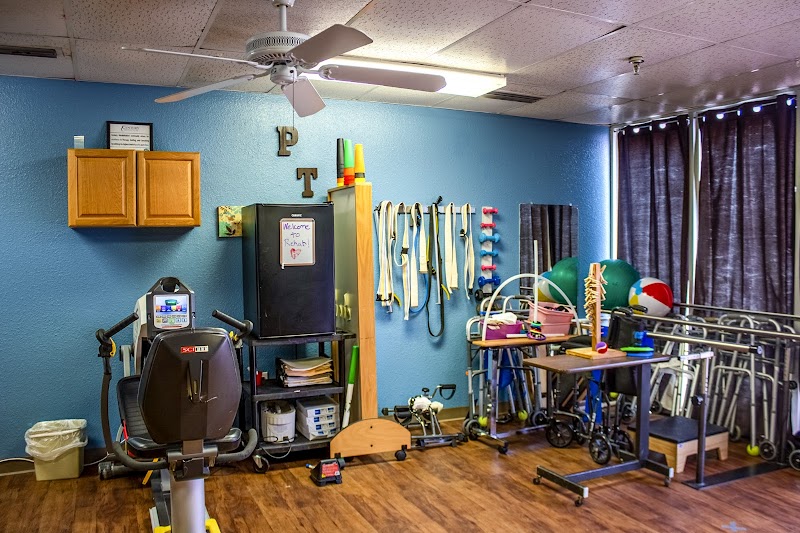
How Does River Oaks Center Compare to Other Texas Nursing Homes?

Compared to the 100 nursing homes in Texas, RIVER OAKS HEALTH AND REHABILITATION CENTER's overall rating (3 stars) is above the state average of 2.8 and health inspection rating (2 stars) is below the national benchmark.

What Should Families Ask When Visiting River Oaks Center?

Based on this facility's data, families visiting should ask: "What safeguards and monitoring systems are in place to protect residents from abuse or neglect?" "Can you walk me through typical staffing levels on day, evening, and night shifts?" "Can I visit during a mealtime to observe dining assistance and food quality?" "How do you handle medical emergencies, and what is your hospital transfer rate?" These questions are particularly relevant given the substantiated abuse finding on record and the below-average staffing rating.

Is River Oaks Center Safe?

Based on CMS inspection data, RIVER OAKS HEALTH AND REHABILITATION CENTER has documented safety concerns. The facility has 1 substantiated abuse finding (meaning confirmed case of resident harm by staff or other residents). The facility has a 3-star overall rating and ranks #1 of 100 nursing homes in Texas. Families considering this facility should ask detailed questions about what corrective actions have been taken since these incidents.

Do Nurses at River Oaks Center Stick Around?

RIVER OAKS HEALTH AND REHABILITATION CENTER has not reported staff turnover data to CMS. Staff turnover matters because consistent caregivers learn residents' individual needs, medications, and preferences. When staff frequently change, this institutional knowledge is lost. Families should ask the facility directly about their staff retention rates and average employee tenure.

Was River Oaks Center Ever Fined?

RIVER OAKS HEALTH AND REHABILITATION CENTER has been fined $8,059 across 1 penalty action. This is below the Texas average of $33,159. While any fine indicates a compliance issue, fines under $50,000 are relatively common and typically reflect isolated problems that were subsequently corrected. Families should ask what specific issues led to these fines and confirm they've been resolved.

Is River Oaks Center on Any Federal Watch List?

RIVER OAKS HEALTH AND REHABILITATION CENTER is not on any federal watch list. The most significant is the Special Focus Facility (SFF) program, which identifies the bottom 1% of nursing homes nationally based on persistent, serious quality problems. Not being on this list means the facility has avoided the pattern of deficiencies that triggers enhanced federal oversight. This is a positive indicator, though families should still review the facility's inspection history directly.