The Harrison at Heritage
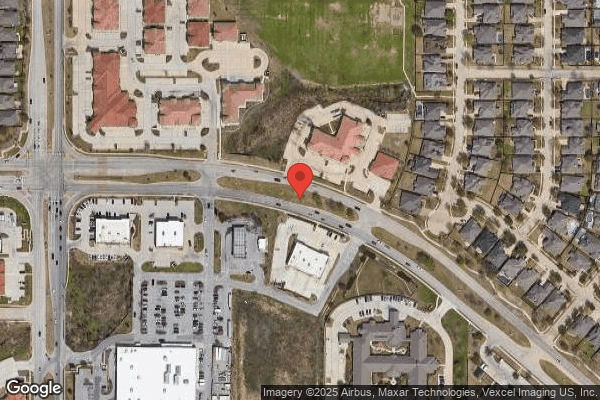
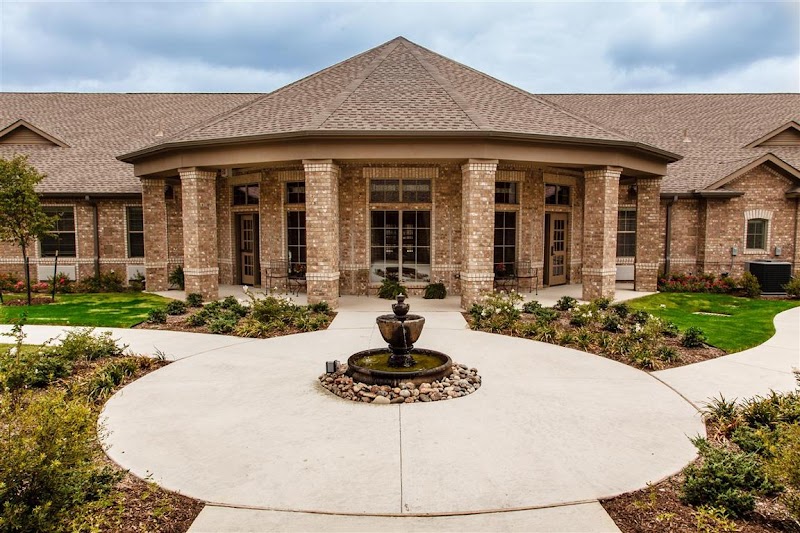
4600 Heritage Trace Parkway, Fort Worth, TX 76244 (817) 741-9360
For profit - Corporation 120 Beds CANTEX CONTINUING CARE Data: November 2025 2 Immediate Jeopardy citations
Trust Grade
31/100
#369 of 1168 in TX
Last Inspection: September 2024

Within standard 12-15 month inspection cycle. Federal law requires annual inspections.

Overview

The Harrison at Heritage has received a Trust Grade of F, indicating significant concerns regarding the quality of care provided. Ranking #369 out of 1168 facilities in Texas places it in the top half, while its #13 out of 69 ranking in Tarrant County suggests there are only a few better local options. The trend is improving, with a decrease in issues from 15 in 2024 to 4 in 2025, but the facility still reported 27 total issues, including critical incidents where residents were left unsupervised in extreme heat, leading to severe health consequences. Staffing is a weakness, with a rating of 2 out of 5 stars and a turnover rate of 48%, which is concerning, although this is slightly below the Texas average. While the facility has a good overall star rating of 4 out of 5 and maintains average RN coverage, the $65,529 in fines and serious incidents highlight the need for families to carefully consider this facility for their loved ones.

Trust Score
F
31/100
In Texas
#369/1168
Top 31%
Safety Record
High Risk
Review needed
Inspections
Getting Better
15 → 4 violations
Staff Stability
⚠ Watch
48% turnover. Above average. Higher turnover means staff may not know residents' routines.
Penalties
⚠ Watch
$65,529 in fines. Higher than 85% of Texas facilities, suggesting repeated compliance issues.
Skilled Nurses
⚠ Watch
Each resident gets only 26 minutes of Registered Nurse (RN) attention daily — below average for Texas. Fewer RN minutes means fewer trained eyes watching for problems.
Violations
⚠ Watch
27 deficiencies on record. Higher than average. Multiple issues found across inspections.
★★★★☆
4.0
Overall Rating
★★☆☆☆
2.0
Staff Levels
★★★★★
5.0
Care Quality
★★★☆☆
3.0
Inspection Score
Stable
2024: 15 issues
2025: 4 issues

The Good

  • 5-Star Quality Measures · Strong clinical quality outcomes
  • Full Sprinkler Coverage · Fire safety systems throughout facility
  • No fines on record

Facility shows strength in quality measures, fire safety.

The Bad

Staff Turnover: 48%

Near Texas avg (46%)

Higher turnover may affect care consistency

Federal Fines: $65,529

Above median ($33,413)

Moderate penalties - review what triggered them

Chain: CANTEX CONTINUING CARE

Part of a multi-facility chain

Ask about local staffing decisions and management

The Ugly 27 deficiencies on record

2 life-threatening 1 actual harm
Mar 2025 2 deficiencies
CONCERN (D) 📢 Someone Reported This

A family member, employee, or ombudsman was alarmed enough to file a formal complaint

Potential for Harm - no one hurt, but risky conditions existed

Resident Rights (Tag F0550)

Could have caused harm · This affected 1 resident

**NOTE- TERMS IN BRACKETS HAVE BEEN EDITED TO PROTECT CONFIDENTIALITY** Based on observation, interview, and record review the facility failed to ensure each resident was treated with respect and dign...

Read full inspector narrative →
**NOTE- TERMS IN BRACKETS HAVE BEEN EDITED TO PROTECT CONFIDENTIALITY** Based on observation, interview, and record review the facility failed to ensure each resident was treated with respect and dignity in a manner and in an environment which promotes maintenance of enhancement of his or her quality of life and recognizing each resident individually for 1 of 7 residents (Resident #21) reviewed for resident rights. LVN D failed to treat Resident #2 with dignity and respect when she raised her voice and scolded the resident. The noncompliance was identified as past noncompliance. The noncompliance began on 01/28/25 and ended on 01/28/25. The facility had corrected the noncompliance before the investigation began. This failure placed residents at risk for diminished quality of life, loss of dignity and self-worth. Finding included: Record review of Resident #2's quarterly MDS dated [DATE] reflected the resident was an [AGE] year-old female admitted to the facility 04/12/22. Her diagnoses included cancer, Alzheimer's disease, stroke, non-Alzheimer's dementia, seizure disorder, anxiety, depression, bipolar disorder, and schizophrenia. The resident had a BIMS of 3 which indicated her cognition was severely impaired. The MDS also reflected Resident #2 required partial to substantial assistance with ADL's and was dependent with transfers. Record review of Resident #2's care plan printed on 03/06/25 reflected she required extensive assistance with bed mobility, toileting, bathing, and transfers. Interventions included to assist with ADL's as needed. Record review of the facility's Provider Investigation Report dated 02/04/25 reflected the following: The resident's family member sent a video to the Director of Nursing (DON) showing the alleged perpetrator answering the call light of this resident. While in the resident's room, the nurse raises her voice and appears to scold the resident for kicking of her covers and being restless in bed. The nurse states in a stern voice, 'I've already helped you .now why are you doing this .you've got to stop this.' The resident has a BIMS of a 3, has restless leg syndrome and unaware of her continuous actions/or behaviors. The nurse was interviewed and denied any 'wrong-doing' but also was defensive when questioned of the interactions. The nurse had been suspended pending investigation, and later termed on 01/31/25 for misconduct. The resident and family member were provided emotional support The employee was terminated. In-services continue on abuse/neglect and positive customer service. Satisfaction rounds continue with no issue noted Record review of Resident #2's video footage revealed LVN D entered the resident's room and with a raised voice said [Resident #2] stop playing with this call light. What do you want? I been here three times and you had your eyes closed. The resident was heard saying something but was not understood. LVN D continued to say, What do you want? Look for yourself. You got both of your covers on you already. Why do you keep on playing like this? What do you want? What else do you want? I fixed them up already. This is my third time you're not listening Observation and interview of Resident #2 on 03/05/25 at 11:17 AM revealed she was in bed watching TV with her headphones on. The resident stated the staff were treating her well but wanted a new roommate because the roommate would yell out at times. Resident #2 was asked about the incident where she was scolded by LVN D but she did not recall the incident. The resident reiterated all the staff were nice to her and she liked the facility. Interview on 03/07/25 at 9:33 AM with Resident #2's family revealed they had gone to visit the resident and the resident said they were mean and she did not like it there. The family said they had a camera in the room so that prompted them to look at it when she saw a staff member (LVN D) had been very ugly to the resident. The family further stated after the incident, Resident #2 did not say anything more and continued to say she loved the facility and got great care. Interview on 03/05/25 at 3:20 PM with RN E revealed Resident #2 was alert and oriented and able to make her needs known. RN E said the resident required total assistance with care and had never complained to her that she had been mistreated. Interview on 03/05/25 at 3:31 PM with CNA B revealed she worked with Resident #2 and said the resident was alert and oriented but had some moments of confusion. CNA B said Resident #2 there were time the resident would pull her call light repeatedly and then say she did not recall why she had pulled the call light or realized she had turned the light on. CNA B further stated Resident #2 had never mentioned she had been mistreated by staff. Interview on 03/06/25 at 9:50 AM with the Social Worker revealed she made daily rounds on Resident #2 and said the resident was alert and oriented but was forgetful at times. The Social Worker said the resident had never mentioned she had been mistreated by any staff member. Interview on 03/06/25 at 2:06 PM with the DON revealed Resident #2's family shared a video with her where it showed LVN D had been disrespectful to Resident #2. LVN D had entered the room and appeared to raise her voice at the resident and reprimand her for pushing the call light. The DON stated there were times Resident #2 would press her call light repeatedly but did not have any behaviors. The DON said once she saw the video, LVN D was sent home and during the investigation it was decided the LVN would be terminated for her actions. She further stated all staff were re-in-serviced on abuse/neglect and customer service. Interview on 03/06/25 at 2:54 PM with the Administrator revealed Resident #2's family had sent a video to the DON where it appeared LVN D had reprimanded the resident for pressing the call light. Once they were made aware of the incident, LVN D was sent home pending the investigation and later terminated. The Administrator said she spoke with Resident #2 after the incident and she did not appear to recall the incident. The Administrator further stated all staff had been re-in-serviced on abuse/neglect and customer service. Satisfaction rounds were made with other residents and there were no concerns noted and the family and the resident was offered support. Attempts to contact LVN D on 03/05/25 and 03/06/25 were unsuccessful. Record review of the facility's policy titled Abuse Protocol dated April 2019 reflected the following: 1. The Patient has the right to be free from Abuse, neglect, mistreatment of resident property, and exploitation .k. Mistreatment means inappropriate treatment or exploitation of a Patient Interview on 03/05/25 from 11:17 AM to 1:23 PM with 14 alert and oriented residents revealed they did not have any concerns with abuse/neglect or mistreatment from the staff. Record review of Resident #2's Psychosocial Well-being assessment dated [DATE] conducted by the Social Worker revealed the resident was in no distress or concerns noted. Record review of the facility's in-services titled Abuse/Neglect and Customer Service and Sensitivity Training dated 01/28/25 reflected 50 staff members participated in the in-service. Interview on 03/05/25 at 1:23 PM to 03/06/25 at 2:54 PM with staff from differnt shifts to include LVN A, CNA B, CNA C, LVN D, RN E, LVN F, CNA G, RN H RN I, CNA J, CNA K, LVN L, CNA M, LVN N, LVN O, RN P, and the Social Worker revealed they were all able to name the different types of abuse, reporting suspected abuse to the Administrator and providing the residents with good customer service. Record review of LVN D's personnel file revealed she had been terminated after the incident.
CONCERN (D) 📢 Someone Reported This

A family member, employee, or ombudsman was alarmed enough to file a formal complaint

Potential for Harm - no one hurt, but risky conditions existed

Infection Control (Tag F0880)

Could have caused harm · This affected 1 resident

**NOTE- TERMS IN BRACKETS HAVE BEEN EDITED TO PROTECT CONFIDENTIALITY** Based on observation, interview, and record review the facility failed to maintain an infection prevention and control program d...

Read full inspector narrative →
**NOTE- TERMS IN BRACKETS HAVE BEEN EDITED TO PROTECT CONFIDENTIALITY** Based on observation, interview, and record review the facility failed to maintain an infection prevention and control program designed to provide a safe, sanitary, and comfortable environment and to help prevent the development and transmission of communicable diseases and infections for 1 of 4 residents (Resident #1) observed for infection control. LVN A, CNA B and CNA C failed to wear a gown while providing care for Resident #1, who was on enhanced barrier precautions. This failure could lead to the resident being exposed to infections from other residents. Findings included: Record review of Resident #1's Quarterly MDS assessment dated [DATE] reflected the resident was a [AGE] year-old female, who admitted to the facility on [DATE]. The resident had severe cognitive impairment with a BIMS score of 0, and her diagnoses included dysphagia (swallowing difficulties), and the MDS reflected she had a feeding tube for nutrition. Record review of Resident #1's care plan dated 03/04/25 reflected: Focus: [Resident #1] Enhanced Barrier Precautions implemented rule out feeding tube. Goal: [Resident #1] The spread of an MDRO( is a germ that is resistant to many antibiotic) will be reduced over the next 90 days. Interventions: Implement enhanced barrier precaution: Offer emotional support as needed related to infection risk and use of EBP(Enhanced barrier precautions). Observation on 03/05/25 at 11:45AM on Resident #1's room revealed posting on the outside notifying staff and visitors the resident was on EBP, and it was required to wear a gown and gloves with all direct care of the resident. Observation on 03/05/25 at 11:50 AM revealed LVN A conducting a skin assessment for Resident #1. LVN A washed her hands, put on gloves, and performed the skin assessment. The gloves were the only PPE that LVN A wore while touching the resident to perform the skin assessment. Resident #1 was observed to have a gastronomy tube with a dressing dated 03/05/25. Observation on 03/06/25 at 10:04 AM revealed LVN A, CNA B and CNA C provideing Resident #1 with incontinence care. They washed their hands and gathered all the supplies they needed to provide the care. LVN A, who had only donned gloves as PPE, shut off the feeding pump and flushed the resident's the gastronomy tube. CNAs B and C washed their hands and put on gloves. The gloves were the only PPE they wore while providing Resident #1 with incontinence care. Interview on 03/06/25 at 11:50 AM with CNA B revealed she knew she was supposed to wear PPE when caring for residents on isolation. She stated Resident #1 was not on isolation. She stated she saw the sign but since she was not familiar with enhanced barrier precautions, she had no idea that she was supposed to wear a gown and gloves while providing Resident #1 with incontinence care. She stated she had not been putting on gloves and a gown while providing care for residents with g-tubes, Foley catheters, or who had wounds. She revealed she did not know the risk of not wearing the PPE, and she could not remember training on enhanced barrier precautions. Interview on 03/06/25 at 11:50 AM with CNA C revealed she knew she was supposed to wear PPE when caring for residents with an EBP sign on their doors. She stated she could not recall seeing one at Resident #1's room. She stated she knew she was only supposed to put on gloves and a gown when caring for residents with catheters. She stated she had done training on enhanced barrier precautions, but it was only for residents with Foley catheters to prevent contamination. She stated the risk of not wearing a gown and gloves was that it could lead to contamination. Interview on 03/06/25 at 12:25 PM with LVN A revealed she just forgot to wear her PPE. She stated she was aware she was supposed to wear gloves and a gown while coming into contact with Resident#1. She stated Resident #1 had signage by the door and a bin for PPE. She stated she knew all residents with g-tubes, Foley catheters, and chronic wounds were on enhanced barrier precautions. She stated failure to use enhanced barrier precautions was that it could put Resident #1 at risk of cross-contamination. She stated she had done training on enhanced barrier precautions. Interview on 03/06/25 at 1:38 PM with the DON revealed all residents on EBP required the staff to wear a gown and gloves when having direct contact with the resident such as turning, incontinence care, and providing medications via gastric tube. The DON stated the EBP were in place to protect the resident from exposure to infectious agents that might be on the provider's clothing, et cetera. The resident was on EBP precautions because the resident had gastric tube, that easily allowed the introduction of infections into the body. She stated she had done training on enhanced barrier precautions, and she was not sure whether the staff were in attendance since some were new to the facility. Record review of the facility's training records for EBP, dated 02/06/25, reflected LVN A, CNA B, and CNA C were not in attendance. Record review of the facility's Enhanced Barrier Precautions policy, dated March 2024, reflected: Enhanced Barrier Precautions is an infection control intervention to reduce transmission of multi-drug-resistant organisms that employs targeted gown and gloves use during high contact resident care activities. .EBP is indicated for residents with any of the following: .Infections or colonization with a CDC -targeted MDRO when contact precautions do not apply otherwise or, .Chronic wounds (pressure ulcers, diabetic foot ulcers, unhealed surgical wounds and venous statis ulcers) and /or indwelling medical devices(devices fully embedded in the body,i.e. central lines, urinary catheters, feeding tubes, tracheostomy tubes) even if the resident is not known to be infected or colonized with a CDC Targeted MDRO)
Jan 2025 2 deficiencies
CONCERN (D) 📢 Someone Reported This

A family member, employee, or ombudsman was alarmed enough to file a formal complaint

Potential for Harm - no one hurt, but risky conditions existed

Transfer Notice (Tag F0623)

Could have caused harm · This affected 1 resident

**NOTE- TERMS IN BRACKETS HAVE BEEN EDITED TO PROTECT CONFIDENTIALITY** Based on interview and record review, the facility failed to notify the resident or the resident's representative of the transfe...

Read full inspector narrative →
**NOTE- TERMS IN BRACKETS HAVE BEEN EDITED TO PROTECT CONFIDENTIALITY** Based on interview and record review, the facility failed to notify the resident or the resident's representative of the transfer or discharge and the reasons for the move in writing and in a language and manner they understand and send a copy of the notice to a representative of the Office of the State Long-Term Care Ombudsman for one of three residents (Resident #1) reviewed for discharge notices. The facility failed to notify Resident #1 in writing of his transfer/discharge to the hospital for altered mental status, the reason for the transfer, and the right to appeal and they failed to send a copy of the notice to the Ombudsman as soon as practicable. This failure could place residents at risk of being transferred or discharged , and not having access to available advocacy services, discharge/transfer options, and appeal processes. Findings included: Record review of Resident #1's face sheet, dated 01/23/25, reflected the resident was a [AGE] year-old male who was admitted to the facility on [DATE], discharged [DATE] to an acute care hospital, and readmitted on [DATE]. Record review of Resident #1's quarterly MDS assessment, dated 01/10/25, reflected a BIMS score of 15, which indicated his cognition was intact. His diagnoses included metabolic encephalopathy (alteration in consciousness), opioid dependence, chronic pain syndrome, muscle weakness, diabetes mellitus (high glucose), heart failure, hypertension (high blood pressure), and need for assistance with personal care. Record review of Resident #1's Nurses Notes, dated 12/28/24, reflected the following: Patient continued with increased confusion, altered mental status, could not allow this writer to touch him, patient screaming and yelling in the room. Restless and hurting self by scratching to skin to face. Patient had very filthy smell from his mouth. Abdominal areas were bleeding due to existing skin condition, this writer contacted MD on call via [phone number] and MD gave an order to send patent back to the ER 911 was called and patient send out to the Hospital. DON made aware. Record review of Resident #1's clinical record reflected there was no documentation showing the resident and the Ombudsman were notified in writing of the resident's discharge or the reason for the resident's discharge. Interview on 01/23/25 a 12:00 PM with Resident #1 revealed he was doing well. Resident #1 stated about 2-3 weeks ago he was transferred to the hospital. Resident #1 stated he could not recall the exact date of when he went to the hospital, but it was the end of December 2024. He stated he was at the hospital for over a week even though he was ready to be discharged two days after he had admitted to the hospital. Resident #1 stated the facility did not want to take him back, he stated the hospital staff were involved and assisted with getting him back to the facility. Resident #1 stated he could not recall much of why he was transferred to the hospital. He stated he was his own responsible party. Resident #1 stated he was never provided with any transfer or discharged paperwork from the facility only his 30-day discharge notice upon return from the facility. Interview on 01/23/25 at 2:53 PM with Unit Manager B revealed when a resident would go out to the hospital the expectations were for nurses to provide a face sheet, copy of current medication list, and any recent lab results. She stated the POA and the residents were notified verbally of a hospital transfer. Unit Manager B stated she was unaware of any other transfer paperwork that were given to residents or POA's or Ombudsman. She stated she had not been told otherwise. Interview on 01/23/25 at 4:01 PM with Administrator revealed Resident #1 was transferred to the hospital for a change of condition. She stated Resident #1 refused to go the hospital several times; he had an altered mental status, and he finally agreed to go to the hospital. She stated Resident #1 was sent to the hospital the Saturday after Christmas (12/28/24), he tested positive for amphetamines while at the hospital. She stated they received report from the hospital, and she informed the hospital they could not take any referrals of patients who have a history of drug use. She stated they accepted the Resident #1 back to the facility and a 30 discharged notice was provided to him and Ombudsman. She stated nothing in writing had been sent with the resident or family explaining the reason for his transfer/discharge to the hospital. She stated she was unaware that written forms needed to be provided to anyone. She stated they only provide the resident face sheet, medication list, and provide report to the hospital. Review of the facility's current Transfer and Discharge, facility - Initiated policy, revised October 2022, reflected the following: Once admitted to the facility, residents have the right to remain in the facility. Facility-initiated transfers and discharges, when necessary, must meet specific criteria and require resident/representative notification and orientation, and documentation as specified in this policy. Notice of Transfer or Discharge (Emergent or Therapeutic Leave) 1. When residents who are sent emergently to an acute care setting, these scenarios are considered facility-initiated transfer, NOT discharges, because the resident's return is generally expected. 2. Residents who are sent emergently to an acute care setting, such as hospital, are permitted to return to the facility. Residents who are sent to the acute care setting for routine treatment/planned procedures are also allowed to return to the facility . .4. Notice of Transfer is provided to the resident and representative as soon as practicable before the transfer and to the long-term care (LTC) ombudsman when practicable. 5. Notice of facility bed-hold and return policies are provided to the resident and representative within 24 hours of emergency transfer. 6. Notices are provided in a form and manner that the resident can understand, taking into account the resident educational level, language, communication barriers, and physical or mental impairments.
CONCERN (D) 📢 Someone Reported This

A family member, employee, or ombudsman was alarmed enough to file a formal complaint

Potential for Harm - no one hurt, but risky conditions existed

Accident Prevention (Tag F0689)

Could have caused harm · This affected 1 resident

**NOTE- TERMS IN BRACKETS HAVE BEEN EDITED TO PROTECT CONFIDENTIALITY** Based on observation, interview, and record review, the facility failed to ensure that each resident received adequate supervisi...

Read full inspector narrative →
**NOTE- TERMS IN BRACKETS HAVE BEEN EDITED TO PROTECT CONFIDENTIALITY** Based on observation, interview, and record review, the facility failed to ensure that each resident received adequate supervision and assistive devices to prevent accidents for one of two residents (Residents #2) reviewed for accidents. CNA C failed to obtain assistance from another staff member when using a mechanical lift to transfer Resident #2 from his bed to his wheelchair and then left the resident unsupervised mid-transfer to obtain assistance in completing the transfer. This failure place residents at risk for accidents and injuries. Findings included: Record review of Resident #2's face sheet, dated 01/23/25, reflected the resident was a [AGE] year-old male who was admitted to the facility on [DATE]. Record review of Resident #2's admission MDS assessment, dated 11/04/24, reflected a BIMS score of 14, which indicated his cognition was intact. His diagnosis included Type 2 diabetes mellitus without complication, pain, fluid overload, essential hypertension (high blood pressure), depression, and end state renal disease. The MDS further reflected the resident required substantial/maximal assistance to transfer to and from a bed to a chair (or wheelchair). Record review of Resident #2's care plan, revised date 12/24/24, reflected it did not address the resident's transfer needs. Observation on 01/23/25 from 10:15 AM to 10:20 AM revealed CNA C standing next to Resident #2's bed with a mechanical lift. Resident #2 was suspended above his bed approximately 3-5 inches in the lift sling. While Resident #2 was still in the sling, CNA C walked out of the room, leaving the resident alone, and walked to the nurses' station to ask for assistance to transfer resident from his bed to his wheelchair. The nurse's station was approximately 8-10 steps away from Resident #2's room. CNA C then returned to the room with CNA D, and they completed the transfer together. Interview on 01/23/25 at 1:08 PM with CNA C revealed she had been employed at the facility for seven years. She stated she was the CNA assigned to Resident #2. She stated she was getting Resident #2 ready for dialysis. She stated a mechanical lift was used to transfer Resident #2. She stated she lifted Resident #2 up with the mechanical lift alone and then she stepped out to get help. She stated there should be two staff when using the mechanical lift for transfers. She stated it was not okay to start the transfer and was not okay to leave the resident alone when the mechanical lift was in use. CNA C stated she should have asked for help from the beginning. She stated there was no risk to the resident because the mechanical lift was locked, and the bed was underneath him. Interview on 01/23/25 at 1:40 PM with CNA D revealed she assisted CNA C complete Resident #2's transfer. She stated when she entered Resident #2's room she observed CNA C had already started the transfer by lifting the Resident #2 up with the mechanical lift. She stated two staff were required when using a mechanical lift for transfers. She stated there should be two staff in the room before a resident was placed in the sling and being lifted. She stated residents should never be left alone in the room while in a sling. She stated the potential risks were that the resident could fall or the mechanical lift could flip over causing the resident to fall. Interview on 01/23/25 at 1:56 PM with Unit Manager A revealed when a resident transfers via mechanical lift there should be two staff completing the transfer. She stated her expectation was for two staff to complete the transfer from beginning to end. She stated resident should never be left alone in the room while being lifted with the mechanical lift. She stated it was not okay to leave a resident hanging from the mechanical lift just because the bed was underneath. She stated it was a safety risk and mechanical lifts tipped over easily. Unit Manager A stated even if there were two people, there was still a risk when using a mechanical lift, but two staff would have more control. Interview on 01/23/25 at 2:16 PM with RN E revealed she was the nurse assigned to Resident #2. She stated Resident #2 was a two-person assist for transfers. She stated when using a mechanical lift to transfer a resident there should be two staff completing the transfer for safety. She stated there should be two staff in the room before hooking the sling to the Hoyer lift. She stated the potential risk would be the resident falling from the mechanical lift. Interview on 01/23/25 at 3:30 PM with the DON revealed her expectation was for two staff to complete mechanical lift transfers from beginning to end. She stated there should be two staff in the room before hooking the sling to the mechanical lift and lifting the resident. She stated if assistance was needed staff should use the call light for assistance and not leave the resident alone in the room. She stated it did not matter if the mechanical lift was locked or a bed was underneath the resident, for safety there should always be two staff completing the transfer. She stated the potential risk would be injury to the resident. Record review of the facility's Lifting Machine, using a Mechanical policy, revised July 2017, reflected the following: The purpose of this procedure is to establish the general principles of safe lifting using a mechanical lifting device. General Guidelines 1. At least two (2) nursing assistants are needed to safety move a resident with mechanical lift
Sept 2024 7 deficiencies
CONCERN (D)

Potential for Harm - no one hurt, but risky conditions existed

Comprehensive Care Plan (Tag F0656)

Could have caused harm · This affected 1 resident

**NOTE- TERMS IN BRACKETS HAVE BEEN EDITED TO PROTECT CONFIDENTIALITY** Based on observation, interview, and record review, the facility failed to develop and implement a comprehensive person-centered...

Read full inspector narrative →
**NOTE- TERMS IN BRACKETS HAVE BEEN EDITED TO PROTECT CONFIDENTIALITY** Based on observation, interview, and record review, the facility failed to develop and implement a comprehensive person-centered care plan for each resident, consistent with the resident's right that includes measurable objectives and timeframes to meet a resident's medical, nursing, and mentla and psychosocial needs that are identified in the comprehensive assessment for 1 of 4 residents (Resident #45) reviewed for care plans. The facility failed to revise and update Resident #45's comprehensive care plan with new diet orders. This failure could affect residents of the facility by not addressing their physical, mental, and psychosocial needs for each to attain or maintain their highest practicable physical, mental, and psychosocial outcome. Findings included: Record review of the admission Record dated 09/06/24 revealed Resident #45 was a [AGE] year-old male initially admitted on [DATE] and re-admitted on [DATE] with diagnoses including vascular dementia, acute kidney failure, alcoholic cirrhosis of the liver, Type II diabetes mellitus, and epilepsy. Record review of the Quarterly MDS assessment dated [DATE] reflected Resident #45 had severe cognitive impairment with a BIMS score of 6. The MDS reflected the resident received a therapeutic diet. Record review of the undated physician's diet orders reflected Resident #45's diet order was a regular diet with no salt on tray, no orange juice, no oranges, no tomatoes, no bananas, and no potatoes. The order start date was 06/13/24. Record review of Resident #45's undated care plan reflected: [Resident #45] has a diet order of a mechanically altered diet. Resident will maintain existing weight over the next 90 days. Insert dentures/bridges prior to meals. Monitor and document weight; report a weight loss greater than 3 pounds to dietician. Record food intake at each meal; offer appropriate substitutes for uneaten food. The care plan did not reflect the current order for no salt on tray, no orange juice, no oranges, no tomatoes, no bananas, and no potatoes Observation on 09/06/24 at 12:10 PM of Resident #45 revealed resident was eating a regular tray with no salt on the tray. There also were no oranges, no tomatoes, no bananas, no potatoes, and no orange juice on the tray. Interview on 09/06/24 at 10:13 AM with LVN C revealed Resident #45 received a renal diet daily. LVN C acknowledged Resident #45's care plan and diet order did not match. LVN C also said he had not noticed the discrepancy between the diet order and the care plan. LVN C stated Resident #45 previously received a mechanical soft diet before it was changed to a renal diet. Then LVN C revealed that Resident #45's diet order changed to NSOT and a regular diet with no orangs, bananas, potatoes, tomatoes, or orange juice. In addition, LVN C stated it was the ADON's responsibility to update care plans. LVN C stated he did not remember the last in-service on care plans and diet orders matching. Interview on 09/06/24 at 11:30 AM with the MDS Coordinator revealed upon admission, Resident #45's initial care plan was initiated. The MDS Coordinator stated that clinical meetings were held daily to update care plans as needed. The MDS Coordinator said that Resident #45 was overlooked. The MDS Coordinator also said that the importance of the diet matching the care plan was that the floor staff know the resident's diet while providing care. The MDS Coordinator revealed that she was responsible for the updated the care plans and that if the care plan was not updated, Resident #45 could receive the wrong diet which was important since Resident #45 was on dialysis. The MDS Coordinator stated she would update the care plan to match the diet order immediately. Interview on 09/06/24 at 11:37 AM with ADON A revealed care plans were updated with acute changes in the nursing daily clinical meetings by the MDS nurse as well as the infection preventionist and wound treatment nurse. She stated it was a collaborative effort to update the care plan, it was the responsibility of the whole team to update care plans. ADON A also said that the importance of care plans matching the diet orders was to ensure that the resident was cared for properly. ADON A revealed that the diet was important because a resident could refuse to eat, could choke, etc. ADON A stated that their policy stated that the care plan must match the resident's order. ADON A did not remember the last in-service held on care plans and diet orders matching. Interview on 09/06/24 at 6:14 PM with the DON revealed diet orders were updated by the MDS Coordinator, and it was their responsibility to adjust care plans for long-term changes. The DON stated that management adjusted care plans for short-term orders such as antibiotic. But it was the DON's responsibility to ensure care plans and orders match. The DON stated that if there were a discrepancy in the care plan, there could be confusion in the plan of care. The DON said that clinical meetings were held daily to ensure that care plans and orders were updated by nursing management. Record review of the facility's Care Plans, Comprehensive Person-Centered policy dated March 2022 reflected: .b. describes the services that are to be furnished to attain or maintain the resident's highest practicable physical, mental, and psychosocial well-being .
CONCERN (D)

Potential for Harm - no one hurt, but risky conditions existed

ADL Care (Tag F0677)

Could have caused harm · This affected 1 resident

**NOTE- TERMS IN BRACKETS HAVE BEEN EDITED TO PROTECT CONFIDENTIALITY** Based on observation, interview, and record review, the facility failed to ensure a resident who is unable to carry out activiti...

Read full inspector narrative →
**NOTE- TERMS IN BRACKETS HAVE BEEN EDITED TO PROTECT CONFIDENTIALITY** Based on observation, interview, and record review, the facility failed to ensure a resident who is unable to carry out activities of daily living receives the necessary services to maintain good nutrition, grooming, and personal and oral hygiene for 1 of 8 residents (Resident #290) reviewed for ADL care. The facility failed to provide Resident #290 assistance with his personal hygiene by not providing scheduled showers. This failure could place the residents at risk for decreased feelings of self-worth, skin breakdown, and infection. Findings included: Record review of Resident #290's face sheet, dated 09/06/24, reflected the resident was an [AGE] year-old male, admitted to the facility on [DATE] and readmitted on [DATE]. Diagnoses included hypertension (high blood pressure), hyperlipidemia (abnormally high levels of lipids in the blood), non-Alzheimer's dementia (loss of memory), and edema (fluid retention of the body). Record review of Resident #290's admission MDS Assessment , dated 09/06/24, reflected Resident #290 had the ability to make himself understood and understood others, and his cognition was intact with a BIMS score of 13. Resident #290 had limited range of motion in both lower extremities, and he required partial/moderate assistance with shower/bathing, toileting, and personal hygiene. Record review of Resident #290's care plan, undated, reflected Resident #290 was admitted to the facility on [DATE]. The care plan reflected: Goal: Resident will participate in all activities of daily living and facility routines. Intervention included: Use cues to enhance participation in self-care. Observation and interview on 09/05/24 at 10:55 AM revealed Resident #290 in bed. The resident's bedding was soiled with stained dark amber circles (two the size of a [NAME]) and dark red smudges. Resident #290 had two pillows that were removed from bed and on nightstand with dark red smudges and small circles (the size of dimes) indicating evidence of blood stains. Resident #290 appeared disheveled with his hair greasy and facial hair grown out. According to Resident #290, he had not been showered due to having a PICC line in his left arm, but now that it had been removed, he hoped to get a shower. Resident #290 stated he would like to have a bath and shave. When asked about his sheets, Resident #290 revealed he could not recall the reason for the soiled sheets and bedding. Resident #290 could not recall the last time he showered. Observation and interivew on 09/06/24 at 10:09 AM revealed Resident #290 had a disheveled appearance, his hair was not combed but appeared wet/greasy. The resident had changed from a white shirt the day before to a black shirt. When asked if he received a shower, Resident #290 responded, No, but hoping to get one today. Resident #290's bedding was still soiled and discolored with dark red stains. Resident #290 stated he told an unknown staff person he would like to shower within the next hour. Interview on 09/06/24 at 1:40 PM with CNA A aide revealed she was not working with Resident #290 and did not know who was responsible for his care. CNA A stated residents were showered according to the scheduled shower days. According to CNA A, not assisting Resident #290 with a shower would place him at risk of skin breakdown and not being cleaned. Interview and record review on 09/06/24 at 1:41 PM with CNA A of the shower sheets revealed Resident #290's shower days were Monday, Wednesday, and Friday on the 2:00 PM-10:00 PM shift. CNA A revealed she documented in the computer once showers were completed. CNA A reported she could not identify the last time Resident #290 had taken a shower or bed bath, as there was no documentation that indicated he was showered since his return to the facility on [DATE]. Observation and interview on 09/06/24 at 1:43 PM with LVN B of Resident #290 revealed the resident was lying in bed, and his bedsheets had stains. The resident had a disheveled appearance. LVN B stated residents were showered according to the shower sheet list. LVN B stated it appeared Resident #290 had not been showered, and she would address this concern with aides who were responsible. LVN B stated nurses were to be notified if aides required assistance with care or activities of daily living to ensure residents had proper care. LVN B stated not providing showers, bed bath, personal hygiene, or changing bed sheets could place Resident #290 at risk of infection. LVN B stated it was important for Resident #290 to receive proper hygiene because he was recently cleared from isolation due to being admitted to the facility for a urinary tract infection and COVID. Interview on 09/06/24 at 6:36 PM with the DON revealed Resident #290 was newly admitted to the facility. The DON stated the resident transferred to the facility from the hospital where they were addressing an acute diagnosis. The DON stated CNAs were responsible for offering a shower on admission and got the residents in rotation to provide showers three days a week. The DON stated nursing staff should document any time residents refused to shower and inform their charge nurse. The DON stated not doing so placed Resident #290 at risk of him not thriving as well and could result in illness. The DON stated CNAs were responsible for ensuring residents were showered according to their schedule, and charge nurses were responsible for ensuring CNAs were doing their job. Review of the facility's current, undated Activities of Daily Living policy reflected: .every effort must be made to assure that assignments of the nurses and nurse aides to patients are as consistent as possible. A daily care guide must be prepared from the electronic medical record to assist direct care staff in providing assistance to patients in their activities of daily living. Certified Nurse Aide Activity of Daily Living Tracking Record must be maintained in accordance with the Minimum Date Set coding guidelines and specific to the Patient's individual needs. Certified Nurse Aide Activity of Daily Living Tracking Record must be regularly monitored by the DON or designee to ensure that task are being performed as scheduled.
CONCERN (D) 📢 Someone Reported This

A family member, employee, or ombudsman was alarmed enough to file a formal complaint

Potential for Harm - no one hurt, but risky conditions existed

Deficiency F0694 (Tag F0694)

Could have caused harm · This affected 1 resident

**NOTE- TERMS IN BRACKETS HAVE BEEN EDITED TO PROTECT CONFIDENTIALITY** Based on observation, interview, and record review, the facility failed to ensure parenteral fluids were administered consistent...

Read full inspector narrative →
**NOTE- TERMS IN BRACKETS HAVE BEEN EDITED TO PROTECT CONFIDENTIALITY** Based on observation, interview, and record review, the facility failed to ensure parenteral fluids were administered consistent with professional standards of practice and in accordance with physician orders, the comprehensive person-centered care plan, and the resident's goal and preferences for 1 of 1 resident (Resident #242) reviewed for pharmacy services. The facility failed to ensure Resident #242's intravenous medication bag and tubing were labeled with dates time and initials. These failures could place residents at risk for medication error, and delay in medication administration. Findings included: Review of Resident #242's entry MDS assessment, dated 09/04/24, reflected the resident was a [AGE] year-old female who admitted to the facility on [DATE]. The resident had diagnoses including which included: sepsis, unspecified organism (a life-threatening medical emergency caused by body's overwhelming response to an infection. Resident #242 had intact cognition with a BIMS score of 15. Review of Resident #242's face sheet, dated 09/06/24, revealed the resident was a [AGE] year-old female with an admission date of 08/29/24. Review of Resident #242's physician's orders dated 08/29/24 reflected: (meropenem 1-gram intravenous solution (1) vial every eight hours for nineteen days starting 08/30/2024) and (change intravenous tubing every 24 hours). Observation and interview on 09/04/24 at 2:02 PM revealed Resident #242 in her room, lying in bed. She was observed to have a PICC line dated 09/04/24. The intravenous medication bottle was hanging on the pole. The IV bag and the tubing were not labeled with the date, time, and initials to indicate when it was hung, and another empty bag and tubing were also hanging not dated or labeled. Interview on 09/04/24 at 2:15 PM with LVN F revealed she hung the bag that was currently infusing. She stated she saw the unlabeled empty bag hanging on the pole. LVN F said the IV bag was supposed to have the correct resident's name, date, time and initial of the nurse administering the medications. She stated she was aware she was supposed to label the bag and the tubing, so other staff were aware when the bag was hung, to prevent omission of a dose or overdose but she did not. She stated she did not get why it was an issue not labeling, putting a date, and initialing the bag and the tubing. She stated failure to label the bag and the tubing could lead to overdose, omission of a dose and infection control. She stated the bag was changed as scheduled and the tubing could be changed every 24 hours as per the orders. LVN A stated she had done training on IV administration. Interview on 09/06/24 at 6:01 PM with the DON revealed she expected staff to date and initial intravenous bags and tubing when administering intravenous medications to prevent infection and medication error. She stated the tubing should be changed every 24 hours. She stated she had done training with staff on labeling and putting initials on bags and tubing. Review of facility training record reflected an in-service training regarding IV/PICC Lines on 08/12/24. The training reflected: remember to date, initial and time all tubing's and medication. Review of the facility's current Intermittent IV Via Secondary Line (IV Piggyback) policy, dated July 2014, reflected the following: A Label system shall be established to indicate time and date of the tubing change and initials of nurse performing the procedure. Apply appropriate label to tubing. Include: Date Time Nurses' initials .''
CONCERN (D) 📢 Someone Reported This

A family member, employee, or ombudsman was alarmed enough to file a formal complaint

Potential for Harm - no one hurt, but risky conditions existed

Medical Records (Tag F0842)

Could have caused harm · This affected 1 resident

**NOTE- TERMS IN BRACKETS HAVE BEEN EDITED TO PROTECT CONFIDENTIALITY** Based on observation, interview, and record review, the facility failed to maintain clinical records that were complete and accu...

Read full inspector narrative →
**NOTE- TERMS IN BRACKETS HAVE BEEN EDITED TO PROTECT CONFIDENTIALITY** Based on observation, interview, and record review, the facility failed to maintain clinical records that were complete and accurate for one (Resident #46) of six residents reviewed for clinical records. The facility failed to accurately document in Resident #46's progress notes about her care. This failure could place residents at risk for incomplete and inaccurately documented medical record that included their progress treatment, services, and interventions. Findings includde: Review of Resident #46's Face Sheet reflected the resident was a [AGE] year-old female who admitted to the facility on [DATE]. Review of Resident #46's 5-day MDS Assessment, dated 08/03/24, reflected she had a BIMS score of 14, indicating no cognitive impairment. Further review revealed she had an indwelling catheter. Her active diagnoses included diabetes mellitus, hyperlipidemia, and a hip fracture. Review of Resident #46's orders reflected an order for her catheter to be discontinued on 08/12/24. Review of Resident #46's progress notes reflected the following: - On 08/12/24, LVN F wrote: This nurse received order from NP to discontinue foley and do voiding trail for 8 hours .this nurse discontinued foley catheter .Resident tolerated foley being taken out well . -On 08/13/24, LVN C wrote: Resident foley Catheter discontinued. [sic]. -On 08/22/24, LVN Z wrote: .Resident has foley catheter in place and draining clear yellow urine. -On 09/03/24, LVN Z wrote: .Resident has foley catheter in place and draining clear yellow urine. -On 09/04/24, LVN Z wrote: .Resident has foley catheter in place and draining clear yellow urine. Observation and interview on 09/04/24 at 3:40 PM with Resident #46 revealed she was lying in her bed watching television. Resident #46 said when she originally arrived at the facility, she did have a catheter, and then it was discontinued. Resident #46 said she was not sure what date it was discontinued, but it was a while ago she thought. Resident #46 said she was not receiving any catheter care from the staff because she did not have one at the moment. A catheter was not observed to be used by Resident #46. Attempted interview via phone was made on 09/06/24 at 11:45 AM to LVN Z but went unanswered. Interview on 09/06/24 at 11:32 AM with LVN F revealed she had been working at the facility for a few weeks and was familiar with Resident #46. LVN F said Resident #46 did not use a catheter and would not add any documentation in her progress notes about catheter care because none was being provided. LVN F said she only added information to a resident's chart related to their care. Interview on 09/06/24 at 6:18 PM with the DON revealed she was in Resident #46's room one day this week and did not see she had a catheter. The DON said staff were supposed to document accurate information about the resident and do an assessment on them each shift. The DON said staff should be aware of any care the resident received. The DON said the purpose of this was to make sure they were documenting accurately in a resident's chart. The DON said when staff document wrong information in a resident's chart it can result in a miscommunication regarding that resident's care. Review of the facility's policy, revised July 2017, and titled Charting and Documentation reflected: .3. Documentation in the medical record will be objective (not opinionated or speculative), complete, and accurate.
CONCERN (E)

Potential for Harm - no one hurt, but risky conditions existed

Pharmacy Services (Tag F0755)

Could have caused harm · This affected multiple residents

**NOTE- TERMS IN BRACKETS HAVE BEEN EDITED TO PROTECT CONFIDENTIALITY** Based on observation, interview, and record review, the facility failed to provide pharmaceutical services (including procedures...

Read full inspector narrative →
**NOTE- TERMS IN BRACKETS HAVE BEEN EDITED TO PROTECT CONFIDENTIALITY** Based on observation, interview, and record review, the facility failed to provide pharmaceutical services (including procedures that assure the accurate acquiring, receiving, dispensing, and administering of all drugs and biologicals) to meet the needs of each resident on two of three medication carts (600 Hall and split hall) one medication room(central supply cabinent) and 4 of 4 (Residents #8, #21, #66 and #126 ) reviewed for pharmacy services. 1. The facility failed to ensure the 600 Hall nurses' medication cart contained accurate narcotic logs for Resident #126. 2. The facility failed to ensure the split hall nurses' medication cart contained accurate narcotic logs for Residents #8, #21, and #66. 3. The facility failed to ensure expired medications in Central Supply were removed and destroyed. These failures could place residents at risk for medication error, drug diversion,residnet reciving medications that were ineffective and delay in medication administration. Findings included: 1. Review of Resident# 8's Quarterly MDS Assessment, dated 07/19/24, reflected the resident was [AGE] year-old female admitted to the facility on [DATE], with diagnoses that included displaced intertrochanteric fracture of left femur. The resident had moderately impaired cognition with a BIMS score of 9. Review of Resident #8's physician's orders dated 7/13/24 reflected an order for the resident to receive one tablet of Hydrocodone 5 mg/acetaminophen 325 mg (pain medication) by mouth as needed every four hours. 2. Review of Resident# 21's Quarterly MDS assessment, dated 08/30/24, reflected the resident was [AGE] year-old female admitted to the facility on [DATE], with diagnoses that included pain. The resident had moderate cognitive impairment with a BIMS score of 8. Review of Resident #21's physician orders dated 04/13/24 reflected an order for the resident to received two tablets of Tramadol 50 mg by mouth three times daily for pain. 3. Review of Resident #66's entry MDS Assessment, dated 08/22/24, reflected the resident was a [AGE] year-old female who admitted to the facility on [DATE]. The resident had a diagnosis of pain. The resident's cognition was intact with a BIMS score of 15. Review of Resident #66's physician orders dated 08/27/24 reflected the resident had an order to receive the pain medication, Percocet 10 mg-325 mg tablet, one tablet by mouth every four hours while awake. 4. Review of Resident #126's entry MDS assessment, dated 08/09/24, reflected the resident was a [AGE] year-old male who admitted to the facility on [DATE]. The resident had a diagnosis of wedge compression fracture T11-T12 vertebra. The resident had moderate cognitive impairment with a BIMS score of 8. Review of Resident #126's physician orders dated 08/27/24 reflected the resident had an order to receive one tablet of Tramadol 50 mg tablet by mouth three times daily. Observation and record review on 09/05/24 at 12:51 PM of 600 Hall nurses' medication cart and the Narcotic Administration Record, with LVN F, revealed Resident #126's Narcotic Administration Record for Tramadol 50 mg reflected a total of 20 pills remaining, while the blister pack count was 19 pills. It was last administered on 09/05/24 at 12:00 PM. Observation and record review on 09/05/24 at 1:16 PM, of split hall nurses' medication cart and the narcotic administration record, with LVN G, revealed the following: - Resident #8's Narcotic Administration Record sheet for hydrocodone-acetaminophen 5-325 mg was last signed off on 09/04/24 for one-tablet dose given at 10:18 PM, for a total of 14 pills remaining, while the blister pack count was 12 pills. - Resident #21's Narcotic Administration Record sheet for Tramadol 50 mg was last signed off on 09/04/24 for a two-tablet dose given at 9:00 PM for a total of 113 pills remaining while the blister pack count was 111 pills. - Resident #66's Narcotic Administration Record sheet for oxycodone 10-325 was last signed off on 09/5/24 for a one-tablet dose given at 12:30 AM for a total of 39 pills remaining while the blister pack count was 37 pills. Interview with LVN G on 09/05/24 at 1:35 PM revealed he administered oxycodone 5-235 mg 1 tablet to Resident #66 two times at 7:00 AM and 11:00 AM, hydrocodone -acetaminophen 5-325 mg 1 tablet to Resident #8 as needed every 4 hours and Tramadol 50 mg 2 tablets to Resident #21 and he had not signed off on the narcotic administration record log. He stated he gave the residents the medication, but he forgot to sign off on the narcotic administration log. He stated he knew he was supposed to sign-out on the narcotic count sheet after administration and on the Medication Administration Record, but he did not. LVN G stated he had no excuse for not signing off. He stated failure to log off would cause the narcotic count to show less on the next count, and it could lead to medication error. He stated he had done an in-service on medication administration. Interview with LVN F on 09/05/24 at 1:40 PM revealed she administered tramadol 50 mg 1 tablet to Resident #126, and she had not signed off on the narcotic administration record log. She stated she was aware she was supposed to administer and log on the narcotic log sheet at once, but she did not she forgot. She stated failure to log off would cause the narcotic count to show less on the next count, and it could lead to medication error. She stated she had not done in-service on medication administration. Observation on 09/05/24 at 2:01 PM of the facility's Central Supply over-the-counter cabinet with LVN R revealed 2 bottles of Vitamin A 3000 mcg (10000 units) with expiry date April 2024. Interview on 09/05/24 at 2:02 PM with LVN R revealed it was all nurses' responsibility to check the cabinet for expired medications. LVN R stated the central supplier was also responsible for ensuring there were no expired medication on the cabinet. He stated the risk of having expired medication in the cabinet was that if administered they will not be effective. He stated he had done an in-service on labelling and checking of expired medications. Interview was attempted with the Central Supply Staff on 09/05/24 at 2:23 PM by phone was not successful. Interview on 09/06/24 at 12:05 PM with the ADON revealed her expectation was when staff administer narcotics, they should document on medication administration record and log off on narcotic administration record. She was not able to say when she had last checked the carts. She stated failure to log off after administering could lead to medication error and medication diversion. Interview on 09/06/24 at 2:23 PM, the ADON revealed the Central Supply Staff was responsible for ensuring the cabinet was stocked, which included checking for expired medications. She stated it was her responsibility and the other ADONs to check the cabinet after the Central Supply Staff. Interview on 09/06/24 at 05:53 PM, the DON revealed her expectation was for staff administering narcotic medications to document the medications when they were given to the resident on the medication administration record and to sign on the narcotic log to prevent discrepancies and to have proof the medications were administered. The DON stated failure to document could lead to discrepancy and adverse effects. She stated it was her responsibility and the ADONs to audit the medication carts, and she stated she had checked in the morning. She stated she had started training of staffs on narcotic logs documentation.DON revealed the Central Supply Staff was responsible for ensuring the cabinet was free from expired medication. She stated it was her responsibility and the ADONs to check the cabinet after the Central Supply Staff. She stated she checked every morning on the carts, and she had checked that morning on 09/05/24. She was not asked on what they did with expired Medications. No training given to the Central Supply Staff. Review of the facility trainings reflected in services on all narcotics need to be signed as you give them on 08/02/24. Review of the facility's current Controlled Substances Medication Administration and Documentation- policy, dated January 2024, reflected: All administered controlled substance must be charted in medication administration record at the time of administration .if the medication is removed from the locked area, signed out on the inventory (count) sheet, but is not documented on the MAR it is considered a missing tablet which is open for interpretation as a diverted dose since it can't be definitely proven it was given to a resident without documentation on MAR to confirm. Record review of the facility's Medication Labeling and Storage policy, revised 2023, reflected: .Does not address the expired medications Recor review of the facility's Management of Controlled Medications policy, dated January 2024 reflected: .6. During drug destruction ,all narcotics will be removed from their container, placed in the biohazard bag/box and destroyed by applying liquids over them .
CONCERN (E)

Potential for Harm - no one hurt, but risky conditions existed

Deficiency F0804 (Tag F0804)

Could have caused harm · This affected multiple residents

Based on observation, interview, and record review, the facility failed to ensure the facility provided food that was palatable, for one of one observed meal reviewed for dietary services. The facilit...

Read full inspector narrative →
Based on observation, interview, and record review, the facility failed to ensure the facility provided food that was palatable, for one of one observed meal reviewed for dietary services. The facility failed to serve food that had a palatable texture during the lunch meal on 09/05/24. This failure could affect residents by placing them at risk of weight loss, altered nutritional status, and a diminished quality of life. Findings included: Review of the facility's menu on 09/05/24 revealed the planned lunch consisted of soft tacos, refried beans, shredded lettuce, and diced tomato with alternate meal to include grilled chicken, Brussels sprouts, and mashed potatoes, brownie, bread. Observation on 09/05/24 at 12:51 PM of the soft taco to include ground beef with flour tortilla and refried beans, pureed texture ground beef, tortilla, Brussels sprouts, refried beans test tray with three surveyors, the Regional Dietitian and Dietary Manager revealed the food was warm; however, pureed Brussels sprouts, mashed potato, and pureed beans were without flavor and the grilled chicken patty was colorless, bland, and flavorless. Regional Dietitian and Dietary Manager stated they did not see concerns with the taste of the food, they had not received any concerns from staff about the bland taste of food. The Dietary Manager stated the cooks were responsible for the taste and presentation of the food. According to the Regional Dietitian the facility will look into different ways to add flavor to food without adding salt. Dietary Manager stated she would be responsible to ensure the cook was adding flavor to the food moving forward, not doing so placed residents at risk of not eating, weight loss and hungry if they are not eating because they don't like the food provided. A confidential interview with thirteen alert and oriented residents revealed the on a normal day, when state was not in facility food was served cold when eating both on the halls and in the dining room. It was also mentioned that food was not tasty and did not have any flavor. Review of the resident council meeting minutes dated June 2024-September 2024 did not mention anything about food being served cold or flavorless. Interview on 09/05/24 at 1:00 PM with the Dietitian and Dietary Manager revealed they had not received any complaints regarding the food being cold or bland. Review of the facility's policy titled Food Storage undated, reflected: facilities are to keep foods safe, wholesome, and appetizing.
CONCERN (E)

Potential for Harm - no one hurt, but risky conditions existed

Food Safety (Tag F0812)

Could have caused harm · This affected multiple residents

Based on observation, interview, and record review, the facility failed to store, prepare, distribute, and serve food in accordance with professional standards for food service safety in the facility'...

Read full inspector narrative →
Based on observation, interview, and record review, the facility failed to store, prepare, distribute, and serve food in accordance with professional standards for food service safety in the facility's only kitchen and the 300-hall nutrition room. 1. The facility failed to ensure food items stored in the freezer were properly labeled with the contents after being removed from the original packages and not dated to reflect when the food items were opened. 2. The facility failed to ensure food items stored in the refrigerator were properly discarded. 3. The facility failed to ensure the 300-hall nutrition room's ice machine was cleaned prior to being used. These failures could place all residents at risk for food contamination and food borne illness. Findings included: Observation of the freezer on 09/04/24 beginning at 9:14 AM revealed the following were not properly labeled or dated for storage: - Two separate bags of breaded chicken patties, - 1 bag of meatballs, - 1 bag of French fries and fries wrapped in clear wrap. - 1 bag of breaded fish Observation and interview on 09/04/24 at 9:17 AM of the walk-in freezer revealed 2 separate bags of breaded chicken patties, 1 bag of meatballs, 1 bag of French fries and fries wrapped in clear wrap, and 1 bag of breaded fish. Interview with Dietary Manager revealed the food items were left over from preparing previous meals. The Dietary Manager stated these food items were taken from their original packing. The Dietary Manager stated the process when storing foods in the freezer included: to place left over food items in a storage bag labeled with name of food item, dated with open date, and concealed properly. The Dietary Manager stated it was the responsibility of the cooks to do walk thru daily to remove anything 10 days out from dates written on the stored food items. The Dietary Manager stated she also did a walk through to ensure cooks were not missing food items that required proper label and dating. Observation revealed the Dietary Manager removing items that were not properly labeled or dated. Observation and interview on 09/04/24 at 9:20 AM with the Dietary Manager revealed in the refrigerator a bag labeled ground meat that was dated 08/11/24 with no end date. According to the Dietary Manager the ground meat was used often and was kept in the refrigerator for easy access when needed. The Dietary Manager revealed all food items were dated when they were placed for storage, and she or the cooks were to do a walk through daily to remove items that were 10 days past their open date. The Dietary Manager stated an end date was not usually written on storage bags, and she could not confirm how long this ground meat had been in the refrigerator, she removed the bag of ground meat during the interview. The Dietary Manager stated the bag of ground meat was something that should not have been used due to it could cause food born illnesses if it had been in the refrigerator since 08/11/24. Review of the facility's undated policy titled Food Storage policy, reflected: Sufficient storage facilities are provided to keep foods safe, wholesome, and appetizing. All stock must be rotated with each new order received. Rotating stock is essential to ensure the freshness and highest quality of all foods. Foods should be covered, labeled, and dated. 3. Observation on 09/04/24 at 2:12 PM of the 300-hall nutrition room's ice machine was filled with ice and had a white flap on the inside touching the ice. The white flap had a brown substance on it covering the entire bottom part of the white flap. Interview on 09/06/24 at 11:37 AM with CNA Y revealed the 300-hall nutrition room had an ice machine in it that had a white flap touching the ice that had a brown substance on it. CNA Y said the Maintenance Director normally cleaned it and she had not noticed the brown substance on the white flap before. CNA Y said this was the machine the staff used to get ice for the residents. Interview on 09/06/24 at 11:46 AM with the Maintenance Director revealed a contractor came to the facility to clean the ice machine and was last here about five months ago. The Maintenance Director said he saw the ice machine had a white flap on the inside that had a brown substance on it that was coming in contact with the ice. The Maintenance Director said he last checked the ice machine about a month ago and did not see the brown substance on there at that time. The Maintenance Director said no staff had mentioned it to him about the ice machine being dirty. Interview on 09/06/24 at 6:18 PM with the DON revealed staff got ice for the residents from the ice machines in the nutrition rooms. The DON said the ice machines were cleaned by the housekeeping and maintenance department. The DON said staff were supposed to report to the Executive Director (Administrator), Maintenance Director, and the DON immediately if they notice that the ice machine was dirty on the inside. The DON said the purpose of the ice machine being cleaned was to make sure residents have safe ice to consume. The DON said the risk was that the ice could be contaminated and put residents at risk for any type of being sick. Review of the maintenance logs from July 2024 reflected nothing for the ice machine needing to be cleaned.
Jul 2024 1 deficiency
CONCERN (D) 📢 Someone Reported This

A family member, employee, or ombudsman was alarmed enough to file a formal complaint

Potential for Harm - no one hurt, but risky conditions existed

Resident Rights (Tag F0550)

Could have caused harm · This affected 1 resident

**NOTE- TERMS IN BRACKETS HAVE BEEN EDITED TO PROTECT CONFIDENTIALITY** Based on observations, interviews, and record reviews, the facility failed to ensure that the resident had the right to a dignif...

Read full inspector narrative →
**NOTE- TERMS IN BRACKETS HAVE BEEN EDITED TO PROTECT CONFIDENTIALITY** Based on observations, interviews, and record reviews, the facility failed to ensure that the resident had the right to a dignified existence, self-determination, and communication with and access to persons and services outside the facility for 1 (Resident #1) of 5 residents reviewed for resident rights. -The facility failed to allow Resident #1 to exercise his right to choose his pain management provider after he expressed concerns for his pain management regimen and the facility's contracted provider. This failure could place residents at risk of decreased quality of care and treatment due to their lack of free choice for their care providers while in the facility. Findings included: Record review of Resident #1's face sheet, dated 7/16/24, revealed a [AGE] year-old male, who admitted to the facility on [DATE] with the following diagnoses: type II diabetes, morbid obesity, hypertension (high blood pressure), epilepsy (seizure disorder), cellulitis of lower legs (bacterial infection), toe amputations on both feet, major depressive disorder (mood disorder), chest pain, chronic pain syndrome, and opioid dependence. Record review of Resident #1's admission MDS Assessment, dated 07/03/24, revealed Resident #1 had a BIMS score of 14 which indicated cognition was intact. Further review reflected Resident #1 received a scheduled and PRN pain medication regimen with the resident experiencing frequent pain. Record review of Resident #1's care plan, dated 6/25/24, reflected the resident required pain management due to diagnoses of chronic pain and opioid dependence with interventions that included assessing level of comfort/discomfort, assessing that pain medications were adequately managing pain and signs/symptoms. Further review reflected Resident #1 required partial or moderate assistance with ADL s. Record review of Resident #1's medication profile, dated 7/2024, reflected in part the following orders: -Fentanyl transdermal patch 100mcg/hr. every 72 hours (for pain)- order date 07/04/24 -Dilaudid 2 mg (3 tablets) every 8 hours- order date 07/09/24 -acetaminophen 325mg (1-2 tablets) as needed every 6 hours (for pain)-order date 06/25/24 -naloxone 0.4 mg/ml injection as needed every one day (for opioid dependence)-order date 06/25/24 Record review of Resident #1's provider note by the Pain Management NP, dated 06/26/24, reflected the following: This is a subsequent visit for PM&R and Pain Management. Patient is in my care for complaints of chronic pain syndrome 2/2 [sic] lumbago (lower back), morbid obesity, wheelchair bound, debility, generalized weakness, gait abnormality, constipation. Pt refused to return to [facility] for pain management issues. Pt is observed in WC, agitated, conversant. Pt has a known history of physical and verbal aggression with staff. I have spoken to him about appropriate and safe use of narcotics multiple times in the past. Pt displays concerning narcotic seeking behaviors. Nurse reports pt stated since she won't give me what I want, I will find it somewhere else. At previous facility, pt was found with decreased LOC on many different occasions, with concerns guests may be bringing in medications from the outside. At time of my evaluation, pt demanding Norco 10/32 mg x 4 tabs. I again discussed this was not an appropriate or safe dosage. I will continue Fentanyl 100mcg q72h and Dilaudid 8mg 1 tab PO q8h RT [sic]. There will be no changes to regimen at this time. POC discussed with [MD] and nursing staff. In an interview on 07/16/24 at 9:30 AM, the Administrator stated Resident #1 was medication seeking and was upset about his Dilaudid medication recently being decreased by the Pain Management NP. The Administrator stated Resident #1 informed the Pain Management NP that he knew a doctor who would prescribe him the dosage of Dilaudid that he wanted; however, the resident never reported directly to the Administrator that he wanted a different doctor. In an interview on 07/16/24 at 12:25 PM, the Pain Management NP stated she had taken care of Resident #1 through 3 different facilities. The Pain Management NP stated Resident #1 had a history of being manipulative regarding his pain medication, where he would hoard medication to take larger doses at once, and have family bring in medication from outside. The Pain Management NP stated Resident #1 stated before that he knew how to get the medication he wanted. The Pain Management NP stated Resident #1 was refusing to get out of bed to receive therapy and care, and the nurses reported concerns to her about Resident #1 seeming to be overmedicated and out of it. The Pain Management NP stated she had spoken with Resident #1 about the concerns with his pain medication and he would become angry and verbally abuse her and accuse her of calling him an addict. She stated she recently reduced Resident #1's Dilaudid after the nurses expressed their concerns. The Pain Management NP stated Resident #1 stated he was going to get a new pain management doctor, but when she would ask the resident if he was firing her, he would say no. The Pain Management NP stated she informed Resident #1 that he was welcome to find an outside pain management provider. The Pain Management NP stated it was her responsibility to ensure the safety of the residents she cared for, and it was not safe for Resident #1 to take the amount of pain medication he was requesting. She stated Resident #1 would also try to get muscle relaxers from the primary care MD, which would be a danger to take along with the high doses of pain medication Resident #1 was already on. She stated Resident #1 did not have metastatic cancer or any diagnoses that would require the amount of pain medication he wanted. The Pain Management NP stated she was concerned that Resident #1 was at risk of aspirating due to lethargy. During an observation and interview on 07/16/24 at 12:30 PM, Resident #1 was observed lying in bed talking on his phone. Resident #1 was lying on an air mattress that he stated he had just received on this day. Resident #1 was alert and able to be interviewed. Resident #1 stated he had only been at the facility for about a month and was unhappy with his pain management provider. He stated he had never seen the MD but was visited by the Pain Management NP who he had worked with at 3 or 4 previous facilities and did not have a good rapport with because she had labeled him as an addict and did not believe that he was in the amount of pain that he was in. Resident #1 stated the Pain Management NP had him on 8mg of Dilaudid every 6 hours at a previous facility; however, when he first admitted to the current facility, she placed him on 8mg of Dilaudid every 8 hours. Resident #1 stated about a week ago the Pain Management NP reduced his Dilaudid again to 6mg every 8 hours and informed him that it was because he was taking too much medication that was causing him to be lethargic. Resident #1 stated he was not lethargic; he would just rather sleep than to be awake in pain. Resident #1 stated the Pain Management NP was reducing his pain medication because she was accusing him of being an addict and would not listen to him when he told her that he was in pain. Resident #1 stated he received multiple fractures, injuries, and amputation of toes on both feet over the years, with the most recent injury being a fractured coccyx (tailbone) about 2 months ago. Resident #1 stated he reported to LVN A one day last week that he wanted a new pain management MD, and she told him that she would report it to management. Resident #1 stated LVN A later came back and told him that the facility's policy stated he had to use the MD/NP that was contracted with the facility, and he would have to leave the facility if he wanted a different MD/NP. Resident #1 stated he did not want to leave the facility because he liked the staff and all other services. Resident #1 stated he was afraid to say that the Pain Management NP was fired because he was not sure that he could continue getting his pain medication and he could not do without it. Resident #1 stated the Administrator or DON had not come to speak with him about his rights or the process of getting a new MD. He stated he was not even sure who the DON was. In an interview on 07/16/24 at 2:02 PM, LVN A stated she worked at the facility for 1.5 years. LVN A stated she worked with Resident #1 and had a good rapport with him. She stated Resident #1 laid in bed often, but she was able to get him to at least sit up on the edge of the bed for meals. LVN A stated Resident #1 presented very lethargic and over-medicated last week, and she reported concerns to the Pain Management NP. LVN A stated after the Pain Management NP visited with Resident #1 last week, he became very upset and told LVN A that he wanted a new pain management doctor. LVN A stated she brought it up the following day during morning meeting. LVN A could not recall who all was at the meeting, but stated someone in management had to be there and heard her state that Resident #1 wanted a new doctor. LVN A stated she had also spoken to the interim DON previously and informed her that Resident #1 was not satisfied with his pain management, and she was told to inform Resident #1 that he could go to the hospital if he felt the facility was not managing his pain properly. LVN A stated she also asked Resident #1 if he had another pain management doctor in mind and he could never provide anyone. LVN A stated it was her responsibility to report Resident #1's concerns to the DON but she was not sure if it was being followed up on. In an interview on 07/16/24 at 2:18 PM, the SW stated she worked at the facility for over 4 years. She stated yesterday was the first time it was brought to her attention that Resident #1 was upset about his pain management and wanted a new doctor. The SW stated LVN A sent her a text message stating that Resident #1 was going to call the state. The SW stated she went to Resident #1's room to see how she could help him and found he was already on the phone with the state agency. She stated she asked Resident #1 how she could help, and he informed her he was not happy about his Dilaudid being decreased by the Pain Management NP and he wanted a different doctor. The SW stated she told Resident #1 that she would talk to the team about his concerns. The SW stated she went to inform the Administrator; however, the Administrator was in a meeting, and they were not able to reach a solution then. The SW could not recall LVN A bringing Resident #1's concerns up during a morning meeting last week. The SW stated she typically only pays attention during the meetings when something is brought up in her area. The SW stated she typically only deals with ancillary services and had never been involved with finding new attending physicians for residents, but she would be willing to help Resident #1 find one. She stated it was her responsibility to be an advocate for all residents; however, she was only recently made aware of Resident #1's concerns. In an interview on 07/16/24 at 2:46 PM, the interim DON stated she was the regional traveling nurse and had been helping at the facility for 3-4 weeks. She stated she was at the facility when Resident #1 admitted . The interim DON stated she was informed by the SW yesterday that Resident #1 was upset about his pain management and wanted a new provider. The DON stated this information was given at the end of the day and she had not spoken to Resident #1 yet but was going to. The interim DON stated she recalled LVN A reporting to her shortly after Resident #1 admitted that he did not feel his pain was being managed and she informed that the resident could go to the hospital to be assessed if the facility was not managing his pain. The interim DON stated she did not talk to Resident #1 at that time. The interim DON stated the process of assisting a resident with getting a new provider would be for the resident to state that the current provider was fired, then the resident would have to choose a new provider or let the facility assist them with choosing someone. The interim DON stated the new provider would have to agree to accept the resident before the previous provider was removed from the case to prevent any gaps in treatment. The interim DON stated the attending primary physician would not manage Resident #1's pain regimen due to the high amount of medication the resident required. In an interview on 07/16/24 at 3:17 PM, CNA B stated she worked at the facility for 6 years. She stated she worked with Resident #1, and he would always complain about being in pain and demand his pain medications right away. CNA B stated Resident #1 would become very angry and say terrible things to staff if it was not time for his pain medication. CNA B stated she would notify the nurse when Resident #1 reported being in pain and do what she could to keep him calm. CNA B stated the nurses would check on Resident #1 and give him pain medication as scheduled. In a further interview on 07/16/24 at 4:45 PM, the Administrator stated when Resident #1 first admitted to the facility the Pain Management NP informed her that she worked with Resident #1 at previous facilities and he had medication-seeking behaviors, and that the resident did not like her. The Administrator also stated the Pain Management NP told her that she offered to give Resident #1 a list of facilities that she did not work at if he did not want to have her as his provider. The Administrator stated she did not speak to Resident #1 about his reasons for not liking the Pain Management NP or his right to remain at the facility and choose a different provider because she did not initially see it as a problem; however, she corrected the Pain Management NP about offering Resident #1 a list of facilities that she did not work at. The Administrator stated if a resident had bad rapport with a provider, the resident might not be seen as often or there could be miscommunication between the two. The Administrator stated that miscommunication could lead to inadequate care and/or bias. The Administrator stated she and the interim DON were in the process of helping Resident #1 find a new pain management provider. The facility's policy on resident rights was requested from the Administrator on 07/16/24 at 09:48 AM, and the Code of Federal Regulations was provided. Review of Code of Federal Regulations on 07/16/24 reflected in part the following: Resident rights- The resident has the right to a dignified, self-determination, and communication with and access to persons and services inside and outside the facility, including those specified in this section. .
May 2024 4 deficiencies 2 IJ
CRITICAL (J) 📢 Someone Reported This

A family member, employee, or ombudsman was alarmed enough to file a formal complaint

Immediate Jeopardy (IJ) - the most serious Medicare violation

Comprehensive Care Plan (Tag F0656)

Someone could have died · This affected 1 resident

**NOTE- TERMS IN BRACKETS HAVE BEEN EDITED TO PROTECT CONFIDENTIALITY** Based on observation, interview and record review, the facility failed to implement a comprehensive person-centered care plan fo...

Read full inspector narrative →
**NOTE- TERMS IN BRACKETS HAVE BEEN EDITED TO PROTECT CONFIDENTIALITY** Based on observation, interview and record review, the facility failed to implement a comprehensive person-centered care plan for each resident to meet a resident's medical, nursing, and mental and psychosocial needs in order attain or maintain the resident's highest practicable physical, mental, and psychosocial well-being for one (Resident #1) of eleven residents reviewed for care plans. The facility failed to ensure Resident #1 was attended and supervised while left in 96-degree heat for approximately 2 hours resulting in unresponsiveness, second degree skin burns, hospitalization, and heat stroke. The facility failed to develop a comprehensive care plan to address Resident #1's behavior to ensure his safety while exercising his right to sit on the facility's patio during 96-degree heat, resulting in unresponsiveness, second degree skin burns, hospitalization, and heat stroke. The facility failed to implement/document the interventions that were in the care plan when Resident #1 refused hydration and to come inside the facility, during 96-degree heat, to ensure he did not overheat while sitting on the facility's patio. An Immediate Jeopardy (IJ) was identified on 05/30/2024. While the IJ was removed on 05/31/2024 at 2:50 PM, the facility remained out of compliance at a scope of isolated and a severity level of no actual harm with potential for more than minimal harm that is not immediate jeopardy due to the facility continuing to monitor the implementation and effectiveness of their plan of removal. This failure could affect residents by placing them at risk for not receiving care and services to meet their needs. Findings include: Record review of Resident #1's Face Sheet dated 05/30/2024, reflected a [AGE] year-old male who was admitted to the facility on [DATE]. Diagnoses included: vascular dementia (problems with reasoning, planning, judgement and memory), hemiplegia unspecified affecting left nondominant side (paralysis of the left side due to neurological injury), open-angle glaucoma - right eye (fluid in eye causing pressure on the optic nerve), cerebral infarction (disrupted blood flow to the brain), hyperlipidemia (elevated level of lipids like cholesterol in the blood), major depressive disorder (mood disorder causing persistent feelings of sadness and loss of interest), dysphagia (difficulty swallowing), muscle weakness, inflammatory liver disease (viral hepatitis), and chronic respiratory failure with hypoxia (respiratory failure). Record review of Resident #1's quarterly MDS Assessment, dated 04/15/2024, reflected a BIMS score of 9 indicating a mild cognitive impairment. He exhibited not physical or verbal behavior directed toward others and did not refuse care. He used a manual wheelchair to ambulate, had functional limitations on left side and required supervision during use. Functional Status indicated he required total dependence for, transfers, toileting and lower body dressing, substantial assist for showers, and partial assist for hygiene. Record review of Resident #1's Care Plan dated 09/01/2019 - Present, reflected, Problem: [Resident #1] is totally dependent on the staff with transfers - extensive (to/from: bed chair wheelchair, standing position). Intervention: [Resident #1] to be out-of-bed in chair at least two times daily. Interventions: Encourage PO and fluid intake. Problem: [Resident #1] is currently taking psychotropic medication as evidenced by, depression, cognitive impairment, and schizoaffective disorder. Interventions: Encourage appropriate behavior, discourage inappropriate behavior. Protect [Resident #1] from self-harm or harm to others. Monitor and record any displayed behavior or mood problems. Problem: [Resident #1] has cognitive impairment as evidenced by: Memory problems - short term, and impaired ability to make daily decisions r/t Dx Dementia. Interventions: assist with ADLs to the highest degree possible. Problem: [Resident #1] likes to go outside and sit in the courtyard. Intervention: Identify times/approaches/staff that result in least resistance. Communicate to all caregivers. Notify physician and Rp of noncompliance. When care is refused, remind [Resident #1] of potential risk. Coax but DO NOT FORCE compliance. Record review of the Facility's Investigation Report reflected, On 05/26/2024 at an unknown time, [Resident #1] had requested to go to courtyard and aide assisted him. [Resident #1] advised and educated about heat, and to not stay long because of the heat. [Resident #1] had a change of condition, was put back into the facility and 911 called. Resident was unresponsive but breathing. Resident's vitals obtained and 911 called. EMT's advised nurses on cooling rags until their arrival. Investigation initiated. In-services on abuse and neglect, and outside protocol for residents. A statement signed by LVN V and dated 05/26/2024, reflected, During med pass around 4:30 PM [Resident #4] came to this nurse and said to check on [Resident #1] because he was sitting outside. This nurse went out to check on [Resident #1] and he was unresponsive and was burning up hot. This nurse brought the resident back in from sitting outside and started a sternum roll but was unsuccessful. This nurse told the other nurse to call 911. We started getting water and ice packs to cool him off. This nurse and [CNA D] put the resident on the floor flat on his back with his head tilted up faced to the left side. This nurse assisted in filling ice in the trash cans for the EMTs to give him ice and water. Record review of the EMT Record, dated 05/26/2026 at 4:53 PM, reflected, EMT arrived on scene to a nursing home with Fire Department. [Resident #1] was found lying supine on the floor inside the cafe area of the nursing home. Facility called EMS for heat exposure, not responsive. Facility reported he went outside to the courtyard, and then must have fallen asleep out there and was outside for a couple hours. Unknown how long pt was outside, heat was over 90 degrees at the time. Also, unknown if the pt fell outside or was laying on the concrete or a wheelchair. Upon EMS arrival to the pt, he was unresponsive. Skin was very hot and dry to the touch. Pt was tachycardic, hypotensive, and hypoxic. Pt had secretions in his mouth and had agonal snoring respirations. Began to ventilate the pt via BVM. Established an IO in the left humerus head. Started pt on a fluid bolus. Placed 2 NPA's in the pt. Administered 10 mcg of push-dose EPI. Picked up pt on ground and onto the cot to get HOB elevated 30 degrees and ETSN. On the cot had already placed bag for ice immersion with some ice. Placed in bag and covered with more ice to cool him. Pt has some second degree burns to his arms abdomen and neck with some of the top layer of skin peeling off. Record review of the ER Hospital Record, dated 05/26/2026 at 8:31 PM, reflected, Chief Complaint: hyperthermia, unresponsive [Resident #1] was in his wheelchair outdoors for an unknown amount of time when he fell asleep and ended up falling from the wheelchair. On my exam he has a GCS of 3T, and physical exam is remarkable for second-degree burns to his chest, anterior neck and extremities. He was reported to be hyperthermic (106) on the scene and arrived surrounded by ice per EMS. In trauma bay found to be hypothermic requiring [NAME] and noted to have profound hypotensive shock requiring fluid resuscitation and vasopressors. CHIEF COMPLAINT: HEAT STROKE AND 13% TBSA PAVEMENT CONTACT BURNS HPI: 68M with PMH of a stroke, hemicraniectomy, and left sided hemiparesis who lives in a nursing home and was placed outside where he developed a heatstroke and fell onto the pavement and was on the pavement for quite some time. He presented with depressed mental status and hypotensive shock. He required intubation, fluid resuscitation, and vasopressors. He was found to have blistering of the skin and underwent debridement and was found to have at least 13% TBSA hot pavement contact burns which appear second degree at this point. Although at the scene he was apparently hyperthermic in heatstroke at 106F he then became hypothermic down to 92.3F in the ER. Record review of Resident #1's Nursing Note dated 05/26/2024 at 10:44 PM, signed by LVN A, reflected, Resident went to the courtyard in the afternoon and was brought back into the building by staff. At the time, he was not responding to name calling, or painful stimulus. Cold towels were applied to his body to cool him down while this nurse called 911 for assistance. Paramedics on the line assisted and gave instructions on stabilizing resident until first responders were on the scene to stabilize resident using Vasopressors and ambu [resuscitation] bag. Resident was transferred to [hospital] for further treatment. RP, DON, and administrator notified. In an interview on 05/30/2024 at 8:16 AM, the Executive Director stated, Resident #1 liked to sit outside and often did so after breakfast. She stated he always wore a hat and sunglasses and could get in / out of the patio on his own. She stated she was informed by staff on 05/26/2024 that Resident #1 was found outside unresponsive and sent to the hospital. She stated her investigation, thus far, concluded staff assisted him outside about 2:30 PM and was cautioned of the temperature and offered water. At about 4:30 PM Resident #4 asked LVN V to check on Resident #1 because he was unresponsive on the patio. She stated Resident #1's nurse, LVN A was on lunch break and LVN V was passing medications at the time. She stated LVN A called 911 and the dispatcher directed them on cooling Resident #1 down. She said they moved Resident #1 to the floor and covered with wet towels and ice packs. She stated EMS arrived quickly and took over then transported to the hospital. She said she was still working on her investigation but received the EMT transport record and they indicated Resident #1 was found on the ground outside. She stated said the EMT's reported Resident #1 fell asleep and fell from his wheelchair to the concrete and was on the floor for an unknown amount of time. She stated this was incorrect as he was found in his wheelchair. She said she had not received a medical update on Resident #1 from the hospital. She said the hospital reported 2nd degree burns and peeled skin to Resident #1's forehead and right side. She stated she spoke to the MD who said the burns likely occurred when the skin blistered when staff and EMTs attempted to cool Resident #1. She said it seemed that Resident #1 was not supervised as he could have been. When he refused water and warned of the temperature, staff still took him outside and the left him outside until the incident was brought to their attention. She said there was no documentation from staff that they did what they said they did. In an interview on 05/30/2024 at 9:51 AM, Resident #3 stated she saw Resident #1 sitting on the patio in the afternoon of 05/26/24. She said he liked to sit outside, and she often would tell him to come inside, and he would tell her to go away. She said at about 4:30 PM she saw Resident #4 on the patio trying to wake Resident #1 up. She said Resident #1 was in his wheelchair and not responding to Resident #4. She stated Resident #4 told LVN V who immediately brought Resident #1 back into the facility. She said he did not have any burns that she could see but was unresponsive to the nurses. She said the nurses placed Resident #1 on the floor and used ice and wet towels to cool Resident #1 down. She said the EMTs came shortly after and put Resident #1 in a bag with ice then took him to the hospital. In an interview on 05/30/2024 at 10:11 AM, LVN B said she worked on 100 Hall on 05/26/2024 but left the facility about 3:30 PM and did not notice if Resident #1 was outside or not. She said Resident #1 came to her about 1:45 PM and wanted to go outside but she told him to check with his nurse, LVN A. She stated she saw CNA D talk to Resident #1 but did not see them go outside. She stated she received a call from LVN A at 5:50 PM informing her that Resident #1 was taken to the hospital due to heat exposure. In a telephone interview on 05/30/2024 at 12:11 PM, CNA D said Resident #1 wanted to go outside after lunch and he did assist Resident #1 to the patio at about 2:30 PM. He said he checked on Resident #1, but he did not want to come in. CNA D said he offered Resident #1 water and tried to get him to come into the facility but Resident #1 refused both as he always did. CNA D said Resident #1 told him he would let him know when he wanted to come in. CNA D said he was busy with other residents and did not follow up with Resident #1. He said he did not know the time, but he saw LVN V bring Resident #1 into the facility. He said LVN V told him to get ice and wet towels to cool Resident #1 down. He said Resident #1 did not respond to LVN V and LVN A was on the phone to 911. He said they moved Resident #1 to the floor and place wet towels and ice on him until EMTs arrived. He said he was not sure but thought Resident #1 was outside for about 2 hours. In an interview on 05/28/2024 at 12:47 PM, LVN A stated she went for lunch and when she returned, as she walked down the hall, LVN V met her and told her that Resident #1 was not responding. She stated Resident #1 was in his wheelchair, hot to the touch, not really sweaty, and breathing heavily. She stated his eyes were closed and he was not moving. She said he did not respond to them calling his name. She stated she had staff get cold towels to wipe him down and to put on him to cool him down. She said she rubbed Resident #1's chest with her hand in a fist, palm on chest, but he did not respond, so she did it again with more pressure. She stated he still did not respond. She stated that was when she called 911. She said she told them Resident #1 was outside and was unresponsive. LVN A said they told her to lay Resident #1 on the floor. She said they laid him on the floor he started foaming at the mouth. She said they turned his head to the side and cleared his mouth. She stated just as they were done clearing his mouth, the EMTs arrived. She stated the EMTs checked his vitals and told staff to bring ice. She said Resident #1's temperature was 106.5 degrees F. She stated EMTs put a big plastic sheet under Resident #1 and poured all of the ice on and around him, lifted him on to the gurney, strapped him in and took him away in the ambulance. She stated she didn't not ask who found him or how long he had been outside. In an interview on 05/30/2024 at 1:30 PM, Family Member X said Resident #1 was in ICU at the hospital. Family Member X said the attending physician at the hospital told her on 05/27/24 at 9:47 AM that Resident #1 came to the hospital with a temperature of 106.5 degrees F. She said the physician told her Resident #1 had heat stroke and was in cardiovascular shock, required fluid and medication for blood pressure, was on a mechanical ventilator, had lung and renal failure and remained unresponsive. She said the physician told her to prepare because he did not think Resident #1 would survive. In an interview on 05/30/2024 at 2:32 PM, the Executive Director and DON, the DON stated there was no documentation indicating the CNA D or LVN A checked on Resident #1 of implemented any behavior interventions given that he often refused to come inside. The DON said the care plan should be specific when addressing behaviors because Resident #1 did have a right to stay on the patio as long as it did not pose a risk of harm to his wellbeing. She said that right needed to be balance with Resident #1's safety. In an interview on 05/30/2024 at 3:00 PM, Resident #4 stated he was going for supper at about 4:30 PM on 05/26/2024 but saw Resident #1 on the patio. He said he went to talk to Resident #1 but found him in his wheelchair and appeared to be asleep. Resident #4 said he poked Resident #1, and he did not respond. He stated he shook resident #1 and he was still unresponsive. Resident #4 said he called LVN V who came outside and brought Resident #1 into the facility. He said Resident #1 did not respond to LVN V either. He said the nurses called 911 and moved Resident #1 to the floor where they put ice and cold towels on him. He said the EMTs came quickly, and they took Resident #1 to the hospital. Resident #4 said Resident #1 liked it outside and often refused to come in even when it was hot. He said he could convince him to come in sometimes, but it depended on Resident #1's mood. An observation, at the hospital ICU, on 5/31/24 at 9:15 AM, revealed Resident #1 unresponsive to hospital staff's verbal commands. Resident #1 was on dialysis and a ventilator. He was missing skin on his forehead, right cheek / throat, and right arm. In an interview, at the hospital ICU, on 5/31/24 at 9:15 AM, the ICU RN and ICU Physician said although Resident #1 had been responding better to treatment, he still may not recover from his injuries. They said he was still non-responsive. The ICU Physician said EMTs brought Resident #1 to the hospital with a 106.5-degree F temperature. He said that puts the body in sever shock. They said it was their understanding that Resident #1 was found on the pavement and had been there for an unknown amount of time. This survey informed them of eyewitness accounts that Resident #1 was not on the ground while outside. The ICU Physician stated the burns could be cause from blistering caused when they placed cold towels and ice on Resident #1 to cool him down. He said it would be similar to frost bite and skin would come off. The ICU Physician said Resident #1 had a lot of underlying comorbidities and this incident amplified them. A telephone call to LVN V on 05/31/2024 at 1:25 PM revealed no response. A telephone call to LVN E on 05/31/2024 at 1:30 PM revealed no response. In an interview on 05/31/2024 at 2:14 PM, the Medical Director said he was aware that Resident #1 was found unresponsive on the patio. He said the ED called to discuss the burn marks reported by the hospital. He said they were likely from blistering which occurred when staff and EMTs placed cold towels and ice on Resident #1 to cool him. He said he could have got the burns from being outside for an extended period of time, but that time period was different for everyone. He said Resident #1 has a right to go outside but the facility was responsible to ensure his choice to do so was safe. The MD said Resident #1's labs completed on 04/12/2024 were normal. He said a chest x-ray was completed on 04/09/2024 and had no issues noted. In an interview on 05/31/2024 at 2:50 PM, the DON stated, she understood the failed to supervise and ensure Resident #1 was safe from hazards when he sat on the facility's patio in 92-degree heat for at approximately 1 3/4 - 2 hours. She stated there was no documentation that staff intervene in ensuring he came into the facility or that he was offered hydration. She stated the POR addressed the expectations on staff to ensure residents were safe in all weather conditions. Record review of the Accuweather website: https://www.accuweather.com/en/us/[NAME]/76248/may-weather/340873?year=2024 reflected the actual high temperature on 05/26/2024 was 96 degrees F. Record review of the facility's policy, titled, Care plans - comprehensive person-centered, revised March 2022, reflected, Policy Statement: A comprehensive, person-centered care plan that includes measurable objectives and timetables to meet the resident's physical, psychosocial and functional needs is developed and implemented for each resident .Care plan interventions are chosen only after data gathering, proper sequencing of events, careful consideration of the relationship between the resident's problem areas and their causes, and relevant clinical decision making . The Executive Director, DON and Regional Director of Clinical Services were notified of an Immediate Jeopardy (IJ) and Substandard Quality of Care (SQC) on 05/30/2024 at 6:16 PM, due to the above failures and the IJ template was provided. The facility's Plan of Removal was accepted on 05/31/2024 at 2:50 PM and included: Assessment: The Executive Director notified the facility Medical Director of the Immediate Jeopardy on 05/30/2024 at 7:00 p.m. An emergency QAPI meeting was held on 5/26/2024. All residents will have an audit completed to determine if they are at risk of being outside alone during unfavorable weather conditions. This will include determination of the desire for the residents to go outside and the decision-making capacity to be alone outside if weather conditions are unfavorable. This will be completed by the Director of Nurses, Assistant Director of Nurses, Social Worker, and/or Patient Care Coordinators on 5/31/2024. This will be used to identify any current patients that are at imminent risk for heat stroke due to extended time outside and related to their medical conditions. After completion of the resident audits, no other residents were found to be at imminent risk of being alone outside in unfavorable weather conditions. Who will be responsible: Nurse Managers. Who Will monitor: Executive Director and Regional Director of Clinical Services (RDCS). Beginning 5/31/2024, Resident audits will be completed upon admission, condition change, and quarterly by the charge nurse and/or nurse managers, and for any resident that is identified as wanting to be outside in unfavorable weather conditions. For any resident that identifies they would like to be outside, the weather conditions, their cognitive ability and physical ability will be reviewed by the charge nurse to determine the safety of the resident. If there is a safety concern and the weather conditions are unfavorable, Nursing is to assess if the weather conditions are safe for resident exposure a staff member or family member will remain with the resident while outside to ensure no adverse outcomes occur. Staff will be required to monitor with ongoing 15-minute checks for any resident who chooses to go outside in unfavorable weather conditions. The facility staff will progressively monitor the resident with 15-minute checks and if the resident is deemed in imminent danger the staff will also call 911. If a resident chooses to remain outside under unfavorable weather conditions despite attempts to coerce the resident to return inside, the staff will notify the DON and the ED and follow the plan of care including the following: Explain/Educate resident/family when times and conditions are appropriate and safe for resident exposure Staff to ensure that the resident is dressed appropriately for the weather Staff to round frequently to offer/assist with hydration, nutrition Staff to round frequently to offer/provide ADL assist (positioning, toileting .) Confer with MD about a prn order for sunscreen When weather not permitted, offer alternative activities of resident's preferences Nursing to assess for any psychological, social, behavioral changes and document and follow up prn. Staff to provide level of supervision appropriate for resident The DON will monitor for compliance daily by receiving report from the charge nurses for any resident deemed unsafe to be outside alone that requests to be outside. Audits will be completed weekly for 3 months until 8/31/2024 and then monthly on an ongoing basis by the Executive Director. Who will be responsible: Charge Nurses. Who Will monitor: Director of Nursing and Executive Director. All staff were educated to notify the Executive Director, Director of Nursing or nursing management immediately when any resident goes outside in unfavorable weather conditions and to remain with the resident until further notice or the resident agrees to return inside the facility. This education was provided on 5/31/2024. This education was provided by the Director of Nursing and Assistant Director of Nursing. Staff will not be allowed to begin their shift until the education has been completed. Who will be responsible: Nurse Managers. Who Will monitor: Executive Director and RDCS. In-Services: All staff were in-serviced on residents going outside unsupervised during unfavorable weather conditions by the Director of Nursing and/or Nurse Managers. The ED and DON were educated by the RDCS on all in-service topics related to the IJ. All new clinical staff will receive the in services as part of the onboarding orientation process prior to being assigned and providing care to residents. All staff will be in-serviced on neglect, documenting behaviors, rounding and increased communication. No staff member will be allowed to work in the facility until the above required in-services are completed. The in-services with all staff will be completed by 5/31/2024. All staff were in-serviced by 8 am on 5/31/2024. Who will be responsible: Nurse Managers. Who Will monitor: Executive Director and RDCS. Monitoring: Starting 5/31/24 Director of nursing and/or Nurse Managers will review the 24-hour report for any incident of residents being outside during unfavorable weather conditions, each day for 4 weeks week, then weekly for 4 weeks. The Executive Director will review the documentation each week for compliance. Beginning 5/31/2024 no staff will be allowed to work until the required in servicing has been completed. Should Resident A return to the facility, he will not be allowed outside without supervision. Quality: Starting 5/31/2024 and ongoing monthly all concerns regarding adequately supervising residents will be taken to the Quality Assurance Committee for analysis and recommendations with input from the Medical Director going forward. The Executive Director will monitor for compliance. Starting 5/31/2024 and ongoing monthly the Regional Director of Clinical Services and/or designee will monitor weekly to ensure compliance for four weeks and will review at the next Quality assurance meeting. On 05/31/2024 at 2:50 PM the surveyor began monitoring the facility's Plan of Removal. Interviews on 05/31/2024 between 3:00 PM and 4:00 PM with ADONs T and U, PTA H, OTA I, Housekeeper F and G, LVNs C and L, RNs O and P, and CNAs M, N, R, S, Maintenance Director, Social Worker, and Activities Director reflected staff representing 1st, 2nd, and 3rd shifts and all days of the week. Staff were able to convey appropriate knowledge of the POR inservice's including the identification of adverse weather exposure impacts on residents and care plans and interventions required address behavior changes and to ensure their safety in any weather conditions. They demonstrated knowledge of documenting behaviors, strategies to address behaviors and notifying the DON, MD, and family members, when residents were non-compliant with interventions meant to ensure their safety. All staff stated the DON and nurse managers would monitor these actions. In an interview on 05/31/2024 at 2:50 PM, the DON stated, she understood the failed to supervise and ensure Resident #1 was safe from hazards when he sat on the facility's patio in 92-degree heat for at approximately 1 3/4 - 2 hours. She stated there was no documentation that staff intervene in ensuring he came into the facility or that he was offered hydration. She said she was also interview in writing comprehensive care plans that addressed specific resident behaviors, interventions, and tracking them. She stated the in-services were done by the Regional Director of Clinical Services and she, in turn in-serviced facility staff in all departments. She stated in-servicing would be ongoing until all facility staff had completed training. In an interview on 05/31/2024 at 2:40 PM, the Executive Director stated she and the DON, had been in-serviced on weather condition safety for all residents, by the Regional Director of Clinical Services. She stated all facility staff were educated on communication and notification of nursing staff regarding resident behaviors that may pose a risk of harm to them. She said she completed an audit of residents who were at risk of harm based on their behaviors and propensity to be outside. She said in-services were provided to nursing staff on comprehensive care planning to address specific behaviors in residents and provide specific strategies to ensure their safety. She said these will be monitored by the DON through assessment reports and nursing communication records. She said she would monitor this through the IDT and QUPI process. She stated in-servicing would be ongoing until all facility staff had completed training. Record review of the facility's in-service record addressed to nurses, dated 05/30/2024, and titled, Documentation of Behaviors, included the following topics. All services provided to the resident, or any changes in the resident's medical or mental condition, and behaviors shall be documented in the resident's medical record. A behavior is the way a person acts in response to a particular situation or event. Behaviors include but are not limited to: Going outside daily, yelling, repeating themselves, etc.6. Documentation of procedures and treatments shall include care-specific details and shall include at a minimum: a. The date and time the procedure/treatment was provided. b. The name and title of the individual(s) who provided the care. c. The assessment data and/or any unusual findings obtained during the procedure/treatment. d. How the resident tolerated the procedure/treatment. e. Whether the resident refused the procedure/treatment. f. Notification of family, physician, or other staff, if indicated. g. The signature and title of the individual documenting. Record review of the facility's in-service record addressed to CNAs, dated 05/30/2024, and titled, Documentation of Behaviors, included the following topics. All services provided to the resident, or any changes in the resident's medical or mental condition, and behaviors shall be documented in the resident's medical record. A behavior is the way a person acts in response to a particular situation or event. Behaviors include but are not limited to going outside daily, yelling, repeating themselves, etc. C.N.A. documentation should include factual documentation, needs and conditions of the resident, on-going, and all observations made by care staff. What should be documented: 1. Documenting Activities of Daily Living (ADL's) that are outlined in each resident's care plan. 2. Any other activities in which assistance is provided. 3. Useful information that the family provides about the resident. 4: Any refusal of assistance by the resident. Observations that are made regarding the resident (examples: chilling, sweating, pain, heat, redness, swelling, coughing, skin changes, change in color of lips or nails, and mental status, etc). The C.N.A. is to communicate any observations regarding the resident to their nurse, and the nurse is to document and assess the resident. The nurse then notifies the appropriate individuals such as the responsible party, physician, etc Record review of the facility's resident risk audit addressing the following criteria: Behavior of seeking to go outside; physical ability to go outside without assistance; and poor judgement or safety awareness identified 27 residents. Care plans were updated for these residents. An Immediate Jeopardy (IJ) was identified on 05/30/2024. While the IJ was removed on 05/31/2024 at 2:50 PM, the facility remained out of compliance at a scope of isolated and a severity level of no actual harm with potential for more than minimal harm that is not immediate jeopardy due to the facility continuing to monitor the implementation and effectiveness of their plan of removal.
CRITICAL (J) 📢 Someone Reported This

A family member, employee, or ombudsman was alarmed enough to file a formal complaint

Immediate Jeopardy (IJ) - the most serious Medicare violation

Accident Prevention (Tag F0689)

Someone could have died · This affected 1 resident

**NOTE- TERMS IN BRACKETS HAVE BEEN EDITED TO PROTECT CONFIDENTIALITY** Based on observation, interview, and record review, the facility failed to ensure the resident received adequate supervision and...

Read full inspector narrative →
**NOTE- TERMS IN BRACKETS HAVE BEEN EDITED TO PROTECT CONFIDENTIALITY** Based on observation, interview, and record review, the facility failed to ensure the resident received adequate supervision and assistance devices to prevent accidents for one (Resident #1) eleven residents reviewed for accidents and hazards. The facility failed to ensure Resident #1 was attended and supervised while left in 96-degree heat for approximately 2 hours resulting in unresponsiveness, second degree skin burns, hospitalization, and heat stroke. The facility failed to ensure Resident #1 was safe from hazards when he sat on the facility's patio in 96-degree heat for at approximately 2 hours resulting in unresponsiveness, second degree skin burns, hospitalization, and heat stroke. An Immediate Jeopardy (IJ) was identified on 05/30/2024. While the IJ was removed on 05/31/2024 at 2:50 PM, the facility remained out of compliance at a scope of isolated and a severity level of no actual harm with potential for more than minimal harm that is not immediate jeopardy due to the facility continuing to monitor the implementation and effectiveness of their plan of removal. This failure could place the residents at risk of adverse health reactions and / or death. Findings include: Record review of Resident #1's Face Sheet dated 05/30/2024, reflected a [AGE] year-old male who was admitted to the facility on [DATE]. Diagnoses included: vascular dementia (problems with reasoning, planning, judgement and memory), hemiplegia unspecified affecting left nondominant side (paralysis of the left side due to neurological injury), open-angle glaucoma - right eye (fluid in eye causing pressure on the optic nerve), cerebral infarction (disrupted blood flow to the brain), hyperlipidemia (elevated level of lipids like cholesterol in the blood), major depressive disorder (mood disorder causing persistent feelings of sadness and loss of interest), dysphagia (difficulty swallowing), muscle weakness, inflammatory liver disease (viral hepatitis), and chronic respiratory failure with hypoxia (respiratory failure). Record review of Resident #1's quarterly MDS Assessment, dated 04/15/2024, reflected a BIMS score of 9 indicating a mild cognitive impairment. He exhibited not physical or verbal behavior directed toward others and did not refuse care. He used a manual wheelchair to ambulate, had functional limitations on left side and required supervision during use. Functional Status indicated he required total dependence for, transfers, toileting and lower body dressing, substantial assist for showers, and partial assist for hygiene. Record review of Resident #1's Care Plan dated 09/01/2019 - Present, reflected, Problem: [Resident #1] is totally dependent on the staff with transfers - extensive (to/from: bed chair wheelchair, standing position). Intervention: [Resident #1] to be out-of-bed in chair at least two times daily. Interventions: Encourage PO and fluid intake. Problem: [Resident #1] is currently taking psychotropic medication as evidenced by, depression, cognitive impairment, and schizoaffective disorder. Interventions: Encourage appropriate behavior, discourage inappropriate behavior. Protect [Resident #1] from self-harm or harm to others. Monitor and record any displayed behavior or mood problems. Problem: [Resident #1] has cognitive impairment as evidenced by: Memory problems - short term, and impaired ability to make daily decisions r/t Dx Dementia. Interventions: assist with ADLs to the highest degree possible. Problem: [Resident #1] likes to go outside and sit in the courtyard. Intervention: Identify times/approaches/staff that result in least resistance. Communicate to all caregivers. Notify physician and Rp of noncompliance. When care is refused, remind [Resident #1] of potential risk. Coax but DO NOT FORCE compliance. Record review of the Facility's Investigation Report reflected, On 05/26/2024 at an unknown time, [Resident #1] had requested to go to courtyard and aide assisted him. [Resident #1] advised and educated about heat, and to not stay long because of the heat. [Resident #1] had a change of condition, was put back into the facility and 911 called. Resident was unresponsive but breathing. Resident's vitals obtained and 911 called. EMT's advised nurses on cooling rags until their arrival. Investigation initiated. In-services on abuse and neglect, and outside protocol for residents. A statement signed by LVN V and dated 05/26/2024, reflected, During med pass around 4:30 PM [Resident #4] came to this nurse and said to check on [Resident #1] because he was sitting outside. This nurse went out to check on [Resident #1] and he was unresponsive and was burning up hot. This nurse brought the resident back in from sitting outside and started a sternum roll but was unsuccessful. This nurse told the other nurse to call 911. We started getting water and ice packs to cool him off. This nurse and [CNA D] put the resident on the floor flat on his back with his head tilted up faced to the left side. This nurse assisted in filling ice in the trash cans for the EMTs to give him ice and water. Record review of the EMT Record, dated 05/26/2026 at 4:53 PM, reflected, EMT arrived on scene to a nursing home with Fire Department. [Resident #1] was found lying supine on the floor inside the cafe area of the nursing home. Facility called EMS for heat exposure, not responsive. Facility reported he went outside to the courtyard, and then must have fallen asleep out there and was outside for a couple hours. Unknown how long pt was outside, heat was over 90 degrees at the time. Also, unknown if the pt fell outside or was laying on the concrete or a wheelchair. Upon EMS arrival to the pt, he was unresponsive. Skin was very hot and dry to the touch. Pt was tachycardic, hypotensive, and hypoxic. Pt had secretions in his mouth and had agonal snoring respirations. Began to ventilate the pt via BVM. Established an IO in the left humerus head. Started pt on a fluid bolus. Placed 2 NPA's in the pt. Administered 10 mcg of push-dose EPI. Picked up pt on ground and onto the cot to get HOB elevated 30 degrees and ETSN. On the cot had already placed bag for ice immersion with some ice. Placed in bag and covered with more ice to cool him. Pt has some second degree burns to his arms abdomen and neck with some of the top layer of skin peeling off. Record review of the ER Hospital Record, dated 05/26/2026 at 8:31 PM, reflected, Chief Complaint: hyperthermia, unresponsive [Resident #1] was in his wheelchair outdoors for an unknown amount of time when he fell asleep and ended up falling from the wheelchair. On my exam he has a GCS of 3T, and physical exam is remarkable for second-degree burns to his chest, anterior neck and extremities. He was reported to be hyperthermic (106) on the scene and arrived surrounded by ice per EMS. In trauma bay found to be hypothermic requiring [NAME] and noted to have profound hypotensive shock requiring fluid resuscitation and vasopressors. CHIEF COMPLAINT: HEAT STROKE AND 13% TBSA PAVEMENT CONTACT BURNS HPI: 68M with PMH of a stroke, hemicraniectomy, and left sided hemiparesis who lives in a nursing home and was placed outside where he developed a heatstroke and fell onto the pavement and was on the pavement for quite some time. He presented with depressed mental status and hypotensive shock. He required intubation, fluid resuscitation, and vasopressors. He was found to have blistering of the skin and underwent debridement and was found to have at least 13% TBSA hot pavement contact burns which appear second degree at this point. Although at the scene he was apparently hyperthermic in heatstroke at 106F he then became hypothermic down to 92.3F in the ER. Record review of Resident #1's Nursing Note dated 05/26/2024 at 10:44 PM, signed by LVN A, reflected, Resident went to the courtyard in the afternoon and was brought back into the building by staff. At the time, he was not responding to name calling, or painful stimulus. Cold towels were applied to his body to cool him down while this nurse called 911 for assistance. Paramedics on the line assisted and gave instructions on stabilizing resident until first responders were on the scene to stabilize resident using Vasopressors and ambu [resuscitation] bag. Resident was transferred to [hospital] for further treatment. RP, DON, and administrator notified. In an interview on 05/30/2024 at 8:16 AM, the Executive Director stated, Resident #1 liked to sit outside and often did so after breakfast. She stated he always wore a hat and sunglasses and could get in / out of the patio on his own. She stated she was informed by staff on 05/26/2024 that Resident #1 was found outside unresponsive and sent to the hospital. She stated her investigation, thus far, concluded staff assisted him outside about 2:30 PM and was cautioned of the temperature and offered water. At about 4:30 PM Resident #4 asked LVN V to check on Resident #1 because he was unresponsive on the patio. She stated Resident #1's nurse, LVN A was on lunch break and LVN V was passing medications at the time. She stated LVN A called 911 and the dispatcher directed them on cooling Resident #1 down. She said they moved Resident #1 to the floor and covered with wet towels and ice packs. She stated EMS arrived quickly and took over then transported to the hospital. She said she was still working on her investigation but received the EMT transport record and they indicated Resident #1 was found on the ground outside. She stated said the EMT's reported Resident #1 fell asleep and fell from his wheelchair to the concrete and was on the floor for an unknown amount of time. She stated this was incorrect as he was found in his wheelchair. She said she had not received a medical update on Resident #1 from the hospital. She said the hospital reported 2nd degree burns and peeled skin to Resident #1's forehead and right side. She stated she spoke to the MD who said the burns likely occurred when the skin blistered when staff and EMTs attempted to cool Resident #1. She said it seemed that Resident #1 was not supervised as he could have been. When he refused water and warned of the temperature, staff still took him outside and the left him outside until the incident was brought to their attention. She said there was no documentation from staff that they did what they said they did. In an interview on 05/30/2024 at 9:51 AM, Resident #3 stated she saw Resident #1 sitting on the patio in the afternoon of 05/26/24. She said he liked to sit outside, and she often would tell him to come inside, and he would tell her to go away. She said at about 4:30 PM she saw Resident #4 on the patio trying to wake Resident #1 up. She said Resident #1 was in his wheelchair and not responding to Resident #4. She stated Resident #4 told LVN V who immediately brought Resident #1 back into the facility. She said he did not have any burns that she could see but was unresponsive to the nurses. She said the nurses placed Resident #1 on the floor and used ice and wet towels to cool Resident #1 down. She said the EMTs came shortly after and put Resident #1 in a bag with ice then took him to the hospital. In an interview on 05/30/2024 at 10:11 AM, LVN B said she worked on 100 Hall on 05/26/2024 but left the facility about 3:30 PM and did not notice if Resident #1 was outside or not. She said Resident #1 came to her about 1:45 PM and wanted to go outside but she told him to check with his nurse, LVN A. She stated she saw CNA D talk to Resident #1 but did not see them go outside. She stated she received a call from LVN A at 5:50 PM informing her that Resident #1 was taken to the hospital due to heat exposure. In a telephone interview on 05/30/2024 at 12:11 PM, CNA D said Resident #1 wanted to go outside after lunch and he did assist Resident #1 to the patio at about 2:30 PM. He said he checked on Resident #1, but he did not want to come in. CNA D said he offered Resident #1 water and tried to get him to come into the facility but Resident #1 refused both as he always did. CNA D said Resident #1 told him he would let him know when he wanted to come in. CNA D said he was busy with other residents and did not follow up with Resident #1. He said he did not know the time, but he saw LVN V bring Resident #1 into the facility. He said LVN V told him to get ice and wet towels to cool Resident #1 down. He said Resident #1 did not respond to LVN V and LVN A was on the phone to 911. He said they moved Resident #1 to the floor and place wet towels and ice on him until EMTs arrived. He said he was not sure but thought Resident #1 was outside for about 2 hours. In an interview on 05/28/2024 at 12:47 PM, LVN A stated she went for lunch and when she returned, as she walked down the hall, LVN V met her and told her that Resident #1 was not responding. She stated Resident #1 was in his wheelchair, hot to the touch, not really sweaty, and breathing heavily. She stated his eyes were closed and he was not moving. She said he did not respond to them calling his name. She stated she had staff get cold towels to wipe him down and to put on him to cool him down. She said she rubbed Resident #1's chest with her hand in a fist, palm on chest, but he did not respond, so she did it again with more pressure. She stated he still did not respond. She stated that was when she called 911. She said she told them Resident #1 was outside and was unresponsive. LVN A said they told her to lay Resident #1 on the floor. She said they laid him on the floor he started foaming at the mouth. She said they turned his head to the side and cleared his mouth. She stated just as they were done clearing his mouth, the EMTs arrived. She stated the EMTs checked his vitals and told staff to bring ice. She said Resident #1's temperature was 106.5 degrees F. She stated EMTs put a big plastic sheet under Resident #1 and poured all of the ice on and around him, lifted him on to the gurney, strapped him in and took him away in the ambulance. She stated she didn't not ask who found him or how long he had been outside. In an interview on 05/30/2024 at 1:30 PM, Family Member X said Resident #1 was in ICU at the hospital. Family Member X said the attending physician at the hospital told her on 05/27/24 at 9:47 AM that Resident #1 came to the hospital with a temperature of 106.5 degrees F. She said the physician told her Resident #1 had heat stroke and was in cardiovascular shock, required fluid and medication for blood pressure, was on a mechanical ventilator, had lung and renal failure and remained unresponsive. She said the physician told her to prepare because he did not think Resident #1 would survive. In an interview on 05/30/2024 at 2:32 PM, the Executive Director and DON stated they had started in-services on heat related risks and resident supervision. They said they did an audit if at risk residents who go outside. The ED said she ordered coolers and cups to place on the patio for hydration and made posters for all the patio entrances warning staff and residents of the dangers of sitting out in extreme weather. The DON stated there was no documentation indicating the CNA D or LVN A checked on Resident #1 of implemented any behavior interventions given that he often refused to come inside. The DON said the care plan should be specific when addressing behaviors because Resident #1 did have a right to stay on the patio as long as it did not pose a risk of harm to his wellbeing. She said that right needed to be balance with Resident #1's safety. In an interview on 05/30/2024 at 3:00 PM, Resident #4 stated he was going for supper at about 4:30 PM on 05/26/2024 but saw Resident #1 on the patio. He said he went to talk to Resident #1 but found him in his wheelchair and appeared to be asleep. Resident #4 said he poked Resident #1, and he did not respond. He stated he shook resident #1 and he was still unresponsive. Resident #4 said he called LVN V who came outside and brought Resident #1 into the facility. He said Resident #1 did not respond to LVN V either. He said the nurses called 911 and moved Resident #1 to the floor where they put ice and cold towels on him. He said the EMTs came quickly, and they took Resident #1 to the hospital. Resident #4 said Resident #1 liked it outside and often refused to come in even when it was hot. He said he could convince him to come in sometimes, but it depended on Resident #1's mood. An observation, at the hospital ICU, on 5/31/24 at 9:15 AM, revealed Resident #1 unresponsive to hospital staff's verbal commands. Resident #1 was on dialysis and a ventilator. He was missing skin on his forehead, right cheek / throat, and right arm. In an interview, at the hospital ICU, on 5/31/24 at 9:15 AM, the ICU RN and ICU Physician said although Resident #1 had been responding better to treatment, he still may not recover from his injuries. They said he was still non-responsive. The ICU Physician said EMTs brought Resident #1 to the hospital with a 106.5-degree F temperature. He said that puts the body in sever shock. They said it was their understanding that Resident #1 was found on the pavement and had been there for an unknown amount of time. This survey informed them of eyewitness accounts that Resident #1 was not on the ground while outside. The ICU Physician stated the burns could be cause from blistering caused when they placed cold towels and ice on Resident #1 to cool him down. He said it would be similar to frost bite and skin would come off. The ICU Physician said Resident #1 had a lot of underlying comorbidities and this incident amplified them. A telephone call to LVN V on 05/31/2024 at 1:25 PM revealed no response. A telephone call to LVN E on 05/31/2024 at 1:30 PM revealed no response. In an interview on 05/31/2024 at 2:14 PM, the Medical Director said he was aware that Resident #1 was found unresponsive on the patio. He said the ED called to discuss the burn marks reported by the hospital. He said they were likely from blistering which occurred when staff and EMTs placed cold towels and ice on Resident #1 to cool him. He said he could have got the burns from being outside for an extended period of time, but that time period was different for everyone. He said Resident #1 has a right to go outside but the facility was responsible to ensure his choice to do so was safe. The MD said Resident #1's labs completed on 04/12/2024 were normal. He said a chest x-ray was completed on 04/09/2024 and had no issues noted. In an interview on 05/31/2024 at 2:50 PM, the DON stated, she understood the failed to supervise and ensure Resident #1 was safe from hazards when he sat on the facility's patio in 92-degree heat for at approximately 1 3/4 - 2 hours. She stated there was no documentation that staff intervene in ensuring he came into the facility or that he was offered hydration. She stated the POR addressed the expectations on staff to ensure residents were safe in all weather conditions. Record review of the National Institute on Aging Website: https://www.nia.nih.gov/health/safety/hot-weather-safety-older-adults#:~:text=Get%20out%20of%20the%20sun,Lie%20down%20and%20rest, reflected Heat stroke is a medical emergency in which the body's temperature rises above 104 °F. Signs of heat stroke are fainting; confusion or acting strangely; not sweating even when it's hot; dry, flushed skin; strong, rapid pulse; or a slow, weak pulse. When a person has any of these symptoms, they should seek medical help right away and immediately move to a cooler place, such as under shade or indoors. They should also take action to lower their body temperature with cool clothes, a cool bath or shower, and fans. Record review of the Accuweather website: https://www.accuweather.com/en/us/[NAME]/76248/may-weather/340873?year=2024 revealed the actual high temperature on 05/26/2024 was 96 degrees F. Record review of the facility's policy, titled, Care plans - comprehensive person-centered, revised March 2022, reflected, Policy Statement: A comprehensive, person-centered care plan that includes measurable objectives and timetables to meet the resident's physical, psychosocial and functional needs is developed and implemented for each resident . Care plan interventions are chosen only after data gathering, proper sequencing of events, careful consideration of the relationship between the resident's problem areas and their causes, and relevant clinical decision making . Record review of the facility's policy, titled, Charting and Documentation, revised April 2008, reflected, Policy Statement: All services provided to the resident, or any changes in the resident's medical or mental condition, shall be documented in the resident's medical record. Policy Interpretation and Implementation: 1. All observations, medications administered, services performed, etc., must be documented in the resident's clinical records. 2. Entries may only be recorded in the resident's clinical record by licensed personnel (e.g., RN, LPN/LVN, physicians, therapists, etc.) in accordance with state law and facility policy. Certified Nursing Assistants may only make entries in the resident's medical chart as permitted by facility policy. 3. All incidents, accidents, or changes in the resident's condition must be recorded. 4. Information documented in the resident's clinical record is confidential and may only be released in accordance with state law and facility policy. Refer all requests for information to the Director of Nursing Services, Nurse Supervisor/Charge Nurse or to the business office. 5. To ensure consistency in charting and documentation of the resident's clinical record, only facility approved abbreviations and symbols may be used when recording entries in the resident's clinical records. 6. Documentation of procedures and treatments shall include care-specific details and shall include at a minimum: a. The date and time the procedure/treatment was provided. b. The name and title of the individual(s) who provided the care. c. The assessment data and/or any unusual findings obtained during the procedure/treatment. d. How the resident tolerated the procedure/treatment. e. Whether the resident refused the procedure/treatment. f. Notification of family, physician, or other staff, if indicated. g. The signature and title of the individual documenting. In an interview on 05/31/2024 at 1:02 PM, the Executive Director was asked for the facility's policy on accidents and hazards and only an undated procedure guide was provided, titled, Accidents / Hazards. Record review of the facility's Accident and Hazards Guide, dated May 2016, outlined the steps to be taken in the event of an accident and did not reflect the facility's role in preventing accidents or hazards. The Administrator, DON and Regional Director of Clinical Services were notified of an Immediate Jeopardy (IJ) and Substandard Quality of Care (SQC) on 05/30/2024 at 6:16 PM, due to the above failures and the IJ template was provided. The facility's Plan of Removal was accepted on 05/31/2024 at 2:50 PM and included: Assessment: The Executive Director notified the facility Medical Director of the Immediate Jeopardy on 05/30/2024 at 7:00 p.m. An emergency QAPI meeting was held on 5/26/2024. All residents be audited to determine if they are at risk of being outside alone during unfavorable weather conditions. This will include determination of the desire for the residents to go outside and the decision-making capacity to be alone outside if weather conditions are unfavorable. This will be completed by the Director of Nurses, Assistant Director of Nurses, Social Worker, and/or Patient Care Coordinators on 5/31/2024. This will be used to identify any current patients that are at imminent risk for heat stroke due to extended time outside and related to their medical conditions. After completion of the resident audits, no other residents were found to be at imminent risk of being alone outside in unfavorable weather conditions. Who will be responsible: Nurse Managers. Who Will monitor: Executive Director and Regional Director of Clinical Services (RDCS). -Beginning 5/31/2024, Resident audits will be completed upon admission, condition change, and quarterly by the charge nurse and/or nurse managers, and for any resident that is identified as wanting to be outside in unfavorable weather conditions. For any resident that identifies they would like to be outside, the weather conditions, their cognitive ability and physical ability will be reviewed by the charge nurse to determine the safety of the resident. If there is a safety concern and the weather conditions are unfavorable, a staff member or family member will remain with the resident while outside to ensure no adverse outcomes occur. Staff will be required to monitor with ongoing 15-minute checks for any resident who chooses to go outside in unfavorable weather conditions. The facility staff will progressively monitor the resident with 15-minute checks and if the resident is deemed in imminent danger the staff will also call 911. If a resident chooses to remain outside under unfavorable weather conditions despite attempts to coerce the resident to return inside, the staff will notify the DON and the ED and follow the plan of care including the following: Explain/Educate resident/family when times and conditions are appropriate and safe for resident exposure. Staff to ensure that the resident is dressed appropriately for the weather. Staff to round frequently to offer/assist with hydration, nutrition. Staff to round frequently to offer/provide ADL assist (positioning, toileting .) Confer with MD about a prn order for sunscreen. When weather not permitted, offer alternative activities of resident's preferences. Nursing to assess for any psychological, social, behavioral changes and document and follow up prn. Staff to provide level of supervision appropriate for resident. The DON will monitor for compliance daily by receiving report from the charge nurses for any resident deemed unsafe to be outside alone that requests to be outside. Audits will be completed weekly for 3 months until 8/31/2024 and then monthly on an ongoing basis by the Executive Director. Who will be responsible: Charge Nurses. Who Will monitor: Director of Nursing and Executive Director. All staff were educated to notify the Executive Director, Director of Nursing, or nursing management immediately when any resident goes outside in unfavorable weather conditions and to remain with the resident until further notice or the resident agrees to return inside the facility. This education was provided on 5/31/2024. This education was provided by the Director of Nursing and Assistant Director of Nursing. Staff will not be allowed to begin their shift until the education has been completed. Who will be responsible: Nurse Managers. Who Will monitor: Executive Director and RDCS. In-Services: All staff were in-serviced on residents going outside unsupervised during unfavorable weather conditions by the Director of Nursing and/or Nurse Managers. The ED and DON were educated by the RDCS on all in-service topics related to the IJ. All new clinical staff will receive the in services as part of the onboarding orientation process prior to being assigned and providing care to residents. All staff will be in-serviced on neglect, documenting behaviors, rounding and increased communication. No staff member will be allowed to work in the facility until the above required in-services are completed. The in-services with all staff will be completed by 5/31/2024. All staff were in-serviced by 8 am on 5/31/2024. Who will be responsible: Nurse Managers. Who Will monitor: Executive Director and RDCS. Monitoring: Starting 5/31/24 Director of nursing and/or Nurse Managers will review the 24-hour report for any incident of residents being outside during unfavorable weather conditions, each day for 4 weeks week, then weekly for 4 weeks. The Executive Director will review the documentation each week for compliance. Beginning 5/31/2024 no staff will be allowed to work until the required in servicing has been completed. Should Resident A return to the facility, he will not be allowed outside without supervision. Quality: Starting 5/31/2024 and ongoing monthly all concerns regarding adequately supervising residents will be taken to the Quality Assurance Committee for analysis and recommendations with input from the Medical Director going forward. The Executive Director will monitor for compliance. Starting 5/31/2024 and ongoing monthly the Regional Director of Clinical Services and/or designee will monitor weekly to ensure compliance for four weeks and will review at the next Quality assurance meeting. On 05/31/2024 at 2:50 PM the surveyor began monitoring the facility's Plan of Removal. Interviews on 05/31/2024 between 3:00 PM and 4:00 PM with ADONs T and U, PTA H, OTA I, Housekeeper F and G, LVNs C and L, RNs O and P, and CNAs M, N, R, S, Maintenance Director, Social Worker, and Activities Director reflected staff representing 1st, 2nd, and 3rd shifts and all days of the week. Staff were able to convey appropriate knowledge of the POR inservice's including the identification of adverse weather exposure impacts on residents, care plans and interventions required to ensure resident's safety in any weather conditions. They demonstrated knowledge of documenting behaviors, strategies to address behaviors and notifying the DON, MD, and family members, when residents were non-compliant with interventions meant to ensure their safety. All staff stated the DON and nurse managers would monitor these actions. In an interview on 05/31/2024 at 2:50 PM, the DON stated, she was in-serviced regarding nursing staff communications and documenting efforts to ensure resident safety. She said she was also interview in writing comprehensive care plans that addressed specific resident behaviors, interventions, and tracking them. She stated the in-services were done by the Regional Director of Clinical Services and she, in turn in-serviced facility staff in all departments. She stated in-servicing would be ongoing until all facility staff had completed training. In an interview on 05/31/2024 at 2:40 PM, the Executive Director stated she and the DON, had been in-serviced on weather condition safety for all residents, by the Regional Director of Clinical Services. She stated all facility staff were educated on communication and notification of nursing staff regarding resident behaviors that may pose a risk of harm to them. She said she completed an audit of residents who were at risk of harm based on their behaviors and propensity to be outside. She said in-services were provided to nursing staff on comprehensive care planning to address specific behaviors in residents and provide specific strategies to ensure their safety. She said these will be monitored by the DON through assessment reports and nursing communication records. She said she would monitor this through the IDT and QUPI process. She stated in-servicing would be ongoing until all facility staff had completed training. Record review of the facility's in-service record addressed to nurses, dated 05/30/2024, and titled, Documentation of Behaviors, included the following topics. All services provided to the resident, or any changes in the resident's medical or mental condition, and behaviors shall be documented in the resident's medical record. A behavior is the way a person acts in response to a particular situation or event. Behaviors include but are not limited to: Going outside daily, yelling, repeating themselves, etc. 1. All observations, medications administered, services performed, [TRUNCATED]
CONCERN (D) 📢 Someone Reported This

A family member, employee, or ombudsman was alarmed enough to file a formal complaint

Potential for Harm - no one hurt, but risky conditions existed

Pharmacy Services (Tag F0755)

Could have caused harm · This affected 1 resident

**NOTE- TERMS IN BRACKETS HAVE BEEN EDITED TO PROTECT CONFIDENTIALITY** Based on observation, interview and record review, the facility failed to ensure all drugs and biologicals were stored in accord...

Read full inspector narrative →
**NOTE- TERMS IN BRACKETS HAVE BEEN EDITED TO PROTECT CONFIDENTIALITY** Based on observation, interview and record review, the facility failed to ensure all drugs and biologicals were stored in accordance with currently accepted professional principles in locked compartments and permit only authorized personnel to have access to the keys for one (Resident #2) of eleven residents reviewed for storage of drugs. LVN C left Resident #2's morning IV medication and injection medication on top of the 600 Hall Nurse Medication Cart unattended. This deficient practice could place residents at risk of medication misuse and diversion. The findings include: Record review of Resident #2's face sheet, dated 05/31/2024, reflected Resident #2 was admitted to the facility on [DATE] with diagnoses, which included: cellulitis of left lower limb (a skin infection caused by bacteria), type 2 diabetes with diabetic polyneuropathy (a problem with the way the body regulates and uses sugar as fuel, can lead to significant nerve damage), and chronic arterial fibrillation (arrythmia that causes the top chambers of the heart to beat irregularly). Record review of Resident #2's MDS Assessment, dated 05/30/2024, reflected Resident #2 had a BIMS score of 15, signifying no cognitive impairment. She requires partial assistance with personal hygiene and dressing, substantial assistance with toileting and transfers. She was incontinent of bowel and bladder and used a walker to ambulate. Resident #2 had an infected diabetic foot ulcer. Resident #2 required insulin injections and IV antibiotics. Record review of Resident #2's care plan, 05/13/2024, reflected Problem: [Resident #2] has current skin concerns: Other: LEFT 3RD TOE-DIABETIC, Left Heel, and Right calf. Interventions: Perform treatments per order, if no improvement x2 week's report to MD. Monitor areas for increase breakdown, s/s of infection-report to MD. Monitor for pain, give med per order, monitor for relief. Problem: [Resident #2] is on Antibiotic(s) and is at risk for Adverse Infection will be resolved or resolving at the Reactions. Med. cefepime 2g q12. Interventions: Give meds per order-monitor labs, cultures-report abn's to MD. Problem: [Resident #2] is on Antibiotic(s) and is at risk for Adverse Reactions. Med. Daptomycin 500mg qd. Interventions: Give meds per order-monitor labs, cultures-report abn's to MD. Record review of Resident #2's physician orders, dated 05/31/2024, included the following medications: Intravenous - cefepime 2-gram solution for injection (2 grams/100ml) VIAL (EA) twice daily at 8:00 AM and 8:00 PM - start date 05/13/2024. Lantus Solostar U-100 Insulin 100 unit/ml (3 ml) subcutaneous pen (15 Units) INSULIN PEN (ml) Subcutaneous, twice daily at 8:00 AM and 8:00 PM - start date 05/13/2024. Intravenous daptomycin 500 mg intravenous solution (500mg) VIAL (EA) - one time daily for thirty-four days starting on 05/14/2024. An observation on 05/30/2024 at 8:00 AM revealed the 600 Hall Nurse Medication Cart parked outside Resident #2's room, with enough room for anyone to walk behind the cart and into Resident #2's room. There were no staff in the hall and two residents walked past the cart toward the Nurses' Station. LVN C was observed in Resident #2's room assisting her. The room door was open, and LVN C had her back to the doorway. The medication's lock was open and in the unlocked position. Two bags of liquid labeled cefepime fluid 2 mg and daptomycin 5 mg were observed on top LVN C's medication cart. A 2.5 ml vile of insulin was also on top of the cart. In an interview on 05/30/2024 at 8:05 AM, LVN C said she had placed the medications on her cart and was going to administer them to Resident #2. She stated she should have locked the cart and taken the medications with her when she went into Resident #2's room. She said medications of any kind should never be left unattended and should be secured in the cart. She said she was only in Resident #2's room for a short time but was not able to see the medication on the top of the cart from where she was in the room. She stated Resident #2's name was also on the medication and visible to anyone who walked past the cart. She stated she had received in servicing on medication security but did not recall when the last time was. In an interview on 05/30/2024 at 8:12 AM, the DON stated she expected that medications be secured in the medication carts and the carts be locked at all times. She stated Nurses knew this and were responsible to ensure they followed the facility's policy. She said residents could get into medications left unsecured. She said they could have an adverse reaction to unprescribed medication. In an interview on 05/30/2024 at 8:17 AM, the ED stated she expected staff to follow the facility's medication security policy. She said leaving medications unsecured placed residents at risk of harm because they could consume medications not prescribed to them and have an adverse reaction. In an interview on 05/30/2024 at 10:56 AM, Resident #2 said LVN C was in her room to give her antibiotics and insulin. She said she had an infection on her left heal. Record review of the facility's policy titled, Medications, dated November 2017, reflected, Monthly Quality Assurance & Performance Improvement Meeting must include . the appropriate administration of medications by licensed staff and/or medication aide . In an interview on 05/31/2024 at 1:02 PM, the Executive Director was asked for the facility's policy regarding Medication Administration was requested and none was provided prior to exit.
CONCERN (D) 📢 Someone Reported This

A family member, employee, or ombudsman was alarmed enough to file a formal complaint

Potential for Harm - no one hurt, but risky conditions existed

Deficiency F0761 (Tag F0761)

Could have caused harm · This affected 1 resident

Based on observation, interview, and record review, the facility failed to, in accordance with State and Federal laws, store all drugs and biologicals in locked compartments under proper temperature c...

Read full inspector narrative →
Based on observation, interview, and record review, the facility failed to, in accordance with State and Federal laws, store all drugs and biologicals in locked compartments under proper temperature controls, and permit only authorized personnel to have access to the keys for one (600 Hall Medication Cart) of four Medications Carts reviewed for security. LVN C failed to ensure the 600 Hall Medication Cart was locked when unattended. This failure could place residents at risk of having access to unauthorized medications and/or lead to possible harm or drug diversions. Findings included: An observation on 05/30/2024 at 8:00 AM revealed the 600 Hall Nurse Medication Cart parked outside Resident #2's room, with enough room for anyone to walk behind the cart and into Resident #2's room. There were no staff in the hall and two residents walked past the cart toward the Nurses' Station. LVN C was observed in Resident #2's room assisting her. The room door was open, and LVN C had her back to the doorway. The medication's lock was open and in the unlocked position. In an interview on 05/30/2024 at 8:05 AM, LVN C said she stated she should have locked the cart when she went into Resident #2's room. She said the medication cart should be locked to ensure no one could get into medications that were not prescribed to them. She said she was in Resident #2's room for a short time. She said it was the nurse's responsibility to ensure their medication carts were secured. She stated she had received in servicing on medication security but did not recall when the last time was. In an interview on 05/30/2024 at 8:12 AM, the DON stated she expected that medications be secured in the medication carts and the carts be locked at all times. She stated Nurses knew this and were responsible to ensure they followed the facility's policy. She said residents could get into medications left unsecured. She said they could have an adverse reaction to unprescribed medication. In an interview on 05/30/2024 at 8:17 AM, the ED stated she expected staff to follow the facility's medication security policy. She said leaving medications unsecured placed residents at risk of harm because they could consume medications not prescribed to them and have an adverse reaction. Record review of the facility's policy titled, Medications, dated November 2017, reflected, Monthly Quality Assurance & Performance Improvement Meeting must include .the appropriate administration of medications by licensed staff and/or medication aide . In an interview on 05/31/2024 at 1:02 PM, the Executive Director was asked for the facility's policy regarding Medication Security was requested and none was provided prior to exit.
Apr 2024 1 deficiency 1 Harm
SERIOUS (G) 📢 Someone Reported This

A family member, employee, or ombudsman was alarmed enough to file a formal complaint

Actual Harm - a resident was hurt due to facility failures

Accident Prevention (Tag F0689)

A resident was harmed · This affected 1 resident

**NOTE- TERMS IN BRACKETS HAVE BEEN EDITED TO PROTECT CONFIDENTIALITY** Based on interview and record review, the facility failed to ensure each resident received adequate supervision and assistance d...

Read full inspector narrative →
**NOTE- TERMS IN BRACKETS HAVE BEEN EDITED TO PROTECT CONFIDENTIALITY** Based on interview and record review, the facility failed to ensure each resident received adequate supervision and assistance devices to prevent accidents for 1 (Resident #1) of 4 residents reviewed for accidents. The faciltiy failed to provide Resident #1, who had cognitive impairment and unsteady gait with a history of attempting to get up from her wheelchair unassisted, adequate supervision to prevent her falling. The resident was left alone in her room, and she fell sustaining lacerations to multiple sites on her scalp and neck and an injury to her wrist, which required the resident to be sent to the hospital where she received six staples to the back of her scalp, two staples on the left side of her scalp, and a brace to her wrist for a contusion. This failure could place residents at risk for serious injuries or harm, decline in health, and decreased quality of life. Findings included: Review of Resident #1's MDS dated [DATE] revealed the resident was an [AGE] year-old female admitted to the facility on [DATE]. The resident's diagnoses included cerebrovascular accident (stroke) and anxiety. The resident had long- and short-term memory and her daily decision making was severely impaired. Resident #1 used a wheelchair for mobility. Resident #1's most recent care plan printed on 04/16/24 reflected she was at risk for falls due to cognitive impairment and unsteady gait. Approaches included to anticipate needs and provide prompt assistance, encourage socialization, fall identifiers in place, keep bed in lowest position, move resident closer to the nurse's station, and keep Dycem (a sticky non-slip rubber that can be placed to stabilize objects) in the wheelchair. The care plan further indicated Resident #1 was on hospice services due to her diagnosis of dementia. Review of the facility's Provider Investigation Report dated 04/01/24 revealed Resident #1 was found on the floor and upon assessment was noted with open area to her head, so she was sent to the ER for evaluation and treatment. Resident #1 returned from the hospital with six staples to the back of the scalp, two staples on the left side of her scalp, and a brace to her wrist where she sustained a contusion. Review of Resident #1's nurses notes dated 04/01/24 documented by LVN A revealed the following: CNA called nurse to patient room noticed patient on the floor on the side of the bed head to toe assessment done observed an open area on patient head DON, NP, and RP, notified call placed to 911 patient to sent to [hospital] for further evaluation hospice nurse notified. Review of Resident #1's hospital records dated 04/01/24 reflected the resident had a fall and was diagnosed with laceration of multiple sites of scalp and neck with stitches or staples. Resident #1 could not be observed as she had been discharged to another facility with a secure unit. Interview on 04/16/24 at 10:52 AM with LVN A revealed Resident #1 was on hospice services and a hospice aide would come in daily and provide care. LVN A said Resident #1 moved around in her wheelchair, and staff tried to keep her at the nurse's station because the resident would try to get up and walk. LVN A said the day of the incident, 04/01/24, the hospice aide had come in to provide the resident care and the hospice aide had left her in her room alone where the aide had later found her on the floor. The LVN was on her break and was not at the nurse's station while the hospice aide cared for the resident or when the hospice aide left. Once the LVN was alerted that Resident #1 was on the floor, she went to assess her and noticed an open area to the left side of her head, so she called 911. The resident was complaining of pain but was not able to verbalize what happened. LVN A further stated it was the same hospice aide that cared for the resident and the aide knew Resident #1 was a fall risk. She stated she should have taken the resident back to the nurse's station instead of leaving her in the room alone. LVN A also said because she was on her break, she was not able to tell the hospice aide to take the resident back to the nurse's station . Interview on 04/16/24 at 3:43 PM with CNA B revealed she was on her way to her lunch break when she saw the Hospice Aide giving Resident #1 a shower. She stated when she was returned from lunch, she noticed the resident was on the floor of her room. CNA B called LVN A for assistance, and they noticed Resident #1 was bleeding. CNA B said Resident #1 was a fall risk and staff tried to keep her at the nurses' station, so they could keep an eye on her, but it appeared that the Hospice Aide left the resident unattended in the room. The CNA B said she did not know when the Hospice aide left after giving Resident #1 a shower. CNA B said there were some residents that had a red bracelet on the back of their wheelchairs and that meant those residents needed to be monitored more closely, as the bracelet indicated they were a fall risk, and Resident #1 had one on her chair. Attempts to contact the hospice aide on 04/16/24 were unsuccessful. Interview on 04/16/24 at 2:49 PM with LVN C revealed Resident #1 was very confused and required frequent redirection because she attempted to stand up from her wheelchair., Therefore the resident was kept at the nurse's station because she was a high fall risk. Resident #1 thought her wheelchair was a bicycle because she would move about with her feet and stated she was going to ride it home. LVN C further stated Resident #1 was on their high risk fall program and they kept a red bracelet on her wheelchair. This meant that resident had to be monitored more closely to ensure the residents were safe . Interview on 04/16/24 at 2:23 PM with the ADON revealed Resident #1 was put on their high fall risk program because of her confusion but was easily redirected. There was a green leaf placed on her door and a red bracelet on the back of the wheelchair to remind staff the resident needed to be monitored more closely. They kept Resident #1 at the nurse's station most of the time to monitor her more closely. The ADON was made aware of Resident #1's fall and the resident was sent to the hospital and returned with some staples to the back of her head and a brace to her wrist . Interview on 04/16/24 at 3:49 PM with the hospice RN revealed they had been made aware of Resident #1's fall and injury. The RN stated when she visited Resident #1, she was usually in her wheelchair in the hallway. The RN would take her to her room to assess her and usually take her back to where she had found her. They were aware the resident was a high fall risk because of her poor safety awareness. The RN did not know the rest of the details regarding Resident #1's fall. Interview on 04/17/24 at 11:15 AM with the DON revealed Resident #1 had a history of being very independent and did not want anyone helping her. The DON stated they were doing everything they could to maintain her dignity and pride while trying to keep her safe at the same time. Resident #1 was very mobile in her wheelchair and always sat in the café across the nurse's station and would also wander the halls. The DON was never notified the hospice aide had been caring for Resident #1 prior to the resident's fall. The DON further stated they could not hold Resident #1 to a certain area because she was always moving around. Resident #1 required moderate supervision which meant staff should have been checking on the resident more often as the resident was a high fall risk . Interview on 04/16/24 at 6:04 PM with the Administrator revealed they could not say if Resident #1 had indeed been left in her room alone because the resident was able to self-propel her wheelchair and who was to know if she did not take herself back there after she had been cared for. The Administrator further stated she was not aware if the hospice aide had indeed taken care of the resident the day of the incident, 04/01/24. The Administrator said Resident #1 had been discharged to another facility with a secure unit so she could be monitored more closely in a smaller environment . Review of the facility's policy titled Fall Management Guidelines dated 11/2022 reflected the following: .2. A Fall Risk Assessment will be initiated for each Patient upon admission, re-admission, quarterly, upon significant change in a Patient's condition or after a fall. The Fall Risk Assessment score will be used in conjunction with clinical judgement and review of risk factors determining a Patient's risk for falls. .9. Staff assigned to the units will conduct rounds for residents at risk for falls or who have experienced a fall to ensure their fall prevention interventions are implemented.
Mar 2024 2 deficiencies
CONCERN (D) 📢 Someone Reported This

A family member, employee, or ombudsman was alarmed enough to file a formal complaint

Potential for Harm - no one hurt, but risky conditions existed

Report Alleged Abuse (Tag F0609)

Could have caused harm · This affected 1 resident

**NOTE- TERMS IN BRACKETS HAVE BEEN EDITED TO PROTECT CONFIDENTIALITY** Based on interview and record review, the facility failed to ensure all alleged violations involving abuse, neglect, exploitatio...

Read full inspector narrative →
**NOTE- TERMS IN BRACKETS HAVE BEEN EDITED TO PROTECT CONFIDENTIALITY** Based on interview and record review, the facility failed to ensure all alleged violations involving abuse, neglect, exploitation, or mistreatment were reported immediately to the Administrator for one (Resident #1) of eight residents reviewed for abuse. The facility failed to ensure LVN A immediately reported an allegation of abuse, on 03/12/24, when Resident #1 stated he did not want to work with his overnight staff because they were rude to him, to the Administrator (Abuse Coordinator). This failure could place residents at risk of emotional, physical, and mental abuse. findings included: Record review of Resident #1's face sheet, printed on 03/27/24, revealed Resident #1 was a [AGE] year-old male who admitted to the facility on [DATE] with acute systolic congestive heart failure, muscle weakness, chronic obstructive pulmonary disease (restricted airflow and breathing problems), essential hypertension(normally high blood pressure), paroxysmal atrial fibrillation(quivering or irregular heartbeat, or arrhythmia), irritable bowel syndrome, gastroesophageal reflux(stomach acid repeatedly flows back into the tube connecting the mouth and stomach), and constipation. Record review of Resident #1's admission MDS assessment, dated 03/13/24, reflected Resident #1 had a BIMS of 15, which indicated Resident #1 was cognitively intact. Section GG -Functional Abilities and Goals indicated Resident #1 required substantial physical assistance with ADLs of toileting, bathing, dressing, and required moderate physical assistance with ADLs of personal hygiene. In an interview on 03/27/24 at 5:05 PM, LVN A stated he last worked with Resident #1 on the 2:00 PM to 10:00 PM shift on 03/12/24. LVN A stated while he provided toileting assistance to Resident #1 towards the end of that shift, Resident #1 asked him if he would be his night nurse. LVN A stated he notified Resident #1 that he would not be his night nurse and Resident #1 told him, he wish he were because he did not want to work with his night staff because they were rude to him. LVN A stated Resident #1 did not specify what happened or the staff involved , so he asked the oncoming nurse (LVN B), if anything had transpired the night prior and she stated nothing had happened. LVN A stated he told LVN B to call him if he was needed and went to his hall for the 10:00 PM to 6:00 AM shift. LVN A stated he did not report the conversation he had with Resident #1 because he notified his assigned nurse, LVN B, and figured she would report the statement to the administrator. In an interview on 03/27/24 at 5:30 PM, the Administrator stated she was unaware of the statement Resident #1 made to LVN A on 03/12/24. The Administrator stated LVN A should have immediately notified her of the statement made by Resident #1, as it was the responsibility of all staff to report allegations of abuse. The Administrator stated not appropriately reporting allegations of abuse could cause uncertainty for the resident, as they would believe their reports would go unaddressed. The Administrator stated she did not receive any complaints from Resident #1 or his family regarding staff behavior. The Administrator stated she h ad not received any complaints or grievances regarding any rude staff members. The Administrator states she would begin an in-service on abuse, neglect and reporting. An interview with Resident #1 was attempted at a local hospital on [DATE] at 2:43 p.m. but was unsuccessful. In an interview on 03/28/24 at 2:55 PM, LVN B stated she was Resident #1's assigned night nurse on 03/12/24. LVN B stated LVN A asked her if anything happened between her and Resident #1 the night prior, but LVN A did not state why he asked her that. LVN B stated Resident #1 had never reported any rude staff behavior to her nor did she recall being rude to Resident #1. Telephone interviews were attempted with CNA C, CNA D, CNA E and CNA F (all aides on the night shift for 03/11/24 and 03/12/24) on 03/28/24 from 3:00 PM to 3:30 PM but were unsuccessful. In an interview on 03/28/24 at 4:46 PM, the DON stated she was unaware of the statement Resident #1 stated to LVN A on 03/12/24. The DON stated it was the facility's expectation for all allegations of abuse be reported immediately to herself and the facility's Abuse Coordinator, who was the Administrator. The DON stated all facility staff were responsible for reporting allegations of abuse. The DON stated she had not received a complaint regarding staff behaviors from Resident #1 or his family. The DON stated not reporting allegations of abuse could keep residents near the alleged abuse. The DON stated she would begin to in-service facility staff on abuse and neglect reporting and dignity. In a follow-up interview on 03/28/24 at 5:15 PM, the Administrator stated LVN A was suspended pending the investigation and she had reported the incident to the State Agency. Record review of the facility's policy entitled Abuse Prohibition Protocol, dated April 2019, read in part: 1. The patient has the right to be free from abuse, neglect, mistreatment of resident property, and exploitation .8. Any person observing an incident of patient abuse or suspecting patient abuse must immediately report such incidents to the Charge Nurse or Abuse Coordinator .
CONCERN (D) 📢 Someone Reported This

A family member, employee, or ombudsman was alarmed enough to file a formal complaint

Potential for Harm - no one hurt, but risky conditions existed

ADL Care (Tag F0677)

Could have caused harm · This affected 1 resident

**NOTE- TERMS IN BRACKETS HAVE BEEN EDITED TO PROTECT CONFIDENTIALITY** Based on observation, interview, and record review, the facility failed to provide residents who were unable to carry out activi...

Read full inspector narrative →
**NOTE- TERMS IN BRACKETS HAVE BEEN EDITED TO PROTECT CONFIDENTIALITY** Based on observation, interview, and record review, the facility failed to provide residents who were unable to carry out activities of daily living with the necessary services to maintain grooming and personal hygiene for one (Residents #2) of eight residents reviewed for facial hair. The facility failed to remove Resident #2's facial hair. This failure could place residents at risk for social isolation, loss of dignity, and self-worth. Findings included: Record review of Resident #2's indicated face sheet indicated Resident #2 was a [AGE] year-old female who admitted to the facility on [DATE] with diagnoses of influenza, Poly osteoarthritis, hypothyroidism, transient visual loss, age related choroidal atrophy, peripheral vascular disease, and hypertension. Record review of Resident #2's Annual MDS assessment, dated 04/12/23, revealed Resident #2 had a BIMS of 11, which indicated Resident #2 had moderate cognitive impairment. Section GG - Functional Abilities and Goals, Question GG0130. Self-Care revealed Resident #2 required moderate assistance with ADLs of oral hygiene, bathing, dressing, personal hygiene and required substantial assistance with the ADL of toileting. Record review of Resident #2's care plan, effective 04/13/22, indicated the following: Problems: [Resident #2's] ADL functions: Bed Mobility Extensive x2 Transfers Extensive x2. Dressing Extensive x2 Eating Supervision Toileting Extensive x2 Bathing Extensive x1 Uses WC for mobility. 5/2/2023 Transfers Extensive x2 Toileting Limited x1 . Interventions: Encourage independence, praise when attempts are made. Assist with ADL's as needed . In an interview and observation on 03/27/24 at 2:37 PM, Resident #2 stated she was well and facility staff treated her well. Resident #2 was observed sitting in a recliner in her room with several white hairs on her chin, roughly .25 inches in length. Resident #2 stated she would like to her have hairs shaven and could not recall the last time someone asked if she would like to be shaved. She stated she had tried to get a nurse to cut her facial hair and nails but had not been successful. On 03/27/24 at 2:39 PM, the surveyor notified LVN G that Resident #2 had facial hair that she would like shaved. LVN G stated she was uncertain of where Resident #2's aide or nurse was, but she would ensure Resident #2's chin was shaved. LVN G was observed to ask Resident #2 if she wanted her chin hairs shaved. Resident #2 agreed and LVN G shaved her chin. In an interview on 03/27/24 at 4:32 PM, RA H stated she was the restorative aide for the facility. RA H stated her responsibilities included providing showers to residents, assisting with grooming and whatever was needed on the floor during her shift. RA H stated Resident #2's family member would normally visit her and pluck her chin hairs, but she believed she had not visited recently to pluck them. RA H stated she was unaware that Resident #2 was observed with long chin hairs and stated she would ask Resident #2 if she would like her chin shaved. In an interview on 03/27/24 at 5:05 PM, LVN A stated he was the 2:00 PM to 10:00 PM nurse for Resident #2. LVN A stated it was expected for nursing staff to groom residents daily; including shaving residents. LVN A stated he did not recognize the facial hair on Resident #2's chin. LVN A stated it was the responsibility of the aides and nurses to ensure residents were groomed to their liking. LVN A stated not being groomed could affect residents' self-image. In an interview on 03/27/24 at 5:30 PM, the Administrator stated she was unaware of the facial hair observed on Resident #2's chin. The Administrator stated it was the facility's expectation for residents to be groomed during showers and daily as needed. The Administrator stated women having facial hair could be a dignity issue. The Administrator stated she would begin to in-service staff on ADLs, grooming and dignity, and she would have facility management staff to do ADL checks to ensure all grooming was provided as needed. Record review of the facility's policy entitled Activities of Daily Living, dated May 2016, read in part: 1. Every effort must be made to assure that assignments of nurses and nurse aides to patients are as consistent possible .
Aug 2023 1 deficiency
CONCERN (D) 📢 Someone Reported This

A family member, employee, or ombudsman was alarmed enough to file a formal complaint

Potential for Harm - no one hurt, but risky conditions existed

Deficiency F0761 (Tag F0761)

Could have caused harm · This affected 1 resident

**NOTE- TERMS IN BRACKETS HAVE BEEN EDITED TO PROTECT CONFIDENTIALITY** Based on observation, interview, and record review, the facility failed to, in accordance with State and Federal laws, store all...

Read full inspector narrative →
**NOTE- TERMS IN BRACKETS HAVE BEEN EDITED TO PROTECT CONFIDENTIALITY** Based on observation, interview, and record review, the facility failed to, in accordance with State and Federal laws, store all drugs and biologicals in locked compartments under proper temperature controls, and permit only authorized personnel to have access to the keys for one (Resident #26) of 4 residents reviewed for medication storage. RN A failed to secure Resident #26's medication and left it unattended in the room with CNA B. This failure could affect residents by placing them at risk for medication errors and receiving less than therapeutic benefits from medications. Findings included: Review of Resident #26's face sheet dated 8/16/23 revealed she was admitted on [DATE] with diagnoses of hypertension, vitamin C deficiency, and seizures. During observation at 9:50 AM on 08/16/23, RN A prepared Residents #26 medication which included bisoprolol 10mg, Divalproex 125mg, multivitamin formula, liquid protein 30 ml, vitamin B-12 500 mcg, calcium 10mcg, Hydrocodone/acetaminophen 5-325, and vitamin C. When RN A walked in to give the medication to Resident #26 she placed the cup of medications on the bedside table. The resident stated she couldn't take them right now because she needed to go back to the restroom. While in the room CNA B came in and stated, she needed to give Resident #26 a bath. As CNA B started to help the resident go to the restroom, CNA B then closed the room door to give the resident Privacy. When doing so, all medications were left at the bedside table with RN A outside of the room, leaving the cup of medication inside the room with Resident #26 and CNA B the whole duration of Resident #26 bath. An Interview at 10:42 AM on 8/16/23 RN A was asked about leaving the medication at bedside unattended. She stated she doesn't usually do that, but she didn't expect CNA B to close the door and she just forgot about the medications being at bedside. When asked what she should have done, she stated she should have brought the medications back to her cart so it wouldn't have been left unattended. She also revealed the risk factors of leaving medication unattended would be risking someone else getting the medication. An interview at 11:00AM on 8/16/23 with CNA B revealed she didn't know RN A was trying to give Resident #26 medication until she came out of the bathroom with the resident and seen saw the medications sitting at the bedside in the medication cup. An interview at 3:30 PM on 8/17/23 the travel DON stated RN A should have secured the medications in her cart and let the physician know that she was unable to complete the medication pass at that time. She also revealed leaving medications unattended could cause another resident or staff to pick up the medication. Record Review on Medication Administration with no date, revealed it did not include information on securing medication when not taking by the resident right away.
Mar 2023 1 deficiency
CONCERN (D) 📢 Someone Reported This

A family member, employee, or ombudsman was alarmed enough to file a formal complaint

Potential for Harm - no one hurt, but risky conditions existed

Respiratory Care (Tag F0695)

Could have caused harm · This affected 1 resident

**NOTE- TERMS IN BRACKETS HAVE BEEN EDITED TO PROTECT CONFIDENTIALITY** Based on observation, interview, and record review the facility failed to ensure residents who needed respiratory care were prov...

Read full inspector narrative →
**NOTE- TERMS IN BRACKETS HAVE BEEN EDITED TO PROTECT CONFIDENTIALITY** Based on observation, interview, and record review the facility failed to ensure residents who needed respiratory care were provided such care, consistent with professional standards of practice for one (Resident #1) of three residents reviewed for respiratory care. The facility failed to ensure Resident #1's oxygen concentrator humidifier bottles were changed weekly. This deficient practice could affect residents who received oxygen therapy and could result in infection, receiving inadequate oxygen support and a decline in health. Findings included: Review of Resident #1's undated MDS revealed the resident was a [AGE] year-old female admitted to the facility on [DATE]. Her diagnoses included hypertension, hypertensive heat disease without heart failure, and muscle weakness. Review of Resident #1's March 2023 Physician Order Sheet reflected she was on oxygen at 3 L/min per nasal cannula as needed for shortness of breath while lying flat. The orders also reflected the oxygen tubing was to be changed one time weekly. Observation on 03/09/23 at 4:00 PM revealed Resident #1's oxygen concentrator next to the resident's bed ready to be used. The humidifier bottle was dated 02/26/23. Interview on 03/09/23 at 4:25 PM with LVN A revealed the oxygen tubing and humidifier bottle was changed depending how often the oxygen was used. She stated it was usually changed during the night shift, and she had not noticed it had not been changed during her morning shift. Interview on 03/09/23 at 4:58 PM with LVN B revealed Resident #1 used oxygen as needed and the tubing and humidifier bottle should be changed weekly whether it was being used or not. LVN B also stated she thought the night shift was responsible for changing the tubing and the water to the concentrator, but at the end of the day it was everyone's responsibility to check. She further stated the risk of not changing the tubing and humidifier bottle was that it could put the resident at risk for bacterial growth and infection. Interview on 03/09/23 at 5:37 PM with the DON revealed the tubing and humidifier bottle on the oxygen concentrators should be changed weekly to lessen the risk of infections. Review of the facility's Protocol for Oxygen Administration updated March 2019 reflected the following: Procedure Oxygen tubing, cannulas, nebulizer tubings and face masks will be changed weekly and as needed
Nov 2022 2 deficiencies
CONCERN (D) 📢 Someone Reported This

A family member, employee, or ombudsman was alarmed enough to file a formal complaint

Potential for Harm - no one hurt, but risky conditions existed

Deficiency F0660 (Tag F0660)

Could have caused harm · This affected 1 resident

**NOTE- TERMS IN BRACKETS HAVE BEEN EDITED TO PROTECT CONFIDENTIALITY** Based on interview and record review the facility failed to develop and implement an effective discharge planning process that f...

Read full inspector narrative →
**NOTE- TERMS IN BRACKETS HAVE BEEN EDITED TO PROTECT CONFIDENTIALITY** Based on interview and record review the facility failed to develop and implement an effective discharge planning process that focused on the resident's discharge goals, the preparation of residents to be active partners and effectively transition them to post-discharge care, and the reduction of factors leading to preventable readmissions for 1 of 3 residents (Resident # 5) reviewed for discharge planning. The facility failed to develop and implement a discharge plan after a request was requested to discharge Resident #5. This failure could place residents at risk of not receiving care and services to meet their needs upon discharge. Findings include: Record Review of the electronic records for Resident #5 revealed a 69 -year-old female admitted to the facility on [DATE]. Her diagnoses included schizoaffective disorder, obesity and major depressive disorder. Record review of Resident #5's MDS, dated [DATE], revealed she required total dependence of staff for bathing. She required one person physical assist with ADL's . Record review of Resident #5's care plan, with the effective date of 12/22/20, created date on 1/5/21 and date of last evaluation on 10/07/22, revealed the care plan had no information regarding discharge or the resident plan for discharge or her goals for discharge. The care plan revealed Resident #5 had limited bed mobility and required the assistance of one staff for Activity of Daily living. Record review of Resident #5's progress notes from 06/01/22 to 11/18/22 revealed no information for a request to move Resident #5 to another facility. An interview with Resident#5's family member on 11/18/22 at 8:35 a.m. revealed she wanted to move Resident #5 out of the facility. She had been in communication with the facility social worker. However, she had spoken to the Social Worker and failed to get information regarding the discharging plan. She wanted Resident #5 moved to a facility outside of the state. She reached out to the local ombudsman and was still unable to get Resident #5 moved. She was not aware of any issues with Resident #5 funding if she moved another facility out of state. An interview with Resident #5 on 11/18/22 at 10:34 a.m. revealed her family member wanted her to move closer to her and she had not heard anything further from the facility about the move . An interview with the SW on 11/18/22 at 10:58 a.m. revealed she had spoken with Resident #5's family member back in June of 2022 regarding discharging. She spoke with Resident #5's family member about the resident discharging to another nursing facility in another state. There were issues getting the resident discharge because the resident would possibly lose funding. She completed 2-3 referrals for several facilities that Resident #5's family member requested and Resident #5 was not accepted to those facilities . She revealed the facility had not completed a discharge plan . Resident #5's care plan was not being updated to reflect Resident #5's interest in moving to another facility. The SW stated her understanding , the facility only completed the discharge planning process once the resident had been accepted at another facility and had a discharge date set. An interview with PCC A (Patient Care Coordinator) on 11/18/22 at 11:42 am revealed she was responsible for updating residents care plans. She was informed over a month ago, Resident #5 wanted to discharge from the facility. She revealed there was no plan or any information regarding discharging on Resident #5's care plan. Resident #5 care plan had not been updated to include discharge goals or plans. An interview with the ADM on 11/18/22 at 11:55 am revealed she was not aware Resident #5's care plan did not reflect discharge goals or document the request for discharge. She recently returned as the administrator for the facility and was not aware of the care plan. She heard in a meeting that there was a request for Resident #5 to be discharged and moved to a facility out of state . Record review of the Social Services policy, dated 11/16, revealed the following: A Patient Discharge Plan of Care must be completed for each Patient discharging to home to another facility . If the Patient indicates an interest in returning to the community , the facility must document any referrals to local contact agencies or other appropriate entities made for this purpose.
CONCERN (E) 📢 Someone Reported This

A family member, employee, or ombudsman was alarmed enough to file a formal complaint

Potential for Harm - no one hurt, but risky conditions existed

Comprehensive Care Plan (Tag F0656)

Could have caused harm · This affected multiple residents

**NOTE- TERMS IN BRACKETS HAVE BEEN EDITED TO PROTECT CONFIDENTIALITY** Based on interviews and records review the facility failed to develop care plans that describe the resident's medical, nursing, ...

Read full inspector narrative →
**NOTE- TERMS IN BRACKETS HAVE BEEN EDITED TO PROTECT CONFIDENTIALITY** Based on interviews and records review the facility failed to develop care plans that describe the resident's medical, nursing, physical, mental, and psychosocial needs, and preferences and how the facility will assist in meeting these needs and preferences. The care plans must include person-specific, measurable objectives and timeframes to evaluate the resident's progress toward his/her goal(s) for three (Resident #25, Resident #31, and Resident #69) of five resident's care plans reviewed. 1) The facility failed to develop a person-specific, measurable, and time-based to evaluate the resident's progress toward his/her goal(s)to address wound care for Resident #25, Resident #31, and Resident #69. This failure could place residents' weaknesses or needs from being identified to assist them in attaining or maintaining their highest practicable well-being and prevent avoidable decline. Findings included: 1) Resident #25's undated Quarterly MDS indicated the resident was a [AGE] year-old male admitted to the facility on [DATE] and had an active diagnosis of Alzheimer's disease {a progressive disease beginning with mild memory loss}, CVA {a loss of blood flow caused by blood clots and broken blood vessels, which damages brain tissue in the brain}, arthritis {swelling and tenderness of one or more joints causing joint pain and stiffness}, and atrial fibrillation {an irregular and often very rapid heart rhythm that can increase the risk of stroke, heart failure and other heart-related complications}. Resident #25 had a BIMS score of 01, which indicated severely impaired cognition per staff assessment. The resident had no behaviors or rejection of care during the MDS review period. Resident #25 required one-person physical assistance with bed mobility, surface-to-surface transfer, locomotion on the unit, dressing, eating, toilet use, and personal hygiene. Based on clinical assessment, Section M did not reflect any ulcers, wounds, or skin conditions. A review of Resident #25's active wound care orders with a start date of 11/02/22 revealed an order for: Wound Treatment - Xeroform. Frequency (Scheduled): By Shift (Starting 11/2/2022 Sunday Days, Monday Days, Tuesday Days, Wednesday Days, Thursday Days, Friday Days, Saturday Days); Cleanse wound to right wrist with Normal Saline or Skin Cleanser. Pat Dry. Apply Xeroform to right wrist wound. Cover with bordered gauze . A review of Resident #25's TAR for November 2022 revealed an order for Xeroform; Cleanse wound to right wrist with Normal Saline or Skin Cleanser. Pat Dry. Apply Xeroform to right wrist wound. Cover with bordered gauze reflected the initials of the person followed and provided treatments as ordered. A review of Resident #25's care plan , effective date 06/30/22 - Present, did not reflect person-specific treatment, measurable objectives, and timeframes to evaluate Resident #25's progress toward a goal(s) for the right wrist wound. A review of Resident #25's care plan on 11/21/2022, effective date 06/30/22 - Present, indicated focus, goals, and interventions for: - Focus: neuropathic ulcer - Goal: Areas will heal without complications over the next 90 days - Interventions: Perform treatments per orders. If no improvement x2 week's report to MD Monitor areas for increase breakdown, s/sx of infection, report to MD Monitor for pain. Give meds per order. Monitor for relief. Encourage PO and fluid intake within dietary limits Keep MD and RP informed of progress Assess skin weekly and record findings in medical record PCMS #1 & #2 protocols A review of the Wound assessment dated [DATE], completed by the WCN indicated: - Original Description/ Stage: Non-Pressure- Lesions. - Size in CM (length x width): 1.2 x 1.0 - Depth: unmeasurable, Exudate: Serous, Odor: None, Exudate Amount: Scant, Wound Appearance: Granulation Tissue (pink, red, bumpy appearance), Surrounding Skin Color: Normal for Skin. - Off load bony prominences - Plan of Care Updated: Yes 2) Resident #31's undated admission MDS indicated the resident was an [AGE] year-old female admitted to the facility on [DATE]. Resident #31 and had an active diagnosis of CAD {a heart disease caused by plaque buildup in the wall of the arteries that supply blood to the heart}, DVT {when a blood clot forms in a deep vein}, HF {when the heart cannot pump enough blood and oxygen to support other organs in your body}, HTN {High blood pressure that is higher than normal}, DM {a group of diseases that result in too much sugar in the blood}, and non-Alzheimer's Dementia {a decline in mental ability severe enough to interfere with daily life - Alzheimer's is a specific disease}. Resident #31 had a BIMS score of 10, which indicated moderate cognitive impairment per staff assessment. The resident had no overall presence of behavioral symptoms or rejection of care during the MDS review period. Resident #31 required one-person physical assistance with ADLs. Based on clinical assessment, Section M reflected risk at developing PU/PI, diabetic foot ulcer(s), and skin tear(s). A review of Resident #31's active wound care orders with a start date of 11/17/22 revealed an order for: Wound Treatment - Xeroform 3 Times Weekly; Cleanse wound of the right heel with Normal Saline or Skin Cleanser. Pat Dry. Apply Xeroform to wound. Cover with Dry Dressing. A review of Resident #31's discontinued wound care orders, Start: 11/03/22; Discontinued: 11/17/22, revealed an order for: Wound Treatment - Collagen. Notes: Resident continue with plan of care in regard to wound treatment, per wound physician wound has not shown significant improvement new order for collagen powder once daily. A review of Resident #31's TAR for November 2022 revealed an order for Xeroform; Cleanse wound of the right heel with Normal Saline or Skin Cleanser. Pat Dry. Apply Xeroform to wound. Cover with Dry Dressing, Monday, Wednesday and Friday reflected the initials of the persons who followed and provided treatments as ordered. A review of Resident #31's care plan on 11/21/2022, effective date 02/11/2022 - Present, did not reflect wound care treatment(s), measurable objectives, and timeframes to evaluate Resident #31's progress toward a goal(s) for the right heel wound . A review of Resident #31's care plan on 11/21/2022, effective date 02/11/22 - Present, indicated focus, goals, and interventions for: - Focus: wound to right heel - Goal: Areas will heal without complications over the next 90 days - Interventions: Perform treatments per orders. If no improvement x2 week's report to MD Monitor areas for increase breakdown, s/sx of infection, report to MD Monitor for pain. Give meds per order. Monitor for relief. Encourage PO and fluid intake within dietary limits Keep MD and RP informed of progress Assess skin weekly and record findings in medical record PCMS #1 & #2 protocols A review of the Wound assessment dated [DATE], completed by the WCN indicated: - Original Description/ Stage: Non-Pressure- Neuropathic Ulcer (Diabetic) - Size in CM (length x width) 0.2 x 0.2 - Depth: unmeasurable, Exudate: Serous, Odor: None, Exudate Amount: Scant, Wound Appearance: Granulation Tissue (pink, red, bumpy appearance), Surrounding Skin Color: Normal for Skin, Surrounding Tissue/Wound Edges: Normal for Skin - Off load bony prominences; elevate leg, float heel in bed - Plan of Care Updated: Yes 3) Resident #69's admission MDS, dated [DATE], indicated the resident was a [AGE] year-old female admitted to the facility on [DATE]. Resident #69 and had an active diagnosis of atrial fibrillation {an irregular and often very rapid heart rhythm that can increase the risk of stroke, heart failure and other heart-related complications}, HF {when the heart cannot pump enough blood and oxygen to support other organs in your body}, HTN {High blood pressure that is higher than normal}, ESRD {kidneys no longer function well enough to meet a body's needs}, COPD {a group of diseases that cause airflow blockage and breathing-related problems}, and DM {a group of diseases that result in too much sugar in the blood}. Resident #69 had a BIMS score of 10, which indicated moderate cognitive impairment per staff assessment. The resident had no overall presence of behavioral symptoms or rejection of care during the MDS review period. Resident #69 required two-person physical assistance with bed mobility, transfer, and toilet use. Resident #69 required one-person physical assist with locomotion on/off the unit, dressing, eating, and personal hygiene. Based on clinical assessment, Section M reflected risk at developing PU/PI and total of three venous and arterial ulcers present. A review of Resident #69's active wound care orders revealed: Start Date: 10/24/22 - Wound Treatment - Apply Betadine one time daily to left heel, leave open to air dry; Start Date: 10/24/22 - Wound Treatment - Apply Betadine one time daily to right median foot, leave open to air dry; and Start Date: 11/03/22 - Wound Treatment - Calcium Alginate with Silver. Clean wound with normal saline or wound cleaner, apply calcium alginate with silver, cover with dry dressing daily. [Wound location unidentified] A review of Resident #69's TAR for November 2022 reflected active wound care orders initialed daily by the person who followed and provided treatments as ordered to left heel, right median foot, and unidentified wound location. Further review of Resident #69's TAR for November 2022 reflected: Start Date: 11/23/22 - Wound Treatment - Skin Prep {wound care management focused on thoroughly cleaning and treatment of a wound} to right 4th toe Start Date: 11/23/22 - Wound Treatment - Anisept Gel. Cleanse left heel, apply anisept gel to wound bed and cover with dry dressing. A review of Resident #69's care plan on 11/18/2022, effective date 10/21/2022 - Present, did not reflect wound care treatment(s), measurable objectives, and timeframes to evaluate Resident #69's progress toward a goal(s) for the left heel, right median foot, right 4th toe, or the unidentified wound location to be treated with calcium Alginate with Silver. A review of the Wound assessment dated [DATE], completed by the WCN indicated: - Original Description/ Stage: Non-Pressure- Neuropathic Ulcer (Diabetic) - Size in CM (length x width) 1.0 x 1.0 - Depth: unmeasurable, Exudate: None, Odor: None, Exudate Amount: None, Wound Appearance: Eschar (black, brown, tan), Surrounding Skin Color: Normal for Skin, Surrounding Tissue/Wound Edges: Harness/Induration - Off load bony prominences; elevate leg - Plan of Care Updated: Yes During an interview on 11/18/22 at 1:33 PM, the DON said she tried to oversee wound care and be available for the WCN while she transitioned into the new position. The DON stated it is a collaborative effort with the MDS nurse(s) to implement and update wound care on the comprehensive care plan. The DON stated resident goals, outcomes, and interventions are patient centered . During an interview on 11/18/22 at 1:54 PM, PCC B said that she is responsible for certain sections of the MDS that may trigger CAA's and require care planning decisions. PCC B said that she gathers information from nursing wound assessments on admission to complete section M of the MDS, along with MD progress notes, and clinical notes from transferring facility. PCC B said that once the DON does the comprehensive skin assessment within 24 hours of admission, she discusses care planning during morning meetings. At that time, the DON develops and updates the care plan. During an interview on 11/21/22 at 12:15 PM, the WCN was able to state resident-centered care needs for Resident #25, Resident #31, and Resident #69 related to wounds. The WCN stated that she is made aware of the resident's wound care needs when she reviews the TAR for scheduled wound treatment and orders every morning. The WCN said that she would document, then report changes in skin condition to the wound MD and notify DON. The WCN said that she is currently unfamiliar with the care plan process or who is responsible because she was hired less than one month and was told that she only needed to document in the chart (initial the TAR) and complete weekly skin assessment documentation. The WCN said that she had not received training or made aware that she needed to implement/update wound treatments in the care plan. The WCN said that she thinks that the PCC or DON is responsible for care plans. On 11/21/22, the DON was not available for a follow-up interview to discuss the development of a comprehensive care plan developed and if she addressed identified needs, measurable goals, resident involvement and choice, and interventions to heal/prevent Resident #25's, Resident #31's, and Resident #69's wounds due to a decision to leave the job on her own accord. Record review on 11/21/22 of the Skin policy and procedure, dated July 2022 reflected all or in part, but not limited to: - A Pressure Injury Prevention Care Plan will be completed by the Treatment Nurse or Charge Nurse and interventions implemented for all Patients based upon the Braden Scale score in conjunction with clinical judgement and review of other risk factors. - An updated Pressure Injury Prevention Care Plan will be completed upon a change in Braden Scale score or a change in condition. - A Pressure Injury Plan of Care or a Non-Pressure Injury Plan of Care will be completed by the Treatment Nurse or Charge Nurse upon identification of pressure ulcers and updated with any changes to interventions and upon resolution.
Jul 2022 4 deficiencies
CONCERN (D)

Potential for Harm - no one hurt, but risky conditions existed

Quality of Care (Tag F0684)

Could have caused harm · This affected 1 resident

**NOTE- TERMS IN BRACKETS HAVE BEEN EDITED TO PROTECT CONFIDENTIALITY** Based on interview and record review, the facility failed to ensure the residents receive treatment and care in accordance with ...

Read full inspector narrative →
**NOTE- TERMS IN BRACKETS HAVE BEEN EDITED TO PROTECT CONFIDENTIALITY** Based on interview and record review, the facility failed to ensure the residents receive treatment and care in accordance with professional standards of practice, the comprehensive person-centered care plan, and the residents' choices for three (Resident #2, Resident #315 and Resident #302) of six residents reviewed for quality of care. 1. The facility failed to notify the physician and obtain treatment orders when a new skin issue was identified on Resident #2's coccyx. 2. The facility failed to complete a comprehensive wound assessment for Resident #315 when he returned from the hospital on [DATE]. 3. The facility failed to ensure Resident #302's blood sugars were taken every four hours as ordered by the physician. These failures placed residents with non-pressure wounds at risk of a delay in medical evaluation and treatment and at risk of deterioration of wounds. These failures could place residents at risk of receiving inadequate care. Findings included: 1. Review of Resident #2's MDS assessment dated [DATE] revealed she was a [AGE] year-old female who admitted to the facility on [DATE]. Her diagnoses included: HTN, pneumonia, hyperlipidemia, anxiety, depression, asthma/COPD/chronic lung disease, respiratory failure. Her BIMS score was a 05 indicating she was severely cognitively impaired. Section M of Resident #2's MDS assessment reflected that she had no skin issues or ulcers. Review of Resident #2's care plan with an effective date of 06/26/21 reflected: [Resident #2] is at risk for skin breakdown related to incontinence. Goal: skin will remain clean, dry and intact without evidence of breakdown over the next 90 days. Interventions: assess skin weekly and record findings, prevent shearing forces and friction during transfer, provide pressure relieving and positioning devices as needed, turn and reposition Q2H and prn. Review of Resident #2's nurses note dated 07/08/21 at 5:20 PM written by LVN A reflected: .food and fluids intake fair, dependent on adls. CNA Reported to this Nurse patient observed with open area on sacrum and this Nurse assessed and Notified the Wound Nurse, wound dressing done by Wound Nurse, patient teaching done to change position while in bed she verbalized understanding was repositioned to her left side, call light within reach, bed in low position. Patient [family member] visiting at the bed side. There was not a description of the wound, wound size, wound color nor if the doctor was notified. Review of Resident #2's SBAR Communication Form and Progress Notes for RNs/LPN/LVN, dated 07/08/21 written by LVN A reflected the following: .8. Skin Evaluation: other, describe symptoms or signs: patient observed with open area on sacrum/coccyx. Appearance Summarize your observations and evaluation: Patient observed with open area on sacrum/coccyx, deep pink in color, irregular shaped, no drainage observed. Review and Notify, Primary Care Clinician Notification: [blank] Date: [blank] Time [blank]. Nursing Notes (for additional information on change of condition) Wound nurse made aware by this nurse and she applied wound dressing. Name of Family/Health Care Agent Notified: [Resident #2's family member] Date: 07/08/21 Time: 1740 (5:40 PM). Review of Resident #2's physician's visit dated 07/09/21 reflected: Skin: inspection and palpation: no rash, lesions, ulcer, induration, nodules or jaundice and good turgor. Discussion notes: discharge plan is home with family when reached PLOF. There was not any mention of the open area on Resident #2's coccyx. Review of Resident #2's MAR and TAR for July 2021 revealed that there were not any orders related to care or treatment of Resident #2's open area on her coccyx. Review of Resident #2's Nurses Notes from 07/09/21 through 07/11/21 revealed there were no notes or mention of Resident #2's open area to her coccyx nor notification to MD about the open area. Review of Resident #2' medical record, revealed there was not a wound assessments completed on 07/08/21, 07/09/21, 07/10/21 or 07/11/21. Review of Resident #2's nurses notes for the dates of 04/29/21 through 07/01/22 reflected Resident #2 discharged to the ER on [DATE] for respiratory distress and did not return to the facility. Therefore she was unable to be interviewed. Review of Resident #2's hospital records dated 07/11/21, reflected Resident #2 presented to the ER after being found cyanotic/hypoxic . The resident had a deep tissue pressure injury coccyx unstaged present on admission(7/11/22), wound care consulted. Resident #2's wound appeared ecchymotic , red, moist, yellow, the wound periwound area was described as denuded. Resident #2's wound on her coccyx measured 4 cm in length, 6.2 cm in width and 0.1 cm in depth. In an interview on 06/28/22 at 11:43 AM, the Sr. RNC stated his expectations when an CNA discovered a new skin issue was to notify their nurse immediately. He then stated the nurse who was notified was to follow-up with the doctor and if treatment was required to obtain an order from the doctor prior to administering treatment. The Sr. RNC then stated the nurse was to complete an SBAR, enter a nurses note with a description of the wound and when they notified the doctor. The Sr. RNC stated he was not sure what happened with Resident #2's open area to her coccyx. He stated there was no description of Resident 2's open area to her coccyx; there was not an order obtained for treatment, even for a one-time dressing. He stated the importance of an SBAR was to communicate to the doctor any changes in the resident's condition. He further stated he noted in Resident #2's medical record that the doctor was the facility the next day (07/09/21) and did not document about Resident #2's wound. The Sr. RNC stated LVN A no longer worked at the facility and he was unsure who the treatment nurse was at the time. In an interview on 06/29/22 at 10:45 AM, the DON stated she started working at the facility the beginning of March 2022, so she was not in the building the same time as Resident #2. In a follow-up interview on 06/29/22 at 11:43 AM, the DON stated her expectation was when an CNA discovered a new skin issue with a resident was for the CNA to notify her nurse. The DON then stated the nurse was responsible for notifying the physician, obtaining a treatment order and informing the wound care nurse. The DON stated the wound care nurse would complete a wound assessment. She stated that it was important to obtain an order for treatment in order to treatment the patient. She stated negative outcome of not having a treatment order would be inaccurate treatment, nonhealing wound, patient decline, lots of things. The DON stated that the facility received assistance with wound care from wound care nurses from other company owned facilities nearby . Review of the facility's policy, Patient Care Management System 1 Skin dated 04/2022 reflected: 1 .Nurse must notify the physician and patient representative of any identified areas and must implement treatment and interventions . 9. The Certified Nurses Aide will notify the treatment nurse or charge nurse of any newly identified skin issues 10. Any newly identified wound will be addressed by the charge and/or treatment nurse to include assessment and documentation of the skin site and initiate appropriate clinical interventions. 2. Review of Resident #315's face sheet, dated 6/30/2022, reflected he was an [AGE] year-old male who admitted to the facility on [DATE] with diagnoses of pressure ulcer of the sacral region stage 4 and osteomyelitis. Review of Resident #315's admission MDS, undated, reflected a BIMS score of 11, indicating moderate cognitive impairment Review of Resident #315's hospital records, dated 6/14/2022, reflected Resident #315 had the following wounds: left distal arm forearm, left foot, pressure injury right lateral leg thigh, pressure injury medial coccyx, right lower heel, right medial upper back, and midline other. . Review of Resident #315's daily and/or skilled clinical notes, dated 6/19/2022, signed by LVN H, reflected 84 y o white male from [Name] nursing home under Dr. [Name] with chronic anticoagulation for atrial fibrillation, essential hypertension, iron deficiency anemia, renal injury . Alert and oriented can express needs. VS within normal limits. Wound VAC to coccyx wound. Foley catheter drain clear urine. Wound present to left heel. No dentures or glasses. On IV ABT for sacrococcygeal osteomyelitis with infected decubitus ulcer. Single lumen present to left arm flushed well. Meds clarified with MD and faxed. Pt oriented to use of call light. Resident is resting with no complain at this time. Review of Resident #315's Wound Assessment, dated 6/17/2022, which was the wound assessment from the hospital, signed by LVN L, reflected a stage 4 pressure injury on sacrum that measured 8.7 CM X 8.5 CM and depth of 2.4 with granulation tissue, no odor, and serous exudate. Review of Resident #315's Wound Assessment, dated 6/17/2022, signed by LVN L, reflected an unstageable pressure injury (slough and/or eschar) on the right heel that measured 5 CM X 6 CM and depth not able to determine with black/brown eschar, no odor, and serosanguineous exudate. Review of Resident #315's Wound Assessment, dated 6/20/2022, signed by LVN L, reflected a stage 4 pressure injury on sacrum that measured 8.7 CM X 8.5 CM and depth of 2.4 with granulation tissue, no odor, and serous exudate. Review of Resident #315's Wound Assessment, dated 6/20/2022, signed by LVN L, reflected an unstageable pressure injury (slough and/or eschar) on the right heel that measured 5 CM X 6 CM and depth not able to determine with black/brown eschar, no odor, and serosanguineous exudate. Review of Resident #315's Wound Assessment, dated 6/28/2022, signed by LVN L, reflected a stage 4 pressure injury on sacrum that measured 8.0 CM X 8.0 CM and depth of 2.4 with granulation tissue, no odor, and serous exudate. Review of Resident #315's Wound Assessment, dated 6/28/2022, signed by LVN L, reflected an unstageable pressure injury (slough and/or eschar) on the right heel that measured 5 CM X 5.8 CM and depth not able to determine with black/brown eschar, no odor, and serosanguineous exudate. Review of Resident #315's Wound Assessment, dated 6/30/2022, signed by LVN L, reflected non pressure blistered area on the left medial foot that measured 1.0 CM X 1.0 CM and a depth of 0.2 with granulation tissue, no odor, and serous exudate. Review of Resident #315's Wound Assessment, dated 6/30/2022, signed by LVN L, reflected non pressure skin tear/abrasion/scratch on the right lateral knee that measured 2 CM X 3 CM and a depth of 0.1 with granulation tissue, no odor, and serous exudate. Review of Resident #315's Wound Assessment, dated 6/30/2022, signed by LVN L, reflected non pressure blistered area on the left back that measured 2 CM X 1 CM and a depth of 0.1 with granulation tissue, no odor, and serous exudate. Review of Resident #315's wound evaluation and management summary, dated 6/28/2022, signed by the wound physician, reflected wound on the left calf resolved on 6/28/2022 .wound of right forearm resolved on 6/28/2022 .stage 4 pressure wound of the lower sacrum full thickness . wound size 8.0 X 8.0 X 2.4 CM .20% slough .granulation tissue 80% .Primary dressings Negative pressure wound therapy apply three times per week for 30 days . Review of the Resident #315's electronic medical record indicated there were no other skin assessments or wound assessments were found in Resident #315's electronic medical record. In an interview with the DON on 6/30/2022 at 10:23 a.m., the DON stated wound care was monitored by the wound care physician and LVN L normally puts in the wound doctor orders. The DON stated the wound care physician made rounds on Tuesdays and the MD and LVN L enter the wound assessments and notes. The DON stated skin assessments for residents should be done on admission and the admitting nurse was responsible to do the skin assessment. The DON stated all residents should have a weekly skin assessment; it depends on their room number, and the expectation was for nurses do a head-to-toe assessment and document what they see, including bruises, open areas, anything associated with the skin concern. The DON stated the treatment nurse followed up within 72 hours. The DON stated the expectation was for nurses do an assessment on admission. Review of the facility's policy, Patient Care Management System 1 Skin, dated April 2022 reflected: 1. A head-to-toe skin assessment must be completed and documented by the Admitting Nurse upon admission .of every Patient . 2. The treatment nurse/designee must compete a head-to-toe assessment and document in the EMR to validate the findings of the initial skin assessment. Head-to-toe assessments must be completed weekly . 7. A wound assessment must be completed by the treatment nurse/designee and a narrative of each site must be documented weekly for a pressure injury and non-pressure skin condition, including but not limited to Arterial Ulcers, Diabetic Neuropathy Ulcers, Venous Insufficiency Ulcers, Bruises, Skin Tears, and Surgical Wounds. 3. Record review of Resident #302's face sheet revealed a [AGE] year-old female who was admitted to the facility on [DATE] with diagnoses that included cerebral infarction, COPD, and Type 2 Diabetes Mellitus with ketoacidosis without coma. Record review of Resident #302's physician orders, dated 06/16/2022, revealed Start q4 hour accu-checks via residents Dexcom x 24 hours. Record review of Resident #302's physician orders, dated 06/17/2022, revealed Start q4 hour accu-checks via residents Dexcom x 3 days. Record review of Resident #302's MAR/TAR revealed Resident #302 did not have documentation of blood sugar checks every four hours. Review of Resident #302's blood sugar checks from 06/16/2022 to 06/19/2022 were completed on the following dates: - 6/16/2022, the blood sugar was checked at 4:43 PM and 11:56 PM. - 6/17/2022, the blood sugar was checked at 5:25 AM, 6:50 AM, 11:50 AM, and 9:11 PM. - 6/18/2022 the blood sugar was checked at 1:01 AM, 8:00 AM, 9:52 AM, 11:49 AM, 7:56 PM, 7:58 PM, 8:00 PM and 10:21 PM. - 6/19/2022, the blood sugar was checked at 6:26 AM, 8:22 AM, 1:01 PM, 6:48 PM, 7:26 PM, and 8:37 PM. In an interview on 6/30/2022 at 1:30 PM, the DON stated if the physician wants glucometers checked on a schedule the order should be written as such.
CONCERN (D)

Potential for Harm - no one hurt, but risky conditions existed

Accident Prevention (Tag F0689)

Could have caused harm · This affected 1 resident

**NOTE- TERMS IN BRACKETS HAVE BEEN EDITED TO PROTECT CONFIDENTIALITY** Based on observation, interview, and record review, the facility failed to ensure residents received adequate supervision to pre...

Read full inspector narrative →
**NOTE- TERMS IN BRACKETS HAVE BEEN EDITED TO PROTECT CONFIDENTIALITY** Based on observation, interview, and record review, the facility failed to ensure residents received adequate supervision to prevent accidents for one (Resident #6) of six residents reviewed for falls, in that: The facility failed to conduct fall assessment for Resident #6 who had a fall per facility policy. This failure could place residents at risk of falls resulting in physical harm, injury, emotional distress . The findings included: Review of Resident #6 MDS assessment dated [DATE] revealed she was a [AGE] year-old female who admitted to the facility on [DATE]. Her diagnoses included: osteoporosis, hip fracture, non-Alzheimer's dementia, muscle weakness, and unsteadiness on feet. Her BIMS score was a 2 indicating she was severely cognitively impaired. Section J of her MDS further reflected she had not had any falls since admission/entry or reentry or the prior assessment. Section G reflected Resident #6 required one-person physical assistance for bed mobility; transfers; walk in room, walk in corridor , and locomotion on and off unit. Resident #6 was not steady, only able to stabilize with staff assistance when walking and turning around. Review of Resident #6's care plan with an effective date of 02/02/21 reflected the following: Problem: [Resident #6] is at risk for falls r/t cognitive impairment dx dementia, hx of falls. Goals: [Resident #6] will demonstrate the ability to ambulate/transfer without fall related injuries over the next 90 days review period. Interventions: Scoop mattress, place call bell/light within easy reach, red bed fall leaf . Review of Resident #6's nurses note dated 01/06/22 at 3:06 AM, reflected informed per 200 hall nurse that resident was sitting at bed side on floor. Resident was assisted up and returned to bed. No apparent injury noted . Review of Resident #6's nurses notes dated 01/06/22 at 3:25 AM, completed by reflected Dr.[Name] notified of fall. DON notified of fall. Review of Resident #6's nurses notes dated 01/06/22 at 4:59 PM, completed by reflected: Family notified of Left hip Fracture. MD gave nurse order to send to ER for eval and treatment. [family member]requesting to go to [local hospital]. Review of Resident #6's nurses notes dated 01/06/22 at 7:32 PM , completed by reflected: Received call from Dr. [Name] this afternoon stating that this resident has left fractured hip and to send her to ER. Resident denied having any pain and did not remember she fell. 911 called and resident was picked and left @ 1740[5:40PM] to go to [hospital]. [family member] aware. Review of Resident #6's Accident/Incident Report dated 01/06/22 completed by LVN H reflected: Date of Incident: 01/06/22 Time (Military): 0255[2:55AM] I. Location: Patient Room, II. Nature of Accident/Incident falls bed. Person in Charge Account of Occurrence: informed per 200 hall nurse that resident was sitting at bed side on floor. Resident was assisted up and returned to bed. No apparent injury noted . Review of Resident #6's nurses note written by LVN F dated 05/01/21 at 7:30 AM, reflected During last round nurse went to resident room to administered meds noticed resident sitting on the floor in front of her bed when asked resident confused stated she do not know . Head to toe assessment done complain of right hip pain helped back to bed. On call MD called did not answer, left a message report given to oncoming nurse to follow up order for x-ray to right hip the DON and RP aware neuro check in place nursing will continue to monitor. Review of Resident #6's Accident/Incident Report dated 05/01/21 completed by LVN G reflected: Date of Incident: 05/01/21 Time (Military): 0505 (5:05 AM) I. Location: Patient Room, II. Nature of Accident/Incident: Fall unwitnessed, slipped/tripped. Account of Occurrence: During last rounds nurse went to resident room to administer meds resident sitting on the floor in front of her bed when asked resident confused state she do not know head to toe assessment done, complaint of right hip pain. Help back to bed. B. Charge Nurse Interventions: educate resident to call for assistance when she wants to get out of bed. C. DON/Nurse Manager Follow-up/Change in Plan of Care: immediate head to toe assessment done . Review of Resident #6's nurses note dated 05/01/21 at 4:40 PM, reflected: x-ray order received, x-ray tech at facility at 1540 pm (3:50PM) PT c/o of right hip pain x-ray result indicate displaced sub capital right femoral neck fracture. N/O to transfer resident to hospital. Review of Resident #6's x-ray results with a date of exam date of 05/01/21 reflected: Impression: displaced sub capital right femoral neck fracture. (right femur/hip fracture ) Review of Resident #6's EHR assessments from 04/30/21 through 06/29/22 revealed there was not a fall risk assessments completed for her fall on 05/01/21. In interview on 06/29/22 at 12:02 PM LVN G stated when a resident falls, she was to complete an incident/accident report, notify the doctor, family and initiate neuros. She stated she was to also complete a fall risk assessment after every fall. LVN G stated she did not know why a fall risk assessment was not completed on 05/01/21 after Resident #6 had fallen. She stated it was important to complete fall risk assessment so new intervention may be put in place. Review of Resident #6's EHR from 04/30/21 through 06/29/22 revealed that there was not a fall risk assessment completed for her fall on 01/06/22. In an observation and interview on 06/29/22 at 4:03 PM, a green stamped leaf was observed on the name tag of Resident #6's door. LVN I stated the green leaf indicated Resident #6 was a fall risk . Resident #6 was not observed in her room. In an interview on 06/29/22 at 10:45 AM, the DON stated when a resident had fallen, her expectation was for the nurse to complete a fall risk assessment, a head-to-toe assessment and enter a nurses notes that explained what happened. She stated a fall risk assessment was to be completed after every fall . Review of facility's policy, Fall Management Program dated 05/2013 reflected: Screening at admission, to include readmission, quarterly, annually and upon change of condition are key .A Fall risk assessment must be initiated for each patient upon admission parentheses including re admission) quarterly and upon each significant change in the patient's condition. In addition a fall management plan of care is initiated for each patient and updated as warranted by the fall management team.
CONCERN (D)

Potential for Harm - no one hurt, but risky conditions existed

Deficiency F0760 (Tag F0760)

Could have caused harm · This affected 1 resident

**NOTE- TERMS IN BRACKETS HAVE BEEN EDITED TO PROTECT CONFIDENTIALITY** Based on interview and record review the facility failed to ensure residents were free from significant medication errors for on...

Read full inspector narrative →
**NOTE- TERMS IN BRACKETS HAVE BEEN EDITED TO PROTECT CONFIDENTIALITY** Based on interview and record review the facility failed to ensure residents were free from significant medication errors for one (Resident #2) of five residents reviewed for medication errors in that: The facility failed to administer Resident #2's blood pressure medications, Metoprolol Tartrate, as ordered by the physician. This failure could place residents at risk of medical complications and a decrease in therapeutic dosages of their medications as ordered by the physician. Findings included: Review of Resident #2's MDS dated [DATE] revealed she was a [AGE] year-old female who admitted to the facility on [DATE]. Her diagnoses included HTN. Her BIMS was a 05 indicating she was severely cognitively impaired. Review of Resident #2's nurses notes dated reflected Resident #2 discharged to the ER on [DATE] for respiratory distress and did not return to the facility. Review of Resident #2's care plan with an effective date of 06/26/21 reflected: [Resident #2] has a history of hypertension. [Resident] #2 currently takes hypertensive medication. Goals: [Resident #2] 's B/P will stay within their normal limits, will not have s/s of hyper/hypo tension over the next 90 days. Interventions: Give meds per order-monitor labs-report abn's to MD Review of Resident #2 consolidated physician's orders for the month of July 2021 reflected the following orders: - Metoprolol Tartrate 50 mg tablet (1 tab) tablet oral two times daily starting 06/26/21. BP and/or pulse hold Diastolic Blood Pressure <60, Pulse <60 *Systolic Blood Pressure <110 Review of Resident #2's MAR/TAR for the month of July 2021 reflected Resident #3's Metoprolol Tartrate was administered when out of parameters on the following days and times: - 07/01/21 at 9:00 AM Resident #2's SBP was 103 and LVN A administered the medication outside of parameters. - 07/02/21 at 9:00 AM Resident #2's SBP was 100 and LVN E administered the medication outside of parameters. - 07/05/21 at 9:00 AM Resident #2's SBP was 104 and LVN E administered the medication outside of parameters. - 07/05/21 at 9:00 PM Resident #2's SBP was 100 and LVN C administered the medication outside of parameters - 07/07/21 at 9:00 PM Resident #2's SBP was 100 and LVN D administered the medication outside of parameters - 07/10/21 at 9:00 AM Resident #2's SBP was 107 and RN F administered the medication outside of parameters. Review of Resident #2's nurses' notes for the dates of 07/01/21 through 07/11/21 revealed there were no notes related to Resident #2's blood pressures on 07/01/21, 07/02/21, 07/05/21, 07/07/21 and 07/10/21. An attempted telephone interview was made with LVN B on 06/28/22 12:09 PM and 12:10 PM. In a telephone interview on 06/28/22 at 12:23 PM, RN F stated if a blood pressure reading was below the parameters, she was to hold the medication. She stated if the medication was administered below parameters a negative outcome could be the blood pressure dropping more, the resident may become dizzy and basically bottom out. She stated she did not remember Resident #2. In an observation and interview on 06/28/22 at 1:45 PM, LVN D stated he did not remember Resident #2. He stated if a blood pressure reading was below the parameters you hold it since it's below the parameters. He stated if the medication was administered below parameters the blood pressure could drop down lower. LVN D reviewed the MAR and stated he should have held the medication on 07/07/21 at 9:00 PM, he stated he did not know why he administered the medication below parameters. In an interview on 06/29/22 at 10:45 AM, the DON stated that her expectation was that if a blood pressure reading was below parameters, that staff hold the medication. She stated administering the blood pressure medication below parameters could result in an increase in drop of the blood pressure.
CONCERN (D)

Potential for Harm - no one hurt, but risky conditions existed

Infection Control (Tag F0880)

Could have caused harm · This affected 1 resident

Based on observation, interview, and record review, the facility failed to establish and maintain an infection prevention and control program designed to provide a safe, sanitary, and comfortable envi...

Read full inspector narrative →
Based on observation, interview, and record review, the facility failed to establish and maintain an infection prevention and control program designed to provide a safe, sanitary, and comfortable environment and to help prevent the development and transmission of communicable diseases and infections for 3 of 3 staff (RN G, LVN D, and LVN C) observed during medication pass. 1. RN G failed to practice hand hygiene and disinfect the B/P cuff during medication pass for Resident #150. 2. LVN D failed to practice hand hygiene and disinfect the B/P cuff during medication pass for Resident # 135. 3. LVN C failed to scrub the hub of port before flushing the PICC line for Resident #307. These failures could place residents at risk for cross contamination and/or spread of infection. Findings included: 1. During an observation of medication pass on 6/29/2022 at 8:05 a.m., RN G did not perform hand hygiene after taking Resident #150's vitals or prior to dispensing medications for Resident #150. RN G did not clean the B/P cuff after taking Resident #150's vitals. RN G did not perform hand hygiene after administering Resident #150's medications in the resident's room. In an interview on 6/29/21 at 1:38 p.m., RN G stated when passing medications to residents, hand washing should be done prior to entering their room. RN G stated she should sanitize hands between residents and when leaving the room. RN G stated she should wash hands and sanitize equipment between resident contact. 2. During an observation of medication pass on 6/29/2022 at 8:17 a.m., LVN D did not clean the B/P cuff after taking Resident #135's vitals or before placing the B/P cuff back on the medication cart. LVN D did not perform hand hygiene prior to dispensing medications for Resident #135. 3. During an observation of medication pass on 6/29/2022 at 8:42 a.m., LVN C did not scrub the hub of the port before flushing Resident #307's PICC line. LVN C flushed the port then let the hub fall on Resident #307's skin and then administered IV without cleaning the hub again. In an interview on 7/01/21 at 11:24 a.m., LVN C stated when administering IV medications she he was to scrub the hub, then flush, then make sure the connection was clean and sanitize by scrubbing again, then he would connect the IV. LVN C stated he forgot to clean the hub and was nervous when surveyor was observing. In an interview on 7/1/2022 at 2:35 p.m., the DON stated staff should wash their hands all the time, when they come in the door, before taking care of a patient, during care if hands get soiled and upon leaving the room. In between passing trays, they should use hand sanitizer. Any time staff come in contact with a surface that may have a germ. The DON stated multiuse equipment should be cleaned in between patients. The DON stated before a nurse flushes a PICC line, the nurse is supposed to clean the hub. Record Review of the facility's policy, Handwashing Guidelines Standards of Practice/Hand washing dated March 2019 reflected the following: Hand washing is the single most important means of preventing the spread of infection. The principle of good hand washing is that of using friction to mechanically remove micro-organisms. After Patient contact .Wash hands with soap and running water. Rinse hands with running water. Dry hands well with paper towel. Use paper towel to turn off faucet. All manually controlled faucets are considered contaminated. Dispose of sing use or linen towels in appropriate receptacle. May use Hand sanitizing gel in place of soap and water. Record review of the facility's policy, Cleaning multi use medical equipment dated March 2019 reflected the following: Multi use medical equipment such as glucometers, blood pressure cuffs . that goes in and out of Patient's rooms will be disinfected after using the equipment with an antiviral wipe or approved disinfectant. Procedure. Prior to entering the Patient's room clean any medical equipment you will be using on the Patient with the appropriate antiviral wipe. Allow to dry. After exiting the Patient's room clean the medical equipment you used with the appropriate antiviral wipe. Allow to dry. This must be done again prior to entering another Patient's room to use the same equipment.
Understanding Severity Codes (click to expand)
Life-Threatening (Immediate Jeopardy)
J - Isolated K - Pattern L - Widespread
Actual Harm
G - Isolated H - Pattern I - Widespread
Potential for Harm
D - Isolated E - Pattern F - Widespread
No Harm (Minor)
A - Isolated B - Pattern C - Widespread

Questions to Ask on Your Visit

  • "What changes have you made since the serious inspection findings?"
  • "Can I speak with families of current residents?"
  • "What's your RN coverage like on weekends and overnight?"

Our Honest Assessment

Strengths
  • • Licensed and certified facility. Meets minimum state requirements.
Concerns
  • • Multiple safety concerns identified: 2 life-threatening violation(s), 1 harm violation(s), $65,529 in fines. Review inspection reports carefully.
  • • 27 deficiencies on record, including 2 critical (life-threatening) violations. These warrant careful review before choosing this facility.
  • • $65,529 in fines. Extremely high, among the most fined facilities in Texas. Major compliance failures.
  • • Grade F (31/100). Below average facility with significant concerns.
Bottom line: Trust Score of 31/100 indicates significant concerns. Thoroughly evaluate alternatives.

About This Facility

What is The Harrison At Heritage's CMS Rating?

CMS assigns The Harrison at Heritage an overall rating of 4 out of 5 stars, which is considered above average nationally. Within Texas, this rating places the facility higher than 99% of the state's 100 nursing homes. This rating reflects solid performance across the metrics CMS uses to evaluate nursing home quality.
How is The Harrison At Heritage Staffed?

CMS rates The Harrison at Heritage's staffing level at 2 out of 5 stars, which is below average compared to other nursing homes. Staff turnover is 48%, compared to the Texas average of 46%.

What Have Inspectors Found at The Harrison At Heritage?

State health inspectors documented 27 deficiencies at The Harrison at Heritage during 2022 to 2025. These included: 2 Immediate Jeopardy (the most serious level, indicating potential for serious harm or death), 1 that caused actual resident harm, and 24 with potential for harm. Immediate Jeopardy findings are rare and represent the most serious regulatory concerns. They require immediate corrective action.
Who Owns and Operates The Harrison At Heritage?

The Harrison at Heritage is owned by a for-profit company. For-profit facilities operate as businesses with obligations to shareholders or private owners. The facility is operated by CANTEX CONTINUING CARE, a chain that manages multiple nursing homes. With 120 certified beds and approximately 97 residents (about 81% occupancy), it is a mid-sized facility located in Fort Worth, Texas.

How Does The Harrison At Heritage Compare to Other Texas Nursing Homes?

Compared to the 100 nursing homes in Texas, The Harrison at Heritage's overall rating (4 stars) is above the state average of 2.8, staff turnover (48%) is near the state average of 46%, and health inspection rating (3 stars) is at the national benchmark.

What Should Families Ask When Visiting The Harrison At Heritage?

Based on this facility's data, families visiting should ask: "What changes have been made since the serious inspection findings, and how are you preventing similar issues?" "Can you walk me through typical staffing levels on day, evening, and night shifts?" "Can I visit during a mealtime to observe dining assistance and food quality?" "How do you handle medical emergencies, and what is your hospital transfer rate?" These questions are particularly relevant given the facility's Immediate Jeopardy citations and the below-average staffing rating.

Is The Harrison At Heritage Safe?

Based on CMS inspection data, The Harrison at Heritage has documented safety concerns. Inspectors have issued 2 Immediate Jeopardy citations (the most serious violation level indicating risk of serious injury or death). The facility has a 4-star overall rating and ranks #1 of 100 nursing homes in Texas. Families considering this facility should ask detailed questions about what corrective actions have been taken since these incidents.

Do Nurses at The Harrison At Heritage Stick Around?

The Harrison at Heritage has a staff turnover rate of 48%, which is about average for Texas nursing homes (state average: 46%). Moderate turnover is common in nursing homes, but families should still ask about staff tenure and how the facility maintains care continuity when employees leave.

Was The Harrison At Heritage Ever Fined?

The Harrison at Heritage has been fined $65,529 across 2 penalty actions. This is above the Texas average of $33,734. Fines in this range indicate compliance issues significant enough for CMS to impose meaningful financial consequences. Common causes include delayed correction of deficiencies, repeat violations, or care failures affecting resident safety. Families should ask facility leadership what changes have been made since these penalties.

Is The Harrison At Heritage on Any Federal Watch List?

The Harrison at Heritage is not on any federal watch list. The most significant is the Special Focus Facility (SFF) program, which identifies the bottom 1% of nursing homes nationally based on persistent, serious quality problems. Not being on this list means the facility has avoided the pattern of deficiencies that triggers enhanced federal oversight. This is a positive indicator, though families should still review the facility's inspection history directly.