TRAIL LAKE NURSING & REHABILITATION
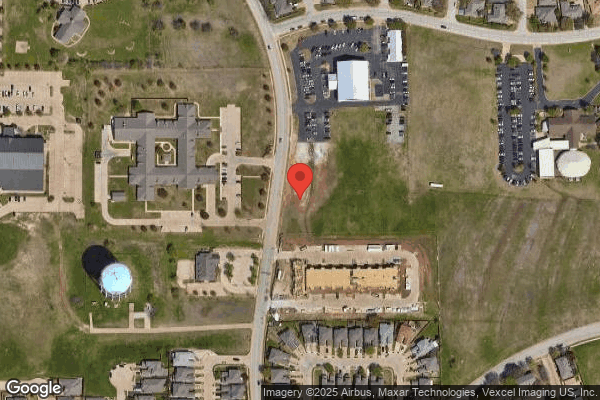
7100 TRAIL LAKE DR, FORT WORTH, TX 76133 (817) 263-2224
For profit - Corporation 120 Beds AVIR HEALTH GROUP Data: November 2025 10 Immediate Jeopardy citations
Trust Grade
0/100
#870 of 1168 in TX
Last Inspection: April 2025

Within standard 12-15 month inspection cycle. Federal law requires annual inspections.

Overview

Trail Lake Nursing & Rehabilitation has received a Trust Grade of F, indicating significant concerns and a poor overall rating. It ranks #870 out of 1168 facilities in Texas, placing it in the bottom half, and #53 out of 69 in Tarrant County, meaning there are only a few local options that are better. The facility is showing signs of improvement, as issues decreased from 14 in 2024 to 4 in 2025. However, staffing is a major concern with a low rating of 1 out of 5 stars and a high turnover rate of 69%, which is significantly above the state average. Additionally, the facility has faced serious penalties, totaling $367,254 in fines, indicating repeated compliance issues. Specific incidents raise serious red flags for family members. For example, a resident attempted to leave the facility and was missing for four days in freezing temperatures due to inadequate supervision. In another critical incident, improper catheter insertion led to a resident suffering significant injury and needing a blood transfusion. While the facility does have some strengths, such as a 5-star rating in quality measures, the numerous serious deficiencies and concerning safety issues should be carefully considered by families.

Trust Score
F
0/100
In Texas
#870/1168
Bottom 26%
Safety Record
High Risk
Review needed
Inspections
Getting Better
14 → 4 violations
Staff Stability
⚠ Watch
69% turnover. Above average. Higher turnover means staff may not know residents' routines.
Penalties
○ Average
$367,254 in fines. Higher than 71% of Texas facilities. Some compliance issues.
Skilled Nurses
⚠ Watch
Each resident gets only 22 minutes of Registered Nurse (RN) attention daily — below average for Texas. Fewer RN minutes means fewer trained eyes watching for problems.
Violations
⚠ Watch
48 deficiencies on record. Higher than average. Multiple issues found across inspections.
★★☆☆☆
2.0
Overall Rating
★☆☆☆☆
1.0
Staff Levels
★★★★★
5.0
Care Quality
★☆☆☆☆
1.0
Inspection Score
Stable
2024: 14 issues
2025: 4 issues

The Good

  • 5-Star Quality Measures · Strong clinical quality outcomes
  • Full Sprinkler Coverage · Fire safety systems throughout facility
  • No fines on record

Facility shows strength in quality measures, fire safety.

The Bad

2-Star Overall Rating

Below Texas average (2.8)

Below average - review inspection findings carefully

Staff Turnover: 69%

23pts above Texas avg (46%)

Frequent staff changes - ask about care continuity

Federal Fines: $367,254

Well above median ($33,413)

Significant penalties indicating serious issues

Chain: AVIR HEALTH GROUP

Part of a multi-facility chain

Ask about local staffing decisions and management

Staff turnover is elevated (69%)

21 points above Texas average of 48%

The Ugly 48 deficiencies on record

10 life-threatening 1 actual harm
May 2025 1 deficiency
CONCERN (D) 📢 Someone Reported This

A family member, employee, or ombudsman was alarmed enough to file a formal complaint

Potential for Harm - no one hurt, but risky conditions existed

Infection Control (Tag F0880)

Could have caused harm · This affected 1 resident

Based on observations, interviews, and record review the facility failed to establish and maintain an infection prevention and control program designed to provide a safe, sanitary, and comfortable env...

Read full inspector narrative →
Based on observations, interviews, and record review the facility failed to establish and maintain an infection prevention and control program designed to provide a safe, sanitary, and comfortable environment and to help prevent the development and transmission of communicable diseases and infections for one resident (Resident #1) of three residents, reviewed for infection control. 1. The facility failed to ensure CNA A and CNA B changed gloves and performed hand hygiene during incontinence care for Resident #1. This failure placed residents at risk for healthcare associated cross contamination and infections. Findings included: 1. Review of Resident #1's Quarterly MDS Assessment, dated 04/14/25, reflected he had had a BIMs score of 15 and was cognitively intact The MDS reflected that Resident #1 had the following diagnoses diabetes mellitus, heart failure, anemia, anxiety disorder, malnutrition, chronic obstructive pulmonary disease (COPD) (a progressive lung disease characterized by difficulty breathing due to persistent airflow obstruction). The resident was occasionally incontinent of bowel and bladder. The functional abilities of the resident were documented as dependent for toileting. Review of Resident #1's Comprehensive Care Plan, edited dated 02/026/25, reflected the resident had an activities of daily living selfcare deficit requires assistance setup/supervision, resident ability fluctuates related to shortness of breath. Facility interventions included: provide necessary equipment and adequate time for self-performance or participate with daily care. An observation on 05/31/25 at 11:21am revealed Resident #1 was in electric wheelchair. He was awake, alert, and oriented. CNA A and CNA B transferred resident to bed and prepared to perform incontinence care for the resident. Resident#1 had a bowel movement and brief was wet. CNA A performed peri-care and cleaned the front including his penis. CNA B performed peri-care and cleaned the buttocks. CNA A and CNA B did not change gloves or perform hand hygiene. CNA A and CNA B put a clean brief on the resident and covered him with the linens. CNA B put dirty diaper in plastic trach bag and removed gloves CNA A moved residents table arranged his personal belongings on his bedside table to include his water pitcher then removed gloves. An interview on 05/31/25 at 12:36pm revealed CNA B knew that she was supposed to change gloves and perform hand hygiene but did not want to because she was moving fast and the surveyor was watching her she got nervous. An interview on 05/30/25 at 1:41pm revealed CNA A knew that she was supposed to change gloves and perform hand hygiene but did not want to because she only cleaned the front if she cleaned the buttocks she would have changed her gloves before applying the clean brief. An interview on 05/31/25 at 1:03pm with the Infection Preventionist revealed staff were supposed to clean a resident, change gloves, perform hand hygiene, and then put a clean brief on the resident. The Infection Preventionist said failure to change gloves and perform hand hygiene could cause issues with infection control. An interview with the DON on 05/31/25 at 3:34 PM revealed staff were supposed to change their gloves and perform hand hygiene after cleaning a resident. The DON said failure to do so could cause infection. Review of facility policy titled Handwashing/Hand Hygiene last updated 01/2025 reflected the following: This facility considers hand hygiene the primary means to prevent the spread of healthcare -associated infections. Policy Interpretation and Implementation Administrative Practices to Promote Hand Hygiene 1. All personnel are trained and regularly in-serviced on the importance of hand hygiene in preventing the transmission of healthcare-associated infections. 2. All personnel are expected to adhere to hand hygiene policies and practices to help prevent the spread of infections to other personnel, residents, and visitors. 3. Hand hygiene products and supplies (sinks, soap, towels, alcohol-based hand rub, etc.) are readily accessible and convenient for staff use to encourage compliance with hand hygiene policies. Alcohol -based hand-rub (ABHR) dispensers are placed in areas of high visibility and consistent with workflow throughout the facility
Apr 2025 3 deficiencies
CONCERN (D)

Potential for Harm - no one hurt, but risky conditions existed

Deficiency F0761 (Tag F0761)

Could have caused harm · This affected 1 resident

Based on observations and interviews, the facility failed to ensure only permitted and authorized personnel had access to the keys for 1 of 8 medication carts (Hall 400/500/600 cart) reviewed for drug...

Read full inspector narrative →
Based on observations and interviews, the facility failed to ensure only permitted and authorized personnel had access to the keys for 1 of 8 medication carts (Hall 400/500/600 cart) reviewed for drug storage. RN A failed to secure the keys for the medication cart for Halls 400/500/600 after shift change. This failure could place residents at risk of accessing medications not intended for them. Findings included: Observation on 04/24/25 at 9:45 AM of the medication cart for Halls 400/500/600 revealed it was locked, but the keys were in the medication count binder. The binder was closed and on top of the cart, the keys were not visible until the binder was opened. The surveyor was able to open the cart with the keys from the binder. Interview on 04/24/25 at 9:50 AM with RN A revealed the keys should not have been left in the binder. He stated he or the medication aide should have been in possession of the keys. He stated the normal process for shift change at 6:00 AM was for the night shift nurse to count the cart with the on-coming medication aide or the nurse if the medication aide was not available. He stated that obviously did not happen this morning since the keys were left in the binder. RN A stated he would have to take the keys and the cart to the medication aide and count with her. Interview on 04/24/25 at 10:00 AM with MA B revealed she was the only medication aide for the facility on the 6:00 AM-2:00 PM shift. She stated she was running late because of the weather, so she did not arrive for the 6:00 AM shift change. She stated it was normal for her to find the keys for the Hall 400/500/600 medication cart in the count binder because she started on the Hall 100/200/300 medication cart. She stated the night nurse did not count with her, so she counted with the day nurse. She stated after she finished the first set of halls, she went to the other halls. She stated she counted with the day nurse and then took possession of the keys which were almost always in the binder. Interview on 04/24/25 at 10:15 AM with the DON revealed the acceptable practice was for the night nurse to count with the day medication aide, or the day nurse, and hand the keys over. The keys should always be in the physical possession of the nurse or the med aide. The DON stated it was not acceptable for the keys to be left in the count binder because anyone could access the cart with the keys and gain access to medications not intended for them. Phone interview attempt on 04/24/25 at 1:04 PM with LVN C was unsuccessful due to the voice mailbox being full. A text message was sent; however, there was no response to either. Phone interview on 04/25/25 at 9:40 AM with MA D revealed when she went off shift at 10:00 PM on 04/24/25, she counted her medication cart with LVN C and handed the keys over to her. MA D stated she had never left the keys in the count binder. Phone interview on 04/25/25 at 10:38 AM with LVN C revealed on 04/24/25 at 6:00 AM shift change she counted the nurse medication cart with RN A, but they did not count the medication aide cart. LVN C stated she placed the keys to the medication aide cart in the count binder because RN A had walked away before they could count the cart. Review of the facility's Medication Labeling and Storage policy, dated February 2023, reflected: The facility stores all medications and biologicals in locked compartments under proper temperatures, humidity, and light controls. Only authorized personnel have access to the keys.
CONCERN (D)

Potential for Harm - no one hurt, but risky conditions existed

Deficiency F0804 (Tag F0804)

Could have caused harm · This affected 1 resident

Based on observation, interview, and record review, the facility failed to prepare food by methods that conserve nutritive value for 1 of 1 kitchen reviewed for food and nutrition services. Cook E fa...

Read full inspector narrative →
Based on observation, interview, and record review, the facility failed to prepare food by methods that conserve nutritive value for 1 of 1 kitchen reviewed for food and nutrition services. Cook E failed to prepare the pureed lunch meal in a manner to conserve nutrition, flavor, and palatability on 04/23/25 when she added water to the pureed scalloped potatoes and cornbread and did not follow the recipes. The failure could place residents, who were on a pureed diet, at risk for a decrease in nutritive status, loss of appetite, decreased intake and unwanted weight loss. Findings included: Record review of the lunch menu ticket for 04/23/2025 reflected the menu for the lunch service was Cheesy Sausage w/Sauteed onions, Scalloped Potatoes, Southern Style Turnip Greens, Cornbread and Fresh Baked Cookies. Record review of the facility's recipe for Pureed Scalloped Potatoes from the Dining RD 2025 Menu reflected the following: Ingredients: Scalloped Potatoes - Add milk if product needs thinning . 1. If product needs thinning, gradually add an appropriate amount of liquid (NOT WATER) to achieve a smooth, pudding or soft mashed potato consistency. Record review of the facility's recipe for Cornbread/Margarine from the Dining RD 2025 Menu reflected the following: Ingredients: Corn Bread, Milk, 2%, this is an estimate based on industry standards and adjustments in added liquid may be 1. If product needs thinning, gradually add an appropriate amount of liquid (NOT WATER) to achieve a smooth, pudding or soft mashed potato consistency. Observation on 04/23/25 at 11:35 AM revealed [NAME] E making pureed lunch. [NAME] E put scalloped potatoes in the blender and blended. [NAME] E added water without measuring, added breadcrumbs and blended the mixture. The pureed scalloped potatoes appeared to have a mashed potato consistency. [NAME] E then was observed to put cornbread in the blender and blended. [NAME] E added water without measuring it. She then added breadcrumbs and blended the mixture. Interview on 04/23/25 at 1:18 PM with [NAME] E revealed she had been employed at the facility for about a year and half. She stated prior to preparing a meal she reviewed the recipe. She stated she was aware the pureed food needed to have a smooth, mashed potatoes consistency. She stated when blending the food, she should add broth and breadcrumbs to obtain the consistency needed. She stated she added water to the scalloped potatoes and cornbread because she needed it to be soft and smooth. She stated she was not aware the recipe specified not to add water. She stated she had not been told not to add water to pureed food. She stated there was no risk to the resident if water was added to the food. Interview on 04/23/25 at 1:28 PM with the Dietary Manager revealed she and the [NAME] were responsible for reviewing the recipe prior to preparing the meal. The Dietary Manager stated when staff prepared pureed food, they should use the juice/broth of the food. She stated water could not be added to the pureed foods because it took the flavor out. Record review of the facility's Pureed policy, dated 2022, reflected the following: The Puree Diet is designed for those individuals who have difficulty swallowing or cannot chew foods of the dental soft consistency. . Drain liquid from portions needed for pureed preparation. Reserve liquid in case additional liquid is needed when pureeing to the correct consistency. NEVER USE WATER AS THE LIQUID ADDED TO A PUREED ITEM .the following liquids would be acceptable to use when pureeing foods: prepared broth, gravy, sauce, milk, juice and melted margarine/butter.
CONCERN (D)

Potential for Harm - no one hurt, but risky conditions existed

Deficiency F0805 (Tag F0805)

Could have caused harm · This affected 1 resident

Based on observation, interview, and record review, the facility failed to ensure food was prepared in a form designed to meet individual needs for 1 or 2 meals (lunch) reviewed for food meeting resid...

Read full inspector narrative →
Based on observation, interview, and record review, the facility failed to ensure food was prepared in a form designed to meet individual needs for 1 or 2 meals (lunch) reviewed for food meeting residents' needs. The facility failed to prepare and serve pureed scalloped potatoes as a pudding consistency for residents who required pureed diets during the lunch meal on 04/23/25. This deficient practice could affect residents and place them at risk of not receiving meals that meet their needs. Findings included: Record review of the lunch menu ticket for 04/23/2025 revealed the menu for the lunch service was Cheesy Sausage w/Sauteed onions, Scalloped Potatoes, Southern Style Turnip Greens, Cornbread and Fresh Baked Cookies. Observation on 04/23/25 at 11:35 AM revealed [NAME] E pureed scalloped potatoes with a blender. After blending the scalloped potatoes, neither [NAME] E nor the Dietary Manager checked the consistency to ensure the scalloped potatoes were all blended to a pudding smooth consistency. Observation of the test tray on 04/23/25 beginning at 1:03 PM with the Dietary Manager revealed the test tray included the regular textured menu items and the pureed menu items. The pureed scalloped potatoes did not have a smooth, pudding consistency. The scalloped potatoes had chunks of potato not fully pureed. The Dietary Manager stated the pureed scalloped potatoes were not the correct consistency. Interview on 04/23/25 at 1:18 PM with [NAME] E revealed pureed food needed to have a smooth, mashed potatoes consistency. She stated when she blended the scalloped potatoes it appeared smooth. She stated she did not ensure it was all blended. She stated the potential harm to residents was the possibility choking. Interview on 04/23/25 at 1:28 PM with the Dietary Manager revealed the pureed food should had a smooth, pudding consistency. She stated the scalloped potatoes on the test tray were not the correct consistency because there were chunks of potatoes. She stated she and the [NAME] were responsible for ensuring the consistency was correct. She stated residents were at risk of choking if everything was not completely pureed. Record review of the facility's recipe for Pureed Scalloped Potatoes from the Dining RD 2025 Menu reflected the following: .2. If the product needs thickening, gradually add a commercial or natural food thickener to achieve a smooth, pudding or soft mashed potato consistency. Record review of the facility's Pureed policy, dated 2022, reflected the following: The Puree Diet is designed for those individuals who have difficulty swallowing or cannot chew foods of the dental soft consistency.
Nov 2024 4 deficiencies
CONCERN (D)

Potential for Harm - no one hurt, but risky conditions existed

Infection Control (Tag F0880)

Could have caused harm · This affected 1 resident

**NOTE- TERMS IN BRACKETS HAVE BEEN EDITED TO PROTECT CONFIDENTIALITY** Based on observation, interview, and record review the facility failed to maintain an infection prevention and control program d...

Read full inspector narrative →
**NOTE- TERMS IN BRACKETS HAVE BEEN EDITED TO PROTECT CONFIDENTIALITY** Based on observation, interview, and record review the facility failed to maintain an infection prevention and control program designed to provide a safe, sanitary and comfortable environment and to help prevent the development and transmission of communicable diseases and infections for 1 of 6 residents (Residents #14 and #33) observed for infection control. 1. LVN C failed to adhere to enhanced barrier precautions by failing to put on a gown prior to flushing Resident #14's g-tube with water. 2. CNA E failed to adhere to enhanced barrier precautions by failing to put on a gown prior to emptying Resident #33's colostomy bag. The failure could place residents at risk for the development of infections which could cause illness or hospitalization. Findings included: 1. Record review of Resident #14's face sheet, dated 11/06/24, reflected the resident was a [AGE] year-old female who was admitted to the facility on [DATE] and readmitted on [DATE]. Record review of Resident #14's quarterly MDS, dated [DATE], reflected she had a BIMS score of 12, which indicated her cognition was intact. She had active diagnoses which included Heart Failure (inability of heart to fill and pump blood), Hypertension (high blood pressure), Renal Insufficiency (kidney failure), Diabetes Mellitus (high blood sugar) Malnutrition (too few nutrients resulting in health problems) The MDS assessment Section GG Functional Abilities reflected Resident #14 required set up or clean up assistance. The MDS assessment Section K - Nutritional approaches reflected Resident #14 had parenteral/IV feeding, feeding tube and was also on a therapeutic diet. Record review of Resident #14's care plan, revised on 08/12/24, reflected: Focus: Resident #14 was dependent on tube feeding for hydration, with potential for complications, side effects. Goal: Will maintain adequate hydration status aeb weight stable, no signs or symptoms of dehydration through review date. Interventions: Administer tube feeding and water flushes as ordered. See doctor orders for current feeding orders. Monitor weight per protocol or as ordered and record. Notify doctor of significant weight changes. Observe, document, report to doctor as needed aspiration (food entering the respiratory tract instead of the gastrointestinal tract (pathway food entered the body)) signs and symptoms, tube dislodged, infection at tube site, self-extubating, tube dysfunction or malfunction, abnormal lab values, abdominal pain, distention, tenderness, constipation or fecal impaction, diarrhea, nausea/vomiting, and dehydration. Registered Dietician to evaluate quarterly and as needed. Monitor caloric intake, estimated needs. Make recommendations for changes to tube feeding as needed. Observation and interview on 11/06/24 at 2:00 PM revealed Resident #14 had an enhanced barrier precaution sign at her door, with a bin of PPE. Observation of Resident #14's g-tube stoma (an opening in the abdominal that connects the bowel to the outside of the body) and water flush with LVN C revealed she completed hand hygiene and put on gloves. Without wearing a gown, LVN C flushed Resident #14's g-tube with water. LVN C was asked about the enhanced barrier precaution sign outside Resident #14's door, and she stated when providing care or the water flush for Resident #14, she should have worn gloves and a gown. LVN C stated not doing so placed Resident #14 at risk for spread of infection. 2. Record review of Resident #33's face sheet, dated 11/06/24, reflected the resident was a [AGE] year-old female who was admitted to the facility on [DATE] and readmitted on [DATE]. Record review of Resident #33's quarterly MDS, dated [DATE], reflected she had a BIMS score of 9, which indicated his cognition was moderately impaired. The MDS reflected Resident #33 was dependent on staff for toileting. Section H Bowel and Bladder indicated he had an Ostomy. His active diagnoses included Hypertension (high blood pressure), End Stage Renal Disease, Diabetes Mellitus (high blood sugar) muscle weakness, lack of coordination. His functional abilities included he required assistance with toileting, shower/bathing and lower body dressing. Record review of Resident #33's care plan, revised on 08/12/24, reflected: Problem: Infection -There is risk for developing and/or spreading infection related to my medical condition. Goal: Enhanced Barrier Precautions will reduce risk of the spread of organisms. Intervention: Utilize enhanced barrier precautions as ordered Every Shift by disciplines: Activities, Administration, CNA, Dietary, Hospice, Housekeeping, Nurse Practitioner, Nursing, Physician A ssistant, Physician, psych, Social Services, Therapy. Problem: Potential for complications, altered body image, knowledge deficit related to colostomy status. Goal: Will remain free from infection or other complications related to colostomy through review date. Intervention: Empty drainage bag as needed. Replace per protocol. Observation and interview on 11/04/24 at 12:15 PM revealed there was an enhanced barrier precaution sign on Resident #33's door, due to the resident having a colostomy. Resident #33 stated staff assisted with emptying the colostomy bag. Observation revealed Resident #33 was lying on his back in bed, a clear bag was underneath his colostomy bag at the bedside. The resident's shirt was lifted at his stomach revealing the colostomy bag contents. Observation and interview on 11/04/24 at 12:21 PM revealed a bin with drawers to the left of Resident #33's door. Inside the drawers was PPE, which included surgical gowns and gloves. Observation of Resident #33's door revealed a sign which indicated to use PPE when performing care prior to entering the room. CNA E entered Resident #33's room with items in hand to empty the resident's colostomy bag. CNA E washed his hands and put on a pair of gloves. Without wearing a gown, CNA E emptied Resident #33's colostomy bag. CNA E stated he was not aware he should also wear a gown when providing care or emptying Resident #33's colostomy bag. CNA E stated he had been trained on enhanced barrier precautions; however, he was not thinking about including the gown during this task. Interview on 11/04/24 at 1:00 PM with LVN F revealed Resident #33 was on enhanced barrier precautions due to him having a colostomy. LVN F stated signs were posted at the door which instructed staff to wear PPE including gloves and a gown when providing care to the resident. LVN F stated CNA E was the aide working with Resident #33, and he was responsible for emptying the resident's colostomy bag. LVN F stated she expected CNA E to wear gloves and a gown when emptying the bag and not doing so placed Resident #33 at risk for the spread of infection and illness. Interview on 11/06/24 at 2:43 PM with the ADON revealed there were signs posted along the hall that indicated which residents were on enhanced barrier protection. The ADON stated any resident that required tube feeding, had wounds, or openings to their skin would require all staff especially nurses and aides to use PPE when providing care. The ADON stated not wearing PPE when providing care would place residents at risk of infections. Record review of the facility's Enhanced Barrier Precautions policy, dated March 2024, reflected: Enhanced barrier precautions are utilized to reduce the transmission of multi-drug resistant organisms to residents. Enhanced barrier precautions are used as an infection prevention and control intervention to reduce the transmission of multi-drug resistant organisms to residents. EBPs employ targeted gown and glove use in addition to standard precautions during high contact resident care activities when contact precautions do not otherwise apply. Examples of high-contact resident care activities requiring the use of gown and gloves for EBPs include: 1. dressing; 2. bathing/showering; 3. transferring; 4. providing hygiene; 5. changing linens; 6. changing briefs or assisting with toileting; 7. device care or use (central line, urinary catheter, feeding tube, tracheostomy/ventilator, etc.); and 8. wound care (any skin opening requiring a dressing). Gloves and gown are applied prior to performing the high contact resident care activity (as opposed to before entering the room). EBPs are indicated (when contact precautions do not otherwise apply) for residents with wounds and/or indwelling medical devices regardless of MDRO colonization. Wounds generally include chronic wounds (i.e., pressure ulcers, diabetic foot ulcers, venous stasis ulcers, and unhealed surgical wounds), not shorter-lasting wounds like skin breaks or skin tears. Indwelling medical devices include central lines, urinary catheters, feeding tubes and tracheostomies. Peripheral IV catheters are not considered an indwelling medical device for purposes of EBPs
CONCERN (E)

Potential for Harm - no one hurt, but risky conditions existed

Tube Feeding (Tag F0693)

Could have caused harm · This affected multiple residents

**NOTE- TERMS IN BRACKETS HAVE BEEN EDITED TO PROTECT CONFIDENTIALITY** Based on observation, interview, and record review, the facility failed to ensure residents fed by enteral means received the ap...

Read full inspector narrative →
**NOTE- TERMS IN BRACKETS HAVE BEEN EDITED TO PROTECT CONFIDENTIALITY** Based on observation, interview, and record review, the facility failed to ensure residents fed by enteral means received the appropriate treatment and services for 2 of 5 residents (Residents #14 and #54) reviewed for tube feeding management. 1. The facility failed to ensure Resident #14 received g-tube stoma site dressing changes and g-tube water flushes according to physician's orders. 2. LVN A and LVN B failed to ensure Resident #54's feeding tube infusion pump rate was correct. These failures could place residents at risk of dehydration, malnutrition, weight loss, and possible infections. Findings included: 1. Record review of Resident #14's face sheet, dated 11/06/24, reflected the resident was a [AGE] year-old female who was admitted to the facility on [DATE] and readmitted on [DATE]. Record review of Resident #14's quarterly MDS, dated [DATE], reflected she had a BIMS score of 12, which indicated her cognition was intact. She had active diagnoses which included Heart Failure (inability of heart to fill and pump blood), Hypertension (high blood pressure), Renal Insufficiency (kidney failure), Diabetes Mellitus (high blood sugar) Malnutrition (too few nutrients resulting in health problems) The MDS assessment Section GG Functional Abilities reflected Resident #14 required set up or clean up assistance. The MDS assessment Section K - Nutritional approaches reflected Resident #14 had parenteral/IV feeding, feeding tube and was also on a therapeutic diet. Record review of Resident #14's care plan, revised on 08/12/24, reflected Focus: [Resident #14] was dependent on tube feeding for hydration, with potential for complications, side effects. Goal: Will maintain adequate hydration status aeb weight stable, no signs, or symptoms of dehydration through review date. Interventions: Administer tube feeding and water flushes as ordered. See doctor orders for current feeding orders. Monitor weight per protocol or as ordered and record. Notify doctor of significant weight changes. Observe, document, report to doctor as needed aspiration (food entering the respiratory tract instead of the gastrointestinal tract (pathway food entered the body)) signs and symptoms, tube dislodged, infection at tube site, self-extubating, tube dysfunction or malfunction, abnormal lab values, abdominal pain, distention, tenderness, constipation or fecal impaction, diarrhea, nausea/vomiting, and dehydration. Registered Dietician to evaluate quarterly and as needed. Monitor caloric intake, estimated needs. Make recommendations for changes to tube feeding as needed. Record review of Resident #14's physician's orders revealed: 07/07/23 - Elevate Head of Bed at least 30 degrees while administering formula/water/medications and for at least 30 minutes following administration. 07/11/23 - Clean g/tube site with normal saline, cover with gauze, and secure with tape every day at bedtime 06:00PM-06:00AM. 05/20/24 - Flush Gastrostomy Tube with 200 cc of water every 4 hours 08:00, 12:00, 4:00, 8:00, 12:00, 04:00. 10/30/24 - Diet: Low Calorie Sweetener (LCS), Regular texture, thin liquids continuous - as needed. Record review of Resident #14's MAR and TAR reflected Resident #14 was provided treatment and care to her g-tube site on 11/05/24. Record review of Resident #14's progress note dated 08/07/24 reflected: Tube Feeder Aug weight 186 (BMI 31.9, obese), stable without sig change and usual body weight 180's. Continues on a Regular LCS, thin diet with great app/po, 75% most meals, feeding self. Known to order outside food and snacks/soda which contributes to weight status but appears stable at this time. Diet remains appropriate related Blood Sugar levels and diagnosis of Diabetes, continues on insulin for Blood Sugar control. Fluid intake is encouraged to meet hydration needs, aid with bowels, history UTI and recurrent hypernatremia [high concentration of sodium in the blood]. Has PEG in place but for hydration only (no nutrition) with H2O flush 200ml Q4hr (1200ml fluid); PEG will not be removed as deemed necessary for hydration needs. Observation and interview on 11/04/24 at 11:52 AM revealed Resident #14 sitting in the dining area. Resident #14 stated she was doing well. Resident #14 stated she had a g-tube; however, she ate a regular tray at every meal. Resident #14 was observed to complete her full meal without complications. After her lunch, Resident #14 stated she still had the g-tube but did not use it for eating. Resident #14 pulled her up her shirt to expose her g-tube site. She stated she received water flushes only through the g-tube. When asked how often staff checked her g-tube site and when were the water flushes provided, Resident #14 responded, whenever they do it. Observation and interview with LVN C on 11/06/24 at 2:00 PM revealed Resident #14's g-tube stoma (an opening in the abdominal that connects the bowel to the outside of the body) had a dressing in place dated 11/04/24. LVN C was asked to observe the date on the bandage, and she stated it was dated 11/04/24. LVN C stated the stoma should have been cleaned and redressed on the night shift. LVN C stated the observation was her first-time flushing water with Resident #14 today (11/06/24). LVN C stated she was aware Resident #14 had several flushes during the day; however, Resident #14 would often refuse, so she had not attempted complete the flush. LVN C she stated she was not aware Resident #14's site had not been cleaned on 11/05/24 night shift. Further observation revealed LVN C she administered air to check for placement, next she stated she was not going to check for residual since Resident #14 did not receive feedings via the g-tube. LVN C did not check for residual. LVN C then administered 200 cc of water with the use of a syringe that she assisted by plunging. When asked if she was going to clean Resident #14's g-tube site, she shrugged her shoulders and left the room. According to LVN C, she was aware that g-tube sites were supposed to be cleaned daily by the nurses on night shift. She stated not checking and cleaning the g-tubes placed residents at risk of infection. LVN C stated not completing the required amount of water flushes would place Resident #14 at risk of dehydration. Interview on 11/06/24 at 2:33 PM with the ADON revealed she was not aware Resident #14's g-tube stoma had not been cared for. The ADON stated she was not aware LVN C had not completed Resident #14's water flushes at 8:00 AM or 12:00 PM. The ADON stated it was her expectation that Resident #14 and all residents with g-tubes have care to be done daily on the 6:00 PM-6:00 AM shift and according to physician's orders. The ADON stated Resident #14's g-tube was still in place and being utilized for hydration. She stated it was the nurse's responsibility to follow physician's orders. The ADON stated if the residents g-tubes were not being cared for it could lead to an infection. The ADON stated she was responsible to ensure nurses were completing their tasks in making sure resident g-tubes were being cared for, and nurses were following physician's orders. ADON stated the nurse that should have completed care on 11/04/24 was an agency staff, and she was not full time staff at the facility. 2. Record review of Resident #54's undated Face Sheet reflected the resident was a [AGE] year-old female admitted to the facility on [DATE] with diagnoses which included stroke affecting the right side of her body; her ability to swallow requiring her nutrition be provided via a feeding tube in the stomach; and affecting her speech. Record review of Resident #54's quarterly MDS, dated [DATE], reflected her BIMS score was not calculated due to her medical condition. Her Functional Status assessment indicated she was totally dependent on staff for all of her ADL needs. Record review of Resident #54's care plan, dated 07/11/24, reflected she required a feeding tube with Jevity 1.5 to run at 60 cc/hr. Resident #54 also had expressive aphasia meaning she was unable to speak but answered questions by nodding yes or no, and using communication boards. Observation on 11/04/24 at 10:39 AM revealed Resident #54's feeding pump was infusing at 50 cc/hr, while the bottle of Jevity 1.5 was labled with an infusion rate of 60 cc/hr. The bottle had been hung on 11/04 at 4:20 AM. Observations on 11/04/24 at 11:30 AM and 3:30 PM revealed Resident #54's feeding pump rate was infusing at 50 cc/hr. Observations on 11/05/24 at 7:07 AM and 10:50 AM revealed Resident #54's feeding pump continued to infuse at 50 cc/hr. The Jevity bottle was labeled as being hung on 11/05, no time noted, with a rate of 60 cc/hr. Interview on 11/05/24 at 10:55 AM with LVN B revealed Resident #54's physician order was for the Jevity to infuse at 60 cc/hr. She stated night shift hung the bottles, and she did not know why the pump was set for 50 cc/hr. LVN B stated she had re-started the pump earlier in the morning after it had been paused for morning care. LVN B stated she did not check the rate before pushing Restart on the pump. She stated the Restart button resumed the pump at the previous settings. She stated she was unaware the rate had been incorrect for over 24-hours. She stated the risk of the resident not receiving the correct amount of enteral feedings was weight loss and malnutrition. Interview on 11/05/24 at 11:15 AM with the ADON revealed she had been made aware of Resident #54's feeding pump infusing at the wrong rate. She stated LVN A had hung the bottle on the morning of 11/04/24, and an agency nurse had hung the bottle on 11/05/24. The ADON stated the risk of the resident not receiving the correct amount of nutrition could be malnutrition and weight loss. Observation on 11/05/24 at 12:10 PM of Resident #54 being weighed via a lift device reflected a 1.56% weight loss when compared to her weight on 10/05/24. Interview on 11/05/24 at 1:35 PM with LVN A revealed she had set the pump at whatever rate was ordered. She stated someone must have changed the rate after that. LVN A stated she could not speak to what happened after her shift. Record review of the facility's Enteral Nutrition policy, revised November 2018, reflected: .11. The nurse confirms that orders for enteral nutrition are complete. Complete order include: .e. Volume and rate of administration. .g. instructions for flushing (solution, volume, frequency, timing and 24-hour volume)
CONCERN (E) 📢 Someone Reported This

A family member, employee, or ombudsman was alarmed enough to file a formal complaint

Potential for Harm - no one hurt, but risky conditions existed

Menu Adequacy (Tag F0803)

Could have caused harm · This affected multiple residents

Based on observation, interview, and record review, the facility failed to ensure the menu was followed for one of one lunch meals observed. The facility failed to ensure residents on mechanical soft ...

Read full inspector narrative →
Based on observation, interview, and record review, the facility failed to ensure the menu was followed for one of one lunch meals observed. The facility failed to ensure residents on mechanical soft diets were served soft chicken fried steak they were served soft chicken instead, residents on pureed diets were served pureed chicken instead of pureed chicken fried steak on 11/05/24 as specified by the menu for the lunch meal. This failure could place residents at risk of weight loss, altered nutritional status and diminished quality of life. Findings included: Record review of the August 2024 resident council meeting minutes reflected: .Food that is on menu is not what is being prepared. Record review of the facility's menu on 11/05/24 reflected the planned lunch consisted of chicken fried steak, cream gravy, mashed potatoes, squash medley, dinner roll, frosted cake, beverage of choice, water. Observation on 11/05/24 at 11:30 AM revealed [NAME] D taking temperatures of food items prior to serving, which included mechanical soft and pureed chicken. There was no mechanical soft or pureed chicken fried steak on the steamtable for the lunch service. Interview on 11/05/24 at 11:35 AM with [NAME] D revealed she prepared diced chicken for residents on mechanical soft and pureed diets. When asked why she prepared the chicken, she stated it was an alternate option. When asked where the chicken fried steak was that was going to be served to residents with mechanical soft and pureed diets, she stated she was going to serve them chicken. [NAME] D was asked to provide the survey team with sample trays for each regular, mechanical, and pureed diets. Observation and interview on 11/05/24 at 12:48 PM with [NAME] D revealed a test tray for regular texture diet to include chicken fried steak with cream gravy, mashed potatoes, squash and a pureed texture diet tray of chicken, squash, and mashed potatoes for three surveyors. [NAME] D was asked why the pureed textured tray included chicken and not chicken fried steak. [NAME] D stated she used the diced chicken because it gave a better texture than the chicken fried steak would when pureed. [NAME] D stated she could not give an account why she did not puree the chicken fried steak, other than it would be hard to puree because of the crust on the chicken fried steak. [NAME] D further stated she provided residents on mechanical soft diets with the same diced chicken instead of chicken fried steak because of the texture, she stated it was easier to break down the chicken because it did not have crust on it like the chicken fried stead did. Observation of the chicken fried steak revealed the breading was very thin and could be cut with a fork. [NAME] D stated she was responsible for ensuring all resident were fed based upon the menu. [NAME] D stated she did not see anything wrong with preparing the chicken because it would give them a smoother texture. Interview on 11/05/24 01:14 PM with the Registered Dietitian revealed she had not had a chance to test the lunch trays today (11/05/24); however, she was informed by the Administrator there was a concern with food items. She stated the cooks were responsible for ensuring the same meal was provided to all residents regardless of the textures. She stated the [NAME] followed the menu by making the chicken fried steak, potatoes, and the squash. She stated [NAME] D did not know chicken fried steak was not chicken, and [NAME] D thought they were the same meat. She stated [NAME] D thought the only difference between the two was that one was fried. The Registered Dietitian stated [NAME] D thought it would be difficult to puree chicken fried steak because it had crust on it. She stated [NAME] D placed residents at risk of not getting served the same food options. Interview on 11/05/24 at 1:34 PM with the Administrator revealed residents should receive what the menu reflected for that day. The Administrator said it was the residents' right to receive what was on the menu, and what they were expecting to eat. The Administrator stated it was the responsibility of the cooks and the Dietary Manager to ensure each resident was provided what was on the menu. Interview on 11/05/24 with the Dietary Manager was unsuccessful, she was on leave of duty due to surgery. Record review of the facility's current, undated Standardized Recipes policy reflected: Standardized recipes shall be developed and used in the preparation of foods. 1. Only tested, standardized recipes will be used to prepare foods. 2. Standardized recipes will be adjusted to the number of portions required for a meal. 3. The food services manager will maintain the recipe file and make it available to food services staff, as necessary. 4. Recipes are periodically reviewed for revisions and updating.
CONCERN (E) 📢 Someone Reported This

A family member, employee, or ombudsman was alarmed enough to file a formal complaint

Potential for Harm - no one hurt, but risky conditions existed

Deficiency F0804 (Tag F0804)

Could have caused harm · This affected multiple residents

Based on observation, interview, and record review, the facility failed to ensure the facility provided food that was palatable, for one of one observed meal reviewed for dietary services. The facilit...

Read full inspector narrative →
Based on observation, interview, and record review, the facility failed to ensure the facility provided food that was palatable, for one of one observed meal reviewed for dietary services. The facility failed to serve food that had a palatable flavor during the lunch meal on 11/05/24. This failure could affect residents by placing them at risk of weight loss, altered nutritional status, and a diminished quality of life. Findings included: Interview on 11/04/24 at 10:25 PM with Resident #52 revealed a lot of the times he did not eat the food provided by the facility because it did not taste good. He stated he would decline the meal tray and would ask staff to order take out or prepare food he had in his room. Interview on 11/04/24 at 10:54 AM with Resident #18 revealed the food was cold by the time she received her tray during mealtimes. Interview on 11/04/24 at 12:15 PM with Resident #33 revealed he did not care to eat the food provided by the facility. He stated the food in the facility did not have any flavor or taste, and he preferred not to eat it. Interview on 11/04/24 at 12:18 PM with Resident #9 revealed the food was not consistent with how it would taste. She stated sometimes the food would taste good and other times it would not. Interviews during the confidential resident group interview on 11/04/24 at 1:45 PM with seven alert and oriented residents revealed food was served cold when eating both on the halls and in the dining room. It was also mentioned that food was not tasty and did not have any flavor. Residents stated they had mentioned their concerns in prior resident council meetings; however, they had not seen a change. Interview on 11/04/24 at 2:12 PM with Resident #13 revealed a lot of the time she only ate foods from the alternate menu because she did not like the food provided by the facility. Record review of the facility's menu on 11/05/24 reflected the planned lunch consisted of chicken fried steak, cream gravy, mashed potatoes, squash medley, dinner roll, frosted cake, beverage of choice, and water. Observation and interview with [NAME] D on 11/05/24 at 12:48 PM revealed the test tray for the regular diets consisted of chicken fried steak with cream gravy, mashed potatoes, squash, and the test tray for the pureed diets consisted of chicken, squash and mashed potatoes. The food temperature of the test trays revealed the food was slightly warm. The squash and mashed potatoes on the regular tray was bland and lacked flavor. The chicken, mashed potatoes, and the squash on the pureed tray also was bland and lacked flavor. [NAME] D stated she agreed the food was bland and lacked flavor. She stated the reason was due to the facility not cooking with salt. [NAME] D stated she followed the menu by adding butter to mashed potatoes, but she stated she could not taste the butter. [NAME] D stated she was responsible for the taste and presentation of the food. [NAME] D stated if the food lacked flavor, it could cause people not to want to eat and cause weight loss. [NAME] D stated she had not had any complaints of food being bland and lacking flavor. Interview on 11/05/24 01:14 PM with the Registered Dietitian revealed she had not had a chance to evaluate the lunch trays today (11/05/24), but she had been informed by the Administrator there was concern with food items. She stated the [NAME] were responsible for ensuring the food provided to residents was enticing and flavorful. She stated [NAME] D followed the menu for the potatoes by using water, butter, and the instant potatoes. She stated she did see seasoning in the squash but could not say why the squash lacked flavor. She stated there were ways to add flavor to food items, such as broth and spices when not using salt. She stated they wanted all the residents to enjoy their meals, so they were getting nutrients they needed. Interview on 11/06/24 at 5:31 PM with the Administrator revealed he would like residents to enjoy the food and not have to use supplements. The Administrator stated the cooks and the Dietary Manager were responsible for following the menu, and not doing so would place residents at risk of weight loss, skin integrity, and their overall health. The Administrator stated he was not aware of the resident council meetings having complaints of the food, however he wanted everyone in the facility to enjoy the food. Record review of the August 2024 resident council meeting minutes reflected: Corporate rejects food and residents are not pleased with meals. Food that is on menu is not what is being prepared. Record review of the September 2024 resident council meeting minutes reflected: Temperature of food, leaves food cart waiting food gets cold. Record review of the October 2024 resident council meeting minutes reflected: will discuss in next resident council meeting. Record review of grievances from August 2024- October 2024 did not include mention food service or menu options. Record review of the facility's current, undated Food and Nutrition Services policy reflected: .Each resident is provided with a nourishing, palatable, well-balanced diet that meets his or her daily nutritional and special dietary needs., taking into consideration the preferences of each resident. .7. Food and nutrition services staff will inspect food trays to ensure that the correct meal is provided to each resident, the food appears palatable and attractive, and it is served at a safe and appetizing temperature. a. If an incorrect meal is provided to a resident, or a meal does not appear palatable, nursing staff will report it to the food service manager so that a new food tray can be issued. b. Foods that are left without a source of heat (for hot foods) or refrigeration (for cold foods) longer than 2 hours will be discarded.
Jun 2024 5 deficiencies 1 IJ
CRITICAL (J)

Immediate Jeopardy (IJ) - the most serious Medicare violation

Quality of Care (Tag F0684)

Someone could have died · This affected 1 resident

**NOTE- TERMS IN BRACKETS HAVE BEEN EDITED TO PROTECT CONFIDENTIALITY** Based on observation, interview and record review, the facility failed to ensure that residents received treatment and care in a...

Read full inspector narrative →
**NOTE- TERMS IN BRACKETS HAVE BEEN EDITED TO PROTECT CONFIDENTIALITY** Based on observation, interview and record review, the facility failed to ensure that residents received treatment and care in accordance with professional standards of practice, the comprehensive person-centered care plan, and the residents' choices based upon the comprehensive assessment of a resident for one of three residents (Resident #54) reviewed for quality of care. Agency LVN E failed to properly insert Resident #54's Foley catheter on 03/13/24 by inflating the balloon in the resident's urethra causing urethal trauma and significant bleeding. Resident #54 had to be transported to the hospital where a CT Scan revealed the urinary catheter balloon had been inflated in the resident's urethra causing trauma to the area. Due to the blood loss, the resident had to receive a blood transfusion to stabilize his vitals. An Immediate Jeopardy (IJ) situation was identified on 06/12/24. While the IJ was removed on 06/14/24, the facility remained out of compliance at a scope of isolated with the potential for more than minimal harm, due to the facility's need to evaluate the effectiveness of the corrective systems. This failure could place residents at risk for an adverse outcome to resident care or services and may also include the potential for physical and psychosocial harm. Findings include: Record review of Resident #54's, undated, admission Record reflected the resident was a [AGE] year-old male who was admitted to the facility on [DATE] and readmitted on [DATE]. Resident #54 had active diagnoses which included traumatic spinal cord dysfunction, quadriplegia (paralysis below the neck), hidradenitis suppurative (chronic inflammatory skin condition), muscle weakness, neuromuscular (disorders affect nerves or muscles) disfunction of bladder and iron deficiency anemia. Record review of Resident #54's quarterly MDS, dated [DATE], reflected a BIMS score of 14, which indicated intact cognition. Section H - Bladder and Bowel reflected Resident #58 had an indwelling catheter and was always incontinent. Record review of Resident #54's Care Plan, revised 05/05/24, reflected: Problem: Category: Urinary Incontinence [Resident #58] has the Potential for complications related to indwelling urinary catheter. DX:N31.9 Neuromuscular dysfunction of bladder, unspecified. Goal: Will remain free s/sx of complications related to catheter through review date. Approach: Assess for patency and document daily. Assess for urine characteristics (volume, color, clarity, odor) and document daily. Change bag every 30 days or per facility protocol or as per MD orders. Maintain closed drainage system, with drainage bag lower that bladder level at all times. Monitor, document, notify MD PRN s/sx of complications related to catheter use, including UTI, trauma, bleeding. Record review of Resident #54 physician orders reflected: Change Catheter (16F/10cc) for leakage, blockage, or becoming dislodged. As needed. Document clinical reason for catheter change in the progress notes. Start date: 05/05/2023 - 04/02/2024 (DC Date). Observation and interview on 06/11/24 at 12:26 PM revealed Resident #54 lying in bed. The resident stated he was doing well. Resident #54 had a Foley catheter, observed catheter bag to have a privacy bag, the Foley tubing had yellowish color urine. Resident #54 denied any pain, he stated a couple of months ago he had to go to the hospital and had to get a blood transfusion. Resident #54 stated he could not recall much of the incident, but the nurse at the time attempted to change his catheter and caused bleeding. Resident #54 he stated he felt some discomfort. Resident #54 stated he could not recall the name of the nurse. Resident #54 stated he was unsure if he left to the hospital with the catheter inserted or not, he stated he could not recall as it had been a couple of months. Resident #54 stated because of that incident staff were not allowed to change his catheter. He stated he must go to the hospital to get it changed. Record review of Resident #54's progress note, dated 03/13/24 at 11:11 AM, by the PA reflected: [Recorded as Late Entry on 04/05/2024 11:11 AM] Patient Encounter Note . Encounter Date: 03/13/2024 Chief Complaint: Follow up encounter History of Present Illness: This is a [AGE] year-old Male resident of [Facility name] Nursing Home who presents for follow up and management of chronic medical problems. Interval Reports: - Per nursing, resident was found with a dislodged foley catheter without any urine return. - Nursing re-inserted foley catheter but only return bright red urine upon placement. - Resident reports severe discomfort. - Seen and examined at the bedside. - He is alert and oriented x4. - He has significant urethral injuries. Plans in place for SPT placement. - He has contractures to bilateral upper and lower extremities Dislodged Foley Catheter: Re-inserted but severe bloody urine and discomfort. - OK to send to ER for imagery and further evaluation. Record review of Resident #54 progress note, dated 03/13/24 at 18:21 [6:21 PM] by Agency LVN E, reflected: Nurse attempted to re-insert new 16 Fr. Cather using sterile technique blood return observed no urine return. Cath. [catheter] flushed only blood return.119/80, 129, 97.9, 98%, 18 RA 0/10 NP notified client own POA. NP new orders received send to ER for further treatment. Client left via medical transport on stretcher. Record review of Resident #54's EMS report reflected: Dispatch Information: Incident Date: 03/13/24 17:46 [5:46 PM] Complaint: Blood at site of catheter Compliant Type: Chief (Primary) Duration of Complaint: 10 Hours 17:59 [5:59 PM] Unit arrived on scene 18:16 [6:16 PM] Vitals: BP 97/64 P 127 18:20 [6:20 PM] Unit left scene - BP 105/69 P 127 18:37 [6:37 PM] Patient arrived at destination [hospital] Provider Impression: Primary Impression: Illness, unspecified Working Diagnosis: UTI Differential Diagnosis: Sepsis, Kidney Stones, Urethra Tear Record review of Resident #54's hospital reflected the following: Reason for visit: Chief Complaint on 03/13/24 6:44 PM: Urinary Catheter Problem (Pt from [Facility] staff attempted to insert foley, unsuccessful attempts per staff due to blood clots coming out, pt hypotensive and tachycardic upon EMS arrival) History of Present Illness 6:46 PM [Resident #54] is a 52 y.o. male with a h/o HTN, leukocytosis, and who comes to ED via EMS from [Facility] NH and c/o urinary catheter dysfunction that started today s/p multiple unsuccessful attempts. EMS denies any medical intervention en route. Pt denies feeling more fatigue than usual .Pt is quadriplegic (paralysis). 03/13/24 1853 [6:53 PM] ED Triage Vitas: BP 124/58 P 139 Physical exam: Constitutional: General: He is in acute distress (mild) Cardiovascular: Rate and Rhythm: Regular rhythm. Tachycardia present. Genitourinary: Comments: Foley in place with chronic appearing urethral tear with mild surrounding bleeding. Blood in foley tubing. 03/13/24 1914 [7:14 PM] RN Assessment: Abdominal Pain: GI Signs/Symptoms: pain; discomfort ABD Pain Location: generalized ABD Pain Character: Intermittent; Stabbing Genitourinary Assessment: Foley present upon arrival, blood cloths present PT hard stick, in process of obtaining access with sono[gram] at this time; Delay in CT scan due to pt condition and obtaining IV access at this time; 18G [gauge needle] placed in external jugular vein; Labs and blood cultures sent; CT notified pt ready 03/13/24 1922 [7:22 PM] Lab results showed HGB (Hemoglobin) of 7.9 Abnormal [Ref Range: 13.0 -17.0 g/dL] and HCT [Hematocrit] 25.6 Abnormal [Ref Range: 38.0 - 51.0%] ED Medication Administration: 03/13/24 1925 [7:25 PM] Normal Saline 1,797 mls [milliliters] as part of sepsis protocol. 03/13/24 1931 [7:31 PM] Maxipime (antibiotics) 2,000 mg IV started. 03/13/24 2013 [8:13 PM] CT abdomen and pelvis results: Impression: 1. Soft tissue attenuation in the left aspect of the urinary bladder concerning for blood clots or a soft tissue mass. Urology consultation is recommended. 2. Foley catheter present with the balloon inflated in the membranous or bulbous portion of the urethra. 3. Moderate bilateral hydronephrosis (urine is unable to drain from the kidney into the bladder) and hydroureter (abnormal enlargement of the ureter caused by any blockage that prevents urine from draining into the bladder). 4. Right nephrolithiasis (kidney stone). 03/13/24 2230 [10:30 PM] [NAME]: Discussed case w/ [Dr.], who is aware of assessment/workup in the ED and agrees to admit pt. 03/13/24 2240 [10:40 PM] ER nurse notified [Dr.] of being uncomfortable removing foley due to pt anatomy. [Dr.] notified and aware of hematuria and elevated troponin. New orders received - urology and cardiology consult Per [Dr.] ok to leave foley in at this time and wait for urology to see patient. 03/13/24 2316 [11:16 PM] Urology at bedside; Previous foley removed by urology; New foley by urology at this time 03/13/24 2344 [11:44 PM] Notified by ED monitor tech BP 66/43- reassessed BP and BP 72/44. Patient given Ringer's lactate 1 L bolus and episode resolved 03/13/24 2356 [11:56 PM] Pt states he got lightheaded when urology irrigated bladder and then BP was noted to be low. 03/14/24 0026 [12:42 AM] ICU NP @ bedside. States to change bed to cardiac PCU so pt may receive low dose levophed (raise blood pressure) if needed. Bed control notified of change. Two sono PIVs placed in R arm. Seeing how pt responds to IV bolus at this time prior to starting Levophed per NP and ER physician. Record review of Resident #54's Discharge Summary (Notes from 03/14/24 through 03/17/24 reflected: Hospital Problems: 1. Gross hematuria (blood in urine) with hydroureteronephrosis (dilation of the ureter due to obstruction of urine outflow) secondary to mispositioned Foley-resolved s/p Foley placed by cysto and CBI, follow-up with Urology. 2. Possible sepsis secondary to complicated UTI with chronic indwelling Foley - completing course of empiric antibiotics per ID recommendation, cultures negative but urine cultures collected after CBI. 3. Acute blood loss anemia-possibly secondary to hematuria, H&H remained stable after transfusion of PRBC 3/14, consider GI workup if needed, no signs of acute GI bleed during hospitalization. 4. Hypotension-resolved, related to acute issues and possible sepsis, resolved with treatment Presenting HPI: .presents to the emergency room with a history of gross blood in the Foley catheter that started yesterday. There was no history of trauma or manipulation of the Foley catheter. Patient denies any fevers or chills. Initial vital signs include a blood pressure 124/58, pulse of 139 and temperature 97.5° F . Labs significant for a high sensitivity troponin of 522 up from 377, procalcitonin of 0.14, white count of 20000, with a neutrophil count of 85%, hemoglobin of 7.9/26, down from 8.9/30 on 02/20/2024, chest x-ray that showed no acute radiographic cardiopulmonary abnormality. CT abdomen pelvis without contrast shows soft tissue attenuation in the left aspect of the urinary bladder concerning for blood clots soft tissue mass. Foley catheter present with balloon inflated in the membrane is a bulbous portion of the urethra. Moderate bilateral hydro nephrosis hydro ureter. In the emergency room patient was given cefepime 2 g (grams) IV, IV Tylenol 1000 mg, normal saline 1.8 L bolus, and is being admitted for urology consult for Foley catheter replacement and proper positioning, irrigation of bladder, empiric antibiotic therapy. During the process of Foley catheter placement, the patient had hypotensive episode with blood pressure dropped to systolic 70s. He was given a Ringer's lactate 1 L bolus and his blood pressure 96/57 from 89/52. Antibiotic therapy with extended and patient was placed on IV ampicillin 2 g. Pulmonary has been consulted, will also consult Cardiology for up trending of high sensitivity troponins. Record review of Resident #54 clinical records for the month of January 2024 and February 2024 reflected Resident #54 was not admitted to the hospital for catheter related issues. Interview on 06/12/24 at 9:43 AM by phone with Agency LVN E revealed from what he recalled Resident #54 asked for his Foley catheter to be changed because it was not draining. Agency LVN E stated he removed the old catheter and attempted to reinsert the new catheter, but he could not. He stated he was not able to get any urine return, but there was bleeding and blood clots noted. Agency LVN E said he did not recall if he had inflated the balloon or gotten any resistance. Agency LVN E stated when he tried to flush and did not get anything in return, he called the DON for assistance. He stated he obtained physician orders to send the resident to the hospital. Agency LVN E stated he could not recall if Resident #54 was sent to the hospital with the catheter inserted. Agency LVN E stated he had been trained on how to insert/change a catheter, he stated inserting a catheter was a sterile technique, and the catheter should be inserted about 4 to 6 inches and wait for urine return. Interview on 06/12/24 at 9:22 AM with LVN D revealed she assisted Agency LVN E with flushing Resident #54's Foley catheter. LVN D stated Agency Nurse E re-inserted Resident #54's Foley catheter, but he was not able to flush the catheter and caused it to bleed. LVN D said she did not attempt to re-insert the catheter since Agency Nurse E had already attempted. LVN D stated she attempted to help flush the catheter once Agency Nurse E inserted the catheter. She stated there was fresh blood coming out in the line and bag. She stated she was able to flush; however, they were just waiting for the urine to clear because it was only blood. LVN D said they monitored Resident #54 and was then sent out to the hospital. LVN D stated she was not present when Resident #54 was discharged to the hospital. LVN D stated Resident #54's penis was flayed all the way to the bottom making it tricky to insert the catheter. She stated prior to this incident they had not had any issues with inserting the catheter when it had come out. LVN D further stated after the incident (03/13/24) Resident #54 was being sent to the hospital to have his catheter replaced. Interview on 06/12/24 at 9:10 AM with CNA C revealed he had been assigned to Resident #54 on 03/13/24 and recalled the time Agency LVN E had tried to replace the catheter and the agency nurse could not get it in. He stated he was in the room with Agency Nurse E and LVN D when the incident happened. He stated Agency Nurse E had set up the catheter kit, he removed the old catheter, and he inserted the new catheter in, but it started bleeding. He stated there was blood in the tube of the catheter, it was clogged, and Agency Nurse E tried to flush it and the water got all over the bed. CNA C stated no urine was coming out, but only blood was noted in the catheter tubing. CNA C stated after the catheter was inserted, they placed the resident on observation and once they noticed it was not working, the resident was sent out to the hospital. He stated Resident #54 did not complained of any pain or distress at that time, because of his paralysis. CNA C stated in the past, Resident #54's Foley catheter had fallen out but had been replaced with no issues. Interview on 06/12/24 at 12:45 PM by phone with the previous DON B revealed she was called to Resident #54's room because Agency Nurse E was unable to insert a catheter. She stated when she went to the room, she did not try to insert the catheter because Agency Nurse E had already attempted. She stated she observed little blood on the line but because Resident #54 was having pain and there was resistance, they sent Resident #54 to the hospital. She stated Agency Nurse E had already tried to flush prior to her entering the room. She stated Resident #54 did not have the Foley inserted when he went out to the hospital, she stated Agency Nurse E had taken out the catheter and was not able to put it back in. She stated she did not think the catheter was inserted back in because they could not flush properly. She stated she could not remember what the hospital discharge summary indicated. She stated it had been some time since the incident. She stated she was unaware the catheter balloon was placed in the urethra if she had known she would have addressed it and education would have been done. She stated Resident #54 had always had trouble with his catheter, that was why the urologist changed his catheter. She stated Resident #54 required a suprapubic catheter, and if not placed resident would continue to have issues with trauma and having a large prostate. DON B stated she could not confirm or deny if the catheter was inserted, she stated she did not have any recollection of the event. She stated her expectation was for nurses to stop if they got any resistance when inserting the catheter. Interview on 06/12/24 at 9:55 AM with ADON A revealed she was not present at the time when Resident #54's catheter was changed. She stated she was brought in at the end. From what she recalled, Resident #54 said his catheter was bothering him. She stated they were going to replace the catheter because the resident felt his bladder was not emptying/draining and that was why they tried to flush it. After inserting the catheter, ADON A said Agency Nurse E attempted to flush the catheter, but he was not able to flush it. She stated there was not a lot of blood and could not tell if the catheter was in place. The DON was called and had requested to send the resident to the hospital. She stated LVN D was called in to help as well, and she was able to flush the catheter. She stated she believed the resident left to the hospital with the catheter inserted. ADON A stated hospital discharge records were reviewed and stated they should not replace the Foley catheter after this incident. She stated the Foley catheter was not placed correctly. ADON A stated Resident #54 was contracted to place a Foley catheter in a nursing home. ADON A stated if the Foley catheter balloon was inflated in the urethra, it could cause pain and bleeding. ADON A stated she was not sure if they had completed an in-service on Foley catheters after this incident. Interview on 06/12/24 at 1:11 PM with DON A revealed she had been employed at the facility since 04/23/24. She stated she was not made aware of the incident regarding Resident #54 Foley catheter until today (06/12/24). She stated her expectation was for LVNs to remove the old catheter and reinsert the new one and receive a good flow of urine. She stated they completed skill check-offs with everyone. She stated she would expect competency-based skills check-offs to be provided before getting into the field for agency nurses. She stated the agency nurses' competencies were completed by their agency. DON A stated she had not had the opportunity to review Resident #54's hospital records. She stated by inflating the catheter balloon in the urethra, it could cause trauma in the urethra. Interview on 06/12/24 at 12:33 PM with Regional Nurse Consultant revealed at the time of the incident she was not made aware of the situation with Resident #54. She stated she was made aware of the urology appointment. She stated they had a urology appointment set for Resident #54 ; however, the insurance would not cover the appointment and family would not pay out of pocket. She stated Resident #54 was recommended to get a suprapubic catheter due to how the resident's penis and urethra were. The Regional Nurse Consultant stated the Foley catheter should be inserted until it reached the Y of the catheter. She stated from what she understood Resident #54's trauma was when the nurse attempted to insert the catheter. She stated she was unaware the balloon was inflated in the urethra. She stated the previous DON was in the room at the time, but she was unaware what was done. She stated the risk of inflating the balloon in the urethra was that it could cause trauma. The Regional Nurse Consultant stated Resident #54's catheter could not be changed at the facility, the resident's catheter should be changed at the hospital due to the pre-existence trauma to his penis. Interview on 06/12/24 at 10:28 AM with PA revealed he was aware of Resident #54's catheter incident; however, it was addressed by another doctor. He stated when he came on board, hospital records were reviewed but the discharge instructions did not provide much detail. The PA stated Resident #54 was recommended to get a suprapubic catheter; however, the resident refused. He stated when inserting a catheter, it could sometimes cause little trauma when inserting and cause bleeding. He stated he was not surprised the resident was sent out to the hospital due to resident's anatomy. The PA stated the process of when inserting a Foley catheter required a sterile technique, lubrication, insertion measurement, and then inserting the catheter based on the measurements and then inflating the balloon. Once urine was observed, that was an indication the catheter was in and should not proceed further than that. The PA stated nurses would need more than 4-6 inches when inserting a catheter. He stated if the catheter balloon was inserted in the urethra, it would cause excessive bleeding. The PA stated he was unaware the catheter balloon was intact at the hospital. He stated he thought it was the trauma of the penis that caused the bleeding. The PA stated if the balloon was inflated in the urethra, it could cause kidney failure and trauma. Follow-up interview on 06/14/24 at 11:16 AM by phone with the PA revealed he was aware of Resident #54 anemia. He stated the resident had an order for ferrous sulfate; however, since the resident refused the medications, the medications were discontinued. The PA stated he was aware of Resident #54's anatomy and if the resident's Foley catheter was not inflated it would have come out on its own. If the balloon was inflated, the catheter would not fall unless tampered with. Interview on 06/12/24 at 12:41 PM with the Administrator revealed at the time of the incident he was at the facility and was made aware of the incident. He stated the agency nurse attempted to insert Resident #54's catheter; however, he was not sure if the agency nurse was able to do so. The Administrator stated Resident #54 was discharged to the hospital and when Resident #54 returned he was on leave. The Administrator stated he was not aware the catheter balloon was place in Resident #54's urethra. He stated the DON and the ADON were responsible for the skills check-offs and to provide orientation to the agency nurses. Interview on 06/14/24 at 1:48 PM by phone with the Hospital RN revealed she recalled the resident very well. The Hospital RN stated the resident arrived with the urinary catheter in place. She stated she did not manipulate the catheter and most especially did not inflate the balloon. She stated the resident was there for a traumatic catheter insertion, so she was very aware of the catheter. She stated she charted/documented the resident arrived at the hospital with the Foley catheter in place. When they received the CT Report indicating the balloon was in the urethra, both she and the ER physician felt uncomfortable with removing the catheter and consulted urology. The catheter was left untouched until urology removed it and replaced it with a new catheter. Record review of EMT Statement dated 06/20/24 reflected: as an EMT for [Company Name] Mobile Healthcare on 3/13/24 responded to a call for service at [facility address]. Facility reports they attempted to reinsert patient's urinary catheter, though they are unable to and have notice blood clots coming out. [I] made contact with a black male who was identified as [Resident #54] DOB: [DATE]. Patient was moved to stretcher, moved to ambulance, transported [Hospital Name]. PT was safely moved to ED bed, report was given to facility RN and transfer of care was at 1847 hours [6:47 PM] to Hospital RN. At no time during this call did I ever removed, place, insert, deflate, inflate, or manipulate the patients foley catheter in any manner. Record review of Agency LVN E's Skills competency checklist dated 03/05/24, reflected he was Proficient/Expert/Highly skilled in the area of Catheterization/foley catheter care. Record review of the facility's Catheterization, Intermittent, Male Resident policy, revised October 2010, reflected the following: The purpose of this procedure is to provide guidelines for the aseptic insertion of an intermittent catheter .21. Insert the catheter gently into the meatus (approximately 5-7 inches) until urine begins to flow from the bladder. When urine beings to flow advance the catheter 2 inches. This was determined to be an Immediate Jeopardy (IJ) on 06/12/24 at 1:40 PM. The Administrator and Regional Nurse Consultant were notified. The Administrator was provided with the IJ template on 06/12/24 at 2:00 PM. The following Plan of Removal submitted by the facility was accepted on 06/13/24 at 9:33 AM: The facility failed to ensure nursing staff had appropriate competencies and skills sets necessary to care for resident's needs, as identified through resident assessments and described in the plan of care, when a LVN failed to properly insert a urinary catheter for a male resident resulting in the resident having to be transferred to the hospital after experiencing severe bleeding requiring a blood transfusion. On 6/12/24 The facility Administrator notified the Medical Director of immediate jeopardy. On 6/12/24 the facility DON (Director of Nursing)/designee assessed Resident #54 and all other residents in the facility with Foley Catheters that their catheters were functioning properly. On 6/12/24 the DON (Director of Nursing)/Designee, initiated Foley Catheter Insertion competencies for all nurses. These will continue until all nurses have completed their competencies before their next scheduled shift. On 6/12/24 the RNC /Designee initiated the in-servicing of all nurses including PRN and Agency nurses regarding not to perform catheter insertion unless a competency has been completed or provided. o The Foley Catheter insertion competency of the Agency nurse must be verified by the DON/designee via hand delivery or email from the Agency or Agency nurse prior to performing the skill. If a nurse that does not have competency on file is working, and the need for Foley insertion arises, the DON must be notified, and the DON/designee will come to insert the Foley catheter. o The clinical management team will discuss staffing to include new agency nurses who will be covering the floor during the morning meeting. Any changes in coverage during the day will be discussed with the DON/designee. Ad-Hoc QAPI meeting was held on 06/12/24, with the Medical Director, Regional Nurse Consultant, Director of Nursing & Assistant Director of Nursing to review the alleged deficiencies, policy and procedure and the plan of removal of immediacy. The policies pertaining to Foley Catheter insertion were reviewed on 6/12/24 by the RNC, Facility Administrator and Director of Nursing. No changes were made to the policy. The RNC will monitor for compliance on all residents with Foley Catheters weekly x 4 weeks and send any trends or issues to the ADHOC QAPI Meeting for review. The RNC (Regional Nurse Consultant) will ensure this plan is completed on 6/12/24. Monitoring of the facility's Plan of Removal included the following : Interviews on 06/12/24 from 2:00 PM-2:10 PM with Resident #5, Resident #48, and Resident #118 revealed no concerns regarding their Foley catheters. Record review of the progress notes for Resident #5, Resident #19, Resident #48, and Resident #118, who all had Foley catheters, reflected they were assessed by the DON on 06/12/24 with no concerns reported. Record review of Admit/Discharge Report, from 04/11/24-06/12/24, reflected sample residents had not been to the hospital for catheter related issues. Record review of the facility's in-services, dated 06/12/24, reflected training for Foley Insertion Competencies Completed and Suprapubic Catheter Replacement. In-services reflected all staff completed the trainings . The in-services were conducted and signed by nursing on both shifts, 6:00 AM to 6:00 PM and 6:00 PM to 6:00 AM. Record review of the facility's Nursing staff competency: Catheter, insertion of indwelling completed on 06/12/24 reflected: Performance Criteria included .22. Inserts catheter through meatus. A. Males 1) Lifts penis to position perpendicular to patient/resident's body. 23. Advance catheter 2-3 inches in females and 7-9 inches in males or until urine flows out of catheter end. 24. Inflates balloon. 25. Attaches catheter to collection device and lowers bag below level of bladder . Record review of the facility's Ad Hoc Meeting for Foley Catheters reflected the meeting was completed on 06/12/24. Interviews conducted on 04/13/24 from 2:40 PM through 6:31 PM and 04/14/24 from 9:24 AM through 10:20 AM with LVN B, LVN D, LVN F, ADON A, ADON B, LVN H, LVN I, LVN K, LVN L, RN M and DON who work the shifts of 6:00 AM-6:00 PM and 6:00 PM-6:00 AM revealed nurses were able to verify education was provided to them, nursing staff were able to accurately summarize what to do when changing a foley catheter. Nurses indicated it was sterile technic, insert catheter until urine began to flow and advance the catheter 2 inches. If resistance when inflating the balloon they must deflate the balloon, remove the catheter, and notify the physician. DON A stated she would be responsible for ensuring PRN Nurses and Agency Nurses competency checkoffs were obtained and verified prior to working the floor and if she was on leave the ADONs would be responsible for competency checkoff were obtained and verified. The Administrator and Regional Nurse Consultant were informed the Immediate Jeopardy was removed on 06/14/2024 at 11:00 AM. The facility remained out of compliance at a severity level of no actual harm with potential for more than minimal harm and a scope of isolated due to the facility's need to evaluate the effectiveness of the corrective systems that were put into place.
CONCERN (D)

Potential for Harm - no one hurt, but risky conditions existed

Comprehensive Care Plan (Tag F0656)

Could have caused harm · This affected 1 resident

**NOTE- TERMS IN BRACKETS HAVE BEEN EDITED TO PROTECT CONFIDENTIALITY** Based on observation, interview and record review, the facility failed to develop and implement a comprehensive person-centered ...

Read full inspector narrative →
**NOTE- TERMS IN BRACKETS HAVE BEEN EDITED TO PROTECT CONFIDENTIALITY** Based on observation, interview and record review, the facility failed to develop and implement a comprehensive person-centered care plan for each resident, consistent with the resident rights, that included measurable objectives and timeframes to meet a resident's medical, nursing, and mental and psychosocial needs that were identified in the comprehensive assessment for 1 of 8 residents (Resident #28) reviewed for comprehensive care plans. The facility failed to ensure Resident #28's care plan included contractures. This failure could place residents at risk of not receiving all care and services to address diagnoses. Findings included: Record review of Resident #28's, undated, admission Record reflected the resident was a [AGE] year-old female who was admitted to the facility on [DATE]. Resident #28 had diagnoses which included cerebral infarction (stroke) due to thrombosis (blocked artery in the brain) of other precerebral artery, muscle wasting and atrophy, contracture of muscle, hemiplegia (paralysis) and hemiparesis (weakness) following cerebral infarction (stroke) affecting left non-dominant side. Record review of Resident #28's quarterly MDS, dated [DATE], reflected a BIMS score of 99, which indicated the resident was unable to complete interview. Section GG- Functional limitation in range of motion Resident #28 had impairment on one side upper extremity (shoulder, elbow, wrist, hand). Resident #28 did not require a splint or brace assistance. Record review of Resident #28's Care Plan, revised 05/03/24, reflected: Problem: ADLs Functional Status/Rehabilitation Potential [Resident #28] has self-care deficit: requires assistance. Total- Staff Preforms/Provides Total Assistance Goal: Will maintain ability to participate with self-care at current level as evidenced by ADL score remaining 1/2 pt -/+from current score through review date. Will anticipate and meet needs while giving cues/direction to preform ADL at their ability through next review date. Will be clean, dry and free from odors with dignity maintained through next quarter. The Care Plan did not address Resident #28's range of motion. Observation and interview on 06/11/24 at 10:32 AM revealed Resident #28 lying in bed with her eyes open. Resident #28's left hand was contracted. Resident #28 was unable to communicate verbally; however, she could answer yes or no questions. Resident #28 denied using any devices for her left hand. Resident #28 denied any pain. Observation on 06/13/24 at 9:42 AM revealed Resident #28 lying in bed with her eyes open. LVN B opened the resident's left hand to conduct a skin assessment, and the resident had long fingernails that created indents in her palm. Between her fingers and palm, there was a yellow/white substance that emitted a foul odor. Interview on 06/13/24 at 10:03 AM with LVN B revealed she was the nurse assigned to Resident #28. LVN B stated based on nursing judgement Resident #28 should have had at least a washcloth placed in her left hand. LVN B stated she was unsure if Resident #28 was care planned for contractures. LVN B reviewed Resident #28 care plan and stated it did not address the resident's contractures. She stated she was not sure who was responsible for updating care plans. Interview on 06/13/24 at 3:35 PM with the ADON revealed all nursing staff were responsible for updating care plans. The ADON stated she was unsure if Resident #28's contractures were care planned. Interview on 06/14/24 at 12:49 PM with the Social Worker revealed she had been employed at the facility since 05/20/24. She stated the facility was behind on care plans, and she caught them up. She stated she was responsible for conducting the care plan conference. She stated resident contractures or anything that was out of the norm should be care planned. She stated she was not aware Resident #28's contractures were not care planned. She stated the nursing staff were responsible for creating the care plans in the system. She stated the risk of not care planning was that it could lead to staff not knowing how to adequately care for the patient. Follow-up interview on 06/14/24 at 1:53 PM with the ADON revealed Resident #28's contractures were not care planned, and she was not sure why. She stated they might have missed it. She stated it was the responsibility of all nursing staff to update care plans, and it was her responsibility to ensure they were completed. She stated the risk with a care plan not reflecting a resident's care would be staff not knowing how to care for the resident. Interview on 06/14/24 at 2:05 PM with the DON revealed residents who had contractures or limited range of motion should be care planned. She stated it was the responsibility of all nursing staff to update care plans. The DON stated she was not aware Resident #28's contractures were not care planned. The DON stated there was no risk to residents if care plans were not up-to-date due to nursing staff having other ways to communicate. Record review of Resident #28's Care Plan, revised 06/13/24 at 4:29 PM, reflected: Problem: Category: ADLs Functional Status/Rehabilitation Potential mobility impairment: [decreased functional limitation in ROM (range of motion) to Left hand and bilateral legs. Goal: resident will have no further decline of functional ability/mobility over next quarter. Approach: assess for pain to determine pain issues that may be related to functional impairment. assess skin under contracture management device(s) daily and report any skin changes to charge nurse/ MD/ Family per policy. contracture management device(s) as per orders and review continued need for device quarterly, annually, and with significant change or prn (as needed). ensure staff aware of resident's mobility/ADL impairment(s). keep contracted areas clean and dry, provide PROM (Passive Range of Motion)- do not force contracted areas Flowsheet: ADL Twice A Day; 07:00, 19:00 [7:00 PM]. Record review of the facility's Care Plans-Comprehensive policy, revised September 2010, reflected: .1. Our facility's Care Planning/Interdisciplinary Team, in coordination with the resident, his/her family or representative, develops and maintains a comprehensive care plan for each resident that identifies the highest level of functioning the resident may be expected to attain .4. Areas of concern that are triggered during the resident assessment are evaluated using specific assessment tools (including Care Area Assessments) before interventions are added to the care plan .8. Assessments of residents are ongoing and care plans are revised as information about the resident and the resident's condition change. 9. The Care Planning/Interdisciplinary Team is responsible for the review and updating of care plans: a. When there has been a significant change in the resident's condition
CONCERN (E)

Potential for Harm - no one hurt, but risky conditions existed

ADL Care (Tag F0677)

Could have caused harm · This affected multiple residents

**NOTE- TERMS IN BRACKETS HAVE BEEN EDITED TO PROTECT CONFIDENTIALITY** Based on observation, interview and record review, the facility failed to ensure a resident who was unable to carry out activiti...

Read full inspector narrative →
**NOTE- TERMS IN BRACKETS HAVE BEEN EDITED TO PROTECT CONFIDENTIALITY** Based on observation, interview and record review, the facility failed to ensure a resident who was unable to carry out activities of daily living received the necessary services to maintain good nutrition, grooming, and personal and oral hygiene for 3 of 10 residents (Residents #28, #32 and #43) reviewed for ADL care. 1. Staff failed to provide hygiene and nail care to Resident #28's contracted hand. 2. Staff failed to provide nail care for Resident #32. 3. Staff failed to provide nail care and shaving for Resident #43. These failures could place residents at risk of decreased feelings of self-worth. Findings included: 1. Record review of Resident #28's, undated, admission Record reflected the resident was a [AGE] year-old female who was admitted to the facility on [DATE]. Resident #28 had diagnoses which included cerebral infarction (stroke) due to thrombosis (blocked artery in the brain) of other precerebral artery, muscle wasting and atrophy, contracture of muscle, hemiplegia (paralysis) and hemiparesis (weakness) following cerebral infarction (stroke) affecting left non-dominant side. Record review of Resident #28's quarterly MDS, dated [DATE], reflected a BIMS score of 99, which indicated the resident was unable to complete the interview. Section GG reflected Functional limitation in range of motion Resident #28 had impairment on one side upper extremity (shoulder, elbow, wrist, hand). Resident #28 did not require a splint or brace assistance. Record review of Resident #28's Care Plan, revised 05/03/24, reflected: Problem: ADLs Functional Status/Rehabilitation Potential [Resident #28] has self-care deficit: requires assistance. Total- Staff Preforms/Provides Total Assistance Goal: Will maintain ability to participate with self-care at current level as evidenced by ADL score remaining 1/2 pt -/+from current score through review date. Will anticipate and meet needs while giving cues/direction to preform ADL at their ability through next review date. Will be clean, dry and free from odors with dignity maintained through next quarter. Observation on 06/13/24 at 9:42 AM revealed Resident #28 lying in bed with her eyes open. LVN B opened the resident's left hand for skin assessment, and the resident had long fingernails that created indents in her palm. Between her fingers and palm, there was a yellow/white substance that emitted a foul odor. The was no evidence of skin breakdown. Interview on 06/13/24 at 10:03 AM with LVN B revealed she was the nurse assigned to Resident #28. LVN B stated Resident #28's left hand should be cleaned in between and during her baths. She stated when she opened Resident #28's hand, it had a smell to it . LVN B stated based on nursing judgement Resident #28 should have had at least a washcloth placed in her left hand. She stated if a resident was diabetic, it was the responsibility of the nurses to cut the residents' fingernails. She stated if the resident was not diabetic, it was the responsibility of the CNAs and nurses to cut the resident's fingernails. She stated Resident #28 was not diabetic. LVN B stated she was not sure when was the last time resident's fingernails were last cut. She stated the risk of not cleaning the resident's hand and not keeping the resident's fingernails short was that it could lead skin breakdown or infection. Interview on 06/13/24 at 3:35 PM with the ADON revealed she expected staff to clean/wash the resident's hands often and cut the resident's fingernails. She stated it was the responsibility of the CNAs and nurses to be cut residents' nails. She stated the potential risk would be infection and wounds. 2. Review of Resident #32's undated admission Record reflected she was a [AGE] year-old female who was admitted to the facility on [DATE] with diagnoses which included chronic respiratory failure, pressure ulcer and history of falls. Review of Resident #32's quarterly MDS, dated [DATE], reflected her BIMS score was 6 indicating severe mental cognition impairment. Her Functional Status indicated she required substantial assistance with all of her ADLs. Review of Resident #32's care plan, dated 05/21/24, reflected she had multiple pressure ulcers, history of falls, and required extensive assistance with her ADLs. Observation on 06/11/24 at 10:58 AM revealed Resident #32's fingernails were dirty and needed to be trimmed. Observation on 06/12/24 at 9:54 AM revealed Resident #32's nails had not been trimmed. The resident appeared to have been recently bathed as her hair appeared damp. Interview on 06/12/24 at 9:55 AM, Resident #32's roommate stated Resident #32 had a hospice aide to bathe her and attend to her ADLs. The aide had just left per the roommate. 3. Review of Resident #43's undated admission Record reflected the resident was a [AGE] year-old male who was admitted to the facility on [DATE] with diagnoses which included stroke affecting his right side, reflux, feeding tube placement due to swallowing problems, and speech impairment. Review of Resident #43's quarterly MDS, dated [DATE], reflected a BIMS score was not calculated. His Functional Status indicated he required maximum assistance with all of his ADLs. Review of Resident #43's care plan, dated 05/21/24, reflected he had an ADL deficit requiring maximum assistance, and a communication deficit. There was no indication of the resident refusing hygiene care. Observation and interview on 06/11/14 at 9:56 AM revealed Resident #43's fingernails needed to be trimmed, and he had several days worth of facial hair growth. Resident stated he thought the last time he had been shaved was last week. Observation and interview on 06/12/24 at 11:23 AM with Resident #43 revealed he was showered. The resident's fingernails were not trimmed, and he had not been shaved. Interview on 06/12/24 at 12:48 PM with CNA A revealed she bathed Resident #43 that morning. CNA A stated the resident refused to have his nails trimmed or to be shaved. She stated the resident answered yes to all questions. Interview on 06/12/24 at 12:55 PM with Resident #43 revealed he wanted to be shaved and to have his nails trimmed. Observation on 06/13/24 at 11:00 AM revealed Resident #43 was not shaved nor had his nails trimmed. Observation on 06/13/24 at 11:08 AM revealed Resident #32 had not had her nails trimmed. Interview on 06/13/24 at 3:45 PM with the ADON revealed the CNAs were responsible for trimming residents' fingernails when they bathed the residents. The ADON stated residents with hospice aides were supposed to have their nails trimmed by the aide, but the facility was still responsible for ensuring it was done. The ADON stated the CNAs cut their residents' nails as well if needed. Interview on 06/14/24 at 1:53 PM with the DON revealed her expectation was for staff to cut residents' fingernails and to the keep residents' hands clean. She stated the risk of not cutting fingernails was that it could cause the resident's fingernails to become embedded into the palms. Review of the facility's Quality of Life - Dignity policy, revised August 2009, reflected: Each resident shall be cared for in a manner that promotes and enhances quality of life, dignity, respect and individuality .3. Residents shall be groomed as they wish to be groomed (hair styles, nails, facial hair, etc.). Review of the facility's Care of Fingernails/Toenails policy, dated October 2010, reflected: The purposes of this procedure are to clean the nail bed, to keep nails trimmed, and to prevent infections Trimmed and smooth nails prevent the resident from accidentally scratching and injuring his or her skin Notify the supervisor if the resident refuses the care. Review of the facility's Shaving the Resident policy, dated October 2010, reflected: .The purpose of this procedure is to promote cleanliness and to provide skin care Notify the supervisor if the resident refuses the procedure.
CONCERN (E)

Potential for Harm - no one hurt, but risky conditions existed

Deficiency F0727 (Tag F0727)

Could have caused harm · This affected multiple residents

Based on interview and record review, the facility failed to use the service of a Registered Nurse (RN) for at least eight consecutive hours a day, seven days a week for 13 of 30 days (03/02/24, 03/03...

Read full inspector narrative →
Based on interview and record review, the facility failed to use the service of a Registered Nurse (RN) for at least eight consecutive hours a day, seven days a week for 13 of 30 days (03/02/24, 03/03/24, 03/16/24, 03/17/24, 03/30/24, 03/31/24, 04/14/24, 04/27/24, 04/28/24, 05/11/24, 05/12/24, 05/25/24, and 05/26/24) reviewed during a look back period from 03/01/24 to 06/09/24 for weekend coverage. The facility failed to have RN coverage in the facility for eight consecutive hours on 03/02/24, 03/03/24, 03/16/24, 03/17/24, 03/30/24, 03/31/24, 04/14/24, 04/27/24, 04/28/24, 05/11/24, 05/12/24, 05/25/24 and 05/26/24. This failure could place residents at risk for not having their nursing and medical needs met and improper care. Findings included: Record review of the facility's Detailed Hours report, printed on 06/14/24, reflected there was no RN coverage on the weekends for the following dates: 03/02/24, 03/03/24, 03/16/24, 03/17/24, 03/30/24, 03/31/24, 04/14/24, 04/27/24, 04/28/24, 05/11/24, 05/12/24, 05/25/24, and 05/26/24. Interview on 06/14/24 at 2:09 PM with the DON revealed there was no RN coverage for the weekends mentioned. The DON said they would begin to use agency staff to cover the shifts in the future. She further stated it was important to have an RN to oversee staff and care and because it was a regulation. Interview on 06/14/24 at 2:39 PM with the Administrator revealed they did not have weekend RN coverage for the mentioned days but said they would begin to use agency staff to cover the weekends going forward. Record review of the facility's Hours of Work policy revised December 2009 reflected the following: Our facility has established hours of work in accordance with resident needs and current regulations governing our facility's staffing requirements.
CONCERN (F)

Potential for Harm - no one hurt, but risky conditions existed

Food Safety (Tag F0812)

Could have caused harm · This affected most or all residents

Based on observation, interview and record review, the facility failed to store, prepare, distribute and serve food in accordance with professional standards for food service safety in 1 of 1 kitchen ...

Read full inspector narrative →
Based on observation, interview and record review, the facility failed to store, prepare, distribute and serve food in accordance with professional standards for food service safety in 1 of 1 kitchen reviewed for food and nutrition services. The facility failed to ensure the dish machine maintained the minimum temperature of 120 degrees Fahrenheit (F). This failure could place residents at risk of food-borne illness. Findings included: Observation and interview on 06/11/24 at 8:50 AM, in the kitchen, revealed the dish machine would only get up to approximately 105 degrees Fahrenheit for the wash, and 115 degrees Fahrenheit for the rinse. The Dietary Manager completed 4 cycles and the dish machine did not reach the minimum temperature standard for wash and rinse of 120 degrees Fahrenheit. The Dietary Manager stated the dish machine was working properly. The Dietary Manager stated her dishwasher staff had quit about a week ago, and she was responsible for washing dishes until they hired someone else. The Dietary Manager stated the risk of the dish machine not reaching the required temperature was that it could cause cross contamination, which could cause the residents to become ill. Interview on 06/11/24 at 10:15 AM with the Commercial Company employee revealed the facility dish machine was a low temperature of a minimum of 120-140 degrees Fahrenheit. Interview on 06/14/24 at 2:25 PM with the Administrator revealed about a month ago the hot water heater broke, and they had to replace it. He stated the commercial company came out to look at the dishwasher, and they needed to increase the hot water heater. The Administrator stated there was no risk to the residents since the sanitation was good. Record review of the dishwasher temperature and sanitizing logs for the month of June 2024 reflected minimum temperature standard for wash and rinse were 120 degrees Fahrenheit. Record review of the facility's current policy, unnamed and undated, reflected in part the following: .(B) The temperature of the wash solution in spray-type warewashers that use chemicals to sanitize may not be less than 49 degrees Celsius (120 degrees Fahrenheit ). Review of the U.S. Public Health Service, Food Code (2022) reflected: Section § 4-501.110 Mechanical Warewashing Equipment, Wash Solution Temperature. (B) The temperature of the wash solution in spray-type warewashers that use chemicals to SANITIZE may not be less than 49 [degrees] C (120 F).
Apr 2024 1 deficiency
CONCERN (F) 📢 Someone Reported This

A family member, employee, or ombudsman was alarmed enough to file a formal complaint

Potential for Harm - no one hurt, but risky conditions existed

Food Safety (Tag F0812)

Could have caused harm · This affected most or all residents

Based on observation, record review and interview the facility failed to store, prepare, distribute, and serve food in accordance with professional standards for food service safety in 1 of 1 kitchen ...

Read full inspector narrative →
Based on observation, record review and interview the facility failed to store, prepare, distribute, and serve food in accordance with professional standards for food service safety in 1 of 1 kitchen reviewed for kitchen sanitation. 1. The facility failed to ensure there was hot water in the kitchen to supply to the dish machine and three-compartment sink, so staff had to boil water to wash, rinse, and sanitize. 2. The facility failed to ensure the sanitizer used in the three-compartment sink did not exceed 200 ppm. This failure could place residents at risk for food contamination and food borne illness. Findings included: Observation on 04/30/24 beginning at 12:55 PM revealed the lunch meal was served using Styrofoam plates and plastic utensils. Interview on 04/30/24 at 12:49 PM with Dishwasher A revealed the hot water was off in the kitchen, and it had not been working for about 1 ½ months. Dishwasher A stated he had to create a way to clean the dishes because not having access to hot water placed the dish machine out of service. Dishwasher A stated everyday he used a bucket to get hot water from the Bun machine or would boil water to hand wash trays, silverware, coffee cups and tops, along with some plates. Dishwasher A stated used the boiling water for the three-compartment sink to wash and rinse. He used sanitizer to sanitize after the wash and rinse. He stated he would rinse the dishes off near the dish machine area and allow the items to air dry. According to Dishwasher A, he reported to the Dietary Director there was no hot water. Dishwasher A stated he was responsible for checking and logging water temperatures and sanitation levels. Dishwasher A stated once the hot water was shut off, he was no longer logging water temperatures or sanitation levels. Dishwasher A stated not using proper temperatures of water and checking sanitation levels placed residents at risk of germs. Interview on 04/30/24 at 12:58 PM with Dietary [NAME] B revealed the kitchen had been having issues with the hot water for two weeks. Dietary [NAME] B stated the boiler was messed up, and they were waiting on a part or to replace the boiler unit. Dietary [NAME] B stated not having hot water had not affected his ability to cook and clean in the kitchen because he was using water, he boiled on the stove to cook and clean. Dietary [NAME] B stated he was boiling water for the three-compartment sink to wash, rinse and sanitize. Dishwasher B stated he was taking temperatures of the water to ensure the water was 180 degrees to wash and 105-120 degrees to rinse. Since the hot water was not working, he was no longer checking or documenting water temperature or the sanitation levels. Interview on 04/30/24 at 1:10 PM with the Dietary Director revealed the kitchen had been without hot water since 04/09/24 due to a pipe bursting. The Dietary Director stated the pipe had been replaced, causing another leak which damaged the motherboard of the hot water heater. The Dietary Director stated vendors had been out to look at the unit, and the facility was currently waiting on the part to come in so the repair could be done to the dish machine. The Dietary Director stated because they did not have hot water in the kitchen, she was serving residents with plastic ware and Styrofoam plates and cups. The Dietary Director stated staff had been boiling water to use the three-sink compartment for washing, rinsing, and sanitizing dishes. According to the Dietary Director her expectations were that staff was checking the water temperatures to ensure water temperatures reached 110 degrees, rinsing water temperature at 140 and to check sanitation level to reach 50-75 ppm. Observation of the kitchen's 3 Compartment Sink Log revealed dates were documented from 04/01/24-04/09/24 (breakfast) showing the staff results of the temperature log: 110 wash, 280 rinse 300 test (sanitize) for breakfast, lunch and dinner. The log reflected no hot water for dates of 04/09/24 (lunch) - 04/19/2024 for breakfast, lunch, dinner and lastly no documentation (blank) for 04/20/24-04/30/24 breakfast, lunch and dinner. The log reflected to follow the guidelines to: Test strip 200-400 PPM, Wash 110 F, Rinse 180 F, Test Strip 50 PPM. Observation and interview on 04/30/24 at 1:30 PM with Dietary [NAME] B revealed he poured the water from the stove into the three-compartment sink. Dietary [NAME] B stated he did not take temperature of the water. The sanitizer level was checked at this time, and the test strip revealed the sanitation level read 400 ppm, which was the darkest color on the test strip bottle. Interview on 04/30/24 at 4:25 PM with the Administrator and Dietary Director revealed the Administrator was not present when the issue came about with the hot water being out in the kitchen, but they were working to get the repairs done. The Dietary Director stated the accurate sanitation level at the three-compartment sink should read between 200-400 PPM. Dietary Director stated vendor would be out on 04/30/24 to confirm the accurate sanitation levels. According to the Administrator his expectation would be that the kitchen staff had accurate accounts of sanitation levels, taking temperatures of the hot water that was being used in the three-compartment sink and logging this information daily at every meal. The Administrator stated, I don't think over sanitizing was an issue but stopping the documenting was a problem. The Administrator stated the Dietary Director and the kitchen staff were responsible for ensuring proper documenting was completed while working in the kitchen. He stated not doing so could place residents at risk for food borne illnesses from improperly sanitized kitchen equipment. Record review of the facility's Sanitization policy, revised October 2008, reflected: The food service shall be maintained in a clean and sanitary manner. All equipment, food contact surfaces and utensils shall be washed to remove or completely loosen soils by using the manual or mechanical means necessary and sanitized using hot water and/or chemical sanitizing solutions. Sanitizing of utensils and removable parts of equipment should be accomplished by immersion for 30 seconds in hot (at least 171-degree F) water. Manual washing and sanitizing will employ a three-step process for washing, rinsing and sanitizing; sanitize with hot water or chemical sanitizing solution. Chemical sanitizing solutions may consist of Chlorine 50 PPM for 10 sec, Iodine 12.5 PPM for 30 secs, Quaternary ammonium compound 150-200 PPM for time designated by the manufacturer. Food Safety Three - compartment sink 1. Sink 1 - Water/water temperature at least 110-degree F 2. Sink 2 - Rinse/Fill with water. Leave the sink empty if you spray - rinse water. 3. Sink 3 - Sanitize/Hot water temperature of 171 degree to 180-degree F or chemical solution of 50 PPM 4. Air dry - do not hand dry.
Mar 2024 2 deficiencies
CONCERN (D) 📢 Someone Reported This

A family member, employee, or ombudsman was alarmed enough to file a formal complaint

Potential for Harm - no one hurt, but risky conditions existed

Deficiency F0558 (Tag F0558)

Could have caused harm · This affected 1 resident

**NOTE- TERMS IN BRACKETS HAVE BEEN EDITED TO PROTECT CONFIDENTIALITY** Based on observation, interview, and record review, the facility failed to ensure that residents had the right to reside and rec...

Read full inspector narrative →
**NOTE- TERMS IN BRACKETS HAVE BEEN EDITED TO PROTECT CONFIDENTIALITY** Based on observation, interview, and record review, the facility failed to ensure that residents had the right to reside and receive services in the facility with reasonable accommodation of resident needs and preferences for 1 (Residents #3) of 10 residents reviewed for accommodation of needs. The facility failed to ensure Resident #3's call light was accommodating to meet his needs, with the resident being diagnosed with quadriplegia. This failure could place all residents at risk of the inability to contact the nursing staff and obtain assistance when needed. Findings included: Record review of Resident #3's face sheet, dated 03/28/24, reflected the resident was a [AGE] year-old male admitted to the facility on [DATE] and readmitted on [DATE] with diagnoses that included: muscle wasting and atrophy (loss of muscle mass), muscle spasms, spinal stenosis (narrowing of spine), quadriplegia (paralysis of legs and arms), and major depressive disorder (mood disorder) Review of Resident #3's quarterly MDS assessment, dated 01/24/24, revealed a BIMS score of 14 indicating he was cognitively intact. His functional status indicated he was totally dependent on staff to complete all ADLs. Further review reflected Resident #3 liked to have his call light on his right shoulder for ease of use with an intervention to place the call light at the resident's right shoulder. Review of Resident #3's care plan, revised 01/31/2024, reflected the resident required total staff assistance with ADLs with an intervention that included keeping call light within reach and encouraging him to use it for assistance. In an interview and observation on 03/28/24 at 10:23 AM, revealed Resident #3 was on isolation for COVID-19 and his room door was observed to be closed. Resident #3 was bedbound and watching television. His call light was observed at the head of his bed, near his right shoulder. The call light was flat and soft touch for easy use; however, Resident #3 stated due to his paralysis he was unable to move enough to reach the call light. Resident #3 stated staff tried placing the call light under his head, elbow or back and when he would have muscle spasms it would set the call light off, so he requested for it to be placed near his right shoulder and at the top of the bed to keep it out of the way. Resident #3 stated if it was placed just right or when he could scoot, he could sometimes hit the call light when needed, but most times he could not. Resident #3 stated he would yell for help and if staff were in the hall they could hear him, but he would normally have to wait several hours before someone would come check on him. Resident #3 stated he was prone to infections and was afraid that he would fall ill again and not be able to call for help. Resident #3 stated there had not been any recent incidents or need for immediate help. The Investigator requested Resident #3 to activate his call light and he demonstrated that he was unable to move his shoulder enough to do so. In an interview on 03/28/24 at 10:38 AM, CNA D stated she worked at the facility since 11/2023. She stated she normally worked with Resident #3 because he would request her; however, she had not worked with him since he was placed on isolation for COVID-19. CNA D stated she was aware that Resident #3 was unable to use his call light so she would check on him more frequently, about every 20 minutes when possible. She stated it was protocol to check on all residents at least every 2 hours. CNA D stated Resident #3 would also yell when he needed help, but she did not know how he was getting help with his door being closed due to him being on isolation. In an interview on 03/28/24 at 10:42 AM, CNA E stated she worked at the facility for about a week. She stated she worked with Resident #3 and was aware that he could not use his call light because he was paralyzed. CNA E stated she was told to keep his call light near his shoulder anyway, and to check on him often. CNA E stated the hall was busy and she was not always able to check on his more often. She stated it was sometimes hard to even check on him every 2 hours, but she did her best. In an interview on 03/28/24 at 10:45 AM, the RQC (RN) stated she had only been at the facility for about 4 days to help due to the ADON and DON being out sick, and she knew very little about the residents. The RQC (RN) stated it was her understanding that Resident #3 had a soft touch call light that he was able to use, and it was care planned for it to remain near his shoulder by Resident #3's request. The RQC (RN) stated she was not aware that Resident #3 could not use his call light even with it near his shoulder. RQC (RN) stated not ensuring all residents had access to a call light could place them at risk of not getting help as needed which could cause harm . In an interview on 03/28/24 at 3:33 PM, the RDO stated the expectation was for all residents to have access to a call light they could use. The RDO stated Resident #3 demonstrated to staff that he could use his call light if it was near his shoulder, and it was care planned for the call light to be always placed there. The RDO stated staff worked with Resident #3 to see where he could best reach his call light and tried it under his elbow, but resident wanted it near his shoulder. The RDO stated she was unaware that Resident #3 could not access his call light. She stated the facility was in the process of looking for a different type of call light to accommodate Resident #3's needs. Review of the facility's Answering the Call Light policy, revised October 2010, reflected in part the following: Purpose: The purpose of this procedure is to respond to the resident's requests and needs. .3. Ask the resident to return demonstration so that you will be sure that the resident can operate the system. .5. When the resident is in bed or confined to a chair be sure the call light is within easy reach of the resident. 6. Some residents may not be able to use their call light. Be sure you check these residents frequently .
CONCERN (D) 📢 Someone Reported This

A family member, employee, or ombudsman was alarmed enough to file a formal complaint

Potential for Harm - no one hurt, but risky conditions existed

Comprehensive Care Plan (Tag F0656)

Could have caused harm · This affected 1 resident

**NOTE- TERMS IN BRACKETS HAVE BEEN EDITED TO PROTECT CONFIDENTIALITY** Based on interview and record review, the facility failed to develop a person-centered, comprehensive care plan for each residen...

Read full inspector narrative →
**NOTE- TERMS IN BRACKETS HAVE BEEN EDITED TO PROTECT CONFIDENTIALITY** Based on interview and record review, the facility failed to develop a person-centered, comprehensive care plan for each resident that included measurable objectives and timeframes to meet residents medical, nursing, mental, and psychosocial needs for two (Resident #1 and Resident #2) of ten residents reviewed for care plans. 1. The facility failed to ensure Resident #1's comprehensive care plan addressed the resident's interventions for her pacemaker. 2. The facility failed to ensure Resident #2's comprehensive care plan addressed the resident's interventions for GI diagnoses and chronic symptoms. These failures could affect residents at the facility who require a care plan and place them at risk for not receiving the appropriate care and services needed to maintain optimal health. Findings included: 1. Record review of Resident #1's face sheet revealed the resident was a [AGE] year-old female who was admitted to the facility on [DATE] with diagnoses that included: heart failure, cardiac arrythmia with a pacemaker, malignant neoplasm of unspecified female breast (breast cancer), edema unspecified (swelling caused by trapped fluid), cognitive communication deficit, hypotension (low blood pressure), and morbid obesity. Review of Resident #1's quarterly MDS assessment, dated 06/01/23, reflected the resident had clear speech, was understood, and usually understood others. The MDS assessment reflected Resident #1 had a BIMs score of 8, which indicated moderate cognitive impairment. Further review reflected Resident #1 needed substantial assistance with most tasks regarding self-care. Review of Resident #1's care plan, revised 12/27/23, reflected the resident had potential for complications related to diagnosis of cancer with interventions to administer medication as ordered and monitor for side effects, encourage resident to verbalize feelings, hospice referral as indicated, monitor nutritional status, observe/document/report s/sx, obtain and monitor lab/diagnostic work as ordered, and psychiatric consult as needed. Further review revealed Resident #1 was not care planned with interventions for monitoring of her pacemaker. Record review of Resident #1's progress note by the PA, dated 06/13/23, reflected .Resident admitted to the facility after breast surgery, with surgical site dressing, clean, dry, and intact Resident has left chest pacemaker and right Mediport (medical appliance placed under skin to access veins) In an observation and interview on 03/26/24 at 11:04 AM, Resident #1 was observed lying in bed. She was dressed in a gown and well groomed, with no odors or visible marks/bruises. Resident #1 stated she had been at the facility for almost a year. She stated the staff took good care of her for the most part, but she was concerned that she had not seen an oncologist or cardiologist. Resident #1 stated she admitted to the facility a month after having a lumpectomy (surgical removal of cancer in breasts) and she did not know whether they got all of it because she had not seen the doctor. Resident #1 also stated she had a pacemaker that needed to be reset. Resident #1 could not recall the last time she had her pacemaker reset but stated it had not been done since she was admitted to the facility. Resident #1 denied feeling any specific pain or symptoms related to breast cancer or heart issues. Resident #1 stated she experiences general pain and discomfort due to diagnoses. In an interview on 03/27/24 at 10:42 AM, the ADON stated she started working at the facility in 9/2023, after Resident #1 admitted . The ADON stated she was not made aware that Resident #1 needed to follow up with an oncologist or cardiologist until about a week ago when Resident #1 mentioned it. The ADON stated she did not receive a report about Resident #1 when she started working at the facility and Resident #1 did not say anything about the appointments until recently. The ADON stated when Resident #1 was told that she would have to be transported out on a stretcher for the appointments, Resident #1 stated she was ashamed to be seen that way. The ADON stated shortly after she caught COVID-19 and had not been back at work to follow up on scheduling the appointments. The ADON stated the MD gives orders for all appointments that need to be made and she is only responsible for scheduling them. When asked how often a resident should be monitored after a lumpectomy and for a pacemaker, the ADON stated she was not a doctor and could not answer that. In an interview on 03/27/24 at 11:00 AM, the PA stated he worked with Resident #1 since she admitted to the facility. The PA stated he was not aware that Resident #1 needed to follow-up with an oncologist or cardiologist. The PA stated he was aware that she had a pacemaker and admitted with a diagnosis of malignant neoplasm of breast; however, he could not state why Resident #1 had not followed up with an oncologist or cardiologist. The PA stated pacemakers should be monitored/reset at least annually but it also depended on the resident. The PA could not state when Resident #1 last had her pacemaker monitored/reset. The PA stated he worked with the ADON and DON to follow-up on medical appointments, but it was his responsibility to ensure that it happened. 2. Record review of Resident #2's face sheet revealed the resident was a [AGE] year-old male who was initially admitted to the facility on [DATE] and readmitted on [DATE] with diagnoses that included: vascular dementia (memory loss caused by decreased blood flow to the brain), atrial fibrillation (irregular heart rate), cognitive communication deficit, chronic obstruction pulmonary disease, nausea and vomiting, constipation, gastro-esophageal reflux disease with esophagitis (acid reflux with inflammation of esophagus), peripheral vascular disease (circulation disorder), and type II diabetes. Review of Resident #2's quarterly MDS assessment, dated 01/02/24, reflected the resident had clear speech, was understood, and usually understood others. The MDS assessment reflected Resident #1 had a BIMS score of 13, which indicated cognition was intact. Further review reflected Resident #2 was dependent and needed assistance with most tasks regarding self-care. Review of Resident 2's care plan, revised 01/02/24, reflected the resident was not care planned for vomiting/nausea or gastrointestinal issues. An observation on 03/26/24 at 2:45 PM of Resident #2 revealed the resident was lying in bed and unresponsive. Resident #2 could not be interviewed due to condition. In an interview on 03/27/24 at 03:26 PM, the RDO stated she was helping at the facility due to the Administrator being out on leave and had only been at the facility for a few days. She stated she had helped periodically and was familiar with some of the residents. The RDO stated she was not aware of Resident #1's follow-up appointments and could not state why they were not scheduled. The RDO stated she recalled Resident #2 having an appointment with an ENT to address his nausea and vomiting. She stated Resident #2 refused to go to one, but she thought they were able to convince him to go to a second appointment. The RDO was not able to provide records of the second appointment. She stated the facility had a hard time getting him in with a GI specialist due to his insurance. The RDO stated Resident #2 refused care often and it was care planned. The RDO stated the expectation was for the nurse managers to review clinical documents and obtain orders from the MD for any follow appointments needed. In an interview on 03/28/24 at 12:27 PM, the RQC (RN) stated the expectation for new residents or residents returning to the facility from the hospital was for the ADON/DON to check all clinical documents/hospital records for any follow-up treatment or appointments. The RQC (RN) stated it was also good to obtain information from the family regarding the residents because they know a lot about them. The RQC (RN) could not provide information on how often clinical records of residents were reviewed to catch any missed follow-up treatments or appointments. The RQC (RN) stated the risk of not following up on appts. could be missed new diagnoses or existing diagnoses could get worse, which could cause harm to the resident. The facility's policy on Comprehensive Person-Centered/Care Plans was not obtained at exit.
Jan 2024 2 deficiencies
CONCERN (D) 📢 Someone Reported This

A family member, employee, or ombudsman was alarmed enough to file a formal complaint

Potential for Harm - no one hurt, but risky conditions existed

Pressure Ulcer Prevention (Tag F0686)

Could have caused harm · This affected 1 resident

**NOTE- TERMS IN BRACKETS HAVE BEEN EDITED TO PROTECT CONFIDENTIALITY** Based on observation, interview, and record review, the facility failed to ensure that a resident with pressure ulcers received ...

Read full inspector narrative →
**NOTE- TERMS IN BRACKETS HAVE BEEN EDITED TO PROTECT CONFIDENTIALITY** Based on observation, interview, and record review, the facility failed to ensure that a resident with pressure ulcers received necessary treatment and services, consistent with professional standards of practice, to promote healing, prevent infection and prevent new ulcers from developing for 2 (Residents #1 and #2) of 7 residents reviewed for pressure ulcers. The facility failed to ensure Residents #1 and #2 were repositioned frequently to reduce the risk of pressure ulcers. This failure could place residents at risk of developing pressure ulcers. Findings included: Review of Resident #1's undated admission record revealed the resident was a [AGE] year-old female admitted to the facility on [DATE] with diagnoses that included stroke affecting her right side and speech, muscle wasting, and cognitive impairment. Review of Resident #1's annual MDS assessment, dated 01/03/24, revealed a BIMS score of 3, indicating severe cognitive impairment. Her Functional Status indicated she was completely dependent on staff for all of her ADLs. Review of Resident #1's care plan, dated 12/28/23, revealed she had a communication deficit, and she was able to answer yes and no questions. She has a history of pressure ulcers, and utilizing side rails for mobility. Resident #1 was admitted with a pressure ulcer to her right heel that was declared healed on 01/02/24. On 12/27/23, an intervention for Pressure Ulcer/Injury was added to turn side to side, front to back/ repositioning in bed every 1-2 hours if able and resident tolerates. Observation on 01/30/24 at 9:25 AM revealed Resident #1 was positioned on her back. Resident was on an air mattress. Observation on 01/30/24 at 12:12 PM revealed Resident #1 had perineal care provided by CNA A and CNA D. Resident was not repositioned. She was left lying on her back. Interview on 01/30/24 at 12:20 PM with Resident #1 revealed she would like to be turned on her side, so she could see out her window or into the hall so she did not feel so isolated. Review of Resident #2's undated admission record revealed the resident was an [AGE] year-old female admitted to the facility on [DATE] with diagnoses that included stroke affecting speech and swallowing, breast cancer, and diabetes. Review of Resident #2's admission MDS, dated [DATE], revealed a BIMS score was not calculated based on her medical condition. Her Functional Status indicated she required total assistance of staff for her ADLs. Review of Resident #2's care plan, dated 12/15/23, revealed she had a communication deficit related to her stroke, she required feeding via a gastric tube, and Stage 3 pressure ulcer to her coccyx. On 01/11/23 under Pressure Ulcer/Injury an intervention was added Turn, Reposition frequently and as needed or requested. Observation on 01/30/24 at 9:45 PM revealed Resident #2 was positioned on her back on an air mattress. Observation on 01/30/24 at 1:15 PM revealed Resident #2 remained on her back. Interview on 01/30/24 at 1:20 PM with the DON revealed residents on air mattresses did not require turning, the air mattress would help prevent pressure ulcers. Interview on 01/30/24 at 2:09 PM with CNA A revealed immobile residents needed to be turned every two hours to prevent pressure ulcers. The CNAs and nurses were responsible for turning the residents. Interview on 01/30/24 at 2:12 PM with CNA B revealed residents with mobility issues were required to be turned every two hours to reduce the risk of pressure ulcers. Interview on 01/30/24 at 2:15 PM with CNA C revealed residents, who were bedridden, needed to be turned every two hours to prevent pressure ulcers. Interview on 01/30/24 at 2:24 PM with LVN E revealed residents on air mattresses still needed repositioning frequently to reduce the risk of pressure ulcers. She stated the air mattress was just an adjunct, repositioning should still be done by the CNAs. Review of the facility's Repositioning Level II policy and procedure, dated May 2013, reflected: .1. Repositioning is a common effective intervention for preventing skin breakdown, promoting circulation, and providing pressure relief. .3. Repositioning is critical for a resident who is immobile or dependent on staff for repositioning
CONCERN (E) 📢 Someone Reported This

A family member, employee, or ombudsman was alarmed enough to file a formal complaint

Potential for Harm - no one hurt, but risky conditions existed

Deficiency F0558 (Tag F0558)

Could have caused harm · This affected multiple residents

**NOTE- TERMS IN BRACKETS HAVE BEEN EDITED TO PROTECT CONFIDENTIALITY** Based on observation, interview, and record review, the facility failed to ensure residenst had the right to reside and receive ...

Read full inspector narrative →
**NOTE- TERMS IN BRACKETS HAVE BEEN EDITED TO PROTECT CONFIDENTIALITY** Based on observation, interview, and record review, the facility failed to ensure residenst had the right to reside and receive services in the facility with reasonable accommodation of resident needs and preferences except when to do so would endanger the health or safety of the resident or other residents for 6 (Residents # 1, #2, #3, #4, #5, #6) of 7 residents reviewed for safe environment. The facility failed to ensure Residents # 1, #2, #3, #4, #5, and #6 had call lights within reach. This failure could place residents at risk of not being able to call for help if needed. Findings included: Review of Resident #1's undated admission record revealed the resident was a [AGE] year-old female admitted to the facility on [DATE] with diagnoses that included stroke affecting her right side and speech, muscle wasting, and cognitive impairment. Review of resident #1's yearly MDS, dated [DATE], revealed a BIMS score of 3, indicating severe cognitive impairment. Her Functional Status indicated she was completely dependent on staff for all of her ADLs. Review of Resident #1's care plan, dated 12/28/23, revealed she had a communication deficit, and she was able to answer yes and no questions. She had a history of pressure ulcers, and utilizing side rails for mobility. Observation on 1/30/24 at 9:25 AM revealed Resident #1's call light was not within her reach. Her call light was clipped to the bed sheet, and hanging down to the floor. Resident was unable to locate it. Review of Resident #2's undated admission record revealed the resident was a [AGE] year-old female admitted to the facility on [DATE] with diagnoses that included stroke affecting speech and swallowing, breast cancer, and diabetes. Review of Resident #2's admission MDS, dated [DATE], revealed a BIMS score was not calculated based on her medical condition. Her Functional Status indicated she required total assistance of staff for her ADLs. Review of Resident #2's care plan, dated 12/15/23, revealed she had a communication deficit related to her stroke, she required feeding via a gastric tube, and Stage 3 pressure ulcer. Observation on 01/30/24 at 9:45 AM, revealed Resident #2's call light button was clipped to her privacy curtain. Observation on 01/30/24 at 1:15 PM revealed Resident #2's call light button remained clipped to her privacy curtain. Review of Resident #3's undated admission record revealed the resident was a [AGE] year-old female admitted to the facility on [DATE] with diagnoses that included dementia, Alzheimer, seizures, stroke affecting her speech, and history of falling. Review of Resident #3's quarterly MDS, dated [DATE], revealed a BIMS score was not calculated based on her medical condition. Her Functional Status section was not completed. Review of Resident #3's care plan, dated 12/11/23, revealed she had been placed on hospice care related to her diagnosis of Alzheimer's disease. She was an elopement risk and fall risk. Observation on 01/30/24 at 9:54 AM revealed Resident #3's call light button was located out of reach behind the headboard of her bed. Observation on 1/30/24 at 1:20 PM revealed Resident #3's call light button remains behind her headboard. Review of Resident #4's undated admission record revealed the resident was a [AGE] year-old female admitted to the facility on [DATE] with diagnoses that included dementia, cognitive communication deficit, and high blood pressure. Review of Resident #4's admission MDS, dated [DATE], revealed a BIMS score of 2, indicating th resident had severe cognitive impairment. Her Functional Status indicated she required substantial assistance with her ADLs. Review of Resident #4's care plan, dated 01/04/24, revealed she had impaired decision making related to her cognitive loss. Resident #4 also refused care frequently. Observation on 01/30/24 at 10:21 AM revealed Resident #4's call light button was coiled up on the floor between two bedside dressers. Observation on 1/30/24 at 1:23 PM revealed Resident #4's call light button remained between two bedside dressers. Review of Resident #5's undated admission record revealed the resident was a [AGE] year-old female admitted to the facility on 12/14//23 with diagnoses that included emphysema, heart failure, and diabetes. Review of Resident #5's admission MDS, dated [DATE], revealed a BIMS score of 15 indicating she was cognitively intact. Her Functional Status indicated she required limited assistance with her ADLs. Review of Resident #5's care plan, dated 01/15/24, revealed she required oxygen for her emphysema, and she was at risk of falling related to oxygen tubing. Review of Resident #6's undated admission record revealed the resident was a [AGE] year-old female admitted to the facility on [DATE] with diagnoses that included Multiple Sclerosis, dementia, high blood pressure, and lack of coordination. Review of Resident #6's quarterly MDS, dated [DATE], revealed a BIMS score of 12 indicating she had moderate cognitive impairment. Her Functional Status indicated she required extensive assistance with her ADLs. Review of Resident #6's care plan, dated 12/27/23, revealed she was at risk for falls, and she wears CPAP at night to assist with her breathing. Observation on 01/30/24 at 10:18 AM revealed Residents #5 and #6 are roommates, with a sign posted outside their room that states Please use call light for assistance. Resident #5's call light button was located under her bed. Resident #6's call light button was on the floor behind her headboard. Observation on 01/30/24 at 1:30 PM revealed Resident #5 and #6's call light buttons remained in the same locations. Interview on 01/30/24 at 2:09 PM with CNA A revealed the call lights should always be left within reach of the resident. The call light should be clipped to the bedding or the resident to prevent it from being lost. The risk to the resident was possible injury if they could not summon help when needed. Interview on 01/30/24 at 2:12 PM with CNA B revealed the call lights should be left within reach of each resident so that they do not fall trying to get up without help. Interview on 01/30/24 at 2:15 PM with CNA C revealed the call light had to be left within reach of the resident so they could summon help when needed. Interview on 01/30/24 at 1:40 PM with the DON revealed the call lights were required to be left within reach of the resident, clipped to the bedding, so it did not fall off the bed. The DON stated the risk of leaving a cal light out of reach was that the resident could try to get up on their own without calling for help and fall. Review of the facility's Answering the Call Light policy, dated October 2010, reflected: .5. When the resident is in bed or confined to a wheelchair be sure the call light is within easy reach of the resident
Dec 2023 1 deficiency
CONCERN (E) 📢 Someone Reported This

A family member, employee, or ombudsman was alarmed enough to file a formal complaint

Potential for Harm - no one hurt, but risky conditions existed

Respiratory Care (Tag F0695)

Could have caused harm · This affected multiple residents

**NOTE- TERMS IN BRACKETS HAVE BEEN EDITED TO PROTECT CONFIDENTIALITY** Based on observation, interviews, and record review, the facility failed to ensure that a resident who needed respiratory care w...

Read full inspector narrative →
**NOTE- TERMS IN BRACKETS HAVE BEEN EDITED TO PROTECT CONFIDENTIALITY** Based on observation, interviews, and record review, the facility failed to ensure that a resident who needed respiratory care was provided such care consistent with professional standards of practice, the comprehensive person-centered care plan, and the residents' goals and preferences for 3 (Resident # 81, Resident #82, and Resident #85) of 6 resident reviewed for quality of care. The facility failed to ensure Residents #81, #82, and #85's oxygen concentrator tubing was changed, labeled, and dated. This failure could place the resident at risk for respiratory infection and not having their respiratory needs met. Findings included: Resident #81 Review of Resident #81's Face Sheet dated 12/14/23 reflected resident was a [AGE] year-old female admitted on [DATE]. Relevant diagnoses included chronic combined systolic (congestive) and diastolic (when the heart muscle relaxes congestive) heart failure, Kidney failure, high blood pressure, anxiety disorder (disorder fear or worry), Unspecified asthma (inflammatory disease of the airways of the lungs), and congested heart failure. Review of Resident #81's Quarterly MDS assessment dated [DATE] reflected Resident #81 had moderately impaired cognition with a BIMS score of 11. Resident required extensive assistance (Resident involved in activity, staff provide weight-bearing support) with ADLs Review of Resident #81's Comprehensive Care Plan dated 09/18/23 reflected Resident #81 had the potential for respiratory complications, s/sx related to diagnosis Chronic combined systolic and diastolic heart failure [Resident #81] will have respirator rate within normal limits, be free of s/sx of respiratory distress, and maintain optimal functioning within limitations imposed by disease process through review date .administer medications as ordered and monitor for side effects, administer oxygen PRN as ordered .Assess/record/report to MD PRN: anxiety, restlessness, SOB, wheezing .resident is at risk for edema, SOB, fluid volume overload related to renal related to renal failure. Review of Resident #81's Physician Order dated 08/21/23 reflected, post respiratory treatment: record heart rate O2 Sat and lung sounds: as needed .Change in nebulizer tubing every week on Sunday Once a Day on Sundays 6:00 PM to 6:00 AM .Clean oxygen concentrator filter every week on Sunday 6:00 PM to 6:00 AM .Oxygen via nasal canula 2lpm SOB special instructions: may titrate up to 6lpm maintain o2 sat as needed PRN. Observation and interview with Resident #81 on 12/14/23 at 11:55 AM revealed resident lying in her bed resting. Resident #81 was receiving oxygen supplement at 2 liters per minute via nasal cannula that was connected to the oxygen concentrator. The nasal cannula tubing had no date. Resident #81's oxygen concentrator was located on the side of her bed. She stated that this was her personal concentrator from home. Resident #81 said that the nasal cannula tubing had not been changed since her admission to the facility. In an interview with the FM of Resident #81 on 12/14/23 at 11:58 AM, he stated that the facility supplied an oxygen concentrator at the time of admission to the facility. He said he and Resident #81 observed that the machine was not working properly (could not recall specifics), so he brought the concentrator she used from home. He stated since that time, he had not observed the tubing being changed on the concentrator. Resident #82 Review of Resident #82's Face Sheet dated 12/14/23 reflected resident was a [AGE] year-old female admitted on [DATE]. Relevant diagnoses included morbid obesity (overweight), Moderate persistent asthma (inflammation of the lungs, dependence on oxygen, wheezing) (continuous, coarse, whistling sound produced in the respiratory airways during breathing), and chronic respiratory failure with hypoxia, (insufficient amount of oxygen in the body). Review of Resident #82's Quarterly MDS assessment dated [DATE] reflected Resident #82 had severe cognitive impairment with a BIMS score of 6. Resident #82's needed substantial maximal assistance for hygiene, transfers, and ADLs. She received treatments for oxygen. Review of Resident #82's Comprehensive Care Plan dated 10/19/23 reflected Resident #82 required oxygen therapy continuously related to Hypoxemia (abnormally low levels of oxygen in the blood). Administer oxygen as ordered . Assess for capillary refill, changes in skin color or temperatures report significant change to MD .change canula or mask and tubing as per facility protocol and PRN .observe for s/sx of SOB, decreased perfusion (passage of blood) .potential for respiratory complications, s/sx related to diagnosis of chronic respiratory failure and hypoxia .assess/record/report to MD PRN anxiety, restlessness, SOB. Review of Resident #81's Physician Order dated 05/22/23 reflected, an order dated 05/25/23 post respiratory record heart rate .change humidifier, nasal cannula/mask, and oxygen tubing every week on Sunday. Every shift on Sunday 6:00 PM to 6:00 AM .order dated 09/24/23 clean oxygen concentrator filter, change oxygen tubing and water bottle every week on Sunday 6:00 PM to 6:00 AM .order dated 10/30/23 oxygen at 2 liters via nasal cannula to obtain sats above 90% special instructions: may titrate up to 5 lpm if needed to maintain 02 sats, may remove for ADL care if tolerated. In an interview and observation on 12/14/23 at 11:55 AM with Resident #82's oxygen concentrator machine revealed clusters of small white particles all over the top, back and sides of machine. The filter was located at the back of the machine, with a collection of grey cottony particles. Resident #82 did not know when the last time the machine was cleaned, serviced, or her tubing was changed. Oxygen tubing was cloudy, and no date was observed on the tubing. Resident's breathing was labored, and call light was on for nurse assistance. A request for maintenance log or document confirming the cleaning and servicing of the oxygen concentrator machine was requested on 12/14/23 at 2:00 PM from the DON. She said that she cleaned the filter over a week ago. The documentation of the service and cleaning of oxygen concentrator was not provided. In an interview on 12/14/23 at 12:14 PM, LVN E stated that the overnight nurse was responsible for changing the oxygen tubing on the concentrators, and should document, label, and date tubing to notify all nursing staff that the tubing was changed. She said that failing to change the tubing could have led to respiratory infections. She said it was the responsibility of all shift nursing on duty to conduct rounds, assessing resident equipment, tubing, and functioning. She said when tubing was observed undated or damaged and not functioning, it was the nurse on duty's responsibility to change, date, and label. Resident #85 Review of Resident #85's Face Sheet dated 12/14/23 reflected resident was a [AGE] year-old male admitted on [DATE]. Relevant diagnoses included Paraplegia (paralyzed waist down), Contractures (limbs shrinking impaired unable to use) GERD (difficulty with stomach), Smoking, IVDU (non-medical drug injections for personal use), COPD (a chronic inflammatory lung disease that causes obstructed airflow from the lungs.), PU (Skin and soft tissue injuries that form as a result of constant or prolonged pressure exerted on the skin.), Anxiety (fear of unknown constant worrying), Schizophrenia (chronic brain disorder associated to mental illness), and Anemia (Anemia is a problem of not having enough healthy red blood cells or hemoglobin to carry oxygen to the body's tissues.) Review of Resident #85's Quarterly MDS assessment dated [DATE] reflected Resident #85's cognition was intact with a BIMS score of 15. Resident #85's required extensive weight bearing assistance, and had behaviors due to mood and depression. Review of Resident #85's Comprehensive Care Plan dated 10/11/23 reflected Resident #85 had chronic pain .potential for actual dehydration related to oxygen therapy, constipation, and history of infection. Encourage fluids and give extra when given medications .observe, document, report to MD PRN s/sx of dehydration decreased urine output, poor skin turgor, dry mucous membranes, confusion, fatigue .potential for complications s/sx related to diagnosis of COPD and history of oxygen dependence and SOB .administer medications as ordered and monitor for side effects, effectiveness, mood disorders. Assess/record/report to MD PRN .anxiety restlessness, SOB, wheezing, altered mental status. Review of Resident #85's Physician Order dated 05/25/23 reflected, change humidifier, nasal cannula/Oxygen mask, and oxygen tubing every week on Sundays every shift 6:00 PM to 6:00 AM PRN oxygen 2lpm via nasal cannula to keep o2 above 92% special instructions: may titrate up to 4lpm to maintain 02 sats every shift 6:00 PM to 6:00 AM. An observations and interview with the Resident #85 on 12/04/23 at 12:25 PM revealed an oxygen concentrator with an undated nasal cannula and humidifier water bottle. Resident #85 said that the staff had changed the tubing recently, but he could not recall specific date. He did not recall the nursing staff dating the tubing and humidifier. In an interview with LVN E on 12/14/23 at 12:57 PM, she stated the nasal cannula tubing was supposed to be changed weekly overnight then labeled and dated to notify that change of the tubing. She stated failing to change residents' nasal cannula tubing and water bottles could lead to residents not receiving timely care and contribute respiratory infections and discomfort with breathing. LVN E said nursing staff should be assessing and observing equipment. She stated she had not observed that the resident's tubing had not been dated, and would change, date, and label. Interview with the DON on 12/14/22 at 1:49 AM, the DON stated nasal cannula's tubing, mask, bottled water was supposed to be checked for its condition, changed weekly, and dated to ensure the task was completed. The DON said she expects the nursing staff to monitor tubing condition, report concerns, and change and date when needed. The DON also said the tubing for the nasal cannula and the humidifier bottles should be dated to ensure the residents were not using old tubing and humidifiers. She explained that using old tubing could lead to infection and compromised oxygen intake. The DON stated whoever was changing the tubing, should date them to indicate that the tubing and the masks were changed. According to the DON, the night nurse was responsible for changing the tubing once a week, but whoever saw the nasal cannula undated should have changed and dated it. The DON said the nurse must have missed dating the said items. The DON concluded the staff must ensure the tubing was changed and dated She said she continually reminded and educated the staff of the importance of a competent respiratory care. Interview on 12/15/23 at 3:00 PM with the Corporate Operations Matter, revealed she expected nursing to follow policies. The DON and ADON should monitor the treatment tasks for all residents. Record review of facility's policy Oxygen Administration, Medication pass guidelines . revised. 6/2010 revealed Purpose: to provide guidelines for safe oxygen administration . Documentation: After completing the oxygen setup or adjustment, the following information should be recorded in the resident's medical record: The date and time that the procedure was performed .The name and title of the individual who performed the procedure .The rate of oxygen flow, route, and rationale .The frequency and duration of the treatment .The reason for P.R.N. administration .All assessment data obtained before, during, and after the procedure .How the resident tolerated the procedure.
Nov 2023 7 deficiencies
CONCERN (D) 📢 Someone Reported This

A family member, employee, or ombudsman was alarmed enough to file a formal complaint

Potential for Harm - no one hurt, but risky conditions existed

Deficiency F0849 (Tag F0849)

Could have caused harm · This affected 1 resident

**NOTE- TERMS IN BRACKETS HAVE BEEN EDITED TO PROTECT CONFIDENTIALITY** Based on interview and record review, the facility failed to collaborate with hospice representatives and coordinate the hospice...

Read full inspector narrative →
**NOTE- TERMS IN BRACKETS HAVE BEEN EDITED TO PROTECT CONFIDENTIALITY** Based on interview and record review, the facility failed to collaborate with hospice representatives and coordinate the hospice care planning process for each resident receiving hospice services, to ensure quality of care for the resident, ensuring communication with the hospice medical director, the resident's attending physician, and others participating in the provision of care for 1 of 3 residents (Resident #18) reviewed for hospice services. The facility failed to obtain Resident #18's physician's order for hospice services. This deficient practice could place residents who receive hospice services at-risk of receiving inadequate end-of-life care due to a lack of documentation, coordination of care and communication of resident needs. Findings included: Review of Resident #18's face sheet, dated 11/30/23, reflected the resident was a [AGE] year-old female who originally admitted to the facility on [DATE] and readmitted on [DATE]. Her diagnoses included Parkinson's disease (a condition that affects the brain and causes problems with movement, balance, and coordination), depression (a mood disorder that causes a persistent feeling of sadness and loss of interest), and cerebral infarction (stroke). Review of Resident #18's annual MDS Assessment, dated 02/28/23, reflected she had a BIMS score of 12 indicating mild cognitive impairment. Review of Resident #18's care plan, dated 11/16/23, revealed it did not address her use of Hospice services. Review of Resident #18's Hospice binder reflected she was initially evaluated for hospice services on 11/02/23 and was admitted to Hospice Company N's services. Review of Resident #18's progress notes reflected the following: 11/21/2023 12:04 , Hospice nurse [Hospice Nurse's name] in to see resident new orders received for Levaquin for possible UTI. Resident made aware and agree with POC . [sic]. Review of Resident #18's physician's orders reflected an order with a start and end date of 11/02/23 which reflected: Admit to [Hospice Company N] for diagnosis of Parkinsons Once- One Time- PRN, PRN 1. Interview on 11/28/23 at 9:47 AM with Resident #18 revealed she was laying in bed and said she was on hospice services and loved the nurse and CNA who came to see her from hospice. Interview on 11/28/23 at 10:39 AM with the ADON revealed Resident #18 was on hospice services with Hospice Company N. Interview on 11/29/23 at 11:00 AM with LVN Y revealed Resident #18 was on hospice services with Hospice Company N and saw the hospice staff coming each week to see her. Interview on 11/29/23 at 11:35 AM with the ADON revealed any resident on hospice services needed an order for it. The ADON said she did not know that Resident #18 did not have an order for hospice services and acknowledged that the order from 11/02/23 was entered into the system incorrectly. The ADON said the order should not have been PRN and it should have been routine instead. The ADON said the purpose of having an order for hospice was so that staff know who to contact and which hospice company the resident was with to know how to care for them. The ADON said the risk to the resident not having an order for hospice services to that a new nurse might not have known about Resident #18 being on hospice services. The ADON said she monitored the orders to ensure all were in place and was responsible for ensuring the orders were correct and in place for all residents. Record review of the facility's Hospice Program policy, revised January 2014, did not reflect the requirement for having an order for being on hospice services.
CONCERN (D) 📢 Someone Reported This

A family member, employee, or ombudsman was alarmed enough to file a formal complaint

Potential for Harm - no one hurt, but risky conditions existed

Deficiency F0914 (Tag F0914)

Could have caused harm · This affected 1 resident

**NOTE- TERMS IN BRACKETS HAVE BEEN EDITED TO PROTECT CONFIDENTIALITY** Based on observation and record review, the facility failed to assure full visual privacy for 1 of 7 residents (Resident #10) re...

Read full inspector narrative →
**NOTE- TERMS IN BRACKETS HAVE BEEN EDITED TO PROTECT CONFIDENTIALITY** Based on observation and record review, the facility failed to assure full visual privacy for 1 of 7 residents (Resident #10) reviewed for visual privacy. The facility failed to ensure that Resident #10 would have full visual privacy by providing a ceiling hung curtain that would surround her bed. This finding could leave the resident exposed while care was being provided. Findings included: Review of Resident #10's undated admission Record revealed the resident was a [AGE] year-old female admitted to the facility on [DATE] with diagnoses that included Parkinson's, Alzheimer's, and dementia. Review of Resident #10's quarterly MDS, dated [DATE] revealed a BIMS score of 15 indicating she was cognitively intact. Her Functional Status indicated she required limited assistance with her ADLs. Review of Resident#10's care plan, dated 11/16/23 revealed she was at risk of complications related to urinary and bowel incontinence. Resident #10 required assistance with her ADLs of transfers, dressing, and personal hygiene. Observation and interview on 11/28/23 at 10:11 AM revealed Resident #10 was the only resident in a double occupancy room and there was no privacy curtain around her bed. Resident #10 stated the curtain had been missing for quite a while, since her roommate had passed a few weeks ago. Interview on 11/30/23 at 2:35 PM, the DON stated double occupancy rooms required a curtain that would provide privacy for both beds. Failing to provide privacy was against the resident's rights or a dignified existence. Review of the facility's Quality of Life-Dignity policy, dated November 2010, reflected: .10. Staff shall promote, maintain and protect resident privacy, including bodily privacy during assistance with personal care and during treatment procedures
CONCERN (D) 📢 Someone Reported This

A family member, employee, or ombudsman was alarmed enough to file a formal complaint

Potential for Harm - no one hurt, but risky conditions existed

Deficiency F0919 (Tag F0919)

Could have caused harm · This affected 1 resident

**NOTE- TERMS IN BRACKETS HAVE BEEN EDITED TO PROTECT CONFIDENTIALITY** Based on observation and interview, the facility failed to ensure 1 of 7 residents (Resident #39) reviewed for resident call sys...

Read full inspector narrative →
**NOTE- TERMS IN BRACKETS HAVE BEEN EDITED TO PROTECT CONFIDENTIALITY** Based on observation and interview, the facility failed to ensure 1 of 7 residents (Resident #39) reviewed for resident call systems had a functioning call light. The facility failed to ensure Resident #39's call light was functioning properly. This failure could place the resident at risk of not receiving care when requested, resulting in a fall. Findings included: Review of Resident #39's undated admission Record revealed the resident was a [AGE] year-old male admitted to the facility on [DATE] with diagnoses that included kidney failure requiring dialysis, stroke, and falls. Review of Resident #39's admission MDS, dated [DATE], revealed a BIMS score of 15 indicating he was cognitively intact. His Functional Status indicated he required substantial assistance with his ADLs. Review of Resident #39's care plan, dated 11/19/23, revealed he was at risk of frequent infections related to slow healing process. He was at risk of complications related to his dialysis treatment. Resident #39 required extensive assistance with his personal hygiene. Interview on 11/29/23 at 9:55 AM Resident #39 stated he calls for help all the time and staff do not respond to his call light. One night the nurse did not clip his colostomy bag properly and it leaked onto his bedding, he called for help, and no one ever came. He calls when he needs his colostomy bag emptied and no one comes, so he empties it in his bedside trash. The resident was not aware the light outside his room was not functioning. Surveyor requested Resident #39 activate his call light in order to assess staff response. Surveyor noted the light outside Resident #39's room did not light up. Call light alert at the nurse's station could be heard. Surveyor noted Resident #39's room was lit up and alarming at the call light station. Observation on 11/29/23 from 10:00 AM-10:35 AM multiple staff were present at the nurse's station where the call light station was located, no one looked at the station. Multiple staff walked past Resident #39's room and none checked on him. Interview on 11/29/23 at 10:35 AM LVN-B stated she responds to call lights as soon as she can, usually in 3-5 minutes. When asked why she had not responded to Resident #39's call light she looked down the hall and stated it was not on. When asked if she could hear the alert from the call light station, she stated she could, but she never looked at it, she relied on the lights outside the resident's room. When asked if it was possible the resident could go hours without someone checking on him, since his call light was not working, LVN-B stated it was not possible because the resident could also call out for help. Observation on 11/29/23 at 10:40 AM Resident #39 was supplied with a hand bell to ring for help, and maintenance had been notified to replace the light bulb outside Resident #39's room per the Administrator. Interview on 11/30/23 at 2:35 PM the DON stated her expectation was for staff to respond to call lights within 3-5 minutes, even if it was to tell the resident they would be back as soon as they were free. The DON stated 40 minutes to respond to a call light was excessive. Review of the facility's Answering the Call Light POLICY, revised October 2010, reflected: .6. Some residents may not be able to use their call light. Be sure you check these residents frequently. 7. Report all defective call lights to the nurse supervisor promptly. 8. Answer the call light as soon as possible
CONCERN (E) 📢 Someone Reported This

A family member, employee, or ombudsman was alarmed enough to file a formal complaint

Potential for Harm - no one hurt, but risky conditions existed

Deficiency F0558 (Tag F0558)

Could have caused harm · This affected multiple residents

**NOTE- TERMS IN BRACKETS HAVE BEEN EDITED TO PROTECT CONFIDENTIALITY** Based on observation, interview, and record review, the facility failed to ensure residents had the right to reside and receive ...

Read full inspector narrative →
**NOTE- TERMS IN BRACKETS HAVE BEEN EDITED TO PROTECT CONFIDENTIALITY** Based on observation, interview, and record review, the facility failed to ensure residents had the right to reside and receive services in the facility with reasonable accommodation of resident needs and preferences except when to do so would endanger the health or safety of the resident or other residents for 3 of 5 residents (Residents #3, #6 and #9) reviewed for accommodation of needs. 1. The facility failed to ensure Resident #3's call light was placed within her reach. 2. The facility failed to ensure Resident #6's call light was placed within her reach. 3. The facility failed to ensure Resident #9''s call light was placed within her reach. These failures could place residents at risk of injuries and unmet needs. Findings included: 1. Record review of Resident #3's face sheet, dated 11/29/23, reflected the resident was an [AGE] year-old female who was originally admitted to the facility on [DATE] and readmitted on [DATE]. Her diagnoses included bipolar disorder (a mental illness that causes extreme mood swings, from high to low, that affect your energy, thinking, and behavior), dementia (a general term for loss of memory, language, problem-solving and other thinking abilities that are severe enough to interfere with daily life), and repeated falls. Record review of Resident #3's care plan, dated 09/19/23, reflected the following: Problem: Category: Falls, Goal: Resident will remain free from injury., Approach: Keep call light in reach at all times. Record review of Resident #3's annual MDS Assessment, dated 11/16/23, reflected she had a BIMS score of 05, which indicated severe cognitive impairment. Observation and interview on 11/28/23 at 9:32 AM revealed Resident #3 was laying in her bed and her call light was wrapped around the coils of her bed frame under her mattress and hanging down touching the floor. Resident #3 was asleep and woke up to say she was tired and could not reach her call light. Observation and interview on 11/28/23 at 9:40 AM revealed CNA X walked into Resident #3's room to prepare her for her bath for the day. CNA X said he saw Resident #3's call light was wrapped around the coils of her bed frame under her mattress and hanging down touching the floor and that was where it always was. CNA X said the call light was in that position because Resident #3 got up and out of bed frequently but it should have been at her bedside where she could reach it. CNA X said he was not sure how long the call light had been in that position. CNA X began to call LVN Y to the room for verification but did not specify what he meant by that . Observation and interview on 11/28/23 at 9:41 AM revealed LVN Y entered Resident #3's room and began to untangle her call light from her bed frame. LVN Y said Resident #3's call light was not supposed to be like that and should have been within her reach. 2. Record review of Resident #6's face sheet, dated 11/29/23, reflected she was an [AGE] year-old female who originally admitted to the facility on [DATE] and readmitted on [DATE]. Her diagnoses included lack of coordination, dementia (a general term for loss of memory, language, problem-solving and other thinking abilities that are severe enough to interfere with daily life), and schizoaffective disorder (a mental disorder characterized by abnormal thought processes and an unstable mood). Record review of Resident #6's care plan, dated 06/29/23, reflected the following: Problem: Category: Falls, Goal: Resident will be free of falls by next quarter, Approach: call bell in reach, educate and encourage use, answer promptly. Record review of Resident #6's admission MDS Assessment, dated 07/05/23, reflected she had a BIMS score of 15, which indicated no cognitive impairment. Observation and interview on 11/28/23 at 10:04 AM revealed Resident #6 was laying in her bed and her call light was hanging on the bedside table dresser drawer a few feet from the resident and her bed. Resident #6 said she was upset because there was puke all over her bed and it smelled so bad in the room (the State Surveyor did not observe or smell any puke or other odor/substance while in the room). Observation on 11/29/23 at 9:23 AM revealed Resident #6 was laying in her bed and her call light was hanging on the bedside table dresser drawer a few feet from the resident and her bed . In an interview on 11/29/23 at 10:07 AM with LVN Y revealed Resident #6 liked her call light to be in the drawer where it was found the last two days but stated it was not within her reach. All resident's call lights should be within their reach so they could call for help in an emergency or ask staff for help. LVN Y said if a resident's call light was not within their reach, they could need something and not be able to let anyone know. 3. Record review of Resident #9's, undated, face sheet reflected a [AGE] year-old female who was admitted to the facility on [DATE]. Her diagnoses included dementia (a general term for loss of memory, language, problem-solving and other thinking abilities that are severe enough to interfere with daily life), and lack of coordination. Record review of Resident #9's care plan, dated 08/01/23, reflected the following: Problem: Category: Falls, Goal: Resident fall risk assessment score will maintain or decrease, will have 2 or fewer falls and be free from significant injury through next review date, Approach: call bell in reach, explain/encourage use and answer promptly. Record review of Resident #9's annual MDS Assessment, dated 11/24/23, reflected she had a BIMS score that was not calculated due the resident was rarely/never understood. Observation on 11/28/23 at 11:08 AM of Resident #9 revealed the resident was in bed sleeping. The call light was inside a blue drawer shelve and the call light was not within reach. Resident #9 woke up and attempted to interview; however, the resident was unable to respond to questions. Observation and interview on 11/28/23 at 3:06 PM revealed Resident #9 in her wheelchair. The call light was inside a blue drawer shelve and was not within reach. Interview with Resident #9's family member revealed the call light was never within reach due to resident not knowing how to use it. Observation on 11/29/23 at 9:37 AM revealed Resident #9 was not in her room. The call light was inside a blue drawer shelve. In an interview on 11/29/23 at 10:25 AM with LVN C revealed she was the nurse assigned to Resident #9. LVN C stated the call light should be within reach of the resident. She stated the last time she saw Resident #9 was around 8:00 AM to provide her with her morning medications. LVN C stated she did not recall if Resident #9's call light was within reach. LVN C stated therapy staff was in the room with Resident #9 and was unsure if the call light was placed within reach. She stated it was everyone's responsibility to ensure call lights were within reach. LVN C stated call lights were needed for residents to call for assistance. In an interview on 11/29/23 at 11:21 AM with the Therapy Director revealed Resident #9 was in the therapy room this morning (11/29/23). She stated she transported Resident #9 back to her room and placed the call light within reach. The Therapy Director stated the call light was inside a blue drawer shelve located on top of Resident #9 nightstand, not within reach of the resident. In an interview on 11/29/23 at 2:01 PM with the DON revealed call lights should be placed within reach of the resident so they could reach it. The DON said everyone in the building was responsible for ensuring the call light was within reach of the resident. The DON said the department heads also made rounds daily to ensure this was happening. The DON said the purpose of the call light was for a resident to be able to call for help when they needed something. The DON said the concern with a resident not having a call light within reach was they could need something and not be able to ask for help. Record review of the facility's policy, dated 2001, and titled Answering the Call Light reflected: General Guidelines, 5. When the resident is in bed or confined to a chair be sure the call light is within easy reach of the resident.
CONCERN (E) 📢 Someone Reported This

A family member, employee, or ombudsman was alarmed enough to file a formal complaint

Potential for Harm - no one hurt, but risky conditions existed

ADL Care (Tag F0677)

Could have caused harm · This affected multiple residents

**NOTE- TERMS IN BRACKETS HAVE BEEN EDITED TO PROTECT CONFIDENTIALITY** Based on interview and record review, the facility failed to ensure a resident who was unable to carry out activities of daily l...

Read full inspector narrative →
**NOTE- TERMS IN BRACKETS HAVE BEEN EDITED TO PROTECT CONFIDENTIALITY** Based on interview and record review, the facility failed to ensure a resident who was unable to carry out activities of daily living received the necessary services to maintain good nutrition, grooming and personal and oral hygiene for 4 of 5 residents (Residents #19, #37, #9 and #39) reviewed for ADLs. 1. The facility failed to ensure Resident #19 received showers as scheduled for the month of November. 2. The facility failed to ensure Resident #37 received showers as scheduled for the month of November. 3. The facility failed to ensure Resident #9 received showers as scheduled for the month of November. 4. The facility failed to ensure Resident #39 received showers as scheduled for the month of November. These failures could place residents at risk of not receiving services or care, decreased quality of life, and decreased self-esteem. The findings include: 1. Record review of Resident #19's face sheet, dated 11/30/23, reflected a [AGE] year-old male who was admitted to the facility on [DATE]. His diagnoses included cerebral infarction (stroke), cognitive communication deficit (acquired cognitive-communication deficits that may occur after a stroke, tumor, brain injury, progressive degenerative brain disorder, or other neurological damage), and heart failure. Record review of Resident #19's MDS admission Assessment, dated 02/03/23, reflected a BIMS score of 14, which indicated no cognitive impairment. Further review reflected Resident #19 was totally dependent on staff in regard to bathing. Record review of Resident #19's care plan, dated 11/16/23, reflected no documentation in regard to baths/showers and did not indicate he refused them. Record review of Resident #19's progress notes for November 2023 reflected no documentation regarding refusal of baths/showers. Record review of Resident #19's physician orders for November 2023 reflected the following: ADL: Shower: Tue-Thu-Sat PM, Special Instructions: If refuses, notify nurse, Once A Day on Tue, Thu, Sat 18:00-6:00. Record review of Resident #19's Point of Care History for November 2023 reflected the following under Type of bath? only three entries: 11/05/23, 11/08/23, and 11/16/23. Record review of a binder found at the nurse's station titled Resident's Showers reflected there were no shower sheets for the month of November 2023. Review of the shower schedule reflected under Rooms for Night Showers was Resident #19's room. Further review of the shower schedule list reflected: Shower Aide to complete Day Showers .If no shower aide, CNA is responsible for the showers .**Document all Showers Given in POC Observation and interview on 11/28/23 at 9:34 AM of Resident #19 revealed he was laying in bed in his room and said he had not received a bath in over a week. Resident #19 said he was supposed to get baths every Tuesday, Thursday, and Saturday on the afternoon shift, but he rarely received them this month. Resident #19 said he was lucky if he got a bath one time per week. On Resident #19's wall was a green piece of paper labeled TTS PM which indicated his bath schedule was Tuesdays, Thursdays, and Saturdays on the afternoon shift . Interview on 11/29/23 at 9:51 AM with LVN Y revealed there was a shower aide at the facility today (11/29/23) who was only responsible for showering residents. LVN Y said the facility had been bringing in a shower aide lately to come in and complete the resident's showers. Interview on 11/29/23 at 9:54 AM with CNA K revealed she worked for an agency, and this was her first shift at the facility. CNA K said she had not provided any baths or showers during her shift and had not been told she was responsible for completing them. CNA K said she cared for Resident #19 and was not sure of his shower schedule. CNA K said she was told to document all care in the resident's EHR . Interview on 11/29/23 at 10:02 AM with LVN Y revealed both shower aides and CNAs were responsible for ensuring residents received their baths each day and documented them in the resident's EHR. LVN Y said she heard residents complaining about not getting their baths on the night shift so the facility was moving all residents showers/baths to the day shift instead. LVN Y said residents should receive at least three showers per week on a schedule of every other day such as Tuesdays, Thursdays, and Saturdays. LVN Y said residents had a sign on their wall in their rooms with their shower schedule and shift so all staff knew when to give the resident a shower or bath. LVN Y said there was also a schedule at the Nurse's station with the same information. LVN Y said Resident #19's shower day was yesterday (Tuesday, 11/28/23) but he did not receive a shower yesterday and was on the list to receive one today (Wednesday, 11/30/23). LVN Y said the purpose of resident's receiving showers on a regular schedule was for hygiene so they would not be itching, dirty and to prevent skin breakdowns. LVN Y said if residents did not receive their showers or baths like they were supposed to it could lead to them developing yeast or a rash. LVN Y said the aides knew to document on the resident's EHR when they provided a shower or bath to a resident. LVN Y said she had no idea Resident #19 was not receiving his showers as ordered and did not know he had only received three total baths for the entire month of November. Interview on 11/29/23 at 1:50 PM with Shower Aide L revealed she was with an agency, and this was her first time working at the facility. Shower Aide L said she was only responsible for completing baths/showers for residents and was given a list of ones to complete for her shift today. Shower Aide L said she was going to try to complete as many as she could but it was a long list. Shower Aide L said she was told to document in the resident's EHR when she completed a bath or shower for a resident. 2. Review of Resident #37's undated admission Record revealed she was a [AGE] year-old female admitted to the facility on [DATE] with diagnoses that included respiratory failure, bipolar disorder, and morbid obesity. Review of Resident #37's quarterly MDS, dated [DATE], revealed a BIMS score of 9, indicating moderate cognitive impairment. Her Functional Status indicate she required assistance with all of her ADLs. Review of Resident #37's care plan, dated 10/19/23, revealed she was at risk of falling and required the use of a lift device for all transfers. She had a history of refusing care, specifically showers. Resident #37 was at risk of pressure ulcers related to bed immobility. Review of Resident #37's Point of Care History for November 2023 reflected three entries for 11/1, 11/5, and 11/25 for bathing. Resident #37's bathing schedule was Tuesday, Thursday, and Saturday in the mornings. Interview on 11/28/23 at 9:44 AM Resident #37 stated she only receives bed baths and would like to shower at least once a week. Resident #37 denied refusing to take a bath when offered. Resident #37 stated the CNAs do not shave her facial hair unless she asks them to. She stated she had not been shaved in weeks. 3. Record review of Resident #9's, undated, face sheet reflected a [AGE] year-old female who was admitted to the facility on [DATE]. Her diagnoses included dementia (a general term for loss of memory, language, problem-solving and other thinking abilities that are severe enough to interfere with daily life), and lack of coordination. Record review of Resident #9's annual MDS Assessment, dated 11/24/23, reflected she had a BIMS score which was not calculated due the resident rarely/never understood. Further review reflected Resident #9 was totally dependent on staff in regard to bathing. Record review of Resident #9's care plan, dated 08/01/23, did not reflect anything regarding baths/showers for the resident and did not indicate she refused them. Record review of Resident #9's progress notes for November 2023 did not reflect any notes regarding refusing baths/showers. Record review of Resident #9's physician orders for November 2023 reflected the following: ADL: Shower/[NAME] bath: Mon-Wed-Fri AM, Special Instructions: If refuses, notify nurse, Once A Day on Mon, Wed, Fri 6:00 - 18:00 [6:00 PM]. Record review of Resident #9's Point of Care History for November 2023 reflected the following under Type of bath? two entries dated: 11/10/23 and 11/28/23. Observation on 11/28/23 at 11:08 AM revealed Resident #9 in bed sleeping. Resident #9 woke up, an attempt was made to interview the resident; however, the resident was unable to respond to questions . Observed Resident #9 to be clean and no odors were detected. Observation and interview on 11/28/23 at 3:06 PM revealed Resident #9 in her wheelchair, the resident had a family member visiting. Interview with Resident #9's family member revealed one of her major concerns was regarding showers. The family member stated she visited almost every day and for the last month she noticed Resident #9's hygiene was not completed. The family member stated she noticed Resident #9 clothes were not changed and when she asked about showers staff were unable to state when her last shower was. The family member stated she bought the concerns to facility staff and she was notified her showers were going to be moved from the morning shift, due to night shift not providing showers. The family member could not recall the name of the staff who she spoke with. Interview on 11/29/23 at 12:26 PM with LVN C revealed both shower aides and CNAs were responsible for ensuring residents received their baths each day and document them in the resident's EHR. LVN C stated she had not had any residents complain about showers. LVN C stated residents should receive at least three showers per week depending on the resident's shower schedules. LVN C stated she believed Resident #9 received a shower yesterday (11/28/23 ). LVN C stated Resident #9 was changed from afternoon showers to morning showers, she did not know the reason why. LVN C said the aides knew to document on the resident's EHR when they provided a shower or bath to a resident. She stated they did not have shower sheets. LVN C said she had no idea Resident #9 was not receiving her showers as ordered, LVN C stated if a resident refused the aides would inform the nurses. LVN C said if residents did not receive their showers or baths like they were supposed to it could lead to them developing infections and lack of hygiene. Interview on 11/29/23 at 12:28 PM with CNA D revealed she was the CNA assigned to Resident #9. She stated the facility had shower aids who were responsible for providing showers to residents. She stated she normally did not provide shower unless she was asked too. CNA D stated Resident #9 received a shower yesterday (11/28/23), she stated she was unaware of any previous showers. She stated Resident #9's family requested for her showers to be moved to the morning due to Resident #9 not receiving them at night. CNA D was unaware of when Resident #9 showers were moved to the morning; however, it was recently. CNA D stated all care was documented in the resident's EHR. CNA D stated if residents did not receive their showers or baths like they were supposed to, it could lead to them developing infections and body odor. During the confidential resident group interview 4 of the 7 residents in attendance revealed having concerns regarding showers. Residents stated staff usually did not go by the scheduled shower days. Residents stated usually they were given bed baths; however, they would like to get showers . 4. Review of Resident #39's undated admission Record revealed he was a [AGE] year-old male admitted to the facility on [DATE] with diagnoses that included kidney failure requiring dialysis, stroke, and falls. Review of Resident #39's admission MDS, dated [DATE], revealed a BIMS score of 15 indicating he was cognitively intact. His Functional Status indicated he required substantial assistance with his ADLs. Resident #39 required extensive assistance with his personal hygiene. Review of Resident #39's care plan, dated 11/19/23, revealed he was at risk of frequent infections related to slow healing process. He was at risk of complications related to his dialysis treatment. Review of Resident #39's Point of Care History for November 2023 reflected he was only bathed on 11/10/23. Resident #39's bathing schedule was Tuesday, Thursday, and Saturday in the afternoon. Interview on 11/29/23 at 9:59 PM Resident #39 stated he had not been bathed in weeks. He also stated he wished to be clean shaven, but the CNAs did not like to shave people. Interview on 11/29/23 at 2:01 PM with the DON revealed she had been at the facility as the DON for a few weeks now and had a few residents complain to her that they were not receiving their baths like they were supposed to. The DON said she put signs in each resident's rooms with their shower schedule on it and moved some residents from the afternoon shift to the day shift to receive their showers. The DON said she also had a shower aide come to the facility on certain days to complete showers/baths for residents but they were not at the facility every day. The DON said if the shower aide was not at the facility, then it was the assigned CNAs responsibility to complete their resident's showers/baths. The DON said each resident was scheduled to receive baths/showers three days per week and staff were to document the completed bath/shower in the resident's EHR. The DON said the purpose of residents receiving their baths as scheduled was to prevent their skin from breaking down if they were dirty and not clean. The DON said if a resident had dirty skin, it would not be protected and would be a dark and warm area that could breakdown and no longer be intact. The DON said the charge nurses were responsible for ensuring the aides were completing their tasks. The DON said the department heads were also responsible for monitoring to ensure the baths/showers were being completed by the aides and nurses on the floor. Record review of Resident Council Meeting notes for the month of September 2023 reflected Night showers are happening too late (9:30 or 10:00 pm). Record review of Resident Council Meeting notes for the month of October 2023 reflected Night showers are happening too late (10 pm or 3:30 am). Record review of the facility's Shower/Tub Bath policy, revised October 2010, reflected: .The purposes of this procedure are to promote cleanliness, provide comfort to the resident and to observe the resident's skin
CONCERN (E) 📢 Someone Reported This

A family member, employee, or ombudsman was alarmed enough to file a formal complaint

Potential for Harm - no one hurt, but risky conditions existed

Medical Records (Tag F0842)

Could have caused harm · This affected multiple residents

**NOTE- TERMS IN BRACKETS HAVE BEEN EDITED TO PROTECT CONFIDENTIALITY** Based on observation, interview and record review, the facility failed to maintain clinical records in accordance with accepted ...

Read full inspector narrative →
**NOTE- TERMS IN BRACKETS HAVE BEEN EDITED TO PROTECT CONFIDENTIALITY** Based on observation, interview and record review, the facility failed to maintain clinical records in accordance with accepted professional standards and practices that are complete and accurately documented for 2 of 5 residents (Residents #15 and #19) reviewed for clinical records. 1. The facility failed to ensure staff accurately documented on Resident #15s MAR. 2. The facility failed to ensure staff accurately documented on Resident #19s MAR. This failure could affect residents that received medications and place them at risk of inaccurate or incomplete clinical records. Findings included: 1. Review of Resident #15's face sheet, undated, revealed the resident was a [AGE] year-old male admitted to the facility on [DATE] and re-admitted on [DATE] with diagnoses that included Type 2 diabetes mellitus with diabetic neuropathy (nerve damage in the legs and feet), and acute hematogenous osteomyelitis (infection of bone), muscle wasting and atrophy (wasting away of body tissue) and non-pressure chronic ulcer of other part of right foot. Review of Resident #15's annual MDS Assessment, dated 5/17/23, reflected he had a BIMS score of 15 indicating no cognitive impairment. Further review revealed Resident #15 required two-person physical assist for bed mobility and transfers and was at risk for pressure ulcers. Review of Resident #15's comprehensive care plan, edit date 11/21/23 revealed Problem: Problem Start Date: 06/26/19 Category: Pressure Ulcer/Injury, Potential or actual pressure ulcer or altered skin integrity related to diabetes as evidenced by; diabetic wound of the right foot. Goal: Will have intact skin, with minimal redness, blisters, or discoloration through review date. Approach: Use pressure reduction/pressure relieving mattress or overlay as ordered to promote wound healing, maintain skin integrity. Review of Resident #15's physician orders for October/November 2023 revealed the following: - Boot to right foot to prevent breakdown q shift. Every Shift: Day, Night. Order date: 09/12/2023. Review of Resident #15's November 2023 MAR reflected Resident #15 was provided with an offloading boot on 11/29/23 - Day Shift. Signed by LVN C. Observation and interview on 11/29/23 at 2:00 PM revealed Resident #15 in his wheelchair and no offloading boot was observed on his right foot. Resident #15 stated he had not been wearing his offloading boot for almost 2 weeks. He stated he had asked the staff on his hall to put it on him. He stated when he would ask the staff to put his boot on the staff would leave the room. Resident #15 stated he must always wear the offloading boot. Resident #15 denied any ulcers on his right foot and denied any pain. Observation on 11/29/23 at 3:29 PM revealed Resident #15 offloading boot was located inside a shelve located underneath the resident television. Resident #15 stated that is where it is normally placed. Interview on 11/29/23 at 4:01 PM with the Treatment Nurse revealed Resident #15 had a history of developing diabetic ulcers. She stated Resident #15 does not have any wounds on his right foot. The Treatment Nurse stated Resident #15 had a physician order to wear an offloading boot when he is in bed and in his chair. She stated it is the charge nurse responsibility to ensure resident is provided with the offloading boot. She stated the risk of not wearing the offloading boot could cause skin breakdown and it at high risk of injury. Interview on 11/29/23 at 4:07 PM with LVN C revealed she was the nurse assigned to Resident #15. LVN C stated Resident #15 does have an order to wear an offloading boot for his right foot when in bed. LVN C stated resident is compliant with using his boot. LVN C stated Resident #15 does not have to use it when he is in his wheelchair. She stated Resident #15 hardly ever uses his boot during the day. LVN C reviewed Resident #15 orders and stated the physician order states Day and Night. LVN C stated the order needs to be more specific and she is not sure if Day means during the day. LVN C stated it is the responsibility of whoever gets him up from the bed to place the offloading boot and if resident refuses the staff should notify her. When asked how she ensures staff are offering the offloading boot to the resident, LVN C stated, I do not know. They know they have to offer it. I cannot baby them on something they should already know. LVN C was asked if she documented in the Resident #15's MAR regarding the offloading boot, she stated she is not sure if she did or did not do it. LVN C stated on her end she does not click on anything when it comes the offloading treatment. LVN C was asked about her initials on the MAR, LVN C stated once again that she is not sure if she clicked on it or not. Interview on 11/30/23 at 2:06 PM the ADON revealed it was the responsibility of the nursing staff to ensure residents who were supposed to be wearing offloading boots were wearing per the physician's orders. She stated her expectations are for her staff to follow physician orders and if resident refuses to document refusal. The ADON stated the charge nurse on shift was responsible for documenting the treatment and the DON and herself were responsible for monitoring to ensure this was completed. Interview on 11/30/23 at 3:07 PM the DON revealed her expectations are for her nursing staff to follow physician orders. The DON stated Resident #15 does refuse care; however, staff should still follow physician orders and if service was refused staff should document on the MAR/TAR. The DON stated the charge nurse on shift was responsible for documenting the treatment and the ADON and herself were responsible for monitoring to ensure this was completed. 2. Review of Resident #19's face sheet, dated 11/30/23, revealed the resident was a [AGE] year-old male who admitted to the facility on [DATE]. His diagnoses included cerebral infarction (stroke), cognitive communication deficit (acquired cognitive-communication deficits that may occur after a stroke, tumor, brain injury, progressive degenerative brain disorder, or other neurological damage), and Type 2 diabetes. Review of Resident #19's MDS Assessment, dated 02/03/23, reflected he had a BIMS score of 14 indicating no cognitive impairment. Review of Resident #19's care plan, dated 09/22/23, reflected the following: Problem: Category: Other, [Resident #19] is at risk for .related to diabetes mellitus, Takes: Metformin; Goal: Diabetic status will remain stable AEB by resident blood sugar staying within the resident's normal limits through the next quarter; Approach: Administer medications as ordered and monitor for side effects, effectiveness. Review of Resident #19's physician's orders for November 2023 reflected: metformin tablet; 500 mg; amt: 1 tab; oral, Special Instructions: take with food or snacks [Dx: Type 2 diabetes mellitus with unspecified complications] Twice a Day; 08:00, 17:00 (5:00 PM). Review of Resident #19's progress notes for November 2023 did not reveal any notes regarding refusing his medications. Review of Resident #19's November 2023 MAR reflected blanks on the following dates and times for his ordered metformin: 11/04/23 at 17:00 (5:00 PM), 11/05/23 at 8:00, 11/10/23 at 17:00 (5:00 PM), 11/14/23 at 17:00 (5:00 PM), 11/15/23 at 17:00 (5:00 PM), 11/17/23 at 17:00 (5:00 PM), 11/18/23 at 17:00 (5:00 PM), 11/20/23 at 17:00 (5:00 PM), 11/22/23 at 17:00 (5:00 PM), and 11/25/23 at 17:00 (5:00 PM). Observation and interview on 11/28/23 at 9:34 AM of Resident #19 revealed he was laying in bed in his room and said he had been receiving his medications as ordered as far as he knew. Interview on 11/29/23 at 3:38 PM with LVN Y revealed she provided medications to Resident #19 and worked for an agency. LVN Y said the always documented on any residents' MAR when she provided a medication. Interview on 11/30/23 at 10:27 AM with the ADON and DON revealed all staff were supposed to document on the residents' MAR when they provided a medication. The ADON and DON said they knew the residents were receiving their medications as ordered it was just staff were not documenting the administration on the MAR. The ADON and DON said since the facility was using agency it was difficult to follow-up after each shift to have that staff member to come back and document the administration. The ADON and DON said all staff, including, agency staff had access to residents' EHRs. The ADON and DON said the purpose of staff accurately documenting on a residents' MAR was to ensure they were getting their medications and that any side effects were documented so they have a clear understanding of what they were taking and how it was working. The ADON and DON said there could be a risk if staff were failing to document accurately on a residents' MAR the administration of a medication because if a nurse came in as PRN and saw the blank they could accidentally give the medication again without knowing it was already administered. The ADON and DON said the Nurse on shift was responsible for documenting the administration of the medication and the ADON and DON were responsible for monitoring to ensure this was completed. Review of the facility's Charting and Documenting policy, revised April 2008, reflected: .1. All observations, medications administered, services performed, etc., must be documented in the resident's clinical records
CONCERN (E) 📢 Someone Reported This

A family member, employee, or ombudsman was alarmed enough to file a formal complaint

Potential for Harm - no one hurt, but risky conditions existed

Social Worker (Tag F0850)

Could have caused harm · This affected multiple residents

Based on record review and interview, the facility with more than 120 beds, failed to employ a qualified social worker on a full-time basis for one of one Social Worker reviewed for qualified social w...

Read full inspector narrative →
Based on record review and interview, the facility with more than 120 beds, failed to employ a qualified social worker on a full-time basis for one of one Social Worker reviewed for qualified social worker, in that: The facility, licensed for 120 beds, had not employed a full-time, qualified social worker since 07/17/23. This deficient practice could result in residents' social service needs not being met. Findings included: Record review of facility's license revealed the facility had a licensed capacity of 120 residents. Review of the facility's leadership list revealed the Social Worker's name blanked. Review of the Social Worker's personnel file revealed she was hired on 04/29/22 and was terminated 07/17/23. During the confidential resident group interview 7 of the 7 residents in attendance revealed the facility had not had a social worker for more than 3 months. Residents stated they are being told that the facility is actively looking for a social worker; however, they do not understand what is taking so long to hire someone. Residents stated their social services are being met by the ADON; however, a social worker is needed. Review of Resident Council Meeting for the months of September, October, and November 2023 revealed Social Services: Residents state that a social worker is needed asap/ Interview on 11/30/23 at 2:22 PM with the ADON revealed the facility did not had a Social Worker prior to her being employed at the facility. The ADON stated had been employed since 09/06/23. The ADON stated the Administrator is actively looking for a new Social Worker; however, the few that have been interviewed either are not qualified for the position or they do not show up. The ADON stated the concern with not having a social worker, was that the residents might not get the services they need; however, the Administrator, the DON and herself were assisting with those services for the time being. Interview on 11/30/23 at 3:25 PM with the Administrator revealed he had been employed since 10/11/23 and believed the facility had been without a Social Worker since August 2023. He stated he was actively looking to hire a Social Worker. The Administrator stated residents had complained about not having a Social Worker, and he would inform them they were actively looking and if they need anything to come to him for assistance. The Administrator stated the ADON, DON and himself are following up with resident social services needs. Review of the facility's Social Services policy, revised October 2010, reflected: .Our facility provides medically - related social services to assure that each resident can attain or maintain his/her highest practicable physical, mental, or psychosocial well-being
Oct 2023 1 deficiency 1 IJ
CRITICAL (J) 📢 Someone Reported This

A family member, employee, or ombudsman was alarmed enough to file a formal complaint

Immediate Jeopardy (IJ) - the most serious Medicare violation

Free from Abuse/Neglect (Tag F0600)

Someone could have died · This affected 1 resident

**NOTE- TERMS IN BRACKETS HAVE BEEN EDITED TO PROTECT CONFIDENTIALITY** Based on observation, interview and record review the facility failed to ensure residents had the right to be free from abuse, n...

Read full inspector narrative →
**NOTE- TERMS IN BRACKETS HAVE BEEN EDITED TO PROTECT CONFIDENTIALITY** Based on observation, interview and record review the facility failed to ensure residents had the right to be free from abuse, neglect, misappropriation of resident property, and exploitation for 1 of 6 residents reviewed (Resident # 1) for abuse, neglect and sexual exploitation. The facility failed to properly monitor and supervise resident relationships and interactions which resulted in an incident of unwanted sexual conduct. Resident #1 reported being sexually assaulted and was sent to the hospital where a SANE exam was performed. As a result of the sexual incident, Resident #1 reported to hospital staff that she was experiencing emotional distress, pain, and no longer wanted to remain at the facility as she did not feel safe. This failure resulted in an identification of an Immediate Jeopardy on 10/20/23 at 6:40 PM. While the IJ was removed on 10/21/23 at 12:47 PM, the facility remained out of compliance at a level of isolated with actual harm due to the facility's need to complete additional education, interventions and monitoring that include counseling and psych referrals to evaluate the effectiveness of the corrective system. This failure placed residents at risk of sexual assault and mental anguish including trauma victimization. Findings included: Review of Resident #1's Face Sheet revealed the resident was a [AGE] year-old female admitted to the facility on [DATE] and discharged on 10/20/23. Resident #1 had diagnoses that included: schizoaffective disorder (Mental Disorder of abnormal thoughts), bipolar disorder (manic depression mental disorder), Borderline Personality (emotionally unstable disorder), Major Depression Disorder (low mood), Muscle wasting, and atrophy (loss of skeletal muscle mass), and post-traumatic stress disorder (mental and behavioral from traumatic experiences). Review of Resident #1's MDS, dated [DATE], revealed she had a BIMS score of 15 indicating she was cognitively intact. Her Functional Status indicated she required extensive assistance for ADLs and independence for eating, no assistance required. Resident # 1s MDS reflected physical, verbal and other behaviors as-sociated with mood disorder. Review of Resident #1's care plan, dated 08/23/23, revealed she desired to live in room with her significant other who was a resident at the facility. She had behaviors related to schizophrenia DX AFB that includes acts of pseudo (non-genuine) seizures, (changes in brain that causes involuntary movement) or she will act non-responsive, physical altercations with staff pulling hair and striking. Resident has episodes of anxiety and was at risk of fluctuations in moods and complications related to anxiolytic (medication that reduces anxiety) use. Resident at risk of injury to self-related to suicidal ideations. Interventions include encourage to express feelings and establish trusting relationship. Resident at risk for alteration in comfort and pain. Risk of falls. Record review of Resident #1's MD orders reflected the Invega Sustenna order dated 10/20/23 syringe: 156 mg/mL; amt:1 ml; administer every 28 days to treat schizophrenia in adults. *Duloxetine 30 mg order date 10/20/23 delayed release capsule once daily for depression. *Fluphenazine 5 mg order dated 10/20/23 tablet once daily to treat schizophrenia. Record review of Resident #1's progress notes by the dated 10/19/23 at 12:28 PM reflected When resident was assisted with dressing, she complained of having something on her thigh. A wet wipe was used to clean the area. The wipe and the ADON gloves were put into the empty trash can next to resident's bed. When police officer and EMT's arrived, I made them aware of the wipe and gloves and pointed out the trash can. Police officer acknowledged the can that contained the items. Record review of Resident #1's progress note dated 10/19/23 at 12:21 PM by the ADON reflected This writer was made aware that resident had phoned her [family members] stating she had been involved in sexual encounter with a male resident. the ADON went directly to the room, ensured resident safety, then the ADM entered the room to interview this resident. the ADON said stated that she (Resident #1) and male resident (Resident #2) were kissing and then she (Resident #1) performed oral sex. Male resident then pulled her leg up in the air, she told him he was hurting her hip, so he stopped and ejaculated on her left thigh. Resident was upset and crying. Much moral support given. Pseudo seizures are displayed on and off during the interview. Exam was conducted by this nurse and RN. No bruising, redness, swelling, or bleeding are noted. She can move all extremities as normal. MD notified, police are called, EMT's are called. The ADM is an active participant in this process and RNs aware of all happenings. [family members] of resident were notified by herself, as she called them. Resident was transported to [Hospital] by EMT/stretcher. She remains at the hospital at this time. Record review of Resident #1's progress notes dated 10/20/23 at 2:48 PM by CRN reflected Resident was readmitting from [hospital] today. She stated she does not wish to remain in this facility. She was offered alternate living choices and chose another placement (HH). Resident #1 remained with CRN and the ADM in the conference room, being attended at all times. Resident #1s PO, MD, Judge, and family were notified of the move. Record review of Resident #1's progress note dated 10/20/23 at 6:29 PM by CRN Late Entry on 10/21/2023 12:36 PM reflected she spoke with the DON of receiving Nursing Home .to report sexual assault incident that occurred by male resident. In an interview with Resident #1 on 10/20/23 at 2:00 PM, at the facility while waiting to transfer to HH, she stated that she does not want to remain at the facility as she did not feel secure. She stated that Resident #2 asked her 3 months ago if she would be his girlfriend, and she said yes. She told him she loved him, and he proceeded to kiss on her hair and pushing her head down while putting his penis in her mouth. Resident #1 stated that she did not agree to any sexual encounters or touching. She told Resident 21 to stop when he was kissing her hair, and he did not. Resident #2 proceeded to pull her sock and pants off, and she told him he was hurting her leg. Resident #1 said she yelled for help, and he ejaculated on her leg near her again. Resident #2 went in the bathroom located in her room. She called FM-D and told him Resident #2 raped me. Resident #1 said it was at that time Resident #2 took the phone from her and told FM-D she was unstable. He left the room and FM-D notified the ADM. She stated that both the ADM and the ADON came immediately, she was crying and having pseudo seizures. She stated LE was called and EMS arrived and transported her to the hospital where she agreed to a sexual examination. She does not know the results of the exam. She said she felt like it was my fault for being his friend, she felt pressured to be his girlfriend and that was why she said yes. She stated that she requested to be his roommate at one point, however she no longer wanted to be in a relationship or remain at the facility after he sexually assaulted her. Resident #1 said this has never happened before while being at the facility She started to cry, and the interview ended. Resident #2 Record review of Resident #2's face sheet dated 10/20/23 reflected a [AGE] year-old male admitted to the facility on [DATE], his diagnosis includes Alzheimer's disease, Parkinson's Disease, Edema, Muscle wasting and atrophy, insomnia, cognitive communication deficit, arthritis, Schizoaffective Disorder, Bipolar Disorder, cur-rent episode of hypomanic, anxiety disorder, Review of Resident #2's MDS, dated [DATE], revealed he had a BIMS score of 15 indicating he was cognitively intact. His Functional Status indicated he independent for task requiring supervision for ADLs. Resident behaviors reflected other, for refusing medications. Record review of Resident #2's updated care plan dated 10/19/23 reflected problem: Resident has had a con-sensual relationship with female resident at facility. Resident voices God sent her to me to staff, attends activities and meals together and wants to be in her presence as much as possible. Resident #2 states no intent to have relations with any other residents and verbalizes that his relationship with this said female resident should and would be consensual. Resident will respect privacy of other resident and allow staff to intervene as needed to provide care. Record review of Resident #2's MD orders reflected the following: *an order dated 09/15/23 Document the Behavior Code and # of Episodes each shift for antipsychotic. Codes: 0=none, 1=verbal/physical aggression, 2=constant crying or yelling, 3=hallucinations (visual & auditory), 4=inappropriate sexual behavior, 5=refusal to cooperate in routine care, 6=insomnia, 7=sudden angry outburst, 8=suspicious or distrustful of others, 9=taking belongings or food item from others, 10=hoarding items, 11=withdrawn, 12=other . Order dated 09/15/23 interventions for antipsychotic: 0=none, 2=redirection, 3=offer food/snack, 4=diversion activity, 5=discuss behavior with resident, 6=quiet time, re-[NAME] noise/distraction, 7=re-orientation to current situation, 8=leave alone and re-approach, 9=clothing/bedding change, 10=problem solving with resident, 11=assisted to toilet, 12=simplified task into short steps, 13=allow time to complete tasks, 14=explain need prior to beginning, 15=other, 16=medication as needed prescription Lasix (furosemide) tablet; 20 mg; amt: tab 1; oral Once A Day. *An Order dated 05/31/23 Target Behavior: obsessive. At the end of each shift mark Frequency-how often behavior occurred & Intensity-how resident responded to redirection. Intensity Code: 0=Did Not Occur; 1=Easily Altered; 2=Difficult to Redirect. Special Instructions: Staff Note: Add Frequency & Intensity med notes to order for tracking. Every Shift Day, Night. *An Order dated 02/14/23 Anti-Psychotic Medication Use - Observe resident closely for significant side effects: Common - Sedation, Drowsiness, Dry Mouth, Constipation, Blurred Vision, Extra Pyramidal Reaction, Weight Gain, Edema, Postural Hypotension, Sweating, Loss of Appetite, Urinary Retention. Special Instructions: Special Attention For: Tardive Dyskinesia, Seizure Disorder, Chronic Constipation, Glaucoma, Diabetes, Skin Pigmentation, Jaundice. Every Shifts. *An Order date 02/14/23 Hypnotic/Sedative/Tranquilizer Medication Use - Observe resident closely for significant side effects: Common - Sedation, Drowsiness, Morning Hangover, Ataxia (drunk walk). Special Instructions: Special Attention: If given with other sedatives, hypnotics, or alcohol. Special Instructions: Special Attention: In use with other CNS depressant drugs or residents who develop fever blood dyscrasias. Every Shift Orders . Geodon (ziprasidone hcl) capsule; 20 mg; 1 tablet; oral Special Instructions: give one cap po twice daily Twice a Day 09:00, 21:00 1 of 5 Linked Orders 05/31/23. Record review of Resident #2's Psychiatric visit; dated 10/21/23 12:46 PM reflected was asked to see for psychiatric evaluation and psychotropic medication management. The patient was last seen on October 16, 2023. History of Present Illness: The patient is a [AGE] year-old African American with diagnosis of anxiety, major depressive disorder, schizoaffective disorder, insomnia, and anxiety disorder. Was notified by staff that the patient had a sexual encounter with a female resident. The patient is alert and oriented to time and place. He denies any anxiety or depressive symptoms. He denies any suicidal ideation. He stated that he has been in a relationship with the female residents for 3 months now. That they have kissed but never had any sexual intercourse .That she did not take her medications which caused her to have increased depression. The patient verbalized that on that they kissed but he never had any sexual encounter with a female resident. CARE PLAN / ASSESSMENT ICD (international classification of Disease) 10 or DX (Diagnosis) : 1. Major depressive disorder, single episode, mild, Primary insomnia, anxiety disorder due to known physiological condition, schizoaffective disorder, bipolar type, Alzheimer's disease, unspecified the patient is not a threat to other residents or staff at this moment Continue Trazadone 50mg at bedtime. Zoloft 100mg daily. Depakote 375mg at bedtime for aggressive behavior. Geodon 20 mg twice daily Restoril 7.5 mg at bedtime Xanax 0.25 milligrams at bedtime Continue supportive non-pharmacological interventions Assess for pain during periods of agitation. -Reorient as needed. -Gentle redirection as needed. Maintain daily routine as much as possible. -Communicate simply about aspects of care/activities/changes -Keep familiar or favorite objects/pictures around. -Behavior monitoring and documentation. Record review of Resident #2's progress note dated 10/21/23 at 11:46 AM from the ADM reflected on 10/20/2023, this writer educated resident to notify staff if he has any desire to start consensual relationships with other residents. Record Review of Resident #2's progress note reflected a note from the ADM. Resident acknowledged the ADM 10/19/23 at 12:35 PM. This writer and ADM spoke with resident (Resident # 2) regarding alleged event that took place immediately prior. Fellow female resident (Resident #1) alleges this resident and herself had a sexual encounter. Allegation includes kissing, oral sex and pulling her leg up in the air. Female resident told him he was hurting her, and he stopped, then ejaculated on her left thigh. This resident admits to having con-sensual sex with the female resident. He also states she said he was hurting her hip and he stopped. When asked what else took place, resident states nothing. One on one began immediately. Police were notified and resident was located to front office while police questioned him about the female resident. After questioning both residents, the police officer stated they did not have reason to arrest anyone based on the interview results. Resident responsible party was notified, MD was notified CRN was aware of the situation. Record review of the ADM progress note Resident #2's dated 10/19/23 at 8:05 PM reflected This ADM spoke with resident with facility RN in the room as well. Discussion was held regarding alleged event today regarding he and a female resident. Resident stated that he would speak to the other resident upon her return, this writer advised resident to gain that residents approval before he attempted to speak to her. One on one observations halted at this time. This took place at 4:20 pm. Resident has voiced no concerns. An observation of Resident #2 on 10/20/23 at 11:30 AM revealed he was not in his room. Further search observed him in the dining room with other residents in an activity of Karaoke. He was sitting at the table with another male, no reactions or engagement with others at the time. In a second attempted interview on 10/20/23 at 3:28 PM revealed Resident #2 in his room. Resident # 2 denied having any sexual interactions with Resident #1 during their 3-month consensual boyfriend and girl-friend relationships. Resident #2 stated that it was Resident #1 that asked if he would be her boyfriend and he said yes. He said, I love her. He maintained he was not involved in a sexual interaction with the Resident #1 on 10/19/23. He denied reporting that he and the resident had sex in her room to the ADM. He stated he was placed on 1 on 1 supervision by the ADM on 10/19/23 but could not remember the time. He said he was inter-viewed by LE and told him that he has not had any sexual interactions with Resident #1. In an interview with Resident #2 on 10/21/23 at 3:28 PM he said he felt safe and told the ADM that he did not want to move to a new facility last night because this was his home. Resident #2 denied having sex interactions with Resident #1. He said several leadership staff have met with him on 10/19/23 and 10/20/23, and he has provided the same information to the ADM, the CRN, and the RDO. He was currently on 1 on 1 supervision. Resident #1 has never asked him for sex, and he has not spoken to her. He denied telling FM-D that he stated, I didn't stick it in her he ejaculated on her leg. Interview on 10/20/23 at 9:28 AM with the ADM, the ADON, and the CRN revealed they were covering the roles of the DON and SW until a new hire was located. In an interview on 10/20/23 at 9:30 AM with the ADON revealed she and the ADM arrived at Resident #1's room she was crying hysterically and yelling get me dressed first. Once the ADON cleaned the thick liquid substance off the Resident's thigh, she called the ADM to enter and interview. The ADON said Resident #1 reported she and Resident #2 were kissing and then she performed oral sex on him. Resident #2 then pulled her legs up in the air, she told him that he was hurting her hip, so he stopped and ejaculated on her left thigh. The Resident was observed crying, pseudo seizures on and off. Moral support provided to resident. The ADON RN D conducted an exam and there was no bruising, redness, swelling, or bleeding noted, and she was able to move all extremities. The MD was notified, police, and EMT initially. Resident notified her family member herself. She said Resident #2 was placed on 1 on 1 by the ADM. Law enforcement arrived and resident was transported to hospital for a consented the SANE exam. In an interview with the ADM on 10/20/23 at 9:40 AM revealed he received a call from Resident #1's family member around on 10/19/23 at 12:20 PM stating that she called and reported Resident #2 had raped her. The ADM said he and the ADON went immediately to ensure resident safety. Resident #2 was standing in the hall outside the door. The ADM then placed Resident #2 on 1 on 1 supervision with RN D while he spoke with Resident #1. The ADM said Resident #1 reported she and her boyfriend (Resident #2) had a sexual encounter today with Resident #1. She said the resident tried to have oral sex with her, and then he pulled her leg up in the air. Resident #1 said he was hurting her and asked Resident #2 to stop. The ADM said Resident #2 said he stopped when she made the request and ejaculated on her thigh. The ADM said Resident #2 admit-ted to having consensual sex with Resident #1. The ADM said the resident had no more information, so the interview ended, Resident #1 was placed on 1-on-1 monitoring immediately with RN D. Police were notified. Resident was interviewed by law enforcement, then released from supervision after LE reported that based on his interviews and investigation he would not be making an arrest. He said the report would be available in 10 business days and provided the report # and his badge number. In an interview with VA on 10/21/23 at 11:38 AM revealed she was the victims advocate that met with Resident #1 on 10/19/23. Resident #1 reported that her boyfriend came to the nursing home and sexually assaulted her in her room. VA said Resident #1 refused the sane exam 2 times as she was very emotional and crying. The SANE nurse was notified and would attempt again later. Resident was provided and advocate so she would not be alone. VA provided contact information for the SANE nurse to be contacted. In an interview with hospital the SANE RN J on 10/24/23 at 4:03 PM, she said a forensic exam was conducted on 10/20/23 at 10:12 AM on Resident #1. Resident #1 told the SANE nurse P that they were kissing, and he was pressing down on her and put his penis in her mouth. She said the notes stated that they were making out and proceeded to pull down her pants, fondled her breast and her vagina with his finger, attempted to insert his penis, when she said no, and it felt like he ejaculated on her vagina. Resident #1 said he Resident #2 did not penetrate her vagina with his penis. After ejaculating he went into the restroom, and she called a family member to report she was raped because she was afraid. Resident #1 consented to a physical exam that yield no injuries; however, she refused the speculum exam (tool used to investigate body orifices (an opening or tube, in body). She said evidence was collected and sent to crime lab. The SANE exam does not confirm or deny sexual assault, the victim reports what occurred and the nurse documents. In an interview with SANE RN-P on 10/25/23 at 11:09 AM revealed Resident # 1 presented to ER on [DATE] at 1:05 PM with chief complaints of chronic hip pain and sexual assault. Resident #1 refused sexual exam examination upon arriving on 10/19/23, as she was crying and very and yelling that she wanted to be left alone. would not consent to exam. The SANE RN-P said Resident #1 agreed to sexual assault exam kit on mid-morning. Resident #1 was examined with a rape kit, physical and with labs and swabs. Due to pain and distress with the speculum exam she refused after attempts were made. 10/20/23 agreed to sexual assault ex-am without a speculum. All evidence was collected in the sexual assault kit and sent to the crime lab. Resident #1 reported that she was in her room at the facility feeling sick when Resident #2 entered and proceeded to kiss all over her face and hair. Resident #1. She said Resident #2 was her like her best friend. She told Resident #2 don't touch me. Resident #2 put his penis in her mouth. Resident #2 removed penis from her mouth, removed her pants, and climbed top of her in bed trying to put his penis inside of her vagina. She said no! Resident #1 said Resident #2 pulled back his penis and ejaculated on outside of her vagina. Resident #1 said he did not penetrate the vagina. She said she tried to fight but she had no energy. She yelled for help, but no one heard. Resident #1 called FM-D and Resident #2 told him she had a mental health outburst. SANE RN P conducted the sexual exam kit and crime lab determines the conclusion of rape. She said based on her professional rape assault experience, Resident #1's behaviors, labs, and physical exam was consistent with sexual assault. In an interview on 10/24/23 at 4:09 PM, with LE revealed Resident # 1 stated that she and Resident #2 had been dating for 3 months. On 10/19/23 Resident #2 entered her room, they were making out kissing and rubbing became more aggressive. Resident #2 pulled his penis out, and she performed oral sex on him. Resident #1 reported that she consented to the oral sex. As Resident #2 started to undress her, she said no, and he stopped and ejaculated on her foot. LE said when Resident #2 complied when she withdrew consent it was not a sexual assault/rape. LE consulted with a sex crimes investigator with findings from his interviews with the residents and staff and concluded that the interaction was consensual. He did not collect any evidence be-cause the nurse cleaned a clear sticky substance off the resident's leg with a chemical wipe, therefore, damaging the evidence. LE said Resident #2 confirmed that he and Resident #1 had been in a relationship for 3 months, and he denied any sexual encounter with Resident #1 today and in the 3 months period. Record review of the online LE Report on 10/25/23 at 7:30 AM. Resulted in a report with demographics of Resident #1 and unlawful sexual assault. There was no documentation in the summary section addressing the incident Status (empty) .victim summary (empty) .Resident #1 demographics. In an attempted follow-up interview with LE on 10/25/23 at 8:05 AM to confirm the time of the incident on the online report was initiated and a detailed message to return surveyors call. On 10/20//23 at 6:45 PM, the ADM was notified an Immediate Jeopardy Situation and an IJ template was provided. The facility's Plan of Removal was accepted on 10/21/23 at 12:2 PM and included: Plan to remove immediate jeopardy. Facility failed to properly monitor and supervise resident relationships and interactions that resulted in an incident of unwanted sexual misconduct that led up to allegations of sexual assault. F689 On 10/20/2023 the ADM and the ADON notifies Medical Director of immediate jeopardy. On 10/20/2023 Resident #2 was assessed by the ADON and the ADM. Resident #2 denies any desire to be with other residents in the facility and no inappropriate sexual behavior was noted toward other residents or staff, Medical Director and Responsible Party updated. Behavioral services evaluated patient for any signs or symptoms of inappropriate sexual behaviors or desire to have sex with any other residents in the facility - no findings. Resident #2 will be seen by psychiatric/counseling services weekly x 4 weeks and if stable, will have visits as needed after this. Resident #2 is alert and oriented x 3 without behavioral disturbances. Resident was educated by the ADM to notify staff if he has any desire to start consensual relationships with other residents and verbalized understanding importance to respect other resident's rights. This was completed on 10/20/23. One on one supervision was initiated at the time of the allegation and restarted again on 10/20/23 at 6pm. Will continue with one-on-one monitoring for 72 hours to ascertain if there is a pattern of behaviors. If no behavioral disturbance patterns are observed, IDT team will discuss with Medical Director to discharge on e on one supervision. IDT will continue to monitor this resident and any other resident for behavioral disturbances with daily rounds. The ADM will oversight this task completion. On 10/20/2023 all residents in the facilities were assessed by the Assistant Director of Nursing/Designee for any allegations unwanted sexual misconduct or sexual assault. Four other residents were identified to be in consensual relationships without allegations of unwanted sexual behaviors or not feeling safe, plan of care reviewed and is appropriate. All residents feel safe, and no allegations were reported or identified, findings were communicated to the Medical Director. On 10/20/2023 the RDO completed 1:1 in-service on Abuse/Neglect, including unwanted sexual misconduct, and appropriate interventions with the ADM and the Assistant Director of Nursing. Starting on 10/20/2023 the ADM/Designee will initiate in-services with staff on prevention of abuse and neglect, including unwanted sexual misconduct, and reporting to Abuse Coordinator (ADM). All staff, including new hire, PRN, and Agency will be in-service prior to start work. The ADM will oversight this completion by 10/21/2023. Ad-Hoc QAPI meeting was held on 10/20/2023, with the Medical Director, NHA (Nursing Home ADM), RDO (Regional Director of Operations), RNC (Regional Nurse Consultant), and Assistant Director of Nursing to review the alleged deficiencies, policy and procedure, and the plan for removal of immediacy. Starting on 10/20/2023, IDT (Interdisciplinary team), including the ADM, the Assistant the Director of Nursing, and the MDS Coordinator will review any allegations or sexual behaviors daily Monday to Friday, and Manager on Duty Saturday and Sunday to determine if sexual relationships is consensual, timely notification of any allegations or grievances, timely investigation and reporting allegation of abuse timely. The findings will be immediately brought up to the ADM for further action, if necessary. On 10/20/2023 the RDO (Regional Director of Operations) will start reviewing grievance log and IDT notes for any identified sexual relationships between residents for validation of thorough review of consensual relationships, person-centered plan of care for both involved parties, safety and mental wellbeing, timely identification of allegation of abuse weekly for four (4) weeks followed by monthly x 2 months. 10/20/2023 the RDO will provide physical oversight at facility weekly x4 weeks and then monthly x 2 months. The ADM/designee will monitor compliance by completing an audit of five (5) residents per week for four (4) weeks. This was initiated on 10/20/2023. Any identified concern will be addressed immediately and if trends and patterns are identified, the facility will conduct an Ad-Hoc QAPI meeting to discuss if additional interventions are needed to ensure compliance for the next 2 months. The ADM will be responsible for ensuring this plan is completed on 10/20/2023. The RDO will provide oversight of the ADM to ensure that the items on the plan of removal are reviewed and completed. Monitoring plan of Removal continued and included interviews with staff on both day and night shifts. In an interview with the ADM and the ADON on 10/21/23 at 3:30 PM revealed they had completed training and in-servicing of all staff on 1:1 supervision of Resident #2, Abuse/Neglect, including unwanted sexual misconduct, and appropriate interventions with the ADM and the Assistant Director of Nursing. That would include inquiring if the resident felt safe in the relationship, notifying ADM and nurse of consensual and non-consensual interactions to be further assessed and educated on relationships. The ADM stated staff were asked to give examples of interactions, for example, if a resident was touching another resident leg affectionately, intervene and ask the receiving resident if they agreed to the interactions. The ADON stated staff that were not at work were contacted via phone for education. The ADON stated it was her expectation for staff to report resident relationships as well as observe and report concerns to the abuse coordinator immediately to assess safety of the relationships. She said the ADM starting on 10/20/2023 the ADM/Designee will initiate in-services with staff on prevention of abuse and neglect, including unwanted sexual misconduct, and reporting to Abuse Coordinator Interview on 10/21/23 at 2:56 PM RN A stated she received training on 10/20/23 at 4:00 PM. The training reviewed abuse and neglect again, reporting, what to report: abuse, neglected financial, sexual. If the resident feels any unwanted or undesired touching statements report to the administration. She stated the aides and residents were educated to report to the nurse. Interview on 10/21/23 at3:03 PM the HSK attended training today about 8 am, The HSK stated when they saw resident PDA ask the resident if they are comfortable and notify the ADM immediately to assess for safety. Interview on 10/21/23 at 3:07 PM with the DC stated that she does know the residents and they were in a relationship. No reports of sexual. DC stated that she learned in the training to monitor physical resident interactions and confirm consensual interactions for safety and report to administrator resident relationships. Interviews on 10/21/23 at 3:24 PM CNA M stated she attended in-services 10/21/23 at 10:00 AM on abuse and neglect. She said she was to communicate with the residents and make sure they feel safe in the relation-ship and report abuse and neglect to the abuse coordinator when observed and communicating all forms of abuse and sexual misconduct. She said if the ADM was not available report to designee or the ADON. Interviews on 10/21/23 at 3:19 PM AD revealed she had been in-serviced by the ADM on abuse, neglect, and sexual incidents or touching of residents. If a resident reported that contact was not consensual, fear, or further concerns, notify the ADM or designee, separate residents and remain with residents until the ADM arrive to take over. Interviews on 10/21/23 at 3:48 PM with CNA A revealed he attended an in-service on 10/21/23 at 2:30 PM today. The training reflected information on reporting abuse, neglect, and sexual harassment and touching. He said all concerns with relationships or touching and interactions the ADM should be notified immediately. Interviews on 10/21/23 at 3:52 PM revealed he CNA J (agency staff) was in-serviced today at 2:45 PM and was educated about reporting abuse, neglect, sexual abuse, and harassment. Observe residents and engage in a conversation to determine that both
Aug 2023 2 deficiencies 2 IJ
CRITICAL (J) 📢 Someone Reported This

A family member, employee, or ombudsman was alarmed enough to file a formal complaint

Immediate Jeopardy (IJ) - the most serious Medicare violation

Deficiency F0558 (Tag F0558)

Someone could have died · This affected 1 resident

**NOTE- TERMS IN BRACKETS HAVE BEEN EDITED TO PROTECT CONFIDENTIALITY** Based on observation , interview and record review the facility failed to ensure the rights to reside and receive services in th...

Read full inspector narrative →
**NOTE- TERMS IN BRACKETS HAVE BEEN EDITED TO PROTECT CONFIDENTIALITY** Based on observation , interview and record review the facility failed to ensure the rights to reside and receive services in the facility with reasonable accommodation of resident needs and preferences except when to do so would endanger the health or safety of the resident or other residents for 1 of 5 residents (Resident #1) reviewed for resident rights. The facility failed to ensure Resident #1 had his communication device when he was temporarily transferred to another room. While in the room Resident#1 yelled for help, and Resident #1 was sexually assaulted. An Immediate Jeopardy (IJ) situation was identified on 08/23/23. While the IJ was removed on 8/24/2023 at 1:54 AM, the facility remained out of compliance at a scope of isolated with a potential for more than minimal harm, due to the facility's need to evaluate the effectiveness of the corrective systems. This deficient practice could place residents at risk for psychosocial and physical harm. The findings were: A record review of Resident #1's Continuity of Care Document, dated 08/24/23, revealed a [AGE] year-old male. Resident #1 was admitted to the facility on [DATE]. His diagnoses included Amyotrophic lateral sclerosis (a progressive neurodegenerative disease that affects nerve cells in the brain and spinal cord), Atelectasis (the collapse of part or all of a lung), and Quadriplegia (a symptom of paralysis that affects all a person's limbs and body from the neck down). A record review of Resident #1's Quarterly MDS, dated [DATE], reflected a BIMS of 15, which indicated he was cognitively intact. Resident #1 was totally dependent on staff to help with activities of daily living. Resident #1's walk-in room and walk-in corridor did not occur. Record review of Resident #1's care plan, last edited 07/18/23, revealed the resident required extensive total staff assistance. Resident #1 had impaired expressive or receptive communication related to Amyotrophic lateral sclerosis (ALS). Resident #1 will have his communication device with him at all times to communicate effectively with staff and others . A record review of Resident #1's progress note, dated 08/21/23 at 4:05 PM, reflected (Resident #1) stated he was in a temporary room and was inappropriately touched by his roommate. The resident was interviewed about the incident via the communication device. Resident #1 stated he felt safe at the time of the interview. Resident #1 stated he was not physically hurt, but was emotionally hurt. The resident was offered counseling and psychiatric services. The resident denied wanting the services, completed by a sister facility administrator. An observation and interview on 08/22/23 at 9:34 AM with Resident#1's RP, revealed Resident #1 had used his communication device on 08/21/23 to inform her via text message, Resident#1 was moved to another room and was molested by another resident. An observation of the RP's cellular phone reflected the message was received at 1:09 p.m. on 08/21/23. Resident #1 revealed he was okay following the attack. However, the male resident had tried to jack me off and rubbing on my thigh. An interview with LVN A on 08/22/23 at 10:04 AM revealed she was the primary nurse for Resident #1 on 08/21/23. Resident #1 was placed in another room after the wound care nurse requested Resident #1 be placed in a bed. Resident #1 did not have a bed inside of his room, per the resident and family's request. Resident #1 stayed in his electric wheelchair. Resident #1 was taken into another room with a resident and placed into a bed. Resident #1 was placed into the bed, however, his communication device was not included in the temporary room change. Resident #1 was taken into the room by CNA B. After the assessment from the wound care physician, she was informed the resident needed to be moved back to his room because the assessment was complete. LVN A revealed she did not know how long Resident #1 was left alone in the room. LVN A revealed there was no reason why Resident #1 was placed in the room with another resident, instead of any other room with a bed. An observation and interview with the Scheduler/CNA C on 08/22/23 at 10:28 AM revealed she received a text message on 08/21/23 at 12:16 PM from Resident #1. An observation of the text messages provided by the Scheduler/CNA C revealed (Resident #1) when he was in the room after the doctor came and looked at his back. The male resident in the room came over and started messing with his catheter bag, and then started pulling on the tube. The resident pulled on his right leg, thigh and rubbed on his penis. After she received the text message she went down to the Resident #1 room. Resident #1 had returned to his original room. Resident #1 was being interviewed by several unknown management staff members about the incident. He did not have his communication device while in the temporary room. An interview with CNA B on 08/22/23 at 11:09 AM revealed she was the assigned aide for Resident #1 on 08/21/23. CNA B revealed she had temporarily moved Resident #1 into another room, following the request from the wound treatment nurse. CNA B stated Resident #1 was taken into another room without his communication device . CNA B stated without his communication device, it was impossible to understand or communicate with Resident #1. She was alerted by a nurse on 08/21/23 that the resident had been sexually assaulted by the resident in the temporary room. When she entered the room, she noticed Resident #1 condom catheter was lying on the floor. An interview or communication on 08/22/23 at 1:49 PM with Resident #1 using a communication device, Resident #1 communicated he was sexually assaulted by the resident in the room . An aide entered the room as he was being assaulted, however, because he didn't have his communication device he was unable to tell what happened. An interview with CNA R on 08/22/23 at 2:28 PM revealed she entered the room on 08/21/23 with Resident #1 and the temporary roommate to retrieve a Hoyer lift. Upon entering the room, she saw the roommate at the foot of Resident #1 bed, rolling back to his side of the bed. Resident #1 was trying to mumble something however she could not understand the resident because he did not have his communication device. She left the room and informed a nurse. An interview with the COO on 08/22/23 at 2:41 PM was revealed at the time of the incident, the facility did not have a DON or Administrator. The sister facility administrator was called to interview Resident #1 following the incident. The COO revealed the facility did not have a policy for ensuring residents always had their communication devices. However, the staff had been educated on 08/21/23 regarding that matter. This was determined to be an Immediate Jeopardy (IJ) on 08/22/23 at 9:00 p.m. The COO was notified. The COO was provided with the IJ template on 08/23/23 at 3:36 PM. The following Plan of Removal submitted by the facility was accepted on 08/24/23 at 1:54 PM: Immediate Action taken On 8/23/2023 the COO (Chief Operation Officer) notified Medical Director of immediate jeopardy. On 8/23/2023 The Regional Quality Consultant, RN/Designee assessed Resident #1 for any changes in condition - no findings noted, MD notified, and the Responsible Party updated on the patient's stable condition. On 8/23/2023 the Regional Quality Nurse/Designee completed Safe Surveys with all residents in the facility for any s/s of abuse and any other residents to utilize communication devices. No residents had any concerns or grievances regarding the identified citation. All residents in the facility were negative for s/s of abuse during the Safe Survey, The Medical Director updated on the Safe Survey results and plan of care for residents in the facility who utilize communication devices. Three other residents identified to have communication deficits were assessed by RQC RN/Designee on 8/23/2023 for any changes in condition and the plan of care was reviewed to make sure appropriate interventions were in place for communication, including communication devices if appropriate and monitoring for any changes in condition. Speech therapy assessed all residents and interventions in place. On 8/23/2023 the COO completed 1:1 in-service on abuse prevention and residents who utilize communication devices, to ensure that each resident receives the services consistent with the professional standards of practice, comprehensive person-centered care plan and the resident's goals and preferences with IDT (intra-disciplinary team), which includes Assistance Director of Nursing, MDS Coordinator, Business Office Director, RDO, RQC, Activity Director, HR , and Maintenance Director. Starting on 8/23/2023 the Regional Quality Consultant/Designee will initiate in-service with staff on abuse prevention and communication with residents who utilize communication devices, to ensure that each resident receives the services consistent with the professional standards of practice, comprehensive person-centered care plan and the residents' goals and preferences. The training was initiated on 8/23/2023 and will be completed on 8/23/2023. Staff will not be allowed to work until they receive training. Ad-Hoc QAPI meeting was held on 8/23/2023, with the Medical Director, COO, RDO (Regional Director of Operations), Regional Quality Consultant, and Assistant Director of Nursing to review the alleged deficiencies, policy and procedure, and the plan for removal of immediacy. The policies about Abuse/neglect and communication were reviewed on 8/23/2023 by the COO, RQC, and Medical Director. Starting on 8/23/2023, IDT (Interdisciplinary team), including the Assistant Director of Nursing, MDS Coordinator, Business Office Director, HR, and Activity Director will meet with all residents daily Monday to Friday, and the Manager on Duty Saturday and Sunday to determine if any allegations of abuse arise and any residents with communication devices have changes in condition, including review of new admissions who utilize communication devices for 4 weeks, then PRN . The findings will be brought up to the RDO for further action within 24 hours if necessary. Grievances and new admissions who need communication devices will be reviewed during the morning meetings with RDO and IDT team members for any follow-up needed starting 8/23/2023 as an on-going process. On 8/23/2023 the RDO will start reviewing the Grievance log, new admissions with the need for communication devices and plan of care, and investigation forms weekly for four (4) weeks followed by monthly reviews after this will be ongoing. The RDO/designee will monitor compliance by completing an audit of ten (5) residents per week for four (4) weeks. This was initiated on 8/23/2023. Any identified concern will be addressed immediately and if trends and patterns are identified, the facility will conduct an Ad-Hoc QAPI meeting to discuss if additional interventions are needed to ensure compliance for the next 2 months. The RDO will be responsible for ensuring this plan is completed on 8/23/2023. The COO will provide oversight of RDO to ensure that the items on the plan of removal are reviewed and completed. Monitoring of the POR included the following: Interviews with staff members on 08/24/23 from 12:15 PM to 2:30 PM with LVN A. CNA B, CNA C, CNA E, LVN F, RN G, LVN H. who worked different shifts at the facility (6 AM-6 PM or 6 PM to 6 AM). The staff members revealed they had received education regarding making sure residents were provided with their communication devices at all times . An interview with the COO on 08/24/23 at 2:41 p.m. revealed she completed 1:1 education with CNA B regarding ensuring residents were provided with their communication devices. On 08/23/23 an Ad-Hoc QAPI meeting, with the Medical Director, COO, RDO (Regional Director of Operations), Regional Quality Consultant, and Assistant Director of Nursing to review the alleged deficiencies, policy and procedure, and the plan for removal of immediacy. Record review of In-service education revealed all staff members were educated on 08/22/23 regarding ensuring residents with communication devices had them at all times. Record reviews of safe surveys were completed starting on 08/22/23 with residents of the facility. No resident reported any issues with not having their device. The COO was informed the Immediate Jeopardy was removed on 08/24/23 at 2:47 PM. The facility remained out of compliance at a severity level of no actual harm with potential for more than minimal harm that is not immediate jeopardy and a scope of isolated, due to the facility's need to evaluate the effectiveness of the corrective systems that were put into place.
CRITICAL (J) 📢 Someone Reported This

A family member, employee, or ombudsman was alarmed enough to file a formal complaint

Immediate Jeopardy (IJ) - the most serious Medicare violation

Free from Abuse/Neglect (Tag F0600)

Someone could have died · This affected 1 resident

**NOTE- TERMS IN BRACKETS HAVE BEEN EDITED TO PROTECT CONFIDENTIALITY** Based on interview and record review the facility failed to ensure residents had the right to be free from abuse, neglect, misap...

Read full inspector narrative →
**NOTE- TERMS IN BRACKETS HAVE BEEN EDITED TO PROTECT CONFIDENTIALITY** Based on interview and record review the facility failed to ensure residents had the right to be free from abuse, neglect, misappropriation of resident property, and exploitation for 1 of 5 residents (Resident #1 ) reviewed for abuse and neglect. The facility failed to ensure Resident #1 was not sexually assaulted by Resident #2 when he was temporarily relocated to another room. An Immediate Jeopardy (IJ) situation was identified on 08/23/23. While the IJ was removed on 8/24/2023 at 1:54 AM, the facility remained out of compliance at a scope of isolated with a potential for more than minimal harm, due to the facility's need to evaluate the effectiveness of the corrective systems. This failure could place residents at risk for severe negative psychosocial outcomes which could prevent them from achieving their highest practicable physical, mental, and psychosocial well-being. Findings include: A record review of Resident #1's Continuity of Care Document dated 08/24/23 revealed a [AGE] year-old male. Resident #1 was admitted to the facility on [DATE]. His diagnoses included Amyotrophic lateral sclerosis (a progressive neurodegenerative disease that affects nerve cells in the brain and spinal cord), Atelectasis (the collapse of part or all of a lung), and Quadriplegia (a symptom of paralysis that affects all a person's limbs and body from the neck down). A record review of Resident #1's Quarterly MDS dated [DATE] reflected a BIMS of 15, indicating cognitively intact. Resident #1 was totally dependent on staff to help with activities of daily living. Resident #1's walk-in room and walk-in corridor did not occur. Record Review of Resident #1's care plan last edited 07/18/23 revealed the resident required extensive total staff assistance. Resident #1 had impaired expressive or receptive communication related to Amyotrophic lateral sclerosis (ALS). Resident #1 will have his communication device with him at all times to communicate effectively with staff and others. A record Review of Resident #1's progress note dated 08/21/23 at 4:05 pm reflected [Resident #1] states he was in a temporary room and was inappropriately touched by his roommate. A resident was interviewed about the incident via the communication device. Resident #1 stated he felt safe at the time of the interview. Resident stated he was not physically hurt, but was emotionally hurt. The resident was offered counseling and psychiatric service, resident denied wanting the services, completed by a sister facility administrator. A record review of Resident #2's Continuity of Care Document dated 08/23/23 revealed a [AGE] year-old male who was admitted to the facility on [DATE]. His diagnosis included Parkinson Disease (a brain disorder that causes unintended or uncontrollable movements, such as shaking, stiffness, and difficulty with balance and coordination), Cognitive Communication deficit (difficulty with thinking and how someone uses language), and Dysphagia (swallowing difficulties). Record review of Resident #2's Quarterly MDS, dated [DATE], revealed a BIMS of 14, which indicated the resident was cognitively intact. Resident #2 required limited assistance of one person with activities of daily living. A record review of Resident #2 care plan with the problem date of 04/27/2022, revealed Resident #2 had behavioral symptoms. Resident #2 behavioral problems related to the potential for self-harm due to the resident potentially inserting clothes hangers into the perineal area or rectum. The facility approach included intervening as needed to protect the rights and safety of others. Remove from the situation and take to another location as needed. Resident #2 was witnessed by staff watching porn on his phone. A record review of an event report dated 08/21/23 at 2:00 PM, for Resident #2 revealed Reported by a temporary roommate that resident sexually inappropriate touched him. Resident denies touching roommate. Moved the roommate out of the room immediately. Notified the physician, family, and management, New orders for psych evaluation. Completed by LVN A. An interview with LVN A on 08/22/23 at 10:04 AM revealed she was the primary nurse for Resident #1 on 08/21/23. Resident #1 was placed in another room after the wound care nurse requested Resident #1 be placed in a bed. Resident #1 did not have a bed inside of his room, per the resident and family's request. Resident #1 stayed in his electric wheelchair. Resident #1 was taken into another room with a resident and placed into a bed. Resident #1 was placed into the bed, however, his communication device was included in the temporary room change. Resident #1 was taken into the room by CNA B. After the assessment from the wound care physician, she informed the resident needed to be moved back to his room because the assessment was complete. LVN A revealed she did not know how long Resident #1 was left alone in the room. LVN A revealed there was no reason why Resident #1 was placed in the room with another resident, instead of any other room with a bed. When she entered the room Resident #1's condom catheter was on the floor. Resident #1 did not have the ability to remove the catheter. An observation and interview with the Scheduler/CNA C on 08/22/23 at 10:28 AM revealed she received a text message on 08/21/23 at 12:16 PM from Resident #1. An observation of the text messages provided by the Scheduler/CNA C revealed (Resident #1) when he was in the room after the doctor came and looked at his back. The male resident in the room came over and started messing with his catheter bag, and then started pulling on the tube. The resident pulled on his right leg, thigh and rubbed on his penis. After she received the text message she went down to Resident #1's room. Resident #1 had returned to his original room. Resident #1 was being interviewed by several unknown management staff members about the incident. He did not have his communication device while in the temporary room. She heard Resident #2 would touch himself inappropriately, however, she had not seen any evidence of the behavior. An interview with CNA B on 08/22/23 at 11:09 AM revealed she was the assigned aide for Resident #1 on 08/21/23. CNA B revealed she had temporarily moved Resident #1 into another room, following the request from the wound treatment nurse. CNA B stated Resident #1 was taken into another room without his communication device . CNA B stated without his communication device, it was impossible to understand or communicate with Resident #1. She was alerted by a nurse on 08/21/23 that the resident had been sexually assaulted by Resident #2 in the temporary room. When she entered the room, she noticed Resident #1 condom catheter was lying on the floor . An interview or communication on 08/22/23 at 1:49 PM. with Resident #1 using a communication device. Resident #1 communicated he was sexually assaulted by the resident in the room. An aide entered the room as he was being assaulted, however, because he didn't have his communication device he was unable to tell what happened. An interview with CNA R on 08/22/23 at 2:28 PM revealed she entered the room on 08/21/23 with Resident #1 and Resident #2 to retrieve a Hoyer lift. Upon entering the room, she saw Resident #2 at the foot of Resident #1's bed, rolling back to his side of the bed. Resident #1 was trying to mumble something, however she could not understand the resident because he did not have his communication device. She left the room and informed LVN A. An interview with the Chief Operating Officer (COO) on 08/22/23 at 2:41 PM revealed at the time of the incident, the facility did not have a DON or Administrator. The sister facility administrator was called to interview Resident #1 following the incident. The COO revealed the facility did not have a policy for ensuring residents always had their communication devices. However, the staff had been educated on 08/21/23 regarding that matter. This was determined to be an Immediate Jeopardy (IJ) on 08/22/23 at 9:00 p.m. The COO was notified. The COO was provided with the IJ template on 08/23/23 at 3:36 PM . The following Plan of Removal submitted by the facility was accepted on 08/24/23 at 1:54 p.m. : Immediate Action taken On 8/23/2023 the COO (Chief Operation Officer) notified Medical Director of immediate jeopardy. On 8/23/2023 The Regional Quality Consultant, RN/Designee assessed Resident #1 for any changes in condition - no findings noted, MD notified, and Responsible Party updated on patient stable condition. On 8/23/2023 the Regional Quality Nurse/Designee completed Safe Surveys with all residents in the facility for any s/s of abuse. No residents had any concerns or grievances regarding the identified citation. All residents in the facility were negative for s/s of abuse during the Safe Survey, Medical Director updated on the Safe Surveys results. On 8/23/2023 the COO completed 1:1 in-service on abuse prevention, to ensure that each resident receives the services consistent with the professional standards of practice, comprehensive person-centered care plan and the residents' goals and preferences with IDT (intra-disciplinary team), which includes Assistance Director of Nursing, MDS Coordinator, Business Office Director, RDO (Regional Director of Operations), RQC (Regional Quality Consultant), Activity Director, HR, and Maintenance Director. Starting on 8/23/2023 the Regional Quality Consultant/Designee will initiate in-service with all staff on abuse prevention, to ensure that each resident receives the services consistent with the professional standards of practice, comprehensive person-centered care plan and the residents' goals and preferences. The training was initiated on 8/23/2023 and will be completed on 8/23/2023. Staff will not be allowed to work until they receive training. Ad-Hoc QAPI meeting was held on 8/23/2023, with the Medical Director, COO, RDO (Regional Director of Operations), Regional Quality Consultant, and Assistant Director of Nursing to review the alleged deficiencies, policy and procedure, and the plan for removal of immediacy. The policies pertaining to Abuse/neglect were reviewed on 8/23/2023 by the COO, RQC, and Medical Director. Starting on 8/23/2023, IDT (Interdisciplinary team), including Assistant Director of Nursing, MDS Coordinator, Business Office Director, HR, and Activity Director will meet with all residents daily Monday to Friday, and Manager on Duty Saturday and Sunday to determine if any allegations of abuse arise for 4 weeks, then PRN . The findings will be brought up to the RDO for further action within 24 hours if necessary. Grievances will be reviewed during the morning meetings with RDO and IDT team members for any follow-up needed. All grievances will be entered into the Grievance log by RDO starting 8/23/2023 and the investigation form will be filled out by RDO accordingly as an on-going process. On 8/23/2023 the RDO will start reviewing the Grievance log and investigation forms weekly for four (4) weeks followed by monthly reviews after this will be ongoing. The RDO/designee will monitor compliance by completing an audit of five (5) residents per week for four (4) weeks. This was initiated on 8/23/2023. Any identified concern will be addressed immediately and if trends and patterns are identified, the facility will conduct an Ad-Hoc QAPI meeting to discuss if additional interventions are needed to ensure compliance for the next 2 months. The RDO will be responsible for ensuring this plan is completed on 8/23/2023. The COO will provide oversight of RDO to ensure that the items on the plan of removal are reviewed and completed. Monitoring of the POR included the following: Interviews with staff members on 08/24/23 from 12:15 pm to 2:30 pm with LVN A, CNA B,, CNA C, CNA E, LVN F. RN G, LVN H. who worked different shifts at the facility (6 am-6 pm or 6 pm to 6 am). The staff members revealed they received education regarding abuse. Staff were instructed to report any sexual behaviors to the nursing staff and abuse coordinator. An interview with the COO on 08/24/23 at 2:41 p.m. revealed she had completed 1:1 education with CNA B regarding ensuring residents were provided with their communication devices. On 08/23/23 an Ad-Hoc QAPI meeting, with the Medical Director, COO, RDO (Regional Director of Operations), Regional Quality Consultant, and Assistant Director of Nursing to review the alleged deficiencies, policy and procedure, and the plan for removal of immediacy. Record review of Inservice education revealed all staff members were educated on 08/22/23 abuse and neglect. Record reviews of safe surveys were completed starting on 08/22/23 with residents of the facility. No resident reported any issues with not having their device. The COO was informed the Immediate Jeopardy was removed on 08/24/23 at 2:47 PM. The facility remained out of compliance at a severity level of no actual harm with potential for more than minimal harm that is not immediate jeopardy and a scope of isolated, due to the facility's need to evaluate the effectiveness of the corrective systems that were put into place .
Aug 2023 6 deficiencies 2 IJ
CRITICAL (J) 📢 Someone Reported This

A family member, employee, or ombudsman was alarmed enough to file a formal complaint

Immediate Jeopardy (IJ) - the most serious Medicare violation

Accident Prevention (Tag F0689)

Someone could have died · This affected 1 resident

**NOTE- TERMS IN BRACKETS HAVE BEEN EDITED TO PROTECT CONFIDENTIALITY** Based on interview and record review, the facility failed to provide adequate supervision for 1 (Resident #1) of 5 residents rev...

Read full inspector narrative →
**NOTE- TERMS IN BRACKETS HAVE BEEN EDITED TO PROTECT CONFIDENTIALITY** Based on interview and record review, the facility failed to provide adequate supervision for 1 (Resident #1) of 5 residents reviewed for accidents. The facility failed to supervise Resident #1 to prevent him from eloping from the facility, allowing him to walk out the front door undetected. The resident was missing for three days without his medications. This failure resulted in an identification of an Immediate Jeopardy on 07/17/23. While the IJ was removed on 07/18/23, the facility remained out of compliance at a Immediate Jeopardy and a scope identified as isolated due to the facility's need to completed in-services training and evaluate the effectiveness of the corrective system. This failure placed residents at risk of eloping, serious injury, hospitalization, or death. Findings included: Review of Resident #1's Face Sheet revealed the resident was a [AGE] year-old male admitted to the facility on [DATE] and discharged on 07/03/23. Resident #1 had diagnoses that included stroke affecting swallowing, high blood pressure, and diabetes. Review of Resident #1's MDS, dated [DATE], revealed he had a BIMS score of 8 indicating severe cognitive impairment. His Functional Status indicated he required minimal assistance with all of his ADLs except eating which required total dependence. The resident received nothing by mouth, all nutrition and medications were received via gastric tube. Review of Resident #1's EHR revealed on 07/03/23 his BIMS was recalculated to 13, indicating he was cognitively intact. Review of Resident #1's care plan, dated 06/13/23, revealed he was high risk for choking on food and drink, related to stroke. He was at risk for social isolation related to refusing to socialize, He was at risk for falls related to stroke. He had behavioral issues, refusing gastric tube feedings and demanding regular food. The care plan interventions were not available. Interview on 07/18/23 at 2:20 PM with CNA K revealed on 07/03/23 Resident #1 asked her to make his bed and get him some ice. CNA K stated the resident told her he was going to go out to the courtyard for a while. Around 8:00 PM, the resident was not in his room, and she asked LVN B if she had seen him. LVN B told her Resident #1 had gone out-on-pass. CNA K stated she checked the sign-out book and the resident was not signed out. On 07/05/23, CNA K stated when she came into work, she noticed Resident #1 was still not there. When she pulled up her list of residents, Resident #1 was still green and unassigned. She stated when residents were on leave, they were grayed out and you can't chart on them. She stated she asked LVN C if Resident #1 was on leave, and she said he was. CNA K stated she thought it was odd but let it go. Interview on 07/17/23 at 3:00 PM with the family member of Resident #1 stated she had been contacted on 07/06/23 by the Administrator asking her when Resident #1 would be returning to the facility. She informed the Administrator that Resident #1 was not with her or any family member. She was notified that the resident had left the faciity on the evening of 07/03/23 on pass with family. The family member stated the resident had not left the facility with family and was not with any family; his location was unknown. The family member stated she was able to make contact with Resident #1 on 07/07/23 and learned he was hiding from them at a friend's house because he did not want to go back. She stated he did not have his medications from the facility and had not taken his medications in the time he had been gone from the facility. Interview on 07/17/23 at 3:25 PM via phone with Resident #1 revealed he did not leave the facility on pass, did not leave with his family, did not take anything with him, including his medications, did not tell anyone he was leaving, and did not sign anything. He stated he waited until the office staff was gone for the day, called his friend to pick him up, and walked out the front door. Interview on 07/17/23 at 4:37 PM with the Administrator revealed she was made aware that Resident #1 was not in the facility during thier morning meeting, the ADON stated he had gone out on pass on 07/03/23 and had not returned. The Administrator contacted the family of Resident #1 to inquire as to when Resident #1 would return and was advised they had not taken him out of the facility, and he was not with any of the family; they did not know where he was. The Administrator stated staff had been under the assumption Resident #1 was out on leave, not that he had eloped. The Administrator stated she had interviewed the two nurses who worked on 07/03/23 and received conflicting stories. LVN B stated she had been told by LVN C that Resident #1 was going out-on-pass with his family. LVN C stated she had not told LVN B that Resident #1 was going out-on-pass; there was another resident that was going out-on-pass she had told her about. On 07/17/23 at 5:45 PM, the Administrator was notified an Immediate Jeopardy in the area of Quality of Care was identified. The facility's Plan of Removal was accepted on 07/18/23 at 1:26 PM and included: Plan to remove immediate jeopardy. The facility failed to ensure a resident was provided with adequate supervision to prevent a resident from leaving the facility. F689 On 7/17/2023 the Administrator and Director of Nurses notifies Medical Director of immediate jeopardy. On 7/17/2023 the head count of all residents currently residing in the facility was completed by the Administrator. All residents are present. Starting on 7/17/2023 the Director of Nursing/Designee will initiate in-service on adequate supervision to prevent a resident from leaving the facility, including policies on elopement/missing resident, resident out on pass, timely notification of RP/Family of residents who are on pass without his/her legal representative. Ad-Hoc QAPI meeting was held on 7/17/2023, with the Medical Director, NHA (Nursing Home Administrator), RDO (Regional Director of Operations), Director of Nursing, and Assistant Director of Nursing to review the alleged deficiency, policy and procedure, and the plan for removal of immediacy. Starting on 7/17/2023, IDT (Interdisciplinary team), including Administrator, Director of Nursing, Assistant Director of Nursing, and MDS Coordinator will review headcount of all residents residing in the facility daily Monday to Friday, and Manager on Duty Saturday and Sunday to determine if any residents went out on pass, and if on pass with not his/her legal representative - timely notification was completed to his/her legal representative. The findings will be immediately brought up to the Administrator for further action, if necessary. Starting on 7/18/2023, The Administrator/designee will contact law enforcement any time a resident is known to be missing. On 7/18/2023 the RDO (Regional Director of Operations) will start reviewing leave of pass binder for any resident who left facility on pass for validation of timely notification of RP weekly for four (4) weeks followed by monthly x 2 months. 7/17/2023 RDO will provide physical oversight at facility weekly x4 weeks and then monthly x 2 months. The Administrator/designee will monitor compliance by completing an audit of five (5) residents per week for four (4) weeks who are at risk of Elopement and left on pass with or without RP, timely notification of RP if left without legal representative. This was initiated on 7/17/2023. Any identified concerns will be addressed immediately and if trends and patterns are identified, the facility will conduct an Ad-Hoc QAPI meeting to discuss if additional interventions are needed to ensure compliance for next 2 months. The Administrator will be responsible for ensuring this plan is completed on 7/17/2023. The DON was unavailable for interview during POR monitoring. The RDO will provide oversight of Administrator to ensure that the items on the plan of removal are reviewed and completed. Monitoring of the Plan of Removal continued and included interviews with staff on both day and night shifts. Interview on 07/18/23 at 2:40 PM with the Administrator revealed their Social Worker quit on 07/17/23 and she was in the process of setting up interviews. She and the DON would cover her roles until a replacement could be found. Resident #3 had eloped on 06/22/23, he went out the front door and down the sidewalk. CNA had noted him outside when she was coming into work, and he was brought back inside. He did not leave the property. Lab work showed he had a UTI, he was started on antibiotics and was now back to his baseline. No previous elopement attempts by this resident. The alarm on the front door was replaced with the current loud alarm after Resident #1 eloped form the building. She stated Resident #1 was not reported to family or HHSC because the belief was that he was out on leave. It was not until he did not return after 48 hours that they became concerned. Any resident with decreased mental capacity is considered an elopement if they left the facility. Resident #1 had a BIMS of 13. Residents received an Elopement Risk evaluation on admission, quarterly, and with any significant change. Elopement risks evaluations were put in a binder that was located at each nurses' station and at the receptionist's desk. The receptionist's desk was not manned since pandemic restrictions were lifted. They had a bid to install a keypad lock on the front door, no date for completion had been set. Interview on 07/18/23 at 3:20 PM with LVN D revealed she had been in-serviced by the Administrator on elopement/missing residents, residents on pass, and timely reporting to the responsible party/family if a resident eloped. When sending a resident out-on-pass, they were to notify the Administrator or DON, provide medications needed and educate on when to take them, have the resident and whomever they were leaving with sign the sign-out book with an estimate of when they would return. Interview on 07/18//23 at 3:27 PM with CNA E revealed she had been in-serviced by the Administrator on elopement/missing residents and what to do if a resident eloped. If a resident was suspected of eloping, she was to report to the nurse immediately, search the facility and then the grounds for the resident. Interview on 07/1823 at 3:29 PM with CNA F revealed she had been in-serviced by the Administrator on elopement/missing residents. She knew to familiarize herself with the binder that had the high-risk residents in it and keep an eye on them. If a resident was missing to search the facility and then the grounds, report to the nurse if they were missing. Interview on 07/18/23 at 3:31 PM with CNA G revealed she had been in-serviced by the Administrator on elopement/missing residents, and residents on pass. She knew to look at the binder so she knew who the high risk residents were and to keep an eye on them. If a resident could not be located, they were supposed to check the facility and grounds immediately and help with the head count. Interview on 07/18/23 at 3:34 PM with the ADON O revealed she had been in-serviced by the Administrator on elopement/missing residents and residents on pass. She stated there was a binder with the high risk residents in it so they knew who to keep an eye out for. If a resident went out on pass, they were supposed to notify the DON. ADON O stated they were supposed to send any medications with the resident they might need, have them sign out with an estimate of when they would return, and create a note so everyone knew about the resident. Interview on 07/18/23 at 3:37 PM with MA H revealed she had been in-serviced by the Administrator about elopement, She knew to look at the binder for the high risk residents. If a resident was suspected of being missing, they were supposed to check the facility and grounds to locate them and notify the nurse if not found. Interview on 07/18/23 at 3:45 PM with LVN I revealed she had been in-serviced by the Administrator on missing residents and elopements. LVN I stated they were supposed to be aware of the high risk residents in the binder, search for anyone thought to be missing and notify the DON if not found. She stated the process of sending residents on pass was also covered. Interview on 07/18/23 at 3:50 PM with LVN J revealed she had been in-serviced by the Administrator on elopement and missing residents. If anyone was missing, they were supposed to check the premises and report to the DON if not located. If residents were leaving on pass, the residents needed to sign out with an ETA of their return. LVN J stated they were also supposed to send all medications with the resident that they would need. An Immediate Jeopardy was identified on 07/17/23. While the IJ was removed on 07/18/23, the facility remained out of compliance at a scope of isolated and a severity level of Immediate Threat because all staff had not been trained on elopement, residents on pass and timely reporting.
CRITICAL (J) 📢 Someone Reported This

A family member, employee, or ombudsman was alarmed enough to file a formal complaint

Immediate Jeopardy (IJ) - the most serious Medicare violation

Deficiency F0760 (Tag F0760)

Someone could have died · This affected 1 resident

**NOTE- TERMS IN BRACKETS HAVE BEEN EDITED TO PROTECT CONFIDENTIALITY** Based on interview and record review, the facility failed to ensure residents were free of significant medication errors for 1 (...

Read full inspector narrative →
**NOTE- TERMS IN BRACKETS HAVE BEEN EDITED TO PROTECT CONFIDENTIALITY** Based on interview and record review, the facility failed to ensure residents were free of significant medication errors for 1 (Resident #1) of 5 residents reviewed for medication errors. The facility failed to ensure Resident #1's critical medications were sent with him and failed to notify the family that the resident left the facility without his medications when the facility believed Resident #1 had left on pass. An Immediate Jeopardy was identified on 08/01/23. While the IJ was removed on 08/02/23 the facility remained out of compliance at a scope of Isolated and a severity level of Immediate Threat because all staff had not been trained on sending medications with residents on pass. This failure led to Resident #1 being without his medications for three days and placed him at risk of a hypertensive crisis, diabetic ketoacidosis, hospitalization, or death. Findings included: Review of Resident #1's Face Sheet revealed the resident was a [AGE] year-old male admitted to the facility on [DATE] and discharged on 07/03/23. Resident #1 had diagnoses that included stroke affecting swallowing, high blood pressure, and diabetes. Review of Resident #1's MDS, dated [DATE], revealed he had a BIMS score of 8 indicating severe cognitive impairment. His Functional Status indicated he required minimal assistance with all of his ADLs except eating which required total dependence. The resident received nothing by mouth, all nutrition and medications were received via gastric tube. Review of Resident #1's EHR revealed on 07/03/23 his BIMS was recalculated to 13, indicating he was cognitively intact. Review of Resident #1's care plan, dated 06/13/23, revealed he was high risk for choking on food and drink, related to stroke. He was at risk for social isolation related to refusing to socialize, He was at risk for falls related to stroke. He had behavioral issues, refusing gastric tube feedings and demanding regular food. Review of Resident #1's physician orders revealed he was prescribed Coreg and diltiazem for blood pressure control, Eliquis as a blood thinner for an irregular heart rhythm, and Insulin and Jardiance for his blood sugar control. Resident #1 required his blood glucose level to be checked before each meal and his insulin dosage was determined by his glucose levels. Interview on 08/01/23 at 8:00 AM with ADON O revealed she had noted Resident #1's medications were still in the cart on 07/5/23 but assumed he had been sent with everything he needed while he was on pass. She stated she had assumed the nurse had dispensed the number of pills he would need while on pass, and left the medication cards in the cart. Interview on 08/01/23 at 11:56 AM with LVN D revealed she had noticed Resident #1's medications were still in the cart on 07/06/23 which prompted her to call the family of Resident #1 to inquire about him having his medications; resulting in discovering he was not on pass but had eloped. Interview on 08/01/23 at 9:25 AM with the family member of Resident #1 revealed the resident left the facility without his medications, and he had not returned to the facility for his medications. She did not know how he managed his medical problems without his medications. She stated the facility assumed Resident #1 left the faciity on pass with his family on 07/03/23, when in fact, he had eloped with a friend. Resident #1 was not discovered to have eloped until 07/06/23 when she was contacted about his whereabouts. Interview on 08/01/23 at 12:04 PM with LVN B revealed she had noticed Resident #1's medication in the cart on 7/03/23, but had assumed LVN C sent the pills that Resident #1 would need while he was on pass. She stated she did not feel a need to contact the family to follow up. Interview on 08/01/23 at 10:50 AM with LVN L revealed the process of sending a resident out-on-pass included sending any medications they might need, along with them. Interview on 08/01/23 at 11:00 AM with LVN M revealed the process of sending a resident out-on-pass was to send their medications with them, usually the whole card of pills so they did not get lost, mixed up, etc If a resident's medications were still in the cart, when they were supposed to be out of the facility, the DON had to be contacted. Interview on 07/18/23 at 10:46 AM with the Physician revealed the initial concern for Resident #1 being without his medications was a seizure. The Physician sstated a person could start to have seizures after missing their medication for only one day. The next concern would be his blood pressure, being without his medication could cause his blood pressure to rise and possibly cause a hypertensive crisis (uncontrolled extremely high blood pressure). The final concern would be the resident's diabetes, not having his insulin could cause his blood sugar to rise and lead to diabetic ketoacidosis (diabetic coma). Review of the facility's Dispensing Medications to Residents on Leave/Pass policy, dated April 2007, reflected: .Policy Statement- The facility shall provide residents with necessary when they leave the facility temporarily. 1. Residents who are away from the facility during medication passes will be given scheduled and PRN medications to take with them. 2. The Charge nurse will provide verbal and written directions to the resident and/or the person signing out the resident regarding any dispensed medications. 3. The nursing staff will document the resident's absence from the facility on the resident's MAR if the resident is absent during one or more medication passes On 08/01/23 at 6:00 PM, the Regional Director of Operations was notified an Immediate Jeopardy, in the area of Pharmaceutical Services was identified. The facility's Plan of Removal was accepted on 08//02/23 at 1:24 PM and included: Plan to remove immediate jeopardy. The facility failed to ensure a resident was free of significant medication errors. The resident left the facility without medication from facility causing a significant medication error. This failure is likely to result in serious harm if immediate action is not taken to prevent residents out on pass have all prescribed medications. F760 On 8/1/2023 at 18:00 the Director of Nurses notified Medical Director of immediate jeopardy. On 8/1/2023 the head count of all residents currently residing in the facility was completed by the Director of Nursing. All residents are present. On 8/1/2023 Regional Nurse Consultant completed 1:1 in-service with Director of Nursing on Signing residents out with medication policy and procedure. Starting on 8/1/2023 the Director of Nursing/Designee will initiate in-service with licensed nurses on Signing Resident out with medications on 8/1/23. Ad-Hoc QAPI meeting was held on 8/1/2023, with the Medical Director, RDO (Regional Director of Operations), Regional Nurse Consultant (RNC), [NAME] President of Clinical Services (VPCS), Chief Operation Officer (COO), Director of Nursing, and Assistant Director of Nursing to review the alleged deficiency, policy and procedure, and the plan for removal of immediacy. Starting on 8/1/2023, IDT (Interdisciplinary team), including Director of Nursing, Assistant Director of Nursing, and MDS Coordinator will review headcount of all residents residing in the facility daily Monday to Friday, and Manager on Duty Saturday and Sunday to determine if any residents went out on pass with Medications, and if on pass with not his/her legal representative. The findings will be immediately brought up to the Director of Nursing for further action, if necessary. On 8/1/2023 the Director of Nursing will start reviewing out on pass binder for any resident who left facility on pass for validation of medications were given as needed while on pass. The audit will be completed weekly for four (4) weeks followed by monthly x 2 months. 8/1/2023 RDO will provide physical oversight at facility weekly x 4 weeks and then monthly x 2 months. The Regional Nurse Consultant (RNC) will monitor compliance by completing an audit of five (5) residents per week for four (4) weeks who left on pass with or without medications. This was initiated on 8/2/2023. Any identified concerns will be addressed immediately and if trends and patterns are identified, the facility will conduct an Ad-Hoc QAPI meeting to discuss if additional interventions are needed to ensure compliance for next 2 months. The Director of Nursing will be responsible for ensuring this plan is completed on 8/1/2023. The RDO will provide oversight of Director of Nursing to ensure that the items on the plan of removal are reviewed and completed. Monitoring of the Immediate Jeopardy continued with interviews of nursing staff and administration. Interview on 08/02/23 at 1:35 PM with LVN L revealed she had been in-serviced by the VP of Clinical Services on the process of sending residents out-on-pass, which included sending residents out-on-pass with their medications, and what to do if a resident's medications were still in the cart when they were out-on-pass. Interview on 08/02/23 at 1:40 PM with ADON P revealed she had been in-serviced by the VP of Clinical Services on the process of sending residents out-on-pass, which included sending their medications with them and what to do if a resident out-on-pass was discovered to have left their medications behind. Interview on 08/02/23 at 1:45 PM with RN N revealed she had been in-serviced by the VP of Clinical Services on the process of sending esidents out on pass. She stated all medications, including controlled substances, that the resident would need while out of the facility had to be sent with them along with directions on when and how to take them. All medications would be checked back in when they returned. During medication pass, if the medications for a resident out-on-pass were discovered still in the cart the DON was to be notified immediately. An Immediate Jeopardy was identified on 08/01/23. While the IJ was removed on 08/02/23 the facility remained out of compliance at a scope of Isolated and a severity level of Immediate Threat because all staff had not been trained on sending residents out on pass.
CONCERN (D) 📢 Someone Reported This

A family member, employee, or ombudsman was alarmed enough to file a formal complaint

Potential for Harm - no one hurt, but risky conditions existed

Report Alleged Abuse (Tag F0609)

Could have caused harm · This affected 1 resident

**NOTE- TERMS IN BRACKETS HAVE BEEN EDITED TO PROTECT CONFIDENTIALITY** Based on interviews and record reviews the facility failed to ensure alleged violations of neglect were reported to HHSC for 1 (...

Read full inspector narrative →
**NOTE- TERMS IN BRACKETS HAVE BEEN EDITED TO PROTECT CONFIDENTIALITY** Based on interviews and record reviews the facility failed to ensure alleged violations of neglect were reported to HHSC for 1 (Resident #1) of 5 residents reviewed for neglect. 1. The facility failed to notify HHSC that Resident #1 had eloped from the facility. 2. CNA K failed to notify administration of her concerns of Resident #1 eloping. This failure placed residents at risk of injury or worsening of their conditions. Findings included: Review of Resident #1's Face Sheet revealed the resident was a [AGE] year-old male admitted to the facility on [DATE] and discharged on 07/03/23, after eloping. Resident #1 had diagnoses that included stroke affecting swallowing, high blood pressure, and diabetes. Review of Resident #1's MDS, dated [DATE], revealed he had a BIMS score of 8 indicating severe cognitive impairment. His Functional Status indicated he required minimal assistance with all of his ADLs except eating which required total dependence. Resident was receiving nothing by mouth, all nutrition and medications were received via gastric tube. Review of Resident #1's EHR revealed on 07/03/23 his BIMS was recalculated to 13, indicating he was cognitively intact. Review of Resident #1's care plan, dated 06/13/23, revealed he was high risk for choking on food and drink, related to stroke. He was at risk for social isolation related to refusing to socialize, He was at risk for falls related to stroke. He had behavioral issues, refusing gastric tube feedings and demanding regular food. He was at risk for seizure related to stroke. Interview on 07/18/23 at 2:20 PM CNA K stated on 07/03/23 Resident #1 asked her to make his bed and get him some ice. He stated he was going to go out to the courtyard for a while. Around 8:00 PM he was not in his room, and she asked LVN B if she had seen him. LVN B stated Resident #1 had gone out on pass. CNA K checked the sign out book and he wasn't signed out. On 07/05/23 when CNA K came to work, she noted Resident #1 was still not there. When she pulled up her list of residents, he was still green and unassigned. She stated when residents were on leave they were grayed out and you can't chart on them. She asked LVN C if Resident #1 was on leave, and she said he was. CNA K thought it was odd but let it go. Interview on 07/17/23 at 3:25 PM via phone with Resident #1 revealed he had not left on pass on 07/03/23. He stated he just walked out the front door. He stated he waited until the office staff was gone for the day, called a friend to pick him up, and walked out the door. Resident #1 stated he did no tell anyone, he left without his medications, and did not sign anything. Interview on 07/18/23 at 2:40 PM, the Administrator stated Resident #1's elopement was not reported to family or HHSC because the belief was that he was out on leave. It was not until he did not return after 48 hours that they became concerned. The Administrator stated any resident with decreased mental capacity was considered an elopement if they left the facility. Resident #1 had a BIMS of 13. Review of the facility's Elopementspolicy, dated December 2007, reflected: .1. Staff shall promptly report any resident who tries to leave the premises, or is suspected of being missing, to the charge nurse or Director of Nursing. 4. If an employee discovers that a resident is missing from the facility he/she shall a. Determine if the resident is out on an authorized leave or pass. b. If the resident was not authorized to leave, initiate a search of the facility and premises. c. If the resident is not located notify the Administrator, the Director of Nursing, the resident's responsible party, and the attending physician
CONCERN (D) 📢 Someone Reported This

A family member, employee, or ombudsman was alarmed enough to file a formal complaint

Potential for Harm - no one hurt, but risky conditions existed

Investigate Abuse (Tag F0610)

Could have caused harm · This affected 1 resident

**NOTE- TERMS IN BRACKETS HAVE BEEN EDITED TO PROTECT CONFIDENTIALITY** Based on interview and record review, the facility failed to respond to and investigate allegations of neglect to HHSC for 1 (Re...

Read full inspector narrative →
**NOTE- TERMS IN BRACKETS HAVE BEEN EDITED TO PROTECT CONFIDENTIALITY** Based on interview and record review, the facility failed to respond to and investigate allegations of neglect to HHSC for 1 (Resident #1) of 5 residents reviewed for neglect. The facility failed to investigate Resident #1's elopement from the facility. This failure placed residents at risk of injury or worsening of their conditions. Findings included: Review of Resident #1's Face Sheet revealed the resident was a [AGE] year-old male admitted to the facility on [DATE] and discharged on 07/03/23. Resident #1 had diagnoses that included stroke affecting swallowing, high blood pressure, and diabetes. Review of Resident #1's MDS, dated [DATE], revealed he had a BIMS score of 8 indicating severe cognitive impairment. His Functional Status indicated he required minimal assistance with all of his ADLs except eating which required total dependence. The resident received nothing by mouth, all nutrition and medications were received via gastric tube. Review of Resident #1's EHR revealed on 07/03/23 his BIMS was recalculated to 13, indicating he was cognitively intact. Review of Resident #1's care plan, dated 06/13/23, revealed he was high risk for choking on food and drink, related to stroke. He was at risk for social isolation related to refusing to socialize, He was at risk for falls related to stroke. He had behavioral issues, refusing gastric tube feedings and demanding regular food. He was at risk for seizure related to stroke. Interview on 07/17/23 at 3:00 PM family member of Resident #1 stated she was notified on 07/06/23 that Resident #1 was not in the facility. Staff had assumed he went out on pass on 07/03/23 with them and had not returned. The family member advised the Administrator Resident #1 had not left with family and was not with family. The family member stated she was able to locate Resident #1 on 07/07/23, and he was with a friend. Interview on 07/17/23 at 3:25 PM via phone with Resident #1 revealed he had left the facility without telling anyone. He stated he waited until the office staff was gone for the day, called a friend to come get him, and he walked out the front door. He stated he did not tell anyone, he did not take anything, including his medications, and did not sign anything. He stated he just left. Interview on 07/17/23 at 4:37 PM with the Administrator revealed she became aware Resident #1 was not in the facility on 07/06/23 when staff informed her Resident #1 had not returned from leave yet. She contacted the resident's family and learned the resident had not left with them and was not with them. The Administrator stated she interviewed LVN B and LVN C who gave conflicting stories. LVN B stated on the evening of 07/03/23 she had received report from LVN C, who stated Resident #1 was going out-on-pass with family. LVN C stated she did not tell LVN B Resident #1 was leaving, she stated it was another resident that was going out-on-pass. On 07/07/23, the Administrator was notified by family that Resident #1 was not going to return to the facility, and he was discharged effective 07/03/23. The Administrator stated the investigation was closed.
CONCERN (D) 📢 Someone Reported This

A family member, employee, or ombudsman was alarmed enough to file a formal complaint

Potential for Harm - no one hurt, but risky conditions existed

Pharmacy Services (Tag F0755)

Could have caused harm · This affected 1 resident

Based on observation, interview, and record review, the facility failed to establish a system of records of receipt and disposition of all controlled drugs in sufficient detail to enable an accurate r...

Read full inspector narrative →
Based on observation, interview, and record review, the facility failed to establish a system of records of receipt and disposition of all controlled drugs in sufficient detail to enable an accurate reconciliation for 3 (Resident #1, #2, and #3) of 5 residents reviewed for controlled substance disposal. The DON failed to account for disposal of controlled substances for 3 (Resident #1, #2, and #3) of 5 residents reviewed for controlled substance disposal. This failure could place the facility at risk for medication diversion Findings included: Interview on 08/01/23 at 1:00 PM with the family member of Resident #1 verified he had left the facility without his medications, and he had not returned to the facility to retrieve his medications after his discharge. The family member stated Resident #1's medications, including his controlled substances should still be at the facility. Interview and record review on 08/01/23 at 3:00 PM with the DON revealed she had not been able to locate Resident #1's hydrocodone (controlled drug) in her drawer of medications due for destruction. Review of her destruction log revealed the medication was not listed on her log. The DON stated it was believed LVN C had removed the medications and the corresponding count sheet before she was terminated. Interview on 08/02/23 at 8:00 AM with ADON O via telephone revealed she no longer worked at the facility. She stated she was present for the DON's call to LVN C about Resident #1's missing hydrocodone but heard LVN C state the medications should still be on the cart, in the locked drawer with the count sheet wrapped around them with a rubber band. ADON O stated she went to the cart, had LVN B open the locked drawer, and found Resident #1's hydrocodone as described by LVN C. ADON O stated she turned over the medications to the DON. ADON O stated she had concerns about Resident #2's hydrocodone as well, she did not believe they were accounted for, and she stated ADON P had called her a few days before with concerns about turning over medications for Resident #3 to the DON. Interview on 08/02/23 at 9:20 AM with ADON P revealed, on 07/26/23, the DON approached her about removing Resident #3's hydrocodone and Tramadol from her medication cart. ADON P stated Resident #3 was currently hospitalized but expected to return so she was keeping his medications in the cart until she knew for sure. ADON P stated the DON told her since he was not in the building, she had to take his medications. ADON P stated she turned over hydrocodone and Tramadol to the DON. Interview on 08/02/23 at 9:25 AM with Resident #2 stated he never took any pain medications while at the facility. He stated he learned one of his diagnoses was opioid dependency, and he did not like that. Resident #2 stated he demanded it be taken off his diagnoses and any opioids prescribed for him be removed as well. Review on 08/02/23 at 9:28 AM of Resident #2's physician orders revealed his hydrocodone had been discontinued on 07/11/23. Interview on 08/02/23 at 9:40 AM with the DON revealed she did not have any controlled substances for Residents #1, #2, or #3. She stated she assumed her position on 05/31/23 and pharmacy had not been to the facility to destroy narcotics since then. She stated when she assumed the role of DON at the facility the controlled substances for destruction, as well as regular medications for disposal, were a mess. She stated she had not had time to organize it. Observation and record review on 08/02/23 at 9:40 of the DON's destruction log revealed it was not up-to-date. Her log appeared to have three resident's and their medications documented, but her destruction drawer had controlled substances for 10 residents. Review of the log revealed it was disorganized, and the surveyor could not determine the accounting for any medications. Review of destruction logs prior to 05/31/23 revealed they were well organized and easy to follow the accounting of the controlled substances. Interview on 08/02/23 at 9:42 AM with the VP of Clinical Services reviewed the DON's drug destruction log and was unable to reconcile it with the medications in the drawer. Follow-up interview on 08/02/23 at 10:00 AM with the VP of Clinical Services revealed she and the Regional Nurse Consultant were unable to locate the medications for Residents #1, #2, and #3. She stated they would begin to investigate immediately. Review of the facility's Discarding and Destroying Medications, policy, dated October 2014, reflected: .Policy Statement- Medications will be disposed of in accordance with federal, state, and local regulations governing management of controlled substances. 1. All controlled substances shall be retained in a securely locked area with restricted access until disposed of
CONCERN (D) 📢 Someone Reported This

A family member, employee, or ombudsman was alarmed enough to file a formal complaint

Potential for Harm - no one hurt, but risky conditions existed

Infection Control (Tag F0880)

Could have caused harm · This affected 1 resident

**NOTE- TERMS IN BRACKETS HAVE BEEN EDITED TO PROTECT CONFIDENTIALITY** Based on observation, interview, and record review, the facility failed to maintain an Infection Prevention and Control Program ...

Read full inspector narrative →
**NOTE- TERMS IN BRACKETS HAVE BEEN EDITED TO PROTECT CONFIDENTIALITY** Based on observation, interview, and record review, the facility failed to maintain an Infection Prevention and Control Program designed to provide a safe, sanitary, and comfortable environment and to help prevent the development and transmission of communicable diseases and infections for one (CNA A) of three staff observed for infection control practices. CNA A failed to wear the appropriate PPE prior to entering the rooms of one resident (Resident #4) who were on isolation for shingles (also known as Zoster, a reactivation of chickenpox virus in the body causing a painful rash). CNA A failed to perform hand hygiene between Resident #4 and Resident #5. These failures could place the residents at risk of exposure to communicable diseases and infections. Findings included: Review of Resident #4's face sheet printed on 07/17/23 revealed the resident was a [AGE] year-old-female admitted to the facility 05/30/21. The face sheet further reflected the resident's diagnoses included zoster without complications, zoster encephalitis, open wound of abdominal wall and localized edema. Review of Resident #4 's care plan dated 07/10/23 revealed the following: Problem start date 07/03/2023. Resident has current case of shingles and is in contact isolation. Goal target date is 10/10/23. Resident will return to and stay at baseline by next quarter. Observation on 07/17/23 at 11:15 AM revealed a contact isolation sign outside Resident #4's door. The contact isolation sign revealed the PPE required to be worn was gowns and gloves, before entering the resident's room. There were drawers with PPE outside of Resident #4's room. The PPE cart contained gowns and masks only. CNA A entered the resident's room and was observed touching Resident #4's sheets with her hands and her shirt while not wearing any form of PPE. CNA A was observed leaving Resident #4's room without performing hand hygiene. Observation on 07/17/23 approximately at 11:18 AM revealed CNA A had entered Resident #5's room without performing hand hygiene. CNA A assisted Resident #5 by touching her and her sheets and repositioning the resident in the bed. Interview on 07/15/23 at 11:20 PM with CNA A revealed she did not have hand sanitizer in her pockets, and she did not use hand sanitizer between Resident #4 and Resident #5. She stated she did touch the Resident #4's sheets with ungloved hands because she could not hear what the Resident #4 was trying to tell her, so she had to touch the resident's sheets to lean in closer to her face to hear what Resident #4 was telling her. She stated she did not wear PPE in the room because she forgot, and no one utilized the PPE when entering Resident #4's room. She stated she should have worn gown, gloves, and mask upon entering Resident #4's room because she was on contact isolation. She stated the risks for not wearing proper PPE with patients on contact precautions could make the other residents she provided care to sick. She stated they did not get in-services on infection control; they were just given a paper titled infection control to sign. Observation on 07/17/23 approximately at 11:53 AM revealed Resident #4 had a wound on the left side of her abdomen. The abdominal wound was covered with a dressing that appeared to be clean, dry, and intact. Interview on 07/15/23 at 5:46 PM with ADON O revealed contact isolation was a transmission-based precaution and include gown and gloves when entering room of residents with shingles. She stated when staff enter the room of a resident with shingles nothing can be touched without PPE. She stated staff should perform hand hygiene before and after contact with every resident. She stated there were soap dispensers in every resident room and hand sanitizer located in the facility hall. She stated the risk of not using proper PPE and performing hand hygiene between residents was that it could put residents at risk for spreading shingles. She stated the staff had been in-serviced on infection control. ADON O stated her expectation of staff was for them to understand the importance of preventing the spread of infection to the residents and their families. Review of the facility's Infection Control Guidelines for All Nursing Procedures policy and procedure, dated April 2013, reflected: .2. Transmission-Based Precautions will be used whenever measures more stringent than Standard Precautions are needed to prevent the spread of infection. 3. Employees must wash their hands for ten (10) to fifteen (15) seconds using antimicrobial or non-antimicrobial soap and water under the following conditions: a. Before and after direct contact with residents.
Jul 2023 1 deficiency 1 Harm
SERIOUS (G) 📢 Someone Reported This

A family member, employee, or ombudsman was alarmed enough to file a formal complaint

Actual Harm - a resident was hurt due to facility failures

Pressure Ulcer Prevention (Tag F0686)

A resident was harmed · This affected 1 resident

**NOTE- TERMS IN BRACKETS HAVE BEEN EDITED TO PROTECT CONFIDENTIALITY** Based on observation, interview and record review, the facility failed to provide the necessary treatment and services, based on...

Read full inspector narrative →
**NOTE- TERMS IN BRACKETS HAVE BEEN EDITED TO PROTECT CONFIDENTIALITY** Based on observation, interview and record review, the facility failed to provide the necessary treatment and services, based on the comprehensive assessment and consistent with professional standards of practice to promote healing and prevent worsening of pressure injuries to 1 of 3 residents (Resident #5) reviewed for wound care, in that: The facility failed to ensure that Resident #5 was provided with daily wound care on 7/30/2023 as ordered by his physician which resulted in the worsening of the wound's condition. This deficient practice could place residents at risk for deterioration of existing wounds. Findings include: Record Review of Resident #5's face sheet dated 7/31/2023 revealed a [AGE] year-old male, admitted to the facility 5/5/2023. Resident #5 was admitted with the following diagnoses: Quadriplegia (inability to move or feel his body from the shoulders down). Two stage 4 (open wound involving muscle and bone) pressure sores; one to the lower back and 1 to the right ankle (resolved). Record Review of Residents #5's quarterly MDS assessment dated [DATE] revealed Resident #5 had a BIMS score of 15 meaning no cognitive impairment. Resident #5 was dependent on staff for bed mobility, transfers, and bathing. Required assistance from one staff member for dressing, eating, toileting and personal hygiene. Resident #5 was identified as one to reject care 1 - 3 days. Resident #5 was incontinent of bowel. Record Review of Resident #5's care plan, dated 6/30/2023, reflected [Resident #5] was at risk for actual pressure ulcers or altered skin integrity r/t decreased mobility as evidenced by the presence of pressure ulcers. Record Review of Resident #5's physician's orders reflected: as of 7/18/2023 Wound Care: clean stage 4 pressure wound to coccyx (region of the lower back above the gluteal crease) with wound cleanser, pat dry, skin prep to peri wound allow to dry then apply Anasept (gel to prevent infection) & collagen (powder promote healing) mix (5cc collagen powder, 5cc anasept gel) to wound bed. Cover with dry dressing qday. Record review of Resident #5's progress notes revealed no documentation of refusals regarding treatments scheduled for 7/30/2023. Review of Resident #5's MAR (Medication Administration Record) dated July 2023 revealed the absence of documentation for 7/30/2023. Review of Residents #5's wound report dated 7/24/2023 revealed coccyx wound measured 4.0 cm x 3.0cm surface area of 12.0cm. Wound reported as improved as evidenced by decreased surface area, decreased slough (dead tissue) and increased granulation (healing tissue). During an interview on 7/31/2023 at 09:15 AM, Resident #5 stated that he did not get wound care over the weekend, its scheduled everyday. Resident #5 refused wc on Saturday 7/292023 and nobody offered to do wound care on 7/30/2023. Resident #5 knew he would see the WCP on Monday 7/31/2023, and he did not provide wound care. An observation on 07/31/2023 at 09:40 AM, revealed Resident #5 was turned to his left side. The dressing on the wound covering the region of the back just above the gluteal crease, was a dressing dated 7/28/2023. The dressing was removed and noted to be fully saturated with serous (thin, watery clear or yellowish drainage), WCP did not note obvious signs of infection. WCP measured wound to be 5.0 x 4.0 cm surface area 20.0cm larger than the previous evaluation. During a telephone interview on 07/31/2023 at 2:49 PM, RN A stated that when she gave her report on 7/30/2023, she told the oncoming nurse (LVN B) that she was not able to do treatments r/t staffing. RN A reported that for several hours it was her and one CNA in the building. RN A reported to the oncoming agency nurse that wound care needed to be done. During a telephone interview on 7/31/2023 at 4:43 PM, LVN B stated when she arrived to the facility on 7/30/2023 she placed a call to the DON, because of staffing. LVN B, stated Resident #5's room was not included in her initial assignment. LVN B remembered RN A telling her to look through the system because she was not sure everything got done. LVN B does not recall being told specifically that wound care was not done. During a telephone interview on 07/31/2023 at 4:08 PM, the WCP, stated Resident #5's dressing was dated 7/28/2023 which was the last day the dressing was changed. WCP stated the wound was bigger than when he last saw Resident #5 on 7/24/2023, no obvious signs of infection was noted during the evaluation. He stated not changing the dressing for 3 days was not good for the wound, the wound could become infected. During an interview on 7/31/2023 at 4:39 PM, the DON stated she was not aware that wound care was not done during the weekend until after ADON came and told her after rounding with WCP. Review of facility policy, revised 10/2010, and titled Wound Care, .wound care is provided as prescribed by the physician.
Jun 2023 5 deficiencies 2 IJ
CRITICAL (J) 📢 Someone Reported This

A family member, employee, or ombudsman was alarmed enough to file a formal complaint

Immediate Jeopardy (IJ) - the most serious Medicare violation

Notification of Changes (Tag F0580)

Someone could have died · This affected 1 resident

**NOTE- TERMS IN BRACKETS HAVE BEEN EDITED TO PROTECT CONFIDENTIALITY** Based on interviews, and record reviews, the facility failed to immediately inform the physician and the resident's representati...

Read full inspector narrative →
**NOTE- TERMS IN BRACKETS HAVE BEEN EDITED TO PROTECT CONFIDENTIALITY** Based on interviews, and record reviews, the facility failed to immediately inform the physician and the resident's representative when there was an accident involving the resident which resulted in injury and had the potential for requiring physician intervention for one (Resident #1) of five residents reviewed for physician notification. The facility failed to ensure LVN A notified the physician when Resident #1 suffered a fall with injury that resulted in the resident developing a subdural hematoma which ultimately resulted in her death on [DATE]. An IJ was identified on [DATE]. While the IJ was removed on [DATE], the facility remained out of compliance at a scope of and a severity level of Immediate Jeopardy because all staff had not been trained on change in condition, timely assessments, physician notification, and treatments based on physician orders. This failure placed residents at risk of a delay in treatment, and a worsening of their condition. Findings included: Review of Resident #1's admission Record revealed the resident was a [AGE] year-old female admitted to the facility on [DATE] with diagnoses that included stroke, dementia, difficulty swallowing, and difficulty speaking. Review of Resident #1's admission MDS assessment, dated [DATE] revealed her BIMS score was not calculated due to her medical condition. Her Functional Status indicated she required limited assistance with her ADLs, including walking on the unit. Review of Resident #1's care plan, dated [DATE], revealed she was at risk for falls related to previous history of falls, alteration in bleeding related to anticoagulant use, and stroke related to previous stroke. Review of facility's Accident & Injury report for [DATE] revealed Resident #1 had suffered two falls on [DATE] and was transported to the hospital on [DATE] with stroke-like symptoms. Review of nursing progress notes revealed LVN A documented a fall on [DATE] at 9:30 AM and again at 9:50 AM, both resulted in no injury to the resident. There was no documentation of notification made to the physician or the resident's representative. Review of nursing progress notes revealed LVN B documented on [DATE] at 10:00 AM Resident #1 was demonstrating stroke-like symptoms with a left facial droop, left-sided gaze, and a decrease in her level of responsiveness. Resident #1 was assessed by the ADON and the NP, and 911 was called. Review of Nurse Practitioner notes on [DATE] revealed he assessed the resident as Unlike her baseline, she is non-verbal and non-engaging. Physical examination remarkable for edema to the right face and upper lip concerning for fall. Review of the EMS report revealed they transported Resident #1 on [DATE] at 10:55 AM to the hospital. The Paramedic assessment revealed the resident had presence of facial droop and swelling to the right upper lip. Review of hospital records for Resident #1's admission, dated [DATE], revealed the ER physician documented swelling to right upper lip, laceration to the inner aspect of the lip, swelling to right cheek, and decreased responsiveness. Review of MRI results for Resident #1 revealed the resident had a hematoma to the back of her head, a left-sided subdural hematoma that was expanding and causing swelling in her brain. Interview on [DATE] at 2:20 PM with the family member of Resident #1 revealed they had not been informed of any events with Resident #1 until they were notified on [DATE] that the resident was being transported to the hospital with stroke-like symptoms. They stated Resident #1 had swelling to her right upper lip, right cheek, and the back of her head when they saw her in the ER. The resident was admitted to the hospital with bleeding and swelling of the brain. They were told there was nothing that could be done at that point to evacuate the bleeding from the brain as she would continue to bleed. The family opted to transfer her to hospice. The family member submitted three photos to the surveyor's phone revealing swelling to the right upper lip, bruising to the inner lip, and swelling to right cheek. A text message on [DATE] at 11:49 AM from the family member of Resident #1 stated the resident continued to deteriorate in hospice and had passed away on the evening of [DATE]. Interview on [DATE] at 12:00 PM LVN B stated Resident #1 would try to stand up from her wheelchair occasionally, but usually just moved around the unit using her feet to propel the wheelchair. LVN B stated her assessment of Resident #1's capabilities were that if she fell to the floor she would not be able to get herself up, making it unlikely that Resident #1 could have fallen without anyone knowing. LVN B stated she entered Resident #1's room on [DATE] around 10:00 AM to give her morning medications and she noted the resident was not responding to her and the resident had a left sided facial droop. She called the ADON and the NP to the bedside and they confirmed the resident appeared to be suffering a stroke. 911 was called and the resident was transported to the hospital. LVN B stated she thought there was swelling to the upper lip, but she was not sure because of the facial distortion caused by the facial droop. Interview on [DATE] at 1:00 PM CNA C stated on [DATE] at 9:30 AM she found Resident #1 face down on the floor in front of her wheelchair. She stated she called LVN A to the room, and they were able to get Resident #1 into her wheelchair again. She did not notice any swelling to the resident's face at that time. CNA C stated she was called back to the room at 9:50 AM by LVN A who stated Resident #1 had started to get up from her wheelchair, but she was able to grab her and lower the resident to the floor. Resident #1 was again lying face down on the floor. LVN A, CNA C and CNA D were able to get the resident into bed after the second fall. CNA C stated she noted swelling to the resident's upper lip, The three of them left Resident #1's room together and CNA C stated she did not see LVN A perform any type of assessment on the resident. CNA C stated Resident #1 remained in bed the rest of the shift, did not want lunch or dinner when they were offered; all of which was abnormal for Resident #1. Interview on [DATE] at 1:25 PM, via phone, LVN A stated Resident #1 had suffered no injury after both falls. Therefore there was not a reason to call the physician. LVN A stated she did a head-to -toe assessment and found no injury. She was sure the resident did not hit her head on the second fall because she had lowered the resident to the ground. She was not able to document the events immediately because the facility internet was down. LVN A returned the next afternoon to document the event. Interview on [DATE] at 2:25 PM via phone, LVN A again stated she had performed a head-to-toe assessment on Resident #1 after both falls and denied any injury. She denied seeing any swelling to the lip after the second fall. LVN A stated she started to do neuro checks on Resident #1 but did not follow through because she got busy. Interview on [DATE] at 2:45 PM CNA D stated she was called to Resident #1's room to help get her up after a fall. When she entered the room she noted the resident was face down on the floor. She stated she, CNA C and LVN A were able to get the resident up an into bed. CNA D stated there was swelling to Resident #1's upper lip and her right cheek was red. CNA D stated the three of them left the room together and she did not observe LVN-A assess the resident. CNA D had never worked with Resident #1 before so she was unable to state if the resident was acting normal. Interview on [DATE] at 3:35 PM the Administrator stated she had been made aware of Resident #1 being transported to the hospital with a stroke, and she was aware of the two falls the previous day but no one had reported any injuries to her. The Administrator stated she had been told the swelling to Resident #1's lip was likely due to her biting her lip during the night according to the ADON. She stated she felt there was no further action needed based on what she had been told. She stated she was aware of the requirement to report injuries to HHSC. Interview on [DATE] at 8:30 AM the Physician stated he was notified after Resident #1 had been sent to the hospital for stroke like symptoms. He had not been made aware of the swelling to the lip until the Administrator called him on [DATE]. He stated if he had been notified he would have advised the nurse to hold the resident's anticoagulation medications, monitor her neurological status for 24 hours and report any changes to him. The Physician stated had he be been made aware of Resident #1's injuries he would have deferred treatment to the hospice physician about transporting her to the hospital because there were no medications to reverse her anticoagulants and likely would not have altered the resident's outcome. On [DATE] at 10:30 AM the Administrator was notified that an Immediate Jeopardy in the area of Resident Rights. The facility submitted the following acceptable Plan of Removal on [DATE] at 3:03 PM: F580 - The facility failed to notify the physician of a change in condition after a resident fell and sustained injuries, which resulted in the resident sustaining a subdural hematoma and her subsequent death on [DATE]. On [DATE] the Administrator and Director of Nurses notifies Medical Director of immediate jeopardy. On [DATE] the Director of Nurses suspended Nurse who responded to the fall on [DATE] but didn't report any injury and failed to conduct a thorough assessment of neurological checks to assess the resident for injuries to include head trauma. On [DATE] all residents in the facility will be assessed by the Director of Nursing/Designee for any changes in condition. Any findings will be communicated to the Medical Director for further interventions. orders. Starting on [DATE] the Director of Nursing/Designee will initiate in-service with nurses on changes in condition, including timely assessment, physician notification, and treatment as ordered by physician. Ad-Hoc QAPI meeting was held on [DATE], with the Medical Director, NHA (Nursing Home Administrator), RDO (Regional Director of Operations), Director of Nursing, and Assistant Director of Nursing to review the alleged deficiencies, policy and procedure, and the plan for removal of immediacy. The policy pertaining to Change in condition and timely reporting was reviewed on [DATE] by the NHA (Nursing Home Administrator), Director of Nursing, RDO (Regional Director of Operations), and Medical Director. Starting on [DATE], IDT (Interdisciplinary Team), including Administrator, Director of Nursing, Assistant Director of Nursing, MDS Coordinator, Social Worker will review any changes in condition and events daily Monday to Friday, and Manager on Duty Saturday and Sunday to determine if timely notification and assessment was completed due to changes in condition. The findings will be immediately brought up to Administrator for further action, if necessary. On [DATE] the RNC (Regional Nurse Consultant) will start reviewing Events/Changes in Condition for validation of thorough assessment and timely notification weekly for four (4) weeks followed by monthly x 2 months. On [DATE] RDO will provide physical oversight at facility weekly x 4 weeks and then monthly x 2 months. The Administrator/designee will monitor compliance by completing audit of ten (10) residents per week for four (4) weeks. This was initiated on [DATE]. Any identified concern will be addressed immediately and if trends and patters are identified, the facility will conduct an Ad-Hoc QAPI meeting to discuss if additional interventions are needed to ensure compliance for next 2 months. Administrator will be responsible for ensuring this plan is completed on [DATE]. The RDO will provide oversight of Administrator to ensure that the items on the plan of removal are reviewed and completed. Monitoring of the Plan of Removal continued and included interviews with staff on both day and night shifts. Interview on [DATE] at 6:00 AM with LVN E, she stated she had been in-serviced by the DON, covering falls, reporting of falls, and fall procedures. She stated she had to assess the resident for injuries before moving them. If the resident had any injuries she was to contact the physician and follow his orders. Interview on [DATE] at 6:10 AM with RN F, he stated he had been in-serviced by the DON at the beginning of his shift. The in-service covered falls, fall protocols, and notifications. In the event of a fall he would assess the resident for any injuries and notify the physician. If there was an obvious injury that would need to be treated at the hospital, he would call 911 and then notify the physician and DON. Interview on [DATE] at 6:18 AM with LVN G, she stated she had been in-serviced by the DON prior to starting her shift. The in-service covered falls, neglect, and fall protocols. She stated if a resident had a fall she would assess them before moving them to determine if there were any injuries. After rescuing the resident, she would notify the physician and see what his orders were. If neuro checks were ordered, they would continue for 72 hours. Interview on [DATE] at 9:20 AM with RN H she stated she had been in-serviced by the DON this morning. They covered abuse and neglect, fall prevention and reporting, and fall protocols. In the event of a fall, she is supposed to assess the resident for injuries and determine if they can be picked up off the floor safely. If there are obvious injuries that are not critical, she calls the physician and follows his orders. If there are critical injuries, they can call 911 prior to contacting the physician. Monitoring of neuro status is usually for 72 hours after the fall to monitor for any changes in condition. Interview on [DATE] at 9:30 AM with RN I, she stated she had been in-serviced by the DON yesterday. The in-service covered reporting falls, documentation of falls, and post-fall procedures. In the event of a resident fall she is to notify the DON and the physician once she has assessed the resident for injuries. After contacting the physician, she would follow his orders, including starting neuro checks. She reports the incident to the on-coming shift via verbal report as well as the 24-hour log. Interview on [DATE] at 9:42 AM with RN J, she was in-serviced by the DON yesterday. The In-service covered abuse, neglect, and exploitation and falls. In the event of a resident falling, she will assess them for any injuries before getting them off the floor. Un-witnessed falls and falls with injuries have to be reported to DON and physician. Review of facility Ad-Hoc QAPI meeting agenda, held on [DATE], had the Administrator; the DON; the Medical Director; the ADON; and the RDO in attendance. Review of residents assessed by the DON and ADON for changes in condition revealed all 62 residents had been assessed, with one resident found with a change in condition related to abnormal labs and the physician had been contacted. Resident was sent to the hospital for abnormal lab. An Immediate Jeopardy (IJ) was identified on [DATE] at 10:30 AM. While the IJ was removed on [DATE], the facility remained out of compliance at a scope of isolated and severity of actual harm due to the facility's need to evaluate the effectiveness of the corrective systems/ plan of correction.
CRITICAL (J) 📢 Someone Reported This

A family member, employee, or ombudsman was alarmed enough to file a formal complaint

Immediate Jeopardy (IJ) - the most serious Medicare violation

Quality of Care (Tag F0684)

Someone could have died · This affected 1 resident

**NOTE- TERMS IN BRACKETS HAVE BEEN EDITED TO PROTECT CONFIDENTIALITY** Based on interview and record review. the facility failed to ensure that residents received treatment and care in accordance wit...

Read full inspector narrative →
**NOTE- TERMS IN BRACKETS HAVE BEEN EDITED TO PROTECT CONFIDENTIALITY** Based on interview and record review. the facility failed to ensure that residents received treatment and care in accordance with professional standards of practice and the comprehensive person-centered care plan for one (Resident #1) of five residents reviewed for quality of care. The facility failed to ensure LVN A performed an assessment of Resident #1 after she suffered two falls that resulted in in the resident developing a subdural hematoma, resulting in the resident dying on 06/05/23. An IJ was identified on 06/07/23. While the IJ was removed on 06/08/23, the facility remained out of compliance at a scope of Isolated and a severity level of actual harm because all staff had not been trained on change in condition, timely assessments, physician notification, and treatments based on physician orders. This failure placed the resident at risk of an unreported injury and worsening of her condition. Findings included: Review of Resident #1's admission Record revealed the resident was a [AGE] year-old female admitted to the facility on [DATE] with diagnoses that included stroke, dementia, difficulty swallowing, and difficulty speaking. Review of Resident #1's admission MDS assessment, dated 02/28/23 revealed her BIMS score was not calculated due to her medical condition. Her Functional Status indicated she required limited assistance with her ADLs, including walking on the unit. Review of Resident #1's care plan, dated 04/22/23, revealed she was at risk for falls related to previous history of falls, alteration in bleeding related to anticoagulant use, and stroke relate to previous stroke. Review of facility's Accident & Injury report for May 2023 revealed Resident #1 had suffered two falls on 05/21/23 and was transported to the hospital on [DATE] with stroke like symptoms. Review of nursing progress notes revealed LVN A documented a fall on 05/21/23 at 9:30 AM and again at 9:50 AM, both resulted in no injury to the resident. There was no documentation of notification made to the physician or the resident's representative. Review of nursing progress notes revealed LVN B documented on 05/22/23 at 10:00 AM Resident #1 was demonstrating stroke like symptoms with a left facial droop, left sided gaze, and decrease in level of responsiveness. Resident was assessed by the ADON and the NP, and 911 was called. Review of Nurse Practitioner notes on 05/22/23 revealed he assessed the resident as Unlike her baseline, she is non-verbal and non-engaging. Physical examination remarkable for edema to the right face and upper lip concerning for fall. Review of EMS report revealed they transported Resident #1 on 05/22/23 at 10:55 AM to the hospital. Paramedic assessment revealed presence of facial droop and swelling to the right upper lip. Review of hospital records for Resident #1's admission revealed the ER physician documented swelling to right upper lip, laceration to the inner aspect of the lip, swelling to right cheek, and decreased responsiveness. Review of MRI results for Resident #1 revealed the resident had a hematoma to the back of her head, a left sided subdural hematoma that was expanding and causing swelling in the brain. Interview on 06/05/23 at 2:20 PM with the family member of Resident #1 stated they had not been informed of any events with Resident #1 until they were notified on 05/22/23 that the resident was being transported to the hospital with stroke like symptoms. They stated Resident #1 had swelling to her right upper lip, right cheek, and the back of her head when they saw her in the ER. The resident was admitted to the hospital with bleeding and swelling of the brain. They were told there was nothing that could be done at that point to evacuate the bleeding from the brain as she would continue to bleed. The family opted to transfer her to hospice. The family member submitted three photos to the surveyor's phone revealing swelling to the right upper lip, bruising to the inner lip, and swelling to right cheek. A text message on 06/06/23 at 11:49 AM from the family member of Resident #1 stated the resident continued to deteriorate in hospice and had passed away on the evening of 06/05/23. Interview on 06/06/23 at 1:25 PM, via phone, LVN A stated Resident #1 had suffered no injury after both falls, therefor there was not a reason to call the physician. LVN A stated she did a head-to -toe assessment and found no injury. She was sure the resident did not hit her head on the second fall because she had lowered the resident to the ground. Follow up interview on 06/06/23 at 2:25 PM via phone, LVN A again stated she had performed a head-to-toe assessment on Resident #1 after both falls and denied any injury. She denied seeing any swelling to the lip after the second fall. LVN A stated she started to do neuro checks on Resident #1 but did not follow through because she got busy. On 06/07/23 at 10:30 AM the Administrator was notified that an Immediate Jeopardy, Immediate Threat, and Substandard Quality of Care in the areas of Resident Rights and Facility Practice and Resident Behavior. The facility submitted the following acceptable Plan of Removal on 06/07/23 at 3:03 PM: On 06/07/20223 the Administrator and Director of Nurses notifies Medical Director of immediate jeopardy. On 06/07/2023 the Director of Nurses suspended Nurse who responded to the fall on 05/21/22023 but didn't report any injury and failed to conduct a thorough assessment of neurological checks to assess the resident for injuries to include head trauma. On 06/07/2023 all residents in the facility will be assessed by the Director of Nursing/Designee for any changes in condition. Any findings will be communicated to the Medical Director for further interventions. orders. Starting on 06/07/2023 the Director of Nursing/Designee will initiate in-service with nurses on changes in condition, including timely assessment, to include neurological checks and physician notification, for changes of condition or serious injury following a fall to prevent serious injury, harm, impairment or death. On 6/7/2023 the RDO completed 1:1 in-service on Abuse/Neglect, investigation of any allegations, timely reporting, and appropriate interventions with Administratoor, Director of Nursing, Social Worker, and Assistant Director of Nursing. Ad-Hoc QAPI meeting was held on 06/07/2023, with the Medical Director, NHA (Nursing Home Administrator), RDO (Regional Director of Operations), Director of Nursing, and Assistant Director of Nursing to review the alleged deficiencies, policy and procedure, and the plan for removal of immediacy. The policy pertaining to Abuse/Neglect, change in condition, fall management, and Timely reporting was reviewed on 6/7/2023 by the NHA (Nursing Home Administrator), Director of Nursing, RDO (Regional Director of Operations), and Medical Director. Starting on 6/7/2023, IDT (Interdisciplinary Team), including Administrator, Director of Nursing, Assistant Director of Nursing, MDS Coordinator, Social Worker will review any changes in condition and events daily Monday to Friday, and Manager on Duty Saturday and Sunday to determine if timely notification and assessment was completed due to changes in condition. The findings will be immediately brought up to Administrator for further action, if necessary. On 6/7/2023 the RNC (Regional Nurse Consultant) will start reviewing Events/Changes in Condition for validation of thorough assessment and timely notification weekly for four (4) weeks followed by monthly x 2 months. On 6/7/2023 RDO will provide physical oversight at facility weekly x 4 weeks and then monthly x 2 months. The Administrator/designee will monitor compliance by completing audit of ten (10) residents per week for four (4) weeks. This was initiated on 6/7/2023. Any identified concern will be addressed immediately and if trends and patters are identified, the facility will conduct an Ad-Hoc QAPI meeting to discuss if additional interventions are needed to ensure compliance for next 2 months. Administrator will be responsible for ensuring this plan is completed on 6/7/2023. The RDO will provide oversight of Administrator to ensure that the items on the plan of removal are reviewed and completed. Monitoring of the Plan of Removal continued and included interviews with staff on both day and night shifts. Interview on 06/08/23 at 6:00 AM with LVN E, she stated she had been in-serviced by the DON, covering falls, reporting of falls, and fall procedures. She stated she had to assess the resident for injuries before moving them. If the resident had any injuries she was to contact the physician and follow his orders. Interview on 06/08/23 at 6:10 AM with RN F, he stated he had been in-serviced by the DON at the beginning of his shift. The in-service covered falls, fall protocols, and notifications. In the event of a fall he would assess the resident for any injuries and notify the physician. If there was an obvious injury that would need to be treated at the hospital, he would call 911 and then notify the physician and DON. Interview on 06/08/23 at 6:18 AM with LVN G, she stated she had been in-serviced by the DON prior to starting her shift. The in-service covered falls, neglect, and fall protocols. She stated if a resident had a fall she would assess them before moving them to determine if there were any injuries. After rescuing the resident, she would notify the physician and see what his orders were. If neuro checks were ordered, they would continue for 72 hours. Interview on 06/08/23 at 9:20 AM with RN H she stated she had been in-serviced by the DON this morning. They covered abuse and neglect, fall prevention and reporting, and fall protocols. In the event of a fall, she is supposed to assess the resident for injuries and determine if they can be picked up off the floor safely. If there are obvious injuries that are not critical, she calls the physician and follows his orders. If there are critical injuries, they can call 911 prior to contacting the physician. Monitoring of neuro status is usually for 72 hours after the fall to monitor for any changes in condition. Interview on 06/08/23 at 9:30 AM with RN I, she stated she had been in-serviced by the DON yesterday. The in-service covered reporting falls, documentation of falls, and post-fall procedures. In the event of a resident fall she is to notify the DON and the physician once she has assessed the resident for injuries. After contacting the physician, she would follow his orders, including starting neuro checks. She reports the incident to the on-coming shift via verbal report as well as the 24-hour log. Interview on 06/08/23 at 9:42 AM with RN J, she was in-serviced by the DON yesterday. The In-service covered abuse, neglect, and exploitation and falls. In the event of a resident falling, she will assess them for any injuries before getting them off the floor. Un-witnessed falls and falls with injuries have to be reported to DON and physician. Review of facility Ad-Hoc QAPI meeting agenda, held on 06/07/23, had the Administrator; DON; Medical Director; ADON; and RDO in attendance. Review of residents assessed by the DON and ADON for changes in condition revealed all 62 residents had been assessed, with one resident found with a change in condition related to abnormal labs and the physician had been contacted. Resident was sent to the hospital for abnormal lab. An Immediate Jeopardy (IJ) was identified on 06/07/23 at 10:30 AM. While the IJ was removed on 06/08/23, the facility remained out of compliance at a scope of isolated and severity of actual harm due to the facility's need to evaluate the effectiveness of the corrective systems/ plan of correction.
CONCERN (D) 📢 Someone Reported This

A family member, employee, or ombudsman was alarmed enough to file a formal complaint

Potential for Harm - no one hurt, but risky conditions existed

Free from Abuse/Neglect (Tag F0600)

Could have caused harm · This affected 1 resident

**NOTE- TERMS IN BRACKETS HAVE BEEN EDITED TO PROTECT CONFIDENTIALITY** Based on interview and record review. the facility failed to ensure residents had the right to be free from neglect for one (Res...

Read full inspector narrative →
**NOTE- TERMS IN BRACKETS HAVE BEEN EDITED TO PROTECT CONFIDENTIALITY** Based on interview and record review. the facility failed to ensure residents had the right to be free from neglect for one (Resident #1) of five residents reviewed for neglect. The facility failed to ensure LVN-A performed an assessment of Resident #1 after she suffered two falls that resulted in in the resident developing a subdural hematoma, resulting in the resident dying on 06/05/23. An IJ was identified on 06/07/23. While the IJ was removed on 06/08/23, the facility remained out of compliance at a scope of Isolated and a severity level of actual harm because all staff had not been trained on change in condition, timely assessments, physician notification, and treatments based on physician orders. This failure placed the resident at risk of an unreported injury and worsening of her condition. Findings included: Review of Resident #1's admission Record revealed she was a [AGE] year-old female admitted to the facility on [DATE] with diagnoses that included stroke, dementia, difficulty swallowing, and difficulty speaking. Review of Resident #1's admission MDS assessment, dated 2/28/23 revealed her BIMS score was not calculated due to her medical condition. Her Functional Status indicated she required limited assistance with her ADLs, including walking on the unit. Review of Resident #1's care plan, dated 04/22/23, revealed she was at risk for falls related to previous history of falls, alteration in bleeding related to anticoagulant use, and stroke relate to previous stroke. Review of facility's Accident & Injury report for May 2023 revealed Resident #1 had suffered two falls on 05/21/23 and was transported to the hospital on 5/22/23 with stroke like symptoms. Review of nursing progress notes revealed LVN-A documented a fall on 05/21/23 at 9:30 AM and again at 9:50 AM, both resulted in no injury to the resident. There was no documentation of notification made to the physician or the resident's representative. Review of nursing progress notes revealed LVN-B documented on 05/22/23 at 10:00 AM Resident #1 was demonstrating stroke like symptoms with a left facial droop, left sided gaze, and decrease in level of responsiveness. Resident was assessed by the ADON and the NP, and 911 was called. Review of Nurse Practitioner notes on 05/22/23 revealed he assessed the resident as Unlike her baseline, she is non-verbal and non-engaging. Physical examination remarkable for edema to the right face and upper lip concerning for fall. Review of EMS report revealed they transported Resident #1 on 05/22/23 at 10:55 AM to the hospital. Paramedic assessment revealed presence of facial droop and swelling to the right upper lip. Review of hospital records for Resident #1's admission revealed the ER physician documented swelling to right upper lip, laceration to the inner aspect of the lip, swelling to right cheek, and decreased responsiveness. Review of MRI results for Resident #1 revealed the resident had a hematoma to the back of her head, a left sided subdural hematoma that was expanding and causing swelling in the brain. Interview on 06/05/23 at 2:20 PM with the family member of Resident #1 stated they had not been informed of any events with Resident #1 until they were notified on 05/22/23 that the resident was being transported to the hospital with stroke like symptoms. They stated Resident #1 had swelling to her right upper lip, right cheek, and the back of her head when they saw her in the ER. The resident was admitted to the hospital with bleeding and swelling of the brain. They were told there was nothing that could be done at that point to evacuate the bleeding from the brain as she would continue to bleed. The family opted to transfer her to hospice. The family member submitted three photos to the surveyor's phone revealing swelling to the right upper lip, bruising to the inner lip, and swelling to right cheek. A text message on 06/06/23 at 11:49 AM from the family member of Resident #1 stated the resident continued to deteriorate in hospice and had passed away on the evening of 06/05/23. Interview on 06/06/23 at 1:25 PM, via phone, LVN-A stated Resident #1 had suffered no injury after both falls, therefor there was not a reason to call the physician. LVN-A stated she did a head-to -toe assessment and found no injury. She was sure the resident did not hit her head on the second fall because she had lowered the resident to the ground. Follow up interview on 06/06/23 at 2:25 PM via phone, LVN-A again stated she had performed a head-to-toe assessment on Resident #1 after both falls and denied any injury. She denied seeing any swelling to the lip after the second fall. LVN-A stated she started to do neuro checks on Resident #1 but did not follow through because she got busy. On 06/07/23 at 10:30 AM the Administrator was notified that an Immediate Jeopardy, Immediate Threat, and Substandard Quality of Care in the areas of Resident Rights and Facility Practice and Resident Behavior. The facility submitted the following acceptable Plan of Removal on 06/07/23 at 3:03 PM: On 06/07/20223 the Administrator and Director of Nurses notifies Medical Director of immediate jeopardy. On 06/07/2023 the Director of Nurses suspended Nurse who responded to the fall on 05/21/22023 but didn't report any injury and failed to conduct a thorough assessment of neurological checks to assess the resident for injuries to include head trauma. On 06/07/2023 all residents in the facility will be assessed by the Director of Nursing/Designee for any changes in condition. Any findings will be communicated to the Medical Director for further interventions. orders. Starting on 06/07/2023 the Director of Nursing/Designee will initiate in-service with nurses on changes in condition, including timely assessment, to include neurological checks and physician notification, for changes of condition or serious injury following a fall to prevent serious injury, harm, impairment or death. On 6/7/2023 the RDO completed 1:1 in-service on Abuse/Neglect, investigation of any allegations, timely reporting, and appropriate interventions with Administratoor, Director of Nursing, Social Worker, and Assistant Director of Nursing. Ad-Hoc QAPI meeting was held on 06/07/2023, with the Medical Director, NHA (Nursing Home Administrator), RDO (Regional Director of Operations), Director of Nursing, and Assistant Director of Nursing to review the alleged deficiencies, policy and procedure, and the plan for removal of immediacy. The policy pertaining to Abuse/Neglect, change in condition, fall management, and Timely reporting was reviewed on 6/7/2023 by the NHA (Nursing Home Administrator), Director of Nursing, RDO (Regional Director of Operations), and Medical Director. Starting on 6/7/2023, IDT (Interdisciplinary Team), including Administrator, Director of Nursing, Assistant Director of Nursing, MDS Coordinator, Social Worker will review any changes in condition and events daily Monday to Friday, and Manager on Duty Saturday and Sunday to determine if timely notification and assessment was completed due to changes in condition. The findings will be immediately brought up to Administrator for further action, if necessary. On 6/7/2023 the RNC (Regional Nurse Consultant) will start reviewing Events/Changes in Condition for validation of thorough assessment and timely notification weekly for four (4) weeks followed by monthly x 2 months. On 6/7/2023 RDO will provide physical oversight at facility weekly x 4 weeks and then monthly x 2 months. The Administrator/designee will monitor compliance by completing audit of ten (10) residents per week for four (4) weeks. This was initiated on 6/7/2023. Any identified concern will be addressed immediately and if trends and patters are identified, the facility will conduct an Ad-Hoc QAPI meeting to discuss if additional interventions are needed to ensure compliance for next 2 months. Administrator will be responsible for ensuring this plan is completed on 6/7/2023. The RDO will provide oversight of Administrator to ensure that the items on the plan of removal are reviewed and completed. Monitoring of the Plan of Removal continued and included interviews with staff on both day and night shifts. Interview on 06/08/23 at 6:00 AM with LVN E, she stated she had been in-serviced by the DON, covering falls, reporting of falls, and fall procedures. She stated she had to assess the resident for injuries before moving them. If the resident had any injuries she was to contact the physician and follow his orders. Interview on 06/08/23 at 6:10 AM with RN F, he stated he had been in-serviced by the DON at the beginning of his shift. The in-service covered falls, fall protocols, and notifications. In the event of a fall he would assess the resident for any injuries and notify the physician. If there was an obvious injury that would need to be treated at the hospital, he would call 911 and then notify the physician and DON. Interview on 06/08/23 at 6:18 AM with LVN G, she stated she had been in-serviced by the DON prior to starting her shift. The in-service covered falls, neglect, and fall protocols. She stated if a resident had a fall she would assess them before moving them to determine if there were any injuries. After rescuing the resident, she would notify the physician and see what his orders were. If neuro checks were ordered, they would continue for 72 hours. Interview on 06/08/23 at 9:20 AM with RN H she stated she had been in-serviced by the DON this morning. They covered abuse and neglect, fall prevention and reporting, and fall protocols. In the event of a fall, she is supposed to assess the resident for injuries and determine if they can be picked up off the floor safely. If there are obvious injuries that are not critical, she calls the physician and follows his orders. If there are critical injuries, they can call 911 prior to contacting the physician. Monitoring of neuro status is usually for 72 hours after the fall to monitor for any changes in condition. Interview on 06/08/23 at 9:30 AM with RN I, she stated she had been in-serviced by the DON yesterday. The in-service covered reporting falls, documentation of falls, and post-fall procedures. In the event of a resident fall she is to notify the DON and the physician once she has assessed the resident for injuries. After contacting the physician, she would follow his orders, including starting neuro checks. She reports the incident to the on-coming shift via verbal report as well as the 24-hour log. Interview on 06/08/23 at 9:42 AM with RN J, she was in-serviced by the DON yesterday. The In-service covered abuse, neglect, and exploitation and falls. In the event of a resident falling, she will assess them for any injuries before getting them off the floor. Un-witnessed falls and falls with injuries have to be reported to DON and physician. Review of facility Ad-Hoc QAPI meeting agenda, held on 06/07/23, had Administrator; DON; Medical Director; ADON; and RDO in attendance. Review of residents assessed by the DON and ADON for changes in condition revealed all 62 residents had been assessed, with one resident found with a change in condition related to abnormal labs and the physician had been contacted. Resident was sent to the hospital for abnormal lab. An Immediate Jeopardy (IJ) was identified on 06/07/23 at 10:30 AM. While the IJ was removed on 06/08/23, the facility remained out of compliance at a scope of Isolated and severity of actual harm due to the facility's need to evaluate the effectiveness of the corrective systems/ plan of correction.
CONCERN (D) 📢 Someone Reported This

A family member, employee, or ombudsman was alarmed enough to file a formal complaint

Potential for Harm - no one hurt, but risky conditions existed

Abuse Prevention Policies (Tag F0607)

Could have caused harm · This affected 1 resident

**NOTE- TERMS IN BRACKETS HAVE BEEN EDITED TO PROTECT CONFIDENTIALITY** Based on interview and record review, the facility failed to ensure policies and procedures designed to prohibit and prevent neg...

Read full inspector narrative →
**NOTE- TERMS IN BRACKETS HAVE BEEN EDITED TO PROTECT CONFIDENTIALITY** Based on interview and record review, the facility failed to ensure policies and procedures designed to prohibit and prevent neglect of residents were followed for one (Resident #1) of five residents reviewed for neglect. The facility failed to ensure LVN A followed policy to assess and monitor Resident #1 after she suffered two falls on the same day that resulted in the resident developing a subdural hematoma leading to the resident's death on [DATE]. An IJ was identified on [DATE]. While the IJ was removed on [DATE], the facility remained out of compliance at a scope of Isolated and a severity level of Actual Harm because all staff had not been trained on change in condition, timely assessments, physician notification, and treatments based on physician orders. This failure placed the resident at risk of developing delayed injuries and worsening of her condition without being noticed. Findings included: Review of Resident #1's admission Record revealed she was a [AGE] year-old female admitted to the facility on [DATE] with diagnoses that included stroke, dementia, difficulty swallowing, and difficulty speaking. Review of Resident #1's admission MDS, dated [DATE] revealed her BIMS score was not calculated due to her medical condition. Her Functional Status indicated she required limited assistance with her ADLs, including walking on the unit. Review of Resident #1's care plan, dated [DATE], revealed she was at risk for falls related to previous history of falls, alteration in bleeding related to anticoagulant use, and stroke relate to previous stroke. Review of facility's Accident & Injury report for [DATE] revealed Resident #1 had suffered two falls on [DATE] and was transported to the hospital on [DATE] with stroke like symptoms. Review of nursing progress notes revealed LVN A documented a fall on [DATE] at 9:30 AM and again at 9:50 AM, both resulted in no injury to the resident. There was no documentation of notification made to the physician or the resident's representative. Review of nursing progress notes revealed LVN B documented on [DATE] at 10:00 AM Resident #1 was demonstrating stroke like symptoms with a left facial droop, left sided gaze, and decrease in level of responsiveness. Resident was assessed by the ADON and the NP, and 911 was called. Interview on [DATE] at 2:20 PM with the family member of Resident #1 stated they had not been informed of any events with Resident #1 until they were notified on [DATE] that the resident was being transported to the hospital with stroke like symptoms. They stated Resident #1 had swelling to her right upper lip, right cheek, and the back of her head when they saw her in the ER. The resident was admitted to the hospital with bleeding and swelling of the brain. They were told there was nothing that could be done at that point to evacuate the bleeding from the brain as she would continue to bleed. The family opted to transfer her to hospice. The family member submitted three photos to surveyor's phone revealing swelling to the right upper lip, bruising to the inner lip, and swelling to right cheek. A text message on [DATE] at 11:49 AM from family member of Resident #1 stated the resident continued to deteriorate in hospice and had passed away on the evening of [DATE]. Interview on [DATE] at 1:00 PM, CNA C stated on [DATE] at 9:30 AM she found Resident #1 face down on the floor in front of her wheelchair. She stated she called LVN A to the room, and they were able to get Resident #1 into her wheelchair again. She did not notice any swelling to the resident's face at that time. CNA C stated she was called back to the room at 9:50 AM by LVN A who stated Resident #1 had started to get up from her wheelchair, but she was able to grab her and lower the resident to the floor. Resident #1 was again lying face down on the floor. LVN A, CNA C and CNA D were able to get the resident into bed after the second fall. CNA C stated she noted swelling to the resident's upper lip, The three of them left Resident #1's room together and CNA C stated she did not see LVN-A perform any type of assessment on the resident. CNA C stated Resident #1 remained in bed the rest of the shift, did not want lunch or dinner when they were offered; all of which was abnormal for Resident #1. Interview on [DATE] at 1:25 PM, via phone, LVN A stated Resident #1 had suffered no injury after both falls, therefor there was not a reason to call the physician. LVN A stated she did a head-to -toe assessment and found no injury. She was sure the resident did not hit her head on the second fall because she had lowered the resident to the ground. Follow up interview on [DATE] at 2:25 PM via phone, LVN A again stated she had performed a head-to-toe assessment on Resident #1 after both falls and denied any injury. She denied seeing any swelling to the lip after the second fall. LVN A stated she started to do neuro checks on Resident #1 but did not follow through because she got busy. Interview on [DATE] at 2:45 PM, CNA D stated she was called to Resident #1's room to help get her up after a fall. When she entered the room, she noted the resident was face down on the floor. She stated she, CNA C and LVN A were able to get the resident up an into bed. CNA D stated there was swelling to Resident #1's upper lip and her right cheek was red. CNA D stated the three of them left the room together and she did not observe LVN A assess the resident. CNA D had never worked with Resident #1 before, so she was unable to state if the resident was acting normal. Interview on [DATE] at 3:35 PM, the Administrator stated she had been made aware of Resident #1 being transported to the hospital with a stroke, and she was aware of the two falls the previous day but no one had reported any injuries to her. The Administrator stated she had been told the swelling to Resident #1's lip was likely due to her biting her lip during the night. She stated she felt there was no further action needed based on what she had been told. She stated she was aware of the requirement to report injuries to HHSC. Review of the facility's policy on Abuse and Neglect, dated [DATE], reflected: .3. Comprehensive policies and procedures have been developed to aid our facility in preventing abuse, neglect, or mistreatment of our residents. Our program provides policies and procedures that govern, as a minimum: f. Timely and thorough investigations of all reports and allegations of abuse/neglect On [DATE] at 10:30 AM the Administrator was notified that an Immediate Jeopardy, and Substandard Quality of Care in the areas of Resident Rights and Facility Practice. The facility submitted the following acceptable Plan of Removal on [DATE] at 3:03 PM: On [DATE] the Administrator and Director of Nurses notifies Medical Director of immediate jeopardy. On [DATE] the Director of Nurses suspended Nurse who responded to the fall on [DATE] but didn't report any injury and failed to conduct a thorough assessment of neurological checks to assess the resident for injuries to include head trauma. On [DATE] all residents in the facility will be assessed by the Director of Nursing/Designee for any changes in condition. Any findings will be communicated to the Medical Director for further interventions. orders. Starting on [DATE] the Director of Nursing/Designee will initiate in-service with nurses on changes in condition, including timely response and accidents, conducting a thorough assessments to include neurological checks, and physician notification, for changes of condition or serious injury following a fall to prevents injury, harm, impairment, or death. On [DATE] the RDO completed 1:1 in-service on Abuse/Neglect, investigation of any allegations, timely reporting and appropriate interventions with Administrator, Director of Nursing, Social Worker, and Assistant Director of Nursing. Ad-Hoc QAPI meeting was held on [DATE], with the Medical Director, NHA (Nursing Home Administrator), RDO (Regional Director of Operations), Director of Nursing, and Assistant Director of Nursing to review the alleged deficiencies, policy and procedure, and the plan for removal of immediacy. The policy pertaining to Abuse/Neglect, Change in condition, and timely reporting was reviewed on [DATE] by the NHA (Nursing Home Administrator), Director of Nursing, RDO (Regional Director of Operations), and Medical Director. Starting on [DATE], IDT (Interdisciplinary Team), including Administrator, Director of Nursing, Assistant Director of Nursing, MDS Coordinator, Social Worker will review any changes in condition and events daily Monday to Friday, and Manager on Duty Saturday and Sunday to determine if timely notification and assessment was completed due to changes in condition. The findings will be immediately brought up to Administrator for further action, if necessary. Starting [DATE] the RDO (Regional Director of Operations) Will start reviewing Fall Events/Changes in Condition for validation of thorough assessment, timely notification, and reporting allegation of neglect weekly for four (4) weeks followed by monthly x 2 months. On [DATE] RDO will provide physical oversight at facility weekly x 4 weeks and then monthly x 2 months. The Administrator/designee will monitor compliance by completing audit of ten (10) residents per week for four (4) weeks. This was initiated on [DATE]. Any identified concern will be addressed immediately and if trends and patters are identified, the facility will conduct an Ad-Hoc QAPI meeting to discuss if additional interventions are needed to ensure compliance for next 2 months. Administrator will be responsible for ensuring this plan is completed on [DATE]. The RDO will provide oversight of Administrator to ensure that the items on the plan of removal are reviewed and completed. Monitoring of the Plan of Removal continued and included interviews with staff on both day and night shifts. Interview on [DATE] at 6:00 AM with LVN E, she stated she had been in-serviced by the DON, covering falls, reporting of falls, and fall procedures. She stated she had to assess the resident for injuries before moving them. If the resident had any injuries she was to contact the physician and follow his orders. Interview on [DATE] at 6:10 AM with RN F, he stated he had been in-serviced by the DON at the beginning of his shift. The in-service covered falls, fall protocols, and notifications. In the event of a fall he would assess the resident for any injuries and notify the physician. If there was an obvious injury that would need to be treated at the hospital, he would call 911 and then notify the physician and DON. Interview on [DATE] at 6:18 AM with LVN G, she stated she had been in-serviced by the DON prior to starting her shift. The in-service covered falls, neglect, and fall protocols. She stated if a resident had a fall she would assess them before moving them to determine if there were any injuries. After rescuing the resident, she would notify the physician and see what his orders were. If neuro checks were ordered, they would continue for 72 hours. Interview on [DATE] at 9:20 AM with RN H she stated she had been in-serviced by the DON this morning. They covered abuse and neglect, fall prevention and reporting, and fall protocols. In the event of a fall, she is supposed to assess the resident for injuries and determine if they can be picked up off the floor safely. If there are obvious injuries that are not critical, she calls the physician and follows his orders. If there are critical injuries, they can call 911 prior to contacting the physician. Monitoring of neuro status is usually for 72 hours after the fall to monitor for any changes in condition. Interview on [DATE] at 9:30 AM with RN I, she stated she had been in-serviced by the DON yesterday. The in-service covered reporting falls, documentation of falls, and post-fall procedures. In the event of a resident fall she is to notify the DON and the physician once she has assessed the resident for injuries. After contacting the physician, she would follow his orders, including starting neuro checks. She reports the incident to the on-coming shift via verbal report as well as the 24-hour log. Interview on [DATE] at 9:42 AM with RN J, she was in-serviced by the DON yesterday. The In-service covered abuse, neglect, and exploitation and falls. In the event of a resident falling, she will assess them for any injuries before getting them off the floor. Un-witnessed falls and falls with injuries have to be reported to DON and physician. Review of facility Ad-Hoc QAPI meeting agenda, held on [DATE], had Administrator; DON; Medical Director; ADON; and RDO in attendance. Review of residents assessed by the DON and ADON for changes in condition revealed all 62 residents had been assessed, with one resident found with a change in condition related to abnormal labs and the physician had been contacted. Resident was sent to the hospital for abnormal lab. An Immediate Jeopardy (IJ) was identified on [DATE] at 10:30 AM. While the IJ was removed on [DATE], the facility remained out of compliance at a scope of isolated and severity of actual harm due to the facility's need to evaluate the effectiveness of the corrective systems/ plan of correction.
CONCERN (D) 📢 Someone Reported This

A family member, employee, or ombudsman was alarmed enough to file a formal complaint

Potential for Harm - no one hurt, but risky conditions existed

Report Alleged Abuse (Tag F0609)

Could have caused harm · This affected 1 resident

**NOTE- TERMS IN BRACKETS HAVE BEEN EDITED TO PROTECT CONFIDENTIALITY** Based on interview and record review, the facility failed to ensure allegations involving neglect or injuries of unknown origin ...

Read full inspector narrative →
**NOTE- TERMS IN BRACKETS HAVE BEEN EDITED TO PROTECT CONFIDENTIALITY** Based on interview and record review, the facility failed to ensure allegations involving neglect or injuries of unknown origin were reported immediately to HHSC for one (Resident #1) of seven residents reviewed for timely reporting. 1. The facility failed to ensure LVN A reported injuries to the DON or Administrator for Resident #1 occurring after she fell twice in one day that resulted in the resident developing a subdural hematoma leading to the resident's death on [DATE]. 2. The facility failed to ensure the Administrator, being unaware of the injuries, was able to report the injuries in a timely manner to HHSC. An IJ was identified on [DATE]. While the IJ was removed on [DATE], the facility remained out of compliance at a scope of and a severity level of Immediate Jeopardy because all staff had not been trained on change in condition, timely assessments, physician notification, and treatments based on physician orders. These failures placed the resident at risk of failure of treatment of injuries and worsening of her condition. Findings included: Review of Resident #1's admission Record revealed the resident was a [AGE] year-old female admitted to the facility on [DATE] with diagnoses that included stroke, dementia, difficulty swallowing, and difficulty speaking. Review of Resident #1's admission MDS, dated [DATE] revealed her BIMS score was not calculated due to her medical condition. Her Functional Status indicated she required limited assistance with her ADLs, including walking on the unit. Review of Resident #1's care plan, dated [DATE], revealed she was at risk for falls related to previous history of falls, alteration in bleeding related to anticoagulant use, and stroke relate to previous stroke. Review of facility's Accident & Injury report for [DATE] revealed Resident #1 had suffered two falls on [DATE] and was transported to the hospital on [DATE] with stroke like symptoms. Review of nursing progress notes revealed LVN A documented a fall on [DATE] at 9:30 AM and again at 9:50 AM, both resulted in no injury to the resident. There was no documentation of notification made to the physician or the resident's representative. Review of nursing progress notes revealed LVN B documented on [DATE] at 10:00 AM Resident #1 was demonstrating stroke like symptoms with a left facial droop, left sided gaze, and decrease in level of responsiveness. Resident was assessed by the ADON and the NP, and 911 was called. Review of Nurse Practitioner notes on [DATE] revealed he assessed the resident as Unlike her baseline, she is non-verbal and non-engaging. Physical examination remarkable for edema to the right face and upper lip concerning for fall. Review of EMS report revealed they transported Resident #1 on [DATE] at 10:55 AM to the hospital. Paramedic assessment revealed presence of facial droop and swelling to the right upper lip. Review of hospital records for Resident #1's admission revealed the ER physician documented swelling to right upper lip, laceration to the inner aspect of the lip, swelling to right cheek, and decreased responsiveness. Review of MRI results for Resident #1 revealed the resident had a hematoma to the back of her head, a left sided subdural hematoma that was expanding and causing swelling in the brain. Interview on [DATE] at 2:20 PM with the family member of Resident #1 stated they had not been informed of any events with Resident #1 until they were notified on [DATE] that the resident was being transported to the hospital with stroke like symptoms. They stated Resident #1 had swelling to her right upper lip, right cheek, and the back of her head when they saw her in the ER. The resident was admitted to the hospital with bleeding and swelling of the brain. They were told there was nothing that could be done at that point to evacuate the bleeding from the brain as she would continue to bleed. The family opted to transfer her to hospice. The family member submitted three photos to the surveyor's phone revealing swelling to the right upper lip, bruising to the inner lip, and swelling to right cheek. A text message on [DATE] at 11:49 AM from the family member of Resident #1 stated the resident continued to deteriorate in hospice and had passed away on the evening of [DATE]. Interview on [DATE] at 12:00 PM LVN B stated Resident #1 would try to stand up from her wheelchair occasionally, but usually just moved around the unit using her feet to propel the wheelchair. LVN B stated her assessment of Resident #1's capabilities were that if she fell to the floor she would not be able to get herself up, making it unlikely that Resident #1 could have fallen without anyone knowing. LVN B stated she entered Resident #1's room on [DATE] around 10:00 AM to give her morning medications and she noted the resident was not responding to her and the resident had a left sided facial droop. She called the ADON and the NP to the bedside and they confirmed the resident appeared to be suffering a stroke. 911 was called and the resident was transported to the hospital. LVN-B stated she thought there was swelling to the upper lip, but she was not sure because of the facial distortion caused by the facial droop. Interview on [DATE] at 1:00 PM CNA C stated on [DATE] at 9:30 AM she found Resident #1 face down on the floor in front of her wheelchair. She stated she called LVN A to the room, and they were able to get Resident #1 into her wheelchair again. She did not notice any swelling to the resident's face at that time. CNA C stated she was called back to the room at 9:50 AM by LVN A who stated Resident #1 had started to get up from her wheelchair, but she was able to grab her and lower the resident to the floor. Resident #1 was again lying face down on the floor. LVN A, CNA C and CNA D were able to get the resident into bed after the second fall. CNA C stated she noted swelling to the resident's upper lip, The three of them left Resident #1's room together and CNA C stated she did not see LVN A perform any type of assessment on the resident. CNA C stated Resident #1 remained in bed the rest of the shift, did not want lunch or dinner when they were offered; all of which was abnormal for Resident #1. Interview on [DATE] at 1:25 PM, via phone, LVN A stated Resident #1 had suffered no injury after both falls; therefore, there was not a reason to call the physician. LVN A stated she did a head-to -toe assessment and found no injury. She was sure the resident did not hit her head on the second fall because she had lowered the resident to the ground. Follow-up interview on [DATE] at 2:25 PM via phone, LVN A again stated she had performed a head-to-toe assessment on Resident #1 after both falls and denied any injury. She denied seeing any swelling to the lip after the second fall. LVN-A stated she started to do neuro checks on Resident #1 but did not follow through because she got busy. Interview on [DATE] at 2:45 PM CNA D stated she was called to Resident #1's room to help get her up after a fall. When she entered the room, she noted the resident was face down on the floor. She stated she, CNA C and LVN A were able to get the resident up an into bed. CNA D stated there was swelling to Resident #1's upper lip and her right cheek was red. CNA D stated the three of them left the room together and she did not observe LVN A assess the resident. CNA D had never worked with Resident #1 before, so she was unable to state if the resident was acting normal. Interview on [DATE] at 3:30 PM the Administrator stated she was aware Resident #1 had been transported to the hospital for a stroke, but she had not been made aware of possible injuries of unknown origin. She stated she was aware of the requirement to report injuries to HHSC, and she would have had she known about the injuries. She was unaware of the injuries until advised by the surveyor. On [DATE] at 10:30 AM the Administrator was notified that an Immediate Jeopardy, Immediate Threat, and Substandard Quality of Care in the areas of Resident Rights and Facility Practice and Resident Behavior. The facility submitted the following acceptable Plan of Removal on [DATE] at 3:03 PM: On [DATE] the Administrator and Director of Nurses notifies Medical Director of immediate jeopardy. On [DATE] the Director of Nurses suspended Nurse who responded to the fall on [DATE] but didn't report any injury and failed to conduct a thorough assessment of neurological checks to assess the resident for injuries to include head trauma. On [DATE] all residents in the facility will be assessed by the Director of Nursing/Designee for any changes in condition. Any findings will be communicated to the Medical Director for further interventions. orders. On [DATE] the RDO completed 1:1 in-service on Abuse/Neglect, investigation of any allegations, timely reporting to the State Agency (HHSC) and appropriate interventions with Administrator, Director of Nursing, Social Worker, and Assistant Director of Nursing. Starting on [DATE] the Director of Nursing/Designee will initiate in-service with staff on timely identification and reporting allegation of neglect to Abuse Coordinator (Administrator). Ad-Hoc QAPI meeting was held on [DATE], with the Medical Director, NHA (Nursing Home Administrator), RDO (Regional Director of Operations), Director of Nursing, and Assistant Director of Nursing to review the alleged deficiencies, policy and procedure, and the plan for removal of immediacy. The policy pertaining to Neglect and timely reporting to the State Agency (HHSC) was reviewed on [DATE] by the NHA (Nursing Home Administrator), Director of Nursing, RDO (Regional Director of Operations), and Medical Director. Starting on [DATE], IDT (Interdisciplinary Team), including Administrator, Director of Nursing, Assistant Director of Nursing, MDS Coordinator, Social Worker will review any changes in condition and events daily Monday to Friday, and Manager on Duty Saturday and Sunday to determine if timely notification and assessment was completed due to changes in condition. The findings will be immediately brought up to Administrator for further action, if necessary. On [DATE] the RDO (Regional Director of Operations) will start reviewing Events/Changes in Condition for validation of thorough assessment and timely notification weekly for four (4) weeks followed by monthly x 2 months. On [DATE] RDO will provide physical oversight at facility weekly x 4 weeks and then monthly x 2 months. The Administrator/designee will monitor compliance by completing audit of ten (10) residents per week for four (4) weeks. This was initiated on [DATE]. Any identified concern will be addressed immediately and if trends and patters are identified, the facility will conduct an Ad-Hoc QAPI meeting to discuss if additional interventions are needed to ensure compliance for next 2 months. Administrator will be responsible for ensuring this plan is completed on [DATE]. The RDO will provide oversight of Administrator to ensure that the items on the plan of removal are reviewed and completed. Monitoring of the Plan of Removal continued and included interviews with staff on both day and night shifts. Interview on [DATE] at 6:00 AM with LVN E, she stated she had been in-serviced by the DON, covering falls, reporting of falls, and fall procedures. She stated she had to assess the resident for injuries before moving them. If the resident had any injuries she was to contact the physician and follow his orders. Interview on [DATE] at 6:10 AM with RN F, he stated he had been in-serviced by the DON at the beginning of his shift. The in-service covered falls, fall protocols, and notifications. In the event of a fall he would assess the resident for any injuries and notify the physician. If there was an obvious injury that would need to be treated at the hospital, he would call 911 and then notify the physician and DON. Interview on [DATE] at 6:18 AM with LVN G, she stated she had been in-serviced by the DON prior to starting her shift. The in-service covered falls, neglect, and fall protocols. She stated if a resident had a fall she would assess them before moving them to determine if there were any injuries. After rescuing the resident, she would notify the physician and see what his orders were. If neuro checks were ordered, they would continue for 72 hours. Interview on [DATE] at 9:20 AM with RN H she stated she had been in-serviced by the DON this morning. They covered abuse and neglect, fall prevention and reporting, and fall protocols. In the event of a fall, she is supposed to assess the resident for injuries and determine if they can be picked up off the floor safely. If there are obvious injuries that are not critical, she calls the physician and follows his orders. If there are critical injuries, they can call 911 prior to contacting the physician. Monitoring of neuro status is usually for 72 hours after the fall to monitor for any changes in condition. Interview on [DATE] at 9:30 AM with RN I, she stated she had been in-serviced by the DON yesterday. The in-service covered reporting falls, documentation of falls, and post-fall procedures. In the event of a resident fall she is to notify the DON and the physician once she has assessed the resident for injuries. After contacting the physician, she would follow his orders, including starting neuro checks. She reports the incident to the on-coming shift via verbal report as well as the 24-hour log. Interview on [DATE] at 9:42 AM with RN J, she was in-serviced by the DON yesterday. The In-service covered abuse, neglect, and exploitation and falls. In the event of a resident falling, she will assess them for any injuries before getting them off the floor. Un-witnessed falls and falls with injuries have to be reported to DON and physician. Review of facility Ad-Hoc QAPI meeting agenda, held on [DATE], had the Administrator; DON; Medical Director; ADON; and RDO in attendance. Review of residents assessed by the DON and ADON for changes in condition revealed all 62 residents had been assessed, with one resident found with a change in condition related to abnormal labs and the physician had been contacted. Resident was sent to the hospital for abnormal lab. An Immediate Jeopardy (IJ) was identified on [DATE] at 10:30 AM. While the IJ was removed on [DATE], the facility remained out of compliance at a scope of isolated and severity of actual harm due to the facility's need to evaluate the effectiveness of the corrective systems/ plan of correction.
May 2023 1 deficiency
CONCERN (D) 📢 Someone Reported This

A family member, employee, or ombudsman was alarmed enough to file a formal complaint

Potential for Harm - no one hurt, but risky conditions existed

Deficiency F0698 (Tag F0698)

Could have caused harm · This affected 1 resident

**NOTE- TERMS IN BRACKETS HAVE BEEN EDITED TO PROTECT CONFIDENTIALITY** Based on interview, and record review, the facility failed to ensure that residents who required dialysis received such services...

Read full inspector narrative →
**NOTE- TERMS IN BRACKETS HAVE BEEN EDITED TO PROTECT CONFIDENTIALITY** Based on interview, and record review, the facility failed to ensure that residents who required dialysis received such services, consistent with professional standards of practice, the comprehensive person-centered care plan, and the residents' goals and preferences for 1 (Resident #1) of 2 residents reviewed for dialysis. The facility failed to ensure pre- and post-dialysis assessments were completed and that there was communication with the dialysis center for Resident #1. This failure could affect residents on dialysis at the facility by contributing to inadequate dialysis care. Findings included: Review of Resident #1's electronic face sheet revealed the resident was an [AGE] year-old male who admitted to the facility on [DATE] with diagnosis that included end- stage renal disease (the final, permanent stage of chronic kidney disease, where kidney function has declined to the point that the kidneys can no longer function on their own) and dependence on renal dialysis. He expired on [DATE]. Review of Resident #1's MDS assessment, dated [DATE], revealed a BIMS score of 99 which indicated his cognition was severely impaired. The MDS section O related to special treatments, procedures and programs revealed Resident #1 received dialysis. Due being in the facility for only six days, there was not a care plan developed for Resident #1. Record review of Resident #1's physician's order dated [DATE] revealed to: monitor the dialysis access site to the right chest after dialysis treatment on Monday, Wednesday and Friday; chart in the progress notes for any signs of bleeding, pain, and dressing intact to site; fill out dialysis communication; and send with resident to dialysis. Review of Resident #1's EHR revealed no nursing documenation regarding Resident #1's dialysis treatments or monitoring of the resident's dialysis site pre- and post-dialysis. Review of the facility's dialysis communication binder revealed Resident#1 did not have pre- and post-dialysis communication forms. Interview on [DATE] at 5:37 PM with the ADON revealed it was the nurses' responsibility to send dialysis residents with a communication form to dialysis and get the form back when the resident returned to the facility. She stated her expectation and best practice was for the nurses to check the residents' vitals, bruit and thrill (feel for a vibration also called a pulse or thrill), and check the residents' weight before the residents left the facility. They were also supposed to monitor the residents' vital signs and the bruit and thrill when residents returned from dialysis. She stated she had not noted the problem of nurses failing to send Resident #1 with the form or collecting it from him once he returned from dialysis. She stated if the nurses were not sending residents with the communication form to dialysis, then they were not getting communication from dialysis and if there were orders or recommendations the facility would not know. She also stated failure to monitor the vital signs after dialysis may lead to low blood pressure. She stated she had not done any training because she had not realized there was a problem. Interview on [DATE] at 5:49 PM with LVN A via telephone revealed she was aware she was supposed to send Resident #1 with the dialysis communication form on Monday, Wednesday, and Friday when he left for dialysis and then collect the form when the resident returned from dialysis. She stated she knew she was supposed to monitor the dialysis access site, the dressing, the resident's vital signs, and document in the progress notes. LVN A stated she did not know how she missed it, and the resident went to dialysis during her shift. She stated she was not aware the dialysis communication form was not being put in Resident #1's folder because when the resident was back from dialysis the forms were put in a bin for medical records to file. She stated failure to have the dialysis communication form from the dialysis center would lead to the resident missing a treatment recommendation and new orders from the dialysis center. She stated she had done training on the importance of the pre- and post-dialysis communication form. Interview on [DATE] at 6:33 PM with the Administrator revealed she looked through the records for Resident#1 and there was no pre- and post-dialysis communication forms. She stated her expectation was the facility staff would have sent Resident#1 with a dialysis communication form and gotten it back when he was back from dialysis. She stated failing to have the dialysis communication could result in the facility missing orders or recommendations from the dialysis center. She stated she did not have the right policy for dialysis, and she was waiting for the corporate nurse to send it to her.
Feb 2023 2 deficiencies 2 IJ (2 affecting multiple)
CRITICAL (K) 📢 Someone Reported This

A family member, employee, or ombudsman was alarmed enough to file a formal complaint

Immediate Jeopardy (IJ) - the most serious Medicare violation

Free from Abuse/Neglect (Tag F0600)

Someone could have died · This affected multiple residents

**NOTE- TERMS IN BRACKETS HAVE BEEN EDITED TO PROTECT CONFIDENTIALITY** Based on observation, interview, and record review, the facility failed to provide services to prevent neglect for 1 of 5 reside...

Read full inspector narrative →
**NOTE- TERMS IN BRACKETS HAVE BEEN EDITED TO PROTECT CONFIDENTIALITY** Based on observation, interview, and record review, the facility failed to provide services to prevent neglect for 1 of 5 residents (Resident #1) reviewed for neglect. Resident #1 had an elopement attempt on 10/15/22 where he sat on the facility side street and when found he voiced that he wanted to go home and he had a decrease in his BIMS on 11/10/22 from 13 to 11. The facility failed to address the concerns, assess for elopement, or revise care plan. Resident #1 eloped from the facility on 2/16/23 and his location was unknown for 4 days during freezing temperatures with lows of 27 degrees. This failure resulted in an identification of an Immediate Jeopardy (IJ) situation on 02/20/23. While the IJ was removed on 02/22/23, the facility remained out of compliance at a severity level of no actual harm with the potential for more than minimal harm, and a scope identified as pattern due to the facility's need to evaluate the effectiveness of the corrective systems. This failure could place residents at risk for continued neglect, undetected neglect and/or decline in feelings of safety and well-being, and psychosocial harm. Findings included: Review of the facility's undated Abuse Prevention program policy revealed the residents have the right to be from abuse, neglect. Neglect is defined as a failure to provide goods and services necessary to avoid physical harm, mental anguish, or mental illness. Review of Resident #1's progress note dated 10/15/22 at 8:40 AM completed by Nurse O revealed [Resident #1] was seen sitting on the side of the street by someone in the kitchen. Upon observation the resident was seen with a sweater and hat on stating he was wanting to go home to Mississippi Completed head to toe assessment. The resident does not have any skin issues and does not complain of pain.[Resident #1] stated he is ready to go home. Educated [Resident #1] on the proper procedure for signing out when wanting to go outside. [Resident #1] verbalized understanding. Will monitor the resident. Review of an event report dated 02/16/23 for Resident #1 completed by LVN H revealed On 2/16/23 at approximately 6:00 AM nurse identified that resident was not in his room. Nurse alerted other staff members and a search was conducted throughout the facility, facility grounds and outside areas surrounding facility. Staff unable to locate resident. Nurse notified DON and DON notified Administrator. At approximately 7:00 AM police and family were notified. Resident was last seen by nurse at 4:30 AM in his room in bed and then again at 4:45 AM heading toward the break room to go get himself a drink. Record review of Resident #1's electronic Face Sheet revealed a [AGE] year-old male who admitted to the facility 04/18/22 with diagnoses that included Cerebral infarction(Stroke), Seizures, Drug induced tremor and schizoaffective disorder(a mental health disorder that is marked by a combination of schizophrenia symptoms, such as hallucinations or delusions, and mood disorder symptoms, such as depression or mania) and Muscle Wasting and Atrophy (the shrinking of muscle or nerve tissue). Resident #1 discharged from the facility on 02/16/23. Record review of Resident #1's MDS dated [DATE] revealed Resident#1's BIMS score was 10 (scores 8 to 12 suggests moderately impaired).The resident required supervision or limited assistance with activities of daily living. Record review of Resident #1's admission MDS dated [DATE] revealed a BIMS of 13 (A score of 13 to 15 suggests the resident was cognitively intact). Review of Resident #1's MDS dated [DATE] revealed a BIMS of 11, indication of being moderately impaired with cognition. Record review of Resident #1's care plan dated 04/18/22 did not address Resident #1's cognition change. Resident #1's care plan revealed no information regarding the resident being at risk for elopement. Record review of Resident #1 electronic health record revealed no elopement assessment had been completed until 02/16/23 after Resident #1 had eloped from the facility. There was no evidence an elopement assessment had been completed prior. Record review of the facility resident sign out binder on 02/17/23 revealed Resident #1 had not sign out of the facility prior to leaving the facility on 02/16/23. Record review of Resident #1's Continuity of care document dated 02/21/23 revealed Resident #1 was prescribed Depakote 250 mg tablet, once a day, with the start date of 04/18/22 for seizures, the medication was last administered on 02/15/23 at 9:28 PM. Resident #1's was prescribed Depakote 500 mg tablet, at bedtime with the start date of 04/18/22 for seizures, the medication was last administered on 02/15/23 at 9:28 PM. Resident #1 was prescribed oxcarbazepine 150 mg, once a day with the start date of 04/18/22 for seizures, last administered on 02/15/23 at 9:28 PM. Resident #1 was missing due to elopement on 02/16/23. Record review of Resident #1's February 2023 Medication Administration Record revealed Depakote 250 mg tablet, once a day, with the start date of 04/18/22 for seizures, the medication was last administered on 02/15/23. Resident #1's was prescribed Depakote 500 mg tablet, at bedtime with the start date of 04/18/22 for seizures, the medication was last administered on 02/15/23. Resident #1 was prescribed oxcarbazepine 150 mg, once a day with the start date of 04/18/22 for seizures, last administered on 02/15/23. Review of all staff education revealed Elopement training was completed on 05/29/22 and again on 02/16/23 after Resident #1 had eloped. An interview with the ADM in 02/17/23 at 1:23 PM revealed Resident #1 had eloped from the facility the morning of 02/16/23 . The ADM stated LVN H had observed Resident #1 at 4:45 am. The ADM did not know where Resident #1 may have traveled. The ADM had contacted Resident #1's family member, the family member would contact the facility if Resident #1 had contact them. The local police department was notified. The ADM was not aware of Resident #1 eloping from the facility previously. The ADM stated Resident #1 walked around the facility freely. She revealed Resident #1 did not have an elopement assessment completed. The ADM stated the MDS coordinator, or the charge nurse should have completed the elopement assessment and updated Resident #1 care plan. The ADM stated facility had not provided education to the facility staff after the 10/15/22 incident .The ADM was told the Resident #1 did not leave the facility premises and was an elopement. The ADM stated when Resident #1 had change in cognition, an elopement assessment should have been completed before allowing the resident to walk throughout the facility without supervision. An interview with the DON on 02/17/23 at 1:44 PM revealed Resident #1's care plan had not been updated to reflect the resident was at risk for elopement . Resident #1 was allowed to go in and out of the facility. Resident #1 was allowed to sit on the front covered outside of the building and was able to sit out on the courtyard. The DON stated he was aware of Resident #1 leaving the facility on 10/15/22 and being located by a kitchen staff. The DON stated his understanding was Resident #1 had not traveled outside of the premises of the facility . The had not completed an elopement assessment following the incident. He had not educated staff regarding Resident #1 being located sitting on the side of the street. Resident #1's care plan was not updated. An interview with LVN A on 02/17/23 at 1:58 PM revealed she worked with Resident #1 since his admission to the facility. Resident #1 was allowed to go out of the facility and sit under the covered patio. Resident #1 was allowed to sit in the courtyard area of the facility. Resident #1 would usually come back inside the faculty after 30 minutes. She was not aware of an elopement assessment not being completed for Resident #1. Resident #1 was not asked to sign out, each time he went outside the facility. An interview with the MDS Coordinator on 02/20/23 at 1:24 PM revealed it was his responsibility to update residents care plans. He worked with the nursing team to come up with interventions. He was responsible for ensuring the elopement assessments were completed. He stated Resident #1's care plan had not been updated since his admission. Resident #1 had a change in cognition since first arriving at the facility. However was not documented on the care plan. He stated following Resident #1 being found sitting on street on 10/15/22, no elopement assessment was completed, no care plan was updated, no staff education regarding Resident #1 change in cognition and his attempted elopement. Review of the Care plan, Comprehensive Person Centered policy dated 12/16 revealed 13. Assessments of residents are ongoing and care plans are revised as information about the residents and the residents condition change. Review of facility's Wandering, Unsafe resident policy dated 08/14 revealed The residents care plan will indicate the resident is at risk for elopement or other safety issues. Interventions to try to maintain safety, such as a detailed monitoring plan will be included. The Administrator was notified on 02/20/23 at 12:50 PM that an Immediate Jeopardy situation was identified due to the above failures. The Administrator was provided the Immediate Jeopardy template on 02/20/23 at 12:51 PM . The facility's Plan of Removal was accepted on 02/22/23 at 9:42 am and included: 2/17/23 All residents were assessed for elopement risk/potential by LVN MDS Coordinator and reviewed by RN Quality Nurse. All residents identified as a risk were immediately added to elopement book by LVN MDS Coordinator. 2/18/23 All residents identified as an elopement risk/potential had care plans updated by LVN MDS Coordinator and reviewed by Director of Nursing. Any resident identified unsafe, and wandering will be placed on one on one supervision until transferred to a more secure facility. On 2/20/23 one resident was identified as an elopement risk, one on one was initiated from nursing staff and the resident was transferred on 2/20/23 to a secured facility. MD notified. Family in agreement of transfer to secured facility. 2/20/23 Chief Operating Officer educated Administrator, DON, and Wound Care LVN on Abuse and Neglect Policy and Procedure and responsibilities of Abuse Coordinator. 2/20/23 Chief Operating Officer educated Administrator on reporting potential allegations of Abuse and Neglect. 2/20/23 Chief Operation Officer educated Administrator on notifying Regional Director of Operations if there is any question regarding reporting Abuse and Neglect. 2/20/23 Chief Operating Officer educated Licensed Social Worker educated on reporting of incidents to Nursing, DON, or Administrator. 2/20/23 LVN, Wound care nurse educated all staff on Abuse and Neglect which was initiated at approximately 1pm for all staff as well as where to find the elopement binder accessible to all nursing staff members. 2/20/23 LVN, Wound Care nurse educated all staff on reporting responsibilities and who and how to report Abuse and Neglect as well as who the Abuse Coordinator is at Trail Lake Nursing and Rehab. 2/20/23 All residents were provided a copy of who the Abuse Coordinator is and to whom to report allegations This was provided by the Administrator and the Activity Director. If a resident is determined that a resident is an elopement risk, the resident will be placed on 1 on 1 until a more secure facility can be obtained for the resident. Family and MD will be notified. Staff will not be allowed to take an assignment until in-services are completed. Monitoring: Administrator/DON will review all new admits, readmits and any resident with a significant change to ensure that an elopement risk assessment and care plan is completed. Administrator/MDS will review all residents quarterly to ensure an elopement risk assessment and care plan is completed. Any negative findings will be reported to monthly QAPI meeting for further recommendation and review. On 02/22/23 the surveyor confirmed the facility implemented their plan of removal sufficiently to remove the IJ by: Record review of sampled residents health records, revealed care plans and elopement assessments were completed and or updated for all residents. Review of education dated 02/20/23 Abuse and Neglect revealed the ADM was educated on notifying Regional Director of Operations if there was any question regarding reporting Abuse and Neglect presented by the Director of Operations. Review of education dated 02/20/23 completed by the CEO revealed the Administrator was educated on reporting potential allegations of Abuse and Neglect. Review of the Inservice education Abuse and Neglect Policy and Procedure, dated 02/20/23 reveled the ADM, DON was in serviced on Elopement. Both the ADM and DON sign in attendance. An interview with Resident #2 on 02/22/23 at 9:45 am revealed he had been educated on reporting neglect. Record review of the Inservice education Abuse and Neglect Policy and Procedure, dated 02/22/23 revealed staff had been educated regarding neglect. How to report abuse and neglect and to who to report. An interview with facility staff members on 02/22/23 from 10:00 AM to 12:00 PM LVN A, LVN D, HSK Z, HSK Y, LVN B, CNA C, CNA F, CNA G, LVN H, CNA I, HR L and AD M. Each revealed they had been educated regarding neglect. Each were able to articulate with examples of neglect. All allegations of neglect must be reported to the abuse coordinator. An interview with the DON on 02/22/23 at 10:38 AM revealed he had been in serviced regarding reporting of elopements by the ADM. The DON was educated regarding neglect. He explained that failing to provide residents with goods and services was neglect. All nursing staff were responsible for reporting neglect to the abuse coordinator. An interview with the MDS Coordinator on 02/20/23 at 12:29 PM revealed he had been educated regarding resident care plans being updated after a change in condition. He was required to report neglect to the ADM. An interview with the ADM on 02/22/23 at 12:45 PM revealed the facility had implemented that the charge nurses would ensure each resident had an elopement assessment completed upon admission, quarterly and after a change in condition. All staff had been educated regarding neglect and reporting. She had been educated by the CEO on investigating neglect and reporting neglect. On 02/22/23 at 1:10 PM the ADM was notified the IJ was removed. However, the facility remained out of compliance at a severity level of no actual harm with the potential for more than minimal harm that is not immediate jeopardy with a scope of pattern due to the facility's need to evaluate their corrective actions.
CRITICAL (K) 📢 Someone Reported This

A family member, employee, or ombudsman was alarmed enough to file a formal complaint

Immediate Jeopardy (IJ) - the most serious Medicare violation

Accident Prevention (Tag F0689)

Someone could have died · This affected multiple residents

**NOTE- TERMS IN BRACKETS HAVE BEEN EDITED TO PROTECT CONFIDENTIALITY** Based on observation, interviews and record reviews, the facility failed to ensure residents received adequate supervision to pr...

Read full inspector narrative →
**NOTE- TERMS IN BRACKETS HAVE BEEN EDITED TO PROTECT CONFIDENTIALITY** Based on observation, interviews and record reviews, the facility failed to ensure residents received adequate supervision to prevent accidents for one (Resident #1) of five residents reviewed for elopement. The facility failed to provide interventions and supervision for Resident #1 from eloping from the facility on 10/15/22 and 02/16/23. Resident#1's location was unknown for 4 days. This failure resulted in an identification of an Immediate Jeopardy (IJ) situation on 02/20/23. While the IJ was removed on 02/22/23, the facility remained out of compliance at a severity level of no actual harm with the potential for more than minimal harm, and a scope identified as pattern due to the facility's need to evaluate the effectiveness of the corrective systems. These failures put residents at risk of serious injury, hospitalization, or even death related to elopements Findings included: Record review of Resident #1's electronic Face Sheet revealed a [AGE] year-old male who admitted to the facility 04/18/22 with diagnoses that included Cerebral infarction(Stroke), Seizures, Drug induced tremor and schizoaffective disorder and Muscle Wasting and Atrophy (the shrinking of muscle or nerve tissue). Resident #1 eloped from the facility on 02/16/23. Record review of Resident #1's MDS dated [DATE] revealed Resident#1's BIMS score was 10 (scores 8 to 12 suggests moderately impaired).The resident required supervision or limited assistance with activities of daily living. Review of Resident #1's admission MDS dated [DATE] revealed a BIMS of 13 (A score of 13 to 15 suggests the resident was cognitively intact). Review of Resident #1's MDS dated [DATE] revealed a BIMS of 11, indication moderately impaired. Record review of Resident #1's care plan dated 04/18/22 reflected no information about Residents #1 cognition change. Resident #1's care plan revealed no information regarding the resident being at risk for elopement. Record review of Resident #1's progress note dated 10/15/22 at 8:40 AM revealed [Resident #1] was seen sitting on the side of the street by someone in the kitchen. Upon observation the resident was seen with a sweater and hat on stating he was wanting to go home to MS. Completed head to toe assessment. The resident does not have any skin issues and does not complain of pain.[Resident #1] stated he is ready to go home. Educated [Resident #1] on the proper procedure for signing out when wanting to go outside. [Resident #1] verbalized understanding. Will monitor the resident. Record review of Resident #1 electronic health record revealed no elopement assessment had been completed until 02/16/23 after Resident #1 had eloped from the facility. There was evidence a elopement assessment had been completed prior. Resident #1 had not sign out of the facility prior to leaving the facility on 02/16/23. Record review of an event report dated 02/16/23 for Resident #1 revealed On 2/16/23 at approximately 6:00 AM nurse identified that resident was not in his room. Nurse alerted other staff members and a search was conducted throughout the facility, facility grounds and outside areas surrounding facility. Staff unable to locate resident. Nurse notified DON and DON notified Administrator. At approximately 7:00 AM police and family were notified. Resident was last seen by nurse at 4:30 AM in his room in bed and then again at 4:45 AM heading toward the break room to go get himself a drink. Review of Resident #1's Continuity of care document dated 02/21/23 revealed Resident #1 was prescribed Depakote 250 mg tablet, once a day, with the start date of 04/18/22 for seizures, the medication was last administered on 02/15/23 at 9:28 PM. Resident #1's was prescribed Depakote 500 mg tablet, at bedtime with the start date of 04/18/22 for seizures, the medication was last administered on 02/15/23 at 9:28 PM. Resident #1 was prescribed oxcarbazepine 150 mg, once a day with the start date of 04/18/22 for seizures, last administered on 02/15/23 at 9:28 PM. Resident #1 was missing due to elopement on 02/16/23. An interview with the ADM in 02/17/23 at 1:23 PM revealed Resident #1 had eloped from the facility the morning of 02/16/23. The ADM did not know where Resident #1 may have traveled. The ADM had contacted Resident #1's family member, the family member would contact the facility if Resident #1 had contact them. The local police department was notified. The ADM was not aware of Resident #1 eloping from the facility previously. The ADM stated Resident #1 walked around the facility freely. She revealed Resident #1 did not have an elopement assessment completed. The ADM stated the MDS Coordinator or the charge nurse should have completed the elopement assessment and updated Resident #1 care plan. The ADM revealed the document incident with Resident #1 dated on 10/15/22 had not investigated as an elopement , because she was told the resident remained on the premises. An interview with the DON on 02/17/23 at 1:44 PM revealed Resident #1's care plan had not been updated to reflect the resident was at risk for elopement . Resident #1 was allowed to go in and out of the facility. Resident #1 was allowed to sit on the front covered outside of the building and was able to sit out on the courtyard. The DON stated he was aware of Resident #1 leaving the facility on 10/15/22 and being located by a kitchen staff. The DON stated his understanding was Resident #1 had not traveled outside of the premises of the facility. The had not completed an elopement assessment following the incident. He had not educated staff regarding Resident #1 being located sitting on the side of the street. Resident #1 care plan had not being updated. An interview with LVN A on 02/17/23 at 1:58 PM revealed she worked with Resident #1 since his admission to the facility. Resident #1 was allowed to go out of the facility and sit under the covered patio. Resident #1 was allowed to sit in the courtyard area of the facility. Resident #1 would usually come back inside the facility after 30 minutes. She was not aware of an elopement assessment not being completed for Resident #1. Resident #1 was not asked to sign out, each time he went outside the facility. An additional interview with the ADM on 02/20/23 at 10:11 AM revealed she had spoken with Resident #1's family member and revealed on 02/17/23 at 5:00 PM Resident #1 had traveled to the family members home and was turned away. The address of the family member home was approximately 10 miles from the facility. Review of Google maps on 02/20/23 revealed the address of the family member from the facility was 9.7 miles away and would take to 3 hours to walk. An interview with the MD on 02/21/23 at 2:23 PM revealed Resident #1 required seizure medication. Resident #1 had eloped from the facility on 02/16/23, it could be very dangerous for Resident #1 to go 4 days without his seizure medication. The MD stated he was told by the facility that Resident #1 had left the faciity on [DATE], however he was not told the resident had eloped. Record review of the weather. com website revealed the low temperature on 02/16/23 was 37 degrees. On 02/17/23 the temperature low was 29 degrees. Review of the Care plan, Comprehensive Person Centered policy dated 12/16 revealed 13. Assessments of residents are ongoing and care plans are revised as information about the residents and the residents condition change. Review of facility's Wandering, Unsafe resident policy dated 08/14 revealed The residents care plan will indicate the resident is at risk for elopement or other safety issues. Interventions to try to maintain safety, such as a detailed monitoring plan will be included. The Administrator was notified on 02/20/23 at 12:50 PM that an Immediate Jeopardy situation was identified due to the above failures. The Administrator was provided the Immediate Jeopardy template on 02/20/23 at 12:51 PM . The facility's Plan of Removal was accepted on 02/22/23 at 9:42 AM and included: 2/17/23 All residents were assessed for elopement risk/potential by LVN MDS Coordinator and verified by Director of Nursing. All residents identified as a risk were immediately added to elopement book by Administrator and Activity Director. 2/18/23 All residents identified as an elopement risk/potential had care plans updated by the MDS coordinator and reviewed by DON. Any resident identified unsafe, and wandering will be transferred to a more secure facility. On 2/20/23 one resident was identified as an elopement risk, one on one was initiated from nursing staff and the resident was transferred on 2/20/23 to a secured facility. MD notified. Family in agreement of transfer to secured facility. 2/20/23 Chief Operating Officer in serviced Administrator, DON, and Wound Care LVN on Elopement Policy and Procedure, elopement assessment and frequency, and elopement binder and location. 2/20/23 Director of Quality, RN in serviced LVN MDS Coordinator on elopement assessments and frequency of assessment as well as updating care plans. 2/20/23 LVN, Wound Care Nurse Educated staff on Elopement Risk and assessment which were initiated at approximately 1pm for all staff as well as where to find the elopement binder. 2/20/23 LVN, Wound Care Nurse educated all staff on reporting responsibilities and who and how to report. Staff will not be allowed to take an assignment until in-services are completed. Monitoring: Administrator/DON will review all new admits, readmits and any resident with a significant change to ensure that an elopement risk assessment and care plan is completed. Administrator/MDS will review all residents quarterly to ensure an elopement risk assessment and care plan is completed. Any negative findings will be reported to monthly QAPI meeting for further recommendation and review. On 02/22/22 the surveyor confirmed the facility implemented their plan of removal sufficiently to remove the IJ by: Review of sampled residents health records, revealed care plans and elopement assessments were completed and or updated for all residents. Review of education dated 02/20/23 Elopement Risk and assessments signed by the facility staff Review of education dated 02/20/23 completed by the Director of Quality, educated provided to the MDS coordinator, his signature was documented. Review of the Inservice education Elopement Policy and Procedure, dated 02/20/23 reveled the ADM, DON and LVN D was in serviced on Elopement. Both the ADM and DON sign in attendance. Review of the resident roster revealed one resident was discharged to another facility on 02/20/23 after being identified at risk for elopement. An interview with facility staff members on 02/22/23 from 10:00 AM to 12:00 PM LVN A, LVN D, HSK Z, HSK Y, LVN B, CNA C, CNA F, CNA G, LVN H, CNA I, HR L and AD M. Each revealed they had been educated regarding elopements. The charge nurses would ensure each resident had an elopement assessment completed upon admission, quarterly and after a change in condition. If a resident was seen outside, the charge nurse must be notified. Each resident must sign out before leaving outside the facility if there was no or little risk for elopement. An interview with LVN D on 02/22/23 at 12:10 PM revealed she had completed education with staff regarding the elopement policy and procedure. The facility had implemented elopement binders at each nurses station and one binder at the front desk. The residents face sheet and picture was located in each binder, residents in the binders were not allowed to leave the facility without supervision. Observation on 02/20/23 of one binder at the north nurses station and one binder at the south nurses' station and one binder was located at the front desk. An interview with the DON on 02/22/23 at 10:38 AM revealed he had been in serviced regarding reporting of elopements by the ADM. The facility had implemented elopement binders at each nurses station and one binder at the front desk. The residents face sheet and picture was located in each binder, residents in the binders were not allowed to leave the facility without supervision. The facility had implemented that the charge nurses would ensure each resident had an elopement assessment completed upon admission, quarterly and after a change in condition. If a resident was seen outside, the charge nurse must be notified. Each resident must sign out before leaving outside the facility if there was no or little risk for elopement. An interview with the MDS Coordinator on 02/20/23 at 12:29 PM revealed he had been educated regarding resident care plans being updated after a change in condition. He must ensure all residents had an elopement assessment completed upon admission, quarterly and after a change in condition. An interview with the ADM on 02/22/23 at 12:45 PM revealed the facility had implemented that the charge nurses would ensure each resident had an elopement assessment completed upon admission, quarterly and after a change in condition. If a resident was seen outside, the charge nurse must be notified. Each resident must sign out before leaving outside the facility if there was no or little risk for elopement. She had been educated by the CEO regarding reporting and investigating elopements. Resident #1 had been located on 02/21/23 at 3:00 PM. Resident #1 did not want to return to the facility. On 02/22/23 at 1:10 PM the ADM was notified the IJ was removed. However, the facility remained out of compliance at a severity level of no actual harm with the potential for more than minimal harm that is not immediate jeopardy with a scope of pattern due to the facility's need to evaluate their corrective actions.
Jan 2023 2 deficiencies
CONCERN (D) 📢 Someone Reported This

A family member, employee, or ombudsman was alarmed enough to file a formal complaint

Potential for Harm - no one hurt, but risky conditions existed

Pressure Ulcer Prevention (Tag F0686)

Could have caused harm · This affected 1 resident

**NOTE- TERMS IN BRACKETS HAVE BEEN EDITED TO PROTECT CONFIDENTIALITY** Based on observations, interviews and record reviews the facility failed to provide necessary treatment and services, consistent...

Read full inspector narrative →
**NOTE- TERMS IN BRACKETS HAVE BEEN EDITED TO PROTECT CONFIDENTIALITY** Based on observations, interviews and record reviews the facility failed to provide necessary treatment and services, consistent with professional standards of practice, to promote healing, prevent infection and prevent new ulcers from developing for 1 (Resident #1) of 6 residents reviewed for pressure ulcers. The facility failed to follow physician wound care orders to provide daily wound care for Resident #1. This failure placed the resident at risk for deterioration of her pressure ulcer. Findings included: Review of Resident #1's EHR revealed the resident was an [AGE] year-old female admitted to the facility on [DATE] with diagnoses of right sided paralysis following a stoke, difficulty swallowing and speaking following a stroke, and cognitive communication deficit. Review of Resident #1's EHR revealed Resident #1's MDS had not been initiated. Review of Resident #1's base line care plan, dated 01/12/23, revealed she was at risk for skin breakdown related to wound to the right heel. Review of Resident #1's EHR revealed a physician order initiated on 01/12/23 to: cleanse wound to right heel with wound cleanser, pat dry, apply collagen/anasept mix to wound bed and cover daily. Interview on 01/18/23 at 10:49 AM, the family member of Resident #1 stated he did not think Resident #1's dressing had been changed since she was admitted on [DATE]. Resident #1 was not interviewable, she did not answer questions when asked. which was normal per family member. Observation on 01/18/23 at 10:50 AM of Resident #1's right heel revealed a dressing dated 01/12/23. Review of Resident #1's nursing progress notes, wound care notes, and observation notes revealed no documentation of wound care being provided. Interview on 01/18/23 at 10:54 AM, the DON stated he had been off work until 01/16/23, and he had not seen Resident #1's wound. The DON stated he performed wound care for the residents of the facility, if he was off the nurses were responsible for wound care. He stated Resident #1 was not on the list of residents to be seen by the Wound Care Physician. He did not know why nursing staff had not performed wound care since the resident had been admitted , especially with a wound care order in place. Observation on 01/18/23 at 9:00 AM of wound care for Resident #1's right heel, performed by the DON, revealed the wound appeared to be mostly healed with only a small area of redness noted.
CONCERN (D) 📢 Someone Reported This

A family member, employee, or ombudsman was alarmed enough to file a formal complaint

Potential for Harm - no one hurt, but risky conditions existed

Deficiency F0760 (Tag F0760)

Could have caused harm · This affected 1 resident

**NOTE- TERMS IN BRACKETS HAVE BEEN EDITED TO PROTECT CONFIDENTIALITY** Based on interviews and record reviews the facility failed to ensure residents were free of any significant medication errors fo...

Read full inspector narrative →
**NOTE- TERMS IN BRACKETS HAVE BEEN EDITED TO PROTECT CONFIDENTIALITY** Based on interviews and record reviews the facility failed to ensure residents were free of any significant medication errors for 1 (Residents #2) of 16 residents reviewed for medication administration. LVN A failed to administer Resident #2's medications on the evening of 01/17/23. These failures placed residents at risk of preventable pain and worsening of their medical conditions. Findings included: Review of Resident #2's EHR revealed the resident was a [AGE] year-old male admitted to the facility on [DATE] with diagnoses that included chronic kidney disease, COVID-19, heart failure, diabetes, and depression. Review of Resident #2's quarterly MDS, dated [DATE], revealed a BIMS score of 14, indicating he was cognitively intact. Interview on 01/18/23 at 9:45 AM Resident #2 stated he had not been given his evening medications on 01/17/23. Among his medications not given was his pain medication gabapentin. He stated he asked the nurse for his medications and was told they were not on her cart. Resident #2 stated the nurse told him his medication must still be on the cart in the COVID unit, but she did not have time to go get them. Resident #2 stated he was having quite a bit of pain by the time his morning medications were given to him. Review of Resident #2's MAR for January 2023 revealed no documented evidence the medications due at 8:00 PM on 01/17/23 had been administered. Medications included atovastatin 40 mg (cholesterol), duloxetine 60 mg (depression), gabapentin 300 mg (nerve pain), metoprolol succinate 25 mg (blood pressure), tamsulosin 0.4 mg (urine retention), and torsemide 40 mg (heart failure). The MAR also indicated medications had not been administered on 6 other dates both morning and evening times. Interview on 01/18/23 at 1:15 PM, the DON stated all medications ordered by the physician were to be administered as ordered at the appropriate times. He stated some of the missing medication administrations may have been due to agency staff not documenting as required. The DON stated basic nursing knowledge was, if it was not documented it was not done. The DON stated there was no monitoring of the MARs by the month, each nurse had a list of residents with medications due at that time, they did not see the MAR for the month. It would be hard for the nurse to see that medications had not been signed off on for prior administrations. Interview on 01/18/23 at 4:45 PM, LVN A stated she normally worked Hall 100 and 200, but Hall 400 had been added to her because the facility had been short staffed. LVN A stated around 11:30 PM Resident #2 came out of his room and asked for his medications. She stated she did not know Resident #2 was even on the hall because his lights were off. She stated she had not received report on him at shift change, and he had not shown up on her list of residents to medicate. She stated Resident #2 told her he had been moved from the COVID unit back to his room around 5:00 PM. LVN A stated his medications had not been sent back with him and were probably still on the COVID unit, and no one had moved him to Hall 400 in the computer. She stated she told the resident it was too late in the evening to give him his evening medications.
Dec 2022 2 deficiencies
CONCERN (D) 📢 Someone Reported This

A family member, employee, or ombudsman was alarmed enough to file a formal complaint

Potential for Harm - no one hurt, but risky conditions existed

Comprehensive Care Plan (Tag F0656)

Could have caused harm · This affected 1 resident

**NOTE- TERMS IN BRACKETS HAVE BEEN EDITED TO PROTECT CONFIDENTIALITY** Based on interviews and record reviews, the facility failed to implement a comprehensive person-centered care plan for one (Resi...

Read full inspector narrative →
**NOTE- TERMS IN BRACKETS HAVE BEEN EDITED TO PROTECT CONFIDENTIALITY** Based on interviews and record reviews, the facility failed to implement a comprehensive person-centered care plan for one (Resident #1) of eight residents reviewed for comprehensive assessments that includes measurable objectives and timeframe to meet the resident's medical, nursing, and mental and psychosocial needs. 1. The facility failed to develop a comprehensive person-centered care plan that addressed Resident #1's wound care, diabetes, dialysis, and ADL needs. This failure could affect residents by placing them at risk for incomplete assessments which could cause residents to receive incorrect care and services. Findings included: Review of Resident #1's EHR revealed he was a [AGE] year-old male admitted on [DATE], discharged to the hospital, and re-admitted to the facility on [DATE] and discharged again on 12/22/22. He had diagnoses that included end stage kidney failure, amputation of both legs above the knee, depression, gangrene infection, diabetes, and chronic diarrhea. Review of Resident #1's base line care plan, dated 9/30/22, revealed he was care planned for complications related to dialysis and behavioral symptoms related to non-compliance. He had no other problems listed addressing his medical conditions and did not address Resident #1's wound care, diabetes, dialysis, and ADL needs. The resident's base line care plan was from his initial admission and was his only care plan. The resident did not have a comprehensive care plan from his first admission nor from his second admission. The facility reactivated the base line care plan from his initial admission and did not modify it for his second admission. Review of Resident #1's admission MDS revealed he had a BIMS score of 13, cognitively intact, and his Function Status indicated he required extensive assistance with mobility and transfers. His Medical Conditions revealed he required dialysis three times a week. His Skin Conditions revealed a recent amputation of his right leg above the knee requiring wound care. Review of Resident #1's Physician Orders revealed orders addressing wound care to his amputation stump, left arm and right finger. Orders addressing his diarrhea, blood sugar control, antibiotic use, and isolation status. Interview on 12/27/22 at 2:20 PM the MDS Coordinator stated that a residents MDS had to be completed by the 14th day of admission and the comprehensive care plan had to be completed by the 21st day of admission. He stated the nurses can add to the care plan but he is also responsible for making changes based on input from daily IDT meetings. He did not know why Resident #1's care plan had not been completed in his three months stay. Review of the care plans revealed there was not a way to track who had initiated it or made changes to it. Interview on 12/27/22 at 2:25 PM the DON stated Resident #1 had been admitted to the facility on [DATE] and had been re-admitted to the hospital after his right lower leg became infected. The resident had his right leg amputated above the knee and had returned to the facility on [DATE] for rehab and wound care. He did not know why the admitting nurse had not updated his care plan to reflect new problems upon his re-admission.
CONCERN (D) 📢 Someone Reported This

A family member, employee, or ombudsman was alarmed enough to file a formal complaint

Potential for Harm - no one hurt, but risky conditions existed

Infection Control (Tag F0880)

Could have caused harm · This affected 1 resident

Based on observations, and interviews, the facility failed to maintain an infection prevention and control program designated to provide a safe, sanitary, and comfortable environment and to help preve...

Read full inspector narrative →
Based on observations, and interviews, the facility failed to maintain an infection prevention and control program designated to provide a safe, sanitary, and comfortable environment and to help prevent the development and transmission of communicable disease and infection. The facility failed to ensure staff followed established infection control practices for the 26 residents of the North Station. 1. CNA A failed to remove PPE appropriately between multiple designated COVID positive resident rooms. 2. The facility failed to ensure the disposable sharps container for shower room was emptied when full. Sharps container was over-filled and had sharps piled on top of the containers. 3. The facility failed to ensure the shower chair was clean and sanitized after resident use. The shower chair had dried feces on the seat. Findings included: Observation on 12/27/22 at 10:18 AM CNA-A exited a COVID positive resident room, wearing face shield, N-95 mask, gown, and gloves (all of which should have been doffed inside the room prior to exiting) to retrieve linen from the cart in the hallway and returned to the room. Observation on 12/27/22 at 10:23 AM in the shower room for North Station revealed the sharps container was overflowing with used razors, six razors were sticking out of the opening, and five razors were piled on top of the container. The shower chair had what appeared to be dried feces on the seat, material was brown and stuck to the opening designed like a toilet seat. Observation on 12/27/22 at 10:36 AM CNA-A exited the first COVID positive room, wearing full PPE (all of which should have been doffed inside the room prior to exiting), retrieved linen from the cart in the hallway, and entered a second COVID positive resident's room without changing her PPE. Observation on 12/27/22 at 10:38 AM of 800 Hall revealed signage posted about proper donning and doffing of PPE. A cart holding PPE is present under the signage at the end of the hall. Interview on 12/27/22 at 10:50 AM the DON stated all sharps boxes should be emptied when they reach the fill line. Sharps should never be allowed to stick out of the opening of the sharps box and should never be disposed of on top of the box. Used sharps had the potential to expose staff and residents to blood borne pathogens. He stated the shower chair should have been cleaned and disinfected after each resident use to prevent exposure to potential infectious material. He also stated PPE should be doffed before leaving a resident's room and donned before entering another resident's room. Interview on 12/27/22 at 10:53 AM CNA A stated she was unaware she was required to doff her PPE before leaving a COVID positive room. She stated she thought since all residents of the hall had COVID, she could wear the same PPE for all her resident care. She stated she had been in-serviced on Infection Control several times. Review of CDC guidelines, posted in Health and Human Service's Nursing Facilities Response Actions in the Event of a Covid-19 exposure, dated 11/18/22, . PPE must be donned correctly before entering the patient area . PPE must remain in place and be worn correctly for the duration of work in potentially contaminated areas . PPE must be removed slowly and deliberately in a sequence that prevents self-contamination, prior to exiting the contaminated area Review of OSHA standards on sharps, as described on their website osha.gov, states: .1910.1030(c)(1)(i) Each employer having employees with occupational exposure to bloodborne pathogens shall establish an Exposure Control Plan designed to eliminate or minimize employee exposure .1910.1030(d)(1) General Universal precautions shall be observed to prevent contact with blood or other potentially infectious material. .1910.1030(d)(2)(i) Engineering and work practice controls shall be used to eliminate of minimize employee exposure to bloodborne pathogens .1910.1030(d)(2)(viii) Immediately, or as soon as possible after use, contaminated sharps shall be placed in appropriate containers. These containers shall be: . Puncture resistant . Labeled or color-coded . Leakproof .1910.1030(d)(4)(iii)(A)(2) During use containers for sharps shall be: . Easily accessible to personnel . Maintained upright throughout use . Replaced routinely and not be allowed to overfill . Containers should be closed immediately to prevent spillage or protrusions of contents during handling, storage, transport, or shipping.
Understanding Severity Codes (click to expand)
Life-Threatening (Immediate Jeopardy)
J - Isolated K - Pattern L - Widespread
Actual Harm
G - Isolated H - Pattern I - Widespread
Potential for Harm
D - Isolated E - Pattern F - Widespread
No Harm (Minor)
A - Isolated B - Pattern C - Widespread

Questions to Ask on Your Visit

  • "What changes have you made since the serious inspection findings?"
  • "Why is there high staff turnover? How do you retain staff?"
  • "Can I speak with families of current residents?"
  • "What's your RN coverage like on weekends and overnight?"

Our Honest Assessment

Strengths
  • • Licensed and certified facility. Meets minimum state requirements.
Concerns
  • • Multiple safety concerns identified: 10 life-threatening violation(s), 1 harm violation(s), $367,254 in fines. Review inspection reports carefully.
  • • 48 deficiencies on record, including 10 critical (life-threatening) violations. These warrant careful review before choosing this facility.
  • • $367,254 in fines. Extremely high, among the most fined facilities in Texas. Major compliance failures.
  • • Grade F (0/100). Below average facility with significant concerns.
Bottom line: This facility has 10 Immediate Jeopardy findings. Serious concerns require careful evaluation.

About This Facility

What is Trail Lake Nursing & Rehabilitation's CMS Rating?

CMS assigns TRAIL LAKE NURSING & REHABILITATION an overall rating of 2 out of 5 stars, which is considered below average nationally. Within Texas, this rating places the facility higher than 0% of the state's 100 nursing homes. A rating at this level reflects concerns identified through health inspections, staffing assessments, or quality measures that families should carefully consider.

How is Trail Lake Nursing & Rehabilitation Staffed?

CMS rates TRAIL LAKE NURSING & REHABILITATION's staffing level at 1 out of 5 stars, which is much below average compared to other nursing homes. Staff turnover is 69%, which is 23 percentage points above the Texas average of 46%. High turnover can affect care consistency as new staff learn residents' individual needs.

What Have Inspectors Found at Trail Lake Nursing & Rehabilitation?

State health inspectors documented 48 deficiencies at TRAIL LAKE NURSING & REHABILITATION during 2022 to 2025. These included: 10 Immediate Jeopardy (the most serious level, indicating potential for serious harm or death), 1 that caused actual resident harm, and 37 with potential for harm. Immediate Jeopardy findings are rare and represent the most serious regulatory concerns. They require immediate corrective action.

Who Owns and Operates Trail Lake Nursing & Rehabilitation?

TRAIL LAKE NURSING & REHABILITATION is owned by a for-profit company. For-profit facilities operate as businesses with obligations to shareholders or private owners. The facility is operated by AVIR HEALTH GROUP, a chain that manages multiple nursing homes. With 120 certified beds and approximately 60 residents (about 50% occupancy), it is a mid-sized facility located in FORT WORTH, Texas.

How Does Trail Lake Nursing & Rehabilitation Compare to Other Texas Nursing Homes?

Compared to the 100 nursing homes in Texas, TRAIL LAKE NURSING & REHABILITATION's overall rating (2 stars) is below the state average of 2.8, staff turnover (69%) is significantly higher than the state average of 46%, and health inspection rating (1 stars) is much below the national benchmark.

What Should Families Ask When Visiting Trail Lake Nursing & Rehabilitation?

Based on this facility's data, families visiting should ask: "What changes have been made since the serious inspection findings, and how are you preventing similar issues?" "How do you ensure continuity of care given staff turnover, and what is your staff retention strategy?" "Can you walk me through typical staffing levels on day, evening, and night shifts?" "Can I visit during a mealtime to observe dining assistance and food quality?" These questions are particularly relevant given the facility's Immediate Jeopardy citations, the facility's high staff turnover rate, and the below-average staffing rating.

Is Trail Lake Nursing & Rehabilitation Safe?

Based on CMS inspection data, TRAIL LAKE NURSING & REHABILITATION has documented safety concerns. Inspectors have issued 10 Immediate Jeopardy citations (the most serious violation level indicating risk of serious injury or death). The facility has a 2-star overall rating and ranks #100 of 100 nursing homes in Texas. Families considering this facility should ask detailed questions about what corrective actions have been taken since these incidents.

Do Nurses at Trail Lake Nursing & Rehabilitation Stick Around?

Staff turnover at TRAIL LAKE NURSING & REHABILITATION is high. At 69%, the facility is 23 percentage points above the Texas average of 46%. High turnover means new staff may not know residents' individual needs, medications, or preferences. It can also be disorienting for residents, especially those with dementia who rely on familiar faces. Families should ask: What is causing the turnover? What retention programs are in place? How do you ensure care continuity during staff transitions?

Was Trail Lake Nursing & Rehabilitation Ever Fined?

TRAIL LAKE NURSING & REHABILITATION has been fined $367,254 across 8 penalty actions. This is 10.0x the Texas average of $36,751. Fines at this level are uncommon and typically indicate a pattern of serious deficiencies, repeated violations, or failure to correct problems promptly. CMS reserves penalties of this magnitude for facilities that pose significant, documented risk to resident health or safety. Families should request specific documentation of what issues led to these fines and what systemic changes have been implemented.

Is Trail Lake Nursing & Rehabilitation on Any Federal Watch List?

TRAIL LAKE NURSING & REHABILITATION is not on any federal watch list. The most significant is the Special Focus Facility (SFF) program, which identifies the bottom 1% of nursing homes nationally based on persistent, serious quality problems. Not being on this list means the facility has avoided the pattern of deficiencies that triggers enhanced federal oversight. This is a positive indicator, though families should still review the facility's inspection history directly.