VILLAGE CREEK NURSING & REHABILITATION
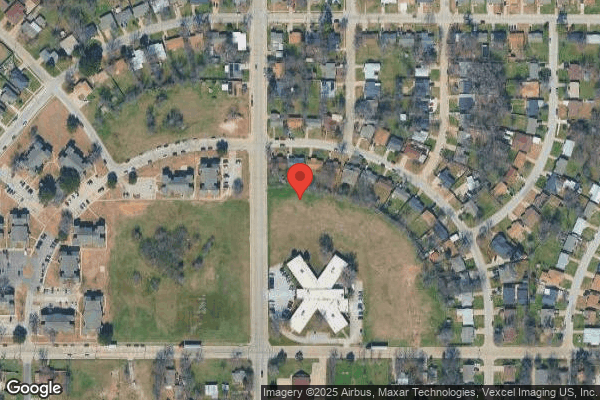
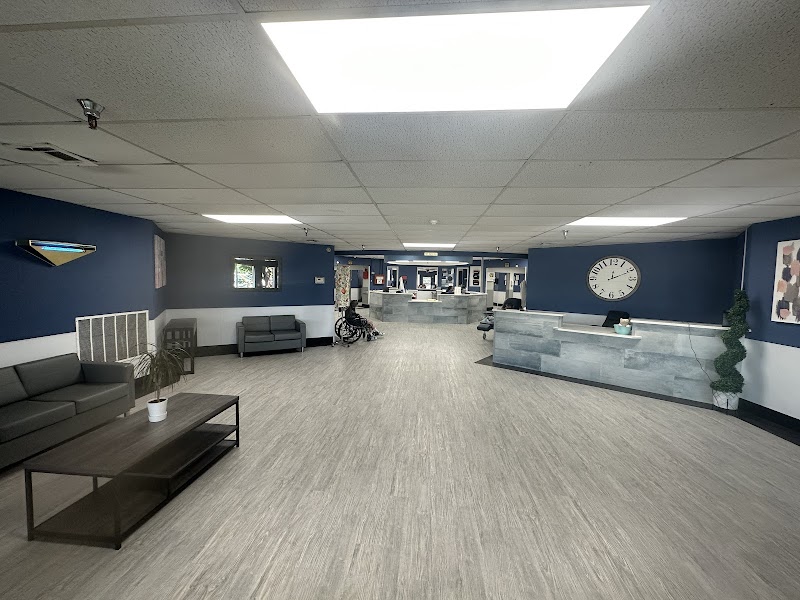
3825 VILLAGE CREEK RD, FORT WORTH, TX 76119 (817) 534-9933
For profit - Individual 100 Beds OPCO SKILLED MANAGEMENT Data: November 2025 1 Immediate Jeopardy citation
Trust Grade
46/100
#607 of 1168 in TX
Last Inspection: August 2025

Inspected within the last 6 months. Data reflects current conditions.

Overview

Village Creek Nursing & Rehabilitation has received a Trust Grade of D, indicating below-average performance with some concerns about care quality. It ranks #607 out of 1168 facilities in Texas, placing it in the bottom half of state rankings, and #30 out of 69 in Tarrant County, meaning only 29 local options are considered better. The facility is on an improving trend, having reduced issues from 8 in 2024 to 4 in 2025, but it still has significant weaknesses, particularly in staffing, which has a low rating of 1 out of 5 stars and a turnover rate of 51%. There are serious concerns, such as a critical incident where a resident was not protected from abuse and another where inadequate supervision led to a resident suffering serious injuries, highlighting the importance of careful consideration when choosing this facility for loved ones. However, the health inspection rating is 4 out of 5 stars, indicating that some aspects of care are good, and the overall quality measures score is also strong at 4 out of 5.

Trust Score
D
46/100
In Texas
#607/1168
Bottom 49%
Safety Record
High Risk
Review needed
Inspections
Getting Better
8 → 4 violations
Staff Stability
⚠ Watch
51% turnover. Above average. Higher turnover means staff may not know residents' routines.
Penalties
○ Average
$19,009 in fines. Higher than 61% of Texas facilities. Some compliance issues.
Skilled Nurses
⚠ Watch
Each resident gets only 21 minutes of Registered Nurse (RN) attention daily — below average for Texas. Fewer RN minutes means fewer trained eyes watching for problems.
Violations
⚠ Watch
19 deficiencies on record. Higher than average. Multiple issues found across inspections.
★★★☆☆
3.0
Overall Rating
★☆☆☆☆
1.0
Staff Levels
★★★★☆
4.0
Care Quality
★★★★☆
4.0
Inspection Score
Stable
2024: 8 issues
2025: 4 issues

The Good

  • 4-Star Quality Measures · Strong clinical quality outcomes
  • Full Sprinkler Coverage · Fire safety systems throughout facility
  • No fines on record

Facility shows strength in quality measures, fire safety.

The Bad

3-Star Overall Rating

Near Texas average (2.8)

Meets federal standards, typical of most facilities

Staff Turnover: 51%

Near Texas avg (46%)

Higher turnover may affect care consistency

Federal Fines: $19,009

Below median ($33,413)

Minor penalties assessed

Chain: OPCO SKILLED MANAGEMENT

Part of a multi-facility chain

Ask about local staffing decisions and management

The Ugly 19 deficiencies on record

1 life-threatening 1 actual harm
Aug 2025 4 deficiencies
CONCERN (D)

Potential for Harm - no one hurt, but risky conditions existed

Drug Regimen Review (Tag F0756)

Could have caused harm · This affected 1 resident

**NOTE- TERMS IN BRACKETS HAVE BEEN EDITED TO PROTECT CONFIDENTIALITY** Based on observation, record review, and interview, the facility failed to ensure any drug regimen irregularities reported by th...

Read full inspector narrative →
**NOTE- TERMS IN BRACKETS HAVE BEEN EDITED TO PROTECT CONFIDENTIALITY** Based on observation, record review, and interview, the facility failed to ensure any drug regimen irregularities reported by the Pharmacist Consultant were acted upon, for 1 of 5 residents (Resident #10) reviewed for medication regimens. The facility failed to 's Pharmacy Consultant recommended the facility include anti-psychotic side-effect monitoring for Resident #10's Risperdal and Perphenazine medication orders on 06/18/25 and 07/23/25. This failure could place residents receiving medications at risk for adverse consequences and could cause a decline in their physical, mental, and psychosocial condition. Findings included: Record review of Resident #10's Quarterly MDS Assessment, dated 07/16/25, reflected the resident was a [AGE] year-old male who was admitted to the facility on [DATE]. He had a BIMS score of 13 indicating no cognitive impairment. His active diagnoses included anxiety disorder (a group of mental health conditions characterized by excessive fear, worry, and anxiety that interfere with daily life), depression (a mood disorder that causes persistent feelings of sadness and loss of interest), and schizophrenia (a serious mental health condition that affects how people think, feel, and behave). His MDS indicated he was taking antipsychotic medications on a routine basis. Record review of Resident #10's physician's orders, dated 08/13/25, reflected the following: -Perphenazine Oral Tablet 16 MG, Give 1 tablet by mouth at bedtime for m/b impulsive behavior related to Unspecified Mood [Affective] Disorder with a start date of 03/19/25. -Risperdal Oral Tablet 2 MG, Give 1 tablet by mouth two times a day for m/b auditory hallucination related to Unspecific Mood [Affective] Disorder with a start date of 03/19/25. Record review of Resident #10's August 2025 MAR reflected he received both Perphenazine and Risperdal every day as ordered. Record review of Resident #10's undated care plan reflected the following: Focus: Psychotropic Medications: [Resident #10] has DX: Depression w/hx suicidal ideations, anxiety, mood disorder and receives daily medication therapy and is at risk for clinical complications.Interventions/Tasks: Administer medications as ordered. Monitor/document for side effects and effectiveness. Monitor/record/report to MDS prn side effects and adverse reactions of psychoactive medications: unsteady gait, tardive dyskinesia, EPS (shuffling gait, rigid muscles, shaking), frequent falls, refusal to eat, difficulty swallowing, dry mouth, depression, suicidal ideations, social isolation, blurred vision, diarrhea, fatigue, insomnia, loss of appetite, weight loss, muscle cramps, nausea, vomiting, behavior symptoms not usual to the person. Record review of Resident #10's Pharmacy Recommendations Form, dated 06/18/25, reflected the following: Risperdal and Perphenazine require anti-psychotic side effect monitoring. Record review of Resident #10's Pharmacy Recommendations Form, dated 07/23/25, reflected the following: Risperdal and Perphenazine require anti-psychotic side effect monitoring. Interview on 08/14/25 at 12:03 PM, with Resident #10 revealed he had no concerns about his medications and did not think he had experienced any side effects from them. Interview on 08/14/25 at 9:21 AM, LVN F revealed she was Resident #10's nurse and was very familiar with him and his care. She stated she knew Resident #10 had an order for and was administered Risperdal and Perphenazine daily. She said she monitored the resident for side-effects of those medications daily. She stated she thought Resident #10 had an order for side-effect monitoring. She stated normally when a medication order was added to a resident's chart, which required side-effect monitoring, that order for side-effect monitoring was also added. LVN F said she reviewed Resident #10's orders and did not see an order for side-effect monitoring. Interview on 08/14/25 at 9:39 AM, the ADON revealed the facility had standing orders when it came to side effect monitoring of any medications that required them, including anti-psychotics such as Risperdal and Perphenazine. She stated anti-psychotic medications required side-effect monitoring. She stated the nurse, who put the order into the resident's chart, should have also added the side-effect monitoring order as well. The ADON said she was responsible for completing and following-up on the pharmacy recommendations each month. She stated when she reviewed the pharmacy recommendations for Resident #10, she thought she saw the order for the side-effect monitoring for the two medications, so she checked them off. She stated she should have noticed the side-effect monitoring order was not there, and she should have added it then. Interview on 08/14/25 at 10:17 AM, the DON revealed normally the nurse, who added the new medication order, would also add the side-effect monitoring for it as well if it were an anti-psychotic medication. She said she reviewed Resident #10's orders, and she saw the side-effect monitoring order for his Risperdal and Perphenazine medications were missing. She said the ADON also reviewed new orders for residents and could have caught that the order was missing and added it. She stated the ADON was also responsible for following-up on the pharmacy recommendations each month, and she would go behind her to review them to check and make sure they were completed. She said she also thought that Resident #10's side-effect monitoring order was included in his orders already, so she assumed it had been completed as well. She said the purpose of the pharmacy recommendations were to see if a resident needed to be monitored or not. She stated if pharmacy recommendations were not followed or completed, a resident could experience a potential side-effect of a medication. Record review of the facility's current, undated Consultant Pharmacist Services Provider Requirements policy reflected: .5. The consultant pharmacist provides consultation on all aspects of the provision of pharmacy services in the facility. In collaboration with facility staff, the consultant pharmacist helps to identify, communicate, address, and resolve concerns and issues related to the provision of pharmaceutical services .
CONCERN (D)

Potential for Harm - no one hurt, but risky conditions existed

Deficiency F0757 (Tag F0757)

Could have caused harm · This affected 1 resident

**NOTE- TERMS IN BRACKETS HAVE BEEN EDITED TO PROTECT CONFIDENTIALITY** Based on observation, interview, and record review, the facility failed to ensure each resident's drug regimen was free of unnec...

Read full inspector narrative →
**NOTE- TERMS IN BRACKETS HAVE BEEN EDITED TO PROTECT CONFIDENTIALITY** Based on observation, interview, and record review, the facility failed to ensure each resident's drug regimen was free of unnecessary medication for 1 of 5 residents (Resident #10) reviewed for unnecessary medication. The facility did not monitor Resident #10 for side-effects related to the use of the anti-psychotic medications Risperdal and Perphenazine. This failure could place the residents at risk for adverse consequences of medication. Findings included: Record review of Resident #10's Quarterly MDS Assessment, dated 07/16/25, reflected the resident was a [AGE] year-old male who was admitted to the facility on [DATE]. He had a BIMS score of 13 indicating no cognitive impairment. His active diagnoses included anxiety disorder (a group of mental health conditions characterized by excessive fear, worry, and anxiety that interfere with daily life), depression (a mood disorder that causes persistent feelings of sadness and loss of interest), and schizophrenia (a serious mental health condition that affects how people think, feel, and behave). His MDS indicated he was taking antipsychotic medications on a routine basis. Record review of Resident #10's physician's orders, dated 08/13/25, reflected the following: -Perphenazine Oral Tablet 16 MG, Give 1 tablet by mouth at bedtime for m/b impulsive behavior related to Unspecified Mood [Affective] Disorder with a start date of 03/19/25. -Risperdal Oral Tablet 2 MG, Give 1 tablet by mouth two times a day for m/b auditory hallucination related to Unspecific Mood [Affective] Disorder with a start date of 03/19/25. Record review of Resident #10's August 2025 MAR reflected he received both Perphenazine and Risperdal every day as ordered. Record review of Resident #10's undated care plan reflected the following: Focus: Psychotropic Medications: [Resident #10] has DX: Depression w/hx suicidal ideations, anxiety, mood disorder and receives daily medication therapy and is at risk for clinical complications.Interventions/Tasks: Administer medications as ordered. Monitor/document for side effects and effectiveness. Monitor/record/report to MDS prn side effects and adverse reactions of psychoactive medications: unsteady gait, tardive dyskinesia, EPS (shuffling gait, rigid muscles, shaking), frequent falls, refusal to eat, difficulty swallowing, dry mouth, depression, suicidal ideations, social isolation, blurred vision, diarrhea, fatigue, insomnia, loss of appetite, weight loss, muscle cramps, nausea, vomiting, behavior symptoms not usual to the person. Interview on 08/14/25 at 12:03 PM, with Resident #10 revealed he had no concerns about his medications and did not think he had experienced any side-effects from them. Interview on 08/14/25 at 9:21 AM, LVN F revealed she was Resident #10's nurse, and she was very familiar with him and his care. She stated she knew Resident #10 had an order for and was administered Risperdal and Perphenazine daily. She stated she monitored the resident for side-effects of those medications daily. She said she thought Resident #10 had an order for side-effect monitoring. She stated normally when a medication order was added to a resident's chart, which required side-effect monitoring, that order was also added. She said she reviewed Resident #10's orders, and she did not see an order for side-effect monitoring. Interview on 08/14/25 at 9:39 AM, the ADON revealed the facility had standing orders when it came to side-effect monitoring of any medications that required them, including anti-psychotics such as Risperdal and Perphenazine. She stated anti-psychotic required side-effect monitoring. She stated the nurse, who put the order into the resident's chart, should have also added the side-effect monitoring order as well. She stated she went through residents' new orders as well to check to make sure they were all correct. The ADON said if she had seen that the side-effect monitoring order was missing, she would have added it to Resident #10's orders. Interview on 08/14/25 at 10:17 AM, the DON revealed normally the nurse, who added the new medication order, would also add the side-effect monitoring for it as well if it were an anti-psychotic medication. She said she reviewed Resident #10's orders, and she saw the side-effect monitoring order for his Risperdal and Perphenazine medications were missing. She stated the ADON also reviewed new orders for residents and could have caught that the order was missing and added it. She stated the purpose of having an order to monitor for side-effects of a medication was to ensure there were no side-effects affecting the resident from the medication. She said by taking the medication, the resident could experience side-effects from taking an anti-psychotic; if those were not monitored, the medication may need to be changed. She stated staff were trained to know to include the side-effect monitoring orders with any medication that required it. Record review of the facility's current, undated Psychotherapeutic Drug Management policy reflected: .X. Nursing Responsibility: H. The medication will be written on the Medication Administration Record (MAR) with the following information: i. Medication, dose, and time of administration. ii. Manifestations for the drug i.e. hitting others etc. iii. Side effects of the drug i.e. drooling, dry mouth, abnormal gait etc.
CONCERN (D)

Potential for Harm - no one hurt, but risky conditions existed

Deficiency F0761 (Tag F0761)

Could have caused harm · This affected 1 resident

Based on observations, record reviews, and interviews the facility failed to ensure all drugs were stored in locked compartments for 1 of 6 carts (Cart #3) reviewed for medication storage. The facilit...

Read full inspector narrative →
Based on observations, record reviews, and interviews the facility failed to ensure all drugs were stored in locked compartments for 1 of 6 carts (Cart #3) reviewed for medication storage. The facility failed to ensure Cart #3 was secured when not in use.This failure could place residents at risk of gaining access to medications not prescribed to them, leading to allergic reactions or overdoses. Findings included:Observation on 08/13/25 at 2:44 PM revealed Medication Cart #3 was stored at the nurse's station. Observation of the lock revealed it was in the secured position, but a check of the drawers revealed drawer #2 was able to be opened. The other drawers on the cart were locked and were not able to be opened. RN A obtained the keys to the cart, unlocked the cart, and then re-locked the cart; however, drawer #2 on the cart continued to be unlocked. Observation of the contents of drawer #2 revealed it contained the prescription medication cards for the residents of the 200 Hall. The medications included blood pressure medications, anti-viral medications, sleep medications, potassium pills, thyroid medications, diabetic medications, cardiac medications, and anti-nausea medications. RN A moved the cart to the interior of the nurses' station and called for maintenance to check the cart. Interview on 08/13/25 at 2:46 PM with RN A revealed the medication cart should always be secured when staff were not physically present to prevent residents from accessing the medications in the cart. She stated the risk to residents was a resident taking a medication not prescribed for them and having unwanted side-effects. In an interview on 08/14/25 at 10:32 AM with the DON she stated her expectation was for the nurses and medication aides to lock their carts when they were not standing at the cart passing medications. She stated the risk of a medication cart not being secured was a resident gaining access to medications not prescribed for them and having a reaction to the medication. She stated maintenance was unable to fix the drawer on Cart #3, so the cart was exchanged for a different cart until the drawer could be fixed or replaced. Record review of the facility's Storage of Medications policy, dated August 2020, reflected: Medications and biologicals are stored safely, securely, and properly, following manufacturer's recommendations or those of the supplier. The medication supply is accessible only to licensed nursing personnel, pharmacy personnel, or staff members lawfully authorized to administer medications. 2.Medication rooms, carts, and medication supplies are locked when they are not attended by persons with authorized access.
CONCERN (D)

Potential for Harm - no one hurt, but risky conditions existed

Deficiency F0925 (Tag F0925)

Could have caused harm · This affected 1 resident

**NOTE- TERMS IN BRACKETS HAVE BEEN EDITED TO PROTECT CONFIDENTIALITY** Based on observation, interview, and record review, the facility failed to maintain an effective pest control program so that th...

Read full inspector narrative →
**NOTE- TERMS IN BRACKETS HAVE BEEN EDITED TO PROTECT CONFIDENTIALITY** Based on observation, interview, and record review, the facility failed to maintain an effective pest control program so that that the facility is free of pests and rodents in 1 of 6 resident rooms (Resident #73) reviewed for pest control. The facility failed to ensure Resident #73's room was free of ants. This failure could place residents at risk of having pests in their rooms and insect bites. Findings included: Record review of Resident #73's Quarterly MDS Assessment, dated 07/26/25, reflected the resident was an [AGE] year-old female initially admitted to the facility on [DATE]. The MDS reflected the resident had moderate cognitive impairment with a BIMS score of 8. The MDS also reflected diagnoses of metabolic encephalopathy (condition where brain dysfunction occurs due to issues with the body's metabolism), adult failure to thrive (a syndrome characterized by weight loss, decreased appetite, poor nutrition, and inactivity, often accompanied by other symptoms like dehydration, depression, impaired immune function, and cognitive decline), and coronary artery disease (damage or disease in the heart's major blood vessels caused by the build-up of plaque). Record review of Resident #73's care plan revised on 08/07/25 reflected the resident had an ADL self-care performance deficit related to impaired cognition (decline in mental abilities that can affect memory, attention, reasoning, and problem-solving), encephalopathy, acute kidney failure (the kidneys inability to filter waste products from the blood), hypertension (high blood pressure), muscle weakness, and malnutrition (lack of proper nutrition). Interventions included the resident would require assistance with ADLs (essential tasks necessary for maintaining personal health and hygiene). Record review of Resident #5's Quarterly MDS Assessment, dated 07/22/25, reflected the resident was a [AGE] year-old female initially admitted to the facility on [DATE]. The MDS reflected the resident's cognition was intact with a BIMS score of 15. The MDS also reflected diagnoses of schizophrenia (a disorder that affects a person's ability to think, feel, and behave clearly), depression (a mood disorder that causes persistent feelings of sadness and loss of interest), and anxiety (intense, excessive, and persistent worry and fear about everyday situations). Record review of Resident #5's care plan revised on 06/10/25 reflected the resident had an ADL self-care performance deficit related to diagnoses of schizophrenia, depression, malnutrition, anxiety, tremor, right hand contracture, and neuropathy. Interventions included 1 staff participation requirement. Observation and interview on 08/12/25 at 11:43 AM with Resident #73 revealed a line of approximately 40 ants on the floor beside Resident #73's bed. Resident #73 stated she had not been bitten by the ants. Resident #73 also said that she had not seen ants before in her room. There were crumbs on the resident's floor, and it appeared the ants were going towards the crumbs. There were no ants observed on the resident or her bed. Observation and interview on 08/12/25 at 11:48 AM with Resident #5 revealed she saw ants about a week ago beside her roommate's bed. Resident #5 stated she had not seen ants in the past week. Interview on 08/12/25 at 12:08 PM with the Maintenance Director revealed the pest control company visited the facility every other Thursday. He stated he did not think the resident's room had been treated for ants recently because there had not been a request for that room to be treated for ants. He stated if just a few ants were seen, he would log it into the pest control book. He then said that if a trail of ants were seen, he would call the pest control company and have them come out immediately to the facility to treat the area. He also stated the facility policy stated that if ants are found in a resident's room, the residents would be moved to another room, showered, assessed by a nurse, and treated if necessary. He revealed he would examine where the ants were coming from as well and report this to the Regional Director and the Administrator. The Maintenance Director stated the pest control company had been contacted about the ants and would be coming to the facility that afternoon to prevent any risk to the residents such as ant bites. Interview on 08/12/25 at 12:24 PM with the Administrator revealed Resident #73 had been taken by the staff to be showered. She stated the resident would be assessed for injuries as well. She also revealed she had notified the pest control company, and they would be arriving later in the afternoon. The Administrator said she moved both residents to another room to prevent any injuries from occurring to the residents. Interview on 08/14/25 at 1:49 PM with CNA B revealed she had not observed ants in Resident #73's room. She stated if she saw ants or other pests, she would report it to her nurse and the maintenance director by using the computer system that the facility utilized for reporting maintenance issues. She also revealed she would follow-up with her ADON if results were not seen timely, so they could check the resident for bites for the safety of the resident. She stated pests like ants could bite residents if not treated and eliminated. She stated she saw a pest control person treating the facility regularly. Interview on 08/14/25 at 1:59 PM with MA C revealed he had gone into Resident #73's room many times to give the resident her medications. He stated he had not seen any ants in her room any of those times. He said he would notify the nurse, DON, and Administrator, if he saw ants, so they could call the pest control company. He stated ants presented an infection control risk to residents by getting into their food and residents then eating that food. Interview on 08/14/25 at 2:08 PM with CNA D revealed he had not seen ants in Resident #73's room while providing care to Resident #73. He stated if he saw ants in a resident's room, he would notify his charge nurse and the Administrator. He stated the resident would be at risk of ant bites if ants were allowed to stay in the resident's room. He said if ants were found in a resident's room, the resident would be showered, changed, and an assessment completed to evaluate for injuries. CNA D recalled the facility was treated regularly for ants. He stated if there was not an immediate response to his initial claim that ants were in a resident's room, he would notify the Administrator. Record review of the facility's current, undated Pest Control policy reflected: The facility maintains an ongoing pest control program to ensure the building and grounds are kept free of insects, rodents, and other pests.
Jul 2024 7 deficiencies 1 IJ
CRITICAL (J) 📢 Someone Reported This

A family member, employee, or ombudsman was alarmed enough to file a formal complaint

Immediate Jeopardy (IJ) - the most serious Medicare violation

Free from Abuse/Neglect (Tag F0600)

Someone could have died · This affected 1 resident

**NOTE- TERMS IN BRACKETS HAVE BEEN EDITED TO PROTECT CONFIDENTIALITY** Based on observation, interview, and record review, the facility failed to ensure residents were free from abuse for 1 of 3 resi...

Read full inspector narrative →
**NOTE- TERMS IN BRACKETS HAVE BEEN EDITED TO PROTECT CONFIDENTIALITY** Based on observation, interview, and record review, the facility failed to ensure residents were free from abuse for 1 of 3 residents (Residents #8) reviewed for abuse. The facility failed to ensure Hospice Aide did not abuse Resident #8. The noncompliance was identified as past noncompliance. The Immediate Jeopardy began on 05/08/24 and ended on 05/08/24. The facility had corrected the noncompliance before the survey began. This failure could affect the residents at the facility and place them at risk for physical, verbal, and/or psychosocial harm. Findings included: Review of Resident #8's annual MDS assessment dated [DATE] revealed the resident was a [AGE] year-old female admitted to the facility on [DATE]. The resident's diagnoses included cerebral palsy, non-Alzheimer's dementia, seizure disorder, anxiety disorder, contractures of muscles, and need for assistance with personal care. The MDS further reflected the resident was dependent of one staff member for all ADLs including bathing, dressing, and hygiene. Resident #8 had long and short-term memory impairment and speech was rarely understood and she rarely understood others. Review of Resident #8's care plan revealed she was on hospice services as of 08/22/23 for cerebral palsy. Interventions included to work cooperatively with hospice team to ensure resident's spiritual, emotional, intellectual, physical, and social needs are met. Review of the facility's Provider Investigation Report dated 05/08/24 reflected the following: On 5/8/24 around 6:30 am [CNA A] was working 200 hall and heard Resident #8 screaming/crying louder than normal. [Resident #8] has a scream/cry when she needs changed or something, but this was heard from clear down the hall by the shower room and [Resident #8's] door was closed. When [CNA A] heard [Resident #8] screaming/yelling in a louder way than normal she went to check on her. [CNA A] opened the door to [Resident #8's] room and saw Hospice CNA performing a bed bath on [Resident #8]. She had [Resident #8] naked turned on her side facing the wall, the hospice aide had one hand on her thigh and the other hand by her waist. [Resident #8] was screaming and the hospice aide was standing facing the wall. The hospice CNA struck [Resident #8] on her side, between her ribs and buttock twice and said, Be Quiet! When [CNA A] saw this she audibly gasped. The hospice CNA turned around and saw [CNA A] and yelled HEY! [CNA A] left the door to the room open and immediately called for the nurse to come. Nurse was exiting a room across the hall and came immediately to intervene. Hospice aide claimed that she moved her hand quickly to keep resident from rolling back into BM. Observation on 07/09/24 at 10:00 AM revealed Resident #8 was in her bed connected to a feeding tube and her body appeared to be contracted. The resident was non-verbal and would only make a few auditory noises from time to time. The resident could not be interviewed due to her severely impaired cognition and would not even make eye contact when she was being spoken to. Interview on 07/10/24 at 9:48 AM with CNA A revealed she was working on 05/08/24 on the 200 Hall around 6:15 AM. CNA A said Resident #8 would normally make a crying out sound when she needed to be changed but that morning, Resident #8 was heard to be yelling louder than normal behind the resident's closed door. CNA A went to Resident #8's room and as she opened the door, she noticed the Hospice Aide was giving Resident #8 a bed bath and the resident was facing towards the window with her back to CNA A. At that time, when she opened the door CNA A saw the Hospice Aide pop Resident #8 on her side and told her to Be Quiet and CNA A yelled out HEY as the Hospice Aide gasped . CNA A said she went to the door and yelled for LVN B, who went to the room right away, and she told her what she had just witnessed. At that same time CNA A said she was on the phone with DON. CNA A said LVN B immediately asked the panicked Hospice Aide to leave. The Hospice Aide kept repeating she had not done anything and said she loved the resident. The Hospice Aide gathered her belongings and CNA A and LVN B finished caring for the resident. CNA A said the Hospice Aide was not her normal aide that worked with her, and when her normal aide was there, Resident #8 had never been heard yelling like she was that day of the incident. CNA A further stated there was some redness around where Resident #8 had been popped but that could have been from the abdominal binder she normally wore for her G-tube. Interview on 07/10/24 at 10:13 AM with Medical Records Coordinator revealed she was working the day of the incident (05/08/24) when she heard CNA A yelling for help in a panicked voice at the same time, she had heard Resident #8 yelling out at the top of her lungs, which was not normal for the resident. As the Medical Records went to the resident's room, CNA A and LVN B were already there and the Hospice Aide was gathering her stuff. CNA A told Medical Records what she had seen and the Hospice Aide was gathering her stuff and she was walked out of the building. Medical Records stated she had not seen that Hospice Aide and was later told she had been filling in for Resident #8's regular hospice aide. Interview on 07/11/24 at 1:57 PM with LVN B revealed she was across Resident #8's room the day of the incident (05/08/24) when she heard CNA A yell out for her and say [LVN B] come quick. LVN B thought Resident #8 had fallen because of how panicked CNA A had yelled out for her so when she went to Resident #8's room, CNA A told her she had walked in on the Hospice Aide as she had popped Resident #8. At that time LVN B said she told the Hospice Aide she needed to leave and the Hospice Aide appeared to be very nervous saying she was just giving the resident a bath. LVN B told the Hospice Aide again, she needed to leave so she gathered her belongings and she and CNA A finished caring for Resident #8. LVN B said she assessed Resident #8 from head to toe because the resident was already nude from her bed bath, and she did not see any marks or redness on the resident. Resident #8 continued to scream and cry and appeared to be in distress as she tried to calm the resident down. LVN B stated the way Resident #8 was crying was not normal. Interview on 07/11/24 at 11:14 AM with the Hospice Aide revealed she was at the facility on 05/08/24, to give Resident #8 a bed bath. As she was giving her a bath the resident had a large bowel movement so she rolled her on her right side. As she was trying to get some wipes Resident #8 started to roll back to her back. The Hospice Aide said she put her left hand on resident side to stabilize the resident and at that time CNA A walked in and said she had hit Resident #8. The Hospice Aide denied hitting the resident and telling her to be quiet and as far as she knew, that was the resident's normal cry and she had only worked with Resident #8 for a week. At that time, she said she walked out to get a wash rag and upon returning to the room she was confronted by a different staff member asking her if things were ok. The Hospice Aide was told there had been an abuse allegation against her and she needed to leave and she was escorted out of the building as CNA A yelled you hit her you need to leave. The Hospice Aide further stated Resident #8 was never combative when she would care for her and at no time did she pop the resident or tell her to be quiet. Interview on 07/11/24 at 12:32 PM with the DON revealed she got a call from CNA A to tell her she had walked in on the Hospice Aide as she popped Resident #8. The DON said she remained on the phone with CNA A while they escorted the Hospice Aide and she could hear the Hospice Aide asking if she could finish what she was doing and the staff told her no. The DON said Resident #8 was assessed by the nursing staff and she was told there was some redness noted but did not know if it was caused by the pop. The Hospice Agency was notified of the incident immediately and the Hospice Aide was not allowed to return again. All staff were re-inserviced on abuse and neglect and what to do if they see abuse. After the incident they called the police and reported the incident to the State Survey Agency. Interview on 07/11/24 at 12:43 PM with the Administrator revealed she was called and told about the incident with the Hospice Aide and Resident #8. She was told CNA A had heard Resident #8 crying abnormally and when she entered the resident's room, CNA A saw the Hospice Aide hit the resident on her side and told her to be quiet. The Hospice Aide was asked to leave immediately and the nursing staff did a head-to-toe assessment on Resident #8 and there were no marks or injuries noted. The Hospice Agency also assessed the resident and the Hospice Aide was not allowed to return to the facility. The Administrator further stated they had re-inserviced staff on abuse and neglect and prevention. Review of the facility inservices dated 05/08/24 revealed all staff had received in- service training on abuse, prevention, and reporting. Review of the facility's policy titled Abuse, Prevention, and Prohibition Program revised October 2022 reflected the following: .Policy I. Each resident had the right to be free from mistreatment, neglect, abuse, involuntary seclusion, and misappropriation of property. The facility has zero tolerance for abuse, neglect, mistreatment, and/or misappropriation of resident property. Staff must not permit anyone to engage in verbal, mental, sexual, or physical abuse, neglect, mistreatment, or misappropriation of resident property. II. The Facility is committed to protecting residents from abuse by anyone, including but not limited to Facility Staff, other residents, consultants, volunteers, staff from other agencies serving resident
CONCERN (D)

Potential for Harm - no one hurt, but risky conditions existed

Safe Environment (Tag F0584)

Could have caused harm · This affected 1 resident

**NOTE- TERMS IN BRACKETS HAVE BEEN EDITED TO PROTECT CONFIDENTIALITY** Based on observations, interviews, and record reviews, the facility failed to provide a safe, functional, sanitary, and comforta...

Read full inspector narrative →
**NOTE- TERMS IN BRACKETS HAVE BEEN EDITED TO PROTECT CONFIDENTIALITY** Based on observations, interviews, and record reviews, the facility failed to provide a safe, functional, sanitary, and comfortable environment for residents for 3 (rooms [ROOM NUMBER]) of 10 rooms reviewed for environment. The facility failed to maintain total visual privacy by allowing the window blinds for room [ROOM NUMBER], 308, and 310 to be missing several slats. This failure placed residents at risk of a lack of privacy, feeling insecure, or uncomfortable in their rooms. Findings included: Observation on 07/09/24 from 8:12 AM-8:40 AM of the facility's Secure Unit revealed the window blinds in Rooms 302, 308 and 310 were broken and missing several blind slats. Interview and observation on 07/10/24 at 2:42 PM with CNA D revealed she had been employed for four weeks. She stated when something needed to be fixed in a resident room, she reported it to the charge nurse. CNA D observed room [ROOM NUMBER] and stated she was aware of the window blinds being broken, but she could not recall how long they had been broken. She stated she reported the broken blinds to the charge nurse. Interview and observation on 07/10/24 at 2:47 PM with LVN E stated she was the nurse assigned to the secure unit. LVN E stated she had noticed some window blinds in the residents' rooms to be broken. LVN E observed room [ROOM NUMBER] and stated the blinds needed to be replaced. She stated about two weeks ago she reported the blinds in the maintenance logbook. She stated the maintenance logbook was in the main nurse's station. She stated nothing had been done. She stated the window blinds provided privacy to the residents. Record review on 07/10/24 at 2:50 PM of the Maintenance logbook revealed broken window blinds had not been reported. Interview on 07/10/24 at 2:54 PM with Maintenance Manager revealed when something needed to be fixed, he expected staff to report and document in the maintenance logbook. He stated he reviewed the logbook daily. He stated broken window blinds had not been reported, and he had not received any requests to replace any broken window blinds. He stated blinds in the secure unit were constantly changed due to residents breaking them. He stated he expected staff to report it. He stated it was his responsibility to ensure blinds were in good condition. Interview on 07/11/24 at 3:28 PM with the Administrator stated it was a constant battle where they continued to replace the window blinds in the facility's Secure Unit because residents broke them. She stated it was the responsibility of all staff to report them to the Maintenance Manager, and it was the responsibility of the Maintenance Manager to replace the window blinds. She stated having broken window blinds could lead to a dignity risk when providing care to the residents. Record review of the facility's Privacy and Dignity policy, dated June 2020, reflected the following: To ensure that care and services provided by the facility promote and/or enhance privacy, dignity and overall quality of life. The Facility promotes resident care in a manner and an environment that maintains or enhances dignity and respect, in full recognition of each resident's individuality. Record review of the facility's Resident Rooms and Environment policy, dated August 2020, reflected the following: To provide residents with a safe, clean, comfortable, and homelike environment .Vl. Facility staff work to minimize, to the extent possible, the characteristics of the facility that reflect a depersonalized, institutional setting including .F. Generic, mass produced bedding, drapes, and furniture.
CONCERN (D)

Potential for Harm - no one hurt, but risky conditions existed

Deficiency F0645 (Tag F0645)

Could have caused harm · This affected 1 resident

**NOTE- TERMS IN BRACKETS HAVE BEEN EDITED TO PROTECT CONFIDENTIALITY** Based on interview and record review, the facility to ensure a new resident was not admitted with a mental disorder, unless the ...

Read full inspector narrative →
**NOTE- TERMS IN BRACKETS HAVE BEEN EDITED TO PROTECT CONFIDENTIALITY** Based on interview and record review, the facility to ensure a new resident was not admitted with a mental disorder, unless the state mental health authority determined, based on an independent physical and mental evaluation performed by a person or entity other than the State mental health authority prior to admission, that the individual requires the level of services provided by a nursing facility and if the resident requires such level of services, whether the resident requires specialized services for one of six residents (Resident #10) reviewed for PASRR screening. The MDS Coordinator failed to ensure Resident #10's PL1 was accurate with the proper mental illness diagnoses when he was admitted . This failure could place residents at risk of not receiving specialized services. Findings included: Record review of Resident #10's Face sheet, dated 07/11/24, reflected the resident was a [AGE] year-old male who was admitted to the facility on [DATE]. Record review of Resident #10's quarterly MDS assessment, dated 05/15/24, reflected his diagnoses included paranoid schizophrenia, bipolar disorder, post traumatic stress disorder. Resident #10 had a BIMS score of 11, which indicated hiss cognition was moderately impaired. Record review of Resident #10's care plan, revised on 05/22/24, reflected: Focus: [Resident #10] has impaired cognitive function/dementia or impaired thought processes r/t schizophrenia, bipolar disorder. Goal: The resident will maintain current level of cognitive function through the review date. Interventions: Administer meds as ordered. Engage the resident in simple, structured activities that avoid overly demanding tasks. Keep the resident's, routine consistent and try to provide consistent care givers as much as possible in order to decrease confusion. Record review of Resident #10's PASRR Level 1 Screening, dated 05/03/24, reflected NO had been marked for the question if there was evidence or an indicator the individual had a mental illness. Interview on 07/11/24 at 11:02 AM with the MDS Coordinator revealed she was responsible for looking at the PASRR Level 1 Screenings before residents were admitted . She stated the hospital where Resident #10 admitted from provided the negative PASRR Level 1. She stated when she entered the information in the system, she entered it without noticing the diagnosis. The MDS Coordinator stated based on Resident #10's diagnosis resident should had been referred for another PASRR Level 1 evaluation. She stated she had submitted Form 1012 (Mental Illness/Dementia Resident Review) today (07/11/24) and was waiting on the doctors' signature. The MDS Coordinator stated once it was signed then a PASRR Level 1 will be entered and she will contact Local Authorities. She stated not ensuring the PASRR had the correct mental illness diagnoses could lead to residents not receiving further services. Interview on 07/11/24 at 2:38 PM with the DON revealed the MDS Coordinator was responsible for reviewing PASRR Level 1 Screenings. She stated the Regional MDS Nurse was responsible for overseeing the PASRRs. Interview on 07/11/24 at 3:41 PM with Regional MDS Nurse revealed she was responsible for overseeing the MDS Coordinator's work. She stated she completed forms 1012 quarterly on every resident, and she stated she last completed them end of April 2024. Record review of Resident #10's Form 1012 Mental Illness/Dementia Resident Review revealed it was submitted on 07/11/24. Record review of the facility's Pre-admission Screening Resident Review (PASRR), policy, revised June 2020, reflected the following: .Policy: A negative Level 1 screen permits admission to proceed and ends the PASRR process, unless a possible serious mental disorder or intellectual disability arises later . The facility must notify the state-designated mental health or intellectual disability authority promptly when a resident with MD or ID experiences a significant change in mental or physical status.
CONCERN (D)

Potential for Harm - no one hurt, but risky conditions existed

Tube Feeding (Tag F0693)

Could have caused harm · This affected 1 resident

**NOTE- TERMS IN BRACKETS HAVE BEEN EDITED TO PROTECT CONFIDENTIALITY** Based on observation, interview, and record review, the facility failed to ensure a resident who was fed by enteral means receiv...

Read full inspector narrative →
**NOTE- TERMS IN BRACKETS HAVE BEEN EDITED TO PROTECT CONFIDENTIALITY** Based on observation, interview, and record review, the facility failed to ensure a resident who was fed by enteral means received appropriate treatment and services to prevent complications for one (Resident #48) of three residents reviewed for feeding tubes. LVN C failed to flush Resident #48's g-tube with 60cc of water before her bolus feeding (feeding method using a syringe to deliver formula through feeding tube) as ordered by the physician. This failure could place residents at risk for a decline in health or adverse effects due to inappropriate management of G-tube care. Findings included: Record review of Resident #48's quarterly MDS assessment dated [DATE] reflected the resident was a [AGE] year-old female admitted to the facility on [DATE]. The resident's diagnoses included cerebral palsy, quadriplegia, seizure disorder, and dysphagia (trouble swallowing) and required a feeding tube. The MDS further reflected the resident was dependent of one staff member for all ADLs including bathing, dressing, and hygiene. Resident #8 had long and short term memory impairment and speech was rarely understood and she rarely understood others. Record review of Resident #48's care plan last reviewed on 06/03/24 revealed she required a tube feeding and was NPO. Interventions included the resident was dependent with tube feeding and water flushes; see MD for orders for current feeding orders. Record review of Resident #48's Order Summary Report for July 2024 reflected the following: Enteral Feed Order every 4 hours every 4 hours flush g-tube with 60cc of water before and after each bolus feeding. Observation on 07/10/24 at 4:29 PM of Resident #48's tube feeding revealed the resident was in bed with her head elevated. LVN C washed her hands and donned some gloves, and the water, formula, and medications were set up at the bedside table. LVN C checked the feeding tube for residual and there were no concerns, then poured the formula up to gravity and there were no concerns with the flow. LVN C then flushed the feeding tube with 60cc of water and continued to give the medications per physician orders. After LVN C finished with the medications, she flushed the feeding tube with 60cc of water. Interview on 07/10/24 at 5:24 PM with LVN C revealed after administering the feeding to Resident #48 she thought about it and realized she forgot to flush the feeding tube before the formula. LVN C said it was important to flush the feeding tube to make sure it was clear for the formula, and she was just nervous because she was being watched. Interview on 07/11/24 at 12:40 PM with the DON revealed LVN C should have flushed the feeding tube with water before adding the formula. The DON said it was important to ensure the tube had patency (unobstructed) and did not have a clog. Record review of the facility's Tube Feeding policy, revised December 2020, reflected the following: Purpose To ensure that the Facility meets the nutritional guidelines and resident's nutritional requirements per physician orders
CONCERN (D)

Potential for Harm - no one hurt, but risky conditions existed

Deficiency F0698 (Tag F0698)

Could have caused harm · This affected 1 resident

**NOTE- TERMS IN BRACKETS HAVE BEEN EDITED TO PROTECT CONFIDENTIALITY** Based on interview and record review, the facility failed to ensure that residents who required dialysis received such services,...

Read full inspector narrative →
**NOTE- TERMS IN BRACKETS HAVE BEEN EDITED TO PROTECT CONFIDENTIALITY** Based on interview and record review, the facility failed to ensure that residents who required dialysis received such services, consistent with professional standards of practice, the comprehensive person-centered care plan, and the residents' goals and preferences for 1 of 4 residents (Resident #18) reviewed for dialysis. The facility failed to ensure post-dialysis assessments were completed for Resident #18 after return from dialysis treatment. This failure could place residents at risk of inadequate post dialysis care. Findings included: Interview on 07/10/24 at 6:46 AM with Resident #18 revealed she went for dialysis Tuesday, Thursday and Saturday. She stated she got a form that she took to dialysis and brought back to facility. Record review of Resident #18's EHR reflected the resident was a [AGE] year-old female who was admitted to the facility on [DATE] and re-admitted on [DATE]. Resident #18 had diagnoses which included acute kidney failure (when kidneys suddenly become unable to filter waste products from blood) and chronic kidney disease stage 4 (severe damage to kidneys, and they are less able to filter waste and fluid out of the blood). Record review of Resident #18's quarterly MDS assessment, dated 06/03/24, reflected a BIMS score of 8, which indicated her cognition was moderately impaired. The MDS section O related to special treatments, procedures and programs reflected Resident #18 received dialysis. Record review of Resident #18's care plan, dated 06/08/24, reflected Resident #18 needed dialysis to rule out renal failure. Resident #18 will have no signs of complication from dialysis through next review. The access site will function and be maintained without signs and symptoms of infection. Monitor/document for peripheral edema(swelling on the lower legs or hands). Obtain vital signs and weight per protocol. Report significant changes in pulse respiration weight gain over 2 pounds a day and blood pressure immediately. Monitor/record/report to the physician as needed signs and symptoms of renal insufficiency (poor function of the kidneys that may be due to a reduction in blood-flow to the kidneys caused by renal artery disease), changes in level of consciousness, changes in skin turgor (the skin's elasticity), oral mucosa(the mucous membrane lining or skin inside of the mouth, including cheeks and lips), changes in heart and lung sounds. Record review of Resident #18's July 2024 physician's order reflected there were no orders for post dialysis monitoring; check site for clotting, bleeding, drainage and dressing intact. Monitor vital signs in the morning every Tuesday, Thursday, and Saturday for dialysis and in the afternoon every Tuesday, Thursday, and Saturday for dialysis. Record review of Resident #18's EHR reflected no nursing documentation regarding Resident #18's post-dialysis vital signs. Record review of Resident #18's dialysis communication forms reflected dialysis communication forms with no information on the resident assessment and observation post-dialysis section on 06/06/24, 06/11/24, 06/13/24, 06/18/24, 06/20/24, 06/25/24, 06/27/24, 07/02/24 and 07/04/24. Interview on 07/11/24 at 01:04 PM with LVN G revealed she was aware she was supposed to send Resident #18 with the dialysis communication form when she left for dialysis and then collect the form when the resident returned from dialysis. LVN G stated she knew she was supposed to monitor the dialysis access site for the bruit thrill (a vibration caused by blood flowing through the fistula and can be felt by placing your fingers just above incision line), dressing for bleeding and vital signs when Resident #18 was back from dialysis, but she was not consistent. She stated it was all nurse's responsibility to update the dialysis communication form when Resident#18 came back. LVN G stated failure to monitor and assess Resident #18 post dialysis put her at risk of low blood pressure, infection, and bleeding. She stated she had done trainings, on dialysis communication form. Interview on 07/11/24 at 02:47 PM with the DON revealed her expectation was for the nurses to perform post-dialysis assessments when residents returned from dialysis, and document on dialysis communication forms on dialysis days. She stated nursing management were responsible of following up with nurses and ensuring the post dialysis monitoring was being done and documented, on the dialysis communication form. She stated the ADON was supposed to check and follow up with nurses. The DON stated failure to monitor the vital signs after dialysis would lead change of condition, bleeding, and unstable vital signs . She stated she had done training with staff and the last in-service was in April 2024. Interview on 07/11/24 at 03:21 PM with the ADON revealed it was her responsibility to ensure the staff completed post dialysis communication forms when Resident #18 returned to the facility. ADON stated she goes through the dialysis communication forms every day after dialysis and she had noticed there were some that were missing documentation and she had told the nurses responsible to fill in the information that was missing, but she does not know why they are still showing missing. ADON stated the assessments were important to ensure the vital signs were stable and check for bleeding. She stated the risk for not assessing the vitals was Resident #18's vital signs could be unstable leading to change of condition. Record review of the facility trainings reflected the facility had done training on the Dialysis communication form on 4/10/24. Record review of the facility's Dialysis Care policy, dated June 2020, reflected the following: .III .The nursing staff, dialysis provider staff, and the attending physician will collaborate on a regular basis concerning the resident's care as follows : I. Nursing staff will communicate pertinent information in writing to the dialysis staff which may include: a. Any medication changes b. Any recent changes in condition c. The resident's tolerance of dialysis procedures. ii. The dialysis provider will communicate in writing to the facility. a. The resident's current vital signs b. Pre and post dialysis weight. III. Nursing staffs will keep the attending physician, the resident and the resident's family informed of any changes in condition. V. Documentation concerning dialysis services and care of the dialysis resident will be maintained in the resident's medical record.
CONCERN (D)

Potential for Harm - no one hurt, but risky conditions existed

Deficiency F0914 (Tag F0914)

Could have caused harm · This affected 1 resident

**NOTE- TERMS IN BRACKETS HAVE BEEN EDITED TO PROTECT CONFIDENTIALITY** Based on observation, interview, and record review the facility failed to ensure resident bedrooms were designed or equipped to ...

Read full inspector narrative →
**NOTE- TERMS IN BRACKETS HAVE BEEN EDITED TO PROTECT CONFIDENTIALITY** Based on observation, interview, and record review the facility failed to ensure resident bedrooms were designed or equipped to assure full visual privacy by having ceiling suspended curtains designed to give privacy for one (306 A bed and B Bed) of 4 triple occupied rooms reviewed for privacy. The facility failed to ensure room [ROOM NUMBER] had a privacy curtain between A bed and B bed. This failure placed residents at risk of loss of privacy and dignity and decreased quality of life. Findings included: Observation on 07/09/24 at 8:16 AM of room [ROOM NUMBER] revealed the room had three beds and only two privacy curtains. The room was occupied by three residents. There was no privacy curtain between A bed and B bed. Observation and interview on 07/09/24 at 8:26 AM of Resident #39 in the Day Room sitting watching TV. Resident #39 stated she was doing well. Resident #39 stated she shared a room and her bed was in the middle. Resident #39 was not a good historian and was not able to answer further questions. Observation and interview on 07/09/24 at 11:13 AM of Resident #1 in the Day Room sitting watching TV. Resident #1 stated she was doing well. Resident #1 stated she was unaware if she had a privacy curtain in her room. Resident #1 was not a good historian and was not able to answer further questions. Interview and observation on 07/10/24 at 2:42 PM with CNA D revealed she had been employed for 4 weeks. She stated in rooms that were occupied by three residents, there should be three privacy curtains. CNA D observed room [ROOM NUMBER] and stated she had noticed that the privacy curtain between A bed and B bed was missing. She stated she had noticed it a couple of days ago and forgot to report it to the charge nurse. She stated privacy curtains are needed to provide residents privacy. Interview and observation on 07/10/24 at 2:47 PM with LVN E stated she was the nurse assigned to the secure unit. She stated rooms that were occupied by three residents required three privacy curtains. She stated there should be a privacy curtain in between each bed. LVN E stated room [ROOM NUMBER] was occupied by three residents. LVN E observed room [ROOM NUMBER] and stated she had not noticed there was no privacy curtain between A bed and B bed. She stated privacy curtains are needed for residents' privacy and dignity. Interview on 07/10/24 at 2:54 PM with Maintenance Manager revealed rooms occupied by three residents should have three privacy curtains. He stated privacy curtains are removed and cleaned monthly; however, no one had reported any missing privacy curtains. He stated on 07/08/24 he had removed a privacy curtain from one of the rooms in 400 Hall but had not removed any from 300 Hall. He stated it was his responsibility to ensure each room had privacy curtains. The Maintenance Manager stated each resident should have privacy curtains to provide total privacy during care. Interview on 07/11/24 at 3:28 PM with the Administrator stated each resident should have a privacy curtain. She stated for rooms that are occupied by three residents there should be a privacy curtain in between the beds. She stated it was the responsibility of all staff to ensure each resident had a privacy curtain. She stated privacy curtains are needed for residents' privacy and dignity. Record review of facility policy Privacy and Dignity, dated June 2020, reflected the following: To ensure that care and services provided by the facility promote and/or enhance privacy, dignity and overall quality of life. The Facility promotes resident care in a manner and an environment that maintains or enhances dignity and respect, in full recognition of each resident's individuality. Policy did not address privacy curtains.
CONCERN (E)

Potential for Harm - no one hurt, but risky conditions existed

Medical Records (Tag F0842)

Could have caused harm · This affected multiple residents

**NOTE- TERMS IN BRACKETS HAVE BEEN EDITED TO PROTECT CONFIDENTIALITY** Based on interview and record review, the facility failed to maintain clinical records that were complete and accurate for two (...

Read full inspector narrative →
**NOTE- TERMS IN BRACKETS HAVE BEEN EDITED TO PROTECT CONFIDENTIALITY** Based on interview and record review, the facility failed to maintain clinical records that were complete and accurate for two (Resident #18 and Resident #28) of six residents reviewed for clinical records. 1. The facility failed to obtain physician orders for Resident #18 dialysis port site monitoring, vital signs, and documentation of the pre and post dialysis Vitals on the communication form. 2. The facility failed to document when the physician was notified when Resident #28's blood sugar exceeded 250. This failure could place residents at risk for incomplete and inaccurately documented medical record that included their progress treatment, services, and interventions. Findings include: 1. Record review of Resident #18's electronic record reflected the resident was a [AGE] year-old female who was admitted to the facility on [DATE] and re-admitted on [DATE]. Resident #18 had diagnoses which included acute kidney failure (when kidneys suddenly become unable to filter waste products from blood) and chronic kidney disease stage 4 (severe damage to kidneys, and they are less able to filter waste and fluid out of the blood). Record review of Resident #18's quarterly MDS assessment, dated 06/03/24, reflected a BIMS score of 8, which indicated her cognition was moderately impaired. The MDS section O related to special treatments, procedures and programs reflected Resident #18 received dialysis. Record review of Resident #18's care plan, dated 06/08/24, reflected Resident #18 needed dialysis rule out renal failure. Resident #18 will have no signs of complication from dialysis through next review. The access site will function and be maintained without signs and symptoms of infection. Monitor/document for peripheral edema (swelling on the lower legs or hands). Obtain vital signs and weight per protocol. Report significant changes in pulse respiration weight gain over 2 pounds a day and blood pressure immediately. Monitor/record/report to the physician as needed signs and symptoms of renal insufficiency (poor function of the kidneys that may be due to a reduction in blood-flow to the kidneys caused by renal artery disease), changes in level of consciousness, changes in skin turgor (the skin's elasticity), oral mucosa (the mucous membrane lining or skin inside of the mouth, including cheeks and lips), changes in heart and lung sounds. Record review of Resident #18's July physician's order reflected there were no orders for post dialysis monitoring; check site for clotting, bleeding, drainage and dressing intact. Monitor vital signs in the morning every Tuesday, Thursday, and Saturday for dialysis and in the afternoon every Tuesday, Thursday, and Saturday for dialysis. Interview on 07/11/24 at 01:04 PM with LVN G revealed she was not aware that Resident # 18 did not have dialysis orders to monitor pre and post dialysis, the site, vitals and for documentation on the dialysis communication form. LVN G stated she was aware they were supposed to have the orders to document and monitor Resident #18 pre and post dialysis, but she did not check because she knew what she was supposed to do. Interview on 07/11/24 at 02:47 PM with the DON revealed her expectation was Resident #18 to have orders to monitor pre and post dialysis and document on the dialysis communication form before leaving for dialysis and when residents#18 was back from dialysis. She stated nursing management were responsible of following up to ensure orders for pre and post dialysis were on the electronic health records. The DON stated failure to have orders could lead to staffs not monitoring of the site for bleeding, infection, and failure to assess the site could result to infection or a failed shunt that could lead to residents going to theatre for unnecessary procedure to replace the failed shunt. Interview on 07/11/24 at 03:21 PM with the ADON revealed it was her responsibility and the DON's to ensure the staff are putting orders to completed pre and post dialysis communication forms when Resident #18 went and returned to the facility. ADON stated she goes through the orders, and she was not aware she did not have orders. ADON stated the importance of having orders were to ensure the pre and the post assessment were being done. She stated the risk for not having orders could lead to missed assessment that could lead to change of condition. Interview attempt on 07/11/24 at 03:08PM with Resident#18 Doctor by phone was not successful; a voicemail was left. 2. Record review of Resident 28's Face sheet, dated 07/11/24, reflected the resident was a [AGE] year-old male who was admitted to the facility on [DATE] and readmitted on [DATE]. Record review of Resident #28's quarterly MDS assessment, dated 04/12/24, reflected he had a BIMS score of 12, which indicated moderate cognitive impairment. MDS indicated his diagnoses included Type 2 Diabetes mellitus (high level of sugar in the blood), hyperlipidemia (high cholesterol), unspecified dementia and essential hypertension (high blood pressure). Record review of Resident #28's care plan, revised on 05/29/24, reflected: Focus: [Resident #28] has Diabetes Mellitus. Goal: The resident will be free from any s/sx of hyperglycemia (high blood sugar) through the review date. [Resident #28] will have no complications related to diabetes through the review date. Interventions: Diabetes medication as ordered by doctor. Monitor/document for side effects and effectiveness. Monitor/document/report to MD PRN s/sx of hypoglycemia: Sweating, Tremor, Increased heart rate (Tachycardia), Pallor (skin paleness), Nervousness, Confusion, slurred speech, lack of coordination, Staggering gait. Record review of Resident #28's Order Summary Report for June 2024 reflected the following: Lantus SoloStar Subcutaneous Solution Pen-injector 100 UNIT/ML (Insulin Glargine) Inject 50 unit subcutaneously every morning and at bedtime for DM related to TYPE 2 DIABETES MELLITUS WITHOUT COMPLICATIONS PLEASE, CALL DOCTOR FOR BLOOD SUGAR LESS THAN 60 MG/DL OR GREATER THAN 250 MG/DL. Record review of Resident #28's blood sugar readings reflected the following: 7/11/2024 - 280.0 mg/dL 7/10/2024 - 272.0 mg/dL 7/10/2024 - 286.0 mg/dL 7/9/2024 - 266.0 mg/dL 7/8/2024 - 300.0 mg/dL 7/8/2024 - 331.0 mg/dL 7/6/2024 - 267.0 mg/dL 7/2/2024 - 280.0 mg/dL 6/29/2024 - 263.0 mg/dL 6/28/2024 - 297.0 mg/dL 6/19/2024 - 322.0 mg/dL 6/18/2024 - 297.0 mg/dL 6/17/2024 - 311.0 mg/dL 6/13/2024 - 302.0 mg/dL 6/12/2024 - 299.0 mg/dL 6/11/2024 - 278.0 mg/dL 6/10/2024 - 281.0 mg/dL Record review of Resident #28 progress notes for the month of June and July 2024 revealed physician was only notified on 06/07/24 when blood sugar reading of 398mg/dl. There was no other documentation where the physician was notified of blood sugar exceeding 250. Interview on 07/09/24 at 11:04 AM of Resident #28 stated he was doing well. Resident #28 was not a good historian and could not recall if he received insulin. Interview on 07/11/24 at 1:47 PM with LVN F stated he was the nurse assigned to Resident #28. He stated resident had an order for insulin. He stated nurses should notify the doctor when Resident #28's blood sugar levels were out of range. LVN F reviewed Resident #28's physician orders and resident had an order to call the doctor when Resident #28's blood sugars are more than 250. LVN F stated when they notify the doctor, nurses should document in the progress notes that the doctor had been notified. LVN F stated he does contact the doctor when Resident #28's blood sugars are more than 250; however, he forgot to document. LVN F reviewed Resident #28's progress notes and stated there was no documentation and stated it was bad nursing practice. He stated if it was not documented it did not happen. He stated the risk of not documenting would be incoming staff not knowing if the doctor was made aware. Interview on 07/11/24 at 2:07 PM by phone with the Doctor revealed the facility nurses were good at notifying him when Resident #28's blood sugar levels were out of range. He stated that was one thing the nurses at the facility were good at doing was to notify him. He stated his expectations were for nurses to notify him when resident blood sugar levels were out of range and to document in the resident's clinical records that he had been notified. Doctor stated documentation was a big issue and it should be worked on. Interview on 07/11/24 at 2:31 PM with the DON revealed her expectations were for the nurses to follow physician orders. The DON stated Resident #28's orders were recently changed last month (June 2024). She stated the blood sugar parameters were lowered to 250. The DON stated nurses should document in the resident progress notes every time they notify the doctor. She stated if they do not document in the progress notes it would appear the doctor was never notified. She stated it was her responsibility to review progress notes. The DON stated she reviewed the progress notes every day; however, she had not noticed that her nurses were not documenting correctly. Record review of facility policy Physician Orders, dated June 2020, reflected the following: This will ensure that all physician orders are complete and accurate. I. A Licensed Nurse will transcribe telephone orders with date, time and signature of the person receiving the order. II. Orders will include a description complete enough to ensure clarity of the physician's plan of care. IV. Whenever possible, the Licensed Nurse receiving the order will be responsible for documenting and implementing the order. V. Medication/treatment orders will be transcribed onto the appropriate resident administration record. Orders pertaining to other health care disciplines will be transcribed onto the appropriate communication system for that discipline. VI. Documentation pertaining to physician orders will be maintained in the resident's medical record.
May 2024 1 deficiency 1 Harm
SERIOUS (G) 📢 Someone Reported This

A family member, employee, or ombudsman was alarmed enough to file a formal complaint

Actual Harm - a resident was hurt due to facility failures

Accident Prevention (Tag F0689)

A resident was harmed · This affected 1 resident

**NOTE- TERMS IN BRACKETS HAVE BEEN EDITED TO PROTECT CONFIDENTIALITY** Based on observation, interview, and record review, the facility failed to ensure each resident received adequate supervision an...

Read full inspector narrative →
**NOTE- TERMS IN BRACKETS HAVE BEEN EDITED TO PROTECT CONFIDENTIALITY** Based on observation, interview, and record review, the facility failed to ensure each resident received adequate supervision and assistive devices to prevent accidents for 1 of 4 residents (Resident #1) reviewed for accidents and supervision. The facility failed to ensure adequate supervision on 05/08/24 when Resident #1 sustained contusions and bruises to left side of face and left eye from an incident/accident. On 05/09/24, Resident #1 was diagnosed with a subdural hematoma ([SDH] occurs when a blood vessel in the space between the skull and the brain [the subdural space] is damaged) and admitted to the hospital. The facility failed to oversee the implementation of resident care policies. LVN A failed to initiate and document investigation of an incident/accident on 05/08/24, per the facility's policy and procedure Fall Management Program, when Resident #1 sustained an fall. These deficient practices of inadequate supervision placed residents at considerable risk of serious injury, harm, and/or impairment. Findings included: Record review of Resident #1's admission Record reflected a 77 y.o. female, who admitted to the facility on [DATE] transferred from Skilled Nursing Home. Resident #1 admitted under hospice services with a primary diagnosis of Senile Degeneration of Brain, Not Elsewhere Classified. History of diagnoses included: Cerebral Infarction ([Ischemic stroke], occurs because of disrupted blood flow to the brain due to problems with the blood vessels that supply it); Acute Metabolic Acidosis, CKD Stage 3, and T2DM. Record review of Resident #1's admission MDS assessment, dated 04/30/24 still in progress, revealed Resident #1 had a BIMS score of 3 which suggested Resident #1 had severe cognitive impairment. Resident #1's functional status required set-up for meals, one-person moderate assistance with ADLs, and a wheelchair for mobility. Record review on 05/12/24 of Resident #1's Baseline Care Plan, date initiated 04/30/24 still in progress, reflected: Resident #1 has a behavioral problem r/t placing linen and then self onto the floor (Initiated by LVN B on 04/29/24; Revised by the MDS nurse on 05/01/24). .at increased risk for falls r/t impaired cognition, Alzheimer's, impaired mobility, impaired safety awareness, recent admission The intervention(s) included Anticipate and meet the resident's needs; Be sure the resident's call light is within reach and encourage the resident to use it for assistance as needed; PT evaluate and treat as ordered or PRN. The long-term goal indicated . will be free of falls through the review date. (Initiated by the MDS nurse on 05/01/24). .had an actual fall 5/8/24 r/t impaired cognition, impaired safety awareness, gait imbalance. The intervention(s) included anticipate resident's needs .observe for resident attempting to slide out of wheelchair and redirect/reposition as indicated. The long-term goal indicated will resume usual activities without further incident through the review date. (Initiated by the MDS nurse on 05/12/24). Record review of Resident #1's active physician orders reflected: - Start date 04/30/24: Monitoring the resident for significant behaviors with anti-anxiety medication use. Numbers were assigned as a code to reflect behaviors. Notify Physician if a behavior increases or a new behavior is noted. - Order date 04/30/24 at 4:00 PM: Alprazolam (prescribed to manage panic and anxiety disorders) 0.50 mg tablet Q6H PRN for agitation/anxiety for 14 days. - Order date 05/02/24 at 9:34 AM: Alprazolam 0.25 mg tablet, two 0.25 mg tabs, three times a day [7AM, 1PM, 7PM] for agitation/anxiety. - Order date 05/08/24 at 10:20 AM: Apply TAO to abrasions on bilateral knees until healed, notify MD for any s/s of infection each Day shift for skin treatment. - Order date 05/09/24 at 5:59 PM: Monitor Bruises to Left side forehead, left eyelid, back of left hand, back of right hand, right elbow x (2), right upper arm, left elbow, left side of face near left ear, right thumb, and Scratches x (2) to right arm every shift. - Order date 05/09/24 at 11:15 PM: Transfer to hospital for evaluation of bruising, redness and swelling, per family request. Record review of Resident #1's May 2024 TAR revealed documentation that anti-anxiety medication administered three times a day as scheduled. Record review of Resident #1's progress notes indicated: - 05/07/24 at 2:52 PM: LVN A wrote, [Resident #1] has abrasion area near Right knee and red area near left knee. The CNA reported this to this writer [LVN A] this morning. The CNA say when doing ADL care to get resident up for bkft she saw these areas. - 05/07/24 at 9:09 PM: LVN B wrote, .[Resident #1] was medicated with PRN Xanax [Alprazolam] earlier this shift for combativeness and verbal aggression. Reports that resident was purposely leaning forward in wheelchair and sliding herself to the floor . - LATE ENTRY (on 05/10/24 at 2:17 PM) dated 05/08/24 at 3:30 PM: LVN A wrote, The resident [Resident #1] slid out of the wheelchair in the TV room. She was assessed and did not have any injuries. Resident was assisted to wheelchair and assisted to bed. - 05/09/24 at 4:52 PM: The AMD wrote, [Resident #1] . mild to moderate left facial bruising. no recommendations were made at that time other than to continue the hospice care plan. - 05/09/24 at 5:05 PM: LVN A wrote, [Resident #1] has bruises noted to left forehead, left eye lid. back of left hand, back of rt hand, rt thumb. rt elbow x (2). rt upper arm. Left elbow. left side of face near ear. Scratches noted to rt arm x (2). Resident leans to the side while propelling herself in wheelchair, her head touches the rails, and she must be redirected. The residents is combative toward staff members during assist with repositioning in wheelchair. The resident tore blinds off windows. The resident's hands also bump against the walls while she propels herself. Family members aware of bruises and poor appetite. Husband visiting today. - 05/09/24 at 7:30 PM: LVN B wrote, [Resident #1] being visited by family, husband, sister, and brother-in-law . Said Nurse [LVN B] approached by brother-in-law, who had concerns of bruising and redness that resident had. Went to room to assess resident. Upon assessment large area of redness noted to left side of face, including the ear, slight swelling noted under left eye. Large area of bruising noted to back of left hand and some bruising noted to back of right hand. ROM performed on both of resident's hands with no difficulty noted. Resident lying in bed sleeping deeply. No s/s of pain or discomfort noted. No facial grimacing or guarding noted during assessment. Family request that resident be sent to ER for evaluation. Spoke with RP who states that she wanted resident to be sent to hospital for evaluation of bruising and swelling. Call placed to Hospice Nurse as notification, AMD and NFA made aware. Incontinence care provided by CNA's. [Resident #1] became alert and combative during this process. Call placed to 911 (non-emergency), ambulance dispatched. EMT's arrived, [Resident #1] transferred out without any difficulty. - LATE ENTRY (on 05/10/24 at 9:16 AM): LVN A wrote, Late Entry for 5/9/2024. This Writer [LVN A] talked with (RP) and notified her of the residents' bruises that were found on her when this writer [LVN A] came on duty for morning shift. also talked. to her about the residents' condition. - LATE ENTRY (on 05/10/24 at 9:33 AM): LVN A wrote, Late Entry for 5/9/2024. This writer [LVN A] called and talked with Hospice Nurse about the resident continue to be combative during ADL care. also talked about resident condition and resident sleeping more. [Hospice Nurse] notified this writer [LVN A] that she talked with [RP] about the resident sleeping more but she and RP decided not to change any of the residents' current medications. Record review of Incident Report #747, dated 05/07/24 10:29 AM, completed by LVN A indicated the incident occurred in the Resident's Room. The nurse [LVN A] indicated Notified by CNA [unidentified] that when she was doing ADL care on [Resident #1] this morning to get her up for bkft she saw skin abrasion near the right knee and also small red area was seen near left knee. The injuries observed at the time of incident included a scrape and bruise to the front of the right and left knees. Predisposing Physiological Factors listed: Recent change in Medications/New; Confused; Incontinent; Gait Imbalance; and Impaired Memory. There were no witnesses listed. Agencies/People Notified indicated, Family Member 05/07/24 at 2:50 PM; NFA 05/07/24 at 2:51 PM; DON 05/07/24 at 2:51 PM; AMD 05/07/24 at 2:38 PM. The end of the incident report reflected notes (entered by DON) during review the following morning (05/08/24): IDT reviewed: Attempt to redirect/deescalate resident when doing unsafe behaviors such as hitting out, sliding out of wheelchair or bed. Record review of Incident Report #753, dated 05/08/24 3:30 AM, completed by LVN A indicated the incident occurred in the Resident's Room. LVN A described the incident, CNA notified this writer [LVN A] that the resident [Resident #1] slid off the wheelchair onto the floor. assessment done. No injuries seen at this time. Resident [Resident #1] did not hit her head. She was lying on the left side with her head in the air. Resident assisted off floor into wheelchair and was taken and put in her bed. Resident [Resident #1] combative with staff while assisting her off floor. LVN A described immediate action taken, Assisted resident off the floor and placed in wheelchair. Then assisted the resident to bed. There were No injuries observed at time of incident. LVN A indicated predisposing physiological factors included recent change in Medications/New; Incontinent; Gait Imbalance; Impaired Memory. LVN A indicated an unidentified Staff witnessed the incident on 05/08/24. The witness statement indicated, CNA [later identified as CNA C] witnessed the resident sliding herself to the floor out of her wheelchair. The incident report indicated the NFA, DON, and AMD were notified 05/08/24 at 3:30 PM. The end of the incident report reflected notes (entered by DON), IDT reviewed: Observe resident for times when she is trying to slide out of her wheelchair and help her to reposition to a safe position. The incident report was locked 05/13/24 after review. A record review of hospital medical records for admission date 05/09/24 reflected [Resident #1] arrived at the emergency department (ED) on 05/09/24 at 8:50 PM. The ED Chief Complaint indicated per EMS from [SNF] family called due to [Resident #1] covered in contusions, bruises, on left side of face, bilateral hands unknown cause, [Resident #1] has history of dementia, hospice did a full HTT assessment (05/08/24) at 3:30 PM did not see any injuries. A review of the ED provider History of Present Illness at 8:54 PM revealed [Resident #1] presents to the ED via EMS for multiple contusions throughout body. Family found her with bruising and called 911. It is unknown why has bruising throughout her body. Per EMS, it is believed [Resident #1] fell. [Resident #1] has hx of dementia and is nonverbal during H&P. Skin findings: Abrasion (healing, bilateral knees) and ecchymosis (A bruise, or contusion - skin discoloration from damaged, leaking blood vessels underneath skin) present. Comments: Contusion to left hand, forearm, and anterior aspect of left ear. Contusion of right forearm and elbow. Old appearing contusion to right lateral chest wall. Right scapula contusion. Left sided periorbital ecchymosis. Pressure ulcer to coccyx. Lab Results Urinalysis Complete with Microscopic Abnormal CT Head (Computed Tomography Scan of the Brain), without IV Contrast (test of choice for detecting acute hemorrhage in the brain). Abnormal #CRITICAL#. Final Radiology Impression: Per radiology, [Resident #1] has subdural hemorrhage with small shift. Final diagnoses [05/09/24 at 10:27 PM] Subarachnoid hemorrhage (bleeding in the space below one of the thin layers that cover and protect your brain. a medical emergency that requires immediate treatment. often caused by head trauma and/or a ruptured brain aneurysm.); Contusion of face; Multiple contusions; UTI with hematuria. A review of Daily Progress Note dated 05/10/24 at 8:18 AM revealed, [Resident #1] brought in due to multiple areas of bruising and imaging noting left scalp hematoma and acute on chronic left subdural hematoma likely secondary to ground level fall. Assessment and Plan: 1. Acute on chronic subdural hematoma with midline shift . 2. Bruising - possibly from multiple falls 3. Hypernatremia (common electrolyte problem - a high concentration of sodium in the blood) 4. Altered Mental Status with somnolence (a state of drowsiness or strong desire to fall asleep) 5. UTI During an interview on 05/12/24 at 3:06 PM, the DON stated on 05/09/24 she counseled LVN A during the morning about the failure to document and gave a written warning. The DON said that the AMD assessed and evaluated the discovered bruises on Resident #1 around 4:00 PM and he did not have any concerns about the discolorations. The DON said that LVN A did not create an incident report and that is why she was unaware that Resident #1 had an incident/accident on 05/08/24. The DON said that Resident #1 was sent to the hospital on [DATE] per the family request. The DON stated that LVN A was removed from the schedule for intensive training with DON and RNC on ANE, Fall Management, resident safety, assess, evaluation, change in condition, incident reports, and documentation with posttests. LVN A was required to satisfactorily complete all training and demonstrate understanding before scheduled for next shift. The DON stated that the facility conducted surveillance that included HTT skin assessments on all residents assigned to the secured unit for undocumented skin issues/concerns - no concerns found. The DON indicated chart audits were conducted to ensure skin assessments and care plans were updated with appropriate interventions were in place and implemented for all residents. During an interview on 05/13/24 at 4:11 PM, LVN B stated that she worked Monday - Friday 2P - 10P in the secured unit (Hall 300). LVN B said that she admitted Resident #1 on 04/29/24. LVN B said that Resident #1 had fading bruises, yellow/green hue on her abdomen. LVN B said on 05/08/24 she arrived to work late at 3:40 PM. LVN B said that she saw CNA C coming out from the secured unit and yelling, I need some help . this woman [Resident #1] is on the floor, I can't get her up . she heavy . I need some men . nobody will come back here [secured unit]. LVN B said that she clocked in and entered the secured unit. LVN B said that she conducted walking rounds alone because LVN A was not present in the secured unit to give report. LVN B said she observed Resident #1 lying in bed, cursing, and waving arms around wildly. LVN B said that she was sitting at the nurses' station (outside the secured unit) when approached by a family member on 05/09/24 around 7:00 PM. LVN B said that the family member was concerned about bruises. LVN B said that she walked with the family member back to the secured unit to visualize Resident #1. LVN B said that she was astonished when she saw Resident #1. LVN B said that she observed light to dark red discoloration to the left side of Resident #1 face and left eye. LVN B explained to the family member she did not know what happened. LVN B informed the DON. LVN B said that the family member called the RP and placed the call on speaker. LVN B said that the RP indicated she was informed about faded bruises when Resident #1 was admitted to the SNF, was unaware of the newly discovered bruises and agreed to send Resident #1 to the hospital. During an interview on 05/13/24 at 5:19 PM, LVN E said that she worked 2P - 10P shift. LVN E said that she relieved LVN A on 05/08/24. LVN E said that LVN A reported to follow up on Resident #1 discoloration on arms. LVN E said that she did not recall if LVN E reported if Resident #1 had a fall. LVN E said that Resident #1 was observed in bed during walking rounds. During an interview on 05/13/24 at 5:41 PM, CNA C stated she worked Monday - Friday 2P - 10P in the secured unit (Hall 300). CNA C stated on Wednesday, 05/08/24 around 3:00 PM watched Resident #1 slid from her wheelchair to the floor but she didn't hit her head and was laying on the side [left]. CNA C said she went to find the nurse and someone to help get [Resident #1] up from the floor. CNA C said that she and the DOM helped Resident #1 back to the wheelchair then to bed. CNA C said that the DOM left and returned with a fall mat to place next to Resident #1's bed. CNA C said that since the resident slid from the wheelchair, she did not think at the time it was considered a fall. CNA C could not recall if LVN A assessed Resident #1 before CNA C and the DOM assisted Resident #1 to the wheelchair and then to bed. During an interview on 05/13/24 at 5:55 PM, the DOM stated that he was approached by CNA C on 05/08/24. The DOM stated CNA C said that she needed help getting a resident [Resident #1] off the floor. The DOM said that he helped CNA C get Resident #1 off the floor next to her bed. The DOM said that he went to get a fall mat to place next to the bed. During an interview on 05/15/24 at 10:51 AM, LVN A said that she worked Monday - Friday, 6A - 2P in the secured unit (Hall 300). LVN A described Resident #1 as confused and combative, could self-propel in wheelchair. LVN A said that Resident #1 was normally in the TV room with other residents or sometimes in wheelchair in the hallway. LVN A said that Resident #1 had frequent falls from the wheelchair due to behaviors, sliding out of the wheelchair on purpose. LVN A said she was at the front nurses' station, outside the secured unit, because the computer stopped working. LVN A said on 05/08/24 (sometime after 2:00 PM), CNA C told her that she saw Resident #1 getting out of the wheelchair and had a change in plane in the TV room. LVN A said that a change in plane is an unintentional change in position coming to rest on the ground or floor. LVN A said that was why she did not complete an incident report on that day because she did not think that it was a fall because CNA C said that Resident #1 intentionally went to the floor and thought it was more of a behavior. LVN A said that she never observed Resident #1 lay out on the floor as a behavior. LVN A said that she did not assess Resident #1 before CNA C got Resident #1 off the floor. LVN A said that she may have seen some redness, but nothing serious like an injury. LVN A said that CNA D called her to Resident #1's room on 05/09/24 and pointed out the bruising on Resident #1's left side of her forehead, her eye, her hands, her arm. LVN A said that when she saw the bruises, she wrote progress notes and an incident report about Resident #1's fall on 05/08/24. LVN A said that she typically has paper notes and had a lot of things going on and never got around to document on 05/08/24. During an interview on 05/15/24 at 12:14 PM, CNA D said that she was the Staffing Coordinator, still had her nurse assistant certification, and often work as a CNA. CNA D said that she worked on 05/09/24 and Resident #1 was part of her assignment. CNA D said that when she approached Resident #1 in her bed to assist with ADLs and prepare to eat breakfast, she noted the discoloration to the left temple and left eye. CNA D described the discoloration as a mid to dark red. CNA D said she immediately notified the nurse [LVN A]. CNA D said that LVN A did a head-to-toe skin assessment and CNA D saw discolorations to the arms and hands. CNA D said that she recalled being told in report on a day shortly after Resident #1 admitted that Resident #1 slid from the wheelchair to the floor on her bottom without injury or harm. CNA D said that whenever she worked with Resident #1, it was not known or ever observed Resident #1 use self-injurious behavior or falling to the floor on purpose. During an interview and records review on 05/15/24 at 12:34 PM, the NFA stated that when first learned of incident/accident on 05/09/24, she reported the incident to state agency for Injury of Unknown Origin and Resident Neglect and notified the police. A record review revealed a facility incident report submitted to state agency and a police report dated 05/09/2024. The NFA stated that she started an internal investigation. The NFA said that an incident report was required when a resident had a fall/near-fall, witnessed or unwitnessed, to prevent or minimize similar incidents. It was also an important step for correcting whatever led to the incident. The NFA stated that nurse documentation was imperative for continuity of care. Record review of a QAPI Plan dated 05/09/24 revealed guidance on the nurse responsibility following accident/incident(s) and related policy and procedure. The QAPI Plan outlined the Action, Responsible Person, Goal/Measure of success, and Evaluation date/result(s) elements. The Actions identified areas for improvement that included disciplinary action and one-to-one education with [LVN A], all-nursing in-service/training, and daily reports from nursing staff to identify risk of and to prevent undocumented incidents. Record review of a corrective action memo dated 05/09/24 revealed the DON counseled LVN A about violations that included violation of P&P and unsatisfactory performance. The DON verbally counseled LVN A and provided a written warning. LVN A acknowledged the corrective action in writing. Record review of in-services initiated 05/10/24 titled Response to Falls, Fall Management Process, Incident Investigation, and Secure Care Training - Dementia and Related diseases were on-going. Record review of in-services initiated 05/13/24 titled Events That Do Not Meet Fall Definition; Change of Condition - Notification; and Documentation were on-going. Secure unit/dementia training quiz was completed by staff after in-service. Related information documents, policies, and handouts were reviewed and provided to staff. Record review of an Inservice Training Report, completion date 05/14/24, conducted by the RNC revealed a 2-day comprehensive education training on Documentation, Notification, Fall Management reflected a summary of the education training and LVN A's signature. LVN A passed post-tests and was provided copies of Fall Management Program, Documentation, Change of Condition Notification policies and educational handouts printed from Interact (a set of dashboards, checklists, and automatic triggers designed to assist care teams in preventing unnecessary hospitalizations and to promote positive resident outcomes), a readily accessible resource for nursing staff via PCC. On 05/15/24 [between 1:37 PM and 2:53 PM] interviews conducted with nursing staff scheduled on the 6A - 2P [LVN F, LVN A, MA G, and CNA H] and 2P - 10P shifts [LVN E, LVN B, MA I, and CNA C], indicated they participated in in-service trainings. The nurse staff summarized the topic of discussion specific to abuse, neglect, and fall prevention, reporting, and documentation. Each nurse stated in their own words the facility expectations, policy, and procedure(s) associated with ANE and falls. On 05/15/24 between 12:45 PM and 1:30 PM, observation in the secured unit of all residents identified as a fall risk, had proper DME and were supervised between 1 LVN, 1 CNA, and a Med Aide. No fall hazards were noted. Record review of the facility's policy Fall Management Program reviewed June 2020 reflected the policy statement: The Facility will provide the highest quality care in the safest environment for the resident in the Facility. The Facility has developed a Fall Management Program that strives to prevent resident falls through meaningful assessments, interventions, education, and reevaluation. The steps of procedure included 1. Assessment; 2. Care Planning; 3. Universal Fall Prevention Measures for all Residents; 4. Post-Fall (A. Following a resident fall, the licensed nurse will complete an incident report and a post fall assessment & investigation within 24 hours or as soon as practicable. [referenced to see Policy Response to Falls] and C. The IDT Committee will meet within 72H of a fall.); 5. Documentation; 6. Education; and 7. QAPI (review). Record review of the facility's policy Response to Falls, reviewed June 2020, reflected the policy purpose: To ensure the Facility responds quickly and appropriately to resident falls in a manner that addresses both the resident's immediate needs and longer-term fall prevention. Steps of procedure included Immediate Post Falls Response, Post-Fall Assessment, Monitoring, and Documentation. Record review of the facility's policy Falls - Evaluation and Prevention, revised June 2020, reflected the policy statement: It is the policy of this home to evaluate residents for their fall risk and develop interventions for prevention. Definitions of a fall, near fall, and un-witnessed fall were listed. The procedure reflected Upon Admission, the nursing staff/interdisciplinary care team should determine if a resident is at risk for falls and develop appropriate interventions based on the evaluation. The goal is to prevent falls if possible and avoid any injury related to falls . The steps that must be taken following a fall reflected: Evaluate the resident promptly in order to identify and treat injuries. The resident should not be moved until the licensed nurse has evaluated their condition . Following the resident's evaluation, transfer the resident to the appropriate surface and evaluate further if indicated . Complete the Accident/Incident report and notify the physician and responsible party . Review the plan of care and update the interventions as appropriate. Record review of the facility's policy Incident Investigation, revised August 2020, reflected: Policy Purpose: To ensure the Facility tracks incidents that take place at the Facility in an effort to increase the quality of care provided to residents. The policy indicated: The Facility will have a Licensed Nurse fill out the Incident/Accident Report as soon as possible. An incident included falls, unusual occurrence(s), and bruises. The steps of procedure in the event of an incident, the Licensed Nurse or the individual who first encountered or witnessed an incident would complete the Incident/Accident Report. Interviews with staff members and other witnesses would be documented. The DON and/or designee would review the information Incident Log monthly and compile a total of all reported incidents that month and submit to the QAPI Committee for review.
Jun 2023 6 deficiencies
CONCERN (D)

Potential for Harm - no one hurt, but risky conditions existed

Comprehensive Care Plan (Tag F0656)

Could have caused harm · This affected 1 resident

**NOTE- TERMS IN BRACKETS HAVE BEEN EDITED TO PROTECT CONFIDENTIALITY** Based on interview and record review, the facility failed to develop and implement a comprehensive person-centered care plan for...

Read full inspector narrative →
**NOTE- TERMS IN BRACKETS HAVE BEEN EDITED TO PROTECT CONFIDENTIALITY** Based on interview and record review, the facility failed to develop and implement a comprehensive person-centered care plan for each resident that includes measurable objectives and timeframes to meet a resident's medical, nursing, and mental and psychosocial needs for one (Residents #81) of 18 residents reviewed for comprehensive care plans. The facility failed to ensure Resident #81's care plan accurately reflected being a smoker. This failure placed residents at risk of not having their individual care needs met, which could cause a decline in physical health, psychosocial health, and quality of care. Findings included: Record review of Resident #81's face sheet, dated 06/15/23, revealed the resident was a [AGE] year-old male initially admitted to the facility on [DATE] and readmitted on [DATE] with diagnoses which included heart failure, hypertension (high blood pressure), diabetes mellitus, and renal (kidney) failure. Record review of Resident #81's MDS quarterly assessment, dated 03/17/22, revealed the resident had moderate cognitive impairment, with a BIMS score of 09. Record review of Resident #81's Care Plan, dated 05/12/23, revealed no indication the resident was a smoker. Record review of Resident #81's Safe Smoking evaluation, dated 12/09/22, 12/14/22 and 03/17/23 revealed no indication Resident #81 was a smoker. Record review of Resident #81's progress note, documented by the Social Worker on 05/04/23 at 3:58 PM reflected: SW spoke to the resident's [family member] .SW also spoke to her regarding the resident's visit from his [family member] and being given cigarettes. SW informed her that it is against the smoking policy for the resident to hold their own cigarette and that they have to go in the lock box. The resident was informed by staff and reminded about the policy. [Family member] stated that she would speak to the resident as well. Interview on 06/13/23 at 3:28 PM with Resident #81 revealed he was smoker. Resident #81 stated he smoked about two to three times a day and did not have a specific time. He stated he only smoked when he felt like it. Resident #81 stated the facility staff kept his cigarettes at the nurses' station. Resident #81 stated the facility staff supervised him when he smoked. Interview on 06/15/23 at 10:51 AM with LVN D stated Resident #81 initially was not a smoker. She stated Resident #81 began to go out on pass with family, and the resident began to smoke. LVN D stated Resident #81 was not a regular smoker but usually smoked in the morning and evening times. Interview on 06/15/23 at 12:48 PM with the DON revealed Resident #81 was a smoker. She stated Resident #81 was not a smoker until recently. The DON stated it had been a couple of weeks since Resident #81 started smoking. The DON stated she did not know whether a safe smoking assessment had been completed on Resident #81. The DON reviewed Resident #81 assessments and indicated his last smoking assessment revealed he was not a smoker. She stated they needed to update his safe smoking assessment. The DON stated safe smoking assessment were completed by her nursing staff. The DON stated Resident #81's care plan also needed to be updated to indicate Resident #81 was a smoker. The DON stated the MDS Coordinator was responsible for updating care plans. The DON stated the risk of not updating all clinical records was not having the most current information on all documents and staff missing a change in residents' care. Interview on 06/15/23 at 1:15 PM with the Social Worker revealed Resident #81 was a smoker. She stated Resident #81 recently started smoking. She stated Resident #81 was not an active smoker, it was something new the resident developed. She stated Resident #81 was recently added to the facility list of residents who smoke. She stated once the facility staff informed her a resident was a smoker it was her responsibility to do a new safe smoking assessment. She stated she might have overlooked Resident #81's assessment. She stated Resident #81's safe smoking assessment had not been updated. The Social Worker stated it was the MDS Coordinator's responsibility to update Resident #81's care plan. She stated the safe smoking assessment were needed to make sure residents were safe smokers and were safe to smoke with other residents. Interview on 06/15/23 at 1:37 PM with the MDS Coordinator revealed she was responsible for updating residents care plans. She stated any care/treatment a resident was receiving at the facility should be care planned. The MDS Coordinator stated she was not aware Resident #81 was a smoker. She stated she was only made aware about two months ago Resident #81's family would provide the resident with cigarettes. She stated she reviewed Resident #81's care plan today (06/15/23) and updated the resident's care plan to include he was a smoker. She stated if a resident was a smoker, it should be included in their care plan, so staff knew residents were safe while smoking and to ensure the safety of others. Review of the facility's Care Planning policy, revised June 2020, reflected: Purpose - To ensure that a comprehensive person-centered Care Plan is developed for each resident based on their individual assessed needs. Policy - The Care Plan serves as a course of action where the resident's family and/or guardian or other legally authorized representative, resident's attending Physician, and IDT work to help the resident move toward resident-specific goals that address the resident's medical, nursing, mental and psychosocial needs. Procedure .IV. The Baseline Care Plan will be updated to reflect changes in the resident's condition or needs occurring prior to the development of the comprehensive care plan. Review of facility's current, undated Smoking Policy reflected: Smoking Assessments will be completed in all residents that wish to smoke to ensure resident safety while smoking.
CONCERN (D)

Potential for Harm - no one hurt, but risky conditions existed

Pressure Ulcer Prevention (Tag F0686)

Could have caused harm · This affected 1 resident

**NOTE- TERMS IN BRACKETS HAVE BEEN EDITED TO PROTECT CONFIDENTIALITY** Based on observation, interview, and record review the facility failed to ensure residents with pressure ulcers receives necessa...

Read full inspector narrative →
**NOTE- TERMS IN BRACKETS HAVE BEEN EDITED TO PROTECT CONFIDENTIALITY** Based on observation, interview, and record review the facility failed to ensure residents with pressure ulcers receives necessary treatment and services, consistent with professional standards of practice, to promote healing, prevent infection and prevent new ulcers from developing for one (Resident #37) of two residents reviewed for pressure ulcers in that: 1. The facility failed to order wound supplies as per physician orders when Resident #37 was seen on 06/12/23 by the Wound Care Physician. 2. LVN D failed to update physician wound care orders in the MAR when Resident #37 was seen by the Wound Care Physician on 06/12/23. These failures placed residents at risk for deterioration of existing pressure ulcers. Findings included: Review of Resident #37's face sheet revealed Resident #37 was an [AGE] year-old female who was admitted to the facility on [DATE] with diagnoses senile degeneration of brain and Stage 3 pressure ulcer of sacral region. Review of physician's orders dated 06/12/23 revealed Resident #37's had a Stage 3 sacrum wound that measured 11 cm x 6 cm x 1 cm. The order reflected: cleanse sacrum with normal saline pat dry/apply slightly soaked gauze with Dakin solution 0.125 % (Sodium Hypochlorite), cover with dry dressing. Review of Resident #37's quarterly MDS assessment dated [DATE] revealed the resident had severe cognitive impairment, required extensive assistance of two persons for bed mobility, was totally dependent on two persons for dressing, and was totally dependent upon two people for transfers, eating and bathing. The MDS reflected the resident had one Stage 3 pressure ulcer. Review of Resident 37's June 2023 MAR and TAR revealed there were no new wound care orders. The old orders were to cleanse the wound, apply calcium alginate and cover with dry dressing. Review of Resident #37's Wound Care Physician's notes/assessment, dated 06/06/23, revealed the resident was assessed to have a 10 cm x 6 cm x 0.5 cm (length x width x depth) Stage 3 pressure ulcer on her sacrum. The wound was assessed with slough necrosis ((non-viable tissue due to reduced blood supply), and (dead tissue, usually cream or yellow in color) and the etiology was pressure. The orders were to cleanse with normal saline apply calcium alginate daily and as needed and cover with dry dressing. Review of the Wound Care Physician's notes/assessment, dated 06/12/23, revealed the resident was assessed to have an 11 cm x 6 cm x 1 cm Stage 3 on her sacrum. The wound was assessed with slough necrosis and the etiology was pressure. The Wound Care Physician's comments revealed the wound was deteriorating due to the resident's decline. The orders were to clean the resident's sacrum with normal saline, pat dry, apply a slightly soaked gauze with Dakin's (1/4 strength) External Solution 0.125 % (Sodium Hypochlorite), and cover with dry dressing. Observation on 06/14/23 at 3:18 PM of LVN E providing Resident #37 with wound care revealed she disinfected the table and left it to dry. She removed her gloves, washed her hands, and put the supplies together. She wheeled the table to Resident#37's bedside. She then washed her hands, put on gloves, and removed the old dressing on Resident #37's sacrum. Next, LVN E doffed her gloves, washed her hands, and donned new gloves. She cleansed the wound with normal saline, doffed her gloves, washed her hands, and donned new gloves. LVN E then applied calcium alginate and covered the pressure ulcer with a dry dressing. Interview on 06/14/23 at 4:41 PM with the Wound Nurse, LVN D, she stated she was the one that did the wound rounds with the Wound Care Physician on 06/12/23. LVN D stated she got all the orders, and she forgot to put new orders for Resident #37 on the MAR and order the wound supplies from the pharmacy. She stated she was aware she was supposed to document the new orders on the MAR the same day and notify the pharmacy of the new orders. LVN D stated on 06/13/23 she performed wound care on Resident #37, and she did not remember the resident's treatment was changed. On 06/14/23 LVN D was observed assisting LVN E with wound care and she did not notify her that the resident had a new order. LVN D stated she forgot about the orders until when this surveyor requested for the latest Wound Care Physician progress notes. LVN D stated she failed to notify the DON of the new orders to use Dakin solution instead of calcium alginate, and she did not order for the supplies. LVN D stated she was aware she was supposed to notify the doctor the facility was out of Dakin solution. LVN D stated failure to follow the physician orders would not promote healing of the wound, and failure to act on physician orders would make residents miss being administered the right treatment. Interview on 06/14/23 at 4:50 PM with the Wound Nurse, LVN E, she stated was not a full-time nurse, and she did not know Resident # 37 had new wound care orders. LVN E stated she followed the orders on the June 2023 MAR. LVN E stated she was aware once the physician changed the order the nurses were supposed to update the orders on the MARS and notify the DON. LVN E stated in case the new orders supplies were not available they were supposed to notify the physician and the DON, and they were supposed to document in the progress notes. Interview on 06/15/23 at 12:55 PM with the DON revealed her expectation was physician orders were supposed to be updated the same day they were received. She stated she received the same orders as the Wound Nurse from the Wound Care Physician. The DON stated she and other nurses were supposed to follow-up and ensure the new orders were updated in the MAR and faxed to the pharmacy. The DON stated she did not check whether the orders were updated the following morning on 06/13/23 on the MAR because she got busy with the surveyors. She stated she noticed the orders were missing after the surveyor asked for the doctor's progress notes. The DON stated failure of the nurses to act upon physician orders could create a problem because every change made by the doctor was necessary for the resident's treatment. The DON stated the wound care supplies were ordered on 06/15/23. Review of the facility's Pressure Injury Prevention policy, revised June 2020, reflected: .any resident who has wound will receive necessary treatment and services to promote healing, prevent infection and prevent new pressure injuries from developing. a) The attending physician will be notified to advise on appropriate treatment promptly. .f) Per the attending physician order the nursing staff will initiate treatment and utilize interventions for pressure redistribution and wound management
CONCERN (E)

Potential for Harm - no one hurt, but risky conditions existed

Deficiency F0727 (Tag F0727)

Could have caused harm · This affected multiple residents

Based on interview and record review the facility failed to use the services of a registered nurse for at least eight consecutive hours a day, seven days a week for 16 of 34 days (02/26/23, 03/04/23, ...

Read full inspector narrative →
Based on interview and record review the facility failed to use the services of a registered nurse for at least eight consecutive hours a day, seven days a week for 16 of 34 days (02/26/23, 03/04/23, 03/05/23, 04/02/23, 04/08/23, 04/09/23, 04/15/23, 04/22/23, 04/29/23, 05/20/23, 05/21/23, 05/28/23, 06/03/23, 06/04/23, 06/10/23, and 06/11/23) reviewed for nursing services. The facility failed to have RN coverage for eight consecutive hours for 7 days (Saturdays and Sundays) between 02/26/26 until 06/11/23. This failure could place residents at risk for missed resident nursing assessments, interventions, care, and treatment. Findings included: Record review of timecards for RN F, RN G and RN H for the time-period of 02/26/23 to 06/11/23 revealed there was not eight consecutive hours of RN coverage for 16 out of 34 days (02/26/23, 03/04/23, 03/05/23, 04/02/23, 04/08/23, 04/09/23, 04/15/23, 04/22/23, 04/29/23, 05/20/23, 05/21/23, 05/28/23, 06/03/23, 06/04/23, 06/10/23, and 06/11/23) reviewed for weekend RN coverage on Saturdays and Sundays. Record review of the Employee Timesheets for the time-period of 02/14/23 to 06/11/23 revealed the following for RN F and RN G: - Sunday 02/26/23, RN F timesheet: Time in 6:12 PM (Sunday) - Out 7:42 AM (Monday); 5.48 hours worked on Sunday 02/26/23. - Saturday 03/04/23, RN F timesheet: Time in 4:49 PM (Saturday) - Out 7:02 PM (Saturday); Time in 8:57 PM (Saturday) - Out 2:50 AM (Sunday); 5.43 hours worked on Saturday 03/04/23. - Sunday 03/05/23, RN F timesheet: Time in 6:00 PM (Sunday) - Out 3:04 AM (Monday); 6.00 hours worked on Sunday 03/05/23. - Sunday 04/02/23, RN G timesheet: Time in 10:00 PM (Sunday) - Out 7:15 AM (Monday); 2.00 hours worked on Sunday 04/02/23. - Saturday 04/08/23, RN G timesheet: Time in 10:00 PM (Saturday) - Out 7:06 AM (Sunday); 2.00 hours worked on Saturday 04/08/23. - Sunday 04/09/23, RN G timesheet: Time in 10:00 PM (Sunday) - Out 7:05 AM (Monday); 2.00 hours worked on Sunday 04/09/23. - Saturday 04/15/23, RN G timesheet: Time in 6:06 PM (Saturday) - Out 6:15 AM (Sunday); 5.54 hours worked on Saturday 04/15/23. - Saturday 04/22/23, RN F timesheet: Time in 2:14 PM (Saturday) - Out 7:35 PM (Saturday); 5.21 hours worked on Saturday 04/22/23. - Saturday 04/29/23, RN F timesheet: Time in 10:34 PM (Saturday) - Out 8:12 AM (Sunday); 1.26 hours worked on Saturday 04/29/23. - Saturday 05/20/23, RN F timesheet: Time in 10:16 PM (Saturday) - Out 8:26 AM (Sunday); 1.44 hours worked on Saturday 05/20/23. - Sunday 05/21/23, RN F timesheet: Time in 10:39 PM (Sunday) - Out 8:00 AM (Monday); 1.21 hours worked on Sunday 05/21/23. - Sunday 05/28/23, RN F timesheet: Time in 11:11 PM (Sunday) - Out 9:37 AM (Monday); 49 minutes worked on Sunday 05/28/23. - Saturday 06/03/23, RN F timesheet: Time in 6:13 PM (Saturday) - Out 8:13 PM (Saturday); Time in 9:15 PM (Saturday) - Out 6:54 AM (Sunday); 4.45 hours worked on Saturday 06/06/23. - Sunday 06/04/23, RN F timesheet: Time in 7:41 PM (Sunday) - Out 5:52 AM (Monday); 4.19 hours worked on Sunday 06/04/23. - Saturday 06/10/23, RN F timesheet: Time in 6:15 PM (Saturday) - Out 7:27 AM (Sunday); 5.45 hours worked on Saturday 06/10/23. - Sunday 06/11/23, RN F timesheet: Time in 6:20 PM (Sunday) - Out 8:01 PM (Sunday); Time in 10:26 PM (Saturday) - Out 6:58 AM (Monday); 3.07 hours worked on Sunday 06/11/23. Interview on 06/14/23 at 4:27 AM with the Staffing Coordinator revealed she had been working at the facility since October 2022. She stated she was responsible for completing the nursing schedules. She stated the DON and ADON reviewed the nursing schedules once they were completed. She stated she was aware of the 8 hours but not aware RN coverage needed to be eight consecutive hours a day. She stated she was never informed otherwise from the ADON or the DON regarding the staffing schedules. Interview on 06/15/23 at 12:21 PM with the DON revealed the Staffing Coordinator was responsible for completing the nursing schedule. She stated the ADON and herself were responsible for overseeing the schedules and if she was not working the Administrator was responsible. The DON stated she was aware of the 8 hours RN coverage; however, she was not aware of the consecutive hours needing to be on the same day. She stated it was important to have an RN in the facility because they oversaw the LVNs and could provide resource skills and clinical guidance to other staff. Interview on 06/15/23 at 12:58 PM with the Administrator revealed the Staffing Coordinator was responsible for completing nursing schedules, and the ADON and DON were responsible for overseeing the schedules. She stated she reviewed her nurses' timecards and she did not observe any discrepancies regarding weekend RN Coverage. The Administrator stated she was aware of the 8 hours a day but was not aware the RN coverage needed to be 8 consecutive hours on the same day. The facility policy was requested; however, it was not provided prior to exit.
CONCERN (E)

Potential for Harm - no one hurt, but risky conditions existed

Drug Regimen Review (Tag F0756)

Could have caused harm · This affected multiple residents

**NOTE- TERMS IN BRACKETS HAVE BEEN EDITED TO PROTECT CONFIDENTIALITY** Based on interview and record review, the facility failed to ensure all irregularities identified by the Pharmacist Consultant w...

Read full inspector narrative →
**NOTE- TERMS IN BRACKETS HAVE BEEN EDITED TO PROTECT CONFIDENTIALITY** Based on interview and record review, the facility failed to ensure all irregularities identified by the Pharmacist Consultant were reported to the attending physician and acted upon to minimize or prevent adverse consequences to the extent possible for 4 residents (Resident #78, Resident #77, Resident #45 & Resident #33) of 7 resident reviewed for drug regimen reviews, in that: 1. On 03/08/23 the Pharmacist Consultant recommended adding heart rate (pulse) to current hold parameters to Resident #78's order for Coreg (alpha and beta blocker used for hypertension) due to the medication having an effect on heart rate. The physician acknowledged the recommendation; however, the facility failed to ensure that the order was updated with hold parameters for pulse. 2. On 03/08/23 and 05/08/23 the facility's Pharmacist Consultant recommended that Resident #77 have a complete and signed informed consent on file for the use of Seroquel (antipsychotic medication). The physician acknowledged the recommendation; however, the facility failed to obtain a completed and signed informed consent from Resident #77's responsible party until 06/15/23. 3. On 03/09/23 the facility's Pharmacist Consultant recommended that Resident #45 have a complete and signed informed consent on file for the use of Nuedexta (central nervous system agent used as a mood stabilizer). The physician did not sign the recommendation and the facility failed to obtain a completed and signed informed consent from Resident #45 until 06/15/23. 4. On 04/12/23 the facility's Pharmacist Consultant recommended that Resident #33 have a complete and signed informed consent on file for the use of Seroquel (antipsychotic medication). The physician acknowledged the recommendation; however, the facility failed to obtain a completed and signed informed consent from Resident #33's responsible party until 06/15/23. These failures could place residents who require monthly drug regimen reviews and placed them at risk of receiving unnecessary medications and adverse drug consequences. Findings included: 1. Record review of Resident #78's Face Sheet revealed the resident was a [AGE] year-old female who admitted to the facility on [DATE]. Resident #78 had diagnoses that included: bipolar disorder (mood disorder), hypertension (high blood pressure), disorder of nervous system, and insomnia (sleep disorder). Record review of Resident #78's quarterly MDS assessment, dated 05/24/23, revealed Resident #78 had severe cognitive impairment with a BIMS score of 7. The MDS reflected Resident #78 exhibited behavioral symptoms that included: feeling down nearly every day, feeling tired half or more of the days, and trouble concentrating half or more of the days. The MDS also reflected Resident #78 had a diagnosis of hypertension. Record review of Resident #78's care plan, dated 06/07/23, revealed she had hypertension. The care plan interventions included the following: -avoid taking the blood pressure reading after physical activity or emotional distress -monitor and document any edema (swelling) -monitor/document/report to MD as needed and signs and symptoms of malignant hypertension (severe high blood pressure), headache, visual problems, confusion . Record review of Resident #78's physician orders, dated 02/02/23, revealed orders for Coreg oral tablet 25 mg, 1 tablet PO BID for hypertension; hold if systolic blood pressure less than 100 or diastolic blood pressure less than 60. Record review of Resident #78's MAR revealed the medication, Coreg 25 mg, was being administered as ordered. There were only hold parameters for blood pressure listed in order. Record review of the Pharmacist Consultant's report, dated 03/08/23, revealed a recommendation noted to the attending physician for Resident #78: The following medications have an effect on heart rate. I recommend adding heart rate (pulse) to current hold parameters: Coreg. The recommendation was signed by Resident #78's physician and noted, Already in PCC. 2. Record review of Resident #77's Face Sheet revealed the resident was a [AGE] year-old femaile who was admitted to the facility on [DATE] and re-admitted on [DATE]. Resident #77 had diagnoses that included: other Alzheimer's disease (memory loss), psychotic disorder with delusions (mental disorder), cognitive communication deficit, and anxiety disorder. Record review of Resident #77's quarterly MDS assessment, dated 04/28/23, revealed Resident #77 had severe cognitive impairment with a BIMS score of 5. The MDS reflected the resident exhibited no behavioral symptoms, had diagnoses of psychotic disorder and anxiety disorder, and received anti-psychotic medications. Record review of Resident #77's care plan, dated 06/09/23, revealed the resident required psychotropic medications. The care plan interventions included: discussed with MD , family re[[NAME]] ongoing need for use of medication. -monitor and document for side effects and effectiveness . Record review of the Pharmacist Consultant's report, dated 03/08/23, revealed a recommendation noted to the attending physician for Resident #77: Informed consents on file for Seroquel are dose/directions specific: Dose/directions have changed therefor new consent is required. Please ensure that consent is completed on Form 3713. The recommendation was signed by Resident #77's physician, with no date of signature. Record review of Resident #77's physician orders dated 03/11/23 revealed orders for: Seroquel oral tablet 25mg (Quetiapine Fumarate) Give 1 tablet by mouth two times a day related to Psychotic disorder with delusions due to known physiological condition. Discontinued 05/23/23. Record review of Form 3713 (Consent for Antipsychotic or Neuroleptic Medication Treatment dated 03/09/23, for Resident #77 was not completed. Record review of pharmacist consultant's report, dated 05/08/23, revealed a recommendation noted to the attending physician for Resident #77: Informed consents on file for Seroquel are dose/directions specific: Dose/directions have changed therefore new consent is required. Please ensure that consent is completed on Form 3713. The recommendation was signed by Resident #77's physician, with no date of signature. Record review of Resident #77's physician orders, dated 05/23/23, revealed orders for: Seroquel oral tablet 25mg (Quetiapine Fumarate) Give 0.5 tablet by mouth two times a day related to Psychotic disorder with delusions due to known physiological condition give 12.5 po bid. Record review of Form 3713 (Consent for Antipsychotic or Neuroleptic Medication Treatment dated 05/25/23, for Resident #77 was not completed. Record review of Resident #77's May and June MAR revealed that the medication, Seroquel 25 mg, was being administered as ordered. 3. Record review of Resident #45's Face Sheet revealed the resident was a [AGE] year-old female who admitted to the facility on [DATE] and re-admitted on [DATE]. Resident #45 had diagnoses that included: vascular dementia (memory loss caused by stroke), major depressive disorder (mood disorder), pseudobulbar affect (involuntary laughter or crying/nervous system disorder), edema (swelling/fluid retention), and congestive heart failure. Record review of Resident #45's quarterly MDS assessment, dated 05/05/23, revealed Resident #45 had severe cognitive impairment with a BIMS score of 00, exhibited no behavioral symptoms, -had a diagnosis of depression, and received anti-depressant medications. Record review of Resident #45's care plan, dated 06/05/23, revealed she had a mood problem related to pseudobulbar affect. The care plan interventions included: -administer medications as ordered -monitor and document for side effects and effectiveness -assist the resident to identify strengths, positive coping skills and reinforce these -Monitor/record mood to determine if problems seem to be related to external causes, i.e., medications, treatments, concern over diagnosis. Record review of Resident #45's physician orders, dated 01/29/23, revealed orders for: Nuedexta (Dextromethorphan-Quinidine) Capsule 20-10 mg, 1 capsule PO BID related to Pseudobulbar Affect. Record review of Resident #45's June 2023 MAR revealed that the medication, Nuedexta 20-10 mg, was being administered as ordered. Record review of pharmacist consultant's report, dated 03/09/23, revealed a recommendation noted to the attending physician for Resident #45: Resident has an order for Trazodone and Nuedexta. Please ensure informed consent has been obtained and is available in the chart. The recommendation was not signed by Resident #45's physician. 4. Record review of Resident #33's Face Sheet revealed the resident was a [AGE] year-old female who admitted to the facility on [DATE] and re-admitted on [DATE]. Resident #33 had diagnoses that included: dementia (memory loss), psychotic disorder with delusions (mental disorder), major depressive disorder (mood disorder), cognitive communication deficit, and epilepsy (seizure disorder). Record review of Resident #33's quarterly MDS assessment, dated 05/25/23, revealed Resident #33 had severe cognitive impairment with a BIMS score of 00, exhibited no behavioral symptoms, -had a diagnosis of psychotic disorder, anxiety disorder and depression, and received anti-psychotic and anti-depressant medications. Record review of Resident #33's care plan, dated 06/09/23, revealed she received antipsychotic medications and was at an increased risk for adverse reactions to medications. The care plan interventions included: -administer medications as ordered -monitor and document for side effects and effectiveness -consult with pharmacy, MD to consider dosage reduction when clinically appropriate. Record review of Resident #33's physician orders, dated 04/14/23, revealed orders for: Quetiapine Fumarate (Seroquel - antipsychotic medication) 50 mg tablet, PO BID for anti-psychosis. Record review of pharmacist consultant's report, dated 04/12/23, revealed a recommendation noted to the attending physician for Resident #33: Informed consent for Seroquel is incomplete: missing resident signature. Please ensure that each section is filled out completely . The recommendation was signed by Resident #33's physician, with no date of signature. Interview on 06/12/23 at 7:02 PM with Resident #33 revealed she was well and had no concerns. Resident #33 was unable to complete a full interview due to cognitive deficits. Interview on 06/12/23 at 7:52 PM with Resident #77 revealed she was well and had no concerns. Resident #77 stated she received all her medications and denied feeling unwell or having any issues. Interview on 06/13/23 at 9:40 AM with Resident #78 revealed she had no concerns. Resident #78 stated she received all her medications and denied feeling unwell or having any issues related to medications she received. Resident #78 stated that her blood pressure was checked daily but was unsure if her heart rate was being monitored. Interview on 06/15/23 at 10:35 AM with Resident #45 revealed she could not recall if she signed consent forms for her medications. She denied having any issues with the medications she was currently taking. Interview on 06/15/23 at 11:15 AM with Resident #33's responsible party was unsuccessful due to no response to phone call. Interview on 06/15/23 at 12:59 PM with the DON revealed that once the Pharmacy Consultant made any recommendations or reported irregularities with medications, the ADON was responsible for following up with the physician. The DON stated it was then her responsibility to oversee and ensure that everything was acted on. The DON stated the ADON was currently on leave. The DON stated it was her responsibility to ensure consents were being signed. The DON stated the pharmacist's recommendation for heart rate parameters to be added to Resident #78's order for the medication, Coreg, was not updated due to an oversight. She stated the risk of not updating the order could be administering the medication with the resident's heart rate being outside of the recommended parameters, which could result in the resident's heart rate being too low or too high, passing out, or heart stopping. The DON also stated that it was the ADON's responsibility to ensure that all consent forms for psychotropic medications were completed and signed by the resident or responsible parties. The DON stated she was unaware that Resident #77's, Resident #33's and Resident #45's consent forms were not being completed. The DON stated consent forms were necessary to prevent administering medications against a resident's will, and not obtaining one could be a violation of the resident's rights. Interview on 06/15/23 at 1:28 PM with the Nurse Practitioner revealed she had worked for the facility since April 2023 and tended to all residents. The Nurse Practitioner stated she acknowledged at that time, that the pharmacy recommended Resident #78's order for the medication Coreg include parameters for the heart rate and that it was signed by the attending physician. She denied being at the facility at the time the recommendation was made and could not comment on why the order had not been updated in the resident's chart. The Nurse Practitioner stated that the medication, Coreg, was known to affect the heart rate and her concern would be more for a low heart rate. She stated an irregularly low heart rate would be considered below 60. She stated the risk to Resident #78 if given a medication that could potentially lower the heart rate if her heart rate was already too low could be light headedness and increased risk of falls. Interview on 06/15/23 at 1:46 PM with MA B revealed he had worked at the facility since 2018. He stated when administering medications, he referred to the orders on the MAR, which informed him of the correct resident, medication, time, dose, and route. MA B stated the MAR also had special notes for certain medications, like hold parameters. He opened Resident #78's MAR to check for special notes on all hypertension medications, including Coreg, and found that there were only hold parameters listed for the blood pressure. He stated there were no hold parameters listed for heart rate. He stated that based on his experience, when taking the blood pressure readings, he would know to also check the heart rate (pulse) even without parameters listed in the orders. MA B stated a heart rate (pulse) reading below 60 would prompt him to hold medications and report it to the charge nurse. He stated that he could not comment on what other medication aides would know to do. Record review of the facility's Drug Regimen Review policy, revised June 2020, reflected: Purpose: The intent is that the facility maintains the resident's highest practical level of physical, mental, and psychosocial well-being and prevents or minimizes adverse consequences related to medication therapy to the extent possible, by providing oversight by a licensed pharmacist, attending physician, medical director, and the DON. Policy: I. The pharmacist will review each resident's medication regimen at least once a month to identify irregularities and to identify clinically significant risks and/or actual potential adverse consequences which may result from or be associated with medications. II. The pharmacist will report any irregularities to the attending physician and the facility's medical director and director of nursing, and these reports must be acted upon Procedure: . IV. The attending physician will respond to any irregularities reported by the pharmacist by reviewing the irregularities and documenting in the resident's medical record that the irregularity has been reviewed, and what, if any, action has been taken to address it. a. If no action has been taken, the attending physician must document his/her rationale. b. Documentation by the attending physician must occur within 30 days of issuance of the pharmacist's report, unless the irregularity is an emergent issue requiring immediate action. V. The medical director and DON will also review the pharmacist's report if any irregularities are identified. a. The DON is responsible for following up with the attending physician, as indicated. Record review of the facility's Resident Census and Conditions of Residents Form 672, dated 06/12/23, reflected 17 residents received antipsychotic medications and 40 residents receiving antidepressant medications.
CONCERN (E)

Potential for Harm - no one hurt, but risky conditions existed

Food Safety (Tag F0812)

Could have caused harm · This affected multiple residents

Based on observation, interview, and record review the facility failed to store, prepare, distribute, and serve food in accordance with professional standards for food safety in the facility's only ki...

Read full inspector narrative →
Based on observation, interview, and record review the facility failed to store, prepare, distribute, and serve food in accordance with professional standards for food safety in the facility's only kitchen. The facility failed to ensure food items and clean dishes were kept away from airborne contaminants and an unsanitary environment. These failures could place all residents, who receive food from the kitchen, at risk for food contamination and food-borne illness. Findings included: Observation of the kitchen on 06/12/23 at 6:30 PM revealed the ceiling just above the food preparation area was splattered with an unknown brown substance, with some spots shiny and sticky-like. The ceiling just above where the pots and pans were stored had an unknown yellowish, hard, and textured substance in multiple spots. In the same area, one vent on the ceiling was observed with rust and fluttering lint. Interview on 06/12/23 at 6:45 PM with [NAME] A revealed all kitchen staff were trained and in-serviced on kitchen sanitation several times per month and as needed. She stated it was the responsibility of all kitchen staff to maintain the cleanliness of the kitchen. She stated general cleaning of the kitchen such as sweeping, mopping, washing dishes and wiping down the counters and equipment was done daily. She stated that deep cleaning was done weekly. [NAME] A did not know who was responsible for cleaning the ceiling and stated that she had never done so. Interview on 06/13/23 at 10:00 AM, the Dietary Manger stated she had a cleaning schedule implemented for all shifts to follow; however, she no longer required the staff to sign off on a form because she could see that the tasks were being completed. The Dietary Manager stated there was a daily, weekly, and monthly cleaning schedule, but she expected thorough cleaning daily. She stated all kitchen staff were trained and in-serviced on kitchen sanitation at least monthly. She stated the maintenance staff were responsible for cleaning the vents and ceiling. The Dietary Manager stated she was aware of the debris on the ceiling but was unsure how it got there or what it was. She stated the dirty ceiling did not look sanitary but that it did not risk any harm to the residents because, although it was above a food preparation area, the substance would not drip or fall into the food. The Dietary Manager stated that if any dust or debris fell onto the pots and pans, the staff would see it and know to wash before use. Interview and observation on 06/15/23 at 11:30 AM with the Maintenance Director revealed that the ceiling had been cleaned and all vents were cleaned and replaced with new covers. The Maintenance Director stated he had worked at the facility for about a year and a half, and he was unaware that it was his department's responsibility to keep the kitchen ceiling clean. However, he stated it was his responsibility to clean the vents and replace the filters very 60 days. Interview on 06/15/23 at 2:45 PM with the Administrator revealed her expectation was for the kitchen to be clean and sanitary. She stated it was the kitchen staff's responsibility to ensure that the entire kitchen, including the ceiling, was cleaned. However, she stated that in the past there were older staff in the kitchen who were unable to reach higher surfaces, so the task of cleaning the ceiling had been given to the maintenance staff. The Administrator stated there might have been a miscommunication between the newer staff about whose responsibility it was to keep the ceiling clean. She stated the Maintenance Director had agreed to do weekly checks moving forward. The Administrator agreed with the Dietary Manager and stated the debris and substances splattered on the ceiling was not an actual risk to the residents, other than creating an unsanitary environment, because the substances were stuck and not falling onto the food. Record review on 06/13/23 at 10:30 AM of the facility's current, undated Monthly Cleaning Schedule revealed the task of cleaning the ceiling. The entire document was blank, with no staff initials or signatures to indicate that the tasks were completed. A signed cleaning schedule was requested from the Dietary Manager, and she was unable to provide one. Record review of the facility's policy titled Cleaning Schedule, revised December 2022, reflected: Purpose: To establish guidelines for maintaining a routine cleaning schedule. Policy: The nutrition services staff will maintain a sanitary environment in the nutrition services department by complying with the routine cleaning schedule developed by the nutrition services manager. Procedures: I. The nutrition services manager will develop a cleaning schedule that includes the frequency of which equipment and areas are to be cleaned. a. The cleaning schedule is posted weekly. b. The cleaning schedule includes tasks assigned to specific positions within the nutrition services department. c. Nutrition services staff will initial next to the assigned task once it is completed. II. The nutrition services manager monitors the cleaning schedule to ensure compliance. Record review of the Federal Drug Administration Food Code dated 2017 section 4-601.11 Equipment, Food-Contact Surfaces, Nonfood-Contact Surfaces, and Utensils revealed (A) EQUIPMENT FOOD-CONTACT SURFACES and UTENSILS shall be clean to sight and touch. (B) The FOOD-CONTACT SURFACES of cooking EQUIPMENT and pans shall be kept free of encrusted grease deposits and other soil accumulations. (C) Nonfood-CONTACT SURFACES of EQUIPMENT shall be kept free of an accumulation of dust, dirt, FOOD residue, and other debris.
CONCERN (E)

Potential for Harm - no one hurt, but risky conditions existed

Infection Control (Tag F0880)

Could have caused harm · This affected multiple residents

**NOTE- TERMS IN BRACKETS HAVE BEEN EDITED TO PROTECT CONFIDENTIALITY** Based on observation, interview and record review, the facility failed to maintain an infection prevention and control program d...

Read full inspector narrative →
**NOTE- TERMS IN BRACKETS HAVE BEEN EDITED TO PROTECT CONFIDENTIALITY** Based on observation, interview and record review, the facility failed to maintain an infection prevention and control program designated to provide a safe, sanitary, and comfortable environment and to help prevent the development and transmission of communicable disease and infection for 3 (Resident #24, Resident #83, and Resident#69) of 5 residents reviewed for infection control. The facility failed to ensure MA C disinfected the blood pressure cuff in between blood pressure checks for Residents #24, #83, and #69. This failure could place residents at-risk of cross contamination which could result in infections or illness. Findings included: Review of Resident# 24's quarterly MDS assessment, dated 05/25/23, revealed the resident was [AGE] year-old female admitted to the facility on [DATE] with diagnoses that included elevated blood pressure, muscle weakness, and cerebral infarction (occurs as a result of disrupted blood flow to the brain due to problems with the blood vessels that supply it). Resident #24 had severe cognitive impairment with a BIMS score of 5. Review of Resident #24's June 2023 physician orders revealed an order for Nifedipine 30 mg one tablet daily. Review of Resident #83's Comprehensive MDS assessment, dated 05/06/23, revealed the resident was [AGE] year-old female admitted to the facility on [DATE] with diagnoses including elevated blood pressure, hyperlipidemia (an abnormal high concentration of fats or lipids in the blood), and muscle weakness. Resident#83 was unable to complete the interview for cognition assessment. Resident #83 had moderate cognitive impairment with a BIMS score of 8. Review of Resident #83's June 2023 Physician Orders revealed an order for Nifedipine 60 mg one tablet by mouth, two times a day. Review of Resident #69's Quarterly MDS assessment, dated 04/21/23, reflected the resident was a [AGE] year-old female who admitted to the facility on [DATE]. The resident had diagnoses including elevated blood pressure, anxiety, and muscle weakness. Resident#69 had moderate cognitive impairment with a BIMS score of 12. Review of Resident #69's [NAME] 2023 physician orders revealed orders for Metoprolol tablet 25 mg give 1 tablet by mouth one time a day, Amlodipine tablet 10 mg 1 tablet by mouth daily, and Lisinopril tablet 2.5 mg give 1 tablet by mouth daily. Observation on 06/14/23 at 7:39 AM revealed MA C performing morning medication pass, during which time MA C checked Resident #24's blood pressure. MA C did not sanitize the blood pressure cuff after using it on Resident #24. MA C put the blood pressure cuff on top of the medication cart after use. Observation on 06/14/23 at 7:47 AM revealed MA C continued to perform morning medication pass, during which time she checked the blood pressure on Resident #83. MA C used the same blood pressure cuff right after using it on Resident#24. MA C did not disinfect the blood pressure cuff before or after using it on Resident #83. She left the blood pressure cuff on top of the medication cart. Observation on 06/14/23 at 7:54 AM revealed MA C continued to perform morning medication pass, during which time she checked Resident #69's blood pressure. MA C used the same blood pressure cuff right after using it on Resident#83. MA C did not disinfect the blood pressure cuff before or after using it on Resident #69. Interview on 06/14/23 at 8:01 AM, MA C stated reusable equipment, like blood pressure cuffs, should be disinfected with wipes between each resident use (before and after use on each resident) to prevent transmitting of infection from one resident to another. MA C stated she forgot to wipe the cuff this time because she did not have the wipes in the cart. MA C stated she had done training on infection control and cleaning of reusable equipment. Interview on 06/14/23 at 2:19 PM with the DON revealed her expectation was that staff would disinfect all reusable equipment between each resident use. The DON stated failure to disinfect the blood pressure placed residents at risk of cross contamination from one resident to another. The DON stated she was responsible for training staff on infection control. The DON stated she had trained her staff on infection control on 06/08/23 and MA C was among those that attended the training. Record review of facility's Cleaning and Disinfecting resident Care Items and equipment, policy, revised May 2017, reflected: .non-critical items are those that come in contact with intact skin but not mucous membranes bed pans, blood pressure cuffs .Reusable items are cleaned and disinfected or sterilized between residents
Apr 2023 1 deficiency
CONCERN (D) 📢 Someone Reported This

A family member, employee, or ombudsman was alarmed enough to file a formal complaint

Potential for Harm - no one hurt, but risky conditions existed

Resident Rights (Tag F0550)

Could have caused harm · This affected 1 resident

**NOTE- TERMS IN BRACKETS HAVE BEEN EDITED TO PROTECT CONFIDENTIALITY** Based on observation, interview and record review, the facility failed to ensure each resident was treated with respect and dign...

Read full inspector narrative →
**NOTE- TERMS IN BRACKETS HAVE BEEN EDITED TO PROTECT CONFIDENTIALITY** Based on observation, interview and record review, the facility failed to ensure each resident was treated with respect and dignity and care for each resident in a manner and in an environment that promotes maintenance or enhancement of his or her quality of life for one (Residents #1) of two residents reviewed for dignity. The facility failed to promote Resident #1's dignity by not covering his catheter urinary collection bag with a privacy bag. This failure could place residents with catheters at risk for a loss of dignity, decreased self-worth and decreased self-esteem. Findings included: Review of Resident #1's MDS quarterly assessment, dated 03/17/23, revealed the resident was a [AGE] year-old male who was initially admitted to the facility on [DATE] and readmitted on [DATE]. Resident #1's diagnoses included heart failure, hypertension (high blood pressure), diabetes mellitus, and renal failure. The assessment reflected the resident had moderate cognitive impairment, with a BIMS score of 09. Review of Resident #1's care plan, dated 03/07/23, reflected: Resident #1 has an indwelling foley catheter due to urinary retention in hospital. The resident will show no s/sx of Urinary infection through review date. The resident will be/remain free from catheter-related trauma through review date. Observation and interview on 04/20/23 at 11:03 AM revealed Resident #1 in his wheelchair entering the dining area from outside. Resident #1 was propelling himself through the dining area. The resident's urinary collection bag was observed to be suspended from underneath the resident's wheelchair. The resident's urinary collection bag was not in a privacy bag, and urine was visible inside the collection bag. Resident #1 revealed he took a shower this morning with the assistance of CNA B. He stated he always had a privacy bag, and he was given a new privacy bag yesterday but did not know what happened to it. Interview on 04/20/23 at 11:11 AM with CNA B revealed he assisted Resident #1 with a shower this morning and got him ready. CNA B stated Resident #1's urinary collection bag did not have a cover. He stated he had asked LVN A for a new privacy cover, but he thought LVN A might have forgotten. He stated the collection bag should have been covered to ensure the resident's privacy and respect his dignity. Interview on 04/20/23 at 11:13 AM with LVN A revealed she was the nurse for Resident #1. She stated the urinary collection bags should always be covered, and this was the responsibility of all staff. LVN A stated that Resident #1's urine collection bag did not have a privacy cover. LVN A stated she was not notified that Resident #1 needed a privacy bag. She stated he was given a new privacy bag yesterday. She stated urine collection bags should be covered to ensure the resident's privacy. Interview on 04/20/23 at 2:10 PM with the DON revealed a urinary collection catheter bag should always be covered. She stated her staff were responsible for ensuring the urinary collection catheter bags were covered. She stated the negative outcome of the collection bag not being covered was that it could affect the resident's dignity and the resident's right to privacy. Review of the facility's current Catheter - Care of policy and procedure, revised September 2020, reflected the following: .The resident's privacy and dignity will be protected by placing cover over drainage bag when the resident is out of bed
Understanding Severity Codes (click to expand)
Life-Threatening (Immediate Jeopardy)
J - Isolated K - Pattern L - Widespread
Actual Harm
G - Isolated H - Pattern I - Widespread
Potential for Harm
D - Isolated E - Pattern F - Widespread
No Harm (Minor)
A - Isolated B - Pattern C - Widespread

Questions to Ask on Your Visit

  • "What changes have you made since the serious inspection findings?"
  • "Can I speak with families of current residents?"
  • "What's your RN coverage like on weekends and overnight?"

Our Honest Assessment

Strengths
  • • Licensed and certified facility. Meets minimum state requirements.
Concerns
  • • Multiple safety concerns identified: 1 life-threatening violation(s), 1 harm violation(s). Review inspection reports carefully.
  • • 19 deficiencies on record, including 1 critical (life-threatening) violation. These warrant careful review before choosing this facility.
  • • $19,009 in fines. Above average for Texas. Some compliance problems on record.
  • • Grade D (46/100). Below average facility with significant concerns.
Bottom line: Trust Score of 46/100 indicates significant concerns. Thoroughly evaluate alternatives.

About This Facility

What is Village Creek Nursing & Rehabilitation's CMS Rating?

CMS assigns VILLAGE CREEK NURSING & REHABILITATION an overall rating of 3 out of 5 stars, which is considered average nationally. Within Texas, this rating places the facility higher than 99% of the state's 100 nursing homes. This mid-range rating indicates the facility meets federal standards but may have areas for improvement.

How is Village Creek Nursing & Rehabilitation Staffed?

CMS rates VILLAGE CREEK NURSING & REHABILITATION's staffing level at 1 out of 5 stars, which is much below average compared to other nursing homes. Staff turnover is 51%, compared to the Texas average of 46%.

What Have Inspectors Found at Village Creek Nursing & Rehabilitation?

State health inspectors documented 19 deficiencies at VILLAGE CREEK NURSING & REHABILITATION during 2023 to 2025. These included: 1 Immediate Jeopardy (the most serious level, indicating potential for serious harm or death), 1 that caused actual resident harm, and 17 with potential for harm. Immediate Jeopardy findings are rare and represent the most serious regulatory concerns. They require immediate corrective action.
Who Owns and Operates Village Creek Nursing & Rehabilitation?

VILLAGE CREEK NURSING & REHABILITATION is owned by a for-profit company. For-profit facilities operate as businesses with obligations to shareholders or private owners. The facility is operated by OPCO SKILLED MANAGEMENT, a chain that manages multiple nursing homes. With 100 certified beds and approximately 83 residents (about 83% occupancy), it is a mid-sized facility located in FORT WORTH, Texas.
How Does Village Creek Nursing & Rehabilitation Compare to Other Texas Nursing Homes?

Compared to the 100 nursing homes in Texas, VILLAGE CREEK NURSING & REHABILITATION's overall rating (3 stars) is above the state average of 2.8, staff turnover (51%) is near the state average of 46%, and health inspection rating (4 stars) is above the national benchmark.

What Should Families Ask When Visiting Village Creek Nursing & Rehabilitation?

Based on this facility's data, families visiting should ask: "What changes have been made since the serious inspection findings, and how are you preventing similar issues?" "Can you walk me through typical staffing levels on day, evening, and night shifts?" "Can I visit during a mealtime to observe dining assistance and food quality?" "How do you handle medical emergencies, and what is your hospital transfer rate?" These questions are particularly relevant given the facility's Immediate Jeopardy citations and the below-average staffing rating.

Is Village Creek Nursing & Rehabilitation Safe?

Based on CMS inspection data, VILLAGE CREEK NURSING & REHABILITATION has documented safety concerns. Inspectors have issued 1 Immediate Jeopardy citation (the most serious violation level indicating risk of serious injury or death). The facility has a 3-star overall rating and ranks #1 of 100 nursing homes in Texas. Families considering this facility should ask detailed questions about what corrective actions have been taken since these incidents.

Do Nurses at Village Creek Nursing & Rehabilitation Stick Around?

VILLAGE CREEK NURSING & REHABILITATION has a staff turnover rate of 51%, which is about average for Texas nursing homes (state average: 46%). Moderate turnover is common in nursing homes, but families should still ask about staff tenure and how the facility maintains care continuity when employees leave.

Was Village Creek Nursing & Rehabilitation Ever Fined?

VILLAGE CREEK NURSING & REHABILITATION has been fined $19,009 across 2 penalty actions. This is below the Texas average of $33,269. While any fine indicates a compliance issue, fines under $50,000 are relatively common and typically reflect isolated problems that were subsequently corrected. Families should ask what specific issues led to these fines and confirm they've been resolved.

Is Village Creek Nursing & Rehabilitation on Any Federal Watch List?

VILLAGE CREEK NURSING & REHABILITATION is not on any federal watch list. The most significant is the Special Focus Facility (SFF) program, which identifies the bottom 1% of nursing homes nationally based on persistent, serious quality problems. Not being on this list means the facility has avoided the pattern of deficiencies that triggers enhanced federal oversight. This is a positive indicator, though families should still review the facility's inspection history directly.