WEDGEWOOD NURSING HOME

6621 DAN DANCIGER RD, FORT WORTH, TX 76133 (817) 292-6330
Government - Hospital district 128 Beds RUBY HEALTHCARE Data: November 2025 3 Immediate Jeopardy citations
Trust Grade
19/100
#609 of 1168 in TX
Last Inspection: January 2025

Within standard 12-15 month inspection cycle. Federal law requires annual inspections.

Overview

Wedgewood Nursing Home in Fort Worth, Texas has a Trust Grade of F, indicating significant concerns about the quality of care provided. With a state rank of #609 out of 1168, they are in the bottom half of Texas facilities, and ranked #31 out of 69 in Tarrant County, suggesting limited better options nearby. The facility's performance is worsening, having increased from 8 issues in 2024 to 10 in 2025, which raises alarms about quality control. Staffing is rated at 2 out of 5 stars, with a turnover rate of 54%, which is average but may impact resident care continuity. Notably, the facility has received $31,778 in fines, indicating some compliance problems, and while RN coverage is average, the quality of care has been called into question due to incidents such as improper medication administration that resulted in a resident being sent to the emergency room. Overall, while some areas show potential, significant weaknesses pose serious concerns for families considering this nursing home.

Trust Score
F
19/100
In Texas
#609/1168
Bottom 48%
Safety Record
High Risk
Review needed
Inspections
Getting Worse
8 → 10 violations
Staff Stability
⚠ Watch
54% turnover. Above average. Higher turnover means staff may not know residents' routines.
Penalties
✓ Good
$31,778 in fines. Lower than most Texas facilities. Relatively clean record.
Skilled Nurses
⚠ Watch
Each resident gets only 24 minutes of Registered Nurse (RN) attention daily — below average for Texas. Fewer RN minutes means fewer trained eyes watching for problems.
Violations
⚠ Watch
32 deficiencies on record. Higher than average. Multiple issues found across inspections.
★★★☆☆
3.0
Overall Rating
★★☆☆☆
2.0
Staff Levels
★★★★★
5.0
Care Quality
★★☆☆☆
2.0
Inspection Score
Stable
2024: 8 issues
2025: 10 issues

The Good

  • 5-Star Quality Measures · Strong clinical quality outcomes
  • Full Sprinkler Coverage · Fire safety systems throughout facility
  • No fines on record

Facility shows strength in quality measures, fire safety.

The Bad

3-Star Overall Rating

Near Texas average (2.8)

Meets federal standards, typical of most facilities

Staff Turnover: 54%

Near Texas avg (46%)

Higher turnover may affect care consistency

Federal Fines: $31,778

Below median ($33,413)

Moderate penalties - review what triggered them

Chain: RUBY HEALTHCARE

Part of a multi-facility chain

Ask about local staffing decisions and management

The Ugly 32 deficiencies on record

3 life-threatening
Jun 2025 1 deficiency
CONCERN (D) 📢 Someone Reported This

A family member, employee, or ombudsman was alarmed enough to file a formal complaint

Potential for Harm - no one hurt, but risky conditions existed

Deficiency F0805 (Tag F0805)

Could have caused harm · This affected 1 resident

Based on observation, interview, and record review, the facility failed to ensure food was prepared in a form designed to meet individual needs for 1 or 2 meals (06/18/25 lunch meal) reviewed for food...

Read full inspector narrative →
Based on observation, interview, and record review, the facility failed to ensure food was prepared in a form designed to meet individual needs for 1 or 2 meals (06/18/25 lunch meal) reviewed for food meeting residents' needs. The facility failed to prepare and serve pureed rice pilaf as a pudding consistency for residents who required pureed diets during the lunch meal on 06/18/25. This deficient practice could affect residents and place them at risk of not receiving meals that meet their needs. Findings included: Record review of the facility's menu for 06/18/25 reflected the following: Beef Hamburger Steak (80/20), [NAME] Beans, [NAME] Pilaf- TX, Dinner Roll Buttered, Sherbet Orange. Observation and interview of the sample tray on 06/18/25 beginning at 1:07 PM with the DM revealed the test tray included pureed beef hamburger steak, pureed vegetables, pureed rice, and pureed bread. The pureed rice had chunks of rice grains in it and was not fully pureed. The DM said [NAME] A had prepared the pureed food items for the lunch meal today (06/18/25). The DM said the pureed rice should have been more smooth so that it was easy to swallow. The DM said she did not check the texture of the pureed food items because she just started here a week ago and she thought [NAME] A knew what to do for the pureed food items. The DM said the purpose of making sure the pureed food items were smooth and pudding-like consistency was that a resident could choke on the food. Interview on 06/18/25 at 1:13 PM, with [NAME] A revealed she normally made the pureed foods for the lunch service and did so today (06/18/25). [NAME] A said she thought the pureed rice became chunky because she added thickener to it. [NAME] A said she did not think the pureed rice served today was pudding-like or smooth, but she still served it. Record review of the facility's Diets, Nutrition and Hydration policy, revised August 2023 reflected: The facility will provide each resident with three meals a day and a nourishing snack at bedtime. Each meal will be provided according to physician orders, Facility Diet Manual, and menu spread sheet.
Apr 2025 1 deficiency
CONCERN (D) 📢 Someone Reported This

A family member, employee, or ombudsman was alarmed enough to file a formal complaint

Potential for Harm - no one hurt, but risky conditions existed

Medical Records (Tag F0842)

Could have caused harm · This affected 1 resident

**NOTE- TERMS IN BRACKETS HAVE BEEN EDITED TO PROTECT CONFIDENTIALITY** Based on interview and record review, the facility failed to maintain clinical records that were complete and accurate for one (...

Read full inspector narrative →
**NOTE- TERMS IN BRACKETS HAVE BEEN EDITED TO PROTECT CONFIDENTIALITY** Based on interview and record review, the facility failed to maintain clinical records that were complete and accurate for one (Resident #1) of five residents reviewed for clinical records. The facility failed to ensure Resident #1's clinical record was complete and accurate when the resident experienced a change in condition on 02/02/25. LVN A did not accurately and completely document Resident #1's blood sugar monitoring, medication administration, and contact with the NP or EMS. These failures could place residents whose records are maintained by the facility at risk for delays and errors in their care and treatment. Findings include: Record review of Resident #1's undated admission Record reflected the resident was a [AGE] year-old male who was admitted to the facility on [DATE] with diagnoses which included Type 1 Diabetes, (body does not use insulin effectively or does not produce enough insulin), Major Depressive Disorder, End Stage Renal Disease, (kidneys can no longer function adequately to meet the body's needs), Dependence on Renal Dialysis, Chronic Respiratory Failure with Hypoxia (a condition where there is not enough oxygen in the tissues of your body), Congestive Heart Failure (heart can no longer pump blood well enough to meet the body's needs), dysphagia (difficulty swallowing) Record review of Resident #1's quarterly Minimum Data Set (MDS) assessment, dated 01/30/25, reflected a Brief Interview of Mental Status (BIMS) score of 8, indicating he had moderate cognitive impairment. Record review of Resident #1's progress note, dated 02/13/25, reflected on 02/02/25 he had been transferred via EMS to the hospital after having hypoglycemia (low blood sugar). Record review of Resident #1's progress note, dated 02/13/25, reflected on 02/02/25 the resident had five blood glucose monitoring tests that indicated hypoglycemia (low blood sugar). The time was not documented for five of five of the blood glucose monitoring test. Record review of Resident #1's progress note, dated 02/13/25, reflected on 02/02/25 the resident had been administered three medications. The time was not documented for medication administration for three of three medications (Baqsimi Nasal Powder 3 MG/Dose-2 doses; Ipratropium-Albuterol Inhalation Solution 3 MG/3 ML). Record review of Resident #1's progress note, dated 02/13/25, reflected on 02/02/25 LVN A had contacted the Nurse Practitioner (NP) three times. The time was not documented for three of three NP contacts. Record review of Resident #1's nurses note, dated 02/13/25, reflected on 02/02/25 LVN A had called Emergency Medical Services (EMS) to transport the resident to the hospital. The time was not documented for when EMS was called or when EMS arrived. Interview on 04/22/25 at 2:00 PM with Medication Aide (MA), she stated when she gave a medication, she was required to document the date, time, drug, and dose. She stated if she did not document the medications she gave, the next shift would not know what medications the resident had received and could possibly double dose the resident. Interview on 04/22/25 at 2:35 PM with LVN B, she stated that timing events in the medical record was important to show what occurred with the resident and not documenting medications given could result in a resident receiving the wrong dose of medication. She stated when giving a medication she should document the patient, drug, date, time, and route. Interview on 04/22/25 at 3:15 PM with Licensed Vocational Nurse (LVN) A, she stated complete documentation of a medication should contain the drug, the dose, the route, and the time. She stated, If we don't document the care we give, it can cause a lot of problems and the next shift won't know what happened with the resident. She stated she usually documented all care at the end of the shift, and she did not know why she did not document care and medications on 02/02/25. Interview on 04/23/25 at 12:00 PM with the Administrator, he stated it was his expectation significant events would be documented appropriately and relayed to leadership. He stated every nurse should document and timeline the events that occurred to provide clear understanding of what took place with the resident's care. Interview on 04/23/25 at 3:20 PM with the Assistant Director of Nurses (ADON). The ADON reviewed Resident #1 progress note for 02/02/25 dated 02/13/25. She stated a nurse should document any change of condition, medications given with time administered, to chronologically tell story of what took place. She stated it was her expectation documentation of care provided, should be documented no later than the end of shift by the nurse who provided the care. She stated failure to properly document could cause delay in care and interfere with overall care. Record review of the facility's policy titled Clinical Document Guideline dated 01/01/2025, reflected the following: The patient's clinical record provides a record of the health status, including observations, measurements, history and prognosis and serves as the primary document describing healthcare services provided to the patient. The clinical record is used by healthcare team to record, preserve and communicate the patient's progress and current treatment. 1. Clinical document entries should be objective, factual information and communication that pertain to the care of the patient i.e. patient centered 2. Clinical document entries should not be used to voice complaints, free of subjective assumptions and interdepartmental grievances 3. Clinical document entries should contain the month, day, year and time the narrative is written 4. Entries are signed by the person writing the narrative and include the first initial, last name and title or credentials of the author. 5. Each healthcare team member must document his or her own clinical record entries 6. Initialed entries on clinical documents should have corresponding full signature identification of the initials on the same form or signature legend. 7. Initials are used to authenticate entries on flow sheets, medication record or treatment records. Documentation on flow sheets, medication and treatment records are completed daily or based on the physician orders. 8. Documentation entries on a clinical document should be in in chronological order. 9. Duplicate and repetitive routine entries supported by other clinical documents such as flow sheets and route standards of care should be avoided. i.e. as a routine practice charting meal intake on food acceptance records and in nurse progress notes 10. Documentation by exception is acceptable (clinical entry is made upon occurrence) in some clinical areas i.e. side effect monitoring, behaviors are a few examples. 11. Documentation may be performed via a daily predetermined pathway, flow sheet and documentation system. Types of Clinical Record Entries Late Entry When it is necessary to complete a late or out of sequence entry due to a missed narrative, omitted information from a previous entry or additional pertinent information that occurred during the shift of work use the following process: Identify the entry as late entry Enter the current date and time Identify or refer to the date and incident for which the late entry is written. Clarification Entry A clarification entry is written to avoid incorrect interpretation of previously documented information in the clinical record. Complete the entry as soon as possible after the original entry using the following format: Document the current date Write clarification and refer to the previous entry which is being clarified Identify or refer to the date and incident for which the clarification is written. Omissions on Flow Records It is appropriate to complete a late entry on a flow record when the staff member recalls the provision of service or care. In such case use the following format: Initial and circle of the omission Enter the current date and time Document the care or service provided Error Corrections Correction of charting errors should be made as soon as possible. The following format should be followed: You would strike out error and add correct entry using verbiage Clarification. Initial and date the entry State the reason for the error in the margin or below the note Record the correct information Addendum Entry An addendum is a type of late entry that is used to provide additional information in conjunction with a previous entry. Addendums provide additional information to address a specific situation or incident. Addendums are not used to correct a previous entry. Complete the addendum as soon as possible using the following format: Document the current date and time Write addendum and state the reason for the addendum Refer back to the original entry
Jan 2025 8 deficiencies 1 IJ
CRITICAL (J)

Immediate Jeopardy (IJ) - the most serious Medicare violation

Tube Feeding (Tag F0693)

Someone could have died · This affected 1 resident

**NOTE- TERMS IN BRACKETS HAVE BEEN EDITED TO PROTECT CONFIDENTIALITY** Based on observations, interviews, and record review, the facility failed to ensure that residents who received nutrition by ent...

Read full inspector narrative →
**NOTE- TERMS IN BRACKETS HAVE BEEN EDITED TO PROTECT CONFIDENTIALITY** Based on observations, interviews, and record review, the facility failed to ensure that residents who received nutrition by enteral means received the appropriate treatment and services to prevent complications of enteral feeding for 1 of 3 residents (Resident #67) reviewed for enteral feeding. 1. RN G failed to contact the physician and obtain orders before using a de-clogger (a device designed to clear obstructed feeding tubes) to unclog Resident #67's g-tube (Gastrostomy tube, tube inserted through the belly that brings nutrition directly to the stomach) on [DATE]. The facility had de-clogger tools onsite, even though they did not train nurses on their use, and it was not an approved method for de-clogging a g-tube. 2. The facility failed to follow physician orders for Resident 67's enteral feeding tube to be flushed with 100 ml of water every 2 hours. An Immediate Jeopardy was identified on [DATE] at 8:42 AM. The IJ template was provided to the facility on [DATE] at 9:00 AM. While the Immediate Jeopardy was removed on [DATE] at 3:30 PM. While the IJ was removed on [DATE], the facility remained out of compliance at a scope of isolated with a severity level of immediate threat, due to the facility's continuation of in-servicing and monitoring the plan of removal. This failure placed residents at risk for serious injury and serious harm such as injury to the gastrointestinal tract such as ulceration, bleeding, and perforation. Findings included: 1. Record review of Resident #67's admission Record dated [DATE] reflected the resident was a [AGE] year-old male who admitted to the facility on [DATE] and readmitted on [DATE]. Record review of Resident #67's quarterly MDS assessment dated [DATE] reflected his diagnoses included cerebral artery (supplies blood to the brain), aphasia (language disorder) following cerebral infarction (stroke), tracheostomy status (procedure to help air and oxygen reach the lungs), gastrostomy status (tube inserted through the belly that brings nutrition directly to the stomach), dysphasia (swallowing difficulties) following cerebral infarction, respiratory failure, and renal failure. Resident #67's BIMS score was not complete. The MDS further revealed Section K - Swallowing/Nutritional Status indicated the resident's nutritional approach was a feeding tube. Record review of Resident #67's care plan revised date [DATE] reflected: Feeding Tube: Resident requires the use of a feeding tube and is at risk for aspirations, weight loss, and dehydration. Goal: Resident will maintain adequate nutritional and hydration status as evidenced by weight being stable, no signs or symptoms of malnutrition, or dehydration through review date. Interventions: Administer tube feeding and water flushes as ordered. Record review of Resident #67's physician orders dated [DATE] reflected an order for Enteral Feed Order every shift Intermittent Pump Enteral Feeding: Formula Glucerna 1.5 Amount: Rate: 65 cc Frequency: Total mls/22 hours. Record review of Resident #67's physician orders dated [DATE] reflected an order for Enteral Feed Order every 4 hours flush 200 mls of water to run concurrently with enteral feeding. D/C Date - [DATE]. Record review of Resident #67's physician orders dated [DATE] reflected an order for Enteral Feed Order every 2 hours flush 100 mls of water to run concurrently with enteral feeding. Observation on [DATE] at 11:02 AM revealed Resident #67 lying in bed. He could not answer questions. Resident #67 was connected to his feeding pump, and the feeding rate was set at 65 mL/hr. and the water flush rate was set at 200 mL every 4 hours. The formula bag was dated [DATE] at a rate 65 mL/hr. The water bag was dated [DATE]. Observation on [DATE] at 9:30 AM revealed Resident #67 lying in bed with his feeding pump connected. The feeding rate was set at 65 mL per hour, and the water flush rate was set at 200 mL every 4 hours. Interview on [DATE] at 1:32 PM with RN F revealed she was the nurse assigned to Resident #67. RN F stated Resident #67 had a g-tube, she stated the night shift placed a new formula and water bag. RN F reviewed Resident #67's physician orders and stated the resident had an order to flush 100 mls of water every 2 hours. Observed RN F entered Resident #67's room and observed the resident's feeding pump. She stated the feeding pump rate was incorrect, it was set at 200 mls of water every 4 hours. Observed RN F adjust the feeding pump to 100 ml of water flush every 2 hours. She stated when she came in for her shift (6 AM -2 PM) she completed her rounds and checked on residents feeding pumps. RN F stated she might have missed it. She stated the potential risk of not providing Resident #67 with the correct timed flushes could lead to the g-tube clogging. Interview on [DATE] at 2:29 PM ADON B stated Resident #67's water flushes were changed from 200 ml every 4 hours to 100 mls every 2 hours in the month of [DATE]. She stated she was made aware Resident #67's feeding pump was not accurate; however, there were times that Resident #67's FM had concerns regarding the amount of water the resident received. She stated water flushes were changed upon Resident #67's family member request. She stated Resident #67's family member had been educated on why that amount of water was given to the resident. She stated it was believed Resident #67's FM might have changed the water flushes amount. However, it was expected for the nurses to follow physician orders and if the family did not agree, the nurses should notify the doctor and obtain orders. She stated the potential risk would be the g-tube clogging. Interview on [DATE] at 11:37 AM with NP revealed Resident #67 had issues with g-tube clogging. She stated she was aware of Resident #67's water flushing orders. She stated the orders were changed back in [DATE] to increase the frequency of the water flushes to prevent the g-tube to clog. She stated she was unaware that the resident was receiving water flushes every 4 hours. She stated the water flushes were changed to every 2 hours specifically to prevent the g-tube to clog. She stated her expectations were for the nurses to follow physician orders. She stated the potential risk would be the g-tube to clog. Interview on [DATE] at 2:25 PM with RNC revealed her expectations were for the nurses to follow physician orders regarding water flushes. She stated she was unaware Resident #67 had any issues with his g-tube clogging. She stated water flushes were needed to prevent the g-tube from clogging. 2. Record review of Resident #67's progress notes dated [DATE] at 06:31 AM by RN G reflected Unable to administer AM medications due g-tube being clogged. Multiple attempts made by x 3 nurses to unclog g-tube. De-clogger tool and coke used. Attempts were unsuccessful. Physician contacted awaiting response. [FM] is aware and present at the bedside. Record review of Resident #67's progress notes dated [DATE] at 09:50 by RN F reflected The night nurse reported that the patient's g-tube is clogged, initial attempt to unclog the tube was unsuccessful, NP was notified. Order received from NP to try to unclog it first with [Don], if unsuccessful then send pt to ER. The [Don] was notified and assisted in successfully unclogging the tube. Bowel sounds were present, and the patient had a bowel moment this morning. NP was notified, got an order to resume his feeding. Observation and interview on [DATE] at 9:30 AM revealed Resident #67 lying in bed with his feeding pump connected and he had a trach. Resident #67's family member was in the room visiting, she stated she had no concerns regarding the care the resident was receiving at the facility. Resident #67's family member stated in [DATE] unknown of the exact dates, the resident was having issues with his g-tube clogging. She stated she could not recall much of the events; however, the facility staff made several attempts to unclog the g-tube and when unsuccessful the resident was transported to the hospital. She stated she recalled the nurses using a de-clogger but did not recall much of what happened or how it was used. Interview on [DATE] at 2:22 PM with RN F stated in the month of [DATE], Resident #67 had issues with g-tube clogging. She stated she could not recall the exact dates; however, one morning she arrived for her 6 AM-2 PM shift and the night nurse informed her that Resident #67's g-tube was clogged, and she could not provide him with his medications. She stated she was unsure if a de-clogger was used. She stated if a nurse used a de-clogger, the nurse must obtain a physician order. She stated she was unsure if a physician order was obtained. Interview on [DATE] at 2:29 PM with ADON A stated Resident #67 had his g-tube replaced once since being admitted to the facility. She stated since Resident #67's g-tube had been changed there had not been any issues. She stated when a g-tube clogs the nurses use methods like pulling back residual, use warm water, cranberry juice, or use coke to break it down. She stated it was up to the nurse's discretion on what method to use and if nothing was successful the resident should go to the hospital. She stated de-cloggers should not be used because it was not part of their training and was unaware if any de-clogger had been used. She stated she was unsure if they had any de-clogger tool in the facility. However, if a nurse knows how to use a de-clogger and felt comfortable using that method it would be up to the nurse's judgment. She stated nurses should obtain physician orders before using a de-clogger. Observation on [DATE] at 4:07 PM with Central Supply Tech of supply room located in the North Station revealed one 16 Fr. 39.5 cm de-clogger tool and on the South Station supply room revealed four 16 Fr. 39.5cm de-clogger tool. Central Supply Tech stated she was unsure why the facility had de-cloggers. She stated she just orders them, she stated she was not a nurse and was unsure why the de-cloggers were used for. Interview on [DATE] at 4:21 PM with RN J stated he had worked with Resident #67 before; he stated he had not had any issues with Resident #67's g-tube clogging. He stated a couple of weeks ago, unknown of the exact date, Resident #67's g-tube clogged. He stated he went to Resident #67's room to assist and help unclog the g-tube. He stated they tried different methods and a de-clogger was used. Then stated he was unsure if a de-clogger was used and was unsure if the nurse was able to unclog the g-tube. RN J stated he could not recall the nurses who were assigned to Resident #67 and was unsure if the physician was notified. RN J stated he had not used a de-clogger before and had not been in-serviced on how to use one. Interview by phone on [DATE] at 8:08 AM with the Medical Director revealed he was aware of Resident #67's g-tube having multiple issues with clogging. The Medical Director stated each facility used different methods to unclog a g-tube. He stated he did not recall any staff notifying him or him giving any orders for the use of a de-clogger. He stated he was not sure what a de-clogger was. The Medical Director stated if the facility nurses had proper training on how to use a de-clogger and if the tool/device was FDA approved he did not have any issues with the nurses using it. He stated he was not familiar with the device to know of any possible risk, he stated there could be risk, but he did not know what the probability of it would be. The Medical Director stated the use of coke had been used at hospitals in the ERs because the carbonation helped with unclogging g-tubes. He stated he had no issues with nurses using that method. The Medical Director stated he did not necessarily need to be called all the time when situations happened. Interview on [DATE] at 8:52 AM with ADON B revealed when a resident's g-tube clogs it was the expectation for the nurse to notify the doctor, attempt to unclog it by using methods like flushing with warm water, milk it down (hold the tube on the top and push down), and if nothing was working send the resident out to the emergency room. She stated they have used a de-clogger in the past usually after talking to the doctor if they cannot clear the line. She stated on her station they have not used any de-cloggers and was unaware if de-cloggers had been used in the South station. She stated it was up to the doctor's discretion if de-cloggers were to be used. She stated if a de-clogger was used it should be documented and had obtained a physician order. She stated a de-clogger was not part of their training and not part of the nurses check off. Interview on [DATE] at 11:37 AM with NP revealed Resident #67 had issues with his g-tube clogging. She stated it was not normal for his g-tube to clog. She stated in [DATE], unknown of exact date, the resident was sent out to the ER twice. The first time was because the g-tube was partially dislodged. She stated the hospital should have changed the g-tube bud did not. She stated the resident returned to the facility and the g-tube clogged. She stated she was notified, and she recommended to try to unclog it first in house and if unsuccessful send the resident to the hospital; however, the nurse was able to successfully unclog the g-tube. She stated she was unaware a de-clogger and coke was used. She stated her expectations were for the nurses to use methods like using a 10 ml syringe to push back pressure, or to use water. She stated she would not recommend using a de-clogger and had never been a point in time where they would use a de-clogger. She stated maybe there was a misunderstanding when she said de-clog in house that maybe the nurses thought to use any method to unclog it. The NP stated the risk of using a de-clogger could cause injury or if the de-clogger was long enough to perforate something. She stated nurses should be trained to use a de-clogger and should obtain orders if a de-clogger was being used. The NP stated, unknown of the exact date, Resident #67 went to the hospital again because his g-tube clogged again, his g-tube was changed, and it had been working fine since then. Interview on [DATE] at 1:26 PM with RN G stated in [DATE], unknown of the exact date, she was going to give Resident #67's morning medications; however, the g-tube was clogged. She stated she tried to flush it with warm water to try to de-clog it but did not work, she then used a de-clogger and it was effective. She stated RN F was in the room present and tried to assist with unclogging the g-tube. She stated she was the one who used the de-clogger to unclog the g-tube. She stated she did not contact the physician and did not obtain orders prior to using the de-clogger. She stated she was unsure if the other nurses present contacted the doctor or NP. She stated she had used a de-clogger in the hospital setting, was comfortable using a de-clogger and she knew how to use it. She stated it was the first time using a de-clogger at the facility. She stated she should have contacted the doctor first and obtained orders before using a de-clogger. She stated the risk of using a de-clogger would be puncturing the tube if not careful or harming the tube more itself. Interview on [DATE] at 2:25 PM with RNC revealed her expectation for when a g-tube clogs was the nurses were expected to follow policy and procedure for g-tube care. If there were any issues, the nurses should contact the doctor and obtain orders. She stated the nurses should not be using a de-clogger because the facility did not have any policy for a de-clogger, and they could not ensure the nurses had been trained on how to use one. She stated she was unsure why the facility had any de-cloggers in the facility. She stated the only policy the facility had if any complications occur the nurses, were to notify the physician or any abnormalities. Record review of the facility's Following Physician Orders policy, dated [DATE] reflected the following: The policy provide guidance on receiving and following physician orders. . For consulting physician/practitioner orders received via telephone, the nurse will: a. Document the order on the physician order form, notating the time, date, name and title of the person providing the order, and the signature and title of the person receiving the order. b. Follow facility procedures for verbal or telephone orders including noting the order, submitting to pharmacy, and transcribing to medication or treatment administration record. c. Carry out and implement physician orders. Record review of the facility's Clinical Practice Guideline: Care of Tube Feed Resident policy, review date [DATE] reflected the following: Resident will remain free of complications related to use of a feeding tube. Tube feeding care should be consistent with the current standards of practice and overall therapeutic goals of the resident and delivered in an ethical manner. Prevention of gastrointestinal complications: Provide formula at prescribed rate using appropriate delivery method . Notify physician of any abnormalities. This was determined to be an Immediate Jeopardy (IJ) on [DATE] at 8:30 AM. The Administrator was notified. The Administrator was provided with the IJ template on [DATE] at 9:00 AM. The facility's Plan of Removal was accepted on [DATE] at 2:15 PM XXX[DATE] @ 8:42 Immediate Jeopardy Called F-693 The facility failed to ensure a resident who is fed by enteral means receives the appropriate treatment and services to prevent complications of enteral feedings. IJ F693 Plan of Removal Immediate Actions taken I. Resident specific On [DATE] resident was immediately assessed BY ADON head to toe without any noted signs or symptoms of injury. On [DATE] the 2 other g-tube residents with g-tubes were immediately assessed By ADON LVN head to toe without any noted signs or symptoms of injury. II. System changes On [DATE] all g-tube de-clogger devices were immediate removed from the facility at the time they were identified during the annual survey as this is not part of our policy. On [DATE] all g-tube de-cloggers were brought to the DON office by Central supply for immediate destruction. On [DATE] Central supply and ADON's were immediately instructed to not order any g-tube de-cloggers moving forward no matter who requested them. And to notify the Administrator if asked. On [DATE] Director of Nurses was terminated for failure to participate in this investigation. On [DATE] Facility policy was updated by VP of clinical services to include problem solving to prevent g-tube clogging. III. Education On [DATE] all licensed nurses were immediately in-serviced by ADON on the facility policy is not to use g-tube de-cloggers and on the facility policy on care of the tube fed resident (prevention of gastrointestinal complications, prevention of mechanical complications, prevention of dignity issues, observations and reporting) On [DATE] all licensed nurses were immediately in-serviced by ADON on following physicians orders for administering flushes. This in-service included validating the pump was programmed to match the physician's order at the beginning of their shift. On [DATE] all nurses were in-serviced by ADON on the updated facility policy for care of the tube fed resident (which includes the notification of the physician anytime a g-tube is clogged). All staff that did not attend the in-service's will be in-serviced on all education completed by ADON prior to their next scheduled shift. IV. Monitoring Nursing supply orders will be pulled weekly x 1 month to ensure de-cloggers are not being ordered. DON/Designee will do random checks weekly x 4 weeks to ensure auto flush pumps are programmed to match the flush ordered by the physician. DON and Administrator will review nursing orders monthly at the facility QAPI meeting to ensure continued compliance. Monitoring of the Immediate Jeopardy continued: Record review on [DATE] at 9:20 AM of Resident #67's MAR indicated he had no medications via g-tube scheduled until bedtime. Interview on [DATE] at 9:25 AM a family member of Resident #67 was bedside, the family member stated they were bedside the majority of the day. The family member described how the nurse administers the resident's medications via the g-tube. They described the medications being in separate cups, the nurse administers one cup at a time followed by some water. The medications were allowed to go in on their own, they never used the syringe to force the medications in. Observation on [DATE] at 9:25 AM of Resident #67's feeding pump indicated he was receiving Glucerna at 65 ml/hr and a 100 ml water flush was scheduled every two hours. Record review on [DATE] at 9:30 AM of Resident #67's nursing notes indicated no issues with his g-tube clogging since [DATE]. Record review on [DATE] at 9:50 AM of Resident #70's MAR reflected she was not scheduled to receive any medications via g-tube until the next morning. Record review on [DATE] at 9:53 AM of Resident #70's nursing notes reflected there had been no issues with her g-tube clogging since [DATE]. Observation on [DATE] at 9:55 AM of Resident #70's feeding pump reflected her Glucerna was infusing at 50 ml/hr and a 125 ml water flush was scheduled every 4 hours. Record review on [DATE] at 10:00 AM of Resident #58's MAR revealed she was not scheduled to receive any medications via her g-tube until bedtime. Record review on [DATE] at 10:03 AM of Resident #58's nursing notes reflected there were no issues with her g-tube clogging since [DATE]. Observation on [DATE] at 10:05 AM of Resident #58's feeding pump reflected she was receiving Glucerna at 55 ml/hr with a 75 ml water flush every four hours. Attempts to interview RN G were made via phone on [DATE] at 11:10 AM and 1:40 PM in an attempt to what size and length of de-clogger to use on Resident #67's g-tube. Interview on [DATE] at 11:20 AM with the ADON revealed she did not know how long de-cloggers had been in the facility, they were just always here. Interview on [DATE] at 11:33 AM with the Central Supply Tech revealed she had been in the position since around [DATE] and the de-cloggers were in stock at that time. Several were expired so she ordered more to replace them. The last time she ordered a de-clogger was on [DATE]. She stated on [DATE] all the de-cloggers were turned over to the Administrator. She was advised not to re-order them and to notify the DON if she was asked by anyone to order one. Interview on [DATE] at 11:40 AM with the RNC revealed the previous DON had refused to assist the investigation into de-clogger use, so she was termed. The RNC stated as far as she could determine the previous DON had ordered them to be kept on hand. The DON had stated she trained staff on the use of de-cloggers, but the RNC was unable to locate any training material, no in-services, or anything to indicate de-clogging training had been done with staff. The RNC stated on [DATE] all nursing staff were in-serviced by herself and the ADONs that de-cloggers were not to be used on clogged g-tubes. The nurse was to contact the physician for orders to send the resident to the hospital to have the g-tube replaced or de-clogged. Interview on [DATE] at 12:22 PM with LVN K revealed she had been in-serviced by the ADON on g-tubes. She stated she was not allowed to use the de-clogger, but she had never used one before. She stated she was to call the physician for orders to send the resident to the hospital. If the physician ordered it, they could try to milk or massage the tube to unclog it. Interview on [DATE] at 12:25 PM with LVN H revealed she had been recently in-serviced on g-tubes. She was to call the physician for orders to send them to the hospital. The physician could order them to attempt to unclog the tube by massaging or milking the tube. If the interventions were unsuccessful the resident was to go to the hospital. Interview on [DATE] at 12:30 PM with RN F revealed she had recently been in-serviced on g-tubes. If the resident's g-tube was clogged they were not to use the de-clogger, they were to call the physician for orders to send the resident to the hospital. The physician could order them to attempt to unclog the tube using water on the pump like a bolus or massaging it. Interview on [DATE] at 12:39 PM with LVN L revealed she had been in-serviced on g-tubes recently. She stated it was made clear that de-cloggers were not to be used, and they had been removed from the facility. They were to call the physician for orders to send the resident to the hospital for replacement of the g-tube. Interview on [DATE] at 1:55 PM with RN-J revealed he had been in-serviced on g-tubes. He stated if the tube was clogged, he was to call the physician for orders to send them to the hospital, or to try massaging the tube to unclog it. Phone interview on [DATE] at 2:00 PM with LVN M revealed she had been in-serviced on g-tubes. She stated it was made clear that de-cloggers were not allowed to be used, and they had been removed from the facility. She stated she had never used a de-clogger and had never been trained on them. She stated she was to call the physician for orders. Interview on [DATE] at 2:24 PM with RN N revealed she had been in-serviced on g-tubes recently. She stated de-cloggers had been removed from the facility. She stated she had used the de-clogger in the past, but she had not been trained at this facility. She stated she knew how to use them from past experience. She stated she was now supposed to call the physician for orders to send the resident to the hospital. Interview on [DATE] at 2:28 PM with LVN O revealed he had been in-serviced on g-tubes recently. He stated if the tube is clogged, he can try to massage it first, and if that didn't work he would call the physician for orders to send the resident out. Telephone interview on [DATE] at 3:10 PM with RN Q revealed she had been in-serviced on g-tubes. She stated if the tube was clogged, she was to call the physician for orders. The physician could order the resident sent out, or to try milking the tube before sending the resident out. She stated de-cloggers were not to be used. Record review of the facility's monitoring tool Weekly Monitoring of G-tube Flush reflected it had been completed weekly since [DATE]. Record review of the facility's Ad Hoc QAA meeting, held on [DATE], reflected physician orders, g-tubes orders had been reviewed. Discussion of g-tube de-clogging process was held. All de-clogging tools were removed, and all nurses were to be educated on the new process. An Immediate Jeopardy was identified on [DATE] at 8:42 AM. While the Immediate Jeopardy was removed on [DATE] at 3:30 PM, the facility remained out of compliance at a scope of isolated with no actual harm with a potential for more than minimal harm that is not immediate jeopardy, due to the facility's continuation of in-servicing and monitoring the plan of removal.
CONCERN (D)

Potential for Harm - no one hurt, but risky conditions existed

ADL Care (Tag F0677)

Could have caused harm · This affected 1 resident

**NOTE- TERMS IN BRACKETS HAVE BEEN EDITED TO PROTECT CONFIDENTIALITY** Based on observation, interview, and record review, the facility failed to ensure residents unable to carry out activities of da...

Read full inspector narrative →
**NOTE- TERMS IN BRACKETS HAVE BEEN EDITED TO PROTECT CONFIDENTIALITY** Based on observation, interview, and record review, the facility failed to ensure residents unable to carry out activities of daily living received the necessary services to maintain good nutrition, grooming, and personal and oral hygiene for 1 of 5 residents (Residents #10) reviewed for ADL care. The facility failed to ensure Resident #10's fingernails were kept trimmed. These failures could place the residents at risk of infections or injuries. Findings included: Record review of Resident #10's undated admission Record reflected the resident was an [AGE] year-old female admitted to the facility on [DATE] with diagnoses which included myopathy (muscle weakness and involuntary muscle movement), reflux, unsteadiness on feet, and failure to thrive. Record review of Resident #10's annual MDS Assessment, dated 12/16/24, reflected a BIMS score of 6 indicating severe cognitive impairment. Her Functional Abilities assessment indicated she required assistance for her personal hygiene. Record review of Resident #10's care plan, dated 11/14/24, reflected she had an ADL Self-care deficit with an intervention of extensive assistance for personal hygiene. Observation and interview on 1/14/25 at 10:14 AM revealed Resident #10 was lying in bed quietly, her fingernails were all uneven lengths, several were jagged or broken, and there was a black substance under them. Resident #10 stated she wanted her fingernails trimmed but the girl that usually did it had not been there in a while. She stated she had broken some of the nails because they get caught in her bedding. She stated she did not like her nails looking like that. Observation on 1/15/25 at 1:36 PM revealed Resident #10's fingernails had not been trimmed. Interview on 1/15/25 at 1:48 PM CNA-C stated nail care could be done by the CNAs if the resident did not have diabetes, in which case the nurse would have to do it. If the CNAs notice a resident needed nail care during bathing, they notified the nurse. Record review of the facility's Nail Care policy, dated 02/10/20, reflected: Precaution should be used when trimming nails of residents with diabetes and should be done by a licensed nurse of physician. 1. Assemble equipment 2. Knock on door and request entrance 3. Introduce self, explain procedure and provide privacy 4. Wash hands 5. Fill basin with warm water and alternate soaking hands 6. Carefully brush nails with nailbrush to remove dirt or clean with orange stick 7. Dry hands 8. Gently push cuticles back with orange stick Discard orange sticks after use 9. Trim nails and file for smoothness, as needed 10. Apply moisturizing lotion to hands 11. Reposition for comfort with call light in reach 12. Wash hands 13. Return equipment to designated area and clean/dispose as indicated.
CONCERN (D)

Potential for Harm - no one hurt, but risky conditions existed

Deficiency F0688 (Tag F0688)

Could have caused harm · This affected 1 resident

**NOTE- TERMS IN BRACKETS HAVE BEEN EDITED TO PROTECT CONFIDENTIALITY** Based on observation, interview, and record review the facility failed to ensure a resident with limited range of motion receive...

Read full inspector narrative →
**NOTE- TERMS IN BRACKETS HAVE BEEN EDITED TO PROTECT CONFIDENTIALITY** Based on observation, interview, and record review the facility failed to ensure a resident with limited range of motion received appropriate treatment and services to increase range of motion and/or prevent further decrease in range of motion for 1 of 3 residents (Resident #25) reviewed for contracture management The facility failed to provide equipment/services for Resident #25's right hand contracture (a permanent tightening of the muscles). This failure could place residents at risk for a decline in range of motion, decreased mobility, worsening of contractures, and a decline in physical capabilities. Findings included: Record review of Resident #25's MDS dated [DATE] reflected the resident was a [AGE] year-old male admitted to the facility on [DATE]. His diagnoses included aphasia (language disorder that affects a person's ability to communicate), hemiplegia (muscle weakness or partial paralysis on one side of the body). The MDS further reflected Resident #25 has memory problems. Record review of Resident #25's care plan revised on 08/15/24 reflected the resident had ADL self-care performance deficit related to functional limitations in range of motion, decreased mobility, and hemiplegia secondary to a stroke. Interventions included therapy to screen, evaluate, and treat as needed. Observation on 01/14/25 at 2:53 PM of Resident #25 revealed he was in his room sitting in his wheelchair. The resident was noted with a contracture to his right hand and there was no device in place. Resident #25 was not able to speak but appeared to shake his head when asked yes/no questions. Observation on 01/15/25 at 12:46 PM of Resident #25 revealed he was in his room eating lunch. The resident's right hand was contracted, and there was no contracture management device in place his right hand. Interview on 01/16/25 at 9:25 AM with CNA I revealed Resident #25 did have a splint for his hand contracture and either therapy or the nurse were responsible for applying it. CNA I said the resident did not have it the past two days because it was probably in the laundry as it would frequently get soiled. CNA I further stated if the splint was being laundered, the resident should have a rolled washcloth placed in the contracted hand until the splint was returned. Interview on 01/16/25 at 9:01 AM with LVN H revealed Resident #25 did have a splint for his contracted right hand and either therapy or the nurses were responsible for applying the splint . LVN H said she was not aware the resident did not have the splint in his hand the past two days and did not recall the last time she saw him with it. LVN H further stated she did not recall Resident #25 having an order for a splint for his contracture. LVN H said if the resident did not wear the splint for his contracture it could cause the contracture to tighten. Interview on 01/15/25 at 3:12 PM with the Occupational Therapist revealed she began working at the facility September 2024 and Resident #25 had a palm guard that was being used for his contracted right hand. She stated she was not aware who had initiated the palm guard for the resident's contracture. The Occupational Therapist said it had been about two weeks since she had been able to locate the palm guard and did not know if it had been taken to the laundry to get washed . The Occupational Therapist said there should be an order in place for the palm guard to remind staff to be consistent in applying the palm guard. The Occupational Therapist further stated the palm guard was used to maintain gross motor movement and prevent further limitation in range of motion. Interview on 01/16/25 at 2:02 PM with ADON B revealed Resident #25 normally had a palm guard in place for his contracture and it was usually placed in his right hand by therapy or the nurse. ADON B said she was not sure why the resident was not wearing it the past two days. She said if the palm guard had been taken to the laundry, staff should replace it with a rolled washcloth until the palm guard was brought back from laundry. ADON B further stated not having anything in place in Resident #25's contracture could cause skin breakdown in his hand, advancement of the contracture, and pain from stiffness. ADON B also said there should have been an order for the palm guard, and she would need to clarify why there was not one already in place . Record review of the facility's policy titled Splinting revised January 2020 reflected the following: Policy Splinting is used to protect joints and surrounding soft tissue. This can be accomplished by maintaining joints at position of rest, preventing positions that contribute to contracture and/or deformity, protecting the system of arches within the hand and increasing and maintaining ROM in the joint. Requirements: Physician's order and Occupational Therapist Evaluation
CONCERN (D)

Potential for Harm - no one hurt, but risky conditions existed

Respiratory Care (Tag F0695)

Could have caused harm · This affected 1 resident

**NOTE- TERMS IN BRACKETS HAVE BEEN EDITED TO PROTECT CONFIDENTIALITY** Based on observation, interview, and record review, the facility failed to ensure that a resident who needed respiratory care, i...

Read full inspector narrative →
**NOTE- TERMS IN BRACKETS HAVE BEEN EDITED TO PROTECT CONFIDENTIALITY** Based on observation, interview, and record review, the facility failed to ensure that a resident who needed respiratory care, including tracheostomy care and tracheal suctioning, was provided such care, consistent with professional standards of practice, the comprehensive person-centered care plan, the residents' goals and preferences for 1 of 6 residents (Resident #67) reviewed for respiratory care. The facility failed to ensure there was a physician order for Resident #67's tracheostomy care, suction tubing, and emergency trach kit. This failure could place residents with a tracheostomy requiring tracheostomy care at risk for respiratory distress, hospitalizations, and a decline in their quality of life. Findings included: Record review of Resident #67's admission Record dated 01/16/25 reflected the resident was a [AGE] year-old male who admitted to the facility on [DATE] and readmitted on [DATE]. Record review of Resident #67's quarterly MDS assessment dated [DATE] reflected his diagnoses included cerebral artery (supplies blood to the bran), aphasia (language disorder) following cerebral infarction (stroke), tracheostomy status (procedure to help air and oxygen reach the lungs), gastrostomy status (tube inserted through the belly that brings nutrition directly to the stomach), dysphagia (swallowing difficulties) following cerebral infarction, respiratory failure, and renal failure. Resident #67's BIMS score was not complete. The MDS further revealed Section O - Special Treatments, Procedures, and Programs indicated resident received oxygen therapy and tracheostomy care. Record review of Resident #67's care plan revised date 10/11/24 reflected: Tracheostomy: Resident has a tracheostomy and is at risk for potential complications such as weight loss, increased secretions, congestion, infection, and respiratory distress. Goal: Resident will have clear airways with adequate ventilation through the next review date. Interventions: Provide oxygen, humidity, tracheostomy care, and tubing changes as indicated by physician's orders. Record review of Resident #67's January MAR revealed O2 @ 3 LPM via Trach. Notify MD if SpO2 falls below 90% while using O2. Perform resp . assess if O2 applied. every shift related to ACUTE RESPIRATORY FAILURE WITH HYPOXIA (lungs cannot effectively transfer oxygen from the air to the bloodstream, resulting in low blood oxygen levels). Start date 01/14/25. There were no physician orders for Trach care or Suction or Emergency supplies. Observation on 01/14/25 at 11:02 AM revealed Resident #67 lying in bed. The resident had a tracheostomy and feeding tube. The resident was not able to answer questions. An emergency kit was at the resident's bedside. Resident #67's family member was in the room visiting. The Family Member stated Resident #67 had a stroke and admitted to the facility with a trach. Interview on 01/15/25 at 1:32 PM RN F stated she was the nurse assigned to Resident #67. She stated Resident #67 admitted to the facility with a trach. She stated she provided trach care every morning and as needed to Resident #67. She stated she completed suctioning and changes the cannula every day. RN F reviewed Resident #67's physician orders and stated the resident did not have any trach care orders. She stated a couple of weeks ago, unknown of the exact date, Resident #67 had gone to the hospital. She stated the orders might have been deleted. RN F stated the admitting nurse should have put in orders and if the orders were missing the admitting nurse should have contacted the doctor. She stated she was unaware Resident #67 did not have any trach care orders. She stated the potential risk of not having any physician orders would make it appear that they were not providing any care to Resident #67. Record review of Resident #67's January MAR as of 01/15/25 1400 [2:00 PM] reflected the following: Suction Q shift & PRN. Report abnormal secretions to MD every shift related to TRACHEOSTOMY STATUS. Verify the following emergency supplies are at the bedside (above the HOB): Ambu bag Obturator Water-soluble lubricant, Trach in the size ordered, Trach in a size below and size above (preferably), E- cylinder at the bedside for emergency O2 use. every shift for Presence of Trach Interview on 01/15/25 at 2:29 PM with ADON A revealed she was the ADON assigned to the North Station where Resident #67 resided. She stated she was unsure why Resident #67's trach care orders were not showing. She stated she could assure that Resident #67 had trach care physician orders and did not understand how they could disappear from the system. She stated it was the responsibility of the admitting nurse to put in orders. She stated during morning stand up the DON and the ADONs audit physician orders upon return from the hospital. She stated she was unsure if the physician orders were put in the system. However, she had seen the orders prior to today (01/15/25). ADON A stated Resident #67 had been receiving trach care every shift and PRN . She stated there was no potential risk if they did not have any physician orders due to the resident continued to receive care. Interview on 01/16/25 at 2:17 PM with RNC revealed her expectations were for the nurses to obtain physician orders and put them in the system. She stated Resident #67 should have had orders for trach care. She stated she was unaware Resident #67 did not have any physician orders. She stated it was the responsibility of the DON and the ADON to ensure physician orders were obtained. She stated the potential risk of not having physician orders could lead to resident trach care not getting done. Record review of the facility's Respiratory Care Services: Tracheostomy Care policy, review date 2020, reflected the following: To aseptically clean a tracheostomy site and trach tube free from mucous buildup, maintaining tube patency, reducing risk of infection and maintaining skin integrity at the stoma site. Tracheostomy care should be provided every 8 to 12 hours or as indicated by order of physician. 1. Verify physician's order, including: procedure to be done, frequency, physician's signature Record review of the facility's Following Physician Orders policy, dated 09/28/21, reflected the following: The policy provide guidance on receiving and following physician orders. .For consulting physician/practitioner orders received via telephone, the nurse will: a. Document the order on the physician order form, notating the time, date, name and title of the person providing the order, and the signature and title of the person receiving the order. b. Follow facility procedures for verbal or telephone orders including noting the order, submitting to pharmacy, and transcribing to medication or treatment administration record. c. Carry out and implement physician orders.
CONCERN (D)

Potential for Harm - no one hurt, but risky conditions existed

Deficiency F0805 (Tag F0805)

Could have caused harm · This affected 1 resident

Based on observation, interview, and record review, the facility failed to ensure food was prepared in a form designed to meet individual needs for 1 or 2 meals (lunch) reviewed for food meeting resid...

Read full inspector narrative →
Based on observation, interview, and record review, the facility failed to ensure food was prepared in a form designed to meet individual needs for 1 or 2 meals (lunch) reviewed for food meeting residents' needs. The facility failed to prepare and serve pureed mash potatoes as a pudding consistency for residents who required pureed diets during the lunch meal on 01/15/25. This deficient practice could affect residents and place them at risk of not receiving meals that meet their needs Findings included: Record review of Week-At-A-Glance Texas 4 Week 4 menu revealed the menu for the lunch service was . Boiled Potato . Observation on 01/15/25 at 11:16 AM of the Dietary Manager pureed mashed potatoes with a hand whisk, was observed removing the potato skins and then proceeded to place it on the steam table. The Dietary Manager did not check the consistency or ensure it was all blended to have a pudding consistency. Observation of the test tray on 01/15/25 beginning at 12:55 PM with the Dietary Manager, the test tray included the regular textured menu items and the pureed menu items. Pureed mashed potatoes did not have a smooth/pudding consistency. The mashed potatoes had chunks of potato not fully mashed. The Dietary Manager stated when she prepared the mashed potatoes, it appeared it was smooth. She stated she used a whisk instead of the blender. She stated she thought it had the correct consistency. She stated the risk if everything was not completely pureed, was the resident could choke. Follow-up interview on 01/15/25 at 3:43 PM with the Dietary Manager revealed her expectation was for pureed food to have a smooth/ pudding consistency. She stated when she was preparing the mashed potatoes, she thought it was smooth until she tried the test tray, and it was not. She stated the mashed potatoes had lumps in it. She stated she normally oversees her staff complete the puree meals; however, she was the one who prepared the mashed potatoes. She stated the potential harm to residents was the possibility chocking. Record review of the facility's current, undated Pureed Recipe Book General Guidelines policy reflected: When processing foods to obtain a pureed consistency, it is important to know that we want a moist mashed potato consistency. If the product is too dry it may cause difficulty in swallowing too moist may cause aspiration or at the very least be too runny on the plate and give a poor appearance.
CONCERN (D)

Potential for Harm - no one hurt, but risky conditions existed

Infection Control (Tag F0880)

Could have caused harm · This affected 1 resident

**NOTE- TERMS IN BRACKETS HAVE BEEN EDITED TO PROTECT CONFIDENTIALITY** Based on observations and interviews the facility failed to maintain an infection prevention and control program designed to pro...

Read full inspector narrative →
**NOTE- TERMS IN BRACKETS HAVE BEEN EDITED TO PROTECT CONFIDENTIALITY** Based on observations and interviews the facility failed to maintain an infection prevention and control program designed to provide a safe, sanitary and comfortable environment and to help prevent the development and transmission of communicable diseases and infections for two resident (Residents #5 and #60) of five residents reviewed for infection control. MA D failed to sanitize a re-useable blood pressure cuff between uses on Resident #5 and Resident #60. This failure could place the residents at risk of exposure to infections. Findings included: Record review of Resident #5's undated admission Record reflected he was an [AGE] year-old male admitted to the facility on [DATE] with diagnoses which included kidney disease, diabetes, high blood pressure, and heart failure. Record review of Resident #5's quarterly MDS assessment, dated 11/20/24, reflected a BIMS score of 12 indicating he was cognitively intact. His Functional Assessment indicated he required assistance with all of his ADLs. Record review of Resident #5's care plan, dated 11/04/24, reflected he had an ADL self-care deficit, high blood pressure with interventions of administering medications and monitoring his vital signs. Record review of Resident #60's undated admission Record reflected he was a [AGE] year-old male admitted to the facility on [DATE] with diagnoses which included complete paralysis, mild cognitive impairment, and personal care assistance. Record review of Resident #60's quarterly MDS, dated [DATE], reflected a BIMS score of 14 indicating he was cognitively intact. His Functional Assessment indicated he required assistance with all of his ADLs. Record review of Resident #60's care plan, dated 12/02/24, reflected he had an ADL self-care deficit requiring total assistance with his ADLs. Observation on 01/15/25 at 7:32 AM revealed MA D checked Resident #60's blood pressure with a re-useable blood pressure cuff and returned it to her cart without sanitizing it. Observation on 01/15/25 at 7:45 AM revealed MA D checked Resident #5's blood pressure with the same re-useable blood pressure cuff used on Resident #60. MA D failed to sanitize the cuff prior to or after using it on Resident #5. Interview on 01/15/25 at 12:32 PM with MA D revealed she was unaware she had not sanitized the blood pressure cuff between uses on the residents. She stated she had sanitizing cloths in her cart but she forgot to use them. She stated the risk of not sanitizing between resident uses could be spreading an infection from one resident to another. Interview on 01/16/25 at 2:27 PM with the RNC revealed re-useable medical equipment only had to be sanitized between residents if it was visibly soiled. When asked the risks of not sanitizing equipment between use the RNC shrugged her shoulders and did not provide an answer. She stated staff follow the facility policies. Record review of the facility's Blood Pressure-Obtaining policy, dated 01/01/24, reflected: .5. Closing steps: a. Clean and store re-useable items and discard disposables
CONCERN (E)

Potential for Harm - no one hurt, but risky conditions existed

Social Worker (Tag F0850)

Could have caused harm · This affected multiple residents

Based on interview and record review, the facility with more than 120 beds, failed to employ a qualified social worker on a full-time basis for one of one Social Worker reviewed for qualifications. T...

Read full inspector narrative →
Based on interview and record review, the facility with more than 120 beds, failed to employ a qualified social worker on a full-time basis for one of one Social Worker reviewed for qualifications. The facility, licensed for more than 120 beds, had not employed a full-time, qualified Social Worker since 09/26/24. This deficient practice could result in residents' social service needs not being met. Findings included: Record review of the facility's license revealed the facility had a licensed capacity of 128 residents. Record review of the facility's Department Heads list revealed no Social Worker. Record review of the Social Worker's electronic file revealed she was hired on 03/01/24 and was terminated 09/25/24. During the confidential resident group interview 10 of the 10 residents in attendance revealed the facility had not had a social worker in months. Residents stated they were being told that the facility was actively looking for a social worker. Record review of Resident Council Meeting for the months of October 2024 revealed Social Services: Resident mentioned that we need a staff member. Interview on 01/16/25 at 12:29 PM with HR revealed the facility had not had a Social Worker since the end of September. She stated the facility was actively looking for a new Social Worker. She stated as of today (01/16/25) they hired someone but they had not started yet, she stated she was going to provide the hiring paperwork. She stated the previous Administrator, who was no longer employed, had SW license and the MDS Coordinators would assist with any social service's needs. Interview on 01/16/25 at 2:36 PM with the Administrator revealed he had been employed since 01/13/25. He stated interviews were completed yesterday (01/15/25) and he made an offer, and the offer was accepted. He stated the facility had been without a Social Worker for about 60 days. The Administrator stated the DON, Medical Records, MDS, and ADONs were following up with resident social service's needs. He stated a social worker was needed to advocate resident's rights, be part of the care plan team and make sure psychosocial needs were being met. The Administrator stated the facility did not have a policy for social services.
CONCERN (E)

Potential for Harm - no one hurt, but risky conditions existed

Deficiency F0914 (Tag F0914)

Could have caused harm · This affected multiple residents

**NOTE- TERMS IN BRACKETS HAVE BEEN EDITED TO PROTECT CONFIDENTIALITY** Based on observation, interview, and record review, the facility failed to assure full visual privacy for four (Residents #3, #4...

Read full inspector narrative →
**NOTE- TERMS IN BRACKETS HAVE BEEN EDITED TO PROTECT CONFIDENTIALITY** Based on observation, interview, and record review, the facility failed to assure full visual privacy for four (Residents #3, #46, #47, and #61) of twelve residents reviewed for privacy curtains. The facility failed to provide privacy curtains that assured each resident had full visual privacy. This failure could cause anxiety to residents during personal care. Findings included: Observation and interview on 01/14/25 at 10:10 AM revealed Resident #3 had a privacy curtain between the beds that was hanging by 4 hangers, the rest of the curtain hung down to the floor. Resident #3 stated she did not like not having privacy during incontinent care and the staff never bothered pulling that curtain. She stated anyone could walk in and see her when she was exposed. Record review of Resident #3's undated admission Record reflected she was a [AGE] year-old female admitted to the facility on [DATE] with diagnoses which included emphysema, dementia, and muscle weakness. Record review of Resident #3's quarterly MDS, dated [DATE], reflected a BIMS score of 9, indicating she had moderate cognitive impairment, Her Functional Status indicated she required assistance with all her ADLs. Record review of Resident #3's care plan, dated 12/04/24, reflected she had cognitive impairment, impaired visual function, and a communication deficit. Observation and interview on 01/14/25 at 10:14 AM revealed Resident #47 had no privacy curtain at the foot of his bed. Resident #47 stated it bothered him to not have the curtain. He stated it had not been in place since he was moved to the room, and he had asked staff for a curtain or to move him to a room that had more privacy. Record review of Resident #47's EHR reflected he had been moved to his current room on 09/06/24. Record review of Resident #47's undated admission Record reflected he was a [AGE] year-old male admitted to the facility on [DATE] with diagnoses which included stroke, diabetes, and weakness. Record review of Resident #47's quarterly MDS, dated [DATE], reflected a BIMS score of 12 indicating he was moderately cognitively impaired. His Functional Status indicated he needed set-up assistance with his ADLs. Record review of Resident #47's care plan, dated 12/19/24, reflected he had a communication impairment, he was incontinent of bowel and bladder, and had a self-care deficit. Observation and interview on 01/14/25 at 10:21 AM revealed Resident #61 had no privacy curtain between the beds. Resident #61 stated it did not bother him now that he did not have a roommate, but when he had one, it was uncomfortable. Record review of Rfesident #61's undated admission Reocrd reflected he was a [AGE] year-old male admitted to the facility on [DATE] wu=ith disgises which included stroke, anxiety, aand cataracts. Record review of resident #61's quarterly MDS, dated [DATE] reflecctrd A BIMS score of 14 indicating he was cognitively intact. His Functional Status indicated he requierd partial assistance with his ADLs. Record review of Resident #61's care plan, dated 11/05/24 reflected he had a cognitive impairment, impaired communication, and an ADL self-care deficit. Observation and interview on 01/14/25 at 10:55 AM revealed Resident #46 did not have a privacy curtain at the foot of the bed and no track for hanging a curtain was present. Resident #46 stated it had been that way since being moved into the room. Record review of Resident #46's undated admission Record reflected he was admitted to the facility on [DATE] with diagnoses of chronic kidney disease diabetes, and muscle weakness. Record review of Resident #46's quarterly MDS, dated [DATE], reflected a BIMS score of 15 indicating he was cognitively intact. His Functional Status indicated he was independent with his ADLs. Record review of Resident #46's care plan, dated 1/12/25 reflected he had an ADL self-care deficit, depression and was a smoker. Observations on 01/15/25 and 01/16/25 of the resident rooms revealed privacy curtains had not been addressed. Interview on 01/16/25 at 10:45 AM with ADON A revealed housekeeping was responsible for changing and cleaning the privacy curtains. Maintenance would hang damaged curtains if needed. Interview on 01/16/25 at 12:35 PM with CNA E revealed each resident should have a privacy curtain. She was unaware Resident #46 did not have a curtain in place. She stated privacy curtains were needed for privacy. Interview on 01/16/25 at 12:38 PM RN F revealed she was the nurse assigned for Resident #46 and was not aware he did not have a privacy curtain. She stated Resident #46 did not have the tracks for a privacy curtain . She stated it was the responsibility of housekeeping staff and maintenance staff to change and put up privacy curtains. Interview on 01/16/25 at 1:19 PM with the Housekeeping Supervisor revealed her staff were responsible for changing out privacy curtains when they were soiled. If the curtains needed to be re-hung because the hangers were damaged, maintenance was responsible for making the repairs. The Housekeeping Supervisor stated all curtains were checked monthly by her; the last check was on 01/13/25. She was unaware Resident #3's curtain was only hanging by four hooks, but she would address it with maintenance. Interview on 01/16/25 at 3:20 PM with the Maintenance Supervisor revealed he had been working at the facility for four years and he was not aware of all the curtains that needed to be replaced. He stated housekeeping took them down to be washed when needed but they did not have a surplus of curtains to allow them to be replaced with a clean one while the other was being washed. He stated it was important to have a privacy curtain for each resident to ensure they had privacy. Interview on 01/16/25 at 3:06 PM with the Administrator revealed the facility had no policy addressing resident privacy or privacy curtains. There was only the Resident Rights policy stating the residents had the right to a clean, comfortable, home like environment.
Oct 2024 2 deficiencies
CONCERN (D) 📢 Someone Reported This

A family member, employee, or ombudsman was alarmed enough to file a formal complaint

Potential for Harm - no one hurt, but risky conditions existed

Safe Environment (Tag F0584)

Could have caused harm · This affected 1 resident

**NOTE- TERMS IN BRACKETS HAVE BEEN EDITED TO PROTECT CONFIDENTIALITY** Based on observation, interview, and record review, the facility failed to maintain a safe, functional, sanitary, and comfortabl...

Read full inspector narrative →
**NOTE- TERMS IN BRACKETS HAVE BEEN EDITED TO PROTECT CONFIDENTIALITY** Based on observation, interview, and record review, the facility failed to maintain a safe, functional, sanitary, and comfortable environment for 4 of 5 rooms (Rooms 221, 225, 229, and 231) reviewed for environmental conditions. The facility failed to maintain Rooms 221, 225, 229, and 231 in a safe and sanitary condition. The failure placed residents at risk for infection and decreased quality of life. Findings included: Observation on 10/01/24 at 10:56 AM of room [ROOM NUMBER] revealed a vent cover measuring approximately 10 inches by 10 inches on the ceiling was covered with dark debris. When looking through the vent, it appeared to have thick black dust and debris. room [ROOM NUMBER] had a silver ceiling rail hanging from the ceiling. Observation on 10/01/24 at 11:21 AM of room [ROOM NUMBER] revealed a vent cover measuring approximately 10 inches by 10 inches on the ceiling over resident bed revealed the vent was completely covered with black debris identical to mold, dust and dirt. When looking through the vent, it appeared to have thick black dust and debris. Observation on 10/01/24 at 11:48 AM of room [ROOM NUMBER] revealed a vent cover measuring approximately 10 inches by 10 inches on the ceiling was covered with dark debris inside the vent, and the vent had dark dust outside the vent. Observation on 10/01/24 at 11:49 AM of room [ROOM NUMBER] revealed a vent cover measuring approximately 10 inches by 10 inches on the ceiling was covered with dark debris inside the vent, and the vent had dark dust fairies outside the vent. Interviewed residents revealed they did not have any concerns with the way vents the vents looked; however, they did not recall seeing staff cleaning the vents. Observation and interview on 10/01/24 at 12:08 PM with Housekeeper C revealed she was aware of the vents in resident Rooms 221, 225, 229 and 231 being dirty. Housekeeper C stated the vents had dark matter on them that looked like mold. Housekeeping C stated she had pointed the vents on another hall to the Maintenance Director about a month ago. She stated she thought since then he would have looked at all the vents in the facility. Housekeeper C stated she had not talked to anyone concerning the vents on Hall 200. Housekeeper C stated she was responsible for alerting the Maintenance Director so that he could clean the vents and not doing so placed the residents at risk of becoming sick or ill. Housekeeper C revealed she had not seen the silver rail measuring approximately 2.5 feet hanging from the ceiling, so she had not reported it to anyone. Housekeeper C stated the way it was hanging placed residents at risk of injury. Housekeeper C stated that she should report it to Maintenance Department to be repaired. Observation and interview on 10/01/24 at 12:26 PM with CNA A in Rooms 221, 225, 229 and 231 revealed she thought the vents had mold on them. CNA A stated she did enter the rooms daily to care for residents, but she never really looked up unless residents complained of being cold. While in room [ROOM NUMBER], a silver ceiling rail measuring approximately 2.5 feet was hanging from the ceiling. CNA A stated it was her responsibility to alert the Maintenance Director if there was a problem in the resident rooms, so they could provide maintenance or repairs. According to CNA A, residents were placed at risk when having dirty vents because they were breathing in what looked like mold which could cause breathing problems and infections. CNA A stated she had not seen the ceiling rail hanging prior to today, but it also placed residents and staff at risk for injury if it fell. Interview on 10/01/24 at 1:46 PM with LVN B revealed she was notified about the vents being dirty by CNA A. She stated she had not had a chance to observe the vents, but anyone that saw the vents dirty would report to the Maintenance Department. She stated anytime housekeeping came to clean the rooms they should be cleaning the vents as well. LVN B stated not doing so could place residents at risk for respiratory concerns. LVN B stated she had not received any concerns so far concerning breathing problems from Rooms 221, 225, 229 or 231. She stated she was also notified about the silver ceiling rail hanging in room [ROOM NUMBER], but when she went to observe the room the Maintenance Director was already in the room. She stated anyone who entered the room could be injured if the rail fell. She stated any staff that entered the room was responsible for notifying the nurse or Maintenance Department of the rail hanging, so that it could be repaired and to prevent injury. Interview on 10/01/24 at 2:57 PM with the Maintenance Director revealed he was notified of the ceiling vents and the hanging rail in resident rooms on Hall 200. He stated after observation of the vents today he ordered new vents. He stated last year he went through the entire building and cleaned the vents and after observing on 10/01/24 it looked like the vents just had a build-up of dust or dirt. He stated on a monthly basis while checking the light bulbs he did dust the vents and looked over resident rooms to see what all needed to be repaired. He stated it was the responsibility of the housekeepers to notify him of anything they saw in the resident rooms that need to be repaired. The Maintenance Director stated not alerting him of the dirty vents and the hanging rail placed residents at risk of developing allergies and breathing infections. He further stated there was not a risk of resident in room [ROOM NUMBER] being affected by the rail because he fixed it, and it was held on tightly by the end that has holding the rail to the ceiling. Interview on 10/01/24 at 3:37 PM with the Administrator revealed she ordered new vents. She stated the vents looked like they were all cleaned with degreaser and the paint was coming off. She stated the staff doing Angel Rounds should be looking over resident rooms and reporting any concerns. She stated some staff were out, and perhaps the people that were covering the Angel Rounds were just focusing on the resident needs. She stated anyone, who saw the vents or the rail hanging, was responsible for reporting it to the nurse, the maintenance department or herself. The Administrator stated leaving the items unattended placed the residents at risk of infection and injury if not addressed. Review of the facility's Housekeeping Standards policy, revised January 2024, reflected: The facility will provide a clean and sanitary living environment for the physical and emotional well being of the resident. The housekeeping program will address itself to the prevention of the spread of disease and infection through proper and effective disinfection procedures. Quality Control Monitoring Program - to establish a means of monitoring the quality of housekeeping services. Work Order System - to establish a means of written communication with all departments regarding discrepancies in quality control. Acquiring the proper chemicals, tools, equipment and supplies - to clean and disinfect
CONCERN (D) 📢 Someone Reported This

A family member, employee, or ombudsman was alarmed enough to file a formal complaint

Potential for Harm - no one hurt, but risky conditions existed

ADL Care (Tag F0677)

Could have caused harm · This affected 1 resident

**NOTE- TERMS IN BRACKETS HAVE BEEN EDITED TO PROTECT CONFIDENTIALITY** Based on observation, interview, and record review, the facility failed to ensure a resident who is unable to carry out activiti...

Read full inspector narrative →
**NOTE- TERMS IN BRACKETS HAVE BEEN EDITED TO PROTECT CONFIDENTIALITY** Based on observation, interview, and record review, the facility failed to ensure a resident who is unable to carry out activities of daily living receives the necessary services to maintain good nutrition, grooming, and personal and oral hygiene for 1 of 5 residents (Resident #1) reviewed for ADL care. The facility failed to provide Resident #1 assistance with timely incontinence care. This failure could place the residents at risk for decreased feelings of self-worth, skin breakdown, and infection. Findings included: Record review of Resident #1's face sheet, dated 10/01/24, reflected the resident was a [AGE] year-old female, admitted to the facility on [DATE], and readmitted on [DATE]. Resident #1's diagnoses included stroke, hypertension (high blood pressure), peripheral artery disease (disorder that causes abnormal narrowing of the arteries), hemiplegia (loss of the ability to move one entire side of the body), dementia (general decline in ability to perform everyday tasks), seizure disorder (uncontrolled shaking movements), and anxiety disorder (mental disorder of uncontrollable feelings). Record review of Resident #1's admission MDS assessment, dated 06/26/24, reflected Resident #1's BIMS score was 15 indicating her cognition was intact. Resident #1 was coded with frequently incontinent of bowel and bladder. Resident #1 required partial/moderate assistance with toileting, shower/bathing and personal hygiene. Record review of Resident #1's current, undated care plan reflected Resident #1 was incontinent of bowel/bladder related to weakness, and dementia. The care plan reflected: Goal: Resident will remain free from skin breakdown due to incontinence and brief use. Resident will be clean and odor free. Interventions: Incontinent: Check frequently for wetness and soiling, every two hours, and change as needed. Briefs or incontinence products as needed for protection. Apply barrier cream to skin after incontinence episodes. Resident wears extended wear/nighttime briefs at night to assist in preventing interrupted sleep for incontinence care. Assist to toilet as needed. Weekly skin checks and report any changes to physician. Observation and interview on 10/01/24 at 11:21 AM revealed Resident #1 was in bed. The resident stated she had been in her room in bed since the 6:00 AM-2:00 PM shift had started. She stated she ate breakfast and must had gone back to sleep. Resident #1 stated she was wet and was ready to be changed. She stated, I don't like to have this urine on me. Resident #1 stated the last time she was changed was prior to the 6:00 AM-2:00 PM shift, and no one had entered her room to ask her if she needed to be changed since early morning. The resident then activated her call light to request assistance. Observation on 10/01/24 at 11:50 AM revealed CNA A provided Resident #1 with incontinence care, and CNA A used proper technique throughout the procedure. Resident #1 expressed no discomfort, and no skin breakdown was noted. Resident #1's brief was soaked as well as her bedding. Resident #1 stated she was last changed just before day shift (6:00 AM-2:00 PM) came on duty today, so about 6 hours ago. Resident #1 stated she was a heavy wetter and staff usually had to change her linen when they changed her brief. Interview on 10/01/24 at 12:26 PM with CNA A revealed she was working with Resident #1 during 6:00 AM-2:00 PM shift today. CNA A stated she did rounds before and after breakfast, and Resident #1 stated she was okay. CNA A stated Resident #1 was a heavy wetter. CNA A stated the last time she checked on Resident #1 for incontinence care was around 10:00 AM, and the resident was sleeping at the time. According to CNA A, Resident #1 did not have any irritation and had not complained of her care. She stated Resident #1 was usually up and out of bed and able to alert staff when she had to go to the restroom. CNA A stated Resident #1 was soaked down to the bed when she completed the observed incontinence care. She stated she was surprised there was not a bed pad underneath the resident because she needed to have one. CNA A stated it was her responsibility to complete incontinence care rounds to ensure residents were clean and dry. She stated it was her responsibility to ensure the resident's bed was dry and clean. She stated not ensuring residents were clean and dry could cause residents to have skin damage and irritation. Interview on 10/01/24 at 1:46 PM with LVN B revealed she worked the 6:00 AM-2:00 PM shift Monday-Friday and cared for Resident #1 on her hall. She stated she was not sure why Resident #1 was soaked to the bed today. LVN B stated when Resident #1 was in bed, her call light was within reach, and she could alert staff to help her to the restroom. She stated Resident #1 was usually up and about the facility during the day. She stated she viewed Resident #1 as continent while the resident was up in her wheelchair because she was able to alert staff when she needed to go to the restroom, and staff would then assist her. LVN B stated it was the responsibility of the aide to complete incontinence care rounds every 2 hours and as needed. LVN B stated Resident #1 being wet placed her at risk of skin breakdown, falls if trying to change herself, and urinary tract infection. Interview on 10/01/24 at 3:25 PM with the DON revealed she was alerted to Resident #1 being soaked during an incontinence care observation. The DON stated CNAs were responsible for doing rounds every 2 hours on residents to ensure they were clean and dry. She stated nurses were also responsible for checking on their residents to ensure they are doing okay. She stated leaving Resident #1 wet placed her at risk of skin breakdown, infection, and pressure sores. The DON stated Resident #1 usually only required brief changes during the night hours because she alerted staff for assistance when she needed to go to the restroom during the day. She stated Resident #1 could alert staff when she needed to go to the restroom. Review of the facility's Incontinence Care policy, revised 02/14/20, reflected: Purpose: To outline a procedure for cleansing the perineum and buttocks after an incontinence episode. .Apply clean linen/under pad, brief or other incontinent products as needed. Reposition for comfort with call light in reach and provide additional care as needed as requested by patient. The policy revealed an outlined procedure for cleaning the perineum and buttocks after an incontinence episode. The policy included equipment and procedure to be used during incontinence care. The policy did not address how often to check on residents for incontinence care.
Apr 2024 2 deficiencies
CONCERN (D) 📢 Someone Reported This

A family member, employee, or ombudsman was alarmed enough to file a formal complaint

Potential for Harm - no one hurt, but risky conditions existed

Deficiency F0657 (Tag F0657)

Could have caused harm · This affected 1 resident

**NOTE- TERMS IN BRACKETS HAVE BEEN EDITED TO PROTECT CONFIDENTIALITY** Based on observation, interview, and record reviews, the facility failed to ensure comprehensive care plans were reviewed and re...

Read full inspector narrative →
**NOTE- TERMS IN BRACKETS HAVE BEEN EDITED TO PROTECT CONFIDENTIALITY** Based on observation, interview, and record reviews, the facility failed to ensure comprehensive care plans were reviewed and revised by the interdisciplinary team after each assessment, which included both the comprehensive and quarterly review assessments for 1 of 3 residents (Resident #1) reviewed for Care Plans. The facility failed to ensure Resident #1's Care Plan was reviewed and updated quarterly, based on record reviews made on 04/30/24. This failure could place residents at risk of their needs not being met. Findings included: Record review of Resident #1's face sheet, dated 04/30/24, revealed the resident was a [AGE] year-old male who was admitted to the facility on [DATE]. His diagnoses included: Cerebral infarction (stroke), age related nuclear cataract (age related condition affects the lens of the eye), Depression (mental state of low mood), anxiety (fearful, worrying). Record review of Resident #1's quarterly MDS, dated [DATE], revealed a BIMS score of 15, indicating the resident was cognitively intact. Resident #1 had a resident mood interview severity score of 00, indicating the resident score did not identify mood concerns Review of MDS Behavior section reflected had physical and verbal toward behavior toward others 1 to 3 days. Resident #1 required supervision with ADLs of bed mobility, transfers, dressing, eating, toilet use and personal hygiene. Record review of Resident #1's care plan, dated 12/30/23, revealed Resident #1 had impaired cognition, visual impairment, ADL self-care performance deficit. Resident requires the use of psychotropic medications antidepressant, antipsychotic for depression and anxiety. Resident #1 has behaviors toward others due to ineffective coping skills, including instigating and physical aggression toward others. Interventions were Monitor/document/report PRN any s/sx of depression, including hopelessness, anxiety, sadness, insomnia, anorexia, verbalizing, negative statements, repetitive anxious or health-related complaints, tearfulness. Arrange for psych consult, follow up as indicated, and Administer medications as ordered. Monitor/document for side effects and effectiveness. Interventions for Anti-anxiety medications include monitoring side effects of drowsiness, lack of energy, slow reflexes, slurred speech, confusion, depression, dizziness, impaired thinking and judgment, forgetfulness, gastric distress, and changes in vision. Resident #1's care plan had not been updated as of 12/30/23. In an observation and attempted interview on 04/30/24 at 9:25 AM, Resident #1 was independently propelling back and forth on the 100 hall and throughout the facility. An attempted interview revealed Resident #1 waving at surveyor and stating, I'm fine. There were no concerns with ADL care. In an interview on 04/30/24 at 3:02 PM with the DON, she revealed she had been the assigned DON for 2 weeks. She stated that care plans were reviewed quarterly and as needed. She stated that Resident #1's should have had a quarterly update by 04/03/24. She stated the DON and MDS Nurse normally updated the care plan. She stated she had not been trained on facility process for updating care plans by the corporate nurse. The DON stated she was not familiar with the care plan process and would be trained tomorrow. At that training, she would be educated on how to monitor care plans. The MDS nurse was not interviewed on 04/30/24. Interview on 04/30/24 at 3:43 PM with the Administrator, she revealed she was aware there were a back log of quarterly care plans that were not updated from the previous DON and ADON, and she has since hired new nurse managers that were trained by the Regional Nurse Consultant. The Regional Nurse Consultant was scheduled to train new staff on 05/01/24. She stated she did not know the risk of care plans not being updated. Record review of the facility's Care Plan Guidelines policy, dated 05/06/16, reflected: All admission and Significant Change care plans that are generated by the MDS-CAAs will be initiated by a Registered Nurse (RN). Care Plan Updates the IDT will review the care plans Annually, Quarterly, and as needed to ensure all goals and approaches are appropriate. The IDT will sign their designated sections of the care plan thereby signifying that they have reviewed their section of each care plan. The IDT will review the care plans Annually, Quarterly, and as needed to ensure all goals and approaches are appropriate. The IDT will sign their designated sections of the care plan thereby signifying that they have reviewed their section of each care plan. Meetings will be conducted within 21 days of admission to the facility and at least quarterly thereafter. A care plan meeting will be scheduled with any Significant Change MDS. The meetings will be scheduled by the Social Worker, or designee, following the schedule above (within 21 days of admission, at least quarterly and with any Significant Change MDS).
CONCERN (E) 📢 Someone Reported This

A family member, employee, or ombudsman was alarmed enough to file a formal complaint

Potential for Harm - no one hurt, but risky conditions existed

Deficiency F0761 (Tag F0761)

Could have caused harm · This affected multiple residents

**NOTE- TERMS IN BRACKETS HAVE BEEN EDITED TO PROTECT CONFIDENTIALITY** Based on observation, interview, and record review, the facility failed to ensure, in accordance with State and Federal laws, al...

Read full inspector narrative →
**NOTE- TERMS IN BRACKETS HAVE BEEN EDITED TO PROTECT CONFIDENTIALITY** Based on observation, interview, and record review, the facility failed to ensure, in accordance with State and Federal laws, all drugs and biologicals were stored in locked compartments for 1 of 4 (Medication Cart 1) medication carts reviewed for storage of medication. The facility failed to ensure that medications were secured inside the medication cart on 100 halls on 04/30/24. This failure could place residents at risk of overdosing and drug diversions by staff and visitors. Findings included: In an observation on 04/30/24 at 9:20 AM, the medication cart on the 100 halls was unlocked and unattended. Resident #3 was observed sitting in her wheelchair next to the unlocked medication cart, and Resident # 1 was observed independently propelling in his wheelchair a total of 3 times within 12 inches of the unlocked medication cart at 9:25 AM. The surveyor supervised the medication cart until assigned staff returned. At 9:28 AM the assigned medication person had not returned. The surveyor called for CNA L to assist with locating the person responsible for the care on the 100 halls. At 9:34 AM another employee (name unknown) approached and locked the medication cart, stating that ADON A was responsible for the medication cart located on the 100 halls. The staff said ADON A was on her way the cart. Resident #1 Record review of Resident #1's face sheet, dated 04/30/24, revealed the resident was a [AGE] year-old male who was admitted to the facility on [DATE]. His diagnoses included: cerebral infarction (stroke), age related nuclear cataract (age related condition affects the lens of the eye), depression (mental state of low mood), and anxiety (fearful, worrying). Record review of Resident #1's quarterly MDS, dated [DATE], revealed a BIMS score of 15, indicating the resident was cognitively intact. Resident #1 had a resident mood interview severity score of 00, indicating the resident score did not identify mood concerns Review of MDS Behavior section reflected had physical and verbal toward behavior toward others 1 to 3 days. Resident #1 required supervision with ADLs of bed mobility, transfers, dressing, eating, toilet use and personal hygiene. Record review of Resident #1's care plan, dated 12/30/23, revealed Resident #1 had ADL self-care Performance Deficit. requiring supervision and assistance from the staff. Resident requires the use of psychotropic medications antidepressant, antipsychotic for depression and anxiety. Resident #1 has behaviors toward others due to ineffective coping skills, including instigating and physical aggression toward others. Interventions were Monitor/document/report PRN any s/sx of depression, including hopelessness, anxiety, sadness, insomnia, anorexia, verbalizing, negative statements, repetitive anxious or health-related complaints, tearfulness. Arrange for psych consult, follow up as indicated, and Administer medications as ordered. Monitor/document for side effects and effectiveness. Interventions for Anti-anxiety medications include monitoring side effects of drowsiness, lack of energy, slow reflexes, slurred speech, confusion, depression, dizziness, impaired thinking and judgment, forgetfulness, gastric distress, and changes in vision. In an observation and attempted interview on 04/30/24 at 9:25 AM with Resident #1, revealed him waving at surveyor and stating, I was fine. Resident #1 was observed propelling independently in his wheelchair 12 inches from the unlocked medication cart 3 times. Resident #2 Record review of Resident #2's face sheet dated 04/30/24 reflected the resident was an [AGE] year-old female admitted on [DATE]. Her diagnoses included: unspecified dementia (decline in memory), psychotic disturbance (disorders affecting mental thoughts, perception, and reality, mood disturbance, lack of coordination age-related physical debility (physical decline in abilities due to age). Record review of Resident #2's quarterly MDS dated [DATE], reflected a BIMS score of 4 indicating severe cognitive impairment. Resident requires extensive assistance for bed mobility, always incontinent, and had vision impairment. In an observation of Resident #2 on 04/30/24 at 9:20 AM to 9:36 AM, the resident was asleep in her wheelchair next to an unlocked medication cart on the 100 halls. She was observed in and out of sleep, while moving her wheelchair closer to the medication cart. In an interview on 04/30/24 at 9:36 AM with ADON A, she stated she was summoned by the MD to access another resident's records and became distracted, thus leaving the medication cart unlocked outside room [ROOM NUMBER] and 116. ADON A stated medication carts should be locked when unattended to prevent staff, visitors, and residents from accessing patient medications. She said the risk of leaving the medication cart unlocked, could lead to patient's accessing medication and resulting in a negative or adverse reactions causing harm. In an interview on 04/30/24 at 3:02 PM with the DON, she stated she expected medication carts to be secured and locked when the certified staff walked away from the cart, to prevent uncertified staff, visitors, and residents from accessing the medications inside the cart. She stated the risk of leaving a medication cart unattended and unlocked included resident accessing medication, resident overdosing, and allergic reactions. The DON stated that it was the responsibility of the DON and ADON to monitor medication cart security and safety at the facility. Interview on 04/30/24 at 3:43 PM with the Administrator, she stated she expected all certified staff to know the location of their medication, cart, supplies on board the cart, location of residents, and ensure the medication carts were secure to prevent families from accessing. She was not concerned with resident's accessing unlocked medication carts. A medication cart security policy was requested from the DON and Administrator on 04/30/24 at 11:123 AM. The DON responded on 04/30/24 at 2:01 PM stating, Unfortunately, we do not have a med cart security policy.
Mar 2024 1 deficiency
CONCERN (D) 📢 Someone Reported This

A family member, employee, or ombudsman was alarmed enough to file a formal complaint

Potential for Harm - no one hurt, but risky conditions existed

Deficiency F0620 (Tag F0620)

Could have caused harm · This affected 1 resident

**NOTE- TERMS IN BRACKETS HAVE BEEN EDITED TO PROTECT CONFIDENTIALITY** Based on interview and record review the facility failed to establish and implement policies addressing resident admission to th...

Read full inspector narrative →
**NOTE- TERMS IN BRACKETS HAVE BEEN EDITED TO PROTECT CONFIDENTIALITY** Based on interview and record review the facility failed to establish and implement policies addressing resident admission to the facility for one (Resident #1) of three residents reviewed for admissions. The facility failed to provide Resident #1 with an admission packet upon admission. This failure could affect residents by placing them at risk for not being aware of what services the facility is providing. Findings included: Review of Resident #1's facesheet printed on 03/14/24 revealed the resident was a [AGE] year-old female admitted to the facility on [DATE]. Her diagnoses included cerebral infarction (heart attack), aphagia (difficulty speaking), muscle weakness, dysphagia (difficulty swallowing), need for assistance for personal care, and seizures. Review of Resident #1's progress notes revealed she was discharged from the facility on 02/05/24. Interview on 03/13/24 at 10:25 AM with Resident #1's family revealed when Resident #1 was admitted to the facility, they were not asked to fill out any type of admission paperwork or given any paperwork from anyone . Interview on 03/14/24 at 2:12 PM with the BOM revealed she began working at the facility on 02/05/24 and things in the business office were a mess. The BOM said admission paperwork had not been completed for some of the residents by the previous BOM. She further stated Resident #1 did not have any admission paperwork in her file. She stated they were trying to go back and complete things that had not been done and she was now making sure all new residents has admission paperwork and was trying to complete the paperwork on the residents that did not have any. Interview on 03/14/24 at 3:24 PM with the Administrator revealed she began working at the facility on 02/05/24. She stated she was not aware admission paperwork had not been completed for some residents by the previous BOM. The Administrator said the admission packet contained financial information such as the transition from Medicare and Medicaid. Other things included in the packet included, resident rights, and who to contact in case they had a grievance. The Administrator further stated it was important to residents/responsible parties to have the admission packet because it gave residents/responsible parties financial information to ensure they were being billed correctly. Review of the facility's Admissions policy, revised April 2008, reflected the following: It is Company policy that the Financial and Social admission Agreement be used for every admission. The goals of an effective admission process are to: .Inform residents, family members, and resident representatives of their rights and responsibilities .Educate the resident about all available third party programs Inform the resident about any programs in which he/she is entitled to participate and about any benefits available under these programs .A. admission Packets The Financial and Social admission Agreements should be printed from [computer location] on each facilities computer system .2. Providing the resident/representative with: A. Copy of admission Agreements
Feb 2024 2 deficiencies 2 IJ
CRITICAL (J) 📢 Someone Reported This

A family member, employee, or ombudsman was alarmed enough to file a formal complaint

Immediate Jeopardy (IJ) - the most serious Medicare violation

Deficiency F0726 (Tag F0726)

Someone could have died · This affected 1 resident

**NOTE- TERMS IN BRACKETS HAVE BEEN EDITED TO PROTECT CONFIDENTIALITY** Based on interview and record review, the facility failed to ensure licensed nurses had the appropriate competencies and skills ...

Read full inspector narrative →
**NOTE- TERMS IN BRACKETS HAVE BEEN EDITED TO PROTECT CONFIDENTIALITY** Based on interview and record review, the facility failed to ensure licensed nurses had the appropriate competencies and skills sets to provide nursing services to care for residents' needs and ensure resident safety, in accordance with professional standards of practice necessary for 1 of 5 residents (Resident #1) reviewed for nursing competencies. The facility failed to ensure LVN C was competent in medication administration when LVN C failed to ensure Resident #1 was administered nitroglycerin (medication used to prevent or relieve chest pain caused by coronary artery disease by relaxing blood vessels), as ordered by the physician on 02/04/24. LVN C dispensed an entire bottle of nitroglycerin, which consisted of 25 (0.4 mg) tablets, to Resident #1 when the physician order was for 1 (0.4 mg) tablet resulting in Resident #1 being sent to the emergency room. Resident #1's initial blood pressure at the ER was 86/42. The noncompliance was identified as PNC. The IJ began on 02/04/24 and ended on 02/05/24. The facility corrected the noncompliance before the survey began. This failure could place residents at risk to medication administration errors, not receiving the intended therapeutic effects of the medications, and could contribute to adverse reactions resulting in a decline in health, hospitalization, or death. The findings included: A record review of the American Heart Associations' guidance on Understanding Blood Pressure Readings, last reviewed on 05/30/23, reflected a normal blood pressure reading would be 120/80. Accessed on 02/16/24 from https://www.heart.org/en/health-topics/high-blood-pressure/understanding-blood-pressure-readings A record review of Resident #1's electronic Face Sheet dated 02/06/24 reflected Resident #1 was a [AGE] year-old male, who admitted to the facility on [DATE]. Resident #1 had diagnoses that included need for assistance with personal care, muscle weakness, unsteadiness on feet, and atherosclerotic heart disease of native coronary artery (caused by plaque buildup in the wall of the arteries that supply blood to the heart). A record review of Resident #1's Optional State Assessment MDS, dated [DATE] indicated Resident #1 had a BIMS score of 11, which indicated the resident's cognition was moderately impaired. A record review of Resident #1's Physician Orders, dated 02/04/24, reflected Nitroglycerin Sublingual Tablet 0.4 MG Give 1 tablet sublingually every 5 minutes as needed for chest pain x 3 does, if no relief call MD, send to ER for further Evaluation. A record review of Resident #1's Care Plan, dated 09/08/22, indicated a focus area of has altered cardiovascular (relating to the heart and blood vessels) status r/t ASHD/CAD and the interventions included .Monitor for complaint of chest pain. Enforce the need to call for assistance if pain starts .Monitor/document/report to MD PRN any s/sx of CAD: chest pain or pressure especially with activity, etc Further review of Resident #1's Care Plan indicated a focus on area of Hypertension (when the pressure in your blood vessels is too high), and an intervention included Administer antihypertensive medications as ordered. Monitor for side effects such as orthostatic hypotension, headache, vertigo, chest pain, and decreased heart rate. A record review of Resident #1's Progress Notes, dated 02/04/24 at 2:27 PM, by LVN C, reflected Data: Resident complained of chest pain. Resident was observed sitting in his wheelchair, appeared not to be in any distress. Vital signs were taken and this nurse looked at resident's chart to see if anything was available to be given. Resident did not have an order for nitroglycerin. [Telehealth] was called. Action: Before Resident left he stated he was not having chest pain and that I'm alive. Response: Vitals signs taken BP 118/70 P (pulse) 78 O2 (oxygen) 97% Room Air. [Telehealth] gave an order to give Nitroglycerin 0.4mg 1 tablet sublingual (situated or applied under the tongue) every 5 minutes times 3 doses. If no relief to call 911. Medication retrieved from Nexsys (secure technology to manage controlled medications, STAT/first doses and electronic E-Kits). This nurse gave the entire bottle misinterpreting the order and thought that the whole bottle was 0.4mg. Then realizing the error, Assessed resident, vitals taken again BP 159/108 P 102, No SOB noted, No respiratory distress. Resident was alert and oriented at this time. This nurse then called 911 and then reported it to the DON and called [telehealth]. EMT's arrived, while being taken out on the stretcher, Resident was alert, stable and talking to the nurse and stated he was not having chest pain and that I'm alive. [telehealth MD] asked if Resident was alert and stable and if he was having any adverse reactions. Resident was stable and did not appear to have any adverse reactions. [telehealth MD] stated ok, it's good he went to the hospital and is not having any reactions. [FM] notified at [phone number]. Stated to let her know when we hear back from the hospital. A record review of Resident #1's hospital records, dated 02/04/24, reflected Resident #1 entered the ER on [DATE] at 3:20 PM. The ER records reflected Chief Complaint Patient presents with Drug Overdose per EMS Accidental overdose of nitroglycerine, give 25 -0.4 mg nitro tablets by nursing home staff over a period of 20 minutes . Initial pressure 86 over 42 presently 115 over 68 after 1 liter of fluid. Sinus bradycardia (a slow heart rate) on the monitor at a rate of 56. Further review of the ER records reflected Resident #1 was given a physical exam and his cardiovascular rate and rhythm was Bradycardia present. The ER records reflected Resident #1's final diagnosis included acute chest pain, bradycardia, hypothyroidism, and overdose of nitroglycerin. Resident #1 was admitted to the hospital on [DATE] at 5:47 PM. In an interview on 02/06/24 at 9:10 AM, the DON stated on Sunday (02/04/24) she was contacted by the WCN and told that LVN C gave Resident #1 an entire bottle of nitroglycerin and was sent out to the hospital. The DON stated she went to the facility and LVN C told her that Resident #1 complained of chest pain, so she contacted the MD and was provided an order for 0.4 mg of nitroglycerin. The DON stated, LVN C told her she got confused and thought the entire bottle was 0.4mg and not each tablet. The DON stated LVN C told her she gave Resident #1 the entire bottle, which was 25 tablets. The DON stated the MD and Resident #1's FM were notified. The DON stated she in-serviced and suspended LVN C. She stated she ensured the other residents who had orders for nitroglycerin were not administered the medication and confirmed when they were administered nitroglycerin it was administered per the orders. The DON stated the ADONs audited the medication carts and found there were no issues. The DON stated following the incident, she immediately in-serviced staff on medication administration, nitroglycerin administration, and abuse & neglect. She stated staff were not able to start their shift until they were in-serviced. The DON stated all in-services were completed by 02/05/24. She stated LVN C would be terminated. The DON stated her expectation was for Med Aides and nurses to administer medications per the physician orders, and if they have questions about the orders or medications, they were supposed to get clarification before administering the medication. In an interview on 02/06/24 at 10:17 AM, LVN C stated on Sunday (02/04/24) about noon, Resident #1 started complaining of chest pain, so she notified the WCN, who was the charge nurse. LVN C stated the WCN told her to take Resident #1's vitals and contact the MD. LVN C stated she contacted the MD and was given an order for 0.4 mg of nitroglycerin and if resident continued to have chest pain, then she needed to send Resident #1 to the ER. LVN C stated the WCN pulled the medicine for the emergency kit. She stated the bottle was small and the pills were tiny, so she misinterpreted the dosage amount. LVN C stated she thought the entire bottle was 0.4 mg, so she gave the entire bottle to the Resident #1, which was 25 tablets. She stated it was her first-time administering nitroglycerin. LVN C stated as she was about to leave Resident #1's room, she realized her mistake, but the pills were in his mouth and dissolved. LVN C stated she notified the WCN of her mistake and was told to call 911. She stated 911 was called and she notified the MD and Resident #1's family of the incident. LVN C stated the EMS arrived about 10 minutes after they were contacted. She stated Resident #1's vitals were normal while he was at the facility. LVN C stated she was in-serviced and suspended. In an interview on 02/06/24 at 10:28 AM, the WCN stated on 02/04/24, Resident #1 was complaining of chest pain. The WCN stated LVN C contacted the MD and received an order for nitroglycerin. She stated she pulled the Nitroglycerin from Nexsys and told LVN C to put Resident #1's name and date on the bottle. The WCN stated she told her to give Resident #1 one tablet and then wait to see if the chest pain stopped. She stated about 30 minutes later, LVN C came to her office crying saying she messed up and gave Resident #1 the entire bottle. The WCN stated LVN C stated she thought the entire bottle was 0.4 mg. The WCN stated she told LVN C to call 911 and to take Resident #1's vitals. In a follow up interview on 02/06/24 at 5:11 PM, the DON stated LVN C was a new nurse and got her license in September 2023. The DON stated a licensed nurse skills competency was completed when LVN C was initially hired in October 2023. The DON stated medication administration is a skill that is observed and completed during the competency check. She stated she did not believe any other evaluations had been completed after her initial skills check in October 2023. A record review of the facility's policy titled Medication- Treatment Administration and Documentation Guidelines, dated 02/02/14, reflected Anticipated Outcome: To provide a process for accurate, timely administration and documentation of medication and treatments. Fundamental Information: Medication are administered according to manufacturer's guidelines unless otherwise indicated by physician order. Point Click Care (PCC) times codes are assigned to medication in order to administer according to manufacturers' guidelines, physician orders or patient choice . Process: 1. Verify labels accurately reflect the physician orders on the Medication Administration Record (MAR) and Treatment Administration Record (TAR) prior to administering patient medications and treatments. 2. Verify administration accuracy by checking the medication with the MAR three (3) times . 4. Administer the medication according to the physician orders . A policy regarding nursing competency was requested and the facility provided a policy titled Training Requirements, dated 11/29/22. A record review of the policy reflected Policy: It is the policy of this facility to develop, implement, and maintain an effective training program for all new and existing staff, individuals providing services under a contractual arrangement, and volunteers, consistent with their expected roles. Policy Explanation and Compliance Guidelines: . 3. Competencies and skill set for all new and existing staff, individuals providing services under a contractual arrangement, and volunteers must be consistent with their expected roles . An IJ was identified to have existed from 02/04/24 through 02/05/24. On 02/06/24 the IJ was determined to be past noncompliance as the facility had implemented actions that corrected the noncompliance prior to the beginning of the investigation. The facility took the following actions to correct the non-compliance prior to the investigation: A record review of the facility's document titled Associate Disciplinary Memorandum, dated 02/04/24 and completed by the DON, reflected LVN C was suspended due to medication error. A record review of the facility's document titled Termination Report, dated 02/06/24, reflected LVN C was terminated due to safety violations. A record review of the facility's document titled Medication Cart Audit, dated 02/04/24 and completed by ADON A, reflected the medication carts for the 100 hall was audited and had no issues. A record review of the facility's document titled Medication Cart Audit, dated 02/04/24 and completed by ADON B, reflected the medication carts for the 200 hall was audited and had no issues. A record review of the facility's in-services titled Medication Pass Policy and Nitroglycerin uses and directions, dated 02/04/24, reflected all Med Aides and nursing staff, were educated on the facility's policy titled Medication- Treatment Administration Documentation Guidelines, dated 02/02/14 and training document Nitroglycerin Oral: Uses, Side Effects, Interactions, Pictures, Warning & Dosing, undated. A record review of the facility's documents titled Validation Checklist Medication Pass, dated 02/04/24, reflected Purpose: To determine if the nurse is performing a medication pass procedure in accordance with the facility's standard of practice. Enter Nurse/Nurse Aide Initial Record observation below. Review findings with the nurse. Provide correction action as needed. The documents reflected ADON A and ADON B completed observations of medication pass on all Med Aides and nurses, which revealed there were no issues. A record review of the facility's in-services titled Abuse and Neglect, dated 02/04/24, reflected all staff were in-serviced on the facility's policy titled Abuse Policy, dated 02/01/21, and completed a posttest titled Resident Abuse Prevention and Reporting, which reflected no issues. Interviews were conducted from 02/06/24 between 11:40 AM and 2:20 PM to 02/07/24 between 10:10 and 10:30, with 3 Med Aides, 4 RNs, 5 LVNs, and two ADONs, from various shifts. The staff all stated they had been in-serviced on medication administration, nitroglycerin administration, and abuse and neglect. The staff were able to identify and define medication errors, and were knowledgeable on procedures for administering all medications, specifically nitroglycerin. The staff were knowledgeable of abuse & neglect policy and procedures.
CRITICAL (J) 📢 Someone Reported This

A family member, employee, or ombudsman was alarmed enough to file a formal complaint

Immediate Jeopardy (IJ) - the most serious Medicare violation

Deficiency F0760 (Tag F0760)

Someone could have died · This affected 1 resident

**NOTE- TERMS IN BRACKETS HAVE BEEN EDITED TO PROTECT CONFIDENTIALITY** Based on interview and record review, the facility failed to ensure residents were free of significant medication errors for 1 o...

Read full inspector narrative →
**NOTE- TERMS IN BRACKETS HAVE BEEN EDITED TO PROTECT CONFIDENTIALITY** Based on interview and record review, the facility failed to ensure residents were free of significant medication errors for 1 of 5 residents (Resident # 1) reviewed for significant medication errors. On 02/04/24, LVN C failed to ensure Resident #1 was administered nitroglycerin (medication used to prevent or relieve chest pain caused by coronary artery disease by relaxing blood vessels), as ordered by the physician. LVN C dispensed an entire bottle of nitroglycerin, which consisted of 25 (0.4 mg) tablets to Resident #1, when the physician order was for 1 (0.4 mg) tablet. Resident #1 was transferred to the emergency room, his initial blood pressure at the ER was 86/42. The noncompliance was identified as PNC. The IJ began on 02/04/24 and ended on 02/05/24. The facility corrected the noncompliance before the survey began. This failure could place residents at risk for inaccurate drug administration resulting in a decline in health, hospitalization, or death. The findings included: A record review of the American Heart Associations' guidance on Understanding Blood Pressure Readings, last reviewed on 05/30/23, reflected a normal blood pressure reading would be 120/80. Accessed on 02/16/24 from https://www.heart.org/en/health-topics/high-blood-pressure/understanding-blood-pressure-readings A record review of Resident #1's electronic Face Sheet dated 02/06/24 reflected Resident #1 was a [AGE] year-old male, who admitted to the facility on [DATE]. Resident #1 had diagnoses that included need for assistance with personal care, muscle weakness, unsteadiness on feet, and atherosclerotic heart disease of native coronary artery (caused by plaque buildup in the wall of the arteries that supply blood to the heart). A record review of Resident #1's Optional State Assessment MDS, dated [DATE] indicated Resident #1 had a BIMS score of 11, which indicated the resident's cognition was moderately impaired. A record review of Resident #1's Physician Orders, dated 02/04/24, reflected Nitroglycerin Sublingual Tablet 0.4 MG Give 1 tablet sublingually every 5 minutes as needed for chest pain x 3 does, if no relief call MD, send to ER for further Evaluation. A record review of Resident #1's Care Plan, dated 09/08/22, indicated a focus area of has altered cardiovascular (relating to the heart and blood vessels) status r/t ASHD/CAD and the interventions included . Monitor for complaint of chest pain. Enforce the need to call for assistance if pain starts . Monitor/document/report to MD PRN any s/sx of CAD: chest pain or pressure especially with activity, etc. Further review of Resident #1's Care Plan indicated a focus on area of Hypertension (when the pressure in your blood vessels is too high), and an intervention included Administer antihypertensive medications as ordered. Monitor for side effects such as orthostatic hypotension, headache, vertigo, chest pain, and decreased heart rate. A record review of Resident #1's Progress Notes, dated 02/04/24 at 2:27 PM, by LVN C, reflected Data: Resident complained of chest pain. Resident was observed sitting in his wheelchair, appeared not to be in any distress. Vital signs were taken and this nurse looked at resident's chart to see if anything was available to be given. Resident did not have an order for nitroglycerin. [Telehealth] was called. Action: Before Resident left he stated he was not having chest pain and that I'm alive. Response: Vitals signs taken BP 118/70 P (pulse) 78 O2 (oxygen) 97% Room Air. [Telehealth] gave an order to give Nitroglycerin 0.4mg 1 tablet sublingual (situated or applied under the tongue) every 5 minutes times 3 doses. If no relief to call 911. Medication retrieved from Nexsys (secure technology to manage controlled medications, STAT/first doses and electronic E-Kits). This nurse gave the entire bottle misinterpreting the order and thought that the whole bottle was 0.4mg. Then realizing the error, Assessed resident, vitals taken again BP 159/108 P 102, No SOB noted, No respiratory distress. Resident was alert and oriented at this time. This nurse then called 911 and then reported it to the DON and called [telehealth]. EMT's arrived, while being taken out on the stretcher, Resident was alert, stable and talking to the nurse and stated he was not having chest pain and that I'm alive. [telehealth MD] asked if Resident was alert and stable and if he was having any adverse reactions. Resident was stable and did not appear to have any adverse reactions. [telehealth MD] stated ok, it's good he went to the hospital and is not having any reactions. [FM] notified at [phone number]. Stated to let her know when we hear back from the hospital. A record review of Resident #1's hospital records, dated 02/04/24, reflected Resident #1 entered the ER on [DATE] at 3:20 PM. The ER records reflected Chief Complaint Patient presents with Drug Overdose per EMS Accidental overdose of nitroglycerine, give 25 0.4 mg nitro tablets by nursing home staff over a period of 20 minutes . Initial pressure 86 over 42 presently 115 over 68 after 1 liter of fluid. Sinus bradycardia (a slow heart rate) on the monitor at a rate of 56. Further review of the ER records reflected Resident #1 was given a physical exam and his cardiovascular rate and rhythm was Bradycardia present. The ER records reflected Resident #1's final diagnosis included acute chest pain, bradycardia, hypothyroidism, and overdose of nitroglycerin. Resident #1 was admitted to the hospital on [DATE] at 5:47 PM. In an interview on 02/06/24 at 9:10 AM, the DON stated on Sunday (02/04/24) she was contacted by the WCN and told that LVN C gave Resident #1 an entire bottle of nitroglycerin and was sent out to the hospital. The DON stated she went to the facility and LVN C told her that Resident #1 complained of chest pain, so she contacted the MD and was provided an order for .4 mg of nitroglycerin. The DON stated, LVN C told her she got confused and thought the entire bottle was .4mg and not each tablet. The DON stated LVN C told her she gave Resident #1 the entire bottle, which was 25 tablets. The DON stated the MD and Resident #1's FM were notified. The DON stated she in-serviced and suspended LVN C. She stated she ensured the other residents who had orders for nitroglycerin were not administered the medication and confirmed when they were administered nitroglycerin it was administered per the orders. The DON stated the ADONs audited the medication carts and found there were no issues. The DON stated following the incident, she immediately in-serviced staff on medication administration, nitroglycerin administration, and abuse & neglect. She stated staff were not able to start their shift until they were in-serviced. The DON stated all in-services were completed by 02/05/24. She stated LVN C would be terminated. The DON stated her expectation was for Med Aides and nurses to administer medications per the physician orders, and if they have questions about the orders or medications, they were supposed to get clarification before administering the medication. In an interview on 02/06/24 at 10:17 AM, LVN C stated on Sunday (02/04/24) about noon, Resident #1 started complaining of chest pain, so she notified the WCN, who was the charge nurse. LVN C stated the WCN told her to take Resident #1's vitals and contact the MD. LVN C stated she contacted the MD and was given an order for .4 mg of nitroglycerin and if resident continued to have chest pain, then she needed to send Resident #1 to the ER. LVN C stated the WCN pulled the medicine for the emergency kit. She stated the bottle was small and the pills were tiny, so she misinterpreted the dosage amount. LVN C stated she thought the entire bottle was .4 mg, so she gave the entire bottle to the Resident #1, which was 25 tablets. She stated it was her first-time administering nitroglycerin. LVN C stated as she was about to leave Resident #1's room, she realized her mistake, but the pills were in his mouth and dissolved. LVN C stated she notified the WCN of her mistake and was told to call 911. She stated 911 was called and she notified the MD and Resident #1's family of the incident. LVN C stated the EMS arrived about 10 minutes after they were contacted. She stated Resident #1's vitals were normal while he was at the facility. LVN C stated she was in-serviced and suspended. In an interview on 02/06/24 at 10:28 AM, the WCN stated on 02/04/24, Resident #1 was complaining of chest pain. The WCN stated LVN C contacted the MD and received an order for nitroglycerin. She stated she pulled the Nitroglycerin from Nexsys and told LVN C to put Resident #1's name and date on the bottle. The WCN stated she told her to give Resident #1 one tablet and then wait to see if the chest pain stopped. She stated about 30 minutes later, LVN C came to her office crying saying she messed up and gave Resident #1 the entire bottle. The WCN stated LVN C stated she thought the entire bottle was .4 mg. The WCN stated she told LVN C to call 911 and to take Resident #1's vitals. A record review of the facility's policy titled Medication- Treatment Administration and Documentation Guidelines, dated 02/02/14, reflected Anticipated Outcome: To provide a process for accurate, timely administration and documentation of medication and treatments. Fundamental Information: Medication are administered according to manufacturer's guidelines unless otherwise indicated by physician order. Point Click Care (PCC) times codes are assigned to medication in order to administer according to manufacturers' guidelines, physician orders or patient choice . Process: 1. Verify labels accurately reflect the physician orders on the Medication Administration Record (MAR) and Treatment Administration Record (TAR) prior to administering patient medications and treatments. 2. Verify administration accuracy by checking the medication with the MAR three (3) times . 4. Administer the medication according to the physician orders . An IJ was identified to have existed from 02/04/24 through 02/05/24. On 02/06/24 the IJ was determined to be past noncompliance as the facility had implemented actions that corrected the noncompliance prior to the beginning of the investigation. The facility took the following actions to correct the non-compliance prior to the investigation: A record review of the facility's document titled Associate Disciplinary Memorandum, dated 02/04/24 and completed by the DON, reflected LVN C was suspended due to medication error. A record review of the facility's document titled Termination Report, dated 02/06/24, reflected LVN C was terminated due to safety violations . A record review of the facility's document titled Medication Cart Audit, dated 02/04/24 and completed by ADON A, reflected the medication carts for the 100 hall was audited and had no issues. A record review of the facility's document titled Medication Cart Audit, dated 02/04/24 and completed by ADON B, reflected the medication carts for the 200 hall was audited and had no issues. A record review of the facility's in-services titled Medication Pass Policy and Nitroglycerin uses and directions, dated 02/04/24, reflected all Med Aides and nursing staff, were educated on the facility's policy titled Medication- Treatment Administration Documentation Guidelines, dated 02/02/14 and training document Nitroglycerin Oral: Uses, Side Effects, Interactions, Pictures, Warning & Dosing, undated. A record review of the facility's documents titled Validation Checklist Medication Pass, dated 02/04/24, reflected Purpose: To determine if the nurse is performing a medication pass procedure in accordance with the facility's standard of practice. Enter Nurse/Nurse Aide Initial Record observation below. Review findings with the nurse. Provide correction action as needed. The documents reflected ADON A and ADON B completed observations of medication pass on all Med Aides and nurses, which revealed there were no issues. A record review of the facility's in-services titled Abuse and Neglect, dated 02/04/24, reflected all staff were in-serviced on the facility's policy titled Abuse Policy, dated 02/01/21, and completed a posttest titled Resident Abuse Prevention and Reporting, which reflected no issues. Interviews were conducted from 02/06/24 between 11:40 AM and 2:20 PM to 02/07/24 between 10:10 AM and 10:30 AM, with 3 Med Aides, 4 RNs, 5 LVNs, and two ADONs, from various shifts. The staff all stated they had been in-serviced on medication administration, nitroglycerin administration, and abuse and neglect. The staff were able to identify and define medication errors, and were knowledgeable on procedures for administering all medications, specifically nitroglycerin. The staff were knowledgeable of abuse and neglect policy and procedures.
Feb 2024 1 deficiency
CONCERN (E) 📢 Someone Reported This

A family member, employee, or ombudsman was alarmed enough to file a formal complaint

Potential for Harm - no one hurt, but risky conditions existed

Medical Records (Tag F0842)

Could have caused harm · This affected multiple residents

**NOTE- TERMS IN BRACKETS HAVE BEEN EDITED TO PROTECT CONFIDENTIALITY** Based on interview and record review, the facility failed to maintain clinical records in accordance with accepted professional ...

Read full inspector narrative →
**NOTE- TERMS IN BRACKETS HAVE BEEN EDITED TO PROTECT CONFIDENTIALITY** Based on interview and record review, the facility failed to maintain clinical records in accordance with accepted professional standards and practices that are complete and accurately documented for 2 of 4 residents (Residents #1 and #2) reviewed for accuracy of records. 1. The facility failed to ensure Resident #1's wound care was documented on the TAR for 01/13/24, 01/14/24, and 01/21/24. 2. The facility failed to ensure Resident #2's wound care was documented on the TAR for 01/15/24 and 01/29/24. This deficient practice could result in misinformation about professional care provided. The findings included: Resident #1 A record review of Resident #1's electronic face sheet, dated 01/31/24, reflected he was an [AGE] year-old man, who admitted to the facility on [DATE]. Resident #1's diagnosis included unsteadiness on feet, muscle weakness, diabetes, rheumatoid arthritis (a chronic (long-lasting) autoimmune disease that mostly affects joints), and osteoarthritis (a degenerative joint disease, in which the tissues in the joint break down over time). A record review of Resident #1's Quarterly MDS, dated [DATE], reflected Resident #1 had a BIMS score of 13, which indicated his cognition was intact. The MDS reflected resident had an open lesion on the foot. A record review of Resident #1's Care Plan, dated 06/24/23, reflected Resident #1 had a diabetic ulcer with interventions that included to Provide wound care per physician's order .Monitor/document wound: Size, Depth, Margins: peri wound skin, sinuses, undermining, exudates, edema, granulation, infection, necrosis, eschar, gangrene, Document progress in wound healing on an ongoing basis. A record review of Resident #1's physician order summary for January 2024 revealed orders for wound care which included: Clean right great toe wound with NS (normal saline), pat dry, apply [anasept] gel with collagen, and cover with dry drsg (dressing) daily until resolved. Every day shift. Start date 12/27/23. A record review of Resident #1's TAR, dated January 2024, reflected Clean right great toe wound with NS (normal saline), pat dry, apply [anasept] gel with collagen, and cover with dry drsg (dressing) daily until resolved. Every day shift. Start date 12/27/23. The TAR was blank without initials or check marks on 01/13/24, 01/14/24, and 01/21/24. In an interview on 01/31/24 at 11:58 AM, Resident #1 stated he received wound care daily. He stated he would raise hell if he did not receive wound care because he had already lost one foot and he would be damned if he lost the other foot. Resident #1 stated he had no concerns with the wound care he received at the facility, and he saw the WCD once a week. Resident #2 A record review of Resident #2's electronic face sheet, dated 01/31/24, reflected Resident #2 was a [AGE] year-old female, who admitted to the facility on [DATE]. Her diagnoses included which included dementia, diabetes, muscle weakness, unsteadiness on feet, cognitive communication deficit, and need for assistance with personal care. A record review of Resident #2's Optional State Assessment MDS dated [DATE], reflected Resident #2's BIMS score was 3, which indicated her cognition was severely impaired. The MDS assessment indicated the Resident #2 required treatment for pressure ulcer injury. A record review of Resident #2's Care Plan, dated 12/13/2023, reflected Resident #2 had a pressure ulcer and the interventions included Provide wound care per physician's order. Keep dressing clean, dry, and intact. A record review of Resident #2's physician order summary for January 2024 reflected the following wound care order: Clean pressure ulcer to coccyx/sacral with NS, pat dry, apply [anasept] gel with collagen, and cover with foam drsg QOD [every other day] until resolved. Start date 12/14/23. A record review of Resident #2's TAR, dated January 2024, reflected Clean pressure ulcer to coccyx/sacral with NS, pat dry, apply [anasept] gel with collagen, and cover with foam drsg QOD until resolved. Every day shift every other day. Start date 12/14/23. The TAR was blank without initials or check marks on 01/15/24 and 01/29/24. In an interview on 02/01/24 at 11:24 AM, Resident #2 was asked if she was receiving wound care and she said she did not know. Resident #2's FM was bedside and said Resident #2 probably did not understand. The FM stated he came to the facility daily for about 6 hours to sit with Resident #2. The FM stated Resident #2 was receiving wound care every other day. He stated he had no concerns with wound care and the nurses provided good care. In an interview on 02/01/24 at 1:55 PM, the WCN stated she worked Monday thru Friday and does not provide wound care on the weekends. She stated on the weekends the floor nurses were responsible for providing the wound care. She stated when staff called in for work, she would fill in for them, so on those days the floor nurses were responsible for wound care. The WCN stated when she was assigned to a hall, she would let the floor nurses know they had to complete wound care. The WCN confirmed she was responsible for Resident #2's wound care on 01/29/24. She stated she completed the wound care but did not document it on the TAR. The WCN stated her laptop frequently loses internet connection and she must wait for it to return before she can document on the TAR. She stated she must have forgot to go back and document it on the TAR. In an interview on 02/01/24 at 3:05 PM, the DON stated was made aware today that there were missing days on the TARs for wound care. She stated she had spoken to staff, and they were saying that they did complete the wound care but did not document. The DON stated her expectation was for staff to complete wound care and document it immediately . She stated she had reviewed the TARs and wrote up the nurses who were responsible for the wound care on the days it was not documented. In a phone interview on 02/08/24 at 10:48 AM, the ADON stated she was responsible for Resident #2's wound care on 01/15/24. She stated they had a couple of nurses call out that day, so she had to fill in on the floor. The ADON stated she did complete Resident #2's wound care but had got so busy and forgot to document it. She stated wound care was on a separate TAR than the other treatments and she forgot to open it and document. She stated she knew she was expected to document wound care and all other treatments, but she made a mistake. The ADON stated she was written up for not completing the documentation. In a phone interview on 02/08/24 at 11:01 AM, LVN A stated she was PRN at the facility and mainly worked on the weekends. She stated she did work on 01/13/24, 01/14/24, and 01/21/24 and was assigned to Resident #1. LVN A stated she was familiar with Resident #1 and knew for sure she completed wound care on those days, because if she did not, Resident #1 would say something. LVN A stated she was new to the facility and still learning their system. She stated wound care was on a different TAR and she believed that was the reason she missed documenting. LVN A stated she had access to the TARs but she made a mistake. She stated she was written up by the DON for this and was now well aware how and were to document. A record review of the facility's in-service titled Skin Management, dated 02/01/24, and conducted by the DON reflected Charge nurses LVNs and RNs are responsible for providing wound care and to perform skin assessments to assigned residents when the wound care nurse is off or whenever he/she is working on the floor as a charge nurse. Every nurse has access to treatment orders in the EMAR. There is no excuse for not providing resident care per physician orders. If you provide care but not document then it was not done, you cannot prove you provided care. Failure to provide wound care and/or skin assessment will result in disciplinary actions. If there is no initial in the MAR. A record review of the facility's policy titled Medication-Treatment Administration and Documentation Guidelines, dated 02/02/14, reflected Anticipated Outcome: To provide a process for accurate, timely administration and documentation of medication and treatments .Fundamental Information: .The Medication - Treatment Administration Documentation Guideline applies to licensed nurses and certified medication aides according to licensure or certification scope of practice .Process . 5. Document initials and/or signature for medications and treatments administered on the MAR or TAR immediately following administration
Dec 2023 11 deficiencies
CONCERN (D)

Potential for Harm - no one hurt, but risky conditions existed

Resident Rights (Tag F0550)

Could have caused harm · This affected 1 resident

**NOTE- TERMS IN BRACKETS HAVE BEEN EDITED TO PROTECT CONFIDENTIALITY** Based on observation, interview and record review, the facility failed to ensure each resident was treated with respect and dign...

Read full inspector narrative →
**NOTE- TERMS IN BRACKETS HAVE BEEN EDITED TO PROTECT CONFIDENTIALITY** Based on observation, interview and record review, the facility failed to ensure each resident was treated with respect and dignity and care for each resident in a manner and in an environment that promotes maintenance or enhancement of his or her quality of life for 2 of 8 residents (Residents #23) reviewed for dignity. The facility failed to promote Resident #23's dignity by not covering her urinary catheter collection bag with a privacy bag. This failure could place residents with catheters at risk for a loss of dignity, decreased self-worth and decreased self-esteem. Findings included: Review of Resident #23's undated admission Record revealed she was a [AGE] year old female, admitted to the facility on [DATE] and readmitted on [DATE] with diagnoses that included chronic kidney disease (stage 4), urethrocele (urethra pushed down into the vaginal canal), presence of urogenital implants (devices that support the urethra and bladder neck when you exert pressure) , retention of urine, calculus of kidney (kidney stone), reflux uropathy (urine flows backward). Review of Resident #23's admission MDS assessment, dated 12/14/23, revealed a BIMS score was 15 indicating cognition was intact. Her Functional Status indicated she was dependent on staff for toileting. The MDS assessment indicated Resident #23 admitted with an indwelling catheter. Review of Resident #23's care plan, dated 12/19/23, revealed she was Incontinent: Resident is incontinent of bowel and bladder related to waiting on staff to assist with toileting and diagnosis of obstructive uropathy. Goals: Resident will be clean and odor free. Interventions: Incontinent: check frequently for wetness and soiling, change as needed. Briefs or incontinent care products as needed for protection. Monitor and report signs of urinary tract infection to physician. Resident #23 was not care planned for her use of an indwelling catheter. Review of Resident #23's physician orders revealed no physician orders for a urinary catheter. Observation and interview on 12/18/23 at 11:00 AM revealed Resident #23 was in her room, in her bed. Resident #23 stated she entered the facility a little over a week ago with a urinary catheter from the hospital. Observation of the catheter revealed it was hanging from the side of bed facing the hallway, without a catheter cover. According to Resident #23 she was often without a privacy cover on her catheter bag, however when she worked with therapy, they would usually place a privacy bag when going to the therapy room. According to Resident #23 she was not able to view the bag however she felt uncomfortable for others to see that she had a catheter full of urine, especially since she had a urinary tract infection. Resident #23 stated she was not sure if people could tell if she had an infection but felt it would be embarrassing if they could. Observation on 12/18/23 at 11:07 AM revealed LVN L and LVN M entered the room for blood sugar checks and to answer call lights, however neither addressed Resident #23's uncovered catheter bag that was hanging from her bed facing the hallway, and her room door was open. Interview on 12/18/23 at 3:22 PM with CNA K revealed he was aware Resident #23 had a catheter. CNA K stated he checked and emptied the catheter during his shift at least every 2 hours. According to CNA K, he noted that most of the time Resident #23 was without a catheter privacy bag. CNA K stated it was the responsibility of the aides to ensure the catheter bag was covered. CNA K stated not doing so would place Resident #23 at risk of violating her dignity or privacy. CNA K stated if there was not a privacy bag on when he arrived for his shift, he should notify the nurse and request a privacy bag so that other residents or visitors were not able to see urine in the catheter for Resident #23 and others who wore a catheter. CNA K did not alert anyone about the bag being uncovered, due to resident being in her room. Interview on 12/18/23 at 3:29 PM with LVN L revealed she was new to the facility and in training. LVN L stated she did not notice Resident #23's catheter was uncovered. LVN L stated she did not know how often the catheter bag was being emptied but thought it should be emptied at least every shift. LVN L stated when aides were emptying the bag, the privacy cover should be placed on at that time. LVN L stated not doing so placed Resident #23 at risk for concerns with her privacy and dignity. Interview on 12/19/23 at 10:03 AM with LVN M revealed she was aware Resident #23 had a catheter and stated if she came out of her room staff would cover it, otherwise the catheter was left uncovered. LVN M stated if residents were up and moving around it would be therapy that would use the privacy bag to cover the catheter. LVN M stated she was aware Resident #23's catheter bag was hanging on the side of her bed, facing the hallway. LVN M stated if you were able to see the catheter bag from the hallway, it should be covered, otherwise you were placing the resident at risk for violating her privacy. LVN M stated the nursing staff was responsible for ensuring the bag was covered. Interview on 12/20/23 at 4:09 PM with ADON C revealed she was aware Resident #23 had a urinary catheter. ADON C stated the clinical staff were responsible to ensure accurate care was provided for the catheter and that included the use of a privacy bag. Interview on 12/20/23 PM at 5:45 PM with the DON revealed a urinary catheter bag should always be covered. She stated all staff were responsible for ensuring the urinary catheter bags were covered. She stated the negative outcome of the bag not being covered was that it could affect the resident's dignity and the resident's right to privacy. Policy was requested, survey team was provided a policy titled Clinical Practice Guidelines Indwelling Foley Catheter, which did not discuss resident rights, dignity or privacy.
CONCERN (D)

Potential for Harm - no one hurt, but risky conditions existed

Deficiency F0558 (Tag F0558)

Could have caused harm · This affected 1 resident

**NOTE- TERMS IN BRACKETS HAVE BEEN EDITED TO PROTECT CONFIDENTIALITY** Based on observation, interview, and record review, the facility failed to provide for the right to reside and receive services ...

Read full inspector narrative →
**NOTE- TERMS IN BRACKETS HAVE BEEN EDITED TO PROTECT CONFIDENTIALITY** Based on observation, interview, and record review, the facility failed to provide for the right to reside and receive services in the facility with reasonable accommodation of resident needs and preferences except when to do so would endanger the health or safety of the resident or other residents for 1 of 5 residents (Resident #11) reviewed for call lights. The facility failed to ensure Resident #11's call light was accessible. This failure placed the resident at risk of falling, further injury, and unnecessary pain from not being able to call for help. Findings included: Review of Resident #11's face sheet revealed the resident was a [AGE] year-old female admitted to the facility on [DATE] and readmitted on [DATE] and 01/26/20 with diagnoses that included dementia, schizoaffective disorder, muscle weakness, lack of coordination, unsteadiness on feet, history of falls, unspecified incontinence and unspecified convulsions and seizures. Review of Resident #11's MDS, dated [DATE], revealed the resident had intact cognition with a BIMS score of 15, and she required supervision with eating. Review of Resident #11's care plan, revised 02/21/23, revealed the resident has the potential for falls related to unsteady gait at times. Goal: will be free of falls. Intervention: Anticipate and meet the resident's needs. Place items frequently used by the resident within easy reach when in the room. Ensure resident is wearing appropriate footwear when ambulating, place the resident's call light within reach and encourage the resident to use it for assistance. Observation and interview on 12/18/23 12:30 PM revealed Resident #11's call light was on the floor underneath the head of the bed entangled with other cords. Resident #11 stated that if she needed assistance from staff, she usually had to walk to the nursing station and speak with the nurse. Resident #11 stated she was usually in and out of her room throughout the day, and that she did not have use of the call light due to her not knowing where it was. Resident #11 did not indicate that she would rather use the call button for assistance instead of walking to the nursing station to request assistance. Interview on 12/18/23 at 3:30 PM with CNA K revealed Resident #11 was usually up walking around the facility, that she was pretty independent with her activities and did not require much assistance. CNA K stated he was not aware that Resident #11's call light was underneath the bed. CNA K stated his observation revealed her call light was not within reach, and Resident #11 did not have use of the call light because it was underneath the bed. CNA K stated it was the responsibility of the aides to ensure call lights were within the resident's reach in case of emergencies . Observations on 12/19/23 at 10:00 AM, 1:56 PM, and 4:00 PM in Resident #11's room revealed the call light had not been moved and was on the floor underneath the head of the bed entangled with other cords. Observation on 12/20/23 at 12:30pm revealed the call light had not been moved and was on the floor underneath the head of the bed entangled with other cords. Observation and interview on 12/20/23 at 2:00PM with LVN I revealed she was unaware Resident #11's call light was not within reach. LVN I stated she personally placed the call light in reach, however Resident #11 did not like the call light on her bed and will remove it. LVN I stated it was the responsibility of all staff to ensure call lights were within reach at all times as an intervention. LVN I stated Resident #11 does ambulate throughout the day without assistance however she was considered a fall risk. LVN I stated residents having the call light within reach is a facility requirement. Interview on 12/20/23 at 4:10 PM with ADON C revealed Resident #11 will usually remove the call light off the bed. ADON C stated aides and the nurses were responsible for placing call lights next to residents or in their beds. ADON C stated residents not having call lights within reach placed them at risk for being in need of something or call light not working. ADON C stated the call light was to always be within reach of the resident while they were in their rooms. Interview on 12/20/23 at 5:07 PM with the DON revealed call lights should be within reach at all times; and the call lights should be answered as timely as possible. The DON stated Resident #11 was one that would always relocate her call light; however, the call light should never be on the floor. The DON stated all staff are responsible for ensuring call lights are within reach of each resident. The DON stated there was no risk to Resident #11 not having the call light within reach because she was never in her room, always walking around the facility. The DON stated lights should be placed close to prevent accidents. Review of the facility policy titled Call Light Response origination date 02/10/21 reflected: The purpose of this policy is to assure the facility is adequately equipped with a call light at each resident's bedside to allow residents to call for assistance . .3. Each resident will be evaluated for unique needs and preferences to determine any special accommodations that may be needed in order for the resident to utilize the call system. 4. Special accommodations will be identified on the resident's person-centered plan of care and provided accordingly. 5. With each resident interaction in the resident's room or bathroom, staff will ensure the call light is within reach and secured as needed.
CONCERN (D)

Potential for Harm - no one hurt, but risky conditions existed

Deficiency F0635 (Tag F0635)

Could have caused harm · This affected 1 resident

**NOTE- TERMS IN BRACKETS HAVE BEEN EDITED TO PROTECT CONFIDENTIALITY** Based on observation, interview and record review, the facility failed to ensure at the time each resident was admitted , the fa...

Read full inspector narrative →
**NOTE- TERMS IN BRACKETS HAVE BEEN EDITED TO PROTECT CONFIDENTIALITY** Based on observation, interview and record review, the facility failed to ensure at the time each resident was admitted , the facilty had a physician order for the resident's immediate care for 2 of 8 residents (Resident #23 and Resident #60) reviewed for residents receiving necessar care and services upon admission. 1. The facility failed to ensure that Resident #23 had a current order for use of indwelling catheter after readmission to the facility. 2. The facility failed to ensure that Resident #60 had a current order for dialysis after readmission to the facility. This failure could place residents at risk of not receiving the appropriate care as ordered by the physician. Findings included: 1. Review of Resident #23's undated admission Record revealed the resident was a [AGE] year-old female, admitted to the facility on [DATE] and readmitted on [DATE] with diagnoses that included chronic kidney disease (Stage 4), urethrocele (urethra pushed down into the vaginal canal), presence of urogenital implants (devices that support the urethra and bladder neck when you exert pressure), retention of urine, calculus of kidney (kidney stone), reflux uropathy (urine flows backward). Review of Resident #23's admission MDS assessment, dated 12/14/23, revealed a BIMS score was 15 indicating cognition was intact. Her Functional Status indicated she was dependent on staff for toileting. The MDS assessment indicated Resident #23 admitted with an indwelling catheter. Review of Resident #23's care plan, dated 12/19/23, revealed the resident was incontinent. The care plan reflected: Resident is incontinent of bowel and bladder related to waiting on staff to assist with toileting and diagnosis of obstructive uropathy. Goals: Resident will be clean and odor free. Interventions: Incontinent: check frequently for wetness and soiling, change as needed. Briefs or incontinent care products as needed for protection. Monitor and report signs of urinary tract infection to physician. Resident #23 was not care planned for her use of an indwelling catheter. Review of Resident #23's physician orders on 12/18/23 revealed no physician orders for a urinary catheter. Observation and interview on 12/18/23 at 11:00 AM revealed Resident #23 in her room, in her bed. Resident #23 stated she entered the facility a little over a week ago with an indwelling catheter from the hospital. Observation of the catheter hanging from the side of bed. According to Resident #23 nursing staff are aware she had a catheter; staff entered her room to empty the bag on each shift or when she alerted them. 2. Review of Resident #60's face sheet dated 12/21/23 revealed the resident was a [AGE] year-old female initially admitted to the facility on [DATE] and readmitted to the facility on [DATE]. Resident #60's active diagnoses included end stage renal disease (kidney failure), renal osteodystrophy (chronic kidney disease that weakens your bones), dependence on renal dialysis, chronic kidney disease Stage 3A (mild to moderate loss of kidney function) and acute kidney failure. Review of Resident #60's quarterly MDS assessment dated [DATE], revealed Resident #60 had a BIMS score of 14 which indicated cognition was intact. Resident #60 needed supervision and assistance with some ADLs. The MDS Assessment for Resident #60 revealed Special Treatment for Dialysis. Review of Resident #60's care plan, revised date 06/28/23, reflected: Focus: Dialysis: Resident receives dialysis related to renal failure and is at risk for the potential complications of dialysis. Resident has a quinton catheter (non-tunneled central line catheters) to right chest wall. Goal: Resident will have no complications from routine dialysis through the next review date. Interventions: Encourage resident to attend scheduled dialysis appointments. Resident receives dialysis in House. Monitor dialysis dressing and change as ordered. Report abnormal bleeding to the physician. Review on 12/18/2023 of Resident #60's physician orders for the month of December 2023 revealed there was not an active physician order for Resident #60 to receive dialysis treatment. Observation and interview on 12/18/23 at 11:00AM revealed Resident #60 in her wheelchair getting ready to go to the dining area. Resident #60 stated she was a dialysis patient and went to dialysis during the second shift Monday through Friday in-house. Resident #60 stated her catheter port was located on her right side of her chest; she denied any pain or discomfort. Observation on 12/18/23 at 1:55 PM revealed Resident #60 in the dialysis room for her dialysis chair time. Interview on 12/18/23 at 3:22 PM with CNA K revealed he was aware Resident #23 had a catheter,. CNA K stated he checked and emptied the catheter during his shift at least every 2 hours. CNA K stated it was the responsibility of the aides to ensure the catheter bag was emptied to prevent overage or spillage. CNA K stated not doing so would place Resident #23 at risk of infection or a backup of urine. Interview on 12/18/23 at 3:29 PM with LVN L revealed she was new to the facility and in training. LVN L stated she was aware of Resident #23's catheter. LVN L stated she was not aware there was no physician's orders for Resident #23's catheter. LVN L stated she did not know how often the catheter bag was being emptied but thought it should be emptied at least every shift. LVN L stated aides were responsible for emptying the bag. LVN L stated not doing so placed Resident #23 at risk for concerns for infection, spillage, or overflow. Interview on 12/18/23 at 3:47 PM with LVN B revealed she was the nurse for Resident #60. She stated Resident #60 was a dialysis patient and she received in-house dialysis treatment Monday-Friday. LVN B stated residents who received dialysis treatment should have a physician order. LVN B reviewed Resident #60 physician orders and stated the resident did not have one. Observed LVN B asked LVN E for assistance to locate Resident #60 dialysis orders in resident's clinical chart. LVN E stated she could not locate them. LVN B stated Resident #60 was readmitted in November 2023, unknown of the exact date; however, the resident was on the South Hall prior to moving to the North Hall. LVN B stated the nurse who readmitted the resident was responsible for putting in the orders in PCC. LVN B stated all the nurses were responsible to ensure the orders were in PCC (clinical records). She stated she was unaware Resident #60 did not have orders for dialysis; however, she did receive her dialysis treatments every day. She stated there was not risk for not having physician order for dialysis due to Resident #60 was getting her treatment. Review on 12/19/23 at 9:05 AM of Resident #60 physician orders revealed Hemodialysis treatments to be performed in the facility via the right chest central line with Dialyze MON-FRI. No directions specified for order. Start Date: 12/18/23. Review on 12/19/23 at 9:05 AM of Resident #60 physician orders revealed Dressing to the right chest central line is to be changed by the Dialysis Nurse only. Check the site to ensure the dressing is dry and intact. If not, reinforce with an occlusive dressing. Check the line clamp to ensure closure. every shift related to END STAGE RENAL DISEASE. Start Date: 12/19/23. Interview on 12/19/23 at 10:03 AM with LVN M revealed she was aware Resident #23 had a catheter. LVN M stated she was not aware there was not a physician's order for the catheter. LVN M stated all residents with a catheter required a physician's order in place. LVN M stated Resident #23 admitted with the catheter and all staff working with her was aware to ensure the bag was emptied at least once per shift. LVN M stated the nursing staff was responsible for the care of the indwelling catheter . LVN M stated the nursing staff was responsible to ensure the order for the catheter was in place by reviewing the orders from the hospital, contacting the physician, and documenting the order for it. Interview on 12/20/23 at 4:08 PM with the ADON revealed she was not aware Resident #60 did not had physician orders for dialysis until Tuesday (12/18/23). She stated Resident #60 readmitted from the hospital on [DATE] and the nurse who readmitted the resident might had missed the orders. The ADON stated nurses are responsible for putting in orders in the resident medical chart in PCC and the ADONs are responsible for ensuring that the resident's orders are in. The ADON stated there was no risk for the for not having physician orders due to dialysis being in-house and are aware of Resident #60 needing dialysis. Interview on 12/20/23 at 4:09 PM with ADON C revealed she was aware Resident #23 had an indwelling catheter. ADON C stated the clinical staff were responsible to ensure accurate care was provided for the catheter. ADON stated it was the responsibility of the nursing staff to enter the orders, ADONs and the DON would also review orders in the system for accuracy. ADON C stated she was not aware Resident #23 did not have an order for her catheter. ADON stated not having an order for the catheter placed Resident #23 at risk for not receiving proper care from nursing staff. Interview on 12/20/23 at 5:35 with the DON revealed Resident #23 admitted with an indwelling catheter from the hospital about a week ago. DON stated Resident #60 was a dialysis patient. She stated Resident #60 readmitted from the hospital and the nurse who admitted the resident did not renew the orders. The DON stated it was the responsibility of the nurses, the ADONs and herself to notify the physician, get orders, and ensure they are in PCC. The DON stated Resident #23 was provided care for her catheter, nursing staff was aware of the catheter and was ensuring to keep it cleaned, dry and the bag emptied at least once per shift. She stated Resident #60 did not receive any harm from the physician orders for dialysis treatment not being in her medical chart in PCC; however, the potential risk for both residents could be nurses not ensuring the indwelling catheter and catheter port dressing is intact or not bleeding. Review of the facility's policy for, Following Physician Orders, dated 09/28/21, reflected the following: The policy provide guidance on receiving and following physician orders. 1. Consulting physician/practitioner orders are those orders provided to the facility by a physician/practitioner other than the resident's attending physician or physician/practitioner who is acting on behalf of the attending physician. A consulting physician may include, but is not limited to, a resident's: . b. Dialysis physician/nephrologist . the nurses will: Document the order by entering the order and the time, date, and signature on the physician order sheet.
CONCERN (D)

Potential for Harm - no one hurt, but risky conditions existed

Assessment Accuracy (Tag F0641)

Could have caused harm · This affected 1 resident

**NOTE- TERMS IN BRACKETS HAVE BEEN EDITED TO PROTECT CONFIDENTIALITY** Based on interview and record review, the facility failed to ensure assessments accurately reflected the resident status for 1 o...

Read full inspector narrative →
**NOTE- TERMS IN BRACKETS HAVE BEEN EDITED TO PROTECT CONFIDENTIALITY** Based on interview and record review, the facility failed to ensure assessments accurately reflected the resident status for 1 of 12 residents (Resident #36) reviewed for MDS assessment accuracy. Resident #36's quarterly MDS assessment dated [DATE] was coded incorrectly for dialysis treatment when she was not receiving dialysis treatment. This failure could place residents at risk of not receiving care and services to meet their needs. Findings included: Review of Resident #36's face sheet dated 12/21/2023 indicated Resident #36 was a [AGE] year-old female admitted to the facility on [DATE] and readmitted on [DATE]. Resident #36 had a diagnoses of essential hypertension (high blood pressure), chronic pain, muscle wasting and atrophy and stiffness of unspecified joint. Review of Resident #36's quarterly MDS dated [DATE] revealed Resident #36 had a BIMS score of 15 which indicated cognition was intact. The MDS Assessment for Resident #36 revealed Special Treatment for Dialysis. Review of Resident #36's care plan, revised date 09/26/23, did not reflect any dialysis treatments. Review of Resident #36's physician orders revealed no orders for dialysis treatments. Interview on 12/19/23 at 8:52 AM with Resident #36 revealed she was not a dialysis patient. Resident #36 stated she had never received any dialysis treatments. Interview on 12/19/23 at 2:06 PM with LVN E revealed she was the nurse for Resident #36. LVN E stated Resident #36 was not a dialysis patient. Interview on 12/19/23 at 2:09 PM with the MDS Coordinator revealed she had been employed for about 2 months, the last week of October 2023. She stated it was the MDS Coordinator's responsibility to complete the MDS assessments. The MDS Coordinator stated she would gather all the resident's information during IDT meetings, care plan meetings, and reviewing clinical records to complete the residents initial, quarterly, and annual MDS's. She stated on the resident's MDS they trigger any special treatment the resident was receiving. The MDS Coordinator reviewed Resident #36's clinical records and stated she was not a dialysis patient. She reviewed Resident #36's quarterly MDS assessment dated [DATE] and stated the previous MDS Coordinator triggered it for dialysis. She stated since being employed she had received emails from the Corporate MDS to review residents' assessments; however, she had not received anything regarding Resident #36. The MDS Coordinator stated it was the MDS Coordinators responsibility to complete the assessments correctly and Corporate oversaw the assessments. She stated the risk of not completing MDS assessments correctly could cause residents to receive the wrong care due to the MDS generated the residents' care plans. Interview on 12/19/23 at 5:47 PM with the DON revealed the MDS Coordinator was responsible for completing MDS assessments. She stated the Corporate MDS oversaw the assessments. She stated Resident #36 was not a dialysis patient. She stated the previous MDS Coordinator might have triggered dialysis by mistake. The DON stated there was no risk to the resident if the MDS assessment was not accurate. Review of facility's current MDS Completion policy, review date 02/10/21, reflected the following: Residents are assessed, using a comprehensive assessment process, in order to identify care needs and to develop an interdisciplinary care plan. 1. According to federal regulations, the facility conducts initially and periodically a comprehensive, accurate and standardized assessment of each resident's functional capacity, using the RAI specified by the State.
CONCERN (D)

Potential for Harm - no one hurt, but risky conditions existed

Deficiency F0697 (Tag F0697)

Could have caused harm · This affected 1 resident

**NOTE- TERMS IN BRACKETS HAVE BEEN EDITED TO PROTECT CONFIDENTIALITY** Based on interview and record review, the facility failed to ensure that pain management was provided to residents who require s...

Read full inspector narrative →
**NOTE- TERMS IN BRACKETS HAVE BEEN EDITED TO PROTECT CONFIDENTIALITY** Based on interview and record review, the facility failed to ensure that pain management was provided to residents who require such services, consistent with professional standards of practice for 1 of 7 residents (Resident #10) reviewed for pain management. The facility failed to ensure Resident #10's pain control was maintained at a level acceptable to the resident. This failure could place the resident at risk of a decrease in quality of life due to pain. Findings included: Review of Resident #10's undated admission Record revealed the resident was a [AGE] year-old male admitted to the facility on [DATE] with diagnoses that included paraplegia, decreased mental cognition, and chronic pain related to osteoarthritis. Review of Resident #10's quarterly MDS assessment, dated 10/25/23, revealed a BIMS score of 15, indicating he was cognitively intact. His Functional Status indicated his mobility was via electric wheelchair, he required maximal assistance with his ADLs. Review of Resident #10's care plan, dated 10/12/23, revealed he was at risk for pain related to contractures, impaired mobility, and osteoarthritis with a goal of maintaining his pain at a 5/10 (on a 1-10 scale) or less. Review of Resident #10's Pain Control log for December 2023 revealed on 4 occasions the resident reported pain greater than 5/10, and only one occasion was treated with Tramadol. Interview on 12/18/23 at 2:18 PM with Resident #10 revealed he had a lot of pain in his left hand from his arthritis. Resident #10 stated he could tolerate the pain as long as it did not get above a 5/10. Resident #10 stated he received Tylenol and Gabapentin scheduled for his pain and Tramadol for breakthrough pain. He stated the Tramadol did nothing for his pain so he would usually refuse it when it was offered because it just upset his stomach. Resident #10 stated he had asked for an alternative, but the doctor would not prescribe anything else. Resident #10 stated even an over-the-counter arthritis cream might help; he did not want opioids if possible. Interview on 12/20/23 at 12:31 PM with LVN A revealed on the dates she recorded a pain greater than 5/10 for Resident #10, he had refused Tramadol all but once. LVN A stated she was aware Resident #10 did not like the Tramadol, and she had asked the physician for something different only to be told he would not prescribe anything stronger than Tramadol. LVN A stated she had not thought about an over-the counter alternative but would ask the physician about it. Review of the facility's policy Pain Management, dated 10/24/22, reflected: The facility must ensure that pain management is provided to residents who require such services . .7. i. Facility staff will notify the practitioner, if the resident's pain is not controlled by the current treatment regimen.
CONCERN (D) 📢 Someone Reported This

A family member, employee, or ombudsman was alarmed enough to file a formal complaint

Potential for Harm - no one hurt, but risky conditions existed

Deficiency F0919 (Tag F0919)

Could have caused harm · This affected 1 resident

**NOTE- TERMS IN BRACKETS HAVE BEEN EDITED TO PROTECT CONFIDENTIALITY** Based on observation, interview, and record review, the facility failed to be adequately equipped to allow residents to call for...

Read full inspector narrative →
**NOTE- TERMS IN BRACKETS HAVE BEEN EDITED TO PROTECT CONFIDENTIALITY** Based on observation, interview, and record review, the facility failed to be adequately equipped to allow residents to call for staff assistance through a communication system which relays the call directly to a centralized staff work area, for 2 of 83 residents (Residents #45 and #65) reviewed for call lights. The facility did not adequately equip Resident #45 and Resident #65 with a call light to allow residents to call for assistance. This failure could place residents who rely on the call light system to have a delayed response or no way contact staff to meet their needs. Findings included: Review of Resident #45s Face sheet, dated 12/21/23, revealed the resident was a [AGE] year-old male who admitted to the facility on [DATE] with diagnoses of essential hypertension (high blood pressure), muscle weakness, type 2 diabetes mellitus and lack of coordination. Review of Resident #45's quarterly MDS assessment, dated 11/15/23, revealed a BIMS score of 14 which indicated the resident's cognition was intact. The MDS further indicated Resident #45 was independent and did not required assistance with mobility. Review of Resident #45's care plan, revised date 06/15/23, revealed Focus: Falls: [Resident #45] has the potential for falls related to cognitive impairment, debility, gait/balance problems, and periods of confusion. Goal: The resident will be free of falls through the next review date. Interventions: Place the resident's call light is within reach and encourage the resident to use it for assistance as needed. Review of Resident #65s Face sheet, dated 12/21/23, revealed the resident was a [AGE] year-old male who admitted to the facility on [DATE] with diagnoses of chronic kidney disease, renal osteodystrophy (end-stage renal disease), and lack of coordination. Review of Resident #65's quarterly MDS assessment, dated 11/14/23, revealed a BIMS score of 03 which indicated the resident's cognition severely impaired. The MDS further indicated Resident #65 was independent and did not required assistance with mobility. Review of Resident #65's care plan, revised date 06/15/23, revealed Focus: Falls: Resident has the potential for falls related to vitamin D deficiency, anti-hypertensive drug use, Gait/balance problems, and a history of falling. Goal: Resident will not sustain a fall related injury by utilizing fall precautions through next review date. Interventions: Place the resident's call light is within reach and encourage the resident to use it for assistance as needed. Observation on 12/18/23 at 11:04 AM revealed Residents #45 and #65 not in the room. Observation further revealed no call light system for Bed A (Resident #65) or Bed B (Resident #45). Observation and interview on 12/18/23 at 3:25 PM revealed Resident #65 was in the hallway. Resident #65 stated he was doing well. When asked about his call light, the resident was not able to recall if he had one or not. Interview on 12/18/23 at 3:27 PM with Resident #45 revealed he had no call light system in the room. Resident #45 stated he had requested one a while back but had not received one. Resident #45 stated when he needed something he would go out in the hall and call for someone. Interview on 12/20/23 at 11:53 AM with CNA F revealed she was the CNA assigned to Residents #45 and #65. She stated each resident should have a call light in their room. Observed CNA F enter Residents #45 and #65's room and stated both residents did not have a call light in the room. She stated she was not aware and had not noticed both residents did not have a call light button. She stated both residents were usually never in the room. She stated they were always out of the room most of the day. CNA F stated the potential risk of not having a call light would be residents falling and not having a way to call for assistance. Observation and interview on 12/20/23 at 12:09 PM with RN D revealed she was the nurse assigned to Residents #45 and #65. She stated each resident should have a call light in their room. RN D entered Residents #45 and #65's room and stated both residents did not have a call light in the room. She stated she was not aware and had not noticed both residents did not have a call light button. She stated both residents were always out of the room most of the day until they are ready to go to bed. RN D stated the potential risk of not having a call light would be residents needing assistance with something urgent and them not having a way to call for assistance. Interview on 12/20/23 at 4:26 PM with the ADON C revealed each resident should have a call light in the room and within reach. ADON C stated she was not aware Resident #45 and Resident #65 did not have a call light in the room. She stated both residents would be moved to another room until they fixed the call light system. She stated the potential risk would be needing something and they would not be able to call for assistance. Interview on 12/20/23 at 5:30 PM with the DON revealed each resident should have a call light in the room and within reach. ADON C stated she was not aware Resident #45 and Resident #65 did not have a call light in the room. She stated both residents would be move to another room until they fix the call light system. She stated the potential risk would be not being able to call for help. Review of the facility's current Call light Response policy, dated 02/10/21, reflected the following: The purpose of this policy is to assure the facility is adequately equipped with a call light at each residents' bedside, toilet, and bathing facility to allow residents to call for assistance. Call light will directly relay to a staff member or centralized location to ensure appropriate response.
CONCERN (E)

Potential for Harm - no one hurt, but risky conditions existed

Safe Environment (Tag F0584)

Could have caused harm · This affected multiple residents

**NOTE- TERMS IN BRACKETS HAVE BEEN EDITED TO PROTECT CONFIDENTIALITY** Based on observation, interview and record reveiw, the facility failed to ensure residents were provided a safe, clean, and comf...

Read full inspector narrative →
**NOTE- TERMS IN BRACKETS HAVE BEEN EDITED TO PROTECT CONFIDENTIALITY** Based on observation, interview and record reveiw, the facility failed to ensure residents were provided a safe, clean, and comfortable and homelike environment for 13 of 25 rooms (Rooms #120, 121, 123, 125, 127, 130, 131, 216, 219, 220, 221, 223, and 231) reviewed for homelike environment. 1.The facility failed to ensure Rooms #120, 121, 123, 125, 127, 130, and 131 were supplied with warm water to the resident's sinks. 2. The facility failed to ensure Rooms #216, 219, 220, 221, 223, and 231 were provided with clean air vents. These failures could place the residents at risk of discomfort from not having warm water to wash their hands. Findings included: 1. Observation on 12/18/23 at 9:10 AM of room [ROOM NUMBER] revealed the resident's sink hot water tap supplied lukewarm water after the water ran for 3 minutes. Observation on 12/18/23 at 9:15 AM of room [ROOM NUMBER] revealed the resident's sink hot water tap had no water flow, and water was only available from the cold water tap. Observation on 12/18/23 at 9:17 AM of room [ROOM NUMBER] revealed the resident's sink hot water tap supplied no hot water after the water ran for 3 minutes. Observation on 12/18/23 at 9:21 AM of room [ROOM NUMBER] revealed the resident's sink hot water tap supplied lukewarm water after the water ran for 3 minutes. Observation on 12/18/23 at 9:26 AM of room [ROOM NUMBER] revealed the resident's sink hot water tap supplied no hot water after the water ran for 3 minutes. Observation on 12/18/23 at 9:30 AM of room [ROOM NUMBER] revealed the resident's sink hot water tap supplied no hot water after the water ran for 3 minutes. Observation on 12/18/23 at 9:35 AM of room [ROOM NUMBER] revealed the resident's sink hot water tap supplied no hot water after the water ran for 3 minutes. Interview on 12/19/23 at 10:00 AM LVN A stated she was unaware multiple rooms on the 100 Hall lacked hot water for the residents. She stated a lack of hot water might limit the hand hygiene of residents. Interview on 12/19/23 at 11:23 the Maintenance Manager stated he had not been made aware of the rooms on the 100 Hall not having hot water in multiple rooms. He stated he would have to investigate the cause. 2. Observation on 12/20/23 from 11:40 AM through 11:50 AM revealed room [ROOM NUMBER]'s air vent was popping out of them ceiling tile. room [ROOM NUMBER]'s air vent had a tape over it and second air vent had a dark grey debris build-up. room [ROOM NUMBER]'s air vent had a dark grey build-up of debris. room [ROOM NUMBER]'s air vent had tape over it, to keep the air from passing through. room [ROOM NUMBER] and 231's air vents were popping out of the ceiling tile. Interview on 12/20/23 at 11:53 AM with CNA F revealed she had noticed some of the rooms' air vents to have built-up debris. She stated she had also noticed some of the air vents to have tape and were popping out of the ceiling. She stated she was not sure why some rooms had tape over them. She stated she had not notified anyone due to her thinking it was due to the building being old. She stated it was the responsibility of the maintenance staff to clean the air vents. She stated the potential risk of not cleaning the air vents could be debris getting into residents' foods. Interview on 12/20/23 at 12:09 PM with RN D revealed she had not noticed the air vents being dirty or having tape over them. She stated it was the responsibility of the maintenance staff to clean them out. She stated the potential risk would be respiratory problems. Interview on 12/20/23 at 12:48 PM with MA G revealed she was aware the air vents had tape over them. She stated it was due to residents being cold and someone used tape to cover them up. She stated she did not know who put the tape on them. She stated she was aware of some rooms having buildup debris and had verbally notified the maintenance staff a while back. She stated the potential risk would be respiratory issues. Interview on 12/20/23 at 4:00 PM with the Maintenance Manager revealed he had not noticed the air vents had buildup debris. He stated he had a binder on each nurse's station regarding any maintenance concerns. He stated he had not had anything regarding air vents. He stated it was the responsibility of the housekeeping staff to clean them. Interview on 12/20/23 at 4:19 PM with ADON C revealed she had not noticed or been told about air vents being dirty. ADON C stated they had complaints regarding rooms being cold and thinks that was the reason the air vents had tape over them. ADON C stated it was the responsibility of housekeeping and maintenance staff to clean the air vents. She stated the potential risk would be residents getting sick or have allergies. Interview on 12/20/23 at 5:27 PM with Housekeeping H revealed she had noticed air vents being dirty. She stated it was the responsibility of the Maintenance Manager to clean them. She stated she had told the Maintenance Manager a while back, and the Maintenance Manager became upset with her and told her Don't tell me how to do my job. She stated since then she had not mentioned anything to the Maintenance Manager. Interview on 12/20/23 at 5:30 PM with the DON revealed she was not aware of air vents having built-up debris or popping out of the ceiling tiles. She stated it was the responsibility of the Maintenance Manager to clean the air vents and to fix them. She stated the potential risk would be respiratory issues. Interview on 12/20/23 at 6:03 PM with the Administrator revealed he was not aware of any air vents being dirty. He stated it was the Maintenance Manager's responsibility for any maintenance concerns. Review of the facility maintenance book log for the months of October, Novemeber and December 2023 for North and South Halls revealed no complaints regarding air vents. Review of the policy titled Nursing Facility Resident Rights dated November 2021 reflected the following: You have the right to live in safe, decent and clean conditions.
CONCERN (E)

Potential for Harm - no one hurt, but risky conditions existed

PASARR Coordination (Tag F0644)

Could have caused harm · This affected multiple residents

**NOTE- TERMS IN BRACKETS HAVE BEEN EDITED TO PROTECT CONFIDENTIALITY** Based on interview and record review, revealed the facility failed to refer all level II residents and all residents with new ev...

Read full inspector narrative →
**NOTE- TERMS IN BRACKETS HAVE BEEN EDITED TO PROTECT CONFIDENTIALITY** Based on interview and record review, revealed the facility failed to refer all level II residents and all residents with new evident or possible serious mental disorder, intellectual disability, or a related condition for level II resident review upon a significant change in status assessment for 2 (Residents #20 and #68) of 5 residents reviewed for PASARR requirements. 1. The facility failed to refer Resident #20 who had a diagnosis of PTSD to the local authority. 2. The facility failed to refer Resident #68 who had a positive PASRR Level I to the local authority. These failures could place the residents at risk of not receiving possible specialized services available to them. Findings included: Review of Resident #20's undated admission Record revealed the resident was a [AGE] year-old female admitted to the facility on [DATE] with diagnoses including traumatic brain injury, PTSD, mild cognitive impairment, and anxiety. Review of Resident #20's quarterly MDS assessment, dated 11/21/23, revealed a BIMS score of 15 indicating she was cognitively intact. Her Functional Status indicated she was independent in her ADLs except for bathing which required supervision. Review of Resident #20's care plan, dated 08/10/23, revealed she had mood problems related to depression, anxiety, and PTSD and used psychotropic medications related to depression, anxiety, and PTSD. Review of Resident #20's PASRR Level I Screening, dated 02/28/20, Section C indicated the resident did not have a mental illness, intellectual disability, of developmental disability. Resident #20's PASRR Level II was not available in her EHR. Review of Resident #68's undated admission Record revealed the resident was a [AGE] year-old male admitted to the facility on [DATE] with diagnoses including multiple cardiac rhythm irregularities, mild cognitive impairment, and PTSD. Review of Resident #68's annual MDS assessment, dated 10/26/23, revealed a BIMS score of 15 indicating he was cognitively intact. His Functional Status indicated he was independent with his ADLs except for dressing for which he was total dependent upon staff. Review of Resident #68's care plan, dated 11/08/23, revealed he had mood problems related to depression and PTSD, and he used psychotropic medications for depression and PTSD. Review of Resident #68's PASRR Level I Screening, dated 01/05/23, Section C indicated he had a mental illness. Resident's PASRR Level II was not available in his EHR. Interview on 12/20/23 at 2:20 PM with the Social Worker revealed she assumed the role of Social Worker in July of 2023 and did not know what the previous social worker had done with the PASRR program. The Social Worker stated she had searched paper files, the residents EHRs, and could not located a PASRR Level II Screening for either Resident #20 or #68. The Social Worker stated when it was discovered Resident #20's Level I Screening was negative, it should have been sent back to the referring hospital to be amended and the social worker at the time should have referred her to the local authority for the Level II assessment. The Social Worker stated Resident #68 should have been referred based on his positive Level I Screening. The Social Worker stated she would follow up with the local authority regarding Residents #20 and #68. Interview on 12/20/23 at 3:45 PM with the DON revealed the Social Worker was responsible for keeping care plans up to date and tracking the PASRR screenings for referrals to the local authority. The DON stated there had been several changes in the social worker position which may have led to the residents falling through the cracks The DON stated she could have a corporate nurse help the Social Worker perform a facility review to ensure residents' PASRRs were correct. Review of the facility's current PASRR Rules policy, dated 04/26/16, reflected: .If Negative: If the resident has a qualifying MI diagnosis and the NF feels the resident should be positive, they should talk to the referring Entity and ask them to correct the PL1 or complete the 1012. If Positive: The PL1 is faxed to LIDDA/LMHA prior to admission
CONCERN (E)

Potential for Harm - no one hurt, but risky conditions existed

Comprehensive Care Plan (Tag F0656)

Could have caused harm · This affected multiple residents

**NOTE- TERMS IN BRACKETS HAVE BEEN EDITED TO PROTECT CONFIDENTIALITY** Based on interview and record review, the facility failed to develop and implement a comprehensive person-centered care plan for...

Read full inspector narrative →
**NOTE- TERMS IN BRACKETS HAVE BEEN EDITED TO PROTECT CONFIDENTIALITY** Based on interview and record review, the facility failed to develop and implement a comprehensive person-centered care plan for 3 of 8 residents (Residents #23, #40, and #53) reviewed for comprehensive care plans. 1. The DON failed to ensure Resident #23's care plan was updated to include her use of an indwelling catheter. 2. The Treatment Nurse failed to ensure Resident #40's care plan was updated to include his wound and wound care. 3. The Treatment Nurse failed to ensure Resident #53's care plan was updated to include his wounds and wound care. These failures could place the residents at risk of deterioration of their wounds and not receiving proper care with indwelling catheters. Findings included: Review of Resident #23's undated admission Record revealed Resident #23 was admitted to the facility on [DATE] and readmitted on [DATE] with diagnoses that included chronic kidney disease (stage 4), urethrocele (urethra pushed down into the vaginal canal), presence of urogenital implants (devices that support the urethra and bladder neck when you exert pressure), retention of urine, kidney stones, reflux uropathy (urine backing up in the kidney). Review of Resident #23's admission MDS assessment, dated 12/14/23, revealed the resident's cognition was intact with a BIMS score of 15. Her Functional Status indicated she was dependent on staff for toileting. The MDS assessment indicated Resident #23 admitted with an indwelling catheter. Review of Resident #23's care plan, dated 12/19/23, revealed she was incontinent. The care plan reflected: Resident is incontinent of bowel and bladder related to waiting on staff to assist with toileting and diagnosis of obstructive uropathy. Goals: Resident will be clean and odor free. Interventions: Incontinent: check frequently for wetness and soiling, change as needed. Briefs or incontinent care products as needed for protection. Monitor and report signs of urinary tract infection to physician. Resident #23 was not care planned for her use of an indwelling catheter. Review of Resident #23's physician orders revealed no physician orders for urinary catheter. Observation and interview on 12/18/23 at 11:00 AM revealed Resident #23 had a catheter hanging from the right side of her bed. According to Resident #23, she admitted to the facility with the catheter and staff would empty it on each shift. Review of Resident #40's undated admission Record revealed he was admitted to the facility on [DATE] with diagnoses that included stroke, failure to thrive, and contractures. Review of Resident #40's annual MDS assessment, dated 11/03/23, revealed a BIMS score was not calculated based on resident's stroke leaving him non-verbal. His Functional Status indicated he was totally dependent on staff for all of his ADLs. Review of Resident #40's nursing progress notes indicated on 10/27/23 resident was noted to have redness to his right elbow related to his tendency to lean to the right. Treatment of repositioning and offloading pressure were initiated. On 12/08/23, Resident #40's right elbow began to have drainage and the Treatment Nurse was consulted. The Treatment Nurse began to provide wound care consisting of Santyl ointment and padded dressings. Review of Resident #40's care plan, dated 11/16/23, revealed wounds and wound care were not listed as problems for the resident. Review of Resident #53's undated admission Record revealed he was admitted to the facility on [DATE] with diagnoses that included brain injury related to a lack of oxygen, heart failure, and Stage 4 pressure ulcer to coccyx (tailbone). Review of Resident #53's admission MDS assessment, dated 11/16/23, revealed a BIMS score was not calculated related to his brain injury. His Functional Status indicated he was totally dependent on staff for all of his ADLs. Review of Resident #53's weekly wound care notes since his admission revealed he developed non-pressure full thickness wounds to both lower legs and feet. Review of Resident #53's care plan, dated 11/17/23, revealed he was care planned for his pressure ulcer to his coccyx, no other wounds were planned for. Interview on 12/19/23 at 1:31 PM with the Treatment Nurse revealed she had failed to update Resident #40's care plan to include his new wound, but she would correct that. She stated Resident #40 was not being followed by the wound care doctor because his insurance declined it due to his hospice status. Resident #53 was admitted with the pressure ulcer to his coccyx and wound treatment was initiated immediately by the wound care physician. Resident #53's pressure ulcer was slowly improving. He also had thick flaky skin on both of his legs at admission, and as she was able to debride the skin, she uncovered wounds not documented by the referring facility. The wound care physician included the newly discovered wounds in his care as well and they were all progressing well. Interview on 12/20/23 at 2:10 PM with the DON revealed care plans were completed by the interdisciplinary team and updated quarterly or with any significant change. The DON stated nurses were allowed to update the care plan as needed, and the Social Worker was responsible for overall care plan accuracy. Interview on 12/20/23 at 3:00 PM with the Social Worker revealed she received information about changes to care plans during the facility's morning meetings. She stated she had not been aware of the changes needed for Residents #40 and #53. Interview on 12/20/23 at 4:09 PM with ADON C revealed care plans were in place to help with accurate plan of care, not having the care plan up to date placed Resident #23 at risk of infection, not getting the catheter drained, or fluid overload resulting in delay in care or not getting proper care. According to ADON C, nurses and CNAs would use the care plan to provide care. ADON C stated it was the responsibility of the clinical staff to ensure care plans were up to date and accurate. Interview on 12/20/23 at 5:55 PM with the DON revealed she was responsible for updating resident care plans. DON stated she was reviewing resident files today (12/20/23) and noticed Resident #23 did not have care plan updated with use of the urinary catheter. The DON stated once she noticed it, she updated the care plan to reflect accurate information for Resident #23. The DON stated there was no risk to Resident #23 having the care plan updated because all nursing staff were aware Resident #23 had a catheter and provided care for it. The DON stated it was important to have care plans updated with accurate information so that staff could be familiar with resident needs. Review of the facility's Comprehensive Care Plans policy, dated 02/10/21, reflected: .2. The comprehensive care plan will be developed within 7 days after the comprehensive Minimum Data Set (MDS) assessment. All care assessment areas triggered by the MDS assessment will be considered in developing the plan of care. .5. The comprehensive care plan will be reviewed and revised by the interdisciplinary team after each comprehensive and quarterly MDS assessment
CONCERN (E)

Potential for Harm - no one hurt, but risky conditions existed

Respiratory Care (Tag F0695)

Could have caused harm · This affected multiple residents

**NOTE- TERMS IN BRACKETS HAVE BEEN EDITED TO PROTECT CONFIDENTIALITY** Based on observation, interview, and record review, the facility failed to ensure that residents who needed respiratory care wer...

Read full inspector narrative →
**NOTE- TERMS IN BRACKETS HAVE BEEN EDITED TO PROTECT CONFIDENTIALITY** Based on observation, interview, and record review, the facility failed to ensure that residents who needed respiratory care were provided with such care, consistent with professional standards of practice for 2 of 6 residents (Resident #75 and Resident #72) reviewed for respiratory care, in that: 1. The facility failed to date the oxygen tubing and humidifier bottle when not in use for Resident #75 as ordered by the physician. 2. The facility failed to ensure Residents #72 orders for oxygen administration were being accurately provided. This deficient practice placed residents that received oxygen therapy at risk for inadequate care and respiratory infection. Findings included: 1. Review of Resident #75's face sheet dated 12/21/23 revealed the resident was a [AGE] year-old female initially admitted to the facility on [DATE] and readmitted to the facility on [DATE]. Resident #75's active diagnoses included tracheostomy status (a procedure to help air and oxygen reach the lungs by creating an opening into the trachea from outside the neck), gastrostomy status (an opening in the stomach at the abdominal wall made surgically to introduce food),, type 2 diabetes mellitus with hyperglycemia (high blood sugar), and acute and chronic respiratory failure with hypoxia (low levels of oxygen in the body tissue). Review of Resident #75's quarterly MDS assessment dated [DATE], revealed Resident #75's BIMS score was not calculated due the resident was rarely/never understood. The MDS Assessment further revealed Resident #75 received oxygen therapy. Review of Resident #75's care plan, revised date 06/28/23, reflected: Focus: Respiratory Status: Impaired: Resident has impaired respiratory status and is at risk of shortness of breath, respiratory distress, increased anxiety, and hypoxia. This is related to a diagnosis of: Emphysema, Asthma, Chronic Respiratory Failure w/Hypoxia, Pneumothorax (collapsed lung), Tracheostomy status, recurrent upper respiratory infection. Goal: Resident will have no reports of unrelieved shortness of breath through the next review date. Pneumonia goal: resident will have no signs of symptoms of pneumonia through the next review. Interventions: Provide nebulizer therapy as ordered. Provide oxygen therapy as ordered by the physician. Review of Resident #75's physician orders revealed Change O2 tubing and humidifier bottle. Every night shift every Sun (Sunday) Ensure that tubing is dated and initialed when changed. Order date 12/07/23. Review of Resident #75's December 2023 MAR revealed Change O2 tubing and humidifier bottle. Every night shift every Sun (Sunday) Ensure that tubing is dated and initialed when changed. And reflected the equipment was changed on 12/10/23 and 12/17/23. Observation on 12/18/23 at 11:11 AM revealed Resident #75 in bed sleeping. Observed resident to have a trach. Observed Resident #75 had an oxygen machine in the room and the oxygen humidifier bottle to not be dated and the oxygen tubing was not dated. Resident #75 was not receiving oxygen therapy. Interview on 12/18/23 at 11:31 AM with RN D revealed she was the nurse assigned to Resident #75. She stated Resident #75 recently admitted from the hospital a few days ago, unknown of the exact date; however, she admitted with no orders for oxygen therapy. She stated prior to going to the hospital she was on oxygen therapy 4 LPM. RN D stated when a resident was on oxygen therapy, the oxygen tubing and oxygen humidifier should be changed every 7 days and dated. Observed RN D enter Resident #75's room and observed the oxygen humidifier and tubing and stated they did not have dates. RN D stated there was no risk for the resident if the tubing or oxygen humidifier bottle was not dated due to Resident #75 not needing oxygen. She stated it was only in the room in case of an emergency. Interview on 12/20/23 at 4:11 PM with ADON C revealed if a resident had an order for the humidifier bottle and tubing to be dated her expectations was for the humidifier bottle and tubing to be dated. She stated they should be changed every 7 days. ADON C stated Resident #75 recently admitted from the hospital with no oxygen orders. She stated she is not sure why the oxygen machine was still in the room. ADON C stated the risk of not dating the humidifier bottle and tubing could cause someone to use it more than a week. 2. Review of Resident #72's face sheet, dated 12/2023, revealed the resident was [AGE] year-old male initially admitted to the facility on [DATE] and readmitted on [DATE] with diagnoses that included: acute and chronic respiratory failure with hypoxia (body is not getting the oxygen it needs), dementia, lack of coordination, chronic obstructive pulmonary disease (chronic inflammatory lung disease that causes obstructed airflow) shortness of breath, end stage renal disease (kidney failure), hypertension (high blood pressure). Record review of Resident #72's quarterly MDS assessment, dated 11/14/23, revealed Resident #72 had a BIMS score of 10 with diagnosis of chronic obstructive pulmonary disease and respiratory failure and required oxygen therapy. Review of Resident #72's current, undated care plan revealed the resident was at risk for infection/signs and symptoms of viral respiratory infection. The care plan reflected: Goal: resident will not exhibit signs and symptoms of respiratory viral infection Intervention: Observe for and promptly report signs and symptoms fever, coughing, shortness of breath, or other respiratory issues. [Resident #72] uses oxygen therapy routinely or as needed and is at risk for ineffective gas exchange. This is related to respiratory illness. Goal: Resident will have no signs or symptoms of hypoxia. Interventions: Administer oxygen therapy per physician's orders. [Resident #72] Respiratory Status: Impaired, Resident has respiratory impairment and is at risk of shortness of breath, respiratory distress, increased anxiety, hypoxia. Goal: resident will have no reports of unrelieved shortness of breath. Intervention: administer medications as ordered by physician, monitor pulse oximetry, monitor for shortness of breath, distress, wheezing fatigue, implement appropriate ordered interventions and contact physician. Record review of Resident #72's physician's orders on 12/18/23 revealed an order for the resident to receive oxygen 2-4 liters per minute by nasal cannula. The order further reflected to monitor the resident's oxygen saturation levels and to notify the physician if the estimate amounts of oxygen in the blood fell below 90%. Observation and interview on 12/18/23 at 5:00 PM of Resident #72 revealed he was lying in bed resting with oxygen level at 4.5 liters per minute. The resident stated he used the oxygen at all times and would have liked to have it increased to the highest setting. When asked if he knew what the current setting was, he stated he did not know but wanted it to be increased. The resident stated he wanted it increased because he was having some pain in his shoulder, and it would help him tolerate the pain. Observation on 12/19/23 at 10:00 AM of Resident #72 revealed he was lying in bed sleeping with tubing in his nose. Observation revealed the oxygen level was at 4.5 liters per minute. Interview on 12/19/23 at 12:19 PM with LVN I revealed Resident #72 was on 3 liters of oxygen and was doing pretty good at that amount. LVN I stated Resident #72 had not had any issues with it set at 3 liters and that he had never asked her to increase it. LVN I stated his oxygen was checked every shift and when he returned from dialysis. According to LVN I, she stated she last checked his oxygen on her shift (6:00 AM-2:00 PM), and it read 3 liters. She stated the resident's oxygen readings were 95 and 96. LVN I stated she also checked to make sure the tubing had good placement in his nose. According to LVN I, she was not aware that Resident #72's oxygen level was at 4.5 liters. LVN I stated Resident #72 did good at 3 liters and if the reading was showing at 4.5 she would decrease the amount. LVN I stated Resident #72 was able to ambulate and transfer on his own so he may have increased it. LVN I stated the nursing staff was responsible for checking the resident's oxygen levels and ensuring it was at the right level, according to the physician orders. LVN I stated having an increased amount of oxygen could cause Resident #72 an increased amount of carbon dioxide. Interview on 12/19/23 at 4:07 PM with RN J revealed he entered Resident #72's room and observed oxygen to read 4.5. RN J stated he was not aware the resident's oxygen level was this high and was unsure how long it had been running at 4.5. RN J stated oxygen levels should be checked daily at each shift by the nursing staff. RN J stated he readjusted the oxygen level to operate at 3 liters. RN J stated he verified the physician orders to read between 2-4 liters per minute. RN J stated having a higher level of oxygen running could cause Resident #72 to be affected by carbon dioxide and this could cause health concerns. Interview on 12/20/23 at 4:09 PM with ADON C revealed Resident #72's oxygen levels should read between 2-4 liters per minute according to physician orders. ADON C stated nurses were responsible for monitoring and ensuring oxygen levels were being administered according to orders. ADON C stated not doing so would cause health concerns in the long run of high carbon dioxide in the blood. Interview on 12/20/23 at 5:35 PM with the DON revealed Resident #75 did not need oxygen therapy. She stated they only had the equipment in the room just in case the resident needed it. The DON stated they do not need to date the humidifier bottle and oxygen tubing if it was not in use; however, it should be changed every 7 days. The DON stated if they had an order to be dated then the humidifier and tubing should be dated. The DON stated the risk of not dating the humidifier bottle and tubing could be someone using something that is contaminated. The DON stated Resident #72 was on oxygen. The DON stated nursing staff should be checking Resident #72's level of oxygen flow on each shift daily. According to the DON, if the physician order had changed it should have been documented. The DON stated having an increase in oxygen could place the resident's body at risk of becoming used to needing a higher level of oxygen. The DON stated it was the nursing staff's responsibility to ensure the oxygen level was administered according to physician orders. Record review of facility's Following Physician Orders policy, dated 09/28/21, reflected: The policy provide guidance on receiving and following physician orders. .c. Carry out and implement physician orders. d. Document resident response to physician order in the medical record as indicated
CONCERN (E) 📢 Someone Reported This

A family member, employee, or ombudsman was alarmed enough to file a formal complaint

Potential for Harm - no one hurt, but risky conditions existed

Deficiency F0925 (Tag F0925)

Could have caused harm · This affected multiple residents

**NOTE- TERMS IN BRACKETS HAVE BEEN EDITED TO PROTECT CONFIDENTIALITY** Based on observation, interview, and record review, the facility failed to maintain an effective pest control program to ensure ...

Read full inspector narrative →
**NOTE- TERMS IN BRACKETS HAVE BEEN EDITED TO PROTECT CONFIDENTIALITY** Based on observation, interview, and record review, the facility failed to maintain an effective pest control program to ensure the facility was free of pests for 2 (North and South Stations) of 2 stations, 1 of 1 conference room and 1 of 1 dining room reviewed for pests. The facility failed to ensure an effective pest control program was implemented to prevent the presence of gnats throughout the facility. This failure could place residents at risk for foodborne illness and/or disease spread by pests. Findings included: Multiple observations between 12/18/23 at 9:15 AM and 12/20/23 at 4:00 PM revealed gnats in the North Station and South Station, Conference Room and Common Dining Rooms. Observation and interview on 12/18/23 at 2:04 PM revealed Resident #3 lying in her bed. Resident #3 stated she was doing well. She stated her room was cleaned almost every day; however, she had been having issues with gnats in her room. Observed about 3-4 gnats in Resident #3's room. Resident #3 stated the gnats annoyed her. She stated she had told the staff but did t recall how long ago. She stated it used to be worse during the summer and now that it was cold the gnats were not that bad. Observation and interview on 12/20/23 at 12:29 PM revealed Resident #7 lying in her bed. Resident #7 stated she was doing well; however, she was looking for her fly swatter so she would remove the gnats in her room. Observed about 2 gnats in Resident #7's room. She stated it annoyed her having them in her room. She stated they came and went, and that was why she kept a fly swatter in her room. Interview on 12/20/23 at 11:53 AM with CNA F revealed she had not had any residents complain about gnats; however, she had witnessed them on the North Hall. She stated she reported them to the charge nurse on duty. She stated LVN E mentioned to her yesterday (12/19/23) about the gnats on the North Hall, but she was unsure if she mentioned it to someone else. CNA F stated she had observed pest control be in the building, but she was not sure if it was specifically for gnats. Interview on 12/20/23 at 1:57 PM with LVN E stated she was the nurse assigned to part of North Station. She stated during the summer they had issues with gnats but nothing recently. She stated if they had any concerns, they would notify the Maintenance Manager and Administrator verbally and document in the maintenance log book. Interview on 12/20/23 at 4:00 PM with Maintenance Manager revealed he had not had any residents or staff complain about gnats in the facility. He stated he had a binder at each nurses' station regarding any maintenance concerns. He stated pest control company came once a month or as needed. He stated he had not noticed any gnats in the facility. Interview on 12/20/23 at 4:19 PM with ADON C revealed she had not had any complaints regarding gnats. She stated pest control had visited once a month. She stated the potential risk of having pest would be residents getting bite or sick. Interview on 12/20/23 5:30 PM with the DON revealed she had not had any complaints regarding gnats. She stated they would notify the Administrator and Maintenance Manager or document in the maintenance book if they observed any pest in the building. She stated pest control company visited once a month. Interview on 12/20/23 at 6:00 PM with the Administrator revealed the most recent pest control company visit was for ants. He stated he had not received any complaints regarding gnats in the building. Review of the facility maintenance book log for the months of October 2023 through December 2023 for North and South Halls revealed no complaints of gnats. Review of the facility Pest Control binder for the months of October 2023 through December 2023 revealed pest control visited on 12/06/23 for ants in room [ROOM NUMBER]A, and no visits for gnats. Record review of facility's Pest Control Program policy, dated 01/10/20, reflected: It is the policy of this facility to maintain an effective pest control program that eradicates and contains common household pest and rodents.
Sept 2023 2 deficiencies
CONCERN (D) 📢 Someone Reported This

A family member, employee, or ombudsman was alarmed enough to file a formal complaint

Potential for Harm - no one hurt, but risky conditions existed

Accident Prevention (Tag F0689)

Could have caused harm · This affected 1 resident

**NOTE- TERMS IN BRACKETS HAVE BEEN EDITED TO PROTECT CONFIDENTIALITY** Based on observation, interview, and record review, the facility failed to ensure each resident received adequate supervision an...

Read full inspector narrative →
**NOTE- TERMS IN BRACKETS HAVE BEEN EDITED TO PROTECT CONFIDENTIALITY** Based on observation, interview, and record review, the facility failed to ensure each resident received adequate supervision and assistance devices to prevent accidents for one (Resident #2) of three residents reviewed for accidents. Hospitality Aide D failed to transfer Resident #2 with the assistance of another staff person during a Hoyer transfer. This failure could place residents at risk for serious injury or harm, decline in health, and decreased quality of life. Findings included: Review of Resident #2's MDS, dated [DATE], revealed the resident was a [AGE] year-old female who was admitted to the facility on [DATE]. Her diagnoses included end stage renal disease, non-Alzheimers dementia, chronic obstructive pulmonary disease, obesity, dependence on renal dialysis, and chronic pain. The MDS further reflected Resident #2 required total assistance of two or more staff. Review of Resident #2's, undated, care plan revealed the resident had a performance deficit related to cognitive impairment, functional limitations in range of motion, decreased mobility, activity intolerance, impaired balance/impaired coordination, debility and pain. Interventions included total dependence via Hoyer lift of two staff for transfers. Observation on 09/08/23 at 10:18 AM revealed Hospitality Aide D was in Resident #2's room, on the side by the window and the resident was in the air in the Hoyer lift. Hospitality Aide D began to walk backwards and he pulled on the Hoyer lift with the resident mid-air, past the resident on the A side of the bed into the hallway and he did not have any assistance. While the resident was in the hallway, still hanging from the Hoyer, Hospitality Aide D turned his back to Resident #2 to get the resident's gerichair and move it closer to the resident. As Hospitality Aide D was about to lower Resident #2 into the gerichair, the Restorative Aide walked out of another resident's room and was overheard saying where is your help and assisted Hospitality Aide D lower the resident into the chair. Interview on 09/08/23 at 11:16 AM with Hospitality Aide D revealed because he was a Hospitality Aide, Resident #2's Hoyer lift transfer should have been done with two people, with a CNA. Initially, Hospitality Aide D stated the Restorative Aide had assisted him with the Hoyer lift transfer but then admitted this had been his first time transferring Resident #2 with a Hoyer lift on his own but was not able to answer why he had not gotten any assistance. Interview on 09/08/23 at 2:17 PM with the Restorative Aide revealed she had not assisted Hospitality Aide D transfer Resident #2 with the Hoyer lift until the Hospitality Aide was in hallway, which she noticed when she came out of another resident room. The Restorative Aide stated every resident, who required a Hoyer lift, should be done with two staff members due to the risk of the Hoyer lift tipping or the resident falling. Interview on 09/08/23 at 1:55 PM with LVN E revealed Resident #2 required a Hoyer lift with two staff members for transfers. LVN E stated Hospitality Aide D should have known better than to have transferred the resident alone due to safety reasons to prevent an accident. Review of the facility's incident/accident reports on 09/08/23 revealed there were no documented Hoyer lift related incidents. Interview on 09/08/23 at 3:32 PM with the DON revealed there should always be two people during a Hoyer lift transfer. She further stated no 2 hospitality aides should transfer together or alone and should have a CNA present. The DON said there should always be two people during a Hoyer lift transfer for the safety of the resident and the staff themselves. Hospitality Aides were trained at the facility prior to caring for the residents, and therapy also trained staff on transfers and skill check offs were completed on the staff. Review of Hospitality Aide D's training titled Nurse Aide Work Training and Work Experience, dated 06/16/23, revealed he had been trained and checked off on transfers, positioning, and turning. Review of the facility's Mechanical Lift policy, revised 09/08/23, reflected the following: Purpose: To move immobile or obese patients for whom manual transfer poses potential for a resident injury. .Note: .it is advisable to have two (2) staff member present to stabilize and support the resident
CONCERN (E) 📢 Someone Reported This

A family member, employee, or ombudsman was alarmed enough to file a formal complaint

Potential for Harm - no one hurt, but risky conditions existed

Infection Control (Tag F0880)

Could have caused harm · This affected multiple residents

**NOTE- TERMS IN BRACKETS HAVE BEEN EDITED TO PROTECT CONFIDENTIALITY** Based on observation, interview and record review, the facility failed to establish and maintain an infection prevention and con...

Read full inspector narrative →
**NOTE- TERMS IN BRACKETS HAVE BEEN EDITED TO PROTECT CONFIDENTIALITY** Based on observation, interview and record review, the facility failed to establish and maintain an infection prevention and control program designed to provide a safe, sanitary and comfortable environment and to help prevent the development and transmission of communicable diseases and infections for one of four staff (CNA A) reviewed for infection control practices. 1. The facility failed to ensure Resident #1's door was closed while being on isolation for COVID-19. 2. CNA A failed to don proper PPE prior to entering Resident #1's room, who was on isolation for COVID-19. 3. CNA A failed to perform hand hygiene when passing out lunch trays for residents on the North Hall. These failures could place residents at risk of cross-contamination and infections such as COVID-19. Findings included: Record review of Resident #1's face sheet, dated 09/08/23, revealed a [AGE] year-old-male who was admitted to the facility on [DATE]. The resident had diagnoses which included Wernicke's encephalopathy (memory disorder), history of COVID-19, high blood pressure. Record review of Resident #1's annual MDS assessment, dated 08/03/23, revealed the resident had a BIMS score was 7, indicative of severe cognitive impairment. Interview on 09/08/23 at 8:45 AM with the DON revealed currently the facility had one COVID-19 positive resident. The DON stated facility staff were supposed to wear full PPE which included a surgical gown, gloves, eye protection/face shield and an N95 facemask when entering Resident #1's room. Observation and interview on 09/08/23 at 10:04 revealed Resident #1 was in the room sitting in a wheelchair watching television. There was a cart of PPE outside of the room and signs on the door indicated on how to don PPE . The room door was opened therefore the door signs were hard to see. There were no signs of the resident coughing or showing s/s of COVID. The PPE cart had gloves gowns and face shields but there were no N95 mask. Resident #1 stated he was doing okay; the resident was unable to recall how long he had been on isolation. Resident #1 stated he liked to keep the door open; however, if he needed to close the door that was fine with him. Resident #1 stated he had not been asked to close his door or seen any staff close his door. Observation on 09/08/23 at 12:12 PM revealed CNA A entered Resident #1's room, who was on isolation for COVID-19 positive. CNA A was only wearing a KN95 face mask. CNA A did not don a surgical gown, gloves, N95 face mask , or eye protection. CNA A was observed to hand Resident #1 a lunch tray. CNA A exited the room and did not perform hand hygiene. CNA A delivered lunch trays to rooms 223, 226, 228 and 229 with residents who were COVID negative. CNA A did not perform hand hygiene in between rooms. Interview on 09/08/23 at 12:19 PM, CNA A revealed Resident #1 was on isolation due to being COVID-19 positive. CNA A stated any staff who entered the room should wear PPE which consisted of a gown, gloves, face shield and face mask. CNA A stated she did not have to don PPE due to Resident #1 being on his last days of isolation. CNA A stated CNA C trained her last week and CNA C informed her she did not have to wear PPE due to Resident #1 being on his last days of isolation. When asked about hand hygiene CNA A stated, I was just going with the flow, and I guess I just did not use hand hygiene. CNA A was asked when she needed to use hand hygiene, CNA A stated, I guess I did not use hand hygiene. When asked about the risk of not donning PPE or hand hygiene, CNA A did not respond. Interview on 09/08/23 at 12:29 PM, LVN B revealed she was the nurse assigned to Resident #1. LVN B stated Resident #1 tested positive for COVID-19 on 09/01/23. LVN B stated residents who tested positive for COVID were placed on isolation for 10 days. She stated Resident #1 was on his 7th day of isolation. LVN B stated before entering Resident #1's room staff should don PPE which consisted of gown, face mask, eye protection and gloves. LVN B stated staff should don PPE until Resident #1 was out of isolation. LVN B stated staff should be using hand hygiene in between rooms. LVN B stated Resident #1 door should be always closed; however, Resident #1 opened the door. She stated the risk of not donning PPE or using proper hand hygiene could cause the spread of COVID-19. The LVN stated the risk of not keeping the door closed was that it could cause another resident or staff to come in contact with the illness. Interview on 09/08/23 at 2:46 PM, the ADON revealed Resident #1 tested positive for COVID-19 on 09/01/23. The ADON stated staff should don a full set of PPE prior to entering rooms until the Resident #1 was out of isolation. The ADON stated none of the staff were told otherwise. The ADON stated they had signs on the door which indicated to see a nurse prior to entering, how to don PPE and hand washing. The ADON stated staff should be using hand hygiene after every room the entered. She stated the risk of not following COVID-19 precautions was that it could cause the spread of COVID-19. Interview on 09/08/23 at 3:51 PM, the DON revealed her expectations were for staff to don PPE prior to entering Resident #1's room. The DON stated staff should be donning PPE until the resident was out of isolation. The DON stated staff should be using hand hygiene after every room. She stated Resident #1's door should always be closed. She stated the risk of not following COVID-19 precautions was that it could cause the spread of COVID-19. Interview on 09/08/23 at 4:21 PM, CNA C revealed she trained CNA B last week unknown of the date. She stated during CNA A's training she was not assigned to Resident #1's room. CNA B stated she never informed CNA A not to wear PPE when entering Resident #1's room nor any isolation room. She stated when entering an isolation room staff should always don PPE until the resident was out of isolation. She stated the risk of not donning PPE could cause the spread of COVID -19. Record review of the facility's policy, Facility Coronavirus Testing, revised date 5/11/23, reflected the following: .15. HCP (Healthcare Personnel) who enter the room of a patient with suspected or confirmed SARS-CoV-2 (severe acute respiratory syndrome coronavirus 2) infection should adhere to Standard Precautions and use of NIOSH (National Institute for Occupational Safety and Health) -approved particulate respirator with N95 filters or higher gown, gloves, and eye protection (i.e. (that is), goggles or a face shield that covers the front and sides of the face).
Oct 2022 1 deficiency
CONCERN (E)

Potential for Harm - no one hurt, but risky conditions existed

Report Alleged Abuse (Tag F0609)

Could have caused harm · This affected multiple residents

**NOTE- TERMS IN BRACKETS HAVE BEEN EDITED TO PROTECT CONFIDENTIALITY** Based on interview and record review, the facility failed to ensure that all alleged violations involving abuse were reported to...

Read full inspector narrative →
**NOTE- TERMS IN BRACKETS HAVE BEEN EDITED TO PROTECT CONFIDENTIALITY** Based on interview and record review, the facility failed to ensure that all alleged violations involving abuse were reported to the to the State Survey Agency and the results of all investigations to the administrator or his or her designated representative and to other officials in accordance with State law, including to the State Survey Agency, within 5 working days of the incident for two (Residents #12 and #33 ) of 24 residents reviewed for reportable incidents. 1.The facility did not report an incident of possible sexual abuse involving one resident taking pictures of her roommate. These failures could place residents in the facility at risk of not receiving timely investigations and reporting of incidents. Findings included: Review of the facility's Abuse policy, dated 02/01/21, reflected: Incidents of alleged abuse .must be reported to the appropriate local, state and federal agencies. 1. Record Review of Resident #12's MDS assessment, dated 07/28/22, revealed she was a [AGE] year-old female admitted to the facility on [DATE] with diagnoses including bipolar disorder and depression. The MDS indicated the resident's BIMS score was 10. The MDS did not indicate any behavioral issues. Record Review of Resident #33's MDS assessment, dated 09/06/22, revealed she was a [AGE] year-old female admitted to the facility on [DATE] with diagnoses including End-Stage Renal Disease and Depression. The MDS indicated the resident's BIMS score was 11. The MDS did not indicate any behavioral issues. An interview with CNA A on 10/20/22 at 9:30 AM revealed she had seen 4 pictures on Resident #12's phone of the private parts of a woman. Resident #12 then told her the pictures were of her roommate, Resident #33, and they were taken at the request of Resident #33's family to make sure she was getting the proper care from the facility. CNA A reported this to the DON and Administrator right away. She said she was interviewed by the Administrator but did not hear anything further about the incident. An interview with the DON on 10/20/22 at 10:32 AM revealed Resident #12 was recently moved during the weekend because it was reported by a CNA Resident #12 had taken pictures of her roommate's private parts. She said she did not think the incident was reportable because no one else saw the pictures and Resident #33 denied any pictures of her had been taken. An interview with Resident #12 on 10/20/22 at 2:09 PM revealed she had no memory of taking any pictures of her roommate and she did not know why she was moved to a private room. Review of the facility investigation conducted on 10/15/22 revealed both residents involved denied any pictures were taken. Both resident's RPs were contacted, and both denied any knowledge of the incident. The phone was examined with no pictures found. Interview on 10/20/22 at 3:25 PM with the Administrator revealed he did not report the incident involving photos of Resident #33 because this did not constitute an allegation of abuse. He said both residents denied the incident had happened and CNA A did not know whose private parts she saw on Resident #12's phone.
Understanding Severity Codes (click to expand)
Life-Threatening (Immediate Jeopardy)
J - Isolated K - Pattern L - Widespread
Actual Harm
G - Isolated H - Pattern I - Widespread
Potential for Harm
D - Isolated E - Pattern F - Widespread
No Harm (Minor)
A - Isolated B - Pattern C - Widespread

Questions to Ask on Your Visit

  • "What changes have you made since the serious inspection findings?"
  • "Can I speak with families of current residents?"
  • "What's your RN coverage like on weekends and overnight?"

Our Honest Assessment

Strengths
  • • Licensed and certified facility. Meets minimum state requirements.
Concerns
  • • Multiple safety concerns identified: 3 life-threatening violation(s), $31,778 in fines, Payment denial on record. Review inspection reports carefully.
  • • 32 deficiencies on record, including 3 critical (life-threatening) violations. These warrant careful review before choosing this facility.
  • • $31,778 in fines. Higher than 94% of Texas facilities, suggesting repeated compliance issues.
  • • Grade F (19/100). Below average facility with significant concerns.
Bottom line: This facility has 3 Immediate Jeopardy findings. Serious concerns require careful evaluation.

About This Facility

What is Wedgewood's CMS Rating?

CMS assigns WEDGEWOOD NURSING HOME an overall rating of 3 out of 5 stars, which is considered average nationally. Within Texas, this rating places the facility higher than 99% of the state's 100 nursing homes. This mid-range rating indicates the facility meets federal standards but may have areas for improvement.
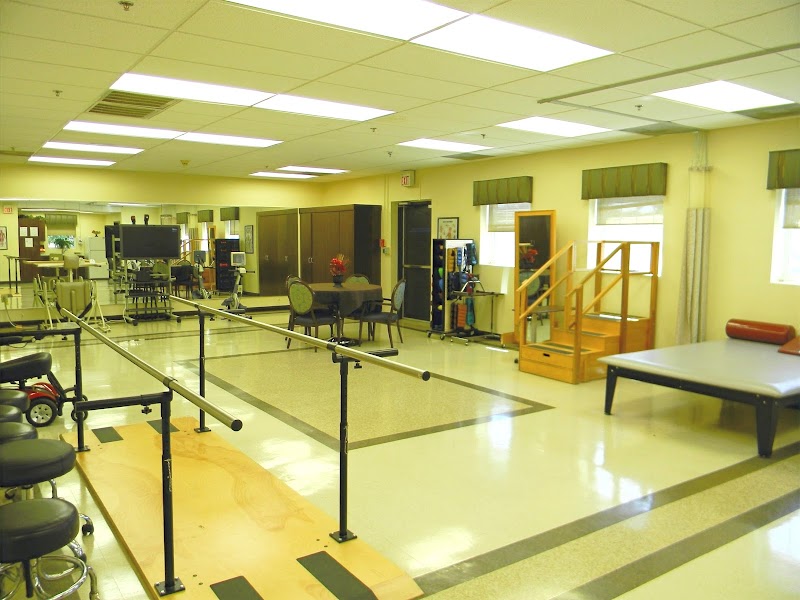
How is Wedgewood Staffed?

CMS rates WEDGEWOOD NURSING HOME's staffing level at 2 out of 5 stars, which is below average compared to other nursing homes. Staff turnover is 54%, compared to the Texas average of 46%. RN turnover specifically is 67%, which is notably high. RNs provide skilled clinical oversight, so turnover in this role can affect medical care quality.

What Have Inspectors Found at Wedgewood?

State health inspectors documented 32 deficiencies at WEDGEWOOD NURSING HOME during 2022 to 2025. These included: 3 Immediate Jeopardy (the most serious level, indicating potential for serious harm or death) and 29 with potential for harm. Immediate Jeopardy findings are rare and represent the most serious regulatory concerns. They require immediate corrective action.

Who Owns and Operates Wedgewood?

WEDGEWOOD NURSING HOME is owned by a government entity. Government-operated facilities are typically run by state, county, or municipal agencies. The facility is operated by RUBY HEALTHCARE, a chain that manages multiple nursing homes. With 128 certified beds and approximately 79 residents (about 62% occupancy), it is a mid-sized facility located in FORT WORTH, Texas.
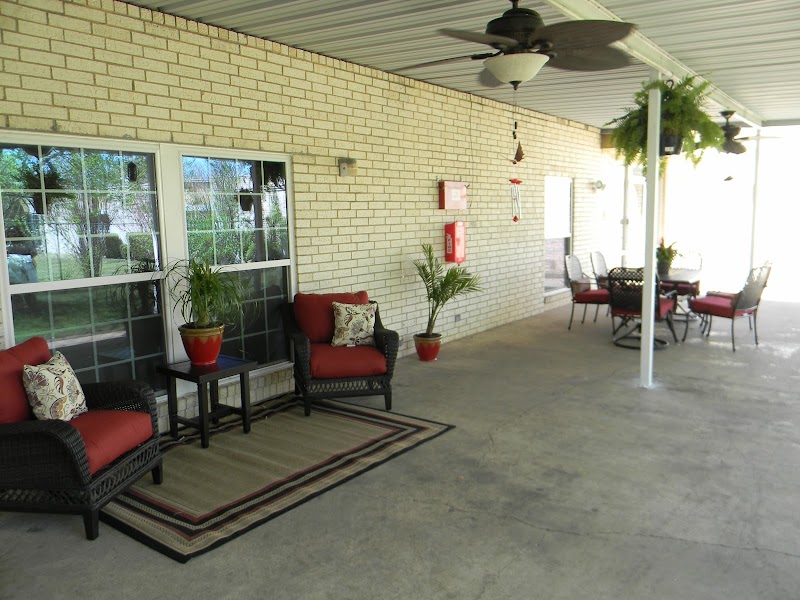
How Does Wedgewood Compare to Other Texas Nursing Homes?

Compared to the 100 nursing homes in Texas, WEDGEWOOD NURSING HOME's overall rating (3 stars) is above the state average of 2.8, staff turnover (54%) is near the state average of 46%, and health inspection rating (2 stars) is below the national benchmark.

What Should Families Ask When Visiting Wedgewood?

Based on this facility's data, families visiting should ask: "What changes have been made since the serious inspection findings, and how are you preventing similar issues?" "Can you walk me through typical staffing levels on day, evening, and night shifts?" "Can I visit during a mealtime to observe dining assistance and food quality?" "How do you handle medical emergencies, and what is your hospital transfer rate?" These questions are particularly relevant given the facility's Immediate Jeopardy citations and the below-average staffing rating.

Is Wedgewood Safe?

Based on CMS inspection data, WEDGEWOOD NURSING HOME has documented safety concerns. Inspectors have issued 3 Immediate Jeopardy citations (the most serious violation level indicating risk of serious injury or death). The facility has a 3-star overall rating and ranks #1 of 100 nursing homes in Texas. Families considering this facility should ask detailed questions about what corrective actions have been taken since these incidents.

Do Nurses at Wedgewood Stick Around?

WEDGEWOOD NURSING HOME has a staff turnover rate of 54%, which is 8 percentage points above the Texas average of 46%. Moderate turnover is common in nursing homes, but families should still ask about staff tenure and how the facility maintains care continuity when employees leave.

Was Wedgewood Ever Fined?

WEDGEWOOD NURSING HOME has been fined $31,778 across 2 penalty actions. This is below the Texas average of $33,397. While any fine indicates a compliance issue, fines under $50,000 are relatively common and typically reflect isolated problems that were subsequently corrected. Families should ask what specific issues led to these fines and confirm they've been resolved.

Is Wedgewood on Any Federal Watch List?

WEDGEWOOD NURSING HOME is not on any federal watch list. The most significant is the Special Focus Facility (SFF) program, which identifies the bottom 1% of nursing homes nationally based on persistent, serious quality problems. Not being on this list means the facility has avoided the pattern of deficiencies that triggers enhanced federal oversight. This is a positive indicator, though families should still review the facility's inspection history directly.