Friendship Haven Healthcare and Rehabilitation Cen
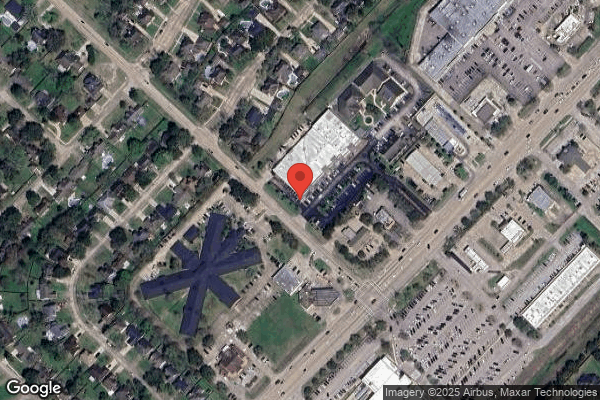

1500 Sunset Dr, Friendswood, TX 77546 (281) 992-4300
For profit - Limited Liability company 150 Beds HMG HEALTHCARE Data: November 2025 2 Immediate Jeopardy citations
Trust Grade
0/100
#718 of 1168 in TX
Last Inspection: November 2024

Within standard 12-15 month inspection cycle. Federal law requires annual inspections.

Overview

Friendship Haven Healthcare and Rehabilitation Center has received a Trust Grade of F, indicating poor performance with significant concerns. They rank #718 out of 1168 facilities in Texas, placing them in the bottom half, and #7 out of 12 in Galveston County, meaning there are only six facilities in the area that are rated lower. The facility is currently improving, having reduced their issues from four in 2024 to three in 2025. Staffing receives a 2 out of 5 rating with a turnover rate of 53%, which is around the Texas average, suggesting some staff continuity but also room for improvement. However, the facility has faced serious issues, including a critical incident where a resident missed vital medication for three days, placing them at risk for blood clots. Additionally, there was a serious finding involving staff abuse towards a resident, highlighting significant concerns about resident safety and care quality. While some quality measures were rated positively, families should weigh these strengths against the documented weaknesses when considering this facility for loved ones.

Trust Score
F
0/100
In Texas
#718/1168
Bottom 39%
Safety Record
High Risk
Review needed
Inspections
Getting Better
4 → 3 violations
Staff Stability
⚠ Watch
53% turnover. Above average. Higher turnover means staff may not know residents' routines.
Penalties
✓ Good
$59,263 in fines. Lower than most Texas facilities. Relatively clean record.
Skilled Nurses
⚠ Watch
Each resident gets only 19 minutes of Registered Nurse (RN) attention daily — below average for Texas. Fewer RN minutes means fewer trained eyes watching for problems.
Violations
⚠ Watch
22 deficiencies on record. Higher than average. Multiple issues found across inspections.
★★☆☆☆
2.0
Overall Rating
★★☆☆☆
2.0
Staff Levels
★★★★☆
4.0
Care Quality
★★☆☆☆
2.0
Inspection Score
Stable
2024: 4 issues
2025: 3 issues

The Good

  • 4-Star Quality Measures · Strong clinical quality outcomes
  • Full Sprinkler Coverage · Fire safety systems throughout facility
  • No fines on record

Facility shows strength in quality measures, fire safety.

The Bad

2-Star Overall Rating

Below Texas average (2.8)

Below average - review inspection findings carefully

Staff Turnover: 53%

Near Texas avg (46%)

Higher turnover may affect care consistency

Federal Fines: $59,263

Above median ($33,413)

Moderate penalties - review what triggered them

Chain: HMG HEALTHCARE

Part of a multi-facility chain

Ask about local staffing decisions and management

The Ugly 22 deficiencies on record

2 life-threatening 2 actual harm
Sept 2025 2 deficiencies
CONCERN (D) 📢 Someone Reported This

A family member, employee, or ombudsman was alarmed enough to file a formal complaint

Potential for Harm - no one hurt, but risky conditions existed

Deficiency F0627 (Tag F0627)

Could have caused harm · This affected 1 resident

**NOTE- TERMS IN BRACKETS HAVE BEEN EDITED TO PROTECT CONFIDENTIALITY** Based on interview and record review, the facility failed to permit each resident to remain in the facility, and not transfer or...

Read full inspector narrative →
**NOTE- TERMS IN BRACKETS HAVE BEEN EDITED TO PROTECT CONFIDENTIALITY** Based on interview and record review, the facility failed to permit each resident to remain in the facility, and not transfer or discharge the resident from the facility unless the discharge was necessary for the resident's welfare and the resident's needs could not be met in the facility for 1 of 4 residents (CR #2) reviewed for discharge requirements. The facility failed to ensure CR #2 was readmitted to the facility, after being sent to the hospital for evaluations due to change in condition. This failure could place discharged residents and residents residing in the facility at risk of being discharged and not allowed to return to the facility causing a disruption in their care and/or services.A record review of CR #2's electronic face sheet revealed reflected an [AGE] year-old female who was originally admitted to the facility on [DATE] and readmitted on [DATE]. CR #2's diagnosis included Dementia, type 2 diabetes mellitus, history of falling, peripheral vascular disease (disorder of the blood vessels), dementia, psychotic disturbance, mood disturbance, and anxiety, essential (primary) hypertension (high bleed pressure) heart disease, anemia (low blood pressure), cerebral infarction (a condition that limit blood flow to the brain), muscle weakness and difficulty in walking,Record review of CR#2's progress note dated 1/23/2025 11:27 revealed eINTERACT SBAR Summary for Providers, Situation: The Change In Condition/s reported on this CIC Evaluation are/were: Seems different than usual. At the time of evaluation resident/patient vital signs, weight and blood sugar were: - Blood Pressure: BP 171/68 - 1/23/2025 09:04 Position: Sitting l/arm - Pulse: P 66 - 1/23/2025 09:04 Pulse Type: Regular; - RR: R 18.0 - 1/22/2025 11:57 - Temp: T 96.7 - 1/22/2025 11:57 Route: Forehead (non-contact) - Weight: W 174.5 lbs - 1/2/2025 11:36 Scale: Wheelchair. - Pulse Oximetry: O2 95.0 % - 1/22/2025 11:57 Method: Room Air. - Blood Glucose: BS 242.0 - 1/23/2025 09:32. During an interview with Resident Responsible party on 09/03/25 at 11:30 am, she said the facility had tried several times to discharge CR # 2 from the facility. She said prior to being sent out to the hospital. She had filed an appeal which she won, but the facility still refused to take CR # 2 back after being sent to the hospital. She said CR #2 was discharged to her home without her wheelchair. During an interview with the DON on 09/03/25 at 11:00am, she said CR #2 was sent to the hospital for change in condition. She said the decision not to re- admit CR #2 back to the facility was from corporate office. She said CR #10's RP harassed staff and other residents at the facility. During an interview the Administrator and the facility's Cooperate staff on 09/03/25 at 2:00pm, the Administrator said the decision was from the Cooperation because CR #2 RP harassed, staffs, other residents, and Physician to a point where no staff wanted to work with CR#2. He said he received complaints and resignations letters from staff due to CR#2's RP's behavior. He said he was aware that CR #2 won the appeal, but he had to watch out for the safety of other residents and staff. He said the facility had multiple meetings with CR #2's RP, but the RP continued to harass staff and other resident. He said something was always wrong with how CR #2 was being cared for.Facility's Clinical Director said the facility had gone above and beyond to accommodate CR # 2's RP, and there was nothing the facility could have done differently because the situation was getting worst.An attempt was made on 09/03/25 at 3:00pm to have an interview with CR #2's physician at the time of discharged , but he refused to communicate without his lawyer and would not comment on CR #2 case because it was in court. An attempt was made to contact the hospital social worker but there was no answer. There was no way to leave message. Record review of Facility's policy titled Discharging the Resident dated 2001 and revised 2016 revealed no evidence of discharge after an appeal process.
CONCERN (D) 📢 Someone Reported This

A family member, employee, or ombudsman was alarmed enough to file a formal complaint

Potential for Harm - no one hurt, but risky conditions existed

PASARR Coordination (Tag F0644)

Could have caused harm · This affected 1 resident

**NOTE- TERMS IN BRACKETS HAVE BEEN EDITED TO PROTECT CONFIDENTIALITY** Based on interviews and record review, the facility failed to incorporate recommendations from a PASRR evaluation report into a ...

Read full inspector narrative →
**NOTE- TERMS IN BRACKETS HAVE BEEN EDITED TO PROTECT CONFIDENTIALITY** Based on interviews and record review, the facility failed to incorporate recommendations from a PASRR evaluation report into a resident assessment, care planning, and transition of care for 1 (Resident #1) of 3 residents reviewed for PASRR services.The facility failed to submit Resident #1's NFSS in the LTC online portal within 20 days after the IDT meeting. This failure could place residents who were PASRR positive at risk of not getting the PASRR services for a better quality of life and could lead to a decline in health. Record review of Resident #1's face sheet dated 09/03/25 revealed a [AGE] year-old female, admitted to the facility on [DATE]. Her diagnoses included- Profound intellectual disabilities, major depressive disorder, anxiety disorder, bilateral primary osteoarthritis of knee, (tissue wears down) prediabetes, gastric ulcer, anemia (Low Blood count), age-related osteoporosis, and end stage renal diseaseRecord review of Resident #1's PASRR evaluation dated 12/27/25 indicated Resident #1 was positive for Intellectual disability.Record review of PCSP dated 01/29/25 indicated there was a recommendation for Resident #1 to receive a customized manual wheelchair.Record review of Resident #1's clinical records revealed no evidence of the NFSS form. During an interview on 09/03/25 at 1:00PM, the Administrator said MDS Coordinator A was responsible for doing PASRR. She provided During an interview with MDS Coordinator A on 09/03/25 at 1:30PM, she said Resident #1's NFSS was not submitted because at the time of the meeting and recommendation, Resident #1 had no payer source and was not aware that she could submit the NFSS without being approved for Medicaid. She said failure to submit the NFSS, as required, may prevent residents from receiving services needed for their wellbeing. Policy on PASRR submission was requested on 09/04/25 from MDS Coordinator but not provided prior to exit on 09/04/25
Mar 2025 1 deficiency
CONCERN (E) 📢 Someone Reported This

A family member, employee, or ombudsman was alarmed enough to file a formal complaint

Potential for Harm - no one hurt, but risky conditions existed

Infection Control (Tag F0880)

Could have caused harm · This affected multiple residents

**NOTE- TERMS IN BRACKETS HAVE BEEN EDITED TO PROTECT CONFIDENTIALITY** Based on observation, interview, and record review the facility failed to establish and maintain an infection prevention and con...

Read full inspector narrative →
**NOTE- TERMS IN BRACKETS HAVE BEEN EDITED TO PROTECT CONFIDENTIALITY** Based on observation, interview, and record review the facility failed to establish and maintain an infection prevention and control program designed to provide a safe, sanitary, and comfortable environment and to help prevent the development and transmission of communicable diseases and infections for 3 of 9 residents (Resident #1, Resident #2, and Resident #3) reviewed for infection control practices. 1. The facility failed to ensure ADON A and the Restorative Aide applied enhanced barrier precautions while transferring Resident # 1 from her wheelchair to her bed. 2. The facility failed to ensure that CNA J and CNA G sanitized their hands when providing incontinent care to Resident #2 and Resident #3. These failures could place residents at risk of cross-contamination and infections leading to illness. Findings included: Record review of Resident #1's undated face sheet indicated the resident was a 92-year- old female who was readmitted to the facility on [DATE] with diagnoses of dementia (a group of thinking and social symptoms that interferes with daily functioning), Dysphagia (a term for difficulty swallowing), and Neuromuscular Dysfunction of Bladder (condition that affects the muscles and nerves that controls the bladder). Record review of Resident #1's annual MDS assessment, dated 3/15/2025, revealed a BIMS summary score of 3, indicating severe cognitive impairment. The MDS also indicated Resident #1 was dependent with all activities of daily living (ADL). Record review of Resident #1's care plan initiated on 11/05/2024, indicated Resident #1 required enhanced barrier precautions determined by presence of Foley Catheter. Interventions included follow facility's enhanced barrier precaution policy and staff will wear an isolation gown and gloves while providing all contact care. During an observation on 3/29/2025 at 1:19 PM, ADON A and the restorative aide was observed transferring Resident #1 from the wheelchair to the bed without wearing proper personal protective equipment. Enhanced barrier precautions signage was posted on outside door and PPE was noted outside room. During an interview on 3/29/2025 at 1:49 PM, the restorative aide said she forgot to put on her protective personal equipment (PPE) prior to assisting the ADON with the transfer. The restorative aide said she had been in-serviced a couple of months ago and was aware that she was supposed to wear PPE when transferring Resident #1 to her bed. She said she was in a rush to try to assist ADON A and forgot to put on her gown and gloves. During an interview on 3/29/2025 at ADON A said personal protective equipment should be worn when transferring Resident #1. ADON A said wearing PPE protected the resident. ADON A said she had been educated on EBP and PPE and should have donned (to put on and use PPE properly to achieve the intended protection and minimize the risk of exposure) her gloves and gown. ADON A said the infection control training was a couple of weeks ago and included EBP. She said the risk of not wearing PPE was infection. Record review of Resident #2's undated face sheet indicated the resident was a [AGE] year-old female who was readmitted to the facility on [DATE] with diagnoses of cerebral infarction (blood flow to the brain is blocked, leading to brain tissue damage), Hemiplegia (paralysis or weakness on one side of the body), and Type 2 Diabetes( long-term condition in which the body has trouble controlling blood sugar). Record review of Resident #2's Quarterly MDS assessment, dated 12/18/2024, revealed a BIMS summary score of 13, indicating cognitively intact. Record review of Resident #2's care plan initiated on 9/05/2024, indicated Resident #2 was at risk for an ADL Self Care Performance Deficit related to decline in health. The interventions included providing total assistance of 1-2 staff participation to use toilet/incontinent care. Observation and Interview on 03/29/25 at 11:35 AM Resident #2 said the staff provided incontinent care routinely and as needed. She denied skin break down and said the CNA was about to provide incontinent care because she had a bowel movement. Observation of incontinent care on 03/29/25 at 11:45 AM, CNA J was observed performing incontinent care. CNA J introduced herself and explained the incontinent care procedure. CNA J did not wash her hands prior to initiating incontinent care. She double gloved and cleaned Resident #2's abdominal folds times one wipe and proceeded to clean labia per protocol. CNA J removed her 1st set of gloves, as she was doubled gloved. CNA J turned the resident to her left side and cleaned the stool from the resident's buttocks in an upward motion with several wipes using the same gloves. CNA J used the same soiled gloves that held the dirty wipes to reenter the multi-wipe package. Stool was noted on outside of multi-wipe package. She removed and discarded the soiled brief. She opened Resident #2's barrier cream and applied the cream to the resident's buttocks. She applied a new brief and removed her gloves. She discarded the trash and used hand sanitizer once completed. During an interview on 3/29/2025 at 11:51 AM, CNA J said she double gloved because Resident #2's bedside table was cluttered and there was no place to setup her supplies. She said there was no hand sanitizer available in the room and would have to go in the hallway to sanitize her hands. She said she did not wash her hands, but she did use sanitizer prior to donning gloves and after completion of incontinent care. CNA J said the risk of using the same gloves and double gloving was spreading infection and cross contamination. Record review of Resident #3's undated face sheet indicated the resident was a [AGE] year-old male who was admitted to the facility on [DATE] with diagnoses of acute pyelonephritis (Kidney infection, an illness in one or both kidneys), paraplegia (complete or partial paralysis of the lower half of the body), and Neuromuscular Dysfunction of Bladder (condition that affects the muscles and nerves that controls the bladder). Record review of Resident #3's Quarterly MDS assessment, dated 03/10/2025, revealed a BIMS summary score of 15, indicating cognitively intact. Section H indicated Resident #3 had an Indwelling catheter (including suprapubic catheter- a medical device that helps drain urine from your bladder; and, nephrostomy tube - a tube that lets urine drain from the kidney through an opening in the skin on the back) Record review of Resident #3's care plan initiated on 9/05/2024, indicated Resident #3 had Indwelling Catheter due to diagnosis of Neurogenic bladder. His interventions included to Observe/record/report to MD for s/sx UTI: pain, burning, blood-tinged urine, cloudiness, no output, deepening of urine color, increased pulse, increased temp, urinary frequency, foul smelling urine, fever, chills, altered mental status, change in behavior, change in eating patterns. Observation on 03/29/2025 at 12:49 PM of CNA G and LVN D performing incontinent care on Resident #3. Contact isolation signage on Resident #3's door. It was observed both CNA G and LVN D wearing proper PPE while initiating incontinent care on Resident #3. CNA G and LVN D performed hand hygiene, donned clean gloves, and LVN D provided a barrier on bedside table and added supplies. CNA G began cleaning subpubic Cather per policy. Next, she began wiping Resident #3's abdominal folds, groin, and penial area. CNA D used same soiled gloves that held the dirty wipes to reenter the multi-wipe package. CNA G proceeded to clean Resident #3's left and right groin area multiple times. CNA G turned Resident #3 to his left side and wiped his buttocks in an upward motion. CNA G then turned Resident #3 to the right side, wiped his buttocks in an upward motion until no discoloration was noted on the wipes. CNA G doffed gloves, no hand hygiene was performed, and donned clean gloves. CNA G applied a new brief, while LVN D discarded the soiled brief and wipes. CNA G and LVN D doffed gloves, and they washed their hands. During an interview on 3/29/2025 at 1:15 PM, CNA G said that the staff did frequent training and in-services on infection control and incontinent care. She said she did not use hand sanitizer prior to donning new gloves because she did not have any sanitizer to use. She said staff should wash and/or sanitized hands per policy. She said the risk of not washing hands could cause infection to self or other residents. During an interview on 3/29/2025 at 5:04 PM, ADON B (Infection Preventionist) said all staff had been in-serviced on enhanced barrier precautions (EBP). She said she did a training every Wednesday on infection control to include handwashing, incontinent care, and EBP. She said PPE should be worn when providing direct care by wearing gowns and gloves. She said the facility would re-educate staff on wearing PPE with residents on EBP and proper handwashing and incontinent care. She said the last in-service on infection control was 12/12/24 (FTG), 02/29/25 (EBP), and 03/13/25 (Infection control concerns for Resident #1). ADON B said the risk of not following EBP and not sanitizing hands could cause infection and cross-contamination. During an interview on 3/29/2025 at 5:30 PM, the DON said the facility had frequently in-serviced staff on enhanced barrier precautions (EBP) and infection control. The DON said she expected her staff to wear proper PPE when providing care. She said she would implement peri-care checkoffs and return demonstration with the administrative staff for the next 3 months. She said the risk was cross contamination and infection. During an interview on 3/29/2025 at 6:49 PM, the Administrator said he expected the nurses and staff to adhere to the enhanced barrier precautions/infection control policy. He said handwashing was infection control was CNA 101. The Administrator said the risk of not following the infection control policy puts the staff and residents at risk for contracting an infection, passing it on to other residents or staff, which can lead to an outbreak. Record review of a policy titled Enhanced Barrier precautions dated April 1, 2024, read in part . Policy: EBP are used in conjunction with standard precautions and expand the use of PPR to donning of gown and gloves during high-contact resident care activities that provide opportunities for transfer of MDRO's to staff hands and clothing. For residents for whom EBP are indicated, EBP is employed when performing the following high-contact resident care activities: dressing, bathing/showering transferring providing hygiene changing linens, changing briefs or assistance with toileting, device care or use: central line, urinary catheter, feeding tube, tracheostomy/ventilator, and wound care any skin opening requiring a dressing . Record review of a policy titled Handwashing/Hand Hygiene revised on August 2015, read in part, .2. All personnel shall follow the handwashing/hand hygiene procedures to help prevent the spread of infection to other personnel, residents, and visitors &. Use alcohol-based hand rub containing at least 62% alcohol; or, alternatively, soap (antimicrobial or non-antimicrobial) and water for the following situations: b. Before and after direct contact with residents .
Nov 2024 3 deficiencies 1 Harm
SERIOUS (G) 📢 Someone Reported This

A family member, employee, or ombudsman was alarmed enough to file a formal complaint

Actual Harm - a resident was hurt due to facility failures

Free from Abuse/Neglect (Tag F0600)

A resident was harmed · This affected 1 resident

**NOTE- TERMS IN BRACKETS HAVE BEEN EDITED TO PROTECT CONFIDENTIALITY** Based on observation, interview, and record review, the facility failed to ensure residents had the right to be free from abuse ...

Read full inspector narrative →
**NOTE- TERMS IN BRACKETS HAVE BEEN EDITED TO PROTECT CONFIDENTIALITY** Based on observation, interview, and record review, the facility failed to ensure residents had the right to be free from abuse for 1 of 6 residents (Resident #79) reviewed for abuse. The facility failed to keep Resident #79 free from abuse when RN A yelled at and hit the resident while attempting to give her medication on 10/6/24 at 4:00 AM. The noncompliance was identified as past noncompliance (PNC). The facility corrected the noncompliance before the survey began. This failure could place residents at risk of experiencing and enduring abuse causing a decreased quality of life. Findings include: Record review of Resident #79's face sheet revealed an original admission on [DATE] and Resident #79 was a [AGE] year-old female. Diagnoses included: acute kidney failure (can't filter waste from the blood), hypertension (force of blood against the artery wall was high), COPD (progressive lung disease), Parkinson's (disorder of the central nervous system that affects movement), and epilepsy (a disorder in the brain that caused seizures). Record review of Quarterly MDS assessment dated [DATE] revealed Resident #79's in Section C - Cognitive Pattern her BIMS score was 12 indicating her cognition was moderately impaired. Further review revealed in Section E - Behavior - question B under EO200 for behavioral symptoms, the resident had verbal behavior symptoms directed toward others occurred 1 to 3 days in the 7-day lookback. Record review of current care plan revealed Resident #79 was resistive to care and refused medications at times. Interventions included: o Risk for complications r/t refusing care/meds will be minimized and ongoing thru the next review date. o Allow the resident to make decisions about treatment regimen, to provide sense of control. o Educate resident/family/caregivers of the possible outcome(s) of not complying with treatment or o Give clear explanation of all care activities prior to an as they occur during each contact. o Praise the resident when behavior is appropriate. Further record review of current care plan revealed Resident #79 had inappropriate behaviors and was resistive to care. Interventions included: o Will comply with care routine/medical regimen and ongoing thru the next review date. o Discuss with resident implications of not complying with therapeutic regimen o If resident refused care, leave resident and return in 5-10 minutes o Maintain consistency in timing of ADL's, caregivers, and routine as much as possible o Monitor behaviors and document number of episodes. o Resident gives self a bed bath daily Record review of incident report for 10/6/24 revealed an altercation between Resident #79 and RN A. It was reported by witness, LVN B, that RN A had threatened and slapped the resident. Observation and interview with Resident #79 on 11/6/24 at 11:28 AM revealed she was in her bed talking to the SW, who came in to talk work with her from another agency. She refused to talk but said she would talk after the SW said it was okay. She said she was not safe, and she was not safe every day. She said she was not afraid though. She was unable to state why she did not feel safe and did not say anything about anyone specific. She said the staff was mean to her every day, but no one had ever hurt her. She would not let them. Interview with the SW on 11/6/24 at 11:25 AM revealed she did psychotherapy with Resident #79 from an agency outside of facility. The resident yelled and constantly said she was not safe . This was her normal behavior, but never related being afraid or what made her unsafe. She stated Resident #79 yelled at the staff but had not mentioned any staff hitting her. She did not see any residual effects from the incident that transpired with RN A. Interview with a police officer on 11/6/24 at 11:04 AM via telephone revealed when he arrived at the facility when he was called for the incident with RN A, the accused staff member was already sent home. He said he and the detective believed it happened , but Resident #79 did not want to press charges . Interview with a detective on 11/6/24 at 12:45 PM revealed the incident did not elevate to assault. He stated there was verbal yelling going on, but there was no injury from being hit. He stated the witness was in the room, and she stated the nurse hit the Resident #79. The resident did not want to press charges. Interview with the DON on 11/6/24 at 11:20 AM revealed the incident was witnessed by LVN B. She said RN A was terminated. Resident #79 told the police officer when interviewed she did not want to press charges. She was unable to tell exactly what happened. Resident said she was hit, but she said she was in her wheelchair but the bed. According to the witness she was in her bed. Interview with LVN B on 11/16/24 at 11:45 AM stated she was with Resident #79 in her room on 10/6/24. The LVN B asked the RN A for help give medication to the resident. Resident was refusing her medications. He came into the room and threatened her with giving her a shot, and he hit the resident on the forearm with his open hand. She was surprised that he did that in front of her. She said she never saw him hit anyone else. She went and reported it immediately to the Charge Nurse and they called the DON. She said no one should hit or abuse the residents. The job was about the residents. When asked about trainings, LVN B said they are trained monthly. Interview with the Administrator on 11/6/24 at 11:55 AM revealed RN 1 was terminated for not following ANE policy . They had the witness statement and Resident #79 said she was hit. Resident #79 was assessed and there were no negative effects from the incident. When asked about risk of abuse to the residents, he stated a resident could have mental, physical, or emotional abuse from being hit by a staff member. The facility took the following action to correct the non-compliance on 10/6/24. Record review of the facility investigation revealed the staff was retrained on ANE, witness statement was taken, and assessment was completed. The police, family and physician were contacted. RN A was sent home and suspended immediately. Record review of the facily investigation revealed safe surveys were conducted with residents and no concerns found. Record review of RN A's personnel file found no concerns or any write ups for abuse or neglect. Background checks were current with no concerns. Termination was completed an in the file. RN A was suspended when DON was notified of the incident. He left facility immediately. His temination was on 10/10/24 at the completion of facility investigation. Record Review of Abuse Prevention Program policy, revised December 2016) read in part, .Our residents have the right to be free from abuse .)
CONCERN (E)

Potential for Harm - no one hurt, but risky conditions existed

Deficiency F0552 (Tag F0552)

Could have caused harm · This affected multiple residents

Deficiency Text Not Available

Read full inspector narrative →
Deficiency Text Not Available
CONCERN (E) 📢 Someone Reported This

A family member, employee, or ombudsman was alarmed enough to file a formal complaint

Potential for Harm - no one hurt, but risky conditions existed

Deficiency F0809 (Tag F0809)

Could have caused harm · This affected multiple residents

Based on observation, interview, and record review, the facility failed to ensure residents received meals at regular times comparable to normal mealtimes in the community or in accordance with reside...

Read full inspector narrative →
Based on observation, interview, and record review, the facility failed to ensure residents received meals at regular times comparable to normal mealtimes in the community or in accordance with resident needs and preferences for three of three days (11/04/24, 11/05/24, and 11/06/24) reviewed for frequency of meals. -The facility failed to ensure residents received meals at regularly scheduled times for breakfast and lunch on 11/04/24, breakfast and lunch on 11/05/24, and breakfast on 11/06/24. This failure could place residents who eat from the facility's kitchen, at risk of loss of appetite, weight loss, increased hunger, thirst, frustration, and decreased feelings of self-worth. Findings included: Observation and interview with the Dietary Manager on 11/04/24 at 8:25 AM, revealed the posted mealtime was 7:30 AM for breakfast,: 11:30 AM for lunch, and 4:30 PM for dinner. During an interview with the dietary Manager, she said mealtime were 7:30 AM for breakfast, 11:30 AM for Lunch, and 4:30 PM for dinner. Observation and interviews on 11/04/24 at 9:00AM revealed no breakfast trays were served on the 500 and 600 halls. During an interview, with 2 anonymous Residents, the first resident said, his main concerns with the facility were the food. He further explained that the trays are were always late, cold, small sizes and no taste. Observation on 11/04/24 at 10:30 AM, revealed an Anonymous third anonymous resident was sleeping and her Breakfast tray was covered on her bed side table. Observation indicated she did not eat her breakfast. Observation on 11/04/24 at 12:30 PM revealed lunch had not been served on hall 500 and 600 . During an interview with the Dietary Manager at 12:35PM, she said lunch was running late because the dining room was served first, and she was in the process of serving the halls . Observation and interview on 11/04/24 at 12: 50 PM, Anonymous Resident #4 a (third/fourth) anonymous resident appeared s angry. During an interview, she said the meal trays are always late, sometimes cold, the sizes are small like a child's plate, and no test. She said, she did not eat her breakfast because she was served the wrong food. She said she was waiting for lunch, and it had not arrived. Observation and interview on 11/04/24 at 1:00 PM revealed Anonymous Resident #3 was eating her lunch. During an interview she said she did not eat her breakfast because, she was hungry and slept off since she was tired of waiting. She said she had her dinner at about 5:00 PM Observation and interview on 11/05/24 at 8:50 AM, revealed Anonymous Resident #2 was observed in his room fully dressed. During an interview he said he was waiting for his breakfast. He said he had his dinner at about 5:00PM. He said the only complaint he had was the food. He said the breakfast and lunch trays are always late and sometimes cold. Observation and interview on 11/05/24, revealed breakfast trays were served to the 500 halls at 9:00 AM. During an interview, CNA K said the breakfast always arrived between 8:40 AM and 9:00AM. She said the dining room was served first at about 7:50 to 8:00 AM. She said the CNAs on the halls passed the trays out as soon as they are delivered to the floor because the Residents are always waiting for their breakfast trays in the morning. Observation on 11/05/24 at 12:50 AM, revealed Residents were having lunch in the dining room. Observation on 11/05/24 revealed the lunch trays were delivered to the 500 halls at 1:05 PM and to the 600 halls at 1:08 PM In an interview with the Corporate Manager on 11/05/ 24 at 2:00 PM, she said the appearance of the food on the tray needs more color. She said the trays were late because the fish was hand breaded and fried in the kitchen because the company try to cook all meals from scratch to preserve freshness and nutritive value. She said the trays to the hallways are delivered to the hall on time and but not being distributed immediately. She said she would have an in-service with the Dietary Manager and the staff on the delivery time and she would come up with a plan. During an interview with the Dietary Manager on 11/05/24 at 3:00 PM, she said the trays to the halls are late because the tickets are printed by the Dietary Manager and send back to the unit Manager for verification. She said sometimes the tickets are returned unsorted and the kitchen aide had to sort out the tickets. During the Confidential Resident Council Meeting on 11/05/24 at 2:00PM, 17 anonymous, alert and oriented residents stated that meals were not always on time. All residents said they had to wait up to 1 to 2 hours for a meal be served especially the breakfast. During an interview with the Facility Administrator on 11/05/24 at 4:00 PM, he said the food service department had always been a problem and the facility was actively working on the dietary department to turn things around. He said the facility had changed from one food service company to another and was still working with the present company to ensure that the residents are always served with balance nutritive meals. He said not serving meals on time, may lead to increase hungry and cold food may lead to loss of appetite and possible weight loss. Observation on 11/06/24 revealed breakfast trays was served to 500 halls at 8:26AM and to 600 halls at 8:28 AM. Observation revealed the DON was assisting with the trays on 400 halls. During an interview on 11/06/24 at 9:00 AM LVN D said the meal trays were distributed immediately. LVN D said sometimes the delay comes from the tray arrangement on the cart and the CNA s had to sort through the trays. Interview on 11/6/24 at 9:35 AM, with the Dietary Manager said the meal tickets were not being done well and that had contributed to the late trays. She said the temperatures were not being held on the food carts. She said she did not want to eat cold food and residents would not want too either. During an interview with the Unit Manager on 11/06/24 at 2:00 PM, she said all tickets are printed out by the dietary Manager and all she does, was to verify that the meal orders are correct, and she returns the ticket back to the Dietary Manager the same way that the tickets were handed to her. She said she had no idea how the dietary department handles the tickets during mealtime. A meal service time Facility's policy was requested on 11/06/24 at 10:30 AM. A policy on meal service time was not provided before exit.
Sept 2024 1 deficiency
CONCERN (D) 📢 Someone Reported This

A family member, employee, or ombudsman was alarmed enough to file a formal complaint

Potential for Harm - no one hurt, but risky conditions existed

Safe Environment (Tag F0584)

Could have caused harm · This affected 1 resident

**NOTE- TERMS IN BRACKETS HAVE BEEN EDITED TO PROTECT CONFIDENTIALITY** Based on observation, interview, and record review, the facility failed to provide a safe, sanitary, and homelike environment fo...

Read full inspector narrative →
**NOTE- TERMS IN BRACKETS HAVE BEEN EDITED TO PROTECT CONFIDENTIALITY** Based on observation, interview, and record review, the facility failed to provide a safe, sanitary, and homelike environment for 2 of the 5 residents observed for environment. The facility failed to ensure Resident # 1 and Resident #2 room was sanitary and homelike. This failure could place residents at risk of not receiving a safe, clean, comfortable, and homelike environment to attain or maintain their highest practicable physical, mental, and psychosocial wellbeing. The findings included: Based on observation on 9/4/24 at 8:45am Resident #1 and Resident #2 room revealed it was not clean. There was a bag under the bed, tissue paper on the floor and residue under both beds, the floor was sticky, the walls behind each bed revealed paint removed from the wall headboard leaning forward on Resident's #1 bed, floor mate(sponage type mate used to prevent injuries from falls) for Resident's #1 was dirty and stained. Record Review of Resident #1's history and physical dated 1/5/24 reflected a [AGE] year-old female with the following diagnosis Hypertension, Alzheimer, Skin Cancer, Hypothyroidism (underactive thyroid), Hyperlipidemia(high level of lipids), GI bleed, and Dementia. Record Review of Resident#1's MDS assessment section C, cognitive patterns, dated 4/23/24 reflected a BIMS score of 9. (BIMS assessment use a point system that range from0-15. Points ranging from8-12 points suggest moderate cognitive impairment). Based on observation on 9/4/24 at 11:00am of Resident #1's side of the room, Resident #1 was on a low bed with a fall mat on left side. Around the bed was tissue paper balled up on the right side of the bed, a cup of juice was on bedside table with a gnat flying around. Residents #1's bed headboard was leaning, behind the headboard walls where scraped walls and with missing paint, trash was behind the headboard alongside wall boarder trim. Resident #1's did not have a trash can at bedside. Resident #1 had cloths setting on chair in room mixed with unused briefs. Interview on 9/4/24 at 10:45am with Resident #1 stated that she sees flies around her room and sometimes they get by my food I just push them away. I tell my caregiver I feel they should be able to get rid of them some way. I hurry up and eat so they will not bother me. Resident #1 could not recall the last time housekeeping was in room. Record Review of Resident #2's history and physical dated 1/5/24 reflected a [AGE] year-old female with the following diagnosis Diabetes, Hypertension. Record Review of Resident #2's MDS assessment section C, cognitive patterns, dated 4/23/24 reflected a BIMS score of 15. (BIMS assessment use a point system that range from 0-15. Points ranging from 13 to 15 points suggest cognitive intact). Interview on 9/4/24 at 11:25am Resident #2 stated we have flies and once or twice I have seen those small roaches. Housekeeping comes in and use a Swiffer to mop these floors. Sometimes we cannot eat our food in peace because we are swatting off gnat's flies or whatever. I have told the nurses about it, but it falls on deaf ears. Resident #2 stated she has adjusted to the flies they come, and they go it just depends. Resident #2 stated that her roommate's caregiver has complained to upper management, but nothing seems to happen. Resident #2 stated it is bad when it is hot outside and I just stop asking my family to stop bringing me any kinds of fruits. Resident#2 stated she likes fruits but will avoid them if he causes fruit flies. Resident #2 stated she had boxes around her bed she need help to go through and stated they move things to clean, they just clean around when they do clean. I have noticed some days we don't have our room cleaned because they are short staffed and when you ask them to clean, they have an attitude, so I do not ask. Based on observation on 9/4/24 at 12:00pm Resident #2's side of the room was can goods, chips, crackers, bottled water. Under Resident #2's bed was tissue paper, trash underbed, the bedside table had a water pitcher and a glass of juice. Resident #1 clothing was on stand near the bathroom door. The bathroom trashcan had trash full, the floor in the Resident's #1 and #2 room was sticky. Resident's #1 and #2 room had clutter such as briefs, bed padding and clothing in a space at shelving near the closet not in the drawers. Interview with CNA (refused to give name) on 9/4/24 at 12:30pm stated there was no housekeeper on 300 Hall so that is why a lot of the rooms are dirty. Interview with DON on 9/4/24 at 1:00pm, the DON stated she was not aware of Resident's #1 and Resident #2 room needing cleaning and she would get the CNA to clean the room and let the Administrator know what was going on. The DON stated she was not aware there was not a housekeeper on 300 Hall. The DON stated we have been having issues with housekeeping. Interview with the Administrator on 9/4/24 at 1:30pm, the Administrator stated he was made aware of the issues with residents' rooms not being cleaned daily and will jump on it right away and plan to have a meeting with housekeeping. The Administrator stated we have had several issues in that department, and I plan on working on making some changes moving forward. The Administrator stated the room should have been cleaned much earlier than what it was and it will be going forward as a priority. The Administrator stated that all housekeeping staff have a sign off log that is kept in some rooms for housekeepers to sign off to justify the room had been cleaned. The Administrator stated he was not aware there was not a housekeeper on 300 Hall. On 9/4/24 at 1:45pm, policies were requested from the Administrator covering the expectations for a safe, homelike environment but none could be located per Administrator. Attempted to interview Housekeeping Supervisor on 9/4/24 and was told she was out of the building. Interview with housekeeper on 9/4/24 at 2:00pm on 400 hall, stated she was covering for 2 halls due a call in. Housekeeper stated they were short staffed, and she was making her rounds to 300 hall.
Sept 2023 7 deficiencies 1 Harm
SERIOUS (G) 📢 Someone Reported This

A family member, employee, or ombudsman was alarmed enough to file a formal complaint

Actual Harm - a resident was hurt due to facility failures

Quality of Care (Tag F0684)

A resident was harmed · This affected 1 resident

**NOTE- TERMS IN BRACKETS HAVE BEEN EDITED TO PROTECT CONFIDENTIALITY** Based on observation, interview, and record review, the facility failed to, based on the comprehensive assessment of a resident,...

Read full inspector narrative →
**NOTE- TERMS IN BRACKETS HAVE BEEN EDITED TO PROTECT CONFIDENTIALITY** Based on observation, interview, and record review, the facility failed to, based on the comprehensive assessment of a resident, ensure that the residents received treatment and care in accordance with professional standards of practice, the comprehensive Person - centered care plan, and the resident's choices for one out of three residents (Resident number # 91) reviewed for quality of care. - The facility failed to promptly assess, identify, and treat skin tear under the left fold before the abdomen, rashes close to the under-abdomen fold, and groin on Resident #91 and failed to ensure interventions were implemented to treat and prevent further skin deterioration. This failure could place residents at risk for a delay of care or treatment, pain, and suffering. Findings include: Resident #91 Record review of Resident #91 face sheet revealed a [AGE] year-old female was admitted to the facility on [DATE] and readmitted to the facility on [DATE]. Her diagnoses were diabetes mellitus (elevated levels of blood glucose), Morbid obesity (weight is more than 80 to 100 pounds above ideal body weight), atherosclerotic heart disease (thickening or hardening of the arteries), and anxiety disorder (persistent and excessive worry that interferes with daily activities). Record review of Resident # 91's quarterly MDS dated [DATE] revealed BIMS of 12 indicating moderate impaired cognition. It also revealed the resident required extensive to total care with bed mobility, and toilet use, with 2 staff assist. Further review revealed resident needed total care with one person assist for bath. It also revealed the resident want incontinent of bowel and bladder. Further review revealed section M had no indication of skin tear. Record review of Resident # 91's care plan date initiated 09/28/21 revealed resident has ADL self-care performance deficit relater to muscle weakness, interventions: shower every day 2 - 10 shifts, nurse to document why it was not given. Bathing: resident requires total assist with 2 staff participation with bathing. She also potential for pressure ulcer development related to impaired mobility. Interventions: notify family of any signs of skin breakdown, redness, blister, or discoloration. Notify nurse immediately of any skin breakdown: redness, blister, bruises and discoloration during bath. Record review of Resident # 91's skin assessment from 08/03/23 through 08/24/23 did not reveal any skin issues. During an interview on 09/29/23 at 11:04 a.m., Resident # 91 said she felt pain under the skin fold before her abdomen. Resident #91 stated one of the aides told her she had an open area, but she could not see it, and she had been feeling pain under her skin fold. She said she had told the nurses about the pain, but the nurses did nothing about it. During an observation on 08/29/23 at 11:15 a.m., CNA R answered the call light in Resident # 1's room. The resident asked her to check under her skin fold on the left side, and when CNA R lifted the fold between the breast and abdomen., she said Resident #91 had a skin tear, which may be why she was having pain because the resident pointed to the area. During observation on 08/29/23 at 12:01 p.m., the treatment nurse and LVN T performed a head toe assessment of Resident #91, which revealed the resident had a skin tear on the left fold between the breast and the abdomen, which measured 3.4 x o.4cm., and it had dried blood. There was an area on the right abdominal fold with pale reddish rashes, and it was scaly and measured 3.5 x 2.3 cm. The wound treatment nurse measured another spot on the right side, measuring 1 x 1.2 cm. Three areas had rashes in the groin, measuring 5.4 cm x 3. 0cm, 0.9cm x 1.00 cm, and 1.5cm x 1.4 cm. During an interview on 09/29/23 at 12:45 p.m., LVN T said she was unaware Resident #91 had a skin tear under her left fold close to the abdomen and rashes that looked like ringworm. She said today was her first or second day working with Resident #91, and the resident aide did not tell her about the skin tear or the rashes. She said skin assessment are done on residents once a very week by the charge nurse. During an interview on 08/29/23 at 2:40 p.m., LVN U said she was the nurse who did Resident # 91's skin assessment, and she did not document that Resident #91 had redness under her breast, groin, and abdomen . During an interview on 08/30/23 at 9:03 a.m., the treatment nurse said she did not provide any wound care or skin care for Resident #91. She said she had not done any head-to-toe assessment on the Resident. She said she had not seen or was made aware of the skin tear and the rashes on her skin. She said the staff usually notified her if a resident had redness, skin tears, or rashes, but, in this case, she was not notified. She said if Resident #91's skin tear and rashes were not treated promptly, the skin tear could get worse or get infected, or the rashes could spread to other areas. During an interview on 08/30/23 at 11:29 a.m., the NP said she was unaware Resident #91 had the perianal rash (irritated skin looks like patches of inflamed skin) for the past two or three weeks, a skin tear, or rashes on her abdominal folds. She said she treated Resident #91 with Keflex 500 mg for five days prophylactically (guarding against or preventing the spread or occurrence of disease or infection) for the fungi in her groin area. The NP said the nurses did not notify her that the area she treated was not cleared after the antibiotic, and the resident still felt pain and itching in her peri area. The NP said if the staff did not keep those areas on Resident #91 clean and dry, she could prescribe all the medications for the resident and the the areas would not heal. The rashes would not heal the areas because Resident #91 was not getting her showers, and she talked to the nurses about it. She said the area on the peri area started as dermatitis (conditions that cause inflammation of the skin) and progressed to fungi. She said the spots on her abdominal fold were wet dermatitis. During an interview on 08/30/23 at 2:15 p.m., LVN U said she was the Nurse for Resident # 91 for the past three days for the evening shift, and she was not aware the resident had any skin tear on her left abdominal fold. She said if the skin tear was not treated right away, the area could get infected, and the resident would be in pain. During an interview on 08/31/23 at 11:00 a.m., the DON said she was not aware the resident had a skin tear and rashes on her abdominal folds, but she was aware she was on oral fungal infection, and she was treated with Keflex 500mg three times a day for five days. She said the nurses did not tell her the fungi in the peri area was not cleared after taking the antibiotic. She said all the skin issues should have been documented on weekly skin assessments by the nurses. The DON said the rashes should have been reported to the resident doctor, and the doctor's recommendation followed. She said the skin tear could become infected, and the rashes could worsen. During an interview on 08/31/23 at 2:30 p.m., CNA Q said she worked with Resident#91 on Sunday (08/17/23). She stated she did not check the resident's skin folds because she did not shower the resident on Sunday. She said she could not remember if the resident complained about pain on her left side, but she complained about itching on her peri area, and she had rashes, too. She said she could not remember if she told the nurse. Record review of the facility policy on skin tear 2001 MED - PASS, Inc. (Revised September 2013) read part . the purpose of this procedure is to guide to prevention and treatment of skin tear .
CONCERN (D) 📢 Someone Reported This

A family member, employee, or ombudsman was alarmed enough to file a formal complaint

Potential for Harm - no one hurt, but risky conditions existed

Notification of Changes (Tag F0580)

Could have caused harm · This affected 1 resident

**NOTE- TERMS IN BRACKETS HAVE BEEN EDITED TO PROTECT CONFIDENTIALITY** Based on observation, interview and record review, the facility failed to immediately inform the resident's physician when there...

Read full inspector narrative →
**NOTE- TERMS IN BRACKETS HAVE BEEN EDITED TO PROTECT CONFIDENTIALITY** Based on observation, interview and record review, the facility failed to immediately inform the resident's physician when there was a significant change in the resident's physical, mental, or psychosocial status for 1 of 3 residents (Resident #91) reviewed for notification of changes in that: The facility failed to notify Resident #91's physician when Resident #91 presented with skin tear under her skin fold before the abdomen, rashes on the abdomial folds and peri - area. This deficient practice could place residents at risk of not having their physician informed when there was a change in condition resulting in a delay in medical intervention and decline in health. Findings include: Resident #91 Record review of Resident #91 face sheet revealed a [AGE] year-old female was admitted to the facility on [DATE] and readmitted to the facility on [DATE]. Her diagnoses were diabetes mellitus (elevated levels of blood glucose), Morbid obesity (weight is more than 80 to 100 pounds above ideal body weight), atherosclerotic heart disease (thickening or hardening of the arteries), and anxiety disorder (persistent and excessive worry that interferes with daily activities). Record review of Resident # 91's quarterly MDS dated [DATE] revealed BIMS of 12 indicating moderate impaired cognition. It also revealed the resident required extensive to total care with bed mobility, and toilet use, with 2 staff assist. Further review revealed resident needed total care with one person assist for bath. It also revealed the resident want incontinent of bowel and bladder. Further review revealed section M had no indication of skin tear. Record review of Resident # 91's care plan date initiated 09/28/21 revealed resident has ADL self-care performance deficit relater to muscle weakness, interventions: shower every day 2 - 10 shifts, nurse to document why it was not given. Bathing: resident requires total assist with 2 staff participation with bathing. She also potential for pressure ulcer development related to impaired mobility. Interventions: notify family of any signs of skin breakdown, redness, blister, or discoloration. Notify nurse immediately of any skin breakdown: redness, blister, bruises and discoloration during bath. Record review of Resident # 91's skin assessment from 08/03/23 through 08/24/23 did not reveal any skin issues. During an interview on 09/29/23 at 11:04 a.m., Resident # 91 said she felt pain under the skin fold before her abdomen. Resident #91 stated one of the aides told her she had an open area, but she could not see it, and she had been feeling pain under her skin fold. She said she had told the nurses about the pain, but the nurses did nothing about it. During an observation on 08/29/23 at 11:15 a.m., CNA R answered the call light in Resident # 1's room. The resident asked her to check under her skin fold on the left side, and when CNA R lifted the fold between the breast and abdomen., she said Resident #91 had a skin tear, which may be why she was having pain because the resident pointed to the area. During observation on 08/29/23 at 12:01 p.m., the treatment nurse and LVN T performed a head toe assessment of Resident #91, which revealed the resident had a skin tear on the left fold between the breast and the abdomen, which measured 3.4 x o.4cm., and it had dried blood. There was an area on the right abdominal fold with pale reddish rashes, and it was scaly and measured 3.5 x 2.3 cm. The wound treatment nurse measured another spot on the right side, measuring 1 x 1.2 cm. Three areas had rashes in the groin, measuring 5.4 cm x 3. 0cm, 0.9cm x 1.00 cm, and 1.5cm x 1.4 cm. During an interview on 09/29/23 at 12:45 p.m., LVN T said she was unaware Resident #91 had a skin tear under her left fold close to the abdomen and rashes that looked like ringworm. She said today was her first or second day working with Resident #91, and the resident aide did not tell her about the skin tear or the rashes. She said skin assessment are done on residents once a very week by the charge nurse. During an interview on 08/29/23 at 2:40 p.m., LVN U said she was the nurse who did Resident # 91's skin assessment, and she did not document that Resident #91 had redness under her breast, groin, and abdomen. During an interview on 08/30/23 at 9:03 a.m., the treatment nurse said she did not provide any wound care or skin care for Resident #91. She said she had not done any head-to-toe assessment on the Resident. She said she had not seen or was made aware of the skin tear and the rashes on her skin. She said the staff usually notified her if a resident had redness, skin tears, or rashes, but, in this case, she was not notified. She said if Resident #91's skin tear and rashes were not treated promptly, the skin tear could get worse or get infected, or the rashes could spread to other areas. During an interview on 08/30/23 at 11:29 a.m., the NP said she was unaware Resident #91 had the perianal rash (irritated skin looks like patches of inflamed skin) for the past two or three weeks, a skin tear, or rashes on her abdominal folds. She said she treated Resident #91 with Keflex 500 mg for five days prophylactically (guarding against or preventing the spread or occurrence of disease or infection) for the fungi in her groin area. The NP said the nurses did not notify her that the area she treated was not cleared after the antibiotic, and the resident still felt pain and itching in her peri area. The NP said if the staff did not keep those areas on Resident #91 clean and dry, she could prescribe all the medications for the resident and the the areas would not heal. The rashes would not heal the areas because Resident #91 was not getting her showers, and she talked to the nurses about it. She said the area on the peri area started as dermatitis (conditions that cause inflammation of the skin) and progressed to fungi. She said the spots on her abdominal fold were wet dermatitis. During an interview on 08/30/23 at 2:15 p.m., LVN U said she was the Nurse for Resident # 91 for the past three days for the evening shift, and she was not aware the resident had any skin tear on her left abdominal fold. She said if the skin tear was not treated right away, the area could get infected, and the resident would be in pain. During an interview on 08/31/23 at 11:00 a.m., the DON said she was not aware the resident had a skin tear and rashes on her abdominal folds, but she was aware she was on oral fungal infection, and she was treated with Keflex 500mg three times a day for five days. She said the nurses did not tell her the fungi in the peri area was not cleared after taking the antibiotic. She said all the skin issues should have been documented on weekly skin assessments by the nurses. The DON said the rashes should have been reported to the resident doctor, and the doctor's recommendation followed. She said the skin tear could become infected, and the rashes could worsen. During an interview on 08/31/23 at 2:30 p.m., CNA Q said she worked with Resident#91 on Sunday (08/17/23). She stated she did not check the resident's skin folds because she did not shower the resident on Sunday. She said she could not remember if the resident complained about pain on her left side, but she complained about itching on her peri area, and she had rashes, too. She said she could not remember if she told the nurse. Record review of the facility policy on skin tear 2001 MED - PASS, Inc. (Revised September 2013) read part . the purpose of this procedure is to guide to prevention and treatment of skin tear .
CONCERN (D) 📢 Someone Reported This

A family member, employee, or ombudsman was alarmed enough to file a formal complaint

Potential for Harm - no one hurt, but risky conditions existed

Deficiency F0760 (Tag F0760)

Could have caused harm · This affected 1 resident

**NOTE- TERMS IN BRACKETS HAVE BEEN EDITED TO PROTECT CONFIDENTIALITY** Based on observations, interviews and record review, the facility failed to ensure resident was free from significant medication...

Read full inspector narrative →
**NOTE- TERMS IN BRACKETS HAVE BEEN EDITED TO PROTECT CONFIDENTIALITY** Based on observations, interviews and record review, the facility failed to ensure resident was free from significant medication errors for Resident #109 reviewed for significant medication errors. -The facility failed to ensure that Resident #109's anticonvulsant medications was administered as ordered by his physician. This failure could affect residents who received medication placing them at risk of not receiving the therapeutic effect of the mediations and could result in declining health status. Findings included: Record review of Resident #109 's admission face sheet dated 09/01/2023 revealed she was a [AGE] year-old female who was admitted to the facility on [DATE] and was initially admitted on [DATE]. Her diagnoses included Seizure disorder or Epilepsy, type 2 diabetes mellitus without complications, hypertensive heart disease without heart failure, Unspecified dementia, unspecified severity, without behavioral disturbance, psychotic disturbance, mood disturbance, and anxiety Record review of Resident #109's quarterly Minimum Data Set (MDS) dated [DATE] revealed her BIMS was 00 out of 15 indicating she was with severe impaired cognition. The resident required extensive assistance of 2 staff for bed mobility, transfers, and personal hygiene. She has retention of urine and is always incontinent of bowel. Record review of Resident #109's Medical Administration Record (MAR) dated 08/01/2023-08/31/2023, revealed the following medication: start date 07/28/2023 at 0600 Keppra Oral Tablet 500 milligram (Levetiracetam) Give 1 tablet by mouth two times a day, related to OTHER SEIZURES-D/C Date 08/23/2023 at 2301. Record review of Resident #109's Medical Administration Record (MAR) dated 08/01/2023-08/31/2023, revealed the following medication: start date 08/28/2023 at 7:00 pm Levetiracetam (Keppra) Give 1 tablet by mouth every 12 hours for seizures. Interview on 09/01/2023 at 8:50 DON with administrator and Clinical Services Director in the room regarding complaint 448021. DON stated resident was sent to the hospital on [DATE]. admitted to facility 08/25/2023. Record review showed resident had not receive Keppra Saturday 08/26/2023 or Sunday 08/27/2023. The DON stated the resident did not receive seizure medication Saturday 08/26/2023 or Sunday 08/27/2023 and the resident could have seizures due to not having the correct medication level in her body. Called admission nurse 9/1/2023 at 11:38 am; she did not answer or return the call. Interview on 9/1/2023 at 12:25 pm with Clinical Service Director regarding resident #109 missing seizure medication on Saturday 08/26/2023 and Sunday 08/27/2023. He stated it is important that resident get medications to prevent resident decline and increased seizure activity. Record review of the facility policy titled Administering Medications Policy Statement - Medications shall be administered in a safe and timely manner, and as prescribed. Policy interpretation and implementation - 2. The Director of Nursing Services will supervise and direct all nursing personnel who administer medications and or have related functions. 3. Medications must be administered in accordance with the orders, include any required time frame. Record review of the facility policy titled Pharmacy Services Overview Policy Statement - The facility shall accurately and safely provide or obtain pharmacy services, including the provision of route and emergency medications and biologicals, and the services of a licensed pharmacist. Policy interpretation and implementation - #3 The facility shall contract with a licensed Pharmacist to help it obtain and maintain timely and appropriate pharmacy services that support residents' needs, are consistent with current standards of practice, and meet state and federal requirements. This includes, but is not limited to, collaborating with the facility and Medical Director to: f. Help the facility assure that medications are requested, received, and administered in a timely manner as ordered by authorized prescribers; g. Give the facilities Director of Nursing Services, Medical Director, and staff feedback about performance and practices related to medication administration and medication errors; h. Collaborate with staff and practitioners to address and resolve medication related needs or problems;.
CONCERN (D)

Potential for Harm - no one hurt, but risky conditions existed

Garbage Disposal (Tag F0814)

Could have caused harm · This affected 1 resident

Based on observation, interview and record review, the facility failed to dispose of garbage and refuse properly for 1 of 1 dumpster reviewed for garbage disposal. -The facility failed to ensure the d...

Read full inspector narrative →
Based on observation, interview and record review, the facility failed to dispose of garbage and refuse properly for 1 of 1 dumpster reviewed for garbage disposal. -The facility failed to ensure the dumpster lids and doors were secured. This failure could place residents at risk of infection from improperly disposed garbage. Findings include: Observation on 08-29-23 at 8:50 am revealed the facility's dumpster area, which was in the lot behind the dietary department had a commercial -size dumpster ¾ full of garbage and the top lid was missing Interview on 08-29-23 at 8:50 am, the Food Service Director stated that the dumpster lids always must be closed to keep vermin, pests and insects out of the dumpster and from entering the facility. Record review of facility policy and procedure Dispose of Garbage and Refuse dated 8/2017 revealed all garbage and refuse will be collected and disposed of in a safe and efficient manner. Procedures read in part .that the Food Service Director will ensure that appropriate lids are closed and provided for the dumpster.
CONCERN (D) 📢 Someone Reported This

A family member, employee, or ombudsman was alarmed enough to file a formal complaint

Potential for Harm - no one hurt, but risky conditions existed

Medical Records (Tag F0842)

Could have caused harm · This affected 1 resident

**NOTE- TERMS IN BRACKETS HAVE BEEN EDITED TO PROTECT CONFIDENTIALITY** Based on observation, interview and record review, the facility failed to maintain clinical records in accordance with accepted ...

Read full inspector narrative →
**NOTE- TERMS IN BRACKETS HAVE BEEN EDITED TO PROTECT CONFIDENTIALITY** Based on observation, interview and record review, the facility failed to maintain clinical records in accordance with accepted professional standards and practices that are complete and accurately documented for 1 of 6 residents (Resident #91) observed for accuracy of medical records in that: The facility failed to discontinue Resident #91's skin tear and rashes on progress notes and weekly skin assessment. This deficient practice could place residents at risk for errors in care and treatment. Findings include: Resident #91 Record review of Resident #91 face sheet revealed a [AGE] year-old female was admitted to the facility on [DATE] and readmitted to the facility on [DATE]. Her diagnoses were diabetes mellitus (elevated levels of blood glucose), Morbid obesity (weight is more than 80 to 100 pounds above ideal body weight), atherosclerotic heart disease (thickening or hardening of the arteries), and anxiety disorder (persistent and excessive worry that interferes with daily activities). Record review of Resident # 91's quarterly MDS dated [DATE] revealed BIMS of 12 indicating moderate impaired cognition. It also revealed the resident required extensive to total care with bed mobility, and toilet use, with 2 staff assist. Further review revealed resident needed total care with one person assist for bath. It also revealed the resident want incontinent of bowel and bladder. Further review revealed section M had no indication of skin tear. Record review of Resident # 91's care plan date initiated 09/28/21 revealed resident has ADL self-care performance deficit relater to muscle weakness, interventions: shower every day 2 - 10 shifts, nurse to document why it was not given. Bathing: resident requires total assist with 2 staff participation with bathing. She also potential for pressure ulcer development related to impaired mobility. Interventions: notify family of any signs of skin breakdown, redness, blister, or discoloration. Notify nurse immediately of any skin breakdown: redness, blister, bruises and discoloration during bath. Record review of Resident # 91's skin assessment from 08/03/23 through 08/24/23 did not reveal any skin issues. During an interview on 09/29/23 at 11:04 a.m., Resident # 91 said she felt pain under the skin fold before her abdomen. Resident #91 stated one of the aides told her she had an open area, but she could not see it, and she had been feeling pain under her skin fold. She said she had told the nurses about the pain, but the nurses did nothing about it. During an observation on 08/29/23 at 11:15 a.m., CNA R answered the call light in Resident # 1's room. The resident asked her to check under her skin fold on the left side, and when CNA R lifted the fold between the breast and abdomen., she said Resident #91 had a skin tear, which may be why she was having pain because the resident pointed to the area. During observation on 08/29/23 at 12:01 p.m., the treatment nurse and LVN T performed a head toe assessment of Resident #91, which revealed the resident had a skin tear on the left fold between the breast and the abdomen, which measured 3.4 x o.4cm., and it had dried blood. There was an area on the right abdominal fold with pale reddish rashes, and it was scaly and measured 3.5 x 2.3 cm. The wound treatment nurse measured another spot on the right side, measuring 1 x 1.2 cm. Three areas had rashes in the groin, measuring 5.4 cm x 3. 0cm, 0.9cm x 1.00 cm, and 1.5cm x 1.4 cm. During an interview on 09/29/23 at 12:45 p.m., LVN T said she was unaware Resident #91 had a skin tear under her left fold close to the abdomen and rashes that looked like ringworm. She said today was her first or second day working with Resident #91, and the resident aide did not tell her about the skin tear or the rashes. She said skin assessment are done on residents once a very week by the charge nurse. During an interview on 08/29/23 at 2:40 p.m., LVN U said she was the nurse who did Resident # 91's skin assessment, and she did not document that Resident #91 had redness under her breast, groin, and abdomen. During an interview on 08/30/23 at 9:03 a.m., the treatment nurse said she did not provide any wound care or skin care for Resident #91. She said she had not done any head-to-toe assessment on the Resident. She said she had not seen or was made aware of the skin tear and the rashes on her skin. She said the staff usually notified her if a resident had redness, skin tears, or rashes, but, in this case, she was not notified. She said if Resident #91's skin tear and rashes were not treated promptly, the skin tear could get worse or get infected, or the rashes could spread to other areas. During an interview on 08/30/23 at 11:29 a.m., the NP said she was unaware Resident #91 had the perianal rash (irritated skin looks like patches of inflamed skin) for the past two or three weeks, a skin tear, or rashes on her abdominal folds. She said she treated Resident #91 with Keflex 500 mg for five days prophylactically (guarding against or preventing the spread or occurrence of disease or infection) for the fungi in her groin area. The NP said the nurses did not notify her that the area she treated was not cleared after the antibiotic, and the resident still felt pain and itching in her peri area. The NP said if the staff did not keep those areas on Resident #91 clean and dry, she could prescribe all the medications for the resident and the the areas would not heal. The rashes would not heal the areas because Resident #91 was not getting her showers, and she talked to the nurses about it. She said the area on the peri area started as dermatitis (conditions that cause inflammation of the skin) and progressed to fungi. She said the spots on her abdominal fold were wet dermatitis. During an interview on 08/30/23 at 2:15 p.m., LVN U said she was the Nurse for Resident # 91 for the past three days for the evening shift, and she was not aware the resident had any skin tear on her left abdominal fold. She said if the skin tear was not treated right away, the area could get infected, and the resident would be in pain. During an interview on 08/31/23 at 11:00 a.m., the DON said she was not aware the resident had a skin tear and rashes on her abdominal folds, but she was aware she was on oral fungal infection, and she was treated with Keflex 500mg three times a day for five days. She said the nurses did not tell her the fungi in the peri area was not cleared after taking the antibiotic. She said all the skin issues should have been documented on weekly skin assessments by the nurses. The DON said the rashes should have been reported to the resident doctor, and the doctor's recommendation followed. She said the skin tear could become infected, and the rashes could worsen. During an interview on 08/31/23 at 2:30 p.m., CNA Q said she worked with Resident#91 on Sunday (08/17/23). She stated she did not check the resident's skin folds because she did not shower the resident on Sunday. She said she could not remember if the resident complained about pain on her left side, but she complained about itching on her peri area, and she had rashes, too. She said she could not remember if she told the nurse. Record review of the facility policy on skin tear 2001 MED - PASS, Inc. (Revised September 2013) read part . the purpose of this procedure is to guide to prevention and treatment of skin tear . Record review of the facility policy on charting and documentation 2001 MED - PASS, Inc. (Revised July 2017) read in part . all service provided to the resident, progress toward the care plan goals, or any changes in the resident's medical, physical, functional . documented in the resident medical record .
CONCERN (E) 📢 Someone Reported This

A family member, employee, or ombudsman was alarmed enough to file a formal complaint

Potential for Harm - no one hurt, but risky conditions existed

ADL Care (Tag F0677)

Could have caused harm · This affected multiple residents

**NOTE- TERMS IN BRACKETS HAVE BEEN EDITED TO PROTECT CONFIDENTIALITY** Based on observation, interview, and record review the facility failed to ensure a resident who was unable to carry out activiti...

Read full inspector narrative →
**NOTE- TERMS IN BRACKETS HAVE BEEN EDITED TO PROTECT CONFIDENTIALITY** Based on observation, interview, and record review the facility failed to ensure a resident who was unable to carry out activities of daily living (ADLs) received the necessary services to maintain nutrition, grooming and personal and oral hygiene for 4 of 8 residents (Resident #91, Resident #11, Resident #50 and, Resident #4) reviewed for ADLs. 1. The facility failed to ensure Resident #91 was provided shower or bed bath for two weeks which caused the resident's skin to be dry and flaky. 2. The facility failed to ensure Resident # 11 was provided grooming (shaving and nail care). 3. The facility failed to ensure Resident # 50 was provided grooming (nail care). 4. The facility failed to ensure Resident #4 was provided grooming (shaving) These failures could place residents at risk for discomfort, and dignity issues. Findings included: Resident #91 Record review of Resident #91 face sheet revealed a [AGE] year-old female was admitted to the facility on [DATE] and readmitted to the facility on [DATE]. Her diagnoses were diabetes mellitus (elevated levels of blood glucose), Morbid obesity (weight is more than 80 to 100 pounds above ideal body weight), atherosclerotic heart disease (thickening or hardening of the arteries), and anxiety disorder (persistent and excessive worry that interferes with daily activities). Record review of Resident # 91's quarterly MDS dated [DATE] revealed BIMS of 12 indicating moderate impaired cognition. It also revealed the resident required extensive to total care with bed mobility, and toilet use, with 2 staff assist. Further review revealed resident needed total care with one person assist for bath. It also revealed the resident was incontinent of bowel and bladder. Record review of Resident # 91's progress note dated 05/15/23 b y the DON read Resident requesting shower every Sunday 2 -10 shift. Nurse to document why not given. Record review of Resident #91 for August 2023 POC (point of care) for showers revealed it was not signed or had any comments the resident refused showers or if showers were given. Record review of Resident # 91's care plan date initiated 09/28/21 revealed resident has ADL self-care performance deficit relater to muscle weakness, interventions: shower every day 2 - 10 shifts, nurse to document why it was not given. During an interview on 09/29/23 at 11:04 a.m., Resident #91 said she had not had any shower or bed bath for the past 16 days. She said the aide had not washed her hair, and her scarp was dry, flaking off and falling on her face. She said her whole body was dry and itching, making her feel dirty . Resident #91 said she asked CNA Q why she did not give her shower on08/27/23(Sunday) she said she forgot was the respond she gave for not showering her. She said she had body odor because she could smell herself; it was awful. During an observation and interview on 08/29/23 at 12:01 p.m., the treatment nurse and LVN T did a head to toe assessment on Resident #91. It revealed the resident's scalp was dry and covered with flaking, dry skin, and when the treatment nurse ran her hand on her hair, the dry skin fell off the resident's face. The treatment nurse said the aides had not been showering the resident. Then LVN T said yes, maybe the aides did not shower her because most of her skin was dry and flaking off, and that is why she had a dry scalp because her hair had not been washed for a while by the aides. During an interview on 08/29/23 at 2:21 p.m., CNA P said she needed help to shower Resident #91 because other aides were busy attending to their residents, and the shower bed was always in use. CNA P told Resident # 91 she could take showers only on Sunday because she needed help to shower, and since other residents are not showered on Sunday, she could get another aide to help her. She said the resident agreed and told the DON that Resident #91 agreed to shower on Sundays. She said she gave the resident a bed bath most of the time by herself on weekdays. She said if she refused to shower on Sundays, it was because she was sick, and she would give her a bed bath. She said she had not worked in 400 hall for ten days and wondered if the aides showered Resident # 91. She said Resident #91 did not initiate the Sunday, showers she initiated it, and she agreed to it. During an interview on 08/31/23 at 11:00 a.m., the DON said she spoke to the resident and she wanted to shower on Sundays only. She said she documented in the resident progress note and put it on the nurse's MAR to remind the aide that would work with Resident #91 on Sunday to shower her, but at the end of July, corporate told her to take it off the nurse's MAR. She said the resident refused to shower, and they talked about it during morning meetings. She did not respond to what intervention was put in place after they discussed it during the morning meeting. The DON stated Resident #91 was doing all this because the aide she liked was removed from her hall, and she thought the state was in the building because of her. She said residents are offered a shower or bed bath three times a week, and if the resident refuses, the nurse should talk to the resident, and if the resident refused, the nurse should document it. She said there was no documentation of refusal by Resident #91's progress notes until 08/28/23, and she care planed on 09/29/23 that Resident #91 refused shower on 08/29/23 . She said if a resident was not showered, the resident skin would become dry flaky, rashes, redness, body odor, and even infection. During an interview on 08/31/23 at 2:30 p.m., CNA Q said she worked with Resident # 91 on 08/27/23, and she did not shower because it was a Sunday, and they do not shower residents on Sunday. She said Resident #91 had refused to shower about two months before, and she told her change nurse, who no longer works in the facility, and she was not sure if she documented it. She said she did not document because the shower days are not popping up POC(point of care)for the aides to enter if the resident was showered or refused to shower. CNA Q stated she had told the DON about it and said it would corrected, but it is still not fixed . She said residents are offered shower or bed baths three times a week, and if the aides did not shower Resident 91, she could have a skin breakdown, body odor, or infection. She said she could not tell if the resident had body odor. During an interview on 09/01/23 at 10:42 a.m., the unit manager said she was the manager for 400 hall and none of the nurses or aides had told her Resident #91 had refused to shower. She said she could not remember if they had talked about Resident #91 refusing to shower. She said maybe somebody spoke about it, and maybe she missed it. She said it was the facility protocol to document if a resident refused care, and she did not see any documentation in the progress note that indicated she refused to shower. Resident #11 Record review of Resident #11 face sheet revealed a [AGE] year-old female was admitted to the facility on [DATE]. Her diagnoses were Alzheimer's disease (a brain disorder that slowly destroys memory and thinking skills), major depressive disorder (a mood disorder that causes a persistent feeling of sadness and loss of interest), and hypertension (blood vessels have persistently raised pressure). Record review of Resident # 11's admission MDS dated [DATE] revealed BIMS of 10 indicating moderate impaired cognition. It also revealed the resident required limited to extensive assistance with one staff assist with ADL. It also revealed the resident was occasionally incontinent of bowel and bladder. Record review of Resident # 11's care plan dated 06/21/23 revealed resident is at risk for ADL self-care performance deficit related to decline in health. Interventions: personal hygiene: the resident required limited to extensive assist with one to two staff assist. During an observation on 08/29/23 at 10:28 a.m. revealed Resident #11 had long nails on all fingers, and it was about 1.5 cm long, and she had facial hair on her chin. During an interview on 08/29/23 at 10:31 a.m., Resident #11 said she wanted her fingernails cut and the facial hair shaved or plucked. Resident #11 said she could break her skin when she scratched herself with the long fingernail, and she does not feel well-groomed with the long nails. During an interview on 08/29/23 at 10:45 a.m., CNA S said Resident #11 fingernails and facial hair are cut by the aides on shower days and as needed. CNA S said she was Resident #11's aide for today, and she came to work today at 6:00 a.m. She said she saw the resident when she gave the resident water but did not notice that her fingernails were long or her facial hair. She said Resident #11 could give herself a skin tear if she scratched herself. She said if the resident did not want the facial hair, it would be a dignity issue, and the resident would feel uncared for by the staff. She said she had skills - check off and in service on personal hygiene, which included nail care and shaving. She stated the nurse monitors the aides when the nurses make rounds. During an observation and interview on 08/29/23 at 10:49 a.m., CNA S said Resident # 11 fingernails on both hands were very long, and the resident said she had been asking for her nails to be cut, but the aides had not done so. She also said the resident had facial hair on her chin. During an observation and interview on 08/29/23 at 10:54 a.m., LVN T said Resident #11's fingernails on both hands were long, and she had facial hair on his chain. LVN T said she was Resident #91's nurse and had made rounds but did not see the long nails and facial hair on the resident's face. She said the resident could feel unkempt and could cut her skin (skin tear) by herself unintentionally. LVN T stated the podiatrist cut the resident's fingernails and toenails. She said she was unsure when the podiatrist would cut her nails because she was alert, and she guessed the aides would be responsible for cutting the resident's fingernails and shaving the resident on shower days. LVN T said the nurses monitored the aide when the nurse signed off on the shower sheet. During an interview on 09/31/23 at 12:45 p.m., the ADON said fingernails are done any day of the week, and the aides do not cut diabetic resident fingernails. She said only the nurses cut diabetic resident fingernails. She said Resident #11 would infect her skin if she broke her skin with her long nails. She stated the nurse managers monitored the nurses when they made random rounds on the residents, while the charge nurse monitored the aide during rounding. Resident # 50 Record review of Resident #50 face sheet revealed a [AGE] year-old female was admitted to the facility on [DATE] and readmitted to the facility on [DATE]. Her diagnoses were spondylosis (degeneration of the intervertebral disk), scoliosis (abnormal lateral curvature of the spin), hypertension (blood vessels have persistently raised pressure), and asthma (a chronic condition that affects the airways in the lung). Record review of Resident # 50's quarterly MDS dated [DATE] revealed BIMS of BIMS of 09 indicating moderate impaired cognition. It also revealed the resident required limited to extensive assistance with one staff assist with ADL. It also revealed the resident was occasionally incontinent of bowel and bladder. Record review of Resident # 50's care plan dated initiated 09/28/21 revealed resident has ADL self-care performance deficit relater to muscle weakness, interventions: shower every day 2 - 10 shifts, nurse to document why it was not given. During an observation and interview on 08/29/23 at 11:27 a.m., revealed Resident 50's fingernails on the left hand were long; several of the nails were chipped and had a brown substance under the fingernails, and the right hand had two long fingernails. Resident #50 said she had asked some of the aides to cut her nails, but they did not. She said look at my nails. They are dirty. During an interview on 09/29/23 at 11:49 a.m., LVN T said Resident #50 had long fingernails on both hands, and some fingernails had dirt under the fingernails. She stated the aide was responsible for cutting the resident fingernails, and she did not see her fingernails when she made rounds. LVN T said Resident #50 could scratch herself and get an infection from the dirt if any open area on her skin or mouth. She said the unit manager monitored the nurses when she made rounds on the residents while the nurses monitored the aides. During an interview on 08/29/23 at 11:52 a.m., CNA R said she was Resident #50's aide for the morning shift . She said she had seen the resident when she made rounds but just noticed the fingernails now. She said most of Resident #50 fingernails were long and had dirt under the fingernail's tips. She said the resident's fingernails are cut on shower days and as needed. She said the resident could give herself skin tears because of her long fingernails. She stated the nurses monitored the aides when they made random rounds. She said she had in-service on ADL, and grooming was part of ADL. During an interview on 09/01/23 at 8:21 a.m., the DON said the aide should cut Resident # 50 on shower days or at least offer to cut the resident's nails on shower days. She also said the activity director does nails, too. The DON said the aides and nurses should cut the resident's fingernails. At the same time, the unit managers and ADON monitored the nurses and CNA by making random rounds, and they brought up any issues they found during the morning meeting. The DON said Resident #50 could scratch herself or another resident. She also said if the resident had dirt under her fingernails, she could get an infection. Resident #4 Record review of Resident #4 face sheet revealed an [AGE] year-old female was admitted to the facility on [DATE] and readmitted on [DATE]. Her diagnoses were Alzheimer's disease (a brain disorder that slowly destroys memory and thinking skills), cerebral infraction (disrupted blood flow to the brain due to problems with blood vessels), and hypertension (blood vessels have persistently raised pressure). Record review of Resident # 4's annual MDS dated [DATE] revealed BIMS of 03 indicating severely impaired cognition. It also revealed the resident required extensive assistance with one staff assist with ADL. It also revealed the resident was incontinent of bowel and bladder. Record review of Resident # 4's care plan-initiated date 07/18/17 revealed resident is at risk for ADL self-care performance deficit related to decline in health. Interventions: personal hygiene: the resident required limited to extensive assist with one staff assist. During an observation on 08/29/23 at 1:05 p.m. revealed, Resident # 4 had facial hair on her chin and above her lips. The resident did not respond to the surveyor's greetings. During an observation and interview on 08/29/23 at 1:07 p.m., CNA Y said the aides should have shaved Resident #4 on shower days and needed to know the resident's shower days. She then looked at the shower schedule and said her shower days were Tuesday, Thursday, and Friday during the evening shift. She said Resident #4 would be shaved when the evening aides came. She said if Resident #4 wanted to be shaved and she was not, the aides were not taking care of the resident. She said she had skills check-off ADL care, which included grooming. During an interview on 9/01/23 at 7:31 a.m., the administrator said Resident # 4 should be saved when the resident wanted to be shaved and when there was visible facial hair. She said the direct care nursing staff are responsible for shaving Resident #4. She said the ambassadors and the charge nurses monitored the aides by rounding and looking at the residents. The administrator said she was not sure how Resident #4 would have felt if she had not been shaved. During an interview on 09/01/23 at 7:40 a.m., the regional clinical director said the aides, medication aides, and the nurses are responsible for shaving Resident #4. He said shaving is offered during showers and as needed, and the resident would have to give permission to be shaved. He said the first line of monitoring the aides would be the nurse, then the unit manager, ADON, DON, and the IDT team by making random rounds. He said he would not know how Resident #4 felt if she did not want the facial hair. During an interview on 09/01/23 at 10:00 a.m., the ADON said all nursing staff are responsible for shaving Resident # 4. She also said if the resident were a female like Resident #4, the CNAs would ask her if she wanted to be shaved or plucked. The ADON said the aides are supposed to shave Resident #4 on shower days and PRN. She said the charge nurse monitors the aides by random rounds, and then the unit manager monitors the nurses. The ADON said she could not tell how Resident #4 felt but would feel bad because she did not want facial hair. During an interview on 09/01/23 at 10:39 a.m., the Unit manager said shaving should be done daily, but the aides did it on shower days. She said Resident #4 would feel pretty bad if she wanted to be shaved and she was not shaved. The unit manager said the nurse monitors the aide by making rounds and checking on the residents. Record review of the facility policy on fingernails and toenails 2001 MED - PASS, Inc. (Revised April 2007) read in part . the purpose of this procedure are to clean the nail bed, keep nails trimmed, and to prevent infections . Record review of the facility policy on shaving 2001 MED - PASS, Inc. (Revised December 2007) read in part .the purpose of this procedure is to promote cleanliness and to provide skin care .
CONCERN (F)

Potential for Harm - no one hurt, but risky conditions existed

Food Safety (Tag F0812)

Could have caused harm · This affected most or all residents

Based on observation, interview, and record review the facility failed to store, prepare, distribute, and serve food in accordance with professional standards for food service safety in 1 of 1 kitchen...

Read full inspector narrative →
Based on observation, interview, and record review the facility failed to store, prepare, distribute, and serve food in accordance with professional standards for food service safety in 1 of 1 kitchen reviewed for food procurement in that 4 Frozen rolls of 10 lb. ground beef in a pan being thawed in the sink. This failure could affect residents who ate food from the kitchen and place them at risk of food borne illness and disease. Findings Included: Observation of the facility kitchen on 08/29/23 at 8:30 AM revealed 4- 10 lb. frozen ground beef in a pan being thawed in the sink faucet water running with a temperature of 91 degrees Fahrenheit. Ground beef had an internal temperature of 73.8 degrees Fahrenheit indicating that the temperature is in the Danger Zone (41 degrees Fahrenheit to 135 degrees Fahrenheit). Interview with the Food Service Manager on 08/29/23 at 8:35 AM he stated that ground beef temperature of 73.8 degrees Fahrenheit indicates that the frozen beef was inappropriately being thawed. He also stated that he is responsible for training staff on thawing requirements ensuring dietary requirements are met. Record review of facility's Food and Nutrition Services Policy and Procedure dated 9/2017 read in part. Proper food thawing methods are as follows :1. Under refrigeration to maintain the temperature at below 41 degrees Fahrenheit. 2. Submerge under cold running water that is no greater than 70 degrees Fahrenheit and creates enough agitation to float off loose ice particles.
Apr 2023 1 deficiency
CONCERN (D) 📢 Someone Reported This

A family member, employee, or ombudsman was alarmed enough to file a formal complaint

Potential for Harm - no one hurt, but risky conditions existed

Respiratory Care (Tag F0695)

Could have caused harm · This affected 1 resident

**NOTE- TERMS IN BRACKETS HAVE BEEN EDITED TO PROTECT CONFIDENTIALITY** Based on observation, interview, and record review, the facility failed to ensure that a resident who needs respiratory care, in...

Read full inspector narrative →
**NOTE- TERMS IN BRACKETS HAVE BEEN EDITED TO PROTECT CONFIDENTIALITY** Based on observation, interview, and record review, the facility failed to ensure that a resident who needs respiratory care, including tracheostomy care and tracheal suctioning is provided such care consistent with professional standards of practice, the comprehensive person-centered care plan, the resident's goals, and preferences for 1 Resident (Resident #1) reviewed for tracheostomy care. 1. The facility failed to maintain sterile procedure during tracheostomy care for Resident #1. 2. The facility failed to provide disposable inner cannulas for daily cannula changes as physician ordered for Resident #1 These deficient practices could place residents with tracheostomies at risk of respiratory infection, complications, and hospitalization Findings included: Record review of Resident #1's face sheet revealed a [AGE] year-old male, admitted to the facility on [DATE] and originally admitted on [DATE]. His diagnoses included acute kidney failure, UTI, muscle weakness, diabetes (high sugar levels for prolonged periods), epilepsy (neurological disorder causing seizures), HTN, GERD, intracranial injury, tracheostomy status (opening into the windpipe allowing air to flow in and out) and gastrostomy status (feeding tube through hole in the stomach). Record review of Resident #1's quarterly MDS (a resident assessment and care screening) dated 02/22/2023 revealed he had adequate ability to hear and had no speech. The staff assessment for mental status revealed Resident #1 had severely impaired cognitive skills for decision making (never/rarely made decisions). He required extensive to total assistance with all ADLs. The active diagnosis section revealed he had traumatic brain injury. He required oxygen, suctioning and tracheostomy care. Record review of Resident #1's physician order dated 02/16/2023 at 11:23AM revealed an order to change the disposable inner cannula #8 daily and PRN. Record review of Resident #1's April 2023 MAR/TAR, downloaded from the electronic health records on 04/23/2023 at 5:05PM, revealed the disposable inner cannula was documented as being changed daily on day shift between 6:00AM and 2:00PM. During an observation and interview, on 04/23/2023 at 3:45PM, LVN A stated she began working at the facility in July of 2022. LVN A checked Resident #1's room for disposable inner cannulas. Observed that there were no replacement inner cannulas with the other respiratory supplies. She stated the cannulas were supplied by the RT and she was told they were on back order. She stated she was instructed by her supervisor to clean the existing cannula until replacements arrived. She stated she only worked weekends. She stated this was the first time she had not seen a supply of replacement cannulas and Resident #1 was the only resident with a tracheostomy. LVN A stated she did not know how long Resident #1's inner cannula was being reused. She stated she was uncomfortable cleaning a disposable cannula and therefore she did not do this when she did the trach care during the morning (04/23/2023). LVN A disinfected the bedside table and checked Resident #1's oxygen saturation rate which was 96% and his pulse was 79. The resident's eyes were open and was in no distress. LVN A raised the HOB higher and then washed her hands. LVN A opened three sterile trach kits. LVN A stated she will be using the gloves in the kits because she did not have a supply of clean gloves on hand. LVN A removed the sterile drape from one of the kits and draped it over the table then emptied contents of kit onto sterile drape. She then opened the sterile gloves package and put them on then moved the plastic container from the non-sterile area on the bedside table onto the sterile field. LVN A opened the NS plastic ampules that came with the kit and poured it into the plastic container. Resident #1's family was present and assisted LVN A by opening more NS plastic ampules and pouring the liquid into the sterile plastic container. LVN A reached over the sterile field for the suction catheter. LVN A connected the sterile suction catheter and used her left hand as dominant hand then tested the suction by drawing up normal saline. LVN A stated her left hand will be the dominant hand. Resident #1 coughed up thick, brown secretions which landed onto the split gauze. LVN A made three passes to suction secretions. The left sterile gloved hand used to suction, touched the mist mask each time. LVN A removed the inner cannula and then placed into normal saline to soak. The inner cannula had a thick clot of dark colored secretion stuck inside. LVN A removed the soiled gauze dressing, removed gloves, and tossed into the trash bin. LVN A reached over sterile field to get another pair of sterile gloves from another kit and put on the gloves then cleaned and dried the cannula with a sterile gauze. LVN A replaced the clean inner cannula into the resident's tracheostomy. LVN A cleaned the skin beneath the trach flange using cotton swabs dipped in normal saline then applied sterile split gauze. LVN A checked Resident #1's oxygen saturation rate and it was at 96%. LVN A cleaned up then washed her hands. In an interview on 04/23/2023 at 4:30PM, LVN A stated her last in-service for tracheostomy care was last year with the RT. LVN A was asked why it was important to maintain sterility of the gloved dominant hand, she stated it was because bacteria could enter the resident's tracheostomy. She stated she was unaware that her hand touched the mask and that she reached over the sterile field. She stated it was important to not to reach over d/t cross contamination and infection control. She stated she did disinfect the table and that she did not know she had to hand hygiene between glove changes. In an interview on 04/23/2023 at 5:15PM, the DON, who started working at the facility 3 weeks ago, stated usually the DON was supposed to set up the schedule and RT would conduct the staff inservices on Tracheostomy care. The DON stated the sterile field was to prevent infection and bacterial growth. The DON stated if the nurse was reaching over the sterile field, then anything on sterile field was no longer sterile. The DON stated the nurse should have sanitized her hands between glove changes for infection control. The DON stated the disposable cannulas cannot be cleaned and then reused but she was unsure and would look for the policy and procedure. In a telephone conversation on 04/23/2023 at 5:20PM, the RT stated he just started working with the facility 3 months ago. The RT stated he did not realize how many cannulas Resident #1 would go through, and the family wanted it changed twice a day. RT stated the Portex inner cannulas were on back order and expected to arrive Monday 04/24/2023. The RT stated the inner cannulas were made from the same material as the permanent outer cannula and can be cleaned and reused. The RT stated most places keep the same disposable inner cannula and then toss in a week. RT stated there were no health risks to re-using the inner cannula. In an interview on 04/23/2023 at 6:00PM, the DON stated she was unaware that Resident #1 did not have any more inner cannulas and that any nurse working with Resident #1 should have notified her. In an interview on 04/23/2023 at 7:00PM, the DON stated, not having inner cannula replacements for Resident #1 probably happened because the staff were used to not having a DON and managing issues themselves even though an interim from Regional was at the facility. The DON stated she reached out to the MD and found some cannulas from another facility that they could have. The DON stated she expected that the nurses should not have check marked they were changing the cannula when there were no replacements available. Record review of the facility policy for Suctioning the Lower Airway (Endotracheal (a tube inserted into the trachea through the nose or mouth), or Tracheostomy Tube), revised October 2010, read in part: .The purpose of this procedure is to remove secretions, maintain a patent airway, and prevent infection of the lower respiratory tract General Guidelines .1.b Use sterile equipment to avid widespread pulmonary and systemic infection .Steps in the Procedure .14. Apply sterile gloves. The dominant hand will remain sterile Record review of the facility policy for Handwashing/Hand hygiene, revised August 2015, read in part Policy Statement - This facility considers hand hygiene the primary means to prevent the spread of infections .Policy Interpretation and Implementation .7. Use an alcohol-based hand rub containing at least 62% alcohol; or, alternatively, soap (antimicrobial or non-antimicrobial) and water for the following situations: .f. before donning sterile gloves .m. After removing gloves
Nov 2022 3 deficiencies 2 IJ
CRITICAL (J) 📢 Someone Reported This

A family member, employee, or ombudsman was alarmed enough to file a formal complaint

Immediate Jeopardy (IJ) - the most serious Medicare violation

Notification of Changes (Tag F0580)

Someone could have died · This affected 1 resident

**NOTE- TERMS IN BRACKETS HAVE BEEN EDITED TO PROTECT CONFIDENTIALITY** Based on observation, interview and record review, the facility failed to immediately consult with the resident's physician rega...

Read full inspector narrative →
**NOTE- TERMS IN BRACKETS HAVE BEEN EDITED TO PROTECT CONFIDENTIALITY** Based on observation, interview and record review, the facility failed to immediately consult with the resident's physician regarding a significant change in the resident's medical status, for 1 of 6 residents (Resident #1) whose records were reviewed for change in condition, in that: The facility failed to notify the physician that Resident #1 had not received her prescribed anticoagulant (Lovenox) from 11/14/2022 to 11/16/2022, resulting in the resident missing four doses of medication related to DVT (blood clot) diagnosis after it was not available at the facility and Resident #1 expressed pain during the time she was without the medication. An Immediate Jeopardy (IJ) was identified on 11/18/2022 at 6:22 p.m. While the IJ was lowered on 11/23/22, the facility remained out of compliance at a severity level of actual harm that is not an Immediate Jeopardy and a scope of isolated as the facility continued to monitor the implementation and effectiveness of their plan of removal. This failure placed all residents who were prescribed high risk medications at risk of experiencing pain, physical distress, and death. Findings include: Record review of a Face Sheet dated 11/17/2022 for Resident #1 revealed a [AGE] year-old female admitted to the facility on [DATE]. Her diagnosis include: acute kidney failure, sepsis (infection), acute kidney failure, muscle weakness, urinary tract infection, type 2 diabetes mellitus, essential hypertension (high blood pressure), hyperlipidemia (high blood cholesterol), anemia, alcohol cirrhosis of the liver, and end stage renal disease. Record review of Resident #1's MDS dated [DATE] revealed a BIMS score of 12 of 15 which indicated a cognition level that was moderately impaired. Record review of Resident #1's physician's progress note dated 11/11/2022 indicated the resident had history of DVT/PE and was receiving Coumadin. Record Review of Resident #1's ultrasound report dated 11/14/2022 indicated the resident was positive for DVT of her right lower extremity. Record Review of Resident #1's physician's orders dated 11/14/22 revealed an order for Lovenox Solution, Prefilled Syringe (Enoxaparin Sodium) Inject 118 mg subcutaneously every 12 hours for DVT. Record review of Resident#1's care plan with initial date 09/29/22 and revision on 11/17/2022 revealed a focus that Resident #1 was on anticoagulant therapy r/t DVT prophylaxis (Lovenox 118 mg), with goals that the resident will be free from discomfort or adverse reactions related to anticoagulant use, and interventions in place to .administer med as ordered, labs as ordered, report abnormal lab results to MD, and to observe/document/report to MD PRN s/sx of anticoagulant complications. Record review of Resident #1's MAR dated November 2022 indicated that the medication was not recorded as administered for 11/14/22, 11/15/22, or the morning of 11/16/2022 for a total of four doses. Resident #1 received the initial dose of medication on 11/16/2022 at 5 p.m. Record review of Resident #1's progress note entered by LVN A dated 11/15/22 at 1 p.m., read in part, . Pharmacy called to check on the status of Lovenox delivery to the facility, the lady stated it will be on the next run. Oncoming nurse notified of pharmacy response . There was no documentation that Physician A residents MD or /NP A had been notified. Record review of Resident #1's progress note entered by LVN A dated 11/16/22 at 12:40 p.m., read in part, . Nurse came on duty noticed resident medication Lovenox [sic] that was being followed up on yesterday has not yet arrived. Called was place to pharmacy, pharmacy notified nurse that resident needs charge approval for medication [sic]. I asked who did you sent it to, the pharmacy lady said was sent to an email address and I asked her to send to DON, gave email address. DON was notified, about the charge approval, in which she approved the medication. DON said to inform the [Physician A/NP A] . There was no documentation that the Physician A or NP A were contacted by LVN A. Record review of Resident #1's progress note entered by LVN B dated 11/16/22 at 3:27 p.m., read in part, . Pharmacy has been called to send the Lovenox for resident STAT and it is hopped to be sent this evening. [sic] There was no information documentation that the Physician A or /NP A were contacted by LVN A. Record review of the pharmacy packing slip dated 11/16/2022 from pharmacy indicated that Resident #1's Enoxaparin injections were delivered to the facility on [DATE] at 5 p.m. Record review of Resident #1's care plan with initial date 09/29/22 and revisions on 11/17/2022 revealed a focus that Resident #1 was on Anticoagulant therapy r/t DVT prophylaxis (Lovenox 118 mg) with goals and interventions in place. Interview on 11/16/2022 at 2:30 p.m. with Resident #1. She stated that she had a blood clot in the right leg. She stated the physician told her that she would get a shot to treat the clot but, she had not received it, and she was told that the medication had not been delivered. In an interview and Observation on 11/16/2022 at 2:45 p.m. with the DON, she reviewed the MAR dated November 2022 for Resident #1. She said that the Lovenox prescribed to Resident #1 was coded as 9 on the MAR the dates of 11/14/2022-11/16/2022, which meant that the medication was not available. In an interview on 11/16/2022 at 3 p.m. with the Administrator, DON, and Regional Clinical Director(RCD), the RCD said NP A had put the order in on 11/14/22 at 12:17 p.m. for Resident #1's Lovenox 118 mg every 12 hours by injection to the stomach for her DVT. The RCD said that LVN C confirmed the order on 11/14/22 at 1:38 p.m. The RCD said on 11/14/2022 the nurse (LVN B) on the 2 p.m.-10 p.m. should have followed up with the pharmacy when the medication was not delivered, so the medication could have been started on 11/15/2022 at 8 a.m. The RCD continued and said that as of 11/15/2022 at 7:05 a.m. the morning medication was pending delivery from the pharmacy. The RCD said that there was no documentation that nursing staff contacted the resident's physician. The RCD said that the pharmacy was not able to document in the facility's medical records. The RCD said that residents prescribed anticoagulants were usually discussed in the morning meeting, but there had not been a meeting since the SA had entered the building on 11/15/2022. The DON said that she was notified on 11/16/2022 at 2 p.m. by LVN A that the resident's medication was not delivered by the pharmacy. The DON said that LVN A communicated to her after contacting the pharmacy on 11/16/2022 that there was a charge approval preventing the medication from being delivered to the facility. The DON said that she approved the charge on 11/16/2022 shortly after speaking with LVN A. The DON denied having knowledge of the medication not being available on 11/14/2022 or 11/15/2022. The DON said she would need to follow up to confirm if the resident's physician was notified. The DON said the risk of the resident not receiving Lovenox was the DVT could travel, resulting in harm to the resident, and the worst-case scenario could be death to the resident. The Administrator remain silent during the interview. In an interview on 11/16/2022 at 4:05 p.m.with LVN B, he said he worked the hall of Resident #1 from 11/14/2022 to 11/16/2022 from 2 p.m.-10 p.m. He said NP A for Resident #1 prescribed Lovenox for her DVT on 11/14/2022 during the 6 a.m. - 2 p.m. shift. He said the resident had not received the medication because the pharmacy had not delivered the medication to the facility. He said that the pharmacy needed approval for payment which delayed the delivery. He said that on 11/15/2022, LVN A called the pharmacy during the 6 a.m.-2 p.m. shift, and she was told that the medication would be delivered the same day during his shift. He said the medication did not arrive, so he sent a fax to the pharmacy to reorder the medication. He said he did not call the pharmacy or the physician on 11/15/2022. He said on 11/16/2022 at the start of his shift, LVN A called the pharmacy in his presence. He said the pharmacy needed a charge approval was sent to the former DON, and LVN A provided the pharmacy with the contact information for the current DON. He said he called the pharmacy 11/16/2022 at 3 p.m. to confirm that the charge approval had been received from the DON, and the pharmacy agreed to deliver the medication STAT. He said that Resident #1's physician should have been notified immediately on 11/14/2022 that the medication was not available at the facility, and he thought that LVN A notified NP A on 11/14/22 or 11/15/22. He said that he talked to the NP A on 11/16/2022 while she was doing rounds at the facility, and he told her that the medication was delayed but was scheduled to arrive that day during his shift. He said that Resident #1's Lovenox should have started on 11/14/2022. He said that the medication was used to dissolve clots, and the risk to the resident was death. In an interview on 11/16/2022 at 4:22 p.m. with LVN A. She said that she worked double shifts from 6 a.m.-10 p.m. on 11/14/2022 on 11/16/2022. She said that she only worked the hall for Resident #1 from 6 a.m. -2 p.m. She said that Resident #1 expressed pain in the right leg on 11/13/2022, and the physician was notified and ordered an ultrasound. She said that the results of the ultrasound were provided on 11/14/202, and it was positive for a DVT. She said she contacted the physician on 11/14/2022 during the morning but the physician did not respond to the page. She said she notified LVN C, the unit manager. She said LVN C spoke with the NP A, confirmed the order for Lovenox on 11/14/2022, but she was not sure of the time it was entered into the EMR system. She said the medication should have been delivered on 11/14/2022 during the 2 p.m. - 10 p.m. shift, but the medication was not delivered. She said that LVN B contacted the pharmacy when it was not delivered on 11/14/2022. She said she followed up with the pharmacy on 11/15/2022 when she arrived for her shift at 6 a.m. after she saw the medication was not delivered on 11/14/2022. She said that she did not contact the unit manager (LVN C), the DON, the Administrator, or the physician that the medication was never delivered on 11/14/2022 or 11/15/2022. She said that when she contacted the pharmacy on 11/16/2022 she was told that the medication was not delivered due to a charge hold, and the authorization had been emailed to staff that was no longer working at the facility. She said that she provided the pharmacy with the contact information for the current DON, and the issue was resolved. She said that LVN B requested that the medication be delivered STAT. She said that unit manager, LVN D, notified the physician of the delay in the medication being delivered to the facility. She said that Lovenox was prescribed to prevent or dissolve a clot. She said that the risk to the Resident was that if the clot traveled, it could cause a stroke, if the clot traveled to the lung it could cause respiratory failure and lead to death. In an interview on 11/16/2022 at 4:53 p.m. with the RCD, he said the pharmacy was contacted by LVN A on 11/15/2022 during her shift when Resident #1's medication was not delivered and was told that it would be delivered on the next shift. He said that LVN B resent the order to the pharmacy when the medication was not delivered on his shift. He said that LVN A followed up with the pharmacy on 11/16/2022 and she was told a guarantee of who would pay for the medication was needed. He said that LVN A told the pharmacy to send the authorization to the DON. He said that LVN A then informed the DON at 2 p.m., and the DON completed the authorization. He said that the DON told LVN A to notify the Physician, but LVN A did not get a response from the Physician when paged. He said that the unit manager, LVN D, was able to contact the physician to inform her of the delay in receiving the medication. He said that the physician communicated that the NP A had laid eyes on Resident #1 on 11/16/22, and she was stable, so the Physician did not want the resident sent out to the hospital. He said the that medication was ordered STAT and the medication would be given upon arrival. He said that the Administer should have notified the pharmacy that there had been a change in the DON last week. He said that both LVN A and LVN B would be written up as they did not notify the Unit Managers, DON, Administrator, or the Physician when the mediation was not delivered. He said that the Physician should have been notified immediately that the Lovenox was not available, as the risk to the resident could have been pulmonary embolism that could result in death. In a follow up interview on 11/17/2022 at 11:32 a.m. with LVN A, she said that on 11/16/2022 she notified the DON that the pharmacy needed a charge approval for Resident #1's Lovenox. She said that the DON check her email, she received the charge approval, and she signed it. She said that she was told to call the doctor, let them know Resident #1 had not gotten the medication, and check on the resident. She said that Resident #1 was okay because her vitals were within normal range, but the resident said that other than the pain on her leg she was fine. She said that they had Lovenox in the E-kit but the strength was 30 mg and 40 mg, and the strength for Resident#1 was 118 mg. She stated she did not notify the doctor about the medication not being delivered. She stated that she did not complete a pain assessment. She stated the blood clot could have dislodge, traveled, and it could have caused a stroke. In an interview on 11/17/2022 at 12:47 p.m. with unit manager, LVN D, . she said that she was never made aware that Resident #1 did not have prescribed Lovenox delivered to the facility by either LVN A or LVN B. She said that she was first made aware by the DON on 11/16/2022 after the DON was informed by LVN A. She said that she notified the Physician A on 11/16/2022 around 4 p.m. that the medication had not been delivered but expected to arrive that same day. She said that Physician A said to give the resident the medication once it arrived. She said that the LVN A and LVN B should have notified the physician immediately, let the physician decide if the resident should be sent to the hospital or to change the medication to something that was available in the E-Kit. She said the that medication was used to treat clots, and if left untreated could put the resident at risk of harm to include death. Interview on 11/17/22 at 2:31 p.m. with the Physician A . She said that she was contacted by the DON on 11/16/22, but unsure of the time, to inform her that the Resident #1 had not received the Lovenox. She said that the facility should have contacted her ASAP that the medication was not available. She said that the risk to the resident was pulmonary embolism. She requested that contact be made with the NP A for additional questions. Interview on 11/17 2022 at 2:50 p.m. with NP A, she said that Resident #1 was having pain in the right leg so she ordered an ultrasound that confirmed DVT to the right lower extremity on 11/14/2022. She stated that the facility contacted the answering services for the Physician on 11/14/2022 in the morning. She said that she spoke with LVN C to confirm Resident #1's weight before she ordered Lovenox. She said that she conducted rounds at the facility on Monday's, Wednesday's, and Friday's. She said that she arrived at the facility on Wednesday, 11/16/2022, between 1:30 p.m.- 2 p.m. for rounds. She said that when she was assessing Resident#1 for side effects of the Lovenox and Resident #1 told her that she had not received the medication. She said that she went to the nurse's station and spoke with LVN B between 2:30 p.m.- 3 p.m., he told her that the medication had been delayed, had arrived that day, and the resident had received the medication. She said that she went back to the resident's room and assessed her. She said that the DON contacted the Physician on 11/16/2022 to inform her that the medication was never delivered to the facility due to a preauthorization issue. She said that when she was in communication with Physician A who wanted the resident to go to the hospital, but they agreed that it was not needed because the medication had been delivered, and resident had received the medication. She said that the Physician A indicated that the DON did not want the resident to be sent out to the hospital. She said that the facility should have notified the Physician A or her immediately on 11/14/2022 when they became aware that the medication was not available, and the facility would have been directed to send the resident to the hospital. She said that the risk to the resident was pulmonary embolism, that could have cost the Resident #1 her life. She said that the facility did have Lovenox in the E-Kit. She said that if she would have been notified, she would not have authorized as lesser dosage from the E-kit and she would have recommended that Resident #1 be sent to the hospital. In an interview on 11/17/22 at 3:00 p.m. with Resident #1, she said she received her first dose of Lovenox on 11/16/2022 after 6:00 p.m. and one dose the morning of 11/17/2022. She said that she told a nurse that she had not received her blood thinner. She said that she told the same nurse that her right lower leg was throbbing, shooting, and jolting. She said that she was told they were still waiting for the pharmacy to deliver the medication. In an interview on 11/17/2022 at 4:50 p.m. with LVN B, he said that he gave the first dose of Lovenox to Resident #1 on 11/16/2022 in the evening after the medication was delivered. He said that he told NP A that the medication had not come in and it was called as STAT on 11/16/2022 between 2 p.m.-2:30 p.m. He stated that NP A said to give the medication as soon as they got it. In an interview on 11/18/22 at 2:09 p.m. with the Administrator, she said that she was notified that Resident #1's Lovenox was unavailable on 11/16/22 around 2 p.m., when LVN A told the DON. She said that she was not sure of the time, but she thought it was around 2 p.m. She said the DON told LVN A to contact the physician and document her efforts, but LVN A did neither. She stated that she was not sure of the date and time Physician A was notified. She said that the expectation was for a physician to be notified immediately when medications were unavailable. She said the negative outcome of Resident #1 not receiving her medication could be harm or death. She stated that she notified the pharmacy last week that there was a new DON, so they would have had the updated contact information for the charge approval for payment. Record review of Change in a Resident's Condition or Status Policy revised April 2007 read in part, . Our facility shall promptly notify the resident, his or her Attending Physician, and representative (sponsor) of changes in the resident's medical/mental condition and/or status (e.g., changes in level of care, billing/payments, resident rights, etc.). 1. The Nurse Supervisor/Charge Nurse will notify the resident's Attending Physician or on call physician when there has been: e. A need to alter the resident's medical treatment significantly; . On 11/18/2022 at 6:22 p.m., an Immediate Jeopardy (IJ) was identified. The Administrator was notified. The Administrator was provided with the IJ template, and a Plan of Removal (POR) was requested at that time. The POR submitted by the Administrator was accepted on 11/20/2022 at 9:32 a.m. The facilities Plan of Removal read: 1. 11/18/2022- Resident #1 was assessed by the clinical services director RN and was in no apparent distress. This was documented in the resident's clinical record. Resident #1 was sent to the hospital on [DATE] for nausea and remained there at this time. 2. Nurses in-serviced on 11/18/2022 by the DON and designee on monitoring of residents with DVT for any adverse signs or symptoms. These assessments are to be q-shift and documented on the medication administration record. 3. The Attending Physician was notified at 4:47 p.m. on 11/16/2022 that the Lovenox injection had not been administered as ordered and she advised the Unit Manager that since NP A had been at facility earlier today and reported the patient was stable and there was no need to send to the ER. 4. The Attending Physician then stated to Unit Manager to administer the Lovenox when it arrives from the pharmacy. 5. The medication, Lovenox was delivered by the Pharmacy on 11/16/2022 at 5:00 p.m. and was administered immediately as ordered by the attending physician. The attending physician also asked that the next dose be given at 5:00 a.m. tomorrow (11/17/2022). 6. 11/18/22- The nurse manager in-serviced nursing staff currently responsible for Resident #1 on ensuring anticoagulant medications are given as ordered by the physician. The in-service also included reasons to notify the physician. This included when there was a change of condition or med availability issue. Nurses will not be allowed to work until they are in-serviced on administering anticoagulant medications as ordered by the physician. 7. 11/18/22- The DON confirmed via med cart and chart review that Resident #1's Lovenox was in in house and that she had not missed a dose of the medication since the medication was initially dosed on 11/16/2022 at 1730. 8. 11/18/2022- All resident's orders were reviewed by the Clinical Services Director to identify other residents receiving anticoagulant medications. No other discrepancies were noted. The Clinical Services Director, Unit Manager and Infection Prevention Nurse Manager verified that these residents were receiving their prescribed anticoagulant medications as ordered. 9. All residents who have experienced a change of condition will be reviewed. 10. On 11/18/2022 the Corporate Clinical Services Director and Administrator in-serviced the DON and Nurse Managers on notifying the attending physician as soon as a change of condition is identified or when a medication is not available for a resident. The DON and Nurse Managers verbalized teach back of education provided to them. 11. The Clinical Services Director reviewed the facility policy on 11/18/22 regarding notification of physician and no revisions were deemed necessary. 12. An in-service was completed on 11/18/2022 by the DON and Administrator with the licensed nursing, including contract staff, and medication aides on notifying the attending physician timely when a change of condition occurs or when a medication is not available for a resident. Licensed nurses, including contract nurses and medication aides will not be allowed to return to work until they receive this in-service. 13. The 24-hour report will be reviewed daily beginning on 11/19/22 by the DON or designee to audit nurse documentation in progress notes notifying the attending physician of patient resident change of conditions or medications not being available. Discrepancies noted during reviews will be immediately be corrected by contacting attending physician of change of condition or medications not being available and completing documentation in the patient's resident's progress note. Further training will be provided as identified by the nurse manager who identified the discrepancy when and if necessary. 14. Review will be documented on an audit report form. 15. The Administrator will review the audit reports on a weekly basis to ensure the nurse managers are following the plan of correction. Review will be documented on an audit report form beginning 11/19/22. 16. On 11/18/22 an impromptu QAPI meeting was held, and the Plan of Removal was reviewed and accepted by the Medical Director. 17. On 11/19/22 the RVP communicated with the pharmacy representative via email on ensuring that they email the facility DON and Administrator when there are issues related to medication delivery and prior authorizations. This included sending the pharmacy the accurate email addresses for those individuals. Following acceptance of the facility's POR, the facility was monitored from 11/21/2022 to 11/23/2022, and the surveyor confirmed the facility implemented their POR sufficiently to lower the IJ. Record review of progress notes dated 11/18/2022 and entered by the RCD revealed that Resident #1 was assessed. Record review of progress notes dated 11/20/2022 and entered by the DON revealed that Resident #1 was sent to the hospital on [DATE] for UTI and A-fib. Record Review of, the In-Service Training Report, dated 11/18/2022 revealed that all Unit Managers and Charge Nurses were educated by the DON and Administrator on the topics of: Change in Condition. Record Review of, the In-Service Training Report, dated 11/18/2022 revealed that all nursing staff were educated by the IP and Administrator on the topics of: When to notify [Physician] or /[NP A]. Record Review of, the In-Service Training Report, dated 11/18/2022 revealed that all nursing managers were educated by the RCD on the topics of: Notification Changes. Record Review of, the In-Service Training Report, dated 11/18/2022 revealed that all nursing staff were educated by the Administrator and DON on the topics of: Notification Changes/Medication Orders. Record review of the QAPI completed on 11/18/2022 with the MD, Administrator, Regional Administrator, RVP, IP, and DON that revealed that topics identified in the POR were discussed with the MD. In an interview on 11/21/22 at 11:30 a.m., Resident #1 while at the hospital, Resident #1 the resident said that she was sent to the hospital due to her heart beating funny. While at the hospital, efforts to confirm with hospital staff if the resident was hospitalized due to DVT were unsuccessful; however, hospital staff confirmed that the resident was not receiving Lovenox since being admitted . In an interview on 11/21/2022 at 4:42 p.m.with the MD. She said that she was notified by the facility of the IJ, she participated in the QAPI, and during the meeting the POR was discussed. She said that she was concerned that the resident's physician was not notified immediately after the medication was not delivered by the pharmacy. She stated that without the medication that was prescribed there was a chance that the DVT could have detached and become a pulmonary embolism that could have been life threatening. Interviews were conducted 11/21/22 on the 2 p.m.-10 p.m. shift with the Administrator, DON, LVN D, LVN E, LVN F, MA A, LVN G, LVN H, MA B, and LVN I to verify the in-services had been conducted and to validate the staff understanding of the information presented to them. No concerns were found regarding understanding of requirements, training material, expectations, and all were able to explain the policies/protocols concerning notification change, change in condition, and medication orders. Interviews were conducted 11/22/22 on the 6 a.m. -2 p.m. shift with RN A, LVN J, LVN K, LVN L, and MA C; and the 2pm-6pm and 2 p.m.-10 p.m. shift with the MDS Coordinator and PPS Coordinator to verify the in-services had been conducted and to validate the staff understanding of the information presented to them. No concerns were found regarding understanding of requirements, training material, expectations, and all were able to explain the policies/protocols concerning notification change, change in condition, and medication orders. An interview on 11/22/2022 at 11:20 a.m. with DON, she said that she was not aware that Resident #1 did not have Lovenox to treat DVT in the facility until 11/16/2022, but she was unsure of the time. She said that she was in her office with the Administrator, when LVN A entered and said a charge approval was needed for the residents Lovenox. She said that she immediately checked her email, and replied to the pharmacy that the charge was approved. She said that was the only email that she had received from the pharmacy. She stated she instructed LVN A, to contact the resident's physician and document but she did not. She said that she did not ask the nurse how many doses of Lovenox were missed. She said that the only conversation she had with Unit Manager LVN C was the physician had ordered for the resident's oncologist to be contacted for management of the DVT, and she was reporting that she had contacted oncology and they gave an order for the Lovenox medications. She stated that the NP A put the order in for the Lovenox and LVN C confirmed the order. She said neither that LVN A or LVN B reported to their Unit Managers, Administrator, Physician, NP A, or her that the resident was not receiving the Lovenox. She said that the medication arrived on the 11/16/22 at 5 p.m. She said that the NP A came to the facility on [DATE] but she was not aware that the NP A entered the facility. She said that LVN B was terminated. She said that LVN A resigned before she could be terminated. She said that the risk of Resident #1 could have caused a pulmonary embolism that could have resulted in death. In an interview on 11/22/22 at 2:34 p.m. with Unit Manager LVN C, she said that she was never made aware by LVN A or LVN B that Resident#1 had not received her Lovenox as ordered by NP A. She said that the NP A ordered Lovenox after the DVT was confirmed on 11/14/2022. She stated that the NP A needed the resident's weight prior to the order, and that was the only communication that she had with the NP A. She stated that she was not at work on 11/15/2022 or 11/16/2022, and she was only made aware of the issue after the DON contacted her. She said that the staff should have notified the physician immediately and communicated the information to a Unit Manager and DON. She said that the risk of Resident #1 not receiving her medication as ordered could have caused a pulmonary embolism that could have resulted in death. She said that she was in-serviced along with all nursing staff, and she was able to explain the policies/protocols concerning notification change, change in condition, and medication orders. Interviews were conducted on 11/23/22 on the 6 a.m.- 2 p.m. shift with MA C to verify the in-services had been conducted and to validate the staff understanding of the information presented to them. No concerns were found regarding understanding of requirements, training material, expectations, and all were able to explain the policies/protocols concerning notification change, change in condition, and medication orders. On 11/23/2022 at 12:04 p.m. the immediacy was lowered, however, the facility remained out of compliance at a scope of isolated and a severity level of actual harm that is not an immediate jeopardy. The facility was continuing to monitor their POR.
CRITICAL (J) 📢 Someone Reported This

A family member, employee, or ombudsman was alarmed enough to file a formal complaint

Immediate Jeopardy (IJ) - the most serious Medicare violation

Deficiency F0760 (Tag F0760)

Someone could have died · This affected 1 resident

**NOTE- TERMS IN BRACKETS HAVE BEEN EDITED TO PROTECT CONFIDENTIALITY** Based on observation, interview and record review; the facility failed to ensure residents remained free of any significant medi...

Read full inspector narrative →
**NOTE- TERMS IN BRACKETS HAVE BEEN EDITED TO PROTECT CONFIDENTIALITY** Based on observation, interview and record review; the facility failed to ensure residents remained free of any significant medication errors for 2 of 11 residents (Resident #1 and Resident #2) whose records were reviewed for significant medication errors, in that: -The facility failed to administer prescribed Lovenox, 118 milligrams to Resident # 1 for a total of four doses on 11/14/22-11/16/22. -LVN L changed the dosage on Resident#2's prescribed Metoprolol Tartrate without clarifying the change in the dosage with the prescribing physician. -LVN J and MA C administered Metoprolol Tartrate to Resident#2 that had been prescribed to another resident at the facility. An Immediate Jeopardy (IJ) was identified on 11/18/2022 at 6:22 p.m. While the IJ was lowered on 11/23/22, the facility remained out of compliance at a severity level of actual harm that is not an Immediate Jeopardy and a scope of isolated as the facility continued to monitor the implementation and effectiveness of their plan of removal. These failures placed residents who were prescribed high risk medications at risk of experiencing pain, physical distress, and death. Findings include: Resident #1: Record review of a Face Sheet for Resident #1 revealed a [AGE] year-old female admitted to the facility on [DATE]. Her diagnosis included acute kidney failure, sepsis, acute kidney failure, muscle weakness, urinary tract infection, type 2 diabetes mellitus, essential hypertension (high blood pressure), hyperlipidemia (high blood pressure), anemia, alcohol cirrhosis of the liver, and end stage renal disease. Record review of Resident#1's MDS dated [DATE] revealed a BIMS score of 12 which indicated a cognition level that was moderately impaired. Record review of Resident 1's physician progress note dated 11/11/2022 indicated that resident had history of DVT/PE on Coumadin. Record Review of Resident#1's ultrasound report dated 11/14/2022 indicated that resident was positive for DVT of right lower extremity. Record Review of physician orders dated 11/14/22 for Lovenox Solution, Prefilled Syringe (Enoxaparin Sodium) Inject 118 mg subcutaneously every 12 hours for DVT Record review of Resident #1's MAR dated November 2022 indicated that the medication was not recorded as administered for 11/14/22, 11/15/22, or the morning of 11/16/2022. Resident#1 received the initial dose of the medication 11/16/2022 at 5pm. Record review of packing slip dated 11/16/2022 from pharmacy indicated that Resident#1's Enoxaparin injections was delivered to the facility on [DATE] at 5pm. Record review of Resident#1's care plan with initial date 09/29/22 and revisions on 11/17/2022 revealed a focus that Resident#1 was on Anticoagulant therapy r/t DVT prophylaxis (Lovenox 118 mg) with goals and interventions in place. Resident #2: Record review of a Face Sheet for Resident #2 revealed an [AGE] year-old male admitted to the facility on [DATE]. His diagnosis included encephalopathy(diffuse disease of the brain that alters brain function), anemia, type 2 diabetes mellitus, hypertension(high blood pressure), cardiomegaly(enlarged heart), urinary tract infection, altered mental status, and hyperglycemia( high blood glucose). Record review indicated that Resident#2 did not have a completed 14 day admission MDS. Record review of Resident#2's baseline care plan dated 11/03/2022 revealed a focus for hypertension with goals and interventions in place. Record review of physician order summary revealed that Resident #2 was prescribed Metoprolol Tartrate Tablet 75 MG by Physician B on 11/02/2022 to be given 0.6666 tablet by mouth two times a day for HTN. The ordered was discontinued on 11/14/2022. Record review of physician order summary revealed that Resident #2 was prescribed Metoprolol Tartrate Tablet 50 MG Physician B on 11/14/2022 to be given 1 tablet by mouth two times a day for HTN. The ordered was discontinued on 11/18/2022. Record review of physician order summary revealed that Resident #2 was prescribed Metoprolol Tartrate Tablet 25 MG NP B on 11/18/2022 to be given 1 tablet by mouth two times a day for hypertension. Record review of Resident #2's MAR dated November 2022 read in part, .Metoprolol Tartrate Tablet 75 MG Give 0.6666 tablet by mouth two times a day for HTN, was given twice on 11/3/2022, 11/5/2022, 11/6/2022, 11/8/2022, 11/9/2022, and 11/10/2022. The medication was given once on 11/7/2022 and 11/12/2022. The medication was marked as unavailable twice on 11/4/2022 and 11/12/2022, and once on 11/07/2022, 11/11/2022, 11/13/2022, and 11/14/2022. Record review of progress notes dated 11/18/2022 entered by the DON, read in part . Discussed Metoprolol with NP B, vitals reviewed. NP B gave verbal order to decrease Metoprolol to 25 mg 1 tab twice a day. Resident #2 and resident's daughter made aware of medication change. Charge nurse made aware, instructed nurse to monitor resident's condition, B/P, pulse due to medication change and notify physician if medication dosage change is not effective . Interview on 11/16/2022 at 2:30 p.m. with Resident #1, she stated that she had a blood clot in the right leg. She stated that the physician told her that she would get a shot to treat the clot, she had not received it, and she was told that the medication had not been delivered. In an interview and observation on 11/16/2022 at 2:45 p.m. with the DON, she reviewed the MAR for Resident#1. She stated that the Lovenox prescribed to Resident#1 was coded as 9 on the MAR the dates of 11/14/2022-11/16/2022, which meant that the medication was not available. In an interview on 11/16/2022 at 3pm with Administrator, DON, and Regional Clinical Director(RCD). The RCD stated that the NP A put the order in on 11/14/22 at 12:17 p.m. for Resident#1's Lovenox 118 mg every 12 hours by injection to the stomach for DVT. The Regional Clinical Director stated that LVN C confirmed the order on 11/14/22 at 1:38 pm. The RCD stated that stated that on 11/14/2022 the nurse (LVN B) on the 2pm-10pm should have followed up with the pharmacy when the medication was not delivered, so that the medication could have started on 11/15/2022 at 8am. The RCD stated that as of 11/15/2022 at 7:05 am medication was pending delivery from pharmacy. The RCD stated that there was no documentation that nursing staff contacted the resident's physician. The [NAME] Clinical Director stated that the pharmacy is not able to document in the facility's medical records. The RCD stated that residents prescribed anticoagulants are usually discussed in the morning meeting, but there had not been a meeting since SA was in the building. The DON stated that she was notified on 11/16/2022 at 2pm by LVN A that the resident's medication was not delivered by the pharmacy. The DON stated that LVN A communicated to her after contacting the pharmacy on 11/16/2022 that there was a charge approval preventing the medication from being delivered to the facility. The DON stated that she approved the charge on 11/16/2022 shortly after speaking with LVN A. The DON denied having knowledge of the medication not being available on 11/14/2022 or 11/15/2022. The DON stated that she would need to follow up to confirm if the resident's physician was notified. The DON stated that risk of resident not receiving Lovenox, is that the DVT could travel, result in harm to the resident, and the worst-case scenario could be death to the resident. The Administrator remained silent during the interview. In an interview on 11/16/2022 at 4:05 PM with LVN B, he stated that he worked on the hall of Resident#1 from 11/14/2022 - 11/16/2022 from 2pm-10pm. He stated that the NP A for Resident#1 prescribed Lovenox for DVT on 11/14/2022 during the 6 am-2pm shift. He stated that resident had not received the medication because the pharmacy had not delivered the medication to the facility. He stated that the pharmacy needed approval for payment which delayed the delivery. He stated that on 11/15/2022, LVN A called the pharmacy during the 6 am-2pm shift, and she was told that the medication would be delivered the same day during his shift. He stated that the medication did not arrive, so he sent a fax to the pharmacy to re order the medication. He stated that he did not call the pharmacy or the physician on 11/15/2022. He stated that on 11/16/2022 at the start of his shift, LVN A called pharmacy in his presence. He stated that the pharmacy said they sent an charge approval to the former DON, and LVN A provided the pharmacy with the contact information for the current DON. He stated that he called the pharmacy 11/16/2022 at 3pm to confirm that the charge approval had been received from the DON, and the pharmacy agreed to deliver the medication STAT. He stated that Resident#1's physician should have been notified immediately on 11/14/2022 that the medication was not available at the facility, and he thought that LVN A notified NP A on 11/14/22 or 11/15/22. He stated that he talked to the NP A on 11/16/2022 while she was doing rounds at the facility, and he told her that the medication was delayed but scheduled to arrive that day during his shift. He stated that Resident#1's Lovenox should have started on 11/14/2022. He stated that the medication is used to dissolve clots, and the risk to resident is death. In an interview on 11/16/2022 at 4:22 pm with LVN A. She stated that she worked double shifts from 6 am-10pm on 11/14/2022-11/16/2022. She stated that she only worked the hall for Resident#1 from 6am-2pm. She stated that Resident#1 expressed pain in the right leg on 11/13/2022, and the physician was notified and ordered a ultrasound. She stated that the results of the ultrasound were provided on 11/14/202, and it was positive for DVT. She stated that she contacted the physician on 11/14/2022 during the morning but the physician did not respond to the page. She stated that she notified LVN C the unit manager. She stated that LVN C spoke with the NP A, confirmed the order for Lovenox on 11/14/2022, but she was not sure of the time it was entered in the system. She stated the medication should have been delivered on 11/14/2022 during the 2pm-10pm shift, but the medication was not delivered. She stated that LVN B contacted the pharmacy when it was not delivered on 11/14/2022. She stated that she followed up with the pharmacy on 11/15/2022 when she arrived for her shift at 6 am after she saw the medication was not delivered on 11/14/2022. She stated that she did not contact the unit manager (LVN C) DON, Administrator, or the physician that the medication was never delivered on 11/14/2022 or 11/15/2022. She stated that when she contacted the pharmacy on 11/16/2022 she was told that the medication was not delivered due to a charge hold, and the authorization had been emailed to staff that was no longer working at the facility. She stated that she provided the pharmacy with the contact information for the current DON, and the issue was resolved. She stated that LVN B requested that the medication be delivered STAT. She stated that the unit manager( LVN D) notified the physician of the delay in the medication being delivered to the facility. She stated that Lovenox is prescribed to prevent or dissolve a clot. She stated that the risk to the Resident is that if the clot travels it could cause a stroke, if the clot travels to the lung it could cause respiratory failure and lead to death. In an interview on 11/16/2022 at 4:53pm with the RCD. He stated that the pharmacy was contacted by LVN A on 11/15/2022 during her shift when the medication was not delivered and was told that it would be delivered on the next shift. He stated that LVN B resent the order to the pharmacy when the medication was not delivered on his shift. He stated that LVN A followed up with the pharmacy on 11/16/2022 and she was told a guarantee of who would pay for the medication was needed. He stated that LVN A told the pharmacy to send the authorization to the DON. He stated that LVN A then informed the DON at 2pm, and the DON completed the authorization. He stated that the DON told LVN A to notify the Physician, but LVN A did not get a response from the Physician when paged. He stated that the unit manager, LVN D, was able to contact the physician to inform of the delay in receiving the medication. He stated that the physician communicated that the NP A had had laid eyes on Resident#1 on 11/16/22, and she was stable, so the Physician did not want resident sent out to the hospital. He stated that medication was ordered STAT and the medication will be given upon arrival. He stated that the Administer should have notified the pharmacy that there had been a change in the DON last week. He stated that both LVN A and LVN B will be written up as they did not notify the Unit Managers, DON, Administrator, or Physician when the mediation was not delivered. He stated that the Physician should have been notified immediately, as the risk to the resident could have been pulmonary embolism that could result in death. In an interview on 11/17/2022 at 10:28 am with MA C. She stated that she had worked the 200, 300, and 600 hall. She stated that nurses put the medication in on admission, complete the initial dose, and take medications from the E-Kit. She stated that MAs administer PO medications, but the nurses give PRN medications. She stated that a nurse pulls the medication from the E kit. She said the nurse would pull the medication and give it to her because it was not initial dose and on the back of the medication it does have the name of the medication and the dose. She said she had about nine residents on two halls that are on blood pressure medication. She stated that medication are reordered 5 days before the medication runs out. She stated that she would notify the nurse that the resident's medication is out and the reorder is not available. She stated that the nurse will call the pharmacy and then they would pull it from the E-Kit. She stated that she had not run out of blood pressure medication or given PRN blood pressure medication for any of her resident on the halls that she has worked. She stated that she gave the medication as ordered. She stated that, she does not know anything about Resident #2's blood pressure medication. In an observation on 11/17/2022 from 10:49 am-11:20 am of the medication cart for the 200 hall revealed there was 1 (Resident#2) of 9 residents on blood pressure medication that did not receive medication. Resident#2's was admitted to the facility on [DATE], and the resident did not receive the medication for 11 days. Metoprolol 50 mg 1 tab po bid was ordered on 11/14/2022. In a follow up interview on 11/17/2022 at 11:32 am with LVN A. She stated that on 11/16/2022 she notified the DON that the pharmacy needed a charge approval for Resident#1's Lovenox. She stated that the DON checked her email, she received the charge approval, and she signed it. She stated that she was told to call the doctor, let them know Resident#1 had not gotten the medication, and check on the resident. She stated that Resident#1 was ok because her vital were within normal range, but the resident stated that other than the pain on her leg she was fine. She stated that they have Lovenox in the E kit but the strength was 30 mg and 40 mg, and the strength for Resident#1 was 118 mg. She stated she did not notify the doctor about the medication not being delivered. She stated that she did not complete a pain assessment. She stated the blood clot could have dislodged, traveled, and could have caused a stroke. In an interview on 11/17/2022 at 12:09 p.m with LVN L. She stated that when Resident #2 was admitted to 500 hall, on 11/14/2022, MA C, came to her and said when she clicked on Metoprolol it had dose of .6666. She stated that she looked at the discharged order from the hospital, looked the same, and she did not know what that meant. She stated that she called the pharmacy to see what it meant, and they figured to be 50 mg. She stated that she discontinued the order, and entered a new order for 50 mg. She stated that she did not call the doctor when she figured it out with pharmacy. She said she should have clarified with the doctor. In an interview on 11/17/2022 at 12:46 p.m. with unit manager, LVN D. She stated that she is the unit manager for 200, 300, and 600 Hall. She stated that she became aware of the issues with Resident #2's Metoprolol on 11/16/2022. She stated that the DON contacted the staff and the pharmacy to find out how it was filled due to the .6666. She stated LVN L stated that the order was messed up, she called the pharmacy, and they changed it to 50 mg. She stated that to reduce a resident medication, you have to get an order from the doctor, put the order in, contact the pharmacy to send a new dose, and the old dose will be taken. She stated that even if the pharmacy said it should be 50 mg the doctor should be notified before changing the order. She said that if a resident blood pressure medication was reduced it wound not manage the resident blood pressure, the blood pressure would be high, and may have a negative outcome. She stated that she was never made aware that Resident#1 did not have prescribed Lovenox delivered to the facility by either LVN A or LVN B. She stated that she was first made aware by the DON on 11/16/2022 after she was informed by LVN A. She stated that she notified the Physician on 11/16/2022 around 4pm that the medication had not been delivered but expected to arrive that same day. She stated that the Physician stated to give the resident the medication once it arrived. She stated that the LVN A and LVN B should have notified the Physician immediately, let the physician decided if the resident should be sent to the hospital or to change the medication to something that was available in the E-Kit. She stated that medication is used to treat clots, and if left untreated could put the resident at risk of harm to include death. In an interview on 11/17/2022 at 1:35 p.m. with the DON. She stated that she became aware of the issues with Resident #2's Metoprolol on 11/16/2022. She stated that the order was for 0.6666. She stated that LVN B said that he verified the order with the pharmacy and when the resident was moved LVN L certified it with a provider if she remembered correctly. She stated that LVN L put the order in the system and the pharmacy sent out the 50 mg. She stated that change to the medication should have been clarified with the physician. She said the changed medication would not be effective for the blood medication. She said she was waiting for the pharmacy to send the initial blister packet for the Metroprolol. She said if a resident did not receive the blood pressure medication it could cause the residents blood pressure to be high and the resident may stroke out. Interview on 11/17/22 at 2:31pm with the Physician A. She stated that she was contacted by the DON on 11/16/22 but unsure of the time she was informed the resident had not received the Lovenox. She stated that the facility should have contacted her ASAP that the medication was not available. She stated that the risk to the resident was pulmonary embolism. She requested that contact be made with the NP A for additional questions. Interview on 11/17/2022 at 2:50pm with NP A., she stated that Resident#1 was having pain in the right leg so she ordered an ultrasound that confirmed DVT to the right lower extremity on 11/14/2022. She stated that the facility contacted the answering services for the Physician on 11/14/2022 in the morning. She stated that she spoke with LVN C to confirm Resident#1's weight before she ordered Lovenox. She stated that she conducts rounds at the facility on Monday, Wednesday, and Fridays. She stated that she arrived at the facility on 11/16/2022 between 1:30m-2pm for rounds. She stated that when she was assessing Resident#1 for side effects of the Lovenox is when Resident#1 told her that she had not received the medication. She stated that she went to the nurse's station, she spoke with LVN B between 2:30pm-3pm, he told her that the medication had been delayed, had arrived that day, and the resident had received the medication. She stated that she went back to the resident's room and assessed her. She stated that the DON contacted the Physician A on 11/16/2022 to inform that the medication was never delivered to the facility due to a preauthorization issue. She stated that when she was in communication with the Physician who wanted the resident to go to the hospital, they agreed that it was not needed because the medication had been delivered, and resident had received the medication. She stated that the Physician indicated that the DON did not want the resident to be sent out to the hospital. She stated that the facility should have notified the Physician A or her immediately on 11/14/2022 when they became aware that the medication was not available, and the facility would have been directed to send the resident to the hospital. She stated that the risk to the resident was pulmonary embolism, that could have cost the resident her life. She stated that the facility does have Lovenox in the E-Kit. She stated that if she would have been notified, she would not have authorized a lesser dosage from the E-kit, and would have recommended that Resident #1 be sent to the hospital. In an Interview on 11/17/2022 at 2:50 p.m. with Resident #2, he was revealed to be a poor historian, but he said received his blood pressure medication. Resident #2's daughter was at the bed side, she stated resident got his blood pressure medication, and she did not remember if the staff told her he was not getting his Metoprolol or if the dose was changed. In an interview on 11/17/22 at 3:00 p.m. Resident#1 stated that she received first does of Lovenox on 11/16/2022 after 6:00 p.m. and one dose the morning of 11/17/2022. She stated that she told a nurse that she had not received her blood thinner. She stated that she told the same nurse that her right lower leg was throbbing, shooting, and jolting. She stated that she was told they are still waiting for the pharmacy to deliver the medication. In an interview on 11/17/2022 at 3:08 p.m. with Pharmacist A, he stated that the order for Lovenox for Resident #1 was received on 11/14/22 at 1:38pm. He stated that they receive thousands of orders each day, and they are filled in the order they are received. He stated that the pharmacy entered the order for Lovenox on 11/14/2022 at 6:23pm and it required a cost approval. He stated that the cut off to fill orders is at 6:30pm. He stated that an email was sent out on 11/15/2022 at 11:04am and 11/16/2022 10:53 am for the cost approval. He stated that the cost approval was received from the facility on 11/16/2022 at 2:04pm. He stated that he could not see who the pharmacy emailed but the charge approval was received from the DON. He stated that a request was made for the Lovenox STAT, and the order was delivered at 5:24pm on 11/16/22. He stated that the ordered for Resident #2's Metoprolol was received on 11/02/2022 at 8:10pm for 75 mg to give 2/3(0.6666) of tablet twice per day. He stated that the order was never dispensed because there was a question on the strength and dose. He stated that on 11/03/2022 at 10:49 am someone at the pharmacy spoke with LVN A. He stated that LVN stated that she would contact Resident #2's doctor and get back with them so the order was put on hold. He stated that on 11/14/2022 at 2:29pm they received an order for 50 mg tablet twice per day for Metoprolol for Resident #2, and it was delivered on 11/14/2022 at 5:42pm. He stated that there was no documentation of conversation between a nurse and pharmacy to give 50 mg to Resident#2. He stated that the facility does have access to the medication, Metoprolol, from the E-Kit but there is no authorization that it was dispensed for that Resident #2. He stated that the pharmacy would receive a notification on all medication that dispensed from the E-Kit if it is done properly, and if it is done incorrectly the machine will not open. In an interview on 11/17/2022 at 4:50 p.m. with LVN B, he stated that he said he gave the first dose of Lovenox to Resident #1 on 11/16/2022 in the evening after the medication was delivered. He stated that he told NP A that the medication had not come in and it was called as STAT on 11/16/2022 between 2 p.m-2:30pm. He stated that NP A said to give the medication as soon as they got it. He stated he called the hospital in regards to Resident #2's Metoprolol to find out what 0.666 meant. He stated that the hospital nurse said that was what the doctor wrote. He stated that he called the on-call doctor, he was told to send it in the way it was written, and the pharmacy will figure it out. He stated that he did not document it, and did not know if the medication was sent or not. He stated that if the resident did not get his blood pressure medication the resident could stroke. In an interview on 11/18/22 at 2:09pm with the Administrator. She stated that she was notified that Resident #1's Lovenox was unavailable on 11/16/22 around 2pm when LVN A told the DON. She stated that the DON told LVN A to contact the Physician and document her efforts, but LVN A did neither. She stated that she was not sure of the date and time the Physician was notified. She stated that the expectation is for a physician to be notified immediately when medications are unavailable. She stated negative outcome of Resident #1 not receiving her medication could be harm or death. She stated that she notified the pharmacy last week that there was a new DON, so they would have had the updated contact information for the charge approval for payment. Record review of Administering Medication Policy revised December 2012 read in part, .Medications shall be administered in a safe and timely manner, and as prescribed. 3. Medications must be administered in accordance with the orders, including any required time frame. 5. If a dosage is believed to be inappropriate or excessive for a resident, or medications has been identified as having potential adverse consequences for the resident or is suspected of being associated with adverse consequences, the person preparing or administering the medication shall contact the resident's attending physician or the facility's medical director to discuss the concern. 23. Medications ordered for a particular resident may not be administered to another resident, unless permitted by State Law and facility policy, and approved by the director of Nursing Services . Record Review of Medication and Treatment Orders Policy revised July 2016 read in part, .Orders or medication and treatments will be consistent with principles of safe and effective order writing. 1. Medications shall be administered only upon the written order of a person duly licensed and authorized to prescribe such medication in the state . On 11/18/2022 at 6:22 p.m., an Immediate Jeopardy (IJ) was identified. The Administrator was notified. The Administrator was provided with the IJ template, and a Plan of Removal (POR) was requested at that time. The POR submitted by the Administrator was accepted on 11/20/2022 at 9:32 AM. The following actions were taken regarding Residents Free of Significant Med Errors: 1. 11/18/22- Resident # 1 was assessed by clinical services director and was in no apparent distress. This was documented in the resident clinical record. 2. Resident #1 was sent to the hospital on [DATE] and remains there at this time. 3. 11/18/22- Nurse manager has in-serviced nursing staff currently responsible for Resident #1 on ensuring anticoagulant medications are given as ordered by a physician. 4. 11/18/22-Clinical services director in-serviced the unit managers on ensuring the attending physician is notified when a change of condition occurs or when a medication is not available for a resident. 5. 11/18/22-Facility DON confirmed via med cart and chart review that Resident #1's Lovenox is in house and that she had not missed a dose of the medication since the medication was initial dosed at 1730. 6. 11/18/22- All resident's orders were reviewed by clinical services director to identify other residents receiving anticoagulant medications. Clinical services director, unit manager and infection prevention nurse manager verified that these residents were receiving their prescribed anticoagulant medications as ordered. No discrepancies were noted in the audit. 7. 11/18/22--Clinical services director reviewed facility policy on changes in condition and no revisions were deemed necessary. 8. 11/19/22-Medication administration competency checks initiated by facility DON for licensed nurses and medication aides. 9. 11/18/22-DON and/or designees will do medication administration record audits Monday through Friday to ensure that residents on anticoagulants and other high risk medications receive them as ordered. The Weekend Supervisor will complete medication administration record audits on Saturdays/Sundays to ensure that residents on anticoagulants receive their medications as ordered. 10. 11/19/22-Facility administrator conducted in-service with DON, unit managers and weekend supervisor on auditing medication administration records for missed anticoagulants and other high risk medications. 11. 11/18/22- DON and/or designees will review the physician's orders Monday through Friday to ensure that medications are received from pharmacy as ordered. The Weekend Supervisor will review physician's orders Saturday and Sunday to ensure that medications are received from pharmacy as ordered. 12. On 11/18/22 an in-service was conducted by the DON with the licensed nurses and medication aides on ensuring that anticoagulant 13. medications are administered as ordered by a physician. If the medication is not available in the e-kit the charge nurse is to notify nursing management as well as the physician for further direction within 2 hours. Licensed nurses and medication aides will not be allowed to work until they receive the in-service. When a medication aide identifies that a medication is unavailable, they are to mark the medication as unavailable on the medication administration record and notify the corresponding charge nurse within 2 hours. 14. The facility policy regarding changes in a resident's condition and ordering medications was included in this in-service. 15. On 11/19/22 the DON and designee conducted an in-service with the nurses and medication aides on ensuring that high risk medications are administered as ordered by the physician. 16. From 11/19/22 moving forward the facility nurse management team will ensure that newly hired nurses and medication aides are in-serviced on medication administration and that competencies are completed upon hire. 17. On 11/19/22 the unit managers and DON were in-serviced by the facility administrator on verifying newly hired nurses and medication aides are in serviced on medication administration. This also includes verifying that they have a corresponding medication administration competency. 18. On 11/18/22 the administrator and DON were in-serviced by the facility administrator on reviewing the medication administration records and completing audits as well as ensuring physician notification is completed if medications are not available. 19. 11/18/22 An impromptu QAPI meeting was held and the Plan of Removal was reviewed and acc[TRUNCATED]
CONCERN (D) 📢 Someone Reported This

A family member, employee, or ombudsman was alarmed enough to file a formal complaint

Potential for Harm - no one hurt, but risky conditions existed

Comprehensive Assessments (Tag F0636)

Could have caused harm · This affected 1 resident

**NOTE- TERMS IN BRACKETS HAVE BEEN EDITED TO PROTECT CONFIDENTIALITY** Based on interview and record review, the facility failed to conduct initially and periodically a comprehensive, accurate, stand...

Read full inspector narrative →
**NOTE- TERMS IN BRACKETS HAVE BEEN EDITED TO PROTECT CONFIDENTIALITY** Based on interview and record review, the facility failed to conduct initially and periodically a comprehensive, accurate, standardized reproducible assessment of each resident's functional capacity for 1 of 1 residents (Resident #2) reviewed for MDS assessments. -The facility failed to complete an admission assessment for Resident #2 within 14 days of admission. This failure could place residents at risk of not having their care and treatment needs assessed to ensure necessary care and services were provided to meet these needs. Findings Include: Record review of a Face Sheet for Resident #2 dated 11/22/2022, revealed an [AGE] year-old male admitted to the facility on [DATE]. His diagnoses included encephalopathy (diffuse disease of the brain that alters brain function), anemia, type 2 diabetes mellitus, hypertension (high blood pressure), cardiomegaly (enlarged heart), urinary tract infection, altered mental status, and hyperglycemia (high blood glucose). Record review of EMR system indicated that Resident#2 did not have a completed 14-day admission MDS. Record review of Resident#2's baseline care plan dated 11/03/2022 revealed a focus, goal, and interventions for admission diagnoses. In an interview on 11/22/2022 at 3:56 p.m. with the MDS Coordinator, she stated she was an LVN. She stated that she was not responsible for completing the admission MDS Assessments, and they were completed by the PPS Coordinator. She stated the admission MDS should be completed within 14 Days of the resident's admission. At this time she reviewed the EMR system for Resident #2 and stated the resident was admitted on [DATE], the admission MDS should have been completed on 11/15/2022, and the assessment had not been completed. In an interview on 11/22/2022 at 4:07 p.m. with the PPS Coordinator, she stated that she was a LVN. She stated she was responsible for completing the admission MDS Assessments. She stated the admission MDS should be completed within 14 Days of the resident's admission. She reviewed the EMR system for Resident #2. She stated the resident was admitted on [DATE], the admission MDS should have been completed on 11/15/2022, and the assessment had not been completed. She stated she completed the assessment but she forgot to put it in the EMR system, and the assessment is not complete until it has been entered into the EMR System. She stated it is important to complete the assessment as it captured the residents care areas, and the items triggered are used to complete comprehensive care plans to ensure residents received proper care. In an interview on 11/22/2022 at 4:15 p.m. with the RVP, he stated the oversight for the PPS Coordinator are the Administrator and DON. In an interview on 11/22/2022 at 4:18 p.m. with the Regional Administrator, she stated she was the acting administrator as the previous Administrator is no longer with the facility as of 11/21/2022. She stated she was the oversight along with the DON for the MDS Coordinator and PPS Coordinator. She stated she reviewed the policy for MDS Completion and Submission Timeframes and based on the policy the admission MDS should be completed by the 14th day of the resident's admission to the facility. She stated the MDS is used to complete care plans so that nursing staff know what care to provide for the residents. She stated without the assessment residents would not receive individualized care to fit their needs. She reviewed the EMR system, and she stated the admission MDS for Resident #2 had been completed in the system. In an interview on 11/22/22 at 4:27 p.m. with the PPS Coordinator and Regional Administrator, the PPS Coordinator stated she completed the admission MDS for Resident #2 in the EMR system on 11/22/2022 and it should have been completed on 11/15/2022. In an interview on 11/22/2022 at 4:32 p.m. with the DON, she stated the Regional Administrator and she were the oversight for the MDS and PPS Coordinators. She stated she reviewed the policy for MDS Completion and Submission Timeframes and based on the policy the admission MDS should be completed by the 14th day of the resident's admission to the facility. She stated the MDS Assessments capture the residents care area for care plans, and that nursing staff use care plans to provide care to the residents. Record Review of MDS Completion and Submission Timeframes Policy revised September 2010 reflected in part, .Our facility will conduct and submit resident assessments in accordance with current federal and state submission timeframes. Comprehensive admission Assessment completed date, admission date +13 days
Jun 2022 4 deficiencies
CONCERN (D)

Potential for Harm - no one hurt, but risky conditions existed

Deficiency F0558 (Tag F0558)

Could have caused harm · This affected 1 resident

**NOTE- TERMS IN BRACKETS HAVE BEEN EDITED TO PROTECT CONFIDENTIALITY** Based on observation, interview, and record review, the facility failed to ensure the right to reside and receive services in th...

Read full inspector narrative →
**NOTE- TERMS IN BRACKETS HAVE BEEN EDITED TO PROTECT CONFIDENTIALITY** Based on observation, interview, and record review, the facility failed to ensure the right to reside and receive services in the facility with reasonable accommodation of resident needs and preferences except when to do so would endanger the health or safety of the resident or other residents for two (Residents #158 and #79) of 17 residents reviewed for accommodation of needs. The facility failed to put Resident #158 and #79's call light within reach. This failure could affect all residents by placing them at risk of not being able to call for help, a delay in receiving care and treatment, and anxiety and fear. Findings included: An observation on 6/14/22 at 10:20 AM revealed Resident #158 was sitting reclined in a chair with her call light on her bed, on furthest side from the resident and behind her. When asked at that time if she could reach the call light, Resident #158 stated, I can't reach it. She also stated she would yell out for help if she needed it and was unable to reach her call light. An observation on 6/14/22 at 10:25 AM revealed Resident #79 was sitting up in bed and his call light was on the floor behind the head of his bed. When asked at the time if he could reach his call light he looked around and said, I don't even know where it is can you see it? When informed where the call light was located Resident #79 stated he could not reach it. He also stated when he can not reach his call light he calls out for help. An observation on 6/15/22 at 9:15 AM revealed Resident #158 sitting reclined in a chair on the far side of her bed and her call light was clipped to the call light cord on the wall. Resident #158's call light was not within her reach. When asked at that time if she could reach the call light, Resident #158 looked around for the call light and said, I can't even see it, where is it? An observation on 6/15/22 at 9:22 AM revealed Resident #79 sleeping in bed and his call light was on the floor behind the head of his bed. Review of Resident #158's electronic health record on 06/16/22 at 4:30 PM, reflected she was admitted to the facility on [DATE] with diagnoses of Dementia without Behavioral Disturbance, Irritable Bowel Syndrome without diarrhea, Dysphagia, Hypertension, Gastro-Esophageal Reflux Disease, and Rheumatoid Arthritis. Review of resident's admission MDS dated [DATE] revealed a BIM's score of 9. Review of Resident #79's electronic health record on 06/16/22 at 4:50 PM, reflected he was admitted to the facility on [DATE] with diagnoses of Atherosclerotic Heart Disease of Native Coronary Artery, Hypertensive Heart Disease without Heart Failure, Pure Hypercholesterolemia, Radiculopathy, Cognitive Communication Deficit, Aphasia, Mixed Hyperlipidemia, Insomnia due to Medical Condition, Unspecified Intellectual Disabilities, Osteoarthritis, Right Ankle and Foot, and Vitamin D Deficiency. Review of resident's annual MDS dated [DATE] revealed a BIM's score of 12. During an interview and observation on 6/15/22 beginning at 2:15 pm with LVN D regarding the location of Resident #158's call light being clipped to call light cord on the wall, he stated the resident's call light is not supposed to be there and that it should always be within reach of the resident so the resident can call for help if she needs it. LVN D went around Resident 158's bed and removed call light from wall and placed within reach of resident. LVN D stated regarding Resident #79's call light being on the floor behind resident, the resident's call light ends up on the floor behind resident often and staff on this floor know that and are supposed to be checking often to make sure it is within reach and clipped to his pillow. LVN D reached under Resident #79's bed to retrieve call light and clipped call light to resident's pillow. LVN D stated both residents are able to use their call lights. He also stated when staff are making rounds call lights should be checked to make sure they are within reach of residents. During an interview on 06/17/22 at 11:45 AM with the DON, she stated all staff are responsible for making sure residents call lights are within reach and any staff person who enters a resident's room should be making sure call lights are placed within reach. DON stated if call lights are not within reach a resident would not be able to call for help in an emergency or at any time, therefore they need to in within reach at all times. Review of facility policy titled Answering the Call Light, dated March 2012 . Purpose; The purpose of this procedure is to respond to the resident's requests and needs .General Guidelines .5. When the resident is in bed or confined to a chair be sure the call light is within easy reach of the resident .
CONCERN (E)

Potential for Harm - no one hurt, but risky conditions existed

Resident Rights (Tag F0550)

Could have caused harm · This affected multiple residents

**NOTE- TERMS IN BRACKETS HAVE BEEN EDITED TO PROTECT CONFIDENTIALITY** Based on observations, interviews, and record reviews, the facility failed to ensure that the resident had the right to a dignif...

Read full inspector narrative →
**NOTE- TERMS IN BRACKETS HAVE BEEN EDITED TO PROTECT CONFIDENTIALITY** Based on observations, interviews, and record reviews, the facility failed to ensure that the resident had the right to a dignified existence, self-determination, and communication with and access to persons and services inside and outside the facility for 1 of 6 residents whose care was reviewed in that: 1.Facility staff failed to allow Resident #3 the right to choose her location to have said meals. This deficient practice could affect residents that are dependent on staff for activities, cognitive stimulation, social interaction, and right to choose, therefore affecting their self-determination with choices. And place them at risk for their rights to be violated. The findings were: A review of Resident #3's face sheet dated 06/16/2022 revealed that she was a [AGE] year-old female that was admitted on [DATE] with a diagnosis of Dysphagia (difficulty swallowing) following other cerebrovascular Disease (bleeding in the brain), Vascular Dementia without behavioral disturbances (difficulty wit with judgement related to high-risk stroke victims) and Dementia with behavioral disturbance (agitation and behaviors of verbal and physical aggression, wandering and hoarding. A review of Resident #3's MDS dated [DATE] a BIMS Score of 2 indicating severe cognitive impairment. An observation of Resident #3 on 06/14/22 at 10:00 AM, 12:00 PM, and 5:00 PM revealed resident sitting in her room lying in bed fully dressed. Resident would not respond to attempts to interview. In an interview with Resident #3's Resident Representative on 06/15/2022 revealed that Resident #3 prefers to remain in her room away from everyone and refuses hygiene, food, and care often. She stated that she maintains contact with the facility, and when she visits Resident #3, she brings snacks. She stated that Resident #3 does eat the snacks. Observation on 06/16/2022 at 5:00 PM revealed that Resident #3 had ambulated via walker to the dining room for dinner. Upon entering the dining room, she was confronted CNA S holding the handles of the walker of Resident #3 standing in front of her preventing movement telling her that she could not enter the dining room for dinner. Resident #3 was observed saying pushing her walker saying No! I want to stay! Please let me stay! over 3 times. CNA S stated to this Surveyor that the resident has behaviors of harking and spitting up items in the dining room on the floor and grabbing other resident's food while in the dining room, she can't enter to eat. Resident #3 had not been observed demonstrating any of the behaviors proclaimed by CNA S, therefore she was allowed to remain in the dining room. Resident was very upset and would not communicate other than stating to me that she wants to Stay. A review of Resident #3's care plan dated 05/07/22 that Resident #3 was dependent on staff for activities, cognitive stimulation, social interaction related to Cognitive Deficits, and interventions include inviting resident to activities, caregivers provide opportunity for positive interactions, attention, and socialization, and when reasonable discuss the resident's behaviors. In an interview with LVN G on 06/16/2022 at 5:15 PM revealed that she was the nurse for Resident #3. LVN G stated that Resident #3 was not prohibited from dining with other residents, and she does like to dine in the main dining room with other residents on occasions. LVN G stated that Resident #3 does have behaviors of spitting, however she should be allowed the opportunity to dine with others in her home with positive reinforcement, redirection of negative behaviors and encouragement. A review of facility policy on Resident Rights revealed that all employees shall treat all residents with respect and dignity, self-determination through choices, communication with and access to people and services at the facility, exercise his or her right as a resident at the facility, be informed about rights, voice grievances and be expected to receive response.
CONCERN (E)

Potential for Harm - no one hurt, but risky conditions existed

Safe Environment (Tag F0584)

Could have caused harm · This affected multiple residents

**NOTE- TERMS IN BRACKETS HAVE BEEN EDITED TO PROTECT CONFIDENTIALITY** Based on observation, interview and record review, the facility failed to provide housekeeping and maintenance services necessar...

Read full inspector narrative →
**NOTE- TERMS IN BRACKETS HAVE BEEN EDITED TO PROTECT CONFIDENTIALITY** Based on observation, interview and record review, the facility failed to provide housekeeping and maintenance services necessary to maintain a sanitary, orderly and comfortable interior for four (Residents #49, #77, #209, and #7) of seven residents reviewed for receiving enteral feeding via a pump. The facility failed to clean enteral feeding pumps, which were observed to be dirty on 06/14/22, 06/15/22, and on 06/16/2022 for Residents #49, #77, #209, and #7. The facility failed to clean Resident #5's room, and floor mat which was observed to be dirty on 06/16/22. These failures could affect residents, who received their nutritional needs via an enteral feeding pump, by placing them at risk for spreading disease-causing organisms, cross-contamination and possible infection. This failure could affect residents who rely on the facility to maintain their rooms in a sanitary, orderly, and comfotable manner , by placing them at risk for spreading disease-causing organisms, cross-contamination and possible infection. Findings included: Observation on initial rounds of Resident #49, Resident #77, Resident 209, and Resident #7's enteral feeding pump on 06/14/22 beginning at 10:05 AM and ending at 10:45 AM revealed a light brown colored substance on the front, back, left side, right side, top, and bottom of the pump, up and down the pole, and on the base of the pole. Observation of Resident #49, Resident #77, Resident 209, and Resident #7's enteral feeding pump on 06/15/22 beginning at 9:00 AM and ending at 9:15 AM revealed a light brown colored substance on the front, back, left side, right side, top, and bottom of the pump, up and down the pole, and on the base of the pole. Observation of Resident #49, Resident #77, Resident 209, and Resident #7's enteral feeding pump on 06/16/22 beginning at 8:45 AM and ending at 8:55 AM revealed a light brown colored substance on the front, back, left side, right side, top, and bottom of the pump, up and down the pole, and on the base of the pole. Observation of Resident #5's on 06/16/2022 at 12:30 PM, of room [ROOM NUMBER] C, revealed his bed in a low position with fall mats on both sides of the bed with trash debris, used napkins from the kitchen, bread, red spots on the fall mat to the right approximately 10 splatters. On the left side of the bed was a second fall mat that had splattered liquid spots approximately 5 spots were observed on the fall mat. Review of Resident #49's electronic health record on 06/16/22 at 3:16 PM, reflected she was admitted to the facility on [DATE] with diagnoses of Dementia, Moderate Protein-Calorie Malnutrition, Myelodysplastic Syndrome, Gastrostomy Malfunction, Cognitive Communication Deficit, Gastro-Esophageal Reflux Disease, Adult Failure to Thrive, Chronic Gout, Anorexia, Alzheimer's Disease, Anemia, Dyspnea, Dysphagia, Oral Phase, Hypothyroidism, Major Depressive Disorder, Mild Cognitive Impairment, Hypertension, and Osteoarthritis. Review of resident's annual MDS dated [DATE] revealed a BIM's score of 4. Review of resident's physician orders regarding residents peg tube feeding rate revealed GT: Pump Jevity 1.2 @ 55ml/hr with water flush 35 ml/hr x 22 hours. Review of Resident #77's electronic health record on 06/16/22 at 3:35 PM, reflected she was admitted to the facility on [DATE] with diagnoses of Occlusion and Stenosis of Unspecified Cerebral Artery, Anemia, Unspecified Protein-Calorie Malnutrition, Dementia without Behavioral Disturbance, Hypertension, Pressure Ulcer of Sacral Region, Stage 4, Osteomyelitis, and Aphasia. Review of resident's quarterly MDS dated [DATE] revealed a BIM's score of 00. Review of resident's physician orders regarding residents peg tube feeding rate revealed GT: Pump Jevity 1.2 @ 55ml/hr with water flush 25 ml/hr x 22 hours. Review of Resident #209's electronic health record on 06/16/22 at 3:50 PM, reflected she was admitted to the facility on [DATE] with diagnoses of Chronic Obstructive Pulmonary Disease with Acute Exacerbation, Malignant Neoplasm Unspecified Ovary, Anemia, Hyperlipidemia, Polyneuropathy, Metabolic Encephalopathy, Hypertension, Atrial Fibrillation, Peripheral Vascular Disease, Pneumonia, Acute Respiratory Failure with Hypoxia, Gastro-Esophageal Refluz Disease, Chronic Hepatitis, Pressure Ulcer of Sacral Region, Stage 3, Chronic Kidney Disease, and Unspecified Fracture of Right Femur. Review of resident's admission MDS dated [DATE] revealed a BIM's score of 10 . Review of resident's physician orders regarding residents peg tube feeding rate revealed GT: Pump Jevity 1.2 @ 50cc/hr with water flush 35 cc/hr x 23 hours. Review of Resident #7's electronic health record on 06/16/22 at 4:15 PM, reflected she was admitted to the facility on [DATE] with diagnoses of Dementia with Behavioral Disturbance, Acute and Chronic Respiratory Failure with Hypoxia, Type 2 Diabetes, Pneumonia, Abnormal Weight Loss, Dementia In Other Diseases Classified Elsewhere with Behavioral Disturbance, Esophageal Obstruction, Dysphagia, Oral Phase, Other Reduced Mobility, Osteoporosis, Adult Failure to Thrive, Gastrostomy Status, Hypothyroidism, Vascular Dementia, Bipolar Disorder, Major Depressive Disorder, Gastro-Esophageal Reflux Disease, Insomnia, Unspecified Mononeuropathy of Unspecified Lower Limb, and Hypertension. Review of resident's quarerly MDS dated [DATE] revealed a BIM's score of 01. Review of resident's physician orders regarding residents peg tube feeding rate revealed GT: Pump give glucernia 1.2 @ 55ml/hr cc/hr per GT x 22 hours water flush at 40 ml/hr x 22 hours every shift. During an interview and observation on 06/16/22 at 8:58 AM with LVN A, of the condition of the enteral feeding pumps and pole of residents #49 and #77, LVN A stated, no one has ever told me who is responsible for cleaning them. She stated residents #49 and #77's peg tube pumps and poles looked really bad and I will clean them. LVN A also stated dirty feeding pumps and poles can affect residents by having infection control issues and it is a dignity issue. During an interview and observation on 06/16/22 at 9:12 AM with LVN B, of the condition of the enteral feeding pumps and pole of resident #209, LVN B stated, there was no specific person assigned to cleaning them but anyone that notices it should clean them, either way it falls back on the nurse at some point. LVN B stated regarding dirty feeding pumps and poles, there is always a risk of infection, with anything that is dirty, and it doesn't look good nor reflective of good care. LVN B also stated it is a dignity issue for residents. During an interview and observation on 06/16/22 at 9:27 AM with LVN C, of the condition of the enteral feeding pumps and pole of resident #7, LVN C stated, everyone was responsible for keeping peg tube poles and pumps clean, saying if you see it you should clean it. LVN C stated regarding dirty feeding pumps and poles, there is always a risk of cross-contamination and the residents have a right to have their medical equipment clean. During an interview on 06/17/22 at 11:30 AM with the DON, of the condition of the enteral feeding pumps and pole of four residents, the DON stated anyone can clean the poles and the pumps and tubing nurses need to clean those. She stated there was no schedule for cleaning poles and pumps however, she expects poles and pumps to be cleaned as soon as it is noticed they are dirty. The DON stated the adverse effect on residents could be infection control, environmental, cleanliness, and dignity issues. A Review of Resident #5's Face sheet dated 06/16/2022 revealed he was a [AGE] year-old male that was admitted on [DATE] with a diagnosis of Malignant Neoplasm of Unspecified part of the Unspecified Bronchus or Lung (Cancerous Tumor, Acute Embolism and thrombosis of Unspecified Deep Veins of Lower Extremity Bilateral (Blood Clot). Review of Resident #5 MDS dated [DATE] revealed a BIMS score of 9 indicating moderate cognitive impairment. A review of Resident #5's Care plan dated 6/5/22 revealed the resident has behaviors of throwing items at staff and yelling obscenities, impaired mobility, non-compliance with care and therapy, difficulty adjusting to new environment. In an interview with Resident #5 on 06/16/2022 at 12:32 PM revealed that he could not get up out of bed without assistance from staff. He stated that the facility had not cleaned his room today and leaves the room dirty often. Interview on 06/16/2022 at 12:40 p.m., LVN C said housekeeping had been on the 500 hall a little before noon spraying the handrails, cleaning rooms, floors, and door handles. LVN C said she saw housekeeping removing trash and soil linen but did not see them cleaning the floors. In an interview with CNA T on 06/16/22 at 3:00 PM, revealed that the resident #5 was throwing food earlier, and that this was common behaviors for Resident #5, so it was possible that the facility cleaned the room but during lunch he became angry and three through items on the floor. Interview on 06/16/2022 at 1:00 PM, the Housekeeping Director revealed that she was assigned to this building 2 weeks ago and that a housekeeper was assigned to go every day to clean the resident rooms, floors, bathrooms, and mats. The Housekeeping Director said it was important to keep the rooms clean not only for appearance but for infection control. The Housekeeping Director said that she saw the housekeeping staff cleaning that room. The Housekeeping Director said the that the staff that cleaned Resident #5's room had left for the day, and that she has cleaned the room herself and will conduct an in-service with her staff. She reviewed the room chore task for residents and importance of cleaning and disinfecting. She stated that the facility staff were tenured, and the facility do not need a checklist as the facility know the expectations. She provided an Inservice on 06/17/202 at 9: 00 AM. She stated that it was her expectation for housekeeping staff to maintain a clean and sanitary environment for residents, to prevent self-determination and be free of infections and bacteria. A review of the facility housekeeping list revealed that staff enter the rooms, disinfect bathrooms, clean and dust blinds, floors, toilets, high touch areas, bed rails, remotes control to bed and television , call lights. Interview with Director of Maintenance, revealed he has worked at facility for almost a year. He stated he is was responsible for all the cosmetic issues and appearance/functionality of resident's rooms/furniture. He stated he gets most of his requests for these issues through feedback from residents, nursing and other staff. Director of Maintenance stated these types of issues affect residents by not providing them a happy, safe homelike environment. Record review of the Job Description for Housekeeper/Floor Care Technician revealed in part: .Heavy housekeepers/floor care technicians are generally responsible for the overall floor maintenance of hard surfaces and carpet (dusting and wet mopping, stripping, waxing, buffing, shampooing . Review of facility policy titled Cleaning and Disinfection of Resident-Care Items and Equipment, dated August 2011, revealed Policy Interpretation and Implementation 1. The following categories are used to distinguish the levels of sterilization/disinfection necessary for items used in resident care: a. Critical items consist of items that carry a high risk of infection if contaminated with any microorganism. Objects that enter sterile tissue or the vascular system are considered critical items and must be sterile.
CONCERN (E)

Potential for Harm - no one hurt, but risky conditions existed

Deficiency F0804 (Tag F0804)

Could have caused harm · This affected multiple residents

**NOTE- TERMS IN BRACKETS HAVE BEEN EDITED TO PROTECT CONFIDENTIALITY** Based on observations, interviews, and record reviews, the facility failed to ensure that each resident received and the facilit...

Read full inspector narrative →
**NOTE- TERMS IN BRACKETS HAVE BEEN EDITED TO PROTECT CONFIDENTIALITY** Based on observations, interviews, and record reviews, the facility failed to ensure that each resident received and the facility provided food prepared by methods that conserved nutritive value, flavor, and appearance; food and drink that is palatable, attractive and at a safe and appetizing temperature. 1.Facility staff failed to offer Resident #1 his meal tray on 06/15/2022. 2.Facility staff failed to provide Resident #2 with her choice of dinner her selection on dining meal ticket. 3.Facility staff failed to provide Resident #4 with food that was palatable despite requests to change the food. This deficient practice could affect residents that are dependent on staff for activities, cognitive stimulation, social interaction, and right to choose, therefore affecting their self-determination with choices. And place them at risk for their rights to be violated. Findings include: Review of Resident #1's face sheet dated 06/14/22 revealed he was a [AGE] year-old male admitted on [DATE] with diagnoses unspecified injury at C3 Level of Cervical Spinal Cord, Subsequent encounter (spinal cord injury causing paralysis) and Depression (mood). Review of Resident #1's quarterly MDS dated [DATE] revealed a BIMS score of 13 which indicated that the resident's cognitive abilities are intact. Review of physician orders for Resident #1's Care Plan dated 05/28/22 revealed that the resident has had weight loss due to changes in his appetite. Resident #1's at risk for pressure ulcers and infection. Interventions listed state that resident should be served diet as ordered, record intake as it was important for him to maintain adequate nutrition. The interventions implemented were to offer health shakes or equivalent two times a day and bedtime snacks. Resident #4's dependent on staff for activities, cognitive stimulation, social interaction related to physical limitations. Interview with Resident #1 on 06/14/22 at 9:30 AM, revealed that Resident #1 that he does not get to choose his meals. He stated that meal tickets are placed on the trays delivered to his room, however, he does not receive his preference of meals selected. He stated that currently he has to purchasing purchase his own food, due to the poor quality of taste and choices. He has verbalized his concerns to the administration and Dietary manager, and they provided him a private room and refrigerator as a solution. He stated that the Dietary Manager met with him after admissions and received a list of food items that he prefers, such as, chef salad, tacos, and chicken. Interview with Resident #1 on 06/15/22 at 11:30 AM revealed that he did not receive any meat on his dinner tray. He stated that the had not received a lunch tray today. He stated that the staff asked Resident #1 what are we having for lunch, and he stated that he would have some crackers. He stated that she did not have a meal tray with her when she entered the room, so he asked for his food. He stated that he did not see what was on his lunch tray today, nor had he seen his meal ticket, because CNA R did not bring the tray in the room. He stated that he did not asked aide about his tray. He stated that depending on who was working, they would offer the tray or ask what he wanted from his refrigerator. Resident #1 stated that he refused lunch, dinner and most meals, as the food was not properly prepared, with taste, texture, and smell. In an interview with CNA R, on 06/15/22 at 11:40 AM revealed that she was the aide passing meal trays for Resident #1 today. She stated that she did not offer Resident #1 todays meal tray, because he would not have wanted the choice of food that was served. She stated that he was a very picky eater and most of the time when she offered the meal he would state that he did not want the food. She stated that she did not take the tray in the room. She stated that she did not offer him the tray, by not taking it into the room. She stated that she left Resident #1s tray on the food cart located in the hall. She stated that she was aware that she should have offered him the tray, then when he refused seek alternate meal, and notify the charge nurse to document and communicate to ADON. The aide, nurse, and dietary managers are responsible for assuring that the resident was offered shakes. The nursing station has extra shakes/supplements and snacks available for residents. In an observation on 06/15/2022 at 11:45 AM revealed that Resident #1's tray was observed on the second shelf of 5 at the back. The tray was stored on the cart with other resident trays that had been eaten therefore exposing his tray to other Resident's causing cross contamination. The tray could no longer be offered. The meal tray was observed with a side salad, lettuce, cheese, and tomatoes, black-eyed peas and green beans, mandarin oranges, and milk. The meal ticket lying on the tray stated indicated that resident lunch meal on 06/15/22 Large Portion Xtra Ham Turkey on salad. CNA R was observed pulling Resident #1's food cart from the back of the food cart after removing used resident's trays, therefore unable to offer the tray due to exposure to cross Contamination. A small carton of milk was observed on the tray, however there were no supplements. Review of Resident #2's face sheet dated 06/16/22 revealed an admission date of 06/06/2022 with diagnoses disorder of the Kidney and history Chemotherapy. Review of Resident #2's quarterly MDS dated [DATE] revealed a BIMS score of 15 which indicated that the resident's cognitive abilities are intact. Review of Resident #2's Care Plan dated 06/07/22 revealed that the resident has an indwelling and Suprapubic Catheter (a drainage tube is inserted into the bladder via the urethra and is either left in place (indwelling catheter) or removed after the bladder is emptied (intermittent catheter). 2. Suprapubic catheterization: a drainage tube is inserted into the bladder through a small cut in the abdominal wall.) due to a terminal Cancer Diagnosis. Resident #2's at risk for pressure ulcers and infection due to ADL Self-Care Performance Deficit. Interventions listed state indicated that resident should be served diet as ordered, provide supplements as ordered, and record intake as it's important for her to maintain adequate nutrition. The interventions implemented were to offer health shakes or equivalent two times a day and bedtime snacks. Resident #1's dependent on staff for activities, cognitive stimulation, social interaction related to physical limitations. Interview with Resident #2 on 06/14/22 at 12:30 PM revealed that she did not receive the dinner ordered on 06/13/22. She stated that on 06/13/22 when she was served her meal at dinner time in her room, she received a sandwich with turkey no cheese, lettuce, tomatoes, dressing and macaroni salad that was dry and not as described on the menu. She stated that she did not eat the food. Resident #2 did not ask anyone for a meal replacement or substitute, as she stated this happens very often, and nothing changes. Resident #2 stated that she refused meal due to it not being what she asked for and this occurs often. An observation and Record review of Resident #2's dinner meal from 06/13/22 at 12:00PM revealed white bread with turkey lunch meat, tea, and macaroni with consistency of scrambled eggs. A review Resident #2's meal ticket revealed that she was served Turkey Sandwich with lettuce and tomato plate, 1 packet of mayonnaise, ½ cup of broccoli salad, ½ cup of creamy dill macaroni salad, and chocolate cake with peanut butter frosting 1 square, milk 8oz, and tea of choice, 6 oz. A review of Resident #4's face sheet dated 06/16/2022 revealed that he was a [AGE] year-old male that was admitted on [DATE] with a diagnosis of Atherosclerotic heart disease of Native Coronary Artery with unstable Angina Pectoris (artery disease related to blood flow deficiencies.) A review of Resident #4's MDS revealed a BIMS score of 12 indicating the resident's cognitive abilities are intact. Review of Resident #4's Care Plan dated 03/29/22 revealed that the Resident #4 was at risk of weight fluctuation as he has snacks in his room due to changes in appetite. Resident #4's at risk for pressure ulcers and infection due to ADL self-care deficit due to limited mobility. Resident #4's interventions states stated that he's dependent on staff for activities, cognitive stimulation, social interaction related to physical limitations. In an interview with Resident #4 on 06/14/2022 at 1:00 PM revealed that he does not like the food at the facility as it does not taste or smell like food. He stated that he has communicated to Resident Council and leadership his concerns with the food, and there have been no changes. He stated that his family member brings him food and snacks to eat to prevent weight loss. He stated that he's very frustrated with the dining services and food provided to the residents as there are very limited choices at mealtime and the variety for alternates. Resident #4 stated that he refused lunch, because the food smells bad and looks like slop In an interview with Resident #4's family member on revealed that her sibling Resident #4 does not like the food at the facility and he's capable of communicating his dislikes to facility staff, yet there have been no changes. RS stated that she brings her brother Resident #4 snacks and food to eat as he will refuse to eat the food that could lead to weight loss. An observation on 06/14/22 at 1:00 PM Resident #4 was observed in his room with his family visiting eating fried chicken, biscuit and mask potatoes that was purchased from Kentucky Fried Chicken. A local fast-food establishment In an interview with the DM on 06/14/2022 at 1:30 PM revealed that she relies relied on the meal tracker to select each resident's diet selection based on the menu. She stated that they do not have a shortage of food at the facility, and that she could not understand why Resident #1 did not receive a salad on 6/15/22 as requested. She stated as for Resident #2 she requested a turkey sandwich and that's what was provided. She stated that she does not know why the resident did not get the additional items of broccoli salad, milk, lettuce, tomatoes, mayonnaise, and chocolate cake. Dietary manager stated that she has supplement shakes in the kitchen and they are supplied at the nursing station. It is the health care staff's responsibility to offer the shakes. She stated that she meets with residents upon admission to gain knowledge of their meal preferences. She stated that she was not aware that many of the residents were not eating their food. She stated that the residents can chose their meals based on what is offered for the today. The facility does not have a select meal program, the facility offers a main choice and an alternate. She stated that when a resident does not like the selection nursing staff are expected to come to the kitchen and request an alternate choice. She stated that when the facility menu has changed, she does not visit the resident to communicate in advance. The dietary manager stated that she posts the menu's outside of the main dining hall in advance to allow the residents the opportunity to request a grill cheese sandwich or alternate listed on the menus. During a resident council meeting with resident #4 verbalized that the food was not good and he does not believe that they will change the problem. In an observation of lunch on 6/15/22 beginning at 12:00 PM on the 400 hall, 500 hall and 600 halls, approximately over 60% of the plates were refused by the residents without tasting the food. Menu black-eyed peas, green beans, carrots, mandarins and tea. In an interview with CNA T on 06/17/2022 at 9:13 AM revealed that she has witnessed Resident #1 and #2 refuse meals due to the presentation and smell. She stated that she will offer the food trays first and allow the residents to choose to eat or request something else. She stated that she would not eat the food served at the facility nor would she purchase for her family, as it did not look or smell edible. She will document in point of contact fore aides if a resident receives a shake. In an interview with DON on 06/17/22 at 10: 00 AM the DON revealed that communication with the dietary staff about the choices of food available to the residents have been ongoing. She stated that often the reports to the Dietary staff by nursing are met with resistance and delays to the residents. She stated that the residents are were complaining, and this has been addressed int eh in the team meetings on a weekly basis, with little to know change. In an interview with the Registered Dietician on 06/17/22 a 10:00 am revealed that she was responsible for updated the meal select system notifying the kitchen staff to provide supplements to residents. In an interview with Administrator on 06/17/22 at 11:00 AM revealed that it was her expectation for the dietary staff to provide a meal of choice for the residents that's consistent with the residents' desires and presents edible with taste to maintain nutrition. Administrator stated that she has eaten the food at the facility and does not have any complaints. A review of facility policy on Resident Rights revealed that all employees shall treat all residents with respect and dignity, self-determination through choices, communication with and access to people and services at the facility, exercise his or her right as a resident at the facility, be informed about rights, voice grievances and be expected to receive response.
Understanding Severity Codes (click to expand)
Life-Threatening (Immediate Jeopardy)
J - Isolated K - Pattern L - Widespread
Actual Harm
G - Isolated H - Pattern I - Widespread
Potential for Harm
D - Isolated E - Pattern F - Widespread
No Harm (Minor)
A - Isolated B - Pattern C - Widespread

Questions to Ask on Your Visit

  • "What changes have you made since the serious inspection findings?"
  • "What safeguards are in place to prevent abuse and neglect?"
  • "Can I speak with families of current residents?"
  • "What's your RN coverage like on weekends and overnight?"

Our Honest Assessment

Strengths
  • • Licensed and certified facility. Meets minimum state requirements.
Concerns
  • • Multiple safety concerns identified: Federal abuse finding, 2 life-threatening violation(s), 2 harm violation(s), $59,263 in fines. Review inspection reports carefully.
  • • 22 deficiencies on record, including 2 critical (life-threatening) violations. These warrant careful review before choosing this facility.
  • • $59,263 in fines. Extremely high, among the most fined facilities in Texas. Major compliance failures.
  • • Grade F (0/100). Below average facility with significant concerns.
Bottom line: This facility has a substantiated abuse finding. Extreme caution advised. Explore alternatives.

About This Facility

What is Friendship Haven Healthcare And Rehabilitation Cen's CMS Rating?

CMS assigns Friendship Haven Healthcare and Rehabilitation Cen an overall rating of 2 out of 5 stars, which is considered below average nationally. Within Texas, this rating places the facility higher than 0% of the state's 100 nursing homes. A rating at this level reflects concerns identified through health inspections, staffing assessments, or quality measures that families should carefully consider.
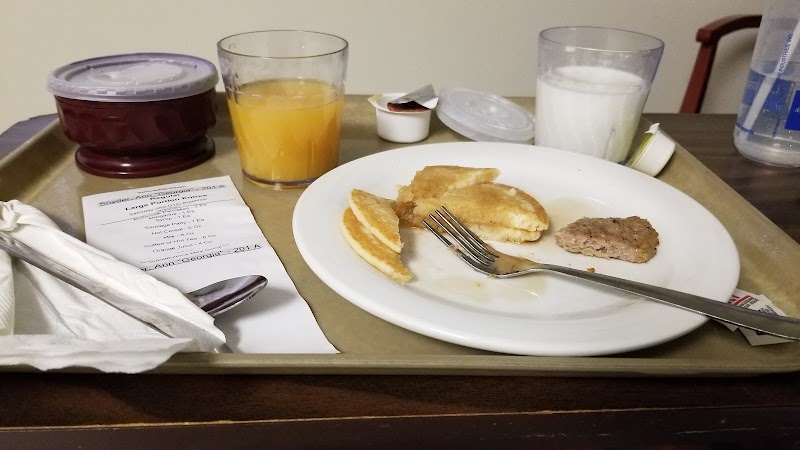
How is Friendship Haven Healthcare And Rehabilitation Cen Staffed?

CMS rates Friendship Haven Healthcare and Rehabilitation Cen's staffing level at 2 out of 5 stars, which is below average compared to other nursing homes. Staff turnover is 53%, compared to the Texas average of 46%.

What Have Inspectors Found at Friendship Haven Healthcare And Rehabilitation Cen?

State health inspectors documented 22 deficiencies at Friendship Haven Healthcare and Rehabilitation Cen during 2022 to 2025. These included: 2 Immediate Jeopardy (the most serious level, indicating potential for serious harm or death), 2 that caused actual resident harm, and 18 with potential for harm. Immediate Jeopardy findings are rare and represent the most serious regulatory concerns. They require immediate corrective action.
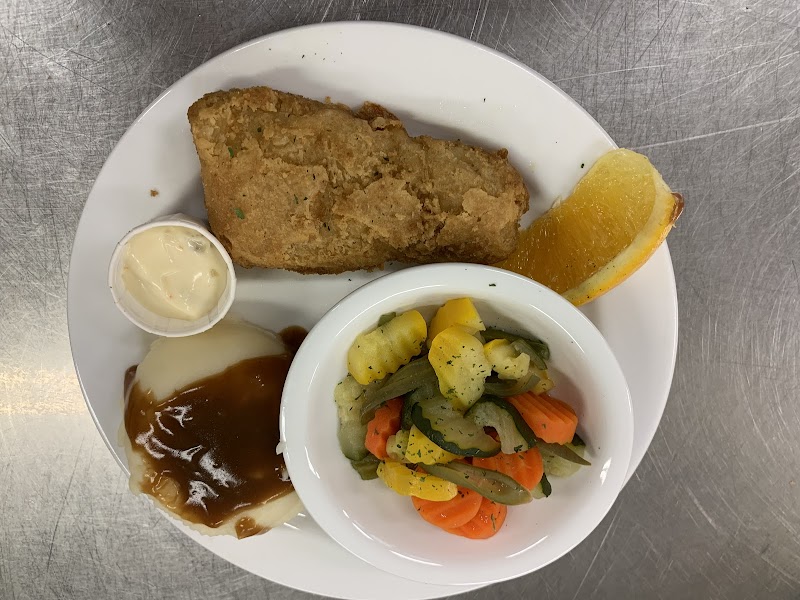
Who Owns and Operates Friendship Haven Healthcare And Rehabilitation Cen?

Friendship Haven Healthcare and Rehabilitation Cen is owned by a for-profit company. For-profit facilities operate as businesses with obligations to shareholders or private owners. The facility is operated by HMG HEALTHCARE, a chain that manages multiple nursing homes. With 150 certified beds and approximately 114 residents (about 76% occupancy), it is a mid-sized facility located in Friendswood, Texas.
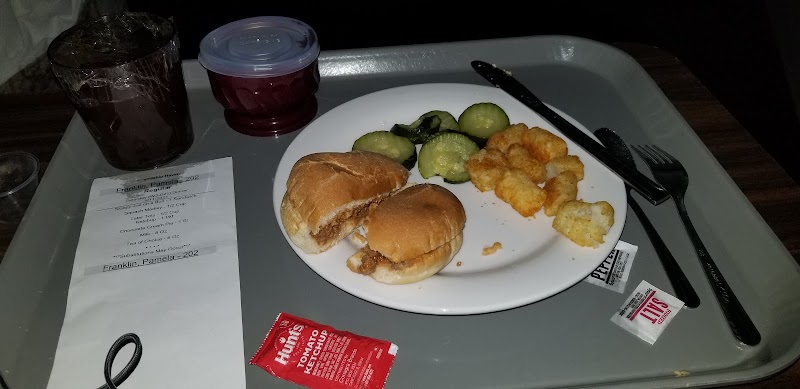
How Does Friendship Haven Healthcare And Rehabilitation Cen Compare to Other Texas Nursing Homes?

Compared to the 100 nursing homes in Texas, Friendship Haven Healthcare and Rehabilitation Cen's overall rating (2 stars) is below the state average of 2.8, staff turnover (53%) is near the state average of 46%, and health inspection rating (2 stars) is below the national benchmark.

What Should Families Ask When Visiting Friendship Haven Healthcare And Rehabilitation Cen?

Based on this facility's data, families visiting should ask: "What changes have been made since the serious inspection findings, and how are you preventing similar issues?" "What safeguards and monitoring systems are in place to protect residents from abuse or neglect?" "Can you walk me through typical staffing levels on day, evening, and night shifts?" "Can I visit during a mealtime to observe dining assistance and food quality?" These questions are particularly relevant given the facility's Immediate Jeopardy citations, the substantiated abuse finding on record, and the below-average staffing rating.

Is Friendship Haven Healthcare And Rehabilitation Cen Safe?

Based on CMS inspection data, Friendship Haven Healthcare and Rehabilitation Cen has documented safety concerns. The facility has 1 substantiated abuse finding (meaning confirmed case of resident harm by staff or other residents). Inspectors have issued 2 Immediate Jeopardy citations (the most serious violation level indicating risk of serious injury or death). The facility has a 2-star overall rating and ranks #100 of 100 nursing homes in Texas. Families considering this facility should ask detailed questions about what corrective actions have been taken since these incidents.

Do Nurses at Friendship Haven Healthcare And Rehabilitation Cen Stick Around?

Friendship Haven Healthcare and Rehabilitation Cen has a staff turnover rate of 53%, which is 7 percentage points above the Texas average of 46%. Moderate turnover is common in nursing homes, but families should still ask about staff tenure and how the facility maintains care continuity when employees leave.

Was Friendship Haven Healthcare And Rehabilitation Cen Ever Fined?

Friendship Haven Healthcare and Rehabilitation Cen has been fined $59,263 across 2 penalty actions. This is above the Texas average of $33,672. Fines in this range indicate compliance issues significant enough for CMS to impose meaningful financial consequences. Common causes include delayed correction of deficiencies, repeat violations, or care failures affecting resident safety. Families should ask facility leadership what changes have been made since these penalties.

Is Friendship Haven Healthcare And Rehabilitation Cen on Any Federal Watch List?

Friendship Haven Healthcare and Rehabilitation Cen is not on any federal watch list. The most significant is the Special Focus Facility (SFF) program, which identifies the bottom 1% of nursing homes nationally based on persistent, serious quality problems. Not being on this list means the facility has avoided the pattern of deficiencies that triggers enhanced federal oversight. This is a positive indicator, though families should still review the facility's inspection history directly.