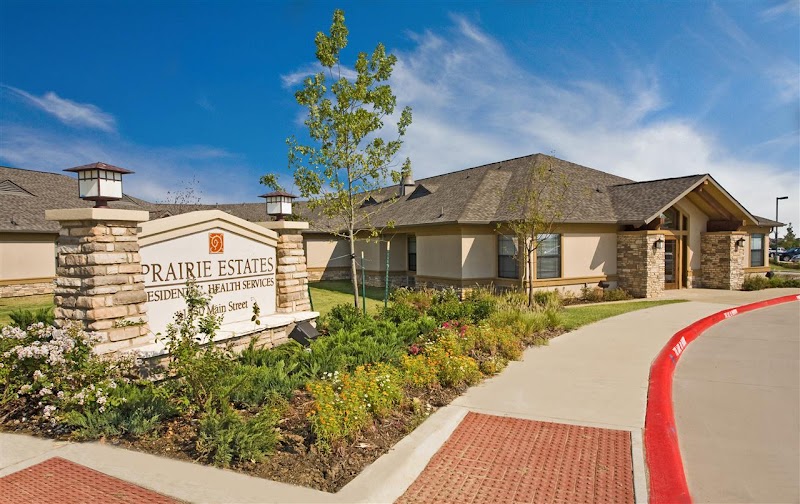


PRAIRIE ESTATES

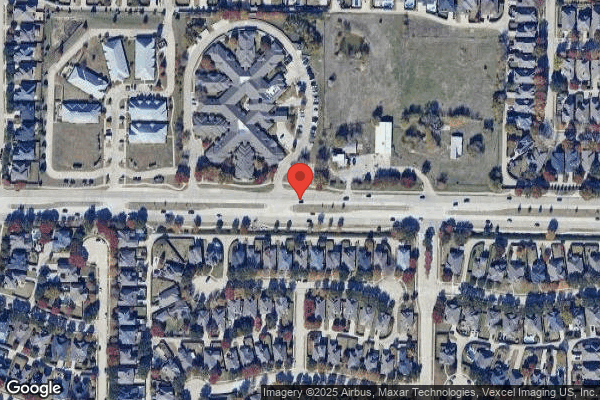
1350 MAIN ST, FRISCO, TX 75034 (214) 705-9108
For profit - Limited Liability company 180 Beds CANTEX CONTINUING CARE Data: November 2025 2 Immediate Jeopardy citations
Trust Grade
49/100
#319 of 1168 in TX
Last Inspection: December 2023

Within standard 12-15 month inspection cycle. Federal law requires annual inspections.

Overview

Prairie Estates has a Trust Grade of D, indicating below-average performance with some notable concerns. It ranks #319 out of 1168 facilities in Texas, placing it in the top half, and #11 out of 22 in Collin County, meaning there are only ten local options that are better. The facility is showing an improving trend in compliance, reducing issues from 7 in 2023 to 3 in 2024, but it still has a significant number of deficiencies, totaling 18. Staffing is a weak point, receiving a 1 out of 5 stars, though it boasts an impressive 0% turnover rate, meaning the staff stays long-term. Recent inspector findings raised serious concerns, including critical incidents where staff failed to administer CPR to unresponsive residents and improperly used assistive devices during transfers, which resulted in falls. While there are strengths in quality measures and low staff turnover, families should weigh these serious incidents against the overall care environment.

Trust Score
D
49/100
In Texas
#319/1168
Top 27%
Safety Record
High Risk
Review needed
Inspections
Getting Better
7 → 3 violations
Staff Stability
○ Average
Turnover data not reported for this facility.
Penalties
○ Average
$24,587 in fines. Higher than 72% of Texas facilities. Some compliance issues.
Skilled Nurses
○ Average
RN staffing data not reported for this facility.
Violations
⚠ Watch
18 deficiencies on record. Higher than average. Multiple issues found across inspections.
★★★★☆
4.0
Overall Rating
★☆☆☆☆
1.0
Staff Levels
★★★★★
5.0
Care Quality
★★★★☆
4.0
Inspection Score
Stable
2023: 7 issues
2024: 3 issues

The Good

  • 5-Star Quality Measures · Strong clinical quality outcomes
  • Full Sprinkler Coverage · Fire safety systems throughout facility
  • No fines on record

Facility shows strength in quality measures, fire safety.

The Bad

Federal Fines: $24,587

Below median ($33,413)

Minor penalties assessed

Chain: CANTEX CONTINUING CARE

Part of a multi-facility chain

Ask about local staffing decisions and management

The Ugly 18 deficiencies on record

2 life-threatening
Jul 2024 2 deficiencies
CONCERN (D) 📢 Someone Reported This

A family member, employee, or ombudsman was alarmed enough to file a formal complaint

Potential for Harm - no one hurt, but risky conditions existed

Resident Rights (Tag F0550)

Could have caused harm · This affected 1 resident

**NOTE- TERMS IN BRACKETS HAVE BEEN EDITED TO PROTECT CONFIDENTIALITY** Based on interview, and record review, the facility failed to treat each resident with respect and dignity and care for each res...

Read full inspector narrative →
**NOTE- TERMS IN BRACKETS HAVE BEEN EDITED TO PROTECT CONFIDENTIALITY** Based on interview, and record review, the facility failed to treat each resident with respect and dignity and care for each resident in a manner and in an environment that promotes maintenance or enhancement of his or her quality of life, recognizing each resident's individuality for one (Resident #3) of five residents reviewed for resident rights. The facility failed to ensure Resident #3 provided proper consent to a facility affiliated insurance company. This failure could place residents at risk for decreased dignity. Findings included: Review of Resident #3's admission MDS assessment dated [DATE] revealed she was an [AGE] year-old female who was admitted to the facility 12/01/23. Her diagnosis included: hypertension, gastroesophageal reflux disease, urinary tract infection, non-Alzheimer's Dementia, and depression. Her BIMs score of 6 indicating she was severely cognitively impaired. She understood others and was understood by others. Review of Resident #3's Patient Choice Form dated 12/05/23 revealed the facility was affiliated with an insurance company, home health agency, and hospice agency. The form revealed she gave LBSW verbal consent to receive information from the affiliated companies as part of her plan of care. Review of Resident #3's face sheet dated 07/31/24 revealed her responsible party was her family member A. In an interview with Resident #3 on 07/31/24 at 4:18 PM revealed she did not respond to the surveyor when asked about providing verbal consent to receive information from the affiliated companies as part of her plan of care. Resident #3 appeared to be confused. Interview with Resident #3's family member B on 08/01/24 at 10:28 am revealed he and family member A were her responsible parties. He stated Resident #3 did not have mental capacity to consent to receiving information from the insurance company. He stated he was contacted by the insurance company regarding their benefits. He stated based off the information provided by the insurance company; he switched Resident #3's insurance plan. He stated after investigating the insurance company, services promised were not rendered. He stated Resident #3 was exploited by the facility because he, family member A, and resident did not consent to receiving information from the facility affiliated insurance company. He stated Resident #3's information should never have been released by the facility. Interview with the Administrator on 07/31/23 at 1:59 pm revealed he was the interim Administrator for the building and had worked at the facility for about a week. He stated he was unfamiliar with the facility affiliated insurance company, home health agency, and hospice agency. He stated facility affiliated companies cannot have access to residents' information without consent. He stated every resident should have a completed patient choice form in their admission packet. Interview with LBSW on 07/31/24 at 2:35 pm revealed she was unaware the patient choice form allowed a facility affiliated insurance company, home health agency, and hospice agency to contact the resident with information and to have access to their personal information. She stated she never read the form. She stated she also never read the forms to any resident. She stated she signed the forms herself and selected verbal consent. She stated Resident #3 was cognitively impaired and could not provide consent. LBSW stated she falsely documented residents' verbal consents on patient choice forms because she felt pressured from the previous administrator and corporate. She stated the administrator and corporate did not tell her to falsify the forms. She stated the previous administrator and corporate pressured her to complete a certain number of patient choice forms in hopes of increasing referrals to the facility affiliated companies. LBSW stated the residents rights were being violated and they were being exploited because she falsified the patient choice forms. Interview with the Chief Population Health Officer on 07/31/24 at 3:04 pm revealed he was a part of the corporate managing group for the facility. He stated the insurance company was one of six programs associated with the facility that he oversaw. He stated the patient choice form allowed the insurance company to have access the resident's information. He stated the insurance company would never contact the resident or responsible party without consent. Interview with the Administrator on 07/31/24 at 6:00 pm revealed he was unaware a staff member was falsifying patient choice forms. He stated he needed to know which employees were falsifying information because their employment needed to be terminated. He stated he needed to protect the residents at the facility. Review of facility policy, Resident Rights, dated February 2021, reflected, Employees shall treat all residents with kindness, respect, and dignity. Federal and state laws guarantee certain basic to all residents of this facility. These rights include the resident's right to: .be informed of, and participate in, his or her care planning and treatment .The unauthorized release, access, or disclosure of resident information is prohibited. Inquiries concerning residents' rights should be referred to the social services director.
CONCERN (D) 📢 Someone Reported This

A family member, employee, or ombudsman was alarmed enough to file a formal complaint

Potential for Harm - no one hurt, but risky conditions existed

Safe Environment (Tag F0921)

Could have caused harm · This affected 1 resident

Based on observations, interviews, and record reviews the facility failed to provide a safe, functional, sanitary, and comfortable environment for residents, staff, and the public for 2 (Resident #1 a...

Read full inspector narrative →
Based on observations, interviews, and record reviews the facility failed to provide a safe, functional, sanitary, and comfortable environment for residents, staff, and the public for 2 (Resident #1 and Resident #2) of 8 residents reviewed for environment. The facility failed to ensure the wheelchairs used by Resident #1 and Resident #2 were clean and sanitary. This failure could place residents at risk for diminished quality of life due to the lack of a well-kept environment. Findings included: 1. An observation on 7/30/24 at 10:25 AM revealed Resident #1 was sitting in a wheelchair in the doorway to her room located on the 700 Hall. Both back wheels on her wheelchair had a thick buildup of dust and debris on all of the spoke surfaces. The metal frame of her chair along the sides and beneath her seat and surface of her brake lever were covered with a thick layer of dirt and debris. The areas surrounding the hardware on her seat were filled with a dried, thick, white substance. Resident #1 was unable to say how long her chair had looked or when it was last cleaned for her other than to say, it's been a while. She was unable to answer other general questions about her care. An observation and interview on 7/30/24 at 4:50 PM, the DON was shown Resident #1's wheelchair and asked about cleaning procedures. The DON stated the chairs were cleaned regularly. She stated Resident #1 had a habit of carrying food between her room and the dining room and was sometimes resistant to leaving her chair. She stated she would get it cleaned as soon as possible. An interview with the DON on 7/31/24 at 8:00 AM, she stated the nursing staff were responsible for monitoring the wheelchairs and could wipe them down. She stated the facility driver took the chairs outside and power washed them when needed for heavy cleaning. The DON stated there was no set schedule made for the cleaning as some were more heavily used than others, but a request could be made to herself or any unit manager for a deep cleaning. She stated everyone was responsible for ensuring the chairs were cleaned and she felt the facility maintained good communication. She stated she did not feel there was any risk to the residents as they still had a means of locomotion, and it did not interfere with the use of the wheelchairs. 2. An observation on 7/31/24 at 9:06 AM, Resident #2 was observed in her room on the 700 Hall, sitting in her wheelchair sipping water. Her wheelchair had a dried, thick, beige substance along her lower right side and streaks of what appeared to be the same substance spattered on her wheel. During an interview on 7/31/24 at 9:15 AM, RN A stated it was everyone's responsibility to monitor the wheelchairs for cleanliness. She stated, when the wheelchairs were dirty, they could wipe them down or ask housekeeping or maintenance staff to power wash them. She stated she could make an entry into the maintenance log kept at the nurses' station or just tell them. RN A stated Resident #1 had a habit of going and grabbing food and putting it in her chair. She stated they kept telling her to let them help but even when we clean her wheelchair, it became dirty quickly. RN A stated she could not explain the buildup of dust and debris on the wheels. During an interview on 7/31/24 at 9:36 AM, LVN B stated resident's wheelchairs should be checked daily and cleaned as needed. She stated if the chairs were heavily soiled, they could borrow a replacement chair from the therapy department and request a power wash. She stated the facility kept a maintenance log at the nurses' station for any requests or they reported it to management staff. In an interview on 7/31/24 at 9:45 AM, MA C stated anyone could request a wheelchair cleaning. She stated they could make a request to management, and someone would come, and power wash the wheelchairs. During an interview on 7/31/24 at 12:36 PM, the Maintenance Director stated they assisted with the maintenance and function of the wheelchairs and would sometimes take them out and power wash them when asked. He stated the staff utilized the maintenance logbooks or contacted management when needed. During an interview on 7/31/24 at 1:09 PM, CNA D stated everyone should monitor the wheelchairs to make sure they were clean. She stated they could let maintenance know by using the logbook or let a manager know if cleaning was needed. CNA D stated they had struggles with Resident #1 at times because she wanted food with her. She stated the resident did not want her chair taken from her room. She was unable to say when the chair was last reported as needing to be cleaned. When shown Resident #2's chair, CNA D stated she was surprised because the chair had just been cleaned the week before. She stated it looked like a milkshake may have been spilled and they would get it cleaned. Record review of the Maintenance Repair Log entries dated from 6/10/24 through 7/31/24 located at the nurse's station for Halls 500, 600, 700, 800, and 900 revealed there was only one entry requesting a wheelchair clean. The entry was dated 6/10/24 and was not related to Resident #1 or Resident #2. Record review of the facility's policy titled, Cleaning and Disinfection of Resident-Care Items and Equipment dated Revised July 2014, reflected, Resident-care equipment, including reusable items and durable medical equipment will be cleaned and disinfected according to current CDC recommendations for disinfection and OSHA Bloodborne Pathogens Standard .
Jan 2024 1 deficiency
CONCERN (D) 📢 Someone Reported This

A family member, employee, or ombudsman was alarmed enough to file a formal complaint

Potential for Harm - no one hurt, but risky conditions existed

Pharmacy Services (Tag F0755)

Could have caused harm · This affected 1 resident

**NOTE- TERMS IN BRACKETS HAVE BEEN EDITED TO PROTECT CONFIDENTIALITY** Based on, observation, interview and record review, the facility failed to provide pharmaceutical services (including procedures...

Read full inspector narrative →
**NOTE- TERMS IN BRACKETS HAVE BEEN EDITED TO PROTECT CONFIDENTIALITY** Based on, observation, interview and record review, the facility failed to provide pharmaceutical services (including procedures that assure the accurate acquiring, receiving, dispensing, and administering of all drugs and biologicals) to meet the needs of each resident for 1 (Resident #1) of 8 residents reviewed for pharmacy services. 1. The facility failed to administer evening medications to Resident #1 when she asked to take them at a later time. 2. The facility staff failed to document the missed medication doses or notify the physician when Resident #1's medications were not administered. These failures placed residents at risk of not receiving the therapeutic benefits of their prescribed medications. Findings included: Record review of Resident #1's Face Sheet dated 1/30/24 revealed she was a [AGE] year-old female admitted to the facility on [DATE] with diagnoses including anemia [low blood count] in chronic kidney disease, atherosclerotic heart disease, Type 2 diabetes, chronic kidney disease stage 3, hyperlipidemia [high cholesterol], primary insomnia [trouble sleeping], vitamin D deficiency, anxiety disorder, cough, and acute serous otitis media left ear [ear infection]. Record review of Resident #1's Annual MDS assessment dated [DATE] revealed she had a BIMS score of 15 indicating she was cognitively intact. Record review of Resident #1's Patient Medication Profile [orders] dated 1/30/24 reflected the following entries: Clonazepam 0.5 mg 1 tablet oral two times daily starting 2/21/22 Atorvastatin 10 mg 1 tablet oral one time daily starting 6/29/22 Calcium 600 + D(3) 600 mg-10 mcg (400 unit) 1 tablet oral two times daily starting 8/8/22 Trazodone 50 mg tablet (1/2 tab=25 mg) oral hour of sleep starting 9/27/22 Oxybutynin chloride 5 mg 1 tablet oral every 12 hours starting 1/16/23 Gabapentin 300 mg 1 capsule oral hour of sleep starting 7/5/23. Iron (ferrous sulfate) 325 mg (65 mg iron) 1 tablet oral two times daily starting 7/27/23 Methenamine Hippurate 1 gram 1 tablet oral two times daily for three hundred sixty five days starting 10/18/23. Record review of Resident #1's MAR dated January 2024 revealed the following entries: Clonazepam 0.5 mg 1 tablet two times daily starting 2/21/22 [diagnosis code] Anxiety Disorder. Schedule: 9:00 [9 AM] starting 10/10/23. 20:00 [8 PM] starting 10/10/23. The 8:00 PM entry for 1/14/24 reflected =. The MAR Legend reflected = meant Previously Scheduled. There was no indication on the MAR to indicate which staff member entered the symbol/code. Atorvastatin 10 mg 1 tab one time daily starting 6/29/22. [diagnosis code] hyperlipidemia. Schedule: 20:00 [8 PM] The 8:00 PM entry for 1/14/24 reflected =. The MAR Legend reflected = meant Previously Scheduled. There was no indication on the MAR to indicate which staff member entered the symbol/code. Calcium 600 + D(3) 600 mg-10 mcg (400 unit) 1 tablet two times daily starting 8/8/22. Schedule: 9:00 [9 AM] starting 10/10/23. 20:00 [8 PM] starting 10/10/23. The 8:00 PM entry for 1/14/24 reflected =. The MAR Legend reflected = meant Previously Scheduled. There was no indication on the MAR to indicate which staff member entered the symbol/code. Trazodone 50 mg tablet (1/2 tab=25 mg) hour of sleep starting 9/27/22. [diagnosis code] insomnia. Schedule: 20:00 [8 PM]. The 8:00 PM entry for 1/14/24 reflected =. The MAR Legend reflected = meant Previously Scheduled. There was no indication on the MAR to indicate which staff member entered the symbol/code. Oxybutynin chloride 5 mg 1 tablet every 12 hours starting 1/16/23. [diagnosis code] other muscle spasm. Schedule: 9:00 [9 AM] starting 10/10/23. 20:00 [8 PM] starting 10/10/23. The 8:00 PM entry for 1/14/24 reflected =. The MAR Legend reflected = meant Previously Scheduled. There was no indication on the MAR to indicate which staff member entered the symbol/code. Gabapentin 300 mg 1 capsule hour of sleep starting 7/5/23. [diagnosis code] pain Schedule: 20:00 [8 PM] The 8:00 PM entry for 1/14/24 reflected =. The MAR Legend reflected = meant Previously Scheduled. There was no indication on the MAR to indicate which staff member entered the symbol/code. Iron (ferrous sulfate) 325 mg (65 mg iron) 1 tablet two times daily starting 7/27/23. [diagnosis code] anemia in chronic kidney disease. Schedule: 9:00 [9 AM] starting 10/10/23. 20:00 [8 PM] starting 10/10/23. The 8:00 PM entry for 1/14/24 reflected =. The MAR Legend reflected = meant Previously Scheduled. There was no indication on the MAR to indicate which staff member entered the symbol/code. Methenamine Hippurate 1 gram 1 tablet two times daily for three hundred sixty five days starting 10/18/23. [diagnosis code] urinary tract infection. Schedule: 8:00 [8 AM] and 20:00 [8 PM]. The 8:00 PM entry for 1/14/24 reflected =. The MAR Legend reflected = meant Previously Scheduled. There was no indication on the MAR to indicate which staff member entered the symbol/code. Record review of Resident #1's progress notes dated 1/1/24 through 1/30/24 revealed there was no nursing entry made on 1/14/24 and no entry indicating the medications were refused or the physician was notified. An entry dated 1/17/24 at 10:39 PM by LVN H reflected: Resident stated she did not get her medication on Sunday night [1/14/24]. Resident agitated and wanting to take her night medication at [8:30 PM] every day. This nurse inform medication aide to give her medications at [8:30 PM] as requested. During an interview on 1/30/24 at 11:01 AM, MA B stated if a resident did not wish to take their medications at the time they were offered, she would circle back and try again. If they still did not wish to take them, she would attempt to find out the reason and then go and report it to the charge nurse. She stated the charge nurse handled the situation from that point on and it was the charge nurse's responsibility to document the missed doses. MA B stated she had the issue come up a couple of times on her hall but did not recall ever having an issue with Resident #1. She stated Resident #1 had taken her medications that morning and was participating in activities at the time of the interview. During an interview on 1/30/24 at 11:22 AM, LVN C stated if a resident did not want their medications and preferred them at a given time, the MA or nurse should go back and attempt to give them at that time. She stated if the time requested was outside the dose range, the nurse should call the physician and obtain guidance. She stated some medications may conflict with others due at a later time so it was up to the physician to determine whether it was okay to administer them. LVN C stated any changes or medication refusals should be documented in the MAR and progress notes and it was the nurse's responsibility to ensure the documentation was completed. She stated the risk for missing medications depended on the medication as they were prescribed for a reason. She stated, if a resident missed a blood pressure medication, it could cause an increase in their blood pressure and that was why they needed to let the physician know. LVN C stated she cared for Resident #1 and, from what she had heard, Resident #1 had preferences for her medication times and would call and let them know when she wanted them. An observation and interview on 1/30/24 at 12:27 PM revealed Resident #1 was in her room, sitting in her wheelchair, clean and well-groomed. Resident #1 complained she had missed her evening medications on 1/14/24. She stated it was a Sunday night about 7:30 PM and a MA came in to deliver her medications. She stated she told the MA it was too early and she did not want them yet. She could not remember the name of the MA. Resident #1 stated she later got changed and was waiting for him to return; she was playing a game on her phone and fell asleep. She stated she did not wake up until the next morning and remembered she did not get her medications the evening before. She stated she called for the morning nurse [LVN C] and complained to her that she had not received her medications the evening prior. Resident #1 stated LVN C asked her if she had called the evening nurse and asked about the medications and she told the nurse, No, because I was sleeping and it's not my job. Resident #1 stated she became angry and asked to speak to a manager. Resident #1 stated Unit Manager A came to see her and she reported the situation to him. She stated Unit Manager A returned later and stated he had spoken with the MA who admitted he had forgotten to follow-up on the medications but he had checked on her three times and she had been sleeping. Resident #1 stated she did not believe that was true because staff usually woke her up to take her medications. She stated Unit Manager A told her he planned to write-up the staff involved and give additional training and asked her if she felt better about the situation. Resident #1 stated she told him it did not make her feel better and she was going to call the State and make sure it didn't happen again. Resident #1 stated the Administrator came to see her the next day to investigate and she told the Administrator she did not want this to happen to other residents. Resident #1 stated the staff had previously offered to change her dose times but she refused and wanted the dose times to remain as they were. In an interview on 1/30/24 at 1:30 PM, LVN D stated residents had a right to refuse their medications and the MA or nurse should try to determine the cause. She stated the MA could try again and administer the medication if it was still within the dose window, otherwise they should report the refusal to the charge nurse. She stated it was the nurse's responsibility to determine the reason for the refusal, notify the physician and RP, and document the refusal and physician contact in the MAR and progress notes, and follow the physicians' orders. During an interview on 1/30/24 at 1:35 PM, Unit Manager A stated he was aware of Resident #1's complaint about missing her evening medications on 1/14/24. He stated they had in-serviced the staff and had 1 on 1 counseling with the MA involved, [MA E]. He stated he had done a full assessment of Resident #1 and she did not appear to have any adverse effects . He stated the pharmacy consultant had also come and provided 1 on 1 training to the medication aides related to medication rights and medication errors. Unit manager A stated staff should always follow the rights of medication administration. Medications could be administered 1 hour before to 1 hour after the scheduled dose time. He stated, if a resident did not take their medication, the MA should notify the charge nurse and could try again if it was still within the dosage window. He stated medications should never be signed as administered unless the medication was taken by the resident. He stated the medications were not signed out in the instance with Resident #1 and the MA was waiting for her to call and let him know she was ready. He stated the MAs did not document medication refusals. Unit Manager A stated the MA should report the occurrence to the charge nurse who then should assess the resident and document the refusal as they are responsible to follow-up with the resident and intervene when necessary. Contact information was requested for the MA and the LVN who worked with Resident #1 on 1/14/24. During a follow-up interview with LVN C on 1/30/24 at 2:30 PM, she stated she spoke with Resident #1 on the morning of 1/15/24 and she complained that she had missed her medications the evening before. She stated Resident #1 told her she had initially declined her medications because of an upset stomach. She stated Resident #1 told her the MA returned a second time and she told him she was not ready and asked him to leave the meds on her table and he refused. LVN C stated she had asked Resident #1 if she had called for her medications when she was ready for them, and she felt Resident #1 was annoyed with her for asking. She stated she reported the matter to Unit Manager A. LVN C stated she assessed Resident #1 and did not note any adverse reactions to missing her medications . During an observation and interview on 1/30/24 at 3:22 PM, LVN F was observed performing a medication pass. After the medication pass, LVN F stated if a resident had refused to take their medications when offered, she would have tried to determine why they did not want their medications and when they would want to take them. If the time was outside the administration window, she would document the refusal, notify the physician and RP and document the event in the progress notes. During a telephone interview with MA E on 1/30/24 at 3:45 PM, he stated he was aware of Resident #1's complaint about missing her medications on 1/14/14. He stated he attempted to administer medications to Resident #1 that evening and she told him she was nauseated and wanted to wait and asked him to come back later. MA E stated he reported what she told him to RN G. MA E stated he returned to Resident #1's room to try again at around 8:30 PM and she told him she would call when she was ready for them. MA E stated he locked her medications in his cart and forgot about it afterward. He stated his shift ended at 10:00 PM and he did not recall notifying anyone else about medications and repeated that he had informed the charge nurse when she initially refused them. He stated he did not notify the oncoming shift about the missed doses and should have taken it up with the nurse. He stated he did not document the missed doses anywhere because he did not have access to do so. When asked about the risks to residents if there was a failure to administer their medications, MA E stated, I did not fail to administer the medications. I attempted to give them. Failing is when you don't go; I went. In an interview on 1/30/24 at 3:57 PM, Unit Manager A provided contact information for RN G. Attempts to call RN G two times were unsuccessful and no voicemail box was available to leave a message. In an interview with the DON on 1/30/24 at 5:01 PM, she stated all residents had a right to refuse medications. If a resident requested to take them later and they were still within the administration window they should be administered. If outside the administration window or the resident outright refused the medication, the charge nurse should call the physician and discuss the situation and follow their guidance. She stated the nurse should document the refusal. The DON stated she was aware of the incident involving Resident #1 and MA E and had investigated it. She stated MA E told her Resident #1 had initially refused the medications complaining of nausea and refused them again a second time. She stated MA E told her he had reported the situation to the nurse. The DON stated she questioned RN G and he told her he was not aware Resident #1 had refused her medications. She stated she did not investigate the night nurse because the matter was between MA E and RN G. She stated the night nurse would not have known the medications were not administered because the MAR would only reveal medications due to be administered on their shift. She denied receiving any reports of medications left on the medication cart and that MA E told her he had destroyed the medications after the resident refused them. The DON stated she wrote up both employees the next day and could not tell what was what. She stated the pharmacy consultant conducted in-service training with the MAs. The DON stated it was important for the nurses to notify the physician when medications were missed so that the physician could determine if they needed to order different medications or change the plan of care. She stated the general risk for missing medications depended on the medication and number of doses missed. During a follow-up interview and record review with Unit Manager A and the DON on 1/30/24 at 5:40 PM, Unit Manager A stated he notified the physician the next day [1/15/24] and informed them of the missed doses. He stated the resident was fully assessed and had no adverse reactions. He stated he monitored MARs daily for missed doses or other concerns and discussed them in daily meetings. He stated, in Resident #1s instance, the complaint came to him first thing in the morning before he had pulled his reports. He stated Resident #1 had a thorough assessment and had no adverse effects. Unit Manager A reviewed the missed medications and stated he did not believe the missed medications contributed to her anxiety. He stated Resident #1 had a history of getting angry with staff and calmed down when they talked to her. He stated they had offered to change her medication times in the past and she never wanted the dose times changed. When deficient practice was discussed, the DON stated they did not feel they had deficient practice as the resident had refused her medications. She stated the refusal was documented on the MAR. When asked to identify the area on the MAR where the refusal was documented, the entries revealed =. The associated legend on the MAR reflected the symbol meant Previously Scheduled. There were no entries located on the MAR Legend which would indicate a resident refusal. Neither Unit Manager A or the DON were able to explain how a refusal was documented on the MAR and no documentation was provided to indicate anyone had documented Resident #1's refusal of her medications or that the physician had been notified on 1/14/24. In an interview with Physician I on 1/30/24 at 6:21 PM, he stated his Nurse Practitioner had been notified of Resident #1 missing her evening medications and had discussed the issue with him. He stated he was not certain when his Nurse Practitioner was notified. He reviewed the missed medications and did not believe there had been any risk posed to the resident when the medications were missed. Record review of an In-Service training Report dated 1/15/24 and conducted by Unit Manager A reflected, Topic: In-service/training completed on administering medications, rights of medication administration, Resident Rights, and abuse, neglect, exploitation and misappropriation. An attached undated document titled, Medication Administration In-Service reflected the following: 1. All Nurses must follow proper medication administration protocol. (6 Rights of Med Administration) . 5. All missed doses must be appropriately accounted for as follows: -Nurses must initial; then circle the omitted item. -Nurses must document on the back of the MAR why the dose was missed. Medication not available is not acceptable without a MD's order and documentation of the MD's intervention for the missed dose. This includes missed doses for new admissions. All other situations such as [patient's] refusal of a med or treatment must be explained with appropriate MD notification. Additional notes must be documented in the nurses notes. -The MD must be notified of a [patient's] initial refusal of a med or tx; if there are three consecutive refusals the MD must be notified again. MD's intervention MUST be documented!!! An attached attendance sheet reflected only MA E received the in-service training Record review of the facility's policy and procedure titled, Documentation of Medication Administration dated 2001, Revised November 2022 reflected the following: Policy Heading: A medication administration record is used to document all medications administered. Policy Interpretation and Implementation: 1. A nurse or certified medication aide (where applicable) documents all medications administered to each resident on the resident's medication administration record (Mar) .3. Documentation of medication administration includes, as a minimum .f. reason(s) why a medication was withheld, not administered, or refused (as applicable)
Dec 2023 3 deficiencies
CONCERN (D)

Potential for Harm - no one hurt, but risky conditions existed

ADL Care (Tag F0677)

Could have caused harm · This affected 1 resident

**NOTE- TERMS IN BRACKETS HAVE BEEN EDITED TO PROTECT CONFIDENTIALITY** Based on observation, interview, and record review, the facility failed to ensure residents who were unable to carry out activit...

Read full inspector narrative →
**NOTE- TERMS IN BRACKETS HAVE BEEN EDITED TO PROTECT CONFIDENTIALITY** Based on observation, interview, and record review, the facility failed to ensure residents who were unable to carry out activities of daily living received the necessary services to maintain good personal hygiene for 1 (Resident #129) of 8 residents reviewed for personal care. The facility failed to provide personal care and skin care for Resident #129 by not grooming her hair. This failure could place residents who require staff assistance at risk of dermatitis, infections, and low self-esteem. Findings included: Record review of Resident #129's face sheet, dated 12/14/23, revealed Resident #129 was a [AGE] year-old female admitted to the facility on [DATE]. Resident #129 had diagnoses of anxiety disorder, depression, disorder of muscle, and functional quadriplegia (complete inability to move due to severe disability). Record review of Resident #129's Quarterly MDS assessment, dated 12/14/23, revealed the resident had moderatly impaired cognition with a BIMS score of 12. Resident #129 was dependent on staff to complete ADLs of personal hygiene, bath, oral hygiene, dressing, and toileting hygiene. Record review of Resident #129's Comprehensive Care Plan, dated 12/14/23, reflected the following: ADLs functional Status: Potential task- Goal .maintain a sense of dignity by being clean, dry, odor free, and well groomed .Intervention: set-up, assist, give shower, shave, oral, hair, nail care schedule, and prn. In an observation and interview on 12/12/23 at 11:10 AM, Resident #129's hair was knotted, matted, and dirty. Observed gray flaky particles throughout Resident #129's hair. The resident's hair was in twined and undetachable. Resident#129 stated she, wished it could be combed out. I don't like the way it looked, but they have so many patients to care for. In an interview on 12/13/23 at 3:00 PM, the DON stated she would investigate Resident #129's concerns about her hair. In an interview on 12/14/23 at 8:44 AM, LVN T stated CNAs took care of grooming before and after breakfast. LVN T stated her hair should be combed every day. LVN T stated the residents were at risk for low self-esteem, and hair could knot and cause pain when combed. In an interview on 12/14/23 at 8:50 AM, CNA B stated the residents' hair was supposed to be combed every day. CNA B stated the residents' hair could knot up if not combed daily. CNA B stated residents' self-esteem could be affected. In an interview on 12/14/23 at 9:05 AM, LVN J stated residents' hair should be combed every day when getting up. LVN J stated residents' hair could become matted and could cause skin conditions such as lice. In an interview on 12/14/23 at 9:46 AM, Resident #129 stated her head itched and she hated it being tangled. Resident #129 stated the staff did not take the time to detangle her hair. Resident #129 stated the staff combed her hair from the scalp instead of the ends, and it hurt. Resident #129 stated the staff had not combed her hair in about a month. In an interview and observation on 12/14/23 at 10:15 AM, CNA D stated the residents should be groomed daily. CNA D confirmed Resident #129's hair was matted and tangled. CNA D stated not caring for the residents' hair could cause an infection, flaky skin, and lice. In an interview on 12/14/23 at 10:22 AM, RN M stated when getting the residents up their hair should be groomed every day. RN M stated residents were at risk of tangled hair and looking unpresentable. In an interview on 12/14/23 at 10:43 AM, the DON stated the residents' daily requests and preferences for hair grooming were honored. The DON stated that refusal of grooming would be documented on the residents' care plans. Record review of Resident #129's care plan revealed no documentation of refusals for ADLs. Record review of the facility's current, undated Activities of Daily Living (ADLs), Supporting policy reflected: .residents who are unable to carry out activities of daily living independently will receive the services necessary to maintain good nutrition, grooming, and personal hygiene 5. Resident ability to perform ADLs .Total dependence- Full staff performance of an activity with no participation by resident .
CONCERN (E)

Potential for Harm - no one hurt, but risky conditions existed

Food Safety (Tag F0812)

Could have caused harm · This affected multiple residents

Based on observation, interview, and record review the facility failed to store, prepare, distribute, and serve food in accordance with professional standards for food safety in the facility's only ki...

Read full inspector narrative →
Based on observation, interview, and record review the facility failed to store, prepare, distribute, and serve food in accordance with professional standards for food safety in the facility's only kitchen. 1. The facility failed to ensure the ice machine was maintained in a clean and sanitary manner free of white crust and scale. 2. The facility failed to ensure food items and clean dishes were kept away from soiled surfaces and airborne contaminants. 3. The facility failed to ensure Styrofoam containers were stored away from the kitchen cleaning products and equipment. 4. The facility failed to ensure the microwave was maintained in a clean and sanitary manner free of dust and sticky residue. These failures could place residents, who received food from the kitchen, at risk for food contamination and food-borne illness. Findings included: An observation and interview with the Nutrition Supervisor, on 12/12/2023 at 8:45 AM, revealed the ice machine in the food tray assembly area of the kitchen to have white crust/scale around the lid, front, and sides. She said it was cleaned weekly and the kitchen staff were responsible to keep it clean. She stated there should not be any scale on the machine as it could flake off and contaminate the ice or other food in the kitchen. Dust and grey fuzz were observed on the utensil rack next to the three-compartment sink. The Nutrition Supervisor said the utensils hanging on the rack were clean and the rack should not have any dust on it because it could come into contact with the clean utensils and possibly cause food-borne illness. A fire extinguisher hanging on the wall beside the utensil rack had a coating of black grime, grease, and dust on the top and handle. A food preparation area was observed adjacent to the utensil rack and fire extinguisher. The Nutrition Supervisor said maintenance would be responsible to keep the fire extinguisher clean. An observation and interview with the Nutrition Supervisor, on 12/12/2023 at 8:55 AM revealed, a room with a wash basin on the floor along with brooms, mops, and cleaning supplies. Boxes of Styrofoam plates and bowls were also stored in the room. The Nutrition Supervisor said they did not have anywhere else to store them while they awaited staff to return them to another storage area. She said they should not be in the same area that they stored cleaning items because they could become contaminated with dirt, or cleaning products. She said she had a cleaning schedule and staff were expected to initial when they have completed each task on the schedule. She said she monitored this. In an interview on 12/12/2023 at 9:20 AM, the Dietitian stated she came to the facility weekly to answer any dietary questions. She said she expected the kitchen to be clean and free of any potential cross-contamination or food-borne illness concerns. An observation and interview with the Nutrition Supervisor, on 12/13/2023 at 7:30 AM, revealed the [NAME] plating breakfast trays at the steam table. A microwave in a shelf over the right side of the area was observed to have a sticky coating and dust covering the top and back of the microwave. The backside of the microwave was open to the tray assembly area and was on the same shelf with hand sanitizer which was observed being used by staff assembling trays. The Nutrition Supervisor said the microwave was cleaned daily and should not have dust or grease on it. She said there was a risk that the dust could blow off and get into food that was prepared in the area. An observation and interview with the Nutrition Supervisor on 12/13/2023 at 7:40 AM revealed, a wired shelving unit on the backside of the food plating area that had utensils and metal food containers on it. The shelves did not have any barrier or matting on them and had rust and dust on them. The Nutrition Supervisor said the rust particles and dust could fall off the shelving and onto the clean dishes causing contamination. She said kitchen staff were expected to keep the shelves clean. In an interview on 12/13/2023 at 7:45 AM, the Corporate Trainer said the Nutrition Supervisor recently took over responsibility of the kitchen and she was in the facility to assist her in getting acclimated with her responsibility. She said she understood the cleaning concerns and agreed they posed a risk of food contamination. In an interview on 12/14/2023 at 2:52 PM, the Maintenance Director said the facility had a contract with a company to take care of the ice machine. He said kitchen staff were responsible to clean the outside of the machine. He said there should not be any scaling on the machine because it could flake off and get into the ice or other food in the kitchen . Record review of the facility's cleaning schedule dated 11/27/2023 through 12/17/2023 reflected the ice machine was cleaned each day up to the review date of 12/12/23. Review of the Cooks cleaning schedule, dated 11/27/2023 through 12/17/2023 reflected the microwave was cleaned on 11/28, 12/1, 12/3, 12/8, 12/9, 12/10, and 12/11/23. Review of the PM Cooks cleaning schedule, Dish washer schedule, and Aides cleaning schedule dated 11/27/2023 through 12/17/2023 reflected no listing for the wire racks holding clean dishes, utensil holder, or cleaning closet. Record review of the facility's policy titled, Sanitation of dietary department, dated 11/3/2004 reflected, The dietary staff shall maintain the sanitation of the dietary department through compliance with a written, comprehensive cleaning schedule. The Dietary Manager shall record all cleaning and sanitation tasks for the department Record review of Federal Drug Administration Food Code dated 2022 section 4-601.11 Equipment, Food-Contact Surfaces, Nonfood-Contact Surfaces, and Utensils revealed (A) EQUIPMENT FOOD-CONTACT SURFACES and UTENSILS shall be clean to sight and touch. (B) The FOOD-CONTACT SURFACES of cooking EQUIPMENT and pans shall be kept free of encrusted grease deposits and other soil accumulations. (C) NonFOOD-CONTACT SURFACES of EQUIPMENT shall be kept free of an accumulation of dust, dirt, FOOD residue, and other debris. 3-305.11 Food Storage. (A) Except as specified in (B) of this section, FOOD shall be protected from contamination by storing the FOOD: (1) In a clean, dry location; (2) Where it is not exposed to splash, dust, or other contamination. 14 Food Preparation. During preparation, UNPACKAGED FOOD shall be protected from environmental sources of contamination. 3-307.11 Miscellaneous Sources of Contamination. FOOD shall be protected from contamination that may result from a factor or source not specified under Subparts 3-301 - 3-306. 3-602.
CONCERN (E)

Potential for Harm - no one hurt, but risky conditions existed

Garbage Disposal (Tag F0814)

Could have caused harm · This affected multiple residents

Based on observation, interview, and record review, the facility failed to dispose of garbage and refuse properly. The facility failed to ensure the trash in the dumpster corral was contained and main...

Read full inspector narrative →
Based on observation, interview, and record review, the facility failed to dispose of garbage and refuse properly. The facility failed to ensure the trash in the dumpster corral was contained and maintained in a sanitary condition. The failure had the potential to attract rodents and create an unsafe, unsanitary exterior. Findings included: An observation and interview with the Nutrition Supervisor and Corporate Trainer on 12/12/2023 at 9:10 AM revealed, the dumpster corral door to be open. Both dumpsters were closed but one had a clear bag of trash containing adult diapers hanging over the top of the bin. The ground in the dumpster corral was littered with trash. The Nutrition Supervisor named the trash as follows: clothes, plastic straws, rubber gloves, paper and paper products, cups, lotion bottles, and drink bottles. She said the Dietary department shared the dumpsters with nursing. She said it was dietary's responsibility to ensure the bins and the corral area was maintained in a sanitary way. She said trash should not be half in the bins and no trash should be left on the ground in the corral area. She said this could attract rodents or could be a safety hazard to staff who brought trash to the bins. In an interview on 12/13/2023 at 8:17 AM, the Administrator stated housekeeping, dietary, and maintenance were responsible to ensure the dumpster area was kept clean. She stated trash should be contained in the closed bins to limit the attraction of bugs or rodents. In an interview on 12/14/2023 at 2:52 PM, the Maintenance Director said it was all the staff's responsibility to ensure the trash was deposited into the dumpster bin. He said trash should be contained in the bins and not on the ground to promote proper sanitation. Record review of the facility's policy titled, Waste Disposal, dated 11/3/2004, reflected, All garbage will be disposed of daily. Prior to disposal, all trash shall be kept in leakproof, non-absorbent, fireproof containers that are kept covered. Trash bags shall be sealed prior to removing from house. Trash will be deposited into the sealed container outside the premise.
Sept 2023 2 deficiencies 1 IJ
CRITICAL (J) 📢 Someone Reported This

A family member, employee, or ombudsman was alarmed enough to file a formal complaint

Immediate Jeopardy (IJ) - the most serious Medicare violation

Deficiency F0678 (Tag F0678)

Someone could have died · This affected 1 resident

**NOTE- TERMS IN BRACKETS HAVE BEEN EDITED TO PROTECT CONFIDENTIALITY** Based on interviews and records review, the facility failed to ensure personnel provided basic life support, which included CPR,...

Read full inspector narrative →
**NOTE- TERMS IN BRACKETS HAVE BEEN EDITED TO PROTECT CONFIDENTIALITY** Based on interviews and records review, the facility failed to ensure personnel provided basic life support, which included CPR, to a resident requiring such emergency care subject to the resident's advance directives for one (Resident #1) of four residents reviewed for cardiopulmonary resuscitation. On [DATE], LVN A found Resident #1 unresponsive. LVN A said she a pulse was not felt, and a heartbeat was faintly heard. LVN A did not initiate CPR to Resident #1. LVN A failed to review Resident #1's Advance Directives choice, Full Code, when she discovered Resident #1 unresponsive. An Immediate Jeopardy (IJ) was identified on [DATE]. The IJ template was provided to the facility on [DATE] at 5:06 PM. While the IJ was lowered on [DATE], the facility remained out of compliance at a scope of isolated and severity level of actual harm that is not IJ due to the facility continuing to monitor the implementation and effectiveness of the corrective systems. This deficient practice could affect all residents who requested a full code status at risk of not receiving necessary life-saving measures. Findings included: Record review of Resident #1's admission MDS (a standardized assessment tool that measures health status in nursing home residents) assessment, dated [DATE] revealed an [AGE] year-old female admitted to the facility on [DATE] with a BIMS score of 09, which suggested moderately impaired cognition (difficulty with problem-solving, remembering names and details, and may withdraw socially as new situations and places are challenging). Resident #1 had diagnoses of Medically Complex Conditions, active diagnoses of HF; HTN (when the pressure in the blood vessels is too high - 140/90 mmHg or higher); T2DM (a disorder in which the body does not produce enough or respond normally to insulin, causing blood sugar (glucose) levels to be abnormally high); HLD (abnormally high levels of fats (lipids) in the blood, which include cholesterol and triglycerides); and Pressure ulcer of sacral region, unstageable. The admission MDS assessment reflected Resident #1 required one-person physical assist with bed mobility, dressing, eating, toilet use, and personal hygiene ADLs; and required two+ persons physical assist with transfer and locomotion on/off unit. Resident #1 functional status with balance during transitions and walking reflected not steady, only able to stabilize with staff assistance moving from seated to standing position and surface-to-surface transfer. Resident #1 was always incontinent of bladder and bowel. The admission MDS did not indicate Resident #1 had any behavioral symptoms or rejection of care during the MDS review period. A significant change in status MDS assessment dated [DATE] reflected Resident #1 enrolled in a hospice program. A review of a Facility Notification of admission dated [DATE] reflected Resident #1's admission date ([DATE]) to hospice services and a Full Code (if a person's heart stopped beating and/or they stopped breathing, all resuscitation (action or process of reviving someone from unconsciousness or apparent death) procedures (chest compressions, intubation, and defibrillation) will be provided to sustain life. Resident #1 had a terminal diagnosis of cerebral infarction due to unspecified occlusion or stenosis of unspecified cerebral artery and comorbidities of T2DM, Hypertensive urgency (an acute, severe elevation in blood pressure without signs or symptoms of end-organ damage), chronic diastolic CHF (a weakened heart condition that causes fluid buildup in the feet, arms, lungs, and other organs), and PU of unspecified site. Record review of Resident #1's progress notes, revealed: [DATE] at 11:31 AM, LVN B entered, [Resident #1] refused breakfast and AM medication VS taken 97/40 (BP), 71 (HR) . LVN B notified family member and hospice provider. Effective date: [DATE] at 9:30 AM; Entered date: [DATE] at 8:48 PM by LVN B reflected, [Resident #1] on oxygen via nasal canula, tolerating it well with no distress noted, ate very little took AM medication . Effective date: [DATE] at 10:30 PM; Entered date: [DATE] at 5:24 AM by LVN A reflected, [Resident #1] resting in bed, continues on hospice care, no distress noted . Effective date: [DATE] at 5:24 AM; Entered date: [DATE] at 5:27 AM by LVN A reflected, [Resident #1] is in bed, no respirations, no pulse felt, hospice notified, is on the way to evaluate pt. Effective date: [DATE] at 7:00 AM; Entered date: [DATE] at 9:01 AM by LVN B reflected, hospice nurse arrived at the facility made a pronouncement (make the determination that a person was dead) at 6:37 AM. During an interview on [DATE] at 11:22 AM, the ADON indicated that the facility was responsible for providing care 24 hours a day and 7 days a week no matter if a resident was on hospice or not. The ADON indicated that nurses and CNAs were required to check on residents every two hours which was alternated between the nurse and the CNA every hour. The ADON described Resident #1 as total care, one person assistance for ADLs, two persons assist for transfers and repositioning, was incontinent, had an indwelling catheter, and wounds. The ADON said that on [DATE] he received a call from LVN A around 6 AM to notify that Resident #1 was found unresponsive and the hospice nurse was on the way. The ADON said that when he arrived at the facility, the hospice nurse was present and had pronounced Resident #1 dead. The ADON said that he spoke with LVN A to obtain more information about Resident #1's condition prior to discovered unresponsive. During an interview on [DATE] at 2:18 PM, CNA H indicated she worked and provided care to Resident #1 on [DATE] during the 2 PM - 10 PM shift. CNA H defined a change of condition as refusing to eat, sleeping more, or changes in behavior. CNA H said that staff are expected to check on residents every two hours. CNA H said Resident #1 required repositioning every two hours by two people. CNA H said that moaning was a common pain behavior for Resident #1. CNA H said that she assisted Resident #1 with eating and notified the nurse (on [DATE]) when Resident #1 moaned and refused to eat. CNA H said she checked on Resident #1 before the end of shift, around 9 PM, and with the oncoming CNA during change of shift rounds. CNA H said that Resident #1 did not present with acute distress. During an interview on [DATE] at 2:43 PM, the DON was not able to speak to the facility's policies and procedures because she was a new hire attending orientation. During an interview on [DATE] at 4:15 PM, LVN B indicated he worked a double shift (6A - 2P and 2P - 10P) on [DATE]. LVN B said that he was relieved by LVN A for the 10P to 6A shift. LVN B said that he conducted walking rounds with and gave verbal report to LVN A. LVN B said that Resident #1 was observed in bed during walking rounds, awake and alert, no acute distress. LVN B said upon arrival to work on [DATE] for the 6A - 2P shift, LVN A reported that Resident #1 passed away around 5 AM, that she called the hospice nurse, and was on the way. LVN B said that he went to observe and assessed Resident #1 condition. LVN B said that Resident #1 was unresponsive and not breathing. LVN B did not indicate if he felt Resident #1's pulse. LVN B said that he completed walking rounds and received report from LVN A. LVN B said that he called the ADON to inform about Resident #1 and then placed a call to the RP. LVN B said that the hospice nurse arrived sometime after 6 AM and pronounced Resident #1 dead shortly after 6:30 AM. LVN B said that Resident #1's hospice binder reflected the advance directives on the front page, the face sheet, that indicated Full Code status. During a phone interview on [DATE] at 4:37 PM, LVN A stated that she worked an extra shift on [DATE], 10P - 6A and was assigned to the hall Resident #1 resided. LVN A said that she received report and conducted walking rounds ([DATE]) with LVN B. LVN A said that she observed Resident #1 in bed. LVN A said that Resident #1 verbally acknowledged when LVN A introduced herself. LVN A said that she was not familiar with Resident #1, that she conducted rounds every two hours to check on all assigned residents. LVN A said that she did not document that she conducted rounds every two hours because it was not required and the CNA that worked that night could not corroborate because she did not assist the CNA to turn and reposition Resident #1. LVN A said that she administered Resident #1 a scheduled pain pill whole in pudding around 11 PM. LVN A said that she followed up with Resident #1 around 1 AM to check the effectiveness of the pain medication and checked Resident #1's vital signs. LVN A said that Resident #1 did not speak when asked about the effectiveness of the pain medication but opened eyes when name was called. LVN A said that Resident #1's vital signs were within normal level, baseline. When asked how she determined Resident #1's vital signs were within normal level, baseline, LVN A replied she compared to other vital sign measurements in the chart. LVN A stated she did not document after she measured the vital signs. LVN A said that she checked on Resident #1 at 3AM and the rise and fall of her chest was observed. LVN A said that when she checked on Resident #1 at 5:00 AM, she called out [Resident #1] name, did not hear a response, checked for breathing by visual inspection of Resident #1's chest for rise and fall, none noted. LVN A said that she did not feel a pulse on Resident #1's wrist or neck. LVN A said that she listened to Resident #1's heart and a heartbeat was faintly heard. LVN A stated she did not start basic life support (BLS). LVN A said that she did not start CPR within 10 seconds when a pulse was not felt. LVN A said that she did not use AED to check (heart) rhythm. LVN A said that she called the hospice nurse to report Resident #1's condition (not breathing, no pulse). LVN A said that she did not know Resident #1's code status because she was not familiar with the resident and knew to call the hospice nurse first about a change in condition. LVN A said that each resident on hospice services had a binder at the nurses' station with a face sheet that has the hospice agency phone number and instructions to call if the resident had a change in condition. LVN A said she did not recall if the face sheet in the hospice binder reflected [Resident #1] code status when she looked for the hospice agency phone number. LVN A said that she did not check Resident #1's chart to verify code status. A review of the hospice agency documents received [DATE] revealed the following: A patient communication form dated [DATE] received from the hospice agency indicated a call was received from the SNF at approximately 5:15 AM ([DATE]) to notify that [Resident #1] expired. A discharge - death progress note dated [DATE], time in: 6:30 AM and time out: 7:20 AM, entered by the hospice RN indicated upon arrival RN noted patient was not breathing. Auscultation confirmed the absence of breath and heart sounds. No carotid pulse (neck pulse) present. TOD 6:37 AM . Patient was treated with fentanyl patches and oxycodone for comfort. Patient had a fast decline. A written recertification by the attending physician, dated [DATE] revealed [Resident #1] was terminally ill with less than six-month life expectancy. The certification period was [DATE] - [DATE]. The narrative statement indicated Resident #1 was admitted to hospice on [DATE] with a terminal diagnosis and had several comorbidities (the simultaneous presence of two or more diseases or medical conditions), weight declined, increased respirations when talking, [Resident #1] denied SOB, if terminal condition allowed to run its natural course, prognosis was estimated 6 months or less. Review of a typed statement dated [DATE] reflected LVN A's actions when Resident #1 was discovered unresponsive on [DATE]: .at about 5:15 AM [Resident #1] in bed no respirations, . did not response when call by name, Radial pulse not felt. Apical Pulse (pulse point of heart on left side of chest) not heard. Hospice was notified [Resident #1] has no respiration and pulse and needs further evaluation. provided facility address and [Resident #1] name. could not Reach RP . NP on call could not be reached. Hospice Nurse informed on her way . The statement revealed LVN A gave handoff report to the oncoming nurse [LVN B] at ([DATE]) 6:20 AM. LVN A reported to LVN B that Resident #1 did not have a pulse or respirations and the Hospice Nurse was on the way to the facility. LVN A's name was typed at the end of the statement. Review of an Employee Coaching and Counseling Record dated [DATE] revealed LVN A violated policy by substandard work performance. The supervisor [ADON] remarks reflected, [LVN A] failed to check code status in EMR, failed to provide CPR, failed to notify RP and management of resident change of condition/expired. The Employee Coaching and Counseling Record reflected a final warning/action plan that indicated [nurses] must know the code status of all residents in their care. When a resident has a change of condition or expire, notify management and RP. During an interview on [DATE] at 2:43 PM, the NFA stated the facility investigated the incident, other residents who may be affected were identified, measures were developed and put in place to avoid reoccurrence of the deficient practice, implemented plans to monitor corrective steps, and provided sufficient evidence. The NFA said that it was the nurse responsibility to know each resident code status they were assigned and where to locate the information for any resident. The NFA indicated LVN A was suspended during investigation, received a final written warning, was in-serviced, and participated in a BLS/CPR recertification course on [DATE] (the course was available to all licensed nurse staff on [DATE] and [DATE]). The NFA stated the medical director was notified and an emergency QAPI meeting was held on [DATE]. The Texas Board of Nursing Licensed Vocational Nurse Scope of Practice, Revised 01/2023, reflected in part, that LVNs must use clinical reasoning and established evidence-based policies, procedures, or guidelines as the basis for clinical judgment in nursing practice. LVNs are accountable and responsible for the quality of nursing care provided and must exercise prudent nursing judgment to ensure the standards of nursing practice are always met. The summary reflected, The LVN, with a focus on patient safety, is required to function within the parameters of the legal scope of practice and in accordance with the federal, state, and local laws, rules, regulations, and policies, procedures and guidelines of the employing health care institution or practice setting. The LVN functions under his or her own license and assumes accountability and responsibility for the quality of care provided to patients and their families according to the standards of nursing practice. The LVN demonstrates responsibility for continued competence in nursing practice, and develops insight through reflection, self-analysis, self-care, and lifelong learning. Review of the steps for responding to a cardiac arrest, according to the AHA ([NAME] et al., 2020), are: - Check for responsiveness. - Call 911 or have a bystander make the call. - Begin CPR while bystander retrieves an AED. Do not stop CPR. - If not breathing or breathing with agonal breaths (abnormal breathing that often sounds like snoring, snorting, gasping, or labored breathing), start CPR. [NAME] et al. (2020, [DATE]). Part 3: Adult basic and advanced life support - AHA/ASA journals. AHA Journals. https://www.ahajournals.org/doi/pdf/10.1161/CIR.0000000000000916 Record review of the facility's Advance Directives policy dated [DATE], reflected in part, the following: 5. An acknowledgement receipt for Advance Directives/Medical Treatment Decisions must be completed for each patient upon admission and upon any change . 6. Upon completion of an Out-of-Hospital DNR; a telephone order must be entered into the electronic medical record. 7. The Advanced Directive report must be reviewed daily for all patients. Record review of the facility's Hospice Services policy dated [DATE], reflected in part, the following: The facility must meet the following requirements: ensure hospice services meet professional standards . have a written agreement with the hospice of the services hospice will provide . hospice's responsibilities determining the hospice plan of care . services the facility will continue . a communication process. The facility immediately notifies the hospice about a significant change . clinical complications that suggest a need to alter the plan of care . need to transfer the resident from the facility . the resident's death. The NFA was notified of an Immediate Jeopardy (IJ) on [DATE] at 5:06 PM, due to the above failures and the IJ template was provided. The facility's Plan of Removal (POR) was accepted on [DATE] at 5:46 PM. The POR reflected immediate action to take the deficiency out of the IJ level of severity; systematic approach of how and when the facility would ensure residents were no longer at a high risk of serious injury, harm, impairment, or death; staff education; and monitoring to prevent recurrence of deficient practice. Immediate action The Medical Director was notified on [DATE] at 11:38 am and an emergency QAPI meeting was conducted with the focus on Hospice residents without a DNR and all care plans reflected resident code status. Root-cause identified that re-education of the CPR procedure was needed. Systematic Approach: 1. The Social Workers conducted chart audits and verified all residents' charts had the appropriate code status in their charts. This was completed on [DATE]. 2. An Advance Directives audit verified actual DNR orders and documentation in the chart. 3. The RDCS educated the NFA, AIT, DON and Unit manager on the CPR policy and procedure. This was completed [DATE] 4. On [DATE], [LVN A] was re-educated on the proper CPR procedure with focus on determining resident code status prior to beginning CPR. 5. The DON & Nurse Managers initiated an in-service on [DATE] to licensed nurses on the proper CPR procedure with focus on determining code status prior to beginning CPR. 6. The facility conducted an audit on [DATE] and verified licensed nursing staff files contained current CPR certification. CPR Training Courses were scheduled for licensed nursing staff. 7. Nurse Management conducted Mock code blue scenarios from [DATE] to [DATE] to ensure lifesaving procedures were understood and followed. A skills checkoff was completed for the nurses participated. The DON will continue to schedule monthly. Licensed nursing staff will be educated upon hires on CPR/Code Blue procedure. Any deficient practice will be corrected and reported to the ED immediately and all findings will be discussed monthly/and as necessary. 8. [LVN A] was suspended on [DATE] pending completion of a thorough investigation. 9. MDS nurses conducted a care plan audit on all resident's code status. This was completed on [DATE]. Education: I. Education began [DATE] on proper CPR procedures. Education will continue until 100% of licensed nursing - FT, PRN, new hire, agency staff have been educated by the DON/Unit Manager/Designee prior to working a scheduled shift. Education included: I. Assessing resident for vital signs to include breath and pulse in multiple locations. Staff should not leave the resident once found unresponsive, staff should stay and call for help. II. All licensed staff must respond to any Code Blue when doing so would not endanger other residents. III. Identifying Code Stats by checking Dr. Order, RN/LVN's checking EMR system and MA/CNA Daily care guides. IV. Elements of Full Code. A. Calling Code Blue/Paging for assistance. B. Division of duties during code. a. Calling 911 b. Crash Cart c. Performing Compressions d. AED use e. Suctioning f. Staff must notify DON to conduct Post incident review upon completion of code to ensure g. proper procedures were followed. Reviews will become part of our monthly QA process. 3. Scope of Practice LVN/RN A. Initiating Code B. Transfer of Code to EMS C. Requirements for ending Code - The facility in-service on scope of practice. CPR to be continued until transfer of care to emergency service personnel. CPR is not to be interrupted until transfer of care. 4. The ED, Unit Manager, and Clinical designee(s) conducted in-services on [DATE] for non-licensed staff regarding the following elements: I. Paging for Code Blue can be done by any staff member. II. Contacting 911 for assistance. III. Reporting to management. IV. AED and Crash Cart location. Monitoring: 1. On-going education competency to ensure understanding of CPR procedure and include: A. Verbal questions/ answers to ensure understanding. B. Daily review of Code status in the morning Clinical stand-up meeting. C. The Nurse will report all code status and changes during the Clinical stand-up meeting. D. DON or designated nurse will observe Code status weekly x 2 and then once monthly thereafter. E. The Executive Director will participate in the Stand-Up and the verbal review by the nurse or designee and review Management Meeting. 2. The Medical Director was notified of the Immediate Jeopardy status. 3. Rounding to ensure prevention methods are in place was completed [DATE]. Quality Assurance: 1. DON or designee will conduct a weekly random audit for a period of 4 weeks ensuring nursing staff will continue to follow Policies & Procedures for Code status. 2. DON or designee will conduct documentation review to ensure all code status is correct. 3. Monitored shifts include 6a-2p, 2p-10p 10p-6a, and the double weekends (6a-10p). 4. The DON will submit audit findings to the QA Committee for review, analysis and to give recommendations. 5. Completion date [DATE]. On [DATE] the surveyor began monitoring if the facility implemented their plan or removal sufficiently to remove the IJ by: Record review of an Advance Directive report printed [DATE] revealed the code status of all admitted residents. The type of directive, Full Code or DNR, was reviewed in sampled residents' charts for accuracy. Record review of QAPI meeting minutes dated [DATE] at 6:15 PM revealed special discussion items that included CPR procedure with focus on determining code status prior to beginning CPR and the focus on hospice residents without DNR advance directives. Record review of a code status report revised [DATE] of all hospice residents, revealed 16 total hospice residents. All hospice residents were DNR except for three residents that reflected a Full Code status. On [DATE], staff interviews were conducted with nurses scheduled on the 6A-2P [LVN B, RN G, LVN P, and RN F] and during the 2P-10P shifts [LVN L, LVN Q, and LVN R] indicated they participated in an in-service training about changes in condition that may require CPR, code status verification, and initiating CPR. Each nurse stated in their own words their responsibility to review the Advanced Directives report at the start of shift and where to locate the code status in the chart. Record review indicated the RDCS held an in-service on [DATE] with the NFA, AIT, DON, and ADON that reflected the immediate concerns, facility expectations, and topic of discussion covered in the in-services with staff. Record review of the POR education bundle was conducted to determine which staff participated in the immediate in-service training as part of the POR. Record review of in-services dated [DATE] titled CPR for LVNs/RNs; Code Status and Change of condition and notifying MD, RP, Management, Hospice for All Nursing Department conducted by the ADON were on-going and reflected the following: In-services conducted by the ADON beginning [DATE] and on-going, titled Code Status revealed a summary of training that code status must be checked at all times during change of condition even if the resident is a hospice patient. The sign in sheet reflected the following staff participated in the in-service: LVN E, LVN AS, LVN AG, LVN AF, LVN W, MDS K, MDS C, LVN Y, RN AT, RN F, LVN AX, RN G, LVN D, LVN S, LVN R, LVN Q, and LVN L. In-services conducted by the ADON beginning [DATE] and on-going, titled Change of Condition and notifying MD, RP, Management, and Hospice revealed a summary of training that Every change of condition must be communicated to the MD, RP, Management and Hospice must also be notified of any change with resident that are on hospice. SBAR (framework for communication between members of the health care team about a patient's condition) and documentation must be completed immediately when there is a change of condition with the resident The sign in sheet reflected the following staff participated in the in-service: RN F, LVN AX, RN AT, CNA H, RN G, CNA AD, LVN D, CNA V, LVN S, CNA I, LVN R, CNA BG, LVN Q, LVN L, CNA AL, LVN E, CNA AC, LVN AS, LVN AG, CNA AJ, LVN AF, LVN W, MDS C, MDS K, LVN Y, CNA BT, and CNA N. In-services conducted by the ADON beginning [DATE] and on-going, titled CPR revealed a summary of training that If an individual (resident, visitor, or staff member) is found unresponsive and not breathing normally a licensed staff member who is certified CPR/BLS shall initiate CPR unless: It is know that a Do Not Resuscitate (DNR) order that specifically prohibits CPR and/or external defibrillation exists for the individual; or There are obvious signs of irreversible death (e.g. rigor mortis [stiffening of the joints and muscles of a body a few hours after death]); if the resident's DNR status is unclear, CPR will be initiated until it is determined that there is a DNR or a Physician's order not to administer CPR. The sign in sheet reflected the following staff participated in the in-service: LVN W, LVN AS, LVN E, RN AR, LVN AY, LVN AG, RN F, LVN AX, LVN Q, LVN L, RN G, RN AT, LVN R, MDS K, MDS C, and LVN Y. Record review of course participants sign in sheet of the American Heart Association (AHA) BLS/CPR training reflected the following staff participated in the training and a skills check off was completed on [DATE]: LVN AM, LVN P, LVN W, LVN AP, RN AQ, LVN Y, LVN AX, ADON, LVN AS, RN AT, LVN Z, LVN B, MDS C, MDS K, RN AV, LVN AW, LVN D, RN BG, LVN AY, LVN BB, LVN BC, LVN BD, LVN BE, and RN AV. Record review of course participants sign in sheet for the American Heart Association (AHA) BLS/CPR training reflected the following staff participated in the training and skills check off was completed on [DATE]: LVN Q, RN G, LVN R, LVN AF, RN F, LVN P, LVN S, RN AZ, LVN Z, LVN BC, LVN E, LVN L and LVN BA. On [DATE] at 5:46 PM the NFA was notified the IJ was removed; however, the facility remained out of compliance at a severity level of actual harm that is not IJ and a scope of isolated due to the facility's need to complete in-service training and evaluate the effectiveness of the corrective systems.
CONCERN (D) 📢 Someone Reported This

A family member, employee, or ombudsman was alarmed enough to file a formal complaint

Potential for Harm - no one hurt, but risky conditions existed

Comprehensive Care Plan (Tag F0656)

Could have caused harm · This affected 1 resident

**NOTE- TERMS IN BRACKETS HAVE BEEN EDITED TO PROTECT CONFIDENTIALITY** Based on interviews and record review the facility failed to ensure the comprehensive care plan was developed within seven days ...

Read full inspector narrative →
**NOTE- TERMS IN BRACKETS HAVE BEEN EDITED TO PROTECT CONFIDENTIALITY** Based on interviews and record review the facility failed to ensure the comprehensive care plan was developed within seven days after completion of the comprehensive assessment and reviewed and revised for one (Resident #1) of five residents reviewed for comprehensive care plans. The facility failed to develop a comprehensive person-centered care plan to address Full Code advanced directives for Resident #1. This failure may adversely affect resident care or treatment and risk not receiving the appropriate care and services to maintain their highest practicable well-being. Findings included: Record review of Resident #1's admission MDS (a standardized assessment tool that measures health status in nursing home residents) assessment, dated 04/06/23 revealed an [AGE] year-old female admitted to the facility on [DATE] with a BIMS score of 09, which suggested moderately impaired cognition (difficulty with problem-solving, remembering names and details, and may withdraw socially as new situations and places are challenging). Resident #1 had diagnoses of Medically Complex Conditions, active diagnoses of HF; HTN (when the pressure in the blood vessels is too high - 140/90 mmHg or higher); T2DM (a disorder in which the body does not produce enough or respond normally to insulin, causing blood sugar (glucose) levels to be abnormally high); HLD (abnormally high levels of fats (lipids) in the blood, which include cholesterol and triglycerides); and Pressure ulcer of sacral region, unstageable. The admission MDS assessment reflected Resident #1 required one-person physical assist with bed mobility, dressing, eating, toilet use, and personal hygiene ADLs; and required two+ persons physical assist with transfer and locomotion on/off unit. Resident #1 functional status with balance during transitions and walking reflected not steady, only able to stabilize with staff assistance moving from seated to standing position and surface-to-surface transfer. Resident #1 was always incontinent of bladder and bowel. The admission MDS did not indicate Resident #1 had any behavioral symptoms or rejection of care during the MDS review period. A significant change in status MDS assessment dated [DATE] reflected Resident #1 enrolled in a hospice program. A review of a Facility Notification of admission dated 06/14/23 reflected Resident #1's admission date (06/14/23) to hospice services and a Full Code (if a person's heart stopped beating and/or they stopped breathing, all resuscitation [action or process of reviving someone from unconsciousness or apparent death] procedures [chest compressions, intubation, and defibrillation] will be provided to sustain life). Resident #1 had a terminal diagnosis of cerebral infarction due to unspecified occlusion or stenosis of unspecified cerebral artery and comorbidities (coexisting presence of two or more diseases or medical conditions) of T2DM, Hypertensive urgency (an acute, severe elevation in blood pressure without signs or symptoms of end-organ damage), chronic diastolic CHF (a weakened heart condition that causes fluid buildup in the feet, arms, lungs, and other organs), and PU of unspecified site. During an interview on 09/08/23 at 11:22 AM, the ADON indicated that the facility was responsible for providing care 24 hours a day and 7 days a week no matter if a resident was on hospice or not. The ADON said that the facility would continue services based on each resident's plan of care in collaboration with the hospice agency. The ADON stated he was not sure of Resident #1's code status before but would have reviewed the care plan and chart to determine [Resident #1] code status if he discovered the resident unresponsive and needed to know [Resident #1] care wishes - DNR vs Full Code. The ADON stated that he would expect nurses to be aware of code statuses for all the residents the nurse provided care and was responsible for during their shift. During an interview on 09/08/23 at 2:43 PM, the DON was not able to speak to the facility's policies and procedures because she was a new hire attending orientation. The DON stated that the care plan summarized a resident's health conditions, specific care needs, and current treatments. The DON said that she would expect advanced directives to reflect on a care plan to communicate the resident's specific care needs. During an interview on 09/08/23 at 5:25 PM, MDS C indicated she started working at the facility less than six months ago. MDS C said that Resident #1 transferred under her care around the end of August (2023). MDS C said the care plan was already developed. MDS C said the care plan reflected advance directives; provision of ADLs; interventions to manage symptoms related to disease process, medications, and nutritional needs. MDS C said that she did not realize the advance directives were not entered on the care plan. MDS C said that it was important to show advance directives on the care plan to ensure appropriate care is provided to the resident; as well as reflect care coordinated with hospice services. Record review of an Advance Directive report printed 09/08/23 revealed the code status of all admitted residents. The type of directive, Full Code or DNR, was reviewed in sampled residents' charts for accuracy. Record review of a code status report revised 09/15/23 of all hospice residents, revealed 16 total hospice residents. All hospice residents were DNR except for three residents that reflected a Full Code status. During an interview on 09/15/23 at 2:43 PM, the NFA said that it was the nurse responsibility to know the code status of each resident they were assigned and where to locate the information for any resident. The NFA said that the code status related to the provision of health care when the resident was incapacitated. During an interview on 09/27/23 at 5:50 PM, MDS K stated she was not familiar with the facility's EMR (a digital version of a patient's healthcare chart) and was still learning when Resident #1 admitted to the facility. MDS K indicated that now she was more experienced with the EMR but did not realize Resident #1's care plan did not reflect a code status. MDS K said that the care plan reflected the resident's advance directives to communicate the resident's decisions about end-of-life care. Review of the facility's policy titled Care Plans, Comprehensive Person-Centered, revised March 2022, reflected the following: A comprehensive, person-centered care plan that includes measurable objectives and timetables to meet the resident's physical, psychosocial and functional needs is developed and implemented for each resident. 1. The IDT, in conjunction with the resident and his/her family or legal representative, develops and implements a comprehensive, person-centered care plan for each resident. 2. The comprehensive, person-centered care plan is developed within seven (7) days of the completion of the required MDS assessment . no more than 21 days after admission. 7. The comprehensive, person-centered care plan: includes measurable objectives and timeframes; describes the services that are to be furnished to attain or maintain the resident's highest practicable physical, mental, and psychosocial well-being, including: services that would otherwise be provided for the above, but are not provided due to the resident exercising his or her rights, including the right to refuse treatment; . reflects currently recognized standards of practice for problem areas and conditions 10. When possible, interventions address the underlying source(s) of the problem area(s), not just symptoms or triggers. 12. The IDT reviews and updates the care plan . Record review of the facility's Advance Directives policy dated June 2016, reflected in part, the following: 1. An acknowledgement receipt for Advance Directives/Medical Treatment Decisions must be completed for each patient upon admission and upon any change . 2. Upon completion of an Out-of-Hospital DNR; a telephone order must be entered into the electronic medical record. 3. The Advanced Directive report must be reviewed daily for all patients. 4. A Patient's Advance Directives choice must be care planned and updated as warranted with any changes in the Advance Directives
Jun 2023 2 deficiencies
CONCERN (D) 📢 Someone Reported This

A family member, employee, or ombudsman was alarmed enough to file a formal complaint

Potential for Harm - no one hurt, but risky conditions existed

Deficiency F0657 (Tag F0657)

Could have caused harm · This affected 1 resident

**NOTE- TERMS IN BRACKETS HAVE BEEN EDITED TO PROTECT CONFIDENTIALITY** Based on interviews and record reviews, the facility failed to ensure comprehensive care plans were reviewed and revised by the ...

Read full inspector narrative →
**NOTE- TERMS IN BRACKETS HAVE BEEN EDITED TO PROTECT CONFIDENTIALITY** Based on interviews and record reviews, the facility failed to ensure comprehensive care plans were reviewed and revised by the interdisciplinary team after each assessment, which included both the comprehensive and quarterly review assessments for 1 of 6 residents (Resident #2) reviewed for Care Plans. The facility failed to ensure Resident #2's Care Plan was reviewed and updated quarterly. This failure could place residents at risk of their needs not being met. Findings include: Record review of Resident #2's face sheet, dated 06/19/23, revealed an [AGE] year-old female who was admitted to the facility on [DATE]. Her diagnoses included Hereditary and Idiopathic Neuropathy (nerve damage) and Psychological Condition Unspecified. Record review of Resident #2's Minimum Data Set (MDS) assessment, dated 06/19/23, revealed she required a two -person physical assist for all activities of daily living assistance (ADL), except eating, and it indicated that she had a fall prior to or after admittance. Record review of Resident #2's Care Plan, dated 06/19/23, revealed the resident's Initial Care Plan was completed on 01/25/23 for falls and no quarterly assessment or update was made to the resident's Care Plan to reflect falls occurring on 05/09/23 and 05/28/23. The effective date of the Care Plan stated 01/25/23 - Present. Record review of the fall/Incident Report dated 06/19/23 revealed the resident had falls (all non-injury) on 03/25/23, 04/06/23, 04/14/23, 04/19/23, 04/24/23, and 05/28/23. It was noted that the fall occurring on 05/09/23 was not referenced on the report. Interview with MDS Nurse-T on 06/19/23 at 11:40 AM revealed that she was the MDS Nurse responsible for ensuring Care Plans were updated quarterly and Nursing Staff was responsible for ensuring Care Plans were updated whenever there was an incident. She acknowledged Resident #2 Care Plan for falls and stated since she had a history of falls and recent falls occurring on 05/09/23 and 05/28/23, the Care plan should had been updated. The MDS Nurse advised that she had only been employed at the facility since Mid-April 2023 and was still attempting to learn [Facility's electronic System of Records] to MDS and Care plan data. She stated that Care plans should be updated quarterly, and if there is an incident, it should be updated right away. She advised the risk of not updating Care plans could result in missed care because staff may not know how to provide the right care. Interview on 06/19/23 at 02:12 PM with RN-A revealed she had been at the facility for 10 years. She advised that if a resident had a recent fall, the Unit Manager would update the Care plan Assessment. She advised she was familiar with Resident #2's history of falls and she stated that the resident's care plan should had been updated to reflect the two recent falls on 05/09/23 and 05/28/23. She stated she did not know why it was not updated and the risk of not updating the Care plan could result in the resident not receiving proper care. Interview with the Director of Nursing (DON) on 06/19/23 at 2:45 PM revealed Care Plans were to be updated quarterly and updated whenever an incident, such as a fall occurred. He stated the MDS Nurse is responsible for ensuring the Care plan is updated quarterly. He was advised that the MDS Quarterly Assessment was completed 05/14/23; however; the resident's Care plan stated Pending for the Reassessment date, as opposed to displaying a Reassessment date. The DON stated he was not sure why a reassessment date was not indicated nor did he know why his nursing staff had not updated Resident #2's Care plan to reflect the two falls, which occurred on 05/09/23 and 05/28/23. He advised the risk of not updating the Care plan could result in the Resident missing out on required care. Record review of the Facility's policy on Falls - Clinical Protocol dated March 2018 revealed, If the individual continues to fall, staff and physician will re-evaluate the situation and reconsider possible reasons for the resident's falling and also reconsider the current the interventions. Record review of the facility's policy on Patient Care Management Systems, dated November 2017, revealed Each care plan must be reviewed and updated by the interdisciplinary Care Plan team quarterly, upon each change in condition and upon re-admission.
CONCERN (D) 📢 Someone Reported This

A family member, employee, or ombudsman was alarmed enough to file a formal complaint

Potential for Harm - no one hurt, but risky conditions existed

Respiratory Care (Tag F0695)

Could have caused harm · This affected 1 resident

**NOTE- TERMS IN BRACKETS HAVE BEEN EDITED TO PROTECT CONFIDENTIALITY** Based on observation, interviews, and record reviews, the facility failed to ensure that a resident who needed respiratory care ...

Read full inspector narrative →
**NOTE- TERMS IN BRACKETS HAVE BEEN EDITED TO PROTECT CONFIDENTIALITY** Based on observation, interviews, and record reviews, the facility failed to ensure that a resident who needed respiratory care was provided such care consistent with professional standards of practice, the comprehensive person-centered care plan, and the residents' goals and preferences for 1 of 1 resident (Resident #1) reviewed for respiratory care. The facility failed to ensure Resident #1 had the humidifier on her oxygen concentrator serviced. This failure could place residents at risk of experiencing nose irritation and nose bleeds, thus not having their respiratory needs met. Findings included: Record review of Resident #1's face sheet, dated 06/19/23, revealed a [AGE] year-old female admitted to the facility on [DATE]. Resident #1 had diagnoses which included Alzheimer's Disease (memory loss), Breathing exercises (Respiratory care), and Coughs. Record review of Resident #2's Comprehensive Care Plan, dated 06/19/23 revealed the following: Resident #2 unable to maintain O2 Saturation. Receives oxygen at 2 L/min. Skilled Nursing Check/fill humidifier. Check/record oxygen saturation every 8 hours and PRN when oxygen is in use. Record review of Resident #2's physician orders on 06/19/23 revealed orders for Oxygen (O2) at 2 L/min per nasal cannula. Observation on 06/19/23 at 10:04 AM revealed Resident #1's Humidifier on her Oxygen machine was empty and the canister was dated 06/11/23. An attempt was made to interview the resident. However, she appeared confused and had a challenging time with her hearing. Interview and observation on 06/19/23 at 10:25 AM with DON and RN M revealed they were both shown Resident #1's Humidifier Canister on the Oxygen Concentrator. The DON advised that the canister was empty and should had been changed every 7 days. The DON and RN M advised that all nurses should be checking the Oxygen concentrator daily and also checking the Humidifier canister to ensure that it had the appropriate level of fluid in it. The DON advised that he would resolve the issue and address it with his nursing staff. They advised the risk of not ensuring the Humidifier Canister not having the appropriate level of fluid could result in the resident experiencing dry nose, irritation, and nose bleeds. Interview with LVN A on 06/19/23 at 1:55 PM revealed he had been at the facility for 2 years. He advised that the CNAs and Nurses monitored the liquid in the humidifier and the nurse will change it. He advised it is monitored daily. He advised the risk of the humidifier not having liquid in the humidifier is that it could cause nose dryness for the resident and blow hot air. Interview with LVN L on 06/19/23 at 02:05 PM revealed she had been at the facility for 4 months and she advised that it was the nurses' responsibility to monitor the liquid in the humidifier daily because if it is empty, it causes the resident to breath in dry air which causes nose bleeds. Interview with RN A on 06/19/23 at 02:12 PM revealed she had been at the facility for 10 years. She advised Oxygen concentrators must be check every shift and if it was empty, it should be changed. She advised the nurse changes it. She advised that if there is no humidifier water, the resident could get a dry nose and have nose bleeds. Record review of policy on Oxygen administration dated October 2010 revealed, Check the mask, tank, humidifying jar, etc., to be sure they are in good working order and are securely fastened.
Nov 2022 1 deficiency 1 IJ
CRITICAL (J) 📢 Someone Reported This

A family member, employee, or ombudsman was alarmed enough to file a formal complaint

Immediate Jeopardy (IJ) - the most serious Medicare violation

Accident Prevention (Tag F0689)

Someone could have died · This affected 1 resident

**NOTE- TERMS IN BRACKETS HAVE BEEN EDITED TO PROTECT CONFIDENTIALITY** Based on observation, interview, and record review, the facility failed to ensure residents receive proper assistive devices to ...

Read full inspector narrative →
**NOTE- TERMS IN BRACKETS HAVE BEEN EDITED TO PROTECT CONFIDENTIALITY** Based on observation, interview, and record review, the facility failed to ensure residents receive proper assistive devices to prevent accidents for 1 (Resident #1) of 6 residents reviewed for accidents. The facility failed to ensure Resident #1 was properly fitted for a Hoyer lift sling during a two person transfer as a result the patient fell. An Immediate Jeopardy (IJ) situation was determined to have existed on 10/28/22. It was determined to be past non-compliance due to the facility having implemented actions that corrected the non-compliance prior to the beginning of the survey. This failure could affect residents placing each at risk of injury related to falls . Findings Included: Review of Resident #1 face sheet dated 11/2/22 reflected Resident #1 admitted to the facility on [DATE], she was a [AGE] year old female diagnosed with cerebral infarction (a disruption of blood flow to the brain due to problems with blood vessels that supply it), dementia, dysphagia/aphasia ( language disorder resulting in partial to full loss of language), diabetes, gastrostomy (surgical opening into the stomach from the abdominal wall for introduction of food), hypertension, presence of cardiac pacemaker, pain unspecified, diastolic congestive heart failure (condition in which the heart's left ventricle becomes stiff and unable to fil properly), nausea with vomiting unspecified, personal history of urinary tract infections, and Alzheimer's disease. The face sheet reflected Resident #1 discharged from the facility to the hospital on [DATE]. Review of Resident #1's Quarterly Minimum Data Set, dated [DATE] reflected the resident to be absent of spoken words, rarely to never understood, had problems with both long- and short-term memory, never to rarely displayed cognitive skills for decision making. The resident was totally dependent on staff for activities of daily living such as: bed mobility, dressing, eating, personal hygiene, transfers, and required a wheelchair for mobility. Review of an admission progress note dated 06/28/17 reflected Resident #1 required two person staff assist with bed mobility, transfers, and required use of Hoyer lift. Review of Resident #1's most recent physical and occupational therapy assessment dated [DATE] reflected Resident #1 at her baseline functional mobility was totally dependent. Review of facility's care plan report dated 11/01/22 reflected Resident #1 required total assistance two persons for transfer with Hoyer Lift, was a risk for falls, had impaired communication as evidenced by aphasia, was a potential risk for injury due to unsafe transfers as identified by the nursing/rehabilitation assessment. The care plan report also reflected Resident #1's EC (essential caregiver) was instructed on use the facility sling for transfers and insisted on using the sling she brought to the facility. Review of the facility accident/incident report dated 10/28/22 reflected at 11:30 AM, the MD was notified by LVN B and CNA A: The nurse was assisting aide to transfer patient (Resident #1) from bed to chair with [NAME] (s/p Hoyer) lift, on the process of the transfer the sling was not properly fit, and the patient slipped but nurse quickly held the patient up and assisted her to the floor. Patient was assisted back to the bed, head to toe assessment completed no injury noted, vital sign (s/p signs) within the normal range. The supervisors, MD, and the patient family member notified. Will continue to monitor. Vital signs recorded at time of incident BP 137/78, Temp 97.80, Resp 18 breaths per minute, Pulse 74, O2 98. Review of facility treatment record for Resident #1 dated 10/28/22 reflected serial neurological checks and vital signs were conducted 12:00PM, 12:30 PM, 1:00 PM, 2:00 PM, 3:00 PM, 4:00 PM, and 5:00 PM with her systolic BP ranged from 142-126/ diastolic BP ranged from 84-75, respirations remained at 18 breaths per minute, pulse 68-89 beats per minute, also assessed for neurological function were hand grasp, loss of consciousness, motor function, and pupil reaction were all assessed with no noted changes from her baseline neurological function. Review of facility nursing home to hospital transfer form dated 11/01/22 reflected Resident #1 was sent to the hospital on [DATE] with primary diagnosis nausea with vomiting, time of transfer was 9:30pm emergency contact was notified, physician was notified. The transfer form reflected Resident #1's vital signs at time of transfer were BP 127/77, Pulse 89, Temp 97.7, Resp 18, O2 97% on room air, pain evaluation indicated none, neurological evaluation indicated no changes observed. The transfer form summary stated: Pt was having N/V(nausea/vomiting) X1 on the evening shift while the family member was present in the room, and she requested for her to be sent to the hospital for further evaluation. Review of facility self-report to Texas Health and Human Services Commission(HHSC) dated 11/01/22, reflected an incident occurred involving Resident #1 and was reported to the facility by the resident's family. The self-report indicated it reported the incident to HHSC at 10:00 PM. The reported indicated alleged perpetrators as LVN B and CNA A. The allegation description reflected, The patient family member reported that her mom had a fall when the nurse (LVN B) and CNA (CNA A) were transferring her mom via mechanical lift. The nurse (LVN B) stated that she went to the patient room to assist the CNA (CNA A) with the transfer from the bed to the wheelchair. The CNA (CNA A) hooked the sling to the mechanical lift; during the movement of the lift one of the hooks on the sling pulled away from the lift causing the patient body to shift and her lower body to touch the floor. The nurse and CNA (CNA A) denies the patient hit her head when she was going down with the sling. The self-report described no injury at the time of an assessment completed 10/28/22 at 12:30 PM, it noted there were no bruises, no hematoma, or skin impairments to Resident #1. Review of the facility self-report investigation summary dated 11/01/22 reflected, The nurse (LVN B) reported that the family member wanted her mom up OOB (out of bed) for 2 hours in her chair. During the transfer the nurse and the CNA (CNA A) was transferring the patient via Hoyer lift and suddenly one of the sling hooks came apart from the lift. Leaving 3 hooks still intact to the lift, while the nurse immediate (s/p) jump to assist with protection the patient from hitting her head. The nurse (LVN B) and CNA (CNA A) denies hitting her (Resident #1) head. The family provided video footage and it appears that one of the sling hooks came un-hedged from the lift. All nurses and CNAs were provided with in-service on mechanical lift, including return demonstrations and skills check off, ongoing education to continue. Both the nurse and CNA were terminated due to inappropriate use of the sling. Review of facility witness statement dated 10/28/22, made by LVN B reflected, During the process of transferring the patient (Resident #1) from the bed to chair with Hoyer lift, with the sling provided by the family member. I noticed that one end of the lower part of the sling suddenly came apart. I quickly jumped over to the other side to stop the patient from completely hitting floor, but the patient body was intact on the sling, lowered to the floor. I did not see the patient (Resident #1) head hit the floor. Head to toe assessment was completed. There was no sign of bruises or skin break down noted. The managers were notified and when they came to observe the patient, no distress noted. The family member always lay (s/p lays) out the patient clothes the night before; we was following her instructions. In an interview on 11/01/22 at 11:48 AM with LVN B she stated Resident #1 required total care with transfers and need two-person assistance with a Hoyer lift. She stated on 10/28/22 ADON C, in morning meeting, told her Resident #1's family member wanted to have the resident transferred from the bed to the wheelchair. LVN B stated between 11:00 AM and 11:30 AM she went to assist CNA A and observed a sling in the wheelchair of Resident #1. She stated the family member of Resident #1 the night before would lay out in the resident's room the items staff were to use to care for her mother. LVN B stated CNA A placed the sling under Resident #1 and she positioned herself behind the resident's wheelchair. She stated CNA A hooked the sling to the Hoyer lift spreader bar and prior to lifting the resident from the bed they both ensured the hooks or loops of the sling were secure to the Hoyer lift spreader bar. LVN B stated the sling used had been provided by the resident family member and was not a facility sling. She stated it was different in color, there was only one hook at either corner of the sling provided and facility slings had multiple hooks of different colors at each corner of the sling. LVN B stated during the transfer she positioned herself behind the wheelchair attempted to move the wheelchair under the resident when she noticed one end of the sling suddenly came off of the Hoyer lift spreader bar hook. She stated she then jumped to the side of the patient but by the time she got there Resident #1 had been lowered with the sling to the floor closer to CNA A. LVN B stated Resident #1 was still in the sling and the end of the sling that disconnected was the attachment point nearest the resident's leg. LVN B stated she supported Resident #1's head as CNA A lowered the resident completely to the floor. She stated CNA A went to get a facility sling and they transferred the resident back to bed. LVN B stated she performed a head-to-toe assessment and checked Resident #1 for injuries which she had none. She stated there were no noted bruises, signs or symptoms of distress, resident vital signs were normal, the resident had not vomited, and she noted no signs or symptoms of pain like grimacing. LVN B stated she called the unit managers and physician immediately notified them what happened and that she did not witness the resident hit her head on the floor. She stated ADON C notified Resident #1's family member of what happened, and she notified the resident's family member of a change in the resident's condition when she vomited later in the day at 2:00 PM. LVN B stated after the incident at 11:30 PM every 15 minutes for the 1st hour after the incident and then every 30 minutes for the next hour she monitored Resident #1 for any changes in condition and there were none. She stated at 2:00 PM CNA A notified her Resident #1 vomited but had a hx (history) of vomiting with her gastrostomy tube feedings, she notified the NP who told her to hold the tube feedings and she administered physician ordered breathing treatment. LVN B stated during a Hoyer lift transfer as one person was operating the lift the second person was to ensure the resident is well positioned with the wheelchair. She stated she believed the accident occurred because one of the sling ends suddenly came apart. LVN B stated she had been trained on use of the Hoyer lift with in-service training and before using the lift she should check the sling to ensure it was intact, there were no rips, and the hooks were in proper position. She stated also being trained to check the Hoyer battery was charged. She stated before the incident with Resident #1 she and CNA A checked to see the Hoyer lift battery was operation and the sling hooks and attachments of the sling were intact. Review of facility witness statement dated 10/28/22, made by CNA A reflected, I (CNA A) went into the patient (Resident #1) room and the patient family member had the patient clothes was hanging up in front of the closet and she (family member) laid the sling in the chair. The family member always demands to use what she brings in for her mother. The nurse in charge (LVN B) and myself went to transfer Resident #1 from the bed to her chair with the Hoyer lift. We hooked the four ends of the sling on the lift. While lifting her up one of the sling ends came apart from the lift, the other 3 ends including the two at the top of the head was still on the Hoyer lift. I begin lowering the lift to prevent the patient from falling completing on the floor. While my nurse rushed to hold the patient head, I lowered the lift to the floor. Then we put her back in bed for the nurse to examine her body for any injuries. She also checks her vital signs, there was no injury and vital signs were good, we then transfer her in her chair for two hours. In an interview on 11/01/22 at 10:48 AM with CNA A she stated Resident #1 was total care dependent for transfers and positioning and could not assist with any of her activities of daily living. She stated 10/28/22 was the first time she had helped Resident #1 up from her bed to the wheelchair. CNA A stated LVN B told her Resident #1's family member requested the resident be transferred from her bed to the wheelchair. CNA A stated Resident #1's family member came to the facility each evening and prepared the items staff were to use to care for Resident #1. She stated in her room were laid out the dress Resident #1 was to wear and a sling on the wheelchair the family member left for staff to use to transfer Resident #1. CNA A stated the sling she observed was not a facility sling and on the sling Resident #1's name was in black marker with the note personal property of Resident #1. CNA A stated she had not seen the sling she described prior to 10/28/22. CNA A stated the items Resident #1's family member wished for her to use in the care of her mother were laid out for her as they had been in the past. CNA A stated she told LVN B the sling was not a facility sling because the name of the resident was on the sling, it was one piece of cloth and the facility sling was netted, it had only one attachment hook at each of the four corners and the facility sling had multiple points of attachment at each corner. CNA A stated she did not see anything to be wrong or defective with Resident #1's sling. CNA A stated LVN B responded Resident #1 did not get up from bed often but did not comment on the sling when she stated it looked different. CNA A stated it had been her experience while caring for Resident #1 for the last 8 months that the resident's family member wanted staff to use the items she provided to care for her mother and not facility items. CNA A stated she and LVN B placed the sling under Resident #1 and then hooked the four end of the sling to the hooks of the Hoyer lift. CNA A stated she operated the Hoyer controls from one side of the resident's bed while LVN B positioned herself on the opposite side of the bed. CNA A stated she then slowly lifted Resident #1 from the bed and lowered the resident's bed. She stated then moving the resident's bed out of the way to have enough space to move the lift and Resident #1 over the wheelchair. CNA A stated as she raised the Hoyer lift with Resident #1 in the sling LVN B stabilized the resident in the sling with her hands to move the resident toward her wheelchair. She stated LVN B then moved behind the wheelchair to position the wheelchair under Resident #1. She stated as LVN B attempted to position the wheelchair under the resident they heard a bang and one of the ends where the sling was hooked to the Hoyer lift spreader bar came apart. CNA A stated Resident #1 started to fall down because the sling was not balanced, and the resident's weight was shifted to one side. CNA A stated Resident # 1 did not entirely come out of the sling, LVN A jumped the bed and positioned herself next to the resident as she lowered Resident #1 in the sling to the ground. CNA stated she did not see Resident #1 hit her head at any time and that things happened quickly within seconds. CNA A stated LVN B ensured Resident #1's head did not hit the floor. CNA A stated once Resident # 1 was on the floor she removed the damaged sling, ran to get a facility Hoyer sling, placed the new sling under the resident, and with LVN B assisted Resident #1 back to bed. She stated she assisted LVN B with turning the resident in bed as LVN B assessed the resident for injuries. CNA A stated LVN B assessed the resident entire body. CNA A stated Resident #1 had not vomited during the assessment. CNA A stated during the assessment she did not observe any bruising or other injuries. She stated Resident #1 normally was not verbal and was not vocal after the incident. She revealed no other changes in Resident #1's behavior and stated Resident #1 did not grimace as if in pain. CNA A stated she continued to work with Resident #1 after the incident up to 10:00 PM. CNA A stated she was assigned to Resident #1 that day because the resident's family member had issues with other aides abiding by her directions for caring for her mother and she did follow the direction of the resident's family member. CNA A stated Resident #1's family member did not tell her to use the sling but after working with the resident for 8 months it was normal behavior for the family member to provide the items, she wished for staff to use in the care of Resident #1 and that is why she used the sling she was placed in Resident #1's wheelchair with her name on it. CNA A stated after LVN B assessed the resident they placed Resident #1 in her wheelchair using facility sling and LVN B called the other two-unit managers ADON C and ADON D to assist her and she left the room. CNA A stated when Resident #1 was assisted to the wheelchair she was had not vomited. She stated Resident #1 remained in up in the wheelchair for approximately 2 hours. She stated during the two hours she observed LVN B continue to monitor Resident #1's BP. CNA A stated at 2:00 PM when Resident #1 was assisted back to bed she noticed the resident had vomited and notified LVN B who immediately notified the unit managers. She stated Resident #1's family member arrived at the facility between 8:00 PM and 9:00 PM and Resident #1 had a small portion of vomit on her shirt. CNA A stated she was trained on using the Hoyer lift with in-service training approximately every 2-3 weeks. She stated being trained to ensure the sling was in good condition, the hooks of the sling were not cut, and ensure the Hoyer lift moved up and down before using it on a resident. She stated she performed the checks as trained with the Hoyer lift equipment and that is why she noticed the sling used was different than facility slings. She stated the facility sling had multiple points of attachment and if one were to break other points of attachment would have caught the sling. She stated she did not like the sling provided by the family member and would not have used that sling, but the family member had arguments with other aides not using the equipment she provided for Resident #1, and she used the sling provided to avoid the family member having issues with her. Review of facility witness statement dated 10/28/22, made by a Student bystander reflected, On October 28th, 2022 at approximately 11:20 (A.M), I witnessed an incident involving a resident and two staff members of which I cannot name because I am not aware of their names; I stood across the hall and witnessed the Hoyer lift being used on a resident incapable of moving and at a moments' notice I noticed that the resident was falling and had abruptly fallen on the ground. The resident had sharply and suddenly hit the ground, and from where I was standing, it seemed as if the resident first hit their back and buttocks; I had heard groaning but could not distinguish whether it was the resident as mentioned earlier or another resident. After that, the staff members checked the resident to ensure they were okay, and shortly after, I made my way toward my classmate and partner to alert her of what had just happened. After notifying my partner, I made conversation with the resident I was currently with, then slowly made my way toward the scene and asked about another resident's bed bath. I was told something along the lines of: Can't you see we're busy? Can't you see there's a resident on the ground? I believe the room number was 811, Resident #1. The Hoyer lift sling did not look damaged or torn it any shape or form from my standpoint of view. All I know about the care staff involved is that it was a nurse and a NA (nurse aide) assigned to the 800 hall, on [DATE]th. Record Review of facility Continuing Care Network Mechanical Lift Competency Skills Checklist dated 8/19/22 for LVN B and CNA A. Record Review of facility photograph provided 11/2/22 of sling used by LVN B and CNA A during the incident involving Resident #1. The sling was grey in color, had four points of attachment (loops one at each corner of sling) for the Hoyer lift spreader bar (portion of lift where sling is to be attached), written on the sling was Personal Property of Resident #1 RM [ROOM NUMBER]. In an interview on 11/01/22 at 12:38 PM with ADON C stated Resident #1 required total staff assistance with transfers. He stated Resident #1 was nonverbal in speech and he had been involved in her care for over 2 years. ADON C stated 10/28/22 LVN B retrieved he and ADON D and stated Resident #1 during a transfer from bed to wheelchair using the Hoyer lift was falling but she assisted the resident to the floor breaking her fall and lowered the resident to the ground. He stated asking LVN B specifically if Resident #1 hit her head to which she replied no and LVN B stated she had assisted Resident #1 with her hands lowered her to the floor. ADON C stated he and ADON D went to Resident #1's room around 11:45 AM and 12:00 PM and the resident had already been placed in the wheelchair by LVN B and CNA A. ADON C stated he observed Resident #1 to be comfortable, with no signs or symptoms of pain like moaning, abnormal body movements, or grimacing to the face. ADON C stated when he was in the room, he noticed the sling LVN B and CNA A used to transfer Resident #1 was not a facility sling and both LVN B and CNA A told him the resident's family member and EC brought the sling to the facility. ADON C stated the sling used was smaller than the facility slings, there was only 1 attachment hooks of the sling one at each of the four corners of the sling and facility slings had 4 different attachment hooks at each of the four corners of the sling. ADON C stated the sling used appeared to have one of the attachment hooks come apart as though it loosened but did not complete break. ADON C stated he believed the sling used was too little and the weight of the resident in the sling loosened the attachment point. ADON C stated when he initially responded to the room to see Resident #1, she had not vomited. He stated at the time of the incident around 11:45 AM and 12:00PM he along with LVN B and ADON D called the resident's family member to report the incident. He stated he returned to Resident #1's room around 3:00 PM to assess the resident and at that time the resident had no injuries, no vomit was noted, she was not showing any changes in condition nor pain. ADON C stated between 8:00 PM and 9:00 PM Resident #1 had vomited, he along with the assigned nurse went to the room called 911 at the request of the family member and EC who was present, and the resident was taken to the hospital. ADON C stated he had spoken to the family member after Resident #1 has been admitted to the hospital and was told the resident passed away. He stated in August 2022 he trained staff himself on the use of Hoyer lift transfers and each had to return demonstration on safety measures. ADON C stated a Hoyer lift required use of minimum two persons at all times, before equipment was used staff are to ensure it if functioned well by plugging it in to check it elevates and descends, the battery was charged, inspect the sling hooks for tears and worn areas, and if any defects are noted in the equipment, it should be discarded and not used. He stated in Resident #1's situation the family member was very involved in her care and wanted it performed a particular way. He stated he believed LVN B and CNA A when they stated the family member provided the sling used, but he was not sure how long ago it had been brought into the facility. ADON C stated he had not been told by LVN B or CNA A the sling used was in the resident's room, he stated the risk of using the sling provided by the family member was it might not hold the resident and the resident may fall. He stated he had not instructed staff to use the sling provided by the family member during his Hoyer Lift training. In an interview on 11/01/22 at 1:28PM with ADON D she stated on 10/28/22 around 11:00 AM she and ADON C were summoned to Resident #1's room by LVN B. She stated LVN B told her during a transfer of Resident #1 from bed to the chair the resident was almost falling but LVN B told her she broke the resident fall and lowered her to the ground. ADON D stated she immediate went to Resident #1's room and saw the resident seated in her wheelchair. ADON D stated she had cared for Resident #1 in the past for 2 to 3 years and when in the room did not note any changes in the resident's condition. She stated Resident #1 was seated comfortably in the wheelchair with a facility sling behind her. ADON D stated she observed the sling used during the initial transfer and it was the first time she had seen the sling and noted it was not one used normally in the facility. She stated the sling had only one attachment point at each of its 4 corners and facility slings had multiple points of attachment at each of its 4 coroners. She stated the resident's sling appeared to be big enough and CNA A told her the resident's family member brought the sling to the facility for her to use. ADON D stated LVN B told her one of the attachment points of the sling came loose during the transfer of Resident ##1 who was falling but both LVN B and CNA A had broken the fall of the resident. ADON D stated LVN B did not tell her Resident # 1 hit her head during the transfer and based upon her assessment of the resident and interactions with her in the past she did not note any changes in the resident's condition. ADON D stated being told by LVN B later in the day she was unsure what time it was, but that Resident #1 had vomited, and she saw the emesis on the resident's chest. She stated was a gastrostomy tube feeding resident with a history of vomiting in the past. ADON C stated she and LVN B sopped the resident gastrostomy tube feeding, notified the NP and assisted the resident back to bed from her wheelchair with the head of the bed elevated. In an interview on 11/01/22 at 2:36pm with NP she revealed she provided care for Resident # 1 for 3 to 4 years. She stated Resident #1 required maximum assistance from staff for transfers with the use of a Hoyer lift. NP stated she was notified Resident #1 had an incident on 10/28/22 and asked LVN B if there were any injuries and was told Resident #1 was assisted to the floor after a malfunction of the Hoyer lift. She stated based upon initial reports provided by LVN B of the incident she did not provide LVN B any additional physician orders to administer for Resident #1. The NP stated she was notified by LVN B around lunch time on 10/28/22 Resident #1 vomited, staff held the gastrostomy tube feeding and the resident had no other changes in her condition or vital signs at that time. She stated Resident #1 had a history of vomiting with her gastrostomy feedings in the past and the facility with adjusting her tube feeding rates it would resolve. The NP stated the Resident #1 was transferred to the hospital and her family member and EC left a message on her phone which indicated Resident #1 later passed away at the hospital. She stated Resident #1's attending MD told her he had spoken with Resident #1's family, and it was reported to him the resident was treated for a subdural hematoma, sepsis as result of a urinary tract infection, and pneumonia. She stated Resident #1's family with the resident at the hospital decided comfort care as a treatment plan for the resident. The NP stated she viewed a video clip of the incident Resident #1's family member and EC sent to her Sunday 11/01/22. She stated based on the video she could not actually see if the Resident #1 hits or falls to the floor because at a point the resident was out of camera view. She stated Resident #1 could have sustained an injury or possible trauma as result of the incident, but she could not tell for certain without seeing what happened from the video clip provided. An interview on 11/2/22 at 9:55 AM with Resident #1's the attending MD revealed he was her physician for the last couple years. He stated Resident #1 required total assistance with Hoyer lift transfers, was totally bed bound with advanced dementia, and had a history of recurrent urinary tract infections. MD stated his NP was notified on 10/28/22 of the incident at the facility with Resident #1. He stated based upon his review of Resident #1's hospital medical records revealed she expired but he did not know the cause of death. He stated he believed Resident #1 at the hospital was treated for a fall and an infection, as a result the family choose comfort care and Resident #1 expired in the hospital. The MD stated the hospital did perform a computerized tomography (CT-series of x-ray images taken from different angles around the body creating cross-sectional images of bones, blood vessels and soft tissue) of her brain an noted a subdural hematoma. He stated he did not know if the subdural hematoma was acute or chronic and could not correlate any of Resident #1's injuries with the incident that occurred at the facility. The MD stated Resident #1 was an elderly dementia patient with multiple comorbidities, multiple infections over course of her treatment, multiple gastrostomy tube feeding issues and all of the above along with the incident on 10/28/22 could have contributed to her death. He stated it was difficult for him to state the incident on 10/28/22 was Resident #1's cause of death but all of her comorbidities could have contributed to her outcomes at the hospital. He stated Resident #1 had a history of vomiting at times during his care for her. He stated at times in the past when Resident #1 would not tolerate her gastrostomy feeding staff would stop the feeding allowing her stomach to adjust and start it again afterwards and had been doing so for over the last 2 years. He stated the reported vomiting for Resident #1 based upon her history and staff response to remedy it wound not be something staff would send her to the hospital for. The MD stated he was not aware Resident #1's family member and EC provided a sling to the facility to use for her mother. An observation and interview on 11/2/22 at 10:28 AM of video reported by Regional RN was provided by Resident #1's family member and EC. The video was 4 minutes and 59 seconds in length and observation was made with Regional Nurse. Regional Nurse stated video started with Resident # 1 in her room HOB elevated resident in the bed with sling under her, two staff members LVN B and CNA A standing on opposite sides of the bed. He stated CNA A was nearest the Hoyer lift controls and LVN B was nearest the side of the bed closest the bathroom door. Regional Nurse stated Resident #1 at the opening of the video in the sling with four hooks of the sling attached to the Hoyer lift spreader bar Resident #1's body still resting on the bed, with both CNA A and LVN B talking to each other but not in English. At 4 minutes 09 seconds time stamp on the video Regional RN stated he observed Resident #1 in bed HOB elevated, seated in the sling, all hooks of the sling attached to the Hoyer lift spreader bar when CNA A started to raise the resident from the bed and tension with tension applied to all 4 hooks of the sling straps. At 3 minutes 59 seconds time stamp on the video Regional RN stated he observed Resident #1 suspended off of the bed with both CNA A and LVN B with hand on the sling attachment points closest the resident knees, tension in all 4 attachments of the sling and he described there did not appear to be any failure in the sling. Regional RN stated he did not identify the sling in the video as being a facility sling, stated the difference was it was grey and facility slings have multiple hooks at each corner with the sling [TRUNCATED]
Oct 2022 3 deficiencies
CONCERN (D)

Potential for Harm - no one hurt, but risky conditions existed

Comprehensive Care Plan (Tag F0656)

Could have caused harm · This affected 1 resident

**NOTE- TERMS IN BRACKETS HAVE BEEN EDITED TO PROTECT CONFIDENTIALITY** Based on interview, and record review, the facility failed to develop a comprehensive care plan for each resident that includes ...

Read full inspector narrative →
**NOTE- TERMS IN BRACKETS HAVE BEEN EDITED TO PROTECT CONFIDENTIALITY** Based on interview, and record review, the facility failed to develop a comprehensive care plan for each resident that includes measurable objectives and timeframes to meet a resident's medical, nursing, and mental and psychosocial needs that are identified in the comprehensive assessment and describes the services that are to be furnished to attain or maintain the resident's medical, nursing, and mental and psychosocial needs for one (Resident #110) of two residents reviewed for behaviors comprehensive care plans. The facility failed to have a care plan for Resident #110 Care regarding the diagnosis of Bipolar disease, behavior symptoms and interventions. This failure could place residents at risk of not having their individualized needs met. Findings included: Record review of Resident # 110's face sheet revealed a [AGE] year-old female re-admitted to the facility last on 08/24/22 with diagnoses including, Bipolar disorder, Chronic obstructive pulmonary disease, depression, anxiety disorder, hypertension. Record review of Resident # 110's Quarterly MDS dated [DATE] revealed she had a diagnosis of Manic Depression (bipolar disease), anxiety and Depression. She had a BIMS score of 10 out of 15 indicating moderate cognitive impairment. The MDS indicated that Resident #110 required limited assistance from one staff with transfers, locomotion, and personal hygiene; and that he required extensive assistance from one staff with bed mobility, dressing, toilet use, and personal hygiene. Record review of the Care plan dated 08/31/22 did not reflect Resident 110 's diagnosis of Bipolar, her behaviors or non-pharmaceutical interventions. Record review of Psychiatric visit progress note dated 09/26/22 revealed she has a psychiatric history of Anxiety; Bipolar, Depression . Resident reported anxiety symptoms due to concerns with medication and conflict with staff. He documented that Duloxetine (Bipolar and depressive ) Buspar (anxiety) Xanax (anxiety) was being given to treat these disorders. Record review of Resident#110's physician orders dated 09/01/22 through 09/30/22 revealed she had Duloxetine (Bipolar and depressive) Buspar (anxiety) and Xanax (anxiety) Observation and interview with Resident #110 on 10/10/22 at 10:22 AM, revealed she were tearful and stated she just wanted to go back to her old room where she could get away from CMA F that did not like her, refused to give her medication to her. She stated she has had to find her on other hallways and ask for her medications. She was tearful and stated that LVN G now gave her the medication. She stated she just wanted to go home. Record review of Nurses Progress notes in Resident #110's clinical record revealed, the Social Worker's notes indicated that she had continued conflict with other residents and curses and yells at staff. Interview on 10/11/22 at 11:00 AM with the Social Worker revealed she met with Resident #110 on 10/10/22 to discuss her conflict with CMA F. Interview revealed Resident #110 stated CMA F did not like her and LVN G did not like her since they became friends. Resident 110 stated she wanted her old room back or be moved to an assisted living. Social Worker H explained to her that her old room was not vacant and that she would take her around the facility to look at other rooms. The Social Worker stated she would also check on a possible move to an assisted living. Social Worker H stated the resident was happy and laughing when she left the room. Interview on 10/11/22 at 11:30 AM with Unit Manager C revealed there was one occurrence when Resident#110 wanted CMA F to administer her medication before the time the medication was due to be given. Interview revealed Resident #110 followed CMA F down another hallway. Unit Manager C stated CMA F explained to the resident that her medications would be administered on time and when the medications were due. Interview with Unit Manager C revealed he was not aware the care plans did not address Resident #110's diagnosis and behaviors. Unit Manager C stated he would make sure the care plan was updated. Interview with CMA G on 10/12/22 at 8:30 AM revealed she administered Resident #110's medication every day. CMA G stated Resident #110 wanted her medication before the time the medications were due. Interview revealed CMA G explained to the resident that the doctor had written instructions as to when to administer her medications. CMA G told Resident # 110 that she could not get the medications before the due time. CMA G stated Resident #110 started yelling and cursing at her . CMA G stated she walked away from the resident. CMA G stated Resident # 110 then told her that she was ignoring her. Interview revealed Resident #110 followed her down other hallways wanting her medications. Interview with the alternate Executive Director on 10/12/22 at 1:30 PM revealed a resident's with a mental diagnosis must be addressed in the resident's care plan with alternative interventions as well as their behaviors. She stated she would update the care plan. The facility's Care Plan, Comprehensive Person-Centered dated March 2022 reflected the comprehensive, person-centered care Plan includes the measurable objectives and time frame .includes the residents stated goals and desire outcome . the interdisciplinary team reviews and updates the care plan: when there has been significant change in the residents condition, when the desired outcome is not met; when the resident has been readmitted to the facility from a hospital stay; and at least quarterly . Record review of facility provided policy dated March 2019 titled Behavioral Assessment, Intervention and Monitoring Policy, reflected .The nursing staff will identify, document, and inform the physician about specific details regarding changes in an individual's mental status, behavior, .new onset or changes in behavior will be documented regardless of the degree of risk to the resident or others. Management: The interdisciplinary team will evaluate behavioral symptoms in residents to determine the degree of severity, distress, and potential safety risk to the resident, and develop a plan of care accordingly. Monitoring: if the resident is being treated for alternative behavior, or mood, the interdisciplinary team will seek and document any improvement or worsening in the individual's behavior, mood, and function.
CONCERN (D)

Potential for Harm - no one hurt, but risky conditions existed

Deficiency F0657 (Tag F0657)

Could have caused harm · This affected 1 resident

**NOTE- TERMS IN BRACKETS HAVE BEEN EDITED TO PROTECT CONFIDENTIALITY** Based on observation, interview, and record review, the facility failed to revise the person-centered care plan after assessment...

Read full inspector narrative →
**NOTE- TERMS IN BRACKETS HAVE BEEN EDITED TO PROTECT CONFIDENTIALITY** Based on observation, interview, and record review, the facility failed to revise the person-centered care plan after assessments for one (Resident #3) of 32 residents reviewed for care plans. The facility failed to revise Resident #3's care plan after Resident #3 had an incident on 09/17/22 where she failed to sign out and was reported missing by facility staff. This failure could place residents at risk of not having their individualized needs met and a delay in new interventions put in place. Findings included: Review of Resident #3's admission MDS assessment dated [DATE] reflected she was a [AGE] year-old female admitted to the facility on [DATE] with diagnoses of hypertension, chronic kidney disease and schizoaffective disorder (a chronic mental health condition characterized primarily by symptoms of schizophrenia and symptoms of a mood disorder). She required supervision with ADLs except for hygiene and bathing ADLs. She had a BIMS of 13 indicating she was cognitively intact. Resident #3 had no wandering behaviors. Review of Resident #3's Nurse notes reflected the following: 09/17/22 Nurse note by LVN B: This patient blood sugar was checked around 11AM in her room. Patient was stable laying in her bed with no distress or discomfort. The aide went to the patient room at 4:30 PM patient was not in her room. He notified the nurse this nurse and the aide started looking for the patient and patient was no where to be found in the facility. DON was notified. Nurse gathered all the employee to search every room and bathroom while some staff look around the facility premises .RP (Responsible party) notified of the situation and 911 notified as well physician and NP (Nurse Practitioner) notified. 09/18/22 Nurse note by LVN I: Pt (patient) arrived in the facility at 12:30 am on a stretcher, accompanied by 2 EMS staff. Alert and oriented to name and place. Able to make needs known by staff, some needs anticipated and met in a timely manner. Head to toe assessment completed, no injuries noted, skin is intact, clean/warm/dry, able to move upper and lower extremities w/o pain .Ambulates independently, w/o any assisting device, denies pain at this time. CNA advised to monitor pt frequently. Pt in bed at this time . Review of Resident #3's accident/incident report dated 09/18/22 completed by ADON reflected Resident #3 is alert and oriented .Resident left the facility without letting any staff member know that she was leaving the facility. Contacted resident [other family member] and was told resident is at hospital .Nurse at the hospital stated resident was in stable condition without any sign of distress or discomfort. Resident labs were all normal per the reports from the nurse in the hospital. The nurse in the hospital stated resident was ready to be discharged back to the facility once transportation was set up .Resident's [emergency contact] notified, and MD also notified of the incident. It reflected under Interventions post incident the following: Resident assessed, resident vital signs within normal limit. Resident stated that I am doing just fine, there is nothing wrong with me. Educated resident on the important of letting staffs know when she is leaving the facility or with someone and resident verbalized understanding. Review revealed the facility updated the resident elopement risk assessment after this incident. Review of Resident #3's Comprehensive Care Plan last revised on 09/21/22 reflected Resident #3 had rejection of care .[Resident #3] trying to manipulate staff by insisting that she is completely independent and does not live here. The care plan was not updated for elopement incident on 09/17/22 where Resident #3 left the facility without notifying staff requiring police involvement since resident was missing. Observation and interview on 10/11/22 at 10:55 AM with Resident # 3 revealed she was in her room. Resident #3 stated she had left facility on her own without telling facility staff where she was going. She stated the police brought her back to the facility and she was not injured or hurt in any way. She stated her [emergency contact] wanted her to stay at the facility, but she wanted to look at other options for discharge. She stated she is her own responsible party but the facility notifies her emergency contact about her care and discharge plans. She stated she knew now she had to inform the facility and sign out prior to leaving the facility when she wanted to go on a pass. Interview on 10/13/22 at 8:50 AM with LVN B revealed she had checked Resident #3's blood sugar prior to lunch on 09/17/22. She stated Resident #3 did not give any indications or signs of confusion like she was leaving the facility that day. LVN B stated on her shift Resident #3 ambulated on her own and was usually not in her room. She stated Resident #3 was her own responsible party but when she went out on pass her emergency contact would pick her up and had not met any other family members of Resident #3. LVN B stated Resident #3 was independent with ADLs and liked to visit other residents within the facility. She stated about 4 pm on 09/17/22 she was alerted by CNA on 2 to 10 pm shift they could not find Resident #3 in the facility and initiated missing resident protocol. She stated she contacted the family after about 3 attempts was able to speak to her son who did not know where Resident #3 was. She stated they were unable to locate Resident #3 inside the facility and outside grounds. She stated facility administration and the police were notified and police came to facility to complete a report on 09/17/22. LVN B stated when the facility administration were finally able to get hold of Resident #3's other family member they were notified by this other family member she was at a hospital. LVN B stated they contacted the hospital to find out further information and she was returned by the police on the night shift of 09/17/22 with no injuries. Interview on 10/13/22 at 9:03 AM with CNA D revealed she worked on 09/17/22 during the day shift and Resident #3 was independent with ADLs. She stated Resident #3 was alert and oriented and liked to walk inside the facility along with visiting other residents on other halls. She stated Resident #3 was not in her room much and liked to eat in dining room or with other residents she was friends with . She stated Resident #3 would voice her needs to the facility and showed no signs of leaving the facility that day. She stated Resident #3 was not an exit seeking resident. She stated since incident on 09/17/22 the facility had in-serviced staff to ensure all residents are checked on every 2 hours regardless of resident care needs. Interview on 10/13/22 at 9:15 AM with DON revealed he was notified by LVN B on 09/17/22 of Resident #3 missing from the facility, they had initiated missing person protocol and informed LVN B to notify the police since resident was not located. He stated they had all started calling local hospitals and resident's emergency contact and was not able to locate her. The DON stated when the facility was able to get hold of Resident #3's other family member not emergency contact they were informed Resident #3 was in the hospital not one of the local hospitals they had called. The DON stated Resident #3 was alert and oriented but prior to incident she signed out when left the facility with her emergency contact family member on a pass. Interview on 10/13/22 at 10:07 AM with Social Worker revealed on 09/19/22 Resident # 3 was guarded and did not want to discuss with her about what happened on 09/17/22 when she left the facility without notifying anyone. She stated Resident #3 is her own responsible party but her emergency contact is very involved in her care. She stated Resident #3 did not have wandering or exit seeking behavior prior to the incident. Social Worker stated Resident #3 was able to leave facility on her own and educated after the incident to sign out prior to leaving facility and inform staff when she leaves so she can sign out. She stated Resident #3's son did not like any other family members taking Resident #3 out of facility without his knowledge. Social Worker stated when Resident #3 was missing and not able to locate they called police, local hospitals and family to find out where she was at. Social Worker stated she called Resident #3's other family member who told her Resident #3 was at a hospital. She stated they contacted the hospital which was not close by the facility and found out she was at hospital along with her condition. Social Worker stated Resident #3 was returned back to facility by police on 09/18/22 about midnight after being released from hospital with no injuries noted. Social Worker stated Resident #3 did not mention to anyone she wanted to leave the facility on 09/17/22. Interview on 10/13/22 at 10:30 AM with MDS Coordinator F revealed Resident #3's care plan was last updated on 09/21/22 but it was not updated about incident on 09/17/22 of Resident #3 not signing out and elopement incident. She stated she was aware of the elopement incident for Resident #3. She stated it must have been missed and should have been updated to include new interventions put in place after incident. Review of facility's policy Care Plans, Comprehensive Person-centered revised March 2022 reflected a comprehensive, person-centered care plan that includes measurable objectives and timetables to meet the resident's physical, psychosocial and functional needs is developed and implemented for each resident .7. The comprehensive, person-centered care plan: a. includes measurable objectives and timeframes; b. describes the services that are to be furnished to attain or maintain the resident's highest practicable physical, mental, and psychosocial well-being .e. reflects currently recognized standards of practice for problem areas and conditions .11. Assessments of residents are ongoing and care plans are revised as information about the residents and the residents' condition change.
CONCERN (D)

Potential for Harm - no one hurt, but risky conditions existed

Deficiency F0761 (Tag F0761)

Could have caused harm · This affected 1 resident

Based on observation, interview, and record review the facility failed to ensure that medications were secure and inaccessible to staff in one (hallway 100, 200, 300, and 400) of two medication rooms ...

Read full inspector narrative →
Based on observation, interview, and record review the facility failed to ensure that medications were secure and inaccessible to staff in one (hallway 100, 200, 300, and 400) of two medication rooms reviewed for medication storage. 1. The facility failed to ensure unused and/or expired medications were secured when one out of three pharmaceutical biohazard containers lids were not locked appropriately inside the locked medication room. These failures could lead to possible drug diversion. Findings Included: An observation of the medication room on 10/13/22 at 10:00 a.m. in the revealed one out of three pharmaceutical biohazard containers lids not to be secured . While interviewing the staff about what was in the containers,. MA A pulled the lid off the container to show the surveyors what was in it. Inside appeared to be unused and/or expired medications. In an interview with Administrator on 10/13/22 at 10:00 a.m. revealed that the pharmaceutical biohazard containers are supposed to lock. She stated she would look into finding a new container to hold unused/expired medications in. She stated staff can take these discarded medications if not secured . In an interview on 10/13/22 at 10:15 a.m. with the DON, he stated that the boxes are supposed to lock. The DON tried to open the container in front of surveyor and was unable to open it. That the medication aide should not have been able to open it. He stated that, it needs to be locked to keep staff out of those medications. DON unaware there was an issue with them locking. Review of the facility's policy titled Storage of Medication, revised November 2020, reflected, .compartments .containing drugs and biologicals are locked when not in use.
Aug 2021 4 deficiencies
CONCERN (D)

Potential for Harm - no one hurt, but risky conditions existed

Resident Rights (Tag F0550)

Could have caused harm · This affected 1 resident

**NOTE- TERMS IN BRACKETS HAVE BEEN EDITED TO PROTECT CONFIDENTIALITY** Based on observation, interview, and record review, the facility failed to treat each resident with respect and dignity and care...

Read full inspector narrative →
**NOTE- TERMS IN BRACKETS HAVE BEEN EDITED TO PROTECT CONFIDENTIALITY** Based on observation, interview, and record review, the facility failed to treat each resident with respect and dignity and care for each resident in a manner and in an environment that promotes maintenance or enhancement of his or her quality of life for one (Resident #53) of 24 residents reviewed for dignity. The facility failed to promote Resident #53's dignity when resident requested assistance for toileting on 08/10/21. This failure could place residents at risk for a decrease in self-esteem, quality of life and self-worth. Findings included: Review of Resident #53's admission MDS assessment dated [DATE] reflected he was a [AGE] year old male admitted to the facility on [DATE] with diagnoses of Cervical disc disorder with myelopathy, hypertension, renal insufficiency, Cerebral infarction, dysphagia, depression and cataracts. He had a BIMS of 8 indicating he was moderately cognitively impaired. He required extensive assistance with transfers and toileting with one-person assistance. Resident #1 was frequently incontinent of bowel and bladder. Review of Resident #53's comprehensive care plan revised on 08/10/21 reflected Resident #53 had ADL functions x2 (2-person assistance) for all ADL. Goal included to maintain a sense of dignity by being clean, odor free, and well groomed over next 90 days. Interventions included the following: encourage independence, praise when attempts are made; assist with ADLs as needed; and assist with transfer as needed. Observation and Interview on 08/10/21 at 12:31 PM revealed Resident # 53 was lying on his left side in the bed. Resident #53 stated he had used his call light earlier because he needed to poop and aide who answered the call light told him to poop in his diaper and she will clean it later. He stated he was dependent on staff to assist him and would have liked to be assisted to the toilet so he could poop. He stated it bothered him that the aide told him that. He stated he still needed to poop. Observation and Interview on 08/11/21 at 12:28 PM was sitting in his wheelchair. Resident #53 stated he was upset about how the female aide talked to him yesterday when he needed assistance for toileting. He further stated it happens to him a lot when he needs assistance for toileting staff he will not be assisted and be told sometimes you can go in your brief. He stated he was not assisted to the toilet by the aide yesterday. He stated the female aide did not attempt to come back to the room to assist him to the toilet yesterday. Interview on 08/10/21 at 12:47 PM with CNA E revealed Resident #53 did ask to be assisted to bathroom to poop. She stated she was not able to assist Resident #53 by herself to the toilet. She told him he could go and poop in his diaper and she would change it later. She stated she told him to go in his in brief because she did not want him to hold it. She stated Resident #53 was a 2-person assist because he was not able to assist with the transfer. She stated she had attempted to get help since she was the only aide assigned to 400 hall, but when she asked CNA F to assist her, CNA F told her the nurse wanted her to stay on her hall. She stated she did not ask anyone else to assist her with Resident #53. Interview on 08/10/21 at 12:53 PM with CNA F revealed CNA E came needing assistance with Resident #53 who required 2-person assistance but she was not able to help her. She stated Treatment Nurse/Unit Manager G told her she needed to stay on her hall. She stated she felt bad she could not assist CNA E and needed assistance herself with residents that required 2-person assist. She stated she followed her nurse supervisor's guidance when she was told she had to stay on her hall and not help other CNAs. Interview on 08/10/21 at 12:57 PM with Treatment Nurse/Unit Manager G revealed she did tell CNA F to stay on her hall and CNA F told her she needed to help CNA E on her hall. She stated she did not ask any more information about it and CNA F did not tell her she needed to assist a resident who required 2-person assistance. She stated if she had known CNA E needed assistance with a resident she would have helped her. Interview on 08/10/21 at 12:45 PM with ADON A revealed CNA E should not have talked to Resident #53 the way she did telling him to poop in his diaper and should have gotten help to assist Resident #53 to the toilet. He stated he will initiate an in-service with staff in resident rights and communicating to residents. Interview on 08/10/21 at 1:02 PM with ADON A revealed he expected the staff to work as a team and assist one another. He stated the CNAs and nurses should assist one another. Interview on 08/10/21 at 1:50 PM with DON revealed he expected CNA E to get another CNA or nurse to assist her with Resident #53. He stated it was a dignity issue and resident right's issue on how CNA E responded to Resident #53. He stated they have started a staff in-service on how to talk to residents and staff assisting other staff to meet resident care needs. Review of the facility's posted Resident Rights' Nursing Facilities on 08/11/21 reflected under Dignity and Respect you have the right to .Be treated with respect, dignity, courtesy, consideration and respect. Review of facility's policy Dignity revised February 2021 reflected Each resident shall be cared for in a manner that promotes and enhances his or her sense of well-being, level of satisfaction with life, and feelings of self-worth and self-esteem .1. Residents are treated with respect and dignity at all times. 2. The facility culture supports dignity and respect by honoring resident goals, choices, preferences, values and beliefs .5. When assisting with care, residents are supported in exercising their rights .8. Staff speak respectfully to residents at all times .12. Demeaning practices and standards of care that compromise dignity are prohibited. Staff are expected to promote dignity and assist residents, for example: .b. promptly responding to resident's request for toileting assistance.
CONCERN (D)

Potential for Harm - no one hurt, but risky conditions existed

ADL Care (Tag F0677)

Could have caused harm · This affected 1 resident

**NOTE- TERMS IN BRACKETS HAVE BEEN EDITED TO PROTECT CONFIDENTIALITY** Based on observation, interview and record review the facility failed to ensure residents who were unable to carry out activitie...

Read full inspector narrative →
**NOTE- TERMS IN BRACKETS HAVE BEEN EDITED TO PROTECT CONFIDENTIALITY** Based on observation, interview and record review the facility failed to ensure residents who were unable to carry out activities of daily living received the necessary services to maintain toileting assistance for one (Resident #53) of 24 residents reviewed for ADL care. The facility failed to provide toileting assistance to Resident #53 on 08/10/21. This failure could place residents at risk for a decrease in quality of life and having unmet needs. Findings included: Review of Resident #53's admission MDS assessment dated [DATE] reflected he was a [AGE] year old male admitted to the facility on [DATE] with diagnoses of Cervical disc disorder with myelopathy, hypertension, renal insufficiency, Cerebral infarction, dysphagia, depression and cataracts. He had a BIMS of 8 indicating he was moderately cognitively impaired. He required extensive assistance with transfers and toileting with one-person assistance. Resident #1 was frequently incontinent of bowel and bladder. Review of Resident #53's comprehensive care plan revised on 08/10/21 reflected Resident #53 had ADL functions x2 (2-person assistance) for all ADL. Goal included to maintain a sense of dignity by being clean, odor free, and well groomed over next 90 days. Interventions included the following: encourage independence, praise when attempts are made; assist with ADLs as needed; and assist with transfer as needed. Observation and Interview on 08/10/21 at 12:31 PM revealed Resident # 53 was lying on his left side in the bed. Resident #53 stated he had used his call light earlier because he needed to poop and aide who answered the call light told him to poop in his diaper and she will clean it later. He stated he was dependent on staff to assist him and would have liked to be assisted to the toilet so he could poop. He stated it bothered him that the aide told him that. He stated he still needed to poop. Observation and Interview on 08/11/21 at 12:28 PM was sitting in his wheelchair. Resident #53 stated he was upset about how the female aide talked to him yesterday when he needed assistance for toileting. He further stated it happens to him a lot when he needs assistance for toileting staff he will not be assisted and be told sometimes you can go in your brief. He stated he was not assisted to the toilet by the aide yesterday. He stated the female aide did not attempt to come back to the room to assist him to the toilet yesterday. Interview on 08/10/21 at 12:47 PM with CNA E revealed Resident #53 did ask to be assisted to bathroom to poop. She stated she was not able to assist Resident #53 by herself to the toilet. She told him he could go and poop in his diaper and she would change it later. She stated she told him to go in his in brief because she did not want him to hold it. She stated Resident #53 was a 2-person assist because he was not able to assist with the transfer. She stated she had attempted to get help since she was the only aide assigned to 400 hall, but when she asked CNA F to assist her, CNA F told her the nurse wanted her to stay on her hall. She stated she did not ask anyone else to assist her with Resident #53. Interview on 08/10/21 at 12:53 PM with CNA F revealed CNA E came needing assistance with Resident #53 who required 2-person assistance but she was not able to help her. She stated Treatment Nurse/Unit Manager G told her she needed to stay on her hall. She stated she felt bad she could not assist CNA E and needed assistance herself with residents that required 2-person assist. She stated she followed her nurse supervisor's guidance when she was told she had to stay on her hall and not help other CNAs. Interview on 08/10/21 at 12:57 PM with Treatment Nurse/Unit Manager G revealed she did tell CNA F to stay on her hall and CNA F told her she needed to help CNA E on her hall. She stated she did not ask any more information about it and CNA F did not tell her she needed to assist a resident who required 2-person assistance. She stated if she had known CNA E needed assistance with a resident she would have helped her. Interview on 08/10/21 at 12:45 PM with ADON A revealed CNA E should not have talked to Resident #53 the way she did telling him to poop in his diaper and should have gotten help to assist Resident #53 to the toilet. He stated he will initiate an in-service with staff in resident rights and communicating to residents. Interview on 08/10/21 at 1:02 PM with ADON A revealed he expected the staff to work as a team and assist one another. He stated the CNAs and nurses should assist one another. He stated he will ensure staff are in-serviced to work together in assisting with resident care needs. Interview on 08/10/21 at 1:50 PM with DON revealed he expected CNA E to get another CNA or nurse to assist her with Resident #53. He stated they have started a staff in-service on how staff should be assisting other staff to meet resident care needs. Review of the facility's policy Activities of Daily Living (ADLs), Supporting revised March 2018 reflected Residents will be provided with care, treatment and services as appropriate to maintain or improve their ability to carry out activities of daily living .2. Appropriate care and services will be provided for residents who are unable to carry out ADLs independently, with the consent of the resident and in accordance with the plan of care, including appropriate support and assistance with: c. elimination (toileting) .
CONCERN (D)

Potential for Harm - no one hurt, but risky conditions existed

Tube Feeding (Tag F0693)

Could have caused harm · This affected 1 resident

**NOTE- TERMS IN BRACKETS HAVE BEEN EDITED TO PROTECT CONFIDENTIALITY** Based on observation, interview and record review, the facility failed to provide the appropriate treatment and services to prev...

Read full inspector narrative →
**NOTE- TERMS IN BRACKETS HAVE BEEN EDITED TO PROTECT CONFIDENTIALITY** Based on observation, interview and record review, the facility failed to provide the appropriate treatment and services to prevent complications of enteral feeding including but not limited to aspiration pneumonia and vomiting for one (Residents #46) of two residents reviewed for feeding tubes. CNA C and CNA D failed to have the nurse stop and then re-start Resident #46's feeding pump when assisting with incontinence care. This failure could place residents with feeding tubes at risk for aspiration pneumonia, vomiting, and not receiving prescribed amount of enteral nutrition. Findings included: Record review of Resident #46's Quarterly MDS assessment dated [DATE] revealed the resident was a [AGE] year-old male admitted to the facility 11/06/21. The resident was unable to complete the brief interview for mental status and was assessed by the staff to be severely impaired for cognitive skills for daily decision making. The resident's diagnoses included dysphagia following cerebral infarction, diabetes, seizure disorder and received 51% or more of his daily nutrition through a g-tube. Record review of Resident #46's care plan dated 8/11/21 reflected, [Resident #46] is at risk for impaired nutritional status and complications due to enteral feeding .Interventions included .Elevate HOB at least 30 degrees during and 1 hour after feeding . Review of Resident #46's physician orders dated August 2021, reflected, . Head of bed elevated at least 30 to 45 degrees .Enteral feeding Diabetisource at 85 ml per hour by pump X 22 hours . An observation on 08/11/21 10:45 a.m. revealed CNA C and CNA D enter Resident #46's room to provide incontinence care and catheter care. The enteral feeding pump was observed running at 85 cc per hour. Both CNAs washed their hands and put on gloves. CNA C went to the enteral pump and turned off the pump and lowered the resident's head of bed to approximately 10-degree position. CNA D proceeded with incontinence care. During the incontinence care the feeding pump began beeping with a message of hold error. Once she completed incontinence care, CNA C raised the resident's head to approximately 30 degrees and turned the feeding pump back on at 11:10 a.m. In an interview with CNA C on 8/11/21 at 1: 45 p.m. she stated when she provided care to a resident with a G-tube they would always make sure the pump was off before they lowered the HOB to provide care. She stated sometimes the nurse would come and turn the pump off. She stated she had not been trained or told by anyone that she could turn the enteral pump on and off, she had just learned how to do it by watching the nurses. She stated she was not aware that she was not allowed to turn the pump on and off. In an interview with CNA D on 8/11/21 at 2:00 p.m. she stated she knew that the CNAs were not allowed to turn the enteral pumps on and off. She stated CNA C was only there to help turn Resident #46 while she did the incontinence care. She stated she was surprised when CNA C reached up and turned the pump off. She stated she had never been told it was okay for a CNA to turn off the enteral pump. In an interview with LVN B on 8/11/21 at 1:50 p.m. he stated that only nurses could turn the enteral pumps on and off. He stated the CNAs would let them know when they needed to provide care. He stated no one had asked him to turn Resident # 46's enteral pump off this morning. He stated some of the issue with CNA's turning enteral pumps off is they could forget to turn it back on which could lead to weight loss or if they are diabetic their blood sugars could drop, or if they lowered the bed before turning the pump off the resident could aspirate. In an interview with the DON on 8/11/21 at 2:10 p.m. stated only a nurse could turn the enteral pump on and off. He stated the CNAs were supposed to notify the charge nurse when they needed to provide care to any resident with an enteral pump that was running. He stated one of the biggest risks would be forgetting to turn the pump back on, putting the resident at risk of not receiving their prescribed amount of nutrition. He stated they had recently done a in service on G-Tube care. Record review of in-service record dated 5/9/21-5/10/21- revealed an in-service was completed for G-tube site. There was nothing in the in-service about CNAs turning the enteral pump on and off. The facility's policy titled, Administration of Formula via Feeding Tube Gravity, Bolus, Pump, dated May 2012, reflected, Responsibility .Licensed Nurse .Record measure taken to prevent aspiration, such as: Elevation of head of bed .checking placement by auscultation .Checking of residual of gastric contents .
CONCERN (F)

Potential for Harm - no one hurt, but risky conditions existed

Food Safety (Tag F0812)

Could have caused harm · This affected most or all residents

Based on observation, interview and record review, the facility failed to store, prepare, distribute, and serve food in accordance with professional standards in one of one kitchen reviewed for kitche...

Read full inspector narrative →
Based on observation, interview and record review, the facility failed to store, prepare, distribute, and serve food in accordance with professional standards in one of one kitchen reviewed for kitchen sanitation. 1. The facility failed to ensure freezer items in walk-in freezer were labeled and dated. 2. The facility failed to ensure freezer items were discarded by expiration date. 3. The facility failed to ensure refrigerator item was stored to prevent spoilage. 4. Dietary Manager failed to ensure hair was covered or properly restrained during dinner preparation on 08/11/21. 5. The facility failed to ensure the potato salad and pureed potato salad were served at a safe and appetizing temperature for dinner on 08/11/21. These failures could place residents who eat out of the kitchen at risk for food-borne illness and food contamination. Findings included: 1. Observation on 08/10/21 at 9:25 AM in one of one walk-in freezer revealed three sealed packages of sausage links undated when received and not labeled. Interview on 08/10/21 at 9:30 AM with Dietary Manager stated the sausage links should all be dated when received and labeled. Record Review of facility's undated policy Food Storage reflected Food is stored .at an appropriate temperature and by methods to prevent contamination .16. Frozen Foods .c. Foods should be covered, labeled and dated. 2. Observation on 08/10/21 at 9:27 AM in one of one walk-in freezer revealed 12 vanilla magic cups with use by date of 07/24/21. Interview on 08/10/21 at 9:30 AM with Dietary Manager stated he was not sure if the vanilla magic cups expiration date was 07/21/24 or 07/24/21. He stated he would look into the date code from manufacturer and see if the year is 2021 or 2024. Interview on 08/11/21 at 4:28 PM with Dietary Manager stated the vanilla magic cups had expired on 07/24/21 and should have been removed. He stated the date code confused him of which number was the day and which number was the year. He stated he threw out the magic cups. 3. Observation on 08/10/21 at 9:32 AM of the in walk-in refrigerator revealed evaporator fans were dripping on the shelf below where four packages of 20 oz sliced cheddar cheese slices were unopened inside a wet open box. Interview on 08/10/21 at 9:33 AM revealed Dietary Manager stated the water dripping was condensation from the fan motors. He stated he would move the cheese slices where they are not dripped on by motor and will take them out of the wet box. Record Review of facility's undated policy Food Storage reflected Food is stored .at an appropriate temperature and by methods to prevent contamination .1. All storage areas should be well lighted with humidity controls to prevent condensation of moisture and growth of molds .16. Frozen Foods .c. Foods should be covered, labeled and dated. 4. Observation on 08/11/21 at 4:30 PM revealed Dietary Manager was not wearing facial hair covering his beard was exposed approximately 2 inches on both sides of face mask and ½ inch below his face mask. He did not have a hair restraint for about 4 inches of the back of hair. Dietary Manager was preparing turkey and cheese sandwiches for resident dinner. Observation on 08/11/21 from 4:58 PM to 5:28 PM revealed Dietary Manager was not wearing a hair restraint to cover his beard and hair while doing meal food temperatures and meal preparation. Observation and Interview on 08/11/21 at 5:35 PM with Dietary Manager revealed he did not realize he did not have a hair restraint on to cover his beard and hair. He stated he knew he should have hair restraints to cover his hair. Interview on 08/12/21 at 1:50 PM with the Dietitian revealed expired food items should be discarded by expiration date. She stated freezer food items should be labeled and dated when received. She stated dietary staff should be wearing hair restraints while in the kitchen. Record Review of the facility's policy Nutrition Services Department Dress Code revised April 2019 reflected All employees will be required to abide by corporate's minimum dress code standards, as detailed in the Staff Guidelines-Dress Code/Uniform Policy. The following are department specific standards: .j. Facial hair must be covered by a beard restraint .l. Hair must be covered with a hairnet/surgical cap, including bangs. Record Review of the US Public Health Service Food Code, dated 2017, retrieved 08/16/21, noted the following regarding body hair, Food employees shall wear hair restraints such as hats, hair coverings or nets, beard restraints, and clothing that covers body hair, that are designed and worn to effectively keep their hair from contacting exposed food; clean equipment, utensils, and linens; and unwrapped single-serve and single-use articles. 5. Observation on 08/11/21 at 5:03 PM revealed Dietary Manager did the food temperature of pureed potato salad was 45 degrees Fahrenheit. Observation and interview on 08/11/21 at 5:05 PM revealed Dietary Manager did the food temperature of the regular potato salad which was 45 degrees Fahrenheit. Interview with Dietary Manager reflected the potato salad should be 45 degrees or less prior to being served. Observation on 08/11/21 at 5:32 PM revealed potato salad and pureed potato salad were served on resident plates for dinner meal. Record Review of food temperature log for August 2021 received on 08/12/21 reflected on 08/11/21 potato salad temperature of 45 degrees Fahrenheit and pureed potato salad had temperature of 45 degrees Fahrenheit. Record Review of Country Potato Salad recipe undated reflected Chill to 41 degrees Fahrenheit or below and keep refrigerated until serving. Interview on 08/12/21 at 1:46 PM with Dietary Manager revealed after he reviewed the food recipe for the potato salad he should have put both the pureed and regular potato salad back into refrigerator and rechecked the temperature to ensure these food items were 41 degrees or below prior to serving. Interview on 08/12/21 at 1:50 PM with Dietitian revealed the potato salad and pureed potato salad should have a temperature of 40 degrees or below prior to being served. She stated the Dietary Manager should have put it back in refrigerator and temped it again prior to being served. Record Review of the facility's policy Food temperatures revised January 2019 reflected All cold food items must be held at 40 degrees Fahrenheit or below.
Understanding Severity Codes (click to expand)
Life-Threatening (Immediate Jeopardy)
J - Isolated K - Pattern L - Widespread
Actual Harm
G - Isolated H - Pattern I - Widespread
Potential for Harm
D - Isolated E - Pattern F - Widespread
No Harm (Minor)
A - Isolated B - Pattern C - Widespread

Questions to Ask on Your Visit

  • "What changes have you made since the serious inspection findings?"
  • "Can I speak with families of current residents?"
  • "What's your RN coverage like on weekends and overnight?"

Our Honest Assessment

Strengths
  • • Licensed and certified facility. Meets minimum state requirements.
Concerns
  • • Multiple safety concerns identified: 2 life-threatening violation(s), Payment denial on record. Review inspection reports carefully.
  • • 18 deficiencies on record, including 2 critical (life-threatening) violations. These warrant careful review before choosing this facility.
  • • $24,587 in fines. Higher than 94% of Texas facilities, suggesting repeated compliance issues.
  • • Grade D (49/100). Below average facility with significant concerns.
Bottom line: Trust Score of 49/100 indicates significant concerns. Thoroughly evaluate alternatives.

About This Facility

What is Prairie Estates's CMS Rating?

CMS assigns PRAIRIE ESTATES an overall rating of 4 out of 5 stars, which is considered above average nationally. Within Texas, this rating places the facility higher than 99% of the state's 100 nursing homes. This rating reflects solid performance across the metrics CMS uses to evaluate nursing home quality.

How is Prairie Estates Staffed?

CMS rates PRAIRIE ESTATES's staffing level at 1 out of 5 stars, which is much below average compared to other nursing homes.

What Have Inspectors Found at Prairie Estates?

State health inspectors documented 18 deficiencies at PRAIRIE ESTATES during 2021 to 2024. These included: 2 Immediate Jeopardy (the most serious level, indicating potential for serious harm or death) and 16 with potential for harm. Immediate Jeopardy findings are rare and represent the most serious regulatory concerns. They require immediate corrective action.

Who Owns and Operates Prairie Estates?

PRAIRIE ESTATES is owned by a for-profit company. For-profit facilities operate as businesses with obligations to shareholders or private owners. The facility is operated by CANTEX CONTINUING CARE, a chain that manages multiple nursing homes. With 180 certified beds and approximately 144 residents (about 80% occupancy), it is a mid-sized facility located in FRISCO, Texas.

How Does Prairie Estates Compare to Other Texas Nursing Homes?

Compared to the 100 nursing homes in Texas, PRAIRIE ESTATES's overall rating (4 stars) is above the state average of 2.8 and health inspection rating (4 stars) is above the national benchmark.

What Should Families Ask When Visiting Prairie Estates?

Based on this facility's data, families visiting should ask: "What changes have been made since the serious inspection findings, and how are you preventing similar issues?" "Can you walk me through typical staffing levels on day, evening, and night shifts?" "Can I visit during a mealtime to observe dining assistance and food quality?" "How do you handle medical emergencies, and what is your hospital transfer rate?" These questions are particularly relevant given the facility's Immediate Jeopardy citations and the below-average staffing rating.

Is Prairie Estates Safe?

Based on CMS inspection data, PRAIRIE ESTATES has documented safety concerns. Inspectors have issued 2 Immediate Jeopardy citations (the most serious violation level indicating risk of serious injury or death). The facility has a 4-star overall rating and ranks #1 of 100 nursing homes in Texas. Families considering this facility should ask detailed questions about what corrective actions have been taken since these incidents.

Do Nurses at Prairie Estates Stick Around?

PRAIRIE ESTATES has not reported staff turnover data to CMS. Staff turnover matters because consistent caregivers learn residents' individual needs, medications, and preferences. When staff frequently change, this institutional knowledge is lost. Families should ask the facility directly about their staff retention rates and average employee tenure.

Was Prairie Estates Ever Fined?

PRAIRIE ESTATES has been fined $24,587 across 2 penalty actions. This is below the Texas average of $33,325. While any fine indicates a compliance issue, fines under $50,000 are relatively common and typically reflect isolated problems that were subsequently corrected. Families should ask what specific issues led to these fines and confirm they've been resolved.

Is Prairie Estates on Any Federal Watch List?

PRAIRIE ESTATES is not on any federal watch list. The most significant is the Special Focus Facility (SFF) program, which identifies the bottom 1% of nursing homes nationally based on persistent, serious quality problems. Not being on this list means the facility has avoided the pattern of deficiencies that triggers enhanced federal oversight. This is a positive indicator, though families should still review the facility's inspection history directly.