STONEMERE REHABILITATION CENTER
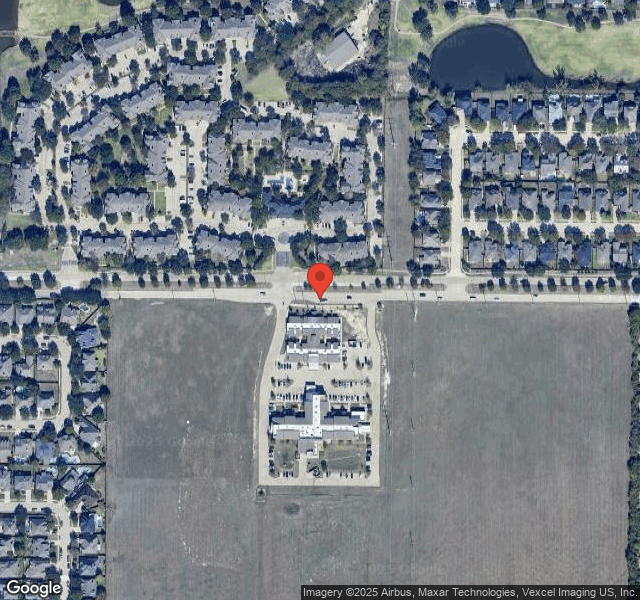
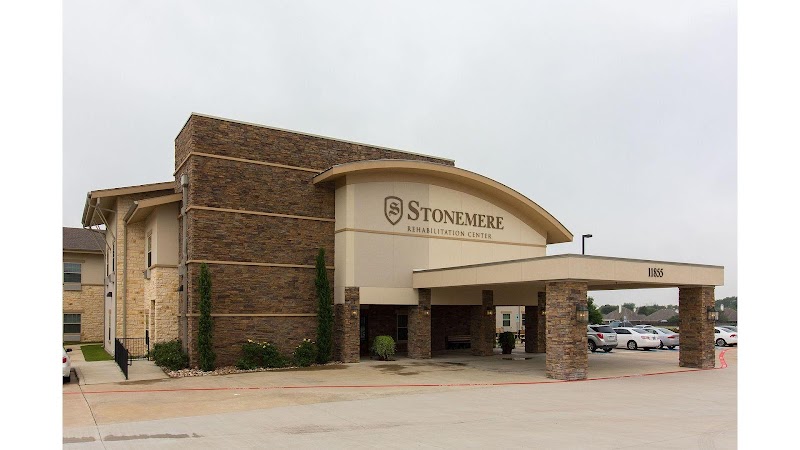
11855 LEBANON ROAD, FRISCO, TX 75035 (469) 269-1000
For profit - Corporation 136 Beds PARAMOUNT HEALTHCARE Data: November 2025
Trust Grade
85/100
#138 of 1168 in TX
Last Inspection: April 2025

Within standard 12-15 month inspection cycle. Federal law requires annual inspections.

Overview

Stonemere Rehabilitation Center in Frisco, Texas has a Trust Grade of B+, indicating it is above average and recommended for families considering nursing home options. It ranks #138 out of 1,168 facilities in Texas, placing it in the top half, and #4 out of 22 in Collin County, meaning there are only three local options that are better. The facility is showing improvement, with the number of issues decreasing from 8 in 2024 to 4 in 2025. Staffing is a weakness, rated at only 2 out of 5 stars with a 49% turnover rate, which is slightly below the Texas average. Although Stonemere has not incurred any fines, it has been cited for several concerns, including failing to correctly assess residents for mental health needs, which could leave them without necessary services. Additionally, there were issues with food safety practices in the kitchen and unsafe bathroom environments, as some shower mats were not properly secured, posing fall risks for residents. While there are notable strengths, such as excellent overall quality measures, families should consider these weaknesses carefully.

Trust Score
B+
85/100
In Texas
#138/1168
Top 11%
Safety Record
Low Risk
No red flags
Inspections
Getting Better
8 → 4 violations
Staff Stability
⚠ Watch
49% turnover. Above average. Higher turnover means staff may not know residents' routines.
Penalties
✓ Good
No fines on record. Clean compliance history, better than most Texas facilities.
Skilled Nurses
⚠ Watch
Each resident gets only 25 minutes of Registered Nurse (RN) attention daily — below average for Texas. Fewer RN minutes means fewer trained eyes watching for problems.
Violations
⚠ Watch
17 deficiencies on record. Higher than average. Multiple issues found across inspections.
★★★★★
5.0
Overall Rating
★★☆☆☆
2.0
Staff Levels
★★★★★
5.0
Care Quality
★★★★☆
4.0
Inspection Score
Stable
2024: 8 issues
2025: 4 issues

The Good

  • 5-Star Quality Measures · Strong clinical quality outcomes
  • Full Sprinkler Coverage · Fire safety systems throughout facility
  • No fines on record

Facility shows strength in quality measures, fire safety.

The Bad

Staff Turnover: 49%

Near Texas avg (46%)

Higher turnover may affect care consistency

Chain: PARAMOUNT HEALTHCARE

Part of a multi-facility chain

Ask about local staffing decisions and management

The Ugly 17 deficiencies on record

Apr 2025 4 deficiencies
CONCERN (D)

Potential for Harm - no one hurt, but risky conditions existed

Assessment Accuracy (Tag F0641)

Could have caused harm · This affected 1 resident

**NOTE- TERMS IN BRACKETS HAVE BEEN EDITED TO PROTECT CONFIDENTIALITY** Based on observation, interview, and record review, the facility failed to ensure assessments accurately reflected the resident ...

Read full inspector narrative →
**NOTE- TERMS IN BRACKETS HAVE BEEN EDITED TO PROTECT CONFIDENTIALITY** Based on observation, interview, and record review, the facility failed to ensure assessments accurately reflected the resident status for 3 of 5 of residents (Resident #11, Resident #14, and Resident #50) reviewed for MDS assessment accuracy. 1.The facility failed to accurately document Resident #11's Vision status on the Quarterly MDS dated [DATE]. 2. The facility failed to accurately document Resident #50's Vision status on the Quarterly MDS dated [DATE] 3. The facility failed to accurately document Resident #14's Tracheostomy care on the Quarterly MDS dated [DATE]. These failures placed residents at risk of not receiving care and services to meet their needs. Findings included: Record review of Resident #11's Face Sheet, dated 04/10/25, revealed the resident was a [AGE] year-old male originally admitted to the facility on [DATE], readmitted to the facility on o 12/01/20 and 11/28/24. The resident's diagnoses included: chronic kidney disease, type 2 diabetes mellitus with hyperglycemia (chronic condition that happens when one had persistently high blood sugar levels), heart failure, and unspecified visual loss. Record review of Resident #11's Quarterly MDS assessment, dated 01/30/25, revealed the resident had a BIMS score of 13 indicating his cognition was intact. Resident #11 could demonstrate normal cognitive abilities and likely required minimal assistance related to memory and cognitive skills. Section B - Hearing, Speech, and Vision revealed in Section B1000. Vision: Ability to see in adequate light (with glasses or other visual appliances) was coded as 0, which indicated that Resident #11, sees fine detail, such as regular print in newspapers/books. Section Z - Assessment Administration was signed by SW Assistant for Section B for Vision on 01/30/25. Record review of Resident #11's Care Plan dated, 03/26/2025, revealed: Focus: Resident #11 is legally blind Date Initiated: 03/26/2025 Created by: DON Revision on: 03/26/2025 Revision by: MDS Nurse 1 Goals: Resident #11 will maintain optimal quality of life within the limitations imposed by my visual deficits through the review date. Date Initiated: 03/26/2025 Created by: DON Revision on: 03/26/2025 Revision by: MDS Nurse 1 Target Date: 03/24/2025 Interventions/Tasks: Activities or designee assists me with completing menus weekly. Resident #11 is oriented to his meal tray as needed. Date Initiated: 03/26/2025 Revision on: 03/26/2025 Revision by: MDS Nurse 1 Arrange consultation with eye care practitioner as required. Date Initiated: 03/26/2025 Created by: DON . Ensure appropriate visual aids are available to support my participation in activities. Date Initiated: 03/26/2025 Created by: DON Revision on: 03/26/2025 Revision by: MDS Nurse 1 Resident #11 is able to: negotiate his familiar environment using my rollator. Date Initiated: 03/26/2025 Created by: Social Worker Revision on: 03/26/2025 Revision by: MDS Nurse 1 Monitor and report to MD any changes in vision Date Initiated: 03/26/2025 Created by: DON Revision on: 03/26/2025 Revision by: MDS Nurse 1 During an observation and interview on 03/08/25 at 11:10 AM of Resident #11 in his room revealed the resident was alert and sitting on his bed. Resident #11 stated that he had been at the facility for several years. Resident #11 stated that he was legally blind, and he could not see anything. Resident #11 stated that he used a cane for assistance with walking around the facility. Record review of Resident #14's Face Sheet, dated 04/10/25, revealed the resident was a [AGE] year-old female originally admitted to the facility on [DATE], readmitted to the facility on o 03/28/18 and 08/31/24. The resident's diagnoses included: encephalopathy (refers to any brain disease, damage, or malfunction, resulting in altered brain function), quadriplegia (paralysis that affects all a person's limbs), anterior cord syndrome at the C1 and C2 level of the cervical spinal cord, sequela, indicates a condition resulting from a previous injury where the anterior spinal artery (ASA) was affected at the C1 and C1 levels, hydrocephalus (the buildup of fluid in cavities called ventricles deep within the brain), chronic respiratory failure, encounter for attention to tracheostomy , dysphagia (difficulty breathing ), bacterial infection, stiffness, and contracture of muscles, multiple sites. Record review of Resident #14's Quarterly MDS assessment, dated 12/07/24, revealed the resident's BIMS score was empty indicating that the BIMS interview was not successful. The MDS revealed, Section O - Special Treatments, Procedures, and Programs revealed Resident #14 has Respiratory Treatments, Section C1: Oxygen Therapy, Section D1: Suctioning, Section E1. Tracheostomy care was blank. Section Z - Assessment Administration was signed by SW Assistant for Sections C, D and E on 11/20/24. Section Z - Signature of RN Assessment Coordinator Verifying Assessment Completion was electronically signed by the DON on 12/08/2024. Record review of Resident #14's Quarterly MDS assessment, dated 03/09/25, revealed the resident had a BIMS score that was empty indicating she had Severe Cognitive Impairment and may require more support for daily living and activities. The MDS revealed, Section O - Special Treatments, Procedures, and Programs revealed Resident #14 has Respiratory Treatments, Section C1: Oxygen Therapy, Section D1: Suctioning, Section E1. Tracheostomy care was blank. Section Z - Assessment Administration was signed by SW Assistant for Sections C, D and E on 02/25/25. Section Z - Signature of RN Assessment Coordinator Verifying Assessment Completion was electronically signed by the DON on 03/10/2025. Record review of Resident #14's Care Plan, dated 01/16//25, revealed the following: Focus: Resident #14 has tracheostomy in place Date Initiated: 01/16/2025 Revision on: 01/16/2025 Revision by: MDS Nurse 1 Goal: Resident #14 will have clear and equal breath sounds bilaterally (having or relating to two sides; affecting both sides) through the review date. Date Initiated: 01/16/2025 Revision on: 01/16/2025 Revision by: MDS Nurse 1 Intervention/Tasks: Ensure that trach ties are secured at all times. Date Initiated: 01/16/2025 Revision on: 01/16/2025 Revision by: MDS Nurse 1 Give humidified oxygen as prescribed. Date Initiated: 01/16/2025 Focus: Resident #14 uses physical restraints (B/L handmitts) r/t being at risk to decannulate self secondary to involuntary movement (thrashing and flailing arms), confusion and anxiety. Striking trach area causing potential decannulation Date Initiated: 01/16/2025 Revision on: 01/16/2025 Revision by: MDS Nurse 1 Goal: Resident #14 will remain free of complications related to restraint use, including contractures, skin breakdown, altered mental status, isolation or withdrawal through review date. Date Initiated: 01/16/2025 Revision on: 01/16/2025 Revision by: MDS Nurse 1 Target Date: 04/16/2025 Intervention/Tasks: Anticipate and intervene for potential causes which have precipitated prior falls or accidents. Date Initiated: 01/16/2025 Revision on: 01/16/2025 Revision by: MDS Nurse 1 Discuss and record with Resident #14/family/caregivers, the risks and benefits of the restraint, when the restrains should/will be applied, routines while restrained and any concerns or issues regarding restraint use. Date Initiated: 01/16/2025 Revision on: 01/16/2025 Revision by: Nurse 1 Ensure that I am positioned correctly with proper body alignment Date Initiated: 01/16/2025 Revision on: 01/16/2025 Revision by: MDS Nurse 1 Monitor/document/report to MD PRN changes regarding effectiveness of restraint, less restrictive device, if appropriate; any negative or adverse effects noted, including: decline in mood, change in behavior, decrease in adl self-performance, decline in cognitive ability or communication, contracture formation, skin breakdown, s/sx of delirium, falls/accidents/injuries, agitation, weakness. Date Initiated: 01/16/2025 Revision on: 01/16/2025 Revision by: MDS Nurse 1 Focus: Resident #14 will have Oxygen Therapy r/t tracheotomy, Resident #14's husband performs my trach care at times Date Initiated: 01/16/2025 Revision on: 01/16/2025 Revision by: MDS Nurse 1 During an observation of Resident #14 on 04/08/25 at 10:40 AM revealed she was lying in bed in her room. Resident #14 was non-verbal and had a tracheostomy. Record review of Resident #50's face sheet, dated 04/10/25, revealed the resident was a [AGE] year-old male originally admitted to the facility on [DATE], readmitted to the facility on o 01/15/22 and 08/25/23 Resident #50's diagnoses included: thyrotoxicosis without a thyrotoxic crisis or storm (a condition where the thyroid gland produces too much thyroid hormone), diabetes mellitus with hyperglycemia, where hyperglycemia (the presence of high blood sugar, could occur due to various underlying conditions), blindness of left eye Category 3, (specific level of visual impairment based on visual acuity), unspecified visual loss, and hypertensive heart disease. Record review of Resident #50's Quarterly MDS assessment, dated 01/24/25, revealed the resident had a BIMS score of 15 indicating her cognition was intact. Resident #50 could demonstrate normal cognitive abilities and likely require minimal assistance related to memory and cognitive skills. Section B - Hearing, Speech, and Vision revealed in Section B1000. Vision: Ability to see in adequate light (with glasses or other visual appliances) was Coded as 0, which indicate that Resident #50, sees fine detail, such as regular print in newspapers/books. Section Z - Assessment Administration was signed by SW Assistant for Section B for Vision on 01/16/25. During an observation of Resident #50 on 04/09/25 at 12:30 PM revealed that he was walking in hallway with staff. Resident #50 was observed using a white walking cane to detect obstacles and navigate his surroundings in the hallway. In an observation and interview with Resident #50 on 04/10/2025 at 11:35 AM, he stated that he lost his vision many years ago due to his diabetes. He stated that diabetes ran in his family and his A1C levels were extremely high, and it led him to losing vision in his eyes. Resident #50 stated that he was diagnosed by his doctor as being legally blind. He stated that he could walk around the facility without any assistance of staff but used his white cane for assistance. He reported that he had not had any falls at the facility due to his blindness. In an interview with LVN F on 04/10/25 at 11:20 AM in Resident #14's room, she stated that Resident #14 received tube feeding and had a trach. She stated that she was not aware that Resident #14's MDS Assessment did not reveal that she had a trach. She stated that she cares for Resident #14 frequently and she knows that she had a trach. LVN F stated that Resident #14, and Resident #50 were both legally blind. She stated that when she was assigned a resident, she would check the resident's POC, doctor's orders and care plan to confirm what kind of care the resident needs from her. She stated that she did not have access to a resident's MDS Quarterly Assessment, therefore she did not believe that there could be any risk of harm to Resident #14 due to her MDS Assessment being incorrect. In an interview with MDS Nurse 1 on 04/10/25 at 12:45 PM, she stated that she was responsible for completing the MDS Assessment for Section E1. Tracheostomy Care. She stated that she was not aware that the Section E1. Tracheostomy Care for Resident #14 was blank. She confirmed that Resident #14 had a trach and that Section E1. Tracheostomy Care should be marked with an x. She stated that there was a risk to a resident if the MDS Assessment was not completed correctly. She stated that a resident could aspirate (the drawing of fluid or tissue from a body cavity by suction). In a telephone interview on 04/10/25 at 3 PM with Resident #14's family member, he confirmed that Resident #14 was non-verbal and had a trach due to some health issues, which caused Resident #14 to have a stroke a couple of years ago. He stated that he did not have any concerns regarding the care Resident #14 was receiving at the facility. In an interview with the SW Assistant on 04/10/25 at 1:05 PM, she had her laptop and was able to review the MDS Assessments for Resident #11, Resident #14, and Resident #50. She stated that Resident #11 and Resident #14 were both legally blind. She stated that the Section B - Hearing, Speech, and Vision revealed in Section B1000. Vision: Ability to see in adequate light (with glasses or other visual appliances) was Coded as 0, which indicate that Resident #11 and Resident #48, sees fine detail, such as regular print in newspapers/books. She confirmed that she signed, Section Z of the MDS - Assessment Administration was signed by SW Assistant for Section B for Vision. She stated that she made an error in coding the MDS Assessment for both resident's vision. She stated that she would correct the MDS Assessments for both residents. She reported that she did not think there was any risk or harm for the MDS Assessments for both residents being coded incorrectly. In an interview with the DON on 04/10/25 at 3 PM, she stated that she had been employed at the facility for 2 ½ years. She stated that she was informed by the SW Assistant that there were issues with the MDS Assessments for 3 residents, Resident #11, Resident #14, and Resident #50. The DON stated that Resident #14 had a trach. She stated that the Resident #11 was considered legally blind but could find his way around the facility by himself without any assistance and she was unsure how much he could truly see. She stated that Resident #50 had total blindness, and he recognizes her by the sound of her voice. She reported that Resident #50 could walk around the facility unassisted by staff and uses his walking cane for assistance. She stated that the Social Worker and the SW Assistant were responsible for ensuring that the Vision Section of MDS Assessments were completed correctly for each resident. She reported that the facility had 2 MDS Coordinators (1 for short term residents and 1 for long term residents). She reported that the MDS Coordinators were responsible for ensuring that the MDS Assessments were completed for each resident. She stated that all 3 residents were long term care residents at the facility. DON stated that a nurse or CNA was not going to see the MDS Assessment for a resident, therefore she did not think that there was any risk or harm to Resident #11, Resident #14, and Resident #50 due to the information not being on the MDS Assessment. The DON further stated there was not time to go through each residents' assessment. A nurse or CNA was not going to see the MDS and the POC and they would not see it and they did not have a lot to do with each other. MDS oversight would not make a difference in what they do. She stated that the facility did not hire agency and did not have a high turnover with staff and leadership. She reported that there would be some auditing of the MDS Assessments, and reeducation and retraining of the staff that were responsible for their Sections on the MDS Assessments to ensure that nothing like this would happen again. She stated that she felt that there was not any risk to any of the residents with the care there were receiving from the staff at the facility because the facility did not hire any agency staff and staff were familiar with the residents they care for. She stated that back in the day, when she was on the floor paperwork would be used to check of everything and she would have been able to catch the errors. She stated that there was no difference in the care the residents were receiving by staff based on the MDS errors due to the nursing staff reviewing the residents care plans, plan of care and doctor's orders. She stated that she felt that there were not any risks or harm could have been done to the residents due to the discrepancies that were found on their MDS Assessments. During a telephone interview on 04/14/25 at 2:10 PM with the SW, she stated that she had been employed at the facility for 2 years. She stated that the facility was quite large and difficult to tackle all the tasks required for her to do, therefore the SW Assistant helps her complete of job tasks including reviewing and completing the MDS Assessments. She stated that she was ultimately responsible for ensuring that Sections B, C, D, E, and Q were completed on the MDS Assessments. She stated that the SW Assistant completed the MDS Assessments for Resident #11, and Resident #50. She stated that the SW Assistant knows that Resident #14 had a trach and Resident #11and Resident #50 were both legally blind. She stated that error on the MDS Assessments was an oversight and an error and once the error was brought to the attention of the SW Assistant by the surveyor, she reopened the MDS Assessment and made modifications for all 3 residents and fixed the mistakes on their MDS Assessments. She stated that going forward, she would go over the list of MDS Assessments that were completed by the SW Assistant on a weekly basis to ensure that everything that had been entered on the residents' MDS' were correct. The SW reported that she would also perform quarterly audits on the MDS Assessments before everything was locked and transmitted. The SW reported that Resident #11 and Resident #50 have the same optometry services offered to them relating to their diagnoses of blindness, but there was not anything that would assist them with vision since they were blind. She stated that Resident #11 was very independent and would take the elevator downstairs and walk to the café to get his coffee every afternoon. She stated that Resident #11 knows his way around the facility without any issues. She stated that Resident #50's vision was highly impaired and could ambulate throughout the facility and his environment properly. She stated that she did not think that there was any risk or harm to Resident #11 and Resident #14 due to their MDS Assessments being incorrectly coded by the SW Assistant. The SW reported that the MDS Coordinators were responsible for completing the Section E of the MDS Assessment relating to Resident #50. Record review of the facility's Assessment Frequency/Timelines policy dated 2001, reviewed/revised 12/2024 revealed, Policy: The purpose of this policy is to provide a system to complete standardized assessments in a timely manner, according to the current RAI Manual. Policy Explanation and Compliance Guidelines: 1. The MDS/RAI Coordinator will be responsible for tracking due dates for all MDS assessments . a. A calendar of scheduled assessments, including type of assessment and assessment reference date, will be communicated to those individuals responsible for completing portions of the MDS on a monthly basis . 4. A quarterly review assessment will be completed no less than once every 3 months .
CONCERN (D)

Potential for Harm - no one hurt, but risky conditions existed

Infection Control (Tag F0880)

Could have caused harm · This affected 1 resident

**NOTE- TERMS IN BRACKETS HAVE BEEN EDITED TO PROTECT CONFIDENTIALITY** Based on observation, interview, and record review the facility failed to establish and maintain an infection and control progra...

Read full inspector narrative →
**NOTE- TERMS IN BRACKETS HAVE BEEN EDITED TO PROTECT CONFIDENTIALITY** Based on observation, interview, and record review the facility failed to establish and maintain an infection and control program designed to provide a safe, sanitary, and comfortable environment and to help prevent the development and transmission of communicable diseases and infections for two of 3 residents (Residents #72 and #344) reviewed for infection control. CNA A failed to complete hand hygiene or change gloves when providing incontinent care to Resident #72. CNA B failed to complete hand hygiene or change gloves when providing incontinent care to Resident #344. This failure could place residents at risk for spread of infection and cross contamination. Findings include: Record review Resident #72's face sheet, dated 10/10/25, reflected an [AGE] year-old female who was admitted to the facility on [DATE]. Resident #72 had diagnoses which included hypertension, epilepsy, rheumatoid arthritis, lack of coordination, and repeated falls. Record review of Resident #72's admission Minimum Data Set, dated [DATE] reflected, Resident #72's Brief Interview for Mental Status reflected a score of 14 indicating no cognitive impairment. Resident #72 was occasionally incontinent of bowel and bladder and required assistance with toileting. Record review of Resident #72's care plan, initiated on 02/12/25, reflected Resident #72 had activities of daily living self-care performance deficit. Goal was to improve the function level. Intervention/Tasks reflected Resident #72 required extensive assistance of 1 staff participation to use toilet. Record review Resident #344's face sheet, dated 10/10/25, reflected an [AGE] year-old female who was admitted to the facility on [DATE]. Resident #344 had diagnoses which included hypertension, anxiety, dementia, lack of coordination, parkinsonism, and pressure ulcer. Record review of Resident #344's admission Minimum Data Set, dated [DATE] reflected, Resident #344's Brief Interview for Mental Status reflected a score of 03 indicating severe cognitive impairment. Section H on bowel and bladder had not been completed. Record review of Resident #344's care plan, initiated on 04/3/25, reflected Resident #344 had activities of daily living self-care performance deficit. Goal was to improve the function level. Intervention/Tasks reflected Resident #344 required total assistance of 1 staff participation for toileting. In an observation on 04/10/25 at 11:35 AM revealed CNA A providing incontinent care to Resident #72. CNA A entered the resident's room and completed hand hygiene, and then gloved. CNA A then started to provide incontinent care to the resident. After cleaning the resident who was moderately soiled with urine, CNA A took off the dirty brief and then without any form of hand hygiene or change of gloves, CNA A applied the clean brief, positioned the resident in bed and touched the resident's linens. Then CNA A proceeded to clean her hands after care. In an interview on 04/10/25 at 11:43 AM with CNA A, she stated she had been educated on infection control about one and half months ago. CNA A stated she was only supposed to complete hand hygiene in between care if the gloves were visibly soiled, but if they were not, she did not need to change gloves or complete hand hygiene after cleaning the resident. CNA A stated she was supposed to maintain infection control during patient care to prevent cross contamination. In an observation on 04/10/25 at 12:06 MP reflected CNA B was providing incontinent care to Resident #344. The resident was on enhanced barrier precaution and the staff had gown and gloves on. CNA B positioned the resident and provided incontinent care to the resident, the resident was moderately soiled with urine. After cleaning the resident, CNA B did not complete hand hygiene or change gloves, and with the same gloves CNA B applied the clean brief, positioned the resident, touched the resident's linens and wheelchair, and then took off the gloves. In an interview on 04/10/25 at 12:25 PM with CNA B, she stated she was not aware she was supposed to complete hand hygiene after cleaning the resident. She stated she was supposed to complete hand hygiene before and after care. CNA B stated she had been in-serviced on infection control about 1 week ago, and the in-service was about making sure the staff-maintained infection control to prevent cross contamination. In an interview on 04/10/25 at 12:43 PM with ADON C revealed she was the infection preventionist. ADON C stated the nursing staff had been in-serviced on infection control. Regarding providing incontinent care, the ADON C stated the staff were supposed to complete hand hygiene and change gloves after cleaning the resident before applying the clean brief or touching the resident's linens. The staff were to maintain infection control to prevent cross contamination. ADON C provided the infection control in-serviced completed on reflected CNA A and CNA B had been in-serviced on infection control. In an interviewed on 04/10/25 at 03:14 PM with the DON she stated she expected the aides to complete hand hygiene after cleaning the resident before applying the clean brief due to infection control. She stated the staff had been educated on infection control and the staff were supposed to maintain infection control to prevent cross contamination. Review of the facility policy reviewed December 2024, titled Perineal/Incontinent Care reflected, The purposes of this procedures are to provide cleanness and comfort to the resident, to prevent infection and skin irritation . Review of the facility policy reviewed December 2024, titled Infection Control Guidelines for all Nursing Procedures reflected, To provide guidelines for general infection control while caring for residents. 4. Employee must wash their hands .After contact with blood, body fluids, secretions .
CONCERN (E)

Potential for Harm - no one hurt, but risky conditions existed

Deficiency F0645 (Tag F0645)

Could have caused harm · This affected multiple residents

**NOTE- TERMS IN BRACKETS HAVE BEEN EDITED TO PROTECT CONFIDENTIALITY** Based on interview and record review, the facility failed to ensure the Pre-admission Screening and Resident Review (PASRR) Leve...

Read full inspector narrative →
**NOTE- TERMS IN BRACKETS HAVE BEEN EDITED TO PROTECT CONFIDENTIALITY** Based on interview and record review, the facility failed to ensure the Pre-admission Screening and Resident Review (PASRR) Level I assessment accurately reflected the resident's status for two (Resident #15 and Resident #34) of five residents reviewed for PASRR Screenings. 1. The facility failed to ensure the accuracy of the PASRR Level 1 screen for Resident #15. The resident did not receive a PASRR Level II assessment Evaluation. 2. The facility failed to ensure the accuracy of the PASRR Level 1 screen for Resident #34. The resident did not receive a PASRR Level II assessment Evaluation. This failure could place residents who had a mental illness at risk of not receiving individualized specialized service to meet their needs. Findings included: Record review of Resident #15's quarterly MDS assessment, dated 01/27/2025, reflected the resident was an [AGE] year-old female admitted to the facility on [DATE]. The resident's BIMs score was 12 indicating the resident's cognition was moderately impaired. Her diagnoses included Anxiety, Depression, Bipolar II, and Schizoaffective - Bipolar Type. Record review of Resident #15's Care Plan reflected: *02/06/2025: The resident was taking psychotropic medications to manage symptoms of schizoaffective disorder *02/06/2025: The resident was taking medications to manage symptoms of depression. Record review of Resident #15's PASSR level 1 screening, dated 05/01/2023, reflected the resident did not have a serious mental illness and serious mental illness was checked as no. Record review of Resident #15's Electronic Health Record revealed no PASSR level 2 evaluation was completed. Record review of Resident #34's quarterly MDS assessment, dated 01/18/2025, reflected the resident was a [AGE] year-old female originally admitted to the facility on [DATE]. The resident's Cognitive Skills for Daily Decision Making was coded at a 3 which is severely impaired. Her diagnosis included Major Depressive Disorder, Recurrent, Mild, and Generalized Anxiety Disorder. Record review of Resident #34's Care Plan reflected: *02/13/2025 The resident was taking medications to manage symptoms of depression. Record review of Resident #15's PASSR level 1 screening, dated 05/01/2023, reflected the resident did not have a serious mental illness and serious mental illness was checked as no. Record review of Resident #34'ss Electronic Health Record revealed no PASSR level 2 evaluation was completed. An interview on 04/09/2025 at 1:35 p.m. with MDS Nurse 1 revealed Resident #15 had a negative PASSR Level 1 because of her diagnosis of dementia. When asked to clarify that diagnosis, MDS Nurse 1 stated Resident #15 had a cerebrovascular stroke which causes vascular dementia. When asked again to clarify the dementia diagnosis, she stated she is trying to clarify with Resident #15's physician to see if she has dementia. An interview on 04/09/2025 at 1:35 p.m. with MDS Nurse 2 revealed in May of 2023 the facility switched over to a new system and she had to redo all residents PASSR assessments. She reported Resident #15's PASSR was most likely a mis-entry. When asked if Resident #15 has a diagnosis of dementia she stated no. An interview on 04/10/2025 at 2:00 p.m. with the DON revealed around May of 2023 the facility started a new program in which all resident charts were switched over. She reported that the MDS department told her when those charts were switched over it may have resulted in a glitch in the system resulting in incorrectly entered PASSR evaluations. The DON reported she cannot speak specifically on resident's PASSR evaluations since she does not do them. Review of the facility's policy and procedure PASSR Requirements Level 1 & Level II dated March 2022 reflected, Procedure: 1. During the admissions process, Business Development will communicate with the facility regarding prospective admissions. A Level 1 PASSR will be provided prior to admission to the Skilled Nursing Facility. The facility administration will confirm that a Level I review has been completed prior to transfer to the SNF setting. Procedure: 2. Determine if a serious mental illness &/or intellectual disability or a related condition exists while reviewing the PASSR from completed by the Acute Care Facility. (Trigger for Level II Completion.
CONCERN (E)

Potential for Harm - no one hurt, but risky conditions existed

Food Safety (Tag F0812)

Could have caused harm · This affected multiple residents

Based on observations, interviews, and record review, the facility failed to store, prepare, distribute, and serve food in accordance with professional standards for food service safety for 1 of 1 kit...

Read full inspector narrative →
Based on observations, interviews, and record review, the facility failed to store, prepare, distribute, and serve food in accordance with professional standards for food service safety for 1 of 1 kitchen reviewed for kitchen safety. 1. The facility failed to ensure food in the facility's dry storage, and refrigerator areas were labeled and dated according to guidelines. 2. The facility failed to seal open items in plastic bags in the dry storage pantry, and refrigerator areas. 3. The facility failed to ensure that expired items in the dry storage pantry were removed. These deficient practices could affect residents who received meals and/or snacks from the main kitchen and place them at risk for cross contamination and other food-borne illnesses. Findings Included: Observation of the kitchen during the brief initial tour of the kitchen on 04/08/2025 at 9:10 AM, revealed the following: * 3 boxes of 15 oz. raisins with an expiration date of 09/13/24. * 1 box of unsealed 15 oz. raisins with an expiration date of 09/13/24. * 2 packages of 24 oz. cherry gelatin mix with an expiration date of 06/23. * 2 packages of 24 oz. raspberry gelatin mix with an expiration date of 06/23. * 2 packages of 24 oz. stawberry gelatin mix with an expiration date of 06/23. * 4 boxes of 40 oz. hasbrown potatoes with an expiration date of 03/16/25 * 1 package of peanut topping in a plastic zip top bag without label and use by date. * 2 unsealed packages of vanilla pudding mix that was exposed to air, without any use by dates. * 1 package of lemon gelatin with a hole in the package was exposed to air. * 2 unsealed plastic containers with blue lids labeled Oats and exposed to air. * 1 box of puree rice was unsealed and exposed to air. * 2 packages of pasta noodles were unsealed and exposed to air. * 1 opened package of powdered dry milk was unsealed and exposed to air. * 1 opened package of breadcrumbs was unsealed and exposed to air. * 1 plastic container of 13 oz. mediterranean style ground oregano was unsealed and exposed to air. * 1 plastic container of 30 oz. dill weed seasoning was unsealed and exposed to air. * 1 plastic container of sugar was unsealed and exposed to air. * 1 plastic container of flour was unsealed and exposed to air. Refrigerator area: * 1 package of sliced ham was unsealed in an unsealed clear plastic zip top bag and exposed to air. * 1 package of scambled eggs was not labeled and dated with an expiration date. * 1 clear plastic container labeled Jalapenos 04/02/25 @ 7:05 pm was unsealed and exposed to air. * 1 clear plastic container with blue lid labeled strawberries was unsealed and exposed to air. In an interview with the Executive Chef on 04/08/25 at 10:26 AM, he stated that he had been employed at the facility for 2 years. He was informed about the findings of the initial brief tour of the kitchen, which included expired and unsealed items in the dry storage, and refrigerator areas. He stated that all items that were unsealed would be discarded and thrown in the trash. He reported that all staff were responsible for ensuring that there were not any expired and unsealed items in the dry storage, refrigerator, and freezer areas. He reported that he would now make rounds of the aforementioned areas to make sure that there were here were not any expired and unsealed items in the dry storage, refrigerator, and freezer areas in the kitchen. The Chef stated that he had a total of 8 staff members that he supervises, and they work various shifts. He stated that the kitchen had new staff members, and he had done several in-service trainings with his staff regarding food storage and checking for expired items throughout the kitchen area. He reported that training his new staff was a work in progress, but he would have to give them some reeducation via in-service trainings relating to the findings of the initial brief tour of the kitchen. He stated that he gives his staff in-service trainings about three times per month. The Chef stated that if staff find anything such as expired items, he expectation for them was that they immediately throw away the item and then tell him about it. He stated that if there was something that was not labeled and/or dated, his expectation was for his staff to tell him about it and then he would reeducate and retrain the staff via an in-service training. He reported that all the staff in the kitchen to ensure items in the kitchen's dry pantry, refrigerator, and freezer areas were not expired, unsealed, labeled and dated. He stated that the items found in the kitchen by the surveyor was a mishap and he would continue to provide education to his staff to ensure that everyone was on the same page with his expectations and the facility's policy on Food Storage. He stated that his expectation for his staff, was that they use the FIFO procedures to ensure that there were not any expired food items throughout the kitchen. He stated that his last in-service training with his staff on Food Storage was about 2 weeks ago. He stated that both residents, visitors and staff eat food that was served from the kitchen. He stated that if anyone eats food from the kitchen that was expired or comes from unsealed containers or bags, they could have the risk of becoming sick, which could cause them to have issues with their stomach. In an interview with [NAME] D on 04/08/25 at 10:45 AM, he stated that he had been employed as the cook at the facility for 2 years. He stated that he was unaware that there were expired and unsealed items in the dry storage, and refrigerator areas. He stated that all the staff were responsible for labeling and storing the items on the shelf and checking the expiration dates on everything in the dry storage, refrigerator, and freezer areas of the kitchen. [NAME] D stated that he had taken in-service trainings on food preparation and storage and his last in-service training was about 2 or 3 weeks ago. He reported that the in-service training he had taken in the past mentioned that staff were always to make sure that everything in the kitchen areas, such as the dry pantry, refrigerator and freezer areas were labeled (to include the date it was placed in the refrigerator and a use by date) and sealing of plastic containers and bags. He stated that if a staff member sees any item(s) that were expired, the staff member was to throw the item away in the trash can and then inform the Chef what they threw away. [NAME] D stated that with any exceptions, everything in the dry storage, freezer and refrigerator areas should be labeled and dated. [NAME] D stated that if someone ingested food that had been cross-contaminated, there was a risk that someone could die. He stated that if anyone eats food that came from the kitchen's dry pantry, refrigerator and freezer areas that were unsealed, and expired items it could cause someone become sick. He stated that if someone gets sick, it could cause them have stomach aches, headaches, and diarrhea. In an interview with the [NAME] E on 04/08/25 at 11:02 AM, he stated that he had been employed at the facility for 6 months. He stated that he was unaware that there were expired and unsealed items in the dry storage, and refrigerator areas. He stated that all the staff were responsible for labeling and storing the items on the shelf and checking the expiration dates on everything in the dry storage, refrigerator, and freezer areas of the kitchen. He stated that the Chef had hired some new people and had been trying to educate everyone in the kitchen about his expectations, but they were being trained by the Chef. [NAME] E stated that he had taken an in-service training on food preparation and storage and his last in-service training was about 2 weeks ago. He stated that he received education on using the FIFO method in his last in-service training. He stated that if he saw food that was expired in the dry pantry, refrigerator and/or freezer areas, he would throw it away and then notify the Chef about what he found. He stated that if he saw any food in the dry pantry, refrigerator and/or freezer areas that was unsealed, he would throw it away and notify the Chef of what he found. [NAME] E stated that if he saw anything that was not labeled and dated, he would notify the Chef. He stated that if he found something that was not labeled and/or dated, he would immediately throw it away because no one would know when the item was stored and if someone eats it, they could get sick. [NAME] E stated that if someone ingested any food that had been unsealed, and expired they were at risk for salmonella poisoning and the stomach bug. He stated that any ingestion of food that had been unsealed and expired, they could be harmed by being food poisoned. Record review of the facility's policy titled Food Storage: Policy and Procedure dated, 2022 reflected, Policy Sufficient storage facilities will be provided to keep foods safe, wholesome, and appetizing. Food will be stored in an area that is clean, dry and free from contaminants. Food will be stored at appropriate temperatures and by methods designed to prevent contamination or cross-contamination. Procedure: .7. All stock must be rotated with each new order received. Rotating stock is essential to assure the freshness and highest quality of all foods. a. Old stock is always used first (first in - first out method or FIFO). The person designated to manage stock should be trained to rotate it properly. b. Food should be dated as it is placed on the shelves if required by state regulation. c. Date marking should be visible on all high risk food to indicate the date by which a ready-to-eat TCS food should be consumed, sold or discarded. d. Food will be stored and handled to maintain the integrity of the packaging until ready for use. Food stored in bins may be removed from its original packaging. 8. Plastic containers with tight fitting covers or sealable plastic bags must be used for storing grain products, sugar, dried vegetables and broken lots of bulk foods or opened packages. All containers or storage bags must be legible and accurately labeled and dated . 12. Leftover food should be stored in covered containers or wrapped carefully and securely and clearly labeled and dated before being refrigerated. Leftover food must be used within 7 days or discarded as per the 2022 Federal Food Code . 13. Refrigerated food storage: .f. All foods should be covered, labeled and dated and routinely monitored to assure that foods (including leftovers) will be consumed by their use by dates, or frozen (where applicable) or discarded. 14. Frozen Foods: .c. All foods should be covered, labeled and dated. All foods will be checked to assure that foods will be consumed by their use by dates or discarded . Record review of the U.S. Food and Drug Administration (FDA) Code (2022) revealed, PACKAGED FOOD shall be labeled as specified in LAW, including 21 CFR 101 FOOD Labeling, 9 CFR 317 Labeling, Marking Devices, and Containers, and 9 CFR 381 Subpart N Labeling and Containers, and as specified under § 3-202.18. FOOD shall be protected from contamination that may result from a factor or source not specified under Subparts 3-301 - 3-306.
May 2024 1 deficiency
CONCERN (D) 📢 Someone Reported This

A family member, employee, or ombudsman was alarmed enough to file a formal complaint

Potential for Harm - no one hurt, but risky conditions existed

Report Alleged Abuse (Tag F0609)

Could have caused harm · This affected 1 resident

**NOTE- TERMS IN BRACKETS HAVE BEEN EDITED TO PROTECT CONFIDENTIALITY** Based on observation, interview and record review, the facility failed to ensure that all alleged violations involving abuse, ne...

Read full inspector narrative →
**NOTE- TERMS IN BRACKETS HAVE BEEN EDITED TO PROTECT CONFIDENTIALITY** Based on observation, interview and record review, the facility failed to ensure that all alleged violations involving abuse, neglect, exploitation or mistreatment, including injuries of unknown source and misappropriation of resident property, were reported immediately, but not later than 24 hours if the events that caused the allegation did not involve abuse and did not result in serious bodily injury, to the administrator of the facility and to other officials including to the State Survey Agency in accordance with State law through established procedures for 1 of 6 residents (Resident #1) reviewed for abuse and neglect. The facility failed to report to the State agency when Resident #1 died in the facility after a choking episode in the facility's dining room. This failure could place residents at risk of neglect. Findings include : Record review of Resident #1's admission Record, dated 5/23/24, reflected an [AGE] year-old female who was originally admitted to the facility on [DATE] and readmitted on [DATE]. Record review of Resident #1's Quarterly MDS assessment, dated 3/16/24, reflected her diagnoses included history of stroke, dysphagia (difficulty swallowing) following cerebrovascular disease (disease involving blood vessels in the brain), other speech and language deficits following a stroke, falls, hypertension (high blood pressure), and diabetes. She had severe cognitive impairment, she was totally dependent on staff for eating (helper does all of the effort) and all other ADLs, and she was on a mechanically altered diet. Record review of Resident #1's Care Plan reflected the following Special Instructions: Assist with Feeding Aspiration (accidental breathing in food or fluids) Precautions-Nectar Thick Liquids or Thin via 5cc (Blue) Provale Cup (specialized cup that only allows a small amount to be sipped at a time). An entry initiated 5/19/23 reflected: Focus: I am on a NAS/CC Diet, Thin liquids with provable cup, Minced texture, may have regular bread and desserts, No pureed vegetables, requires assistance with meals, refuses assistance frequently will not let anyone help with meals, eats with hands, may wear glove when eating. Interventions/Tasks included: Dietary Consult as needed; offer a varied menu with choices; offer other condiments to substitute for sugar/sweets and Salt. Another entry, dated 4/9/24, reflected: Focus: I am a DNR. Interventions/Tasks: If found absent of vital sign do not initiate CPR. Record review of Resident #1's Order Summary Report, dated 5/23/24, reflected the following orders were included: NAS/CC diet Minced & Moist texture, Nectar (Level 2 mildly thick) consistency. May have thin liquids via 5 cc (Blue) Provale cup. May have Regular bread and dessert. No pureed vegetables. The order was dated 4/6/22. DNR. Order dated 1/29/24. Record review of Resident #1's Progress Notes reflected the following entries: An entry, dated 5/9/2024 at 8:33 PM, reflected, Resident was observed coughing during her dinner in the Dinning [sic] Room at [5:35 PM], Hemlock [sic] maneuver was applied immediately by this nurse, resident was observed not responsive, Resident was assisted to the room, help was called, resident was transferred to bed by nursing staff, assessment was done by RN and pulse was felt, oxygen applied at 3 Lpm via nasal canula. 911 called - they came immediately and took over. Resident was a DNR, MD notified, as well as resident's daughter and DON by staffing co-coordinator. The entry was signed by LVN A. An entry, dated 5/9/24 at 9:00 PM, reflected, 911 pronounced resident at [5:47 PM], 911 called medical examiner who came and pick resident remains in the presence of resident's daughter. The entry was signed by LVN A. Record review of a Speech Therapy Encounter Note, dated 4/5/22, reflected the following: .MBSS completed on 4/4/2022 with recommendations for puree and thin liquids via controlled flow cup and no straw. Following 24-hour trial of puree texture pt requested to return to minced moist textured diet despite being educated regarding risks of aspiration, aspiration pneumonia and possible death. SLP left message on daughters VM regarding MBSS results, dietary recommendations and pt's request to return to MM texture. Pt agreed to continue on NTL while SLP trains pt in Provale cup and compensatory swallow strategies to reduce aspiration risks on thin liquids. During an interview on 5/23/24 at 10:45 AM, LVN B stated she had cared for Resident #1. She stated Resident #1 was unable to drink well by herself and had difficulty managing a cup. She stated Resident #1 was always fed by staff and had difficulty getting food into her mouth on her own. She stated the resident was at risk for aspiration and choking due to swallowing difficulties. LVN B stated Resident #1 would tell you, 'let me do it' and would try but you had to be there with her. LVN B stated she was not working at the time Resident #1 passed away but heard she had choked. She stated she cared for her during the day shift on 5/9/24 and did not recall her having any respiratory issues or anything else out of the ordinary. During an interview with MA C on 5/23/24 at 10:56 AM, she stated she typically passed medications to Resident #1 during the day shift. She stated Resident #1 had to have her medications crushed and could choke on thin liquids. MA C stated she occasionally picked up extra shifts as a CNA and fed Resident #1 during meals. She stated whenever she cared for Resident #1, the nurse insisted they stayed with her anytime she was eating, even if she wanted to feed herself, she had to be there at all times because of her risk for choking or coughing. MA C stated she was working the day shift on 5/23/24 and was not in the facility at the time Resident #1 passed. She stated she had passed her medications that day and did not recall anything unusual occurring. During an interview on 5/23/24 at 11:19 AM, CNA D stated she worked at the facility for 5 years and regularly cared for Resident #1. She stated Resident #1 was always fed in the dining room and they offered her thickened liquids throughout the day. She stated she often fed Resident #1 and never noticed her coughing or choking. She stated someone was always sitting with her in the dining room because everyone knew she was at risk for choking. CNA D stated she cared for Resident #1 on the day she passed and did not recall anything out of the ordinary with her that day, she stated she was surprised and sad to learn she had died. During an interview on 5/23/24 at 12:36 PM, SLP E stated she began working at the facility in April 2023. She stated Resident #1 was at risk for choking and aspiration. She stated Resident #1 and had a waiver in place since prior to her arrival that had been discussed with her family. She stated Resident #1 did well with her meal most of the time but wanted thin liquids rather than thickened. She stated they got a Provale cup for her which only allowed 5 cc at a time. She stated Resident #1 liked some of the foods pureed and would request it at times. SLP E stated Resident #1 would reach for food from other resident's plates at times so there was always someone with her at her table. She stated food was not left at the tables until staff were sitting and ready to feed the residents due to the risk for aspiration and choking. SLP E stated she was not present at the time Resident #1 had her choking episode. She stated she was not aware of any other incidents which involved Resident #1 or any other resident since she had been with the facility. An interview with the DON on 5/23/24 at 1:05 PM revealed she was not in the facility at the time Resident #1 had the choking episode in the dining room on 5/9/24. She stated she saw her in the TV area after lunch that day. She stated Resident #1 ate in the dining room 99% of the time at a table with other residents who needed assistance with their meals. The DON stated Resident #1 received meals that were minced and moist and could occasionally pick something up and eat it, such as finger food, but was unable to manage the use of utensils. When asked about bread, the DON stated, if the food was soft, she did okay. The DON stated she was typically in the facility from 4:00 AM to 2:30 PM every day so she could see all three shifts. She stated she investigated the incident and spoke with everyone who was in attendance. The DON stated she was told it may have been a piece of bread and her charge nurse told her he thought a part of a sandwich possibly become lodged in her throat. The DON stated LVN A performed the Heimlich maneuver they took her out of the dining room and put her to bed, called 911, and administered oxygen. She stated she was aware Resident #1 had a DNR order but that did not mean do not treat and she felt they acted appropriately. The DON stated the paramedics arrived and initiated CPR. She stated LVN A informed them Resident #1 had a DNR order, but the paramedics continued until they spoke with her family for confirmation. She stated LVN A notified the family and they spoke with the paramedics and asked them to stop. The DON stated the police and coroner were there at the facility and took over her care. The DON stated the Administrator was made aware of the situation immediately after it occurred and had been speaking with staff throughout the incident. She stated staff sent her a text message, but she did not see it until the following morning. When asked why they had not reported the incident to the State, the DON stated she discussed it with the Administrator and neither of them suspected neglect, foul play, or anything done by anyone that could have caused the incident and they determined it did not warrant reporting . During an interview on 5/23/24 at 1:46 PM, LVN A stated he worked for the facility for about 1 year and 4 months. He stated he always worked the evening shift and typically cared for Resident #1. He stated Resident #1 had swallowing issues, was on a modified diet with thickened liquids and was fed by staff. LVN A stated, on 5/9/24, staff were feeding residents in the dining room which included Resident #1 who was at a table in her wheelchair. He stated CNA H was feeding Resident #1 when he entered the dining room and saw Resident #1 beginning to cough. He stated he rushed to her and thought he recalled seeing bread and mashed potatoes on her plate and she appeared to be choking. LVN A stated he performed the Heimlich on her which was not successful. He called for help and began moving her out of the dining room and she was still conscious at the time. He stated two other nurses met him near the dining room entrance and immediately began working with her, they attempted the Heimlich again and moved her to her room while he called 911. LVN A stated RN F placed Resident #1 on oxygen and LVN G was assisting with assessing her. He stated the paramedics arrived very quickly as he was still on the phone with the 911 operator when they arrived. He stated the paramedics moved Resident #1 to the floor and began CPR. He stated he informed the paramedics Resident #1 had a DNR order, but they continued CPR and told him they wanted to confirm it with her family. LVN A stated he called Resident #1's family and placed them on the phone with a paramedic, after which, they stopped CPR. LVN A stated the paramedics pronounced Resident #1 as deceased . He stated the police and Medical Examiner arrived and waited for Resident #1's family to arrive. LVN A stated the Medical Examiner removed Resident #1 from the facility after her family arrived. LVN A stated he had not fed Resident #1 himself recently but was not aware of her having any other issues of concern that day. He stated the Administrator was informed of the situation. During an interview on 5/23/24 at 2:26 PM, RN F stated she began working at the facility in January 2024 and always worked 2:00 PM to 10:00 PM shift. She stated she was working on her hall on 5/9/24 when she heard someone calling for help from the dining room area. She stated she rushed over and saw LVN A moving Resident #1 out of the dining room. She stated she felt for a pulse, and one was present. She stated another nurse, LVN G assisted with getting her to her room while she ran to retrieve oxygen. She stated LVN A was calling 911. She stated Resident #1 was breathing at that point, she could see her chest rise and fall and did not attempt another Heimlich. She was told Resident #1 was DNR. She stated LVN G checked the resident's pulse oximeter (measures oxygen in the blood) and assisted placing oxygen on her. She stated she stayed with Resident #1 and the paramedic arrived quickly. She stated she left once the paramedics took over her care and returned to her residents. RN F stated staff were always present in the dining room due to risks for choking and aspiration. In an interview on 5/23/24 at 2:47 PM, LVN G stated she just began working at the facility on 5/1/24 and never took care of Resident #1. She stated she was working the 2:00 PM to 10:00 PM shift on 5/9/24. She stated she was at the far end of the hall, heard someone yelling, and saw LVN A rushing Resident #1 out of the dining room in her wheelchair. LVN G stated she rushed over and attempted the Heimlich maneuver with no results. She stated they rushed her to her room and got her into bed. LVN A went to call 911 and RN F went to retrieve oxygen, and she attempted to get an oxygen reading on her but was unable to get a reading. She stated Resident #1 was not responsive but breathing at that point. She stated they placed her on oxygen and the paramedics arrived quickly. LVN G stated, after they arrived, she rushed out to assist with getting her paperwork together and learned it had already been retrieved. She stated, at that point, Resident #1 was in their care, and she went back to check on the other residents. She stated she regularly checked the dining room to ensure residents were getting assistance with meals and that the staff assisting them were taking it slow and monitoring the residents for any signs of aspiration or choking. LVN G stated she was not aware of any other incidents while she worked at the facility. During an interview on 5/23/24 at 3:43 PM, CNA H stated she worked at the facility for approximately 6 months on the 2:00 PM to 10:00 PM shift and assisted with feeding residents in the dining room. She stated she was with Resident #1 in the dining room on 5/9/24 during dinner. She stated they typically brought the residents to the dining room at about 4:45 PM and got them situated. They would sometimes provide drinks for them while they waited. She stated she fed Resident #1 several times before without any issues. CNA H stated the nurses typically checked the trays for accuracy and brought them to the CNAs when they were ready to feed them. Trays were never left with residents until they were there with them because residents could not be left alone with their food if at risk for choking. CNA H stated, on 5/9/24, she was sitting with Resident #1 and was situated between her table and an adjacent one, Resident #1 was the only one at her table. She stated Resident #1 had been joking that day and stated she wanted a strawberry [NAME], and someone brought her some thickened cranberry juice which made her laugh. She stated Resident #1 took some sips of her juice and began to cough. She stated she moved the juice away from her at that point to allow her to catch her breath. CNA H stated Resident #1 was fine when her tray arrived. She stated she recalled she was served minced meat with gravy on bread along with mashed potatoes. CNA H stated she mixed a little bit of the mashed potatoes with some of the minced meat and bread on a spoon and fed it to Resident #1. She stated Resident #1 began to cough and she called out for assistance. She stated LVN A was already approaching her when she turned around and went directly to the resident. She stated LVN A told her to call for help and he began administering the Heimlich maneuver. CNA H stated she called for a nurse who was walking by and LVN A was already moving her out of the dining room. She stated she saw another nurse arrive and she went back to the dining room to continue with the other residents. CNA H stated she had never seen anything like that happen before. She stated she was trained in CPR and the Heimlich and was last recertified in March 2024. She stated they were trained never to leave residents unattended in the dining room because they could choke or aspirate. She stated she never saw Resident #1 cough during her meals or when she offered her drinks during her shift . In an interview on 5/23/24 at 4:47 PM, the Administrator stated he was contacted about the incident involving Resident #1 on 5/9/24. He stated, from what he knew, LVN A noticed Resident #1 was choking or thought she was choking, performed the Heimlich maneuver and brought her to a flat area and called 911. He stated other nurses were there to assist him. He stated Resident #1 was a DNR and she still had a pulse. He stated EMS arrived quickly and initiated CPR. He stated LVN A provided them her DNR document, but they continued CPR because they wanted to hear from her family. The Administrator stated there were numerous staff present in the dining room and he did not believe there was anything suspicious or concerning. He stated the Medical Examiner arrived and Resident #1's family member arrived who lived 2 hours away. The Administrator stated a Nurse Manager, (QA/Staffing Coordinator), was present and was assisting and keeping him informed of the events. He stated there was nothing suspicious, they talked to all the staff involved and concluded the nurse took all the actions he was supposed to. He stated he read the Provider Letter, discussed everything with the DON again the next morning and reviewed all their processes. He stated EMS pronounced her death. When asked how he was certain there was no neglect or felt the need to report to the State, the Administrator stated they looked at everything, the QA/Staffing Coordinator said he checked her tray himself to ensure she had the correct meal, and they did not suspect any neglect. He stated they never heard anything back from the Medical Examiner or EMS and he felt they would have if they had suspected wrongdoing. The Administrator stated they had recently implemented a system that included nurse managers on duty to also serve as meal managers to ensure the meals were correct, on time, and staff were available and assisted the residents. He stated they implemented the system prior to the facility's last State Survey which was in March 2024 . During an observation and interview with the QA/Staffing Coordinator on 5/23/24 at 5:12 PM, he stated he was on duty on 5/9/24 when Resident #1 had the choking incident. He stated he checked her dinner tray when he was told she may have choked and stated she received the correct meal. He stated he observed sliced white bread with minced meat and gravy, mixed vegetables, and mashed potatoes. He stated someone called him and said they needed to get her DNR document printed. He stated he ran for the book to retrieve her document. The QA/Staffing Coordinator walked to a facility crash cart (a cart with medical supplies used during a life-threatening emergency) and identified the contents of the cart including a binder. The binder contained the names of the residents in the facility along with their code status (full resuscitation or Do Not Resuscitate) as well as copies of the resident's Do Not Resuscitate documents. The QA/Staffing Coordinator stated the documents were also available in the electronic record, but the binder allowed faster access in case the computers or printers were down. He stated, when he arrived, EMS was providing CPR and LVN A was on the phone with Resident #1's family member. He stated an EMS member got on the phone with Resident #1's family then stopped CPR and pronounced her death. He stated Resident #1 was on the floor and he assisted with moving her roommate from the room. The QA/Staffing Coordinator stated the Medical Examiner arrived and waited for Resident #1's family to arrive before leaving with her remains. The QA/Staffing Coordinator stated he kept the Administrator informed of all developments. He stated part of his duties in the facility was to back up the nurses in the dining rooms by checking trays for correct diets and textures and ensuring there was adequate staff to assist the residents. He stated he assisted with feeding residents as well whenever needed. He stated he had never encountered a situation such as the one involving Resident #1. He stated the risk for inadequate staff and failure to ensure the correct trays were passed included risks for aspiration or choking. During an interview on 5/23/24 at 6:38 PM, the Administrator stated he believed in reporting any suspected abuse or neglect occurring in his facility was very important and he did not believe neglect occurred related to Resident #1's death. He stated the risk of not reporting potential abuse or neglect was harm to the people for whom they provided care. During an interview on 5/23/24 at 6:45 PM, the DON stated she looked at every angle of Resident #1's death the following day when she learned about it and did not believe any neglect had occurred. She stated the risk of not reporting suspected abuse or neglect included repeating the same behaviors. Record review of the facility's policy and procedure titled Risk Management: Abuse, Neglect, exploitation, Mistreatment of Resident, or Misappropriation of Resident Property, dated revised December 2016, reflected the following: Policy: The facility has designated and implemented processes, which strive to reduce the risk of abuse, neglect, exploitation, mistreatment and misappropriation of residents property. These policies guide the identification, management and reporting of suspected, or alleged, abuse, neglect, mistreatment and exploitation . 1. The Administrator is responsible for designating an Abuse Coordinator . 3. The Administrator, DON and Risk Manager are responsible for the investigation and reporting of suspected, or alleged, abuse, neglect, and exploitation and misappropriation. 4. The Administrator, DON and Risk Manager are also ultimately responsible for the following . - Reporting . Reporting . Facility will be in compliance with Federal regulations and State specific reporting Requirements . An Immediate report will be filed with DADS for alleged violations involving abuse, neglect, exploitation or mistreatment, including injuries of unknown source and misappropriation of resident property, but not later than 2 hours after the allegation is made, if the events that cause the allegation involve abuses or result in serious bodily injury, or not later than 24 hours if the events that cause the a/legation do not involve abuse and do not result in serious bodily injury, to the administrator of the facility and to other officials (including to the State Survey Agency and adult protective services where state law provides/or jurisdiction in long-term care facilities) in accordance with State law through established procedures
Mar 2024 7 deficiencies
CONCERN (D)

Potential for Harm - no one hurt, but risky conditions existed

Medication Errors (Tag F0758)

Could have caused harm · This affected 1 resident

**NOTE- TERMS IN BRACKETS HAVE BEEN EDITED TO PROTECT CONFIDENTIALITY** Based on observation, interview, and record review the facility failed to ensure residents do not receive psychotropic drugs pur...

Read full inspector narrative →
**NOTE- TERMS IN BRACKETS HAVE BEEN EDITED TO PROTECT CONFIDENTIALITY** Based on observation, interview, and record review the facility failed to ensure residents do not receive psychotropic drugs pursuant to a PRN order unless that medication is necessary to treat a diagnosed specific condition that is documented in the clinical record and PRN orders for psychotropic drugs are limited to 14 days. Except if the attending physician or prescribing practitioner believes that it is appropriate for the PRN order to be extended beyond 14 days, he or she should document their rationale in the resident's medical record and indicate the duration for the PRN order for 2 (Resident #15 and #75) of 8 residents reviewed for PRN orders for psychotropic drugs. Resident #15 had one active PRN orders for anti-anxiety medication (Lorazepam) with order start dates of 11/16/23 and did not have an end date. Resident #75 had one active PRN orders for anti-anxiety medication (Lorazepam) with order start dates of 12/15/23 and did not have an end date. These failures could place residents at risk of receiving unnecessary psychotropic medications with possible medication side effects, adverse consequences, decreased quality of life, and dependence on unnecessary medications. Findings included: Record review of Resident #15's admission record dated 03/07/24 revealed an [AGE] year-old female initially admitted to the facility on [DATE] and re-admitted on [DATE] with diagnoses that included, but were not limited to, anxiety (is a feeling of fear, dread, and uneasiness), hypertension (when the pressure in your blood vessels is too high), gastrostomy status (a tube inserted through the belly that brings nutrition directly to the stomach), aphasia (a disorder that affects how to communicate), lack of coordination and dysphagia (difficulty swallowing). Record review of Resident #15's quarterly MDS completed on 12/27/23 revealed a BIMS left blank and indicated severely impaired cognition. The MDS did not indicate the resident using the medication. Record review of Resident #15's care plan did not have the antianxiety medication care planned. Record review of Resident #15's active orders dated 03/06/24 revealed the following order: Lorazepam Oral Concentrate 2 MG/ML (Lorazepam), give 0.5 ml via G-Tube every 4 hours as needed with an order date of 11/16/2023. During an observation and interview on 03/06/24 at 11:00 AM revealed Resident #15 was lying in bed on her back bed in low position. Resident #15 had a trachea and a g-tube, her eyes were closed, and no distress was noted. Resident #15 was not interviewable. Record review of Resident #75's admission record dated 03/07/24 revealed [AGE] year-old female initially admitted to the facility on [DATE] with diagnoses that included, but not limited to, hemiplegia (complete paralysis) and hemiparesis (partial weakness) following cerebral infarction affecting right dominant side, aphasia (a disorder that affects how to communicate), Type 2 diabetes and dysphagia (difficulty swallowing). Record review of Resident #75's quarterly MDS completed 02/15/24 revealed BIMS blank and indicated Resident #75 cognitive skills for daily decision making was severely impaired. The MDS did not indicate the resident using the medication. Record review of Resident #75's care plan did not have the antianxiety medication care planned. Record review of Resident #75's active orders dated 03/06/24 revealed the following order: Lorazepam Oral Tablet 0.5 MG (Lorazepam) give 1 tablet by mouth every 4 hours as needed for Agitation, with start date 12/15/23. There was no end date for the medication. During an observation and interview on 03/06/24 at 10:25 AM revealed Resident #75 was in bed awake. Resident #75 had a g-tube, and she was non-verbal. In an interview on 03/07/24 at 11:06 AM with the DON she stated she was the one responsible to make sure the 14 days PRN antipsychotic medications were addressed timely. The DON stated she missed to address the PRN medications and she was going to follow up with the resident's primary care provider so the residents could be assessed for the new orders. The DON stated she did not have any other staff who was responsible to review and make sure the PRN antipsychotic orders were addressed. She stated the PRN antipsychotic medications were to be review timely to determine if the resident required the medication. The DON stated the failure of the PRN medications not reviewed timely put the residents at risk of taking medication that they might not required to take. Record review of the facility policy revised December 2023, titled Antipsychotic or Neuroleptic medication use, reflected, .14. The need to continue PRN orders for psychotropic medications beyond the 14 days requires that the practitioner to document the rationale for the extended order. The duration of the PRN order will be indicated in the order. 15. PRN order for antipsychotic medications will not be renewed beyond the 14 days unless the healthcare practitioner has evaluated the resident for the appropriateness of that medication.
CONCERN (D)

Potential for Harm - no one hurt, but risky conditions existed

Deficiency F0919 (Tag F0919)

Could have caused harm · This affected 1 resident

**NOTE- TERMS IN BRACKETS HAVE BEEN EDITED TO PROTECT CONFIDENTIALITY** Based on observation, interview, and record review, the facility failed to allow residents to call for staff assistance through ...

Read full inspector narrative →
**NOTE- TERMS IN BRACKETS HAVE BEEN EDITED TO PROTECT CONFIDENTIALITY** Based on observation, interview, and record review, the facility failed to allow residents to call for staff assistance through a communication system which relays the call directly to a staff member or to a centralized staff work area for one (room [ROOM NUMBER]) of twenty-nine rooms reviewed for resindet call systems. The facility failed to ensure room [ROOM NUMBER] had a working call light. This failure could place residents at risk of not being able to have their needs met and call for staff assistance when they needed it. Findings included: An observation on 03/06/2024 at 8:30 AM revealed the call light outside the room of #233 did not work. This surveyor pushed the call button in the room and the red light on the wall in the room came on however the light outside the room did not. An interview on 03/06/2024 at 8:30 AM, with the resident who resided in room [ROOM NUMBER] stated the call light had not worked for a few days. The resident said when she pushed the button, the call button indicated it was on, in the room, but no one responded. She said she had not told any staff about it. An interview and observation on 03/06/2024 at 8:35 AM, with LVN A revealed she was not aware the call light did not work. LVN A went into room [ROOM NUMBER] and pushed the call button then came outside the room and stated the light in the hall should be on but was not. She said the call light in the hall should light up to alert staff, the resident needed assistance, when in the hall. She said all call lights needed to work so residents were able to alert staff for assistance when they needed. She stated she would alert maintenance. An interview and observation on 03/06/2024 at 8:40 AM, with ADON B revealed she was not aware the call light in the hall outside room [ROOM NUMBER] did not work. ADON B also pressed the call button in room [ROOM NUMBER] and said the light outside the room should light up but did not. ADON B then went to the nurses' station to check the call light panel. The panel light for room [ROOM NUMBER] was on. She stated although the call light for room [ROOM NUMBER] worked at the nurse station, the light outside the room should also be on to ensure staff who were in the halls were notified that the Resident in room [ROOM NUMBER] needed assistance. She said staff were instructed to log any maintenance concerns in the logbook at the nurse's station. In an interview on 03/06/2024 at 9:19 AM, the Maintenance Director stated he was having issues finding replacement parts for the call light system. He said he replaced the call light fixture outside room [ROOM NUMBER] with an after-market fixture on 12/19/2023. He said on 1/24/24 he replaced the bulb for the call light outside room [ROOM NUMBER]. He said he replaced the bulb again on 2/29/2024 but did not initial the maintenance log noting that it had been completed. He stated he thought it may be a spring, where the bulb attached to the fixture, that caused the problem. He stated staff were required to enter any maintenance issue in the logbook and he checked he book daily to address needed repairs. He said he initialed the logbook when repairs had been completed. He stated he did a random check on call lights every two weeks to ensure they were working but he had been having issues with the light outside room [ROOM NUMBER]. He said residents needed to have a working call system to ensure they could call for assistance when they needed. In an interview on 03/06/2024 at 1:25 PM, the Administrator stated he expected staff to note any maintenance concerns in the Maintenance Logbook at the nurses' stations and Maintenance staff to address the concerns timely. He said he also implemented Concierge Rounds, where facility management were assigned rooms to check daily. He said management staff had a form to complete for each room which addressed environment, safety issues, and clinical and dignity issues. He said each manager brought their forms to the morning meetings where concerns were discussed and follow up planned. He said the Executive Assistant was responsible for room [ROOM NUMBER] and he was not made aware of the call light issue. In an interview on 03/06/2024 at 2:32 PM, the Executive assistant stated she was responsible to complete Concierge Rounds for rooms #228 - #233. She said the purpose of completing rounds daily was to identify any issues the resident may have or maintenance concerns with the room. She said she last completed the rounds about 8:40 AM on 03/06/2024 and was not aware that the call light outside room [ROOM NUMBER] did not work. She said she normally checked call light but did not recall having checked the call button on 03/06/2024 or 03/05/2024. She said residents needed a working call light to ensure they were able to call for assistance when they needed to. In an interview on 03/07/2024 at 7:31 AM, the DON stated the facility did not have a specific call light policy, but she expected the call lights to work. She said the call light should light up outside the resident room and at the nurse's station. She said Concierge rounds were done daily to help to identify maintenance issues, ensure quality and address any concerns residents may have. She stated residents needed to have a working call light to ensure staff were aware of any need they may have. Record review of the Maintenance Logbook at the nurse's station reflected the following entries: 12/19/23, room [ROOM NUMBER], call light is not working, followed by the Maintenance Director's initials. 1/24/24, room [ROOM NUMBER], call light bulb is out, followed by the Maintenance Director's initials. 2/21/24, room [ROOM NUMBER], the call light bulb is out, followed by the Maintenance Director's initials. 2/29/24, room [ROOM NUMBER], Bed light on bed B is out, no initials noted. 3/5/24, room [ROOM NUMBER], call light bulb is out again, no initials noted. Record review of the facility's policy titled, Maintenance Service, revised December 2017, reflected, Maintenance service shall be provided to all areas of the building, grounds, and equipment. 1. The Maintenance Department is responsible for maintaining the buildings, grounds, and equipment in a safe and operable manner at all times. 2. Functions of maintenance personnel include, but are not limited to: a. Maintaining the building in compliance with current federal, state, and local laws, regulations, and guidelines. b. Maintaining the building in good repair and free from hazards. c. Maintaining the fire alarm system and emergency generator system in good working order. d. Maintaining the heat/cooling system, plumbing fixtures, wiring, etc., in good working order. e. Maintaining lighting levels that are comfortable and assuring that exit lights are in good working order. f. Establishing priorities in providing repair service. g. Maintaining the paging system in good working order. h. Maintaining the grounds, sidewalks, parking lots, etc., in good order. i. Providing routinely scheduled maintenance service to all areas.
CONCERN (E)

Potential for Harm - no one hurt, but risky conditions existed

Safe Environment (Tag F0584)

Could have caused harm · This affected multiple residents

**NOTE- TERMS IN BRACKETS HAVE BEEN EDITED TO PROTECT CONFIDENTIALITY** Based on observation, interview, and record review, the facility failed to provide a safe, functional, sanitary, and comfortable...

Read full inspector narrative →
**NOTE- TERMS IN BRACKETS HAVE BEEN EDITED TO PROTECT CONFIDENTIALITY** Based on observation, interview, and record review, the facility failed to provide a safe, functional, sanitary, and comfortable environment for residents in 10 of (108, 117, 118, 120, 121, 218, 224, 227, 231, 238) of 62 resident bathrooms reviewed for environment. The facility failed to ensure 10 (108, 117, 118, 120, 121, 218, 224, 227, 231, 238) rubber shower [NAME] were properly glued down to ensure a safe environment. This deficient practice could place residents at risk of a diminished quality of life due to an unsafe and unmaintained environment. Findings included: Observations on 03/05/2024 between 12:02 PM and 1:15 PM, revealed the rubber Shower Dam (used in roll in showers to stop water from moving past the shower area to the rest of the bathroom floor), in rooms #224, #227, and #238, were not completely glued down. The rubber Shower [NAME] were attached to the floor on each end and the glue in the middle appeared to have failed and allowed the rubber strip to move two - three inches in each direction. Observations on 03/06/2024 between 7:31 PM and 8:00 AM, revealed the rubber Shower Dam in rooms #108, #117, #118, #120, and #121, were not completely glued down. The rubber Shower [NAME] were glued to the floor on each end and the glue in the middle appeared to have failed and allowed the rubber dam to move two - three inches in each direction. In an interview on 03/05/2024 at 12:02 PM, a resident who resided in room [ROOM NUMBER] said staff assisted her shower to the shower but she could shower on her own. She stated she had not noticed that the rubber dam was not completely attached to the floor in the shower. She said she if her foot got caught on it, she could trip. She said the shower chair could also get tangled in the loose rubber dam. In an interview on 03/06/2024 at 7:31 AM, a resident who resided in room [ROOM NUMBER] said she only required staff to turn the shower was able to do the rest herself. She stated she had not noticed that the rubber dam was not completely attached to the floor in the shower. She said the loose rubber could cause her to trip while in the shower. In an interview on 03/06/2024 at 8:30 AM, ADON B stated she was not aware of the loose Shower [NAME]. She said she completed Concierge Rounds for rooms #234 - #239 and did not check the shower in the rooms. She said they were definitely a trip hazard for residents who were able to walk into the shower on their own. She said they were a safety concern because shower chairs could get caught on them as well. She said staff were instructed to log any maintenance concerns in the logbook at the nurse's station. She reviewed the Maintenance Logbook between the dates of 12/19/2023 - 03/05/2024 with this surveyor and found no record of loose Shower [NAME]. In an interview on 03/06/2024 at 9:19 AM, the Maintenance Director said he did have problems with securing the Shower [NAME] to the floor. He said they required an epoxy glue that needed to and when he repaired them he placed signs on the bathroom door for staff not to use the shower until the glue had dried, but staff removed the signs and used the showers anyway. He stated he needed to find an alternate fix because he was constantly gluing them down. He said they needed to be secured to the floor to prevent the risk for residents or staff tripping on them. He said staff were required to enter any maintenance issue in the logbook and he checked he book daily to address needed repairs. He said he initialed the logbook when repairs had been completed. He stated there were no entries in the Logbook for him to repair shower [NAME] between 12/19/2023 - 03/05/2024. He stated sometime staff would stop him in the hall to tell him of maintenance issues and that could be why the issue was not logged in the Maintenance Logbook. In an interview on 03/06/2024 at 1:15 PM, the Housekeeping Director stated she completed Concierge Rounds for rooms #215 - #217 and had not noticed the loose Shower Dam in room [ROOM NUMBER]. She stated she checked for maintenance issues and resident concerns. She said she had not thought to check the bathrooms. She said she would log the issue in the maintenance log for repair had she seen it. She said it was a safety concern as residents could trip and fall. In an interview on 03/06/2024 at 1:25 PM, the Administrator stated he expected staff to note any maintenance concerns in the Maintenance Logbook at the nurses' stations and Maintenance staff to address the concerns timely. He said he also implemented Concierge Rounds, where facility management were assigned rooms to check daily. He said management staff had a form to complete for each room which addressed environment, safety issues, and clinical and dignity issues. He said each manager brought their forms to the morning meetings where concerns were discussed and follow up planned. He said he had not been made aware of the loose Shower [NAME]. He stated they were a safety concern in that residents and staff could trip on them. In an interview on 03/06/2024 at 2:15 PM, LVN D stated she completed Concierge Rounds for rooms #224 - #227 and had not noticed the loose Shower [NAME] in rooms #224 and #227. She said and maintenance issues should be logged in the maintenance log for repair. She said the loos rubber on the floor in the shower posed a safety risk to residents because they could trip. In an interview on 03/06/2024 at 2:32 PM, the Executive Assistant stated she was responsible to complete Concierge Rounds for rooms #228 - #233. She said the purpose of completing rounds daily was to identify any issues the resident may have or concerns with the room. She said she last completed the rounds about 8:40 AM on 03/06/2024. She said she had not noticed the loos Shower Dam in room [ROOM NUMBER]. She stated it could be a safety risk for residents because they could trip on the loose rubber. In an interview on 03/06/2024 at 2:45 PM, the LVN E stated she completed Concierge Rounds for rooms #120 - #124 and had not noticed the loose Shower [NAME] in rooms #120 and #121 when she completed rounds on 03/05/2024 and 03/06/2024. She stated one of the purposes of Concierge rounds was to ensure the rooms were safe, but she did not think to check the shower. She said the loose rubber on the floor, in the shower was a safety concern to residents as they could trip. In an interview on 03/06/2024 at 2:50 PM, ADON C stated she completed Concierge Rounds for rooms #106 - #112 but had not noticed the loose Shower Dam in room [ROOM NUMBER]. She stated it the [NAME] were not glued down and were loose, the posed a safety risk to residents and staff. In an interview on 03/06/2024 at 3:05 PM, the DON stated Concierge Rounds were done daily to help to identify maintenance issues, ensure quality and address any concerns residents may have. She said any concerns would be addressed in their morning meeting and maintenance concerns should be logged in the Maintenance Logbook at the nurses' station. She said any loose rubber in the showers posed a safety risk to residents as they could trip. Record review of the Maintenance Logbooks between the dates of 12/19/2023 and 03/05/2024 reflected no record of loose Shower [NAME]. Record review of the facility's policy, titled, Hazardous Areas, Devices and Equipment, reviewed December 2023, reflected All hazardous areas, devices and equipment in the facility will be identified and addressed appropriately to ensure resident safety and mitigate accident hazards to the extent possible. Identification of Hazards 1. A hazard is defined as anything in the environment that has the potential to cause injury or illness. Examples of environmental hazards include, but are not limited to: a. Equipment and devices that are left unattended or are malfunctioning; b. Devices and equipment that are improperly used or poorly maintained; c. Sharp objects that are accessible to vulnerable residents; d. Open areas or items that should be locked when not in use; e. Irregular floor surfaces (cords, buckled carpeting, etc.); f. Objects in the hallways that obstruct a clear path; g. Access to toxic chemicals; h. Insufficient lighting or glare .
CONCERN (E)

Potential for Harm - no one hurt, but risky conditions existed

Deficiency F0604 (Tag F0604)

Could have caused harm · This affected multiple residents

**NOTE- TERMS IN BRACKETS HAVE BEEN EDITED TO PROTECT CONFIDENTIALITY** Based on observation, interview and record review the facility failed to ensure residents were free from physical or chemical re...

Read full inspector narrative →
**NOTE- TERMS IN BRACKETS HAVE BEEN EDITED TO PROTECT CONFIDENTIALITY** Based on observation, interview and record review the facility failed to ensure residents were free from physical or chemical restraints imposed for purposes of discipline or convenience, and not required to treat the resident's medical symptoms for 1 of 8 residents (Resident #5) reviewed for freedom from physical restraints. - The facility failed to obtain consent, physician's order, and care plan for Resident #5's full bed rails in which the resident movements were restricted and there was no documentation the restraints were required to treat his medical symptoms. This failure could put residents at risk of unnecessary restriction of their freedom of movement (any change in place or position for the body or any part of the body that the person is physically able to control). Findings included: Record review of Resident #5's admission record dated 03/07/24, revealed a [AGE] year-old male admitted to the facility 12/13/22 and re-admitted on [DATE]. Admitting diagnoses included, senile degeneration of the brain (trouble remembering; difficulty paying attention, difficulty communicating with people, challenges related to reasoning, judging situations), repeated falls, legal blindness, muscle wasting, lack of coordination and dementia (the loss of cognitive functioning, thinking, remembering, and reasoning). Record review of Resident #5's Quarterly MDS, dated [DATE], revealed the BIMS score was blank. Further review of the MDS, revealed: Section E: Behavior: E0100. Potential Indicators of Psychosis: Z. None of the above (delusions or hallucinations). E0200. Behavioral Symptoms: A. Physical behavior symptoms directed towards others - Behavior not exhibited, B. Verbal behaviors symptoms directed towards others - behavior not exhibited, C. Other behavioral symptoms not directed towards others - Behavior not exhibited. E0900: Wandering - 0 (Behavior not exhibited). Section G: Functional Status. G0300: Balance during transitions and walking: A. Moving from seated to standing position - 88 (Not attempted due to medical condition or safety concerns). E. Chair/bed-to-chair transfer: The ability to transfer to and from a bed to a chair (or wheelchair) - Helper does ALL of the effort. Resident does none of the effort to complete the activity. Section P0100: Physical Restraints: Not used. Record review of Resident #5's Care Plan initiated 01/29/24 reflected, Focus I use enabler(s) (1/2 rails) related to family request. Goal, I will remain free of complications related to enabler including contractures, skin breakdown, altered mental status, isolation or withdrawal through review date. Interventions, Anticipate and intervene for potential causes which have precipitated prior falls or accidents. Discuss and record with me (DON), family, caregiver. Ensure valid consent on chart prior to initiating enablers. The full side rails were not care planned. Record review of Resident #5's enabler utilization assessment effective date 10/13/23 and signed 10/13/23 reflected the resident was assessed for ¼ side rails on both sides of the bed per family request. Record review of Resident #5's enabler utilization assessment effective date 11/14/23 and not signed reflected an handwritten note that stated the family insistent of full rails. The assessment did not reflect who completed it. Observation of 03/06/24 at 12: 42 PM revealed CNA Q assisting the resident to get in bed. CNA Q explained to the resident what she is doing and after placing the resident in bed CNA Q pulled up full side rails on both sides of the bed, lowered the bed and placed a fall mat besides the bed. Resident #5 was not observed moving in bed or trying to get out of bed. In an interview on 03/06/24 at 12:01 pm, with Resident #5's responsible party she stated the family pushed for the full side rails, and they wanted the resident to have the full side rails because of the constant falls. She stated since the resident had the side full rails there had not been any reports of fall. She stated they will continue to push the facility for the full side rails even if it made to take and extra step. In an interview on 03/06/24 at 12:03 pm with LVN O revealed she was the charge nurse for the resident. LVN O stated Resident #5 required total assistance with activities of daily living. Resident #5 was legally blind, non-verbal, and heard of hearing. Resident #5 was a high risk for fall and had prior history of falls by trying to get out of bed. Resident #5 was not ambulatory and required assistance with transfers. LVN O stated full side rails were used on Resident #5 to prevent the resident from falling and had not witnessed the resident trying to get out of bed when the side rails were up. LVN O stated Resident #5 was on hospice and hospice provided the bed with the full side rails. LVN O stated she did not remember when the resident started using the full side rails. LVN O stated there was potential for injury if the resident got trapped in the rail, but the resident had not tried to get out of bed and there had not been reports of fall since Resident #5 started using the full side rails. LVN O stated there was supposed to be an order and care plan for the full side rails, and she was not aware why Resident #5 did not have the order and care plan. LVN O stated she did no know who got the order for the full side rails or completed the full side rails consent. In an interview on 03/06/24 at 01:36 pm with CNA Q revealed she provided care to Resident #5. CNA Q stated Resident #5 was not oriented, he was confused, he required total assistance with activities of daily living. Resident #5 initially he was ambulatory but had declined to using a wheelchair, he was weaker and required two staff to assist with transfer. Resident #5 was a high fall risk and had prior constant fall, he would slide out of the chair because of constantly moving and from bed he would slide out. CNA Q stated Resident #5 was constantly moving in bed and at times he would be sideways but not in the rails. CNA Q stated she had not witnessed Resident #5 trying to climb over the rails or being caught in the rails. CNA Q stated she had not witnessed Resident # fall. In an interview on 03/06/24 at 02:19 pm with LVN R revealed she was not aware Resident #5 had full side rails. LVN R stated she was the one responsible to update the care plan, but she was to receive the information from the nursing department for her to be able to update at the care plan. LVN R stated since this was a new care plan for full side rails the nursing department were to initiate the care plan. LVN R stated the care plan was needed to make sure the resident goal and interventions were met. In an interview on 03/06/24 at 04:06 pm with the DON revealed she was aware of Resident #5 having the full side rails. The DON stated initially Resident #5 had ¼ side rails, and the responsible party talked to the hospice company who brought the bed with full side rails. The DON stated the facility had informed the resident's family it was against the regulation to use the full side rails, but the family declined and insisted for the resident to use the full side rails. DON stated the family's rationale was that the resident hadn't had a fall from bed since the resident started using the full side rails. The DON stated she was the one who talked with the family and got the consent for the full side rails and at the time she explained to the family the risk of using the full side rails. The DON did not remember the time she got the family consent, but per the enabler utilization assessment effective date was 11/14/23 for the full side rails. The DON stated she was responsible on making sure the full side rails were care planned and there was an order for the full side rails. The DON stated an order was required for any equipment used by the resident, so that the staff were able to monitor for the effectiveness. The DON stated the care plan was required to show the resident's needs, and to help meet the resident's needs, also to the staff to be able to monitor the resident when side rails in use. Record review of the facility policy revised 2023 titled, Use of Restraints, reflected, Restraints shall only be used for safety and well-being of the resident(s) and only after other alternatives have been tried unsuccessfully. Restraints shall only be used to treat the resident's medical symptom(s) and never for discipline or staff convenience or for the prevention of falls.1.Physical Restraints are defied as any manual method or physical or mechanical device, material or equipment attached or adjacent to the resident's body that the individual can not remove easily, which restricts freedom of movement or restricts normal access to one's body. 4. Practices that inappropriately utilize equipment to prevent resident's mobility are considered restraints and are not permitted including: a. Using the bedrails to keep a resident from voluntary getting out of bed as opposed to enhancing mobility while in bed;. 9. Restraints shall only be used upon written orders of a physician and after obtaining a consent from the resident and/or representative (sponsor). The order should include the following; a. The specific reason for the restraint (as it relates to the resident's medical symptoms) b. How the restraints will be used to benefit the resident 's medical symptoms. c. The type of restraint, and the period of time for the use of the restraint.
CONCERN (E)

Potential for Harm - no one hurt, but risky conditions existed

Deficiency F0761 (Tag F0761)

Could have caused harm · This affected multiple residents

**NOTE- TERMS IN BRACKETS HAVE BEEN EDITED TO PROTECT CONFIDENTIALITY** Based upon observation, interview and record review the facility failed to ensure drugs and biologicals used in the facility mus...

Read full inspector narrative →
**NOTE- TERMS IN BRACKETS HAVE BEEN EDITED TO PROTECT CONFIDENTIALITY** Based upon observation, interview and record review the facility failed to ensure drugs and biologicals used in the facility must be labeled in accordance with currently accepted professional principles, and under proper temperature controls for 4 (Resident #1, Resident #8, Resident #13, and Resident #57) of 38 and 1 of 3 medication carts (200 Hall Nursing Cart) reviewed for drug labeling and storage. - The facility failed to ensure the 200 Hall Nursing Cart Nursing Cart did not contain an in-use insulin pen for Resident #1, Resident #8, Resident #13, and Resident #57 with no open date. This failure could place residents at risk of adverse medication reactions and drug diversions. Findings included: Record review of Resident #1's admission record dated [DATE] revealed a 96 years-old female, initially admitted on [DATE] and re-admitted on [DATE]. Admitting diagnoses included, but not limited to: Type 2 diabetes (condition that happens because of a problem in the way the body regulates and uses sugar as a fuel), dysphagia (difficult with swallowing) anxiety, chronic pain and dementia. Record review of Resident #1's physician orders dated [DATE] revealed an active order of Humalog Kwik pen 100unit/ml to administer per sliding scale, order date [DATE]. Record review of Resident #8's admission record dated [DATE] revealed an 82 years-old female, admitted to the facility on [DATE]. Admitting diagnosis included, but not limited to, dysphagia (difficult swallowing, chronic kidney disease, muscle wasting and gastro-esophageal reflux disease without esophagitis (happens when acidic stomach contents flow back into the esophagus) Record review of Resident #8's physician orders dated [DATE] revealed an active order of Humalog Kwik pen 100unit/ml to administer per sliding scale, order date [DATE]. Record review of Resident #13's admission record dated [DATE] revealed an 83 years-old female, admitted to the facility on [DATE]. Admitting diagnoses included, type 2 diabetes (condition that happens because of a problem in the way the body regulates and uses sugar as a fuel) dysphagia (difficulty swallowing), dementia (the loss of cognitive functioning, thinking, remembering, and reasoning), anxiety (feeling of fear, dread, and uneasiness), hypertensive (High blood pressure, also called hypertension) and speech and language deficit. Record review of Resident #13's physician orders dated [DATE] revealed an active order of Insulin Glargine Subcutaneous Solution Pen-injector 100 UNIT/ML (Insulin Glargine) Inject 15 unit subcutaneously in the morning for DM, order date [DATE]. Record review of Resident #57's admission record dated [DATE] revealed an 83 years-old female, admitted to the facility on [DATE]. Admitting diagnoses included, acute pain, morbid obesity, type 2 diabetes (condition that happens because of a problem in the way the body regulates and uses sugar as a fuel), epilepsy (disorder of the brain characterized by repeated seizures) and pneumonia (inflammation and fluid in your lungs caused by a bacterial, viral, or fungal infection). Record review of Resident #57's physician orders dated [DATE] revealed an active order of HumuLIN R Injection Solution 100 UNIT/ML Insulin Regular (Human)) Inject 15 unit subcutaneously with meals for DM Hold if BS <125, order date [DATE] and HumuLIN R Solution 100 UNIT/ML (Insulin Regular Human) Inject as per sliding scale, order date [DATE]. In an observation and interview on [DATE] at 11:34 AM, inventory of the 200 Hall Nursing Cart with LVN P revealed: insulin Kwik pen were in the cart and the insulin pens were noted dated the open dates, Lispro Kwik pen for Resident #1, Lispro Kwik pen for Resident #8, Lantus Kwik pen for Resident #13 and Humulin R Kwik pen for Resident #57. LVN P said nursing staff are expected to check their carts daily for inappropriately labeled medications. She said insulin must be labeled with the date opened in order to track the expiration date because when insulin expired it becomes less effective. LVN P said since the insulin pen did not have an open date it must be discarded in the sharp's container because use of expired insulin could place residents at risk for uncontrolled blood sugars and not being effective. In an interview on [DATE] 01:08 PM, the DON said nursing staff are expected to check their carts daily at the beginning of their shift to make sure they did not have expired medication, and the insulin was supposed to be dated and discarded after 28 days. She said ultimately the ADON, DON were responsible for ensuring the carts are monitored and perform audits of carts every other week to ensure nursing staff maintained their carts, there was no documentation of the audits. The DON stated the insulin could be ineffective or change to a different consistence which could be harmful to the resident. Record review of the facility policy titled Storage of Medications revised 11/2023 revealed, . 4. The facility shall not use discontinued, outdated, or deteriorated drugs or biological. All such drugs shall be returned to the dispensing pharmacy or destroyed.
CONCERN (E)

Potential for Harm - no one hurt, but risky conditions existed

Food Safety (Tag F0812)

Could have caused harm · This affected multiple residents

**NOTE- TERMS IN BRACKETS HAVE BEEN EDITED TO PROTECT CONFIDENTIALITY** Based on observation, interview, and record review the facility failed to store, prepare, distribute, and serve food in accordan...

Read full inspector narrative →
**NOTE- TERMS IN BRACKETS HAVE BEEN EDITED TO PROTECT CONFIDENTIALITY** Based on observation, interview, and record review the facility failed to store, prepare, distribute, and serve food in accordance with professional standards for food safety in the facility's only kitchen. The facility failed to ensure food items in the walk-in cooler and dry-storage areas were stored away from soiled surfaces and airborne contaminants. The facility failed to ensure kitchen equipment (Ice Machine, Coffee Maker, free standing Fans) were free of airborne contaminants. These failures could place residents, who received food from the kitchen, at risk for food contamination and food-borne illness. Findings included: An observation on 03/05/24 08:25 AM revealed the vents on both sides of the Ice Machine covered with black dust and fuzz. The vent on the left side faced a food preparation area and the vent on the right side of the Ice Machine faced a drink dispenser, drink dispenser gun, and ice scoop. The insulated coolant hose in the walk-in cooler was observed to be covered in thick, moist black dirt and fuzz. The hose ran the length of the walk-in cooler and was directly above food stored on shelves in the cooler. An observation on 03/05/24 08:35 AM, in the dry food storage room, revealed three covered bins, one labeled cornmeal, one labelled breadcrumb, and one labeled brown sugar. Dust and food particles were observed on the lids. A free-standing fan in the corner of the kitchen pointing toward the cooking area had a buildup of dust and fuzz on the blades and the front and back blade cage. The fan was not on at the time of observation. An observation 03/07/24 11:45 AM revealed the vent on the top of the coffee maker covered with black sticky fuzz. A second free standing fan placed on top of the food warmer had dust and fuzz on the blades and the blade cage. The fan was not on at the time of observation. A measuring cup was observed in a bin containing rice, in the cooking area. In an interview on 03/05/24 08:25 AM, the Dietary Manager and Corporate Dietician said the [NAME] machine was cleaned daily. They said there should not be any dirt or dust on the vents because it could be dislodged and contaminate food in the prep area or near the drink dispenser. They stated the black dust built up on the insulated coolant hose in the walk-in cooler posed a risk of food contamination as it could get into food stored immediately below the hose or anywhere in the cooler. The Dietary Manager said the lids on the three bins containing breadcrumb, brown sugar, and cornmeal should be kept clean to prevent any dirt or food particles from contaminating the produce when staff opened the lids. He stated the fan on the floor facing the cooking area was used to help cool the kitchen. He said his should be free of any dust to prevent any air-borne contaminants. The Dietary Manager said the walk-in cooler was cleaned after each delivery, but he had not noticed the grime buildup in the refrigerant pipes. In an interview on 03/05/24 02:52 PM, the Administrator stated he expected the Dietary Manager to ensure kitchen equipment was kept clean and food was stored appropriately to ensure residents were not exposed to contaminated food or food borne illness. In an interview on 03/07/24 07:31 AM, the DON stated she expected kitchen staff to store and prepare food according to professional standards. She said equipment should not have a buildup of dust because it could blow onto food. She said the kitchen should be maintained clean and sanitary to prevent food contamination and food-borne illness to the residents. In an interview on 03/07/24 11:45 AM, the Dietary Manager said the fan on top of the food warmer was used to help cool the kitchen and should be free of any dirt and dust to prevent it from getting into food and a potential for food- borne illness. He said the vent on top of the coffee maker should also be clean and free of dust build up because when the fan ran, it could blow dust into food. He stated the measuring cup stored in the rice bin posed a risk to contaminate food and should not be left in the bin. He stated staff were expected to sign off on kitchen cleaning tasks, on the cleaning schdule. He said he was responsible to train and monitor kitchen staff to ensure they completed cleaning tasks. Record review of the facility's cleaning schedule dated 02/04/2024, reflected the initials indicating completion of the following: Ice Machine, Door, inside and out. Clean & Restock Coffee/Juice Area. Cleaning of the walk-in cooler and dry storage areas were not noted on the cleaning schedule. Record review of the facility's policy titled, Recommended Storage Practices, revised 2017, reflected, A. Dry: tore all foods six inches above the floor and eighteen inches below the sprinkler heads, on shelves, racks, dollies, or other surfaces which facilitate thorough cleaning, in a ventilated room, not subject to sewage or wastewater back flow or contamination by condensation, leakage, rodents, or vermin. Store all packaged food, canned foods, or food items in clean and dry place at all times. *Keep shelving and floor clean and dry at all times. *Schedule cleaning of storage room at regular intervals. *Do not store scoops in food containers. C. Refrigerated: .Schedule regular cleaning of refrigerators . IV: Food Storage: .The Nutrition Services Manager (NSM) is responsible for proper storage of nutrition services food and supplies . Record review of Federal Drug Administration Food Code, reflected, section 4-601.11 Equipment, Food-Contact Surfaces, Nonfood-Contact Surfaces, and Utensils revealed (A) EQUIPMENT FOOD-CONTACT SURFACES and UTENSILS shall be clean to sight and touch. (C) NonFOOD-CONTACT SURFACES of EQUIPMENT shall be kept free of an accumulation of dust, dirt, FOOD residue, and other debris. 3-305.11 Food Storage. (A) Except as specified in (B) of this section, FOOD shall be protected from contamination by storing the FOOD: (1) In a clean, dry location; (2) Where it is not exposed to splash, dust, or other contamination. 14 Food Preparation. During preparation, UNPACKAGED FOOD shall be protected from environmental sources of contamination. 3-307.11 Miscellaneous Sources of Contamination. FOOD shall be protected from contamination that may result from a factor or source not specified under Subparts 3-301 - 3-306. 3-602.
CONCERN (E)

Potential for Harm - no one hurt, but risky conditions existed

Garbage Disposal (Tag F0814)

Could have caused harm · This affected multiple residents

Based on Observation, interview, and record review, the facility failed to dispose of garbage and refuse properly for one of one trash bin and trash corral reviewed garbage disposal. The facility fai...

Read full inspector narrative →
Based on Observation, interview, and record review, the facility failed to dispose of garbage and refuse properly for one of one trash bin and trash corral reviewed garbage disposal. The facility failed to ensure trash, in the dumpster coral, was contained and maintained in a sanitary condition. This failure could place residents at risk of unsanitary conditions. Findings included: An observation on 03/05/2024 at 8:45 AM, revealed the gate to the trash corral in back of the facility to be open. Although the trash bin was closed, trash and broken furniture littered the open coral area. Rubber gloves, plastic cups and bottles, food wrappers, food waste, wheelchairs and parts, and reclining chairs in various conditions. In an interview on 03/05/2024 at 08:45 AM, the Dietary Manager stated the coral gat should be closed and there should not be any food waste or trash of any kind on the ground in the corral. He said coyotes were known to come to the back of the facility, likely attracted by trash in the coral. He said the bins and the coral should be closed to minimize the possibility of attracting pests and rodents. He said because the bins were used by all facility departments, he thought he, the Housekeeping, and Maintenance Directors were responsible to ensure the trash area was clean and free of spilled trash and debris. He said he trained his staff on the need to ensure the area was kept clean and secure. He said he did not know if other department heads did the same. In an interview on 03/05/2024 at 02:11 PM, the Maintenance Director stated the trash coral gates should be closed at all times. He said he went to look at the area and saw the spilled food, trash, and broken furniture. He said the facility had a shortage of storage, so staff often placed broken furniture and equipment in the coral. He said he did check the coral from time to time and had pressure washed it in the past. He said it was important to keep the area clean to prevent the attraction of pest and rodents. He said he did not keep a log of the power washing, but his department and the kitchen staff alternated this task so both maintenace and kitchen staff were responsible to ensure the corral was kept clean. He said he had not had any formal / recorded in services but reminded his staff verbally on several occasions. In an interview on 03/05/2024 at 02:52 PM, the Administrator said all staff were responsible to ensure the trash bins and corral were kept clean and free of spilled food and other trash. He said he had not had a written in-service but had a verbal discussion with department heads to ensure they checked the area frequently. He said he expected maintanence and kitchen staff to ensure the area was kept clean. He said he did randome grounds checks to ensure the areas outsidet the facility were clean. He said it was important to keep the area clean to limit the attraction of pests and rodents. In an interview on 03/07/2024 at 07:31 AM, the DON said she did not follow up with the trash disposal issues. She said the facility was limited on space which could be why broken equipment was in the trash coral. She stated she would expect that anyone who placed trash in the bins would be responsible to ensure the area was kept tidy, free of debris, and secured. Record review of the facility's policy titled, Maintenance Service, revised December 2017, reflected, Maintenance service shall be provided to all areas of the building, grounds, and equipment. 1. The Maintenance Department is responsible for maintaining the buildings, grounds, and equipment in a safe and operable manner at all times. 2. Functions of maintenance personnel include, but are not limited to: a. Maintaining the building in compliance with current federal, state, and local laws, regulations, and guidelines. b. Maintaining the building in good repair and free from hazards. c. Maintaining the fire alarm system and emergency generator system in good working order. d. Maintaining the heat/cooling system, plumbing fixtures, wiring, etc., in good working order. e. Maintaining lighting levels that are comfortable and assuring that exit lights are in good working order. f. Establishing priorities in providing repair service. g. Maintaining the paging system in good working order. h. Maintaining the grounds, sidewalks, parking lots, etc., in good order. i. Providing routinely scheduled maintenance service to all areas. j. Others that may become necessary or appropriate .
Jan 2023 5 deficiencies
CONCERN (D)

Potential for Harm - no one hurt, but risky conditions existed

Deficiency F0635 (Tag F0635)

Could have caused harm · This affected 1 resident

**NOTE- TERMS IN BRACKETS HAVE BEEN EDITED TO PROTECT CONFIDENTIALITY** Based on observation, interview and record review the facility failed to have Physician Orders for the resident's immediate care...

Read full inspector narrative →
**NOTE- TERMS IN BRACKETS HAVE BEEN EDITED TO PROTECT CONFIDENTIALITY** Based on observation, interview and record review the facility failed to have Physician Orders for the resident's immediate care for one (Resident #194) of three resident reviewed for admission Physician Orders. The facility failed to have Physician orders for the use of Oxygen and the amount to be administered to Resident #194 upon her admission to the facility. This failure could place residents who received oxygen therapy at risk of receiving an incorrect amount of oxygen and the risk of oxygen toxicity. Findings included: Review of Resident #194's Face Sheet, dated 01/25/23, reflected she was a [AGE] year-old female admitted to the facility on [DATE]. Her diagnoses included chronic respiratory failures, hypertension heart disease with heart failure and sepsis. Review of Resident #194's Hospital Facility Transfer Orders dated 01/14/23 reflected, .Oxygen Guidelines- Continuous .Titrate oxygen delivered to keep SaO2 percentage above 90% . with a start date of 01/05/23. Review of Resident #194's Nursing admission Assessment, dated 01/14/23 and completed by ADON A, reflected, Reason for admission: Respiratory Failure with Hypoxia .Respiratory .Oxygen- Yes .Oxygen volume (liters/min)-2 lpm .Oxygen deliver- Nasal canula . Review of Resident #194's Physician Order Summary, dated from 01/25/23, reflected no orders for Oxygen. Review of Resident #194's Weights and vital sign report dated from 01/15/23 through 01/23/23 reflected O2 Sats were monitored daily. There were no Sats below 94%. Observation on 01/24/23 at 10:05 a.m. revealed CNA E assisted Resident #194 from the bathroom to her bed. Resident #194 was using O2 via a nasal cannula at 2 liters per minute. In an interview Resident #194 on 01/24/23 at 10:06 a.m. she stated she was always using her O2. Observation on 01/25/23 at 12:25 p.m. revealed Resident # 194 sitting up in her wheelchair in her room with O2 via nasal cannula in use. O2 was set at 2 liters per minute. Interview on 01/25/23 at 12:30. p.m. with LVN F stated any resident with oxygen had to have an order with the number of liters per hour to be delivered. She stated they check every resident's O2 Sats when they get their daily vital signs. She stated she knew she was on 2 liters of O2 because she had read the resident's hospital summary so she would know the resident's history. She stated she had not noticed there were no orders for the Oxygen. She stated the admitting nurse was responsible for obtaining the admission orders when a new resident comes into the facility. She stated Oxygen was considered a medication and a nurse could not provide it without an order. She stated giving too much oxygen or providing oxygen that was not needed could make the residents breathing worse. Interview with ADON A on 01/26/23 at 8:50 a.m. stated she had done the admission assessment and orders for Resident #194. She stated she had only put in the medication orders and must have overlooked the Oxygen. She stated if the hospital discharge orders does not address how much Oxygen a resident requires, they have to clarify it with the physician to determine the amount and frequency the Oxygen is to be delivered. She stated giving to much Oxygen could be toxic to a resident. In an interview with the DON on 01/16/23 at 09:26 a.m. stated any resident who required oxygen had to have an order from the physician which stated the number of liters to be delivered. She stated it was a requirement that the physician determine how much supplemental oxygen someone needed and was not a nurse's judgement. She stated the nurses were supposed to assess the resident's respiratory status, including ensuring the Oxygen was delivered at the prescribed rate. She stated giving to much oxygen could lead to Co2 build up and respiratory decline. Review of the facility's policy titled, Reconciliation of Medications on Admission, revised on July 2017, reflected, The purpose of this procedure is to ensure medications safety by accurately accounting for the resident's medications, routes and dosages upon admission or readmission to the facility .Medication reconciliation is the process of comparing pre-discharge medications to post-discharge medications .that includes the drug name, dosage, frequency, route, and indication for use .If there is a discrepancy or conflict in medications, dose route or frequency, determine the most appropriate action to resolve the discrepancy, For example .Contact the nurse from the referring facility .Contact the physician from the referring facility .Contact the resident's primary physician in the community .Contact the admitting and/or Attending Physician . Review of the facility's policy titled, Oxygen Administration and Therapeutics, dated November 2022, reflected, The facility requires that a physician's order be obtained prior to the administration of oxygen via nasal cannula. The orders for oxygen via nasal cannula must state the: Liter flow- Duration of use (PRN, continuously, etc,) or Specific weaning criteria, for example, maintain oxygen saturation between_ and _% as applicable .
CONCERN (D)

Potential for Harm - no one hurt, but risky conditions existed

Deficiency F0698 (Tag F0698)

Could have caused harm · This affected 1 resident

**NOTE- TERMS IN BRACKETS HAVE BEEN EDITED TO PROTECT CONFIDENTIALITY** Based on interview and record review, the facility failed to ensure that residents who require dialysis receive such services, c...

Read full inspector narrative →
**NOTE- TERMS IN BRACKETS HAVE BEEN EDITED TO PROTECT CONFIDENTIALITY** Based on interview and record review, the facility failed to ensure that residents who require dialysis receive such services, consistent with professional standards of practice, for one (Residents #21) of one resident reviewed for dialysis. LVN G failed to review Resident #21's Dialysis Communication Form and to document his assessment of vital signs, access site and mental status after Resident #21 returned from dialysis treatment. This failure places residents in the facility who received dialysis at risk of not receiving proper care and coordination of care. Findings included: Review of Resident #21's admission MDS assessment dated [DATE] reflected Resident #21 was a [AGE] year-old male admitted to the facility on [DATE] with diagnoses of hypertension, end stage renal disease, diabetes, thyroid disorder, dementia and stroke. Resident #21 required extensive assistance to total dependence with ADLs. Resident #21 had a BIMS of 6 indicating he was severely cognitively impaired. Resident #21 required dialysis services. Review of Resident #21's Comprehensive Care Plan dated 01/06/23 reflected Resident #21 need for dialysis (hemo-dialysis) r/t renal failure. Interventions include Check and change dressing daily at access site and Obtain vital signs and weight per protocol. Report siginificant changes in pulse, respirations and BP immediately. Review of Resident #21's Dialysis Communication Forms for January 2023 reflected the following: Dialysis Communication Form dated 01/04/23 at 10 AM Resident #21's vital signs were taken, and access site assessed by LVN H, Resident #21's medication list and dialysis nurse completed their section, but facility nurse section 3 (after dialysis) was not completed of vital signs, access site, dressing and mental status. Dialysis Communication Form dated 01/06/23 at 11:30 AM Resident #21's vital signs were taken, and access site assessed by LVN H, Resident #21's medication list and dialysis nurse completed their required section, but facility nurse section 3 (after dialysis) was not completed of vital signs, access site, dressing and mental status. Dialysis Communication Form dated 01/09/23 Resident #21's vital signs were taken, and access site assessed by LVN H, Resident #21's medication list and dialysis nurse completed their required section, but facility nurse section 3 (after dialysis) was not completed of vital signs, access site, dressing and mental status. Dialysis Communication Form dated 01/13/23 at 10:30 AM Resident #21's vital signs were taken, and access site assessed by LVN H, Resident #21's medication list and dialysis nurse completed their required section, but facility nurse section 3 (after dialysis) was not completed of vital signs, access site, dressing and mental status. Dialysis Communication Form dated 01/16/23 at 10 AM Resident #21's vital signs were taken, and access site assessed by LVN H, Resident #21's medication list and dialysis nurse completed their required section, but facility nurse section 3 (after dialysis) was not completed of vital signs, access site, dressing and mental status. Dialysis Communication Form dated 01/18/23 at 11:30 AM Resident #21's vital signs were taken, and access site assessed by LVN H, Resident #21's medication list and dialysis nurse completed their required section, but facility nurse section 3 (after dialysis) was not completed of vital signs, access site, dressing and mental status. Dialysis Communication Form dated 01/20/23 at 11 AM Resident #21's vital signs were taken, and access site assessed by LVN H, Resident #21's medication list and dialysis nurse completed their required section, but facility nurse section 3 (after dialysis) was not completed of vital signs, access site, dressing and mental status. Dialysis Communication Form dated 01/23/23 Resident #21's section 1 completed by facility nurse prior to dialysis was not completed including vital signs, access site and medications given prior to dialysis. Dialysis nurse completed their sections of medication given during treatment, pre and post treatment weights, pre and post vital signs and if any access problems. Section 3 (after dialysis) was not completed by facility nurse when returned from dialysis which included vital signs, access site, dressing and mental status. Review of Resident #21's Licensed Nurses' Administration Record for January 2023 printed 01/26/23 reflected the following: Licensed Nurses' Administration Record Start date 12/16/22: to monitor dialysis access site: for bruit/thrill every shift for 6 A to 6 P and 6 P to 6 A It was completed except on 01/13/23 and 01/15/23 for 6 A to 6 P shift. Licensed Nurses' Administration Record Start date 12/16/22: vital signs per facility policy every shift for 6 A to 6 P and 6 P to 6 A shifts was completed except on 01/13/23 on both shifts and 01/15/23 for 6 A to 6 P shift. The vital signs included blood pressure, temperature, pulse, respirations and 02 stats. Review of Resident #21's Progress Notes for January 2023 reflected the following about dialysis: Progress Note dated 01/02/23 at 8:05 AM Resident refused to go to Dialysis today because he did want to get early in the morning. Resident Dialysis was rescheduled for 12:30 chair time Mon/Wed/Fri. Next scheduled date will be Wed 1/4/23 @ 12:30 pickup time 11:30. Progress Note dated 01/06/23 at 2:30 PM by LVN H Resident refused all of his morning medications today before dialysis. HCP (health care provider/practitioner), ADON and family notified. HCP prescribed Cipro 250 mg po in the evening for seven days. Orders initiated. There were no Progress Notes about assessment of Resident #21's dialysis pre or post assessment by nursing. Review of Resident #21's January 2023 vitals reflected the following on dialysis days: - Vitals dated 01/04/23 10:09 blood pressure 123/68 pulse 70 bpm by LVN H, 22:00 blood pressure 126/66 pulse 72 bpm by LVN G. - -Vitals dated 01/06/23 07:19 blood pressure 148/84 pulse 68 bpm by LVN H, 22:10 blood pressure 138/66 pulse 72 bpm by LVN G. - -Vitals dated 01/09/23 09:59 blood pressure 134/63 pulse 73 bpm, 18:59 blood pressure 136/68 pulse 76 bpm by LVN G. - -Vitals dated 01/13/23 10:16 blood pressure 133/50 pulse 60 bpm by LVN H. - Vitals dated 01/16/23 01:21 blood pressure 130/70 pulse 70, 7:18 blood pressure 142/74 pulse 86 by LVN H, 22:17 blood pressure 144/72 pulse 76 bpm by LVN G. - Vitals dated 01/18/23 10:45 blood pressure 159/82 by LVN H, 20:22 blood pressure 144/72 pulse 76 bpm by LVN G. - Vitals dated 01/20/23 10:37 blood pressure 162/75 pulse 75 bpm, 23:20 blood pressure 142/68 pulse 72 bpm by LVN G. - Vitals dated 01/23/23 01:27 blood pressure pulse 128/70 pulse 74 bpm, 08:56 blood pressure 160/78 pulse 70 bpm by LVN H. Interview on 01/26/23 at 10:25 AM ADON A stated facility nurses were expected to do vitals and check dialysis site before and after Resident # 21's dialysis treatment. ADON A stated all she could find in Resident #21's clinical record were vital signs completed by nursing and the Licensed Nurse Administration Record which reflected to monitor access site each day twice daily. She stated Resident #21 took his dialysis communication forms with him in a binder when he went to dialysis. ADON A was not aware of facility's dialysis policy of where facility nurses should be documenting on dialysis days on their pre and post dialysis assessments. Interview on 01/26/23 at 11:43 AM LVN H stated she completed the dialysis communication form on Resident #21's dialysis days which are Mondays, Wednesdays and Fridays. LVN H stated she accessed Resident #21 prior to dialysis including vital signs, access site and medication aide completed the medications taken before treatment. LVN H stated Resident #21 took his dialysis communication forms with him in a binder to dialysis. LVN H stated Resident #21 did not return on her shift which was over at 2 pm. LVN H stated the dialysis communication forms were where she documented her assessment prior to Resident #21's dialysis treatment. Interview on 01/26/23 at 1:00 PM LVN G stated he did check Resident #21's vitals including temperature, o2 stats, blood pressure and sometimes blood sugar. LVN G stated he assessed Resident #21's access site when Resident #21 returned from dialysis for bleeding. LVN G stated he documented vitals under vitals tab in resident's electronic record. LVN G stated he did not know he was supposed to review the dialysis communication forms when Resident #21 returns from dialysis and was not informed need to complete section 3 of the form. LVN G stated the only task triggered on licensed nurse administration record for nursing is to monitor dialysis access site twice daily but this was the same for dialysis and non-dialysis days. LVN G stated he did not document his assessment in the nurse's progress notes about dialysis post-assessment. Interview on 01/26/23 at 1:15 PM DON stated after reviewing Resident #21's Dialysis Communication Forms for January 2023 the facility nurse section 3 was not completed on these forms. DON stated this was where the facility nurse should have documented once Resident #21 returns from dialysis the vital signs and assess the access site. DON stated the facility nurse should review the dialysis communication form completed by the dialysis nurse. DON stated she will ensure LVN G was in-serviced on the facility's dialysis policy, assessing resident post dialysis and documenting his assessment on the dialysis communication form prior to working his next shift. DON stated moving forward the ADONs will be educated about the dialysis policy and they will be responsible for ensuring facility nurses are completing the dialysis communication forms on Resident #21's dialysis days, assessing resident pre and post dialysis and documenting their assessment on the dialysis communication forms. Review of facility's policy Dialysis Management undated reflected The facility has designed and implemented processes which strive to ensure the comfort, safety, and appropriate management of hemodialysis residents/patients regardless if the procedure is performed at the dialysis or a facility .4. The facility will initiate a communication log prior to transferring the patient to the dialysis center. This form will serve as the general communication method between the two entities .Clinical responsibilities include, but are not limited to, the following: .12. Assure daily assessment and documentation of fistula or graft site (i.e. assessment of bruit and thrill) 13. Monitor resident/patient's weight as ordered (dry weight post dialysis) .17. Evaluate for and manage post dialysis complications. Under Dialysis Communication Tool the purpose is To maintain communication between the dialysis provider & facility clinical staff. Frequency: The dialysis communication tool should be utilized each time the resident is sent to dialysis from the nursing facility .Procedure: The nurse assigned to the resident/patient scheduled for dialysis will assure a dialysis communication form is completed & sent with the resident to the dialysis unit .Communication form: The facility will utilize the communication tool attached to this standard & guideline to facilitate communication between the dialysis center and facility clinical staff: Section 1 (completed by the facility nurse): Name of the facility, a facility contact number, the resident's/patient's name and the date of the dialysis treatment, medications provided with 6 hours of dialysis, facility nurse's review of the access site, the presence or absence of a bruit/thrill, sign or symptom of infection, indicate whether there was bleeding after the resident's last dialysis treatment, time of the resident's/patient's last meal and the facility clinician will sign & date the form .Section 3 (completed [NAME] the facility nurse) vital signs including (temperature, pulse, respirations & blood pressure, bruit/thrill present, dressing dry and intact, document mental status, The clinical will sign/date/time the bottom of the communication form .The dialysis communication form will become part of the permanent medical record and scanned .
CONCERN (E)

Potential for Harm - no one hurt, but risky conditions existed

Deficiency F0561 (Tag F0561)

Could have caused harm · This affected multiple residents

Based on observations, interview and record review, the facility failed to promote and facilitate resident self-determination through support of resident choice, including but not limited to the right...

Read full inspector narrative →
Based on observations, interview and record review, the facility failed to promote and facilitate resident self-determination through support of resident choice, including but not limited to the right to make choices about aspects of his or her life in the facility that were significant to three Residents (#7, #13 and #58) and 10 residents in confidential group interview of 29 residents reviewed for self-determination. The facility failed to respect residents' choice to receive their meals on regular plates with plate warmers. Meals were being served in Styrofoam containers. This failure could place residents at risk of diminished quality of life and decreased food temperature of meals. Findings included: Observation on 01/24/23 at 12:30 PM revealed dining room lunch observations revealed residents were getting lunch meals served in Styrofoam containers. Interview on 01/24/23 at 1:15 PM with Resident #13 revealed for the last 3 weeks they had been using Styrofoam containers for all meals served. He stated facility staff told him the dish machine was not working and they were short of dietary staff in the kitchen. Resident #13 would like for facility to use plates and plate covers they have (in stock) to help keep his food warm. He stated he did not understand why they had to continue to be served using Styrofoam containers for meals and the facility should be able to fix the dish machine. Interview on 01/24/23 at 1:25 PM with Resident #58 revealed resident meals were served in Styrofoam for the last couple weeks and sometimes food was cold. Resident #58 stated he was told by staff that dish machine was not working in kitchen and there was a shortage of kitchen staff. Interview on 01/24/23 at 1:41 PM with Resident #7 revealed resident meals had been served in Styrofoam containers. Confidential Group Interview with 10 residents on 01/25/23 at 10:45 AM revealed residents stated all meals were being served on Styrofoam due to the facility dish machine not working. The Group stated the Styrofoam containers were not keeping their food warm. Observation on 01/25/23 at 11:50 AM with Dietary Manager revealed high temperature dish machine was working and reached appropriate high temperatures for wash and rinse cycles. Interview on 01/25/23 at 11:52 AM and 1:02 PM Dietary Manager stated the kitchen was using Styrofoam containers for lunch today. She stated she was short on dietary staff in the kitchen and did not have a staff member to run the dishwasher. She stated dish machine had been fixed since 01/08/23 but the facility was using Styrofoam containers for meals due to short staff. She stated to be fully staffed would be to have 3 dietary staff in the kitchen and right now the kitchen had only 2 dietary staff. She stated she was assisting to help in the kitchen as needed. Observation on 01/25/23 at 1:24 PM revealed a lunch test tray served in a Styrofoam container with lid containing a regular diet of country fried steak with gravy, beans and stewed okra/tomatoes and bread. The test tray was received with food warm. Interview on 01/25/23 at 12:55 PM Maintenance Director stated he had been only working at facility for about a week. He was unaware of any issues with dish machine not working. Follow-up interview on 01/25/23 at 1:32 PM with Dietary Manager revealed residents had been complaining about cold food since they started using Styrofoam about a week and half ago. She stated the facility had just hired a dish washer starting on Friday so they will be able to start using regular dishes including plates and warmers. She stated the managers should be assisting with passing out meal trays so residents could get their meals sooner. Record Review revealed Dish Machine repair dated 01/05/23 reflected Representative from Consultant Company reflected Machine down. Not filling. 01/05/23 summary reflected Machine is now up and running. Replaced water solenoid valves, replaces rinse thermometer, and cleaned and trained on cleaning wash arms. Interview on 01/25/23 at 3:25 PM with Administrator stated they had just hired two dietary staff and as soon as they have been through orientation they will be able to work in the kitchen. He stated he had only authorized Styrofoam containers use for meals while the dish machine was down and stated he had not had a chance to communicate with Dietary Manager about using Styrofoam containers this week. He stated he was not aware of residents complaining about cold food. Review of facility's policy Resident Rights revised December 2016 reflected Employees shall treat all residents with kindness, respect and dignity .These rights include the resident's right to: .e. self-determination
CONCERN (E)

Potential for Harm - no one hurt, but risky conditions existed

Respiratory Care (Tag F0695)

Could have caused harm · This affected multiple residents

**NOTE- TERMS IN BRACKETS HAVE BEEN EDITED TO PROTECT CONFIDENTIALITY** Based on observations, interview, and record review the facility failed to ensure residents who needed respiratory care were pro...

Read full inspector narrative →
**NOTE- TERMS IN BRACKETS HAVE BEEN EDITED TO PROTECT CONFIDENTIALITY** Based on observations, interview, and record review the facility failed to ensure residents who needed respiratory care were provided such care, consistent with professional standards of practice and the comprehensive person-centered care plan for two (Residents #11 and #14) of five residents reviewed for respiratory care. 1. The facility failed to ensure Resident #11's oxygen tubing and humidifier were not on the floor. The facility failed to ensure oxygen tubing and humidifier were changed weekly. 2. The facility failed to obtain a physician order for the use of oxygen therapy via trach and trach care for Resident #14. These failures could place residents at risk of receiving incorrect amount of oxygen therapy and not receiving the respiratory care they needed. Findings included: 1. Review of Resident #11's Significant Change MDS assessment dated [DATE] reflected Resident #11 was a [AGE] year-old male admitted to the facility on [DATE] with diagnoses of heart failure, hypertension, kidney disease, chronic obstructive pulmonary disease and palliative care . Resident #11 had a BIMS of 15 indicating she was cognitively intact. Resident #11 required supervision to limited assistance with ADLs. Resident #11 required oxygen therapy. Review of Resident #11's Consolidated Physician Orders dated 01/25/23 reflected Resident #11 had a Physician Order dated 07/26/22 for oxygen 2 liters via nasal cannula for shortness of breath daily. Review of Resident #11's licensed nurse administration record dated 01/25/23 reflected no physician order for oxygen tubing or humidifier change for Resident #11 to be completed. Observations on 01/24/23 at 01:23 PM and 1:26 PM revealed Resident # 11's oxygen humidifier dated 12/26/22 and nasal cannula tubing were on the floor to the right of his bed. Interview on 01/24/23 at 1:26 PM LVN H revealed Resident #11's oxygen tubing and humidifier should not be on floor and will have to be changed. LVN H told Resident # 11 if she did not change it could lead to resident getting an infection since it was on the floor. LVN H stated the oxygen humidifier was dated 12/26/22 but oxygen tubing was not dated. Interview on 01/24/23 at 1:27 PM Resident #11 revealed he had noticed his oxygen tubing on the floor this morning but did not know how long it had been on the floor. Interview on 01/24/23 at 1:31 PM LVN H stated the oxygen tubing and humidifier should be changed weekly. LVN H stated she will change both humidifier and oxygen tubing for Resident #11. LVN H stated Resident #11 was on hospice services and oxygen was a PRN physician order. Interview on 01/25/23 at 11:15 AM DON stated Resident #11's oxygen tubing and humidifier should be changed weekly by nursing for his oxygen concentrator. She stated when Resident #11 is not using his oxygen concentrator the oxygen tubing should be bagged. She stated the oxygen tubing and humidifier should not be on the floor. She stated Resident #11's oxygen humidifier dated 12/26/22 is not acceptable and they date when changed the humidifier. She stated there should be physician orders in Resident #11's MAR to indicate to nursing to show when oxygen tubing and humidifier should be changed. 2. Review of Resident #14's Face Sheet dated 01/26/23 reflected Resident #14 was a [AGE] year-old female admitted to the facility on [DATE] and readmitted on [DATE] with diagnoses of encephalopathy (brain disease that alters brain function or structure), acute respiratory failure with hypoxia, quadriplegia (paralysis of both legs and both arms) malignant neoplasm (tumor) of brain, dysphagia (swallowing difficulties), aphasia (language disorder when you have brain damage) and attention to tracheostomy. Review of Resident #14's Comprehensive Care Plan initiated on 02/11/16 with target date of 04/19/23 reflected Resident #14 had tracheostomy in place. Interventions included Give humidified oxygen as prescribed. Review of Resident #14's admission Evaluation dated 01/19/23 reflected Resident #14's respiratory status of oxygen at 5 liters per trach. Review of Resident #14's Consolidated Physician Orders dated 01/25/23 reflected no physician order for oxygen therapy via trach for Resident #14. In addition, there was no physician order for trach care for Resident #14. Record Review of Resident #14's Licensed Nurse Administration record dated 01/25/23 reflected no physician order for oxygen administration at 5 Liters via trach and no orders for trach care. Observation on 01/24/23 at 1:05 PM revealed Resident # 14 was lying in bed with 5 Liters on oxygen via trach. Interview on 01/24/23 at 1:10 PM with LVN H revealed Resident #14 was readmitted from the hospital last week and she was on 5 Liters of oxygen via trach prior to hospitalization. She stated Resident #14 was currently on 5 Liters of oxygen continuous via trach. Interview on 01/25/23 at 11:15 AM with DON revealed Resident #14 should have a physician order for her oxygen therapy via trach and about the trach care. DON stated Resident #14 was on oxygen via trach at 5 Liters prior to when she went to the hospital and was readmitted . She stated when Resident #14 was readmitted from the hospital the oxygen therapy physician order via trach must have been overlooked. DON stated she or the ADON are responsible for viewing resident physician orders when admitted ensuring physician orders are in resident's chart. Review of facility's policy Physician Orders undated reflected at the time each resident is admitted , the facility will have physician orders for their immediate care .1. Obtain one of the following types of physician orders: verbal, telephone order, transmitted by facsimile machine, written by the physician 2. Assure physician's orders including the drug or treatment and a correlating medical diagnosis or reason. 3. Assure medication orders include: a. Route b. Dosage c. Frequency d. Strength e. Reason for administration f. Stop date .13. Confirm the accuracy of all orders. Review all orders daily in the Clinical meeting to assure accuracy in transcription and errors od omission. Review of facility's policy Oxygen Concentrators' revised 01/13/23 reflected The oxygen concentrator will be used in the place of an oxygen cylinder (in non-emergency situation). It extracts oxygen from room air and provides the resident with continuous flows of oxygen enriched air. The oxygen concentrator is a method of supplying oxygen to a resident .Filters, tubing and machines/bubble humidifiers are to be cleaned/changed once per week by facility. Review of facility's policy Oxygen administration and Therapeutics revised November 2022 reflected under procedure .8. to label nasal cannula (also humidifier) with patient name, dated and liter flow .10. Document the date, time and service rendered in the medical record.
CONCERN (E)

Potential for Harm - no one hurt, but risky conditions existed

Infection Control (Tag F0880)

Could have caused harm · This affected multiple residents

**NOTE- TERMS IN BRACKETS HAVE BEEN EDITED TO PROTECT CONFIDENTIALITY** Based on observation, interview, and record review, the facility failed to maintain an Infection Prevention and Control Program ...

Read full inspector narrative →
**NOTE- TERMS IN BRACKETS HAVE BEEN EDITED TO PROTECT CONFIDENTIALITY** Based on observation, interview, and record review, the facility failed to maintain an Infection Prevention and Control Program designed to provide a safe, sanitary, and comfortable environment and to help prevent the development and transmission of communicable diseases and infections for four (Resident #195, Resident #77, Resident # 190, and Resident # 191) of seven residents observed for infection control in that: 1. CNA E failed to perform hand hygiene during incontinent care for Resident #77. 2. CNA D failed to perform hand hygiene during incontinent care for Resident #191 and failed to perform hand hygiene before leaving Resident #191's room after providing care. 3. RN B failed to remove her gloves and perform hand hygiene before exiting Resident # 190's room after she had performed a FSBS on the resident and failed to sanitize the Glucometer after obtaining a FSBS with an approved disinfectant. 4. LVN D failed to prevent cross contamination of a bottle of testing strips used to obtain a fingerstick blood sugar on Resident's #195 and failed to allow the sanitized glucometer air dry to allow for adequate disinfectant before returning to the medication cart. Theses failure could place residents at risk for cross contamination and the development and transmission of communicable diseases and infections. Findings included: 1. Review of Resident #77's Face Sheet dated 01/25/23 reflected a [AGE] year-old female with an admission date of 12/21/22. Primary diagnoses included lack of coordination, diabetes, morbid obesity, and major depressive disorder. Review of Resident #77's Care Plan dated 01/23/23 reflected, . [Resident #77] has an ADL self-care performance deficit r/t limited mobility, pain .Interventions .Toilet use .totally dependent on staff for toilet use . [Resident #77] .bladder incontinence r/t history of UTI, impaired mobility .Intervention .Check (q 2hrs) and as required for incontinence. Wash, rinse, and dry perineum Observation on 01/24/23 at 10:15 a.m. revealed CNA E entered Resident #77's room to provide incontinence care. CNA E washed her hands and put on gloves. CNA E unfastened Resident #77's wet brief to reveal the resident had been incontinent of urine and bowel. CNA E pushed the soiled brief down between the resident's legs toward her buttocks and cleaned her peri area from front and had rolled the resident onto her side and wiped from front to back until all bowel movement had been removed. CNA E then removed the soiled brief and without changing gloves and performing hand hygiene then placed the clean brief under the resident and had her roll back onto her back. CNA pulled the clean brief between the resident legs and fastened the brief and then adjusted the cover. CNA E then removed her gloves and washed her hands. Interview on 01/25/23 at 10:30 a.m. CNA E stated she was supposed to change gloves when going from dirty to clean. She stated she had done this for several years and knew the proper procedure, but just got nervous. She stated failing to change her gloves and perform hand hygiene placed the resident at risk of infections. Review of CNA E Nurse Aide Competency Checks dated 12/28/22 reflected she was competent in hand hygiene and peri care/incontinent care. 2. Review of Resident #191's Face Sheet dated 01/25/23, reflected an [AGE] year-old female with an admission date of 01/19/23. Her diagnosis included repeated falls and fracture of left pubis. Review of Resident #191's Care Plan dated 01/20/23, . [Resident #191] has an ADL self-care performance deficit .Interventions .Toilet use .require extensive assistance of 1 staff participation to use toilet . Observation on 01/24/23 at 10:35 a.m. revealed CNA D entered Resident #191's room to transfer resident to bed and provide incontinence care. CNA D washed her hands and put on gloves. CNA D applied the gait belt around the resident's waist and transferred her to bed. CNA D unfastened Resident #191's brief to reveal the resident was dry. CNA D rolled the resident over and wiped her rectal area revealing a small amount of bowel movement. CNA D continued to clean the residents' rectal area and then applied barrier cream without changing gloves and removed the old brief and placed a clean brief under the resident and her roll back onto her back. CNA D then used a wipe and cleaned the barrier cream off her soiled gloves then used a clean wipe to clean the residents' peri-area and then applied barrier cream while wearing soiled gloves. CNA D then fastened the brief, removed her gloves and without performing hand hygiene repositioned the resident's bedside table, adjusted her covers and gathered the trash bags and left the room without performing hand hygiene. Interview on 01/24/23 at 10:45 a.m. CNA D stated she was supposed to perform hand hygiene when she entered a resident's room and before she left a resident's room. CNA D stated she knew she missed a step and forgot to change her gloves when she went from dirty to clean. She stated she would usually remove the dirty glove and then put on a clean glove, but stated she failed to do that. CNA D stated she did not know she had to perform hand hygiene between gloves changes. She stated she should have performed hand hygiene after she took off her gloves after completing care and before she left the room. She stated she knew hand hygiene was important to prevent infections. Review of CNA D's Competency Check completed on 09/12/22 reflected CNA D met criteria for hand hygiene and peri/incontinent care. Interview on 01/25/23 at 09:50 a.m. DON stated staff were to perform hand hygiene when they entered a resident's room, after contact with any bodily fluid, and they were to change their gloves and perform hand hygiene during incontinent care when they went from dirty to clean. She stated by not following standard precautions with hand hygiene it placed residents at risk of infections and cross contamination. 3. Record review of Resident #190's Face Sheet dated 01/25/23, reflected a [AGE] year-old female admitted to the facility on [DATE]. Her diagnoses included type 2 diabetes mellitus and post COVID-19 condition. Observation on 01/24/23 at 11:15 a.m. revealed RN B at the medication cart preparing to perform Resident #190's finger stick blood sugar (FSBS). RN B removed the glucometer from the medication cart, a lancet, and placed a testing strip into the glucometer. RN B performed hand hygiene, donned gloves, and entered the resident's room to perform the FSBS. RN B pricked Resident #190's finger and obtained a blood sample for FSBS. RN B then left the room, still wearing the gloves worn to obtain the FSBS, walked down the hallway to the medication cart and deposited the testing strip and lancet into the sharp's container located on the medication cart. RN B then removed her gloves and performed hand hygiene. RN B then put on gloves and pulled out a small alcohol wipe packet and wiped down the glucometer with one small alcohol wipe, removed her gloves and performed hand hygiene. Interview on 01/24/23 at 11:20 a.m. RN B stated she knew she was not supposed to wear soiled gloves out of the room, but stated she was not sure how she was supposed to disposed of the dirty lancet since there was not sharps container in the resident's room, and she had to return to the medication cart to dispose of the lancet and strip. She stated she had not thought of placing the cart at the resident's doorway. RN B stated she was not aware they had to use a specific germicidal wipe for cleaning the glucometers. She stated she did not know if alcohol wipes were an approved disinfectant or not for cleaning the glucometers. She stated she had started at the facility about 2 weeks ago. Review of RN B's Orientation Check Off Sheet dated 01/10/23 reflected she had received basic orientation on Infection control and exposure, which included blood borne pathogens. She had not been skills checked (trained) on the use of and sanitizing of glucometers. Review of the FDA guidance, titled Letter to Manufacturers of Blood Glucose Monitoring Systems Listed With the FDA, accessed on 01/27/23, at https://www.fda.gov/medical-devices/in-vitro-diagnostics/letter-manufacturers-blood-glucose-monitoring-systems-listed-fda, reflected in part: The disinfection solvent you choose should be effective against HIV, Hepatitis C, and Hepatitis B virus. Outbreak episodes have been largely due to transmission of Hepatitis B and C viruses. However, of the two, Hepatitis B virus is the most difficult to kill. Please note that 70% ethanol solutions are not effective against viral bloodborne pathogens and the use of 10% bleach solutions may lead to physical degradation of your device. Observation on 01/25/23 at 08:15 a.m. revealed LVN C at the medication cart preparing to perform Resident #195's fingers stick blood sugar (FSBS) and morning medication pass. LVN C removed the glucometer from the medication cart, a lancet, an alcohol wipe, gauze pad and a bottle of testing strips and placed them in a plastic cup. LVN C performed hand hygiene, donned gloves, and entered Resident #195's room to perform the FSBS. LVN C opened the bottle of testing strips, pulled one strip out of the bottle, and placed the strip into the glucometer. LVN C wiped the resident's finger with an alcohol wipe and dried it with the gauze pad and placed the used gauze and alcohol pad in the plastic cup. LVN C then pricked Resident #195's finger and obtained a blood sample for FSBS. LVN C then placed the contaminated glucometer and bottle of testing strips in the plastic cup and went to the doorway of the resident's room and deposited the testing strip and lancet into the sharp's container located on the medication cart, sat the cup containing the glucometer and testing strips on top and the cart and removed her gloves and performed hand hygiene. LVN C then donned gloves and pulled a germicidal wipe out of a container and sanitized the glucometer and placed the glucometer on a paper towel to dry. LVN C then removed the bottle of testing strips from the cup which had contained the contaminated glucometer and placed it back into the top drawer of the medication cart without sanitizing the bottle. LVN C then removed her gloves and performed hand hygiene. Interview on 01/25/23 at 10:15 a.m. LVN C stated she should not have carried the bottle of test strips into the room and that by doing so she had contaminated the bottle of strips. She stated she knew this failure could have the potential for cross contamination and would remove the bottle of test strips from the cart. Review of LVN C's Licensed Nurse Competency Skills Check List revealed she had been skills checked (trained) on FSBS on 11/02/22. Interview on 01/25/23 at 10:20 a.m. DON stated staff were not to carry in the bottle of test strips into a resident's room for FSBS, since they were used for multiple residents. She stated by doing so, the staff had contaminated the entire bottle of test strips. She stated staff should be using a germicidal wipe that is designated to kill blood borne pathogens. She stated alcohol wipes were not an effective disinfectant. She stated staff were to always perform and hygiene before leaving a resident's room and should never wear dirty gloves when leaving a resident's room. She stated failure to follow the correct procedures could lead to infections and cross contamination. Review of the facility's policy titled, Perineal Care, revised December, 2022, reflected, .Perineal Care refers to the care of the external genitalia and the anal area .Perform hand hygiene and put on gloves .Separate the resident's labia with one hand, and cleanse perineum with the other hand by wiping in directions from front to back ( from pubic area toward anus) .Turn the resident on her side . clean and dry the anal area, starting at the posterior vaginal opening and wiping from front to back .Remove gloves and discard. Perform hand hygiene . Review of the CDC guidelines obtained on 01/27/23 https://www.cdc.gov/cliac/docs/addenda/cliac0313/07B_CLIAC_2013March_Glucose_Monitoring.pdf, reflected, .The Centers for Disease Control and Prevention (CDC) has become increasingly concerned about the risks for transmitting hepatitis B virus (HBV) and other infectious diseases during assisted blood glucose ( blood sugar) monitoring and insulin administration .Unsafe practices during assisted monitoring of blood glucose and insulin administration that have contributed to transmission of HBV or have put person at risk for infection include .Failing to change gloves and perform hand hygiene between fingerstick procedures .A simple rule for safe care .Blood glucose Meters .disinfected after every use .General .unused supplies and medications should be maintained in clean areas separate from used supplies and equipment .Do not carry supplies and medications in pockets .Hand hygiene .Perform hand hygiene immediately after removal of gloves and before touching other medical supplies intended for use on other person's Review of the facility's polity titled, Glucometer Disinfection, revised December, 2022, reflected, .The glucometers should be disinfected with a wipe pre-saturated with and EPA registered healthcare disinfectant that is effective against HIV, Hepatitis C and Hepatis B virus .Procedure .Obtain needed equipment and supplies .Wash hands .put on gloves .Obtain capillary blood sampling .Remove and discard gloves, perform hand hygiene prior to exiting room .Reapply gloves if there is visible contamination of the device or if the resident is HIV or Hepatis B or C positive .Retrieve (2) disinfectant wipes from container .Using first wipe, clean first to remove heavy soil, blood and/or other contaminants left on the surface of the glucometer .After cleaning, use second wipe to disinfect the glucometer thoroughly with the disinfectant wipe, .Perform hand hygiene . Review of the facility's policy titled, Hand hygiene, revised in December 2022, reflected, Staff involved in direct resident contact will perform proper hand hygiene procedures to prevent the spread of infection to other personnel, residents and visitors .Staff will perform hand hygiene when indicated, using proper technique consistent with accepted standard of practice .The use of gloves does not replace hand washing. Wash hands after removing gloves .
Understanding Severity Codes (click to expand)
Life-Threatening (Immediate Jeopardy)
J - Isolated K - Pattern L - Widespread
Actual Harm
G - Isolated H - Pattern I - Widespread
Potential for Harm
D - Isolated E - Pattern F - Widespread
No Harm (Minor)
A - Isolated B - Pattern C - Widespread

Questions to Ask on Your Visit

  • "Can I speak with families of current residents?"
  • "What's your RN coverage like on weekends and overnight?"

Our Honest Assessment

Strengths
  • • Grade B+ (85/100). Above average facility, better than most options in Texas.
  • • No major safety red flags. No abuse findings, life-threatening violations, or SFF status.
  • • No fines on record. Clean compliance history, better than most Texas facilities.
Concerns
  • • 17 deficiencies on record. Higher than average. Multiple issues found across inspections.
Bottom line: Generally positive indicators. Standard due diligence and a personal visit recommended.

About This Facility

What is Stonemere Rehabilitation Center's CMS Rating?

CMS assigns STONEMERE REHABILITATION CENTER an overall rating of 5 out of 5 stars, which is considered much above average nationally. Within Texas, this rating places the facility higher than 99% of the state's 100 nursing homes. This rating reflects solid performance across the metrics CMS uses to evaluate nursing home quality.
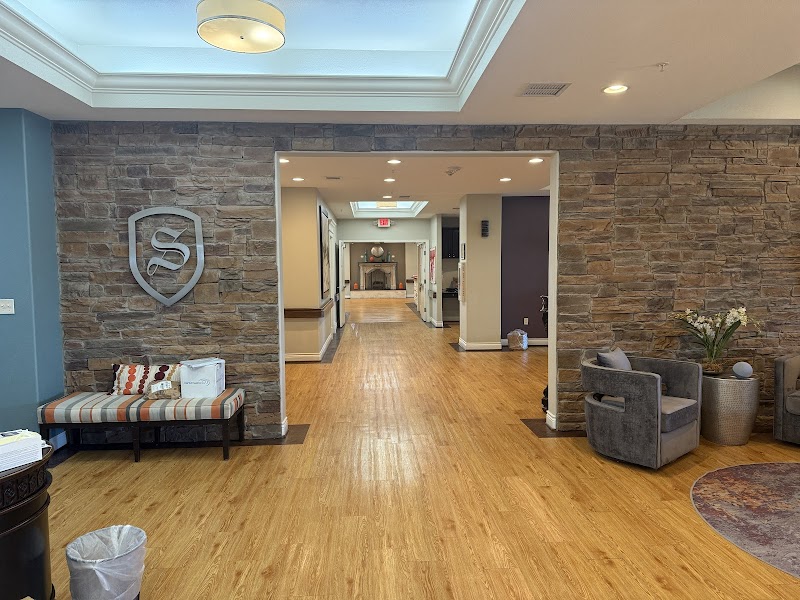
How is Stonemere Rehabilitation Center Staffed?

CMS rates STONEMERE REHABILITATION CENTER's staffing level at 2 out of 5 stars, which is below average compared to other nursing homes. Staff turnover is 49%, compared to the Texas average of 46%.

What Have Inspectors Found at Stonemere Rehabilitation Center?

State health inspectors documented 17 deficiencies at STONEMERE REHABILITATION CENTER during 2023 to 2025. These included: 17 with potential for harm.
Who Owns and Operates Stonemere Rehabilitation Center?

STONEMERE REHABILITATION CENTER is owned by a for-profit company. For-profit facilities operate as businesses with obligations to shareholders or private owners. The facility is operated by PARAMOUNT HEALTHCARE, a chain that manages multiple nursing homes. With 136 certified beds and approximately 88 residents (about 65% occupancy), it is a mid-sized facility located in FRISCO, Texas.
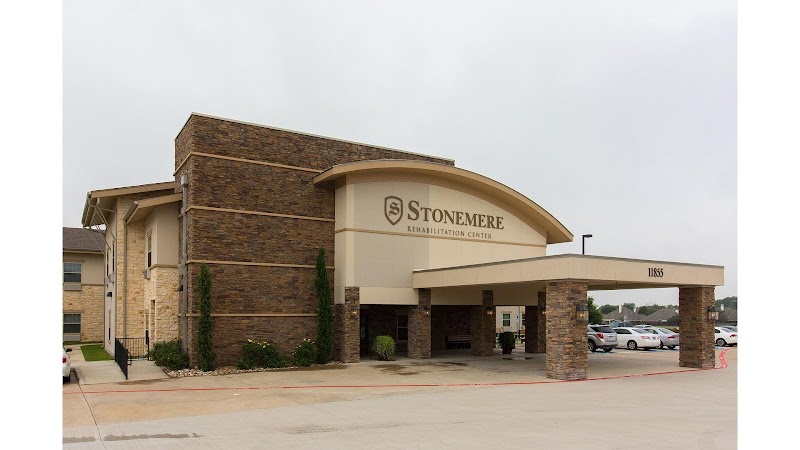
How Does Stonemere Rehabilitation Center Compare to Other Texas Nursing Homes?

Compared to the 100 nursing homes in Texas, STONEMERE REHABILITATION CENTER's overall rating (5 stars) is above the state average of 2.8, staff turnover (49%) is near the state average of 46%, and health inspection rating (4 stars) is above the national benchmark.

What Should Families Ask When Visiting Stonemere Rehabilitation Center?

Based on this facility's data, families visiting should ask: "Can you walk me through typical staffing levels on day, evening, and night shifts?" "Can I visit during a mealtime to observe dining assistance and food quality?" "How do you handle medical emergencies, and what is your hospital transfer rate?" "Can I speak with family members of current residents about their experience?" These questions are particularly relevant given the below-average staffing rating.

Is Stonemere Rehabilitation Center Safe?

Based on CMS inspection data, STONEMERE REHABILITATION CENTER has a clean safety record: no substantiated abuse findings (meaning no confirmed cases of resident harm), no Immediate Jeopardy citations (the most serious violation level indicating risk of serious injury or death), and is not on the Special Focus Facility watch list (a federal program monitoring the lowest-performing 1% of nursing homes). The facility has a 5-star overall rating and ranks #1 of 100 nursing homes in Texas. While no facility is perfect, families should still ask about staff-to-resident ratios and recent inspection results during their visit.

Do Nurses at Stonemere Rehabilitation Center Stick Around?

STONEMERE REHABILITATION CENTER has a staff turnover rate of 49%, which is about average for Texas nursing homes (state average: 46%). Moderate turnover is common in nursing homes, but families should still ask about staff tenure and how the facility maintains care continuity when employees leave.

Was Stonemere Rehabilitation Center Ever Fined?

STONEMERE REHABILITATION CENTER has no federal fines on record. CMS issues fines when nursing homes fail to meet care standards or don't correct problems found during inspections. The absence of fines suggests the facility has either maintained compliance or corrected any issues before penalties were assessed. This is a positive indicator, though families should still review recent inspection reports for the full picture.

Is Stonemere Rehabilitation Center on Any Federal Watch List?

STONEMERE REHABILITATION CENTER is not on any federal watch list. The most significant is the Special Focus Facility (SFF) program, which identifies the bottom 1% of nursing homes nationally based on persistent, serious quality problems. Not being on this list means the facility has avoided the pattern of deficiencies that triggers enhanced federal oversight. This is a positive indicator, though families should still review the facility's inspection history directly.