CASCADES AT GALVESTON
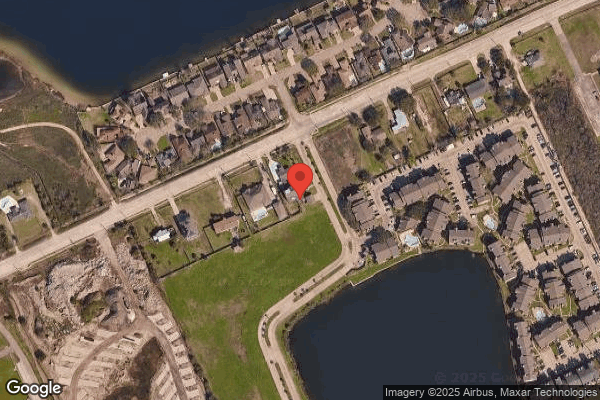
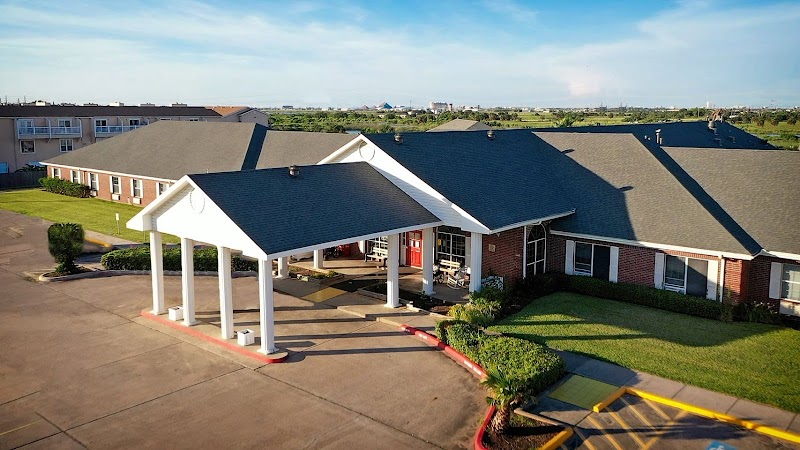
3702 COVE VIEW BLVD, GALVESTON, TX 77554 (409) 740-7330
For profit - Limited Liability company 150 Beds CASCADES HEALTHCARE Data: November 2025 7 Immediate Jeopardy citations
Trust Grade
0/100
#944 of 1168 in TX
Last Inspection: May 2025

Inspected within the last 6 months. Data reflects current conditions.

Overview

Cascades at Galveston has received a Trust Grade of F, indicating significant concerns about the quality of care provided. Ranking #944 out of 1168 facilities in Texas places them in the bottom half, and they are #10 of 12 in Galveston County, which means there are only two other local options that could be better. While the facility's situation is improving, with issues decreasing from 11 in 2024 to 4 in 2025, the staffing rating of 2/5 stars and a 68% turnover rate is troubling, as it is above the state average of 50%. Additionally, they have incurred $143,836 in fines, which is concerning and suggests ongoing compliance problems. Specific incidents have raised alarms, such as failing to properly care for a resident's G-tube, which led to hospitalization, and neglecting a diabetic foot wound that resulted in severe complications, including amputations for another resident. Overall, while there are some positive aspects like good RN coverage, the facility's weaknesses in critical care and staffing issues are significant factors for families to consider.

Trust Score
F
0/100
In Texas
#944/1168
Bottom 20%
Safety Record
High Risk
Review needed
Inspections
Getting Better
11 → 4 violations
Staff Stability
⚠ Watch
68% turnover. Above average. Higher turnover means staff may not know residents' routines.
Penalties
✓ Good
$143,836 in fines. Lower than most Texas facilities. Relatively clean record.
Skilled Nurses
✓ Good
Each resident gets 45 minutes of Registered Nurse (RN) attention daily — more than average for Texas. RNs are trained to catch health problems early.
Violations
⚠ Watch
28 deficiencies on record. Higher than average. Multiple issues found across inspections.
★☆☆☆☆
1.0
Overall Rating
★★☆☆☆
2.0
Staff Levels
★★★★☆
4.0
Care Quality
★☆☆☆☆
1.0
Inspection Score
Stable
2024: 11 issues
2025: 4 issues

The Good

  • 4-Star Quality Measures · Strong clinical quality outcomes
  • Full Sprinkler Coverage · Fire safety systems throughout facility
  • No fines on record

Facility shows strength in quality measures, fire safety.

The Bad

1-Star Overall Rating

Below Texas average (2.8)

Significant quality concerns identified by CMS

Staff Turnover: 68%

22pts above Texas avg (46%)

Frequent staff changes - ask about care continuity

Federal Fines: $143,836

Well above median ($33,413)

Significant penalties indicating serious issues

Chain: CASCADES HEALTHCARE

Part of a multi-facility chain

Ask about local staffing decisions and management

Staff turnover is elevated (68%)

20 points above Texas average of 48%

The Ugly 28 deficiencies on record

7 life-threatening
May 2025 2 deficiencies
CONCERN (D)

Potential for Harm - no one hurt, but risky conditions existed

Comprehensive Care Plan (Tag F0656)

Could have caused harm · This affected 1 resident

**NOTE- TERMS IN BRACKETS HAVE BEEN EDITED TO PROTECT CONFIDENTIALITY** Based on observation, interview and record review, the facility failed to develop and implement a comprehensive person-centered ...

Read full inspector narrative →
**NOTE- TERMS IN BRACKETS HAVE BEEN EDITED TO PROTECT CONFIDENTIALITY** Based on observation, interview and record review, the facility failed to develop and implement a comprehensive person-centered care plan for each resident, that includes measurable objectives and time frames to meet a resident's medical, nursing, mental and psychosocial needs and describes the services that are to be furnished to attain or maintain the resident's highest practicable physical well-being for 2 of 24 residents (Resident #13 and Resident #57) reviewed for care plans. -The facility failed to ensure Resident #13's comprehensive care plan included information regarding his indwelling urinary catheter. -The facility failed to ensure that Resident # 57's care plan included her use of oxygen These failures could place residents at risk of not receiving appropriate care and interventions to meet their needs. Findings included: Resident #13 Record review of Resident #13's admission Record dated 5/29/2025, revealed the resident was a [AGE] year-old male admitted to the facility on [DATE] and readmitted to the facility on [DATE] with diagnoses including metabolic encephalopathy (a condition where brain dysfunction, caused by imbalance in brain metabolism, causes changes in mental status), peripheral vascular disease ( a circulatory condition in which narrowed blood vessels reduce blood flow to the limbs), age-related osteoporosis ( a condition where bone density and strength decline due to aging, making bones more prone to breaking), atrial fibrillation (an irregular often rapid heart rate that causes poor blood flow), and acute urinary retention (sudden difficulty urinating and completely emptying the bladder). Record review of Resident #13's quarterly MDS dated [DATE] revealed a BIMS score of 9 out of 15 that indicated moderate cognitive impairment. MDS also revealed in Section H bowel and bladder, Resident #13 was not coded as having an indwelling urinary catheter. Record review of Resident #13's Hospital A records dated 5/14/25 revealed in part: [Resident #13] [AGE] year-old male admitted for [NAME] (minimally invasive procedure that involves implanting a small parachute-shaped device called a [NAME] in the heart's left atrial appendage (small pouch area where blood clots can develop) aimed at reducing the risk of stroke in people with atrial fibrillation), who experienced difficult Foley (type of indwelling urinary catheter-thin flexible tube inserted into the urethra to drain urine), placement for post procedural acute urinary retention. 16 Coude (bent tip) Catheter placed at bedside .Recommend indwelling foley due to high UOP and bladder over distention .if patient will discharge prior to 2-3 days re-engage urology to arrange follow up appointment for foley removal. Record review of Nurses Note dated 5/15/25 at 6:02 pm revealed in part Note Text: Resident readmitted to facility approx 1600, via WC transport van S/P [NAME] procedure. Vitals WNL. Notified NP/RP of resident's return. No s/sx of acute distress noted. Denies pain upon assessment. No new skin issues noted. 16Fr Foley cath in place r/t urinary retention per MD. Resident to F/U with Urology in 1-2 weeks prior to DC of Foley cath. Record review of Nurses Note dated 5/17/25 at 12:19 pm revealed Note Text: Resident s/p [NAME] procedure. 16F foley catheter intact. Foley bag draining yellow/clear urine. Resident denies pain or discomfort. Resident #13 urology follow up appointment on 6/4/25. Record review of Resident #13's Order Summary Report dated 5/29/25 revealed physician's order 16 coude catheter (type of urinary catheter with a curved tip, designed to help navigate obstructions in the urethra (duct from which urine passes out of the body from the bladder), particularly in men with enlarged prostate glands (walnut sized gland in men that surrounds the urethra at the base of the bladder) in place with order date of 5/15/25. Record review of Resident #13's care plan on 5/29/25 at 10:25 am revealed no mention regarding indwelling urinary, or Foley catheter. In an interview with Corporate Regional Nurse and DON on 5/29/25 at 1:00 pm they both said there was not any other place in Resident #13's clinical record to find the care plan for the indwelling catheter. They both said Resident #13 should have a comprehensive care plan for his indwelling urinary catheter. The DON said that MDS Coordinator A and the IDT were responsible for resident care plans. The DON and Corporate Regional Nurse said they would have to look at Resident #13's care plans and get back to surveyor. The DON said they had only been the DON at the facility for about 1 month. In an interview with MDS Coordinator A on 5/29/25 at 1:23 pm they said they were not sure if Resident #13's indwelling foley catheter had been care planned. MDS Coordinator A checked Resident #13's comprehensive care plan in the EMR and said they did not see a care plan for an indwelling foley catheter for Resident #13. MDS Coordinator A said there should be a care plan for Resident #13's indwelling urinary catheter and did not know why there was not one. MDS Coordinator A said that care plans were important and helped guide staff on how to care for a resident. MDS Coordinator A said that if the care plan was not accurate or complete, it could negatively affect the resident's care because the resident may not receive appropriate care based on specific needs. Record review of Resident #13's care plan printed 5/29/25 at 3:17 pm revealed the following Focus .The resident has indwelling Foley Catheter. Date Initiated: 05/29/2025 .Revision on: 05/29/2025 .Goal .The resident will be/remain free from catheter -related trauma through review date. Date Initiated: 05/29/2025 .Target Date: 04/22/2025 .The resident will show no s/sx of Urinary infection through review date. Date Initiated: 05/29/2025 .Target Date: 04/22/2025. In a follow up interview with Corporate Regional Nurse on 5/29/25 at 3:25 pm they said they just updated and completed the care plan for Resident #13 because the indwelling urinary/foley catheter care plan was not there and should have been. They said MDS Coordinator A was responsible for care plans and updating and completing the resident care plans. The Corporate Regional Nurse did not know why Resident #13's indwelling urinary catheter had not been care planned and said it had been corrected after surveyor asked about the care plan earlier that same day. Observation of Resident #13 on 5/29/25 at 3:47 pm revealed he was seated in his wheelchair with an indwelling urinary catheter in place secured with leg strap anchor and privacy bag. The tubing was unkinked and draining clear yellow urine positioned below the kidneys to gravity. Resident #13 said he had the catheter inserted after a cardiac procedure because he was having trouble urinating and readmitted to the facility with it a couple of weeks ago. Resident #13 said he did not have an indwelling urinary catheter prior to his 5/15/25 hospitalization. Resident #13 said he had no care concerns regarding the catheter and was scheduled to have it removed or changed by a urologist on 6/4/25. Resident #57 Record review of Resident #57's face sheet dated 05/29/25 revealed a -[AGE] year-old female admitted to the facility on [DATE] and readmitted on [DATE]. Her diagnoses included Nontraumatic intracranial hemorrhage (Bleeding in the brain without Trauma) , tracheostomy status ( asurgical procedure where a hole is created in the neck ) chronic kidney disease, pressure ulcer of sacral region, essential hypertension (High blood Pressure), encephalopathy, retention of urine, gastrostomy status, generalized muscle weakness, cognitive communication (lack of communication), dysphagia (difficulty swallowing), type 2 diabetes mellitus (when the body cannot use insulin correctly and sugar builds up in the blood) chronic pain, chronic respiratory failure, shortness of breath and urinary tract infection. Record review of Resident #57's care plan dated 10/28/24 with a revision date of 02/09/25 revealed no evidence of a care plan for oxygen. Record review of physician orders dated May 2025 revealed an order for Oxygen at 2 liters per minutes. The start date was 02/16/25. Record review of Resident #57's admission MDS dated [DATE] indicated Resident #57 was assessed as receiving oxygen therapy. Observation on 05/27/25 at 11:00AM revealed Resident #57 was in bed; she had a tracheostomy on and was on oxygen on at 2 liters per minutes via the tracheostomy tube. Attempt was made to communicate with Resident #57 but she did not answer. Observation revealed she was alert but not communicative. During an interview on 05/27/25 at 11:00AM LVN D said Resident was admitted with Oxygen and a trach. She said Resident #57 has been on oxygen therapy. In an interview with Corporate Regional Nurse, DON and MDS Coordinator on 5/29/25 at 1:00 pm, Tthe MDS coordinator said he was responsible for ensuring that all care plans reflected the resident's condition. He said he visits residents for observation and uses nurse's documentation to complete the care plan. He looked at the care plan and said nothing. MDS coordinator said Hhe would update Resident #57's care plan. The Cooperate Corporate nurse, DON and MDS Coordinator looked at Resident #57's care plan and acknowledged that Resident #57 was on continuous oxygen and it should have been care planned. MDS coordinator said an incorrect care plan might prevent the resident from receiving needed care and services. The Corporate nurse and the DON said an in correct care plan might affect the facility's payment. Record review of facility's policy Care Planning- Interdisciplinary Team revised March 2022 revealed The interdisciplinary team is responsible for the development of resident care plans. 2. Comprehensive person-centered care plans are based on resident assessments and developed by an interdisciplinary team (IDT).
CONCERN (E)

Potential for Harm - no one hurt, but risky conditions existed

Assessment Accuracy (Tag F0641)

Could have caused harm · This affected multiple residents

**NOTE- TERMS IN BRACKETS HAVE BEEN EDITED TO PROTECT CONFIDENTIALITY** Based on observation, interview and record review, the facility failed to accurately assess each resident's status for 3 of 18 r...

Read full inspector narrative →
**NOTE- TERMS IN BRACKETS HAVE BEEN EDITED TO PROTECT CONFIDENTIALITY** Based on observation, interview and record review, the facility failed to accurately assess each resident's status for 3 of 18 residents(Resident #6, #30 and #57) reviewed for accuracy of assessments. --the facility failed to ensure Resident # 6's Significant Change MDS did not code grab bars to aid with bed mobility as restraints --the facility failed to ensure Resident # 30's Significant Change MDS assessment did not have catheter which had been removed prior to the MDS assesement --the facility failed to ensure that Resident #57's admission MDS assessment accurately reflected she did not have a catheter These failures could place residents at risk of inaccurate care and decline in health. Resident # 6 Record review of Resident # 6's face sheet revealed admission date 3/19/25, with diagnoses including hemiplegia and hemiparesis following a cerebral infarction (weakness or paralysis on one side of the body following a stroke), dysphagia (difficulty swallowing), chronic obstructive pulmonary disease (lung disease causing restricted airflow), chronic kidney disease (longstanding disease of kidneys leading to kidney failure), heart failure (inability of the heart to pump blood as it should), Bipolar disorder (episodes of mood swings from depressive lows to manic highs), absence of left leg above the knee. Record review of Resident # 6's MDS dated [DATE] revealed he was usually understood by others and usually understands others, BIMS of 08 indicating impaired cognitive skills, maximum assistance for ADLs, and 2 restraints, coded as other used daily. Record review of Resident # 6's undated care plan revealed resident uses ¼ bars to safely move in bed, with interventions to check every 2 hours for safety. Observation and interview with Resident # 6 on 5/27/25 at 9:30am revealed he was in bed and there were grab bars on each side of the bed. In interview, he said he used the grab bars to turn over and he demonstrated how he used the bars to assist in turning. Interview with the Corporate Regional Nurse and DON on 5/28/25 at 2:20pm revealed Resident # 6 had 2 grab bars on his bed to help him with repositioning and when provided care. The DON looked up Resident # 6's MDS dated [DATE] and said the coding for restraints on the MDS was incorrect, since the bed rails did not restrict his movement. Interview with MDS Coordinator A on 5/28/25 at 4pm revealed the MDS for Resident # 6 would be corrected and said the MDS assessment was a collaborative effort with input from staff, and MDS assessments are coded according to the RAI manual. He said the outcome of an incorrect MDS would be incorrect resident care. Resident # 30 Record review of Resident #30's face sheet revealed admission date 3/13/25, with diagnoses including Schizoaffective disorder, Bipolar type (manic episodes with periods depression and disorganized thinking), hypertension (high blood pressure), major depressive disorder (persistent feelings of sadness, loss of interest that interfere with daily life), benign prostatic hyperplasia (enlargement of prostate), history of traumatic brain injury (brain injury caused by an outside source). Record review of Resident # 30's Significant Change MDS dated [DATE] revealed usually understood by others and usually understands others, BIMS 03, indicating impaired cognitive skills, maximum assistance required for ADLs, and indwelling catheter. Record review of progress note dated 3/14/25 revealed the catheter was observed lying in bed next to Resident # 30, and resident said, I pulled that tube out. A scant amount of blood was observed in his brief, and resident refused foley catheter reinsertion. Observation and interview with Resident # 30 on 5/27/25 revealed he was in bed, and no catheter drainage bag was observed at bedside. Interview at that time revealed he pulled the catheter out. In an interview on 5/28/25 at 1:15 pm, RN D said she was familiar with Resident # 30's care since she worked on his hall, and he did not have a catheter. Record review of physician orders for 5/2025 revealed no order for indwelling catheter for Resident # 30. In an interview on 5/28/25 at 12:30 pm, the Corporate Regional nurse and DON checked the EMR for Resident # 30 and said he did not have a catheter, the progress note indicated Resident # 30 pulled the tube out on 3/14/25 and refused to have it re-inserted. They said the MDS coordinator completed the MDS and staff provided input for their sections and they used the RAI manual for MDS guidance. They said the risk of having inaccurate information on the MDS would be incorrect care for the resident and it would affect billing. In an interview with MDS Coordinator A on 5/29/25 at 4:00 pm, he said the MDS for Resident # 30 would be corrected, and the MDS was a collaborative effort with input from staff. The RAI manual was referred to as a guide for MDS coding. He said an inaccurate MDS would affect resident care in that they would not get the care they needed. Resident #57 Record review of Resident #57's face sheet dated 05/29/25 revealed a [AGE] year-old female admitted to the facility on [DATE] and readmitted on [DATE]. Her diagnoses included Nontraumatic intracranial hemorrhage (Bleeding in the brain , tracheostomy status, ( a surgical hole through the front of the neck into the wind pipe for breathing), chronic kidney disease, pressure ulcer of sacral region, essential hypertension (High blood Pressure), encephalopathy, retention of urine, gastrostomy status, generalized muscle weakness, cognitive communication (lack of communication), dysphagia (difficulty swallowing), type 2 diabetes mellitus (when the body cannot use insulin correctly and sugar builds up in the blood) chronic pain, chronic respiratory failure, shortness of breath and urinary tract infection. Record review of Resident #57's admission MDS assessment dated [DATE] indicated Resident #57 was assessed as having a catheter in section H Bladder and bowel. Observation on 05/27/25 at 11:00AM revealed Resident #57 was in bed. Attempt was made to have a communication with Resident #57 but she did not answer. Observation indicated she was alert. Observation revealed no evidence of a catheter bag. During an interview on 05/27/25 at 12:20PM, CNA F said she had not seen Resident #57 with a catheter. During an interview with LVN D on 05/28/25 at 10:00AM, she said Resident #57 did not have a catheter. She said Resident #57 had one prior to being sent to the hospital. She said Resident #57 did not returned to the facility with a catheter. In an interview with Corporate Regional Nurse, DON and MDS Coordinator on 5/29/25 at 1:10PM, the MDS coordinator said he was responsible for ensuring that all MDS assessments accurately reflected the resident's condition. He said he visits residents for observation and uses nurse's documentation to complete the MDS Assessment. He said he would do a modification to the MDS . The Corporate nurse, DON and MDS Coordinator said Resident #57 had a catheter at one point but it was discontinued when she went to the hospital. The DON provided an order for urinary catheter dated 11/01/24 and discontinued on 02/16/25. The Corporate nurse and the DON said an incorrect assessment might affect the facility's billing method. Record review of the RAI manual Restraints and Alarms dated October 2024 revealed, in part, physical restraint is defined by; any manual method of physical or mechanical device, material or equipment attached or adjacent to the resident's body .which restricts freedom of movement . Record review of the RAI manual dated October 2024 revealed, in part: .assessment accurately reflects the resident status .
May 2025 2 deficiencies
CONCERN (D) 📢 Someone Reported This

A family member, employee, or ombudsman was alarmed enough to file a formal complaint

Potential for Harm - no one hurt, but risky conditions existed

Notification of Changes (Tag F0580)

Could have caused harm · This affected 1 resident

**NOTE- TERMS IN BRACKETS HAVE BEEN EDITED TO PROTECT CONFIDENTIALITY** Based on observation, interviews, and record review, the facility failed to consult with the resident's physician when there was...

Read full inspector narrative →
**NOTE- TERMS IN BRACKETS HAVE BEEN EDITED TO PROTECT CONFIDENTIALITY** Based on observation, interviews, and record review, the facility failed to consult with the resident's physician when there was a significant change in resident condition for 1 (Resident #2) of 5 residents reviewed for notification of changes. -The facility failed to notify Resident #2's physician after testing positive at the hospital for THC (psychoactive compound found in cannabis) on 04/25/25. This failure could place residents at risk for not receiving necessary medical care. The findings included: Record review of Resident #2's admission Record, dated 05/15/25, revealed a [AGE] year-old female who was admitted to the facility on [DATE]. Her diagnoses included wedge compression fracture of fifth lumbar, paraplegia (form of paralysis that primarily affects the lower half of the body), asthma (chronic lung disease characterized by the inflammation and narrowing of the airways, which makes breathing difficult), and chronic obstructive pulmonary disease (lung condition caused by damage to the airways that limit airflow). Record review of Resident #2's Quarterly MDS Assessment, dated 04/03/25, revealed a BIMS score of 15, indicating cognition was intact. Record review of Resident #2's Care Plan Report, undated, revealed resident was not care planned for substance abuse. Record review of Resident #2's physician orders revealed she did not have an order for THC. Active physician orders included the following: lithium (mood stabilizer), risperidone (antipsychotic), duloxetine (antidepressant), and methocarbamol (muscle relaxer). Record review of Resident #2's progress notes, dated 04/25/25 at 21:55 [9:55 p.m.], revealed resident was sent out to the hospital for altered mental status. Record review of Resident #2's hospital encounter notes, dated 04/26/25, read in part .Arrival 04/25/25 22:43 [10:43 p.m.] .Chief Complaint altered mental status, comment gummies and THC pen .4/26/25 .patient came in as a THC overdose .Urine Drug (Immunoassay) - Comprehensive Drug Screen W/O Reflex - Abnormal; Notable for the following components .THC presumptive positive .collected 04/25/25 .04/26/25 .awaiting patient to be more alert so that she may be discharged back to [facility Name] with a prescription of Augmentin for her UTI . Record review of Resident #2's Psychiatric Subsequent Assessment, dated 04/25/25, read in part .Drug use: history of marijuana use . During an interview on 05/15/25 at 12:13 p.m., the DON said she was not employed at the facility when Resident #2 was sent out to the hospital on [DATE]. During an interview on 05/15/25 at 1:21 p.m., Nurse A said she has been working at the facility since April 21, 25 and at that time the facility had an Interim DON for about a month. She said Resident #2 was sent out to the hospital on [DATE] for altered mental status. She said Nurse B believed the resident may have ingested some type of drug. She said the resident had a marijuana vape with her and another resident reported Resident #2 took a 2000 mg marijuana gummy. She said she notified the Administrator and Interim DON. She said the Administrator was going to have an officer come out to provide education on drug use and its legal ramifications and told them it could lead to a 30-day discharge notice if the behavior continues. During an interview on 05/15/25 at 2:04 p.m., the Administrator said all he knew was that Resident #2 went out to the hospital on [DATE] for altered mental status and returned back to the facility the following day. He said he was not aware she had a vape pen or what would have been in her vape pen. He said she was educated on admission that all smoking paraphernalia should be kept under lock and key and there have been several reeducations with the residents. He said residents were taking recreational drugs while out of the facility, he cannot control that, and the residents were their own RP. He said they could document and care plan. He said he did not know of any such measures to monitor because they cannot search a resident without consent, and it is not within their admission packet to gain such consent. He said they do not [NAME] residents or conduct random drug tests. During an interview on 05/16/25 at 9:01 a.m., the Physician said she just started rounding in the building about 6 weeks ago, mid-March. She said she was not aware Resident #2 tested positive at the hospital for THC on 04/25/25. She said the patients are going outside the premises, could go get substances, and has addressed it with the Administrator. She said if they cannot follow the rules, then it would be her recommendation the resident did not remain at the facility. During a telephone interview on 05/16/25 at 9:27 a.m., the Interim DON said she was the Interim DON from the end of March 2025 until the beginning of May 2025. She said she was not notified verbally by the hospital about Resident #2's positive drug test and did not review the hospital report. She said the admissions nurse would be the one to review the hospital records and bring anything to her attention. She said she does not review all the hospital reports. During an interview on 05/16/25 at 9:37 a.m., Nurse B said Resident #2 was sent out to the hospital on [DATE] for altered mental status. She said the resident went out earlier that day and when she returned, she later presented with altered mental status. She said she was made aware of the positive drug test result during a verbal report from the outgoing nurse. She said she did not remember the name of the nurse who gave the report. She said when someone returns back to the facility, they contact the NP/Physician to let them know. She said the police showed up at the facility (does not know who called them) and found a THC vape pen/cartridge on Resident #2 during her send out to the hospital. She said another resident told her she thought the resident purchased a big 1000 mg cannabinoid gummy from the vape shop/convenience store. During an interview on 05/16/25 at 11:04 a.m., Nurse C said she was not able to read Resident #2's hospital records from 04/25/25 because they did not give her any paperwork when she returned to the facility. She said they might have just put it down at the nurses station, and she did not read them. She said if she was not able to get the paperwork, she would not know about the positive drug test. During a telephone interview on 05/16/25 at 12:17 p.m., the NP said she was not comfortable talking about the residents at the facility when asked if she was made aware of Resident #2's positive drug test completed at the hospital on [DATE]. Record review of the facility's Guidelines for Notifying Physicians of Clinical Problems, revised September 2017, read in part .These guidelines are intended to help ensure that 1) medical problems are communicated to the medical staff in a timely, efficient and effective manner and that 2) all significant changes in resident / patient status are assessed and documented in the medical record .When contacting the practitioner, especially at night and on weekends (when physicians not familiar with the residents may be on call), the nurse should have the following information available: .3. Pertinent information from any recent hospitalizations (hospital discharge summary or admission history and physical form) .
CONCERN (D) 📢 Someone Reported This

A family member, employee, or ombudsman was alarmed enough to file a formal complaint

Potential for Harm - no one hurt, but risky conditions existed

Deficiency F0657 (Tag F0657)

Could have caused harm · This affected 1 resident

**NOTE- TERMS IN BRACKETS HAVE BEEN EDITED TO PROTECT CONFIDENTIALITY** Based on observation, interviews, and record reviews, the facility failed to revise the comprehensive care plan for 2 (Resident ...

Read full inspector narrative →
**NOTE- TERMS IN BRACKETS HAVE BEEN EDITED TO PROTECT CONFIDENTIALITY** Based on observation, interviews, and record reviews, the facility failed to revise the comprehensive care plan for 2 (Resident #1 and Resident #2) of 5 residents reviewed for care plan timing and revision. -The facility failed to revise Resident #1's care plan after testing positive for benzodiazepines (class of psychotropic medications that help relieve nervousness, tension, and other symptoms by slowing the central nervous system) and THC (psychoactive compound found in cannabis) at the hospital on [DATE]. -The facility failed to revise Resident #2's care plan after testing positive for THC (psychoactive compound found in cannabis) at the hospital on [DATE]. This failure could place residents at risk of not receiving the appropriate care and services to maintain the highest practical well-being. The findings included: Resident #1 Record review of Resident #1's admission Record, dated 05/15/25, revealed a [AGE] year-old male who was admitted to the facility on [DATE]. His diagnoses included hepatic encephalopathy (condition that occurs when the liver fails to filter toxins from the blood effectively), alcohol cirrhosis of liver (advanced form of liver disease caused by excessive alcohol consumption) with ascites (abnormal buildup of fluid in the abdominal cavity), other psychoactive (affecting the mind) substance abuse uncomplicated, and hypertensive heart disease with heart failure (chronic high blood pressure causing heart complications). Record review of Resident #1's Quarterly MDS Assessment, dated 03/15/25, revealed a BIMS score of 10, indicating moderate impaired cognition. Record review of Resident #1's Care Plan Report, undated, revealed resident was not care planned for substance abuse. Record review of Resident #1's physician orders revealed he did not have an active order for benzodiazepines or THC. Active physician orders included the following: trazadone (antidepressant), lidocaine external patch (local anesthetic), and duloxetine (antidepressant). Record review of Resident #1's progress notes, dated 05/07/25 at 12:09 p.m., revealed resident was sent out to the hospital for altered mental status. Record review of Resident #1's hospital record, dated 05/07/25 read in part .[lab] results .Urine Drug (Immunoassay) - Comprehensive Drug Screen .Collected: 05/07/25 .(Abnormal) .Specimen: Urine, Clean Catch .[NAME] U presumptive positive .THC presumptive positive . During an observation and interview on 05/15/25 at 10:32 a.m., Resident #1 was lying in bed, was alert, oriented, and showed no signs of distress. Resident #1 said he did not use drugs or bring drugs into the facility. Resident #1 said he signs himself out when he wants to leave the facility. Resident #2 Record review of Resident #2's admission Record, dated 05/15/25, revealed a [AGE] year-old female who was admitted to the facility on [DATE]. Her diagnoses included wedge compression fracture of fifth lumbar, paraplegia (form of paralysis that primarily affects the lower half of the body), asthma (chronic lung disease characterized by the inflammation and narrowing of the airways, which makes breathing difficult), and chronic obstructive pulmonary disease (lung condition caused by damage to the airways that limit airflow). Record review of Resident #2's Quarterly MDS Assessment, dated 04/03/25, revealed a BIMS score of 15, indicating cognition was intact. Record review of Resident #2's Care Plan Report, undated, revealed resident was not care planned for substance abuse. Record review of Resident #2's physician orders, undated, revealed she did not have an order for THC. Record review of Resident #2's progress notes, dated 04/25/25 at 21:55 [9:55 p.m.], revealed resident was sent out to the hospital for altered mental status. Record review of Resident #2's hospital encounter notes, dated 04/26/25, read in part .Arrival 04/25/25 22:33 [10:43 p.m.] .Chief Complaint altered mental status, comment gummies and THC pen .04/26/25 .patient came in as a THC overdose .Urine Drug - Comprehensive Drug Screen W/O Reflex - Abnormal; Notable for the following components .THC presumptive positive .collected 04/25/25 .04/26/25 .awaiting patient to be more alert so that she may be discharged back to [facility name] with a prescription of Augmentin for UTI . During an observation and interview on 05/15/25 at 10:25 a.m., Resident #2 was lying in bed, was alert, oriented, and showed no signs of distress. Resident #2 said she did not use drugs. During an interview on 05/15/25 at 11:53 p.m., HR Manager/Admissions Director said Resident #1 has been known to illicit outside activities. During an interview on 05/15/25 at 12:04 p.m., Nurse B said the hospital called a couple of times during his stay and at one point reported to her that Resident #1 had THC and benzodiazepines in his urine. She said he was not prescribed any of those substances. She said she reported it to the Administrator and the DON. During an interview on 05/15/25 at 12:33 p.m., the Administrator said he has been working at the facility since January 6, 25. He said since he has been in the building he has been told residents would go out and get alcohol or to the vape shop which has since been closed. He said he attended a resident council meeting and went over expectations when leaving the facility and using any contradicting medications or drugs. He said he informed them that it is not ok to mix drugs and alcohol, and that they must sign out according to the facility's process. He said he had all residents that were going to the store, sign an acknowledgement form saying if they are caught with illegal substances or alcohol, they would be given a 30-day discharge notice. He said he had several conversations with Resident #1, and he said his last change of condition was sometime last week. He said he was notified on 05/08/25 at approximately 7:24 p.m., about Resident #1's positive drug results at the hospital. During a telephone interview on 05/16/25 at 9:27 a.m., the Interim DON said she was the Interim DON from the end of March 2025 until the beginning of May 2025. She said she was not notified verbally by the hospital about Resident #2's positive drug test and did not review the hospital report. She said the admissions nurse would be the one to review the hospital records and bring anything to her attention. She said she does not review all the hospital reports. During an interview on 05/16/25 at 8:38 a.m., the DON said it should be care planned that they have a history of substance abuse would be appropriate. She said they are adding it to their care plans. She said she does not know what day it was but a nurse from the hospital called her and informed her, in passing, of Resident #1's positive drug test results. She said the Social Worker also offered him a drug rehabilitation program but Resident #1 told them he did not do drugs. She said she does not know why it has not been added to their care plan. She said nursing would communicate changes to MDS or nursing will update the care plans. During a follow-up interview on 05/16/25 at 12:02 p.m., the DON said they follow the RAI (resident assessment manual) when related to care plans.
May 2024 2 deficiencies
CONCERN (E) 📢 Someone Reported This

A family member, employee, or ombudsman was alarmed enough to file a formal complaint

Potential for Harm - no one hurt, but risky conditions existed

Deficiency F0760 (Tag F0760)

Could have caused harm · This affected multiple residents

**NOTE- TERMS IN BRACKETS HAVE BEEN EDITED TO PROTECT CONFIDENTIALITY** Based on observation, record review and interview the facility failed to ensure that residents are free of significant medicatio...

Read full inspector narrative →
**NOTE- TERMS IN BRACKETS HAVE BEEN EDITED TO PROTECT CONFIDENTIALITY** Based on observation, record review and interview the facility failed to ensure that residents are free of significant medications error for 2 of (Resident #1 and #2) of 5 residents reviewed for medications errors. The facility failed to ensure Resident #1's Midodrine for low blood pressure was held when the SBP was above 100. The facility failed to ensure that Resident #2's, medication Toprol X oral tablet extended release (Metoprolol Succinate) for high blood pressure was given as ordered by the physician. This failure placed all resident who received medications at risk of not getting their medications as ordered which could result in resident not receiving the therapeutic benefits of the blood pressure medication that could result in decreased quality of life. Findings included. Resident #1 Record review of Resident #1's admission face sheet dated 05/17/2024 revealed she was a [AGE] year-old female who was admitted to the facility on [DATE]. Resident #1's diagnoses included essential hypertension (high blood pressure) cerebral infraction (disrupted blood flow in the brain), embolism of the of the right ventral artery (clot get stuck in the artery), depression (mental illness), anxiety (fear and dread), and hypotension (low blood pressure). Review of Resident #1's MDS dated [DATE] revealed a BIMS score of 08, indicating Resident #1's cognitive skills for decision making were moderately impaired. Record review of Resident #1's physician's order dated 4/18/2024 revealed: Midodrine 2.5 mg oral give one tablet by mouth two times a day for hypotension was ordered to be started on 04/18/2024. Hold for SBP above 100. Record review of the blood pressure log for May 2024 revealed the following blood pressures. 5/16/2024 08:00 am was 145 / 88 mmHg 5/16/2024 03:30 pm was 143 / 70 mmHg 5/16/2024 04:17 pm was 143 / 70 mmHg 5/15/2024 09:03 pm was 109 / 54 mmHg 5/05/2024 05:17 pm was 81 / 51 mmHg 5/02/2024 01:13:pm was 136 / 80 mmHg Record review of Resident #1's May 2024 Medication Administration Record revealed that Midodrine 2.5 mg oral give one tablet by mouth two times a day for hypotension and was to be held if SBP was above 100 was not held on 5/16/2024 in the AM. It was documented as given when the blood pressure was 145/88 by MA A . In an interview on 5/17/2024 with 3:30pm the ADON stated that the expectation of the medication aides and nurses when instructions were given to give medication that they should follow the physician's order. Further interview revealed that if the physician's orders were not followed the resident's blood pressure could continue to drop or get higher and the resident could get worst. She said she had started in-servicing the staff and she was going to have ongoing auditing for medication administration. She said staff were expected to document the B/P on the MAR. She said she had made adjustment to the MARs so that the blood pressure reading was documented on the MARs and also log in PCC for residents who are on blood pressure medications. She also confirmed that the documentation on the blood pressure log in PCC was not complete. In an interview on 5/17/2024 at 3:59 pm with MA A said she did not know what happened and why the medication was documented as given. She said, she must have overlooked the order. She said she should have held the medication, because giving the medication when the blood pressure was high could cause the blood pressure to be higher and the resident could get sick. She said she would have to pay more attention to the physician's order. She said she would have to double check each time to ensure medications were given as ordered and ensure medication were held as ordered. She said she must be more careful next time. Resident #2 Record review of Resident #2's admission face sheet dated 05/17/2024 revealed Resident #2 was a [AGE] year-old female who was admitted on [DATE]. Resident #2's diagnoses included depression (mental illness), anxiety(fear, dread), renal insufficiency (inability to filter waste from the blood), Coronary Artery disease (limitation of blood flow to the heart), Heart failure (a condition in which the heart cannot pump adequate blood), Gastroesophageal reflux disease (heartburn), hypertension (high blood pressure), hyperlipidemia(high level of fat in the blood), thyroid disorder(dysfunction of the butterfly gland of the neck), arthritis (inflammation of the joints) and osteoporosis (a condition in which the bones become weak and brittle). Review of Resident #2's MDS dated [DATE] revealed a BIMS score of 00, indicating Resident #2's cognitive skills for decision making were severely impaired. Record review of Resident #2's physician's order dated 3/18/2024 revealed: 1. Toprol X oral tablet extended release 24-hour 25mg (Metoprolol Succinate) Give one tablet by mouth one time at day for HTN, hold for SBP less than 110, DBP or HR less than 60. 2. Spironolactone Oral tablet, giver 12.5mg by mouth time a day or HTN hold for SBP less than 110, DBP or HR less than 60. Record review of Resident #2's May 2024, MAR revealed that medications, Spironolactone Oral tablet 12.5mg and Toprol X 25mg were administered by MA A on 05/02/2023 at 9:00am, when the DBP was 131/58, and on 5/11/2024 and 5/12/2024 when the SBP was 105/68. In an observation and interview on 05/17/2024 at 10:30 am revealed Resident #2 was sitting in her room with her daughter . Resident #2 was alert and oriented and could make her needs known. She was clean and well-groomed with no offensive odor. Resident #2 said she was going to be discharged that day and she was happy to be leaving. She had no complaints regarding her stay at the facility. In an interview on 05/17/2024 at 3:30 pm, the ADON said that medication should not be given because the blood pressure was within the parameter that it should be held . She stated her expectations were that physician's orders were followed and the staff were not giving medications when they are within the parameters they should be held. In an interview on 5/17/2024 at 3:59pm with Medication Aide A she said she usually held medications when they are within parameter's they should be held. She said she might have overlooked it. She said giving medications when they were supposed to be held could cause the resident's blood pressure to drop lower and could make her dizzy and may cause her to pass out. She said moving forward she will be paying more attention to physician's order and what she documents on the medication administration records. Further in interview on 05/17/2024 at 5:20pm the ADON said Resident #2's blood pressure could drop when the medication that was to be held was given. That could cause the resident to become dizzy, lightheaded and fall and injury could occur. She said they would educate the staff regarding blood pressure parameters, and they would be auditing blood pressure medications to ensure they have parameters in place. The plan going forward was to in-service the staff and supervise the blood pressure medication administration. Record review of the facility policy titled Pharmacy Services Overview dated April 2019 reflected in part . Purpose: The facility shall accurately and safely provide or obtain pharmaceutical services, including the provision and of routine and emergency medications and biologicals. Pharmacy services consists of: a. The process of receiving and interpreting prescriber's order-dispensing, administering, and monitoring of all medications.
CONCERN (E) 📢 Someone Reported This

A family member, employee, or ombudsman was alarmed enough to file a formal complaint

Potential for Harm - no one hurt, but risky conditions existed

Medical Records (Tag F0842)

Could have caused harm · This affected multiple residents

**NOTE- TERMS IN BRACKETS HAVE BEEN EDITED TO PROTECT CONFIDENTIALITY** Based on observation, interview and record review, the facility failed to maintain clinical records in accordance with accepted ...

Read full inspector narrative →
**NOTE- TERMS IN BRACKETS HAVE BEEN EDITED TO PROTECT CONFIDENTIALITY** Based on observation, interview and record review, the facility failed to maintain clinical records in accordance with accepted professional standards and practices that are complete and accurately documented for 2 of 5 Residents (Resident #1 and Resident #2) reviewed for medical records accu.[NAME], in that: Resident #1 and Resident #2's May 2024 MARs did not reflect documentation for medication given. The deficient practices could affect residents whose records are maintained by the facility and could place them at risk for errors in care, and treatment. Findings Included: Resident #1 Record review of Resident #1's admission face sheet dated 05/17/2024 revealed she was a [AGE] year-old female who was admitted to the facility on [DATE]. Resident #1's diagnoses included essential hypertension (high blood pressure) cerebral infraction (disrupted blood flow in the brain), embolism of the of the right ventral artery (clot get stuck in the artery), depression (mental illness), anxiety (fear and dread), and hypotension (low blood pressure). Review of Resident #1's MDS dated [DATE] revealed a BIMS score of 08, indicating Resident #1's cognitive skills for decision making were moderately impaired. Record review of Resident #1's physician's order revealed: Midodrine 2.5 mg oral give one tablet by mouth two times a day for hypotension was ordered on 04/18/2024 to be started on 04/18/2024. Hold SBP was above 100. Record review of Resident #1's MAY 2024 Medication Administration Record revealed: Midodrine 2.5 mg oral give one tablet by mouth two times a day for hypotension was to be held for SBP if it was above 100. Further review of Resident #1's MARs for May 2024 revealed documentation that the Midodrine HCL 2.5mg was documented as given in the AM on 5/1/2024-5/14/2024, 5/16/2024 and 5/17/2024 and was held on 5/15/2024 in the AM. The medication was held on 5/1/2024-5/10/2024, 5/13/2024- 5/16/2024 in the PM and was documented as given on 5/11/2024 and 5/12/2024 in the PM. Record review of the blood pressure log revealed no documentation that the blood pressure was taken on 5/1/2024, 5/3/2024, 5/4/2024, 5/6/2024, 5/7/2024, 5/8/2024, 5/9/2024, 5/10/2024, 5/11/2024/ 5/11/2024, 5/12/2024/, 5/13/2024 and 5/14/2024. Documented blood pressures for the following dates and time: 5/16/2024 08:00 was 145 / 88 mmHg 5/16/2024 03:30 was 143 / 70 mmHg 5/16/2024 04:17 was 143 / 70 mmHg 5/15/2024 09:03 was 109 / 54 mmHg 5/05/2024 05:17 was 81 / 51 mmHg 5/02/2024 01:54 was 136 / 80 mmHg Record review of Resident #1's nurse's notes for May 2024 revealed no documentation as to why the blood pressure was not done. Further record review revealed no documentation as to why the medication was not held when the blood pressure was in the parameter that it should be held. Resident #2 Record review of Resident #2's admission face sheet dated 05/17/2024 revealed Resident #2 was a [AGE] year-old female who was admitted on [DATE]. Resident #2's diagnoses included depression (common mental disorder), anxiety (feeling of fear, dread), renal insufficiency (in ability to remove waste and balance fluids), Coronary Artery disease (is the narrowing of blood vessel that supply blood and oxygen to the heart., Heart failure(a condition in which the heart is not pumping blood as it should), Gastroesophageal reflux disease (heartburn), hypertension(high blood pressure), hyperlipidemia(high level of fat in the blood), thyroid disorder(dysfunction of the butterfly gland at the base of the neck), arthritis (joint inflammation) and osteoporosis (a condition in which the bones become weak and brittle). Review of Resident #2's MDS dated [DATE] revealed a BIMS score of 00, indicating Resident #2's cognitive skills for decision making were severely impaired. Record review of Resident #2's physician's order summary report revealed: 1. Toprol X oral tablet extended release 24-hour 25mg (Metoprolol [NAME] uccinate) Give one tablet by mouth one time at day for HTN, hold for SBP less than 110, DBP or HR less than 60. 2. Spironolactone Oral tablet, giver 12.5mg by mouth one time a day for HTN . hold for SBP less than 110, DBP or HR less than 60. Record review of Resident #2's MAR revealed that medications, Spironolactone Oral tablet 12.5mg and Troprol X 25mg were administered by MA A on 05/02/2023 at 9:00am, when DBP was 131/58, 5/11/2024 and 5/12/2024 when SBP was 105/68 and on 5/13/2024 when DBP was 117/56 . Review of Resident #2's nurses notes, for May 2024 revealed no documentation as to why the medications were not held when the blood pressure was in parameter when they should be held on 05/02/2024 was 131/58, 5/11/2024 and 5/12/2024 when SBP was 105/68 and on 5/13/2024 when DBP was 117/56 . In an observation and interview on 05/17/2024 at 10:30 am revealed Resident #2 was sitting in her room with her da family member . Resident #2 was alert and oriented and could make her needs known. She was clean and well-groomed with no offensive odor. Resident #2 said she was going to be discharged that day and she was happy to be leaving. She said she had no complaints regarding her stay at the facility. In an interview on 5/17/2024 at 3:59 pm with Medication Aide A she said she usually take the blood pressure before the blood pressure medications were given and document on the MARs. It was pointed out that there were missing blood pressure documentation but no answer was given. She said she usually held medications when they are within the parameters's that they should be held. She said she might have overlooked the orders and not holding medications when they were supposed to be held could cause the resident's blood pressure to dropped lower or get higher. She said when blood pressure medications were given when tthey should be held could dizziness and the resident could passed out. She said moving forward she will be paying more attention to the physician's order and what was documented on the medication administration records . In an interview on 05/17/2024 at 5:20pm, the ADON said medication should not be given when the blood pressure was within the parameter that it should be held and they should document in the progress notes or on the MAR the reason the reason/reasons. She stated her expectations was that physician's orders were followed and the staff were not giving medications when they are within the parameters to be held. She said the plan going forward was to in-service the staff and supervise the blood pressure medication administration. She said she was also in the process of auditing medication administration. Record review of the facility's policy and procedures on Charting and Documentation title; Clinical Record reflected in part: Policy Statement: All services provided to the resident, progress toward the care plan goals or any changes in the resident's medical, physical, functional, or psychosocial condition, shall be documented in the resident's medical record. The medical record should facilitate communication between the interdisciplinary team regarding the resident's condition and response to care. Policy Interpretation and Implementation 1. Documentation in the medical record may be electronic, manual or a combination. 2. The following information is to be documented in the resident medical record: a. Objective observations. b. Medications administered. c. Treatments or services performed. d. Changes in the resident's condition. 3. Documentation in the medical record will be objective (not opinionated or speculative), complete, and accurate. 7. Documentation of procedures and treatments should include care-specific details, including: a. The date and time the procedure/treatment was provided. b. The name and title of the individual(s) who provided the care. c. The assessment data and/or any unusual findings obtained during the procedure/treatment. d. How the resident tolerated the procedure/treatment. e. Whether the resident refused the procedure/treatment. f. Notification of family, physician or other staff, if indicated; and g. The signature and title of the individual documenting.
Mar 2024 8 deficiencies 2 IJ (2 affecting multiple)
CRITICAL (K) 📢 Someone Reported This

A family member, employee, or ombudsman was alarmed enough to file a formal complaint

Immediate Jeopardy (IJ) - the most serious Medicare violation

Notification of Changes (Tag F0580)

Someone could have died · This affected multiple residents

**NOTE- TERMS IN BRACKETS HAVE BEEN EDITED TO PROTECT CONFIDENTIALITY** Based on observation, interview, and record review, the facility failed to immediately consult with the resident's physician of ...

Read full inspector narrative →
**NOTE- TERMS IN BRACKETS HAVE BEEN EDITED TO PROTECT CONFIDENTIALITY** Based on observation, interview, and record review, the facility failed to immediately consult with the resident's physician of G- tube dysfunction or malfunction for 1 of 4 residents reviewed for physician notification (Resident #1). The facility failed to immediately consult with the resident's physician when facility staff did not implement physician order due to the inadequate supply of adnominal binder to protect G-tube and G-tube site for 1 of 4 residents reviewed for physician notification (Resident #1). The facility failed to notify the resident's physician of complications related to Resident# 1 G-tube site pain and administering medications to Resident #1 via the G-Tube. The failure resulted in LVN V administering medications by plunger pushing the medications with force into Resident #1 gastrostomy tube instead of administering to gravity, placing the resident at immediate risk for potential harms associated G-Tube blockage and Aspiration (occurs when liquid or food enters the lungs). The facility failed to notify the physician that physician's order for an abdominal binder indicated to prevent complications of gastrostomy tube was not implemented. The facility failure resulted in Resident #1 requiring discharge to the hospital for G-Tube replacement. An Immediate Jeopardy (IJ) was identified on 03/27/2024. The Administrator and DON were informed on 03/27/2024 at 5:40pm. The IJ was lowered on 03/29/23 at 1:33pm, the facility remained out of compliance at a scope of pattern and a severity level of no harm, due to the facility's need to evaluate the effectiveness of the corrective systems. The failures have the potential to cause significant complications, including infections, aspiration, hospitalizations, or death, in residents with gastrostomy tubes. Findings included: Record review of Resident #1's face sheet dated 03/25/2024 revealed resident was admitted to the facility on [DATE], age [AGE] years old female. Resident #1 had a diagnosis of Gastrostomy Status (the creation of an artificial external opening into the stomach for nutritional support or gastric decompression via a G- Tube) and Gastro-Esophageal Reflux Disease (GERD - occurs when stomach acid repeatedly flows back into the tube connecting your mouth and stomach (esophagus) dated 08/26/2023. Record review of clinical record, Resident #1's Care Plan revealed that Resident #1 require to have an abdominal feeding tube. Care Plan Goal: Resident was to remain free of side effect of complication Resident insertion site will be free of sign and symptoms of infection. Interventions Task: Check tube placement and gastric contents/residual volume per facility protocol and record (policy). Monitor/document/ report tube dysfunction or malfunction, abdominal pain, and infection at the tube site provide local care to G-Tube site as ordered administer medication as ordered. Record review of clinical record, Resident #1's MDS revealed that Resident #1 required abdominal feeding tube. Record review of Resident #1's physician's order summary report revealed the following order: every shift for flush feeding tube with 30ml(cc) of water before and after administration of medication pass. clean and change dressing one time a day. Apply abdominal binder, order dated as of 12/07/2023. Record review of clinical record, Resident #1's MAR/TAR revealed no documentation that the physician order for abdominal binder had been followed and implemented from 12/07/2023 thru 03/25/2024. Observation made on 03/25/2024 at 10:30am revealed Resident #1 was not wearing abdominal binder. The surveyor was unsuccessful in attempt to interview Resident #1 due to symptoms related to Dementia (intermittent confusion). Observation and interview with CNA T, on 03/25/2024, at 3:45pm, revealed CNA T positioned Resident #1 to aid in the surveyor's observation of Resident #1's abdominal gastrostomy tube site. Observation revealed Resident #1 was lying flat on her designated bed and was not wearing abdominal binder. Resident #1's abdominal gastrostomy tube site was not clean. There was a visibly soiled dressing, with dark red hanging below the gastrostomy tube site. Abdominal gastrostomy tube site was cover with dark red substance. Resident #1's gastrostomy tube contained dark red substance. Resident #1 was tensed and expressed that there was pain at the gastrostomy tube site. CNA T stated that the Resident often complained that there was pain at the gastrostomy tube site; and Resident #1 was often seen pulling the gastrostomy tube. CNA T stated that he had no knowledge of abdominal binder that was ordered for Resident #1. During observation the surveyor observed that there was signage post on the wall and the head of the resident bed reading resident is to remain in a 45-degree position. CNA T stated that he was aware of the sign but was not sure why the sign was posted. CNA T stated that the resident head of bed was always flat when he worked. Interview on 03/25/2024, at 4:00pm with the DON and Administrator, the Administrator stated that they were aware of the physician's order to implement the abdominal binder. According to the Administrator, Resident #1 was not wearing the abdominal binder due to the facility not having the proper sized abdominal binder. The DON and Administrator did not disclose the date they were made aware of the improper fit; how they were able to determine the appropriate/best size for the resident; why the facility did not have the proper size; and why the proper sized abdominal binder had not been implemented. The Administrator stated that the physician should have been notified that the order was not implemented and did not disclose why the physician was not notified. Interview on 03/25/2024 at 4:45pm with LVN V, LVN V stated that she had worked at the facility for three months. LVN V stated that she provided care for Resident #1 often since employed with the facility. LVN V stated that she was not aware that Resident #1 had an order to wear an abdominal binder. The surveyor asked LVN V how she was made aware of all orders for any given resident she worked with. She stated that the information was usually communicated during shift ending handoff report. LVN V confirmed that she had access to the clinical record including all active order for resident she was assigned to provide care to. LVN V stated that she did not routinely check the resident order each shift. LVN V stated that Resident #1 often complained of pain at the gastrostomy tube site and the resident was often seen pull on the G-tube. LVN V stated that she had noticed complications with the G-Tube and G-tube site. LVN V that she had not notified the physician of complications related to the G-Tube and site. The surveyor asked LVN V if she had knowledge related to why a resident would be ordered an abdominal binder. LVN V stated that the abdominal binder would usually prevent possible complication with the G-tube. LVN V stated that she noticed that the dressing had not been changed. She stated that the dressing containing the dark red substance appeared to be the dressing from when she cleaned the gastrostomy tube site three days ago, on Friday, 03/22/2024 as the dressing was dated for Friday, 03/22/2024 and not new dress had been applied. LVN V stated that Resident #1's gastrostomy tube site was to be cleaned daily and a clean dressing should be applied. LVN V stated that when orders were missed it could place residents at risk for medical neglect. LVN V stated that by missing the order for the abdominal binder it placed Resident #1 at risk for complications with the G-tube. Interview on 03/26/2024 at 9:45am with RN J, who state that she had worked with Resident # 1 since January/2024. RN J stated that Resident #1 often complained of pain at the gastrostomy tube site and the resident was often redirected from pulling on the G-tube. RN J stated that she had often experienced complications with the G-Tube when administrating medication via the G-Tube. RN J stated that she had not notified the physician of the complications with the G-Tube. RN J stated that she was not aware that Resident #1 had an order to for an abdominal binder prior to the start of her shift on 03/26/2024. RN J was not able to explain how the order was missed. RN J stated that she usually reviewed and confirmed orders in the electronic clinical record for all resident she was assigned to work with each shift. RN J stated that she was made aware at the start of her shift during handoff report that the resident was sent out to the hospital related to complications of the G- tube and G-tube site. The surveyor asked RN J if she had knowledge related to why a resident would be ordered an abdominal binder. RN J stated that an abdominal binder is to protect the G-tube and G- Tube site. RN J stated that she was informed that the resident was provided an abdominal binder that was placed on the resident at the hospital during the hospital visit on 03/15/2024. RN J stated that she had not previously seen the resident wearing an abdominal binder. The surveyor asked what could happen to a resident by not implementing physician orders. RN J stated that Resident #1 could possibly have complications or dislodge her G- Tube. Record review on 03/26/2024 of Resident #1 clinical record, nurse progress note revealed that Resident #1 was sent out to the hospital for G-Tube replacement on 03/25/2024 at 6:20pm. Progress note 03/25/2024 at 11:19 revealed that Resident # 1 was discharged from the hospital with discharge instructions to follow up with gastroenterology specialty service for replacement of G tube. The surveyor was unable to interview the assigned nurse working the night shift (11pm - 6am) who received the Resident # 1 upon return from the hospital. Observation and interview of Resident #1's medication administration pass performed by LVN V on 3/26/2024 at 5:45pm revealed LVN V explained to Resident #1 that she was going to administer medication with the standby assistance of CNA T. LVN V prepared Resident #1's medications by crushing them and mixing them in water to dissolve them. LVN V went to the bedside without a stethoscope and there was no stethoscope at the resident's bedside. LVN V removed an enteral feeding and irrigation syringe from an opened package, not dated, at the bedside. LVN V removed the plunger from the syringe, preceded and did not aspirate gastric content from the g-tube. LVN V did not check Resident #1's g-tube for placement by auscultating (listening with a stethoscope) for bowel sounds, visualizing the site to ensure the tube had not become dislodged and or was not infected or compromised in any way. LVN V proceeded by plunger pushing a full 60 ml syringe of water into Resident #1's g-tube. Resident observed guarding her abdomen and yelled it hurt, stop. Resident #1's bed was flat, and the head of the bed was not elevated. The surveyor stopped LVN V and asked her if that was the technique, she normally used to check to assess a resident's g-tube placement. LVN V stated, Yes, if it flushes then it is good to use. When asked if that was the way she had been trained to check for g-tube placement, she said she had only worked at the facility for three months. LVN V stated that she had been trained. LVN V tried to resume the medication administration and was stopped again by the surveyor when LVN V aspirated the medication out of the cup she had used to crush and mix Resident #1's medication with water and began to plunger push the medication with force into Resident #1's g-tube as if giving an injection. When asked to stop and asked if that was how she was trained to administer g-tube medications, LVN V confirmed that was the way she was trained. LVN V stated that she always pushed Resident #1's medications when administering via g-tube. LVN V stated that she knew how to administer g-tube medications to gravity. She then stated that in the past when she attempted to administer Resident #1 medications to gravity, she often experienced complications. LVN V stated that she never reported complications related to the g-tube. LVN V did not disclosed why she did not notify the physician of complications. The surveyor stopped the medication administration observation and requested the DON. LVN V plunger push the medication with force instead of administering medications to gravity. LVN V did not follow physician orders to flush feeding tube with 30ml(cc) of water before and after administration of medication pass. Interview on 03/26/2024, at 6:00pm with DON, Administrator, and Corporate Regional Nurse, the DON confirmed that nursing staff had been trained on medication administration via g-tube and managing the care of Resident's with G-Tubes. Interview on 03/26/2024, at 8:00pm with the facility Physician, the Physician stated that the abdominal binder that was ordered and indicated because Resident #1 continued to attempt to pull out g-tube. The Physician stated that he was not notified that the facility had not implemented the abdominal binder prior to 03/26/2024. The Physician confirmed that the order was a current and active order to prevent complications of the g-tube and comprise to the g-tube site. The Physician confirmed that he should have been notified with related to failure to implement the abdominal binder and any complication related to the G-tube and G-Tube site. Interview on 03/27/2024, at 9:30am with the DON, the surveyor asked what the expectation for nursing staff was related to implementing physician orders. The DON stated that all nursing staff were expected to implement orders. The DON stated that when staff failed to implement orders the failure could have a negative impact and decline related to the resident's overall wellbeing. The facility policy related to implementing doctor's orders and management of G-Tubes was requested. The policy related to implementing doctor's orders, medication administration, and management of G-Tubes was requested at 9:30am on 03/37/2024. Proof of in-services and staff training for medication administration. The facility failed to provide requested information as of 03/27/2024 at 5:00pm. Interview on 03/29/24 at 11:30am Central Supply Staff A stated that she started working at the facility in January of 2024. Central Supply Staff A stated that she was made aware on 01/11/2024 that Resident #1 had an order for an abdominal binder. Central Supply Staff A stated that she did not have access to place a supply order for an abdominal binder. She stated that the previous DON was responsible for placing the supply order. She stated she was aware that the order had been placed and that the binder had arrived because there was a big deal about the wrong size being delivered so she re-ordered it at that time in the correct size. She provided invoices for original delivery date of 12/26/23 and reorder on 2/20/24. She said she did not know the resident had been without the abdominal binder. An Immediate Jeopardy (IJ) was identified on 03/27/2024. The Administrator and DON were notified on 03/27/2024 at 5:40pm. Plan of Removal - F580 Notice of Changes (submitted by facility/accepted at 03/28/2024 at 12:00pm) The facility failed to notify the resident's physician when the facility was unable to implement the physician order for abdominal binder. Immediate Action Resident #1 immediately assessed with no signs of distress noted. Abdominal binder obtained and placed on resident 3/25/24. LVN V immediately in serviced by DON and RNC related to g-tube care, checking placement, pushing and medication administration. Resident #1's orders were reviewed on 3/28/2024 and updated as needed to facilitate proper documentation. A gastroenterology follow-up appointment was set up by the facility for the next available day. The first available date was June 6, 2024. However, in consultation with the family and hospice, the g-tube will be removed as the resident is taking adequate PO intake/nutrition and the presence of the g-tube causes her undue distress. The facility reviewed the system for tube feeding and a review of the tube feeding policy was conducted by RNC to address any ambiguities that may have contributed to the incident. The facility revised a system including administrative nurses are reviewing residents that receive nutrition and/or medications via g-tube to assure that orders are followed, and new orders have been implemented as ordered during clinical meeting Monday - Friday. Ad HOC QAPI meeting will be completed with IDT consisting of Administrator, Regional Nurse Consultant, Administrative nurses and Medical Director 3/28/24 at 10 am. Facility interventions were implemented to remove immediate jeopardy: 1. Audit was completed by DON/RNC on 3/26/24 to identify any other residents with g- tubes in place to assure there were no complications related to g-tube care with no issues noted. 2. An audit was conducted by DON/RNC on 3/28/24 to identify other residents with changes of condition in the past 14 days to ensure MD was notified. 3. Education provided 3/26/24 to LVN V DON and RNC related to g-tube care, resident positioning, checking g-tube placement, pushing and medication administration. 4. Education initiated for licensed nursing staff by DON/Designee related to g-tube care, resident positioning, checking placement, pushing and medication administration and steps to take when g-tube is not functioning properly. On 3/28/2024, an in-service with all licensed nursing staff was initiated by RNC to reinforce the importance of maintaining proper positioning with residents receiving feeding by tube feeding and proper placement of abdominal binders. 5. Education was initiated on 3/28/2024 on notification of MD when resident refuses treatment, when a prescribed treatment is not available, or when a full amount of a medication is unable to be administered. This includes g-tube medication administration and site care. 6. Facility will be in compliance 3/28/24 by 1 PM *Education to be completed with all licensed nursing staff working 3/28/2024. Staff who did not receive the training will receive this training prior to their next shift and will not be allowed to provide direct resident care until they have completed the training. State Surveyor Monitored the plan of removal as follows: Interview on 03/28/2024 at 12:13 with RN K (Day shift), RN K stated that General G-Tube Care training and in-service was provided by the facility on 03/27/2024. RN K was able to verbalize knowledge and understanding congruent with facility G- Tube policy. Interview on 03/28/2024 at 12:42 with RN J (Day shift), RN J stated that General G-Tube Care training and in-service was provided by the facility on 03/27/2024. RN J was able to verbalize knowledge related to G-Tube policy. Interview on 03/28/2024 at 6:00pm with, LVN V (2-10 shift), LVN V stated that General G-Tube Care training and in-service was provided by the facility on 03/27/2024. LVN V was able to verbalize knowledge of positioning and administering medications via G-Tube. LVN V was also able to verbalize knowledge related checking placement of a G-Tube, pushing and medication administration, the importance to of an abdominal binder, and the process for notifying the physician and follow up related to change in resident status and inability to implement a physician's orders. Interview on 03/28/2024 at 6:15 with CNA T (2-10pm shift), CNA T stated that training was provided on 03/27/2024 and 03/28/2024 on how to position a resident with and G-Tube. Interview on 03/28/2024 at 6:35pm with MA M (2-10pm shift), MA M stated that training was provided on 03/27/2024 on how to position a resident with and G-Tube. MA was able to verbalize her knowledge related positioning Resident's with G-Tubes. Interview on 03/29/24 at10:00am CNA J stated she had been trained that if they needed any supplies or supplies were missing, she would let her charge nurse and central supply know. She stated that the facility had been trained on how to make sure the residents with g-tubes were not left flat and that the head of the bed was up to at least 30-45 degrees. She said she had been trained to report any behaviors or changes in resident to charge nurse. She said they did not have access to supplies like abdominal binders so she would have to check with the charge nurse or central supply but if something got soiled or needed to be cleaned or replaced, she would report it to charge nurse. Interview on 03/29/24 at10:16 AM RN J, RN J stated she was recently in-serviced on G-tubes including medication administration processes including flushing, checking placement and medications administered to gravity never pushing. She said she would report any changes in the resident's condition including G-tube function and site to the medical doctor as well as the nurse practitioner. She stated that if a resident refused care, she would always document but leave and try again and if unsuccessful during follow up attempts and would notify the medical doctor and nurse practitioner. She stated that night shift changed g-tube site dressings daily and that she checked her sites underneath the dressings on day shift when she came on-shift. Interview on 03/29/24 at 10:19am RN K stated that she was retrained on G-tube med pass and had been trained upon hire. She stated that if a resident refused care to go away, let them calm down and come back and try again later, if still unsuccessful, or time sensitive, she would notify the medical doctor and nurse practitioner right away. She stated that a g-tube resident should never be left lying flat and that she did sometimes work 300 halls but was not aware Resident #1 had an abdominal binder ordered. She stated that if something was unavailable, she would let medical doctor know so order could be validated, changed, or held. Interview on 03/29/24 at 10:25am RN L stated she had recently been trained on G-tubes, abdominal binder. She said that G- tubes in-service was regarding medication administration and positioning of the resident head elevated at least 30 degrees. She stated that medications were to be administered to gravity and no medications should be push via the G- Tube, as well as, checking placement and site and notifying physician of all changes including if an ordered intervention or medication is not available. She stated that refusals of medications or ordered interventions, therapies were also to be reported to physician and practitioner. She stated she would document accordingly in the resident's clinical record. Interview on 03/29/24 at 10:34am MA M stated she had recently been trained to ensure any residents with G-tubes were not left flat after ADL care and that the head of the bed was elevated to at least 30 degrees. She stated that if anything was different, changed, or abnormal for the resident she would report to her charge nurse. Interview on 03/29/24 at 10:35am MA D stated he had worked at the facility since 2021. He stated he had been trained upon hire but then recently trained on g-tubes and making sure residents with g-tubes are not left flat and have their heads raised to at least 30 degrees to prevent the resident from aspirating. He said that if anything was beeping or leaking or looked abnormal for any resident, he would immediately report it to the charge nurse. MA D stated that it is not in in scope to administer any medications via g-tubes. He stated that if he was working as an aide and he took anything off the resident like a binder during a shower or bath and took it to laundry, he would ensure it was placed back with or on the resident once cleaned, and if not report it to charge nurse so they know it's off. Interview on 03/29/24 at 10:54am wound care LVN T stated she had recently been trained on G-tubes including medication administration, and only administering via gravity and not pushing medications via G- Tube. She stated that in-service included how to check placement, flushing G- Tube, resident positioning, and if there are any issues with G-Tube how to notify the medical doctor, she stated staff was trained to call medical doctor or nurse practitioner for any changes/refusals of treatment, and document action in the resident clinical record. Interview on 03/29/24 at 11:30am Central Supply Staff A stated that she started working at the facility in January of 2024. She stated she had a recent in-service on G-tube feedings. She stated that residents with g- tubes should be left at a 30-45-degree angle. The surveyor team was able verify that facility implemented the following to remove the immediacy: The facility provided an audit list of residents with G-Tube placement. The physician's order was verified for identified the residents. No additional change condition identified for residents listed. In-service/training records for licensed nurses by regarding the proper care and management of tube feeding residents, including proper procedure for checking g-tube placement, administration techniques, and required actions/documentation when interventions are refused was verified by the surveyor team. Education/training record for LVN V related to g-tube care, resident positioning, checking g-tube placement, and medication administration was verified by the surveyor team. In-service/training records for implementing measures of monitoring, documenting, and reporting G-tube complications, provided care and management to G-Tube was verified by the surveyor team. In-service/training records for importance of maintaining proper positioning with residents receiving feeding by tube feeding and proper placement of abdominal binders provided was verified by the surveyor team. Record of those in attendance for QAPI meeting on 3/28/24 at 10:00am was provided and verified by the surveyor teams. An Immediate Jeopardy (IJ) was identified on 03/27/2024. The Administrator and DON were informed on 03/27/2024 at 5:40pm. The IJ was lowered on 03/29/23 at 1:33pm, the facility remained out of compliance at a scope of pattern and a severity level of no harm, due to the facility's need to evaluate the effectiveness of the corrective systems.
CRITICAL (K)

Immediate Jeopardy (IJ) - the most serious Medicare violation

Tube Feeding (Tag F0693)

Someone could have died · This affected multiple residents

**NOTE- TERMS IN BRACKETS HAVE BEEN EDITED TO PROTECT CONFIDENTIALITY** Based on observation, interview and record review, the facility failed to ensure one of four residents (Resident #1) who were fe...

Read full inspector narrative →
**NOTE- TERMS IN BRACKETS HAVE BEEN EDITED TO PROTECT CONFIDENTIALITY** Based on observation, interview and record review, the facility failed to ensure one of four residents (Resident #1) who were fed by enteral means received the appropriate treatment and services to prevent complications of enteral feeding, in that: The facility failed to implement the physician's order for an abdominal binder indicated to prevent complications of gastrostomy tube. The facility failure resulted in Resident #1 requiring discharge to the hospital for G-Tube replacement. LVN V failed to use the facility's identified proper technique and safety precautions for Resident # 1 for administering medications via G- Tube. LVN V's failure resulted in LVN V administering medications by plunger pushing the medications into Resident #1 gastrostomy tube instead of administering to gravity, placing the resident at immediate risk for potential harms associated G-Tube blockage and Aspiration (occurs when liquid or food enters the lungs). The facility failed to implement physician's order to provide gastrostomy tube site care to Resident #1 G-Tube site. The facility failure placed Resident #1 at immediate risk the development of infection. An Immediate Jeopardy (IJ) was identified on 03/27/2024. The Administrator and DON were informed on 03/27/2024 at 5:40pm. The IJ was lowered on 03/29/23 at 1:33pm, the facility remained out of compliance at a scope of isolated and a severity level of no harm, due to the facility's need to evaluate the effectiveness of the corrective systems. The identified failures have the potential to cause significant complications, including infections, aspiration, hospitalizations, or death, in residents with gastrostomy tubes. Findings included: Record review of Resident #1's face sheet dated 03/25/2024 revealed resident was admitted to the facility on [DATE], age [AGE] years old female. Resident #1 had a diagnosis of Gastrostomy Status (the creation of an artificial external opening into the stomach for nutritional support or gastric decompression via a G- Tube) and Gastro-Esophageal Reflux Disease (GERD - occurs when stomach acid repeatedly flows back into the tube connecting your mouth and stomach (esophagus) dated 08/26/2023. Record review of clinical record, Resident #1's Care Plan revealed that Resident #1 require to have an abdominal feeding tube. Care Plan Goal: Resident was to remain free of side effect of complication Resident insertion site will be free of sign and symptoms of infection. Interventions Task: Check tube placement and gastric contents/residual volume per facility protocol and record (policy). Monitor/document/ report tube dysfunction or malfunction, abdominal pain, and infection at the tube site provide local care to G-Tube site as ordered administer medication as ordered. Record review of clinical record, Resident #1's MDS revealed that Resident #1 required abdominal feeding tube. Record review of Resident #1's physician's order summary report revealed the following order: every shift for flush feeding tube with 30ml(cc) of water before and after administration of medication pass. clean and change dressing one time a day. Apply abdominal binder, order dated as of 12/07/2023. Record review of clinical record, Resident #1's MAR/TAR revealed no documentation that the physician order for abdominal binder had been followed and implemented from 12/07/2023 thru 03/25/2024. Record review of clinical record, Resident #1 progress notes revealed no documentation of G-tube complication such as dysfunction or malfunction and ongoing reported abdominal pain as of 03/25/2024. Observation made on 03/25/2024 at 10:30am revealed Resident #1 was not wearing abdominal binder. The surveyor was unsuccessful in attempt to interview Resident #1 due to symptoms related to Dementia (intermittent confusion). Observation and interview with CNA T, on 03/25/2024, at 3:45pm, revealed CNA T positioned Resident #1 to aid in the surveyor's observation of Resident #1's abdominal gastrostomy tube site. Observation revealed Resident #1 was lying flat on her designated bed and was not wearing abdominal binder. Resident #1's abdominal gastrostomy tube site was not clean. There was a visibly soiled dressing, with dark red hanging below the gastrostomy tube site. Abdominal gastrostomy tube site was cover with dark red substance. Resident #1's gastrostomy tube contained dark red substance. Resident #1 was tensed and expressed that there was pain at the gastrostomy tube site. CNA T stated that the Resident often complained that there was pain at the gastrostomy tube site; and Resident #1 was often seen pulling the gastrostomy tube. CNA T stated that he had no knowledge of abdominal binder that was ordered for Resident #1. During observation the surveyor observed that there was signage post on the wall and the head of the resident bed reading resident is to remain in a 45-degree position. CNA T stated that he was aware of the sign but was not sure why the sign was posted. CNA T stated that the resident head of bed was always flat when he worked. Interview on 03/25/2024, at 4:00pm with the DON and Administrator, the Administrator stated that they were aware of the physician's order to implement the abdominal binder. According to the Administrator, Resident #1 was not wearing the abdominal binder due to the facility not having the proper sized abdominal binder. The DON and Administrator did not disclose the date they were made aware of the improper fit; how they were able to determine the appropriate/best size for the resident; why the facility did not have the proper size; and why the proper sized abdominal binder had not been implemented. The Administrator stated that the physician should have been notified that the order was not implemented and did not disclose why the physician was not notified. Interview on 03/25/2024 at 4:45pm with LVN V, LVN V stated that she had worked at the facility for three months. LVN V stated that she provided care for Resident #1 often since employed with the facility. LVN V stated that she was not aware that Resident #1 had an order to wear an abdominal binder. The surveyor asked LVN V how she was made aware of all orders for any given resident she worked with. She stated that the information was usually communicated during shift ending handoff report. LVN V confirmed that she had access to the clinical record including all active order for resident she was assigned to provide care to. LVN V stated that she did not routinely check the resident order each shift. LVN V stated that Resident #1 often complained of pain at the gastrostomy tube site and the resident was often seen pull on the G-tube. LVN V stated that she had noticed complications with the G-Tube and G-tube site. LVN V that she had not notified the physician of complications related to the G-Tube and site. The surveyor asked LVN V if she had knowledge related to why a resident would be ordered an abdominal binder. LVN V stated that the abdominal binder would usually prevent possible complication with the G-tube. LVN V stated that she noticed that the dressing had not been changed. She stated that the dressing containing the dark red substance appeared to be the dressing from when she cleaned the gastrostomy tube site three days ago, on Friday, 03/22/2024 as the dressing was dated for Friday, 03/22/2024 and not new dress had been applied. LVN V stated that Resident #1's gastrostomy tube site was to be cleaned daily and a clean dressing should be applied. LVN V stated that when orders were missed it could place residents at risk for medical neglect. LVN V stated that by missing the order for the abdominal binder it placed Resident #1 at risk for complications with the G-tube. Interview on 03/26/2024 at 9:45am with RN J, who state that she had worked with Resident # 1 since January/2024. RN J stated that Resident #1 often complained of pain at the gastrostomy tube site and the resident was often redirected from pulling on the G-tube. RN J stated that she had often experienced complications with the G-Tube when administrating medication via the G-Tube. RN J stated that she had not notified the physician of the complications with the G-Tube. RN J stated that she was not aware that Resident #1 had an order to for an abdominal binder prior to the start of her shift on 03/26/2024. RN J was not able to explain how the order was missed. RN J stated that she usually reviewed and confirmed orders in the electronic clinical record for all resident she was assigned to work with each shift. RN J stated that she was made aware at the start of her shift during handoff report that the resident was sent out to the hospital related to complications of the G- tube and G-tube site. The surveyor asked RN J if she had knowledge related to why a resident would be ordered an abdominal binder. RN J stated that an abdominal binder is to protect the G-tube and G- Tube site. RN J stated that she was informed that the resident was provided an abdominal binder that was placed on the resident at the hospital during the hospital visit on 03/15/2024. RN J stated that she had not previously seen the resident wearing an abdominal binder. The surveyor asked what could happen to a resident by not implementing physician orders. RN J stated that Resident #1 could possibly have complications or dislodge her G- Tube. Record review on 03/26/2024 of Resident #1 clinical record, nurse progress note revealed that Resident #1 was sent out to the hospital for G-Tube replacement on 03/25/2024 at 6:20pm. Progress note 03/25/2024 at 11:19 revealed that Resident # 1 was discharged from the hospital with discharge instructions to follow up with gastroenterology specialty service for replacement of G tube. The surveyor was unable to interview the assigned nurse working the night shift (11pm - 6am) who received the Resident # 1 upon return from the hospital. Observation and interview of Resident #1's medication administration pass performed by LVN V on 3/26/2024 at 5:45pm revealed LVN V explained to Resident #1 that she was going to administer medication with the standby assistance of CNA T. LVN V prepared Resident #1's medications by crushing them and mixing them in water to dissolve them. LVN V went to the bedside without a stethoscope and there was no stethoscope at the resident's bedside. LVN V removed an enteral feeding and irrigation syringe from an opened package, not dated, at the bedside. LVN V removed the plunger from the syringe, preceded and did not aspirate gastric content from the g-tube. LVN V did not check Resident #1's g-tube for placement by auscultating (listening with a stethoscope) for bowel sounds, visualizing the site to ensure the tube had not become dislodged and or was not infected or compromised in any way. LVN V proceeded by plunger pushing a full 60 ml syringe of water into Resident #1's g-tube. Resident observed guarding her abdomen and yelled it hurt, stop. Resident #1's bed was flat, and the head of the bed was not elevated. The surveyor stopped LVN V and asked her if that was the technique, she normally used to check to assess a resident's g-tube placement. LVN V stated, Yes, if it flushes then it is good to use. When asked if that was the way she had been trained to check for g-tube placement, she said she had only worked at the facility for three months. LVN V stated that she had been trained. LVN V tried to resume the medication administration and was stopped again by the surveyor when LVN V aspirated the medication out of the cup she had used to crush and mix Resident #1's medication with water and began to plunger push the medication with force into Resident #1's g-tube as if giving an injection. When asked to stop and asked if that was how she was trained to administer g-tube medications, LVN V confirmed that was the way she was trained. LVN V stated that she always pushed Resident #1's medications when administering via g-tube. LVN V stated that she knew how to administer g-tube medications to gravity. She then stated that in the past when she attempted to administer Resident #1 medications to gravity, she often experienced complications. LVN V stated that she never reported complications related to the g-tube. LVN V did not disclosed why she did not notify the physician of complications. The surveyor stopped the medication administration observation and requested the DON. LVN V plunger push the medication with force instead of administering medications to gravity. LVN V did not follow physician orders to flush feeding tube with 30ml(cc) of water before and after administration of medication pass. Interview on 03/26/2024, at 6:00pm with DON, Administrator, and Corporate Regional Nurse, the DON confirmed that nursing staff had been trained on medication administration via g-tube and managing the care of Resident's with G-Tubes. Interview on 03/26/2024, at 8:00pm with the facility Physician, the Physician stated that the abdominal binder that was ordered and indicated because Resident #1 continued to attempt to pull out g-tube. The Physician stated that he was not notified that the facility had not implemented the abdominal binder prior to 03/26/2024. The Physician confirmed that the order was a current and active order to prevent complications of the g-tube and comprise to the g-tube site. The Physician confirmed that he should have been notified with related to failure to implement the abdominal binder and any complication related to the G-tube and G-Tube site. Interview on 03/27/2024, at 9:30am with the DON, the surveyor asked what the expectation for nursing staff was related to implementing physician orders. The DON stated that all nursing staff were expected to implement orders. The DON stated that when staff failed to implement orders the failure could have a negative impact and decline related to the resident's overall wellbeing. The facility policy related to implementing doctor's orders and management of G-Tubes was requested. The policy related to implementing doctor's orders, medication administration, and management of G-Tubes was requested at 9:30am on 03/37/2024. Proof of in-services and staff training for medication administration. The facility failed to provide requested information as of 03/27/2024 at 5:00pm. Interview on 03/29/24 at 11:30am Central Supply Staff A stated that she started working at the facility in January of 2024. Central Supply Staff A stated that she was made aware on 01/11/2024 that Resident #1 had an order for an abdominal binder. Central Supply Staff A stated that she did not have access to place a supply order for an abdominal binder. She stated that the previous DON was responsible for placing the supply order. She stated she was aware that the order had been placed and that the binder had arrived because there was a big deal about the wrong size being delivered so she re-ordered it at that time in the correct size. She provided invoices for original delivery date of 12/26/23 and reorder on 2/20/24. She said she did not know the resident had been without the abdominal binder. An Immediate Jeopardy (IJ) was identified on 03/27/2024. The Administrator and DON were notified on 03/27/2024 at 5:40pm. Plan of Removal - F693 Tube Feeding Management (submitted by facility/accepted at 03/28/2024 at 12:00pm) PLAN OF REMOVAL: F693 Tube Feeding Management The facility failed to implement the physician's order for abdominal binder, and medication administration through the gastrostomy was not performed in accordance with facility policy and procedure. Immediate Action Resident #1: An abdominal binder was placed on 3/25/2024 per physician's orders. LVN V immediately in serviced by DON and RNC related to g-tube care, checking placement, pushing and medication administration. The resident was immediately assessed by DON for adverse effects from gastrostomy feeding on 3/26/24. The resident was offered site care, and the refusal of care was documented. An incident report was completed related to the incorrect feeding procedure, missed dose of lactulose, and missed documentation of gastrostomy tube site care refusal. Resident #1's orders were reviewed on 3/28/2024 and updated as needed to facilitate proper documentation. A gastroenterology follow-up appointment was set up for June 6, 2024. However, in consultation with the family and hospice, the g-tube will be removed as the resident is taking adequate PO intake/nutrition and the presence of the g-tube causes her undue distress. The facility reviewed the system for tube feeding and a review of the tube feeding policy was conducted by RNC to address any ambiguities that may have contributed to the incident. The facility revised a system including administrative nurses are reviewing residents that receive nutrition and/or medications via g-tube to assure that proper procedures are followed during clinical meeting Monday - Friday. Ad HOC QAPI meeting will be completed with IDT consisting of Administrator, Regional Nurse Consultant, Administrative nurses and Medical Director 3/28/24 at 10 am. Facilities Plan to ensure compliance quickly: Facility interventions were implemented to remove immediate jeopardy: 1. An audit was completed by RNC on 3/27/2024 of all residents receiving tube feedings to validate that physician's orders were implemented and that the g-tube and g-tube site were clean and functioning. No further issues were identified. 2. On 3/26/2024, an in-service was initiated with all licensed nurses by DON regarding the proper care and management of tube feeding residents, including proper procedure for checking g-tube placement, administration techniques, and required actions/documentation when interventions are refused. 3. 3/28/2024, a review of the Point Click Care enteral feeding batch orders was conducted by RNC, and orders were reviewed to validate they prompt the nurse to document each shift that they were implemented or refused. 4. On 3/28/2024, an in-service with licensed nurses was initiated by RNC to reinforce the importance of maintaining proper positioning with residents receiving feeding by tube feeding and proper placement of abdominal binders. 5. On 3/28/2024, a review of the facility in-service schedule was conducted by RNC and updated to implement quarterly in-services regarding the care of residents receiving enteral feeding. 6. Facility will be in compliance by 3/28/2024 at 1pm. *Education to be completed with all nurses working 3/28/2024. Staff who did not receive this training will receive this training prior to their next shift and will not be allowed to provide direct resident care until they have completed the training. State Surveyor Monitored the plan of removal as follows: Interview on 03/28/2024 at 12:13 with RN K (Day shift), RN K stated that General G-Tube Care training and in-service was provided by the facility on 03/27/2024. RN K was able to verbalize knowledge and understanding congruent with facility G- Tube policy. Interview on 03/28/2024 at 12:42 with RN J (Day shift), RN J stated that General G-Tube Care training and in-service was provided by the facility on 03/27/2024. RN J was able to verbalize knowledge related to G-Tube policy. Interview on 03/28/2024 at 6:00pm with, LVN V (2-10 shift), LVN V stated that General G-Tube Care training and in-service was provided by the facility on 03/27/2024. LVN V was able to verbalize knowledge of positioning and administering medications via G-Tube. LVN V was also able to verbalize knowledge related checking placement of a G-Tube, and medication administration, the importance to of an abdominal binder, and the process for notifying the physician and follow up related to change in resident status and inability to implement a physician's orders. Interview on 03/28/2024 at 6:15 with CNA T (2-10pm shift), CNA T stated that training was provided on 03/27/2024 and 03/28/2024 on how to position a resident with and G-Tube. Interview on 03/28/2024 at 6:35pm with MA M (2-10pm shift), MA M stated that training was provided on 03/27/2024 on how to position a resident with and G-Tube. MA was able to verbalize her knowledge related positioning Resident's with G-Tubes. Interview on 03/29/24 at10:00am CNA J stated she had been stated that she had been trained if they needed any supplies or supplies were missing, she would let her charge nurse and central supply know. She stated that the facility had been trained on how to make sure the residents with g-tubes were not left flat and that the head of the bed was up to at least 30-45 degrees. She said she had been trained to report any behaviors or changes in resident to charge nurse. She said they did not have access to supplies like abdominal binders so she would have to check with the charge nurse or central supply but if something got soiled or needed to be cleaned or replaced, she would report it to charge nurse. Interview on 03/29/24 at10:16 AM RN J , RN J stated she was recently in-serviced on G-tubes including medication administration processes including flushing, checking placement and medications administered to gravity never pushing. She said she would report any changes in the resident's condition including G-tube function and site to the medical doctor as well as the nurse practitioner. She stated that if a resident refused care, she would always document but leave and try again and if unsuccessful during follow up attempts and would notify the medical doctor and nurse practitioner. She stated that night shift changed g-tube site dressings daily and that she checked her sites underneath the dressings on day shift when she came on-shift. Interview on 03/29/24 at 10:19am RN K stated that she was retrained on G-tube med pass and had been trained upon hire. She stated that if a resident refused care to go away, let them calm down and come back and try again later, if still unsuccessful, or time sensitive, she would notify the medical doctor and nurse practitioner right away. She stated that a g-tube resident should never be left lying flat and that she did sometimes work 300 halls but was not aware Resident #1 had an abdominal binder ordered. She stated that if something was unavailable, she would let medical doctor know so order could be validated, changed, or held. Interview on 03/29/24 at 10:25am RN L stated she had recently been trained on G-tubes, abdominal binder. She said that G- tubes in-service was regarding medication administration and positioning of the resident head elevated at least 30 degrees. She stated that medications were to be administered to gravity and no medications should be push via the G- Tube, as well as, checking placement and site and notifying physician of all changes including if an ordered intervention or medication is not available. She stated that refusals of medications or ordered interventions, therapies were also to be reported to physician and practitioner. She stated she would document accordingly in the resident's clinical record. Interview on 03/29/24 at 10:34am MA M stated she had recently been trained to ensure any residents with G-tubes were not left flat after ADL care and that the head of the bed was elevated to at least 30 degrees. She stated that if anything was different, changed, or abnormal for the resident she would report to her charge nurse. Interview on 03/29/24 at 10:35am MA D stated he had worked at the facility since 2021. He stated he had been trained upon hire but then recently trained on g-tubes and making sure residents with g-tubes are not left flat and have their heads raised to at least 30 degrees to prevent the resident from aspirating. He said that if anything was beeping or leaking or looked abnormal for any resident, he would immediately report it to the charge nurse. MA D stated that it is not in in scope to administer any medications via g-tubes. He stated that if he was working as an aide and he took anything off the resident like a binder during a shower or bath and took it to laundry, he would ensure it was placed back with or on the resident once cleaned, and if not report it to charge nurse so they know it's off. Interview on 03/29/24 at 10:54am wound care LVN T stated she had recently been trained on G-tubes including medication administration, and only administering via gravity and not pushing medications via G- Tube. She stated that in-service included how to check placement, flushing G- Tube, resident positioning, and if there are any issues with G-Tube how to notify the medical doctor, she stated staff was trained to call medical doctor or nurse practitioner for any changes/refusals of treatment, and document action in the resident clinical record. Interview on 03/29/24 at 11:30am Central Supply Staff A stated that she started working at the facility in January of 2024. She stated she had a recent in-service on G-tube feedings. She stated that residents with g- tubes should be left at a 30-45-degree angle. The surveyor team was able verify that facility implemented the following to remove the immediacy: The facility provided an audit list of residents with G-Tube placement. The physician's order was verified for identified the residents. In-service/training records for licensed nurses by regarding the proper care and management of tube feeding residents, including proper procedure for checking g-tube placement, administration techniques, and required actions/documentation when interventions are refused was verified Record review of MAR/TAR and nursing progress note revealed that nursing staff have implemented measures of monitoring, documenting, and reporting G-tube complications, provided care and management to G-Tube. In-service/training records for importance of maintaining proper positioning with residents receiving feeding by tube feeding and proper placement of abdominal binders provided was verified by the surveyor team. Record of those in attendance for QAPI meeting on 3/28/24 at 10:00am was provided and verified by the surveyor teams. An Immediate Jeopardy (IJ) was identified on 03/27/2024. The Administrator and DON were informed on 03/27/2024 at 5:40pm. The IJ was lowered on 03/29/23 at 1:33pm, the facility remained out of compliance at a scope of isolated and a severity level of no harm, due to the facility's need to evaluate the effectiveness of the corrective systems.
CONCERN (D)

Potential for Harm - no one hurt, but risky conditions existed

Comprehensive Assessments (Tag F0636)

Could have caused harm · This affected 1 resident

**NOTE- TERMS IN BRACKETS HAVE BEEN EDITED TO PROTECT CONFIDENTIALITY** FACILITY Resident Assessment 03/26/24 03:39 PM Interview with [NAME] Gehrels RN Regional Corporate MDS who said that she had be...

Read full inspector narrative →
**NOTE- TERMS IN BRACKETS HAVE BEEN EDITED TO PROTECT CONFIDENTIALITY** FACILITY Resident Assessment 03/26/24 03:39 PM Interview with [NAME] Gehrels RN Regional Corporate MDS who said that she had been working at the facility since 2022. She said that the facility had been without an MDS coordinator but was unsure for how long. She said that T [NAME] was a remote MDS coordinator that had been helping to complete the facility Medicare Assessments and that the facility had recently hired an MDS Coordinator that she [NAME], was actually on-site training and her name was [NAME], LVN. surveyor asked Gehrels to review discharged resident [NAME] Belluscio's EMR and asked her to show where the discharge MDS was located. She said that there was no discharge MDS but there should be one. She said she did no know why there was no discharge MDS of why one had not been done since according to nursing clinical documentation, the resident expired at the facility on 1018/23. She said that it should have been completed and signed within 14 days. She said that she was responsible for the admit and discharge MDS's until there was a full time, fully trained MDS. 03/26/24 04:05 PM telephone interview with [NAME] Remote MDS Coordinator RN [PHONE NUMBER]. No answer left voicemail. She immediately called back and said that she been working for the facility on and off on for one and one half years until about 2 months ago when the facility hired the new MDS coordinator. She said her title was prn MDS Coordinator and she was totally remote and did not come to the facility at all. She said that [NAME] was her oversight and usually would have caught something like the death in facility that was not completed until today (3/26/24). She said that since she was remote working only, she relied solely on the facility census lines for the admits/d/c's and transfers and not sure who BOM or DON was at the time and would have been responsible for updating the census line. She said she did some of the MDS assessments but was not sure if she did or was responsible for the residents MDS at that time. Based on observation, interview and record review, the facility failed to conduct initially and periodically a comprehensive, accurate, standardized reproducible assessment of each resident's functional capacity for one (Resident #27) of 20 residents reviewed for comprehensive assessments in that. The facility did not assess the resident #27 for hospice (health care that focuses on the comfort of terminally ill patient) and lack of natural teeth on her oral cavity. These failures could place residents at risk of not having all medical needs assessed and met. Findings Included: Record review of Resident #27's electronic face sheet revealed a [AGE] year-old female admitted to the facility on [DATE] with diagnoses that included, but were not limited to, diabetes, malignant neoplasm of ovary (ovarian cancer) major depressive disorder, single episode, abnormalities of gait and mobility, and lack of coordination. Record review of Resident #27's face sheet indicated she was admitted on hospice and had a DNR status. Record review of Resident #27's admission MDS dated completed on 05/19/23 revealed a BIMS of 10 which indicated moderate impaired cognition. Review of section B hearing, speech and vision revealed all were checked as adequate . The section on Oral/Dental Status was checked as unable to examine. The section on special treatment (hospice) was left blank . Record review of Resident #27's care plan dated 05/15/23 revealed the following [Resident #27] has a terminal prognosis related to brain tumor . cirrhosis of the liver, and is on hospice/ palliative comfort. The goal reflected: comfort will be maintained through the review date. Date Initiated: 05/16/2023 Revision on: 01/30/2024. Target Date: 04/29/2024. Record review of facility's MDS transmission history revealed Resident #27 had one comprehensive MDS assessment which was admission dated 05/19/23. Record review revealed no significant change MDS for Resident #27. Observation and interview on 03/27/24 at 1:30PM revealed Resident #27 was in the smoking area of the facility. She ambulated by using walker wheelchair. During an interview, she said she discharged herself from hospice services because the hospice company would not allow her to visit her own physician. She said the hospice told her that she could only see the physician from the hospice company. She said she could not remember when she got off hospice but it was sometime last year. She said she needed to see a dentist because she lost a lot of weight during her hospital stay and her dentures were loose and did not fit. She said she could only eat soft food. She said she had told the Social Worker that her dentures were loose, but she had not gotten back to her. During an interview with LVN D on 03/28/24 at 3:20PM she said Resident #27 had told her that her dentures were loose. LVN D said she called the facility's dental services and was told that Resident #27 had to pay for any services provided. She said she was not a social worker but was assisting residents with needed services as much as she could. During an interview with MDS Coordinator B on 03/29/24 at 1:30PM, she said she was new, had just started and she was in training. She said the Regional MDS Coordinator was responsible for the MDS' before her time. She said the Regional MDS Coordinator was responsible for the MDS'. She said she was not aware that Resident #27 had dentures. The facility's policy on accuracy of MDS was requested from Regional MDS Coordinator on 03/28/23 at 4:00PM and on 03/29/24 at 2:0PM. Facility's Administrator and the regional MDS Coordinator said the facility followed the RAI manual and no specific policy on MDS and Care plan .
CONCERN (D)

Potential for Harm - no one hurt, but risky conditions existed

Deficiency F0637 (Tag F0637)

Could have caused harm · This affected 1 resident

**NOTE- TERMS IN BRACKETS HAVE BEEN EDITED TO PROTECT CONFIDENTIALITY** Based on observation, interview, and record review the facility failed to conduct a comprehensive, accurate, standardized, repro...

Read full inspector narrative →
**NOTE- TERMS IN BRACKETS HAVE BEEN EDITED TO PROTECT CONFIDENTIALITY** Based on observation, interview, and record review the facility failed to conduct a comprehensive, accurate, standardized, reproducible assessment of each resident's functional capacity within 14 days after the facility determines, or should have determined, that there has been a significant change in the resident's physical or mental condition for one (Resident #27) of 18 residents reviewed for significant change. The facility failed to update Resident #27's MDS assessment within 14 days of the resident being discharge from hospice. This failure could result in residents not receiving the care and coordination of services necessary to meet their needs and/or desires. Findings Included: Record review of Resident #27's electronic face sheet revealed a [AGE] year-old female admitted to the facility on [DATE] with diagnoses that included, but were not limited to, Diabetes, malignant neoplasm of ovary (ovarian cancer) major depressive disorder, single episode, abnormalities of gait and mobility, and lack of coordination. Record review of Resident #27's admission MDS dated completed on 05/19/23 revealed a BIMS of 10 which indicated moderate impaired cognition. Record review of Resident #27's care plan dated 05/15/23 revealed the following [Resident #27 ]has a terminal prognosis related to brain tumor .cirrhosis of the liver , and is on hospice/ palliative comfort. The goal reflected: comfort will be maintained through the review date. Date Initiated: 05/16/2023 Revision on: 01/30/2024. Target Date: 04/29/2024 . Observation and interview on 03/27/24 at 1:30PM, revealed Resident #27 was in the smoking area of the facility. She ambulates by using walker wheelchair. During an interview, she said she discharge herself from hospice service because the hospice company would not allow her to visit her own physician. She said she was told that she can only see physician from the hospice company. She said she did not remember the month that she left hospice but sometimes last year. During an interview with MDS Coordinator B on 03/27/24 at 3:00pm, she said she was new, had just started and she was in training. She said the Regional MDS Coordinator was responsible for the MDS before her time. She said she started 3 weeks ago. During an interview with Regional MDS Coordinators on 03/28/24 at 1:18 PM, she looked at the care plan and MDS and said the resident should have been assessed for significant change after being discharge from hospice for being on hospice and should have a significant change MDS done after being discharged from hospice. She said she would do a modification . The facility's policy on accuracy of MDS was requested from Regional MDS Coordinator on 03/28/23 at 4:00pm and on 03/29/24 at 2:0PM. The Administrator and the Regional MDS Coordinator said the facility followed the RAI manual and no specific policy on MDS and Care plan. Record review of Long-Term Care Facility RAI Manual dated June 2023 version 1.18.11 revealed the following: .For the other comprehensive MDS assessments, Significant Change in Status Assessment the . Completion Date must be no later than . 14 days from the determination date of the significant change in status . An SCSA [Significant Change in Status Assessment] is required to be performed when a terminally ill resident enrolls in a hospice program . The ARD must be within 14 days from the effective date of the hospice election .
CONCERN (D)

Potential for Harm - no one hurt, but risky conditions existed

MDS Data Transmission (Tag F0640)

Could have caused harm · This affected 1 resident

**NOTE- TERMS IN BRACKETS HAVE BEEN EDITED TO PROTECT CONFIDENTIALITY** Based on interview and record review, the facility failed to ensure resident assessments were completed within 7 to14 days, and ...

Read full inspector narrative →
**NOTE- TERMS IN BRACKETS HAVE BEEN EDITED TO PROTECT CONFIDENTIALITY** Based on interview and record review, the facility failed to ensure resident assessments were completed within 7 to14 days, and electronically transmitted, encoded accurately and completely, MDS data to the CMS System for discharge and death for 1 of 29 residents (CR #3) reviewed for encoding and transmitting resident assessments, in that: - The facility failed to complete a Death in Facility MDS for CR #3. - CR #3 did not have a Death in Facility MDS transmitted/exported within the required timeframe. These failures could place discharged residents at risk of not having a proper discharge and of not having their assessments transmitted/exported timely. Findings include: Record review of CR# 3's admission record dated [DATE] revealed he was a [AGE] year-old male who admitted to the facility on [DATE] and readmitted to the facility on [DATE] with the following diagnoses: dementia (a condition characterized by progressive or persistent loss of intellectual functioning, especially with impairment or memory and abstract thinking and often with personality changes, resulting from organic disease of the brain), drug induced systemic lupus (autoimmune phenomenon where a drug exposure leads to the development of systemic lupus, which is an autoimmune illness that occurs when the immune system attacks healthy tissues and organs), hypertension (elevated blood pressure), hyperlipidemia (elevated bad cholesterol), and chronic hepatitis C (an infection caused by a virus that attacks the liver and leads to inflammation). He expired at the facility on [DATE]. Record review of CR #3's admission MDS assessment dated [DATE], revealed he had a BIMS of 0 of 15 which indicated he was severely cognitively impaired. He required moderate assistance with most ADLs (Activities of Daily Living). Record review of CR #3's nursing clinical progress note dated [DATE] at 5:01pm revealed, Nurses Note: Called to room by certified medication aide. In room to assess resident, resident not responding with sternal rub and no rise and fall of the chest noted. Called [Hospice Company A] to make them aware and RN needed to come and pronounce resident. Called [NP A] with [Dr. A] to make aware of resident's condition. Awaiting (sic) on hospice nurse to arrive to facility. Record review of CR#3's nursing clinical progress note dated [DATE] at 6:19pm revealed, Note text: Hospice nurse in facility to pronounce resident. Time of death per hospice nurse 6:57 pm. Hospice nurse to call hospice guardian to make them aware of resident's condition. Funeral home notified by hospice nurse, awaiting arrival. Will continue to monitor. Record review of CR #3's EMR on [DATE] revealed no death in facility or discharge MDS on record. Record review of CR #3's EMR on [DATE] Assessment History- MDS Assessment Screen, revealed there was no death in facility or discharge MDS on record. Interview on [DATE] at 3:39 pm with the Regional MDS RN said they had been working in the role since 2022 and that the facility had been without a permanent regular MDS Coordinator but unsure for how long. They said that MDS Coordinator B had been helping the facility complete MDS assessments remotely with MDS and only worked remotely. The Regional MDS RN said they were the oversight for MDS Coordinator B. The Regional MDS RN said they had just started training a new permanent MDS Coordinator for the facility that had just started. The Regional MDS RN was asked to review the EMR for CR #3 and said there was no discharge or death in facility MDS. The Regional MDS RN said that they did not know why the death in facility MDS had not been completed or even initiated and did not know how it had been missed but said there should be one. The Regional MDS RN said that a death in facility MDS should have been signed and completed within 14 days of [DATE]. The Regional MDS RN said that they were responsible for the admission and discharge MDS' for the facility until there was a full time MDS Coordinator. The Regional MDS RN said they did not have an MDS facility policy or procedure and used the RAI. Telephone interview on [DATE] at 4:05 pm MDS Coordinator B said that they had been working at the facility on and off for almost two years. They said they were prn and worked remotely only. They said they never came on-site to the facility to complete MDS assessments. They said that the Regional MDS RN was their oversight and would have been the one to catch any errors like missing assessments like the missing death in facility assessment for CR #3. The MDS Coordinator B said that CR #3 should have had a death in facility MDS completed back on [DATE] when CR #3 expired and did not know why it had not been initiated or completed until [DATE]. MDS Coordinator B said that since they only worked remotely, they solely depended on the information on the census line in the facility's EMR and if the information on the census line was incorrect, then the MDS would be incorrect as well. The MDS Coordinator B said they had no idea how or why CR #3's death in facility was not recorded on the facilities facility's census line or how it was missed. They said they did not know who was responsible for the facility's EMR entries for the census line. They said they did not have the facility MDS policy or procedure and used the RAI manual. Record review of CR#3's Death in Facility MDS dated [DATE] revealed Section Z Assessment Administration Signature of Persons Completing the Assessment of Entry/Death Reporting, that was signed by Regional MDS RN with Date Section Completed [DATE]. Record review of CMS's RAI Version 3.0 Manual dated [DATE], Chapter 2; 2-18 revealed the following under required assessment summary: MDS Completion Date No Later Than Discharge (death) Date +7 Calendar days. Transmission Date No Later Than Discharge 9death) Date +14 Calendar days. .
CONCERN (D)

Potential for Harm - no one hurt, but risky conditions existed

Assessment Accuracy (Tag F0641)

Could have caused harm · This affected 1 resident

**NOTE- TERMS IN BRACKETS HAVE BEEN EDITED TO PROTECT CONFIDENTIALITY** Based on interview, and record review, the facility failed to ensure assessment accurately reflects the resident's status for 1I...

Read full inspector narrative →
**NOTE- TERMS IN BRACKETS HAVE BEEN EDITED TO PROTECT CONFIDENTIALITY** Based on interview, and record review, the facility failed to ensure assessment accurately reflects the resident's status for 1I of 29 (CR #65), residents reviewed for accuracy of assessments, in that -The facility failed to ensure CR #65's Death in Facility assessment accurately reflected her date of death . This failure could place residents at risk for inadequate care, services, and dignity in death. Findings include: Record review of CR #65's Significant change MDS dated [DATE] revealed she was an [AGE] year old female that readmitted to the facility on [DATE] with a diagnosis of hyperlipidemia (high cholesterol), dementia (a condition characterized by progressive or persistent loss of intellectual functioning, especially with impairment or memory and abstract thinking and often with personality changes, resulting from organic disease of the brain), dysphagia (difficulty or discomfort in swallowing), peripheral vascular disease (a circulatory condition in which narrowed blood vessels reduce blood flow to the limbs), and combined systolic and diastolic heart failure (heart failure caused by both the hearts inability to produce enough blood pressure to pump blood or relax enough to refill or expand with enough blood). Her BIMS score was 5 out of 15 indicating she had severe cognitive impairments and required maximum to total dependence for most ADL's. Record review of CR #65's nursing clinical progress notes dated [DATE] at 8:54 pm revealed Resident expired at this time no pulse or respirations noted [Hhospice Ccompany A] and RP notified . Record review of CR #65's nursing clinical progress notes dated [DATE] at 10:11 pm revealed, [Hospice Company A] in facility Hospice RN pronounced patient deceased at this time . Record review of CR #65's EMR revealed she had a Death in Facility MDS dated [DATE]. Interview with Regional MDS RN on [DATE] at 5:47 pm revealed the MDS' were completed based on the census line provided by the facility and because they were not always on-site and there had not been an in-house, in-person MDS person at the facility she would need to review CR #65's EMR to see if a corrected or modified Death in Facility MDS needed to be completed. The Regional MDS RN said that they were responsible for monitoring the facilities facility's MDS' for accuracy and they followed CMS' RAI manual as an MDS policy and procedure for completion of facility resident assessments. Record review of CR 65's Death in Facility MDS dated [DATE] revealed Section X Correction Request .Reason for Modification .B. Data Entry Error . Record review of CR #65's Death in Facility MDS dated [DATE] revealed Section Z Assessment Administration Signature of Persons Completing the Assessment of Entry/Death Reporting, that was signed by Regional MDS RN with Date Section Completed [DATE]. Record review of CMS's RAI Version 3.0 Manual dated [DATE], pages 1-7 revealed the following The RAI process had multiple regulatory requirements . (1) the assessment accurately reflects the resident's status . (3) the assessment process includes direct observation, as well as communication with the resident and direct care staff on all shifts. .
CONCERN (E)

Potential for Harm - no one hurt, but risky conditions existed

Unnecessary Medications (Tag F0759)

Could have caused harm · This affected multiple residents

**NOTE- TERMS IN BRACKETS HAVE BEEN EDITED TO PROTECT CONFIDENTIALITY** Based on observation, interview, and record review, the facility failed to ensure that it was free of medication error rate of 5...

Read full inspector narrative →
**NOTE- TERMS IN BRACKETS HAVE BEEN EDITED TO PROTECT CONFIDENTIALITY** Based on observation, interview, and record review, the facility failed to ensure that it was free of medication error rate of 5 percent or greater. Twenty-five opportunities were observed with a total of four errors, resulting in a 16 percent medication error rate involving 1 resident (Residents #1) and 1 of 4 staff (LVN V) reviewed for medication error, in that: LVN L administered the wrong dose of Lactulose (medication is a laxative used to treat constipation) to Resident #1. LVN V flushed Resident #1's g-tube with the wrong volume of water as evidenced by pushing a full 60 ml syringe of water instead of the physician ordered volume of 30ml into Resident #1's g-tube before and after administering medication. LVN V administered Resident #1's medications not according to physician orders, as evidenced by resident was lying flat in a supine (on back) position, and head of bed was not elevated putting the resident at risk for aspiration (occurs when liquid or food enters the lungs). These failures placed residents at risk for not receiving medications as ordered by the physician and not receiving the intended therapeutic benefit of their medications. Findings included: Record review of Resident #1's face sheet dated 03/25/2024 revealed resident was admitted to the facility on [DATE], age [AGE] years old female. Resident #1 had a diagnosis of Gastrostomy Status (the creation of an artificial external opening into the stomach for nutritional support or gastric decompression via a G- Tube) and Gastro-Esophageal Reflux Disease (GERD - occurs when stomach acid repeatedly flows back into the tube connecting your mouth and stomach (esophagus) dated 08/26/2023. Record review of clinical record, Resident #1's Care Plan revealed that Resident #1 require to have an abdominal feeding tube. Care Plan Goal: Resident was to remain free of side effect of complication Resident insertion site will be free of sign and symptoms of infection. Interventions Task: Check tube placement and gastric contents/residual volume per facility protocol and record (policy). Monitor/document/ report tube dysfunction or malfunction, abdominal pain, and infection at the tube site provide local care to G-Tube site as ordered administer medication as ordered. Record review of clinical record, Resident #1's MDS revealed that Resident #1 required abdominal feeding tube. Record review of Resident #1's physician's order summary report revealed the following order: every shift for flush feeding tube with 30ml(cc) of water before and after administration of medication pass. Record review of Resident #1's physician orders dated 03/18/2024 revealed an order for Lactulose, give 30mls via G Tube two times a day for Hyperammonemia (a metabolic condition characterized by the raised levels of ammonia). Record review of the facility's policy for Administering Medications through an Enteral Tube (not dated) revealed the following in part: -Medication are administer in accordance with prescriber orders . - Remove plunger from syringe. Add medication and appropriate amount of water to dilute. -Assist the resident to semi-Fowler's position (30° to 45°) - Administer medication by gravity flow - Verify placement of G-tube - Check the label and confirm the medication name and dose with the MAR. Observation and interview of Resident #1's medication administration pass performed by LVN V on 3/26/2024 at 5:45pm revealed LVN V explained to Resident #1 that she was going to administer medication with the standby assistance of CNA T. LVN V prepared Resident #1's medications by crushing them and mixing them in water to dissolve them. LVN V went to the bedside without a stethoscope and there was no stethoscope at the resident's bedside. LVN V removed an enteral feeding and irrigation syringe from an opened package, not dated, at the bedside. LVN V removed the plunger from the syringe, preceded and did not aspirate gastric content from the g-tube. LVN V did not check Resident #1's g-tube for placement by auscultating (listening with a stethoscope) for bowel sounds, visualizing the site to ensure the tube had not become dislodged and or was not infected or compromised in any way. LVN V proceeded by plunger pushing a full 60 ml syringe of water into Resident #1's g-tube. Resident observed guarding her abdomen and yelled it hurt, stop. Resident #1's bed was flat, and the head of the bed was not elevated. The surveyor stopped LVN V and asked her if that was the technique, she normally used to check to assess a resident's g-tube placement. LVN V stated, Yes, if it flushes then it is good to use. When asked if that was the way she had been trained to check for g-tube placement, she said she had only worked at the facility for three months. LVN V stated that she had been trained. LVN V tried to resume the medication administration and was stopped again by the surveyor when LVN V aspirated the medication out of the cup she had used to crush and mix Resident #1's medication with water and began to plunger push the medication with force into Resident #1's g-tube as if giving an injection. When asked to stop and asked if that was how she was trained to administer g-tube medications, LVN V confirmed that was the way she was trained. LVN V stated that she always pushed Resident #1's medications when administering via g-tube. LVN V stated that she knew how to administer g-tube medications to gravity. She then stated that in the past when she attempted to administer Resident #1 medications to gravity, she often experienced complications. LVN V stated that she never reported complications related to the g-tube. LVN V did not disclosed why she did not notify the physician of complications. The surveyor stopped the medication administration observation and requested the DON. LVN V plunger push the medication with force instead of administering medications to gravity. LVN V did not follow physician orders to flush feeding tube with 30ml(cc) of water before and after administration of medication pass. Interview on 03/28/2024 at 6:00pm with, LVN V, LVN V stated that General G-Tube Care training and in-service was provided by the facility on 03/27/2024. LVN V was able to verbalize knowledge of positioning and administering medications via G-Tube. LVN V was also able to verbalize knowledge related checking placement of a G-Tube and medication administration, the importance to of an abdominal binder, and the process for notifying the physician and follow up related to change in resident status and inability to implement a physician's orders. In an interview on 03/29/2024 at 6:05p.m. the DON stated that medications was to be checked for the correct dosage and route with each medication pass. The DON stated that the Resident #1 head of bed should have been elevated to 45 degrees as posted on the resident's wall. The DON stated that it was a safety concerns and was able to follow up with LVN V related to G-tube medication administration. The DON stated pushing medications with force can cause discomfort or even harm to the patient. It was essential to ensure a gentle and safe administration method. The DON stated that when medications was administered in error via the wrong route and dose that it can cause serious, sometimes long-term effects to the resident. The DON stated that all nurses and MA staff have been trained are knowledgeable of the medication administration policy. The DON stated that additional training will be provided. Education/training record for LVN V related to g-tube care, resident positioning, checking g-tube placement, and medication administration was verified by the surveyor team.
CONCERN (E) 📢 Someone Reported This

A family member, employee, or ombudsman was alarmed enough to file a formal complaint

Potential for Harm - no one hurt, but risky conditions existed

Social Worker (Tag F0850)

Could have caused harm · This affected multiple residents

Based on record review and interview the facility, with the capacity of more than 120 beds, failed to employ a qualified social worker on a full-time basis. The facility, licensed for 150 beds, did no...

Read full inspector narrative →
Based on record review and interview the facility, with the capacity of more than 120 beds, failed to employ a qualified social worker on a full-time basis. The facility, licensed for 150 beds, did not employ a full-time social worker. This failure could affect all residents in need of social services and place them at risk of psychosocial decline and poor quality of life. The findings included: Record review of the facility census report on 3/25/24 revealed a current census of 73 residents and capacity was 150 residents. Record review of five months the employee files, provided by facility, revealed the Social Worker's last day of employment was on 11/23/23. Resulting facility being without a social worker for four months. Record review of the job description for social worker position reflected, Title: Social Services Supervisor/Resident Advocate. Requirements: High school diploma and or bachelor's degree in social work along with an LCSW or LMSW. Record review of a job posting revealed the posting was from 1/18/24 to 3/28/24 and reposted 3/11/24 to 4/10/24. Interview with HR, on 3/28/24 at 9:00am revealed the Social Worker's last day was sometime in November 2023 and the position was not filled. She stated she was told to put LVN D in place as acting social services. Interview with the Administrator on 3/28/24 at 10:30 am revealed when he came on board on 1/16/24 and there was no social worker, and the position was vacant for a while. She stated he was actively looking for a social worker and had several interviews however the candidates were not licensed, and he was having a hard time filling the position. He stated that he hired LVN D to act as social services designee to address resident concerns, needs and discharge plans. The Administrator also stated that he was waiting on corporate to approve their sister facility Social Worker to assist for 2- or 3-days, and approval was still pending. The Administrator stated the risk of not having a full time qualified social worker in the facility could place the resident at risk of not having their needs met. A confidential interview with Resident #1, Resident #2, Resident #3, resident #4 on 3/26/2024 at 10:00am in a resident council meeting revealed the facility had not had a social worker in the last 5 months. The residents stated a nurse was acting as a social worker and the administrative staff said they were trying to find a social worker. They stated in the meantime the nurse would assist them however, they did not understand what was taking the facility so long to hire someone.
Mar 2024 1 deficiency 1 IJ
CRITICAL (J) 📢 Someone Reported This

A family member, employee, or ombudsman was alarmed enough to file a formal complaint

Immediate Jeopardy (IJ) - the most serious Medicare violation

Respiratory Care (Tag F0695)

Someone could have died · This affected 1 resident

**NOTE- TERMS IN BRACKETS HAVE BEEN EDITED TO PROTECT CONFIDENTIALITY** Based on interviews and record reviews, the facility failed to ensure that a resident who needs respiratory care is provided suc...

Read full inspector narrative →
**NOTE- TERMS IN BRACKETS HAVE BEEN EDITED TO PROTECT CONFIDENTIALITY** Based on interviews and record reviews, the facility failed to ensure that a resident who needs respiratory care is provided such care consistent with professional standards of practice for 1 (Resident # 1) of 7 residents reviewed for respiratory care. The facility failed to ensure Resident #1 was provided oxygen during transport to doctors appointment in which Resident #1 arrived to appointment with O2 level at 73%, had difficulty breathing adn required O2. An IJ was identified on 3/7/2024. The IJ template was provided to the facility on 3/7/2024 at 4:20 pm. While the IJ was removed on 3/8/2024, the facility remained out of compliance at a scope of isolated and severity level of no actual harm with potential for more than minimal harm that was not immediate due to the facility's need to evaluate the effectiveness of the corrective systems. This failure placed residents who received oxygen therapy at risk of respiratory complications and/or death. The findings included: Record review of Resident # 1's admission Records, dated 2/12/2022, revealed a [AGE] year-old male who was admitted on [DATE]. Resident's diagnoses included Chronic Obstructive Pulmonary Disease (obstructed airflow from the lungs), Atrial Fibrillation (an irregular rapid heart rate that causes poor blood flow), Atherosclerotic Heart Disease of Native Coronary Artery without Angina(Coronary artery disease starts when fats, cholesterols and other substances collect on the inner walls of the heart arteries), Diabetes Mellitus (A group of diseases that result in too much sugar in the blood), and Hypertensive Heart Disease with Heart Failure (Hypertensive heart disease can lead to either diastolic heart failure, systolic failure, or a combination of the two). Record review of Resident #1's care plan, dated 2/119/2024, revealed Resident # 1 had COPD, Hypoxic (an absence of enough oxygen), Hypercapnic(high levels of carbon dioxide in the blood) , Respiratory Failure(blood does not have oxygen or has to much carbon dioxide), Pulmonary Hypertension(high blood pressure that affects arteries), and Pulmonary Edema ( excess fluid in the lungs). Goal: The resident would be free of s/sx of complications of cardiac problems through the review date. The resident will display optimal breathing patterns daily through the review date. Interventions: aerosol or bronchodilators as ordered, give cardiac medication as ordered by physician, monitoring for difficulty breathing (Dyspnea) on exertion, and monitoring for s/sx for acute respiratory insufficiency. Record review of Resident # 1's physician orders, dated 1/9/2024, reflected in part oxygen at 5L/min via nasal cannula continuous. Directions: every shift for Dyspnea, start date 1/9/2024 . Record review of Resident # 1's O2 sat summary, dated 2/21/2024- 2/23/2024, reflected in part: Date/Time Value Method 2/23/2024 at 8:19 am 97% Room Air 2/22/2024 at 10:58 pm 97% Oxygen via Nasal Canula 2/22/2024 at 8:29 pm 95% Oxygen via Nasal Canula 2/22/2024 at 9:50 am 93% Oxygen via Nasal Canula 2/21/2024 at 11:16 pm 94% Oxygen via Nasal Canula 2/21/2024 at 10:44 am 95% Oxygen via Nasal Canula 2/21/2024 at 6:30 am 94% Room Air 2/21/2024 at 00:15 am 95% Oxygen via Nasal Canula In a telephone interview with the Clinic Nurse on 2/23/2024 at 11:00 am she reported that Resident #1 had an office visit on 2/22/2024. She reported that Resident # 1 arrived without a portable oxygen tank. She reported that Resident #1 oxygen level was at 73% and Resident # 1 stated he had shortness of breath but was not under respiratory distress. She reported that Resident # 1 was administered 4L O2 supply and Resident # 1 breathing improved. She stated that Resident # 1's oxygen saturation increased to 91-93%. She stated that Resident # 1 should have a portable oxygen tank. She stated that she contacted the Nursing Facility and she spoke with the ADON who confirmed that Resident # 1 was oxygen dependent. In an interview with Resident # 1 on 2/23/2024 at 12:10 pm he stated he was administered oxygen throughout the day 3 times a day. He stated that he was transported to a Pulmonary visit a on 2/22/2024. He stated was given oxygen earlier that day and when he left the facility he felt fine. He stated he walked from the waiting area to the examining room and was short of breath. He stated that he always had shortness of breath due to his COPD. He stated that the clinic nurse checked his oxygen, and it was low. He stated that the nurse at the clinic administered oxygen and he felt better. He stated that in the past when he left the facility, he was transported with a portable oxygen tank. In an interview with the ADON on 2/23/2024 at 2:40 pm she stated that Resident # 1 was transported to the clinic without a portable oxygen tank. She stated that Resident # 1 is on continuous oxygen and the portable oxygen tank should have been transported with Resident # 1. She stated that she was informed by the clinic nurse that when Resident # 1 arrived at the clinic his oxygen level was at 75%. The ADON stated that was Resident # 1's attending nurse LVN A) responsibility to make certain that he was transported with a portable oxygen tank. She stated if a residents oxygen level was 74%, he could have gone into respiratory failure. She stated it could have been fatal. In an interview with LVN A on 2/23/2024 at 2:59 pm she stated she was Resident # 1's nurse and she was not aware that Resident # 1 had left the facility. She stated she was aware the Resident # 1 had an appointment. She stated that the transporter asked her to print out paperwork for Resident # 1. She stated that she informed the transporter that she would print the paperwork for Resident # 1 once she finished assisting another resident. She stated that when she returned to the desk to retrieve the paperwork Resident # 1 was gone. She stated that she did not assess Resident # 1 prior to him being transported to his appointment. She stated that Resident # 1 is oxygen dependent, and he should have been transported with a portable oxygen tank. She stated that Resident # 1 was on continuous oxygen. She stated that the nurse is responsible for making certain the resident is transported with a portable oxygen tank. She stated that if a resident's oxygen level is low the resident could have gone into respiratory distress. In an interview with the Transporter, on 2/23/2024 at 3:32 pm he stated that LVN A was aware that Resident # 1 was being transported to a clinic visit. The Transporter stated that LVN A printed the admission paperwork for Resident # 1 and gave it to him. He stated that he met Resident # 1 in the hallway, and he assumed Resident # 1 was ready for transport. He stated that Resident # 1 was transported to the clinic visit without the portable oxygen tank. The Transporter stated that the nurse is responsible for making certain that residents have all needed items prior to being transported. He stated that he does not review the Resident's paperwork. He stated that LVN A gave him Resident # 1 paperwork and he transported Resident # 1 to his appointment. He stated that he is aware that Resident # 1 is on oxygen, however, he normally saw Resident # 1 off oxygen as Resident # 1 is a smoker. He stated that Resident # 1 did not have portable oxygen tank during transport. In an interview with the Administrator, on 2/23/2024 at 4:00 pm he stated that he was aware that Resident # 1 was on oxygen, however, he did not know if the oxygen was prn or continuous. He stated he was not aware that Resident # 1 left the facility without the portable oxygen tank. The Administrator stated that when a resident is transported from the facility the transporter meets with the nurse regarding the resident needs. The Regional Nurse and Administrator were notified on 3/7/2024 at 4:20 pm that an Immediate Jeopardy (IJ) was identified due to the above failures. The IJ template was presented to the facility at this time and a plan of removal was requested The facility's Plan of Removal was accepted on 3/8/2024 at 1:41 pm and included: PLAN OF REMOVAL: F695 Name of facility: Cascades at Galveston Date: March 7, 2024 The facility failed to ensure Resident #1 was provided respiratory care consistent with professional standards of practice. Resident #1 was transported to an offsite physician's office and was not provided continuous oxygen as ordered by his physician. Immediate action: Resident #1 was immediately assessed ADON upon return to the facility from appointment on 2/22/24 and found to have an O2 sat of 97%. Since time of incident, resident's oxygen order was changed and only to be administered PRN based on his oxygen level. On 3/7/24 the facility IDT reviewed/revised the system for assuring that any resident that is to be on continuous oxygen has the oxygen in place prior to leaving the facility for any appointments where transportation is provided by the facility and created a plan of improvement to address changes including placing an additional transportation binder that identifies each resident that is on continuous oxygen. In addition, a blue alert sheet will be placed in front of the individual sign out sheet for resident that is on continuous oxygen that will alert anyone wishing to sign the resident out of the facility to Please see nurse prior to signing resident out on pass. Ad Hoc QAPI meeting completed with IDT, Regional Nurse Consultant, Administrator, Administrative Nurses, and Medical Director on 3/7/24 at 7 p.m. Policy for transportation reviewed and updated by IDT on 3/7/24 to address residents on continuous oxygen. Approved by medical director on 3/7/24. Facilities Plan to ensure compliance quickly: Facility interventions were implemented to remove immediate jeopardy: 1. A facility audit was conducted by Regional Nurse Consultant (RNC), on 3/7/24 to identify any resident currently ordered to be on continuous oxygen to determine if they had any appointments within the last 30 days that they went to without oxygen in place. None were identified. 2. RNC completed education to transportation tech on 3/7/24 related to determining if a resident requires continuous oxygen by utilizing the transportation binder at the nurse's station that lists all residents with orders for continuous oxygen, assuring that the resident has the oxygen in place prior to leaving facility and steps to take if issues arise. In addition, a blue alert sheet will be placed in front of the individual sign out sheet for resident that is on continuous oxygen that will alert anyone wishing to sign the resident out of the facility to Please see nurse prior to signing resident out on pass. 3. Education initiated by RNC/ADON to nursing staff related to determining if a resident requires continuous oxygen, assuring that the resident has the oxygen in place prior to leaving for any facility transported appointment. If a resident is being transferred by an outside transportation company or family member, a copy of the blue alert sheet will be attached to the resident face sheet indicating that they require continuous oxygen. *Education to be completed with all nursing staff working 3/8/2024. Staff who did not receive the training will receive this training prior to their next shift and will not be allowed to provide direct resident care until they have completed the training. 4. Administrative nurse in-serviced 3/7/24 by RNC regarding assuring that any resident that is placed on continuous oxygen is placed in the binder and to check appointments daily in clinical meeting, updating the transport binder at the nurses station if needed, assuring that any resident that receives a new order for continuous oxygen is placed in the binder and an alert sheet is placed in the sign out book. Nursing staff and the transportation tech will have access to the transportation binder at the nurse's station. 5. Facility will be in compliance 3/8/24 by 1 PM Following the acceptance of the facility's Plan of Removal ( POR), the facility was monitored on 3/8/2024. Monitoring of the POR included: Record review of in-service that discussed all residents that are to be on continuous oxygen must have a portable tank sent with them any time they leave the facility for an appointment. If a resident refuses to wear oxygen that is ordered to be continuous, the MD and RP must be notified. Any resident that is to be on continuous oxygen will be additionally identified by the presence of a blue alert sheet in the transportation binder at the nurse's station, dated 3/7/2024, revealed 29 signatures and 4 phone in-services. The targeted audience: Nurses. Record review of in-service that discussed all residents that are to be on continuous oxygen must have a portable tank sent with them any time they leave the facility for an appointment. If a resident refuses to wear oxygen that is ordered to be continuous, the MD and RP must be notified. Any resident that is to be on continuous oxygen will be additionally identified by the presence of a blue alert sheet in the transportation binder at the nurse's station. Van driver is to verify if the resident being transported has a blue sheet indicating that they are to be on continuous oxygen. If a blue sheet is present the van driver should not leave the facility without the resident having a portable oxygen bottle. Any issues are to be reported to the DON/ADON prior to leaving the facility with the resident, dated 3/7/2024, revealed 1 signature. The targeted audience: Van Driver. Record review of in-service that discussed it is the responsibility of the nurse management team to review any appointment scheduled for the day to determine if any resident that currently has an order for continuous oxygen has a scheduled appointment for that day. If an appointment is scheduled, you must assure that the staff responsible for the resident's care and transportation are aware that the resident must have oxygen in place via portable O2 tank for the appointment, dated 3/2024, revealed 1 signature. The targeted audience: ADON. Record review of in-service that discussed if a resident is being transferred by an outside transportation company or family member, a copy of the blue alert sheet will be attached to the resident face sheet indicating that they require oxygen. In order to ensure that family members or other parties that are taking residents out on a pass are aware that they need to have oxygen, a blue sheet will be placed in front of the resident's individual sign out sheet indicating to Please see nurse prior to signing resident out on pass, dated 3/8/2024, revealed 17 signatures. Record review of Resident # 1's orders revealed 02 per nc@2-4 L/min PRN. Goal to maintain Sats at or above 90%. Check O2sat qshift. Use lowest level of oxygen required to achieve desired O2 saturation, start date 3/7/2024. During interviews on 3/8/2024, the following nurses were able to verbalize an understanding that all residents that are to be on continuous oxygen must have a portable oxygen tank sent with them any time they leave the facility: Nurse A, B, C, AND D; LVN B, C, D, AND E; and the Transporter. An Immediate Jeopardy (IJ) was identified on 3/7/2024 at 4:20 pm. While the IJ was removed on 3/8/2024 at 4:41 pm the facility remained out of compliance at a scope of isolated and a severity level of no actual harm with potential for more than minimal harm that is not immediate due to the facility's need to evaluate the effectiveness of the corrective systems.
Oct 2023 2 deficiencies 2 IJ
CRITICAL (J) 📢 Someone Reported This

A family member, employee, or ombudsman was alarmed enough to file a formal complaint

Immediate Jeopardy (IJ) - the most serious Medicare violation

Notification of Changes (Tag F0580)

Someone could have died · This affected 1 resident

**NOTE- TERMS IN BRACKETS HAVE BEEN EDITED TO PROTECT CONFIDENTIALITY** Based on interviews and record review, the facility failed to immediately consult with the resident's physician of a significant...

Read full inspector narrative →
**NOTE- TERMS IN BRACKETS HAVE BEEN EDITED TO PROTECT CONFIDENTIALITY** Based on interviews and record review, the facility failed to immediately consult with the resident's physician of a significant change in the resident's physical, mental, or psychosocial status (that is, a deterioration in health, mental, or psychosocial status in either life-threatening conditions or clinical complications) for 1 (CR #1) of 5 residents reviewed for resident rights. -The facility failed to notify CR #1's physician when CR #1 became weak, confused, and short of breath which resulted in CR #1 falling and passing away at the facility on [DATE]. An IJ was identified on [DATE]. The IJ template was provided to the facility on [DATE] at 3:35 p.m. While the IJ was removed on [DATE], the facility remained out of compliance at a scope of isolated and a severity level of actual harm that was not immediate due to the facility's need to evaluate the effectiveness of the corrective systems. This failure placed residents at risk of not receiving appropriate care, interventions, and/or death. The findings included: Record review of CR #1's admission Record, dated [DATE], revealed a [AGE] year-old female who was admitted to the facility on [DATE]. Resident's diagnoses included chronic obstructive pulmonary disease (obstructive airflow from the lungs) with acute exacerbation (sudden worsening of COPD symptoms), anxiety disorder, acute and chronic respiratory failure with hypoxia (condition where the lungs and the blood cannot exchange enough oxygen, causing low oxygen levels in the blood and tissues), and malignant neoplasm of unspecified kidney, except renal pelvis (cancer that affects the kidney, excluding the part that connects to the ureter). Record review of CR #1's MDS assessment, dated [DATE], revealed Section C, C0100, BIMS was not completed. Further review revealed resident required one-person assist with mobility, transferring, and setup help with toileting. Record review of CR #1's physician orders, undated, reflected in part .haloperidol tablet 5 mg, give 1 tablet by mouth every 4 hours as needed for mental disorder related to anxiety disorder, start date [DATE] .morphine sulfate (concentrate) oral solution 20 mg/ml, give 1 ml by mouth every 1 hours as needed for pain, start date [DATE] ., albuterol sulfate HFA inhalation aerosol solution 108, 2 puff inhale orally one time a day for COPD, start date [DATE] .methadone HCL tablet 10 mg, give 1 tablet by mouth three times a day for pain, start date [DATE] .ipratropium-albuterol inhalation solution 0.5-2.5 (3) mg/ml, 1 application inhale orally every 6 hours as needed for SOB/wheezing .O2 per nc at 4-5L/min continuous. Check O2 sat qshift. Goal to maintain O2 sats >90%, start date [DATE] .house MD to assume care, start date [DATE] . Record review of CR #1's Care Plan, undated, included the following: -CR #1 had COPD r/t smoking. Interventions included: aerosol or bronchodilators as ordered, monitoring for s/sx for acute respiratory insufficiency and infection and oxygen as ordered. -CR #1 had a terminal prognosis r/t liver and kidney cancer and was under hospice services. Interventions included: working cooperatively with hospice team to ensure the resident's emotional, intellectual, and physical needs were met. -CR #1 had an ADL self-care deficit r/t progression of cancer. Interventions included: resident required 1 staff assist with bed mobility, transferring, and toileting and monitoring/documenting/reporting PRN declines in function. -CR #1 had limited physical mobility r/t disease progression. Intervention noted resident was weight bearing. -CR #1 had fluid overload or potential fluid overload r/t kidney failure and liver cancer. Interventions included: monitoring and recording vital signs, notifying MD of significant abnormalities, monitoring/documenting/reporting PRN and s/sx mood/behavior changes, confusion, shortness of breath, difficulty breathing, increased respirations, and difficulty breathing when lying flat. -CR #1 was a high risk for falls related to liking to keep bed in high position, weakness with expected continue to decline. Interventions included: continually educate the resident regarding safety issues and monitoring for any changes in mental, emotional, or physical condition, and monitoring medications for side effects that could contribute to a fall. -CR #1 had an actual fall on [DATE] due to terminal restlessness at 0400 a.m. and another one on [DATE] (time not specified). Interventions included: encouraging resident to not sit on side of the bed or getting up without assistance and monitoring/documenting/reporting PRN x 72h to MD for s/sx: pain, bruises, change in mental status, new onset: confusion, sleepiness, inability to maintain posture, agitation, all with a date initiated of [DATE]. -CR #1 used an anti-anxiety medication r/t anxiety disorder. Interventions included: administer medications as ordered, monitor for side effects and effectiveness Q-Shift. Monitor the resident safety. The resident is taking anti-anxiety medications associated with an increased risk of confusion, loss of balance, increased risk of falls, and monitor/document/report PRN any adverse actions to anti-anxiety therapy: drowsiness, lack of energy, slurred speech, and confusion. Record review of CR #1's incident assessment, completed by Nurse C, dated [DATE] 12:20, read in part .found on floor in prone position at the foot of her bed .unable to give description .assisted to bed x2 personnel and cleaned .continuous O2 placed via nasal canula at 3L/min .unresponsive at the time however breathing is at 6 to 8 bpm. Notified hospice of fall and current status. Laceration face . Administrator notified at 12:40 p.m. and Hospice Care notified at 12:30 p.m. on [DATE]. Record review of CR #1's progress note, dated [DATE] 10:51, read in part .Resident very weak, confused and SOB. Resident O2 @90% on 3L/min .Resident given prn dose morphine and Haldol. Resident visibly anxious. Resident continues to sit at the edge of her bed and then laying backwards, causing resident to lay in a perpendicular manner while at the same time being flat on her back. Throughout shift nursing staff and NOD continue to make sure residents head is raised and is not laying perpendicular in bed. Vitals O2 @90% on 3L/MIN, BP-155/97, Pulse-96, resp labored at 22. Resident continuously reminded to not sit on side of bed and to keep head elevated. Will continue to monitor . Record review of CR #1's progress note, dated [DATE] 2:20 p.m., read in part .NOD was in hall .heard a faint male voice yelling coming from resident's room .nurse immediately walked into resident's room .and immediately saw [CR #1] laying prone at the foot of her bed with a small pool of blood collecting on the floor surrounding resident's facial area. Nurse then immediately notified NOD via cellphone to call NOD .NOD noted resident prone on floor with bleeding coming from resident's facial area. Resident was breathing with a pace of 6 to 8 breaths per minute. Resident noted to have a laceration on the bridge of her nose. Resident slowly helped back to her bed where she was immediately cleaned up and oxygen placed to aide in oxygen saturation. NOD asked Resident's roommate on how resident ended up on the floor in the prone position. Resident's roommate stated, she got up onto her wheelchair and then faceplanted right away after getting onto her wheelchair. Resident breath rate low at 6 bpm. Resident would then slowly stop breathing 20 minutes later, resident's pulse not able to be palpated 20 minutes after fall. Time of death 1240. Notified hospice, family, and admin . In a telephone interview on [DATE] at 1:17 p.m., Nurse C said CR #1 was found lying face down on the floor of her room on [DATE] by Nurse A. He said he was on a different hall performing blood sugar checks at the time of the incident. He said Nurse B called him and told him CR #1 was found on the floor. He said when he entered CR #1's room, he saw her lying face down near the foot of her bed. He said she was unconscious, breathing, and there was a small pool of blood near her head. He said it appeared CR #1 had fallen onto the floor. He said Nurse A and him placed CR #1 in the recovery position [on her side]. He said he called CNA A and told her they needed her help. He said CNA A, Nurse A, and himself transferred CR #1 to her bed. He said once the resident was transferred back onto her bed, her O2 was placed back on her with continuous oxygen at 3L/min and the HOB was elevated. He said the resident was cleaned up and noted to have a laceration on the bridge of her nose. He said when the O2 was placed back on CR #1, she was breathing at a low pace of 6 to 8 breaths per minute. He said he asked CR #1's roommate what happened, and he told him she got up onto her wheelchair and then faceplanted right away after getting onto her wheelchair. He said he called and notified the hospice nurse and Administrator of the incident. He said the day before, Saturday, [DATE], the resident was lethargic, not able to open her eyes very much the entire day and would continuously sit on the side of her bed with her feet hanging over the side. He said CR #1 was educated on the importance of not sitting on the side of her bed, but CR #1 was unable to retain the information. He said nursing staff made 5-minute rounds around the clock to ensure the resident was not lying flat on her back, or sideways in her bed, and/or her room floor. He said the resident showed signs of anxiousness, restlessness, was fidgety, and could not get comfortable for long periods of times. He said CR #1 kept taking off her O2 and he thought that was what was causing her behavior. He said before the incident, he contacted the hospice company and notified them of the resident's condition. He said he asked hospice if they had critical care nurses that could sit with the resident, and he said he was told they did not provide those type of services. He said he was just going to monitor the resident and did not contact the physician. In a telephone interview on [DATE] at 1:59 p.m., Nurse A said she was performing blood sugar checks at approximately 12:05 p.m. on [DATE] when she heard a crash like noise. She said she heard a man yelling and went down the hallway. She said the calls for help were coming from CR #1's roommate. She said when she entered the room, CR #1 was lying face down with her head in a pool of blood. She said CR #1's head was pointed towards the door and her feet were near the foot of her bed. She said she checked for respirations and a pulse and then called for Nurse C. She said Nurse C and she placed the resident in the recovery position, and she started cleaning the blood off her face. She said Nurse C called CNA A to help them transfer the resident back to her bed. She said all three of them, placed the resident back onto her bed, elevated the head of her bed to 45 degrees, and placed her O2 nasal cannula back on at 3L. She said CR #1 had deep, gasping respirations of 6 to 8 breaths per minute and a laceration to the bridge of her nose. She said CR 1's roommate told Nurse C that she attempted to get into her wheelchair and faceplanted on the ground. She said shortly after CR #1 was transferred back to her bed, she took approximately two more breaths and then slowly stopped breathing. She said the time of death was 12:40 p.m. In a telephone interview on [DATE] at 2:24 p.m., Hospice Nurse said she saw CR #1 the day before she passed away on Saturday, [DATE], sometime between 12p.m. and 4 p.m. She said the resident was doing okay. She said the resident was not displaying any signs of agitation, was not lethargic, was able to open her eyes, and answered questions appropriately. She said she was the on-call nurse that weekend and the day, [DATE], CR #1 fell. She said the facility basically called her to inform her that the resident passed away after she fell and not to report that she had fallen. She said when the nurse (could not recall his name) called her, he told her the resident passed away 20 minutes ago. She said the resident should have been sent to the hospital. She said she felt 911 should have been called and then hospice when the resident fell because she could have sustained a head injury. She said she was not asked about critical care services. She said she went to the facility the day CR #1 passed away. She said the police were in CR #1's room with her family member who was her roommate. She said he was inconsolable and expressed to police that she blead profusely. She said she saw the resident after she passed away and her nose was fractured. She said she believed the resident's death was a result from the fall. In an interview on [DATE] at 3:07 p.m., the ADON, said she had been working at the facility for approximately 3 weeks. She said she was not notified of CR #1's fall. She said the Regional Nurse Consultant was filling in for the DON. She said the DON and/or ADON, the Administrator, Hospice company if the resident was on Hospice, the family/responsible party, and physician should be notified. She said the Regional Nurse Consultant could also be notified. She said the nurse on duty that was assigned to the resident should complete the head-to-toe assessment (check vitals and check for injuries). She said she became aware of the fall on Monday morning, [DATE], when she read the progress notes and risk management report. In an interview on [DATE] at 3:37 p.m., the Regional Nurse Consultant said she was providing oversite for the building until they got an interim DON. She said she was notified about the fall by the Administrator after the resident expired at approximately 1:00 p.m. on Sunday, [DATE]. She said staff did not usually call her about a fall unless they had questions. She said they would typically notify the Administrator, ADON and/or DON. She said the nurse on duty should notify the DON and/or ADON, hospice if receiving services, physician, and family. She also said it varied case by case. She said there could be other notifications that needed to be made, but those were the standard notifications for a routine fall. In an interview on [DATE] at 3:54 p.m., the Administrator said she had been working at the facility since February 27, 2023. She said Nurse C notified her at 1:07 p.m. on Sunday, [DATE], via text message that CR #1 passed away. She said the text message mentioned CR #1 had fallen out of her wheelchair. She said she asked Nurse C to call her. She said she did not recall if the physician and/or hospice was notified. She said Nurse C told her hospice was notified but did not say when they were notified. She said Nurse C did not say whether or not he notified the physician. She said she did not notify the facility's physician because that was what the nurses typically did. She said the facility's accident/incident policy said the physician, family, Administrator, ADON, and Hospice, if they were on services, should be notified. In a telephone interview on [DATE] at 4:52 p.m., the Medical Director/Attending Physician said he did not personally receive a telephone call about CR #1's fall on Sunday, [DATE] or about her passing away. In a follow-up telephone interview, on [DATE] at 5:16 p.m., the Medical Director/Attending Physician said the Nurse Practitioner on call, did not receive a text message or phone call regarding CR #1's fall on Sunday, [DATE]. He said he was notified today, [DATE], that CR #1 passed away. In an interview on [DATE] at 7:37 a.m., CR #1's roommate said on the day of the incident, [DATE], she was getting out of bed, fell, and that was all. He said he guessed she was trying to get up and go to the bathroom. He said she was trying to get in her wheelchair and fell on her face. He said that she was always on oxygen. He said the nurse heard her. He said the nurses tried to revive her but could not and gave her oxygen. He said he did not think CR #1 hurt herself. He said there was a man nurse that was taking care of her. In a telephone interview on [DATE] at 7:51 a.m., the Nurse Practitioner said he was on-call, on [DATE], but was not notified that CR #1's fell or that she passed away on [DATE]. He said he found out CR #1 passed away yesterday, [DATE]. He said he was at the facility on Monday, [DATE], and no one said anything. In a follow-up telephone interview on [DATE] at 9:23 a.m., Nurse C said he contacted hospice after making sure CR #1 was stable which was at approximately 12:25 p.m. on [DATE]. He said 911 was not called because by the time he finished talking to the hospice nurse, about 2 minutes later, the resident had passed away. He said it was a little too late to call 911. In a follow-up interview on [DATE] at 10:38 a.m., the Nurse Practitioner said based on CR #1's progress note, dated [DATE] at 10:51 a.m., he would have asked staff if they were giving CR #1 breathing treatments, what her lungs sounded like, recommended a chest x-ray, and probably ordered stat labs. He said from what the progress note described, it sounded like she was in mild distress with respiratory and anxiety affecting each other. He said considering her known comorbidities of lung cancer and COPD, a saturation rate of 90% was not unexpected. He said once again, he was not contacted. He said writing in a book on Sunday was not contacting the physician knowing they did not go to the facility on Sundays. He said someone was always on call 24 hrs. a day, 7 days a week, 365 days. He said staff knew that a resident with a change in condition, with an emergent concern, must make personal contact with the provider at that time. He said if they were to have mentioned that they were thinking of administering Haldol, he would have recommended that they held off on administration. He said this was all hypothetical as he was not notified. In a follow-up telephone interview on [DATE] at 10:57 a.m., Nurse C said he worked the 6:00 a.m. to 10:00 p.m. shift on Saturday, [DATE]. He said initially there was a small puddle of blood, but the bleeding would not stop. He said they cleaned the resident up after they transferred her to her bed which took a while. He said she was still breathing. He said on Saturday, [DATE], she slowly started to decline but could help a little bit to get back into bed and said her mental state was confused. He said her normal baseline was she would go to the store, gas station, and could make her needs known. He said resident's physician and hospice was not notified on [DATE] at 10:51 a.m. because I'm not sure why. He said he notified hospice after CR #1 passed away. In a follow-up interview on [DATE] at 11:28 a.m., the Administrator said she did not follow-up with the NP or physician to see if they were notified about CR #1 falling or passing away. She said the nurses had first-hand knowledge of the information and the protocol was for them to notify the physician, on-call, and/or NP. She said during the weekend they called the on-call and during the week they called the MD or NP. She said if the MD or NP were out-of-town, they set someone else up for staff to contact. She said there was also a posted list of what the Administrator should be notified of at the nurse's station. In a follow-up interview on [DATE] at 12:01 p.m., the Hospice Nurse said based on the nursing progress note dated [DATE] at 10:51 a.m., the facility should have notified her about the resident's change in condition but did not. She said they should have notified her because it sounded like CR #1 was restless and needed hospice to lay eyes on her. She said if the interventions in place were effective, then they would not have had to call but if it was a continuous problem, they should have called to say crisis was needed. In an interview on [DATE] at 3:21 p.m., CNA B said she had been working at the facility for approximately 1 year. She said she worked on [DATE] from 6:00 a.m. to 10:00 p.m. and worked hall 200. She said she saw CR #1 at approximately 6:00 a.m. and she was sleeping. She said she then saw her between 7:00 a.m. and 7:15 am. and she was still sleeping and did not wake up to eat her breakfast. She said she next saw her around 9:30 a.m. and she was still asleep. She said at approximately 10:30 a.m., her roommate started yelling and said the resident needed help. She said CR #1 was sitting up on the side of her bed and asked her for some water. She said after she gave her some water, she laid back down and covered her up. She said she did not say anything else and went back to sleep. She said the resident showed no signs of distress, restlessness, or anxiousness. She said to her, the resident always seemed short of breath, but she did have her O2 on. She said there were no changes with her breathing that she could tell. She said when she passed out lunch trays between 12:00 p.m. and 12:15 p.m., the resident was still asleep and that was the last time she saw CR #1. She said at approximately 12:30 p.m., she found out the resident fell. She said she worked hall 200 by herself. She said Nurse C and Nurse A worked hall 200 as well. She said CR #1 was not herself that day because she slept a lot. She said she worked on Saturday, [DATE], from 6:00 a.m. to 6:00 p.m. and worked hall 200. She said CR #1 was a little more active this day. She said she was going to the bathroom on her own and ate 1 meal. She said she slept a lot but would not be still in her bed. She said she was not sure if it was because she was hot or cold. She said the resident was only SOB when she tried to go to the bathroom. She said CR #1 was not confused and answered her with a yes and/or no. In a follow-up telephone interview on [DATE] at 12:18 p.m., Nurse A said CR #1 was unconscious when she found her. She said she checked her pulses, and the resident was still breathing and was gasping for air. She said she did not remember what she grabbed, but it was either a blanket, sheet, or towel and she started wiping the blood off from her face so she could breathe better. She said CR #1's face was covered in what she thought was a lot of blood. She said she called Nurse B who called Nurse C. She said Nurse C came within seconds. She said the resident was still unconscious, not able to answer them, but was breathing. She said she noticed the resident had a laceration to her nose after they wiped the rest of the blood from her face. She said CR #1's respirations were approximately 6 to 8 breaths per minute, she was gasping, and working hard to take breaths. She said CR #1 took a couple more breaths and then slowly passed away. She said she did not call 911 because by the time they put CR #1 in bed, she passed away shortly after. She said from the time the resident was transferred back to her bed and to the time she passed away, it was approximately 10 to 15 minutes. She said Nurse C, CNA A, and she were at the CR #1's bedside when she passed away. She said she checked the resident's pulse and respirations, which were impalpable. She said she called it, checked her phone and it was 12:40 p.m., so she called the time of death at 12:40 p.m. She said after she called the time of death, Nurse C stepped out and she assumed it was to make the proper calls. She said she felt there was nothing they could have done to prevent it from happening. She said the same steps would have been taken for a resident that was not on hospice. She said she did not see the resident that day aside from the incident. She said the resident was assigned to Nurse C. She said the night before, [DATE], she heard Nurse C talking about CR #1 and how much she was declining and how he would be surprised if she made it through the night. She said before she left her shift that night, she went in the resident's room at approximately 10:00 p.m. to look at her and she said what he said was true and she was surprised CR #1 made it through the night. On [DATE] at 12:35 p.m., Nurse A called and said if a resident was a full code, once they would have put them back in bed, put the O2 back on them and opened their airway, she would have called 911. She said one of them would have gotten the crash cart. She said if a resident was full code and they stopped breathing, they would have resuscitated or did their best to resuscitate. She said they may have even gotten the electrical device with the pads to put on the resident. She said if the resident was a DNR and did not pass away quickly, they would have called 911, but CR #1 passed away very quickly and very shortly after putting her on her bed. She said they did not have time to call 911. She said by the time 911 would have gotten there, she would have been gone. Record review of the facility's policy titled Accidents and Incidents - Investigating and Reporting, revised [DATE], read in part .Policy Interpretation and Implementation .2 .g. The time the injured person's Attending Physician was notified, as well as the time the physician responded and his or her instructions . Record review of the facility's policy titled Hospice Program, revised [DATE], read in part .10.it is the responsibility of the facility to meet the resident's personal care and nursing needs in coordination with the hospice representative and ensure that the level of care provided is appropriately based on the individual resident's needs. These include: .c. Notifying the hospice about the following: (1) A significant change in the resident's physical, mental, social, or emotional status .d. Communicating with the hospice provider (and documenting such communications) to ensure that the needs of the resident are addressed and met 24 hours per day. The Administrator was notified on [DATE] at 3:35 p.m. that an Immediate Jeopardy (IJ) was identified due to the above failures. The IJ template was presented to the facility at this time. The facility's Plan of Removal was accepted on [DATE] at 4:13 p.m. and included: PLAN OF REMOVAL: F580 Name of facility: [] Date: [DATE] Immediate action: F 580 Resident CR#1 was deceased at the time the IJ was issued. A facility audit to be completed by the Director of Nursing/Designee by [DATE] of all residents having a change in condition within the last 7 days to check for proper physician notification. Physician orders will be reviewed, and care plans will be updated if any issues are identified. Any identified issues related to discrepancies in orders or care plans will be addressed as identified with primary care provider notification by DON/Designee if indicated. In-services initiated by DON/Designee on [DATE] with licensed nursing staff present in facility related to Changes in Resident Conditions including identification of respiratory distress, steps to take if current orders do not alleviate symptoms and consulting with the MD for further instruction. Ad Hoc QAPI meeting completed with IDT and Medical Director on [DATE]. Facilities Plan to ensure compliance quickly: Facility interventions were implemented to remove immediate jeopardy: -Audit to be completed [DATE] by DON/Designee to identify any residents receiving Oxygen Therapy to assure that the order entered matches the amount of oxygen being received. Any areas of concern will be addressed as identified with primary care provider notification by DON/Designee if indicated. -Education was completed on [DATE] with the administrative nursing team by the Regional Nurse Consultant related to supervision to prevent missed resident changes in condition and physician notification. Education included assuring that resident changes in condition are addressed promptly and appropriately, and monitoring new oxygen orders and changes to existing oxygen orders to assure that resident is receiving correct dose. -In-services initiated by DON/Designee on [DATE] with licensed nursing staff present in facility related Changes in Resident Conditions, steps to take if current orders do not alleviate symptoms and consulting with the MD for further instruction. -The DON and/or designee will follow up in the morning clinical meeting to ensure resident changes in condition are addressed promptly and appropriately and that MD notifications were made if warranted. LVN A and RN A have been given disciplinary action and trained one on one by administrative nursing team. -This training to Licensed Nurses will be validated by completion of a post-training test, to be dated and signed by each nurse. *Education to be completed with all nursing staff working on [DATE]. Staff who did not receive the training will receive this training prior to their next shift and will not be allowed to provide direct resident care until they have completed the training. Following the acceptance of the facility's Plan of Removal (POR), the facility was monitored from [DATE] through [DATE]. Monitoring of the POR included: Record review of in-service discussing falls, completion of assessments prior to moving unless in respiratory distress, required notifications, and other required documentation, dated [DATE] and [DATE], revealed 10 signatures. Record review of in-service, dated [DATE], titled Interact: Change in Condition, When to Report to The MD/NP/PA revealed 30 signatures. During interviews on [DATE], the following nurses were able to verbalize an understanding of change in condition and physician notification: Nurse A, B, C, D, E, F, G, H, and I. An Immediate Jeopardy (IJ) was identified on [DATE] at 3:35 p.m. While the IJ was removed on [DATE] at 2:31 p.m., the facility remained out of compliance at a scope of isolated and a severity level of actual harm that is not immediate due to the facility's need to evaluate the effectiveness of the corrective systems.
CRITICAL (J) 📢 Someone Reported This

A family member, employee, or ombudsman was alarmed enough to file a formal complaint

Immediate Jeopardy (IJ) - the most serious Medicare violation

Respiratory Care (Tag F0695)

Someone could have died · This affected 1 resident

**NOTE- TERMS IN BRACKETS HAVE BEEN EDITED TO PROTECT CONFIDENTIALITY** Based on interviews and records reviews, the facility failed to ensure that a resident who needs respiratory care is provided su...

Read full inspector narrative →
**NOTE- TERMS IN BRACKETS HAVE BEEN EDITED TO PROTECT CONFIDENTIALITY** Based on interviews and records reviews, the facility failed to ensure that a resident who needs respiratory care is provided such care consistent with professional standards of practice for 1 (CR #1) of 5 residents reviewed for quality of care. -The facility failed to follow physician orders for CR #1 who was weak, confused, and short of breath resulting in a O2 saturation at 90% and who passed away a little under 2 hours later. An IJ was identified on [DATE]. The IJ template was provided to the facility on [DATE] at 3:35 p.m. While the IJ was removed on [DATE], the facility remained out of compliance at a scope of isolated and a severity level of actual harm that was not immediate due to the facility's need to evaluate the effectiveness of the corrective systems. This failure placed residents who received oxygen therapy at risk of respiratory complications and/or death. The findings included: Record review of CR #1's admission Record, dated [DATE], revealed a [AGE] year-old female who was admitted to the facility on [DATE] and a discharge date of [DATE]. Resident's diagnoses included chronic obstructive pulmonary disease (obstructive airflow from the lungs) with acute exacerbation (sudden worsening of COPD symptoms), anxiety disorder, acute and chronic respiratory failure with hypoxia (condition where the lungs and the blood cannot exchange enough oxygen, causing low oxygen levels in the blood and tissues), and malignant neoplasm of unspecified kidney, except renal pelvis (cancer that affects the kidney, excluding the part that connects to the ureter). Record review of CR #1's care plan, undated, revealed CR #1 had COPD related to smoking. Goal: The resident would be free of s/sx of respiratory infections through the reviewed date. Interventions: aerosol or bronchodilators as ordered, monitoring for s/sx for acute respiratory insufficiency and infection, and oxygen as ordered, wean as able, check RA sats as ordered. Record review of CR #1's MDS assessment, dated [DATE], revealed Section C, C0100, BIMS was not completed. Further review revealed resident required one-person assist with mobility, transferring, and setup help with toileting. It also indicated that the resident was not on oxygen therapy. Record review of CR #1's physician orders, undated, reflected in part .O2 per nc at 4-5L/min continuous. Check O2 sat qshift. Goal to maintain O2 sats >90%, start date [DATE] . Record review of CR #1's progress note, dated [DATE] at 10:51, read in part .Resident very weak, confused and SOB. Resident O2 @90% on 3L/min .Resident given prn dose morphine and Haldol. Resident visibly anxious. Resident continues to sit at the edge of her bed and then laying backwards, causing resident to lay in a perpendicular manner while at the same time being flat on her back. Throughout shift nursing staff and NOD continue to make sure residents head is raised and is not laying perpendicular in bed. Vitals O2 @90% on 3L/MIN, BP-155/97, Pulse-96, resp labored at 22. Resident continuously reminded to not sit on side of bed and to keep head elevated. Will continue to monitor. In a telephone interview on [DATE] at 1:17 p.m., Nurse C said CR #1 was found lying face down on the floor of her room on [DATE] by Nurse A. He said he was on a different hall performing blood sugar checks at the time of the incident. He said Nurse B called him and told him that CR #1 was found on the floor. He said when he entered CR #1's room, he saw her lying face down near the foot of her bed. He said she was unconscious, breathing, and there was a small pool of blood near her head. He said it appeared CR #1 had fallen onto the floor. He said Nurse A and him placed CR #1 in the recovery position [on her side]. He said he called CNA A and told her they needed her help. He said CNA A, Nurse A, and himself transferred CR #1 to her bed. He said once the resident was transferred back onto her bed, her O2 was placed back on her with continuous oxygen at 3L/min and the HOB was elevated. He said the resident was cleaned up and noted to have a laceration on the bridge of her nose. He said when the O2 was placed back on CR #1, she was still breathing at a low pace of 6 to 8 breaths per minute. He said he asked CR #1's roommate what happened, and he told him she got up onto her wheelchair and then faceplanted right away after getting onto her wheelchair. He said he called and notified the hospice nurse and the Administrator. He said the day before, Saturday, [DATE], CR #1 was lethargic, unable to open her eyes very much the entire day and would continuously sit on the side of her bed with her feet hanging over the side. He said CR #1 was educated on the importance of not sitting on the side of her bed, but resident was unable to retain the information. He said nursing staff made 5-minute rounds around the clock to ensure the resident was not lying flat on her back, or sideways in her bed, and/or her room floor. He said the resident showed signs of anxiousness, restlessness, was fidgety, and could not get comfortable for long periods of times. He said she kept taking off her O2 and thought that was what was causing her behavior. He said he was just going to monitor the resident and did not contact the physician. In a telephone interview on [DATE] at 4:52 p.m., the Medical Director/Attending Physician said he did not personally receive a telephone call about the resident on Sunday, [DATE]. In a follow-up telephone interview, on [DATE] at 5:16 p.m., the Medical Director/Attending Physician said the Nurse Practitioner on call, did not receive a text message or phone call regarding CR #1 on Sunday, [DATE]. He said he was notified today, [DATE], that CR #1 passed away. In a telephone interview on [DATE] at 7:51 a.m., the Nurse Practitioner said on [DATE] he was on-call but was not notified about CR #1's passing on [DATE]. He said he found out the resident passed away yesterday, [DATE]. He said he was at the facility on Monday, [DATE], and no one said anything. In a follow-up interview on [DATE] at 12:01 p.m., the Hospice Nurse said based on the nursing progress note dated [DATE] at 10:51 a.m., the facility should have notified her about the resident's change in condition but did not. She said they should have notified her because it sounded like CR #1 was restless and needed hospice to lay eyes on her. She said if the interventions in place were effective, then they would not have had to call but if it was a continuous problem, they should have called to say crisis was needed. In an interview on [DATE] at 2:45 p.m., the ADON said O2 at 4-5L/min continuous was an intervention put into place to help CR#1 breathe. In a follow-up interview on [DATE] at 10:38 a.m., the Nurse Practitioner said based on CR #1's progress note, dated [DATE] at 10:51 a.m., he would have asked staff if they were giving CR #1 breathing treatments, what her lungs sounded like, recommended a chest x-ray, and probably ordered stat labs. He said from what the progress note described, it sounded like she was in mild distress with respiratory and anxiety affecting each other. He said considering her known comorbidities of lung cancer and COPD, a saturation rate of 90% was not unexpected. He said staff knew that a resident with a change in condition, with an emergent concern, must make personal contact with the provider at that time. He said if they were to have mentioned that they were thinking of administering Haldol, he would have recommended that they held off on administration. He said this was all hypothetical as he was not notified. In a follow-up interview, on [DATE] at 4:03 p.m., Nurse C said he checked CR #1's O2 orders but when he increased it to 4 L/min she gave him a look as if it was uncomfortable for her to be at that level. He said in the past she had told him 4 L/min was uncomfortable. He said the physician was not notified at that time because he was going to continue to monitor. The Administrator was notified on [DATE] at 3:35 p.m. that an Immediate Jeopardy (IJ) was identified due to the above failures. The IJ template was presented to the facility at this time. The facility's Plan of Removal was accepted on [DATE] at 4:13 p.m. and included: PLAN OF REMOVAL: F695 Name of facility: [] Date: [DATE] Immediate action: F 695 Resident CR#1 was deceased at the time the IJ was issued. A facility audit initiated by the Director of Nursing/Designee on [DATE] of all residents receiving oxygen therapy to assure that the order entered matches the amount of oxygen being received. Physician orders and care plans reviewed and updated if indicated. Any identified issues related to discrepancies in orders or care plans will be addressed as identified with primary care provider notification by DON/Designee if indicated. In-services initiated by DON/Designee on [DATE] with licensed nursing staff present in facility related to Changes in Resident Conditions including identification of respiratory distress and steps to take if current orders do not alleviate symptoms, Physician notification, Administration of Oxygen Therapy, Interact System, and Accidents. The regional nurse consultant in-serviced the Nursing Administration team on [DATE] related to monitoring change in condition forms and progress notes to identify any residents that have experienced respiratory distress to assure that appropriate steps were followed until residents' distress was relieved. Ad Hoc QAPI meeting to be completed with IDT and Medical Director on [DATE]. Facilities Plan to ensure compliance quickly: Facility interventions were implemented to remove immediate jeopardy: -Audit to be completed [DATE] by DON/Designee to identify any residents receiving Oxygen Therapy. -Education was completed with the administrative nursing team by the Regional Nurse Consultant on [DATE] related to supervision in order to assure that resident changes in condition are addressed promptly and appropriately, and monitoring new oxygen orders and changes to existing oxygen orders to assure that resident is receiving correct dose. -In-services initiated by DON/Designee on [DATE] with licensed nursing staff present in facility related Changes in Resident Conditions including residents receiving hospice services, MD notification, Administration of Oxygen Therapy, Interact System, and Accidents. The DON and/or designee will follow up in the morning clinical meeting to ensure compliance with all clinical processes/systems. LVN A and RN A to be given disciplinary action and trained one on one by Regional Nurse Consultant and/or designee by [DATE]. -Nursing Administration team to monitor change in condition forms and progress notes to identify any residents that have experienced respiratory distress to assure that appropriate steps were followed until residents' distress was relieved. -This training to Licensed Nurses will be validated by completion of a post-training test, to be dated and signed by each nurse. *Education to be completed with all nursing staff working by [DATE]. Staff who did not receive the training will receive this training prior to their next shift and will not be allowed to provide direct resident care until they have completed the training. Following the acceptance of the facility's Plan of Removal (POR), the facility was monitored on [DATE]. Monitoring of the POR included: Record review of in-service that discussed completion of assessments prior to moving unless in respiratory distress, required notifications, and other required documentation, dated [DATE] and [DATE], revealed 10 signatures. Record review of in-service, dated [DATE], titled Interact: Change in Condition, When to Report to The MD/NP/PA revealed 30 signatures. During interviews on [DATE], the following nurses were able to verbalize an understanding of change in condition, physician notification, and oxygen orders: Nurse A, B, C, D, E, F, G, H, and I. An Immediate Jeopardy (IJ) was identified on [DATE] at 3:35 p.m. While the IJ was removed on [DATE] at 2:31 p.m., the facility remained out of compliance at a scope of isolated and a severity level of actual harm that is not immediate due to the facility's need to evaluate the effectiveness of the corrective systems.
Sept 2023 2 deficiencies 2 IJ (2 affecting multiple)
CRITICAL (K) 📢 Someone Reported This

A family member, employee, or ombudsman was alarmed enough to file a formal complaint

Immediate Jeopardy (IJ) - the most serious Medicare violation

Quality of Care (Tag F0684)

Someone could have died · This affected multiple residents

**NOTE- TERMS IN BRACKETS HAVE BEEN EDITED TO PROTECT CONFIDENTIALITY** Based on observation, record reviews and interviews the facility failed to ensure that residents received treatment and care in ...

Read full inspector narrative →
**NOTE- TERMS IN BRACKETS HAVE BEEN EDITED TO PROTECT CONFIDENTIALITY** Based on observation, record reviews and interviews the facility failed to ensure that residents received treatment and care in accordance with professional standards of practice for one (CR#1) of five residents reviewed for quality of care. The facility failed to ensure CR#1 received necessary care and treatment for a diabetic foot wound on the 4th toe on his right foot resulting in dry gangrene and bone infection. The facility failed to ensure that no new wounds were acquired at the facility. The 1st right toe, left ischium and left buttock wounds were acquired at the facility. CR#1 was admitted to the ER at local hospital on 9/15/2023 after the Wound care Physician B completed an assessment and found that his wounds were worse than documented by Wound Care Physician A. This failure caused CR#1 to be hospitalized and two leg amputations due to the infected wounds and placed the other four residents at risk for wounds worsening, pain and discomfort. An Immediate jeopardy (IJ) situation was identified on 9/25/2023 at 2:03 p.m. While the IJ was removed on 9/27/2023 at 12:52 p.m., the facility remained out of compliance at a scope of pattern with actual harm due to the facility's need to evaluate the effectiveness of the corrective system. Findings Included: Record review of a list of in-house wounds provided by the DON on 9/20/23, revealed that the facility listed four residents with non-presure wounds. Record review of CR#1 face sheet revealed he was a [AGE] year-old male that was admitted to the facility on [DATE] and had diagnoses of osteomyelitis of vertebra (infection of vertebral body of the spine), diabetes mellitus(inadequate control of the blood levels of glucose), chronic kidney disease(kidney are damaged and cannot filter blood), peripheral vascular disease(condition in which narrowed arteries reduce blood flow to the limbs), paraplegia(incomplete), gangrene (not elsewhere classified), pressure ulcer on sacral region(unstageable), deep tissue damage to left heel and right heel, post-surgical wound of the upper back and anemia. Record review of the admission patient care summary dated 2/6/2023 revealed that a local acute hospital reported to the facility that CR#1 had lumbar osteomyelitis (which is the most common form of vertebral infection), surgical wound to the lumbar, sacral wound (unstageable), gangrene 4th right toe, deep tissue injury to left heel, diabetes mellitus (Type 2), and peripheral vascular disease. Plan: Continue local care to right fourth toe and use zinc oxide on left heel and offload while in bed. Record review of CR#1's MDS dated [DATE], revealed that his brief interview of mental status had a score of 15, which meant that he was cognitively intact. His functional ability was coded: Bed mobility, transfers, dressing and toilet use as (3)- extensive assistance and support was coded as (3) for two persons assist. Section H0400 was coded as (2) as CR#1 was frequently incontinent and required assistance of 1 staff. Record review of CR#1's care plan dated 4/10/23 revised revealed it to state in part .CR#1 has pressure injuries on his sacrum that was stage 4 and right heel unstageable. Goal: CR#1 will not have no complications from pressure injuries through the review date. Intervention: Assess for signs and symptoms, elevate with float heels to keep off bed and wheelchair and implement weekly skin checks. ADL's care plan revised on 7/17/2023 read in part .skin inspection weekly to observe for redness, open areas, scratches, cuts, bruises and report any changes to the nurse. Record review of the initial skin assessment upon admission dated 2/20/23 read in part: Right toes had wounds that were considered vascular. It was e-signed by LVN A. There was no reference to the 4th toe. Review of the nursing weekly skin review for CR#1 dated 3/6/2023 listed wounds to the right heel, sacrum, lumbar and the right 4th toe had a wound that was 2.0 in length and 2.0 width. It was e-signed by the former DON. Record review of his medical record revealed this was the first time the #4 toe wound was identified and documented. No treatment was put into place for the 4th right toe. Review of the wound care initial assessment and evaluation for CR#1 competed by Wound care physician A dated 3/20/2023 listed the following wounds: Site #1- Post surgical wound upper back, Site #2- unstageable pressure wound on sacrum, Site #3- unstageable right heel wound, Site # 4 unstageable (due to necrosis) left heel. The right 4th toe was not listed. Record review of the weekly skin evaluations by Wound Care doctor A between 3/13/2023 -9/6/2023 revealed no reference about the wound located on CR#1's right 4th toe. Record review of the nursing weekly skin assessment for CR#1 wounds completed by LVN B dated between 3/27/2023-6/20/2023, listed 1-5 wounds: (sacral, upper back, left heel, right heel and 1st right toe). The right 4th toe wound was not documented. Record review of the nursing weekly skin assessment for CR#1 wounds completed by LVN B dated 6/27/2023-8/14/2023, listed 1-7 wounds:(sacral, upper back, lumbar, left heel, right heel, 1st right toe and left ischium). The right 4th toe wound was not documented. Record review of the Physician order summary for CR#1 for April 1-30/2023, revealed: Left heel wound was added and ordered betadine to wound daily one time day every Monday-Friday for wound healing starting 4/10/2023-5/2/2023. Right 4th toe order changed to -clean wound with cleanser, pat dry, apply betadine cover and secure with island border Monday-Friday 1 time per day. (Start date 4/10/2023) Sacrum order changed to- clean wound with cleanser, pat dry and apply Sodium Hypochlorite solution (Dakin) soaked gauze daily for healing for 30 days. (Start date 4/12/2023) Record review of the treatment administration record for CR#1 dated 4/1/2023-4/30/2023, revealed: Left heel- had no documentation of treatment on 4/11/2023(Tuesday), 4/26/2023(Wednesday) Right 4th toe- no documentation of treatment for the right 4th toe on 4/11/2023(Tuesday) and 4/26/2023 (Wednesday). Sacrum- had no documentation of treatment on 4/15, 4/16, and 4/26/2023. Record review of the physician order summary for CR#1 dated 8/1/2023-8/30/2023 revealed: DTI bilateral toes on left and right foot: apply skin prep three times a week for 16 days (M, W, F)- start date 8/16/2023. Left Buttock pressure wound was added: clean with cleanser, pat dry and apply Medi honey and apply alginate calcium daily for 30 days. Start date: 8/9/2023. Sacrum order changed to clean with cleanser then pack with Vashe wound solution socked gauze for 30 days one time a day for wound healing start date: 8/3/2023. Left Ischium(left hip joint) was added- clean with cleanser, pat dry, apply alginate calcium and cover with bordered gauze dressing daily for 30 days. Record review of Wound administration record for CR#1 dated 9/1-9/30/2023 revealed: Wound care treatment was not documented for the sacrum, left heel, right heel or 4th toe on the right foot on 9/7, 9/10, 9/11, or 9/13/2023. Record review of an initial Wound assessment by Physician B for CR#1 dated 9/15/2023 revealed the following: Site #1 Post surgical wound of the upper back full thickness Site #2 - Stage 4 Pressure wound sacrum - Site #3- Stage 4 Pressure wound on right heel Site #4- Stage 4 Pressure wound of the left heel Site #5 Unstageable DTI of the right 1st toe Site #6 Stage 3 pressure wound of left ischium Site #7 -Wound of the right 4th toe -had purulent drainage The wound care physician wrote: Please transfer to ER due to purulent drainage and worsening wounds. Record review of a grievance dated 8/28/2023, revealed that CR#1 FM had concerns about him not getting daily treatments to his sacrum area, feet, toes and the wounds were getting worse. Record review of communication book located at nursing station revealed that there were no orders or communication concerning CR#1's 4th toe on the right foot or the worsening of his right heel, left heel or sacrum. There were no communications concerning the left ischium, which was newly acquired. Record review of the hospital records for CR#1 revealed he was admitted on [DATE]. His admission diagnosis or concern was multiple diabetic foot wounds that were infected, 4th toe on right foot dry gangrene. Assessment: left and right heel open wound possible calcaneal osteomyelitis, right foot 4th toe osteomyelitis, left and right lower extremity paralysis and type 2 diabetes. Recommendation: Patient advised he has a bone infection to right foot 4th toe. Patient declined right foot 4th toe amputation and calcaneal resection. Biopsy of right toe bone was done on 9/20/2023. Below knee amputations of both left and right legs scheduled for 9/26/2023 due to bacterial bone infection. Observation of CR#1 at a local hospital on 9/20/2023@ 2:40 p.m., revealed that he was receiving wound care at the time. Interview with CR#1 on 9/20/2023 @ 2:55 p.m., revealed he stated that he was not receiving wound treatment as he was supposed to get daily. He stated that the wound to the sacrum and his heels were supposed to be done daily and sometimes he did not receive treatment for days. He stated that the wounds on his right and left heels were badly infected. He said that the right 4th toe was getting better when LVN B was providing care, but when she resigned sometime in August 2023, it got infected again. He said the nurse assigned his hall (Hall 200) was supposed to care for his wounds. He said he felt like they did not want to do his wound treatments. He said that he was sometimes in pain and was given pain medication. He said that his FM filed a grievance because the facility did not provide adequate or daily wound care treatment and said that they had pictures of his wounds before he came to the facility and after. As a result not getting adequate wound treatment, he stated that he was scheduled for two amputations below the knee in two weeks due to bone infection. He said that this had been the worst experience in his life. Interview with LVN C on 9/21/2023 at 1:00 p.m., revealed her to state she did not normally work the Hall (200) where CR#1 resided. She said that the facility wound care nurse had resigned several weeks ago and she learned that the floor nurses were supposed to provide wound care. She said that the usual process was upon arrival of her shift she would review MARS/TARS/WARS in PCC and there was a list of all medications and treatments they had to administer on each shift. She said on 9/13/2023, she logged into Wound Treatment Administration (WAR) to see treatments. She said that she did not see any treatments that were needed for CR#1. She said that she had received disciplinary action or a write up due to the missed treatment for CR#1 on 9/13/2023. She denied observing his wounds. She said that she did not provide treatment for CR#1 and did not usually work his hall. Interview with the new DON on 9/21/2023 at 1:27 p.m., she stated that she had been employed at the facility for about 1 week. She stated that she did rounds with facility physician on or about 9/13/2023 and due to CR#1's wounds having an odor, he ordered antibiotics. She said during these rounds she did notice that one of his toes was black. She said she could not recall which foot or toe. She said she had not reviewed his record prior to the rounds so she was not aware of all the pressure ulcers that he had at the time. She said after reviewing his record, she learned that wound care treatments were missed or not documented by the nurses on 9/7, 9/10, 9/11, and 9/13/2023. She did not see any treatments for the 4th right toe. The missed treatments were for the sacrum and both left and right heels as far as she could tell. She said those nurses had been or will be reprimanded. She said as far as she could tell, RN A, LVN's C and D were the nurses that were scheduled to work and responsible for wound treatment for CR#1 but did not provide the care. She stated that the communication book was used for communication between nurses and physicians. She was informed that no orders or communication was found for CR#1's wound to his 4th toe on the right foot and that the facility used wound administration records to put the treatments necessary for residents. She stated missed wound care treatments can cause increased risk of infection, infections could become worst and residents' health could decline. Interview with the Administrator on 9/21/2023 at 1:40 p.m., she said that Wound Care Physician A was terminated due to inadequate wound care. She stated she learned from her care staff that he was debriding wounds quickly and moving on to the next resident without applying dressing on the wounds. She said that his last day was on or about 9/5/2023. She said the Wound Care Physician B started on 9/15/2023 and after assessing CR#1, he sent him to the hospital. She said that he said that the wounds looked worse than the former wound care physician A had documented and even the sizes were not accurate. She said that the floor nurses were responsible for providing CR#1's wound care between 9/5/2023-9/15/2023 and prior to that LVN B provided the care for several months before resigning. She stated that a PRN wound nurse started on today (9/21/2023) and that she hired a full-time wound nurse that would start in two weeks. She said she had just started to investigate the incident and had a few more days to complete. She stated that the DON would be providing in-services soon. Interview with RN A on 9/21/2023 at 1:54 p.m., she stated that she started working at the facility in July 2023 on 2-10pm shift and recently changed to 6a-2pm shift. She stated that on 9/7/2023 she worked down the Hall where CR#1 resided and once she opened PCC and logged in that it was supposed to tell the nurse which residents needed treatment, area and the physician orders. She stated that she does recall what areas she treated because she does not normally work down Hall 200 and she had not cared for CR#1 before 9/7/2023. She stated that she did not miss any of his treatments, if anything she forgot to click that it was completed. She agreed that if there was no documentation that the treatment was not done. She said that she was not provided any training on providing wound care. She said wound treatment was nursing 101 and that she always provided a head-to-toe assessment when she was not familiar with a resident. However, she could not recall missing his treatments. She stated that any changes or new skin conditions are documented in PCC and this information was reviewed by the DON. She said that she would use the communication book as well to notify the physician and they would also call and text the doctors. Interview with LVN D on 9/21/2023 at 2:06 p.m., revealed that she worked 6am-2pm shift usually down Hall 100. She stated that she was hired to work Hall 100 but was told that she would have to work Halls 200 and 400. She said that she only recalled treating CR#1 maybe once. Halls 200 and 400 had heavy acuity residents. She stated that she recalled that he needed wound treatment of the ischium, heels, and sacrum. She stated that she provided treatment on or before 9/13/2023. She said she could not recall. She stated that any changes to the residents' wounds were documented in PCC and in the communication book. She stated that missed treatments could cause infections, and discomfort. Interview with the Regional Nurse on 9/21/2023 on 2:55 p.m., she stated that she was unable to locate an order for wound treatment of the 4th toe on the right foot after she searched through almost two months of orders. She stated that the process was that any telephone orders are placed in a communication binder. She said from there the medical records coordinator input the information into PCC and the DON would check the e-fax and update the care plan. She stated that she was not sure why the nurses were not providing treatments as ordered. She said that the floor nurses were supposed to provide wound care as the physician ordered. She said that wound care treatments missed or not provided can cause wounds to get worst and infections. Interview with FM on 9/22/2023 at 11:56am, FM stated that she visited with CR#1 nearly every day. FM said when he was first admitted to the facility, he only had one surgical wound that was not healed. FM said in the past he did have a sacrum wound that was very small and was not opened. FM stated sometime around June 2023, FM had noticed that staff were not re-positioning him as he was always in the bed when FM visited, and no one came in to turn him while FM was there. FM visited with CR#1 between 3-4 hours daily. FM said that his wound on the sacrum was opened and had an odor on or around July 2023. FM talked to the former DON about his care. FM said the DON assured her that they were working on his wounds to get them better and FM spoke with LVN B, who was the wound care nurse, and she also said his wounds were getting better. FM said that his wounds on his heels were like hard callus and was told at the previous hospital that he resided that they were fine if they were not opened. FM said they were not infected because FM would often rub his feet and heels with lotion to soften the callused skin. FM learned that the wound care doctor had debrided his heels and they were now opened and infected from a CNA (which she could not name) and that his 4th right toe had turned to dark color. FM stated that CR#1 heels were bandaged and that is why the condition of them were not known for a few weeks. FM said CR#1 did not have a wound vac that he was supposed to have and that felt like that was because he started having issues with his insurance around August 2023. FM said that with all the staff turnover she could not recall all the names of the people spoken to on CR#1's behalf (but mostly nurses and aides). FM does not recall speaking with the Administrator. FM stated that around the beginning of August 2023, she was trying to find another facility to have him transferred. FM said that it was difficult to find a facility that would take CR#1 because of all the wounds he had acquired while at the facility. FM said that his feet was wrapped most of time but do not recall boots being on his heels. Interview with LVN B on 9/25/2023 at 6:48 p.m., she stated that she started working at the facility March 2023. She stated that she did wound treatments for CR#1. She stated that she was not certified to complete wound care. She stated that CR#1 had wounds to his heels, sacral, upper back had a surgical wound, and she recalled the 1st right toe. She said that the heels were only getting betadine for awhile until they were debrided. She said that the worse wounds were the sacral area and the heels after the debridement. She stated that the facility administration expected her to provide wound care, pass medications, take vitals and weights, and overall patient care on halls 200 and 400 was hard because the residents on those halls had the highest acuity. She stated that she had a stroke several months ago and it forced her to recognize that she had been under a lot of stress working at the facility, which is why she resigned. She stated that she did not recall the exact treatments for every wound without access to PCC. Interview with the facility Physician on 9/26/2023 at 2:01pm, he stated that his NP provided a referral for Wound care Physician A to start treating CR#1 wounds when he was admitted . He stated that he was currently the facility physician and the MD. He said that he was aware of the wound on the right 4th toe and that at some point it had gotten better. He said that his wounds were cared for by the Wound care doctor. He stated that the Administrator made him aware that she terminated the services of Wound care physician A on or about 9/5/2023. He said that she did not say why she no longer wanted his services, and he did not ask. He said that he assessed CR#1 again to assume care until the administrator found another doctor on or about 9/6/2023. He stated that once he made a referral for wound care that physician would provide all the wound care services. He attempted to pull up CR#1's records on his phone. He said that it was a HIPAA violation to show his record, but that anytime he observed a new wound on CR#1 it was documented, and orders were placed as needed. He stated that he would send an e-fax and it would be directly uploaded into the facility's PCC system. He said that he was not aware of any issues with orders were not in the system. He was then made aware that no orders were found for CR#1's 4th right toe, and wounds on his left and right heels and sacrum were worse than when CR#1 was admitted . He said that he was made aware of the issues after wound care doctor A was terminated. Interview with Wound Care Physician B on 9/28/23 at 3:26pm, revealed him to state that on 9/15/23, he conducted an assessment on CR#1. He stated that from the current documentation from former Wound Care Physician A, the sacral wound was measured larger than the documentation showed and the wound on right foot (4th toe) was having purulent drainage and he did not see any documentation, multiple wounds for a complex patient, high risk with drainage was his reason for sending his to the hospital. He stated that he thought the most appropriate thing for him to do was send him to have advanced imaging and possible surgical evaluation. He said that it was appropriate to escalate care based on those issues. He stated that he consulted with the facility due to a referral by the facility physician on only residents that the facility wants him to consult. He said that he does not see all residents that have wounds in the facility. Post surgical wounds are usually handled by the facility doctor and he does not care for those same residents. Interview with hospital surgeon on 9/28/2023 at 5:07pm, he stated that he was a vascular surgeon. He stated that he performed the below knee amputations(BKA) of both of CR#1's left and right legs. He said that his pressure ulcers on the left and right heels were deep in the tissue and badly infected. He said the bone infection was very serious and amputating the limbs were the only option. He said that he maintained the knees so CR#1 could possibly use prosthetics in the future. He said that the wounds were not adequately cared for by the facility where CR#1 resided. He said that he could tell that there could not have been heel supports used to keep his heels from the bed and the facility staff probably did not reposition him as needed. He said that although the resident had peripheral vascular disease, his blood flow was not an issue. He stated that the SW had a statement in his chart to find alternate placement upon his discharge and he agreed. He said that he will need to go to a facility that will properly care for his wounds. An Immediate jeopardy (IJ) situation was identified on 9/25/2023 at 2:03p.m. While the IJ was removed on 9/27/2023 at 12:52 p.m., the facility remained out of compliance at a scope of pattern with actual harm due to the facility's need to evaluate the effectiveness of the corrective system. The adminsitrator was provided a copy of the template and plan of removal. Immediate action taken: Resident #1 had been discharged to the hospital on 9/16/23 and had not returned to the facility at the time the immediate jeopardy was issued. Once resident #1 was seen by the wound care doctor on 9/16/23, an order to send to the ER for evaluation was given and implemented immediately. A facility audit of all residents to be completed by the Director of Nursing/Designee by 9/25/2023 of all residents to validate a skin check has been completed in the past 7 days and that any areas identified had been communicated to the physician. Any resident who has not had a documented skin check within the past 7 days had a skin check completed by Regional Nurse Consultant and/or DON on 9/25/2023. The facility reviewed/revised the system for receiving orders from the physician and communicating with the physician more efficiently and effectively. The facility created a plan of improvement to address changes including acceptable methods of communication, order transcription and use of order binder. Care plan audit for all residents with wounds to be completed on 9/26/23 by MDS coordinator and Regional MDS support to assure that the CP matches current wounds and interventions. Nursing administration to initiate acute care plans and IDT to monitor and assure that care plans are updated timely. In-services initiated 9/26/23 with administrative nursing team related to completion and updating of acute and chronic wound care plans Ad Hoc QAPI meeting completed with IDT, Regional Nurse Consultant and Medical Director on 9/26/2023. Facilities Plan to ensure compliance quickly: Facility interventions were implemented to remove immediate jeopardy: Skin checks were completed by DON/designee on 9/25/23 including 100% of residents in the facility with no unknown wounds discovered. A facility wound audit was completed on 9/25/2023 to validate all wounds had current and appropriate treatment. Education was initiated for the facility nursing staff by Administrator/designee on 9/25/23 related to ensuring all resident's health and safety are protected from abuse and neglect*. Education was initiated for Nursing Assistants by DON/designee on 9/25/2023 on ensuring residents at high risk for skin breakdown are turned and repositioned at least every two hours, how to provide proper bathing/personal cares with residents with wounds, who to notify if skin breakdown is identified and using the Stop and Watch tool in POC to alert nurse*. Education was initiated for the DON by the Regional Nurse Consultant related to oversight of the wound care program on 9/25/23. Education to be initiated by DON/Designee on 9/25/2023 with all Licensed Nurses regarding changes in resident condition, the importance of completing a thorough weekly skin assessment, completing, and documenting wound care per physician orders, validating that all wounds have orders for treatment, reporting immediately when a resident has incurred a skin impairment notifying the doctor of new or worsening skin areas, and proper documentation*. This training to Licensed Nurses will be validated by completion of a post-training test, to be dated and signed by each nurse. *Education to be completed with all nursing staff working 9/25/2023. Staff who did not receive the training will receive this training prior to their next shift and will not be allowed to provide direct resident care until they have completed the trainings. Monitoring included: Record review of an in-service on 9/25/2023 revealed, Regional Nurse conducted oversight of wound care program, required documentation, interventions and follow-up with DON. All wounds must have care plans that indicate the location and etiology of each wound present. Interventions must be updated in a timely manner. Record review of an in-services on 9/25/2023, revealed Regional nurse covered stop and watch documentation of new alterations in skin integrity. Skin breakdown prevention, turning and repositioning residents at high risk of skin breakdown, change in condition, completing wound assessments, validating wound orders, reporting new wounds and documenting. Interviews were conducted between 9/26/2023-9/28/2023 with 3 CNA's, 4 LVN's, 2 RN's on day, evening and night shifts. They reported that they were in-serviced on observing wounds, documenting, stop and watch, reporting changes to physicians, accurate weekly assessments, abuse, neglect and exploitation as well as protocol for pressure wounds. They were able to verbalize their understanding of the in services provided. Subsequent interview with the Administrator on 9/28/2023 at 12:25pm, she stated that after all physician visits to the facility, they will leave a visit summary. The summaries will also be emailed and followed up by the DON. She said that their system will get better and so treatments were adequate and timely for residents. Subsequent interview with the DON on 9/28/2023 at 12:55pm, she stated that she was aware that it was her responsibility to ensure physician orders complete and that there was a care plan for wounds, treatments were conducted timely and without any missed treatments. She said that she was still new but will learn the system and work with staff to make the facility better. An Immediate jeopardy (IJ) situation was identified on 9/25/2023 at 2:03p.m. While the IJ was removed on 9/27/2023 at 12:52 p.m., the facility remained out of compliance at a scope of pattern with actual harm due to the facility's need to evaluate the effectiveness of the corrective system.
CRITICAL (K) 📢 Someone Reported This

A family member, employee, or ombudsman was alarmed enough to file a formal complaint

Immediate Jeopardy (IJ) - the most serious Medicare violation

Pressure Ulcer Prevention (Tag F0686)

Someone could have died · This affected multiple residents

**NOTE- TERMS IN BRACKETS HAVE BEEN EDITED TO PROTECT CONFIDENTIALITY** Based on observation, interview and record review the facility failed to provide care consistent with professional standards of ...

Read full inspector narrative →
**NOTE- TERMS IN BRACKETS HAVE BEEN EDITED TO PROTECT CONFIDENTIALITY** Based on observation, interview and record review the facility failed to provide care consistent with professional standards of practice promoting healing and prevent new pressure ulcers from developing for 1(CR#1) of 5 residents reviewed for pressure ulcers. The facility failed to ensure that no new pressure wounds were acquired at the facility. The 1st right toe, left ischium and left buttock wounds were acquired at the facility. CR#1 was admitted to the ER at local hospital on 9/15/2023 after the Wound care Physician B completed an assessment and found that his wounds were worse than documented by Wound Care Physician A. This failure caused (CR#1) bone infection and placed other residents at risk for pain, worsening wounds, infection, emotional distress and harm. An Immediate Jeopardy (IJ) situation was identified on 9/25/2023 at 2:03 p.m. While the IJ was removed on 9/27/2023 at 12:52 p.m., the facility remained out of compliance at a scope of pattern with actual harm due to the facility's need to evaluate the effectiveness of the corrective system. Findings Included: Record review of a list of in-house wounds provided by the DON on 9/20/23, revealed that the facility listed four residents with pressure wounds. Record review of CR#1 face sheet revealed he was a [AGE] year-old male that was admitted to the facility on [DATE] and had diagnoses of osteomyelitis of vertebra (infection of vertebral body of the spine), diabetes mellitus(inadequate control of the blood levels of glucose), chronic kidney disease(kidney are damaged and cannot filter blood), peripheral vascular disease(condition in which narrowed arteries reduce blood flow to the limbs), paraplegia(incomplete), gangrene (not elsewhere classified), pressure ulcer on sacral region(unstageable), deep tissue damage to left heel and right heel, post-surgical wound of the upper back and anemia. Record review of the admission patient care summary dated 2/6/2023 revealed that a local acute hospital reported to the facility that CR#1 had lumbar osteomyelitis (which is the most common form of vertebral infection), surgical wound to the lumbar, sacral wound (unstageable), gangrene 4th right toe, deep tissue injury to left heel, diabetes mellitus (Type 2), and peripheral vascular disease. Plan: Continue local care to right fourth toe and use zinc oxide on left heel and offload while in bed. Record review of CR#1's MDS dated [DATE], revealed that his brief interview of mental status had a score of 15, which meant that he was cognitively intact. His functional ability was coded Bed mobility, transfers, dressing and toilet use as (3)- extensive assistance and support was coded as (3) for two persons assist. Section H0400 was coded as (2) as CR#1 was frequently incontinent and required assistance of 1 staff. Record review of CR#1's care plan dated 4/10/23 revised revealed it to state in part .CR#1 has pressure injuries on his sacrum that was stage 4 and right heel unstageable. Goal: CR#1 will not have no complications from pressure injuries through the review date. Intervention: Assess for signs and symptoms, elevate with float heels to keep off bed and wheelchair and implement weekly skin checks. ADL's care plan revised on 7/17/2023 read in part .skin inspection weekly to observe for redness, open areas, scratches, cuts, bruises and report any changes to the nurse. Review of the nursing weekly skin review for CR#1 dated 3/6/2023 listed wounds to the right heel, sacrum, lumbar and the right 4th toe had a wound that was 2.0 in length and 2.0 width. It was e-signed by the former DON. Record review of his medical record revealed this was the first time the #4 toe wound was identified and documented. Review of the wound care initial assessment and evaluation for CR#1 competed by Wound care physician A dated 3/20/2023 listed the following wounds: Site #1- Post surgical wound upper back, Site #2- unstageable pressure wound on sacrum, Site #3- unstageable right heel wound, Site # 4 unstageable (due to necrosis) left heel. Record review of the nursing weekly skin assessment for CR#1 wounds completed by LVN B dated between 3/27/2023-6/20/2023, listed 1-5 wounds: (sacral, upper back, left heel, right heel and 1st right toe). Record review of the nursing weekly skin assessment for CR#1 wounds completed by LVN B dated 6/27/2023-8/14/2023, listed 1-7 wounds:(sacral, upper back, lumbar, left heel, right heel, 1st right toe and left ischium). Record review of the Physician order summary for CR#1 for April 1-30/2023, revealed: Left heel wound was added and ordered betadine to wound daily one time day every Monday-Friday for wound healing starting 4/10/2023-5/2/2023. Right 4th toe order changed to -clean wound with cleanser, pat dry, apply betadine cover and secure with island border Monday-Friday 1 time per day. (Start date 4/10/2023) Sacrum order changed to- clean wound with cleanser, pat dry and apply Sodium Hypochlorite solution (Dakin) soaked gauze daily for healing for 30 days. (Start date 4/12/2023) Record review of the treatment administration record for CR#1 dated 4/1/2023-4/30/2023, revealed: Left heel- had no documentation of treatment on 4/11/2023(Tuesday), 4/26/2023(Wednesday) Sacrum- had no documentation of treatment on 4/15, 4/16, and 4/26/2023. Record review of the physician order summary for CR#1 dated 8/1/2023-8/30/2023 revealed: DTI bilateral toes on left and right foot: apply skin prep three times a week for 16 days (M, W, F)- start date 8/16/2023. Left Buttock pressure wound was added: clean with cleanser, pat dry and apply Medi honey and apply alginate calcium daily for 30 days. Start date: 8/9/2023. Sacrum order changed to clean with cleanser then pack with Vashe wound solution socked gauze for 30 days one time a day for wound healing start date: 8/3/2023. Left Ischium(left hip joint) added- clean with cleanser, pat dry, apply alginate calcium and cover with bordered gauze dressing daily for 30 days. Record review of Wound administration record for CR#1 dated 9/1-9/30/2023 revealed: Wound care treatment was not documented for the sacrum, left heel, right heel or 4th toe on the right foot on 9/7, 9/10, 9/11, or 9/13/2023. Record review of an initial Wound assessment by Physician B for CR#1 dated 9/15/2023 revealed the following: Site #1 Post surgical wound of the upper back full thickness Site #2 - Stage 4 Pressure wound sacrum Site #3- Stage 4 Pressure wound on right heel Site #4- Stage 4 Pressure wound of the left heel Site #5 Unstageable DTI of the right 1st toe Site #6 Stage 3 pressure wound of left ischium Site #7 -Wound of the right 4th toe -had purulent drainage The wound care physician wrote: Please transfer to ER due to purulent drainage and worsening wounds. Record review of a grievance dated 8/28/2023, revealed that CR#1 FM had concerns about him not getting daily treatments to his sacrum area, feet, toes and the wounds were getting worse. Record review of communication book located at nursing station revealed that there were no orders or communication concerning CR#1's 4th toe on the right foot or the worsening of his right heel, left heel or sacrum. There were no communications concerning the left ischium or left buttock or 1st right toe, which were acquired at the facility. Record review of the hospital records for CR#1 revealed he was admitted on [DATE]. His admission diagnosis or concern was multiple diabetic foot wounds that were infected. Assessment: left and right heel open wound possible calcaneal osteomyelitis, right foot 4th toe osteomyelitis, left and right lower extremity paralysis and type 2 diabetes. Recommendation: Patient advised he has a bone infection to right foot 4th toe. Patient declined right foot 4th toe amputation and calcaneal resection. Biopsy of right toe bone was done on 9/20/2023. Below knee amputations of left and right legs were to be performed on 9/26/2023 due to bacterial bone infection. Observation of CR#1 at a local hospital on 9/20/2023@ 2:40 p.m., revealed that he was receiving wound care at the time. Interview with CR#1 on 9/20/2023 @ 2:55 p.m., revealed he stated that he was not receiving wound treatment as he was supposed to get daily. He stated that the wound to the sacrum and his heels were supposed to be done daily and sometimes he did not receive treatment for days. He stated that the wounds on his right and left heels were badly infected. He said that the right 4th toe was getting better when LVN B was providing care, but when she resigned sometime in August 2023, it got infected again. He said the nurse assigned his hall (Hall 200) was supposed to care for his wounds. He said he felt like they did not want to do his wound treatments. He said that he was sometimes in pain and was given pain medication. He said that his FM filed a grievance because the facility did not provide adequate or daily wound care treatment and said that they had pictures of his wounds before he came to the facility and after. As a result not getting adequate wound treatment, he stated that he was scheduled for two amputations below the knee in two weeks due to bone infection. He said that this had been the worst experience in his life. Interview with LVN C on 9/21/2023 at 1:00 p.m., revealed her to state she did not normally work the Hall (200) where CR#1 resided. She said that the facility wound care nurse had resigned several weeks ago and she learned that the floor nurses were supposed to provide wound care. She said that the usual process was upon arrival of her shift she would review MARS/TARS/WARS in PCC and there was a list of all medications and treatments they had to administer on each shift. She said on 9/13/2023, she logged into Wound Treatment Administration (WAR) to see treatments. She said that she did not see any treatments that were needed for CR#1. She said that she had received disciplinary action or a write up due to the missed treatment for CR#1 on 9/13/2023. She denied observing his wounds. She said that she did not provide treatment for CR#1 and did not usually work his hall. Interview with the new DON on 9/21/2023 at 1:27 p.m., she stated that she had been employed at the facility for about 1 week. She stated that she did rounds with facility physician on or about 9/13/2023 and due to CR#1's wounds having an odor, he ordered antibiotics. She said during these rounds she did notice that one of his toes was black. She said she could not recall which foot or toe. She said she had not reviewed his record prior to the rounds so she was not aware of all the pressure ulcers that he had at the time. She said after reviewing his record, she learned that wound care treatments were missed or not documented by the nurses on 9/7, 9/10, 9/11, and 9/13/2023. She did not see any treatments for the 4th right toe. The missed treatments were for the sacrum and both left and right heels as far as she could tell. She said those nurses had been or will be reprimanded. She said as far as she could tell, RN A, LVN's C and D were the nurses that were scheduled to work and responsible for wound treatment for CR#1 but did not provide the care. She stated that the communication book was used for communication between nurses and physicians. She was informed that no orders or communication was found for CR#1's wound to his 4th toe on the right foot and that the facility used wound administration records to put the treatments necessary for residents. She stated missed wound care treatments can cause increased risk of infection, infections could become worst and residents' health could decline. Interview with the Administrator on 9/21/2023 at 1:40 p.m., she said that Wound Care Physician A was terminated due to inadequate wound care. She stated she learned from her care staff that he was debriding wounds quickly and moving on to the next resident without applying dressing on the wounds. She said that his last day was on or about 9/5/2023. She said the Wound Care Physician B started on 9/15/2023 and after assessing CR#1, he sent him to the hospital. She said that he said that the wounds looked worse than the former wound care physician A had documented and even the sizes were not accurate. She said that the floor nurses were responsible for providing CR#1's wound care between 9/5/2023-9/15/2023 and prior to that LVN B provided the care for several months before resigning. She stated that a PRN wound nurse started on today (9/21/2023) and that she hired a full-time wound nurse that would start in two weeks. She said she had just started to investigate the incident and had a few more days to complete. She stated that the DON would be providing in-services soon. Interview with RN A on 9/21/2023 at 1:54 p.m., she stated that she started working at the facility in July 2023 on 2-10pm shift and recently changed to 6a-2pm shift. She stated that on 9/7/2023 she worked down the Hall where CR#1 resided and once she opened PCC and logged in that it was supposed to tell the nurse which residents needed treatment, area and the physician orders. She stated that she does recall what areas she treated because she does not normally work down Hall 200 and she had not cared for CR#1 before 9/7/2023. She stated that she did not miss any of his treatments, if anything she forgot to click that it was completed. She agreed that if there was no documentation that the treatment was not done. She said that she was not provided any training on providing wound care. She said wound treatment was nursing 101 and that she always provided a head-to-toe assessment when she was not familiar with a resident. However, she could not recall missing his treatments. She stated that any changes or new skin conditions are documented in PCC and this information was reviewed by the DON. She said that she would use the communication book as well to notify the physician and they would also call and text the doctors. Interview with LVN D on 9/21/2023 at 2:06 p.m., revealed that she worked 6am-2pm shift usually down Hall 100. She stated that she was hired to work Hall 100 but was told that she would have to work Halls 200 and 400. She said that she only recalled treating CR#1 maybe once. Halls 200 and 400 had heavy acuity residents. She stated that she recalled that he needed wound treatment of the ischium, heels, and sacrum. She stated that she provided treatment on or before 9/13/2023. She said she could not recall. She stated that any changes to the residents' wounds were documented in PCC and in the communication book. She stated that missed treatments could cause infections, and discomfort. Interview with the Regional Nurse on 9/21/2023 on 2:55 p.m., she stated that she was unable to locate an order for wound treatment of the 4th toe on the right foot after she searched through almost two months of orders. She stated that the process was that any telephone orders are placed in a communication binder. She said from there the medical records coordinator input the information into PCC and the DON would check the e-fax and update the care plan. She stated that she was not sure why the nurses were not providing treatments as ordered. She said that the floor nurses were supposed to provide wound care as the physician ordered. She said that wound care treatments missed or not provided can cause wounds to get worst and infections. Interview with FM on 9/22/2023 at 11:56am, FM stated that she visited with CR#1 nearly every day. FM said when he was first admitted to the facility, he only had one surgical wound that was not healed. FM said in the past he did have a sacrum wound that was very small and was not opened. FM stated sometime around June 2023, FM had noticed that staff were not re-positioning him as he was always in the bed when FM visited, and no one came in to turn him while FM was there. FM visited with CR#1 between 3-4 hours daily. FM said that his wound on the sacrum was opened and had an odor on or around July 2023. FM talked to the former DON about his care. FM said the DON assured her that they were working on his wounds to get them better and FM spoke with LVN B, who was the wound care nurse, and she also said his wounds were getting better. FM said that his wounds on his heels were like hard callus and was told at the previous hospital that he resided that they were fine if they were not opened. FM said they were not infected because FM would often rub his feet and heels with lotion to soften the callused skin. FM learned that the wound care doctor had debrided his heels and they were now opened and infected from a CNA (which she could not name) and that his 4th right toe had turned to dark color. FM stated that CR#1 heels were bandaged and that is why the condition of them were not known for a few weeks. FM said CR#1 did not have a wound vac that he was supposed to have and that felt like that was because he started having issues with his insurance around August 2023. FM said that with all the staff turnover she could not recall all the names of the people spoken to on CR#1's behalf (but mostly nurses and aides). FM does not recall speaking with the Administrator. FM stated that around the beginning of August 2023, the family wanted to find another facility to have CR#1 transferred. FM said that it was difficult to find a facility that would take CR#1 because of all the wounds he had acquired while at the facility. FM said that his feet were wrapped most of time and do not recall boots being on his heels. Interview with LVN B on 9/25/2023 at 6:48 p.m., she stated that she started working at the facility March 2023. She stated that she did wound treatments for CR#1. She stated that she was not certified to complete wound care. She stated that CR#1 had wounds to his heels, sacral, upper back had a surgical wound, and she recalled the 1st right toe. She said that the heels were only getting betadine for awhile until they were debrided. She said that the worse wounds were the sacral area and the heels after the debridement. She stated that the facility administration expected her to provide wound care, pass medications, take vitals and weights, and overall patient care on halls 200 and 400 was hard because the residents on those halls had the highest acuity. She stated that she had a stroke several months ago and it forced her to recognize that she had been under a lot of stress working at the facility, which is why she resigned. She stated that she did not recall the exact treatments for every wound without access to PCC. Interview with the facility Physician on 9/26/2023 at 2:01pm, he stated that his NP provided a referral for Wound care Physician A to start treating CR#1 wounds when he was admitted . He stated that he was currently the facility physician and the MD. He said that he was aware of the wound on the right 4th toe and that at some point it had gotten better. He said that his wounds were cared for by the Wound care doctor. He stated that the Administrator made him aware that she terminated the services of Wound care physician A on or about 9/5/2023. He said that she did not say why she no longer wanted his services, and he did not ask. He said that he assessed CR#1 again to assume care until the administrator found another doctor on or about 9/6/2023. He stated that once he made a referral for wound care that physician would provide all the wound care services. He attempted to pull up CR#1's records on his phone. He said that it was a HIPAA violation to show his record, but that anytime he observed a new wound on CR#1 it was documented, and orders were placed as needed. He stated that he would send an e-fax and it would be directly uploaded into the facility's PCC system. He said that he was not aware of any issues with orders were not in the system. He was then made aware that no orders were found for CR#1's 4th right toe, and wounds on his left and right heels and sacrum were worse than when CR#1 was admitted . He said that he was made aware of the issues after wound care doctor A was terminated. Interview with Wound Care Physician B on 9/28/23 at 3:26pm, revealed him to state that on 9/15/23, he conducted an assessment on CR#1. He stated that from the current documentation from former Wound Care Physician A, the sacral wound was measured larger than the documentation showed and the wound on right foot (4th toe) was having purulent drainage and he did not see any documentation, multiple wounds for a complex patient, high risk with drainage was his reason for sending his to the hospital. He stated that he thought the most appropriate thing for him to do was send him to have advanced imaging and possible surgical evaluation. He said that it was appropriate to escalate care based on those issues. He stated that he consulted with the facility due to a referral by the facility physician on only residents that the facility wants him to consult. He said that he does not see all residents that have wounds in the facility. Post surgical wounds are usually handled by the facility doctor and he does not care for those same residents. Interview with hospital surgeon on 9/28/2023 at 5:07pm, he stated that he was a vascular surgeon. He stated that he performed the below knee amputations(BKA) of both of CR#1's left and right legs. He said that his pressure ulcers on the left and right heels were deep in the tissue and badly infected. He said the bone infection was very serious and amputating the limbs were the only option. He said that he maintained the knees so CR#1 could possibly use prosthetics in the future. He said that the wounds were not adequately cared for by the facility where CR#1 resided. He said that he could tell that there could not have been heel supports used to keep his heels from the bed and the facility staff probably did not reposition him as needed. He said that although the resident had peripheral vascular disease, his blood flow was not an issue. He stated that the SW had a statement in his chart to find alternate placement upon his discharge and he agreed. He said that he will need to go to a facility that will properly care for his wounds. An Immediate Jeopardy (IJ) situation was identified on 9/25/2023 at 2:03p.m. While the IJ was removed on 9/27/2023 at 12:52 p.m., the facility remained out of compliance at a scope of pattern with actual harm due to the facility's need to evaluate the effectiveness of the corrective system. Immediate action taken: Resident #1 had been discharged to the hospital on 9/16/23 and had not returned to the facility at the time the immediate jeopardy was issued. Once resident #1 was seen by the wound care doctor on 9/16/23, an order to send to the ER for evaluation was given and implemented immediately. A facility audit of all residents to be completed by the Director of Nursing/Designee by 9/25/2023 of all residents to validate a skin check has been completed in the past 7 days and that any areas identified had been communicated to the physician. Any resident who has not had a documented skin check within the past 7 days had a skin check completed by Regional Nurse Consultant and/or DON on 9/25/2023. The facility reviewed/revised the system for receiving orders from the physician and communicating with the physician more efficiently and effectively. The facility created a plan of improvement to address changes including acceptable methods of communication, order transcription and use of order binder. Care plan audit for all residents with wounds to be completed on 9/26/23 by MDS coordinator and Regional MDS support to assure that the CP matches current wounds and interventions. Nursing administration to initiate acute care plans and IDT to monitor and assure that care plans are updated timely. In-services initiated 9/26/23 with administrative nursing team related to completion and updating of acute and chronic wound care plans Ad Hoc QAPI meeting completed with IDT, Regional Nurse Consultant and Medical Director on 9/26/2023. Facilities Plan to ensure compliance quickly: Facility interventions were implemented to remove immediate jeopardy: Skin checks were completed by DON/designee on 9/25/23 including 100% of residents in the facility with no unknown wounds discovered. A facility wound audit was completed on 9/25/2023 to validate all wounds had current and appropriate treatment. Education was initiated for the facility nursing staff by Administrator/designee on 9/25/23 related to ensuring all resident's health and safety are protected from abuse and neglect*. Education was initiated for Nursing Assistants by DON/designee on 9/25/2023 on ensuring residents at high risk for skin breakdown are turned and repositioned at least every two hours, how to provide proper bathing/personal cares with residents with wounds, who to notify if skin breakdown is identified and using the Stop and Watch tool in POC to alert nurse*. Education was initiated for the DON by the Regional Nurse Consultant related to oversight of the wound care program on 9/25/23. Education to be initiated by DON/Designee on 9/25/2023 with all Licensed Nurses regarding changes in resident condition, the importance of completing a thorough weekly skin assessment, completing, and documenting wound care per physician orders, validating that all wounds have orders for treatment, reporting immediately when a resident has incurred a skin impairment notifying the doctor of new or worsening skin areas, and proper documentation*. This training to Licensed Nurses will be validated by completion of a post-training test, to be dated and signed by each nurse. *Education to be completed with all nursing staff working 9/25/2023. Staff who did not receive the training will receive this training prior to their next shift and will not be allowed to provide direct resident care until they have completed the trainings. Monitoring included: Record review of an in-service on 9/25/2023 revealed, Regional Nurse conducted oversight of wound care program, required documentation, interventions and follow-up with DON. All wounds must have care plans that indicate the location and etiology of each wound present. Interventions must be updated in a timely manner. Record review of an in-services on 9/25/2023, revealed Regional nurse covered stop and watch documentation of new alterations in skin integrity. Skin breakdown prevention, turning and repositioning residents at high risk of skin breakdown, change in condition, completing wound assessments, validating wound orders, reporting new wounds and documenting. Interviews were conducted between 9/26/2023-9/28/2023 with 3 CNA's, 4 LVN's, 2 RN's on day, evening and night shifts. They reported that they were in-serviced on observing wounds, documenting, stop and watch, reporting changes to physicians, accurate weekly assessments, abuse, neglect and exploitation as well as protocol for pressure wounds. They were able to verbalize their understanding of the in services provided. Subsequent interview with the Administrator on 9/28/2023 at 12:25pm, she stated that after all physician visits to the facility, they will leave a visit summary. The summaries will also be emailed and followed up by the DON. She said that their system will get better and so treatments were adequate and timely for residents. Subsequent interview with the DON on 9/28/2023 at 12:55pm, she stated that she was aware that it was her responsibility to ensure physician orders complete and that there was a care plan for wounds, treatments were conducted timely and without any missed treatments. She said that she was still new but will learn the system and work with staff to make the facility better. An Immediate Jeopardy (IJ) situation was identified on 9/25/2023 at 2:03 p.m. While the IJ was removed on 9/27/2023 at 12:52 p.m., the facility remained out of compliance at a scope of pattern with actual harm due to the facility's need to evaluate the effectiveness of the corrective system.
May 2023 1 deficiency
CONCERN (E) 📢 Someone Reported This

A family member, employee, or ombudsman was alarmed enough to file a formal complaint

Potential for Harm - no one hurt, but risky conditions existed

Pharmacy Services (Tag F0755)

Could have caused harm · This affected multiple residents

**NOTE- TERMS IN BRACKETS HAVE BEEN EDITED TO PROTECT CONFIDENTIALITY** Based on record review and interview the facility failed to ensure pharmaceutical services included procedures that assure the a...

Read full inspector narrative →
**NOTE- TERMS IN BRACKETS HAVE BEEN EDITED TO PROTECT CONFIDENTIALITY** Based on record review and interview the facility failed to ensure pharmaceutical services included procedures that assure the accurate administering of all drugs and biologicals to meet the needs of each resident for 1 of 7 (CR #1) residents reviewed for pharmacy services. The facility did not follow physician verbal order for PRN insulin. This failure caused 1 of 7 residents to be hospitalized for Hyperglycemia (high blood sugar) and placed other residents at risk for hospitalization. Findings Include: Record review of CR #1 face sheet revealed a [AGE] year-old male that was admitted to the facility on [DATE] with diagnosis of Diabetes Mellitus with ketoacidosis (diabetes complication where the body produces excess blood acids) without coma, candidiasis (fungal infection)of skin and nail, vascular dementia, atherosclerosis coronary artery bypass graft History of transient ischemic attack (a brief stroke-like attack) and cerebral infarction (a stroke caused by the disrupted blood flow to the brain) without residual deficits, benign prostatic hyperplasia (prostate gland enlargement that can cause urination difficulties)without lower urinary tract symptoms and COVID-19. Record review of CR #1 medication administration record listed the following medications: Glucophage 1000 tablet (anti-diabetic medication used to treat Type ll diabetes), Metoprolol Succinate 25mg ER tablet, Lagevrio 200 mgs, Metronidazole External Gel 1%, Gabapentin 100mg, Ferrous Gluconate Tablet, aspirin, and acetaminophen 325 mg. Record review of CR #1's MDS dated [DATE] reflected he had a Brief interview of mental status (BIMS) score at 08. BIMS score of 8-12 were considered mildly impaired. Record review of progress note dated 4/26/2023 from NP, stated under assessment and Plan read in part 5. Type 2 Diabetes: Goal to keep the blood sugar as normal as possible without serious high or low blood sugars to prevent tissue damage caused by too much sugar in the blood. Continue current medications, continue to monitor blood sugars daily. Record review of CR#1's nursing notes revealed the following dates that the blood sugars were taken: 4/17/2023- Blood sugar was 159.0 3/25/2023- Blood sugar was 450.0 3/16/2023- blood sugar was 434 An interview was conducted with hospital staff on 5/10/23 at 3:00 p.m., she stated that CR #1's reason for admission into the hospital emergency room on 5/3/2023 was Hyperglycemia (high blood sugar). She said he presented with blood pressure of 99/64(considered low) and blood glucose was 797 mg/dl (blood sugars over 160mg/dl or above is considered high). CR #1 was unresponsive to commands. He passed away at the hospital on 5/7/23 from septic shock. An interview conducted with the ADON on 5/11/2023 at 1:02 p.m., she stated that the resident was admitted to the facility after suffering from a stroke and uncontrollable diabetes. She said immediately after admission he began to refuse all care. He did not want therapy, showers, medications, or food. She said that he often told staff he wanted to be left alone and wanted to die. She said the physician recommended Hospice to the family. The resident's FM did not want to make that decision and wanted another FM to become his RP. She said CR #1 was taking Glucophage for diabetes. She does not know why the verbal order for insulin was not in their system. She said she would have attempted to give the insulin as ordered, if she was aware of it being ordered. An interview was conducted with CR #1's physician on 5/16/2023 at 10:05 a.m., he stated that his NP verbally gave orders for a regular insulin to be added PRN to his medication regimen on or about 4/1/2023. He said that he was made aware that the resident was refusing care and medications and a recommendation was made for the family to consider Hospice. He said his NP saw him 6 or 7 times and he verbally authorized the insulin. He stated that he can send orders through PCC at other facilities. However, this facility wrote down verbal orders and this can be problematic because orders can get lost or missed. An interview conducted with the DON on 5/16/2023 at 10:56 a.m., revealed her to state she was not sure exactly what happened with the insulin order. She said it is the facility procedure to take a verbal order, place the 3-carbon copy form in the binder located at the nursing station and medical records personnel enters it into PCC. DON said that LVN A admitted CR #1 and should have requested any order for his diabetes if he was not admitted with any orders. She said that LVN A was no longer employed at the facility. She said the failure to follow physician orders can cause residents to not have necessary treatment and hospitalizations. An interview with RN A on 5/16/2023 at 11:05 a.m., revealed her to state that CR #1's NP did text her a verbal order for regular insulin PRN sliding scale after she informed him that his blood glucose was 434 on 3/16/2023. She said that he refused all medications, and she was rarely able to get a finger stick to get his range. She said that the parameters provided were to give insulin if blood glucose was over 150. Although she still had the text message from the NP, she said she is not sure why she did not put the order in the book for Medical Records personnel to enter the order into PCC. She said she must have forgotten and with his refusals just did not go back to it. An interview with CR #1's RP on 5/16/2023 at 11:17 a.m., revealed him to state that he was aware of the resident refusing care. He said that he was refusing his medications, showers, and food sometimes. He said that they had not decided on Hospice care because he wanted to discuss it with other FMs. However, he was hospitalized and passed away before they had a chance to decide. An interview with CR #1's FM on 5/16/2023 at 11:25 a.m., revealed her to state that he was not the easiest patient to care for. She was told that he would be given insulin PRN, by LVN A, if she can recall correctly. An interview was conducted with NP on 5/16/2023 at 11:49 a.m., he stated that RN A texted him on 3/16/2023 at 7:37am and stated that CR #1 had a blood glucose reading of 434. He said that he gave her the verbal order for Regular insulin PRN sliding scale with finger sticks. The parameter set was above 150 give the insulin. NP said that sliding scale based on finger sticks makes it more manageable and resident would get some treatment. NP stated that regular insulin is just the facility's short-acting insulin. NP stated that although he had given the insulin order, CR #1 exclusively refused medications and care. He said that Cr#1's physician recommended that CR #1 be placed on Hospice services at that time, but the FM did not make a decision concerning Hospice. NP said that he had the ability to enter orders directly into PCC at other facilities and thought that this facility should consider changing their system so the facility does not have any missed orders. An interview with Medical Records personnel on 5/16/2023 at 12:08 p.m., revealed her to state that she was unable to find a written order for CR #1's PRN insulin. She stated that the process entailed that the physician order be placed in her box at the nursing station. She said that at least 1 of the 3-carbon copy forms were supposed to be provided and then she entered the information into PCC. She said she was unable to find a copy nor was this order entered into PCC. She said that she usually keeps the copy after her entry, but she never received a copy of the order. An interview with the Administrator on 5/16/2023 at 12:30 p.m., she stated that she was just made aware that there was an issue with the Resident's insulin order. She stated that she spoke with Medical Records personnel, and she did not have a copy of the order, RN A that took the verbal order did not know why she did not place the order in the book, no copy of the order was in the order binder, and she do not know what happened. She said that the DON will be auditing verbal and written orders and the facility will consider other options for electronic delivery of orders, so this does not happen again. She said this would require approval from Corporate. Observation on 5/16/23 at 10:56am, revealed a red binder at the nurses' station. This binder had 3-carbon copy forms inside. There were no copies of a verbal order for insulin for CR #1 inside. Record review of the facility's undated pharmacy policy stated- facility shall accurately and safely provide or obtain pharmaceutical services, including the provision of routine and emergency medications and biologicals, and services of a licensed pharmacist.
Jan 2023 8 deficiencies
CONCERN (D) 📢 Someone Reported This

A family member, employee, or ombudsman was alarmed enough to file a formal complaint

Potential for Harm - no one hurt, but risky conditions existed

Safe Environment (Tag F0584)

Could have caused harm · This affected 1 resident

Based on observation, interview and record review the facility failed to provide a safe, clean, comfortable, and homelike environment, for daily living for residents that live on hall 100 and resident...

Read full inspector narrative →
Based on observation, interview and record review the facility failed to provide a safe, clean, comfortable, and homelike environment, for daily living for residents that live on hall 100 and residents that lounge on the front porch reviewed for environmental concerns. -Multiple cigarette butts and trash were observed on the front porch -An open trash bin was observed on the front porch -Gnats were observed on Hall 100 throughout the survey -Strong odors were observed on Hall 100 throughout the survey These failures placed residents residing on halls 100 and residents that lounge on the front porch at risk of living with unclean, uncomfortable, un-homelike environment. Findings include: An observation on 1/24/2023 at 8:00 am., of cigarette butts strewn around the front porch, one plastic drink ring holder and one large trash can with the flip lid open, full of trash. An observation on 1/24/2023 at 8:24 am,, with the Maintenance Supervisor of the facility front porch of multiple cigarette butts strewn around the front porch, one plastic drink ring holder and one large trash can with the flip lid closed. An observation on 1/24/2023 at 10:01am., of strong odors of urine on hall 100, and observations of small black gnats. An observation on 1/25/2023 at 11:34 am., of odors of urine or pungent odors remained, and observations continued of small black gnats. An observation on 1/26/2023 at 8:36 am of odors on the 100 hall. An interview on 1/24/2023 at 8:24 am with the Maintenance Supervisor regarding the facility front porch observations of multiple cigarette butts strewn around the front porch, one plastic drink ring holder and one large trash can with the flip lid closed. The Maintenance Supervisor was told that the trash flip lid was open and full of trash. The Maintenance Supervisor said that the lid should have been closed and that he thought that the wind may have been the cause of the lid being open, the cigarette butts and plastic drink ring holder being on the porch. He said that the trash is emptied every morning once the 8:00 am staff arrive at the facility and the staff had not emptied that trash yet. The Maintenance Supervisor said that they facility has that say no smoking out on the porch. He added that Maintenance and Housekeeping work together and are responsible for keeping the area clean. He said, this is important because it makes it look presentable and makes the residents feel like it's home. An anonymous interview on 1/24/2023 at 1:10 pm., the complainant shared that on Hall 100 the smell is overwhelming, and she said it always smells like urine. She added that housekeepers are there working, and they look like they are cleaning, but they (anonymous person and others) always complain and have they brought their own cleaners to address the odors. Becoming emotional and crying the anonymous person continued adding, it smells like old urine and feces and that was the fear of sending a family member to a nursing home. The anonymous person said, it never smells fresh or clean and that it's unsanitary. An interview on 1/27/2023 at 9:40 am with the Housekeeping Supervisor, he said he has tried taking all the trash cans out of the residents' rooms and sprayed them outside to address the gnats and odors. He said that he knew that pest control was coming out to the facility to spray for pest, but he did not know when they came last. The Housekeeping Supervisor added that he had been working on the residents coming outside and smoking on the porch, that the residents go out on the porch and smoke after he leaves. An interview and record review on 1/27/2023 at 9:54 am., with the Maintenance Supervisor of the pest control treatment time and chemical usage treatments from August 2022 through January 2023. The Maintenance Supervisor said that he did not know why the company only documented that they only treated for gnats on 8/1/2022 because they treated for gnats the last day of treatment which was on 1/18/2023 and they did not document that they treated for gnats on that day either but even left them some of the chemical that they use to treat for gnats. Record review of the facility policy and procedure entitled Homelike Environment dated revised February 2021 read in part .residents are provided with a safe, clean, comfortable, and homelike environment .the facility staff and management maximizes, to the extent possible, the characteristics of the facility that reflect a personalized, homelike setting. The characteristics include .clean, sanitary, and orderly environment .pleasant, neutral scents. Record Review of the facility policy and procedure entitled Pest Control dated revised May 2008 read in part .our facility shall maintain an effective pest control program .this facility maintains an on-going pest control program to ensure that the building is kept free of insects and rodents .garbage and trash are not permitted to accumulate and are removed from the facility daily .Maintenance services assist, when appropriate and necessary, in providing pest control services.
CONCERN (D) 📢 Someone Reported This

A family member, employee, or ombudsman was alarmed enough to file a formal complaint

Potential for Harm - no one hurt, but risky conditions existed

Assessment Accuracy (Tag F0641)

Could have caused harm · This affected 1 resident

**NOTE- TERMS IN BRACKETS HAVE BEEN EDITED TO PROTECT CONFIDENTIALITY** Based on interview and record review, the facility failed to ensure that the assessment accurately reflected the resident's stat...

Read full inspector narrative →
**NOTE- TERMS IN BRACKETS HAVE BEEN EDITED TO PROTECT CONFIDENTIALITY** Based on interview and record review, the facility failed to ensure that the assessment accurately reflected the resident's status for 1 of 4 residents (Resident #10) whose assessments were reviewed in that: 1. Resident#10's Annual MDS did not reflect that she was a smoker. This failure could affect residents at the facility who had been assessed and could contribute to inadequate care. The findings included: Resident #10: Record review of a Face Sheet for Resident #10 revealed a [AGE] year-old female admitted to the facility on [DATE]. Her diagnosis included schizoaffective disorder, bipolar type, dysphagia following cerebral infarction (swallowing disorder), acute kidney failure, hypertension (high blood pressure), and chronic obstructive pulmonary disease (diseases that cause airflow blockage). Record review of Resident#10's Quarterly MDS dated [DATE] revealed a BIMS score of 15 which indicated a cognition level that was intact in section C. Record review of Resident#10's Annual MDS dated [DATE] revealed that resident #10 was not triggered as a smoker in section J for Current Tobacco Use. Record review of Resident#10's Quarterly Smoking Safety Evaluation dated 4/15/22 indicated that resident smokes. Record review of Resident#10's undated care plan revealed a focus that Resident#10 was a smoker with goals that the resident will not smoke without supervision through the review date. Interventions stated instruct resident about smoking risks and hazards and about smoking cessation, instruct resident about the facility policy on smoking locations, times, and safety concerns, notify charge nurse immediately if it is suspected resident has violated smoking policy, and observe clothing and skin for signs of cigarette burns. In an interview 01/27/22 at 1:44PM, the Regional Clinical Reimbursement Specialist stated the MDS Coordinator works remotely and relies on the documentation of staff at the facility to complete the MDS. She stated that the MDS Coordinator does not come to the facility. She stated that the facility used the RAI Manual when completing the MDS. She stated that if Resident 10 was not triggered as a smoker on the Annual MDS it was an oversite by the MDS Coordinator, as there is documentation to indicate that the resident was a smoker at the time the MDS was completed. She stated that the oversite for the MDS Coordinator is the Director of Reimbursement. She stated that if the MDS is not completed accurately residents are at risk of not receiving proper care. In an interview on 01/27/22 at 1:54PM, the [NAME] President of Clinical Services stated that he was hired to his current position two weeks prior. He stated that he is the highest authority, and he is the oversite for the MDS Coordinator and the Director of Reimbursement. He stated that if the MDS Coordinator failed to trigger Resident#10 in Section J of the MDS it was an oversite. He stated that the MDS Coordinator should have seen that the resident was a smoker by reviewing assessments, documentation, and care plans. She stated that the facility used the RAI Manual when completing the MDS. In an interview 01/27/22 at 3:12PM, the MDS Coordinator stated that she has worked remotely PRN completing the MDS for the facility since August 08/27/22. She stated her position was temporary until the facility was able to hire someone for the job. She stated that she was never formally trained for completing MDS at the facility, as she has experience, and she is the vice president at another cooperation for nursing facilities. She stated that she never comes to the facility to assesses residents, and she relies on documentation completed by staff at the facility to complete the MDS. She stated that she reports to the Regional Clinical Reimbursement Specialist. Record review of the policy entitled Certifying Accuracy of the Resident assessment dated [DATE] read in part, 3. The information captured on the assessment reflects the status of th resident during the observation (look-back) period for that assessment. Different items on the MDS may have different observations periods. ) Record review of CMS RAI 3.0 User's Manual dated October 2019 read in part .Section J1300: Current Tobacco Use, Steps for Assessment 1. Ask the resident if he or she used tobacco in any form during the 7-day look-back period. 2. If the resident states that he or she used tobacco in some form during the 7-day look-back period, code 1, yes.
CONCERN (D) 📢 Someone Reported This

A family member, employee, or ombudsman was alarmed enough to file a formal complaint

Potential for Harm - no one hurt, but risky conditions existed

Deficiency F0645 (Tag F0645)

Could have caused harm · This affected 1 resident

**NOTE- TERMS IN BRACKETS HAVE BEEN EDITED TO PROTECT CONFIDENTIALITY** Based on interview and record review, the facility failed to ensure individuals with mental health disorders were provided an ac...

Read full inspector narrative →
**NOTE- TERMS IN BRACKETS HAVE BEEN EDITED TO PROTECT CONFIDENTIALITY** Based on interview and record review, the facility failed to ensure individuals with mental health disorders were provided an accurate PASARR for 1 of 5 residents (Residents #9) reviewed for PASARR Level 1 screenings. The facility did not send the correct PASARR Level 1 screening to the local authority for Residents #9. This failure could affect residents with mental illness placing them at risk for a diminished quality of life and not receiving necessary care and services in accordance with individually assessed needs. Findings include: Resident #9 Record review of a Face Sheet for Resident #9 revealed a [AGE] year-old female admitted to the facility on [DATE]. Her diagnosis included type 2 diabetes mellitus, unspecified lake of coordination, heart failure, major depressive disorder, hypertensive heart disease, hyperlipidemia, hypothyroidism, venous insufficiency, adjustment disorder with mixed anxiety and depressed mood, personality disorder, allergic rhinitis, and schizoaffective disorder, bipolar type. Record review of Resident #9's diagnosis report revealed that she was diagnosed with personality disorder on 4/12/18 and schizoaffective disorder on 2/1/22. Record review of Resident #9's Quarterly MDS dated [DATE] revealed a BIMS score of 14 which indicated a cognition level that was intact in section C. Record review of Resident #9's undated care plan revealed a focus that Resident #9 had potential for depression r/t disease processes and schizoaffective d/o with a goal to exhibit indicators of depression, anxiety or sad mood less than daily by review date. Interventions in place to administer medications and monitor effects. Record review of undated list of PASARR Positive residents admitted to the facility, and Resident #9 was not listed. Record review of Resident #9's PASARR Level 1 Screening dated 04/02/18 indicated resident had an Intellectual Disability in section C. Record review of Resident #9's PASARR Level II dated 04/06/18 and completed by the Local Health Mental Authority indicated the resident the resident did not have an intellectual disability in section B. Record review of Resident #9's PASARR Level 1 Screening dated 09/02/21 indicated resident did not have a Mental Illness, Intellectual Disability, or Developmental Disability in section C. In an interview on 01/27/23 at 2:41PM, the Social Worker stated that she started to complete the PASARR evaluations for the facility since the COVID pandemic. She stated that she never received formal training on PASARR evaluations, and she trained herself. She stated that historically the facility tasked the MDS Coordinator with completing the PASARR evaluations. She stated that she has asked questions throughout the years, but no one has ever told her she has not being doing things incorrectly. She stated that if she did not understand how to something she would reach out to the Regional Clinical Reimbursement Specialist, Local Health Mental Authority, or Local Intellectual and Developmental Disabilities Authorities. She stated that the previous administrator and Regional Clinical Reimbursement Specialist are aware she never received formal training. She stated that it is her responsibility to complete updated evaluation with new diagnosis, and to notify the Local Mental Health Authority of PASARR positive residents. She stated that after services are determined that she works with the Local Mental Health Authority to ensure that residents receive appropriate services. She stated that she coordinates quarterly meetings with the Local Mental Health Authority. She did not know why Resident #9 did not have a PASARR Level 1 screening after being diagnosed with schizoaffective disorder. She stated that the Regional Clinical Reimbursement Specialist started to train her on 1/26/23. In an interview on 01/27/23 at 2:58PM, the Regional Clinical Reimbursement Specialist stated she was not sure of who completed PASARR evaluations prior to the Social Worker, and when she started in April of 2022 the Social Worker was completing them. She stated that to her knowledge the Social Worker received formal training on PASARR upon taken on the duty. She stated that the Social Worker never told her she never received formal training. She stated that she has not complete audits on the accuracy of PASARR screenings. She stated that the PASARR Level 1 screening completed 04/02/18 was inaccurate, because the resident did not have an intellectual delay, but she did have a mental illness due to the diagnosis of personality disorder. She stated that the PASARR Level 1 screening completed on 09/02/21 was inaccurate, because the resident did have a mental illness diagnosis. She stated that Resident#9 should have had a new Level 1 screening after the diagnosis of schizoaffective disorder. She stated that she was in the process of correcting the error. She stated that the current MDS coordinator completed the last PASARR Evaluation. In an interview 01/27/22 at 3:12PM, the MDS Coordinator stated that she has worked for the facility since August of 2021, but she has worked remotely PRN completing the MDS for the facility since 1/27/22. She stated her position was temporary until the facility was able to hire someone for the job. She stated that she was asked to help with PASARR in the past. She stated that she completed the PASARR level 1 screening for Resident #9 in September of 2021. She stated that Resident #9 did not meet the criteria for a PASARR level II screening because she did not have a proper diagnosis. She stated that personality disorder does meet the criteria for a PASARR Level II screening. Record review of the policy entitled admission Criteria, dated March 2019 read in part, 9. All new admissions and readmissions are screened for mental disorders (MD), intellectual disabilities (ID) or related disorders (RD) per the Medicaid Pre-admission Screening and Resident Review (PASARR) process. a. The facility conducts a Level I PASARR screen for all potential admissions, regardless of payer source to determine if the individual meets the criteria for a MD, ID or RD. b. If the level I screen indicates that the individual may meet the criteria for a MD, ID, or RD, he or she is referred to the state PASARR representative for the Level II (evaluation and determination) screening process. (1) the admitting nurse notifies the social services department when a resident I identified as having a possible (or evident) MD, ID, o RD. (2) the social worker is responsible for making referrals to the appropriate state-designated authority.) c. Upon completion of the level II evaluation, the state PASARR representative determines if the individual has a physical or mental condition, what specialized or rehabilitative services he or she needs, and whether placement in the facility is appropriate. d. the state PASARR representative provides a copy of the report to the facility.
CONCERN (D) 📢 Someone Reported This

A family member, employee, or ombudsman was alarmed enough to file a formal complaint

Potential for Harm - no one hurt, but risky conditions existed

Accident Prevention (Tag F0689)

Could have caused harm · This affected 1 resident

**NOTE- TERMS IN BRACKETS HAVE BEEN EDITED TO PROTECT CONFIDENTIALITY** Based on observation, interview and record review the facility failed to ensure residents received adequate supervision to preve...

Read full inspector narrative →
**NOTE- TERMS IN BRACKETS HAVE BEEN EDITED TO PROTECT CONFIDENTIALITY** Based on observation, interview and record review the facility failed to ensure residents received adequate supervision to prevent accidents for 4 of 15 residents (Residents #10,#11,#12, and #13) reviewed for accidents and supervision. -The facility failed to ensure Residents #10 ,#11, and #12, smoked in the facility designated areas under the supervision of staff. -The facility failed to ensure Residents #10,#11,#12, and #13 smoking supplies were stored securely. These deficient practices could place residents at risk for burns causing injury or harm. Findings include: Resident #10 Record review of a Face Sheet for Resident #10 revealed a [AGE] year-old female admitted to the facility on [DATE]. Her diagnoses included schizoaffective disorder, bipolar type, dysphagia following cerebral infarction (swallowing disorder), acute kidney failure, hypertension (high blood pressure), and chronic obstructive pulmonary disease (diseases that cause airflow blockage). Record review of Resident #10's Quarterly MDS dated [DATE] revealed a BIMS score of 15 which indicated a cognition level that was intact. Record review of Resident#10's Smoking Evaluation dated 01/24/23 revealed resident was able to smoke independently but could not safely have smoking paraphernalia. Record review of Resident #10's undated care plan revealed a focus that Resident #10 was a smoker with goals that the resident will not smoke without supervision through the review date. Interventions stated instruct resident about smoking risks and hazards and about smoking cessation, instruct resident about the facility policy on smoking locations, times, and safety concerns, notify charge nurse immediately if it is suspected resident has violated smoking policy, and observe clothing and skin for signs of cigarette burns. Resident #11 Record review of a Face Sheet for Resident #11 revealed a [AGE] year-old male admitted to the facility on [DATE]. His diagnoses included chronic obstructive pulmonary disease(diseases that cause airflow blockage), type 2 diabetes mellitus, heart failure, morbid(serve)obesity, and hyperlipidemia. Record review of Resident #11's Quarterly MDS dated [DATE] revealed a BIMS score of 12 which indicated a cognition level that was moderately impaired. Record review of Resident#11's Smoking Evaluation dated 01/24/23 revealed resident was able to smoke independently but could not safely have smoking paraphernalia. Record review of Resident#11's undated care plan revealed a focus that Resident #11 was a smoker with goals that the resident will not suffer injury from unsafe smoking practices through the review date. Interventions stated instruct resident about smoking risks and hazards and about smoking cessation, instruct resident about the facility policy on smoking/vaping locations, times, and safety concerns, notify charge nurse immediately if it is suspected resident has violated smoking policy, and observe clothing and skin for signs of cigarette burns. Resident #12 Record review of a Face Sheet for Resident #12 revealed a [AGE] year-old male admitted to the facility on [DATE]. His diagnosis included liver cell carcinoma(liver cancer), type 2 diabetes mellitus, major depressive disorder, anxiety, hypertension (high blood pressure) and shortness of breath. Record review of Resident #12's Quarterly MDS dated [DATE] revealed a BIMS score of 10 which indicated a cognition level that was severely impaired. Record review of Resident#12's Smoking Evaluation dated 01/01/23 revealed resident was able to smoke independently but could not safely have smoking paraphernalia. Record review of Resident #12's undated care plan revealed a focus that Resident #12 was a smoker with goals that the resident will not suffer injury from unsafe smoking practices through the review date. Interventions stated instruct resident about smoking risks and hazards and about smoking cessation, instruct resident about the facility policy on smoking/vaping locations, times, and safety concerns, notify charge nurse immediately if it is suspected resident has violated smoking policy, and observe clothing and skin for signs of cigarette burns. Resident #13 Record review of a Face Sheet for Resident #13 revealed a [AGE] year-old male admitted to the facility on [DATE]. His diagnoses included dysphagia following cerebral infarction(swallowing disorder), chronic obstructive pulmonary disease(diseases that cause airflow blockage), type 2 diabetes mellitus, hypertension (high blood pressure), and hyperlipidemia. Record review of Resident #13's MDS dated [DATE] revealed a BIMS score of 6 which indicated a cognition level that was severely impaired. Record review of Resident#13's Smoking Evaluation dated 01/24/23 revealed resident was able to smoke independently but could not safely have smoking paraphernalia. Record review of Resident #13's undated care plan revealed a focus that Resident #13 was a smoker with goals that the resident will not suffer injury from unsafe smoking practices through the review date. Interventions stated instruct resident about smoking risks and hazards and about smoking cessation, instruct resident about the facility policy on smoking/vaping locations, times, and safety concerns, notify charge nurse immediately if it is suspected resident has violated smoking policy, and observe clothing and skin for signs of cigarette burns. Observation on 01/24/23 at 8:00 AM of the front entrance to the facility have multiple cigarette butts on the ground. Interview on 01/24/23 at 8:59 AM, both the Administrator and the DON stated that residents are allowed to smoke in the facility. Both stated that the designated smoking area was at the gazebo at the back of the facility. Both indicated that residents are allowed to smoke at the front entrance of the facility during bad weather as the front of the facility is covered and the path to the designated smoking area was uncovered. Observation and interview on 01/24/23 at 10:30 AM revealed Maintenance Staff A at the end of the 200 Hall talking with Resident #10 and Resident #11 through the exit door. Both residents were observed smoking without supervision on the other side of the door. Maintenance Staff A was heard telling both residents that they were not allowed to smoke in the area, and they needed to go to the designated smoking area at 11:00am. He stated that the designated smoking area is at the back of the facility at the gazebo. He stated that residents should only smoke at the designated smoke area, at the designated smoke times, and staff are to supervise the residents. He stated that residents are not to have smoke supplies and they are kept at the nurse's station. He stated that Resident #10 and Resident #11 were told multiple times that they can only smoke at the gazebo, and they have been reported but continue to ignore the rules. He stated that residents are not allowed to smoke at the front entrance. Interview on 01/24/2023 at 10:40 AM, Resident #10 stated that residents are to smoke during designated times and be supervised by staff at the gazebo located at the back of the facility. She stated that she was not to smoke at the back of the 200 hall. She stated that there was not staff present to supervise when she was smoking with Resident #11. She stated that she was smoking in the area without staff knowing because there was nowhere to smoke when it is raining. She stated that the walkway to the gazebo is not covered, and she would have to walk a long distance in the rain. She stated that she was never told that she could smoke in any other area during bad weather. She stated that her smoking supplies are kept in her room. Interview on 01/24/23 at 10:45AM, Resident #11 stated that residents are to smoke during designated times and be supervised by staff at the gazebo located at the back of the facility. He stated that he was not to smoke at the back of the 200 hall. He stated that there was not staff present to supervise when he was smoking with Resident#10. He stated that he was smoking in the area without staff knowing because there was nowhere to smoke when it is raining. He stated that the walkway to the gazebo is not covered, and he would have to walk a long distance in the rain. He stated that he has was never told that he could smoke in any other area during bad weather. He stated that his smoking supplies are kept in his room. Observation on 01/24/23 at 12:15 PM revealed the exit door leading to the designated smoking area to the gazebo to be covered with a sign stating, No Smoking. There was a plastic trash can in close proximity to the sign with two chairs next to the trash can. The lid to the trash can was open with discarded smoking supplies on the inside. The trash can was covered with burn marks and ash. There were multiple cigarette butts on the ground around dumpster. Observation on 01/24/23 at 12:20 PM of the exterior surroundings of the 200 Hall exit door revealed multiple cigarette butts on the ground, and the path leading to the designated smoking area was partially covered. The gazebo had a sign posted that stated, Designated Smoking Area. Observation made of specialized metal trash can used to discard smoking supplies safely. Observation and interview on 01/24/23 at 1:06 PM, revealed Resident #12 sitting in his wheel chair smoking in an undesignated smoking area next to a sign that stated, No Smoking next to a plastic trash can. He was observed to have his smoking supplies on his person. He stated that he knew that he was not smoke in the area, but he did so because it was covered. He stated that the designated smoking area is at the gazebo, but the path is uncovered. He stated that he keeps his smoking supplies in his room, but they are supposed to be kept at the nursing station. He stated that staff did not know he had the smoking supplies. Interview on 01/24/23 at 8:59 AM, the Administrator and DON stated residents should not have smoking supplies on their person, residents should only smoke during the designated times and in the designated area, and resident should be supervised by staff during designated smoke times. Both stated that the risk of resident smoking unsupervised or undesignated areas are starting a fire or burning themselves. Both stated that they were not aware of residents not following smoking policy. The Administrator stated that the facility would complete an audit of all smoking residents to ensure that all smoking supplies were stored at the nursing station stations. The Administrator stated that a meeting would be held with all smoking residents to discuss the smoking policy. Interview on 01/24/23 at 1:41pm, the Maintenance Director stated that residents should not have smoking supplies on their person or in their rooms as a safety precaution to prevent potential fires. He stated that the smoking supplies should be stored at the nurse's station. He stated that the designated smoking area is at the gazebo at the back of the facility, and residents have a designated smoking time with staff to supervise. He stated that the risk of resident smoking unsupervised could be injury by burning themselves. He stated that there is not a designated smoking area for residents during bad weather, and residents are not allowed to smoke at the front entrance. Interview and observation on 01/24/23 1:50pm, the Maintenance Director stated that the trash can at the exit door leading to the designated smoking area should not be used to discard smoking supplies. He stated that the ash and burn marks on the trash can appeared to be due to, a lot of people using the trash can to put out cigarettes. He stated that it was a fire hazard because the trash can was plastic. Observation on 01/24/23 at 2:30 PM, revealed the admission Coordinator completing a meeting with 15 smoking residents to discuss smoking agreement, safety concerns, designated smoking areas, and fires risk. She told residents if they had smoking supplies on their person or stored in their room, they would need to turn them in. Resident #13 stated that he had always kept his smoking supplies on his person and in his room. He was observed taking his smoking supplies out of his fanny pack and turned them over to the admission Coordinator. Record review of facility smoking Audit dated 01/24/23 and completed by the admission coordinator revealed that 4 of 15 residents had unsecured cigarettes in their room that were confiscated. Record review of the policy entitled Smoking, dated August 2022 read in part, 2. Smoking is only permitted in designated resident smoking areas, which are located outside of the building 8. A resident's ability to smoke safely is re-evaluated quarterly, upon a significant change (physical or cognitive) and as determined by staff. 11. Any resident with smoking privileges requiring monitoring shall have the direct supervision of a staff member, family member, visitor, or volunteer worker at all times while smoking. 14. Residents without independent smoking privileges may no have or keep any smoking items, including cigarettes, tobacco, etc. except under direct supervision . .
CONCERN (D) 📢 Someone Reported This

A family member, employee, or ombudsman was alarmed enough to file a formal complaint

Potential for Harm - no one hurt, but risky conditions existed

Unnecessary Medications (Tag F0759)

Could have caused harm · This affected 1 resident

**NOTE- TERMS IN BRACKETS HAVE BEEN EDITED TO PROTECT CONFIDENTIALITY** Based on observation, interview, and record review the facility failed to ensure that the medication error rate was not five per...

Read full inspector narrative →
**NOTE- TERMS IN BRACKETS HAVE BEEN EDITED TO PROTECT CONFIDENTIALITY** Based on observation, interview, and record review the facility failed to ensure that the medication error rate was not five percent or greater. The facility had a medication error rate of 6%, based on two errors out of 29 opportunities, which involved one of five residents (Resident #51) and one of three staff (RN A) observed during medication administration reviewed for medication error, in that: -RN A administered the incorrect dosage of Resident #51's Buspirone. -RN A failed to administer Resident #51's Fluticasone as per physician orders during medication administration. These failures could place residents who receive medication at risk for not receiving the intended therapeutic benefit of their medication, of inadequate therapeutic outcomes, increased negative side effects, and a decline in health. The findings include: Resident #51 Record review of Resident #51's admission Record revealed she was a [AGE] year-old female who admitted to the facility 9/20/22 and readmitted on [DATE] with the following diagnoses acute and chronic respiratory failure (a sudden decrease in the ability to exchange oxygen and carbon dioxide between the lungs and bloodstream and can induce chronically low oxygen levels), major depressive disorder (persistently depressed mood) and bipolar disorder ( a mental disorder associated with episodes of mood swings ranging from depressive lows to manic highs). Further record review of Resident #51's Quarterly MDS dated [DATE] revealed she had a BIMS score of 9 out of 15 indicating she had moderate cognitive impairment. She required supervision assistance of 2 staff members for bed mobility, transfers and toilet use and supervision set-up for walking locomotion and eating. She required supervision assistance of 1 staff member for dressing, hygiene, and bathing. Error #1 During an observation of the medication administration pass on 1/26/23 at 8:44 am, RN A pulled a blister packet of Buspirone HCI Tablet 10 MG Give 10 mg by mouth three times a day for depression. RN A pulled one10 mg tablet and placed 1 tablet in the medication cup used to administer medications for Resident #51. There was a red sicker observed on the blister packet which read . Directions changed. RN A took this medication to the bedside and gave it to Resident #51, who swallowed the tablet with water. Record review of physician order summary report dated January 26, 2023, at 11:47 am which had the following order . busPIRone HCI Tablet 10 MG Give 1.5 tablet by mouth three times a day for Anxiety Total of 15mg/po/TID .Communication Method .Prescriber Written .Order Status .Active .Order Date .01/02/2023 .Start Date .01/02/2023. Error #2 During an observation and interview of Resident #51's medication administration pass on 1/26/23 at 8:44 am, RN A began searching different drawers on the MA cart she was administering medications from. When surveyor asked what she was looking for, she said that she was looking for a medication. She then closed and locked the MA cart and went to the nursing cart that was aside the MA cart and unlocked it and began searching through various drawers looking for something. Surveyor asked again, what RN A was looking for and she said that she could not locate the Fluticasone 220 mcg for Resident #51. When asked what she normally did under those circumstances, she said that she would have to call the pharmacy to reorder the medication for the resident. When asked who was responsible for reordering resident medications, she said that she had no medication aide and that she still needed to pass the resident medications. She said that normally the medication aide would be administering these medications, which was why she was using the MA cart and not the nursing cart. When asked who monitors whether or not a resident is close to being out of a medication, she said, whomever normally gave that medication would be responsible for ensuring it got reordered in time and that the resident did not run out. When asked how long it would take to get the medication delivered from pharmacy, she said she was unsure. RN A proceeded to Resident #51's bedside without Fluticasone and asked Resident #51 if she had the medication at her bedside. Resident #51 said she did not and that she did not have any medications at her bedside. RN A did not administer Resident #51's Fluticasone as ordered at the time of the medication administration, as it was unavailable during the medication administration pass. Record review of physician order summary report dated January 26, 2023, at 11:47 am had the following order: Fluticasone Propionate HFA Aerosol 220 MCG/ACT 1 puff inhale orally every 12 hours for (sic) antiasthmatic Rinse mouth after each use .Communication Method .Prescriber Written .Order Status .Active .Order Date .01/18/2023 .Start Date .01/18/2023. Record review of Resident #51's MAR dated 1/1/2023-1/31/2023 revealed the following entry: busPIRone HCI Tablet 10 MG Give 1.5 tablet by mouth three times a day for Anxiety Total of 15mg/po/TID-Start Date-01/02/2023. It was initialed as being administered by RN A. Further record review of Resident #51's MAR dated 1/1/2023-1/31/2023 revealed the following entry: busPIRone HCI Tablet 10 MG Give 10 mg by mouth three times a day for depression-Start Date-09/21/2022 0600-D/C Date-01/02/2023 1120. There were no initials of this medication being administered. In a subsequent interview with RN A on 1/26/23 at 11:12 am who said that she normally did not give Resident #51 any medications from MA cart and only done that because her MA was late or had not arrived and resident medications still needed to be administered on the 200 hall. RN A said that she was not that familiar with the residents' normal medications, because she did not regularly give them. She said that she had not noticed the red sticker that read Directions changed on Resident #51's busPIRone. Record review of facility provided policy and procedure titled: Medication and Treatment Orders, and Revised July 2016, read in part .11. Drugs and biologicals that are required to be refilled must be reordered from the issuing pharmacy not less than three (3) days prior to the last dosage being administered to ensure that refills are readily available. Record review of facility provided policy and procedure titled: Administering Oral Medications, and Revised October 2010, read in part .1. Verify that there is a physician's medication order for this procedure. 6. Check the label on the medication and confirm the medication name and dose with the MAR. 8. Check the medication dose. Re-check to confirm the proper dose. .
CONCERN (D) 📢 Someone Reported This

A family member, employee, or ombudsman was alarmed enough to file a formal complaint

Potential for Harm - no one hurt, but risky conditions existed

Deficiency F0925 (Tag F0925)

Could have caused harm · This affected 1 resident

Based on observation, interview and record review the facility failed to provide an effective pest control program. -An open trash bin was observed on the front porch. -Gnats were observed on Hall 10...

Read full inspector narrative →
Based on observation, interview and record review the facility failed to provide an effective pest control program. -An open trash bin was observed on the front porch. -Gnats were observed on Hall 100 throughout the survey. These failures placed residents at risk of at risk for disease and infection and a decline in their physical health. Findings include: An observation on 1/24/2023 at 10:01 am of small black gnats. An observation on 1/25/2023 at 11:34 am of continued presence of small black gnats on hall 100. An interview on 1/27/2023 at 9:40 am with the Housekeeping Supervisor, he said he has tried taking all the trash cans out of the residents' rooms and sprayed them outside to address the gnats and odors. He said that he knew that pest control was coming out to the facility to spray for pest, but he did not know when they came last. An interview and record review on 1/27/2023 at 9:54 am with the Maintenance Supervisor of the pest control treatment time and chemical usage treatments from August 2022 through January 2023, the Maintenance Supervisor said that he did not know why the company only documented that they only treated for gnats on 8/1/2022 because they treated for gnats the last day of treatment which was on 1/18/2023 and they did not document that they treated for gnats on that day either but even left them some of the chemical that they use to treat for gnats. Record Review of the facility policy and procedure entitled Pest Control dated revised May 2008 read in part .our facility shall maintain an effective pest control program .this facility maintains an on-going pest control program to ensure that the building is kept free of insects and rodents .garbage and trash are not permitted to accumulate and are removed from the facility daily .Maintenance services assist, when appropriate and necessary, in providing pest control services. .
CONCERN (E) 📢 Someone Reported This

A family member, employee, or ombudsman was alarmed enough to file a formal complaint

Potential for Harm - no one hurt, but risky conditions existed

Deficiency F0567 (Tag F0567)

Could have caused harm · This affected multiple residents

**NOTE- TERMS IN BRACKETS HAVE BEEN EDITED TO PROTECT CONFIDENTIALITY** Based on interview, and record review, the facility failed to manage the personal funds of the residents deposited with the faci...

Read full inspector narrative →
**NOTE- TERMS IN BRACKETS HAVE BEEN EDITED TO PROTECT CONFIDENTIALITY** Based on interview, and record review, the facility failed to manage the personal funds of the residents deposited with the facility for 5 of 30 (Resident #'s 2, 4, 15, 21 and 34) reviewed for trust funds. The facility failed to ensure Resident #'s 2, 4, 15, 21, and 34 trust fund accounts were spent down to avoid being over the amount allowed to have Medicaid Insurance benefits. This failure could placed all 5 residents (Resident #'s 2, 4, 15, 21 and 34) whose funds are managed by the facility of losing their Medicaid Insurance benefits. Findings Included: An interview on 1/26/2023 at 8:50 am with the BOM and had been at the facility for 2 weeks. She said that she communicates with the Administrator, Activities Director and Social Worker to spend down residents' trust funds. She added that the overage of resident funds can result in the resident losing their Medicaid Insurance coverage if it reaches or exceeds the $2,000 limit. She confirmed Resident #'s 2, 4, 15, 21, and 34 trust fund account balances and that they had Medicaid Insurance as their payer sources. An interview on 1/26/2023 at 10:46 am the Activity Director, she said that the BOM reaches out to her when the residents' trust fund accounts require spending down. She added that she was aware that some of the residents' needed to have their trust funds spent down. An interview on 1/27/2023 at 10:46 am with the BOM, she said that the Administrator, Social Worker and Activities Director would have a meeting that day to address the trust funds. Resident #2 Record review of Resident #2's admission record revealed she was [AGE] years old, with an initial admission date of 11/11/2010 and re-admission date of 5/28/2022. Resident #2's diagnoses included fracture of left femur and dementia with other behavioral disturbances (a condition characterized by progressive or persistent loss of intellectual functioning, especially with impairment of memory and abstract thinking, and often with personality change, resulting from organic disease of the brain). Resident #2's payer source was revealed to be Medicaid Insurance. Record review of Resident #2's Annual MDS assessment dated [DATE] revealed a BIM score of 15, cognitively intact. The assessment also revealed that Resident #2 required extensive assistance with dressing and personal hygiene. Record review of Resident #2's care plan date initiated 10/26/2021 and revised on 1/24/2023 revealed care plans for full code status, ADL self-care and impaired cognitive function/dementia. Record review of Resident #2's Facility Trust Fund Balance dated 1/20/2023 revealed a balance of $3,121.81. Resident #4 Record review of Resident #4's admission record revealed she was [AGE] years old, with an initial admission date of 2/16/2015 and re-admission date of 6/28/2022. Resident #4's diagnoses included chronic pain syndrome (chronic pain syndrome (CPS): people have symptoms beyond pain alone, like depression and anxiety, which interfere with their daily lives) and anxiety disorder (any of a group of mental conditions characterized by excessive fear of or apprehension about real or perceived threats, leading to altered behavior and often to physical symptoms such as increased heart rate or muscle tension). Resident #4's payer source was revealed to be Medicaid Insurance. Record review of Resident #4's Annual MDS assessment dated [DATE] revealed a BIM score of 10, moderately impaired in cognition. The assessment also revealed that Resident #4 required supervision to limited assistance with ADL's. Record review of Resident #4's care plan initiated on 10/27/2021 and revised on 1/24/2023 revealed care plans for full code status, ADL self-care performance and communication. Record review of Resident #4's Facility Trust Fund Balance dated 1/20/2023 revealed a balance of $2,765.48. Resident #15 Record review of Resident #15's admission record revealed he was [AGE] years old with an initial admission date of 12/2/2018 and re-admission date of 2/22/2022. Resident #15's diagnoses included cerebral infarction (brain or retinal cell death due to prolonged ischemia) (ischemia -an inadequate blood supply to an organ or part of the body, especially the heart muscles) and age-related cognitive decline (the concern of or difficulty with a person's thinking, memory, concentration, and other brain functions beyond what is typically expected due to aging). Resident #15's payer source was revealed to be Medicaid Insurance. Record review of Resident #15's Annual MDS assessment dated [DATE] revealed Resident #15 had a BIM score of 11, moderately impaired in cognition). The assessment also revealed that Resident #15 required supervision to limited assistance with ADL's. Record review of Resident #15's care plan, date initiated 10/16/2021 and revised on 7/26/2022 revealed care plans for full code status and ADL's self-performance. Record review of Resident #15's Facility Trust Fund Balance dated 1/20/2023 revealed a balance of $2,012.58. Resident #21 Record review of Resident #21's admission record revealed she was 84 years, with an initial admission date of 11/5/2015 and re-admission date of 11/27/2022. Resident #21's diagnoses included acute cystitis without hematuria (Acute cystitis is a sudden inflammation of the urinary bladder, hematuria- blood in your urine) and unspecified dementia (a group of symptoms affecting memory, thinking and social abilities severely enough to interfere with your daily life). Resident #21's payer source was revealed to be Medicaid Insurance. Record review of Resident #21's Annual MDS assessment dated [DATE] revealed that she scored 2 in section C-Cognitive patterns C1000, moderately impaired in cognition. The assessment revealed that Resident #21 required supervision and limited assistance with ADL's. Record review of Resident #21's care plan initiated on 10/26/2021 and revised on 10/10/2022 revealed care plans for full code status, ADL self-care performance and impaired cognitive function/dementia. Record review of Resident #21's Facility Trust Fund Balance dated 1/20/2023 revealed a balance of $2,514.26. Resident #34 Record review of Resident #34's admission record revealed he was [AGE] years old with an initial admission date of 9/18/2017 and re-admission date of 12/14/22. Resident #34 diagnoses included paroxysmal atrial fibrillation (a type of irregular heartbeat) and unspecified dementia without behavioral disturbances (It is a mental disorder in which a person loses the ability to think, remember, learn, make decisions, and solve problems). Resident #34's payer source was revealed to be Medicaid Insurance. Record review of Resident #34's Annual MDS assessment dated [DATE] revealed a BIM score of 9, moderately impaired in cognition. The assessment also revealed that Resident #34 required supervision with ADL's. Record review of Resident #34's care plan, no date provided revealed care plans for full code status and ADL self-care performance. Record review of Resident #34's Facility Trust Fund Balance dated as of 1/24/2023 revealed a balance of $4,766.59. Record review of the facility policy and procedure entitled Cascades Healthcare Patient Trust Account and [NAME] Fargo Pay Manager Disbursement Policy, dated revised. Effective 1/1/2023 read in part .The facility manager/trust custodian designee is responsible for maintaining patient trust accounts .the facility liaison must notify each resident that receives Medicaid benefits when the amount in the resident's account reaches $200 less than the SSI resource limit for one person and that, if the amount in the account, in addition to the value of the resident's other nonexempt resources, reaches the SSI resource limit for one person, the resident may lose eligibility for Medicaid or SSI.
CONCERN (E) 📢 Someone Reported This

A family member, employee, or ombudsman was alarmed enough to file a formal complaint

Potential for Harm - no one hurt, but risky conditions existed

Medication Errors (Tag F0758)

Could have caused harm · This affected multiple residents

**NOTE- TERMS IN BRACKETS HAVE BEEN EDITED TO PROTECT CONFIDENTIALITY** Based on interview and record review, the facility failed to assess for the gradual dose reduction of an antipsychotic drug, for...

Read full inspector narrative →
**NOTE- TERMS IN BRACKETS HAVE BEEN EDITED TO PROTECT CONFIDENTIALITY** Based on interview and record review, the facility failed to assess for the gradual dose reduction of an antipsychotic drug, for 2 (Resident #3 and #28) of 13 residents reviewed for antipsychotic medications, in that: -The facility administered an antipsychotic medication (Geodon) without conducted a documented GDR for Resident #3. -Resident #26's order for Lorazepam every 2 hours, as needed (antianxiety medication) was not discontinued after 14 days. This failure could place all residents on psychoactive medications at risk for receiving unnecessary psychotropic drugs. The findings include: Resident #3 Record review of Resident #3's admission Record revealed he was a [AGE] year-old male who admitted to the facility on [DATE] with the following diagnoses: unspecified dementia (term used to describe a group of symptoms affecting memory, thinking and social abilities), unspecified severity, without behavioral disturbance, psychotic disturbance (a loss of contact with reality), mood disturbance (can include feelings of distress, sadness or symptoms of depression and anxiety), and anxiety (a mental condition characterized by excessive apprehensiveness about real or perceived threats), schizophrenia (a disorder that affects a person's ability to think, feel and behave clearly), major depressive disorder (a condition characterized by persistently depressed mood and long- term loss of pleasure or interest in life), and anxiety disorder (a mental condition characterized by excessive apprehensiveness about real or perceived threats). Requested copy of MDS for Resident #3 from Regional Nurse Consultant at 10:47 am on 1/26/23 and did not receive it prior to exit. Requested a copy of the most recent MDS for Resident #3 from DON on 1/27/23 at 8:53 am and did not receive it prior to exit. Requested a copy of the most recent MDS for Resident #3 from Regional Nurse Consultant on 1/27/23 at 11:38 am and did not receive it prior to exit. Record review of pharmacy review titled Psychotropic & Sedative/Hypnotic Utilization by Resident for Records Updated Between 01/01/2023 AND 01/17/2023. The document had the following entry for Resident #3: Medication Class .Antipsychotic .Medication . Geodon (Ziprasidone Hci Cap 20 Mg) .Dose and Directions . 20mg QHS Dx: Schizophrenia .Ordered .12/22/2021 .Last GDR .4/13/2021 .Next Eval .need signed 3713 (facility psychotropic consent form), (unsigned in PCC). Record review of physician Order Summary Report dated Active Orders As Of: 01/26/2023 for Resident #3 had the following entry: Geodon Capsule 20 MG (Ziprasidone HCI) Give 1 capsule orally one time a day for Schizophrenia .communication Method .Verbal .Order Status .Active .Order Date .04/13/2022 .Start Date .04/13/2022. Record review of physician Order Summary Report dated Active Orders As Of :04/30/2022 for Resident #3 and had the following entry: Geodon Capsule 20 MG (Ziprasidone HCI) Give 1 capsule orally one time a day for Schizophrenia .communication Method .Verbal .Order Status .Active .Order Date .04/13/2022 .Start Date .04/13/2022. Record review of Resident #3's MAR dated 1/1/2023-1/31/2023 revealed the following: Geodon Capsule 20 MG (Ziprasidone HCI) Give 1 capsule orally one time a day for Schizophrenia-start Date- 04/13/2022 0800. The entry was initialed by unknown staff as being administered on 1/1/23 through 1/21//23 and then initialed again, by unknown staff, as given on 1/22/23 through 1/25/23. Record review of Resident #3's MAR dated 4/1/2022-4/30/2022 revealed the following: Geodon Capsule 20 MG (Ziprasidone HCI) Give 1 capsule orally one time a day for Schizophrenia-start Date- 04/13/2022 0800. The entry was initialed by unknown staff as being administered on 4/13/22 through 4/17/22 and then again, initialed by unknown staff as being administered on 4/19/22 through 4/30/22. Interview on 1/23/23 at 10:47 am with Regional Nurse Consultant who said that she would have to check for the GDR for Resident #3 as she was not sure where that information would be documented. Requested she provide that documentation and most recent MDS for Resident #3. Did not receive the documents prior to exit. Interview with DON on 1/27/23 at 8:53 am who said that GDR's are done quarterly and that all psychotropic medications should be reviewed quarterly. She said that psychotropic medications are also reviewed if there is a significant change of a resident. When DON was shown facility document titled pharmacy review titled Psychotropic & Sedative/Hypnotic Utilization by Resident For Records Updated Between 01/01/2023 AND 01/17/2023. And the following entry for Resident #3: Medication Class .Antipsychotic .Medication . Geodon (Ziprasidone Hci Cap 20 Mg) .Dose and Directions . 20mg QHS Dx: Schizophrenia .Ordered .12/22/2021 .Last GDR .4/13/2021 .Next Eval .need signed 3713 (facility psychotropic consent form), (unsigned in PCC). She said that it would have been her responsibility or the responsibility of the ADON (recently resigned), to monitor and ensure the GDR's were conducted and completed. The DON then said that the GDR documentation may be in a different location with Resident #3's psychiatric documentation. She said she would have to check and see if there had indeed been no GDR of Resident #3's antipsychotic medication since 04/13/2022. Requested copies of any evidence of Resident #3's GDR/GDR's since 4/13/22 and did not receive any evidence prior to facility exit. Interview with Regional Nurse Consultant on 1/27/23 at 11:38 am who said that she could not find any documentation of a GDR for Resident #3 since 4/13/22. She said there had been a consultant pharmacist review of medications on 12/24/22 with recommendations that had not been followed up on. She then provided surveyor a copy of a facility document titled Consultant Pharmacist/Physician Communication . MRR Date: 12/14/2022 .Geodon 20mg QHS since 12/22/2021----Trial discontinue? .with the following NP entry: DISAGREE. Dose reduction had been tried, in the past, pt failed. The NP entry was dated 1/27/23. In a subsequent interview with the Regional Nurse Consultant who said that GDR's of any resident antipsychotic medication/s should be done after they admit, twice the first year at least a quarter apart and annual review after that. She said that pharmacist looks at it often and reviews it during the monthly reviews and that the facility should be following those GDR recommendations whenever they were given. She did not know why this had not been done for Resident #3. Resident #26 Record review of Resident #26's admission Record revealed she was a [AGE] year-old female who admitted to the facility on [DATE] with the following diagnoses: Hemiplegia and hemiparesis following cerebral infarction affecting left non-dominant side, chronic obstructive pulmonary disease, unspecified, type 2 diabetes mellitus without complications, generalized anxiety disorder, insomnia, other specified depressive episodes. Record review of Resident #26's annual Minimum Data Set assessment, dated 8/2/22, revealed she moderately impaired cognition with a total BIMS score of 11. No hallucination or delusions. She received anti-depressant medication for 7 days. Record review of Resident #26'scare plan dated 9/29/22 revealed Res# is at risk for adverse reaction r/t (related to) POLYPHARMACY with the goal of Res# will be free of adverse drug reactions through the review date. Record review of Resident #26's Order Summary Report dated 1/26/23 revealed Lorazepam Tablet 0.5 MG Give 0.5 mg by mouth every 2 hours as needed for Anxiety, SOB. Order date is 10/22/2022 with no end date specified. Record review of Treatment Administration Record for December 2022 and January 2023 revealed Resident #26 was administered Lorazepam Tablet 0.5 mg on 12/12/22, 12/13/22, 12/16/22 and 1/10/23. Interview on 1/27/23 at approximately 9:50 am, with LVN E stated that Resident #26 would ask for Lorazepam if she fell, she needed it. When asked if the facility is monitoring Resident #26's behaviors, LVN Esaid no. Interview on 1/27/23 at approximately 9:10 am, DON stated that PRN orders for psychotropic medications should always be up to 14 days only from the date it was ordered. DON also said that behavior monitoring should be done by the nurse for those residents receiving psychotropic medications. Record review of policy titled Psychotropic Medication Use dated July 2022 reads in part . Residents will not receive medications that are not clinically indicated to treat a specific condition Psychotropic medications are not prescribed or given on a PRN basis unless that medication is necessary to treat a diagnosed specific condition that is documented in the clinical record. a. PRN order for psychotropic medications are limited to 14 days. Record review of facility provided policy and procedure titled Tapering Medications and Gradual Drug Dose Reduction dated as revised July 2022 read in part: a. During the first year in which a resident is admitted on a psychotropic medication (other than an antipsychotic or sedative/hypnotic), or after the facility has initiated such medications, the facility will attempt to taper the medication during at least two separate quarters (with at least one month between the attempts), unless clinically contraindicated . .
Understanding Severity Codes (click to expand)
Life-Threatening (Immediate Jeopardy)
J - Isolated K - Pattern L - Widespread
Actual Harm
G - Isolated H - Pattern I - Widespread
Potential for Harm
D - Isolated E - Pattern F - Widespread
No Harm (Minor)
A - Isolated B - Pattern C - Widespread

Questions to Ask on Your Visit

  • "What changes have you made since the serious inspection findings?"
  • "Why is there high staff turnover? How do you retain staff?"
  • "Can I speak with families of current residents?"
  • "What's your RN coverage like on weekends and overnight?"

Our Honest Assessment

Strengths
  • • Licensed and certified facility. Meets minimum state requirements.
Concerns
  • • Multiple safety concerns identified: 7 life-threatening violation(s), $143,836 in fines, Payment denial on record. Review inspection reports carefully.
  • • 28 deficiencies on record, including 7 critical (life-threatening) violations. These warrant careful review before choosing this facility.
  • • $143,836 in fines. Extremely high, among the most fined facilities in Texas. Major compliance failures.
  • • Grade F (0/100). Below average facility with significant concerns.
Bottom line: This facility has 7 Immediate Jeopardy findings. Serious concerns require careful evaluation.

About This Facility

What is Cascades At Galveston's CMS Rating?

CMS assigns CASCADES AT GALVESTON an overall rating of 1 out of 5 stars, which is considered much below average nationally. Within Texas, this rating places the facility higher than 0% of the state's 100 nursing homes. A rating at this level reflects concerns identified through health inspections, staffing assessments, or quality measures that families should carefully consider.
How is Cascades At Galveston Staffed?

CMS rates CASCADES AT GALVESTON's staffing level at 2 out of 5 stars, which is below average compared to other nursing homes. Staff turnover is 68%, which is 22 percentage points above the Texas average of 46%. High turnover can affect care consistency as new staff learn residents' individual needs. RN turnover specifically is 68%, which is notably high. RNs provide skilled clinical oversight, so turnover in this role can affect medical care quality.

What Have Inspectors Found at Cascades At Galveston?

State health inspectors documented 28 deficiencies at CASCADES AT GALVESTON during 2023 to 2025. These included: 7 Immediate Jeopardy (the most serious level, indicating potential for serious harm or death) and 21 with potential for harm. Immediate Jeopardy findings are rare and represent the most serious regulatory concerns. They require immediate corrective action.
Who Owns and Operates Cascades At Galveston?

CASCADES AT GALVESTON is owned by a for-profit company. For-profit facilities operate as businesses with obligations to shareholders or private owners. The facility is operated by CASCADES HEALTHCARE, a chain that manages multiple nursing homes. With 150 certified beds and approximately 60 residents (about 40% occupancy), it is a mid-sized facility located in GALVESTON, Texas.
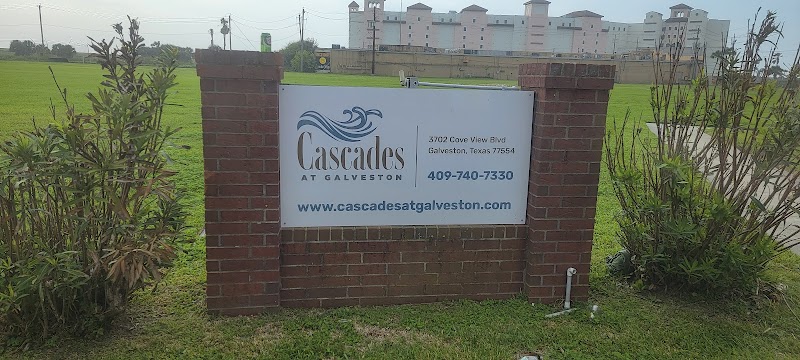
How Does Cascades At Galveston Compare to Other Texas Nursing Homes?

Compared to the 100 nursing homes in Texas, CASCADES AT GALVESTON's overall rating (1 stars) is below the state average of 2.8, staff turnover (68%) is significantly higher than the state average of 46%, and health inspection rating (1 stars) is much below the national benchmark.

What Should Families Ask When Visiting Cascades At Galveston?

Based on this facility's data, families visiting should ask: "What changes have been made since the serious inspection findings, and how are you preventing similar issues?" "How do you ensure continuity of care given staff turnover, and what is your staff retention strategy?" "Can you walk me through typical staffing levels on day, evening, and night shifts?" "Can I visit during a mealtime to observe dining assistance and food quality?" These questions are particularly relevant given the facility's Immediate Jeopardy citations, the facility's high staff turnover rate, and the below-average staffing rating.

Is Cascades At Galveston Safe?

Based on CMS inspection data, CASCADES AT GALVESTON has documented safety concerns. Inspectors have issued 7 Immediate Jeopardy citations (the most serious violation level indicating risk of serious injury or death). The facility has a 1-star overall rating and ranks #100 of 100 nursing homes in Texas. Families considering this facility should ask detailed questions about what corrective actions have been taken since these incidents.

Do Nurses at Cascades At Galveston Stick Around?

Staff turnover at CASCADES AT GALVESTON is high. At 68%, the facility is 22 percentage points above the Texas average of 46%. Registered Nurse turnover is particularly concerning at 68%. RNs handle complex medical decisions and coordinate care — frequent RN changes can directly impact care quality. High turnover means new staff may not know residents' individual needs, medications, or preferences. It can also be disorienting for residents, especially those with dementia who rely on familiar faces. Families should ask: What is causing the turnover? What retention programs are in place? How do you ensure care continuity during staff transitions?

Was Cascades At Galveston Ever Fined?

CASCADES AT GALVESTON has been fined $143,836 across 3 penalty actions. This is 4.2x the Texas average of $34,517. Fines at this level are uncommon and typically indicate a pattern of serious deficiencies, repeated violations, or failure to correct problems promptly. CMS reserves penalties of this magnitude for facilities that pose significant, documented risk to resident health or safety. Families should request specific documentation of what issues led to these fines and what systemic changes have been implemented.

Is Cascades At Galveston on Any Federal Watch List?

CASCADES AT GALVESTON is not on any federal watch list. The most significant is the Special Focus Facility (SFF) program, which identifies the bottom 1% of nursing homes nationally based on persistent, serious quality problems. Not being on this list means the facility has avoided the pattern of deficiencies that triggers enhanced federal oversight. This is a positive indicator, though families should still review the facility's inspection history directly.