ADVANCED HEALTH & REHAB CENTER OF GARLAND
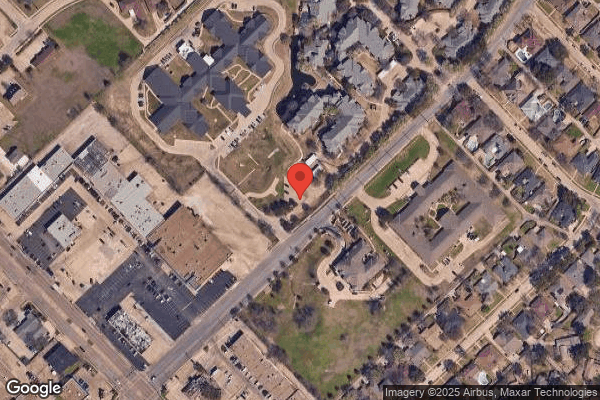
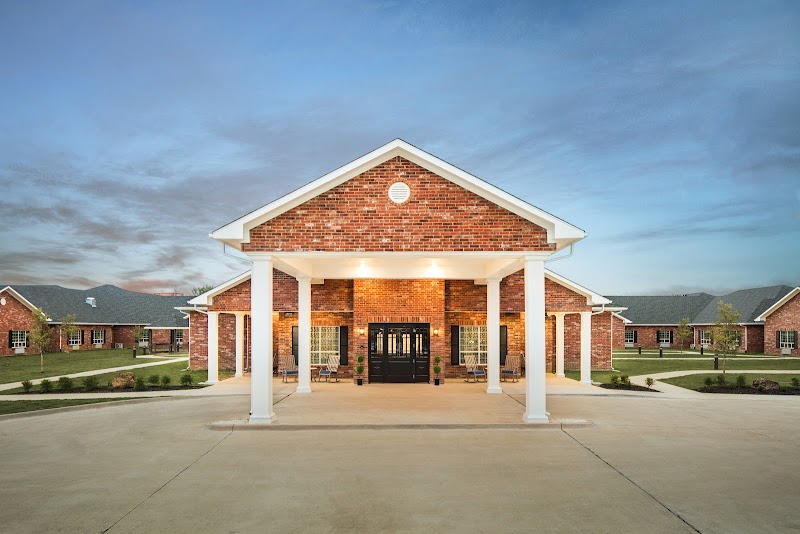
1201 COLONEL DRIVE, GARLAND, TX 75043 (972) 278-3566
Government - Hospital district 139 Beds ADVANCED HEALTHCARE SOLUTIONS Data: November 2025 2 Immediate Jeopardy citations
Trust Grade
16/100
#627 of 1168 in TX
Last Inspection: April 2025

Within standard 12-15 month inspection cycle. Federal law requires annual inspections.

Overview

Advanced Health & Rehab Center of Garland has received a Trust Grade of F, indicating significant concerns about its operations and care quality. Ranking #627 out of 1168 facilities in Texas places it in the bottom half, while its county rank at #38 out of 83 suggests there are better local options. Although the facility is showing signs of improvement, with issues decreasing from 12 in 2024 to 9 in 2025, it still faced 27 deficiencies, including critical failures in providing necessary respiratory care to residents and poor communication during hospital transfers. Staffing is a relative strength, with a turnover rate of 40%, better than the state average, but recent fines of $78,949 highlight ongoing compliance issues. While the facility has excellent quality measures, specific incidents raise concerns, such as a resident not receiving proper oxygen levels and another resident being transferred without appropriate supervision or family notification.

Trust Score
F
16/100
In Texas
#627/1168
Bottom 47%
Safety Record
High Risk
Review needed
Inspections
Getting Better
12 → 9 violations
Staff Stability
○ Average
40% turnover. Near Texas's 48% average. Typical for the industry.
Penalties
✓ Good
$78,949 in fines. Lower than most Texas facilities. Relatively clean record.
Skilled Nurses
⚠ Watch
Each resident gets only 21 minutes of Registered Nurse (RN) attention daily — below average for Texas. Fewer RN minutes means fewer trained eyes watching for problems.
Violations
⚠ Watch
27 deficiencies on record. Higher than average. Multiple issues found across inspections.
★★☆☆☆
2.0
Overall Rating
★★☆☆☆
2.0
Staff Levels
★★★★★
5.0
Care Quality
★☆☆☆☆
1.0
Inspection Score
Stable
2024: 12 issues
2025: 9 issues

The Good

  • 5-Star Quality Measures · Strong clinical quality outcomes
  • Full Sprinkler Coverage · Fire safety systems throughout facility
  • No fines on record
  • Staff turnover below average (40%)

    8 points below Texas average of 48%

Facility shows strength in quality measures, fire safety.

The Bad

2-Star Overall Rating

Below Texas average (2.8)

Below average - review inspection findings carefully

Staff Turnover: 40%

Near Texas avg (46%)

Typical for the industry

Federal Fines: $78,949

Well above median ($33,413)

Moderate penalties - review what triggered them

Chain: ADVANCED HEALTHCARE SOLUTIONS

Part of a multi-facility chain

Ask about local staffing decisions and management

The Ugly 27 deficiencies on record

2 life-threatening
Sept 2025 2 deficiencies 1 IJ
CRITICAL (J) 📢 Someone Reported This

A family member, employee, or ombudsman was alarmed enough to file a formal complaint

Immediate Jeopardy (IJ) - the most serious Medicare violation

Deficiency F0627 (Tag F0627)

Someone could have died · This affected 1 resident

**NOTE- TERMS IN BRACKETS HAVE BEEN EDITED TO PROTECT CONFIDENTIALITY** Based on interview and record review, the facility failed to ensure when there is a transfer or discharge of resident under any ...

Read full inspector narrative →
**NOTE- TERMS IN BRACKETS HAVE BEEN EDITED TO PROTECT CONFIDENTIALITY** Based on interview and record review, the facility failed to ensure when there is a transfer or discharge of resident under any of the circumstances specified in paragraphs (c)(1)(i)(A) through (F) of this section, the facility must ensure that the transfer or discharge appropriate information is communicated to the receiving health care institution; and the facility failed to provide and document sufficient preparation and orientation in a form and manner the resident could understand for one (Resident #1) of five residents reviewed for hospital transfers. 1. The facility sent Resident #1, who they indicated was having a behavioral emergency (pulling on his g-tube, ostomy and catheter) and was in danger of dislodging them, in a private non-medical transport vehicle and left him without facility staff or a family member to supervise him while in the ER waiting area.2. The facility failed to notify and coordinate with Resident #1's RP prior to sending him out to the ER, which did not allow the RP to select the preferred hospital of her choice or be there in time to supervise him and interpret for hospital staff. 3. The facility failed to provide the hospital ER with any clinical information prior to Resident #1's arrival on [DATE], including what his medical emergency was. 4. The facility did not notify and update the MD/NP that EMS refused to transport Resident #1 to the ER because they felt he was not having a medical emergency after the NP gave a verbal order to send him out. On [DATE] an Immediate Jeopardy (IJ) was identified. While the IJ was removed on [DATE], the facility remained out of compliance at a severity level of no actual harm and a scope of isolated due to the facility continuing to monitor the implementation and effectiveness of their Plan of Removal. Findings included:Record review of Resident #1's face sheet, dated [DATE], reflected he was a 71yearold male admitted on [DATE]. Active diagnoses included nontraumatic intracerebral hemorrhage (bleeding within the brainstem), anxiety disorder (mental health condition causing agitation), colostomy status (surgical opening in the colon for stool elimination), urinary retention with catheter use (inability to empty bladder requiring a tube), and gastrostomy status (feeding tube placed into the stomach). Resident #1 had a family member [RP] listed as his representative.Record review of Resident #1's admission care plan, dated [DATE], reflected focus areas included risk for line dislodgement, infection, aspiration, weight loss, and dehydration. The care plan did not address any behavioral concerns. Record review of Resident #1's facility admission orders reflected he was not discharged from the hospital with any routine or PRN psychotropic medications, including anxiety medication. Additionally there were no transfer orders to send Resident #1 to the ER on [DATE]. Record review of Resident #1's admission nursing note written by RN F on [DATE] at 11:11PM reflected the resident was confused and anxious, attempted to pull at his tubes, and required onetoone supervision to prevent device removal.Record review of a follow up skilled nursing note on [DATE] at 3:57 AM reflected Resident #1's vitals were all within normal limits and he was in no pain. The skilled nursing note stated, .The resident is disoriented.The resident is unable to speak.Other Observations: Resident new admit day 1/3 alert and confused very agitated, anxious pulling tubes abdominal binder in place to secure g-tube, foley and colostomy. Awake all night resident on one and one. Total care with adl.Record review of Resident #1's nursing progress note, dated [DATE] at 12:31 PM by the DON, reflected, This writer received call from primary nurse that resident was attempting to remove urinary catheter peg tube and ostomy device. We were unable to successfully redirect the resident and he required ongoing higher-level care. Primary nurse was instructed by MD to send resident to ER for evaluation due to unable to keep resident safe in current building due to pulling lines and aggressive behavior. The DON further wrote, Action: 911 was called by primary nurse, upon their arrival this writer spoke with [name redacted] from [Fire Station] who advised this writer that paramedics would not be taking this resident to the hospital as per them he appeared to be medically stable and that the safety aspect of his care would need to be addressed with the [city Police Department or private transportation. This writer then requested nursing staff to arrange private transport via [private transport company] car. Related to RP notification, the DON wrote, Response: [RP] was notified of transfer and requested that resident be sent ‘anywhere but [previous hospital]' Resident was transported via [private transport company] to [different nearby hospital]. Information was relayed by this nurse to triage nurse at [nearby hospital], as well as to [ER MD] for continuity of care.An interview with Resident #1's RP on [DATE] at 11:45 AM revealed the entire discharge from the hospital, admission to the facility and discharge the next morning to the ER was a really bad experience. She stated Resident #1 was transferred to the ER without clinical documentation and without a staff escort. The RP reported that upon arrival, the resident's ostomy was leaking and he was agitated. The RP further stated the ER staff were upset because the resident was by himself, the ER did not receive information about the resident's diagnoses or reason for transfer and were unable to communicate with the resident who did not speak English. The ER staff asked the RP who transported Resident #1 to the ER and the RP assumed he was sent out 911. The ER nurses indicated to the RP that Resident #1 appeared to be brought in a wheelchair in a normal vehicle, no paperwork, no reports, no nothing. They told her Resident #1 was then transferred to a hospital wheelchair by the person who drove him there, taken to the front desk, and told the resident was there. The RP stated she found out Resident #1 was transported through a private company which was upsetting to her. The RP stated, They know this is not right, what they did with [Resident #1]! What if they had taken him and put him in the street? Who was this person transporting him? A medical person? No one stayed with [Resident #1] when they took him to the ER! The ER nurses told the RP that he was brought in through what looked like a ride share company. The RP stated, That is not a proper way to bring someone.I was like who are these people? They just dumped him? How would we know where he was? The facility was not responding, the (ER) staff heard me trying to talk to the facility about sending any reports. An interview with the DON on [DATE] at 10:45 AM revealed the facility initially attempted to send Resident #1 via EMS, but EMS declined transport, determining the situation was not a medical emergency. The DON stated staff then arranged private nonmedical transport. The DON confirmed only a medication list was sent with Resident #1 and verbal report was given to a different hospital prior to rerouting the transport. The DON acknowledged that no staff accompanied the resident and that the ER nurse contacted her and was upset and expressed concern that Resident #1 arrived unsupervised, nonEnglish speaking, and without medical documentation. The DON stated she also spoke with the ER physician who was also asking questions about why the resident was sent to the ER and why there was no information on him. The DON stated that when Resident #1 was brought into the ER, he was left in the ER by med transport as that is protocol. The DON stated that if Resident #1 had been brought in via 911, then he would have been taken back immediately to an ER bed and evaluated.An interview with LVN A on [DATE] at 1:04 PM revealed she was the 6a-2p nurse and arrived to work the morning of [DATE] around 5:45 AM and was told by the overnight nurse during report the staff was having problems with Resident #1, he did not sleep at all and was pulling at everything coming out of him, his foley, colostomy and g-tube. LVN A stated the overnight nurse was not the normal nurse who worked, it was a PRN nurse. When LVN A went to see Resident #1 during her first rounds, he had disconnected his g-tube tubing. LVN A stated Resident #1 did not speak English and the facility did not have a interpreting services. LVN A stated and he was not letting her reconnect his g-tube and he did not know what was going on cognitively. LVN A stated the facility did have a supply of abdominal binders available to use for residents in that situation and she could have placed one on him quickly to prevent him from accessing the gtube but did not. LVN A also stated Resident #1 had no routine or PRN meds to administer to help him relax. LVN A stated the facility did have PRN anxiety medications available for behavioral emergencies in an e-Kit [facility's emergency medication supply], but she did not contact the MD or NP to ask about those as a possible intervention. LVN A stated, I called the staffing person and said there was someone watching him over night but I can't stay with him, I didn't know he was an issue til I got here, so DON called me and said he was danger to himself, so send him out.and to send him back where he came from. LVN A stated when the EMTs arrived, they took Resident #1's vitals and even though he was still pulling at everything, they said it was not a medical emergency and would not take him. When LVN A spoke with the DON again, she told LVN A to have their transport services take Resident #1 back to the hospital. LVN A stated there was a driver the facility used who did medical appointments and hospital transfers, but she was out in the field busy, so non-medical transport was set up instead. LVN A stated she did notify Resident #1's RP after he was picked up by the private transport company of his transfer to the ER. She said the RP told her Resident #1 could not go back to the hospital he had just come from the day before, But he was already in route. LVN A then contacted the DON who called the private transport person enroute to tell him to take the resident to the closer ER by the facility. LVN A stated she contacted the RP back to let them know, but the RP was not happy with the local ER because it was too far for her to get too. LVN A stated, [The RP] never told me where [they] wanted him to go. I was already frustrated and two hours behind schedule and called [the RP] twice and then I sent [the RP] to the DON and I don't know anything after that. LVN A stated that the facility could send residents anywhere the family wanted and did respect family requests. LVN A stated she did not call the facility's MD or NP G but did let NP G know after the transfer to the ER was done. She said NP G was housed onsite at the facility every weekday but was not at the facility when the decision was made to send Resident #1 to the ER. Regarding clinicals and transfer documentation, LVN A stated Resident #1 did not have anything to send and only sent his face sheet and list of medications. LVN A stated, I was going to send the whole packet from the hospital but I thought no, we may need it when he comes back. It would not have helped the receiving hospital. It was just a list of meds and stuff. LVN A stated she called and gave report to the previous hospital Resident #1 was originally going to be taken back to, before it was changed to the local ER. LVN A stated, And then I don't know what happened after that because I passed it to the DON. LVN A stated the importance of giving the receiving hospital ER a report was to let them know why the resident was being sent out, his diagnoses, what was going on with him at the moment. LVN A stated she never followed up and contacted the local ER to give them a report on why he was sent there because she thought the DON did. LVN A stated she did not think anyone stayed with Resident #1 once he arrived at the ER. She said with non-medical transport, the driver would usually drop the resident off at the ER and let them the ER front desk know the resident was there. LVN A said she did not think Resident #1 was safe to be at the ER by himself because she thought him pulling at his three lines would still be an issue. She said normally for a resident that was not alert and oriented, the resident would have family go with them to the ER or a staff would be with the resident until family could meet them there. LVN A said the risk of Resident #1 being alone in the ER waiting room area was that he could have pulled one of his lines out and caused damage.An interview with Staff C on [DATE] at 1:47 PM revealed she was a CNA and the facility van driver and was working the day Resident #1 was sent out to the ER. She said the resident was trying to pull out his gtube and she was trying to stop him and when the paramedics came in, he calmed down. They took his vitals and said it was a non-emergency unless he pulled out his g-tube, then they could take him. Staff C stated LVN A asked for her to help with transportation, so Staff C contacted the non-emergency private transport company. She stated the typical medical transport company was too busy that day to transport Resident #1 to the ER. Staff C stated, I needed someone and he needed to go to the hospital, he was irritable, trying to pull the g-tube and he was going back to the hospital he came from. Staff C stated she and LVN A let the DON know transport was secured, got Resident #1's face sheet, got him dressed, caressed his arm and told him no one was going to harm him and she was there to assist while using her phone translator to translate into his native language, and he told her thank you back in his language. She stated she got a sheet and tucked it around his torso and he seemed to relax. Staff C stated, They saw him being fidgety but it was not an emergency for him. She stated for non-emergency transportation to the ER, a family member had to be present if the resident had a cognitive impairment and for skilled residents, the family would meet the staff at the hospital. Staff C stated with someone like Resident #1, with him being feisty, a family member would need to be present for him because of the translation barrier. She said if she took a resident to the hospital and it was a resident she knew could not be left alone and family was not present, by all means, I stay at the appointment. Staff C stated because Resident #1 did not speak English, was pulling at his g-tube and agitated, he would need someone to be with him for supervision. Staff C stated normally the charge nurse of the resident would let her know if she needed to stay with a resident at the hospital or not, but with Resident #1, she was not the driver that day, she only assisted with finding transportation. An interview with CNA D on [DATE] at 2:09 PM revealed she was present when Resident #1 was sent to the ER. She stated he was restless, fighting to push his pants off, and trying to pull out his g-tube, . She said he was saying something in another language she could not understand. She said she did incontinent care and placed a brief on him. CNA D stated there were other residents in the facility that sometimes pulled at their tubes and when they did, there was a rubber belt the facility had that could be fixed on the resident and zipped to hold the tubing in place covered and it was very hard to get into and pull off. She stated Resident #1 did not have an abdominal binder on when she saw him on [DATE]. An interview with Receptionist E on [DATE] at 3:01 PM revealed sometime during the early morning of [DATE], an unidentified nurse , told her they were sending out Resident #1. She did not ask any questions but was there to tell the EMT where to go. She said he ended up not going out 911 and did not know why, but she saw him taken out by a non-medical transport. Receptionist E stated once Resident #1 left the facility, his RP called asking why the RP was not notified or why the hospital had not contacted her yet. Receptionist E stated the RP was mad and called back again right before the shift was over saying she needed someone from higher up at the facility to email her the resident's clinicals for the ER to have for review. Receptionist E stated the RP told her the facility was going to be reported to State by the RP as well as the hospital who was filing a complaint against the facility. An interview with RN F on [DATE] at 3:27 PM reflected she was the admitting nurse at the facility on [DATE] and was told Resident #1 was admitting on her shift. He arrived on a stretcher with his RP present. RN F stated she did her nursing assessment and remembered Resident #1 was trying to pull at his tubes and not being still. She asked his RP to stay at the facility because she felt the resident needed to be watched. RN F stated the facility did not know Resident #1 had that behavior as it was not in the report from the discharging hospital. She said she knew Resident #1 was coming with an open surgical incision with a g-tube and catheter. RN F stated Resident #1 had an ace wrap on his abdomen from the hospital, not an abdominal binder, and it was not being effective. RN F said when a CNA came to sit with Resident #1 1:1, his RP left for the night. She stated the purpose of the 1:1 was to prevent the resident from rolling out of bed and to make sure he did not pull his tubes. RN F stated there was one time during her 2-10pm shift where the 1:1 CNA reported he disconnected his g-tube, which was just a connection issue. RN F said besides that one time, the 1:1 CNA did not report any other concerns to her during her shift. An interview with NP G on [DATE] at 10:14 AM revealed Resident #1 admitted after she left on [DATE] and was gone the next morning before she arrived the facility, so she never saw him. She stated she heard he was very volatile, aggressive, and punched someone the day before at the hospital. NP G stated the morning of [DATE], [LVN A ] updated me because she came into this scene and let me know it was too much, so we sent him back out. NP G said she gave a verbal order to LVN A for the ER transfer. NP G stated she got the impression from staff that Resident #1 was out of control due to agitation and confusion but she did not have a baseline to go from. NP G stated she assumed Resident #1 was sent to the ER via ambulance. She stated she did not know the EMTs assessed him and determined he did not have a medical emergency. She stated, I was not aware of that. I would not think it is safe to transport him via non-emergency because if he is actively agitated, the EMTs can handle it. That's what I thought he was doing, going out via ambulance. NP G stated if she knew the EMTs deemed him not in a medical emergency state, she would have ordered PRN medications at the facility to help address the behaviors. She stated she did not see his clinicals so she did not know if he had a qualifying diagnosis to justify their use. NP G stated giving a report to the ER when sending them a resident was important so they could know what to expect, try to prepare, and have anticipated interventions in place if they were having issues related to cardiac distress, behavioral emergency, and so forth. A follow up interview with the DON on [DATE] at 10:48 AM revealed she was notified by the facility staffing coordinator on [DATE] that LVN A felt Resident #1 was being antsy and aggressive. The DON stated she did not know until after the fact that Resident #1 had been given Haldol by the discharging hospital during his stay due to him punching a hospital staff. She said that was not sent with his hospital clinicals prior to admission. The DON stated, They didn't relay any of that information to us. They didn't tell anybody; they just were like here he's yours now. The DON said she had not observed him herself, so her decision was based on what she was told secondhand. The DON said she contacted NP G who told her to send him out to the hospital. The DON stated 911 was called but when they came out, the EMT did not feel like Resident #1 was having a medical emergency so they would not transport him to the hospital. The DON stated she did not contact NP G after EMT refused the transport to update her that the order to send out via 911 could not be done. The DON stated the information was relayed to NP G after the resident was sent out via a private transport company. The DON stated she did not consider discussing PRN medication options with the staff or NP because it could not be given to keep him subdued from pulling at his lines and it walks that fine line of are you chemically restraining a patient? The DON said with other residents in the facility with lines and pulled on them, the staff had rapport so they could more easily calm them down. The morning Resident #1 had the behaviors, [DATE], the DON stated she did not talk with his RP until after he was sent out in the private transport vehicle. The DON said she was under the impression that the RP had already been notified but did not know who did the notification. The DON said regarding sending Resident #1 to the ER via a private transport company, We felt like it was our only option.I couldn't put him in my car and take him so that was really our only recourse to get him where he needed to be. The DON said they knew the driver stayed with Resident #1 in the ER until he was checked in and gave the hospital all the information they needed before he left, Which was basically his med list. The DON said the facility did not have to supervise Resident #1 when he was taken to the ER and checked in. She stated, Technically once they leave the building they have been discharged or transferred.We ensure that they get to a place where they are safe, which we did, through a third party transport company and so at that point the hospital assumed responsibility for him once he was checked in [at the front desk]. The DON further stated she could not bill for Resident #1 so she could not send a facility staff member to sit with him since the facility would not get paid for it. An interview with the ADM on [DATE] at 11:35 AM revealed she wondered how the overnight CNA was able to manage Resident #1's behaviors during his first night of admission to the facility, And then all of a sudden it becomes this huge emergency the next morning? She stated going forward, for late night admissions, the staff needed to be more informed on what the resident's care needs were , ensure the hospital clinicals were reviewed prior to admission, and make sure interventions were in place. An interview with the private transport company, Driver H, on [DATE] at 11:47 AM revealed he remembered transporting Resident #1 by himself to the ER on [DATE]. He stated he initially started driving Resident #1 to one hospital further away but was re-routed by the facility to a closer hospital. He said when he arrived at the ER, the staff at the ER desk said to leave him there so he transferred him to a hospital wheelchair. Driver H said while in the ER waiting area, Resident #1 was trying to escape and could walk. He stated the ER staff were trying to talk to Resident #1 but he did not speak any English and they were trying to figure out what language he spoke so they could use their translator. Driver H stated he gave the ER staff the resident's face sheet, which was the only document he was given by the facility. He stated he left the hospital at that point so he did not know what else happened. A follow up interview with the ADM on [DATE] at 4:00 PM revealed the facility did not send a facility staff to supervise Resident #1 because the transport company had a driver that stayed with him. The ADM stated the only reason Resident #1 had been a 1:1 the night before was to make sure he didn't pull anything out. She stated, He [Resident #1] didn't need a 1:1 because driver of the van was with him. While he was here in the room, there was no one in the room so that is why we put an aide in. IF he had pulled out lines, the drivers are CPR trained and he was told if he needed to call 911, he could, by our nursing staff. The ADM stated the transport company said they could handle it and the company will know based on their own assessment from what we tell them, but they also observe the resident when they arrive to make sure they are appropriate [for transport]. The ADM stated, So they felt confident they could do it, we felt confident they could do it. She said the facility's responsibility for resident's supervision ended when once they were checked in at the hospital. We make sure they are there and give report and one there, they are the hospital's concern. The ADM said she felt once the DON realized that the EMTs were not going to transport Resident #1 due to him not having an emergency, maybe she felt it was not that serious of an issue and could send him out non-emergent. The ADM said she felt like the level of emergency changed when the EMTs saw Resident #1. She stated, It was not like he was in respiratory distress or about to die, so the rest of us were thinking okay, if not emergency, then next best thing. The ADM continued to state that the facility trusted the transport company to make sure the residents got from point A to point B. The ADM said she herself, talked to Driver H and he told her he stayed with Resident #1 at the ER for about 15-20 minutes until the ER staff took him to a room and she said the transport staff would never leave a patient there. The ADM stated Driver H did not tell her Resident #2 had tried to get up, rather that he sat there with him the whole time. A follow up interview with the DON on [DATE] at 4:20 PM revealed the reason Resident #1 was sent to the ER without staff supervision was because his family/RP was meeting him at the hospital. The DON did not feel that sending a staff member would have been helpful to intervene if Resident #1 had pulled at his lines during transport because that staff would be buckled in in front or behind, and not able to intervene if there was an emergency and the van was moving. The DON stated again that a resident was no longer the facility's responsibility once they left the facility when they were sent out to a higher level of care. The DON said she did not know if [Company Name] did medical transports, but there were not normally used for emergency transportations. The DON stated a staff member would accompany a resident to the ER on ly if that resident did not have a family member meeting them at the hospital. She said Resident #1 did have his family member/RP in route to meet him at the ER. Review of the facility's contract with the transport company dated, reflected in part, .l. Services Provided. (Company Name) provide patients of the Facility with nonemergency transportation services to or from locations designated by the Facility (the Services). The vehicles used by (Company Name) in the delivery of the Services shall be staffed by at least two (2) persons who are licensed or certified by law to render emergency medical care for Stretcher and Basic Life Support vehicles and at least (I) person/driver for Wheelchair Ramp and Sedan vehicles. (Company Name) shall make the Services available twenty-four (24) hours per day, seven (7) days per week, The Services do not include, and this Agreement does not affect, the delivery by (Company Name) of emergency medical transportation services. The determination of whether a transport is an emergency or nonemergency shall be made by (Company Name) in accordance with the standards and protocols established and approved by the Emergency Physicians Advisory Board.The facility's policy titled, Transfer and Discharge last revised [DATE], reflected, .7. Emergency Transfers/Discharges - initiated by the facility for medical reasons, or for the immediate safety and welfare of a resident: a. Obtain physicians' orders for emergency transfer or discharge, stating the reason the transfer or discharge is necessary on an emergency basis; b. Notify resident and/or resident representative; c. Contact an ambulance service and provider hospital, or facility of resident's choice, when possible, for transportation and admission arrangements; d. Complete and send with the resident (or provide as soon as practicable) a Transfer Form which documents: i. Resident status, including baseline and current mental, behavioral, and functional status and recent vital signs; ii. Current diagnosis, allergies, and reasons for transfer/discharge; iii. Contact information of the practitioner responsible for the care of the resident; iv. Resident representative information including contact information; v. Current medications (including when last received), treatments, most recent relevant lab and/or radiological findings and recent immunizations; vi. Special instructions or precautions for ongoing care to include precautions such as isolation or contact; vii. Special risks such as risk for falls, elopement, bleeding, or pressure injury and/or aspiration precautions; viii. Comprehensive care plan goals, and ix. Any other documentation, as applicable, to ensure a safe and effective transition of care.g. Provide orientation for transfer or discharge to minimize anxiety and to ensure safe and orderly transfer or discharge, in a form and manner that the resident can understand; h. Document assessment findings and other relevant information regarding the transfer in the medical record.This was determined to be an Immediate Jeopardy (IJ) on [DATE]. The ADM was notified. The ADM was provided with the IJ template on [DATE] at 12:02 PM. The following Plan of Removal submitted by the facility was accepted on [DATE] at 3:45 PM and reflected: Immediate Actions Taken (Date: [DATE]):1. None- the resident did not return after discharge.Systemic Changes Implemented:Transport Protocol:1. EMT refusal of transport will trigger an automatic notification to the physician and DON before arranging alternative transport.2. A return to acute check list for non-emergency transport was created to document resident behaviors and medical devices prior to any transfer. 3. The checklist assists staff in decision making to determine if supervision is needed during non-emergency transport for residents who are not alert and oriented and have behaviors. The determination of supervision is not just for appointments, but for any destinations, including the ER.4. A trained CNA, or Licensed nurse will be assigned to supervise transportation if supervision is deemed necessary from the checklist. The DON or Designee will arrange supervision if needed.5. The supervising staff member will stay with the resident at the ER and check them in with ER personnel.6. If there is a behavioral emergency during transport staff are instructed to pull over to a safe place, stay with the resident and call 911.Education & Training1. Regional Nurse DON/designee will educate DON on emergency transport vs non-emergency transport with posttest. Completion by [DATE]. DON/designee will educate all licensed nurses on emergency transport vs non-emergency transport with posttest. Completion by [DATE]. DON/designee will educate license nurses on the Return to Acute Checklist before calling non-emergency transport. Completion by [DATE]. DON/designee will educate CNAs on recognizing and reporting line-pulling, fidgeting, and self-harm risks immediately to the charge nurse. Completion by [DATE]. Staff unavailable to attend in service on [DATE] will receive personalized education and posttest prior to assuming their duties. Monitoring:1. DON/Designee will audit 100% of all hospital/ER transfers for 30 days to verify:a. Completion of Return to Acute Checklist for non-emergency transport.2. Findings will be reviewed in QA/QI Committee meetings monthly for 3 months, then quarterly thereafterDate Facility Asserts Likelihood for Serious Harm No Longer Exists: [DATE].Monitoring interviews for the Immediate Jeopardy were started on [DATE] at 2:45 PM with nine nursing staff and management across multiple shifts to include: DON, ADM, RN B, ADON I, ADON J, RN K, LVN L, LVN M and LVN N. All staff were able to provide competency of education on the new Resident Transfer Checklis
CONCERN (D) 📢 Someone Reported This

A family member, employee, or ombudsman was alarmed enough to file a formal complaint

Potential for Harm - no one hurt, but risky conditions existed

Deficiency F0620 (Tag F0620)

Could have caused harm · This affected 1 resident

**NOTE- TERMS IN BRACKETS HAVE BEEN EDITED TO PROTECT CONFIDENTIALITY** Based on interview and record review the facility failed to establish and implement an admissions policy for one (Resident #1) o...

Read full inspector narrative →
**NOTE- TERMS IN BRACKETS HAVE BEEN EDITED TO PROTECT CONFIDENTIALITY** Based on interview and record review the facility failed to establish and implement an admissions policy for one (Resident #1) of three residents reviewed for admissions.The facility did not provide Resident #1 and his RP with a written admission agreement, consent to treat, resident rights notification, Medicare/Medicaid information or disclosure of services and charges at the time of admission. This failure placed residents at risk of receiving care and services without informed consent, being uninformed of rights and financial obligations and not knowing how to exercise Medicare/Medicaid protections.Findings included:Record review of Resident #1's face sheet dated 08/26/25 reflected he was a 71yearold male admitted on [DATE]. His active diagnoses included nontraumatic intracerebral hemorrhage (bleeding within the brainstem), anxiety disorder (mental health condition causing agitation), colostomy status (surgical opening in the colon for stool elimination), urinary retention with catheter use (inability to empty bladder requiring a tube), and gastrostomy status (feeding tube placed into the stomach). Resident #1 had a family member [RP] listed as his representative.Record review of Resident #1's admission care plan dated 08/20/25 reflected focus areas that included risk for line dislodgement, infection, aspiration, weight loss, and dehydration. Record review of Resident #1's facility documents and clinical chart reflected no evidence of an admission agreement, no consent for treatment, no written notification of resident rights and no documentation that Medicare/Medicaid coverage and service/charge disclosures were provided. An interview with Resident #1's RP on 08/26/25 at 11:45 AM revealed the entire discharge from the hospital, admission to the facility and discharge the next morning to the ER was a really bad experience. The RP said they felt Resident #1 had been discharged to the nursing facility prematurely and he was not ready for a skilled stay. The RP said Resident #1 spoke another language natively and since his stroke, his ability to understand English had decreased significantly. The RP stated that Resident #1 admitted to the facility from the hospital for a planned admission on the evening of 08/20/25 around 6:00 PM. The RP stated, When I went there, they didn't give me anything, I was pissed. All the communication was happening with them and the hospital, but they never went over any admission paperwork with me. The RP stated they asked the facility for Resident #1's hospital clinicals that were sent as well as any hospital discharge documentation, but they did not provide it. The RP stated the facility was trying to get verbal consents for things. The RP stated there was no physical evidence or proof as a result that Resident #1 was admitted to the facility, only the discharge order from the hospital that he was being sent there. The RP stated when he/she came to see Resident #1 the evening of admission, the RP was not provided with an admission packet, no one discussed what the resident's rights were or any required disclosures and facility protocols. The RP stated, I signed nothing and they provided nothing. The RP stated the morning of 08/26/25, she received a phone call from the facility wanting Resident #1's social security information for billing reasons. The RP said she refused to disclose it due to concerns of how Resident #1 was transferred to the ER on [DATE]. An interview with the BOM on 08/26/25 at 1:33 PM, revealed she was responsible for completing the admission documentation for new admissions. The BOM stated when a resident admitted to the facility, We start admission documentation that day. I have to be here. Most important docs are consent to treat and social security. The BOM stated the next step was to ensure there was a POA on file, especially if the resident was not cognitively intact, as well as advanced directives which were included in the admission packet. The BOM stated she was not present the evening Resident #1 admitted to the facility, but had been working earlier that day. When she came to work the following day 08/21/25, she saw that Resident #1 had been sent out to the hospital, so she called his RP to get his social security number and needed the RP to sign his Consent to Treat form. The BOM stated, We still needed it because we still cared for him briefly while he was here, so it is a CYA [cover your ass]. [RP] finally answered me this morning and said no to giving his social until [RP] got what she needed on why he was discharged . The BOM stated Resident #1's RP had come in a week prior to admission to tour the facility but claimed the RP did not come the night he admitted . The BOM said a lot of the required forms at the time of admission could be done electronically, so the person did not have to be at the facility face to face to complete them. The BOM stated by the end of the first week she liked to have all her required admission documentation in place. She stated, I have nothing on him [Resident #1]. I know that is bad, but I did try to get it in my defense. She [Resident #1's RP] could have signed them electronically the day he came in, but I feel like I didn't know he was coming, it was not set in stone. The BOM stated she could not provide any evidence that the facility notified the resident and his RP of the required admission documentation and disclosures. Review of the facility's Introduction statement in their admission Packet undated reflected, State and federal regulations require nursing homes to have written policies covering the rights of residents.The nursing home's staff must implement these policies and explain them to you.This booklet describes your rights and the responsibilities nursing homes have for ensuring those rights. The admission Packet also included 10 forms that were listed as requiring receipt and acknowledgement by the resident or the RP/POA to include:1. Consent to Treat2. Assignment of Benefits3. Schedule of Charges for Ancillary Services4. Information about Medicare and Medicaid Eligibility5. Medicaid Estate Recovery Program6. Resident Rights Under Federal Law7. Ombudsman Services and Contact Information8. Family Council Information9. Policy for Criminal History Check for Employees10. Drug Testing Policy11. Advanced Directive Education and Advanced Care Planning Information12. Privacy Act.
Apr 2025 6 deficiencies
CONCERN (D)

Potential for Harm - no one hurt, but risky conditions existed

Comprehensive Care Plan (Tag F0656)

Could have caused harm · This affected 1 resident

**NOTE- TERMS IN BRACKETS HAVE BEEN EDITED TO PROTECT CONFIDENTIALITY** Based on interviews, and record review, the facility failed to develop and implement a comprehensive person-centered care plan f...

Read full inspector narrative →
**NOTE- TERMS IN BRACKETS HAVE BEEN EDITED TO PROTECT CONFIDENTIALITY** Based on interviews, and record review, the facility failed to develop and implement a comprehensive person-centered care plan for each resident, consistent with the resident rights set forth that included measurable objectives and timeframes to meet a resident's medical, nursing, and mental and psychosocial needs that were identified in the comprehensive assessment for a resident for one (Resident #17) of six residents reviewed for Care Plans. The facility failed to ensure Resident #17's treatment for Dermatitis was care planned. This failure could place the resident at risk of not receiving the necessary care and services needed. Findings included: Record review of Resident #17's Face Sheet, dated 04/09/25, reflected she was a [AGE] year-old female admitted on [DATE]. Relevant diagnoses included skin changes, Alzheimer's (memory loss), and Basal Cell Carcinoma of skin (skin cancer). Record review of Resident #17's Quarterly Minimum Data Set (MDS) assessment, dated 03/15/25, reflected she had a BIMS score of 15 (Cognitively intact). Active diagnosis included skin application treatment. Record review of Resident #17's physician orders dated 04/09/25, reflected Apply Vaseline to left cheek lesion twice daily per dermatology. Record review of Resident #17's Quarterly Care Plan, dated 03/19/25, did not reflect a care plan for the resident's treatment for Dermatitis. In an interview on 04/09/25 at 09:30 AM, LVN O stated Resident# 17 had lesions on her face and was required to have Vaseline applied to the left side of her face daily. He stated the resident should have it care planned to ensure that the care was being provided to the resident. He stated the risk of not care planning the treatment could prevent her from receiving the care. In an interview on 04/09/25 at 12:40 PM, the DON was advised that Resident #17 did not have a Care plan for the treatment of the lesions on the resident's face. She stated the resident had orders for Vaseline to be applied to the resident's skin. She stated the risk of the treatment not being added to the Care plan could result in missed care for the resident. She stated they discussed change in conditions for residents during their morning meetings and any changes to care plans are updated by the ADON, DON, or MDS nurse. The DON initially stated the resident did have the treatment for Dermatitis care planned on 02/28/25; however, she was advised that the care was not added until 04/09/25, after it was brought to the staff's attention. In an interview on 04/09/25 at 1:30 PM, ADON D stated she had updated Resident #17's care plan to include the care she was receiving for dermatitis on 04/09/25. She stated it should have been updated at the time the resident had received the orders for the treatment on 04/02/25, but it was somehow overlooked. She stated it was very important to update the resident's care plan because it ensured the resident was receiving the treatment for her diagnosis. Record review of facility's policy, Care Plans and CAAs (Care Area Assessments) (05/06/16) revealed It is the intent of Advanced Health Care Solutions to meet and abide by all State and Federal regulations that pertain to resident care plans and subsequent Care Area Assessments (CAAs) completion. The purpose of this guide is to ensure that an interdisciplinary (IDT) approach is utilized in addressing the Care Area Triggers (CATs) that were generated by the completion of the Minimum Data Set (MDS) in order to effectively address the Care Area Assessments (CAAs) and ultimately achieve the
CONCERN (D)

Potential for Harm - no one hurt, but risky conditions existed

Pharmacy Services (Tag F0755)

Could have caused harm · This affected 1 resident

Based on observation, interview, and record review, the facility failed to ensure all drugs and biological were stored in accordance with currently accepted professional principles for 1 (hall 200 med...

Read full inspector narrative →
Based on observation, interview, and record review, the facility failed to ensure all drugs and biological were stored in accordance with currently accepted professional principles for 1 (hall 200 medication cart) of 4 medication carts reviewed for medication storage. The facility failed to dispose of one bottle of Magnesium Oxide (vitamin supplement), which expired January of 2025, from the Hall 200 medication cart on 04/09/2025. This failure could place residents at risk of receiving medications which might not provide the full therapeutic benefits of the medication or possibly cause side effects. The findings included: During an observation and interview 04/09/2025 at 11:15 AM, a bottle of expired Magnesium Oxide 400 milligrams was in the medication aide cart on hall 200. The expiration date printed on the bottle was 01/2025. Medication Aide F stated she was not aware the bottle of medication on the cart was expired. Medication Aide F stated no resident on her hall currently had an order for the medication. She stated expired medication should not be given to residents because it may not be as effective. In an interview on 4/10/2025 at 9:03 AM, LVN A stated an expired medication could potentially do more harm. She stated medication had a shelf life for a reason. She stated staff cannot administer expired medication to residents. LVN A stated she would remind staff to be in the habit of checking the medications carts monthly. In an interview on 4/10/2025 at 09:55 AM, ADON D stated the pharmacist audited medications at the facility monthly and checked the medication carts for expired medication. ADON D stated it was important to ensure medications were not expired because a resident might not get the full effect of the medication. During an interview on 4/10/2025 at 11:25 AM, the DON stated the ADONs were responsible for ensuring there were no expired medications on the medication carts. She stated the medication carts were checked monthly and any expired medication was discarded. She stated expired medication should not be administered to residents because the resident might not be getting the full benefits of the treatment. The DON stated she had already began in-service training to staff members. Review of the facility's policy Pharmscript Consultant Pharmacist Services Provider Requirements, dated 08/2020, reflected 6. Specific activities that the consultant pharmacist performs may include but are not limited to . d. Checking the medication storage areas and the medication carts for proper storage and labeling of medications, cleanliness, and removal of expired medications.
CONCERN (E)

Potential for Harm - no one hurt, but risky conditions existed

Deficiency F0558 (Tag F0558)

Could have caused harm · This affected multiple residents

**NOTE- TERMS IN BRACKETS HAVE BEEN EDITED TO PROTECT CONFIDENTIALITY** Based on observations, interviews, and record review the facility failed to ensure the right to reside and receive services in t...

Read full inspector narrative →
**NOTE- TERMS IN BRACKETS HAVE BEEN EDITED TO PROTECT CONFIDENTIALITY** Based on observations, interviews, and record review the facility failed to ensure the right to reside and receive services in the facility with reasonable accommodation of resident needs and preferences for 5 of 34 (Residents #31, #49, #64, #17, and #107) residents reviewed for reasonable accommodation of needs. The facility failed to ensure the call light system in Resident #31, #49, #64, #17, and #107's rooms were in a position that was accessible to the residents. This failure could place the residents at risk of being unable to obtain assistance when needed and help in the event of an emergency. The findings included: Resident #31 Record review of Resident #31's Face Sheet, dated 04/10/2025, reflected the resident was a [AGE] year-old male who admitted to the facility on [DATE]. Resident #31's diagnoses included congestive heart failure (a weakened heart condition that causes fluid buildup in body tissues) and difficulty in walking. Record review of Resident #31's Quarterly MDS (assessment used to determine functional capabilities and health needs) Assessment, dated 03/26/2025, reflected a BIMS (screening tool to assess cognition) was not completed because the resident was rarely/never understood. The staff assessment indicated Resident #31 had severely impaired cognition with daily decision making. Section G indicated Resident #31 needed extensive assistance with acts of daily living. Record review of Resident #31's Comprehensive Care Plan, dated 03/31/2025, reflected the resident had the potential for falls related to being unaware of safety needs. One intervention was to have the call light within reach and encourage the resident to use it for assistance as needed. An observation on 04/08/2025 at 9:15 AM revealed Resident #31 lying in bed asleep. The resident's call light was on the floor between the bed and night stand. Resident #49 Record review of Resident #49's Face Sheet, dated 04/10/2025, reflected the resident was a [AGE] year-old female who admitted to the facility on [DATE]. Resident #49 had a history of falls. Record review of Resident #49's Quarterly MDS Assessment, dated 03/26/2025, reflected severe cognitive impairment with a BIMS score of 00. Section G indicated Resident #49 needed extensive assistance with acts of daily living. Record review of Resident #49's Comprehensive Care Plan, dated 03/27/2025, reflected Resident #49 had the potential for falls related to dementia (a decline in mental ability that interferes with daily life) and one intervention was to place items frequently used items within easy reach of the resident. An observation on 09/08/2025 at 9:18 AM revealed Resident #49 was lying in bed awake. The call light was on the resident's night stand. When asked about the call light, the resident smiled but did reply. Resident #64 Record review of Resident #64's Face Sheet, dated 04/10/2025, reflected the resident was a [AGE] year-old female who admitted to the facility on [DATE]. Resident #64's diagnoses included dementia and repeated falls. Record review of Resident #64's Quarterly MDS Assessment, dated 03/26/2025, reflected a BIMS was not completed because the resident was rarely/never understood. The staff assessment indicated Resident #64 had severely impaired cognition with daily decision making. Section G indicated Resident #64 needed extensive assistance with acts of daily living. Record review of Resident #64's Comprehensive Care Plan, dated 03/27/2025, reflected the resident had a potential for fall related to dementia, poor balance, an unsteady gait, and was unaware of safety precautions. One intervention was to have the call light within reach and encourage the resident to use it for assistance as needed. An observation on 04/08/2025 at 9:19 AM revealed Resident #64 lying in bed awake. The resident's call light was on the floor under the head of the bed. When asked about her call light, the resident did not answer. During an interview on 04/08/25 at 11:35 AM, LVN A stated the call lights should have been within the residents reach. She stated residents may need help or may have an emergency situation. She stated sometimes the call light was the only source of communication so it was important to place it where the residents could reach it. During an interview on 04/09/2025 at 7:25 AM, CNA B stated the call lights should have been in reach for the residents. She stated it was very important for residents to have their call light where they can reach it. She stated if residents needed something, they need a way to let staff know. She stated the call light was the residents' lifeline. During an interview on 04/08/2025 at 8:20 AM Medication Aide H stated before leaving a resident's room, it was important to always make sure the call light was in reach. He stated the call light might be the only way a resident could reach staff. He stated for residents who forgot, it was important to remind them what the call light was and how to use it. Resident #17 Record review of Resident #17's Face Sheet, dated 04/10/2025, reflected the resident was a [AGE] year-old female who admitted to the facility on [DATE]. Resident #17 had a history of falls. Record review of Resident #17's Quarterly MDS Assessment, dated 03/26/2025, reflected severe cognitive impairment with a BIMS score of 00. Section G indicated Resident #17 needed extensive assistance with acts of daily living. Record review of Resident #17's Comprehensive Care Plan, dated 03/27/2025, reflected Resident #17 had the potential for falls related to cognitive impairment. One intervention was to place items frequently used by the resident within easy reach. An observation and interview on 09/08/2025 at 9:27 AM revealed Resident #17 lying in bed with head of the bed elevated. The call light was draped over the headboard of the resident's bed. When asked about the call light, the resident stated she could not reach it. During an interview on 04/08/2025 at 09:32 AM, CNA I stated the call light should have been within the resident's reach. CNA I went into the resident's room and placed the call light on the bed near the resident. She stated it was important for all residents to have their call light within reach so the residents could call if they needed staff. Resident #107 Record review of Resident #107's Face Sheet, dated 04/10/2025, reflected the resident was a [AGE] year-old female who admitted to the facility on [DATE]. Resident #107 had diagnoses which included dementia and difficulty in walking. Record review of Resident #107's Quarterly MDS Assessment, dated 02/19/2025, reflected moderate cognitive impairment with a BIMS score of 11. Section GG indicated Resident #107 required moderate to maximal assistance with self-care and was dependent on staff for transfers. Record review of Resident #107's Comprehensive Care Plan, dated 01/30/2025, reflected Resident #107 had impaired visual function and was at risk for falls, injury, and a decline in functional ability. One intervention was to keep the call light in reach when the resident was in the room or bathroom. An observation on 04/08/2025 at 9:45 AM revealed Resident #107 lying in bed asleep. The call light was on the floor under the resident's bed. During an interview on 04/08/2025 at 9:48 AM CNA J stated the call light was important for the resident's safety. She stated when she sees a light outside a resident's room, it lets her know the resident needs her. CNA J placed the call light near the resident. During an interview on 04/10/2025 at 8:05 AM, ADON E stated a call light should always be placed where the resident can reach it. She stated a resident may fall and need help. She stated a resident might be lying flat in bed and want to sit up or may need to use the restroom. She stated a resident might have an emergency situation and her expectation of staff was to ensure the residents' call lights were always in reach. During an interview on 04/10/2025 at 10:00 AM, ADON G stated it was important for all staff to understand the urgency of residents' having their call light where it could be reached. She stated residents should be able to call for staff for assistance whenever they need it. During an interview on 04/10/2025 at 11:55 AM, ADON D stated it was important to ensure residents could reach the call light before leaving the room. She stated when she rounds, she reminds staff to be sure residents can reach their call lights. She stated staff may have to remind residents why it's important to have the call light in reach. During an interview on 04/10/2025 at 11:25 AM, the DON stated she expected staff to ensure the resident had their call light where they could reach it whether they were in their bed or sitting up in a chair in their room. She stated when residents need assistance, they must have the ability to call for help. She stated she had already begun in-servicing staff. Record review of the facility's policy Clinical Practice Guidelines Nursing Call Light Response dated 02/10/2021, reflected With each interaction in the resident's room or bathroom, staff will ensure the call light is within reach of resident and secured, as needed.
CONCERN (E)

Potential for Harm - no one hurt, but risky conditions existed

Safe Environment (Tag F0584)

Could have caused harm · This affected multiple residents

**NOTE- TERMS IN BRACKETS HAVE BEEN EDITED TO PROTECT CONFIDENTIALITY** Based on observation, interview and record review the facility failed to ensure residents had the right to a safe, clean, comfor...

Read full inspector narrative →
**NOTE- TERMS IN BRACKETS HAVE BEEN EDITED TO PROTECT CONFIDENTIALITY** Based on observation, interview and record review the facility failed to ensure residents had the right to a safe, clean, comfortable, and homelike environment including but not limited to receiving treatment and supports for daily living safely for 10 of 15 resident rooms in the memory care unit (Resident room [ROOM NUMBER], #2, #3, #4, #5, #6, #7, #8, #9, and #10) reviewed for environment. 1. The facility failed to ensure Resident room [ROOM NUMBER], #2, #3, #4, #5, #6, #7, #8, #9, and #10, in the memory care unit, were thoroughly cleaned and sanitized. This deficient practice could place residents at risk of living in an unclean and unsanitary environment which could lead to a decreased quality of life. Findings include: An observation on 04/08/25 at 10:24 AM of resident room [ROOM NUMBER] reflected the air condition unit in the room had thick black and brown dirt along and between the vents. The bathroom sink faucet had brownish stains along the base of the faucet. The floor of the shower area had brown stains along the edges of the floor. An observation on 04/08/25 at 10:30 AM of resident room [ROOM NUMBER] reflected the air condition unit in the room had thick black and brown dirt along and between the vents. There was also a thick white substance between the top vents. The bathroom toilet had brownish stains along the base of the it. An observation on 04/08/25 at 10:38 AM of resident room [ROOM NUMBER] reflected the air condition unit in the room had thick black and brown dirt along and between the vents. The floor of the shower area had brown stains along the edges of the floor. An observation on 04/08/25 at 10:44 AM of resident room [ROOM NUMBER] reflected the air condition unit in the room had thick black and brown dirt along and between the vents. The air vent on the ceiling in the shower area had thick dust on and between the vents. An observation on 04/08/25 at 10:47 AM of resident room [ROOM NUMBER] reflected the air condition unit in the room had thick black and brown dirt along and between the vents. There was also a thick white substance between the top vents. A wall near the resident's bed had light brownish stains. The bathroom sink faucet had brownish stains along the base of the faucet. The bathroom toilet had brownish stains along the base of the it. An observation on 04/08/25 at 10:51 AM of resident room [ROOM NUMBER] reflected the air condition unit in the room had thick black and brown dirt along and between the vents. The bathroom toilet had brownish stains along the base of the it. The air vent on the ceiling in the shower area had thick dust on and between the vents. The floor of the shower area had brown stains along the edges of the floor. An observation on 04/08/25 at 10:55 AM of resident room [ROOM NUMBER] reflected the air condition unit in the room had thick black and brown dirt along and between the vents. There was also a piece of flour tortilla wrapped with cheese and meat between the top vents. The air vent on the ceiling in the shower area had thick dust on and between the vents. The bathroom toilet had brownish stains along the base of the it. An observation on 04/08/25 at 10:59 AM of resident room [ROOM NUMBER] reflected the bathroom toilet had brownish stains along the base of the it. The air condition unit in the room had thick black and brown dirt along and between the vents. An observation on 04/08/25 at 11:05 AM of resident room [ROOM NUMBER] reflected the air condition unit in the room had thick black and brown dirt along and between the vents. The air vent on the ceiling in the shower area had thick dust on and between the vents. The floor of the shower area had brown stains along the edges of the floor. An observation on 04/08/25 at 11:08 AM of resident room [ROOM NUMBER] reflected the air condition unit in the room had thick black and brown dirt along and between the vents. The air vent on the ceiling in the shower area had thick dust on and between the vents. The floor of the shower area had brown stains along the edges of the floor. The wall around the upper portion of the door frame had black handprint stains. In an interview on 04/10/25 at 8:55 AM, the Housekeeping Supervisor stated he had been at the facility for a year. He stated housekeeping was supposed to clean the general areas, bathrooms, beds, cabinets, windowsills, and outside of air condition units. He was shown pictures of the concerns observed Resident room [ROOM NUMBER], #2, #3, #4, #5, #6, #7, #8, #9, and #10. He stated maintenance was supposed to clean the inside of the air condition units and he coordinated with them to have it done. He stated maintenance was also responsible for cleaning the air vents in the rooms. He stated he randomly checked rooms for cleanliness. He stated the risk of the rooms not being cleaned thoroughly could result in sickness. In an interview on 04/10/25 at 9:09 AM, Housekeeping D stated she had been at the facility for 18 months. She stated she cleans the rooms in the memory care unit. She stated they were responsible for cleaning the bathrooms, clean floors, walls, windowsills, and they wiped down the air condition units. She was shown pictures of the concerns observed in Resident room [ROOM NUMBER], #2, #3, #4, #5, #6, #7, #8, #9, and #10, and she stated they were responsible for cleaning the areas shown. She stated the air vents and air condition units were to be cleaned by maintenance. She stated they were responsible for notifying maintenance for areas they were unable to clean. She stated the risk of not cleaning the areas could result in bacteria build up and infections. In an interview on 04/10/24 at 9:27 AM, the Maintenance Director, stated he had been at the facility for nearly three years. He stated he or housekeeping were responsible for cleaning the air vents, and he cleaned the inside of the air condition units in the resident rooms monthly. He was shown the pictures of the concerns observed in Resident room [ROOM NUMBER], #2, #3, #4, #5, #6, #7, #8, #9, and #10, and he stated it could cause breathing problems. In an interview on 04/10/25 at 9:50 AM the Administrator stated she had been at the facility for 4 months. She was shown pictures of the concerns in Resident room [ROOM NUMBER], #2, #3, #4, #5, #6, #7, #8, #9, and #10. She stated the management team conducted daily rounds and checked rooms for hazards, resident condition, and cleanliness of the room. She stated her expectation were for rooms to be cleaned thoroughly daily. She stated the risk to the residents of rooms not thoroughly cleaned could result in bacteria and particles in the air, which could be bad for their health. Record review of the facility's policy on Resident Room Cleaning (Undated) reflected Daily cleaning of resident rooms help to provide a sanitary environment, prevent odors, and prolong the useful life of furniture, equipment, paint, and floor finish.
CONCERN (E)

Potential for Harm - no one hurt, but risky conditions existed

Food Safety (Tag F0812)

Could have caused harm · This affected multiple residents

Based on observation, interview, and record review the facility failed to store, prepare, distributed, and serve food in accordance with professional standards for food service safety for the facility...

Read full inspector narrative →
Based on observation, interview, and record review the facility failed to store, prepare, distributed, and serve food in accordance with professional standards for food service safety for the facility's only kitchen, reviewed for food and nutrition services. 1. The facility failed to ensure the ice machine in the facility kitchen was thoroughly cleaned. 2. The facility failed to ensure kitchen cooking equipment was cleaned. 3. The facility failed to place a cover on top of the tea dispenser to avoid air borne contaminants. 4. The facility failed to ensure foods in the refrigerator was sealed from air-borne contaminants. 5. The facility failed to ensure the storage bins in the dry food area was clean and covered from air-borne contaminants. These failures could place residents at risk for cross contamination and other air-borne illnesses. Findings include: Observations on 04/08/25 from 9:08 AM to 9:15 AM in the facility's only kitchen revealed: The ice machine, located in the kitchen had white stains inside the walls of the machine and light brownish stains on the inside of the door. One large deep fryer had built up dark brown dirt along the inside walls of the fryer. Two containers containing flour and sugar, located in the dry storage area, had white stains along the opening of the containers and there were no lids on the containers. One zip locked bag of boiled eggs, located in the refrigerator, was not dated with the month, day and year the items were stored after being prepared, and was unsealed from air-borne contaminants. One large tea dispenser, located in the kitchen area, had tea in it and it did not have a lid placed on the top of the dispenser to avoid air-borne contaminants. o One large ice dispenser, located in the dining area, had brownish and thick white stains along the bottom of the dispenser. In an interview on 04/09/25 at 1:14 PM, the Dietary Manager stated she had been at the Dietary Manager for one month. She was shown pictures of the concerns observed in on the kitchen and she stated she had her cooks and dishwasher labeled and dated the food when it arrives from the vendors on Tuesdays and Saturdays. She stated they use a cleaning log posted on the wall and the cook cleaned the fryer monthly. She stated she should be checking for cleanliness. She stated maintenance cleaned the ice machine every two months and he kept a log. She stated the kitchen aide was supposed to cover the tea dispenser once the tea is made but she had gotten distracted. She stated the storage bins should be cleaned every time it was opened. She stated the risk of not addressing the issues could result in food borne illness. She stated she completed an in-service on labeling and dating on 04/08/25. In an interview on 04/10/2025 on 9:55 AM the Administrator stated she had met with the Dietary Manager about the concerns observed in the kitchen area. She was shown pictures of the concerns observed and stated the risk of the areas not being addressed could result in bacteria spreading and cause infections. She stated maintenance was responsible for cleaning the ice machine monthly and they should have a log sheet tracking when they were cleaned. Record review of the facility's policy on Equipment Cleaning Procedures (07/22), revealed It is the policy of this facility that all dietary equipment and environment are cleaned and sanitized in a manner that meets local (if applicable), state, and federal regulations. Record review of the facility's policy on Food Safety and Sanitation (2023), revealed All local, state, and federal standards and regulations will be followed to assure a safe and sanitary food and nutrition services department. Record review of the U.S. Food and Drug Administration (FDA) Code (2022) revealed, Food shall be protected from contamination that may result from a factor or source not specified under Subparts 3-301 - 3-306.
CONCERN (E)

Potential for Harm - no one hurt, but risky conditions existed

Infection Control (Tag F0880)

Could have caused harm · This affected multiple residents

**NOTE- TERMS IN BRACKETS HAVE BEEN EDITED TO PROTECT CONFIDENTIALITY** Based on observation, interview, and record review the facility failed to establish and maintain an Infection Prevention and Con...

Read full inspector narrative →
**NOTE- TERMS IN BRACKETS HAVE BEEN EDITED TO PROTECT CONFIDENTIALITY** Based on observation, interview, and record review the facility failed to establish and maintain an Infection Prevention and Control Program designed to provide a safe, sanitary, and comfortable environment and to help prevent the development and transmission of communicable diseases and infections for two of twelve (Resident #97 and Resident #102) residents reviewed for infection control. 1. The facility failed to ensure RN C removed her gloves and performed hand hygiene before using the laptop on the medication cart outside of Resident #97's room on 04/08/2025. 2. The facility failed to ensure Medication Aide F removed her gloves and performed hand hygiene before using the laptop on the medication cart outside of Resident #102's room on 04/09/2025. This failure could place residents at risk of cross-contamination and development of infections. The findings included: 1. Record review of Resident #97's Face Sheet, dated 04/10/2025, reflected the resident was a [AGE] year-old male who was admitted to the facility on [DATE]. Resident #97 had diagnoses which included aphasia (disorder that affects how you speak and understand language) following a cerebral infarction (stroke) and muscle wasting and atrophy (reduced muscle mass). Record Review of Resident #97's physician's order, dated 04/02/2025, reflected an order for enhanced barrier precautions (use of gloves and gown to minimize risk of infection transmission) related to a tracheostomy (surgical hole in the windpipe that helps with breathing) and peg tube (insertion of feeding tube into the stomach). Record review of Resident #97's Quarterly MDS (assessment used to determine functional capabilities and health needs) Assessment, dated 01/25/2025, reflected a BIMS (screening tool used to assess cognitive status) was not conducted for Resident #97. Section O reflected Resident #97 received oxygen therapy and tracheostomy care. Section K reflected Resident #97 received nutrition and hydration through the feeding tube. Record review of Resident #97's Comprehensive Care Plan, dated 01/26/2025, reflected the resident has a tracheostomy and is at risk for potential complications such as weight loss, increased secretions, congestion, infection, and respiratory distress. Tracheostomy status is related to chronic respiratory failure. One intervention was to provide oxygen, humidity, tracheostomy care, and tubing changes as indicated by physician's orders. During an observation and interview on 04/08/2025 at 3:55 PM, RN C stated she would check Resident #97's blood pressure before administering medication. RN C used hand sanitizer to clean her hands and put on a gown, gloves, and mask before entering the resident's room. After checking Resident #97's blood pressure, RN C returned to the medication cart parked in the hall near the resident's door. She did not remove the gown or gloves. RN C documented the resident's blood pressure in the laptop on top of the medication cart, then removed her gloves and used hand sanitizer. She did not wipe the laptop after touching it while wearing gloves. RN C's gown touched the front of the medication cart while she looked at the laptop and verified medication pulled from the drawers of the medication cart. RN C administered the medication and removed the gloves, gown, and mask. She washed her hands in the resident's restroom prior to exiting. When asked about wearing the gloves and gown to the medication cart, RN C agreed she should not have worn the gown and gloves to the medication cart to document the vital signs in the laptop and remove medication. She stated it was cross contamination and could cause infection. During an interview on 04/10/2025 at 8:05 AM, ADON E stated RN C should have removed the gloves and gown before exiting the resident's room. She stated staff should always wash their hands or use hand sanitizer after removing gloves. She stated these were important infection control measures to control the spread of infection to Resident #97 and to the other residents. 2. Record review of Resident #102's Face Sheet, dated 04/10/2025, reflected the resident was an [AGE] year-old female who was admitted to the facility on [DATE]. Resident #102 had diagnoses which included hypertension (high blood pressure) and stage 3 chronic kidney disease (moderate decrease in kidney function). Record review of Resident #102's Quarterly MDS Assessment, dated 02/27/2025, indicated a BIMS test was not conducted because the resident was never or rarely understood. The staff assessment indicated the resident had severely impaired cognitive skills for daily decision making. Section I indicated active diagnoses which included hypertension and kidney disease. Record review of Resident #102's Comprehensive Care Plan, dated 03/28/2025, reflected the resident had hypertension and was at risk for fluctuations in blood pressure. One intervention was to monitor/document/report to physician as needed any signs or symptoms of malignant hypertension (spike in blood pressure that can cause organ damage) including headache, visual problems, confusion, disorientation, nausea and vomiting, irritability, seizure, or difficulty in breathing. During an observation and interview on 04/09/2025 at 07:51 AM, Medication Aide F was preparing to enter Resident #102's room to check her blood pressure prior to administering medication. Medication Aide F used hand sanitizer, put on gloves, and entered Resident #102's room. Medication Aide F exited the room and did not remove the gloves prior to documenting the information in the laptop on top of the medication cart. She removed her gloves and used hand sanitizer before preparing the medications to administer. When asked about wearing the gloves, Medication Aide F stated she should have removed the gloves before documenting the residents vital signs in the laptop. She stated she would remove her gloves and use hand sanitizer before using the laptop and stated it was important to prevent cross-contamination. During an interview 04/10/2025 at 9:03 AM, LVN A stated Medication Aide F should not have worn gloves out of Resident #102's room and documented vital signs in the laptop before removing the gloves. She stated gloves should be removed and discarded immediately after providing care. She stated that was important to prevent the spread of infection. During an interview on 4/10/2025 at 10:00 AM, ADON G stated staff members should not wear gloves in the halls. She stated gloves should be removed and hands washed before exiting a resident's room. She stated it was important to prevent cross contamination and the spread of infection. During an interview on 04/10/2025 at 11:25 AM, the DON stated gloves were worn for a reason and staff members should not wear gloves out of the resident's room. She stated RN C and Medication Aide F should not have worn gloves out of the resident's room and contaminated the laptops. She stated gloves and gowns should be removed before exiting a room. She stated it was important to prevent the spread of infection. The DON stated she had already begun in-service training for staff members. Review of the facility's policy Hand Hygiene, dated 11/12/2017, reflected Staff Involved in direct resident contact will perform proper hand hygiene procedures to prevent the spread of infection to other personnel, residents, and visitors . The use of gloves does not replace hand washing. Wash hands after removing gloves.
Mar 2025 1 deficiency
CONCERN (D) 📢 Someone Reported This

A family member, employee, or ombudsman was alarmed enough to file a formal complaint

Potential for Harm - no one hurt, but risky conditions existed

Notification of Changes (Tag F0580)

Could have caused harm · This affected 1 resident

**NOTE- TERMS IN BRACKETS HAVE BEEN EDITED TO PROTECT CONFIDENTIALITY** Based on interview and record review the facility failed to immediately inform the resident, consult with the resident's physici...

Read full inspector narrative →
**NOTE- TERMS IN BRACKETS HAVE BEEN EDITED TO PROTECT CONFIDENTIALITY** Based on interview and record review the facility failed to immediately inform the resident, consult with the resident's physician, and notify, consistent with his or her authority, the resident representative when there was a significant change in the resident's physical, mental, or psychosocial status that was, a deterioration in health, mental, or psychosocial status in either life-threatening conditions or clinical complications for 1 of 5 residents (Resident #1) reviewed for Notification of Changes. The facility failed to notify Resident#1's durable power of attorney for healthcare when Resident#1 missed a scheduled dialysis appointment on 03/07/25. This failure could place residents at risk of not receiving treatment when there was a change in their condition, which could lead to worsening of conditions and serious injury or harm. Findings include: Record review of Resident#1 face sheet, dated, 03/12/25, revealed an 84 -year-old male, originally admitted to the facility on [DATE] and readmitted on [DATE] and 02/08/2024. Resident #1 had diagnoses which included Type 2 Diabetes Mellitus without complications (A chronic condition characterized by insulin resistance and elevated blood sugar), end stage renal disease (Gradual loss of kidney function reaches an advanced state) other symptoms and signs concerning food and fluid intake. Resident#1 had a Durable power of attorney for healthcare. A record review of Resident #1's quarterly MDS Assessment, dated 02/14/25, revealed the Resident#1 had a BIMS score of 13, which indicated he was moderately cognitively impaired. Record review of Resident #1's comprehensive care plan, date initiated on 06/10/2020 and revised on 01/09/2023, revealed Resident#1 receives dialysis on Monday, Wednesday and Friday related to end stage renal disease and is at risk for potential complications of dialysis. Resident #1's care plan goals indicated Resident#1 will have no complications from routine dialysis through the next review date. Resident #1's care plan interventions/tasks revealed encourage Resident #1 to attend scheduled dialysis appointments on Monday, Wednesday and Friday. Record review of Resident #1's Progress note, dated 03/08/25 and written by LVN A, revealed: The outgoing Nurse reported to this Nurse that Resident did not go to dialysis yesterday. No char [sic] time reservation was made for the Resident for today and no transportation arrangement was made for the Resident, however, this Nurse called Dialysis Center and they said that the only chair time they have is at 3:20 pm today. This Nurse reserved the open 3:20 PM available today. I was not able to find any transportation to take Resident to Dialysis. I called the facility driver and she said that she has no transportation scheduled for today, Called. [Transportation service#1] and [Transportation service#2] transportation and both said that they are fully booked for today (they have no drivers). This Nurse notified both the Unit Manager and the Administrator about the dialysis issue. The Admin [Administrator] called this Nurse and asked about transportation and Nurse explained to her that I was not able to secure transportation, Nurse Manager asked for the phone numbers of the transportation co [company] that I called earlier and those Numbers were provided to her but no further response was received. Record review of Resident #1's clinical file revealed no progress note dated 03/07/25 which detailed why the resident did not attended dialysis on that (Friday ). Attempted on 03/12/25 at 9:30 AM to interview Resident#1 at hospital. Resident was not interviewable at that time. Interview on 03/14/25 at 2:55 PM, RN B stated Resident#1 refused dialysis and the Administrator, Director of Nursing, Assistant Director of Nursing and Medical Doctor were notified. Interview on 03/14/25 at 4:20 PM, the Assistant Director of Nursing stated she was currently over scheduling transportation and verifying dialysis treatment schedules. The Assistant Director of Nursing stated when a resident missed a dialysis appointment the Administrator, Director of Nursing and Medical Doctor were notified immediately. The Assistant Director stated she delegated a nurse to reschedule the appointment. Interview, over the phone, on 03/14/25 at 5:05 PM, the durable power of attorney for healthcare, stated she was not notified of Resident#1 missing their dialysis treatment. Interview, over the phone, on 03/14/25 at 6:16 PM with the Nurse Practitioner revealed the facility notified her and let her know the resident returned to the facility without receiving dialysis treatment because of an incontinent accident on the way to dialysis. The Nurse Practitioner stated he had not refused dialysis care in the past. Interview, over the phone, on 03/16/25 at 12:38 PM, LVN A stated when he came on to his shift the outgoing nurse informed him Resident#1 missed his dialysis appointment on Friday. LVN A called the dialysis center and was informed Resident#1 did not have a reserved chair time but, the dialysis center was able to get him in at 3:20 PM. LVN A called both transportation services and they were fully booked. LVN A then notified the Administrator, Director of Nursing and Assistant Director of Nursing. LVN A stated he was busy and did not call the family member about Resident#1 missing dialysis. LVN A stated it is important to notify family to keep everyone updated with resident's care. Follow-up interview, over the phone, on 03/17/25 at 9:50 AM with the Administrator, Director of Nursing and Assistant Director of Nursing stated it was important for the responsible party and family members to be called when a resident had a refusal or change of condition for the resident care. Resident could experience a decline, but the resident has the right to refuse. Record review of the facility's Patient Refusal of Care policy, dated 04/25/2014, reflected The resident has the right to refuse treatment as defined as care provided for purposes of maintaining/ restoring health, improving functional level, or relieving symptoms. In the case of a resident who is incapable of making decisions, the representative would make any decisions that have to be made, but the resident should still be told what is happening to him or her. In the case of a competent individual, the facility must still contact the resident's physician and notify interested family members, if known 4. Notify the patient ' s physician and family about refusal of care, service and treatment
Dec 2024 1 deficiency 1 IJ (1 affecting multiple)
CRITICAL (K) 📢 Someone Reported This

A family member, employee, or ombudsman was alarmed enough to file a formal complaint

Immediate Jeopardy (IJ) - the most serious Medicare violation

Respiratory Care (Tag F0695)

Someone could have died · This affected multiple residents

**NOTE- TERMS IN BRACKETS HAVE BEEN EDITED TO PROTECT CONFIDENTIALITY** Based on observation, interview, and record review, the facility failed to ensure that each resident received necessary respirat...

Read full inspector narrative →
**NOTE- TERMS IN BRACKETS HAVE BEEN EDITED TO PROTECT CONFIDENTIALITY** Based on observation, interview, and record review, the facility failed to ensure that each resident received necessary respiratory care and services that is in accordance with professional standards of practice, the resident's care plan and the residents' choice for 3 (Resident #1, Resident #2, and Resident #3) of 8 residents reviewed for respiratory care. 1. On [DATE] RN H failed to obtain a physician's order to administer oxygen to Resident #1 when readmitted to the facility after an acute care hospital stay with the primary diagnoses of Acute on Chronic Respiratory Failure with Hypoxia (a worsening of chronic respiratory failure that can lead to hypoxia [low blood oxygen]); COPD; and CHF. 2. The facility failed to provide appropriate dispensing of oxygen by providing Resident #1 oxygen via nasal cannula (usually delivers oxygen up to 1-6 liters per minute) at levels that ranged from 7 LPM - 10 LPM on [DATE], [DATE], [DATE], [DATE], and [DATE]. On [DATE], LVN A failed to accurately assess for a respiratory change of condition when Resident #1 requested to go back to the hospital. 3. LVN A failed to perform adequate supervision or monitoring of Resident #1 for nearly 6 hours during his eight-hour scheduled shift on [DATE] 10:00 PM -6:00 AM ([DATE]) to oversee Resident #1 who required or received respiratory care services (i.e., oxygen therapy, ventilator/noninvasive ventilation, or nebulizer/metered-dose inhalers) to assure that Resident #1 received proper treatment and care. CNA U found Resident #1 unresponsive on [DATE] at approximately 5:05 AM. Resident #1 passed away in the facility. EMS officially declared Resident #1 dead on [DATE] at 5:23 AM. 4. The facility failed to safely handle and perform infection control practices for Resident #2's tracheostomy tubing that was dated [DATE] and was observed resting on the floor on [DATE]. 5. On [DATE], the facility failed to provide consistent oxygen therapy for Resident #3. An Immediate Jeopardy (IJ) was identified on [DATE]. The IJ template was provided to the facility on [DATE] at 4:45 PM. While the IJ was removed on [DATE], the facility remained out of compliance at a scope of pattern and severity level of no actual harm with potential for more than minimal harm that is not immediate jeopardy due to all staff had not been in-serviced and the facility continuing to monitor the implementation and effectiveness of the corrective systems. These failures placed residents at the risk of not receiving enough or high levels of oxygen, which can cause difficulty breathing, result in a decline in health or possible worsening of symptoms, including death. Findings included: Record review of the nursing schedule dated [DATE] revealed LVN A [Station 3] was scheduled and worked on [DATE] 10:00 PM - 6:00 AM ([DATE]) shift. RESIDENT #1 Record review of Resident #1's 5-day MDS assessment, dated [DATE], reflected the resident was an [AGE] year-old female initially admitted to the facility on [DATE] with primary diagnoses of COPD; Pulmonary Fibrosis (a chronic lung disease that causes scarring of the lungs, making it difficult to breathe); T2DM (a disorder in which the body does not produce enough or respond normally to insulin, causing blood sugar levels to be abnormally high); and Acute and Chronic Respiratory Failure with Hypercapnia (also known as CO? retention, a condition where there is too much carbon dioxide in the blood). Resident #1's most recent readmission to the facility was on [DATE] after an acute care hospital stay [[DATE] - [DATE]] - primary diagnosis at discharge included Acute on Chronic Respiratory Failure with Hypoxia (a worsening of chronic respiratory failure that can lead to hypoxia [low blood oxygen]); COPD; and CHF. Resident #1 had a BIMS Summary Score of 15, which indicated Resident #1 was cognitively intact. The 5-day MDS assessment reflected Resident #1 had shortness of breath or trouble breathing when lying flat and required respiratory treatments - continuous oxygen therapy. The 5-day MDS assessment revealed respiratory therapy was administered for 7 days in the last 7 days. Record review revealed Resident #1 did not receive end of life care, hospice, or palliative care. Resident #1 passed away in the facility on [DATE]. Record review of Resident #1's care plan, closed [DATE], reflected: [Resident #1] refused to wear BiPAP (initiated [DATE]; revised [DATE]). Goal: will be clean, well groomed, and episodes of resistance will decrease to less than weekly through the next review (initiated: [DATE]; revised [DATE]; target [DATE]). Interventions included: Monitor behavior episodes and attempt to determine underlying cause; provide positive reinforcement for tasks accomplished and when accepted needed assistance (initiated [DATE]). [Resident #1] is on Antibiotic Therapy r/t infection. (Initiated [DATE]; cancelled [DATE]). Goal: will be free of any discomfort or adverse side effects of antibiotic therapy through the review date (initiated [DATE]; Target date [DATE]; cancelled [DATE]). Interventions included: Administer medication as ordered (Initiated [DATE]); encourage coughing and deep breathing exercises (Initiated [DATE]); Observe for possible side effects every shift. (Initiated [DATE]). [Resident #1] used oxygen therapy routinely or as needed and is at risk for ineffective gas exchange. (Date initiated: [DATE]). Goal: [Resident #1] will have no s/sx of hypoxia (poor oxygen) through the next review date (Date initiated: [DATE]; Target Date: [DATE]). Interventions included: Administer oxygen therapy per physician's orders; Monitor for s/sx of respiratory distress and report to MD PRN; Encourage resident to change position at least every two hours to promote lung expansion and to facilitate secretion movement and drainage; Position with head of bed elevated whenever possible to allow for optimal lung expansion and gas exchange. (Initiated: [DATE]) Respiratory Status: Impaired. [Resident #1] had impaired respiratory status and is at risk for shortness of breath, respiratory distress, increased anxiety, and hypoxia. This is related to a diagnosis of COPD. (Date initiated: [DATE]). Goal: [Resident #1] will have no reports of unrelieved shortness of breath through the next review date (Date initiated: [DATE]; Target Date: [DATE]). Interventions included: may use BiPAP with home settings (Initiated: [DATE]); Administer medications as ordered; Monitor for shortness of breath, respiratory distress, wheezing, fatigue, increased anxiety and implement appropriate ordered interventions. Notify physician if interventions are not effective; Encourage and remind resident to use call light to call for assistance. Instruct resident to report any shortness of breath immediately (initiated [DATE]). Record review of Resident #1's Order Summary Report, printed [DATE], reflected: - Verbal Order date - [DATE]: May see [telehealth] Physician PRN. - Verbal Order date - [DATE]: Albuterol Sulfate Inhalation Nebulization Solution (2.5 mg/3 mL) inhale orally every four hours as needed for Shortness of Breath, Wheezing. [DISCONTINUED on [DATE]] - Prescriber Entered Order date - [DATE]: Albuterol Sulfate Inhalation Nebulization Solution (2.5 mg/3 mL) inhale orally via nebulizer one time only for wheezes throughout; rhonchi bilateral lobes posterior r/t Acute and Chronic Respiratory Failure with Hypoxia and COPD until [DATE]. - Prescriber Entered Order date - [DATE]: Albuterol Sulfate Inhalation Nebulization Solution (2.5 mg/3 mL) 0.083% (Albuterol Sulfate) 2.5 mg inhale orally via nebulizer four times a day for fluid in lungs r/t COPD until [DATE]. - Phone Order date - [DATE]: Chest x-ray (CXR) for cough related to COPD exacerbation. [COMPLETED] - Prescriber Entered Order date - [DATE]: Azithromycin ([antibiotic] used to treat certain bacterial infections) Oral Tablet 500 mg by mouth one time a day for fluid in lungs until [DATE]. - Prescriber Entered Order date - [DATE]: Azithromycin Oral Tablet 250 mg by mouth one time a day for fluid in lungs until [DATE]. - Prescriber Entered Order date - [DATE]: CBC, CMP STAT r/t COPD with exacerbation. [COMPLETED] - Prescriber Entered Order date [DATE]: Furosemide (a strong diuretic [water pill]) Oral Tablet 20 mg. Give 20 mg by mouth three times a day r/t COPD until [DATE]. - Verbal Order date - [DATE]: Full Code - Verbal Order date - [DATE]: Inspect external O2 filter weekly. Clean/change if needed every night shift every Wednesday for oxygen use. - Verbal Order date - [DATE]: Inspect external O2 filter weekly. Clean/change if needed every night shift for delivering clean oxygen. - Verbal Order date - [DATE]: BiPAP (a noninvasive form of mechanical ventilation delivered through nasal or full-face masks with inspiration (inspiratory positive airway pressure - [IPAP]) and exhalation pressures (expiratory positive airway pressure - [EPAP]) at 12 cm H2O Inspiration and 5 cm H2O Expiration with Oxygen at 5 LPM without humidification. BiPAP scheduled start at bedtime for sleep apnea related to Pulmonary Fibrosis, uns; COPD, uns. Discontinue upon waking. - Verbal Order date - [DATE]: Wipe down the mask, tubing, and machine after each use. Clean the machine, humidifier, mask, and tubing per the manufacturer's recommendations or weekly in the morning for sleep apnea. - Verbal Order date - [DATE]: Change Nebulizer tubing and administration device weekly. Clean/change the nebulizer filter every night shift every Monday for delivering oxygen in clean tubing. Ensure that tubing is dated when changed. - Verbal Order date [DATE]: Change O2 tubing, and humidifier bottle every night shift every Monday. Ensure that tubing is dated when changed. - Verbal Order date [DATE]: Change O2 tubing, and humidifier bottle every night shift for oxygen delivery system hygiene. - Verbal Order date - [DATE]: Incentive Spirometry. Assist/instruct resident to place the mouthpiece in the mouth, sealing lips around it, and breathe in as slowly and deeply as possible, trying to raise the piston towards the top of the column. Instruct them to hold their breath as long as possible before exhaling for 10 repetitions and 4 sets. Encourage the resident to cough between breaths. - Verbal Order date - [DATE]: Monitor respirations and oxygen saturation while using CPAP/BiPAP every 4 hours for sleep apnea. - Verbal Order date - [DATE]: O2 at 9 LPM via NC. Monitor O2 Saturation. Notify physician if SpO2 ([oxygen saturation], a measurement of the percentage of oxygen in the blood relative to its maximum capacity) falls below 90% every shift. [DISCONTINUED [DATE]] - Verbal Order date - [DATE]: Albuterol Sulfate Inhalation Nebulization Solution (2.5 mg/3 mL) 0.083% (Albuterol Sulfate). 1 vial inhale orally every four hours as needed for Shortness of Breath r/t Acute and Chronic Respiratory Failure with Hypoxia. - Prescriber Entered Order date - [DATE]: Nursing: [Resident] to do I/S after each nebulizer treatment. Goal is to pull 2000 mL. Device at bedside. Four times a day for mobilization of secretions related to COPD. - Phone Order date - [DATE]: STAT Chest x-ray r/t cough. [DISCONTINUED] - Verbal Order date - [DATE]: STAT Chest x-ray r/t fluid overload. [DISCONTINUED] - Prescriber Entered Order date - [DATE]: CBC, CMP STAT r/t Acute and Chronic Respiratory Failure with Hypoxia; COPD with exacerbation. [COMPLETED] - Phone Order date - [DATE]: STAT BNP (blood test about how heart is working by measuring the levels of the BNP protein in the bloodstream) r/t fluid overload. [DISCONTINUED] - Verbal Order date - [DATE]: O2 at 5 LPM via NC. Monitor O2 Saturation. Notify physician if SpO2 falls below 90%. - Prescriber Entered Order date - [DATE]: Levofloxacin ([antibiotic] used to treat bacterial infections) Oral Tablet 500 mg. Give 500 mg by mouth one time a day for PNA (pneumonia) until [DATE] for 5 days. - Prescriber Entered Order date - [DATE]: Methylprednisolone ([a steroid] used to treat inflammatory conditions and respiratory disorders) oral tablet 4 mg. Give 4 mg by mouth two times a day for fluid in lungs r/t Acute and Chronic Respiratory Failure, COPD until [DATE]. Record review of Resident #1's [DATE] eMAR/eTAR, printed [DATE], reflected Methylprednisolone 4 mg tablet ordered to start [DATE] at 4:00 PM was not administered; Levofloxacin 500 mg tablet ordered on [DATE] was not started; oxygen ordered on [DATE] at 9 LPM via NC and [DATE] at 5 LPM via NC were not initialed by a nurse that indicated oxygen was administered. Albuterol Nebulizer treatments were scheduled at 8AM, 12 PM, 4 PM, and 8 PM. The [DATE] eMAR/eTAR did not reflect PRN Albuterol nebulizer treatments (ordered [DATE]; discontinued [DATE]) initialed by a nurse or LVN A that indicated a PRN nebulizer treatment was administered on [DATE] or [DATE]. Record review of Resident #1's Readmit Evaluation, dated [DATE], RN H documented Admitting Diagnosis Acute on chronic Respiratory Failure with Hypoxia, Chronic Pulmonary Edema. Vitals ([DATE] at 8:30 PM): BP 115/66; HR 69; Respirations 18. No cough. Breath sounds were clear bilaterally, no shortness of breath noted while lying, sitting, or on exertion. Uses Oxygen at 4 LPM via NC. No sleep aids. Record review did not reflect physician orders for oxygen administration. Record review of Resident #1's progress notes reflected: Alert Note entered by RN H on [DATE] at 9:07 PM, Readmit from [Hospital] via stretcher by 2 paramedics for continued care under [PCP] with the diagnosis of Acute on chronic respiratory failure with hypoxia and Chronic Pulmonary Edema. Head to toe assessment completed. (Vital signs measured - BP, P, R, T), O2 sat 95% on O2 at 4 LPM via nasal cannula, no respiratory distress noted. [PCP] notified of [Resident #1] arrival, [PCP] said to continue hospital transfer orders and to use standard sliding scale for regular insulin. Alert Note entered by LVN A on [DATE] at 11:30 PM, Report received from outgoing nurse (RN H) that [Resident #1] refused the BiPAP and would like it applied later. [Resident #1] refused again. WCTM. Alert Note entered by LVN A on [DATE] at 1:00 AM, [Resident #1] refused the BiPAP again. WCTM. Alert Note entered by LVN A on [DATE] at 4:22 AM reflected, [Resident #1] told this nurse [LVN A] to call [Resident #1's daughter] and inform that [Resident #1] was going back to the hospital. [LVN A] asked [Resident #1] why was she going to the hospital and [Resident #1] responded I don't know. [LVN A] indicated that Resident #1's oxygen level was difficult to read due to fingers and toes were too cold. Eventually, a 63% [O2 sat] resulted. LVN A indicated that he turned off the fan and covered [Resident #1] entire body up with blankets and obtained a (90% O2 sat) in less than 2 minutes. [Resident #1] stated, 'I was very cold. This feel better'. With resident calm, [LVN A] left the room and returned in about 5 minutes, gave resident her due medication (omeprazole 20mg) and oxygen level re-checked at 99. [Resident #1] denied having a breathing problem and responded yes when asked if she could see her oxygen level in the pulse ox. WCTM. Physician Progress Note entered by NP N (effective date: [DATE] 1:09 PM), New patient [Resident #1] here for COPD exacerbation and needing BiPAP; refusing. [Resident #1] says she feels shortness of breath just sitting up in bed with O2 at 3 LPM per NC. [Resident #1] clarified she does not 'refuse' the BiPAP, but that it makes her nose run and it gets in her mouth, making her feel like she's choking. Auscultated (heard by listening with a stethoscope) wheezes throughout and rhonchi in posterior lobes. c/o anxiety and shortness of breath. Assessment: Wheezes heard throughout; rales heard in both lower lobes posteriorly; [Resident #1] is short of breath just sitting and becomes 'more short' of breath and labored respiration when moves in bed. Alert Note entered by LVN A on [DATE] at 11:45 PM, [Resident #1] refused BiPAP. No SOB noted. WCTM. No Daily Skilled Note entered on [DATE]. Alert Note entered by LVN A on [DATE] at 5:46 AM, [Resident #1] is calm and with eyes closed. On continuous oxygen at 10 LPM via nasal canula and tolerating well. Nursing Note entered by LVN J on [DATE] at 11:12 AM, [NP N] in the building this shift doing rounds. New order per NP N for CXR due to COPD exacerbation. Order faxed to [mobile diagnostic]. Alert Note entered by RN H on [DATE] at 4:58 PM, Following chest x-ray result, [Resident #1] was placed on Zithromycin 500 mg by mouth, 1 dose today followed by 250 mg daily by mouth for four days for fluid in the lungs and nebulizer treatment every four hours. Order initiated. Family visiting, aware of new order. Alert Note entered by LVN I on [DATE] at 11:17 PM, [Resident #1] c/o SOB and had all her clothes off saying she is very hot and want to go back to the hospital. Vitals were T 97, P 82, R 18, BP 122/78, O2 sat was 78% via NC at the maximum (An oxygen concentrator can generate up to 15 liters of oxygen per minute. A nasal cannula usually delivers oxygen up to 1-6 liters per minute. A simple face mask is necessary to deliver oxygen at a flow rate of 6-10 liters per minute). [LVN I] remained at [Resident #1] bed side to reduce [Resident #1] anxiety. [Resident #1] was reassured dressed warm and nebulizer treatment was administered. After treatment, O2 sat was 97%. [Resident #1] showed sign of relief and went to sleep. WCTM. Physician's Note entered by NP N dated [DATE] (effective date: [DATE] 5:45 AM), CXR late yesterday revealed fluid in most lobes. Per nurse, [Resident #1] is on 10 LPM O2 via NC with O2 sats at 97%. Nurse says [Resident #1] is moving around a lot, had taken off her clothes earlier in the night and O2 sats were found to be 79%. After clothes were placed back on by nurse, O2 sats increased to 95% on 10 LPM O2 per NC. No Daily Skilled Note entered on [DATE]. Daily Skilled Note LATE ENTRY entered by RN B dated [DATE] at 11:28 AM, [Resident #1] requires daily skilled observation for respiratory issues. Respiratory rate is regular. Has shortness of breath noted with exertion. Shortness of breath present when lying flat. Oxygen therapy utilized. Nebulizer treatment was administered. [Resident #1] was repositioned to alleviate SOB. Wheezes are noted upon auscultation of breath sounds. No cough noted this shift. [Resident #1] on O2 at 7 LPM via BiPAP. Daily Skilled Note entered by RN B on [DATE] at 10:45 AM, [Resident #1] requires daily skilled observation for respiratory issues. SpO2 at 96% with oxygen in place. Respiratory rate is regular. No shortness of breath noted this shift. Lungs are clear. No cough noted this shift. Resident on O2 at 7 LPM via BiPAP. OTHER OBSERVATIONS: Dyspnea on exertion. Daily Skilled Note entered by LVN J on [DATE] at 11:15 AM, [Resident #1] requires daily skilled observation for cardiac issues, circulatory issues, teaching/education. SpO2 at 95% on room air with oxygen in place. Respiratory rate is regular. No shortness of breath noted this shift. Lungs are clear. No cough noted this shift. [Resident #1] on O2 at 3 LPM via NC. No changes were noted to the resident's respiratory status. Record review of lab results dated [DATE] at 11:03 AM revealed CO2 (bicarbonate) levels 40.0 HIGH (normal range: 22.0 - 29.0). Record review of Resident #1's progress notes reflected: Lab Note entered by LVN J on [DATE] at 1:53 PM, Lab results in for CBC and CMP. Reviewed by NP N. No new orders. Physician Progress Note entered by NP N (effective date: [DATE] 2:22 PM), Follow up visit for COPD exacerbation. [Resident #1] on 9 LPM 02 via NC with 02 sats at 96%. Nurse says [Resident #1] is yelling out a lot saying she 'can't catch my breath'. Per night shift nurse 97% on 10L O2. [Resident #1] appears anxious. Physician Progress Note entered by NP N (effective date: [DATE] 4:16 AM), [PCP L] informed of [Resident #1's] condition. [PCP L] saw [Resident #1] suggested to give medication by mouth and to cancel midline. Physician Progress Note entered by NP N ([Addendum] effective date: [DATE] 6:09 AM), Lab results show [potassium] 4.0 and WBC 9.1. Will continue round of antibiotics and continue with Lasix and potassium replacement. Physician Progress Note entered by NP N dated [DATE] at 12:13 PM, Follow up visit for COPD exacerbation. Pt is on 9 LPM O2 via NC with O2 sats at 96%. [Resident #1] says she is feeling the same as yesterday. Shown how to do IS (incentive spirometer) properly. Wheezes heard throughout; is SOB with exertion and becomes more SOB when [Resident #1] panics. Rales heard in middle lobes posteriorly, crackles heard in base of posterior left lobe. Physician Progress Note entered by NP N dated [DATE] at 2:47 PM, [Resident #1] has wheezes, rales throughout. Crackles in both bases, more in left lower base. [Resident #1] has been on 9 LPM per NC with O2 sat of 96%, although, [Resident #1] has been unable to rest, is agitated, becomes 'more short' of breath with minor position change. 2 IV attempts made to left arm, unsuccessful. Right arm has Do Not Use bracelet on. Midline has been ordered STAT. CXR, BNP, CBC, CMP ordered STAT. Physician Progress Note entered by NP N dated [DATE] 4:12 PM, [PCP L] made aware of [Resident #1's] condition. [PCP L] saw [PCP L] suggested midline IV be cancelled. [PCP L] stated medication by mouth would be just as effective as IV. Midline cancelled. IV methylprednisolone cancelled and ordered by mouth. Alert Note entered by RN H on [DATE] at 7:09 PM, [Resident #1] seen by [NP N] during rounds and started on a lot of orders for the diagnosis of Pneumonia, fluid overload, acute and chronic respiratory failure with hypoxia not limited to Dexamethasone 4 mg, 1 tab by mouth twice daily until [DATE], STAT BNP, CBC, and CMP. Levaquin 500 mg 1 tab PO daily until [DATE], check vital signs after each nebulizer treatment and to do incentive spirometry after each treatment goal to pull 2000 mL. [Resident #1's] son at bedside, aware of new orders. Alert Note entered by RN H on [DATE] at 7:39 PM, Lab here STAT CBC, CMP and BNP drawn per order. Record review of lab results dated [DATE], collected at 7:24 PM, revealed a critical result was called to the facility and accepted by RN H at 9:26 PM. The results were faxed to the facility at 10:45 PM. The results revealed CO2 (bicarbonate) levels > (greater than) 45.0 HIGH PANIC (normal range: 20.0 - 31.0). Record review of Resident #1's progress notes reflected: Alert Note entered by RN H effective date [DATE] at 8:08 PM, Lab called with critical CO2 same called to on call, said to continue treatment, that has Pneumonia, and she is already on antibiotics. Assisted with using I/S and nebulizer treatment per order, tolerating well. Dexamethasone not available, awaiting pharmacy delivery. Report given to night nurse to follow up with STAT labs and STAT chest x-ray. [On call telehealth] Health Note entered by APN K dated [DATE] 1:13 AM (Effective Date: [DATE] at 10:01 PM), Details: Nurse Name (RN H). Primary Chief complaint: Lab Review. Abnormal results requiring provider assessment. Received critical CO2 lab result. Result reveals CO2 level of >45. [Resident #1] has pneumonia and is on antibiotic. Reviewed past medical history and medications. Per nurse Vitals T 97; HR 76; BP 108/65; Respirations 20; SpO2 94%. Physical exam findings per nurse and video observation. Orders: continue to monitor pt. Disposition: Stay at facility. Technology used: Audio and video with patient and nurse present. Alert Note entered by LVN A on [DATE] at 11:04 PM, Radiology report received, Moderate bilateral scattered pneumonias. Report forwarded to [APN K, on call TeleDoc provider]. No new orders. [Resident #1] already on treatment for pneumonia, per APN K. No Daily Skilled Note entered on [DATE]. [On call telehealth] Health Note entered by APN K dated [DATE] 2:11 AM (Effective Date: [DATE] at 11:02 PM), Details: Nurse Name (LVN A). Primary Chief complaint: Radiology review. Abnormal results requiring provider assessment. Received chest x-ray result. Result reveals moderate bilateral scattered pneumonias. Pt already started on Levaquin 500 mg one time daily today. [Resident #1] VSS. Reviewed past medical history and medications. Per nurse Vitals T 97.4; HR 67; BP 134/68; Respirations 16; SpO2 95%. Physical exam findings per nurse and video observation. No new order. Will continue to monitor pt. Disposition: Stay at facility. Technology used: Audio and video with patient and nurse present. Alert Note entered by LVN A on [DATE] at 7:06 AM (Effective date: [DATE] at 1:00 AM), Resident in bed resting. No form of distress noted. Oxygen at 10 LPM in continuous use with nasal cannula in place. Respiration even and non-labored. WCTM. Alert Note entered by LVN A on [DATE] at 07:27 AM (Effective date: [DATE] at 2:45 AM), Rounds made and resident is awake and requested for a breathing treatment which this nurse administered and waited for the treatment to be completed. O2 sat after the treatment was 95%. This nurse exit the room around 3:04 AM. Alert Note entered by LVN A on [DATE] at 8:17 AM (Effective date: [DATE] at 4:50 AM) indicated that [LVN A] was called to the room that resident is unresponsive. This nurse left the med pass and went with the staff. Code blue is called and CPR started. A nurse called 911 and 2 policemen came followed by the emergency crew which pronounced resident dead around 0515. The nurse that called 911, also informed this nurse that the family had been notified and were on their way to the facility. The policemen obtained information, needed and gave a report number. The policemen gave the medical examiners numbers to this nurse to call, that the examiner is waiting on the call. This nurse called the medical examiner and was issued a report number. Alert Note entered by LVN A effective date [DATE] at 8:29 AM, DON and ADON aware. Physician Progress Note entered by PCP effective date [DATE] at 12:15 PM, Service date: [DATE], Pt seen today as routine visit. All recent notes and documents were reviewed; all recent vital signs and labs were reviewed; all medications were reviewed; no issues or concerns per nursing except for pt refusing CPAP at night. Pt was just hospitalized ; does not feel like her breathing is improving; pt appears in no distress but condition is guarded. Document e-signed by PCP on [DATE] at 10:15 AM. Record review of the F.D. Care Report dated [DATE] reflected a call date and time, [DATE] at 5:13 AM for a Cardiac Arrest - Possible DOA. The response mode was Emergent (Immediate Response) to the facility. The arrival time at scene was 5:20 AM and at Resident #1, 5:22 AM. The Care Report narrative reflected, [EMS] arrives on scene [at facility] and finds [Resident #1] lying in bed with facility staff performing CPR. EMS takes over and assesses. [Resident #1] has no pulse and has signs incompatible with life (Rigor and dependent lividity) [considered early postmortem changes that occur 3 to 72 hours after death]. Resuscitation efforts discontinued and [Resident #1] declared dead on scene. EMS clears from scene. The disposition reflected Patient Dead at Scene - No Resuscitation Attempted. EMS departed at 5:34 AM. Record review of the P.D. Incident Report dated [DATE] at 6:38 AM, the officer's [Officer V] narrative reflected officers were dispatched to the facility on [DATE] at 5:14 AM. Upon arrival, officers observed [LVN A] performing CPR on [Resident #1] who was lying fully dressed, on her back, in her bed. [LVN A] advised Officer V that approximately 3:00 AM ([DATE]), LVN A had gone to Resident #1's room to give oxygen. LVN A stated that Resident #1 was in good health, with no apparent complications. At approximately 5:00 AM ([DATE]), CNA U made her last checkup rounds before end of shift at 6:00 AM. CNA U found [Resident #1] to be unconscious and not breathing. CNA U immediately called for LVN A, at which point [LVN A] began to perform CPR on Resident #1 and shortly thereafter officers arrived on scene. Officer V spoke with CNA U who advised the same exact story. The F.D. arrived on scene and declared the time of death at 5:23 AM ([DATE]). Record review of the Detective's Clearance Statement dated [DATE] at 1:08 PM reflected, On [DATE] [Detective] reviewed the unattended death of [Resident #1]. [Detective] spoke with [family member] who described Resident #1 cold to touch upon arrival to facility after notification that Resident #1 passed away. [Family member] stated that there was video that revealed LVN A did not check on Resident #1 at 3:00 AM. Video was received from [family member] and reviewed. The video did not reveal that any staff appeared to check in on [Resident #1] (at approximately before or after 3:00 AM) until found deceased ([DATE] after 5:00 AM). During an interview on [DATE] at 11:50 AM, the MOD stated he was the RN weekend supervisor, 6A - 10P. The MOD said that he recalled Resident #1 and described her as able to verbalize wants and needs, received oxygen continuously, but was unaware of any respiratory distress during the weekend of [DATE] and [DATE]. The MOD said that [Resident #1] often complained about shortness of breath and if her O2 sat levels were below 88% with oxygen, [Resident #1] would be sent to the hospital. The MOD said other respiratory changes of condition included, difficulty speaking or gasping due to breathing difficulty; tightness in chest; or unresolved wheezes with breathing treatment. An attempt to interview PCP L by telephone on [DATE] at 11:58 AM was answered and routed to an automated system with hospital options. Unable to leave message. During an interview on [DATE] at 12:25 PM, the complainant stated that the police responded to a 911 call on [DATE] for a resident who was unresponsive. The complainant stated based on interviews and video evidence of the incident, the night nurse did not check on Resident #1 every two hours or provided treat[TRUNCATED]
Sept 2024 6 deficiencies
CONCERN (D) 📢 Someone Reported This

A family member, employee, or ombudsman was alarmed enough to file a formal complaint

Potential for Harm - no one hurt, but risky conditions existed

Deficiency F0661 (Tag F0661)

Could have caused harm · This affected 1 resident

**NOTE- TERMS IN BRACKETS HAVE BEEN EDITED TO PROTECT CONFIDENTIALITY** Based on interview and record review, the facility failed to complete a discharge summary that included, (i) A recapitulation of...

Read full inspector narrative →
**NOTE- TERMS IN BRACKETS HAVE BEEN EDITED TO PROTECT CONFIDENTIALITY** Based on interview and record review, the facility failed to complete a discharge summary that included, (i) A recapitulation of the resident's stay that includes, but is not limited to, diagnoses, course of illness/treatment or therapy, and pertinent lab, radiology, and consultation results; (ii) A final summary of the resident's status; (iii) Reconciliation of all pre-discharge medications with the resident's post-discharge medications (both prescribed and over-the-counter) for one (Residents #6) of two residents reviewed for discharge planning. The facility failed to complete a discharge summary for Resident #6 when she had a planned discharge home. This failure could place residents at risk of a recapitulation of the stay being unavailable to help ensure continuity of care once they went back home. Findings included: Record review of Resident #6's quarterly MDS assessment dated [DATE] reflected she was a [AGE] year old female who admitted to the facility on [DATE]. Resident #6 had no hearing, speech or vision issues, she was sometimes able to make herself understood and sometimes understood others. Resident #6's BIMS score was 06, which indicated severe cognitive impairment. She had no behaviors, rejection of care or wandering. Resident #6 had a feeding tube and a mechanically altered diet. Active discharge planning was not occurring at the time of the MDS assessment, and the resident did not indicate she wanted to return to the community. Record review of Resident #6's care plan dated 06/09/23 reflected the following focus areas: -[Resident #6] has a communication problem related to Dx's of aphasia and dysphagia -[Resident #6] has an ADL Self Care Performance Deficit r/t Dx: Hemiplegia and Hemiparesis (both conditions that cause weakness or paralysis on one side of the body) following Cerebral Infarction (occurs as a result of disrupted blood flow to the brain due to problems with the blood vessels that supply it ) affecting left non dominant side -[Resident #6] has a diagnosis of diabetes and is at risk for unstable blood sugars and abnormal lab results. -[Resident #6] is NPO and at risk for nutritional & hydration risk related to aphasia -[Resident #6] has unplanned/unexpected weight loss r/t Poor food intake -[Resident #6] requires the use of a feeding tube and is at risk for aspirations, weight loss, and dehydration. Feeding tube is related to: dysphagia, not eating enough to meet daily nutritional requirements. every 4 hours start enteral feeding. Formula: Glucerna 1.5; Give 240ml bolus (a single dose of a drug or other medicinal preparation given all at once). -[Resident #6 has hypertension and is at risk for fluctuations in blood pressure. -RESOLVED: Intravenous (IV) Therapy: [Resident #6] requires intravenous therapy and is at risk for site infiltration, infection, fluid overload, pain, and other potential complications. [Resident #6] has a peripherally inserted intravenous access site. -[Resident #6 is on Antibiotic Therapy r/t infection UTI Cefuroxime 500mg BID x 2 days - resolved -Discharge Plans, LTC: [Resident #6] is in the facility for long-term care placement as a result of a continued need for the services of skilled nursing staff as evidenced by an inability to provide selfcare and discharge planning is not needed. Record review of Resident #6's clinical chart reflected no evidence of a discharge summary. Record review of a progress note written by SW dated 07/23/24 reflected, SW received a call from [family member], she would like to discharge [Resident #6] and take her home with her. She informed SW PT would require a hospital bed, wheelchair and Hoyer lift. She [sic] notified team and ordered the DME requested. Discharge scheduled for 07/30/24. Record review of Resident #6's progress note written by LVN A dated 08/08/24 reflected, Resident discharged this shift home with home health services. [Family] here to pick up resident, all personal belongings taken with resident. Discharge paperwork given to family member, [family member] educated in each medication along with residents g-tube feeding. Family member understood without concerns at this time. An interview with LVN A on 09/03/24 at 2:13 PM revealed when a resident discharged home, the charge nurse was responsible to give the resident their medications and document in the online e-chart under the discharge paperwork section or complete a nursing progress note saying the discharge had occurred, medications given and education given on medications. LVN A stated the charge nurse who completed the discharge would be required to complete the nursing section of the discharge summary and if they could not complete it on their shift, the oncoming nurse on the next shift could finish it. LVN A stated a discharge summary was required when a resident went home because, We have to do it because it helps us know the progress a resident made from when they got here until their discharge. An interview with LVN E on 09/03/24 at 12:20 PM reflected if he was the charge nurse working at the time of a resident's discharge, he would be responsible for completing the discharge summary and then the other facility departments would complete their sections and the DON would review for completion and accuracy. An interview with the DON on 09/03/24 at 3:13 PM revealed when a resident discharged from the facility home, the charge nurse was required to complete a discharge summary. She stated it was important because, I think it helps with continuity of care when they leave, so their primary [physician] knows what is going on, what medications have been added or taken away and it gives the resident a peace of mind. An interview with ADON B on 09/03/24 at 3:57 PM revealed when a resident discharged home, the charge nurse completed the nursing portion of the discharge summary and they go over medications, education, what side effects to watch out for and what condition the resident left the facility in. ADON B stated a discharge summary was required when a resident went home because, If something should happen when you get home and family says I was never told this, so you have receipts and then I have then sign on the bottom on the med sheet and H&P and ask if they have any questions and we watch them transfer in and out of the car. Review of the facility's policy titled, Transfer and Discharge (including AMA) dated 10/24/22 reflected, .14. Anticipated Transfers or Discharges - resident-initiated discharges b. A member of the interdisciplinary team completes relevant sections of the Discharge Summary. The nurse caring for the resident at the time of discharge is responsible for ensuring the Discharge Summary is complete and includes, but not limited to, the following: i. A recap of the resident's stay that includes diagnoses, course of illness/treatment or therapy, and pertinent lab, radiology and consultation results. ii. A final summary of the resident's status. iii. Reconciliation of all pre-discharge medications with the resident's post-discharge medications (both prescribed and over the counter). iv. A post discharge plan of care that is developed with the participation of the resident, and the resident's representative(s) which will assist the resident to adjust to his or her new living environment. c. Orientation for transfer or discharge must be provided and documented to ensure safe and orderly transfer or discharge from the facility, in a form and manner that the resident can understand. Depending on the circumstances, this orientation may be provided by various members of the interdisciplinary team .e. The comprehensive, person-centered care plan shall contain the resident's goals for admission and desired outcomes and shall be in alignment with the discharge .
CONCERN (D) 📢 Someone Reported This

A family member, employee, or ombudsman was alarmed enough to file a formal complaint

Potential for Harm - no one hurt, but risky conditions existed

Laboratory Services (Tag F0770)

Could have caused harm · This affected 1 resident

**NOTE- TERMS IN BRACKETS HAVE BEEN EDITED TO PROTECT CONFIDENTIALITY** Based on interview and record review, the facility failed to provide or obtain laboratory services to meet the needs of its resi...

Read full inspector narrative →
**NOTE- TERMS IN BRACKETS HAVE BEEN EDITED TO PROTECT CONFIDENTIALITY** Based on interview and record review, the facility failed to provide or obtain laboratory services to meet the needs of its residents and failed to be responsible for the quality and timeliness of the services for one (Resident #1) of eight residents reviewed for labs. The facility failed to complete Resident #1's lab order for C-diff (a bacterium that can cause diarrhea and inflammation of the colon, also known as colitis) as ordered by the physician. The failure could place residents at risk for delays in the provision of treatment for laboratory abnormalities and acute exacerbation of clinical conditions. Findings included: Record review of Resident #1's Face Sheet dated [DATE] reflected he a [AGE] year old male who admitted to the facility on [DATE] and re-admitted after a brief hospital stay on [DATE], and then died on [DATE] in the facility. Resident #1 had active diagnoses which included sepsis (onset date of [DATE]) (a life-threatening condition that occurs when the body has an extreme response to an infection, damaging tissues and organs), oral dysphagia (difficulty swallowing), dementia (a general term for a loss of cognitive abilities that affects a person's ability to think, remember, and reason), obstruction of bile duct (occurs when the bile ducts, which transport bile from the liver to the small intestine, are blocked), neuromuscular dysfunction of the bladder (a condition that affects bladder control due to damage to the nervous system), hypertension (a chronic condition where the pressure in your arteries is consistently high), atrial fibrillation (a type of irregular heartbeat that occurs when the upper chambers of the heart beat abnormally) and metabolic encephalopathy (a brain dysfunction that occurs due to a chemical imbalance in the blood). Record review of Resident #1's quarterly MDS assessment dated [DATE] reflected he had a BIMS score of 15, which indicated no cognitive impairment. Resident #1 has no signs or symptoms of delirium, no psychosis, no verbal or physical behaviors and no wandering or rejection of care. Resident #1 did have an elevated mood severity score of 14 which indicated he had problems with depression, poor appetite, trouble with concentration, sleeping issues and feeling like his movements were too fast/slow. Resident #1 had range of motion impairment on one side of his upper extremity and used a wheelchair for mobility. Resident #1 was dependent on staff for toileting to include the ability to maintain perineal hygiene and he was dependent on staff for showers/bathing. Resident #1 had an indwelling catheter and was frequently incontinent of bowel. Resident #1 had seven unstageable pressure injuries presenting as deep tissue injuries present upon admission and two venous and arterial ulcers present which required pressure ulcer/injury care, surgical wound care and application of nonsurgical dressings. Resident #1 was administered a high risk medication of an antibiotic. Record review of Resident #1's care plan dated [DATE] reflected: -[Resident #1] is incontinent of bowel/bladder related to decreased mobility; Goal- [Resident #1] will be clean and odor free through next review date; Intervention- Check frequently for wetness and soiling, and change as needed, Monitor for and report to MD s/sx UTI: pain, burning, blood tinged, urine, cloudiness, no output, deepening of urine color, increased pulse, increased temp, urinary frequency, foul smelling urine, fever, chills, altered mental status, change in behavior, change in eating patterns. -[Resident #1] is on Antibiotic Therapy r/t infection UTI/Sepsis - Augmentin BID x 10 days - resolved ([DATE]); Interventions- [Resident #1] will be free of any discomfort or adverse side effects of antibiotic therapy through the review date, Any antibiotic may cause diarrhea, nausea, vomiting, anorexia, and hypersensitivity /allergic reactions. Monitor q-shift for adverse reaction. Record review of Resident #1's nursing progress note dated [DATE] reflected, This nurse was notified by staff about resident having strong odor during bowel movement. Action: This nurse notified Dr about situation, new order for stool culture for possible C. Diff. Response: Stool culture collected this shift. Record review of Resident #1's physician order dated [DATE] reflected an order for a stool culture. Review of Resident #1's clinical chart revealed no evidence of a lab collection for C.Diff or a lab result for C.Diff from [DATE] through [DATE]. Record review of Resident #1's MAR from [DATE] through [DATE] reflected his vitals were within normal limits during the medication administration passes. Record review of Resident #1's nursing progress notes from [DATE] through [DATE] did not reflect any further issues with Resident #1's stool/bowel movements. An interview with LVN A on [DATE] at 11:23 AM revealed he had been the charge nurse for Resident #1 during his stay at the facility on the morning/afternoon shifts. He stated Resident #1 admitted with a number of medical issues and over time began to decline, get infections and became more confused. LVN A stated he remembered someone coming to tell him one day that Resident #1 had a foul smell coming from his bowel. When LVN A went to assess Resident #1, LVN A stated it seemed more like diarrhea to him versus C.Diff. He stated C. Diff had a certain smell and texture like sticky jello and tended to be yellowish/green, which Resident #1 did not present with. However, he still notified the doctor and got an order for a C.Diff test. LVN A stated the facility had a small vial he collect Resident #1's stool in and he left it in the Nurses' Station 2 fridge. LVN A stated the lab tech usually came around 2 in the morning every night to collect labs and specimens and the charge nurse who got the order for the lab would usually leave a note or tell them, They know to check the fridge. LVN A stated, however, that the fridge was not always checked for specimens that were collected depending on who the lab tech was coming in that night. LVN A stated once a specimen was collected by the charge nurse, the responsibility then fell on the lab company to come out and collect it. He stated the lab requisition binder was supposed to be updated by the charge nurses for the lab order, then when the lab tech came in to the facility each night, the tech checked the lab binder, made a copy of who needed a lab and who had a collection to pick up and proceeded to do their labs. LVN A stated the lab requisition forms for [DATE] were no longer in the binder and he did not know who had them. LVN A stated he was sure he put Resident #1's specimen in the fridge and the lab company came after his shift was over. He stated for a fecal specimen, it was good for about 24 hours in the fridge before it would start growing bacteria on it and give inaccurate results. LVN A stated if a resident was showing signs/symptoms of C.diff and did not get treated for it promptly, an infection could occur, but it would not be life-threatening. He stated it was important to get a physician ordered lab completed, To make sure we know exactly which pathogen he has with C.diff and treat with a specific antibiotic. An interview with the DON on [DATE] at 3:13 PM revealed when a resident had an order for C.diff, her expectation was that the charge nurse collected the specimen, then sent in a requisition form to the lab company via fax or phone, and put the order in the facility's lab requisition book. Then the lab company came to the facility, checked the lab requisition book and picked up the specimen. The DON stated there was only one fridge in the facility where residents' specimens were kept, but there were lab requisition books on each nurses' station. She stated the nursing management was supposed to check with the charge nurses to make sure the specimen had been picked up, and the charge nurse was supposed to write a progress note and document on the 24-hour log throughout the process for oncoming shift to follow up. The DON stated she had already been in contact with the lab company after investigator intervention and no one could figure out what happened or why the lab was not completed. Record review of the facility's policy titled, Radiology and other Diagnostic Services and Reporting, revised [DATE], reflected, Policy: The facility must provide or obtain radiology and other diagnostic services when ordered by a physician, physician assistant; nurse practitioner or clinical nurse specialist in accordance with state law . 1. The facility must provide or obtain radiology and other diagnostic services to meet the needs of its residents .4. Promptly notify the ordering physician, physician assistant, nurse practitioner, or clinical nurse specialist of laboratory results that fall outside the clinical reference range .6. All radiology and other diagnostic service reports will be dated and contain the name and address of the testing laboratory and will be filed in the resident's clinical record.
CONCERN (D) 📢 Someone Reported This

A family member, employee, or ombudsman was alarmed enough to file a formal complaint

Potential for Harm - no one hurt, but risky conditions existed

Infection Control (Tag F0880)

Could have caused harm · This affected 1 resident

**NOTE- TERMS IN BRACKETS HAVE BEEN EDITED TO PROTECT CONFIDENTIALITY** Based on observation, interview and record review, the facility failed to establish and maintain an infection prevention and con...

Read full inspector narrative →
**NOTE- TERMS IN BRACKETS HAVE BEEN EDITED TO PROTECT CONFIDENTIALITY** Based on observation, interview and record review, the facility failed to establish and maintain an infection prevention and control program designed to provide a safe, sanitary and comfortable environment and to help prevent the development and transmission of communicable diseases and infections for one (Resident #2) of eight residents reviewed for infections. The facility failed to ensure COVID positive Resident #2, was appropriately isolated for 10 days per their facility COVID policy. On 09/03/24, Resident #2 was on day 7 of 10 in her isolation when she was in the communal dining room eating lunch at a table with residents nearby who were not wearing a mask and at risk of contracting the virus. The facility failure placed residents at risk of contracting COVID-19, which could lead to a decline in their health. Findings included: Record review of Resident #2's Face Sheet (dated 09/03/24) reflected she was a [AGE] year old female admitted to the facility on [DATE] with active diagnoses which included Alzheimer's disease (a progressive brain disorder that affects memory, thinking, and language), hypertension (a chronic condition where the pressure in your arteries is consistently high), depression (a mental disorder that can affect a person's thoughts, feelings, and ability to function), anxiety (an emotion that can feel like a state of inner turmoil, dread, or uneasiness), and dysphagia (difficulty swallowing). Record review of Resident #2's quarterly MDS assessment dated [DATE] reflected she was rarely understood and rarely understood others, had impaired vision and a BIMS score of 00, which indicated severe cognitive impairment. Resident #2 had no signs or symptoms of delirium, no negative mood issues, no indicators of psychosis or verbal/physical behaviors, no rejection of care and no wandering. Resident #1 had a range of motion impairment on one side of her lower body and used a walker for mobility. Record review of Resident #2's care plan focus area initiated on 08/23/24 reflected, Focus: Symptoms of viral respiratory infection (RSV, Influenza, COVID-19); Goal: [Resident #2] will not exhibit signs/symptoms of viral respiratory infection through next review date; Interventions: Educate Staff, Resident, family, visitors of signs and symptoms of viral respiratory infections and precautions, Encourage/ Educate resident/ resident family on vaccinations for respiratory viruses (COVID-19, Influenza, pneumonia, etc.), Observe for and promptly report signs and symptoms: fever, coughing, shortness of breath, or other respiratory issues. Record review of Resident #2's care plan did not reflect that she was COVID positive nor what interventions needed to occur as a result. Record review of Resident #2's nursing progress notes from 08/27/24 through 09/03/24 did not reflect she had issues with wandering behaviors or resistance to staying in her room during the isolation time frame. The following nursing progress notes followed her COVID diagnosis and reflected: - 08/27/24: Alert Note: Resident tested positive for covid noted resident with hoarse voice no cough or running nose noted. [Doctor] made aware no new order given [family] also notified. (e-signed by LVN C). - 08/29/24: Alert Note: Resident positive covid, no noted cough, present with hoarse voiced. No sob noted afebrile(without a fever), appetite is good and tolerated well, temp 96.3. (e-signed by LVN C) - 08/31/24: Alert Note: Day 4/10 Covid positive, asymptomatic. Afebrile. Has rested well this shift. All wants/needs anticipated and met. (e-signed by LVN D) - 09/03/24: Alert Note: Day 7/10 Covid positive; remains asymptomatic. Resting peacefully, eyes closed, respirations even/unlabored. (e-signed by LVN D) An interview with LVN C on 09/03/24 at 10:45 AM revealed Resident #2 was positive for COVID. Observation of Resident #2's bedroom on 09/03/24 at 10:50 AM reflected she was on droplet isolation precautions with signage on her door that reflected any visitors must check in with the nurse first and don put on) the proper PPE. An interview with LVN E on 09/03/24 at 12:20 PM revealed Resident #2 was positive for COVID and was required to isolate for ten days. An observation of Resident #2 on 09/03/24 at 12:55 PM revealed she was sitting in the dining room on the secured unit at a table eating lunch with no mask on next to another resident, and with approximately ten residents sitting near her at other tables. Resident #2 was not able to be interviewed about her COVID positive status or her isolation, she had limited cognition and did not understand the questions. LVN C was sitting at a table with ADON B next to Resident #2's table with other residents. There was no observation of staff redirecting Resident #2 to her room to isolate. An interview with LVN C on 09/03/24 at 12:56 PM occurred where she was queried again if Resident #2 was the resident that was positive for COVID and on isolation; she responded yes. She was asked why Resident #2 was mingling with other residents at lunch in the dining room if she was still at risk to pass the virus. LVN C stated that Resident #2 was okay and was going to be coming off isolation on 09/05/24 in a couple days and she had tested negative the past Friday (08/30/24), So she is okay. Record review of Resident #2's clinical chart did not reveal any evidence through uploaded documents, nursing or physician progress notes that Resident #2 had tested negative on 08/30/24. An interview with LVN F on 09/03/24 at 2:53 PM revealed when a resident was positive for COVID, the protocol was to move that resident into isolation and set up PPE equipment for whoever was going to be entering their room, then the resident stayed in their room for the duration of the isolation time frame. LVN F stated on the secured unit, it was hard to follow that protocol because not all of the residents were compliant. He stated, We re-guide them to their rooms, but it is hard. Sometimes we try to bring them out of the unit if they are not wanderers and do the isolation on the other side. It can be difficult because you can't restraint them because they are moving around and non-complaint. An interview with LVN A on 09/03/24 at 2:13 PM revealed the facility COVID isolation protocols were that a resident had to isolate for ten days when they tested positive, even if they had no symptoms. LVN A stated there were different COVID strains circulating and even though a resident may not appear sick, they could still pass the virus on to other residents and that person could have a negative impact from getting the virus. LVN A stated residents positive for COVID could not come out of isolation before their ten day time frame, That's the whole point of doing isolation, even if they wear a mask. You never know if they cough or sneeze, especially working with geriatrics, they can be very sensitive. An interview with the DON on 09/03/24 at 3:13 PM revealed residents, like Resident #2 who live in the secured unit, were difficult to keep isolated when they test positive for COVID. The DON stated, She will try to get out and say I want to go here, she likes things her way. The DON stated isolation was for a maximum of ten days and the facility did not test during the isolation time frame, We just keep them in isolation for ten days. The DON stated the risk of Resident #2 intermingling with the other residents on the secured unit while she was supposed to be on isolation could result in another resident getting COVID. An interview with the ADM on 09/03/24 at 4:17 PM revealed he needed to check the isolation facility protocols and guidelines for residents who tested positive for COVID as he was new to the facility as the ADM for three weeks. Review of the facility's policy titled, Novel Coronavirus Prevention and Response, revised January 2024, reflected, Policy: This facility will respond promptly upon suspicion of illness associated with a novel coronavirus in efforts to identify, treat, and prevent the spread of the virus, and for other causes of respiratory illness, such as influenza or other respiratory panels . 8. Procedure when COVID-19 is suspected or confirmed: .B. Place resident in a private room (containing a private bathroom) with the door closed. Follow current CDC guidance for quarantine timeframes . Implement standard, contact, and droplet precautions. Wear gloves, gowns, goggles/face shields, and a NIOSH-approved N95 or equivalent or higher-level respirator upon entering room and when caring for the resident. Restrict resident to his/her room. Place facemask on resident if leaving the room for medically- necessary activities . 12. Duration of Transmission-Based Precautions for Patients with SARS-CoV-2 Infection .D. Patients with mild to moderate illness who are not moderately to severely immunocompromised: o At least 10 days have passed since symptoms first appeared and o At least 24 hours have passed since last fever without the use of fever-reducing medications and o Symptoms (e.g., cough, shortness of breath) have improved E. Patients who were asymptomatic throughout their infection and are not moderately to severely immunocompromised: o At least 10 days have passed since the date of their first positive viral test.
CONCERN (E) 📢 Someone Reported This

A family member, employee, or ombudsman was alarmed enough to file a formal complaint

Potential for Harm - no one hurt, but risky conditions existed

Deficiency F0567 (Tag F0567)

Could have caused harm · This affected multiple residents

**NOTE- TERMS IN BRACKETS HAVE BEEN EDITED TO PROTECT CONFIDENTIALITY** Based on observation, interview and record review, the facility who acts as the fiduciary of the residents' fund, failed to hold...

Read full inspector narrative →
**NOTE- TERMS IN BRACKETS HAVE BEEN EDITED TO PROTECT CONFIDENTIALITY** Based on observation, interview and record review, the facility who acts as the fiduciary of the residents' fund, failed to hold, safeguard, manage and account for the personal funds of the resident deposited with the facility, to include the right to know, in advance, what charges a facility may impose against a resident's personal funds for one (Resident #3) of three residents reviewed for trust fund management. The facility failed to ensure Resident #3's trust fund account was spent down to avoid being over the amount allowed to have Medicaid Insurance benefits. These failures could place residents whose funds were managed by the facility at risk of losing their Medicaid insurance benefits and placed the residents' funds at risk of being misappropriated and residents/RP's not being aware of the residents' financial situation. Findings Included: Record review of Resident #3's Face Sheet (dated 09/06/24) reflected he was [AGE] year old male admitted to the facility on [DATE]. Resident #3's active diagnoses included cerebral palsy (a group of disorders that affect a person's ability to move, balance, and posture), diabetes (a chronic disease that occurs when the body doesn't produce enough insulin or can't use insulin properly, resulting in high blood sugar levels), hyperlipidemia (a condition where there are high levels of lipids, or fats, in the blood) and impulse disorder (a group of behavioral conditions that make it difficult to control your actions or reactions). Resident #3's Face Sheet reflected no legal guardian, no medical or durable power of attorney and no resident representative. Resident #3 has no legal durable power of attorney or medical power of attorney. A family member was listed as his emergency contact. Record review of Resident #3's quarterly MDS assessment dated [DATE] reflected no hearing, speech or vision issues and a BIMS score of 11, which indicated moderate cognitive impairment. Resident #3 had no symptoms of psychosis, no behavioral symptoms, no rejection of care or wandering. Record review of Resident #3's Care Plan dated 09/19/12 and last revised on 04/01/24 did not reflect he had a trust fund with the facility managing his money. The care plan also did not reflect Resident #2 had a POA or RP. Record review of Resident #3's Resident Statement Landscape (accounting ledger for his trust fund), reflected from 01/02/24 to present day (09/03/24), he had a running balance over $5,500 each month with the highest balance being $6,306.04 on 08/13/24 which was the last entry date. Resident #3's monthly income/credit coming in each month included a monthly credit from SSI for $30 and a monthly credit from HHSC of $45. In addition, there was a monthly interest credit of approximately $15. There had been no debits/deductions made from Resident #3's account. The date of trust fund showed it was opened on 10/16/12 and his allowance showed $0 (zero) dollars. An interview with the BOM on 08/29/24 at 2:14 PM revealed Resident #3 had no family, LAR or RP and the facility SW had been working with him to try and spend down his money before he had his Medicaid renewal. The BOM stated, We have talked to him and told him if we don't spend down, we have to send the money back to the State. She stated Resident #3 received $30 from Social Security and she thought he was a full vendor, which meant Medicaid covered whole stay. The BOM stated she thought Resident #3's friend who visited him was talked to about a burial plan. She said the friend mentioned she was wondering if they could use his money to buy him a set of encyclopedias online since he had an affinity to them. The BOM stated trust funds for residents were kept under $2,200 for Medicaid recipients or else they could lose their Medicaid eligibility. The BOM stated the risk came when it was time to renew a resident's Medicaid; if Medicaid saw that a resident was over-resourced, they may not cover the resident's stay for that month. The BOM stated, I try closer to the date on spending down, we can do different options. The BOM did not know when Resident #3's renewal date was. She stated normally she would be mailed something by the Medicaid office letting her know it was approaching. The BOM stated she sent a quarterly statement to residents and also sent them a letter when they were over-resourced. Record review of a letter titled, Resident Trust Fund Notification provided by the BOM reflected it was dated 08/29/24 and addressed to Resident #3 and stated, This letter is to notify you that your current Resident Fund balance is within $200 or exceeding what is allowable under Medical Assistance. Please contact your Social Worker within the next 7 days to discuss ways to assure continuance of Medicaid benefits. The letter had a signature line where the facility representative was supposed to sign and a signature line for the resident's acknowledgement, but neither was signed by the resident or the BOM. A follow up interview with the BOM on 08/29/24 at 2:25 PM revealed she did not actually give a Resident Trust Fund Notification to Resident #3 because he is here and we are working with him. She stated she did not have any documented evidence that Resident #3 was notified he was over-resourced. The BOM stated she was new to the position and still learning the process. An interview with the SW on 08/29/24 at 2:41 PM revealed she had tried to get Resident #3 a computer but he did not want one. Items that he did want, like a set of music cd's, was the only thing he agreed to. The SW stated, He doesn't want anything, but we do need to spend his money down. She stated Resident #3's family had written him off, but he had a friend that came to visit him who the SW reached out to about the situation. The SW stated she asked his friend if she would purchase items for him and then could be re-imbursed out of his trust and the friend said okay. The SW stated, I would purchase but I don't want it to look like I am dabbing in his money. She stated Resident #3 was a [NAME] (a person who has an exceptional aptitude in one particular area, despite having significant impairment in other areas of intellectual or social functioning) and had a child-like mind. The SW said he can read and remembered everything. The SW stated she was his ambassador so would see him every morning rounding and he would always want her to print off a Wikipedia page of whatever topic he had previous talked to her about wanting to know. The SW stated she was not responsible for keeping track of Medicaid renewals, so she did not know how long there was until Medicaid was aware he was over-resourced. She stated Resident #3 would tell her he did not want much. She stated he did not understand the concept of spending down. The SW stated, I was thinking a new cd player to go with the cd's, but it is a drop in the bucket. The SW stated the BOM had notified her several months ago of the need to spend his trust fund money and the SW had reached out to the family and a friend of the resident, but that friend had not done anything to help spend down his money. The SW stated, I am responsible for spend downs and she [BOM] will help me. The SW stated the danger of Resident #3 carrying a balance over $6,000 was that he could lose his Medicaid benefits. An interview with Resident #3 on 09/03/24 at 11:17 AM revealed he was in his bed and was resistant to being interviewed. When asked about the facility's communication with him about his trust fund balance being over resourced, he stated they had talked to him but he was waiting on his music order to come in. He stated it was the Greatest Hits of the 70's box set of 3 CDs. He did not want to discuss his finances and was perseverating on his waiting for the CDs to arrive and that he wanted to talk to the BOM. Resident #3 stated he needed his birth certificate because the previous facility he lived at lost it. He said he did not need a new television because he already had one in the closet. An observation of Resident #3's room on 09/03/24 at 11:20 AM reflected he did not have many personal possessions. There was a small television hung (approximately 30 inches) on his wall and another smaller television (approximately 25 inches) stored in his closet. He did not have any decorations in his room or a large amount of clothing available. An interview with the DON on 09/03/24 at 3:13 PM revealed it was important to keep a resident's resource limit under the required amount because they could lose their Medicaid benefits and not qualify for a stay and then they would not get the proper care. An interview with the ADM on 09/03/24 at 4:17 PM revealed there should be oversight with the resident trust funds and what the ADM had been told was that Resident #3 refused to spend his money. The ADM stated, What I would do is notify him that this will affect his eligibility upon renewal. The ADM stated it was important to keep a resident under the required Medicaid limit because if not, the resident could be deemed ineligible for continued Medicaid coverage. The ADM stated he did not know who notified a resident when they were over-resourced and needed to spend down. He stated the BOM was in charge of the spend down process. He was not sure how often the facility audited trust funds to ensure they are managing the residents' fund appropriately. If a resident did not have a LAR or RP but also was not alert and oriented to make purchasing decisions, the ADM said he would start with the local Ombudsman and see about facilitating a guardianship for that resident. Review of the facility's policy titled, Resident Trust Fund Policies revised 07/06 (no year given), reflected, Policy: Resident Trust Fund Policies that must be followed by all facilities are stated below. Strict adherence to these policies and procedures is necessary to comply with the State and Federal Regulations. Procedure .17. Fund Reconciliation-The resident trust fund must be reconciled monthly. The completed reconciliation must be reviewed by the Administrator and approved to indicate the following: -The review was completed by the Administrator; -The account balance is correct. The Reconciliation Report should be sent to the Regional Financial Consultant with the following documents attached: Copy of the Bank Statement, Open Balance Report from the Trust Fund system. Once the Trust Fund Reconciliation is approved and verified by the Regional Financial Consultant: The Regional Financial Consultant must send a copy of the reviewed and approved Reconciliation to the AR Manager by the end of the month .20. Medicaid Resource-A. The resident/resident's representative must be notified when: -The amount in the resident's account reaches $200.00 less than the Medicaid resource limit for one person; B. If no resident/resident's representative is available to notify: The facility Trust Fund Monitor must notify the facility Social Services Department to verify burial needs and other needs that the resident might have. Note: The amount in the resident's account, in addition to the value of the resident's non-exempt resources, must not reach the Medicaid resource limit for one person.
CONCERN (E) 📢 Someone Reported This

A family member, employee, or ombudsman was alarmed enough to file a formal complaint

Potential for Harm - no one hurt, but risky conditions existed

Pharmacy Services (Tag F0755)

Could have caused harm · This affected multiple residents

**NOTE- TERMS IN BRACKETS HAVE BEEN EDITED TO PROTECT CONFIDENTIALITY** Based on interview, and record review, the facility failed to provide pharmaceutical services (including procedures that assure ...

Read full inspector narrative →
**NOTE- TERMS IN BRACKETS HAVE BEEN EDITED TO PROTECT CONFIDENTIALITY** Based on interview, and record review, the facility failed to provide pharmaceutical services (including procedures that assure the accurate acquiring, receiving, dispensing, and administering of all drugs and biologicals) to meet the needs of each resident for two (Residents #7 and #9) of eight residents reviewed for medications and pharmacy services. 1. The facility failed to take Resident #7's blood pressure and administer her medication in accordance with the physician orders. Resident #7 was not administered Metoprolol Tartrate (beta blocker to treat high blood pressure) on 08/20/24, 08/21/24 and 08/28/24 due to her blood pressure being out of parameters. However, there was no documented evidence to indicate her blood pressure was taken in her clinical record to validate the medication was not warranted. 2. The facility failed to take Resident #9's blood glucose and administer his sliding scale insulin Novolin in accordance with the physician orders. Resident #9 was did not have his blood glucose checked and documented on the MAR nor his insulin administered if needed, 28 times in August 2024. The MAR was blank with no vitals or insulin documented as administered. The failure could place residents at risk for not receiving therapeutic dosages of their medications as ordered by the physician and a potential for decreased health status, including low and high blood pressure, hyperglycemia, falls, disorientation and physical discomfort. Findings included: 1. Record review of Resident #7's Face Sheet dated 08/29/24 reflected she was a [AGE] year old female who admitted to the facility on [DATE]. Resident #7's active diagnoses included essential hypertension (a chronic condition where the pressure in your arteries is consistently high), Alzheimer's disease (A type of brain disorder that causes problems with memory, thinking and behavior), dysphagia (difficulty swallowing), cognitive communication deficit (a difficulty with communication that's caused by a disruption in cognition) and diabetes (a chronic disease that occurs when the body doesn't produce enough insulin or can't use insulin properly, resulting in high blood sugar levels). Record review of Resident #7's annual MDS assessment dated [DATE] reflected a BIMS score of 07, which indicated severe cognitive impairment. Resident #7 did not have a history of rejection of care during the 7-day look back assessment period. Record review of Resident #7's care plan initiated on 12/27/23 and last revised 02/02/24 reflected in part, [Resident #7] has hypertension and is at risk for fluctuations in blood pressure. Intervention: Administer antihypertensive medications as ordered. Record review of Resident #7's September 2024 Physician Orders reflected she was prescribed Metoprolol Tartrate Oral Tablet 25 MG once in the morning related to essential hypertension- Hold if SBP<100 DBP <60 Pulse <60 (Start Date 10/18/23). Review of Resident #7's August 2024 MAR reflected no blood pressure reading or metoprolol tartrate administered on 08/20/24, 08/21/24 and 08/28/24. The MAR only reflected on those administration times the number 4 which the key reflected meant the resident's vitals were out of parameters. Record review of Resident #7's nursing progress notes and e-MAR medications administration notes on 08/20/24, 08/21/24 and 08/28/24 reflected no blood pressure readings to validate the blood pressure medication was not needed. During the time frame of the medications not given (over the eight day period), Resident #7 sustained two falls, one on 08/21/24 and one on 08/26/24. Both falls were unwitnessed and occurred in Resident #7's room where she was found on the floor mat each time. Resident #7 was assessed by the charge nurse and no injuries were noted. Record review of Resident #7's vitals recorded on the e-chart reflected under the Vitals Tab reflected no recorded blood pressure readings on 08/20/24. On 08/21/24, she had the following documented blood pressure readings: 137/76 at 3:36 PM, 137/76 at 3:38 PM, 131/72 at 9:30 PM, 128/76 at 9:45 PM, 130/71 at 10:00 PM, 127/70 at 10:30 PM, 127/73 at 11:02 PM and 186/78 at 12:00 AM (midnight). On 08/28/24, she had the following blood pressure readings: 122/69 at 6:43 AM, 132/90 at 10:30 AM and 133/74 at 8:43 PM. All blood pressure readings recorded on the dates where Resident #7 was not administered her metoprolol tartrate indicated her blood pressure was not out of parameters and she should have been administered the medication as prescribed. Only one blood pressure was recorded in the morning on 08/28/24 which was when Resident #7 was supposed to be administered her blood pressure medication and her blood pressure was within parameters, however, it was not administered. 2. Record review of Resident #9's Face Sheet dated 08/29/24 reflected he was an [AGE] year old male who admitted to the facility on [DATE]. Resident #9's active diagnoses included Alzheimer's disease (a progressive brain disorder that affects memory, thinking, and language), Type 2 Diabetes Mellitus with diabetic neuropathy (Diabetic neuropathy is a type of nerve damage that can occur in people with type 2 diabetes) , drug-induced hypoglycemia without coma (low blood sugar), hypertensive heart and chronic kidney disease (a condition that occurs when the kidneys are damaged and can't filter blood properly) with heart failure and long-term use of insulin. Record review of Resident #9's care plan initiated 05/02/24 and revised on 08/13/24 reflected, [Resident #9] has a diagnosis of diabetes and is at risk for unstable blood sugars and abnormal lab results. Interventions: Administer diabetic medications as ordered by the physician. Monitor for adverse reactions and report abnormals as detected, Monitor blood Sugar as ordered by physician. Administer sliding scale insulin if ordered. For any blood sugars not within the acceptable parameters as dictated by the physician, document and notify the physician. Record review of Resident #9's September 2024 Physician Orders reflected he was prescribed Novolin Flex R FlexPen Injector 100 UNIT/ML: Inject as per sliding scale: if 200 - 249 = 2 units; 250 - 299 = 4 units; 300 - 349 = 6 units; 350 - 399 = 8 units; 400 - 449 = 10 units, subcutaneously before meals and at bedtime for Diabetes (Start Date 05/15/24). Review of Resident #9's August 2024 MAR reflected no blood glucose recorded or sliding scale insulin administered on 08/03/24 (7am and 11am), 08/04/24 (4pm and 9pm), 08/08/24 at 9pm, 08/09/24 and 08/10/24 (all four administrations each day), 08/13/24 at 9pm, 08/17/24 for all four administrations, 08/18/24 (7am and 11am), 08/20/24 at 9pm, 08/22/24 (4pm and 9pm), 08/24/24 at 9pm, 08/25/24 (7am and 11am), 08/26/24 at 9pm and 08/28/24 (4pm and 9pm). On the other dates in August 2024, Resident #9's highest blood glucose reading was 425 and the lowest was 96. Record review of Resident #9's nursing progress notes and e-MAR medications administration notes for August 2024 reflected no blood glucose readings to validate the sliding scale insulin was not needed. 3. An interview with LVN A on 09/03/24 at 11:23 AM revealed when there were blanks on the residents' MAR, it may have meant that the medication was not applicable or the resident refused. He stated there should always be a reason why it was not administered reflected in the nursing progress notes. LVN A stated it was important to document if a resident was administered a medication or not because it helps show any trends forming, such as refusals or changes in vitals. When a medication required a blood pressure reading to be taken, LVN A stated it was important to take the vital before administering the medication, Because if someone already has high blood pressure and the medication raises, we don't want to give it, so there are certain parameters. Sometimes meds can bring it (blood pressure) up or bring it down. LVN A did not know who reviewed the MARs to ensure they were completed accurately. An interview with LVN E on 09/03/24 at 12:20 PM revealed when there is a blank on the MAR, it indicated the medication was not administered. He stated it was important to show the administration of a medications was completed as ordered and if it was not done, the doctor and family should be notified and there should be a nursing progress note to indicate why it was not given. LVN E stated it was important to take a resident's blood pressure or blood glucose reading prior to mediations administration so that the resident did not bottom out, which he stated meant they could go into cardiac arrest. LVN E stated the medications administration records were reviewed by the two ADONs to ensure they were completed and medications/vitals being taken/given as ordered. An interview with the DON on 09/03/24 at 3:13 PM revealed when there were blanks on the MAR, it indicated that the medication was not administered and the vital was not taken. The DON stated it was important to document a medication administration because it showed that the nurse was following physician's orders and to show it was done on the nurse's shift and at the time it was scheduled to be given. When a medication required a blood pressure to be taken, the DON stated it was important to take the vital before administering the medication because of the parameters, You don't want to give it if too low or too high, you have to notify the doctor, you do not want to give a medication that will increase or decrease the resident's vitals. The DON stated the ADONs were responsible as well as herself, to monitor the residents' MAR to ensure medications were given as ordered. She stated that audit was done weekly and if they saw discrepancies, they would go to the nurse who worked that shift to see why the medication/vital was not documented. Review of the facility's policy titled, Medication -Treatment Administration and Documentation Guidelines revised 04/06/2023, reflected, Anticipated Outcome- To provide a process for accurate, timely administration and documentation of medication and treatments; Process-1. Verify labels accurately reflect the physician orders on the Electronic Medication Administration Record (EMAR) and Electronic Treatment Administration Record (ETAR) prior to administering patient medications and treatments. 2.Verify administration accuracy by checking the medication with the EMAR three (3) times. 3.Verify and provide medication or treatment focused assessment i.e. BP, wound measurements as indicated by manufacturers guidelines or physician orders. 4.Administer the medication according to the physician order. 5.Document e- signature for medications and treatments administered on the EMAR or ETAR immediately following administration .7.Medications or treatments that were not administered should be documented as not administered on the EMAR/ ETAR with the reason for not administration . 12. Review the EMAR and ETAR after each medication and treatment administration is completed and prior to the end of the shift to validate documentation is completed and supports services provided according to physician orders. 13.Document omission or held medication and treatments on the 24 Hr. Report (CMA and Licensed Nurse). 14.Complete a Medication Error Report for medication administration discrepancies. 15.Provide a summary of medication or treatment administration issues to on-coming charge nurse or CMA during shift-to-shift report.
CONCERN (E) 📢 Someone Reported This

A family member, employee, or ombudsman was alarmed enough to file a formal complaint

Potential for Harm - no one hurt, but risky conditions existed

Medical Records (Tag F0842)

Could have caused harm · This affected multiple residents

**NOTE- TERMS IN BRACKETS HAVE BEEN EDITED TO PROTECT CONFIDENTIALITY** Based on interview and record review, in accordance with accepted professional standards and practices, the facility failed to m...

Read full inspector narrative →
**NOTE- TERMS IN BRACKETS HAVE BEEN EDITED TO PROTECT CONFIDENTIALITY** Based on interview and record review, in accordance with accepted professional standards and practices, the facility failed to maintain medical records on each resident that are complete; accurately documented; readily accessible; and systematically organized for two (Resident #4 and Resident #5) of four residents reviewed for pressure ulcers and non-pressure wounds. 1. The facility failed to document wound care was provided for Resident #4 in August 2024 on 29 occasions. 2. The facility failed to document wound care was provided for Resident #5 in August 2024 on 36 occasions. The facility failure could place residents at risk of not receiving wound care, wounds worsening and a lack of oversight of their clinical records by the nursing staff and nursing management. Findings included: 1.Record review of Resident #4's Face Sheet dated 08/29/24 reflected he was a [AGE] year old male who admitted to the facility on [DATE]. Resident #4's active diagnoses included in part, quadriplegia (paralysis of all four limbs), cellulitis of right lower limb (a bacterial infection that affects the skin's deeper layers, including the dermis and subcutaneous fat), diabetes (a chronic disease that occurs when the body doesn't produce enough insulin or can't use insulin properly, resulting in high blood sugar levels), disorder of the skin and subcutaneous tissue, gangrene (a serious condition that occurs when tissue in the body dies due to a lack of blood supply), pressure ulcer of sacral region, acquired absence of right leg above knee and colostomy status (a surgical procedure that creates an opening in the large intestine, or colon, through the abdominal wall). Record review of Resident #4's quarterly MDS assessment dated [DATE] reflected a BIMS score of 15, which indicated no cognitive impairment. Resident #4 had no rejection of care issues. Resident #4 was at risk of developing pressure ulcers/injuries and had one stage 4 pressure ulcer at the time of the assessment that was not present upon admission to the facility. Resident #4 also had skin tears and moisture-associated skin damage and required application of non-surgical dressings and applications of ointments/medications. Record review of Resident #4's care plan dated 02/11/20 and last revised 08/29/24 reflected the following care areas: 1) Problem: [Resident #4] has a wounds to the Left lateral shin, sacrum (a large, triangular bone that forms the base of the spine and the center of the pelvis), left lateral foot, right upper back, right ischium (a thick, irregularly shaped bone that's part of the hip bone, along with the ilium and pubis ) and is at increased risk for infection and pain. Interventions: Provide wound care per physician's order. 2) Problem: [Resident #4] has documented skin issues. Interventions: Provide wound care per physician's order. Record review of Resident #4's current September 2024 physician's orders reflected: -NON-PRESSURE WOUND OF THE LEFT ISCHIUM: Cleanse area with normal saline or wound cleanser apply Vaseline gauze, cover with ABD pad daily every day shift for Wound Care -Start Date-07/17/2024-D/C Date-08/13/2024 - NON-PRESSURE WOUND OF THE RIGHT ISCHIUM: Cleanse area with normal saline or wound cleanser apply Vaseline gauze, cover with ABD pad daily every day shift for Wound Care -Start Date- 07/17/2024 - NON-PRESSURE WOUND OF THE RIGHT UPPER BACK: Cleanse wound with normal saline or wound cleanser pat dry apply collagen powder and cover with gauze island w/bdr daily. Every day shift for Wound Care -Start Date- 07/24/2024 -D/C Date- 08/21/2024 - STAGE 3 PRESSURE WOUND TO THE SACRUM: Cleanse wound with normal saline or wound cleanser pat dry apply Vaseline gauze and cover with ABD pad daily every day shift for Wound Care -Start Date- 07/17/2024 - STAGE 4 PRESSURE WOUND OF THE LEFT LATERAL SHIN: Cleanse area with normal saline or wound cleanser apply collagen sheet with alginate calcium and cover with ABD pad gauze roll with kerlix (a brand of bandage rolls made of 100% cotton gauze that are designed to protect and cushion wounds) daily and as needed every day shift for Wound Care -Start Date- 05/09/2024 - UNSTAGEABLE DTI OF THE LEFT LATERAL FOOT: Cleanse wound with normal saline, pat dry apply skin prep daily every day shift for Wound Care -Start Date- 08/10/2024 -D/C Date- 08/21/2024. Record review of the last wound care visit for Resident #4 on 08/28/24 reflected a wound care evaluation and assessment was performed and five focused wound exams were completed. -Site 1- Non-pressure wound over 224 days duration of the right, upper back full thickness, wound measurements were 1.0 x 0.2 x 0.4 cm, wound progress was not at goal. -Site 2 - Non pressure wound over 120 days duration of the right ischium partial thickness, wound measurements 4.0 x 3.0 x 0.1 cm, wound progress had improved as evidenced by decreased surface area. -Site 3- Stage 4 pressure wound of the left, lateral skin full thickness over 113 days duration, wound size 6.0 x 1.5 x 0.1 cm, wound progress was not at goal. (Measurements noted by the clinician to be the same as the previous visit) -Site 4- Stage 3 pressure wound sacrum full thickness over 70 days duration, wound size 4.0 x 8.0 x 0.1 cm, wound progress was not at goal. -Site 5- Stage 3 pressure wound of the left, lateral foot full thickness over 21 days duration, wound size 0.2 x 0.6 x 0.1 cm, wound progress improved as evidenced by decreased surface area per clinician. Record review of Resident #4's August 2024 TAR reflected the following treatments were blank and not documented as completed: -Non-pressure wound of the left ischium- Cleanse area with normal saline or wound cleanser apply Vaseline gauze, cover with ABD pad daily every day shift for Wound Care on 08/01/24, 08/02/24, 08/05/24 and 08/10/24. -Non-pressure wound of the right ischium- Cleanse area with normal saline or wound cleanser apply Vaseline gauze, cover with ABD pad daily every day shift for Wound Care on 08/01/24, 08/02/24, 08/05/24, 08/10/24 and 08/13/24. -Non-pressure wound of the right upper back- Cleanse wound with normal saline or wound cleanser pat dry apply collagen powder and cover with gauze island with border daily every day shift for Wound Care on 08/01/24, 08/02/24, 08/05/24, 08/10/24 and 08/13/24. -Stage 3 pressure wound to the sacrum- Cleanse wound with normal saline or wound cleanser pat dry apply Vaseline gauze and cover with ABD pad daily every day shift for Wound Care on 08/01/24, 08/02/24, 08/05/24, 08/10/24 and 08/13/24. -Stage 4 pressure wound of the left lateral shin- Cleanse area with normal saline or wound cleanser apply collagen sheet with alginate calcium and cover with ABD pad gauze roll with kerlix daily and as needed every day shift for Wound Care on 08/01/24, 08/02/24, 08/05/24, 08/10/24 and 08/13/24. -Unstageable DTI of left lateral foot- Cleanse wound with normal saline, pat dry apply skin prep daily every day shift for Wound Care on 08/10/24 and 08/13/24. Record review of Resident #4's clinical chart, to include nursing progress notes, did not document or indicate why the wound care was not performed on the numerous dates. 2. Record review of Resident #5's Face Sheet dated 08/29/24 reflected he was a [AGE] year old male who admitted the facility on 07/13/23. Resident #5's active diagnoses included, in part, paraplegia (Paralysis that affects all or part of the trunk, legs, and pelvic organs), ileostomy status (a surgical procedure that creates an opening in the abdomen to divert waste from the body through the small intestine instead of the large intestine), peripheral vascular disease (a condition that occurs when blood vessels narrow or become blocked, reducing blood flow to the body), atherosclerosis of native arteries of right leg with ulceration on heel and midfoot (a vascular disease that causes arteries to thicken, harden, and lose elasticity), unspecified open wound lower leg and acquired absence of left toe(s). Record review of Resident #5's annual MDS assessment dated [DATE] reflected a BIMS score of 12, which indicated moderate cognitive impairment. Resident #5 did not have any rejection of care issues. Resident #5 had range of motion impairment on both sides of his lower extremities and used a wheelchair for mobility. Resident #5 was at risk of developing pressure ulcers/injuries, had a stage four pressure ulcer upon admission, one venous/arterial ulcer present, open lesions on the foot, surgical wounds and skin tears. Resident #5 required pressure ulcer/injury care, surgical care, application of non-surgical dressings and applications of dressings to feet. Record review of Resident #5's care plan dated 08/02/24 and last revised on 08/29/24 reflected, Non pressure wound: [Resident #5] has a non-pressure wound to his right lateral ankle. Intervention: Monitor and document for signs and symptoms of infection such as foul-smelling drainage, redness, swelling, tenderness, fever, and red lines or streaking originating at the wound. Notify the physician when detected. Record review of Resident #5's current September 2024 physician's orders reflected, Non-pressure wound of the right lateral ankle- Cleanse wound with normal saline or wound cleanser pat dry apply collagen powder and cover with hydrocolloid sheet (satin) once weekly every day shift every Wednesday for Wound Care (Start Date 08/21/24); Stage 4 pressure wound of the left ischium: Cleanse wound with normal saline or wound cleanser pat dry apply xeroform gauze and cover with gauze island w/bdr daily every day shift for Wound Care (start date 07/31/24). Orders related to the previous wound care orders reflected: -NON-PRESSURE WOUND OF THE RIGHT LATERAL ANKLE: Cleanse wound with normal saline or wound cleanser pat dry apply hydrocolloid sheet (satin) once weekly every day shift every Wed for Wound Care -Start Date-08/14/2024 -D/C Date-08/21/2024 -NON-PRESSURE WOUND OF THE LEFT LATERAL ANKLE: Cleanse wound with normal saline or wound cleanser pat dry, apply collagen powder and cover with gauze island w/bdr daily every day shift for Wound Care -Start Date- 07/24/2024-D/C Date- 08/14/2024 NON-PRESSURE WOUND OF THE RIGHT HIP: Cleanse wound with normal saline or wound cleanser pat dry, apply collagen powder and cover with gauze island w/bdr daily every day shift for Wound Care -Start Date- 07/24/2024-D/C Date-08/02/2024 NON-PRESSURE WOUND OF THE RIGHT LATERAL FOOT: Cleanse wound with normal saline or wound cleanser pat dry, apply collagen sheet and cover with gauze island w/bdr daily every day shift for Wound Care -Start Date- 07/24/2024-D/C Date- 08/14/2024 -STAGE 4 PRESSURE WOUND OF THE LEFT ISCHIUM: Cleanse wound with normal saline or wound cleanser pat dry apply xeroform gauze and cover with gauze island w/bdr daily every day shift for Wound Care -Start Date- 07/31/2024 -UNSTAGEABLE DTI OF THE LEFT HEEL: Cleanse wound with normal saline or wound cleanser, pat dry apply skin prep daily every day shift for Wound Care -Start Date- 07/24/2024-D/C Date- 08/10/2024 - NON -PRESSURE WOUND OF THE LEFT SHIN: Cleanse wound with normal saline or wound cleanser pat dry apply xeroform gauze and cover with gauze island w/bdr daily every shift for Wound care-Start Date-08/10/2024- D/C Date- 08/28/2024. Record review of Resident #5's August 2024 TAR reflected the following treatments were blank and not documented as completed by staff initialing the TAR: -Non-Pressure wound of the left lateral ankle-Cleanse wound with normal saline or wound cleanser pat dry, apply collagen powder and cover with gauze island with border daily every day shift for Wound Care on 08/01/24, 08/02/24, 08/05/24 and 08/10/24. - Non-pressure wound of the right hip- Cleanse wound with normal saline or wound cleanser pat dry, apply collagen powder and cover with gauze island with border daily every day shift for Wound Care on 08/01/24. -Non-pressure wound of the right lateral foot- Cleanse wound with normal saline or wound cleanser pat dry, apply collagen sheet and cover with gauze island with border daily every day shift for Wound Care on 08/01/24, 08/02/24, 08/05/24 and 08/10/24. -Non-pressure wound of the left ischium- Cleanse wound with normal saline or wound cleanser pat dry apply xeroform gauze and cover with gauze island with border daily every day shift for Wound Care on 08/01/24, 08/03/24, 08/04/24 and 08/23/24. -Unstageable DTI of the left heel- Cleanse wound with normal saline or wound cleanser, pat dry apply skin prep daily every day shift for Wound Care on 08/01/24, 08/02/24 and 08/05/24 on the 6A-2P shift. -Non-pressure wound of the left shin- Cleanse wound with normal saline or wound cleanser pat dry apply xeroform gauze and cover with gauze island with border daily every shift for Wound Care on 08/10/24 and 08/23/24 on the 6A-2P shift, 08/10/24, 08/12/24 through 08/16/24, 08/18/24 through 08/24/24 and 08/26/24, 08/27/24 and 08/28/24 on the 2P-10P shift; and 08/10/24, 08/13/24, 08/14/24, 08/19/24, 08/20/24, 08/25/24 and 08/26/24 on the overnight shift (10P-6A). 3. An interview with LVN E on 09/03/24 at 12:20 PM revealed there was a treatment nurse (LVN F) and a weekend nurse who did the wound care for the residents. If one of them were not present in the facility to work, then the responsibility for wound care was with the charge nurse. LVN E stated it was important to follow through with wound care orders because it would help the wound to heal faster and not cause more harm to the resident. LVN E stated the blanks on the TAR for wound care could be a result of the wound care nurse not available in the facility and no one telling the charge nurses, so maybe wound care did not get done. LVN E stated, It's not like we wouldn't do it, we just don't know. An interview with the wound care nurse, LVN F on 09/03/24 at 2:53 PM revealed he was responsible for the wound care for all residents during the weekdays and there was a weekend supervisor/nurse who did wound care on the weekends. LVN F stated blanks on the MAR showing no wound care was provided could be a result of misdocumentation, or maybe the resident's wound did not change, or maybe the resident refused. He stated if a resident refused wound care he would indicate that under the date of treatment on the TAR. LVN F stated the DON was responsible for ensuring TARs were completed accurately but he did not know how often, he surmised monthly. LVN F stated it was important to follow through with wound care orders, To make sure the wounds are healing correctly and it doesn't get infected and doesn't take more time than necessary to heal. An interview with the DON on 09/03/24 at 3:13 PM revealed the facility had a wound care nurse who did wound care Monday through Friday and the weekend supervisor did wound care on Saturday/Sunday. The DON stated it was important to follow through with wound care orders, to decrease the risk of infection and to monitor the progress of the wound and make sure it is healing. If the TAR did not reflect wound care was not, then it could not be determined if it was completed. The DON stated she was not sure who audited the TAR to ensure wound care was done per orders and documented. An interview with ADON B on 09/03/24 at 3:57 PM revealed if the TAR was blank for wound care, the nursing management would have to question the nurses to see what happened. ADON B stated the wound care nurse was responsible for auditing the resident's wound TAR for accuracy, Because he knows exactly what treatments are being done. Record review of Resident #5's clinical chart, to include nursing progress notes, did not document or indicate why the wound care was not performed on the numerous dates. 4. Review of the facility's policy titled, Skin Prevention and Management Guidelines, revised 04/13/23, reflected, Guidelines . 1. The facility shall establish and utilize a systematic approach for pressure injury prevention and management, including prompt assessment and treatment; intervening to stabilize, reduce or remove underlying risk factors; monitoring the impact of the interventions; and modifying the interventions as appropriate .
Mar 2024 5 deficiencies
CONCERN (D) 📢 Someone Reported This

A family member, employee, or ombudsman was alarmed enough to file a formal complaint

Potential for Harm - no one hurt, but risky conditions existed

Deficiency F0552 (Tag F0552)

Could have caused harm · This affected 1 resident

**NOTE- TERMS IN BRACKETS HAVE BEEN EDITED TO PROTECT CONFIDENTIALITY** Based on observation, interviews and record review the facility failed to ensure that the resident had the right to be fully inf...

Read full inspector narrative →
**NOTE- TERMS IN BRACKETS HAVE BEEN EDITED TO PROTECT CONFIDENTIALITY** Based on observation, interviews and record review the facility failed to ensure that the resident had the right to be fully informed in language that he or she can understand of his or her total health status, including but not limited to, his or her medical condition for 1 of 8 resident (#54) whose care was reviewed in that: Resident #54 was not provided sufficient modes of communication. This deficient practice could affect residents with a communication/language barrier by contributing to low self-esteem and unmet needs. The findings were: Record review of Resident #54's face sheet, dated 03/12/24 revealed that the resident was a [AGE] year-old male. He was admitted to the facility on [DATE] with diagnoses of vascular dementia, cognitive communication deficit, major depressive disorder, primary open-angle glaucoma, unspecified glaucoma, altered mental status, and essential primary hypertension. Spanish was listed as the resident's primary language. Record Review of Resident #54's MDS, dated [DATE], reflected: Resident #54 had a BIMS-7, indicating cognitive impairment. Resident #54 spoke English, and that Resident #54 had adequate vision. The MDs reflected the resident required moderate assistance with eating, requires supervision for walking. Record Review of the Care Plan dated 12/08/23, reflected Resident #54 has a communication problem related to Spanish speaking only. The care plan reflected to anticipate his wants and needs, ability to express and comprehend language, monitor/document/report to MD PRN changes in: Ability to communicate. Resident #54 has potentially contributing factors for communication problems, potential for improvement. Resident #54 has impaired visual function and is at risk for falls, injury, and a decline in functional ability r/t Dx: Primary open-angle Glaucoma. Record Review of the Physicians Progress Notes for Resident #54, dated 03/03/24 reflected Assessment limited due to language barrier. The progress notes reflected the facility did not have a translator available for the doctor to properly assess the resident. The doctor documented that they did not properly assess the resident because of the language barrier. Observation of Resident #54 on 03/12/24 at 11:05 a.m. revealed the resident was Spanish speaking only. An interview with LVN A on 03/12/24 at 2:00 PM revealed they had been working with Resident #54 for approximately 3 years. LVN A said he did not speak Spanish but was able to meet the needs of Resident #54. LVN A said a translator was available at the facility if staff did not understand the resident. LVN A said the facility van driver, facility therapist, and a night shift staff could speak Spanish. LVN A said he was able to use a translator app to communicate with the resident. An interview with Resident #54 via the Language Line on 3/12/2024 at 2:46 PM revealed that the resident said he could not communicate effectively with the staff. Resident #54 said that the staff did not understand Spanish. Resident #54 said that the staff did not understand him. He added that he would ask the staff to assist him with issues like warming up his food but they did not do it because they did not understand him. He stated sometimes they would understand him and sometimes they would not. He said that the staff had issues understanding him whenever he tried to use the phone to call his family. He reported that whenever he wanted to use the phone, the staff did not assist him because they did not understand what he was asking. An interview with the DON on 03/12/24 at 3:20 p.m. revealed the facility had interpreters staggered throughout the different shifts that spoke Spanish. She said if the facility did not have one available, then the staff could use a language hotline. She said the van driver and nurse filled in as translators as needed. The DON said the facility always had a nurse working that spoke Spanish. She said there was also an employee on night shift that spoke Spanish. The DON said if Resident #54 needed assistance the staff had been asked to acknowledge resident #54's needs. When asked if resident #54 has been asked about his preferences the DON stated I have not dealt with him myself. I don't know if he is a part of the Resident Council. When asked how the staff would know if he needed assistance if they did not speak Spanish, she said Resident #54 should be able to ask any staff member and they can find a translator for him. My staff should come find me or any other as a team member if they need help to find a translator. An interview with the ADON on 03/12/24 at 3:30 p.m. revealed the facility had staff who were bilingual. She said the facility also used a communication book with pictures to help translate Spanish to English. The ADON said the overnight shift had someone that could speak Spanish. The ADON said when Resident #54 tried to communicate, He gets frustrated whenever it is not the answer that he wants. We try to keep him calm. The ADON was asked if staff assisted him with meals since he was blind. She said she had not observed staff use the communication book to communicate with Resident #54. She said, I have never observed or assisted him with his meals. He always knows what he is about to eat. When asked how the staff would know something was wrong if they did not speak Spanish, the ADON said, He normally sits out in the common area for everyone to see. If something is wrong, he will let you know. He does not use his call button. An interview with Resident #54's Family Member on 03/13/24 at 10:30 a.m. revealed that she had concerns about the night shift providing proper care for Resident #54. She stated that the facility did not have a translator or staff trained on how to properly communicate with a Spanish speaking resident. She stated, Two weeks ago, there was an incident with [LVN C]. Nobody on the night shift spoke Spanish. [Resident #54] was complaining to the staff that he was not feeling well. The resident called my sibling to let them know that he was not feeling well. When they were on the phone, he told them that he tried to tell the staff for hours but that they were not listening to him. He told the staff that he needed to go to the doctor, but they would not listen to him because they do not understand Spanish. The Family Member said the staff, would dismiss him . The family member reported that they got into an argument with LVN C over the phone when the incident occurred. An interview with CNA A on 03/13/24 at 1:50 p.m. revealed that he worked on 200 hall and often interpreted for Resident #54. He said that the facility would often call him if they need help translating if he was off work. He said the evening shift also had a nurse that could translate. An interview with the Activity Director on 03/14/24 at 11:15 a.m. revealed activities were provided for residents. The Activity Director said, I do know [Resident #54]. He does not like to do a lot of activities, but he does like to come and listen. He likes to be around other people. When asked how she communicates with Resident #54 she stated He never lets his needs go unknown. He talks to his children a lot and they let us know what he wants us to do. He has not complained to me. When asked if she spoke Spanish or has talked to him about what activities he would like to participate in she stated We do our assessments quarterly but his has not come up yet. She said she had not done a quarterly assessment on him. She said she did not speak Spanish. She said she did not any activities in Spanish. She said, I think that it is important to be aware of what activities the resident does or does not like. When asked whose responsibility it was to conduct Activity Assessments she stated, The Activity Director is responsible for performing the quarterly resident assessments. When asked what would be the risk of not performing an assessment she stated The risk of not doing a resident assessment is not knowing what the resident wants to do. An interview with the CNA B on 03/14/24 at 11:25 a.m . revealed that she did not work with Resident #54 very often. She said if the resident needed anything, he would try to tell her and if she did not understand him, she would keep asking him to repeat what he said and he would point or gesture what he was trying to say. She stated she eventually figured out what he was needing. She stated she could not remember if she had ever been in-serviced on communicating with residents who spoke a different language. An interview with LVN C on 03/14/24 at 12:05 p.m. revealed that LVN C did not speak Spanish and that he was working on 3/3/24 when Resident #54 was sent to the hospital. He said that he did not speak Spanish. He stated that the night Resident #54 went to the hospital he was taking Claritin and Benadryl which made him drowsy. He was taking them because he was dealing with allergies and an eye infection at the same time. He said the drowsiness was a side effect. The family member had called and spoke with him about Resident #54's drowsiness. He said he tried to explain to her that it was just a side effect of the Claritin and Benadryl, but she became very upset with him and did not want to talk. He said he called the doctor and told them about the drowsiness, and they decided that it was the right decision to send him to the hospital because the family was insisting on it. He said he followed the orders and had him sent to the hospital. He said Resident #54 did not tell him about the situation. It was his family member that had called him earlier in the day. He had come to the nurse's station to make a phone call and needed help dialing his family member's number. He did not seem upset. He was having a normal day sitting around on the couch. An interview with the ADON on 03/14/24 at 12:26 p.m. revealed that she did not think the communication book was very effective at communicating with Resident #54. She stated, The communication board is not very effective with him since he cannot see the pictures to translate. She stated that she saw Resident #54 painting arts and crafts. She said she did not see him participating in a lot of the activities. She stated, He mostly sits in the hall by himself. When asked what would be the risk of not being able to communicate effectively with Resident #54 she stated, I have never been in a situation like that but if I was I would use a translator. I know that if it was something serious, he would let me know. An interview with the DO on 03/14/24 at 1:40 p.m. revealed that the DO could not properly assess Resident #54 because she did not speak Spanish and the staff did not speak Spanish either. She said she assessed Resident #54 on 3/3/2024. A video call was placed as a consult because the family wanted the resident sent out because they had a concern over him being drowsy. When asked if she was able to communicate with Resident #54 she stated, No, I was not able to communicate with the resident because he only speaks Spanish and I do not speak Spanish. The staff that was working that night also did not speak Spanish. She stated that the facility did not have any staff there to translate. An interview with the DON on 03/14/24 at 2:35 p.m. revealed that the facility trained their staff to use the communication board and it was effective. When asked if the facility had enough communication methods she stated, I think that the board, language line, and the interpreters we have on staff are effective at communicating with him. When asked what would be the risk if the staff were not able to communicate she stated, The risk of not being able to communicate effectively with him would range from him being unhappy in his home all the way up to him having life threatening situation that we are not aware of. She said that she has not seen him in activities but that he is a social person and likes to sit on the couches to interact with people. She said that the Activity Director was responsible for completing them. When asked if she was aware of the incident that occurred on 3/3/24 she stated that she was aware of the situation that occurred where he was sent out. She did know that he was telling his family that he was lethargic. She said the nurse explained that he was on a regiment of Benadryl and that was the side effect. She was not aware of the distress prior that occurred to him. When asked if she knew that the physician was unable to perform a proper assessment because she physician did not speak Spanish and there was not a staff available to help her translate with the resident she stated, she did not know that the physician was not able to perform an assessment because there was not a staff present that could translate for the physician. She did not know that there wasn't a Spanish speaking employee that was working or available on staff to assist at that time. An interview with the Administrator on 03/14/24 at 4:00 p.m. revealed that the Administrator did not know if communication in-service trainings had been completed or how often resident activity assessments were to be completed. She said the communication board had pictures, sentences, phrases, and words for English and Spanish items. If one of the staff needd help, they could use the book to communicate. She stated that it is effective, but if not then they can use the Google translator app, a translator line, or get a Spanish speaking staff member to help. When asked what the risk would be if the staff can't properly communicate with Resident #54 she stated, I would not understand a time when staff could not talk to him. We have staff, book, Google translator. I don't know why someone would not be available to translate to him. She stated that she did not know when the in-services or training for teaching the staff about getting assistance to help someone who speaks a different language were completed. She said that she saw Resident #54 participating in activities, but she did not know the level of participation. She said that it was the Activity Director's responsibility to complete the activity assessments. She did not know how often the activity assessments were to be completed. Record Review of the Facility Resident Rights Policy, dated 2/20/2021, reflected that the resident had the right to a dignified existence, self-determination, and communication with and access to persons and services inside and outside the facility. If a resident's knowledge of English or the predominant language of the facility is inadequate for comprehension, a means to communicate the information concerning rights and responsibilities in a language familiar to the resident will be made available and implemented.
CONCERN (D) 📢 Someone Reported This

A family member, employee, or ombudsman was alarmed enough to file a formal complaint

Potential for Harm - no one hurt, but risky conditions existed

ADL Care (Tag F0677)

Could have caused harm · This affected 1 resident

**NOTE- TERMS IN BRACKETS HAVE BEEN EDITED TO PROTECT CONFIDENTIALITY** Based on observation, interview, and record review the facility failed to provide the necessary services for residents who were ...

Read full inspector narrative →
**NOTE- TERMS IN BRACKETS HAVE BEEN EDITED TO PROTECT CONFIDENTIALITY** Based on observation, interview, and record review the facility failed to provide the necessary services for residents who were unable to carry out activities of daily living to maintain good grooming and personal hygiene for two (Resident #24 and Resident #29) of eight residents reviewed for ADLs. 1. The facility failed to ensure Resident #24 received incontinence care every two hours. 2. The facility failed to ensure Resident #29 had his fingernails cleaned and trimmed. These failures could place residents who were dependent on staff for ADL care at risk for skin breakdown, infections, and a decreased quality of life. Findings include: 1. Record review of Resident #24's annual MDS assessment, dated 02/02/24, reflected she was an [AGE] year-old female with an admission date of 02/16/21. The resident's cognition was intact. The resident required substantial/maximal assistance with toileting. She was always incontinent of urine and stool. Her diagnoses included stroke. Record review of Resident #24's care plan, dated 03/15/21, reflected: Resident #24 had an ADL self-care performance deficit and was at risk for not having her needs met in a timely manner. Goal: Resident #24 will maintain a sense of dignity by being clean, dry, odor free, and well-groomed through the next review date. Facility Intervention: Toileting: Resident required assistance from staff for toileting. An observation and interview on 03/12/24 at 11:31 AM revealed Resident #24 was lying in bed. The resident said she was soiled with bowel movement and her call light was pressed. Resident #24 said that her brief had not been changed since before breakfast. An observation on 03/12/24 at 11:49 AM revealed CNA F and CNA G entered Resident #24's room. CNA F said she last changed the resident's brief between 7:00 AM - 8:00 AM and was going to change her brief again at that time. Incontinence care was performed by CNA F and CNA G. The resident was incontinent of urine and bowel. An interview on 03/13/24 at 2:20 PM with ADON E revealed incontinence care was to be offered every 2 hours and as needed. ADON E said she went into the resident's room to answer her call light. ADON E was observed answering the call light for Resident #24 at 11:40 AM. ADON E said the resident told her she needed to be changed. ADON E said she addressed the issue with CNA F after CNA F told her she had not changed the resident since before breakfast. ADON E said that delayed incontinence care could lead to skin issues. An interview on 03/14/24 at 2:07 PM with the DON revealed incontinence care was supposed to be offered every 2 hours and as needed. The DON said delayed incontinence care could affect the dignity of the resident and cause skin breakdown. Review of the facility policy, Activities of Daily Living Care Guidelines , dated 02/14/22, reflected: Residents will receive essential services for activities of daily living to maintain good nutrition, grooming, and personal and oral hygiene. 2. A record review of Resident #29's face sheet, dated 03/13/2024, revealed Resident #29 was a [AGE] year-old-male originally admitted to the facility on [DATE] and readmitted on [DATE] with the diagnoses of: Alzheimer's disease (is a brain disorder that causes memory loss, thinking problems, behavior changes, and brain cell death), and dementia (a progressive loss of intellectual functioning, especially with impairment of memory and abstract thinking, and often with personality change, resulting from organic disease of the brain). A record review of Resident #29's Quarterly MDS assessment, dated 02/13/2024, reflected Resident #29 was unable to answer the brief mental status questions. The review further reflected the resident was totally dependent on staff for the ADL's. A record review of Resident #29's Comprehensive Care Plan, dated 02/13/2024, reflected Focus: (Resident #29) has an ADL self-care performance deficit r/t Dementia HE REQUIRES STAFF ASSIST OF 1 FOR SUPERVISION AND LIMITED ASSIST WITH ADL'S . Goal: (Resident#29) will improve current level of function in Bed Mobility, Transfers, Eating, Dressing, Toilet Use and Personal Hygiene, through the review date. Observation on 03/12/24 at 11:15 AM revealed Resident #29 was in a wheelchair in the TV room wearing daytime attire. Resident #29's fingernails were long; approximately 0.4 centimeter in length extending from the tip of his fingers; with brown matter underneath . Interview/Observation on 03/12/24 at 12:14 PM revealed CNA R looked at Resident #29's hands, and stated his fingernails needed to be clipped, and cleaned. She stated the resident's fingernail clipping, and cleaning was done on shower days. CNA R said she gave Resident #29 a bed bath on 03/12/24, but did not get a chance to do his fingernail care. She said she would do it after he finished with his lunch. She said the risk to Resident #29 was development of infection and scratching his skin. Interview/Observation on 03/13/2024 at 02:01 PM revealed LVN O stated Resident #29's fingernails needed to be trimmed and cleaned, they were long, and dirty. LVN O stated the CNAs were responsible for residents' fingernail care, and to report residents' fingernail status to the nurses. LVN O further stated that nurses were responsible to check and follow up with CNAs regarding residents' daily care. LVN O stated the risk to residents was the residents could scratch themselves and was the development of infections. Interview on 03/14/2024 at 10:24 AM with the DON revealed the residents' fingernail care should be done by the CNAs. The DON stated for the residents that were diabetic it should be done by the nurses or podiatrist. The DON stated the charge nurses, ADON, and DON were responsible of making sure the residents' fingernail care was done. The DON stated the risk to residents was the development of infection. Review of the facility's policy titled, Nails Care with revised date February 2020 reflected, Purpose: To provide for personal hygiene needs and prevent infection. Notes: Precautions should be used when trimming nails of a resident with diabetes and should be done by a licensed Nurse or Physician.
CONCERN (D) 📢 Someone Reported This

A family member, employee, or ombudsman was alarmed enough to file a formal complaint

Potential for Harm - no one hurt, but risky conditions existed

Infection Control (Tag F0880)

Could have caused harm · This affected 1 resident

**NOTE- TERMS IN BRACKETS HAVE BEEN EDITED TO PROTECT CONFIDENTIALITY** Based on observation, interview and record review, the facility failed to maintain an infection control program designed to prev...

Read full inspector narrative →
**NOTE- TERMS IN BRACKETS HAVE BEEN EDITED TO PROTECT CONFIDENTIALITY** Based on observation, interview and record review, the facility failed to maintain an infection control program designed to prevent the development and transmission of infection for one of 8 residents (Resident #89) observed for infection control. CNA A failed to perform hand hygiene during while providing incontinence care to Resident # 89. This failure could place the residents at risk for infection. Findings include: Record review of Resident #89's face sheet dated 03/12/2024 reflected she was [AGE] years old female. She was admitted to the facility on [DATE] with the diagnoses of: Type 2 Diabetes Mellitus, (dementia (a progressive loss of intellectual functioning, especially with impairment of memory and abstract thinking, and often with personality change, resulting from organic disease of the brain). Review of Resident #89's care plan date 12/21/2023 reflected . focus: Resident#89 has an ADL Self Care Performance Deficit and is at risk for not having their needs met in a timely manner, Performance deficit is related to: right femur fracture Goal: Resident#89 will maintain a sense of dignity by being clean, dry, odor free, and well-groomed through the next review date. Incontinence: Resident#89 is incontinent of bowel related to immobility impair. Goal: Resident#89 will be clean and odor free through next review date . Observation on 03/12/2024 at 09:53 AM revealed CNA V providing incontinent care for Resident #89. CNA V enter Resident#89 room, she gloved without performing hand hygiene and proceeded to providing the resident with care. CNA V cleaned the resident and removed the dirty brief, the resident was soiled in urine. CNA V then placed the dirty brief in the trash can and cleaned the resident's buttocks. After cleaning the resident without any form of hand hygiene or change of gloves, CNA V applied the clean brief, fastened the brief, and assisted the resident to position in bed. After care, CNA V completed hand hygiene. In an interview on 03/12/2024 at 10:15 AM with CNA V regarding the Resident #89's care, CNA V stated she was supposed to complete hand hygiene before and after care. Asked about in between care, CNA V stated after cleaning the resident she was supposed to clean her hands and change gloves before applying the clean brief. CNA V stated she was supposed to complete hand hygiene to prevent the spread of infection. CNA V stated she had completed a hand hygiene and infection control in-service about two months ago. In an interview on 03/14/2024 at 10:24 AM with the DON, she stated infection control was important during care. The DON stated during care the staff were to use the hand sanitizer or wash hands if they were physically soiled. The DON stated the staff were expected to complete hand hygiene before care and after care, she also stated during incontinent care the staff were supposed to change gloves and use hand sanitizer when taking off the dirty brief before applying the clean. The DON stated hand hygiene was to be completed for infection control. DON said she was the infection preventionist and in-service on infection control completed within a month ago. Record review reflected the facility completed an in-service on 02/12/2024 for hand hygiene. Review of the facility policy dated 10/24/22 and titled Hand Hygiene reflected, All staff will perform proper hand hygiene procedures to prevent the spread of infection to other personnel, residents, and visitors. This applies to all staff working in all locations within the facility.a. The use of gloves does not replace hand hygiene. If your task requires gloves, perform hand hygiene prior to donning gloves, and immediately after removing gloves.
CONCERN (D) 📢 Someone Reported This

A family member, employee, or ombudsman was alarmed enough to file a formal complaint

Potential for Harm - no one hurt, but risky conditions existed

Deficiency F0919 (Tag F0919)

Could have caused harm · This affected 1 resident

**NOTE- TERMS IN BRACKETS HAVE BEEN EDITED TO PROTECT CONFIDENTIALITY** Based on observations, interviews and record review, the facility failed to ensure resident rooms were adequately equipped to al...

Read full inspector narrative →
**NOTE- TERMS IN BRACKETS HAVE BEEN EDITED TO PROTECT CONFIDENTIALITY** Based on observations, interviews and record review, the facility failed to ensure resident rooms were adequately equipped to allow residents to call for staff assistance through a communication system which relays the call directly to a staff member or to a centralized staff work area for one (Resident # 69) of 7 residents reviewed for resident call system. The facility failed to ensure the call light in resident room [ROOM NUMBER] A used by Resident #69 was always working. This failure could place residents at risk of being unable to obtain assistance for activities of daily living or in the event of an emergency. Findings included: Review of Resident #69's face sheet reflected an [AGE] year-old male with an admission date of [DATE]. admission diagnoses reflected fracture of unspecified part of neck of right femur (the part of the thigh bone, type 2 diabetes, end stage renal disease (a condition in which the kidneys lose the ability to remove waste and excess fluids from your blood) mild cognitive impairment. Review of Resident #69's annual MDS assessment dated [DATE] revealed the resident was not assessed for BIMS score due to the reason Resident is rarely understood, his cognitive skills were severely impaired. The resident needed partial/moderate assistance to come to a standing position. The resident was occasionally incontinent of urine and frequently incontinent of bowel. Review of Resident #69's care plan dated [DATE] reflected resident had a communication problem due to mild cognitive impairment and to ensure/ provide a safe environment . call light in reach . Resident #69 had the potential for falls .answer his call light promptly. Interview and observation of Resident #69 on [DATE] at 01:35 PM in his room revealed the resident was sitting in his wheelchair next to his bed. The resident had his call light attached to his bed. Resident #69 stated he tried calling the aide using the call light, but the call light device was not working for few days and none of the staff came to assist him. The resident and surveyor tested the call light, but the call light indicator light inside and outside his room were not working. The resident stated the maintenance person had repaired his call light system some time back, but it stopped working again. Interview with CNA H on [DATE] at 02:13 PM revealed she did not know that Resident #69's call light was not working. The surveyor along with CNA H went to Resident #69's room. CNA tested Resident #69's call light device and stated it was not working. CNA H stated she did not know how long the call light was not working. CNA H pushed the call light cord connection into the wall and tested again, the device started working. CNA H stated the call light device was used by the residents to alert the staff about resident's needs and the call light was expected to be working and within the reach of the resident all the time. CNA H stated the absence of a working call light device could create several problems for the residents such as not getting changed or cleaned on time, not getting drinks or snacks as needed, not getting help during a health crisis. CNA H stated she had received in-services on call lights on a regular basis, the last time she received an in-service was 2 weeks ago. CNA H sated all the staff working with the resident were responsible to ensure the call light device was working, and the Maintenance Director was responsible to repair and maintain the call light devices. Interview with CNA I on [DATE] at 2:36 PM revealed she did not know Resident #69's call light device was not working. She stated she along with another staff attended to Resident #69's call light on [DATE] around 7:30 AM, and the resident did not tell her that his call light was not working when she visited the resident today. She stated not having a working call light was bad for the resident because the resident was not able to call for help. CNA I stated she had received an in-service on call lights, call and light had to be within the reach of the resident and working all the time. CNA I stated all the staff were responsible to make sure the call light was working, and to notify the Maintenance Director if it needed repairs. Interview with RN J on [DATE] at 02:58 PM revealed she did not know Resident #69's call light was not working, and that the resident did not tell her about it. RN J stated she along with another staff had responded to Resident #69's call light the previous day around 7:30 AM. RN J stated she had received an in-service on call light devices and the expectation was to have the call light within the reach of the resident and working all the time. RN J sated the risk for the resident for not having a working call light device was that the resident was not able to seek help from the staff until the resident was checked by the staff. RN J stated all the staff on the floor were responsible to ensure the call light was working. Interview with ADON E on [DATE] at 10:28 AM revealed she was not aware that Resident #69's call light was not working. ADON E stated there were several staff working on the hallway and so the resident was checked on a regular basis. ADON E stated the resident did not notify any staff that his call light was not working, the call light device was connected to the wall and so the staff who went into resident's room did not notice it was not working. ADON E stated all the staff were responsible to make sure the call light was working; it was the responsibility of the Maintenance Director to repair and maintain the call light. The ADON stated if a call light was not working, there were several risks to the resident based on their needs, such as fall, choking, delay in incontinent care and the resident's basic needs were affected. ADON E stated she received in-services on call lights and the expectation was to have the call light within the reach of the resident and always working. Interview with the Maintenance Director on [DATE] at 11:37 AM revealed he was responsible for the overall maintenance of the building including call lights. He stated the purpose of the call light was for the residents to call for help and alert staff about their immediate needs and not having a working call light would put a resident at risk of not getting the assistance they needed. He stated he monitored the call light system daily by checking the call light device in each resident room. He stated he did not log the daily call light check anywhere. Resident #69's call light was working on Tuesday ([DATE]) morning. He stated he did not get time to check the call light in Resident #69's room on Wednesday ([DATE]) morning since he was busy with some plumbing works. He stated he had not repaired Resident #69's call light because he never received/observed any complaints. The Maintenance Director stated all the staff who provided care to Resident #69 were responsible to make sure his call light was always working. He stated he had received in-service on call light, but he did not remember the last time he received this training. Record review of the maintenance log reflected no call light problem was reported to Resident #69's call light device in the year 2024. Interview with the Administrator on [DATE] at 04:25 PM revealed the purpose of the call light was to alert the staff that the resident needed something. The Administrator stated the Maintenance Director monitored the call light device function remotely daily, all the staff were responsible to make sure the call lights were working. The staff were expected to report in the maintenance log or report to the Maintenance Director if the call light was not working. The administrator stated if a call light was not working, the resident was at risk of not able to call for help, not getting their needs met, and could lead to a fall if the resident did not get help on time. She stated if the staff knew the call light was not working, the resident would be given alternate solutions such as a bell to call for assistance. The administrator stated the residents were checked by the staff every two hours and so, even if the call light was not working, the resident received assistance and he had the opportunity to express his needs to the staff. Record review of the facility's call light response policy dated [DATE] reflected The purpose of this policy is to assure the facility is adequately equipped with a call light at each residents' bedside, toilet, and bathing facility to allow residents to call for assistance. Call lights will directly relay to a staff member or centralized location to ensure appropriate response. The policy stated the process as follows . All staff will be educated on the proper use of the resident call system, including how the system works and ensuring resident access to the call light . With each interaction in the resident's room or bathroom, staff will ensure the call light is within reach of resident and secured, as needed . Staff will report problems with a call light or the call system immediately to the supervisor and/or maintenance director and will provide immediate or alternative solutions until the problem can be remedied. (Examples include: replace call light, provide a bell or whistle, increase frequency of rounding, etc.).
CONCERN (E) 📢 Someone Reported This

A family member, employee, or ombudsman was alarmed enough to file a formal complaint

Potential for Harm - no one hurt, but risky conditions existed

Safe Environment (Tag F0584)

Could have caused harm · This affected multiple residents

**NOTE- TERMS IN BRACKETS HAVE BEEN EDITED TO PROTECT CONFIDENTIALITY** Based on observation, interview and record review, the facility failed to provide a safe, clean and homelike environment for fiv...

Read full inspector narrative →
**NOTE- TERMS IN BRACKETS HAVE BEEN EDITED TO PROTECT CONFIDENTIALITY** Based on observation, interview and record review, the facility failed to provide a safe, clean and homelike environment for five of ten residents (Resident #4, Resident #51, Resident #76, Resident #97, Resident #107) surveyed for environment. The facility failed to ensure the privacy curtains were in clean and in good condition/repair for Resident #4, Resident #51, Resident #76, Resident #97, and Resident #107. These failures could place residents at risk for not living in a safe, clean, and homelike environment. Findings included: Record review of Resident #4's Face Sheet revealed she was an [AGE] year-old female re-admitted to the facility on [DATE]. Relevant diagnoses included heart failure (dysfunction of the heart where it does not pump enough for one's body needs,) schizophrenia (mental disorder characterized by delusions, hallucinations, and disorganized thoughts), bi-polar disorder (mental disorder characterized by extreme mood swings,) and dementia (group of symptoms that affect memory and cognition.) In an observation on 03/14/2024 10:04 AM revealed Resident #4 resting in her bed with her privacy curtain visibly soiled. Multiple brown, black, and milky white stains on the curtain present upon inspection. In an interview on 03/14/2024 at 10:04 AM Resident #4 stated she had been a resident at the facility for a while and she did not recall the last time her privacy curtains were cleaned. She stated that she would like them changed out but declined to specify further. Record review of Resident #51 Face Sheet revealed he was an [AGE] year-old male re-admitted to the memory care unit on 10/22/2023. Relevant diagnosis included depressive disorder (persistent feelings of sadness, hopelessness, and/or loss of interest in daily activities,) anxiety disorder (group of mental illnesses that cause constant fear and worry,) Parkinson's Disease (chronic and progressive neurological disorder that affects the movement, mood and other functions of the body,) anoxic brain damage (lack of oxygen to the brain that causes brain damage,) and prostate cancer (cancer that occurs in the prostate.) In an observation on 03/12/2024 at 9:22 AM revealed Resident #51 resting in his bed with his privacy curtain visibly soiled. Multiple brown, black, and milky white substances and stains on the curtain present upon inspection. In an interview on 03/14/2024 at 9:30 AM revealed Resident #51 was not able to be meaningfully interviewed due to his cognitive deficits. In an interview with Resident #51's nurse for the day, LVN J on 03/14/2024 9:30 AM revealed she did not recall resident curtains being cleaned in her recent memory. Upon inspection of Resident #51's privacy curtain, she stated that it was disgusting and stated the potential risk to the resident would be infection control. Record review of Resident #76 Face Sheet revealed she a [AGE] year-old female admitted on [DATE]. Relevant diagnoses included Alzheimer's disease (brain disorder characterized by memory loss), depression, epilepsy (neurological disorder that causes seizures or unusual sensations and behaviors). In an observation on 03/12/2024 at 9:35 AM revealed Resident #76 was in her room with her privacy curtain visibly soiled. Multiple brown, black and milky yellow/white substances and stains were present on the curtain upon inspection. In an interview with Resident #76 at 9:35 AM, she declined interview from the survey team at the time. Record review of Resident #97's Face Sheet revealed she was an [AGE] year-old re-admitted on [DATE]. Relevant diagnoses included major depressive disorder, heart disease (group of conditions that affect the heart,) and glaucoma (group of eye conditions that damage the optic nerve and can cause vision loss). In an observation on 03/14/2024 at 10:05 AM revealed Resident #97 resting in bed with her privacy curtains visibly soiled. Multiple brown, black, and milky yellow/white substances and stains on the curtain present upon inspection. In an interview with Resident #97 on 03/14/2024 10:05 AM revealed she did not recall the last time her privacy curtains were laundered or changed out. She stated the curtains were dirty but did not elaborate further at the time. Record review of Resident #107's Face Sheet revealed she was an [AGE] year-old female admitted to the facility on [DATE]. Relevant diagnoses urinary tract infection, stroke with left side deficits (supply of blood is reduced or blocked causing impairments on one side of the body,) and liver disease (condition that impairs liver function). In an observation on 03/14/2024 at 10:03 AM revealed Resident #107 was in her bed receiving assistance from OT K. Resident #107's privacy curtain was visibly soiled. Multiple brown, black and milky white substances and stains were present on the curtain upon inspection. In an interview with Resident #107 on 03/14/2024 at 10:05 AM revealed she did not recall the last time her privacy curtains were laundered or changed out and declined to be interviewed further. In an interview with OT K on 03/14/2024 at 11:34 AM, she stated she worked at the facility for two months and never observed any of the resident privacy curtains changed out or laundered. She stated she noticed Resident #107's curtain was dirty as well as other residents' curtains were in need of cleaning. She declined to state why she did not report it to relevant staff. She stated she believed it was the laundry department's responsibility to ensure resident curtains were clean and in good condition. She stated if resident privacy curtains were unclean, it could lead to a dignity or infection control issue for the residents. In an interview with the Maintenance Director on 03/12/2024 12:19 PM he stated that the laundry department was responsible for maintaining resident privacy curtains. He further stated that he was not certain if or when the curtains were laundered or cleaned but stated to his knowledge they were done on an as needed basis. In an interview with the Housekeeping and Laundry Manager on 04/14/2024 11:43 AM revealed she had been in her management position for approximately a month. She stated she worked in housekeeping and laundry prior and has been at the facility for almost two years. She stated that the privacy curtains in the resident rooms were changed out on a routine rolling monthly basis reflected in the Project Schedule. She stated that some of the curtains needed to be replaced; but the curtains have been on backorder for approximately four years. She stated that now she was the manager, she planned to look for alternative vendors because she knew some of the curtains look bad. When presented with the evidence of Resident #4, Resident #51, Resident #76, Resident #97, Resident #107's privacy curtains, she acknowledged they were in poor condition and dirty. She stated it was ultimately her responsibility to ensure resident privacy curtains were clean for dignity and infection control purposes. In an interview with the Administrator on 04/14/2024 at 12:21 AM she declined to comment on resident privacy curtains; but if she was presented with resident curtains in poor condition she would do something about it. She further stated that she would have the curtains changed or laundered if she saw they were stained or appeared to be in disrepair. She stated it was the Housekeeping and Laundry Manager's responsibility to ensure resident privacy curtains were maintained in good condition. She stated that keeping resident privacy curtains in good, clean condition was a potential infection control issue. Review of the Resident Rights, rev. 02/20/2021 reflected, 8. Safe Environment. The resident has the right to a safe, clean, comfortable and homelike environment .
Sept 2023 3 deficiencies
CONCERN (D) 📢 Someone Reported This

A family member, employee, or ombudsman was alarmed enough to file a formal complaint

Potential for Harm - no one hurt, but risky conditions existed

Comprehensive Care Plan (Tag F0656)

Could have caused harm · This affected 1 resident

**NOTE- TERMS IN BRACKETS HAVE BEEN EDITED TO PROTECT CONFIDENTIALITY** Based on observation, interview and record review the facility failed to ensure the comprehensive care plan described the servic...

Read full inspector narrative →
**NOTE- TERMS IN BRACKETS HAVE BEEN EDITED TO PROTECT CONFIDENTIALITY** Based on observation, interview and record review the facility failed to ensure the comprehensive care plan described the services that were to be furnished to attain or maintain the resident's highest practicable physical, mental, and psychosocial well-being for 3 (Residents # 10, #20, and #50) of 9 residents reviewed for comprehensive care plans. The facility failed to develop and implement a comprehensive individualized care plan addressing resident's behaviors and interventions. These failures could place residents at risk for possible adverse side effects, adverse consequences, and decreased quality of life and care and worsening of contractures. Resident #10 A Record review of Resident #10's face sheet, dated 09/21/23, revealed [AGE] year-old female admitted on [DATE]. Her diagnoses include unspecified dementia with agitation restlessness and cognitive decline), repeated falls, and cognitive communication deficit, (difficult to understand), psychotic Disturbances, Mood disturbance without anxiety and behaviors, Major Depressive Disorder single episode. A Record review of Resident Quarterly MDS assessment dated , 07/12/23, reflected Resident #10 extensive assistance for transfer, hygiene, dressing. She had a BIMS score of 4 indicating severe cognitive impairment. The assessment revealed that she had no moods, behaviors, and anxiety mental characteristics. A Record review of Resident #10's Care Plan dated 06/16/23 Resident #10s Psychotropic Drug Use: duloxetine she uses psychotropic medications (antidepressants, antipsychotics, anxiolytics, or hypnotics) related to depression o Administer anti-anxiety medications as ordered by physician. Side effects antianxiety medications: Drowsiness, lack of energy, slow reflexes, slurred speech, confusion, depression, dizziness, Impaired thinking and judgment, forgetfulness, gastric distress, changes in vision. Paradoxical side effects: Mania, Hostility and rage, impulsive behavior, and Hallucinations. Date Initiated: 06/11/2022 o Monitor/record/report to MD prn side effects and adverse reactions of psychoactive medications: unsteady gait, tardive dyskinesia, EPS (shuffling gait, rigid muscles, shaking), frequent falls, refusal to eat, difficulty swallowing, dry mouth, depression, suicidal ideations, social isolation, blurred vision, diarrhea, fatigue, insomnia, loss of appetite, weight loss, muscle cramps nausea, vomiting, behavior symptoms not usual to the person. Date Initiated: 06/11/2022 . Date Initiated: 06/11/2022 Cognitive Impairment: She has impaired cognition and is at risk for a further decline in cognitive and functional abilities related to dementia and depression Date Initiated: 06/11/2022. Care plan has not been updated as of 09/21/23. A record review of MD orders reflected Resident #10 had an order for Duloxetine HCl Oral Capsule Delayed Release Particles 40 MG (Duloxetine HCl) Give 1 capsule by mouth in the morning related to major depressive disorder, single episode, unspecified (f32.9) a day related to dementia in other diseases classified elsewhere without behavioral disturbance (F02.80) Depakote Oral Tablet Delayed Release 125 MG (Divalproex Sodium) Give 1 tablet by mouth two times a day for Mood stabilizer. Psychiatry may eval and treat. A record review of Resident #10's psychological progress notes from PMD dated 09/12/23 reflected the resident has a Depression, Anxiety, Memory impairment, circumstantial confused thinking. Functional/Behavior changes include: Adjustment Difficulty (Illness/Decline/Loss), Fall risk, Adjustment to living in a SNF, Depression, Anxiety, Chronic pain Cognitive Behavioral Therapy, Supportive Psychotherapy, Behavioral & Mental Status Monitoring, Facilitate optimal response to rehab., Reduction of anxiety. In an observation on attempted interview on 09/21/23 at 11:00 AM with Resident #10 revealed she was limited in conversation nodding her head saying she was fine and pointing at her yellow skid proof socks. She was very confused and difficult to understand. Resident was well groomed, and no concerns were observed. Resident #20 Record review of Resident #20's face sheet dated a [AGE] year-old male who admitted on [DATE] with diagnoses including metabolic encephalopathy, Major Depressive Disorder recurrent, insomnia, type 2 diabetes (condition of unstable insulin levels dementia in other diseases classified elsewhere, moderate, with other behavioral disturbance (disease of cognitive decline) t disease), insomnia (sleep disorder). anxiety disorder, unspecified mental disorder not otherwise specified. Record review of Resident #20's Quarterly MDS dated [DATE] revealed a BIMS score of 15 indicating no cognitive impairment. Section D Mood, and Section E for behaviors did not identify resident behaviors. Resident requires extensive assistance with transfer, Bed mobility, toilet use, locomotion on the unit, and limited assistance meals and dressing. Section I active diagnosis revealed the resident had a disorder for anxiety. There was no documentation for depression. Record review of Resident #20's care plan 06/14/23 reflected Resident Psychotropic Drug Use: Resident uses psychotropic medications (antidepressants, antipsychotics, anxiolytics, or hypnotics) related to Dementia Date Initiated: 06/14/23. Interventions included: o Administer antidepressant medications as ordered by physician. Monitor/document side effects and effectiveness. Antidepressant side effects include Dry mouth, dry eyes, blurred vision, constipation, urinary retention, sedation/drowsiness, excessive weight gain, and suicidal ideations. Date Initiated: 06/14/23 o Monitor/record/report to MD prn side effects and adverse reactions of psychoactive medications: unsteady gait, tardive dyskinesia, EPS (shuffling gait, rigid muscles, shaking), frequent falls, refusal to eat, difficulty swallowing, dry mouth, depression, suicidal ideations, social isolation, blurred vision, diarrhea, fatigue, insomnia, loss of appetite, weight loss, muscle cramps nausea, vomiting, behavior symptoms not usual to the person. Date Initiated: 06/14/23. Care plan has not been updated as of 09/21/23. Record review of PMD progress report dated 09/12/23 reflected Resident #20 had Psychological: Depression, Agitated, Anxiety F33.1 Major depressive disorder, recurrent, moderate F41.9 anxiety disorder, unspecified Control of depressive symptoms, monitor mood and thought content., Improve ability to perform ADLs. specific psychotherapeutic interventions: cognitive behavioral therapy, behavioral & mental Status Monitoring, Medical Record Review, Coordination of services with Senior Psych Care. Record review of Progress note on Resident #20 reflected an incident on 09/12/23 Post lunch services residents were being assisted out of the main dining room. Resident #10 was in the hallway sitting in her wheelchair. Resident #20 shouted for the resident to move out of his way. Resident #10 responded by shouting back at Resident 20 and cursing at him. Resident #20 became upset and rammed his wheelchair into the back of Resident #10's. When he made contact, he also grabbed the resident's hair and hit her in the back of her head. A record review of MD orders reflected Resident #20 had an order for Duloxetine HCl Oral Capsule Delayed Release Particles 60 MG (Duloxetine HCl) Give 1 capsule by mouth in the morning related to major depressive disorder, single episode, unspecified (f32.9) a day related to dementia in other diseases classified elsewhere without behavioral disturbance (F02.80) Depakote Oral Tablet Delayed Release 125 MG (Divalproex Sodium) Give 1 tablet by mouth two times a day for Mood stabilizer. Psychiatry may eval and treat. In an interview with Resident #20 on at 2:19PM revealed that he was aggressive with another female resident and regrets his actions. He said he was attending therapy and psych services to control his impulsive behaviors when anxious. Resident #50 Record Review of Resident face sheet dated 09/19/23 revealed a [AGE] year-old male admitted on [DATE] diagnoses included.: Acute Upper Respiratory Infection, Unspecified (J06.9), Generalized Anxiety Disorder (fears and uneasiness) (F41.1), Alzheimer's Disease, Unspecified (cognitive decline) (G30.9), Schizoaffective Disorder, Unspecified (paranoid behaviors) (F25.9), Altered Mental Status, Unspecified(R41.82), Insomnia, Unspecified (difficulty sleeping) (G47.00), Cognitive Communication Deficit( difficulty with language and thinking)(R41.841), Dysphagia, (difficulty swallowing). A record review of Resident #50's MDS dated annual 07/17/23 revealed a BIMS of 0 indicating severe cognitive impairment, section D for mood and E. for behavior checked none of the above. Wandering and elopement were not addressed in assessment. Resident requires supervision for bed mobility, toileting, and personal hygiene (resident involved in activity, staff provide weight-bearing support). Record review of Resident #50's baseline care plan dated 05/31/23 reviewed no documentation and interventions for wandering and elopement revealed focus and intervention for secure unit: resident will wander within the locked unit and safety will be maintained through the next review date. Date Initiated: 08/24/23. Record review of resident #50's comprehensive care plan dated 05/31/23 Secured Unit: Resident resides in a secured unit related to cognitive impairment secondary to Alzheimer's dementia. Date Initiated: 05/31/23. A Record Review of Resident #50's revised comprehensive care plan dated 09/20/23 revealed updates addressing residents o Behavioral Problem: resident has a behavior problem and is at risk for not having their needs met in a timely manner. as evidence by moaning, groaning, and excessive crying. Date Initiated: 08/03/23 Revision on: 09/20/23. o The resident's behavior will not interfere with the delivery of care or services or result in harm to self or others through the next review date. Date Initiated: 08/03/23. o Resident's physical behaviors will not interfere with the delivery of ADL cares by staff through the next review date. Date Initiated: 08/03/23. o Monitor behavior episodes and attempt to determine underlying cause. Consider location, time of day, persons involved, and situations. Document behaviors and interventions in behavior log. Date Initiated: 08/03/23. o Assess and anticipate resident's needs: food, thirst, toileting needs, comfort level, body positioning, pain, etc. Date Initiated: 08/03/23. o Minimize potential for disruptive behaviors by offering tasks or activities which divert attention. Date Initiated: 08/03/23. Wandering o Wandering/Exit Seeking: Resident wanders related to cognitive impairment and is at risk for injury r/t: Dementia, Poor safety awareness Date Initiated: 08/24/23. o Resident will be at decreased risk for leaving the facility unsupervised through the next review date. Date Initiated: 08/24/23. resident will wander in a safe environment without occurrence of injury and dignity will be maintained through the next review date. Date Initiated: 08/24/23. o Resident will not leave facility unattended through the next review date. Date Initiated: 08/24/23. o secure unit: Resident will wander within the locked unit and safety will be maintained through the next review date. Date Initiated: 08/24/23. o Administer medications as ordered. Monitor/document for side effects and effectiveness. Date Initiated: 8/24/23. o Attempt to determine any pattern or cause of wandering. Date Initiated: 08/24/23. o. direct if resident enters a restricted area. Date Initiated: 08/24/23. o Encourage social and activity attendance. Date Initiated: 08/24/23. o Provide structured activities: toileting, walking inside and outside, reorientation strategies including signs, pictures, and memory boxes. Date Initiated: 08/24/.23 o Notify the immediate supervisor if unable to locate the resident. Date Initiated: 08/24/23. Record review of Resident #50's MD orders dated 8/17/23 (Clonazepam) Give 1 mg by mouth at bedtime related to generalized anxiety disorder (F41.1) (Divalproex Sodium) Give 1 tablet by mouth two times a day for Behaviors HBr-Quinidine Sulfate) Give 1 capsule by mouth two times a day for memory maintenance Prescriber Written Active 08/27/23 08/28/23 Paxil Oral Tablet 10 MG (Paroxetine HCl) Give 1 tablet by mouth in the morning for Antidepressant. Verbal Active 09/20/23 09/20/23 Depakote Oral Tablet Delayed Release 250 MG. In an attempted interview and observation with Resident #50 on 09/19/23 at 10:45 AM revealed resident lying in bed with cover up to his chin, with eyes open and television on Spanish sports program. He did not respond to greetings from this surveyor. The residents' room was clean and free of environmental hazards. Interview with administrator on 09/20/23 at 10:05 AM revealed it was his expectation for staff to develop a comprehensive care plan timely at the time of admissions, quarterly, annually, and as needed. He said an acute care plan should be conducted with changes in care and behaviors have been identified by nursing and SW staff to guide resident base line care and provide accurate interventions and care to maintain and assist resident's in achieving their highest level of practicability. The administrator stated he was not aware that the resident's (#10, #20, and #50) comprehensive care plans were overdue and inaccurate for behaviors and interventions. He further stated that it was imperative for a task such as this to occur to eliminate further incidence of accidents and elopement of resident. He said he would have this corrected today. He stated that care plan development was the primary responsibility of the social worker, MDS coordinator, and DON. It's the responsibility of the DON and ADON to assess interventions and implementation by monitoring and educating the staff on the floor. He reviews and address resident care plans in IDT meetings weekly to ensure the plans are individualized and address all needs and interventions. In an interview with the Social Worker LMSW on 09/21/23 at 12:30PM it was revealed that the nurse managers, MDS coordinator and SW were responsible for updated care plans quarterly and as need if changes in care or function occurred to assure resident needs were met. She and the IDT meet to address incidents and changes in care of each resident. As it relates to Resident # 10 and #20s incident it will be addressed at the IDT meeting where a plan of action would be developed with instructions to implement in the care plan. She stated that care plan development was completed by each department/discipline to address the specific needs of the residents with interventions. The MDS, DON, and ADON are responsible for monitoring, reviewing and updating for accuracy as well as monitoring implementation by staff. In an interview on 09/21/23 at 12:50PM with the MDS Coordinator revealed that she was responsible for conducting timely updates to care plans along with nurse leadership. She was not aware that Resident #10's care plan was outdated, and her next quarterly update was 9/16/23. She did not update Resident # 20 and 50's care plan with new behaviors after a significant safety event, and quarterly. She said comprehensive care plans were very important in guiding resident care in a long-term care facility. She did not explain the delay of Quarterly Comprehensive Care Plans and updates of changes in behaviors. She said changes in resident's care were addressed in IDT meetings, as well as interventions and needed updates to address immediate needs to prevent resident decline. She was responsible for developing care plans along with department heads to ensure accuracy and implementation. Interview with ADON-O on 09/21 /23 at 1:20PM revealed that nursing should be documenting resident behaviors and the ADON reviews for accuracy. Nursing also consults with MD and IDT team regarding changes to update the care plan. In an interview on 09/21/23 at 1:50PM with the DON revealed he was new; however, he updated the care plan with new interventions today for Resident's 20, and 50, and he expects assessments to be accurate to provide individualized care to meet the resident's needs. Review of Facility policy Titled dated 5/6/21, titled Care Plans and CAAs (Care Area Assessments) Guideline: It is the intent of Advanced Health Care Solutions to meet and abide by all State and Federal regulations that pertain to resident care plans and subsequent Care Area Assessments (CAAs) completion. Purpose: The purpose of this guide is to ensure that an interdisciplinary (IDT) approach is utilized in addressing the Care Area Triggers (CATs) that were generated by the completion of the Minimum Data Set (MDS) in order to effectively address the Care Area Assessments (CAAs) and ultimately achieve the completion of an effective comprehensive plan of care for each resident All admission and Significant Change care plans that are generated by the MDS-CAAs will be initiated by a Registered Nurse (RN). comprehensive care plans will be completed utilizing the Point Click Care electronic system. All care plans will be kept in an area that is accessible by all staff. The facility IDT members are responsible for addressing their assigned CAT/CAA triggered by the MDS at the time of MDS assessment. Social Services or designer will be responsible for: Cognitive Loss/Dementia, Communication, Psychosocial Well Being, Mood State, Behavioral Symptoms, Return to Community Referrals. Acute Care Plans: As acute problems or developed or modified by a Nursing staff member. CMMs are only responsible for care plans that relate to the MDS triggers at the time of assessment completion.
CONCERN (E) 📢 Someone Reported This

A family member, employee, or ombudsman was alarmed enough to file a formal complaint

Potential for Harm - no one hurt, but risky conditions existed

Assessment Accuracy (Tag F0641)

Could have caused harm · This affected multiple residents

**NOTE- TERMS IN BRACKETS HAVE BEEN EDITED TO PROTECT CONFIDENTIALITY** Based on observation, interview, and record review, the facility failed to ensure an assessment accurately reflected a resident'...

Read full inspector narrative →
**NOTE- TERMS IN BRACKETS HAVE BEEN EDITED TO PROTECT CONFIDENTIALITY** Based on observation, interview, and record review, the facility failed to ensure an assessment accurately reflected a resident's status for 5 of 13 Residents (Resident #10 #20, #30, #40, and #50), reviewed for accuracy of MDS assessments. 1. The Quarterly MDS assessment of Resident #10 indicated that the resident had no psychotic behaviors or disorders. 2. The Quarterly MDS assessment of Residents #10, #20, #40, and 50 did not address resident mood, diagnosis, and behaviors associated with diagnosis. 3. The Quarterly MDS assessment for Resident # 30 did not document the resident's anxiety, and oxygen use. 4. The Quarterly MDS assess for Resident # 50 did not document resident, anxiety, history of wandering and elopement, as well as psychotropic medications, psychiatric conditions, medication use and oxygen use. These failures could affect the residents by placing them at risk of inaccurate and incomplete assessments which could result in residents not receiving care to meet their highest level of functioning and psychosocial wellbeing. Findings included: Resident #10 Record review of Resident #10's face sheet, dated 09/21/23, revealed [AGE] year-old male admitted on [DATE]. Her diagnoses include unspecified dementia with agitation restlessness and cognitive decline), repeated falls, and cognitive communication deficit, (difficult to understand), psychotic Disturbances, Mood disturbance without anxiety and behaviors, Major Depressive Disorder single episode. A Record review of Resident Quarterly MDS assessment dated , 07/12/23, reflected Resident #10 extensive assistance for transfer, hygiene, dressing. She had a BIMS score of 4 indicating severe cognitive impairment. The assessment revealed that she had no moods, behaviors, and anxiety mental characteristics. A Record review of Resident #10's Care Plan dated 06/16/23 reflected Resident #10 Psychotropic Drug Use: duloxetine she uses psychotropic medications (antidepressants, antipsychotics, anxiolytics, or hypnotics) related to depression Date Initiated: 06/11/2022 Cognitive Impairment: She has impaired cognition and is at risk for a further decline in cognitive and functional abilities related to dementia and depression Date Initiated: 06/11/2022. A record review of MD orders reflected Resident #10 had an order for Duloxetine HCl Oral Capsule Delayed Release Particles 40 MG (Duloxetine HCl) Give 1 capsule by mouth in the morning related to major depressive disorder, single episode, unspecified (f32.9) a day related to dementia in other diseases classified elsewhere without behavioral disturbance (F02.80) Depakote Oral Tablet Delayed Release 125 MG (Divalproex Sodium) Give 1 tablet by mouth two times a day for Mood stabilizer. Psychiatry may eval and treat. A recorded review of Resident #10's psychological progress notes from MD dated 09/12/23 reflected the resident has a Depression, Anxiety, Memory impairment, circumstantial confused thinking. Functional/Behavior changes include: Adjustment Difficulty (Illness/Decline/Loss), Fall risk, Adjustment to living in a SNF (skilled nursing facilities), Depression, Anxiety, Chronic pain Cognitive Behavioral Therapy, Supportive Psychotherapy, Behavioral & Mental Status Monitoring, Medical Record Review. objectives (treatment) worked on in this session: address use of profane language, stressors associated with life circumstances, optimize rehabilitation. objectives (preventive) worked on in this session: Monitor mood and thought content., Facilitate optimal response to rehab., Reduction of anxiety. In an observation on attempted interview on 09/21/23 at 11:00 AM with Resident #10 revealed she was limited in conversation nodding her head saying she was fine and pointing at her yellow skid proof socks. She was very confused and difficult to understand. Resident was well groomed, and no concerns were observed. Resident #20 Record review of Resident #20's face sheet dated a [AGE] year-old male who admitted on [DATE] with diagnoses including metabolic encephalopathy, Major Depressive Disorder recurrent, insomnia, type 2 diabetes (condition of unstable insulin levels dementia in other diseases classified elsewhere, moderate, with other behavioral disturbance (disease of cognitive decline) t disease), insomnia (sleep disorder), anxiety disorder, unspecified mental disorder not otherwise specified. Record review of Resident #20's Quarterly MDS dated [DATE] revealed a BIMS score of 15 indicating no cognitive impairment. Section D Mood, and Section E for behaviors did not identify resident behaviors. Resident requires extensive assistance with transfer, Bed mobility, toilet use, locomotion on the unit, and limited assistance meals and dressing. Section I active diagnosis revealed the resident had a disorder for anxiety. There was no documentation for depression. Record review of Resident #20's care plan 06/14/23 reflected Resident Psychotropic Drug Use: Resident uses psychotropic medications (antidepressants, antipsychotics, anxiolytics, or hypnotics) related to Dementia Date Initiated: 06/14/23. Record review of PMD progress report dated 09/12/23 reflected Resident #20 had Psychological: Depression, Agitated, Anxiety F33.1 Major depressive disorder, recurrent, moderate F41.9 anxiety disorder, unspecified Control of depressive symptoms, monitor mood and thought content., Improve ability to perform ADLs (Activities of Daily Living). specific psychotherapeutic interventions: cognitive behavioral therapy, behavioral & mental Status Monitoring, Medical Record Review, Coordination of services with Senior Psych Care. Record review of Progress note on Resident #20 reflected an incident on 09/12/23 Post lunch services residents were being assisted out of the main dining room. Resident #10 was in the hallway sitting in his wheelchair. Resident #20 shouted for the resident to move out of his way. Resident #10 responded by shouting back at Resident 20 and cursing at him. Resident #20 became upset and rammed his wheelchair into the back of Resident #10's. When he made contact, he also grabbed the resident's hair and hit her in the back of her head. A record review of MD orders reflected Resident #20 had an order for Duloxetine HCl Oral Capsule Delayed Release Particles 60 MG (Duloxetine HCl) Give 1 capsule by mouth in the morning related to major depressive disorder, single episode, unspecified (f32.9) a day related to dementia in other diseases classified elsewhere without behavioral disturbance (F02.80) Depakote Oral Tablet Delayed Release 125 MG (Divalproex Sodium) Give 1 tablet by mouth two times a day for Mood stabilizer. Psychiatry may eval and treat. In an interview with Resident #20 on 09/21/23 at 2:19PM revealed that he was aggressive with /another female resident and regrets his actions. He said he was attending therapy and psych services to control his impulsive behaviors when anxious. Resident #30 A record Review of Resident #30 face sheet dated 09/21/23 revealed a [AGE] year-old female that was admitted initially on 11/15/22: Her primary diagnoses included: sleep apnea, unspecified (sleep disorder), cerebral (infarction, unspecified personal history of transient ischemic attack temporary symptoms of stroke), major depressive disorder, recurrent (moods of feeling down). A record review of Resident #30's MDS dated [DATE] revealed a BIMS of 11 indicating mild cognitive impairment, Section D for mood checked none of the above. Anxiety diagnosis not addressed in MDS Section I. Section O for special treatment oxygen therapy was left blank. Resident requires extensive assistance for bed mobility, toileting, and personal hygiene (resident involved in activity, staff provide weight-bearing support). 4. Total dependence for transfer, (full staff performance every time during entire 7-day period). Section E listed no behaviors Record review of Resident #30's care plan dated 08/17/23 reflected she had Oxygen: CPAP as directed she uses oxygen therapy routinely or as needed and is at risk for ineffective gas exchange. This is related to respiratory illness. c-pap at bedtime Date Initiated: 11/23/2022 Revision on: 03/10/23. Monitor for signs and symptoms of respiratory distress and report to the physician as needed. Respiratory distress could include an increased respiratory rate, tachycardia (hear rate exceeding normal resting rate), diaphoresis (excessive seating), lethargy (tiredness), confusion, (disruption in memory) persistent cough, pleuritic pain inflammation, accessory muscle use, decreased oxygen saturation, or change in skin color such as a bluish or grey tint. Date Initiated: 11/23/2022. Psychotropic Drug Use: Trazodone he uses psychotropic medications (antidepressants, antipsychotics, anxiolytics, or hypnotics) related to depression Date Initiated: 11/21/2022. In an observation and interview of Resident #30 revealed she used oxygen as needed. She was observed with dated tubing 9/12/23 and oxygen mask connected to oxygen machine. Resident #40 A record review of resident #40 face sheet dated 09/21/23 r revealed a [AGE] year-old male admitted on [DATE] with primary diagnoses: Cerebral Infarction, Unspecified (Stroke) Acute And Chronic Respiratory Failure, Unspecified (Lung Failure, Difficulty Breathing) Hypoxia Or Hypercapnia ( Too Much Carbon Dioxide In Blood), Paranoid Schizophrenia ( Paranoia And Fear In Thoughts), Alzheimer's Disease, unspecified (disease affecting the slow progression of cognitive impairment.) A record review of Resident #40's MDS dated annual 07/19/23 revealed a BIMS of 1 indicating severe cognitive impairment, section D for mood and E. for behavior checked none of the above. Resident requires extensive assistance for bed mobility, toileting, and personal hygiene (resident involved in activity, staff provide weight-bearing support). 4. Total dependence for transfer, (full staff performance every time during entire 7-day period). Record review of resident #40's care plan dated 09/05/23 reflected Behavioral Problem: He has a behavior problem as evidenced by: Smearing feces in room and grope his private area in of the opposite sex. Date Initiated: 10/14/2020 o He will be clean, well groomed, and episodes of physical behavior will decrease to less than weekly through the next review date. Date Initiated: 10/14/2020 Revision on: 09/09/2021 Target Date: 09/05/23 o His physical behavior will not interfere with the delivery of ADL (Activities of Daily Living) cares by staff through the next review date. Date Initiated: 10/14/2020 Revision on: 09/09/2021 Target Date: 09/05/23 o Monitor behavior episodes and attempt to determine underlying cause. Consider location, time of day, persons involved, and situations. Document behaviors and interventions in behavior log. Date Initiated: 10/14/2020 o Minimize potential for disruptive behaviors by offering tasks or activities which divert attention. Date Initiated: 10/14/2020 Drug Use: Risperdal uses psychotropic medication (Risperdal) related to schizophrenia Date Initiated: 12/22/2017 Revision on: 04/23/2020 Record review of PMD progress report dated 09/13/23Resident #40's reflected F34.0 Cyclothymic disorder (confusion) Adjustment Difficulty (Illness/Decline/Loss), Memory / Cognition / decision making difficulty, social isolation / withdrawal specific psychotherapeutic interventions: cognitive behavioral therapy, supportive psychotherapy, medical record review therapeutic goals worked on in this session: improve adjustment to illness, functional decline or loss, increase appropriate behaviors and interactive skills, improve symptom management, reduce emotional or social situation, reduce psychological distress, functional decline or loss objectives (preventive) worked on in this session: provide support and periodic monitoring of mental status to help delay more severe deterioration. , poor social judgment , reduce psychosocial & Emotional Stressors Associated with Advancing Neurocognitive Disorder. Record review of Resident #40's MD orders reflected an active Memantine HCl Tablet 5 MG Give 1 tablet by mouth two times a day related to unspecified dementia, unspecified severity, without behavioral disturbance, psychotic disturbance, mood disturbance, and anxiety (F34.0) In attempted interview and observation of Resident #40 on 09/20/23 at 10:45 a.m. revealed he was not interviewed due to communication and cognitive impairment. He was observed with other residents in wheelchair, well-groomed no behaviors observed at the time of interview, as he would not respond to attempts. Resident #50 Record Review of Resident face sheet dated 09/19/23 revealed a [AGE] year-old male admitted on [DATE]. Diagnoses included.: Acute Upper Respiratory Infection, Unspecified(J06.9), Generalized Anxiety Disorder (fears and uneasiness) (F41.1), Alzheimer's Disease, Unspecified (cognitive decline) (G30.9), Schizoaffective Disorder, Unspecified (paranoid behaviors) (F25.9), Altered Mental Status, Unspecified(R41.82), Insomnia, Unspecified (difficulty sleeping) (G47.00), Cognitive Communication Deficit( difficulty with language and thinking)(R41.841), Dysphagia, (difficulty swallowing). A record review of Resident #50's MDS dated annual 07/17/23 revealed a BIMS of 0 indicating severe cognitive impairment, section D for mood and E. for behavior checked none of the above. Wandering and elopement were not addressed in assessment. Resident requires supervision for bed mobility, toileting, and personal hygiene (resident involved in activity, staff provide weight-bearing support). Record review of Resident #50's baseline care plan dated 05/31/23 reviewed no documentation and interventions for wandering and elopement revealed focus and intervention for secure unit: resident will wander within the locked unit and safety will be maintained through the next review date. Date Initiated: 08/24/23. Record review of resident #50's comprehensive care plan dated 05/31/23 Secured Unit: Resident resides in a secured unit related to cognitive impairment secondary to Alzheimer's dementia. Date Initiated: 05/31/23. A Record Review of Resident #50's revised comprehensive care plan dated 09/20/23 revealed updates addressing residents o Behavioral Problem: resident has a behavior problem and is at risk for not having their needs met in a timely manner. as evidence by moaning, groaning, and excessive crying. Date Initiated: 08/03/23 Revision on: 09/20/23. o The resident's behavior will not interfere with the delivery of care or services or result in harm to self or others through the next review date. Date Initiated: 08/03/23. o Resident's physical behaviors will not interfere with the delivery of ADL cares by staff through the next review date. Date Initiated: 08/03/23. o Monitor behavior episodes and attempt to determine underlying cause. Consider location, time of day, persons involved, and situations. Document behaviors and interventions in behavior log. Date Initiated: 08/03/23. o Assess and anticipate resident's needs: food, thirst, toileting needs, comfort level, body positioning, pain, etc. Date Initiated: 08/03/23. o Minimize potential for disruptive behaviors by offering tasks or activities which divert attention. Date Initiated: 08/03/23. Wandering o Wandering/Exit Seeking: Resident wanders related to cognitive impairment and is at risk for injury r/t: Dementia, Poor safety awareness Date Initiated: 08/24/23. o Resident will be at decreased risk for leaving the facility unsupervised through the next review date. Date Initiated: 08/24/23. o Resident will wander in a safe environment without occurrence of injury and dignity will be maintained through the next review date. Date Initiated: 8/24/23. o Resident will not leave facility unattended through the next review date. Date Initiated: 08/24/23. o secure unit: Resident will wander within the locked unit and safety will be maintained through the next review date. Date Initiated: 08/24/23. o Administer medications as ordered. Monitor/document for side effects and effectiveness. Date Initiated: 8/24/23. o Attempt to determine any pattern or cause of wandering. Date Initiated: 08/24/23. o Redirect if resident enters a restricted area. Date Initiated: 08/24/23. o Encourage social and activity attendance. Date Initiated: 08/24/23. o Provide structured activities: toileting, walking inside and outside, reorientation strategies including signs, pictures, and memory boxes. Date Initiated: 08/24/.23 o Notify the immediate supervisor if unable to locate the resident. Date Initiated: 08/24/23. Record review of resident #50's MD orders dated 8/17/23 (Clonazepam) Give 1 mg by mouth at bedtime related to generalized anxiety disorder (F41.1) (Divalproex Sodium) Give 1 tablet by mouth two times a day for Behaviors HBr-Quinidine Sulfate) Give 1 capsule by mouth two times a day for memory maintenance Prescriber Written Active 08/27/23 08/28/23 Paxil Oral Tablet 10 MG (Paroxetine HCl) Give 1 tablet by mouth in the morning for Antidepressant. Verbal Active 09/20/23 09/20/23 Depakote Oral Tablet Delayed Release 250 MG. Interview with administrator on 09/20/23 at 10:05 AM revealed it was his expectation for staff to assess residents timely at the time of admissions, quarterly, and annually and as needed with changes occur with accurate information for nursing staff to perform care duties for residents to maintain and achieve their highest level of practicability. The administrator stated he was not aware that Resident's (#10, 20, 30, 40 and 50's) MDS were not accurately updated with behaviors and interventions, and it was imperative for task such as this to occur to eliminate further incidence of accidents and elopement of resident. He said he would have this corrected today. The administrator stated that the DON and ADON are responsible for reviewing assessments and notifying the MDS coordinator or SW to update information. He said this was also a task reviewed in monthly QAPI meetings. He said failing to have accurate assessments could lead to resident's not receiving proper care and a decline in health, ADL's, and wellbeing. In an interview with the Social Worker LMSW on 09/21/23 at 12:30 PM she revealed she was responsible for updating MDS during the open period of assessing, not during the quarter and annually. She and the IDT (interdisciplinary team) meet to address incidents and changes in care of each resident. The MDS Coordinator would be responsible for changes to the MDS outside the look back periods. In an interview on 09/21/23 at 12:50 PM with the MDS Coordinator, she revealed that she was responsible for conducting timely MDS., She did not respond in the interview to the questions about the missing information, however she said it was important to have accurate MDS for residents to receive accurate care and this includes any changes. She said that MDS should have addressed Resident's # 10, 20, 40 and 50's behaviors and diagnosis for anxiety. However he updated the care plan with new interventions today, and he expects assessments to be accurate to provide individualized care to meet the resident's needs. She said many MDS changes were addressed in IDT meetings after changes have been observed to address immediate care needs and interventions. In an interview on 09/21/23 at 1:50 PM with the DON revealed he was new; however, he updated the care plan with new interventions today, for residents 10, 20, 40, and 50. and he expects assessments to be accurate to provide individualized care to meet the resident's needs. He said that all monitoring will be conducted in the IDT meetings, with nurse managers, MDS coordinator, SW, and Administrator for accurate description of resident needs and care to prevent declines. These meetings occur every morning. The administrator did not provide documentation of Inservice completed with MDS, SW (Social Worker), DON, ADON regarding accuracy of assessments on 09/20/23 and 9/21/23. Record review of MDS policy titled MDS Accuracy Guidelines dated 10/24/22 revealed. The purpose of the MDS guideline is to ensure each resident receives an accurate assessment by qualified staff that are familiar with his/her physical, mental, and psychosocial well-being to identify the specific needs of the resident in accordance with the RAI (Resident Assessment Instrument) Manual. All Sections of the MDS will be encoded and signed as accurate and completed as of the date the assessment or portion of the assessment is completed. Back dating is not allowed.
CONCERN (F) 📢 Someone Reported This

A family member, employee, or ombudsman was alarmed enough to file a formal complaint

Potential for Harm - no one hurt, but risky conditions existed

Accident Prevention (Tag F0689)

Could have caused harm · This affected most or all residents

**NOTE- TERMS IN BRACKETS HAVE BEEN EDITED TO PROTECT CONFIDENTIALITY** Based on observations, interviews, and record reviews the facility failed to provide an environment that was free from accident ...

Read full inspector narrative →
**NOTE- TERMS IN BRACKETS HAVE BEEN EDITED TO PROTECT CONFIDENTIALITY** Based on observations, interviews, and record reviews the facility failed to provide an environment that was free from accident hazards over which the facility has control and failed to provide supervision and assistive devices to each resident to prevent avoidable accidents for 1 of 3 resident (Resident #50) reviewed for accidents free of hazards. The facility failed to ensure Resident #50 did not elope from the facility on 08/23/23. The noncompliance was identified as PNC. The PNC began on 08/23/23 and ended 08/24/23. The facility had corrected the noncompliance before the survey began. This failure could place residents at risk of accidents, hazards, and improper supervision. Findings Included: Record Review of Resident #50's face sheet dated 09/19/23 revealed a [AGE] year-old male admitted on [DATE]. diagnoses included.: Acute Upper Respiratory Infection, Unspecified (J06.9), Generalized Anxiety Disorder (fears and uneasiness) (F41.1), Alzheimer's Disease, Unspecified (cognitive decline) (G30.9), Schizoaffective Disorder, Unspecified (paranoid behaviors) (F25.9), Altered Mental Status, Unspecified (R41.82), Insomnia, Unspecified (difficulty sleeping) (G47.00), Cognitive Communication Deficit (difficulty with language and thinking) (R41.841), Dysphagia, (difficulty swallowing). A record review of Resident #50's MDS dated annual 07/17/23 revealed a BIMS (Brief Interview for Mental Status) of 0 indicating severe cognitive impairment, section D for mood and E. for behavior checked none of the above. Wandering and elopement were not addressed in assessment. Resident requires supervision for bed mobility, toileting, and personal hygiene (resident involved in activity, staff provide weight-bearing support. Record review of Resident #50's baseline care plan dated 05/31/23 reviewed no documentation and interventions for wandering and elopement revealed focus and intervention for secure unit: resident will wander within the locked unit and safety will be maintained through the next review date. Date Initiated: 08/23/23 Record review of Resident #50's comprehensive care plan dated 05/31/23 Secured Unit: Resident resides in a secured unit related to cognitive impairment secondary to Alzheimer's dementia. Date Initiated: 05/31/2023. A Record Review of Resident #50's revised comprehensive care plan dated 09/20/23 revealed updates addressing residents by the DON reflecting Behavioral Problem: resident has a behavior problem and is at risk for not having their needs met in a timely manner. as evidence by moaning, groaning, and excessive crying. Date Initiated: 08/03/23 Revision on: 09/20/23. The resident's behavior will not interfere with the delivery of care or services or result in harm to self or others through the next review date. Date Initiated: 08/03/23. Resident's physical behaviors will not interfere with the delivery of ADL (Activities of Daily Living) cares by staff through the next review date. Date Initiated: 08/03/23. Monitor behavior episodes and attempt to determine underlying cause. Consider location, time of day, persons involved, and situations. Document behaviors and interventions in behavior log. Date Initiated: 08/03/23. Assess and anticipate resident's needs: food, thirst, toileting needs, comfort level, body positioning, pain, etc. Date Initiated: 08/03/23. Minimize potential for disruptive behaviors by offering tasks or activities which divert attention. Date Initiated: 08/03/23. Wandering Wandering/Exit Seeking: Resident wanders related to cognitive impairment and is at risk for injury r/t: Dementia, Poor safety awareness Date Initiated: 08/23/23 Resident will be at decreased risk for leaving the facility unsupervised through the next review date. Date Initiated: 08/23/23 Resident will wander in a safe environment without occurrence of injury and dignity will be maintained through the next review date. Date Initiated: 08/24/23 Resident will not leave facility unattended through the next review date. Date Initiated: 08/23/23 secure unit: Resident will wander within the locked unit and safety will be maintained through the next review date. Date Initiated: 08/23/23 Administer medications as ordered. Monitor/document for side effects and effectiveness. Date Initiated: 08/24/23 Attempt to determine any pattern or cause of wandering. Date Initiated: 08/24/23. Redirect if resident enters a restricted area. Date Initiated: 08/23/23 Encourage social and activity attendance. Date Initiated: 08/23/23 Provide structured activities: toileting, walking inside and outside, reorientation strategies including signs, pictures, and memory boxes. Date Initiated: 08/24/.2023 Notify the immediate supervisor if unable to locate the resident. Date Initiated: 08/23/23 interventions included: Administer medications as ordered. Monitor/document for side effects and effectiveness. Date Initiated: Attempt to determine any pattern or cause of wandering. Redirect if resident enters a restricted area. Encourage social and activity attendance. Provide structured activities: toileting, walking inside and outside, reorientation. strategies including signs, pictures and memory boxes. Notify the immediate supervisor if unable to locate the resident. Record review of Resident #50's MD (Medical Doctor) orders dated 8/17/23 (Clonazepam) Give 1 mg by mouth at bedtime related to generalized anxiety disorder (F41.1) (Divalproex Sodium) Give 1 tablet by mouth two times a day for Behaviors (HBr-Quinidine Sulfate) Give 1 capsule by mouth two times a day for memory maintenance Prescriber Written Active 08/27/2023 08/28/2023 Paxil Oral Tablet 10 MG (Paroxetine HCl) Give 1 tablet by mouth in the morning for Antidepressant. Verbal Active 09/20/23 09/20/23 Depakote Oral Tablet Delayed Release 250 MG. A record review of Resident #50's elopement assessment dated [DATE] revealed the resident was at high risk for elopement and placed on the secure unit. A record review of Resident #50's elopement assessment dated [DATE] revealed the resident was at high risk for elopement and had an incident of elopement on 08/23/23. Resident was returned to the secure unit. A record review of resident progress notes revealed the following: On 8/24/2023 1:47 PM Resident at baseline, alert and oriented to person. Resident is stable. Respiration even and unlabored. No s/sx of pina/distress noted. Resident didn't exit seek during shift. On 8/24/2023 04:38 AM Resting in bed, Respiration even unlabored. No shortness of breath. Head to toe assessment done. Continues to Move upper and lower extremities well. No verbal complaints of pain or facial grimacing. 1 on 1 continues, call light within reach. Vital signs stable: T-98.2 P-88 R-18 B/P- 125/72. 8/23/2023 11:26 PM Resident continues 1 on 1 monitor. Head to toe assessment done to upper and lower extremities. Moves well with no complaints of pain or discomfort or facial grimacing noted. Vital signs stable. B/P-124/82, P-86 R-18 T-97.5. No distress noted at this time. Will continue to monitor. 8/23/2023 3:55 PM the admin notified this nurse (ADON) that he received a call that this resident was found in another facility across the road from the building, and the last time this resident was seen was at about 5.30 pm during dinner time. This resident was returned to the facility by the police and the EMS (Emergency Medical Services) at about 5.55 pm via stretcher. Local police dropped a service call number (2023E108256) the team leader gave her name and officer. Resident alert at this time. Complete head to toe assessment performed with vitals as follows; BP (Blood Pressure) 130/74, P 76, R 20, T 98.1, O2 sat 98% on room air, was able to move all extremities, no sign of trauma noted, no bruising noted. shows no sign of pain, PO fluids offered for hydration, resident made comfortable, MD notified, family also notified. Resident placed on 1:1 for monitoring and supervision per administrator. Charge nurse will continue to monitor. On 8/23/2023 9:00 PM Resident remains on monitoring and on 1:1. in bed resting, awake and responsive, respiration labored, skin w/d to touch, no dyspnea or sob noted, no nonverbal indicator of pain exhibited. VSS: 127/73, 70, 18, 97.5, R/A sat at 98%. No changes noted in LOC (Level of Care), remains febrile. Will continue to monitor. alert and oriented to person. No s/sx of pain. Constantly wanders and cries aggravating other residents. On 8/15/2023 09:17am AAOx1. Resident wanders unassisted around the unit and constantly cries making other residents agitated. To establish a pattern of behaviors the progress noted dated 8/15/2023 09:07 PM resident continues to be redirected d/t continues crying with laughter, continues to be redirected d/t redirecting to no avail. Residents are continuously given snacks and po (by mouth) fluids as ordered. No nonverbal indicator of pain exhibited or c/o of pain. Resident continues routine pain mgmt. as ordered. 8/10/2023 10:04 AM D/C order from NP (Nurse Practitioner) to dc Lexapro 5mg and start Depakote 125mg (about the weight of five grains of rice) bid. Reason: Resident is taking Lexapro 5mg and Paroxetine 10mg (about the weight of a grain of table salt) together (both are SSRI), it could result in serotonin syndrome. In an attempted interview and observation with Resident #50 on 09/19/23 at 10:45 AM revealed resident lying in bed with cover up to his chin, with eyes open and television on Spanish sports program. He did not respond to greetings from this surveyor. The residents' room was clean and free of environmental hazards. Interview with Administrator on 09/19/23 at 9:45 AM revealed Resident #50 eloped from the memory care unit through an emergency exit that was breached by emergency generator testing on 08/23/23. He said the testing was performed by the MDD. He stated the resident eloped from the memory care unit once the resident completed his dinner around 5:30 pm, He was observed wandering near the breached door on Station 1 on 300 hall. The nursing staff were supporting other residents during mealtimes. He stated that the staff did not know the resident left the facility. He said he was contacted by EMS service around 5:50 PM, inquiring if he had a missing resident and informing him of the resident's location. ([NAME]). The administrator said he heard Resident #50 making audible sounds in the background and identified the resident to EMS. The administrator then contacted the ADON requesting an elopement drill (Silver alert) be conducted immediately to determine resident census. EMS returned the resident to the facility to the secured unit to the care of his assigned nurse., LVN E, who then completed a head-to-toe assessment with no noted injuries or signs of distress. The resident remained at his current baseline and cognition status. The facility elopement drill did not yield any other resident's missing. The resident was provided hydration and placed on focused monitoring. He said that notification was performed to the MD, RP, and Administrator. He said MDD was notified by phone to report to the facility. Upon his arrival, the administrator and MDD checked all doors and reviewed camera footage, determining the residents' exit was 300 hall doors on the secure unit. The Administrator stated that upon reviewing the video, he observed the generator releasing the door during testing, and the door stand flop down preventing the door from closing upon restoration of power. The administrator said facility procedure and process of notification to staff for generating testing were for the MDD or Administrator to announce on the PA system that a generator test would be conducted in 5 minutes, and for all staff to conduct census of residents and stand guard securing all doors, corridors, and facility exits to prevent resident exiting the building during the test. He said generator tests are performed weekly. The administrator stated he was not aware that the resident's (#10, #20, and #50) comprehensive care plans were overdue and inaccurate for behaviors and interventions. He further stated that it was imperative for a task such as this to occur to eliminate further incidence of accidents and elopement of resident. He said he would have this corrected today. He stated that care plan development was the primary responsibility of the social worker, MDS coordinator, and DON. It's the responsibility of the DON and ADON to assess interventions and implementation by monitoring and educating the staff on the floor. He reviews and address resident care plans in IDT meetings weekly to ensure the plans are individualized and address all needs and interventions. The administrator stated he was not aware that the resident comprehensive care plan and MDS was not updated with behaviors and interventions. He said that assessment accuracy was imperative to eliminate further elopement accidents and care of residents at the facility. He said a meeting with leadership would be completed at this time for immediate updates to MDS and Comprehensive assessments. The administrator stated that his correction action to prevent future events included educating all staff on emergency testing, expectations and process, missing person procedure, Abuse and Neglect, and elopement assessments, drills, and modifications for resident safety. He said after conducting the investigation for all resident safety, in-services were conducted (provided copy for review). He increased the staff ratio to (4 aides and 2 nurses and 1 ADON) residents were assessed, and elopement assessments updated. Resident Elopement assessments, with modifications of interventions and monitoring., The vendor was contacted to install a voltage operated alarm system that sounds when doors are opened during generator testing. He said staff were educated Resident remained on 1 on 1 monitoring for 72 hours (about 3 days) with staff being trained on new interventions and expectations. Staff conduct census every shift and as needed, staff are positioned at the top of every hall on the secure unit to view the movement and locations of residents near exit doors. Secure unit staff were educated on conducting regular rounds to confirm exit door security, and that the alarm was armed (indicated by green light) and notifying any concerns immediately to administrator and MDD to assess if concerns arise. MDD and designee checking doors several times a day and after each testing event to assure they are closed, secured, and alarm ready., Every nursing station has a sign out book for support services and other providers to document resident leaving the facility and being returned. MDS coordinator, and DON. It was the responsibility of the DON and ADON to assess interventions and implementation by monitoring and educating the staff on the floor. He reviews and address resident care plans in IDT meetings weekly to ensure the plans are individualized and address all needs and interventions. In an interview on 09/19/23 at 10: 30 AM with LVN-A revealed elopement drills are completed monthly, and staff are notified over the speaker system to gather residents, conduct census, and supervise all doors. She was not working the day of the drill; this normally occurs in the afternoon. She attended in-services on elopement, drill, notification of silver alert (indicating elopement drill and conduct census). She said the newly installed alarms are very loud therefore notifying staff. She said outside of the alarms, the staffing has increased on the unit and staff are stationed at the top of every hall in view of doors to redirect the residents. She does conduct additional education and monitors CNA (Certified Nursing Assistant) staff on the unit to assure accuracy of care, interventions, and supervision of resident's behaviors. In an interview with CNA-C on 09/19/23 at 10:34 AM she was not working the day of the incident and was a PRN staff working here for 2 years. She attended the in-service on elopement drills, and during her shift she remains on the unit in view of the door on the 300 halls she said to prevent residents from being unsupervised and attempting to exit. She said when conducting patient care, the nurse will move to view the door area. Interventions of wandering residents include redirecting them back to an activity, offer drinks, snacks, and having nurses assess for pain. In an interview with CNA-R on 09/19/23 at 10:40 AM on the 200 halls, revealed she was in serviced on elopement drill which was called silver alert. She said once the alert was announced they proceeded to check all residents' rooms and whereabouts. During generator drills, staff are notified about 5 to 10 minutes before conducting a census of all residents on the hall and supervise all doors to prevent elopement and exit. of residents. After the drills, staff ensure the doors are closed and secure. She stated Resident #50 was returned on 08/23/23 by EMS via stretcher, not in distress., as she was observed him on the stretcher. In an interview with ADON-A on 09/19/23 at 2:3 0 PM revealed he was contacted by the administrator about a missing resident that was later identified as Resident #50. The administrator requested a census be conducted on the secure unit, and that the resident was located across the street at another facility and EMS notified him. ADON A immediately called LVN E, the charge nurse, and reported to the secure unit requesting a census and inquiring if any residents were missing. He said he then initiated a search for all residents and census at the facility and the Administrator stated he was enroute to the facility. ADON A confirmed that a generator test was performed early, and staff were instructed to conduct a census and stand by all doors and corridors for resident safety. He said the MDD made the announcement. He was not exactly sure of the time. He said the MDD announced I will conduct a generator test in 3 minutes on doors please secure residents and exit areas. He confirmed the administrator's arrival at approximately 6:00 PM on 8/23/23 and the investigation was initiated, then in-services of all department staff by the ADM, ADON, and DON (Director Of Nursing). He said the resident was returned by Law Enforcement and EMS via ambulance. He was assessed from head to toe for injuries, hydration, temperature, blood pressure, and respiration, finding no distress. The resident was placed on 1 on 1 monitoring, for 72 hours. MD and family were notified. In an interview with MDD on 09/19/23 at 2:34 PM revealed he was contacted by the administrator about assessing the secure unit door and resident elopement incident. He said that earlier that day he had conducted a generator test that caused the doors to unlock for approximately 10 seconds on 08/23/23. Before conducting test, he makes an announcement over the PA I will conduct a test in 3-5 minutes, supervise all doors and assure all residents are accounted for prior to drill. Upon arrival to the property, he assessed all outside doors and they were secured. He said that maybe the door was opened when the generator was tested and did not close, and the resident left out after eating dinner. He has since added a mag lock that will sound when generator is tested as well as the door stand as the previous one was flopping back and forth which caused the door not close. This doorstop does not flop (down demonstrating while interviewing). He pushed the door, and the alarms were operating on the secure unit. In an interview on 09/19/23 at 2:54 PM with CNA D revealed that on 08/23/23 she was assisting other resident's with dinner in the dining room. CNA D observed ADON A entering the secure unit reporting a missing resident that was located across the street at another facility. Upon completing census for missing person the census determined that Resident #50 was the missing resident. She was notified by staff that the side door on the 300 hall was ajar. She does not remember who made the notification. She said the generator testing was announced prior to being conducting on the PA system, and staff were directed to conduct a census of residents and stand by all exit doors. She said that the census revealed no other missing residents. She said she could not recall if the doors were checked afterwards by the unit staff. She said prior to the incident the facility did not have an alarm on the door. She said an immediate investigation was completed, staff were in serviced on missing person, abuse and neglect, elopement drills, interventions, and supervision of resident and facility protocol. Interview with Licensed Vocational Nurse (LVN) E on 09/19/23 at 3:05 PM revealed that on 08/23/23 she last observed Resident #50 finishing dinner and wandering through the unit. She said this was common behavior for the resident, so staff would redirect the resident away from exit doors. She stated the resident had to be frequently redirected throughout the day. She said the resident was last seen at around 5:30 P M. She said prior to dinner being served a generator test was completed unlocking all doors. She said the drill testing was announced over the PA system. She stated the risk of the resident eloping could result in him getting harmed. She stated the DON was overall responsible for ensuring staff were trained in elopement protocols. She stated she was trained by the DON and ADON on generator drill testing and elopement protocols during onboarding and several times after the incident. She said staff must check in on residents at least every two hours and they also conducted a census on every shift. During generator drills the staff are expected to locate every resident on the unit and stand at each exit door and cross areas to protect residents from elopement during the door release. She said once the test was completed staff were expected to check the doors to make sure they were closed and locked. She could not recall if staff checked the doors on that day after testing, however she does recall staff conducting census of all residents and there were no missing residents. Dinner was served after the testing. She said in cases when residents are an elopement risk or excessive wandering closer supervision would be an intervention and notify nursing manager. She said since the incident the facility added an alarm to the memory unit exits to sound in the event the door was opened by testing or resident access. She does recall receiving a call from the ADON asking if any residents were missing, and to conduct a census. It was at that time she determined Resident #50 was missing. During the search, the door was found open with the door stopper down preventing magnification and reconnection to secure exit the door. She said elopement drills are conducted frequently to assure resident safety and accurate staff protocol. Interview with the Receptionist on 09/20/23 at 8:45 AM revealed she was not working the day of the elopement. She was in serviced on elopement, silver alert, securing doors during generating testing. She was present when the generator testing was conducted and monitored the front door. She could not recall the time of the drill. In an interview with the Administrator and DON on 09/20/23 at 10:00 A M revealed ongoing monitoring daily on the secure unit to ensure accuracy of supervision and implementation of interventions ADON K is housed on the secure unit, elopement Risk Assessments, MDS, and comprehensive assessments will be reviewed and monitored for completion in PCC (Point Click Care) by the Administrator and DON weekly. Monitoring will continue for a minimum of 6 weeks (about 1 and a half months) and then re-evaluated. Resident records were reviewed on 09/21/23 and Resident #50's had a completed Elopement Risk assessment, MDS, and Comprehensive Assessment identifying individualized interventions. Interview with Licensed Vocational Nurse (LVN) G on 09/20/23 at 10:05 AM revealed his assignment on the nursing unit and staff are expected to supervise and redirect residents that are wandering, check doors for security throughout the day, conduct census of residents on the unit, He said therapy and other contracting support staff have to sign residents in and out for services, and the book was located at the nursing station in a binder. He said when generator testing occurs an announcement was made on the PA system letting them know that a test would be completed in 5 to 10 minutes, and directed all staff to conduct a census, stand by exit doors, to prevent resident exit, and check the doors to assure they closed and secured after testing. He said he was not working the day of the incident with Resident #50; however, he has attended in-service training on missing person, abuse and neglect, elopement drills, elopement assessments and interventions, monitoring and modifying assessment accuracy. He said he educates and monitors CNA staff on the unit to assure accuracy of care, interventions, and supervision of residents. An interview with ADON K on 09/20/23 at1:10 AM revealed she was recently hired to the team around 2 weeks ago to manage, educate staff, supervise and the secure unit. Additional tasks included monitoring and auditing behaviors of residents, staff interactions, assessment of behaviors accuracy of assessments, and implementation of interventions, as this was important for resident wellbeing and highest level of practicability. She assured that appropriate activities are implemented outside of the times that the AD's scheduled times for residents on the memory unit. An observation of the secure unit on 09/20/23 at 3:00 PM revealed all staff were up interacting with residents in view of exit doors, checking doors for security, and providing intervention to wandering behaviors. An observation of Resident #50 revealed him lying in bed with eyes open. At that time, the administrator accompanied the surveyor to unit and assisted resident with engagement outside the room, so baseline behaviors and assessment of ambulating skills. Resident had no difficulty walking and no gait or unstable concerns were observed on this day. In an interview on 09/21/23 at 2:40 PM with the facility cook revealed that on 08/23/23 at approximately 4:30 PM dinner was delivered and during dinner an announcement to conduct an elopement drill was completed. She said they searched around the campus and during drills staff supervised every door. Record review of Resident #50's EMS report revealed Type Concern for welfare Event ID: 3928624 P2023E108256 priority 2, on 08/23/23 at 5:37 PM call received. EMS dispatched 08/23/23 at 5:41:PM, arrived 08/23/23 at 5:47 PM, remained on site 5:50 PM [NAME] departed [NAME] at 6:07 PM to transport Resident #50 to AHRCG closed on 08/23/23 at 6:48 PM. Caller took patient inside for nurse to check him. The administrator did not provide documentation of Inservice completed with MDS, SW (Social Worker), DON, ADON regarding accuracy of assessments on 09/20/23 and 09/21/23. In an interview with the MDD on 09/21/23 at 2:55 PM revealed that he and Maintenance Director/designee will check all exit doors for proper alarm and functioning throughout the day. Record review of Involvement of Quality Assurance (QA) On 8/24/23 an Ad Hoc Quality Assurance & Performance Improvement (QAPI) meeting was held with the Medical Director, Facility Administrator, Director of Nursing, and Social Services Director to communicate the updated safety plan, corrections of assessments and interventions, as well as resident elopement drills and protocol. Record review of facility census dated 08/23/23 reflected census completed by ADON A on the memory unit after elopement was indicated a census of 38. No missing residents. Record review of missing person drill, elopement and generator drill dated 08/24/23. Record review of Inservice by MDD's last disaster drill training was dated 04/28/23. Record review of TELS records revealed a generator test was completed on 08/23/23. At 3:11 PM Record review of facility Inservice dated 08/24/23 revealed training on clinical practice guidelines, missing resident guidelines, resident protection series originated on 09/14/2013 and reviewed 07/22/21. To provide process steps for timely location of a resident; when a resident is missing or presumed to be missing or cannot be located Fundamental Information Missing patient may be triggered by the inability to locate a patient or an exit door alarm that sounds and the reason for the sounding Alarm cannot be factually identified. If a resident is not located during a search of the facility, facility grounds and immediate vicinity, and circumstances place the president's health, safety or welfare at risk, the report must be made to DADs as soon as the facility becomes aware that the resident is missing and cannot be located. The staff responds to an alarm or possible missing patient concern immediately. administrator or Director of Nursing is the search coordinator. in the absence of the Administrator or DON the licensed nurse in charge assumes role of search Process: Search coordinator organizes an internal and external search using Missing Patient Worksheet. Steps, use facility grounds and floor plan. Search coordinator shares the missing patient's name and characteristics with staff count and verify. Licensed nurses immediately head counts all patients assigned and provide the total to the .Search Coordinator who verifies that a patient is missing D The Search Coordinator is the Administrator, Director of Nursing or licensed nurse in charge Utilize Missing Patient Locator Worksheet Form Notification: Search Coordinator notifies the director of nursing and administrator as well as other department heads, as the search continues Investigate. Search Coordinator: Interviews staff, visitors, and family members to determine the location and activities of the patient just prior to incident Investigates all explanations, e.g., sign out sheets, appointment books, medication pass sheet, and activity events, therapy Identifies environmental circumstances that impacted the incident, e.g., fire drill, change of shift, visiting groups, etc. Record review of vendor contact dated 08/25/23 reflected an email from MDD and Administrator to SFS requesting to purchase an alarm on the secure unit. Record review of invoice dated 08/30/23 revealed an installed MR-201 24v relay (multi-voltage allowing a device to work without electricity) at 300 and 400 halls exit door annunciator (alarm bell light or another device). System is operating as requested by facility. Record review of facility accident policy dated 12/03/2020 resident environment will remain as free of accident and hazards as is possible. Each resident will receive adequate supervision and assistive devices to prevent accidents., this includes identifying hazards and risk, evaluating, and analyzing hazards and risk, implementing interventions to reduce hazards and risk, and monitoring and modifying when necessary. Record review of facility policy and explanation and compliance guidelines reflected the facility is equipped with door locks/alarms to help avoid elopements .staff are to be vigilant in responding to alarms in a timely manner .the facility shall establish and utilize systematic approach to monitoring and managing residents at risk for elopement or unsafe wandering including identification and assessment of risk, evaluation, analysis of hazards and risk, implementing interventions to reduce hazards and risks, and monitoring and modifying for effectiveness.
Jan 2023 3 deficiencies
CONCERN (D) 📢 Someone Reported This

A family member, employee, or ombudsman was alarmed enough to file a formal complaint

Potential for Harm - no one hurt, but risky conditions existed

Comprehensive Care Plan (Tag F0656)

Could have caused harm · This affected 1 resident

**NOTE- TERMS IN BRACKETS HAVE BEEN EDITED TO PROTECT CONFIDENTIALITY** Based on observation, interviews, and record review, the facility failed to develop and implement a comprehensive person-centere...

Read full inspector narrative →
**NOTE- TERMS IN BRACKETS HAVE BEEN EDITED TO PROTECT CONFIDENTIALITY** Based on observation, interviews, and record review, the facility failed to develop and implement a comprehensive person-centered care plan for each resident, consistent with the resident rights and that includes measurable objectives and timeframes to meet a resident's medical, nursing, and mental and psychosocial needs for 1 of 8 residents (Resident #27) reviewed for Care Plans. The facility failed to ensure Resident #27's fall mat was placed alongside the resident's bed per his care plan. This failure could place residents at risk of for needs not being met. Findings included: Review of Resident #27's face sheet dated 01/25/23 revealed he was a [AGE] year-old male admitted to the facility on [DATE]. His diagnoses included Seizures and Convulsions (Shaking). Review of Resident #27's quarterly Minimum Data Set (MDS) dated [DATE], revealed he had a Brief Interview for Mental Status (BIMS) score of 0 (Severely Impaired Cognition). He required a two -person physical assist for all Activities of daily Living Assistance (ADL's), and used a wheelchair. Review of Resident #27's Care Plan dated 12/15/2022, revealed a fall on 11/27/22. Resident #27's Care Plan revealed intervention including bed placed in low position and fall mat at bedside. Observation of Resident #27 at 01/25/2023 at 09:30 AM revealed the resident was observed laying in his bed, which was placed in a low position; The fall mat was leaning against his wheelchair folded up. Interview and observation with LVN A on 01/25/23 at 09:43 AM revealed, that Resident #27 was a fall risk, and he had a fall in as recent as two months ago and scratched up his hand. She stated that the resident's bed must be in a low position and fall mat placed alongside his bed. LVN A was taken to Resident #27's room, and she said oh, the fall mat is not down. LVN A grabbed the fall mat and placed it alongside the resident's bed. She stated someone may have completed assisting the resident and forgot to place the fall mat back alongside the bed. LVN A was asked the risk to the resident not having his fall mat in place and she stated that he could fall and injure himself again. Interview with the DON on 01/26/2023 at 1:00 PM, revealed that she had been at the facility since November 2022. She advised that she was familiar with Resident #27 and his medical diagnosis of seizures and convulsions. She advised that the resident did fall in November 2022 and his care plan intervention included the bed being placed in a low position and a fall mat along his bedside. The DON was advised of the observation made on Resident #27 and she stated that staff was to ensure that his fall mat was in place after providing care to the resident. The DON stated all staff are responsible for ensuring safety measures, such as fall mats are in place whenever they observe the resident. She stated that staff are required to observe residents at least every two hours. She stated that the risk to Resident #27 not having his fall mat in place, could result in him injuring himself. Interview with the Administrator on 01/26/2023 at 1:30 PM revealed his awareness of Resident #27's medical diagnosis of seizures and convulsions, and the resident requiring a fall mat placed alongside the bed. He stated that the resident does not really move, but he was susceptible to having a seizure and convulsion, which could result in him falling off the bed. The Administrator stated the risk to the resident not having his fall mat in place could result in him injuring himself. Review of the facility's policy, Care Plans, Comprehensive Person-Centered, rev. 12/2016 revealed Policy Statement, A comprehensive, person-centered care plan that includes measurable objectives and timetables to meet the resident's physical, psychosocial and functional needs is developed and implements for each resident. Policy Interpretation and Implementation, 1. The Interdisciplinary Team (IDT) .develops and implements a comprehensive, person-centered care plan for each resident.
CONCERN (D) 📢 Someone Reported This

A family member, employee, or ombudsman was alarmed enough to file a formal complaint

Potential for Harm - no one hurt, but risky conditions existed

Accident Prevention (Tag F0689)

Could have caused harm · This affected 1 resident

**NOTE- TERMS IN BRACKETS HAVE BEEN EDITED TO PROTECT CONFIDENTIALITY** Based on observation, interviews, and record review, the facility failed to ensure resident environment remained as free of acci...

Read full inspector narrative →
**NOTE- TERMS IN BRACKETS HAVE BEEN EDITED TO PROTECT CONFIDENTIALITY** Based on observation, interviews, and record review, the facility failed to ensure resident environment remained as free of accidents hazards as possible: and each resident recieved adequate supervision and assistance devices to prevent accidents for 1 of 8 residents (Resident #27) reviewed for accidents and hazards. The facility failed to ensure Resident #27's fall mat was placed alongside the resident's bed. This failure could place residents at risk of for needs not being met. Findings included: Review of Resident #27's face sheet dated 01/25/23 revealed he was a [AGE] year-old male admitted to the facility on [DATE]. His diagnoses included Seizures and Convulsions (Shaking). Review of Resident #27's quarterly Minimum Data Set (MDS) dated [DATE], revealed he had a Brief Interview for Mental Status (BIMS) score of 0 (Severely Impaired Cognition). He required a two -person physical assist for all Activities of daily Living Assistance (ADL's), and used a wheelchair. Review of Resident #27's Care Plan dated 12/15/2022, revealed a fall on 11/27/22. Resident #27's Care Plan revealed intervention including bed placed in low position and fall mat at bedside. Observation of Resident #27 at 01/25/2023 at 09:30 AM revealed the resident was observed laying in his bed, which was placed in a low position; The fall mat was leaning against his wheelchair folded up. Interview and observation with LVN A on 01/25/23 at 09:43 AM revealed, that Resident #27 was a fall risk, and he had a fall in as recent as two months ago and scratched up his hand. She stated that the resident's bed must be in a low position and fall mat placed alongside his bed. LVN A was taken to Resident #27's room, and she said oh, the fall mat is not down. LVN A grabbed the fall mat and placed it alongside the resident's bed. She stated someone may have completed assisting the resident and forgot to place the fall mat back alongside the bed. LVN A was asked the risk to the resident not having his fall mat in place and she stated that he could fall and injure himself again. Interview with the DON on 01/26/2023 at 1:00 PM, revealed that she had been at the facility since November 2022. She advised that she was familiar with Resident #27 and his medical diagnosis of seizures and convulsions. She advised that the resident did fall in November 2022 and his care plan intervention included the bed being placed in a low position and a fall mat along his bedside. The DON was advised of the observation made on Resident #27 and she stated that staff was to ensure that his fall mat was in place after providing care to the resident. The DON stated all staff are responsible for ensuring safety measures, such as fall mats are in place whenever they observe the resident. She stated that staff are required to observe residents at least every two hours. She stated that the risk to Resident #27 not having his fall mat in place, could result in him injuring himself. Interview with the Administrator on 01/26/2023 at 1:30 PM revealed his awareness of Resident #27's medical diagnosis of seizures and convulsions, and the resident requiring a fall mat placed alongside the bed. He stated that the resident does not really move, but he was susceptible to having a seizure and convulsion, which could result in him falling off the bed. The Administrator stated the risk to the resident not having his fall mat in place could result in him injuring himself. Review of the facility's policy, Care Plans, Comprehensive Person-Centered, rev. 12/2016 revealed Policy Statement, A comprehensive, person-centered care plan that includes measurable objectives and timetables to meet the resident's physical, psychosocial and functional needs is developed and implements for each resident. Policy Interpretation and Implementation, 1. The Interdisciplinary Team (IDT) .develops and implements a comprehensive, person-centered care plan for each resident.
CONCERN (E)

Potential for Harm - no one hurt, but risky conditions existed

Food Safety (Tag F0812)

Could have caused harm · This affected multiple residents

Based on observation, interview, and record review the facility failed to store, prepare, distribute, and serve food in accordance with professional standards for food service safety in the facility's...

Read full inspector narrative →
Based on observation, interview, and record review the facility failed to store, prepare, distribute, and serve food in accordance with professional standards for food service safety in the facility's only kitchen. 1. The facility failed to ensure the proper labeling and dating of all foods stored in the refrigerator, freezer, and dry food storage areas. 2. The facility failed to ensure that staff was wearing the proper head and face coverings when serving food. These failures could place residents at risk for food-borne and transmission-based illnesses. Findings included: Observation on 01/24/23 at 12:25 PM in the facility's only kitchen revealed Interim Dietary Manager and Culinary Regional Dietary Manager, both having at least an inch of facial hair, were not wearing a beard covering. Also observed, was the cook wearing a chef's cap; however, he had at least two inches of hair hanging out the back of his chef cap. All three of them were plating food in the kitchen during lunch time. Observation of dry storage goods area on 01/24/23 at 10:00 am revealed two packages of hamburger buns (12 buns each) not labeled/dated, one package of hot dog buns (12 buns each) not labeled/dated, a box of Quaker grits unsealed/not dated, a box of Pioneer buttermilk pancake/waffle mix unsealed/not dated, 160 ounce tri-colored spiral pasta not sealed, a large plastic container labeled bread but has noodles stored in it undated, a large bag of white thickener unsealed/not dated, and four pound box of iodized salt unsealed/not dated. Observation of the walk-in refrigerator on 01/24/22 at 10:25 am revealed what appeared to be the following items: * Baggie of deli meat not labeled/dated *Baggie with two blocks of cheese not labeled/dated, * Five-pound bag of cabbage not labeled/dated, * Box with fifteen dozen pasteurized eggs not dated Observation on 01/25/23 at 10:45 am revealed food items in the dry storage and refrigerator were labeled, dated, and sealed. In the dry storage, 3 large bags of ketchup was not dated/labeled. Interview on 01/25/23 at 1:15 PM with Interim Dietary Manager and Culinary Regional Dietary Manager revealed they were advised they were observed not wearing a beard covering for their beard and [NAME] A did not have his entire hair covered while plating food in the kitchen. They did not provide any reasons why they were not in compliance. They advised not wearing the proper face and head coverings could result in the residents being exposed to transmission-based illnesses. They advised that leadership is responsible for ensuring the kitchen staff is following policy by ensuring staff is wearing the appropriate head and face coverings when in the kitchen area. Interview with the Dietary Manager and Culinary Regional Director on 01/25/23 at 1:15 pm revealed they were aware all food items must be sealed, labeled, and dated appropriately. The Dietary Manager and Culinary Regional Director stated they were responsible for making sure all tasks were completed in the kitchen by his staff including all food items in the dry storage, refrigerator, and freezer being sealed, labeled, and dated appropriately. They also stated if all food items were not sealed, labeled, and dated it could put residents at risk for food-borne illness. Interview on 01/26/23 at 1:15 PM with Administrator revealed that he was advised of the concerns observed in the kitchen. He stated that the facility contracts their kitchen staff and he had voiced his concerns and he was tying to get them to hire an Internal Kitchen Staff so that they can hold them properly accountable. He advised the risk of the kitchen staff not storing, preparing, and serving food in accordance with professional standards for food service safety, could result in residents getting ill. Review of facility's policy on Food and Nutrition Services Policy, revised 10/24/22, revealed Dietary employees shall wear hair coverings, beard restraints, and clothing that covers body hair., and all foods should be labeled and dated use by date. 2017 Food Code for Hair Restraints 2-402.11 Effectiveness. (A) Except as provided in ¶ (B) of this section, FOOD EMPLOYEES shall wear hair restraints such as hats, hair coverings or nets, beard restraints, and clothing that covers body hair, that are designed and worn to effectively keep their hair from contacting exposed FOOD; clean EQUIPMENT, UTENSILS, and LINENS; and nwrapped SINGLESERVICE and SINGLE-USE ARTICLES.
Understanding Severity Codes (click to expand)
Life-Threatening (Immediate Jeopardy)
J - Isolated K - Pattern L - Widespread
Actual Harm
G - Isolated H - Pattern I - Widespread
Potential for Harm
D - Isolated E - Pattern F - Widespread
No Harm (Minor)
A - Isolated B - Pattern C - Widespread

Questions to Ask on Your Visit

  • "What changes have you made since the serious inspection findings?"
  • "Can I speak with families of current residents?"
  • "What's your RN coverage like on weekends and overnight?"

Our Honest Assessment

Strengths
  • • 40% turnover. Below Texas's 48% average. Good staff retention means consistent care.
Concerns
  • • Multiple safety concerns identified: 2 life-threatening violation(s), $78,949 in fines. Review inspection reports carefully.
  • • 27 deficiencies on record, including 2 critical (life-threatening) violations. These warrant careful review before choosing this facility.
  • • $78,949 in fines. Extremely high, among the most fined facilities in Texas. Major compliance failures.
  • • Grade F (16/100). Below average facility with significant concerns.
Bottom line: Trust Score of 16/100 indicates significant concerns. Thoroughly evaluate alternatives.

About This Facility

What is Advanced Health & Rehab Center Of Garland's CMS Rating?

CMS assigns ADVANCED HEALTH & REHAB CENTER OF GARLAND an overall rating of 2 out of 5 stars, which is considered below average nationally. Within Texas, this rating places the facility higher than 0% of the state's 100 nursing homes. A rating at this level reflects concerns identified through health inspections, staffing assessments, or quality measures that families should carefully consider.

How is Advanced Health & Rehab Center Of Garland Staffed?

CMS rates ADVANCED HEALTH & REHAB CENTER OF GARLAND's staffing level at 2 out of 5 stars, which is below average compared to other nursing homes. Staff turnover is 40%, compared to the Texas average of 46%. This relatively stable workforce can support continuity of care. RN turnover specifically is 64%, which is notably high. RNs provide skilled clinical oversight, so turnover in this role can affect medical care quality.

What Have Inspectors Found at Advanced Health & Rehab Center Of Garland?

State health inspectors documented 27 deficiencies at ADVANCED HEALTH & REHAB CENTER OF GARLAND during 2023 to 2025. These included: 2 Immediate Jeopardy (the most serious level, indicating potential for serious harm or death) and 25 with potential for harm. Immediate Jeopardy findings are rare and represent the most serious regulatory concerns. They require immediate corrective action.

Who Owns and Operates Advanced Health & Rehab Center Of Garland?

ADVANCED HEALTH & REHAB CENTER OF GARLAND is owned by a government entity. Government-operated facilities are typically run by state, county, or municipal agencies. The facility is operated by ADVANCED HEALTHCARE SOLUTIONS, a chain that manages multiple nursing homes. With 139 certified beds and approximately 124 residents (about 89% occupancy), it is a mid-sized facility located in GARLAND, Texas.
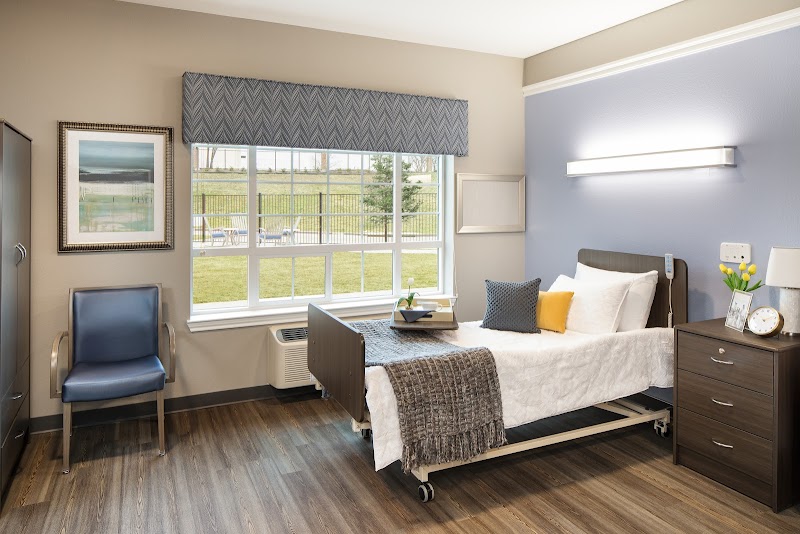
How Does Advanced Health & Rehab Center Of Garland Compare to Other Texas Nursing Homes?

Compared to the 100 nursing homes in Texas, ADVANCED HEALTH & REHAB CENTER OF GARLAND's overall rating (2 stars) is below the state average of 2.8, staff turnover (40%) is near the state average of 46%, and health inspection rating (1 stars) is much below the national benchmark.

What Should Families Ask When Visiting Advanced Health & Rehab Center Of Garland?

Based on this facility's data, families visiting should ask: "What changes have been made since the serious inspection findings, and how are you preventing similar issues?" "Can you walk me through typical staffing levels on day, evening, and night shifts?" "Can I visit during a mealtime to observe dining assistance and food quality?" "How do you handle medical emergencies, and what is your hospital transfer rate?" These questions are particularly relevant given the facility's Immediate Jeopardy citations and the below-average staffing rating.

Is Advanced Health & Rehab Center Of Garland Safe?

Based on CMS inspection data, ADVANCED HEALTH & REHAB CENTER OF GARLAND has documented safety concerns. Inspectors have issued 2 Immediate Jeopardy citations (the most serious violation level indicating risk of serious injury or death). The facility has a 2-star overall rating and ranks #100 of 100 nursing homes in Texas. Families considering this facility should ask detailed questions about what corrective actions have been taken since these incidents.

Do Nurses at Advanced Health & Rehab Center Of Garland Stick Around?

ADVANCED HEALTH & REHAB CENTER OF GARLAND has a staff turnover rate of 40%, which is about average for Texas nursing homes (state average: 46%). Moderate turnover is common in nursing homes, but families should still ask about staff tenure and how the facility maintains care continuity when employees leave.

Was Advanced Health & Rehab Center Of Garland Ever Fined?

ADVANCED HEALTH & REHAB CENTER OF GARLAND has been fined $78,949 across 1 penalty action. This is above the Texas average of $33,868. Fines in this range indicate compliance issues significant enough for CMS to impose meaningful financial consequences. Common causes include delayed correction of deficiencies, repeat violations, or care failures affecting resident safety. Families should ask facility leadership what changes have been made since these penalties.

Is Advanced Health & Rehab Center Of Garland on Any Federal Watch List?

ADVANCED HEALTH & REHAB CENTER OF GARLAND is not on any federal watch list. The most significant is the Special Focus Facility (SFF) program, which identifies the bottom 1% of nursing homes nationally based on persistent, serious quality problems. Not being on this list means the facility has avoided the pattern of deficiencies that triggers enhanced federal oversight. This is a positive indicator, though families should still review the facility's inspection history directly.