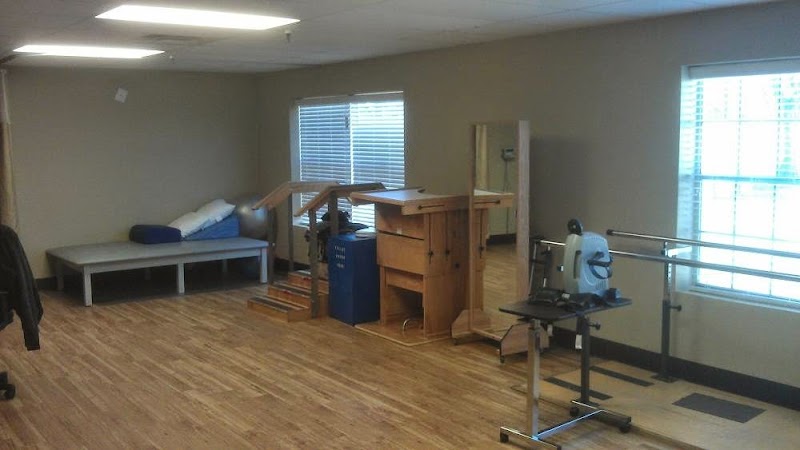
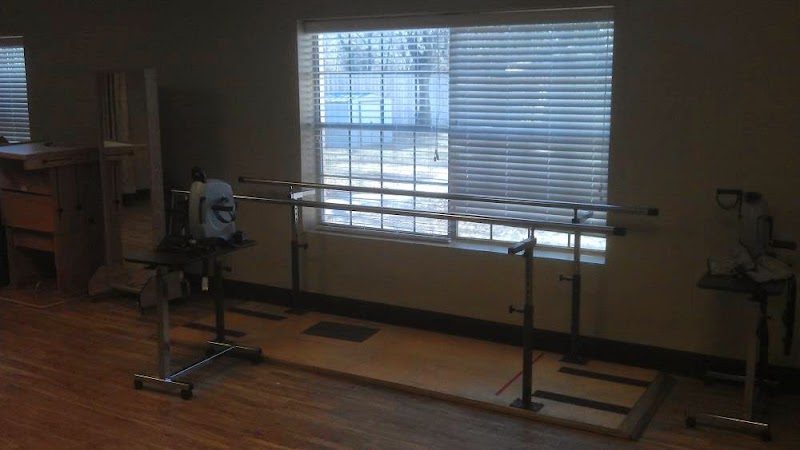
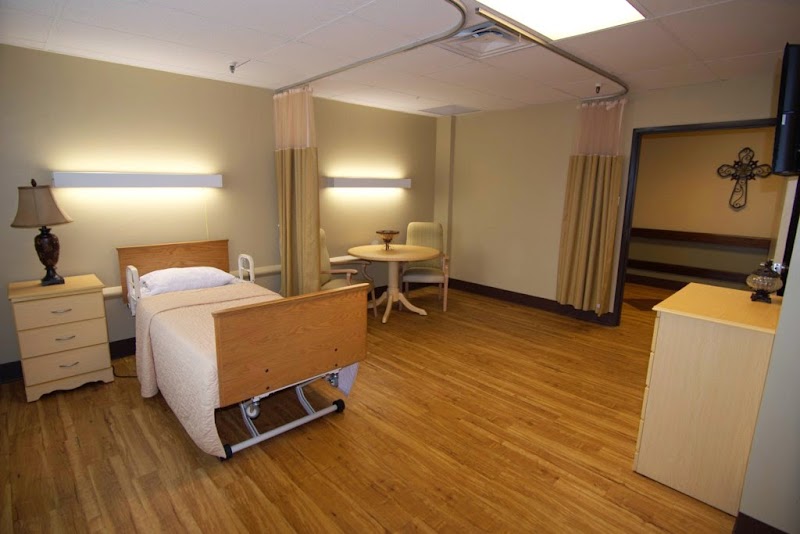
GARLAND NURSING AND REHABILITATION

321 N SHILOH RD, GARLAND, TX 75042 (972) 276-9571
For profit - Limited Liability company 109 Beds SLP OPERATIONS Data: November 2025 6 Immediate Jeopardy citations
Trust Grade
0/100
#987 of 1168 in TX
Last Inspection: March 2025

Within standard 12-15 month inspection cycle. Federal law requires annual inspections.

Overview

Garland Nursing and Rehabilitation has received a Trust Grade of F, indicating significant concerns about the facility's operations and care quality. With a state rank of #987 out of 1168 in Texas and county rank of #71 out of 83 in Dallas County, it falls in the bottom half of all facilities, suggesting limited options for improvement. Although the facility is trending towards improvement with issues decreasing from 14 to 11, it still has a poor staffing rating of 1 out of 5 stars, with a 54% turnover rate that aligns with the state average. Recent inspector findings raise serious concerns, including critical incidents where a resident eloped from a secured area due to inadequate supervision and another case where a resident sustained serious injuries from a fall without proper notification to medical staff. While the facility does provide more RN coverage than 76% of Texas facilities, the overall picture remains troubling, with a total of 41 issues reported and $54,883 in fines, reflecting a need for significant improvements in care and compliance.

Trust Score
F
0/100
In Texas
#987/1168
Bottom 16%
Safety Record
High Risk
Review needed
Inspections
Getting Better
14 → 11 violations
Staff Stability
⚠ Watch
54% turnover. Above average. Higher turnover means staff may not know residents' routines.
Penalties
✓ Good
$54,883 in fines. Lower than most Texas facilities. Relatively clean record.
Skilled Nurses
⚠ Watch
Each resident gets only 28 minutes of Registered Nurse (RN) attention daily — below average for Texas. Fewer RN minutes means fewer trained eyes watching for problems.
Violations
⚠ Watch
41 deficiencies on record. Higher than average. Multiple issues found across inspections.
★☆☆☆☆
1.0
Overall Rating
★☆☆☆☆
1.0
Staff Levels
★★★☆☆
3.0
Care Quality
★☆☆☆☆
1.0
Inspection Score
Stable
2024: 14 issues
2025: 11 issues

The Good

  • Full Sprinkler Coverage · Fire safety systems throughout facility
  • No fines on record

Facility shows strength in fire safety.

The Bad

1-Star Overall Rating

Below Texas average (2.8)

Significant quality concerns identified by CMS

Staff Turnover: 54%

Near Texas avg (46%)

Higher turnover may affect care consistency

Federal Fines: $54,883

Above median ($33,413)

Moderate penalties - review what triggered them

Chain: SLP OPERATIONS

Part of a multi-facility chain

Ask about local staffing decisions and management

The Ugly 41 deficiencies on record

6 life-threatening
Mar 2025 10 deficiencies
CONCERN (D) 📢 Someone Reported This

A family member, employee, or ombudsman was alarmed enough to file a formal complaint

Potential for Harm - no one hurt, but risky conditions existed

Deficiency F0583 (Tag F0583)

Could have caused harm · This affected 1 resident

**NOTE- TERMS IN BRACKETS HAVE BEEN EDITED TO PROTECT CONFIDENTIALITY** Based on observations, interviews, and record review, the facility failed to treat each resident with respect, dignity, and care...

Read full inspector narrative →
**NOTE- TERMS IN BRACKETS HAVE BEEN EDITED TO PROTECT CONFIDENTIALITY** Based on observations, interviews, and record review, the facility failed to treat each resident with respect, dignity, and care in a manner and environment that promoted maintenance or enhancement of his or her quality of life for one (Resident #50) of nine residents reviewed for Privacy. The facility failed to ensure RN B assessed and flushed Resident #50's midline catheter (a device inserted in the veins used for treatment) inside the resident's room on 03/17/2025. This failure could place the residents at risk of not having their personal privacy maintained during medical treatment. Findings included: Record review of Resident #50's Face Sheet, dated 03/17/2025, reflected a [AGE] year-old female resident admitted to the facility on [DATE]. The resident was diagnosed with urinary tract infection on 01/27/2025. Record review of Resident #50's Quarterly MDS Assessment, dated 12/12/2024, reflected the resident was unable to complete the interview to determine the BIMS score. Record review of Resident #50's Physician Order, dated 03/16/2025, reflected ERTAPENEM 1 GM /100 mL NS . ACTIVATE, MIX, & INFUSE 1 BAG INTRAVENOUSLY AT A RATE OF 200 ML/HR EVERY 24 HOURS FOR 14 DAYS for urinary tract infection. Record review of Resident#50's Physician Order, dated 03/17/2025, reflected Midline on right arm for IV (intravenous: administering fluids or medications directly into a vein) antibiotics. Observation and interview on 03/17/2025 at 12:01 PM revealed Resident #50 was in the hallway with RN B. Resident #50 was observed with midline to the left upper arm with scant bleeding. RN B said she was assessing the resident's IV site if it was infiltrated or dislodged because there was blood surrounding the IV site. She said she would try to flush it to see what was going on with the resident's IV and see if she needed to transfer her IV. RN B took the IV flush syringe from the top of her cart and started to flush the resident's IV. Observation on 03/17/2025 at 12:04 PM revealed the DON told RN B that she should assess and flush the IV site inside the resident's room to provide privacy. In an interview on 03/17/2025 at 12:07, the DON stated she did not see RN B flushing Resident #50's IV. She said if she did, RN B was not providing privacy to the resident. She said even if she was just assessing the IV site, the assessment should be done inside the resident's room with door closed or the privacy curtain pulled. She said all treatments should be done inside the room to provide privacy and dignity and to avoid embarrassment. The DON said the expectation was for the staff to make sure that when they were providing any kind of treatment, they should do it inside the residents' room with the door closed or with the privacy curtain were pulled. She concluded that she would continually remind the staff the importance of providing privacy and dignity through an in-service. In an interview on 03/17/2025 at 12:43 PM, RN B stated she should have assessed and flushed Resident #50's IV site inside her room to provide privacy and dignity. She said the IV was inserted early that morning and the order for the antibiotics wereas given the day before. She said she should have ushered the resident to her room and did the assessment and the flushing in the privacy of the resident's room. She said the DON already did a one-on-one in-service about dignity and privacy. In an interview on 03/18/2025 at 7:23 AM, the Administrator stated the expectation was for the staff to make sure that the residents were provided privacy during any treatment to prevent embarrassment. He said he would collaborate with the DON and the ADON to do an in-service about providing dignity and privacy. In an interview on 03/18/2025 at 10:07 AM, the ADON stated all treatments should be done in the privacy of the residents' room to promote dignity and privacy. She said allevery care done by the staff should be behind the door so other staff, other residents, or even the visitors would not see or speculate the medical condition of the residents. She said it did not matter if the residents care or not, the treatment should be done inside the room and not on the hallway. She said the expectation was for the staff to be mindful when they were providing any treatment. She said she would coordinate with the DON to do an in-service about privacy during treatment. In an interview on 03/18/2025 at 10:33 AM, Resident #50 stated she had an IV because she had UTI . She said a staff member inserted the IV early that morning so she could start the antibiotics. She said she was with RN B in the hallway because RN B was trying to figure out what was going on with her IV. She said she did not mind but if it should be done inside the room, then it should be done inside the room. Record review of the facility's policy, Dignity 2001 MED-PASS revised February 2021 revealed Policy Statement: Each resident shall be cared for in a manner that promotes and enhances his or her sense of well-being, level of satisfaction with life, and feelings of self-worth and self-esteem . Policy Interpretation and Implementation . 11. Staff promote, maintain, and protect resident privacy, including bodily privacy during . treatment procedures.
CONCERN (D) 📢 Someone Reported This

A family member, employee, or ombudsman was alarmed enough to file a formal complaint

Potential for Harm - no one hurt, but risky conditions existed

Assessment Accuracy (Tag F0641)

Could have caused harm · This affected 1 resident

**NOTE- TERMS IN BRACKETS HAVE BEEN EDITED TO PROTECT CONFIDENTIALITY** Based on interviews, and record review, the facility failed to ensure assessments accurately reflected the resident's status for...

Read full inspector narrative →
**NOTE- TERMS IN BRACKETS HAVE BEEN EDITED TO PROTECT CONFIDENTIALITY** Based on interviews, and record review, the facility failed to ensure assessments accurately reflected the resident's status for one (Resident #43) of eight residents reviewed for Accuracy of Assessments. The facility failed to ensure Resident #43's Quarterly MDS assessment dated [DATE] accurately reflected that the resident had an external catheter (non-invasive device used to manage urinary incontinence such as Purewick). This failure could place the resident at risk for not receiving care and services to meet their needs, diminished function of health, and regression in their overall health. Findings included: Review of Resident #43's Face Sheet, dated 03/16/2025, reflected a [AGE] year-old female admitted to the facility on [DATE]. The resident was diagnosed with neuromuscular dysfunction of bladder (the muscles and nerves that control the bladder do not work properly due to illness). Review of Resident #43's Quarterly MDS Assessment, dated 01/17/2025, reflected the resident was cognitively intact with a BIMS score of 15. The Quarterly MDS Assessment did not indicate that the resident was using an external catheter. Review of Resident #43's Comprehensive Care Plan, dated 02/27/2025, reflected the resident was frequently incontinent and used Purewick (non-invasive urinary drainage device that uses suction to collect urine from the body) while in bed and one of the approaches was to check the output every shift. Review of Resident #43's Physician Order, dated 09/29/2023, reflected Purewick: Output every shift. Observation and interview on 03/16/2025 at 8:57 AM revealed Resident #43 was in her bed, awake. It was observed that the resident had a Purewick system at her bedside. The resident said she used it when she was in bed but would take it off when she went out of her room. She said she had been using a Purewick for two years. In an interview on 03/17/2025 at 6:40 AM, LVN A stated Resident #43 had been using Purewick ever since she started working in the facility two years ago. She said nurses and CNAs monitored the output every shift. She said the resident had it every time she was in bed. In an interview on 03/17/2025 at 12:14 PM, the DON stated she was not familiar with the MDS. She said if the resident was using an external catheter, then the resident's MDS should reflect it. She said the MDS Nurse was responsible for doing the MDS and if the assessment in the MDS was not accurate, the care needed by the resident would not be metD In an interview on 03/17/2025 at 1:01 PM, the MDS Nurse stated the purpose of the MDS was to collect and record pertinent data about the resident. The data collected were the resident's demographics, cognition, behavior, functional abilities, diagnosis, and if the resident was using any kind of treatment. She said the MDS was used to do a basic assessment of the resident that could be from the documentation of the nurses or through a face-to-face. She turned on her computer and went to Resident #43's profile. She said the resident had a diagnosis of neuromuscular dysfunction of bladder, had an order to monitor the output collected in the Purewick, had a care plan for the Purewick, but it was not coded for an external catheter. She said it was an oversight on her part and missed the resident was using Purewick as a form of an external catheter. She said she would audit the MDS' of the residents and would make sure that everything was coded appropriately. She said if the residents were not properly assessed, the needs would not be met, and there could be confusion in the provision of care and in doing the care plan. In an interview on 03/18/2025 at 7:53 AM, the Administrator stated the MDS was done to reflect the current condition of the resident. He said if there was no accurate assessment, there could be a misunderstanding about the care needed. He said he would coordinate with the DON and the MDS Nurses to evaluate and resolve the issue. Record review of the facility policy, Certifying Accuracy of the Resident Assessment 2001 MED-PASS, Inc. (Revised November 2019) revealed Policy Interpretation and Implementation . 3. The information captured on the assessment reflects the status of the resident during the observation (look-back) period for that assessment. Different items on the MDS may have different observation periods . 4. The Resident Assessment Coordinator is responsible for ensuring that an MDS assessment has been completed for each resident.
CONCERN (D) 📢 Someone Reported This

A family member, employee, or ombudsman was alarmed enough to file a formal complaint

Potential for Harm - no one hurt, but risky conditions existed

Comprehensive Care Plan (Tag F0656)

Could have caused harm · This affected 1 resident

**NOTE- TERMS IN BRACKETS HAVE BEEN EDITED TO PROTECT CONFIDENTIALITY** Based on observations, interviews, and record review, the facility failed to develop and implement a comprehensive person-center...

Read full inspector narrative →
**NOTE- TERMS IN BRACKETS HAVE BEEN EDITED TO PROTECT CONFIDENTIALITY** Based on observations, interviews, and record review, the facility failed to develop and implement a comprehensive person-centered care plan for each resident, consistent with the resident rights set forth that included measurable objectives and timeframes to meet a resident's medical, nursing, and mental and psychosocial needs that were identified in the comprehensive assessment for a resident for two (Resident #11 and Resident #50) of eight residents reviewed for Care Plans. 1. The facility failed to ensure Resident #50 smoking cigarettes at the facility was care planned. 2. The facility failed to ensure Resident #11's breathing treatments were care planned. These failures could place the residents at risk of not receiving the necessary care and services needed. Findings included: 1. Record review of Resident #50's Face Sheet, dated 03/17/25, reflected she was a [AGE] year-old female admitted on [DATE]. Relevant diagnoses included heart failure, absence of left leg and right leg below the knees, and history of falls. Record review of Resident #50's Quarterly Minimum Data Set (MDS) assessment, dated 12/12/24, reflected she had no BIMS score recorded. The resident had an active diagnosis of Chronic Obstructive Pulmonary Disease (inflammation of airways). Record review of Resident #50's Quarterly Care Plan, dated 02/27/25, did not reflect a care plan for the resident being a smoker. Record review of the facility's list of smokers provided on 03/17/25, revealed Resident #50 was a smoker. In an interview on 03/17/25 at 12:00 PM, the Social Worker stated she was responsible for completing smoking assessments and ensuring Resident #50 was care planned for smoking. She stated she gets a list from the nursing staff; she completed the quarterly assessments and ensured residents who smoke were care planned. She stated the risk of not care planning the resident being a smoker, could impact the care of the resident. She stated she did not know how she overlooked the resident. In an interview on 03/17/25 at 01:02 PM, the MDS Nurse stated she had been at the facility since 2018. She stated she input the information for care plans and sometimes the DON. She stated the residents care should be care planned because it drove the care of the resident and if not care planned, they might not receive the care. She stated Resident #50 should have been care planned for smoking to ensure that she was a safe smoker. 2. Record review of Resident #11's Face Sheet, dated 03/16/2025, reflected a [AGE] year-old male who was admitted to the facility on [DATE]. The resident was diagnosed with acute respiratory failure with hypoxia (insufficient amount of oxygen in the body). Record review of Resident #11's Quarterly MDS Assessment, dated 01/30/2025, reflected the resident had severe impairment in cognition with a BIMS score of 00 (resident required significant assistance and support in daily life). The Comprehensive MDS Assessment indicated the resident had respiratory failure. Record review of Resident #11's Comprehensive Care Plan, dated 02/27/2025, reflected Resident #11's care plan for respiratory failure did not include his breathing treatment. Record review of Resident #11's Physician Order, dated 10/23/2024, reflected Budesonide 0.25 MG/2ML Suspension. INHALE THE CONTENTS OF 1 VIAL VIA NEBULIZER TWICE DAILY for acute respiratory failure with hypoxia. Observation and interview on 03/16/2025 at 9:12 AM revealed LVN A was about to do Resident #11's breathing treatment. She opened the resident's drawer and took the resident's breathing mask, put the solution in it, and placed it on the resident's nose. She said the resident had an order for a breathing treatment two times a day. In an interview on 03/17/2025 at 11:47 AM, the ADON stated every resident must have a comprehensive care plan, so the staff were in sync with the care of the residents. She said without the care plan, appropriate and needed interventions might not be provided. She said the expectation was all the issues of the residents were care planned. She said if the resident had a breathing treatment, the care plan should reflect that the resident was receiving a breathing treatment. She said she would coordinate with the DON and the MDS Nurse on how to make sure the residents were care planned accordingly. Observation and interview on 03/17/2025 at 12:14 PM, the DON stated every resident needed a detailed care plan to ensure the residents received the care needed. The DON said the care plan should be in place so the staff providing care would be on the same page and without the care plan, there could be confusion with the care needed by the residents. The DON said the care plan should reflect the resident's problem lists, the goals, and the interventions. The DON logged on to her computer and saw the resident had an order for a breathing treatment. She then checked the resident's care plan and saw Resident #11 did not have a care plan for the breathing treatment. The DON started to make a care plan for the resident's breathing treatment. She said the MDS Nurse and herself were responsible in doing the care plans of the resident. She said the expectation was every resident had detailed care plans. She said she would coordinate with the MDS Nurse to audit the care plans of the residents. Observation and interview on 03/17/2025 at 1:01 PM, the MDS Nurse stated care plans were done so the staff would know the care and services needed by the residents. She said if a resident had a breathing treatment, then the care plan should reflect that the resident was receiving a breathing treatment. She logged on to her computer and saw the resident had an order for a breathing treatment, twice a day. She then checked the resident's care plan and saw that the DON made a care plan for the resident's breathing treatmnet earlier that day. She said she would audit the care plans of the residents and would edit them if needed. She said she was responsible for the care , and it was an oversight on her part. In an interview on 03/18/2025 at 7:53 AM, the Administrator stated all the care, services, and treatment done for the resident should be reflected in their care plans to make sure the staff would not know and understand what kind of care to provide. The Administrator concluded that the expectation was for the staff to ensure that the residents' care plans were complete and individualized. He said he would coordinate with the DON and the MDS Nurse to make sure all the residents were care planned accordingly. Record review of the facility's policy, Comprehensive Care Plans . Operations revised 1-26-2024 revealed Policy: It is the policy of this facility to develop and implement a comprehensive person-centered care plan for each resident . to meet a resident's medical, nursing, mental and psychosocial needs . Policy Explanation and Compliance Guidelines . 3. The comprehensive care plan will describe . f. Resident specific interventions that reflect the resident's needs and preferences.
CONCERN (D) 📢 Someone Reported This

A family member, employee, or ombudsman was alarmed enough to file a formal complaint

Potential for Harm - no one hurt, but risky conditions existed

Deficiency F0761 (Tag F0761)

Could have caused harm · This affected 1 resident

Based on observations, interviews, and record review, the facility failed to ensure that one (Probiotic) of one medication reviewed for Medication Storage was stored properly. The facility failed to e...

Read full inspector narrative →
Based on observations, interviews, and record review, the facility failed to ensure that one (Probiotic) of one medication reviewed for Medication Storage was stored properly. The facility failed to ensure that the Probiotics with an instruction to refrigerate after opening was stored in the refrigerator. These failures could place the residents at risk of not receiving the full benefit of the medications or supplement. Findings included: Observation and interview on 03/17/2025 at 1:43 PM revealed during inspection of hall 500 nurse's cart, there was an over-the-counter probiotics with an instruction at the back, Refrigerate after opening. LVN A took the bottle and read the instruction at the back. She stated she was not aware that some probiotics had to be refrigerated. She said there was a reason why some probiotics needed to be stored in a cool place and she believed it had something to do with the effectivity of the probiotics. She said she did not use it during medication administration earlier. LVN A took the bottle of probiotics and said she was going to show it to the DON. In an interview on 03/18/2025 at 7:23 AM, the Administrator stated the expectation was if the probiotics had an instruction to be refrigerated, the staff should store it inside the refrigerator when they were done administering them. He said he believed it had something to do with the effectiveness of the probiotics. He said he would collaborate with the DON on how to prevent the issue from happening again. In an interview on 03/18/2025 at 8:14 AM, the ADON stated the probiotics that needed to be refrigerated should not be stored in the cart because it would just render the probiotics ineffective, and the residents would not get the full benefit of the supplement. She said the expectation was to refrigerate the medications and supplements that needed to be refrigerated. She said she would also audit the carts to determine if there were other medications or supplements that needed to be stored inside the refrigerator. In an interview on 03/18/2025 at 9:07 AM, the DON stated she was made aware about the unrefrigerated probiotics by LVN A. She said some probiotics needed to be refrigerated to maintain its potency. She said if not refrigerated the probiotics could lose their effectiveness. She said the expectation was for the staff to be mindful of what medications or supplements needed to be stored inside the refrigerator. She said the nurses and the medication aides were responsible for making sure the medications and supplements that needed to be refrigerated after opening were stored in the refrigerator when they were done using it. She said she would do an in-service regarding medication storage. Record review of the facility policy Medication Storage in the Facility Policies and Procedures revised January 2018 revealed Temperature . C. medications requiring refrigeration are kept in a refrigerator.
CONCERN (E) 📢 Someone Reported This

A family member, employee, or ombudsman was alarmed enough to file a formal complaint

Potential for Harm - no one hurt, but risky conditions existed

Deficiency F0558 (Tag F0558)

Could have caused harm · This affected multiple residents

**NOTE- TERMS IN BRACKETS HAVE BEEN EDITED TO PROTECT CONFIDENTIALITY** Based on observations, interviews, and record review the facility failed to ensure the right to reside and receive services in t...

Read full inspector narrative →
**NOTE- TERMS IN BRACKETS HAVE BEEN EDITED TO PROTECT CONFIDENTIALITY** Based on observations, interviews, and record review the facility failed to ensure the right to reside and receive services in the facility with reasonable accommodation of resident needs and preferences for 5 (Resident #58, #56, #54, #61, and #120) of 18 residents reviewed for Reasonable Accommodation of Needs. The facility failed to ensure the call light was in reach and accessible for Residents #58, #56, #54, #61, and #120. This failure could place the residents at risk of being unable to obtain assistance when needed and help in the event of an emergency. The findings included: Resident #58 Record review of Resident 58's Face Sheet, dated 03/18/2025, reflected the resident was an [AGE] year-old female who was admitted to the facility on [DATE]. Resident #58 had diagnoses which included unspecified dementia (mental decline that interferes with daily life) and repeated falls. Record review of Resident #58's Quarterly MDS (assessment used to determine functional capabilities and health needs) Assessment, dated 02/13/2025, reflected the resident had severe impairment in cognition with a BIMS (screening tool used to assess cognitive status) score of 04. Section GG indicated the resident required substantial assistance with self-care. Record review of Resident #58's Comprehensive Care Plan, dated 02/27/2025, reflected the resident has a history of falls and is at risk for increased falls and or fractures AEB cognitive impairment, physical impairment, unsteady gait and one intervention was encourage the use of call light. An observation and interview on 03/16/2025 at 08:48 AM revealed Resident #58 sitting on the side of her bed. The call light was clipped to the light over the resident's bed and was not within the resident's reach. Resident #58 did not respond when asked if she could reach her call light. CNA F came into the resident's room and stated she would move the call light so the resident could reach it. Resident #56 Record review of Resident 56's Face Sheet, dated 03/18/2025, reflected the resident was a [AGE] year-old male who was admitted to the facility on [DATE]. Resident #56 had diagnoses which included the need for assistance with personal care and other abnormalities of gait and mobility. Record review of Resident #56's Quarterly MDS Assessment, dated 02/13/2025, indicated the resident had moderate impairment in cognition with a BIMS score of 12. Section GG indicated the resident required moderate assistance with mobility. Record review of Resident #56's Comprehensive Care Plan, dated 01/09/2025, reflected the resident was at risk for falls d/t unsteady gait and at risk for increased falls and/or fractures and one intervention was to keep call light in reach at all times. During an observation and interview on 03/16/25 at 08:50 AM, Resident #56 was sitting on his bed. Resident #56 did not have a roommate. The two call lights in the room were attached to the bedrail of the unoccupied bed. Resident #56 stated he did not know where his call light was, but he did not use it much. Resident #54 Record review of Resident #54's Face Sheet, dated 03/18/2025, reflected the resident was a [AGE] year-old female who was admitted to the facility on [DATE]. Resident #54 had diagnoses which included Alzheimer's disease (a progressive brain disorder that affects the ability to think and remember things) and muscle wasting and atrophy. Record review of Resident #54's Quarterly MDS Assessment, dated 01/27/2025, indicated the resident had severe impairment in cognition with a BIMS score of 03. Section O indicated the resident received physical therapy and occupation therapy services. Record review of Resident #54's Comprehensive Care Plan, dated 02/27/2025, reflected the resident was at risk for fall r/t lack of coordination, unsteady gait. One intervention was to keep call light within reach. During an observation and interview on 03/16/25 at 9:06 AM, Resident #54 was sitting in a recliner in her room. Resident #54's call light and her roommate's call light were both attached to the roommate's bedrail. The recliner was placed between the two beds. Resident #54 was unable to answer questions because of her cognitive status. Resident #61 Record review of Resident #61's Face Sheet, dated 03/18/2025, reflected the resident was a [AGE] year-old female who was admitted to the facility on [DATE]. Resident #61 had diagnoses which included cerebral infarction (stroke) and other seizures (abnormal electrical activity in the brain). Record review of Resident #61's Quarterly MDS Assessment, dated 12/23/2024, indicated the resident had severe impairment in cognition with a BIMS score of 06. Section O indicated the resident received physical therapy and occupation therapy services. Record review of Resident #61's Comprehensive Care Plan, dated 02/27/2025, reflected the resident had a history of falls. Some interventions included keep call light within reach and encourage use of call light. During an observation and interview on 03/16/2025 at 9:12 AM, Resident #61 was lying in bed. Resident #61's call light was on the floor under her wheelchair. There was a nightstand between the bed and the wheelchair. Resident #61 stated it was fine and she could get to her call light if she needed it. Resident #120 Record review of Resident #120's Face Sheet, dated 03/17/25, reflected he was a [AGE] year-old male admitted on [DATE]. Relevant diagnoses included heart failure, shortness of breath, and mini strokes. Record review of Resident #120's Quarterly Minimum Data Set (MDS) assessment, dated 02/11/25, reflected he had a BIMS score of 8 (moderate impairment). For ADL care it reflected for transfers, toileting, and bathing the resident required extensive assistance. Record review of Resident #120's Quarterly Care Plan, dated 02/24/25, reflected the resident was a risk for falls and an intervention was to encourage the resident to use the call light. In an observation and interview on 03/16/25 at 09:00 AM, CNA J observed Resident #120's call light on the floor, out of reach for the resident's use. The CNA picked up the resident's call light off the floor and clipped it to his bed. She stated the call light needed to be in reach of the resident so he could alert staff if he needed assistance. During an interview on 03/16/25 at 09:18 AM, CNA F stated the residents were assigned to her. She stated it was important for all the residents to have their call lights within reach. She stated the residents needed to be able to call staff for assistance. She stated they might be sick or need help. She stated if the residents had to use their voice to call out for help, staff might not hear them. CNA F stated she would move the call lights so the residents could reach them. During an interview on 03/16/25 at 09:23 AM, LVN H stated it was important for residents to be able to reach their call lights to alert staff if they needed assistance. LVN H stated if a resident fell or had an emergency, the call light should be placed where the resident could reach it. During an interview on 03/17/24 at 08:47 AM, the DON stated some residents don't know what to do with the call light. She stated staff may forget to go back to the residents' rooms and make sure the residents have not moved their call lights. The DON stated the residents on the unit wander in and out of the rooms. She stated when a resident goes back to their room to lay down, staff need to go to the room and make sure the call light was in reach. She stated it was important to have a call light so the residents can call for help. She stated residents on the unit rarely use the call light, but it is their method of calling for help when they were in their room. She stated staff would be in-serviced about this. During an interview on 3/18/25 at 10:10 AM, the ADON stated most of the residents in the locked unit pull their call light and disconnect it from the wall. She stated staff try to keep the call lights in the residents' reach as much as possible. The ADON stated some residents use their call light and some do not. She stated the use of a call light was different on the unit but it should be there if the resident needed it, especially when the resident was in the room. She stated everyone was responsible for ensuring the residents could reach their call light. She stated that included administration, therapy services, nursing staff, and any other member of staff. She stated if a resident could not reach their call light, they might not receive help when they need it. The facility's policy Answering the Call Light, revised March 2021, 2024, reflected 5. When the resident is in bed or confined to a chair be sure the call light is within easy reach of the resident.
CONCERN (E)

Potential for Harm - no one hurt, but risky conditions existed

Safe Environment (Tag F0584)

Could have caused harm · This affected multiple residents

**NOTE- TERMS IN BRACKETS HAVE BEEN EDITED TO PROTECT CONFIDENTIALITY** Based on observations, interviews, and record review the facility failed to ensure residents had the right to a safe, clean, com...

Read full inspector narrative →
**NOTE- TERMS IN BRACKETS HAVE BEEN EDITED TO PROTECT CONFIDENTIALITY** Based on observations, interviews, and record review the facility failed to ensure residents had the right to a safe, clean, comfortable, and homelike environment including but not limited to receiving treatment and supports for daily living safely for 9 of 12 resident rooms (Resident room [ROOM NUMBER], #2, #3, #4, #5, #6, #7, #8, and #9) reviewed for environment. The facility failed to ensure Resident room [ROOM NUMBER], #2, #3, #4, #5, #6, #7, #8, and #9 were thoroughly cleaned and sanitized. This deficient practice could place residents at risk of living in an unclean and unsanitary environment which could lead to a decreased quality of life. Findings included: An observation on 03/16/25 at 11:05 Am of resident room [ROOM NUMBER] reflected the air vent along the wall of the room had thick black and brown dirt along and between the vents. The bathroom sink faucet had thick white stains along the base of the faucet. The soap dispenser had a reddish stain on the base of it. An observation on 03/16/25 at 11:12 Am of resident room [ROOM NUMBER] reflected the air vent along the wall of the room had thick black and brown dirt along and between the vents. The bathroom sink faucet had thick white stains along the base of the faucet. The soap dispenser had a reddish stain on the base of it and behind the room door was a large hole on the wall. An observation on 03/16/25 at 11:23 Am of resident room [ROOM NUMBER] reflected the air vent along the wall of the room had thick black and brown dirt along and between the vents. The bathroom sink faucet had thick white stains along the base of the faucet. The soap dispenser had a reddish stain on the base of it. The mini fridge in the room had brown and red stains inside the bottom of it. An observation on 03/16/25 at 11:28 Am of resident room [ROOM NUMBER] reflected the air vent along the wall of the room had thick black and brown dirt along and between the vents. The window ledge had dirt particles along the windowsill. The mini fridge in the room had brown and red stains inside the bottom of it. An observation on 03/16/25 at 11:31 Am of resident room [ROOM NUMBER] reflected the air vent along the wall of the room had thick black and brown dirt along and between the vents. An observation on 03/16/25 at 11:34 Am of resident room [ROOM NUMBER] reflected the air vent along the wall of the room had thick black and brown dirt along and between the vents. An observation on 03/16/25 at 11:39 Am of resident room [ROOM NUMBER] reflected the air vent along the wall of the room had thick black and brown dirt along and between the vents. An observation on 03/16/25 at 11:42 Am of resident room [ROOM NUMBER] reflected the air vent along the wall of the room had thick black and brown dirt along and between the vents. An observation on 03/17/25 at 12:24 Am of resident room [ROOM NUMBER] reflected behind a resident's bed, large amounts of drywall debris between the bed and wall. During a Resident Council meeting on 03/17/5 at 11:00 AM, Resident #50 stated her room did not get cleaned every day. She stated when she dropped items on her floor, she had seen the same items on the room floor the next day because her room was not cleaned. In an interview on 03/17/25 at 12:35 PM, Housekeeper C stated she had been at the facility a year. She stated they were responsible for cleaning the vents, windows, bathroom, dust, and the mini fridges. She stated she cleaned different halls daily. She was shown pictures of the concerns observed in room [ROOM NUMBER], #2, #3, #4, #5, #6, #7, #8, and #9 and she stated they were responsible for ensuring the concerns observed were cleaned. She stated the risk of not ensuring the rooms were thoroughly cleaned could impact the health of the residents. In an interview on 03/17/25 at 12:46 PM, Housekeeper K stated she had been at the facility since August 2024. She stated they were responsible for cleaning the floors, sweep and mop, vents, windows, bathroom, dust, but the housekeeping manager cleaned the mini fridges. She stated she was responsible for cleaning the 600 hall. She was shown pictures of the concerns observed for room [ROOM NUMBER], #2, #3, #4, #5, #6, #7, #8, and #9. She stated they were responsible for ensuring the concerns observed were cleaned. She stated the risk of not ensuring the rooms were thoroughly cleaned they could get sick and the items in the mini fridge should be thrown out. In an interview on 03/18/25 at 09:52 AM, the Housekeeping Supervisor, stated she had been at the facility for 2 years. She stated housekeeping were supposed to clean the bathrooms, clean the floors, wipe down furniture, take out trash, clean air vents, but she did not know who was responsible for cleaning the mini fridge in the resident rooms. She was shown pictures of the concerns observed in room [ROOM NUMBER], #2, #3, #4, #5, #6, #7, #8, and #9. She stated leadership was supposed to check for any issues with resident rooms during their morning rounds. She stated the risk of not cleaning the rooms thoroughly was this was their home, and it was not homelike. In an interview on 03/18/25 at 10:30 AM, the Administrator was shown pictures of the concerns observed in Resident room [ROOM NUMBER], #2, #3, #4, #5, #6, #7, #8, and #9. He stated it appeared housekeeping was not doing a thorough job cleaning the resident rooms, the housekeeping supervisor was not following up and checking housekeeping work, and leadership were not checking for room cleanliness during their daily rounds. He stated he had just hired a maintenance person, to repair issues such as the hole in the resident's wall. He stated the risk of not addressing these concerns could impact infection control. Record review of the facility's policy on Homelike Environment (February 2021) reflected Residents are provided with a safe, clean, comfortable and homelike environment and encouraged to use their personal belongings to the extent possible . 2. The facility staff and management maximize, to the extent possible, the characteristics of the facility that reflect a personalized, homelike setting. These characteristics include: a. clean, sanitary, and orderly environment
CONCERN (E)

Potential for Harm - no one hurt, but risky conditions existed

Accident Prevention (Tag F0689)

Could have caused harm · This affected multiple residents

**NOTE- TERMS IN BRACKETS HAVE BEEN EDITED TO PROTECT CONFIDENTIALITY** Based on observations, interviews, and record reviews, the facility failed to ensure that residents' environment remained free o...

Read full inspector narrative →
**NOTE- TERMS IN BRACKETS HAVE BEEN EDITED TO PROTECT CONFIDENTIALITY** Based on observations, interviews, and record reviews, the facility failed to ensure that residents' environment remained free of accident hazards as was possible for 3 of 6 residents (Resident #17, #26, and #34) reviewed for accident prevention. The facility failed to ensure Resident #17, and Resident #26 had physician orders for the use of a scoop mattress for fall prevention. The facility failed to ensure Resident #34 had a fall mat placed alongside her bed for fall prevention. These failures could prevent the resident from having an environment that was free and clear of accidents and hazards. Findings included: 1. Record review of Resident #17's Face Sheet, dated 03/17/25, reflected she was an [AGE] year-old female admitted on [DATE]. Relevant diagnoses included unsteadiness on feet, dementia (cognitive decline), and history of falling. Record review of Resident #17's Quarterly Minimum Data Set (MDS) assessment, dated 03/14/25, reflected she had a BIMS score of 12 (moderate impairment). For ADL care it reflected for transfers, toileting, and bathing the resident required extensive assistance. Record review of Resident #17's Quarterly Care Plan, dated 01/12/25, reflected the resident was at risk for falls and an intervention was to provide a scoop mattress. Record review of Resident #17's physician orders, dated 03/16/25, reflected no physician orders for the scoop mattress. An observation on 03/16/25 at 09:25 AM, revealed Resident #17 had a scoop mattress on her bed. 2. Record review of Resident #26's Face Sheet, dated 03/16/25, reflected he was a [AGE] year-old male admitted on [DATE]. Relevant diagnoses included cerebral infarction (stroke) and absence of left leg, below the knee. Record review of Resident #26's Quarterly Minimum Data Set (MDS) assessment, dated 02/05/25, reflected he had a BIMS score of 15 (intact cognitive response). For ADL care it reflected for transfers, toileting, and bathing the resident required extensive assistance. Record review of Resident #26's Quarterly Care Plan, dated 01/30/25, did not reflect the resident was a fall risk. Record review of Resident #26's physician orders, dated 03/16/25, reflected no physician orders for the scoop mattress. An observation on 03/16/25 at 11:47 AM, revealed Resident #26 had a scoop mattress on her bed. 3. Record review of Resident #34's Face Sheet, dated 03/17/25, reflected she was a [AGE] year-old female admitted on [DATE]. Relevant diagnoses included unsteadiness on feet, disorders of bone density and structure (weak bones), and history of falling. Record review of Resident #34's Quarterly Minimum Data Set (MDS) assessment, dated 12/16/24, reflected she had a BIMS score of 99 (unable to complete the interview). For ADL care it reflected for transfers, toileting, and bathing the resident required total assistance. Record review of Resident #34's Quarterly Care Plan, dated 01/12/25, reflected the resident was at risk for falls and an intervention was to provide a fall mat alongside the resident's bed. In an interview oin 03/16/25 at 02:15 PM, the DON was advised of Resident #17 and Resident #26 having scoop mattresses. She stated Resident #17 was care planned for a scoop mattress because she was a fall risk but Resident #26 should not have a scoop mattress. She stated Resident #26 would be provided a different mattress and she would obtain physician orders for Resident #17. She would not provide risk of residents having scoop mattresses without physician orders. In an observation and interview on 03/17/25 at 09:55 AM, RN F stated Resident #34 had a history of falls and she had recently had an injury of unknown origin. She stated her bed should be lowered and a fall mat placed alongside her bed. RN F observed no fall mat alongside the resident's bed. She stated they had failed to place the fall mat next to the resident's bed after she had returned from the hospital. She stated the risk of the fall mat not being placed alongside the resident's bed could result in her falling out of bed and injuring herself. She stated the nurses were responsible for checking for this. In an interview on 03/18/25 at 10:10 AM, the ADON was advised Resident #34 was observed without a floor mat placed alongside her bed and she stated the nurses and CNAs were supposed to monitor her to ensure the fall mat was alongside her bed. She stated the risk of the fall mat not being placed alongside the bed could result in an injury. The facility's policy Fall Prevention Program (11/24) reflected Policy:Each resident will be assessed for fall risk and will receive care and services in accordance with their individualized level of risk to minimize the likelihood of falls.
CONCERN (E) 📢 Someone Reported This

A family member, employee, or ombudsman was alarmed enough to file a formal complaint

Potential for Harm - no one hurt, but risky conditions existed

Respiratory Care (Tag F0695)

Could have caused harm · This affected multiple residents

**NOTE- TERMS IN BRACKETS HAVE BEEN EDITED TO PROTECT CONFIDENTIALITY** Based on observations, interviews, and record review the facility failed to ensure that residents, who needed respiratory care, ...

Read full inspector narrative →
**NOTE- TERMS IN BRACKETS HAVE BEEN EDITED TO PROTECT CONFIDENTIALITY** Based on observations, interviews, and record review the facility failed to ensure that residents, who needed respiratory care, were provided such care consistent with professional standards of practice, the comprehensive person-centered care plan, and the residents' goals and preferences for five (Resident #10, #11, #32, #49, and #120) of ten residents reviewed for Respiratory Care. 1. The facility failed to ensure Resident #120's nasal canula (flexible tube used to deliver oxygen to the nose through two prongs), for the oxygen machine was placed in a sanitary bag to avoid contamination while not in use on 3/16/2025. 2. The facility failed to ensure Resident #10's humidifier bottle (a medical device designed to increase the moisture level in supplemental oxygen) had water in it on 03/16/2025. 3. The facility failed to ensure Resident #11's breathing mask for his nebulizer (a medical device that turns liquid medicine into mist that could be inhaled through a face mask) was properly stored when not in use on 03/16/2025. 4. The facility failed to ensure Resident #49's breathing mask and nasal cannula were properly stored when not in use on 03/16/2025. 5. The facility failed to ensure Resident #32's breathing mask for her nebulizer was properly stored when not in use on 03/16/2025. These failures could place residents at risk for respiratory infection and not having their respiratory needs met. Findings included: 1. Record review of Resident #120's Face Sheet, dated 03/17/25, reflected he was a [AGE] year-old male admitted on [DATE]. Relevant diagnoses included heart failure, shortness of breath, and mini strokes. Record review of Resident #120's Quarterly Minimum Data Set (MDS) assessment, dated 02/11/25, reflected he had a BIMS score of 8 (moderate impairment). The resident had an active diagnosis of respiratory failure. Record review of Resident #120's Quarterly Care Plan, dated 02/24/25, reflected the resident experienced shortness of breath and an intervention was the use of oxygen therapy. Record review of Resident #120's Physician orders, dated 03/16/25, reflected oxygen at 2 liters via nasal canula to keep oxygen saturation above 94% as needed. In an interview and observation on 03/16/25 at 09:00 AM, RN I observed Resident #120's nasal cannula hanging on the oxygen concentrator unbagged. She stated the resident's nasal canula should be bagged when it was not in use. She stated the risk of the resident's nasal canula not being bagged could result in an infection. 2. Record review of Resident #10's Face Sheet, dated 03/16/2025, reflected a [AGE] year-old female who was admitted to the facility on [DATE]. The resident was diagnosed with respiratory failure with hypoxia (insufficient amount of oxygen in the body). Record review of Resident #10's Comprehensive MDS Assessment, dated 02/02/2025, reflected the resident was cognitively intact with a BIMS score of 15. The Comprehensive MDS Assessment indicated the resident had respiratory failure. Record review of Resident #10's Comprehensive Care Plan, dated 02/27/2025, reflected the resident had episodes of shortness of breath and one of the approaches was to apply O2 as ordered. Record review of Resident #10's Physician Orders, dated 05/16/2024, reflected Monitor Oxygen Humidification Bottle every shift. Replace or Refill as required every shift. Observation and interview on 03/16/2025 at 8:57 AM, Resident #10 was in her bed, awake. It was observed that the resident was using oxygen at 2 liters per minute. She said she had been using since last year. She said she thought her bottle was already dry because her nose was already dry. It was observed that a prefilled humidifier bottle was attached to her oxygen concentrator and was already empty. She said she could not remember when the last time the humidifier bottle was changed. 3. Record review of Resident #11's Face Sheet, dated 03/16/2025, reflected a [AGE] year-old male who was admitted to the facility on [DATE]. The resident was diagnosed with acute respiratory failure with hypoxia. Record review of Resident #11's Quarterly MDS Assessment, dated 01/30/2025, reflected the resident had severe impairment in cognition with a BIMS score of 00 (resident required significant assistance and support in daily life). The Comprehensive MDS Assessment indicated the resident had respiratory failure. Record review of Resident #11's Comprehensive Care Plan, dated 02/27/2025, reflected Resident #11's care plan for respiratory failure did not include his breathing treatment. Record review of Resident #11's Physician Order, dated 10/23/2024, reflected Budesonide 0.25 MG/2ML Suspension. INHALE THE CONTENTS OF 1 VIAL VIA NEBULIZER TWICE DAILY for acute respiratory failure with hypoxia. Observation on 03/16/2025 at 9:12 A revealed LVN A was about to do Resident #11's breathing treatment. She opened the resident's drawer and took out the resident's breathing mask. The breathing mask was not bagged. She cleaned the breathing mask before administering the breathing treatment. 4. Record review of Resident #49's Face Sheet, dated 03/16/2025, reflected a [AGE] year-old female who was admitted to the facility on [DATE]. The resident was diagnosed with chronic obstructive pulmonary disease (a chronic inflammatory lung disease that causes obstructed airflow from the lungs). Record review of Resident #49's Comprehensive MDS Assessment, dated 02/26/2025, reflected the resident was cognitively intact with a BIMS score of 14. The Comprehensive MDS Assessment indicated the resident had chronic obstructive disease and was on oxygen therapy. Record review of Resident #49's Comprehensive Care Plan, dated 01/10/2025, reflected the resident had episodes of shortness of breath and one of the approaches was to administer medications as ordered. Record review of Resident #49's Physician Orders, dated 03/10/2025, reflected Nasal Cannula (Continuous): O2 @ (2)L/Min every shift. Record review of Resident #49's Physician Orders, dated 09/13/2024, reflected Albuterol Sulfate (2.5 MG/3ML) 0.083% Nebulization solution. INHALE THE CONTENTS OF 1 VIAL VIA NEBULIZER EVERY 6 HOURS AS NEEDED for asthma (narrowing of the airways). Observation on 03/16/2025 at 8:48 AM revealed the resident was not inside her room. It was observed that the resident's breathing mask was on her chair beside the resident's bed and her nasal cannula was on the floor. Both were not bagged. Observation and interview on 03/16/2025 at 9:15 AM, LVN A stated the nasal cannula, and the breathing masks should be bagged whenever the residents were not using them to prevent cross contamination and respiratory infection. She went inside Resident #49's room and saw the breathing mask and the nasal cannula were not bagged. She said she would get a new nasal cannula and breathing mask for Resident #49. She said she did not administer Resident #49's breathing treatment but she should have checked during her morning round if it was stored properly. She said Resident #49 also had an order for continuous oxygen and would use the portable oxygen tank if she went out of her room. She said she did not notice, as well, that the nasal cannula was on the floor. LVN A then went to Resident #10's room and saw the humidifier bottle was empty. She said the oxygen concentrator had a humidifier to keep the nose of the resident moist and to prevent irritation. She said she did not notice during her morning round that Resident #11's humidifier bottle was empty or running low. She said she will get a new pre-filled humidifier bottle for resident #11. LVN A said she administered Resident #11's breathing treatment and when she took it from Resident #11's drawer, it was not inside a bag. She said she would also get a new breathing mask for Resident #11. In an interview on 03/17/2025 at 11:47 AM, the ADON stated the nasal cannula, and the breathing mask should be stored properly inside a plastic bag if the residents were not using them. She said the staff were responsible for ensuring the nasal cannula and the breathing masks were clean every time the residents would use them. She said the expectation was for all nasal cannulas and the breathing masks to be stored properly. She said another expectation was for the staff to check if the pre-filled humidifier bottle was running low or was empty. She said if it was running low, the staff should be ready to change it. She said she would coordinate with the DON to initiate an in-service about respiratory care. In an interview on 03/17/2025 at 12:14 PM, the DON stated the breathing mask and the nasal cannula were supposed to be in a bag when the residents were not using them to prevent cross contamination and worsening of respiratory issues the resident might already have had. She said the oxygen concentrator should always have water in it to prevent dryness and irritation of the nasal passageway. She said the expectation was for the staff to be mindful and make sure the breathing masks and the nasal cannulas were bagged and that there was water in the humidifier bottle. She said she would conduct an in-service about respiratory care. In an interview on 03/18/2025 at 7:53 AM, the Administrator stated everything that the residents were using should be kept clean to prevent infection. He said he would coordinate with the DON to educate and re-educate the nursing staff to bag the nasal cannulas and breathing masks if not in use and to make sure there was water in the oxygen concentrator. He said the DON will in-service the staff about the respiratory care issue. 5. Record review of Resident #32's Face Sheet, dated 03/16/2025, reflected a [AGE] year-old female who was admitted to the facility on [DATE]. The resident was diagnosed with post COVID-19 (an acute disease caused by a virus) condition. Record review of Resident #32's Comprehensive MDS Assessment, dated 02/02/2025, reflected the resident had severe impairment in cognition with a BIMS score of 03. Record review of Resident #32's Comprehensive Care Plan, dated 01/27/2025, reflected the resident had episodes of shortness of breath and one of the approaches was to apply O2 as ordered. Record review of Resident #32's Physician Orders, dated 04/26/2023, reflected Ipratropium-Albuterol 0.5-2.5 (3) MG/3ML Solution. INHALE THE CONTENTS OF 1 VIAL VIA NEBULIZER EVERY 4 HOURS AS NEEDED FOR COUGH AND WHEEZING for Post COVID-19 condition. Observation and interview on 03/16/2025 at 9:18 AM revealed Resident #32 was in her bed, awake. It was observed that the resident had a nebulizer machine with a breathing mask attached to it on top of her side table. The breathing mask was not bagged. When asked how long she had been using the breathing mask, the resident shrugged her shoulders. Observation on 03/18/2025 at 8:17 AM revealed Resident #32's breathing mask was still on top of the resident's side table, unbagged. In an interview on 03/18/2025 at 8:47 AM, RN C stated Resident #32 had an order for a breathing treatment as needed. He said he was not aware when was the last time the resident used the breathing mask. He said if the breathing mask was not in use, it should be bagged to prevent it from getting dirty. He said he would clean the breathing mask and would put it in a plastic bag. Record review of the facility policy Oxygen Administration reviewed February 2025 revealed Policy: Oxygen is administered to residents who need it, consistent with professional standards of practice . Policy Explanation and Compliance Guidelines . 5. Other infection control measures include . f. Keep delivery devices covered in a plastic bag when not in use.
CONCERN (E)

Potential for Harm - no one hurt, but risky conditions existed

Food Safety (Tag F0812)

Could have caused harm · This affected multiple residents

Based on observations, interviews, and record review the facility failed to store, prepare, distributed, and serve food in accordance with professional standards for food service safety for the facili...

Read full inspector narrative →
Based on observations, interviews, and record review the facility failed to store, prepare, distributed, and serve food in accordance with professional standards for food service safety for the facility's only kitchen, reviewed for food and nutrition services. 1. The facility failed to ensure the ice scoop for the ice machine in the facility kitchen was cleaned and exposed to air-borne contaminants. 2. The facility failed to ensure the ice machine was thoroughly cleaned. 3. The facility failed to ensure the kitchen floor and walls were cleaned. 4. The facility failed to ensure kitchen cooking equipment was cleaned. 5. The facility failed to place a cover on top of the tea dispenser to avoid air borne contaminants. 6. The facility failed to ensure food in the refrigerator was labeled and dated. 7. The facility failed to ensure foods in the freezer was sealed from air-borne contaminants. These failures could place residents at risk for cross contamination and other air-borne illnesses. Findings included: Observations on 03/16/25 from 8:44 AM to 9:01 AM in the facility's only kitchen revealed: The ice machine, located in a hallway outside the kitchen, had an ice scoop stored in a black holder, and the lid was not covering the ice scoop from air-borne contaminants. The ice scoop also had ice sitting in it, while in the scoop holder. The ice machine, located in the hallway outside the kitchen had a dirty filter and the inside wall of the machine had light brownish stains. The kitchen floor had built up dirt stains along the walls and the walls had dried brownish stains sprayed on it. One large microwave, located in the kitchen area, had dried up food stains along the inner walls of the microwave. One large table containing the drink dispensers had dark stains under a small machine, near one of the drink dispenser containers. Two containers containing flour and sugar had white and reddish stains along the lids of the containers. One long tube of ground beef, located in the refrigerator was not dated with the date the item was stored. One large box of frozen roll dough was sitting in a plastic bag unsealed from air-borne contaminants. One large box of frozen vegetable blend was sitting in a plastic bag unsealed from air-borne contaminants. Observations on 03/17/25 at 11:00 AM in the facility's only kitchen revealed: One large tea dispenser, located in the kitchen area, had tea in it and it did not have a lid placed on the top dispenser to avoid air-borne contaminants. In an interview and observation on 03/17/25 at 10:15 AM, the Dietary Manager was shown pictures and observed the concerns discovered in the kitchen. She stated she had a cleaning schedule for her team, and she followed up with them to ensure that the tasks were completed. She stated they had not had time to complete a deep cleaning because of their staffing challenges. She stated they attempted to clean the kitchen and equipment at least once a month. She stated she would remind staff to ensure they completely seal the foods observed in the freezer. She stated her staff often get in a hurry and forget to completely seal the items in the bags. She stated everyone was responsible for ensuring all food were labeled and dated once it was received from the vendor. She stated they cleaned the ice machine once a month. She observed the tea dispenser not being covered after the tea was prepared and she stated that it should have been covered. She stated the risk of not addressing these concerns could result in air-borne and food contamination. In an interview on 03/18/25 at 10:30 AM, the Administrator was shown pictures of the concerns observed in the facility kitchen. He stated they needed to do a more thorough job cleaning in the kitchen area and ensured that foods were stored correctly. He stated the risk of not addressing these concerns could result in an infection. Record review of the facility's policy on Kitchen Sanitation and Cleaning Schedules (undated), revealed All surfaces, including floors, walls, storage shelves, prep tables, trash cans, and all food contact surfaces must be routinely cleaned and sanitized. Ceilings, vents, light fixtures, pipes, and any other potentially contaminated surface will be cleaned as needed. All equipment must be thoroughly washed and sanitized between uses, in different food preparation tasks and anytime contamination occurs or is suspected. Food Storage and Sanitation Do not store scoops in the ice machine or food bins. Clean bins when empty. Store scoops in a sanitary manner to prevent contamination. Record review of the U.S. Food and Drug Administration (FDA) Code (2022) revealed, Food shall be protected from contamination that may result from a factor or source not specified under Subparts 3-301 - 3-306.
CONCERN (E) 📢 Someone Reported This

A family member, employee, or ombudsman was alarmed enough to file a formal complaint

Potential for Harm - no one hurt, but risky conditions existed

Infection Control (Tag F0880)

Could have caused harm · This affected multiple residents

**NOTE- TERMS IN BRACKETS HAVE BEEN EDITED TO PROTECT CONFIDENTIALITY** Based on observations, interviews, and record review the facility failed to establish and maintain an Infection Prevention and C...

Read full inspector narrative →
**NOTE- TERMS IN BRACKETS HAVE BEEN EDITED TO PROTECT CONFIDENTIALITY** Based on observations, interviews, and record review the facility failed to establish and maintain an Infection Prevention and Control Program designed to provide a safe, sanitary, and comfortable environment and to help prevent the development and transmission of communicable diseases and infections for two of twelve (Resident #42 and Resident #15) residents reviewed for infection control. 1. The facility failed to ensure CNA D did not use gloves taken from the pocket of her scrub top while providing incontinence care to Resident #42 on 03/17/2025. 2. The facility failed to ensure CNA F changed her gloves and performed hand hygiene while providing incontinence care to Resident #15 on 03/17/2025. This failure could place residents at risk of cross-contamination and development of infections. The findings included: 1. Record review of Resident #42's Face Sheet, dated 03/18/2025, reflected the resident was a [AGE] year-old male who was admitted to the facility on [DATE]. Resident #92 had diagnoses which included cognitive communication deficit and the need for assistance with personal care. Record review of Resident #42's Quarterly MDS (assessment used to determine functional capabilities and health needs) Assessment, dated 01/25/2025, indicated the resident had severely impaired cognition with a BIMS (screening tool used to assess cognitive status) score of 5. Section G reflected Resident #42 required extensive assistance with toileting. Record review of Resident #42's Comprehensive Care Plan, dated 01/20/2025, reflected the resident was incontinent of bowel and bladder and at risk for skin breakdown. One intervention was to check for incontinence every 2 hours and as needed. On 03/17/2025 at 09:24 AM, CNA D and CNA E were observed providing incontinence care for Resident #42. CNA D and CNA E were wearing gloves. CNA D pulled the privacy curtain around Resident #42's bed and told the resident she was going to change his brief. CNA E pulled down the sheet and blanket to uncover Resident #42 and unfastened the tabs on each side of the brief. CNA D pulled the brief down and used wipes to clean the front of the resident. CNA D dropped the wipes into a trash bag on the floor next to her. CNA E assisted CNA D to turn Resident #42 on his left side and CNA D removed the soiled brief. CNA D cleaned the residents bottom and dropped the soiled brief and wipes into the trash bag on the floor next to her. CNA D removed her gloves and washed her hands in the resident's restroom. CNA D pulled a pair of gloves from the pocket of her scrub top and put them on. CNA E assisted CNA D to roll the resident to his right side and CNA D placed the clean brief under the resident. CNA E straightened the resident's brief and assisted the resident to roll to his back. CNA E secured the tabs and pulled up the blanket to cover the resident. CNA D and CNA E removed their gloves and washed their hands in the resident's restroom. During an interview on 03/17/2025 at 11:55 AM, CNA D stated she was a new CNA and had been at the facility about a month. CNA D stated she did not have access to gloves in the resident's room because the boxes of gloves were stored on a cart in the hall. CNA D stated she took the gloves she needed from the supply cart in the hall and put them in her pocket before going into the resident's room. CNA D agreed carrying clean gloves in the pocket of her scrub top posed a risk for cross-contamination. CNA D stated during her training there were boxes of gloves in the rooms to use during resident care. CNA D stated she would find out what the expectation was for taking gloves into the resident's room. During an interview on 03/18/25 at 08:55 AM, the DON stated CNA D should have placed the gloves in a clean bag to take into the resident's room. The DON stated CNA D should not have placed the gloves in the pocket of her scrub top to carry into the resident's room. The DON stated that was cross contamination. The DON stated the facility would provide in-service training to staff. During an interview on 03/18/2025 at 10:00 AM, the ADON stated CNA D should not have placed gloves in the pocket of her scrub top to use for providing resident care. The ADON stated that was cross contamination. The ADON stated CNA D should have placed the gloves in a clean bag to carry into the resident's room. The ADON stated the facility would provide in-service training to staff. 2. Record review of Resident #15's Face Sheet, dated 03/18/2025, reflected the resident was an [AGE] year-old male who was admitted to the facility on [DATE]. Resident #15 had diagnoses which included Alzheimer's disease (a progressive brain disorder that affects the ability to think and remember things) and the need for assistance with personal care. Record review of Resident #15's Quarterly MDS (assessment used to determine functional capabilities and health needs) Assessment, dated 01/07/2025, indicated a BIMS (screening tool used to assess cognitive status) test was not conducted because the resident was never or rarely understood. The staff assessment indicated the resident had severely impaired cognitive skills for daily decision making. Section G reflected Resident #15 required extensive assistance with toileting. Record review of Resident #15's Comprehensive Care Plan, dated 01/21/2025, reflected the resident was incontinent of bowel and bladder related to cognitive impairment. One intervention was to monitor for incontinence every two hours or as needed and change the resident promptly. On 03/17/2025 at 10:40 AM, CNA F and CNA G were observed providing incontinence care for Resident #15. CNA F pulled the curtain around the bed to provide privacy and told the resident she was going to change his brief. CNA F and G washed their hands in the resident's restroom and put on clean gloves. The incontinence care supplies were on a towel that was draped over the resident's bedside table. CNA F pulled down the brief, cleaned the front of the resident, and dropped the wipes into the wastebasket next to her. CNA F changed gloves without using hand sanitizer or washing her hands. CNA G assisted CNA F to turn the resident to his left side and CNA F cleaned the resident's bottom. CNA F removed the soiled brief and dropped it into the wastebasket next to her. CNA F changed gloves without washing her hands or using hand sanitizer. CNA G assisted CNA F to turn Resident #15 to his left side and CNA F placed a clean brief under the resident. CNA F applied barrier cream to his bottom and CNA G assisted with rolling Resident #15 to his back. CNA G secured the tabs on each side of the brief and pulled up the blanket to cover Resident #15. CNA F and CNA G washed their hands in the resident's restroom after providing care. During an interview on 3/17/25 at 10:53 AM, CNA F stated she should have taken a bottle of hand sanitizer into the room when she provided incontinence care for Resident #15. CNA F stated the facility recently had training about hand washing or using hand sanitizer when providing resident care. CNA F stated it was important to use hand sanitizer or wash your hands after removing dirty gloves to prevent infection. During an interview on 03/17/25 at 12:05 PM, LVN H stated the facility provided in-service training on handwashing frequently. LVN H stated staff were provided with small bottles of hand sanitizer to carry around with them. He stated CNA F should have washed her hands or used hand sanitizer when she took off her dirty gloves and before she put on clean gloves. LVN H stated it was important, so staff did not transmit infection. During an interview on 03/18/25 at 08:55 AM, the DON stated CNA F should have used hand sanitizer or washed her hands each time she removed soiled gloves. The DON stated during training she told staff to provide resident care correctly every time, even when no one was watching. She stated CNA F's failure to use hand sanitizer or wash her hands when providing care caused cross contamination and increased the risk of infection. She stated the facility would provide an in-service training to staff members. During an interview on 03/18/25 at 10:10 AM, the ADON stated her expectation of staff was to use hand sanitizer or wash their hands between glove changes to reduce infection. She stated CNA F should have washed her hands or used hand sanitizer when she changed gloves during incontinence care for Resident #15. The ADON stated staff would receive in-service training. Review of the facility's policy Handwashing/Hand Hygiene, revised 01/20/23, reflected 1. All personnel shall follow the handwashing/hand hygiene procedures to help prevent the spread of infections to other personnel, residents, and visitors . 5. Hand hygiene must be performed prior to donning (putting on) and after doffing (removing) gloves.
Feb 2025 1 deficiency
CONCERN (D) 📢 Someone Reported This

A family member, employee, or ombudsman was alarmed enough to file a formal complaint

Potential for Harm - no one hurt, but risky conditions existed

Deficiency F0583 (Tag F0583)

Could have caused harm · This affected 1 resident

**NOTE- TERMS IN BRACKETS HAVE BEEN EDITED TO PROTECT CONFIDENTIALITY** Based on observations, interviews, and record review, the facility failed to provide the right to personal privacy which include...

Read full inspector narrative →
**NOTE- TERMS IN BRACKETS HAVE BEEN EDITED TO PROTECT CONFIDENTIALITY** Based on observations, interviews, and record review, the facility failed to provide the right to personal privacy which includes accommodations during personal care for one (Resident #1) of ten residents reviewed for Privacy. The facility failed to ensure CNA A and CNA B provided privacy when they transferred Resident #1 in the hallway on 02/27/2025. This failure could place the residents at risk of not having their personal privacy maintained during medical treatment. Findings included: Review of Resident #1's Face Sheet, dated 02/27/2025, reflected a [AGE] year-old female admitted on [DATE]. Resident #1 was diagnosed with muscle wasting (thinning of muscle mass due to disuse) and atrophy (decrease in size of a body part). Review of Resident #1's Quarterly MDS Assessment, dated 01/27/2025, reflected the resident was cognitively intact with a BIMS score of 15. The Quarterly MDS Assessment indicated the resident was dependent on staff for transfer bed-to-chair transfer. Review of Resident #1's Care Plan, dated 02/27/2025, reflected the resident required an extensive assistance by 2 staff to transfer via mechanical lift (devices used to move a person from one position to another). Observation and interview with CNA B on 02/27/2025 at 10:31 AM revealed CNA B was inside Resident #1's room and was about to transfer the resident via Hoyer lift (device that holds a person in a hammock-type sling to lift and transfer). She said she was waiting for CNA A to assist her with transfer. It was observed that CNA B already placed the Hoyer sling under the resident and the Hoyer lift was already at the left side of the bed. Observation and interview on 02/27/2025 at 10:34 AM revealed CNA A entered Resident #1's room to assist CNA B in transferring the resident to her wheelchair. The CNAs hooked the Hoyer sling to the Hoyer lift and raised the resident. CNA B closed the door before raising the resident. When the resident was already raised, CNA A told CNA B to unlock the bed and push the rear end of the bed towards the right. When the rear end of the bed was already pushed to the right side, both CNAs started to maneuver the Hoyer lift. When asked where the resident's wheelchair was, CNA A said it was in the hallway. CNA B opened the door and both CNAs continued to move the Hoyer lift outside the room and into the hallway. It was observed that the resident's wheelchair was in the hallway, near the adjacent room's door. CNA A and CNA B proceeded to transfer the resident to her wheelchair in the hallway. In an interview with Resident #1 on 02/27/2025 at 10:40 AM, Resident #1 stated that sometimes she would be transferred to her wheelchair inside the room and sometimes outside the room. She said it did not bother her but would be nice if she was transferred inside the room. In an interview with CNA A on 02/27/2025 at 10:46 AM, CNA A stated they closed the door when they were raising the Hoyer lift with the resident in it but did transfer the resident in the hallway. He said transferring the resident in the hallway could be a dignity issue. CNA A said the resident could be embarrassed or their self-esteem could be affected when other people could see that she was dependent on others and the manner she was transferred to her wheelchair. He said the room was tight but could have moved the bed or the bedside table to accommodate the wheelchair inside the room. In an interview with CNA B on 02/27/2025 at 10:50 AM, CNA B stated transferring Resident #1 should be done inside the room to provide privacy to the resident. She said all the care and services done for the resident should be done inside the room. she said she was new in the facility and was in training. In an interview with the ADON on 02/27/2025 at 10:58 AM, the ADON stated all care should be done in the privacy of the residents' room. She said when transferring a resident from bed to wheelchair, it should be done inside the room to provide dignity. She said it did not matter if the resident cared or not, the transfer should still be done inside the resident's room with door closed. She said it was important that the residents feel safe and would not be embarrassed. She said the expectation would be to not transfer a resident to her wheelchair in the hallway. She said she would coordinate with the DON to do an in-service about dignity. In an interview with the DON on 02/25/2025 at 11: 46 AM, the DON stated all care should be done inside the room with the door closed. She said, at least, they should have placed the wheelchair on the doorway to lower the resident. She said all residents had the right for privacy and dignity when given care and when not provided could result in embarrassment. She said the expectation was for the resident to be transferred inside the room and not in the hallway. She said she would start an in-service about privacy during transfer as soon as the interview was over. In an interview with the Administrator on 02/25/2025 at 1:19 PM, the Administrator stated the staff must make sure that the residents were provided privacy when providing care to prevent embarrassment. He said the expectation was for the staff to transfer the resident inside their room and not in the hallway. He said he would collaborate with the DON and the ADON to do an in-service about privacy and dignity. Record review of the facility's policy, Dignity 2001 MED-PASS revised February 2021 revealed Policy Statement: Each resident shall be cared for in a manner that promotes and enhances his or her sense of well-being, level of satisfaction with life, and feelings of self-worth and self-esteem . Policy Interpretation and Implementation . 11. Staff promote, maintain, and protect resident privacy, including bodily privacy during assistance with personal care and during treatment procedures.
Nov 2024 4 deficiencies 1 IJ
CRITICAL (J) 📢 Someone Reported This

A family member, employee, or ombudsman was alarmed enough to file a formal complaint

Immediate Jeopardy (IJ) - the most serious Medicare violation

Accident Prevention (Tag F0689)

Someone could have died · This affected 1 resident

**NOTE- TERMS IN BRACKETS HAVE BEEN EDITED TO PROTECT CONFIDENTIALITY** Based on observations, interviews, and record reviews, the facility failed to ensure residents received adequate supervision and...

Read full inspector narrative →
**NOTE- TERMS IN BRACKETS HAVE BEEN EDITED TO PROTECT CONFIDENTIALITY** Based on observations, interviews, and record reviews, the facility failed to ensure residents received adequate supervision and assistance devices to prevent accidents for one (Resident #1) of two residents reviewed for elopements. The facility failed to ensure Resident #1 received adequate supervision and remained in the facility's secured care unit, which resulted in her elopement from the facility on 10/04/2024. The facility failed to provide adequate supervision to Resident #1 to ensure Resident #2 did not facilitate Resident #1's elopement on 10/04/2024. The noncompliance was identified as PNC IJ. The noncompliance began and ended on 11/25/2024. The facility had corrected the noncompliance before the investigation began. This failure could place residents at risk of injury and a decreased quality of life. Findings included: Record review of Resident #1's Face Sheet, dated 11/25/2024 at 9:40 AM, revealed she was a [AGE] year-old female admitted [DATE]. Relevant diagnoses included cerebral infarction (blood supply to the brain is blocked or reduced,) brain and lung cancer that had metastasized (spread,) and Neurocognitive disorder further detailed by unspecified symptoms and signs involving cognitive functions and awareness. She resided in the facility's secured unit. Record review of Resident #1's admission MDS dated [DATE] revealed she was admitted from home/community and had a severe cognitive impairment with BIMS score of 05. Resident #1's MDS stated she had recent wandering behavior. Resident #1 did not require any mobility aides for ambulation. Resident #1 required setup or clean-up assistance for most cares due to cognitive impairment and was occasionally incontinent of bowel and bladder. Record review of Resident #1's Wandering Assessment completed upon admission [DATE] revealed she was at risk for wandering/elopement and resided in facility's secured unit. Record review of Resident #1's Comprehensive Care Plan dated 11/20/2024 revealed she had neurocognitive disorder and resides in the secure unit due to her wandering and poor safety awareness. 10/04/2024 Resident observed by staff sitting outside on the bench. Interventions included: -Ensure resident was wearing proper fitting and appropriate footwear -To complete wander alert [documents] and place in elopement binder -Take picture of resident every quarter because I may have changed my appearance and/or weight -Elopement assessments to be completed upon admission, quarterly, and with any significant change of condition -To provide resident with redirection, comfort measures and address basic needs when wandering behavior is exhibited Record review of Resident #2's Face Sheet , dated 11/26/2024 at 1:38 PM, revealed he was [AGE] year-old admitted on [DATE]. Relevant diagnoses included cerebral infarction (blood supply to the brain is blocked or reduced,) and type 2 diabetes (insulin resistance.) Record review of Resident #2's admission MDS dated [DATE] revealed he was admitted from home/community and was cognitively intact with BIMS score of 15. Resident #2's MDS stated he did not have any recent wandering behavior but was resistive to cares recently. Resident #2 required a walker as a mobility aide. Resident #2 required setup or clean-up assistance or was independent for most cares and was occasionally incontinent of bowel and bladder. Record review of Resident #2's Comprehensive Care Plan dated 11/25/2024 revealed he enjoyed listening to country music, walks outside and playing cards. Additionally, Resident #2 was documented as resistive to cares at times. Interventions included: -Always ask for help if resident becomes abusive/resistive -Convey acceptance of resident during periods of inappropriate behavior -Encourage diversional activities -Keep environment calm and relaxed -Redirect resident as needed -Remove from public area when behavior is unacceptable -Staff to continue to educate resident on the importance of cares and interventions In interview and observation with Resident #1 on 11/21/2024 at 10:58 AM, she was in the facility's secured unit resting in her room on her bed. She was observed with proper fitting and appropriate footwear. She was clean, well dressed, and appeared to not be in any distress. She stated she recalled the elopement incident but did not remember the date, she denied she was injured because of the incident, and stated she went outside because she just wanted to get some sun. In interview and observation with Resident #1 on 11/26/2024 at 9:29 AM, she ambulated in the hallway of the facility's secured unit. She was observed with proper fitting and appropriate footwear. She was clean, well dressed, and appeared to not be in any distress. She reported she was having a good day and had no complaints. Record review of facility's Progress Note for Resident #1 by LVN A on 10/04/2024 at 3:44 PM revealed At about 1235, a resident alerted staff by yelling out that, this resident had exited the door and staff immediately chase after this resident while alerting other staff. A staff who was coming back from her break entered the building with the resident and said that, she saw this resident sitting outside on a chair near the main entrance to the facility. Head to toe assessment done and no injury noted. RP, DON, and MD made aware. Elopement watch initiated. Record review of Facility Event Summary with a look-back period of 10/01/2024-11/21/2024 revealed on 10/04/2024 at 12:54 PM, LVN A wrote [Resident #1] observed by staff sitting outside on the bench in front of the building. Head to toe assessment performed and no injuries noted. Resident stated she was 'getting some sun'. Resident [in] line of [sight] observation. Additional documented revealed the physician and RP were notified, and care plan reviewed. DON e-signed the incident status as closed on 10/09/2024. Interviews attempted with LVN A on 11/21/2024 2:44 PM and 11/25/2024 at 2:00 PM were unsuccessful. In interview with CNA C on 11/21/2024 at 11:10 AM revealed she was working the day of Resident #1's elopement, 10/04/2024, and around mid-day she at the facility's parking lot sitting in her car while on her lunch break. She stated she saw Resident #1 outside sitting on the bench near the front door. She stated she immediately went to Resident #1 and re-directed her back inside to her secured unit. CNA C stated Resident #1 was outside approximately 1.5 minutes. CNA C stated that Resident #1 told her upon her return to the facility that a gentleman opened the door, for her and that was how she got outside. In interview with Resident #2 on 11/25/2024 at 11:20 AM he stated he recalled the incident with Resident #1. Resident #2 stated he was watering the plants in the front of the building the day of the incident. He stated he saw the resident sitting on the bench located outside in the front of the facility building. He denied letting Resident #1 out of the building and stated she was not outside for very long. Resident #2 stated after Resident #1's elopement, he was educated by the Administrator and DON on the importance of not opening the facility front door for any residents. He stated at that time of Resident #1's elopement, he was aware of the facility's front door code, but declined to disclose how he obtained the code. He stated after Resident #1's elopement, the facility changed the front door code, and he did not know it currently. In interview with facility's Administrator on 11/25/2024 at 11:01 AM, he stated based on his investigation Resident #1 exited through the secured unit door. He was not able to determine how Resident #1 exited the secured unit; but he determined Resident #1 was let outside the facility's front door by Resident #2 while he was watering the plants in the front of the building. He stated Resident #2 was high functioning, had a BIMS score of 15, resided in an unsecured environment, and was able to sign himself in and out of the facility as he pleased. He stated there was not a way to disable the door alarms without the location/door specific code. He stated both the secured unit and the facility's doors were alarmed with a code that only facility staff had access to. The facility Administrator stated since Resident #1's elopement, all the door codes have been changed and a sign has been placed on the front door to not allow any residents out unassisted. He stated his expectations were for his residents in the secured unit to remain in the secured unit. He further stated it was the responsibility of facility staff to supervise and monitor the residents to identify and re-direct wandering behaviors. Finally, he stated it was nursing leadership's responsibility to ensure any additional and/or resident specific assessments and/or interventions were in place to prevent resident elopements. In interview with facility's DON on 11/26/2024 at 11:47 AM, she stated based on her investigation, CNA C reported to her that she saw Resident #1 outside while she was on her lunch break. DON stated she was not sure how Resident #1 exited the secured unit; but she concluded that Resident #2 let Resident #1 out of the facility's front door while he was watering the plants. She stated there was not a way to disable the door alarms without the location/door specific code and to her knowledge the doors did not malfunction. She stated both the secured unit and the facility's doors were alarmed with a code that only facility staff was permitted to have access to. DON further stated since Resident #1's elopement, all the door codes have been changed probably twice already. She stated after Resident #1's elopement, she ensured proper notification to Resident #1's provider and RP, that Resident #1 was assessed for injury/harm, that Resident #1's Comprehensive Care Plan was reviewed, that maintenance performed a facility-wide inspection of doors for functionality, she conducted a facility-wide elopement drill, and provided In-services to her staff specific to elopements and the prevention of any potential piggy-backing of residents that may get out of the secured unit without staff's awareness. She stated her expectations were for the residents in the secured unit to remain in the secured unit and it was facility staff's responsibility to monitor and supervise the residents. DON stated it was nursing leadership's responsibility to ensure the Elopement Binder was at the secured unit's nurses' station, the documents were completed and quarterly updated, and any other resident specific interventions were in place to prevent resident elopements. In interview with Resident #1's RP on 11/25/2024 at 10:07 AM, she stated she was Resident #1's RP and that her family member resides in the secured unit at [Facility.] She stated she was notified by LVN A on 10/04/2024 about Resident #1's elopement. Resident #1's RP denied any successful elopements from the facility prior to 10/04/2024, but stated she had elopements from home prior to her admission which necessitated her admission to the facility's secured unit. In interview with facility's Maintenance on 11/25/2024 at 9:30 AM revealed after Resident #1's elopement on 10/04/2024, he ensured all the doors at the facility were operating as required. In observation of facility's front door on 11/21/2024, 11/22/2024, 11/25/2024, and 11/26/2024 at approximately 9:00 AM revealed a sign posted on the front door that stated, Please do not let our residents out unassisted. In observation of facility's secured unit front and back doors and facility main entrance/exit door on 11/21/2024 at 9:29 AM and 2:00 PM, doors demonstrated appropriate function and were secured with a multi-digit code for entry and exit. In observation of facility's Elopement Binder located at the secured unit's nurses' station on 11/26/2024 at 9:26 AM, revealed Resident #1's Wander Alert documents with relevant identification and notification details in the binder with a recent, recognizable photograph of Resident #1. In interview with CNA C on 11/21/2024 at 11:10 AM she stated the importance of proper footwear for Resident #1, stated the location and purpose of the facility's Elopement Binder at the secured unit's nurses' station, and the importance of providing Resident #1 with redirection and comfort measures to address basic needs when wandering behavior is exhibited. In interview with CNA D on 11/26/2024 at 9:26 AM she stated the importance of proper footwear for Resident #1, the location and purpose of the facility's Elopement Binder at the secured unit's nurses' station, and the importance of providing Resident #1 with redirection and comfort measures to address basic needs when wandering behavior is exhibited. In interview with LVN B on 11/21/2024 at 11:15 AM he stated the importance of proper footwear for Resident #1, stated the location and purpose of the facility's Elopement Binder at the secured unit's nurses' station, the requirement of an accurate wandering/elopement assessment to be completed upon admission, quarterly, and upon a resident's change of condition, and the importance of providing Resident #1 with redirection and comfort measures to address basic needs when wandering behavior is exhibited. In interview with facility's DON on 11/26/2024 at 11:47 AM stated the importance of proper footwear for Resident #1, that the facility's Elopement Binder was located at the secured unit's nurses' station and was required to be created upon admission, updated quarterly, and/or upon a change of condition, and that she was responsible to ensure resident wandering/elopement assessments were completed upon admission, quarterly, and with any significant change in condition. DON stated the importance of all staff providing Resident #1 with redirection and comfort measures to address her basic needs when wandering behavior is exhibited as stated in her Comprehensive Care Plan. In interview with facility Administrator on 11/25/2024 at 11:01 AM he stated the importance of proper footwear for Resident #1, that the facility's Elopement Binder was located at the secured unit's nurses' station and both the Elopement Binder and wandering/elopement assessments were required to be updated upon a resident's admission, quarterly, and in response to a resident's change of condition. Administrator also stated the importance of his staff to provide Resident #1 with redirection and comfort measures to address her basic needs when wandering behavior is exhibited. Record review of Resident #1's Comprehensive Care Plan dated 11/20/2024, reviewed on 11/25/2024 at 9:00 AM revealed sufficient identification of Resident #1's wandering/elopement behaviors and detailed list of multiple interventions prior to investigation. Record review of Resident #1's Wandering Assessments reviewed on 11/25/2024 at 9:30 AM revealed sufficient assessment of Resident #1's risk for wandering/elopement that necessitated her need to reside in facility's secured unit. Record review of facility Inservice titled, Elopement/Wandering .Secured Unit/Missing Resident, dated 10/04/2024 conducted by facility's DON revealed facility policy, protocols, and procedures which specifically included to ensure no resident exits behind you when entering or exiting the secure unit. Please wait till the door is locked before walking away . Document revealed multiple staff signatures. Record review of facility document titled, Elopement Drill dated 10/10/2024 conducted by facility's DON revealed facility's elopement drill was completed. Document revealed multiple staff signatures. Record review of facility's Inservice titled, Elopement Drill dated 10/10/2024 conducted by facility's DON revealed facility's elopement policy, protocols, procedures, provided to staff. Document revealed multiple staff signatures. Record review of facility's documentation of Maintenance of the doors, dated 10/04/2024, revealed that he personally ensured all doors were operating as required. Review of facility policy, Wandering and Elopements, dated 09/01/2023 revealed The facility will ensure that residents who exhibit wandering behavior and/or at risk for elopement receive adequate supervision to prevent accidents and receive care in accordance with their person-centered plan of care . Monitoring and managing residents at risk for elopement or unsafe wandering . a person-centered care plan will be developed based on the risk factors identified in the risk assessment . adequate supervision will be provided to help prevent accidents or elopements . The noncompliance was identified as PNC IJ. The noncompliance began and ended on 11/25/2024. The facility had corrected the noncompliance before the investigation began.
CONCERN (D) 📢 Someone Reported This

A family member, employee, or ombudsman was alarmed enough to file a formal complaint

Potential for Harm - no one hurt, but risky conditions existed

Report Alleged Abuse (Tag F0609)

Could have caused harm · This affected 1 resident

**NOTE- TERMS IN BRACKETS HAVE BEEN EDITED TO PROTECT CONFIDENTIALITY** Based on interview and record review the facility failed to ensure all alleged violations involving abuse, neglect, exploitation...

Read full inspector narrative →
**NOTE- TERMS IN BRACKETS HAVE BEEN EDITED TO PROTECT CONFIDENTIALITY** Based on interview and record review the facility failed to ensure all alleged violations involving abuse, neglect, exploitation or mistreatment were reported immediately but not later than two hours after the allegation was made, if the events that caused the allegation involved abuse or resulted in serious bodily injury or not later than 24 hours to the administrator of the facility, other officials and State Survey Agency for two (Residents #2 and #3) of six reviewed for reporting alleged abuse, neglect, or mistreatment. The facility Administrator failed to report to HHSC an alleged altercation between Resident #2 and Resident #3 on 11/23/2024 after it was reported to him by facility's ADON. This failure could place residents at risk of continued abuse and injuries of unknown origins which could result in emotional anguish, discomfort, medical decline and decreased psycho-social well-being. Findings included: Record review of Resident #2's Face Sheet, dated 11/26/2024 at 1:38 PM, revealed he was [AGE] year-old admitted on [DATE]. Relevant diagnoses included cerebral infarction (blood supply to the brain is blocked or reduced,) and type 2 diabetes (insulin resistance.) Record review of Resident #2's admission MDS dated [DATE] revealed he was admitted from home/community and was cognitively intact with BIMS score of 15. Resident #2's MDS stated he did not have any recent wandering behavior but was resistive to cares recently. Resident #2 required a walker as a mobility aide. Resident #2 required setup or clean-up assistance or was independent for most cares and was occasionally incontinent of bowel and bladder. Record review of Resident #2's Comprehensive Care Plan dated 11/25/2024 he was documented as resistive to cares at times. Interventions included: -Always ask for help if resident becomes abusive/resistive -Convey acceptance of resident during periods of inappropriate behavior -Encourage diversional activities -Keep environment calm and relaxed -Redirect resident as needed -Remove from public area when behavior is unacceptable -Staff to continue to educate resident on the importance of cares and interventions Record review of Resident #3's Face Sheet, dated 11/26/2024 at 1:49 PM, revealed he was [AGE] year-old admitted on [DATE]. Relevant diagnoses included cerebral infarction (blood supply to the brain is blocked or reduced,) dementia (decline in cognitive function,) contracture of left hand (abnormal thickening of the tissue beneath the palm and fingers that cause one or more fingers to bend towards the palm of the hand,) and type 2 diabetes (insulin resistance.) Record review of Resident #3's Annual MDS dated [DATE] revealed he was admitted from an acute care hospital and had moderate cognitively impairment with a BIMS score of 12. Resident #3 was assessed as not exhibiting any physical, verbal, or other behavioral symptoms directed towards others. Resident #3 had a motorized wheelchair as a mobility aide. Resident #3 required substantial/maximal assistance for toileting, bathing, dressing, personal hygiene and was frequently incontinent of bowel and bladder. Record review of Resident #3's Comprehensive Care Plan dated 11/26/2024 revealed Resident #3 was a smoker and required assistance lighting cigarettes. Additionally, Resident #3 had a behavior problem as evidenced by propelling wheelchair backwards instead of forwards at times with interventions that included: -Attempt to get resident involved in problem solving -Update family about resident behavior and involve them in problem solving -Educate/re-direct resident when going backwards in wheelchair -Keep areas free of clutter and monitor for proper body alignment -Encourage and monitor for continued independence -Offer assistance as needed -Monitor for changes in mental status -Encourage socialization and activity attendance as tolerated -Educate and monitor resident for proper use of wheelchair Record review of facility's Event Report: [Resident #2] dated 11/23/2024 at 10:13 PM written by LVN E stated the event occurred 11/23/224 at 8:37 PM in the TV room. The report revealed Resident #2 reported that [Resident #3] hit him on his right leg with his motorized wheelchair. The report further stated that Resident #3 asked Resident #2 to move out of his way while trying to go outside for smoking, then Resident #3 hit Resident #2 on his right leg while Resident #2 was trying to move out of his way. The document stated Resident #2 was assessed and no signs or symptoms of bruising or swelling was noted, vital signs were taken and within normal limits, pain assessed, and medication administered, and notification of provider, ADON, DON, and Administrator was completed. Attempts to interview LVN E on 11/25/2024 at 1:35 PM and 11/26/2024 at 11:00 AM were unsuccessful. In interview with Resident #2 on 11/25/2024 at 11:20 AM he stated he was assaulted on 11/23/2024 approximately around 9:00 PM while he was in the day room or common area. He stated Resident #3 came up to him in his motorized wheelchair and ran into his ankle deliberately and on purpose, then Resident #3 took his hand and shoved him. He stated the facility's ADON heard the incident, promptly intervened, and separated Resident #3 from Resident #2. He denied any altercations have occurred since the reported incident on 11/23/2024 but considered Resident #3 a bully and troublemaker. He stated despite the incident, he felt safe at the facility, that staff for the most part treat him well and did not wish to change rooms or facilities as he and Resident #3 were on different halls. In interview with Resident #3 on 11/25/2024 at 1:58 AM he did not recall Resident #2 by name but did recall an incident on 11/23/2024 when a resident did not let him pass as he was trying to go outside to smoke. He stated he bumped this resident's leg with his motorized wheelchair because he wouldn't let him pass. He stated his same resident has been in his way in the past, specifically mentioned the dining room, and stated that he nicely asks him to move and he doesn't. Resident #3 denied hitting or striking Resident #2. He stated despite the incident, he felt safe at the facility, that staff treat him well, and that he did not want to change rooms or facilities as he and Resident #2 were on different halls. In interview with facility's ADON on 11/25/2024 at 1:29 PM she stated she did not observe the altercation on 11/23/2024 but heard residents [Resident #2 and Resident #3] talking loudly. She stated she promptly went over to assess the situation. ADON stated she separated the residents. She stated Resident #2 reported to her that Resident #3 made contact with his right ankle with his motorized wheelchair. She stated Resident #3 reported to her that Resident #2 was not allowing him to pass and was blocked by Resident #2, but he denied any contact with Resident #2. She denied that Resident #2 reported that Resident #3 hit him at this time. She stated she considered this resident-to-resident altercation and promptly reported it to the facility's Abuse Coordinator, the Administrator. In interview with facility's DON on 11/26/2024 at 11:16 AM she stated she received notification from LVN E the evening of 11/23/2024 that stated Resident #3 bumped [with his motorized wheelchair] Resident #2 and slightly hit his leg. DON stated it was the Administrator's responsibility to report and ultimately investigate any allegations of abuse and/or neglect. She stated it was her expectation that the Administrator report any allegations of abuse and/or neglect to HHSC immediately, he was to ensure a thorough investigation was conducted, and findings of the investigation reported to HHSC within the five-day timeline. She stated this was important to ensure safety, prevention of any further damage, and ultimately for the well-being of the residents at the facility. In interview with facility's Abuse Coordinator and Administrator on 11/25/2024 at 2:01 PM, he stated he received a notification from the ADON and LVN E that Resident #3 ran over [Resident #2's] foot. He stated he did not report this to HHSC or investigate the incident at that time because it was presented to him as an accident. He stated his was his responsibility to report any abuse, neglect, or exploitation incidents, allegations, or suspicions to HHSC per facility policy and it was important because if not, abuse can continue. Record review of facility policy, Abuse, Neglect, and Exploitation, rev 10/2023 stated The facility will provide protection for the health, welfare, and rights of each resident . that prohibit abuse . III. Identification of Abuse, Neglect, and Exploitation . B. Possible indicators of abuse include, but are not limited to: 1. Resident . report of abuse; 6. Physical abuse of a resident observed . IV. Investigation of Alleged Abuse . A. An immediate investigation is warranted when suspicion of abuse . or reports of abuse . VI. Reporting/Response . 1. Reporting of all alleged violations to the Administrator, state agency . a. Immediately, but not later than 2 hours after the allegation is made if the events that cause the allegation involve abuse .
CONCERN (D) 📢 Someone Reported This

A family member, employee, or ombudsman was alarmed enough to file a formal complaint

Potential for Harm - no one hurt, but risky conditions existed

Investigate Abuse (Tag F0610)

Could have caused harm · This affected 1 resident

**NOTE- TERMS IN BRACKETS HAVE BEEN EDITED TO PROTECT CONFIDENTIALITY** Based on interview and record review the facility failed to thoroughly investigate alleged violations and report the results of ...

Read full inspector narrative →
**NOTE- TERMS IN BRACKETS HAVE BEEN EDITED TO PROTECT CONFIDENTIALITY** Based on interview and record review the facility failed to thoroughly investigate alleged violations and report the results of the investigation to the administrator or his or her designated representative to other officials in accordance with State law, including to the State Survey Agency, within 5 working days of the incident, and if the alleged violation is verified appropriate corrective action must be taken. The facility Administrator failed to investigate after the alleged altercation was reported to him by facility's ADON between Resident #2 and Resident #3 on 11/23/2024 and failed to report results of the investigation to the administrator or his or her designated representative to other officials in accordance with State law, including to the State Survey Agency, within 5 working days of the incident, and if the alleged violation is verified appropriate corrective action must be taken. This failure could place residents at risk of continued abuse and injuries of unknown origins which could result in emotional anguish, discomfort, medical decline and decreased psycho-social well-being. Findings included: Record review of Resident #2's Face Sheet, dated 11/26/2024 at 1:38 PM, revealed he was [AGE] year-old admitted on [DATE]. Relevant diagnoses included cerebral infarction (blood supply to the brain is blocked or reduced,) and type 2 diabetes (insulin resistance.) Record review of Resident #2's admission MDS dated [DATE] revealed he was admitted from home/community and was cognitively intact with BIMS score of 15. Resident #2's MDS stated he did not have any recent wandering behavior but was resistive to cares recently. Resident #2 required a walker as a mobility aide. Resident #2 required setup or clean-up assistance or was independent for most cares and was occasionally incontinent of bowel and bladder. Record review of Resident #2's Comprehensive Care Plan dated 11/25/2024 he was documented as resistive to cares at times. Interventions included: -Always ask for help if resident becomes abusive/resistive -Convey acceptance of resident during periods of inappropriate behavior -Encourage diversional activities -Keep environment calm and relaxed -Redirect resident as needed -Remove from public area when behavior is unacceptable -Staff to continue to educate resident on the importance of cares and interventions Record review of Resident #3's Face Sheet, dated 11/26/2024 at 1:49 PM, revealed he was [AGE] year-old admitted on [DATE]. Relevant diagnoses included cerebral infarction (blood supply to the brain is blocked or reduced,) dementia (decline in cognitive function,) contracture of left hand (abnormal thickening of the tissue beneath the palm and fingers that cause one or more fingers to bend towards the palm of the hand,) and type 2 diabetes (insulin resistance.) Record review of Resident #3's Annual MDS dated [DATE] revealed he was admitted from an acute care hospital and had moderate cognitively impairment with a BIMS score of 12. Resident #3 was assessed as not exhibiting any physical, verbal, or other behavioral symptoms directed towards others. Resident #3 had a motorized wheelchair as a mobility aide. Resident #3 required substantial/maximal assistance for toileting, bathing, dressing, personal hygiene and was frequently incontinent of bowel and bladder. Record review of Resident #3's Comprehensive Care Plan dated 11/26/2024 revealed Resident #3 was a smoker and required assistance lighting cigarettes. Additionally, Resident #3 had a behavior problem as evidenced by propelling wheelchair backwards instead of forwards at times with interventions that included: -Attempt to get resident involved in problem solving -Update family about resident behavior and involve them in problem solving -Educate/re-direct resident when going backwards in wheelchair -Keep areas free of clutter and monitor for proper body alignment -Encourage and monitor for continued independence -Offer assistance as needed -Monitor for changes in mental status -Encourage socialization and activity attendance as tolerated -Educate and monitor resident for proper use of wheelchair Record review of facility's Event Report: [Resident #2] dated 11/23/2024 at 10:13 PM written by LVN E stated the event occurred 11/23/224 at 8:37 PM in the TV room. The report revealed Resident #2 reported that [Resident #3] hit him on his right leg with his motorized wheelchair. The report further stated that Resident #3 asked Resident #2 to move out of his way while trying to go out side for smoking, then Resident #3 hit Resident #2 on his right leg while Resident #2 was trying to move out of his way. The document stated Resident #2 was assessed and no signs or symptoms of bruising or swelling was noted, vital signs were taken and within normal limits, pain assessed and medication administered, and notification of provider, ADON, DON, and Administrator was completed. Attempts to interview LVN E on 11/25/2024 at 1:35 PM and 11/26/2024 at 11:00 AM were unsuccessful. In interview with Resident #2 on 11/25/2024 at 11:20 AM he stated he was assaulted on 11/23/2024 approximately around 9:00 PM while he was in the day room or common area. He stated Resident #3 came up to him in his motorized wheelchair and ran into his ankle deliberately and on purpose, then Resident #3 took his hand and shoved him. He stated the facility's ADON heard the incident, promptly intervened, and separated Resident #3 from Resident #2. He denied any altercations have occurred since the reported incident on 11/23/2024 but considered Resident #3 a bully and troublemaker. He stated despite the incident, he felt safe at the facility, that staff for the most part treat him well and did not wish to change rooms or facilities as he and Resident #3 were on different halls. In interview with Resident #3 on 11/25/2024 at 1:58 AM he did not recall Resident #2 by name but did recall an incident on 11/23/2024 when a resident did not let him pass as he was trying to go outside to smoke. He stated he bumped this resident's leg with his motorized wheelchair because he wouldn't let him pass. He stated his same resident has been in his way in the past, specifically mentioned the dining room, and stated that he nicely asks him to move and he doesn't. Resident #3 denied hitting or striking Resident #2. He stated despite the incident, he felt safe at the facility, that staff treat him well, and that he did not want to change rooms or facilities as he and Resident #2 were on different halls. In interview with facility's ADON on 11/25/2024 at 1:29 PM she stated she did not observe the altercation on 11/23/2024 but heard residents [Resident #2 and Resident #3] talking loudly. She stated she promptly went over to assess the situation. ADON stated she separated the residents. She stated Resident #2 reported to her that Resident #3 made contact with his right ankle with his motorized wheelchair. She stated Resident #3 reported to her that Resident #2 was not allowing him to pass and was blocked by Resident #2, but he denied any contact with Resident #2. She denied that Resident #2 reported that Resident #3 hit him at this time. She stated she considered this resident to resident altercation and promptly reported it to the facility's Abuse Coordinator, the Administrator. In interview with facility's DON on 11/26/2024 at 11:16 AM she stated she received notification from LVN E the evening of 11/23/2024 that stated Resident #3 bumped [with his motorized wheelchair] Resident #2 and slightly hit his leg. DON stated it was the Administrator's responsibility to report and ultimately investigate any allegations of abuse and/or neglect. She stated it was her expectation that the Administrator report any allegations of abuse and/or neglect to HHSC immediately, he was to ensure a thorough investigation was conducted, and findings of the investigation reported to HHSC within the five-day timeline. She stated this was important to ensure safety, prevention of any further damage, and ultimately for the well-being of the residents at the facility. In interview with facility's Abuse Coordinator and Administrator on 11/25/2024 at 2:01 PM, he stated he received a notification the evening of 11/23/2024 from the ADON and LVN E that Resident #3 ran over [Resident #2's] foot. He stated he did not report this to HHSC or investigate the incident at that time because it was presented to him as an accident. He stated his was his responsibility to report any allegation to HHSC, to conduct a thorough investigation of any abuse, neglect, or exploitation incidents, allegations, or suspicions, and report the results of the investigation in accordance with State law, including to the State Survey Agency, within 5 working days of the incident. He stated it was important because if this did not occur, abuse can continue. Record review of facility policy, Abuse, Neglect, and Exploitation, rev 10/2023 stated The facility will provide protection for the health, welfare, and rights of each resident . that prohibit abuse . III. Identification of Abuse, Neglect, and Exploitation . B. Possible indicators of abuse include, but are not limited to: 1. Resident . report of abuse; 6. Physical abuse of a resident observed . IV. Investigation of Alleged Abuse . A. An immediate investigation is warranted when suspicion of abuse . or reports of abuse . VI. Reporting/Response . 1. Reporting of all alleged violations to the Administrator, state agency . a. Immediately, but not later than 2 hours after the allegation is made if the events that cause the allegation involve abuse .
CONCERN (E) 📢 Someone Reported This

A family member, employee, or ombudsman was alarmed enough to file a formal complaint

Potential for Harm - no one hurt, but risky conditions existed

Food Safety (Tag F0812)

Could have caused harm · This affected multiple residents

Based on observation, interview, and record review the facility failed to ensure food was stored, prepared, distributed and served in accordance with professional standards for food service safety for...

Read full inspector narrative →
Based on observation, interview, and record review the facility failed to ensure food was stored, prepared, distributed and served in accordance with professional standards for food service safety for the facility's only kitchen reviewed for kitchen sanitation. The facility failed to ensure the beverage dispenser, prepared for residents, was cleaned and changed out in a timely manner in observation on 11/21/2024 at 12:30 PM. These failures could place residents at risk for food-borne illnesses. Findings included: In observation of lunch dining service at 11/21/2024 at 12:30 PM, two beverage containers were observed in the dining area. Multiple residents were observed sitting in the dining room with cups of pink and clear liquids present in front of them at the tables. -One container with pink liquid, the label stated, Item Peach Juice . Date 11/20/24 . Emp [INITALS]. No time was observed documented on the label. -One container with clear liquid, the label stated Item Ice Water . Date 11/20/24 . Emp [INITALS]. No time was observed documented on the label. In observation and interview of DA on 11/21/2024 12:34 PM, she removed the two beverage containers from the dining room. She stated it was her initials on the beverage labels and she was the staff member that filled each container yesterday morning [11/20/2024.] She stated she did not write a time on the label but did not state the reason. She further stated it was her responsibility to clean, properly label with date and time, and change out the beverage inside the container in the morning each day. She stated she had a busy morning and had not changed out the beverage containers yet. She stated it was important to clean, properly label with date and time, and change out the beverage inside the containers once a day each morning because germs can grow and cause people to be sick. In interview with DM on 11/26/2024 at 9:51 AM, she stated it was the kitchen staff's responsibility to ensure the beverage containers were cleaned, properly labeled with a date and time, and the beverage inside the container changed out once per day in the evenings. DM stated she was not aware that DA stated she changed out the beverage containers in the morning at the time of the interview. She stated it was important to clean, properly label with date and time, and change out the beverage containers once a day as important as it can lead to sickness if not completed. She stated that writing a date and time on the label was important so staff understand when the beverage container needed to be cleaned and changed out. In interview with ADON/ICP on 11/26/2024 at 9:35 AM, she stated it was the kitchen staff's responsibility to ensure the beverage containers were cleaned, properly labeled with a date and time, and the beverage inside the container changed out once per day. She stated this was important because you don't want to get mold and mildew in the beverage served to the residents. In interview with facility's DON on 11/26/2024 at 11:16 AM she stated she expected the beverage containers to be cleaned and changed out daily. She stated it was the kitchen staff's responsibility to ensure the beverage containers were cleaned, changed out daily, and properly labeled with date and time. She stated this was important for infection control purposes, so we give people fresh stuff. In interview with facility's Administrator on 11/26/2024 at 12:52 PM he stated the facility did not have a Food Storage and Labeling policy specifically for beverage containers. Record review of U.S. Food Code Section 3-501.17, rev. 02/09/2023, reflected that ready-to-eat, time/temperature control for safety (TCS) food prepared in a food establishment and held longer than a 24 hour period shall be marked to indicate the date or day by which the food is to be consumed on the premises, sold, or discarded when held at a temperature of 5°C (41°F) or less for a maximum of 7 days. These time/temperature parameters are intended to help control for growth of Listeria monocytogenes.
Aug 2024 5 deficiencies 4 IJ
CRITICAL (J) 📢 Someone Reported This

A family member, employee, or ombudsman was alarmed enough to file a formal complaint

Immediate Jeopardy (IJ) - the most serious Medicare violation

Notification of Changes (Tag F0580)

Someone could have died · This affected 1 resident

**NOTE- TERMS IN BRACKETS HAVE BEEN EDITED TO PROTECT CONFIDENTIALITY** Based on observations, interviews and record reviews, the facility failed to immediately consult with the resident's physician; ...

Read full inspector narrative →
**NOTE- TERMS IN BRACKETS HAVE BEEN EDITED TO PROTECT CONFIDENTIALITY** Based on observations, interviews and record reviews, the facility failed to immediately consult with the resident's physician; and notify, consistent with his or her authority, when there was an accident involving the resident which resulted in injury and had the potential for requiring physician intervention for one (Resident #1) of six residents reviewed for Change in condition. LVN B failed to notify Resident #1's Doctor on 08/02/24 after CNA A asked her to assist with picking Resident #1 off the floormat and putting her back to bed. Subsequently, Resident #1 was sent to the hospital on [DATE] and currently at the hospital diagnosed with two fractures (Tibia and Fibula) of her left lower leg. An Immediate Jeopardy (IJ) was identified on 08/12/24. An IJ Template was provided to the facility on [DATE] at 12:10 pm. While the Immediate Jeopardy was removed on 08/12/24 at 7:50 pm, the facility remained out of compliance at a scope of isolated and a severity level of no actual harm with the potential for more than minimal harm that was not immediate jeopardy due to the facility continuing to monitor the implementation and effectiveness of their plan of removal. This failure could place all residents at risk of not being assessed and treated in a timely manner and appropriately, with Doctors interventions, which could result in a decline in their psycho-social well-being and health resulting in internal bleeding, pain when being moved causing further injury or death. Findings included: Record review of Resident #1's Quarterly MDS assessment dated [DATE] revealed, a [AGE] year-old female who admitted [DATE] with a BIMS Staff Assessment score of 2 (Moderate impaired cognition), no speech, with a memory problem and severely impaired. She had upper extremity impairment on one side and lower extremity impairment of both sides. Her functioning abilities and goals: Self-care: Coded 01. Dependent helper does all of the effort, resident does none of the effort to complete the activity or the assistance of 2 or more helpers is required for the resident to complete the activity for all ADLs including (toileting, personal hygiene). Her functioning abilities and goals: Mobility: Coded 01. Dependent helper does all of the effort, resident does none of the effort to complete the activity or the assistance of 2 or more helpers is required for the resident to complete the activity for roll left and right and for chair/bed to chair transfer. She was always incontinent to bladder and bowel, has a progressive neurological conditions with diagnoses of hypertension. She had Multiple Sclerosis (nerve degeneration), Gastronomy status (feeding tube), Cardiac arrhythmia (irregular heartbeat), dysphagia (not able to swallow properly), muscle weakness, atrial fibrillation (irregular heartbeat), and lack of coordination. She was 5'6 and 132 pounds. Record review of Resident #1's August 2024 Order Summary Report revealed orders for: Eliquis (blood thinner) 5 mg, folic acid 1 mg. senna 8.6 mg. tramadol 50 mg. Enteral Feeding tube, Enteral stoma site care, NPO, Enteral formula pump administration. Record review of Resident #1's Care Plan printed 8/10/24 revealed, Multiple sclerosis: assist with ADL and comfort measures as needed, Abdominal binder: to keep G-tube in place keep head and bed elevated. Geri-chair: make as comfortable as possible, falls (Resident has a history of falling related to mobility due to Multiple Sclerosis): place resident in a fall prevention program. Multiple sclerosis at risk for a decline in current ADLs and injuries due to increased injuries and assist with ADL's and comfort measures as needed. Cognitive loss/dementia: allow time for task and responses. Communication has aphasia approach in calm manner. Falls - keep call light within reach, ADL Functional status: ambulation/transfers amount of assist: total x 2 non-ambulatory, bathing/hygiene assist: total x1, resident care as per policy, toileting amount of assist total x1. Record review of Resident #1's Progress notes reviewed from 08/02/24 to 08/09/24 did not reveal she had any falls or incidents. Record review of Resident #1's X-Ray results dated 08/08/24 at 8:03 p.m. revealed, Clinical information: Bruising, swelling, Test procedures: Left tibia and fibula, two views. Findings: Proximal tibial and fibular shafts fracture. No osteolytic or osteosclerotic lesions. No signs of bone infection. Impression:1. Proximal tibial and fibular shafts fracture. 2. CT is recommended. Record review of Resident #1's Hospital Emergency Department Doctor's note dated 08/08/24 revealed, Chief complaint: Leg deformity: patient here from [Nursing Facility]. Left leg swelling noted and ecchymosis found this morning. On Eliquis .Patient is bed bound and nonverbal. Radiology: Tibia/fibula, left 2 views final result: Impression: Proximal left tibial and fibular fractures, negative left ankle and knee joint. Soft tissue swelling. Osteopenia. Record review of Resident #1's Progress note 08/02/2024 [Recorded as Late Entry on 08/09/2024 06:19 PM] by LVN B revealed, Events - fall: 11:06 PM On 2nd of August, CNA call attention to this nurse to room XXXX and reported to this nurse that she rolled resident down to the floor mat while giving care. Observed and assess resident on the floor mat., no apparent injury noted at that time. No S/S of pain noted at that time. Resident was helped back to bed with the help of the CNA. Record review of Resident #1's Incident/Accident Report completed date 08/09/24 at 6:08 p.m. by LVN B revealed, Event date 08/02/24 at 5:57 p.m., in resident room, yes fall was witnessed, no injury and no pain, ROM without pain/limitations, no rotation/deformity/shortening noted .notifications: Attending physician faxed: no, Physician notified: no, Resident Representative notified: no, care plan reviewed: no. Record review of Resident #1's Hospital Orthopedic Doctor note dated 08/09/24 revealed, Orthopedic diagnosis: Left Proximal tibia fracture. Orthopedic plan: Closed management of left proximal tibial fracture, knee immobilization, non-weight bearing. History of present illness: A [AGE] year-old female with multiple advance medical issues including MS, who is nonverbal at baseline .The patient is nonverbal, non-ambulatory. I do not think she would be a very good candidate for surgical intervention. I will plan for a knee immobilization and follow-up in the outpatient setting. Observation on 08/09/24 at 3:40 p.m., Resident #1's room revealed a thin blue floormat that was approximately two inches height and six feet in length on the left side of Resident #1's bed. Observation on 08/10/24 at 3:37 p.m., Resident #1 was at the hospital lying flat on her back, in bed watching television, she nodded yes to her name. She shook her head no she was not hurting. When asked had she fallen out of bed, she looked at her left leg and did not shake or nod her head. There was a G-tube next to her bed and she did not appear to be in pain. And her left leg was bent at a 45-degree angle with a knee immobilizer on it. Interview on 08/09/24 at 6:43 p.m., CNA A stated on 08/02/24 after dinner she checked Resident #1 and incontinent care was needed. She stated she was standing right in front of the window with the bed elevated and while caring for Resident #1, she turned her towards the door then towards her. She stated she put the bed linen on the floor then rolled her to the right to clean her and afterwards she tried to grab her bed sheets at the foot of her bed. She stated then Resident #1 started shaking and rolled off the bed so she went to get LVN B who came to assess the resident and made sure she was okay. She stated she and LVN B got Resident #1 back to bed and got her dressed then LVN B asked her what happened and she told her she was doing incontinent care and the resident rolled to the floor. She stated Resident #1 was nonverbal but did not appear to be in any pain and her leg was not swollen or in a weird position. She stated she was not sure if the nurse called to have any x-rays done and did not see anyone come out to do x-rays during her shift. She stated there was most likely no x-rays done because the resident was not crying because she checked on her frequently and changed her about four more times that night. Interview on 08/10/24 at 9:09 a.m., LVN B stated she worked the overnight shift and last took care of Resident #1 Last Friday 08/02/24, Tuesday 08/06/24 and Wednesday 08/07/24. She stated yesterday 08/09/24 she heard Resident #1 had a leg fracture. She stated she was very surprised Resident #1 was injured. She stated the DON spoke to her about what she knew about Resident #1's fall on 08/02/24 then the DON told her she should have completed an incident report and called her Doctor. She stated she did a late add nurses note and incident/accident report on 08/09/24 per the DON's request. She stated last Friday 08/02/24 after meal service, after 11:00 pm she was at the nurses' station and CNA A stood at Resident #1's room door calling her name out loud about needing help putting Resident #1 back to bed. She stated she saw Resident #1 in her room and her bed was in the lowest position and Resident #1 was on the left side of her bed on the floor. She stated Resident #1 was on her back and her left leg was turned to the left, and her head and buttocks was flat on the floormat, she was on her back. She stated her left leg was paralyzed and for her care they normally used a pillow to prop it in place. She stated when Resident #1 was on the floor her G-tube port was okay and the tubing was still connected to the g-tube pump. She stated there was no pillow under Resident #1's leg and the bed linen and pillow was on her bed. She stated she assessed Resident #1 and did not find anything wrong with her and she had no signs or symptoms of pain, then she CNA A put her back to bed. She stated when she asked CNA A why Resident #1 on the floor, CNA A said she rolled Resident #1 onto the floor to give her incontinent care. She stated CNA A did not say Resident #1 fell but said she guided her to the floormat. She stated if CNA A told her Resident #1 had fallen, she would have reported it to her Doctor. She stated she would have also documented it in Resident #1's nurses notes and completed an incident report and called her family. She stated she would have followed up with her to ensure she was fine and added Resident #1 was on scheduled Tramadol she received at 12:00 am and PRN Tylenol. She stated there was no increase in giving her more pain medications. She stated Resident #1's floor mat next was next to her bed 24/7 and Resident #1 normally did not get care on the floor mat that was why can questioned CNA A about it. She stated there was not anything propping her left leg, she checked on Resident #1 four or five times that night. She stated Resident #1 watched television and slept and she was given her Tramadol at midnight and she was asleep rest of the night. She stated she did not tell the oncoming nurse or the DON about her being on the floor because she got busy and did not suspect anything was wrong. She stated she got busy with taking care of other residents forgot to document at nurses note. She stated there was no swelling or redness of her legs during her 08/02/24 shift. She stated she returned to work Tuesday 08/06/24 the nurse reported Resident #1 had left leg swelling and her Doctor ordered for a doppler study for edema. She stated the doppler study result came back Wednesday 08/07/24 was negative and she faxed that result to her Doctor. She stated there were no new orders and she took a picture of Resident #1's left leg and sent it to her Doctor. She stated she got a call from the DON yesterday 08/09/24 around 4:00 pm and she returned the call around 4:49 pm and the DON told her to come to the facility. She stated a little after 5:00 pm she gave the DON her statement and completed Resident #1's incident report. The DON told her she should have reported this to her and called her Doctor and family. She stated she had the mind to call the DON but forgot and stated if a resident fell and the Doctor, DON or family was not notified could result in delayed injury. She stated that was why she always documented but she forgot to document Resident #1's fall and said after the DON spoke to her, she now knew why she should have completed a nurses note and reported it to her Doctor and family. She stated she thought it was odd Resident #1 was on the floormat. She stated Resident #1 was bed bound with left sided weakness, upper and lower and alert and oriented x1. She stated Resident #1 was not able to express her needs because she was aphasic and knew her name. She stated Resident #1 was able to gesture responses by nodding and shaking her head. She stated the nurses were responsible for ensuring the residents were getting proper care and cleaned and dry and checked every 2 hours. She stated the DON suspended her and CNA A pending the investigation of Resident #1. She stated not reporting something bad could cause the resident to get bruised, get skin tears or injured. Interview on 08/09/24 at 4:45 p.m., The Police Detective stated he visited Resident #1 at the hospital and gathered other information and opened a case to further investigate the circumstances involving Resident #1's leg injury. He stated he had spoken to CNA A who said on 08/02/24 she was cleaning Resident #1 and she turned around then the resident kept rolling and fell out of the bed. He stated CNA A said she asked LVN B to help get Resident #1 off of the floor then LVN B picked up Resident #1 and put her back onto her bed. Police Detective stated as of right now there was no documentation of the resident falling and no one knew what happened to her leg and the resident was not able to say what happened. He stated the Administrator and DON said they just discovered it from CNA A's statement. He stated Resident #1 sustained two fractures of her left tibia and left fibula that was approximately one inch below her knee. He stated Resident #1's roommate said she remembered a nurse and CNA coming in really fast one night but was not able to see or know what happened. He stated he was getting ready to interview LVN B to gather more information. Interview on 08/09/24 at 7:26 p m, the DON stated she received a report on 08/06/24 about Resident #1's left leg appearing shiny and red like she had irritated rash. She stated her Doctor ordered a doppler study of her left leg and the results came back negative. She stated the area on her leg started swelling up more and getting darker red and her Doctor diagnosed her with cellulitis and ordered antibiotics. She stated yesterday 08/08/24 her leg was still looking red and her Doctor ordered an X-ray and the result came back yesterday morning for two fractures of her left tibia and fibula. She stated she was just finding out today 08/09/24 around 4:30 pm Resident #1 fell Friday night on 08/02/24. She stated there were no notes in her medical records and no incident reports. She stated they were currently doing in-service trainings with all staff and doing skin and pain assessments of all the residents. She stated the staff trainings were on notifications to the resident's Doctor and did 1:1 trainings with LVN B and now they were training all staff. She stated it was too early in her investigation and was not sure if Resident #1 was a 1 or 2 person assist for ADL's but said she would follow-up with the surveyor. She stated CNA A said she was doing Resident #1's incontinent care and when she turned to get some linen, Resident #1 rolled out of her bed. She stated CNA A told her that LVN B was alerted and Resident #1 was assessed but there was not any documentation of a nurses note and no notifications to her Doctor. She stated LVN B confirmed everything that happened she went into the room the resident was on the floor, and CNA A explained she had guided the resident to the floor. She stated LVN B said she did a head-to-toe assessment and when asked why she did not document the assessment LVN B said it got so busy and she forgot. The DON stated today 08/09/24 she informed Resident #1's Doctor about Resident #1's fall with injury and he was upset because no one had called him 08/02/24. She stated the Doctor was at the facility visiting patients Monday 08/05/24 and no one told him about this until today. She stated ADON C assessed Resident #1 then she was transferred to the hospital. She stated she spoke to LVN B on 08/09/24 around 4:00 pm she confirmed Resident #1 had fallen on 08/02/24. She stated LVN #1 was suspended. She stated LVN B came to the facility to drop off her statement and said she had not worked in the past two days. She stated Resident #1 was not able to express her needs but was good at communicating by nodding and shaking her head. She stated Resident #1 required the use a wheelchair and was not sure if she could move her legs but was in the process of finding out more. She stated unreported and undocumented falls could have adverse effects because neuro checks needed to be done to monitor if they had a change of mental status, got injured or needed more pain medications. She stated Resident #1 had routine pain medication and since 08/02/24 and she had not had any increased pain. She stated after Resident #1 fell her Doctor should have been called and the fact that CNA A said the resident fell off the bed, LVN B should have called her Doctor for further instructions. She stated the last she heard the hospital were not going to do surgery to repair her left tibia and fibula because of her MS diagnosis. Interview on 08/09/24 at 8:21 p.m., the Administrator stated he found out Resident #1 fell 08/02/24 and they were currently doing their investigation. He stated today 08/09/24 CNA A said Resident #1 fell last Friday 08/02/24 and that she and LVN B got her back into bed and they suspended her. He stated they called LVN B to tell them her story and she was interviewed then they decided to suspend LVN B pending investigation for not following their events protocol procedure. He stated yesterday 08/08/24 Resident #1 was transferred to the hospital after her x-ray result showed she had fibula and tibia fractures of her left leg. He stated ever since then they were doing employee trainings on reporting events. He stated the DON and ADON were responsible for ensuring the nursing staff were following their protocols. He stated they reviewed all of Resident #1's documentation today and there was not any documentation about her falling. He stated unreported and undocumented falls could cause all kinds of things to happen such as pain, worsening condition, tons of things, no follow up on the resident's status. He stated they spoke to the Medical Director about Resident #1's fall with injury and they planned to continue to do trainings and get statements from the staff. He stated they were reviewing her documents and other residents to protect all the residents and to see if they could do something another way to communicate better. Interview on 08/10/24 at 11:00 a.m., with the Hospital RN stated Resident #1 admitted to the hospital because of a fractured tibia and fibula. She stated she was stable right now and was currently awake but nonverbal and just nodded in agreement to everything and was not good at following commands. She stated Resident #1 did not appear to be in any pain and no surgery was planned yet and they were doing conservative treatments on her. She stated there were no discharge plans at this time and her pain levels were fine but grimaced when providing care then but when still she had no signs or symptoms of pain. She stated she had not been given any pain medications since she admitted on [DATE] but had Doctor orders for Norco for moderate pain. She stated she Resident #1 has Doctor orders for Ativan for anxiety, morphine for severe pain and Tylenol for mild pain/headache. She stated Resident #1 had an immobilizer on her left leg and stated both her arms were contracted (right arm moved a little more and her left arm was more contracted). She stated her left leg was completed contracted and stated she was a 2 person assist because it was hard to turn her because she was very stiff. She stated Resident #1 was given 4 mg. of morphine on 8/8/24 at 10:15 pm in the ER via her G-tube. Interview on 08/11/24 at 1:45 p.m., the DON stated they updated the staff trainings that were conducted by herself and Nursing Supervisors RN G and LVN H. She stated they were reviewing the other resident's records to see if any other residents were affected no other residents were affected. She stated they started notification of changes trainings on 08/09/24. She stated she they started doing Resident's skin and pain assessments on Friday morning of 08/09/24. She stated LVN B said CNA A told her while giving Resident #1 incontinent care CNA A guide rolled the resident to the floor. Interview on 08/11/24 at 2:28 pm, ADON C stated last Tuesday 08/06/24 LVN D reported Resident #1 had redness of her left leg and her Doctor was called and he ordered for her to get a doppler study that came back negative. She stated on Thursday 08/08/24 LVN O reported something was going on with Resident #1's left leg was swollen and the color was reddish and greenish. She stated she assessed Resident #1's left leg and tried to move her leg but when she moved her leg back the resident flinched her leg back. She stated she asked her was she in pain and she moved head but it was not a distinct nod or shake. She stated she asked Resident #1 was her leg in pain and she gestured yes. She stated she was not crying or appeared to be in pain and noticed the upper part of chin had discoloration and swelling from under her kneecap to her lower leg. She stated she notified Resident #1's Doctor herself and he ordered doxycycline, x-ray and lab work and she contacted her FM. She stated when her x-ray results came back showing she had a fractured tibia and fractured fibula shaft, they sent her to the hospital. She stated Resident #1 was a Hoyer lift transfer resident and she was a 1-person physical assist for incontinent care/bed mobility. She stated Resident #1's legs were contracted and a draw pad was needed to reposition her and reason why she always asked for assistance when providing her care. She stated she was a G-tube resident also and normally another staff was needed for ensure the tubing to stayed intact. She stated Resident #1 fell on [DATE] and she did not find out about it until Friday 08/09/24. Interview on 08/11/24 at 4:13 pm, LVN D stated she worked on 08/06/24 around 10:00 am and Resident #1 was not able to speak but could follow verbal commands. She stated on 08/06/24 she was giving her medications through her g-tube and Resident #1 was different and her mood was flat and she asked Resident #1 was she good and she did not nod her head yes like she usually did and she was not her normal self. She stated when she flipped her blanket back, she noticed her knee looked different, both of her legs were contracted, but the lower part of her left knee was swollen and purplish and when she moved her left leg, she pulled it back and guarded with it. She stated Resident #1 was not her regular self she saw the left knee was a little swollen with a little purplish bruise, from her knee to her ankle. She stated she took a picture and sent it to her Doctor because she took Eliquis and was not sure if she had a blood clot of not. She stated her Doctor ordered a doppler study then when she returned to work on 08/09/24 she found Resident #1 was transferred to the hospital because her leg was getting bigger. She stated 911 was called and they took her to the hospital. She stated Resident #1 was supposed to be on her bed for all care needs. She stated if a resident was on the floor mat due to having a guided fall was the same as a fall and the Doctor needed to be called immediately. She stated the Doctor needed to be called for special instructions on what to do, and the nurses were supposed to assess the resident and know the residents blood pressure and vitals and do neuro checks for 72 hours and complete an incident report. She stated Resident #1 was a 2 person assist Hoyer lift resident and 1 person assist for bed mobility and ADL care. She stated Resident #1 used a Geri chair because she could not use a regular chair because she had a stroke affecting her left side and was not able to sit up in a wheelchair. She stated Resident #1 was good following commands but could not speak but she could look at their face and body language for signs of pain. She stated monitoring checks and notifying the next nurse to follow up on the resident monitoring was also needed. She stated if a resident had a fall and it was not reported or documented the resident could get injured more or lose their life. Interview on 08/12/24 at 12:53 pm, MDS Coordinator E, stated Resident #1's ADL status ranged and it depended on if she had any Muscle spasms related to her Multiple Sclerosis disease process. She stated Resident #1's status varied because on some days she was a little more rigid than other days. She stated it was reported on 08/02/24 Resident #1 had a change in position and was assisted to the floor, which was still considered a fall. She stated, 'Oh definitely' LVN B should have called Resident #1's Doctor on 08/02/24, because the Doctor may have wanted to order x-rays and do a follow up visit. She stated the nurses needed to ensure the residents did not have any post injuries at that moment and further down the road. Interview on 08/12/24 at 2:33 pm, Medical Director/Resident #1's Doctor stated he had not received a call from anyone on 08/02/24 or from LVN A about Resident #1 falling. He stated LVN B should have called him for Resident #1's change in condition and completed an incident/accident report. He stated the first question on the incident/accident report asked had the Doctor been notified. He stated the facility wanted the Doctor called for any falls with or without injury, because there could be some reason why the resident fell. He stated if they had a seizure or became dizzy that might qualify for more investigation. He stated the DON notified him on 08/09/24 of Resident #1's fall on 08/02/24 that LVN B found her on the floor and put her back to bed and did not report it to anyone. He stated Resident #1 was bed bound and needed total assist and he wondered how this could have happened. He stated if CNA A and LVN B would have reported Resident #1's fall, she could have been assessed sooner and a follow up visit done with a full investigation of what caused it. He stated Resident #1 could not roll or turnover and had no muscular tone and not able to speak. He stated he wondered how Resident #1 could have fallen out of bed if she was total assist. He stated a guided fall was the same as a fall. He stated after finding out about Resident #1's fall they have had an Ad hoc QAPI Meeting on 08/12/24, to discuss their plan to prevent this from happening again. He stated they started re-educating the staff with various in-service trainings and continue to review their plan and make changes as needed and continue to discuss in their QA meetings. Review of the Facility's Provider Investigation Report dated 08/08/24 revealed on 08/02/24 at 8:00 pm. Alleged Perpetrators: CNA A and LVN B denied the allegation and no witnesses: Assessment: On 08/08/24 at2:11 p.m.by ADON C, indicated Resident #1 was assessed for an injury of unknown origin: Resident lying in bed with head above bed elevated, alert, and able to respond to questions by nodding. Left lower leg swollen warm and painful to touch, venous doppler negative, x-rays confirmed proximal tibial and fibula fracture of left leg. No treatment, resident transferred to the hospital. Provider response: RP, DON Physician notified, X-rays confirmed fracture resident transported to Hospital, satisfaction survey completed, Skin assessment completed on other residents, In services on transfers, bed mobility and Hoyer lifts. In- services on abuse and neglect. Interviews with staff. CNA A and LVN B suspended pending Investigations. Investigation Summary: On 8/2/24 in the PM. C.N.A. was providing incontinent care for Resident #1, Resident #1 rolled to the mat on the floor. C.N.A. notified LVN B. Nurse and C.N.A. assisted resident back to bed. No Documentation or Notification was given on 8/6/24 Nurse noted left leg swelling, Physician ordered a venous doppler. Doppler study had negative result. On 8/8/24 DR notified of doppler result and ordered x ray. X-rays confirmed proximal tibia and fibula shaft fracture. Administrator notified HHSC of injury of unknown origin Resident was transported to Hospital. In-services were started on Abuse, Neglect and Reporting, Transfer, Bed Mobility and Hoyer lifts. Event policy and notification. During interviews it was determined by CNA A, Resident #1 was picked up off the floor on 8/2/24. She stated that Nurse assisted her putting Resident #1 back to bed. LVN B confirmed that she assisted Resident #1 back to bed. LVN B and CNA A were suspended pending investigation. HHSC Investigator entered the building on 8/9/24 at 3:15 pm, HHSC reentered on 8/11/24 lJ was put in place at 5:30 pm. HHSC lowered the IJ 8/12/24 at 7:30 pm. Staff members LVN B and CNA A were terminated. Where others notified: Physician, RP, Ombudsman, Police, HHSC Facility investigation findings: Confirmed Provider action taken post investigation: HHSC onsite 8/09/24, 8/11/24, 8/12/24, Resident returned to facility 8/12/24, In-services on abuse neglect, reporting, Bed mobility and transfer, Events documentation and reporting to appropriate people with evidence based follow up. LVN B and CNA A were suspended and terminated. Record review of : Employee Statements dated 8/8/24, 8/9/24, Safe Survey Resident Interviews dated 8/9/24, Inservice trainings: Abuse and neglect definitions in-service dated 8/8/24, Check offs: Moving/positioning, assisting with dated 8/11/24, 8/12/24, Post Fall Physical Assessment Test dated 8/11/24, 8/12/24, Transfer training and bed mobility dated 8/9/24, Notification of change training dated 8/9/24, Employee Abuse investigation questionnaire dated 8/9/24, LVN B Employee Corrective Action Form suspended dated 8/9/24 and CNA A Employee Corrective Action Form suspended dated 8/9/24. [END] Record review of LVN B's Timesheet printed on 08/09/24 revealed she worked on: 08/02/24 5:45 pm - 7:40 am, 08/06/24 5:30 pm - 7:46 am, 08/07/24 5:26 pm - 7:51 am. Record review of an Article Tibia & Fibula Fracture (Broken Shinbone/Calf Bone) (clevelandclinic.org) last reviewed 06/01/23 revealed, Overview: What are tibia and fibula fractures? Tibia and fibula fractures are two broken bones in your lower leg. Your tibia is your shin bone. Your fibula is your calf bone. Because they're usually caused by major trauma like car accidents or falls, people often break both their tibia and fibula during the same injury. It's rare, but you can fracture one of your tibia or fibula without breaking the other. You might need surgery to repair your bones and physical therapy to regain your ability to move your leg. Record review of the facility's Change in condition policy revised 04/20/23 revealed, Policy statement: Our facility promptly notifies the resident, his or her attending physician, healthcare provider and the resident representative of changes in the resident's medical/mental condition and/or status (e.g., changes in level of care .resident rights, etc.). Policy Interpretation and Implementation: 1. The nurse will notify the resident's attending physician, healthcare provider or physician on call when there has been a (an): a. accident or incident involving the resident . An Immediate Jeopardy (IJ) was identified on 08/12/24 at 12:10 pm. The Administrator was notified and the IJ Template was provided to the Administrator on 08/12/24 at 12:10 pm. The following Plan of Removal was accepted on 08/12/24 at 4:45 p.m., revealed the following: Plan of [TRUNCATED]
CRITICAL (J) 📢 Someone Reported This

A family member, employee, or ombudsman was alarmed enough to file a formal complaint

Immediate Jeopardy (IJ) - the most serious Medicare violation

Free from Abuse/Neglect (Tag F0600)

Someone could have died · This affected 1 resident

**NOTE- TERMS IN BRACKETS HAVE BEEN EDITED TO PROTECT CONFIDENTIALITY** Based on observations, interviews and record reviews, the facility failed to ensure the resident had the right to be free from n...

Read full inspector narrative →
**NOTE- TERMS IN BRACKETS HAVE BEEN EDITED TO PROTECT CONFIDENTIALITY** Based on observations, interviews and record reviews, the facility failed to ensure the resident had the right to be free from neglect as defined in this subpart for one (Resident #1) of six residents reviewed for Neglect. CNA A failed to ensure Resident #1 did not fall out of bed on 08/02/24 while she was providing incontinent care and LVN B failed to document assessing Resident #1's fall, LVN B failed to notify Resident #1's Doctor, LVN B failed to complete an incident report, and LVN B failed to notify the oncoming Nurse, DON, and Administrator about Resident #1's fall. Subsequently, Resident #1 was sent to the hospital 08/08/24 and was diagnosed with two fractures Tibia (Shinbone) and Fibula (Calf bone) of her left lower leg. An Immediate Jeopardy (IJ) was identified on 08/11/24. An IJ Template was provided to the facility on [DATE] at 3:38 pm. While the Immediate Jeopardy was removed on 08/12/24 at 7:50 pm, the facility remained out of compliance at a scope of isolated and a severity level of no actual harm with the potential for more than minimal harm that was not immediate jeopardy due to the facility continuing to monitor the implementation and effectiveness of their plan of removal. These failures could place all residents at risk of having increased distress and pain resulting in a decline in their psycho-social well-being and health resulting in internal bleeding, more injuries from being moved or death. Findings included: Record review of Resident #1's Quarterly MDS assessment dated [DATE] revealed, a [AGE] year-old female who admitted [DATE] with a BIMS Staff Assessment score of 2 (Moderate impaired cognition), no speech, with a memory problem and severely impaired. She had upper extremity impairment on one side and lower extremity impairment of both sides. Her functioning abilities and goals: Self-care: Coded 01. Dependent helper does all of the effort, resident does none of the effort to complete the activity or the assistance of 2 or more helpers is required for the resident to complete the activity for all ADLs including (toileting, personal hygiene). Her functioning abilities and goals: Mobility: Coded 01. Dependent helper does all of the effort, resident does none of the effort to complete the activity or the assistance of 2 or more helpers is required for the resident to complete the activity for roll left and right and for chair/bed to chair transfer. She was always incontinent to bladder and bowel, has a progressive neurological conditions with diagnoses of hypertension. She had Multiple Sclerosis (nerve degeneration), Gastronomy status (feeding tube), Cardiac arrhythmia (arrhythmia (irregular heartbeat), dysphagia (not able to swallow properly), muscle weakness, atrial fibrillation (irregular heartbeat), and lack of coordination. She was 5'6 and 132 pounds. Record review of Resident #1's August 2024 Order Summary Report revealed orders for: Eliquis (blood thinner) 5 mg, folic acid 1 mg. senna 8.6 mg. tramadol 50 mg. Enteral Feeding tube, Enteral stoma site care, NPO, Enteral formula pump administration. Record review of Resident #1's Care Plan printed 8/10/24 revealed, Multiple sclerosis: assist with ADL and comfort measures as needed, Abdominal binder: to keep G-tube in place keep head and bed elevated. Geri-chair: make as comfortable as possible, falls (Resident has a history of falling related to mobility due to Multiple Sclerosis): place resident in a fall prevention program. Multiple sclerosis at risk for a decline in current ADLs and injuries due to increased injuries and assist with ADL's and comfort measures as needed. Cognitive loss/dementia: allow time for task and responses. Communication has aphasia approach in calm manner. Falls - keep call light within reach, ADL Functional status: ambulation/transfers amount of assist: total x 2 non-ambulatory, bathing/hygiene assist: total x1, resident care as per policy, toileting amount of assist total x1. Record review of Resident #1's Progress notes reviewed from 08/02/24 to 08/09/24 did not reveal she had any falls or incidents. Record review on Resident #1's Plan of care (POC) report dated 08/02/2024 at 7:06 pm revealed, CNA A provided Incontinent care. Record review of Resident #1 X-Ray results dated 08/08/24 at 8:03 pm revealed, Clinical information: Bruising, swelling, Test procedures: Left tibia and fibula, two views. Findings: Proximal tibial and fibular shafts fracture. No osteolytic or osteosclerotic lesions. No signs of bone infection. Impression:1. Proximal tibial and fibular shafts fracture. 2. CT is recommended. Record review of Resident #1's Hospital Emergency Department Doctor's note dated 08/08/24 revealed, Chief complaint: Leg deformity: patient here from [Nursing Facility]. Left leg swelling noted and ecchymosis found this morning. On Eliquis .Patient is bed bound and nonverbal. Radiology: Tibia/fibula, left 2 views final result: Impression: Proximal left tibial and fibular fractures, negative left ankle and knee joint. Soft tissue swelling. Osteopenia. Record review of Resident #1's Incident/Accident Report completed date 08/09/24 at 6:08 pm by LVN B revealed, Event date 08/02/24 at 5:57 pm, in resident room, yes fall was witnessed, no injury and no pain, ROM without pain/limitations, no rotation/deformity/shortening noted .notifications: Attending physician faxed: no, Physician notified: no, Resident Representative notified: no, care plan reviewed: no. Record review of Resident #1's Progress note 08/02/2024 [Recorded as Late Entry on 08/09/2024 06:19 PM] by LVN B revealed, Events - fall: 11:06PM On 2nd of August, CNA call attention to this nurse to room XXXX and reported to this nurse that she rolled resident down to the floor mat while giving care. Observed and assess resident on the floor mat., no apparent injury noted at that time. No S/S of pain noted at that time. Resident was helped back to bed with the help of the CNA. Record review of Resident #1's Hospital Orthopedic Doctor note dated 08/09/24 revealed, Orthopedic diagnosis: Left Proximal tibia fracture. Orthopedic plan: Closed management of left proximal tibial fracture, knee immobilization, non-weight bearing. History of present illness: A [AGE] year-old female with multiple advance medical issues including MS, who is nonverbal at baseline .The patient is nonverbal, non-ambulatory. I do not think she would be a very good candidate for surgical intervention. I will plan for a knee immobilization and follow-up in the outpatient setting. Observation on 08/09/24 at 3:40 pm, Resident #1's room revealed a thin blue floormat that was approximately two inches in height and six feet in length on the left side of Resident #1's bed. Observation on 08/10/24 at 3:37 pm, Resident #1 was at the hospital lying flat on her back, in bed watching Television, she nodded yes to her name. She shook her head no she was not hurting. When asked had she fallen out of bed, she looked at her left leg and did not shake or nod her head. There was a G-tube next to her bed she and she did not appear to be in pain. Her left leg was bent at a 45-degree angle with a knee immobilizer on it. Interview on 08/09/24 at 6:43 pm, CNA A stated on 08/02/24 after dinner she checked Resident #1 and incontinent care was needed. She stated she was standing right in front of the window with the bed elevated and while caring for Resident #1, she turned her towards the door then towards her. She stated she put the bed linen on the floor then rolled her to the right to clean her and afterwards she tried to grab her bed sheets at the foot of her bed. She stated then Resident #1 started shaking and rolled off the bed so she went to get LVN B who came to assess the resident and made sure she was okay. She stated she and LVN B got Resident #1 back to bed and got her dressed then LVN B asked her what happened and she told her she was doing incontinent care and the resident rolled to the floor. She stated Resident #1 was nonverbal but did not appear to be in any pain and her leg was not swollen or in a weird position. She stated she was not sure if the nurse called to have any x-rays done and did not see anyone come out to do x-rays during her shift. She stated there was most likely no x-rays done because the resident was not crying because she checked on her frequently and changed her about four more times that night. She stated typically they reported falls to the DON and from there the DON notified the Administrator. She stated she did not report this fall to the DON and Administrator because it was the weekend and the DON was not at the facility. She stated today 08/09/24 she came back to work and reviewed her assignment and did her walk through to get her eyes on the residents and noticed Resident #1 was not at the facility. She stated she asked Staffing Coordinator F what happened to Resident #1 and was told she went to the hospital with an injury unknown origin of her leg. She stated Staffing Coordinator F told her there was an investigation about Resident #1's injury and that she needed to talk to the Administrator. She stated on 08/09/24, she wrote up her statement and spoke to the DON about what happened on 08/02/24. She stated on 08/09/24 around 6:00 pm she was suspended and was told they would let her know more information later after they completed their investigation and would get back with her soon. She stated she did not ever want to step on anyone's toes when she told LVN B about what happened to Resident #1 and did not think to report it to the DON also. She stated in her eyes Resident #1 had a rollover onto the floor. She stated she received training today 08/09/24 on abuse and neglect and for if the resident's fall was guided, she was supposed to report it to their Administrator. She stated Resident #1 she believed was a 1 person assist for ADL care and for transfers was Hoyer 2 person assist. She stated she knew the resident's level of care by asking the nurse what the resident's transfer status and care needs were. She stated not being really sure on how to use the POC in the EMR system because when she clicked on that tab and it did not have the resident's mobility statuses in them. She stated the POC only had the resident's demographic info. She stated she should have reported this fall to the Administrator because there was a change in Resident #1's health. She stated if she would have reported it to the Administrator and DON, this whole situation would not have happened. She stated on Friday 08/02/24 she worked from 2:00 pm to 6:00 am then worked Sunday 08/04/24 from 2:00 pm - 6:00 am. She stated she also worked today 08/09/24 from 2:00 pm to 6:00 pm. She stated falls, including guided falls could cause death, injured bones, and internal bleeding. Interview on 08/10/24 at 9:09 am, LVN B stated she worked the overnight shift and last took care of Resident #1 Last Friday 08/02/24, Tuesday 08/06/24 and Wednesday 08/07/24. She stated yesterday 08/09/24 she heard Resident #1 had a leg fracture. She stated she was very surprised Resident #1 was injured. She stated the DON spoke to her about what she knew about Resident #1's fall on 08/02/24 then the DON told her she should have completed an incident report and called her Doctor. She stated she did a late add nurses note and incident/accident report on 08/09/24 per the DON's request. She stated last Friday 08/02/24 after meal service, after 11:00 pm she was at the nurses' station and CNA A stood at Resident #1's room door calling her name out loud about needing help putting Resident #1 back to bed. She stated she saw Resident #1 in her room and her bed was in the lowest position and Resident #1 was on the left side of her bed on the floor. She stated Resident #1 was on her back and her left leg was turned to the left, and her head and buttocks was flat on the floormat, she was on her back. She stated her left leg was paralyzed and for her care they normally used a pillow to prop it in place. She stated when Resident #1 was on the floor her Gtube port was okay and the tubing was still connected to the gtube pump. She stated there was no pillow under Resident #1's leg and the bed linen and pillow was on her bed. She stated she assessed Resident #1 and did not find anything wrong with her and she had no signs or symptoms of pain, then she and CNA A put her back to bed. She stated asking CNA A why Resident #1 on the floor and CNA A was said she rolled her onto the floor to give her incontinent care. She stated CNA A did not say Resident #1 fell but said she guided her to the floormat. She stated if CNA A told her Resident #1 had fallen, she would have reported it to her Doctor, the Administrator and DON. She stated she would have also documented it in Resident #1's nurses notes and completed an incident report and called her family. She stated she would have followed up with her to ensure she was fine and added Resident #1 was on scheduled Tramadol she received at 12:00 am and PRN Tylenol. She stated there was no increase in giving her more pain medications. She stated Resident #1's floor mat next was next to her bed 24/7 and Resident #1 normally did not get care on the floor mat that was why she questioned CNA A about it. She stated there was not anything propping her left leg, she checked on Resident #1 four or five times that night. She stated Resident #1 watched television and slept and she was given her Tramadol at midnight and she was asleep rest of the night. She stated she did not tell the oncoming nurse or the DON about her being on the floor because she got busy and did not suspect anything was wrong. She stated she got busy with taking care of other residents forgot to document at nurses note. She stated there was no swelling or redness of her legs during her 08/02/24 shift. She stated she returned to work Tuesday 08/06/24 the nurse reported Resident #1 had left leg swelling and her Doctor ordered for a doppler study for edema. She stated the doppler study result came back Wednesday 08/07/24 was negative and she faxed that result to her Doctor. She stated there were no new orders and she took a picture of Resident #1's left leg and sent it to her Doctor. She stated she got a call from the DON yesterday 08/09/24 around 4:00 pm and she returned the call around 4:49 pm and the DON told her to come to the facility. She stated a little after 5:00 pm she gave the DON her statement and completed Resident #1's incident report and completed in-service trainings on neglect/abuse, who was the abuse coordinator and the DON told her she should have reported this to her and called her Doctor and family. She stated she had the mind to call the DON but forgot and stated if a resident fell and the Doctor, DON or family was not notified could result in delayed injury. She stated that was why she always documented but she forgot to document Resident #1's fall and said after the DON spoke to her, she now knew why she should have completed a nurses note and reported it to her Doctor, DON, and family. She stated in general the residents were on the floor mat for care if they were uncooperative, but Resident #1 was never uncooperative and never on the floor for incontinent care. She stated she thought it was odd Resident #1 was on the floormat. She stated Resident #1 was a 1 person assist for incontinent care because she was not that heavy. heavy, but needed 2 person Hoyer assist for some care needs. She stated Resident #1 was bed bound with left sided weakness upper and lower and alert and oriented x1. She stated Resident #1 was not able to express her needs because she was aphasic and knew her name. She stated Resident #1 was able to gesture responses by nodding and shaking her head. She stated there was 1 nurse and 1 aide for on the norm for 21 residents. She stated she did not know Resident #1 was a 2 person assist for bed mobility but if a resident was skinny 1 person could do incontinent care on her. She stated only 1 CNA worked that side of the hall where Resident #1 was and CNA A never asked her for assistant with doing Resident #1's incontinent care. She stated she did not know Resident #1's MDS Assessment changed her bed mobility to 2-person assistance. She stated at night they had been 1 person assist with her incontinent care. She stated the nurses were responsible for ensuring the residents were getting proper care and cleaned and dry and checked every 2 hours. She stated she did not look at the Resident's Plan of Care to determine if they were 1 or 2 person assist by knowing the residents and going by the 24-hour report. She stated the DON suspended her and CNA A pending the investigation of Resident #1. She stated not reporting something bad could cause the resident to get bruised, skin tear or injured. Interview on 08/09/24 at 4:45 pm, the Police Detective stated he visited Resident #1 at the hospital and gathered other information and opened a case to further investigate the circumstances involving Resident #1's leg injury. He stated he had spoken to CNA A who said on 08/02/24 she was cleaning Resident #1 and she turned around then the resident kept rolling and fell out of the bed. He stated CNA A said she asked LVN B to help get Resident #1 off of the floor then LVN B picked up Resident #1 and put her back onto her bed. The Police Detective stated as of right now there was no documentation of the resident falling and no one knew what happened to her leg and the resident was not able to say what happened. He stated the Administrator and DON said they just discovered it from CNA A's statement. He stated Resident #1 sustained two fractures of her left tibia and left fibula that was approximately one inch below her knee. He stated Resident #1's roommate said she remembered a nurse and CNA coming in really fast one night but was not able to see or know what happened. He stated he was getting ready to interview LVN B to gather more information. Interview on 08/09/24 at 7:26 pm, the DON stated she received a report on 08/06/24 about Resident #1's left leg appearing shiny and red like she had irritated rash. She stated her Doctor ordered a doppler study of her left leg and the results came back negative. She stated the area on her leg started swelling up more and getting darker red and her Doctor diagnosed her with cellulitis and ordered antibiotics. She stated yesterday 08/08/24 her leg was still looking red and her Doctor ordered an X-ray and the result came back yesterday morning for two fractures of her left tibia and fibula. She stated they reported on 08/08/24 to HHSC of an injury of unknown origin because of the darkness of her leg that looked to be spreading to other areas of her leg. She stated she was just finding out today 08/09/24 around 4:30 pm Resident #1 fell Friday the night of 08/02/24. She stated there were no notes in her medical records and no incident reports. She stated Resident #1's fall should have been reported to her and the Administrator so they could have started investigating and reported this incident to HHSC. She stated had they had known sooner they would have reported this incident immediately. She stated they were currently doing in-service trainings with all staff, doing skin and pain assessment of all the residents. She stated they were doing a lot of trainings on abuse/neglect, notifications to the DON and Administrator. She stated the therapy staff were assisting with the trainings. She stated they were currently interviewing staff. She stated CNA A said she was doing Resident #1's incontinent care and when she turned to get some linen, Resident #1 rolled out of her bed. She stated CNA A told her that LVN B was alerted and Resident #1 was assessed but there was not any documentation of a nurses note, no notifications to her family, herself, or Administrator. She stated LVN B confirmed everything that happened she went into the room and the resident was on the floor, and CNA A explained she had guided the resident to the floor. She stated LVN B said she did a head-to-toe assessment and when asked why she did not document the assessment, LVN B said it got so busy and she forgot. The DON stated she informed Resident #1's Doctor today 08/09/24 about Resident #1's fall with injury and he was upset because no one had called him on 08/02/24. She stated the Doctor was at the facility visiting patients Monday 08/05/24 and no one told him about this. She stated ADON C assessed Resident #1 then she was transferred to the hospital. She stated she spoke to LVN B on 08/09/24 around 4:00 pm and she confirmed Resident #1 had fallen on 08/02/24. She stated LVN #1 was suspended. She stated she interviewed CNA A around 3:30 pm or 4:00 pm and CNA A was removed off the floor and interviewed with the Corporate Nurse Representative. She stated CNA A was sent to the conference room and until they received her statement. She stated she told CNA A she was suspended until they completed their investigation and sent her home. She stated LVN B came to the facility to drop off her statement and said she had not worked in the past two days. She stated the staff knew how to go into the EMR POC to review the resident's level of care and was not aware of any issues with that. She stated they were still investigating this incident and felt like the incident was not intentional and people just needed to think when they did resident care and thought about the processes beforehand. She stated from what she was told Resident #1's bed was at the level of CNA A's hips. She stated Resident #1 did have tremors and twitched a lot and said she was not sure if she was 1 or 2 person assist or Hoyer lift yet. She stated Resident #1 was not able to express her needs but was good at communicating by nodding and shaking her head. She stated Resident #1 required the use of a wheelchair and was not sure if she could move her legs but was in the process of finding out more. She stated unreported and undocumented falls could have adverse effects because neuro were checks needing to be done to monitor if they had a change of mental status, got injured and needed more pain medication and was a form of neglect. She stated Resident #1 had routine pain medication and since 08/02/24 she had not had any increased pain. She stated after Resident #1 fell her Doctor should have been called and the fact that CNA A said the resident fell off the bed, LVN B should have called her Doctor for further instructions. She stated the last she heard they were not going to do surgery to repair Resident #1's left tibia and fibula because of her MS diagnosis. Interview on 08/09/24 at 8:21 pm, the Administrator stated he found out Resident #1 fell on [DATE] and they were currently doing their investigation. He stated today 08/09/24 CNA A said Resident #1 fell last Friday 08/02/24 and that she and LVN B got her back into bed and they suspended her. He stated they called LVN B to tell them her story and she was interviewed then they decided to suspend LVN B pending investigation for not following their events protocol procedure. He stated they needed to ensure there was not anything missed and added up to the point they knew Resident #1 could not move and something was going on with her leg he reported this incident to HHSC. He stated yesterday 08/08/24 Resident #1 was transferred to the hospital after her x-ray result showed she had fibula and tibia fractures of her left leg. He stated ever since then they were doing employee trainings on abuse/neglect, resident transfer techniques, reporting events and change in condition. He stated the DON and ADON was responsible for ensuring the nursing staff were following their protocols. He stated they reviewed all of Resident #1's documentation today and there was not any documentation about her falling. He stated unreported and undocumented falls could cause all kinds of things could happen such as pain, worsening condition, tons of things, no follow up on the resident's status. He stated they spoke to the Medical Director about Resident #1's fall with injury and they planned to continue to do trainings and get statements from the staff. He stated they were reviewing her documents and other residents' documents to protect all the residents and to see if they could do something another way to communicate better. He stated Resident #1 was a 1 person ADL assist resident because she was able to assist with turning and a petite lady and it was easy to turn her one way from to the other. Interview on 08/10/24 at 11:00 a.m. with the Hospital RN stated Resident #1 admitted to the hospital because of a fractured tibia and fibula. She stated she was stable right now and was currently awake but nonverbal and just nodded in agreement to everything and was not good at following commands. She stated Resident #1 did not appear to be in any pain and no surgery was planned yet and they were doing conservative treatments on her. She stated there were no discharge plans at this time and her pain levels were fine but grimaced when providing care then but when still no signs or symptoms of pain. She stated she had not been given any pain medications since she admitted on [DATE] but had Doctor orders for Norco for moderate pain. She stated she Resident #1 has Doctor orders for Ativan for anxiety, morphine for severe pain and Tylenol for mild pain/headache. She stated Resident #1 had an immobilizer on her left leg and stated both her arms were contracted (right arm moved a little more and her left arm was more contracted). She stated her left leg was completed contracted and stated she was a 2 person assist because it was hard to turn her because she was very stiff. She stated Resident #1 was given 4 mg. of morphine on 8/8/24 at 10:15 pm in the ER via her G-tube. Interview on 08/11/24 at 2:28 pm, ADON C stated last Tuesday 08/06/24 LVN D reported Resident #1 had redness of her left leg and her Doctor was called and he ordered for her to get a doppler study that came back negative. She stated on Thursday 08/08/24 LVN O reported something was going on with Resident #1's left leg was swollen and the color was reddish and greenish. She stated she assessed Resident #1's left leg and tried to move her leg but when she moved her leg back the resident flinched her leg back. She stated she asked her was she in pain and she moved head but it was not a distinct nod or shake. She stated she asked Resident #1 was her leg in pain and she gestured yes. She stated she was not crying or appeared to be in pain and noticed the upper part of chin had discoloration and swelling from under her kneecap to her lower leg. She stated she notified Resident #1's Doctor herself and he ordered doxycycline, x-ray and lab work and she contacted her FM. She stated when her x-ray results came back showing she had a fractured tibia and fractured fibula shaft, they sent her to the hospital. She stated Resident #1 was a Hoyer lift transfer resident and she was a 1-person physical assist for incontinent care/bed mobility. She stated Resident #1's legs were contracted and a draw pad was needed to reposition her and reason why she always asked for assistance when providing her care. She stated she was a G-tube resident also and normally another staff was needed for ensure the tubing to stayed intact. She stated Resident #1 fell on [DATE] and she did not find out about it until Friday 08/09/24. She stated Oh yes if a resident had a guided fall or an assisted fall is a fall and a change in the resident's level of positioning. She stated Resident #1 had never been uncooperative with ADL care, but her legs were contracted and left hand was contracted. She stated she had never seen Resident #1 getting incontinent care on the floor mat and there were no reports of such. Interview on 08/11/24 at 4:13 pm, LVN D stated she worked on 08/06/24 around 10:00 am and Resident #1 was not able to speak but could follow verbal commands. She stated on 08/06/24 she was giving her medications through her g-tube and Resident #1 was different and her mood was flat and she asked Resident #1 was she good and she did not nod her head yes like she usually did and she was not her normal self. She stated when she flipped her blanket back, she noticed her knee looked different, both of her legs were contracted, but the lower part of her left knee was swollen and purplish and when she moved her left leg, she pulled it back and guarded with it. She stated Resident #1 was not her regular self she saw the left knee was a little swollen with a little purplish bruise, from her knee to her ankle. She stated she took a picture and sent it to her Doctor because she took Eliquis and was not sure if she had a blood clot of not. She stated her Doctor ordered a doppler study then when she returned to work on 08/09/24 she found Resident #1 was transferred to the hospital because her leg was getting bigger. She stated 911 was called and they took her to the hospital. She stated Resident #1 has never been non-compliant with care and had not ever seen her getting ADL care on her floor mat. She stated Resident #1 was supposed to be on her bed for all care needs. She stated if a resident was on the floor mat due to having a guided fall was the same as a fall and the Doctor needed to be called immediately. She stated the Doctor needed to be called for special instructions on what to do, and the nurses were supposed to assess the resident and know the residents blood pressure and vitals and do neuro checks for 72 hours and complete an incident report. She stated Resident #1 was a 2 person assist Hoyer lift resident and 1 person assist for bed mobility and ADL care. She stated Resident #1 used a Geri chair because she could not use a regular chair because she had a stroke affecting her left side and was not able to sit up in a wheelchair. She stated Resident # was good following commands but could not speak but she could look at their face and body language for signs of pain. She stated monitoring checks and notifying the next nurse to follow up on the resident monitoring was also needed. She stated if a resident had a fall and it was not reported or documented the resident could get injured more or lose their life. Interview on 08/12/24 at 12:53 pm, MDS Coordinator E, stated Resident #1's ADL status ranged and it depended on if she had any Muscle spasms related to her Multiple Sclerosis disease process. She stated Resident #1's status varied because on some days she was a little more rigid than other days. She stated Resident #1 was a 1 to 2 person assist for bed mobility and hygiene on the MDS Assessment and stated she believed her care plan had her as a 2 person assist for bed mobility. She stated she would have to review that and get back with the surveyor. She stated Resident #1 was no longer on hospice as of last month and stated the resident's MDS's should match what their Care Plans were. She stated Resident #1 was an extensive assist, Hoyer lift resident. She stated Resident #1 got out of bed rarely and when she did, they transferred her to a Geri-chair. She stated their interdisciplinary team updated the residents Care plans with an RN or DON verifying the information was accurate. She stated the Care plans showed each resident's proper level of care, detailed safety issues on how to care for the residents. She stated if the resident's care plans were inaccurate it could lead up to injury due to them not receiving the proper care. She stated the nurses and cna's used care plans to know how to take care of each of the residents and whatever data was on the resident's MDS Assessments were reflected on their care plans. She stated the DON was responsible for ensuring the Care Plans were accurate. She stated both of Resident #1's legs were both contracted. She stated she admitted with the leg contractures and was able to wiggle her legs with both of her legs bending at a 45-degree angle. She stated Resident #1 received most times received bed baths. She stated it was reported on 08/02/24 Resident #1 had a change in position and was assisted to the floor, which was still considered a fall. She stated, 'Oh definitely' LVN B should have called Resident #1's Doctor on 08/02/24, because the Doctor may have wanted to order x-rays and do a follow up visit. She stated the nurses needed to ensure the residents did not h[TRUNCATED]
CRITICAL (J) 📢 Someone Reported This

A family member, employee, or ombudsman was alarmed enough to file a formal complaint

Immediate Jeopardy (IJ) - the most serious Medicare violation

Abuse Prevention Policies (Tag F0607)

Someone could have died · This affected 1 resident

**NOTE- TERMS IN BRACKETS HAVE BEEN EDITED TO PROTECT CONFIDENTIALITY** Based on observations, interviews and record reviews, the facility failed to implement written policies and procedures that proh...

Read full inspector narrative →
**NOTE- TERMS IN BRACKETS HAVE BEEN EDITED TO PROTECT CONFIDENTIALITY** Based on observations, interviews and record reviews, the facility failed to implement written policies and procedures that prohibit neglect for one (Resident #1) of six residents reviewed for Neglect. CNA A and LVN B failed to prevent neglect, such as ensuring Resident #1 received the necessary care and services to prevent harm and LVN B's failure to notify the oncoming Nurse, DON and Administrator about Resident #1's fall on 08/02/24. Subsequently Resident #1 sustained fractures of her Tibia (Shinbone) and Fibula (calf bone) of her left lower leg and was taken to the hospital on [DATE]. An Immediate Jeopardy (IJ) was identified on 08/11/24. An IJ Template was provided to the facility on [DATE] at 3:38 pm. While the Immediate Jeopardy was removed on 08/12/24 at 7:50 pm, the facility remained out of compliance at a scope of isolated and a severity level of no actual harm with the potential for more than minimal harm that was not immediate jeopardy due to the facility continuing to monitor the implementation and effectiveness of their plan of removal. This failure could place all residents at risk of not being assessed and treated in a timely manner and appropriately, with Doctors interventions, which could result in a decline in their psycho-social well-being and health resulting in internal bleeding or death. Findings included: Record review of the facility's Abuse and Neglect policy dated 10/2023 revealed, Policy Statement: The facility will provide protection for the health, welfare, and rights of each resident by developing and implementing written policies and procedures that prohibit and prevent abuse, neglect, and exploitation and misappropriation of resident property. Policy Interpretation and Implementation: 1. The facility will develop and implement written policies and procedures that: a. Prohibit abuse, neglect, and exploitation of residents and misappropriation of resident property . VI. Reporting/Response: A. The facility will have written procedures that include: 1. Reporting of all alleged violations to the Administrator, state agency, adult protective all other required agencies (e.g., law enforcement when applicable) within specified timeframes. CMS Definition of neglect: Neglect is the failure of a facility, its employees or service providers to provide goods and services to a resident that are necessary to avoid physical harm, pain, mental anguish or emotional distress. Record review of Resident #1's Quarterly MDS assessment dated [DATE] revealed, a [AGE] year-old female who admitted [DATE] with a BIMS Staff Assessment score of 2 (Moderate impaired cognition), no speech, with a memory problem and severely impaired. She had upper extremity impairment on one side and lower extremity impairment of both sides. Her functioning abilities and goals: Self-care: Coded 01. Dependent helper does all of the effort, resident does none of the effort to complete the activity or the assistance of 2 or more helpers is required for the resident to complete the activity for all ADLs including (toileting, personal hygiene). Her functioning abilities and goals: Mobility: Coded 01. Dependent helper does all of the effort, resident does none of the effort to complete the activity or the assistance of 2 or more helpers is required for the resident to complete the activity for roll left and right and for chair/bed to chair transfer. She was always incontinent to bladder and bowel, has a progressive neurological conditions with diagnoses of hypertension. She had Multiple Sclerosis (nerve degeneration), Gastronomy status (feeding tube), Cardiac arrhythmia (arrhythmia (irregular heartbeat), dysphagia (not able to swallow properly), muscle weakness, atrial fibrillation (irregular heartbeat), and lack of coordination. She was 5'6 and 132 pounds. Record review of Resident #1's August 2024 Order Summary Report revealed orders for: Eliquis 5 mg, folic acid 1 mg. senna 8.6 mg. tramadol 50 mg. Enteral Feeding tube, Enteral stoma site care, NPO, Enteral formula pump administration. Record review of Resident #1's Care Plan printed 8/10/24 revealed, Multiple sclerosis: assist with ADL and comfort measures as needed, Abdominal binder: to keep G-tube in place keep head and bed elevated. Geri-chair: make as comfortable as possible, falls (Resident has a history of falling related to mobility due to Multiple Sclerosis): place resident in a fall prevention program. Multiple sclerosis at risk for a decline in current ADLs and injuries due to increased injuries and assist with ADL's and comfort measures as needed. Cognitive loss/dementia: allow time for task and responses. Communication has aphasia approach in calm manner. Falls - keep call light within reach, ADL Functional status: ambulation/transfers amount of assist: total x 2 non-ambulatory, bathing/hygiene assist: total x1, resident care as per policy, toileting amount of assist total x1. Record review of Resident #1's Progress notes reviewed from 08/02/24 to 08/09/24 did not reveal she had any falls or incidents. Record review of Resident #1 X-Ray results dated 08/08/24 at 8:03 pm revealed, Clinical information: Bruising, swelling, Test procedures: Left tibia and fibula, two views. Findings: Proximal tibial and fibular shafts fracture. No osteolytic or osteosclerotic lesions. No signs of bone infection. Impression:1. Proximal tibial and fibular shafts fracture. 2. CT is recommended. Record review of Resident #1's Hospital Emergency Department Doctor's note dated 08/08/24 revealed, Chief complaint: Leg deformity: patient here from [Nursing Facility]. Left leg swelling noted and ecchymosis found this morning. On Eliquis .Patient is bed bound and nonverbal. Radiology: Tibia/fibula, left 2 views final result: Impression: Proximal left tibial and fibular fractures, negative left ankle and knee joint. Soft tissue swelling. Osteopenia. Record review of Resident #1's Progress note 08/02/2024 [Recorded as Late Entry on 08/09/2024 06:19 PM] by LVN B revealed, Events - fall: 11:06PM On 2nd of August, CNA call attention to this nurse to room [ROOM NUMBER]B and reported to this nurse that she rolled resident down to the floor mat while giving care. Observed and assess resident on the floor mat., no apparent injury noted at that time. No S/S of pain noted at that time. Resident was helped back to bed with the help of the CNA. Record review of Resident #1's Incident/Accident Report completed date 08/09/24 at 6:08 pm by LVN B revealed, Event date 08/02/24 at 5:57 pm, in resident room, yes fall was witnessed, no injury and no pain, ROM without pain/limitations, no rotation/deformity/shortening noted .notifications: Attending physician faxed: no, Physician notified: no, Resident Representative notified: no, care plan reviewed: no. Record review of Resident #1's Hospital Orthopedic Doctor note dated 08/09/24 revealed, Orthopedic diagnosis: Left Proximal tibia fracture. Orthopedic plan: Closed management of left proximal tibial fracture, knee immobilization, non-weight bearing. History of present illness: A [AGE] year-old female with multiple advance medical issues including MS, who is nonverbal at baseline .The patient is nonverbal, non-ambulatory. I do not think she would be a very good candidate for surgical intervention. I will plan for a knee immobilization and follow-up in the outpatient setting. Observation on 08/09/24 at 3:40 pm, Resident #1's room revealed a thin blue floormat that was approximately two inches height and six feet in length on the left side of Resident #1's bed. Observation on 08/10/24 at 3:37 pm, Resident #1 was at the hospital lying flat on her back, in bed watching Television, she nodded yes to her name. She shook her head no she was not hurting. When asked had she fallen out of bed, she looked at her left leg and did not shake or nod her head. There was a G-tube next to her bed she and she did not appear to be in pain. Her left leg was bent at a 45-degree angle with a knee immobilizer on it. Interview on 08/09/24 at 6:43 pm, CNA A stated on 08/02/24 after dinner she checked Resident #1 and incontinent care was needed. She stated she was standing right in front of the window with the bed elevated and while caring for Resident #1, she turned her towards the door then towards her. She stated she put the bed linen on the floor then rolled her to the right to clean her and afterwards she tried to grab her bed sheets at the foot of her bed. She stated then Resident #1 started shaking and rolled off the bed so she went to get LVN B who came to assess the resident and made sure she was okay. She stated she and LVN B got Resident #1 back to bed and got her dressed then LVN B asked her what happened and she told her she was doing incontinent care and the resident rolled to the floor. She stated Resident #1 was nonverbal but did not appear to be in any pain and her leg was not swollen or in a weird position. She stated she was not sure if the nurse called to have any x-rays done and did not see anyone come out to do x-rays during her shift. She stated there was most likely no x-rays done because the resident was not crying because she checked on her frequently and changed her about four more times that night. She stated typically they reported falls to the DON and from there the DON notified the Administrator. She stated she did not report this fall to the DON and Administrator because it was the weekend and the DON was not at the facility. She stated today 08/09/24 she came back to work and reviewed her assignment and did her walk through to get her eyes on the residents and noticed Resident #1 was not at the facility. She stated she asked Staffing Coordinator F what happened to Resident #1 and was told she went to the hospital with an injury unknown origin of her leg. She stated Staffing Coordinator F told her there was an investigation about Resident #1's injury and that she needed to talk to the Administrator. She stated on 08/09/24, she wrote up her statement and spoke to the DON about what happened on 08/02/24. She stated on 08/09/24 around 6:00 pm she was suspended and was told they would let her know more information later after they completed their investigation and would get back with her soon. She stated she did not ever want to step on anyone's toes when she told LVN B about what happened to Resident #1 and did not think to report it to the DON also. She stated in her eyes Resident #1 had a rollover onto the floor. She stated she received training today 08/09/24 on abuse and neglect and for if the resident's fall was guided, she was supposed to report it to their Administrator. She stated Resident #1 she believed was a 1 person assist for ADL care and for transfers was Hoyer 2 person assist. She stated she knew the resident's level of care by asking the nurse what the resident's transfer status and care needs were. She stated not being really sure on how to use the POC in the EMR system because when she clicked on that tab it did not have the resident's mobility statuses in them. She stated the POC only had the resident's demographic info. She stated she should have reported this fall to the Administrator because there was a change in Resident #1's health. She stated if she would have reported it to the Administrator and DON, this whole situation would not have happened. She stated on Friday 08/02/24 she worked from 2:00 pm to 6:00 am then worked Sunday 08/04/24 from 2:00 pm - 6:00 am. She stated she also worked today 08/09/24 from 2:00 pm to 6:00 pm. She stated falls, including guided falls could cause death, injured bones, and internal bleeding. Interview on 08/10/24 at 9:09 am, LVN B stated she worked the overnight shift and last took care of Resident #1 Last Friday 08/02/24, Tuesday 08/06/24 and Wednesday 08/07/24. She stated yesterday 08/09/24 she heard Resident #1 had a leg fracture. She stated she was very surprised Resident #1 was injured. She stated the DON spoke to her about what she knew about Resident #1's fall on 08/02/24 then the DON told her she should have completed an incident report and called her Doctor. She stated she did a late add nurses note and incident/accident report on 08/09/24 per the DON's request. She stated last Friday 08/02/24 after meal service, after 11:00 pm she was at the nurses' station and CNA A stood at Resident #1's room door calling her name out loud about needing help putting Resident #1 back to bed. She stated she saw Resident #1 in her room and her bed was in the lowest position and Resident #1 was on the left side of her bed on the floor. She stated Resident #1 was on her back and her left leg was turned to the left, and her head and buttocks was flat on the floormat, she was on her back. She stated her left leg was paralyzed and for her care they normally used a pillow to prop it in place. She stated when Resident #1 was on the floor her Gtube port was okay and the tubing was still connected to the gtube pump. She stated there was no pillow under Resident #1's leg and the bed linen and pillow was on her bed. She stated she assessed Resident #1 and did not find anything wrong with her and she had no signs or symptoms of pain, then she and CNA A put her back to bed. She stated asking CNA A why Resident #1 on the floor and CNA A was said she rolled her onto the floor to give her incontinent care. She stated CNA A did not say Resident #1 fell but said she guided her to the floormat. She stated if CNA A told her Resident #1 had fallen, she would have reported it to her Doctor, the Administrator and DON. She stated she would have also documented it in Resident #1's nurses notes and completed an incident report and called her family. She stated she would have followed up with her to ensure she was fine and added Resident #1 was on scheduled Tramadol she received at 12:00 am and PRN Tylenol. She stated there was no increase in giving her more pain medications. She stated Resident #1's floor mat next was next to her bed 24/7 and Resident #1 normally did not get care on the floor mat that was why she questioned CNA A about it. She stated there was not anything propping her left leg, she checked on Resident #1 four or five times that night. She stated Resident #1 watched television and slept and she was given her Tramadol at midnight and she was asleep rest of the night. She stated she did not tell the oncoming nurse or the DON about her being on the floor because she got busy and did not suspect anything was wrong. She stated she got busy with taking care of other residents forgot to document at nurses note. She stated there was no swelling or redness of her legs during her 08/02/24 shift. She stated she returned to work Tuesday 08/06/24 the nurse reported Resident #1 had left leg swelling and her Doctor ordered for a doppler study for edema. She stated the doppler study result came back Wednesday 08/07/24 was negative and she faxed that result to her Doctor. She stated there were no new orders and she took a picture of Resident #1's left leg and sent it to her Doctor. She stated she got a call from the DON yesterday 08/09/24 around 4:00 pm and she returned the call around 4:49 pm and the DON told her to come to the facility. She stated a little after 5:00 pm she gave the DON her statement and completed Resident #1's incident report and completed in-service trainings on neglect/abuse, who was the abuse coordinator and the DON told her she should have reported this to her and called her Doctor and family. She stated she had the mind to call the DON but forgot and stated if a resident fell and the Doctor, DON or family was not notified could result in delayed injury. She stated that was why she always documented but she forgot to document Resident #1's fall and said after the DON spoke to her, she now knew why she should have completed a nurses note and reported it to her Doctor, DON, and family. She stated in general the residents were on the floor mat for care if they were uncooperative, but Resident #1 was never uncooperative and never on the floor for incontinent care. She stated she thought it was odd Resident #1 was on the floormat. She stated Resident #1 was a 1 person assist for incontinent care because she was not that heavy. heavy, but needed 2 person Hoyer assist for some care needs. She stated Resident #1 was bed bound with left sided weakness upper and lower and alert and oriented x1. She stated Resident #1 was not able to express her needs because she was aphasic and knew her name. She stated Resident #1 was able to gesture responses by nodding and shaking her head. She stated there was 1 nurse and 1 aide for on the norm for 21 residents. She stated she did not know Resident #1 was a 2 person assist for bed mobility but if a resident was skinny 1 person could do incontinent care on her. She stated only 1 CNA worked that side of the hall where Resident #1 was and CNA A never asked her for assistant with doing Resident #1's incontinent care. She stated she did not know Resident #1's MDS Assessment changed her bed mobility to 2-person assistance. She stated at night they had been 1 person assist with her incontinent care. She stated the nurses were responsible for ensuring the residents were getting proper care and cleaned and dry and checked every 2 hours. She stated she did not look at the Resident's Plan of Care to determine if they were 1 or 2 person assist by knowing the residents and going by the 24-hour report. She stated the DON suspended her and CNA A pending the investigation of Resident #1. She stated not reporting something bad could cause the resident to get bruised, skin tear or injured. Interview on 08/09/24 at 4:45 pm, the Police Detective stated he visited Resident #1 at the hospital and gathered other information and opened a case to further investigate the circumstances involving Resident #1's leg injury. He stated he had spoken to CNA A who said on 08/02/24 she was cleaning Resident #1 and she turned around then the resident kept rolling and fell out of the bed. He stated CNA A said she asked LVN B to help get Resident #1 off of the floor then LVN B picked up Resident #1 and put her back onto her bed. The Police Detective stated as of right now there was no documentation of the resident falling and no one knew what happened to her leg and the resident was not able to say what happened. He stated the Administrator and DON said they just discovered it from CNA A's statement. He stated Resident #1 sustained two fractures of her left tibia and left fibula that was approximately one inch below her knee. He stated Resident #1's roommate said she remembered a nurse and CNA coming in really fast one night but was not able to see or know what happened. He stated he was getting ready to interview LVN B to gather more information. Interview on 08/09/24 at 7:26 pm, the DON stated she received a report on 08/06/24 about Resident #1's left leg appearing shiny and red like she had irritated rash. She stated her Doctor ordered a doppler study of her left leg and the results came back negative. She stated the area on her leg started swelling up more and getting darker red and her Doctor diagnosed her with cellulitis and ordered antibiotics. She stated yesterday 08/08/24 her leg was still looking red and her Doctor ordered an X-ray and the result came back yesterday morning for two fractures of her left tibia and fibula. She stated they reported 08/08/24 to HHSC and an injury of unknown origin because of the darkness of her leg that looked to be spreading to other areas of her leg. She stated she was just finding out today 08/09/24 around 4:30 pm Resident #1 fell Friday night of 08/02/24. She stated there were no notes in her medical records and no incident reports. She stated Resident #1's fall should have been reported to her and the Administrator to they could have started investigating and reported this incident to HHSC. She stated had they had known soon they would have reported this incident immediately. She stated they were currently doing in-service trainings with all staff, doing skin and pain assessment of all the residents. She stated they were doing a lot of trainings on abuse/neglect, notification to the resident's Doctor, DON and Administrator and did 1:1 trainings with LVN B and now they were training all staff. She stated the therapy staff were assisting with the trainings. She stated it was too early in her investigation and was not sure if Resident #1 was a 1 or 2 person assist for ADL's but said she would follow-up with surveyor. She stated CNA A said she was doing Resident #1's incontinent care and when she turned to get some linen, Resident #1 rolled out of her bed. She stated CNA A told her that LVN B was alerted and Resident #1 was assessed but there was not any documentation of a nurses note, no notifications to her Doctor, family, herself, or Administrator. She stated LVN B confirmed everything that happened she went into the room the resident was on the floor, and CNA A explained she had guided the resident to the floor. She stated LVN B said she did a head-to-toe assessment and when asked why she not documented the assessment LVN B said it got so busy and she forgot. The DON stated she informed Resident #1's Doctor about Resident #1's fall with injury and he was upset because no one had called him 08/02/24. She stated the Doctor was at the facility visiting patients Monday 08/05/24 and no one told him about this until today 08/09/24 around 4:30 pm. She stated particularly concerning was CNA A said she noticed Resident #1's left leg was swollen on Sunday 08/04/24 and did not report it to anyone assuming the nurses were aware of it. She stated ADON C assessed Resident #1 then she was transferred to the hospital. She stated she spoke to LVN B on 08/09/24 around 4:00 pm she confirmed Resident #1 had fallen on 08/02/24. She stated LVN #1 was suspended. She stated she interviewed CNA A around 3:30 pm or 4:00 pm and CNA A was removed off the floor and interviewed with the Corporate Nurse Representative. She stated CNA A was sent to the conference room and until they received her statement. She stated she told CNA A she was suspended until they completed their investigation and sent her home. She stated LVN B came to the facility to drop off her statement and said she had not worked in the past two days. She stated the staff knew how to go into the EMR POC to review the resident's level of care and was not aware of any issues with that. She stated they were still investigating this incident and felt like the incident was not intentional and people just needed to think when they did resident care and thought about the processes beforehand. She stated from what she was told Resident #1's bed was at the level of CNA's hips. She stated Resident #1 did have tremors and twitched a lot and said she was not sure if she was 1 or 2 or Hoyer lift yet. She stated Resident #1 was not able to express her needs but was good at communicating by nodding and shaking her head. She stated Resident #1 required the use of a wheelchair and was not sure if she could move her legs but was in the process of finding out more. She stated unreported and undocumented falls could have adverse effects because neuro checks needed to be done to monitor if they have a change of mental status, get injured need more pain and was a form of neglect. She stated Resident #1 has routine pain medication and since 08/02/24 she had not had any increased pain. She stated after Resident #1 fell her Doctor should have been called and the fact that CNA A said the resident fell off the bed LVN B should have called her Doctor for further instructions. She stated the last she heard they were not going to do surgery to repair her left tibia and fibula because of her MS diagnosis. Interview on 08/09/24 at 8:21 pm, the Administrator stated he found out Resident #1 fell 08/02/24 and they were currently doing their investigation. He stated today 08/09/24 CNA A said Resident #1 fell last Friday 08/02/24 and that she and LVN B got her back into bed and they suspended her. He stated they called LVN B to tell them her story and she was interviewed then they decided to suspend LVN B pending investigation for not following their events protocol procedure. He stated they needed to ensure there was not anything missed and added up to the point they knew Resident #1 could not move and something was going on with her leg so he reported this incident to HHSC. He stated yesterday 08/08/24 Resident #1 was transferred to the hospital after her x-ray result showed she had fibula and tibia fractures of her left leg. He stated ever since then they were doing employee trainings on abuse/neglect, resident transfer techniques, reporting events and change in condition. He stated the DON and ADON was responsible for ensuring the nursing staff were following their protocols. He stated they reviewed all of Resident #1's documentation today and there was not any documentation about her falling. He stated unreported and undocumented falls could cause all kinds of things could happen such as pain, worsening condition, tons of things, no follow up on the resident's status. He stated they spoke to the Medical Director about Resident #1's fall with injury and they planned to continue to do trainings, getting statements for the staff. He stated they were reviewing her documents and other residents to protect all the residents and to see if they could do something another way, communicate better. He stated Resident #1 was a 1 person ADL assist resident because she was able to assist with turning and a petite lady and it was easy to turn her one way from to the other. Interview on 08/10/24 at 11:00 am with the Hospital RN stated Resident #1 admitted to the hospital because of a fractured tibia and fibula. She stated she was stable right now and was currently awake but nonverbal and just nodded in agreement to everything and was not good at following commands. She stated Resident #1 did not appear to be in any pain and no surgery was planned yet and they were doing conservative treatments on her. She stated there were no discharge plans at this time and her pain levels were fine but grimaced when providing care then but when still no signs or symptoms of pain. She stated she had not been given any pain medications since she admitted on [DATE] but had Doctor orders for Norco for moderate pain. She stated she Resident #1 has Doctor orders for Ativan for anxiety, morphine for severe pain and Tylenol for mild pain/headache. She stated Resident #1 had an immobilizer on her left leg and stated both her arms were contracted (right arm moved a little more and her left arm was more contracted). She stated her left leg was completed contracted and stated she was a 2 person assist because it was hard to turn her because she was very stiff. She stated Resident #1 was given 4 mg. of morphine on 8/8/24 at 10:15 pm in the ER via her G-tube. Interview on 08/11/24 at 2:28 pm, ADON C stated last Tuesday 08/06/24 LVN D reported Resident #1 had redness of her left leg and her Doctor was called and he ordered for her to get a doppler study that came back negative. She stated on Thursday 08/08/24 LVN O reported something was going on with Resident #1's left leg was swollen and the color was reddish and greenish. She stated she assessed Resident #1's left leg and tried to move her leg but when she moved her leg back the resident flinched her leg back. She stated she asked her was she in pain and she moved head but it was not a distinct nod or shake. She stated she asked Resident #1 was her leg in pain and she gestured yes. She stated she was not crying or appeared to be in pain and noticed the upper part of chin had discoloration and swelling from under her kneecap to her lower leg. She stated she notified Resident #1's Doctor herself and he ordered doxycycline, x-ray and lab work and she contacted her FM. She stated when her x-ray results came back showing she had a fractured tibia and fractured fibula shaft, they sent her to the hospital. She stated Resident #1 was a Hoyer lift transfer resident and she was a 1-person physical assist for incontinent care/bed mobility. She stated Resident #1's legs were contracted and a draw pad was needed to reposition her and reason why she always asked for assistance when providing her care. She stated she was a G-tube resident also and normally another staff was needed for ensure the tubing to stayed intact. She stated Resident #1 fell on [DATE] and she did not find out about it until Friday 08/09/24. She stated Oh yes if a resident had a guided fall or an assisted fall is a fall and a change in the resident's level of positioning. She stated Resident #1 had never been uncooperative with ADL care, but her legs were contracted and left hand was contracted. She stated she had never seen Resident #1 getting incontinent care on the floor mat and there were no reports of such. Interview on 08/11/24 at 4:13 pm, LVN D stated she worked on 08/06/24 around 10:00 am and Resident #1 was not able to speak but could follow verbal commands. She stated on 08/06/24 she was giving her medications through her g-tube and Resident #1 was different and her mood was flat and she asked Resident #1 was she good and she did not nod her head yes like she usually did and she was not her normal self. She stated when she flipped her blanket back, she noticed her knee looked different, both of her legs were contracted, but the lower part of her left knee was swollen and purplish and when she moved her left leg, she pulled it back and guarded with it. She stated Resident #1 was not her regular self she saw the left knee was a little swollen with a little purplish bruise, from her knee to her ankle. She stated she took a picture and sent it to her Doctor because she took Eliquis and was not sure if she had a blood clot of not. She stated her Doctor ordered a doppler study then when she returned to work on 08/09/24 she found Resident #1 was transferred to the hospital because her leg was getting bigger. She stated 911 was called and they took her to the hospital. She stated Resident #1 has never been non-compliant with care and had not ever seen her getting ADL care on her floor mat. She stated Resident #1 was supposed to be on her bed for all care needs. She stated if a resident was on the floor mat due to having a guided fall was the same as a fall and the Doctor needed to be called immediately. She stated the Doctor needed to be called for special instructions on what to do, and the nurses were supposed to assess the resident and know the residents blood pressure and vitals and do neuro checks for 72 hours and complete an incident report. She stated Resident #1 was a 2 person assist Hoyer lift resident and 1 person assist for bed mobility and ADL care. She stated Resident #1 used a Geri chair because she could not use a regular chair because she had a stroke affecting her left side and was not able to sit up in a wheelchair. She stated Resident #1 was good following commands but could not speak but she could look at their face and body language for signs of pain. She stated monitoring checks and notifying the next nurse to follow up on the resident monitoring was also needed. She stated if a resident had a fall and it was not reported or documented the resident could get injured more or lose their life. Interview on 08/12/24 at 12:53 pm, MDS Coordinator E, stated Resident #1's ADL status ranged and it depended on if she had any Muscle spasms related to her Multiple Sclerosis disease process. She stated Resident #1's status varied because on some days she was a little more rigid than other days. She stated Resident #1 was a 1 to 2 person assist for bed mobility and hygiene on the MDS Assessment and stated she believed her care plan had her as a 2 person assist for bed mobility. She stated she would have to review that and get back with the surveyor. She stated Resident #1 was no longer on hospice as of last month and stated the resident's MDS's should match what their Care Plans were. She stated Resident #1 was an extensive assist, Hoyer lift resident. She stated both of Resident #1's legs were both contracted. She stated she admitted with the leg contractures and was able to wiggle her legs with both of her legs bending at a 45-degree angle. She stated Resident [TRUNCATED]
CRITICAL (J) 📢 Someone Reported This

A family member, employee, or ombudsman was alarmed enough to file a formal complaint

Immediate Jeopardy (IJ) - the most serious Medicare violation

Quality of Care (Tag F0684)

Someone could have died · This affected 1 resident

**NOTE- TERMS IN BRACKETS HAVE BEEN EDITED TO PROTECT CONFIDENTIALITY** Based on observations, interviews, and record reviews, the facility failed to ensure that residents received treatment and care ...

Read full inspector narrative →
**NOTE- TERMS IN BRACKETS HAVE BEEN EDITED TO PROTECT CONFIDENTIALITY** Based on observations, interviews, and record reviews, the facility failed to ensure that residents received treatment and care in accordance with professional standards of practice, the comprehensive person-centered care plan, and the residents' choices for one (Resident #1 ) of six residents reviewed for Quality of Care. CNA A failed to provide incontinent care with a second staff member assisting, which resulted in Resident #1 falling out of bed. And LVN B failed to notify Resident #1's Doctor on 08/02/24 after CNA reported Resident #1 on the floor and assisted with getting Resident #1 on the floor. LVN B did not complete and document doing a head to toe assessment and incident report and did not monitor the resident or do neuro checks and notify other nursing staff to continue monitoring the resident. Subsequently, Resident #1 was sent to the hospital on [DATE] and was currently at the hospital diagnosed with two fractures, a Tibia (Shinbone) and Fibula (Calf bone) of her left lower leg. After administrative review, an IJ was identified on 08/28/24. The Administrator was notified and an IJ template was provided on 08/28/24 at 12:57 pm. While the IJ was removed on 08/12/24 at 7:50 PM, the facility remained out of compliance at a scope of isolated and a severity level of no actual harm with the potential for more than minimal harm due to the facility continuing to monitor the implementation and effectiveness of their plan of removal. This failure could place all residents at risk of not being assessed and treated in a timely manner and appropriately, with Doctors interventions, which could result in a decline in their psycho-social well-being and health resulting in internal bleeding, pain when being moved causing further injury or death. Findings included: Record review of Resident #1's Quarterly MDS assessment dated [DATE] revealed, a [AGE] year-old female who admitted [DATE] with a BIMS Staff Assessment score of 2 (Moderate impaired cognition), no speech, with a memory problem and severely impaired. She had upper extremity impairment on one side and lower extremity impairment of both sides. Her functioning abilities and goals: Self-care: Coded 01. Dependent helper does all of the effort, resident does none of the effort to complete the activity or the assistance of 2 or more helpers is required for the resident to complete the activity for all ADLs including (toileting, personal hygiene). Her functioning abilities and goals: Mobility: Coded 01. Dependent helper does all of the effort, resident does none of the effort to complete the activity or the assistance of 2 or more helpers is required for the resident to complete the activity for roll left and right and for chair/bed to chair transfer. She was always incontinent to bladder and bowel, has a progressive neurological conditions with diagnoses of hypertension. She had Multiple Sclerosis (nerve degeneration), Gastronomy status (feeding tube), Cardiac arrhythmia (irregular heartbeat), dysphagia (not able to swallow properly), muscle weakness, atrial fibrillation (irregular heartbeat), and lack of coordination. She was 5'6 and 132 pounds. Record review of Resident #1's August 2024 Order Summary Report revealed orders for: Eliquis (blood thinner) 5 mg, folic acid 1 mg. senna 8.6 mg. tramadol 50 mg. Enteral Feeding tube, Enteral stoma site care, NPO, Enteral formula pump administration. Record review of Resident #1's Care Plan printed 8/10/24 revealed, Multiple sclerosis: assist with ADL and comfort measures as needed, Abdominal binder: to keep G-tube in place keep head and bed elevated. Geri-chair: make as comfortable as possible, falls (Resident has a history of falling related to mobility due to Multiple Sclerosis): place resident in a fall prevention program. Multiple sclerosis at risk for a decline in current ADLs and injuries due to increased injuries and assist with ADL's and comfort measures as needed. Cognitive loss/dementia: allow time for task and responses. Communication has aphasia approach in calm manner. Falls - keep call light within reach, ADL Functional status: ambulation/transfers amount of assist: total x 2 non-ambulatory, bathing/hygiene assist: total x1, resident care as per policy, toileting amount of assist total x1. Record review of Resident #1's Progress notes reviewed from 08/02/24 to 08/09/24 did not reveal she had any falls or incidents. Record review of Resident #1's X-Ray results dated 08/08/24 at 8:03 p.m. revealed, Clinical information: Bruising, swelling, Test procedures: Left tibia and fibula, two views. Findings: Proximal tibial and fibular shafts fracture. No osteolytic or osteosclerotic lesions. No signs of bone infection. Impression:1. Proximal tibial and fibular shafts fracture. 2. CT is recommended. Record review of Resident #1's Hospital Emergency Department Doctor's note dated 08/08/24 revealed, Chief complaint: Leg deformity: patient here from [Nursing Facility]. Left leg swelling noted and ecchymosis found this morning. On Eliquis .Patient is bed bound and nonverbal. Radiology: Tibia/fibula, left 2 views final result: Impression: Proximal left tibial and fibular fractures, negative left ankle and knee joint. Soft tissue swelling. Osteopenia. Record review of Resident #1's Progress note 08/02/2024 [Recorded as Late Entry on 08/09/2024 06:19 PM] by LVN B revealed, Events - fall: 11:06 PM On 2nd of August, CNA call attention to this nurse to room XXXX and reported to this nurse that she rolled resident down to the floor mat while giving care. Observed and assess resident on the floor mat., no apparent injury noted at that time. No S/S of pain noted at that time. Resident was helped back to bed with the help of the CNA. Record review of Resident #1's Incident/Accident Report completed date 08/09/24 at 6:08 p.m. by LVN B revealed, Event date 08/02/24 at 5:57 p.m., in resident room, yes fall was witnessed, no injury and no pain, ROM without pain/limitations, no rotation/deformity/shortening noted .notifications: Attending physician faxed: no, Physician notified: no, Resident Representative notified: no, care plan reviewed: no. Record review of Resident #1's Hospital Orthopedic Doctor note dated 08/09/24 revealed, Orthopedic diagnosis: Left Proximal tibia fracture. Orthopedic plan: Closed management of left proximal tibial fracture, knee immobilization, non-weight bearing. History of present illness: A [AGE] year-old female with multiple advance medical issues including MS, who is nonverbal at baseline .The patient is nonverbal, non-ambulatory. I do not think she would be a very good candidate for surgical intervention. I will plan for a knee immobilization and follow-up in the outpatient setting. Observation on 08/09/24 at 3:40 p.m., Resident #1's room revealed a thin blue floormat that was approximately two inches height and six feet in length on the left side of Resident #1's bed. Observation on 08/10/24 at 3:37 p.m., Resident #1 was at the hospital lying flat on her back, in bed watching television, she nodded yes to her name. She shook her head no she was not hurting. When asked had she fallen out of bed, she looked at her left leg and did not shake or nod her head. There was a G-tube next to her bed and she did not appear to be in pain. And her left leg was bent at a 45-degree angle with a knee immobilizer on it. Interview on 08/09/24 at 6:43 p.m., CNA A stated on 08/02/24 after dinner she checked Resident #1 and incontinent care was needed. She stated she was standing right in front of the window with the bed elevated and while caring for Resident #1, she turned her towards the door then towards her. She stated she put the bed linen on the floor then rolled her to the right to clean her and afterwards she tried to grab her bed sheets at the foot of her bed. She stated then Resident #1 started shaking and rolled off the bed so she went to get LVN B who came to assess the resident and made sure she was okay. She stated she and LVN B got Resident #1 back to bed and got her dressed then LVN B asked her what happened and she told her she was doing incontinent care and the resident rolled to the floor. She stated Resident #1 was nonverbal but did not appear to be in any pain and her leg was not swollen or in a weird position. She stated she was not sure if the nurse called to have any x-rays done and did not see anyone come out to do x-rays during her shift. She stated there was most likely no x-rays done because the resident was not crying because she checked on her frequently and changed her about four more times that night. Interview on 08/10/24 at 9:09 a.m., LVN B stated she worked the overnight shift and last took care of Resident #1 Last Friday 08/02/24, Tuesday 08/06/24 and Wednesday 08/07/24. She stated yesterday 08/09/24 she heard Resident #1 had a leg fracture. She stated she was very surprised Resident #1 was injured. She stated the DON spoke to her about what she knew about Resident #1's fall on 08/02/24 then the DON told her she should have completed an incident report and called her Doctor. She stated she did a late add nurses note and incident/accident report on 08/09/24 per the DON's request. She stated last Friday 08/02/24 after meal service, after 11:00 pm she was at the nurses' station and CNA A stood at Resident #1's room door calling her name out loud about needing help putting Resident #1 back to bed. She stated she saw Resident #1 in her room and her bed was in the lowest position and Resident #1 was on the left side of her bed on the floor. She stated Resident #1 was on her back and her left leg was turned to the left, and her head and buttocks was flat on the floormat, she was on her back. She stated her left leg was paralyzed and for her care they normally used a pillow to prop it in place. She stated when Resident #1 was on the floor her G-tube port was okay and the tubing was still connected to the g-tube pump. She stated there was no pillow under Resident #1's leg and the bed linen and pillow was on her bed. She stated she assessed Resident #1 and did not find anything wrong with her and she had no signs or symptoms of pain, then she CNA A put her back to bed. She stated when she asked CNA A why Resident #1 on the floor, CNA A said she rolled Resident #1 onto the floor to give her incontinent care. She stated CNA A did not say Resident #1 fell but said she guided her to the floormat. She stated if CNA A told her Resident #1 had fallen, she would have reported it to her Doctor. She stated she would have also documented it in Resident #1's nurses notes and completed an incident report and called her family. She stated she would have followed up with her to ensure she was fine and added Resident #1 was on scheduled Tramadol she received at 12:00 am and PRN Tylenol. She stated there was no increase in giving her more pain medications. She stated Resident #1's floor mat next was next to her bed 24/7 and Resident #1 normally did not get care on the floor mat that was why can questioned CNA A about it. She stated there was not anything propping her left leg, she checked on Resident #1 four or five times that night. She stated Resident #1 watched television and slept and she was given her Tramadol at midnight and she was asleep rest of the night. She stated she did not tell the oncoming nurse or the DON about her being on the floor because she got busy and did not suspect anything was wrong. She stated she got busy with taking care of other residents forgot to document at nurses note. She stated there was no swelling or redness of her legs during her 08/02/24 shift. She stated she returned to work Tuesday 08/06/24 the nurse reported Resident #1 had left leg swelling and her Doctor ordered for a doppler study for edema. She stated the doppler study result came back Wednesday 08/07/24 was negative and she faxed that result to her Doctor. She stated there were no new orders and she took a picture of Resident #1's left leg and sent it to her Doctor. She stated she got a call from the DON yesterday 08/09/24 around 4:00 pm and she returned the call around 4:49 pm and the DON told her to come to the facility. She stated a little after 5:00 pm she gave the DON her statement and completed Resident #1's incident report. The DON told her she should have reported this to her and called her Doctor and family. She stated she had the mind to call the DON but forgot and stated if a resident fell and the Doctor, DON or family was not notified could result in delayed injury. She stated that was why she always documented but she forgot to document Resident #1's fall and said after the DON spoke to her, she now knew why she should have completed a nurses note and reported it to her Doctor and family. She stated she thought it was odd Resident #1 was on the floormat. She stated Resident #1 was bed bound with left sided weakness, upper and lower and alert and oriented x1. She stated Resident #1 was not able to express her needs because she was aphasic and knew her name. She stated Resident #1 was able to gesture responses by nodding and shaking her head. She stated the nurses were responsible for ensuring the residents were getting proper care and cleaned and dry and checked every 2 hours. She stated the DON suspended her and CNA A pending the investigation of Resident #1. She stated not reporting something bad could cause the resident to get bruised, get skin tears or injured. Interview on 08/09/24 at 4:45 p.m., The Police Detective stated he visited Resident #1 at the hospital and gathered other information and opened a case to further investigate the circumstances involving Resident #1's leg injury. He stated he had spoken to CNA A who said on 08/02/24 she was cleaning Resident #1 and she turned around then the resident kept rolling and fell out of the bed. He stated CNA A said she asked LVN B to help get Resident #1 off of the floor then LVN B picked up Resident #1 and put her back onto her bed. Police Detective stated as of right now there was no documentation of the resident falling and no one knew what happened to her leg and the resident was not able to say what happened. He stated the Administrator and DON said they just discovered it from CNA A's statement. He stated Resident #1 sustained two fractures of her left tibia and left fibula that was approximately one inch below her knee. He stated Resident #1's roommate said she remembered a nurse and CNA coming in really fast one night but was not able to see or know what happened. He stated he was getting ready to interview LVN B to gather more information. Interview on 08/09/24 at 7:26 p m, the DON stated she received a report on 08/06/24 about Resident #1's left leg appearing shiny and red like she had irritated rash. She stated her Doctor ordered a doppler study of her left leg and the results came back negative. She stated the area on her leg started swelling up more and getting darker red and her Doctor diagnosed her with cellulitis and ordered antibiotics. She stated yesterday 08/08/24 her leg was still looking red and her Doctor ordered an X-ray and the result came back yesterday morning for two fractures of her left tibia and fibula. She stated she was just finding out today 08/09/24 around 4:30 pm Resident #1 fell Friday night on 08/02/24. She stated there were no notes in her medical records and no incident reports. She stated they were currently doing in-service trainings with all staff and doing skin and pain assessments of all the residents. She stated the staff trainings were on notifications to the resident's Doctor and did 1:1 trainings with LVN B and now they were training all staff. She stated it was too early in her investigation and was not sure if Resident #1 was a 1 or 2 person assist for ADL's but said she would follow-up with the surveyor. She stated CNA A said she was doing Resident #1's incontinent care and when she turned to get some linen, Resident #1 rolled out of her bed. She stated CNA A told her that LVN B was alerted and Resident #1 was assessed but there was not any documentation of a nurses note and no notifications to her Doctor. She stated LVN B confirmed everything that happened she went into the room the resident was on the floor, and CNA A explained she had guided the resident to the floor. She stated LVN B said she did a head-to-toe assessment and when asked why she did not document the assessment LVN B said it got so busy and she forgot. The DON stated today 08/09/24 she informed Resident #1's Doctor about Resident #1's fall with injury and he was upset because no one had called him 08/02/24. She stated the Doctor was at the facility visiting patients Monday 08/05/24 and no one told him about this until today. She stated ADON C assessed Resident #1 then she was transferred to the hospital. She stated she spoke to LVN B on 08/09/24 around 4:00 pm she confirmed Resident #1 had fallen on 08/02/24. She stated LVN #1 was suspended. She stated LVN B came to the facility to drop off her statement and said she had not worked in the past two days. She stated Resident #1 was not able to express her needs but was good at communicating by nodding and shaking her head. She stated Resident #1 required the use a wheelchair and was not sure if she could move her legs but was in the process of finding out more. She stated unreported and undocumented falls could have adverse effects because neuro checks needed to be done to monitor if they had a change of mental status, got injured or needed more pain medications. She stated Resident #1 had routine pain medication and since 08/02/24 and she had not had any increased pain. She stated after Resident #1 fell her Doctor should have been called and the fact that CNA A said the resident fell off the bed, LVN B should have called her Doctor for further instructions. She stated the last she heard the hospital were not going to do surgery to repair her left tibia and fibula because of her MS diagnosis. Interview on 08/09/24 at 8:21 p.m., the Administrator stated he found out Resident #1 fell 08/02/24 and they were currently doing their investigation. He stated today 08/09/24 CNA A said Resident #1 fell last Friday 08/02/24 and that she and LVN B got her back into bed and they suspended her. He stated they called LVN B to tell them her story and she was interviewed then they decided to suspend LVN B pending investigation for not following their events protocol procedure. He stated yesterday 08/08/24 Resident #1 was transferred to the hospital after her x-ray result showed she had fibula and tibia fractures of her left leg. He stated ever since then they were doing employee trainings on reporting events. He stated the DON and ADON were responsible for ensuring the nursing staff were following their protocols. He stated they reviewed all of Resident #1's documentation today and there was not any documentation about her falling. He stated unreported and undocumented falls could cause all kinds of things to happen such as pain, worsening condition, tons of things, no follow up on the resident's status. He stated they spoke to the Medical Director about Resident #1's fall with injury and they planned to continue to do trainings and get statements from the staff. He stated they were reviewing her documents and other residents to protect all the residents and to see if they could do something another way to communicate better. Interview on 08/10/24 at 11:00 a.m., with the Hospital RN stated Resident #1 admitted to the hospital because of a fractured tibia and fibula. She stated she was stable right now and was currently awake but nonverbal and just nodded in agreement to everything and was not good at following commands. She stated Resident #1 did not appear to be in any pain and no surgery was planned yet and they were doing conservative treatments on her. She stated there were no discharge plans at this time and her pain levels were fine but grimaced when providing care then but when still she had no signs or symptoms of pain. She stated she had not been given any pain medications since she admitted on [DATE] but had Doctor orders for Norco for moderate pain. She stated she Resident #1 has Doctor orders for Ativan for anxiety, morphine for severe pain and Tylenol for mild pain/headache. She stated Resident #1 had an immobilizer on her left leg and stated both her arms were contracted (right arm moved a little more and her left arm was more contracted). She stated her left leg was completed contracted and stated she was a 2 person assist because it was hard to turn her because she was very stiff. She stated Resident #1 was given 4 mg. of morphine on 8/8/24 at 10:15 pm in the ER via her G-tube. Interview on 08/11/24 at 1:45 p.m., the DON stated they updated the staff trainings that were conducted by herself and Nursing Supervisors RN G and LVN H. She stated they were reviewing the other resident's records to see if any other residents were affected no other residents were affected. She stated they started notification of changes trainings on 08/09/24. She stated she they started doing Resident's skin and pain assessments on Friday morning of 08/09/24. She stated LVN B said CNA A told her while giving Resident #1 incontinent care CNA A guide rolled the resident to the floor. Interview on 08/11/24 at 2:28 pm, ADON C stated last Tuesday 08/06/24 LVN D reported Resident #1 had redness of her left leg and her Doctor was called and he ordered for her to get a doppler study that came back negative. She stated on Thursday 08/08/24 LVN O reported something was going on with Resident #1's left leg was swollen and the color was reddish and greenish. She stated she assessed Resident #1's left leg and tried to move her leg but when she moved her leg back the resident flinched her leg back. She stated she asked her was she in pain and she moved head but it was not a distinct nod or shake. She stated she asked Resident #1 was her leg in pain and she gestured yes. She stated she was not crying or appeared to be in pain and noticed the upper part of chin had discoloration and swelling from under her kneecap to her lower leg. She stated she notified Resident #1's Doctor herself and he ordered doxycycline, x-ray and lab work and she contacted her FM. She stated when her x-ray results came back showing she had a fractured tibia and fractured fibula shaft, they sent her to the hospital. She stated Resident #1 was a Hoyer lift transfer resident and she was a 1-person physical assist for incontinent care/bed mobility. She stated Resident #1's legs were contracted and a draw pad was needed to reposition her and reason why she always asked for assistance when providing her care. She stated she was a G-tube resident also and normally another staff was needed for ensure the tubing to stayed intact. She stated Resident #1 fell on [DATE] and she did not find out about it until Friday 08/09/24. Interview on 08/11/24 at 4:13 pm, LVN D stated she worked on 08/06/24 around 10:00 am and Resident #1 was not able to speak but could follow verbal commands. She stated on 08/06/24 she was giving her medications through her g-tube and Resident #1 was different and her mood was flat and she asked Resident #1 was she good and she did not nod her head yes like she usually did and she was not her normal self. She stated when she flipped her blanket back, she noticed her knee looked different, both of her legs were contracted, but the lower part of her left knee was swollen and purplish and when she moved her left leg, she pulled it back and guarded with it. She stated Resident #1 was not her regular self she saw the left knee was a little swollen with a little purplish bruise, from her knee to her ankle. She stated she took a picture and sent it to her Doctor because she took Eliquis and was not sure if she had a blood clot of not. She stated her Doctor ordered a doppler study then when she returned to work on 08/09/24 she found Resident #1 was transferred to the hospital because her leg was getting bigger. She stated 911 was called and they took her to the hospital. She stated Resident #1 was supposed to be on her bed for all care needs. She stated if a resident was on the floor mat due to having a guided fall was the same as a fall and the Doctor needed to be called immediately. She stated the Doctor needed to be called for special instructions on what to do, and the nurses were supposed to assess the resident and know the residents blood pressure and vitals and do neuro checks for 72 hours and complete an incident report. She stated Resident #1 was a 2 person assist Hoyer lift resident and 1 person assist for bed mobility and ADL care. She stated Resident #1 used a Geri chair because she could not use a regular chair because she had a stroke affecting her left side and was not able to sit up in a wheelchair. She stated Resident #1 was good following commands but could not speak but she could look at their face and body language for signs of pain. She stated monitoring checks and notifying the next nurse to follow up on the resident monitoring was also needed. She stated if a resident had a fall and it was not reported or documented the resident could get injured more or lose their life. Interview on 08/12/24 at 12:53 pm, MDS Coordinator E, stated Resident #1's ADL status ranged and it depended on if she had any Muscle spasms related to her Multiple Sclerosis disease process. She stated Resident #1's status varied because on some days she was a little more rigid than other days. She stated it was reported on 08/02/24 Resident #1 had a change in position and was assisted to the floor, which was still considered a fall. She stated, 'Oh definitely' LVN B should have called Resident #1's Doctor on 08/02/24, because the Doctor may have wanted to order x-rays and do a follow up visit. She stated the nurses needed to ensure the residents did not have any post injuries at that moment and further down the road. Interview on 08/12/24 at 2:33 pm, Medical Director/Resident #1's Doctor stated he had not received a call from anyone on 08/02/24 or from LVN A about Resident #1 falling. He stated LVN B should have called him for Resident #1's change in condition and completed an incident/accident report. He stated the first question on the incident/accident report asked had the Doctor been notified. He stated the facility wanted the Doctor called for any falls with or without injury, because there could be some reason why the resident fell. He stated if they had a seizure or became dizzy that might qualify for more investigation. He stated the DON notified him on 08/09/24 of Resident #1's fall on 08/02/24 that LVN B found her on the floor and put her back to bed and did not report it to anyone. He stated Resident #1 was bed bound and needed total assist and he wondered how this could have happened. He stated if CNA A and LVN B would have reported Resident #1's fall, she could have been assessed sooner and a follow up visit done with a full investigation of what caused it. He stated Resident #1 could not roll or turnover and had no muscular tone and not able to speak. He stated he wondered how Resident #1 could have fallen out of bed if she was total assist. He stated a guided fall was the same as a fall. He stated after finding out about Resident #1's fall they have had an Ad hoc QAPI Meeting on 08/12/24, to discuss their plan to prevent this from happening again. He stated they started re-educating the staff with various in-service trainings and continue to review their plan and make changes as needed and continue to discuss in their QA meetings. Review of the Facility's Provider Investigation Report dated 08/08/24 revealed on 08/02/24 at 8:00 pm. Alleged Perpetrators: CNA A and LVN B denied the allegation and no witnesses: Assessment: On 08/08/24 at2:11 p.m.by ADON C, indicated Resident #1 was assessed for an injury of unknown origin: Resident lying in bed with head above bed elevated, alert, and able to respond to questions by nodding. Left lower leg swollen warm and painful to touch, venous doppler negative, x-rays confirmed proximal tibial and fibula fracture of left leg. No treatment, resident transferred to the hospital. Provider response: RP, DON Physician notified, X-rays confirmed fracture resident transported to Hospital, satisfaction survey completed, Skin assessment completed on other residents, In services on transfers, bed mobility and Hoyer lifts. In- services on abuse and neglect. Interviews with staff. CNA A and LVN B suspended pending Investigations. Investigation Summary: On 8/2/24 in the PM. C.N.A. was providing incontinent care for Resident #1, Resident #1 rolled to the mat on the floor. C.N.A. notified LVN B. Nurse and C.N.A. assisted resident back to bed. No Documentation or Notification was given on 8/6/24 Nurse noted left leg swelling, Physician ordered a venous doppler. Doppler study had negative result. On 8/8/24 DR notified of doppler result and ordered x ray. X-rays confirmed proximal tibia and fibula shaft fracture. Administrator notified HHSC of injury of unknown origin Resident was transported to Hospital. In-services were started on Abuse, Neglect and Reporting, Transfer, Bed Mobility and Hoyer lifts. Event policy and notification. During interviews it was determined by CNA A, Resident #1 was picked up off the floor on 8/2/24. She stated that Nurse assisted her putting Resident #1 back to bed. LVN B confirmed that she assisted Resident #1 back to bed. LVN B and CNA A were suspended pending investigation. HHSC Investigator entered the building on 8/9/24 at 3:15 pm, HHSC reentered on 8/11/24 lJ was put in place at 5:30 pm. HHSC lowered the IJ 8/12/24 at 7:30 pm. Staff members LVN B and CNA A were terminated. Where others notified: Physician, RP, Ombudsman, Police, HHSC Facility investigation findings: Confirmed Provider action taken post investigation: HHSC onsite 8/09/24, 8/11/24, 8/12/24, Resident returned to facility 8/12/24, In-services on abuse neglect, reporting, Bed mobility and transfer, Events documentation and reporting to appropriate people with evidence based follow up. LVN B and CNA A were suspended and terminated. Record review of : Employee Statements dated 8/8/24, 8/9/24, Safe Survey Resident Interviews dated 8/9/24, Inservice trainings: Abuse and neglect definitions in-service dated 8/8/24, Check offs: Moving/positioning, assisting with dated 8/11/24, 8/12/24, Post Fall Physical Assessment Test dated 8/11/24, 8/12/24, Transfer training and bed mobility dated 8/9/24, Notification of change training dated 8/9/24, Employee Abuse investigation questionnaire dated 8/9/24, LVN B Employee Corrective Action Form suspended dated 8/9/24 and CNA A Employee Corrective Action Form suspended dated 8/9/24. [END] Record review of LVN B's Timesheet printed on 08/09/24 revealed she worked on: 08/02/24 5:45 pm - 7:40 am, 08/06/24 5:30 pm - 7:46 am, 08/07/24 5:26 pm - 7:51 am. Record review of an Article Tibia & Fibula Fracture (Broken Shinbone/Calf Bone) (clevelandclinic.org) last reviewed 06/01/23 revealed, Overview: What are tibia and fibula fractures? Tibia and fibula fractures are two broken bones in your lower leg. Your tibia is your shin bone. Your fibula is your calf bone. Because they're usually caused by major trauma like car accidents or falls, people often break both their tibia and fibula during the same injury. It's rare, but you can fracture one of your tibia or fibula without breaking the other. You might need surgery to repair your bones and physical therapy to regain your ability to move your leg. Record review of the facility's Incident/Accident policy revised July 2017 revealed, Policy statement: All accidents or incidents involving residents .ocurring on our premises shall be investigateed and reported to the Administrator. Policy: 1. The Nurse Supervisor/Charge Nurse and/or department director or supervisor shall promply initiate and document investigation of teh accident or incident. The following data , as applicable, shall be included on the Report of Incident/Accident form: a The date and time the incident took place .5. The Nurse Supervisor/Charge Nurse and/or department director or supervisor shall co[TRUNCATED]
CONCERN (D) 📢 Someone Reported This

A family member, employee, or ombudsman was alarmed enough to file a formal complaint

Potential for Harm - no one hurt, but risky conditions existed

Deficiency F0657 (Tag F0657)

Could have caused harm · This affected 1 resident

**NOTE- TERMS IN BRACKETS HAVE BEEN EDITED TO PROTECT CONFIDENTIALITY** Based on interviews, and record review, the facility failed to review and revise each assessment, including comprehensive and qu...

Read full inspector narrative →
**NOTE- TERMS IN BRACKETS HAVE BEEN EDITED TO PROTECT CONFIDENTIALITY** Based on interviews, and record review, the facility failed to review and revise each assessment, including comprehensive and quarterly review assessments by the interdisciplinary team for one (Resident #1) of six residents reviewed for care plans. The facility failed to ensure Resident #1's care plan was revised after her MDS Assessment reflected she was Dependent; 2 person assist for Bed mobility and incontinent care. This failure could place the resident at risk of their current individual needs not being met, causing falls, which could result in a decline in their health and psycho-social well-being. Findings included: Record review of Resident #1's Quarterly MDS assessment dated [DATE] revealed, a [AGE] year-old female who admitted [DATE] with a BIMS Staff Assessment score of 2 (Moderate impaired cognition), no speech, with a memory problem and severely impaired. She had upper extremity impairment on one side and lower extremity impairment of both sides. Her functioning abilities and goals: Self-care: Coded 01. Dependent helper does all of the effort, resident does none of the effort to complete the activity or the assistance of 2 or more helpers is required for the resident to complete the activity for all ADLs including (toileting, personal hygiene). Her functioning abilities and goals: Mobility: Coded 01. Dependent helper does all of the effort, resident does none of the effort to complete the activity or the assistance of 2 or more helpers is required for the resident to complete the activity for roll left and right and for chair/bed to chair transfer. She was always incontinent to bladder and bowel, has a progressive neurological conditions with diagnoses of hypertension. She had Multiple Sclerosis (nerve degeneration), Gastronomy status (feeding tube), Cardiac arrhythmia (arrhythmia (irregular heartbeat), dysphagia (not able to swallow properly), muscle weakness, atrial fibrillation (irregular heartbeat), and lack of coordination. She was 5'6 and 132 pounds. Record review of Resident #1's Care Plan printed 8/10/24 revealed, Multiple sclerosis: assist with ADL and comfort measures as needed, Abdominal binder: to keep G-tube in place keep head and bed elevated. Geri-chair: make as comfortable as possible, falls (Resident has a history of falling related to mobility due to Multiple Sclerosis): place resident in a fall prevention program. Multiple sclerosis at risk for a decline in current ADLs and injuries due to increased injuries and assist with ADL's and comfort measures as needed. Cognitive loss/dementia: allow time for task and responses. Communication has aphasia approach in calm manner. Falls - keep call light within reach, ADL Functional status: ambulation/transfers amount of assist: total x 2 non-ambulatory, bathing/hygiene assist: total x1, resident care as per policy, toileting amount of assist total x1. Interview on 08/11/24 at 1:45 pm, the DON stated Resident #1 was a 1 person assist for incontinent care but her 07/05/24 MDS Assessment showed she was an extensive 2 person assist. She stated from what she knew, MDS Assessment should match the care plans. Interview on 08/11/24 at 4:13 pm, LVN D stated Resident #1 was a 2 person assist Hoyer lift resident and 1 person assist for bed mobility and ADL care. She stated Resident #1 used a Geri chair because she could not use a regular chair because she had a stroke affecting her left side and was not able to sit up in a wheelchair. Interview on 08/12/24 at 12:53 pm, MDS Coordinator E, stated Resident #1's ADL status ranged and it depended on if she had any Muscle spasms related to her Multiple Sclerosis disease process. She stated Resident #1's status varied because on some days she was a little more rigid than other days. She stated Resident #1 was a 1 to 2 person assist for bed mobility and hygiene on the MDS Assessment and stated she believed her care plan had her as a 2 person assist for bed mobility. She stated she would have to review that and get back with the surveyor. She stated Resident #1 MDS's should match what their Care Plans were. She stated Resident #1 was an extensive assist, Hoyer lift resident. She stated Resident #1 got out of bed rarely and when she did, they transferred her to a Geri-chair. She stated their interdisciplinary team updated the residents Care plans with an RN or DON verifying the information was accurate. She stated the Care plans showed each resident's proper level of care, detailed safety issues on how to care for the residents. She stated if the resident's care plans were inaccurate it could lead up to injury due to them not receiving the proper care. She stated the nurses and cna's used care plans to know how to take care of each of the residents and whatever data was on the resident's MDS Assessments were reflected on their care plans. She stated the DON was responsible for ensuring the Care Plans were accurate. She stated both of Resident #1's legs were both contracted. She stated she admitted with the leg contractures and was able to wiggle her legs with both of her legs bending at a 45-degree angle. She stated Resident #1 did have limited range of motion, with bilateral upper and lower weakness. She stated Resident #1's MDS for bed mobility and hygiene was coded she was totally dependent with 2 person assist. She stated she was not aware Resident #1's Care Plans for bed mobility and hygiene showed she was 1 person assist. She stated she stated she would review all of the residents MDS's and Care plans to ensure the MDS Assessments and Care Plans matched. She stated they needed to change Resident #1's Care plan to show she's 2 person assist for bed mobility and incontinent care. Interview on 08/12/24 at 2:33 pm, the Medical Director/Resident #1's Doctor stated she had progressive MS. He stated Resident #1 was bed bound and needed total assist and could not roll or turnover and had no muscle tone. Interview on 08/12/24 at 7:00 pm, the DON Stated she was not aware of any issues with the care plans not being accurate. She stated the MDS Coordinator was responsible to ensure the care plans were accurate. She stated the POC came directly from the care plan that came from the MDS Assessment. She stated she would get with the MDS Coordinator to address this matter. Interview on 08/12/24 at 7:14 pm, the Administrator stated he was not aware that the care plans were not accurate. He stated the DON was responsible for ensuring the care plans policy was followed and would talk to the nursing department about getting them corrected. Record review of the Facility's Care Plan policy dated 01/26/24 revealed, Policy: It is the policy of this facility to develop and implement a comprehensive person-centered care plan for each resident, consistent with resident rights, that includes measurable objectives and timeframes to meet a resident's medical, nursing, mental and psychosocial needs that are identified in the resident's comprehensive assessment. 5. The comprehensive care plan will be reviewed and revised by the interdisciplinary team after each comprehensive and quarterly MDS assessment.
Feb 2024 5 deficiencies
CONCERN (D) 📢 Someone Reported This

A family member, employee, or ombudsman was alarmed enough to file a formal complaint

Potential for Harm - no one hurt, but risky conditions existed

Pressure Ulcer Prevention (Tag F0686)

Could have caused harm · This affected 1 resident

**NOTE- TERMS IN BRACKETS HAVE BEEN EDITED TO PROTECT CONFIDENTIALITY** Based on observation, interview, and record review the facility failed to ensure residents with pressure ulcers received care an...

Read full inspector narrative →
**NOTE- TERMS IN BRACKETS HAVE BEEN EDITED TO PROTECT CONFIDENTIALITY** Based on observation, interview, and record review the facility failed to ensure residents with pressure ulcers received care and treatment consistent with professional standards of practice to promote healing and prevent further development of skin breakdown or pressure ulcers for one (Resident #38) of one resident reviewed for pressure ulcers. The facility failed to ensure LVN A cleaned the pressure ulcer on Resident #38's right hip from inside to outside. This failure could place the residents with pressure ulcers at risk for worsening of existing pressure ulcers. Findings included: Review of Resident #38's Face Sheet dated 02/07/2024 reflected resident was a [AGE] year-old male admitted on [DATE]. One of Resident #38's diagnoses was pressure ulcer to the right hip. Review of Resident #38's Quarterly MDS assessment dated [DATE] reflected resident had a severe impairment in cognition with a BIMS score of 00. The Quarterly MDS Assessment indicated pressure ulcer of right hip as one of the active diagnoses of Resident #38. Review of Resident #38's Comprehensive Care Plan dated 01/21/2024 reflected resident had pressure ulcer to right hip and one of the approaches was apply treatment and dressings per MD order. Review of Resident #38's Physician's Order for wound care dated 01/08/2024 reflected Right Ischium (hip bone), Clean with Normal Saline / Wound Cleanser, apply calcium alginate to wound bed then cover with foam silicone border gauze dressing. In an observation on 02/07/2024 at 9:42 AM revealed LVN A was preparing Resident #38 for wound care. Resident #38 was turned to his left side. LVN A peeled off the old dressing from the resident's right hip and discarded it. LVN A sanitized her hands and changed her gloves. LVN A got a gauze with wound cleansers and started to wipe the wound on the resident's right hip from top of the wound to bottom part of the wound passing by the half portion of the wound. The procedure was done twice. LVN A covered the wound with calcium alginate and with foam silicone border gauze dressing. In an interview with LVN A on 02/07/2024 at 10:41 AM, LVN A stated the proper way to clean the wound was around the wound and then get another gauze and clean the inside of the wound. LVN A said the gauze that touched the outside of the wound must not touch the inner portion of the wound. She said the skin surrounding the wound was not clean also so she should be careful to not touch the wound with the gauze that already touched the outside of the wound. In an interview with the ADON on 02/07/2024 at 10:59 AM, the ADON stated the proper technique in cleaning the wound was cleaning the center first and then the outside of the wound. The ADON also said the gauze should be discarded after each wipe. The ADON said improper wound care could cause cross contamination and infection. The ADON said the expectation was for the staff to know how to clean a wound to prevent unfavorable outcomes. The ADON said she would do an in-service about wound care and monitor their adherence to the right procedure of wound care. In an interview with the DON on 02/07/2024 at 11:17 AM, the DON stated the proper way of cleaning the wound was from the inside to outward. The DON said this method would promote healing, prevent cross contamination, and prevent infection. The DON said the expectation was for the staff to have a conscious effort in doing the right method of doing wound care. The DON further added she would re-educate the staff regarding wound care and closely monitor if they were following the policy and procedure for wound care. In an interview with the Administrator on 01/08/2024 at 8:32 AM, the Administrator stated the staff should do whatever was the right procedure in doing wound care to promote healing. The Administrator said the expectation was for the staff to make sure proper technique was used in doing wound care to prevent wound infection. The Administrator said he would collaborate with the clinicians to remind the staff to use the proper technique for wound care. Review of facility's policy Wound Care, 2001 MED-PASS, Inc. rev. June 2022 revealed Purpose: The purpose of this procedure is to provide guidelines for the care of wounds to promote healing . Steps in the Procedure . 9. Wash wound in a circular motion from the inside out with ordered wound cleanse. Use additional gauze and repeat as needed with fresh gauze each time.
CONCERN (D) 📢 Someone Reported This

A family member, employee, or ombudsman was alarmed enough to file a formal complaint

Potential for Harm - no one hurt, but risky conditions existed

Accident Prevention (Tag F0689)

Could have caused harm · This affected 1 resident

**NOTE- TERMS IN BRACKETS HAVE BEEN EDITED TO PROTECT CONFIDENTIALITY** Based on observation, interview and record review, the facility failed to ensure each resident received adequate supervision and...

Read full inspector narrative →
**NOTE- TERMS IN BRACKETS HAVE BEEN EDITED TO PROTECT CONFIDENTIALITY** Based on observation, interview and record review, the facility failed to ensure each resident received adequate supervision and assistance devices to prevent accidents for 1 (Resident #10) of 3 residents reviewed for adequate supervision in that: CNA A and CNA B failed to ensure Resident #10 did not swing around in the Hoyer lift sling during a transfer from the bed to the wheelchair. This failure could place residents at risk for decline in health, and decreased quality of life. Findings included: Review of Resident #10's significant change MDS , dated 12/10/23, revealed the resident was a [AGE] year-old male admitted to the facility on [DATE]. The resident's diagnosis included multiple sclerosis. The MDS further reflected the resident's cognition was severely impaired. The resident was dependent on staff for transfers. Review of Resident #10's care plan, revised on 12/10/23, reflected: Increased risk of injury related to transfer. Facility interventions included use a mechanical lift, if warranted, use 2-4 persons to transfer resident, and maintain proper safe techniques during all transfers. An observation on 02/06/24 at 11:23 AM revealed Resident #10 was in bed. CNA A and CNA B were preparing the resident for a Hoyer lift transfer. The sling was placed under the resident. The resident was lifted in the sling and suspended in the air above the bed. CNA B pushed the bed towards the window. The resident remained suspended in the air. CNA B grabbed the wheelchair and faced it opposite of the resident's head. CNA A turned the lift to place the resident in the wheelchair. Neither CNA was guiding the sling during the transfer. As CNA A turned the lift, the resident in the sling started swinging around in the air. CNA B was behind the wheelchair and CNA A was behind the Hoyer lift. The lift was moved, and the resident was suspended in the air above the wheelchair. CNA A lowered the Hoyer lift, and the resident was placed in his wheelchair without incident. An interview on 02/06/24 at 11:50 AM with CNA A revealed she had worked at the facility for 2 weeks. She said for the transfer of Resident #10, they needed another person to help with the transfer to stabilize the resident while he was suspended in the air in the sling. She said it was not safe for the resident to swing around in the sling. CNA A said she had never operated the Hoyer lift prior to the transfer of Resident #10 and was not trained by the facility to complete a Hoyer lift transfer. An interview on 02/06/24 at 11:55 AM with CNA B revealed she had worked for the facility for 7 months. She said she usually worked as a MA, not a CNA. CNA B said the transfer of Resident #10 was the first time she had used the Hoyer lift. She said she was not trained by the facility to do a Hoyer lift transfer. CNA B said it was not safe for Resident #10 to swing around in the sling. CNA B said CNA A positioned the lift incorrectly and the room had very little space to maneuver the lift. An interview on 02/06/24 at 12:05 PM with the DON revealed she was not aware that CNA A and CNA B had not been in-serviced to do a Hoyer lift transfer and said they should have been. The DON said she would pull CNA A and CNA B and train them immediately. Review of the facility's Competency Assessment, Using a Mechanical Lifting Machine, revised 03/31/23, reflected: .15. Slowly lift the resident. Only lift as high as necessary to complete the transfer. 16. Gently support the resident as he or she is moved but do not support any weight. 17. When the transfer destination is reached, slowly lower the resident to the receiving surface .
CONCERN (D) 📢 Someone Reported This

A family member, employee, or ombudsman was alarmed enough to file a formal complaint

Potential for Harm - no one hurt, but risky conditions existed

Pharmacy Services (Tag F0755)

Could have caused harm · This affected 1 resident

**NOTE- TERMS IN BRACKETS HAVE BEEN EDITED TO PROTECT CONFIDENTIALITY** Based on observation, interview, and record review, the facility failed to provide pharmaceutical services that assured accurate...

Read full inspector narrative →
**NOTE- TERMS IN BRACKETS HAVE BEEN EDITED TO PROTECT CONFIDENTIALITY** Based on observation, interview, and record review, the facility failed to provide pharmaceutical services that assured accurate and timely acquiring and receiving of all medications to meet the needs of the two residents (Residents # 3 and Resident #56) of five residents reviewed according to facility policy and federal regulations to ensure accurate and timely dispensing of medications according to physician orders. The facility failed to ensure MA B re-ordered medications on a timely manner for Resident #3 (Donepezil 5 mg) and Resident #56 (Januvia 50 mg). This failure could place the residents at risk of not receiving medications as ordered by the physician. Findings included: Resident # 3 Review of Resident #3's Face Sheet dated 02/07/2024 reflected resident was a [AGE] year-old female admitted on [DATE]. Relevant diagnoses included depression and dementia (loss of cognitive functioning). Review of Resident #3's Quarterly MDS assessment dated [DATE] reflected resident was cognitively intact with a BIMS score of 13. The Quarterly MDS Assessment also indicated non-Alzheimer's Dementia as one of Resident #3's active diagnoses. Review of Resident #3's Comprehensive Care Plan dated 01/08/2024 reflected resident had dementia and one of the interventions was to assess for mood/behavior problem. Review of Resident #3's Physician Order for donepezil dated 04/24/2023 reflected Donepezil HCl (hydrochloride) 5 MG Tablet: GIVE 1 TABLET BY MOUTH ONCE DAILY. Resident #56 Review of Resident #56's Face Sheet dated 02/07/2024 reflected resident was a [AGE] year-old male admitted on [DATE]. Relevant diagnoses included hyperlipidemia (high levels of fat particles in the blood) and type 2 diabetes mellitus (high level blood sugar in the blood stream). Review of Resident #56's Quarterly MDS assessment dated [DATE] reflected resident had a severe impairment in cognition with a BIMS score of 00. The Quarterly MDS Assessment also indicated diabetes mellitus as one of Resident #56's active diagnoses. Review of Resident #56's Comprehensive Care Plan dated 12/26/2023 reflected resident had was at risk for high blood glucose level and one of the interventions was administer medication as per order. Review of Resident #56's Physician's Order for Januvia dated 08/10/2023 reflected, Januvia 50 MG Tablet: GIVE 1 TABLET BY MOUTH ONCE DAILY. In an observation and interview with MA B on 02/07/2024 starting at 3:23 PM revealed Resident #3's blister pack for donepezil had only 2 tablets left and Resident#56's blister pack for Januvia also had only 2 tablets left. MA B said the medications were usually delivered 2 to 3 days after the request depending on the insurance. MA B explained they could re-order medications through the system, through faxing, and by calling pharmacy. MA B said she would check their medication overflow located inside the medication room. MA B went inside the medication room and checked if Resident #3's donepezil and Resident #56's Januvia were in the medication cart where they put the medication overflow. MA B said the medications were not on the overflow. MA B said she would check the system if the medications were re-ordered through the system and what were the dates the medications were re-ordered. MA B logged in and search for Resident #3's medication in eMAR. The eMAR indicated Resident #3's donepezil was last re-ordered 01/10/2024. MA B said she had not re-ordered Resident #3's medication yet. MA B said she would re-order Resident #3's donepezil. MA B clicked the re-supply button corresponding to Resident #3's donepezil. MA B then searched for Resident #56's profile and search for his medication in eMAR. The eMAR indicated Resident #56's Januvia was last re-ordered December 2023. MA B said she would check the faxed forms to see if the medication was re-ordered through fax. MA B said they usually filed the faxed forms inside the medication room. MA B said she was responsible for re-ordering medication that were running low. MA B stated the medication should be re-ordered when the medication reached the blue portion of the blister pack. MA B stated she did not notice the said blister packs were running low. MA B said if medications were not re-ordered on a timely manner, the residents might run out of medications and their present medical situations might worsen. MA B stated she would check the carts and re-order the medications that were running low. In an observation and interview with the ADON on 02/07/2024 at 3:39 PM, the ADON said they should re-order the medications once the medications hit the dark blue portion of the blister pack. The ADON said the dark blue portion of the blister pack would be the signal the medications should be re-ordered. The ADON said she would look for the form that was faxed and see if Resident #56's medication was re-ordered through fax. The ADON went inside the medication room and tried to look if Resident #56's Januvia was included on any form that was faxed to the pharmacy. The ADON was not able to find the form. The ADON said she would look for it. In an interview with the ADON on 02/07/2024 at 4:12 PM, the ADON stated she was not able to find out if Resident #56's Januvia was faxed to the pharmacy. The ADON said she went ahead and re-ordered the medication to ensure Resident #56 would have his Januvia delivered. The ADON said the nurses and the MAs were responsible in re-ordering medications once they were running low. The ADON said if the medications were not re-ordered on a timely manner, there could be a possibility the residents would not have their medications if there were issues with the delivery of the medications. The ADON added without the medications the medical issues of the residents could worsen. The ADON said the expectation was for the staff to be diligent in re-ordering the medications to prevent missed medications. The ADON said the facility had an e-kit but said the e-kit should not be used because the medications were not re-ordered on a timely manner. The ADON said she would do an in-service for ordering and re-ordering the medications. In an interview with the Administrator on 02/08/2024 at 8:32 AM, the Administrator said the medications should be re-ordered on time to prevent missed medications. The Administrator said the residents would be the most affected when the medications were not available. The Administrator said they would address this during meetings and remind the staff to do what should be done to prevent missed medications. Interview with the DON on 02/08/2024 at 8:46 AM, the DON stated medications should be re-ordered in a timely manner. The DON said anything could happen that could affect the delivery of the medications from the pharmacy. The DON continued there could be a delay caused by accidents, traffic, and inclement weather. The DON said the staff must make sure they re-order the medications on a timely manner so the residents would have their needed medications all the time. The DON said the staff should not wait for the last minute to re-order. The DON said if the residents will not have their medications, their medical issues may aggravate. The DON said they would in-service the staff about ordering and re-ordering medications. The DON said whoever staff saw the medication was running low should re-ordered it. The DON continued the staff only needed to click the re-supply button on the residents' profile or peel the sticker from the blister pack and fax it to the pharmacy. The DON further said the staff could also call pharmacy to re-order medications. The DON concluded the expectation was for the staff to be diligent in re-ordering medications and said they would audit the carts to check which medications needed re-ordering. Record review of facility policy, Ordering and Receiving Non-Controlled Medications Nursing Care Center Pharmacy Policy & Procedure Manual copyright 2010 revealed Policy: Medications and related products are received from the provider pharmacy on a timely basis. The nursing care center maintains accurate records of medications order . Procedures . 1. Ordering medications . b. reorder routine medications . to assure an adequate supply is on hand.
CONCERN (E) 📢 Someone Reported This

A family member, employee, or ombudsman was alarmed enough to file a formal complaint

Potential for Harm - no one hurt, but risky conditions existed

Infection Control (Tag F0880)

Could have caused harm · This affected multiple residents

**NOTE- TERMS IN BRACKETS HAVE BEEN EDITED TO PROTECT CONFIDENTIALITY** Based observation, interview, and record review, the facility failed to maintain an Infection Prevention and Control Program des...

Read full inspector narrative →
**NOTE- TERMS IN BRACKETS HAVE BEEN EDITED TO PROTECT CONFIDENTIALITY** Based observation, interview, and record review, the facility failed to maintain an Infection Prevention and Control Program designed to provide a safe, sanitary, and comfortable environment and to help prevent the development and transmission of communicable diseases and infections for 4 (Resident #24, Resident #53, Resident #43, and Resident #38) of 10 residents observed for infection control. 1. The facility failed to ensure MA A sanitized the blood pressure cuff between Resident #24, Resident # 53, and Resident #43. 2. The facility failed to ensure LVN A wiped Resident #38's bottom away from the wound in the sacrum. These failures could place the residents at risk of cross-contamination and development of infections. Findings included: Resident #24 Review of Resident #24's Face Sheet dated 02/07/2024 reflected resident was a [AGE] year-old male admitted on [DATE]. One of Resident #24's diagnoses was hypertension. Review of Resident #24's Quarterly MDS assessment dated [DATE] reflected resident was cognitively intact with a BIMS score of 15. The Quarterly MDS Assessment indicated hypertension as one of the active diagnoses of Resident #24. Review of Resident #24's Comprehensive Care Plan dated 01/13/2024 reflected resident was hypertensive and was taking lisinopril and metoprolol. The Comprehensive Care Plan disclosed one of the approaches was to assess blood pressure every shift. Review of Resident #24's Physician's Order for lisinopril dated 03/16/2023 reflected Lisinopril 2.5 MG Tablet: GIVE 1 TABLET BY MOUTH ONCE DAILY. Review of Resident #24's Physician's Order for metoprolol dated 03/16/2023 reflected Metoprolol Tartrate 25 MG Tablet: GIVE 1/2 TABLET BY MOUTH TWICE DAILY. HOLD IF SYSTOLIC BLOO DPRESSURE < 110, DIASTOLIC BLOOD PRESSURE < 60 OR PULSE < 60 AND NOTIFY MD. Resident # 53 Review of Resident #53's Face Sheet dated 02/07/2024 reflected resident was a [AGE] year-old female admitted on [DATE]. One of Resident #53's diagnoses was hypertension. Review of Resident #53's Quarterly MDS assessment dated [DATE] reflected resident had a moderate impairment in cognition with a BIMS score of 10. The Quarterly MDS Assessment indicated hypertension as one of the active diagnoses of Resident #53. Review of Resident #53's Comprehensive Care Plan dated 01/21/2024 reflected resident had a diagnosis of hypertension and was taking hypertensive medicine. The Comprehensive Care Plan disclosed one of the approaches was to monitor blood pressure. Review of Resident #53's Physician's Order for amlodipine dated 10/01/2023 reflected amlodipine Besylate 5 MG Tablet: GIVE 1 TABLET BY MOUTH ONCE DAILY. HOLD IF SYSTOLIC BLOOD PRESSUREIS BELOW 130. Review of Resident #53's Physician's Order for losartan dated 05/26/2023 reflected Losartan Potassium 50 MG Tablet: GIVE 1 TABLET BY MOUTH TWICE DAILY. HOLD FOR SYSTOLIC BLOODPRESSURE LESS THAN 115. Resident #43 Review of Resident #43's Face Sheet dated 02/07/2024 reflected resident was a [AGE] year-old male admitted on [DATE]. One of Resident #43's diagnoses was hypertension. Review of Resident #43's Quarterly MDS assessment dated [DATE] reflected resident had a moderate impairment in cognition with a BIMS score of 11. The Quarterly MDS Assessment indicated hypertension as one of the active diagnoses of Resident #43. Review of Resident #43's Comprehensive Care Plan dated 01/21/2024 reflected resident had a history of hypertension and was taking hypertensive medicine. The Comprehensive Care Plan disclosed one of the approaches was to monitor blood pressure. Review of Resident #43's Physician's Order for carvedilol dated 11/07/2023 reflected Carvedilol 6.25 MG Tablet: GIVE 1 TABLET BY MOUTH TWICE DAILY. HOLD IF SYSTOLIC BLOOD PRESSURE< 110, DIASTOLIC BLOOD PRESSURE < 65, HR < 65. In an observation and interview with MA A on 02/07/2024 at 7:27 AM revealed MA A was about to prepare Resident #24's medication. MA A said she would check Resident #24 blood pressure first. MA A picked up the blood pressure cuff from the medication cart. MA A placed the blood pressure cuff on Resident #24's arm. MA A went back to her medications cart and said the blood pressure cuff was not working. She said she had a spare blood pressure cuff on the last drawer. MA A opened the last drawer and took a blood pressure cuff from a bag. MA A went to Resident #24 and took his blood pressure. The blood pressure cuff was not sanitized before taking Resident #24's blood pressure. After the blood pressure reading was completed, MA A placed the blood pressure cuff on top of the medication cart, prepared the medications, and gave the medications to Resident #24. The blood pressure cuff was not sanitized after usage. Observation on 02/07/2024 at 7:50 AM revealed MA A picked up the blood pressure cuff from the medication cart. MA A placed the blood pressure cuff on Resident #53's arm. After the blood pressure reading was completed, MA A placed the blood pressure cuff on the medication cart. MA A prepared the medications and gave the medications to Resident #53. The blood pressure cuff was not sanitized after using it to take Resident #53's blood pressure. Observation on 02/07/2024 at 8:48 AM revealed MA A picked up the blood pressure cuff from the medication cart. MA A placed the blood pressure cuff on Resident #43's arm. After the blood pressure reading was completed, MA A placed the blood pressure cuff on the medication cart. MA A prepared and gave the medications to Resident #43. The blood pressure cuff was not sanitized after usage. In an interview and observation with MA A on 01/07/2023 at 9:34 AM, MA A stated she obtained the blood pressure of the residents before giving the medication for hypertension to know if the medication needed to be given or not. MA A said the right thing to do was to wash or sanitize hands before and after giving medications. MA A also stated the blood pressure cuff should be sanitized after using it and before using it on another resident. MA A then acknowledged she forgot to sanitize the blood pressure cuff in between residents when she passed the medications. MA A pulled the third drawer of the medication cart and took a sanitizing container. MA A stated the blood pressure cuff should be sanitized in between residents because infection could transfer from one resident to another. 2. Review of Resident #38's Face Sheet dated 02/07/2024 reflected resident was a [AGE] year-old male admitted on [DATE]. One of Resident #38's diagnoses was pressure ulcer of sacral region. Review of Resident #38's Quarterly MDS assessment dated [DATE] reflected resident had a severe impairment in cognition with a BIMS score of 00. The Quarterly MDS Assessment indicated pressure ulcer of sacral region as one of the active diagnoses of Resident #38. Review of Resident #38's Comprehensive Care Plan dated 01/21/2024 reflected resident had pressure ulcer to sacrum and one of the approaches was assess the pressure ulcer. Review of Resident #38's Physician's Order for wound care to sacrum dated 01/08/2024 reflected Clean with Normal Saline / Wound Cleanser, apply collagen powder then calcium alginate to wound bed, cover with SUPERABSORBANT SILICONE BORDER DRESSING, APPLY BARRIER CREAM TO PERI WOUND (around the wound). In an observation on 02/07/2024 at 9:42 AM revealed LVN A was preparing Resident #38 for wound care. When the resident was turned to his left side, the resident passed some gas and LVN A said to wait for a while because the resident might be having a bowel movement. After a couple of minutes, LVN A said she would proceed with the wound care since Resident #38 did not have a bowel movement. LVN A said she would first wipe the resident's buttocks before proceeding. LVN A took some wipes and started wiping from the anal area towards the direction of the wound touching the dressing of the wound. LVN A repeated the procedure twice. In an interview with LVN A on 02/07/2024 at 10:41 AM, LVN A stated she cleaned the bottom of Resident #38 before she did the wound care. LVN A said she should had contained the wiping on the anal area instead of wiping towards the direction of the wound because it could cause infections. LVN A added wiping towards the wound could introduce new microorganisms to the existing wound. Said she would not wipe towards the wound on her next wound care. In an interview with the ADON on 02/07/2024 at 10:59 AM, the ADON stated the blood pressure cuff should had been sanitized after every use or after every resident. The ADON said that if the blood pressure cuff was not sanitized, it could cause cross contamination and infection could spread. The ADON said since the resident had a wound to the buttocks, the direction of the wiping should not be towards the wound. The ADON added there could be no specific procedure for this, but it was common sense that anyone should avoid touching the wound nor its dressing with dirty wipes. The ADON said prevention of infection should be part of the staff's uniform and should be a normal part of how they work. The ADON said the DON and the ADON were responsible in overseeing if the staff were following infection control. The ADON said the expectation was all the equipment, like the blood pressure cuff, oximeter, and glucometer, used for several residents must be sanitized in-between residents. She added another expectation was not to introduce additional microorganism to an existing wound. The ADON said she would do an in-service about infection control. In an interview with the DON on 02/08/2024 at 11:17 AM, the DON stated everything that were used by several residents should be sanitized after every use to prevent infection. The DON stated the blood pressure cuff should had been sanitized every after use. She said not sanitizing the blood pressure cuff could cause cross contamination or development of new infections. The DON said when cleaning the bottom of a resident with a wound, the direction of the wiping must not be towards the wound to avoid touching the wound or the dressing of the wound with soiled wipes. The DON said it might introduce another microorganism of any form to the existing wound. The DON said the expectation was for the staff to have a conscious effort in preventing infection. The DON further added she would re-educate the staff regarding infection control and closely monitor if they were following the policy and procedure of infection control. In an interview with the Administrator on 01/08/2024 at 8:32 AM, the Administrator stated he was made aware by the DON about the issues in infection control. The Administrator said they were already doing an in-service about infection control. The Administrator said the expectation was for the staff to make sure all items and equipment used by the residents were sanitized in between use to prevent infection. The Administrator also said dirty things should not touching any wound. The Administrator said all staff should observe and follow to the policy of infection control to ensure the safety of the residents. Record review of facility's policy Cleaning and Disinfection of Resident - Care Items and Equipment, 2001 MED_PASS, Inc., rev. October 2018 revealed Policy Statement: Resident-care equipment, including reusable items . will be cleaned and disinfected . 1. The following categories . levels of disinfection necessary . d. Reusable items are cleaned and disinfected or sterilized between residents. Record review of facility's policy Perineal Care revised 1/20/23 revealed Policy Statement: Perineal Care is providing cleanliness and comfort to the resident, to prevent infections, skin irritation, and to observe the resident's skin condition.
CONCERN (F) 📢 Someone Reported This

A family member, employee, or ombudsman was alarmed enough to file a formal complaint

Potential for Harm - no one hurt, but risky conditions existed

Deficiency F0727 (Tag F0727)

Could have caused harm · This affected most or all residents

Based on interview and record review, the facility failed to maintain the services of a Registered Nurse (RN) for at least 8 consecutive hours a day, 7 days a week for 1 of 1 facility reviewed for RN ...

Read full inspector narrative →
Based on interview and record review, the facility failed to maintain the services of a Registered Nurse (RN) for at least 8 consecutive hours a day, 7 days a week for 1 of 1 facility reviewed for RN coverage. The facility failed to ensure the facility maintained the required RN coverage for 9 days between August 2023 - January 2024. This failure placed residents at risk of not receiving higher levels of patient care. Findings included: Review of the facility provided time sheets for Registered Nurses for the review period from August 2023 - January 2024, revealed the facility failed to have RN coverage on the following dates: 8/13/23 8/26/23 9/23/23 10/7/23 10/21/23 11/5/23 12/16/23 12/17/23 12/31/23 An interview on 02/07/24 at 2:42 PM with the DON revealed she had been at the facility or one week. She said she was not aware that there were days with no RN coverage for August 2023 - January 2024. She said she thought a corporate nurse might have worked some of the days but was not able to show any days that were worked. The DON said RN coverage was important because the RN weekend supervisor acted as the DON on the weekends. An interview on 02/08/24 at 1:21 PM with the Administrator revealed he had been at the facility for a few weeks. He said he thought that previously the RN coverage schedule was scheduled by the corporate nurse. He said that going forward the DON and staffing coordinator would be working together to schedule RN coverage. Review of the facility policy, Staffing, revised 09/28/23, reflected: .4. The facility utilizes the services of a registered nurse for at least 8 consecutive hours a day, 7 days a week.
Dec 2023 1 deficiency
CONCERN (D) 📢 Someone Reported This

A family member, employee, or ombudsman was alarmed enough to file a formal complaint

Potential for Harm - no one hurt, but risky conditions existed

Pressure Ulcer Prevention (Tag F0686)

Could have caused harm · This affected 1 resident

**NOTE- TERMS IN BRACKETS HAVE BEEN EDITED TO PROTECT CONFIDENTIALITY** Based on observation, record review and interview the facility failed to ensure that a resident receives care, consistent with p...

Read full inspector narrative →
**NOTE- TERMS IN BRACKETS HAVE BEEN EDITED TO PROTECT CONFIDENTIALITY** Based on observation, record review and interview the facility failed to ensure that a resident receives care, consistent with professional standards of practice, to prevent pressure ulcers and does not develop pressure ulcers unless the individual's clinical condition demonstrates that they were unavoidable; and a resident with pressure ulcers receives necessary treatment and services, consistent with professional standards of practice, to promote healing, prevent infection and prevent new ulcers from developing for one (Resident #2) of seven residents reviewed for pressure ulcers. The facility failed to reposition Resident #2 every 2 hours. Resident #2 had a pressure ulcer to his buttocks. This failure placed residents at risk for development and worsening of the pressure ulcers. The findings included: Record review of Resident #2's Quarterly MDS dated [DATE] revealed a [AGE] year-old male admitted to the facility on [DATE]. His diagnosis included pressure ulcer on the sacrum, hemiplegia (paralysis of one side of the body), and tracheostomy status (a procedure to help air and oxygen reach the lungs by creating an opening into the trachea (windpipe) form outside the neck). Resident #2's BIMS score not assessed. He required extensive two person assist with bed mobility. Record review of Resident #2's physician orders dated 12/27/2023 revealed the following orders: Clean with normal saline/wound cleanser, apply calcium alginate to wound bed, cover with superabsorbent silicone border dressing, apply barrier cream to peri wound. Record review of Resident #2's wound evaluation and management summary dated 12/27/2023 reflected the following diagnosis: Stage 4 pressure wound sacrum full thickness. The summary also reflected that the wound was improved. Record review of Resident #2's Care plan dated 2/13/2023 revealed the following care plan: Problem - Resident #2 is bedfast as evidenced by hemiplegia following cerebral infarction affecting left side. Approach: turn and reposition resident every 2 hours . Observations of Resident #2 on 12/27/2023 revealed the following: - 10:00 AM Resident#2 lying on his back, in his bed. - 12:05 PM Resident#2 lying on his back, in his bed. - 2:07 PM Resident#2 lying on his back, in his bed. In an interview on 12/27/2023 at 2:04 PM, CNA C stated Resident#2 had a trach, nurse was responsible to reposition the resident. In an interview on 12/27/2023 at 2:10 PM, LVN B stated Resident#2 was supposed to be turned every 2 hours because he had a pressure ulcer to his sacrum, and he was at risk for skin break down. She stated it was my responsibility to do my round and turn the resident. She stated Resident #2 had a trach; the nurses were responsible to reposition him with the help of CNA. She stated today she was very busy on the floor. LVN B stated the risk would be worsening of the wound. Interview on 12/27/2023 at 5:03 PM, the DON stated Resident #2 needed to be repositioned every 2 hours. The DON stated the nurse was responsible to reposition Resident #2 with the help of the CNA, because Resident #2 had a trach. The DON stated she would do frequent round to monitor and check on the residents. The DON stated the risk could be skin break down and if they have a wound, it could cause worsening of the wound. On 12/27/2023 at 5:03 PM, policy was requested from the DON. The facility did not submit a policy at the date and time of exit.
Oct 2023 1 deficiency 1 IJ
CRITICAL (J) 📢 Someone Reported This

A family member, employee, or ombudsman was alarmed enough to file a formal complaint

Immediate Jeopardy (IJ) - the most serious Medicare violation

Accident Prevention (Tag F0689)

Someone could have died · This affected 1 resident

**NOTE- TERMS IN BRACKETS HAVE BEEN EDITED TO PROTECT CONFIDENTIALITY** Based on observations, interviews and record reviews, the facility failed to ensure residents received adequate supervision to p...

Read full inspector narrative →
**NOTE- TERMS IN BRACKETS HAVE BEEN EDITED TO PROTECT CONFIDENTIALITY** Based on observations, interviews and record reviews, the facility failed to ensure residents received adequate supervision to prevent accidents for one (Residents #1) of four residents reviewed for elopement. 1. The facility failed to ensure Resident #1who had severe cognitive impairment and lacked safety awareness eloped from the facility on 10/22/23 at 5:53 p.m. and was located by police on 10/24/23 at an unknown location and taken to the hospital for evaluation. 2. The facility failed to assess Resident #1's risk for elopement quarterly according to their policy/procedure. 3. The facility failed to ensure staff were trained and able to demonstrate competency in elopement and supervision. An Immediate Jeopardy was identified on 10/24/23 at 4:02 p.m. While the Immediate Jeopardy was removed on 10/25/23 at 3:45 p.m., the facility remained out of compliance at a severity level of potential for more than minimal harm that is not immediate jeopardy and at a scope of isolated due to the facility continuing to monitor the implementation and effectiveness of their plan of removal. This failure could place residents at risk for severe injury and/or death. Findings included: Review of Resident #1's annual MDS assessment, dated 10/02/23, revealed the resident was a [AGE] year-old male admitted to the facility on [DATE]. Diagnoses included intracerebral hemorrhage in brain stem (bleeding within the brain a life-threatening type of stroke), seizure disorder, heart failure and encephalopathy (Encephalopathy-a group of conditions that cause brain dysfunction that can appear as confusion, memory loss, and personality changes). The MDS reflected the resident had a BIMS of 3 indicating severe cognitive impairment, occasionally incontinent of bowel/blader, required physical assistance and/or supervision of staff for eating, dressing, personal hygiene, and toileting. Review of Resident #1's care plan edited on 10/06/23 revealed the resident's risk for elopement, was addressed due to new environment, ambulation status, dementia, wandering and a history of elopement on 03/31/23 and 05/10/23 when he exited a window into the fenced and secured courtyard. The care plan addressed the resident's diagnoses of encephalopathy and residing in the Secure Unit due to wandering and poor safety awareness. Interventions included monitoring the resident closely, performing elopement assessments quarterly, quarterly reviews for continued placement on the Secure Unit and reporting exit seeking behaviors to the Administrator, DON, physician, and responsible party. Care plan goals were Resident #1 would not elope from the secured unit and would be safe in the secured unit due to wandering and poor safety awareness. Review of Resident #1's most recent Elopement Evaluations, dated 05/10/23, and 10/09/23 revealed the resident was ambulatory, cognitively impaired, with poor decision-making skills and made statements that he was leaving. The evaluation dated 05/10/23 reflected Resident #1 had broken and climbed out of a window. The evaluations further reflected the resident was at risk for elopement. There was no evidence of a quarterly evaluation being completed in 08/2023. Review of Resident #1's Secure Unit Evaluation dated 03/13/2023 revealed the resident was independently ambulatory, exhibited wandering behavior, had long/short-term memory loss, and cognitive skills for daily decision making were moderately impaired. There were no other Secure Unit Evaluations available. Review of in-service training dated 06/28/23, revealed staff received training related to showers and restroom doors. The training reflected in part All unit doors, outside exit door, outside gates and interior entrance/exit doors should never be left open for any reason except in the case of emergency evacuations. When entering and exiting the unit staff will monitor that no resident leaves unaccompanied and the maglock are energized, and all doors are properly locked. The training did not address exit seeking behaviors, elopement prevention or training to ensure staff were able to demonstrate competency in elopement and supervision. Review of in-service training dated 07/14/23, revealed staff received training related to dementia, with aggressive behaviors. The training did not address exit seeking behaviors, elopement prevention or training to ensure staff were able to demonstrate competency in elopement and supervision. Interview with the Administrator on 10/24/23 at 10:00 a.m., he stated Resident #1 resided on the Secure unit, eloped on the evening of 10/22/23 after dinner and was still missing. The facility's missing resident procedure was implemented and the entire facility inside and outside was searched. Staff also searched the surrounding neighborhood, and the police were notified. The Administrator stated the nurse on duty during the evening of 10/22/23 was passing medications and thought Resident #1 was in the bathroom. Later when she was unable to locate the resident, she contacted the DON and the facility's missing resident procedure was implemented. He stated he theorized Resident #1 exited the secure unit behind a staff who was taking a cart of dirty trays out and the staff did not notice the resident. He stated sometime in May 2023 the resident broke a window on the secure unit, exited the window into the fenced and locked courtyard and was immediately retrieved and brought back inside. The Administrator stated the resident made verbal statements about wanting to leave to the physician, but he had not been aware of the resident making the statements until yesterday (10/23/23) when the physician told him. He further stated staff had reported Resident #1 had exhibited no exiting seeking behaviors. Additionally, the Administrator stated he had verbally instructed staff that there should always be at least one staff in the front area of the Secure Unit (desk or day area close to door) to monitor residents. Interview on 10/24/23 at 10:10 a.m. the SW stated after Resident #1's attempted elopement in May 2023 she attempted to have the resident admitted /evaluated at an in-patient psychiatric setting, but she was not able to because the facility she contacted was full. She stated she had checked on the resident daily but did not say how long the daily checks lasted. The SW stated the resident had been stable and had made no other attempts to elope from the facility prior to 10/22/23. Interview on 10/24/23 at 10:13 a.m. the DON stated after Resident #1 attempted to elopement in May 2023, the resident was placed on every 15-miniute checks for a few days until the facility was comfortable the resident would not attempt to elope. The DON stated there had been no formal training provided related to one staff staying in the front area, near the exit doors in the secure unit and she did not have any documentation of the verbal instructions provided to staff. The DON stated she would check for any documented training related to elopement prevention. The DON further stated in-service training had been in progress since Monday but not all staff had received the training yet. Observation on 10/24/23 at 10:30 a.m., revealed staff on the Secure Unit consisted of one licensed nurse and two CNAs who were all in the front area of the unit interacting with five residents. Interview with LVN A on 10/24/23 at 10:30 a.m., revealed the nurse was not on duty when Resident #1 eloped. LVN A stated he recalled receiving some type of in-service training approximately one year ago related to not providing the door code to anyone who did not work at the facility, making sure the door closed/locked when entering/exiting the unit and making sure no residents followed him out. He stated he was aware that there should always be at least one staff in the front area of the unit, at the desk or in day area near the exit doors at all times. LVN A stated he was not aware of Resident #1 exhibiting any exit seeking behaviors, but the resident would wander around on the unit. He never heard the resident say anything about leaving. Interview on 10/24/23 at 10:34 a.m. CNA B stated she was not on duty when Resident #1 eloped. She stated she recalled receiving training related to not providing the door code to anyone who did not work at the facility, making sure the door closed/locked when entering/exiting the unit and making sure no residents followed her out. CNA B was unable to recall when she had received the training. She was not aware of Resident #1 exhibiting any exit seeking behaviors, but he did wander around the unit. Interview on 10/24/23 at 10:38 a.m., CNA C stated she was not on duty when Resident #1 eloped. She stated she recalled receiving training related to not providing the door code to anyone who did not work at the facility, making sure the door closed/locked when entering/exiting the unit and making sure no residents followed her out. CNA C was unable to recall when she had received the training. She stated she was not aware of Resident #1 exhibiting any exit seeking behaviors, but he did wander around on the unit. Interview on 10/24/23 at 11:05 a.m., the Administrator stated he had reviewed the camera footage and observed Resident #1 exiting the front door of the facility at 5:53 p.m. He stated he did not see the resident cross the street (a busy 4 lane road). He stated the front door to the facility and back door to smoking area are not locked. Interview on 10/24/23 at 11:44 a.m., the DON stated nurses were responsible for completing quarterly elopement evaluations. She stated she had a main screen on her computer that let her know what elopement evaluations were coming due and which ones were overdue. The DON stated she was in the process of rescheduling and completing assessments as they had not been scheduled appropriately. She further stated she had overlooked Resident #1's overdue quarterly elopement evaluation. Interview on 10/24/23 at 12:15 p.m. the Administrator stated the delay on the Secure Unit door lock had a 5 second delay on exiting and a 3 second delay on entering and that may have contributed to Resident #1's elopement. He stated the delay had been reset so that the lock delay was 3 seconds on entering and exiting. Interview on 10/24/23 at 12:26 p.m., the DON stated interventions to address Resident #1's elopement included staff performing a head count on the Secure Unit three times a day, after each meal and at midnight. Interview on 10/24/23 at 1:30 p.m. CNA D stated she was on duty during the evening shift on 10/22/23 when Resident #1 eloped. She stated the last time she recalled seeing the resident was at approximately 5:00 p.m. eating dinner in the day area. She stated sometime after dinner she took the cart (she was unable to recall what time) with dirty dinner trays out of the unit. She stated she usually checked the door to make sure it locked or listened for the latch to lock when she exited. CNA D stated she did not do either on the evening of 10/22/23 and does not know why, she just forgot. She did not see the resident after she returned from dropping off the tray cart. Sometime after LVN F arrived on duty at approximately 7:40 p.m. the nurse told her she was unable to find Resident #1 and all staff began a search. She further stated the resident would occasionally stand near the exit door but was easily redirected. CNA D stated she did not know if any staff had been in the front area of the Secure Unit during the time she left with the trays. Additionally, she stated she had received training related to working on the unit but was unable to recall when she received the training. Interview on 10/24/23 at 1:56 p.m., LVN E stated when Resident #1 eloped on 10/22/23 she was scheduled to work the day shift from 6:00 a.m. to 6:00 p.m. but stayed late to cover for the oncoming nurse (LVN F) who arrived late at approximately 7:30 p.m. She was dancing with Resident #1 after dinner at approximately 5:45 p.m. and did not recall seeing CNA D leave the unit with the tray cart. The last time she saw the resident was shortly after dancing with him and he was going down the hallway away from the exit door. She stated she then went to assist another resident in their room and recalled Hospitality Aide G was in the day area with other residents. LVN E stated she was aware and had received training in the past that there must be someone in the front area of the secure unit at all times. She further stated Resident #1 had exhibited no exit seeking behaviors. Interview on 10/24/23 at 2:19 p.m., LVN F stated she did not normally work on the Secure Unit, and when Resident #1 eloped on 10/22/23 she was the night shift nurse scheduled to work from 6:00 p.m. to 6:00 a.m. She arrived late to work at approximately 7:40 p.m. and after receiving report she was immediately on the floor making rounds and passing medications. She stated she noticed Resident #1 was not in his room for medications and assumed he was in the bathroom. After completing the medication pass, she returned to the resident's room and discovered she was unable to locate him. The nurse checked with the CNA and Hospitality Aide to see if they were providing the resident with a shower, and they told her no shower was being provided. The nurse stated after she was unable to locate the resident, she called LVN E to see if Resident #1 had gone out with family. LVN E told her the resident had not gone out and was on the unit. LVN F stated she followed the facility's missing resident protocol to include notifying the DON, police, and family. Facility staff searched inside, outside and in the surrounding vicinity but were unable to locate Resident #1. LVN F stated she had not observed the resident exhibit any exit seeking behaviors. She stated she had received training related to working in the secured unit and had worked in many secured units during her career. She was aware not to share the code to the secure unit door, check the surrounding environment when entering and exiting the unit to see if a resident was close by. Interview on 10/24/23 at 2:35 p.m., Hospitality Aide G stated she was on duty 10/22/23 during the evening shift when Resident #1 eloped. She stated she was assigned to the resident and the last time she saw him was at approximately 5:45 p.m. in the day area with LVN E. After that she was assisting another resident in their room. At approximately 8:00 p.m. CNA D asked her if she had seen the resident they began searching for the resident and was unable to locate him. She stated Resident #1 liked to stand next to the door, but she would talk to him and get him to do something else. She stated she had received training about always checking to make sure no resident was behind her when leaving the unit, someone should always be in the front area near the door and not all staff in resident rooms at same time. Hospitality Aide G was unable to recall when she had received the training. Interview on 10/25/23 at 9:40 a.m. the Administrator stated Resident #1 had been located by police on 10/24/23. He did not know any specifics but stated the resident was not harmed or injured and had been taken to the hospital by police as a precaution. He further stated the DON was out for the day. Interview on 10/25/23 at 11:28 a.m. the facility's Clinical Resource Nurse stated Secure Unit Evaluations were to be completed quarterly and along with elopement evaluations helped determine a resident's risk for elopement. All residents in the Secure Unit had updated and current Secure Unit evaluations completed since the facility's policy was to complete the evaluations on admission and quarterly. She stated the Secure Unit evaluations had not been consistently completed for residents in the unit. She further stated the DON had been in the process of completing/updating the evaluations possibly because she (the DON) had determined they had not been done. Interview on 10/25/23 at 11:41 a.m. the ADON stated she was only able to locate one Secure Unit Evaluation for Resident #1 dated 03/13/23. She stated nurses were responsible for completing the evaluations quarterly. Interview on 10/25/23 at 11:58 a.m., Resident #1's physician stated Resident #1's verbalizations related to going home were episodic and not necessarily a threat to elope, but just a statement that he wanted to be with his family. The physician stated he was not aware of the resident exhibiting any exit seeking behaviors. Interventions to address a resident with exit seeking behaviors could include redirection and psychiatric evaluations. His expectation would be that staff made room checks throughout their shifts. Interview on 10/25/23 at 3:54 p.m. the Administrator stated it was important to address exiting seeking behaviors to ensure residents received appropriate care that could include medication adjustments and/or psychiatric evaluations. The Administrator stated cognitive residents at risk for elopement could elope and get hurt. Review of the facility's P/P entitled Wandering and Elopements revised 05/15/23 revealed Policy Statement: The center will identify residents who are at risk for unsafe wandering and/or elopement. The center will strive to prevent harm while maintaining the least restrictive environment for residents. Review of the facility's P/P entitled Secure Unit Overview revised 03/18/23 revealed Purpose: The Secure Unit is designed to provide a holistic approach of care for the resident with cognitive impairment and with exit-seeking behaviors. The P/P reflected Resident assessments would be completed by the interdisciplinary team prior to admission to the Secured Unit, quarterly and with significant change in condition. An Immediate Jeopardy was identified on 10/24/23 at 4:02 p.m. and the Administrator was informed of an IJ in the area of accidents/supervision. The IJ template was provided via email on 10/24/23 at 4:02 p.m. The facility's Plan of Removal was accepted on 10/25/23 at 11:18 a.m. and reflected: Plan of Removal: 689: Free of Accidents Hazards, and Supervision/Devices (Immediate) Action: Searched for Resident # I inside and outside the building. Called a Code Pink. Notified the Administrator, Police, Notified MD, and Responsible Party. Continue to search for the missing resident and work with the local police department (called local hospitals/ERs/bus station/ homeless [NAME]/ gas stations and businesses around [NAME] Nursing and Rehab). Checked all doors/gates for the secured unit and ensured they were secured. Person(s) Responsible: Charge Nurse, Director of Nursing, and Administrator Date: 10/22/2023 by 10PM (Identification) Action: Resident head count performed with all residents residing at [NAME] Nursing and Rehabilitation. No other missing residents identified. Person(s) Responsible: Charge Nurse Date: I0/22/2023 by 10PM (Identification) Action: Elopement assessment performed on all residents at [Facility Name] Any residents residing on the secured unit have elopement assessment, secured unit assessment, orders, consent and care plans in place. Person(s) Responsible: Director of Nursing Date: 10/23/2023 by 10PM (Prevention) Action: Education provided to all staff including-Elopement & Missing Resident Policy Ensuring the secured unit door is shut and latched prior to walking away from the unit doors. Reporting residents voicing ·'they want to leave to Charge Nurse and Administrator. All staff will be educated prior to working their next shift. All new staff will be educated prior to working their first shift. Person(s) Responsible: Administrator, Director of Nursing, and /or Designee Date: I 0 /23 /2023 by 10PM (Prevention) Action: Maintenance Director worked with the door latch to ensure it ''latches quickly enough (3 seconds) and stays secured'' once shut. Sign placed on unit doors (coming in and going out) stating-Please ensure the door latches prior to walking away. Person(s): Maintenance Director Date: l 0/23/2023 by 4:45PM Action: Ad Hoc QAPl performed by center IDT and Medical Director to inform him of the incident and our plan in place. Person(s) Responsible: Administrator Date: 10/23/2023 by 2PM. Review of in-service training records to include attendance records, instruction topics and competency questions dated 10/22/23 and 10/23/23 revealed education included performing head counts, checking to ensure Secure Unit door latched after exiting and before walking away, three second door lock delay, being aware of surroundings at all times, reporting resident verbalizations of wanting to leave. Interviews were conducted with facility staff across multiple shifts on 10/25/23 from 12:44 p.m. to 1:25 p.m. and form 2:39 p.m. to 3:43 p.m. Staff interviewed were Housekeeping Staff H, Housekeeping Staff I, Activity Director, LVN A, CNA B, LVN F, CNA J, CNA K, CNA L, Dietary Staff M, LVN N, CNA O, CNA P, CNA Q and Dietary Manager. Staff verbalized comprehension of the in-service training provided to include monitoring the Secure Unit door when entering/exiting, ensuring at least one staff remains in front area of unit at all times and reporting to Administrator and/or DON of residents exhibiting exit seeking behaviors. The Administrator was notified on 10/25/23 at 3:45 p.m. that the Immediate Jeopardy was removed. However, the facility remained out of compliance at the severity level of potential for more than minimal harm that is not immediate jeopardy and at a scope of isolated due to the facility continuing to monitor the implementation and effectiveness of their plan of removal.
Oct 2023 1 deficiency
CONCERN (D) 📢 Someone Reported This

A family member, employee, or ombudsman was alarmed enough to file a formal complaint

Potential for Harm - no one hurt, but risky conditions existed

Comprehensive Care Plan (Tag F0656)

Could have caused harm · This affected 1 resident

**NOTE- TERMS IN BRACKETS HAVE BEEN EDITED TO PROTECT CONFIDENTIALITY** Based on observation, interview and record review, the facility failed to develop and implement a person-centered comprehensive ...

Read full inspector narrative →
**NOTE- TERMS IN BRACKETS HAVE BEEN EDITED TO PROTECT CONFIDENTIALITY** Based on observation, interview and record review, the facility failed to develop and implement a person-centered comprehensive care plan for each resident that included measurable objectives and timeframes to meet a resident's medical, nursing, mental and psychosocial needs that were identified in the comprehensive assessment for one (Resident #1) of three residents reviewed for care plans. Resident #1's care plan did not address his Hospice services. This failure could place residents at risk of not receiving individualized care and services to meet their needs. Findings included: Record review of Resident #1's Face Sheet, not dated, reflected he was an [AGE] year-old man admitted to the facility on [DATE]. His active diagnoses included chronic lymphocytic leukemia. Record review of Resident #1's physician orders, dated 08/22/23, reflected an order to admit to Hospice for chronic lymphocytic leukemia. Record Review of Resident #1's comprehensive care plans reflected there was not a care plan for Hospice. An observation and interview on 10/11/23 at 12:00 PM revealed Resident #1 was lying in bed and being repositioned by staff. LVN A said the resident received Hospice services. An interview on 10/11/23 at 3:15 PM with the MDS Nurse revealed she did not know why Resident #1 did not have a care plan for Hospice, but said he should have one. She said she and the DON were responsible for creating care plans. She said care plans were needed so that staff would know the plan of care for the residents. The facility DON was not available for interview. An interview on 10/11/23 at 3:25 PM with the Corporate Nurse revealed Resident #1 did not have a care plan for Hospice. An interview on 10/11/23 at 3:00 PM with the Administrator revealed the MDS Nurse, DON, and ADON were responsible for completing care plans. He said care plans were important in order to provide the best care for residents. Record review of the facility policy, Care Plans, Comprehensive Person-Centered, dated December 2020, reflected: A comprehensive, person-centered care plan that includes measurable objectives and timetables to meet the resident's physical, psychosocial and functional needs is developed and implemented for each resident.
Aug 2023 2 deficiencies
CONCERN (D) 📢 Someone Reported This

A family member, employee, or ombudsman was alarmed enough to file a formal complaint

Potential for Harm - no one hurt, but risky conditions existed

Free from Abuse/Neglect (Tag F0600)

Could have caused harm · This affected 1 resident

**NOTE- TERMS IN BRACKETS HAVE BEEN EDITED TO PROTECT CONFIDENTIALITY** Based on interview and record review, the facility failed to ensure resident was free from neglect for 1 (Resident #1) of seven ...

Read full inspector narrative →
**NOTE- TERMS IN BRACKETS HAVE BEEN EDITED TO PROTECT CONFIDENTIALITY** Based on interview and record review, the facility failed to ensure resident was free from neglect for 1 (Resident #1) of seven residents reviewed for neglect. The facility failed to protect and ensure Resident #1, which resident required extensive assistance for care, was free from receiving injuries and delay in assessment by qualified personnel. The resident sustained these injuries (of a fractured right styloid bone [wrist], abdominal pain [due to large hematoma{bruise}to abdomen/epigastric area] after an unwitnessed fall in her room, in which CNA E and CNA D assisted resident up from the floor without first getting a nurse to assess the resident prior to moving her. The deficient practice was identified as past noncompliance (PNC). The facility provided sufficient evidence that all alleged violations were investigated, corrected, further neglect prevented, and was in substantial compliance after the exit date of the last standard recertification and before the abbreviated survey began. These failures placed residents, who resided in the facility, at risk of neglect, not receiving proper assessments, care, or delay in care after an injury or fall. Findings included: Review of Resident #1's electronic face sheet on 08/24/2023 revealed the resident was a [AGE] year old female discharged from an acute care hospital and admitted back to the nursing facility on 08/22/2023 with diagnoses of Unspecified Dementia; Diabetes Mellitus Type 2; Bradycardia (slow heart rate), Unspecified; Hypertension; Chronic Respiratory Failure with Hypoxia (lungs unable to get enough oxygen); and Repeated Falls. Review of hospital discharge medical records History and Physical Notes dated 08/11/23 indicated the resident presented to the ER on [DATE] with complaints of a Fall, Hand injury (Right styloid bone fracture), Chest Pain and Abdominal Pain [due to large hematoma/bruise to abdomen]. Discharge Diagnosis: Radial Styloid Fracture (small, closed right wrist fracture) Review of Resident #1's MDS Assessment, dated 07/20/23, revealed active diagnoses of Seizure Disorder, Anxiety, Bipolar Disorder, Depression, Schizoaffective Disorder and the resident had a BIMS score of 15, which indicated an intact cognitive response. The resident required two persons physical assist in bed mobility and one-person physical assistance with transfer, locomotion on the unit, dressing, toilet use, and personal hygiene. The MDS also reflected the resident was dependent on functional abilities during initial admission performance- toilet transfer and walking at least 10 feet in a room. The MDS further indicated the resident received scheduled pain medication and PRN pain medications and had a fall with a major injury since admission/entry or reentry or the prior assessment. Review of Resident #1's Comprehensive care plan last reviewed 08/11/2023, indicated resident has history of Falls and is at risk of increased falls and fx [Problem start date: 03/17/23]; hx of falls [Problem start date: 04/13/22]; hx of Falls [Problem start date: 04/19/21]; dx of behavioral Symptoms [Problem start date: 02/25/20] Review of Resident #1's Clinical Notes Report reflected documentation entered by LVN F on 08/08/2023 at 5:56 PM - resident complaining about pain in the LUQ discoloration area of skin, PRN pain medication administered. PCP notified, no new order received this time. Will continue to monitor. Review of Resident #1's Clinical Notes Record reflected documentation entered by ADON on 08/10/23 at 04:00 PM - 08/10/2023 [Recorded as Late Entry on 08/11/2023 01:24 PM] 4:00PM Resident brought to nursing by Therapy Director on wheelchair informed this nurse that resident is complaining of pain to right hand, resident reported pain rated as 6/10 to right hand and wrist, area slightly swollen, no discoloration noted, PRN Norco 10/325mg 1 tab Po given, per resident she had a fall today, when asked how she got up from the floor she stated her roommate helped her to get up, the roommate was asked and she denied seeing resident on the floor, V/S 133/67, HR 61, R 18, T 97.8, Spo2 97% at room air. PCP notified of pain and swelling, N/O [new order] Xray of right hand and wrist Stat, Imaging vendor contacted, will continue to monitor. Review of Resident #1's Clinical Notes Record documentation entered by ADON on 08/11/2023 at 10:30AM reflected Xray report for right hand and wrist received indicating suspected nondisplaced fracture of the distal radius on right wrist and suspected small fracture at the radial styloid (right wrist fracture), remaining osseous structures (bone) are intact and normally aligned. Reports sent to PCP, N/O [new orders] received to send resident to ER, DON, Administrator notified. Non-emergent transport contacted ETA 45 minutes; resident notified. Voice message left for RP. Review of Resident #1's Clinical Notes Record documentation entered by LVN F on 08/22/2023 at 01:00 PM reflected the resident returned to the facility. New orders verified and reconciled by the nurse, assessment completed, medications entered, referrals for treatments inputted into system. In an Interview on 08/24/23 at 01:45 PM with LVN A, it was revealed she was Resident # 1's day nurse today. Resident #1 has not had any PRN pain medication today on her shift. The surveyor was asking to ascertain if the resident had something that could have caused her sleepiness. The nurse insisted she had not given the resident any PRN medications. LVN A said, she is on Ativan and Buspar which could contribute to her sleepiness. When asked if she had had training since the Resident #1's last fall, the nurse stated she working at the facility in February but left and just returned this week so was not there for the fall prevention/reporting in-service but she had been made aware of the training by the ADON. Had training on fall risk in February 2023 (started but you left). We had mats, (not at bed side during day), low bed, educate resident about using call light, check her every two hours (nurses), CNA check in between. Get them up out of bed and bring near front desk so someone can watch them. Activity director does increased activities to help keep them occupied. If resident found to floor. I assist her or him, take vital signs, I ask what happen, if they can speak, assess them, if they can move all the extremities ask if they have pain, if no pain then we assist them back to bed. If pain we call for XR-ay to see if something is broken. When we get report we notify the doctor, if further treatment is needed, we transfer to hospital. Then we phone family members, ADON, DON, ADM. In an Interview on 08/24/23 at 02:02 PM with CNA B, she said, I only work Tuesday, Wednesday and Thursday (at the facility). Each time she (resident) had one of the recent incidences (falls), I heard about it when I came back (to works). I was back when she came back on Tuesday, 08/22/23. That day (lunch) trays a had just come out, the ambulance transport had just put her back in bed. She was talkative and could turn from side to side. She was doing okay. She has been okay since returning. Sometimes what happens she will try to get up and try to go to bathroom by herself or go to the dining room and get up without locking her wheelchair. She had no problems using a call light she stays on it. They have been teaching her the saying Call don't Fall since she had been back. CNA B stated the last time they had an in-service on falls/ fall risks, was some months ago. When asked what you do if you see a find a resident on the floor, CNA B stated go get the nurse, do not touch the resident, go get the nurse, the nurse will assess, if they are okay then we help them up once the nurse assess. CNA B said these were fall precautions: call light in reach, lock wheelchair before getting up, assist the resident, get assistive devices, get other aides to help if needed, fall mats on floor, low bed, fall risk wristband. In an Interview on 08/24/23 at 03:55 PM with CNA C, she stated when I came in the facility, they did let us know she (resident#1) had a fall and when I saw her, her arm was broken. I normally work on 500 hall and have not worked with Resident #1 recently. CNA C stated a few weeks ago we had training on fall risk and fall prevention. She said, If I see a resident on the floor, do not leave the resident unattended but let the charge nurse know the resident was found on the floor. If I can't get someone, I would try to help them up. If they are a fall risk, I would try to ensure they did not hurt anything, the nurse would come in and do an assessment. I would lower the bed to a low position from a high position and put a floor mat if one is needed. I would also inform DON its done and ADM. CNA C stated a few weeks ago they had training on abuse /neglect. In her own words she defined neglect, as it could be verbal physical emotional. Example: by leaving a resident soiled, purposeful. Yelling at a resident. If I saw someone being neglected I would report to my charge nurse, if I can't reach my charge nurse, then I would call the DON or Administrator. We tell the ADM because they are the abuse coordinator. I would intervene if necessary. In an Interview on 08/24/23 at 03:45 PM with the AD, she heard the surveyor ask the DON if Resident #1was on a new medication since she seemed sleepy; The AD stated since the resident had been back they have been trying to keep her really busy and out of her room in an effort to try to work as team to keep her occupied so she is not in her room by herself and then get up without calling. In an effort to occupy her attention so she is not trying to get up and then fall. The AD said, maybe she was tired because we have gotten her involved in a lot of activities since her return. She stated the Administrator and DON in their (facility's) morning meetings they had been trying to troubleshoot ideas to help the high fall risk resident to keep them from falling, One of the suggestions is to endeavor to get them involved in more activities, another is for Resident #1 they have tried to teach her the phrase call don't fall to try and jog her memory to use her call light, or to verbalize a call for assistance. The AD stated they have had her in a lot of activities because she will participate or at least come out of her room. The AD mentioned the QRS code the surveyor had asked out on the door sign or each room next to each resident's name, explaining that the program helps the managers assist in keeping an eye on the facility's high fall risk residents as well as the other residents because the managers have to go to the room scan the code and do the check off that populates once they go to the site from the code. In an Interview on 08/24/ at 03:57 PM with the DON, she stated she had worked since the end of April 2023. The DON said, I believe she (Resident #1) fell on the 08/10. When the surveyor asked for clarification if the resident fell on the 10th or if it was a different date. The DON said, She did fall on the 10th. She had two different falls on the 10th. She had one fall and we did not know she fell. On the evening of the 10th she had just came back from therapy. The resident complained of right-hand pain and the therapist noted it was swollen. When they asked what happened, Resident #1 said she fell and her roommate got her up. But her roommate is unable to get her up. The ADON talked to the roommate and she stated she had been in the room all day and the Resident #1 had not fallen. So, we called the doctor and got a Xray then the next day we got results. The ADON was still investigating and talked to the CNAs on 6a-2p shift and they stated Resident #1 had fallen but they forgot to tell the nurse. One thought the other one was going to get the nurse. So, they were counseled and suspended for a day. We educated them on never moving a person before the nurse can assess them. The PCP wanted Resident #1 sent to the ER, she returned the next day with a split case. We sent her to her first ortho appointment and they could not put on a more permanent cast because of the swelling. The resident does have dementia and is impulsive. We are trying to drill in her to call using her call light. We are trying to make her call for help instead of trying to do it by herself. Expectations for staff are for the staff to be more alert for the high fall risk, be quicker answering call light, keep the doors open so you can see the resident when you walk by, be more alert. If they person does no fall get the nurse. In an Interview on 08/24/23 at 04:06 PM with the ADON, she stated according to the resident, she was going to the bathroom, and she could not make it. According to her she fell between her roommate's bed and her dresser. It was unwitnessed fall so they staff tried to get an account from the resident. At that point that was what she said after the fact. Resident #1 reported pain to her right hand and a fall, that is what prompted the investigation into what caused the pain. Resident #1 was unsure of the day this happened, she said her roommate was there, but the roommate said no fall happened while she was there. It turned out two of the CNAs on the 6A-2P shift they assisted ER up from the floor without a nurse assessing her at the time she did not complain of pain. This occurred on the 10th but I did not find out until the next day because the two CNA's had already gone home. When we got the Xray results, we sent her to the hospital to get a soft cast placed on that hand. We in-serviced the staff on never getting a resident up that has fall without calling the nurse. According to the CNA's they forgot to let the nurse know they had gotten the resident up. What is the Protocol: if you see someone on the floor, get help, find a nurse. Someone will stay with patient until the nurse comes. They will assist the resident to the bed or wheelchair once it is determined it is okay. Notify the doctor, the family, if there is a bruise or injury notify the doctor immediately. If they hit their heads anywhere, we do the neuro checks, 1st hour due for 15 minutes then the next 2 hours 30 minutes then for every shift for 72 hours. Fall Precautions are in place: low bed, call light within reach, notices on wall to remind her to call, every 1-hour round by CNA and Nurses, Physical therapy. The ADON stated the last in-service on fall precautions/fall preventions was after Resident #1's last fall (08/10/23). Training covered education to tell them (staff) to get a nurse to assess the resident by any RN or LVN in the building. We had to remove her floor mats because she said it was a hinderance for her. Sometimes she can verbalize things back to you like she understand but then she will forget to use the call light. Her (Resident #1) room is near the nurses' station due to the constant falls. Neglect is I know this person is wet and I refuse to change the person for whatever is needed, the person does not get the care for whatever is needed. I don't know of anyone neglected, if I see it I have to take care of it. I would also report it to the administrator because they are the abuse coordinator. In an Interview on 08/24/23 at 06:22 PM with CNA D, she stated she was coming from the 500 Hall, that was where she was working on that day (08/10/23). She stated she heard someone call out, CNA D said, CNA E called my name. I was not sure what she needed, and I saw Resident #1. Resident #1 was on the floor and I grabbed under her arm on one side and the other aide did the same on the other side. Resident #1 said the floor mat caused her to fall. She did not complain of pain. Usually, If I see resident on floor, I don't touch the person, I go get the nurse. I really don't know if it was because I did not find her or why (I did not go get the nurse). She (Resident #1) asked for help, and I just really wanted to help her. Also, my first thought was she (CNA E) had already called the nurse. I did not ask her because I thought she had told the nurse and I may have not asked because I was trying to go back to what I was doing quickly (on my hall). CNA D stated we had in-service the same day or a day or so, after the incident. She stated she was re-educated the day she had to write her statement. From the in-service and re-education, she stated she learned, if resident falls get the nurse, do not move the resident. Her definition of neglect was something you are supposed to do (for the resident) and you don't do it, on purpose. If see someone being neglected, report it to charge nurse and administrator. Report to the Administrator because he is the Abuse Coordinator. In an interview on 08/24/23 at 06:57 PM with the ADM, he said, We are assessing each resident on a case-by-case basis to try to prevent falls. Trying to do a more interdisciplinary team approach to falling. We are considering the automated wheelchair locks. Get a Performance Improvement Project (PIP) on this to see what we can do to prevent falls- Addressing this in QAPI, are things we are doing to address falls, trying to prevent fall related injuries and falls. In an Interview on 08/24/23 at 06:58 PM with the DON, she stated the way they are monitoring: In clinical morning meetings, we review all falls, meet with CNA's every day to see if residents had falls. We do random checks asking about the training (falls prevention/reporting) with staff. We do real time auditing. In an Interview on 08/28/23 at 12:03 PM with Resident # 1 Primary Care Physician (PCP), when asked if he felt/thought that the CNAs moving Resident #1 without first notifying the nurse after the fall on 08/10/23, caused or exacerbated the injury. The PCP replied, she (Resident #1) fell and fractured her wrist. I do not know if the moving her the way the CNA moved her caused harm, that would be speculation. She has fallen in and outside of her room. When asked if he you believe any of her dementia or co-morbidities have anything to do with her frequent falls, PCP said, she does not call for help, she doesn't turn on her light (call light). I do not think she is aware of her weakness. We (the doctor and facility) have discussed things we could do to help her, like started her on a bathroom schedule, not sure, I think that was initiated already but absolutely she does not know she can't walk or her weakness. When asked if he was aware of the fall precautions being in place but that the fall mat was taken away (according to an interview with CNA)? PCP stated I don't recall the specifics of the fall mat being in place. He said, I am at the facility now and going to her (Resident #1) room to see. I am checking but there is not fall mat now. There are signs up in her room to remove the fall mat during the day and for the resident to call for help. Instinctually, she thinks she had to get up and use the bathroom and down she goes. We talked about other mobility devices that might be good for her, like one of those rolling walkers with the seat but most of the falls occur in her room and she is not using a device so that would not help her. They recently did a dizziness study to see if her psych meds might be causing her dizziness. Three were found to do so. So, I reduced the dosage on those three and warned the facility that she may have some negative behaviors like she had before and to watch her. She does not get dizzy; she had no complaints of being dizzy. She just doesn't have any strength in her legs. The doctor was asked if her being in physical therapy to strengthen her legs might help in decreasing the number of falls. He stated I don't know that she would be able to be able to participate in therapy. (The doctor could be heard asking the ADON, if Resident #1 was currently in therapy) He continued to say, she is currently in therapy, but I don't know that she is able to participate (due to mental capacity) and it help (be effective even if she could participate). PCP said, we had a long discussion in our QA meeting to try and find something to help her not fall, we all want to keep her from falling and from getting hurt. But we feel that what we have in place now is good. I don't know that her dementia would let us keep her from falling. I don't know if it would keep us from doing what we would like to do for her (regarding her falls). In an Interview on 08/28/23 at 01:05 PM with CNA E, she explained she is a CNA and Transportation driver for the facility and has been there for almost 1 year. CNA E said, so I was walking down the 600 hall and I heard her (Resident #1) hollering (08/10/23). As I got closer to her room, I saw her lying on the floor and she was closer to her roommate's side. My first thought was to get her up and I tried to get her up, but I could not do it by myself. She complained that her arm hurt and her knee. My first thought was to get another CNA to help me get her up. My mistake was I did not get a nurse first to get check her out, I did that later. I got another aide, CNA D to help me get her (Resident #1) up to her wheelchair. She stated she told the ADON the day. CNA E said, when I found the resident, I was on my way out the door to do transportation. When I came down the hall I was on my way to an office where I get the keys to do transportation. I told a nurse, not sure of her name, she is one of the newer nurses, but they went into the room, checked on the resident as I was leaving off the unit. CNA D was still in the room. When I left CNA D and the little nurse was still in there talking to her. I left to go do my transport to dialysis. The resident (#1) told she was trying to get up and go to the bathroom and that is how she fell, when I found her. CNA E clarified it was the nurse for that hall that she reported it to, that the resident fell. CNA E stated we had an in-service after her fall, and we did have a meeting last month sometime on falls. She said, the facility did 1:1 counseling, they told me and CNA D what we did wrong and not to lift resident under their arms like we did. We had to sign off on the training. When asked if she was suspended, she stated she did not get suspended. If you find a resident on the floor call the nurse, get the nurse first. Let the nurse do their inspection then that is when we can get them (residents) off the floor. Fall Precautions are in place, she had the floor mat, the fall risk band to let us know she is a fall risk. She stated we did watch a video with the MDS nurse, it shows how to get up a resident. If there were any reprimands that went into their file, she stated if so, she was not aware of it. When asked was she informed of what happened to the resident after being sent to the hospital. She stated she was told that the resident broke her arm. She said, I am not sure if any new precautions have been put in place. I have been back to work since this incident. Review of the Inservice Training Report dated 08/08/23 entitled Assessing Falls & Their Causes reflected the following: Staff educated on the facility's policy for Assessing Falls and Their Causes: The purpose of this procedure are to provide guidelines for assessing a resident after a fall and to assist staff in identifying causes of the fall. Subjects: Preparation, General Guidelines, Equipment and Supplies, Steps in the Procedure: After the Fall, Defining Details of Falls, Identifying Causes of a Fall or Fall Risk, Performing a Post Fall Evaluation, Documentation, Reporting Review of the Inservice Training Report dated 08/11/23 entitled Abuse & Neglect/Falls reflected the following: Staff educated on: Abuse & Neglect/Falls with Areas of covered: Review of signs of Abuse & Neglect, Reporting Abuse & Neglect, who's the Abuse Coordinator, Assessing Falls, Reporting Falls and Reporting Incidents. Review of the Facility's Inservice Training Report dated 08/18/23 entitled Transfer Training reflected the following: The Nurses and CNAs were the only staff to sign off on this training. Review of the Inservice Training Report dated 08/11/23 entitled Abuse & Neglect/Falls reflected the following: Staff educated on: Abuse & Neglect/Falls with Areas of covered: Review of signs of Abuse & Neglect, Reporting Abuse & Neglect, who's the Abuse Coordinator, Assessing Falls, Reporting Falls and Reporting Incidents. Review of the Facility's Abuse Prevention Program Policy, Revised 01/09/2023, reflected: 1. The Administrator is responsible for the overall coordination and implementation of our Center's abuse prevention program policies and procedures in accordance with the Elder Justice Act. 2. Our residents have the right to be free from abuse, neglect, misappropriation of resident property and exploitation. This includes but is not limited to freedom from corporal punishment, involuntary seclusion, verbal, mental, sexual, or physical abuse, and physical or chemical restraint not required to treat the resident's symptoms. 4. Our Center will implement and permanently maintain an effective training program for all staff, which includes, at a minimum, training on abuse, neglect, exploitation, misappropriation of resident property that is appropriate and effective, as determined by staff need and the Center assessment. 5. Our Center will not condone any form of resident abuse or neglect. To aid in abuse prevention, all personnel are to report any signs and symptoms of abuse/neglect to their supervisor and to the Abuse Prevention Coordinator immediately. 6. Our Center will protect residents from harm, reprisal, discrimination, or coercion during investigations of abuse allegations. 7. All reports of resident abuse, neglect, exploitation, misappropriation of resident property, mistreatment and/or injuries of unknown source (abuse) shall be promptly reported to local, state and federal agencies (as defined by current regulations) and thoroughly investigated by Center management. Findings of abuse investigations will also be reported. 8. Our Center will provide protections for the health, welfare and rights of each resident residing in the Center to ensure the reporting of crimes. 9. All occurrences of abuse, neglect, mistreatment, injuries of unknown source and theft or misappropriation of resident property will be analyzed by the Quality Assurance and Performance Improvement (QAPI) Committee to determine if system changes need to be made. Policy Interpretation and Implementation: . 2. Require staff training/orientation programs that include such topics as abuse prevention, identification and reporting of abuse, stress management, and handling verbally or physically aggressive resident behavior. 3. Develop and implement policies and procedures to aid our Center in preventing abuse, neglect, or mistreatment of our residents. 4. Identify and assess all possible incidents of abuse; . 6. Investigate and report any allegations of abuse within timeframes as required by federal requirements; 7. Protect residents during abuse investigations; . Training and Prevention: . 2. Neglect: as, the failure of the facility, its employees or service providers to provide goods and services to a resident that are necessary to avoid physical harm, pain, mental anguish, or emotional distress. Investigation- Role of the Administrator: The Administrator has the overall responsibility for the coordination and implementation of our Center's abuse prevention program policies and procedures. The Administrator is the Abuse Prevention Coordinator. In the absence of the Administrator the Director of Nursing will serve in this capacity. 1. The Administrator has the authority to delegate coordination and implementation of various components of these policies and procedures to other individuals within the Center. 2. If an incident or suspected incident of resident abuse, mistreatment, neglect or injury of unknown source is reported, the Administrator will assign the investigation to an appropriate individual. 3. The Administrator will provide any supporting documents relative to the alleged incident to the person in charge of the investigation. 4. The Administrator will keep the resident and his/her representative informed of the progress of the investigation. 5. The Administrator will suspend immediately any employee who has been accused of resident abuse, pending the outcome of the investigation. 6. The Administrator will ensure that any further potential abuse, neglect exploitation or mistreatment is prevented. 7. The Administrator will inform the resident and his/her representative of the status of the investigation and measures taken to protect the safety and privacy of the resident. 8. The Administrator will ensure that a complete and thorough investigation occurs timely. Reporting: 1. All alleged violations involving abuse, neglect, exploitation, or mistreatment, including injuries of an unknown source and misappropriation of property will be reported by the Center Administrator, or his/her designee, to the following persons or agencies as required: a. The State licensing/certification agency responsible for surveying/licensing the Center; b. The Resident's Representative of Record; c. Law enforcement officials; and d. The resident's Attending Physician and/or Medical Director. 2. An alleged violation of abuse, neglect, exploitation, or mistreatment (including injuries of unknown source and misappropriation of resident property) will be reported immediately, but not later than: (2) hours if the alleged violation involves abuse OR has resulted in serious bodily injury; or Twenty-four (24) hours if the alleged violation does not involve abuse AND has not resulted in serious bodily injury. 3. Verbal/written notices to agencies may be submitted via online portal, fax, e-mail, or by telephone. 4. The Administrator, or his/her designee, will provide the appropriate agencies or individuals listed above with a written report of the findings of the investigation within the state requirement. (Usually 5 business days) 5. If the investigation reveals findings of abuse, such findings will be reported to the State Abuse Registry. 6. Appropriate professional and licensing boards will be notified when an employee is found to have committed abuse. 7. The resident and/or representative will be notified of the outcome immediately upon conclusion of the investigation. Response- Monitoring and Follow-Up: 1. Documentation/assessment/follow-up will be recorded in the medical record. Protection of Residents During Abuse Investigations: 1. During abuse investigations, residents will be protected from harm by the following measures: a. Employees accused of participating in the alleged abuse will be immediately suspended until the findings of the investigation have been reviewed by the Administrator. c. Should the results indicate that abuse occurred, appropriate authorities will be notified. Analysis: 1. The Quality Assurance and Performance Improvement (QAPI) Committee will review all reports of abuse, neglect, mistreatment, injuries of unknown source and theft or misappropriation of resident property during their regularly scheduled meetings. 2. Reviews of each occurrence will be made to determine if policies, procedures or Center systems need to be modified to prevent further incidents of abuse or theft. 3. The Quality Assurance and Performance Improvement (QAPI) Committee will provide the Administrator with a written report of its findings and recommendations. The Administrator will review such recommendations and act accordingly. 4. Copies of any changes to our abuse prevention program policies and procedures will be provided to residents and Center staff as established by Center policy and training programs.
CONCERN (D) 📢 Someone Reported This

A family member, employee, or ombudsman was alarmed enough to file a formal complaint

Potential for Harm - no one hurt, but risky conditions existed

Quality of Care (Tag F0684)

Could have caused harm · This affected 1 resident

**NOTE- TERMS IN BRACKETS HAVE BEEN EDITED TO PROTECT CONFIDENTIALITY** Based on observations, interviews, and record review, the facility failed to implement resident-directed care and treatment cons...

Read full inspector narrative →
**NOTE- TERMS IN BRACKETS HAVE BEEN EDITED TO PROTECT CONFIDENTIALITY** Based on observations, interviews, and record review, the facility failed to implement resident-directed care and treatment consistent with the facility's policy and procedures and following professional standards of practice for one (Resident #1) of seven residents reviewed for quality of care. The facility failed to ensure CNA D and CNA E informed the nurse in a timely manner when Resident #1 had a fall, so the nurse could have performed a head-to-toe assessment, complete an accident/incident report, and timely document the occurrence of a resident's fall in her room on 08/10/2023. The deficient practice was identified as past noncompliance (PNC). The facility provided sufficient evidence that all alleged violations were investigated, corrected, and was in substantial compliance after the exit date of the last standard recertification and before the abbreviated survey began. This failure placed the facility's residents at risk for not receiving treatment and services by competently and thoroughly addressing the individual's physical, mental, or psychosocial needs, in a timely manner. Findings included: Review of Resident #1's electronic face sheet on 08/24/2023 revealed the resident was a [AGE] year old female discharged from an acute care hospital and admitted back to the nursing facility on 08/22/2023 with diagnoses of Unspecified Dementia; Diabetes Mellitus Type 2; Bradycardia (slow heart rate), Unspecified; Hypertension; Chronic Respiratory Failure with Hypoxia (lungs unable to get enough oxygen); and Repeated Falls. Review of hospital discharge medical records History and Physical Notes dated 08/11/23 indicated the resident presented to the ER on [DATE] with complaints of a Fall, Hand injury (Right styloid bone fracture), Chest Pain and Abdominal Pain [due to large hematoma/bruise to abdomen]. Discharge Diagnosis: Radial Styloid Fracture (small, closed right wrist fracture) Review of Resident #1's MDS Assessment, dated 07/20/23, revealed active diagnoses of Seizure Disorder, Anxiety, Bipolar Disorder, Depression, Schizoaffective Disorder and the resident had a BIMS score of 15, which indicated an intact cognitive response. The resident required two persons physical assist in bed mobility and one-person physical assistance with transfer, locomotion on the unit, dressing, toilet use, and personal hygiene. The MDS also reflected the resident was dependent on functional abilities during initial admission performance- toilet transfer and walking at least 10 feet in a room. The MDS further indicated the resident received scheduled pain medication and PRN pain medications and had a fall with a major injury since admission/entry or reentry or the prior assessment. Review of Resident #1's Comprehensive care plan last reviewed 08/11/2023, indicated resident had a fall on 08/10/23 that resulted in a right wrist fracture [Problem start date: 08/11/23]; Approach (Interventions): Monitor hand for swelling and elevate when appropriate, Monitor for s/s of pain, Medicate with PRN pain meds when needed, Refer to therapy.; has history of Falls and is at risk of increased falls and fx [Problem start date: 03/17/23] Approach (Interventions): Encourage me to socialize and attend activities as tolerated., 8-05-2023 Please encourage me to ask for assistance., Bed in Low position when resident in bed. Flowsheet: ADL Every Shift; Shift 1 06:00 AM - 02:00 PM, Shift 2 02:00 PM - 10:00 PM, Shift 3 10:00 PM - 06:00 AM, 1) Encourage resident to ask for assistance of staff 2) Ensure call light is in reach, answer promptly 3) Therapy to eval and treat per orders 4) Anticipate needs, provide prompt assistance 5) Assure lighting is adequate and areas are free of clutter 6) Encourage socialization and activity attendance - as tolerated, Assure the floor is free of glare, liquids, foreign objects., Keep call light in reach at all times., Keep personal items and frequently used items within reach, Leave night light on in room., Observe frequently and place in supervised area when out of bed. Occupy resident with meaningful distractions: activities of resident's choice, Orient resident when there has been new furniture placement or other changes in environment., Provide proper, well-maintained footwear, Provide resident an environment free of clutter, ; hx of falls [Problem start date: 04/13/22] Approach (Interventions): Bed in lowest position, Fall mat beside bed, Give resident verbal reminders not to ambulate/transfer without assistance, Analyze resident's falls to determine pattern/trend, Assure resident is wearing eyeglasses. Assure eyeglasses are clean and in good repair, Provide resident with safety device/appliance: Walker. 3-22-2023 using manual w/c r/t fx hip., Provide toileting assistance every 2 hours or when resident calls for assistance. Resident is independent when toileting., Teach resident safety measures making sure brakes are locked with getting in standing or sitting down position; hx of Falls [Problem start date: 04/19/21]; dx of behavioral Symptoms [Problem start date: 02/25/20] Review of Resident #1's Clinical Notes Report reflected documentation entered by LVN F on 08/08/2023 at 5:56 PM - resident complaining about pain in the LUQ discoloration area of skin, PRN pain medication administered. PCP notified, no new order received this time. Will continue to monitor. Review of Resident #1's Clinical Notes Record reflected documentation entered by ADON on 08/10/23 at 04:00 PM - 08/10/2023 [Recorded as Late Entry on 08/11/2023 01:24 PM] 4:00PM Resident brought to nursing by Therapy Director on wheelchair informed this nurse that resident is complaining of pain to right hand, resident reported pain rated as 6/10 to right hand and wrist, area slightly swollen, no discoloration noted, PRN Norco 10/325mg 1 tab Po given, per resident she had a fall today, when asked how she got up from the floor she stated her roommate helped her to get up, the roommate was asked and she denied seeing resident on the floor, V/S 133/67, HR 61, R 18, T 97.8, Spo2 97% at room air. PCP notified of pain and swelling, N/O [new order] Xray of right hand and wrist Stat, Imaging vendor contacted, will continue to monitor. Review of Resident #1's Clinical Notes Record documentation entered by ADON on 08/11/2023 at 10:30AM reflected Xray report for right hand and wrist received indicating suspected nondisplaced fracture of the distal radius on right wrist and suspected small fracture at the radial styloid (right wrist fracture), remaining osseous structures (bone) are intact and normally aligned. Reports sent to PCP, N/O [new orders] received to send resident to ER, DON, Administrator notified. Non-emergent transport contacted ETA 45 minutes; resident notified. Voice message left for RP. Review of Resident #1's Clinical Notes Record documentation entered by LVN F on 08/22/2023 at 01:00 PM reflected the resident returned to the facility. New orders verified and reconciled by the nurse, assessment completed, medications entered, referrals for treatments inputted into system. In an Interview on 08/24/23 at 01:45 PM with LVN A, it was revealed she was Resident # 1's day nurse today. Resident #1 has not had any PRN pain medication today on her shift. The surveyor was asking to ascertain if the resident had something that could have caused her sleepiness. The nurse insisted she had not given the resident any PRN medications. LVN A said, she is on Ativan and Buspar which could contribute to her sleepiness. When asked if she had had training since the Resident #1's last fall, the nurse stated she working at the facility in February but left and just returned this week so was not there for the fall prevention/reporting in-service but she had been made aware of the training by the ADON. Had training on fall risk in February 2023 (started but you left). We had mats, (not at bed side during day), low bed, educate resident about using call light, check her every two hours (nurses), CNA check in between. Get them up out of bed and bring near front desk so someone can watch them. Activity director does increased activities to help keep them occupied. If resident found to floor. I assist her or him, take vital signs, I ask what happen, if they can speak, assess them, if they can move all the extremities ask if they have pain, if no pain then we assist them back to bed. If pain we call for XR-ay to see if something is broken. When we get report we notify the doctor, if further treatment is needed, we transfer to hospital. Then we phone family members, ADON, DON, ADM. In an Interview on 08/24/23 at 02:02 PM with CNA B, she said, I only work Tuesday, Wednesday and Thursday (at the facility). Each time she (resident) had one of the recent incidences (falls), I heard about it when I came back (to works). I was back when she came back on Tuesday, 08/22/23. That day (lunch) trays a had just come out, the ambulance transport had just put her back in bed. She was talkative and could turn from side to side. She was doing okay. She has been okay since returning. Sometimes what happens she will try to get up and try to go to bathroom by herself or go to the dining room and get up without locking her wheelchair. She had no problems using a call light she stays on it. They have been teaching her the saying Call don't Fall since she had been back. CNA B stated the last time they had an in-service on falls/ fall risks, was some months ago. When asked what you do if you see a find a resident on the floor, CNA B stated go get the nurse, do not touch the resident, go get the nurse, the nurse will assess, if they are okay then we help them up once the nurse assess. CNA B said these were fall precautions: call light in reach, lock wheelchair before getting up, assist the resident, get assistive devices, get other aides to help if needed, fall mats on floor, low bed, fall risk wristband. In an Interview on 08/24/23 at 03:55 PM with CNA C, she stated when I came in the facility, they did let us know she (resident#1) had a fall and when I saw her, her arm was broken. I normally work on 500 hall and have not worked with Resident #1 recently. CNA C stated a few weeks ago we had training on fall risk and fall prevention. She said, If I see a resident on the floor, do not leave the resident unattended but let the charge nurse know the resident was found on the floor. If I can't get someone, I would try to help them up. If they are a fall risk, I would try to ensure they did not hurt anything, the nurse would come in and do an assessment. I would lower the bed to a low position from a high position and put a floor mat if one is needed. I would also inform DON its done and ADM. CNA C stated a few weeks ago they had training on abuse /neglect. In her own words she defined neglect, as it could be verbal physical emotional. Example: by leaving a resident soiled, purposeful. Yelling at a resident. If I saw someone being neglected I would report to my charge nurse, if I can't reach my charge nurse, then I would call the DON or Administrator. We tell the ADM because they are the abuse coordinator. I would intervene if necessary. In an Interview on 08/24/23 at 03:45 PM with the AD, she heard the surveyor ask the DON if Resident #1was on a new medication since she seemed sleepy; The AD stated since the resident had been back they have been trying to keep her really busy and out of her room in an effort to try to work as team to keep her occupied so she is not in her room by herself and then get up without calling. In an effort to occupy her attention so she is not trying to get up and then fall. The AD said, maybe she was tired because we have gotten her involved in a lot of activities since her return. She stated the Administrator and DON in their (facility's) morning meetings they had been trying to troubleshoot ideas to help the high fall risk resident to keep them from falling, One of the suggestions is to endeavor to get them involved in more activities, another is for Resident #1 they have tried to teach her the phrase call don't fall to try and jog her memory to use her call light, or to verbalize a call for assistance. The AD stated they have had her in a lot of activities because she will participate or at least come out of her room. The AD mentioned the QRS code the surveyor had asked out on the door sign or each room next to each resident's name, explaining that the program helps the managers assist in keeping an eye on the facility's high fall risk residents as well as the other residents because the managers have to go to the room scan the code and do the check off that populates once they go to the site from the code. In an Interview on 08/24/ at 03:57 PM with the DON, she stated she had worked since the end of April 2023. The DON said, I believe she (Resident #1) fell on the 08/10. When the surveyor asked for clarification if the resident fell on the 10th or if it was a different date. The DON said, She did fall on the 10th. She had two different falls on the 10th. She had one fall and we did not know she fell. On the evening of the 10th she had just came back from therapy. The resident complained of right-hand pain and the therapist noted it was swollen. When they asked what happened, Resident #1 said she fell and her roommate got her up. But her roommate is unable to get her up. The ADON talked to the roommate and she stated she had been in the room all day and the Resident #1 had not fallen. So, we called the doctor and got a Xray then the next day we got results. The ADON was still investigating and talked to the CNAs on 6a-2p shift and they stated Resident #1 had fallen but they forgot to tell the nurse. One thought the other one was going to get the nurse. So, they were counseled and suspended for a day. We educated them on never moving a person before the nurse can assess them. The PCP wanted Resident #1 sent to the ER, she returned the next day with a split case. We sent her to her first ortho appointment and they could not put on a more permanent cast because of the swelling. The resident does have dementia and is impulsive. We are trying to drill in her to call using her call light. We are trying to make her call for help instead of trying to do it by herself. Expectations for staff are for the staff to be more alert for the high fall risk, be quicker answering call light, keep the doors open so you can see the resident when you walk by, be more alert. If they person does no fall get the nurse. In an Interview on 08/24/23 at 04:06 PM with the ADON, she stated according to the resident, she was going to the bathroom, and she could not make it. According to her she fell between her roommate's bed and her dresser. It was unwitnessed fall so they staff tried to get an account from the resident. At that point that was what she said after the fact. Resident #1 reported pain to her right hand and a fall, that is what prompted the investigation into what caused the pain. Resident #1 was unsure of the day this happened, she said her roommate was there, but the roommate said no fall happened while she was there. It turned out two of the CNAs on the 6A-2P shift they assisted ER up from the floor without a nurse assessing her at the time she did not complain of pain. This occurred on the 10th but I did not find out until the next day because the two CNA's had already gone home. When we got the Xray results, we sent her to the hospital to get a soft cast placed on that hand. We in-serviced the staff on never getting a resident up that has fall without calling the nurse. According to the CNA's they forgot to let the nurse know they had gotten the resident up. What is the Protocol: if you see someone on the floor, get help, find a nurse. Someone will stay with patient until the nurse comes. They will assist the resident to the bed or wheelchair once it is determined it is okay. Notify the doctor, the family, if there is a bruise or injury notify the doctor immediately. If they hit their heads anywhere, we do the neuro checks, 1st hour due for 15 minutes then the next 2 hours 30 minutes then for every shift for 72 hours. Fall Precautions are in place: low bed, call light within reach, notices on wall to remind her to call, every 1-hour round by CNA and Nurses, Physical therapy. The ADON stated the last in-service on fall precautions/fall preventions was after Resident #1's last fall (08/10/23). Training covered education to tell them (staff) to get a nurse to assess the resident by any RN or LVN in the building. We had to remove her floor mats because she said it was a hinderance for her. Sometimes she can verbalize things back to you like she understand but then she will forget to use the call light. Her (Resident #1) room is near the nurses' station due to the constant falls. Neglect is I know this person is wet and I refuse to change the person for whatever is needed, the person does not get the care for whatever is needed. I don't know of anyone neglected, if I see it I have to take care of it. I would also report it to the administrator because they are the abuse coordinator. In an Interview on 08/24/23 at 06:22 PM with CNA D, she stated she was coming from the 500 Hall, that was where she was working on that day (08/10/23). She stated she heard someone call out, CNA D said, CNA E called my name. I was not sure what she needed, and I saw Resident #1. Resident #1 was on the floor and I grabbed under her arm on one side and the other aide did the same on the other side. Resident #1 said the floor mat caused her to fall. She did not complain of pain. Usually, If I see resident on floor, I don't touch the person, I go get the nurse. I really don't know if it was because I did not find her or why (I did not go get the nurse). She (Resident #1) asked for help, and I just really wanted to help her. Also, my first thought was she (CNA E) had already called the nurse. I did not ask her because I thought she had told the nurse and I may have not asked because I was trying to go back to what I was doing quickly (on my hall). CNA D stated we had in-service the same day or a day or so, after the incident. She stated she was re-educated the day she had to write her statement. From the in-service and re-education, she stated she learned, if resident falls get the nurse, do not move the resident. Her definition of neglect was something you are supposed to do (for the resident) and you don't do it, on purpose. If see someone being neglected, report it to charge nurse and administrator. Report to the Administrator because he is the Abuse Coordinator. In an interview on 08/24/23 at 06:57 PM with the ADM, he said, We are assessing each resident on a case-by-case basis to try to prevent falls. Trying to do a more interdisciplinary team approach to falling. We are considering the automated wheelchair locks. Get a Performance Improvement Project (PIP) on this to see what we can do to prevent falls- Addressing this in QAPI, are things we are doing to address falls, trying to prevent fall related injuries and falls. In an Interview on 08/24/23 at 06:58 PM with the DON, she stated the way they are monitoring: In clinical morning meetings, we review all falls, meet with CNA's every day to see if residents had falls. We do random checks asking about the training (falls prevention/reporting) with staff. We do real time auditing. In an Interview on 08/28/23 at 12:03 PM with Resident # 1 Primary Care Physician (PCP), when asked if he felt/thought that the CNAs moving Resident #1 without first notifying the nurse after the fall on 08/10/23, caused or exacerbated the injury. The PCP replied, she (Resident #1) fell and fractured her wrist. I do not know if the moving her the way the CNA moved her caused harm, that would be speculation. She has fallen in and outside of her room. When asked if he you believe any of her dementia or co-morbidities have anything to do with her frequent falls, PCP said, she does not call for help, she doesn't turn on her light (call light). I do not think she is aware of her weakness. We (the doctor and facility) have discussed things we could do to help her, like started her on a bathroom schedule, not sure, I think that was initiated already but absolutely she does not know she can't walk or her weakness. When asked if he was aware of the fall precautions being in place but that the fall mat was taken away (according to an interview with CNA)? PCP stated I don't recall the specifics of the fall mat being in place. He said, I am at the facility now and going to her (Resident #1) room to see. I am checking but there is not fall mat now. There are signs up in her room to remove the fall mat during the day and for the resident to call for help. Instinctually, she thinks she had to get up and use the bathroom and down she goes. We talked about other mobility devices that might be good for her, like one of those rolling walkers with the seat but most of the falls occur in her room and she is not using a device so that would not help her. They recently did a dizziness study to see if her psych meds might be causing her dizziness. Three were found to do so. So, I reduced the dosage on those three and warned the facility that she may have some negative behaviors like she had before and to watch her. She does not get dizzy; she had no complaints of being dizzy. She just doesn't have any strength in her legs. The doctor was asked if her being in physical therapy to strengthen her legs might help in decreasing the number of falls. He stated I don't know that she would be able to be able to participate in therapy. (The doctor could be heard asking the ADON, if Resident #1 was currently in therapy) He continued to say, she is currently in therapy, but I don't know that she is able to participate (due to mental capacity) and it help (be effective even if she could participate). PCP said, we had a long discussion in our QA meeting to try and find something to help her not fall, we all want to keep her from falling and from getting hurt. But we feel that what we have in place now is good. I don't know that her dementia would let us keep her from falling. I don't know if it would keep us from doing what we would like to do for her (regarding her falls). In an Interview on 08/28/23 at 01:05 PM with CNA E, she explained she is a CNA and Transportation driver for the facility and has been there for almost 1 year. CNA E said, so I was walking down the 600 hall and I heard her (Resident #1) hollering (08/10/23). As I got closer to her room, I saw her lying on the floor and she was closer to her roommate's side. My first thought was to get her up and I tried to get her up, but I could not do it by myself. She complained that her arm hurt and her knee. My first thought was to get another CNA to help me get her up. My mistake was I did not get a nurse first to get check her out, I did that later. I got another aide, CNA D to help me get her (Resident #1) up to her wheelchair. She stated she told the ADON the day. CNA E said, when I found the resident, I was on my way out the door to do transportation. When I came down the hall I was on my way to an office where I get the keys to do transportation. I told a nurse, not sure of her name, she is one of the newer nurses, but they went into the room, checked on the resident as I was leaving off the unit. CNA D was still in the room. When I left CNA D and the little nurse was still in there talking to her. I left to go do my transport to dialysis. The resident (#1) told she was trying to get up and go to the bathroom and that is how she fell, when I found her. CNA E clarified it was the nurse for that hall that she reported it to, that the resident fell. CNA E stated we had an in-service after her fall, and we did have a meeting last month sometime on falls. She said, the facility did 1:1 counseling, they told me and CNA D what we did wrong and not to lift resident under their arms like we did. We had to sign off on the training. When asked if she was suspended, she stated she did not get suspended. If you find a resident on the floor call the nurse, get the nurse first. Let the nurse do their inspection then that is when we can get them (residents) off the floor. Fall Precautions are in place, she had the floor mat, the fall risk band to let us know she is a fall risk. She stated we did watch a video with the MDS nurse, it shows how to get up a resident. If there were any reprimands that went into their file, she stated if so, she was not aware of it. When asked was she informed of what happened to the resident after being sent to the hospital. She stated she was told that the resident broke her arm. She said, I am not sure if any new precautions have been put in place. I have been back to work since this incident. Review of the Inservice Training Report dated 08/08/23 entitled Assessing Falls & Their Causes reflected the following: Staff educated on the facility's policy for Assessing Falls and Their Causes: The purpose of this procedure are to provide guidelines for assessing a resident after a fall and to assist staff in identifying causes of the fall. Subjects: Preparation, General Guidelines, Equipment and Supplies, Steps in the Procedure: After the Fall, Defining Details of Falls, Identifying Causes of a Fall or Fall Risk, Performing a Post Fall Evaluation, Documentation, Reporting Review of the Inservice Training Report dated 08/11/23 entitled Abuse & Neglect/Falls reflected the following: Staff educated on: Abuse & Neglect/Falls with Areas of covered: Review of signs of Abuse & Neglect, Reporting Abuse & Neglect, who's the Abuse Coordinator, Assessing Falls, Reporting Falls and Reporting Incidents. Review of the Facility's Inservice Training Report dated 08/18/23 entitled Transfer Training reflected the following: The Nurses and CNAs were the only staff to sign off on this training. Review of Facility's Accidents and Incidents-Investigating and Reporting Policy, First Aid Treatment Report of Incident/Accident, Version 2.2, Revised November 2021, reflected: All accidents or incidents involving residents, employees, visitors, vendors, etc., occurring on our premises shall be investigated and reported to the Administrator. Policy Interpretation and Implementation: 1. The Nurse Supervisor/Charge Nurse and/or the department director or supervisor shall promptly initiate and document investigation of the accident or incident. 2. The following data, as applicable, shall be included on the Report of Incident/Accident form: a. The date and time the accident or incident took place; b. The nature of the injury/illness (e.g., bruise, fall, nausea, etc.); c. The circumstances surrounding the accident or incident; d. Where the accident or incident took place; e. The name(s) of witnesses and their accounts of the accident or incident; f. The injured person's account of the accident or incident; g. The time the injured person's Attending Physician was notified, as well as the time the physician responded and his or her instructions; h. The date/time the injured person's family was notified and by whom; i. The condition of the injured person, including his/her vital signs; j. The disposition of the injured (i.e., transferred to hospital, put to bed, sent home, returned to work, etc.); k. Any corrective action taken; l. Follow-up information; m. Other pertinent data as necessary or required; and n. The signature and title of the person completing the report. 3. This center is in compliance with current rules and regulations governing accidents and/or incidents involving a medical device. 4. This center will adhere to the definitions in the Medical Device Reporting Act when filing the Food and Drug Administration MED-WATCH Forms (3500). 5. The Nurse Supervisor/Charge Nurse and/or the department director or supervisor shall complete a Report of Incident/Accident form and submit the original to the Director of Nursing Services within 24 hours of the incident or accident. 6. The Director of Nursing shall ensure that the Administrator receives a copy of the Report of Incident/ Accident form for each occurrence. 7. Incident/Accident reports will be reviewed by the Safety Committee for trends related to accident or safety hazards in the center and to analyze any individual resident vulnerabilities. Review of the Facility's Assessing Falls and Their Causes Policy Level III, Section G; Section J; Section N, Falls and Falls Risk, Managing Report of Incident/Accidents, version 1.3, Revised March 2018, reflected: The purpose of this procedure are to provide guidelines for assessing a resident after a fall and to assist staff in identifying causes of the fall. Preparation: 1. Review the resident's care plan to assess for any special needs of the resident. 2. Identify the resident's current medications and active medical conditions. 3. Assemble the equipment and supplies needed. General Guidelines: . 3. Falling may be related to underlying clinical or medical conditions, overall functional decline, medication side effects, and/or environmental risk factors. 4. Residents must be assessed upon admission and regularly afterward for potential risk for falls. Relevant risk factors must be addressed promptly. Equipment and Supplies: The following equipment and supplies will be necessary when performing this procedure: 1. Equipment to assess vital signs, such as stethoscope, sphygmomanometer or electronic blood pressure device; and oral or rectal thermometer; 2. Tools to assess resident's level of consciousness and neurological status if necessary; 3. First Aid Kit, if necessary; 4. Resident's medical chart; and 5. Personal protective equipment (e.g., gowns, gloves, mask, etc., as needed). Steps in the Procedure: After a Fall: 1. If a resident has just fallen or is fond on the floor without a witness to the even, evaluate for possible injuries to the head, neck, spine, and extremities. 2. Obtain and record vital signs as soon as it is sage to do so. 3. If there is evidence of injury, help the resident to a comfortable, sitting or lying or standing position, and then document relevant details. 5. Notify the resident's attending physician and family in an appropriate time frame. A. When a fall results in a significant injury or condition change, notify the practitioner immediately by phone. B. When a fall does not result in significant injury or a condition change, notify the practitioner routinely (e.g., by fax or by phone the next office day). 6. Observe for delayed complications of a fall for approximately forty-eight (48) hours after an observed or suspected fall and will document findings in the medical record. 7. Document any observed signs or symptoms of a pain, swelling, bruising, deformity, and/or decreased mobility; and any changes in level of responsiveness/consciousness and overall function. Note the presence or absence of significant findings. 8. Complete an incident report for resident falls no later than 24 hours after the fall occurs. The incident report form should be completed by the nursing supervisor on duty at the time and submitted to the Director of Nursing Services. Identifying Causes of a Fall or Fall Risk: 1. Within 24 hours of a fall, begin to try to identify possible or likely causes of the incident. Refer to resident-specific evidence including medical history, known functional impairments, etc. 2. Evaluate chains of events or circumstances preceding a recent fall, including: a. Time of day of the fall; b. Time of the last meal; c. What the resident was doing; d. Whether the resident was standing, walking, reaching, or transferring from one position to another; e. Whether the resident was among other person or alone; f. Whether the resident was trying to get to the toilet; g. Whether any environmental risk factor were involved (e.g., slippery floor, poor lighting, furniture or objects in the way); and/or h. Whether there is a pattern of falls for this resident. 3. Continue to collect and evaluate information until the cause of falling is identi[TRUNCATED]
Aug 2023 2 deficiencies
CONCERN (D) 📢 Someone Reported This

A family member, employee, or ombudsman was alarmed enough to file a formal complaint

Potential for Harm - no one hurt, but risky conditions existed

PASARR Coordination (Tag F0644)

Could have caused harm · This affected 1 resident

**NOTE- TERMS IN BRACKETS HAVE BEEN EDITED TO PROTECT CONFIDENTIALITY** Based on interview and record review the facility failed to coordinate assessments with the pre-admission screening and resident...

Read full inspector narrative →
**NOTE- TERMS IN BRACKETS HAVE BEEN EDITED TO PROTECT CONFIDENTIALITY** Based on interview and record review the facility failed to coordinate assessments with the pre-admission screening and resident review (PASARR) program under Medicaid to the maximumextent practible to avoid duplicative testing and effort, and failed to incorperate the recommendationsfrom PASSAR level II determnation and the PASARR evaluation report into the residents; assessment, care plan, and transistions of care for 1 of 1 residnt (Resident #1) reviewed for PASARR coordination and assessment. The facility failed to complete a request for nursing facility specialized behavior services for Resident #1's Behavioral Specialized services within 20 days of the date the services were agreed upon during an IDT meeting addressing Resident #1's needs. Findings included: Record review of Resident #1's face sheet dated 06/14/2023 indicated Resident #1 was [AGE] years old , male admitted on [DATE] and discharged from the facility on 06/14/2023, with diagnoses including: Unspecified intellectual disabilities (Primary, Admission); schizoaffective disorder, bipolar type; adjustment disorder with depressed mood; Disorder of the autonomic nervous system, unspecified; Unspecified dementia, unspecified severity, without behavioral disturbance, psychotic disturbance, mood disturbance, and anxiety. Record review of Resident #1's MDS assessment dated [DATE] indicated Resident #1 was moderately cognitively impaired and required limited assistance with ADLs of bed mobility and extensive assistance with transfers, dressing, eating, toilet use and personal hygiene. Record review of Res #1's care plan dated on 12/23/2022 indicated Resident #1 had a positive PASRR 2 status. Listed interventions were: 1. Coordinate care with the LMHA/LIDDA and invite to scheduled care plan meetings 2. Coordinate services with a representative from the LMHA/LIDDA Record review of Res #1's PCSP form dated 04/14/2023 indicated Resident #1, diagnosed with intellectual disability and mental illness, had an initial IDT meeting for specialized services review on 04/14/23. The PCSP form indicated the IDT members recommended Resident #1 receive new services of specialized behavior support and specialized habilitation coordination. Record review of the follow up email to a compliance phone call from the PASRR Rep to the facility SW dated 05/18/2023 at 3:18 PM indicated the facility had not yet secured behavior services for Res#1 and that .psychiatric services and behavioral support are not interchangeable. In interview with the PASRR Rep on 08/02/2023 at 11:39 AM, PASRR Rep indicated that he had attended an IDT meeting on 04/14/2023 in regard to Resident #1's request for specialized behavior services. He stated the IDT had discussed and agreed to all specialized services, and the IDT team was aware that services had to be provided by 05/04/2023. In an interview with the DON on 08/02/2023 at 1:08 PM, the DON indicated that Resident #1 was qualified for PASRR II but she was unaware of a 20 day deadline to find a behavior program for Resident #1. She stated she was aware of a meeting between the SW and the PASRR Rep and that she had been made aware that there could be possible penalties for not meeting that deadline for services . In an interview with PASRR Rep on 08/02/2023 at 3:50 PM, the PASRR Rep indicated that Resident #1 requested specialized behavior support services and that he had supplied the facility SW with a list of available service providers for the behavior service. In an interview with the SW on 08/03/2023 at 9:02 AM, the SW indicated that she had attempted to contact every provider on the list given to her by the PASRR Rep and that none of the providers would accept Resident #1 or that the providers never responded to her messages. She stated that Res#1 had gone to a behavioral hospital on [DATE] and Resident #1 was released by that behavioral hospital 12 days later to another facility on 06/26/2023 that was better equipped to handle his needs. In an interview with the DON on 08/03/2023 at 2:18 PM, the DON indicated that residents that werequalified for PASRR II services should receive them in a timely manner or those residents might suffer a decline in physical, mental, psychosocial well-being and quality of life. In an interview with the SW on 08/03/2023 at 4:25 PM, the SW indicated that Resident # 1 had never been issued or received a letter of discharge and that she did not have documentation to prove that she had contacted all the facilities on the list of service providers provided by the PASRR Rep. She stated it was important for Res#1 to receive the extra care that was requested because it may have helped him to change his behavior before he went to the behavioral hospital. Record review of the undated facility policy entitled Policy: Provision of Services reflected, .The facility will ensure that residents receive necessary specialized rehabilitative services as determined by the comprehensive assessment and care plan, to prevent avoidable physical .Specialized Services for .ID means the services specified by the state that exceed the services ordinarily provided by the facility under its per diem rate. These services must be provided or arranged by the state
CONCERN (E) 📢 Someone Reported This

A family member, employee, or ombudsman was alarmed enough to file a formal complaint

Potential for Harm - no one hurt, but risky conditions existed

Deficiency F0761 (Tag F0761)

Could have caused harm · This affected multiple residents

**NOTE- TERMS IN BRACKETS HAVE BEEN EDITED TO PROTECT CONFIDENTIALITY** Based on observation, interview, and record review the facility failed to store all drugs and bilogocals in locked compartments ...

Read full inspector narrative →
**NOTE- TERMS IN BRACKETS HAVE BEEN EDITED TO PROTECT CONFIDENTIALITY** Based on observation, interview, and record review the facility failed to store all drugs and bilogocals in locked compartments and to permit only authorized personnel to have access to the keys for 2 (Resident #2 and Resident #3) of 7 residents observed for medication storage. The facility failed to ensure Resident # 2's Oxycodone 10mg, 5 tablets and Resident #3's Oxycodone 10mg, 42 tablets were secured for destruction in a double locked storage area prior to destruction. This failure could place residents at risk of over-medication, misuse, adverse drug reactions, and not receiving the intended therapeutic effects. Findings included : 1.Review of Resident #2's Face sheet, dated 07/21/2023, revealed the resident was a [AGE] year-old male with an original admission date to the facility on [DATE]. Resident #2's diagnosis included Aftercare following joint replacement surgery-right knee replacement-revision (Primary, Admission), Klebsiella pneumoniae (pneumonia) [K. pneumoniae] as the cause of diseases classified elsewhere-ESBL POSITIVE RT KNEE, Other acute osteomyelitis (bone infection), left ankle and foot, Major depressive disorder, recurrent, moderate, Generalized anxiety disorder, Thrombocytosis (clogged veins), Drug induced constipation, Unspecified dementia, unspecified severity, without behavioral disturbance, psychotic disturbance, mood disturbance, and anxiety, Essential (primary) hypertension. Review of Resident #2's MDS assessment, dated 07/20/23, reflected the resident was cognitively competent and required assistance with most ADLS. Record review of Resident #2's physician's order, dated 07/18/22, revealed his orders, dated 6/12/23, had changed from Oxycodone 10mg tablet every 4 hours to Hydrocodone-Acetaminophen 10-325mg three times a day. Review of Res# 3's Face sheet, dated 07/21/2023, revealed the resident was a [AGE] year-old male with an original admission date to the facility on [DATE]. Resident #3's diagnoses included Encounter for orthopedic aftercare following surgical amputation (Primary, Admission), bipolar disorder, current episode hypomanic, Major depressive disorder, recurrent, mild, Cellulitis (swelling) of left lower limb, generalized anxiety disorder. Review of Resident #3's MDS assessment, dated 07/27/23, reflected the resident was cognitively competent and required assistance with most ADLS. Record review of Resident #3's physician's order, dated 07/21/23, revealed his order had changed from Oxycodone 10mg tablet every 4 hours as needed to Oxycodone 20mg twice a day and Oxycodone 15mg every 4 hours as needed. Record reviews of Resident #2's and Resident #3's medication records showed that residents had received all ordered meds during the period of 07/21/2023 to 07/24/2023 Observations of several videos from 07/21/2023 to 07/24/2023 revealed that only the DON and RN A went into or out of the room where the improperly stored medications, that were not placed in the drug destruction safe were located. Due to camera angles and clothing it was not possible to ascertain if any medications left the room where the meds were improperly stored. In an interview with Resident #2 on 08/02/2023 at 10:31 AM, Resident #2 stated that he received all his medications on time every day, and he did not miss any medications that he knew of. In an interview with Resident #3 on 08/02/2023 at 10:43 AM, Resident #3 stated that he always received his medications on time, the medication lady was very nice and that he had not missed any medications since he had been at the facility. In an interview with RN A on 08/02/2023 at 11:48 AM, RN A indicated that she had worked at the facility for a total of two days, then had quit. She stated that she had found three cards of medications in the old DON's office on the morning of 07/23/2023, in an unlocked drawer of the DON's desk. One card was Ciproflaxin (antibiotic), one was a GI medication and the other was oxycodone with 7 little pills in it. She stated that she had been given the [NAME] lock code that morning to get into that office by the DON to see if she could find some more gloves. She stated that she did not report the incident to the DON or to the ADM. She did state that the next day the facility called her in to be drug tested as she had been identified by video to be the only other person besides the DON to have entered or exited that room, and that her results were negative and she had subsequently quit. In an interview with the DON on 08/02/2023 at 1:08 PM, the DON reported that she had taken the medications (Oxycodone 10 mg and Oxycodone 20 mg) out of the medication carts for Resident #2 and Resident #3 because new orders had been issued for both residents and the new medications had been received and she wanted to make sure there were no chances that the residents might receive double medications. She stated that she had intended to put the medications in the medication safe to be secure for destruction and had gone to her old office to get the keys to the door in front of the safe and got distracted and placed the medications in an unlocked drawer in her desk and forgot them there. She stated that only herself, RN A and the Maint Mgr had the codes to get into that office. In an interview with the DON on 08/02/2023 at 1:22 PM, The DON stated that after she discovered he medications were missing she ordered an immediate count of all medications in all carts and the medication room, no other medications were found missing. In an interview with the ADM on 08/03/2023 at 1:26 PM, the ADM stated that after he reviewed the security camera video , he had determined that only two persons were seen going into or out of the office where Resident #2's and Resident #3's medications had been improperly stored, and he had been unable to determine if either the DON or RN A had taken the medications out of the office. He stated he had both the DON and RN A drug tested and both had negative tests results. He then stated that he immediately took the keys from the DON, changed the [NAME] codes to both the old DON's office, and the office where the medication safe was located, and the DON was not given access to those areas again until the provider investigation was concluded. He also stated that the facility had emplaced a new two nurse signature system where all medication transfers, replacements, or sequestered for destruction, must be countersigned by two nurses at the same time. He stated that it was important to maintain tight control on medications in the facility to ensure the correct medications got to the correct residents at the correct time, and that residents not receiving medications could be harmful to residents. In an interview with the Maintenance Manager on 08/03/2023 at 2:10 PM, the Maintenance Manager stated that only he had the master code to all of the [NAME] locks in the facility and that he did not work at the facility on the weekends and had not worked at the facility on 07/22/2023 and 07/23/2023. He stated that he too had observed all of the video in the time frame of the incident occurring and had not seen any other staff other than the DON and RN A go into or out of the office where the medications were improperly stored. Review of the time sheets from 07/22/2023 and 07/23/2023 revealed that the Maintenance Manager had not clocked in to work at the facility on the weekend the incident occurred. Record review of the facility's policy, titled, Pharmacy Services: Provisions of Medications and Biologicals, dated [DATE], and revised on November 2021, revealed: Storage of medications and biologicals Controlled medications (Schedule II of the Comprehensive Drug Abuse Prevention and Control Act of 1976) and other medications subject to abuse are stored in separately locked, permanently affixed compartments: 7. Compartments (including, but not limited to, drawers, cabinets, rooms, refrigerators, carts, and boxes.) containing drugs and biologicals shall be locked when not in use, and trays or carts used to transport such items shall not be left unattended if open or otherwise potentially available to others.
Jun 2023 3 deficiencies
CONCERN (D) 📢 Someone Reported This

A family member, employee, or ombudsman was alarmed enough to file a formal complaint

Potential for Harm - no one hurt, but risky conditions existed

Accident Prevention (Tag F0689)

Could have caused harm · This affected 1 resident

**NOTE- TERMS IN BRACKETS HAVE BEEN EDITED TO PROTECT CONFIDENTIALITY** Based on observation, interview, and record review, the facility failed to ensure each resident receives adequate assistance dev...

Read full inspector narrative →
**NOTE- TERMS IN BRACKETS HAVE BEEN EDITED TO PROTECT CONFIDENTIALITY** Based on observation, interview, and record review, the facility failed to ensure each resident receives adequate assistance devices to prevent accidents for 1 (Resident #1) of 5 residents reviewed for quality of care. The facility failed to placed Resident #1's immobilizer to the left knee as ordered by the hospital physician to Resident #1's and did not implement interventions according to the comprehensive plan of care to keep her leg placed in the immobilizer. The failure could place residents receiving care for stabilizing a fractured limb at risk for worsening fracture of the affected limb. Findings included: 1. A face sheet dated 06/18/23 indicated Resident #1 was an [AGE] year old female, admitted on [DATE] with diagnoses including Parkinson's disease, initial encounter for closed fracture, anxiety, chronic kidney disease, dementia. The resident MDS revealed the resident can walk in the room with supervision. Record review revealed the care plan dated 05/29/23 indicated Resident #1 had a fall with fracture closed displaced fracture of left patella immobilizer in place. The goal was R #1 would remain free of pain. The approach was applied immobilizer to left lower extremity and monitor. Record review revealed the physician orders in the EMR did not have the immobilizer listed. Record review of hospital record dated 5/29/23 revealed x ray had shown an acute fracture of the inferior patella with 2mm fracture fragment displacement. Physician order stated knee immobilizer was to be applied to resident left knee. Interview on 6/18/23 at 10:00 AM with R #1 revealed she had fell coming into the room. R #1 had denied pain while pointing at her left knee. Observation on 6/18/23 at 10:05 AM of R#1 revealed she was sitting up in her chair at the bedside and did not have immobilizer applied to the left leg. Observation on 6/18/23 at 12:00 PM of R#1 revealed she was sitting up in her chair at the bedside and did not have immobilizer applied to the left leg. Interview on 06/18/23 at 2:51 PM, LVN C stated she was unaware of Resident #1's fractured patellar. She stated there was no immobilizer on the resident's leg because there was no order for a leg immobilizer. She stated she is a traveling nurse and did not have continuation of R #1's care. She stated she did not receive information regarding Resident #1's knee in report. LVN C stated the risks for R #1 not wearing the immobilizer could cause R #1 to fall again or re-injure her left knee. LVN C confirmed she had worked the 6am-2pm shift and she had never seen the immobilizer applied to R #1's leg. She stated she had not been in serviced by the facility on neglect. Observation on 06/18/23 at 2:55 PM, revealed LVN C and CNA D had retrieved R #1's immobilizer from a wheelchair and did not know how to apply the immobilizer to R #1's leg. LVN C attempted to put the immobilizer on R #1 left leg but she was unable to figure out how to apply the immobilizer straps. Observation revealed R #1 left knew was swollen and blue. Interview on 06/18/23 at 4:45 PM, the DON revealed nurses are to follow doctor orders and the admitting nurse is responsible for transferring hospital discharge orders to the facility EMR. She stated staff has been in serviced on their roles for readmitting a resident. She stated the resident is supposed to wear the immobilizer to prevent further injury. She stated her expectations were for nurses to transfer orders into the facility EMR to give adequate and sufficient care to R #1. She stated she did not see an order for an immobilizer but did see it care planned. She stated there was a breakdown in communication somewhere. She stated there is a 24hr book at the nurse's station that monitors R #1 use of assistive devices. The DON was unable to locate the resident immobilizer in the 24hr book. Interview on 06/18/23 around 5:00 PM with LVN B revealed, she was no longer employed with the facility. LVN B stated she had admitted the patient on 05/30/23 around 2:00 AM. She stated she had received report from the hospital over the phone and was told the resident had on an immobilizer. She stated she had never received any documents with physician orders. She stated she did not call the hospital because in some cases she did not need an order for an immobilizer. Record review of the admission Assessment and Follow Up: Role of the Nurse policy and procedure revised February 2022 reflected the The purpose of the procedure is to gather about the resident's physical, emotional, cognitive, and psychosocial condition upon admission for the purposes of managing the resident, initiating the care plan, and completing required assessment instruments, including the MDS.
CONCERN (D) 📢 Someone Reported This

A family member, employee, or ombudsman was alarmed enough to file a formal complaint

Potential for Harm - no one hurt, but risky conditions existed

Incontinence Care (Tag F0690)

Could have caused harm · This affected 1 resident

**NOTE- TERMS IN BRACKETS HAVE BEEN EDITED TO PROTECT CONFIDENTIALITY** Based on observation, interview, and record review the facility failed to ensure that residents had received care in accordance ...

Read full inspector narrative →
**NOTE- TERMS IN BRACKETS HAVE BEEN EDITED TO PROTECT CONFIDENTIALITY** Based on observation, interview, and record review the facility failed to ensure that residents had received care in accordance with the comprehensive person-centered care plan for 2 (Resident #3 and Resident #5) of 5 residents. The facility failed to ensure Resident #3 and Resident #5 were repositioned and provided incontinence care in a timely manner in accordance with the care plan for each resident. This failure could place residents occasionally or frequently incontinent of bladder and/or bowel at risk for skin breakdown and pressure ulcer development or worsening. Findings included: Record review of Resident #3's Face Sheet dated 06/18/23 documented a [AGE] year-old female initially admitted on [DATE] and re-admitted on [DATE] with diagnoses the included constipation, muscle wasting and atrophy, aphasia, pressure ulcer of sacral, pneumonia, urinary tract infection, anxiety disorder, hypotension, multiple sclerosis, metabolic encephalopathy, hypertension, acute respiratory failure with hypoxia, dehydration, and severe sepsis with septic shock. The resident MDS revealed her bed mobility (how residents move to and from lying position, turns side to side, and position body while in bed or alternate sleep furniture) was rated at a 4 (total dependence) for self-performance. The MDS revealed the resident toilet use (how resident uses the toilet room, commode, bedpan, or urinal .) was rated at a 4 (total dependence). The MDS revealed the resident is at risk for developing pressure ulcer/injuries. Observation of Resident #3 on 06/18/23 at 12:30 PM revealed she was lying in bed on her back with HOB raised at 30 degrees. CNA E had laid Resident #3 flat for incontinent care. Resident #3's brief and bed pad were saturated with a strong urine odor. Resident #3's buttocks did have redness with no broken skin, and a reddened non-blanchable (skin that does not fade when a person presses on a area of the body) coccyx. CNA E applied barrier cream on reddened area on Resident #3's coccyx. CNA E did not reposition Resident #3 to a different side, Resident #3 remained on her back with the head of the bed elevated at 30 degrees. Interview on 06/18/23 at 1:00 PM with CNA E revealed CNA E had not provided incontinent care to Resident #3 since 8:00 AM before breakfast. CNA E stated she rounds before every meal at 8:00 AM, 11:30 AM, and right before she leaves at 1:30 PM. CNA E stated she knew incontinence care had not been provided and Resident #3 was a heavy wetter and should have been rounded on more frequently within a two-hour time frame; however, there were only two aides in the unit, and she was unable to provide incontinence care or turn Resident #3. She stated she had received trainings on incontinent care. She stated she was instructed to provide incontinent care on residents at least every two hours and PRN. Record review of the care plan on 06/18/23 at 12:38 PM revealed Resident #3 goal was s to prevent/heal pressure sores and skin breakdown by following skin care protocol, preventative measures, and turn every two hours. Record review of Resident #5's Face sheet dated 06/18/23 documented a [AGE] year-old female initially admitted on [DATE] and re-admitted on [DATE] with the diagnoses, displaced fracture of left femur, dementia, anxiety, major depressive disorder. Insomnia, pneumonia, weakness, hypertension, bipolar. The resident MDS revealed her bed mobility (how residents move to and from lying position, turns side to side, and position body while in bed or alternate sleep furniture) was rated at a 3 (extensive assistance) for self-performance. The MDS revealed the resident toilet use (how resident uses the toilet room, commode, bedpan, or urinal .) was rated at a 4 (total dependence). The MDS revealed the resident is at risk for developing pressure ulcer/injuries. Observation of Resident #5 on 06/18/23 at 3:30 PM revealed she was lying in bed on her back with HOB slightly raised. CNA D laid Resident #5 flat for incontinent care. Resident #5's brief, sheets, and bed were saturated with urine with a strong urine odor. Resident #t's buttocks did have redness with no broken skin, but her coccyx did not have redness. CNA D did not reposition Resident #5 to a different side, Resident #5 had remained on her back with HOB slightly elevated. Interview on 06/18/23 at 4:00 PM with CNA D revealed CNA D's shift had started at 2:00 PM. She stated Resident #5's brief, sheets, and bed were always saturated when she changes resident at the beginning of her shift. She stated she do not inform no one of the resident brief left saturated, because when she would come in she would ensure Resident #5 had gotten changed. CNA D stated she do not know what occurs with incontinent care before she starts her shift. She stated she round on resident every 2 hours but round on Resident #5 every hour because she was a heavy wetter. She stated she had not received trainings on incontinent care. CNA D said everything she learned was by watching other people and teaching herself. Record review of the care plan on 06/18/23 at 4:22 PM revealed Resident #5's goal was to remain clean, dry, and odor free with no occurrence of skin breakdown. The care plan approach included monitoring for incontinence every two hours and as needed. Interview with DON on 06/18/23 at 4:30 PM revealed she stated Resident #3 and Resident #5 were incontinent and the DON expected staff to change and reposition them. The DON confirmed Resident #3 and Resident #5 should be checked, changed, and repositioned every two hours. The DON stated it was important to change and reposition Resident #3 and Resident #5 at least every two hours to prevent risk of skin breakdown and the development of pressure ulcers according to the Resident #3 and Resident #5 individualized care plans. The DON was unable to locate a policy that stated residents are to be turned every two hours. Record review of the Activities of Daily Living, Supporting policy and procedure revised October 2009 reflected the policy did not address the concerns.
CONCERN (E) 📢 Someone Reported This

A family member, employee, or ombudsman was alarmed enough to file a formal complaint

Potential for Harm - no one hurt, but risky conditions existed

Safe Environment (Tag F0584)

Could have caused harm · This affected multiple residents

**NOTE- TERMS IN BRACKETS HAVE BEEN EDITED TO PROTECT CONFIDENTIALITY** Based on observation, interview, and record review, the facility failed to provide a safe, clean, comfortable, and homelike envi...

Read full inspector narrative →
**NOTE- TERMS IN BRACKETS HAVE BEEN EDITED TO PROTECT CONFIDENTIALITY** Based on observation, interview, and record review, the facility failed to provide a safe, clean, comfortable, and homelike environment for 3 rooms (rooms [ROOM NUMBER]) of 24 rooms reviewed for environment, and 2 hallways (hallways 300 and 600) of 4 hallways reviewed for environment. The facility failed to ensure: 1- the doors to Rooms 310, 512 and 611, and the bathroom wall in room [ROOM NUMBER] were in good condition and did not have gouges in door material, black streaks, and food splatter on the exterior of the doors. 2- Hallways 300 and 600 were devoid of trip hazards due to failing building material. These failures could place residents at risk of a diminished quality of life due to an unclean and uncomfortable environment. Findings Included: 1- Record review of Maintenance Dir. Log/Receipt book, revealed that there were no new materials on order to repair gouges, black streaks and missing materials on the doors to rooms [ROOM NUMBER]. An observation on 06/18/23 at 9:15 AM revealed the door to room [ROOM NUMBER] had damaged material on the front of the door that did not allow the door to close properly. The material on the lower half of the door was gouged, covered in black streaks and food splatter. An observation on 06/18/23 at 9:18 AM revealed that the door to room [ROOM NUMBER] had damaged material from deep gouges, the lower half of the door was covered in black streaks and parts of the material on the lower half of the door were missing. The bathroom in room [ROOM NUMBER] was observed to have an 8-inch by 4-inch hole in the drywall material behind the door where the handle to the bathroom door met the wall. The hole could allow the ingress of insects and was large enough for the entry of rodents. An observation on 06/18/23 at 9:21 AM revealed that the door to room [ROOM NUMBER] had several deep gouges to the door material on the lower half of the door, additionally the lower half of the door was covered in black streaks, and some chunks on the outer edge of the door were missing material and the door was observed to have food splatter on the lower half. An observation on 06/18/23 at 9:24 AM revealed that at the end of the 600 hall the corner of the wall near the exit to the hall was observed to have some damaged drywall material and the vinyl baseboard material had peeled away from the wall posing a possible trip hazard for residents ambulating near the wall in the hallway. An observation on 06/18/23 at 9:28 AM revealed that in the middle of the 300 hall near the shower room the vinyl baseboard had peeled away from the wall and protruded into the hallway, posing a possible trip hazard to the residents ambulating near the wall in the 300 hallway. In an interview on 06/18/23 3:40 PM, the Maintenance Dir. stated that he had been trying to keep up with regular repairs and the remodeling of the 200 Hall in the building. He stated that he was aware of the vinyl/baseboard coming off the walls in the 600 wing and the 300 wing and that he was going to get to that next. He stated that he had not received the ordered materials to repair the walls or repair the gouging to the surface of the doors. He stated that he was aware of the large hole in the wall in the bathroom of RM [ROOM NUMBER] in the secure unit, he stated that the staff had notified him of the hole in the bathroom of room [ROOM NUMBER] via text to his phone and that method of notification appeared to work the best for reporting maintenance issues from the staff. An interview on 06/18/23 at 11:10 AM with ADM he stated that the facility was hard at work with remodeling the 200 hall. He stated that he was aware that the maintenance director required more help to keep up with the rest of the building maintenance and that they were in the process of hiring an assistant for the maintenance director. He stated that the maintenance director was currently repairing he vinyl baseboards in the 300 and 600 halls and that they would be repairing/ painting the doors to all resident rooms in the near future. He stated that he was aware that the condition of the doors did make the facility look shabby and that this could affect residents in a negative manner. Record review of the Resident Rights policy and procedure revised October 2009 reflected the policy did not address the concerns.
May 2023 2 deficiencies
CONCERN (D) 📢 Someone Reported This

A family member, employee, or ombudsman was alarmed enough to file a formal complaint

Potential for Harm - no one hurt, but risky conditions existed

Abuse Prevention Policies (Tag F0607)

Could have caused harm · This affected 1 resident

**NOTE- TERMS IN BRACKETS HAVE BEEN EDITED TO PROTECT CONFIDENTIALITY** Based on interview and record review the facility failed to implement written policies and procedures to prohibit and prevent ab...

Read full inspector narrative →
**NOTE- TERMS IN BRACKETS HAVE BEEN EDITED TO PROTECT CONFIDENTIALITY** Based on interview and record review the facility failed to implement written policies and procedures to prohibit and prevent abuse for two (Residents #1 and #2) of six residents reviewed of alleged Abuse. The Administrator failed to report and start investigating Residents #1 and #2's alleged abuse incident that occurred on 04/07/23 until 04/11/23. This failure could place residents at risk of continued abuse and injuries of unknown origins which could result in emotional anguish, discomfort, medical decline and decreased psycho-social well-being. Findings include: Record review of Resident #1's admission MDS assessment dated [DATE] revealed a [AGE] year-old male who admitted [DATE] with a BIMS score of 3 [severe cognitive impairment] with diagnoses of seizure, chronic lung disease, insomnia, encephalopathy, acute endocarditis, chronic systolic (congestive) heart failure . Record review of Resident #2's Quarterly MDS assessment dated [DATE] revealed a [AGE] year-old male who admitted [DATE] with a BIMS score of 3 [severe cognitive impairment] with diagnoses of diabetes mellitus, hyperlipidemia, non-Alzheimer's Dementia, depression, muscle wasting, chronic pain, mood disorder . Record review of the facility's Provider Investigation Report, dated 04/15/23, revealed On 04/07/23 at 7:30 PM Resident #1 hit Resident #2, the residents were separated and continue to be monitored to ensure event doesn't reoccur. Physician and family notified for both resident [sic] and psych service are on board .Resident #1 did hit Resident #2 however staff acted in accordance to policy and procedure during the event. Staff was in-serviced on resident to resident altercations and abuse neglect. Findings: Unfounded Record review of CNA A's Witness statement signed and dated 04/07/23 revealed, I was close by and heard a sudden noise and movement. I lifted my head up to see what caused the noise and saw that one [sic] the two resident who was standing close to another was on the chair. I rushed to the scene and and [sic] saw a cut on the left side of the face slightly above eyebrow. Record review of CNA B's Witness statement signed and dated 04/07/23 revealed, While Resident #2 sitting at [sic]Television room near the nursing station, the resident .Resident #1 came and hit Resident #1 on his face that gave him [sic] scratch, and I separated them and I immediately reported to the Charge Nurse. Record review of Resident #1's Incident Report, dated 04/07/23, written by the ADON revealed, Aggressive behavior towards another resident by striking said resident in the face causing a small scratch on the nose Record review of Resident #2's Incident Report, dated 04/07/23, written by, the DON revealed, Resident was sitting in day room when another resident approached resident and struck him on his face causing a small scratch on his nose. This was a witnessed event by the nursing staff. No other injuries noted, and resident did not respond to the aggressive behavior. Resident was returned to his room and rested and completed assessment performed Interview on 05/02/23 at 2:29 PM, the Administrator stated CNA A and CNA B said at first they were not sure if Resident #1 hit Resident #2 and the incident happened over the weekend. She stated she reviewed the 24 hour report book when she returned to work Tuesday 04/11/23 and noticed the incident between Residents #1 and #2. She stated CNA A and CNA B said they heard a noise and turned around and Resident #1 and Resident #2 were both standing by each other and neither resident could not say what happened. Interview on 05/02/23 at 2:49 PM, CNA A stated on 04/07/23 around 5:30 PM Resident #2 was sitting in his wheelchair in the television room and Resident #1 walked in and hit Resident #2 and she said she went to separate them and told the ADON. She stated the office staff had left for the day and she called the Administrator, but she did not answer, then she called the ADON and the ADON told her to write a witness statement and slide it under the Administrator's office door. She stated Resident #2 had a reddish scratch on his forehead that was about a ½ inch in length then the ADON assessed both residents. Interview on 05/02/23 at 3:10 PM, CNA B stated she arrived to work around 2:00 PM and 30 minutes or so later she was at the nurses station and when she bent down to fix her shoe she heard a loud noise and looked up and saw Resident #1 standing by Resident #2 who was sitting in his wheelchair. She noticed Resident #2 had an inch long scratch above his right eyebrow that was new. She stated she told CNA A who reported it to the ADON. She stated the ADON told her and CNA A to write a witness statement and to slide it under the Administrator and the DON's office doors. She stated if abuse was not reported right away the resident may get sick and injured. Interview on 05/02/23 at 4:43 PM, the ADON stated on 04/07/23 she was the charge nurse for the Secured Unit and was on her lunch break around 3:32 PM when she received a call from CNA A informing her Resident #1 hit Resident #2 and it was not provoked. Resident #2 had some discoloration above his right eye. She stated they were trying to figure out what happened because Resident #2 had a 1.5 cm . scratch and red mark on his forehead. She stated she cleaned the area of his face with normal saline and put Triple Antibiotic Ointment on it. She stated Residents #1 and #2 were not able to say what happened because of their advanced dementia. She reported it to the Administrator on the same day, 04/07/23. She stated she texted the Administrator around 3:45 PM on 04/07/23 and the Administrator said okay this incident was a self-report and to get witness statements. The ADON stated she did not know at first what happened because CNA A did not tell her Resident #1 hit Resident #2 at first and was not sure why both CNA's did not say that initially. She stated she received the statements from both CNA's and gave them to the Administrator and added she did not report this incident to HHSC because she was not told to do so. She stated she was not sure what was done after she reported this incident to the Abuse Coordinator, who was the Administrator . She stated the risks involved with not reporting alleged abuse to HHSC could cause a resident to become combative, not feeling safe and becoming withdrawn. She stated for allegations of abuse staff should report it immediately to the Administrator and the Administrator should report it within two hours to the HHSC Survey Agency. Interview on 05/02/23 at 5:32 PM, the DON stated she heard about Resident #1 hitting Resident #2 and both residents had advance dementia. One resident got mad and hit the other resident. She stated this incident should have been reported within 24 hours and said she was not aware this incident was not reported to the HHSC Survey Agency timely. She stated the risk of not reporting alleged abuse timely could cause the alleged abuse to continue and there could be further retaliation and injury. She stated this incident was reportable because it was resident to resident abuse. Interview on 05/02/23 at 6:03 PM, the Administrator stated after she investigated Resident #1 and #2's incident that occurred on Friday, 04/07/23, she determined it was inconclusive because she could not confirm it happened. She stated she was not aware of this incident until she returned to work Tuesday, 04/11/23, when she pulled the 24-hour report and reviewed Resident #1 and #2's incident from 04/07/23, then said she called the ADON and was told Resident #1 hit Resident #2. She stated after talking to the ADON and two CNA's on Tuesday 04/11/23, she reported it to HHSC Survey Agency . She stated at first CNA A and CNA B said Resident #1 hit Resident #2, then they said no they heard a loud noise and did not see Resident #1 hit Resident #2. She stated this incident should have been reported to the HHSC State Agency within 2 hours of it happening, but it happened in the evening time, and they did not have a DON at that time . She stated she did not get a call from anyone on 04/07/23 because she was out of pocket and could not answer her phone or text from anyone including the ADON . She stated the staff were to report alleged abuse to her immediately but on Friday 04/07/23, she was sick and not able to respond, and staff could have called their corporate team . She said she did not have a designated person at the facility and staff could report abuse allegations because her former DON was not at work. She stated CNA A, CNA B and the ADON did not report this timely and she was not sure why. She stated the risks of not reporting alleged abuse timely could cause it to continue and after this incident they installed cameras in the common areas, television room and hallways to accurately get a depiction of what was actually occurring with the residents. She stated moving forward the staff needed to call the administrator and immediate supervisor for any abuse and neglect allegations and for the staff to notify corporate. She stated alleged abuse and neglect should be reported within 2 hours if serious and for other allegations within 24 for others. Record review of the facility's Abuse policy Resident to Resident Altercation, dated 2001 and revised 2016, revealed Policy Statement: all altercations, including those that may represent resident to resident abuse, shall be investigated and reported to the Nursing Supervisor, the Director of Nursing Services and to the Administrator .2. If two residents involved in an altercation, staff will .k. Report incidents, findings and corrective measures to appropriate agencies as outlined in or facility's abuse reporting policy Record review of the facility's Abuse Prevention Program dated 2001, revised 2016, revealed Policy statement: Our residents have the right to be free from abuse, neglect .7. Investigate and report any allegations of abuse within the timeframes as required by federal requirements
CONCERN (D) 📢 Someone Reported This

A family member, employee, or ombudsman was alarmed enough to file a formal complaint

Potential for Harm - no one hurt, but risky conditions existed

Report Alleged Abuse (Tag F0609)

Could have caused harm · This affected 1 resident

**NOTE- TERMS IN BRACKETS HAVE BEEN EDITED TO PROTECT CONFIDENTIALITY** Based on interview and record review the facility failed to ensure all alleged violations involving abuse, neglect, exploitation...

Read full inspector narrative →
**NOTE- TERMS IN BRACKETS HAVE BEEN EDITED TO PROTECT CONFIDENTIALITY** Based on interview and record review the facility failed to ensure all alleged violations involving abuse, neglect, exploitation or mistreatment were reported immediately but not later than two hours after the allegation was made, if the events that caused the allegation involved abuse or resulted in serious bodily injury or not later than 24 hours to the administrator of the facility, other officials and State Survey Agency for two (Residents #1 and #2) of six reviewed for reporting alleged abuse. The facility failed to report the allegation of Resident #1 hitting Resident #2 on 04/07/23 to the HHSC State Survey Agency until 04/11/23. This failure could place residents at risk of continued abuse and injuries of unknown origins which could result in emotional anguish, discomfort, medical decline and decreased psycho-social well-being. Findings include: Record review of Resident #1's admission MDS assessment dated [DATE] revealed a [AGE] year-old male who admitted [DATE] with a BIMS score of 3 [severe cognitive impairment] with diagnoses of seizure, chronic lung disease, insomnia, encephalopathy, acute endocarditis, chronic systolic (congestive) heart failure . Record review of Resident #2's Quarterly MDS assessment dated [DATE] revealed a [AGE] year-old male who admitted [DATE] with a BIMS score of 3 [severe cognitive impairment] with diagnoses of diabetes mellitus, hyperlipidemia, non-Alzheimer's Dementia, depression, muscle wasting, chronic pain, mood disorder . Record review of the facility's Provider Investigation Report, dated 04/15/23, revealed On 04/07/23 at 7:30 PM Resident #1 hit Resident #2, the residents were separated and continue to be monitored to ensure event doesn't reoccur. Physician and family notified for both resident [sic] and psych service are on board .Resident #1 did hit Resident #2 however staff acted in accordance to policy and procedure during the event. Staff was in-serviced on resident to resident altercations and abuse neglect. Findings: Unfounded Record review of CNA A's Witness statement signed and dated 04/07/23 revealed, I was close by and heard a sudden noise and movement. I lifted my head up to see what caused the noise and saw that one [sic] the two resident who was standing close to another was on the chair. I rushed to the scene and and [sic] saw a cut on the left side of the face slightly above eyebrow. Record review of CNA B's Witness statement signed and dated 04/07/23 revealed, While Resident #2 sitting at [sic]Television room near the nursing station, the resident .Resident #1 came and hit Resident #1 on his face that gave him [sic] scratch, and I separated them and I immediately reported to the Charge Nurse. Record review of Resident #1's Incident Report, dated 04/07/23, written by the ADON revealed, Aggressive behavior towards another resident by striking said resident in the face causing a small scratch on the nose Record review of Resident #2's Incident Report, dated 04/07/23, written by, the DON revealed, Resident was sitting in day room when another resident approached resident and struck him on his face causing a small scratch on his nose. This was a witnessed event by the nursing staff. No other injuries noted, and resident did not respond to the aggressive behavior. Resident was returned to his room and rested and completed assessment performed Interview on 05/02/23 at 2:29 PM, the Administrator stated CNA A and CNA B said at first they were not sure if Resident #1 hit Resident #2 and the incident happened over the weekend. She stated she reviewed the 24 hour report book when she returned to work Tuesday 04/11/23 and noticed the incident between Residents #1 and #2. She stated CNA A and CNA B said they heard a noise and turned around and Resident #1 and Resident #2 were both standing by each other and neither resident could not say what happened. Interview on 05/02/23 at 2:49 PM, CNA A stated on 04/07/23 around 5:30 PM Resident #2 was sitting in his wheelchair in the television room and Resident #1 walked in and hit Resident #2 and she said she went to separate them and told the ADON. She stated the office staff had left for the day and she called the Administrator, but she did not answer, then she called the ADON and the ADON told her to write a witness statement and slide it under the Administrator's office door. She stated Resident #2 had a reddish scratch on his forehead that was about a ½ inch in length then the ADON assessed both residents. Interview on 05/02/23 at 3:10 PM, CNA B stated she arrived to work around 2:00 PM and 30 minutes or so later she was at the nurses station and when she bent down to fix her shoe she heard a loud noise and looked up and saw Resident #1 standing by Resident #2 who was sitting in his wheelchair. She noticed Resident #2 had an inch long scratch above his right eyebrow that was new. She stated she told CNA A who reported it to the ADON. She stated the ADON told her and CNA A to write a witness statement and to slide it under the Administrator and the DON's office doors. She stated if abuse was not reported right away the resident may get sick and injured. Interview on 05/02/23 at 4:43 PM, the ADON stated on 04/07/23 she was the charge nurse for the Secured Unit and was on her lunch break around 3:32 PM when she received a call from CNA A informing her Resident #1 hit Resident #2 and it was not provoked. Resident #2 had some discoloration above his right eye. She stated they were trying to figure out what happened because Resident #2 had a 1.5 cm. scratch and red mark on his forehead. She stated she cleaned the area of his face with normal saline and put Triple Antibiotic Ointment on it. She stated Residents #1 and #2 were not able to say what happened because of their advanced dementia. She reported it to the Administrator on the same day, 04/07/23. She stated she texted the Administrator around 3:45 PM on 04/07/23 and the Administrator said okay this incident was a self-report and to get witness statements. The ADON stated she did not know at first what happened because CNA A did not tell her Resident #1 hit Resident #2 at first and was not sure why both CNA's did not say that initially. She stated she received the statements from both CNA's and gave them to the Administrator and added she did not report this incident to HHSC because she was not told to do so. She stated she was not sure what was done after she reported this incident to the Abuse Coordinator, who was the Administrator. She stated the risks involved with not reporting alleged abuse to HHSC could cause a resident to become combative, not feeling safe and becoming withdrawn. She stated for allegations of abuse staff should report it immediately to the Administrator and the Administrator should report it within two hours to the HHSC Survey Agency. Interview on 05/02/23 at 5:32 PM, the DON stated she heard about Resident #1 hitting Resident #2 and both residents had advance dementia. One resident got mad and hit the other resident. She stated this incident should have been reported within 24 hours and said she was not aware this incident was not reported to the HHSC Survey Agency timely. She stated the risk of not reporting alleged abuse timely could cause the alleged abuse to continue and there could be further retaliation and injury. She stated this incident was reportable because it was resident to resident abuse. Interview on 05/02/23 at 6:03 PM, the Administrator stated after she investigated Resident #1 and #2's incident that occurred on Friday, 04/07/23, she determined it was inconclusive because she could not confirm it happened. She stated she was not aware of this incident until she returned to work Tuesday, 04/11/23, when she pulled the 24-hour report and reviewed Resident #1 and #2's incident from 04/07/23, then said she called the ADON and was told Resident #1 hit Resident #2. She stated after talking to the ADON and two CNA's on Tuesday 04/11/23, she reported it to HHSC Survey Agency. She stated at first CNA A and CNA B said Resident #1 hit Resident #2, then they said no they heard a loud noise and did not see Resident #1 hit Resident #2. She stated this incident should have been reported to the HHSC State Agency within 2 hours of it happening, but it happened in the evening time, and they did not have a DON at that time. She stated she did not get a call from anyone on 04/07/23 because she was out of pocket and could not answer her phone or text from anyone including the ADON. She stated the staff were to report alleged abuse to her immediately but on Friday 04/07/23, she was sick and not able to respond, and staff could have called their corporate team. She said she did not have a designated person at the facility and staff could report abuse allegations because her former DON was not at work. She stated CNA A, CNA B and the ADON did not report this timely and she was not sure why. She stated the risks of not reporting alleged abuse timely could cause it to continue and after this incident they installed cameras in the common areas, television room and hallways to accurately get a depiction of what was actually occurring with the residents. She stated moving forward the staff needed to call the administrator and immediate supervisor for any abuse and neglect allegations and for the staff to notify corporate. She stated alleged abuse and neglect should be reported within 2 hours if serious and for other allegations within 24 for others. Record review of the facility's Abuse policy Resident to Resident Altercation, dated 2001 and revised 2016, revealed Policy Statement: all altercations, including those that may represent resident to resident abuse, shall be investigated and reported to the Nursing Supervisor, the Director of Nursing Services and to the Administrator .2. If two residents involved in an altercation, staff will .k. Report incidents, findings and corrective measures to appropriate agencies as outlined in or facility's abuse reporting policy Record review of the facility's Abuse Prevention Program dated 2001, revised 2016, revealed Policy statement: Our residents have the right to be free from abuse, neglect .7. Investigate and report any allegations of abuse within the timeframes as required by federal requirements
Dec 2022 4 deficiencies
CONCERN (D)

Potential for Harm - no one hurt, but risky conditions existed

ADL Care (Tag F0677)

Could have caused harm · This affected 1 resident

**NOTE- TERMS IN BRACKETS HAVE BEEN EDITED TO PROTECT CONFIDENTIALITY** Based on observation, interview, and record review, the facility failed to provide the necessary services to maintain good groom...

Read full inspector narrative →
**NOTE- TERMS IN BRACKETS HAVE BEEN EDITED TO PROTECT CONFIDENTIALITY** Based on observation, interview, and record review, the facility failed to provide the necessary services to maintain good grooming for a resident who is unable to carry out activities of daily living for one (Resident #62) of five residents reviewed for quality of life. The facility failed to remove Resident #62's facial hair. This failure could affect residents who required assistance with care by placing them at risk for social isolation, loss of dignity, and self-worth. Findings included: Review of Resident #62's face sheet, dated 08/23/2022, revealed a [AGE] year-old female admitted to facility on 08/23/2022 with diagnoses including Diabetes mellitus with diabetic neuropathy, Idiopathic progressive neuropathy , Obesity, Major depressive disorder, Chronic obstructive pulmonary disease, and Neuromuscular dysfunction of bladder . Review of Resident #62's MDS assessment, dated 09/02/2022, revealed she was alert and oriented to person, place, and time, as evidenced by a brief interview for mental status score of 15. The resident required total assistance with two-person assistance for transfer and one person assistance for personal hygiene. Review of Resident #1's Comprehensive Care Plan, dated 09/07/2022, revealed the resident required a one-person level of assistance to perform grooming. An observation and interview on 12/05/22 at 9:40 a.m. revealed Resident #62 had long black facial hair. It was approximately 0.5 inches in length on her chin area, her upper lip, and underneath her chin. Resident #62 said that: I did not want to have facial hair and that they (the staff) did not help me with her facial hair during a shower that I had on Saturday. An observation on 12/06/22 at 9:52 a.m. revealed Resident #62 continued to have long black facial hair on her chin, her upper lip and underneath the chin line. An observation and interview on 12/07/22 at 10:07 a.m. revealed Resident #62 no longer had long black facial hair on her face. Resident #62 revealed that the facility staff had given her a shower earlier that morning and that they shaved her face for her. In an interview with CMA G on 12/07/22 at 11:06 a.m., CMA G revealed that he had been sure that Resident #62 had received a shower on Saturday but that they did not shave her, and he was usure why they did not shave her. He further stated that residents are supposed to get showers every other day and that they are supposed to help resident #62 with facial hair during her showers. In an interview with LVN H on 12/07/17 at 11:48 p.m., she revealed the facility's expectation was all residents to be well groomed, including female facial hair. She revealed that facial hair removal was supposed to occur on shower days or as need, upon request. She stated if a resident had refused grooming, then the CNA was supposed to report it to their nurse and that the refusal was supposed to be notated. Not receiving proper grooming could cause a resident depression, agitation, or decrease a resident's quality of life. Review of the facility policy titled Bath, Shower/Tub: Level II dated February 2018, the policy states that: The purposes of this procedure is to promote cleanliness, provide comfort to the resident and to observe the condition of the skin.
CONCERN (E) 📢 Someone Reported This

A family member, employee, or ombudsman was alarmed enough to file a formal complaint

Potential for Harm - no one hurt, but risky conditions existed

Safe Environment (Tag F0584)

Could have caused harm · This affected multiple residents

**NOTE- TERMS IN BRACKETS HAVE BEEN EDITED TO PROTECT CONFIDENTIALITY** Based on observation, interview, and record review, the facility failed to provide a safe, functional, sanitary, and comfortable...

Read full inspector narrative →
**NOTE- TERMS IN BRACKETS HAVE BEEN EDITED TO PROTECT CONFIDENTIALITY** Based on observation, interview, and record review, the facility failed to provide a safe, functional, sanitary, and comfortable environment for five (Residents #57, #60, #46, #56, and #39) of seven observed for environment, in that: 1. The facility failed to keep Resident #57 room clean and sanitized. 2. The facility failed to properly repair wheelchairs for Residents #60, #46, #56, and #39 on the secured unit. These failures could place residents at risk for diminished quality of life and at risk for skin issues and discomfort. Findings included: Review of Resident #57's significant change MDS assessment, dated 10/27/2022, reflected she was a [AGE] year-old female admitted to the facility on [DATE] and readmitted on [DATE], with the following diagnosis: non-Alzheimer dementia, Alzheimer's disease, delirium (mental disorder with confusion), bipolar disorder (mental disorder), schizoaffective mental disorder), and disorder of kidney and ureter (bladder). Further review reflected behaviors daily of rejection of care and that the behaviors had worsened, and the resident was frequently incontinent of bowel and bladder. Review of the Resident #57's plan of care, dated 11/18/22, with updates reflecting goals and approaches to include behaviors, cognition, and refusal of medications. An observation on 12/05/22 at 9:30 a.m. revealed the secured unit had a strong odor of urine. An observation on 12/05/22 at 9:45 a.m. revealed Resident #57's room had multiple puddles of urine on the floor of the room, and the mattress and linens were soaked with urine. An interview on 12/05/22 at 10:05 a.m. with Housekeeper A revealed the secured unit was part of her assignment. She also had part of another hallway to clean. Housekeeper A stated she comes to the secured unit and cleans Resident #57's room first. Housekeeper A stated she would then clean the rest of the secured unit. She said the secured unit smells of urine all the time because Resident #57's room always had urine on the floor. She said she comes back in the afternoon before she leaves and cleans the room again. She said the staff that works on the secured unit cleans in between her cleaning, but the resident is constantly urinating on the floor in her room. An interview on 12/05/22 at 10:15 a.m. with CNA B revealed Resident #57 could be a challenging resident. CNA B stated when she begins her shift in the morning, the room floor is covered of urine. The resident will not use the toilet, or a bedside commode, she will not wear a brief or an adult pull-up. She will urinate all over the floor in the room. CNA B stated she is very aggressive and will not allow you to assist her. CNA B said we do try to offer her to go to the bathroom every hour, but she will not allow us. CNA B said if I am fortunate enough to get her to change her socks, I am lucky, but she will not do anything unless she wants to. The CNA stated that all the staff on all the shifts try their best to keep the room clean. The CNA stated she can manage to get her in the shower about one time a week and she always tries to get her to change her clothing. An interview on 12/05/22 at 11:00 a.m. with Medical Director revealed that he was aware of Resident #57's behaviors (urinating on the floor) and agreed to send her for an evaluation, but all lab testing was negative, physically she was normal. She was also sent to the psychiatric hospital to have an evaluation; they did not change her behaviors either. Medications was/ were prescribed for her behaviors and her urinating, but the resident refuse to take the medications, most of the time. The family does not involve themselves with her. He stated he has tried to communicate with them, but they do not return calls. He stated they cannot restrict her or be aggressive with her or drag into the shower and shower her. They are just trying to take care of the resident the best they can, with what they have. An observation on 12/06/22 at 7:45 a.m. revealed a strong smell of urine on the secured unit. Resident #57 was in her room sitting on her bed with urine-soaked clothing. The staff were attempting to change her clothing. The CNA and the LVN were able to change her socks and her pants, but the resident became aggressive, the staff had to step away. An observation on 12/06/22 at 8:00 a.m. revealed Resident #57 walked down the hallway with urine soaked socks into the dining room with the CNA trying to clean the floor while following the resident. An interview on 12/06/22 at 9:20 a.m. with LVN D revealed Resident #57 was very challenging. LVN D stated that the staff attempted to get her to wear briefs, adult pull-ups, and toilet her every hour. LVN D stated that she received an order from the physician to send her to the hospital for an evaluation for the frequent urination, and when the resident returned, the hospital had not ordered any changes in treatments and all testing was negative. The resident will not take any medications that are ordered consistently. LVN D stated she had communicated with the administration about these problems. The family does not respond to our calls. LVN D stated she feels very bad for this resident and the other residents that live on the unit; I just do not know what else to do. An interview on 12/06/22 at 4:27 p.m. with CNA E revealed she used the mop and bucket provided, to mop the floor in Resident # 57's room when she was not in there. She stated if Resident #57 was in her room, she would yell and cuss at you to get out. An interview on 12/07/22 at 10:32 a.m. with the Housekeeper Supervisor revealed that there was problem resident on the secured unit that was causing the smell on the secured unit. The housekeepers clean the resident's room in the morning and check the room in the afternoon, that staff has a mop and a bucket on the unit to use, and I am sure they use it, but it is a lot of urine to sop up. The Housekeeping Supervisor stated he did not know what to do, we clean every day, we use the floor cleaning machine on the secured unit every day, and we use deodorizer, but nothing seems to help. The Housekeeping Supervisor stated he was aware of the complaints from visitors and family members about the odor, but I think also it is worse because there is no fresh air down there, because it is locked up. An interview on 12/07/22 at 3:45 p.m. with the Administrator revealed that she was aware of the odor on the secured unit, and she stated all the interventions were not working. She stated she contacted her cooperation to have them come and evaluate the situation, the previous week, but she had not received a response at that time. 2. Review of Resident #60's quarterly MDS assessment, dated 11/08/2022, reflected she was a [AGE] year-old female admitted to the facility on [DATE], with the following diagnosis: difficulty in walking, muscle weakness, non-Alzheimer's dementia, vascular (decrease blood circulation in the brain) dementia, and anemia. Review of the Resident #60's plan of care dated 10/26/22 with updates reflecting goals and approaches to include wheelchair mobility. An observation on 12/05/22 at 10:00 a.m. revealed Resident #60's left and right arm rest on the wheelchair was cracked, and the interior padding on the arm rest was exposed. 3. Review of Resident #46's quarterly MDS assessment, dated 10/10/2022, reflected she was a [AGE] year-old female admitted to the facility on [DATE], with the following diagnoses: muscle weakness, heart failure, non-Alzheimer's dementia, and lack of coordination. Review of the Resident #46's plan of care dated 09/21/22 with updates reflected goals and approaches to include wheelchair mobility. An observation on 12/05/22 at 10:30 a.m. revealed Resident #46's left and right armrest was cracked on the wheelchair with the interior padding exposed. 4. Review of Resident #56's quarterly MDS assessment, dated 11/10/2022, reflected she was a [AGE] year-old female admitted to the facility on [DATE], with the following diagnosis: difficulty in walking, muscle weakness, stroke, coronary artery disease (clogging of the arteries), and cognitive decline. Review of the Resident #56's plan of care dated 11/02/22 with updates reflected goals and approaches to include wheelchair mobility. An observation on 12/05/22 at 10:35 a.m. revealed Resident #56's right side arm rest on the wheelchair was cracked, and the interior padding was exposed. 5. Review of Resident #39's quarterly MDS assessment, dated 09/16/2022, reflected he was a [AGE] year-old male admitted to the facility on [DATE], with the following diagnosis: difficulty in walking, peripheral vascular disease (clotting of the veins in the legs) , non-Alzheimers dementia, and anxiety disorder. Review of the Resident #39's plan of care dated 11/02/22 with updates reflected goals and approaches to include wheelchair mobility. An observation on 12/05/22 at 10:40 a.m. revealed Resident #39's left and right arm rest on the wheelchair was cracked, and the interior padding was exposed. In an interview on 12/05/22 at 11:15 a.m., LVN C revealed the Director of Rehab was responsible for repairing wheelchairs, and she would have to tell him, if the wheelchairs needed repair. The LVN was not aware of any wheelchairs requiring repair. In an interview on 12/06/22 at 5:15 p.m., LVN D revealed the Director of Rehab was now responsible for repair of the wheelchairs, and he would have to tell him, if the wheelchairs needed repair. The LVN was not aware of any wheelchairs requiring repair. In an interview on 12/07/22 at 3:00 p.m., the Administrator revealed she was unaware of any problems concerning the wheelchairs. The Administrator said if wheelchairs needed repair or needed to be replaced that would have to be taken care of. The Administrator stated that she was sure the Therapy Department could help with that. The Administrator stated if the wheelchairs were not in good repair they could cause harm to the resident. In an interview on 12/07/22 at 2:50 p.m. with the Director of Rehab revealed he was unaware of any problems with the wheelchairs. The Director of Rehab stated that if he had been aware he would have ordered the parts that would be required to repair them. He stated the Maintenance Supervisor used to do all of that, but it had recently change with the new Maintenance Supervisor. He stated maybe the staff was confused about who to tell. Interview on 12/07/22 at 4:00 p.m. with the Administrator revealed the facility did not have a policy on wheelchair repair. Review of the Homelike Environment policy and procedure dated February 2021 reflected residents are provided with a safe, clean, comfortable, and homelike environment . the facility staff and management maximizes, to the extent possible, the characteristics of the facility that reflect a Clean, sanitary, and orderly environment . clean bed and bathe linens
CONCERN (E)

Potential for Harm - no one hurt, but risky conditions existed

Food Safety (Tag F0812)

Could have caused harm · This affected multiple residents

Based on observation, interview and record review the facility failed to store, prepare, distribute and serve foods in accordance with the professional standards for food service safety in the facili...

Read full inspector narrative →
Based on observation, interview and record review the facility failed to store, prepare, distribute and serve foods in accordance with the professional standards for food service safety in the facility's kitchen. 1.The facility failed to discard items stored in the facility's two refrigerators or three freezers that were not properly sealed/secured, damaged, or past the best use by, consume by or expiration dates. 2.The facility failed to label and date foods in refrigerator and or dry storage display a use-by date, so it is used by its use-by date, or frozen (where applicable) or discarded. 3. The facility failed to ensure the ice machine grate/filter on top of the ice machine was clean and free from dust. 4. The facility failed to ensure the garbage receptacle for the handwashing sink was not broken. These failures could place residents at risk for food-borne illness and cross contamination. Findings included: An observation of outside of the kitchen entrance on 12/05/22 at 09:36 AM revealed the following: -On the top of the ice machine, forward facing surface over the door, the filter/grate had dust on it. -The top portion of the ice machine had a greasy film/residue on it. An observation of the 3-Door Reach-in Freezer on 12/05/22 at 10:25 AM revealed the following: (Left-side door): -At bottom, 1 large zip top bag with 1/2 cut ham and some ham pieces dated 11/20/22. There was ice crystals formed on meat and inside bag, top of meat had dry appearance with pale areas on left edge of the large piece of meat. An observation of 2-Door Reach-In Freezer on 12/05/22 at 10:28 AM revealed the following: (Left-side Door): -On top shelf, 1 large zip top bag of beef patties, dated 12/2/22, had no use by/discard by date. -1 large zip top bag of chicken nuggets dated 11/29/22, had no use by/discard by date. -1 large zip top bag of breaded shrimp, dated 10/25/22, had no use by/discard date. There were ice crystals in the bag as well as on 8 pieces of the shrimp. -1 large zip top bag with 1/4 piece of cooked turkey, dated 11/27/22. There was a large amount of ice crystals in the bag on the bottom of the meat. Meat had dried appearance around edges and very dark in center. (Right-side Door) -Top shelf, 1 large zip top bag 6 pre-cooked mini egg rolls, dated 11/2/21, had small amount of ice crystals in the bag and on 4 of 6 eggrolls. 3 of 6 egg rolls were dry and pale in appearance. -1- 42 oz. container of quick rolled oats, dated 11/28/22, had no open date, or no use/discard by date. An observation of the kitchen on 12/05/22 at 09:41 AM revealed the following: -The handwashing sink garbage receptacle with foot pedal, lid did not work when foot pedal was pressed. -1 Large clear cylindrical container with lid, beneath prep table near the main entrance of the kitchen, contained [NAME] Krispies cereal dated 09/15/22. There was no use/discard by date. -1 large clear cylindrical container with lid, beneath prep table near the main entrance of the kitchen, contained Cheerios dated 10/26/22, had no use/discard by date. -1 large clear cylindrical container of cornflakes, dated 10/26/22, the lid was not secured closed. -1 extra-large clear container with lid, containing rice, dated 12/03/22, had no use by or discard date. -1 extra-large clear container of cornmeal, dated 10/31/22, had no use or discard by date. -1 extra-large clear container flour, dated 10/31/22, had no use by date. -1 box of potatoes under the prep table near the stove, had no label of item description on box and no received by or use by/discard date reflected. -1 bag of bread, previously opened, on prep table (next to stove) with microwave on it, was not secured closed. There was no label of item description, no open date, or use by date. -1 bag of alfredo cheese sauce dry mix in zip top bag, dated 11/26/2, had no use by date. -1 package of dry mashed potatoes in a zip top bag, dated 12/04/22, had no use by date. An observation of the 3-Door Reach-In Refrigerator on 12/05/22 at 09:58 AM revealed the following: (Right-side door) -2 medium bags of baby carrots, dated 11/29, no label of item description. -1 bag of head of lettuce, previously opened, dated 12/03/22, had no received by date or use by date. -1 small bag of tortillas in a zip lock bag, dated 11/22/22, had no description of item, no received by or use/discard by date. -1 Clear plastic bin on top shelf dated 11/1/22, labeled red & yellow onions, had 1 half red onion in a clear plastic sandwich bag unsecured closed with no label of item description, no open date or use by/discard by dates. It also had 1 half of a small tomato, cut in half in a small clear plastic sandwich bag, no label of item description, no open date, no use by or discard date. -1 clear plastic bag of boiled eggs, previously opened in a large zip top bag with no label of item description, no open date or use/discard by date. (Center Door): -1 small clear shallow pan with baked ziti, covered with foil, dated 12/2, there was no use by date. -1 large zip top bag of turkey deli meat, dated 12/1/22, there was no use by date. - 1 clear plastic bin with lid that had yellow cheese sauce, dated 12/2/22, there is no use by date reflected. -1 small square clear container with lid had beets in it, dated 12/1/22, no use/discard date reflected. -1 large clear cylindrical container with lid that had grape jelly in it, dated 11/8/22, had no use/discard by date. Also, there was smears and pieces of other food noted in the jelly. -1 large zip top bag of cranberries, dated 10/24/22, had no use/discard by date. -1 large zip top bag of semi-sweet chocolate chip, dated 10/3/22, had no use by/discard by date. -1 large zip top bag pecans dated 10/25/22, had no use by/discard by date. -1 large zip top bag of sliced yellow cheese dated 11/26/22, had no use by /discard date. Left-side Door: -1 large container of coleslaw dressing, previously opened, dated 11/22/22, there was no opened date, no expiration or use by date. -1 large container of mayonnaise dated 10/26, had no open date, no use by/discard by date. An observation of 2-Door Reach-In Fridge on 12/05/22 at 10:17 AM revealed the following: (Right-side Door): -1 Large clear container covered with plastic wrap with strawberries dated 12/3/22, had no use by/discard by date. -1 large clear plastic bin labeled oranges dated 11/1/2022, it had 4 small oranges. One of the oranges was greenish orange with several soft spots on it. There was no use by/ discard by date on the bin. (Left-side Door): -1 large clear container with lid with apples and cinnamon in syrup dated 11/29/22, had no use by/discard by date. An observation of the Dry Storage on 12/05/22 at 10:54 AM revealed the following: -1 package of dry cheese mix in large zip top bag, dated 11/26/22, had no use by or discard date reflected. -1 large zip top bag with graham cracker crumbs, dated 10/25/22, had no use by or discard by date. -1 large zip top bag of oatmeal cookies, previously opened, dated 12/4/22, bag unsecured closed, no use by or discard by date. -1 -5 lbs. bag buttermilk pancake mix, dated 11/29/22, no label of item, no open date, no use by date. -1 Large zip top bag blueberry muffin mix, dated 12/3/22, no use by or discard date. In an interview on 12/05/22 at 10:19 AM with the Dietary Manager, she stated that the cleaning and sanitizing solution was changed every 2 hours or more if needed. There was a clear plastic bin labeled health shakes and dated 12-1. The bin contained 8 chocolate health shakes, 6 magic cups and 2 sherbets. The Dietary Manager replied that all health shakes and magic cups in bin are used before adding new ones then the bin, is re-labeled. She also stated that each time the cereal bins and dry good containers are emptied, they are cleaned, dried, refilled and then a new label is affixed but they have not been putting an end/use by date on the labels. In an interview on 12/07/22 at 1:41 PM with the Dietary Manager, she stated that foods stored opened, repackaged, and/ or leftovers are supposed to only be stored in the fridge for 3 days, for most items but especially leftovers. She stated she would have to look up/ find out how long they kept dry goods that have been opened because she did not know at that time but when they order items, they use them. She stated she did not expect to have can goods for more than two weeks, but if it is still there after that then she uses it in an alternate dish. She stated she did not have an answer for how long canned goods with no expiration dates are kept in their kitchen. She stated and showed the cleaning log. She stated that she would ensure the grates/vents on freezers, refrigerators and the ice machine will be cleaned going forward. She stated that she needed to call the vent hood cleaning vendor to come out to have the vent hood cleaned because they normally call her to remind her or let her know they are coming out. On 12/07/22 at 10:00 AM when asked the Admin for a Labeling policy, the facility did not provide one prior to exiting the facility at end of day. Record review of the Facility's Nutrition Services Food Storage Policy Number 03.003, date Approved: Octobera1, 2018, date revised: June 1, 2019. It reflected that Policy: to ensure that all food served by the facility is of good quality and safe for consumption, all food will be stored according to the state, federal and US Food Codes and HACCP guidelines. Procedure: 1. Dry Storage Rooms . d. to ensure freshness, store opened and bulk in tightly covered containers. All containers must be labeled and dated. e. Wash and sanitize scoops weekly or as needed. f. Where possible, leave items in the original cartons placed with the date visible. g. Use the first-in, first-out (FIFO) rotation method. Date packages and place new items behind existing supplies, so that the older items are used first. 2. Refrigerators . d. Date, label and tightly seal all refrigerated foods using clean, nonabsorbent, covered containers that approved for food storage. e. Use all leftovers within 72 hours. Discard items that are over 72 hours old. Record review of U.S. Food Code Section 3-501.17, reflected that ready-to-eat, time/temperature control for safety (TCS) food prepared in a food establishment and held longer than a 24 hour period shall be marked to indicate the date or day by which the food is to be consumed on the premises, sold, or discarded when held at a temperature of 5°C (41°F) or less for a maximum of 7 days. These time/temperature parameters are intended to help control for growth of Listeria monocytogenes.
CONCERN (E) 📢 Someone Reported This

A family member, employee, or ombudsman was alarmed enough to file a formal complaint

Potential for Harm - no one hurt, but risky conditions existed

Safe Environment (Tag F0921)

Could have caused harm · This affected multiple residents

**NOTE- TERMS IN BRACKETS HAVE BEEN EDITED TO PROTECT CONFIDENTIALITY** Based on observation, interview, and record review, the facility failed to provide a safe, functional, sanitary, and comfortable...

Read full inspector narrative →
**NOTE- TERMS IN BRACKETS HAVE BEEN EDITED TO PROTECT CONFIDENTIALITY** Based on observation, interview, and record review, the facility failed to provide a safe, functional, sanitary, and comfortable environment for residents for one (Hall 300) of four halls observed for physical environment. The facility failed to ensure floors, privacy curtains, and bathrooms were clean, safe, and in good repair in several rooms on Hall 300. These failures could place residents at risk for diminished quality of life. Findings included: An observation on 12/05/22 at 9:45 a.m. revealed in resident room [ROOM NUMBER]'s bathroom, the floor was grimy with built up dirt under the sink and in the corners of the bathroom. The base of the toilet was black with grim, and the caulking was missing surrounding the entire base of the toilet. An observation on 12/05/22 at 9:45 a.m., outside of room [ROOM NUMBER], revealed the hallway had two broken corners of the floor tiles. An observation on 12/05/22 at 11:07 a.m. revealed, in resident room [ROOM NUMBER]'s bathroom, the floor was grimy and sticky with built up dirt under the sink. There was large dark stain the size of a basketball next to the toilet. The headboard wall protector for bed B was broken and hanging off the wall with a hole in the wall the size of a golf ball. An observation on 12/05/22 at 11:10 a.m. in resident room [ROOM NUMBER]'s bathroom, revealed the floor was sticky with a puddle of white substance on the floor. There was a soiled adult brief on the floor beside the toilet and a small trail of yellow fluid on the floor from the bathroom to the bed B. The blinds that were in the window were broken and missing slats. An observation on 12/05/22 at 11:15 a.m., in resident room [ROOM NUMBER]'s bathroom, the base of the toilet was black, and the caulking was missing around the entire base of the toilet. The window had no blinds on one end with a blanket hanging over the window. An observation on 12/05/22 at 11:17 a.m., in resident room [ROOM NUMBER]'s bathroom, revealed the floor tile was torn and black with grim, the floor in the bathroom was sticky. The base of the toilet was black with all the caulking missing. The co-base under the sink was hanging loose on the wall. The sink was loose on the wall, there was a hole the size of a golf ball in the middle of the wall opposite from the toilet. The overbed table in the room was missing all of the veneer edging exposing he rough wood. An observation on 12/05/22 at 11:20 a.m. revealed at the end of hall 300, the corner on the floor, had cobwebs with dead bugs in it. An observation on 12/05/22 at 11:22 a.m., in resident room [ROOM NUMBER]'s room and bathroom, revealed the floor by the window had small thin cracks in the floor. The plaster on the wall next to the window was missing. The overbed table's veneer was missing from the entire edge of the table. The head of bed A and B had plaster missing from the wall with elongated holes along the wall. An observation on 12/05/22 at 11:30 a.m., in resident's dining room, revealed there were two overbed tables that residents were using to eat on, with no veneer edging on the overbed tables with the rough wood edges exposed. An observation on 12/05/22 at 12:23 p.m. in resident's dining area revealed the wall protector, where the television was located, had a large section, approximately one-half foot long, of the wood and plaster missing on the wall with rough exposed edges. An observation on 12/05/22 at 1:31 p.m,. in resident room [ROOM NUMBER]'s bathroom, revealed the floor in the bathroom was grimy with built dirt in the corner. The base of toilet was black with caulking missing. An observation on 12/05/22 at 2:25 p.m., in resident room [ROOM NUMBER]'s bathroom, revealed the floor was grimy and sticky. An interview on 12/05/22 at 11:17 a.m. with Resident #5 in room [ROOM NUMBER] revealed he wanted his room and bathroom to be cleaned and he knew that the man who could fix it, needed to come and do it. The resident said it had been that way for a long time; the holes in the bathroom and needing paint on the walls. In an interview on 12/05/22 at 1:27 p.m., Housekeeper A revealed she was responsible for cleaning the rooms and bathrooms on hall 300. The Housekeeper stated she would report to her supervisor if she found something in one of the resident's rooms that required repair. Housekeeper A stated there was so much that required repair she had reported to her supervisor that somebody just needed to look at the entire hallway. In an interview on 12/07/22 at 10:32 a.m., the Housekeeper Supervisor revealed that he was fully staffed for housekeepers and one housekeeper shared the secured unit along with another hallway. He stated the housekeeper for the secured unit was to go there in the morning and clean the rooms and the bathrooms on the unit, then go to the other area that they were assigned to. He stated he was not aware that there was any cleaning issues in other residents' rooms on the units, except one particular room. The housekeeping Supervisor stated that that room was very difficult to keep clean because of the the resident is constantly urinating on the floor in her room. In an interview on 12/06/22 at 5:18 p.m., LVN D revealed that if there were maintenance issues for the hallway, there was a book that they wrote those needs in at each nurse's station. LVN D stated that sometimes staff would write the repair needs in the other book at the other nurses station, instead of this one book. Further observation on 12/06/22 at 5:20 p.m. with LVN F at the nurse's station for halls 500 and 600 revealed no maintenance book could be located. The LVN stated if she had maintenance problems, she would report them to the maintenance man or the administrator. An interview on 12/07/22 at 4:15 p.m. with the Administrator revealed the Maintenance Supervisor (not available at this time) was new and she had been giving him a list of things that she felt needed to be repaired. She said she realized that the facility was not in good repair, but the Maintenance Supervisor had been working very hard to make improvements. The Administrator stated this was the residents' home and by not keeping it clean and in good repair can develop germs. Review of the maintenance logbook at the nurses station for hall 300, had no maintenance needs written in it since February 2022. Review of the Policy and Procedure Maintenance Services dated revised November 2021 reflected maintenance service shall be provided to all areas of the building, grounds, and equipment the Maintenance Director is responsible for developing and maintaining a schedule of maintenance service to assure that the buildings, grounds, and equipment are maintained in a safe and operable manner
Understanding Severity Codes (click to expand)
Life-Threatening (Immediate Jeopardy)
J - Isolated K - Pattern L - Widespread
Actual Harm
G - Isolated H - Pattern I - Widespread
Potential for Harm
D - Isolated E - Pattern F - Widespread
No Harm (Minor)
A - Isolated B - Pattern C - Widespread

Questions to Ask on Your Visit

  • "What changes have you made since the serious inspection findings?"
  • "Can I speak with families of current residents?"
  • "What's your RN coverage like on weekends and overnight?"

Our Honest Assessment

Strengths
  • • Licensed and certified facility. Meets minimum state requirements.
Concerns
  • • Multiple safety concerns identified: 6 life-threatening violation(s), $54,883 in fines. Review inspection reports carefully.
  • • 41 deficiencies on record, including 6 critical (life-threatening) violations. These warrant careful review before choosing this facility.
  • • $54,883 in fines. Extremely high, among the most fined facilities in Texas. Major compliance failures.
  • • Grade F (0/100). Below average facility with significant concerns.
Bottom line: This facility has 6 Immediate Jeopardy findings. Serious concerns require careful evaluation.

About This Facility

What is Garland Nursing And Rehabilitation's CMS Rating?

CMS assigns GARLAND NURSING AND REHABILITATION an overall rating of 1 out of 5 stars, which is considered much below average nationally. Within Texas, this rating places the facility higher than 0% of the state's 100 nursing homes. A rating at this level reflects concerns identified through health inspections, staffing assessments, or quality measures that families should carefully consider.

How is Garland Nursing And Rehabilitation Staffed?

CMS rates GARLAND NURSING AND REHABILITATION's staffing level at 1 out of 5 stars, which is much below average compared to other nursing homes. Staff turnover is 54%, compared to the Texas average of 46%. RN turnover specifically is 56%, which is notably high. RNs provide skilled clinical oversight, so turnover in this role can affect medical care quality.

What Have Inspectors Found at Garland Nursing And Rehabilitation?

State health inspectors documented 41 deficiencies at GARLAND NURSING AND REHABILITATION during 2022 to 2025. These included: 6 Immediate Jeopardy (the most serious level, indicating potential for serious harm or death) and 35 with potential for harm. Immediate Jeopardy findings are rare and represent the most serious regulatory concerns. They require immediate corrective action.

Who Owns and Operates Garland Nursing And Rehabilitation?

GARLAND NURSING AND REHABILITATION is owned by a for-profit company. For-profit facilities operate as businesses with obligations to shareholders or private owners. The facility is operated by SLP OPERATIONS, a chain that manages multiple nursing homes. With 109 certified beds and approximately 65 residents (about 60% occupancy), it is a mid-sized facility located in GARLAND, Texas.

How Does Garland Nursing And Rehabilitation Compare to Other Texas Nursing Homes?

Compared to the 100 nursing homes in Texas, GARLAND NURSING AND REHABILITATION's overall rating (1 stars) is below the state average of 2.8, staff turnover (54%) is near the state average of 46%, and health inspection rating (1 stars) is much below the national benchmark.

What Should Families Ask When Visiting Garland Nursing And Rehabilitation?

Based on this facility's data, families visiting should ask: "What changes have been made since the serious inspection findings, and how are you preventing similar issues?" "Can you walk me through typical staffing levels on day, evening, and night shifts?" "Can I visit during a mealtime to observe dining assistance and food quality?" "How do you handle medical emergencies, and what is your hospital transfer rate?" These questions are particularly relevant given the facility's Immediate Jeopardy citations and the below-average staffing rating.

Is Garland Nursing And Rehabilitation Safe?

Based on CMS inspection data, GARLAND NURSING AND REHABILITATION has documented safety concerns. Inspectors have issued 6 Immediate Jeopardy citations (the most serious violation level indicating risk of serious injury or death). The facility has a 1-star overall rating and ranks #100 of 100 nursing homes in Texas. Families considering this facility should ask detailed questions about what corrective actions have been taken since these incidents.

Do Nurses at Garland Nursing And Rehabilitation Stick Around?

GARLAND NURSING AND REHABILITATION has a staff turnover rate of 54%, which is 8 percentage points above the Texas average of 46%. Moderate turnover is common in nursing homes, but families should still ask about staff tenure and how the facility maintains care continuity when employees leave.

Was Garland Nursing And Rehabilitation Ever Fined?

GARLAND NURSING AND REHABILITATION has been fined $54,883 across 3 penalty actions. This is above the Texas average of $33,628. Fines in this range indicate compliance issues significant enough for CMS to impose meaningful financial consequences. Common causes include delayed correction of deficiencies, repeat violations, or care failures affecting resident safety. Families should ask facility leadership what changes have been made since these penalties.

Is Garland Nursing And Rehabilitation on Any Federal Watch List?

GARLAND NURSING AND REHABILITATION is not on any federal watch list. The most significant is the Special Focus Facility (SFF) program, which identifies the bottom 1% of nursing homes nationally based on persistent, serious quality problems. Not being on this list means the facility has avoided the pattern of deficiencies that triggers enhanced federal oversight. This is a positive indicator, though families should still review the facility's inspection history directly.