LEGEND OAKS HEALTHCARE AND REHABILITATION GARLAND
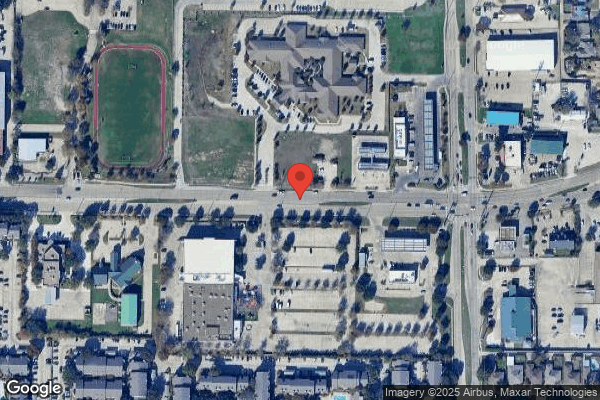
2625 BELT LINE ROAD, GARLAND, TX 75044 (972) 543-7700
For profit - Corporation 132 Beds THE ENSIGN GROUP Data: November 2025 2 Immediate Jeopardy citations
Trust Grade
34/100
#509 of 1168 in TX
Last Inspection: February 2025

Within standard 12-15 month inspection cycle. Federal law requires annual inspections.

Overview

Legend Oaks Healthcare and Rehabilitation in Garland, Texas, has received a Trust Grade of F, indicating significant concerns about the quality of care provided. Ranking #509 out of 1168 facilities in Texas places them in the top half, but their county rank of #33 out of 83 suggests that there are better local options. The facility is improving, with issues decreasing from 12 in 2024 to 3 in 2025, but they still face serious challenges. Staffing is a relative strength, with a 3/5 star rating and a turnover rate of 45%, which is below the Texas average. However, the facility has faced critical incidents, including failing to provide adequate supervision for a resident who fell in the shower and sustained a fracture, as well as not properly securing medication carts, which raises concerns about safety and compliance.

Trust Score
F
34/100
In Texas
#509/1168
Top 43%
Safety Record
High Risk
Review needed
Inspections
Getting Better
12 → 3 violations
Staff Stability
⚠ Watch
45% turnover. Above average. Higher turnover means staff may not know residents' routines.
Penalties
⚠ Watch
$15,593 in fines. Higher than 91% of Texas facilities. Major compliance failures.
Skilled Nurses
○ Average
Each resident gets 33 minutes of Registered Nurse (RN) attention daily — about average for Texas. RNs are the most trained staff who monitor for health changes.
Violations
⚠ Watch
30 deficiencies on record. Higher than average. Multiple issues found across inspections.
★★★☆☆
3.0
Overall Rating
★★★☆☆
3.0
Staff Levels
★★☆☆☆
2.0
Care Quality
★★★☆☆
3.0
Inspection Score
Stable
2024: 12 issues
2025: 3 issues

The Good

  • Full Sprinkler Coverage · Fire safety systems throughout facility
  • No fines on record

Facility shows strength in fire safety.

The Bad

3-Star Overall Rating

Near Texas average (2.8)

Meets federal standards, typical of most facilities

Staff Turnover: 45%

Near Texas avg (46%)

Higher turnover may affect care consistency

Federal Fines: $15,593

Below median ($33,413)

Minor penalties assessed

Chain: THE ENSIGN GROUP

Part of a multi-facility chain

Ask about local staffing decisions and management

The Ugly 30 deficiencies on record

2 life-threatening
Feb 2025 3 deficiencies
CONCERN (D) 📢 Someone Reported This

A family member, employee, or ombudsman was alarmed enough to file a formal complaint

Potential for Harm - no one hurt, but risky conditions existed

Deficiency F0583 (Tag F0583)

Could have caused harm · This affected 1 resident

Based on observations, interviews and record reviews, the facility failed to ensure that each resident had a right to personal privacy and confidentiality of his or her own personal medical records fo...

Read full inspector narrative →
Based on observations, interviews and record reviews, the facility failed to ensure that each resident had a right to personal privacy and confidentiality of his or her own personal medical records for 1 (Resident #94) of 2 residents investigated for privacy of medical records. The facility failed to ensure when Resident #93 discharged from the facility Resident #94's Personal Private Information was not handed to Resident #93's Resident's representative. This failure could place residents at risk of having medical information exposed to others and possible misuse of personal information. Findings included: Review of an attachment to the complaint intake revealed two pictures of a document that was discerned to be Resident #94's Face Sheet which contained Resident #94's name, birthdate, social security number and all diagnosis. In an interview on 02/14/2025 at 10:21 AM with the resident representative for Resident #93 the resident representative stated that she had been at the facility to assist with the discharge of Resident #93 when she was handed Resident #93's medical/personal records by an unknown staff member. She stated it was not until a few days later that she discovered that the facility had also included Resident #94's face sheet. In an interview on 02/20/2025 at 2:12 PM , the DON stated after reviewing the pictures of the documents in the possession of Resident #93's resident representative that the documents were the Face Sheet for Resident #94. She stated that the incident must have happened two years ago, but that all staff should always be aware of protecting resident information. She stated that they have not had any other similar incidents in the past 12 months that she had been working as the DON at the facility. She stated it was important to protect resident private/medical information or residents could be at risk of psychological or financial harm. Record Review of facility provided policy, Labeled, Protected Health Information (PHI) Management and Protection, date Revised on April 2023, stated: Policy Statement: Protected Health Information (PHI) shall not be used or disclosed except as permitted by current federal and state laws. Policy Interpretation and Implementation: 1. It is the responsibility of all personnel who have access to resident and facility information to ensure that such information is managed and protected to prevent unauthorized release or disclosure. Record Review of HIPAA Privacy Laws listed on the Texas Health and Human Services, dated 04/11/2024, online website, at: http://www.hhs.texas.gov/regulations/legal-information/hipaa-privacy-laws, date not listed. Stated: Privacy Rule: The HIPAA privacy rule establishes national standards protecting medical records and other personal health information.
CONCERN (E)

Potential for Harm - no one hurt, but risky conditions existed

Unnecessary Medications (Tag F0759)

Could have caused harm · This affected multiple residents

**NOTE- TERMS IN BRACKETS HAVE BEEN EDITED TO PROTECT CONFIDENTIALITY** Based on observation, interview, and record review, the facility failed to ensure that the medication error rate was not five pe...

Read full inspector narrative →
**NOTE- TERMS IN BRACKETS HAVE BEEN EDITED TO PROTECT CONFIDENTIALITY** Based on observation, interview, and record review, the facility failed to ensure that the medication error rate was not five percent or greater. The facility had a medication error rate of 13.33% based on four errors out of 30 opportunities, which involved three (Resident #28, Resident #74, and Resident #89) of six residents reviewed for medication errors. 1. The facility failed to ensure Resident #28's Glipizide (lowered blood sugar) and Benzonatate (treats cough) was administered as ordered during the scheduled timeframe of 7:00 a.m. to 10:00 a.m. 2. The facility failed to ensure Resident #74's Carvedilol (treats high blood pressure) was administered as ordered during the scheduled timeframe of 7:00 a.m. to 10:00a.m. 3. The facility failed to ensure Resident #89's Metformin (lowers blood sugar) was administered as ordered during the scheduled timeframe of 7:00 a.m. to 10:00a.m. These failures could place residents at risk for not receiving the intended therapeutic benefit of their medications or not receiving them as prescribed, per physician orders. Findings included: 1. Record review of Resident #28's Quarterly MDS dated [DATE] revealed Resident #28 was a [AGE] year-old female admitted to the facility on [DATE] with diagnoses of diabetes and chronic respiratory failure. The MDS also revealed the BIMS score was 15 (no cognitive impairment). Record review of Resident #28's care plan with a revision date of 11/22/2024 revealed Resident #28 had diabetes that was managed with oral medication and included interventions such as administering medications as ordered. The care plan also revealed Resident #28 had chronic respiratory failure and included interventions such as administering medications as ordered. Record review of Resident #28's physician order dated 3/11/2024 revealed Resident #28 was to receive one tablet of glipizide 5mg two times a day. The order indicated doses were scheduled between 7:00 a.m. to 10:00 a.m. and 2:00 p.m. to 6:00 p.m. Record review of Resident #28's physician order dated 2/03/2025 revealed Resident #28 was to receive one capsule of Benzonatate 200mg three times a day. The order indicated doses were scheduled between 7:00 a.m. to 10:00 a.m., 12:00 p.m. to 2:00 p.m., and 4:00 p.m. to 8:00 p.m. In an observation on 2/18/2025 at 11:27 a.m., MA A administered eight medications to Resident #28 including Glipizide and Benzonatate that was ordered to be administered between 7:00 a.m. to 10:00 a.m. The glipizide and Benzonatate on the MAR was red on the computer screen. 2. Record review of Resident #74's Annual MDS dated [DATE] revealed Resident #74 was a [AGE] year-old male admitted to the facility on [DATE] with diagnoses of hypertension (high blood pressure) and coronary artery disease (heart disease). The MDS also revealed a BIMS score of 07 (suggested severe cognitive impairment). Record review of Resident #74's care plan with a revision date of 12/23/2024 revealed Resident #74 had an altered cardiovascular status related to hypertension and the goal was to remain free from cardiac complications. Record review of Resident #74's physician order dated 1/13/2025 revealed Resident #74 was to receive one tablet of carvedilol 6.25mg two times a day. The order indicated doses were scheduled between 7:00 a.m. to 10:00 a.m. and 2:00 p.m. to 6:00 p.m. In an observation on 2/18/2025 at 11:47 a.m., MA A administered 11 medications to Resident #74 including carvedilol that was ordered to be administered between 7:00 a.m. to 10:00 a.m. The carvedilol on the MAR was red on the computer screen. 3. Record review of Resident #89's Comprehensive MDS dated [DATE] revealed Resident #89 was a [AGE] year-old male that was admitted to the facility on [DATE] with a diagnosis of diabetes. The MDS also revealed a BIMS score of 09 (suggested moderate cognitive impairment). Record review of Resident #89's care plan with a revision date of 1/27/2025 revealed Resident #89 had diabetes and included interventions such as administering medications as ordered. Record review of Resident #89's physician order dated 2/10/2025 revealed Resident #89 was to receive one tablet of Metformin 850mg two times a day. The order indicated doses were scheduled between 7:00 a.m. to 10:00 a.m. and 2:00 p.m. to 6:00 p.m. In an observation on 2/18/2025 at 12:13 p.m., MA A administered eight medications to Resident #89 including Metformin that was ordered to be administered between 7:00 a.m. to 10:00 a.m. The Metformin on the MAR was red on the computer screen. In an interview on 2/19/2025 at 12:32 p.m., MA A stated that he administered medications as scheduled on the MAR and that the medications on the MAR turned red when late. MA A stated he tried to make sure medications were administered during those times. MA A stated it was not right to give those medications too close together. In an interview on 2/20/2025 at 10:05 a.m., MA A stated he did not intentionally give medications late to Resident #28, Resident #74, and Resident #89 on 2/18/2025. MA A stated he was running behind and that did not usually happen. MA A stated he was not sure what the risks to the residents were but that he would not like it if he did not get his medications correctly. In an interview on 2/19/2025 at 12:36 p.m., ADON B stated there was a window on the MAR that indicated medications should have been given between 7:00 a.m. and 10:00 a.m. ADON B stated the medications should be given between those times or the doctor should be called to change the time. ADON B stated that it was possible that if medications were given late that it could affect the resident. Clinical Resource Nurse C was in the room and stated she was responsible for checking the MARs once a week when she was in the building. Clinical Resource Nurse C stated the risk to the residents was that they could experience health problems and the expectation was that medications were administered on time. In an interview on 2/19/2025 at 12:48 p.m., the DON stated staff that administered medications should give medications within the window scheduled. The DON stated the staff had an hour before and an hour after the scheduled times to administer the medications. The DON stated the risks to the residents were that the medications could be given too close together or lead to an adverse event. The DON reported that the nurse management team was responsible for monitoring that medications were administered correctly. In an interview on 2/20/2025 at 1:05 p.m., the MD stated that the medications that were administered late on 2/18/2025 would not cause harm but that he would like them to be administered spaced out. The MD stated his expectation was that the medications were ideally administered as ordered within the window they were scheduled. In an interview on 2/20/2025 at 12:30 p.m., the medication administration and medication error policies were requested from the DON. At the time of exit, the medication error policy was not received. Review of facility policy titled, Medication Administration, with a revision date of 07/2015, revealed It is the policy of this facility that medications shall be administered as prescribed by the attending physician.
CONCERN (E) 📢 Someone Reported This

A family member, employee, or ombudsman was alarmed enough to file a formal complaint

Potential for Harm - no one hurt, but risky conditions existed

Food Safety (Tag F0812)

Could have caused harm · This affected multiple residents

Based on observation, interview and record review, the facility failed to store food in accordance with professional standards for food safety in the facility's only kitchen. The facility failed to en...

Read full inspector narrative →
Based on observation, interview and record review, the facility failed to store food in accordance with professional standards for food safety in the facility's only kitchen. The facility failed to ensure that food items past there expiration date were discarded. This failure could place residents at risk of exposure to food borne illnesses. Findings included: In an observation and interview on 02/18/2025 at 9:41 AM two 48-ounce plastic jars of opened Spaghetti Sauce were observed on a shelf in the walk-in refrigerator in the kitchen of the facility. Both jars were found to have no dates of when they were opened or a discard date. The Dietary Manager stated all food in the walk-in refrigerator should have an open and discard date. She stated foods that are past their discard dates could become spoiled and possibly expose residents to possible food-related illness. She stated because there were no dates on the containers, she was unable to determine when they were opened or when they should be discarded. In an interview on 2/18/2025 at 10:09 AM [NAME] F revealed that it was important to make sure all leftover foods in the refrigerator have an opened and discard date. She stated that it could make residents ill if they are exposed to possibly spoiled foods. She stated that she had received training on how to properly store foods. Record review of all dietary aides and Cooks food safety certificates found that all certificates were up to date. In an interview on 2/20/2025 at 2:32 PM the DON revealed that if residents ingested spoiled foods or foods that were past their respective discard dates it could cause food-borne illnesses or discomfort to residents. Review of the facility's policy Frozen and Refrigerated Foods Storage, revised November 2017, reflected, 9. Items stored in the refrigerator must be dated upon receipts, unless they contain a manufacturer use by, sell by, best by date, or a date delivered . The Food and Drug Administration Food Code dated 2017 reflected, 3-305.11 Food Storage (B) .refrigerated, ready-to eat time/temperature control for safety food prepared and packaged by a food processing plant shall be clearly marked, at the time the original container is opened in a food establishment and if the food is held for more than 24 hours, to indicate the date or day by which the food shall be consumed on the premises, sold, or discarded, based on the temperature and time combinations specified in (A) of this section and: (1) The day the original container is opened in the food establishment shall be counted as Day 1; and (2) The day or date marked by the food establishment may not exceed a manufacturer's use-by date if the manufacturer determined the use-by date based on food safety 3-501.17 Ready-to-Eat, Time/Temperature Control for Safety Food, Date Marking . Date marking is the mechanism by which the Food Code requires active managerial control of the temperature and time combinations for cold holding. Industry must implement a system of identifying the date or day by which the food must be consumed, sold, or discarded.
Jan 2024 12 deficiencies
CONCERN (D) 📢 Someone Reported This

A family member, employee, or ombudsman was alarmed enough to file a formal complaint

Potential for Harm - no one hurt, but risky conditions existed

Deficiency F0552 (Tag F0552)

Could have caused harm · This affected 1 resident

**NOTE- TERMS IN BRACKETS HAVE BEEN EDITED TO PROTECT CONFIDENTIALITY** Based on interview and record review the facility failed to ensure residents had the right to participate in, his or her treatme...

Read full inspector narrative →
**NOTE- TERMS IN BRACKETS HAVE BEEN EDITED TO PROTECT CONFIDENTIALITY** Based on interview and record review the facility failed to ensure residents had the right to participate in, his or her treatment which included the right to be informed in advance, by the physician or other practitioner or professional, of the risks and benefits of proposed care, of treatment and treatment alternatives or treatment options and to choose the alternative or option he or she preferred, for 1 of 6 residents (Resident #28) reviewed for resident rights. The facility failed to obtain a signed informed consent based on information of the benefits, risks, and options available for Resident #28 prior to administering Lamictal (medicine to treat seizures and bipolar disorder). This failure could place residents at risk of receiving medications without their prior knowledge or consent, or that of their responsible party or being aware of the risk of the medications prescribed. Findings included: Record review of Resident #28's quarterly MDS assessment, dated 12/14/23, reflected the resident was an [AGE] year-old female who admitted to the facility on [DATE]. The resident was understood and able to understand others. The resident's diagnoses included Alzheimer's disease. Record review of the care plans for Resident #33, not dated, revealed no focus areas for the medication Lamictal. Record review of Resident #28's order summary, dated 02/01/23, reflected: Lamictal Tablet 25 MG by mouth at bedtime for bipolar disorder. Record review of Resident #28's Pharmacist Recommendations, dated 10/16/23, reflected: Please ensure informed consent has been obtained and is available in the chart for the following orders: Lamictal - requires consent due to psych diagnosis of bipolar. Record review of Resident #28's electronic medical record on 01/18/24 reflected there was not a consent for Lamictal. An interview on 01/19/24 at 9:52 AM with Resident #28 revealed she was alert and oriented to person, place, and time. She said that she did not know she was taking Lamictal and did not realize the Lamictal was being used to treat bipolar disorder. She said she did not know she had bipolar disorder. An interview on 01/19/24 at 11:28 AM with ADON A revealed she was responsible for reviewing pharmacy recommendations. She said she must have overlooked the pharmacist recommendation to obtain consent for Lamictal for Resident #28. ADON A said there was a risk to the resident's rights if she was not informed about the medication, because she might not want to take the medication. An interview on 01/19/24 at 11:47 AM with the DON for Resident #28 revealed residents were supposed to give consent to receive medications and the ADONs were responsible for ensuring consents were obtained. Record review of the facility policy for Psychoactive Medications Consent, dated July 2014, reflected: .2. The use of psychoactive medication must first be explained to the resident, family member, or legal representative. A consent is to be obtained either from the resident or responsible party if resident unable to give. A verbal consent may be obtained if no responsible person is available. The person obtaining the consent is to sign the consent once obtained.
CONCERN (D) 📢 Someone Reported This

A family member, employee, or ombudsman was alarmed enough to file a formal complaint

Potential for Harm - no one hurt, but risky conditions existed

Deficiency F0558 (Tag F0558)

Could have caused harm · This affected 1 resident

**NOTE- TERMS IN BRACKETS HAVE BEEN EDITED TO PROTECT CONFIDENTIALITY** Based on observation, interview, and record review, the facility failed to ensure the right to reside and receive services in th...

Read full inspector narrative →
**NOTE- TERMS IN BRACKETS HAVE BEEN EDITED TO PROTECT CONFIDENTIALITY** Based on observation, interview, and record review, the facility failed to ensure the right to reside and receive services in the facility with reasonable accommodation of resident needs and preferences for two (Resident #68 and Resident #236) of twelve residents reviewed for reasonable accommodation of needs. The facility failed to ensure the call light system in Residents # 68 and #236's rooms was in a position that was accessible to the residents. This failure could place the residents at risk of being unable to obtain assistance when needed and help in the event of an emergency. Findings included: Resident #68 Review of Resident #68's Face Sheet dated 01/18/2024 reflected resident was a [AGE] year-old male admitted on [DATE]. Relevant diagnoses included secondary Parkinsonism, (movement disorder that causes tremor, stiffness, or slowing of movement) and ataxic gait (unsteady and uncoordinated way of walking). Review of Resident #68's Quarterly MDS assessment dated [DATE] reflected resident was unable to complete the interview to determine the BIMS score. Resident #68 required supervision for bed mobility, walk in room, walk in corridor, dressing, toilet use, and personal hygiene. Review of Resident #68's Comprehensive Care Plan dated 01/03/2024 reflected resident was at risk for falls related to weakness, deconditioning, activity intolerance, unsteady gait/balance. One of the interventions was to be sure the call light was within reach and encourage the resident to use it for assistance. Observation on 01/17/2024 at 10:50 AM revealed Resident #68 was on his bed sleeping. Resident's call light was noted on the floor, behind the headboard, and with a box on top of the call light. Observation on 01/17/2024 at 10:54 AM revealed CNA S entered Resident #68's room and checked on Resident #68's roommate. CNA S went out of the room after checking on Resident #68's roommate. Observation and interview with CNA S on 01/17/2024 at 10:58 AM, CNA S said she did not notice Resident #68's call light was on the floor. CNA S said she thought the call light was with the resident. CNA S added she should had checked if the call light was within reach of the resident. CNA S pulled the call light from under the box the floor, cleaned it, and placed it near the resident. CNA S said the call light was important for the resident because it was how the resident could tell the staff that they needed help. CNA S added if the resident did not have their call lights, they might fall and be injured trying to stand up to get what they needed. CNA S said she would also check if the call lights of the other residents were within reach. Resident #236 Review of Resident #236's Face Sheet dated 01/18/2024 reflected resident was an [AGE] year-old female admitted on [DATE]. Relevant diagnoses included osteoarthritis (a type of arthritis that happens when the cartilage that lines your joints is worn down and your bones rub against each other) of the right knee and idiopathic neuropathy (nerve pain). Review of Resident #236's Quarterly MDS assessment dated [DATE] reflected resident was unable to complete the interview to determine the BIMS score. Resident #236 was dependent on staff for personal hygiene, dressing, toileting, and transfer. Review of Resident #236's Comprehensive Care Plan dated 12/25/2023 reflected resident was at risk for falls related to muscle weakness and unsteady gait. One of the interventions was to be sure the call light was within reach and encourage the resident to use it to call for assistance. Review of Resident's #236's Fall Risk assessment dated [DATE] reflected resident had medium risk for fall. Observation and interview with Resident #236 on 01/17/2024 starting at 11:10 AM revealed Resident #236 was on her bed awake. The resident's call light was noted hanging on the headboard of the bed with the call light button and most of the call light cord at the back of the headboard. Resident #236 stated she did not know where her call light was. Observation and interview with ADON R on 01/17/2024 starting at 11:26 AM. ADON R said the call light should not be hanging on the headboard of the bed. ADON R said the call light was far from the resident and she could not reach it if she needed to call for assistance. ADON R pulled the call light and placed it where the resident could reach it. ADON R said it was important that the call lights were with the residents because it was their means of communication for their needs. ADON R said the resident might fall trying to get what they needed or even by just trying to get the call light to make somebody aware they needed something. ADON R added the expectation was the staff would make sure the call lights were with the residents when they leave the room. ADON R concluded she would in-service the staff about the importance of the call light for the residents and the call lights should always be within the reach of the residents. Interview with the DON on 01/19/2024 at 7:25 AM, the DON stated the call lights must be always within the reach of the residents. The DON said the residents used the call lights if they needed help or to alert the staff they were not feeling well. The DON added a lot of things could happen if the call lights were not with the residents. He continued the residents might try to get up on their own and fall on the process. The DON said the expectation was for the staff to make sure the call lights were within the reach of the residents. The DON said all the staff were responsible in placing the call lights within reach. The DON said he would make an audit of the call lights to make sure they were working and within the reach of the residents. Record review of facility's policy Accommodation of Needs Policy/Procedure rev. 08/2023 revealed Policy: it is the policy of this facility to assure that a resident . with reasonable accommodation of individual needs and preferences . Procedures . 6. Have the call light within reach. Record review of facility's policy Call Light/Bell Policy/Procedure - Nursing Clinical rev. 05/2007 revealed Policy: It is the policy of this facility to provide the resident a means of communication with nursing staff . Procedures . 5. Leave the resident comfortable. Place the call device within reach before leaving the room.
CONCERN (D) 📢 Someone Reported This

A family member, employee, or ombudsman was alarmed enough to file a formal complaint

Potential for Harm - no one hurt, but risky conditions existed

Grievances (Tag F0585)

Could have caused harm · This affected 1 resident

**NOTE- TERMS IN BRACKETS HAVE BEEN EDITED TO PROTECT CONFIDENTIALITY** Based on interview and record review, the facility failed to make information on how to file a grievance or complaint available ...

Read full inspector narrative →
**NOTE- TERMS IN BRACKETS HAVE BEEN EDITED TO PROTECT CONFIDENTIALITY** Based on interview and record review, the facility failed to make information on how to file a grievance or complaint available to the residents, including notifying residents individually or through postings in prominent locations throughout the facility of the right to file grievances orally (meaning spoken) or in writing for 1 of (Resident #71) of 3 residents reviewed for grievances. 1. The facility failed to ensure Resident #71 knew how to file a grievance. The facility's failure could place the residents at risk for concerns not being reported and addressed. Findings included: Review of Resident #71's MDS assessment, dated 01/05/24, reflected she was a [AGE] year-old female who admitted to the facility on [DATE]. Her cognitive status was intact. Her diagnoses included stroke and diabetes. An interview on 01/18/24 at 10:55 AM with Resident #71 revealed she said staff had called her a liar. The resident said she did not file a grievance about the issue because she did not know how. Resident #71 said she wanted to file a grievance. An interview on 01/19/24 at 10:32 AM with the SW revealed she was responsible for making sure residents knew how to file a grievance. She said Resident #71 did not report any grievances to her. The SW said she completed quarterly assessments with the residents to make sure they knew how to file a grievance and she did not know why Resident #71 did not know how to file a grievance. She said it was important for residents to know how to file a grievance so that resident concerns could be addressed. An interview on 01/19/24 at 10:43 AM with the Operations Manger revealed he met with Resident #71 regarding her grievance. He said it was the SW's responsibility to ensure residents knew how to file a grievance. Review of the facility's policy and procedure, Grievances, not dated, reflected: .2. Residents and/or families are informed of and given a copy of the grievance policy during the admission process. General concerns may be voiced at Resident and/or Family Council meetings .
CONCERN (D) 📢 Someone Reported This

A family member, employee, or ombudsman was alarmed enough to file a formal complaint

Potential for Harm - no one hurt, but risky conditions existed

Comprehensive Care Plan (Tag F0656)

Could have caused harm · This affected 1 resident

**NOTE- TERMS IN BRACKETS HAVE BEEN EDITED TO PROTECT CONFIDENTIALITY** Based on observation, interview and record review, the facility failed to develop and implement a comprehensive person-centered ...

Read full inspector narrative →
**NOTE- TERMS IN BRACKETS HAVE BEEN EDITED TO PROTECT CONFIDENTIALITY** Based on observation, interview and record review, the facility failed to develop and implement a comprehensive person-centered care plan for each resident, consistent with the resident rights that included measurable objectives and timeframes to meet a resident's medical, nursing, and mental and psychosocial needs for one (Resident #44) of three residents reviewed for care plans. The facility failed to ensure a fall mat was in place per the care plan for Resident #44. This failure could place residents at risk for not receiving care consistent with their care plan. Findings included: Review of Resident #44's MDS quarterly assessment dated [DATE], reflected she was an [AGE] year-old female admitted to the facility on [DATE]. Her cognitive status was severely impaired. Her diagnoses included stroke and non-Alzheimer's disease. There were no falls documented. Review of Resident #44's Care Plan dated 05/16/23, reflected the resident had falls related to poor balance, unsteady gait, and poor safety awareness. Interventions included low bed with fall mat. An observation and interview on 01/17/24 at 11:05 AM revealed Resident #44 was lying in bed. The bed was low, but there was no fall mat. The resident was pleasantly confused and would repeat questions instead of answering them. An interview on 01/19/24 at 10:05 AM with ADON R revealed Resident #44 was supposed to have a fall mat in her room. ADON R said the resident moved rooms and the fall mat was left behind in the other room. ADON R said the fall mat was needed to prevent injuries. An interview on 01/19/24 at 11:40 AM with the DON revealed Resident #44 had frequent falls. The DON said the resident was confused and would reach for something or stand to get out of her wheelchair and fall. The DON said the resident was supposed to have a fall mat on the floor by the bed. The DON said according to the care plan the resident was supposed to have a fall mat. She said Hospice provided a mat, but it was dirty, and the facility was going to order a new one. She said without a fall mat there was a risk that Resident #44 could have a fall with increase for severity of injury. Review of the facility's policy Care Plan Policy not dated, reflected: Purpose: To ensure resident service needs are met .
CONCERN (D) 📢 Someone Reported This

A family member, employee, or ombudsman was alarmed enough to file a formal complaint

Potential for Harm - no one hurt, but risky conditions existed

Tube Feeding (Tag F0693)

Could have caused harm · This affected 1 resident

**NOTE- TERMS IN BRACKETS HAVE BEEN EDITED TO PROTECT CONFIDENTIALITY** Based on observation, interview, and record review the facility failed to ensure residents who are fed by enteral means received...

Read full inspector narrative →
**NOTE- TERMS IN BRACKETS HAVE BEEN EDITED TO PROTECT CONFIDENTIALITY** Based on observation, interview, and record review the facility failed to ensure residents who are fed by enteral means received the appropriate treatment and services to prevent complications of enteral feeding for one (Resident #76) of one resident reviewed for gastrostomy tube management. The facility failed to ensure Resident #76 had an order for the enteral feeding (intake of food directly into the stomach) downtime. This failure could place residents at risk for underfeeding or overfeeding. Findings included: Review of Resident #76's Face Sheet dated 01/19/2024 reflected resident was a [AGE] year-old male admitted on [DATE]. Relevant diagnoses included gastrostomy (medical procedure where a tube is inserted through the abdominal wall and into the stomach) status and dysphagia (swallowing difficulties). Review of Resident #76's Quarterly MDS assessment dated [DATE] reflected resident had moderate impairment in cognition with a BIMS score of 09. The Quarterly MDS Assessment also indicated Resident #76 had a feeding tube while a resident of the facility. Review of Resident 76's Comprehensive Care Plan dated 01/18/2024 reflected resident had required tube feeding related to dysphagia following CVA (cerebrovascular accident or stroke) and one of the goals was the resident would maintain adequate nutrition and hydration status. Review of Resident #76's Physician Order dated 01/05/2024 reflected every shift Jevity 1.5 @ 75 ml/hr X 16 hrs, fluid flush 68 ml/hr X 16 hours. Observation and interview with LVN N on 01/18/2024 at 11:43, LVN N stated Resident #76 was not inside his room because he was in therapy. LVN N confirmed Resident #76 had a feeding tube and the order was to have it for 16 hours continuously. LVN N stated the downtime for Resident #76's tube feeding was 9am to 9pm. LVN N said she would check the order for the downtime. LVN N logged in to her computer and search for Resident #76's physician order. LVN N said there was no order for a downtime for Resident #76. LVN N added the order specified to administer the feeding formula for 16 hours but there was no mention about the downtime. LVN M said the risk for no order for downtime could be confusion because the nurses would not know when to stop the feeding and when to continue the feeding. She said another risk would be underfeeding, overfeeding, aspiration, and fluid overload. LVN N said she would clarify with MD what was the order for the downtime. Interview with LVN M on 01/18/2024 at 12:16 PM, LVN M stated she already spoke with NP about the enteral feeding downtime for Resident #76. LVN M said she received an order to add downtime of 9:00 AM to 5:00 PM. Review of Resident #76's new Physician Order dated 01/18/2024 reflected every shift Jevity 1.5 @ 75 ml/hr X 16 hrs, fluid flush 68 ml/hr X 16 hours. (Down Time: 9AM - 5PM). Review of Resident #76's Progress Notes dated 12/19/2023 revealed RSDT (resident) family member . wants to know if RSDT's downtime could be around 0900 - 1000 related to . resident' s PT/OT session . Interview with DON on 01/19/2023 at 7:24 AM, The DON said the family requested not to have a downtime. The DON said there should be an order for the downtime so there would be consistency on when to stop the feeding and when to continue the feeding. He said without a clear order for the downtime, there could be confusion for the staff providing care for Resident #76. The DON said without the downtime, the resident could experience underfeeding, undernourishment, and overfeeding. The DON said he was responsible in monitoring if the resident with G-tube had a clear order for enteral feeding downtime. The DON said the expectation was the order should specifically say what time was the downtime. The DON said he would continually remind the staff to follow the order and procedure of tube feeding. Record review of facility's policy Gastrostomy Tube, Policy/Procedure - Nursing Clinical rev. 05/2007 revealed Policy: It is the policy of this facility to provide proper care . gastrostomy tubes. Record review of facility's policy Physician Orders, Policy/Procedure - Nursing Clinical rev. 01/2018 revealed Policy: It is the policy of this facility to accurately transcribe and implement orders . Procedure . 6. Medication, treatment, or related orders are transcribed . accurately and verified via the double check system process.
CONCERN (D) 📢 Someone Reported This

A family member, employee, or ombudsman was alarmed enough to file a formal complaint

Potential for Harm - no one hurt, but risky conditions existed

Infection Control (Tag F0880)

Could have caused harm · This affected 1 resident

**NOTE- TERMS IN BRACKETS HAVE BEEN EDITED TO PROTECT CONFIDENTIALITY** Based on observation, interview, and record review the facility failed to establish and maintain an infection prevention and con...

Read full inspector narrative →
**NOTE- TERMS IN BRACKETS HAVE BEEN EDITED TO PROTECT CONFIDENTIALITY** Based on observation, interview, and record review the facility failed to establish and maintain an infection prevention and control program designed to provide a safe, sanitary, and comfortable environment and to help prevent the development and transmission of communicable diseases and infections for 2 (Resident #43 and Resident #18) of 8 residents reviewed for infection. 1. The facility failed to ensure ADON R washed or sanitized her hands before putting on the resting hand splint to Resident 43's right hand. 2. The facility failed to ensure CNA C performed hand hygiene during incontinence care for Resident #18. Findings included: 1. Review of Resident #43's Face Sheet dated 01/19/2024 reflected resident was a [AGE] year-old male admitted on [DATE]. Relevant diagnoses included cerebral infarction due to embolism of left middle cerebral artery and hemiplegia and hemiparesis following cerebral infarction. Review of Resident #43's Quarterly MDS assessment dated [DATE] reflected resident was cognitively intact with a BIMS score of 04. The Quarterly MDS Assessment also indicated resident had an impairment on one side of the upper extremity. Review of Resident 43's Comprehensive Care Plan dated 12/03/2023 reflected resident had no care plan for right resting hand splint. Review of Resident #43's Physician Order reflected Patient to don R resting hand splint with frequency from 2x to 5x a week with duration to pt's tolerance in order to manage contracture. Pt//therapy/nursing staff to remove splint as needed at any signs of redness/swelling/irritation. Observation and interview on 01/18/2024 at 10:46 AM revealed Resident #43 on his bed awake. A resting hand split was noted sitting on top of the right bedside table. When asked if he was supposed to wear the splints, Resident #43 nodded his head. Observation and interview with ADON R on 01/18/2024 starting at 10:52 AM, ADON R stated resident #43 did use a splint. ADON R said she would put the splint on if the resident would agree. ADON R asked the resident if he wanted the splint on. The resident nodded his head and made a thumb up. ADON R took the resting hand splint from the side table and started putting it on the resident. ADON R did not wash her hands before applying the splint. ADON R said she should have washed her hands before applying the splint. ADON R added it is important for the staff to wash their before providing care to prevent potential transfer of infection. ADON R said being busy was not an excuse not to wash the hands. ADON R said she should have stopped and think first of what should have been done. Interview with the DON on 01/19/2024 at 7:26 AM. The DON stated handwashing was the best practice in the reduction of the transmission of infection. The DON said the staff must wash their hands before and after every care done. The DON said if the hands would not wash their hands, infection could spread from staff-to-staff, staff-to-resident, resident-to-resident, and resident-to-visitors. The DON said the expectation was for the staff to wash their hands before and after every care. The DON said he would start reminding the staff to always wash their hands before and after providing care or before and after doing a treatment for the residents. 2. Record review of Resident #18's Face Sheet reflected she was a [AGE] year-old female admitted to the facility on [DATE]. Her diagnoses included dementia and chronic kidney disease. An observation on 01/17/24 at 10:59 AM of CNA C reflected she was preparing to perform incontinence care for Resident #18. The resident was incontinent of a large amount of loose stool. CNA C washed her hands and put on gloves. She folded down the front of the brief and cleansed the peri-area. The resident was turned to her right side and CNA C cleansed the resident's buttocks and removed the soiled brief. CNA C did not perform hand hygiene or change her gloves. CNA C reached into her shirt pocket and removed a package of cream. CNA C used the same soiled gloves to apply cream to the resident's buttocks and grabbed a clean brief. CNA C was stopped by the Surveyor and asked if she was going to perform hand hygiene and change her gloves. CNA C said she would after she finished providing care. The Surveyor asked CNA C if she had stool on her gloves. CNA C stopped, removed her gloves, and put on new gloves, but did not perform hand hygiene. CNA C changed the resident's clothes. An interview with CNA C on 01/17/24 at 11:10 AM revealed she was supposed to perform hand hygiene after changing her gloves, but instead she just changed her gloves. CNA C said she had been trained to perform hand hygiene and change her gloves and it was important to prevent the spread of infection. An interview on 01/17/24 at 1:35 PM with the DON for Resident #18 revealed staff were supposed to perform hand hygiene and change their gloves during incontinence care when going from clean to dirty. The DON said hand hygiene was important to prevent the spread of infection. Record review of facility's policy Hand Hygiene, Infection Prevention and Control Program revealed Policy: This facility considers hand hygiene the primary means to prevent the spread of infections . 4. Use .b, Before and after direct contact with residents.
CONCERN (E) 📢 Someone Reported This

A family member, employee, or ombudsman was alarmed enough to file a formal complaint

Potential for Harm - no one hurt, but risky conditions existed

Safe Environment (Tag F0584)

Could have caused harm · This affected multiple residents

Based on observations, interviews, and record review the facility failed to provide a safe, clean, comfortable, and homelike environment including but not limited to receiving treatment and supports f...

Read full inspector narrative →
Based on observations, interviews, and record review the facility failed to provide a safe, clean, comfortable, and homelike environment including but not limited to receiving treatment and supports for daily living safely for areas in the facility for 11 (Resident #1, 14, 15, 23, 36, 48, 51, 52, 56, 70, and 80's) of 27 resident rooms observed for housekeeping and maintenance services necessary to maintain a sanitary, orderly, and comfortable interior. The facility failed to ensure that Resident #1, 14, 15, 23, 36, 48, 51, 52, 56, 70, and 80's rooms were cleaned, sanitized, and maintained. This deficient practice could place residents at risk of infections and living in an uncomfortable environment leading to a decreased quality of life. Findings included: Observation of Resident #1 and #56's room on 01/17/24 at 10:55 AM revealed the air-condition unit had black dirt stains on the top of the unit and in between the vents. The filter in the unit had a thick dust built-up. The inside main door had white and brown splash stains going down the door. In an interview on 01/17/24 at 10:57 AM with Resident #56, she stated her room had not been cleaned in at least a couple of days, and she stated that housekeeping never cleaned the air-condition unit and she had never observed them cleaning the air filters. She stated she had sinus and allergy problems and the lack of cleanliness of the unit did not help. Observation of Resident #48 and 52's room on 01/17/24 at 11:14 AM revealed the air-condition unit had black dirt stains on the top of the unit and in between the vents. The filter in the unit had a thick dust built-up. Observation of Resident #14 and 23's room on 01/17/24 at 11:19 AM revealed the minifridge in the room had a dark black stain on the outside of the lower bottom door. The inside of the freezer had a brownish stain on the lower shelf of the unit. Observation of Resident #15 and 80's room on 01/17/24 at 11:30 AM revealed the air-condition unit had dark dirt stains on the top of the unit and in between the vents. Resident #15's linen was heavily soiled with reddish stains near the headed the bed and in the middle and lower portion of the bed, the linen was dingy and had dark stains all over the linen. In an interview on 01/17/24 at 11:31 AM with Resident #15, he stated that the facility did not do a good job changing out his linen and they do not do a good job cleaning his sleep apnea machine. He stated his mother had complained to the DON about this before. Observation of Resident #70's room on 01/17/24 at 11:35 AM revealed the air-conditioned unit had dirt particles between the vents and both air filters were missing from unit. Observation of Resident #36 and 51's room on 01/17/24 at 11:59 AM revealed the air-condition unit had dark dirt stains on the top of the unit and in between the vents. Resident #51's living area had over 50 opened sugar packets all over the floor. The wall near Resident #36's bed had a long thin brownish stain. In an interview on 01/19/24 at 02:00 PM with Housekeeping A, she stated had been at the facility for 4 months and she stated she was the housekeeper for Resident #1, 14, 15, 23, 36, 48, 51, 52, 56, 70, and 80's room. She stated they were trained to clean the room from top to bottom to include the walls, floors, refrigerators, bathrooms, the air-conditioned units, and change the linen. She stated the area identified in the observations may had been overlooked. She stated Resident # had an issue with hoarding things like sugar packets and they had a challenging time getting cleaning his area because he always got aggressive and fought with them. She stated anytime she tried to clean his area, she would have to get the nursing staff involved to distract him. She stated not cleaning the areas mentioned could result in an infection. In an interview on 01/19/24 at 02:17 PM with the Housekeeping Supervisor, he stated he had been at the facility almost 7 years. He stated he trained the new housekeeping staff by having them shadow a more experienced worker for three days, and then he placed them on a schedule for specific areas. He stated staff was supposed to clean the air condition filters, which he also serviced every three months. He stated housekeeping was responsible for general cleaning of the air condition unit. He stated housekeeping was supposed to clean the mini fridge in the room and they also threw away any food more than three days old. He stated he was familiar with Resident #51 room and he stated they had to get other nursing staff involved when cleaning his room. He stated he walked around and checked the rooms, especially when he does his Angel rounds, which was supposed to be done daily. He stated Angel rounds consisted of members of the Inter-disciplinary team being assigned rooms to observe daily. He stated they had to check for things like the resident's care and the condition of their environment. He stated if resident rooms are not thoroughly clean, it was an infection control concern. Review of the facility's policy on Environmental Services - Housekeeping (2022) revealed Housekeeping and Maintenance services include the cleaning, sanitization, and care for rooms and common areas of the facility to ensure that the facility is safe for all who reside, work, and visit.
CONCERN (E)

Potential for Harm - no one hurt, but risky conditions existed

Deficiency F0604 (Tag F0604)

Could have caused harm · This affected multiple residents

**NOTE- TERMS IN BRACKETS HAVE BEEN EDITED TO PROTECT CONFIDENTIALITY** Based on observations and interviews, the facility failed to ensure the resident was free from any physical or chemical restrain...

Read full inspector narrative →
**NOTE- TERMS IN BRACKETS HAVE BEEN EDITED TO PROTECT CONFIDENTIALITY** Based on observations and interviews, the facility failed to ensure the resident was free from any physical or chemical restraints imposed for purposes of discipline or convenience, and not required to treat the resident's medical symptoms for 3 of 6 (Resident #14, #49, and #63) residents reviewed for restraints. The facility failed to ensure Residents #14 and Resident #63 had physician orders or a physician assessment for a scoop mattress. The facility failed to ensure Resident #49 had physician orders or a physician assessment for a large positioning wedge to be added to her bed. These failures could unnecessarily inhibit the residents' freedom of movement or activity. Findings included: Resident #14 Record review of Resident #14's face sheet dated 01/18/24 revealed a [AGE] year-old male who was admitted to the facility on [DATE]. Relevant diagnosis included Quadriplegia (paralysis of lower extremities) Record review of Resident #14's Quarterly MDS assessment dated [DATE] revealed the resident had a BIM score of 15 (cognitively intact). The resident was totally dependent upon the facility to assist with ADL care. Record review of Resident #14's Comprehensive Care Plan dated 01/13/24 revealed the resident was care planned for having a history of falls, with an unwitnessed fall occurring as recently as 01/07/24. One of the interventions included 1/7/24 Scoop mattress in a place to assist resident in defining the edges. Record review of Resident #14's Physician orders dated 01/18/24 revealed the resident had no active orders for a scoop mattress. Record review of Resident #14's medical record from 02/21/23 to 01/18/24 revealed there was not a physician assessment for a scoop mattress. In an observation on 01/17/24 at 11:21 AM of Resident #14 was observed to have a scoop mattress, which had raised edges. In an interview and observation on 01/18/24 at 09:05 AM with LVN S, she stated that Resident #14 did have a scoop mattress she was unsure of when the resident was supplied the scoop mattress. She stated the resident did have a history of falls, but she was unsure of when the resident has his last fall. She stated she did not know if a physician assessment was completed, and she stated that she did not think physician orders were needed for a scoop mattress. She stated the risk of not completing an assessment to determine if the scoop mattress would pose a risk to the resident, could result in the resident harming himself. Resident #63 Record review of Resident #63's face sheet dated 01/18/24 revealed a [AGE] year-old female who was admitted to the facility on [DATE]. Relevant diagnosis included Alzheimer (mental function decline) Record review of Resident #63's Quarterly MDS assessment dated [DATE] revealed the resident had a BIM score of 99 (severe cognitive impairment). The resident was totally dependent upon the facility to provide ADL care. Record review of Resident #63's Comprehensive Care Plan dated 01/15/24 revealed the resident was care planned for having a history of falls, and one of the interventions included Bed in lowest position. dtr wants a scoop mattress if avail. Record review of Resident #63's Physician orders from 07/01/22 to 01/18/24 revealed there was not a physician assessment for a scoop mattress. In an observation on 01/17/24 at 11:29 AM Resident #63 was observed to have a scoop mattress, which had raised edges. Resident #49 Record review of Resident #49's face sheet dated 01/18/24 revealed an [AGE] year-old female who was admitted to the facility on [DATE]. Relevant diagnosis included repeated falls, and abnormal posture. Record review of Resident #49's Quarterly MDS assessment dated [DATE] revealed the resident had a BIM score of 00 (severe cognitive impairment). The resident was totally dependent upon the facility to provide ADL care. Record review of Resident #49's Comprehensive Care Plan dated 12/15/23 revealed the resident was care planned for having a risk of pressure ulcers, and one of the interventions included assistance with turning and repositioning the resident to avoid pressure ulcers. Record review of Resident #49's Physician orders from 09/02/20 to 01/18/24 revealed there was not a physician assessment for a scoop mattress. In an observation on 01/17/24 at 11:32 AM Resident #49 was observed to have a positioning wedge on the left side of her body while she was laying on the bed. In an interview and observation on 01/18/24 at 09:05 AM with LVN T, she stated that Resident #63 did have a scoop mattress and she thought that Hospice may had provided the mattress. She stated she was aware that the resident had falls but she was not sure how recently the last fall occurred, and she did not know when the resident first received the mattress. She stated she was unsure if there were physician orders, or an assessment completed prior to the mattress being installed. She stated she thought the resident's family member may had requested the scoop mattress after the resident's last fall. She stated the risk of the resident not having an assessment or physician order could result in the resident injuring herself. In an interview on 01/19/24 at 09:26 AM with ADON R, she stated she was the ADON for the long-term care unit and she was somewhat familiar with Resident #63, but she was unsure if she had a scoop mattress or not. She was advised that the resident was observed laying on a scoop mattress. She stated she was unsure if the resident had orders for the scoop mattress. She went and retrieved her laptop to check, and she stated she could not find any orders for the scoop mattress, but she did see in the resident's care plan where the family had requested a scoop mattress, so they did so at the family's request. She stated she did not think that orders were needed for the scoop mattress, so she did not understand the risk to the resident. She stated there was no assessment completed prior to the scoop mattress being provided to the resident. She stated she was new to the facility and was still learning the facility's process. In an interview on 01/19/24 at 09:59 AM with ADON H, she stated she was the ADON for Resident #14 and Resident #49. She stated both residents did require the equipment and it was care planned. She stated the residents did not have physician orders for the equipment and thought that if it was care planned, it was okay. She stated she thought assessments were done but was not sure. She stated the risk of an assessment not being done could result in the resident getting injured because the proper assessment was not completed. In an interview on 01/19/24 at 11:50 AM with the DON, he stated he did not think physician orders were needed for scoop mattresses or a positioning wedge. He stated he was made aware of the concerns regarding Resident #14 and#63 having scoop mattresses and Resident #49 having a positioning wedge. He stated they discuss adding these types of equipment usage during their Interdisciplinary Team meetings. He stated any assessments should be in the facility's system of records, but he was unsure if any of these residents had one on file. He stated the risk of the residents not having a proper assessment could result in the resident injuring themselves. Record review of facility policy on Restraint/Seclusion, revised March 30. 2022, revealed Chemical/Physical restraints shall only be used upon the written order of a physician and after obtaining consent from the resident and/or representative, WITH THE EXCEPTION OF TEMPORARY BEHAVIORAL EMERGENCY.
CONCERN (E) 📢 Someone Reported This

A family member, employee, or ombudsman was alarmed enough to file a formal complaint

Potential for Harm - no one hurt, but risky conditions existed

ADL Care (Tag F0677)

Could have caused harm · This affected multiple residents

**NOTE- TERMS IN BRACKETS HAVE BEEN EDITED TO PROTECT CONFIDENTIALITY** Based on interviews, and record review the facility failed to ensure that residents who were unable to carry out activities of d...

Read full inspector narrative →
**NOTE- TERMS IN BRACKETS HAVE BEEN EDITED TO PROTECT CONFIDENTIALITY** Based on interviews, and record review the facility failed to ensure that residents who were unable to carry out activities of daily living received the necessary services to maintain good nutrition, grooming, and personal and oral hygiene for 2 of 3 residents (Residents #1, and #36) reviewed for ADLs care provided to dependent residents. The facility failed to ensure Resident #1, and #36 received showers consistently based on records reviewed for January 2024 and December 2023. This failure could place residents at risk of not receiving necessary services to maintain good personal hygiene, skin integrity, or decreased self- esteem. Findings Included: Resident #1 Record review of Resident #1's face sheet dated 01/18/24 revealed a [AGE] year-old female who was admitted to the facility on [DATE]. Relevant diagnosis included amputation below left and right knee. Record review of Resident #1's Quarterly MDS assessment dated [DATE] revealed the resident had a BIM score of 14 (cognitively intact). The resident was totally dependent upon the facility to assist with ADL care. Record review of Resident #1's Comprehensive Care Plan dated 01/15/24 revealed the resident was care planned for having ADL self-care performance deficit and the goal for the resident was to maintain current levels function in bed mobility, transfers, eating, dressing, grooming, toilet use and personal hygiene. Records review of Resident #1's Bath/Shower Sheets from 01/01/24 to 01/18/24, revealed the resident was scheduled to receive showers on Tuesdays, Thursdays, and Saturdays. The facility was only able to provide shower sheets for the following dates: 01/06/24: Bed bath 01/10/24: Bed bath 01/14/24: Bed bath In an interview on 01/17/24 at 10:55 AM with Resident #1, she stated she did not receive proper care at the facility and had not had a shower in nearly two weeks and they mainly only gave her bed baths. She stated she had not complained about this because she was scared of retaliation. In an interview on 01/19/24 at 01:11 PM with CNA C, she stated she had been at the facility for four years. She stated she was just filling in for the CNA that normally works the hall. She stated she asked the resident if she wanted showers the two days she worked, and Resident #1 had refused. She stated the first time she did not feel like it and yesterday she had refused and she think she told a nurse. She stated she documented in the PCC that the resident had refused a shower. She stated she thought she was to fill out shower sheet when showers are not given, but she was unsure. She stated that if the resident refused a shower, she notified the nurse. She stated she thought the nurse would go and speak with the resident to try to talk her into getting a shower. She stated she had told the nurse the nurse on Tuesday, 01/17/24, that the resident had refused her shower, but she was unsure if the nurse did anything. She stated if the resident was not getting her showers it could lead to infection and discomfort. In an interview on 01/19/24 at 01:18 PM with LVN D, he stated he had been at the facility for nearly three weeks. He stated he was familiar with Resident #1 and usually worked her hall on Fridays. He stated he was not aware the resident was not receiving her showers, but he saw on her care plan to ensure that she received her showers. He stated there should not be any reason that she did not receive her showers. He stated he did not know her showers days and would have to look it up. He stated the CNAs are required to complete a shower sheet and then turn it into the nurses. He stated if the resident refuses the nurse attempts to persuade the resident and include family to intervene. He stated if residents did not receive her scheduled showers, she could have a skin breakdown. In an interview on 01/19/24 at 02:09 PM with ADON R, she stated she was charge of the hall where Resident #1 resided. She stated the resident was scheduled to receive her showers on Tuesday, Thursdays, and Saturdays. She stated the resident did receive showers and often refuse showers. She stated the CNAs are supposed to complete shower sheets for all residents, whether they received a shower or refused one. She stated if a resident refused a shower, the CNA must notify their hall nurse and the nurse would then try to persuade the resident to take a shower and if the resident still refused, the nurse would notify family member and the resident's physician. She stated she is unsure why the resident had not been receiving her three showers a week. She stated the risk of the resident not getting her scheduled showers could result in skin breakdown. Resident #36 Record review of Resident #36's face sheet dated 01/18/24 revealed an [AGE] year-old male who was admitted to the facility on [DATE]. Relevant diagnosis included acute chronic respiratory failure with hypoxia (heart and lung failure). Record review of Resident #36's Quarterly MDS assessment dated [DATE] revealed the resident had a BIM score of 00 (severe cognitive impairment). The resident was totally dependent upon the facility to assist with ADL care. Record review of Resident #36's Comprehensive Care Plan dated 12/20/23 revealed the resident was care planned for ADL care and was totally dependent upon the facility to assist with needs, including showers. Record review of Resident #36's Physician Orders dated 01/18/24 revealed the resident had physician orders for Hospice care effective 12/18/23. Records review of Resident #36's Bath/Shower Sheets from 01/01/24 to 01/18/24, revealed the resident was scheduled to receive showers on Tuesdays, Thursdays, and Saturdays. The facility was only able to provide shower sheets for the following dates: 01/02/24: Bed bath 01/03/24: Bed bath 01/08/24: Bed bath 01/10/24: Bed bath 01/12/24: Bed bath In an interview on 01/17/24 at 01:20 AM with Resident #36's family members stated they had been trying to get the resident a shower for the past two weeks and had been advised by Hospice that they had to special order a shower chair. They advised they would like for the resident to receive showers and not just bed baths. In an interview and observation on 01/18/24 at 09:05 AM with LVN S, she stated that Resident #36 received hospice services and the showers for the resident were completed by the Hospice Aide. She stated she was unsure why the resident was not receiving his showers when scheduled. She stated if the resident did not receive their scheduled showers, they could have skin breakdown. In an interview with Hospice Executive Director, she stated she was not familiar with Resident #36, but she has spoken with the RN and the aide that provided care to the resident. She stated the aide stated that the correct form was not being completed for the resident every time the aide was visiting the resident, but they had a meeting with the DON on 01/18/24 and was advised that there were no signed forms in the resident's binder. She stated she thought there was a breakdown in communication because the Resident's family members are not on the same page. She was advised that both family members were interviewed, and they had expressed concerns about the resident not receiving any showers and was told that they were waiting for a special chair. She stated she was not aware of any special chair being ordered. She stated she will follow up with the family and the facility. In an interview on 01/19/24 at 11:10 AM with ADON H, she stated that Resident #36 did receive Hospice care and he should have been receiving three showers a week, which was being provided by the Hospice Aide. She was advised that the family and hospice reported that no showers had been given to the resident since he had been at the facility. She stated she was unaware of this and would address the issue. She stated they had shower chairs at the facility, so she is unsure why the family was being told that a specific chair was being required because they had them. She stated the facility was overall responsible for ensuring Hospice care was being provided to the resident. She stated the risk of the resident not getting his showers could result in him developing wound and skin integrity. In an interview on 01/19/24 at 11:50 AM with the DON, he stated Resident #36 received hospice care, but everyone should be involved in the care of the resident. He stated he met with the family weekly and with different family members. He stated he had advised the family member that the resident was a risk for falling out of the shower chair because he moved a lot, so they thought for the time being, a bed bath was the safest way. He stated they also had a shower bed, but the family member did not want to do that. He stated the risk of the resident not getting his shower when scheduled could result in skin breakdown. Record Review of facility policy on Showers, dated 05/2007, revealed It is the policy of the facility to promote cleanliness, stimulate circulation and assist in relaxation. . Tasks commonly completed during the bathing process: o Inspect skin, especially those that are showing redness or signs of breakdown o Observe Range of Motion during the bathing process o If discomfort is present, ask the resident to describe and rate the discomfort o Record the procedure in the record
CONCERN (E)

Potential for Harm - no one hurt, but risky conditions existed

Respiratory Care (Tag F0695)

Could have caused harm · This affected multiple residents

**NOTE- TERMS IN BRACKETS HAVE BEEN EDITED TO PROTECT CONFIDENTIALITY** Based on observation, interviews, and record reviews, the facility failed to ensure that a resident who needed respiratory care ...

Read full inspector narrative →
**NOTE- TERMS IN BRACKETS HAVE BEEN EDITED TO PROTECT CONFIDENTIALITY** Based on observation, interviews, and record reviews, the facility failed to ensure that a resident who needed respiratory care was provided such care consistent with professional standards of practice, the comprehensive person-centered care plan, and the residents' goals and preferences for 4 (Resident #14, #15, #55, and #67) of 6 residents reviewed for respiratory care. The facility failed to ensure Resident #14's tubing on his Nebulizer machine was changed within the facility policy of 7 days. The Facility failed to ensure Resident #15's mask and tubing for his BiPAP machine was cleaned and sanitized. The facility failed to ensure Resident #55's nebulizer mask was properly stored and dated. The facility failed to ensure Resident #67's humidifier had water in it. These failures could place the residents at risk for respiratory infection and not having their respiratory needs met. Findings included: Resident #14 Record review of Resident #14's face sheet dated 01/18/24 revealed a [AGE] year-old male who was admitted to the facility on [DATE]. Relevant diagnoses included palpitations (irregular heartbeat), and bifascicular block (blockage in heart valve) Record review of Resident #14's Quarterly MDS assessment dated [DATE] revealed the resident had a BIM score of 15 (cognitively intact). The assessment also indicated the resident had an active diagnosis for palpitations and bifascicular block. Record review of Resident #14's Comprehensive Care Plan dated 12/05/23 revealed the resident was care planned for shortness of breath and an intervention included the use of a nebulizer machine. Record review of Resident #14's Physician orders dated 01/18/24 revealed the resident had an active order dated 01/11/2024 to Change Nebulizer Tubing/Mask/Mouthpiece every night shift every Wednesday. In an observation on 01/17/24 at 11:21 AM Resident #14's nebulizer machine reflected the tubing on the machine had no date of when the last change occurred. Resident #15 Record review of Resident #15's face sheet dated 01/18/24 revealed a [AGE] year-old male who was initially admitted to the facility on [DATE] and readmitted on [DATE]. Relevant diagnoses included severe obesity, and Obstructive Sleep Apnea (airflow blockage while sleeping) Record review of Resident #15's Quarterly MDS assessment dated [DATE] revealed the resident had a BIM score of 15 (cognitively intact). The assessment also indicated the resident had an active diagnosis for obstructive sleep apnea. Record review of Resident #15's Comprehensive Care Plan dated 11/06/23 revealed the resident was care planned for difficulty breathing and obstructive sleep apnea. Record review of Resident #15's Physician orders dated 01/18/24 revealed the resident had an active order dated 11/2/23 the following active physician order: BiPAP at HS and PRN Setting IPAP AT 12, EPAP at 6 every evening and night shift. Remove in AM Cleanse BiPAP Tubing and Mask every night shift, every Monday In an observation on 01/17/24 at 11:29 AM, Resident #15's BiPAP machine reflected the mask and the tubing on the machine had no date of when the last cleaning occurred. In an observation and interview on 01/18/24 at 09:05 AM with LVN S, she stated she was the day nurse for Resident #15. She stated the Resident did use a Sleep Apnea machine and she stated that the night nurse services the machine, which include cleaning the tubing and ensuring water was in the humidifier. She stated could tell of the machine had been serviced because it would have a date on around the tubing or mask. She looked for a date and could not find one. She stated she could not find a date and was not sure when was the last time it was serviced and had not checked. She stated the risk of the machine not being properly serviced could result in an infection. In an interview on 01/18/24 at 09:10 AM with Resident #15's family member, she stated she just had a care plan meeting with the facility on 01/17/24 to discuss her concerns regarding the resident. She stated she had complained to the Administrator and the DON about his Sleep Apnea machine not being properly serviced. She stated she had concerns about the tubing and his mask not being cleaned at all and she had observed the humidifier empty, and they are not refilling it with distilled water. In an interview on 01/19/24 at 09:59 AM with ADON H, she stated she was the ADON for Resident #14 and Resident #15. She was advised of Resident #14's Nebulizer tubing not being dated and of Resident #15's Sleep Apnea machine not being sanitized. She stated all tubing for respiratory machines are scheduled to be changed out on Wednesday nights by the night nurse and all the nursing staff should be checking for this on Thursday. She stated she thought that all of the Respiratory machines were serviced but they may had missed a few. She stated the risk of the tubing not being changed out could result in an infection. She stated Resident #15 eats a lot of food and used his sleep apnea machine a lot so it gets dirty faster. She stated they had increased his cleaning to be done daily when the machine is not in use. She stated not ensuring the resident mask and tubing are thoroughly clean could result in an infection control. Resident #55 Review of Resident #55's Face Sheet dated 01/18/2024 reflected the resident was a [AGE] year-old female admitted on [DATE]. Relevant diagnoses included mild intermittent asthma and anemia. Review of Resident #55's Quarterly MDS assessment dated [DATE] reflected resident was cognitively intact with a BIMS score of 15. The Quarterly MDS Assessment indicated Resident #55 had asthma as one of the primary medical conditions. Review of Resident #55's Comprehensive Care Plan dated 12/07/2023 reflected resident had asthma and one of the interventions was give medications as ordered. Review of Resident #55's Physician Order dated 11/16/2023 reflected Budesonide 0.5 MG/2ML Suspension. Give 3 ml by mouth two times a day for SOB. Give1 vial via nebulizer. Observation and interview with Resident #55 on 01/17/2024 at 9:46 AM revealed Resident #55 was on her bed with family at bedside. Resident #55's nebulizer was noted sitting on top of the nebulizer machine. The part of the nebulizer mask that touches the face when in use was in contact with the top of the nebulizer machine. Resident #55 said she was on breathing treatment for the longest time because of her breathing problem. Resident #55 said the nurse would put a solution on the container connected to the mask, would turn it on, and put the mask on her. Resident #55 continued the nurse would go out of the room and would sometimes come back to take off the mask and put it on the table. Resident #55 said she was not sure if the nurse was putting it on a bag but she never saw a bag for her nebulizer. The resident said sometimes the nurse would not come back when it was done so she would put the mask on the table. In an interview with RN P on 01/17/2024 at 9:56 AM, RN P said she was familiar with the care of Resident #55. She added Resident #55 had respiratory problems that was why she used a breathing treatment twice a day. RN P said the breathing mask should had been cleaned and bagged after every use to prevent respiratory issues. RN P continued the breathing mask was bagged to prevent contamination. She added the tubing and the mask should be dated to know when they were last changed and when they were supposed to be changed. RN P said she was not aware the mask for the breathing treatment was on the top of the nebulizer machine. She said she would get a new breathing mask and a plastic bag to store it. In an interview with ADON R on 01/18/2024 at 10:29 AM, ADON R said it was not right that the breathing mask was just laying on top of the machine because the top of the breathing machine is not always clean. ADON R said it should not be on top of the nebulizer machine, said it should be bagged, and said it should be dated. ADON R said her expectation was staff would be vigilant in monitoring if the breathing apparatus because they use it to breath in. said this was an infection control issue because the resident might breathe in dirt acquired from the top of the nebulizer machine. ADON R said she would make sure the breathing mask would be changed, bagged, and dated. ADON R stated the nurses were responsible for ensuring the masks were bagged. She said the DON and ADONs were responsible in ensuring the nurses were doing the best practice regarding respiratory care. ADON R said she would do an in-service about respiratory care. Resident #67 Review of Resident #67's Face Sheet dated 01/18/2024 reflected resident was a [AGE] year-old male admitted on [DATE]. Relevant diagnoses included chronic respiratory failure with hypoxia and obstructive sleep apnea. Review of Resident #67's Quarterly MDS assessment dated [DATE] reflected resident had a moderate cognitive impairment with a BIMS score of 12. The Quarterly MDS Assessment indicated Resident #55 had asthma. Review of Resident #67's Comprehensive Care Plan dated 01/18/2024 reflected the resident had altered respiratory status related to chronic respiratory failure with hypoxia and one of the interventions was provide oxygen as ordered. Review of Resident #67's Physician Order reflected Change & Date All Oxygen Tubing, N/C, Mask, DuoNeb, Humidifier Bottles (If Needed & PRN Through Out Week; Also Remove Concentrator Filter to Clean Then Replace Once Completed. Every night shift every Wed for maintenance related to CHRONIC RESPIRATORY FAILURE WITH HYPOXIA. Observation and interview with Resident #67 on 01/18/2024 at 10:32 AM, Resident #67 was on his bed with supplemental oxygen via nasal cannula at 2 liters per minute. The nasal cannula was attached to the humidifier bottle of the oxygen concentrator. The humidifier bottle did not have water on it. Resident #67 said he was feeling just a faint flow of oxygen. Observation and interview with DON on 01/18/2024 at 10:37 AM, the DON went inside Resident #67's room when advised that the humidifier bottle did not have water in it. The DON stated he would get somebody to get some water for the humidifier. The DON said there should water on the humidifier to prevent nasal irritation. The DON said the purpose of the humidifier was to moisten the nasal linings and prevent dryness of the nose, throat, and lips. The DON said the staff should had make sure there was water on the humidifier. Observation and interview with ADON R on 01/18/2024 at 10:44 AM, ADON R entered Resident #67's room with a gallon of distilled water. ADON R detached the humidifier bottle and put some distilled water and attached the humidifier to the oxygen concentrator. ADON R stated the humidifier should had water on it to moisten the nose to prevent nasal dryness and irritation. ADON R said the staff should monitor if the humidifier had water on it. ADON R said she would in-service the staff about respiratory care. In an interview with the DON on 01/19/2024 at 7:25 AM, the DON stated they always make rounds in the morning to check on the rooms of the residents. The DON said the staff must had missed the breathing mask being not bagged and dated. The DON said if the nebulizer mask was just laying around, it could cause infection and the breathing could be compromised. The DON said it should be bagged to prevent the mask being dirty. The DON added it should be dated to monitor when it was last changed. The DON said the expectation was the staff would make sure the breathing apparatus being used were clean to prevent exacerbation of any respiratory issues. The DON said the expectation was the staff to monitor the breathing mask if bagged and dated. Record review of facility's policy, Oxygen Administration, Policy/Procedure - Nursing Services rev. 07/2022 revealed POLICY: It is the policy of this facility that oxygen therapy is administered by licensed nurse as ordered by the physician . PURPOSE: The purpose of the oxygen therapy is to provide sufficient oxygen . will include: 1. That oxygen is to be administered; 2. When and how often oxygen is to be administered; 3. The type of oxygen device to use (i.e., mask, nasal).
CONCERN (E) 📢 Someone Reported This

A family member, employee, or ombudsman was alarmed enough to file a formal complaint

Potential for Harm - no one hurt, but risky conditions existed

Pharmacy Services (Tag F0755)

Could have caused harm · This affected multiple residents

**NOTE- TERMS IN BRACKETS HAVE BEEN EDITED TO PROTECT CONFIDENTIALITY** Based observation, interview, and record review, the facility failed to ensure that four (Resident #3, Resident #12, Resident #5...

Read full inspector narrative →
**NOTE- TERMS IN BRACKETS HAVE BEEN EDITED TO PROTECT CONFIDENTIALITY** Based observation, interview, and record review, the facility failed to ensure that four (Resident #3, Resident #12, Resident #56, and Resident #58) of fifteen residents were provided medications and/or biologicals and pharmaceutical services to meet their needs. The facility failed to ensure CMA B and LVN N re-ordered medications on a timely manner for Resident #3 (Clopidogrel Bisulfate 75 mg), Resident #12 (Gabapentin capsule 100 mg), Resident #56 (Oxcarbazepine 300 mg) and Resident #58 (Levothyroxine Sodium 25 mcg). This failure could place the residents at risk of not receiving medications as ordered by the physician. Findings included: Resident # 3 Review of Resident #3's Face Sheet dated 01/19/2024 reflected resident was a [AGE] year-old female admitted on [DATE]. Relevant diagnoses included hemiplegia (paralysis of one side of the body) and hemiparesis (weakness on one side of the body) following cerebral infarction (insufficient oxygen in the brain causing stroke) affecting left non-dominant side and cerebral infarction due to thrombosis (formation of blood clot) of basilar artery (one of the arteries that supplies oxygen to the brain). Review of Resident #3's Quarterly MDS assessment dated [DATE] reflected resident was had a moderate impairment in cognition with a BIMS score of 12. The Quarterly MDS Assessment also indicated cerebral infarction due to thrombosis as one of Resident #3's primary medical condition. Review of Resident #3's Physician Order for clopidogrel bisulfate oral tablet 75 mg dated 06/16/2023 reflected Give 1 tablet by mouth one time a day for CVA related to HEMIPLEGIA AND HEMIPARESIS FOLLOWING CEREBRAL INFARCTION AFFECTING LEFT NON-DOMINANT SIDE; CEREBRAL INFARCTION DUE TO THROMBOSIS OF BASILAR ARTERY. Resident #12 Review of Resident #12's Face Sheet dated 01/19/2024 reflected resident was a [AGE] year-old female admitted on [DATE]. Relevant diagnoses included low back pain and pain in right upper arm. Review of Resident #12's Quarterly MDS assessment dated [DATE] reflected resident had a severe impairment in cognition with a BIMS score of 05. The Quarterly MDS Assessment also indicated neuropathy as one of the additional active diagnosis. Review of Resident #12's Comprehensive Care Plan dated 12/26/2023 reflected resident had chronic pain related to osteoporosis and neuropathy (nerve pain) and one of the interventions was administer analgesia as per order. Review of Resident #12's Physician's Order for gabapentin capsule 100 mg dated 05/25/2023 reflected, Give 1 capsule by mouth one time a day for nerve pain. Resident #56 Review of Resident #56's Face Sheet dated 01/18/2024 reflected resident was a [AGE] year-old female admitted on [DATE]. Relevant diagnoses included major depressive disorder and bipolar disorder (a mental health condition that causes extreme mood swings between emotional highs and lows). Review of Resident #56's Quarterly MDS assessment dated [DATE] reflected resident was cognitively intact with a BIMS score of 15. The Quarterly MDS Assessment also indicated bipolar disorder as one of Resident #56's primary medical condition. Review of Resident 56's Comprehensive Care Plan dated 12/03/2023 reflected resident had potential for mood problem related to bipolar and one of the interventions was administered medication as ordered. Review of Resident #76's Physician Order for Trileptal Tablet 300 mg (Oxcarbazepine) dated 12/29/2022 reflected Give 1 tablet by mouth three times a day for Bipolar d/o (disorder) related to BIPOLAR DISORDER, UNSPECIFIED. Resident #58 Review of Resident #58's Face Sheet dated 01/18/2024 reflected resident was an [AGE] year-old female admitted on [DATE]. Relevant diagnoses included chronic (an illness persisting for a long time or constantly recurring) kidney disease and hypothyroidism (decreased production of thyroid hormones). Review of Resident #58's Quarterly MDS assessment dated [DATE] reflected resident was cognitively intact with a BIMS score of 15. The Quarterly MDS Assessment also indicated hypothyroidism as one of Resident #58's primary medical condition. Review of Resident 58's Comprehensive Care Plan dated 01/18/2024 reflected resident potential for complications related to dx of hypothyroidism and one of the interventions was give thyroid replacement therapy as ordered. Review of Resident #58's Physician Order for Levothyroxine Sodium Oral Tablet 25 MCG (Levothyroxine Sodium) dated 09/17/2023 reflected Give 1 tablet by mouth in the morning for hypothyroidism. Observation and interview on 01/18/2024 at starting at 7:44 AM revealed CMA B was preparing the medications of Resident #3. It was noted Resident #3's blister pack (a type of packaging in which a product is sealed in plastic, often with a cardboard backing) for clopidogrel bisulfate oral tablet 75 mg was completely out after CMA B put the last tablet in a small plastic cup. CMA B finished preparing the medications and gave the medications to Resident #3. After giving Resident #3's medication, she started to prepare Resident #12's medication. It was noted Resident #12's blister pack for gabapentin capsule 100 mg only had 3 capsules left. CMA B finished preparing the medications and gave the medications to Resident #12. After giving Resident #12's medication, CMA B started to prepare Resident #56's medication. Resident #56's blister pack for oxcarbazepine 300 mg only had one tablet. CMA B finished preparing the medications and gave the medications to Resident #56. CMA B said she was responsible in re-ordering medication that were running low. CMA B stated the medication should be re-ordered when the medication reached the blue portion of the blister pack. CMA C stated she did not notice the said blister packs were running low. CMA said sometimes she would wait until the medications were midway the blue portion of the blister pack before she would re-order. CMA B said some medications would be automatically re-ordered but said she still need to follow-up if the blister packs were not yet on the cart. CMA B said if medications were not re-ordered on a timely manner, the residents might run out of medications and their present medical situations might worsen. CMA B stated she would re-order the blister packs that were running low. Observation and interview with LVN N on 01/18/2024 starting at 3:21 PM revealed Resident #58's blister pack for levothyroxine 25 mcg only had two tablets. LVN N stated medications should be re-ordered as soon as medications reached the blue portion of the blister pack. LVN N said medications should not be re-ordered on the last minute because the residents will not have sufficient supply of medication in situations that the delivery was delayed. LVN N further added that this could worsen the residents' medical situation. LVN N said she should had checked the cart if there were medications that need to be re-ordered. LVN N said she would re-order Resident #58's medication. Interview with the DON on 01/19/2024 at 7:25 AM, the DON stated the staff must make sure the medications were re-ordered on a timely manner to make certain the residents have the medications they needed. It was not acceptable that residents did not have their medications because the medications were not re-ordered when it was supposed to be re-ordered. The DON said the staff should also follow-up with pharmacy why the needed medications were not yet in the facility. The DON said the expectation was all staff would follow the procedure in re-ordering medications so the residents would not run out of medications that was detrimental to their health. The DON concluded they would make an audit of the carts to see what medications needed re-ordering. Interview with ADON R on 01/19/2024 at 11:50 AM, ADON R stated it was not right that the medications were not re-ordered. ADON R said the nurses and the CMAs were responsible in re-ordering medications when the medications reached the dedicated area. ADON R stated that the medications should be re-ordered in a timely manner to make sure that the residents have enough supply of medications. ADON R said the facility had an e-kit (emergency kit) but the e-kit must be used for emergencies and not because the medications were not re-ordered. ADON R added the residents were taking those medications for a reason and if the residents would not be able to take those medications, it could cause adverse effects to the health of the residents. ADON R concluded she would in-service the staff to remind them the importance of re-ordering medications in a timely manner. Record review of facility policy, Ordering and Receiving Medications FAC19 rev. 11.13.18 revealed Policy: Medications and related products are received . on a timely basis . Procedures . 2. Repeat medications . ordered as follows: . a. Re-order medications (seven) days in advance of need to assure an adequate supply is on hand.
CONCERN (E)

Potential for Harm - no one hurt, but risky conditions existed

Food Safety (Tag F0812)

Could have caused harm · This affected multiple residents

Based on observation, interviews, and record reviews the facility failed to ensure food was stored, prepared, distributed, and served in accordance with professional standards for food service safety ...

Read full inspector narrative →
Based on observation, interviews, and record reviews the facility failed to ensure food was stored, prepared, distributed, and served in accordance with professional standards for food service safety for the facility's only kitchen, reviewed for food storage, labeling, dating, and kitchen sanitation. The facility failed to ensure food in the facility's refrigerator, was labeled and dated according to guidelines. The facility failed to ensure food in the freezer was not exposed from air-borne contaminants. The facility failed to ensure the ice machine, located in the facility's kitchen, was thoroughly cleaned. These failures could place residents at risk for cross contamination and other air-borne illnesses. Findings included: Observations on 01/19/24 from 09:17 AM to 09:21 AM in the facility's only kitchen revealed: o The ice machine, in the facility kitchen revealed the inside door hinges having rust on and inside the hinges. o One gallon container of dill pickle relish, located in the walk-in refrigerator, was dated 9-14 and there was no visible expiration date. o One large box of frozen chicken nuggets, located in the walk-in freezer, was not sealed and was exposed to air-borne contaminants. In an Interview on 01/18/24 at 11:10 AM with the Dietary Manager and Dietician, they stated they both managed the kitchen in the facility. They were both shown the ice machine and the rust along the door hinges, and she stated the cleaning of the ice machine was the responsibility of maintenance and they would notify the Maintenance Director. The Dietitian stated she had observed these concerns earlier in the day and had resolved the issues. She stated the kitchen staff had failed to date the item with the entire date and she discarded the food. The Dietician stated she had corrected the concerns by ensuring the bag of frozen chicken nuggets was sealed. They stated the risk of the concerns not being addressed could result in food-borne illnesses. In an interview on 01/19/24 at 02:17 PM with the Housekeeping Supervisor, he stated that he was responsible for managing both housekeeping and maintenance responsibilities. He stated that maintenance was responsible for cleaning the ice machine in the kitchen. He stated they clean the inside of the ice machine thoroughly once a month with a cleaning agent. He was shown a picture of the inside door hinges having rust on and inside the hinges, and he stated he had observed this and was not sure how to remove it and would have to see if it could be cleaned or need to be replaced. He stated the risk of the concern not being addressed could result in contamination. Record Review of the Facility's policy on Food Storage and Supplies dated 2012, revealed All facility storage areas will be maintained in an orderly manner that preserves the condition of food and supplies. Air-tight containers or bags are used for all opened packages of food. All containers are accurately labeled with the item and date opened. Review of the U.S. Food and Drug Administration (FDA) Code (2022) revealed, PACKAGED FOOD shall be labeled as specified in LAW, including 21 CFR 101 FOOD Labeling, 9 CFR 317 Labeling, Marking Devices, and Containers, and 9 CFR 381 Subpart N Labeling and Containers, and as specified under § 3-202.18. FOOD shall be protected from contamination that may result from a factor or source not specified under Subparts 3-301 - 3-306.
Oct 2023 4 deficiencies
CONCERN (D) 📢 Someone Reported This

A family member, employee, or ombudsman was alarmed enough to file a formal complaint

Potential for Harm - no one hurt, but risky conditions existed

Deficiency F0605 (Tag F0605)

Could have caused harm · This affected 1 resident

**NOTE- TERMS IN BRACKETS HAVE BEEN EDITED TO PROTECT CONFIDENTIALITY** Based on interview and record review, the facility failed to ensure residents had the right to be free from any physical or chem...

Read full inspector narrative →
**NOTE- TERMS IN BRACKETS HAVE BEEN EDITED TO PROTECT CONFIDENTIALITY** Based on interview and record review, the facility failed to ensure residents had the right to be free from any physical or chemical restraints imposed for the purpose of disciplie or convenience for 1 (Resident #1) of four residents reviewed for chemical restraints. The facility failed to ensure LVN A did not sedate Resident #1 with a medication not prescribed for her. This failure could place the residents at risk of injury or death. Findings included: Record review of Resident #1's undated admission Record revealed the resident was a [AGE] year-old female admitted to the facility on [DATE] with diagnoses that included dementia, reduced mobility, and emphysema. Record review of Resident #1's annual MDS, dated [DATE], revealed a BIMS score of 8, which indicated she had moderate cognitive impairment. Her Functional Status indicated she required assistance with all of her ADLs. Record review of Resident #1's care plan revealed she was resistive to care, demonstrated physical behaviors of anger by hitting staff, and pulling the fire alarm, she was at risk for falls with a history of falls, and was on psychotropic medications to help with her behaviors. Interview on [DATE] at 12:32 PM with Resident #1's family member revealed she was visiting the resident on [DATE] around 4:00 PM and Resident #1 was more agitated than normal. Resident #1 was yelling at staff, going up and down the hallway yelling at residents, and causing quite a disturbance. The family member asked LVN A if she was given her sedating medication, and LVN A stated she was given it, but it was not working. The family member asked if there was anything else that could be done and LVN A stated there was. LVN A returned to the room with a syringe of liquid, asked if the resident had anything to drink because the medicine did not taste good. LVN A squirted the medication into Resident #1's mouth and gave her water to drink. The family member stated she thought LVN A had brought the resident's gel medication at first, but when he squirted it in the resident's mouth she knew something was not right. The family member stated she left for the day but contacted the DON the next morning to report what had happened. Interview on [DATE] at 6:25 AM with the DON revealed he received a call from Resident #1's family member who relayed what had happened on [DATE]. The family member thought the liquid medication might have been Xanax, but the resident was no longer on Xanax. The DON stated he interviewed LVN A who stated he had given Resident #1 liquid Xanax on [DATE]. LVN A stated her Xanax from a previous order was still in the medication cart. After reviewing Resident #1's EHR the DON determined Resident #1 had liquid Xanax that was discontinued on [DATE], but was still on the cart. The DON stated LVN A stated he knew there was no order for the Xanax but gave it anyway because that is what was best for the resident. LVN A stated he had asked various hospice nurses to renew the Xanax, but they never did. The vial remained in the medication cart after it was discontinued, and LVN A admitted to giving Resident #1 Xanax twice. The DON stated LVN A was terminated immediately. Phone interview [DATE] at 1:30 PM with LVN A revealed he was aware the Xanax had been disconinued and that the vial was expired when he administered it to Resident #1 on [DATE]. He stated he had communicated with the hospice agency twice to have the medication renewed, but it never was. LVN A stated the Xanax worked for the resident in the past and that is why he gave it. LVN A stated the Xanax should have been removed when it was discontinued, but for some reason it never was. LVN A stated he had administered the Xanax twice. Review of Resident #1's physician orders revealed on [DATE] she had been prescribed Xanax 1 mg/ml, 1 ml every four hours as needed for anxiety. The order was discontinued on [DATE]. Review of the facility's policy Six Rights of Medication Administration, revised [DATE], reflected: .1. Right Resident - Resident is identified prior to medication administration 2. Right Time - Medications are administered within prescribed time frames. 3. Right Medication - Medications are checked against the order before they are given. 4. Right Dose - Medications are administered according to the dose prescribed 5. Right Route - Medications are administered according to the route prescribed 6. Right Documentation - Document administration or refusal of the medication after the administration or attempt and note any concerns .
CONCERN (D) 📢 Someone Reported This

A family member, employee, or ombudsman was alarmed enough to file a formal complaint

Potential for Harm - no one hurt, but risky conditions existed

Pharmacy Services (Tag F0755)

Could have caused harm · This affected 1 resident

**NOTE- TERMS IN BRACKETS HAVE BEEN EDITED TO PROTECT CONFIDENTIALITY** Based on observation, interview, and record review, the facility failed to provide pharmaceutical services which included proced...

Read full inspector narrative →
**NOTE- TERMS IN BRACKETS HAVE BEEN EDITED TO PROTECT CONFIDENTIALITY** Based on observation, interview, and record review, the facility failed to provide pharmaceutical services which included procedures that assured the accurate acquiring, receiving, dispensing and administering of all drugs and biologicals to meet the needs of each resident for 1 of 4 residents (Resident #2) reviewed for medication administration. 1. The facility failed to ensure LVN C administered Resident #2's medications as ordered. 2. The facility failed to ensure a discontinued medication, Xanax, for Resident #1 was removed from the medication cart on 05/30/23, which resulted in the resident being administered the drug without physician orders. The failures could place residents at risk of not receiving their medications as ordered and adverse drug reactions. Findings included: 1. Record review of Resident #2's undated admission Record revealed the resident was a [AGE] year-old male admitted to the facility on [DATE] with diagnoses that included stroke affecting his left side, difficulty swallowing related to stroke, and left sided paralysis. Record review of Resident #2's annual MDS, dated [DATE], revealed a BIMS score of 10 indicating he had moderate cognitive impairment. His Functional Status indicated he required assistance with all of his ADLs. Record review of Resident #2's care plan, dated 9/15/23, revealed he was resistive of care and medications, he had swallowing problems identified by Speech Therapy, and communication deficit related to foreign language. Observation on 10/14/23 at 7:27 AM revealed Resident #2 had a medication cup with four pills sitting on his over bed table. The cup contained a round purple pill, white oval pill, white round pill, and small white oval pill. Interview on 10/14/23 at 7:28 AM with LVN D revealed she had not administered any medications to Resident #2 that morning, and she had not been in the room yet. Interview on 10/14/23 at 7:30 AM with RN E revealed stated she had not administered any medications to Resident #2 nor had she been into his room yet. Observation and interview on 10/14/23 at 7:32 AM with RN E and the DON revealed the pills found at Resident #2's bedside were identified as Risperdol 150 mg, Lipitor 40 mg, Metformin 500 mg, and Mirtzapine 7.5 mg when compared to his MAR and his medications in the medication cart. Review of Resident #2's MAR revealed LVN C had documented all four medications were administered at 9:05 PM on 10/13/23. Telephone interview on 10/14/23 at 7:38 AM with LVN C revealed he administered Resident #2's medications on the evening of 10/13/23. He stated he placed the medications in the resident's hand and watched him swallow the pills. He did not know how the pills could have still been at the bedside unless the resident had spit them out. Interview on 10/14/23 at 7:40 AM with RN E and the DON revealed they observed the pills and agreed they did not appear to have been spit out. Interview on 10/14/23 at 8:00 AM with the DON revealed he contacted LVN C who stated he was confused earlier about which resident he was asked about. He stated Resident #2 was slow to take pills, and he wanted his medications left at the bedside and he would take them when he was ready. LVN C stated it was routine practice to leave Resident #2's medications at the bedside and when he would check back later the medications would be gone. The DON stated the risk of not observing a resident take their medications included not receiving the therapeutic dosage intended, choking on the medication, especially with a resident with known swallowing difficulty. The DON stated the facility policy was to watch each resident take their medications and not leave them at the bedside. Telephone interview on 10/14/23 at 10:15 AM with the Nurse Practitioner revealed Resident #2 was prescribed Risperdol for behavior issues, missing one dose would not have an affect on the resident. Metformin was prescribed for his diabetes, missing one dose would not affect the resident as his A1C was ok when it was last checked. Lipitor was prescribed for his cholesterol and missing one dose would have no affect as his lipids were within normal range when they were checked. Mirtzapine was prescribed for an appetite stimulant and one missed dose would have no affect on the resident. The NP stated she advised the staff to monitor Resident #2 and report any issues. 2. Record review of Resident #1's, undated, admission Record reflected the resident was a [AGE] year-old female who was admitted to the facility on [DATE] with diagnoses which included dementia, reduced mobility, and emphysema. Record review of Resident #1's physician orders reflected, on 01/30/23, she was prescribed Xanax 1 mg/ml, 1 ml every four hours as needed for anxiety. The order was discontinued on 05/30/23. Record review of the Xanax count sheet reflected the pharmacy delivered a 30 ml bottle to the facility on [DATE]. One dose of 0.5 ml was administered on 07/18/23 by a person unknown to the DON. The bottle should have contained 29.5 ml. Record review of Resident #1's annual MDS, dated [DATE], reflected a BIMS score of 8, which indicated she had moderate cognitive impairment. Her Functional Status indicated she required assistance with all of her ADLs. Record review of Resident #1's care plan reflected she was resistive to care, demonstrated physical behaviors of anger by hitting staff, and pulling the fire alarm, she was at risk for falls with a history of falls, and was on psychotropic medications to help with her behaviors . Record review of Resident #1's nursing progress notes reflected a note by LVN G written on 10/03/23 at 2:54 AM reflected: Resident called police around 20:00 PM [8:00 PM] and reported a need of help. Police upon arrival Nursing staff present trying to figure out. No specific help noted. Nursing get resident back to W/C as she requested. Keep Screaming, aggressive, refusing to go back to her room/Bed. Resident propelling self on hallway, screaming. call placed to Hospice requesting ABH if it can help. Hospice will send it as soon as possible and ordered one more dose of Xanax. Resident finally went to bed around 0100 AM. ADON notified. will continue to monitor. The note indicated the dose of Xanax did not affect the resident as she did not calm down until approximately 10 hours after it had been administered. Observation and interview on 10/14/23 at 6:25 AM of the bottle of Xanax, supplied by the DON, revealed it contained 21 ml. The DON concurred there were 21 ml in the bottle, which indicated there were 8.5 doses unaccounted for. Observation on 10/17/23 at 1:20 PM of the medication cart check with the DON revealed no expired medications, no un-prescribed medications, and all controlled substances were accounted for. Interview on 10/13/23 at 12:32 PM with Resident #1's family member revealed she was visiting the resident on 10/02/23 around 4:00 PM and Resident #1 was more agitated than normal. Resident #1 was yelling at staff, going up and down the hallway yelling at residents, and causing quite a disturbance. The family member asked LVN A if she had been given her sedating medication, LVN A stated she had been given it, but it was not working. The family member asked if there was anything else that could be done, and LVN A stated there was. LVN A returned to the room with a syringe of liquid, asked if the resident had anything to drink because the medicine did not taste good. LVN A squirted the medication into Resident #1's mouth and gave her water to drink. The family member stated she thought LVN A had brought the resident's gel medication at first, but when he squirted it in the resident's mouth, she knew something was not right. She left for the day but contacted the DON the next morning to report what had happened. Interview on 10/14/23 at 6:25 AM with the DON revealed he received a call from a family member of Resident #1 who relayed what had happened on 10/02/23. The family member thought the liquid medication might have been Xanax, but the resident was no longer on Xanax. The DON stated he interviewed LVN A who stated he had given Resident #1 liquid Xanax on 10/02/23. LVN A stated her Xanax from a previous order was still in the medication cart. After reviewing Resident #1's EHR the DON determined that Resident #1 had liquid Xanax that had been discontinued on 05/30/23, but was still on the cart. LVN A stated he knew there was no order for the Xanax but gave it anyway because that is what was best for the resident. LVN A stated he had asked various hospice nurses to renew the Xanax, but they never did. The vial remained in the medication cart after it was discontinued, and LVN A admitted to giving Resident #1 Xanax twice. The DON stated LVN A was terminated immediately. Telephone interview on 10/14/23 at 11:20 AM with RN F revealed she observed LVN A administer a dose of liquid Xanax on 10/02/23 to Resident #1. She stated Resident #1 eventually slept and seemed like her normal self in the morning. Interview on 10/14/23 at 1:00 PM with the DON revealed he checked on the resident after speaking to Resident #1's family member and the resident was awake and acting like her normal self. The DON stated he began his investigation right after that by checking all medication carts in the facility for any un-prescribed medications and any expired medications. He found the bottle of Xanax in question and nothing else out of place. The DON stated he did not know why staff had not removed the Xanax when it was discontinued in May because he was not working at the facility at that time. Record review of the facility's Medication Administration policy, revised December 2022, reflected: The six rights of medication administration are as follows in order to ensure safety and accuracy of administration. 1. Right Resident - Resident is identified prior to medication administration 2. Right Time - Medications are administered within prescribed time frames. 3. Right Medication - Medications are checked against the order before they are given. 4. Right Dose - Medications are administered according to the dose prescribed 5. Right Route - Medications are administered according to the route prescribed 6. Right Documentation - Document administration or refusal of the medication after the administration or attempt and note any concerns
CONCERN (D) 📢 Someone Reported This

A family member, employee, or ombudsman was alarmed enough to file a formal complaint

Potential for Harm - no one hurt, but risky conditions existed

Deficiency F0760 (Tag F0760)

Could have caused harm · This affected 1 resident

**NOTE- TERMS IN BRACKETS HAVE BEEN EDITED TO PROTECT CONFIDENTIALITY** Based on observation, interview, and record review, the facility failed to ensure residents were free of any significant medicat...

Read full inspector narrative →
**NOTE- TERMS IN BRACKETS HAVE BEEN EDITED TO PROTECT CONFIDENTIALITY** Based on observation, interview, and record review, the facility failed to ensure residents were free of any significant medication errors for one of four residents (Resident #1) reviewed for medications. LVN A failed to ensure Resident #1 was not administered the psychotropic drug, Xanax, on 10/02/23 that had been discontinued by the physician on 05/30/23. The failure could place residents at risk of serious adverse drug reactions. Findings included: Record review of Resident #1's, undated, admission Record reflected the resident was a [AGE] year-old female who was admitted to the facility on [DATE] with diagnoses which included dementia, reduced mobility, and emphysema. Record review of Resident #1's physician orders reflected, on 01/30/23, she was prescribed Xanax 1 mg/ml, 1 ml every four hours as needed for anxiety. The order was discontinued on 05/30/23. Record review of the Xanax count sheet reflected the pharmacy delivered a 30 ml bottle to the facility on [DATE]. One dose of 0.5 ml was administered on 07/18/23 by a person unknown to the DON. The bottle should have contained 29.5 ml. Record review of Resident #1's annual MDS, dated [DATE], reflected a BIMS score of 8, which indicated she had moderate cognitive impairment. Her Functional Status indicated she required assistance with all of her ADLs. Record review of Resident #1's care plan reflected she was resistive to care, demonstrated physical behaviors of anger by hitting staff, and pulling the fire alarm, she was at risk for falls with a history of falls, and was on psychotropic medications to help with her behaviors . Record review of Resident #1's nursing progress notes reflected a note by LVN G written on 10/03/23 at 2:54 AM reflected: Resident called police around 20:00 PM [8:00 PM] and reported a need of help. Police upon arrival Nursing staff present trying to figure out. No specific help noted. Nursing get resident back to W/C as she requested. Keep Screaming, aggressive, refusing to go back to her room/Bed. Resident propelling self on hallway, screaming. call placed to Hospice requesting ABH if it can help. Hospice will send it as soon as possible and ordered one more dose of Xanax. Resident finally went to bed around 0100 AM. ADON notified. will continue to monitor. The note indicated the dose of Xanax did not affect the resident as she did not calm down until approximately 10 hours after it had been administered. Observation and interview on 10/14/23 at 6:25 AM of the bottle of Xanax, supplied by the DON, revealed it contained 21 ml. The DON concurred there were 21 ml in the bottle, which indicated there were 8.5 doses unaccounted for. Observation on 10/17/23 at 1:20 PM of the medication cart check with the DON revealed no expired medications, no un-prescribed medications, and all controlled substances were accounted for. Interview on 10/13/23 at 12:32 PM with Resident #1's family member revealed she was visiting the resident on 10/02/23 around 4:00 PM and Resident #1 was more agitated than normal. Resident #1 was yelling at staff, going up and down the hallway yelling at residents, and causing quite a disturbance. The family member asked LVN A if she had been given her sedating medication, LVN A stated she had been given it, but it was not working. The family member asked if there was anything else that could be done, and LVN A stated there was. LVN A returned to the room with a syringe of liquid, asked if the resident had anything to drink because the medicine did not taste good. LVN A squirted the medication into Resident #1's mouth and gave her water to drink. The family member stated she thought LVN A had brought the resident's gel medication at first, but when he squirted it in the resident's mouth, she knew something was not right. She left for the day but contacted the DON the next morning to report what had happened. Interview on 10/14/23 at 6:25 AM with the DON revealed he received a call from a family member of Resident #1 who relayed what had happened on 10/02/23. The family member thought the liquid medication might have been Xanax, but the resident was no longer on Xanax. The DON stated he interviewed LVN A who stated he had given Resident #1 liquid Xanax on 10/02/23. LVN A stated her Xanax from a previous order was still in the medication cart. After reviewing Resident #1's EHR the DON determined that Resident #1 had liquid Xanax that had been discontinued on 05/30/23, but was still on the cart. LVN A stated he knew there was no order for the Xanax but gave it anyway because that is what was best for the resident. LVN A stated he had asked various hospice nurses to renew the Xanax, but they never did. The vial remained in the medication cart after it was discontinued, and LVN A admitted to giving Resident #1 Xanax twice. The DON stated LVN A was terminated immediately. Telephone interview on 10/14/23 at 11:20 AM with RN F revealed she observed LVN A administer a dose of liquid Xanax on 10/02/23 to Resident #1. She stated Resident #1 eventually slept and seemed like her normal self in the morning. Interview on 10/14/23 at 12:06 PM with Resident #1's family member revealed when she checked on the resident the morning of 10/03/23 the resident was still sleeping, was hard to wake up, and was slurring her words. That was when she notified the DON. Interview on 10/14/23 at 1:00 PM with the DON revealed he checked on the resident after speaking to Resident #1's family member and the resident was awake and acting like her normal self. The DON stated he began his investigation right after that by checking all medication carts in the facility for any un-prescribed medications and any expired medications. He found the bottle of Xanax in question and nothing else out of place. The DON stated he did not know why staff had not removed the Xanax when it was discontinued in May because he was not working at the facility at that time. Record review of the facility's Medication Administration policy, revised December 2022, reflected: The six rights of medication administration are as follows in order to ensure safety and accuracy of administration. 1. Right Resident - Resident is identified prior to medication administration 2. Right Time - Medications are administered within prescribed time frames. 3. Right Medication - Medications are checked against the order before they are given. 4. Right Dose - Medications are administered according to the dose prescribed 5. Right Route - Medications are administered according to the route prescribed 6. Right Documentation - Document administration or refusal of the medication after the administration or attempt and note any concerns. Record review of the facility's Controlled Medications policy, revised January 2022, reflected: .6. When a controlled medication is administered, the licensed nurse administering the medication immediately enters all of the following information on the accountability record: · Date and time of administration. · Amount administered. · Signature of the nurse administering the dose, completed after the medication is actually administered.
CONCERN (E) 📢 Someone Reported This

A family member, employee, or ombudsman was alarmed enough to file a formal complaint

Potential for Harm - no one hurt, but risky conditions existed

Accident Prevention (Tag F0689)

Could have caused harm · This affected multiple residents

Based on observation and interview, the facility failed to ensure the resident environment remained as free of accident hazards as possible for 8 of 10 sharp containers reviewed for accidents and haza...

Read full inspector narrative →
Based on observation and interview, the facility failed to ensure the resident environment remained as free of accident hazards as possible for 8 of 10 sharp containers reviewed for accidents and hazards. The facility failed to ensure staff changed sharps containers prior to them becoming overfilled and becoming a hazard. This failure could place residents at risk of injury or exposure to needles contaminated with unknown biological agents. Findings included: Observation on 10/14/23 from 5:30 AM to 6:00 AM of rooms on 200, 300, and 500 Halls revealed sharps containers located inside resident rooms 211, 212, 213, 305,310, 502, 506, and 507 were over filled to the point the safety lid would not operate. Interview on 10/14/23 at 6:45 AM with LVN B revealed all nursing staff were responsible for changing out sharps containers before they were overfilled. LVN B stated overfilled sharps containers posed a risk to anyone trying to introduce another sharps into the container. Interview on 10/14/23 at 8:00 AM with the DON revealed all nursing staff were responsible for monitoring sharps containers and changing them out when they were 3/4 full as indicated by the Fill Line. Over filled containers could cause anyone trying to place another sharps in them to be poked with a dirty needle and being contaminated with unknown biological agents. The DON stated the facility did not have a policy that addressed sharps containers directly. Record review of OSHA standards on sharps, as described on their website osha.gov, accessed on 10/14/23 reflected: .1910.1030(d)(4)(iii)(A)(2) During use containers for sharps shall be: . Easily accessible to personnel . Maintained upright throughout use . Replaced routinely and not be allowed to overfill . Containers should be closed immediately to prevent spillage or protrusions of contents during handling, storage, transport, or shipping.
Jul 2023 2 deficiencies
CONCERN (E) 📢 Someone Reported This

A family member, employee, or ombudsman was alarmed enough to file a formal complaint

Potential for Harm - no one hurt, but risky conditions existed

Infection Control (Tag F0880)

Could have caused harm · This affected multiple residents

**NOTE- TERMS IN BRACKETS HAVE BEEN EDITED TO PROTECT CONFIDENTIALITY** Based on observations, interviews and record reviews, the facility failed to establish and maintain an infection prevention and ...

Read full inspector narrative →
**NOTE- TERMS IN BRACKETS HAVE BEEN EDITED TO PROTECT CONFIDENTIALITY** Based on observations, interviews and record reviews, the facility failed to establish and maintain an infection prevention and control program designed to provide a safe, sanitary, and comfortable environment and to help prevent the development and transmission of communicable diseases and infection for two (Resident #1 and Resident #2) of nine residents and two (Housekeeper A and Floor Tech A) of three staff reviewed for infection control . The facility failed to ensure staff properly donned and doffed PPE when entering or leaving the COVID hot hall. The facility failed to cohort residents based upon their COVID-19 status. Resident #2 who was COVID-19 positive and Resident #1 who was COVID-19 negative were not separated. These failures placed residents at risk of exposure to COVID-19, which could result in cross-contamination and infection. Findings included: Review of the electronic face sheet dated 07/19/23 for Resident #1 revealed an 83- year - old female admitted to the facility 01/16/22 with diagnoses that included chronic kidney disease, pneumonia, Alzheimer's, hypothyroidism, essential hypertension. Review of Resident #1's MDS dated [DATE] revealed the BIMS score was not completed. Resident #1 was tested for COVID on 7/19/23 and revealed negative results. Review of the electronic face sheet dated 07/19/23 for Resident #2 revealed an 81- year- old female admitted to the facility on [DATE] with diagnoses that included dementia, hypertension (high blood pressure) and dysthymic disorder (a milder, but long-lasting form of depression). Review of Resident #3's MDS dated [DATE] the BIMS score was not completed. Resident was tested for COVID on 07/19/23 and revealed positive results. Observation on 07/19/23 at 10:10 AM revealed Housekeeper A entered the 600 hall which had both the double doors closed with signage on the door that indicated do not enter without seeing a nurse. The double doors contained signage detailing how to donn and doff PPE. Outside the double doors was a bin which contained all PPE needed to enter the hall. Housekeeper A entered the 600-hall without a gown, face shield or gloves. Housekeeper A was called out of the hot hall by Housekeeping Supervisor and education on proper PPE needed. Interview on 07/19/23 at 10:15 AM with Housekeeping Supervisor revealed she was not sure why Housekeeper A was entering the COVID hot hall without full PPE. The Housekeeping Supervisor stated all staff was trained on donning and doffing PPE on 07/16/23. Interview on 07/19/23 at 10:30AM with Housekeeper A revealed she barely spoke English and did not provide an explanation as to why she did not put on PPE before entering the COVID hot hall. Observation and interview on 07/19/23 at 10:20 AM with Resident #1 in her room revealed Resident #1 did not have a mask on however she was provided a mask. Resident #1 stated Resident #2 was in the restroom and had tested positive for COVID-19. Resident #1 revealed she tested negative for COVID-19. Resident #1 stated she and her roommate had been tested that morning however she did not know when her roommate would be moved out of the room. Interview on 07/19/23 at 10:23 AM with Resident #2 revealed she tested positive for COVID-19 on 07/19/23 and was informed that she would be moved to the hot hall however she was not sure how long it would take. Observation on 07/19/23 at 10:49 AM revealed Floor Tech A exiting the COVID hot hall without removing his gown, gloves, or face mask. Floor Tech A slid a mattress from the COVID hot hall and took it near the dining room before being stopped by the Housekeeping Supervisor and was asked to remove his PPE. Floor Tech A spoke limited English however was directed by the Housekeeping Supervisor who was Spanish speaking to remove the PPE. Once Floor Tech A removed his PPE, he proceeded to take the mattress to another room which was being prepared for a new admit. The Housekeeping Supervisor stated she directed Floor Tech A to remove the mattress from the COVID hot hall. The Housekeeping Supervisor stated Floor Tech A received training on donning and doffing PPE on 07/16/23. The Housekeeping Supervisor stated Floor Tech A was nervous due to state being in the building. Review of the signage on 07/19/23 at 10:00AM on the closed double doors of COVID hot hall reflected, Sequence for putting on personal protective equipment (PPE) and How to safety removed personal protective equipment. Interview LVN B on 07/19/23 at 11:00 AM revealed he had worked in the facility for about 2 months. He stated when residents were positive for COVID-19 they were transported with a mask on immediatley to the COVID hot hall which was the 600 hall. LVN B stated when there was a COVID-19 positive resident and COVID-19 negative resident in the same room the COVID-19 negative resident was removed from the room then the COVID-19 positive resident was moved to the hot hall. LVN B stated the COVID-19 negative resident would not return to the room until it was deep cleaned. LVN B was responsible for relocating Resident #2 from the room however at the time of the interview stated he had no other residents to transport to the COVID hot hall. Interview on 07/19/23 at 11:25 AM with the ADON revealed she had worked in her current position since February 2023. The ADON revealed upon testing a resident and receiving a positive COVID-19 result, the COVID-19 positive resident should be immediately moved to the hot hall. The ADON stated if there was a COVID-19 negative roommate, that roommate must be removed from the room to allow the room to be deep cleaned. The ADON stated the COVID-19 outbreak began on 07/16/23 with another resident and stated there was testing complete on 07/19/23 due to there being a outbreak at the facility. The facility conducted additional testing on 07/19/23 which revealed 3 additional residents were COVID-19 positive. The ADON stated staff were in-serviced on proper way to put on and take off PPE on 07/16/23 and 07/17/23. The ADON stated nothing should be removed from the hot hall. Interview on 07/19/23 at 12:00PM with the Administrator revealed the housekeeping staff were trained on donning and doffing PPE on 07/16/23 and 07/17/23 along with the rest of the facility staff. The Administrator stated staff were aware of proper procedures of donning and doffing PPE. The Administrator stated staff should not have remove any items from the hot hall and placed them in other rooms. The Administrator stated upon testing residents for COVID-19, once a positive resident was identified they should be immediately removed from the room. She stated if there was a roommate that was COVID-19 negative, that resident should have been removed to allow deep cleaning of the room. Interview on 07/19/23 at 12:05 PM with Clinical Resources revealed the DON was the infection control specialist however she was out of the country. Clinical Resources stated she also assisted the DON regarding infection control by assisting with training staff. She stated only staff that worked on the hot hall are required to wear an N95 mask. Clinical Resources stated once a resident is identified to be COVID-19 positive, that resident should be moved immediatley. Clinical Resources stated the COVID-19 negative resident should be removed from the room to allow the room to be deep cleaned and sanitized. She stated all facility staff were in-serviced on PPE donning and doffing on 07/16/23 when the outbreak began. Clinical Resources stated staff should not be removing any items from the hot hall and placing them in other rooms. The Clinical Resources stated staff should be disposing of PPE inside the door of the hot hall prior to exiting the hall. Clinical Resources stated the risk of not practicing proper infection control would be the facility would have an outbreak. Review of the facility policy Infection Control 483.80, dated 6-2021 reviewed 10-2022 revealed, The facility personnel will conduct themselves and provide care in a way that minimizes spread of infection. Review of facility policy COVID-19 Testing 483.80 infection control, dated 09-2020 revised 10-2022, revealed It is the policy of this facility to provide or obtain laboratory testing services for residents to assist in the identification and management of SARS- COv-2(COVID-19) infections and /or outbreaks. Testing will be performed according to current local/ state health departments and Centers for Disease Control and Prevention guidelines.
CONCERN (F) 📢 Someone Reported This

A family member, employee, or ombudsman was alarmed enough to file a formal complaint

Potential for Harm - no one hurt, but risky conditions existed

Deficiency F0761 (Tag F0761)

Could have caused harm · This affected most or all residents

Based on observation, interview and record review, the facility failed to store all drugs and biologicals in locked compartments for two (Cart 1 and Cart) of two medication carts. The facility failed ...

Read full inspector narrative →
Based on observation, interview and record review, the facility failed to store all drugs and biologicals in locked compartments for two (Cart 1 and Cart) of two medication carts. The facility failed to lock Cart 1 and Cart 2 carts leaving all medications on the carts accessible. These failures could affect all resident by placing them at risk for possible drug diversions. Findings included: Observation on 07/19/23 at 9:50 AM revealed cart 1 left unattended and unlocked for approximately 10 minutes. There were no staff members near the medication cart. Observation on 07/19/23 at 11:11 AM revealed LVN A obtained medication from Cart 2 and walked to the dining area to pass the medication while leaving med cart 2 unlock with no other staff nearby. Interview on 07/19/23 at 10:10 am with CMA A revealed she was not sure who was last using Cart 1 and that she thought it was the nurse's cart. CMA A continued working and did not lock med cart 1. Interview on 07/19/23 at 11:13 AM with LVN A revealed he was aware that he should not have walked away from Cart 2 without locking it. LVN A stated there was no reason he left the cart unlocked and stated the risk of leaving the cart unlocked would be someone would have access to the medication. The med cart contained resident PRN medication and ointment. Interview on 07/20/23 at 2:00PM with the ADON revealed her expectation is for med carts to always be locked when unattended. The ADON stated a in services was completed about two weeks ago regarding medication administration. The ADON stated the risk of leaving the medication cart unlocked would be residents could take medication or other items from the nurse's cart. The ADON stated nurse carts contain PRN medication and med aid carts contain routine medication. Review of policy Policy/ procedure- Nursing clinical care and treatment policy number NCMA 19 dated 11/2022 revealed It is the policy of this facility to store all drugs and biologicals in locked compartments under proper temperature controls. The medication supply is accessible only to licensed nursing personnel, pharmacy, or staff members lawfully authorized to administer medications.
May 2023 2 deficiencies 2 IJ
CRITICAL (J) 📢 Someone Reported This

A family member, employee, or ombudsman was alarmed enough to file a formal complaint

Immediate Jeopardy (IJ) - the most serious Medicare violation

Free from Abuse/Neglect (Tag F0600)

Someone could have died · This affected 1 resident

**NOTE- TERMS IN BRACKETS HAVE BEEN EDITED TO PROTECT CONFIDENTIALITY** Based on observation, interview and record review, the facility failed to ensure residents have the right to be free from abuse,...

Read full inspector narrative →
**NOTE- TERMS IN BRACKETS HAVE BEEN EDITED TO PROTECT CONFIDENTIALITY** Based on observation, interview and record review, the facility failed to ensure residents have the right to be free from abuse, neglect, misappropriation of resident property, and exploitation, to include corporal punishment, involuntary seclusion for one (Resident #1) of 7 residents reviewed for resident rights. Facility staff failed to provide necessary care and services for Resident #1 to avoid a preventable injury. CNA C was not competent of Resident #1's ADL limitations and supervision requirements. Resident #1 had diagnoses including one sided paralysis, unsteady gait and severe cognitive impairment with a history of documented falls at the facility. Resident #1 required extensive assistance with bathing and was left alone in the shower room to shower. The resident fell in the shower room when left alone and sustained a fracture of the distal femur requiring hospitalization for further evaluation and treatment. On 05/12/23 at 12:30 PM an Immediate Jeopardy (IJ) was identified. While the IJ was removed on 05/14/23, the facility remained out of compliance at a severity level of actual harm this is not immediate jeopardy and a scope of isolated due to the facility continuing to monitor the implementation and effectiveness of their Plan of Removal. This failure could place residents at risk for not providing necessary care and services to prevent falls with injuries, which could result in severe harm, hospitalization or death. Findings included: Record review of the facility policy, Abuse: Prevention of and Prohibition Against, date revised 10/2022, revealed, neglect is the failure of the facility, its employees or service providers to provide goods and services to a resident that are necessary to avoid physical harm, pain, mental anguish, or emotional distress. The facility will act to protect and prevent abuse and neglect from occurring within the facility by: Assuring that residents are free from neglect by having the structures and processes to provide needed care and services to all residents, which include, but not limited to the completion of a Facility Assessment to determine what resources are necessary to care for its residents competently. Record review of Resident #1's Annual MDS Assessment, dated 03/09/23, revealed an [AGE] year-old female admitted to the facility on [DATE]. Her diagnoses included: anemia, atrial fibrillation, hypertension, hyponatremia, hip fracture, aphasia, cerebrovascular accident, Non-Alzheimer's Dementia, and hemiplegia. Her BIMS score was a 3 out of 15, which meant the resident was severely cognitively impaired. Her functional status revealed her self-performance was total dependence and required one-person physical assistance with bathing. Record review of Resident #1's care plan, revised 05/10/23, revealed Has had an actual fall with no injury due to poor balance, unsteady gait on 08/28/21. Fall due to resident trying to get up without help on 11/12/21. Falls on 01/06/22 and 03/05/22 with no injuries. Unwitnessed fall without injury on 09/03/22. Unwitnessed fall with right hip pain and left upper extremity pain on 09/07/22. Unwitnessed fall with right hip pain without injury on 10/14/22. Unwitnessed fall with no known injuries on 12/26/22. Unwitnessed fall with no known injuries on 03/13/23. Unwitnessed fall with a fracture of the distal femur on 05/02/23. Her goal was to resume usual activities without further incident. Her interventions were evaluated in the emergency room on [DATE] and referral to therapy made upon her return. Her bed in lowest position. Continue interventions on the at-risk plan. Monitor/document /report to MD for signs and symptoms: pain, bruises, change in mental status, new onset: confusion, sleepiness, inability to maintain posture, agitation. Neuro-checks as ordered. Her scoop mattress in place. Therapy consults for strength and mobility. 3/7/22 - Therapy consult s/p fall 3/5/22. Review of Resident #1's occupational therapy evaluation and plan of treatment, dated 04/11/23, reflected she required max assistance with bathing. Review of CNA C's trainings revealed she completed Alzheimer's disease and related disorders: behavior and ADL management on 04/13/23. She completed documentation of ADLs training on 04/15/23. She completed abuse, neglect, and exploitation training on 04/16/23. Review of Resident #1's occupation therapy Discharge summary, dated [DATE], revealed she was not provided services regarding bathing. Review of Resident #1's shower schedule, undated, reflected her shower days were Tuesday, Thursday, and Saturday during the 2:00 PM - 10:00 PM shift. CNA C was responsible for bathing Resident #1 on 05/02/23. Record review of Resident #1's Therapy Consultation/Screen, dated 05/02/23, revealed Patient triggered decline in locomotion on unit and off unit as documented in ADL significant change analysis report on 05/01/23. Patient was currently in physical therapy services under skilled maintenance program. Patient to increase duration of treatment to address decline. Record review of Resident #1's nursing notes, dated 05/02/23, written by LVN A revealed The nurse was called to the shower room by CNA. Upon entering room resident was observed to be lying on the floor in the shower stall in a supine position. Neuros within normal limits. Moves all extremities well. Denies pain. Resident assessed for injuries with no apparent injuries. DON and physician notified of fall. Left message with RP. No acute distress noted. Resident complained of pain in right knee. Right knee edema noted. Physician contacted and x-ray was ordered. Record review of Resident #1's nursing notes, dated 05/02/23 written by RN B, revealed X-ray competed and result shows acute fracture of the distal femur. Physician was notified and gave order to send resident to emergency room. RP was notified. Record review of Resident #1's right knee x-ray, dated 05/02/23, revealed she had a fracture of the distal femur. Record review of Resident #1's Change in Condition note, dated 05/03/23 written by RN B, revealed Fall with fracture to right distal femur. Record review of the facility's provider investigation report regarding Resident #1 revealed the facility identified the failure which caused Resident #1 to sustain a fall with fracture, and they reported the incident to HHSC on 05/03/23. The facility also identified measures to prevent a similar occurrence, including in-servicing staff on proper abuse and neglect protocols, update Resident #1's care plan, install new grip tape in shower rooms, the Director of rehab will update special instructions weekly according to current ADL assist status, and DON/designee will monitor proper shower procedures and documentation of ADLs on three residents weekly for 4 weeks. At the time of entry by the surveyor, the facility had not fully implemented these measures as evidenced by: - in-service staff on proper abuse and neglect protocols. - installed grip tape in all public shower rooms. - Director of rehab will update special instructions weekly according to current ADL assist status. - DON/designee will monitor proper shower procedures and documentation of ADLs on three residents weekly for 4 weeks. Interview with DON on 05/10/23 at 7:04 PM revealed CNA C left Resident #1 unattended in the shower room. She sated CNA C needed to remove Resident#1's bed linens. She stated Resident #1 was able to bathe herself but required supervision. She stated CNA's returned to the shower room and found Resident #1 on the ground. She stated Resident #1 was assessed by the nurse. She stated Resident #1 later complained of pain and received an x-ray. She stated the x-ray revealed a fracture of the distal femur. She stated the RP and physician were notified. She stated Resident #1 was sent to the hospital and will not be returning to the facility. She stated after the incident staff were in-serviced regarding residents' bathing needs. She stated CNA C received one-on-one coaching regarding where to find ADL information for residents. She stated she was unaware Resident #1's MDS assessment reflected she was total dependent and required one-person assist with bathing. She stated she refers to occupational therapy ADL notes to determine a resident's bathing needs. She stated she uses each resident's occupational therapy notes to complete the ADL forms. She stated the residents' ADL status was in their EMR dashboard. She stated CNAs were able to access residents' ADL status in the EMR dashboard. She stated the CNAs also had access to ADL forms regarding the residents' ADL status. She stated the CNAs were responsible for reviewing residents' EMR dashboard and ADL forms prior to providing service to the residents. She stated Resident #1's fall was preventable had she received adequate supervision by CNA C. She stated CNA C should have reviewed Resident #1's ADL status prior to providing care. Observation of shower rooms located in the public areas at the facility on 05/10/23 at 8:40 PM revealed a shower stall in shower room Bath 2 did not have grip strips. There was grip strips in shower rooms labeled Bath 1 and Bath 3. Record Review of CNA binder located at the nurse's station near the 100, 200, and 300 halls revealed the 100 hall ADL form for all residents was not in the binder. The ADL forms for the 200, 300, 400, and 500 halls were inaccurate; did not reflect ADL status for all residents at the facility. Interview with CNA C on 05/10/23 at 9:30 PM revealed she and CNA D provided Resident #1 with two-person assistance into a shower chair. She stated CNA D informed her Resident #1 could bath unsupervised in the shower room with the door cracked. She stated she did not have knowledge to check the ADL status in the EMR dashboard or CNA binder. She stated she knew residents were supposed to be supervised while bathing. She stated she was in-serviced during new hire orientation regarding accessing the EMR for resident ADL requirements. She stated she always supervised residents' bathing and did not know why she allowed Resident #1 to bath unsupervised. She stated residents' were supervised during bathing to prevent accidents from happening. She stated once Resident #1 was in the shower room set up help was provided. She stated the shower was turned on for the resident, soap provided, and a towel was provided. She stated she left Resident #1 unsupervised in a shower chair, in the public shower room. She stated she needed to change Resident #1's linens. She stated Resident #1's linens were changed on shower days. She stated when she went back to the shower room the resident was on the floor. She stated she informed LVN A and the resident was assessed. She stated Resident #1 did not complain of pain. She stated Resident #1 was transferred from the floor back to the shower chair and taken to her room. She stated she noticed Resident #1's knee was swollen while lying in bed. She stated she informed LVN A. Interview with CNA D on 05/11/23 at 6:50 AM revealed residents' ADL status was in the CNA binder at both nurse's station. She stated Resident #1 required assistance and supervision with bathing. She stated Resident #1 was not safe when she was left in the shower room unsupervised. She stated Resident #1 was only able to wash her hair and chest without CNA assistance. She stated all residents at the facility require supervision during bathing. She stated on 05/02/23 she assisted CNA C with transferring Resident #1 into a shower chair. She stated she and CNA C took Resident #1 to the shower room. She stated she turned the shower on, provided Resident #1 with soap, and towel. She stated she advised CNA C to stay in the shower room and supervise Resident #1 bathing. She stated she was in-serviced by the ADON regarding residents' ADL needs after the incident regarding Resident #1. She stated she had not previously been in-serviced regarding residents' bathing needs. Interview with Administrator 0n 05/11/23 at 9:07 AM revealed Resident #1 was found on the floor in the shower room by CNA C on 05/02/23. She stated LVN A and DON were immediately notified. She stated LVN A assessed the resident. She stated Resident #1 was transferred back to the shower chair and taken to her room. She stated there was no immediate harm. She stated the physician and RP were notified. She stated 20 minutes after the fall Resident #1 complained of pain and an x-ray was received. She stated the results were not received until 05/03/23. She stated the physician and RP were notified regarding the x-ray results. She stated Resident #1 was sent to the hospital. She stated Resident #1's care plan was updated. She stated after receiving the x-ray results, she investigated the incident to determine if there was immediate danger. She stated staff were in-serviced regarding abuse and neglect. She stated the DON provided one-on-one coaching to CNA C on where to locate ADL assistance information in EMR and the importance of checking ADL status even if familiar with the resident. She stated a shower book was created to include residents' ADL needs. She stated the DON educated staff how to access the special instructions and ADL sheets for the residents. She stated rounds were completed to ensure CNAs were following proper shower procedures. She stated a monitoring tool was created to check staff competency regarding proper shower procedures. She stated herself, DON, and Rehab Director review and updated the residents' special instructions regarding ADL assistance weekly in their EMR. She stated the facility ordered grip strips and placed them in the public showers labeled Bath 1, 2, and 3. She stated grip strips were not added to the private showers in residents' rooms. Interview with the Rehab Director on 05/11/23 at 10:05 AM revealed Resident #1 received occupational therapy from 04/11/23 to 05/03/23. She stated her occupational therapy evaluation revealed Resident #1 required max assistance with bathing. She stated she reviewed the residents' special instructions weekly for skilled residents and when there has been a change regarding non-skilled residents. Interview with Occupational Therapist on 05/11/23 at 11:19 AM revealed she provided occupational services to Resident #1 from 04/11/23 to 05/02/23. She stated Resident #1 needed assistance from staff with bathing. She stated Resident #1 should not have been left alone in the shower from to bathe herself. She stated Resident #1 had good sitting balance but not standing balance. She stated the fall with injury could have been prevented had staff provided adequate supervision to Resident #1. Interview with Maintenance supervisor on 05/11/23 at 11:39 AM revealed grip strips were ordered on 05/04/23. He stated he added the grip strips to the public shower stall floors as a fall protocol. Interview with CNA C on 05/11/23 at 2:15 PM revealed she had provided care to Resident #1 prior to the incident on 05/02/23. She did not specify the type of care provided to Resident #1 in the past. She stated 05/02/23 was the first time she provided bathing assistance to Resident #1. She stated she was in-serviced during new hire orientation regarding accessing the EMR for resident ADL requirements. She stated she was re-educated regarding accessing residents' ADL status using the CNA binder and supervising residents while bathing on 05/02/23. Interview with RP on 05/12/23 at 5:25 PM revealed Resident #1 had been in the hospital since 05/03/23 due to an injury acquired from a fall at the facility. He stated the hospital had not provided a discharge date for Resident #1. He stated the facility informed him she fell in the shower room. He stated Resident #1 informed him a staff member was helping her shower then left her alone in the shower room. He stated Resident #1's injuries could have been prevented had the staff member stayed in the shower room. He stated Resident #1 would not be safe at the facility and not returning to the facility after discharge from the hospital. Record review of the facility policy, Abuse: Prevention of and Prohibition Against, date revised 10/2022, revealed, It is the policy of this facility that each resident has the right to be free from abuse, neglect, misappropriation of resident property, and exploitation. This was determined to be an Immediate Jeopardy (IJ) on 05/12/23 at 12:30 PM. The Administrator was notified. The Administrator was provided with the IJ template on 09/28/22 at 12:42 PM. The Facility Plan of Removal was accepted on 05/14/23. The plan of removal reflected: The facility failed to ensure Resident #1 was free of accident hazards. The Resident was left in the shower room unsupervised, fell and sustained a fracture. The facility failed to implement corrective measure identified in the self-report to prevent recurrence. 1. Resident #1 was assessed by the nurse and transferred back to the shower chair. Medical Director was notified of the fall and complaint of pain to right knee. The x-ray showed a fracture to the right distal femur. Medical Director was notified and gave orders to transfer to the hospital. The resident's responsible party was notified, and the resident was sent to the hospital. The resident did not return to the facility as of 5/12/2023, per the family she will transferring from the hospital to another skilled nursing facility. 2. Post investigation the following measures were initiated and included on the self-report. o Self report made to HHSC o Staff training initiated on shower assistance levels, abuse/neglect. o Grip tape was ordered to place on the shower floors. o Documentation was created for the CNA binders for each unit that identifies the level of assistance needed for showers. o Director of Rehab to update special instructions weekly. 3. The Medical Director was notified of IJ on 5/12/2023 at 1:00pm. 4. Training and knowledge checks on abuse and neglect; ADL care in regard to shower assistance levels and supervision; and preventing accidents and hazards was initiated with all staff on 5/12/2023 and will be completed on 5/13/2023 by the DON; ADON; MDS; RN J; RN L; RN M; RN N; RN P; or RN O. The trainings included abuse & neglect; shower supervision / assistance levels; and preventing accidents and used facility policy on abuse and neglect; facility shower policy; and incident and accident policy. 5. This training and knowledge check may be in-person or over the phone with non-clinical staff, in person training will be completed with all nursing staff prior to starting their next shift. Nursing staff will not be allowed to work until they have completed the training and knowledge checks to ascertain competency with DON; ADON; MDS; RN N; RN P; or RN O. This training and knowledge check will also be included in the new hire orientation and will be included for agency/PRN staff prior to starting work on the floor. These staff will not be allowed to work unless they have received their training and knowledge check. The knowledge checks for non-clinical includes questions on abuse and neglect definitions, abuse coordinator, when should incidents be reported, examples of abuse and neglect. The clinical knowledge check includes questions on abuse and neglect definitions, abuse coordinator, when should incidents be reported, examples of abuse and neglect, shower assistance needed, CNA Binder. See attached check forms. 6. An ad hoc meeting regarding items in the IJ template was completed on 5/12/2023 at 2:15pm. Attendees included Administrator; DON; ADON; Medical Director; RN P; RN N. The Plan of removal items and interventions were developed, reviewed, and agreed upon. 7. The bath/shower policy was updated and implemented by DON on 5/3/2023 to include the addition of the CNA binder's documentation that includes shower assistance levels. The CNA Binders , which contains information on all residents, are made accessible to nursing staff on both nursing stations by DON and ADON. The policy was implemented 5/3/2023. Facility policy on abuse/neglect, incident and accidents and bath/showers were reviewed by DON ; Administrator and RN Clinical Resource on 5/12/2023, there were no changes at that time. 8. Grip tape installation was complete and verified on 5/12/2023. 9. All residents could have been affected by the alleged deficient practice. Currently there are 71 residents living in the facility. An audit of shower assistance levels was completed for all residents. The shower assistance sheets and OT evaluation documentation in EMR were compared by DON and Rehab Director. There were no additional residents identified, all were found to have the appropriate shower assistance levels documented in the CNA Binders. This information was added to the Care Profile and all care plans updated. Fall assessments were completed for all residents and their care plans updated as necessary. 10. DON; ADON; MDS or RN Clinical Resource will monitor 5 nursing staff weekly for shower assistance level knowledge. 11. Shower assistance levels are updated in the CNA binder by DON; ADON; or RN N twice weekly and with change in condition. Shower assistance levels were added to the resident Care Profile 5/12/2023 and will be reviewed during the weekly clinical meeting. 12. Residents at risk for falls and resident shower assistance levels will be reviewed during the weekly clinical meeting and the Medical Director will be consulted for any recommendations or suggestions as necessary. Knowledge checks will be completed with 10 staff weekly by DON; ADON; MDS or RN N; RN P; or RN O, beginning 5/12/2023 with initial knowledge check and again on 5/13/2023 and will be on-going throughout the Quality Assurance process, reported weekly to the QAPI committee meeting for 4 weeks or until substantial compliance is established and then monthly for 90 days. The knowledge checks for non-clinical includes questions on abuse and neglect definitions, abuse coordinator, when should incidents be reported, examples of abuse and neglect.The clinical knowledge checkincludes questions onabuse and neglect definitions,abuse coordinator, when should incidents be reported, examples of abuse and neglect,shower assistance needed, CNA Binder. If competency via the knowledge check form cannot be ascertained, the staff member will be removed from their work duties immediately and retrained and/or receive disciplinary action accordingly. 13. Daily review of incidents and accidents will be completed by DON; ADON; and Administrator, beginning 5/13/2023. This information will be reported to the weekly QAPI committee meeting for 4 weeks or until substantial compliance is established, then monthly for 90 days. 14. Administrator will monitor CNA shower binders weekly to ensure accurate levels of assistance are documented. This information will be reported to the weekly QAPI committee meeting for 4 weeks or until substantial compliance established and continue monthly for 90 days to ensure ongoing compliance. 15. Weekly clinical meetings will include review of residents at risk of falls and shower assistance levels/CNA Binders and review of the Care Profile. Meeting attendees will include DON; ADON; MDS and Administrator. Meeting minutes will be reported to the weekly QAPI committee meeting for 4 weeks or until substantial compliance established and continue monthly for 90 days to ensure ongoing compliance. 16. Summary of IJ and corrective action to be reviewed by QAPI Committee weekly x 4 weeks or until substantial compliance established and continue monthly for 90 days to ensure ongoing compliance. 17. Follow up on IJ Plan of Removal and monitoring will be verified by DON and Administrator by review of residents at risk of falls and shower assistance levels during the weekly clinical meeting, review of staff knowledge checks obtained throughout the week, and the weekly QAPI meeting. Monitoring of the Plan of Removal included the following: Record review of facility in-service training reports from 05/12/23 and 05/13/23 revealed CNA F, CNA G, CNA H, LVN I, RN k and staff across all three shifts, the weekend, PRN staff, and agency staff were in-serviced regarding incident prevention, abuse and neglect, incident/accident, and ADL care. Record review of facility competency test, undated, revealed CNA F, CNA G, CNA H, LVN I, RN k and staff across all three shifts, the weekend, PRN staff, and agency staff completed quizzes regarding incident prevention, abuse and neglect, incident/accident, and ADL care. Observation of the facility's public shower rooms on 05/13/23 at 3:32 PM revealed grip tape was placed in the showers located in Bath 1, 2, and 3. Record review of the CNA Binders located at the nurse's station for halls 100, 200, and 300 revealed shower ADLs had been updated for all residents. Record review of the CNA Binders located at the nurse's station for halls 400, 500, and 600 revealed shower ADLs had been updated for all residents. Interviews were conducted on 05/12/23 through 05/14/23 with CNA F, CNA G, CNA H, LVN I, and RN K across all three shifts, the weekend, PRN staff, and agency staff to ensure they had been properly in-serviced. All interviews revealed the staff were trained and completed a competency test regarding incident prevention, abuse and neglect, incident/accident, and ADL care. Interview with the Director of Rehab on 05/14/23 at 3:26 PM revealed her responsibilities regarding the plan of removal was the special instructions and ADL care instructions. She stated she did a review of all the charts. She stated she updated any instructions that needed to be updated. She stated she will complete weekly audits. Interview with the Director of Rehab on 05/14/23 at 3:30 PM revealed her responsibilities regarding the plan of removal were weekly knowledge checks, observing showers, following ADLs listed in CNA binder. She stated she must complete five observations a week and ten knowledge check a week. She stated if the staff do not pass the knowledge checks, they cannot work with the resident. Interview with RN J on 05/14/23 at 3:34 PM revealed her responsibilities regarding the plan of removal was providing education and in-servicing. She stated the task would be ongoing. She stated she did abuse, neglect, shower supervision, assistance levels, preventing accidents, and using facility policies in-servicing with staff. Interview with RN L on 05/14/23 at 3:45 PM revealed her responsibilities regarding the plan of removal was in-servicing staff. Interview with RN M on 05/14/23 at 3:47 PM revealed her responsibilities regarding the plan of removal was completing training with staff. She stated she was the companies educator. She stated training will continuously be done. Interview with RN N on 05/14/23 at 3:50 PM revealed her responsibilities regarding the plan of removal was education; abuse, neglect, incident/accident, showers/ADLs. He stated he educated non-clinical staff too. He stated training will be on-going. Interview with RN J on 05/14/23 at 4:08 PM revealed her responsibilities regarding the plan of removal was knowledge checks and will be ongoing. Interview with DON on 05/14/23 at 4:20 PM revealed her responsibilities regarding the plan of removal was to check CNA binders every new admission, every Monday, and Friday with the Rehab Director to see if any occupational therapy ADLs changed, ten knowledge checks, 5 visual checks a week to ensure competency, and continue to educate new agency staff. Interview with Administrator on 05/13/23 at 5:12 PM revealed the IJ occurred due to the information provided in the IJ template and per the plan of removal. She stated the acceptance of the plan of removal will prevent the reoccurrence of the IJ; such as completing trainings and knowledge checks with staff, ad hoc meeting regarding IJ templates with Medical Director, following the Medical Directors recommendations, keep ADL sheets updated, ensure ADL sheets were in the CNA binder, grip tape installed and verified in shower rooms, audit shower ADL sheets to ensure currency, DON/ADON/MDS nurse/Clinical Resource Nurse provide shower ADL knowledge to staff, review fall risk residents and ADLs weekly, daily review of the incident and accidents, weekly QAPI meetings, weekly clinical meetings, summary of IJ reviewed weekly by QAPI, herself and DON will follow up regarding Plan of removal weekly. She stated she supervises her staff to ensure policies/procedures are being followed. She stated she make sure she has staff to train them. She stated she made her number accessible for staff to report. She stated as the abuse coordinator she educated staff. She stated she would have the DON train staff regarding supervision and ADLs. She stated observations and interviews, resident council regarding grievances, reviewing incidents, and high-risk clinical meeting weekly. She stated the DON monitored their staff. She stated she monitored the [NAME] to ensure they had completed their tasks per plan of removal, incident and accident report monitored, overseeing the in-servicing and check offs, weekly QAPI updated, and made sure there were weekly meetings and daily meetings. Interview with the DON on 5/14/23 at 5:02 PM revealed, she supervised her staff by watching them complete the showers in person. She stated she was going to complete five random audits to ensure appropriate ADL levels were completed. She stated the IJ occurred due to the facility failing to ensure accurate safety measures for the dependent resident in the shower room. She stated the acceptance of the plan of removal will prevent the reoccurrence of the IJ; such as completing trainings and knowledge checks with staff, ad hoc meeting regarding IJ templates with Medical Director, following the Medical Directors recommendations, keep ADL sheets updated, ensure ADL sheets were in the CNA binder, grip tape installed and verified in shower rooms, audit shower ADL sheets to ensure currency, DON/ADON/MDS nurse/Clinical Resource Nurse provide shower ADL knowledge to staff, review fall risk residents and ADLs weekly, daily review of the incident and accidents, weekly QAPI meetings, weekly clinical meetings, summary of IJ reviewed weekly by QAPI, herself and DON will follow up regarding Plan of removal weekly. She stated she supervises her staff to ensure policies/procedures are being followed. She stated she make sure she has staff to train them. She stated she made her number accessible for staff to report. She stated as the abuse coordinator she educated staff. She stated she would have the DON train staff regarding supervision and ADLs. She stated observations and interviews, resident council regarding grievances, reviewing incidents, and high-risk clinical meeting weekly. Interview with Medical Director on 05/17/22 at 9:20 AM revealed, he was notified on 05/02/23 regarding Resident #1's fall and injury. He stated he was informed the facility received an IJ due to Resident #1 not being supervised in the shower, lack of training with staff, and Resident #1's needs were not communicated. He stated his expectation for staff was to be better trained and to communicate better with residents due to language barriers. He stated there would be more QAPI meetings. He stated the facility needed to train staff. The facility's Administrator was informed the Immediate
CRITICAL (J) 📢 Someone Reported This

A family member, employee, or ombudsman was alarmed enough to file a formal complaint

Immediate Jeopardy (IJ) - the most serious Medicare violation

Accident Prevention (Tag F0689)

Someone could have died · This affected 1 resident

**NOTE- TERMS IN BRACKETS HAVE BEEN EDITED TO PROTECT CONFIDENTIALITY** Based on observation, interview, and record review, the facility failed to ensure residents received adequate supervision to pre...

Read full inspector narrative →
**NOTE- TERMS IN BRACKETS HAVE BEEN EDITED TO PROTECT CONFIDENTIALITY** Based on observation, interview, and record review, the facility failed to ensure residents received adequate supervision to prevent accidents for one (Resident #1) of seven residents reviewed for accidents and supervision. CNA A failed to provide supervision for Resident #1, who was identified in her MDS Assessment as being totally dependent upon staff with one person assist, while Resident #1 was in the shower. Resident #1 subsequently fell and was found alone on the floor in the shower room. X rays were completed and indicated Resident #1 sustained injury including a fracture of the distal femur(thighbone fracture). She was sent to the hospital for further evaluation and treatment; she did not return to the facility . On 05/12/23 at 12:30 PM an Immediate Jeopardy (IJ) was identified. While the IJ was removed on 05/14/23, the facility remained out of compliance at a severity level of actual harm this is not immediate jeopardy and a scope of isolated due to the facility continuing to monitor the implementation and effectiveness of their Plan of Removal. This failure could place residents at risk for inadequate supervision and assistance from staff which may cause falls with injuries resulting in severe harm, hospitalization and/or death. Findings included: Record review of Resident #1's Annual MDS Assessment, dated 03/09/23, revealed an [AGE] year-old female admitted to the facility on [DATE]. Her diagnoses included: anemia, atrial fibrillation, hypertension, hyponatremia, hip fracture, aphasia, cerebrovascular accident, Non-Alzheimer's Dementia, and hemiplegia. Her BIMS score was a 3 out of 15, which meant the resident was severely cognitively impaired. Her functional status revealed her self-performance was total dependance and required one-person physical assistance with bathing. Record review of Resident #1's care plan, revised 05/10/23, revealed Has had an actual fall with no injury due to poor balance, unsteady gait on 08/28/21. Fall due to resident trying to get up without help on 11/12/21. Falls on 01/06/22 and 03/05/22 with no injuries. Unwitnessed fall without injury on 09/03/22. Unwitnessed fall with right hip pain and left upper extremity pain on 09/07/22. Unwitnessed fall with right hip pain without injury on 10/14/22. Unwitnessed fall with no known injuries on 12/26/22. Unwitnessed fall with no known injuries on 03/13/23. Unwitnessed fall with a fracture of the distal femur on 05/02/23. Her goal was to resume usual activities without further incident. Her interventions were evaluation in the emergency room on [DATE] and referral to therapy made upon her return. Her bed in lowest position. Continue interventions on the at-risk plan. Monitor/document /report to MD for signs and symptoms: pain, bruises, change in mental status, new onset: confusion, sleepiness, inability to maintain posture, agitation. Neuro-checks as ordered. Her scoop mattress in place. Therapy consults for strength and mobility. 3/7/22 - Therapy consult s/p fall 3/5/22. Review of Resident #1's occupational therapy evaluation and plan of treatment, dated 04/11/23, reflected she required max assistance with bathing. Review of CNA C's trainings revealed she completed Alzheimer's disease and related disorders: behavior and ADL management on 04/13/23. She completed documentation of ADLs training on 04/15/23. She completed abuse, neglect, and exploitation training on 04/16/23. Review of Resident #1's occupation therapy Discharge summary, dated [DATE], revealed she was not provided services regarding bathing. Review of Resident #1's shower schedule, undated, reflected her shower days were Tuesday, Thursday, and Saturday during the 2:00 PM - 10:00 PM shift. CNA C was responsible for bathing Resident #1 on 05/02/23. Record review of Resident #1's Therapy Consultation/Screen, dated 05/02/23, revealed Patient triggered decline in locomotion on unit and off unit as documented in ADL significant change analysis report on 05/01/23. Patient was currently in physical therapy services under skilled maintenance program. Patient to increase duration of treatment to address decline. Record review of Resident #1's nursing notes, dated 05/02/23, revealed The nurse was called to the shower room by CNA. Upon entering room resident was observed to be lying on the floor in the shower stall in a supine position. Neuros within normal limits. Moves all extremities well. Denies pain. Resident assessed for injuries with no apparent injuries. DON and physician notified of fall. Left message with RP. No acute distress noted. Resident complained of pain in right knee. Right knee edema noted. Physician contacted and x-ray was ordered. The nurse's note was written by LVN A. Record review of Resident #1's nursing notes, dated 05/02/23, revealed X-ray competed and result shows acute fracture of the distal femur. Physician was notified and gave order to send resident to emergency room. RP was notified. The nurse's note was written by RN B. Record review of Resident #1's right knee x-ray, dated 05/02/23, revealed she had a fracture of the distal femur. Record review of Resident #1's Change in Condition note, dated 05/03/23, revealed Fall with fracture to right distal femur. The nurse's note was written by RN B. Record review of the facility's provider investigation report regarding Resident #1 revealed the facility identified the failure which caused Resident #1 to sustain a fall with fracture, and they reported the incident to HHSC on 05/03/23. The facility also identified measures to prevent a similar occurrence, including in-servicing staff on proper abuse and neglect protocols, update Resident #1's care plan, install new grip tape in shower rooms, the Director of rehab will update special instructions weekly according to current ADL assist status, and DON/designee will monitor proper shower procedures and documentation of ADLs on three residents weekly for 4 weeks. At the time of entry by the surveyor, the facility had not fully implemented these measures as evidenced by: - in-service staff on proper abuse and neglect protocols. - installed grip tape in all public shower rooms. - Director of rehab will update special instructions weekly according to current ADL assist status. - DON/designee will monitor proper shower procedures and documentation of ADLs on three residents weekly for 4 weeks. Interview with DON on 05/10/23 at 7:04 PM revealed CNA C left Resident #1 unattended in the shower room. She sated CNA C needed to remove Resident#1's bed linens. She stated Resident #1 was able to bathe herself but required supervision. She stated CNA's returned to the shower room and found Resident #1 on the ground. She stated Resident #1 was assessed by the nurse. She stated Resident #1 later complained of pain and received an x-ray. She stated the x-ray revealed a fracture of the distal femur. She stated the RP and physician were notified. She stated Resident #1 was sent to the hospital and will not be returning to the facility. She stated after the incident staff were in-serviced regarding residents' bathing needs. She stated CNA C received one-on-one coaching regarding where to find ADL information for residents. She stated she was unaware Resident #1's MDS assessment reflected she was total dependent and required one-person assist with bathing. She stated she refers to occupational therapy ADL notes to determine a resident's bathing needs. She stated she uses each resident's occupational therapy notes to complete the ADL forms. She stated the residents' ADL status was in their EMR dashboard. She stated CNAs were able to access residents' ADL status in the EMR dashboard. She stated the CNAs also had access to ADL forms regarding the residents' ADL status. She stated the CNAs were responsible for reviewing residents' EMR dashboard and ADL forms prior to providing service to the residents. She stated Resident #1's fall was preventable had she received adequate supervision by CNA C. She stated CNA C should have reviewed Resident #1's ADL status prior to providing care. Observation of shower rooms located in the public areas at the facility on 05/10/23 at 8:40 PM revealed a shower stall in shower room Bath 2 did not have grip strips. Record Review of CNA binder located at the nurse's station near the 100, 200, and 300 halls revealed the 100 hall ADL form was not in the binder. The ADL forms for the 200, 300, 400, and 500 halls were inaccurate; did not reflect ADL status for all residents at the facility. Interview with CNA C on 05/10/23 at 9:30 PM revealed she and CNA D provided Resident #1 with two-person assistance into a shower chair. She stated CNA D informed her Resident #1 could bath unsupervised in the shower room with the door cracked. She stated she did not have knowledge to check the ADL status in the EMR dashboard or CNA binder. She stated she knew residents were supposed to be supervised while bathing. She stated she was in-serviced during new hire orientation regarding accessing the EMR for resident ADL requirements. She stated she always supervised residents' bathing and did not know why she allowed Resident #1 to bath unsupervised. She stated residents' were supervised during bathing to prevent accidents from happening. She stated once Resident #1 was in the shower room set up help was provided. She stated the shower was turned on for the resident, soap provided, and a towel was provided. She stated she left Resident #1 unsupervised in a shower chair, in the public shower room. She stated she needed to change Resident #1's linens. She stated Resident #1's linens were changed on shower days. She stated when she went back to the shower room the resident was on the floor. She stated she informed LVN A and the resident was assessed. She stated Resident #1 did not complain of pain. She stated Resident #1 was transferred from the floor back to the shower chair and taken to her room. She stated she noticed Resident #1's knee was swollen while lying in bed. She stated she informed LVN A. Interview with CNA D on 05/11/23 at 6:50 AM revealed residents' ADL status was in the CNA binder at both nurse's station. She stated Resident #1 required assistance and supervision with bathing. She stated Resident #1 was not safe when she was left in the shower room unsupervised. She stated Resident #1 was only able to wash her hair and chest without CNA assistance. She stated all residents at the facility require supervision during bathing. She stated on 05/02/23 she assisted CNA C with transferring Resident #1 into a shower chair. She stated she and CNA C took Resident #1 to the shower room. She stated she turned the shower on, provided Resident #1 with soap, and towel. She stated she advised CNA C to stay in the shower room and supervise Resident #1 bathing. She stated she was in-serviced by the ADON regarding residents' ADL needs after the incident regarding Resident #1. She stated she had not previously been in-serviced regarding residents' bathing needs. Interview with Administrator 0n 05/11/23 at 9:07 AM revealed Resident #1 was found on the ground in the shower room by CNA C on 05/02/23. She stated LVN A and DON were immediately notified. She stated LVN A assessed the resident. She stated Resident #1 was transferred back to the shower chair and taken to her room. She stated there was no immediate harm. She stated the physician and RP were notified. She stated 20 minutes after the fall Resident #1 complained of pain and an x-ray was received. She stated the results were not received until 05/03/23. She stated the physician were and RP were notified regarding the x-ray results. She stated Resident #1 was sent to the hospital. She stated Resident #1's care plan was updated. She stated after receiving the x-ray results, she investigated the incident to determine if there was immediate danger. She stated staff were in-serviced regarding abuse and neglect. She stated the DON provided one-on-one coaching to CNA C on where to locate ADL assistance information in EMR and the importance of checking ADL status even if familiar with the resident. She stated a shower book was created to include residents' ADL needs. She stated the DON educated staff how to access the special instructions and ADL sheets for the residents. She stated rounds were completed to ensure CNAs were following proper shower procedures. She stated a monitoring tool was created to check staff competency regarding proper shower procedures. She stated herself, DON, and Rehab Director review and updated the residents' special instructions regarding ADL assistance weekly in their EMR. She stated the facility ordered grip strips and placed them in the public showers labeled Bath 1, 2, and 3. She stated grip strips were not added to the private showers in residents' rooms. Interview with the Rehab Director on 05/11/23 at 10:05 AM revealed Resident #1 received occupational therapy from 04/11/23 to 05/03/23. She stated her occupational therapy evaluation revealed Resident #1 required max assistance with bathing. She stated she reviewed the residents' special instructions weekly for skilled residents and when there has been a change regarding non-skilled residents. Interview with Occupational Therapist on 05/11/23 at 11:19 AM revealed she provided occupational services to Resident #1 from 04/11/23 to 05/02/23. She stated Resident #1 needed assistance from staff with bathing. She stated Resident #1 should not have been left alone in the shower from to bathe herself. She stated Resident #1 had good sitting balance but not standing balance. She stated the fall with injury could have been prevented had staff provided adequate supervision to Resident #1. Interview with Maintenance supervisor on 05/11/23 at 11:39 AM revealed grip strips were ordered on 05/04/23. He stated he added the grip strips to the public shower stall floors as a fall protocol. Interview with CNA C on 05/11/23 at 2:15 PM revealed she had provided care to Resident #1 prior to the incident on 05/02/23. She did not specify the type of care provided to Resident #1 in the past. She stated 05/02/23 was the first time she provided bathing assistance to Resident #1. She stated she was in-serviced during new hire orientation regarding accessing the EMR for resident ADL requirements. She stated she was re-educated regarding accessing residents' ADL status using the CNA binder and supervising residents while bathing on 05/02/23. Interview with RP on 05/12/23 at 5:25 PM revealed Resident #1 had been in the hospital since 05/03/23 due to an injury acquired from a fall at the facility. He stated the hospital had not provided a discharge date for Resident #1. He stated the facility informed him she fell in the shower room. He stated Resident #1 informed him a staff member was helping her shower then left her alone in the shower room. He stated Resident #1's injuries could have been prevented had the staff member stayed in the shower room. He stated Resident #1 would not be safe at the facility and not returning to the facility after discharge from the hospital. Record review of the facility policy, Change of Condition Notification, dated 06/2020, revealed, To ensure residents, family, legal representatives, and physicians are informed of changes in the resident's condition in a timely manner. The facility will promptly inform the resident, consult with the attending physician, and notify the resident's legal representative when the resident endures a significant change in their condition caused by, but not limited to: an injury/accident; a significant change in the resident's physical, cognitive, behavioral or functional status; a significant change in treatment; and/or a decision to transfer or discharge the resident from the facility. This was determined to be an Immediate Jeopardy (IJ) on 05/12/23 at 12:30 PM. The Administrator was notified. The Administrator was provided with the IJ template on 09/28/22 at 12:42 PM. The Facility Plan of Removal was accepted on 05/14/23. The plan of removal reflected: The facility failed to ensure Resident #1 was free of accident hazards. The Resident was left in the shower room unsupervised, fell and sustained a fracture. The facility failed to implement corrective measure identified in the self-report to prevent recurrence. 1. Resident #1 was assessed by the nurse and transferred back to the shower chair. Medical Director was notified of the fall and complaint of pain to right knee. The x-ray showed a fracture to the right distal femur. Medical Director was notified and gave orders to transfer to the hospital. The resident's responsible party was notified, and the resident was sent to the hospital. The resident did not return to the facility as of 5/12/2023, per the family she will transferring from the hospital to another skilled nursing facility. 2. Post investigation the following measures were initiated and included on the self-report. o Self report made to HHSC o Staff training initiated on shower assistance levels, abuse/neglect. o Grip tape was ordered to place on the shower floors. o Documentation was created for the CNA binders for each unit that identifies the level of assistance needed for showers. o Director of Rehab to update special instructions weekly. 3. The Medical Director was notified of IJ on 5/12/2023 at 1:00pm. 4. Training and knowledge checks on abuse and neglect; ADL care in regard to shower assistance levels and supervision; and preventing accidents and hazards was initiated with all staff on 5/12/2023 and will be completed on 5/13/2023 by the DON; ADON; MDS; RN J; RN L; RN M; RN N; RN P; or RN O. The trainings included abuse & neglect; shower supervision / assistance levels; and preventing accidents and used facility policy on abuse and neglect; facility shower policy; and incident and accident policy. 5. This training and knowledge check may be in-person or over the phone with non-clinical staff, in person training will be completed with all nursing staff prior to starting their next shift. Nursing staff will not be allowed to work until they have completed the training and knowledge checks to ascertain competency with DON; ADON; MDS; RN N; RN P; or RN O. This training and knowledge check will also be included in the new hire orientation and will be included for agency/PRN staff prior to starting work on the floor. These staff will not be allowed to work unless they have received their training and knowledge check. The knowledge checks for non-clinical includes questions on abuse and neglect definitions, abuse coordinator, when should incidents be reported, examples of abuse and neglect. The clinical knowledge check includes questions on abuse and neglect definitions, abuse coordinator, when should incidents be reported, examples of abuse and neglect, shower assistance needed, CNA Binder. See attached check forms. 6. An ad hoc meeting regarding items in the IJ template was completed on 5/12/2023 at 2:15pm. Attendees included Administrator; DON; ADON; Medical Director; RN P; RN N. The Plan of removal items and interventions were developed, reviewed, and agreed upon. 7. The bath/shower policy was updated and implemented by DON on 5/3/2023 to include the addition of the CNA binder's documentation that includes shower assistance levels. The CNA Binders , which contains information on all residents, are made accessible to nursing staff on both nursing stations by DON and ADON. The policy was implemented 5/3/2023. Facility policy on abuse/neglect, incident and accidents and bath/showers were reviewed by DON ; Administrator and RN Clinical Resource on 5/12/2023, there were no changes at that time. 8. Grip tape installation was complete and verified on 5/12/2023. 9. All residents could have been affected by the alleged deficient practice. Currently there are 71 residents living in the facility. An audit of shower assistance levels was completed for all residents. The shower assistance sheets and OT evaluation documentation in EMR were compared by DON and Rehab Director. There were no additional residents identified, all were found to have the appropriate shower assistance levels documented in the CNA Binders. This information was added to the Care Profile and all care plans updated. Fall assessments were completed for all residents and their care plans updated as necessary. 10. DON; ADON; MDS or RN Clinical Resource will monitor 5 nursing staff weekly for shower assistance level knowledge. 11. Shower assistance levels are updated in the CNA binder by DON; ADON; or RN N twice weekly and with change in condition. Shower assistance levels were added to the resident Care Profile 5/12/2023 and will be reviewed during the weekly clinical meeting. 12. Residents at risk for falls and resident shower assistance levels will be reviewed during the weekly clinical meeting and the Medical Director will be consulted for any recommendations or suggestions as necessary. Knowledge checks will be completed with 10 staff weekly by DON; ADON; MDS or RN N; RN P; or RN O, beginning 5/12/2023 with initial knowledge check and again on 5/13/2023 and will be on-going throughout the Quality Assurance process, reported weekly to the QAPI committee meeting for 4 weeks or until substantial compliance is established and then monthly for 90 days. The knowledge checks for non-clinical includes questions on abuse and neglect definitions, abuse coordinator, when should incidents be reported, examples of abuse and neglect. The clinical knowledge check includes questions on abuse and neglect definitions, abuse coordinator, when should incidents be reported, examples of abuse and neglect, shower assistance needed, CNA Binder. If competency via the knowledge check form cannot be ascertained, the staff member will be removed from their work duties immediately and retrained and/or receive disciplinary action accordingly. 13. Daily review of incidents and accidents will be completed by DON; ADON; and Administrator, beginning 5/13/2023. This information will be reported to the weekly QAPI committee meeting for 4 weeks or until substantial compliance is established, then monthly for 90 days. 14. Administrator will monitor CNA shower binders weekly to ensure accurate levels of assistance are documented. This information will be reported to the weekly QAPI committee meeting for 4 weeks or until substantial compliance established and continue monthly for 90 days to ensure ongoing compliance. 15. Weekly clinical meetings will include review of residents at risk of falls and shower assistance levels/CNA Binders and review of the Care Profile. Meeting attendees will include DON; ADON; MDS and Administrator. Meeting minutes will be reported to the weekly QAPI committee meeting for 4 weeks or until substantial compliance established and continue monthly for 90 days to ensure ongoing compliance. 16. Summary of IJ and corrective action to be reviewed by QAPI Committee weekly x 4 weeks or until substantial compliance established and continue monthly for 90 days to ensure ongoing compliance. 17. Follow up on IJ Plan of Removal and monitoring will be verified by DON and Administrator by review of residents at risk of falls and shower assistance levels during the weekly clinical meeting, review of staff knowledge checks obtained throughout the week, and the weekly QAPI meeting. Monitoring of the Plan of Removal included the following: Record review of facility in-service training reports from 05/12/23 and 05/13/23 revealed CNA F, CNA G, CNA H, LVN I, RN k and staff across all three shifts, the weekend, PRN staff, and agency staff were in-serviced regarding incident prevention, abuse and neglect, incident/accident, and ADL care. Record review of facility competency test, undated, revealed CNA F, CNA G, CNA H, LVN I, RN k and staff across all three shifts, the weekend, PRN staff, and agency staff completed quizzes regarding incident prevention, abuse and neglect, incident/accident, and ADL care. Observation of the facility's public shower rooms on 05/13/23 at 3:32 PM revealed grip tape was placed in the showers located in Bath 1, 2, and 3. Record review of the CNA Binders located at the nurse's station for halls 100, 200, and 300 revealed shower ADLs had been updated for all residents. Record review of the CNA Binders located at the nurse's station for halls 400, 500, and 600 revealed shower ADLs had been updated for all residents. Interview with the Director of Rehab on 05/14/23 at 3:26 PM revealed her responsibilities regarding the plan of removal was the special instructions and ADL care instructions. She stated she did a review of all the charts. She stated she updated any instructions that needed to be updated. She stated she will complete weekly audits. Interview with the Director of Rehab on 05/14/23 at 3:30 PM revealed her responsibilities regarding the plan of removal were weekly knowledge checks, observing showers, following ADLs listed in CNA binder. She stated she must complete five observations a week and ten knowledge check a week. She stated if the staff do not pass the knowledge checks, they cannot work with the resident. Interview with RN J on 05/14/23 at 3:34 PM revealed her responsibilities regarding the plan of removal was providing education and in-servicing. She stated the task would be ongoing. She stated she did abuse, neglect, shower supervision, assistance levels, preventing accidents, and using facility policies in-servicing with staff. Interview with RN L on 05/14/23 at 3:45 PM revealed her responsibilities regarding the plan of removal was in-servicing staff. She stated she did not know what the plan was going forward. Interview with RN M on 05/14/23 at 3:47 PM revealed her responsibilities regarding the plan of removal was completing training with staff. She stated she was the companies educator. She stated training will continuously be done. Interview with RN N on 05/14/23 at 3:50 PM revealed her responsibilities regarding the plan of removal was education; abuse, neglect, incident/accident, showers/ADLs. He stated he educated non-clinical staff too. He stated training will be on-going. Interview with RN J on 05/14/23 at 4:08 PM revealed her responsibilities regarding the plan of removal was knowledge checks and will be ongoing. Interview with DON on 05/14/23 at 4:20 PM revealed her responsibilities regarding the plan of removal was to check CNA binders every new admission, every Monday, and Friday with the Rehab Director to see if any occupational therapy ADLs changed, ten knowledge checks, 5 visual checks a week to ensure competency, and continue to educate new agency staff. Interview with Administrator on 05/13/23 at 5:12 PM revealed the IJ occurred due to the information provided in the IJ template per the plan of removal. She stated the acceptance of the plan of removal will prevent the reoccurrence of the IJ; such as completing trainings and knowledge checks with staff, ad hoc meeting regarding IJ templates with Medical Director, following the Medical Directors recommendations, keep ADL sheets updated, ensure ADL sheets were in the CNA binder, grip tape installed and verified in shower rooms, audit shower ADL sheets to ensure currency, DON/ADON/MDS nurse/Clinical Resource Nurse provide shower ADL knowledge to staff, review fall risk residents and ADLs weekly, daily review of the incident and accidents, weekly QAPI meetings, weekly clinical meetings, summary of IJ reviewed weekly by QAPI, herself and DON will follow up regarding Plan of removal weekly. She stated she supervises her staff to ensure policies/procedures are being followed. She stated she make sure she has staff to train them. She stated she made her number accessible for staff to report. She stated as the abuse coordinator she educated staff. She stated she would have the DON train staff regarding supervision and ADLs. She stated observations and interviews, resident council regarding grievances, reviewing incidents, and high-risk clinical meeting weekly. She stated the DON monitored their staff. She stated she monitored the [NAME] to ensure they had completed their tasks per plan of removal, incident and accident report monitored, overseeing the in-servicing and check offs, weekly QAPI updated, and made sure there were weekly meetings and daily meetings. Interview with the DON on 5/14/23 at 5:02 PM revealed, she supervised her staff by watching them complete the showers in person. She stated she was going to complete five random audits to ensure appropriate ADL levels were completed. She stated the IJ occurred due to the facility failing to ensure accurate safety measures for the dependent resident in the shower room. She stated the acceptance of the plan of removal will prevent the reoccurrence of the IJ; such as completing trainings and knowledge checks with staff, ad hoc meeting regarding IJ templates with Medical Director, following the Medical Directors recommendations, keep ADL sheets updated, ensure ADL sheets were in the CNA binder, grip tape installed and verified in shower rooms, audit shower ADL sheets to ensure currency, DON/ADON/MDS nurse/Clinical Resource Nurse provide shower ADL knowledge to staff, review fall risk residents and ADLs weekly, daily review of the incident and accidents, weekly QAPI meetings, weekly clinical meetings, summary of IJ reviewed weekly by QAPI, herself and DON will follow up regarding Plan of removal weekly. She stated she supervises her staff to ensure policies/procedures are being followed. She stated she make sure she has staff to train them. She stated she made her number accessible for staff to report. She stated as the abuse coordinator she educated staff. She stated she would have the DON train staff regarding supervision and ADLs. She stated observations and interviews, resident council regarding grievances, reviewing incidents, and high-risk clinical meeting weekly. Interview with Medical Director on 05/17/22 at 9:20 AM revealed, he was notified on 05/02/23 regarding Resident #1's fall and injury. He stated he was informed the facility received an IJ due to Resident #1 not being supervised in the shower, lack of training with staff, and Resident #1's needs were not communicated. He stated his expectation for staff was to be better trained and to communicate better with residents due to language barriers. He stated there would be more QAPI meetings. He stated the facility needed to train staff. The facility's Administrator was informed the Immediate Jeopardy was removed on 05/14/23 at 6:06 PM. The facility remained out of compliance at a severity level of actual harm this is not immediate jeopardy and a scope of isolated due to the facility's need to evaluate the effectiveness of the corrective systems that were put into place.
Mar 2023 1 deficiency
CONCERN (D) 📢 Someone Reported This

A family member, employee, or ombudsman was alarmed enough to file a formal complaint

Potential for Harm - no one hurt, but risky conditions existed

Food Safety (Tag F0812)

Could have caused harm · This affected 1 resident

Based on observation, interview, and record review, the facility failed to store, prepare, distribute, and serve food in accordance with professional standards for food service safety for 1 of 1 kitch...

Read full inspector narrative →
Based on observation, interview, and record review, the facility failed to store, prepare, distribute, and serve food in accordance with professional standards for food service safety for 1 of 1 kitchen, in that: 1. The facility failed to keep adequate records of temperatures for the refrigerator and freezer 2. The facility failed to ensure to dispose of expired or spoiled foods. These failures could place residents who received food from the kitchen at risk for food borne illness. Findings include: 1. An observation on 03/31/23 at 9:03 AM revealed a temperature log on the refrigerator for the refrigerator and freezer temperatures. The refrigerator last logged temperature was on 03/28/23 and the freezer last logged temperature was on 03/27/23. 2. An observation of the refrigerator on 03/31/23 at 9:15 AM revealed the following: - 3 heads of spoiled lettuce in a box, with browning and wilting leaves - 6 packages of around 30 corn tortillas in each package, with a manufacturer's date of 10/13/22 - 3 packages of 12 hamburger buns in each package, with a manufacturer's date of 01/13/23 In an interview on 03/31/23 at 9:25 AM, [NAME] E stated she did not have anything to do with the temperature log. She stated that Dietary Manager was the one that usually did that. She stated that Dietary Manager had been out sick. [NAME] E stated she had been trained on food storage. She stated that the lettuce would be thrown out since it was brown. She stated she was the one that she saw the tortillas in the refrigerator, but she did not notice the manufacturer's date. She stated that she did not think the corn tortillas came from the freezer. [NAME] E stated the hamburger buns were recently delivered to the facility. She stated she was not sure when that was. [NAME] E stated one risk of having old food is residents could get sick. In an interview on 03/31/23 at 11:36 AM, Dietary Manager stated she was responsible for ensuring the temperatures for the freezer and refrigerator are logged daily. She stated she had been off work the last couple of days, but stated someone should still log the temperatures daily when she is not there. She stated that responsibility is for the cooks in the kitchen. Dietary Manager stated she has explained the task to all cooks. She stated the spoiled or expired foods should be thrown out. Dietary Manager stated she usually would check behind the staff to ensure everything was done. She stated she was aware of the risks of having spoiled or expired foods, and one risk was residents getting sick. Record review of the facility's undated policy titled Infection Control Policy/ Procedure Section: Departmental Subject: Dietary Services Policy: It is the policy of this facility to prevent contamination of food products and therefore prevent foodborne illness. Procedures: 1. Director of food service responsibilities a. Provide safe food services for residents and employees b. Keep adequate records of temperature of refrigeration Section: Dietary Services Subject: Meals and Food Policy: It is the policy of this facility to ensure dietary services are provided to our residents operating within the confines of Texas state regulations
Jan 2023 1 deficiency
CONCERN (D) 📢 Someone Reported This

A family member, employee, or ombudsman was alarmed enough to file a formal complaint

Potential for Harm - no one hurt, but risky conditions existed

Accident Prevention (Tag F0689)

Could have caused harm · This affected 1 resident

**NOTE- TERMS IN BRACKETS HAVE BEEN EDITED TO PROTECT CONFIDENTIALITY** Based on observation, interview, and record review, the facility failed to ensure residents received adequate supervision to pre...

Read full inspector narrative →
**NOTE- TERMS IN BRACKETS HAVE BEEN EDITED TO PROTECT CONFIDENTIALITY** Based on observation, interview, and record review, the facility failed to ensure residents received adequate supervision to prevent accidents for one of five residents (Resident #4 ) reviewed for accidents, supervision, hazards, in that: CNA A did not utilize a gait belt when transferring Resident # 4 from the wheelchair to bed. CNA A failed to transfer Resident #4 with two person assist as documented in the records. These failures could place residents at risk for injury. Findings included: Review of Resident #4's electronic face sheet dated revealed a [AGE] year-old female admitted to the facility on [DATE] and readmitted to the facility on [DATE]. Her diagnose included displaced intertrochanteric fracture (hip fracture or broken hip) of right femur, Chronic Obstructive pulmonary disease and muscle weakness. The face sheet reflects Special Instructions: Transfer requires extensive assist of 2 with gait belt. Resident #4 had an RP assigned, whom was also the Durable power of attorney. Review of Resident #4's MDS dated [DATE] revealed she required extensive assistance with transfer requiring two-person physical assistance. Review of Resident #4's care plan dated 01/04/23 revealed Resident #4 had falls with injury. Resident #4 had chronic pain to the right hip. Resident #4 need for assistance for transfer fluctuated. Observation of a video dated 01/25/23 at 3:24 pm., reviewed on 01/27/23 at 10:31 am provided by Resident #4's RP. In the video, CNA A was observed in the room with Resident #4. CNA A grabbed Resident #4 under both arms and lifted the resident from the wheelchair and placed her into the bed. No other staff member was in the room to assist with the transfer. No gait belt was used to transfer the resident from the wheelchair. While in the bed CNA A placed her hand around Resident #4 neck and legs to re-adjust the position. An interview with Resident #4's RP on 01/27/23 at 10:33 am revealed she had a camera in Resident #4's room. She received a video notification, Resident #4 was back in her room. In the video she noticed an unfamiliar aide had transferred her mother from the wheel chair into the bed without using a belt or a second staff member. Prior to transferring the resident without a gait belt, the aide had pushed the resident head backwards in an attempt to have Resident #4 sit up straight. The aide did not know that Resident #4 always leaned over and was unable to sit up straight. Following the observation of the video, she returned to the facility and informed LVN B what was observed in the video. Resident #4 RP's, showed the video to LVN B on 01/25/23, LVN B stated the push of the head was not bad. However, LVN B stated she would educate the aide about that action. Resident #4 RP stated LVN B did not say anything about the transfer being completed without the use of a gait belt or two staff member as documented. An interview with the MDS coordinator on 01/27/23 at 11:29 am revealed Resident #4 required one person assist with transfer sometimes. However, there are some days in which Resident #4 required two-person transfer. The MDS coordinator stated the MDS reflects the resident required two person assist for transfer. There is no time in which a one-person transfer should be completed without the use of a gait belt. Resident # 4's RP had spoken with her regarding the aide pushing Resident #4 head to have the resident sit up straight. She had not seen the video of Resident #4 being transferred by one staff without the use of a gait belt. The aide had been identified and was an agency staff, she contacted the staff agency and asked the aide not to come back to the facility. However, LVN B was counseled about reporting Resident #4 RP complaint about the head push. LVN B was not educated about the transfer. An interview with LVN B on 01/27/23 at 1:49 pm revealed she had reviewed the video provided by Resident #4's RP dated 01/25/23 at 3:24pm. After she was shown the video she observed the aide pushing the resident head back to have her sit up. She stated the aide should not have pushed Resident #4 head back. She observed the aide transferring Resident #4 from the wheelchair into the bed in the video as well. LVN B stated the aide transferred Resident #4 in a proper manner. LVN B stated she also transferred Resident #4 in a similar manner. She stated in the video, the aide did not utilize a gait belt. LVN B stated when she completed a transfer of Resident #4 she also would not utilize a gait belt. Her technique in transferring the resident included, doing the Hug me method with the resident. LVN B explained the hug me method required Resident #4 placing her hands around her neck and she lifting the resident and placing her into bed. She did not use a gait belt. She stated Resident #4 had good days in which she could bear some weight and some not so good days when she can not bear much weight. On 01/27/23 from, 1:15 pm to 3:30pm calls were made to contact the aide [CNA A], however the calls were not returned. Record review of the facility's Safe Transfers policy dated 09/21 revealed 6. Use a gait belt for all transfers if gait belts are not contraindicated for the resident.
Dec 2022 1 deficiency
CONCERN (D) 📢 Someone Reported This

A family member, employee, or ombudsman was alarmed enough to file a formal complaint

Potential for Harm - no one hurt, but risky conditions existed

Medical Records (Tag F0842)

Could have caused harm · This affected 1 resident

**NOTE- TERMS IN BRACKETS HAVE BEEN EDITED TO PROTECT CONFIDENTIALITY** Based on observation, interview, and record review the facility failed to, in accordance with accepted professional standards an...

Read full inspector narrative →
**NOTE- TERMS IN BRACKETS HAVE BEEN EDITED TO PROTECT CONFIDENTIALITY** Based on observation, interview, and record review the facility failed to, in accordance with accepted professional standards and practices, maintain medical records on each resident that were complete and accurately documented for one (Resident #1) of five residents reviewed for medical records. The facility failed to ensure Resident #1 had a diagnosis of hypokalemia documented in her chart before being ordered potassium chloride crystals for hypokalemia (low potassium). This failure could place, all the residents who resided in the facility, at risk of incomplete and inaccurately documented medical records. Findings include: Review of Resident #1's face sheet, dated 12/21/22, revealed she was a [AGE] year-old female who was originally admitted to the facility on [DATE] and readmitted on [DATE]. Her diagnosis included chronic obstructive pulmonary disease, asthma, and dementia. (Hypokalemia was not listed.) Review of Resident #1's quarterly MDS assessment, dated 11/14/22, revealed hypokalemia (low potassium) was not a listed diagnosis. Review of Resident #1's Physician's Orders, dated 12/21/22, reflected she was ordered: - Potassium Chloride Crystals- Give 60 mEq orally one time a day for Hypokalemia Dissolve in water [sic] Review of Resident #1's care plan's focus/goals/interventions, dated 12/21/22, did not reflect any care related to a diagnosis of hypokalemia (low potassium). An attempted interview with MD A on 12/21/22 at 1:45 PM via telephone was unsuccessful. In an interview on 12/21/22 at 11:30 AM with the ADON revealed when Resident #1's order was put in by the nurse they also should have added the diagnosis of hypokalemia too. The ADON said the importance of this was so that staff would be knowledgeable about resident's diagnosis and should have been added as soon as possible. In an interview on 12/21/22 at 12:00 PM with the DON revealed any medication ordered for a resident should have a diagnosis associated with it that was also on their diagnosis list. The DON said she was not sure why the diagnosis of hypokalemia was missing for Resident #1 but would look in her chart to see what happened. In an interview on 12/21/22 at 12:35 PM with the Administrator revealed the diagnosis of hypokalemia should have been added to Resident #1's diagnosis list after the order was put in her chart. The Administrator said each medication was supposed to go with a diagnosis the resident had, and the nurse should have added both the order and diagnosis to Resident #1's chart. Review of the facility's policy titled Medication Administration dated 08/03/21 reflected: 2. Medications must be administered in accordance with the written orders of the attending physician. NOTE: . a drug order seems to be unrelated to the resident's current diagnosis of condition, the nurse should contact the physician.
Nov 2022 4 deficiencies
CONCERN (D)

Potential for Harm - no one hurt, but risky conditions existed

Deficiency F0685 (Tag F0685)

Could have caused harm · This affected 1 resident

**NOTE- TERMS IN BRACKETS HAVE BEEN EDITED TO PROTECT CONFIDENTIALITY** Based on interview and record review, the facility failed to ensure that residents received proper treatment and assistive devic...

Read full inspector narrative →
**NOTE- TERMS IN BRACKETS HAVE BEEN EDITED TO PROTECT CONFIDENTIALITY** Based on interview and record review, the facility failed to ensure that residents received proper treatment and assistive devices to maintain vision and hearing abilities for 1 of 1 resident (Resident #9) reviewed for hearing devices. The facility failed to ensure Resident #9 was evaluated for hearing aids by an audiologist. This failure could place residents at risk of not receiving proper services, a decreased ability to communicate, and/or a decreased quality of life. Findings include: Review of Resident #9's Face Sheet, dated 11/09/22, reflected she was a [AGE] year-old female, admitted to the facility on [DATE], with diagnoses including Alzheimer's disease (a progressive disease that inhibits memory and other mental functions) and cognitive communication deficit (an impairment in thought organization, sequencing, attention, and memory). Review of Resident #9's initial Comprehensive MDS Assessment, dated 09/27/19, reflected she had moderate difficulty hearing others. The MDS Assessment reflected she did not utilize hearing aids or other hearing devices. Review of Resident #9's MDS Quarterly Assessment, dated 08/20/22, reflected she did not utilize hearing aids or other hearing devices. Review of Resident #9's Care Plan, with an initiation and creation date of 11/18/19, reflected she was .at risk for a communication problem r/t cognitive deficit, hard of hearing . Identified goals included Resident #9 being able to make her basic needs known. Interventions included anticipating and meeting Resident #9's needs, assisting Resident #9 with word finding as needed/appropriate, and validating Resident #9's messages by repeating aloud. Review of Resident #9's Physician Orders, dated 11/09/22, reflected an order previously written on 09/20/19 indicating that Resident #9 may see an audiologist of choice as desired. Review of Resident #9's electronic medical record reflected no evidence that she had been seen by an audiologist to evaluate her hearing and potentially offer hearing device(s) since her admission on [DATE]. Observation and interview with Resident #9 on 11/07/22 at 10:38AM revealed she had difficulty understanding and communicating due to being hard of hearing. Resident #9 stated she was hard of hearing but reported she did not have hearing aids. She stated she knew she had missed a lot of conversations due to her inability to adequately hear others. She stated she felt as though her only medical issues involved not being able to adequately hear and understand others. Interview with the Social Worker on 11/09/22 at 11:47AM revealed all residents were screened by an audiologist two or three times per year. She stated upon review of audiology records, she was unable to find any evidence that Resident #9 had ever been since by an audiologist since her admission to the facility. The Social Worker stated Resident #9 was hard of hearing and confirmed that Resident #9's MDS Assessment from 09/25/2019 indicated she was hard of hearing. The Social Worker said Resident #9 should have been previously evaluated by an audiologist. She identified the risk of residents who were hard of hearing not having adequate hearing devices/services included the residents having difficulty understanding and communicating with others. Interview with CMA F on 11/09/22 at 12:11PM revealed she was aware that Resident #9 was hard of hearing. CMA F stated Resident #9 had been hard of hearing since the first time they met (CMA F stated she started working at the facility prior to Resident #9's admission). CMA F said she had not ever seen Resident #9 with hearing aids. Review of the facility's Hearing-Impaired Resident policy, dated 05/2007, reflected, .It is the policy of this facility to improve communication with the hearing-impaired individual . Identified procedures included hearing aids, as necessary.
CONCERN (D)

Potential for Harm - no one hurt, but risky conditions existed

Tube Feeding (Tag F0693)

Could have caused harm · This affected 1 resident

**NOTE- TERMS IN BRACKETS HAVE BEEN EDITED TO PROTECT CONFIDENTIALITY** Based on observation, interview, and record review the facility failed to ensure residents who were fed by enteral means receive...

Read full inspector narrative →
**NOTE- TERMS IN BRACKETS HAVE BEEN EDITED TO PROTECT CONFIDENTIALITY** Based on observation, interview, and record review the facility failed to ensure residents who were fed by enteral means received the appropriate treatment and services to prevent complications of enteral feeding for 1 (Resident #23) of 1 resident reviewed for G-tube management. LVN C used a feeding tube clog remover wand on Resident #23's enteral feeding tube in attempts to de-clog the tube during the administration of medication. This failure could place residents with enteral feeding tubes at risk for possible complications including damage to the enteral feeding tube and stomach perforation. Findings Included: Review of Resident #23's Face Sheet, undated, revealed he was a [AGE] year-old male admitted to the facility on [DATE] with diagnoses including dysphagia (difficulty swallowing) and gastrostomy status (referring to the presence of a gastrostomy, an opening into the stomach from the abdominal wall). Review of Resident #23's Quarterly MDS Assessment, dated 08/09/2022, revealed resident had severely impaired cognitive skills for daily decision making, and received 51% or more of his total calories through tube feeding. Review of Resident #23's Comprehensive Care Plan revealed resident had a G-tube due to dysphagia, dated as revised 03/10/2022. Review of Resident #23's Order Summary Report revealed an NPO (nothing by mouth) diet order, with pleasure feeding by mother only, dated 01/08/2020; nocturnal (occurring at night) continuous Jevity 1.5 @ 80ml/hr. x 16 hours, dated 03/31/2022; and an order to every shift mix each medication with 5-10 ml of water then administer meds per G-tube, dated 01/28/2020. Observation of medication administration for Resident #23 on 11/08/2022 at 7:35 a.m. by LVN C revealed a total of 8 medications to be administered per resident's G-tube. LVN C crushed tablets of medication separately and placed the medication into individual medicine cups. LVN C prepared a bedside table with resident's medications and supplies. LVN C donned gloves and stopped residents continuous tube feeding of Jevity. She checked for residual with a syringe, found no residual and poured 10cc of water into the top of the syringe to administer by gravity. The water did not flow by gravity, and the LVN left the residents bedside and returned with a feeding tube clog remover which she referred to as a de-clogger. LVN C inserted the clog remover into the feeding tube and pushed the device down the feeding tube. LVN C said these were ordered by the facility to use if needed, and one was used for 1 week before it was discarded. LVN C removed and re-inserted the feeding tube clog remover several times in attempts to unclog the residents feeding tube. LVN C attempted to flush with 10 cc water by gravity unsuccessfully, and again attempted to unclog the G-tube with the feeding tube clog remover which she inserted into and down the residents feeding tube. LVN C removed her gloves, washed her hands, and donned new gloves. She added 10cc of water to the syringe and flushed the resident's feeding tube successfully by gravity. LVN C administered the medications, the crushed medications mixed with water, by gravity one at a time with 5cc water between medications. LVN C milked (pinched the tubing with her fingers and then slid her fingers down the tube) the tube with her hand intermittently to attempt to aid in the flow of the medication/water by gravity. LVN C several times placed the plunger into the top of the syringe and pressed lightly to push the medication/water into the tube. After administering all medications, LVN C flushed the feeding tube with 30cc of water by gravity. She gathered supplies and threw them away, wiped the bedside table down with a wipe, removed her gloves and performed hand hygiene. In an interview on 11/08/22 at 9:35 a.m. LVN C said she had worked at the facility since February 2022. She said after she started working at the facility, she asked a staff member who helped stock the shelves for the lady in Medical Supply if the facility had any internal feeding tube de-cloggers, and said she was given one at that time. LVN C said she had been asking the lady in Medical Supply and the staff member who assists in stocking the shelves since then, and they had been supplying them to her. LVN C said she doesn't use the feeding tube de-cloggers all the time, only when the tube was really clogged. She said she thought Resident #23's feeding tube had been replaced twice since she had been at the facility. She said she would say she used the device on Resident #23 once or twice a month. LVN said she had not used the device on 2 other residents with feeding tubes for months. LVN C said a potential problem with using a feeding tube clog remover might be puncturing the G-tube or the stomach. Interview with RN E on 11/09/22 at 9:20 a.m. revealed if a feeding tube was clogged she tried to flush with water and aspirate a little and tried to milk the feeding tube. She said if that was not successful, their policy at the facility was to send a resident out if the tube remained clogged. RN E said she had worked at places where you could de-clog a feeding tube with a device but could not do that here. She said she had not used a de-clogger here, that she had not been told she could use them. RN E said she wouldn't use one, wouldn't try it, because it might perforate the stomach. Interview with RN D on 11/09/22 at 9:15 a.m. revealed to attempt to de-clog a feeding tube he used warm water in a syringe, approx. 30 ml, and would apply steady pressure with the plunger of the syringe for approximately 30 seconds. He said most of the time this would unclog the feeding tube, but if it didn't, a de-clogger would be used if the facility permitted this. He said if the facility did not permit the use of a de-clogger, the resident would be sent to the hospital. RN D said he was new to the facility, had not taken care of a resident with a g-tube and did not know if a de-clogger was allowed. He said he would ask his ADON before using one. RN D said potential problems with using a de-clogger could be perforation of the feeding tube itself, and perforation of the stomach. Interview on 11/08/22 at 12:10 p.m. with the ADON revealed the facility policy regarding a clogged feeding tube was to use warm water with a syringe and gently milk the tube to attempt to unclog it. If this was unsuccessful and the tube remain clogged, the resident would be sent out. The ADON said a potential problem with using a de-clogger on a feeding tube was you could puncture the tubing itself or injure the stomach. Interview on 11/08/22 at 9:25 a.m. with the Interim DON revealed the facility does not use de-cloggers for g-tubes, it should not have been used, and it was not in the facility policy. She said warm water aspiration would be used, and if the tube could not be un-clogged, the doctor would be called, and the resident might be sent to the hospital for de-clogging or replacement of the feeding tube. The Interim DON said the previous DON may have instructed staff that using a de-clogger was ok. She said a potential problem with using a de-clogging device was perforation of the feeding tube or the stomach. She said this would be addressed with the staff and training would start immediately. She said any de-cloggers that may be in the building were being collected and she would make sure Central Supply knew never to order these devices. Interview with the Medical Records/Central Supply/Staffing Coordinator on 11/09/22 at 9:05 a.m. revealed she had worked in her position at the facility for 4 years. She said the previous DON had requested her to order the feeding tube clog removers, and she had been ordering them for probably a year. She said the box she threw away yesterday had 9 left in the box. She said she didn't order them often and kept them in her office. Record review of the facility's order logs revealed ENT911 QCW CLOG REMOVER, BLUE 14 FR-16FRX39.5CM 2 Boxes of 10 each/box were ordered by the facility from 11/01/2021 to 11/09/2022. Review of the facility's policy Gastrostomy Tube, dated 10/2021, revealed .Routine flushing with water remains the best method to prevent tube clogging. However, if a tube clogs consider these methods of de-clogging .Alternately irrigate and aspirate the tube with warm water using a piston syringe. Gentle milking of the tube may be used .If the clog is unresponsive to warm water irrigation, aspiration, and milking, call physician for further instructions. This may include sending the resident to the hospital for declogging and/or replacement of the tube .
CONCERN (D)

Potential for Harm - no one hurt, but risky conditions existed

Infection Control (Tag F0880)

Could have caused harm · This affected 1 resident

Based on observation, interview and record review, the facility did not maintain an infection prevention program designed to provide a safe, sanitary, and comfortable environment and to help prevent t...

Read full inspector narrative →
Based on observation, interview and record review, the facility did not maintain an infection prevention program designed to provide a safe, sanitary, and comfortable environment and to help prevent the development and transmission of communicable diseases and infections for one (Resident #8) of two residents reviewed for infection control. - CNA's A and B failed to perform hand hygiene between glove changes while providing incontinent care to Resident #8. -CNA B failed to change her gloves when moving from a dirty to clean area while providing incontinent care to Resident #8. These failures could place all residents requiring incontinent care at risk for cross-contamination and infection. Findings included: An observation of incontinent care on 11/07/22 at 1:50 p.m. provided to Resident #8 revealed CNA A and CNA B were present in the room getting prepared to assist resident to use a sit-stand lift. CNA A and CNA B donned (put on) gloves. CNA A moved resident with the sit-stand lift from her wheelchair to the side of her bed. Both CNA A and B assisted resident to lie down in her bed on her back. CNA A unattached residents brief and pulled it down. CNA B used wipes, one swipe per wipe and discarding, to clean resident's peri-area, moving from front to back. Resident was assisted to turn to her right side. CNA A removed her gloves and donned new gloves without performing hand hygiene. CNA B did not change her gloves. CNA A used wipes, one swipe per wipe and discarding, to clean stool from resident's buttock area, moving from front to back. CNA A removed the soiled brief and placed it into a plastic trash bag. CNA A removed her gloves and donned new gloves without performing hand hygiene. CNA B placed her hands on residents left hip and left thigh to help position the resident. CNA A wiped residents buttock area with another wipe and discarded the wipe. CNA B removed her gloves, walked away from the bedside to obtain a barrier cream, returned to the bedside and donned new gloves without performing hand hygiene. CNA A placed a clean brief under the resident, and applied barrier cream to resident's buttock area. CNA A removed her gloves and donned new gloves without performing hand hygiene. Both CNA A and B assisted resident to roll onto her back and positioned/attached the new brief. CNA A removed her gloves and donned new gloves without performing hand hygiene. CNA B assisted resident to remove her dress and both CNA's assisted resident to put a new dress on. CNA A placed a clean sheet over resident. CNA B removed her gloves and washed her hands at the sink in the resident's bathroom. CNA A tied the trash bag closed, removed her gloves, and washed her hands at the sink in the resident's bathroom. CNA A took the bagged trash out of the resident's room without donning gloves and placed it in a room down the hallway. Interview with CNA A on 11/07/22 at 2:10 p.m. revealed she changed her gloves often when going from a dirty to a clean area during a procedure. CNA A said she should have used hand sanitizer and usually had sanitizer with her, but just didn't today. She said she doesn't always do this, it varied, but she usually used sanitizer when she was not able to go wash her hands. CNA A said she couldn't say when she should use sanitizer, if a resident had a large bowel movement, she would sanitize and put her gloves on. CNA A said a potential problem with not following hand hygiene policy could be cross contamination, a transfer of bacteria. She said the last training she had at the facility on hand hygiene was within the last 2 months. Interview with CNA B on 11/07/22 at 2:05 p.m. revealed hand hygiene needs to be done before a procedure was started, and after the procedure was finished. CNA B said she had not been taught to do anything in between glove changes. She said she used hand sanitizer after she left a resident's room. CNA B said when she and CNA A were cleaning Resident #8, she felt she did not need to use sanitizer after changing her gloves because she was only going to hold the resident and was not going to a dirty area. CNA B said a potential problem with not following hand hygiene policy was contamination. Interview on 11/07/22 at 2:30 p.m. with the ADON revealed her expectations for hand hygiene were staff carry small hand sanitizers into a resident's room and sanitize their hands every time they take their gloves off and put clean gloves on. The ADON said the importance of staff following hand hygiene procedure was infection control. She said she was aware the prior DON had done a training on hand hygiene sometime this fall, and she planned on training the staff today. Review of the facility's Hand Hygiene policy, dated 5/2007, revealed .Hand hygiene is one of the most effective measures to prevent the spread of infection. Studies show that effective hand decontamination can significantly reduce the rate of healthcare associated infection .2. Use an alcohol-based hand rub containing at least 62% alcohol; or, alternatively, soap (antimicrobial or non-antimicrobial) and water for the following situations . h. Before moving from a contaminated body site to a clean body site during resident care .m. After removing gloves .
CONCERN (E)

Potential for Harm - no one hurt, but risky conditions existed

Deficiency F0761 (Tag F0761)

Could have caused harm · This affected multiple residents

**NOTE- TERMS IN BRACKETS HAVE BEEN EDITED TO PROTECT CONFIDENTIALITY** Based on observation, interview and record review, the facility failed to ensure drugs and biologicals used in the facility were...

Read full inspector narrative →
**NOTE- TERMS IN BRACKETS HAVE BEEN EDITED TO PROTECT CONFIDENTIALITY** Based on observation, interview and record review, the facility failed to ensure drugs and biologicals used in the facility were labeled in accordance with currently accepted professional principles, and included the appropriate accessory cautionary instructions, and the expiration date when applicable for 2 nurse medication carts (200 Hall and 100/300 Hall) of 2 nurse medication carts reviewed for appropriate labeling and storage. -The 100/300 Hall nurse medication cart had 4 insulin pens which were opened and undated. -The 100/300 Hall nurse medication cart had 4 insulin vials dated as opened and remaining on the cart past the expiration date. -The 200 Hall nurse medication cart had 1 insulin pen opened and undated. These failures could place residents receiving insulin at risk for receiving insulin that is past the recommended use by date resulting in possible decreased efficacy of the medication and a higher blood glucose. Findings included: Observation of the 200 Hall nurse medication cart on [DATE] at 11:00 a.m. with RN D revealed 1 opened and undated Basaglar insulin pen for Resident #66. Interview with RN D on [DATE] at 11:00 a.m. revealed he had asked another staff member about this insulin pen last week and had been told the pen had been taken out of the Emergency Kit to use for Resident #66 when his insulin pen was not yet available from the pharmacy. RN D said he was told the resident's insulin pen had arrived from the pharmacy and the pen from the Emergency Kit had not been removed from the medication cart. He said he had asked about the insulin pen and then forgotten to remove it from the cart. RN D said a potential problem with having an undated insulin pen in the medication cart was that it could be used beyond the usage date. Observation of the 100/300 Hall nurse medication cart on [DATE] at 11:10 a.m. with RN E revealed 4 opened and undated insulin pens and 4 insulin vials dated when opened and remaining on the cart past the expiration date. -Admelog Solostar insulin pen, undated, for Resident #55 -Levemir FlexTouch and Novolog Flex Pen insulin pens, undated, for Resident #45 -Lantus insulin pen, undated, for Resident #35 -Humulin R insulin vial dated as opened [DATE] for Resident #68 -Humulin R insulin vial dated as opened [DATE] for Resident #69 -Novolin R insulin vial dated as opened [DATE] for Resident #20 -Novolin R insulin vial dated as opened [DATE] for Resident #29 Interview with RN E on [DATE] at 11:10 a.m. revealed she had worked at the facility for 1 month. RN E said insulin pens should be dated when opened and used within 30 days. She said she was not sure of the of the policy regarding how long an insulin vial could be used after it was opened. She said several of the insulin vial boxes had 42 days handwritten next to the date the vial was opened, so she thought those vials were able to be used within 42 days of being opened. RN E said the insulin vial for Resident #69 would be expired if it was kept for 42 days past the date it was opened. She said she administered Humulin R to Resident #68 this morning. She said she normally checked the dates on the medications, but the 42 days written on the vial box got (confused) her. RN E said a potential problem with using an undated insulin pen or outdated insulin could be the medication wouldn't have the full effect it was supposed to have and might not control the blood sugar like it was intended to. Interview with RN E on [DATE] at 9:20 a.m. revealed every nurse was responsible for checking medication expiration dates. RN E said the nurse supervisor will randomly check and the pharmacist comes once a month and checks medication carts. RN E said she took care of all the expired insulins on the medication cart yesterday and replaced them. She said moving forward, she would be carefully checking the dates. Interview with the Interim DON on [DATE] at 11:40 a.m. revealed the pharmacist had been at the facility last week and had done an audit of the medication aide carts. She said expiration dates on insulin pens were all different, and insulin vials were usually 28 days, except Novolin R and NPH which were 42 days. The Interim DON said a potential problem with using insulin pens and vials that were not dated and/or outdated was the medication could possibly be inactive and wouldn't drop an individual's blood sugar like it was supposed to. Review of the facility's Storage and Expiration-Insulin document, dated 5/2021, revealed .Insulin Pens .Basaglar-28-day expiration, Admelog Solostar-28-day expiration, Levemir FlexPen (Insulin Detemir)-42-day expiration, Novolog FlexPen (Insulin Aspart)-28-day expiration, Lantus-28-day expiration .Insulin Vials .Humulin R-31-day expiration, Novolin R-42-day expiration .
Understanding Severity Codes (click to expand)
Life-Threatening (Immediate Jeopardy)
J - Isolated K - Pattern L - Widespread
Actual Harm
G - Isolated H - Pattern I - Widespread
Potential for Harm
D - Isolated E - Pattern F - Widespread
No Harm (Minor)
A - Isolated B - Pattern C - Widespread

Questions to Ask on Your Visit

  • "What changes have you made since the serious inspection findings?"
  • "Can I speak with families of current residents?"
  • "What's your RN coverage like on weekends and overnight?"

Our Honest Assessment

Strengths
  • • Licensed and certified facility. Meets minimum state requirements.
Concerns
  • • Multiple safety concerns identified: 2 life-threatening violation(s). Review inspection reports carefully.
  • • 30 deficiencies on record, including 2 critical (life-threatening) violations. These warrant careful review before choosing this facility.
  • • $15,593 in fines. Above average for Texas. Some compliance problems on record.
  • • Grade F (34/100). Below average facility with significant concerns.
Bottom line: Trust Score of 34/100 indicates significant concerns. Thoroughly evaluate alternatives.

About This Facility

What is Legend Oaks Healthcare And Rehabilitation Garland's CMS Rating?

CMS assigns LEGEND OAKS HEALTHCARE AND REHABILITATION GARLAND an overall rating of 3 out of 5 stars, which is considered average nationally. Within Texas, this rating places the facility higher than 99% of the state's 100 nursing homes. This mid-range rating indicates the facility meets federal standards but may have areas for improvement.
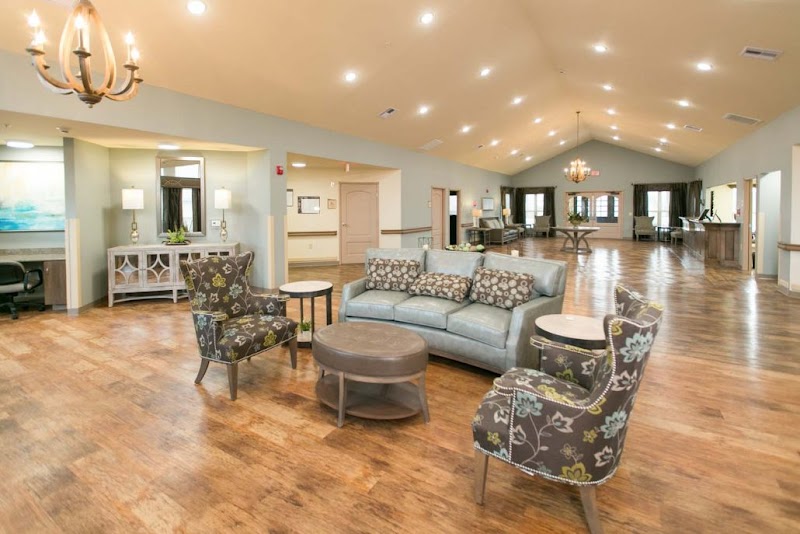
How is Legend Oaks Healthcare And Rehabilitation Garland Staffed?

CMS rates LEGEND OAKS HEALTHCARE AND REHABILITATION GARLAND's staffing level at 3 out of 5 stars, which is average compared to other nursing homes. Staff turnover is 45%, compared to the Texas average of 46%. This relatively stable workforce can support continuity of care.

What Have Inspectors Found at Legend Oaks Healthcare And Rehabilitation Garland?

State health inspectors documented 30 deficiencies at LEGEND OAKS HEALTHCARE AND REHABILITATION GARLAND during 2022 to 2025. These included: 2 Immediate Jeopardy (the most serious level, indicating potential for serious harm or death) and 28 with potential for harm. Immediate Jeopardy findings are rare and represent the most serious regulatory concerns. They require immediate corrective action.
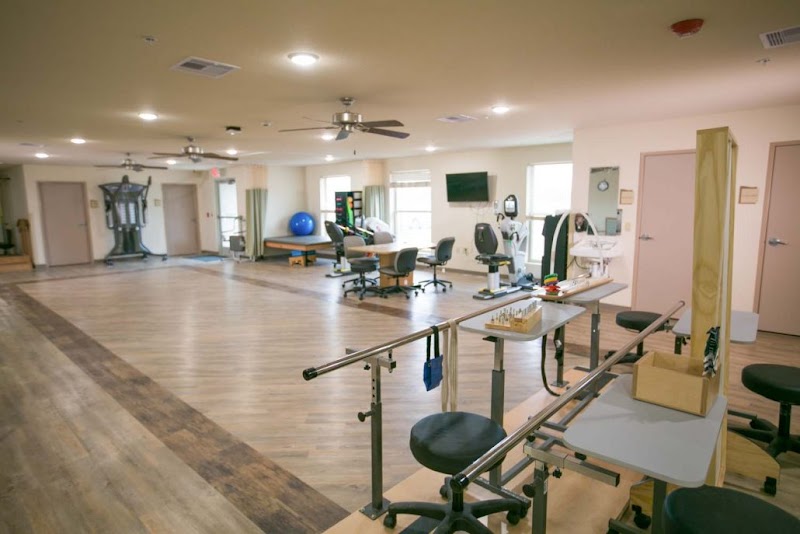
Who Owns and Operates Legend Oaks Healthcare And Rehabilitation Garland?

LEGEND OAKS HEALTHCARE AND REHABILITATION GARLAND is owned by a for-profit company. For-profit facilities operate as businesses with obligations to shareholders or private owners. The facility is operated by THE ENSIGN GROUP, a chain that manages multiple nursing homes. With 132 certified beds and approximately 96 residents (about 73% occupancy), it is a mid-sized facility located in GARLAND, Texas.
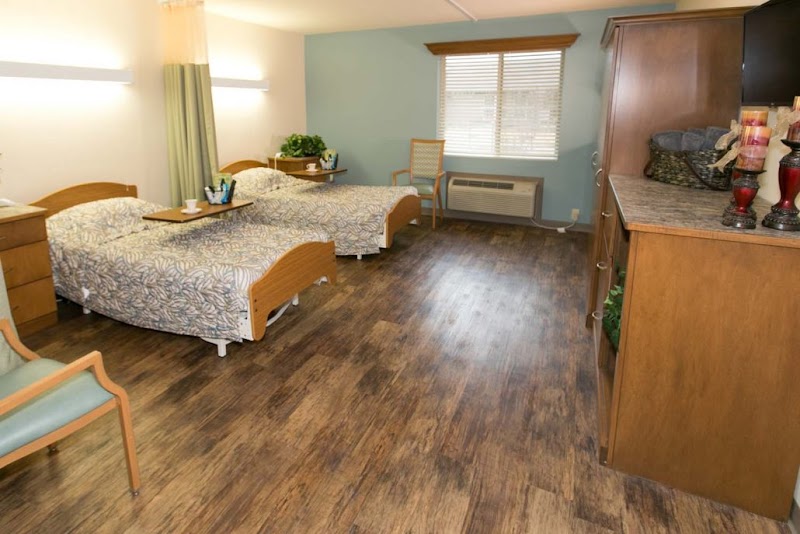
How Does Legend Oaks Healthcare And Rehabilitation Garland Compare to Other Texas Nursing Homes?

Compared to the 100 nursing homes in Texas, LEGEND OAKS HEALTHCARE AND REHABILITATION GARLAND's overall rating (3 stars) is above the state average of 2.8, staff turnover (45%) is near the state average of 46%, and health inspection rating (3 stars) is at the national benchmark.

What Should Families Ask When Visiting Legend Oaks Healthcare And Rehabilitation Garland?

Based on this facility's data, families visiting should ask: "What changes have been made since the serious inspection findings, and how are you preventing similar issues?" "Can I visit during a mealtime to observe dining assistance and food quality?" "How do you handle medical emergencies, and what is your hospital transfer rate?" "Can I speak with family members of current residents about their experience?" These questions are particularly relevant given the facility's Immediate Jeopardy citations.

Is Legend Oaks Healthcare And Rehabilitation Garland Safe?

Based on CMS inspection data, LEGEND OAKS HEALTHCARE AND REHABILITATION GARLAND has documented safety concerns. Inspectors have issued 2 Immediate Jeopardy citations (the most serious violation level indicating risk of serious injury or death). The facility has a 3-star overall rating and ranks #1 of 100 nursing homes in Texas. Families considering this facility should ask detailed questions about what corrective actions have been taken since these incidents.

Do Nurses at Legend Oaks Healthcare And Rehabilitation Garland Stick Around?

LEGEND OAKS HEALTHCARE AND REHABILITATION GARLAND has a staff turnover rate of 45%, which is about average for Texas nursing homes (state average: 46%). Moderate turnover is common in nursing homes, but families should still ask about staff tenure and how the facility maintains care continuity when employees leave.

Was Legend Oaks Healthcare And Rehabilitation Garland Ever Fined?

LEGEND OAKS HEALTHCARE AND REHABILITATION GARLAND has been fined $15,593 across 1 penalty action. This is below the Texas average of $33,235. While any fine indicates a compliance issue, fines under $50,000 are relatively common and typically reflect isolated problems that were subsequently corrected. Families should ask what specific issues led to these fines and confirm they've been resolved.

Is Legend Oaks Healthcare And Rehabilitation Garland on Any Federal Watch List?

LEGEND OAKS HEALTHCARE AND REHABILITATION GARLAND is not on any federal watch list. The most significant is the Special Focus Facility (SFF) program, which identifies the bottom 1% of nursing homes nationally based on persistent, serious quality problems. Not being on this list means the facility has avoided the pattern of deficiencies that triggers enhanced federal oversight. This is a positive indicator, though families should still review the facility's inspection history directly.