PLEASANT VALLEY HEALTHCARE AND REHABILITATION CENT
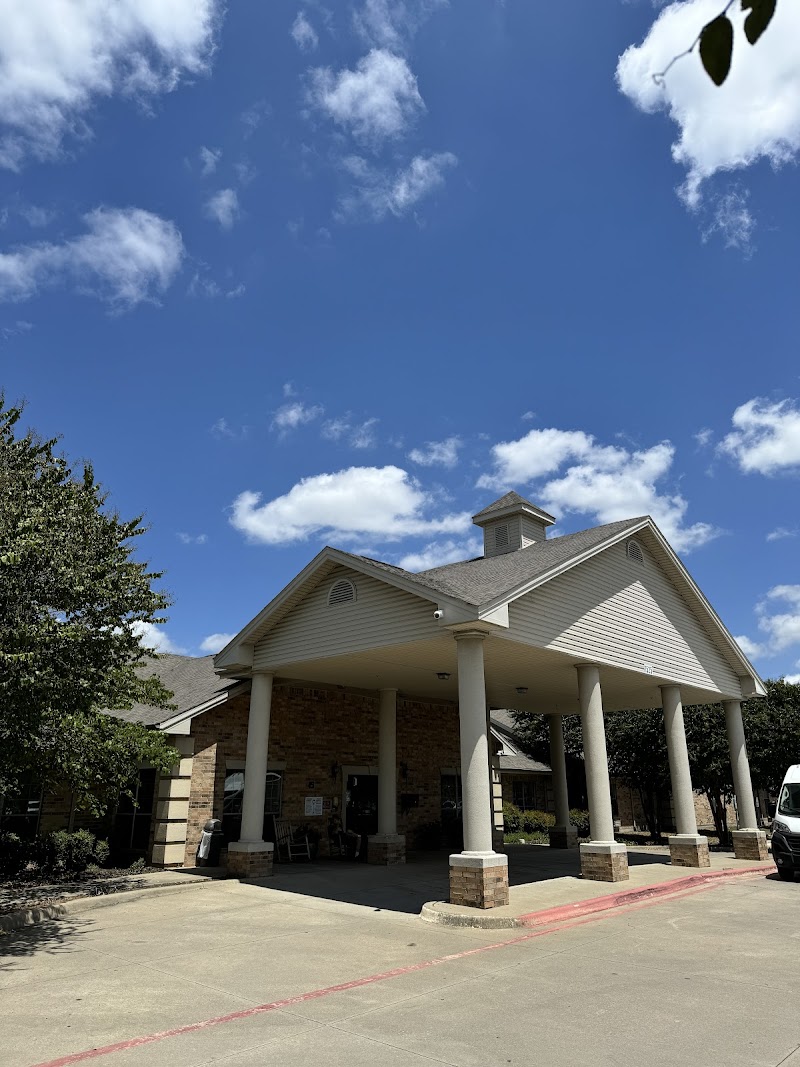
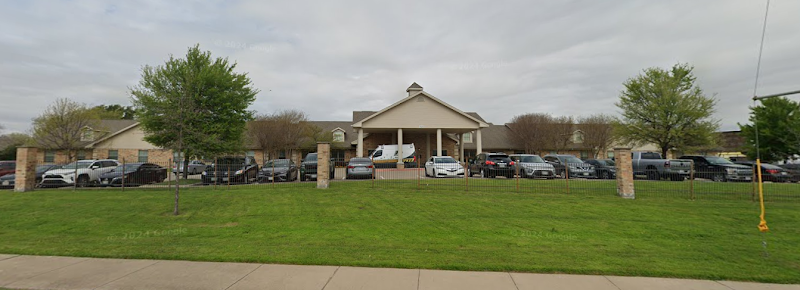
1525 PLEASANT VALLEY RD, GARLAND, TX 75040 (972) 496-8800
For profit - Corporation 124 Beds THE ENSIGN GROUP Data: November 2025 3 Immediate Jeopardy citations
Trust Grade
4/100
#807 of 1168 in TX
Last Inspection: April 2025

Within standard 12-15 month inspection cycle. Federal law requires annual inspections.

Overview

Pleasant Valley Healthcare and Rehabilitation Center has received a Trust Grade of F, indicating significant concerns about the quality of care provided. They rank #807 out of 1168 facilities in Texas, placing them in the bottom half, and #50 out of 83 in Dallas County, meaning only a handful of local options are better. The facility's trend is stable, with 6 issues identified in both 2024 and 2025, but the overall rating is concerning, with a low 2 out of 5 stars in health inspections and staffing. Staffing has a turnover rate of 43%, which is better than the Texas average, but the facility has incurred fines totaling $72,893, suggesting some compliance issues. Critical incidents reported include a failure to ensure a resident received necessary dialysis services, resulting in a lack of proper medical care, and instances of neglect leading to serious emotional distress for several residents, with one tragically committing suicide during a period of inadequate supervision. Overall, while there are some strengths in staffing retention, the facility’s significant deficiencies raise serious concerns about resident safety and care quality.

Trust Score
F
4/100
In Texas
#807/1168
Bottom 31%
Safety Record
High Risk
Review needed
Inspections
Holding Steady
6 → 6 violations
Staff Stability
○ Average
43% turnover. Near Texas's 48% average. Typical for the industry.
Penalties
✓ Good
$72,893 in fines. Lower than most Texas facilities. Relatively clean record.
Skilled Nurses
⚠ Watch
Each resident gets only 24 minutes of Registered Nurse (RN) attention daily — below average for Texas. Fewer RN minutes means fewer trained eyes watching for problems.
Violations
⚠ Watch
24 deficiencies on record. Higher than average. Multiple issues found across inspections.
★★☆☆☆
2.0
Overall Rating
★★☆☆☆
2.0
Staff Levels
★★★★☆
4.0
Care Quality
★★☆☆☆
2.0
Inspection Score
Stable
2024: 6 issues
2025: 6 issues

The Good

  • 4-Star Quality Measures · Strong clinical quality outcomes
  • Full Sprinkler Coverage · Fire safety systems throughout facility
  • No fines on record
  • Staff turnover below average (43%)

    5 points below Texas average of 48%

Facility shows strength in quality measures, fire safety.

The Bad

2-Star Overall Rating

Below Texas average (2.8)

Below average - review inspection findings carefully

Staff Turnover: 43%

Near Texas avg (46%)

Typical for the industry

Federal Fines: $72,893

Well above median ($33,413)

Moderate penalties - review what triggered them

Chain: THE ENSIGN GROUP

Part of a multi-facility chain

Ask about local staffing decisions and management

The Ugly 24 deficiencies on record

3 life-threatening
Apr 2025 6 deficiencies
CONCERN (D) 📢 Someone Reported This

A family member, employee, or ombudsman was alarmed enough to file a formal complaint

Potential for Harm - no one hurt, but risky conditions existed

Deficiency F0645 (Tag F0645)

Could have caused harm · This affected 1 resident

**NOTE- TERMS IN BRACKETS HAVE BEEN EDITED TO PROTECT CONFIDENTIALITY** Based on interview and record review, the facility failed to ensure the Pre-admission Screening and Resident Review (PASRR) Leve...

Read full inspector narrative →
**NOTE- TERMS IN BRACKETS HAVE BEEN EDITED TO PROTECT CONFIDENTIALITY** Based on interview and record review, the facility failed to ensure the Pre-admission Screening and Resident Review (PASRR) Level I assessment accurately reflected the resident's status for one (Resident #51) of three residents reviewed for PASRR Screenings. 1. The facility failed to ensure the accuracy of the PASRR Level 1 screen for Resident #51. The resident did not receive a PASRR Level II assessment Evaluation. This failure could place residents who had a mental illness at risk of not receiving individualized specialized service to meet their needs. Findings included: Record review of Resident #51's quarterly MDS assessment, dated 03/24/25, reflected the resident was a [AGE] year-old male admitted to the facility on [DATE] and re-admitted on [DATE]. Section C - Cognitive Patterns was not completed. His diagnoses included stroke, anxiety disorder, depression, and post-traumatic stress disorder (PTSD). Record review of Resident #51's Care Plan reflected: 03/15/24 At risk for re-traumatization related to history of trauma Veteran/PTSD. 03/15/23 At risk for depression. Record review of Resident #51's PASSR level 1 screening, dated 02/22/23, reflected the resident did not have a serious mental illness and serious mental illness was checked as no. Record review of Resident #51's Electronic Health Record revealed no PASSR level 2 evaluation was completed. An interview with the MDS Nurse at 04/24/25 at 4:00 PM revealed Resident #51's PL-1 was incorrect. The MDS Nurse said it was entered into SIMPLE (PASRR electronic documentation system) incorrectly by a previous employee. The MDS Nurse usually checks the PL-1 for accuracy, but did not check Resident #51's. The MDS Nurse said that anyone who had been trained on MDS's was responsible for their accuracy. She said Resident #51 would have been at risk of not receiving appropriate services with an incorrect PL-1. An interview on 04/24/25 at 5:38 PM with the DON revealed she did not know if the resident's PL-1 was incorrect. The DON said she would reach out to the coordinator and have them complete an evaluation. An interview on 04/25/25 at 10:20 AM with the PASRR Evaluator for the facility regarding Resident #51 revealed his PL-1 was completed in 2023 and was negative. She said she did another PL-1 evaluation on 04/25/25 and the result was still negative. No PL-2 evaluation was completed. Review of the facility policy, Preadmission Screening and Resident Review, not dated, reflected: Policy: The facility will designate an individual to follow up on ALL residents have received a PASRR Level I screening. If Facility serves a resident with a positive PASRR Level I screening, the facility MUST have obtained A PASRR Level II evaluation from the Local Authority or have a documented attempts to follow up with the Local Authority to obtain the PASRR Level II evaluation .
CONCERN (D) 📢 Someone Reported This

A family member, employee, or ombudsman was alarmed enough to file a formal complaint

Potential for Harm - no one hurt, but risky conditions existed

Incontinence Care (Tag F0690)

Could have caused harm · This affected 1 resident

**NOTE- TERMS IN BRACKETS HAVE BEEN EDITED TO PROTECT CONFIDENTIALITY** Based on observation, interview, and record review, the facility failed to ensure a resident who was incontinent of bladder rece...

Read full inspector narrative →
**NOTE- TERMS IN BRACKETS HAVE BEEN EDITED TO PROTECT CONFIDENTIALITY** Based on observation, interview, and record review, the facility failed to ensure a resident who was incontinent of bladder received appropriate treatment and services to prevent urinary tract infections for 1 (Resident #22) of 1 resident reviewed for incontinence care. 1. The facility failed to ensure CNA N did not double-brief Resident #22. 2. The facility failed to ensure CNA O thoroughly cleaned the vaginal area of Resident #22. This failure placed residents at risk for the development and/or worsening of urinary tract infections. Findings included: Record review of Resident #22's MDS quarterly assessment dated [DATE], reflected she was a [AGE] year-old female admitted to the facility on [DATE]. Her diagnoses included heart failure, kidney failure, diabetes, stroke, and Alzheimer's disease. She had a BIMS score of 6 which indicated moderate cognitive impairment. The resident was dependent on staff for toileting. The resident was always incontinent of bowel and bladder. Record review of Resident #22's care plan, dated 08/14/24, reflected: The resident had bowel/bladder incontinence related to dementia, impaired mobility, and overactive disorder. Facility interventions included uses disposable briefs. Change as needed. Check as required for incontinence. Wash, rinse and dry perineum. An observation of incontinence care and a transfer for Resident #22 on 04/23/25 at 3:12 PM revealed CNA O and CNA P were preparing to do incontinence care and a transfer. Both CNAs washed their hands and donned (put on) gloves. The resident was transferred to bed. The resident was soaked with urine. It went through her clothes and onto the towel in the wheelchair. Both CNAs said they did not know when the resident was last changed for incontinence care. CNA O said the resident was usually soaked when he changed her after coming on the 2:00 PM shift. CNA P removed the resident pants. CNA O opened the brief, and it was revealed that the resident was wearing two briefs and both briefs were soaked. CNA O prepared to clean the resident. He cleaned the peri-area but did not open the resident's labia major and labia minor to cleanse the resident. CNA O and CNA P finished cleaning the resident and put on a clean brief. An interview on 04/24/25 at 6:18 PM with CNA O revealed he had been trained to perform incontinence care. He said he was checked off on 04/23/25 after changing Resident #22 and in January 2025 for incontinence care. He said he did not thoroughly cleanse the resident's vaginal area because he was nervous. He said if he did not thoroughly cleanse the resident then she could develop an infection, wounds, and itchiness. He said he did not know why the resident was double-briefed. He said he changed the resident every 2 hours on his shift. An interview on 04/25/25 at 10:06 AM with CNA N revealed she was assigned to care for Resident #22 on the 6:00 AM - 2:00 PM shift for 04/23/25. She said she was supposed to check and change the resident every 2 hours, but on 04/23/25 she only changed her twice. CNA N said she knew she was not supposed to double-brief the resident, but she was in a hurry. CNA N said she had never double briefed a resident before. She said double briefing a resident and not checking and changing her every 2 hours could cause breakdown, bed sores, and urinary tract infections. An interview with the DON on 04/24/25 at around 5:00 PM revealed CNAs were trained on how to perform incontinence care and received competency checks. The DON said annual training and as needed training was completed with CNAs. The DON said the resident should never be double-briefed and residents should be checked for timely incontinence care. The DON said the resident was at risk for skin breakdown and infection. Review of the facility's policy, Incontinent Care, revised May 2024, reflected: POLICY: It is the policy of this facility to: 1. Ensure residents are clean 2. Cleanse and lubricate skin as needed. PROCEDURES: Equipment: o Disposable incontinent brief, pad or resident's own undergarment (as a plan of care) o Linen, as needed o Washcloth or wipes as required. o Soap, peri wash or wipes. o Lotion or barrier cream as ordered. 1. Assemble equipment. Explain procedure. Provide privacy by closing door and securing privacy curtain. 2. Assist resident to lay in bed, explain procedure to resident. Clean from front to back, clean hands, change gloves, clean the back going upwards. 3. Clean hands and Donn gloves and apply brief. 4. Apply lotion or barrier cream as ordered. 5. Check for incontinence at least every two (2) hours.
CONCERN (D) 📢 Someone Reported This

A family member, employee, or ombudsman was alarmed enough to file a formal complaint

Potential for Harm - no one hurt, but risky conditions existed

Food Safety (Tag F0812)

Could have caused harm · This affected 1 resident

Based on observations, interviews, and record review, the facility failed to, store, prepare, distribute, and serve food in accordance with professional standards for food service safety for 1 of 1 ki...

Read full inspector narrative →
Based on observations, interviews, and record review, the facility failed to, store, prepare, distribute, and serve food in accordance with professional standards for food service safety for 1 of 1 kitchen reviewed for kitchen safety. Facility failed to utilize proper personal hygiene practices (e.g., proper hand washing and the appropriate use of gloves) to prevent contamination of food. These failures could place 77 residents who reside at the facility and eat meals prepared and served by the facility's kitchen at risk of contracting a foodborne illness. Findings Included: Observations during follow up visits to the kitchen on 4/24/25 beginning at 11:30am included the following: Cook Q left the prep area with gloves on and put trash in the recycle can then returned to prep and continued to prepare the food with the same gloves. Interview on 4/25/25 at 1:30pm with [NAME] Q revealed gloves are changed each time touch something different like touching trash can. [NAME] Q revealed important to change gloves when touching things other than the food because residents could become sick. Interview on 4/23/25 at 11:30am with The Dietary Manager. The Dietary Manager revealed he has worked at the facility since 2022. The Dietary manager revealed if sick not to come to work and if gets sick at work notify Administrator as his supervisor and if it is his staff they report to him/the The Dietary manager. Interview on 4/23/25 at 11:30am the The Dietitian revealed she was in the facility 3x per month with duties of oversee the Dietary Manager, monitor clinical issues, complete dietary assessments with all residents, monitor for weight loss, and oversee the therapeutic diets for each resident. Interview on 4/24/25 at 1:30pm with Dietary Aide R revealed he was new to the facility. Dietary Aide R revealed if he was sick at home at a time, he was scheduled to work Dietary Aide R would call his manager. Dietary Aide R revealed if he was at work and became sick, he would notify his manager and go home. Dietary Aide R revealed gloves are wore to not spread contamination. Dietary Aide R revealed one of the reasons to change gloves would be if the glove ripped, he would need to change his gloves. Review of the facility's Hand Hygiene Policy and Procedure dated: Original date: 5/2007 Revision/Review Date(s): 6.2021, 1.2022,10.2022 Reflected: Purpose Hand hygiene is one of the most effective measures to prevent the spread of infection. Studies show that effective hand decontamination can significantly reduce the rate of healthcare associated infection. All personnel shall follow the handwashing/hand hygiene procedure to help prevent the spread of infections to other personnel, residents, and visitors. Residents, family members and/or visitors will be encouraged to practice hand hygiene through the use of fact sheets, pamphlets and/or other written materials provided at the time of admission and/or posted throughout the facility. Definitions Hand hygiene is a general term that applies to hand washing, antiseptic hand wash, and alcohol-based hand rub. Hand washing is the vigorous, brief rubbing together of all surfaces of hands with soap and water, followed by rinsing under a stream of water. Alcohol-based hand rub (ABHR) is a 60-95 percent ethanol or isopropyl alcohol-containing preparation base designed for application to the hands to reduce the number of viable microorganisms. Procedure 1. Wash hands with soap and water for the following situations: a. When hands are visibly soiled (e.g., blood, body fluids) b. After caring for a resident with known or suspected Clostridioides (C.) Difficile or Norovirus infection during an outbreak, or if infection rates of C. Difficile Infection (CDI) are high 2. Use an alcohol-based hand rub containing at least 62% alcohol; or, alternatively, soap (antimicrobial or non-antimicrobial) and water for the following situations: a. Before and after coming on duty; b. Before and after direct contact with residents; c. Before preparing or handling medications; d. Before performing any non-surgical invasive procedures; e. Before and after handling an invasive device (e.g., urinary catheters, IV access sites); f. Before donning sterile gloves; g. Before handling clean or soiled dressings, gauze pads, etc.; h. Before moving from a contaminated body site to a clean body site during resident care; i. After contact with a resident's intact skin; j. After contact with blood or bodily fluids; k. After handling used dressings, contaminated equipment, etc.; l. After contact with objects (e.g., medical equipment) in the immediate vicinity of the resident; m. After removing gloves; n. Before and after entering isolation precaution settings; o. Before and after eating or handling food; p. Before and after assisting a resident with meals; and q. After personal use of the toilet or conducting your personal hygiene. r. After removing and disposing of personal protective equipment.
CONCERN (D)

Potential for Harm - no one hurt, but risky conditions existed

Infection Control (Tag F0880)

Could have caused harm · This affected 1 resident

**NOTE- TERMS IN BRACKETS HAVE BEEN EDITED TO PROTECT CONFIDENTIALITY** Based on observation, interview and record review, the facility failed to maintain an infection control program designed to prev...

Read full inspector narrative →
**NOTE- TERMS IN BRACKETS HAVE BEEN EDITED TO PROTECT CONFIDENTIALITY** Based on observation, interview and record review, the facility failed to maintain an infection control program designed to prevent the development and transmission of infection for two of six residents (Resident #30 and #180) observed for infection control. MA K used her ungloved hand to pick medication from the medication cart and administered it to Resident #30. CNA L failed to perform hand hygiene while providing incontinence care to Resident #180 The failures could place the residents at risk for infection. Findings include: Record review of Resident #30's face sheet dated 04/24/25 reflected an [AGE] year-old female. She was admitted to the facility 10/11/24. Admitting diagnoses included, dementia, difficult walking, weakness, heart failure, type 2 diabetes, memory deficit. Review of Resident #30's MDS record dated 03/31/25 reflected the resident had a BIMS (Brief Interview of Mental Status) score of 11, indicative of moderate cognitive impairment. Review of Resident #30's care plan initiated 10/12/24 reflected Resident #30 required assistance with activities of daily living due to dementia. Observation on 04/22/25 at 09:52 AM with Resident #30 reflected MA K preparing medications for Resident #30. During prepping the following medications one-daily vitamin 1 tablet chewable aspirin 81 mg 1 tablet, escitalopram 5 mg 1 tablet, memantine 5 mg 1 tablet, atorvastatin 80 mg 1 tablet, a tablet fell on the medication cart and MA K picked the medication up with her bare hands and placed it in the medication cup and later administered the medication to the resident. In an interview on 04/22/25 at 10:10 AM with MA K, she stated she picked up the medication from the cart without gloves because her hands were clean, but then she stated she was not supposed to pick the medication from the cart, and she was not supposed to administer the medication to the resident because it could have been contaminated from the cart or her hands. MA K stated she was expected to maintain infection control during medication administration to prevent cross contamination. She stated she had been in-serviced on infection control. Record review of Resident #180's face sheet dated 04/24/25 reflected She was [AGE] years old female. She was admitted to the facility on [DATE]. She was admitted with the following diagnoses, vascular dementia, Dysphagia (difficult with swallowing), gastrostomy status (Placement of a feeding tube), muscle weakness and cognitive communication deficit. Review of Resident #180's care plan initiated 04/21/25 reflected Resident #180 had bladder incontinence related to Alzheimer's. The goal to remain free from skin breakdown due to incontinence and brief use through the review date and the intervention was to check as required for incontinence. Observation on 04/22/25 at 10:49 AM revealed CNA L providing incontinent care to Resident #180. CNA L was observed completing hand hygiene and gloved before care, then she informed the resident she was providing incontinent care. CNA L positioned the resident and unfastened the brief and proceeded to clean Resident #30's front area, then positioned the resident on her side and cleaned her bottom area. Resident #30 was minimally soiled with urine and feces. During the care CNA L was observed changing gloves but she did not complete any form of hand hygiene. In an interview on 04/22/25 at 10:54 AM with CNA L, she stated she was aware she was supposed to clean her hands after changing gloves, but she had forgotten her hand sanitizer. She stated that was the reason why she did not complete hand hygiene. When she was asked why she did not wash hands in the resident's bathroom, she then acknowledged, and stated she could have washed her hands instead. CNA L stated she was expected to complete hand hygiene to prevent the spread of infections. In an interview on 04/24/25 at 03:40 PM with the DON she stated she was the infection preventionist. The DON stated she expected the staff to maintain infection control during incontinent care and medication administration to prevent the spread of infection. The DON stated she expected MA K not to administer the medication that had fallen on top of the cart and picked up by her bare hands because it was considered contaminated. The DON also stated she expected CNA L to completed hand hygiene after taking off gloves to prevent the spread of infections. The DON stated the staff had been in-serviced on infection control. Review of the facility policy revised 10/2022 and titled Hand Hygiene reflected, It is the policy of this facility to provide the necessary supplies, education, and oversight to ensure healthcare workers perform hand hygiene based on accepted standards. Purpose. Hand hygiene is one of the most effective measures to prevent the spread of infection. Studies show that effective hand decontamination can significantly reduce the rate of healthcare associated infection. All personnel shall follow the handwashing/hand hygiene procedure to help prevent the spread of infections to other personnel, residents, and visitors.
CONCERN (E) 📢 Someone Reported This

A family member, employee, or ombudsman was alarmed enough to file a formal complaint

Potential for Harm - no one hurt, but risky conditions existed

Quality of Care (Tag F0684)

Could have caused harm · This affected multiple residents

**NOTE- TERMS IN BRACKETS HAVE BEEN EDITED TO PROTECT CONFIDENTIALITY** Based on observations, interviews, and record reviews, the facility failed to ensure a resident received treatment and care in a...

Read full inspector narrative →
**NOTE- TERMS IN BRACKETS HAVE BEEN EDITED TO PROTECT CONFIDENTIALITY** Based on observations, interviews, and record reviews, the facility failed to ensure a resident received treatment and care in accordance with professional standards of practice, the comprehensive person-centered care plan, and the resident's choices for 1 (Resident #43) of 3 residents reviewed for quality of care. The facility failed to ensure Resident #43 received treatment immediately after she complained of having symptoms of a urinary tract infection. The resident suffered pain that increased with each shift until treatment was administered. This failure could place residents at risk for a delay in treatment or diagnosis, a decline in the resident's condition, harm and/or the need for hospitalization and prolonged treatment. Findings included: Review of Resident #43's Annual MDS Assessment, dated 03/28/25, reflected the resident was a [AGE] year-old female admitted to the facility on [DATE]. She had a BIMS score of 15, indicating no cognitive impairment. The resident was occasionally incontinent of bowel and bladder. Her active diagnoses included end stage renal disease (kidney failure) requiring dialysis, heart failure, diabetes, and blindness. Review of Resident #43's Physician Order as of 04/22/25 reflected there were no orders for antibiotics or medications to treat a urinary tract infection. Review of the facility 24-report for 04/22/25 reflected there was no information documented about Resident #43. Review of Resident #43's Facility Medication Administration Record for April 2025 reflected the resident's pain level was 0 every shift and every day for 04/01/25 - 04/21/25. Review of Resident #43's progress notes reflected: Effective Date: 04/22/2025 11:00 AM Type: Nursing Note Text: resident returned from dialysis; assessment performed. Resident is alert and oriented to person, place, and time. Able to make needs known. Denies pain/discomfort. Dressing to left arm dry and intact. Thrill/bruit positive (fistula for dialysis assessment). No bleeding noted. Vitals sign obtained BP 137/78, Pulse 89, Resp 18, 97% oxygen level, Temperature 97.0 degrees farenheit. Call light within reached. no new order received. no concerns voiced. Written by LVN B There were no progress notes regarding Resident #43's complaint of a urinary tract infection. Review of Resident #43's care plans dated 04/22/25 at unknown time reflected: Resident states she feels like she has a urinary tract infection, and she has low output due to end stage renal disease. Facility interventions included: Give antibiotic therapy as ordered. Monitor/document for side effects and effectiveness. An interview was attempted with Resident #43 on 04/22/25 at 11:26 AM. The resident said she could not talk because she was in the bathroom. An interview was attempted with Resident #43 on 04/22/25 at approximately 12:30 PM. The resident said she could not talk because she was in the bathroom. An interview with Resident #43 on 04/22/25 at 1:51 PM revealed the resident was feeling ill and having pain. The resident said she had a urinary tract infection and kept having to go to the bathroom due to urinary urgency. She said she notified LVN A the evening of 04/21/25 that she had a urinary tract infection. The resident said LVN A told her she was waiting to receive an order from the physician. Resident #43 said she had not received any treatment or medications to treat the urinary tract infection. An interview on 04/22/25 2:04 PM with ADON H revealed there were no orders, progress notes, or documentation on the facility 24-Hour Report to indicate Resident #43 had reported she had a urinary tract infection on 04/21/25 or 04/22/25. ADON H said he would call LVN A to see what happened. ADON H left the front desk. A follow-up interview on 04/22/25 at 2:16 PM revealed ADON H said an order for Macrobid (medication to treat urinary tract infection) was put in at 2:14 PM on 04/22/25. ADON H said it was expected that if a resident reported signs and symptoms of an infection the facility staff would immediately assess and treat. ADON H said the resident was not expected to have to wait. ADON H said the resident's complaint should have been documented on the 24-Hour Report. ADON H said that if a resident was not promptly treated for a UTI, then the resident would be at risk for increased infection and even death. An interview on 04/22/25 at 2:20 PM with LVN A revealed she was assigned to care for Resident #43 on the 2:00 PM - 10:00 PM shift on 04/21/25. LVN A said Resident #43 told her on the evening shift at unknown time on 04/21/25 that she had a UTI. LVN A said she told the physician who told LVN A that he would look at the resident. LVN A said the physician did not give any new orders. LVN A said she did not document a progress note or on the 24-hour report but thought she did. LVN A said the risk to Resident #43 for not receiving treatment was frequent urination, painful urination, and confusion. An interview on 04/22/25 at 3:01 PM with LVN B revealed she saw the Surveyors leave Resident #43's room on 04/22/25 at around 2:00 PM. LVN B said she went in to the resident's room to see what was going on. She said Resident #43 told her she felt funny and had burning pain when urinating. LVN B said she called the Family Nurse Practitioner and received an order for Macrobid and to not wait to get a urine sample. LVN B said the resident had not reported the issue to her on the 6:00 AM - 2:00 PM shift and she was not aware that the resident had complained on 04/21/25. LVN B said the resident had dialysis in the morning of the 6:00 AM - 2:00 PM shift and the next two times, she saw the resident, she was in the bathroom. LVN B said she thought the resident was having diarrhea but had not followed up with the resident. LVN B said she was not notified about the complaint of the resident having a urinary tract infection from the previous shift. LVN B said the resident was at risk for suffering for having to wait to get treatment. An interview on 04/22/25 at 2:25 PM revealed he was the physician for Resident #43 on 04/21/25. The physician said he was notified by LVN A on 04/21/25 that Resident #43 said she had a urinary tract infection. The physician said it was towards the end of the day and he did not go assess or see the resident. The physician said he told LVN A to monitor the resident an obtain a urine analysis. The Physician said Resident #43 would have been at risk for not being seen if the Surveyor had not intervened. The physician said on 04/22/25 he ordered Resident #43 an antibiotic. An interview on 04/23/25 at 10:19 AM with the DON revealed she was told Resident #43 thought she had a urinary tract infection on 04/21/25 and the physician saw her that evening but did not give any orders. The DON said the physician did say to monitor the resident. The DON said early on 04/22/25 LVN B called the physician and discussed whether to do a urine analysis prior to starting Macrobid. The DON said the decision was to go ahead and administer the Macrobid with no urine analysis because the resident was on dialysis and might not be able to give an adequate urine sample. The DON said LVN A did not document a progress note because the doctor did not give her any orders. The DON said the resident was awake, alert, and oriented and able to make her needs known. The DON said she would speak to Resident #43 to make sure she was being cared for and her needs were met. Follow-up interviews on 04/23/25 at 11:37 AM and 12:46 PM with the physician revealed the facility communicated with him by using his call line. He said he was notified by LVN B on 04/22/25 at 2:00 PM regarding Resident #43's complaint of urinary tract infection. The Physician said the issue was a miscommunication and error on his part. He said he gave an order to LVN A on 04/21/25 on the 2:00 PM - 10:00 PM shift to obtain a urine analysis and to monitor the resident, but maybe LVN A did not hear him. The physician said Resident #43 was a minimal risk due to the delay in treatment because there had been no issues with her dialysis or labs prior to 04/21/25. The Physician said the FNP was told about the resident's symptoms on 04/21/25 by him and the FNP was going to see the resident on 04/23/25. A follow-up interview on 04/23/25 at 1:03 PM with Resident #43 revealed she was feeling better and able to eat. She said she was not able to eat very much on 04/22/25 because she did not feel well. Resident #43 said her symptoms started on 04/20/25, but she did not report them until 04/21/25. Resident #43 said her pain levels on a scale of 1 (no pain) to 10 (extreme pain) were a 4 on the 2:00 PM - 10:00 PM shift of 04/21/25. The resident said her pain level increased to a 5 on the 10:00 PM - 6:00 AM shift and reached a 6 the morning of 04/22/25. She said the nurse did not ask if she was having pain on any of the shifts. Resident #43 said she did not tell anyone other than LVN A on 04/21/25 during the 2:00 PM - 10:00 PM shift about her pain or urinary tract infection. Resident #43 said she did not tell anyone else about it because she thought LVN A was going to take care of it. Resident #43 said she did not receive any pain medication 04/21/25 - 04/23/25. Review of the facility policy, Quality of Care: Significant Change in Condition, Response, revised December 2023, reflected: Policy It is the policy of this facility to ensure each resident receives quality of care and services to attain and maintain the highest practicable physical mental and psychosocial well-being in accordance with the interdisciplinary comprehensive assessment and plan of care . Change in output (bowel or bladder) including amount, color, consistency, odor, or frequency. 2. The nurse will perform and document an assessment of the resident and identify need for additional interventions, considering implementation of existing orders or nursing interventions or through communication with the resident's provider using SBAR or similar process to obtain new orders or interventions. 3. The resident will then be placed on the 24-Hour Report and Nursing will provide no less than three (3) days of observation, documentation, and response to any interventions. An attempt to identify the cause for decline, when it occurs, needed assist and resident behavior/ acceptance of increased need of assistance will be monitored . 4. The nurse will communicate the change to other departments as appropriate and updated communications will be available during morning report. 5. There will be certain circumstances where immediate attention will be warranted and nursing will be responsible for notifying the appropriate department for evaluation. The nurse shall use his/ her clinical judgment and shall contact the physician based on the urgency of the situation. The Medical Director shall be notified in the event that the Attending Physician or on-call Physician cannot be reached. The resident/ resident representative will be notified of the change of condition and any changes in the resident's medical or nursing care. 6. Each department notified will perform their own evaluation and assessment to determine if the change requires further intervention and implement actions accordingly. The nurse will transcribe the treatment and plan of care relative to the change of condition on the resident Electronic Medical Record (EMR).
CONCERN (E)

Potential for Harm - no one hurt, but risky conditions existed

Deficiency F0804 (Tag F0804)

Could have caused harm · This affected multiple residents

Based on observations, interviews, and record review, the facility failed to ensure the facility provided, food and drink that is palatable, attractive, and at a safe and appetizing temperature for 1 ...

Read full inspector narrative →
Based on observations, interviews, and record review, the facility failed to ensure the facility provided, food and drink that is palatable, attractive, and at a safe and appetizing temperature for 1 of 1 kitchen reviewed for dietary services. Facility failed to provide palatable, attractive, and appetizing food and drink to residents. These failures could place 77 residents who reside at the facility and eat meals prepared and served by the facility's kitchen at risk of contracting a foodborne illness, discourage residents to eat and drink, impaired nutrition and hydration status and or the recovery from, illness or injury. Findings Included: Observations during follow up visits to the kitchen on 4/24/25 beginning at 11:30am included the following: Cook Q did not use measuring cup to measure out the precise amount of milk to put in the blender while preparing the pureed food. Cook Q put chicken in blender without measuring the amount. Cook Q used scoop #10 Recipe calls for scoop #8. Observed and tasted on 4/23/25at 1:15pm test tray for regular and pureed meal that included cornbread. Surveyors tasted the pureed cornbread reflected bland taste and difficult to use utensil to spoon a bite in the overly thick consistency. Interview on 4/25/25 at 1:30pm with [NAME] Q revealed it is important to follow the recipe because it is the correct way to make the meal and if not followed food may not taste good. [NAME] Q said mistakes can be made if recipe was not followed. During follow up visits to the kitchen on 4/24/25 beginning at 11:30am included the following: Cook Q did not use measuring cup to measure out the precise amount of milk to put in the blender while preparing the pureed food. Cook Q put chicken in blender without measuring the amount. Interview on 4/23/25 at 11:30am with The Dietary Manager. The Dietary Manager revealed he has worked at the facility since 2022. The Dietary Manager revealed recipes are used when preparing the meals. The Dietary Manager revealed he attends the Resident Council meetings to hear from the residents about any food issues or suggestions. The Dietary Manager revealed the recipes are guidelines for how to prepare the meals, Interview on 4/23/25 at 11:30am The Dietitian revealed she was in the facility 3x per month with duties of oversee the Dietary Manager, monitor clinical issues, complete dietary assessments with all residents, monitor for weight loss, and oversee the therapeutic diets for each resident. Interview on 4/24/25 at 1:30pm with Dietary Aide R revealed he was new to the facility. Dietary Aide R revealed not following the recipe could not make enough or too much food or food may not have good taste. Review of facility's Policy/Procedure for Food and Nutritional Services dated 9/2024 reflected: POLICY: It is the policy of this facility to assure that menus are developed and prepared to meet the nutritional needs of the residents and resident choices including their nutritional, religious, cultural, and ethnic needs while using established national guidelines. Menus shall provide a variety of foods and indicate standard portions at each meal. Menus shall be varied for the same day of consecutive weeks. When a cycle menu is used, the cycle shall be of no less than three (3) weeks duration and revised quarterly.
Sept 2024 2 deficiencies 1 IJ
CRITICAL (J) 📢 Someone Reported This

A family member, employee, or ombudsman was alarmed enough to file a formal complaint

Immediate Jeopardy (IJ) - the most serious Medicare violation

Deficiency F0698 (Tag F0698)

Someone could have died · This affected 1 resident

**NOTE- TERMS IN BRACKETS HAVE BEEN EDITED TO PROTECT CONFIDENTIALITY** Based on interviews and record review, the facility failed to ensure that residents who require dialysis receive such services, ...

Read full inspector narrative →
**NOTE- TERMS IN BRACKETS HAVE BEEN EDITED TO PROTECT CONFIDENTIALITY** Based on interviews and record review, the facility failed to ensure that residents who require dialysis receive such services, consistent with professional standards of practice, the comprehensive person-centered care plan, and the residents' goals and preferences for one (Resident #1) of six residents reviewed for Dialysis Care. 1)The facility failed to follow Resident #1's Dialysis Communication: Special instructions/progress note dated Thursday [DATE] for Resident #1 to go to the hospital for a permacath placement because she was not able to be dialyzed that day. 2)LVN A failed to notify Resident #1's Doctor or NP about the Dialysis Center's special instructions for Resident #1 to go to the hospital on [DATE]. 3)LVN A failed to properly assess and document Resident #1's vital signs on [DATE], before leaving for dialysis and after she returned from dialysis. After administrative review, an IJ was identified on [DATE]. The Administrator was notified and an IJ Template was provided on [DATE] at 12:43 pm. While the Immediate Jeopardy was removed on [DATE] at 3:48 pm, The facility remained out of compliance at a severity level of no actual harm with the potential for more than minimal harm and a scope of isolated due to the facility's need to evaluate the effectiveness of the corrective systems that were put into place. These failures could place all dialysis residents at risk of not being assessed and treated in a timely manner if they were not able to be dialyzed, which could cause abnormal vital signs and changes in condition, resulting in a decline in their health, psycho-social well-being, or death. Findings included: Record review of Resident #1's admission MDS assessment dated [DATE] revealed a [AGE] year-old female who admitted on [DATE] with a BIMS score of 08 (moderate cognitive impairment) and used a manual wheelchair and walker. She had no upper or lower impairments and dependent: helper does all assistance with all ADL care. Active diagnoses of other neurological conditions, anemia, hypertension, gastroesophageal reflux, renal insufficiency and diabetes mellitus, malnutrition, depression, asthma, and morbid obesity. Record review of Resident #1's Order Summary Report printed [DATE] revealed, she took Advair Diskus Aerosol Powder breath activated (for shortness of breath, COPD, mild persistent asthma), Albuterol Sulfate inhalation nebulization solution (for COPD, mild persistent asthma), carvedilol (for hypertension), renal-vite oral tablet (for kidneys), and Sevelamer Carbonate (for chronic kidney disease). And to monitor & record every shift AV (arteriovenous) shunt/fistula for bleeding. Redness, swelling, pain, s/s of infection. Document (-) absent or if (+) present notify MD and Dialysis center every shift. Record review of Resident #1's Order Summary Report printed on [DATE] did not reveal any Doctor/NP orders for a vascular consult. Record review of Resident #1's Care Plan dated [DATE] revealed, she needed dialysis (hemodialysis) r/t renal failure. Will have immediate intervention should any s/sx of complications from dialysis occur through the review date. Will have no s/sx of complications from dialysis through the review date. Check and change dressing daily at access site. Document. Check arteriovenous fistula every day for bruit and thrill HEMODIALYSIS (filtering a patient's blood to remove waste and excess fluid) 3X/WEEK EVERY Tuesday/Thursday/Saturday AT 11AM DIALYSIS CENTER [The Dialysis Center] every day and evening shift every Tuesday, Thursday, Saturday Monitor/document report to MD s/sx of depression. Obtain order for mental health consult if needed. Record review of Resident #1's last Blood Pressure check in the facility's EMR dated [DATE] at 7:43 am by MA P revealed, her blood pressure was 145/63 sitting left arm. Record review of Resident #1's Nurse Progress note dated [DATE] at 11:00 am by LVN A revealed, Resident up in a wheelchair ready for dialysis, denies pain when asked , and no s/s of distress noted, medications administered as ordered and well consumed, resident is on routine tramadol HCl Oral Tablet 50 MG (Tramadol HCl) Give 1 tablet by mouth four times a day for PAIN Pregabalin Oral Capsule 75 MG (Pregabalin) Give 2 capsule by mouth two times a day for NEUROPHATIC PAIN, resident has a behavior of yelling, when care is being provided, requires redirection at times . Will continue with her current plan of care. Record review of Resident #1's Social Services note dated [DATE] at 12:15 pm by SW G revealed, FM P called writer and advised resident needs to be picked up from dialysis. Writer notified nurse . Record review of Resident #1's Nursing Dialysis Communication Form by unknown nurse dated [DATE] at 11:24 am revealed, Fasting Blood sugar: 124, BP 139/71, Temp 98.2, Pulse 82, and respirations 17. Behavior: Yells. And at the bottom half of sheet by Dialysis Nurse special instructions/progress note, Patient was not dialyzed today, access site bruised, FM P will take patient to hospital for permacath placement. Record review of Resident #1's Dialysis Progress Note dated [DATE] revealed, Patient came in today brought in by nursing home transport patient was very lethargic, AVF site is still bruised and swollen, from previous infiltration on [DATE] as patient was always moving her access arm which is the reason why pt had permcath for a long time. So, I called FM P, I told her of the situation that we are not able to dialyze patient this day due to swollen access site, FM P said she will bring patient to Hospital today for permcath placement. I also consulted this with Nephrologist Doctor, and she is ok with permcath placement again as patient always move her arm during HD and causing infiltration. I called [The Nursing Facility] to make them aware of the plan. After about 10-15 minutes, Patient was picked up by nursing home transport via wheelchair, patient was stable at the time, patient was talking to staff when asked questions. Record review of Resident #1's Nurse Progress note dated [DATE] at 12:45 pm by the ADON in training I, revealed, Received request for patient to be picked up from dialysis at approximately 12:30 pm, placed call to [The Dialysis Center]and spoke with Dialysis Nurse stating that attempt to access patient fistula was unsuccessful due to swelling to the RUE and recommended patient be seen by vascular in hospital or at office, dialysis nurse did not have information for vascular, transport arranged to have patient picked up from dialysis center. Call placed to FM P at 12:40 and informed her that dialysis could not be completed and that transport was be arranging for pick up from dialysis and patient needed to have vascular appointment to establish access site, FM P provided vascular office information, at 12:47 pm call placed to [The Vascular Center] informed of need for appointment to establish dialysis access, [The Vascular Center] to return call with further instructions. FM P updated and aware of plan. Record review of Resident #1's Nurse Progress note dated [DATE] at 4:46 pm by ADON D revealed, This nurse passing by Resident's room approx. 2:35 pm noticed resident position in w/c with arms hanging at side. This nurse called out Resident's name while walking toward Resident no response, noticed chest not moving up and down called out for help while palpitating for pulse. No pulse palpitated initiated code blue. Staff transferred Resident to floor. CPR initiated. Resident review of Resident #1 Nurse Progress note dated [DATE] at 3:00 pm by ADON I revealed, At 2:47 pm this nurse and social services notified FM P, of change up call placed at 2:55 pm to update FM P that patient was being transported to hospital via 911 ambulance. Record review of Resident #1's Nurse Progress note by LVN A dated [DATE] at 3:21 pm revealed, At around 2:35 pm wound nurse called for help that Resident is unresponsive, Entered the room, on assessment Resident unresponsive, Code status verified. Resident is Full code, CPR initiated, 911 called. Foam like secretions from resident's mouth, suctioned EMS and Police arrived at 2.45 CPR taken over by EMS, 14:52 FM P notified, DON/ ED (Executive Director) notified. Resident transported to the hospital via stretcher. Record review of Resident #1's Nurse Progress note dated [DATE] at 3:46 by the DON and LVN A revealed, Change in Condition : Symptoms or signs noted of Condition change: Cardiac arrest Refer to e-INTERACT Change in Condition for Full Evaluation Vital Signs : BP 145/63 - [DATE] 07:43 Position: Sitting l/arm P 77 - [DATE] 07:43 Pulse Type: Regular R 0 - [DATE] 15:47 T 97.9 - [DATE] 19:52 Route: Forehead (non-contact) O2 93.0 % - [DATE] NP Date and time of clinician notification: [DATE] 2:45 PM. Record review of the Paramedic Prehospital Report dated [DATE] revealed, At [DATE] at 2:40 pm 911 called and at [DATE] at 2:43 pm paramedics arrived. Cardiac Arrest - Possible DOA: A female lying supine on the floor with staff performing CPR. Staff was using a bag valve mask with 100% O2 and performing chest compressions with an AED attached to the pt. Staff said pt was supposed to have dialysis today but it was not completed, and she was returned to the nursing/rehab facility. Staff said pt was last seen about 2pm and the arrest was not witnessed. Compressions continued while we prepared to move pt to the stretcher. We lifted pt and placed her on the stretcher without incident. We transported pt to the hospital while continuing CPR. Upon arrival to the ER, we were directed to a room and met by a team of nurses and a doctor. O2 at bedside was 90. We moved pt over to the ER bed with Paramedic still providing compressions. Pt care transferred to ER nurse. Transfer of care: [DATE] at 3:13 pm. Record review of Resident #1's Hospital Report dated [DATE] revealed, at 3:15 pm revealed, Pulse: 204, respiration:101, BP --, SPO2 --, Chief Complaint: Cardiac Arrest: 4:26 PM Resident #1 is a 67 y.o. female with past medical history of anemia, asthma, COPD, dementia, depression, diabetes, hypertension who presents to the ED (emergency department) c/o (complaints of) cardiac arrest. Patient was last seen at 2 PM. EMS was called at 2:35 pm when staff found her unresponsive. There was bystander CPR EMS responded and placed a [NAME] (airway device) and continued CPR. She received 3 rounds of epinephrine, sodium bicarbonate, calcium gluconate. Patient was still asystolic (no heartbeat) upon arrival. History limited secondary to patient's medical status. bicarbonate. Patient was defibrillated twice and regained a pulse. Patient in normal sinus rhythm currently. Blood pressure dropped transiently in the ER so Levophed (low blood pressure medications) was initiated. Plan is admission to the ICU. I spoke to the ICU app. The hospitalist will admit. Labs Reviewed - CBC WITH AUTO DIFFERENTIAL - Abnormal Result Value WBC 22.5 (*) RBC 2.75 (*) Hemoglobin 8.8 (*) Hematocrit 28.9 (*) MCV 105.1 (*) MCH 32.0 MCHC 30.4 (*) RDW-CV 15.9 (*) Platelet Count 284 MPV 10.0 COMPREHENSIVE METABOLIC PANEL W/EGFR - Abnormal Sodium 134 (*) Potassium 5.4 (*) Chloride 91 (*) CO2 26 Anion Gap 17 (*) BUN 64 (*) Creatinine 9.00 (*) Glucose 140 (*) Calcium 12.3 (*) AST 175 (*) ALT (SGPT) 45 (*) Alkaline Phosphatase 105 Total Protein 6.4 Albumin 3.1 (*) Total Bilirubin 0.5 eGFR 4.4 (*) Corrected Calcium 13.0 (*) BUN/Creatinine Ratio 7.11 (*) Osmolality Calc 280 [NAME] Score -2.02 (*) Icterus <2.0 Turbidity <20.0 Hemolysis 21.0 And on [DATE]: Hospital Course and Treatments Rendered: Status postcardiac arrest Etiology unclear, Family decided on withdrawal of care. Patient was terminally extubated on [DATE] and started on comfort measures. Patient expired and was pronounced deceased at 2:35 pm on [DATE]. Acute respiratory failure as above, Septic shock, S/p pressors and antibiotics, ESRD S/p hemodialysis. Initiated comfort measures as above. In an interview on [DATE] at 1:08 pm, ADON B stated Resident #1 was a new admit and on [DATE], FM P called this facility asking if they could send Resident #1 to the hospital for a problem with her catheter. He stated he was not sure what was going on, because the Dialysis Nurse said he called FM P to take Resident #1 to the hospital and not the facility. He stated the Dialysis Nurse said he called FM P about her shunt (dialysis access port) site not working right and she was not dialyzed. He stated he spoke to the dialysis nurse, but could not remember his name, he was told they were in the process of sending her to the hospital. He stated [The Nursing Facility] driver picked up and dropped off Resident #1 to this facility and FM P gave Resident #1's vascular Doctor information. He stated the last report was of Resident #1 watching TV and nothing was out of the ordinary going on with her then she became unresponsive. He stated they started CPR and called 911 and she was revived and transferred to the hospital. Resident #1 went to dialysis at 11:00 am and returned to this facility around 1:30 pm then she had a change in condition and the paramedics took her to the hospital at 2:45 pm. He stated Resident #1 had not returned yet and was unsure of her medical status. In an interview on [DATE] at 2:37 pm, CNA C stated a few weeks ago and a little after 2:00 pm, they announced the code blue to Resident #1's room and she was laid onto the floor to start CPR compressions. He stated a nurse was getting O2, ADON B and ADON D started doing CPR, then the paramedics arrived within 30 minutes. In an interview on [DATE] at 3:00 pm, ADON D stated on the morning of [DATE] Resident #1 was her normal self and her vitals were within normal limits. She stated she saw Resident #1 back from dialysis around 1:30 pm or 1:45 and she appeared fine. She stated around 2:30 pm she was walking down the hallway and noticed Resident #1 was in her room sitting in her wheelchair, with both of her hands down. She stated her chest was not rising and going down, then she called for help immediately, and LVN A and ADON B came in. She stated she was doing a sternal rub and CNA C and CNA E came and they lowered her to the floor to start doing chest compressions. She stated she continued doing chest compressions, the crash cart and AED was brought in and were used, and 911was called. She stated CPR compressions were being rotated between her, the DON in training, and LVN A until the paramedics arrived, and they took over chest compressions. She stated they were able to get Resident #1's heartbeat back and the paramedics took her on a stretcher to the hospital. She stated last she heard; she was on a ventilator in the ICU. She stated last week Resident #1's family came to pick up her personal belongings and FM P wanted to know what happened to their mother. In an interview on [DATE] at 3:54 pm, LVN F stated around the change of shift, LVN A was giving her report about Resident #1 and how she went to dialysis but was not dialyzed because a of problem with her access port. She stated being told vascular was pending to change Resident #1's access port when she received the code blue. She stated ADON D was the staff that initially saw the resident unresponsive, they started CPR and 911 was called, and the paramedics took over. She stated Resident #1 was then taken to the hospital and last she heard she was on a ventilator. In an interview on [DATE] at 4:18 pm, SW G stated on [DATE] around 11:00 am or 12:00 pm, FM P called saying the Dialysis Center wanted them to pick Resident #1 up. She stated there was never any mention for Resident #1 to go to the hospital, but she did notify the Facility's Van Driver H to pick her up from the Dialysis Center. In an interview on [DATE] at 4:06 pm, Facility Driver H stated he dropped Resident #1 off to dialysis at 11:00 am and she appeared to be fine. He stated he received a call to pick up Resident #1 because she was not dialyzed, and he picked her up around 12:00 pm or 12:30 pm. He stated she looked fine and dropped her to [This Nursing Facility] and he was not told to take her to the hospital. He stated he rolled her to her room, she said thank you, and he left to pick up another resident. He stated she was not in any distress. She had on her O2 and did not appear to be out of breath. In an interview on [DATE] at 4:52 pm, the DON in training I stated on [DATE] Resident #1 did not have a change in condition until after she returned to the facility. She stated SW G told her Resident #1 needed to be picked up from dialysis. She stated she called the Dialysis Nurse who said she was not dialyzed at all because they were not able to access her catheter port and needed to see her vascular Doctor. She stated she called FM P and asked if she had Resident #1's Vascular Doctor's number and said she was able to locate that, Doctor. She stated around 12:30 pm or 12:45 pm, she called FM P informing her the Vascular center said they could see her that day and would call back with a time. She stated she heard a code blue call shortly after the 2:00 pm shift change because the day shift staff were still in the building. She stated she went to Resident #1's room, CPR was being done, AED Pads were on her, and she was getting O2. She stated nurses were alternating doing chest compressions and rescue breaths then the paramedics arrived, and she was stable and breathing. She stated Resident #1 was transferred to the hospital and admitted to the ICU. She stated the nursing staff had a debriefing about Resident #1's incident to ensure they did not have any issues with what they did during her Code Status. In an interview on [DATE] at 10:02 am, the DON stated Resident #1 was admitted for rehabilitation and needed dialysis. She stated she was not at work this day but heard that on [DATE] Resident #1 went to dialysis and later that day around 12:30 pm, FM P called the DON in training to pick up Resident #1. She stated she needed to be picked up because of a problem with her dialysis port. She stated they called the dialysis center to confirm what FM P said and the Dialysis nurse said Resident #1 needed to see her Vascular Doctor because she was unable to dialyze. She stated Resident #1 returned to the facility around 1:30 pm by their Transport Driver H. She stated Resident #1 returned stable, had no change in condition, and they were in the process of setting an appointment for her with the Vascular Doctor. She stated around 2:30 pm ADON D found Resident #1 unresponsive, called for help, other nursing staff assisted with performing CPR, and 911 was called. She stated the paramedics arrived and took over CPR efforts and FM P and the NP were notified as to which hospital she was being transferred to. She stated anytime there was a code blue they reviewed what happened to the resident to ensure they practiced proper procedures with CPR, calling 911, and notifying the Doctor and the RP. She stated they were not able to determine any errors with how the code blue was done. She stated they had an AD HOC meeting with the Administrator, the SW, two ADON's, and the MDS Coordinator about Resident #1's incident and trainings with the staff were conducted. She stated FM P and other family members came to the facility on Labor Day ([DATE]) wanting her medical records and picked up her belongings. She stated they wanted to know what happened to Resident #1 because she had a lack of oxygen. She stated she educated them because they were not comprehending when the heart stops O2 was not getting to her. She stated she heard Resident #1 passed away on [DATE] at the hospital. She stated the dialysis residents had orders to check their access ports and vital signs before the resident goes to dialysis and after they return. She stated to her knowledge there were no issues with her dialysis port. In an interview on [DATE] at 10:55 am, LVN A stated on [DATE] she checked Resident #1's dialysis port around 11:00 am or 11:30 am. She stated she did not see anything abnormal with her dialysis access site and her vitals were checked and were within normal limits. She stated she was her normal baseline when she left the dialysis center and then FM P called the DON in training to have Resident #1 pick her up because she was not able to be dialyzed. She stated Resident #1 returned around 1:39 pm and her access site was checked, and the resident stated she felt ok and was not in any pain. She stated Resident #1 was sitting in her wheelchair, watching tv, then around 2:30 pm she heard the code blue. She stated Resident #1's chest was not rising, she had no pulse, and was full code so they transferred her from her wheelchair to the floor. She stated the paramedics came and CPR efforts continued and then she had a pulse. She stated her Doctor and FM P were notified and last she was told was that she was on a ventilator. She stated the reason why her vitals at 1:45 pm were not in Resident #1's EMR was because she misplaced the paper, she wrote the vitals on because she just got busy. In an interview on [DATE] at 11:29 am, the Dialysis Nurse stated Resident #1 had been a dialysis patient since 2018 and her last dialysis day was [DATE]. He stated on [DATE] she was not able to be dialyzed because her access port was swollen. He stated they thought possibly a needle got dislodged in the fistula access port and said he spoke to FM P and was told FM P was going to take Resident #1 to the hospital. He stated [The Nursing Facility] came to pick her up within 15 minutes and he thought she was being taken to the hospital. In an interview on [DATE] at 12:06 pm, the Dialysis Clinic Manager stated Resident #1 was a dialysis patient with them for a long time and on [DATE] she was not dialyzed because she needed a catheter replacement because the fistula port was not accessible. She stated FM P said she would take Resident #1 to the hospital to replace the permacath, then heard [The Nursing Facility] would pick her up. She stated the Dialysis Nurse spoke to [The Nursing Facility] staff to make them aware of the plan for her to go back to the hospital for the permacath replacement, per Resident #1's Nephrologist Doctor's order that was on the communication form. In an interview on [DATE] at 12:39 pm, the Vascular Center Representative stated Resident #1 was last seen in their office in 2023. He stated when a resident was at a nursing facility, they had to have a contract in place first before they could be seen by the Vascular Doctor. He stated they sent a contract to [The Nursing Facility] but they did not sign it and sent their own contract that was currently being reviewed by their legal department. He stated he called [The Dialysis] center on [DATE] to notify them they could not see Resident #1 and was informed she had already been sent to the hospital. He stated he was not sure who he spoke to [This Nursing Facility] but advised them they needed to either wait for the legal department to review their contract or take Resident #1 to the hospital. In an interview on [DATE] at 1:03 pm, DON in training I stated she was not sure what time Resident #1 got back to the facility on [DATE] and she did not do her vital signs. She stated the outcome of not checking the resident's vital signs varied and it depended on each resident's health condition and said she did not know what could happen to a resident if their vital signs were not checked and documented, it was just a wide variety of what if's. In an interview on [DATE] at 1:41 pm, FM P stated on [DATE] the Dialysis Nurse called her at 12:02 pm saying her fistula access port was swollen and she could not be dialyzed. She stated the Dialysis Nurse told her Resident #1 needed to be sent to the hospital and at 12:07 pm she called SW G to let her know she needed to be picked up and taken to the hospital. She stated SW G said she would let the ADON, and the DON know and get her picked up. She stated at 12:40 pm she spoke to the DON in training I about sending Resident #1 to the hospital. She stated DON in training I said she did not want to send Resident #1 to the hospital and wanted to send her to her vascular Doctor instead. She stated DON in training I said they were going to make an appointment and at 2:59 pm she received a call that Resident #1 was unresponsive. She stated the DON in training said she was going to get Resident #1 in to see Vascular Doctor then next thing she knew; Resident #1 had no pulse or heartbeat when they found her. She stated the last time she saw Resident #1 was [DATE] at 5:00 pm, she was her normal self, moving her feet more than she used to, and she was happy. In an interview on [DATE] at 1:52 pm, LVN A stated on [DATE] she received Resident #1's dialysis binder and her communication form said the patient did not get dialyzed today and her FM P was sending Resident #1 to the hospital, for a Permacath placement. She stated the reason Resident #1 did not go to the hospital was because one of the managers was working on getting Resident #1 a Vascular appointment. She stated based on her observation Resident #1 did not look like she needed or warranted going to the hospital. She stated they were waiting for the Vascular office to get back with them on an appointment. She stated the dialysis center did not send Resident #1 to the hospital because they were giving them an option to get a Vascular Doctor appointment or send the resident to the hospital. She stated she spoke to Resident #1's NP and she stated she was not dialyzed, and she said to monitor Resident #1 for change in condition and for fluid overload. She stated her fistula port did not look bad. She stated her usual timeframe for checking dialysis patient's vitals were as soon as the resident came back to this facility. She stated on [DATE], Resident #1's vitals were stable, and she wrote them down on her a sheet of paper. She stated she was not sure where she placed her vitals and stated if the vital signs were not checked and documented they would not know if there were any abnormalities. She stated for Resident #1's change in condition form, she did not have the vitals she took at 1:30 pm and used the early morning 7:43 am vitals. She stated Resident #1 returned to the facility at 1:30 pm, she saw Resident #1 at 1:45 pm, and at 2:30 pm she was nonresponsive. She stated she had a 1:1 training today ([DATE]) by the DON, HR, and the ADON on documenting timely when the residents return to the facility and to call the dialysis for clarification. She said when she looked at Resident #1's communication form and spoke to Van Driver I she was told she was not dialyzed. She stated the purpose of the dialysis treatment was to get the impurities out of their blood. She stated it was important for the nurses to check the resident's vitals due to any change in their body could cause the resident to decline causing them to have a change in condition from their normal baseline. In an interview on [DATE] at 2:18 pm, the DON stated vital sign checks of the dialysis residents were checked after dialysis and depended on the resident's circumstances. She stated there was not a scheduled time the nurses needed to check the resident's vitals, but she expected them to be checked within 1 hour of returning to this facility. She stated LVN A did Resident #1's vitals between 1:30 and 2:30 pm and would follow up once she reviewed the EMR. She stated FM P called them to pick up Resident #1 and they called dialysis and confirmed the Dialysis Nurse said to seek getting a Vascular Doctor's appointment or hospital transfer. She stated there was a process that they first called the Vascular office and talked to [The Vascular office representative]. She stated she was not sure about a contract needing to be signed before Resident #1 could be scheduled to the Vascular office. She stated FM P was aware of their plans for Resident #1 to get a doctor's appointment and told them the name of the vascular doctor. She stated ideally, they liked to document vitals into the EMR system after they were taken which was why they educated LVN A on documentation. She stated Resident #1's [DATE] Change in condition at 2:35 pm SBAR form had her vitals from [DATE] at 7:43 am because the SBAR prefilled what the last vitals on file were. She stated not documenting resident's vitals and nurses notes depended on the resident and the circumstances as to how it could affect the residents. She stated the nurse on duty was responsible for their own documentation and nurse managers. In an interview on [DATE]/ at 3:31 pm, the Administrator stated he heard Resident #1 went to dialysis and returned earlier than normal. He stated Resident #1 returned to this facility around 1:30 pm. He stated then she had a code blue and the nurse's provided CPR, and the paramedics picked her up and took her to the hospital. He stated he was not aware LVN A wrote Resident #1' vitals on a sheet of paper that she misplaced. He stated often the nurses were pulled in too many directions from staff and residents, and as far as he was aware she was stable. He stated not being aware of any contracts given to the Vascular Office and was not aware she needed to go to the hospital for a permacath placement. He stated it did not seem the Dialysis Center saw a need for her to go to the hospital and thought the Dialysis Center used hospital as a word of choice. He stated they had an AD HOC meeting the first week of September with the Medical Director, the DON, the ADON, and himself and was not sure what they went over. He stated he was not sure if LVN A not documenting in the EMR about Resident #1's change in condition was discussed but nurse management addressed that. He stated Nurse management was responsible for ensuring vital signs and documentation were completed. He stated he heard FM P came to the facility on Labor Day ([DATE]) and believed they asked questions about the resident not sure on the specifics. He stated he would check to see if they did a grievance about Resident #1. In an interview on [DATE] at 4:23 pm, the Medical Director stated he was also Resident #1's Facility Doctor. He stated Resident #1 was a dialysis patient who had a cardiac arrest late last month and she passed away. He stated he was not sure what her cause of death was and stated there were no issues with how the nursing staff responded when Resident #1 had a change in condition. He stated he had an on-call NP who was contacted on [DATE] about Resident #1's change in condition. He stated he was not sure of the day and time of what the nursing department did and the HHSC Surveyor needed to talk to the nursing department. He stated the last QA meeting was last month he attended but did not recall anything about Resident #1's incident and documentation of resident's vital signs. He stated generally the resident's vitals were done before the resident was transported to and from dialysis. He stated vital signs were of importance to understand the clinical condition of the patient. He stated he was not going to speak to what the Dialysis communication form said to take Resident #1 to the hospital for a permacath placement and would have to refer the HHSC Surveyor to nurse management. In an interview on [DATE] at 4:43 pm, LVN J stated she cared for Resident #1 on [DATE] and she was fine and had increased confusion. She stated she did not work [DATE] and when she returned, she heard Resident #1 passed away. She stated she heard Resident #1 was foaming from her mouth and they rushed to do CPR. In an interview on [DATE] at 5:25 pm, the DON stated she wanted to ensure the HHSC Surveyor had the timeline right. She stated Resident #1 went to dialysis on [DATE] around 11:00 am and at 12:00 pm they received a call from FM P that she needed to be picked up from dialysis. She[TRUNCATED]
CONCERN (D) 📢 Someone Reported This

A family member, employee, or ombudsman was alarmed enough to file a formal complaint

Potential for Harm - no one hurt, but risky conditions existed

Medical Records (Tag F0842)

Could have caused harm · This affected 1 resident

**NOTE- TERMS IN BRACKETS HAVE BEEN EDITED TO PROTECT CONFIDENTIALITY** Based on interviews and record reviews, the facility failed to maintain medical records on each resident that were complete and ...

Read full inspector narrative →
**NOTE- TERMS IN BRACKETS HAVE BEEN EDITED TO PROTECT CONFIDENTIALITY** Based on interviews and record reviews, the facility failed to maintain medical records on each resident that were complete and accurately documented for one (Resident #1) of six residents reviewed for medical records. The facility failed to ensure LVN A documented Resident #1's vital signs check in the EMR before she left and after she returned for dialysis on [DATE]. The facility failed to ensure LVN A completed documentation on [DATE] about the special instructions from Resident #1's Dialysis Center for her to go to the hospital for a permacath placement. The facility failed to ensure LVN A documented notifying Resident #1's Doctor/NP about the need to go to the hospital per the Dialysis Communication sheet on [DATE] and the outcome of what the Doctor/NP said. These failures could affect all residents and cause errors in care, treatments and communication which could result in a decline in their health and psycho-social well-being. Findings included: Record review of Resident #1's admission MDS assessment dated [DATE] revealed a [AGE] year-old female who admitted on [DATE] with a BIMS score of 08 (moderate cognitive impairment) and used a manual wheelchair and walker. She had no upper or lower impairments and dependent: helper does all assistance with all ADL care. Active diagnoses of other neurological conditions, anemia, hypertension, gastroesophageal reflux, renal insufficiency and diabetes mellitus, malnutrition, depression, asthma, and morbid obesity. Record review of Resident #1's Order Summary Report printed [DATE] revealed, she took Advair Diskus Aerosol Powder breath (activated (for asthma), Albuterol Sulfate inhalation nebulization solution (for asthma), carvedilol (for hypertension), renal-vite oral tablet (for kidneys), and Sevelamer Carbonate (for chronic kidney disease). Record review of Resident #1's Care Plan dated [DATE] revealed, she needed dialysis (hemodialysis) r/t renal failure. Will have immediate intervention should any s/sx of complications from dialysis occur through the review date. Will have no s/sx of complications from dialysis through the review date. Check and change dressing daily at access site. Document. Check arteriovenous fistula every day for bruit and thrill HEMODIALYSIS 3X/WEEK EVERY Tuesday/Thursday/Saturday AT 11AM DIALYSIS CENTER [The Dialysis Center] every day and evening shift every Tuesday, Thursday, Saturday Monitor/document report to MD s/sx of depression. Obtain order for mental health consult if needed. Record review of Resident #1's last Blood Pressure check in the facility's EMR dated [DATE] at 7:43 am by MA P revealed, her blood pressure was 145/63 sitting left arm. Record review of Resident #1's Nursing Dialysis Communication Form by unknown nurse dated [DATE] at 11:24 am revealed, Fasting Blood sugar: 124, BP 139/71, Temp 98.2, Pulse 82, and respirations 17. Behavior: Yells. And at the bottom half of sheet by Dialysis Nurse, Patient was not dialyzed today, access site bruised, FM P will take patient to hospital for permacath placement. In an interview on [DATE] at 10:55 am, LVN A stated on [DATE] she checked Resident #1's dialysis port around 11:00 am or 11:30 am. She stated she did not see anything abnormal with her dialysis access site and her vitals were checked and were within normal limits. She stated she was her normal baseline when she left the dialysis center and then FM P called the DON in training to have Resident #1 pick her up because she was not able to be dialyzed. She stated Resident #1 returned around 1:39 pm and her access site was checked, and the resident stated she felt ok and was not in any pain. She stated Resident #1 was sitting in her wheelchair, watching tv, then around 2:30 pm she heard the code blue. She stated Resident #1's chest was not rising, she had no pulse, and was full code so they transferred her from her wheelchair to the floor. She stated the paramedics came and CPR efforts continued and then she had a pulse. She stated her Doctor and FM P were notified and last she was told was that she was on a ventilator. She stated the reason why her vitals at 1:45 pm were not in Resident #1's EMR was because she misplaced the paper, she wrote the vitals on because she just got busy. In an interview on [DATE] at 1:03 pm, the DON in training I stated the outcome of not checking the resident's vital signs varied and it depended on each resident's health condition and said she did not know what could happen to a resident if their vital signs were not checked and documented, it was just a wide variety of what if's. In an interview on [DATE] at 1:52 pm, LVN A stated on [DATE] she received Resident #1's dialysis binder and her communication form said the patient did not get dialyzed today, FM P sending Resident #1 to the hospital for permacath placement. She stated she had a 1:1 training today [DATE] by the DON, HR, and the ADON on documenting timely when the residents return to the facility and getting clarification of the communication forms, if needed. She stated the purpose of dialysis treatment was to get the impurities out of their blood. She stated it was important for the nurses to check the resident's vital signs due to any change in their body could cause the resident to decline causing them to have a change in condition from their normal baseline. In an interview on [DATE] at 2:18 pm, the DON stated vital sign checks of the dialysis residents were checked after dialysis and depended on the resident's circumstances. She stated there was not a scheduled time the nurses needed to check the resident's vital signs, but she expected them to be checked within 1 hour of returning to this facility. She stated LVN A did Resident #1's vital signs between 1:30 and 2:30 pm and would follow up once she reviewed the EMR. She stated ideally, they liked to document vital signs into the EMR system after they were taken, which was why they educated LVN A on documentation. She stated Resident #1's [DATE] Change in condition at 2:35 pm SBAR form had her vitals from [DATE] at 7:43 am because the SBAR prefilled what the last vitals on file were. She stated not documenting resident's vitals and nurses notes depended on the resident and the circumstances as to how it could affect the residents. She stated the nurse on duty was responsible for their own documentation and nurse managers. Interview on [DATE]/ at 3:31 pm, the Administrator stated he heard Resident #1 went to dialysis and returned earlier than normal. He stated Resident #1 returned to this facility around 1:30 pm. He stated then she had a code blue and the nurses provided CPR and the paramedics picked her up and took her to the hospital. He stated he was not aware LVN A wrote Resident #1' vitals on a sheet of paper that she misplaced. He stated often the nurses were pull into many directions from staff and residents and as far as he was aware she was stable. He stated Nurse management was responsible for ensuring vitals and documentation were completed. He stated he heard FM P came to the facility on Labor Day [DATE] and believed they asked questions about the resident not sure on the specifics. He stated he would check to see if they did a grievance about Resident #1. In an interview on [DATE] at 10:51 am, the DON stated Resident #1's vital signs were checked before and after she was sent to dialysis and would follow up with HHSC Surveyor to provide the documentation. She stated dialysis said they did not do her vital signs because she was not treated on [DATE] and stated if they missed dialysis [This Facility] still needed their vital signs done because there was a change in their dialysis treatment plan. She stated LVN A had 1:1 counseling covering the documentation components in EMR system. She stated when they called the Dialysis Nurse to confirm what FM P said Resident #1 was not dialyzed and needed to go to the Vascular Doctor or hospital for permacath replacement. She stated she was not sure why Resident #1's vitals were not documented before and after dialysis in the EMR system and maybe LVN A misplaced the sheet of paper during the change of shift on [DATE]. In an interview on [DATE] at 10:32 am, Dialysis Nurse stated Resident #1 had been on dialysis services for a long time and at times she pulled out her catheter line. He stated in the past year FM P usually took Resident #1 to the hospital emergency room to get a catheter replacement. He stated No, no, no [The Nursing Facility] did not need to schedule her a vascular appointment and was not sure where that came from. He called Resident #1's Nephrologist, he wanted her to go to the hospital for the catheter placement which was what was also on the dialysis communication form on [DATE]. In an interview on [DATE] at 12:34 pm, LVN A stated she was trained this week on ensuring the resident's vital signs and access ports were checked and that head-to-toe assessments were completed prior to and post dialysis. She stated she was trained on checking their access site ask the resident how they felt and reviewing the communication form. She stated they needed to document their findings of any abnormalities and communicate that to the Doctor, family, and DON. She stated she was trained on making sure they were on the same page with the dialysis center and to know the plan of care to provide adequate care. She stated she was trained yesterday [DATE] on documentation of assessments, vitals, checking dialysis access sites and looking at how the resident was doing. And was trained on ensuring the resident's vitals were on the dialysis communication form and in the facility's EMR. She stated she was not sure why she did not put Resident #1's vitals into the EMR before and after dialysis and maybe she was in a rush. She stated on [DATE] she told Resident #1's Doctor she did not dialyze this day but did not mention what the dialysis communication form said about going to the hospital. She stated the importance doing the resident's vital signs was to get a baseline of the resident to see if they had a change in condition. She stated the importance of documenting was to ensure the resident was getting the proper plan of care and alert all nursing about the resident. In an interview on [DATE] at 2:17 pm, the Administrator stated the Dialysis Communication Form was not a doctor's order and his facility nurse did call the Dialysis Center to understand what was needed. He stated things happened when it came to LVN A misplacing the sheet with Resident #1's vital signs on [DATE] and was not sure what happened to the sheet. He stated in an ideal world she should have documented the vital signs in the EMR, but she could have got stopped to help pass out trays or answer the phone. He stated LVN A was not going to stop taking care of the resident's if she needed to document something. He stated it was concerning that Resident #1 vitals were not entered on [DATE] and seven days later Resident #1 passed away. He stated although LVN A failed to document Resident #1's vital signs in the EMR did not mean she did not check her vitals. He stated not putting documentation in the EMR and Resident #1 having a change in condition and coding was not a related. He stated he had to believe what his DON and nurses said that her vital signs were checked at 1:30 pm despite not having any documentation in the EMR. He stated his expectations for dialysis residents was whatever the standard of practices was and added the nurse leadership team ensured the nursing department did all they were supposed to do for each resident. He stated yesterday [DATE] and day before [DATE], they had staff trainings on dialysis care and were being tested for competency. In an interview on [DATE] at 2:47 pm, the DON stated she started trainings and knowledge checks on pre and post dialysis care and after auditing their three dialysis residents had no irregularities. She stated skills check offs on assessments and documentation, and dialysis access port care were done. She stated they trained on the expectations for their staff and Dialysis staff. Record review of LVN A's Counseling/Disciplinary Notice form dated [DATE] revealed, Counseling: per nurse, nurse misplaced assessment information completed on a patient and therefore was unable to document. Nurse was educated on importance of documenting assessments completed. Nurse is aware that if there are any documentation issues needs to notify DON or nurse manager. Signed by LVN A and DON. Record review of the facility's Nursing Care of Dialysis Resident Knowledge Check undated revealed, Learning Objective: Assist the resident in maintaining homeostasis pre and post renal dialysis: 1. Pre dialysis - nurse should obtain the resident's vital signs and document prior to being transported to dialysis center .5. Nurse should assess resident and obtain vital signs, document, and report .7. Nurse must complete and document on the pre and post dialysis communication .9. Nurse should document communication between the facility, dialysis staff, education, family, appointments, and transportation arrangements. Record review of the facility's Dialysis policy dated 03/2009 revealed, It is the policy of this facility to: Assist resident in maintaining homeostasis (balance of all body systems to survive and function properly) pre- and post-renal dialysis, Documentation: Documentation related to pre- and post-dialysis care will be placed in the clinical record and include Resident assessments, interventions, and any provided education. Assessment of renal dialysis access site, to include presence or absence and quality of a bruit and thrill for residents with an arteriovenous fistula. Communication between facility and dialysis staff or medical provider. Record review of the facility's Medical record policy was requested on [DATE] at 3:48 pm, [DATE] at 1:01 pm, from the DON and Administrator and was told they did not have a policy.
Mar 2024 4 deficiencies
CONCERN (D)

Potential for Harm - no one hurt, but risky conditions existed

Pharmacy Services (Tag F0755)

Could have caused harm · This affected 1 resident

**NOTE- TERMS IN BRACKETS HAVE BEEN EDITED TO PROTECT CONFIDENTIALITY** Based on observations, interviews, and record review, the facility failed to provide pharmaceutical services (including procedur...

Read full inspector narrative →
**NOTE- TERMS IN BRACKETS HAVE BEEN EDITED TO PROTECT CONFIDENTIALITY** Based on observations, interviews, and record review, the facility failed to provide pharmaceutical services (including procedures that assure the accurate acquiring, receiving, dispensing, and administering of all drugs and biologicals) to meet the needs of each resident on one of three medication carts (hall 400 nurses' cart) and 2 of 2 Residents (# 16 and #37) reviewed for pharmacy services. 1.The facility failed to ensure the hall 400 nurses medication cart contained accurate narcotic record for Residents #37 and #16. 2. The facility failed to ensure a bottle of Benadryl tablets that were expired were removed from the 400 Hall medication cart. This failure could place residents at risk for drug diversion, delay in medication administration and at risk of receiving medications that were ineffective. Findings included: 1. Review of Resident #16's face sheet, dated 03/14/24, reflected the resident was a [AGE] year-old female who was initially admitted to the facility on [DATE]. Resident #16's diagnoses included pressure ulcer of sacral region stage 3 (.skin injuries that occur in the sacral region of the body, near the lower back and spine that involves the full thickness of the skin and may extend into the subcutaneous tissue layer). Review of Resident #16 MDS revealed a BIMS score of 04 revealing she had severe cognitive impairment. Review of Resident#16 care plan dated 01/10/24 revealed potential acute/chronic pain rule out. Debility. The goals Will voice a level of comfort of through the review date. Interventions are: Observe and report changes in usual routine, sleep patterns, decrease in functional. Abilities, decrease ROM, withdrawal, or resistance to care. Pain assessment every shift. Review of Resident#16 physician's orders dated 12/21/23 revealed Hydrocodone-Acetaminophen Oral Tablet 5-325 MG (Hydrocodone-Acetaminophen) Give 1 tablet by mouth every 06 hours as needed for pain. Review of the progress notes dated 3/13/24 at 01:59AM revealed, Hydrocodone-Acetaminophen Oral Tablet 5-325 MG. Give 1 tablet by mouth every 06 hours as needed for pain. Resident medicated for complain of pain 7/10 on her right hand. Per as needed orders. 2.Review of Resident #37's face sheet, dated 03/14/24, reflected the resident was a [AGE] year-old female who was initially admitted to the facility on [DATE]. Resident #37's diagnoses included primary osteoarthritis (disease that worsens over time, often resulting in chronic pain. Joint pain and stiffness). Review of resident #37 MDS revealed a BIMS score of 00 revealing she had severe cognitive impairment. Review of Resident#37 care plan dated 08/27/23 revealed Has acute/chronic pain rule out Arthritis. Debility. The goals Will voice a level of comfort of through the review date. Interventions are: Anticipate need for pain relief and respond immediately to any complaint of pain. Follow pain scale to medicate as ordered. Pain assessment every shift. Review of Residnt#37 physician's orders dated 07/01/22 revealed Tramadol HCl Tablet 50mg.Give 1 tablet by mouth every 6 hours as needed. Observation on 03/13/24 at 10:26 AM, of the hall 400 nurse's cart and the narcotic administration record, with LVN E, revealed the following information: Resident #37's narcotic administration record sheet for Tramadol 50mgs was last signed off on 03/13/24 for one-tablet dose given at 01:59 AM, for a total of 7 pills remaining while the blister pack count was 8 pills signed by RN G. Resident #16's narcotic administration record sheet for Norco 5/325mgs was last signed off on 03/12/24 for one-tablet dose given at 16:00 PM, for a total of 55 pills remaining while the blister pack count was 54 pills. Did not have the name of the nurse that signed off. There was also a bottle of Benadryl with an expiry date of 02/24. Interview with LVN E on 03/13/24 at 10:48 AM, revealed it was her first time working on 400 hall. She stated she had not administered the Tramadol 50mgs and Norco 5/325mgs to resident's #37 and #16 during her shift . She stated she counted with outgoing nurse, and she had not realized the count were not correct. She stated when the narcotic log shows more or less medications it meant ether the resident received the medication and the nurse forgot to log off or the nurse were signing, they gave when they had not given . She stated the failure could lead to resident being overdosed because it is hard to tell when the medication was administered last, resident missing a dose, diversional and resident being in uncontrolled pians that would affect participating on her daily activities . She stated it was nurses' responsibility to check the carts for expired medications. She stated she checked the cart, in the morning and she did not see a Benadryl bottle. She stated failure to remove the expired medications on the cart, if administered it will not be effective. LVN E stated the procedure when taking over at the change of shift was to count physical medications on the blister pack and compare with narcotic administration record. Interview with Resident #16 on 03/13/24 at 11:32AM revealed she was administered a pain pill by the night nurse. Interview with Resident #37 on 03/13/24 at 11:38AM revealed she was not administered a pain pill and she could not remember the last time she was administered one. Interview with the ADON on 03/13/24 at 12:51PM revealed it was all nurse's responsibility to follow the five rights of administering medications that are not limited to ensuring the narcotic logs are balancing with the count. He stated he expected the nurse to ensure the counting during shift change were correct and report any discrepancies to the ADON and the DON. He stated it was also the nurse's responsibility to ensure they check their carts for expired medications. The ADON stated it was his responsibility to monitor the carts, but he is new to the facility, he had not gone through the carts. The ADON stated failure to ensure the correct count could lead to medication error and diversion. He stated expired medication if administered they would not be effective. Interview with RN G on 3/14/24 at 09:28AM revealed she was the night shift nurse on 3/12/24. She stated she was the one that administered Norco 5/325 mgs 1 tablet at 01:59 AM to Resident#16 and logged of on Resident #37 narcotic log. She stated she thought she signed-out on the narcotic count sheet for Residnet#16. She stated failure to log on the right resident narcotic log would cause the narcotic count to show less on the next count and it could lead to a narcotics diversion and uncontrolled pains . She stated she had done in-services on medication administration. Interview on 03/14/24 at 12:34 P M, the DON revealed her expectation was for staff administering narcotic medications to document the medications when they were given to the resident on the medication administration record and to sign on the narcotic log to prevent discrepancies and to have proof the medications were administered. The DON stated she expect the handing over to be done by 2 nurses and to report any discrepancy to her. She stated nurses are responsible of ensuring there no expired medications on their carts .The DON stated risk of not logging after administering the medication was that the resident can be administered an overdose or miss the dose. She also stated failure to remove the expired medications from the cart if administered they will not be effective. She stated the nursing management were responsible of checking the carts after the nurses. She stated she had done training on narcotic administration and logging off and no trainings were provided that were done prior to surveyor interventions. Review of the facility current Administration of Drugs policy, dated 2007, reflected the following: 10. The nurse administering the medications must initial the resident's MAR, on the appropriate line and date for that specific day. Review of the facility current Controlled Medications - Storage and Reconciliation policy, dated 2023, reflected the following: 6. When a controlled medication is administered, the licensed nurse administering the medication immediately enters all of the following information on the accountability record: o Date and time of administration. o Amount administered. o Signature of the nurse administering the dose, completed after the medication is actually administered. 8. A reconciliation or physical inventory of all controlled medications is conducted by two licensed nurses and is documented on an audit record at each shift change. Alternatively, the shift change audit may.be recorded on the accountability record if there is a designated column for the audit.''
CONCERN (E)

Potential for Harm - no one hurt, but risky conditions existed

Deficiency F0558 (Tag F0558)

Could have caused harm · This affected multiple residents

**NOTE- TERMS IN BRACKETS HAVE BEEN EDITED TO PROTECT CONFIDENTIALITY** Based on observation, interview, and record review, the facility failed to ensure residents had the right to reside and receive ...

Read full inspector narrative →
**NOTE- TERMS IN BRACKETS HAVE BEEN EDITED TO PROTECT CONFIDENTIALITY** Based on observation, interview, and record review, the facility failed to ensure residents had the right to reside and receive services in the facility with reasonable accommodation of resident needs and preferences except when to do so would endanger the health or safety of the resident or other residents for one (Resident #16) of 8 residents reviewed for Resident Rights. The facility failed to ensure Resident #16 was accommodated with a call light to meet her needs in order to call for assistance when she needed it. This failure could place residents at risk of not being able to call for staff assistance, which could cause delays with getting ADL care, pain management and other healthcare needs leading to health decline and decreased psycho-social well-being. Findings included: Record review of Resident #16's admission MDS assessment dated [DATE] revealed a [AGE] year-old female who admitted [DATE] with a BIMS Score of 10 (Moderately impaired). She was impaired on both sides, upper and lower and used a wheelchair. She required substantial/maximal assistance with toileting hygiene, shower/bathe self, upper body dressing, lower body dressing, putting on/taking off footwear and personal hygiene. And she required substantial/maximal assistance transferring sit to lying, chair to bed, toilet transfer and had a progressive neurological condition. She had active diagnoses of Deep vein thrombosis (blood clot), hypertension (high blood pressure), wound infection, diabetes mellitus, hyperlipidemia (high fat particles in blood), CVA (stroke), Non-Alzheimer's Dementia, anxiety and depression. Record review of Resident #16's Care Plan undated revealed, Date initiated: 01/10/24 - ADL Self-care Performance deficit related to weakness - interventions: Date initiated: 03/13/24 flat call light within reach. Date initiated 01/18/24 - Has limited physical mobility related to weakness - Interventions: Date initiated 01/18/24 Provide supportive care, assistance with mobility as needed. Document assistance as needed. Date initiated: 01/10/24 - has bowel/bladder incontinence related to cognition, confusion, and weakness - Interventions: incontinent- Check as required for incontinence. Date initiated 01/10/24 - At risk for falls related to poor balance - Interventions: Be sure the call light is within reach and encourage to use it to call for assistance as needed. Date initiated: 01/10/23 - Has potential acute/chronic pain related to debility, Neuropathy, muscle spasms - Interventions: Observe and report changes in usual routine, sleep patterns, decrease in functional abilities, decrease ROM, withdrawal, or resistance to care. Interview and Observation on 03/12/24 at 11:45 am, Resident #16 was sitting up in her wheelchair and her call light was lying next to her, but she was unable to move her fingers to grab and press the button, she stated she could not use her call light button any longer. She stated when she first admitted she used to be able to do more for herself but now she needed more staff assistance. She stated it had been hard for her to press her call light button for about a month. Interview and observation on 03/13/24 at 3:24 pm, Resident #16 lying in bed, call light within reach, she said she was still not able to press the call light button because her fingers were too stiff. She stated she had to struggle to put the call light up to her mouth to turn it on but sometimes the call light did not appear to work right. She stated she would really like to get a soft touch call light. Interview on 03/13/24 at 2:44 pm, DOR stated Resident #16 had a stroke and was currently getting OT, ST, and PT to improve her ADL and ROM due to her stroke. He stated she had limited movement of her hands and range of motion on her weak side. Interview on 03/13/24 at 3:00 pm, OT B stated Resident #16 was evaluated yesterday 03/12/24 for a complaint of right-hand pain and her swollen left hand. He stated he spoke to Resident #16's nurse about pain management and the swelling her hand but not about the need for a soft touch call light. He stated not noticing she could not press her call light but agreed Resident #16 could benefit from a soft touch call light because of the stroke she had affecting her right hand and her swollen left hand. He stated with the soft touch call light Resident #16 could easily use her hand or elbow to get service. He stated if a resident was not able to effectively use their call light, they would not be able to call for help. Interview and observation on 03/13/24 at 3:34 pm, CNA C stated he cared for Resident #16 often and did not know she could not press her call light. He stated he was going to check with her nurse about getting a soft touch call light. He stated a lot of stuff could happen to a resident if they were not able to press their call lights, they could fall, and incidents could happen to them. Observation on 03/13/24 at 4:00 pm, LVN E was educating Resident #16 about how to use the soft touch call light and the resident demonstrated understand by pressing it with the back of her hand and the call light started ringing. Interview on 03/13/24 at 4:05 pm, RN D stated she was informed of Resident #16's need for a soft touch call light today (03/13/24) and added the soft touch call light was better for Resident #16 to use because she did not have enough strength to press the push button call light. Interview on 03/13/24 at 4:15 pm, the DON stated she was unaware Resident #16 was not able to press her call light button. She stated but now that they knew, they replaced it today (03/13/24) with a soft touch call light. She stated not being sure why Resident #16 had not already had a soft touch call light and planned to talk to the staff and the resident about the issue. She stated she was going to talk to the staff about the breakdown in communication and reporting it accordingly to the nurse. She stated there could be a delay and residents getting assistance if they were not able to press their call lights effectively. She stated she was responsible for ensuring the staff understood the processes when a resident was not able to use their call lights effectively. Interview on 03/14/24 at 1:14 pm, OM stated Resident #16's hands were starting to regress, and she was not able to use them. He stated not being aware of her need for a soft touch call light, until just recently. He stated Resident #16 had a soft touch call light now. He stated the DON was responsible for ensuring the nursing staff assessed the residents needs for more appropriate call light. He stated his expectations for call light assessment was for the staff to notify the DON, their doctor and family immediately to get them assessed for a more appropriate call light. Request of the facility's Resident Rights policy was requested on 03/14/24 but the OM did not provide it prior to exit. Record review of the Facility's Call light policy dated 05/2023 revealed, Policy: It is the policy of this facility to provide the resident a means of communication with nursing staff .
CONCERN (E)

Potential for Harm - no one hurt, but risky conditions existed

Deficiency F0565 (Tag F0565)

Could have caused harm · This affected multiple residents

Based on observation, interview, and record review, the facility failed to provide a private meeting space for the residents' monthly council meetings for 13 of 13 confidential residents reviewed for ...

Read full inspector narrative →
Based on observation, interview, and record review, the facility failed to provide a private meeting space for the residents' monthly council meetings for 13 of 13 confidential residents reviewed for resident council. The facility failed to provide a private space for resident council meetings. This failure could place residents, who attended resident council meetings, at risk of not being able to voice concerns due to a lack of privacy. Findings included: Observation and interview on 03/13/24 beginning at 10:00 AM, during a confidential resident group meeting with 13 residents, revealed the meeting was held in the dining room. There were no doors or solid walls to separate the dining hall from the open activity/tv area. There were no signs posted to indicate that a confidential meeting was being held; however, multiple staff walked through the space to get to the kitchen and employee breakroom. During the confidential group meeting, 3 of the 13 residents revealed the meeting was held each month in the dining room or the library. 7-8 of the residents stated it was their first meeting. 2-3 others had fallen asleep. They all agreed that there was no privacy and staff could overhear them. The residents didn't know they had the right to private meeting. The former and current resident council presidents were both unaware of the right to have a private meeting without staff or other interruption. Interview on 03/13/24 at 2:35 PM with the Case Manager, revealed the activity director resigned last week due to family issues. She was responsible for the setup and planning of the meeting with the residents. She stated that she is helping until a new activity director can be put in place. She stated that she is helping, so she wasn't aware of the requirements other than it had to be monthly and for the residents. She stated that she understood the need for privacy and that it could make a resident feel awkward about being out in the open. She stated that she would also look for a place that offers privacy and is big enough for everyone to attend and offer more privacy and no interruptions. She offered the therapy gym as a possible location and then considered the activity area at the end of the hall. She expects them to hire a new activity director sometime soon and the responsibility will go to that person. Interview on 03/14/24 at 3:45 PM with the Operations Manager revealed the resident council meetings were always held in the dining room. He stated they have always met there. He stated that he understands the need for privacy but didn't think that was a problem. He stated that he would move the meeting to a different area. He first considered the therapy gym, but then thought the activity area was a better place to have the meeting as no one really goes to that area. He stated there have been no complaints to him about privacy, many of the residents in the council are outspoken and have no problem saying what they need to say. The Operations Manager stated his expectation was for the residents to have the privacy they deserve so they can voice their concerns openly. Record review of the resident council minutes for December, January and February, revealed no requests for a more private area. Record review of the facility's Resident Council policy, 07/2022 revision, revealed in part the following: Page 2 Section labeled Meeting, 1. Meetings shall be held monthly in the dining room or library to be accessible to all residents unless otherwise designated by the President of presiding officer. Lists the meeting area as the dining room or library, makes no mention of privacy or required postings.
CONCERN (E)

Potential for Harm - no one hurt, but risky conditions existed

Deficiency F0837 (Tag F0837)

Could have caused harm · This affected multiple residents

Based on interview and record review the facility failed to have a governing body appointing the administrator who was licensed by the state, where licensing was required, responsible for the manageme...

Read full inspector narrative →
Based on interview and record review the facility failed to have a governing body appointing the administrator who was licensed by the state, where licensing was required, responsible for the management of the facility and reported to and accountable to the governing body for one (facility) of one reviewed for Administrator. The facility failed to appoint an Administrator who was responsible for the management and operations of the facility. Some of the facility staff were not aware of who the facility Administrator was, and the identified Administrator was not actively involved in the day-to-day operations and management of the facility. Subsequently, the OM delayed reporting alleged Abuse/neglect to the identified Administrator and HHSC within the required timeframes. This failure could place residents at risk of inadequate response times when responding to abuse, neglect, and exploitation allegations, which could cause continued ANE, resulting in injury and decreased psycho-social well-being. Findings included: Interview on 03/12/24 at 9:30 am, ADON stated he was not sure who the facility's Administrator was but said he would have to go check. Interview by phone on 03/12/24 at 2:19 PM, Administrator A stated he Interworked (worked together) with this facility for the past six weeks and at the facility three times since then. He stated he mostly interacted with the OM about what was occurring at the facility until OM's Administrator's license transferred from another state because he currently did not have a Texas Administrator's license. He stated he did not attend the standup meetings in person or by phone but spoke to OM multiple times a week. He stated the OM managed the facility including the emergency preparedness plan and there were no other staff who contacted him about anything including Abuse, Neglect, Exploitation. He stated OM told him about Resident #5's Abuse allegation and was not sure when he was notified but knew it was reported to HHSC and investigated. Interview on 3/14/24 at 10:34 am, the OM stated he moved here from another state and was in the process of getting his Texas Administrator's license. He stated he needed a document notarized for his license to be transferred to the state of Texas. He stated he spoke to Administrator A daily about things going on at the facility. He stated today (03/14/24) he was clarifying with the staff who was the administrator because some of the staff had it mixed up and thought he was the Administrator. He stated he told the staff to continue to report ANE allegations and any other concerns to him. He stated Administrator A was physically at the facility three times since January 2024. He stated the role of the Administrator was to oversee the facility's day to day operation and all that entailed it, according to the state and federal government. He stated Administrator A did not work at the facility 40 hours every week and was just helping him until he received his license. He stated he would have to double check the policy on if they had to have a fulltime administrator at the facility. He stated he was the ANE coordinator designated by the administrator and the staff knew to contact him directly and Administrator A was secondary if he was not reachable. Interview on 03/14/24 at 12:50 pm, the DON stated she saw Administrator A maybe five times at this facility and was not sure how long he had been this facility's Administrator. She stated Administrator A was available by phone 24/7 and his phone number was posted for all staff to call him directly. She stated not being sure how long Administrator A was the administrator at this facility. She stated the timeframe for reporting ANE was within two hours of an incident allegation. She stated Resident #5's incident was not reported in two hours of that specific day (03/05/24) because they had problems accessing their computers and it was reported the next day (03/06/24). She stated they received further re-education from their Corporate Clinical resource Representative on the reporting requirements of reporting alleged ANE to HHSC within two hours of being notified. Interview on 03/14/24 at 1:14 pm, the OM stated Resident #5's ANE allegation was made on 03/05/24 about a black man had just come into her room and assaulted her and took her clothes off and put them back on her. He stated HHSC incidents should be submitted within two hours of being notified, but the incident of an Outside provider allegedly being abusive to Resident #5 was not reported to HHSC within two hours because there was a communication breakdown between him, and the other agency company involved as to what went down. He stated they started staff education, staff interviews, notifications with her doctor and family on 03/05/24. And he said he spoke to Administrator A on 03/06/24 about this incident and Administrator A told him to report it, then OM said he reported the incident to HHSC on 03/06/24. He stated Resident #5's alleged incident should have been reported to HHSC on 03/05/24 and the Corporate Clinical Resource Representative in-serviced himself and the DON on reporting Alleged ANE in two hours. He stated they were also instructed to notify corporate immediately on the same day to determine if something needed to be reported to HHSC. He stated he was responsible for reporting alleged ANE to HHSC and his expectations for ANE reporting was that he reported it within two hours. He stated not reporting Alleged ANE to HHSC within two hours could be a danger to a resident and they may not be safe. He stated the alleged perpetrator might still be running around unknowingly and it could be a multi factor of things that could occur. Record review of Resident #5's Provider Investigation Report revealed an allegation of sexual abuse was reported to the OM on 03/05/24 at 12:30 pm, but the OM did not report it to HHSC until 03/06/24 at 8:30 pm. Record review of the Staff Roster undated revealed OM was on the form, but the Job Title section was blank, and Administrator A was not listed on it. Record review of the Texas LTC Nursing Facility Administrator System on 03/13/24 revealed the status of OM was Prospective. Record review of the facility's Administrators Duties and Responsibilities dated 9.2017 and revised 1.2024 revealed, Policy: It is the policy of this facility that a licensed administrator shall be responsible for the day-to-day functions of the facility .Procedure: 1. Administrator A has been appointed as the facility's Administrator. 2. A. Managing the day-to-day functions of the facility .3. In absence of the Administrator, OM is authorized to act in the administrator's behalf
Nov 2023 2 deficiencies 2 IJ
CRITICAL (J) 📢 Someone Reported This

A family member, employee, or ombudsman was alarmed enough to file a formal complaint

Immediate Jeopardy (IJ) - the most serious Medicare violation

Free from Abuse/Neglect (Tag F0600)

Someone could have died · This affected 1 resident

**NOTE- TERMS IN BRACKETS HAVE BEEN EDITED TO PROTECT CONFIDENTIALITY** Based on observation, interview, and record review, the facility failed to provide goods and services to a resident that are nec...

Read full inspector narrative →
**NOTE- TERMS IN BRACKETS HAVE BEEN EDITED TO PROTECT CONFIDENTIALITY** Based on observation, interview, and record review, the facility failed to provide goods and services to a resident that are necessary to avoid physical harm, pain, mental anguish, or emotional distress and to protect the resident's right to be free from neglect for 5 of 9 residents (Resident #1, Resident #2, Resident #3, Resident #4, and Resident #5) reviewed for neglect. The facility failed to ensure that one or more residents were free from neglect when LVN A and CNA C did not provide services that were necessary to avoid physical harm, pain, mental anguish, or emotional distress to one or more residents. Cumulative effects from LVN A and CNA C individual failures to provide oversight of care delivery to Resident #1 for 8 hours on [DATE] 10:00 PM - 6:00 AM ([DATE]). During the 8-hour span, Resident #1 committed suicide. An Immediate Jeopardy (IJ) was identified on [DATE]. The IJ template was provided to the facility on [DATE] at 2:30 PM. While the IJ was lowered on [DATE], the facility remained out of compliance at a scope of isolated and severity level of actual harm that is not IJ due to the facility continuing to monitor the implementation and effectiveness of the corrective systems. Resident #2 did not receive incontinence care [DATE] between 10:00 PM and 3:00 AM. An open area to Resident #2's right upper coccyx area was discovered on [DATE] during incontinence care observation. LVN A failed to perform adequate supervision or monitoring of residents throughout her scheduled shift on [DATE] 10:00 PM -6:00 AM ([DATE]) to oversee if resident care was provided by CNA C based on one or more resident's needs. Resident #4 and Resident #5 did not receive incontinence care [DATE] between 10:00 PM and 3:00 AM. These deficient practices placed residents at considerable risk of serious injury, harm, impairment, developing complications, or death by not receiving services necessary, and a negative outcome to a resident's physical, mental, or psychosocial health or well-being. Findings included: Record review of the facility's Abuse: Prevention of and Prohibition Against policy, Effective Date: [DATE], Revision/Review Date(s): [DATE]; [DATE]; [DATE]; [DATE], revealed: It is the policy of this Facility that each resident has the right to be free from abuse, neglect, misappropriation of resident property, and exploitation. The Facility will provide oversight and monitoring to ensure that its staff, who are agents of the Facility, deliver care and services in a way that promotes and respects the rights of the residents to be from abuse, neglect, misappropriation of resident property, and exploitation. Definitions: To assist the Facility's staff members in recognizing incidents of possible abuse, neglect, misappropriation of resident property, or exploitation, the following definitions are provided: Neglect is the failure of the Facility, its employees or service providers to provide goods and services to a resident that are necessary to avoid physical harm, pain, mental anguish, or emotional distress. Prevention . The Facility will act to protect and prevent abuse and neglect from occurring within the Facility by: Supervising staff to identify and correct any inappropriate or unprofessional behaviors. Identifying, correcting, and intervening in situations in which abuse, neglect, exploitation, and/or misappropriation of resident property is more likely to occur, to include validating that the Facility has deployed the correct number of competent staff on each shift to meet the needs of the residents. Assuring that residents are free from neglect by having the structures and processes to provide needed care and services to all residents, which includes, but is not limited to, the completion of a Facility Assessment to determine what resources are necessary to care for its residents competently. Identifying, assessing, care planning for appropriate interventions, and monitoring of residents with needs and behaviors which might lead to conflict or neglect . Identification, Investigation, Protection, Reporting / Response Record review of the nursing schedule dated [DATE] revealed LVN A [Hall 100 even rooms and Hall 300] and CNA C [Rooms 309, 310, 312-317] were scheduled and worked on [DATE] 10:00 PM - 6:00 AM. Record review of Police Department Incident Report dated [DATE] 7:28 AM, revealed Incident Related Property collected [by Officer #1] as evidence (found in [Resident #1's assigned room/bed near Resident #1's body]): Blue bucket/plastic container with apparent blood on it Camouflage pocketknife with apparent blood on it Kitchen knife with apparent blood from inside [Blue bucket/plastic container] Plastic bag and paper towel with apparent blood on it DNA swab of apparent blood from west side of bathroom door frame Scissors with orange handle/finger holes Record review of Police Department Narratives (OFFICER NARRATIVE) for Incident Report, Detective field notes, dated [DATE] 9:53 AM, reflected: On [DATE] at approximately 6:58 AM Officer #1 and Officer #2 were dispatched to the [SNF]. Officer #1 spoke with LVN B, who advised that at approximately 7:00 AM he discovered [Resident #1] in his bed, not breathing, with blood on his face and body. Officer #1 then spoke with LVN A, who advised that she last saw [Resident #1] alive at approximately 3:00 AM in his bed, moving his legs as if he were peddling a bicycle. Officer #1 entered [Resident #1's assigned room/bed] and observed [Resident #1] to be in his bed, laying on his right side, with his right hand toward his head and his left hand down near his left leg and crotch. A large laceration was visible on the left side of [Resident #1's] neck. [Resident #1's] neck and clothing (blue jeans and a green sweatshirt) were covered in blood. Between [Resident #1's] legs Officer #1 observed an orange handled scissors. RESIDENT #1 Record review of Resident #1's admission Record, revealed an [AGE] year-old male, who admitted to the facility on [DATE] with the following diagnoses: Cerebral Infarction, Uns; Unspecified Dementia, Uns Severity, with Agitation; Insomnia, Uns; Presence of Cardiac Pacemaker; MDD, Single Episode, Uns; Orthostatic Hypotension (lightheadedness or dizziness when standing after sitting or lying down); and Other Abnormalities of Gait and Mobility. Record review of Resident #1's modified Quarterly MDS review assessment, dated [DATE], revealed Resident #1 had a BIMS of 11 which suggested moderately impaired cognition. Resident #1's Mood Interview ([PHQ-9] objectifies and assesses degree of depression severity via questionnaire) reflected a total severity score of 10 which suggested moderate level of depression that required a treatment plan, counseling, follow-up and/or pharmacotherapy (treatment of conditions by using pharmaceutical products (drugs) as medication). The Mood Interview revealed Resident #1 presented symptoms several days (2-6 days) to nearly every day (12-14 days) over a 14-day look back. Resident #1's functional status required one-person physical assist with ADLs. Resident #1 was occasionally incontinent of bladder and frequently incontinent of bowel. Resident #1 admitted to Hospice on [DATE] with active diagnoses of Malignant neoplasm, uns (cancerous tumor); uns CHF (a weakened heart condition that causes fluid buildup in the feet, arms, lungs, and other organs); COPD (a group of diseases that cause airflow blockage and breathing-related problems); CKD (kidneys have mild to moderate damage); and BPH (frequent need to urinate [during the day and night], a weak urine stream, and leaking or dribbling of urine) without lower urinary tract symptoms. Record review of Resident #1's progress notes indicated: - Nurse's Note Effective Date: [DATE] at 10:08 PM [Entered: [DATE] at 8:30 AM], written by LVN A, reflected, During shift round resident observe lying in bed open eyes watching tv. s/v taken with normal limited. denied for pain or discomfort at this time. - Nurse's Note Effective Date: [DATE] at 12:30 AM [Entered: [DATE] at 8:33 AM], written by LVN A, reflected, During round resident in bed sleeping comfortable with eyes closed breathing even and unlabored with no distress - Nurse's Note Effective Date: [DATE] at 3:00 AM [Entered: [DATE] at 8:42 AM], written by LVN A, reflected, During round shift resident observed lying on the bed with eyes closed with no complaint of pain or discomfort. remain stable with no acute distress noted. - Nurse's Note Effective Date: [DATE] at 6:50 AM [Entered: [DATE] at 11:48 AM], written by LVN B, reflected, nurse making rounds, noted resident in bed, wound to left side of neck with blood on it, blood on hand, resident did not respond. touched forehead, resident warm, still did not respond. summoned night nurse and verified DNR. upon other nurse in room, noted scissors in left hand and blood on resident neck and left hand and on the floor between the bed and window.911 called. Responsible party and hospice notified. EMS at facility at approximately 0700 [7:00 AM]. Nurse gave report to EMS and Police also at facility. ADON was at the facility and notified of the situation. Resident #1's clinical physician orders reflected: o [DATE] Monitor level of pain every shift o [DATE] Refer to Senior Psych Care and/or Senior Psychological Care for Evaluation and Treatment o [DATE] Admit to hospice services with DX of malignant Neoplasm of unknown origin. o [DATE] Mirtazapine Tablet 7.5 MG (an atypical antidepressant used primarily for the treatment of MDD) Give 1 tablet by mouth at bedtime for Weight loss o [DATE] Norco Tablet 5-325 MG (HYDROcodone-Acetaminophen) Give 1 tablet by mouth every 8 hours as needed for pain o [DATE] Anti-depressant targeted behavior monitoring o [DATE] Melatonin Oral Capsule 3 MG Give 1 capsule by mouth at bedtime for insomnia o [DATE] Morphine Sulfate Oral Solution 20 MG/5ML (Morphine Sulfate) Give 0.25 ml by mouth every 4 hours as needed for moderate pain/ dyspnea o [DATE] Lidocaine External Patch 4 % (Lidocaine) Apply to lower back topically one time a day for pain Record review of Resident #1's November MAR reflected MA M entered a chart/follow up code, '1' = Drug Refused, and his user initials in the time row (HS [7:00 PM]) under the date column for [DATE], [DATE], [DATE], and [DATE] (bedtime medications were not refused other nights in [DATE]) for Resident #1's scheduled medications at bedtime included: o Gabapentin 300 mg Capsule Give 1 capsule by mouth at bedtime for restless legs syndrome o Melatonin Oral Capsule 3 MG Give 1 capsule by mouth at bedtime for insomnia. o Mirtazapine Tablet 7.5 MG Give 1 tablet by mouth at bedtime for Weight loss Resident #1 MAR reflected Lidocaine patch last applied [DATE] at 6:00 AM. Morphine (Order date: [DATE] - never administered. Norco 5-325 mg tablet PRN last given [DATE] at 7:13 AM. MAR reflected: Monitor level of pain every shift. All responses reflected 0, even on days PRN pain medications were administered. Record review of Resident #1's Comprehensive Care Plan, dated [DATE], did not reveal Resident #1 had suicidal ideations, homicidal ideations, or a history of suicidal attempt(s). The care plan did not reflect that Resident #1's assistance was different between the day or night. Resident #1's Comprehensive Care Plan, dated [DATE], focused on Resident #1: Pacemaker status; Altered respiratory status; Bowel/bladder incontinence; Potential for mood problem r/t depression; and Fall Risk. Interventions reflected: Provide oxygen as ordered; Staff will provide the level of physical assist as needed with ADL's due to resident's self-performance may fluctuate; INCONTINENCE: Check as required for incontinence. The goal was to maintain safety, for Resident #1 to remain free of complications [pacemaker malfunction or failure], and provide quality care. Record review of Police Department Narratives (CID Follow-up) for Incident Report, Det. #3 field notes, dated [DATE] 1:12 PM, reflected: [Det. #3] spoke with Officer #1 who told [Det. #3] the deceased , [Resident #1], appeared to have slit his throat sometime overnight. [Det. #3] entered [Resident #1's assigned room/bed] and observed Resident #1 to be laying on his right side with his right hand near his face. Resident #1's left hand was by his waist. [Det. #3] also observed a pair of orange handled scissors to be near Resident #1's left hand. [Det. #3] observed Resident #1 to have a deep wound in the left side of his neck. There was a large pool of blood on the floor between the bed and the wall, along with blood splatter on the air conditioning unit and wall, as well as on Resident #1's person. [Det. #3] observed the temperature of the room to be 73 degrees based on the thermostat on the air conditioning unit. [Det. #3] spoke with Resident #1's roommate [Resident #10] and he stated the following in summary. [Resident #10] last saw Resident #1 yesterday [[DATE]] around dinner time (between 5:00 PM - 6:00 PM). Resident #10 stated he never heard Resident #1 talk about suicide or wanting to harm himself. Resident #10 stated Resident #1 usually kept to himself, and as far as Resident #10 knew, Resident #1 didn't have problems with anyone at the facility. Resident #1's RP arrived at the location. RP stated Resident #1 had told the pastor how he was looking forward to RP coming on Friday ([DATE]), however within the last few days, Resident #1 had been complaining to the pastor about stomach pains. [Det. #3] spoke with PNFA. PNFA was able to pull up camera footage from a surveillance camera that is located close to Resident #1's and Resident #10's room. PNFA reviewed the video from approximately 3:00 AM to approximately 6:50 AM. PNFA stated no one entered the room in that time frame except Resident #10 and the nurse who found Resident #1 deceased . County ME MDI arrived on scene. MDI removed the scissors from near Resident #1's left hand and waist. MDI noted that the scissors appeared to be clear and had very little to no blood on them. Underneath the scissors, MDI located a metal file that can be used to sharpen a blade. MDI noted the file also had little to no blood on it. MDI rolled Resident #1 onto his back, exposing another large and deep laceration to the right side of Resident #1's neck as well as the large and deep laceration that was already visible on the left side of Resident #1's neck. The cut was not all the way across the neck as there was a small piece of flesh still intact in the front, center pat of Resident #1's neck. MDI then located a folding knife with blood on it in a blue tub which was located on a shelf next to Resident #1's bed. MDI also located several tissues inside the tub with blood on them. During an interview on [DATE] at 2:24 PM, the PNFA indicated that he was notified by the ADON about Resident #1. The PNFA said that the cluster DON from the sister facility assisted with reporting the incident to state agency. The PNFA said that he was not familiar with Resident #1, that he was still learning resident's names and living arrangements in the SNF. The PNFA said that he notified the medical director by phone around 10:00 AM. The PNFA said that he participated in an interview and cooperated with the police. The PNFA said that mental health service providers for contacted and arrived to the SNF to provide consultation with staff and residents, management conducted suicide and suicide prevention in-services (still on-going). The PNFA indicated he was a new hire as of a month ago and was still learning the specific policies and procedures of the SNF. The PNFA stated the ADON would be the staff to speak with because she was present around the time Resident #1 was discovered. Observation on [DATE] at 3:06 PM of [Resident #1's assigned room] revealed red tape across the door to block entry. Upon entry to room, there were two beds - Bed A was closest to the entry door, parallel to the common wall that is shared between the bathroom and room; [Resident #1's] bed was parallel to Bed A and a wall with a window and wall-mounted AC unit. The bed was made, and two personal fleece blankets were placed on the bed, folded back that formed a diagonal line. A brief overview of the area revealed two blood stains (the size of a saucer, an overall diameter of approx. 5 - 6 [inches]) on the right side of bed - one near the mid-upper edge of bed and one near the mid-lower edge of bed. On the right side of bed, blood drops and a thick blood puddle (approx. 11 - 12 [inches]) by visual estimation, was observed on the floor. Blood spatter was observed on the AC unit. Record review of Police Department Narratives (CID Follow-up) for Incident Report, Det. #3 field notes, dated [DATE] 8:53 AM, reflected: On [DATE], . the pathologist who performed Resident #1's autopsy informed that Resident #1 had no defensive wounds on his person. Resident #1 had several hesitation type wounds on his neck, and the main deep cuts were parallel cuts which would be consistent with them being self-inflicted. The pathologist stated no major arteries were cut, but numerous veins were cut which would have caused a slower time to bleed out and allow time for Resident #1 to put the knife back in the blue bin by his bed. She also stated it was unlikely someone besides Resident #1 could have cut Resident #1's neck based on the wounds and the fact that the other individual would have gotten a large amount of blood on themselves due to the amount of blood loss from Resident #1. She also told that Resident #1 had a gastric rupture. She stated this would have been very painful for Resident #1 and may explain why he took the actions that he did. During an interview on [DATE] at 10:13 AM, the ADON indicated she worked at the SNF for less than one year as the ADON and the treatment nurse. The ADON said that her primary responsibility as the ADON and treatment nurse was to perform wound care, coordinate care with the wound doctor, and to oversee that care was provided by nursing staff (nurses and CNAs). The ADON said that she expected staff to perform standard practice withing their scope of work, to check on residents at least every two hours and as needed, for both on-coming and off-going nurse to conduct walking rounds together during shift change. The ADON said the purpose of resident rounds during shift change and at least every two hours was to know where the residents were and that they were safe. The ADON said in addition to verbal report, there was a written 24-hr report the nurses were expected to complete. The ADON said on [DATE], she arrived to work before 7:00 AM. The ADON said that LVN A and LVN B approached the nurses' station and informed her that Resident #1 was found dead. The ADON said while LVN B called 911, she called the PNFA and headed to Resident #1's room. The ADON said another day shift nurse accompanied her to the room. The ADON said that she observed Resident #1 in bed, lying on his right side and she left back out the room. The ADON said that she called the NP after she tried to contact the MD, called hospice and left a message with the on-call nurse. During an interview on [DATE] at 11:17 AM, the ULSW said that she worked at the SNF for less than one week and was not familiar with Resident #1. The ULSW said that she learned about Resident #1 on [DATE] when she arrived to work shortly after 7:00 AM. The ULSW said that she prioritized psych consultations were ordered and follow ups were conducted as needed. During an interview on [DATE] at 11:49 AM, the LCSW with psych consultation services stated during her last visit with Resident #1 (on [DATE]), he would not engage in conversation about his family or accomplishments. The LCSW said that Resident #1 was pre-occupied with the problems of the world at large, deeply religious, and looked forward to the day God comes down and destroys all the people not living a godly life . but he probably would not be alive to see it happen. The LCSW said that she would assist Resident #1 with processing feelings by providing supportive counseling and listening because it would decrease symptoms of depression and anxiety. The LCSW said that Resident #1 displayed symptoms such as agitation, adjustment difficulty, anxiety, and depression. The LCSW said the goal for therapy included symptoms of depression reduction. The LCSW said that Resident #1 had a diagnosis of MDD but scored less than 5 on the PHQ-9; therefore, Resident #1 did not require follow up. During an interview on [DATE] at 12:20 PM, the hospice CM indicated she admitted Resident #1 to hospice on [DATE] at the RP's home. The hospice CM stated she received clinical information from hospital records. The hospice CM said that at the time of admission, Resident #1 was seeing an Oncologist for stomach cancer but stopped treatments. The hospice CM said that she received a text on [DATE] at 7:22 AM from the DON that indicated the ADON needed to speak with [hospice CM] and provided a call back number. The hospice CM said that she received an email around the same time from the hospice on-call that notified to contact the SNF regarding Resident #1. The hospice CM said she placed a call to the ADON on [DATE] around 7:30 AM. The hospice CM said that she was shocked when she heard about Resident #1 and informed the ADON that she would be there as soon as possible. The hospice CM said that she arrived to the SNF around 9:45 AM and officers and the ME were on-site. The hospice CM said that she was not allowed to see Resident #1 but stayed with Resident #1's RP because she was alone. The hospice CM said that she communicated with the RP to inform on Resident #1's clinical status and of any changes. The hospice CM said that she conducted a hospice recertification visit on [DATE]. The hospice CM said that Resident #1 was more cooperative and in a good mood. The hospice CM said that she often received notifications from the hospice skilled nurse (LVN) and aide that Resident #1 was uncooperative, refused care, was grouchy, and/or refused visits. The hospice CM said that she received a picture via text from the RP of Resident #1 during a visit with the RP at her home. Resident #1 had been shaved and was making his own pizza. The hospice CM said that Resident #1 had chronic pain issues, N/V and diarrhea related to the stomach cancer. Resident #1 was last seen by the hospice skilled nurse (LVN) on [DATE]. Record review of hospice documentation revealed: [DATE] [Hospice Admission] - [Resident #1] is alert/oriented x 2 [to self and surroundings/time of day] with forgetfulness. [RP] states [Resident #1] is beginning to decline cognitively with intermittent confusion. [Resident #1] has chronic pain in left shoulder, back & abdomen. [Resident #1] ambulates with a walker, and gait is unsteady with muscle wasting to BLE (bilateral lower extremities). [Resident #1] was continent of bladder and bowel prior to illness & now has intermittent incontinence requiring pull ups. [DATE] - [Resident #1] has dyspnea (shortness of breath) with moderate exertion requiring oxygen PRN. [Resident #1] reports pain in back not always controlled with scheduled hydrocodone. [DATE] - [Resident #1] was lying in bed upon arrival. Chaplain got facility RN to help [Resident #1] put oxygen on which helped with confusion. [Resident #1] said back hurt but pain med had been given. [DATE] - [RP] present & reports [Resident #1] just had diarrhea . he was too weak to get to the bathroom. 02 sat is 75% on room air & pt feeling weak/fatigued. [hospice LVN] started [Resident #1] on continuous oxygen at 2 lpm . [Resident #1] now eating less than 30% of meals and continues to skip meals at times. is thin & frail in appearance with muscle wasting. ambulates with a walker, and gait is unsteady d/t generalized weakness. [Resident #1] requires assist with ADLS d/t pain . has intermittent incontinence of b&b. [DATE] - [Resident #1] reports chronic back pain & takes Hydrocodone (Norco 3/325 mg) as well as uses Fentanyl patch with fair relief. BP 98/59 . [DATE] - now takes hydrocodone, fentanyl patch as well as newly added morphine & lidocaine patches prn. [DATE] - [Resident #1] has chronic pain in left shoulder, back & abdomen. [Resident #1] was only taking hydrocodone at admission to hospice, but now also requires fentanyl patch & morphine prn to control pain. [Resident #1] continues having N/V 1-2x week & requires scheduled promethazine to control. [Resident #1] continues to have diarrhea 1-2 x week & is now incontinent of B&B d/t increased weakness/fatigue. [DATE] - was lying in bed upon arrival. Patient complained that tummy hurt . facility staff aware. On [DATE] at 1:48 PM, observation of video surveillance on [DATE] 10:00 PM - [DATE] 7:00 AM was conducted with the PNFA. The following time stamps from the SNF video surveillance (right center downwards angle toward Resident #1's room) revealed: [DATE] at 10:44 PM: LVN A and off-going nurse entered Resident #1's room during change of shift walking rounds. The door was slightly ajar when the nurses exited the room. [DATE] at 12:16 AM: The door to Resident #1's room was pushed closed from the inside of the room. [DATE] at 6:18 AM: Resident #10 entered the room and exited at 6:22 AM. [DATE] at 6:24 AM: Resident #10 re-entered the room and exited at 6:25 AM. [DATE] at 6:39 AM: Resident #10 re-entered the room and exited at 6:41 AM. [DATE] at 6:50 AM: LVN B entered Resident #1's room. During an interview on [DATE] with the PNFA after video surveillance was observed, the PNFA indicated that he understood that staff only needed to check on residents based on their level of care. The PNFA said that he was informed that Resident #1 could use the call light when needed, did not need assistance to the restroom, was ambulatory; therefore, staff did not need to check on him every two hours. The PNFA said that he would need to review Resident #1's care plan to determine how often staff should check on him overnight. The PNFA stated that leadership informed him that staff were required to only check on residents who required incontinence care, turning and repositioning. The PNFA stated that best practice would be to following the facility protocol on resident rounds and he was not currently familiar with the actual written policy on resident rounds. An outbound call to CNA C on [DATE] at 3:20 PM was answered by an unidentified male. The unidentified male stated that CNA C had left her phone at home and did not know when she would return. The unidentified male said that he would have CNA C return the call to the number that showed up on the caller ID. Additional outbound calls were placed to CNA C on [DATE], [DATE], and [DATE] that were unanswered and unable to leave a message. No return call from CNA C before facility exit. During an interview on [DATE] at 4:36 PM, LVN A indicated she worked on [DATE] from 10:00 PM to 6:00 AM. LVN A said that she arrived to work on [DATE] around 9:50 PM. LVN A said that she was assigned to half of Hall 100 and all of Hall 300. LVN A said that she received report, counted narcotics, and conducted walking rounds with the off-going nurse. LVN A said that she conducted rounds on Resident #1's hall first. LVN A said after she conducted walking rounds, she administered medications and provided direct care to three G-tube residents, performed colostomy care and indwelling catheter care to residents on both halls. LVN A said that [CNA C] sat on the hall and would notify if something happened. LVN A said that she tried to do resident rounds every three hours. LVN A said that some residents did not like for staff to come back in their rooms after change of shift rounds were completed. LVN A said that she had a new admission that needed a PICC line, and she needed to assist the PICC line placement nurse because the resident was aggressive. LVN A said that she spent a long time on Hall 100. LVN A said that she had to assist a resident on Hall 300 for an IV line and had to collect a urine specimen. LVN A could not state what time she checked on Resident #1 again after change of shift rounds with off-going nurse. LVN A said that she usually checked on residents based on the resident preference. LVN A said that if the video surveillance was reviewed, she would be seen pushing a resident in a wheelchair down the hall around 1:00 AM. LVN A said that at the same time she peeked through the door to check on Resident #1. LVN A said that she could see Resident #1 lying on his bed, he was fine, no problem. LVN A said that there was enough light from the over the bed and TV light to see Resident #1. LVN A said that Resident #1 would use his call light if he needed assistance, he would always talk about the bible, and could go to the restroom without assistance. In a continued interview on [DATE] at 4:36 PM, LVN A said that on the morning of [DATE], she was waiting for LVN B to relieve her from her shift (at 6:00 AM). LVN A said that she needed to take her kids to school and was about to leave the medication cart keys with another nurse because LVN B was always late. LVN A said that she saw LVN B come in around 6:15 AM. LVN A said that she gave LVN B verbal report and performed narcotic count. LVN A said that LVN B told her that he would do walking rounds and would come back to the nurses' station to let her know if something happened. LVN A said LVN B returned to the nurses' station and told her that he thought that Resident #1 killed himself. LVN A said that she was shocked and did not know how that could happen, that she did not understand. LVN A said that she went to Resident #1's room with LVN B, donned gloves on the way to the room, and saw Resident #1 lying on his back with his left hand between his legs, his shirt raised enough to see his stomach. LVN A said she touched his stomach, to feel for movement (if Resident #1 was breathing). LVN A said Resident #1's stomach was warm, but it did not move (to indicate breathing). LVN A said that the blood looked fresh and since [Resident #1's] skin was still warm, he could not have been dead too long. LVN A said that she saw a pair of orange scissors under Resident #1's left hand between his legs. LVN A said that there was a cut on the left side of Resident #1's neck, there was no dripping blood. LVN A said that there was blood like a puddle of water on the floor on the right bedside. LVN A said that she checked for pulse on wrists but did not listen for a heartbeat because she did not have a stethoscope. LVN A said she returned to the nurses' st[TRUNCATED]
CRITICAL (J) 📢 Someone Reported This

A family member, employee, or ombudsman was alarmed enough to file a formal complaint

Immediate Jeopardy (IJ) - the most serious Medicare violation

Abuse Prevention Policies (Tag F0607)

Someone could have died · This affected 1 resident

**NOTE- TERMS IN BRACKETS HAVE BEEN EDITED TO PROTECT CONFIDENTIALITY** Based on observation, interviews, and records review, the facility failed to implement written policies and procedures that proh...

Read full inspector narrative →
**NOTE- TERMS IN BRACKETS HAVE BEEN EDITED TO PROTECT CONFIDENTIALITY** Based on observation, interviews, and records review, the facility failed to implement written policies and procedures that prohibit and prevent neglect for 5 (Resident #1, Resident #2, Resident #3, Resident #4, Resident #5) of 28 residents reviewed for provision of care and services by staff. The facility failed to ensure staff implemented abuse and neglect policies and procedures during the provision of care and services to residents. The facility failed to implement abuse and neglect policies and procedures by immediately removing or suspending LVN A and CNA C from the care of any resident during the investigation of potential abuse or neglect to protect other residents from harm. LVN A and CNA C worked [DATE] 10:00 PM - 6:00 AM. An Immediate Jeopardy (IJ) was identified on [DATE]. The IJ template was provided to the facility on [DATE] at 2:30 PM. While the IJ was lowered on [DATE], the facility remained out of compliance at a scope of isolated and severity level of actual harm that is not IJ due to the facility continuing to monitor the implementation and effectiveness of the corrective systems. This deficient practice placed a negative outcome to a resident's physical, mental, or psychosocial health or well-being. Residents are at high risk of serious injury, harm, impairment, or death by not protecting from harm by staff identified in an abuse or neglect investigation. Findings included: Record review of the facility's Abuse: Prevention of and Prohibition Against policy, Effective Date: [DATE], Revision/Review Date(s): [DATE]; [DATE]; [DATE]; [DATE], revealed: It is the policy of this Facility that each resident has the right to be free from abuse, neglect, misappropriation of resident property, and exploitation. The Facility will provide oversight and monitoring to ensure that its staff, who are agents of the Facility, deliver care and services in a way that promotes and respects the rights of the residents to be from abuse, neglect, misappropriation of resident property, and exploitation. Definitions: To assist the Facility's staff members in recognizing incidents of possible abuse, neglect, misappropriation of resident property, or exploitation, the following definitions are provided: Neglect is the failure of the Facility, its employees or service providers to provide goods and services to a resident that are necessary to avoid physical harm, pain, mental anguish, or emotional distress. Prevention . The Facility will act to protect and prevent abuse and neglect from occurring within the Facility by: Supervising staff to identify and correct any inappropriate or unprofessional behaviors. Identifying, correcting, and intervening in situations in which abuse, neglect, exploitation, and/or misappropriation of resident property is more likely to occur, to include validating that the Facility has deployed the correct number of competent staff on each shift to meet the needs of the residents. Assuring that residents are free from neglect by having the structures and processes to provide needed care and services to all residents, which includes, but is not limited to, the completion of a Facility Assessment to determine what resources are necessary to care for its residents competently. Identifying, assessing, care planning for appropriate interventions, and monitoring of residents with needs and behaviors which might lead to conflict or neglect . Protection . if the allegation of abuse, neglect . involves an employee, the Facility will: Immediately remove the employee from the care of any resident. Suspend the employee during the pendency of the investigation. Record review of the nursing schedule dated [DATE] revealed LVN A [Hall 100 even rooms and Hall 300] and CNA C [Rooms 309, 310, 312-317] were scheduled and worked on [DATE] 10:00 PM - 6:00 AM. Record review of Police Department Incident Report dated [DATE] 7:28 AM, revealed Incident Related Property collected [by Officer #1] as evidence (found in [Resident #1's assigned room/bed near Resident #1's body]): Blue bucket/plastic container with apparent blood on it Camouflage pocketknife with apparent blood on it Kitchen knife with apparent blood from inside [Blue bucket/plastic container] Plastic bag and paper towel with apparent blood on it DNA swab of apparent blood from west side of bathroom door frame Scissors with orange handle/finger holes Record review of Police Department Narratives (OFFICER NARRATIVE) for Incident Report, Detective field notes, dated [DATE] 9:53 AM, reflected: On [DATE] at approximately 6:58 AM Officer #1 and Officer #2 were dispatched to the [SNF]. Officer #1 spoke with LVN B, who advised that at approximately 7:00 AM he discovered [Resident #1] in his bed, not breathing, with blood on his face and body. Officer #1 then spoke with LVN A, who advised that she last saw [Resident #1] alive at approximately 3:00 AM in his bed, moving his legs as if he were peddling a bicycle. Officer #1 entered [Resident #1's assigned room/bed] and observed [Resident #1] to be in his bed, laying on his right side, with his right hand toward his head and his left hand down near his left leg and crotch. A large laceration was visible on the left side of [Resident #1's] neck. [Resident #1's] neck and clothing (blue jeans and a green sweatshirt) were covered in blood. Between [Resident #1's] legs Officer #1 observed an orange handled scissors. RESIDENT #1 Record review of Resident #1's admission Record, revealed an [AGE] year-old male, who admitted to the facility on [DATE] with the following diagnoses: Cerebral Infarction, Uns; Unspecified Dementia, Uns Severity, with Agitation; Insomnia, Uns; Presence of Cardiac Pacemaker; MDD, Single Episode, Uns; Orthostatic Hypotension (lightheadedness or dizziness when standing after sitting or lying down); and Other Abnormalities of Gait and Mobility. Record review of Resident #1's modified Quarterly MDS review assessment, dated [DATE], revealed Resident #1 had a BIMS of 11 which suggested moderately impaired cognition. Resident #1's Mood Interview ([PHQ-9] objectifies and assesses degree of depression severity via questionnaire) reflected a total severity score of 10 which suggested moderate level of depression that required a treatment plan, counseling, follow-up and/or pharmacotherapy (treatment of conditions by using pharmaceutical products (drugs) as medication). The Mood Interview revealed Resident #1 presented symptoms several days (2-6 days) to nearly every day (12-14 days) over a 14-day look back. Resident #1's functional status required one-person physical assist with ADLs. Resident #1 was occasionally incontinent of bladder and frequently incontinent of bowel. Resident #1 admitted to Hospice on [DATE] with active diagnoses of Malignant neoplasm, uns (cancerous tumor); uns CHF (a weakened heart condition that causes fluid buildup in the feet, arms, lungs, and other organs); COPD (a group of diseases that cause airflow blockage and breathing-related problems); CKD (kidneys have mild to moderate damage); and BPH (frequent need to urinate [during the day and night], a weak urine stream, and leaking or dribbling of urine) without lower urinary tract symptoms. Record review of Resident #1's progress notes indicated: Nurse's Note Effective Date: [DATE] at 10:08 PM [Entered: [DATE] at 8:30 AM], written by LVN A, reflected, During shift round resident observe lying in bed open eyes watching tv. s/v taken with normal limited. denied for pain or discomfort at this time. Nurse's Note Effective Date: [DATE] at 12:30 AM [Entered: [DATE] at 8:33 AM], written by LVN A, reflected, During round resident in bed sleeping comfortable with eyes closed breathing even and unlabored with no distress Nurse's Note Effective Date: [DATE] at 3:00 AM [Entered: [DATE] at 8:42 AM], written by LVN A, reflected, During round shift resident observed lying on the bed with eyes closed with no complaint of pain or discomfort. remain stable with no acute distress noted. Nurse's Note Effective Date: [DATE] at 6:50 AM [Entered: [DATE] at 11:48 AM], written by LVN B, reflected, nurse making rounds, noted resident in bed, wound to left side of neck with blood on it, blood on hand, resident did not respond. touched forehead, resident warm, still did not respond. summoned night nurse and verified DNR. upon other nurse in room, noted scissors in left hand and blood on resident neck and left hand and on the floor between the bed and window.911 called. Responsible party and hospice notified. EMS at facility at approximately 0700 [7:00 AM]. Nurse gave report to EMS and Police also at facility. ADON was at the facility and notified of the situation. Resident #1's clinical physician orders reflected: o [DATE] Monitor level of pain every shift [DATE] Refer to Senior Psych Care and/or Senior Psychological Care for Evaluation and Treatment [DATE] Admit to hospice services with DX of malignant Neoplasm of unknown origin. [DATE] Mirtazapine Tablet 7.5 MG (an atypical antidepressant used primarily for the treatment of MDD) Give 1 tablet by mouth at bedtime for Weight loss [DATE] Norco Tablet 5-325 MG (HYDROcodone-Acetaminophen) Give 1 tablet by mouth every 8 hours as needed for pain [DATE] Anti-depressant targeted behavior monitoring [DATE] Melatonin Oral Capsule 3 MG Give 1 capsule by mouth at bedtime for insomnia [DATE] Morphine Sulfate Oral Solution 20 MG/5ML (Morphine Sulfate) Give 0.25 ml by mouth every 4 hours as needed for moderate pain/ dyspnea [DATE] Lidocaine External Patch 4 % (Lidocaine) Apply to lower back topically one time a day for pain Record review of Resident #1's November MAR reflected MA M entered a chart/follow up code, '1' = Drug Refused, and his user initials in the time row (HS [7:00 PM]) under the date column for [DATE], [DATE], [DATE], and [DATE] (bedtime medications were not refused other nights in [DATE]) for Resident #1's scheduled medications at bedtime included: o Gabapentin 300 mg Capsule Give 1 capsule by mouth at bedtime for restless legs syndrome o Melatonin Oral Capsule 3 MG Give 1 capsule by mouth at bedtime for insomnia. o Mirtazapine Tablet 7.5 MG Give 1 tablet by mouth at bedtime for Weight loss Resident #1 MAR reflected Lidocaine patch last applied [DATE] at 6:00 AM. Morphine (Order date: [DATE] - never administered. Norco 5-325 mg tablet PRN last given [DATE] at 7:13 AM. MAR reflected: Monitor level of pain every shift. All responses reflected 0, even on days PRN pain medications were administered. Record review of Resident #1's Comprehensive Care Plan, dated [DATE], did not reveal Resident #1 had suicidal ideations, homicidal ideations, or a history of suicidal attempt(s). The care plan did not reflect that Resident #1's assistance was different between the day or night. Resident #1's Comprehensive Care Plan, dated [DATE], focused on Resident #1: Pacemaker status; Altered respiratory status; Bowel/bladder incontinence; Potential for mood problem r/t depression; and Fall Risk. Interventions reflected: Provide oxygen as ordered; Staff will provide the level of physical assist as needed with ADL's due to resident's self-performance may fluctuate; INCONTINENCE: Check as required for incontinence. The goal was to maintain safety, for Resident #1 to remain free of complications [pacemaker malfunction or failure] and provide quality care. Record review of Police Department Narratives (CID Follow-up) for Incident Report, Det. #3 field notes, dated [DATE] 1:12 PM, reflected: [Det. #3] spoke with Officer #1 who told [Det. #3] the deceased , [Resident #1], appeared to have slit his throat sometime overnight. [Det. #3] entered [Resident #1's assigned room/bed] and observed Resident #1 to be laying on his right side with his right hand near his face. Resident #1's left hand was by his waist. [Det. #3] also observed a pair of orange handled scissors to be near Resident #1's left hand. [Det. #3] observed Resident #1 to have a deep wound in the left side of his neck. There was a large pool of blood on the floor between the bed and the wall, along with blood splatter on the air conditioning unit and wall, as well as on Resident #1's person. [Det. #3] observed the temperature of the room to be 73 degrees based on the thermostat on the air conditioning unit. [Det. #3] spoke with Resident #1's roommate [Resident #10] and he stated the following in summary. [Resident #10] last saw Resident #1 yesterday [[DATE]] around dinner time (between 5:00 PM - 6:00 PM). Resident #10 stated he never heard Resident #1 talk about suicide or wanting to harm himself. Resident #10 stated Resident #1 usually kept to himself, and as far as Resident #10 knew, Resident #1 didn't have problems with anyone at the facility. Resident #1's RP arrived at the location. RP stated Resident #1 had told the pastor how he was looking forward to RP coming on Friday ([DATE]), however within the last few days, Resident #1 had been complaining to the pastor about stomach pains. [Det. #3] spoke with PNFA. PNFA was able to pull up camera footage from a surveillance camera that is located close to Resident #1's and Resident #10's room. PNFA reviewed the video from approximately 3:00 AM to approximately 6:50 AM. PNFA stated no one entered the room in that time frame except Resident #10 and the nurse who found Resident #1 deceased . County ME MDI arrived on scene. MDI removed the scissors from near Resident #1's left hand and waist. MDI noted that the scissors appeared to be clear and had very little to no blood on them. Underneath the scissors, MDI located a metal file that can be used to sharpen a blade. MDI noted the file also had little to no blood on it. MDI rolled Resident #1 onto his back, exposing another large and deep laceration to the right side of Resident #1's neck as well as the large and deep laceration that was already visible on the left side of Resident #1's neck. The cut was not all the way across the neck as there was a small piece of flesh still intact in the front, center pat of Resident #1's neck. MDI then located a folding knife with blood on it in a blue tub which was located on a shelf next to Resident #1's bed. MDI also located several tissues inside the tub with blood on them. During an interview on [DATE] at 2:24 PM, the PNFA indicated that he was notified by the ADON that Resident #1 was deceased when found by LVN B during change of shift walking rounds. The PNFA said that the cluster DON from the sister facility assisted with reporting the incident to state agency. The PNFA said that he was not familiar with Resident #1, that he was still learning resident's names and living arrangements in the SNF. The PNFA said that he notified the medical director by phone around 10:00 AM. The PNFA said that he participated in an interview and cooperated with the police. The PNFA said that mental health service providers for contacted and arrived to the SNF to provide consultation with staff and residents, management conducted suicide and suicide prevention in-services (still on-going). The PNFA indicated he was a new hire as of a month ago and was still learning the specific policies and procedures of the SNF. The PNFA stated the ADON would be the staff to speak with because she was present around the time Resident #1 was discovered. During an interview on [DATE] at 10:13 AM, the ADON indicated she worked at the SNF for less than one year as the ADON and the treatment nurse. The ADON said that her primary responsibility as the ADON and treatment nurse was to perform wound care, coordinate care with the wound doctor, and to oversee that care was provided by nursing staff (nurses and CNAs). The ADON said that she expected staff to perform standard practice withing their scope of work, to check on residents at least every two hours and as needed, for both on-coming and off-going nurse to conduct walking rounds together during shift change. The ADON said the purpose of resident rounds during shift change and at least every two hours was to know where the residents were and that they were safe. The ADON said in addition to verbal report, there was a written 24-hr report the nurses were expected to complete. The ADON said on [DATE], she arrived to work before 7:00 AM. The ADON said that LVN A and LVN B approached the nurses' station and informed her that Resident #1 was found dead. The ADON said while LVN B called 911, she called the PNFA and headed to Resident #1's room. The ADON said another day shift nurse accompanied her to the room. The ADON said that she observed Resident #1 in bed, lying on his right side and she left back out the room. The ADON said that she called the NP after she tried to contact the MD, called hospice, and left a message with the on-call nurse. On [DATE] at 1:48 PM, observation of video surveillance on [DATE] 10:00 PM - [DATE] 7:00 AM was conducted with the PNFA. The following time stamps from the SNF video surveillance (right center downwards angle toward Resident #1's room) revealed: [DATE] at 10:44 PM: LVN A and off-going nurse entered Resident #1's room during change of shift walking rounds. The door was slightly ajar when the nurses exited the room. [DATE] at 12:16 AM: The door to Resident #1's room was pushed closed from the inside of the room. [DATE] at 6:18 AM: Resident #10 entered the room and exited at 6:22 AM. [DATE] at 6:24 AM: Resident #10 re-entered the room and exited at 6:25 AM. [DATE] at 6:39 AM: Resident #10 re-entered the room and exited at 6:41 AM. [DATE] at 6:50 AM: LVN B entered Resident #1's room. During observation of video surveillance on [DATE] at 1:48 PM revealed LVN A worked on [DATE] 10:00 PM - 6:00 AM. LVN A was assigned to the same residents as the night before ([DATE]). During an interview on [DATE] with the PNFA after video surveillance was observed, the PNFA indicated that LVN A was suspended during the pendency of the investigation. The PNFA said that staff are required to check on residents every shift for safety and as needed for repositioning or incontinence care. The PNFA said that he would have to review a resident's care plan to determine their care needs. The PNFA stated that best practice for resident safety would be to schedule staff based on acuity when individual staff assignments are coordinated for continuity of care. The PNFA said that he expected staff to follow the facility protocol on patient care and resident rounds. The PNFA was not able to speak to the policies and procedures for provision of care. The PNFA stated that written P&P should be reviewed with staff and ensured staff understood. The PNFA stated he has been in the role as Operations Manager pending his Administrator licensure for a month and is learning the process(es) to determine if new or updated policies were needed, and how they were develop or updated. Record review of LVN A's clock in/out history from [DATE] to [DATE] revealed LVA worked 10:12 AM - 7:51 AM. During an interview on [DATE] at 4:36 PM, LVN A indicated she worked on [DATE] from 10:00 PM to 6:00 AM. LVN A said that she arrived to work on [DATE] around 9:50 PM. LVN A said that she was assigned to half of Hall 100 and all of Hall 300. LVN A said that she received report, counted narcotics, and conducted walking rounds with the off-going nurse. LVN A said that she conducted rounds on Resident #1's hall first. LVN A could not state what time she checked on Resident #1 again after change of shift rounds ([DATE] at 10:45 PM) with off-going nurse. LVN A said that she tried to do resident rounds every three hours. LVN A said that some residents did not like for staff to come back in their rooms after change of shift rounds were completed. LVN A said that [CNA C] sat on the hall ([DATE]) and would notify if something happened. LVN A said that she usually checked on residents based on the resident preference. LVN A said that if the video surveillance was reviewed, she would be seen pushing a resident in a wheelchair down the hall around 1:00 AM. LVN A said that at the same time she peeked through the door to check on Resident #1. LVN A said that she could see Resident #1 lying on his bed, he was fine, no problem. LVN A said that there was enough light from the over the bed and TV light to see Resident #1. LVN A said that Resident #1 would use his call light if he needed assistance, he would always talk about the bible, and could go to the restroom without assistance. LVN A stated that Resident #1 was ambulatory with a rolling walker but was still considered a fall risk. LVN A stated that she worked [DATE] 10:00 PM - 6:00 AM shift. During an interview on [DATE] at 12:23 PM, the DON stated that ([DATE]) was her first day back to work after vacation. The DON said that she was contacted by the ADON on [DATE] (around 7:00 AM CST, could not state for sure because she was out of the country). The DON said that the ADON informed about Resident #1, needed to speak with the hospice CM, and did not know what to do. The DON said that she texted the hospice CM because she had her direct number and asked if she would contact the ADON as soon as possible to discuss Resident #1. The DON said that she was familiar with Resident #1 and his care needs. The DON said that Resident #1 was independent, private, was ambulatory with a rolling walker, could verbally make needs known, and voice concerns. The DON said that her expectations were for nursing staff to check on residents if they were not within the staff line of sight to be aware of their whereabouts and to meet the resident needs. The DON said that the capacity of needs was different based on the resident level of care - incontinence, feeding assistance, turning, and repositioning, etc. The DON said for staff to meet the basic needs of the resident, the staff would need to lay eyes on the resident to determine their clinical status. The DON said that some residents prefer that their doors remained closed, but staff should still check on the resident to ensure their safety. The DON said that the facility processes in place to prevent ANE was in-services, surveillance, random direct care observations, on-hire training. The DON said that LTC residents did not require daily skilled assessment notes; however, nurses should document any change in condition, new medications, any communication with the MD/NP or RP. The DON said that the SNF utilized PCC to electronically manage resident records and for care continuity. The DON said that nurses were not required to document every time they checked on a resident but should chart at least document once during their shift to reflect the resident status even if there were no concerns. Record Review of the facility's Rounds policy revised 02/2019 reflected: It is the policy of this facility to account for the whereabouts of each resident; Facility staff will round on all residents every shift for whereabouts and safety; Staff will check trash from room at a minimum of once a shift; Staff will check for the whereabouts and safety of each resident at that time; If resident is not in his/her room, staff will round the facility and grounds to locate the resident; and Staff will document each shift in Point of Care. Record Review of the facility's Incontinent Care policy revised 05/2007, reflected: It is the policy of this facility to remove urine or feces from skin; cleanse and lubricate skin; provide dry, odor free perineal care system. Record Review of the facility's Skin and Wound Monitoring and Management policy initiated 03/2015, revised 01/2022, reflected: It is the policy of this facility that: 1) A resident who enters the facility without pressure injury does not develop pressure injury unless the individual's clinical condition or other factors demonstrate that a developed pressure injury was unavoidable; and 2) A resident having pressure injury(s) receives necessary treatment and services to promote healing, prevent infection, and prevent new, avoidable pressure injuries from developing. The purpose of this policy is that the facility provides care and services to 1. Promote interventions that prevent pressure injury development; 2. Promote the healing of pressure injuries that are present (including prevention of infection to the extent possible); and 3. Prevent the development of additional, avoidable pressure injury. Procedure: Resident Assessment; Skin and wound assessment on admission and readmission; Ongoing skin and wound assessments Prevention: Reposition the resident; If the resident is incontinent, make sure that his/her skin remains clean and dry with regular pericare and toileting when appropriate. Documentation: Pressure Ulcer, Non-pressure Ulcer, and PRN/Weekly skin assessment/evaluation forms; Weekly Skin Check Treatment: Continue preventive measures as appropriate, including but not limited to pressure reduction; continence care; mobility; nutrition and hydration management. Monitoring The NFA was notified of an Immediate Jeopardy (IJ) on [DATE] at 2:30 PM, due to the above failures and the IJ template was provided. The facility's Plan of Removal (POR) was accepted on [DATE] at 2:45 PM and included: 1. The Medical Director was notified of IJs on [DATE] at 3:15 PM. 2. Education/in-servicing, (training with use of facility policy and procedures based on best practice), was initiated by DON, Clinical Resource, ADON, OPS Manager and cluster partners with all nursing staff on resident rounds on [DATE] and is ongoing with staff prior to the start of their next shift. Education/in-servicing, (training with use of facility policy and procedures based on best practice), was initiated with all staff on abuse and neglect on [DATE] and is ongoing with staff prior to the start of their next shift. 3. The facility's policies on abuse and neglect prevention and reporting were reviewed by the Ops Manager, DON, and Clinical Resources. There were no concerns and facility will continue with current policy. The facility's policy on resident rounds was reviewed by the Ops Manager, DON and Clinical Resources and updated to include resident rounds completed every 2 hours or as needed, based on the resident's needs. 4. Education/in-servicing was initiated on [DATE] with all staff on abuse and neglect and education initiated on [DATE] with nursing staff for rounds. Education/in-servicing to be completed by the DON/ADON/Clinical Resource/Cluster DONs. Education/in-servicing on abuse and neglect included identification, prevention, reporting and what could happen should the staff member fail to follow facility policy including potential injury to a resident. Staff were instructed on examples of resident abuse/neglect and to report any and all allegations of abuse and neglect to the Abuse Coordinator. Knowledge check forms are completed with all staff on abuse and neglect training that was received. Education on rounds included purposeful rounds, checking residents every 2 hours, or as needed, based on the resident's needs. Knowledge checks were completed with all nursing staff to ascertain their understanding of purposeful rounds. Education was given in person or via phone in written form and verbally to accommodate different learning styles of the staff for abuse/neglect and resident rounds. This education/in-servicing was given using developed policy and procedures based on best practice, establishing clear guidelines on frequency and purpose of resident rounds every 2 hours and as needed to provide adequate supervision and monitoring as well as facility policy on abuse/neglect. With this education/in-servicing, staff will have definitions of the purposes and procedures and will decrease the likelihood of resident abuse or neglect occurrences. 5. All staff to receive education prior to working their next shift. All regular staff will receive the education by [DATE] or prior to their next shift at the facility. PRN staff received the mandatory training notice and will receive education prior to their next shift. 6. This education/in-servicing and the knowledge check forms will be completed with all staff prior to the start of their next shift. A member of management will be at the facility at each change of shift to ensure all staff complete training prior to going to work on the floor. Staff will not be allowed to work unless they have completed the training. This training will also be included in the new hire orientation and will be included for any PRN staff prior to starting work on the floor. The facility does not use agency/registry staff. 7. An ad hoc QA meeting regarding items in the IJ template was completed on [DATE]. Attendees will include the Medical Director, Clinical Resource, DON, ADON, Operations Manager, and will include the plan of removal items and interventions. 8. The DON, ADON, Cluster DONs or Clinical Resource will verify staff competency via knowledge checks / knowledge check forms with 10 nursing staff weekly on resident rounds. The DON, ADON, Cluster DONs or Clinical Resource will complete knowledge checks with 10 staff weekly on abuse and neglect. These forms will be completed with staff randomly, sampling from each shift, weekend and weekday staff, and PRN staff. The facility does not use agency / registry staff. Any concerns with staff competency will be addressed immediately through re-education and/or staff counseling. 9. The PNFA and DON will investigate and report any and all allegations of neglect or abuse through staff reporting, observations, incident/accident reporting and review of the 24-hour report. Any concerns with staff knowledge or conduct will be addressed including reeducation and/or counseling. 10. Summary of IJ, corrective actions and allegations of abuse/neglect to be reviewed by QAPI Committee weekly x 4 weeks or until substantial compliance established and continue monthly for 90 days to ensure ongoing compliance. Resident #2 Record review of Resident #2's admission Record revealed the resident was a 65 y.o. female, who admitted to the facility on [DATE] with the primary diagnosis: Non-Alzheimer's Dementia, unspecified severity, without behavioral disturbance, psychotic disturbance, mood disturbance, and anxiety. Other diagnoses on admission included: Parkinson's disease (a brain disorder that causes unintended or uncontrollable movements, such as shaking, stiffness, and difficulty with balance and coordination); Acute and chronic respiratory failure with hypercapnia (high levels of carbon dioxide in your blood); Morbid (severe) obesity due to excess calories; schizoaffective disorder, bipolar type (a chronic mental health condition characterized primarily by symptoms of schizophrenia, such as hallucinations or delusions, and symptoms such as mania and depression); COPD, unspecified; Pain; Anxiety; and Depression. Record review of Resident #2's Quarterly MDS review assessment, dated [DATE], revealed Resident #2's latest re-entry to SNF was [DATE]. Resident #2 had a BIMS of 10 which suggested moderately impaired cognition. Resident #2's functional status required two-person physical assist with ADLs. Resident #1 was always incontinent of bladder and bowel. Record review of Resident #2's weekly skin evaluations, revealed: On [DATE], completed by ADON, Skin clean dry and intact. Continue with bar[TRUNCATED]
Jul 2023 1 deficiency
CONCERN (D) 📢 Someone Reported This

A family member, employee, or ombudsman was alarmed enough to file a formal complaint

Potential for Harm - no one hurt, but risky conditions existed

Transfer Requirements (Tag F0622)

Could have caused harm · This affected 1 resident

**NOTE- TERMS IN BRACKETS HAVE BEEN EDITED TO PROTECT CONFIDENTIALITY** Based on interview and record review, the facility failed to permit the resident to remain in the facility, and not transfer or ...

Read full inspector narrative →
**NOTE- TERMS IN BRACKETS HAVE BEEN EDITED TO PROTECT CONFIDENTIALITY** Based on interview and record review, the facility failed to permit the resident to remain in the facility, and not transfer or discharge the resident from the facility unless the transfer or discharge is necessary for the resident's welfare and the resident's needs cannot be met in the facility for one (Resident #1) of three residents reviewed for transfer and discharge requirements. The facility failed to allow Resident #1 to remain at the facility and initiated a 30-day discharge stating they could not meet his health and welfare needs and that a family member was a threat to the health and safety of the staff. However, the facility was unable to indicate that Resident #1's needs could not be met or that the family member was a threat to the staff. This failure could result in residents being discharged without appropriate reasons and documentation communicated to help with the transition of care and could place a medically compromised resident at risk of a decline due to changing clinical environments and care continuity. Findings included: Review of Resident #1's quarterly MDS assessment dated [DATE] reflected he was an [AGE] year-old male who admitted to the facility on [DATE]. Resident #1's active diagnoses included Alzheimer's disease (a progressive disease that destroys memory and other important mental functions), Parkinson's disease (a disorder of the central nervous system that affects movement, often including tremors), aphasia (a language disorder that affects a person's ability to communicate), diabetes (a group of diseases that result in too much sugar in the blood (high blood glucose), neurogenic bladder (when a person lacks bladder control due to brain, spinal cord or nerve problems), hypertension (when the pressure in your blood vessels is too high-140/90 mmHg or higher), malnutrition, right elbow contracture and MDRO-multi drug resistant organism (Multidrug-resistant bacteria are bacteria that are resistant to three or more classes of antimicrobial drugs). Resident #1 had no speech, was rarely understood and had severely impaired vision. His BIMS score was unable to be obtained and per staff, he had long and short-term memory impairment and severely impaired decision making skills. Resident #1 had no signs or symptoms of delirium, mood issues, or behaviors (which included psychosis and rejection of care). Resident #1 was totally dependent on staff for all ADLs, was always incontinent of bowel, had an indwelling catheter and had a feeding tube for all nutrition. There was no active discharge planning occurring for Resident #1 at the time of the MDS assessment. Review of Resident #1's clinical record reviewed no care plan to address the facility initiated discharge. Review of Resident #1's Face Sheet dated 07/18/23 reflected he had an RP who was also his emergency contact and his attending physician was MD A. Review of the Resident #1's clinical chart revealed the RP was his Medical Power of Attorney. An interview with Resident #1's RP on 07/18/23 at 12:55 PM revealed he/she was upset because she felt there was retaliation against Resident #1 due to the facility being investigated by HHSC. The RP stated Resident #1's g-tube was clogged on 04/02/23 and he had to be sent out to the ER and the hospital doctor told the RP the tubing had just been changed out so it should not have gotten clogged. The hospital doctor told her Resident #1 was dehydrated and was concerned the g-tube was not being flushed after each medication was given. On 03/25/23, the RP said she sent an email to the ADM about her concerns with the g-tube but did not receive a response, which she said was common practice when there was a concern voiced about Resident #1. The RP stated on 04/09/23, Resident #1 was observed by the RP to be moaning, grunting and grimacing and had dried vomit on his clothing and g-tube site was leaking around his stoma. The nurse (RN B) told the RP the g-tube was clogged and he was having a challenging time to get Resident #1's g-tube to flow with the machine and could only get it to work with gravity. The RP requested to see the clogged tubing and confirmed the nurse was unable to get any enteral feed to flow. The RP stated Resident #1 appeared to be in distress and told RN B the resident would need to be sent out because of how he was presenting and knew something was wrong. The RP was concerned that since it was in the afternoon, Resident #1 was not able to have his medications administered that day due to the clogged g-tube. The RP was frustrated that it was the second time Resident #1 had a clogged g-tube. The RP stated the nurse left the room to notify the physician and arrange transport and a different nurse came in, RN C. At that time, the RP noticed Resident #1's catheter was almost off, so she lifted it up and said it stunk and said it ended up having to be changed later in the hospital because there was blood in his urine and he had a bad infection. The RP said prior to these two incidents, the RP's Urologist suggested that he/she could clean the stoma site by changing the dressings. The RP told him an order would be needed and he wrote one, even though the RP knew the facility had already talked to he/her about not doing it. So on 04/09/23, when Resident #1 was observed to have a clogged and dirty g-tube insertion site, the RP asked RN B who was present in the room prior to Resident #1 being sent out, for permission to clean the resident's stoma site. The RP stated RN B brought in the supplies and the RP helped her; the RP said RN B was passing the gauze and the RP asked her if she minded if the RP helped and the nurse replied she did not mind. The RP said RN B was a weekend charge nurse but was not aware of how to secure and hang Resident #1's specific type of catheter securing device because she had not learned how to use that type when she worked in the hospital. The RP stated he/she purchased and used a specific type of catheter securing device that the facility did not have in stock, so the RP brought them to the facility to use. The RP said he/she and the DON even had a conversation about it in the past, where the RP had to inform the DON not all of the nurses knew how to secure the catheter properly and showed the DON how to use it because the DON told her she did not know how. When Resident #1 was at the hospital from the second clogged gtube on 04/09/23, the RP sent the DON an email on 04/10/23 which discussed Resident #1's condition, how the RP continuously found the catheter securing device waded up and how it had caused trauma to his bladder. The RP also told the DON in the email that Resident #1 was filthy, unchanged and foul smelling at times and that the RP had a physician's order which indicated the RP could change his dressing and I said I will contact State to see if I am in violation of changing his bandages or if it is his right to have whoever assist with dressing changes because I am his POA. The RP was able to talk to the HHSC investigator who was at the facility conducting a complaint investigation related to Resident #1 and the investigator told her that dressing changes needed to be done by licensed staff and that the facility was following their policy in requesting that the RP not do it. On 04/12/23 at 4:56 PM, the RP emailed the DON and ADM and wrote, I will not be changing dressings or cleaning sites, but I do expect it to get done. There is no reason for him to have a foul smelling stoma site. The RP also asked the DON and ADM to please have the nurses clean the area better and more frequently. The RP stated that during the hospital visit, a family member was at the facility and the ADM and DON approached him and wanted to give him a letter to restrict visitation to weekdays only because there was a concern he was being violent, was a threat, and used foul language with RN B on the date Resident #1 had to be sent to the ER on [DATE], and he refused to sign it. The RP stated the family member was present in the room on that date, but he only said, unbelievable when there were continued issues with Resident #1's clogged g-tube. The RP said RN B did not appear fearful and continued to provide care and the RP had all of this on her AEM footage. RP stated she felt the facility was mad because they had a complaint investigation from HHSC related to Resident #1 occur at the same time he was in the hospital. The RP stated he/she also ended up getting an email around that same time stating the RP could not visit on the weekends either and could only come Monday through Fridays from 8:00 AM to 5:00 PM because he/she was doing direct care to Resident #1, even though the RP had already told them he/she would no longer do it, after talking to the HHSC Investigator. Then on 04/13/23, the RP stated she received an email from the ADM who thanked the RP for the response and wanted to meet about a plan to move Resident #1 to another facility. The RP said that was how he/she found out Resident #1 was being discharged and was given a 30-day notice, but the RP did not want to move him and felt the facility ADM and SW began to aggressively start calling and texting the RP within 24 hours to find an alternate placement. The RP read where she could appeal the discharge, but also stated it was written on the discharge notice that the appeal could be superseded if there was a risk of danger or harm, which the facility documented there was with the family member being allegedly violent. As a result, the RP did not think an appeal applied to Resident #1's situation. The RP stated he/she asked the ADM and SW for more time because the RP did not have anyone to help the family navigate finding a new place and it had only been one day. The RP stated, They had just told us the day before he had to go and then started pushing to get rid of us. The RP stated the facility documented on the 30-day discharge notice they could not meet the family's needs, But there were no needs, we just wanted to give him good quality of care. We didn't understand what needs were you not able to meet? The RP stated the discharge notice also included the other family member using violent language and was a threat as a reason, as well as the RP had given direct care to the resident, even when RN C had given her permission. The RP stated the facility hounded the family from 04/14/23 through 04/17/23 and pressed them to find another facility and the RP felt pressured and wanted to be left alone. The RP stated, I have PTSD because of this, he was forced out, it was horrible. The RP stated it felt like there was not a choice in discharging Resident #1 and finally on 04/17/23, the RP chose another facility because he/she felt the facility was trying to get rid of us. On 04/18/23, Resident #1 was moved to a new facility. The RP stated there was no option to have a care plan meeting to discuss the facility's concerns prior to, or during the discharge notification. Review of an initial letter signed by the ADM on 01/04/23 to the RP reflected in part, It has come to my attention that you have been providing direct care to [Resident #1]; specifically on 10/10/22 in care plan meeting with [MDS, DON, ADON and ADM], we asked for all direct care to stop. 12/30/22 an email was sent in response to [RP's] email stating what direct patient care [he/she] is providing and facility asked you to stop. We have already discussed this with you on 10/10/22 and 12/30/22, but we remain concerned that your actions have continued and are interfering with the care of your [Resident #1]; .Please execute and return the enclosed Visitation Agreement to acknowledge and confirm that you understand [facility's name] visitation policy, including the fact that family and visitors are expected to abide by conduct supportive of the Facility and, if they interfere with the general comfort and care of the residents, visitors or staff, future visitations can be denied .When visitors interfere with patient care, based on their actions or otherwise, it is the obligation of Facility Administration to take appropriate action .The Facility reserves the right to take further action as necessary and appropriate if your conduct presents an immediate danger to the safety and welfare of [Resident #1]. Record Review of the following notifications related to visitation/discharge for Resident #1 included: -Review of a Visitation Agreement dated 01/04/23 and signed by the DON, DOR and ADM reflected, Family or visitors may be asked to leave the premises if they become disruptive or interfere with the general comfort and care of the residents, visitors, or staff (specifically here, when the visitor provides direct care to the resident). It was noted on the agreement that the family refused to sign in and would like an attorney to review it first. -Review of a letter dated 04/12/23 to the DON and ADM from Resident #1's physician (MD A) reflected, This letter serves as my explanation for why I conclude that we are unable to provide care for [Resident #1]. The physician documented Resident #1 had been under his care continuously since March 2021 and that during that time it had become progressively more difficult and now proves impossible. MD A documented, The problem here is that the family member in question continues to interfere with my practice's ability to provide care for this patient. The MD listed out four examples, 1) The RP would not agree to the addition of hypertension medications to treat his significantly elevated systemic blood pressure readings, in the setting of known previous stroke and underlying hypertension; 2) The family member was interfering with the operation of Resident #1's indwelling suprapubic urinary bladder catheter and had gone so far as to recruit the outside Urologist to write a prescription for the RP to do so; 3)When taken out to see an infectious disease specialist for repeated urinary tract infections, the ID physician indicated a specific course of treatment, and documented the family member agreed but then when MD A tried to write the order, the family member then refused; and 4) [Resident #1] has returned from multiple hospitalizations with changes to medications that we have judged as appropriate including the reduction of frequent doses of Acetaminophen. However, the patient's family member then demands that the staff continue to treat the patient as per [the RP's] wishes. MD A concluded by documenting, I understand that families have the ability to be informed of the care of their loved ones, and to participate in their health journey. However, I do not accept that a family member can or should compel me as a Physician or my Nurse Practitioner's as my Physician Extenders either to pursue a treatment that is not appropriate or to be prevented from pursuing a treatment that is appropriate. Given the above, I conclude we are unable to provide for this patient's care. -Review of a discharge planning note dated 04/12/2023 at 11:44AM reflected, Type: Discharge Planning Text : Social Worker contacted [facility] for male bed availability, under direction of Admin. Social Worker sent resident's clinicals to [facility] for review. -Review of a letter to Resident #1's family member by the ADM dated 04/13/23 reflected, It has come to my attention that you have exhibited physically threatening behavior towards one or more of our staff members. Specifically on April 9th, 2023, you used aggressive language and became physically threatening by aggressively approaching one nurse who was caring for [Resident #1]. The Facility does not tolerate this behavior and it must stop now. Please execute the enclosed Visitation Agreement to acknowledge and confirm that you understand [facility's name] visitation policy, including the fact that family and visitors are expected to abide by conduct supportive of the Facility and, if they interfere with the general comfort and care of the residents, visitors or staff, future visitations can be denied. It is the obligation of Facility Administration to take appropriate action, including restricting or denying future visitation. Effective immediately, your visitations will be restricted to Mondays through Fridays from 8:00 a.m. to 5:00 p.m.the Facility also reserves the right to take further action as necessary and appropriate if your conduct presents an immediate danger to the safety and welfare of the Facility's staff, residents or visitors. Hand written on the letter was a note that stated the family member refused hand delivery. -Review of a Notice of Proposed Transfer/Discharge dated 04/13/23 and signed by the ADM reflected the transfer/discharge for Resident #1 was necessary for the resident's welfare and his needs could not be met in the facility due to (a) Please see attached letter, (b) The Facility attempts to meet the resident's needs, and the resident's response, included: POA continues to interfere with care and Dr. orders against medical advice. Please see attached letter. The notice also reflected, The Facility will not discharge/transfer you while your discharge/transfer is pending if you exercise your right of appeal unless the failure to discharge/transfer you would endanger your health or safety or that of other residents/other individuals in the facility .The danger presented is summarized as follows: Family/POA has become threatening to our staff and residents by tempting to provide direct resident care against medical advice along with threatening behavior towards staff. Please see attached letter. An interview with the ADM and DON on 07/18/23 at 9:55 AM revealed the facility issued a 30-day discharge notice to the resident and family and had the family sign a behavior contract related to visitation. The ADM stated the family chose to move Resident #1 to another facility. A follow up interview with the ADM on 07/18/23 at 11:06 AM revealed the nurse who was threatened by Resident #1's family member no longer worked at the facility but she thought she had an incident report/witness statement from him. An interview with the SW on 07/18/23 at 3:00 PM revealed she started employment in April 2023 and she was notified of a 30-day discharge by the ADM and began discharge planning at that time. The SW stated the facility initiated discharge occurred due to us no longer being compatible of a good fit for him. The SW stated there was no care plan meeting with the RP prior to discharge. The SW stated that there were no issues with Resident #1 and when she started working at the facility, she was coming in at the end of his stay and was not a part of the family's behavior contract or discharge discussions prior to decisions being made. The SW stated, As social worker, if a facility has issues with a family member wanting to be too involved in resident care, driving care, overstepping physician decisions, etc., overstepping plan of care would usually be communicated with me during stand up if that was the situation and I may bring up maybe have a care plan meeting and bring in attending physician. An interview with the DON on 07/18/23 at 3:38 PM revealed the facility had a medical director (MD A) and three attending physicians available to chose from for the residents. The DON stated if an RP does not work well with a certain physician, other physicians could be offered if they want to choose another one, or the facility could listen to the RP's concerns and mitigate and be the communicator between the RP and the physician. If the physician does not want to work with a resident due to family behavior dynamics, the DON stated the same thing would apply, communicate with all parties, offer a change in physician and see if they have a preference. The DON stated the types of care an RP/family can provide to a resident included feeding, dressing, bathing, grooming, repositioning as long as it is safe for the resident and the resident is in agreement. The DON said family cannot provide care that requires a licensed nurse to perform. The DON stated Resident #1's RP did some dressing changes over his stay but could not recall specific dates. The DON stated she witnessed the RP once doing peg tube and suprapubic care, cleaning and reapplying dressings. The DON said she told the RP to hold on and allow the nurse to do it. She said the facility met with the RP to make sure the RP had education on what he/she could do versus what licensed staff can do. The DON said the RP told the facility he/she had cared for Resident #1 at home previously to going into a nursing home and he/she wanted things done very specific to his/her preference, things that would not necessarily require a doctor's order. The DON thought the RP wanted the resident's dressings changes more frequently than daily and PRN. She could not confirm if the RP's periodic care of his stoma site dressings and catheter placed him at risk for infection due to the resident have a suprapubic catheter, obstructions and a history of infections. The DON stated Resident #1 was discharged because the facility could no longer meet his needs and the RP wanted to manage care related to medication management which would have placed him at risk for negative side effects. The DON stated, The discharge was because we could no longer meet the resident's needs, not because of the [family member who was allegedly aggressive]. The DON said there was no direct witnesses other than facility and RN B regarding the aggression incident. She stated RN B called her immediately after the incident and said the family member stepped towards him and aggressively yelled at him and RN B felt at risk. The DON said the family member had been aggressive once before when he got up and stomped out of a care plan meeting in the past. The DON said the facility had tried to have care plan meetings with the RP and family about facility concerns, but the RP said the meetings were too traumatizing. The DON said when RN C went to help Resident #1 on 04/09/23, the DON was not present but from her memory, RN C entered the room to do a dressing change and the RP was not satisfied and took over. The DON stated she did not see the AEM footage for Resident #1 for the time/date that the family had available to show there was no aggression incident. The DON said the RP had a preference and supplied the facility with a specific securing device for Resident #1's catheter that was called a STATLOCK (Foley Stabilization Device is a strap free device, which locks the foley catheter in place, stabilizes the catheter and eliminates any chance of a sudden pull). The DON said it was allowable for the RP to show the nursing staff how to use it because she was part of the plan of care. The DON then stated, If [RP] is directing care and putting residents at risk, then we cannot meet the resident's needs medically. The DON stated the final incident that caused the 30-day discharge notice to be given was when Resident #1's RP would not allow any additional medications to be ordered/administered for his hypertension, changing med times and not wanting the nurses to give him insulin per his sliding scale. The DON said the RP would want Resident #1's pain management medication time frames increased in frequency and would not agree sometimes with some of the hospital discharge orders. The DON said the RP also did not want to add Amlodipine (Amlodipine is a calcium channel blocker. It works by affecting the movement of calcium into the cells of the heart and blood vessels. This relaxes the blood vessels and lowers blood pressure and increases the supply of blood and oxygen to the heart while reducing its workload) to treat his hypertension because the RP was worried it would slow Resident #1's pulse to low. The DON then stated, But he was also on pain meds which would have slowed his heart rate down. The DON was asked to provide copies of all grievances lodged by the RP, care plan meeting invite forms and care plan meeting minutes to reflect the facility discussed their concerns with the RP. An interview with the ADM on 07/19/23 at 11:56 AM revealed when an RP/MPOA does not work well with the resident's physician, the facility would need to do a root cause analysis and see if it was something we absolutely cannot get over or is there a bridge related to communication. She said if a physician no longer wants to work with a resident due to perceived family behavior and issued a 30-day Physician discharge notice, then it would be up to the facility to find a new physician and the facility is liable. The ADM said residents' RPs and family members were allowed to provide bed baths, shave, apply lotion, feed, dress and reposition a resident, but they cannot do anything related to a doctor's order. The ADM said families were aware of these rules because every so often, We have a text messaging platform through the company and I was sending out messages letting families know about our protocols with meds and orders. The ADM said she had not personally witnessed the RP completing a dressing change for Resident #1 but the DON had once in 2022 and they educated the RP at that time to stop. The ADM said the RP was concerned the nursing staff were not completing Resident #1's care correctly. The ADM could not say if the RP completing a dressing change caused any infections. The ADM stated, The concern was every time [the RP] would come and visit and even through emails sent, [the RP] would say he/she was lifting up [Resident #1's] bandage which was directly related to his stoma and then he would be sent out a few days later related to his stoma and we can't tell if that was caused by improper infection control procedures. [RP] is not a nurse and not hired to perform care by us. The ADM stated Resident #1 was discharged by the facility because the MPOA/RP was going directly against doctor's orders and medical advice regarding dressing changes. The ADM felt that she could discharge Resident #1 if the RP broke the behavior contract. The ADM stated, Even if we changed physicians, it would not have stopped her behavior; .I felt it was in the best interest of the facility and the resident to go somewhere else. The ADM stated there was no care plan meeting to discuss the recent concerns in April 2023, prior to her issuing a discharge notice because the RP refused any kind of communication. The ADM was asked why the facility discharge notice documented there were multiple witnesses to the aggression incident between the family member and RN B. She replied that there were no witnesses in the room, only staff who saw RN B after he came out of the room and his demeanor. The ADM acknowledged that RN C did not appear to intervene at the time on 04/09/23 when the RP was doing a dressing change and stated, This was something we kind of questioned as well. The ADM stated that RN C was taken off guard as soon as the RP began providing care and thought that she may have been fearful of the RP threatening her license if she did not let the RP to the care. The ADM stated she did not view or request to view any AEM footage by the RP from that incident to validate what actually occurred. The ADM stated she had a witness statement for RN A and RN B related to the two separate incidents and was asked to provide them. When the RP violated the behavior agreement related to dressing changes, the ADM confirmed suspension of visitation was documented as the consequence but, I went ahead and wrote the 30-day discharge to protect us. The ADM stated she had utilized the resources she had with the discharge determination and felt supported, but now thought that maybe she should have indicated in the behavior agreement initiated in January 2023 (to stop doing care or visitation could be revoked) and April 2023 (to stop doing care and that visitation is now suspended for weekends), that it should have included the consequence of a facility-initiated discharge option. The ADM stated, I did an umbrella to make it to where I could decided what I deemed appropriate. A follow up interview with the RP on 07/19/23 at 1:26 PM revealed he/she wanted to discuss MD A and how he alleged in his discharge letter that the RP was declining medications for Resident #1. The RP stated Resident #1 had uncontrollable blood pressure and there was an instance where a family member of the RP called the facility and felt Resident #1 did not need Hydralazine (Hydralazine is a direct vasodilator used orally to treat essential hypertension, among other diseases, and intravenously to rapidly reduce blood pressure in hypertensive urgency or emergency) and the family member wanted the facility to stop it. The NP contacted the RP, who then stated no, Resident #1 needed it. The RP stated the only time she asked the facility to not administer a medication was when she declined Diflucan because there was a concern Resident #1 had thrush, when it turned out it was due to poor oral care and was resolved with better dental care by the facility and not meds. The RP also said there was a time when Resident #1 was in the hospital for a UTI and the infectious disease doctor at the hospital wanted to start him on Hiprex (also known as Methenamine, which is used to prevent or control returning urinary tract infections caused by certain bacteria. It is not used to treat an active infection. Antibiotics must be used first to treat and cure the infection.) The RP stated she initially agreed to it but wanted a second opinion so she made an appointment with Resident #1's infectious disease doctor afterwards who advised the RP not to use Hiprex because it could cause dehydration and other side effects, So that is why I decided not to use that, and that is my right, I am his POA. The RP stated MD A hardly ever saw Resident #1 in the facility, it was always NP D, who knew the resident. The RP stated in February 2023, MD A came to the facility and wanted to prescribe Clonidine patches (An antihypertensive drug that lowers blood pressure and heart rate by relaxing the arteries and increasing the blood supply to the heart) but the RP felt because Resident #1 had second degree heart blockage and his pulse could drop from past indications into the 30's, there was a concern the resident's pulse would be at risk of dropping more with the additional hypertension medications. The RP stated she wrote to MD A on 02/26/23 and told him of her concerns and that she wanted a second opinion and to include the RP in his decision making process since he did not see the resident face to face often. After that, the RP said the NP D added Resident #1 on a low dose of Norvasc (A calcium channel blocker and may be used alone or in combination with other antihypertensive and antianginal agents for the treatment of hypertension to lower blood pressure). The RP also stated that on 02/22/23, she remembered helping the DON and charge nurse with care because he had gone to the urologist with his dressing stinking multiple times and it was oozing puss and leaking. The RP said the urologist (who had been Resident #1's doctor for over 10 years) told the RP that he highly recommended that the RP change the resident's dressings and help the facility staff if they are not doing it. The RP told the urologist an order would need for that, to which he wrote one. The RP was asked if he/she knew they were not supposed to be doing any dressing changes to Resident #1's g-tube site, to which the RP replied, You know when your family member is in pain, throwing up, clogged g-tube, I was panicked and worried and I know [resident] was breathing hard and his head was moving side to side, his SPC pulled over and he was in pain, I didn't know what was going on and he needed to be cared for .you do whatever to assist, jump to the aid. I wasn't thinking straight, so I responded as a family member, but as professionals, the nurses should have said no, let me do it. An attempted interview on 07/19/23 at 2:35 PM with RN C was unsuccessful. A voicemail was left with contact information with no return call. An interview with RN B on 07/19/23 at 3:10 PM revealed he remembered Res[TRUNCATED]
May 2023 1 deficiency
CONCERN (D) 📢 Someone Reported This

A family member, employee, or ombudsman was alarmed enough to file a formal complaint

Potential for Harm - no one hurt, but risky conditions existed

Food Safety (Tag F0812)

Could have caused harm · This affected 1 resident

Based on observation, interview, and record review the facility failed to store, prepare, distribute, and serve food in accordance with professional standards for food service safety for one of one ki...

Read full inspector narrative →
Based on observation, interview, and record review the facility failed to store, prepare, distribute, and serve food in accordance with professional standards for food service safety for one of one kitchen reviewed for kitchen sanitiation in that: 1. Cook A failed to sanitize the temperature gauge after each use. This failure could place residents at risk for food contamination and/or food-borne illness. Findings included: During a kitchen observation on 05/05/23 at 5:24 PM, [NAME] A was observed taking the temperature of food with a temperature gauge. [NAME] A was observed as he walked to the sink area and pulled a couple of paper towels from the dispenser. [NAME] A checked the temperature of the shredded beef with the temperature gauge, then wiped the temperature gauge with a dry paper towel before checking the temperature of the potato wedges. [NAME] A used the same dry paper towel and wiped the temperature gauge again before checking the temperature of the mixed vegetables. [NAME] A was observed as he dropped the paper towel on the floor. He was then observed going back to the paper towel dispenser to get more paper towels to finish checking temperatures. [NAME] A was observed as he checked the temperatures of the pureed food items, in which he also used the dry paper towel to wipe off the temperature gauge after each pureed food item. [NAME] A did not sanitize the temperature gauge between each use. In an interview on 05/05/23 at 7:12 PM, [NAME] A stated that he usually checked the temperatures of the food, but sometimes he did forget. [NAME] A stated kitchen staff should clean the temperature gauge after each use. He stated that he knew to wipe the temperature gauge. He stated that he could not locate the alcohol wipes. [NAME] A stated he used the paper towels, because he could not locate the alcohol wipes. He stated that he knew a risk would have been food contamination. In a telephone interview on 05/05/23 at 7:20 PM, Dietary Supervisor stated she spoke with [NAME] A, and [NAME] A told her he forgot the cup of cleaner and the alcohol wipes. She stated he had been trained on how to properly clean the temperature gauge, which was to clean it with alcohol wipes after each use. Dietary Supervisor stated that one risk of not sanitizing the temperature gauge after each use was cross contamination. In an interview on 05/05/23 at 7:35 PM, Administrator stated she was aware of the temperature gauge issue. She stated that all staff had been trained on how to properly sanitize the temperature gauge in the kitchen. She stated that were aware of the risks of not sanitizing the temperature gauge. Surveyor requested the facility's dietary policies regarding sanitizing and temperature checks, and the policies were not provided before exit. Record Review of the Food and Drug Administration Food Code dated 2022 reflected: Section 4-201.12 Food Temperature Measuring Devices. Food temperature measuring devices that have glass sensors or stems present a likelihood that glass will end up in food as a foreign object and create an injury hazard to the consumer. In addition, the contents of the temperature measuring device, e.g., mercury, may contaminate food or utensils.
Feb 2023 3 deficiencies
CONCERN (D) 📢 Someone Reported This

A family member, employee, or ombudsman was alarmed enough to file a formal complaint

Potential for Harm - no one hurt, but risky conditions existed

Assessment Accuracy (Tag F0641)

Could have caused harm · This affected 1 resident

**NOTE- TERMS IN BRACKETS HAVE BEEN EDITED TO PROTECT CONFIDENTIALITY** Based on observation, interview, and record review the facility failed to have assessments that accurately reflected the residen...

Read full inspector narrative →
**NOTE- TERMS IN BRACKETS HAVE BEEN EDITED TO PROTECT CONFIDENTIALITY** Based on observation, interview, and record review the facility failed to have assessments that accurately reflected the resident's status for one (Resident #4) of 6 residents reviewed for resident assessments. The facility failed to ensure Resident #4's MDS Assessments accurately reflected his use of oxygen. This failure could place residents at risk of not having accurate assessments, which could compromise their plan of care. Findings included: Review of Resident #4's MDS assessment dated [DATE] revealed he was a [AGE] year-old male who admitted to the facility on [DATE]. His diagnoses included: GERD , other fracture, aphasia, non-Alzheimer's dementia, Huntington's disease, malnutrition, schizophrenia, COVID-19, unspecified fracture of humerus. BIMS was not assessed as he was rarely/never understood nor could he understand others or make himself understandable. His MDS reflected that he did not receive oxygen. In an interview with Resident #4's FM on 02/06/23 at 9:03 AM revealed that Resident #4 wore oxygen all of the time. They stated that often the oxygen cannula would fall of his nose and staff would have to place it back on. She stated the oxygen use was important as it helped maintain his oxygen saturation levels. An observation on 02/06/23 at 1:02 PM, revealed Resident #4 was laying in bed with his oxygen administering at 4 liters per minute via nasal cannula . Review of Resident #4's consolidated physician orders for the month of February 2023 revealed the following orders: - Change O2 tubing & humidifier bottle every night shift every Sunday Order date 09/21/2022 - O2 at 2-4 L/min via nasal cannula to maintain O2 sat > 90% every shift related to acute respiratory failure unspecified whether with hypoxia or hypercapnia .order date 09/21/2022 Review of Resident #4's care plan, undated, did not reflect his use of oxygen. In an interview on 02/06/23 at 1:11 PM CNA B stated she had been at the facility for 3 days in total. She stated that Resident #4 received oxygen as she had observed the nasal cannula on him earlier that morning. In an interview on 02/06/23 at 1:12 PM CNA C stated Resident #4 wore oxygen all the time. In an interview on 02/06/23 at 1:15 PM, LVN D stated that Resident #4 received oxygen continuously. In an interview on 02/06/23 at 3:11 PM, the MDS Nurse stated that when completing MDSs he must observe and review relevant resident information. He stated that Resident #4 did receive oxygen and that his MDS should reflect his use. The MDS Nurse stated that the MDS would not reflect his use of oxygen if it had not been used in the 7 day look back or it was missed. The MDS nurse stated that MDSs provide an accurate picture of the resident. He did not know why Resident #4's MDS did not reflect his use of oxygen. In an interview on 02/06/23 at 3:37 PM, the DON stated Resident #4's MDS assessment should reflect his use of oxygen as it is used to keep Resident #4's oxygen saturation levels over 90%. She stated MDS accuracy was important as it directs the residents plan of care. Record review of the Long-Term Care Facility Resident Assessment Instrument 3.0 User's Manual, version 1.17.1, dated October 2019, reflected, The RAI process has multiple regulatory requirements. Federal regulations at 42 CFR 483.20 (b)(1)(xviii), (g), and (h) require that (1) the assessment accurately reflects the resident's status.
CONCERN (D) 📢 Someone Reported This

A family member, employee, or ombudsman was alarmed enough to file a formal complaint

Potential for Harm - no one hurt, but risky conditions existed

Comprehensive Care Plan (Tag F0656)

Could have caused harm · This affected 1 resident

**NOTE- TERMS IN BRACKETS HAVE BEEN EDITED TO PROTECT CONFIDENTIALITY** Based on observation, interview, and record review the facility failed to review and revise the person-centered care plan to ref...

Read full inspector narrative →
**NOTE- TERMS IN BRACKETS HAVE BEEN EDITED TO PROTECT CONFIDENTIALITY** Based on observation, interview, and record review the facility failed to review and revise the person-centered care plan to reflect current code status for two (Resident #3 and Resident #4) of five residents reviewed for care plan accuracy. 1. The facility failed to ensure Resident #3's comprehensive care plan accurately reflected her use of an ostomy . 2. The failed to ensure Resident #4's comprehensive care plan accurately reflected his use of oxygen. This failure could place residents at risk of not having an accurate comprehensive care plan related to appropriate management of end-of-life care. Findings include: 1. Review of Resident #3's MDS assessment dated [DATE] revealed she was a [AGE] year old female who admitted to the facility on [DATE]. Her diagnoses included: anemia, hypertension, non-Alzheimer's, malnutrition, anxiety, depression, asthma (COPD) chronic lung disease. Section H indicated she used an ostomy (including urostomy, ileostomy and colostomy. Review of Resident #3's surgeon records dated 01/26/23 reflected the following: partial colectomy with colostomy and continuation of Hartmann stump .who is in today for postoperative follow up on her abd surgery . Review of Resident #3's physician notes dated 12/29/22 reflected the following: colostomy seen for follow-up .she reports her colostomy functional, less output . An observation on 02/06/23 at 1:23 PM revealed Resident #3 was observed with her ostomy, covered. Review of Resident #3's care plan, undated, did not reflect her use of an ostomy. In an interview on 02/03/23 at 11:38 AM, DON stated that Resident #3 had recently had surgery for her ostomy. She stated that facility was helping Resident #3 with her anxiety and care related to her ostomy so that one day she may discharge back to her previous setting of a group home. 2. Review of Resident #4's MDS assessment dated [DATE] revealed he was a [AGE] year-old male who admitted to the facility on [DATE]. His diagnoses included: GERD, other fracture, aphasia, non-Alzheimer's dementia, Huntington's disease, malnutrition, schizophrenia, COVID-19, unspecified fracture of humerus. BIMS was not assessed as he was rarely/never understood nor could he understand others or make himself understandable. His MDS reflected that he did not receive oxygen. In an interview with Resident #4's FM on 02/06/23 at 9:03 AM revealed that Resident #4 wore oxygen all of the time. They stated that often the oxygen cannula would fall of his nose and staff would have to place it back on. She stated the oxygen use was important as it helped maintain his oxygen saturation levels. An observation on 02/06/23 at 1:02 PM, revealed Resident #4 was laying in bed with his oxygen administering at 4 liters per minute via nasal cannula. Review of Resident #4's consolidated physician orders for the month of February 2023 revealed the following orders: - Change O2 tubing & humidifier bottle every night shift every Sunday Order date 09/21/2022 - O2 at 2-4 L/min via nasal cannula to maintain O2 sat > 90% every shift related to acute respiratory failure unspecified whether with hypoxia or hypercapnia .order date 09/21/2022 Review of Resident #4's care plan, undated, did not reflect his use of oxygen. In an interview on 02/06/23 at 1:11 PM CNA B stated she had been at the facility for 3 days in total. She stated that Resident #4 received oxygen as she had observed the nasal cannula on him earlier that morning. In an interview on 02/06/23 at 1:12 PM CNA C stated Resident #4 wore oxygen all the time. In an interview on 02/06/23 at 1:15 PM, LVN D stated that Resident #4 received oxygen continuously. In an interview on 02/06/23 at 3:11 PM, the MDS Nurse stated that he was responsible for completing comprehensive care plans. He stated that Resident #3's use of an ostomy should be care planned. He stated that Resident #4's use of oxygen should also have been care planned. He stated it was important for care plans to be accurate as it helps with plan of care. He did not state why Resident #3's care plan did not reflect her use of an ostomy and why Resident #4's did not reflect his use of oxygen. In an interview on 02/06/23 at 3:37 PM the DON stated her expectation was that Resident #3's care plan reflected her use of an ostomy and Resident #4's reflected his use of oxygen. She stated it was important for care plans to be accurate as staff follow the care plan to meet the resident's needs. Review of facility policy titled Comprehensive Resident Centered Care Plan last revised 01/2022 reflected: it is the policy of this facility that the interdisciplinary team (IDT) shall develop a comprehensive care plan for resident that includes measurable objectives and timeframes to meet a resident's medical, nursing, mental and psychosocial needs that are identified in the comprehensive assessment.
CONCERN (D) 📢 Someone Reported This

A family member, employee, or ombudsman was alarmed enough to file a formal complaint

Potential for Harm - no one hurt, but risky conditions existed

Infection Control (Tag F0880)

Could have caused harm · This affected 1 resident

**NOTE- TERMS IN BRACKETS HAVE BEEN EDITED TO PROTECT CONFIDENTIALITY** Based on observation, interview, and record review the facility failed to maintain an infection control policy and procedure des...

Read full inspector narrative →
**NOTE- TERMS IN BRACKETS HAVE BEEN EDITED TO PROTECT CONFIDENTIALITY** Based on observation, interview, and record review the facility failed to maintain an infection control policy and procedure designed to provide a safe, sanitary, and comfortable environment to help prevent the development and transmission of disease for 1 (LVN A) of 13 staff reviewed for infection control. LVN A failed to wear her mask over her mouth and nose while in a patient care area. This failure could place residents at risk for contracting COVID-19 and other infections. Findings included: An observation on 02/03/23 at 11:32 AM revealed on the facility's main entrance door was a sheet of paper that stated the facility's last COVID positive was on 01/30/23. During entrance conference on 02/03/23 at 11:38 AM, the DON stated that the facility currently had one COVID positive resident who had admitted from the hospital as COVID positive. Review of camera footage from an authorized electronic monitoring device in Resident #1's room revealed that on 01/31/23, LVN A was observed in Resident #1's room with 2 other staff members, standing at the foot of Resident #1's bed while he laid in bed. LVN A was observed wearing her mask tucked below her chin exposing her nose and mouth. Review of Resident #1's MDS assessment dated [DATE] revealed he was a [AGE] year old male who admitted to the facility on [DATE]. His diagnoses included: diabetes mellitus, alzheimer's disease and COVID-19. A BIMS score was not completed as the resident was rarely/never understood. Review of Resident #1's nurses notes dated 01/19/23 at 10:02 PM reflected: Note Text: Resident tested COVID positive on this date. Resident previously on quarantine for COVID exposure. Resident is on isolation precautions in a single room. Daughter aware of COVID status. PCP team aware of COVID positive status In a telephone interview on 02/06/23 at 2:24 PM with LVN A revealed that she worked PRN at the facility. She stated while at the facility she was to wear her mask at all times covering her nose and her mouth. She stated the importance was to prevent the spread of infection. She stated she did not recall if she wore her mask over her nose and covering her mouth on 01/31/23. In an interview on 02/06/23 at 3:37 PM, DON and LNFA were shown the camera footage recorded from Resident #1's authorixed eletronic monitoring device by HHSC Surveyor. DON stated the staff member in the video was LVN A. DON and LNFA stated that they were not aware of the incident of LVN A not wearing her mask covering her nose and mouth. DON and LNFA stated that their expectation was that facility staff wear a mask covering their nose and under their chin while in the facility to prevent the spread of possible infection. Review of the facility policy titled Emerging Infectious Disease (EID): Coronavirus Disease 2019 (COVID-19) dated 11/08/22 reflected the following: .HCP should follow standard precautions . Review of the CDC's Interim Infection Prevention and Control Recommendations for Healthcare Personnel During the Coronavirus Disease 2019 (COVID-19) Pandemic updated on 09/23/22 reflected: Source control refers to use of respirators or well-fitting facemasks or cloth masks to cover a person's mouth and nose to prevent spread of respiratory secretions when they are breathing, talking, sneezing, or coughing. Further information about types of masks and respirators, including those that meet standards and the degree of protection offered to the wearer, is available at: Masks and Respirators (cdc.gov). People, particularly those at high risk for severe illness, should wear the most protective form of source control they can that fits well and that they will wear consistently. (Retrieved on 02/21/23 at 8:52 AM from; https://www.cdc.gov/coronavirus/2019-ncov/hcp/infection-control-recommendations.html?CDC_AA_refVal=https%3A%2F%2Fwww.cdc.gov%2Fcoronavirus%2F2019-ncov%2Fhcp%2Flong-term-care.html)
Jan 2023 4 deficiencies
CONCERN (D)

Potential for Harm - no one hurt, but risky conditions existed

Infection Control (Tag F0880)

Could have caused harm · This affected 1 resident

**NOTE- TERMS IN BRACKETS HAVE BEEN EDITED TO PROTECT CONFIDENTIALITY** Based on observation, interview, and record review, the facility failed to maintain an Infection prevention and control program ...

Read full inspector narrative →
**NOTE- TERMS IN BRACKETS HAVE BEEN EDITED TO PROTECT CONFIDENTIALITY** Based on observation, interview, and record review, the facility failed to maintain an Infection prevention and control program designed to provide a safe, sanitary, and comfortable environment and to help prevent the development and transmission of communicable disease and infection for 1 of 5 residents (Resident #37) reviewed for infection control, in that: The facility failed to ensure CNA A followed proper hand hygiene before and after perineal care of Resident #37. The facility failed to ensure LVN B follow proper hand hygiene during perineal care of Resident #37 These deficient practices could place residents at risk for infection. Findings included: Review of the face sheet, dated 01/19/23, reflected Resident #37 was admitted to the facility on [DATE]. Admitting diagnosis included; bipolar disorder, fracture of lower end of right humerus (upper arm), muscle weakness, pain, and type 2 diabetes. Review of the care plan not dated reflected Resident #37 had bowel or bladder incontinence related to activity intolerance, impaired mobility, physical limitations. Observation on 01/18/23 at 1:45 PM revealed CNA A and LVN B were assisting Resident #37 in bed and then provided perineal care. Observation revealed both staff completed hand hygiene and then gloved, and then the staff assisted the resident get in bed with a sliding board. The resident's pants were wet from urine. After transferring the resident in bed, they positioned the resident, took off the resident's wet pants and proceeded to take off the soiled brief. After taking the resident's dirty brief they took off the dirty pants, they provided perineal care. After providing care, the staff did not complete any form of hand hygiene, they proceed to apply the resident's clean brief, then aide applied cream on the resident's bottom area and then fastened the resident's brief with the same gloves. Both staff then positioned the resident, applied pillow and the aide placed the resident's bed remote and call light within reach. After taking care of the resident, the nurse washed hands, but the aide took off her gloves, left the room and proceeded to the cart that was on the hallway with clean linens and took out trash bags. In an interview with CNA A on 01/18/23 at 2:16 PM, she stated she did not complete hand hygiene because she forgot. She stated she was supposed to change gloves and wash her hands after cleaning the resident. She stated she was supposed to change gloves and wash hands to prevent infection because the dirty gloves were considered contaminated. She stated she was not supposed to touch the resident's belongings with the dirty gloves. She also stated she was supposed to complete hand hygiene after assisting the resident and before leaving the resident's room. CNA A stated she had been in-serviced on infection control about a week ago. In an interview with LVN B on 01/18/23 at 2:23 PM, she stated she might have forgotten to complete hand hygiene during resident care. She stated she was supposed to wash hands after cleaning the resident before applying the clean brief. She stated failure to complete hand hygiene between care could cause spread of infections from the contaminated gloves. She stated she had been in-serviced on infection control. In an interview with the DON on 01/19/23 at 3:26 PM, she stated she was made aware of the issue with perineal care. She stated the staff were supposed to complete hand hygiene after cleaning the resident before putting on the clean brief to prevent the spread of infection. She stated the staff had been in-serviced on infection control and verbally reminded almost every week. DON stated failure of the staff completing hand hygiene could lead to spreading of infection. Review of the facility's policy, dated 8/29/17, titled Hand Hygiene reflected, This facility considers hand hygiene the primary means to prevent the spread of infections.4. Use an alcohol-based hands rub containing at least 62% alcohol; or, alternatively, soap (antimicrobial or non-antimicrobial) and water for the following situations.h. Before moving from contaminated body site to a clean body site during resident care.
CONCERN (E)

Potential for Harm - no one hurt, but risky conditions existed

Unnecessary Medications (Tag F0759)

Could have caused harm · This affected multiple residents

**NOTE- TERMS IN BRACKETS HAVE BEEN EDITED TO PROTECT CONFIDENTIALITY** Based on observations, interviews, and record reviews, the facility failed to ensure a medication error rate below 5% with medic...

Read full inspector narrative →
**NOTE- TERMS IN BRACKETS HAVE BEEN EDITED TO PROTECT CONFIDENTIALITY** Based on observations, interviews, and record reviews, the facility failed to ensure a medication error rate below 5% with medication opportunities of 36 for 2 of 5 residents (Resident #22 and #31) and 1 of 3 staff (MA C) reviewed for medication administration errors, in that: MA C administered late medications to Resident #22 and #31 resulting in an 13% medication administration error rate. This failure could place residents at risk for not receiving therapeutic effects of their medications and possible adverse reactions. The findings included: Record review of Resident #22's face sheet, dated 01/19/23, reflected the resident was admitted on [DATE]. The resident was diagnosed with Types 2 diabetes, dysphagia (difficult with eating and swallowing), visual loss, insomnia, cerebral infarction (stroke), and chronic pain. Record review of Resident #22's medication administration schedule/MAR, for January 2023, revealed, Pantoprazole 40 mg 1 tablet scheduled at 0630, Nateglinide 120 mg 1 tablet scheduled at 0700, Amlodipine 10mg 1 tablet scheduled at 8am, Carvedilol 12.5 mg 1 tablet scheduled at 8am, Clonidine 0.1mg 1 tablet scheduled at 8am, Stool softener 100 mg 1 tablet scheduled at 8am, Fluticasone propionate - nasal spray scheduled for 8am, Hydralazine 25 mg 1 tablet scheduled at 8am, Acidophilus with pectin 1 capsule scheduled at 8am, Saline nasal spray and Metformin 500 mg 1 tablet scheduled at 8am. An observation on 01/17/23 at 9:50am revealed MA C prepared, dispensed and administered to Resident #22 the following medications: Pantoprazole 40 mg 1 tablet, Nateglinide 120 mg 1 tablet, Amlodipine 10mg 1 tablet, Carvedilol 12.5 mg 1 tablet, Clonidine 0.1mg 1 tablet, Stool softener 100 mg 1 tablet, Fluticasone propionate - nasal spray, Hydralazine 25 mg 1 tablet, Acidophilus with pectin 1 capsule, Saline nasal spray and Metformin 500 mg 1 tablet. Record review of Resident #31's face sheet, dated 01/19/23, revealed an admission date of 01/01/21, with diagnoses which included: Dysphagia (difficulty in swallowing), Hypertension (High blood pressure), cerebrovascular disease (diseases that affect the heart and blood vessels), chronic obstructive pulmonary disease (a condition involving constriction of the airway), and pain. A record review of Resident #31's medication administration schedule/MAR, for January 2023, revealed, Amlodipine Besylate 10mg,1 tablet by mouth one time a day related to hypertension Hold for SBP<110 DBP<60 pulse <60( the medication was held due to blood pressure was not within the parameters) scheduled for 7:30am, Aspirin EC tablet delayed release 81mg, give 1 tablet by mouth one time a day scheduled for 7:30 am, Citalopram Hydrobromide tablet 20mg, 1 tablet by mouth one time a day for depression scheduled for 7:30am, Ferrous sulfate tablet 325 mg (65 fe), give 1 tablet by mouth one time a day for supplementation scheduled for 7:30am, Folic acid tablet 1 mg, give 1 tablet by mouth one time a day related to vitamin deficiency scheduled for 7:30 am , Keppra tablet 500 mg, give 2 tablet by mouth two times a day related to other seizure scheduled for 7:30am, Vimpat tablet 150 mg give 1 tablet by mouth two times a day related to other seizures, scheduled at 7:30 am, Gabapentin capsule 400 mg give 1 capsule by mouth three times a day related to pain scheduled at 0900, 1300, 1700, Multiple Vitamin tablet give 1 tablet by mouth one time a day for supplementation scheduled at 06 am -11am. During an observation on 01/17/23, at 9:58 a.m. revealed MA C prepared, dispensed, and administered to Resident #31 the following medications; Aspirin 81 mg enteric coated 1 tablet, Citalopram 20 mg 1 tablet, Iron tablet 325 mg 1 tablet, Folic acid 1 mg 1 tablet, Levetraceta 500 mg 2 tablet, Vimpat 150 mg 1 capsule. In an interview on 01/18/23 at 10:34 am with MA C regarding the medications not being administer at the scheduled time, she stated she was running behind and since she was assigned two halls, it was hard to finish giving the medications on time. She stated if the medications were scheduled to be administered at a particular time, she was supposed to administer the medications 1 hour before or 1 hour after. If she administered the medication beyond the 1 hour after the scheduled time they were considered late. She stated giving medications not at the scheduled time could lead to the medication not being effective, like the Protonix that normally should be given before meals. She also stated she had to follow the five rights of medication administration. In an interview on 01/19/23 at 03:11 pm with the DON, she stated, per the facility's policy, the staff were to administer medications 1 hour before and 1 hour after the scheduled time. The DON stated the medications were considered late if they were administered after the 1-hour window from the scheduled time. She stated medications were to be administered timely for them to be effective and to follow the primary physician orders. She stated the facility followed the liberalized medication pass time but some medications were scheduled at a specific time. Review of the facility policy not dated and titled Liberalized medications pass times reflected, It is the policy of this facility to administer medication in a home like atmosphere to enhance patient well being while recognizing the resident's rights and choice for receiving medication.
CONCERN (E)

Potential for Harm - no one hurt, but risky conditions existed

Deficiency F0761 (Tag F0761)

Could have caused harm · This affected multiple residents

**NOTE- TERMS IN BRACKETS HAVE BEEN EDITED TO PROTECT CONFIDENTIALITY** Based on observation, interview, and record review, the facility failed to ensure, in accordance with State and Federal laws, al...

Read full inspector narrative →
**NOTE- TERMS IN BRACKETS HAVE BEEN EDITED TO PROTECT CONFIDENTIALITY** Based on observation, interview, and record review, the facility failed to ensure, in accordance with State and Federal laws, all drugs and biologicals were stored in locked compartments for two of ten residents (Resident #4 and #37) reviewed for storage of medication. 1. Facility failed to securely store Resident #4's medication; Resident #4 had two bottles of eye drops (Resitasis) at the bedside table. 2. Facility failed to securely store Resident #37 medication; Resident #37 had a bottle of Calcium carbonate 600mg with vitamin D3 on her bed side table These failures could place residents at risk of consuming unsafe medications. Findings included: Record review of Resident #4's face sheet, dated 01/19/23, revealed the resident was a [AGE] year-old female with an initial admission date of 07/05/21. Resident #4's had diagnoses which included hypertension (high blood pressure), Dementia, anxiety disorder, chronic obstructive pulmonary disease (Obstruction of airflow to the lungs), and cognitive communication deficit. Record review of Resident #4's MDS (Minimum Data Set) assessment, dated 12/8/22, revealed the resident had a BIMS (Brief Interview for Mental Status) score of 11, which indicated the resident cognition was moderately impaired. Record review of Resident #4's care plan undated reflected, dependent on staff for activities, cognitive stimulation, social interaction r/t cognitive deficits, physical limitations Record review of Resident #4's physician order, dated 07/05/21, revealed he had an order for Systane solution 0.4-0.3%, instill 1 drop in both eyes every 12 hours as needed for dry eyes. Observation and interview on 01/17/23 at 10:45 am revealed Resident #4 was in the room and she was sitting at the edge of her bed. There were three bottles of Restasis eyes drops on the bed side table and one bottle was empty. In an interview with the resident, she stated she knew she had the eye drops in her room and she used the medications couple times per day because she had dry eyes. She stated her daughter had bought her the medication. In an interview with RN D on 01/17/23 at 10:55 am, she confirmed the resident had the medications in the room. She stated she was not aware Resident #4 had the medications although they were on the bedside table, and she stated she was in the resident's room early this morning. She stated the resident was not supposed to have the medications at her bedside because she had not been assessed to self-administer medications. She stated there could be medications interactions with other medications when the primary care provider was not aware of self-administering the medications. Record review of Resident #37's face sheet, dated 01/19/23, revealed the resident was a [AGE] year-old female with an initial admission date of 03/03/21. Resident #37 had diagnosis which included: bipolar disorder, muscle weakness, dysphagia (difficult swallowing and eating), pain, major depressive disorder, hypertension (High blood pressure), and spinal stenosis (spinal narrowing). Review of Resident #37's MDS quarterly assessment, dated 12/07/22, reflected had a BIMS score of 15, which revealed the resident did not have cognitive impairment. Review of Resident #37's physician orders, dated 01/19/23, reflected no order for Calcium carbonate 600mg with vitamin D3. An observation on 01/17/23 at 11:30am revealed the resident was in bed and she was asleep. A bottle of Calcium carbonate 600mg with vitamin D3 was noted on the bedside table near the entrance of the door. In an interview on 01/17/23 at 11:18 am with LVN B, she confirmed the medication, and she stated she was not aware whose medication it was because the other resident was not in the room. She stated she will find out. Follow up interview with LVN B she stated she asked Resident #37, after she woke up, and the resident stated it was her medication and she ordered the medication online. She stated the resident was not supposed to have the medication in the room, because she did not self-administer medications. The staff stated she was not aware of the medication being in the room, even though it was on the bedside and was easily visible. In an interview on 01/19/23 at 12:35pm with the DON and Administrator, they stated the issue of the resident having medications in the rooms had been identified. They identified at the start of the year, and they sent out information to the family members not to bring the medications to the residents. The DON stated medication was to be left with the charge nurse. The DON stated the residents were not to have medications in their room and administer the medications to themselves because the doctor needed to be aware of the medication to prevent medication interactions. Review of the facility policy, revised 11/22, and titled Medication Access and Storage reflected, It is the policy of this facility to store all drugs and biological in locked compartments under proper temperature controls. The medication supply is accessible only to licensed nursing personnel, pharmacy personnel, or staff members lawfully authorized to administer medications.
CONCERN (E)

Potential for Harm - no one hurt, but risky conditions existed

Food Safety (Tag F0812)

Could have caused harm · This affected multiple residents

Based on observation, interviews, and record review, the facility failed to store, prepare, distribute, and serve food in accordance with professional standards for food safety in the facility's only ...

Read full inspector narrative →
Based on observation, interviews, and record review, the facility failed to store, prepare, distribute, and serve food in accordance with professional standards for food safety in the facility's only kitchen where all facility food is prepared. The facility failed to ensure that food was labeled, dated, sealed and not expired in their kitchen. These failures could place residents at risk for food contamination and food-borne illness. Findings included: An observation on 1/17/23 at 9:49 AM revealed in the walk-in refrigerator, 1 gallon of Caesar dressing expired on 10/20/22. An observation on 1/17/23 at 9:50 AM revealed in the walk-in refrigerator, a container of peeled garlic expired on 11/27/22. An observation on 1/17/23 at 9:51 AM revealed in the walk-in refrigerator, a container of ketchup with no expiration date. An observation on 1/17/23 at 9:51 AM revealed in the walk-in refrigerator, a container of ranch dressing with no expiration date. An observation on 1/17/23 at 9:52 AM revealed in the walk-in freezer, a bag of 22 hamburger patties undated, unlabeled, and unsealed on the bottom shelf in the freezer. An interview with the AM [NAME] on 1/17/23 at 9:55 AM revealed, leftover food should be wrapped in plastic paper and close in a bag. The AM [NAME] stated the cooks are responsible for checking for expired food in the freezer. The AM [NAME] stated expired food should be checked for daily and thrown out. The AM [NAME] revealed expired food could make resident's sick. The AM [NAME] revealed food left open in the freezer can get contaminated and dry. An interview with the Dietary Manager on 1/17/23 at 9:57 AM revealed the PM [NAME] just started and he was still learning policy and procedures for the kitchen. The Dietary Manger revealed, the cooks are responsible for checking labels and expiration dates by the end of every shift. The Dietary Manager stated by not labeling and sealing food, cross contamination and bacteria could develop and make the residents sick. The Dietary Manager stated expired food could cause residents to have diarrhea and other adverse side effects. Record review of facility policy (revised October 2022) titled Infection control Policy/Procedure revealed: k. leftovers must be dated, labeled, covered . Record review revealed in-service on 01/17/23 on Check for expiration date and how we missed it, label and date, close product and burger patties left open. Record review revealed of FDA Food Code dated 2017 section 3-501.18 (A) A FOOD specified in 3-501.17(A) or (B) shall be discarded if it: (2) Is in a container or PACKAGE that does not bear a date or day
Dec 2022 1 deficiency
CONCERN (D) 📢 Someone Reported This

A family member, employee, or ombudsman was alarmed enough to file a formal complaint

Potential for Harm - no one hurt, but risky conditions existed

Tube Feeding (Tag F0693)

Could have caused harm · This affected 1 resident

**NOTE- TERMS IN BRACKETS HAVE BEEN EDITED TO PROTECT CONFIDENTIALITY** Based on observation, interview and record review, the facility failed to ensure care giver was able to demonstrate competency i...

Read full inspector narrative →
**NOTE- TERMS IN BRACKETS HAVE BEEN EDITED TO PROTECT CONFIDENTIALITY** Based on observation, interview and record review, the facility failed to ensure care giver was able to demonstrate competency in skills and techniques necessary to care for residents' needs, as identified through resident assessments for 1 of 1 resident reviewed for G-tubes/feeding tubes. The facility failed to ensure licensed nursing staff were stopping and started feeding pump when care was provided to Resident #1. This deficient practice could put residents at risk for a decreased quality of life to include vomiting and aspiration. Findings include: Record review of Resident #1's face sheet, dated 12/19/22, reflected a male resident aged 89 years who was admitted to the facility on [DATE] with diagnosis which included infection of the skin, acute kidney failure, dysphagia, gastrostomy status, type 2 diabetes, hypertension, and Parkinson diseases. Record review of Resident #1's MDS Annual Assessment, dated 10/29/22, reflected he was assessed as severely impaired for Cognitive Skills. His functional assessment reflected he required extensive assistance for all ADLs. He was assessed as always incontinent of bowel, and he had a catheter for bladder. Record review of Resident #1's Care Plan not dated, reflected resident #1required tube feeding related to swallowing problem and CVA (Cerebral Vascular Accident), goal was to remain free of side effects or complications related to tube feeding. Observation of 12/19.22 at 3:10 pm revealed Care giver and CNA A were positioning Resident #1. The feeding pump was turned off during the repositioning. When the staff were done repositioning the resident, they elevated the residents head of bed and then the care giver turned on the feeding pump. In an interview on 12/19/22 at 3:25 pm with Caregiver, she stated she was not a CNA because she had not taken her exam for CNA, she stated she had worked in the facility for more than 1 year. The care giver stated during her training when she was hired, the CNA who trained her informed her she could turn on and off the feeding pump while providing care to the residents with the feeding tubes and she did not need to tell the nurse. Care giver stated she had been turning on and off the feeding pumps even with the other residents who had the feeding tube. Care giver stated she was not aware she was not supposed to turn the feeding pump on and off. In an interview on 12/19/22 at 6:03 pm with CNA A who was providing care with the care giver revealed she was not allowed to turn on and off the feeding pump. CNA A stated only nurses were supposed to turn on and off the feeding pump. CNA A stated she was trained at the time of hire that per facility protocol she was not supposed to handle the feeding tube, she was to inform the charge nurse to turn on and off the feeding pump when providing care to the resident. In an interview on 12/19/22 at 6:20 pm with RN B who was resident #1's charge nurse, she stated the nurses were supposed to turn on and off the feeding pump, and not the care giver or the CNA. RN B stated the charge nurse was to turn on and off the feeding pump because it was a facility protocol and making sure the settings on the feeding were set correctly, also to make sure the rate and the feeding tube was connected well. She stated the CNA's notified her when they were proving care to the resident, and she could turn off the feeding pump and when they were done, she could turn on the feeding pump. In an interview on 12/19/22 at 7:12 pm with the DON stated the caregiver was not a CNA because she had not completed her exam, her role was to assist with ADLs care, but she had to be with nurse's aide while providing care. The DON stated the care giver was not supposed to turn the feeding pump on and off per the facility protocol, because it was not her role. The DON stated the charge nurse was to turn the feeding pump on and off so that the nurse made sure the feeding pump was running correctly and the resident was positioned correctly during the feeding. The DON stated the charge nurses oversaw the resident care and addressed any concerns that was observed and if education was needed it was completed timely. Review of the facility policy last revised 7/2022, titled Gastrostomy Tube reflected, It is the policy of this facility to provide proper care and maintenance of a gastrostomy tube.
Understanding Severity Codes (click to expand)
Life-Threatening (Immediate Jeopardy)
J - Isolated K - Pattern L - Widespread
Actual Harm
G - Isolated H - Pattern I - Widespread
Potential for Harm
D - Isolated E - Pattern F - Widespread
No Harm (Minor)
A - Isolated B - Pattern C - Widespread

Questions to Ask on Your Visit

  • "What changes have you made since the serious inspection findings?"
  • "Can I speak with families of current residents?"
  • "What's your RN coverage like on weekends and overnight?"

Our Honest Assessment

Strengths
  • • 43% turnover. Below Texas's 48% average. Good staff retention means consistent care.
Concerns
  • • Multiple safety concerns identified: 3 life-threatening violation(s), $72,893 in fines. Review inspection reports carefully.
  • • 24 deficiencies on record, including 3 critical (life-threatening) violations. These warrant careful review before choosing this facility.
  • • $72,893 in fines. Extremely high, among the most fined facilities in Texas. Major compliance failures.
  • • Grade F (4/100). Below average facility with significant concerns.
Bottom line: This facility has 3 Immediate Jeopardy findings. Serious concerns require careful evaluation.

About This Facility

What is Pleasant Valley Healthcare And Rehabilitation Cent's CMS Rating?

CMS assigns PLEASANT VALLEY HEALTHCARE AND REHABILITATION CENT an overall rating of 2 out of 5 stars, which is considered below average nationally. Within Texas, this rating places the facility higher than 0% of the state's 100 nursing homes. A rating at this level reflects concerns identified through health inspections, staffing assessments, or quality measures that families should carefully consider.
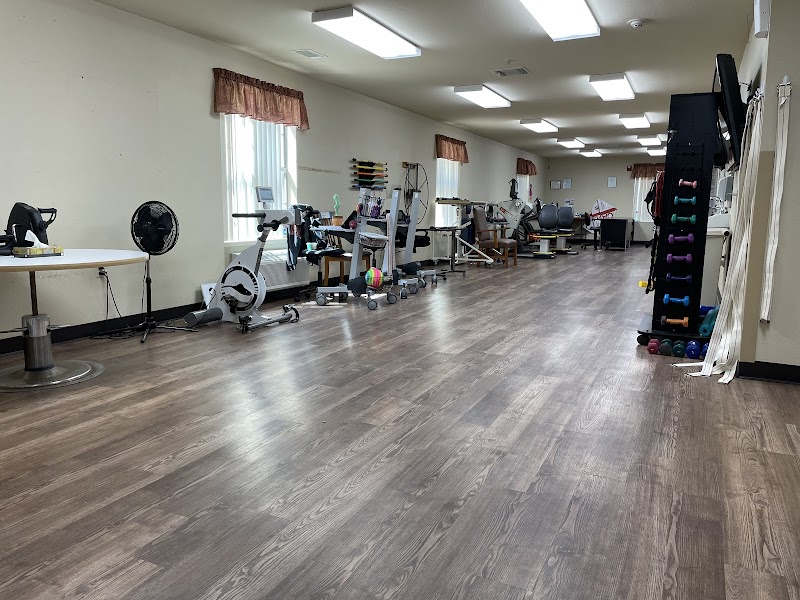
How is Pleasant Valley Healthcare And Rehabilitation Cent Staffed?

CMS rates PLEASANT VALLEY HEALTHCARE AND REHABILITATION CENT's staffing level at 2 out of 5 stars, which is below average compared to other nursing homes. Staff turnover is 43%, compared to the Texas average of 46%. This relatively stable workforce can support continuity of care.

What Have Inspectors Found at Pleasant Valley Healthcare And Rehabilitation Cent?

State health inspectors documented 24 deficiencies at PLEASANT VALLEY HEALTHCARE AND REHABILITATION CENT during 2022 to 2025. These included: 3 Immediate Jeopardy (the most serious level, indicating potential for serious harm or death) and 21 with potential for harm. Immediate Jeopardy findings are rare and represent the most serious regulatory concerns. They require immediate corrective action.
Who Owns and Operates Pleasant Valley Healthcare And Rehabilitation Cent?

PLEASANT VALLEY HEALTHCARE AND REHABILITATION CENT is owned by a for-profit company. For-profit facilities operate as businesses with obligations to shareholders or private owners. The facility is operated by THE ENSIGN GROUP, a chain that manages multiple nursing homes. With 124 certified beds and approximately 77 residents (about 62% occupancy), it is a mid-sized facility located in GARLAND, Texas.
How Does Pleasant Valley Healthcare And Rehabilitation Cent Compare to Other Texas Nursing Homes?

Compared to the 100 nursing homes in Texas, PLEASANT VALLEY HEALTHCARE AND REHABILITATION CENT's overall rating (2 stars) is below the state average of 2.8, staff turnover (43%) is near the state average of 46%, and health inspection rating (2 stars) is below the national benchmark.

What Should Families Ask When Visiting Pleasant Valley Healthcare And Rehabilitation Cent?

Based on this facility's data, families visiting should ask: "What changes have been made since the serious inspection findings, and how are you preventing similar issues?" "Can you walk me through typical staffing levels on day, evening, and night shifts?" "Can I visit during a mealtime to observe dining assistance and food quality?" "How do you handle medical emergencies, and what is your hospital transfer rate?" These questions are particularly relevant given the facility's Immediate Jeopardy citations and the below-average staffing rating.

Is Pleasant Valley Healthcare And Rehabilitation Cent Safe?

Based on CMS inspection data, PLEASANT VALLEY HEALTHCARE AND REHABILITATION CENT has documented safety concerns. Inspectors have issued 3 Immediate Jeopardy citations (the most serious violation level indicating risk of serious injury or death). The facility has a 2-star overall rating and ranks #100 of 100 nursing homes in Texas. Families considering this facility should ask detailed questions about what corrective actions have been taken since these incidents.

Do Nurses at Pleasant Valley Healthcare And Rehabilitation Cent Stick Around?

PLEASANT VALLEY HEALTHCARE AND REHABILITATION CENT has a staff turnover rate of 43%, which is about average for Texas nursing homes (state average: 46%). Moderate turnover is common in nursing homes, but families should still ask about staff tenure and how the facility maintains care continuity when employees leave.

Was Pleasant Valley Healthcare And Rehabilitation Cent Ever Fined?

PLEASANT VALLEY HEALTHCARE AND REHABILITATION CENT has been fined $72,893 across 4 penalty actions. This is above the Texas average of $33,808. Fines in this range indicate compliance issues significant enough for CMS to impose meaningful financial consequences. Common causes include delayed correction of deficiencies, repeat violations, or care failures affecting resident safety. Families should ask facility leadership what changes have been made since these penalties.

Is Pleasant Valley Healthcare And Rehabilitation Cent on Any Federal Watch List?

PLEASANT VALLEY HEALTHCARE AND REHABILITATION CENT is not on any federal watch list. The most significant is the Special Focus Facility (SFF) program, which identifies the bottom 1% of nursing homes nationally based on persistent, serious quality problems. Not being on this list means the facility has avoided the pattern of deficiencies that triggers enhanced federal oversight. This is a positive indicator, though families should still review the facility's inspection history directly.