HERITAGE AT TURNER PARK HEALTH & REHAB
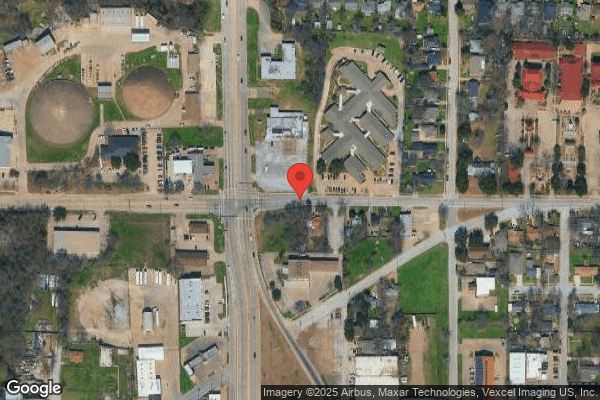
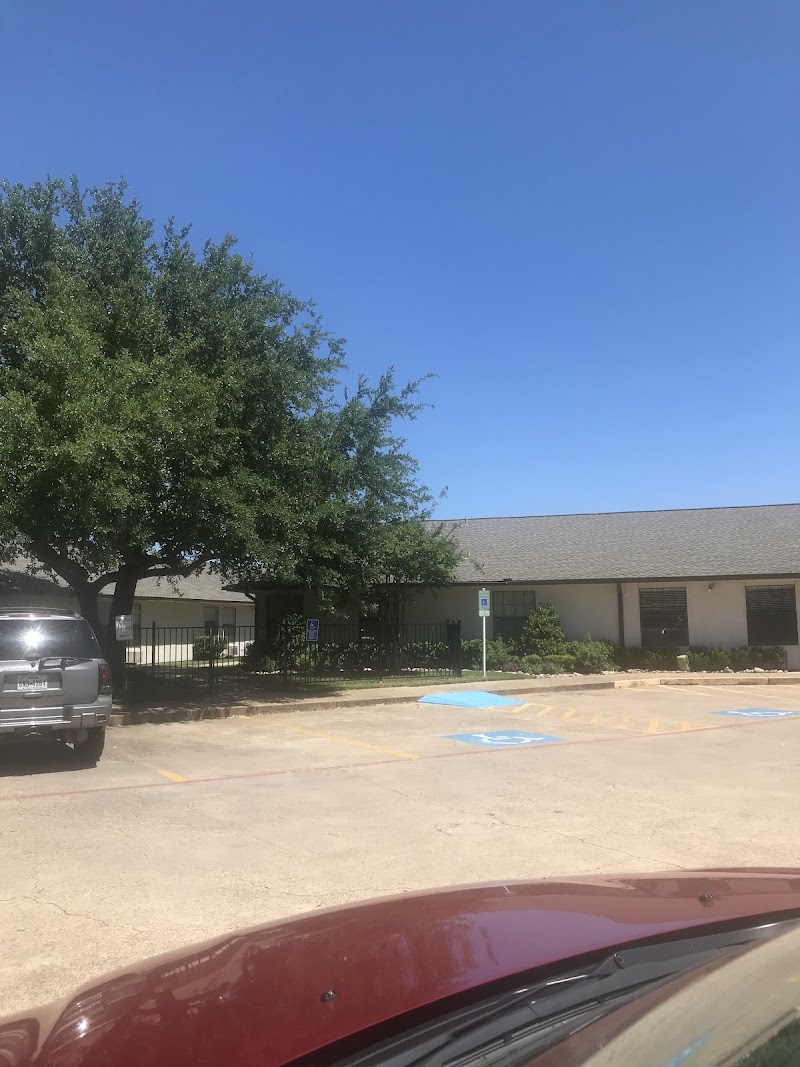
820 SMALL ST, GRAND PRAIRIE, TX 75050 (972) 262-1351
For profit - Limited Liability company 146 Beds CREATIVE SOLUTIONS IN HEALTHCARE Data: November 2025 1 Immediate Jeopardy citation
Trust Grade
46/100
#485 of 1168 in TX
Last Inspection: July 2025

Inspected within the last 6 months. Data reflects current conditions.

Overview

Heritage at Turner Park Health & Rehab has a Trust Grade of D, indicating below-average performance with some notable concerns. They rank #485 out of 1168 facilities in Texas, placing them in the top half, and #31 out of 83 in Dallas County, meaning only a few local options are better. While the facility is improving, decreasing issues from 9 in 2024 to 6 in 2025, staffing is a weakness with a rating of 2 out of 5 stars and a turnover rate of 47%, which is slightly better than the Texas average. They also have concerning RN coverage, with fewer registered nurses than 78% of other Texas facilities, which is critical for catching potential problems. Recent inspections highlighted serious issues, such as a resident being able to exit the secure unit unsupervised and sustaining a serious injury, as well as a failure to provide timely pain management for another resident.

Trust Score
D
46/100
In Texas
#485/1168
Top 41%
Safety Record
High Risk
Review needed
Inspections
Getting Better
9 → 6 violations
Staff Stability
⚠ Watch
47% turnover. Above average. Higher turnover means staff may not know residents' routines.
Penalties
✓ Good
$17,493 in fines. Lower than most Texas facilities. Relatively clean record.
Skilled Nurses
⚠ Watch
Each resident gets only 15 minutes of Registered Nurse (RN) attention daily — below average for Texas. Fewer RN minutes means fewer trained eyes watching for problems.
Violations
⚠ Watch
17 deficiencies on record. Higher than average. Multiple issues found across inspections.
★★★☆☆
3.0
Overall Rating
★★☆☆☆
2.0
Staff Levels
★★★★☆
4.0
Care Quality
★★★☆☆
3.0
Inspection Score
Stable
2024: 9 issues
2025: 6 issues

The Good

  • 4-Star Quality Measures · Strong clinical quality outcomes
  • Full Sprinkler Coverage · Fire safety systems throughout facility
  • No fines on record

Facility shows strength in quality measures, fire safety.

The Bad

3-Star Overall Rating

Near Texas average (2.8)

Meets federal standards, typical of most facilities

Staff Turnover: 47%

Near Texas avg (46%)

Higher turnover may affect care consistency

Federal Fines: $17,493

Below median ($33,413)

Minor penalties assessed

Chain: CREATIVE SOLUTIONS IN HEALTHCARE

Part of a multi-facility chain

Ask about local staffing decisions and management

The Ugly 17 deficiencies on record

1 life-threatening 1 actual harm
Jul 2025 1 deficiency
CONCERN (D)

Potential for Harm - no one hurt, but risky conditions existed

Infection Control (Tag F0880)

Could have caused harm · This affected 1 resident

**NOTE- TERMS IN BRACKETS HAVE BEEN EDITED TO PROTECT CONFIDENTIALITY** Based on observation, interview and record review, the facility failed to maintain an Infection Prevention and Control Program d...

Read full inspector narrative →
**NOTE- TERMS IN BRACKETS HAVE BEEN EDITED TO PROTECT CONFIDENTIALITY** Based on observation, interview and record review, the facility failed to maintain an Infection Prevention and Control Program designed to provide a safe, sanitary, and comfortable environment and to help prevent the development and transmission of communicable diseases and infections for two (Resident #30 and Resident #33) of twelve residents observed for infection control. RN A failed to sanitize shared use equipment (blood pressure device and wrist cuff) before and after resident use with Resident #30 and Resident #33 on 07/30/2025. This failure could place residents at risk for spread of infection through cross-contamination.Findings included:Review of Resident #33's Face Sheet dated 07/30/2025 revealed she was a [AGE] year-old female admitted from an acute care hospital. Relevant diagnoses included acute cerebrovascular insufficiency (inadequate blood flow to the brain), vascular dementia (impaired cognitive function related to impaired blood flow to the brain), depression (mood disorder), and seizures (sudden, uncontrolled electrical disturbance in the brain). Review of Resident #33's Quarterly MDS dated [DATE] revealed she had a severe cognitive impairment with a BIMS score of 03. She used a walker and wheelchair for mobility and had no impairments to her upper and lower extremity. Resident #33 required setup or clean up assistance for eating, shower/bathing, and personal hygiene. Review of Resident #30's Face Sheet dated 07/30/2025 revealed she was an [AGE] year-old female admitted from an acute care hospital. Relevant diagnoses included dementia (decline in mental abilities), psychotic disorder (group of mental illnesses involving hallucinations and/or delusions), traumatic brain injury (external force that causes damage to the brain), schizoaffective disorder (mental health condition characterized by a combination of schizophrenia and a mood disorder), major depressive disorder (mental illness characterized by persistent sadness and loss of interest in activities), and altered mental status (change in a person's level of consciousness or cognitive function). Review of Resident #30's Quarterly MDS dated [DATE] revealed she was cognitively intact with a BIMS score of 13. She used a wheelchair for mobility and had no impairments to her upper and lower extremity. Resident #30 required supervision with toileting, shower/bathing, and personal hygiene. In observation of RN A on 07/30/2025 at 8:55 AM, she obtained Resident #33's vitals with the blood pressure device and wrist cuff and placed it on her right wrist. RN V then provided Resident #33 with her medications. RN A failed to sanitize the blood pressure device and wrist cuff prior to obtaining Resident #33's vitals. RN V then moved on to Resident #30 and obtained her vitals with the same blood pressure device and wrist cuff and placed it on her right wrist. RN V then provided Resident #30 with her medications. RN V failed to sanitize the blood pressure device and wrist cuff before and after obtaining Resident #30's vitals. In interview with RN A on 07/30/2025 at 9:39 AM, she stated she did not sanitize the blood pressure device and wrist cuff prior to Resident #30 because she only sanitizes the [blood pressure device and wrist cuff] every two people. When asked if the facility trained her to do this, she stated not really. When asked what can occur if shared use equipment was not sanitized between every resident use, she stated infection control issues. Interview with ADON B on 07/31/2025 at 10:14 AM revealed her expectations were for any shared use equipment to be sanitized before and after resident use for infection control reasons. Interview with the DON on 07/31/2025 at 10:28 AM revealed her expectations were for any shared use equipment to be sanitized before and after resident use for infection control reasons. Interview with the Administrator on 07/31/2025 at 2:02 PM revealed her expectations were for any shared use equipment to be sanitized before and after resident use for infection control reasons. Record review of facility policy Standard Precautions, undated, provided by the DON on 07/31/2025 at 10:35 AM revealed Standard precautions are based upon the principle that all blood, body fluids, secretions, excretions, non-intact skin, and mucous membranes may contain transmissible infectious agents. Standard precautions are intended to be applied to the care of all persons in all healthcare settings, regardless of suspected or confirmed presence of an infectious agent. Record review of facility policy, Fundamentals of Infection Control Precautions, rev. 2019, reflected 6. Resident care equipment and articles . 3. Non-invasive resident care equipment is cleaned daily or as needed between use .
Jan 2025 1 deficiency
CONCERN (E) 📢 Someone Reported This

A family member, employee, or ombudsman was alarmed enough to file a formal complaint

Potential for Harm - no one hurt, but risky conditions existed

Deficiency F0697 (Tag F0697)

Could have caused harm · This affected multiple residents

**NOTE- TERMS IN BRACKETS HAVE BEEN EDITED TO PROTECT CONFIDENTIALITY** Based on interview and records review the facility failed to ensure that pain management is provided to residents who require su...

Read full inspector narrative →
**NOTE- TERMS IN BRACKETS HAVE BEEN EDITED TO PROTECT CONFIDENTIALITY** Based on interview and records review the facility failed to ensure that pain management is provided to residents who require such services, consistent with professional standards of practice, the comprehensive person-centered care plan, and the residents' goals and preferences for one (Resident #1) of six residents reviewed for pain medication. LVN A failed to administer Resident #1 pain medicine for a complaint of pain intensity level 4 (moderate pain) out of 10 on 01/04/25; pain intensity level 4 (moderate pain) out of 10 on 01/05/25; pain intensity 5 (moderate pain) out of 10 on 01/06/25; pain intensity 5 (moderate pain) out of 10 on 01/07/25; pain intensity 7 (severe pain) out of 10 on 01/10/25, and a pain intensity 6 (moderate pain) out of 10 on 01/10/25 (intensity levels are interpreted as 0: no pain; 1 - 3: mild discomfort; 4 - 6: moderate pain; 7 - 10: Severe discomfort/pain). This failure placed residents at risk of not receiving timely pain management care which could result in prolonged pain and diminished quality of life. Findings included: A record review of Resident #1's incomplete admission MDS assessment dated [DATE] revealed a [AGE] year-old female admitted on [DATE]. Resident #1 had diagnoses of Rhabdomyolysis (a condition that causes muscles to break down); Hereditary and idiopathic neuropathy (nerve damage in the peripheral nervous system (PNS) where the cause cannot be determined); and Spondylolysis, Cervical Region (a painful spine condition. It is a bony defect in the neck area [the first seven irregular bones in the spine]). The admission MDS assessment did not reflect a BIMS summary score or that a staff assessment for mental status was conducted. Section J - Health Conditions of the admission MDS assessment was not completed and did not indicate if Resident #1 had pain or was hurting, pain frequency, pain effect on sleep, pain interference with ADLs, or pain intensity. Section V - Care Area Assessment (CAA) Summary in the admission MDS assessment did not trigger care areas for care planning. A record review of Resident #1's Care Plan Conference, dated 01/06/25, indicated focus, goals and interventions were reviewed and included discharge plan for Resident #1 to return home; Full Code; Risk for falls; UTI and antibiotics; actual wound to coccyx; and Resident #1's preferences. A baseline care plan was not available for review in the chart. A record review of Resident #1's order summary report printed 01/18/25 indicated: Start date 01/03/25: Tylenol Oral Tablet 325 mg. Give 2 tablets by mouth every 4 hours as needed for pain mild to moderate. Start date 01/03/25: Gabapentin (a drug that affects chemicals and nerves in the body that are involved in the cause of some types of pain) 100 mg Oral Capsule. Give 2 capsules by mouth three times a day for nerve pain. Start date 01/12/25: X-Ray Left Knee. One time only for left knee pain and swelling. Record review of a written statement dated 01/15/25 at 7:22 PM, RN C wrote when he worked on Sunday, 01/12/24 Resident #1's family members informed him that Resident #1 was complaining of pain to the left knee. RN C assessed the site and note it was swollen. Resident #1 rated the pain a 7 out of 10. RN C stated he administered Tylenol 325 mg, 2 tablets, called the physician, and an x-ray of the knee was ordered. Effective Date: 01/04/25 12:35 PM Type: Nursing Note Author: LVN A Note Text: Skilled Nurse Note Resident states/appears in pain. Pain rating at 4. Effective Date: 01/05/25 11:00 AM Type: Nursing Note Author: LVN A Note Text: Skilled Nurse Note Resident states/appears in pain. Pain rating at 4. Effective Date: 01/06/25 7:43 AM Type: Nursing Note Author: LVN A Note Text: Skilled Nurse Note Resident states/appears in pain. Pain rating at 5. Effective Date: 01/07/25 10:42 AM Type: Nursing Note Author: LVN A Note Text: Skilled Nurse Note Resident states/appears in pain. Pain rating at 5. Effective Date: 01/10/25 1:49 PM Type: Nursing Note Author: LVN A Note Text: Skilled Nurse Note Resident states/appears in pain. Pain rating at 7. Effective Date: 01/10/25 9:29 PM Type: Nursing Note Author: LVN A Note Text: Skilled Nurse Note Resident states/appears in pain. Pain rating at 6. Effective Date: 01/12/25 12:56 AM Type: MAR - Administration Note Author: RN E Note Text: Tylenol Oral Tablet 325 mg. Give 2 tablet by mouth every 4 hours as needed for pain mild to moderate pain. Effective Date: 01/12/25 1:27 AM Type: MAR - Administration Note Author: RN E Note Text: Tylenol Oral Tablet 325 mg. Give 2 tablet by mouth every 4 hours as needed for pain mild to moderate pain. PRN administration was Effective. Follow-up pain scale was 0 (zero). Effective Date: 01/12/25 7:23 PM Type: MAR - Administration Note Author: RN C Note Text: Tylenol Oral Tablet 325 mg. Give 2 tablet by mouth every 4 hours as needed for pain mild to moderate pain. Pain at the left knee Effective Date: 01/12/25 8:55 PM Type: MAR - Administration Note Author: RN C Note Text: Tylenol Oral Tablet 325 mg. Give 2 tablet by mouth every 4 hours as needed for pain mild to moderate pain. PRN administration was Effective. Follow-up pain scale was 0 (zero). Effective Date: 01/12/25 9:17 PM Type: Nursing Progress Note Author: RN C Note Text: [Resident #1] Complained of pain 7 out of 10 and swelling of the left knee. [Attending Physician] ordered x-ray of left knee. Effective Date: 01/12/25 9:30 PM Type: Nursing Note Author: RN C Note Text: Skilled Nurse Note Resident states/appears in pain. Pain rating at 7. Effective Date: 01/13/25 4:24 AM Type: Nursing Note Author: RN E Note Text: Skilled Nurse Note Resident states/appears in pain. Pain rating at 3. Effective Date: 01/13/25 8:29 AM Type: Nursing Progress Note Author: ADON Note Text: X-ray tech present at facility to do left knee x-ray will await results. Review of Resident #1's January 2025 MAR reflected RN E administered Tylenol 325 mg, 2 tablets, on 01/12/25 at 12:56 AM for an unknown level of pain. RN C administered Tylenol 325 mg, 2 tablets on 01/12/25 at 7:23 PM for a pain level of 7 (severe) out of 10 to the left knee and swelling. There were no other entries on the MAR that indicated Tylenol was administered from 01/03/25 through 01/11/25. During an interview on 01/18/25 at 12:11 PM, LVN A said that she worked 6A - 2P shifts. LVN A said when she was scheduled, or picked up extra shifts, she was assigned as Resident #1's nurse. LVN A said that Resident #1 was a new admission and resided at the facility for less than 3 weeks. LVN A said that Resident #1 was alert and oriented to self, surroundings, was occasionally confused and needed prompts or cues about the date or time of day. LVN A said that Resident #1 could voice and make her wants and needs known. LVN A said Resident #1 required 2-persons to assist with toileting and transferring. LVN A said that Resident #1 was wheelchair bound and required the mechanical lift for transfers. LVN A said that Resident #1 never complained about pain or requested pain medication. During a phone interview on 01/19/25 at 4:26 PM, RN E said that she worked 10P - 6A shifts. RN E said that when she was scheduled, she was assigned as Resident #1's nurse. RN E said that Resident #1 did not often complain about pain. RN E said when she worked on 01/11/25, Resident #1 said that she was hurting behind her knees. RN E said that she did not recall the pain level before she administered the Tylenol. RN E said that Resident #1's knee(s) were not swollen when asked if she checked and noticed any swelling, redness, or felt any warmth behind Resident #1's knees at the time she complained of pain. RN E said when she followed up with Resident #1 around 1:30 AM (01/12/25), the Tylenol was effective because [Resident #1] said she was okay. During a phone interview on 01/19/25 at 4:53 PM, LVN A stated that Resident #1 received a routine pain medication, and she would assess Resident #1's pain level prior to administering routine medications. LVN A identified the routine pain medication as Gabapentin that was given for nerve pain. LVN A said that Resident #1 would indicate her pain was generalized. LVN A said that she did not administer PRN Tylenol to Resident #1 because the Gabapentin relieved any pain Resident #1 had. LVN A acknowledged that there were medication aides who administered routine medications to Resident #1 and stated that LVN A administered medications on the weekend. LVN A could not speak to why she stated she administered routine medications to Resident #1 during the weekday or to why she did not assess the severity and the impacts of the pain on Resident #1. LVN A denied performing or suggesting coping strategies or non-pharmacological pain management techniques to assist Resident #1 with pain relief. Review of the facility's policy Pain Management, Assessment Scale revised May 25, 2016, indicated complaints of pain will be assessed accordingly by the nurse and effectively managed through prescribed medications, comfort measures, and all available resources of the facility. Procedure 1. Assess resident's physical symptoms of pain, physical complaints, and daily activities. 2. Perform comfort measures to promote relaxation. 5. Apply heat or cold as ordered to minimize or relieve pain. 6. Help resident into a comfortable position and use pillows to splint or support painful areas, as appropriate, to reduce muscle tension or spasm and to redistribute pressure on body part. 7. Ask resident to help establish goals and develop plan for pain control. 8. Instruct resident in use of relaxation techniques. 9. Have the resident to rate pain on a scale of one to ten with one being the least pain and ten being the worst pain experienced. The nurse may use the pain rating scale when assessing effectiveness of medications and assessing for pain intensity. Utilize the Pain Assessment Tool in documenting the resident's complaint of pain. 10. Assist the resident in maintaining a pain management and rest schedule, exercise program and medication regimen. 11. Encourage self-care activities. 12. Talk with the resident about pain and assess for pain relief after interventions. 13. Monitor for effectiveness of pain interventions. 14. The care plan team will routinely assess the effectiveness of pain management interventions. Appropriate care plans will be maintained for the management of the resident's pain.
Jan 2025 4 deficiencies
CONCERN (D) 📢 Someone Reported This

A family member, employee, or ombudsman was alarmed enough to file a formal complaint

Potential for Harm - no one hurt, but risky conditions existed

Deficiency F0558 (Tag F0558)

Could have caused harm · This affected 1 resident

**NOTE- TERMS IN BRACKETS HAVE BEEN EDITED TO PROTECT CONFIDENTIALITY** Based on observations, interviews, and record review, the facility failed to ensure the resident had the right to reside and rec...

Read full inspector narrative →
**NOTE- TERMS IN BRACKETS HAVE BEEN EDITED TO PROTECT CONFIDENTIALITY** Based on observations, interviews, and record review, the facility failed to ensure the resident had the right to reside and receive services in the facility with reasonable accommodation of resident needs and preferences for 1 of 5 residents (Resident #4) reviewed for physical environment. The facility failed to ensure the call light was within reach for Resident #4. This could place the residents at risk of not receiving the care and services to maintain their highest level of well-being. Findings included: 1. Record review of Resident #4's Quarterly MDS Assessment, dated 10/16/24, reflected he was a [AGE] year-old male admitted to the facility on [DATE]. His BIMs score was 6 indicating his cognitive status was severely impaired. He had no behaviors. He required substantial/maximal assistance (Helper does more than half the effort) with transfers and toileting. His diagnoses included non-Alzheimer's dementia and seizures. Record review of Resident #4's Care Plan, dated 10/20/23, reflected the resident was at risk for falls. Facility interventions included: Make sure the resident's call light was within reach and encourage the resident to use it for assistance as needed. An observation and interview on 01/07/25 at 10:11 AM with Resident #4 revealed he was lying in bed. His call light was not visible. The resident said it was behind the dresser and he could not reach it. He said he did not press the call light and that staff checked on him. An interview on 01/07/25 at 10:15 AM with CNA B revealed he was in the hallway. CNA B entered Resident #4's room. CNA B looked for the call light. He grabbed it from behind the dresser and put it within the resident's reach. CNA B said it was important for Resident #4 have his call light in case he needed to use it to call staff. CNA B said he checked daily to make sure the resident's call light was within reach. An interview on 01/07/25 at 2:10 PM with RN C revealed she did not know why Resident #4 did not have access to his call light. RN C said the aides and nurses were responsible for making sure the resident had their call light within reach to contact staff. She said she made rounds every 2 hours to make sure residents had their call lights. An interview on 01/07/25 at 2:35 PM with the Administrator revealed Resident #4 lived in the Memory Care Unit and would move his call light . She said she did not know why the behavior was not care planned. An interview on 01/08/25 at 12:55 PM with the DON revealed she did not know why Resident #4 did not have access to his call light. She said staff were responsible for making sure residents had their call lights to contact staff. The DON said she had not identified it as an issue with the resident before. She said the facility was going to in-service staff to make sure residents had access to their call lights. Record review of the facility's policy titled, Resident Rights, not dated, reflected: The resident has a right to a dignified existence, self-determination, and communication with and access to persons and services inside and outside the facility .
CONCERN (D) 📢 Someone Reported This

A family member, employee, or ombudsman was alarmed enough to file a formal complaint

Potential for Harm - no one hurt, but risky conditions existed

Infection Control (Tag F0880)

Could have caused harm · This affected 1 resident

**NOTE- TERMS IN BRACKETS HAVE BEEN EDITED TO PROTECT CONFIDENTIALITY** Based on observation, interview, and record review, the facility failed to maintain an Infection Prevention and Control Program ...

Read full inspector narrative →
**NOTE- TERMS IN BRACKETS HAVE BEEN EDITED TO PROTECT CONFIDENTIALITY** Based on observation, interview, and record review, the facility failed to maintain an Infection Prevention and Control Program designed to provide a safe, sanitary, and comfortable environment and to help prevent the development and transmission of communicable diseases and infections for one of three residents (Resident #1) observed for infection control. The facility failed to ensure the ADON wore the appropriate PPE while measuring and assessing foot wounds for Resident #1. These failures could place residents at risk of transmission of multidrug-resistant organisms. Findings included: Record Review of Resident 1's quarterly MDS assessment revealed he was an [AGE] year-old male, admitted to the facility on [DATE]. Resident's MDS revealed he had a BIMS score of 9 indicating his cognition was moderately impaired. His diagnoses included heart failure, peripheral vascular disease (a chronic condition that reduces blood flow to the arms, legs, and organs), end-stage renal disease, malnutrition, and traumatic amputation of most toes. Record Review of Resident #1's Care Plans reflected, 11/29/24 The resident had a pressure ulcer of the left heel. Facility interventions included: Document on pressure ulcer of the left heel, amt of drainage, peri-wound area, pain, edema, and circumference measurements. Evaluate wound for: size, depth, margins: peri-wound skin. Document progress in wound healing on an ongoing basis. Notify physician as indicated. There was not a care plan for the right heel. Record Review of Resident #1's Order Summary Report, dated January 2025, reflected: 1. Cleanse wound to left heel with normal saline, pat dry, apply betadine, and cover with a gauze roll (kerlix), and secure with tape (paper) once daily and as needed for wound care. 2. Cleanse wound to right heel with normal saline, pat dry, apply collagen powder and calcium alginate, cover gauze roll (kerlix), and secure with tape (paper) once daily one time a day for wound care. 3. May have pressure relieving mattress every shift. Review of Resident #1's Wound Evaluation and Management Summary reflected: 01/01/25 1. Stage 4 Pressure Wound of the Right Heel: 1.5 x 0.5 x Not Measurable Centimeters with black necrotic (dead) tissue. Wound progress: Exacerbated (worsened) 2. Unstageable Wound of the Left Heel: 0.9 x 0.8 x Not Measurable Centimeters with black necrotic tissue. Wound progress: Improved 01/08/25 1. Stage 4 Pressure Wound of the Right Heel: 1 x 0.5 x Not Measurable centimeters with black necrotic tissue. Wound progress: Improved 2. Unstageable Wound of the Left Heel: 0.8 x 0.8 x Not Measurable Centimeters with black necrotic tissue. Wound progress: Improved Record review of Resident #1's electronic treatment administration record reflected LVN A documented the ordered wound care was completed on 01/04/25-01/07/25. An observation and interview on 01/07/24 at 9:50 AM with Resident #1 and his family member revealed he was lying in bed. He was awake, alert, oriented. His feet were uncovered and lying flat on the regular mattress. Neither foot had a dressing. He had multiple missing toes with black sutures extending out of the skin. LVN A entered the room, put on gloves, and raised each foot . Each heel had a necrotic circular area. LVN A said the heels were supposed to be off-loaded, but the resident refused the boots to off-load them. LVN A said the sutures were dissolvable. An observation and interview on 01/07/25 at 4:05 PM with the ADON revealed she entered Resident #1's room. The resident had a sign on his door showing that he was on enhanced barrier precautions. The ADON entered the resident's room and donned gloves. The ADON did not put on a gown. The ADON proceeded to undress each foot wound and measure/assess them. While the ADON measured/assessed the wounds on his heels, her scrubs touched the bed. The ADON said she was supposed to wear a gown and gloves for a resident on enhanced barrier precautions to prevent the spread of infection. She said she forgot to wear a gown that time. An interview on 01/08/25 at 1:00 PM with the DON revealed Resident #1 was on enhanced barrier precautions. The DON said for measuring and assessing the resident's wounds, a gown and gloves were required. The DON said failure to wear the appropriate PPE could lead to the spread of infection. Record review of the facility policy, Infection Control Plan: Overview updated March 2024, reflected: .Gowns and protective apparel 1. Gowns and protective apparel are worn to provide barrier protection and reduce the opportunity for transmission of microorganisms in the LTCF [long term care facility]. Gowns are worn to prevent contamination of clothing and to protect the skin of personnel from blood and body fluid exposures. Gowns that are selected for use in the facility will be impermeable to liquids. 2. Gowns are also worn by personnel during the care of patients infected with epidemiologically important microorganisms to reduce the opportunity for transmission of pathogens from residents or items in their environment to other residents or environments; when gowns are worn for this purpose, they are removed before the personnel leave the resident's environment . -
CONCERN (E) 📢 Someone Reported This

A family member, employee, or ombudsman was alarmed enough to file a formal complaint

Potential for Harm - no one hurt, but risky conditions existed

Pressure Ulcer Prevention (Tag F0686)

Could have caused harm · This affected multiple residents

**NOTE- TERMS IN BRACKETS HAVE BEEN EDITED TO PROTECT CONFIDENTIALITY** Based on observation, interview, and record review, the facility failed to ensure a resident with pressure ulcers received neces...

Read full inspector narrative →
**NOTE- TERMS IN BRACKETS HAVE BEEN EDITED TO PROTECT CONFIDENTIALITY** Based on observation, interview, and record review, the facility failed to ensure a resident with pressure ulcers received necessary treatment and services, consistent with professional standards of practice, to promote healing, prevent infection, and prevent new ulcers from developing for 1 (Resident #1) of 3 residents reviewed for pressure ulcers. The facility failed to ensure LVN A provided physician ordered wound care for Resident #1 on 01/04/25 - 01/07/25. This failure could place residents with pressure wounds at risk of the wound worsening, leading to increased pain, infection, delayed healing, serious complications including sepsis, reduced mobility, and a lower quality of life. Findings included: Record Review of Resident 1's quarterly MDS assessment revealed he was an [AGE] year-old male, admitted to the facility on [DATE]. Resident's MDS revealed he had a BIMS score of 9 indicating his cognition was moderately impaired. His diagnoses included heart failure, peripheral vascular disease (a chronic condition that reduces blood flow to the arms, legs, and organs), end-stage renal disease, malnutrition, and traumatic amputation of most toes. Record Review of Resident #1's Care Plans reflected, 11/29/24 The resident had a pressure ulcer of the left heel. Facility interventions included: Document on pressure ulcer of the left heel, amount of drainage, peri-wound area, pain, edema, and circumference measurements. Evaluate wound for: size, depth, margins: peri-wound skin. Document progress in wound healing on an ongoing basis. Notify physician as indicated. There was no care plan for the right heel. Record Review of Resident #1's Order Summary Report, dated January 2025, reflected: 1. Cleanse wound to left heel with normal saline, pat dry, apply betadine, and cover with a gauze roll (kerlix), and secure with tape (paper) once daily and as needed for wound care. 2. Cleanse wound to right heel with normal saline, pat dry, apply collagen powder and calcium alginate, cover gauze roll (kerlix), and secure with tape (paper) once daily one time a day for wound care. 3. May have pressure relieving mattress every shift. Review of Resident #1's Wound Evaluation and Management Summary reflected: 01/01/25 1. Stage 4 Pressure Wound of the Right Heel: 1.5 x 0.5 x Not Measurable Centimeters with black necrotic (dead) tissue. Wound progress: Exacerbated (worsened) 2. Unstageable Wound of the Left Heel: 0.9 x 0.8 x Not Measurable Centimeters with black necrotic tissue. Wound progress: Improved 01/08/25 1. Stage 4 Pressure Wound of the Right Heel: 1 x 0.5 x Not Measurable centimeters with black necrotic tissue. Wound progress: Improved 2. Unstageable Wound of the Left Heel: 0.8 x 0.8 x Not Measurable Centimeters with black necrotic tissue. Wound progress: Improved Record review of Resident #1's electronic treatment administration record reflected LVN A documented the ordered wound care was completed on 01/04/25-01/07/25. An observation and interview on 01/07/24 at 9:50 AM with Resident #1 and his family member revealed he was lying in bed. He was awake, alert, oriented. His feet were uncovered and lying flat on the regular mattress . Neither foot had a dressing. He had multiple missing toes with black sutures extending out of the skin. The family member said the heel wounds were healing and the sutures were put in August 2024. LVN A entered the room and raised each foot. Each heel had a necrotic circular area. LVN A said the heels were supposed to be off-loaded, but the resident refused the boots to off-load them. LVN A said the sutures were dissolvable. An interview on 01/07/24 at 2:35 PM with LVN A revealed she did the wound care for Resident #1 on 01/04/25 - 01/07/25. She said she did not do the ordered wound care on his feet but signed that she did. She said that she put skin prep/betadine on the heels and left them uncovered. She said the heel wounds had been resolved. She said she did not know if the resident was supposed to have a pressure relieving mattress. LVN A said she did not know what the plan was for the sutures but was told by the ADON that they were dissolvable. She said she was not the wound care nurse. LVN A said the risk to the resident for not completing the ordered wound care and signing it as done was infection. An interview on 01/07/24 at 3:05 PM with the ADON revealed she was also the wound care nurse. She said she looked at the wounds for Resident #1 on Monday, Wednesday, and Friday. She said she was not able to look at them on Monday because she did not work. She said the staff nurses did their own wound care. The ADON said the heel wounds were still supposed to be treated as ordered and the heel wounds were not resolved. She said the Wound Care Physician went to the facility weekly and was scheduled to arrive on 01/08/25. The ADON said she did not know if the resident was supposed to be on a pressure relieving mattress. The ADON said the facility needed to contact Resident #1's surgeon about the sutures because they had not dissolved, and she did not know why. The ADON said she did not realize Resident #1's wounds were not treated as ordered on 01/04/25-01/07/25. The ADON said the resident was at risk for a decline in his wounds if his treatments were not completed as ordered. The ADON said the Wound Care Physician did not look at surgical wounds. An interview on 01/08/25 at 1:00 PM with the DON revealed Resident #1 was going to get an air mattress. She said the staff nurses were responsible for doing the wound care and was told LVN A did not administer the ordered treatment for his heel wounds. She said she was not aware of any other residents who did not receive their ordered treatment. She said the sutures on his toes was from his surgery before he admitted to the facility. The DON said the resident still had the sutures because she was told they were dissolvable. The DON said the facility was contacting his surgeon who was out of state. The DON said the nurses were trained how to document in the electronic treatment administration record. The DON said she checked the orders every morning to ensure nurses were documenting correctly. She said if the resident did not receive the ordered wound care, he could develop infection. She said if a nurse documented a treatment was completed when it was not, then the resident was at risk for a missed treatment. The DON said she and the nurses were responsible for ensuring wound care was completed. Record review of the facility policy, Pressure Injury: Prevention, Assessment and Treatment revised 08/12/16, reflected: Procedure: 1. Nursing personnel will continually aim to maintain the skin integrity, tone, turgor, and circulation to prevent breakdown, injury and infection . 2. Early prevention and/or treatment is essential upon initial nursing assessment of the condition of the skin on admission and whenever a change in skin status occurs. .follow any orders as directed by the physician . Sign off on treatment sheet any treatment completed .
CONCERN (E) 📢 Someone Reported This

A family member, employee, or ombudsman was alarmed enough to file a formal complaint

Potential for Harm - no one hurt, but risky conditions existed

Medical Records (Tag F0842)

Could have caused harm · This affected multiple residents

**NOTE- TERMS IN BRACKETS HAVE BEEN EDITED TO PROTECT CONFIDENTIALITY** Based on interview and record review, the facility failed to ensure that in accordance with accepted professional standards and ...

Read full inspector narrative →
**NOTE- TERMS IN BRACKETS HAVE BEEN EDITED TO PROTECT CONFIDENTIALITY** Based on interview and record review, the facility failed to ensure that in accordance with accepted professional standards and practices, the facility must maintain medical records on each resident that are complete and accurately documented for one (Resident #1) of three residents reviewed for nursing services. The facility failed to ensure LVN A did not falsely document that she provided physician ordered wound care for Resident #1 on 01/04/25 - 01/07/25. This failure could place residents at risk for not receiving ordered wound care. Findings included: Record Review of Resident 1's quarterly MDS assessment revealed he was an [AGE] year-old male, admitted to the facility on [DATE]. Resident's MDS revealed he had a BIMS score of 9 indicating his cognition was moderately impaired. His diagnoses included heart failure, peripheral vascular disease (a chronic condition that reduces blood flow to the arms, legs, and organs), end-stage renal disease, malnutrition, and traumatic amputation of most toes. Record Review of Resident #1's Order Summary Report, dated January 2025, reflected: 1. Cleanse wound to left heel with normal saline, pat dry, apply betadine, and cover with a gauze roll (kerlix), and secure with tape (paper) once daily and as needed for wound care. 2. Cleanse wound to right heel with normal saline, pat dry, apply collagen powder and calcium alginate, cover gauze roll (kerlix), and secure with tape (paper) once daily one time a day for wound care. 3. May have pressure relieving mattress every shift. Record review of Resident #1's electronic treatment administration record reflected LVN A documented the ordered wound care was completed on 01/04/25-01/07/25. An observation and interview on 01/07/24 at 9:50 AM with Resident #1 and his family member revealed he was lying in bed. He was awake, alert, oriented. His feet were uncovered and lying flat on the regular mattress. Neither foot had a dressing. He had multiple missing toes with black sutures extending out of the skin. The family member said the heel wounds were healing and the sutures were put in August 2024. LVN A entered the room and raised each foot. Each heel had a necrotic circular area. LVN A said the heels were supposed to be off-loaded, but the resident refused the boots to off-load them. LVN A said the sutures were dissolvable. An interview on 01/07/24 at 2:35 PM with LVN A revealed she did the wound care for Resident #1 on 01/04/25 - 01/07/25. She said she did not do the ordered wound care on his feet but signed that she did. She said that she put skin prep/betadine on the heels and left them uncovered. She said she thought the heel wounds had been resolved. She said she was not the wound care nurse. LVN A said the resident was at risk for infection if the staff documented that wound care was completed but failed to complete it. An interview on 01/07/24 at 3:05 PM with the ADON revealed she was also the wound care nurse. She said she looked at the wounds for Resident #1 on Monday, Wednesday, and Friday. She said she was not able to look at them on Monday because she did not work. She said the staff nurses did their own wound care. The ADON said the heel wounds were still supposed to be treated as ordered and the heel wounds were not resolved. She said the Wound Care Physician went to the facility weekly and was scheduled to arrive on 01/08/25. The ADON said she did not realize Resident #1's wounds were not treated as ordered on 01/04/25-01/07/25. The ADON said the resident was at risk for a decline in his wounds if his treatments were not completed as ordered. An interview on 01/08/25 at 1:00 PM with the DON revealed staff nurses were responsible for doing the wound care and was told LVN A did not administer the ordered treatment for Resident #1's heel wounds. She said she was not aware of any other residents who did not receive their ordered treatment. The DON said the nurses were trained how to document in the electronic treatment administration record. The DON said she checked the orders every morning to ensure nurses were documenting correctly. She said if the resident did not receive the ordered wound care, he could develop infection. She said if a nurse documented a treatment was completed when it was not, then the resident was at risk for a missed treatment. The DON said she and the nurses were responsible for ensuring wound care was completed. Record review of the facility policy, Job Description Charge Nurse, dated 2014, reflected: .Timely and accurate documentation of resident's charts . Record review of the facility policy, Dressing Change Checklist, not dated, reflected: .Documents procedure per facility policy.
Sept 2024 2 deficiencies 1 IJ
CRITICAL (J) 📢 Someone Reported This

A family member, employee, or ombudsman was alarmed enough to file a formal complaint

Immediate Jeopardy (IJ) - the most serious Medicare violation

Accident Prevention (Tag F0689)

Someone could have died · This affected 1 resident

**NOTE- TERMS IN BRACKETS HAVE BEEN EDITED TO PROTECT CONFIDENTIALITY** Based on observations, interviews, and record reviews, the facility failed to ensure residents received adequate supervision and...

Read full inspector narrative →
**NOTE- TERMS IN BRACKETS HAVE BEEN EDITED TO PROTECT CONFIDENTIALITY** Based on observations, interviews, and record reviews, the facility failed to ensure residents received adequate supervision and the environment was free from accident hazards for one (Resident #2) of four residents reviewed for supervision. Inside the facility the courtyard could not be viewed due to the blinds being closed and there was no camera monitoring of the courtyard. The facility failed to adequately supervise Resident #2. On 08/17/24 RN B was making rounds around 6:40 AM and Resident #2's roommate reported her missing. RN B stated he and staff searched the facility for Resident #2. He stated the Administrator, police, and ADON were notified. Resident #2 was able to exit the dining room and enter the courtyard. The alarms to the doors had been removed (08/09/24 by the Maintenance Supervisor) prior to the incident. Once Resident #2 was in the courtyard, the resident was locked into the courtyard as demonstrated by the surveyor observation. This courtyard and the locking of the doors can be considered an environmental hazard as Resident #2 was trapped. Resident #2 was found by staff around 8:50 AM on the ground by her wheelchair in the courtyard by the dining room and male secure unit; and she complained of pain to both knees. An Immediate Jeopardy (IJ) was identified on 09/04/24 at 5:30PM. The IJ template was provided to the facility on [DATE] at 5:52PM and signed by the Administrator. While the IJ was removed on 09/05/24 the facility remained out of compliance at a severity level of no actual harm with the potential for more than minimal harm and a scope of isolated due to the facility still monitoring the effectiveness of their Plan of Removal. This failure placed residents at risk for not being adequately supervised and the potential for serious injury and/or death. Findings included: Record review of Resident #2's Quarterly MDS assessment, dated 08/21/24 revealed she was a [AGE] year-old female who admitted to the facility on [DATE]. Her diagnoses included hypertension, renal insufficiency (poor function of the kidneys that may be due to a reduction in blood-flow to the kidneys caused by renal artery disease), urinary tract infection, hyperlipemia (too many lipids (fats) in her blood), Non-Alzheimer's Dementia, anxiety disorder, depression, and schizophrenia. Her BIMS score was 8 out of 15, which revealed she was moderately cognitively impaired. Her behavior section revealed wandering presence and frequency occurred one to three days. Her functional status revealed she used a walker and wheelchair. She required setup or clean-up assistance with eating, sit to stand, transferring, walk 10 feet, walk 50 feet with two turns, and walk 150 feet. She required supervision or touching assistance with bathing, dressing, and personal hygiene. Review of Resident #2's Care Plan, dated 08/12/24 and revised 08/17/24, reflected Resident #2 was at-risk for elopement as evidenced by cognitive impairment. Her goal was to remain safe within the facility unless accompanied by staff or other authorized person. Her interventions were assess/record/report to MD risk factors for potential elopement such as wandering, repeated requests to leave facility, statements such as I'm leaving and I'm going home. Attempts to leave the facility, elopement attempts from previous facility, home, or hospital. Supervise closely and make regular compliance rounds whenever resident was in room. Determine the reason the resident was attempting to elope. If resident was exit seeking, stay with the resident and notify the charge nurse by calling out, sending another staff member, call system, and etc. Review of Resident #2's Elopement Risk, dated 08/17/24, reflected she was a high risk of elopement. Review of the facility's Provider Investigation Report, dated 08/22/24, reflected on 08/17/24 at 6:50 AM, the facility conducted a search throughout the facility, called 911, and continued searching for Resident #2. Resident #2 was found on the ground by her wheelchair in the courtyard by the dining room and men's secure unit. EMS was on-site, Resident #2 was at baseline and refused to be sent to the hospital for further evaluation. A head-to-toe evaluation was completed and no injury was noted at the time of the assessment. Resident #2 complained of pain to both knees and the physician was notified. Neuro assessment and skin assessments were completed. The Administrator followed up with Resident #2 to ensure her safety and well-being in the facility and spoke with the RP. Resident #2 initially refused to go to the hospital but was sent to the ER per family request. Lab results from the hospital revealed she had a UTI. The facility conducted an elopement drill and would complete three elopement drills per week for the next four weeks. The facility staff were educated on elopement prevention and response policy and emphasized on checking courtyards during searches. Staff were educated on the importance rounding during shift change and two hour rounding. An abuse and neglect in-service was completed. Elopement risk assessments were completed. Resident #2's care plan was updated. Elopement assessments were completed with doctor's orders. Resident #2 was placed in the female secure unit. Resident will be assessed for elopement risk after completion of UTI medication. Observation on 09/03/24 at 1:05 PM revealed the Administrator and Surveyor exited one of the doors in the dining room to enter the male secure unit courtyard. Once the door was opened the alarm sounded. When the door closed the alarm shut off. There were windows with closed blinds facing the courtyard. The layout of the courtyard was in between the male secure unit and the main dining room. There was a sidewalk in the middle of the courtyard. There were air conditioning units on both sides of the courtyard. Once in the courtyard the Surveyor and Administrator were unable to re-enter the facility. The Administrator and Surveyor were not visible from inside the facility once outside in the courtyard. There were no cameras in the courtyard. Not having cameras in the courtyard also contributed to the area being a hazard. The Administrator had to use her phone to call staff to open the door from inside the facility. Any staff or resident using the main dining room could enter the courtyard. There were no residents by the doors. However, there were vending machines next to the doors that residents access throughout the day. Interview with the Administrator on 09/03/24 at 1:09 PM revealed Resident #2 had moments of confusion. She stated Resident #2 was a new admission and had not had any previous elopements while at the facility. Resident #2 went missing around 6:47 am on 08/17/24. She stated Resident #2 got turned around and exited the door in the dining room near the vending machine. She stated the door did not have an alarm and was unlocked. She stated the door could be pushed open into the male secure unit courtyard and once outside the dining room door locked when closed. She stated Resident #2 fell out of her wheelchair (unknown how she fell out of her wheelchair) and was found around 8:50 AM in between two air conditioning units. She stated the temperature outside was in the 80s (Fahrenheit). She stated Resident #2 was assessed by the nurse and did not sustain any injuries. She stated Resident #2 complained of pain to her knees. She stated the physician was notified. The Administrator stated Resident #2 refused to go the hospital but the RP agreed to have her sent to the hospital. The Administrator stated Resident #2 received an X-ray at the hospital and no fractures were noted. She stated Resident #2 was not previously on the female secure unit but was moved to the female secure unit after the elopment She stated an alarm was placed on the doors after the incident happened. She stated staff were in-serviced regarding elopement. She stated Resident #2 was moved to the female secure unit at the facility. She stated staff completed elopement drills. Interview with the Maintenance Supervisor on 09/04/24 at 10:30 AM revealed there was not an alarm on both doors in the dining room near the male secure unit courtyard. He state the alarms on the dining room doors facing the male secure unit courtyard were removed on 08/09/24 and replaced on 08/26/24. He stated the alarms on the door were removed because HHSC Life Safety informed the facility the wrong alarms were on the doors. He stated there was no alarm on the doors when Resident #2 was missing. Observation of Resident #2 on 09/04/24 at 1:20 PM revealed she was sitting in her wheelchair in the female secure unit. She was clean, well-groomed, and appropriately dressed. She was free from any odors. She displayed no obvious signs or symptoms of distress. There were no concerning marks or bruises noted on her person. There were no noted concerns regarding her appearance. During an attempted interview with Resident #2 on 09/04 at 1:20 PM, it was noted that Resident #2 was pleasantly confused and was unable to participate in a reliable interview due to cognitive impairment. However, she reported that she had bruising and was in pain after the incident. Review of the facility's policy title, Elopement Prevention, dated January 2023, reflected, every effort will be made to prevent elopement episodes while maintaining the least restrictive environment for residents who are at risk for elopement. An Immediate Jeopardy (IJ) was identified on 09/04/24 at 5:30PM. The IJ template was provided to the facility on [DATE] at 5:52PM and signed by Administrator. A Plan of Removal was requested at that time. The facility's Plan of Removal was accepted on 09/05/24 at 2:09 PM and reflected the following: The facility failed to ensure Resident #2 was free from accident hazards. The facility failed to ensure Resident #2 could enter and exit the facility from the male secure unit courtyard. All residents in the main building have the potential to be affected by this alleged deficient practice. Interventions: As of 9/4/2024 Resident #2 resided on the facility's female secured unit. As of 9/5/2024 Door #1 (located near the courtyard gate) has been locked by maintenance and will remain locked at all times since it is not an exit door or door of egress. Door #2 in the dining room (designated as the 2nd exit door for the courtyard) has had mag locks installed by our fire safety contractor and will remain locked at all times but will disengage when the fire alarm system is activated. The Medical Director was notified by the Administrator of this plan on 9/4/2024. An Ad Hoc QAPI meeting was held on 9/4/2024. In-services: All staff will be in-serviced by 9/5/2024 by the Admin/designee regarding the following and all staff not in-serviced by 9/5/2024 will not be allowed to work their assigned position until completion of these in-services. All new hires, PRN, and agency staff will be in-services prior to the start of their assignment: This will be ongoing. Admin and ADON were in-serviced by Compliance Nurse. Abuse and Neglect All staff must respond immediately when the door alarms are triggered and intervene as appropriate. Elopement Prevention and Response Monitoring: The Admin/Maintenance and/or designee will monitor all doors functioning, including the dining room door and alarms 5 times per week. Monitoring began 9/4/2024 and will continue x 4 weeks. Any issues identified will be addressed immediately. Monitoring: Record review of facility in-service training reports dated 09/04/24 revealed facility staff from the 6:00 AM - 2:00 PM, 2:00 PM - 10:00 PM, and 10:00 PM -6:00 AM weekday and weekend shifts and management were in-serviced regarding elopement prevention and response, elopement Risk and protection, elopement risk and prevention, if a door alarm was triggered, staff must respond immediately to assess the situation, intervene and redirect residents as appropriate, door alarm response, and abuse/neglect policy. Interviews with the Administrator, ADON, Staffing Coordinator, LVN A, RN B, LVN C, CNA D, and CNA E on 09/06/24 were between 12:00 PM and 5:18 PM revealed staff from all shifts and various disciplines were in-serviced regarding elopement prevention and response, elopement Risk and protection, elopement risk and prevention, if a door alarm was triggered, staff must respond immediately to assess the situation, intervene and redirect residents as appropriate, door alarm response, and abuse/neglect policy. Staff stated they were aware there was a keypad placed on one of the doors in the dining room facing the male secure unit courtyard. Staff stated they were aware the courtyard was for the residents located on the male secure unit with supervision. They stated they understood what to do and where able to demonstrate competency by responding to drills. Observation on 09/05/24 at 4:15 pm of both doors in the dining room near the male secure unit courtyard revealed one door was permanently sealed and the other door had a keypad installed. The keypad was for staff to access the male secure unit courtyard. The courtyard could not be accessed without a key code, and once outside in the courtyard the staff could use a key code to re-enter the facility through the male secure unit. The alarm was triggered and staff from various disciplines ran to the dining room to respond to the door alarm. A code could be used to stop the alarm. Interview with RN A on 09/06/24 at 4:32 PM revealed he was informed by Resident #2's roommate that she was not in her room. He stated Resident #2 went missing around 6:40 AM and was found around 8:50 AM. He stated Resident #2 was found on the ground in the male secure unit courtyard in between two air conditioning units. He stated there were no alarms on the doors in the dining room facing the male secure unit courtyard. He stated Resident #2's wheelchair was next to her. He stated Resident #2 appeared to be confused. He stated he assessed Resident #2 and she did not sustain any injuries. He stated Resident #2 complained of pain to both of her knees. He stated she had a history of knee pain. He stated Resident #2 was placed on the female secure unit due to her elopement. He stated Resident #2 refused to go to the hospital. He stated RP requested Resident #2 be sent to the hospital. Interview with the Administrator on 09/06/24 at 5:18 pm revealed she supervised her staff to ensure policies/procedures were being followed by monitoring, re-educating staff, rounding, and spot checking. She stated she checked the staff's work and followed up with them. She stated during morning meetings, stand down meetings, and other meetings throughout the day accomplishments were discussed. She stated the IJ occurred because Resident #2 exited out of the door to the male secure unit courtyard and was not able to re-enter through the door. She stated the IJ would have been prevented had the door alarms not been removed. She stated the lock with a keypad on one door and permanently locking the other door would prevent the incident from reoccurring. She stated staff were in-serviced regarding frequently monitoring the doors to see if the alarms went off, seeing if staff responded to alarms, elopement, abuse, and neglect. The Administrator was notified the IJ was removed on 09/05/24, however the facility remained out of compliance at a severity level of no actual harm with the potential for more than minimal harm and a scope of isolated due to the facility still monitoring the effectiveness of their Plan of Removal.
CONCERN (D) 📢 Someone Reported This

A family member, employee, or ombudsman was alarmed enough to file a formal complaint

Potential for Harm - no one hurt, but risky conditions existed

Safe Environment (Tag F0584)

Could have caused harm · This affected 1 resident

**NOTE- TERMS IN BRACKETS HAVE BEEN EDITED TO PROTECT CONFIDENTIALITY** Based on observation, interview, and record review the facility failed to ensure residents had the right to a safe, clean, comfo...

Read full inspector narrative →
**NOTE- TERMS IN BRACKETS HAVE BEEN EDITED TO PROTECT CONFIDENTIALITY** Based on observation, interview, and record review the facility failed to ensure residents had the right to a safe, clean, comfortable, and homelike environment, which included but not limited to receiving treatment and supports for daily living safely for one (Resident #1) of four residents reviewed for environment. The facility failed to ensure Resident #1's walls in his room were in good repair. The facility also failed to ensure Resident #1's air conditioning unit was properly installed in his room. The failures could place residents at risk for a diminished quality of life due to the lack of a homelike environment. Findings included: Record review of Resident #1's Quarterly MDS assessment, dated 08/24/24 revealed he was a [AGE] year-old male who admitted to the facility on [DATE]. His diagnoses included hypertension, hip fracture, aphasia (a disorder that affects how you communicate), cerebrovascular accident (an interruption in the flow of blood to cells in the brain), Non-Alzheimer's Dementia, traumatic brain injury, malnutrition, and psychotic disorder. His BIMS score was 0 out of 15, which revealed he was severely cognitively impaired. Observation on 09/03/24 at 11:50 AM of Resident #1's room revealed there was a hole in the corner of the wall above the base baseboard located near the right side of the room. There was a gap above the upper right side of the air conditioner. The outside of the facility was visible from the gap. Resident #1 appeared to be confused and did not answer the surveyor's questions. Review of the maintenance log titled, Task Export Report, undated, revealed there were no repairs made to the gap above the air conditioner or the hole in the corner of the wall above the baseboard. Interview with CNA F on 09/03/24 at 11:59 am revealed he did not know there was a gap above the air conditioner and a hole in the wall above the base boards on the right side of the room. He stated he would inform the nurse and Maintenance Supervisor if repairs were needed in a resident's room. He stated the Maintenance Supervisor was responsible for making repairs at the facility. He stated the gap above the air conditioner and the hole in the wall did not create a home like environment for the resident. Interview with the Maintenance Supervisor on 09/04/24 at 10:30 AM revealed he was responsible for facility repairs. He stated he made rounds throughout the facility at least four times a day. He stated the facility had a program called Champion Rounds (staff are assigned rooms at the facility to check on resident concerns). He stated staff would complete a form regarding any maintenance concerns. He stated his primary focus during rounding at the facility was the exterior. He stated he did not know there was a gap above the air conditioner and a hole in the corner of the wall in Resident #1's room. He stated the gap above the air conditioner needed to be sealed. He stated sheet rock and spackle was needed to repair the hole in the corner of the wall. He stated there were no risk to Resident #1. He stated the gap above the air conditioner and the hole in the corner of the wall did not affect Resident #1's home like environment. Interview with the Administrator on 09/06/24 at 5:18 PM revealed she was not aware there was a gap above the air conditioner and hole in the corner the wall in Resident #1's room. She stated the Maintenance Supervisor made daily rounds at the facility. She stated the Maintenance Supervisor was actively making repairs throughout the facility. Record review of the facility policy titled Preventative Maintenance/Work-Order Request, dated 2003, revealed The facility will repair or replace damaged/broken equipment or building amenities as needed.
Jun 2024 2 deficiencies
CONCERN (D) 📢 Someone Reported This

A family member, employee, or ombudsman was alarmed enough to file a formal complaint

Potential for Harm - no one hurt, but risky conditions existed

Free from Abuse/Neglect (Tag F0600)

Could have caused harm · This affected 1 resident

**NOTE- TERMS IN BRACKETS HAVE BEEN EDITED TO PROTECT CONFIDENTIALITY** Based on observation, interview, and record review, the facility failed to ensure residents had the right to be free from abuse,...

Read full inspector narrative →
**NOTE- TERMS IN BRACKETS HAVE BEEN EDITED TO PROTECT CONFIDENTIALITY** Based on observation, interview, and record review, the facility failed to ensure residents had the right to be free from abuse, neglect, misappropriation of resident property, and exploitation for 1 of 8 residents (Resident #30) reviewed for abuse. The facility failed to ensure LVN A did not verbally abuse Resident #30 on 6/4/24 during lunch service when LVN A had a witnessed, verbal altercation with Resident #30. The altercation occurred in the presence of other residents. This failure could place residents at risk of abuse, humiliation, intimidation, fear, shame, agitation, and decreased quality of life. Findings included: Record review of Resident #30's admission Record revealed he was a [AGE] year-old male initially admitted to the facility on [DATE] and re-admitted to the facility on [DATE]. Record review of Resident #30's Quarterly MDS assessment dated [DATE] reflected he had moderately impaired cognition, used a wheelchair for mobility and required partial to moderate assistance with eating. The MDS Assessment reflected his diagnoses included: hypertension (high blood pressure), non-Alzheimer's dementia (changes in the brain that can cause forgetfulness, limited social skills, impaired thinking, irritability, and extreme mood swings). Record review of Resident #30's Care Plan reflected the following entries: An entry dated 3/10/22 and revised on 2/23/24 reflected: Focus: [Resident #30] has impaired cognitive function and impaired thought processes r/t Neurological symptoms, Short and Long term memory loss . Interventions: . Ask yes/no questions in order to determine the resident's needs . Cue, reorient and supervise as needed . Use task segmentation to support short term memory deficits. Break tasks into one step at a time. An entry dated 3/10/22 and revised on 2/23/24 reflected: Focus: I have an ADL self-care performance deficit r/t CVA .Interventions: . EATING: I am able to feed self with set-up assistance . Encourage me to participate to the fullest extent possible with each interaction . When assisting, observe for any changes in my ability to participate in my care and report any changes in ADL function . During an observation on 6/4/24 at 1:22 AM, Resident #30 was observed in his room, sitting in a wheelchair. He was well-dressed and groomed and was holding a toothbrush and toothpaste. He denied any concerns or complaints about his care at the facility. During an observation in the dining room on 6/4/24 at 12:31 PM, Resident #30 was observed sitting at a table by himself eating lunch. There were approximately six residents still eating their lunch. LVN A was observed several feet away from Resident #30 at another tab le attending to other residents. Resident #30 called out to LVN A stating he wanted a coffee refill. (This Surveyor G was standing at a table situated between Resident #30 and LVN A talking to Residents #14 and #56). LVN A stated, He normally gets it himself;, he's being lazy today. LVN A was speaking loudly enough to be heard by Resident #30. Resident #30 stated, She's being mean to me! LVN A stated, That's what he does when he doesn't want to get it himself. Resident #30 appeared angry and yelled out, I'm reporting you to the State! LVN A replied loudly, I'm reporting myself to the State right now! This Surveyor G approached Resident #30 and asked him whether he typically refilled his own coffee and he replied, no. He motioned toward the coffee container which was situated on a bar across the room and stated he did not like to because it was a little high for him. LVN A, still standing a few tables away, stated, Oh you big liar, he can do it himself. The DON entered the dining area and was waved down by Resident #30. Resident #30 asked him to get him some more coffee. The DON took his cup, refilled his coffee, retrieved extra sugar for him then left the dining area. It was unclear whether the DON had heard any of the verbal exchange. After the DON left the area, LVN A stated, you can do it, I've seen you do it, you tell stories to everyone. I'll remember that tomorrow. Resident #30 turned his attention to drinking his coffee and appeared to ignore LVN A's remark. LVN A continue to assist other residents and pick up tray. ADON B entered the dining room and also began to remove trays. Resident #30 left the dining room with no further verbal exchange. During an interview on 6/4/24 at 12:59 PM, LVN A was asked what she meant when she said to Resident #30 'I'll remember that tomorrow'. She stated, I said that because he'll get his own coffee tomorrow, like there are times he'll have other residents push him to his room, I've had to ask him to stop doing that before another resident gets hurt. This is his behavior. He gets his own coffee himself all the time, but when a manager or someone walks in, he acts like that. When asked if she felt it was appropriate to call him a liar across the dining room, LVN A denied saying it. When this Surveyor G read her quote to her, LVN A stated she only did it once because he does that all the time, he comes in the dining room and demands, 'where's my food?', I'll tell him to come and sit and be patient and he'll get angry. When asked if she routinely cared for Resident #30 and if his behaviors had ben care planned, LVN A stated he did not reside on her hall, and she mainly interacted with him in the dining room or the hallway. She stated she would normally interact with him and joke around in the hallway but in the dining room he acts like 'Bring it to me!' He demands it immediately only when someone else walked in. LVN A stated she had received training on Abuse and Neglect the day before. She stated she did not consider the incident to be verbal abuse because, Technically he was lying because he said he never does it and he does it all the time, when someone's around, he acts like that. When asked if she felt it was appropriate to treat someone like that who had those types of behaviors, LVN A stated, no and stated she normally did not react when he did it. She stated she would normally say, go get your coffee and he would go, but then he would start complaining. She stated he would cut her off whenever she tried to talk to him just as he would when she would ask him not to have residents push his chair. She stated she would ask him to stop, and he would start yelling if she said something he did not want to hear. She stated she knew there was a risk of escalating Resident 30's behavior but sometimes he got under her skin, and she knew she should not let him get to her. LVN A stated the risk of altercations with other residents present was that it could escalate other resident's behaviors. She stated, All we're trying to do is to get him to do more for himself when he doesn't want to. She stated her comment of I'll remember this tomorrow meant he's going to start with 'get me my coffee or I'll get the State'. She stated the comment was not a threat to the resident. During an interview on 6/4/24 at 1:16 PM with the Administrator, DON and Area Director of Operations, the Administrator stated he had been made aware by LVN A that she had a disagreement with Resident #30 and had been removed from the floor. The Administrator stated he was familiar with Resident #30, and he would stop him in the dining room and ask for coffee. He stated Resident #30 would ask him for additional refills before finishing his current one. The DON stated he began working at the facility the previous week and was often in the dining room. He stated Resident #30 would cross the dining room to get his attention or that of another staff member. This Surveyor G reported the events witnessed in the dining room during lunch observations. The Administrator stated verbal altercations and arguing with residents could cause psychological issues for the resident. The DON stated altercations could lead other residents' behaviors and be perceived as aggression. The Administrator stated LVN A would be suspended pending an investigation and a report would be called into the State. He stated the ADONs and DON would assess Resident #30. During an observation and interview on 6/4/24 at 2:28 PM, Resident #30 was observed being wheeled into his room by facility staff who told him they would be right back to assist him. Resident #30 stated he was doing fine. Resident #30 stated LVN A was the only staff member who made him angry. He denied ever complaining about her in the past. He stated he did get his own coffee at times but did not want to that day because he was afraid that he would spill it. He stated he saw LVN A getting coffee for other people all the time and she made him angry that day at lunch. He stated he believed LVN A had an attitude. He denied any other complaints and stated he was glad the situation had been reported. An observation and interview on 6/4/24 at 2:57 PM revealed Resident #56 and Resident #14 were sitting in their room. Both residents stated they were not bothered by the altercation in the dining room between Resident #30 and LVN A and neither could recall ever seeing any staff being rude to residents. Resident #56 stated he had previously seen Resident #30 be rude to LVN A. During an interview on 6/5/24 at 8:19 AM, CNA D stated she worked on Resident #30's hall. She stated she had not seen Resident #30 ever pour his own coffee but did not often work in the dining room during meals. She stated he would ask her to get coffee for him at times. CNA D stated Resident #30 was usually friendly but, depending on his mood, would occasionally yell or speak abruptly at staff. She stated she had never seen him have any altercations or complaints with staff members. During an interview on 6/5/24 at 8:38 AM, Resident #39 stated he had been in the dining room during lunch on 6/4/24. When asked if he had noticed any altercations there, he replied, They guy with the coffee? Yeah. He stated he had never noticed, and staff get into altercations or be rude with anyone before and was not bothered by it. He stated Resident #30 just gets mad sometimes. An observation and interview on 6/5/24 at 9:07 AM revealed Resident #30 was self-propelling in the hallway in his wheelchair, smiled and said hello. Resident #30 asked this Surveyor G if I was there yesterday and he was reminded I had spoken with him in his room and dining room. Resident #30 laughed and stated, Oh yeah!. He stated he was doing just fine today. During an interview on 6/5/24 at 9:21 AM, ADON C stated she had been working at the facility for about 2 months. She described Resident #30 as very polite to her, alert and oriented, could definitely make his needs known. She stated he knew what he wanted and liked such as not wanting to get up early in the morning, he would definitely let the nurse know about it. She stated she did not recall seeing him in any altercations with staff. She stated it was in his nature to say something like, hey move! if someone was in his way but nothing volatile. ADON C stated she had seen him in the dining room in passing and he would sit at his own table and feed himself. She stated she had seen him go and retrieve his own coffee and did not recall him having any difficulty with it. ADON C stated she had previously seen him interact with LVN A and it was usually laughing and joking, never bickering, or having cross words. ADON C stated she did not believe his behaviors warranted any special care plans other than the general behavior monitoring for changes that would go along with medications or cognitive issues. She stated he was generally a laid-back guy. ADON C stated she spoke with Resident #30 in the afternoon on 6/4/24 and he told her he was upset about the altercation. She stated he made some small-talk afterward and told her he was doing okay. She stated he had never mentioned anything like it happening before. ADON C stated the facility had just completed in-servicing related to abuse, neglect, and misappropriation the week before. She stated, had she witnessed the situation, she would have asked LVN A to leave, assisted the resident with his needs and report the situation to the Administrator immediately. ADON C stated they had ongoing conversations with the staff regarding burnout and they were always encouraged to ask for help, step away for some air, and ask managers for help if they felt themselves getting upset. She stated the risk of verbal abuse or altercations with residents was escalation of behaviors. An observation on 6/5/24 at 12:38 PM revealed Resident #30 was sitting in the dining room eating lunch. When asked how he was doing, he lifted his coffee cup, smiled and replied, good. During an interview on 6/5/24 at 12:48 PM, ADON B stated she conducted in-service training in the facility and had just conducted training related to Abuse and Neglect on 5/30/24. She stated the in-service included a review of verbal, physical and mental abuse, as well as misappropriation. She stated examples of each type were discussed and the importance of calling the administrator immediately for any suspected occurrences. When asked what was meant by 'mental abuse', ADON B described it as generally messing with them and gave the example of, if you know a resident hates red and you're constantly showing them red things, doing things that could trigger them or cause them to become upset. She described verbal abuse as degrading a resident like calling them by a name when you know they asked to be called by another. She stated calling a resident a 'liar' would be considered verbal abuse because you were attacking their character. ADON B stated she had not heard anything when she entered the dining room during lunch on 6/4/24 and was coming to assist the residents who were finishing their meals. ADON B stated she was occasionally asked by Resident #30 for coffee when she rounded through the dining room during breakfast, and she did not recall ever seeing him pour his own. She stated he would yell out at her in the hallway at times just to say hello. ADON B stated she did not recall Resident #30 ever getting into altercations with staff or other residents. She stated, when Resident #30 wanted something, it was part of his demeanor to say I want it now but she did not feel that warranted a special care plan. She stated they just got him what he needed, and he was fine. The Corporate Compliance Nurse joined the interview and stated managers were trained about staff burnout and the importance of paying attention to the staff for indications of burnout. She stated staff were constantly reminded to reach out to managers if they were feeling overwhelmed and needed a break. ADON B stated she was constantly on the floor checking to see if the staff needed any assistance and they all knew to call her in the evening and on weekends as well. The Corporate Compliance Nurse stated the facility also provided additional ongoing computer-based training to staff that touched on burnout, abuse, and other topics. She stated the courses were a requirement and she would pull a transcript for LVN A showing the trainings she had completed. ADON B stated her expectation was that if a resident requested a cup of coffee, regardless of their behaviors, they should be provided with it as just good customer service. She stated if a staff member felt a resident was getting 'under their skin', they should step away to cool off or report to their manager for assistance. She stated the risks of verbal or mental abuse included psychological harm, fear, depression, and escalation of behaviors. She stated the risks to residents witnessing staff to resident altercations included fear of staff and increased behaviors themselves. During an interview on 6/5/24 at 1:20 PM, LVN E stated she regularly cared for Resident #30. She stated he was receiving medications for anxiety and sometimes had periods of confusion making it difficult to tell if he was joking or not. She stated he sometimes had verbal exchanges with other residents, including his roommate, but it was never more than just bickering. LVN E stated she had previously never heard of him having any altercations with staff members. She stated she had not observed him in the dining because she usually worked the 2 PM to 10 PM shift and was assigned to another dining room at dinner. LVN E stated she was made aware had had been in an altercation and was told to monitor him for any changes. She stated she had not noted anything out of the ordinary for him. She stated the risk to residents involved in altercations with staff was it was demeaning to the resident;, they may feel less important and have a decrease in dignity. She stated the risk to residents witnessing staff to resident altercations was they might be taken aback and feel uncomfortable around staff. An observation and interview on 6/6/24 at 12:55 PM revealed Resident #30 was sitting in his room watching television. He stated things were going well and had improved in the dining room. He expressed his appreciation that people had listened to him and denied any concerns. During a telephone interview on 6/6/24 at 12:58 PM, LVN F stated he was working the day shift on 6/4/24 and taking care of Resident #30. He stated he had been informed the resident had been in an altercation and monitored him for any distress. LVN F stated he checked on Resident #30 and he did not show any concerns or distress. He stated the resident had a visit from a family member and they left the unit to visit. LVN F stated he had never seen Resident #30have any altercations with staff. He stated he could definitely demand what he wanted. He stated if was never acceptable to argue with him, just smile and get it, that's his personality. LVN F stated he was usually assigned to a different dining room during meals so he rarely saw Resident #30 in the dining room but, when he did, the resident would occasionally stop him and ask for things like extra sugar. LVN F described verbal abuse as as cussing at residents, exchanging words or being argumentative with residents. He stated the risk to residents included mental distress and depression. He stated the risk to resident bystanders during a staff to resident altercation included fear of the situation and fear of asking the staff for assistance because they may be abused. In an interview on 6/6/24 at 1:20 PM, ADON C stated they were still monitoring Resident #30 for any adverse effects. She stated a psychiatric nurse had met with Resident #30 on 6/4/24 and had no immediate concerns. During an interview on 6/6/24 at 1:36 PM, the DON stated LVN A continued to be suspended. He stated they had initiated in-service training for all staff related to abuse, resident rights, interacting with residents and customer service. The DON stated they had a psychological consultation completed for Resident #30 on 6/4/24. He stated he continues to check on Resident #30 and staff monitored him every shift and in the dining room. He stated he felt the risk for residents was they may become fearful to ask for help. During an interview with the Administrator on 6/6/24 at 1:49 PM, he stated he had been investigating the incident and LVN A would not be returning to the facility. He stated their investigation determines she had been properly trained and she still acted the way she acted. The Administrator stated the DON and ADONs continued to follow-up with Resident #30 and he had spoken with him as well. He stated safe surveys were conducted with residents and no other complaints had been reported. The Administrator stated he expected the staff to reach out to management if they felt stressed, take a break or walk away. He stated verbal abuse placed residents at risk for suffering anxiety and make them fearful of asking for help. During an interview on 6/6/24 at 2:12 PM, the Social Worker described verbal abuse as screaming at a resident, calling them by different names, or being verbally demeaning. She stated she had not received any complaints from residents or family members regarding abuse and had never received any complaints regarding LVN A. The Social Worker stated she had conducted safe surveys with facility residents as part of the abuse investigation and had not received any complaints or concerns from the residents. The Social Worker stated the risks to residents involved in verbal altercations with staff included they could become fearful of retaliation, experience an escalation in behaviors and sustain psychosocial harm. She stated the risk for other residents who may witness staff to resident altercations was that may become fearful and think, that can happen to me. Record review of the facility's in-service dated 5/30/24 conducted by ADON B reflected the staff were trained on the facility's Abuse/Neglect policy and procedure. The In Service Training Attendance Roster reflect the training had been attended by LVN A. Record review of the facility's policy and procedure titled, Abuse/Neglect dated Revised 3/29/18 reflected the following: The resident has the right to be free from abuse, neglect, misappropriation of resident property, and exploitation as defined in this subpart . Residents should not be subjected to abuse by anyone, including, but not limited to, facility staff, other residents, consultants or volunteers, staff of other agencies serving the resident, family members or legal guardians, friends, or other individuals. The facility will provide and ensure the promotion and protection of resident rights. It is each individual's responsibility to recognize, report, and promptly investigate actual or alleged abuse, neglect, exploitation, mistreatment of residents or misappropriation of resident property abuse and situations that may constitute abuse or neglect to any resident in the facility. Definitions: 1. Abuse: Abuse is the willful infliction of injury, unreasonable confinement, intimidation, or punishment with resulting physical harm, pain or mental anguish .3. Verbal Abuse: Any use of oral, written or gestured language that willfully includes disparaging and derogatory terms to residents, or within their hearing distance, regardless of their age, ability to comprehend, or disability .Procedure: A. The facility will conduct criminal background checks of all personnel in accordance with Texas Health and Safety Code, Chapter 250 .C. Prevention: The facility will provide the residents, families, and staff an environment free from abuse and neglect .
CONCERN (D) 📢 Someone Reported This

A family member, employee, or ombudsman was alarmed enough to file a formal complaint

Potential for Harm - no one hurt, but risky conditions existed

MDS Data Transmission (Tag F0640)

Could have caused harm · This affected 1 resident

**NOTE- TERMS IN BRACKETS HAVE BEEN EDITED TO PROTECT CONFIDENTIALITY** Based on interview and record review, the facility failed to transmit resident assessments within the required time frame for 3 ...

Read full inspector narrative →
**NOTE- TERMS IN BRACKETS HAVE BEEN EDITED TO PROTECT CONFIDENTIALITY** Based on interview and record review, the facility failed to transmit resident assessments within the required time frame for 3 of 3 discharged residents (Resident #1, #3, #59) reviewed for data encoding and transmission to CMS that: The facility failed to ensure the resident's assessments were encoded and transmitted timely. Resident #1 ARD was due on 5/3/2024 according to the resident's individual ARD- Assessment Reference Date. Resident #3 ARD was due on 5/3/2024 according to the resident's individual ARD- Assessment Reference Date. Resident #59 ARD was due on 5/2/2024 according to the resident's individual ARD- Assessment Reference Date. This failure placed residents at risk for not having their MDS Assessments transmitted in a timely manner. The findings included: Record review of Resident #1's face sheet revealed the resident original admitted to the facility on [DATE] and re-admitted on [DATE]. Resident #1's admitting diagnoses included Metabolic Encephalopathy- (Degeneration of brain function), contracture- (a shortening or distortion of muscular or connective tissue) of right knee, contracture of left knee, chronic diastolic (congestive) heart failure. Record review of Resident #1's EMR revealed the resident's last quarterly MDS dated [DATE] MDS with ARD date of 05/03/2024 was not encoded and transmitted as of 06/10/2024. Record review of Resident #3's face sheet revealed the resident original admitted to the facility on [DATE] and re-admitted on [DATE]. Resident #3's admitting diagnoses included essential hypertension, anxiety disorder, glaucoma with increased episcleral venous pressure. Record review of Resident #3's EMR revealed the resident's last quarterly MDS dated [DATE]. MDS next ARD date of 05/03/2024 was not encoded and transmitted as of 06/10/2024. Record review of Resident #59's face sheet revealed the resident admitted to the facility on [DATE]. Resident #59's admitting diagnosis included unspecified dementia, unspecified severity, without disturbance, psychotic disturbance, mood disturbance and anxiety. Record review of Resident #59's EMR revealed the resident's last quarterly MDS dated [DATE]. MDS next ARD date of 05/02/2024 was not encoded and transmitted as of 06/10/2024. Interview on 06/06/24 at 02:42 PM with MDS coordinator indicated she as the only MDS coordinator at this time and she took over the position about a month ago. The MDS coordinator revealed there are some MDS that have been completed but not sent CMS. The MDS coordinator revealed she follows the facilities MDS Policy for the scheduling of assessments. The MDS coordinator revealed the corporate office sends staff to the facility to assist and sign the MDS for transmittal. The MDS coordinator revealed the importance was to provide a picture of the care for the resident. The MDS coordinator stated the new Director of Nursing was not, yet MDS trained. Interview on 06/06/2024 at 3:00pm with the administrator revealed understanding of the importance of transmitting the MDS assessments in a timely manner. The facility's policy for MDS assessment data accuracy 2.2021 revealed Purpose/Policy 7. The OBRA schedule and if applicable the Medicare PPS assessment schedule must be followed for setting of the Assessment Reference Date (ARD) and completion of the MDS assessment. Please refer to CMS's RAI 3.0 Version Manual for the scheduling of assessments. CMS's RAI-Resident Assessment Instrument Version 3.0 Manual. Chapter 5: Submission and Correction of the MDS Assessments 5.2 Timeliness Criteria In accordance with the requirements at 42 CFR §483.20(f)(1), (f)(2), and (f)(3), long-term care facilities participating in the Medicare and Medicaid programs must meet the following conditions: o Encoding Data: Within 7 days after completing a resident's MDS assessment or tracking record, the provider must encode the MDS data (i.e., enter the information into the facility MDS software). The encoding requirements are as follows: - For a Quarterly, Significant Correction to Prior Quarterly, Discharge, or PPS assessment, encoding must occur within 7 days after the MDS Completion Date (Z0500B + 7 days).
Apr 2024 1 deficiency 1 Harm
SERIOUS (G) 📢 Someone Reported This

A family member, employee, or ombudsman was alarmed enough to file a formal complaint

Actual Harm - a resident was hurt due to facility failures

Accident Prevention (Tag F0689)

A resident was harmed · This affected 1 resident

**NOTE- TERMS IN BRACKETS HAVE BEEN EDITED TO PROTECT CONFIDENTIALITY** Based on observation and interview, and record review, the facility failed to provide adequate supervision and ensure the reside...

Read full inspector narrative →
**NOTE- TERMS IN BRACKETS HAVE BEEN EDITED TO PROTECT CONFIDENTIALITY** Based on observation and interview, and record review, the facility failed to provide adequate supervision and ensure the resident environment remains free of accident hazards as is possible for 2 of 2 (male unit and female unit) secure units reviewed for accidents and hazards. 1. The facility failed to ensure the emergency exit door was locked. Resident #1 was able to exit from the back door and then fell outside while she ran from staff from the secure unit. Resident #1 subsequently had a serious injury to the forehead which resulted in her having three stitches. 2. The facility failed to have a monitoring system for residents who wanted to go outside in the courtyard from the dining room exit door to the outside smoke area in the secured unit. These failures could place residents at risk of accidents, injury, or being left outside exposed to physical environment elements. Findings included: 1. Record Review of face sheet dated 01/12/2024 revealed Resident #1 was an [AGE] year-old female admitted on [DATE]. Her diagnoses included: dementia (impaired ability to remember, think, or make decisions that interferes with doing every day activities), agitation, anxiety disorder (persistent and excessive worry that interferes with daily activities), hypertension (high blood pressure is when the pressure in your blood vessels is too high 140/90 mmHG or higher) chronic pain(long standing pain that persists beyond the usual recovery period), and epilepsy (a brain condition that causes recurring seizures). Record review of Resident #1's MDS assessment dated [DATE] revealed Resident #1 had no BIMS score noted which indicated severe cognitive impairment. Record review of behavior section of the MDS assessment revealed a score of 1 for physical behavioral symptoms directed toward others (hitting, kicking, etc.) and verbal behavioral symptoms directed toward others (screaming, etc.) which indicted this behavior occurred 1 to 3 days. Record review of wandering section of the MDS assessment revealed a score of 0 which meant no behavior exhibited. Record review of health condition section of MDS assessment revealed no falls noted. Record review of Resident's #1's care plan dated 01/12/24 reflected: Resident resides in the Secure Care Unit, related to diagnosis of dementia (or related diagnosis) and risk for elopement. Disoriented to place Goal: Resident will not have feelings of isolation and will feel safe and secure in the care received while on the Secure Care Unit. Interventions: Admit to Secure Care unit per MD orders. Record review of Resident#1's incident report dated 01/16/24 at 10:45 AM was completed by LVN T revealed: The resident was walking in the hallway and went out the back emergency door and fell. The resident is confused and could not answer. She only said, 'you got me.' The incident report reflected a head to toe assessment was performed, and the resident was noted to have a laceration that required first aide. The resident was not taken to the hospital. The incident report reflected LVN A and CNA J were witnesses. The incident report's post incident section reflected: no injuries observed post incident. It also reflected the physician and responsible party were notified. Record review of the fall assessment sheet dated 01/16/24 at 11:00 AM, completed by LVN T, revealed Resident #1's blood pressure was 132/74 and pulse was 80. Record review of fall assessment sheet revealed no injuries. Record review of Resident #1's progress notes was completed by ADON M, dated 01/16/24 reflected, Resident #1 was transferred to a hospital on [DATE] at 11:00 AM related to fall with laceration to forehead. Interview on 04/10/24 at 8:27 AM with Resident #1s family member (Family Member #1) revealed staff (unknown) reported to her that Resident #1 was running away from staff and trying to go out the back door. Family Member #1 revealed staff reported she fell and hit her head and was bleeding. Family Member #1 revealed Resident #1 had to get three stitches. Family Member #1 revealed Resident #1 did not return to the facility. Interview on 04/10/24 at 10:15 AM with Maintenance revealed Resident #1 went out the back emergency door. He stated the alarm sounded when the door was opened. Interview on 04/10/24 at 10:45 AM with Resident #1's family member (Family Member #2) revealed staff (unknown) reported to her that Resident #1 was running from staff and tripped going out the back door and had a cut to her forehead. Family Member #2 revealed Resident #1 cannot run at all and used a walker. Family Member #2 revealed Resident #1 had to get three stitches to the forehead. Interview on 04/10/24 at 1:30 PM with CNA J revealed she did not recall Resident#1. Interview on 04/10/24 at 1:55 PM with LVN A revealed Resident #1 had fallen on the concrete outside, and she was bleeding. LVN A revealed the paramedics picked her up. Interview on 04/10/24 at 2:20 PM with LVN L revealed she saw Resident #1 outside on the ground from another resident's room. LVN L revealed the paramedics came and took her to the hospital. LVN L revealed she did not recall anything else from that incident. Interview on 04/10/24 at 2:58 PM with ADON A revealed she was not the ADON on duty at the time of incident. ADON A revealed Resident #1 tried to get out of the secure unit back door. ADON A revealed Resident #1 fell and had a laceration to her forehead and was transferred to the hospital. Interview on 04/10/24 at 3:12 PM with the DON revealed Resident #1 tried to get out the backdoor and ran away from staff. Resident#1 fell, and the paramedics were called. The DON revealed the family took Resident#1 out of the facility. The DON revealed she called the hospital to check on patient and no information was given. Interview and record review at 04/10/24 at 3:55 PM with the Administrator revealed she did not report Resident #1's incident because it was a witnessed fall. The Administrator revealed the facility was not aware Resident #1 had to get stitches. 2. Observation on 04/10/24 at 8:47 AM of the male secure unit revealed no visible staff when entering the secure unit and dining room area. Observation on 04/10/24 at 9:00 AM revealed the dining room door going to the courtyard was unlocked and opened with no alarm sound. Observation of the courtyard revealed it is fenced in. Observation of the dining room door to enter back into the facility did not alarm or lock. Interview on 04/10/24 at 9:16 AM with LVN J revealed residents went in and out the door to smoke. LVN J revealed resident were supervised during smoke breaks always. Interview on 04/10/24 at 10:15 AM with Maintenance revealed the male secure unit dining room door had never had an alarm or locking mechanism since he had been at the facility the last 2 years. Interview on 04/10/24 at 2:10 PM with CNA R revealed residents went in and out the door to smoke. CNA R revealed residents could go outside when the weather was bad, like when it was raining or when it was too hot, and could get hurt. Interview on 04/10/24 at 2:20 PM with LVN L revealed residents in the male secure unit went in and out the door. LVN L revealed this could be a security issue, and it was possible for someone to jump the fence and come into the facility. LVN L revealed a resident could be left outside. Interview on 04/10/24 at 3:12 PM with the DON revealed the dining room door that led to the courtyard/smoke area had always been unlocked and unalarmed. The DON revealed the door has always been this way. The DON revealed residents could get outside and be exposed to the elements. Interview on 04/10/24 at 3:55 PM with the Administrator revealed the dining room door that led to the courtyard/smoke area had always been unlocked. The Administrator revealed corporate was contacted about the door not having a locking mechanism or alarm system. The Administrator revealed the facility's corporate reported the secure fence made the unit secured. The Administrator revealed residents could be unattended and exposed to inclement weather. Record review of facility's current, undated Secure Care Program admission Criteria and Process policy reflected the following: The goal of the Secure Care Program is to meet the individual needs of residents living with Dementia. The Secure Care Program will provide a safe environment .The resident must score 10 or greater on the elopement risk assessment. An attempt was made to contact LVN T via telephone, but the attempt was unsuccessful. The Administrator and DON were asked to provide the contact information for ADON M, but the contact information was not provided prior to exit.
Mar 2024 3 deficiencies
CONCERN (E) 📢 Someone Reported This

A family member, employee, or ombudsman was alarmed enough to file a formal complaint

Potential for Harm - no one hurt, but risky conditions existed

Safe Environment (Tag F0584)

Could have caused harm · This affected multiple residents

**NOTE- TERMS IN BRACKETS HAVE BEEN EDITED TO PROTECT CONFIDENTIALITY** Based on observation, interview and record review, the facility failed to provide housekeeping and maintenance services necessar...

Read full inspector narrative →
**NOTE- TERMS IN BRACKETS HAVE BEEN EDITED TO PROTECT CONFIDENTIALITY** Based on observation, interview and record review, the facility failed to provide housekeeping and maintenance services necessary to maintain a sanitary, orderly, and comfortable interior for 2 of (Halls 500 and 600) six halls and 3 (Residents #1, #2, and #3) of 9 residents reviewed for safe environment in that, 1. The facility failed to provide hot water on Halls 500 and 600 2. The facility failed to provide linens free from stains and holes for Residents #1, #2, and #3. These failures could place residents at risk for a diminished quality of life due to an unhomelike and uncomfortable environment. Findings included: During an interview on 03/12/24 at 6:29 AM, ADON A stated she was the Unit Manager over the 500 Hall and 600 Hall which were secured units. She stated she had not received any complaints related to the facility linens or water temperatures. She stated she had seen a few towels with stains but they did not really look bad. In an observation on 03/12/24 at 7:09 AM, in room [ROOM NUMBER] which was occupied by Resident #1, the resident was out of the room, her bed was unmade, there were multiple yellow stains on the fitted sheet along the left side and middle of her bed. The largest yellow stain was along the outer edge of the sheet and appeared to be approximately 8 inches by 6 inches. There were smaller yellow stains closer to the foot of the bed. A black stain was observed near the head of the bed that was approximately 2 inches in diameter. Her pillow was observed on her nightstand, her pillowcase was observed to have large yellow stains on it. The water in her bathroom was checked, the hot water handle was used and allowed to run for 2 minutes (timed using stopwatch app on phone), the water remained cold to touch. The other handle was checked the same way and no difference in water temperature was felt . When a thermometer was used to test the temperature of the hot water, it did not rise above 60 degrees F. In an observation on 03/12/24 at 7:16 AM, in room [ROOM NUMBER]B which was occupied by Resident #2, the resident was out of the room. Her bed was made, two holes were observed in her bedspread that appeared to be approximately 2 inches in diameter. The bed was situated against the far wall in the room near a window. The holes could be seen upon entering the room. The water in her bathroom was checked, the hot water handle was used and allowed to run for 2 minutes, the water remained cold to touch. The other handle was checked the same way and no difference in water temperature was felt When the hot water was tested with a thermometer, it did not rise above 60 degrees F. During an interview with LVN D on 03/12/24 at 7:25 AM, he stated he had worked at the facility for about a month. He stated he reported the lack of hot water in the employee bathroom about a month ago and it had since been fixed. LVN D stated he was unaware of the lack of hot water in the resident's rooms. When shown the bedspread in room [ROOM NUMBER], LVN D stated he had not noticed it before, and it was not appropriate. LVN D was then shown the stained linens in room [ROOM NUMBER] and he began stripping the bed. He stated that was inappropriate as well. He stated he was unable to tell if the linens were fresh and stained or soiled. LVN D stated having stains or holes in linens could make the residents feel bad and as though they were not important. During another interview with ADON A on 03/12/24 at 7:30 AM, when asked whether she had ever seen stains on the residents' linens, she stated she had seen some on the towels and washcloths. When asked whether she felt those were appropriate to give to the residents, she replied, They're not super dark, more like light yellow stains. She stated the residents might not feel good about it. During an interview and observation in the shower room on the 600 hall on 03/12/24 at 7:35 AM, the hot water was checked and allowed to run for 2 minutes using each handle. The water felt cold to touch and no difference was felt using either handle. When the hot water was checked with a thermometer by this surveyor, it registered at 60 degrees. LVN D was nearby and stated he recalled reporting that around the same time as reporting the employee bathroom to ADON A about a month prior. He stated the residents were taken down the 400 Hall for showers. He stated he had not reported it again since. In an interview on 03/12/24 at 7:40 AM, CNA E stated she rotated around the building and was assisting on the secured units. She stated she was aware the 500 and 600 halls had no hot water. She stated she knew the issue had already been reported and she believed they were waiting for a part to be installed. She denied hearing complaints from residents. She stated they used other shower rooms for bathing and used wipes for cleaning the residents. CNA E stated linens with holes or stains should be bagged separately and reported to housekeeping so they could order replacements. She denied seeing any on the 600 Hall that morning. During an observation and interview on 03/12/24 at 7:45 AM, Resident #3 was observed on the 600 Hall, in her room in bed. She was resting on two pillows. The bottom pillow had no pillowcase, the top pillowcase was a dingy off-white color and had several small black spots along the left side. Resident #3 stated she had asked for new pillowcases a few days ago, mine are grungy. She was unable to recall who she spoke with. She stated the water in her bathroom had been cold for a while. She stated it was bothersome when she washed her hands or face, but showers were not a problem because she went to another hall for those. Resident #3 denied complaining to staff about the water temperature. During an interview on 03/12/24 at 8:05 AM on the 500 hall, CNA G stated she rotated shifts and halls. She stated there was no hot water on the 500 and 600 halls. She stated she was not sure how long the hot water had been out and stated, I think they are trying to fix it. She stated she had not heard any residents complain and took them to another hall for showers. CNA G stated she occasionally found linen stained. She stated she had not used stained linen on resident beds and returned any stained linen she found to the laundry department. CNA G stated she would not use stained or torn linens for the residents because it would not look or feel good to have linen looking like that. During an interview and observation on 03/12/24 at 8:13 AM, the DON was asked about the lack of hot water on the secured units (500 and 600 Halls). She stated, We've had these complaints before, they're not running the water long enough. The DON was asked to demonstrate and was observed running the water in the shower room in the 600 Hall shower room. The DON was observed running the water with her hand in the stream but made no mention of the temperature The DON stated, if the staff knew the water was running cold, they should have reported it to maintenance so he could check the pilot light. The DON stated staff had been taking residents to another hall to shower as long as she had been there and she stated they preferred to use the shower room on the 400 Hall. She stated she believed they used the other shower room because it was larger and not because of the water temperature. She stated anyone could make a report to maintenance and she would look into the issue. During an interview on 03/12/24 at 8:25 AM, the Administrator stated she had just heard about the lack of hot water from the DON and was contacting maintenance. She said she was unaware there was no hot water on the secured units. She stated any staff member could contact maintenance. The Administrator stated the facility used a program called, Maintenance Care and any member of the management team could access it. She stated the employees should report any issues to their managers and they could enter the information. The Administrator stated the facility recently had plumbing work done and would pull the documentation. On 03/12/24 at 9:00 AM, attempts to interview Residents #1 and #2 was unsuccessful due to poor cognition. During a follow-up interview on 03/12/24 at 9:48 AM, the Administrator stated the water temperatures were to be checked weekly and she had believed the problems had been addressed. She stated she had been unaware there were still any issues with the water. The Administrator stated she expected worn or stained linens to be thrown out and reported to the housekeeping department. She stated she had not received any complaints related to the condition of the linens and expected the housekeeping department to monitor the condition of the linen. She stated risks included resident dissatisfaction. In an interview on 03/12/24 at 10:05 AM, the Maintenance Supervisor stated a new mixing valve had been placed in February and he had been testing the water weekly ever since. He stated the valve replacement was done to correct the hot water issues that had affected the 500 and 600 halls. He stated he last checked the temperature that morning after hearing there was a problem and found the temperature to be low. He stated he had made the necessary adjustments and the hot water was functioning again. The Maintenance Director stated he had previously informed the nursing staff of the changes and that it might require periodic adjustments. He stated he had not received any recent complaints about the water temperatures. A follow-up interview with ADON A on 03/12/24 at 10:21 AM, revealed she was aware there were previous complaints about the water temperatures and knew there had been some plumbing work done. She stated she had assumed the problem had been resolved because she had not received any further complaints. An observation on 03/12/24 at 10:30 AM, revealed the hot water had been restored within the 500 and 600 halls. In an interview on 03/12/24 at 11:23 AM, the Housekeeping Supervisor stated he occasionally found linens with stains or holes and his laundry staff tried to remove them from circulation whenever they found them. He stated he expected nursing staff to bag them separately as they found them and let them know so that new linen could be ordered. The Housekeeping supervisor stated he had no issues ordering new linens when needed. He stated he did not believe the facility had a written policy related to stained or torn linens. The Housekeeping Supervisor stated maintaining linens in good condition was important for the facility because no one wanted to sleep on bad linens. He stated residents could develop skin problems from laying directly on mattresses due to holes in the linens. In an interview and record review with the Administrator and Maintenance Supervisor on 03/12/24 at 12:51 PM, the Administrator provided a Service Report dated 2/16/24 that reflected the following description of work: .Picked up material from shop and arrived on site, checked in with customer and found that the valve was positioned so that the valve could not be rebuilt easily. Left for parts to take it out and repair it, came back and made the repair and set the valve in the green zone but told the customer to keep an eye on it and adjust as needed . The Administrator provided an invoice dated 2/26/24 that reflected the valve repair. Temperature logs were also provided which reflected the water temperatures on the 500 Hall was 99 degrees F on 2/27/24 and 3/3/24. The water temperatures on the 600 Halls were 100 degrees F on 2/27/24 and 101.5 degrees on 3/3/24. The Maintenance Supervisor stated he had informed all staff working on the affected units when the repairs had been completed and had advised them to let him know if other adjustments were needed. He stated he had not received any complaints since that time. A request was made for any facility policies related to water temperatures and linens. No facility policy was provided related to water temperatures. The facility policy titles, Linens dated 2018 reflected the following: 1. Resident linens must be clean and dry and changed regularly .7. Collect and remove soiled linens immediately. Soiled linens will be transported to the laundry processing area in a covered laundry hamper
CONCERN (E) 📢 Someone Reported This

A family member, employee, or ombudsman was alarmed enough to file a formal complaint

Potential for Harm - no one hurt, but risky conditions existed

Deficiency F0725 (Tag F0725)

Could have caused harm · This affected multiple residents

Based on observations, interviews, and record reviews, the facility failed to have sufficient nursing staff with the appropriate competencies and skill sets to provide nursing and related services to ...

Read full inspector narrative →
Based on observations, interviews, and record reviews, the facility failed to have sufficient nursing staff with the appropriate competencies and skill sets to provide nursing and related services to assure resident safety and attain or maintain the highest practicable physical, mental, and psychosocial wellbeing of each resident, as determined by resident assessments and individual plans of care and considering the number, acuity and diagnoses of the facility's resident population in accordance with the facility assessment for one (Men's Secured Unit) of two (Men's Secured Unit and Women's Secured Unit) resident secured units reviewed for sufficient staff. The facility failed to have sufficient staff available to provide resident care and supervision for the men's secured unit on the 10:00PM to 6:00AM shift beginning on 03/11/24 and ending on 03/12/24. This failure could put residents at risk of not receiving necessary care to maintain their highest practicable physical, mental, and psychosocial wellbeing. Findings Included: Observation of the Women's Secured Unit on 03/12/24 at 4:10AM revealed the two staff members who were assigned to work on the separate secured units, CNA H and LVN C, were both physically present on the Women's Secured Unit. Observation of the Men's Secured Unit on 03/12/24 at 4:15AM revealed there were no staff members present on the Men's Secured Unit. It appeared as though all the residents on the Men's Secured Unit were in their rooms; no residents were observed wandering the halls and no call lights had been activated. During an interview with LVN C on 03/12/24 at 4:10AM, she stated that she and CNA H were the only staff members who were assigned to work on the separate men and women's secured units. LVN C stated the facility was currently running short on staff. She said the facility typically staffed 2 Nurses and 5 CNAs on the 10:00PM-6:00AM shift; however, on the current shift, the facility only had 2 Nurses and 3 CNAs on duty. LVN C stated she notified the appropriate parties that there had been call-ins for the current shift, but no coverage was found. She stated because of this, at the time of the surveyors' entrance into the building, there were no staff members present on the Men's Secured Unit. LVN C said typically, she and CNA H would switch off so there was always coverage on both units, but she was busy completing documentation which kept her from being on the men's side of the secured unit. During an interview with the Administrator on 03/12/24 at 12:52PM, she stated the facility typically staffed the 10:00PM-6:00AM shift with 2 Nurses and 4-5 CNAs. She stated on the most recent 10:00PM-6:00AM shift in which the surveyors entered the facility, none of the direct care staff present advised that there was a call-in on the secured unit, leaving them short staffed. She stated she was not aware that the Men's Secured Unit was left unsupervised; the expectation was for both the men and women's secured units to be supervised at all times. She stated the risk of a secured unit being left unsupervised was the potential for accidents and negative outcomes. Review of the facility's Employee Punch Report, dated 03/12/24, revealed on the 10:00PM to 6:00AM shift (03/11/24 to 03/12/24), there were 2 Nurses and 3 CNAs who worked the shift. During an interview with the Administrator on 03/12/24 at 2:20PM, she stated the facility did not have any written policies or procedures related to staffing levels or staffing of the secured units.
CONCERN (E) 📢 Someone Reported This

A family member, employee, or ombudsman was alarmed enough to file a formal complaint

Potential for Harm - no one hurt, but risky conditions existed

Deficiency F0761 (Tag F0761)

Could have caused harm · This affected multiple residents

Based on observation, interview, and record review the facility failed to properly secure medications in a locked compartment for 4 of 5 medication carts (Halls 100, 200, 300 hall nursing carts, and M...

Read full inspector narrative →
Based on observation, interview, and record review the facility failed to properly secure medications in a locked compartment for 4 of 5 medication carts (Halls 100, 200, 300 hall nursing carts, and Medication Aide cart) and 1 of 1 treatment cart reviewed for drug storage. LVN A left 4 medication carts and 1 treatment cart unlocked and unattended in the hallway near the 300 Hall nursing station for an unknown amount of time . These failures placed residents at risk for unauthorized access to the medication cart and consumption of harmful medications. Findings include: In an observation during initial tour of the facility on 03/12/24 at 4:08 AM, 4 medication carts and one treatment cart were observed lined up surrounding a corner nurses' station on the 300 Hall . No staff were observed in the area and no residents were observed in the hallways. An observation on 03/12/24 at 5:04 AM at the 300 Hall nurses' station revealed there were 4 medication carts and 1 treatment cart situated around the nurses' station. All 5 carts were unlocked. During an observation and interview on 03/12/24 at 5:26 AM at the 300 Hall nurses' station, LVN B stated he had been responsible for all the carts there during the 10:00 PM to 6:00 AM shift. He stated he was covering the 100, 200, and 300 halls that evening. The carts were used for those halls and included nurses and medication aide carts as well as a treatment cart. He stated he had counted the carts with the previous shift with no concerns. He stated he was accustomed to managing the carts overnight and typically carried one set of keys for one cart on his person and locked all the other keys into that cart. He stated the carts should be locked at all times. LVN B stated he could not explain why he had walked away leaving them all unlocked and must have become side-tracked while organizing and stocking the contents. He stated managing so many carts was not usually a problem for him but he had become busy during the night. He was unable to say how long he was away from the carts while they were unlocked. LVN B stated the risks for leaving the carts unlocked included residents could gain access to items such as medications and scissors which could cause injury or illness. In an interview on 03/12/24 at 11:47 AM, the DON stated she had been made aware by LVN B that the medication carts and treatment cart had been left unlocked and unattended that morning. She stated the carts had been checked and they found nothing to be missing. The DON stated all nursing staff were responsible for ensuring their carts were locked and secure at all times. She stated she and the ADONs had already initiated in-service training with all nurses and medication aides. The DON stated medication and treatment carts should always be locked when not in use and risks included unauthorized access to medications by residents. During an interview with the Administrator on 03/12/24 at 12:51 PM, she stated she had been made aware there were unlocked medication carts in the hallway that morning and the DON had initiated in-services. She stated all nursing staff were responsible for ensuring the medication carts were locked and secured at all times. She stated risks included unauthorized access to medications by residents. Record review of the facility's policy and procedure titled, Medication Carts, dated 2003 reflected: 1. The medication carts shall be maintained by the facility. 2. The carts are to be locked when not in use or under the direct supervision of the designated nurse . 4. Carts must be secured
Jan 2024 1 deficiency
CONCERN (D) 📢 Someone Reported This

A family member, employee, or ombudsman was alarmed enough to file a formal complaint

Potential for Harm - no one hurt, but risky conditions existed

PASARR Coordination (Tag F0644)

Could have caused harm · This affected 1 resident

**NOTE- TERMS IN BRACKETS HAVE BEEN EDITED TO PROTECT CONFIDENTIALITY** Based on observation, interview and record review the facility failed to incorporate the recommendations from the PASRR report f...

Read full inspector narrative →
**NOTE- TERMS IN BRACKETS HAVE BEEN EDITED TO PROTECT CONFIDENTIALITY** Based on observation, interview and record review the facility failed to incorporate the recommendations from the PASRR report for 1 of 2 resident (Resident #1) reviewed for PASRR services. The facility did not submit a request for approval for Resident #1's CMWC in the LTC Online Portal within 20 business days after the date of the IDT meeting. NFs have 20 business days from the IDT meeting to enter a request for NF Specialized Services. This failure could place residents with a positive PASRR evaluation at risk for not receiving specialized PASRR services which would enhance their highest level of functioning and could contribute to a decline in physical, mental, psychosocial well-being and quality of life. Findings included: Record review of Resident #1's face sheet, dated 01/30/2024, indicated Resident #1 was a [AGE] year old male, admitted on [DATE], Medicaid PASRR therapies listed as a payer source with diagnoses including quadriplegia , which is a symptom of paralysis that affects all a person's limbs and body from the neck down, degenerative disease of nervous system, seizures, muscle spasms, abnormal weight loss, protein-calorie malnutrition, vitamin deficiencies, metabolic encephalopathy , a problem in the brain caused by a chemical imbalance in the blood, hypercholesterolemia (high cholesterol), contractures of the left knee and right knee, lack of coordination, muscle weakness, multiple fractures of left ribs, secondary hypertension (secondary high blood pressure), Type 2 diabetes, anemia, which is a condition that develops when your blood produces a lower-than-normal amount of healthy red blood cells, allergic rhinitis, which is inflammation of the inside of the nose caused by an allergen, intellectual disabilities, hypothyroidism (underactive thyroid), which happens when the thyroid gland doesn't make enough thyroid hormone, aphasia which is loss of ability to understand or express speech, caused by brain damage, dysphagia which is difficulty swallowing, oropharyngeal phase of swallowing which involves transferring a food bolus posteriorly to the epiglottis (a flap of tissue that sits beneath the tongue at the back of the throat) and then to the upper esophageal sphincter, the high-pressure zone located in between the pharynx (throat) and the cervical esophagus (behind the trachea), neck fracture of left femur, dysarthria (difficulty speaking) and anarthria (loss of speaking), cognitive communication and traumatic subdural hemorrhage, which is bleeding in the area between the brain and skill without loss of consciousness, cognitive communication deficit, and conversion disorder with seizures or convulsions, sequela which is a pathological condition resulting from a disease, injury, therapy, or other trauma . PASRR Level 1 Screening assessment dated [DATE] indicated Resident #1 had an intellectual disability. Further review indicated the facility was able and willing to serve Resident #1; therefore, Resident #1 was admitted . Record review of Resident #1's PCSP dated 07/07/2022 indicated Resident #1 had an IDT meeting for specialized services review on 07/06/2022. The IDT form indicated the IDT members recommended Resident #1 receive a Customized Manual Wheelchair . Record review of Resident #1's care plan updated on 08/29/2022 indicated Resident #1 had a chronic health condition and comorbid conditions that affected physical functioning with the goal to maintain quality of life. Record review of Resident #1's care plan updated on 01/01/2024 indicated Resident #1 had a positive PASRR status related to intellectual disability and used a wheelchair for mobility. Record review of Resident #1's quarterly MDS assessment dated [DATE] indicated Resident #1 was severely cognitively impaired, totally dependent upon staff for ADL s and used a wheelchair for mobility. Review of PASRR compliance call report for June 2022 spreadsheet for Resident #1's IDD services PASRR Unit indicated the following: *IDT meeting was held on 07/06/2022, *PCSP was created on 07/07/2022, *IDT date plus 30 days was on 08/06/2022 Further review of the spreadsheet indicated services needed were a Customized Manual Wheelchair. Record Review of the PASSR Assessment revealed that the DLN was submitted to the LTC Online Portal by the previous MDS Coordinator on 08/06/2022, which was more than 20 days after the IDT Meeting on 07/06/2022. The Status of the PASSR Assessment was set to Pending Denial on 08/08/2022. The PASSR Assessment received a system-generated Denial on 08/22/2022. Due to the PASSR Assessment receiving a system-generated Denial the service request for the CMWC was denied manually. On 11/07/2022, the facility resubmitted a DLN for the service request for the CMWC for Resident #1. The Status of the PASSR Assessment tab was set to Pending Denial on 11/07/2022. The LTC Online Portal sent the facility an alert requesting more information. The PASSR Assessment received a system-generated Denial on 11/21/2022. Due to the PASSR Assessment receiving a system-generated Denial on 11/21/2022, the request of the CMWC was manually Denied. The facility failed to follow-up with the alerts sent by the LTC Online Portal requesting more information from the facility and the service request resulted in another denial. On 06/30/2023, the facility submitted a new NFSS request with a DLN and the PASSR Assessment was set to Pending Denial on 07/03/2023. On 07/03/2023, the facility made corrections and uploaded the CMWC/DME Signature page, and the Assessment was approved on 07/06/2023. The CMWC Request Tab was approved on 07/07/2023 . Resident #1 received the CMWC on 07/24/2023. In an interview with the facility's DON on 01/29/2024 at 10:34 AM, she stated that she has been employed at the facility since 02/06/2023. The DON stated that she was not directly involved with the situation involving Resident #1 and his CMWC. In a telephone Interview on 01/29/2024 at 12:35 PM, Resident #1's RP stated that she did not have any concerns regarding his care at the facility. She stated that Resident #1 has not expressed to her any concerns regarding his care at the facility. RP stated that Resident #1 did not mention anything to her about needing his CMWC after the IDT Meeting. In an interview with the facility's ADM on 01/29/2024 at 1:07 PM, she stated that her hire date was 06/19/2023. The ADM stated that the prior Administration at the facility which included the Administrator, DON and MDS/PASSR Coordinator were involved with the IDT Meeting and the request for specialized services for Resident #1 to obtain a CMWC. She stated that the prior Administration did not this was all before her start date of employment at the facility and she had no insight and no additional information. In an interview with the facility's Social Worker on 01/29/2024 at 1:48 p.m., she stated that she has been employed at the facility since 03/14/2023. Social Worker reported that she does not have any information regarding the CMWC for Resident #1 because the IDT Meeting was held prior to her employment. The Social Worker stated that Resident #1 has not filed any Grievances regarding being in discomfort or pain. The Social Worker reported that Resident #1 has not mentioned anything to her regarding his CMWC. In an interview with the facility's MDS/PASRR Coordinator on 01/29/2024 at 2:07 p.m., she stated the facility was unable to confirm a request for the wheelchair was ever sent for Resident #1. She stated that she was unable to provide more information because the previous MDS/PASRR Coordinator was no longer employed at the facility. She reported that her hire date was 9/01/2023. Observation of Resident #1 on 01/29/2024 at 3:15 PM in his room. Resident #1 is verbal but was unable to be interviewed. Record review of the facility's policy titled PASRR Level 1 Screen Policy and Procedure last revised on 03/06/2019, revealed It is the policy of Creative Solutions in Healthcare facilities to obtain a PL1 screening form from the RE (referring entity) prior to admission to the NF. The PL1 will be submitted via SimpleLTC (software simplifies regulatory compliance, reimbursement optimization and quality measurement for post-acute care healthcare) timely per PASRR Regulatory timeframes. PASRR is a federally mandated program requiring all states to pre-screen all individuals seeking admission to a Medicaid-certified nursing facility, regardless of payor source or age. The PASRR Program is important because it provides options for individuals to choose where they live, who they live with and the training and therapy they need to live as independently as possible The NF must convene an IDT meeting after the LIDDA submits the PE and within 14 days after admitting the individual. The IDT will determine which specialized services the resident will receive. After the IDT meeting, the NF must submit the information from the IDT meeting on the LTC Online Portal. Record review of the facility's undated policy entitled Comprehensive Care Planning revealed no information about submitting requests for specialized services.
Apr 2023 1 deficiency
CONCERN (D)

Potential for Harm - no one hurt, but risky conditions existed

Infection Control (Tag F0880)

Could have caused harm · This affected 1 resident

Based on observation, interview and record review, the facility failed to maintain an infection control program designed to prevent the development and transmission of infection for one of six residen...

Read full inspector narrative →
Based on observation, interview and record review, the facility failed to maintain an infection control program designed to prevent the development and transmission of infection for one of six residents (Resident #25) observed for infection control. CNA P failed to perform hand hygiene during while providing incontinence care to Resident # 25. This failure could place the residents at risk for infection. Findings include: Observation on 04/12/23 at 12:20 PM revealed CNA P providing incontinent care to Resident #25. The resident was observed sitting on the bedside with brief on the thigh and pants pulled to the floor, the brief was noticeably wet. CNA P informed Resident #25 not to stand because his pants were wet, and she wanted to change him. Then CNA P stated she did not have wipes and asked the charge nurse who was on the hallway to get her a bag of wipes. CNA P completed hand hygiene and gloved and when the charge nurse brought the wipes CNA P removed the dirty brief from the resident and placed it in the trash bag and then removed the wet pants and placed in another trash bag. CAN P then told Resident #25 to stand up, and with the wipes CNA P cleaned Resident #25's bottom area. After CNA P cleaned the resident, without any form of hand hygiene or change of gloves CNA P applied the clean brief then proceeded to assisting the resident putting on his clean pants and shirt. Then CNA P proceeded to the shower room with trash and dirty linen and washed hands. In an interview on 04/12/23 at 12:32 PM with CNA she stated she had completed hand hygiene before care and after care, but she did not complete hand hygiene during care after she had cleaned the resident because she forgot. CNA P stated she was supposed to complete hand hygiene because her hands were contaminated after cleaning the resident. CNA P stated hand hygiene was completed to prevent the spread of infection. CNA P stated she received an in-service on infection control last week In an interview on 04/13/23 at 11:03 AM with the DON revealed during incontinent care CNA P was to complete hand hygiene before, in between after cleaning the resident and after when CNA P was done providing care. The DON stated it was necessary for the staff to complete hand hygiene in-between care to prevent cross contamination and prevent the spread on infection. Review of the facility policy undated and titled Hand Hygiene reflected Hand hygiene continue to be the primary means of preventing the transmission of infection. When to perform hand hygiene .Before and after assisting a resident with toileting. Record Review of the CDC Guidelines regarding Hand Hygiene in Healthcare Settings, dated 04/28/23, stated Healthcare personnel should use an alcohol-based hand rub or wash with soap and water for the following clinical indications: Immediately before touching a patient, before performing an aseptic task (e.g., placing an indwelling device) or handling invasive medical devices, before moving from work on a soiled body site to a clean body site on the same patient, after touching a patient or the patient's immediate environment, contaminated surfaces, and immediately after glove removal.
Dec 2022 1 deficiency
CONCERN (D) 📢 Someone Reported This

A family member, employee, or ombudsman was alarmed enough to file a formal complaint

Potential for Harm - no one hurt, but risky conditions existed

Deficiency F0761 (Tag F0761)

Could have caused harm · This affected 1 resident

Based on observation, interview, and record review the facility failed to store all drugs and biologicals in locked compartments under proper temperature controls and permit only authorized personnel ...

Read full inspector narrative →
Based on observation, interview, and record review the facility failed to store all drugs and biologicals in locked compartments under proper temperature controls and permit only authorized personnel to have access to the keys for one of two treatment carts reviewed. The facility failed to ensure one facility treatment cart was locked when unattended. This failure could place residents at risk of having access to unauthorized medications and/or lead to possible harm or drug diversions. Findings included: In an observation on 12/21/22 at 2:30 PM revealed the facility's treatment cart was unlocked and unattended. The treatment cart was positioned out of sight and behind the nursing station with the drawers facing out, in the Lobby. All drawers of the treatment cart could be opened, and supplies were easily accessible. No staff were observed within eyesight of the treatment cart. Resident #1 was observed near the treatment cart in his wheelchair. In an interview and observation on 12/21/22 at 3:00 PM LVN A stated the treatment cart was supposed to be behind the nurse's station. LVN A stated the treatment cart was left unlocked because the wound care doctor left with the key on 12/14/22. LVN A stated the vendor was supposed to come out this week and make another key. LVN A stated he was not sure why the treatment cart was left in the hallway. LVN A stated if a resident needed wound care the nursing staff would provide care. Nursing staff forgot to put the treatment cart back behind the nursing station. LVN A stated the treatment cart should always be locked to prevent residents from getting into it. LVN A stated residents could be confused and could take the medications. LVN A, stated Resident #1 did wander up and down the hallway. DON stated to LVN A, that he was responsible for the treatment cart and needed to stay with surveyor while she was observing the cart. During an observation on 12/21/22 at 3:10 PM of the treatment cart, revealed the following contents: *Diclofenac sodium gel (Temporarily relieves minor to moderate aches and pains caused by arthritis) *Nystatin topical powder (Used to treat fungal (or yeast) infections that affect the skin, mouth, and intestinal tract) *Ammonium Lactate lotion (Used to treat dry, scaly skin conditions. *Ciclopirox gel 0.77%* (Used to treat fungal skin infections such as athlete's foot, jock itch, and ringworm) *Triamcinolone acetonide cream (Used to treat a variety of skin conditions such as eczema, dermatitis, allergies, rash). *Dakin's solution (Used to prevent and treat skin and tissue infections that could result from cuts, scrapes and pressure sores) *Povidone iodine 10%Solution (Topical antiseptic to aid in the prevention of infection) In an interview on 12/21/22 at 3:18 PM with LVN B revealed the treatment cart should be locked when not being used. LVN B stated the treatment cart should be parked in the nurse's station and brought out when it was being used. In an interview on 12/21/22 at 3:30 PM with the DON, revealed the wound care doctor had left with the treatment cart key. DON stated the treatment cart should always be locked. DON said unlocked treatment carts were a risk to residents if they should get into them. She said her expectation was for staff to follow the facility policy and ensure treatment carts were locked when not in use or supervised by a nurse. She said unlocked treatment carts may be a harm to residents if they got into creams or treatment supplies stored in the carts. The DON stated treatment cart was the nursing staff's responsibility to secure. She stated the Medication Administration Procedures Policy referred to medication carts however the facility treatment carts were subject to the same policy. A record review of the policy titled, Storage of Medication dated 2001 and revised on April 2007 revealed, The nursing staff shall be responsible for maintaining medication storage A record review of the policy titled, Security of Medication Cart dated 2001 and revised April 2007 revealed, 4. Medication cart must be securely locked at all times when out of the nurses view. 5. When the medication cart is not being used, it must be locked and parked at the nurses' station or inside the medication room.
Understanding Severity Codes (click to expand)
Life-Threatening (Immediate Jeopardy)
J - Isolated K - Pattern L - Widespread
Actual Harm
G - Isolated H - Pattern I - Widespread
Potential for Harm
D - Isolated E - Pattern F - Widespread
No Harm (Minor)
A - Isolated B - Pattern C - Widespread

Questions to Ask on Your Visit

  • "What changes have you made since the serious inspection findings?"
  • "Can I speak with families of current residents?"
  • "What's your RN coverage like on weekends and overnight?"

Our Honest Assessment

Strengths
  • • Licensed and certified facility. Meets minimum state requirements.
Concerns
  • • Multiple safety concerns identified: 1 life-threatening violation(s), 1 harm violation(s), Payment denial on record. Review inspection reports carefully.
  • • 17 deficiencies on record, including 1 critical (life-threatening) violation. These warrant careful review before choosing this facility.
  • • $17,493 in fines. Above average for Texas. Some compliance problems on record.
  • • Grade D (46/100). Below average facility with significant concerns.
Bottom line: Trust Score of 46/100 indicates significant concerns. Thoroughly evaluate alternatives.

About This Facility

What is Heritage At Turner Park Health & Rehab's CMS Rating?

CMS assigns HERITAGE AT TURNER PARK HEALTH & REHAB an overall rating of 3 out of 5 stars, which is considered average nationally. Within Texas, this rating places the facility higher than 99% of the state's 100 nursing homes. This mid-range rating indicates the facility meets federal standards but may have areas for improvement.
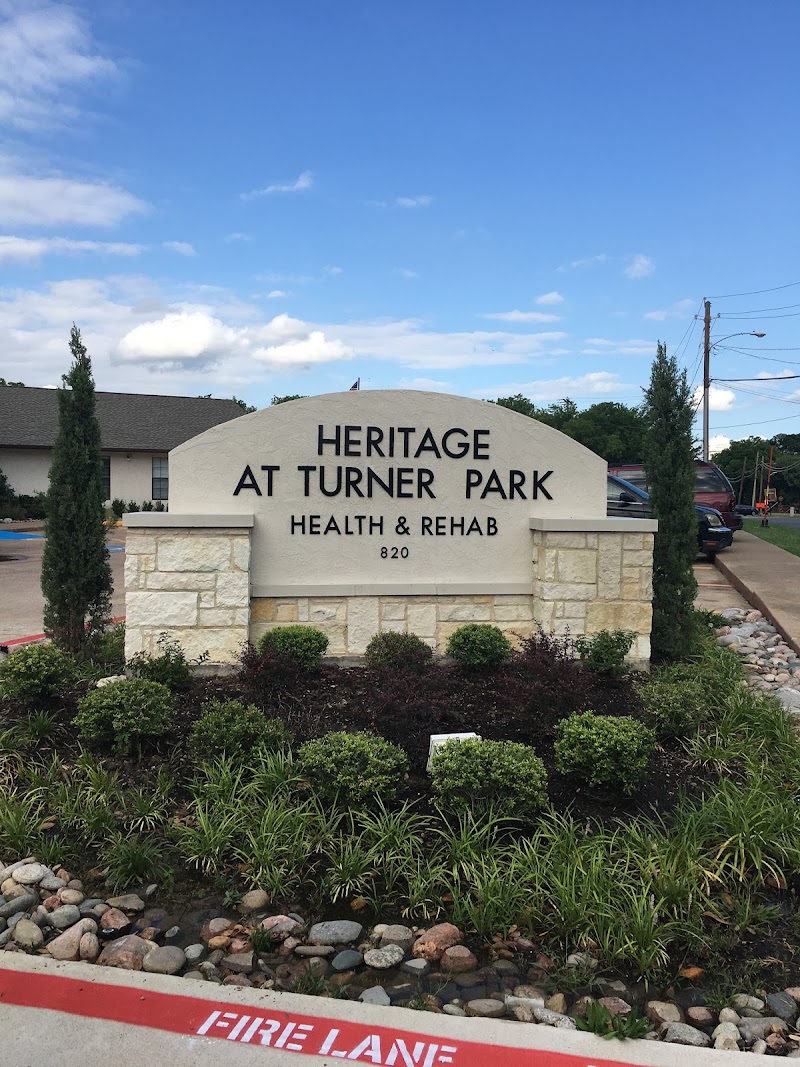
How is Heritage At Turner Park Health & Rehab Staffed?

CMS rates HERITAGE AT TURNER PARK HEALTH & REHAB's staffing level at 2 out of 5 stars, which is below average compared to other nursing homes. Staff turnover is 47%, compared to the Texas average of 46%.

What Have Inspectors Found at Heritage At Turner Park Health & Rehab?

State health inspectors documented 17 deficiencies at HERITAGE AT TURNER PARK HEALTH & REHAB during 2022 to 2025. These included: 1 Immediate Jeopardy (the most serious level, indicating potential for serious harm or death), 1 that caused actual resident harm, and 15 with potential for harm. Immediate Jeopardy findings are rare and represent the most serious regulatory concerns. They require immediate corrective action.
Who Owns and Operates Heritage At Turner Park Health & Rehab?

HERITAGE AT TURNER PARK HEALTH & REHAB is owned by a for-profit company. For-profit facilities operate as businesses with obligations to shareholders or private owners. The facility is operated by CREATIVE SOLUTIONS IN HEALTHCARE, a chain that manages multiple nursing homes. With 146 certified beds and approximately 83 residents (about 57% occupancy), it is a mid-sized facility located in GRAND PRAIRIE, Texas.
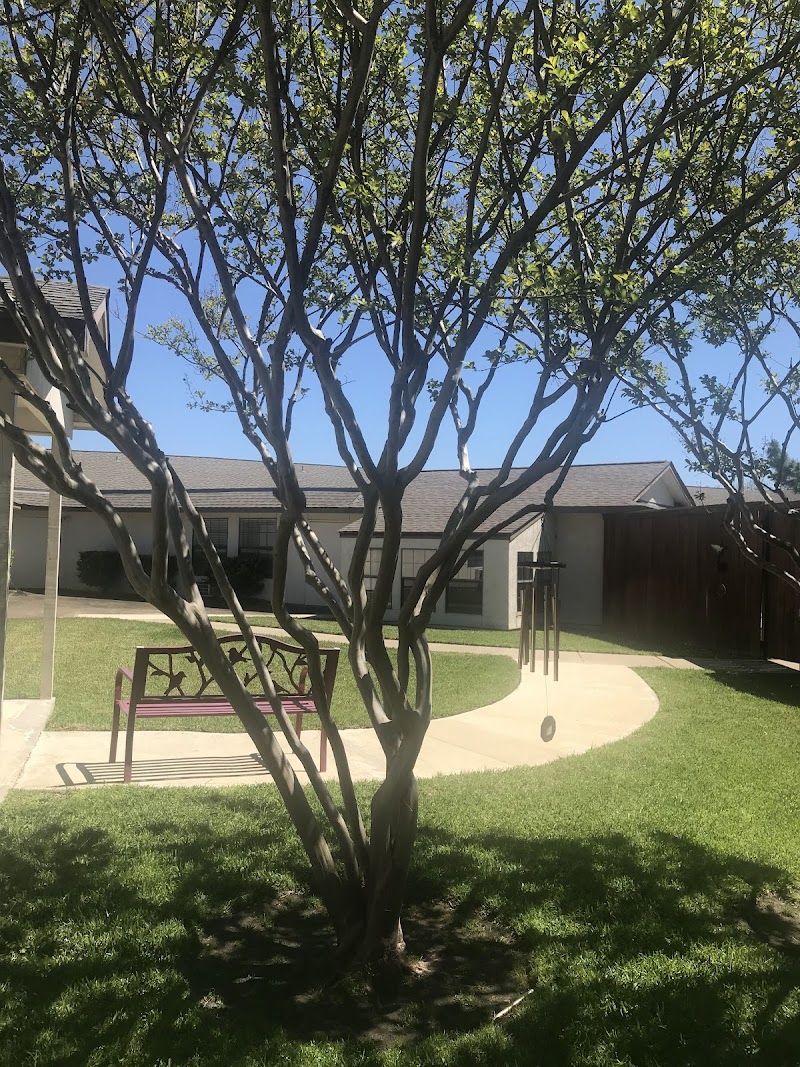
How Does Heritage At Turner Park Health & Rehab Compare to Other Texas Nursing Homes?

Compared to the 100 nursing homes in Texas, HERITAGE AT TURNER PARK HEALTH & REHAB's overall rating (3 stars) is above the state average of 2.8, staff turnover (47%) is near the state average of 46%, and health inspection rating (3 stars) is at the national benchmark.

What Should Families Ask When Visiting Heritage At Turner Park Health & Rehab?

Based on this facility's data, families visiting should ask: "What changes have been made since the serious inspection findings, and how are you preventing similar issues?" "Can you walk me through typical staffing levels on day, evening, and night shifts?" "Can I visit during a mealtime to observe dining assistance and food quality?" "How do you handle medical emergencies, and what is your hospital transfer rate?" These questions are particularly relevant given the facility's Immediate Jeopardy citations and the below-average staffing rating.

Is Heritage At Turner Park Health & Rehab Safe?

Based on CMS inspection data, HERITAGE AT TURNER PARK HEALTH & REHAB has documented safety concerns. Inspectors have issued 1 Immediate Jeopardy citation (the most serious violation level indicating risk of serious injury or death). The facility has a 3-star overall rating and ranks #1 of 100 nursing homes in Texas. Families considering this facility should ask detailed questions about what corrective actions have been taken since these incidents.

Do Nurses at Heritage At Turner Park Health & Rehab Stick Around?

HERITAGE AT TURNER PARK HEALTH & REHAB has a staff turnover rate of 47%, which is about average for Texas nursing homes (state average: 46%). Moderate turnover is common in nursing homes, but families should still ask about staff tenure and how the facility maintains care continuity when employees leave.

Was Heritage At Turner Park Health & Rehab Ever Fined?

HERITAGE AT TURNER PARK HEALTH & REHAB has been fined $17,493 across 2 penalty actions. This is below the Texas average of $33,254. While any fine indicates a compliance issue, fines under $50,000 are relatively common and typically reflect isolated problems that were subsequently corrected. Families should ask what specific issues led to these fines and confirm they've been resolved.

Is Heritage At Turner Park Health & Rehab on Any Federal Watch List?

HERITAGE AT TURNER PARK HEALTH & REHAB is not on any federal watch list. The most significant is the Special Focus Facility (SFF) program, which identifies the bottom 1% of nursing homes nationally based on persistent, serious quality problems. Not being on this list means the facility has avoided the pattern of deficiencies that triggers enhanced federal oversight. This is a positive indicator, though families should still review the facility's inspection history directly.